Advertisements & other items, p. 2 (1 item)
Toyota
How to find a REAL economy car.
When you look at a car billed as an economy
model, ask yourself a few questions.
What sort of fuel consumption can be expected?
Low? Good.
What about other operating costs? Oil, lubrication, that kind of thing. Low again? Great.
How about maintenance? The car has a low-breakdown record? You are definitely on the right track.
What is the average life of the car? Is it better than the average in your area? Super. That’s important in an economy car.
Now. How is the after service? Buying a car is not all in the price you know. Plenty of service outlets?
One economy car coming up. All you have to do is check the price. Then you can tell if you are really getting an economy car.
You will probably find, after asking these questions about town, that REAL economy cars come down to Toyota, the world’s economy car builder.
See Toyota first. Then you won’t have to shop around.
1HE HAPPY ECONOMIZER
TOYOTA STARLET
The car that says economy in every way.
And you will be happy for it. Big inside.
Small outside. Miserly with petrol Without sacrificing comfort. A good buy in an economy car — even for Toyota. k l i
PAPUA NEW GUINEA:
ELA MOTORS,
Scratchley Rd., Badili, P.O. Box 675, Port Moresby.
U.S. TRUST
TERRITORY: MICROL
CORPORATION,
P.O. Box 267, Saipan.
FIJI ISLANDS:
AUTOMOTIVE
SUPPLIES COMPANY,
P.O. Box 5177, Raiwaqa, Suva
AMERICAN SAMOA:
BURNS PHILP
(SOUTHSEA) CO., LTD.,
P.O. Box 129, Pago Pago.
WESTERN SAMOA:
BURNS PHILP
(SOUTHSEA) CO., LTD.,
P.O. Box 188, Apia.
TONGA: BURNS PHILP
(SOUTHSEA) CO., LTD.,
P.O. Box 55, Nukualofa.
GUAM: ATKINS, KROLL
(GUAM) LTD., P.O. Box
6428, Tamuning.
NEW HEBRIDES:
NEW HEBRIDES
TOYOTA
SERVICE
TOYOTA
MOTORS,
P.O. Box 18, Vila.
SOLOMON ISLANDS:
MENDANA
ENTERPRISES (S.l.)
LTD., P.O. Box 174,
Honiara.
TAHITI: NIPPON
AUTOMOTO, B.P. 342,
Papeete.
COOK ISLANDS:
COOK ISLANDS
TRADING
CORPORATION LTD.,
P.O. Box 92, Rarotonga.
NAURU ISLAND:
NAURU COOPERATIVE
SOCIETY.
REPUBLIC OF KIRIBATI:
TARAWA MOTORS,
Box 36, Bairiki, Kiribati.
NORFOLK ISLAND:
MOUNT PITT
(ENTERPRISES) LTD.,
P.O. Box 169.
NEW CALEDONIA:
SOCIETE IMPORTATION
AUTOMOBILE DU
PACIFIQUE, Rond-Point du Pacific (Station total) B.P. 438, Noumea.
The Toyota range includes: Toyota 1000, Toyota Starlet, Toyota Corolla, Toyota Celica, Toyota Corona, Toyota Cressida, Toyota Crown
Pacific Islands Monthly
V01.51N0.8
August 1980
[Usps 952480]
Representatives
AUSTRALIA: Distribution: NSW & ACT: Allan Rodney Wright (Circulation) Pty Ltd, PO Box 907, Darlinghurst, NSW 2010; Elsewhere: Gordon & Golch (A/asia) Ltd, Box 40, PO, Rosebery, NSW 2018. Advertising - Melbourne - Ray Brown Pty Ltd, 614 Queensberry St, North Melbourne 3051, telephone 329 8522, telex 31717; Brisbane - D.
Wood, Anday Agency, Box 1918. GPO, Brisbane 4001, tele phone 44 3485, 44 1546, Adelaide - Hastwell Media, PO Box 30, Glen Osmond, SA 5064, 233 Glen Osmond Rd, Frewville, SA 5063, telephone 79 1869. Perth Adrep, 62 Wickham St., East Perth, WA 6000, telephone 325 6395.
FIJI: Distribution and subscriptions Desai Bookshops, PO Box 160, Suva, Fiji, telephone Suva 23036 Advertising Fiji Times & Herald Ltd, 20 Gordon St. Suva, telephone 312 111, telex FJ2124.
FRENCH POLYNESIA: Distribution Hachette Pacifique, 10 Ave Bruat, Papeete, telephone 25610.
HAWAII, UNITED STATES: Distribution PIM, Hawaii. PO Box 22250, Honolulu, Hawaii 96822. Advertising Roger Brookes, PO Box 10217, Honolulu, Hawaii 96816.
MICRONESIA: Advertising Roger Brookes, PO Box 10217, Honolulu, Hawaii 96816.
JAPAN: Advertising and subscriptions Universal Media Corporation, CPO Box 46. Tokyo, telephone 666 3036.
NEW CALEDONIA: Distribution - Depot Centre de Presse Michel Pentecost, CBP2, Noumea, telephone 27 2434, 27 4729.
NEW ZEALAND: Distribution - Gordon & Gotch, PO Box 584, 2 Carr Road, Mt. Roskill, Auckland 4 Advertising International Media Representatives Ltd, PO Box 2313, Auckland, telephone 795 487; 493 389, cables Intereps, Auckland. Subscriptions Ross Haines & Son Ltd, PO Box 1289, Auckland, telephone 769 042.
PAPUA NEW GUINEA: Distribution - Gordon & Gotch, PO Box 3395, Port Moresby, telephone 254551, 254855.
Advertising PNG Post-Courier, PO Box 85, Port Moresby, telephone 21 2577.
UNITED KINGDOM: The Herald & Weekly Times Ltd, 8-10 Clifford's Inn, Fetter Lane, London EC4A IBU, telephone 01 831 6041, telex London 21989.
UNITED STATES MAINLAND: Advertising - Joshua B Powers Jr. Powers International Inc., 551 Fifth Ave, New York, New York 100 017, telephone 867 9580, telex 236514 Subscriptions PIM, Hawaii, 2812 Kahawai St, Honolulu, Hawaii 96822.
Subscriptions
PIM is airfreighted to most subscribers and agents in the Pacific Islands and the United States, but not the UK or the Continent.
Elsewhere: SAI6 Payment by personal cheque is accepted in Australian, US, New Zealand, UK and Fiji currency. For other remittances please obtain a bank draft in Australian dollars made payable to the ANZ Banking Group, 88 Wentworth Avenue, Sydney Australia.
Published monthly by Pacific Publications (Aust.) Pty Ltd and printed in Australia by Paramac, Alexandria, NSW Aus tralian cover price is recommended retail only. Registered at the GPO Sydney for transmission by post as a publication - category B. Second class postage paid at Honolulu Hawaii. Copyright © 1978 Pacific Publications (Aust) Pty
Ltd.
Postmaster Honolulu: Send address changes to PIM Hawaii, PO Box 22250. Honolulu Hawaii 96822.
Aust.
Other American Samoa $13 $US16 Australia $12 Canada $14 $US18 Cook Islands $13 Fiji $12 $F12 French Polynesia $14
Cfp 1700
Guam $13 $US16 Hawaii $13 $US16 Japan $16 Y4500 Kiribati $13 Micronesia $13 $US16 Nauru $18 New Caledonia $14
Cfp 1700
New Hebrides $13 New Zealand $12 $NZ13.50 Niue $13 Norfolk Island $12 Northern Marianas $13 $US16 Papua New Guinea $13 K12 Solomon Islands $13 Tonga $13 Tuvalu $13 United Kingdom $15 10 US Mainland $14 $US18 i/Vestern Samoa $13
This Month’s 50th Birthday Features
• THE REGION Publisher Stuart Inder takes a searching look at the Pacific, the changes of 50 years, the situation today and the outlook for tomorrow 5 • THE NEW POLITICS Associate Editor Malcolm Salmon, recently back from Port-Vila, describes the background as colonial New Hebrides becomes autonomous Vanuatu 18 • THE OLD POLITICS Robert Langdon tells how Britain acquired a Pacific island and Bengt and Marie-Therdse Danielsson tell how France acquired a Polynesian kingdom 97 • THE WRITING Marjorie Crocombe describes the birth of the new wave of Pacific creative writers 140 • THE DANCING Colourful traditional dancers launch the Third South Pacific Festival of Arts in Port Moresby 31 • THE SINGING Jane Milder tells how she talked with the man who wrote the haunting melody of Isa Lei 149 • THE SHIPS Veteran navigator, writer and artist Brett Milder spins a tale of ships that served the Islands 164 • THE AIRCRAFT Jack Percival, the man who flew with Smithy, describes how Pacific air routes developed 151 • THE YACHTS Gwenda Cornell writes about her life as a wife and mother in a cruising yacht, and husband Jimmy Cornell has a look at the sort of people who sail away 169 • THE ELEMENTS Maclaren Hiari tells the story of the worst volcano disaster in modern Pacific history 111 •. .. AND SOME WORDS ABOUT OURSELVES Founder R W Robson speaks from retirement at the age of 95, and Pacific leaders send 50th birthday messages to PIM 88
Aviation 151 Banaba 97 Books 131 Chile 159 Deaths 181 Fifty Years of PIM, Postscript 115 Fiji 41, 53, 149,157,162 French Polynesia 108 Island ruin mystery 71 Islands Press 47 Kiribati 161 Letters 35 Literature in the Pacific 140 Lord Howe Island 42 Micronesia 158 Nauru 157 New Caledonia 61 New Hebrides 18, 25,41, 52,71 New Zealand 159,162 Nuclear news 52,57
Pacific region review 5 Pacific report 33 Pacific War film 79 Papua New Guinea 41.42. 51. 53. 57. 59, 79, 111, 159,161 People 64 PIM covers 80 Political Currents 51 Postmark Papeete 108 Ships 164 Shipping Services 179 Solomon Islands 42, 51,157,160 South Pacific Arts Festival 31 Three lives of PIM 88 Tradewinds 157 Tradewinds Intelligence 163 Travel 59 Tropicalities 41 Tuvalu 162 Yachts 169
Advertisements & other items, pp. 3-4 (2 items)
3
PACIFIC ISLANDS MONTHLY - AUGUST, 1980
Founded 1930 by R. W. Robson Publisher Stuart Inder Editor Angus Smales Associate Editor Malcolm Salmon Editorial Adviser John Carter Manager John Berry Advertising Sales Manager Steve Gray A Pacific Publications production 76 Clarence Street, Sydney 2000 GPO Box 3408 Sydney 2001 Cables; PACPUB Sydney Telex: 21242 (answers INTARAD) Telephone: Sydney 29 6693 Melbourne 63 0211 ext 1565 and 1858
Test drive our high-performance
TONE-®
VOL
push r ADiq D 'QNeen
AUTq
Eject 'Un
KP-2500A
Test drive our high-performance
economy model.
Thinking about buying a car stereo?
Then maybe you should give our KP-2500A some thought. This DIN-size car stereo features an Auto-replay cassette deck for easy cassette handling along with locking fast forward and rewind with Auto-eject. For increased on-theroad durability and wider frequency response, the KP-2500A features a hard permalloy tape head, To keep you in touch with the best in FM stereo, the AM/FM tuner features I.9juV FM sensitivity. There’s also an FM stereo/mono switch for optimum reception in remote areas.
Combine all this with a low sticker price and Pioneer reliability and there you have it.
So why not roll into your local Pioneer car stereo dealer and test drive the KP-2500A and see why it’s miles ahead of the others.
iPIONEEIT
For further information, please contact: Australia: Pioneer Marketing Service Pty. Ltd., P.O. Box 317, Mordialloc, Victoria, 3195 Tel: 90-9011 Fiji Islands: Brijlal & Company, G.P.O. Box No. 362, Suva, Fiji Islands Tel; 22258 New Zealand: Monaco Electronics Ltd., 30 Pollen Street, Grey Lynn, Auckland.
New Zealand Tel: (09) 762 098 Norfolk Island; Burns Philp (Norfolk Island) Ltd., Norfolk Island. South Pacific New Hebrides: Burns Philp (New Hebrides) Ltd., Vila, New Hebrides
Nauru Island: Jacob Enterprises, P.O. Box No. 4, Republic of Nauru Tahiti; Ets. PERFECT. B.P. 594, Papeete, Tahiti Tel: 20 407 New Caledonia: Menard Freres Ville, B.P. H 2 Cedex, Noumea, New Caledonia Tel: 27.52.22 American Samoa: Transpac Corporation, P.O. Box 1477. Pago Pago, American Samoa 96799 Tel; 633-5224 Rarotonga: South Seas International Ltd., P.O. Box 49. Rarotonga, Cook Islands Tel: 2327 Papua New Guinea: Bali Merchants Pty. Ltd., P.O. Box 6103. Boroko Tel: 254887
to go back to the village
The Pacific Islands: Too late to go back to the village
STUART INDER provides a curtain raiser to PlM’s 50th anniversary issue with this special review of the recent past and survey of the present situation in the Pacific Islands. He also makes some forecasts on the likely turn of future events, basing his commentary on nearly 30 years’ experience writing and reporting on the Pacific Islands. His is a personal view, and everybody may not agree with the record as he sees it, but it is the kind of informed comment that has built PlM’s unique reputation over the last half century and which PIM will continue to provide. Inder himself will continue to be among our contributors, although he steps down as PlM’s publisher from this anniversary issue to concentrate on other aspects of publishing for Pacific Publications.
The Pacific Islanders have come to recognise that they have been divided by their historic past. To ensure a satis factory future, they now know they must learn to stand together and so avoid exploi tation by the entrenched econ omic and technological strength of the nations whose actions in earlier times divided them.
This essentially is what has happened in the Pacific Islands in the last 50 years and these are the main problems that lie ahead.
The struggles of the past are of small significance compared with what has to be faced in the next decade.
The drive to establish a worthwhile economy, and to ensure a measure of real politi cal autonomy, is of such im portance to their welfare that the Islands cannot afford to fail in it, ill-equipped as they are for the task. They cannot achieve it without understand ing from the West.
In recent years the energy of the Islands has been directed towards achieving political in dependence independence being seen by some islanders, although by none of the leaders, as a ceremonious cel ebration to which family and friends were invited rather like a big society wedding. But now that for most of them the tumult and the shouting are over, it is clearly understood that the next priority is to
develop self-sufficiency; and, as
it is inevitable that at times this must bring the Islands into conflict with the vested inter ests of the established world order who will not lightly she 4 profit or power, the real com plications are to come.
The modern history of the Islands has thus far been
uncomplicated. European pen etration was starkly direct and purposeful. Christianising missionaries from the West were the forerunners. But from about the second half of last century the various big powers, mostly European, began to share out ownership of the Island groups among them selves after considerable squabbling, and some horse trading. The native populations were not invited to participate.
Thus is was, in rough order, that: • France took Tahiti and New Caledonia and their neighbouring islands, and still has them. • Britain took possession of Fiji (and soon began to compli cate its racial structure by importing workers from India).
The Fijians got their islands back in 1970, in company with the Indians, who by this time were 50% of the population. • Germany and Britain div ided up Papua and New Guinea (Britain then handing Papua to Australia, which later got New Guinea too as a result of World War 1). The Papuans and New Guineans got their islands back in 1975. • New Zealand took various far-flung islands, including Niue, administering them as the Cook Islands, and still has them.
• Germany took Nauru (then lost it to Australia as a result of World War I). The Nauruans got their island back in 1968. • America took Guam after a fight with Spain, who had had possession for centuries.
America still has it. • Germany acquired the Northern Marianas and the Carolines from Spain and added them to the Marshall Islands, which she had recently taken. (Japan later acquired all three groups as a result of World War I, and America took them from Japan in World War II.) The three groups, now known as the Trust Territory of the Pacific Islands, are in the process of being handed back to their native owners. • Britain took the Solomon Islands. The islanders got them back in a somewhat different form in 1978. • Britain took the Gilbert and Ellice Islands and later added Ocean Island. The Ellice Islanders got their islands back in 1978, renaming them Tuvalu. The Gilbertese got theirs, including Ocean Island, in 1979, renaming the islands Kiribati, but the Ocean Island people are not happy about it. • Britain and America div ided the Samoan Islands be tween them (Germany later accepting Britain’s share in a horse-trade for more of the Solomon Islands, only to lose it to New Zealand in 1914). The people in the western islands got their piece back in 1962 as Western Samoa; the eastern islands are still owned by America. • Britain moved in on Tonga to prevent anybody else from taking it (putting in British officials, who were given the power of veto over Tonga’s foreign affairs). The Tongans
got back full control of their islands in 1970. • Britain and France be tween them took the New Hebrides, as their way of re solving the squabble about which of them should control them. On July 30, 1980, the New Hebrideans were sched uled to get them back, with the French objecting to the very last minute.
The powers occupied the Pacific Islands for self interested, though not always selfish, reasons; to use them as bases or to deter anybody else from using them as bases, or to control their resources. Re sources varied from New Caledonia’s value to France as a convict settlement, to Britain’s blatant acquisition of Ocean Island for its rich phos phate (the extraordinary de tails of this particular piece of history are recalled on p 97 of this issue).
With permanent occupation came the eventual growth of government structures in the image and likeness of those used by the metropolitan power sometimes military (such as New Caledonia and American Samoa). But they have had in common a central authority dominated by the outside power to hand down decisions on important matters of policy or to constrict decisions made down the chain, this system existing virtually up to political independence. For the most part it exists still in those groups not politically indepen dent.
Some islands had their sys tem of government, education, etc, change on more than one occasion as political rulers came and went notably parts of today’s US Trust Ter ritory, which have been ruled in turn by Spanish, Germans,
Stuart Inder
Japanese and Americans for periods long enough to have influenced their cultures.
The New Hebrideans, if there are such a people, have had the confused distinction of being ruled for 70 years by two governments at the one time, with different approaches to the question of political auton omy, to matters of land owner ship and the judiciary, with different currencies and languages. This twin-headed administrative monstrosity was imposed upon the islanders for the convenience of the outside powers.
Last century’s propensity for the rearrangement of tra ditional island groupings by the addition or subtraction of islands, for administrative con venience and without reference to the people, has caused ad ditional problems in the Pa cific. Thus it was no surprise that as independence ap proached recently, the Gilbert and Ellice Islands Colony div ided itself into the two separate states of Kiribati (Micronesians) and Tuvalu (Polynesians) resulting, inci dentally, in the mass exodus of the most experienced trained administrative officers from the Gilbertese capital of the old colony to their traditional islands in the new state.
The surprise with the scat tered Trust Territory islands is not that, with approaching autonomy, they are breaking into four separate groupings, but that they haven’t split into still smaller pieces. Anybody who makes even a simple examination of the boundaries imposed upon the Pacific Islanders by the accidents, the ignorance or the machinations of the recent past will have no problem understanding at least one of the reasons for the ‘breakaway movements’ that develop in some areas of the Pacific, not the least in Papua New Guinea which consists of many islands, and three million people, speaking 700 languages.
With only a week to go before Independence Day in 1975, PNG’s Prime Minister Somare was staving off Bougainville secessionists with one arm and, with the other, Papuan secessionists, who from different ends of the fledgling nation were seriously shouting
that they weren’t going to be part of a new entity with which they had nothing in common.
The Bougainvilleans argued that they were historically a part of the Solomons (and were allowed to change the name of the Province of Bougainville to the Province of North Solomons).
About the same time the Banabans of Ocean Island, now living on the Fijian island of Rabi, where they had been moved by the British Govern ment, argued that their old island should be given its inde pendence from the Gilberts because it never really was a part of that group. But it’s a moot point today because the phosphate that was on it was exhausted at the end of 1979, and Ocean Island is a moonscape, with no communi cations.
Nowhere can it be said that the powers grossly neglected their responsibilities in provid ing health and education ser vices to the islands, even if few people are likely to agree on what is an adequate level of health care and schooling. To some, whatever the level, it isn’t enough.
Nor will history say, with some exceptions such as the phosphate of Ocean Island and Nauru, and the nickel of New Caledonia, that the powers plundered the natural re sources of the islands to make themselves rich at the expense of the people.
Although fortunes have been made, corpc and individ ual, the Pacific Islands in col onial times proved not to be an El Dorado of fabulous wealth, with resources comparable to those exploited by the colonialists of Africa and South America. There is un likely to be any extensive resi due of resentment against past exploitation; although today’s Banabans will remain bitter at the massive exploitation of their home island by the British Phosphate Commis sioners, and resentment of France’s control of New Cale donian nickel, expressed in the past in Noumea, could be expected to intensify while France continues with her pres ent system of government in the islands.
With those exceptions, and with the exception of Nauru,
the resources of the Pacific Islands were not of such great value that they were worth the rising cost of administering colonies, especially as world opinion turned against the practice of one people ruling another, and politicians back home became increasingly vo cal on the questions of both cost and morality.
Nauru, with its rich phos phate deposits being exploited by Britain, Australia and New Zealand, would still be under control of the Powers were not Head Chief Hammer Deßoburt, a tough and relent less fighter himself, able to call on the support of world opinion through the United Nations, which luckily held trusteeship over the island. Neighbouring Ocean Island, not favoured with influential godfathers, continued to be worked until its phosphates were exhausted, which happened to coincide with independence.
Nor is there likely to be any extensive residue of resentment over the exploitation of Islands lands. Land alienation was never as great in the Islands as popular belief had it; the uncharacteristic exceptions such as New Caledonia and New Hebrides, where alien ation has been extensive, at tracted the popular criticism.
Of the biggest islands, alien ation of land ceased in Papua in 1906 and in New Guinea in 1914, and today in Papua New Guinea there are less than 216 000 ha of freehold out of more than 46 169 000 ha. It cannot now be purchased by expatriates, and will in any case be converted to leasehold.
Alienation of land in the Solomons was banned in 1914 and those early freeholds con verted to leases in 1977. Land alienation ceased in Fiji in 1909, and freehold land there, other than Crown freehold, totals 149 087 ha., out of a total of 1 829 799 ha.
Independence has invariably brought light land controls and reversals of colonial policies; the new constitution for the independent New Hebrides, in a single sentence, wipes the slate clean for those islands by bringing all land under the ownership of the indigenous custom owners and their de scendants on Independence Day. There will be no free holds.
Achievement of political in-r dependence has been helped by the development of a regional! identity among the smalll Island stales, followed by tho rise of regional co-operation. It is through this development! that the Islands learned t<D recognise and thus began to overcome the divisions forced) on them by the historic past.
Regional identity began to form with the establishment ok the South Pacific Commission in 1947 by Britain, Australia!
New Zealand, France, the US<: and the Netherlands (which then held Dutch New Guinea)( As early as 1921 the Fiji Legislative Council hao transmitted a resolution to London proposing a confederi ation of the British peoples oh the Western Pacific, buti nothing came of it. In the issue of PIM for January, 19311 PI M’s founder and editor.i R. W. Robson, proposed in as major article that a Pacific Islands Association be estab-( fished composed of indigenous and non-indigenous people ing in the Pacific as far north! as Hawaii, who would sencb delegates to an annual confer ence at Suva, Sydney or Auck-; land to discuss common prob-( lems and secure common ac< tion. He suggested delegates: should come from all terri-i lories, whether ruled by thea British, the United States,* France or Japan.
Robson pressed this plan im articles in the established PIM, which as thea only publication to specialises entirely in reporting Pacifies Islands affairs, and althoughrl aimed at white residents of aB white-dominated Pacific, wasz by its existence itself helping too develop a sense of regionalism..!
By July 1936 Robson wasz elaborating on his proposal in a£ radio broadcast in Suva, inn which he urged there should beo consultation and co-operative a action in the Pacific on ques—; tions of public health, natives education, agriculture, quaran--i tine regulations and other mau lers of interest to Islands resi--i dents.
Nothing had been done a when war came, but during the a war W. D. Forsyth, a memben of the Post-war Planning Sec--; tion of the Australian Depart- ment of External Affairs, pro- -< posed in a departmental report J
the establishment of a South Seas Commission, and by 1944 Australia and New Zealand had announced they would set up an advisory regional com mission to bring about greater co-operation in the adminis tration of colonial territories.
With the SPC established in 1947, the commissioners each representing one of the metropolitan member countries - met regularly to discuss matters of mutual economic and social concern, but not political matters, which weren’t permitted under the terms of the arrangement.
What they discussed wasn’t often vital or relevant, and there was no feeling of ur gency.
Every three years there would be a big South Pacific Conference, at a different Islands venue, at which Is landers would be brought together, usually with expatri ate ‘observers’ in attendance, to talk to a carefully-prepared agenda.
The conference chairman was one of the commissioners, who usually acted like a school master, and none of the pro posals put forward by the Islanders would necessarily be accepted by the commis sioners, who met later in pri vate to make the real decisions.
The agenda items at the con ferences were rigidly adhered to, so there would be no opportunities for controversial matters such as political com ment to arise unexpectedly.
This was deliberate policy by the metropolitan powers, who had agreed that the com mission was to be an advisory and consultative body con cerned in technical work and research in fields such as health and education. The SPC was not to be allowed to de velop into some kind of loose Islands federation.
But those conferences were in fact training grounds in inter-territory relations at rank and file level, and inevitably
there was growing awareness among participants of the needs of Islanders rather than of the colonialists.
The first Islander who dis turbed the bureaucrats from the capital cities arrived at a conference held in Lae, PNG, in 1965, in the form of Ratu K. K. T. Mara of Fiji. Ratu Mara, later to become Fiji’s chief minister, and prime min ister after independence, at tacked the commission as constituting ‘an exclusive club’, and made it clear that unless some way was found to give the territories themselves the chance to make decisions, the commission would die.
Ratu Mara’s strong lead was followed by others, and by 1970 there had been a revol ution in the SPC, with Is landers chairing the confer ences, conference delegates themselves being Islanders able to speak with authority.
Two independent Island coun tries had become full members of the commission, and a West
cm Samoan, the late Harry Moors, had become first Islander secretary-general (and all secretary-generals since have been Islanders).
Today, the value of the SPC is that its membership is open to all, and all can influence its decisions and benefit from its work. It is still the only re gional organisation that gives an opportunity for the French territories to compare notes with their neighbours. The commission has been success ful.
But the SPC is still not political, which is why in 1971 the Islanders themselves with Ralu Mara again in the lead created the South Pacific Forum, to which only independent Pacific Island nations can belong. With its economic and planning arm the South Pacific Bureau of Economic Co-operation (SPEC) the forum changed for ever the South Pacific, by establishing a significant power bloc of regional co-operation.
The Forum gives the South 1 Pacific Islands the freedom of ■ action that permits them to identify problems and to attack their root causes, irrespective : of their source or origin. This the South Pacific Commission could not do, and colonial gov ernments often would not. Fur thermore, the Forum brings Australia and New Zealand firmly into Island councils.
Speaking at that first, explora tory South Pacific Forum meet ing in Wellington in August 1971, Ratu Mara put it in these terms: ‘Since coming to New Zealand I have been con stantly asked why we are having this meeting and what do we hope to achieve. I can put it quite briefly. We are all leaders of our nations. As such, we feel the responsibility of leadership so keenly that we want to seek all the help and guidance we can. ‘We are leaders of nations emerging from a long period of tutelage with countries of European culture. Much of thh culture we have adopted parliamentary democracy, the rule of law, and constitutions organised for orderly manage ment of our affairs. We realise we are part of the modern world, with all its economic, sociological and political prob lems. And we realise in all humility that we cannot pursue the purposes of our leadership through our own cultures alone . . . We emergent nations in the Pacific would like to maintain the friendly relations that have existed with our former guides and protectors, beyond inde pendence and into the future.
It may be that the operation of independence in this way the Pacific way is what will distinguish us from other parts of the world, where this has not always been so. And in Aust ralia and New Zealand we have neighbours who have gone through the experience and can share it with us.’
But, significantly, Ratu Mara also stressed at that meeting that this was an era of aid from the more-developed to the less-developed countries of the world, and that this aid would be more forthcoming and belter utilised if the region continued to be stable and orderly. Although the Pacific Islands would accept aid gladly, trade was preferred to
aid, he said. One of the Pa cific’s main problems was that the pattern of trade was in herited from the colonial period, and any change or modification in the pattern could best occur if the people who controlled it could be influenced that is, the out side world.
So it was inevitable that another landmark in regional progress would come, as it did in March 1980 in Honolulu, when the Forum countries or ganised a new style of seminar involving the leaders of all Island states, whatever the state’s political status, plus representatives of developed countries and international agencies likely to be of help to the Pacific Islands.
The aim of this big meeting, ‘Development the Pacific Way’ was: To remind the world that the Pacific Islands are interde pendent like the rest of the world community, and that they need greater recognition of their development needs and problems.
The conference proceeded to report on the needs and prob lems that the leaders had ident ified in recent years, and to enumerate the Pacific-wide priorities, and to involve every body in attempting to resolve them. Some of the problems, such as the development of
new political/administrative
systems better able to serve Islands needs, are largely a matter for Islanders to resolve.
But many others, such as econ omic development and the ur gent search for new energy sources, cannot be resolved without outside help, and it is this drive for real support and recognition that the Islands are today engaged in.
Various recent studies have indicated that developing Is land countries face similar economic problems to those confronting developing countries generally. All mea sures in the field of trade and aid that other countries need so as to improve their prospects are equally important to developing Island countries.
Additional problems are due to their smallness.
A panel of experts asked to report on the characteristics of developing countries every where, including the Caribbean and the Pacific, for the United
Nations Conference on Trade and Development, found that they have these things in com mon: Most of them are small in area, with small populations.
Most of them are isolated from continents, and many are re mote from main shipping routes and world markets.
Most are exposed to natural disasters, such as hurricanes, and periodically suffer econ omic setbacks from them.
Even though they may be in dependent politically, most developing islands are more or less dependent in economic terms. The smaller islands have few natural resources. Many of their economies are highly specialised, dominated to the extent of more than 50% and sometimes up to 80% by one mineral or agriculture.
The economy of numbers of islands is dominated by one or more large foreign companies specialising in export crops, mining or trade, and the poli cies of these companies have an influence on the island’s development.
Particularly in smaller is lands the average income ap pears to be fairly high when compared with that in other developing countries, but these averages often conceal substan tial inequalities of income, sometimes to the benefit of expatriate elements who are in control of the principal econ omic activities as a result of colonisation.
Some islands have recently recently experienced a high rate of nominal growth, but the real standard of living may not have improved because of the income inequalities and the high rate of population growth.
They encounter special diffi culties in external communi cations because of their geo graphic position, and also be cause of the way in which air and shipping services have been organised. Groups with numbers of islands within their boundaries and most Pacific states are like this have special problems in providing such things as power and com munications, including trans port, because they don’t have the economies of scale of the mainland countries.
Unemployment is aggrava ted by a level of urbanisation which is normally greater than
in mainland developing coun tries.
The level of school attend ance is higher than in other developing countries, and there arc usually more doctors in proportion to the population.
But there may be poorer access to higher or specialised edu cation or medical services.
In a survey of Pacific Islands agricultural and nutritional patterns, Y. H. Yang, of Honolulu’s East-West Center, reported last year that some 70% of the Pacific Islands population are engaged in agriculture, yet per capita food production was dropping, which affected nutritional stan dards. Food imports were in creasing yearly to meet de mands, and in Fiji for example, 41% of the calorie and 58% of the protein intake came from imported foods.
Major allocation of resources in agriculture is on cash and export crops such as sugarcane, coconuts, oil palm, coffee and cocoa, and subsistence crops and staple foods for Pacific Islands villages have received much less attention. Livestock production has generally in creased, but fish catch for domestic consumption has failed to keep pace with the population growth.
Yang reported that in spite of voluminous migration of Islands people to New Zea land, Australia, Canada and the US population in the region has increased in the past 12 years from 3 478 400 in 1966 to 4 697 000 in 1978, or an increase of 35%. Food pro duction indices compiled by the UN Food and Agriculture Organisation (FAO), showing aggregated output of all food crops, indicated that the total food production in past years increased only moderately in most Island countries. Papua New Guinea had the best per formance, the only country in the South Pacific that matched the world average. All others were far behind. Looked at over the past 12 years, only Papua New Guinea can keep pace with her population, with a slight increase per capita of 7%, while Fiji declined 22% and Western Samoa 32%. Food production must be increased at least 3-4% a year in order to support the population.
From 1970 to 1977, food im
ports in the South Pacific countries occupied about 20%' of their total imports in mer chandise trade, ranging from 17% in French Polynesia to 28% in Solomon Islands. On monetary value, the per capita food imports in 1977 were $4OO in French Polynesia, $95 in Fiji, $59 in Western Samoa and at least $35 in PNG.
Says Yang: ‘This is appar ently a big drain to the foreign exchange reserve, particularly in countries with , a negative trade balance such as Poly nesia, Fiji and Western Samoa.
This pattern of import dependence in food supply was similar, of course, with other countries in the region and the trend was upward.’
Separate studies have indi cated that many people in the Islands are suffering from mal nutrition.
The development of markets by the Islands has involved the development of new skills and contacts, and experience so far has been salutary. Three Island countries, Fiji, Western Samoa, and Papua New Guinea, have their own rep resentatives at UN head quarters. There, their voting patterns on issues affecting the world at large have been the same, and through consultation they also present a united voice on the South Pacific. But, more to the point, by having formed a working group within the UN called ASEAN-plus-Pacific, where they have regular dis cussions with their Pacific Basin neighbours, they’ve got regular feed back on world developments, especially on economic matters, and this new knowledge is being dissemi nated through the Forum. The Pacific Islands cannot advance economically without an under standing of the world market ing trends, which, as Marshall Islands President Amata Kabua warns, is a whole new ballgame. ‘Changes in the postwar in ternational monetary system and the substitution of floating exchange rates,’ he says, ‘mean that the world capital markets can respond almost within a matter of minutes to major or even minor policy changes. The advent of sophisticated com modities futures markets throughout the world means that commodity markets reflect
within hours any sudden, ad verse changes in the weather or other related factors. ‘Similarly the recurrent in creases in world oil prices, which raise the cost of pro duction and transportation of other commodities, are also quickly reflected in world com modities markets. This global linkage can have particularly volatile effects on a developing country whose annual gross national product is heavily de pendent on commodity exports. ‘Given this growth of global interdependence, national and regional development policies must plan for extensive partici pation in the institutions cur rently charged with monitor ing, implementing and developing these global changes . . .’
But the matter goes further, as President Kabua says; ‘lncreasingly, states have re alised that fairly limited con cern related to one’s own nar row bell of national jurisdiction has now expanded beyond these confines. The realisation that an expanding global popu lation has pushed fishermen from distant water states such as the US, South Korea and Japan, and further afield, in search of more abundant food supplies is just one example. As a result, our former national and regional concerns must now extend beyond our own visible offshore horizons and now must include recognition of the global need for ad ditional food as well as energy sources. How we deal with the global demands made upon us, as well as how we present the demands we make upon the rest of the world, poses a crucial development question for the Pacific Island communi ties in the 19805.’
On this question of ocean resources. Dr James Maraj, vice-chancellor of the Univer sity of the South Pacific, Suva, has warned that probably ‘it is not by chance that the Islands have been rediscovered’. In a world one quarter land and three quarters water, if land resources are running out it could be that ocean resources are bringing the rush of atten tion to the Pacific area seen in the last two or three years, and in the Pacific age of the 1980 s this could mean that the Pa cific countries could be picked
off one by one if they don’t protect their interests.
Control of ocean resources is probably the most important economic objective currently faced by Island countries whose main objective in com mon is to control all natural resources in their region, of whatever kind.
But the Islands have recog nised the special economic po tential of fisheries, and all countries are now according a high priority to their develop ment in national programmes.
Many have already declared 200-mile exclusive economic zones, encompassing very large sea areas with considerable fisheries resources. This follows the South Pacific Forum’s 1976 declaration that it was the intention of member states to establish 200-mile zones and adopt a co-ordinated approach to fisheries.
The total value of tuna caught in the region in 1977 was worth over SUS3SO million to the fisheries industry, but no benefit was derived by the Islands from the bulk of the resource because 75% of the tuna is caught, processed and marketed for the benefit of countries entirely outside the region.
With the declaration of the 200-mile zones, these fishing resources are coming within Islands jurisdiction, particu larly of the smaller groups for which fisheries are the only natural resource of major econ omic value. This in turn is creating the problems of ocean management, no small task when over 98% of the central and western tropical Pacific, in the area of the Micronesian islands, is water more than 20 million sq km of it. Apart from conserving resources there are the problems of policing, and of the Law of the Sea, in which the Pacific countries are having to involve themselves more deeply.
These problems can only be met through regional co operation. It was SPEC, the Forum’s executive arm, which convened a meeting of all coastal states to plan for the Forum Fisheries Agency, with headquarters in Honiara, which has now been estab lished for the collection and evaluation of information on fisheries, and which has yet to
tackle the complicated andb expensive problem of surveil-1 lance.
Not the least of the problems? ahead is the need for agree-; ment among the Islands as too their fishing needs so as too identify the regional position..!
Some countries still see fishings as a way to meet local proteinn needs, others to meet employ ment needs, others mainlyy want to see the development ofl export fisheries as foreignn exchange earners.
Control of fisheries might! well give the Islands their first! real opportunity to dictate terms, where in other com modities their production is? usually too small to enables them to do little but accept thee terms and prices dictated by\ more prosperous nations, as fori example with coffee, tea, natu ral rubber, sugar, timber, cop per and copra.
But in the meantime, and! perhaps for all time, they haves to keep themselves informed onr the market for their existing £ products if they are continue to ( get what returns they do. For i 'example, the new approach tO( keeping themselves informed 1 has caused Papua New Guinea i to feel that current high coffee ; prices could work against the ? promotion of coffee as a bever- age, to the detriment of Islands < exports. It is also cautious; about the future of coffee in i view of estimated increases in i production by the big coffee : producers.
On the other hand, PNG i feels that the expected compe- tition for natural rubber * against synthetic rubber will I not eventuate in view of cost J increases in the production of 1 synthetics due to rising oil 1 prices, and it has already em- barked on an expansion of its < rubber industry to take advan- tage of this.
Again the Forum, through i SPEC, has been a growing < force in widening Islands trade j opportunities. It has recently established in Sydney a Trade - Commission for the South Pa- cific to identify and develop c markets. It has come up with r the text of a plan, initiated at a i meeting of Islands Ministers of 1 Trade or Economic Affairs < held in Tonga in 1979, for a f comprehensive non-reciprocal I trade agreement in favour of 1 the Forum countries for pro- -
(gressively duty-free and unre stricted access to the markets of Australia and New Zealand over as wide a range of prod ucts as possible.
Having identified pharma ’ ceuticals as being substantial high cost imports into the I Islands, SPEC established a . South Pacific Joint Pharma • ceutical Service for joint pur [ chasing and warehousing of pharmaceuticals. It also acts on quality controls and as a : drug information service.
Other collective purchasing ar ' rangements are likely to follow.
The Pacific Forum Line is in existence because of the recog nition that Forum countries are disadvantaged by the high cost and irregularity of shipping.
Since its establishment the Fo rum Line has been hampered by constraints, and losses due basically to initial under capitalisation. But for the smaller islands the direct links it has offered have led to reduction of freight rates and import bills, and higher returns on exports. Exporters at least have some assurance that their products will reach the mar kets.
The Forum Line cannot be called an unqualified success, which doesn’t dismay its allies, among them Ratu Mara, who told the big Honolulu confer ence in March that as 60% of islands trade went out of the Pacific, it was no wonder that regional shipping was unprofit able. But he said the shipping could work if the Islands ana lysed the problems and really co-operated. Each year about 400,000 tons of sugar are ex ported from Fiji on non-Forum lines, which represents a loss of revenue to the regional line of $25 a ton.
The same thing is to be said for the Pacific’s efforts to es tablish a regional airline in Air Pacific, based in Fiji, and facing competition from a number of airlines operated by Islands governments with simi lar pretensions.
Because of the growing en ergy problems in the Pacific, some leaders think now might be considered a time for ration alisation rather than rivalries in Pacific transport. Shipping and air cargo rates have risen sub stantially with increased fuel costs, and shipping is concen trating on fewer ports, leaving
some places with increasingly irregular services, which in turn restricts development plans as well as exports. Devel opment plans based on earlier cost of fuel and power have had to be reconsidered.
Although SPEC has been stressing what it sees is the urgent need for South Pacific countries to recognise the mag nitude and implications of the region’s energy problems, it is doubtful if any Island country is not now fully aware of their seriousness.
The Islander on Guam or Saipan who finds there is no fuel left in his local gas station for the last few days of each month because the monthly quota has been exhausted, or can’t work in an air conditioned office, or supervise a machine, or pays more for his groceries, is acutely aware of
his vulnerability.
When PIM asked Island leader to state what they con sidered their single most serious problem of external
affairs, Ratu Mara said with out hesitation, ‘Energy. Where can we get an assured source of energy right at this moment?
All our foreign policy is motiv ated by the need for energy.
What if our oil goes?’
All other leaders made it clear in discussion that the search for energy sources was a top priority. Tonga was es pecially gloomy about pros pects. It says, ‘lt is an inescap able conclusion that no substi tute is likely to be forthcoming in the near future for the flexibility of liquid fuels, par ticularly for the small Island economies where transport is a vital prerequisite for develop ment. Further economic devel opment thus seems closely tied to continuing importing of en ergy, at ever-increasing prices.’
Tonga’s fuel imports have doubled in quantity since 1975 and imports are now equivalent in value to some 60% of annual exports. The kingdom sees the position worsening ‘as pet roleum prices rise and coconut
prices fall, as they both are expected to do’, and it adds; The energy situation is the most immediate problem facing us all. If it cannot be met, many of our development goals will be unreachable, and our brave strategies will be come meaningless.’
Illustrating the general en ergy problem now facing the Islands, Tonga currently has projects for increasing Nukualofa’s generating ca pacity, rural electrification, road upgrading, crop and fish ing expansion and for the growth of tourism, all of which will need more fuel and thus contribute to the rising cost of imports. Tonga can’t now re turn to the candle-nut lamps of their forefathers.
The Islands are tackling the crisis in energy in two ways: first by attempting to secure their current energy sources at predictable and manageable cost, and second, by searching for new energy sources from alternative fuels, the sun, sea,
‘We emergent nations would like to maintain the friendly relations that have existed with our former guides and protectors, says Ratu Sir Kamisese Mara,thearchitect of the New Pacific,seen here in Canberra with Australian Foreign Minister Andrew Peacock. But Ratu Mara has always made it plain that the independent Pacific states are not subservient, despite their need of assistance and understanding
wind, or even the stars if this is possible.
On the first objective, the Forum strategy is to seek petrol direct from the OPEC nations at concessional prices, whilst monitoring commercial prices in the region to ensure that local rises are related to OPEC increases. Preparations are be ing made for top-level del egations to OPEC countries.
Public hearings which began in Honolulu in July, sponsored by the US Senate Committee on Energy and Natural Re sources, heard experts describe various projects for alternative energy sources that are now under way.
These include small electric cells activated by sunlight and said to be suitable for residen tial power, which can return unused electric power into a central power grid to be used by others; land-based ocean thermal energy conversion (OTEC) plants; development in Hawaii of a geothermal turbine generator in a volcano (to be completed in 1981 and which should provide new knowledge about geothermal power); development, again in Hawaii, of a 200 kw wind tur bine generator (currently much more expensive than oil). There is also work being done on alternative fuels, from prod
ucts such as sugar cane and beet.
The US Territories Depart ment is spending SUS 3 million on a survey of energy sources in its Island territories and to draft a plan for long-term development.
The Honolulu inquiry was told that money spent on the development and use of renew able energy resources was ‘a realistic alternative to the lower standard of living that will inevitably come should the Islands’ heavily dependence on imported oil continue’.
Guam, which currently pays out about one-third of its annual gross business receipts for petroleum imports, has re cently committed itself to a firm policy of alternate energy development and is considering establishing an OTEC plant on Guam.
The urgent search for new energy sources, which is be yond the capacity of the Pacific Islands to resolve although they are among those worst affected, is probably the most dramatic illustration of how the Islands are dependent on outside aid and know-how to resolve problems not of their own making. Aid, whether in finance or in the provision of skills the Islands have yet to acquire, is a vital part of Island economies, and many countries
could not survive without it.
Western Samoa, first and thus the oldest of the South Pacific’s independent nations, now independent for 17 years, is still heavily dependent on aid from a number of developed countries and lending agencies for its foreign exchange, capi tal and skills. And it is still not self-sufficient in basic food stuffs such as fish and meat, Samoa’s announced objective is to reduce the degree of. dependence on foreign aid, in this case by strengthening the balance of payments, and by increased exports and in creased production of import substitutes.
But what is true of Western Samoa is true of the Pacific.
PNG’s Prime Minister, Sir Julius Chan, stresses that aid and self-help go together.
PNG, he says, aims to reduce its dependence on Australian aid in real terms over a period, so as to satisfy Australian taxpayers that PNG is ‘playing fair’ in using its aid sensibly by building up its economy so as to reduce its dependency.
It is true that if aid were curtailed then many countries could somehow survive, but at a fish and coconut subsistence level that might be accepted in the outer islands but not in the urban areas, where the style of living is one originally made
possible by the level of hand outs from the colonial adminis trations.
This is especially true of the living standards of PNG, New Caledonia and America’s Micronesian territories.
But such a severe curtail ment is certainly not immedi ately likely, for today there are something like 84 aid agencies operating in the region, together with multi-lateral and bi-lateral aid donors, and in the past 10 years developing Island countries have had access to a cornucopia of assistance.
Island countries are now also borrowing from each other as well as from the developed countries and from inter national agencies. Nauru par ticularly has given assistance to its friends.
Gone are the days when the Pacific Islands were tradition ally the preserve of the Aust ralian and New Zealand trading banks. British, Indian and commercial banks have entered the arena, as well as there being a growth in national banks. A number of countries now operate a central banking system.
Because of the propensity of Island governments to follow the British rather than United States system by embarking on the establishment of statutory bodies and government corpor
ations for specialist functions such as housing, telecommuni cations, internal air services and industries, there has been an increase in the variety of aid funds required. Regional oper ations such as the Forum Ship ping Line and Air Pacific, also need credit to sustain their expansion, and functions like these have changed the Pa cific’s financial scenario.
But despite its abundance, aid in many cases is not work ing satisfactorily. Streamlining is necessary.
A man with many years practical experience in Fiji and Papua New Guinea on govern ment financial management, Rodney Cole, of the Australian National University’s Develop ment Studies Centre, told a Canberra seminar last year that many South Pacific countries were able ‘to play by the rules of the aid game’.
These had the manpower to service their credit gathering activities, and they belonged to the ‘right’ organisations.
But other countries were too rich, too small or too tied to a a metropolitan power to be readily assisted by the big agencies, and needed some thing else probably some thing like a South Pacific Re gional Development Fund, or membership of the Asian De velopment Bank under a re vised set of rules. (A plan for a Regional Development Fund with wide ramifications is cur rently being examined as a result of the March Honolulu conference.) Cole says, and SPEC agrees with him, that what the smaller countries need is the ability to talk to somebody about their requirements when they want to talk, not just when a visiting mission arrives: and quick im plementation.
Tonga made the point for the smaller countries when it told the Honolulu conference in March this year: ‘The funds available for implementing de velopment projects acceptable to donors are often much larger than the total expenditure of government on its on-going re current activities. This is cer tainly the case in Tonga, where the total resources available through aid and soft loans in 1979/80 are more than twice the amount of all locally raised revenues. This growth in re
sources has placed great strains on a system designed to cope with the old level and range of activities. The problems have been exacerbated by the fact that each aid agency seems to have its own complex program ming and disbursement pro cedures.’
It is not merely the small countries that find implemen tation of aid can be a frustrat ing experience because of do nor requirements, lack of understanding by the donor of the Islands situation, or lack of suitable people to deal with the loan.
PNG found on independence that grants or soft loans began to come not as budgetary sup port, but for special projects the ADB, the World Bank, and Japanese, NZ and Australian governments funding a small number of individual projects, at a time when the country was trying to work out for itself an independent development strat egy.
PNG found it didn’t have the human resources to develop a planning system that could best use this aid. It was forced to lay down a policy which stressed, and still stresses, that its preference is to receive untied budget support grants.
If project aid is to be accepted then it must be only to fund projects already included in PNG’s national public expendi ture plan.
This ensures that the PNG Government determines priorities, and that projects aren’t undertaken merely be cause another government is prepared to provide money for something that government re gards as desirable. This ap proach hasn’t deterred aid from NZ, Japan, West Germany, the EEC and Kuwait.
There is a general complaint in the Pacific that aid donors fail to recognise that their requirements for economic jus tification and confirmation of projects after local officers have already said what they want, consumes time and money because it puts a heavy administrative burden on small states with few human re sources. Local officials are inti mately aware of local con ditions.
The situation is uncomfort ably reminiscent of colonial
times, when white adminis tration officials in the Islands were continually frustrated and had expensive time consumed by frequent queries and calls for reassessment for this proj ect or that from the metropoli tan capitals. But now this ex pense is coming out of local budgets that can ill-afford it.
The difficulties of the recipi ent in receiving aid are in fact usually understood by the do nors, for the administration of aid has become a fulltime profession in itself in the devel oped countries. The difficulties for the donors are that their aid procedures may have been laid down as a result of past, sometimes even bitter, experi ence, and that some checking procedures are also designed to make the Islands’ use of the aid more efficient.
Nevertheless, many Island governments believe there must be a middle course, poss ibly by there being more on the-spot visits by people with authority to get a project mov ing before the local situation changes yet again in the
swiftly-developing Islands
scene. And they want to see donors adopt a ‘roll forward’ approach so that funds are provided say for five years, and as the first year elapses, one year is added. If it isn’t added, there are still four years for the recipient to wind down.
There is another kind of aid.
As Tonga reminded the Honolulu conference in March: ‘For some of us smaller nations, development assistance in the form of trade support and emigration quotas may be more valuable and meaningful in the long term than much of the aid we now receive,’ it said.
Tonga pointed out what many smaller Pacific countries such as Niue, the Samoas and the Cooks, know well enough, that a major problem in some countries is the rate of popu lation increase, which comes at the same time as people are seeking higher living standards in the face of rising costs.
Those who emigrate usually remit funds back to their fam ilies, or if the whole family goes, take the strain off the local economy.
There are twice as many Niueans living in New Zealand as on Niue (3500 on the island), and more Cook
Islanders in New Zealand) (20 000) than in the Cooks; (18 000).
There will in the future be< pressures on developed) countries, particularly on Aust-J ralia, to assist the Islands witM this kind of aid by taking migrant quotas. The time might come when Papua Neww Guineans will be asking font entry, but for the time being iti is the small countries, unden' economic pressure and with as growing unemployment prob-( lem, who see out-migration as an important way of resolvingg some of their difficulties de-j spite the disadvantages, suchrl as the drain in brains as well asa brawn.
Meanwhile, the pressures onn the Islands of every sort, econ-i omic, political and social, area combining to force othen changes on the structure off government.
The system of the public:) service particularly is con--i sidered an expensive coloniall leftover, which needs to bea transformed from an organis-; ation designed particularly too promote law and order, to ann instrument of development.
Most islands are under pres--; sure for decentralisation, which r is not always recognised as a£ demand for change in thea political structure, but which r usually has that effect, andfc what most islands are looking*] for are better alternatives toe the borrowed models.
Ratu Mara says, ‘There is a£ Fijian saying, cavu lawe, whichri is said of a person who donsa somebody else’s garments. Let! it not be said that we dress upq our governmental systems withrl woollen attire made inn Lancashire when somethingg lighter to suit the climate off the South Pacific would beo more appropriate.’
Decentralisation of decision n making clearly best suitsa Islands attitudes and age-old b methods of consultation. Over--formalisation of governing pro--< cedures has in the past created b the main problems, together! with an over-centralised b government. The task is to findb methods which effectively al--l low local communities to indi--i cate their priorities and to helpq in achieving them while ae central government still retains 2i overall direction.
Kiribati is one Island states
■ (which although independent ■ only since 1979) is currently making a thorough review of I its system of local government ■ which it says, has ‘generally proved unsatisfactory and in sensitive to traditional decision-making processes’.
One of its more imaginative plans is to establish in the remote Line group of islands, which comprise half the land area of Kiribati, a new ministry solely concerned with the ad ministration and co-ordinated development of those islands, the aim being to make a concentrated effort on their exploitation, and thus use government as an instrument of development.
One of the disadvantages of decentralisation in small and widely scattered groups, such as Kiribati, is that it can dilute the already thin pockets of skilled people to the point where they may not be able to form effective teams, and thus knowledge is not efficiently transformed into action.
The role of Big Government, too, is being examined in the Islands, and there is more than a suspicion that the Westminster-type system is not appropriate, although it may have served its purpose in the past. It is seen as a system of adversaries, encouraging con frontation, and thus probably inappropriate in Islands where politicians are often known per sonally to the whole com munity.
As Governor Peter Coleman, of American Samoa, sees it (and American Samoa does not follow a Westminster system): ‘We don’t believe in the party system. These are small islands and in the heat of the cam paign, families split according to labels.’
Anybody with knowledge of the deep divisions in the Cook Islands community (which fol lows the Westminster system) under the last years of Albert Henry’s control, and which will be a long time healing, will appreciate the problems.
There is a party system in Papua New Guinea, but in March Sir Julius Chan came to power with 11 ministers in his Cabinet of 25 who had for merly been ministers under the Somare government. Sir Julius
explained to a Sydney audience in July, ‘Our parties in PNG do not have the unyielding ideologies which keep parties in other countries apart. Our coalition has come about be cause of shared principles that are basic to our way of governing. We are to develop our country for the greatest good of our people, and we decide how to do so by constant consultation.’
The Pacific Way may well turn out to mean more national coalitions. But whatever comes, it will develop from the grass roots that have always been in Island soils.
And there is little doubt that each island group will defend its right to find political sal vation on its own terms, to suit its people, as Western Samoa fought in the UN, and won, in defence of a niatai system of local control which has proved its value in the 17 years of independence, as it had in the generations that went before.
The Samoans knew best what they needed.
Despite the rise of regionalism in the Pacific Islands, they are still individu alists, for that is their whole history.
That is why France will not always convince the world, or even some French Polynesians or New Caledonians, that its Pacific territories are indivis ible parts of continental France, and that New Caledonia can continue to be owned and occupied by as many outsiders as Islanders.
It is not stated as a criticism but as a statement of fact that with the continued develop ment of the Pacific community as an identity, the pressures will be too great to allow France to continue with its present system of government here. French Polynesia appears already to be on the way to evolving some sort of free association with her colonial power, without bloodshed, as is the Pacific way. New Caledonia must follow, but it is continental France who will have to decide whether or not
New Caledonia’s passage will be painful.
None of this is to say that Pacific regionalism will not have its own severe internal problems. Specifically because of Islands individualism, regionalism cannot be treated as a sacred cow, as Kiribati’s young President leremia Tabai has recently warned. Islanders will only accept its advantages.
Ratu Sir Kamisese Mara, the true architect of the new Pacific, is well aware of the conflicting problems posed by people who have become inde pendent yet are reaching out for help at the same time. As it grows, the South Pacific Forum may not always be as harmoni ous as it has been.
But the Pacific Islands must now keep moving, for as Ratu Mara says: ‘We have been discovered, Christianised, col onised and capitalised. The capitalised aspect directly challenges our Pacific Way. Do we go for one world? Go back to nakedness? Or somewhere in between?’
Colonial scenes such as this, with Governor Derek Jakeway, in morning suit, with a bewigged Speaker by his side, at the opening of Fiji’s Legislative Council in 1966, have not gone from the Pacific but they may become rarer as the Islanders examine their present parliamentary system and ask themselves whether something less formal, and less divisive, is more suited to their needs.
Advertisements & other items, pp. 8-12 (2 items)
Citizen
i I
CITIZENS NEW
WATER!
DUAL ALARM
TRES.
The chime can be set to give two pips on the hour.
Water resistant to 100 metres.
Fully illuminated for night reading.
Rugged stainless steel case and bracelet.
Gives you hrs, mins, secs, day, date and month. With either 12hr am/pm or 24hr readout plus automatic end of month and leap year change. ■
WATER RESIST 100
MULTI ALARM 1& ... READ/set
Stop watch.
Graduated to Vioo of a second and equipped with lap time and elapsed time function, the sound monitor confirms the button is depressed.
Has two alarms.
Alarm 17Alarm 2 which can be set to ring at different times.
Has a minimum battery life of 2 years.
All functions are easily selected.
SURF AND SAND QUARTZ WATCHES
CITIZEN
AHEAD OF THEIR TIME
Citizen Watches Australia Pty. Ltd., 122 Old Pittwater Road, Brookvale, N.S.W. 2100. Telephone 9397077 P.O. Box 218, Brookvale, N.S.W. 2100. Cable: Citizen, Sydney. Telex: AA26633
FORTH©
WHO HAV
J V
BANKING
mm ■ V The Papua New Guinea Banking Corporation provides: • Import/export finance Information on trade opportunities Travellers cheques and letters of credit Arrangements with correspondent banks throughout the world.
As well as a complete commercial banking service at all major centres in Papua New Guinea.
PUA NEW GUINEA BANKING CORPORATION
Head Office: P.O. Box 78, Port Moresby Telephone: 211999. Telex: 22160/22209
11
ACIFIC ISLANDS MONTHLY AUGUST, 1980
Pacific Priorities
PIM recently asked a number of Pacific islands leaders for brief replies to these two questions 1. What do you see as your country's single most important problem at home? 2. And abroad? Here are the responses; American Samoa: Governor Peter Coleman: 1. The out migration of many of our people with the skills or potential skills on which economic development depends. 2. The problems some of our people have in adjusting to competition in the US.
Cook Islands: Premier T.R.A.H, Davis: 1. Strengthening of local governments. 2. Obtaining a share of available foreign aid for economic development projects.
Fiji: Prime Minister Ratu Sir Kamisese Mara: 1. Finding employment for school leavers. 2. Where can we get an assured source of energy right at this moment? • Kiribati: President leremia Tabai: 1. Viability. 2. Learning how to make best use of international relations.
Marshall Islands: President Amata Kabua: 1. Development 2. Haven't focused on them because of our recent concentration on political status.
Nauru: President Hammer Deßoburt: No one special problem in either area.
New Hebrides: President elect George Kalkoa: 1. Setting up government at home. 2. Establishing international relations.
Norfolk Island: Chief Minister David Buffett: 1. Establishing the security of a new form of government. 2. Establishing our identity.
New Caledonia: Vice-President of Government Council Dick Ukeiwe: 1. Unemployment we're going through a drab period, 2. No main problem.
Papua New Guinea: Prime Minister Sir Julius Chan: 1. Commonsense. 2. Co-operation.
Solomon Islands: Roving Ambassador Francis Bugotu: 1. Need for trained people in central and local government to implement decisions. 2. Getting others to understand that we have to conduct our foreign relations in our own way.
Tonga: Prince Fatafehi Tui'pelehake, Prime Minister: 1. To get people to make proper use of their land allotments. 2. Resolve our marketing problems in sales overseas of handicrafts, etc.
Advertisements & other items, pp. 15-16 (2 items)
15
ACIFIC ISLANDS MONTHLY - AUGUST, 1980
Dorf Industries
iiililP 1
Dorf makes water
high performance
Dorf...thc
handle
comealive-with colour co-ordinated, maintenance free.l.taps, showers and accessories.
J t: i
GOLDEN DOLPHIN
BASIN SET DE-4A
■ El' 1
EXPOSED BATH MIXER DE
BASIN MIXER
(ADJUSTABLE) DE-4
Dorf Industries
Manufacturers of taps, showers and plumbing fittings
DISTRIBUTORS FOR MALAYSIA:
William Jacks & Co(M)Sdn. Bhd Petaling Jaya-Tel. 774011 and also at- Chartered Bank Chambers Union Street, Penang-Tel. 64731 Dorf Branch Office Inchcape House, Alexander Road, Singapore 5-Tel. 646076 Dorf Head Office 1503 Centre Road, Clayton, 3168. Australia. Phone 5441011. Telex Dorfv AA 34449
Forum backs Hebrides government
Austere, informal to the extreme, and simple, the meeting of the South Pacific Forum at Tarawa, Kiribati, on July 14-15 was also one of the most significant of recent years and not just because of the New Hebrides situation, which topped its agenda. So ROBERT KEITH-REID sums up the 11th meeting of the Forum which he covered for RIM.
Port-Vila 1981 that’s where the government heads who went to Tarawa, Kiribati, in July for the llth meeting of the South Pacific Forum intend to have their 12th gathering.
The choice of the Port-Vila venue at the end of a brisk meeting held on July 14-15 in Kiribati's thatch-roofed House of Representatives chamber was obviously meant to under line the declaration speedily accepted and issued three hours after President leremia Tabai had welcomed the Fo rum's 1 I other full members to his atoll republic, and opened the meeting as its chairman.
It was an event that at tracted the biggest number of leaders to a Forum conference for some years. Every prime minister, president or premier was there except for Western Samoa's Tupuola Efi, who sent his Minister for Economic Af fairs. Letiu Tamaloa.
The big turnout by the leaders confirmed the expec tation that the paramount issue at a meeting held only two weeks before the due dale for the independence of the New Hebrides would be the thorny problems faced by the govern ment of Father Waller Lini in trying to hold the country together, secure from assaults on its unity by secessionists, after the French and British pullout.
After gelling a personal briefing from Fr Lini on the situation in his country caused by the unwillingness of the two outgoing powers to act effectively together in restoring order in Esprilu Santo, the rebel island, the Forum unanimously approved the New Hebrides’ application for full membership of the club from independence day on July 30.
Then, with little debate, since all the hard talking had been done at an informal din ner given by President Tabai the previous night, the Forum passed a resolution that in
sisted that Britain and France meet their promise to free the New Hebrides on July 30.
It noted the events of the previous two months ‘with dis may', and said the Forum expected freedom for the con dominium on July 30. It told Britain and France that they should end the rebellion im mediately and ‘promote the stability and integrity’ of the new stale after independence.
It also warned the two colonial powers that Forum members ‘would be watching closely' how they discharge their res ponsibility.
There were mixed views among observers in assessing the impact of the message in the declaration. Was it any thing more than just a bit of toothless Forum formality?
But Fr Lini, who had trav elled to Tarawa especially to lobby for support, seemed happy enough with the catch he had been fighting for. Ex pressing himself ‘very, very encouraged’, he told reporters that Australian Prime Minister Malcolm Fraser had ‘changed the words in the resolution to make it a lot stronger’.
After the passing of the resolution a delighted Fr Lini told the press: ‘As far as I am concerned Britain (which has 200 Marines in Port-Vila on standby) should stay until the end of the year. We do not want them to go. ‘lf they go we shall have to look to other countries, which will most likely be PNG and Fiji, to help.' Fiji Prime Minister Ratu Sir Kamisese Mara had told him: ‘Fiji is ready to send troops if the UN calls on us to do so.’
Fr Lini described as ‘crucial’ a visit made to Port-Vila by Brigadier-General Ted Diro, the PNG army commander, in the company of the New Hebrides Government’s chief secretary Barak Sope. Both men left Tarawa for Port-Vila on the first day of the Forum.
PNG’s Sir Julius Chan,
attending his first Forum meet ing as his country’s leader, assured the press that Diro was going to Port-Vila purely to discuss PNG’s contribution to independence celebrations.
T am not going to go deeper than that,' he said, but added; Tf a person in that situation (Diro) does not take note of the situation he does not deserve to be in that situation. He is bloody stupid.’
As the Forum tackled the New Hebrides question, Kiribati was bravely coping with a ‘rebellion’ by more than 600 government workers who went on strike four days before the opening of the meeting to back pay and retirement age claims, and in protest against the arrest of four union officials found cutting some electrical wires.
The strike was almost the last straw for a government stretched to the limit in cater ing for a conference that drew more than 100 visitors with facilities not really up to coping with much more than half that number. But, prodded by its unassuming 29-year-old president, the government, and harassed officials of the Fo rum's secretariat, the SPEC, had everything ready on lime and everything that mattered seemed to work.
Austere, informal to the ex treme, and simple, the meeting was also one of the most significant of recent years, not just on account of the New Hebrides.
All but Fiji and Nauru ac cepted the South Pacific Re gional Trade and Economic Agreement (SPARTECA), under which from next year Island countries will be able to send a much wider range of products to Australia and New Zealand free, or nearly free, of all tariff and quota barriers.
Nauru’s complaint was that it had somehow been left out of the schedule of ‘small nations' - rather strange in Nauru’s case.
Fiji is refusing to sign until disagreements with Australia over conditions for the export of tropical sawn timber, and with New Zealand over orange juice quota restrictions, have been resolved.
The Forum admitted the Federated Slates of Micronesia as a member in an observer capacity, and deferred for further study a SPEC report recommending the merger of SPEC and the South Pacific Commission. Fiji, PNG and several other countries were strongly against the merger plan.
The Forum also deferred despatching a mission to oil producing states to ask for oil supply and price concessions until terms of reference for it arc drafted and agreed.
American proposals for dumping nuclear wastes in the Pacific, possibly on an island, were condemned, and there was considerable heart-burning about the Pacific Forum Line, which, it was disclosed, will be an estimated SUSI 800 000 in the red by the end of August.
A meeting will be held in Christchurch in October to discuss how the shipping line can be bailed out of trouble.
Philip Muller, of Western Samoa, was appointed as the new director of the Forum Fisheries Agency, with Dick James of Solomon Islands as his deputy.
But PNG hinted that it might withdraw from the agency unless the organisation soon begins to deliver the ex pert technical services that PNG expected from it.
The Forum approved in prin ciple and for further study Fiji’s proposals for a South Pacific Islands Regional Devel opment Fund to supplement lendings by the World Bank, the Asian Development Bank, and other major lending agencies, and for the establish ment of a regional radio news exchange service with an office situated in Suva.
‘Four O’Clock Follies’
A close look at Port-Vila’s ‘Four O’Clock Follies’
PlM’s Associate Editor MALCOLM SALMON was in hv ■ i llno oq i iiK/ r ,
It didn’t take long for the daily press conferences put on by the New Hebrides Govern ment to cope with the influx of foreign journalists in Port-Vila in June to be dubbed the ‘Four O’Clock Follies’.
This echo of the Vietnam war, during which the press briefings given daily by the US military in Saigon were gener ally known as the ‘Five O’Clock Follies’, irresistibly brought to mind the old adage about ‘history repeating itself - first as tragedy, then as farce.
During the week June 28- July 5 that I was in Port-Vila, apart from two conferences at which representatives of the New Hebrides Government ap peared (Chief Minister Fr Walter Lini on June 29, and Secretary to Government Barak Sope on July 3), all the rest turned out to be jousting matches between the New Hebrides Government’s newly appointed press officer John Beasant (see People), and the motley array of French, English, German, Australian and New Zealand slaves of the media who happened to be present on the given day. There were often some Melanesians present, but at least in my time there they didn’t ask questions.
At the week’s end it seemed that honours were about even between the slightly schoolmasterly Mr Beasant and the journalists, most of whom showed they had absol utely nothing to learn about the ‘adversary’ role of the media when it comes to dealing with government spokesmen.
Two issues dominated the week; the seizure by police on the preceding Friday of issue No 8 of the French-language publication Jeune Melanesie, and the report by Public Pros ecutor Graeme Mackay into the death of Alexis Yolou on Tanna on June 11 (PIM Jul pi 3). The two matters were in
any case closely related, since the paper was seized because of a report it carried on the killing of Yolou in which Vanuaaku Party supporters on Tanna were virtually accused of having assassinated him.
Mr Mackay, with his own judicial inquiry into the affair not yet completed, no doubt felt, with his British legal train ing, that the article represented a pretty solid example of ‘con tempt’. But in true condo minium fashion, he had to look at ‘Joint’ statutes. Jeune Melanesie was seized under a Joint Public Order Regulation, which concerns the ‘spreading of false rumours which tend to cause public alarm, anxiety or public detriment’. Mr Mackay said he acted in his capacity as public prosecutor without ref erence to government.
There was an immediate out cry in Port-Vila’s French language press, which was taken up with minimum delay
by such Noumea organs of opinion as the weekly Corail.
In its July 3 issue it carried the page 5 headline ‘No freedom of press or information in the Hebrides’, and in an accompanying item repeated the bald claim that Vanuaaku Party supporters had ‘deliberately murdered’ Yolou.
When, later in the week, the Mackay report was made pub lic, it drew no firm conclusions about responsibilities for the killing, but made the following observations: ‘Both sides were armed. Fire arms were carried by between 15 and 20 Vanuaaku Party supporters, others having clubs and bows and arrows. Many “Moderates’’ carried guns and were armed with clubs, slings, and bows and arrows.’
It added: ‘Warrants of arrest will be issued to those against whom there is evidence in relation to the dynamiting of the airfield.’ (This was an ac
tion of the ‘Moderates’.) But it also foreshadowed; judicial action againsa Vanuaaku Party people, ing: ‘Permission was not given; to Vanuaaku Party supporter;! to carry guns. This was a loca£ party decision.lt is doubtfuu that these firearms were useo: in self-defence. Vanuaaku: Party members with guns ar the time after the “Moderates”; arrived would seem to be guilty; of unlawful assembly and an rests and charges will follow.’' In a general comment whicff: pointed to a measure of rese ponsibility residing consider-! ably to the north of Tanna, thei Mackay report noted: ‘The en-r tire problem which arose om June 11, 1980, might have' been better contained if adt ditional police from the PMU had arrived when requested) earlier on June 10 by Minister; (Willie) Korisa’ (who was orr Tanna at the time).
Meanwhile, a fullscale at-] tempt is under way to make as martyr of Yolou. Typical is the decision by the Santo separ-i atists to rename Santo Town’s* Boulevard Higginson, Boul-I evard Alexis Yolou. No doubt( this campaign will have some success, and embarrass tho
Vanuaaku Party government for some time to come.
But if a cause may be judged by the quality of its martyrs, this one is not off to a brilliant start. By any standards Yolou was a violent fanatic. He met his death in incidents instigated by himself and his supporters designed to ‘spring’ a number of prisoners from the government prison at Isangel.
The prisoners were in gaol because of their involvement in attacks on British police, involving dynamite and firearms, in May (PIM Jul plO). Yolou himself took part in these attacks. After his death, the rucksack next to his body was found to contain a veritable arsenal of destructive materials, ranging from sticks of dynamite to rounds of ammu-
nition. His was a typical case of living and dying ‘by the sword’.
French Resident Com missioner Inspector-General Jean-Jacques Robert must be credited with two initiatives which to some extent enlivened the lugubrious affairs of the death of Yolou and the seizure of Jeune Melanesie.
On a visit to Tanna on June 24 he formally presented to Yolou’s widow a sum of NFHIOO 000 (about $1300) in order to ‘help her raise her family’. The gift was made formally in the name of Minis ter Dijoud. What M Robert probably did not foresee is that in terms of Tannese custom the gift seemed to be a French acknowledgment of respons ibility for the death of Yolou, a compensation for a loss caused by them.
Then, at the ‘Four O’Clock Follies’ on July 1, M Robert made a surprise appearance in the body of the hall in the Government Building (actu ally, the chamber where the Representative Assembly meets), and instead of taking his place in the public gallery, as might be expected of a man in his exalted position, sat himself down in the journalists’
section, bang alongside Philippe Delacroix, the ‘printer’ of Jeune Melanesie, and acknowledged author of the offending article. MM Robert and Delacroix then en gaged in the friendliest of conversations, but not before Inspector-General Robert had demonstratively donned his in terpretation earphones with the jocular remark; ‘l’m here for the cinema’. (One of the many near-riots at the ‘Follies’ en sued next day in the course of a debate over whether the inspector-general had said ‘cir cus’ or ‘cinema’, but that’s by the way.) M Robert’s July 1 sally into the press conference, and his fraternisation with the main protagonist in the Jeune Melanesie matter, aroused the obvious chagrin of his compatriot Jean Massias, di rector of Nabanga, the French residency-sponsored weekly newspaper in Port-Vila. M Massias sal through the inci dent, it is true, but not without much muttering and grinding of teeth.
M Robert’s counterpart, British Resident Commissioner Andrew Stuart, meanwhile, had also gone to Tanna.
His contribution to the gai ety of nations in those dark days was to present to the villagers at laknanan in the south of the island a portrait of
Prince Philip (to whom they have taken a great fancy) with a nal-nal (ceremonial club) from Tanna in his hands. The incident caused one visiting British scribe to wonder whether, in the event that New Hebridean villagers ever offer Prince Philip a penis gourd, he would ever get to see a ‘Chang ing of the Gourd at Bucking ham Palace’. . .
There were various sub themes to the ‘Follies’: one was the attempt to blow up the studio of Radio Vanuatu on the night of June 29-30. When Mr Beasant raised the matter on June 30, treating it in a serious manner as might be expected, he was rebuked by a young French journalist, a fair-haired, blue-eyed representative of Jeune Melanesie. He said that not too much should be made of the matter as very little damage had been done, and the station had been back on the air at the due time of 11.30 am that morning. Dynamiting radio stations, according to this reasoning, is pretty much in order provided the place isn’t blown to smithereens.
The radio bombing gave rise to renewed talk about the so called ‘OAS’, the shadowy body which had spread leaflets in Port-Vila threatening the Vanuaaku Party leaders.
Taking its name from the Or ganisation de I’Arm'ee Secrete. which spread terror in France
A rare - and happy - example of harmony between the New Hebrides Government and a French-sponsored institution: Chief Minister Walter Lini (left) officially inaugurates a mural on the front wall of the Government Building in Port-Vila. The mural was painted by students at a French-run technical high school. At right: Some of the young artists. Centre: Pastor Fred Timakata, Speaker of the Representative Assembly.
French representative Jean Arribaud (left) with his British opposite number Alan Donald on the waterfront at Port-Vila. Their July mission was less than a complete success.
in the wake of the Algerian crisis, the New Hebrides ‘OAS’ is probably the most pointed example of the ‘first as tragedy, then as farce’ manner of repetitious history. Its crudely daubed slogans, ac cording to some people I spoke to, sometimes have the letters ‘OAS’ in the wrong order. One observer surmised that some people may be arming their mixed-race or Melanesian em ployees with brush and paint to go out at night and paint them up. It seems that they remem ber the letters all right, but not their order.
I didn’t myself see it, but one friend swore he’d seen one slogan perfectly back to front, suggesting an advertisement for a well-known brand of biscuit.
The ‘Follies’ also saw, in the wake of the seizure of Jeune Melanesie, outraged protests at an alleged attempt by the public prosecutor to seize a French television crew’s film.
But it seems that the defenders of New Hebrides press free dom were too zealous for their own good here. Mr Beasant was able to appear the next day at the ‘Follies’ with a clear denial that any attempt to seize the film had taken place.
What had happened was that Public Prosecutor Mackay had approached the team with a request for a copy of the film (of the secessionist flag-raising
on Malekula), and they had refused it. ‘They have a perfect right to do this and as far as I am concerned that is the end of the matter,’ Mr Mackay was quoted as saying.
There were also questions from time to time about al leged incidents between the British Marines now in Vila and certain local French and mixed-race hotheads. One ru mour even had it that a Marine had died from injuries sus tained in a brawl at a local disco. But try as one might it was impossible to confirm them. Seldom has the well known British stiff upper lip attained the degree of rigidity it displayed on these matters.
The presence of the Marines is symbolic of a general change in the New Hebrides situation since 1 had last been there seven months before: no longer do the French have the running that they enjoyed in the past there has been a certain redressing of the balance of influence as between the two condominium powers. Ask any Tannese villager who saw a RAF Hercules landing on the local airstrip to disgorge a Police Mobile Unit (PMU) in early July. He has noticed it.
When 1 remarked, on this general development in a con versation with British Resident Commissioner Andrew Stuart he would only say; ‘The New Hebrides has certainly moved up a notch or two in British Government thinking in recent times.’
One can only add: And a good thing too.
A worker at Radio Vanuatu, Port-Vila inspects some of the damage caused by a bomb explosion on the night of June 29-30.
Background To A Troubled Birth
The Condominium of New Hebrides, jointly estab lished by France and Britian, was set up in 1906 and in the 74 years since then the island group has been administered by these two powers. As this issue of PIM went to press the New Hebrides were about to achieve independence as an autonomous Pacific nation known as Vanuatu, and con stituted as a republic.
But the approach to inde pendence has been the most troubled of any new Pacific nation, even throwing doubts on the date when independence was to be de clared.
Three factors contributed to the unrest and uncer tainty. The first was the
emergence of a rebel secessionist movement known as Nagriamel on the island of Espiritu Santo. Its leader is Jimmy Moly Stevens he declared himself President Moly on Santo who comes from Santo but has spent long periods in USA.
The second factor involves evidence of external influence in the Santo uprising, including a link with an organisation in USA known as the Phoenix Foundation.
The third factor in the troubled approach to independence stemmed from the dual authority of the administering French and British governments, with their differences in attitude and reaction to the mounting tentsions.
The man who was democratically elected to head the new national government as prime minis ter is Father Walter Lini who has found himself in a situation of extreme sensi tivity because of the politi cal developments. His pol itical party known as Vanuaaku, legitimately chosen for office with a majority of well over 60%, has been in the centre of conflicting politics arising from the secession troubles, external influences and the dual metropolitan presence.
Mr George Kalkoa, deputy chief minister in the transitional period before independence, was elected to be president of the repub lic.
Advertisements & other items, p. 20 (1 item)
Singular in Size.
(__J D £5
BDnQQOQ
juu u u 8 V V UC-5 DC Stereo Power Amplifier model UC-W3\ Stereo Pre Amplifier model UC-ASj FM/AM Quartz Synthesizer-Tuner model UC-S3< Stereo Cassette Deck model LJC-F°, : Remote Control Unit (Optional) model RC-5T SR-1 Speaker System model SW-NSI UC-2 Stereo Integrated Amplifier model UC-2I FM/AM Stereo Tuner model UC-K2L Stereo Cassette Deck model UC-M2l Speaker System, 50 Watts Max. Input Power. . model SW-N2 » © •t-G r U 9 « • □ QD"- •> r . i
KAI MINI COMPONENTS
Singular in Size.
Sensational in Sound!
90 cow
OFFICIAL SUPPLIER OF
VIDEO HOME SYSTEMS
AKAI
AKAI ELECTRIC CO., LTD.
Tokyo, Japan Akai's mini component systems, UC-5 and UC-2, are like a singularly exquisite gem. There's nothing ordinary about them.
Supremely crafted, they shine with the power, refinement, realism and brilliance of large-scale stereo, yet their dimensions are exceptionally compact. It's amazing. And, to top it all, there's that inimitable bonus—the wireless remote control unit* Quietly operating on an invisible infrared ray, it gives more than just convenience; it instantly fills the air with magic and romance.
Add to all that their uniquely streamlined and elegant looks, and you can see why the UC-5 and UC-2 are becoming the choice of more and more discerning audiophiles. They are, quite simply, sensational. (*An optional feature available with the UC-5 only.) Approved by M.O.CD.
PN G
SO Svensson (N G ) Ltd.
P.O. Box 705, Port Moresby Tel: 2275 Fiji Islands Motibhai & Company Ltd.
P.O. Box 9175, Nadi International Airport Tel: 72-165 New Zealand Pye Ltd., Consumer Products Sector 110 Mt. Eden Rd., Mt. Eden. Auckland Tel: 686-437 New Caledonia Menard Pacifique s.a.r.l.
B P. H 2, Noumea Tel: 275222 Tahiti Etablissements Comimpex P.O Box 200, Papeete Tel: 20477 New Hebrides (Islands) Burns Philp (New Hebrides) Co., Ltd.
P.O. Box 27, Port Vila, New Hebrides Islands Norfolk Island Burns Philp (Norfolk Island) Co., Ltd.
Samoa Islands Burns Philp (South Sea) Co.. Ltd.
P.O. Box 129. Pago Pago. American Samoa Manana Islands J.C. Tenorio Enterprises P.O. Box 137, Saipan Tel: 6444/8 Solomon Islands Security Electrical Co., Ltd.
P O. Box 174, Honiara Tel 881 Cook Islands JPS Enterprises Ltd.
For more information, please send this coupon to our distributor in your country or to AKAI ELECTRIC CO . LTD 0 12-14. 2-Chome. Higashi-Kojiya, Ohta-ku. Tokyo. Japan Name Address
Walter Lini meets
the press
There was an unusual air of expectancy and excitement about the press conference scheduled in the Government Building, Port-Vila, for 4 pm, Sunday, June 29: Chief Minis ter Lini was himself to appear to answer questions. Certain people no doubt hoped to be able to turn the occasion into a discomfiting one for him.
If so, they must have been disappointed. Fr Lini’s calm and dignity, and his patent sincerity, were acknowledged by all even those who most badly wanted to ‘get’ him.
What was also clear was that rumours that the pressures of his situation were ‘getting to him’, that he was ‘losing his cool’, were groundless or at least so they seemed on this occasion.
That day the air around Port-Vila had been thick with stories about a new ‘secession’ on the island of Malekula, to the south of Santo. Naturally, an early question focused on this.
Fr Lini replied that the government was in close touch with events there, and even knew the name of the Na- Griamel leader who had gone from Santo to north Malekula to organise the ‘secession’ but not those of the six mixed-race people who’d gone with him.
The ‘secession’ consisted of taking over the airstrip at
Norsup, running up a flag, and declaring north Malekula to be part of the Santo secessionist ‘state’ of Vemarana. The move, he added, had been timed to coincide with the Anglo-French mission which was expected next day.
He gave the impression that the government was not unduly worried by the Malekula events, pointing out that at a meeting of the island’s 24 customs chiefs during the pre vious week only eight had voted for secession. The movement lacked any centre such as the Santo secession had at Fanafo, and was generally much weaker than the Santo revolt. Furthermore, the resi dent commissioners had for once agreed on the immediate despatch of a police mobile unit (PMU) to the trouble spot.
Fr Lini was asked if this prompt joint action by the resident commissioners was due to pressure from his government. ‘No,’ he replied. ‘lt was due to the fact that the resident commissioners are embar rassed by what has happened over the past few weeks. These events, which have received worldwide publicity, reflect on their reputation as the powers responsible for keeping law and order. ‘They have tended to disbe lieve “rumours” in the past,
The small building (left background) houses the Radio Vanuatu studio which was bombed on the night of June 29-30. The building under construction to its right is part of a major Australian aid project, designed to provide the independent New Hebrides with an up-to-the-minute broadcasting complex.
but have later found that the “rumours” were true. ‘This experience too has helped them to come to the decision to intervene quickly on Malekula.’
The Chief Minister was per haps at his most impressive in responding to questions about the vexed problem of decentra lisation of powers, showing an appreciation of the problems of government in an archipelagic situation which should have put to shame those publicists of various stripes who have spent months of effort trying to de pict him as rigidly centralist in his approach to government.
He said: ‘I don’t think our government has ever said we don’t want island government.
The Vanuaaku Party has stressed this solidly since 1974. ‘But if we yield now to the pressures we’re under from every side, we would lay the groundwork for weak and inef fectual government in the fu ture. ‘Throughout its life, even after independence and well beyond, the government of this country will have to contend with pressures from islands trying to get everything they can from the central govern ment. That is a fact of life which we readily and freely acknowledge. These pro cedures will be an absolutely normal part of the govern ment’s existence. ‘But such pressures on a central government are one thing. Government by island alone is quite another, a recipe
for chaos in a situation such as ours.’
My own question to Fr Lini centred on a matter that has intrigued me for some time the idea of the inclusion in the government of members of the so-called Independent Oppo sition, in particular three lead ing French-speaking members of the Representative As sembly who, as distinct from the secessionist ragtag and bobtail, acknowledge the legit imacy of the present govern ment. Such a move, it has seemed to me, would tend to move the centre of gravity of New Hebrides politics in the direction of a broader unity, would broaden the base of the government. Half-facetiously, I presented my question concern ing Fr Gerard Leymang, Vincent Boulekone and Maxime Carlot not particu larly as my own idea, but as one entertained by ‘certain wise men sitting in Sydney’.
Fr Lini replied: ‘The govern ment approached these men at the beginning, before it was actually set up. We told them that we would be prepared to consider including some Francophone politicians either in the government, as head of state, or as ambassadors. All these things would be arranged before independence. ‘We told them that this was our intention, an intention formed in the interests of the unity of the country and the confidence of the population. ‘What has destroyed that confidence locally is some of the things that have happened recently. ‘lt is now very difficult for the government to consider such proposals. ‘To put forward such ideas now could even be unfair to the people concerned. It could ap pear that everything that has happened has been organised by them so that they could get these positions. ‘There can be very good philosophical ideas. But we have to develop ideas for the running of the government here on the ground, whatever “cer tain wise men sitting in Sydney” might think.’
It was not as complete a squelch as it might look: while it is true that a Vanuaaku Party man, the former Deputy Chief Minister and Minister for Home Affairs George
Kalkoa was elected on July 4 as future president of the re public, Fr Lini’s government has indicated that if a member of the opposition (probably, any one of the three men mentioned above) chooses to stand for election as Speaker of the post-independence Rep resentative Assembly, it would support his election.
This falls far short of what has been demanded with almost manic insistence by French Minister for Overseas Departments and Territories Paul Dijoud that Fr Leymang be president but, given the climate of opinion in the New Hebrides today, it is a substantial concession.
To a question on what was to be expected from the forth coming visit of an Anglo- French mission, Fr Lini answered blandly that his government would be willing to consider whatever would help to remedy the situation.
But he added that past ex perience had shown that the metropolitan governments tended to seek more con cessions from the government than from the opposition.
He then repeated his well known position that to make more concessions now would only lead to weak and unstable government in the New Hebrides in future.
I would happily wager that there was a higher proportion of the journalists present who saw the force of this viewpoint as Fr Lini’s press conference
ended than there had been when it began.
In a separate interview, Fr Lini gave the following reply to my question about the future relationships between an inde pendent New Hebrides and Britain and France: ‘lf the French and British Governments are sincerely dedicated to their professed intentions in finding a solution to the present difficulties then the relationship between an independent Vanuatu and France and Britain will be both strong and meaningful. ‘This is most certainly the circumstance my government has a preference for. The ties of history are most compelling, and while Vanuatu, as a Pacific Island state, will work towards establishing a strong regional identity with its neighbours, it is not practical or indeed desir able for 80 years of history to be denied. ‘However, if the present cir cumstance continues into in dependence, whereby France and Britain fail to uphold their moral and legal duty under the 1914 Protocol to maintain law and order, and fail to support the lawful government elected under arrangements and a con stitution they were responsible for and to which they agreed, then this will adversely and fundamentally affect the post independence relationship be tween us. ‘We are noting with particu lar care who our true friends are at this time.’
President-elect George Kalkoa, facing camera, is congratulated by a well-wisher minutes after his election on July 4.
Advertisements & other items, p. 22 (1 item)
for beautiful pictures
Topcon Auto Winder-II Auto-Winding is an developed original Topcon idea, to let the photographer keep his eye glued to the finder eyepiece, even while following fastbreaking actions. The new Auto Winder-II is just the right size and correct weight for handholding, as well as being perfectly balanced for handlingease, and makes an ideal combination with the RM 300 for shooting fast actions. With a 2 frames per second shooting speed, at all shutter speeds up to the fastest 1/1,000 second, no picture will ever get away from the Auto Winder-11.
Topcon AM Bayonet Mount The new AM bayonet mount (*) is compatible with one of the most extensive ranges of lenses available on the market. It's backed up by more than 100 fixed-focal length lenses (from 15mm wide angle to 500 mm telephoto) and more than 50 zoom lenses (from 24-48 mm to 120-300 mm), all with automatic diaphragm action, as well as with preset and manual diaphragm lenses, going up to the I,ooomm telephoto. (* The new AM bayonet mount is identical to the "K" bayonet mount.)
>7SIOtM
f
TOKYO OPTICAL CO.,LTD.
75-1, Hasunuma-cho, Itabashi-ku, TORflf’"’l74, Japan Telex: 0272-2384 Phone: Tokyo 03-967-1101 AUSTRALIA Wagner Wholesale Photographies, 524 Flinders Street, Melbourne, Victoria 3000 / NEW ZEALAND Pan Pacific Cameras Ltd., P.O. Box 478, Christchurch / NORFOLK ISLAND Miltons Department Stores Limited, P.O. Box 146, Norfolk Island 2899 / NEW HEBRIDES The Sound Centre, P.O. Box 434, Port-Vila / NEW CALEDONIA Magenta Photo BP 1723, Noumea / FIJI D. Gokal & Co. Ltd., CNR Pier Straat and Renwick Road, Suva, PAPUA NEW GUINEA Hagemeyer (PNG) Pty.Ltd., Lae, Rabaui, Port Moresby, Madang, Mt. Hagen. Wewak.
PNG, Solomons
NH official visits PNG, Solomons
One of the most significant events during my week in Port- Vila was the press conference given on July 3 by Barak Sope, secretary to the New Hebrides Government, just after his re turn from Port Moresby (where he represented the government at the South Pacific Festival of Arts), and Honiara, capital of Solomon Islands.
Mr Sope gave the impression he was delighted with his re ception in the two Melanesian capitals.
First of all both governments and he had spoken directly with the two prime ministers, Sir Julius Chan and Peter
Kenilorea had expressed strong support for the legit imacy of the elected govern ment of the New Hebrides, and for July 30 as the date of independence.
But, the two PMs said, while not supporting a unilateral de claration of independence, and regarding such an event as undesirable, they would under stand that if such an event occurred, it would be the res ponsibility of Britain and France.
They would therefore be pre pared to recognise an indepen dent New Hebrides which came into being in such a way.
Advertisements & other items, p. 24 (1 item)
The 2nd Generation Civic...
Quality Innovation for the 1980 s
Mth energy conservation occupying everyone’s thoughts, tie new Civic has arrived at just the right time.
It’s arrived at a time when a turning point has been cached in car design philosophy. The new wave of cars nave to be multi-purpose vehicles with sensibly sized nodies, and with optimum utilization of interior space, they have to offer comfort, safety, and performance vith economy—not just fuel economy, but total economy, n other words, they have to be exactly like the 2nd Generation Civic, because that’s exactly what the new Civic offers. A quality innovation rather than a mere model :hange, the new Civic is the car for the 1980 s. -
The 2nd Generation
IGOOcc 365-DOOR
Equipment may vary in some countries.
Uf Wk& PAPUA NEW GUINEA: Steamshlps-Machlnery P.O. Box 1, Port Moresby/TAHITI: Honda Distribution S.A.R.L. B.P. 1665 Papeete/FIJI ISLANDS: Carpenters Motors 61-63 Foster Stic Walu Bay, Suva/KIRIBATI: Atoll Auto Stores P.O. Box 71, Bairiki Tarawa/U.S. TRUST TERRITORY; United Micronesia Development Assn, P.O. Box 238, Saipan, Mariana Islands 96950, C INDA MOTOR CO.. LTD. TOKYO, JAPAN COOK ISLANDS: Cook Islands ijflotor Center Ltd. P.O. Box 74, Rarotonga/AMERICAN SAMOA: Holldy Motors, Parts and Service P.O. Box 968, Pago Pago Haleck's Service Centre P.O. 1 Box 1138. Pago Pago/GUAM: Mark’s Motor Co., Inc. P.O. Box DV, Agana/WESTERN SAMOA: Motor Distributors (Samoa) Ltd. P.O. Box 576, Apia/SOLOMON ISLANDS: Trading!
Company (Solomon) Ltd. P.O. Box 114, Honiara/NEW CALEDONIA: Establlssements Ballande Boite Postale No. C 4, Noumea Cedex/NIUE ISLAND: Niue Island United Enterprises P.O. Box 4, Alofi/NAURU: Nauru Cooperative Society Republic of Nauru, Nauru Island, Central Pacific/NEW HEBRIDES; Yamathai (Melanesia) Kalhatsu Kalsha P.O. Box 194, Port Vllfli' Santo Gas Centre Ltd. P.O. Box 45, Santo/TUVALU: Tuvalu Co-operative Wholesale Society P.O. Box Funafuti, Tuvalu/TONGA; Jones Holding P.O. Box 34, Nukualofa Tongaso
Chapter and verse on outside
meddling in the New Hebrides
A document released in Port-Vila on June 2 bearing the signature of Father Walter Uni, Prime Minister-elect of the independent New Hebrides, presented a case in support of the request made by his government on May 31 to the United Nations. The UN was asked to send a neutral military unit and military technical advisors to assist the govern ment ‘in protecting the people and land of the New Hebrides’. In view of its importance, PIM reproduces below the final section of the 19-foolscap-page document, which deals with outside interference in the country’s affairs.
Elected
Government
Outlines
Its Official
Attitudes
No government
military force in
New Hebrides
One of the areas that the Condominium powers failed to develop in the New Hebrides was the military, as well as a
strong police force. Only
enough police were trained and armed to exercise effective control over the New Hebrides
population.
Under the joint regulations
contained in the Protocol of 1914, the Condominium ‘Con stitution’, the sale or supply of firearms and ammunition to New Hebrideans is strictly prohibited, except for the sale
of breech-loading shotguns,
shotgun powder and cartridges.
In addition, a licence is re quired for the ownership and carriage of firearms, such li cences being for most New Hebrideans difficult, if not im possible, to get.
Hence the majority of New Hebrideans are defenceless
against firearms, and certainly
against explosives, in the event of an armed attack. With this
as a framework, it is easy to see how any armed attack would generally be effective since most New Hebrideans have never owned or used a fire arm.
Support for the
moderates on
Santo and Tanna
by outside influ
ences It is no secret in the New Hebrides that there has long existed the possibility of an attempt to separate Santo from the rest of what will become the Republic of Vanuatu. Off and on for at least 13 years some people have flirted with the idea of declaring Santo a Fed eration, a separate state. At first glance, there is little about the 80 islands of the New Hebrides to suggest that they have long been the focus of attention for a complex web of interests ranging from a self-styled New Hebridean named Jimmy Stevens of the Nagriamel Movement on Santo, to an American developer named
Harold Eugene Peacock from Hawaii, and to another American land developer, Michael Oliver of Carson City, Nevada.
Starting in 1967, Peacock bought large areas of land in the New Hebrides, mainly on the island of Santo at Hog Har bour, renamed Lokalee Beach, Cape Quiros and Palikula. He
operated together with other
businessmen through three
companies: Capital Guaranty
Ltd of Hong Kong, General Investment Corporation, and Amalgamated Land Inc. The latter firms were Hawaii based, but also had offices in Taiwan and South Vietnam.
Buying the land cheaply, Pea cock subdivided it into smaller lots ranging from one and a half to five acres, and then sold it mostly to Hawaii residents but also to military personnel fighting in Vietnam.
Peacock and his investors
made large profits: the Hog
Harbour property was bought for SUSB6 000, and after sub division the estimate was that, after expenses. Peacock and others would make $3 million.
At Cape Quiros, the gain was estimated at over SUS 2 million
(Honolulu Advertiser , Sep
tember 1970).
The New Hebrides was to be the ‘Last Paradise of the South Pacific modelled on Waikiki, Honolulu, and detailed plans were made which talked of golf courses, casinos, restaurants, boating clubs and even light industry. They also talked of new roads, hotels, air services and the extension of the Santo airstrip to 10 000 feet to accom modate the anticipated tourist boom to follow, with direct flights planned to Santo from Honolulu, Noumea and Syd ney.
Air transport was the key el
ement and major airlines joined the ‘tide of profits’.
UTA, the French Government airline, and Qantas started pool operations at the start of 1971, investing SUS 72 000 in the promotion of the New Hebrides in Australia.
However, on August 2, 1971, Joint Regulations Nos 15 and
22 were adopted concerning
the subdivision of land in New Hebrides. The Joint Regu lations taxed the added value arising from certain sub divisions of land. Their real effect, however, was their retroactivity to January 1, 1967, thus adversely affecting all of
Peacock’s companies.
The Joint Regulations had serious political repercussions, and divided the people into two camps. Many of the Europeans and French colons of New Hebrides had invested in the land subdivision projects with the Americans. The Europeans formed a citizens’ committee and protested
strongly against the Regu
lations. Because the Resident Commissioners agreed to meet with the citizens’ committee, New Hebrideans, who had dur
ing this time formally
organised a political organis
ation known as the New Hebrides National Party (later called the Vanuaaku Party), organised a demonstration in support of the Joint Regu lation. More than 500 people marched in Port-Vila to de clare the solidarity with the Resident Commissioners.
In March 1973 the six major subdivisions of Capita) Guaranty Ltd, one of Pea cock’s companies, were re
jected by the Resident
Commissioners, and overseas investors from Japan, Vietnam
‘The only true party of the people’ says Vanuaaku poster
and the United States were
precluded from obtaining legal
title to their land blocks in the New Hebrides.
Peacock and his cohorts blamed the British solely for the laws preventing the land sales and, through his company, the Lokalee Co Ltd, he sued the former British Resident Commissioner and the then Acting Resident Com missioner personally for dam ages incurred by him as a result of the losses. Needless to say, these efforts failed, so Peacock and his investors sought to
reorganise.
Peacock and his investors realised that they needed wider
political support. After analys
ing and observing the situation, it must have become apparent to them that there were three political factions in New Hebrides the British, the French and the natives. It must also been clear that given the actions of the Con dominium regarding the land dispute, the granting of the vote to New Hebrideans, and the advent of more political organisations among New Hebrideans, independence at least seemed possible. In fact the attorney for Amalgamated Land (one of Peacock’s companies) indicated such an assessment in a statement he made to the Honolulu Star- Bulletin on June 1, 1975: ‘lf independence comes, the
native faction alone will speak for the government, and I think a lot of buyers would certainly be surprised if they have to deal with a whole new group of officials with a new philos
ophy.’
Hence, the task became to find a ‘native faction’ with a
philosophy compatible with
that of Peacock and other interested persons on Santo.
This native faction became the
Nagriamel Movement led by
Jimmy Stevens.
Nagriamel started in 1960 as Namele. In 1963 all the men with Namale leaves, and women with nagaria leaves brought them together to form
Nagriamel. It was begun by
Man Bush Chief Paul Buluk and his assistant, Jimmy Stevens, to stop attempts to ac
quire New Hebridean lands, as well as to reacquire lands
already taken by Europeans.
Originally the movement opposed the embrace of all outside influences, including the Condominium, the colons, the Church education system and anyone other than New
Hebrideans owning land. They
embraced ‘custom’ and tra ditionalism, and had what is known as a ‘cargo cult’ belief that through hard work one day an outsider, most often be lieved to be an American, would come to bring them riches and all good things so that there would be no need to work hard any more, and they would be able to rule them selves.
By 1975, the year in which the first municipal and national elections were held,
Nagriamel had already met
and formed a coalition with Peacock and his investors. In a letter written to Senator Daniel K. Inouye in May 1975 in sup port of Amalgamated Land subdivisions, Jimmy Stevens praised the ‘developments such as the Amalgamated Land sub divisions, and requested
Inouye’s help in resolving the
land problems. By this time Nagriamel had also become pro-French and anti-British,
coalescing with the political
parties which represented the interests of the planters, businessmen, French -colons and ‘half-caste’ persons of New Hebridean and French extrac tion. Naturally, Peacock found it in his interest to support
Nagriamel.
In addition to Peacock, how ever, another American land developer named Michael Oliver had similar designs to
make large profits in the New Hebrides. However, his designs were more far-reaching still.
While Peacock was buying
and developing land during
1967 to 1970, Oliver was writing a book called New Con stitution for a New Country, published in 1968.
Oliver, described by the American magazine Esquire (February 1975) as a ‘million aire, idealogue and philos opher’ made his first million by the age of 30 through real estate development and con struction. He was president of ‘several medium-sized corpor ations’, yet in the mid-60s was convinced that the US econ omy was headed for crises, in flation and dictatorship by ‘the fascist-socialist state.’ Totally committed to free, private enterprise, he sought to escape American and ‘complete tyr anny’. In his view human free dom and laissez-faire capitalism were one and the same thing, and his future revolved around finding a ‘New Country’ where he could establish his own kind of free dom - mainly freedom to make money.
According to his theory, once the right country had been found a constitution would be written anad a government established whose prime con cern would be ‘to prevent force and fraud’. The government was to be as limited as possible,
only existing to ‘protect the
rights of individuals’. It would do this with a system of courts, police and national defence, the crucial point being that
only those people paying for
the government services would receive them. So, for example, if you didn’t pay towards the
Shelter for families forced from their homes on Santo
‘Welcome to all’ says Nagriamel sign on Santo but a watch is kept at the gate
cost of the police, you wouldn’t
receive police protection; if
; you didn’t pay for the courts, you couldn’t use them. You could, however, be apprehen ded and tried by the courts for
violating someone else’s rights.
As Oliver was mainly con cerned with the interference of governments, most of the con stitution is devoted to outlining what the government may not do. It cannot issue money, levy taxes pass laws concerning marriage and divorce, or inter fere with relationships between
employer and employee, and
so on. All services such as posts, communications and roads would be privately operated, and the government would not be allowed to take any part in business or trade. All was to re volve around the individual businessman and how much money you had. In his ‘New- Country’ you were to be ‘free’ to be uneducated or to die if you couldn’t find the necessary cash to do other wise.
Oliver’s problem was where to find his ‘New Country’ and he spent much time and money covering thousands of miles in world travel before he came up with an answer: Minerva Reef, two hundred miles southwest of Tonga and four hundred miles southeast of Fiji. His attempts to create a concrete
paradise, ‘the Republic of
Minerva’ out of this dot in the Pacific, which lies four feet under water at high tide, were
countered by rapid action by
the King of Tonga. After the
flag of Minerva’s provisional
government’ had been planted on the rocks, the King per sonally proceeded to launch a coup d'etat in June 1972, tear ing down the Minerva flag and with it the hopes of success for Oliver and colleagues. Presum ably King Tupou IV had no de sire to be nearest neighbour to another great American revol ution.
However, Oliver is a deter mined man. In his book he sta ted that sovereignty was not a
pre-requisite for launching a
new country, and for his next attempt he chose one of the islands of the Bahamas - Abaco. It is the experience of Abaco which is so closely re lated to Santo and the New Hebrides, a relationship which might never have been appar-
ent without the exposure of Oliver’s Abaco plot by Andrew
St George, writing in Esquire
February 1975.
The Bahamas became inde pendent from Britain in 1973 and the new government under
Lindon Pindling quickly
brought in measures to ensure more equal distribution of wealth in the country, and re stricted immigration to ensure localisation of jobs. Oliver found that on the island of Abaco there was an unusually large proportion of white set tlers who opposed the policies of the government, and who had tried to separate from the rest of the group before independence. Most of the
indigenous 6000-7000
Abaconians live according to a traditional lifestyle of self
sufficiency. And, most import
ant, according to Esquire , there
were 300 000 acres of
‘undeveloped prime land,
potentially and by no means
unrealistically worth hundreds of millions of dollars, which
was government-owned.
Working throughout 1974
Oliver and friends carefully
planned the independence of
Abaco from their offices on the US mainland for January 1, 1975, when all that land would be ‘up for grabs’ and an
experimental ‘New Country’
begun. The indigenous
Abaconians, incidentally,
would each receive on
independence a gold-rimmed,
elaborately printed ‘Land
Entitlement Certificate’, guaranteeing ‘each native a one-acre homesite not so generous when it is worked out that this amounted to just 1% of their own land.
The plan was not simply to invade Abaco and take it over, but to ensure that the local people did the job for them.
Oliver was to advise. The first assault on Abaco was psycho logical. With great skill and ruthless persuasiveness, the citizens of Abaco were convinced, step by step, that they should become an inde pendent nation; that becoming an independent nation is the greatest, most rewarding thing
in the whole wide world; that it is they the citizenry of Abaco who most urgently need to demand and fight for status as a self-governing common wealth. The ‘Abaco Indepen dence Movement’ (AIM) was created, as were three other seemingly ‘local’ organisations, and ‘the operations required to seize control of the island were disguised as the uprising of an autonomous, locally organised independence movement’.
Working with former CIA agents, a ‘high-powered SSB radio station’ was set up as well as ‘a despatch centre for hand ling cargo traffic with Abaco via a small seaplane’. ‘Further, young independence activists were either enrolled in political indoctrination courses held in Miami ... or flown to a train ing base near Atlanta where they received . . . seven weeks of supersecret instruction in the use of small arms, demo lition devices and other com mando skills at the providing ground of Mitch Warbells arms company.’
According to Oliver, ‘the Pindling regime in Nassau will urge military intervention by the British when they realise that their constabulary is no match for our men’. It was Robert Hamilton, Lord Bel haven, who secured an assur ance from the British Govern ment through the House of
Twice in the past nine months families from villages on Santo have been forced to leave for other islands following con frontation with Nagriamel sup porters. Here some of them wait for a workboat which took them from the island.
Nagriamel’s Santo Develop ment symbol white and black hands clasped ap peared on vehicles and build ings belonging to the organis ation.
Lords, before January 1, 1975, that Britain ‘will not intervene in the internal affairs of the Bahamas’.
However, Operation Abaco failed. The central government in Nassau saw what was coming, that the movement was foreign-manipulated, and simply prohibited the immi gration of suspected stirrers, banned AIM, and also inter cepted a shipload of arms.
After the failure of Abaco, Oliver created the Phoenix Foundation in June 1975. The foundation published a regular newsletter to continue the good work in order to establish a free enterprise ‘New Country’.
In 1976, Oliver wrote in a Phoenix Foundation newsletter that he had not entirely given up with Abaco, and was confi dent that the island would obtain self-determination under free enterprise con ditions. ‘We are still helping the Abaconians,’ he stated, ‘but the reason for the delay is due to lack of adequate organ isation in Abaco’. He con tinued ‘it is difficult to assess ahead of time where our efforts would be most fruitful in the shortest time period and, in retrospect, it can be seen that we should have concentrated more on the South Pacific’. In
fact, the major subject of that newsletter was the Nagriamel Federation, announcing its ‘in dependence’ on December 27, 1975, and summarising the Oliver-written Constitution. ‘ln contrast to Abaco,’ he says, ‘we found that the people of Nagriamel have been excep tionally well organised.’
In 1971, Oliver bought land in the New Hebrides and, by 1975, he combined with Pea cock to launch a major offens ive through Nagriamel in Santo. Exploiting Stevens’ pre vious desire for independence (Nagriamel had called for New Hebridean independence in 1968), Oliver encouraged him to go it alone. The Nagriamel Movement became the Nag riamel Federation, a ‘feder ation of self-governing settle ments,’ on December 27, 1975, after a rally and demonstration through the streets of Santo town, and Stevens announced that all members of the Feder ation would be issued with Land Share Certificates. The demonstration had been visibly orchestrated by Oliver, who subsequently gained prohibited immigration status from the British administration.
In the May 1976 Phoenix Foundation newsletter, Oliver revealed; ‘Phoenix Foundation
has been helping Nagriamel to the maximum available extent .. . Nagriamel has no money and requires help before it can get on its way. Therefore our assistance is vital. The mini mum required is $250 000. If Nagriamel works out I’ll have a free enterprise place. That’s worth plenty. I wouldn’t give it up for a million dollars. In fact it’s worth more than that.’ {Barron’s February 16, 1976.) Intricate connections were forged linking Santo through Fiji, Tonga, and Samoa to the United States the route by which sophisticated broadcast ing equipment found its way to create Stevens’ Radio Vanafo early this year. ‘No troops have been sent to shut it off!’ announced a euphoric Oliver.
On Wednesday, May 28, 1980, at 3.00 am, Santo town was taken by Nagriamel. On that same day, Europeans re siding in Port-Vila received in their mail boxes a brochure offering ‘An Investment in the Vemarana Federation’, based on Santo. The brochure states that land development would be done by Vemarana Corpor ation based in Vemarana. It listed three directors and offi cers of the Corporation. They are: Mr F. Thomas Eck , who is described as an attorney in Carson City, Nevada, who acted as legal counsel for Vemarana and helped to draft the Vemarana Constitution.
Mr Michael Oliver , who is described as having been trained in electronics and as having engaged in land devel opments comprising substan tial sections of Carson City, Nevada, and large subdivisions in Henderson and Las Vegas.
He is also described as the owner of a research and devel opment company specialising in low-temperature energy con verters. In 1965, he is said to have advertised gold coins as a security investment in publi cations such as the Wall Street Journal and Barron’s.
Dr John Hospers, described as a well-known anti-collecti vist leader and professor of philosophy at the University of Southern California, and as the author of numerous books.
It is quite obvious that the takeover in Santo was man ipulated by outside influences for their capitalist ends.
British Information Service map
Advertisements & other items, p. 28 (1 item)
Carpenters in the Pacific
h & cr pooDoa
ttPnA'
LJU
cum S 3 a n «* CLo 1 'ZD. ■u \
Qvk
vqß7 1 ,W.R. Carpenter (PNG) Ltd.
Coconut Products Ltd.
W.R. Carpenter & Co. Estates Boroko Motors Ltd.
Carpenters New Guinea Co.
Arawa Motors Pty. Ltd.
W.R. Carpenter (South Pacific) Ltd) Carpenters Fiji Ltd.
Morris Headstrom Ltd. cil7
The support of the Moderates
Moderates by the French
However, while the plan and much of the finance for the plan to take over Tanna and Santo came from Michael Oli ver and his Phoenix Foun dation, this plan could not have been implemented without the full endorsement, support of and direct assistance from the Condominium Powers, most actively, if not solely, French Government officials, the gen eral settler population, their mixed-race (part-French, part New Hebridean) descendants, and businessmen and planters of various ethnic backgrounds but most of whom have opted to be governed under French law.
Earlier, it was stated that Peacock combined with Oliver and the Moderates to im plement his land schemes.
Eventually, Oliver replaced Peacock and continued to move towards the implementation of his plan.
In 1974, the parties of the Movement Autonomist des Nouvelles Hebrides (MANH) and the Union des Communautes des Nouvelles Hebrides (UCNH) were formed as a direct reaction to the increased strength of the
Coin minted in USA for the organisation which calls itself the Nagriamel Federation Bank.
The head is that of Jimmy Stevens who is referred to as ‘President Moly’.
Vanuaaku Party and the continued protests this party waged on behalf of New Hebrideans.
Their respective platforms were (for MANH); 1. The steady evolution of the territory towards an auton omous status, as opposed to immediate independence as called for by the Vanuaaku Party. 2. The establishment of municipal councils as the basis of political awareness and man agement so as to strengthen the ruling power of the settler minority population, which resided mainly in the urban centres. 3. Progress towards a Terri torial Assembly-type govern ment, so that places like Vila, Santo and Tanna could be governed by the French colon community. It is important to note here that this is the same policy that was proposed by Former French Foreign Minis ter of Overseas Territories Pierre Messmer who was Min ister when MANH was formed.
The UCNH platform was: 1. To involve all communi ties in the New Hebrides in the affairs of the Party. However, it should be noted that the New Hebridean involvement would have been limited to involvement in the party, while party leadership would have been in the hands of the set tlers. 2. To bring the Administra tion’s failures to its attention. 3. To energetically cam paign for law reform (rather than independence) for the general benefit. 4. To take action considered necessary to ensure the main tenance of respect for the law (which is still in the hands of the French and the British).
Since 1979, MANH has formed a coalition with Nagriamel in Santo and merged into a collection of groups which represent the same interests. New Heb rideans of French training or French descent have coalesced with these parties to form the basic political foundation for the implementation of Oliver’s plan. These are the Moderates with whom Oliver combined and effectively engineered and manipulated the recent events in Tanna and in Santo.
However, these parties could not have effectively engineered and implemented their plans for the take-over without the knowledge, consent and in volvement of the French of ficials. It is widely known for instance that the Societe Franqaise des Nouvelles Hebrides (SFNH), the French land-holding company with which most French settlers are involved, or in which they have a direct interest, has shares owned by the French Govern ment. Yet, this economic inter est only forms part of the basis for the French Government interest in the New Hebrides.
It is also clear that the French want to maintain a presence in the Pacific so that they may maintain their military and economic stronghold in New Caledonia, and continue to conduct their nuclear testing in French Polynesia. To have an independent, non-aligned and nationalist government in the New Hebrides, which supports the independence movement in New Caledonia, would pose too much of a threat to their military and economic strength in the South Pacific.
Hence, this serves to explain why, from the inception of the Vanuaaku Party, its presence has been a thorn in the side of the French. It also further explains why there has been and will continue to be absol ute inaction when the New Hebrides Government has called upon it to use its police
and mobile units to quell the anti-government take-overs of Santo and Tanna.
In addition, it has come to the New Hebrides Govern ment’s attention that a French gendarme generally referred to as ‘Fat Willie’ engineered the military training of New Hebrideans in Nagriamel, and co-ordinated the takeover in Santo. It was also reported that for the past several months, a French warship has been docking at Santo at least once a month. It has docked at the small rather than the main wharf, thereby avoiding Cus toms. Its arrival has generally occurred in the late afternoon or evening, and it has generally left again the following day. It is believed that this ship has been used to deliver arms, food and supplies to Nagriamel.
Finally, a New Hebrides Government official who was attending a conference last Friday in Noumea, was informed that a French UTA plane left Noumea late on Tuesday afternoon, the evening before the early Wednesday morning take-over of Santo,
with leaders of the Moderates and members of the Phoenix Foundation aboard. This inter national flight should legally have landed in Port-Vila first before going on to Santo. Be cause these Moderates were in Noumea to meet with French Territories Minister Paul Dijoud, it is the government’s belief that Mr Dijoud had full knowledge of the planned take over, and that it was done with his and the French Govern ment’s endorsement. This would also account for the French threat of a complete official pull-out so that the government would be left virtually defenceless.
For all of these reasons, the New Hebrides Government does not feel that it should rely upon the French government for protection, as this govern ment is in fact a part of the conspiracy to overturn our only legitimate democratically elected government.
Hence, we hereby reiterate our request for UN military assistance to protect the people and land of the Republic of Vanuatu.
Jimmy Stevens
Mike Oliver-AAP-AP picture
Colourful dancers
launch festival
More than 1000 dancers from every province of the host nation, Papua New Guinea, poured into the Sir Hubert Murray Stadium in Port Moresby to launch the Third South Pacific Festival of Arts.
The festival began on the last day of June and continued into mid-July, drawing cultural groups and visitors from throughout the South Pacific.
One of the early highlights of the festival was the arrival in Port Moresby of 200 sailing canoes which had voyaged in an armada from Mullins Har bour in the eastern PNG prov ince of Milne Bay, following the south-east coast of the PNG mainland to Port Moresby.
The armada picked up strength from village to village as it moved along the coast in daily runs of about 40 nautical miles.
Canoes which joined the ar mada came from as far away as Manus Island in the far north west, crossing the open ocean from Manus near the equator.
Tens of thousands of people packed Ela Beach, Port Moresby, to see the arrival of the armada and they watched the crews jostle for position to line their craft along nearly three kilometres of beach.
For the opening ceremony at Sir Hubert Murray Stadium more than 25 000 spectators watched a magnificent display of colours and sounds in the biggest singsing staged in PNG in recent times. The patron of the Festival, Mr Stephen Tago, Minister for Culture, Science and Tourism, arrived in the midst of the group representing his home province, wearing the splendid ceremonial dress of the Gogoba clan from Oro Bay.
After the colourful groups representing the diverse peoples and tribes that make up Papua New Guinea had spread themselves around the perimeter of the large stadium, it was the turn of the guests to be introduced to the audience.
One by one the delegations representing 20 Pacific nations filed into the stadium, the only notable absence being that of Fiji, which had declined the
invitation to attend on account of a cyclone which had struck Fiji earlier in the year. The Fijian place in the parade was filled by 15 students of the University of the South Pacific, who made up the 21st del egation, bringing the total number of visiting participants to 1171.
For many of the countries it was a considerable financial effort to send a delegation to Port Moresby, and due to high transportation costs the Tongan delegation was made up of Tongan residents in Aust ralia, only a few officials coming from Nuku’alofa.
While most groups arrived by air, the Micronesian delegation battled heavy seas in their small ship during the nine-day voyage to Port Moresby.
The parade was led by the smallest delegation, four par ticipants from American Samoa, the rest following in alphabetical order. The largest contingent of more than 200 was from the neighbouring Solomon Islands.
Each group paused in front of the grandstand to give a taste of what was to follow in the next two weeks. Some groups danced briefly, talking
chiefs declaimed their greet ings, a Maori warrior issued the traditional challenge, and others presented customary gifts to the people of Papua New Guinea represented by the Prime Minister Sir Julius Chan and the Governor Gen eral Sir Tore Lokoloko.
The Lord Mayor of Port Moresby, Mr Kipling Uiari, welcomed national leaders, guests and participants.
Among the national leaders were the Prime Minister of Tonga, Prince Tu’ipelehake, the Secretary-General of the South Pacific Commission, Mr Young Vivian, and the Prime Minister of Solomon Islands, Mr Peter Kenilorea.
The Minister responsible for the Festival, Mr Stephen Tago, stressed the importance of preserving the traditions and culture of the Pacific peoples.
In unequivocal terms he blamed the missionaries for the destruction of many traditions and urged the participants not
to be ashamed to follow the ways of their forefathers. The love of God didn’t imply the imitation of alien cultures, Mr Tago said, adding “one cannot expect a seagull to be like a bird of paradise.’’
He also warned of the dangers of tourism as an equal threat to Pacific customs and traditions by polluting the social environment, having a humiliating effect on the host country and causing a tragic loss of authenticity in local arts and crafts. He said the issues concerned all Pacific nations, large and small, and he con cluded by urging his audience to “lift our heads high in dignity and assert the fact that we are proud to be the peoples of the Pacific.”
Replying on behalf of the Pacific nations, Mr Young Vivian, Secretary General of the SPC, described the peoples of the Pacific as a large family in which all are brothers and sisters.
After the Governor General, Sir Tore Lokoloko, officially declared the Festival open, the lights in the stadium went out to the beat of garamut drums.
Each national group was then spotlighted out of the sur rounding darkness to put on a brief display of its talents. In recognition of his part in bring ing the Festival together, the former Prime Minister, Mr Michael Somare, led the garamut drums to sound the final note of the opening cer
emony.
Jimmy and Gwenda
Cornell
(A full report of the voyage of the canoe armada and other highlights from the Festival of Arts will be published in September RIM.)
Tahiti’s colourful entry to the festival
The old and the new on the way to the festival
Advertisements & other items, p. 32 (1 item)
Technics
■ m c. m it
BBS
*j I f* fVili Tin ft
i ccpßcsbod] mB-km r—» fa™... r-> ■sr La. > Picture shows. Lto R: SL-10 turntable, SU-CXI3 amplifier, ST-CO 3 tuner and RS-MO 2 cassette deck.
Technics hi-fi components have been hailed as state-of-the-art all over the world.
But the fact that our lives revolve around our direct-drive turntables hasn't blinded us to the fact that there are millions of people in the world who do not share our love affair with electronics.
Hence the new Concise Component Series.
A whole micro component system—including a direct-drive, linear-tracking turntable—only a fraction wider than the LPs it plays.
The big, beautiful sound coming out of these tiny units may surprise you, but it shouldn't.
After all, the young Mozart proved years ago that you don't have to be big to produce beautiful music.
Technics
Pacific Report
Hebrides: July 30 Gets The Nod
The responsible British and French ministers, Messrs Blaker and Dijoud, on July 20 informed New Hebrides Chief Minister Fr Walter Lini that, despite the Santo secession, they accepted July 30 as the independence date for the New Hebrides as requested by him. The date had been a matter of controversy ever since it was first chosen by the New Hebrides Government in April. Fr Lini in a statement said: After independence the whole issue of the Santo secession will be in the hands of the government. The only contribution Britain and France can make to resolving the problem must come before July 30.’
Png Leaders Speak Out In Sydney
Sir Julius Chan, who became prime minister of Papua New Guinea earlier this year when a multi-party bloc defeated the government of Mr Michael Somare, was in Australia in mid-July.
In an address to the NSW Institute of Public Affairs in Sydney and in a series of press interviews he emphasised the political and economic stability of his country and his confidence that PNG and Australia had forged a long-term, friendly and special relationship. He described as ‘unfair’ a vote which the PNG opposition recently forced through parliament to defeat his government over a date for the next parliamentary sitting. The vote was not particularly significant, he said, because it was taken when government leaders were absent on official business involving the South Pacific Festival of Arts in Port Moresby. He said the opposition planned a vote of co-confidence in his administration ‘and I hope they move it because I know we will win’. Sir Julius said he was confident he would take his government through to the next elections and that the government would still be in office after the elections. Another visitor to Sydney in mid-July was the PNG finance minister, Mr John Kaputin, who outlined plans for food production to make his country less-dependent on imports from Australia. Sugar, rice and vegetables were top priorities in this planning, he said.
He said that Australia had been ‘understandably reluctant’ to promote some primary industries when it administered PNG because this would have meant competition with its own agricultural sector. Sir Julius and Mr Kaputin both emphasised the inherent stability of PNG which, they said, had been demonstrated by the processes which changed the government.
Norfolk’S Deal With Air Pacific
From July 1, by agreement with Air Pacific, Norfolk Island Airways took over from the Fiji flag-carrier four return flights a week between Suva and Funafuti, Tuvalu. The Tuesday flight also goes to Tarawa, capital of Kiribati. Air Pacific had been using the last of its HS74Bs to keep the Tuvalu and Kiribati connections open. The flights had become unprofitable because of the type of aircraft used and the relatively small amount of traffic. Norfolk Island Airways will fly the route with a 10-seat Beechcraft Super King Air.
Provincial Premier Killed In Png
The premier of Papua New Guinea’s Southern Highlands Province, Andrew Andaija, was killed in a light aircraft crash on July 20. He was one of six who died when the plane hit a ridge. An Australian woman, Kerry Foley, 27, died when she walked into the propeller of a light plane as it prepared to take off in search of the premier’s aircraft. She was the daughter of a former Western Highlands District Com missioner, the late Mr Mick Foley.
Germans Seek Nz Advice On Aid
West Germany’s new ambassador to New Zealand, Dr H. A.
Steger, has stressed that he will be seeking advice from New Zealand on his country’s expanded future activity in the South
Pacific. He said: ‘We welcome what New Zealand has done in this respect. We look for your advice and we are keen to co operate with you in the South Pacific area.’ Dr Steger replaces Dr Karl Doering who left New Zealand in April on health grounds. Even before Dr Doering’s departure, plans were in the pipeline for 11 West German community aid projects in the Cook Islands.
Png To Keep ‘Easy-Visa’ Set-Up
Despite earlier claims of abuse, Papua New Guinea has decided to continue its easy-visa system for tourists from Common wealth countries, and has enlarged the system to include business visitors. Under the arrangement, Commonwealth country visitors entering by air through Port Moresby can get visas on arrival. Entry through other airports will require prior issue of visas.
A ‘LONG ARM OF THE LAW’ STORY Eight years after the event, the long arm of the law in June caught up with an Australian couple who had stolen a $F2500 diamond watch from Proud’s store in Suva in 1972. Earlier this year the couple were wanted in Denmark to answer theft charges, but they headed for Spain, from where they were extradited. The woman had in her possession a diamond Patek Philippe watch and the Danish police contacted the manufac turers in Geneva who found that it was the stolen watch. Suva police were then informed.
Santo Secessionists In Noumea
A delegation of the New Hebrides’ Santo secessionists visited Noumea, New Caledonia, in July. They were told by a spokesman for French High Commissioner Charbonniaud that the French Government could not help them to break the blockade on Santo imposed by the New Hebrides Govern ment since such action could prejudice official negotiations.
However, it was announced that the ruling conservative political party RPCR, and the local Red Cross organisation, had launched appeals for financial support for the secession ists.
First Export Of Fiji Pine Logs
The Fiji Pine Commission held a ceremony in June to mark the first export shipment of pine logs from Fiji. The shipment, worth more than SF3OO 000, left from Queens Wharf, Levuka, bound for one of Japan’s largest timber clearing houses, C. Itoh.
Shrimp-Fishing Hope In Hebrides
The possibility of establishing a shrimp-fishing operation in the New Hebrides is being considered following a series of tests by an expert from the University of the South Pacific’s Institute of Marine Resources. The tests, funded by the Centre for Appropriate Technology and Development, were carried out over 19 days in deep water off Port-Vila. Seven species of shrimps were caught and identified.
Neutron Bomb Fiji Paper Accuses
In a strongly worded editorial, The Fiji Times in June charged that France had tested the neutron bomb at Moruroa Atoll, French Polynesia. The editorial said: ‘Despite a denial just a month ago that the controversial neutron warhead was being tested at Moruroa, the French President has now revealed that France has carried out its first experiments for producing such a weapon. And where else can these ‘‘experiments” take place but in the Pacific, France’s traditional nuclear test target?
Certainly not in Paris, or off the French coast. The French do not want any nuclear pollution or risks of neutron bomb damage in their territory. These risks they reserve for the people of the Pacific, for their own French-dominated territories and indepen dent Island nations, regardless of our wishes.’
Commission, Forum Merger Tipped
A merger between the South Pacific Commission and the South Pacific Forum is a logical future move, according to SPC Secretary-General Young Vivian. Interviewed in Rarotonga, Mr Vivian foreshadowed discussion of a report on the merger idea at the July meeting of the Forum in Kiribati, and the October meeting of the SPC in Papua New Guinea in October. The
French territories should be included in any joint organisation he said.
George Kalkoa Elected President
George Kalkoa, formerly Deputy Chief Minister and Minister for Home Affairs in the New Hebrides Government, was elected president of the future republic on July 4. Mr Kalkoa was elected by 27 votes to nil, out of a field of seven candidates. The polling was boycotted by opposition politicians. The 27 votes were those of the 26 Vanuaaku Party members of the Representative Assembly, plus that of la Nawari, president of the Regional Council of the island of Santo, elected on November 14 last year.
U.S. Presses Micronesia Claims On Spc
The US Government is asking members of the South Pacific Commission to support the admission of the four emerging governments of the soon-to-be dissolved US Trust Territory of the Pacific. They are the Federated States of Micronesia, the Marshall Islands, the Northern Mariana Islands, and Palau. US representative to the SPC, John Condon, is seeking their admission before formal termination of the trusteeship, ‘because they have become active in regional and foreign policy with the encouragement of the United States.’
Ratu Mara Talks Of Retirement
The Fiji Prime Minister Ratu Sir Kamisese Mara has indicated he could retire before the next general election. He said in a July press interview that there was no suggestion of an election appreciably ahead of the due date in mid-1982. Ratu Mara said: Ten years is a long time to be doing a thankless job ... I have achieved the peak position of service to my country for 10 years and I think that is enough for anyone.’ He said what he would like to see was a coalition which would represent both the major races of Fiji.
FIJI NO’ TO TALKS ON PACIFIC BASIN’
Fiji in June turned down an invitation to talks in Australia on the Japan-sponsored scheme for a ‘Pacific Basin’ club of countries.
Rejection was on the grounds that the talks would be ‘too academic , and that in any case Fiji’s Foreign Office would in due course receive a copy of the record of the meeting.
Caledonian Politicians In Canberra
A delegation of three New Caledonian politicians was in Canberra in July seeking Australian support for New Caledonia’s independence from France at the July meeting of the South Pacific Forum, and in the United Nations Special Committee on Decolonisation. The three were Roch Pidjot, a New Caledonian member of the French National Assembly’ in Paris, Yeiwene Yeiwene, a member of New Caledonia’s Territorial Assembly, and Francois Otonari, parliamentary attache to the Front Independantiste, an umbrella organisation covering the territory’s five pro-independence parties. The group was reported to have had a ‘secret meeting’ with Australia’s Minister for Foreign Affairs Andrew Peacock. Mr Yeiwene told a press interviewer that they had come to Australia because of French actions in the New Hebrides and New Caledonia. He said the whole Santo secession was being ‘masterminded’ by the French in Port-Vila and Noumea. He said although there was an embargo on trade with Santo, French authorities in Noumea were actively encouraging trade with Santo in defiance of the New Hebrides Government in Port-Vila.
On New Caledonia, he said it ‘would make all the difference to French attitudes’ if Australia led the way in support of a resolution for ‘Kanak independence’ at the Forum meeting and in the UN committee.
‘Den Of Iniquity’ In Air Niugini
A report by Papua New Guinea’s Ombudsman Commission into the affairs of the national flag-carrier Air Niugini has reported: The foundation of the house of Air Niugini is solid and healthy it is the roof which is rotten. Up to the penthouse level where management live, we have discovered a den of iniquity.’ (See Tra^ewinds.)
Australia Backs Diabetes Study
Australia will contribute through the Australian Development!
Assistance Bureau a sum of up to $2BO 000 over three financial!) years for a research project on diabetes in the South Pacific. A/ regional survey aimed at verifying a hypothesis on a relationshipc between dietary habits of Pacific Islanders will be made from a£ base in Kiribati. The Royal Southern Memorial Hospital , Melbourne, and the South Pacific Commission will be directive involved. 1
Indonesian Cops Freed By Png
Five armed Indonesian policemen and a school teacher fromr Irian Jaya, caught about 35km inside the Papua New Guinea £ border in July, have been released. Police said the Indonesian r party had been hunting an escaped family’ an Irianese man his wife and baby.
’Flu Outbreak In Png
Field teams from the Department of Health in Papua New\ Guinea have been dealing with an outbreak of influenza in the?
Southern Highlands province. More than 20 deaths occurred in r the Kagua area, but health officials reported that there was no ( evidence to support political allegations that hundreds of deaths c had occurred because of lack of care.
Wallabies’ Win Out In Fiji
The Australian Rugby Union Wallabies made a short three-match tour of Fiji in May and won all three matches, all by\ comfortable margins. In the only Test of the tour, the score wasc 22-9. Earlier, the Wallabies had beaten Nadi 25-11 and had t overwhelmed Rewa, 48-14. It was the first tour of Fiji by a full-strength Australian team, although the 1972 Wallabies called at 1 Fiji on the way back from New Zealand in 1972 and in a closely \ fought match beat Fiji 21-19.
Poison Drunk Instead Of Altar Wine
Four people died in July in a village in Papua New Guinea’s < Western Highlands after drinking weedkiller they mistook for 1 altar wine. Another man died after claiming he had been r deliberately poisoned with the weedkiller. But it is feared the i weedkiller has been responsible for many more deaths in the i Western Highlands and elsewhere. A senior health officer has < called for a ban on the liquid, known as Gramoxone.
National Disaster Plan For Solomons
The Solomon Islands government is drawing up a national I disaster contingency plan with help from a United Nations ; consultant, Air Vice-Marshal W. Carter. The plan will provide ; standard instructions for officials in the event of disaster ■ occurring from earthquake, tidal wave, flooding or cyclone. , Detailed plans for provincial officials as well as a national plan i are involved, and the work will also include production of a j citizens’ guide for general distribution. Relevance of the project 1 was underlined in July when an earthquake struck the ; Solomons’ Santa Cruz group. However, there were no reports of 1 casualties or damage.
Death Of Condor Of Bermuda
The 23m ocean racing yacht Condor of Bermuda in early July > was impaled on coral on Tetiaro Atoll, 40km north of Tahiti. She ; was reported to be breaking up. The giant British-owned yacht, valued at SAIS million, was holed on her port side. At last 1 report, a heavy swell was washing her further on to the reef 1 surrounding an atoll owned by American actor Marlon Brando.
The crew were salvaging everything that could be taken off, and 1 were being looked after ashore by Mr Brando.
Trust Territory’S 120 800
Population of the US Trust Territory of the Pacific is about 120 800, according to figures released by the territory’s Office ; of Planning and Statistics. The figure includes residents of the Marshall Islands, the Federated States of Micronesia, Palau and I Northern Mariana Islands. Estimated population for each of the < groups was: Marshalls 29 670, Kosrae 4940, Ponape 23 140, Truk 38 650, Yap 9320, Palau 14 800, Northern Marianas 15 970. More accurate figures are expected from a further census planned for September.
speaks out
Letters
In 50 years of publication, few sections of PIM have sur vived for as long and expanded as much as the let ters section. As PI M's foun der R. W. Robson says, he began the magazine be cause he believed there was a need and an opportunity to provide a link between Pacific Islands people who were curious about the events and the affairs of the countries which shared the region with them.
Nowhere has this been demonstrated as clearly as in the letters section where humour, controversy, his tory, politics, prejudice, tolerance and at times annoyance have rubbed shoulders. PIM itself has come in fora fair share of cri ticism over the years, but has never hesitated to publish critical letters as well as pats on the back. An extraor dinary range of subjects has been covered in the letters, some of which have added new footnotes to the history of the Pacific.
The letter floating in a bot tle has long been a symbol of contact for people at sea or isolated on an island, PIM adopted this symbol as a heading for its letters in May last year perrhaps a peculiar reversal of history in view of the fact that earlier headings showed an envelope. (For a REAL story about a letter in a bottle see the Tropicalities section in this issue.)
An American
speaks out
I read with interest the letter in your magazine from a Mr David Noland of Canyon
Country, California (PIM Apr
p 7) regarding the ‘giveaway’ of
the interests of the United
States in the Pacific. It is cer tainly time and long past due that we should do so. The very idea in itself of anyone owning someone else or occupying their homeland for self-gain or personal interest is an abomin ation.
It is interesting to note that the United States after World War 11, especially in the Pa cific, felt it necessary to occupy and establish military bases throughout the islands, des troying the land, the cultures, creating a second-class citizenry of the island people, and making servants out of them for the American mili tary, as well as for all the American bureaucrats that wished to run around the world and visit paradise at the expense of the American tax payer.
After all this they took Japan, the object of the entire war in the Pacific, and spent hundreds of millions of dollars in assistance to rebuild and re establish their position in the world, to assist them in becom
ing a wealthy industrial giant to
the point of almost destroying our own industrial capacity and that of many of our fellow
European nations.
I say to the island people: obtain your independence and defend your right to have it.
More power to you. It will be rough, you will make mistakes.
Freedom and independence will not come cheap. It will take hard work and sacrifice on the part of everyone.
Believe me, as an American, I know what will happen to you at the hands of the real estate brokers and promoters,
wealthy American, European,
Chinese and Japanese bankers and industrialists seeking to buy up your land for tax shel ters and exploitation purposes, and you the islanders being bought out for very little if any thing and, in many cases, being completely swindled out of your property.
Do not feel badly towards the American, however. Most often they do not know or re alise just what takes place out side of their country. This is true of the people in most nations. They are fed the same line of propaganda that you are. Most do not agree with the policies of their governments in this respect. Most Americans
are benevolent-type people and truly have an unselfish atti tude and would give of them selves in your behalf asking nothing in return. We are vic tims of our political leadership, just as other nations are many times.
There are three rules that I would suggest to the island countries to help protect them selves: • Let all those who wish to come do so, provided they come as individuals under your employment and supervision. • Never let more than 20 people in any single group, in
any capacity, representing a
foreign government, inhabit your country at any one time.
• Never permit foreign
social clubs or churches of any type to be organised within your country, but permit all people to associate freely on an equal basis, even to assemble for worship, but never let any money leave the country that has been collected for or in the name of any church or re
ligious group.
I certainly believe in free
dom of religion, Christianity,
and the right of everyone to as
semble together to worship
God in their way. Most of these missionaries go out into the world preaching doctrines that their church leaders have taught them in their theological seminaries and most of them are young, impressionable people who do not really understand what it is all about.
Take their creed books away from them and they would be lost. I have been a student of the bible and bible history for many years and it does not teach or condone what most of these religious groups are
advocating.
I see much discontent and dissension growing among the people in the South Pacific, and a great deal of it in Tahiti at the present time. The French, who have done quite well. I feel, in many ways toward the people of Polynesia are now displaying an annoy ance, impatience and intolerance towards the Tahi tian. Many of the Chinese are now getting wealthier and gaining power and they no longer have any patience and tolerance for the Tahitian.
With their old family traditions and customs of separatism, and
their feeling of being a superior people, they no longer remem ber that they too came from a lower economic status.
I think that the attitude of the French has come about through the recent discontent on the part of the Tahitian over
the policy of nuclear testing by
the French in the islands.
I can see why the French feel that they need to develop some nuclear capability. They wish to keep up with the other powers and not be caught short. But all nations of the world that are determined to explore the wonders of nuclear power must stop and realise that they are headed for a desti nation of complete destruc tion.
Nuclear testing and the dumping of nuclear waste
should be stopped immediately
in the Pacific. I have observed in radiation biological labora tory tests what radiation will do in the mutation and destruction of life cells. Regardless of what the scientists tell you, remem ber this: There is no such thing as an admissible or permissible standard or amount of exposure to radiation without harm.
What the nuclear scientists are not telling the people, is, that a by-product of nuclear testing and other nuclear tech nologies is Tritium. Tritium is a radioactive form of hydrogen which has a strong tendency to form water and thus becomes a part of the water supply wherever it is released. It is toxic. Tritium enters the body primarily as triated water, water with one of its hydrogen atoms in the radioactive form.
Most tritium ends up as water in general circulation. Once it is in the form of triated water, it gets to human beings in the same way as any water, primar ily as drinking water, water taken up by agricultural crops, trees and other plants as well as fish and all sea life in the streams and the ocean.
Laboratory tests have shown that surprisingly low levels of tritium can kill 90% or more of the immature eggs developing in the ovaries of female mice.
Although these are mice being tested, the danger to humans is also serious. Some forms of mammal life are extremely sensitive to radiation effects at very low levels of tritium.
The island nations do need
and will need help for some time, but before they embark on wild investment schemes with outside sources of capital, and with the industrial and banking promoters, they should seek to develop the re sourcefulness of their own people and build an inner strength within themselves.
My heart lies in the islands and I wish for a great future for all of their people.
John T. Robinson
Ventura California
Usa
(This letter cut for length.)
Diving in Milne
Bay: A comment I enjoyed reading about the fantastic diving to be found in Milne Bay, Papua New Guinea (PIM Jun p 35). I have lived on the shores of the China Straits for some time now and have dived the whole strait.
Bob Halstead fails to men tion that although he takes the credit for discovering his China Strait fly dive, it was in fact introduced to him and his
‘adventurers’ by Douglas
Doodson.
I should like to point this fact out and to say ‘credit where credit is due’. Doug perfected that particular dive and offered to show it to Bob, who should in turn have thanked Doug with a small mention.
P. Plaatsman
Samarai Papua New Guinea
Authorship of a
Samoan history
PIM is a valued and respected journal of record, so I write to try to remove some of the mis
conceptions of fact underlying
Dr Leonard Goodman’s review of the book called History of Samoa by K. R. Lambie, pub lished by Commercial Printers
Ltd, Apia (PIM May p 45).
To begin with, the publishers have now realised the truth, which is that the book was not written by K. R. Lambie, but by Brother Fred Henry, for merly of the Marist Order in Tutuila. A loose leaf to this effect is inserted in the front of copies of the book now sold, but it is not clear whether the
loose leaf was inserted in the reviewer’s copy. What is clear is that the authorship of the book is wrongly stated. The cir cumstances were that Lambie, as he said in his preface, chanced upon a copy of ‘a his tory written by the late Brother Henry of Tutuila’, obtained the consent of the Marist Brothers to its republication, and arran ged for the well-known Pastor Faletoese to ‘translate the Samoan edition’. This Samoan translation does not unfortu nately appear to have been
published.
I agree that, as the reviewer has said, the quality of the pub lication is a credit to all con cerned, but it is a pity that the publishers failed to give proper effect to Lambie’s own preface to his publication of Brother
Henry’s history.
Just as unfortunately, the re viewer has been led into a series of errors about what he calls a ‘little known sequel’.
The facts, as I know them, are that Lambie, as Director of Education of Western Samoa, commissioned Mrs T. R. Smith (Sylvia Masterman) to prepare an outline of the history of Samoa, suitable for use in schools. This she did, and it was wholly her own work. This is made clear by Lambie’s preface, and her own introduc tory note, to the publication, which is entitled An Outline of
Samoan History, by Sylvia
Masterman. This is not ‘collab oration’ as that term is com
monly understood.
Sylvia Masterman’s history covers the whole period from Polynesian origins to 1958. In her introductory note, she ac knowledges her sources and mentions specifically that the chapter on Samoa before 1830 is based on material given in a history of Samoa collected by Brother Henry of Tutuila. Her Outline of History was not
printed it was cyclostyled
and stapled with a paper cover.
It is thought that not more than 100 copies were prepared. I know that it was not distributed as intended, but am not aware
of any copies being destroyed.
I certainly have a copy, and there are sure to be others. As to publishing it now, as the re viewer suggests, I think that Mrs Smith, who is at present in
England, would after this lapse of time (about 25 years) wish to revise her work before it was published.
What I have said is not intended in any way to detract from the value of Lambie’s ser vices to Samoa. He was my esteemed colleague and friend for many years, and his inspi ration was behind these his torical publications. In his
preface to Sylvia Masterman’s
book he says ‘every child should know, at least in outline, the history of his own country, but in Samoa this has not been possible, as no up-to date history has been avail able’. Lambie, devoted as he was to the children of Samoa, sought to remedy this de
ficiency.
(Sir) Guy Powles
Wellington
New Zealand
A ‘light-hearted’
murder report?
The kind report that you gave (PIM Jul 1979 pB3) about my proposal for a 500-mile inter national seafloor grant to the benefit of the island nations
warranted a timely thank-you.
My fieldwork commitment and related communication prob lems delayed my intended re sponse until it was too late, and I apologise for this apparent lack of courtesy.
However, I am writing you today about a very different and painful matter ... Olivier Breaud was a director of GEOMAREX and of our Polynesian affiliate, POLY MIN S.A. His dramatic loss was a blow to all of us and I don’t feel that the light-hearted
picture presented by the
Danielssons (PIM May p 17) was true to his character.
Olivier was handsome and well-studied, brilliant but soft
spoken. He had generosity,
wealth and charisma. Every thing to make him the most promising young Tahitian and everything also to expose him to slur and envy, to the extremes of kidnapping and murder. He was Tahitian on two counts: by blood and by free choice. He could have gracefully moved into some high-gear business life, clubs
and jet-sets, in Europe and elsewhere. He chose an every day working life in the island he belonged to. His involve ment in our companies’ oceanographic search was not motivated by economic interest
but, simply, by his deep con
cern with the future of French
speaking Polynesia and the
quest for new resources for the islands in general.
His Polynesian ancestry, his choice of the island life and his gifts would surely have made him a key character of the new Pacific. Now what is left of a legacy to his friends? The proof that there are unknown, bright, energetic young men of inter national stature able to manage their own insular nations.
The truly disheartening
lesson of his death is that such men and dreams could be so
easily destroyed by wandering
misfi-ts and gaolbirds from overseas, an old Pacific plague suddenly alive again. We ought to share the wrath of the Tahi tians about this senseless kill ing so that his life will not be in the end wasted but may serve a cause.
Andre Rossfelder
President
Geomarex
La Jolla California
Usa
• While we share Dr Ross felder's sentiments, we cannot share his belief that the treat
ment of the subject by Marie-
Therese and Bengt Danielsson was in any way flippant or light hearted Editor.
Refuting Kevin
Egan
As a citizen of Papua New Guinea I would like to make a few remarks on the report on law and order problems by the former PNG Public Prosecutor Kevin Egan (PIM Apr p 11).
Throughout his report Mr Egan consistently uses terms like tribal fighting, law and order, kiap and civilisation,
making value judgments which
I believe are based on a typical
colonial mentality.
Merely because a person has been in a country for a number of years does not give him the right to make value judgments, and does not justify value judg
ments. Firstly Mr Egan should clearly conceptualise some of
his terminologies, making
them' correct on the basis of PNG values and norms. My working definition of a tribal fight is as follows; ‘A tribal fight is a social institution which provides a means to re lease a society’s negative frus trations which have built up over a period of time.’ After the exchange of a few arrows from a distance of about 100 metres, the tribes withdraw to their own sides, and usually a feast follows to mark the ending. In other words, you would be a most unfortunate person to get an arrow.
Now compare this type of vi olence with what is happening in Northern Ireland, or in the new nation of Zimbabwe where hundreds are being killed or tortured daily. You walk through downtown Honolulu where there are re ports of two or three deaths a
day.
I am sure that the govern ment and the people of PNG would agree that Mr Egan has exaggerated when he says ‘Four years since indepen dence, 40 years of administrat ive achievement has been lost’.
There is no damn civil war in PNG. The Pacific Island nations have demonstrated to the world that they are made up of peace-loving people, and
have shown this by gaining pol
itical independence without
shedding a single drop of
blood.
The types of violence in con temporary PNG can be divided into two basic categories: (1) The urban problems among dissatisfied people who are the by-products of Western civilisation, and because these people are the product of the system who can blame them? (2) Real tribal fighting in rural areas, which in itself involves equality, the lack of oppression by a master race or dominant group, and the means to release frustrations which have built up over time.
What has happened in PNG is that 40 years of administrat
ive experience has suppressed
and taken over the traditional role of leadership. The tra ditional system has been
replaced by a Western system which operates on elitist sys tems instead of on equality.
This is not to say that Aus tralians were wrong or PNG is not grateful for the many things they did but the Aus tralians never gave serious thought to the fact that tra dition values and customs in PNG may have been just as valid, if not more so, than the values which the Australian
brought.
It is true there is no tribal fighting in Australia, but it is interesting to note how the people release their frus trations. I would be happy if someone could tell me the suicide rate in Australia and other Western countries, the death rate from gun injuries in USA and the full toll of drug addiction in USA, Britain, Aus tralia and many other Western countries.
I totally refute the suggestion that the kiap system should be reintroduced to PNG, and to a Papua New Guinean the term
kiap means superiority, fear,
dictatorship and cruelty. To
bring the scheme back would be the reimposition of colonialism, no matter who holds the position of kiaps.
I agree with Mr Egan that one of the causes of our law and order problems is failure to enforce the laws we already have, but in basic terms I treat his report as a biased pack of statements from a frustrated colonial-minded civil servant. I do not question his knowledge or his right to free speech, but his arguments do not reflect the real situation in PNG.
Concerned Png
Citizen
(Name and address supplied)
Too little cover
on the cover I’ve been wanting to send gift subscriptions of PIM to several married friends of mine who have children. Also, I’d much like to send a gift subscription to the school library that I had when I went to school back in Ohio. Unfortunately your cover photos have soured me on that idea. A lady doesn’t have to be minus her clothes to be pretty. As an amateur pho tographer I’ve learned that soft
spot filters and subdued light could have captured your November cover girl’s beauty much easier than stripping her would have done.
I can guarantee you at least six new subscriptions if I could get you to guarantee better treatment of your cover girls.
Lou Hitchcock
Wake Island
• PIM is well aware of a fashionable trend today among some A ustralians. New Zealanders and Americans to frown on what they interpret as
a \pictorial degradation ’ of
Islander women. Well-meaning, but often at odds with the atti tudes of the communities they seek to protect, they fail to re alise that they are entrenching the very situation they are often quick to criticise measuring Islands communities by the yardstick of their own society.
There's a world of difference, too, between charm and cheese cake, and PIM believes it can
see the difference. Certainly
those who seemed least
steamed-up by the controversy
when it was batted around re cently at a multi-racial con ference in Hawaii were Islanders themselves men and women. Editor.
Tannese dancers
did travel
It was very interesting to note in Nabanga (the French Resi dency official newsletter in the New Hebrides) of March 1, 1980, the statement in reply to my letter regarding the Tannese dancers at the New
Hebrides Arts Festival (PIM Feb p 5).
Really, how naive can tho writer be! I hasten to prove tho facts presented in my letter.
First I will deal with tho statement in Nabanga that tho minister of social affairs agreed that no dancers travelled from Tanna to par-i ticipate, and that all tho Tannese dancers were residents of Vila.
The minister of social affairs has told me that he had nott< been interviewed on the subject! at all, and as he does not readb French he had not seen the 3 article in Nabanga and sen could not refute it. However/ he had seen mine in PIM andb agreed wholly with my state-: ments.
Secondly, the writer of tho article, presumably lives im Vila and is in no position too state who left Tanna or when.i Having personally seen about! 120 people leave Tanna by shipq as well as by aircraft, there is no doubt that Tannese fromn Tanna did dance at the Arts Festival. They arrived late be-: cause of the efforts to prevent!! them attending.
To clinch the matter theo excellent film by Film Aust-J ralia, which is currently beingg shown in the New Hebrides/ shows clearly the faces of theo dancers who are residents off Tanna. The shouts of recog-i nition from the people who saw/ the film recently on Tanna was in itself sufficient answer to theo article in Nabanga.
It is difficult to understandb what the writer hoped too achieve by such a denial of theo truth.
Katherine C. Paul
Lenakel Tanna New Hebrides
Norfolk tribute
to Stuart Inder
Norfolk Island has had, even since 1856 when the Pitcairners z moved here and began civilis- ing what had been the most!; shameful of England’s gener- ally beneficent efforts at col- onisation, fond and blood--I related ties with many of the a other islands of the Pacific.
Such ties have been nurturedb and recorded, observed andb
The cover that upset Reader Hitchcock. What do other readers think about it?
; appraised by Pacific Islands
Monthly for a generation and more. During the mature life ]years of those in the islands who are beyond being chil dren, the patron saint of all that activity has been Stuart Inder.
Surely Norfolk Islanders can’t take first rank in saying this, but surely we would argue anyone else’s trying to take first rank; Stuart Inder has always been respected and liked here, and many on this island were sorrowed to read (PIM May p 47) that he can’t be PlM’s
publisher any longer.
Those of you remaining to produce the Pacific’s only real
monthly magazine will have
your job cut out for you. At the same time your parent company will be a bit better able to float you for a while
with Mr Inder concentrating
solely on the company’s Pacific books. PlM’s loss has to be a gain for Pacific Publications,
and for people everywhere
who are involved in the Pa cific.
Good luck to you; and three cheers for Stuart Inder and what he has done for the slands.
Ed Howard
Publisher Norfolk Island News Norfolk Island
Aborigines and
a PNG example
Sir John Gunther, in his book review (PIM Feb p 47), asked ‘why the Commonwealth and the State Governments have never used Papua New
Guinea’s medical teaching
facilities to train Aboriginals to care for their own?’
The Northern Territory has a population of about 25 000 Aboriginal people. Since 1973,
the Health Department has
embarked on a training pro
gramme for Aboriginal people
who will deliver primary health care in their own communities.
The principles adopted are
very similar to those men tioned by Sir John for the aid
post orderly training scheme:
entry into the scheme by the eommunity is voluntary and community selection of trainee [literacy is not required).
The training programme
consists of two levels: basic skills and post-basic skills. The emphasis in the training pro gramme is on: (a) the health needs of their own community receive priority in the training programme, and (b) a bi
cultural approach involving the
sharing of traditional and European concepts and prac tices is used, and (c) on-site training with maximum in volvement of local resources is
preferred.
The Health Department now employs and trains 219 Abor iginal Health Workers (AHWs) in 40 communities; 102 AHWs who had completed the basic skills course are now
undertaking the post-basic
skills course. It is expected that by the end of this year, 25 AHWs would have completed the post-basic skills course.
Most of the primary health care work in Aboriginal com munities in the Northern Terri tory is now carried out by AHWs. Their share of this work will increase as their com petency and, ultimately, re
sponsibility increases.
The Northern Territory Department of Health has dis cussed with the PNG Health
Department the possibility of
AHWs visiting PNG to
broaden their learning experi
ence through contact with aid post orderlies and health exten sion officers. We are hopeful that such a scheme will become a reality in the near future.
F S Soong
Director (Health Education) for Secretary For Health Darwin Northern Territory of Australia ‘Majestic 7 prose of Kevin Egan I do not wish to contest the validity of your writer’s com ments which inspired the letter ‘Kevin Egan Hits Back’ (PIM May p 5).
But I would comment fav ourably, and indeed rec ommend, to all scholars of Her Majesty’s English, to digest the fervour with which Mr Egan has responded to his critics.
Indeed majestic.
R. B. Daly
Boroko Papua New Guinea
Poetic farewell
to a Condominium As the sun of the New Hebrides Condominium sinks in the west, I wish to share my feel ings with PIM readers: Our Fathers which art in
Europe,
Ministers by thy name.
Thy Condomiunium’s being
done.
In London as in Paris.
Give us each day our Franis bread.
And forgive us our Joint De cisions.
As we forgive those that demonstrate against us.
Lead us not into taxation.
But deliver us unto the tour ists.
For thine is the Condominium no power, no glory, It can’t last forever.
Bob Paul
Tanna, New Hebrides
A grandstanding
S.l. minister?
On a recent political study tour to Papua New Guinea the Solomon Islands’ Minister of Law and Information was very
impressed by the legal set-up in
the country and said that Solomon Islands should follow
PNG’s example.
The minister’s attitude towards the matter contradicts
his government’s existing pol
icy when it refused to send any more students to study law in the University of PNG in pref erence to New Zealand universities. That move taken by the government indicates that the government sees no real need for training its
lawyers in a developing
country which undergoes the
same changes and experiences
in its development. The government could find no
similiarity and relationship in
the adaptation and develop
ment of the legal system be tween the two countries, and also the PNG legal system is not appropriate to the circum stances of a developing country like the Solomon Islands.
Such a government attitude had been publicly denounced by the minister concerned in an interview with the National
Broadcasting Commission.
From the tone of his state ment, the minister was very
impressed with the legal set-up, especially the institutions of Law Reform and Village Courts which have made sub stantial changes to the laws imposed on the country, and
permitted the application of
customary law in the introduced system. But such a flashlight statement is only meant to impress the public since the minister knows his government has no clear inten tion of setting up similar insti tutions.
Why did the government de cide to send its minister to PNG? They have shown through their action that they do not recognise the insti tutions there and have chosen instead to send students to study law in New Zealand.
New Zealand is a better venue for the minister’s tour, where they have decided to breed the legal brains of the nation.
Questions have been asked in parliament as to why the government decided to send law students to New Zealand universities in preference to a Melanesian university like UPNG. The minister con cerned did not give sufficient answers to support the de cision. which had been collec
tively approved by the
Cabinet.
If the government of the day is concerned for a legal system appropriate to the circum stances of the Solomon Islands
they must start thinking posi
tively in reviewing and forming
our existing laws to suit the
country’s development rather
than transplanting foreign con
cepts into the system. This could be done by training our students, who are going to be future leaders, in a country which has a similar cultural background and is facing like problems in its development.
The minister should be honest with his government’s attitude towards things when away in a different country, and stop giving highlight state ments just for the purpose of impressing the public. Such be haviour cannot benefit the nation and its people; but only the Minister concerned for his
image overseas
Sethuel Kelly
University of PNG Port Moresby
Advertisements & other items, pp. 35-40 (4 items)
35
3 ACIFIC ISLANDS MONTHLY - AUGUST, 1980
Beehive Building
94 Elizabeth Street Melbourne, Victoria Australia 3000 G.P.O. Box 8 Melbourne, Victoria Australia 3001 es Telex: AA34552 Phone: 63 5094
Expert
Insurance Service
throughout the islands
Queensland Insurance (Fiji) Limited
Head Office, 34 Usher St., SUVA . General Manager: L. G. Liddell A.A.1.1. Assistant Managers: Vijay Lai and J. I Laidlaw. Phone: 23851.
LAUTOKA OFFICE: Burns Philp Bldg., Naviti St. District Manager: J. Dalton. Phone: 60642.
Queensland Insurance (PNG) Limited
PAPUA NEW GUINEA
Head Office, B.N.G. Building, Musgrave St..PORT MORESBY. General Manager: J. M. Dawe.
Assistant Manager: R. V. Maskell. Phone: 212144.
LAE; 4th St. & Coronation Drive. District Manager: I. R. Martin. Phone: 423873.
MOUNT HAGEN: Hagen Drive. District Manager: D. F. Carroll. Phone: 521002.
ARAWA: Chebu St. District Manager; J. Longbut. Phone: 951555.
MADANG: Kasagten St. District Manager: N. D. Ramage. Phone: 822020.
RABAUL; Wirraway St. District Manager: W. F, Tinker. Phone; 921014.
QBE Insurance Limited
NEW HEBRIDES, PORT VILA: Rue de Paris, Suite 19, Oceania Bldg. Manager: G. F. Donnelly.
Phone: 2299.
SANTO: Burns Philp (New Hebrides) Ltd. Phone: 230.
PACIFIC AGENCIES
NEW CALEDONIA; T. A.Hagen, Ste. W. A. Johnston, S.A.R.L. 5 Rue Anatole France, NOUMEA.
Phone: 272083.
TAHITI; Arthur Chung. Immeuble 8.1.5., Front de Mer, PAPEETE. Phone: 2.86.19.
NIUE: Burns Philp (South Sea) Company Ltd.
NORFOLK ISLAND; Burns Philp (South Sea) Company Ltd. Phone; 2191.
SAMOA: APIA, Burns Philp (South Sea) Company Ltd. Phone: 22611.
TONGA: Burns Philp (South Sea) Company Ltd. NUKUALOFA. Phone 21500 HAAPAI, VAVAU.
yut MEMBERS OF THE:
INSURANCE GROUP LIMITED
Letters
39
LETTERS
3 ACIFIC ISLANDS MONTHLY - AUGUST, 1980
full frontals
Tropicalities
Gardiner said his department avoided acting as ‘arbiters of moral opinion’. What it did was to get advice from the Crown Law office on whether a book or magazine should be sold.
Desai shop assistant Miss Roshni Devi said the shop’s former owner had begun
importing magazines that
made a big feature of nudity and copies were always on the counters. ‘They are always sold out,’ she said.
However, the range of such magazines had been reduced since the Native Land
Development Corporation
took the company over four years ago.
Sense, or spoof,
in a bottle?
A letter received by PIM in June from D.W.J. Stewart, Acting Secretary-General of the South Pacific Commission, reads in full: ‘Please find attached several copies of a message contained in a bottle found by a young man, Antoine Kohnu, on 14 December 1979 at Kuto, Isle of Pines, New Caledonia. The message was given to the South Pacific Commission Fisheries Adviser on 16 December by Mr Follenfant, the Aircal Air line agent on Isle of Pines. ‘Several unsuccessful at tempts have been made since to obtain a translation. The language used does not appear
Fiji fuss on
full frontals
The ‘double standard’ appears to be alive and well among those responsible for censor
ship in Fiji.
While magazines featuring
photographs of women in full frontal nude poses are on sale, a ban was clapped in May on a magazine for women that features similar pictures of men.
Miss Sandra Marlow,
marketing manager for general
publications with Desai Book shops, told The Fiji Times that attempts to have the policy explained had not been suc cessful.
Desai handles Playboy and
Playgirl magazines and was
told by the Customs Depart ment that the release of Playgirl would not be per mitted. ‘We don’t want to bring por nography in and can under stand if the Customs Department bans it,’ said Miss Marlow. ‘But we don’t consider
Playgirl to be pornographic.’
Controller of Customs Les
to be Tahitian or Marquesan, nor is it of the Tuamotu Islands or the Cooks. It is unlikely that it could be Hawaiin. ‘We felt that if the text of this message were published in your magazine, it would have a very wide circulation and might reach somebody capable of translating it. Interested readers could write to PIM or directly to the South Pacific Commission, BP D 5, Noumea, New Caledonia. ‘1 must point out that the typed copies attached differ slightly from one another, be cause the writing on the orig inal is rather illegible. ‘A similar letter to this one has been sent to the Depeche de Tahiti and to Les Nouvelles in Noumea. ‘We would be very grateful indeed if you would bring this message to the attention of your readers.’
This we are more than happy to do.
It’s now over to the many Pacific Islands language buffs among our readers to tell us whether the text shown in the accompanying illustration is written in any known language - or whether, on the other hand, it’s a plain spoof!
We look forward to having your views.
PNG claims of
drug smuggling
The Papua New Guinea government believes there is increasing evidence that its air ports, beaches and wharves are
being used as staging points to
smuggle drugs from Southeast
Asia to Australia.
Deputy Prime Minister lam bakey Okuk announced re cently that the government was planning stronger measures to detect and prevent drug smuggling. Mr Okuk spoke in his capacity as transport minis ter, with responsibility for air and shipping movements.
He said he had asked for talks with the Australian Transport Minister, Mr Hunt, on how they could work together to stop aircraft and
ships being used to carry drugs
between the two countries. He would also direct civil aviation officers to hold talks with police and customs officials on ‘urgent measures to stop these
shocking practices’.
Mr Okuk said the closeness
of parts of PNG to North Queensland made it easy for light aircraft and ships to be used to carry drugs to Aus tralia.
He said ‘I regard this situ ation very seriously indeed.
This government will not allow dangerous drugs to be grown in this country, nor will we allow our airports to be stopover
points for light aircraft carrying
illegal drugs to Australia.’
Mr Okuk said that because of the length of the PNG coast line and the large number of small and isolated airstrips, considerable difficulty was encountered in detecting any smuggling. He believed how ever that this in no way reduced
the responsibility facing the
government, and firm action was needed to prevent what could become a deep-seated
problem.
A sad ‘Queen’s
Birthday’
It was such a sad little meet ing. As Tanna’s District Com missioner made his speech in pidgin saying again and again how sad it was that this would definitely be the last Queen’s birthday celebrations to be held in the New Hebrides, my mind went back to other such days.
Always the celebrations had been surrounded by pomp in the exquisite surroundings of flamboyant trees set in im maculate green lawns on the hilltop looking across to the blue Pacific. The British police in their sulu skirts, highly polished Sam Browns, bright green wool berets with scarlet pompoms went through the manoeuvres of the flag-raising, watched wide-eyed by the jun ior population. The bugle would resound across the lawn.
The snappy commands of the sergeant in charge and the light trade wind soughing through the she-oaks were the only noises to be heard. The silence was particularly weighty when for the first time on a recent Queen’s Birthday the British police went through the slow march routine. They were so proud one thought their jacket buttons would fly off.
Afterwards drinks and titbits were offered to the hundreds of guests, many of whom proudly
The letter in the bottle. The text appears to read as follows: August 1978 10 Teia tutu ari to matou no te avae August 10 no tera mana gigi muri mai o troni tapae matou i nuhiva 12 tapae matou i tahuia i nia ite pai o awahhee oceanic institute ...e reira farue matou no Tahiti. Nateka, Jon, Mary, Mike, Tom.
wore their medals awarded in previous years. Then there was the excitement when the Birth day Honours were read out.
The British District Agent supervised, resplendent in- his yesteryear-style white cock aded hat, stiffly starched white drill dress uniform, wartime and civilian medals marching across his chest and hands encased in white gloves.
It was a day out for the entire island, all in honour of the Monarch with a custom dance at midday. Then all present were feasted under a huge banyan tree on steaming hot white rice and fresh meat.
During the afternoon, there were sports, football and even horse-racing with prizes galore.
The District Commissioner finished his little speech and my mind was jerked back to the present a time of inter nal strife on the island, when only a few of the populace could be present. No sports, no custom dance, no free meals, no wide-eyed young audience and no ceremony.
It was over the handful of guests wandered slowly across the grass feeling that some thing meaningful and glamor ous had gone, for ever leaving a void behind.
It really was a case of ‘ring out the old, bring in the new’.
Katherine Paul
Hope for Lord
Howe Woodhen
The New South Wales (Aust ralia) National Parks and Wildlife Foundation over the last five years has invested SA22O 000 in a research and breeding programme to save the near-extinct Lord Howe island woodhen, perhaps the rarest bird in the world.
Victory may be in sight, according to an Australian newspaper, because naturalists have succeeded in effecting a mating of two breeding birds, and in June were awaiting the production of eggs any day. A hatching of chicks was hoped for in August.
The woodhen, once prolific on Lord Howe, the tiny island in the Pacific north-east of Sydney, came near to extinc tion following European settle ment of the island.
Only 22 woodhens, including six females, exist today.
If the breeding experiment proves successful the National Parks and Wildlife Service hopes to repopulate Lord Howe Island with the native woodhens.
Independence
film banned
The much publicised Solomon Islands independence film has been banned from public screening in Solomon Islands.
The ban on the film, which was made by Film Australia and paid for by Australia as an aid grant, followed a motion in the country’s parliament.
Many people were concerned that there was nothing in the film about their country get ting internal self-government on January 2, 1976, or about meetings of provincial assem blies and the national parlia ment.
Another criticism was that the film was confusing because it moved from one subject to another too quickly.
Many people felt that the film was ‘pro-Are Are’, a dis trict of Malaita whose people started the ‘Marching Rule’, as the British colonialists called the movement. This view was expressed in letters published in the two local newspapers.
The Are Are people called the movement Ma’asina Rum (The Brothers’ Rule), or ‘every body working together as brothers’. Viewers said that the film was pro-Are Are because Solomons Prime Minister Peter Kenilorea comes from there, as does the government public relations officer, Alfred Aihunu, who was responsible for choosing some of the film’s content.
Film director Graham Chase explained that there may have been too many shots of Are Are people, but that it had to be understood that it was these people who first fought for the independence the country now had by forming the Marching Rule movement.
He said that the emphasis of the film was that the country had regained independence, the same independence that the founders of the movement were fighting for.
But critics said the film makers had been misled.
They claim that the founders of Ma’asma Ruru were not fighting for independence, but were out to dominate as many parts of the country as possible.
Unwritten history has it that the Are Are people were ex pansionists. They conquered the southern end of Guadal canal in prehistoric times, but failed to achieve domination of the western end of San Cristobal, which is in the east ern part of Solomon Islands.
Critics maintain that it was only in the early 1970 s that Are Are leaders began claim ing that the movement had a political ambition, which was to win independence from Britain for Solomon Islands.
The government has asked Film Australia to revise the 90minutes long film, but at time of writing no word had come from Australia on this pro posal. George Atkin.
Solomons fight
falciparum
Despite millions of dollars spent on the eradication of ma laria in Solomon Islands, cases of the disease are recurring, and some malarial parasites have become resistant.
An Australian army research unit which arrived this year to do a study on malarial parasites have found three kinds. Their report to the government says cases arising from two of them can be cured with chloroquine but that the third, falciparum, is now resistant to the drug.
Falciparum is a dangerous
parasite which can kill or ren der a person insane.
The parasite has been found in only two areas, and cases are now being treated with another
drug.
The Australian unit is plan ning another trip to Solomon Islands next year. George A tkin.
PNG PM Slates
public servants
PNG had seen public servants, ministers and ministerial staff arrive late for work regularly, according to Prime Minister Sir Julius Chan.
And they had frequently notJ< come to work at all, he told ab recent PNG Institute of Man agement Luncheon in Portf Moresby. Sir Julius said that,.] once at work, these people idles away the day.
They did this by ‘makingg
personal phone calls, gossipingg
with co-workers, reading thes
newspapers, running privates
errands, going out to the hospi tal, or simply going out becauses they don’t want to stay atti work’. But Sir Julius said that the ‘tide had changed’, in thes case of ministers. Time had be come a valuable asset at cabi net meetings and there hadt been almost full attendance. ‘What absences have beenr experienced have been bothr
legitimate and justified,’ Sin
Julius said. ‘This is indeed ar good sign, for discipline within r government must begin at thee
highest pinnacle.’
Sir Julius said that PNG had 1 too many public servants and 1 too many public servants who c did not fulfil their responsi- bilities.
He said PNG was rapidly , becoming a nation of ‘buck- passers’. ‘Somehow we seem to have e lost sight of the common re- sponsibility to provide good 1 government,’ Sir Julius said. ‘We have assembly line ; government everyone con- tributes one little bit, but ] no-one is responsible for the ; overall effort.’
Books to Islands
bush schools
World Vision, New Zealand, is i completing a project to provide s about 40 000 books to the 100 ( most isolated schools in the s New Hebrides and Solomon r Islands.
The organiser of the book- gathering operation, the Rev F. .
G. McKean, former South Pa- cific field co-ordinator for i World Vision, became aware of \ the tremendous need for books g in outlying areas, where often r not even one book can be found t in the whole community.
Off his own bat Mr McKean r sent cartons of books to some s of these areas. Observing the s success of the venture he ap- plied to the Telethon fund last j year and was granted $24 000 C for books.
Islands Life
On this and the next two pages, PIM chuckles again at Islands life as observed by some of its cartoonists over the years. Represented are Kupa, Rob Walsh, 'Nolarae' of Niue, J.K.McCarthy of PNG, and John Collins. Most of PlM's cartoons £ were aimed at a contemporary news item, and the ones here refer to such events as France's decision to go nuclear; the demand fWmr' by Nauru for Australian soil to replace its worked-out
phosphate lands; the anger of Fiji at the airlines' decision to overfly Nadi; an enlarged PNG House of Assembly ; New Caledonia's swimming success at the 1966 South Pacific Games; Australia's 1966 decision to give PNG's white public servants compensation for loss of jobs; and the trials of Sk \ Islands golfers.
"Just a cockroach mark on the chart, eh?"
"Righto blokes! You can relax!"
“ He says there was a strong wind from the South ”
"I say, Smith—HOW many tons of soil did we say those Nauruan chappies could have?"
"Great shot! But that coconut was too big for the hole!
"We've borrowed New Caledonia's swimming coach for 1969!"
"Saves chasing the little blighters"
[?]W who has a haircut like a bush kanaka?"
"So far we've established that the Australians got it from the Germans who got it from the Tolai. . . . Now it seems the Tolai got it from the Gainings who got it from the Kaviengs who got it from the . . ."
"The housegirl has very little to do, really!"
Advertisements & other items, pp. 43-46 (3 items)
43
ACIFIC ISLANDS MONTHLY AUGUST, 1980
45
’ACIFIC ISLANDS MONTHLY - AUGUST, 1980
Only The Sun
life r ill
READY' FLASHLIGHTS
SHINES BETTER
t
THE WORLDS LEADING BRAND
085.P.718 'Eveready' and Union Carbide' are registered trade marks.
Islands
From the
Press
For the past 18 years the monthly page From the Islands Press has become a popular PIM feature, reflecting not only many facets of life in the Islands but also the styles of the newspapers and newsletters which recorded them. The feature has combed the press of the Islands, drawing on news reports, editorial com ment, letters and advertisements and presenting them in the same words as they were first published. For PlM’s 50th anniversary issue we present here a selection of Islands Press items covering the period from when the feature first appeared in October 1962, and starting with the very first Islands Press item used in that issue. Many of these items today are of particular historical interest because they reflect national names, events and attitudes which existed before major social and political changes occurred in the countries where they were published.
Editorial from Samoana, Western Samoa The incredibly rapid increase in population of Western Samoa emphasises the great urgency for action in meeting the problems of feeding, finding work and providing a rising standard of living for the inhabitants of Samoa who could number more than a million in another hundred years. The fact that over the next 10 years for every male retiring from active work through old age there will be nine young men to replace him shows that the problem is not one of the distant future but is at our very doorstep.
Editorial comment in The Norfolk Islander When tourist figures fall and pockets are feeling the pinch, the service of the Chamber of Commerce is called upon to ‘do something’, and the meetings are correspondingly well attended.
It’s quite apparent the Christmas/New Year period has been a good one. Only 17 people attended what was to have been the annual general meeting.
From the Solomon Islands Newssheet A round stone ball was found on South Malaita this month and was thought to be a fossilised coconut (a fossil is a plant or animal from a very long time ago which has turned to a stone). A spokesman for the Geological Surveys Dept, says, however, that the stone ball is not a fossil. Stones like this are sometimes found in the Solomons and tests carried out at the department have shown that they were formed long before coconut palms were found in the world.
Columnist’s item in the New Guinea Times-Courier, Lae There are some funny laws still on the statute books in New Britain. Under one law a native can still be arrested for wearing a wet shirt. & Letter from leremia Tabai in Colony Information Notes, Tarawa Tourism in a general sense is inevitable in view of our external xmnections. But we must be warned against any deliberate promotion of such an industry at this stage because it will certainly
be not in our national interest. Our talk about tourism is premature. Why not wait until the next 50 or 100 years before talking about such a subject?
Editorial in Samoa News, Pago Pago
We did not think it was proper for the [Acting] Governor of American Samoa to be best man at a local wedding. It is the agreement among all who cared that he exercised poorjudgment when he elected to serve as second man. Samoans have laid down their weapons and put aside their quarrels and have come together to support a central government under a United States administration. Those who considered themselves kings no longer do so. They have taken second place in their desire to make their US chosen leader the first and never the second man on the islands.
News item in the Times-Courier, Lae An octopus caught an eagle in a West New Britain river last week.
A correspondent, Mr. James Tomalagene, said he was walking near the Russemi River with a friend when he saw the eagle swoop down into the river, apparently to catch a fish. When the eagle did not come up again, the two men went to find out what had happened. They found that an octopus had caught the bird. Mr.
Tomalagene said he and his friend killed both the eagle and the octopus.
News item in the British Newsletter, Vila When a little girl on Emau grows up she will always remember on what day the New Hebrides’ first census was taken. When the enumerators called for the household schedules they found a baby girl had been born on May 28. She was named ‘Cenite’, which means Census Day and her name was added to the household schedule.
Editorial in The Fiji Times, Suva In defiance of rational argument, of bitter experience in many parts of the world, and, above all, in complete defiance of facts, the United Nations General Assembly’s Trusteeship Committee has issued another UN demand for the political and economic ruination of Fiji. Like the Committee of 24, the Trusteeship Committee commits its blunders in terms that make crystal clear its ignorance of some of the subjects with which it has the temerity to deal. The committee, we are told, reaffirmed the ‘inalieanable right of the people of Fiji to freedom and independence.. . .’ What the people of Fiji need most urgently today is complete freedom from people who are determined to make Fiji another Congo or another Cyprus.
Columnist’s item in the Apia Advertiser, Western Samoa The new minimum wage rates in American Samoa are enough to give most Apia businessmen heart failure on the spot. Fish cannery workers in Pago now get a minimum of $ 1.05 per hour, rising to $l.lO next June. Stevedores get 55 cents an hour, carpenters 70 cents rising to 80 next June, and shop assistants 80 cents an hour rising to 85 next June. It takes the average American Samoan less than two days to earn what the Western Samoan gets in a week!
Report in BSIP Newssheet A highly dangerous practice has been reported for which wartime ammunition is being used. Several people have heard a number of explosions in the Bumburu area of Honiara recently and the bomb disposal expert reports that an unexploded 105 millimetre shell has been removed from a burnt out tree in the same area.
It seems that people are placing old shells in trees and lighting a fire as a quicker way than cutting down the trees to clear the land. Any explosion which follows, kills the tree, but is also a danger to life and surrounding property.
Comment on Queen’s birthday celebrations in British Newssheet, Vila On Tanna, apart from an early light shower, the weather was fine and the magician who is employed to keep rain away earned his traditional reward the head of one of the two bullocks killed for the midday feast.
From Our News, Port Moresby A policeman was hurt after fighting with a snake in Rabaul. The policeman was in a small police car when he saw the snake moving across the road on Namanula Hill in Rabaul. The policeman tried to run over the snake and kill it. But the snake jumped into the car and coiled around the policeman. The policeman and snake fell out of the car. The policeman fell on his arm and hurt it.
Other policemen killed the fighting snake.
From the Pitcairn Miscellany The Tasmania Star arrived at 5.30 a.m. from Wellington with mail and six passengers. Once again we were disappointed store-wise as the Island’s supply of meat, eggs and butter failed to arrive on this ship. However the pineapples and melons are plentiful so we will all get by no doubt until ‘our ship comes in’.
Note in The Bulletin, Nauru In the interests of safety the public are requested not to congregate around any aeroplane which may be parked on the area in front of the basketball and tennis courts.
From The Fiji Times Five men were fined $5 each in a Solomon Islands’ court recently for assaulting a man when they found his name written on a girl’s ukulele.
From the Norfolk Islander Can anybody tell me what is the point of a small body of well-meaning people organising a ball, when all most of the men do, is go straight to the bar and drink and stay there? It is a great shame to see the women and girls in their beautiful, quite expensive, ball gowns, hoping to have a good time and becoming drooping wallflowers. Drinking can be done at any time why wait to attend a ball to do so? In future, the only ball my family will attend will be the Bounty Day Ball at which, thank heavens, there is no bar.
A letter from Fed-up Wife in Papua New Guinea Post-Courier Australians must be mad! We could be home in our own beautiful country yet we stay up here where we are forced to listen to political ravings, as Oscar Tammur’s talk of‘reprisals’ so clearly indicates. Independence for people who can talk of reprisal killing! Someone’s surely joking. Let’s go home and leave them to it, I say.
Letter from Old Territorian in the South Pacific Post,
Port Moresby
In all the years I have lived in this Territory [of Papua New Guinea] I have seen many changes for good and bad. The bad changes are the people. They come here for a year or so and do untold damage. They refuse an aspirin or quinine tablet to a sick houseboy. They wear obscene clothes at home and in public and get innocent people raped. They chop down the loveliest trees in our towns. They allow their boys to light fires during dry and windy weather (sometimes they do it themselves) to the loss of other people. To informal gatherings they bring their unsuitable down-south-clothes’: funereal suits for the men, long sleeves and stockings for women. Odd characters and con-men figure in our
Social Pages along with the more respectable folk. Perhaps these newcomers have done me one good turn. I can leave the Territory any time now without a qualm. Such are the winds of change that blow.
A letter by Planter In the Tohi Tala Niue, in reply to complaints by resident Europeans on a vegetable
shortage
If I had known that the palagis were short of food. I could have invited them all to my bush garden and tell them to help themselves to my cabbages, beans, tomatoes and onions. But then I thought, while I’m out in the hot sun planting my crop, the palagi is out at Fonuakula hitting a little white ball into a round hole.
Suggestion by James Kyle, of Scotland, in the Atoll Pioneer of a new name for the Gilbert Islands Why not adopt the old Banaban name Abarringa, the Sunlit Isles beside the bright water? . . . An additional advantage is that it would ensure that your country always came first in any alphabetical list of the countries of the world. The first place is
always the best place to occupy!
From the Samoa Times A young man was acquitted of rape at the Supreme Court Tuesday afternoon by a panel of four assessors ... He told the court that he had sexual intercourse with the woman as payment for her ride on his bicycle.
Letter from Hawk Eye in the Tonga Chronicle To illustrate the disrespect for the Sunday Laws 1 refer to a recent incident. On Sunday night, while in the vicinity of the Police Training Barracks, I saw a policeman hanging his washing on the line. This tends to suggest that he had also washed them on the Sabbath. I cannot blame the policeman for such action as on several occasions I have wished to do the same thing myself.
But I consider this incident and others unmentioned to be a reminder to Parliament that the Sunday Laws are being rejected
by the people.
From a letter in the Micronitor, Saipan, signed A Pissed-off Yankee . .. My fondest desire is to see the US of A pull all our people out of Micronesia. Plus all the millions of dollars with exception of that used for restitution purposes . . . Don’t be such hyprocrites.
You cuss the American, yet you smoke his Kool cigarettes and drink his Olympia beer. You complain on one hand yet take everything you can with the other... You ask for wages equal to Americans, yet show up for work whenever you desire. You want to run yet you have just begun to crawl. Since you dislike Americans, be assured you do not have to pick up anythingjust because they lay it down. You do not have to pattern yourselves after them.
From the Colony Information Notes, Tarawa A non-scientific planting expedition by a Bairiki non-agriculturist, Ron Wigzell, has proved one additional use for our life-crop, the coconut. Concealed behind his garage and well guarded by a fence of coconut leaves, is a host of green tomato plants living cheerfully, but almost exclusively on coconut fibre dust. Mr Wigzell had a number of wooden boxes lined up with thin layers of fine gravel embedded in them and then topped them up with pure dust liberated from the coconut fibres he uses for making coconut string at the handicraft maneaba. The only other nourishing substance for these tomato plants is water mixed
with Spring fertiliser. Incidentally we gathered that Mr and Mrs White of the SDA Mission at Korobu, have managed to prove that lettuce can be grown on sea weeds.
The Pitcairn Miscellany reporting the birth of a daughter to Tom and Betty Christian As one lion said to another lion at the Coliseum - Ah goody, here’s another Christian.
From the Lae Nius The ‘girls of the night’ are operating along the Highway again, this time in broad daylight and only 10 miles or so from Lae.
Fee is Kl.
Letter from Philantropica in the Tonga Chronicle This letter is indicative of the disgust with the way the Police treat certain members of the public. On Wednesday, June 2, 1971, I met a man from Kolomotua and it was very pitiful to look at this man who could not see his way home properly. His eyes were both black and were almost closed. I asked him what had happened to him and he told me that the Police ran him in the previous night and beat him in the cell. I was so disappointed with the Police being so brutal to the people ... 1 beg that special attention should be given to this matter for surely this is no way the people of a Christian country like Tonga should be treated by their Police. However, if the Police have a very good reason for doing this, then I must express my thanks to them for keeping peace and order in this country.
Extracts from a letter by Yours in Truth in the Cook Islands News When is a doctor not a doctor? When he is a politician! Do we need second class politicians or first class doctors? ... Almost anyone with half a brain can be a politician . . . Not everyone can be a doctor... With our growing population and with the shortage of doctors, can we afford the luxury of four doctors abandoning their gifts of healing in order to acquire the power of law-making? . . . Let’s give these men a vote of confidence in their medical abilities by not voting for them and showing them that we need them at the hospital.
From New Hebridean Viewpoints There are quite a number of New Hebrideans who try to become either a Frenchman or an Englishman. There are some of our girls who like to dress up like French or English ladies. Lipstick, high-heeled shoes and the mini-skirt make them think that they are Europeans. A few of these men and women are against such movements as the New Hebrides National Party because they have got used to imitating other people and have lost their power of good reasoning. We would like to say that you will never become a Frenchman or an Englishman. You are a New Hebridean and you will be one all your life. Do not follow others blindly. The French think you are a fool and the English think so too. The National Party wants to give you identity as someone from the New Hebrides. No matter how well you know English or French you are still a New Hebridean and you should be proud of it.
From a parliamentary report in The Fiji Times Mr Apisai Tora (National Federation Party, North-Western national) told the House of Representatives that women’s liberation and marihuana smoking were two evils people had wrongly imagined would not spring up in Fiji.
Definition from the Micronitor, Saipan DEVELOP, v.t. to irreversibly destroy the life-supporting capacity of land in the name of progress (fr. old American. ‘develop the West’, in which the original American Indian inhabitants were dispossessed of their lands).
DEVELOPMENT, n. act of subversively undermining a people’s means of livelihood. Mic. si. the entrance of large American firms into the islands, syn. getting screwed.
Letter from Michael Pongetonolo, Choiseul, in the Solomon Islands Newssheet Very soon we are going to have independence. Well, I think most people are happy about it. But I am not very happy about independence because I think we are not yet ready to get it. I say this because most of us in Choiseul when we wear trousers or calicoes, it is three weeks before we wash them. And sometimes when it is wet we sleep in them. That is why I say we are not
yet ready for independence.
From Private Eye in Unispac, the University of the South Pacific students’ newspaper, Fiji To solve our accommodation problem at USP, the Director of Student Services has suggested students volunteer to get married so that two can share one bed. Application should be addressed to the office of the Director of Student Services.
Advertisement in The Fiji Times Marlows Ltd announcement: Under pressure from the Building Workers Union our Building, Plumbing and Electrical Departments will be closed on Saturdays. Electrical and Plumbing emergencies may be catered for at overtime rates. Ora pro nobis (Pray for us).—Alf. H. Marlow, managing director.
Extract from a Tonga Chronicle report of an interview with King Taufa’ahau Tupou IV after his visit to Saudi Arabia ... As far as Saudi Arabia is concerned, they want to render assistance to any country that requires it but Tonga is the first country in the Pacific to seek relationships with them and as far as they are concerned, Tonga is the largest country in the Pacific.
From a PNG Government Press release The Member for Hagen, Mr Pena Ou, has appealed to village people to retain their traditional costumes. He said he had noticedb during last year’s Mount Hagen Show that many people had decorated themselves with European artifacts, such as fish tins and trade store towels. He said people did not come from all over the world to Mt. Hagen Show to see rubbish like this. He said in preparation for this year’s show members of clans in the Mount Hagen and Dei Council areas were competing to see who could get the most people in good traditional dress to come to the show. The prize for the competition was a Golden Bird of Paradise plume and two pig tusks.
From New Hebrides News I am an indigenous New Hebridean. I used to be a sober and a happy little fellow. My face was bright and broad. But now I am a day-dreamer in the world of politics. The shadow of politicso has shattered the happy days, makes them gloomy and dumb.
My people have adopted politics. Politics now spreads throughout!, the country. It chilled my flesh and into my spine. Politics brings fear and violence. Politics brings discrimination. It breaks up unity and love. My country is soaked with politics like a sponge in water of politics. My country stinks with politics as a rotten egg is crammed with stinking meat.
Advertisements & other items, pp. 47-48 (2 items)
47
ACIFIC ISLANDS MONTHLY - AUGUST, 1980
io hustrruh
IRRUEUinC
soon?
lUe can supply
business contacts
Businessmen travelling to Australia can call on the services of the Australian Trade Commissioner.
He can provide introductions to the Regional Offices of the Department of Trade and Resources located in all Australian capitals.
These offices have been established to directly introduce overseas businessmen to Australian manufacturers and trading companies.
He maintains a comprehensive register system of goods and services available from Australia. If it is available from Australia he can tell you who supplies it.
Easy communications and rapid shipping services make Australia a logical trading partner, and the Australian Trade Commissioner is here to assist development of two way trade.
Ask the expert who knows Australia The Australian Trade Commissioner can give you detailsof suppliersand also advise you on ways to research or develop markets in Australia. You can contact an Australian Trade Commissioner at these addresses;
FIJI
P.O. Box 1252, Suva.
Ph0ne:312844
PAPUA NEW GUINEA
P.O. Box 9129, Hohola.
Phone: 25 9333
NEW CALEDONIA
P.O. Box 22, Noumea.
Phone: 27 2414
HAWAII
Australian Consulate, 1000 Bishop Street, Hawaii, 96813 Phone; (808)524 5050
Ask the Australian Trade Commissioner
w
since independence
Solomons’ first poll since independence
Jolomon Islanders have been ireparing for a general election o be held on August 6, three nonths after the dissolution of arliament.
Three political parties will ontest the poll and there are kely to be a good number of idependent candidates.
Four prominent politicians ave been declared leaders, r ith present Prime Minister eter Kenilorea, who until re ently did not believe in party olitics, heading the Solomon •lands United Party.
The man who led Solomon ilands into self-government on inuary 1, 1976, the former hief Minister Solomon lamaloni, and veteran poli cian David Kausimae, are the lint leaders of the People’s lliance Party, and the leader the opposition in the pre ous house, Bartholomew lufa’alu, leads the National emocratic Party (NADEPA).
Mr Mamaloni and Mr ausimae late last year formed coalition of their parties, spectively the People’s Pro essive Party (PPP) and the ural Alliance Party.
Mr Kausimae is the longest rving Solomon Islands peli can, having entered the field the 19605, while Mr [amaloni is making a come ick to politics after his resig ition from parliament in >77. He resigned after he had iled to win re-election as lief minister in 1976.
The coming election is the
first since independence in July 1978, and has attracted the biggest ever number of candi dates. There are more than 30 public servants among them.
It is hard to predict the outcome of the voting because Solomon Islanders are not yet used to party politics, and each of the three parties has had its problems.
The People’s Alliance Party, for example, had only one member in the former parlia ment, David Kausimae. This could prove a disadvantage.
But on the other hand Mr Kausimae won wide public support for his action opposing and refusing to accept the controversial tax-free $4OOO terminal grant made to MPs at the time parliament was dis solved. Members of NADEPA and the United Party (the Cabinet) took their $4OOO hap pily.
The terminal grant became a big national issue, and a demonstration of protest was called. Although not many took part (public servants stayed away because they had allegedly been threatened with the sack and a $lOO fine if they took part) the issue certainly damaged the United and National Democratic parties.
This was despite the fact that it was basically the independents, who held a majority in the old parliament, who pushed for the grant.
NADEPA has also still to recover from the downfall of the Honiara Town Council, on which it had held a majority.
The 12-seat council had its mandate to operate withdrawn by Minister for Home Affairs Dr Francis Kikolo when he found its financial affairs in a mess.
Dr Kikolo claimed that the council was in deficit to the tune of $l5 000, and that it had been functioning poorly for some time in both its adminis trative and financial work.
NADEPA was also under fire for a terminal grant it had voted to councillors a week before the MPs’ own terminal grant was announced.
NADEPA’s Mr Ulufa’alu was chairman of the council’s finance committee which auth orised the terminal grant for the councillors. He was also chairman of a working party set up by parliament after it had rejected the recommendations of a commission on MPs conditions of service set up in 1979. It was this working party which recommended that L h ® 3 n B former MPs get their S4OOO terminal grant.
Realisation of Mr Ulufa alu s role in the two terminal grant affairs has damaged the political stocks of his
Nadepa.
One former supporter of NADEPA has said: ‘The fact
that its members took two terminal grants from public funds is enough for me to withdraw my backing from nadepa; Mr Ulufa’alu founded the Solomon Islands General Workers’ Union. NADEPA and the union support each other financially and morally.
The United Party is wooing the churches for support. On the Sunday it launched its manifesto a service was held in Honiara’s St Barnabas Anglican Church. The fact that the service had strong political overtones did not go down well with the congre gation, and the priest who had allowed the service to be held got a good telling-off from the crowd. The Anglican Church is the largest in Solomon Islands.
Meanwhile, it has been al leged that the congregation at Prime Minister Peter Kenilorea’s church, the South Seas Evangelical Church in Honiara, have been praying for his return as prime minister.
Kenilorea - parties are in
Mamaloni — new bid to lead
Political
Currents
Although Mr Kenilorea is highly likely to be re-elected to parliament for his East Are Are constituency, his chances of becoming prime minister once more must be rated as less bright.
Former chief minister Solomon Mamaloni is the man many people would like to see as the new prime minister.
Many of his supporters are prepared to forgive his various past social misdemeanours.
Unlike Mr Kenilorea, Mr Mamaloni hardly ever goes to church. He is seen by many as a much simpler and more approachable person than the present PM.
Mr Mamaloni knows that the expatriates are in some fear of him, and he takes advantage of this fact. It is hard to say exactly why this fear exists, but the general belief is that it arose because he was not always ready to heed their advice when he was CM.
George Atkin in Honiara.
Compensation
to PNG
servicemen
Papua New Guinea this year intends to pay out half a million Kina equivalent to nearly SA7OO 000 to its nationals who served as soldiers attached to Australian units. Up to 450 men who can be traced in the 35 years which have elapsed since the war will receive the money in lump sum compensation payments under a scheme approved recently by the PNG cabinet.
The extent of individual pay ments will be based on rank and period of service at the time of discharge.
Although the announcement was well received by PNG ex servicemen, problems are likely to arise in authentication and regarding the position of civilian recruits who served with army units. Civilian re
emits, who mainly provided
carrier services for the forces, were more numerous than ser vicemen.
The announcement also drew a bitter reaction from Sir John Guise, former Deputy Chief Minister and Governor- General, who said that Aus tralia, not his country, should be footing the bill.
Sir John, now a back bench member of parliament and once a patron of the PNG Re turned Services League, said Australia’s failure to fully com pensate up to 6000 servicemen and other recruits who served the Allied cause was ‘blatant
injustice’.
The Pacific War had been fought when Australia was the
administering authority in
PNG, and the responsibility rested squarely with Australia, he said. Sir John claimed that his own representations in the matter had been ignored in 1977 by the Australian Prime Minister, Mr Fraser.
The Australian Returned Services League has also ex pressed embarrassment over
the turn of events. The presi dent, Sir William Keys, com mented that recent moves to recognise PNG ex-servicemen as entitled to Australian com pensation had extended over five years. PNG, tired of wait ing for some response from Australia, had decided to make the payments itself thus adding to what appeared to be an injustice on the part of Aus tralia.
Hawaii call on
N-free Pacific
Campaigners for a nuclear-free Pacific will step up their pro test activities in the next few months.
The move follows a May conference in Hawaii of groups from 16 Pacific countries.
One of the six New Zealand delegates to the conference. Dr Viola Palmer, outlined the strategy adopted by the confer ence in an interview with the New Zealand Herald.
The conference called on the governments of all Pacific countries to ban immediately
the transport, storage and dis posal of nuclear waste in the Pacific Ocean.
It decided to stage an inter national protest against con tinued French nuclear testing in the Pacific on July 14, the day of France’s main national celebration, Bastille Day.
The conference also decided to lobby member countries of the South Pacific Forum, which includes New Zealand, to actively oppose the French tests. ‘The New Zealand Govern ment has not been very vocal in opposing the French tests,’ said Dr Palmer. ‘But now that France is trying to do the dirty on us with our sheepmeat trade to Britain, they may speak up.’
Other measures put forward by the conference included sending a protest vessel into the French nuclear testing zone in French Polynesia.
Dr Palmer said a resource centre with four staff was to be set up in Hawaii to coordinate the movement’s campaign.
The recent missile tests in
the Pacific undertaken by China were not discussed as the conference because the tests were not known abouu until just before they took place.
Dr Palmer said a protesz would be made to the New Zealand Government over the involvement of New Zealanof armed forces in the latesa Rimpac military exercise, iii which a Hawaiian island war shelled.
NH: Action on
local councils
Claims by New Hebrides so cessionists and some French spokesmen depicting the Nev; Hebrides Government as rigicb ly centralist and unwilling td tolerate any devolution oc powers to the islands are noo borne out by the facts.
In an appendix to a repon issued after a Port-Vila press conference on June 27, thr government presented the folc lowing account of its consider able activity in favour oo measures of decentralisation
: since taking office. The appen dix says in full: 1. The government’s inten tions on decentralisation were declared in its manifesto ‘Platform’ and have been upheld since it took office. 2. A Local Government Re view Committee was estab lished in March, under the ■chairmanship of the Deputy Prime Minister and Minister for Home Affairs, the Honour able George Kalkoa. 3. This committee is continu ing its work and contains mem bers of the opposition. 4. The leaders of the se cessionist movement and oppo sition party members were in vited to participate in the af fairs of the committee, with invitations being extended to Jimmy Stevens, George Cron stadt, Jean-Marie Leye, Maxime Carlet and Father Gerard Leymang. Father Gerard did attend, the others ieclined to do so. 5. The committe made a leries of draft recommen lations in April following the tpening round of meetings, vhich were held at Port-Vila md lasted for four days. 6. Since then members of the :ommittee have engaged in a our of islands in the group, xplaining the recommen lations and, more important till, learning the views of the icople the recommendations /ill affect. The places on Lspiritu Santo which are prac ical to visit will be visited next /eek. 7. The present plan is that te committee will meet in July ) finalise its proposals; they ill then be submitted to the ouncil of Ministers for ap
roval, following which they
ill become government pol ‘y- 8. It is important to note that te government set up this ammittee within four months f taking office, because apart om Port-Vila and Luganville, here there were properly mctioning municipal councils, Tective local government arely existed in the New [ebrides. 9. In the 1960 s a number of •cal councils were established, hich to begin with functioned (tremely well. However, due
> continual inter-residency
rivalry, and particularly to apa thy on the part of the French Residency, which viewed the councils as potentially danger ous political breeding grounds, the system was allowed to de cline. This was particularly unfortunate as these councils represented at their peak some 60% of the total population. In short they declined because (a) basically the French Residency did not approve, regarding them (quite rightly) as essen tially a British conception, (b) as a direct result of this finance was not forthcoming, and (c) the failure of political move ments such as Nagriamel and Jon Frum to participate, which makes Stevens’ claims for de centralisation particularly dubious. 10. In 1975, largely due to a French initiative, the local councils were legislated out of existence and replaced by com munity councils. 11. However, only eight of these councils were established and all of them in pockets of French influence i.e., Lamap, Wallarano, Vao, Olal, Erakor, Port Olry, South Epi and Gaua. These represented only 5% of the total population. 12. The recommendations of the committee are that the country should be divided into units, to be called Island Coun cils, one of which is intended for Espiritu Santo. These, therefore, will be relatively large units because the com mittee is of the considered opinion that if they are to be viable the councils must be large. Included in the com mittee’s recommendations are measures for the councils to be democratically elected and financed and staffed in the main from central government funds. The larger councils will have their own Public Works Department, Agriculture De partment, co-operatives and be come responsible for some as pects of health and education.
Refugees make
Swedish home
A report from Sweden tells how the two former anti- Indonesian rebel leaders Jacob Prai and Otto Ondawame are now settled there as refugees.
This follows their exile last
year when Papua New Guinea, which had captured them as illegal immigrants, would not allow them residence because of diplomatic links with Indo nesia. The two men would not return to their homeland, Irian Jaya, which is an Indonesian province sharing a border with PNG. They feared reprisals from Indonesia because of their former rebel activities.
The two men, together with Prai’s two wives and children, are being supported by special government allowance which Sweden pays to those accepted as genuine refugees who cannot safely return to their home land. The majority of recipi ents are refugees from commu nist oppression, but because of a liberal interpretation of the law and Swedish generosity, refugees such as Prai and Ondawame are included.
Prai’s children are attending Swedish schools and learning the language quickly, but Prai and his two wives are finding adaptation to the Swedish life style and climate not without difficulties. Prai reports that the winters are unbearable, but now that it is summer the weather is more tolerable, although the temperature rare ly rises above 25 degrees. They are free to travel in Europe but have tended to restrict their movements to the Scandinavian countries. Late last year there was a confer ence of Free Papua Movement representatives in Holland, but Prai was unable to attend.
Meanwhile Martin Tabu, the man who took over as leader of
the Free Papua Movement in Iranian Jaya but later surren dered to the Indonesians, is still in the Indonesian capital Jakarta where he is described as ‘a guest of President Suhar to’. The Free Papua Movement (OPM) has indicated that if Tabu does not return he will be permanently replaced by Seth Rumkorem who has been ap pointed acting leader.
Colonel Wajoi who was an OPM captain in the Jayapura ambush last year, has been released by the Indonisians who are attempting to reach a peaceful settlement with the OPM. Wajoi is living in Jaya pura, but his movements are restricted by the authorities.
Recent reports from Irian Jaya suggest that in the moun tainous interior minor harass ment of the Indonesions and sabotage on a small scale have been carried on, although ac tivity on both sides has been at a low ebb.
Fiji plea for
‘national unity’
The often renewed controversy over whether a government and opposition system is suited to Pacific Island countries has again been raised in Fiji.
Papua New Guinea and Fiji have both frequently debated whether they should have single governments of ‘national unity’ in place of opposing political parties. In Fiji how ever the controversy has tended to be more sharply polarised because of the pres ence of Indian and Melanesian
Clenched fist salute at an OPM camp in Irian Jaya
'race elements in the political structure.
Government and Opposition leaders in Fiji both spoke re cently in favour of ‘government af national unity’ involving fac tions which represent separate political groups. However the nature of how such a govern ment should be formed and how its representation should be determined remains a source of disagreement and this is effectively preventing the emergence of any real moves towards unification.
Speaking in parliament the Dpposition Senate Leader, Senator Kuar Battan Singh, ;aid he supported the concept )f forming ‘a government of tational unity’. He said that he National Federation Party md the Alliance Party were ;ach failing to get full nultiracial support and some brm of coalition appeared to )e the answer. He said that >ecause of the nature of the »arties themselves, the nature •f the constitution and the Vestminster pattern of parlia nent a racial imbalance had
arisen to the detriment of the Indian community.
He believed that although the Constitution of Fiji had survived without threat for 10 years, the continuing imbal ance in government posed a constitutional threat and the only answer was to seriously and sincerely explore the possi bility of forming a government of coalition.
Senator Singh said ‘While the Constitution has given the two major races parity of rep resentation in the House of Representatives, it has not been able to provide them with parity in the decision-making processes where national policy is formulated and determined.’
He said that Fiji’s only hope for continued multiracial har mony as it moved into the second decade of indepen dence, ‘where we will be plagued by increased unem ployment, a restless youth, and other pressures for a better life by our people’, lay with a government, in which the views of all the people were ad equately represented so that all
leaders had some responsibility for the policies which Fiji would implement.
He appealed to the Senate to provide a type of leadership that was above party politics, slating that that was one of the major reasons the House was created.
The Fiji Prime Minister, Ratu Sir Kamisese Mara also claimed recently that the two faction system of government was proving unsuitable for Fiji conditions. He said he person ally favoured what he also called ‘a government of national unity’. He also indi
>cated that he would be pre pared to discuss the ‘sharing’ of
(leadership.
But the Leader of the Oppo sition, Mr Jai Ram Reddy, iclaimed in reply that the Prime Minister was interested only in “the sort of coalition which 'would suit his own wishes and Heave his authority untouched’.
He said that on previous oc casions when a real opportunity lhad arisen to form a govern ment of differing factions the Prime Minister had rejected the idea.
He said it was hard to escape the conclusion that the Prime Minister was mainly interested in retaining his own strength.
Tribal fights
still serious
Fighting tribesmen in Papua New Guinea are learning how to elude the law so they can :ontinue their battles without nterference from authority.
Fhe PNG Prime Minister, Sir lulius Chan, said this recently vhen he expressed concern at he continuing outbreak of nter-tribal battles in his :ountry’s highland region. Sir lulius said ‘I think we can say ve are dealing with very in genious people who don’t want inything to stand in the way of vhat they see as their right to ettle grievances by fighting.’
For longer than recorded listory tribal fights with pears, clubs, bows and arrows lave been the means of settling lighland disputes over land toundaries, livestock owner hip, hunting rights, brides and lleged injustices. Papua New juinean national leaders nd Australian administrative fficers in earlier times had elieved that the emergence of modern society with higher ving standards and legal con rols would cause the decline of ribal fighting. But if anything lie new cash economy with etter communications, wider orizons and an increase in taterial possessions has merely reated more sources of inter •ibal friction and consequent ghting.
Attempts by the government ) stamp out the problem have let with only limited success, ir Julius said that the creation f a state of civil emergency ist year had brought a temper-
ary improvement because of wider power exercised by police.
He said the police had now reported however that tribes men were devising ways of neutralising police attempts at peace keeping. Helicopters had been effective for a while in rushing police to trouble spots but the tribesmen had learnt how to keep helicopters at bay by hammering wooden stakes into forest clearings so that no landing areas were available.
The tribesmen had also de veloped a technique of using blankets, either commercially obtained or woven from local materials, to smother teargas cannisters before the gas could take effect. Mud and dye were also being used by fighting tribesmen to disguise their fea tures and thus prevent identifi cation for court purposes.
A series of fights in the past two months have killed about 10 people and injured nearly 100, and have resulted in the destruction of houses and crops. In one fight more than 2000 men fought in a heavily populated area near the border of the Enga and Western High land provinces.
Crystal ball
of Greenpeace
Greenpeace, the international environmental campaigners, have raised many eyebrows with the sudden accuracy of their predictions over nuclear tests at France’s South Pacific testing range.
With the latest series
starting in June at Moruroa atoll in French Polynesia, the movement tipped two out of two in advance on June 16 and 22 and looked set to predict other tests equally ac curately. ‘We want to put pressure on France and the best way to do this is to keep up public aware ness of what is going on,’ says Michael Taylor, the 32-year old campaign director of the New Zealand branch of the world-wide movement. ‘By stepping up its pro gramme of tests and develop ing its nuclear technology, France is guilty of escalating the world arms race.’
Taylor is modest about his movement’s accuracy with the nuclear crystal ball, merely saying it relies on a ‘well placed French source’. Green peace’s predictions are then confirmed by the New Zealand seismological observatory, which is based in Wellington but does most of its detection work at a post in the Cook Islands.
The predictions are certainly no mean feat on the part of Greenpeace when it is con sidered that France never an nounces a nuclear test and never confirms them after they take place. French authorities simply acknowledge that the country conducts ‘occasional’ tests.
France has triggered 55 nu clear explosions in the South Pacific during the past decade, including a record nine last year, according to the Swedish military observatory at Hag
fors. But considering the num ber of tests detected by New Zealand so far this year that record could well be surpassed in 1980.
The June series predicted by Greenpeace were apparently linked with the neutron war head experiments since re vealed by President Valery Giscard d’Estaing and has en countered scathing criticism in the New Zealand press.
One newspaper, the major afternoon daily Auckland Star noted: ‘France has at last come out in the open over the neu tron bomb’, and added that critics would have little doubt that Moruroa and the Pacific were again ‘the far-from-home laboratory for its poisonous experiments’.
The editorial continued: ‘Why does France want a neu tron bomb? ... for the glory of France and for political capital in this pre-election year no doubt. ‘lts strategic value has been questioned by an eminent French nuclear expert who likens it to the Maginot Line which was so easily by-passed by the Germans in 1940. ‘For the neutron bomb has been promoted as a device to wipe out the vast tank superior ity of Warsaw Pact forces. ‘The trouble is that tanks are unlikely to be used for massive breakthrough as in World War Two.’
In sum, lectured the Star , the effects of the neutron bomb decision may be ‘less to make Europe look safer, than to make France look bigger’.
The Opposition Labor Party’s spokesman on foreign affairs, Arthur Faulkner, joined the criticism and condemned France for insensitivity to the Pacific peoples.
He said it was quite clear the French would continue testing until such time as it suited them to stop. ‘They are deaf to the cries of the Pacific nations and the judgement of the International Court. Time and time again the French authorities have been told Pacific nations do not want nuclear tests or wastes in the Pacific, irrespective of which nation may be respon
sible for them.’
David Robie
in Auckland.
Glory or folly? Observation bunker on Moruroa
Advertisements & other items, pp. 51-55 (3 items)
51
CIFIC ISLANDS MONTHLY AUGUST, 1980
a. hartrodt
I The South Pacific experts I for a complete I forwarding service.,.
I AT A
SHIPPING • FORWARDING • AIR FREIGHT
CONTAINER OPERATORS • INSURANCE
Founded in 1887 in Hamburg (Head Office) to service your needs.
NOMINATE HARTRODT AS YOUR FREIGHT FORWARDER
DESIGNEZ HARTRODT POUR ETRE VOTRE CONCESSIONAIRE EN FRET Contact us for information on services available and advantages.
Our own offices in all main trade centres of the world.
HAMBURG • BREMEN • ROTTERDAM • GENOA
LONDON • LIVERPOOL • NEW YORK
HAMBURG, SYDNEY,
West Germany: Australia: A. Hartrodt (GmbH & Co.), A. Hartrodt (Australia) Pty. Limited, P.O. Box 102929 Hoegerdamm 35, 2000 Hamburg 1. P.O. Box 349, 7 Coggins Place, Mascot, N.S.W. 2020.
Telex: 2161919, Telephone: 28901, Cables: Shipping. Telex: 21416, Telephone: 669-6844, Cables: Hartrodt.
Available at last!
The luxury of Jergens
Three delicately scented soaps with the total freshness of nature. o r : Afeiru re iMtacm bocb6» Deep cleansing clear soap for problem skin. Contains Clycerir Gentle Touch Soaps, in three colours, with the soothing goodness of Baby Oil. *** *** 6 ***> 1 i
mih
K
ens
DRYAD DEODORANTS.
With the lasting springtime fresh fragrance. Available in aerosol, stick and F grance. Available in aerosol, stick and roll-on.
The wonderful young shampoo and conditioner that leave your hair with a soft delicate fragrance for hours. "Gee, your hair smells terrific!"
Hand and body lotions to enrich dry skin. Jergens White and Jergens Yellow, the extra nourishment for extra-dry skin.
Also available: Jergens Lotion-mila soap.
The Andrew Jergens Company is proud to be able to bring this superb range of products direct from America to you. Look for these products at your favorite store when next you go shopping.
TRADE ENQUIRIES WELCOME
MANUFACTURED BY: THE ANDREW JERGENS Co. Cincinnati, U.S.A.
Distributed by: S. E. Tatham, Melbourne, Australia.
A)001
MANUFACTURERS’
(AUSTRALIA)?!* LIMITED
SALES PROMOTIONAL REPRESENTATIVES
Established for more than 25 years and specializing in the South Pacific only for the sales promotion of goods from many manufacturers established in various parts of the world on an exclusive basis for such lines as: • AUTOMOTIVE PARTS & ACCESSORIES • BUILDING MATERIALS • CONFECTIONERY • ELECTRICAL POWER TOOLS • FOODSTUFFS • FURNITURE & FURNISHING FABRICS • HAND TOOLS • WINES & SPIRITS • AND MANY MORE ■ I.
For further information contact: P.O. Box 340, Mascot N.S.W. 2020 Telex: 21416 AHA Sydney Cables: DEMKAY Sydney
53
POLITICAL CURRENTS
VCIFIC ISLANDS MONTHLY AUGUST, 1980
How the currents changed
In 50 years of recording the events of the Pacific Islands PIM has found the political scene the source of its biggest and most important news stories.
And there is nothing better than PlM’s own pages and attitudes over the same period to demonstrate the magnitude of the changes which have swept the Pacific.
Early issues of the magazine show a pre-occupation with the affairs and the politics of Australians, New Zealanders, Britons, Americans and French who were entrenched through the Pacific Islands as adminis trators, planters, missionaries, traders and technicians.
It was perhaps not without cause that a PIM critic . . . not so very long ago, either . . . referred to our pages as The Planters’ Bible.
The main political stories in this anniversary issue alone demonstrate the change in emphasis. They are the stories of independent or near-independent Island nations, their leaders, their would-be leaders and their people. PIM writes today about Pacific Islands which have recaptured their national identities.
Advertisements & other items, pp. 55-58 (3 items)
55
POLITICAL CURRENTS
\CIFIC ISLANDS MONTHLY - AUGUST, 1980
Pty. Ltd.
O -0 2: o V {V 6
The directors and staff of
Nelson & Robertson
Pty. Ltd.
have pleasure in congratulating
Pacific Islands Monthly
on its 50th anniversary.
o
roßEtfg.
o 'U -0 z H O > V
FOR
. v \ i v ■■ \..v.v \ \ '-m t
IN OUR 86th YEAR SELLING ‘SERVICE’
TO THE PACIFIC ISLANDS
Nelson&Robertson
PTY. LTD. (Established 1895)
Plantation House, 197 Clarence Street, Sydney.
Cables: ‘IVAN*, Sydney, Brisbane. Telex: AA22381, Sydney.
INDENTS - FROM AUSTRALIA, NEW ZEALAND and OVERSEAS.
FOODSTUFFS • SOFTGOODS • HARDWARE • MACHINERY TRAVEL • INSURANCE • CANNED FISH • JUTE GOODS
• REAL ESTATE •
BRANCH OFFICES:
Nelson & Robertson Pty. Ltd., P.O. Box 575, Brisbane, Qld., Australia.
P.O. Box 2092, Govt. Bldg., Suva, Fiji.
P.O. Box 258, Lautoka, Fiji.
P.O. Box 2420, CPO Auckland 1, New Zealand.
PAPUA NEW GUINEA
REPRESENTATIVES:
Rabtrad Nuigini Pty. Ltd., P.O. Box 219, Rabaul, P.N.G.
P.O. Box 1406, Lae, P.N.G.
P.O. Box 711, Madang, P.N.G.
P.O. Box 253, Kieta, P.N.G. o
When it comes time to Kick off a new age in audio or video, JVC has a habit of being the first to get the ball rolling.
We were, for example, the originators of the now-famous VHS video cassette system, the world’s first metal-tape-compatible cassette deck and the Super-A high fidelity amplifier, just to name a few of the innovations that keep us in the front lines of audio and video.
Now, were proud to announce, we re ready to kick off a new era in video with a development that promises to change the very face of video entertainment: the VHD video disc system.
You can imagine the potential this system is going to have. It’s such an exciting breakthrough in fact, that we felt we had to do something special to celebrate it.
We re doing just that by kicking off a campaign as the Official Supplier of Audio and Video Systems at major world association football (soccer) finals around the world, from now until the 1982 World Cup.
Why association football? Actually, JVC takes an active interest in a variety of sports, from judo to weightlifting. Because, at JVC, we identify strongly with the youthful spirit, the energy and the courage it takes to become a great athlete. We feel it’s taken us much the same kind of obstacle-leaping dedication to succeed in our over 53 years of trend-setting advances in audio and video.
Give us a thought the next time you’re cheering your favorite team on.
At JVC, we’re kicking off some exciting activities of our own. i Official Official Audio & Video Systems Audio & Video Systems of the European Football \ V of the UEFA Cup Championship 1980. Finals. \ ✓ Official Audio & Video Systems of the FIFA World Cup 1982.
Official Audio & Video Systems of the United States Soccer Federation.
Official Audio & Video Syst -ms of the Australian Soccer Federation. §3 Official ™ ft, Audio & Video Systems of the Gold Cup. <£> C
JVC
VICTOR COMPANY OF JAPAN. LIMITED
New Caiedonia: Caldis, 2, Route du Velodrome, B P. Ml, Noumea, Cedex, New Caledonia Tel. 262350 Tahiti: Magasin Sincere, B.P. 215, Papeete, Tahiti Tel. 20060 Papua New Guinea: Hagemeyer (P.N.G.) Pty, Ltd., P.O. Box9oLae, Papua New Guinea Tel 42-3200 New Zealand: Atlas MajesLc Industries Ltd., 11, Albion Road, Otahuhu, Auckland 6, New Zealand Tel. 27-67-099
Australia: Hagemeyer (Australasia) B,\/., 25-27 Paul Street, North Ryde, N.S.W. 2113, Australia Tel 887-1444 Fiji Islands: D. Gokal & Co.. Ltd , G.P.O. Box 501, Corner of Pier Street & Renwick Road Suva. Fiji Tel. 25259 Cook Islands: J & P Ingram & Co., Ltd , P.O. Box 55, Rarotonga. Cook Islands Tel. 378457 New Hebrides: Wu ke Luong, P.O. Box 113, Rue Higginson, Port-Vila, New Hebrides Tel 2115
57
POLITICAL CURRENTS
ACIFIC ISLANDS MONTHLY - AUGUST, 1980
Travel
Young New Zealander MARTIN ARLINGTON is already a traveller with a wealth of experi ence. Recently he quit working on a North Sea oil rig for a time to return home and, later, to have a maritime experience of a very different kind: he travelled on the mission boat Morning Star to visit a friend in the tiny village of Jelewaga on the island of Sudest in Papua New Guinea’s Louisiade group. He relates his experience in the story below.
by 'Morning Star’
Through the Louisiades by 'Morning Star’
10 June: This evening the mission boat Morning Star rocks gently at anchor in a pale green lagoon in the Papua New Guinea island group of the Louisiades. It has just begun to rain. The greyness obscures even the horseshoe ribbon of
atoll surrounding us.
Water drums on the roof of
the aft cabin and drips through
the canvas awning over the deck where the crew, clad in sarongs and ragged shirts, are playing cards on the hatch :over. The cook puffs at a plug Df tradestore tobacco rolled in newspaper as he tends the ivoodstove. Blackened pots steam and hiss, a comforting
sound in this deluge.
A muttering Gardner has wrought us six hours from the sland of Sidea, next to
Samarai. After a long delay, we
lad left at noon with a cargo )f rice, timber, drums of diesel, md canned meat, plus four Dassengers: two month-old
twins and their mother, Julie, returning to their home island from the mission hospital; and myself, on my way to visit a friend in the village of Jelewaga on the island of Sudest.
We had chugged all day under a blazing sun past a con tinuous thread of small low islands, where brown-thatched pole houses are visible on the shore among the palms, and
sharp-prowed outriggers lie
pulled well up on to white beaches, beyond the reach of tides.
Twice the rumble of the
engine quietened as we paused
for the deck hands to haul in fish hooked on the long line trolling astern. First a large bullet-shaped tuna, then a sil very kingfish with its distinc tive V-shaped tail.
In mid-afternoon we had headed straight into a small bay and tied up alongside a
decaying timber jetty. The
whole village, about 100 people, turned out to enjoy the
occasion. They laughed and
shouted, showing teeth stained shiny black with betel nut.
Most of the women wore the traditional thick knee-length grass skirt, the men wore shorts, and the small children
nothing.
I went ashore with the cap tain, who sported a fine neck lace of dog’s teeth, and we traded sticks of tobacco for or anges and drinking coconuts.
While we chatted with a local patriarch, sacks of rice and cases of tinned meat were passed up out of the hold and
piled on the jetty.
Farewells were made as woven baskets of sweet po tatoes and bunches of bananas were handed aboard, then the lines were let go and we con tinued eastwards at full
speed.
The rain has increased, hold ing the smell of salt, fish, and
kerosene closer in the cabin.
The twins sleep. Julie offers them a large black breast whenever they wake up squall ing. I look forward to a meal of fresh-fried kingfish and white rice, and await darkness
and sleep.
11 June: We ride at anchor again under a lopsided moon.
The crew chant snatches of har mony and fling cards down on the hatch-cover, Julie nurses
her offspring.
Tuna steaks tonight for din ner. Caught this blustery morn ing, the victim slapped the deck angrily with his tail until the engineer whacked him over the head with the flat of a machete.
Outriggers tack past us, dim shadows in the deepening blackness. Glowing cheroots serve as riding lights. ‘Another 10 hours to Sudest,’ the captain tells me. We look forward to another pre-dawn start, and another full day roll ing over glistening blue swells, past reefs and islands.
I was wakened at sunrise by the clatter of the anchor chain, the whirring of the starter motor and the reluctant thumping of a cold diesel.
Today was a day of slow lazy idleness. I lay on the cabin roof and watched the flying fish leap from our path and skim away between the waves for what seemed an eternity before disappearing at last with a tiny
white splash.
When the sun neared its zen ith and the deck became unbearably hot, the cabin wel comed me with its coolness. A soft breeze blew through the open ports. 1 climbed into the top bunk with Lolita and dozed away the afternoon. We did not stop today. 12 June: Tagula Station, Sudest. I sit in the light of a
hurricane lamp, sipping sweet
hot tea, and listening to the
howling of dogs.
Today was a long one. We started before dawn as prom ised, and were well under way before the sky lightened, red dened, and finally burst into
Palms, mountain coasts and blue waters mark the way to the island chains of eastern PNG
flame directly above the bows.
At mid-morning we ap
proached a conical shaped
island and hove to a couple of hundred yards offshore, opposite a village of woven houses on stilts. Several small
outriggers were already on
their way out to meet us. The sun flashed off paddles shaped like elongated hearts as the oarsmen bent their backs in a race to the Morning Star.
Brown arms ornamented with intricate tattoos lifted the twins into the dugouts. Several bundles of mats followed, then Julie seated herself in the last canoe and waved as our pro peller churned the water into white foam.
We stopped twice more at small wharves and unloaded the inevitable rice and ‘square meat’, and it was not until late afternoon that the captain stood beside me at the rail, pointed ahead at a vague blur on the horizon, and said ‘Sudest’.
I am comfortable now after a cold shower and a meal of rice and canned tongue. Some how, in an area of unscheduled
and infrequent shipping, the
Morning Star has landed me at Tagula Station with a mere night to wait before there is a connection available to
Jelewaga Village.
13 June: My trip with Joseph Polisbo was all too brief. While enjoying a succession of cold beers I was entertained with tales of crocodile hunting,
trading, and shipwreck.
Suddenly we were anchored
off from a nondescript clump of mangroves. ‘Jelewaga’, I was assured, although there was no
village in sight. But shortly
people began to gather at the
shore, and canoes came out they had heard the engine a good half hour before. I stag gered ashore through the shal lows to a smiling welcome from friends old and new. 14 June: An early awakening to the crowing of roosters and the snuffling of pigs. After lunch, an inspection of the veg etable garden with my host and namesake, Martin, then down to more serious matters: food for dinner.
It wasn’t easy hunting in the thick bush. Branches tugged at the gun, thorns dragged at exposed flesh and snagged in clothes. The way through the sago swamp was heavy going, and the persistent clouds of
mosquitoes became painful.
But the trade shotgun proved to be accurate it dropped the wild pigeon from its perch at the top of a tree as cleanly as one could wish.
We were caught in a down pour on our way back to the village, and sheltered under a lean-to at the sago-gatherers’ camp, where we smoked black stick tobacco rolled in Time magazine and waited for the rain to stop. It didn’t, so we continued on anyway before it became too dark, for the moon, although full, was rising late.
While the girls were busy in the cookhouse, we dried off, lay on the floor and smoked.
Just after dusk a neighbour appeared in the doorway. The
dim light from the hurricanes lamp reflected his betel-stained 1
grin and glinted on the long*
barrel of his gun. He dropped! a leaf-wrapped bundle to thes floor with a thump thatJ sounded like falling meat and!
disappeared. That evening wes
sat in a circle and dined onr crocodile haunch and pigeon,, with baked yams and sweetJ potato on the side.
After dinner, when the eas ing mat had been rolled up andf put away, the working bees arrived with much rustling ofi grass skirts, tapping of limes spatulas, and raucous laughter.. - The local girls had come toe help Nora, the lady of thes house, to finish the large matt she was weaving in honour ofi the opening of the new first aid post the nexti.
day.
The menfolk arrived in twossi and threes, and any gaps in thes large room were filled withrl children who wove feathers? and flowers into their hair.
One of the men leaned oven: to me and confided with rollings eyes that he was dying. I passedb him a twist of tobacco, saying,.* Tm sure Doctor Black Sticld will make you feel better’. Thes room hooted with laughter andb tobacco was passed all round..!
The mat-weaving, tobacco-(
smoking, betel-chewing, andb
story-telling went on for sev-\ eral hours. Around midnightfr the mat was finished andb everyone drifted off, staying inn small groups for fear of sor-i cerers. We closed the and doors, fastening them se-s
curely with twine against dogs*
Children on the wharf at Milne Bay, mainland link for boats to the Louisiades
and magicians (not necessarily in that order), and retired to bed. 15 June: Early this morning the visitors began to arrive.
They walked in from outlying hamlets, paddled over from
neighbouring villages, and
sailed their outrigger canoes from across the horizon, blow ing deep blasts on conch shell trumpets as they came.
All the best cooking pots were lifted from their storage places and taken to the cooking compound, where noisy groups of women came and went with pots and buckets balanced on their heads.
Rocks were gathered for the earth ovens, a team of men scraped coconuts into carved wooden bowls a yard across, dogs fought over the shells, and
pigs grunted with excitement,
oblivious of the four large porkers trussed in a line, blink ing their eyes.
I smoked my pipe and
watched the piles of food being
sorted: yams, sago, sweet po
tatoes, pumpkins, cooking ba
nanas, taro, and cassava.
Several men gathered
around the unfortunate pigs
and despatched them with well placed spears. They were then singed to remove the hairs, and butchered with a messy but
effective machete. The lumps
af flesh were piled into black
ened clay cooking pots,
eovered with water, and set to
boil. The head of a pig sat at the top of each pot among bub bling fat and curling smoke.
In the late afternoon every one gathered at the new aid post compound and listened to the speeches of local and visit ing dignitaries. The new medic (Peter from Misima) was introduced, and then all were welcome to inspect the build
ing itself, built local-style by
volunteer labour on stilts with a slat floor, and with walls and roof of woven sago leaves.
Then the feast began. Two long tables had been erected with thatching over them to keep off the fierce sun, and on these were placed fresh banana leaves. Then the food was brought from the ovens in bas kets and simply piled in front of the celebrants. There were green coconuts to drink, and the smaller children shooed away the chickens and threw stones at the sly dogs which were stealing any morsel left unwatched.
The eating went on until all had had their fill of baked veg etables and the treat of fresh pork. The party slowly broke up as people drifted away to rest and digest.
When the day had faded and everyone had changed into their finery, we took lanterns to the compound and danced under the full moon to the strumming of guitars and the thumping of bamboo drums.
Canoe racing - a natural sport in the Louisiades and surrounding islands
Advertisements & other items, pp. 59-60 (2 items)
59
ACIFIC ISLANDS MONTHLY - AUGUST, 1980
doorway
Your
into the
fascinating
world
of the
South Seas
IK 104 pages $4.00 or SUSS.OO posted.
Send to box 3408, GPO, Sydney, NSW, 2001, or use coupon insert in this issue.
Stay at Aggie Grey’s . . . the South Pacific’s legendary hotel.
Situated right in the heart of Western Samoa. Enjoy Polynesian-stylc friendliness and service, in cool surroundings, superb entertainment and food.
Magnificent white sand beaches only a short drive away. Airconditioned rooms, swimming pool and full bar facilities.
Bookings through Union Steamship Company of NZ, Pan Am, Air New Zealand or direct to Aggie Grey’s, Apia, Western Samoa. Cables: ‘AGGIES’Apia.
PORT
MO * Right in business C£| * A
comfort and/fine
food * All rpoms airconditioned * Restaurant * Bar * Banquet hall
11- .A. C. NEUMANN
i \ manager Phone 21-2622 Cablt
Caledonia awaits
Tourism in New Caledonia awaits its flowering still
From ANDRE CHA VILLE in Noumea
When the bottom falls out of the nickel market, New Caledonia seeks anxiously for a new source of revenue. Tour ism is always the obvious short term answer.
The island is not short of economists, millionaires, phil osophers, consultants and well wishers. But the impulsive intiative of the traditional
pioneering spirit is sadly lack
ing. There is much criticism, blame is tossed around like a squash ball, and fiery dis cussions are held on street corners, or the terraces of cafes, while committees and com missions publish reports and
plans.
The territory also has insti tutional problems. It is not in
a position to negotiate landing
rights with international air companies. As a result, there are no charters in and out, and few airlines offering Noumea as a stop-over.
The tourist industry is so fragile that the closing of the
Chateau Royal has completely
disrupted an activity that was going ahead quite well. The
whole weight of incoming tour ists was thrown on the remain ing hotels, most of which have limited or insufficient facilities.
There are numerous plans to build new hotels but these will not relieve the pressure until 1981. Some existing hotels are
making extensions, but only
the Isle de France is undertak
ing anything really substan
tial.
The Chateau had the advan tage of offering accommo dation, if little else. In addition to the difficulties with trade unions, the operation was losing about SAI million a year. Run by UTH, a sub sidiary of the airline UTA, the hotel was filled with mainly Australian visitors coming on economy tours 12 days in Noumea at rates often cheaper than the normal return fare without accommodation. It was obviously not a financial success.
When the Club Med reopens the renovated installations, it will provide no relief to the present situation. The ‘Sea, Sun & Sex’ holiday camp will not offer accommodation to other visitors, and the added influx of ‘Club’ visitors will further strain the present air services.
In addition, the campaign that UTA and the Office du Tourisme started in Japan is bearing fruit. There are so many Japanese visitors on the Noumea-Tokyo UTA service that the French airline has de
cided to employ Japanese
speaking hostesses and stewards, much to the dis pleasure of the local staff. But the advent of the new Japanese
visitors is adding problems.
The new team running the Office du Tourisme has a dif ficult task. Guy Agniel is the intellectual, with a little politi cal experience, which will be very necessary in the months to come. Gilbert Thong has come from private enterprise, a real
‘entrepreneur’ of night-clubs
and cabarets, adding a much needed spirit of straight talking and enthusiasm to the organisation.
The Federation of Country and Island Hotels has also been working hard. Opening its own office in Noumea and mul tiplying contacts in Australia, the Federation has been ‘sell ing’ the natural beauty of the island in competition with the more sophisticated French way of life of Noumea. In fact the two contrasting aspects of this
French territory are comp
lementary, but there are still no organised coach tours. The Loyalty Islands are also eager to see developments, but the domestic airline, AIRCAL, offers insufficient services at high prices. A few tourists now visit the more isolated regions vith self-drive cars as part of he package deal offered by the Federation, but if coach tours vere introduced facilities vould once again be insuf icient.
Tourism in New Caledonia ms the same problem as a dog rying to catch its own tail. Air md road transport will not im >rove while insufficient ac ommodation is available; the >ush hotels are small, because here are few visitors. Until two ears ago, most of the country esorts were dependent on ntemal tourism, the Noumea ity-dwellers who made a
[uick trip over a long weekend,
'he programme to promote tie interior overseas was itended to cover these slack eriods.
A happy initiative was the pening of the Visitors Guide ’entre opposite Anse-Vata each two months ago. The old lotel Lantana has been con erted, tourist promotion or
anisations having opened
ffices in the building, while
the ground-floor accom modates a snack-bar, curios, a car and bicycle rental business, and a visitors’ advisory centre with hostesses.
The restaurants of Noumea have also created an associ ation to help visitors find the kind of food they are looking for. Restaurants offer Japanese, Arab, Indonesian, Chinese, Spanish and Viet namese foods, as well as specialities from various re gions of France, from Alsace sauerkraut to Brittany’s pan cakes. The mission restaurant, called Eau Vive, is also very popular, and if some tourists are a little hesitant about join ing in evening prayer, food and wine are excellent.
There is also a weekly news paper for visitors, called
Noumea Round-Up, published
in English and Japanese. In fact it is of little interest, the
only noticeable change from
one week to the other being the model posing topless on the front page. This might per suade the visitor that another aspect of what is traditionally considered the ‘French Way of Life’ is also available, but he will be sadly disappointed if this was the reason for his visit.
New Caledonia has many problems to overcome, but the current lack of rooms is the
most important. While gigantic
projects are discussed, more discreet improvements appear.
The most interesting is the Paradise Park Motel created by Dominique Antione. In the middle of a busy suburb, a pretty haven of quiet, separate rooms with air-conditioning and cooking facilities, plenty of luxurious vegetation, pleasant lawns, two swimming pools, a very French bar-terrace and an excellent Chinese restaurant.
Such projects do not prevent visitors from sleeping on the floor at the Youth Hostel or
finding overnight accommo
dation in the cells of Noumea Police Station. This was the peak of the August crisis of 1979 when conferences, sym posiums and Australian school holidays combined to create the worst and biggest mess the tourist industry has ever encountered. A little confusion between the hotels and the Australian travel agents can do a lot of damage to an island’s
reputation.
New Caledonia is like a beautiful woman who never attracts attention: she has a lot to offer, but does not have
enough experience and in
tuition to make herself pleasant. If and when the new hotel projects get under way, it can still become one of the fan ciest resorts in the Pacific.
Year-round sunshine and calm waters on the beach at Noumea
Food and artifacts at the market
Advertisements & other items, pp. 61-62 (2 items)
Travel
61
ACIFIC ISLANDS MONTHLY AUGUST, 1980
Join it
When you cant beat nature
Warmth No building material better reflects the new relaxed mood of living than the warmth of wood and no company knows more about building in this material than Lockwood. They have been a household word in New 'Zealand for over 25 years.
Natural Wood Lockwood use exotic pine as the main material in the construction of their quality homes, utilising the natural grain to its fullest extent. When enhanced with varnishes and timber stains, Lockwood create a low maintenance home. Natural wood combines so well with most interior decor schemes.
Instant beauty remaining at your finger tips for a lifetime.
Lifestyle
You can choose a beautiful Lockwood home in California Redwood, Radiata Pine or the low maintenance white aluminium exterior finish. Should none of the standard designs suit your needs then Lockwood can
Join it
The Lockwood 'X' profile, the reason for outstanding strength. provide a complete design service or will work with your own architect, to build the house to suit your lifestyle. Lockwood has developed a unique system for the construction of beautiful timber homes that cannot be faulted for style, strength and
overall quality.
Strength
The solid wood wall construction of Lockwood has been successfully tested to withstand earthquakes to a force of 7.5 on the Richter Scale, making it the ideal choice for hurricane or cyclone areas.
Not Modulated The unique Lockwood system has all the benefits of factory efficiency and quality control, but none of the restrictions of modular building, nor the appearance of 'pre-fab' construction. For example, windows and doors can be built anywhere in a wall - giving genuine flexibility. This decade will show people trying harder to 'be themselves' in their choice of a home living environment. So look to Lockwood, an
intemaltionally famous building
system tailor-made for the 1980's . . . the age of individuality.
Lockwood export throughout the world.
For more information write to Lockwood Buildings Ltd:- P.O. Box 1349 or Telephone 85-184 Rotorua, New Zealand.
Telex: Lockwall NZ 21838.
M!
LB W * \ ——l
ESTABLISHED 1952
Simply nature reshaped
Travelling
with PIM
In 50 years of production PIM has never pretended to be a travel magazine, but no magazine could write in depth about life in the Pacific without a healthy ingredient of travel.
The canoe marathons of the early voyagers, the sail ing ship contacts from the Old World, the modern net work of air and sea routes and the isolation of the islands that dot the ocean form the backdrop to a huge travel experience.
Parts of the Pacific today are well known on the international tourist map, but the region still holds islands, places and people little known and littfe visited.
PIM has been writing about these places since its earliest issues, although the travel section in its present form was not es tablished until January 1978.
For many years before then, however, PIM was telling travellers’ tales of some of the lesser-known parts of the Pacific, often being the first magazine to do so.
Advertisements & other items, p. 63 (1 item)
Travel
63
ACIFIC ISLANDS MONTHLY - AUGUST, 1980
People
A French Catholic nun has been awarded the second high est honour which France can make in recognition of her medical and leaching services in Papua New Guinea. Sister Marie-Paul, who is in her 71st year, was invested with the National Cross of Merit by the French Charge d’Affaires in PNG, Jean-Paul Robert. The investiture was made at the Yule Island Mission west of Port Moresby. Sister Marie- Paul has lived and worked on the island for 43 years.
A visitor to Australia recently was the Prime Minister of Tonga, Prince Fatafehi Tu’i pelihake, who spent two nights in Sydney before flying to Papua New Guinea for the South Pacific Festival of Arts.
The Prime Minister, who is a brother of King Tupou IV of Tonga, met members of the Sydney Tongan community during his visit.
Travelling with the Prime Minister were 50 Tongan singers and dancers on their way to the festival. They gave a well-received performance in Sydney before flying on to
Png.
Lady Rachel Cleland, who re cently retired to Perth in West ern Australia after 25' years of public service in Papua New Guinea, was made a Dame of
the Order of the British Em pire in the PNG list for the Queen’s Birthday Honours.
She is the widow of a former Administrator of PNG before independence. Sir Donald Cleland, and has played a prominent part in community, charity and women’s affairs in PNG during and after her time at Government House, Port Moresby. She already held the award of CBE.
There were five knighthoods in the PNG and Fiji lists. The new PNG knights are the prominent and influential com munity leader Wamp Wan of Mount Hagen, and one of the first Papua New Guineans ever ordained as a Roman Catholic priest, the Most Reverend Louis Vangeke who became Bishop of Bereina.
Awards of Knight of the Order of the British Empire on the Fiji list were made for community and public service to John Maynard Hedstrom, Ratu Jone Latianara and Sethi Narain.
Other awards from the PNG and Fiji lists were:
Papua New Guinea.
CMG Paulius Matane, head of the PNG mission to United Nations. CBE John Natera, agriculture; Robert Henry Seeto, community; The Hon.
Oscar Tammur, MR, politics and government.OßE Co lonel Duncan Mackenzie Michael Francis, (Royal Aust ralian Engineers), chief of staff, Papua New Guinea De fence Force; Pama Anio, com munity; Herbert Stewart Craig, agriculture and the commun ity; Edwin George Hicks, pub lic service; Nambuga Mara, local and provincial govern ment; Edward Hasu Moava, community; Jacob Talis, com munity; llinome Frank Tarua, public service. MBE War rant Officer Roger Kipo, PNG Defence Force; Mrs Kila Amini, for services to YWCA and to women; George Oswald Thomas Blacker, banking; Inu Dai, banking and the com munity; Tegi Ebei’al, com munity; Ronald Allan Hiatt, public service; Rev Brother Peter Hilary Keaga, education; John Thomas Keating, golf; Sabumei Kofikai, community; Noglai Kora, local and provin cial government; Theesia Nia wesew Paliau, community; Momei Pangial, community;
Antony Howard Marlow Reed, scouting; Asi Mase Rei, com munity services; Chief Superin tendent John Dalton Revill, the Royal Papua New Guinea Con stabulary; James Edward Seeto, community; Mateura Tamarua, education. IM
Perial Service Order
William George, assistant secretary, Department of Com merce. Central Provincial Government; David John Stewart, general manager, Copra Marketing Board of Papua New Guinea; Wainetti Anagogo, public health; Sergeant Warbongoi Peter Tukar, Royal Papua New Guinea Constabulary.
FIJI. CBE Ratu Josua Brown Toganivalu, Fiji High Commissioner to New Zealand. OBE Kishor Nand Govino, community; Harold Picton-Smith, law; Ratu Henry Barkeley Vakaruru Gasevaka tini, medical public service; Captain (temporary Lieutenant Colonel) James Norman Sanday, commanding officer, Ist Battalion Fiji Infantry Regiment with UNIFIL.
In the wake of a number of disturbances in Fiji gaols, the Fiji Controller of Prisons Wally Smith has announced his resig nation ‘for personal reasons’.
He has been with the country’s prison service for 29 years and has been controller for the past two years. Mr Smith has earned high praise for his ap proach to gaol administration as a rehabilitation rather than a punishment operation. A number of mass gaol breaks
over the past 12 months how ever has involved the prisons service in political controversy.
John P. Condon, United States ambassador to Fiji, Tonga and Tuvalu, left Suva in July after completing his two-year assign ment. President Carter has nominated William P. Bodde Jr to succeed him.
Mr Condon was the first resident US ambassador to' Fiji. He had previously served in Tunis, Algiers, Saigon,, Beirut and Paris.
Mr Bodde has been director' for Pacific Island Affairs at the Stale Department since 1978.
Rejoined the foreign service ini 1962, and has since served ini Vienna, Stockholm and at the: department in Washington.
New Zealander Reg Ollard will I retire in October from the postJ of town clerk of Suva.
Bernard Narakobi. a Papua t New Guinean lawyer, and!
Theo Bredmeyer, an Australianr with long experience in PNGi as a lawyer and magistrate,, have been appointed acting* judges of the PNG Nationall Court. Acting Chief Justices
Lady Cleland
William Toganivalu (right), Fiji Minister for Home Affairs, was a recent observer at an Australian ministerial conference on gaol services, probation and parole.
He is seen here with Neville Wran, Premier of New South Wales, in Sydney. Ratu William and Mr Wran held private talks after the conference.
Mr Justice Kearney welcomed them at a recent ceremony in the National Court, Port Moresby.
Judge Narakobi is widely known in PNG as a writer and commentator on social and legal problems, particularly those arising from outside in fluences on his country. He is a former chairman of the PNG Law Reform Commission which has been examining the suitability of laws inherited by PNG from the time it became politically independent, and he was also one of the advisers on the PNG Constitution.
Judge Bredmeyer, who has been based in Rabaul as a senior magistrate, has had 15 years experience in legal work in PNG. \ world expert on heraldry, Professor Paul Beadle, has visited the Cook Islands to research a new coat of arms for
he country. The Cooks at (resent use the New Zealand mblem on official correspon lence and documents.
The government had invited he public to submit ideas for he coal of arms, but a spokes nan said there had not been a ;real response.
Ideas that were submitted re being studied closely by Yofessor Beadle, who is a ormer Dean of the Faculty of at Auckland University.
Australia’s Minister for Trans ort Ralph Hunt in June an ounced a number of changes 3 the Qantas board, including
the appointment of Jim Leslie as part-time chairman.
Mr Leslie, chairman of Mobil Oil Australia Ltd, re placed Sir Lenox Hewitt who retired as chairman on 30 June.
General manager of Qantas, Keith Hamilton, was appointed a director. He will continue as general manager.
Mrs Rachel Brown, a Peace
Corps volunteer on Ponape,
Federated States of Micronesia, has made a per sonal donation of SUSIOOO to pay for a Ponapean student to
study nursing at a top training
school. Mrs Brown, who has
been teaching nursing at
Ponape Central School for the past two years, offered her pri vate scholarship to Ms Ber noiina Lekka, who had shown herself an outstanding student.
Miss Taufa Vakatale recently began an entirely new career after more than 20 years work ing as a teacher: she joined
Fiji’s Ministry of Foreign
Affairs and is serving as coun sellor to the Fiji High Com missioner in London.
The former Principal of the Adi Cakobau School (a government boarding school for girls, near Suva) says that things she looked forward to particularly in her new job were ‘providing a second home for Fiji students in UK’, and
‘encouraging better partici
pation in community affairs
among the Fijian people in London’. She said she would place great emphasis on cul tural activities like meke per formances.
She added: ‘As a member of the World Executive of the
Young Women’s Christian As sociation, I also look forward to having close contact with the Y Executive body and its activi ties.’
Ross Ligairi, a trainee diplo mat in Fiji’s Foreign Affairs Department, has been awarded an Oxford University ‘Blue’ for boxing. Thousands of Oxford University students compete each year for a ‘Blue’, which goes only to those with out
standing sporting perform
ances.
Ross has represented Oxford nine times in the middleweight division.
His only loss was at the hands of Frank Bruno who has
been middleweight champion
of the British Universities since 1978.
Ross, who holds a Master of Arts in Public Administration and a Master of Philosophy in
Development Administration,
is studying for a post-graduate diploma in International Law
and Diplomacy.
He said of the award: ‘Tremendous. I never thought I’d ever have the chance to study at Oxford, let alone be an Oxford Blue.’
Papua New Guinea’s Minister for Science, Culture and Tour ism Stephen Tago was named
patron of the June-July South Pacific Festival of Arts by Prime Minister Sir Julius Chan. Mr Tago replaced for mer Prime Minister Michael Somare in the position. Mr Somare’s government was de feated on a confidence vote in March.
Rose Kekedo has become the first Papua New Guinean woman to be appointed sec retary of a government depart ment. She was appointed in June to head the Department
of Community and Family
Services. Rose’s sister, Jean Kekedo, is deputy secretary, Department of the Prime Minister.
President Hammer Deßoburt of Nauru has been honoured with the Samoan chiefly title of Faamausili from the village of Malie by Western Samoa’s head of state Malietoa Tanumafili 11.
The ceremony, held in June at the head of state’s private residence at Faatoilemanu, was performed by his sister Tooa Salamasina Malietoa.
Tooa also officially con ferred the name Lupesina on the Nauruan president’s
daughter, following his ex
pressed wish that she should ‘have a Samoan name’.
It is expected that President Deßoburt will be officially
Professor Beadle
Jim Leslie
Forty cardinals, archbishops and bishops from Pacific Island coun tries, Australia and New Zealand recently conferred in Australia to prepare for an international Roman Catholic conference to be held in Rome in September on the role of the family in the modern world.
Picture shows Cardinal Sir James Freeman, Archbishop of Sydney, in Sydney with (left) Cardinal Pio Taofinu’u of Western Samoa and (right) Archbishop Petero Mataca of Fiji - AIS photograph.
presented to the village of Malie in the course of a visit he is expected to make in August.
As well as being president, Mr Deßoburt is Head Chief of Nauru.
Aualii Kalti Mose, for 20 years Samoan editor 6f the Western Samoa Government publi cation Savali, has retired,
according to Apia reports.
Aualii was one of the orig inal members of the Public Re lations Office, Prime Minister’s Department, when it was set up in the early 60s.
He has since been respon sible for editing the Samoan language version of Savali.
He had earlier been Samoan editor of the Samoa Bulletin.
Until a permanent appoint ment is made, Mrs Leute Fua. previously sub-editor, was con tinuing to produce the paper.
Papua New Guinea’s Univer sity of Technology at Lae has a new deputy vice-chancellor.
He is Moseley Moramoro of Davaon village in the East new Britain Province. Mr Moramoro has degrees in ac countancy and commerce.
Angelyn Tukana has been appointed media director of Papua new Guinea’s largest advertising agency, Gordon Sioni Pacific Advertising (PNG) Pty Ltd. She joined the company in 1978 as an associ ate account executive.
Announcing the appoint
ment, Gordon Sioni Managing Director Chris Gordon said it
reflected the company’s policy
of career development for Papua New Guineans.
Angelyn, 24, a former Air Niugini hostess and Miss Papua New Guinea 1978, drew the wrath of political and civic leaders when her nude photo
graph appeared in a full-page
newspaper advertisement (PIM Dec 1979 p 27).
Standing her ground firmly,
Angelyn replied; ‘Let the male chauvinists criticise all they like ...’
New Hebrides’ embattled Chief Minister Father Walter Hayde Lini was awarded the CBE in the Queen’s Birthday Honours list, 1980.
This gesture was warmly appreciated in the New Hebrides, where it was seen as a clear acknowledgment of the legitimacy and authority of the government led by Fr Lini, legitimacy and authority which were under challenge by se cessionists on Santo and else where, with a measure of sup port from the other metropoli tan power in the condominium.
Finance Minister Benedict Kinika of Solomon Islands, and Bertram John Fletcher Russell, permanent secretary to the Ministry of Agriculture and Lands in Solomon Islands, were awarded OBEs in the Queen’s Birthday Honours.
Dr A. P. Mead, Vice-chancellor of the University of Tech nology, Lae, Papua New
Guinea, was made an OBE in the Queen’s Birthday Honours List this year.
Before his present appoint ment, Dr Mead was professor of zoology and head of the department of biological sci ences at Ahmadu Bello Univer sity in Nigeria.
His award was given for his work in Nigeria, particularly in the development of university education. He has worked at universities in Ghana and Nigeria since 1956.
Dr Mead, 52, is married with three children and comes from the United Kingdom. He was educated at Bristol Univer sity where he obtained a first class honours BSc degree in 1949. He took out his PhD at Birmingham University in 1959.
A suite has been reserved for several months at Port-Vila’s
Angelyn Tukana
Papua New Guinean police
specialists Sub-inspector
Henry Guawi (left) and Senior sergeant Messo Awe have re turned home with two new ‘recruits’ from Australia German Shepherd police dogs Sandy and Rusty who are trained to sniff out and locate explosives. With them in the picture is Corporal Bob Jameson from the Military Dog Section of the School of Mili tary Engineering at Casula, NSW, who assisted in a three month training course attended by Sub-inspector Guawi and Senior-sergeant Awe. The two policemen were already experi enced dog-handlers when they arrived in Australia in April to begin the new course. Rusty, an 18-month-old male and Sandy, a seven-month-old female, were bred at the Casula school and are a gift to PNG from the Australian Army. They have been trained since the age of three weeks to detect explos ives in buildings, motor ve hicles, aircraft, ships, railway yards and trains. AIS photo graph.
US Ambassador Anne Martindale greeted by Cook Island Internal Affairs Minister Tangaroa Tangaroa in Rarotonga.
Kai Viti hotel for no less a personage than the King of Spain, King Juan Carlos. The monarch planned to visit the New Hebrides for the indepen dence celebrations of July 30.
Spain was the homeland of the explorer Pedro Fernandez de Quiros who was the first European to see the New Hebrides on April 25, 1906.
Spain also had a role to play in the condominium set up in the early years of the 20th cen tury, with a mediating function in disputes between Britain and France. But this never came to much.
The first overseas diplomatic
appointment made by newly
independent Kiribati is that of an Honorary Consul in New Zealand. The post is held by Gilbert W. Ullrich, whose brother. Ernest E. Ullrich, is New Zealand Consul for Tuvalu.
The United States Ambassador to New Zealand Anne C.
Martindale was in Rarotonga in June for the signing of a treaty between the US and the Cook Islands.
In the treaty the US relinquishes all past claims it has had on some of the north ern group islands in the Cooks.
The treaty also delineates the Cook Islands exclusive econ omic zone which overlaps with that of American Samoa.
Describing Rarotonga as ‘spectacularly beautiful’, Mrs Martindale said that it was
obvious that Rarotonga itself is doing very well and is not in need of the kind of aid offered by the US Peace Corps. How ever, she added, this may not be the case with some of the outer islands.
This aspect of affairs was to be examined by Caroline Gullett, the Peace Corps direc tor in Apia, Western Samoa, who was travelling with Mrs Martindale. The American party were to visit Aitutaki with this problem in mind.
The man in the hot seat at the daily press conferences held in Port-Vila’s Government Build ing in June-July was a 38-year old Englishman John Beasant.
Mr Beasant, a freelance journalist, is the eldest son of a retired Wiltshire farmer.
He served in Uganda in 1962 as a member of Voluntary Service Overseas. He later be came personal secretary to Sir Edgar Whitehead, leader of the opposition in Rhodesia.
Following the 1965 Unilat eral Declaration of Indepen dence in that country, he served in Zambia as a press officer to a statutory body, going in 1968 to Fiji where he was eventually appointed press secretary to Fiji’s ruling Al liance Party, designing and editing The Fiji Nation, the organ of the Alliance Party.
He returned to Britain in
1974 and has since worked as a freelance journalist.
John Beasant has written and had published numerous articles on African and Pacific land questions, and in 1969 his play The Urbanisation of Uwami was staged in Fiji. The basic ‘message’ of the play is that the Western concept of land as a marketable com modity is not only alien to the Pacific Islanders but immoral and impractical.
Since March 1978 he has worked as the personal rep resentative in Britain of Father Walter Lini, chief minister of the New Hebrides Govern ment.
Following the events of
October and November 1977, Fiji’s Prime Minister Ratu Sir Kamisese Mara had developed a very real concern about the state of affairs in New Hebrides, a concern which was given emphasis following a visit to Suva by Walter Lini and George Kalkoa.
During their discussions the New Hebridean leaders sought Ratu Mara’s advice on obtaining a spokesman for their cause in London. It was be cause of this request that Ratu Mara advised them to contact Beasant as a local person in the United Kingdom who could assist by virtue of the fact that he had personal knowledge of Pacific Islands affairs, and was familiar with the British politi cal scene.
Following the rebellion on Santo, and the apparent unwill ingness of the metropolitan powers to assume their responsibilities to put it down, the chief minister and his coun cil of ministers decided that they needed a spokesman at Port-Vila to put the govern ment viewpoint to the inter national corps of journalists which had gathered in the group following the rebellion.
Beasant was invited to do this job in early June, when he came to Port-Vila as govern ment spokesman and press sec retary to the chief minister. He expected to stay until mid- August.
Gilbert Ullrich
During their recent Australian visit the King and Queen of Tonga visited television station QTQ9 in Brisbane, and are shown here with (seated) Senior Producer Dave Holt and General Manager Jim McKay of Queensland Television Ltd.
John Beasant
Advertisements & other items, pp. 65-70 (3 items)
65
PEOPLE
ACIFIC ISLANDS MONTHLY AUGUST, 1980
When the public
' Ml * I * : *** ■ . prsb* * * ■ " - -'■ &*%<£ »• fev/ : ':, > »V, -. •.. v•« ~- --W »■*>• ->■ sr V s**fi<*,H 1}?»f V/ *.; •■• :• •<«** BWv - ■ ; iewetSm «* ■■■ . . , ».-, ** w .*» ■'■-—jy’m * ■ .. »v < '
x ‘ y%>:* * w j
• ' 1 « . v * 4k *■ f i * .* r •
Australian stockmen demanded a
better range bike. We gave it to
them.
To cope with the rugged conditions outback, the heat, dust and other demands that can take years off a bike’s life, Yamaha developed the AGIOO, one of the toughest, best handling and most
powerful agricultural bikes ever built.
talks, we listen
% > ■ ■z People all over the world wanted quiet, portable power. We gave it to them.
Yamaha has applied its industry-leading small engine technology to portable generators, filling a growing need for lowcost, portable power generators. Five different models are now available, with 2-cycle and 4-cycle engines. loutheast Asian boaters needed heaper operating costs. We gave t to them. y developing a lightweight, mple and long-lasting erosene outboard, Yamaha as helped thousands of 3mmercial boaters cope ith rising fuel prices. These igines are now exported orldwide, wherever low }st, dependable outboard ower is needed. mnS mm Yamaha listens to the world.
Yamaha’s worldwide service and information network keeps it ears open to changing public demands. That’s why we’re often the first to respond to user needs and always able to give you just what you want at the price you want to pay.
YAMAHA
YAMAHA MOTOR CO., LTD.
2500 SHINGAI IWATA-SHI SHIZUOKA-KEN JAPAN
X 1 I ■ m ■yu ■■ :...:■: . :■■■-.
ffiratoucnoj
M-501 mini component
s 9\ fi AIWA lor frollsmunsh^
rom
■^OJ AIWA CO., LTD. 11-9, Ueno 1-chome, Taito-ku, Tokyo, Japan.
Australia & New Zealand AIWA Australia Pty., Ltd., P.O. Box 339, Rockdale, N.S.W., Australia 2216 Tel; 597-2388/2808 Cook Islands Island Merchants Ltd., P.O. Box 69, Rarotonga, Cook Islands Fiji D. Ranchhod & Company, Corner of Vidilo St. & Vitogo PDE, P.O.
Box 18, Lautoka. Fiji Tel: 60227/P. Hargovind Bros., Duty Free Centre 190 Renwick Road, Suva, Fiji Tel; 24350 Guam Micropac Audio, Inc., P.O. Box 3478, Agana. Guam 96910 Tel; 472-8091 P.N.G. Oceania Indent Agency (P.N.G.) Pty., Ltd. Box 5518. Boroko.
Port Moresby, P.N.G. Tel: PM 256406 Solomon Islands Harvest Pacific Ltd., G.P.O. 517, Honiara, Solomon Islands Tel; 718 Tahiti Fare Hi-Fi Stereo. Rue du Marechal Foch, P.O. Box 269. Papeete.
Tahiti R C 6604 A
69
PEOPLE
'ACIFIC ISLANDS MONTHLY - AUGUST, 1980
Thing’ in the Big Bay bush
The untold story of The Thing’ in the Big Bay bush
Stone Fort,
Trade
Store Or
Pigsty?
Robert Langdon takes a new look at an old controversy
Two things in recent weeks have set me thinking again about a story I have been meaning to write for PIM for the past eleven years. It is a story about a structure in the bush at Big Bay, Espiritu Santo, New Hebrides, that came to be known as ‘Lang don’s Wall’. Judy Tudor de scribed it in print on one occasion as ‘The Thing’.
The first thing that called ‘The Thing’ to mind again was a reference to it in Judy Tudor’s breezy review of the Pacific’s ‘politically-frantic sixties’ (PIM, June, p 69).
Then I was reminded of it again by the frequent appear ance in the news of the New Hebrides secessionist leader Jimmy Stephens. Actually, it was Stephens who sidetracked me from telling my story back in 1969 when it was red hot.
As Judy Tudor recalled in her article in June, Langdon’s Wall or The Thing is ‘an old over-grown stone wall’ that one Ted Hebblewhite chanced to discover at Big Bay in January 1967. Its discovery started a controversy that raged in the pages of PIM for many months.
The controversy began when I then a member of PlM’s editorial staff wrote an article suggesting that the wall was a relic of the Spanish explorer Pedro Fernandez de Quiros, who had tried to estab lish a settlement at Big Bay in 1606.
The article, as Judy Tudor put it in June, caused a number of ‘vociferous readers’ to come to light with ‘a dozen reasons’ why my suggestion was wrong, claiming that the wall was the remains of a ‘l9th century trade store, mission station, pig-pen, or what-have-you.’
However, despite the lively debate, the question of who actually built the wall never, in Judy’s opinion, got any closer to solution.
As Judy is a self-confessed cynic, I doubt whether it is in her nature to believe that the question of the origin of the Big Bay wall can ever be solved. But for those who are more open to persuasion, I think it’s about lime that I told how, in my view, that problem was, in fact, solved.
To put my story in perspec tive, it is necessary to go back to a Friday afternoon in late
February 1967. The scene was PI M’s old office, then in Alberta Street, Sydney. Editor Stuart Inder and I had almost finished putting the March issue of PIM to bed when into the office came the Ted Hebblewhite referred to above.
We had met Hebblewhite two or three times before and knew that he was a descendant of the two Hebblewhite brothers who had settled on Efate, New Hebrides, in the 1870 s. We knew also that his family still claimed to own land in those parts, and that Ted had recently spent several months in the New Hebrides travelling around and working for Burns Philp.
Hebblewhile’s mission on this occasion was to ask if we might be interested in publishing some colour slides and other photographs that he had taken of New Hebridean scenes. I undertook to look through his collection, and did so without too much enthusi asm until I came to a couple of pictures that depicted a wall with two unusual openings in it. ‘Where did you take these?’
I asked.
‘Up on Santo,’ Hebblewhite said. ‘But what part of Santo?’ ‘ln Big Bay at a place near the southeastern corner, a couple of miles before you get to the River Jordan. ‘Then that’s a relic of the Quiros expedition of 1606,’ I said instantly.
I explained that I had lived in South America and Spain for several years; that I was reasonably familiar with Spanish architecture; and that the wall in his photographs looked like a Spanish wall to me. I then took down a copy of the current Pacific Islands Year Book, turned to the sec tion on the New Hebrides and read out the following passage: ‘The first European to see the New Hebrides was the Spanish explorer Quiros, who sighted several islands in the Banks Group and Maewo (Aur ora) on April 25, 1606. Six days later, he anchored in a large bay at an island which he called Austrialia del Espiritu Santo. To the large bay, he gave the name of St. Philip and St. James, and on the shores of a river flowing into that bay he established the settlement of La Nueva Jerusalem. This island is today known as Santo.
Owing to sickness, and dissen sions with the natives, the settlement was soon aban doned, and today, so far as is known, no traces of it exist.’
Having ascertained from Hebblewhite that the wall in his photographs was, indeed, near the shores of a river flowing into Big Bay, and having questioned him on how he had come to discover the wall, I announced to Stuart Inder that I thought I had the makings of a good story to help fill the last few pages of our March issue.
Over the ensuing weekend, 1
Ken Hutton (left) inspects ‘The Thing’. Two embrasures are clearly shown
put in several hours at the Mitchell Library reading the various accounts of the Quiros expedition. On discovering that the Spaniards had actually built an ‘earthworks with loop holes’ at approximately the spot where Hebblewhite’s photographs were taken, I felt even more convinced that the wall, with its curious openings like embrasures in a old fort, could only be what I had first thought it was. By the Monday morning I had written my story ‘New Hebrides jungle find may be relic of “lost” Spanish city of 1606.’ Editor Inder made it the month’s poster story.
Innocent that I then was, I thought that the whole world would be delighted to learn that a link with a Spanish expedition of three and a half centuries earlier had appar ently been discovered. Far from it. As Judy Tudor has indicated, it soon seemed that virtually everyone was deter mined to believe that the wall
was anything but what I had suggested, and wrote to PIM All this roused my strong bent for historical detective work, and during the next few months I spent countless hours of my spare time in research, interviews and correspondence, trying to establish the origin of the wall beyond doubt. In one respect, I had an advantage over many of those who thought other than 1 did. 1 had the resources of the Mitchell Library at my disposal. On the other hand, as I had never seen the wall myself, I could only base my conclusions on photo graphs, what I could find on paper, and what people told me.
The debate in PIM started something of a tourist rush to Big Bay. Among the first visi tors was an American archaeol ogist, Dr Richard Shutler, who, on finding some 19th century New Caledonian bricks and an old water tank in the vicinity of the wall, declared that the wall was definitely NOT a relic of
Quiros. Later, my old friend Reece Discombe, of Vila, also found a colonial-style baker’s oven near the site, and he, too, expressed the opinion, in an interview with Judy Tudor, that The Thing’ in the bush was not what I claimed it was.
As I had already established that a Frenchman, Alfred Rosiers, had had a trade store in the southeast corner of Big Bay at the turn of the century, I failed to see why there should not be relics of both Quiros and the trade store at that spot. In fact, I thought it would not be unreasonable to suppose that Rosiers might have made use of whatever relics of the Quiros expedition he had found there, perhaps even incorporating the wall into his store. To empha sise this idea, I produced a photograph that I had taken several years earlier in Cuzo, Peru, which showed how the Spaniards had built some of their own houses on the tops of ancient Inca walls.
My Cuzco photograph was published in PIM for September 1967 under the heading, ‘More Spaniards in the works’. Editor Inder then, in print, begged everyone to leave the Big Bay wall in peace until some positive evidence could be produced that would settle the question of its origin one way or another.
It was not too long after this that I left PIM to take up a new post in the Research School of Pacific Studies at the Australian National Univer sity, Canberra. About a year later, I had occasion to pay a visit to the New Hebrides, including Espiritu Santo, and thinking that 1 might have an
opportunity to visit Big Bay, I asked an archaeologist what I should do to help establish the origin of the wall if such an opportunity arose. The archae ologist gave me one simple tip. ‘Measure it,’ he said, ‘and see if its measurements tie in with the metric system, the imperial system or some other system.’
On reaching Espiritu Santo on 28 April 1969, I found that, although nothing had been published about Langdon’s Wall for almost two years, almost everyone I met wanted to talk to me about it. For example, when local resident Ken Hutton took me to see the Santo manager of Burns Philp, the manager immediately said to me, ‘I suppose you want to go up and visit your wall, do you?’
With this sort of spirit abroad, it was not long before an expedition to Big Bay was arranged. The idea was that Burns Philp would send a ship to Port Olry on the following Saturday; that members of the expedition would drive up to Port Olry on the Sunday morn ing; and that we would all go on to Big Bay from there. The expedition consisted of myself, Ken Hutton, his wife Fifina, Rosie Stephens (a cousin of the
PIM's original map showing the site of the Big Bay wall
Map of Big Bay drawn by one of the officers of the Quiros ex pedition, Captain Don Diego de Prado y Tovar. The place where (he Spaniards anchored in the south-eastern (top left hand) corner of the bay was called Puerto de la Vera Cruz (Port of the True Cross). The El Salvador (Matantas) River is nearby.
• celebrated Jimmy Stephens), ;and three members of the Burns Philp staff.
The road as far as Turtle Bay was built during the war by the Americans and was still in good condition. Much of it was through primeval forest with thick grasses ready to eat into the road if it should ever fall into disuse. Occasionally we saw signs erected by mem bers of the Nagriamel move ment of Jimmy Stephens ‘Private Property Keep Off.’
We reached Port Olry about 6.30 and found Burns Philp’s Neptune at anchor about a mile off shore. After some trouble we got aboard, and apart from the fact that the Neptune lost one of her two propellers when she struck a coral head (which delayed our departure until 9 o’clock), everything went according to plan.
It was an ideal day for sailing. As we came in sight of Cape Quiros at the eastern head of Big Bay, I could see a number of outcrops of coral rock high up in the jungle. It was outcrops such as these that Quiros, in 1606, imagined to be deposits of the finest marble, and it was with them that he had visions of building a huge cathedral at his settlement in Big Bay. There are no such deposits along the coast within Big Bay proper at least not as far as I could see. So Quiros’ men would have had a long haul with their ‘marble’ if the cathedral plan had got underway.
An interesting aspect of our cruise into Big Bay itself was the discovery that a map drawn by one of Quiros’ officers, Prado y Tovar, was by no means as fanciful as it seems to be away from the site. On the contrary, we found it a remark able combination of ground plan and side elevation, so that as we sailed up the bay it was easy to pick out the mountains that Prado had depicted.
It was evident, too, from the various anchorages and rivers shown on the map that the Spaniards had made a close inspection of the coast, for none of those features could be seen from shipboard, even within a few yards of the shore.
As for the small river near the spot where the main body
of Spaniards had gone ashore, this could not be seen until we were virtually on the beach.
The Spaniards called this river El Salvador. Its native name is Matantas.
We went ashore, and found that the Matantas was about 30 feet wide. It was bounded on one side by a sheer sandy bank about six feet high and on the other by thick jungle.
Having waded across it up to our knees and deposited our belongings on the jungle side, we set off at once in search of ‘my’ wall. I felt I knew exactly where to find it, and so it proved. Although it is imposs ible to see it until you are within about 10 yards of it, I walked pretty well straight to it.
The wall is about 100 yards from the sea and about 200 yards from the Matantas at the nearest point. It was rather smaller than I had expected.
But there was nothing either at first sight or after two or three hours of investigation that caused me to think that it was anything other than what 1 had originally suggested, namely, part of a small fortification that the Spaniards built to protect themselves while build ing a boat to explore the vicinity.
However, there was no doubt that another European building also stood on this site at one lime. Besides the New Caledonian bricks and water
tank already mentioned, we found a flat piece of steel, some trochus shell, a lurn-of-the century bottle, and some masonry about 20 feel from the wall containing some extremely hard cement.
A close examination of the wall itself revealed that it had originally had three em brasures not two, as I had previously been led to believe.
Only a small part of the easternmost embrasure still
A member of the expedition points to the spot where there was once a third embrasure
(remained, as about four feet of fthe wall had apparently been [broken off by falling trees.
An interesting point about the middle embrasure was that it was wider on both sides than the other, intact embrasure.
Thus, if it had been the centre piece in a fortified rampart, the central gun could have covered a wider field to left and right than those to either side of it.
As it stood, the wall was about 23 feet 4 inches long.
However, the base of a return wall that had apparently run back from it at one time showed that it was once about 27 feet long.
Having studied the wall and searched in its vicinity for half an hour or so, we decided to knock off and have lunch on the bank of the Matantas. A few minutes after we had made ourselves comfortable, Rosie Stephens suddenly said: ‘Uh uh, here come the Indians.’
We then noticed five New Hebrideans walking along the opposite bank, each carrying a long bush knife. The five men looked none too friendly, es pecially when they dropped down the bank a few yards beyond us, waded across the river, and came back towards us.
When they were within a few feet of us, two of the men stuck their knives in the sand and came forward a few more paces. The other three stood behind them, bush knives at the ready. One of the two men in front a young man of about 24, wearing shorts and a singlet twined around his neck - announced in Pidgin that the land we were sitting on was ‘land bilong Nagriamel’ and that we had no right to be there. A lot of other things were said which I could not understand, but the hostile tone was clear.
Ken Hutton who speaks ?ood Pidgin acted as our spokesman. He explained that man bilong Sydney’ (meaning ne) had merely come to Big Bay to see ‘wall bilong Quiros’; that the Neptune had deposited js where we were; and that ifter we had seen the wall the Neptune would pick us up and :arry us away again.
With much more palaver to -his effect, plus the gift of an irange apiece from Fifina Hutton, the islanders gradually
became more friendly, and finally invited us to visit their meeting house which we had noticed about 200 yards up the river. The two leaders then picked up their knives and marched off with the others along the beach towards the River Jordan.
After lunch we took up the invitation to visit the meeting house. It was a big brown leaf building with a sign over the doorway that said politely: Nagriamel Private Property Please Keep Out Sign[ed] The Chiefs and Members Thank You Nearby was a tree on which was another sign: ‘The new union of Council Chiefs; Na- Griamel of Espiritual Santo; 10/8/67. This is the truth from Na-Mile. The Griamel was vitud [visited?] today by the Chief of Espiritual Santo and the Chief of Islands.’
Ken Hutton muttered some thing about Nagriamel (or Na- Griamel) being everywhere, and went on to tell me more about its leader, Jimmy Stephens, whose name I had first heard on arriving in Santo several days earlier. Ken had, in fact, already suggested that I should write an article about Stephens; and now, having come face to face with some of his followers in the Big Bay
bush, I made up my mind that I would.
The result was that after we returned to Santo from our Big Bay expedition, I made more inquiries and later wrote the first article ever to be published on Stephens and Nagriamel. This article was entitled ‘Chief President Moses: Man with a message for 10 000 Hebrideans,’ and it appeared in PIM for July 1969.
In the same month that my article appeared, I travelled to the United States to attend a conference in Salt Lake City.
Later, I went to Tahiti where 1 gathered some important information that led, six years later, to the publication of my book The Lost Caravel. (Pacific Publications). Through all this, the idea of telling the world about the expedition I had made to Big Bay and what I had found there slipped further and further from the forefront of my mind. But it was never completely forgotten, and now that I have finally got around to it, the point of my story is: ‘The Thing’ in the bush at Big Bay was found to be 23 feet 4 inches long, as I have already said. But the base of a wall that once ran back from it shows that it was originally something like 27 feet long.
Twenty seven feet, converted to metric measure, works out at 8.235 metres. This for anyone
using the metric system is such a meaningless figure that it now seems safe to say that the Frenchman Alfred Rosiers, who ran the trade store at Big Bay at the turn of the century, is unlikely to have built a wall of such length. Nor does the unconverted figure of 27 feet give or take an inch or two seem the sort of figure that some anonymous Englishman might have picked on as the appropriate length for a wall.
On the other hand, 27 feet (or 324 inches) does seem just about the right length for a party of 17th century Span iards, for their unit of measure ment was the vara, equivalent to 32.875 imperial inches. In other words. The Thing’ in the bush at Big Bay, which was partly obscured by fallen trees when Ted Hebblewhite first saw it, seems as if it was originally intended to be 328.75 inches long or ten Spanish varas, which is a per fect Iberian figure.
Footnote: Late last year, the ‘wall bilong Quiros’ was visited by a countryman of the people who apparently built it the Spanish Ambassador to Aust ralia and New Zealand, Don Carlos M. Fernandez Shaw.
He reports that soil carried down by rain or river has built up by the wall, making it even lower, apparently, than when I saw it.
Big Bay itself, near where Spanish explorers landed three and a half centuries ago
Advertisements & other items, pp. 72-78 (3 items)
lAnsHer
//nifjjj
AHI Aluminium Limited
MARKET LEADERS IN ALUMINIUM WINDOWS & DOORS
lAnsHer
iTil\
Designers and manufacturers marketing a complete range of extrusions and components for fabrication of aluminium joinery products.
V r. ■a * 4. w t *
FOR FURTHER INFORMATION CONTACT
AHI ALUMINIUM FRANCHISING COMPANY
P O BOX 18299, AUCKLAND. NEW ZEALAND TELEPHONE; 580 704 CABLES: AHIAL TELEX: 2222
INTEGRATED TECHNICAL SERVICES
• SALES
• ON SITE INSTALLATION
• FIELD SERVICE
• HE, VHP, UHF LINK AND MOBILE SYSTEMS
• GROUND AIR COMMUNICATIONS
• MARINE NAVIGATION AND COMMUNICATIONS
• AIRCRAFT ELECTRONIC SYSTEMS
DISTRIBUTORS OF:
• CODANHFSSB SYSTEMS
• PHILIPS VHF/UHFFM MOBILE SYSTEMS
• JRC MARINE RADAR, SOUNDERS, SATTELITE
NAVIGATORS
• MAGNAVOX SATTELITE NAVIGATORS
• DECCA MARINE RADAR
• KING, NARCO, SUNAIR, COLLINS AIRCRAFT
RADIO SYSTEMS
FIELD ENGINEERING INTEGRATED TECHNICAL SERVICES
P. 0. Box 350. Cairns 4870, Queensland. Australia.
Phone: (070) 51 1616.51 4826,531356.51 3052. Telex: AA 48085
MANUFACTURERS OF:
• PORTABLE DEPTH FINDERS
• HE RADIO SCANNERS
• VOICE SCRAMBLERS
• MICROPROCESSOR BASED CONTROL SYSTEMS
• RADIO LOCATED TRANQUILIZING DARTS
FOR WILDLIFE MANAGEMENT
S ? i' n. . • •> .V,«/a iuuviv.r
’V/.-V/.V-V.^
tt* 1 * Our new low rates put us smiles ahead..
Besides all the friendly, cheerful attention, we have lowered our rental rates (The new Rate Brochure is available from all our branches).
Cheaper kilometres per day plus more smiles
per hour that’s AVISERVICE. Choose from
over 150 modern vehicles and our hostesses will put you behind the wheel with minimum of
hassles and maximum of courtesy.
AVIS
D. BOX 3533 PT. MORESBY. PHONE: 25 8299
WISA
Regular customer card index To further increase out efficiency we have introduced the AVISA customer card Index. This system is designed to make it even easier for customers who use our vehicles more than 4 times a year. Your name and details are registered at all our branches so a quick phone call assures a minimum of delay when you pick up your vehicle. Write to AVIS P.O. Box 3533 Port Moresby for further details.
AVIS -smiles ahead
NATIONWIDE in Papua New Guinea gsnaod,
P.N.G. DISTRIBUTORS AND
LOCAL AGENTS WANTED
1 GARRETT
f \METAL DETECTORS
Superior metal detectors. As used by the majority of Australian professional prospectors and recommended by the American consumers association.
For Gold, Platinum and Osmiridium nuggets, war relics and coins and treasure.
P.N.G. Distributors and Local agents wanted.
For details please contact the Australasian distributors: Hesperian Detectors, P.O. Box 317, Victoria Park. 6100.
Western Australia Tel: (09) 325 8575, 325 7422
OUR MARKET
THE WORLD
ICI
ICI
Tasman Limited & A dr % K <^ / /A % 0 ! u In a country like NEW ZEALAND, where the economy depends heavily on the exports of products from the land, it isn’t surprising to find total commitment to effective animal remedies and agricultural chemicals.
The standards set by ICI TASMAN are respected by farmers Worldwide.
ARE YOU WITH US?
Healthy Stock
Healthy Crops
Greater Yields
Higher Profit
Animal Remedies
★ TASVAX - VACCINES
★ TASTONE - PEPTONES
★ TASMIX - FEED SUPPLEMENTS
★ NILVERM-DRENCHE
★ COMBAT-DIP
Agricultural Chemicals
★ GRAMOXONE - WEEDKILLER
★ ORTHENE - INSECTICIDE
★ AMBUSH - INSECTICIDE
★ ACTELLIC - INSECTICIDE
★ MILCURB- FUNGICIDE
Available throughout the South Pacific, these products give you the benefits of the reputation & international research of ICI.
IQ Tasman Limited P.O. Box 900, Auckland, New Zealand
* > • - * T'V cXs) & J V\f - v o '•. r *•-' '•r-i ' s. ■a*- •-.ul-- V * \ M m m S*ar ri?v
llli
c u S ? T^*‘
SS»«S
SCTi
SteL*
<2> C-a: TOd
73
’ACIFIC ISLANDS MONTHLY - AUGUST, 1980
75
ACIFIC ISLANDS MONTHLY - AUGUST, 1980
Pacific War impact on PNG
New viewpoint for film dealing with Pacific War impact on PNG
In 50 years of Pacific history recorded in PIM, no single event had a greater impact on the Southwest Pacific than did World War 11. But against the censorship, emotions and attitudes of wartime how complete are the histories already written? Here MACLAREN HIARI in Port Moresby tells of a new documentary film project which is drawing heavily on the memories of forgotten people and on wartime archives only just released by the Australian govern ment.
The Australian National University in Canberra is producing a 90-minute documentary film which will concentrate on a largely ignored facet of World War II the impact of the war on the people of Papua New Guinea.
Film interviews have been car ried out in PNG itself, and a major source of material is the Australian government war time archives from which re strictions have now been lifted.
The team producing the film comes from the Pacific history department of the Research School of Pacific Studies at the university. A research fellow from the department. Dr Hank Nelson, is leading the team.
The two other members are the head of the department, Pro fessor Gavan Daws, and another research fellow, Mr Andrew Pike. Dr Nelson, who is widely known as a Pacific historian, is a former lecturer at the University of PNG and is also writing a book about World War II in that country.
The film will be produced from hundreds of thousands of feet of material shot by war time cameramen in Papua New Guinea which is now stored in the Australian War Memorial in Canberra, and from new material shot in Papua New Guinea.
The university believes that most recorded history of the war in PNG tends to concen trate on the military campaign and on the actual combat,
largely ignoring the immediate
and long term effects of the situation of PNG communities and on PNG society. The university sees the film as a ‘useful counterbalance to many books and films dealing di
rectly with military history’.
The voices of people who participated in the war will be
included in the film with a link ing documentary which will be kept to a minimum. Sounds and voices of the film are also being collected from tape recordings in Canberra and Port Moresby.
Research by the film makers located many Papua New Guineans who were able to talk about previously
unpublicised wartime experi
ences, and many tape record ings were made of these interviews before film shooting.
As a Papua New Guinean I believe this film will fill in one of the gaps which has been ever-present in World War II histories the impact of the war on our own society.
In 1941 there were no more than 5 000 whites working throughout the country among the two million local people. In the following four years, millions of soldiers from Aus tralia, America and Japan fought their way through the country but within six months after the war ended invaders and defenders were gone, leav ing behind them the scattered wreckage of combat.
For Papua New Guineans the war was unprecedented ex perience where they saw one ‘masta’ after another Aus tralian, American and Japanese in victory and de feat. On the islands and along the north coast of the country, the people observed the with drawal of all white women and children and most of the men, then Japanese surveillance flights, bombardments, and the landing of Japanese troops. At
Milne Bay, Papua New
Guineans saw the Japanese in
desperate fighting and defeat.
At Kokoda in the Northern Province they saw the Japanese march triumphantly south, and within a few weeks they saw them again in abject retreat.
In some areas of the country,
the Japanese ruled for over three years. Towards the end of the war, Papua New Guineans trapped in Japanese-held areas lived in terror. The allied forces bombed and strafed settle ments and gardens, they had no medical supplies, and the Japanese, their backs to the wall and fearful of betrayal, became more and more
demanding and brutal. Village
people under duress, or hoping to ingratiate themselves with the Japanese, or using the
Japanese in traditional fighting
with tribal enemies, denounced other local people and were caught up in a cycle of destruc tion. It was a matter of obeying whoever was holding a gun, and then making the best of the situation.
But there was also the re lationship which existed be tween the Papua New Guineans on the one hand and the Australians and Americans on the other. How good or bad it was, how much it varied from
place to place and what long
term effect it had are all ques tions which modern research can help to answer.
Apart from the impact of the war on people themselves, there was also the tech nological impact. In a matter of months, the war pushed thou sands of Papua New Guineans through the industrial revol ution when they began to ride on trucks for the first time, and
watched planes landing and
taking off. Some of them also learnt to operate lathes and to service the internal combustion engine as well as undergoing the stress of industrial labour in the permanent overtime con ditions of war.
Papua New Guinean men travelled over wide areas for the first time, seeing parts of their own country that they had never seen before. They encountered new languages,
and learned to talk in Melanes ian Pidgin and Police Motu, and some of them learned English and Japanese.
The lives of many village women were also transformed by the war. Along the northern coast of the country, able bodied men were recruited, and in communities where pre viously a strict division of labour existed between the sexes, women found new roles.
Very few women served in the army or with labouring teams, but traditional relationships were disturbed, in some cases
permanently.
There was some argument
about arming Papua New
Guineans recruited into the army. In the end their skills in jungle warfare ensured that they were used throughout the
PNG campaign. They were
used, too, in quickly-formed guerilla units created to mop up stranded Japanese soldiers.
Sometimes illiterate and non-
English-speaking subsistence
farmers became gun-carrying soldiers within a few days.
It has been estimated that more than 7000 Papua New Guineans served in the army and' the police and another 1000 worked as medical orderlies. Most of them served in the war as unskilled labour but hundreds worked in skilled and responsible jobs such as wireless operators, drivers, linemen for signal units, car penters, painters, metal workers, winch-hands, and mechanics.
The film plans to explore these experiences from a new viewpoint, and its release is awaited with interest. Under present arrangements the film will be distributed on a non commercial basis in Australia and PNG including avail ability to exservicemen’s or ganisations and later it will be distributed internationally.
Advertisements & other items, pp. 80-87 (4 items)
Fifty years of Pacific history reflecte*
Changing fashions and techniques in magazine production as much as the changing face of the Pacific are reflected in the covers and pages of PIM over the past 50 years.
On these two pages we show the changing PIM in a selection of covers ranging from the first tissue in 1930 to one of this year’s issues.
The Pacific Islands Monthly (it dropped ‘The’ from its name soon afterwards) first appeared on August 16, 1930, as a newspaper-style broadsheet. This style lasted for 15 issues.
Pacific Islands
m m m m S <V» I, o or mr. < r \ i n n. am> south t trine.
SYDNEY: SATURDAY. AUGUST 16. 193
Life In The Islands Has Been Revolutionised ,s^s*es - -
PACIFIC
ISLANDS
Monthly
AUGUST 26
1932 r he remarkable, ocean-going canoes made by the coast d.vcllers of Ne In 1932 PIM switched from newspaper to magazine format, introducing a regular cover picture and the twin coconut palms printed in green which remained a feature of the covers for 30 years.
For more than a decade and into the years of World War II PlM’s format remained unchanged, but this cover reflects the impact of the war on thp Pacific and the price had gone up from sixpence to eightpence.
CIFIC
NDI
Mori
hly
n
PACIFIC
ISLANDS
Monthly
In July 1955 PIM marked its quarter-century with a hibiscus (it was only temporary) and a cover picture printed in full colour. It was not the first venture into colour, however an earlier venture had proved too expensive to maintain.
i the covers of PIM
In the early 1960 s the cover design underwent a major facelift. The covers were printed against a single-colour background the twin palms were retained as small-size symbols but the cover pictures were still in black and white halftone. »
inds
Monthly
In January 1978 PIM underwent a major change, not only in its covers but in the arrangement of its contents. For the first time, too, the cover used the abbreviated name PIM.
PACIFIC ISLANDS MONTHLY JANUARY, 1978
WHAT 1978
HOLDS!
NEWS MAGAZINE OF THE SOUTH PACIFIC
ill
PACIFIC
ISLANDS
MONTHLY
... >JfA
'* ■ -•V fiAimuw* f.u9. w vxva&A. tqmoa w cfic, coow!. HQmvuf. mits. rs* AM SAMOA, Hkwm. mcwmti* WaM ; ull-colour covers came into regular use in December 1966, >eginning a series which showed scenes, places and people rom all parts of the Pacific. One was this picture of a raditionally-dressed Papua New Guinean, in July 1975. - Hi Typical of today’s covers is this one from June featuring a news picture of the replica Polynesian voyaging canoe Hokule’a arriving in Tahiti after an ocean crossing from Hawaii.
Not all cars
are created equal.
The new Mitsubishi Lancer has style and guts We dare you to look closely..
Flair, poise, personality-the new Mitsubishi Lancer catches the eye among the best of company.
And, when your most critical friends look closelyrelax I There’s even more than the sleek looks promise. Superior materials, a meticulous attention to detail, innovative design, exceptional space and comfort. The standard specification includes tilt-adjustable steering, a digital quartz clock and damage-resistant bumpers. ..and challenge you to a test drive Be prepared for big surprises. Rally-bred handling and performance, with a feeling of purposefulness and precision, that bring out all your driving instincts. Miserly fuel consumption.
Extensive safety and rustproofing measures, reflecting Mitsubishi’s interest in long life, including your own. Quality that has built a reputation for near-unbelievable reliability and durability in more than a hundred countries. Frankly, you might just be impressed.
BB* -
SPW
vj ■
MITSUBISHI
MITSUBISHI MOTORS CORPORATION. TOKYO, JAPAN
A
MITSUBISHI
MOTORS ,
HCinC (SUNOS MONTHLY
sa
ISLANDS MONimr
IF YOU MISSED SUBSCRIBING TO
RIM IN THE LAST 50 YEARS, DON’T
WORRY NOW’S JUST THE RIGHT
TIME TO JOIN US FOR THE NEXT 50!
Naturally, not everybody got in on the ground floor when that first issue was published on August 16, 1930. But some who did, and began reading us almost from the beginning, are still reading us today. We are proud of that, and equally proud of the build-up of our subscription list over all those years, as more people discovered for themselves the good things about P/M that prominent Island leaders have now paid tribute to in their generous 50th anniversary messages to us. Such tributes as "valuable in its continued examination, evaluation and reportage...", "a wide coverage of Pacific affairs handled with understanding and balance...", "PIM talks to people about people...".
In 50 years we changed a lot, as the Pacific changed. We don't doubt we'll continue to change over the next 50. But we won't change our editorial integrity, or the quality reading, which has won us our readers. So if you haven't subscribed before, now's the time to post us one of the coupons and get in on the ground floor of our next half century! *A 12 months subscription to most places is only about $A 13.
PIM 50 PIM 50 PIM 50 PIM 50 PIM 50 PIM 50 PIM 50 PIM 50 PIM 50 PIM 50 PIM 50 PIM 50 PIM 50 PIM 50 PIM 50 PIM 50 PIM 50 PIM 50 PIM 84 511
PACIFIC ISLANDS MOMMI*
TO: PACIFIC ISLANDS MONTHLY
GPO Box, 3408, Sydney, NSW, 2001, Australia.
Enclosed is my payment of $ for 12 months subscription to Pacific Islands Monthly.* Name Address *For subscription rates in your area, refer to the list on the 'Contents' page of this issue. 511
PACIFIC ISLANDS MONTHIV
TO: PACIFIC ISLANDS MONTHLY,
GPO Box, 3408, Sydney, NSW, 2001, Australia.
Enclosed is my payment of $ for 12 months subscription to Pacific Islands Monthly.' Name \ Address *For subscription rates in your area, refer to the list on the 'Contents’ page of this issue.
PACIFIC ISLANDS MONTHLY - AUGUST, 198
I m r «v : ■■■-.
'■ t O'*** Sl*S
»IM’s MAIL ORDER BOOKSHOP
TOUR WINDOW
ON THE PACIFIC
« - I
NiASg^p&C
V£ X ias* r> f
fti
« »K Sr.
CIFIC ISLANDS MONTHLY I AUGUST, 1980
asm m/emv/mm
□ WINGS OF GOLD James Sinclair's acclaimed book on how the aeroplane developed New Guinea. The true story of frontier pioneering. More than 220,000 words, 150 historic photographs, 334 big pages. $33, or SUS4O posted. □ THE TONGANS Writer Olaf Ruhen and photographer Jozef Vissel capture the Tongan life style in brilliant prose and 96 sparkling full colour pictures. $9.00 or SUS 10.50 posted.
“| STORY OF THE SOLOMONS The late J Dr.C.E.Fox's simple, lucid outline of the history of the Solomon Islands. Frank and affectionate. 88 pages. $3.00 or $U53.75 posted. □ □ □ □ □ □
IMAGES AND ISLANDS: GRASS
ROOTS ART OF THE SOLOMONS
Traditional Solomon Islands designs and art forms edited by John and Sue Chick. 96 pages. $4.50 or SUSS.SO posted.
GRASS ROOTS ART OF NEW
GUINEA Traditional designs from the north coast of the main island of Papua New Guinea. Collected by E.F Hannemann. $3.50 or SUS4.SO posted.
THE LOST CARAVEL Robert Langdon shatters tradional views in this historical whodunnit on early Pacific exploration and its consequences. 368 pages. $lB or SUS 26 posted.
□ SUVA: A HISTORY AND GUIDE
Albert Shutz with L.G.Usher look at the colourful personalities who lent their names to Suva. An historic browse around Suva streets. 52 pages. $3.25 or SUS4.OO posted. □
MARINE SHELLS OF THE PACIFIC,
Vol. 11. Walter Cernohorsky carries on where his first book leaves off, with a further 600 species. Only limited stocks of this one. 412 pages. $l7 or SUS2S posted.
TROPICAL PACIFIC MARINE SHELLS
Walter Cernohorsky's long awaited third volume in a notable series describes in detail an additional 600-odd species not previously covered. There are 36 shells shown in precise colour and a further 587 shells in black and white. 352 pages. $27.50 or SUS 32 posted.
I I PARADISE PLUS A selection of the best r-1 of the brilliant articles and pictures from Air Niugini's fascinating in flight magazine, 'Paradise'. Skilfully edited by Air Niugini's Gerry Dick. $l2 or SUSI 4 posted.
COLONIAL ERA CEMETERY OF
NORFOLK ISLAND R.N.Dalkin gives a fascinating account of many of the people buried in historic Kingston cemetery. Invaluable history and guide. 92 pages $4.00 or SUSS.SO posted.
SOUTH PACIFIC DANCE The quality of life of the South Pacific peoples is reflected in their dance and here Beth Dean introduces the islanders and their colourful dances Micronesian, Melanesian, Polynesian. Illustrated in full colour end black and white. 108 pages. $8.50 or SUSIO posted.
DAY THAT I HAVE LOVED
Percy Chatterton's charming account of the Papuan people. 132 pages. $3.00 or SUS4.6O posted. □ □ □ □ □
SOUTH SEAS GUIDE A simple,
illustrated guide to the main island* groups of the South Pacific. Enough history, political and economic back ground to orientate travellers, plus what to do and see and where to stay. 104 pages. $4.00 or SUSS.OO posted
TAHITI; ISLAND OF LOVE New
revised edition Robert Langdon gives a superb insight into the colourful history of the island and the people who brought it fame. $4.50 or $1)85.50 posted.
LANGUAGE SERIES Simple introductions to Pacific Island languages. SAY IT IN FIJIAN, SAY IT IN FIJI HINDI, SAY IT
IN TAHITIAN, SAY IT IN RAROTONGAN
all $2.50 each or $U53.25 posted. SAY IT IN MOTU, $2 or SUS 3 posted. M ihalic's
INTRODUCTION TO NEW GUINEA
PIDGIN, $2.50 or SUS3.OO posted.
PLEASURE ISLANDS OF THE
SOUTH PACIFIC A holiday guide, adventure story and history, all in one by much travelled writer Colin Simpson, who found Fiji, New Caledonia, New Hebrides, Rarotonga, French Polynesia and Easter Island 'a region with more natural beauty' than the other 43 countries he's been in. 239 pages with 32 pages of colour plates pigs maps, $15.95 or SUS 18.50 posted. □ □ □
FOLD-OUT MAPS OF PACIFIC
ISLANDS AND OF PAPUA NEW
GUINEA Large and clear, up-to-date in colour. In plastic envelopes. $2.50 each or SUS3.OO posted.
PACIFIC ISLANDS MONTHLY
BINDER Keeps 12 issues neatly on file. $5.00 or SUS6.OO posted.
QUEEN EMMA R .W Robson's true story of the Samoan/American girl who defied convention and founded a commercial empire in 19th Century New Guinea.
Over 240 pages, 29 authentic photographs. $5.50 or SUS6.SO posted.
ALL BOOKS ARE POSTED SURFACE MAIL. PLEASE ALLOW A SUITABLE TIME FOR RECEIPT.
PlM's MAIL ORDER BOOKSHOP-G.P.O Box 3408, SYDNEY, NSW, 2001, AUSTRALIA.
I'm enclosing payment for the following title/s from PlM's one-stop Mail Order Bookshop: (If you prefer, you can tick the books you want and clip out the whole of this page.) $ s _s
TOTAL $.
Name Address
TT I,; w* i
!W^l r S>>i
a u , X 3 c - k f *■ * i
EAST
MALAYSIA
PAPUA NEW GUINEA
W CALEDONIA
FIJI
TAHITI
W. SAMOA
AUSTRALIA COOK IS.
EW ZEALAND
More than 60 superb locations, excellent service and facilities, make us the
most accommodating
people in the South Pacific
SOUTHERN®
PACIFIC
HOTEL
CORPORATION
Book through Travlex Reservations in all capitals, any SPHC hotel or your Travel Agent. 281797
81
ACIFIC ISLANDS MONTHLY - AUGUST, 1980
83
3 ACIFIC ISLANDS MONTHLY - AUGUST, 1980
85
CIFIC ISLANDS MONTHLY AUGUST, 1980
Pacific Islands Monthly
The Three Lives of Pacific Islands Monthly
Founder and first editor R.W. ROBSON recalls PlM’s developmental days
The editor has kindly asked me to write something for this issue of the Pacific Islands Monthly which I established in 1930 and edited for many years and which this month completes 50 years of continuous publication.
I find that 10 years ago, on the journal’s 40th birthday, I de scribed the why and the how of it, and nothing is gained by repeating the story it is there in the files. The idea came to me in May 1914, when I was in Rarotonga, and noticed the Islanders’ eagerness to have news of events and conditions in other Islands groups; and it was put into shape 16 years later, when I decided that a career in metropolitan daily newspaper journalism held no future for people after middle age. I was 45. It was a gamble, because as I learned the hard way the profitable establish ment of an independent publishing business cannot be based only on an idea. v The Pacific Islands Monthly was a success from the beginning, but its rapid growth was a constant embarrassment.
Growth demanded more working capital but my resources were extremely limited. It was touch and go on several occasions. I sur vived because I had luck in getting some outside consultative work which paid high fees, and loyalty and hard work given me by two youngsters I pinched from Yaffa Syndicate Selwyn Hughes, who stayed with me all his working life and the late Muriel Bridges (who was my secretary for some 15 years, and married an AIF man at the end of World War II).
I put the business into shape as Pacific Publications Pty Ltd in 1932, and in the next 10 years the PIM, what with its attendant reference books and the generous fees that came from Ocean Newspapers Ltd., gave me a very healthy income. Ocean Newspapers was owned by the big Australian newspapers to publish a regular news-sheet for the passengers of the chief inter national liners. I also had an income from Sydney and Melbourne Publishing Co. Pty Ltd., which owned a building, an old but effi cient printing plant and half a dozen trade magazines dealing with things like bread and cordial manufacturing I had bought a few shares in S & M and exercised managerial control over the com pany. In ten years I had risen from near penury to comparative wealth.
But calamity was waiting just around the comer. World War II came in 1939. Ocean Newspapers closed up overnight and with it a big part of my income. Advertising business just shrank and shrank, and many small publishing businesses closed their doors.
We were expected to do likewise, but the war at first was far away and I decided to keep PIM going, so that the Islands communities could know what was happening to their friends and interests in the war zones. Commercial printing contracts kept the old S & M Co. and its little trade journals going.
But when Japan attacked Pearl Harbour in December 1941 and so brought World War II right into the Pacific it really looked like the end. All communications were brought under tight military supervision, and PIM had lived on mails and shipping. Further-
more, all publications in general circulation had to submit all that they published to censorship. By 1942 my business seemed to be in tatters and the outlook very uncertain. But as a result of the war, the Americans wanted every scrap of information they could get about the South Pacific islands, irrespective of cost, and their de mand for our Pacific Islands Year Book had no limits.
This was our big opportunity, and I decided to rush out a new special edition. But by this time Selwyn Hughes was headed for the RAAF and training in Canada, and all other literary staff had gone into the services or to war jobs. To do what I had to do I urgently needed help, so I went into the market place seeking a competent woman. My lucky star led me to Mrs Judy Tudor who had been living in New Guinea and was looking for this kind of job.
She went straight into that urgent year book task and, displaying the tireless energy which always distinguished her and still does we got out an edition in record time and sold every copy. But, alas, we still could not meet demand, as war had cut off supplies of paper which was severely rationed. I then arranged to have an edi tion published by Macmillans in the United States only to have the humiliation of seeing a pirate publisher there steal the book (there was then no reciprocal copyright agreement with the USA) and reproduce the 1942 Sydney edition by photographic process
R.W. Robson, at home at Avoca Beach, NSW, in July. He will be 95 on September 16, still writes good ‘copy’ - as this article demonstrates - and is still an avid reader.
gven to the title page and my name as compiler and reap the tarvest. Nonetheless, we made enough money out of our 'es trie ted Australian editions at least to keep Pacific Publications afloat through World War 11.
With peace in 1945, Pacific Publications faced the third phase pf its existence. The first phase had come out of a drop of sweat at die end of my nose in 1930; the second, in 1942 when the com pany faced the devastation of World War II; and now came the col ossal task of restoration. It was a task that kept four people busy for 30 years Hughes (back from luxuriously riding over Europe in the world’s finest aircraft), Judy Tudor (whose terrifying capa :ity for hard work had helped me through four incredible war years) and now Stuart Inder (who, not long from New Guinea, oined us in 1957). Those were the years of success which in these ruitless years of old age I most like to remember.
We developed PIM and its reference books; and by direct pur :hase added three very valuable publishing arms to Pacific Publications Pty Ltd namely, Power Farming Magazine and its igricultural satellites; the Sydney and Melbourne Publishing Co md its printing and publishing satellites; and the Fiji Times and deraid Ltd which then (in 1956) published the only daily lewspaper in Fiji.
It was no mean package and no mean achievement and as a esult it meant that we four entered the 1970 s as the owners of vir ually every issued ordinary share and that when the package was ;old in 1973 we ordinary shareholders got the benefit of what was in agreeable price.
From the 1950 s we had had much valuable aid from Mr Tom tead, an experienced auditor and accountant of Sydney who had Dined our board to protect some preference shares and became >ur chairman; and from Mr Len Usher of Suva, who became ex cutive director of the Fiji Times company. They were not or linary shareholders (apart from a few shares qualifying them for lirectorship) but they participated substantially in profits.
By the early 1970 s Pacific Publications was enjoying substan ial profits and a stimulating, steady growth but it was this growth lat hoist us on our own petard. The demands of the stablishments in Sydney and Suva called for modem styles of reduction and that meant more working capital for new plant, uildings and larger staff. As I saw it, we could not meet the need Dr more working capital without selling more ordinary shares nd the retention of ordinary shares by the original group (which ad allowed us to do what we liked, when we liked) had been a fac- Dr of our long years of success. And so, in 1973 with great reluc mce, especially on the part of Tudor and Hughes, Pacific Publica ons Pty Ltd was sold wholly to interests which we believed could lore effectively handle the problems of capital and managerial ontrol looming up right ahead. The three original shareholders lughes, Tudor and myself retired, leaving Inder to carry on nder new circumstances and with the Pacific Islands l onthly facing a vastly different world to the one into which the lagazine was bom 50 years ago. Earlier this year, Stuart Inder do has stood down from executive direction of the company.
Today there are a dozen small new nations in place of the 17 Dlonies which, controlled from outside, made up the world of the outh Pacific Islands 50 years ago. For myself, I do not like their iture in a world where the countless millions of Asia are already pilling over into the comparatively empty south. I believe that ley would have had better protection, a better chance of survival, nder the protection of the old European owners. But that is just ly idea; nonetheless I am glad that it will not be my task to edit acific Islands Monthly and try to hand out guidance to it in te next 50 years of its life.
I need hardly say that my best wishes and sincere hopes for their iture success go to the new proprietors who now carry on an nterprise to which I and my associates gave so much of lemselves in hard work and planning during most of the first 50 2ars of Pacific Publications’ life.
.. and a look at PIM
from the outside
Sir John Gunther, a man whose name became synonymous with enlightened Australian attitudes towards Pacific Islands people, now lives in retirement in Queensland.
His distinguished career, first in tropical medicine among Australia's neighbours, then Director of Health and later Assistant Administrator of Papua New Guinea, led him to the position where he became best known in the Pacific as the foundation Vice-chancellor of the University of PNG.
He has been reading PIM since 1935, he hasn’t always agreed with it, and particularly in recent years he has been writing for it. And now, on the occasion of this 50th anniversary issue, he takes a look at PIM and some of its people: One night about 33 years ago Colonel J. K. Murray, then Administrator of Papua New Guinea, telephoned me to say that he wanted me to see a journalist of the Pacific Islands Monthly the next morning. He reminded me that the Minister for External Territories, E. J. Ward, had refused permission for Robson, publisher of PIM, to enter Papua New Guinea. His telephone call was also to warn me that the journalist, Mrs Tudor, was very knowledgeable about New Guinea.
He told me how he had just met Mrs Tudor himself, and he described the meeting in these words:
‘I had decided to give her only a half-hour interview, and I was determined to talk for most of that time. 1 said that you and I had recently visited Maprik. I described how 5000 native people, who were quite naked, gathered about the air strip, all armed with bows and arrows. I explained that Maprik was a relatively new post, it had been first opened in 1938 by Ken Bridges and he was there now as assistant district officer. Mrs Tudor let me talk on about a yam the people presented me with and the house the army had built and now occupied by Bridges and then she said “Yes, I know, I went there gold mining with my husband in 1928”’.
So it was that I, too, met the redoubtable yet charming Judy Tudor. I have since enjoyed her writings.
R.W. Robson, founder and publisher of RIM, was a free enterprise man, and especially a planter’s man. I think he loathed everything Ward stood for. The Ward-Murray team was an instrument of the devil. He had no respect for the provisional administration, we were all tainted. He was in the colloquial sense a racist. He was a thunderer. Yet when I met him for the first time I found him good company, and a good listener. He proved later he could change with the times and be gracious when he deemed an apology necessary.
The decision to allow drinking in PNG was a political one.
Robson thundered against it. It would lead to the greatest savagery, indeed to bestiality, there would be murder and rape.
Yet when he visited the Territory some time after the discriminatory prohibition had been repealed he was pleasantly surprised and wrote in PIM he had been wrong.
It is a remarkable tribute to Robson that PIM has survived for 50 years. When he started it the Pacific Islands were mere dots in a vast ocean. It took days to gel from one group to another. The
Judy Tudor
year PIM first left the press was the year Kingsford Smith first • completed a circumnavigation of the globe the long way round.
The first man, the first aeroplane to do so. He was the first man to cross the Pacific just two years before PIM came out and ;so the ocean started to contract, and the polyglot peoples came • closer together and PIM can say ‘I was part of that’.
I can remember first reading PIM in 1935, and there was much in it in those days which I did not understand.
Then the war came, no Pacific Island peoples were greatly unaffected. In 1947 the governments of Australia and New Zealand invited the British, the Dutch, the French and the USA governments to join them to create the South Pacific Commission.
The commission served its purpose, but the people burst out of the cocoon within which they had been confined by the ‘no politics’ rule covering the South Pacific Conference, and PIM became a medium through which conference discussions could be reported, bringing the peoples of the Pacific closer together. The always proud Polynesians found they had close neighbours equally as proud and with their own sense of dignity the Melanesians and the Micronesians.
Robson kept up with the times, though probably still the planter’s man, still the antisocialist, he came to see that maybe people he thought could not manage their affairs for generations would do so sooner rather than later. His appointment of the active news-hungry, liberal Stuart Inder to the editorial staff gave a new turn to PIM. Inder travelled widely, often going into backwaters, meeting small communities and hearing their ambitions. This was able to contract still further the vast ocean.
Inder reported with sympathy. He has been on first name terms with most leaders of nations like Papua New Guinea and Fiji, and the mini-slates, of which Nauru was the first. Most of these peoples now have their able correspondents who keep previously isolated peoples in touch with each other through PIM. Inder has seen the rise of the Pacific Forum which has already proved that Polynesians, Melanesians and Micronesians are an entity and are prepared to stand for what they see as the rights of Pacific Islanders.
There remains one cloud hanging over the Pacific in which PIM may yet come to play a major role. France is jealously guarding her right to remain the administering authority in French Polynesia and New Caledonia, on the ground that they are provinces of France.
The indigenous people may not want this. France is inclined to dismiss their desire for the dignity of indepedence as not discussable. France will not only have to deal with its own dissidents, and I make no attempt to quantify them, but increasingly France will be opposed by its newly independent neighbours. F for one, would like to be well informed on the total situation, and I am sure PIM could do this. We should be told about the New Hebrides not in terms of a k bow and arrow revolution’ or how many wives Jimmy Stevens has, but why a revolt against an apparently lawfully constituted government has been allowed to continue in the dying hours of colonialism. I have attended a South Pacific conference where the senior com missioner for France walked out when French policies were criticised. Do the French want to stay put in the New Hebrides?
PIM can tell us. PIM has served and can serve the Pacific well.
Advertisements & other items, pp. 89-90 (2 items)
89
ACIFIC ISLANDS MONTHLY - AUGUST. 1980
speakers to please everyone.
Clarion welcomes you to the wonderful
world of Hi-Fi car audio. A never-ending
quest for better sound quality
assures the ultimate performance.
Our wealth of experience is backed by a
global reputation for superior quality.
We've car stereo systems, car radios and
speakers to please everyone.
What is your pleasure?
In Car Entertainment Company Clarion Co., Ltd. Tokyo, Japan vSi V % i - I r m Australia: Amalgamated Wireless (Australasia) Ltd. 554 Parramatta Road, Ashfield N.S.W., 2131/New Zealand: AWA New Zealand Limited PO. Bo! 50-248 Porirua/Fiji Islands: Brijlal &Co., Ltd. G.P.O. Box 362 Suva/Tahiti: Hi-Fi Vairaatoa PO. Box 1128 Papeete/New Caledonia: Caldis B.P Ml Noumea Cedex/Guam: Guam Radio & TV Shop PO. Box 1939 Agana, Guam 96910/New Hebrides: The Sound Centre PO. Box 434, Vila/Cook Islandtt South Seas International Ltd. PO. Box 49 Rarotonga/Papua New Guinea: Hagemeyer (PN G.) Pty. Ltd. PO. Box 1428, Boroko, Port Moresbd * Dolby and the double-D symbol are trademarks of Dolby Laboratories
Pacific Leaders Add Their Messages
Sir Julius Chan, Prime Minister of Papua New Guinea: 1 congratulate Pacific Islands Monthly on its 50th anniversary of publication.
PIM has been part of the Pacific for a half a century and while t may have commenced its life serving the interests of mainly expatriate residents, its role has been successfully changed for it o become a valuable source of news and contact for Pacific 'slanders themselves.
In Papua New Guinea, we have just successfully concluded the Third South Pacific Festival of Arts. This was a joyous occasion or all who participated, all who visited us, and all who watched.
We learned again that essentially we are one, we are people of he Pacific. We do not need a sophisticated system of satellite 'arthstations to get that message across. The best ommunication system is one which involves personal contact, ind the development of personal relationships. We need a lengthening of our ties, a demonstration of our common human alues, and we need above most things else, more knowledge of ach other.
The average person in the Pacific is not able to afford the mancial cost of visiting his Pacific neighbours not all of us \re lucky enough to have our trips paid for.
We can, however, actively seek knowledge by learning from shat we read, from whatever sources are available to us. I admit hose sources are limited, but the Pacific Islands Monthly is one uch source, and it is a valuable source. It combines straight eporting with a gossipy breeziness which is refreshing. There is ' decidedly human approach in its pages.
Members of the South Pacific Forum have proposed an njor mat ion and news agency to serve Pacific Islands overnments and news media. This is a constructive step, and it dll receive my country’s support. If we improve our information gencies, then we will be moving towards the realisation that we ave much in common and much to share.
We may be separated by vast distances of ocean, but it is the me ocean which separates us, and its waters touch on each of our hores.
I congratulate the Pacific Islands Monthly and I wish it at least another 50 years of successful publication.
Ratu Sir Kamisese Mara, Prime Minister of Fiji: Two score years and ten is a long time in human terms; but it is a short in the life of a newspaper. Though Pacific Islands Monthly is not old, its very wide range of coverage of Pacific affairs, handled with understanding and balance, enables it to present a truly South Pacific view. PIM has helped to promote a distinctive regional identity for the South Pacific with energy and enthusiasm, and for which it deserves credit. I offer my congratulations for reaching its 50th birthday and send my best wishes for the future.
Young Vivian, Secretary-General of the South Pacific
Commission, Noumea:
I know of no publication that has helped the South Pacific region more than PIM has in the last 50 years. Your pub ,; cation’s major contribution has been to bring awareness to the village man, to the family, to administrations and to the governments. PIM has
Ratu Sir Kamisese Mara
Sir Julius Chan
encouraged Pacific people to have the confidence to find their own solutions to their problems the problems of education, economic development, agriculture, the preservation of culture and the environment, to name only a few. PIM has encouraged Pacific Island writers, poets, artists, carvers and weavers. PIM has Hone much for the planter, fisherman, teacher, politician, church leader, for everybody in the Pacific Islands, and I believe it will continue doing so as it enters its next half century. -rancis Ariioehau Sanford, Vice-president Council of
Government, French Polynesia:
It is with great pleasure that I wish Pacific Islands Monthly all he best on its 50th birthday.
The sincerest compliment I can pay to your magazine is to say hat I’ve always regretted that a publication of like quality does tot exist in our French Pacific Territories.
As the same time I’ve sometimes also regretted the rather sharp one of the articles that you publish on Polynesia and New Caledonia. It seems to me that too often the political realities in >ur Territories, in particular the fact that they are French ;peaking, cause you to overlook equally if not much more mportant realities: the Polynesians and Melanesians themselves, heir lives, languages, cultures and development.
On the occasion of this 50th anniversary, this comment should n no way be interpreted as a reproach. On the contrary, I am one >f those who fully agree with the political gentleman who once aid: ‘Even if I don’t agree with what you say, I will fight to the fitter end to defend your right to say it, to write it, and to have >eople read it.’
The years ahead are going to be crucial for the South Pacific, n the face of the great economic and political powers of the vorld, the only way open to us small countries of the region is to ►ecome ever more united, ever more brotherly in our elationships.
Pacific Islands Monthly can play an important part in this line if economic and political development if it becomes a true eflection of the different cultures which represent not only our listinctiveness, but also our collective power of survival. ; ather Walter Uni, Prime Minister of the Republic of Vanuatu: t is with considerable pleasure that I send greetings to Pacific stands Monthly on its 50th anniversary.
During the 50 years the magazine has existed significant and ar-reaching changes have taken place in the South Pacific, hanges which have affected the lives of all those people who live i the region. Following the end of World War 11, which itself ntroduced into the Islands profound social change, political lovements began to slowly but surely evolve which have led over he years to the greater majority of the Island groups achieving ationhood.
Such important and significant developments have been ecorded and commented on by Pacific Islands Monthly hroughout this period of unprecedented change, and the
magazine has done so in a manner that has not only been highly professional, but has clearly demonstrated a concern for and commitment to the region it serves.
Because of the distances between the various Island states Pacific Islands Monthly has also served as a valuable means of communication and in this respect it has fulfilled, and continues to fulfil, a vital social role.
Nineteen-eighty is the year of Vanuatu’s birth. It is a happy coincidence that during the same year Pacific Islands Monthly celebrates its 50th anniversary.
As we celebrate our independence in Vanuatu we are happy to have this opportunity to salute Pacific Islands Monthly and to congratulate it on having developed over the past 50 years as very much an important part of the Pacific scene.
Bernard Dowiyogo, Member of Parliament, Nauru: PIM can be aptly described as the only truly regional magazine in the Pacific for the Pacific peoples. PIM can look back over the last 50 years with justifiable pride for its unique service and achievements. It has adequately catered to the needs of the many islands and cultures within the region which were, and still are, at differing stages of economic and political development.
PI M’s presentation has been noticeably improving over the years, and no doubt PIM can look to the future with confidence.
Paul M. Calvo, Governor of Guam: In the last 50 years, PIM has seen the Pacific Basin island governments go through many changes politically, socially and economically. Throughout these changes, PIM has faithfully endeavoured to record these events for the sake of our islands’ citizens, as well as for the purpose of keeping our neighbouring Asian countries, and the United States mainland abreast of the many recent developments in our portion of the world. The citizens of Guam pay tribute to these efforts, and congratulate PIM for their commitment to the people of the Pacific region.
The expansion of our commercial port facilities, increasing our tourism potential, and developing jobs in the private sector are only a few of the new heights our people have been, and will continue to strive for in the immediate future. With the realisation of these aspirations we will undoubtedly move on to other goals to keep the proverial ‘wheel of progress’ turning for Guam, as well as the rest of the Pacific Basin. I feel I echo the sentiments of all of the Pacific in saying that PIM is welcome to observe, and take part in, this necessary process for another 50 years, and more.
Peter Tali Coleman, Governor, American Samoa: May PIM have many more anniversaries and a long life. It started as a string but has now become a rope that pulls the Pacific Island peoples together through the island news and information for the island peoples. We take off our hat to the vision of service of the founder, Mr R. W. Robson. We also salute Stuart Inder for the many years of sensitive and incisive reporting. Truly a dedicated Pacific Island public servant serving the interests of all island peoples. Some of us who are older remember the early growing years of PIM. We look back with gratitude, and forward to new horizons.
David Buffett, Chief Minister, Norfolk Island: PIM has reached its 50th anniversary 50 years devoted to reporting, interpreting and commenting upon activities in the Pacific region. PIM has performed this role in what must be the most changing and controversial span of 50 years that has been experienced in the region for many centuries.
Prior to the commencment of PIM there were meagre and infrequent facilities to communicate within the whole Pacific region. PIM in its earliest days, despite the communication and transport difficulties, commenced a task to increase communication and thereby understanding and rapport between peoples of the region.
In doing so it has achieved great credit, to the extent that the Pacific Islanders look upon PIM as ‘their’ magazine. There are
Francis Sanford
Young Vivian
not many publications especially of those which report controversial current events which can boast such a number of diverse people willing to claim ‘ownership’.
All this achievement is of course the result of human endeavour.
From my research and experience two PIM men have been outstanding R. W, Robson and Stuart Inder. They have guided the path of PIM over the major part of its 50 years, ensured reporting of integrity and covered the events important to the peoples of the Pacific.
I pay tribute to PIM acknowledging its past 50 years and its two great men. Having said that, I continue on to say PlM’s task has only just begun.
The Pacific region is at a critical stage; economically, socially and politically. There needs to be fostered the development of rapport between its peoples in these three broad areas. Thus there is a need for the broad spectrum of activities in the region to be reported objectively, accurately and regularly by a publication of recognised ability. I am sure PIM has identified this task and will pursue it diligently. I wish it well in doing so.
Andrew Peacock, Minister for Foreign Affairs, Australia: On behalf of the Australian Government I warmly congratulate PIM and all associated with it on its 50th birthday. The magazine has become a ‘regional institution’ in its own right and has contributed in no small way to fostering a sense of regional identity amongst the countries and peoples of the South Pacific.
The magazine has played a pioneering role as an independent observer and recorder of regional developments and has taken a close interest in the policies of governments in the region.
PIM has witnessed many changes in the South Pacific region n its 50 years. Perhaps one of the most important developments, vhich is still continuing, is the move to nationhood by the peoples )f the region which began in the 19605. This has been iccompanied by great economic and social change and has jrought new challenges both to the Island states themselves and o Australia.
Australia accords the South Pacific an extremely high priority n its foreign policy and therefore welcomes the role PIM has )layed in the region. I wish all at PIM well for the future.
Everett Kleinjans, President, East-West Center,
Hawaii: Jnquestionably the Pacific Islands are moving steadily toward the :entre of international attention. This is dq,e in large part to ;conomic considerations such as tourism, ocean mineral and fish esources, and ocean energy research. Beyond the economic or ven the strategic and geopolitical role, the Island nations will ontinue to play in the world scene, there are also increasing ultural contacts and conflicts ahead for all people in the area. As he nations in and bordering the Pacific come into closer touch in he years to come, there will be an urgent need for leaders in msiness, government, and education with the knowledge and ensitivities necessary to ensure smooth and fruitful relations mong the peoples and nations of the region.
In a small way, the East-West Center during its first 20 years las participated with the Pacific Islanders, Asians, and Americans in an attempt to work together in an educational nvironment to learn skills, trade experiences, and develop nderstanding of each other. We have learned in the process that ffective communication among colleagues and co-workers builds riendships and trust, and we at the Center value the many ositive relationships we have with Pacific Islands friends.
Effective communication, of course, has been a key task of the 'acific Islands Monthly and it has provided a valuable service 3 the Pacific in its continued examination, evaluation, and eportage of Pacific affairs. As President of the East-West Center, would like to extend personal and institutional congratulations nd commendation to the Pacific Islands Monthly for its 50 years f extraordinary service to the cause of informing us of each
other. We all benefit from your publication and I wish you another 50 years of success. Mahalpo’.
Dr James A. Maraj, Vice-chancellor, University of the South Pacific, Fiji: Many of us hold the view that the 80s will be a decade during which island communities will assume a new order of importance.
Such a perspective is less likely to be concerned with matters military or strategic and will be conditioned essentially by economic considerations.
Already we see signs of the Pacific being rediscovered by ‘powers’ great and not so great. This is taking place at a time when we ourselves are trying to come to grips with our newly-won independence and our consciousness of sovereignty. In the new era there will be an increasing need for the media to assist in clarifying issues, interpreting postures and in projecting a Pacific viewpoint which leaves the wider international community in no doubt of our resolve and determination to develop a humane and just society. This responsibility falls not only on the media but on all agencies and organisations which are dedicated to service of the peoples of the Pacific. Nonetheless, the media carry a particular responsibility and in that context PlM’s role is a crucial one. I have no doubt that this will be acknowledged and that we can look forward with pride to the way in which you will perform that vital role.
Congratulations on your achievements during the past 50 years.
May your efforts in the years ahead be as rewarding.
Dr S. Amanaki Havea, Principal, Pacific Theological
College, Fiji:
Greetings from the Pacific Theological College. We send our congratulations to PIM as you celebrate your 50th anniversary of publication. Each month we look forward to the arrival of PIM for many good reasons.
This college is a regional and ecumenical institution, and students come from more than 13 countries within the region and from the five major churches which serve the region. So, PIM bears news from all these areas with a variety of articles keeping the students interested as they refer to them and ponder over them. Like us, PIM is regional and is endeavouring to maintain the unity and solidarity of the Pacific peoples. PIM has no east or west, no north or south. It is a magazine that deals with and treats fairly the issues of the Pacific region.
Today we see the heels of colonisation disappearing over the horizon, and the churches and governments are rising to maintain independence and self-rule. As I see it, PIM has been instrumental in bridging the gaps in many avenues of thought.
There are times when PIM is provocative, times when it is prophetic, but the variety we have enjoyed very much.
We enjoy the editorials and the contributions from those who write regularly every month. The names have been friends. Only last year I shook the hand of Percy Chatterton, and the name became a person. This is why I think PIM needs to be congratulated. It talks to people and about people. May the second half of the century be as effective and as acceptable as the first half.
Ruth E. Lechte, South Pacific Area Director for World
YWCA, Fiji:
Congratulations to PIM for 50 years of publication.
It’s usefulness lies in different areas for different people and it is a measure of the journal’s success that it is able to manage to serve so many different needs. For myself, as a regional worker, it is vital. It tells me, in a cheerful fashion, what is going on in the places I will visit and in which I have responsibilities general things that give me the feel of the place* between visits and keep me alert to developments.
More importantly, PIM gives me depth information on trade, politics, people’s aspirations all of which make me a more effective animateur with the groups who request my help or advice.
Advertisements & other items, pp. 91-96 (4 items)
91
ACIFIC ISLANDS MONTHLY - AUGUST, 1980
Korean expertise,
we do it better.
KTA, the Korean Traders Association, is your liaison for trade contacts in a country that
now offers top-quality goods
and services of bewildering variety. To smoothen your path to this US$4O billion-ayear market, we have a special staff of consultants who know the score for anything you can name.
Plaease write us. We get you in touch with any one of our 2,300 members (all exportersimporters in Korea, that is) to accommodate your particular requirements. We can show you where to go for what. :
KOREAN TRADERS ASSOCIATION
WORLD TRADE CENTER KOREA
C.P.O. Box 1117, Seoul Cables KOTRASO and WORLDTRADE SEOUL Telex K 24265 KOTRASO Telephone 771-41 New York Branch Hahn Kook Center Building 460 Park Avenue-Room 555 New York, N.Y. 10022
U.S.A.
Tel. : (212) 421-8804/6
Tlx : KTANY 425572
Tokyo Branch sth FI.. Dai 33 Mori Bldg. 8-21, 3-chome, Toranomon Minato-ku. Tokyo, japan Tel. : 438-2759,438-2761/5
Tlx.; KOTRASO j 27464
Hong Kong Branch Korea Centre Bldg. 119-120 Connaught Rd., C.
Hong Kong Tel. : 5-432234-6
Tlx.: 74386 KOCEK HX
Diisseldorf Office Emanuel-Leutze Strasse 1 4 Diisseldorf 11 W. Germany Tel. : (0211) 594006/7
Tlx.; 8584754 KTAD
R&W HBUBY LID.
P.I.M. HAS DILIGENTLY REPORTED PACIFIC NEWS FOR FIFTY YEARS WHILE WE HAVE PROUDLY MAINTAINED OUR SERVICE OF MEAT PRODUCTS TO
THE PACIFIC ISLANDS THROUGHOUT THIS PERIOD.
i HR 4* i m The South Pacific Islands were our first export market and throughout our century of service, many changes have occurred. Since the advent of refrigerated sea cargo and airfreight, we have been able to supply all types of meat, both chilled and frozen.
However, the demand for salted beef in kegs and tinned corned beef has continued and we maintain this supply with great pride.
We envisage that the future requirements of these Pacific Islands will alter and we look forward to being part of this change with the continued supply of high quality products of which the name of HELLABY has always been associated. 0
CORNED
BEEF
tlif magL .. ■'t MW - j im WE m,- - k • m K im f f ■ 7/ > a -4> ■ - 9K
R&W HELLABY LTD.
AUCKLAND, NEW ZEALAND.
U.S.A.
California Papua New Guinea s> 0 V) American Samoa New Hebrides Fiji Islands O Niue
AUSTRALIA
Norfolk Island □
NEW
ZEALAND
Nearly a century in the Pacific.
The Bums Philp Group of Companies is proud to have been associated with the Pacific Islands Monthly during its first 50 years and wishes it well in the future.
Established in 1883 to serve Australia and the Pacific region, the Bums Philp Group today has interests in many fields such as Automotive Distribution, Insurance, Minerals, Manufacturing, Merchandising and Trustee and Financial Services.
Since 1887 we have operated extensively in the south-west region of the Pacific Basin covering Papua New Guinea, Fiji, New Hebrides, Western and American Samoa, Tonga, Niue Is., Norfolk Is. and New Zealand.
Our office in San Francisco was established in 1917 and in 1980 we are proud to announce the acquisition of four substantial hardware stores in San Jose, California trading as Bonanza Building Centres.
This further consolidates our merchandising operations on both sides of the Pacific.
In addition to our Pacific interests we also have offices in London, Zug (Switzerland), Dubai (United Arab Emirates) and Hong Kong.
Group Head Office: Bums, Philp & Co. Ltd., 7 Bridge Street, Sydney, N.S.W. 2000, Australia.
Telephone: (02) 2 0547.
Telex: AA20290.
Burns
Philp
8P227/80 0
93
ACIFIC ISLANDS MONTHLY - AUGUST, 1980
95
ACIFIC ISLANDS MONTHLY AUGUST, 1980
From PIM’s pages to the longest
legal case in U.K. history
In two separate articles on the following pages, PIM writers recall the days when the big European powers could do what they wanted in the South Seas. The first, by Robert Langdon, a former Assistant Editor of PIM and now executive officer of the Pacific Manuscripts Bureau of the Australian National University, tells how Britain, in its interests, took Ocean Island and created problems which still exist. And writer and PIM columnist Bengt Danielsson, of Tahiti, who is working on a history of French Polynesia, shows how France arranged to take possession of what was then a Polynesian kingdom.
In December 1976, after legal proceedings lasting 221 days, the British High Court rejected a claim that Britain should pay Banaban land owners £2l million sterling in back royalties and ather damages for phosphate mined on their homeland, Ocean Island, in previous years. The court also rejected a claim that Britain should replant devastated mining areas with coconut and Jther fruit-bearing trees.
On the other hand, the presiding judge, Sir Robert Megarry, ordered the British Phosphate Commissioners, the mining tuthority on Ocean Island, to compensate the Banabans for iamage to their island and for high-handed treatment.
Sir Robert’s judgement was delivered at the end of the longest egal case in British history a case in which hundreds of housands of words of evidence were heard. The case was also exceptional in that, at one stage, Sir Robert travelled from to the other side of the world so that he could see for limself what mining had done to Ocean Island since phosphate vas discovered there at the turn of the century.
By the time the case concluded and the judgement was lelivered, people in Britain, Australia, New Zealand and the >a cific Islands had heard a great deal about Ocean Island and its original inhabitants, the Banabans, who now live on Rabi Island, : iji.
But if a poll had been conducted to see if anyone remembered low the extraordinary Banaban case had begun, it seems highly ikely that only two people would have given the correct answer. )ne of these was PI M’s publisher and former editor, Stuart Inder. fhe other was me.
The fact is that Britain’s longest legal case began as a result of tories that Inder and I published in PIM in 1965. The first of hese, of which I was the author, appeared in the issue for August f that year. It is republished in the following pages under its riginal heading, The True (and Wondrous) Story of how Britain ;ot hold of Ocean Island.’
Probably no single story published in PIM during its first 50 ears had such far-reaching repercussions. So on the occasion of 'lM’s 50th anniversary, it seems appropriate to recall how that tory came to be written, how other PIM stories flowed from it, nd how all combined to set the wheels in motion that led the lanabans to sue the British Government for an enormous sum.
The first thing to be noted about the original story is that I tumbled on the details of it by accident. The second thing is that t the time I wrote it, the world in general and PIM in particular new so little about the inhabitants of Ocean Island that I sferred to them throughout my article as Ocean Islanders rather han Banabans. It was not until my second article was published i September 1965 that the word Banaban from Banaba the ative name for Ocean Island was used by PIM for the first me.
The genesis of my original article was a visit I made to Canberra in June 1965 as PI M’s assistant editor. The Nauruans, r ho were not then independent, were in town at the time to
negotiate on phosphate royalties with the Australian Government.
It was my task to find out what was going on.
In the course of my visit, I talked to a variety of people, including several academics in the Department of Pacific history at the Australian National University. One of them happened to mention a bit of a half-remembered history non-history, as it turned out that seemed worth following up.
He said he thought he remembered having read somewhere in the early days of phosphate mining on Nauru, the Pacific Phosphate Company a predecessor company of the British Phosphate Commissioners had signed an agreement with the Nauruans to replant those parts of their island from which food bearing trees were removed during phosphate extraction.
He further stated that to his knowledge, this agreement had not been carried out, and therefore if a copy of the document could be discovered, it would have an important bearing on the negotiations between the Australian Government and the Nauruans. If the agreement did, indeed, exist it was likely to be among the records of the British Colonial Office which were on microfilm in the Mitchell Library, Sydney.
On my return to Sydney, I resolved to make a search for this rather shadowy document, but was somewhat daunted to discover that the Colonial Office records in question filled no less than 110 30-metre reels of film, and that they were unindexed. Neverthe less, I began with the reel for the year 1899 (when phosphate was discovered on Nauru) and gradually ploughed onwards.
By dint of haunting the Mitchell Library night after night for a couple of weeks, I eventually convinced myself that the agreement I was looking for did not exist. On the other hand, my researches did reveal a most astonishing mass of information about the beginnings of the phosphate industry on Ocean Island.
It was information that had lain quietly buried in the Colonial Office files for more than 60 years, and it did little credit to either the original phosphate company or to the British Government.
Having written up my findings as an article, I recalled to my colleague Stuart Inder how, about a year earlier, he and I had visited a secondhand bookshop in the Sydney suburb of Redfern where the proprietor had shown us a collection of old photographs of Ocean Island and Nauru. They included one depicting the raising of the Union Jack at Ocean Island in 1901 by Captain Reginald Godfrey Otway Tupper, RN.
At the time we had seen them, these photographs had not seemed of much interest or value. But in the light of my researches we realised that they were of considerable historical importance and just what we needed to illustrate my article.
Accordingly, I was authorised to go back to the Redfern bookshop, ask for the photographs as casually as possible and, if they were still unsold, offer up to seven pounds for them on PI M’s behalf. The photographs had not, in fact, been sold; and when the bookseller said the price of them was eight pounds, I thought it prudent not to haggle.
The publication of my ‘true (and wondrous) story’ coincided
with an event in Fiji involving PI M’s founder and its then [publisher, R. W. Robson. Mr Robson was holidaying at Korotonga on Viti Levu when he received a visit from the Rev.
Tebuke Rotan, who announced himself as a Banaban Tebuke said that his father was the chairman of the Rabi Island Council; that the Banabans were angry, bitter and frustrated over what they felt was the British Government’s neglect of them over the previous twenty years; and that when they had heard that he (Robson) was in Fiji, the council had sent him (Tebuke) to seek him out in the hope that PIM would publicise the Banabans’ ‘wretched and worsening plight’.
Tebuke unfolded a colourful story of how the Banabans had lived on Rabi since the end of World War II; how the British Phosphate Commissioners were steadily mining the phosphate of their homeland but were depriving the Banabans of their ‘rightful place as sole recipients of all Ocean Island phosphate monies’; and how, in the previous April, Banaban anger and resentment had reached such a pitch that an outbreak of violence on Rabi was only narrowly averted.
The violence had, in fact, only been prevented by the prompt action of the British District Officer at Savusavu who had promised to ask the relevant authorities to treat the Banaban situation as one of urgency and gravity. However, despite the passage of four months, nothing had happened.
Mr Robson took notes of all this with the idea of writing something about the Banaban situation on his return to Sydney shortly afterwards. However, on acquiring a copy of the August PIM at Nadi airport on his way home he found to his surprise that there was much more to the Banaban affair than he had imagined, and when he reached Sydney he typed out his notes in a memorandum to me with a request that I make another story of them. That story, entitled ‘Banabans were ready for violence to get justice’, appeared in PIM for the following month.
It was at this point that Stuart Inder became involved in the Banaban story. Following Mr Robson’s return to Sydney, he had taken off for holidays at a seaside cottage in Fiji with his family, md before long he, too, received a visit from Tebuke Rotan, begging him, as he later wrote, to go over to Rabi and ‘write the truth about how our people have nothing and live on unripe preadfruit and boiled bananas’, etc. Inder cabled the office asking permission to go to Rabi at PI M’s expense. When to his surprise, this request was refused he cabled back:
Rabi People Still Persistent Have Decided
Extend Vacation By Further Week Returning
Sydney Fifteenth Stop Arranged Next Week
TO MAKE THREE DAY EXCURSION TO RABI WITH
Family My Own Expense.
Inder’s cable arrived at the office on my birthday, 3 September 1965, and I still have a copy of a four page single spaced letter that I immediately sat down and wrote to him. It began: T was glad to hear today that you had decided to spend another week in Fiji and to make a trip over to Rabi. The Rabi story is one that most decidedly calls for an on-the-spot investigation, and 1 had been hoping that you might be able to get there. I have done a good deal more research on this subject since you left, and the more I go into it, the more I am convinced that the Ocean Island/ Rabi affair is one of the greatest scandals ever perpetrated on this side of the world. However, there is virtually no information available on the Rabi side of things since 1947, and so without making a first-hand investigation, it is impossible to tell just how things stand now with the Banabans. To put you in the picture with a few things I have found out recently, and to try to make your inquiries more fruitful, I will set out in this letter some details that you will probably find handy, and will also suggest some questions that you might look into .. .’
The information I provided in my letter was used to good advantage. In the October 1965 issue of PIM, Inder published a long article complete with his own photographs entitled ‘Angry Ocean Islanders have no kind words for Britain’. It set out some of the earlier history of the Banabans, described their rather depressed lifestyle on Rabi, and pointed out how they were getting only two shillings and eight pence per ton for their phosphate whereas the Nauruans were getting seventeen shillings and sixpence for theirs.
From that point, the Banaban affair took off and ceased to be the exclusive preserve of PIM. There was newspaper and television coverage In November 1965, PIM reported that the Banabans were having talks with a Sydney firm of economic advisers (the same people who had helped Nauru) in an effort to get a better deal on phosphate royalties. In December, an official from the British Colonial Office visited Rabi and told the Banabans that, henceforth, an extra three shillings per ton in royalties was to be paid on Ocean Island phosphate.
Much of the Banabans’ subsequent history is outlined in PIM.
One day, no doubt, some Ph.D student in search of a topic will make a thesis of it. Meanwhile, one may well wonder how much of that history, if any, would have happened had it not been for ‘The True (and Wondrous) Story of how Britain got hold of Ocean Island’ and the other PIM stories that immediately followed it.
Here is that first story published in August 1965;
Advertisements & other items, pp. 97-98 (2 items)
97
ACIFIC ISLANDS MONTHLY - AUGUST. 1980
-For Power In The Water
A FLEET OF DEPENDABLE PERFORMERS
SB s/ Taking to the open sea or to calmer waters?
Going for sport or for labor?
Get there and back in style with dependability.
Go with a Suzuki!— choose that outboard motor among our powerful fleet,
just matching your boating needs.
ON
psw§9
FO5 Look into the traditional excellence of Suzuki’s performance-proven motorcycles and 4-wheel drive vehicles something to satisfy your every motoring need. Going by sea or by land ... go with a Suzuki.
SUZUKI 4 WHEE
DRIVE VEHICLE
SUZUKI MOTOR CO., LTD. reserves the right to change, without notice, equipment, specifications, colours, materials and other items to apply local conditions. Each model might be discontinued without notice. Please inquire at your local dealer for details of any such changes. Actual body colours might differ slightly from the colours in this ad.
SUZUKI MOTOR CO , LTD
Hamamatsu, Japan *
SUZUKII
SOLOMON ISLANDS SOLOMON ISLAND SERVICE STATION LTD. •NEW CALEDONIA STE. SUPERCAL • PAPUA NEW GUINEA BURNS PHILR. (NEW GUINEA) LTD. «NEW HEBRIDES HENRI LEROUX •NIUE ISLAND BURNS PHILP (SOUTH SEA) CO., LTD. ©PONAPE LEO ETSCHEIT •TAHUr NIPPON AUTOMOTO • ELLICE ISLAND TUVALU COOPERATIVE WHOLESALE SOCIETY LTD. «GUAM & SAIPAN ISLAND CYCLERY, INCC • NORFOLK MARTIN’S AGENCIES LTD. «SAMOA PACIRC PRODUCTS. INC. • TARAWA GILBERT ISLANDS COOPERATIVE FEDERATION LIMITED •TONGA MORRIS HEDSTROM LTD. • WESTERN CAROLINES BECHESRRAK T. COMPANY *YAP AMBROSE D. MINGINFEL’S WHOLESALER • EASTERN CAROLINES KIOMASA STORE • NAURU EQUAPAC MOTORS ©FIJI NIRANJANS AUTOPORT LTD.
The True (And Wondrous) Story Of
HOW BRITAIN GOT OUT OF OCEAN ISLAND
Here, for the first time, is the fascinating story of how Ocean Island, the phosphate-producing island 160 miles east )f Nauru, became a British possession. Its presentation here by PlM’s Assistant Editor follows several provocative statements made in May by Mr E. H. G. Blacklock, a missionary, at a meeting of the Gilbert and Ellice Islands Colony’s Advisory Council. Mr Blacklock said the world would judge Britain hardly if she held the Gilbert and Ellice Islands only >0 long as the Ocean Island phosphates were of value to her. He added: ‘One may be forgiven for thinking that British detection was being extended to the phosphates rather than the inhabitants when Britain, at the turn of the century, leclared Ocean Island to form part of the Gilbert and Ellice Islands Protectorate.’
n the House of Commons beween the years 1909 and 1914, he Secretary of State for the Colonies was occasionally asked rritating and awkward questions >n the subject of Ocean Island, he immensely valuable phos-
phate-proglucing island, 250 kilometres east of Nauru, One question that came up once or twice was: Were the Ocean Islanders being flogged and otherwise maltreated by employees of the Pacific Phos
phate Company, which ex ploited the phosphate?
Another question was; In what circumstances had the company made an agreement with the Ocean Islanders to exploit the phosphate, and was it true that
they had been forced to part with their phosphate-producing land for a ‘totally inadequate con sideration’?
On the first question, the Secretary of State could reply with truth" that the Ocean
Islanders had never been flogged or otherwise physically ill-treated by the company’s employees.
But on the second, he could only give evasive answers, for if he had told the whole truth, and nothing but the truth, he would have had to reveal the embar rassing facts that: • The phosphate company (originally, the Pacific Islands Company) had negotiated an agreement with certain unlet tered Ocean Islanders, which allegedly gave it the sole right to exploit the island’s phosphate for 999 (not 99) years, for an annual payment of only 50 pounds.
This was equal to about two shillings a year for each man, woman and child on the island. • The British Government had issued a licence to the phospate company giving it ‘the exclusive right to occupy’ Ocean Island when Ocean Island did not form part of Britain’s domi nions. • The British Government bad later sought to correct this anomaly by declaring Ocean Island to be part of the Gilbert and Ellice Islands Protectorate established in 1893). But in pre paring a proclamation to this ef ect, the word ‘annexation’ was ased, and this completely con used the island’s status. • The Colonial Secretary of :he time, Mr Joseph Chamber ain, had found the confusion so embarrassing and difficult to lear up that he decided the best ling to do was to forget it and ne Foreign Office agreed with lim.
The astonishing story of Dcean Island which in this eport is based mainly on Col )nial Office documents now available to the public began n the Sydney office of the British-owned Pacific Islands Company towards the end of .899.
This company, which had [rown out of one formed by John f. Arundel, was interested in >oth copra and phosphates, par icularly on isolated, uninhabited stands in the Central Pacific uch as Baker, Howland and larvis in the Phoenix Group, and : lint, Caroline and Vostock in he eastern Pacific.
To dig phosphate (then us lally called guano) or grow copra m these and other unpeopled stands, the Pacific Islands Com •any paid an annual fee to the
British Government of from five pounds to 50 pounds for each island.
In return, the government gave the company its blessing and a guano licence if not exactly a promise to protect the company in the event of trouble with interlopers.
In 1899, the PIC was paying something like 350 pounds in licence fees for islands in the Central Pacific, and it had a steamship called Archer which called at these islands and col lected their produce.
But business was so bad that on more than one occasion the company’s London chairman, Lord Stanmore, asked the Col onial Office to remit various licence fees it had contracted to pay.
Then came an event that was to put the company on easy street for the rest of its days.
Albert F. Ellis, an employee in the company’s Sydney office and laboratory, was prompted to analyse part of a strange rock that the Archer had brought from Nauru about three years earlier, and which had long been used as a door-stop.
Geologists had classified the rock as fossilised wood, but Ellis thought it looked like some of the hard phosphatic rock that he had helped to mine on Baker Island.
A rich find
Analysis of the rock showed that it was, in fact, phosphate rock of the highest quality, and Ellis could tell from its structure
that it was from an old and prob ably extensive deposit.
But that was not all. As Nauru was known to be of the same for mation as Ocean Island, Ellis thought it almost certain that ex tensive phosphate deposits would be found on Ocean Island also.
To make sure, the company asked the supercargo of the Archer to call at Ocean Island on her next visit to the Islands and collect specimens of the sur face rock.
The supercargo was back with the desired specimens before the end of the year, and these, when analysed, proved equally as valuable as the Nauru specimen.
The company then had reason to believe that it had discovered two of the richest mining sites in history. It wasted no time in mov ing to get control of them. In Lon don, Lord Stanmore began negotiating with the Colonial Of fice to get a licence to exploit the deposits on Ocean Island, which, at that time, was not under the control of any Euro pean power. He also began negotiations with a German company which held mineral and other rights in German administered Nauru.
The company could scarcely have had a more useful chairman than Lord Stanmore to do its negotiating, for he knew every one who mattered in the Colonial Office and most of the things that mattered about the Pacific.
As Sir Arthur Gordon, Lord Stanmore had spent more than
20 years in the colonial service, and from 1875 to 1880 he was Fiji’s first governor. In 1877, he also became Britain’s first high commissioner for the Western Pacific.
In the Colonial service, Lord Stanmore had always opposed a commonly-held doctrine of that time that a superior race had a right to exploit an inferior one; and in Fiji, in particular, he always tried to put his views into practice.
Rights forgotten
But in applying to the Colonial Office for a licence to exploit Ocean Island’s phosphate, Lord Stanmore seems either to have put aside his old views or to have been unaware that Ocean Island was inhabited. At any rate, his application gave no hint that native rights might be involved.
As for the Colonial Office, its of ficers seem to have thought that whatever they did was OK, for although they knew that Ocean Island was inhabited, they saw nothing irregular about issuing Lord Stanmore’s company with a guano licence a type of licence specifically reserved for uninhabited and unclaimed islands.
Within days of receiving Lord Stanmore’s application early in January, 1900, Chamberlain, the Colonial Secretary, wired and wrote to Sir George O’Brien, the High Commissioner for the Western Pacific in Suva, that he proposed to issue the guano
This 1907 photograph shows the steamship Archer standing off Ocean Island
licence unless he (O’Brien) saw any objection.
Problems, problems
Chamberlain’s letter went on: ‘Ocean Island does not, so far as I am aware, at present form part of the Gilbert and Ellice Protec torate, though it is within the British sphere as defined by the Anglo-German Agreement of 1886, and it seems desirable that it should be brought formally into Her Majesty’s protection. If you concur in this view and see no objection to the issue of the pro posed licence, you should take the necessary steps for its formal inclusion in the protectorate.’
Sir George O’Brien, however, did not agree with the Colonial Secretary, and wrote back in clear terms to say so.
He said that as Ocean Island was difficult of access owing to the prevalence of strong cur rents, there appeared to be no reason why it should be included in the Gilbert and Ellice Islands Protectorate to prevent its falling into the hands of another power.
Futhermore, if it were included, this would only add to expen diture ‘without bringing in any adequate revenue’. Therefore, the only reason why Britain should take it over was to facilitate the acquisition of guano rights by the Pacific Islands Company.
However, Sir George failed to see why the company should not be left to make ‘such ar rangements, in that respect, as
ma y be satisfactory to both parties'. ‘Under the circumstances’, Sir George went on, ‘I defer taking any action until I receive your fur- , , ' , * more especial ly that, as far as I can ascertain, no application has ever been made by the inhabitants of the island for British protection . . .’
Sir George added;‘l am unable to understand the application by the company for a guano licence, as such licences are issued only in the case of uninhabited and unclaimed islands, or reefs.
Possibly the company was under the impression that Ocean Island is uninhabited, but I am informed that it is rather thickly inhabited.’
Advice needed
The Colonial Office was so taken aback by this unco operative attitude that it referred the whole matter, High Commis sioner’s letter and all, to Lord Stanmore.
Lord Stanmore soon told the Colonial Office what it should do it should make Ocean Island a British possession forthwith by any means in its power the means being no concern of his.
Unless Ocean Island was declared a British possession, he said in a letter, it would almost certainly be impossible for his company to obtain an exclusive right from the natives to work the phosphate deposits and unless the company did have such a right, it would not pay the com pany to work them at all. ‘The commencement of opera tions,’ Lord Stanmore went on, ‘would be the signal to adven turers of various nationalities to try their luck in the same field. . . and disputes and probably colli sions would arise which might cause infinite trouble to the High Commissioner, and possibly even to Her Majesty’s Govern ment.’
The Colonial Office accepted the logic of this and decided at
once to give Lord Stanmore’s company the exclusive right to work the Ocean Island deposits regardless of the fact that neither the island nor the deposits were Britain’s to give away. But the Colonial Office still had qualms about Sir George O’Brien’s objections.
This is borne out by a minute dated April 9, 1900, which reads; ‘As Sir G. O’Brien is slight ly obstructive in this affair, we had better give the ordinary Im perial licence.’
Another minute, written two days later, says: ‘Yes, the licence having directed that the island belongs to Her Majesty, foreigners . . . will be sufficiently kept off, and the question of in cluding it in any protectorate can be considered later.’
Meanwhile, Lord Stanmore’s company had already decided to go ahead and occupy Ocean Island.
Island occupied
Two men were appointed for this task Albert Ellis, the young employee whose Sydney laboratory tests had led to the discovery of the Ocean Island deposits, and L.G. Naylor, a young New Zealander. Leaving Sydney in the Archer, Ellis and Naylor reached Ocean Island on May 3,1900, via Suva, the Ellice and Gilbert Groups, and Nauru.
Thirty-five years later, Ellis
Captain Tupper raises the flag on Ocean Island, 1899
The British flag flies over the 1899 prospecting camp on Ocean Island
wrote that this visit was officially authorised and that if phosphate was found on the island, he had authority to ‘treat with the natives’ and ‘display the British flag’. But this statement, like a number of others in Ellis’ three books, is not substantiated by the evidence now available.
Ellis and Naylor went ashore with a portable laboratory, sank several holes at various parts of the island, and analysed the specimens brought up. In every case, these proved to be nothing but high-quality phosphate, and the two men soon decided that the island ‘contained extensive deposits of outstanding impor tance’.
The next thing was to make a deal with the natives to work the deposits. This, Ellis wrote later, presented no difficulties as the natives were ‘eager to come into closer touch with civilisation’.
But none of Ellis’ books men tions the fact that these uncivi lised natives were persuaded to put their marks on a piece of paper which stated that the Pacific Islands Company had been given the sole right to work the rich deposits for 999 years, for only 50 pounds a year.
Having obtained this docu ment, Ellis and Naylor unloaded camping gear, provisions, trade goods and tools from the Ar cher and settled down to organise the exploitation of their great find while the Archer con tinued on a trading voyage to the
Gilberts. Within a day or so, the two men had erected a flagstaff, and from then until the Archer returned at the end of May, to take them back to Sydney, the British flag was hoisted daily ‘with its never-failing message of cheer’. Ellis and Naylor calcu lated that there were at least 10 million tons of phosphate on the island, and probably three times that much.
Back in Sydney in mid year, Ellis and other members of the Pacific Islands Company made detailed plans for the large-scale exploitation of Ocean Island.
And by the end of August, 1900, Ellis had returned to the island with all the plant and labour needed to do this. Meanwhile, Lord Stanmore in London had been having a long argument with the Colonial Office over the exact wording of the licence that the Colonial Office proposed to issue to his company, and it was not until October 2, 1900, that the licence was signed. It stated among other things that: • Ocean Island belonged to Her Majesty (Queen Victoria) and was not within the jurisdic tion of any colonial government,
• The licensees had ‘acquired from the native inhabitants all rights and interests possessed by them’ in the phosphate deposits, and • The licensees had the ‘ex clusive right to occupy the said island’ for 21 years from January 1, 1901, and could ‘display the British flag as occasion may re quire in token of occupation’.
On October 16, 1900, copies of the licence were sent off to Sir George O’Brien in Suva with in structions that he was to issue a proclamation to make Ocean Island part of the Gilbert and Ellice Islands Protectorate.
Sir George duly did this, but in making out his proclamation, he spoke of the ‘annexation’ of Ocean Island by Great Britain, rather than ‘protection’.
This, in the opinion of the Col onial Secretary and the Foreign Office was a faux pas of the first water, for, at one stroke, it had turned Ocean Island not into a protectorate but into an out right British colony. Snorting with indignation, the Colonial Office shot off an order to Sir George O’Brien to amend his of fending proclamation, and to please explain why he had muffed his lines in the first place.
As usual, the ‘obstructive’ Sir George was equal to the occa sion.
Nasty word
‘I have the honour to acknowledge receipt of your despatch,’ he wrote back blandly, ‘and in reply state that the word “annexation” was used . . . intentionally and for the following reasons: (1) That a licence was issued to the Pacific Islands Company in respect of this island, (2) that in the first clause of the said licence . . .
Ocean Island is described as “a certain island belonging to Her Majesty”, and (3) that in Mr Cox’s letter (on behalf of the Colonial Office) to the Admiralty of August 30, 1900 ... it is stated that “the issue of a licence is equivalent to annexation”.’
Sir George O’Brien added, cut tingly, ‘ln view of these con siderations, I have deferred amending the proclamation pending receipt of further in structions.’
Back at the Colonial Office, Sir George’s letter caused much soul-searching and buck
The newcomers - afternoon tea on Nauru in 1907
SS Quiraing off Ocean Island as phosphate exports begin
passing, for the question of whether Ocean Island was a fully-fledged colony or merely a protectorate was one that transcended the confines of Bri tain’s internal politics and entered the international sphere.
An official finally came to the conclusion in an inter office minute that ‘the distinction be tween annexation and the pro clamation of a protectorate does not seem to be of any real impor tance in this particular case’. But he immediately contradicted himself by presuming that unless the island really had been an nexed ‘we could not grant an ex clusive right to occupy it’.
A real mess The minute added that a copy was to be sent to the Foreign Of fice with the observation that the Colonial Secretary ‘did not think it necessary to take any further action in this matter’.
At the Foreign Office, however, they took the view that what had now become the Ocean Island mess could not simply be swept under the carpet. In fact, his lordship the Marquess of Landsdowne, who occupied the post of Foreign Secretary, insisted that the word ‘annexation’ should be amended in Sir George O’Brien’s pro clamation.
His lordship’s Undersecre tary said in a letter that unless this were done, the word ‘annex ation’ seemed calculated to give rise to the supposition that the proclamation had to do with an nexation, whereas this was not the case, as the annexation of Ocean Island ‘had taken place years before’.
This extraordinary statement that Ocean Island had actually been annexed ‘years before’ threw the Colonial Office into the utmost consternation.
One Colonial Office man, C.Y. Dole used up four pages of foolscap paper in an effort to convince himself and others that the Foreign Office was talking out of its hat. He wound up by suggesting to his superior, Mr Cox, that the Foreign Office should be asked to name its authority for its strange state ment. ‘But as the matter is ridiculously trivial,’ Mr Dole added, ‘I would suggest that the paper should be put by.’
However, Mr Cox did not
think the Foreign Office could be ignored, so he suggested, craf tily, that Mr Dole should write to the Pacific Islands Company to find out when it had occupied Ocean Island and had hoisted the flag.
This inquiry revealed the highly irregular information that the company’s representatives had hoisted the flag on May 5, 1900, although the company’s secretary was doubtful if this could be called ‘occupation under licence’. ‘ln point of fact,’ he added somewhat guiltily, ‘the company occupied the island under lease from the natives some months before the licence from the Crown was obtained.’
This was good enough for Mr Cox, who saw here enough am munition to shoot the Foreign Office down in flames. A letter to the Foreign Office was there upon composed, and at the end of all the argumentation and bafflegab, it was again stated that the Colonial Secretary thought the best way of solving the Ocean Island problem was to forget it. ‘ln the circumstances,’ the Foreign Office agreed that this would be the best scheme; but it insisted most strongly that Sir George O’Brien should be told not to use the word ‘annexation’ in any future proclamations about protectorates.
Thus, in the end, no one really knew whether Ocean Island had been declared a colony or a pro tectorate. But whatever it was, a British warship, HMS Pylades, took it a step further by calling at
the island on September 28, 1901, and hoisting the flag to the salute of 21 guns.
New proclamation
The commander of the war ship. Captain Reginald Godfrey Otway Tupper, RN, also read out a new proclamation, which he admitted later he had con cocted himself, as no one had given him instructions on what he should do.
In view of the mess that every one else had got into, Captain Tupper’s decision to open his mouth at all was daring in the ex treme. But fortunately he said lit tle apart from the fact that Ocean Island had been placed under the jurisdiction of the Resident Com missioner of the Gilbert and Ellice Islands Protectorate, and no one was upset by the wording of Captain Tupper’s proclama tion.
Mr Cox at the Colonial Office did feel the hoisting of the flag to be both ‘unnecessary’ and ‘calculated to cause doubts to the date of annexation’.
Meanwhile, Lord Stanmore had succeeded in getting the Col onial Office to cancel its licence to exploit Ocean Island’s phosphate for a term of 21 years, in favour of one for 99 years. His company then went ahead to form a subsidiary company, Pacific Phosphate Company, to deal exclusively with phosphate.
From then until 1909, when members began asking ques tions in the House of Commons, the Pacific Phosphate Company had virtually a free hand at Ocean Island.
During this period, something like two million tons of phosphate were exported. The only financial benefit that ac crued to the Ocean Islanders was their annual fee of 50 pounds, plus about 20 pounds an acre for mining land bought from them and compensation for fruit producing trees destroyed.
These ungenerous terms even tually made the Ocean Islanders so bitter that they refused to let the phosphate company have any more land. It was this im passe that inspired some of the questions in the House of Com mons.
The Government resolved the impasse by appointing a Resi dent Commissioner with authority to negotiate a con siderably better deal for the Ocean Islanders. But it ensured that a similar situation could not occur again by quietly taking the necessary steps in 1915 to con vert the Gilbert and Ellice Islands Protectorate into the Gilbert and Ellice Islands Colony.
This meant that if, at any time, the Ocean Islanders refused to allow their land to be used for phosphate-mining, the Govern ment could compulsorily acquire it. This is precisely what hap pened in 1927 and again in 1931, although the islanders were paid for the land at a price the Government considered reasonable.
Thus it does seem true to say as alleged by at least one critic that when Britain took Ocean Island under her protection at the turn of the century, she was pro tecting the phosphate rather than the inhabitants.
From primitive beginnings the phosphate is now loaded and exported in bulk
Advertisements & other items, pp. 99-106 (3 items)
99
ACIFIC ISLANDS MONTHLY - AUGUST, 1980
Sydney Showground.
Australia’s great exhibition week
- an industrial double !
Sept 15-20,1980
ffls*. 4 ■ :-L 3
>4IEE’SP
ii
The largest industrial exhibition
in the Southern Hemisphere.
AUSTRALIA’S
INTERNATIONAL
ENGINEERING
EXHIBITION
See the latest that the world has to offer. Stay abreast of the rapidly changing technologies of the 80 s. Evaluate the equipment available to increase your productivity.
These displays represent the newest equipment, materials and services in ■ materials handling ■ heavy industrial equipment ■ machine tools ■ instrumentation ■ electronic equipment ■ pollution control ■ pneumatic/hydraulics ■ automated programmed tools—plus many other facets of industrial equipment, components and associated products.
Eleven national displays include: Austria, Ontario Canada, Czechoslovakia, Denmark, France, Federal Republic of Germany, India, Italy, Romania, Sweden, United Kingdom—together with Australian exhibitors—totalling over 300 individual exhibits.
Imtial
i ra »» B ft m
Pis
Sponsored by the Metal Trades Industry Association of Australia.
The world of
petroleum
centres on Sydney.
AUSTRALIA’S
INTERNATIONAL
PETROLEUM
EXHIBITION
Companies from around the world will converge at AIPEX’BO to display their latest products and services related to: Exploration Production Transportation —incl. pipeline Refining Distribution Marketing Conservation Petrochemicals Occupying 6 halls at Sydney’s RAS Showground plus extensive outdoor areas.
AIPEX’BO will bring you right up to date with the latest developments in the petroleum industry and give you the opportunity of appraising future purchases.
Sponsored by the Australian Institute of Petroleum and held in conjunction with the Australian Institute of Petroleum 1980 Congress— “The Future for Petroleum In The Pacific Region”
ZiiPcXOO
Both AIEE’BO and AIPEX’BO are held concurrently in adjacent areas of Sydney’s 29 hectare RAS Showground from Monday, September 15, to Saturday, September 20 Hours: Trade only: Mon, Tues: 10am-6pm; Wed: 10am- -10pm; Thurs; 10am-6pm; Fri: lOam-lOpm; Trade & public: Sat: 10am-spm.
Organised by Thomson Exhibitions Sydney: 47 Chippen Street, Chippendale, NSW 2008.
Telephone; (02) 699 6731. Telex: 22226 Sydney.
Melbourne: 49 Wellington Street, Windsor VIC 3181.
Telephone. (03) 51 0941. Telex: 31734 Melbourne.
Adelaide; 346 Carrington Street, Adelaide, SA 5000.
Telephone: (08) 223 2157. Telegrams: ‘Thomsonmag’
COMPLIMENTARY SEASON PASSES. Phone or write for passes and information folder. These are available at exhibition entrances upon presentation of relevant business card or suitable company identification. 7r %
HONIARA
In 1970, the world's smallest
international airline.
BRISBANE
In 1980, Air Nauru celebrates I
We ask you, is then
There was a time, if you wanted to fly on Air Nauru, you had to get yourself and your baggage to Brisbane, Australia. Or to our home island, located, you will recall, 26 miles south of that point on the Equator marked as 166° 55'. (We had a fuel stop at Honiara on the island of Guadalcanal in the Solomons.) Ten years ago, by any known standards of international aviation, we were a very esoteric airline.
Ten years ago, when we started to fly our Falcon fan jet, the Pacific never looked so big.
Fortunately, for us and for travelers who like their islands in all shapes and sizes, times have changed.
This year, Air Nauru will fly over 50,000 unduplicated route miles to 19 distinctive ports of call in Asia, the Pacific, Australia and New Zealand. We will link with ok all-Boeing fleet vital places that 10 years ago had never been linH by jet aircraft.
This year, we will fly to moru Pacific islands than any other airliil Not to mention some of the mom hospitable and interesting desti- nations in Asia.
This year, because of our pioneering air routes, you can mor from one island to another easi©
TAIPEI OKINAWA
KAGOSHIMA
HONG KONG
MAJURO
PONAPE
MANILA GUAM
TARAWA
NAURU
HONIARA
VILA
NADI SUVA
Today, a truly significant route
linking Asia with the distinctive
cultures of the Pacific.
APIA
NUKUALOFA
MELBOURNE
AUCKLAND
ears of flying from island to island,
mother way to fly?
id faster than ever, and in consid-
able comfort, too. The pleasures
the Pacific are simply more
;cessible on Air Nauru.
To sum it all up, we hope
)u come island-hop with us this
jar. And help us celebrate.
In the style of Pacific island
jltures everywhere, we
jrtainly can promise you a big
elcome.
ssss For ticketing, reservations and flight information, telephone: 740 in Apia, Western Samoa; 477-7106 in Guam; 595 or 727 in Honiara, Solomon Islands; 229 in Majuro, Marshall Islands; 312-377 in Suva, 72795 in Nandi, Fiji; 448 in Tarawa, Kiribati; and 653-5709 in Melbourne, Australia.
wflw
AIRLINE OF THE CENTRAL PACIFIC
All this and great sound too!
Spectrum 102 V is a complete hi-fi component system. It has an amplifier, a tuner, a cassette deck, a turntable, an audio timer, speakers with stands. And a beautifully crafted, space-saver rack.
But it’s more than just a collection of components. Because, each one is carefully designed to work in harmony with the others. So there’s no waste of performance or your money.
That’s one advantage of choosing a system specially put together by experts.
After all, Kenwood engineers are responsible for some of the world’s most advanced hi-fi technology.
Like the High Speed DC Zero-Switching circuitry in the KA-400 power amplifier shown here.
Here’s another advantage of the Spectrum 102 V. Aftersale help.
Kenwood’s expert service people are never far away, should the unexpected happen.
O c C wk
ILLS
vSpectrum-102V
•KA-400 DC stereo integrated amplifier •KT-400 FM-AM stereo tuner •KX-500 metal tape cassette deck with Dolby* NR and touch-key controls •KD-2100 fully automatic turntable •LS-90 3-way 3-speaker system •AT-80 audio timer •SRC-120 audio rack ‘Trademark of Dolby Laboratories.
TRIO-KENWOOD CORPORATION
6-17, 3-chome, Aobadai, Meguro-ku, Tokyo, Japan.
AUSTRALIA TRIO-KENWOOD (AUSTRALIA) PTY LTD. Australia Tel. 439-4322 NEW ZEALAND JOHN GILBERT & CO , LTD. Auckland Tel 30-839 FIJI THE DOMINION IMPORT & EXPORT PROMOTIONS Nadi Tel 72-165 PAPUA NEW GUINEA S O. SVENSSON (N G.) LTD, Port Moresby Tel. 24-2275/2285 NORFOLK ISLAND BURNS PHILP (NORFOLK ISLAND) LTD.
SOLOMON ISLANDS TECHNIQUE RADIOS CENTRE LTD Honiara Tel 416 NEW CALEDONIA HI-FI VOX Noumea Tel. 27-2466 NEW HEBRIDES RUE HIGGINSON Vila Tel. 2556
TAHITI MAISON AURORE Papeete Tel 29703
AMERICAN SAMOA ISLAND PACIFIC AGENCIES, INC, Pago Pago Tel 633-4687
REPUBLIC OF NAURU NAURU CO-OPERATIVE SOCIETY
MARIANA ISLANDS J C TENORIO ENTERPRISES Saipan Tel 6445
101
CIFIC ISLANDS MONTHLY AUGUST, 1980
a Kingdom
How France acquired a Kingdom
June 29, 1880, was a day of great rejoicing in Papeete. People sang and danced in the streets. Free food and drink were offered in the parks. Cannons boomed. Flower-bedecked soldiers paraded to the cheers of the whole population. An endless number of patriotic speeches were made by sweating officials in black frock-coats. And, above all, there was a moving ceremony, during which the old protectorate flag was lowered and replaced by a brand-new tricolor.
Cause of all this commotion was that Pomare V had that morning signed a Deed of Cession, handing over his little kingdom to France.
On June 29, 1980, nobody cared to celebrate the centenary of the greatest event in the history of modern Tahiti, and, since it was a Sunday, Papeete was a completely dead and empty town.
This radical change of attitude, from delirious joy then to total indifference, even shame now, can be ascribed largely to the rather embarrassing revelations concerning the true nature of the 1880 proceedings, for which we can thank research undertaken in various French archives over the years by Pacific historians including, we must say, ourselves.
Let us begin with the supposedly noble motives behind Pomare’s decision which were formulated in the Deed, in the high-flown manner common to all documents of this type, as follows: ‘We, Pomare V, King of the Society islands and their dependencies, ‘Recognising the good administration which France has already provided, ‘Acknowledging her good intentions towards our people and nation, whose happiness and prosperity she is determined to promote, ‘Wishing to offer the government of the French Republic a striking proof of our trust and affection, ‘Hereby declare, in our own name and on behalf of all our descendants, that we hand over to France, completely and forever, the Government and Administration of our Realm, as
well as all our prerogatives and rights in the Society islands and their dependencies.’
Considering that Pomare was only 41 and had acceded to the throne less than three years before, this disinterested generosity has never seemed very convincing to us, and documents recently discovered clearly show that the King was as loath as everyone else to give up his job and put himself on the dole. The factors that really forced him to take this painful step were him money problems and his unhappy marriage.
Since the King received a salary of about 15 000 francs a year from the French Government, to which sum must be added many thousands of francs in rent from his extensive land holdings, it is a little surprising that he was unable to make ends meet. The explanation is quite simple: he had run up a huge debt, contracted by gambling, mostly under the influence of strong liquor, a mental state which unfortunately prevented him from ever winning a game. As if this were not enough, he had inherited a debt of about 20 000 francs from his mother, Queen Pomare IV, who all her life had also been a compulsive gambler. Luckily, she was also a teetotaller, which probably explains why her debt was not bigger.
As for King Pomare’s marital problems, they began only a few months after the magnificent royal wedding, when his young Queen, Marau Salmon, of the Teva clan, abandoned him and began leading her own merry life, openly consorting with a succession of swashbuckling young French naval officers. To top it all, in March 1879, she gave birth to a child.
We must therefore forgive the King if he was furious with his Queen, and unwilling to let her adulterine child enjoy the royal privileges, including the right to succeed him.
Since it was, of course, legally impossible for a husband to reject the paternity of a child born in wedlock, Pomare V gradually came to realise that the only way to prevent calamity was to abolish the monarchy.
Yet, without the appearance on the local scene at this precise moment of a new French High Commissioner, Isidore Chesse, it is very doubtful that the King would have mustered the courage to take the fateful step.
If we recall that Tahiti in those days had no economic or military value whatsoever to a European power, and that the establishment of a French protectorate over the island in 1842 was the result of the unauthorised action of a hot-headed admiral, subsequently disowned by his government, it is certainly very difficult to understand why France now suddenly wanted to annex the island.
The answer to this puzzle is furnished by the launching in the late 1870 s of a French company, headed by the great Ferdinand de Lesseps, to dig a canal across the isthmus of Panama. As soon as this canal opened, everybody agreed, Papeete was to become an important half-way, transit port on the trans-Pacific route.
Chesse proved to be a great charmer and arm-twister, in proof of which we shall quote this short paragraph from one of his numerous confidential reports to the French minister for the Navy and the Colonies; ‘ln my daily conversations with the King, I have spoken about necessary administrative reforms, about the debts left
Queen Marau
King Pomare V
by his mother which amounted to 20 000 francs, about the present problems, and his future prospects of complete tranquillity. I also assured him that France was willing to grant him a pension of 60 000 francs a year, a sum far superior to the whole appanage presently paid to the Court, and that he was to enjoy until his death all his royal privileges and honours.
This last point was particularly important, since Pomare had been very unhappy at the thought that if he abdicated he would be a nobody and would no longer be greeted with cannon salvoes when boarding a warship. I even made it clear that I saw no reason why he should not in the future be allowed to fly the old protectorate flag of Tahiti on his palace.’
Still the King hesitated, and for a perfectly respectable reason: he was after all only a sort of paramount chief, preferred by the French, and therefore deemed it necessary to obtain the consent of all the other chiefs of Tahiti and Moorea.
The French High Commissioner promised to convene them for June 29, at the Residence. What happened next is again described by the High Commissioner; ‘On June 29, at 8.30 am, all the chiefs of Tahiti and Moorea met the King at the Residence. I offered a quick analysis of the political situation in Tahiti. An interpreter read the drafts of various decrees reorganising the administration, whereupon I related the conversation I had had with the King upon the subject of the transfer of power, and told them that it was as much in their interest as ours to achieve, as soon as possible, a complete merger. The interpreter ended by reading to them the Deed (of cession) which the King, out of regard for the
chiefs, had refused to sign without having previously consulted them. The King stood next to me and approved of what I had said.’
The pastor of Faaa, Maheanuu, spoke next. He was closely related by marriage to the Pomare dynasty. He was strongly in favour of the High Commissioner’s proposal, and what he said seemed to carry great weight. Chesse concluded his account; ‘1 thanked Maheanuu, who then came over to the table and signed his name at the bottom of the Deed of Cession, leaving room for the King’s signature. The chiefs thereupon came over, one after the other, shook hands with the King and me, told me how satisfied they were, and then signed.
Last to sign was the King who affixed his signature at the top of the document.’
Previously, all negotiations had been conducted behind closed doors, and it was not until 11 am that the High Commissioner made the public announcement that Tahiti had become a French colony. The riotous scenes described above ensued.
The claim that all the chiefs of Tahiti and Moorea signed the Deed of Cession has been repeated time and again in official accounts. But the grounds on which it rests are very shaky indeed. We are now, however, in possession of incontrovertible proof that out of the 20 signatures on the Deed, only nine were those of authentic chiefs, the others being those of government officials, pastors and relatives of the King and Maheanuu.
It should be added for the record that the total number of chiefs in Tahiti and Moorea in 1880 was 22. Most damaging
to the official claim of unanimous approval for the Deed is the absence of the paramount chief of the Teva clans. Ariitaimai, whose word was usually law for all chiefs on the south coast and on the Taiarapu peninsula of Tahiti, as well as of those in Moorea. She had been deceived into believing that the meeting was not to take place until the afternoon, and, when she actually caught up with Pomare, publicly upbraided him for giving away what did not belong to him.
Incidentally, this Tahitian Deed off Cession soon vanished, never to appear again, properly framed, or displayed in a glass case, in some public building as is the fate of most other historical documents of this kind. The nearest we’ve been able to get to it was in the early 19605, when a French naval officer showed us a photograph of it which, he assured us, had been taken many years before by his father who had been in the colonial service and long stationed in Tahiti. Whether the original still exists in some obscure repository of documents in France therefore remains a complete mystery a mystery which the French, understandably, have done little to solve.
Back to the well-known key article of the Deed. Let us ask which islands Pomare and the chiefs (provided that all 22 agreed) could rightly dispose of. At various points in the Deed of Cession Pomare is styled ‘King of the Society islands and their dependencies’. As is well known, his realm actually comprised only the Windward half of the Society islands Tahiti and Moorea. As for the so-called ‘dependencies’, the only islands which in our opinion merit this appellation are the small rock Mehetia and Marlon Brando’s Tetiaroa. Perhaps a case could be made out for some of the westernmost atolls in the Tuamotu group. But that is all.
It was precisely because they were dissatisfied with the diminutive size of their new possession that the new French overlords, during the following decades, gradually annexed in succession the Austral, Gambier and Leeward Society islands. As for the 80 widely scattered atolls of the Tuamotu group, they were evidently not considered important enough to merit formal annexation. Times have changed, and it would certainly be in the interests of the French Government and army to take formal possession of at least two of them Moruroa and Fangataufa which contain much valuable hardware before someone else does ...
Paradoxically, the portions of the Deed which are legally most valid are three provisions which, although accepted by the French Parliament during the ratification procedures in 1880, have never been put into practice. They stipulate that France must: 1. continue to respect Tahitian customs and laws; 2. entrust land tenure jurisdiction to a native court; 3. let the district councils judge all minor law cases.
Such a non-implementation of several important provisions of the venerable Deed of Cession furnishes a further excellent explanation as to why the authorities chose not to celebrate in any way the centenary of its signing. However, the main reason for excessive discretion is, of course, that the whole touching story of how Pomare and the other chiefs, in a burst of spontaneous generosity, gave away the islands, is utterly spurious.
June 29, 1880 - the ceremony of cession.
Chiefs, pastors, officials and friends who signed the deed.
Advertisements & other items, p. 110 (1 item)
You make it,
r/.v >.v / v ' »*\ C/.® r> M S’ / V.-.7/X 0 .r * ' jfifViOO j Stoss enan* 3 =5"
CUv^ : :- 5* S =*” .- ssr / o , •< -*i
Mono moves it.
Mono Pumps have been pumping liquids of every viscosity under all kinds of conditions, for all types of industries for over 30 years. From paint to putty, from explosives to synthetics, if it can be conveyed by pipeline, Mono can move it or mix it as quickly or slowly as required.
Mono Pumps are well known for their versatility in all areas of application and the huge range includes pumps which are transportable, which can be cleaned in place and which meet the strictest hygiene requirements.
Water, food ingredients, chemicals, corrosives, abrasives, sludges, wastes, even solids in suspension.
If you’ve got a pumping problem, consult Mono.
We’ve got the experience and the equipment to solve it.
Whatever your product, you make it, Mono moves it.
MONO
(AUSTRALIA) PTY. LTD.
MOVE IT WITH MONO
Directly represented in the Philippines by Mono’s own regional office.
Agents in: Indonesia, Fiji, Singapore, Thailand, Malaysia, Hong Kong, Korea, Papua New Guinea and The Pacific. 344P0005
Remembering the fury of Mount
Lamington after 30 years
The Northern Province of Papua New Guinea on January 21, 1981, will commemorate the 30th anniversary of the explosion of Mt Lamington, a long dormant volcano across the Owen Stanley Ranges from Port Moresby. It was the greatest volcanic eruption in the recorded history of PNG, costing the lives of more than 4000 people. Port Moresby journalist MACLAREN HIARI tells the story.
Sunday, January 21, 1951, was a beautiful morning in the area around Mt Lamington. The sky was blue and clear. A cool breeze blew on the magnificent surroundings that Papua has to iscus, frangipani and bougain villea. It was a scene to glad den the heart, in the finest surroundigns that Papua has to offer, in a province as fertile and flourishing as any in the country.
The Orakaivan people were sitting around talking, women and children were in their gardens, or doing cleaning work.
The church bell was ringing.
Many people were preparing to go off to the service.
But there was an undercur
rent of unease and alarm in the communities and villages around Mt Lamington.
For almost a week there had been strange things happening within the mountain, which was not then even recognised as volcanic. (Later studies have revealed that the last known eruption of Lamington was well over 1000 years ago an episode which has become part of the legends of the local people.) Beginning with landslides on Mt Lamington’s summit, poss ibly triggered by the small tremors being felt at the time, and a thin column of smoke, the activity gradually in creased until by January 20 the vapour column was about 8000
metres high, heavily charged with ash and fed by explosions ever few minutes.
Rumbling noises were heard.
Fireballs and red flashes lit the ash column. Constant earth tremors made it difficult to stand.
Ten miles away, an old Orakaivan man stood gazing at the distant mountain, explain ing to his people that when he was a lad he had climbed Lamington with his grand father, and the head of hidden fire and fumes had seared their skin. He warned that one day this killer would bring trouble and death.
But most people laughed and wouldn’t believe him. After all, he was an old man, and old
4000 Died
When
Volcano
Exploded
men often tend to be over fearful.
People’s fears were some what allayed by a visit from experts from the vulcanological observatory, who explained that a volcano as old and dormant as Lamington could never become a danger. True, it was on the volcanic beltlhat stretched down to the islands beyond Milne Bay, but there was no cause for concern.
On Friday, January 19, the Port Moresby weekly paper,
the South Pacific Post, had carrried a report that Mt Lamington had erupted the previous day, but that ‘the District Commissioner, Mr Cecil Crowley, reports that there has been no loss of life, nor is there any immediate danger’.
The reassuring South Pacific Post was read out during the church services held on the morning of Sunday, January 21.
As the services were closing just before 11 am, although the tremors had ceased, emissions from the volcano increased rap idly until the mountain, wreathed in violent belchings of smoke, suddenly exploded with a mighty roar, raining destruction and death all around. The blast was heard as far away as Port Moresby and Lae.
The rumblings from the mountain soon turned into a loud and continuous outrush of gases, and a dark grey cloud of ash rose to a height of about 15 000 metres.
Then an avalanche of fire charged particles described as
‘a black cloud, whirling and billowing like an oil fire’ swept down the mountain in all direc tions, completely devastating 177 square kilometres of the surrounding country. The sky was black, with complete dark ness prevailing for more than two hours.
Higaturu Government station and the Sangara Mission Station were com pletely wiped out. Also de stroyed were forests, gardens and coffee plantations; a station jeep finished up as a lump of twisted metal in the bare branches of a lonely tree; the Wairope Bridge, a land mark of the famous wartime Kokoda Trail, disappeared; the Kumusi River, a turbulent stream which normally rushed through the rocks studding its surface, became filled with ash and debris, and changed into a wide, placid flow; up at Kokoda, daylight turned into night, with flashes of lightning and the rumbling of explosions.
The gas which rushed out with incredible force after the main explosion was the cause of most of the loss of human
life. Four thosand Papuans were estimated to have been killed, their lungs seared by the gas, and dying where they stood. The 30 Europeans who died included the holidaying Director of the Department of Native Affairs, W. R.
Humphries, the District Com missioner, Cecil Crowley, and Margaret de Bibra, head mistress of the Martyrs’ Mem orial School at Sangara.
The devastated area ex tended as far as but did not destroy Awala, where Clem Searle, who years before had been in charge of the AWA radio station in Port Moresby, opened his transmitter on the plantation and gave the world the first news of the disaster.
In Port Moresby, an em ployee of the PNG Service of the Australian Broadcasting Commission, Fred Warren, re called in later years that a dinner guest was about to leave his house when a sound like the patter of rain was heard on the roof. It was volcanic ash.
He and his friend quickly turned on the radio and heard the words ‘and Higaturu has vanished’. Mt Lamington had erupted, they learned, 2942 people were dead, and Higaturu Station and most of the Higaturu hamlets were de stroyed.
The next morning, Warren and a companion were haunt ing Port Moresby airport look ing for a plane to take them to Popondetta. When they finally
arrived there they found that the ABC’s PNG Service was already represented by Kath erine Vellacott-Jones, one of the ABC’s first journalists be fore the days of an organised newsroom, and an announcer, Fred Edwards.
Over the next few days air craft from Port Moresby and Lae airlifted to the area rescue teams of doctors, nurses, orderlies, and medical and other supplies. The teams tentatively pushed their way into the gas-poisoned, shattered area in search of survivors.
Frightened villagers, their backs, legs and arms burned badly by the blast, drifted into Popondetta in a steady flow seeking treatment Others, panic-stricken, had headed for the coast.
There were many heroes from this holocaust. Among those whose contribution was recognised were Rod Hart and Dennis Taylor of the Anglican Church, and Clem Searle, businessman.
The area around Mt Lamington today is once again heavily populated, with coffee plantations, schools, churches, and the new multi-million dol lar Higaturu Oil Palm Scheme, although Higaturu itself was never rebuilt.
The jungle now hides the scars of the country’s greatest peacetime tragedy. But a seis mological observatory at Popondetta is carefully moni toring the old killer’s activities.
Rim’s 1951 picture of the slopes of Mount Lamington
Advertisements & other items, pp. 111-112 (2 items)
111
ACIFIC ISLANDS MONTHLY - AUGUST, 1980
and reliable
In the home
SPEED-E-GAS
is fast, efficient
and reliable
Terminals throughout the Pacific.
"or more information write loral Gas Limited, 221 Miller Street, North Sydney 2060 *Speed-E-Gas is known in Papua New Guinea, as Guinea Gas. In Tonga as Tonga Speed-E-Gas, and in Fiji as Fiji Gas.
BORAL
SPEED-E-GAS
n The Speed-E-Gas stove is available from Speed-E-Gas dealers throughout the Pacific.
HOLT T8L363
as
AffITEK
ELECTRONICS
ELECTRICITY FROM
THE SUN
SOlhR CCLLS
somßeiecTßic cerowoK
SOLAR CEILING FAN
§olar Attic Fan
WATER PUMPS
DISTRIBUTOR INQUIRIES INVITED
sth FI, 73 ARCHER STREET - CHATSWOOD 2067 - AUSTRALIA TELEPHONE; (02) 41 1 1 323 TELEX: 20149 Att ST 1 8
m
Wonderest
for the rest of your life
EXPORTERS OF FINE BEDDING TO THE PACIFIC ISLANDS
- NEW GUINEA
■ BRITISH SOLOMAN ISLANDS
- NEW HEBRIDIES
Contact: WEST TASMAN TRADERS
P.O. BOX 709 PORT MORESBY Ph. 21 4332
ALL OTHER AREAS
Contact
HEAD OFFICE
MATTRESS MAKERS
CABLE WONDEREST
BRISBANE
Readers of PIM from
the first issue
Others may equal it, but no one can possibly surpass a record claimed by Professor Harry Maude and his wife Honor of Canberra. They’ve been read ing PIM since its first issue 50 years ago.
Harry recalled recently that he first heard that PIM was to be published soon after he and Honor arrived on Ocean Island in November 1929. He had just been appointed to a cadetship in the administration of the Gilbert and Ellice Islands Col ony.
Being eager to be well informed about the Pacific Islands, Harry immediately sent off his subscription to PIM. By return mail, he re ceived an invitation from PI M’s founder, R. W. Robson, to act as correspondent for the GEIC at the rate of ten shil lings per column.
Harry decided to take on the job. But on writing his first column, he thought he had better seek the approval of the Resident Commissioner, Arthur Grimble, before send ing it to Sydney. The result?
Grimble censored Harry’s ef fort so severely that the only item of news that remained was one about the weather.
Although Harry’s career as a PIM correspondent was still born, he and Honor have been regular PIM readers ever since except for a period when Harry cancelled his subscrip tion as a protest over PI M’s Jenigration of his beloved Gil bert Islands.
The article that prompted this drastic step appeared in PIM for January 1942. It was entitled ‘Life in the lousy stands’. The word Mousy’, the tuthor explained, was used in he sense of ‘poor, mean, comfortless, unattractive.’
The author was Mr Robson, vho, unbeknown to the Maudes (and almost every-one else) had been sent to the Gilberts as a secret agent of he Australian Government to ■eport on the situation there >ecause of the growing lapanese threat in the Pacific.
Whether Mr Robson’s pub ished views on the Gilberts
were due to a desire to keep the Japanese out of those islands, or whether — as one story has it — they were due to the fact that Mr R. habitually wore wool vests which caused him to get prickly heat, is now of no consequence. The facts are that the Japanese occupied the Gilberts anyway, and PIM lost one of its original subscribers.
However, although it took a massive Allied effort to get the Japanese out of the Gilberts again, Harry, an inveterate collector of Pacificana, soon forgave PIM and then went to considerable trouble to acquire all the issues he had missed.
Subsequently, during his 20year career as a Pacific admin istrator, other articles roused his ire from time to time and brought him to the brink of cancelling his subscription again. But the thought of all the trouble he would have to go to to get the back issues after forgiveness had again set in always overcame his vengeful feelings.
Harry, who became an aca demic in the Research School of Pacific Studies, Australian National University, Canberra, in 1957 and retired in 1973, has recently completed a book on the Islands. It is about the Peruvian slave raids of the sixties of last century. The ANU Press and Stanford Uni versity Press are to publish it jointly.
Honor, for her part, is still as busy as ever on her specialty, the string figures of the Pacific Islands. Her latest publication is a 150-page monograph writ ten in collaboration with Kenneth P. Emory of the Bernice P. Bishop Museum,
Honolulu.
Robert Langdon.
Advertisements & other items, pp. 113-114 (2 items)
113
*ACIFIC ISLANDS MONTHLY AUGUST. 1980
Siarcraft^
ALUMINIUM
FISHMASTER WORK BOATS
TRIPLE-SEALED
CHINE Special sealing compound is used to ensure the hull is completely watertight.
BIG PAYLOAD:
STARCRAFT dinghies are specially designed to take a larger than average payload for boats their size. Longitudinal seating optional for passenger carrying.
UNIQUE
ONE-PIECE
BOTTOM:
Adds strength and makes for a more rigid hull. 1
AIRCRAFT-TYPE
RIVETTING:
The same process that is used in rivetting aircraft is used in all
STARCRAFT
aluminium boat construction.
JT:
LIGHTWEIGHT:
All STARCRAFT
dinghies can be easily carried by four men, making them ideal for transportation by road.
There are special handles in the stern for ease of handling.
BUILT-IN
FLOTATION:
Super-bouyant foam is used in the under-seat compartments to make the dinghy unsinkable.
HI-STRENGTH
MOTOR MOUNT:
A really solid mount is built in to take larger outboards if they are required.
MHHH
>S=r- AVAILABLE THROUGHOUT THE PACIFIC IN THE FOLLOWING SIZES 7 6”, 10’, 12’, 14’. 16’.
AREA DISTRIBUTORS
P N G.: Kada Marine Ply Ltd. P.O. Box 5415, Boroko. Port Moresby. SOLOMON IS: Solomon Sheet Steel Ltd. P.O. Box 251, Honiara. NEW HEBRIDES: Transpac Marine, Port Vila. Le Roux Marine, Esp. Santo. NOUVELLE CALEOONIE: Enterprise Guy Limousin, B P 701. Noumea. NAURU: Jacob Enterprises, Nauru. TAHITI: Tahiti Sport, B.P. 62, Papeete. COOK IS: Beco Ltd, P.O. Box 384, Rarotonga. FIJI: Carpenters Motor Division, Private Box, Suva, or through all Carpenters Motors branches.
OR CONTACT COMPONENT MANUFACTURES
SPEDDING LIMITED
AUCKLAND N.Z. TELEX N.Z. 2994 P.O. BOX 13-166
CONSTRUCTIVE
ADVICE.
I'
UaUX
s - Swamp Bulldozers as well as Swamp „ Dozer Shovels. |] it. *v...
Radio-Controlled Bulldozers and Dozer Shovels.
Electric Powered A wide range of Pipelayers.
Dozer Shovels.
Amphibious Bulldozers. 5^ tT\ an Wheel Loaders.
A wide selection of Off-Highway Slag Dump Trucks.
Dump Trucks. * - SX And offer Motor Graders.
As well as Motor Scrapers.
Soil Compactors.
Trash Compactors.
Towing Tractors. - ' ■e? t y m A wide selection of Diesel Engines.
Machine Tools. <s Mechanical and Hydraulic Presses. A variety of Maypres Presses. OBS Power Presses. Tunnel-Boring Machines.
We're constructive in other ways. We offer castings, foundries, and important advice on construction and manufacturing projects.
•HKOMATSU LTD
Tokyo, Japan Komatsu overseas offices: Sydney, Singapore, Jakarta, Manila, Seoul, Bangkok, Bangalore, Teheran, Dubai, Jeddah, Riyadh, Ad Dammam, Baghdad, Ankara, Moscow, London, Brussels, Dusseldorf, Stuttgart, Warszawa, Paris, Madrid, Cairo, Alger, Abidjan, Lagos, Nairobi, Johannesburg, Toronto, San Francisco, Fort Lee Arlington, Atlanta, Detroit, Mexico City, Habana, Panama, Sao Paulo, Caracas, Lima, Buenos Aires, and distributors in over 100 countries around the world.
The Little Items That Are Big
Judy Tudor writes a postscript to her memorable series
Beginning from our January issue this year and ending with the July one, PIM has published more than 36 000 words in its series on PlM’s Pacific the distillation of the last 50 years of Pacific Islands events as recorded in the pages of PIM. In trying to cover what PIM said, I have gone through 600 individual issues of the magazine and filled literally dozens of notebooks, but in every instalment since January many of the small items that could have been written into the record have had to be passed over, simply for lack of space. But it seems to me that it is the ‘trivia’ that makes the difference between the Pacific Islands and the ordinary places on earth, so here we record, as a sort of postscript to the series, small items culled mostly from the events of the ‘Fifties and Seventies’.
Although it is very easy to believe to the contrary, the life of the vast majority of Islanders has not changed a great deal, nor has their typical way of looking at things. Only a tiny minority become Prime Ministers, or even poli ticians, or go galloping around the earth being treated as VIPs in Peking or making speeches at the United Nations.
Having now finished this task of recording what PIM has said on thousands of subjects over the last 50 years a task that has driven me to distraction at times and taken about 10 years off my life at a time when I can ill spare them I feel I should end by making a few prognostications. But I shall refrain!
I can’t even guess what is going to happen in the Pacific in the next 50 years. All I can hope is that somehow the Pacific Islanders will manage to retain some of the pleasant things that make them different from anyone else. Judy Tudor.
The Fifties
JAPAN was in the market for the Japanese ships sunk at Rabaul during the war and subsequently salvaged. PIM commented: ‘lf anything is needed to prove that the whole human race is mad, these scrap deals are it. Japs built them, we sink them, we salvage them, Japs buy them.’
FIJI was sending six athletes to the Empire Games (yes, it was still the Empire), to be held in Vancouver in August 1954.
ILU FARM, 17 miles out, was one reason for choosing Honiara for the postwar capital of BSIP. The Americans used the farm to great effect during the later stages of the war to provide themselves with vegetables. But after trying rice, vegetables and cattle raising with a view to showing the Solomon Islanders how to be farmers, the BSIP Department of Agriculture was about to give up the nine years struggle in September 1954. Tenders were being called for the 1000 acres property, complete with buildings, on a 99 years lease.
ANOTHER raft drifter, an elderly American named William Willis, complete with black cat, arrived in Pago Pago ex-Peru at
the end of 1954, whereupon the Sydney Daily Telegraph had a rush of enthusiasm to the head. It sent two reporters by regular airline to Suva, where they hired a Sunderland flying boat to continue on to Western Samoa, then a BP launch to get to Pago only to find that Willis refused to talk. He had tied up his story with a New York newspaper before he left and remained stubbornly dumb. However, one reporter did get an interview with Meeki the cal. Willis gave Meeki away in Samoa but there was such a howl about this in the US he hurriedly retrieved it it meant an extra $lO 000 to him, he reckoned. Both cat and Willis then left for home and glory.
WHEN the US detonated an H-bomb in the Marshalls in March 1954, fallout polluted a Japanese ship, Fukyryo Maru and there was the usual outcry. But not so much publicity was given to two small islands, Rongelap and Utirik, which also caught the fallout.
The US Navy evacuated the populations to Kwajalein. The Utirik people were soon declared medically fit and were returned to their island but Rongelap was declared dangerously radioactive and at the end of 1954 these people were settled on another islet in the Majuro group.
IN MAY 1955 it was announced that Santo, New Hebrides, would have a tuna fishing industry based there. D. J. Gubbay and Co. would be the operating company, on the British register in the NH. The shore installations would include a freezer (the fish would not be canned) and would be supplied by seven Japanese long-line fishing vessels.
IN JULY 1955 PIM reached its quarter century and to celebrate the occasion this issue burst into full colour for the first time and the last for many years. A colour-photo competition had been in progress for six months and 200 colour transparencies had been received. Half a dozen winners were chosen and these entries reproduced. Most of the rest of the silver anniversary issue was given to reviews of the previous 25 years. The issue ran to 192 pages 28 more than usual. Among the regular news stories in that issue was a special article from R. W. Robson who had just spent some lime with the Fiji Battalion, hunting terrorists among the rubber plantations of Malaya.
ALL LAND titles had been lost in New Guinea during the Japanese occupation and to assist the authorities in reconstructing them many inquiries had been made all over the world, but particularly in Germany, as many Australian titles were based on German records prior to World War I. As a result of these inquiries, the authorities were amazed to have descendants of members of what had been known as the Waria Syndicate put in a claim for 5000 sq miles of New Guinea which included the Morobe mining area. The claim was based on a lease granted by the Imperial German Government in July 1914. Although German plantations etc were expropriated after World War I the claimants insisted that the Waria Syndicate lease had been overlooked and was still valid. In spite of repeated knockbacks by NG Land Courts, the claim was persisted with for years.
IN MARCH 1953 two rhinoceros beetles, a devastating pest of coconuts, were found in the Suva wharf area and everyone went on beetle alert. Extreme measures were taken in relation to the
movements of shipping and all other transport, a Coconut Pests and Diseases Board was set up with a budget of £l4 000 but it was soon found that the pest had been established on Viti Levu for years. In spite of all, the beetle had come to stay.
OLD TERRITORIAN Joe Bourke’s dream came true on November 26, 1952, when beer brewed in his brewery in Port Moresby began to flow and even more important, was pronounced good by local connoisseurs. Lae and Suva also got breweries in the 50s the latter owned by a partnership of Carlton & United, Melbourne, and W. R. Carpenter. Not long after Suva’s brewery came on stream, Fijians and Indians were legally permitted to drink beer without taking out a permit.
IN JUNE 1953 a bulldozer driver at Bulolo, NG, turned up two gold bricks, part of a number that had been stolen from an Army guardhouse in 1942. One weighed 516 oz, the other 443 oz. They were originally the property of Koranga Gold Sluicing. An extensive search had been made for them in 1942 and after the war, without result; neither could any clue be found as to who was responsible. At the time, the value of the gold was put at £l5 000 imagine what it would be worth in 1980!
AFTER outbreaks of typhoid in widely scattered locations in Australia, Papuan desiccated coconut became suspect. Three factories, all in a small way, made desiccated in Papua and when in August 1953 Australian health authorities froze shop stocks and warned households not to use Territory coconut the whole industry was killed overnight.
QUEEN ELIZABETH II and the Duke of Edinburgh, in the course of their post-Coronation visit to the British countries south of the equator, spent December 17 and 18, 1953 in Fiji and the 19th and 20th in Nukualofa as guests of Queen Salote of Tonga.
The excitement in both places was intense. Representatives of islands off the Royal route, in Western Samoa, Cook Islands and Niue, went to New Zealand to meet the royal pair just as representatives of Papua-New Guinea, Norfolk Island, and Nauru went to Canberra during the royal visit there in February 1954.
The PIM issues covering these events were full of pictures and enthusiasm.
SIR WALTER CARPENTER, founder of W. R. Carpenter and Co. in 1914, died in Sydney on February 1, 1954 aged 77.
HEAD CHIEF Raymond Gadabu of Nauru said during an interview in Australia in April 1954 that Nauru was in the market for a new island home as it was expected that phosphate deposits would be finished in 30 years. The Nauruans, he said, wanted to emulate the Ocean Island Banabans who had resettled on Fiji’s Rabi. This was the first shot in the continuing campaign for a new homeland for the Nauruans and it ended quite differently.
FHE MYSTERY of the fate of the 25 people aboard Joyita Degan in early October 1955 when the vessel failed to turn up at Fakaofo, 280 miles from Apia, which she had left on October 3.
Fhe vessel had been tied up in Apia for some time but was •eporled well found and her captain, T. F. Miller, capable. It was expected that she would be found drifting with engine trouble.
She was found but five weeks later, half-submerged and ibandoned 90 miles due north of the Fiji group. It was ;übsequently shown that a broken cooling-system pipe was esponsible for the flooding but no explanation was forthcoming is to why she had been abandoned. None of the people on her was ;ver sighted again and fanciful theories as to their fate were idvanced, including murder, piracy and worse. Thousands of vords were published in the world’s newspapers, and Robin Maugham, nephew of the celebrated Somerset, wrote a book ibout it.
ANOTHER extraordinary sea mishap came to light in March 1956 when the Gilbert Islands ketch Arikarimoa turned up off the coast of Guadalcanal, 1000 miles from where she should have been. The vessel had been missing for 64 days, having left Tarawa for a 20-mile voyage to Maiana on December 28. She had a crew of 12 and eight passengers. Her engine had broken down three hours out of Tarawa and with no engine to charge batteries she had no radio. During the drift, food ran out and all existed on the fish that were caught. A child was born and died and the vessel finally ended on a reef off southern Guadalcanal. Fourteen people survived, the others perishing when they decided to swim ashore.
IN JANUARY 1956 W. R. Carpenter and Co. bought out Morris Hedslrom Ltd, one of the Big Firms operating in Fiji, Samoa and Tonga.
AT END of February, 1956 Pacific Publications Pty Ltd, publishers of PIM and of reference books on the Pacific, purchased The Fiji Times and Herald Ltd, publishers of the Suva daily newspaper.
IN MID-1956 a whaling station was being established on Norfolk Island and had been given a quota of 150 whales for the 1956 season.
IN MAY 1957 Britain dropped two ‘nuclear devices’ off Christmas Island apparently without disaster. The 400-odd people on Fanning Island, nearest to Christmas, did not hear the explosion and no unpredictable wind changes occurred.
ALSO in May 1957, R. W. Robson, publisher of PIM, was fined £lO in Fiji for alleged libel of a journalist named Jack Thornton.
The libel had occurred in an article published in the Sydney Bulletin , not in PIM, and consisted of a rebuttal of a previous article in that journal. RWR said, in part: ‘. . . the statement that the Government in Fiji controls local news stories is part of the campaign which a certain class of irresponsible newspaperman has been waging for months against Fiji’s well-known public relations office.’ Thornton insisted that he was the person referred to. As it happened, RWR did not know that Thornton was having a war with the PRO and did not have him specifically in mind, but he was unable to convince the judge of this.
ON MAY 20, 1956 Sir Henry Milne Scott died in Suva, aged 80.
In the course of his long life he had held most public positions in
Joyita - still an unsolved mystery of the sea
the colony at one time or another, as well as being its most prominent lawyer. In the following month, Sir Alport Barker, formerly owner and publisher of The Fiji Times, died in retirement in Auckland, aged 82.
THE DUKE OF EDINBURGH visited Papua New Guinea and Norfolk Island in November, 1956 en route to opening the Olympic Games in Melbourne ‘against a background of war tensions and calamity that threatens to make the holding of the games a complete fiasco’. So said PIM not knowing that similar sentiments would be repeated nearly a quarter century later. On that occasion Russia had just bloodily put down uprisings in Hungary and France and England had ignominiously had to withdraw from the Suez affair after Russia threatened intervention, and the US in the middle of a presidential election, joined in denouncing her old allies.
SIR BEAUMONT PHILLIPS, Chief Justice of the Papua-New Guinea Supreme Court, died in Melbourne on June 6, 1957.
KURU disease, sometimes called laughing death, which affected the central nervous system and was confined to people in one small area of the Eastern Highlands of New Guinea first came to public notice, although it had been studied by health officers for some years.
HAROLD GATTY, aged 54, died suddenly in Suva on August 30, 1957. In 1931 he had been Wiley Post’s navigator when they :ircumnavigaled the globe by plane in eight days 15 hours a •ecord at the time. In the late 1930 s he negotiated landing rights 'or Pan American Airways in New Zealand; after the war, from Suva he set up South Seas Marine Products which, though a ailure, paved the way for more successful tuna fisheries in the South Pacific. Finally, in 1951, he gave Fiji its first successful nternal air services.
N NOVEMBER 1957, Stuart Inder joined PIM to share editorial responsibility with Judy Tudor.
PHE FIRST migrants from the overcrowded Gilbert Islands irrived in the Western District of BSIP. In spite of some troblems, they were reported to be settling in fairly well.
MR KENT SHELBY of California arrived in Fiji in March 1958 to claim an island he had won for supplying the last line of a limerick publicising a movie called The Little Hut. The island was a pint-sized islet off Lautoka with mud, mangroves, a beach, 59 coconuts and a bure equipped with furniture provided by Northern Hotels. Mr Shelby brought a friend with him, they stayed a couple of months and then left, saying rude things about Fiji and British colonials.
IN MID-1958 New Guinea Chinese became eligible for Australian citizenship. This allowed them to settle in Australia and in the Australian Territory of Papua.
AFTER the Tolais of Navuneram village repeatedly refused to pay their £2 annual headtax, a patrol headed by the District Commissioner and the P-NG Commissioner of Police, plus 80 police, went to the village on August 3, 1958, and told the villagers to line up for a census. The villagers refused and after a long parley, started to hurl stones at the patrol. The police were ordered to fire over the heads of the belligerents but, to the consternation of all concerned, when the smoke of battle cleared, two Navunerams lay dead.
IN MAY 1958 the fourth South Pacific Conference was held in Rabaul and pronounced the most promising to date. By then delegates knew what it was all about and were not backward in stating which way they wanted to go.
The Seventies
MR HARRY MOORS, or Afioga Afoafouvale Misimoa, of Western Samoa became the first Islander Secretary-General of the South Pacific Commission at the beginning of 1970. Previous Sec-Generals had been Establishment appointments by the six foundation members of the SPC UK, Australia, USA, New Zealand, France and the Netherlands. Misimoa was well known in his country where, at different times and because of his European/Samoan ancestry, he had represented Europeans and Samoans in local politics. He died suddenly in Tarawa after only 13 months in office and was succeeded by another West Samoan of part European/Samoan blood, Mr Fred Betham.
PRINCESS SIUILIKUTAPU, niece of King Taufa’ahau of Tonga, who had secretly married a Tongan university student in Auckland, was back home in Nukualofa in January 1970 without her husband and with her marriage annulled. Royalty didn’t marry commoners in Tonga whatever they might do elsewhere, and while the Australian and New Zealand media wept for the busted romance, the general opinion in Tonga was that the King was right. It wasn’t long before the princess had found another husband. In October 1970 she married a Tonga noble, Major
The Papuan oil rig - hopes were short-lived
IKalanivalu Fotofili, the king’s aide-de-camp -and her own second :cousin.
TONGA had gone overboard in another direction as well, reported PIM, this time in the matter of postage stamps. It had already produced some in the shape of bananas and other oddments, but in early 1970 they came out shaped like an oil-rig, commemorating the fact that Tonga was having its first scientific search for petroleum, which hasn’t yet been found.
AN AIR DISASTER in mid-January 1970 shocked all in the two Samoas. A DC3 belonging to Polynesian Airlines crashed in the lagoon after take-off from West Samoa’s Faleolo Airport and 29 passengers and three crew were killed.
IN the early 1970 s controversy was already raging in New Hebrides over several land development schemes and some •esidents could see the country being inundated and its life-style changed by settlements of expatriates, thousands strong. A mbdivision at Hog Harbour (renamed more romantically Lokalee 3each) owned by an American company headed by Ex-Marine Eugene Peacock had already sold 1000 lots, sight unseen, mostly n Honolulu or to ex-Korea or Vietnam veterans. A hotel had been milt there, out in the boondocks, to provide somewhere for iwners to stay while examining what they had bought. Two other levelopments were planned, one near Vila. The New Hebrides lever did get to be over-run by expatriate settlers, however. The ondominium government soon clamped restrictions on the sub livision of land, and many overseas purchasers were not mpressed with their purchases when they saw them.
JEW HEBRIDES was to have more success as a tax-haven for iternational companies and as a result was attracting new esidents lawyers, trust company officials etc, and in turn reating a demand for housing and office space. Local directors 'ere also required and these got lucrative director’s fees for little r no effort. >N MARCH 17, 1970, the Colonial Sugar Refining Co. released 48-page pamphlet in Fiji which, said PIM, cursed in the most sntlemanly board-room manner Lord Denning’s report on the •cal sugar industry which had given growers 65% of the proceeds f sugar cane for the next decade. It also announced that, as it dw considered the production of sugar in Fiji uneconomic, it ould withdraw from the country at the end of the 1972 milling :ason. or most people in Fiji this was a bombshell. Few could imagine le place without the CSR Co. which had been first established
in Fiji in 1882. Who could the Indian politicians rail against if their favourite whipping boy went home to Australia?
To a few who had carefully read the Denning report, said PIM, and measured it up against the current economic trends, including Britain’s probable entry into the Common Market, the CSR’s decision came as no surprise.
What to do about the future milling of Fiji’s sugar was one of the first conundrums independent Fiji had to solve. This it did after months of talking and negotiations. The Government decided to take over all CSR’s shares in its Fiji subsidiary, South Pacific Sugar Mills Ltd, and the company’s freehold land as well, a deal costing about $l4 million. The Fiji Sugar Corporation Ltd which resettled, is run on commercial lines.
ON APRIL 19, 1970, American Samoa got an unexpected visit from U.S. astronauts when James Lovell and his crew of three from the unlucky Apollo 13 mission literally dropped in. They had splashed down in the ocean about 625 miles away and were flown by helicopter to Tafuna airport. The Apollo 13 mission was to have landed the men on the moon but a mystery explosion forced them to abort. The whole world watched anxiously as the team struggled back to earth, to make a successful re-entry. About 7000 welcoming Samoans crowded the Tafuna area, complete with bands, choirs and dancing girls.
EIGHT YEARS after it became independent in 1962 Western Samoa joined the British Commonwealth. It had been enjoying most of the advantages of belonging except attendance at the Prime Ministers’ conferences.
AT THE END of 1970 the Pacific was getting ready to say good bye to Burns Philp Line ships, once thought by Islands residents to be as permanent a part of the Islands scene as reefs and coconuts.
Of the famous BP ships that once traded from Australia to the S.W. Pacific, the Far East and Malaysia, only three were left. One of these was a chartered vessel and the other two were soon to go.
After World War II other shipping companies came into Pacific services and seemed to trade profitably. Why then, asked PIM, could not the long established shipping companies like Burns Philp and Union Steam Ship Co. of NZ continue to compete?
Part of the answer was in that the newcomers did not operate under Australian or NZ articles, and thus pay union wages, nor suffer the same pressures from the Australian or New Zealand governments. So far as the B.P. Line was concerned, its owners were merchants who had indulged in tremendous diversification of interests, and thus did not have to continue with the unprofitable divisions of their business empire.
B.P. ships were probably of greatest benefit to their owners between the wars. In the 1930’s the famous 7-letter “M” ships Montoro, Malaita, Macdhui, Morinda. Marsina, etc were
M alekula, with paying-off pennant, leaves the Pacific in 1969
Fiji’s Lautoka sugar mill - new owners in the Seventies
cargo-passenger carriers between Sydney and the S.W. Pacific and had no competition from air services. From Islands centres smaller vessels, with names no less famous than those of their larger sisters, provided local services. Now, alas, mourned PIM, the last remnant of a once mighty merchant fleet was all but gone.
THE British Pacific had frequently been visited by Royalty but in November 1970 American and Western Samoa were briefly visited by Pope Paul VI, to general enthusiasm.
THE University of Papua New Guinea which had had its first six graduates in 1970, was beginning to worry about ‘indigenisation’ by 1971. According to the Australian firm hired to look after its manpower planning, the incumbent Vice-Chancellor, Dr John Gunther, had all the qualifications for his job except the right colour. He should have been black. When he left the job, and the consultants seemed to feel that it had better be sooner rather than later, social and political opinion in the country might preclude appointment of another European to the post, or so they seemed to think. All other University appointees would be better black, also.
Dr Gunther, who had worked several miracles in establishing the university, was reported to be unperturbed. When he did retire he was, in fact, succeeded by another wrong-skinned individual but the Vice-Chancellor after that was, at last, black.
THE perennial business of tourists in scanty dress was getting another airing in Fiji in 1971. An Indian member of parliament called for ‘dress control’, saying that people in rural areas were not used to seeing women walk around in ‘topless bras, bikinis and similar attire.’
It all fell on deaf ears, of course. Ten years later, cruise ships and planes are still issuing the same old warnings and the same people are still ignoring them. By now, anyway, even rural Fiji must be used to tourists, if not in topless bras, at least in something pretty scanty.
FIJI AIRWAYS, which had been established by the late Harold Gatty in 1951 as a purely domestic carrier, changed its name in 1971 to Air Pacific. By the end of the decade it was operating services to Samoa, Tonga, Gilbert and Ellice, New Hebrides, Solomons, Nauru, Port Moresby and Brisbane and its ownership vas divided between Qantas, British Airways, Air New Zealand, Fiji, Solomons, Western Samoa and Tonga.
FINY Pitcairn Island, which depended on stamp issues for its jverseas currency, was hopping mad in mid-1971 over a special Tamp ordered to commemorate the visit earlier that year by the 3uke of Edinburgh. It had ordered 1000 of the stamps as a ‘rare’ ssue, only to find that over 40,000 of them had been printed and
Air Pacific emerges from Fiji Airways, 1971
»old in Britain. It was enough, said PIM, to make the whole 87 nhabitants of Pitcairn stage another mutiny or even support the UN Committee of 24’s pipedream of an independent Pitcairn that ;ould issue its own stamps without interference. (Since Fiji had become independent, Pitcairn was part of the province of the UK -ligh Commissioner in New Zealand).
MAURU in 1971 bought a building site at the ‘Paris-end’ of _ol!ins Street, Melbourne for $5 million and proceeded to erect >n it Nauru House, of 51 storeys, the tallest building in that city, t was opened on April 15, 1977 providing office accommodation or more people than the total population of Nauru.
N EARLY 1972 Fiji was collectively staggered when tenders for he talked-about-for-generations rebuilding and sealing of Queen’s td were opened. The lowest tender, at $26 million, was twice as nuch as local estimates. The highest was $37 million. The World lank had promised a loan of $lO million towards the project, an mount that now began to look slightly inadequate. Fiji finally ecided to rebuild and seal the two ends of the road from Nadi a Sigatoka and from Deuba to Suva leaving for posterity the otorious section in the middle that twists through the Serua hills.
'OTLATCH FORESTS INC the big American timber company, 'as threatening in early 1972 to withdraw its whole $5 million nterprise from Western Samoa if something wasn’t done about etting shipping in to Asau wharf. The wharf had been finished iree years before, but it still remained in virgin state as the ifficulty of blasting and dredging a channel through coral had een sadly underestimated. he channel was eventually completed but the company did epart, in 1977, the W. Samoan government taking over for SUS 2 lillion, to be paid over s'/2 years. 1 52 MILLION, 84-room Beachcomber Hotel opened at Deuba, iji, at th e end of 1972, part of the $32 million Pacific Harbour Dmplex. The hotel was run by American Airlines as part of its lagship chain until the airline withdrew from Pacific service. The rst stage of the 1120 acres at Pacific Harbour was completed irly in 1973 when half the residential blocks, most of them onting artificial waterways, had been sold. The first 9-holes of ie golf-course were complete by the end of 1972 and by the end of ie decade international golf was being played on the completed 3 holes. By this time there was Middle East oil money invested i the big development, which now included the Fiji Cultural entre. -E NOU, once a notorious convict settlement in Noumea arbour, was no more by 1973. Immense port extensions had
joined it to the mainland by a causeway. The new works and the wharves, which could berth the biggest liner, cost the equivalent of $A 15 million.
AT THE END OF 1972 the South Pacific Commission celebrated its 25th birthday in a very poor state of health. Originally set up by six metropolitan governments with colonies in the Pacific for the advancement of Islanders and to tackle problems common to them all, it began to lose its original purpose once the colonies started to become independent nations. The South Pacific Conference, which was set up as an adjunct to the SPC so that Islanders could meet together, eventually became more important than the parent body and amalgamated with it, deciding what projects the SPC should spend its limited budget on. The SPC still tries to maintain its non-political stance, which was certainly not the case with the South Pacific Forum which came into being in the early 1970 s and stole a lot of the SPC’s thunder.
It was formed by Fiji, Western Samoa, Cook Islands, Nauru, Tonga and Australia and NZ, and members were added as former colonies became independent. At the end of 1972 the Forum set up the South Pacific Bureau for Economic Cooperation, with headquarters in Suva, as its operating arm. The Forum Shipping Line was one practical manifestation and the body also deliberated on such things as fisheries, laws of the sea, the declaration of offshore economic zones, etc. The Forum was alive, vigorous and forward-looking into the ’eighties.
ONE of the first acts of the Labor Government which came to power in Australia at the end of 1972 was to revalue upwards the Australian dollar and by 1973 Australian exporters and primary producers in Papua New Guinea and Solomons, which still used Australian currency, were damning them to hell. Then to add more confusion, the United States devalued its currency, which gave Australia an effective 20% revaluation, especially affecting commodities written in US dollar terms. Bougainville Copper Ltd, which had only begun to export in 1972, expected a 20% cut in earnings.
It needn’t have been too worried. In early 1974 it was announced that it had made a massive $A 143.8 million profit in 1973. This, said PIM, might be thought to make everyone in PNG happy, instead it caused much bitchiness. Chief Minister Somare went on record that unless he could get a bigger share of it, he would be failing the country. John Kaputin, then Rabaul’s professional angry young man who was also PNG Minister for Justice at the time, demanded that Bougainville Copper pay 80 per cent income tax and that PNG should take over a controlling interest.
PNG government already had a 20% share in the company (another 52.6% was owned by Conzinc Riotinto of Australia, and
A changing emphasis - SPC headquarters in Noumea, 1971
The pit on Bougainville - gold as well as copper
the rest was in private hands) and although the company got a tax holiday until 1975 it paid a withholding tax and royalties. PNG’s share of 1973 profits was $l6 million in dividends, $9.5 million in holding tax and $9.7 million in royalties.
Outraged or avaricious feelings were eventually cooled in case other potential overseas investments were frightened off although the government’s agreement with the company was renegotiated, and in the years ahead Bougainville Copper Ltd made greater profits.
Apart from copper, which had an up-and-down existence, the company produced anything up to 750 000 oz of gold p.a. At the end of the decade, when this rose to around SUS6OO per ounce, profits from gold outweighed profits from copper and PIM suggested that the company’s name should be changed to Bougainville Gold Ltd.
FIJI got a new daily newspaper in October 1974 to rival the 105years old Fiji Times. It was called Fiji Sun and started out as an afternoon tabloid but subsequently changed to morning publi cation.
MILITANT members of the Union of Caledonian Youth finally got the authorities to remove a plaque from a statue in Noumea’s central square in late 1974. The plaque was attached to the statue of Admiral Olry, an early Governor, and had been there for many years, but it was found to be humiliating to New Caledonians in the 19705. It was a relief showing island warriors handing over their spears to 19th century Frenchmen.
ALSO at this time New Caledonia was at last doing something about that casino it had promised in the 19505. It was coming to life in the former reception areas of the old Chateau Royale hotel.
A new marble-finished, multi-storied, international type of hotel was built next door to the older building but was to prove something of a white elephant. This building was eventually taken over by Club Mediterranee and opened to a different type of client in November 1979.
THE UN Development Programme Office, which after many years had been thrown out of Western Samoa in July 1979 had persuaded a reluctant Fiji to give it living space. The reason why Prime Minister Mata’afa of Western Samoa had, the previous July, given UNDP 60 days to quit the country remained a mystery.
ONE of the oddest angles of the Arab oil crisis that had affected the Pacific as well as the rest of the world occurred in late 1974 when the oil-rich Sheik of Kuwait closed down his Gulf Fisherine Pty Ltd in Papua. Reason given was rising price of fuel! The ships of the company had been operating in the Gulf of Papua for several years, mainly for prawns. Those directly affected by the withdrawal were 200 Papuans who had worked in the enterprise.
THE Australian Labor Government, which turned thumbs down on Imperial honours, especially knighthoods, was embarrassed by Papua New Guinea’s long lists which it had to submit to London.
Although Australia had handed out knighthoods in Papua New Guinea as though a pension of a $1 million a year were attached to them about two in 50 years Papua New Guinea began to give them away with enthusiasm about 10 in the 19705.
THE Fiji Mineworkers’ Union must have made some sort of industrial history in its log of claims in 1975. It sought a 30 minute sex-break at midday, to be tacked on to the usual lunch break. It would apply to married men only single men would just have to manage as best they could. The union submitted that by the time a man finished a hard days labouring he was exhausted and not in fit condition to fulfil his sexual obligations to his wife. Unfortunately PIM never reported the result of the claim, although we expect it was one union claim that was not met.
ALTHOUGH the traditional copra industry had more de pressions than booms in the 1970 s palm oil was paying dividends.
A huge new project was being planned in the Popondetta area of PNG in 1976 and when fully established was expected to be the biggest in the world. It was being developed by the Common wealth Development Corporation and the PNG Government and would cost an estimated K 35 million. It w£s to involve a nucleus plantation of 4000 ha with a crushing mill and 1400 small holdings on another 5600 ha. The CDC was involved in projects in 50 developing countries in Africa, Asia and the Pacific, including a successful oil palm venture in the Solomons.
RATU LIVAI VOLAVOLA, a Fiji senator, was reported in PIM of Feb. 1977 as attacking a local company for selling pre-packed, powdered kava (or yagona, as it is called in Fiji). He seemed a bit late however, as instant yagona or ground up kava root had been on sale in Fiji markets for years and was even bought as a gimmick by tourists. Originally the root was chewed by village maidens and spat into the kava bowl, their saliva helping to pre-
Oil palm seedlings - new earnings for PNG
digest the woody root. This practice was frowned upon as unhygienic by Europeans and the custom died out in favour of pounding the root.
There are two approaches to kava, anyway the ceremonial approach; and the kind that is toted around Suva wharves and other work places in an old galvanised bucket, and taken unceremoniously merely as a refreshing drink.
PIM got a new look again in 1978. The magazine became bigger and fancier, with sections on tinted paper. It also had a new sort of contents page which made Judy Tudor’s task of doing this 50 years review just that much harder.
THERE were 68 recorded murders in Papua and New Guinea in 1976-77 31 up on the previous year. The PNG Police Association was asking for temporary reintroduction of the death penalty.
TEN PNG politicians from the New Guinea Highlands had to change their travel plans in March 1977 when infuriated constituents sat down on the airstrip and refused to let the plane they had boarded lake off for an $lB 000 ‘study tour’ of the Philippines. Two airlines were operating direct flights from Port Moresby to Manila and the Philippines had gained a reputation as a very bright holiday spot.
NAURU opened another Nauru House in 1978, this time in Saipan, Northern Marianas. It was of eight storeys with a •evolving restaurant on top.
BY 1978 over 500 Papua New Guineans were in the business of farming, collecting and exporting butterflies and insects under the Insect Farming and Trading Project set up four years before.
Previous to that, the lucrative business was in the hands of foreign businessmen’ who were also suspected of being exploiters )f the worst kind they paid villagers about 100 for butterflies hat overseas collectors would pay up to $2OO for.
CANNIBALISM was not dead in Papua New Guinea it was dive, although not very well, in the Western Province where three nen in August 1978 were each given 15 months gaol for eating 3art of a dead man.
WHEN a Japanese floating trade fair visited PNG in October 1978 displays of cars, helicopters, machinery and electronic gear vere regarded as old stuff. What did fascinate the 7000 who /isited the fair was the ship’s escalator; few had ever heard of one, riuch less seen one.
SHORTLY after Tuvalu became independent in 1978, its Prime Minister, Toalipi Lauti, look over $5OO 000 which amounted :o close to all the country’s reserves and placed it in the hands of Californian businessman Sidney Gross and his Blue Chip Realty Investment. It was unorthodox to say the least and everyone from
London to Suva expressed disapproval. So apparently did P.M.
Laud's nearer associates. In February 1980 it was decided to withdraw the whole amount, now grown to $582 000 thanks to Blue Chip, and put it in Barclay’s Bank which was about to set up business in Funafuti. Mr Gross had visited Tuvalu in September 1979 and expressed a wish to start a bank himself but evidently it had been decided that the old British firm was best.
PNG’s Ombudsman reported late in 1979 that due to complaints laid he had investigated a considerable number of public figures and ascertained that collectively they had debts of $l7B 000 that they made no effort to settle. This did not include ‘normal loans, dishonoured cheques or monthly debts’. Twenty-four politicians including some ministers had debts of $132 308; departmental heads were responsible for $9619 and members of statutory authorities for $36 094.
ELI BONAY whom the Indonesians made their first governor of Irian Jaya (West New Guinea) in 1962 before they sacked and put him in gaol, crossed into PNG as a refugee in late 1979.
ANGUS SMALES who had been in Papua New Guinea as journalist and newspaper correspondent since 1956 became PI M’s new editor in March 1980, only the sixth to hold the post in 50 years.
OF ALL the dozens of conferences and talk fests that had kept people moving expensively around the Pacific in the ’seventies none was as inexplicable as that held in Easter Island in Oct. 1979. Stuart Inder who was there amongst 70 academics, administrators and journalists reported that no one seemed to know what anyone else was about and he concluded that the locale was more interesting than the agenda. The conference was conducted by the University of Chile’s Institute of International Studies and he concluded that the host country knew as much about the problems and aspirations of Pacific Islanders as Islanders knew about Chile.
PIM reported in February 1980 that Fiji Prime Minister Ratu Sir Kamisese Mara, was making a second attempt to get the Chief Justice to move on; and further, that he felt that Ratu Sir George Cakobau should also call it a day now that he had completed seven years as Governor-General. Needless to say, neither the C.J. nor the G.G. saw things in quite the same light.
AMONGST THOSE who died during the ’seventies were: Don Barrett, soldier, politician, planter and sportsman, of New Britain, following an appendix operation in January 1973; High Chief Fiame Mata’afa, in mid-1975, aged 53, who had been Prime Minister of Western Samoa for 13 of the 16 years of independence; Sir Maurice Scott, prominent public figure in Fiji legal and sporting circles, at Suva on June 5, 1976; Pouvaana a Oopa, French Polynesian senator to the French parliament, in March, 1977 aged 81. His colourful life has been outlined previously in these notes; Dr Charles Elliot Fox, CBE, who died in New Zealand aged 99 and in early 1978 was flown back to the Solomons for burial. He had served there as a missionary for 70 years; Michael J. Leahy ‘Mick’ explorer, gold prospector and grazier who died at his home at Zenag, New Guinea in March 1979, aged 78; Mrs Flo Stewart, pioneer hotel proprietor and resident of PNG since 1906, who died at Lae in mid-1979 aged 93; and Sir Jack Murray, 90, first post-war Administrator of Papua New Guinea, an Eddie Award appointee and therefore anathema to the Liberal Government which came into office in Australia in 1949.
A scholar and a gentleman, said PIM at his passing in December 1979 which wasn’t what it said when he was in office.
Kava drinking ceremony in Fiji
Advertisements & other items, pp. 115-118 (3 items)
115
* Mn< s MONTHLY AUGUST, 1980
join the Best
Best...
*r ■ / > ri * 4m mm ■Mi, . New Zealand Police Team at Combined Services Rugby Tournament.
It’s no place for indecision whether it’s team effort on the sports field or in the front line fighting crime. We need the kind of person who can take the rough with the easy and then turn around and get stuck right in to the mundane stuff.
That’s why we often look to a keen sportsman as the ideal person to train for the Police. You must be physically fit, have a sound education and a desire for a varied and interesting career helping people. If you think you can stand the pace and your age will be between 17y 2 and 19 on January 1 st, 1981, apply now for the 1981 cadet intake.
Applications close in September
POLICE CADETS
WE WANT THE BEST
E
TEN
You just think you’re hard to please!
Take a look at this dazzling assortment of “TEN’
products. Car stereos, cassette decks, tuners,
amps, speakers, graphic equalizers, marine
compo units— from the simplest to the most complex, the modestly priced to the super deluxe. When it comes to audio equipment, you may think you’re a very tough customer to please. But we know better. With such
a fantastic variety of top-quality, feature-
packed products, you couldn’t help but find what you’re looking for We’re willing to bet on it! ::: w m wj ■ n 11 1 s-J'-W r-if ws, X
MM 'WmJ~
““ I W I if. M m mr fml s ||l|
FUJITSU TEN LIMITS
Head Office;
2-28, Gosho-dori 1-chome, Hyogo-ku, Kobe, Japan.
Tokyo Office (Export Section): Shuwa Onarimon Bldg., 2nd FI., 1-1, Shimbashi 6-chome, Minato-ku, Tokyo, Japan.
Phone: (03)438-1611 Cable: TENFUJITSU TOKYO. Telex: 2425101 TENTOK J
Distributors:
Papua New Guinea: CHIN H MEEN N SONS PTY., LTD. P.O. Box 1106. Boroko, Port Moresby, Papua New Guinea. Phone; 256546.
Guam; MICROPAC AUDIO INC. P.O. Box 3478, Agana. Guam 96910. Phone: 472-8091.
Tahiti: FARE HI-FI STEREO. P.O, Box 269, Rue du Marechal Foch, Papeete.
New Hebrides: BURNS PHILP NEW HEBRIDES LIMITED. Vila. New Hebrides Cook Islands: AVATIU GENERAL TRADERS. PO Box 27, Rarotonga Fiji: D. GOKAL & CO., LTD. G. P.O. Box 501, Suva, Fiji. Phone: 25259/22995.
117
POSTSCRIPT
ACIFIC ISLANDS MONTHLY - AUGUST. 1980
Oil Turned To Water
IN EARLY NOVEMBER 1958 after 20 years and £3O million worth of effort, the Australasian Petroleum Co. struck oil at Gulf of Papua, New Guinea. There was an immediate boom in Oil Search shares in Australia although that company owned only 10 per cent of the APC consortium. Joy was short-lived as within a few weeks Puri was producing water instead of oil and oil in Papua was never to flow in any quantity again. At the time, however, Puri stayed the hand of the major partners in the consortium who had been threatening to pull out of Papua.
Advertisements & other items, pp. 119-126 (5 items)
119
POSTSCRIPT
ACIFIC ISLANDS MONTHLY AUGUST, 1980
world of difference
WeVe made the
to Tonga’s communications.
With the opening of the Cable & Wireless earth station, the people ofTonga can enjoy the benefits of the fastest, most efficient and reliable telephone, telex and telegraph links to the rest of the world. Via satellite.
At Cable & Wireless we have over a century of experience in the design, installation and maintenance of communications systems throughout the world.To date we have been involved with over 30 earth stations, each designed to meet their individual climatic and geographic conditions.
So, for more information, do a little communicating yourself. Contact us. mmfm pr * mmm ;ad of today’s communications. >mer of Queen Salote'Rßar& TakaJWcJjtoad.fongoloa, Tonga. : Mercury HouseJfheoMds Road.LondonWtm BJLX. Tel: 01-242 4433 Telex 23181
A little night music.
SO The hour is always right for a stunning musical performance from the Hitachi TRK-9150W stereo Radio Cassette Recorder.
Its ebony finish is like the night, but the sounds are as bright as day - thanks to detachable 2-way stereo speakers, 25 watts of output power and distortion-free ill OIL circuitry.
The built-in digital quartz clock has a crystal oscillator, its as accurate as it is versatile. The 24-hour timer lets you record FM stereo, sw or MW broadcasts while you're out on the town, it’ll wake you up or lull you to sleep. At yogr command.
The TRK-9150W also features mic mixing and a phono jack that lets you connect a turntable. Together they complete a system that can make your day. And keep you entertained long into the night.
OHITAC
, . --I r ■ '7! mm v mm
% HITACHI
* ja?-a. ,jb Sr ssrS. JarJ3r 517
TRK-91 SOW
[Recorder rated at 12.5 watts per channel • Power Is 3-way: AC, DC or car battery* Dimensions (W AUSTRALIA: Hitachi Sales Australia Pty, Ltd., 153 Keys Road, Moorabbin, Victoria 3189 Phone: (95. 8722 • new ZEALAND: AWA New ZealandLlmlted Wl-neera Ml..n .dadiia Mcuur.iiiNca cn Quonccnn (nt.i itri pn Rny Port Moresby Phone: 21-2944 • FIJI ISLANDS: Burns Phllp (South Sea) Co., Ltd., Box 355,C.P.0.,5u a . • PAPUA NEW GUINEA: SO. Svensson (N.C.) Ltd.. P.O. Box 705. Port Moresby Phone. 21-2944 • FIJI ISLANDS: Burns Phllp > (South sea)ico.. Lta box 3bb.o.Ku . NAURU Nauru cooperative- Noumea Phone: 26.23.50 . TAHITI: Ets Chene Alain, P.O. Box 272, Papeete Phone: 2.88.68 . SOLOMON ISLANDS: Technique Radios Centre> Ltd, ea Bo 465. Honiara Phone. 416 •NAURU. coope society, Republic of Nauru • American SAMOA: Burns Phllp (South Sea) Co., Ltd., P.O. Box 129, Pago Pago • new HEBRIDES: Burns Phllp (New Hebrides) Co.. Ltd., P.O. Bo
The Symbol of Quality Established 1869 n m o Q 111 years' experience as the South Pacific's most respected & trusted printers and publishers.
The Fiji Times
Welcomes
P. I. M. to its second
half century
The Fiji Times is Fiji's largest selling newspaper that's
• FIRST FOR NEWS
• FIRST FOR SPORTS
• THE ADVERTISER'S CHOICE
• THE CLASSIFIED BUYER'S
CHOICE
The Fiji Times
TOTAL VALUE FOR MONEY
F T, ART SERVICES.
ill ■ a m » v ;: - * 11 * /
AIM
3 m : .
DO BUSINESS WITH POUTNESIAN AIRLINES
When the time next comes for you to fly out to do business fly Polynesian Airlines. Polynesian really understands the businessman’s requirements for a quick and efficient service between all Polynesian countries.
In fact, part of the reason we established our first service (Apia Pago Pago) back in 1959 was to meet the business sector’s demand for a fast and frequent service between the Samoas.
Since then Polynesian Airlines has spread its wings. Today our extensive route network covers the whole of Polynesia east of Fiji and now extends down to Auckland, New Zealand. And, as in ‘59 a lot of the
people we’re carrying today are professional
people. People who know that when it comes to flying anywhere in Polynesia on business there is only one airline. Polynesian Airlines, Fly Polynesian. It’s a pleasure doing business with us.
Offices in: Auckland, Tonga, Niue, Rarotonga.
WESTERN
WALLIS IS s AMERICAN
G) Box 599 Apia, Western Samoa, Ph 21261.
Nandi Airport, Nandi Ph 72733
POLYNESIAN/AIRLINES
We are Polynesia.
AUCKLAND
2067 TE
X !rr ■ ik \ i \ 'j. '^v,;
TEAC
■ - 1 •-. vo^^mbwWww^
■ XXMIf
The TEAC name can’t be found on toasters or washing machines. We don’t make hundreds of different home hi-fi models. TEAC are audio specialists, id we know our job well.
Our Libero 3000 is a complete audio in which every component has been in both style and performance to jsic with striking clarity and impact, of experience in the recording studio i few things about professional 5 knowledge has gone into each ero 3000. Ask an audio let him tell you why an >m this company means nd. It means an mily that will be paying Where Art and Technology Meet
IBIIwi
TEAC AUSTRALIA PTY., LTD.: 165 Gladstone Street, South Melbourne, Victoria 3205, Australia Phone: 699-6000 DIRECT IMPORTS (N.Z.) LTD.: 203 Nelson St.. (P.O. Box 72) Hastings, New Zealand Phone: 89-184 D. JEEVAN & SONS: 87, Gumming St.. (G.P.O. Box 148) Suva. Fiji Phone: 22710 HIFIVOX: 79. Rue De Sebastopol, B.P. 1458, Noumea, New Caledonia Phone: 272466 SOUND CENTRE: Box 434, Vila, New Hebrides Phone; 2035 KEYNOTE MUSIC HOUSE: Turumu Street. P.O. Box 1192, Boroko, Papua New Guinea Phone: 56134 ETABLISSEMENTS WIKING: P.O. Box 237, 132 Rue Du Marechal Foch. Papeete. Tahiti, French Polynesia Phone|^9964 iiiiiiili
121
POSTSCRIPT
CIFIC ISLANDS MONTHLY - AUGUST, 1980
123
POSTSCRIPT
ACIFIC ISLANDS MONTHLY AUGUST, 1980
125
POSTSCRIPT
\CIFIC ISLANDS MONTHLY AUGUST, 1980
‘Traditional’ Money
PAPUA NEW GUINEA got new currency in 1974 when kinas and toeas replaced dollars and cents the first was a Pidgin term, the second was Motuan and both referred to old pre- European shell money. At first the PNG currency continued tied to Australian, but after independence it broke away and was finally fixed at a value of 10 per cent higher.
New Man At The Top
TUPUOLA EFI was elected Prime Minister of Western Samoa in March 1976 following the death the previous year of High Chief Fiame Mata’afa. He was the first non -Tama Aiga (Royal son) to hold the position and therefore broke with Samoan tradition. Nor was the way he waded in to straighten out the public service traditional either. Corruption was held to be rife and morale and efficiency at an all-time low. The Director of Lands, the Controller of Customs and his assistant, the Secretary for Health and the Chairman of the Accounts Committee, the Commissioner of Police and a Superintendent of Police all were sacked and the Minister for Agriculture persuaded to resign.
Advertisements & other items, pp. 128-130 (2 items)
mom/ hed/liom
m
A NAME THE PACIFIC
KNOWS... AND TRUSTS
Morris Hedstrom wholesales and retails a full range of building supplies, hotel services, tourist goods, food and liquor, consumer goods and pharmaceuticals through sixteen MH branches and supermarkets in
FIJI, WESTERN SAMOA AND TONGA.
MH's are agents for many famous product lines, such as, Sanyo, Glaxo, Nikon, Leonard, NZ Forest Products, Norton and Agfa. In the liquor lines ... Black & White Whisky, Gordon's Gin and Coruba Rum.
Plus many more.
MH's offer an ever widening range of local and imported merchandise at competitive prices. So, whether you are a customer looking for value or a supplier looking for a reliable agent, you can trust MH ...MH's the store that cares about you.
FIJI
Retail Department Stores in Suva and Lautoka with branches in Nadi, Sigatoka, Ba, Penang, Tavua, Nausori, Somosomo, Savusavu and Labasa Wholesale services at major centres throughout Fiji include: • MH Tourist Wholesale • MH Builders Merchants • MH Food/Liquor Wholesale • MH Hotel Services.
FIJI: Telex FJ2128. Cable Morrished. Phone 311811 Suva.
WESTERN SAMOA
P.O. Box 189, Apia, Western Samoa.
Phone: 22722. Telex: 24 Morrished Sx Cable: Morrished, Apia.
TONGA
P.O. Box 63, Nukualofa, Tonga Phone: 21355, Cable: Morrished, Apia Nukualofa. 8A4313
moth/ hed/lfom
: m m * i oa^a™ %, jS »-
DAIHATSU
WHEEL DRIVE
• For farming, for ranching, to carry people and things, for construction work...for a wide range of off-the-road and recreation uses. A multi-purpose • The diesel engine is now also available.
Because ignition is no longer complex for a diesel engine, there is less occurrence of engine trouble in bad driving vehicle to better meet a variety of needs, conditions.
DAIHATSU CHARADE
DAIHATSU LIGHT BUS : 15 SEATS
DAIHATSU TRUCK
PAPUA NEW GUINEA: AGQUIP. NEW GUINEA, P.O. Box 1121, Rabaul/FIJI: PRAKASH MOTORS LIMITED, P.O. Box 370, Suva/TAHITI: ETS. ROBERT, B.P. 1047, Papeete/NEW CALEDONIA: 5.1.D.A., B.P. 2548, Noumea/NEW HEBRIDES: SANTO BUS COMPANY, P.O. Box 45, Santo, GARAGE RANTY & JAMMES, B.P. 627, Port Vila/SOLOMON ISLANDS: HERTZ CAR RENTALS LIMITED, P.O. Box 333, Honiara/REPUBLIC OF NAURU: NAURU COOPERATIVE SOCIETY/NIUE ISLAND: NIUE ISLAND UNITED ENTERPRISES' P.O. Box 4/ GILBERT ISLANDS: JONG KUM KEE BROTHERS, STORE, P.O. Box 504, Betio, Tarawa
DAIHATSU
Postscript
129
S ACIFIC ISLANDS MONTHLY AUGUST, 1980
The Pacific pictures
Books
The Pacific pictures are superb, but...
The People from the Horizon.
By Philip Snow and Stefanie Waine. Published by Phaidon Press, Oxford. ISBN
0 7148 2006 7. Sai2O.
Some 40 years ago, a young Cambridge graduate, Philip Snow, a younger brother of the noted author C. P. Snow, went out to Fiji as an administrator.
He remained there for 14 years, stationed at such places as Lomaloma, Taveuni and the Rewa district of Viti Levu.
Snow had the distinction of captaining Fiji at cricket, and his daughter Stefanie was born there.
Those 14 years left an indelible impression on Snow.
Although he later became bur sar of Rugby School, his heart remained in the Pacific, and, as he now recalls, hardly a day has since passed ‘without thinking about that part of the world, or reading, hearing and talking about it’.
In short, Snow is a Pacific buff, and this is one of the reasons he advances for co authoring The People from the Horizon with his daughter Stefanie. The book is sub-titled An illustrated history of the Europeans among the South Sea Islanders’.
Other reasons given in the book for embarking on the venture are: (I) a zephyr of change has blown through the Pacific in recent years and it seemed time to ‘try and catch a little of the past as fragments inevitably slip away’, and (2) many of the illustrations of the pictorially attractive Pacific should be better knwon than they are. In addition, the authors would like to awaken interest in the Pacific among those who ‘do not know a great deal about that segment of the globe’, and to stimulate inter est among those who do.
In one respect at least, Snow and his daughter deserve to succeed. Their work is a superb collection of 273 pictures, the assemblage of which must have occupied thousands of hours of research and correspondence.
The pictures range from Pigafetta’s representation of Magellan’s encounter with the Chamorros of Guam in 1521, to recent cover pictures from PIM. In between, there are familiar and not-so-familiar paintings, drawings, etchings and photographs of Pacific scenes and personalities, many of them in colour.
The not-so-familiar pictures, in particular, are a constant
delight. The two-page frontis piece, for example, is Louis- Auguste de Sainson’s seldom reproduced picture of top hatted French officers of the Dumont d'Urville expedition going ashore at Tikopia in 1826, hand in hand with some of the locals.
Other pleasant surprises are reproductions of two delicately evocative paintings of Fiji in the 1870 s by Constance Gor don Gumming, neither of which, to my knowledge, has previously been published in colour.
There are also reproductions in colour of many of the not very well known paintings of Louis Choris, who accom panied the Russian explorer Otto von Kotzebue on his voy age round the world in the second decade of last century.
Other paintings of the same ilk are two paintings by J. Glen Wilson, an artist on the voyage of HMS Herald in 1854-56.
There are, indeed, so many visually pleasant surprises that it is difficult, in a short space, even to give an idea of what they are.
Unfortunately, The People from the Horizon is unlikely to have the success that its pic torial excellence deserves.
One reason is the book’s phenomenal price, which means that the cost of owning each of its 296 pages works out at a little over 40 cents a page!
Also, much as I regret to say it, the book’s text scarcely matches the magnificent illus trations.
Although they struggled valiantly with 700-odd biblio graphical references, the authors’ attempt to cover four and a half centuries of Pacific history will certainly not satisfy the largest class of potential buyers those who already know a good deal about the Pacific.
The principal defect in their history is the unequal treat ment of subjects. For example, explorers and discoverers rate four chapters, but the thou sands of American whalers
who scoured the Pacific for about half a century from the 1820 s to 1870 s rate less than four pages. Also, there is an excess of petty details, and the authors frequently get their facts wrong.
Here are examples of some facets of the book that earned bad marks from me: • Some of the authors’ prose reads more like the Guinness Book of Records than a $l2O history book. For example, Mendana (who is always irrita tingly called de Mendana, just as Quiros is always de Quiros) is said to have been ‘the first European to find a principal Pacific archipelago and, discounting New Guinea, the first to visit a Melanesian group (the Solomons in 1568); he was then the first to dis cover a Polynesian archipelago (the Marquesas in 1595)’. • Some statements in the text are self-contradictory. For in stance, George Robertson, master of HMS Dolphin when Tahiti was discovered in 1767, is said to have written a journal which was perhaps ‘the first true ethnography of the South Seas’. However, four pages later. Cook is described as ‘the first Pacific ethnographer’. • Some details are downright inaccurate. ‘Dignified Norfolk Island’ (p 249) is said to be ‘not on the regular tourist routes’.
Eastern (i.e. American) Samoa is said (p 246) to have remained virtually unchanged since World War II despite the revolution of Governor Lee!
Quiros (p 43) is said to have sighted Tahiti in 1606, although he never came within 500 miles of it; and the island that he called La Conversion de San Pablo is said to be in the Cook group when, in fact, it is Hao Atoll in the Tuamotu Archipelago. • Some details in the text do not match up with the illus trations. For example, Micro nesians are described as ‘small, smooth-haired, squat, dark, Mongoloid, mesocephalic’. Yet
Colonial-style transport 83 years ago one of the fascinating histori cal pictures from Snow and Waine’s new book. Fijian police are car rying Lady Berkeley, wife of the Administrator of Fiji, in 1897.
the Micronesian pictured on the opposite page a Yapese who appeared on PI M’s cover in April 1973 looks much more like a bluff Yarmouth boatman than the Snows’ de scription of a Micronesian. He is bald-headed and bewhiskered, and has such a European cast of feature that even blind Freddy would never mistake him for a Mongoloid. • Some statements in the book are decidedly naive. For example, considering that mis cegenation has been rampant in the Pacific since Europeans arrived there, it is naive to suggest that you can still sit in Papeete and see ‘pure Tahitians’ strolling past, or that elsewhere you can find ‘pure Tuvaluans’, ‘pure Cook Islanders’, etc. Also, the Chamorros of Guam did not struggle to survive for 350 years after Europeans encoun tered them and then die out, as the authors say. They intermarried with the Mexi cans, Filipinos, Spaniards, Japanese and others who settled on Guam over the years
so that Chamorro blood still runs in the veins of many Guamanians of today.
Another minus for the book in my view is that Snow has a propensity for inflicting him self on his readers when his own part in the ‘history of the Europeans among the South Sea Islanders’ scarcely war rants the prominence he gives himself. Thus, on p 231, he is pictured with the late Edward Cakobau; on p 238, he is shown strolling somewhere in England with Ratu Sir Kamisese Mara; and somewhere else, there’s a photograph of his house in Taveuni. Also, he bobs up in the text from time to time when his presence is quite uncalled for.
Yet despite all its short comings, I would be pleased to own The People from the Horizon for it is a beautiful coffee-table book. But PI M’s editor has insisted that I send the review copy back, and $l2O is simply too much to pay for it, as the authors and pub lishers will surely discover Robert Langdon.
Advertisements & other items, p. 132 (2 items)
Books
Portals Water Treatment
Polynesian
Bookshop..
THE PACIFIC ISLANDS
BOOK SPECIALISTS '
Write for our complimentary catalogue!
336 PONSONBY RI),
(PO Box 47-267)
AUCKLAND, NEW ZEALAND
Telephone 764-824.
FLEETS
thank the PACIFIC
ISLANDS MONTHLY
staff for 26 YEARS of very courteous assistance.
For BOATS all types and sizes,
FLEETS
221 Esplanade, Wynnum Central, Brisbane
Cable FLEETS BRISBANE
Frostpak.
» I*l
Koolatron
INDUSTRIES
Portable Electronic
Solid State Refrigerators
For people on the move Ideal for Campers & Caravans Indispensable for Travellers and Holidaymakers A must for Truckdrivers Popular with Yachts Aircraft and Fishermen For Medical & Technical purposes & Food Samples Connects to 12V Battery Operates on 240 V with ■ Big cooling performance ■ No Gas - No Compressor ■ Large 33 Litre capacity ■ Unaffected by motion or level ■ No noise or vibration ■ Low Battery Drain ■ Low Weight - 7 KG ■ Virtually Indestructable ■ 2 Year Guarantee From 5199,00 incl Sales Tax or Cigarette Lighter Battery Charger 297 Williamstown Road, Port Melbourne 3027 Phone 645 2068 Telex 32571
Nib ■
PCI
Portacel
Paterson Candy
D ermutit-Boby
iouseman Service
J
u □ Q □
Clarifying, Screening, Straining, Scraping, Separating, Filtering, Ultra filtration, Reverse Osmosis, Neutralising, Chemical treatment, Chlorine generation, Internal Treatment for boiler, cooling systems etc, Swimming pools, Demineralisation, Deionisation, Condensate polishing, Chlorinating, Recovery, Reuse, Sewage and effluent, etc. i J
It all adds up to
Portals Water Treatment
- one of the World's largest groups in the field.
Portals,in New Zealand alone, has a specialist staff of 75 including 8 Professional Engineers and has served New Zealand for over 50 years.
Portals Water Treatment (NZ) Ltd P.O. Box 13-558, Auckland 6, New Zealand. . Candy House, 11 Spring Street, Onehunga, Auckland. Telephone: 661-079 (7 lines) Telegrams: Portals Auckland. Telex: NZ 21175
of Catholicism in Oceania
A 'Roman view' of the origins of Catholicism in Oceania
The Founding of the Roman Catholic Church in Oceania, 1825 to 1850. By Ralph M.
Wiltgen. Published by A.N.U.
Press, Canberra, 1979. ISBN 0 7081 0835 0. $ A 24.50.
July, 1847, was a significant month for Roman Catholic missions in New Caledonia. In Rome it saw the church of ficially grant to the three-year old mission the status of a vicariate, with its own bishop.
But in New Caledonia the Marist missionaries faced near complete massacre.
Their problems had begun when their fellow Marist, Bishop Jean-Georges Collomb, on his way to the Solomons, had been forced by a missed rendezvous with another ship to unload all his goods and provisions at Balade (or BaVaoup) in New Caledonia.
The people eagerly helped carry the goods into the store house, but the local missionaries soberly told the bishop that the way they dapped their thighs was not
necessarily reassuring.
Growing indications of hos tility kept the missionaries :onfined more and more to their dwelling. They had few weapons. Today, we tend to think of Europeans armed with modern weapons hopelessly Dutclassing the clubs and >pears of primitive people. The •ealities in the 1840 s were quite opposite. Guns were :lumsy, single-shot weapons which took time to reload, [slanders soon learnt that once Europeans were ashore, they :ould wait until guns had been iischarged, and then attack in lundreds. Late in 1849 in this iame region, twelve of the crew )f the Alcmene , a French war ship, were killed and three jaten.
It was July 18, 1847, a Sunday, when a New Ealedonian called out that he wanted to return some goods which had been stolen a week earlier. Brother Blaise Marmoilon was enticed out
side. Suddenly a spear pierced his shoulder. The other missionaries dragged him back inside, but they knew that the situation was becoming desper ate. Next the church was set alight. As they sadly watched the end of so much work, they made their preparations for death. Soon flames were being applied to their own building.
One of the priests called out to the attackers, and offered the key to the storeroom on condition that the fire was extinguished. Once it was out, he threw the key outside. Dur ing the mad scramble to unlock the store, and share the booty, the missionaries escaped through the rear of their dwell ing and were able to get to Pouebo and join their fellow missionaries. But Blaise was unable to keep up. He was caught, beheaded, and his body horribly mutilated.
At Pouebo things were hardly any belter. The people from the local village soon heard about the newly ac quired wealth of the neighbour ing tribe, and began planning to attack the mission. The one reassurance which the missionaries had was the pres ence of their two large Newfoundland dogs. When dangerous looking gatherings of men were seen, the dogs were released and the men
hurriedly disappeared up the nearest trees.
Day after worrying day went by, with reports filtering through to the Marists of new plans being made in the village for the final massacre. Sud denly a sail was seen in the bay. It was a French warship.
The Melanesians did not give up easily. They ambushed the 90 armed sailors who came to the rescue, wounding five, but the 10 missionaries were safely evacuated to Sydney.
These events are detailed in a massive new volume of about a quarter of a million words by Ralph M. Wiltgen, SVD , The Founding of the Roman Cath olic Church in Oceania, 1825 to 1850 published by A.N.U.
Press, Canberra. The appear ance of a book which sets out to give the history of the founding of the Catholic church over a fifth of the earth’s surface is certainly an important event. Wiltgen has attempted a formidable task, even if he specifies only a 25year span.
Wiltgen first became inter ested in New Guinea, where his own order, the Divine Word Society, has missions. But when he found that missions had been begun by other orders many years earlier, in what his book shows to be typically thorough fashion, he decided to
go back to beginnings. This he really did, and it is not true that the book starts in 1825 as the title suggests. Some of the most interesting new material goes back a number of centuries. The present volume may be followed by others.
The scope is vast. There are stories of the efforts of the first Catholic missionaries in Hawaii, and parts of Micronesia, and also in Tahiti, the Gambiers, the Marquesas and the Tuamotus. The first missionaries of the Catholic faith in these parts were the French Picpus fathers, and 1 get the impression that Wiltgen has been the first serious researcher of the ar chives of this religious order.
But the principal source of material for these areas, and for the remaining areas which the book covers, is the archives of the Sacred Congregation for the Evangelisation of Nations, formerly called the Propa gation of the Faith, in Rome, the church’s organisation chiefly responsible for evangelisation. In relation to the Pacific, I believe that Wiltgen’s study of these ar chives is the most thorough which has yet been made. He brings to this study a precision, and an eye for detail, which is quite exceptional. Documents, dates, the questions which were examined at meetings of the sacred congregation, who was present, who signed sub missions, who presented them to the Pope, the exact date when they were promulgated - one could go on and on.
Even if there were no other merits to the book, the wealth of this detail and its methodi cal presentation would make the volume a must for any library, or for anyone inter ested in the beginnings of the Catholic church in the Pacific.
The other major source of material, and it is a most important one, is the archives of the Marist Fathers in Rome.
These archives are in excellent condition, and the author ac
Ralph M Wiltgen, author of the book reviewed on this page, displays one of his finds in the Vatican Archives - the 1676 map which cre ated an apostolic prefecture of ‘the Australian land’.
knowledges his debt to the archivist, not only for the locat ing of documents, but also for the use of that author’s four large volumes of source docu ments, Origines Maristes, ap pearing discreetly in footnotes as O.M.
The centre of attention in Wiltgen’s book is the southwest Pacific, with its multitude of islands, including New Zealand, and, with much less justification, Australia.
The chapters on Australia are far from substantial. They offer little which is not already available in other books. Few of these books are listed in the bibliography. In this sense, the title of Wiltgen’s book claims too much, and raises expec tations which the book is un able to fulfil. What Wiltgen gives is basically a careful survey of Roman material re lating to this part of the world.
Perhaps he should have added to his title the words, ‘A Roman View’, because that is what, in fact, the book gives.
Western Oceania, in this work, embraces Samoa, Tonga, Fiji, New Zealand, New Caledonia, New Hebrides, the Solomons and New Guinea.
When these places enter the story, the narrative gathers pace and interest. This section also introduces the Marist Fathers to the book, the order to which the entire region was originally entrusted, and which is still directly involved in all of these islands except New Guinea.
Wiltgen closely analyses a series of events through which the mission was placed under Jean-Baptist Pompallier as first bishop. He was a priest who might have joined the Marists when they were officially constituted, but chose not to do so, though he had previously worked with those who did.
Pompallier led a small band of Marists into the Pacific in 1836, setting up missions first in the obscure islands of Wallis and Futuna. The reasons for this choice included the fact that missionaries of other Christian churches were already established on most of the larger islands One day, some historian is going to make a proper study of these sad, and sometimes
bitter, early rivalries, so differ ent from the atmosphere today, but it is not in the present book that such a study is begun.
None of the growing library of books on other Christian Pacific mission work is listed in the bibliography.
Pierre Bataillon, left in charge on Wallis, was later to become a bishop. His Marist counterpart on Futuna is now St Peter Chanel. Chanel was a virtual total failure, and Bataillon completely successful in obtaining conversions at the time Chanel was axed to death.
But both islands have been completely Christian ever since the Marists returned to Futuna. Pompallier went on to begin in New Zealand.
The story of all these Pacific missions is truly breathtaking, and Wiltgen tells some of it well. There are tales of spec tacular courage, at limes extra ordinary heroism, and day-to day dedication, despite the dis couragement and depression created by distance, lonely iso lation, ferocity by local inhabi tants, disease and death. And these are not the greatest tragedies. The saddest are the problems created by sheer stu pidity of people in positions of responsibility, and instances of
near criminal neglect of subor dinates.
The man at the centre of it all as regards the southwest Pacific, including New Zea land where he was located, was Pompallier. It is when Pom pallier enters the story that Wiltgen’s inability or refusal to provide the reader with any clue about personality and character becomes inexcus able. It is an omission which makes little sense in the light of his goal, staled in his open ing sentence in the words of Polybius: ‘To penetrate to the knowledge of the causes which have made one party succeed and the other fail in their respective situations’. When two parties are opposed, how can one possibly achieve this aim properly without saying what sort of person each one was?
The two people concerned were Pompallier, placed in charge of the mission, and the superior-general of the Marists, Jean-Claude Colin, the order which provided the mission aries, and, for some years, the supplies to enable the work to be carried out. The clash be tween these two men threads through more than two-thirds of this massive book.
It was some time before 1 realised what Wiltgen does, but his approach is to make no comment of his own about Pompallier or Colin. Neither does he do so, in fact, about any of the huge numbers of persons who come into the story. In regard to these key figures, he merely quotes charges and comments which each made about the other. If one searches the copious index under Pompallier’s name for ‘life and qualities’ there are more than a dozen references, but not one turns out to be a comment by the author.
I suspect that the author has deliberately chosen this ap proach in an attempt to be impartial. The problem is that while, from Rome, there were accusations, and counter accusations, in fact not all were true. But nowhere does Wiltgen indicate which were true and which were merely accusations. The result of this silence. I believe, is a serious injustice to Colin.
The bishop accused Colin of taking too much notice of criticisms of himself, Pompallier, by the young missionaries, and so he set about censoring their letters; he suggested that Colin with held moneys properly belong ing to himself, and that there were plots and intrigues against himself by his missionaries, and attempts to asurp his powers as bishop. He made these charges very widely, for instance to the president of Propagation de la foi, chief source of missionary finances, and he wrote to him about two years earlier than Wiltgen is aware, in 1843, (compare Wiltgen p 401) caus ing the cancelling of a special grant of 80 000 francs which Colin had just negotiated on Pompallier’s behalf. These matters are thoroughly ana lysed in Kevin J. Roach, ‘Jean- Claude Colin and the Foun dation of the New Zealand Catholic Mission’ (NZ Journal of History, April, 1969).
Pompallier also made his charges directly to Rome.
The charges made against their bishop by the men under him, and taken up on their behalf by Colin, included gross neglect, leaving them at times
Described at the time as ‘the greatest missionary enterprise in Oceania’ the brig Marie-Joseph sailed from France in 1842 with 25 missionaries, including Bishop Rouchouze, to consolidate the Roman Catholic Church in the eastern Pacific. But the ship and all on board were lost at sea, probably near Cape Horn. This modern painting by Richard Reimans is reproduced from Wiltgen’s book which records the tragedy.
nearly starving, with no money to buy flour, and forced to subsist on kumara, a sort of yam eaten by the Maoris. Colin was horrified to read of his men, having no money, begging for flour or ships biscuits from a passing ship. At the same time, they said, Pompallier spent vast sums of money on gifts to the Maoris to bring about ‘conversions’ and on buy ing a ship which was extremely expensive to maintain.
In Wiltgen’s book, none of these points is presented as fact, they remain as ac cusations, and so one is never sure whether the efforts Colin made to protect his men were thoroughly justified, or were exaggerated reactions. The eventual outcome was arranged in 1848 in Rome; Pompallier’s jurisdiction was reduced to the diocese of Auckland, he was to recruit other priests to staff the diocese, and the Marists gradu ally withdrew to other places.
What sort of persons were ;hese two, Colin and Pom- Dallier, since Wiltgen does not ;ay? Colin’s biographies (none )f which, in French or English, s listed in the bibliography) •eveal a man who could be called stubborn, and at times :anlankerous. But his record eveals him as one who re amed the loyalty of his men, vho was highly intelligent, careful in the use of money, ind honest.
By contrast, Pompallier had Live, courage and zeal mportant qualities in a nissionary bishop. He was a ;ood linguist and learnt to peak the Maori language well.
Viltgen does make a rather laive statement on p 244, say
ing that Pompallier learnt the Wallisian language in five weeks, apparently forgetting that the Polynesian language is so similar on different islands that from Hawaii to New Zea land people have little diffi culty in understanding one another. When Pompallier was in Wallis he had been learning Maori for over five years.
Almost from arrival in New Zealand, the bishop began sending back to Europe claims of conversion which soon were in the tens of thousands. New Zealand historian, Dr H. M.
Laracy of Auckland described the claims as ‘mendaciously inflated’.
In financial matters, Pom pallier can only be described as incompetent. Financial disas ters punctuated his 30 years in Auckland, and in 1868, when he left for the last time, the diocese was in chaos, and a meeting of lay people, chaired by the priest administrator of the diocese, asked Rome for another apostolic visitation by a bishop to examine the bank rupt church’s affairs. This was 20 years after the relations with the Marists had been severed. During those same years the bishop had also had the greatest difficulty retaining priests. Large numbers whom he recruited were unable to work with him, and I would believe that the number of those who left him was as high as six out of every 10.
These disputes affected the rest of the Pacific missions greatly. A thrust of Marist missionary endeavour away from New Zealand followed, and a much earlier start was made on other islands than might otherwise have occurred.
One of the most tragic of these new missions was in the Solomons. The ferocity of the Melanesians could not have been more clearly brought home to the Marists than in 1845 when, within days of arrival at Ysabel, Bishop Jean- Baptiste Epalle (a man who had previously worked under Pompallier) was clubbed to death. Severely shaken by this loss they moved to San Cristobal (Makira), but in a few months three more mis sionaries were killed and eaten by cannibals.
Frightening as the losses were, they could be met by bravery, a bravery which was not lacking. What could not be overcome was another problem which soon began to take its toll disease. They moved to new missions on smaller islands where no inter-tribal rivalry could jeopardise their safety, at Woodlark (Murua) and Rooke (Umboi). More deaths began to result from malaria and other tropical diseases. Bishop Collomb died of amoebic dys entery on Rooke, within sight of the ultimate goal. New Guinea. He was 32.
The mission in New Cale donia was another whose estab lishment faced many problems, including the near total mass acre already described.
Wiltgen is most ungenerous to brave men who, after the res cue, returned for a second attempt, and then a third, when he titles the chapter, ‘New Caledonians put the Marists to flight’.
Although Wiltgen does not raise the point, it has always seemed to me that there are grounds for seeing elements of cargo in the 1847 events at Balade. It is many years earlier than the cult is normally recognised, but the direct re lation between the arrival of Collomb’s supplies, and the troubles for the missionaries who were going to send them away, seems interesting.
Eighteen fifty, the year in which Wiltgen terminates his history, was the one in which the second evacuation of the New Caledonian missionaries was ordered, not long after the massacre of the crew of the Alcmene. Leaving Pouebo (Wiltgen uses a different spell ing) they maintained a mission on tiny He des Pins, close to the main island, bringing with them some Christians and people preparing for baptism to continue with the missionaries.
These provided the basis for the final successful attempt.
Bataillon’s Central Oceania vicariate, in 1850, was practi cally limited to Wallis and Futuna. Efforts had begun in Samoa and Tonga, but Fiji was still awaiting successful estab lishment.
There are many large gaps in Wiltgen’s book. And, at the
same time, there are long pass ages which seem quite ex traneous to the real story: two pages (533-34) discussing whether Baja California mission would be entrusted to the Picpus Fathers; a lengthy analysis of policy decisions in Maryland, Quebec and Mon treal (pp4ll-412). These are more valuable as studies of the way the Roman congregation worked, which the book ex plains very well indeed.
The volume itself is an out standing production. It has been carefully footnoted and there is an excellent index. The large format pages have been strongly bound. The typeset ting is beautifully clear and accurate. I noted only two errors p 457 1.15 ‘nearly’ (nearby) and p 568 ‘vounteered’ (volunteered). Illustrations are somewhat limited, but the re production of a number of documents is excellent, and likewise the interesting histori cal maps are very clear. The author has also provided some useful sketch maps to clarify geographical locations for the reader. The price is good value at 5A24.50, and has been achieved through production subsidies from many of the island dioceses whose begin nings are told in the pages of the book.
While the author’s failure to give any kind of character outlines can only be described as a serious and regrettable omission in such a work, the wealth of accurate detail makes this volume an essential one for any religious or general study of these island regions during the period it covers.
John Hosie SM.
Pompallier - troubled pioneer.
Colin - Marist founder
Advertisements & other items, pp. 133-138 (3 items)
133
BOOKS
’ACIFIC ISLANDS MONTHLY - AUGUST, 1980
Datsun Creates Ha
Not the least of
its strengths is
its car-like comfort.
We found that, to a lot of people, our pickups are their primary means of transportation.
That’s why our little pickups must be roomy and comfortable as well as tough and durable. Why they must deliver a smooth, even ride on the highway as well as they deliver a halfton load on a country lane.
In other words, they must ride like a car and haul like a truck. And they must perform these contradictory tasks safely, reliably and on as little gas as possible.
At Datsun, we look for ways of bringing these kinds of conflicts into “harmony”. Because to us, harmony is balance. The balance of apparent contradictions. And the better the balance we’re able to achieve, the better the vehicles we’re able to build.
For example, for 1980 we found a way to make the interiors of our pickups bigger. Without making the exteriors bigger. The result is inches of extra headroom, shoulder room, hiproom and legroom.
At the same time we increased visibility by increasing the glass area all the way around. We also lowered the instrument panel on the passenger side. The result is a feeling of airy spaciousness previously unknown in a little pickup.
Thanks to the more spacious cab, the backs of the bucket seats can now be reclined as much as 20 degrees. And we also made them thicker to give better support to hips and shoulders.
We also improved the padding in & i Q A Q / pi m 4 the cushions of the seats. And adds seams to help them hold their shap*( Passenger comfort was increase on all models by adding air outlets o both ends of the instrument panel.
Noise and vibration were brouo down by using a unique cab and frame mounting technique. Noise further reduced by adding extra soundproofing material to the hood I: floor and door panels. And reducedt even further by improving the windoc sealing.
The unique front double-wish-
DATSUN CREATES HA
American Samoa: B. F. KNEUBUHL INC., Pago Pago/Cook Islands: COOK ISLANDS MOTOR CENTRE LTD , Rarotonga/Fiji: CARPENTERS MOTORS, Suva /Guam: DATSUN MO C SALES. Agana/ Hawaii; NISSAN MOTOR CORPORATION IN HAWAII LTD , Honolulu/ Kiribati: ATOLL AUTO STORES. Tarawa/ Nauru: JACOB ENTERPRISES LTD / Now Calodoc
e suspension system gives a >oth ride and increased stability, n under the most adverse road ditions. And we designed it in harmony with the rear suspension which adjusts itself automatically for a level and balanced ride, regardless of the size of the load.
Similar product improvements were made throughout the vehicle.
The result is a little pickup with virtually the same standard of interior comfort, ease of handling, ride and overall quality demanded in a passenger car. And with the load-carrying capacity demanded of a truck. Without sacrificing the energy efficiency the world demands in all of its vehicles.
That’s harmony.
And that’s what has made Datsuns the most popular little pickups in the world.
You’ll find that same kind of harmony designed into every vehicle we build.
The model shown above is the Datsun Pickup for Europe.
Specifications and equipment may vary according to market.
MONY BY DESIGN S
Hebrides: PENTECOST S.A.. Port Vila and Santo/Norfolk Islands: SIRIUS MOTORS/Papua New Guinea: BOROKO MOTORS LTD , Port Moresby/ n. JUbltN MOTOR COMPANY INC. /Solomon Islands: UNITED ENTERPRISES LTD , Honiara/Tahiti: TAHITI BULL S.A R L . Papeete / Western Samoa: MORRIS HEDSTROM LTD , Apia
■ S 5 a f; 2^ ft * fl^ t p. ** I T Is it true that true hi-fi is complicated?
It’s true that the advanced electronics in Sansui’s new SUPER COMPO systems are very complex. But happily it’s also true that Sansui has made true hi-fi simple with “in-depth matching” systems: SUPER COMPO, Without depleting your budget or hogging your living room, SUPER COMPO easily fills your room with your favorite music in stirring stereo.
Today’s music sources sound so vivid because they have a dynamic and sonic range far wider than ever before. That’s why you need the latest audio advances found in all SUPER COMPO systems, created by Sansui, the hi-fi specialist.
Isn’t it great to discover that your family, too, can now enjoy the very best music on hi-fi? SUPER COMPO!
Only hi-fi,every thing hi-fi.
Sansui.
SANSUI ELECTRIC CO., LTD. 14-1 Izumi 2-chome, Suginami-ku, Tokyo 168, Japan • Australia VANFI (Aust.) Pty. Ltd. 162, Albert Road, South Melbourne, Victoria 3205, Australia Phone: 699-5473 / 283 Alfred Street, North Sydney, N.S.W. 2060, Australia Phone: 929-0293 • Fiji Prabhu Brothers Ltd. P.O. Box 183, Nadi Phone: 70183/4 • Papua New Guinea Oceania Indent Agency (P.N.G.) Pty. Ltd. Box 5518, Boroko, Port Moresby Phone: PM 256406 • New Zealand David Reid Electronics Ltd. C.P.O. Box 2630, Auckland, 1 Phone; 492-189 • New Caledonia Ets Michel MERCIER B.P. 1123, Noumea Phone: 27. 59. 11 • South Pacific Miltons Department Stores Limited P.O. Box 146, Norfolk Island 2899 • Central Pacific Nauru Co-operative Society Republic of Nauru • New Hebrides The Sound Centre P.O. Box 434, Port Villa • Cook Island United Island Traders Ltd. P.O. Box 1 &2, Rarotonga • Tahiti SIMEL P.O. Box 3338
137
BOOKS
'ACIFIC ISLANDS MONTHLY - AUGUST, 1980
An art book that
bares the feelings of Pacific artists
Art of the Pacific. Photographs by Brian Brake. Conversations by James McNeish. With com mentary by David Simmons.
Published by Oxford University Press, in association with Queen Elizabeth lIA rts Council of New Zealand. ISBN O 19 558043 5. $NZ39.95.
The Enlightenment during the
18th century opened the eyes and minds of Europeans to the world of rational explanation and what we would call intellectual reality. Every as pect of life after the 18th cen tury would be irrevocably changed by the belief that there was a physical explanation for the world, physical and meta
physical. Physics, philosophy
and natural science became predominant sciences. Tech nology provided the means whereby the physical world could be explored. Trade and Empire provided an impetus to exploration in areas of the world far away from Europe.
Exploration brought Euro
peans to the South Pacific, to an area of the world entirely different from the old world at home.
As part of the European expansion, collections of a scientific nature were stimula ted, including collections of primitive art from Oceania, Polynesia and Australia. From the end of the 18th century large and significant collec tions of primitive art were de
veloped, primarily for the
insights these objects provided
into primitive philosophy and
religious beliefs. They were also curios for the European
market, fantastic images that
amazed and delighted. Unfor
tunately, as works of art and el ements in the social and religious fabric of everyday life Df the people of the Pacific, they, were not understood.
It was not until the 20th cen tury that the products of primi tive art from the South Pacific gained any status as art. Nor, until recently, was there any
serious inquiry into their func tions. There still remains a vast area of the unknown about the arts of the South Pacific.
The progress of colonisation and change has destroyed or diminished to an unrecognis able degree the societies and social ideas that stimulated the creation of the objects collected during the last 200 years. Only recently have questions been asked about aesthetic attitudes and the role of the arts and the artist in the societies from which so many of the most magnificent artworks were de rived.
While the world has lost much of the most important in formation required to under stand the earliest arts of the South Pacific region, the
objects, fortunately, have been
preserved. More importantly,
many objects of significance
have been retained in the South Pacific. There is there fore an opportunity to appreci ate and understand, if only through a darkened glass, the creative genius contained within the cultures of this
unique region.
There is a need to come to terms with the arts of the South Pacific and the cultures that gave rise to them historically, and continue to produce works of significance. The arts are an insight into the heart of a cul ture. They contain in symbolic form the ideas distilled from
social experience, the beliefs and aspirations of individuals in our own environment.
Many published works have
explained and displayed the
arts of the South Pacific in European cultural and aes thetic terms. This is not a true advance on the position two centuries ago. Art of the Pacific is another book in that vein. It is nicely designed and pro duced. It is divided into easily read and understood parts, dealing with each cultural area in Melanesia and Polynesia
individually and briefly. There
is a useful introduction to the social life of the people of the region, so different from the
technologically sophisticated
cultures of European Australia, New Zealand and the Western cultures of the islands.
However, if the book only went that far it would be no more worth recommending to the collector of primitive art, the student, or the general reader than a half-dozen others in the same price range.
The difference with this book is twofold. Firstly, the il lustrations are of the highest
quality. They are simple and
enormously detailed, allowing
the works to speak for them selves in a most direct and ex pressive way. One is not conscious of the photographer when looking at the illus trations so much as the express ive force of the images themselves. They are not con fused with any visual tricks but open, straightforward, faifhful to the texture, colour and
expressiveness of the orig
inals.
Secondly, and most import
ant for the success of the book, the interviews with people
from the cultures that pro duced the arts provide an insight into what life is like inside these cultures today.
They are insights dealing with
the most important issues in the area, issues of significance to Europeans and Islanders alike. It is rarely that one has the opportunity to read about and become sensitive to the pride that remains in tradition, the anger and despair inherent in the destruction of tradition, and the determination to pre serve traditional cultural life as a vital part of the pattern of
change.
Art of the Pacific has many facets. Most are appreciated only on re-reading and reflec tion. But that is a mark of a truly good book, one that will have enduring value as a docu ment for enjoyment and use. It is not an inexpensive book, but dollar for dollar it is a book that represents a good buy. It is certainly one that will repay the reader with interest over a
long time. The only problem
will be getting a copy before
they are collectors’ items.
Ian
Primrose.
One of the excellent illustrations from Art of the Pacific - an elaborately-carved lintel from ancestor art on New Ireland, a far northerly region of Papua New Guinea.
50 years
of books
In 50 years of book review ing PIM has looked at books ranging from art to politics, fiction to history and coco nut growing to tribal danc ing. Poetry, ships, aircraft, geography and natural his tory have been included in the wide range of book sub jects.
PlM's policy has been to commission reviews from experts in the subjects covered by the books. One of the interesting results of this policy has been the emergence of previously unknown aspects of Pacific
history.
Often the reviews have been as valuable as the books themselves because of new points raised, and sometimes the reviews have
precipitated lengthy ex
changes of information which have written new chapters in history.
Book reviews were under taken from the time PIM was founded.
Advertisements & other items, p. 139 (1 item)
139
BOOKS
ACIFIC ISLANDS MONTHLY AUGUST, 1980
Independence movements bred the new wave
new wave of Pacific writers
For some years following World War 11, PlM’s pages included a regular smattering of Islands-flavoured fiction and poetry, almost all of it submitted by expatriate residents of the Islands with a literary bent. This innovation in what had been strictly a news magazine, resulted from the wide interests of the then Editor, Judy Tudor, and was popular with readers. But as the postwar Island development boom grew apace, with greater stress on political and economic happenings, PlM’s editorial space came under pressure, and the ‘literary’ material was squeezed out. We felt there were other, more specialised magazines available as outlets for expatriate writers of fiction and poetry. Then, in 1972, MARJORIE CROCOMBE of Suva, a Cook Islander closely involved with the arts, who as a schoolteacher had many years earlier lamented the lack of printed indigenous material, drew PlM’s attention to the fact that during the years we had dropped expatriate fiction a widely-dispersed body of indigenous writers had been developing, with no opportunity for publication. These, and others yet to be discovered, she argued strongly, would be encouraged by having their material published regularly in a special PIM section so they could compare their work with each other’s.
So was born, in 1973, the MAN A pages of PIM, their honorary editor being the indefatigable Marjorie Crocombe. Here Mrs Crocombe discusses the comparatively recent development of the creative arts in the Islands, and especially the impetus given by the establishment of the South Pacific Creative Arts Society, of which she was one of the founders.
A hundred years ago and more there were many Pacific Islands writers. They were almost all Polynesians, as writing was not yet well estab lished in Melanesia or Micronesia.
Most of the Polynesian writers were ministers of the church, because it was the only source of education and liter acy. Some of their books are in print and still selling well today especially those of the great Hawaiian writers of last cen tury like David Malo, Samuel Kamakau, John Papa Ei, and others.
But during the colonial era, even though much more formal schooling took place, the Pa cific Islands writers seemed to fade away. Even in my own small island of Rarotonga, many more of our people wrote between 1850 and 1900 than during the colonial period from 1900 to 1965. The new wave of writings by Pacific Islanders came with the independence movements. It seems to have grown from strength to strength.
Last century’s first wave of writing was initiated by the Christian churches, particu larly by missionaries of the London Missionary Society and the American Board of Commissioners for Foreign Missions. The recent revival of writing was stimulated in the universities.
Last century it all began in Polynesia. This century it got started in Melanesia. It began
at the University of Papua New Guinea when Ulli Beier joined the English Department there about 1967. The univer sity had been established only in 1965, taking its first students in 1966. Ulli Beier gave a great impetus to creative writing. I was then living in Papua New Guinea and was very fortunate to be able to join his writing group. Sir Maori Kiki’s book Ten Thousand Years in a Lifetime, Vincent Eri’s The Crocodile, the creative arts journal Kovave, the series of Papuan Pocket Poets and
many others were the result of Lilli’s encouragement and training, and his example.
He was not the only source of inspiration, but he was the main one, and it spread from there to other colleges and some government and religious bodies in Papua New Guinea.
In 1969, the University of the South Pacific was estab lished, with its main campus in Suva and a network of Exten sion Centres soon extending to Tonga, Western Samoa, Sol omon Islands, Cook Islands, Niue, Kiribati, Tuvalu and the
New Hebrides. But in its early days the university did not give much encouragement to Island writers, so two private groups were set up at the same time in 1972 by a few interested USP staff mainly.
The South Pacific Creative Arts Society (SPCAS) dealt with poetry, short stories, drama and other kinds of cre ative writing as well as with music, painting, dance, etc.
The South Pacific Social Sci ences Association (SPSSA) concentrated on books on social, political, economic and
From MANA, RIM April 1973. J
current affairs subjects, and on its journal, Pacific Perspective.
It still publishes writers from all areas of the Pacific.
When in 1977 the Institute of Pacific Studies was set up by the University of the South Pacific, it was really the first time the university officially gave much real support to helping Islands writers.
Because of its importance, and because it is the one I am most familiar with, I will focus on the South Pacific Creative Arts Society. SPCAS was formed by a widely representa tive group of Pacific Islands writers and artists from Fiji, Tonga, Western Samoa, Amer ican Samoa, Cook Islands, Kiribati, Tuvalu, New Hebrides, Solomon Islands and Papua New Guinea. Interested persons from almost all islands of the Pacific have joined or contributed to the society since then, as have many from Aust ralia, New Zealand, USA and Europe.
Despite warnings to the con trary, the founders were confi dent that many Pacific Islanders had talents for writing, music, plastic arts, tainting and other forms of creative expression far beyond vhat was being expressed at hat time. So far the main concentration has been on iterature, but the society is low expanding into a wider ange of activities.
What was needed first on the iterary side was organisation, ncouragement and outlets for writers to publish their work, 'he achievements so far have ully justified their confidence, nd the society has established solid foundation in promoting
he development of national
teratures, as well as a regional terature, in the South Pacific, urthermore, since the publi ation of writings by Pacific slanders through SPCAS, a reat deal of interest has been reused on the development of Tiling in the South Pacific in verseas journals of literature, i large proportion of all ere live writings in the Pacific in
le 1970 s was first published
Y Spcas. Spcas Has
warded prizes and its editors nd members have acted as idges for various creative riling competitions.
The society began with a few nail donations from several
interested supporters and a great deal of volunteer help.
Several publications appeared and activities began to expand.
Our first big break financially came in 1973 with an agree ment with Pacific Publications (Aust) Pty Ltd for SPCAS to supply the material for the newly established MANA sec tions of Pacific Islands Monthly. As PIM sold 12 000 copies every month, it played a major role in disseminating information about the exist ence of MANA, and it also provided the society with funds to expand its activites, as PIM paid publication fees. In ad dition, each year we reprinted and sold separately the ma terial from the monthly MANA section of PIM in a book, the MANA ANNUAL, which also contained ad ditional material collected by
Spcas. Mana Annuals
contained up to 250 pages of poems, stories, articles on every aspect of creative arts, draw ings and photographs.
After three years we felt we were afloat, so we terminated the arrangement with PIM.
We thank Stuart Inder, then Editor, now Publisher, of PIM, for allowing us a vehicle to disseminate MANA in those formative years, 1973-75.
Today, our basic inccome is from membership subscrip tions, and from sales of our publications. In addition, the Australian Government’s Fund for the Preservation and Devel opment of Pacific Cultures has been particularly helpful to us, and has assisted the society in expanding its publication pro gramme, widen the exchange of creative artists and facilitate more writing competitions and writers' workshops. They have given freely and flexibly, with out trying to influence what we do, and we appreciate it. We have also had some help from the UNESCO Oceanic Cul tures Fund and the Nauru Fund.
Incidentally, the word mana exists in almost all Polynesian and many Melanesian languages, as well as in parts of Micronesia. The shades of meaning differ, but essentially mana refers to supernatural power associated with creat ivity and excellence. It is in herent in highly respected people, in sacred objects and in
spiritual forces. Superior lead ership or outstanding talents were manifestations of mana.
So were things with unique qualities, including works of creative expression like the composition of poetry, music, drama, painting, sculpture and dance. SPCAS aims for creat ivity and excellence, so we named our journal MANA.
With the discontinuation of the MANA supplement in PIM a new journal of South Pacific language and literature, which includes a creative writing component, replaced MANA Annual. This has appeared bi annually since 1976, first under the title MANA Review and subsequently as MANA.
To date, SPCAS has pub lished 806 different poems, short stories, plays, articles and literary reviews by 360 differ ent writers, most of whom first published in SPCAS publi-
From PIM, September 1975,
From RIM, April 1973.
cations. The writers are from almost every country and terri tory of the Pacific Islands plus a few from further afield. A lot of this material has been re printed. A check list of our publications is shown in the accompanying panel.
In addition to reprintings by SPCAS of its own materials, for which there has been strong demand, requests for reprinting of material from MANA have been received from all over the world since its inception and such requests increase each year. A record is kept of all requests, which are treated on their merits. Non profit organisations are allowed by the society to reprint with out charge, so long as the author agrees. Where the or ganisations intend to sell the publications they are asked to pay a royalty or fee to the author. Copies of their publi cations are also requested for our records. Regrettably, not all organisations honour their obligations.
Reprints so far from MANA include a lot of material for use in extension courses by the University of the South Pacific, for use in schools by the Fiji Ministry of Education (which purchased 12 000 copies of one of our special collections, and has ordered a further 15 000); for use by the New Hebrides (Vanuatu) Ministry of Edu cation; Deakin University, Melbourne; Queens University, Kingston, Canada; the New Zealand Department of Edu-
cation; the Papua New Guinea University of Technology Cre ative Arts Society; the Asian and Pacific Centre for Women and Development; the United Nations Economic and Social Commission for Asia and the Pacific; the South Pacific Social Science Teachers As sociation; the Australian Coun cil for Overseas Aid; the World Council of Churches, Geneva; the Missionary Sisters of the Society of Mary; the Indo- Fijian Centennial Celebrations Committee; the Pacific Voices Anthology, International pub lishing houses using this ma terial include Heinemanns, Longmans and Longman Paul; and such publications as the Development News Digest, English in New Zealand, Sea weeds and Constructions.
Dr Daniel Tumarkin of the USSR Academy of Sciences recently advised us that a new book in Russian (the English translation of the title is New Stories from the South Seas) contains reprints of writings by Albert Wendt, Vanessa Griffen, Kumulau Tawali, Marjorie Crocombe and Ruperake Petaia. We assume that these are reprints from SPCAS publications, but this is not yet certain. In addition, newspapers and magazines also reprint, sometimes without per mission. Most of the above reprinting was done by ar rangement and with approval, but we frequently come across illegal reprinting by people in other countries who use Pacific writers’ material without per mission.
Our plans for the future call for the MANA journal to con tinue to be published twice a year. It has become well estab lished and in demand as the leading literary journal in the South Pacific and Mana Publi cations will continue to publish small books of drama, poetry, short stories, etc. Single collec tions of poetry by Solomons poet Celestine Kulagoe, and Konai Helu Thaman of Tonga, are ready for the press and others are being prepared.
Exchange of creative artists in the region we feel is ex tremely important, and we would like this to occur more.
We would like to see Pacific artists and writers travelling between various countries of
the region to demonstrate their skills and encourage others.
There is also a growing interest in drama in the region and we would like to be able to take performances outside the urban centres. We have published drama, and sponsored performances in Suva, and we feel the time is opportune to organise a group of actors to travel more widely in the 1980 s.
Editorial/secretarial help
has been an entirely voluntary organisation up to now, but we have overstrained the sources and with the much increased load, we feel that provision for a part-time secretary is necess ary. Thus for 1980 we have arrangements with the South Pacific Social Sciences Associ ation to pay one third of the salary of their present sec retary.
Many other activities have been considered, but we have
Above, a carved fishing float from the Solomons.
Right, this carved figure from Santa Catalina in the Solomons depicts tattoo designs and facial engraving. Both items are reproduced from Grass Roots Art of the the Solomons (Pacific Publications).
decided to concentrate on what I have just outlined for the coming period. We believe that SPCAS has an important con tribution to make, and it has shown by its past record that it can achieve its goals. It is a regional organisation effectively serving the peoples of the Pacific Islands, drawing us closer together and building our confidence and integrity.
The best help we can get is by receiving subscriptions to SPCAS, which entitles the sub scriber to free copies of MANA, and through the sale of books by Pacific writers.
Membership costs SFS for one year but only SFB for two years and the address of SPCAS is Box 5083, Suva, Fiji.
We Islanders enjoy reading the writings of people from countries outside the Pacific, and some by other people about us. But most writing about the Pacific is still by outsiders and we want to en courage a balance. Because writing by Pacific people has grown tremendously in the last 10 years, our points of view are becoming better appreciated. 1 have been writing mainly about SPCAS and the Pacific region as a whole, but many national writers societies and related bodies have also been formed. They include the Tungaru Society (formerly Tungavalu Society) in Kiribati, Mai son de la Culture Polynesienne in Tahiti, Solomons Writers and Artists Association in Honiara, the Samoan Writers Association, Faikava in Tonga, Ta’unga Artists and Writers in the Cook Islands, and others in Papua New Guinea and other coun tries.
So many people have helped the development of Pacific writers that I cannot name them all. In creative writing, they include expatriates like Ulli Beier and Elton Brash, and Pacific islanders like Albert Wendt of Western Samoa, Konia Helu Thaman and Epeli Hau’ofa of Tonga, Makiuti Tongia of the Cook Islands, Celestine Kulagoe of Solomon Islands, Mildred Sope of New Hebrides and many more.
I would like to conclude by quoting from my editorial in the 1974 MANA Annual: The :anoe is afloat. The flow of :realivity in poetry, drama.
story writing, as well as other forms of creative expression from painting to wood sculp ture has expanded enormously since our society was launched.
Hidden talents are being devel oped, ideas are being ex pressed, confidence is growing.
MANA is just a vehicle to carry the rich cargoes of indi vidual talent from every part of the Pacific to every other part, both within and beyond the island shores. Seeing what one can do encourages others, and the volume and quality in creases all the time.
Perhaps the greatest result has been the pulling together of people from the most distant parts of the Pacific some times physically as at the very successful Regional Creative Writers Workshop which was financed by UNESCO and held in Suva with participants from all major island groups in 1974 (and in which people from MANA were deeply in volved), but more often just in the feeling of oneness that creative artists are getting with each other through reading each other’s work and reading of each other’s activities.
This is where more illus tration will help because we need to be able to see more of each other’s creative work other than writing, and we need to be able to get to know each other through pictures of the artists as well.
To all our contributors and all our readers, MANA and the band of people from many islands who keep it afloat by their participation of any kind, say faa fetai, mab, vinaka vakalevu, meitaki, thank yu tumas altogether. It’s all been well worthwhile.
To My Son
—on the tenth anniversary of Western Samoa’s independence.
By Albert Wendt
Don’t despise me in your dawn beauty, my Polynesian viking son.
We inhabit the same nightmare.
Ebb-tides fling up tomorrow’s creatures silhouetted in today’s computerised sunsets: stalking crab and barracuda devour the vision of our dead prophets in a decade of betrayal.
With me the smother of well groomed blubber, the slow bleed of expensive compromise dis colours conscious, chokes even the tough weeds of anger.
Noose of silver bow tie and mafia sunglasses shuts out healing sun, hides precariously the decay of a whiskey respectability. (Our nation’s dreams drown in the insatiable cocktail glass).
I’m left with envying you: youth keeps the muscles from falling, upwards pointing to godhead clear as that first independence morning when our prophets foretold universal image and symbol, a new brotherhood.
Now, the incessant gaggle of babel entombed in the air-conditioned promise of tourist miracle, the grope of steel and plastic, lean politicians whispering in the market await freedom’s fat limousine.
Our genteel age is the diplomatic night of the civilised savage, of mutant claw and hiss, the sphinx smile of the new merchant barbarian.
I'm afraid to know the depth of your terror. (I too have betrayed you). Stay angry Your only lifejacket in the nightmare to unweave.
Advertisements & other items, pp. 141-142 (3 items)
mana
Title page from an early issue of MANA, in PIM.
141
ACIFIC ISLANDS MONTHLY - AUGUST, 1980
You haven't tasted
best-known brand
if you haven't tasted...
MTJ
m.lm
wKk U j} o 'N m i ER^ A. : ,fy| tomato sau#^
Hacker^
PACKED BY:
NIPPON SUISAN KAISHA, LTD.
EXPORTED BY:
UNITRADE COMPANY, LIMITED
11-12 3-chome Hachobori Chuo-ku Tokyo TELEX NO.; “252-4665 KANDK J” CABLE ADDRESS: KAYANDKAY TOKYO
Him Fella Saviour
By Eti Sa'aga
Him fella saviour up in the tree wanting to come down.
Another fella spear-carrier fun making standing on the ground.
All the time him fella saviour make sad noise, While his momma cry begging mercy with sad voice.
Then earth-shaker come, stopping all the fun.
Making all the noisy people talk little but run.
But him fella saviour just hang there on his tree, looking red.
And according to some untrue reports, real dead.
My neighbour
By Konai Helu Thaman
My neighbour is A very generous man He pays school fees Of needy children Every year Provides feasts For his church And is a supporter Of womens’ rights— Vet I can never understand Why he frequently Beats up his wife.
Advertisements & other items, p. 143 (2 items)
143
3 ACIFIC ISLANDS MONTHLY AUGUST, 1980
Yuasa
BATTERY
Indispensable on
Cars and Vehicles
that support Modern
Industrial Society
MANUFACTURERS OF ALL KINDS OF
ELECTRIC BATTERIES AND RELATED
ELECTRICAL APPLIANCES.
YUASA BATTERY CO., LTD.
No. 12-11, 2-Chome, Higashi-Shimbashi Minato-ku, Tokyo 105, Japan Phone: Tokyo (03) 437-2411
Cable : YUASABATRY TOKYO
Telex : 29228 YBCTOK
An Invisible Line on the Sea Is Not a Wall
The waters that wash the shores of Japan extend far south to the countries of the South Pacific. The oceans of the world are continuous.
In the past two or three years, however, 200-mile economic or fishing zones have been established, one after another, by many countries. From the standpoint of the world’s peoples, invisible boundary lines have been drawn on a sea which was originally indivisible. Many countries of the South Pacific as well as Japan have set up their own 200-mile zones.
Our understanding of these sea zones is that they have been proclaimed not only to conserve the fishery resources of each of these countries but also to utilize such resources effectively for the people who need them. For the nature of these resources is such that, given proper management and regeneration, they can be used in perpetuity; but, if neglected, they will only be wasted. Accordingly, we believe that the proper approach for countries whose vital interests are linked to these “invisible boundaries” is to cooperate closely in developing and utilizing their resources on the basis of mutual respect for their respective resources. The “invisible boundary” is not a solid wall; nor, in our view, should it become one.
Japan has in the past utilized the fishery resources of the South Pacific with full consideration for their conservation.
These resources have become a part of the daily lives of the Japanese people. The tuna caught in the waters of the South Pacific constitutes one of their traditional foods, being eaten in raw form when supplied at the peak of freshness. Jack mackerel, sea bream and squid caught off New Zealand are also effectively utilized by Japan as protein resources.
But our activities cover much more than just catching fish for our own consumption. The Japanese fishing industry has extended various forms of technical and economic cooperation to the nations of the South Pacific, in such areas as research on fishery resources. For example, during the
three-year period from 1974, fishery experts from Japan and New Zealand conducted joint research on fishing grounds.
Scientists of both countries boarded Japan’s newest model trawlers to study previously unknown fishing grounds off the coast of New Zealand. As a result, they discovered that the area abounds in such groundfish as king, merluza, and hoki.
New Zealand is also making full use of these findings. We hear that New Zealand has recently been trying to introduce more fish products into the nation’s diet. We believe that the results of the fishing grounds research program in which we participated are contributing to the effective utilization of fishery resources in New Zealand’s 200-mile zone.
The South Pacific Commission (SPC) has, since 1977, been conducting research on skipjack resources in the South Pacific. Japan has been cooperating in these efforts by dispatching scientists, chartering research vessels for skipjack tagging and release experiments, and funding research proj ects. These activities have reportedly been most valuable in developing an accurate grasp of the nature of skipjack resources. We plan to be generous with such cooperation in the future as well.
We fully respect the desire of the South Pacific countries to conserve their fishery resources and highly esteem their efforts toward that end. Not every country in the South Pacific has chosen to establish a 200-mile zone, but we will nevertheless respect the zone as a symbol of both conservation and effective utilization of fishery resources. We hope, on the basis of such a tenet, that the peoples of the South Pacific nations will develop an understanding of Japan’s fishing industry.
The beautiful, clear-blue waters of the South Pacific stretch before us as a treasure house of marine resources holding infinite potential for all mankind.
For information on the fishing industry in Japan, please contact us at the address below. Also we would like to hear your opinions on the above.
Jaran Fisheries Association
Sankaido Bldg., 9-13 Akasaka 1, Tokyo, Japan
Advertisements & other items, pp. 145-146 (2 items)
145
'ACIFIC ISLANDS MONTHLY AUGUST 1980
Hardies
ABOVE AND
BELOW
/ m Hardies provide a range of fibre cement building products for cladding and roofing applications. Hardiflex building boards, Hardiplank weatherboards and Super Six corrugated roofing are equally useful for domestic and commercial use, being economical, fire resistant, and resistant to termite attack.
Hardie’s manufacture a wide range of pipes and fittings for pressure, sewer, and stormwater applications. Hardie’s pipes are recognised as the long-life pipes and have definite cost advantages. They are easy to handle, and the special “Supertite” ring joints save time in pipe laying.
Hardie’s Building Products are available from leading building material merchants throughout the Pacific Islands and enquiries for Hardie’s pipes should be directed to Hardie’s Auckland office in New Zealand.
hardie’s
building products
Qw
HARDIER
pipelines
James Hardie & Coy. Pty. Ltd., Box 12-070, Penrose, Auckland, New Zealand. Cables and Telegrams “Fibrolite ”, Auckland.
Telex: Hardest, N.Z. 2712. Phone: 599-919.
Publications by the South
Pacific Creative Arts Society
Annual collections: In addition to the MAN A section of the Pacific Islands Monthly, which ran from March 1973 to February 1976, SPCAS has published the following separate publi cations, which contained material reprinted from PIM plus additional material which had not previously been published: FIRST MAN A ANNUAL OF CREATIVE WRITING 1973, 111 pp.
Editor, Marjorie Crocombe SECOND MAN A ANNUAL OF CREATIVE WRITING 1974, 80 pp. Editor, Marjorie Crocombe THIRD MAN A ANNUAL OF CREATIVE WRITING 1977, 78 pp.
Editor, Marjorie Crocombe Periodical collections: These have replaced the Mana Annual, and appear twice a year: They were first called Mana Review, and now simply MANA.
MANA REVIEW, Vol. 1, No. 1, 1976, 82 pp. Editor, Subramani.
MANA REVIEW, Vol. 1, No. 2, 1976, 79 pp. Editor. Subramani.
MANA Vol. 2, No. 1, 1977, 86 pp. Editor, Subramani.
MANA Vol. 2, No. 2, 1978, 78 pp. Editor, Subramani.
MANA Vol. 3, No. 1, 1978, 145 pp. Editor, Subramani.
MANA Vol. 3, No. 2, 1978, 56 pp. (Samoan writing) Editor, Albert Wendt.
MANA Vol. 4, No. 1, 1979, 96 pp. (Solomons writing) Editor, Leonard Maenu’u.
MANA Vol. 4, No. 2, 1980, (general issue) Editor, Marjorie Crocombe.
MANA Vol. 5, No. 1, 1980, (Cook Islands writing) Editor, Makiuti Tongia.
Poetry: This series has been guided by the general editorship of Albert Wendt: SOME MODERN POETRY FROM FIJI, by young Fijian poets, 21 pp. 1974. Printed twice. Total copies printed 3,000.
SOME MODERN POETRY FROM WESTERN SAMOA, by Samoan poets, 28 pp. 1974.
SOME MODERN POETRY FROM THE NEW HEBRIDES, by New Hebrideans, in English and Pidgin, 42 pp. 1975.
SOME MODERN POETRY FROM THE SOLOMON ISLANDS, by Solomons poets, 25 pp. 1975.
YOU. THE CHOICE OF MY PARENTS, a collection by Tongan poetess Konai Helu Thaman, 17 pp. First printing 1974, second printing 1978, third printing 1980. A new collection by this poet, as yet untitled, is also to be published in 1980.
LOOKING DOWN AT WAVES, a collection by Samoan. Sano Malifa, 57 pp. 1975.
KORERO, a collection by Cook Islands poet, Makiuti Tongia, 29 pp. 1977.
OPENING DOORS, a collection by Maori writer Evelyn Patuawa Nathan, 28 pp. 1979.
SOLAUA A SECRET EMBRYO, a collection by Samoan poetess Momoe Von Reiche, 41 pp. 1979 (published in association with DSP Centre, Western Samoa).
WHERE LEAVES HAD FALLEN, a collection by the Solomon Islands poet Celestine Kulagoe. To be published in 1980.
P\ays:DON'T CRY MAMA, a three-act play by Rotuman writer Vilsoni Tausie, 31 pp. First printing 1977, second printing 1978.
I, NATIVE NO MORE, three modern plays in English by Fijian writer Jo Nacola, 42 pp. 1976.
Children’s Story: THEY CAME FOR SANDALWOOD, by Marjorie Tuainekore Crocombe, 52 pp. A true story for children of the first Europeans in the Cook Islands. First published by Islands Education, NZ Education Department, 1962. Reprinted
By Spcas, 1979.
Short Stories: THE CELEBRATION, a collection of short stories by Raymond Pillai, 1980.
TOVOLEA, four short stories in Fijian by Fijian writers, 74 pp.
Edited by Asesela Ravuvu.
Advertisements & other items, p. 147 (1 item)
147
ACIFIC ISLANDS MONTHLY - AUGUST, 1980
The English And Their Cup Of Tea
By Tang Wai-Lin
¥>EOPLE always laugh at the English and their cup of tea; in fact, English tea does not only taste different, it is quite a fascinating thing to watch them making it.
The Japanese take an hour-long ceremony over tea-making, yet no body thinks it is crazy, maybe be cause they know that the Japanese do not make tea that way every time they want a ‘cuppa’; as for the English, making a cup of tea the proper way is as important as drink ing it.
When I first went to England, which was quite a number of years ago, a neighbour called me in ‘to have a cuppa’. I followed her to her streamlined kitchen where I saw a dozen or more of various sizes of pots and pans hanging on the wall. A glass-fronted cupboard displayed at least four sets of fine decorative cups and saucers. Eight mugs of various designs hung on hooks beneath the cupboard.
She filled the kettle with water, then switched on the wall-plug. She put out the blue set of cups and saucers for two, two sandwich-plates and a small coffee cake on to a cake
plate which were of the same de sign.
“Why don’t you use mugs, it saves a lot of washing up?” I asked.
“The mugs are for Ovaltine only, besides there’s nowhere to put the teaspoon.”
“Oh . . . What do you use those enormous cups for?” pointing at the glass-fronted cupboard.
“Those are breakfast cups.”
At this moment, the kettle was call ing out for attention.
She took a teapot from the shelf and filled it with boiling water.
She held the teapot with both palms and shook it lightly. Mean while the kettle was in an uproar but she took no notice of it.
“Shall I turn off the kettle?”
“No, I must have the water very hot.”
“Why are you shaking the teapot with the hot water inside?”
“To make the teapot warm and the tea will taste better.”
Now she emptied the teapot in the sink then quick as a flash, she put three teaspoonsful of tea in it, turned off the kettle, lifted it up and poured the boiling water in the teapot from
six inches away. She used the same teaspoon, stirred the teapot four times then put the lid on and covered it up with a tea-cosy. After all that she was now able to come and sit down beside me while the tea was left brewing for two minutes. We each had a cup of really nice English tea.
“Didn’t you put rather a lot of tea in for only two persons?” I asked.
“Not at all,” she said. “You put in one spoon for each person and one for the pot.”
“How often do you drink tea?”
“Three, four times a day, it depends on whether I fancy one.”
“And you always make it like you did just now?”
“Oh yes, why?”
She was not even conscious of how much trouble she had taken over her cup of tea, and it would never have occurred to her that I was actually taking note of the whole thing.
To the English the long tiring pro cess of tea-making is their way of life, and there is no other way. I have been to many parts of the world, east and west, and I must confess that I have never tasted a cup of tea nicer than that one in the United Kingdom.
Short story by TANG WAI-LIN, of Suva, from MANA, PIM April 1973.
Advertisements & other items, p. 148 (1 item)
%
THE NATIONAL NEWSPAPER
OF PAPUA NEW GUINEA
Covers all of Papua New Guinea Published Monday to Friday For details;
SOUTH PACIFIC POST PTY LIMITED
PO BOX 85 PORT MORESBY
Isa Lei: The love song that
became a Pacific favourite
Ratu Sir Kamisese Mara, Prime Minister of Fiji, created wide interest recently when he wrote the words to a song which pays homage to Fijian soldiers serving abroad. It was recalled in PIM at the time that he was following the footsteps of his father, the late Tui Nauay, Ratu Tevita Uluilakeba, who wrote one of the sets of words for the widely-known song of farewell, Isa Lei. Here JANE MILDER tells the story of Isa Lei which started as a love song and linked the cultures of Fiji and Tonga.
Most people who have either lived in Fiji, or travelled there briefly in a cruise ship, have loved the haunting strains of Isa Lei , which has become the well-known Fijian song of fare well. For anyone born in Fiji, to hear Isa Lei sung by a Fijian choir of mixed voices is a very moving experience and brings tears to many an eye.
When ships call at Fiji, even for a few hours, they generally find the Band of the Fiji Military Forces, with members dressed in their scarlet jackets and white sulus with points around the hemline, making a very colourful display on the wharf, playing their instru ments with perfect precision, or perhaps the Fiji Police Band is there to farewell the ship with the strains of that haunt ing farewell song of their islands, Isa Lei , the words of which are as follows; Isa isa vulagi lasa dina Nomu lako au na rarawa kina.
Cava beka ko a mai cakava, Nomu lako au na seqa ni lasa.
Chorus Isa lei, na noqu rarawa, Ni ko sana vodo e na mataka, Bau nanuma, na nodatou lasa, Mai Suva nanuma tiko ga.
Vanua rogo na nomuni vanua, Kena ca ni levu tuna ua, Lomaqu voli me’u bau butuka, Tovolea ke balavu na bula.
Domoni dina na nomu yanuyanu, Kena kau wale na salusalu, Mocelolo, bua, na kukuwalu, Lagakali, maba na rosi damu.
The English translation is: Isa, Isa, you are my only treasure.
Must you leave me, so lonely ind forsaken, Vs the roses will miss the sun it dawning.
Every moment my heart for is yearning.
Chorus Isa Lei, the purple shadows ‘all,
Sad the morrow will dawn upon my sorrow.
Oh! forget not, when you’re far away.
Precious moments, beside dear Suva Bay.
Isa, Isa, my heart was filled with pleasure.
From the moment I heard your tender greeting, 'Mid the sunshine, we spent the hours together, Now so swiftly those happy hours are fleeting.
O’er the ocean your island home is calling.
Happy country where roses bloom in splendour.
Oh! if I would but journey there beside you, Then forever my heart would sing in rapture.
Few people know that this haunting melody was written in Tonga in 1915 as a love song or hiva kakala. The story was told to me in Tonga in 1967 when I met Noble Tu’ivakano, Poet Laureate, who had been travelling with the King and Queen of Tonga. My husband, Brett Hilder, painted a portrait of this noble gentleman, and during the sittings we learnt the story of Isa Lei.
In 1915 the present King’s father, the late Prince Tungi, then Governor of Vava’u, was the head of a group of singers at Vava’u of whom Tu’ivakano, then aged 22, was a member.
Prince Tungi called on each member of his group to write a love song or hiva kakala as it is called in Tongan, to assist him in the wooing of the virgin princess, Salote Pilolevu.
Tu’ivakano’s song was chosen, entitled Si’i Lile Viola Lose Hina , meaning Like the Lily, the Flower and the White Rose. Here are the Tongan words; Si’i Lile Viola Lose Hina Fisi moto matala he lilifa Tsa ’ete nofo ’i he toafa To’e loto tangi he potu lala.
Ake mai leva ’a e peau.
Tofu e faingata’a ’ene ha’u, Kaneongo si’i Lupe ni kuo ’alu, Ho sino na teu fua pe ’e au.
Tsa hoto lou puakako Ne falala ’o ’ikai mangalo Kaneongo si’eta vamama’o Ho sino na ko si’oto fe’ao.
Fakapo pe kohai te ne lava ‘Ete manatua ’a e ’ofa’anga, Ne ngangatu mai ’o ’alaha, Feluteni ’eku ’ofa ta’engata.
The words tell how the prince yearns for the princess, the bud, just about to open, but unobtainable. It is like living in a lonely place. His heart is aching, crying in the wilder ness. His love is growing like the waves, it is getting more difficult. Although she has gone, he can still remember her. He will trust her, and never forget her. Although they are far apart, she is here in his imagination.
The chorus roughly means ‘Oh who can do this, to the remembrance of my love. Like the scent of a flower, turning into everlasting love.’
Sometime after Si’i Lile Vi ola Lose Hina was written, some visiting Fijians heard and learned this charming song. On their return to Fiji, these men sang the new song to their chief, and he asked for the lovely melody to be given Fijian words. It then became Isa Lei , known throughout the world as the haunting Fijian song of farewell. At the funeral of Queen Salote in 1966, Tu’ivakano publicly gave his song to the head Fijian Chief who was visiting Tonga for the funeral, with the full rights and his consent to use it with his blessing although the melody had already been ‘borrowed’ for so many years.
The late Noble Tu’ivakano, who was Poet Laureate of Tonga when Brett Hilder painted this portrait in 1967. During the sitting he told the story of how he wrote Isa Lei many years earlier.
Advertisements & other items, pp. 149-150 (2 items)
149
ACIFIC ISLANDS MONTHLY AUGUST, 1980
A Network of Friendly Services
STEAMSHIPS TRADING COMPANY LIMITED
HEAD OFFICE: PORT MORESBY
Branches in GOROKA, KIETA, KUNDIAWA, LAE, MADANG, MENDI, MT. HAGEN, POPONDETTA, RABAUL,
SAMARA), VANIMO.
Department stores; Wholesale & Retail Merchants, Motor Vehicle Distributors, Machinery & Engineering Supplies, Builders, Hardware, Office Supplies & Equipment, Shipowners, Shipping Agents, Stevedores, Customs & Forwarding Agents, Insurance Agents, Slipway Proprietors, Marine Engineers,* General Engineers, Refrigeration Engineers, Sheet Metal Fabricators, Industrial Gas Manufacturers, Cold Stores, Cartage Contractors. Quarry Masters, Sawmillers, Timber Merchants, Dowelling Manufacturers, Authorised Bottler of Coca Cola, Hotel Proprietors.
CABLES: “STEAMSHIPS” HEAD OFFICE AND ALL BRANCHES. HEAD OFFICE: P.O. BOX 1, PORT MORESBY TELEX: 22115 PORT MORESBY TELEPHONE: 21 2000 AND 21 2917 PORT MORESBY AUSTRALIAN OFFICE: STEAMSHIPS TRADING COMPANY LTD. PAPUA NEW GUINEA HOUSE 225 CLARENCE STREET SYDNEY, N.S.W. 2000 CABLES: “STEAMIES” SYDNEY TELEX: AA20076. TEL. 29 6166* E 3
How the pioneers established air routes
across the Pacific
In a fitting commentary linking with PlM’s 50 years of publication, aviation writer JACK PERCIVAL tells here about the plans and the people behind 50 years of civil aviation in the Pacific region.
It is now 50 years since the first flight from America to Aust ralia, but trans-Pacific air routes are still being parti tioned on a government-to government basis, trying to make sure that the flag lines get the best cut of the bird.
The only private company on the USA Australia route which seems to successfully compete with the flag lines is Continental. It is a newcomer :ompared with Pan American, Qantas, Air New Zealand and \ir France, all of whom have done an excellent job of establishing communications with islands once weeks away oy often irregular shipping ichedules.
Drop-outs in the trans pacific route caused by inancial and equipment diffi
eulties and/or aviation political
irrangements have been \merican Airlines and what
Kbout The Author: Jack
’ercival is Australia’s senior iviation correspondent. He has een the Pacific aviation trans port industry grow from a ledgling in 1933 when he first lew with Charles Kingsford Smith in the Southern Cross icross the Tasman to New !ealand. Later he was a crew nember on the first Indian )cean survey flight from Port ledland to Mombasa via tacos, Diego Garcia and the Seychelles, and a crew mem >er in the first survey flight rom Sydney to Valparaiso, a lew route which is now being leveloped as a result of the xtension of the airstrip on iaster Island. Jack Percival’s xperience, like PlM’s, tretches over the 50 years of viation development in the *acific, and here he recalls ome of the personalities who lave passed from the active ‘acific scene now that trans 'acific aviation has become an nternational power play. But he Island nations, particularly iji and Papua New Guinea, are iow moving into the picture nd producing their own influ nces.
was once known as BOAC (now known as British they have dropped ‘Airways’ from their aircraft livery, advertising and publicity). American Air lines is estimated to have lost about $5O million on its short term United States East Coast to Sydney operation.
Meanwhile an interesting web of inter-island services has been woven, mainly centred on Nadi, Fiji’s international air port, which has held on to its grip as the South Pacific’s main commercial air hub, at one time contested by the French who were anxious to make Tahiti the focal point of South Pacific air services.
The story of the first west bound Pacific flight by Kingsford Smith, Ulm, Warner and Lyon in 1928 has been told often; and so also has the story of the first flight by Kingsford Smith and P. G. Taylor from Brisbane to California in a single-engined Lockheed Altair, and the many pioneer ing trans-Tasman flights by Kingsford Smith and Ulm and their crews across the Tasman Sea.
But it is little known that Kingsford Smith on July 10, 1935, put before the Australian Government a plan to operate regular trans-Tasman and trans-Pacific services. At that time I was on the board of the Trans-Tasman Development Company, and I have before me now a copy of the detailed 32-page proposal which was addressed to the Hon. R. A.
Parkhill, Minister for Defence, and the head of civil aviation for the Commonwealth of Australia.
The proposal from Kingsford Smith included the following: ‘Since 1928 I have person ally completed six trans- Tasman crossings and have gained valuable experience under stress. Similarly, my col league, the late C. T. P. Ulm, made many such flights. ‘On each occasion, and in
Mr Ulm’s case as well as my own, the most careful research was made into meteorological conditions, radio facilities and equipment, safety precautions and other essential details rel evant to flights of this charac ter. As a result, valuable data and information has been col lected, studied and used as a basis for the submissions now made. ‘The foregoing facts also pro vide further support for my contention that Australian pilots and technicians are more fully equipped to plan and operate trans-Tasman and Pa cific air services than overseas authorities whose knowledge of the peculiar circumstances pre vailing over the routes is purely theoretical. ‘May I reiterate that the proposals now made are based on known facts resulting from personal experience and direct investigation.’
Kingsford Smith proposed a weekly service (inward and outward) using a four-engined Martin or Sikorsky flying-boat, carrying respectively 35 pass engers and 2000 lb of mail, or 20 passengers and 2000 lb of mail. On a weekly service (inward and outward) he suggested using a Douglas two engined land aircraft, carrying
mail only. All he asked for was a small subsidy and the right to carry mail. The proposal was flatly rejected.
This, in effect, sent him barnstorming around the world until he drowned in the Bay of Bengal, as Ulm earlier had perished off Hawaii in an Air speed Envoy while trying to carry the Australian flag across the Pacific.
Soon after, another famous Australian airman, Tasmanian born Harold Gatty, who had flown around the world in eight days with Wiley Post, bobbed up in the Pacific looking for bases for a Pan-American trans-Pacific service from San Francisco to Sydney by way of New Zealand.
Years before, apparently, Eddie Rickenbacker and Gatty had filed papers in Washington making a claim for a Pacific trunk line route. Now, Pan American was all set to go using Clipper flying-boats, but there was a serious snag. All the key islands other than Hawaii and New Caledonia en route to New Zealand were coloured red on the atlases and marked British on navigation charts.
Gatty, who retained his Australian passport until his death in Suva in 1957, dis
This cartoon in the New Zealand Freelance of January 18, 1933, followed the arrival in New Zealand of Kingsford Smith s Southern Cross which had just crossed the Tasman for a barnstorming tour, a regular way of making a living for pioneer Pacific fliers. The cartoon shows Jack Percival on the tail, P. G. Taylor making a cuppa, Kingsford Smith at the controls and radio operator Jack Stannage on the wingtip. In the centre is S. E. Nielson - the first paying passenger ever to fly the Tasman.
covered that some of the vital key-base islands were uninhabi ted, but had frequently been used by Nantucket whalers as stop-overs during expeditions to and from Antarctic waters.
The United States Govern ment passed legislation that islands claimed by nations (mainly Britain) had to have permanent settlers on them or they were up for grabs by the first country whose citizens settled there. That triggered an international row between the United States and Britain (stirred up by the Australian and New Zealand govern ments). A cruiser, HMS LEITH, was sent from Auckland to nail metal plaques on coconut palms on the most strategic islands. The contro versy ended with Canton Island, in the Phoenix Group, being declared a condominium, rather like what even today has happened to Diego Garcia, in the Indian Ocean, now an \nglo-American condominium with the accent on an \merican development pro gramme, and meant to keep an ;ye on the Persian Gulf.
Pan American built a pala ial hotel on Canton. A lone 'Jew Zealander was also sent here with a number of packing :ases, from which he built a mt of sorts, and from that hut le represented the British Em )ire.
After a catastrophic disaster it Samoa, when Captain tfusick and crew were blown iut of the sky when they ittempted to dump fuel from
>ipes immediately beneath the
ngines, Pan American began ts Pacific service, which was lermitted to fly only as far as /lechanics Bay, Auckland. The 'asman was closed to Pan American.
The United Kingdom, Aust alia and New Zealand formed asman Empire Airways EAL and the first flight rom Rose Bay, Sydney, to Jew Zealand was made in uly, 1940, with Captain J. lurgess, a former Imperial drways captain, in command.
The Tasman remained losed to Pan American for a >ng while, in fact until the apanese bombed Pearl Har our and Australia was under ireat, so the way was cleared 3r Pan American to make its
ntry to Sydney.
Gatty later became head of the American Air Force’s Transport Command in Aust ralia, but he was no politician, and he surrendered his com mission to go to Suva where he became a member of the Legis lative Council and virtually Director of Civil Aviation.
He was a remarkable avia tion boffin in many ways and in his native country he never received his due. He was first a mariner and the Royal Aust ralian Naval College had passed him through as a navi gator. He evolved what was then considered a better form of air navigation than any before devised, and between the wars he set up an air navigation school in Los Angeles where one of his first pupils was Anne Morrow Lindbergh, wife of Charles, herself a pilot of repute. His school became famous world wide.
He sold the United States Army and Navy a radically designed ground-speed and drift indicator and was ap pointed senior American Air Corps Navigation Officer, in charge of air navigation re search and training. He wrote a survival book, the Raft Book, which was in the kit of all United States Marine Corps pilots in case they were forced down or shot down over the sea or jungle. After the war, when he was in the RAAF and was Director of Air Transport for
the Allied air forces, Gatty went to Fiji and launched Fiji Airways, now a leader in Pacific regional airlines as Air Pacific.
As I learned as a crew member with P. G. Taylor when we were making plans for the survey flight from Sydney to Valparaiso via Easter Island, there was not an island in the whole of Oceania of which Gatty did not have a detailed knowledge. I often wonder what happened to his library including works on the whole of the Pacific, even way out to the Gambier Islands and Easter Island, which he kept in air-conditioned and insect proof bookcases at his home.
At the dedication of a mem orial to him in Campbelltown, Tasmania, it was said of him, ‘He was a dreamer, a great Australian whose whole life had been marked by a spirit of adventure allied to great deter mination, gallantry and unself ishness’.
Stewart Middlemiss, re cently retired as general man ager for Airlines of New South Wales, was another pioneer of Pacific aviation development after the war. He was one of the originals to fly package deals in flying-boats from Rose Bay to remote Pacific islands, going as far out as Tahiti. One of the Pacific’s best-known cap tains, he flew thousands of passengers to New Caledonia, Fiji and the Society Islands.
!n those days not long after the war it was a battle to procure reasonable accommo dation for passengers and proper meals, let alone to get aircraft serviced in remote places. From the beginning, Aggie Grey, in Apia, was the exception. Somehow or other Aggie Grey always found beds, meals and liquor coupons for a flying-boat load of passengers.
At that time liquor purchases in Western Samoa were con trolled by a permit system, but our passengers were graded number one and got the maxi mum issue.
Stewart Middlemiss was in direct competition with Bryan Monkton and his Trans Oceanic Airways, with P. G.
Taylor and his Pacific Cruisebird flying-boat service, and with Qantas. I remember when Middlemiss and Monkton went to Rathmines, New South Wales in June, 1946, where ex-RAAF Sunderlands and Catalinas were being offered for disposal sale. Monkton wanted to buy only one but the Disposals Commission told him that he would have to tender for a
This 1968 New York Times map shows the intense rivalry of the time as the airlines (numbers shown on each route) bid for rights. Note how Fiji - now widely-known in its own right as a trunk aviation centre was called simply ‘South Pa cific’.
minimum of five Sunderlands.
He put in a tender of only £5OOO for the five and forgot about it.
Two months later he was shocked to get notification that his tender had been accepted and would he please pay up and arrange to remove the aircraft. He took delivery and converted the Sunderlands into what he described as ‘A reason able sort of passenger aircraft, by lining the interiors with three-ply and installing 32 seats.’
His first commercial oper ation, in February, 1947, was the freighting of a load of fresh vegetables to Port Moresby.
But, in March, 1947, Lever Brothers asked him to start a regular service to the Solomons. The route took in Noumea, Port Vila, Espiritu Santo and Tulagi with exten sions to the Russell Islands.
Eventually he ran into hot competition with Qantas, vhich started flying in parallel igainst him to Lord Howe sland, Noumea, Vila, Santo md Tulagi. During this period vlonkton’s company also made nany ad hoc charter flights to Europe to bring back Italian nigrants to Truk (Carolines), Cwajalein and some of the Marshalls. Today Monkton is Australian representative for Middle East Airlines and is
►ased in Sydney.
Captain Hugh (‘Smokey’) finch, DFC, joined Qantas as a lying-boat captain in 1948 in "atalinas and Sandringhams. ie made 63 flights to Noumea /hen the flying-time was be ween 7/2 and nine hours epending on the weather. He ew aerial surveys of many ‘acific island groups from Fiji j Tahiti, establishing the 3utes of scheduled services.
Ie was also responsible for all )antas operations in the acific including New Zealand, New Caledonia, Norfolk Island, New Hebrides, iji, Western and American amoa, the Cook Islands, bnga, French Polynesia and apua New Guinea.
The most famous competitor f these airmen was the late Sir lordon Taylor, with whose Dmpany, P. G. Taylor (Pty) td. 1 was manager of flying perations. P. G.’s operations egan in the early 50s. In those mes nine-day cruises, hotels,
tours and meals included, cost an unbelievable 258 pounds.
Slop points were Noumea, Suva and Nabavatu, in the Exploring Isles of Fiji. Other flights extended to Western Samoa, Tahiti and Bora Bora.
The longer 15-day packages cost 2450 pounds all inclusive, excepting passengers’ pur chases at souvenir shops. These flights were the forerunners of Pacific tourist travel. 1 was in Korea when the Australian Cabinet decided to support an Australian survey flight across the Pacific to South America via Easter Island in 1951. ‘Bill’ (P.G.) Taylor wired me to return to Sydney to sort out details and I decided to join him in the venture. No aircraft had flown in some of these areas. It was smooth going as far as Tahiti in the Catalina Frigate Bird II but from there on it was a case of out into the wild blue yonder.
There was no radio between Tahiti and Valparaiso except a small installation on Easter Island. There was no harbour to alight at in Easter Island and the whole place was sur rounded by cliffs. We were lucky to get the services of G.
H. (Harry) Purvis, AFC, for mer senior route captain for the original ANA and wartime operations head of RAAF Transport, with whom I had a previous long association. He shipped as first officer.
From Tahiti on Harry did most of the flying, because Taylor was flat out on navi gation. The east and west bound alightings and take-offs in mountainous seas at Easter Island were really frightening.
East-bound, to Chile, when Purvis and the radio operator, Angus Allison, were ashore, the anchors dragged and finally the cables snapped. Taylor de cided to ‘sail’ the Catalina around to the other side of the island. This he did by lowering the ailerons and elevator, and he made occasional use of a single engine. At one stage we were 20 miles to sea and out of eye-shot of the island.
L. (‘Blue’) L’Huillier, the engineer, and myself were kept busy bailing out what seemed an interminable amount of water which seeped through a hole in the nose. There were high winds and big seas. Before
this sailing effort we had dumped 500 gallons of clear, blue-green 100-octane fuel which spread around us and 1 couldn’t subdue disastrous thoughts about what would happen if a spark set it afire.
Much to our surprise at Easter Island we were hailed by a voice with an Australian accent. It was from Jack Lord, formerly of Narrabri NSW, who managed 35 000 merinos on the island for the Easter Island Exploitation Company.
He was of great assistance to us because the Catalina had to be refuelled from a barge in the open sea. We took off with the aid of rockets on the hull to give us a quick lift.
Incidentally, I visited the radio shack when we went ashore and found we had re ceived no signals from the operator because he was ‘high’ on local grog.
Rose Bay in those flying-boat days was a happy place in spite of the keen competition for package deal passengers to the Islands. There were under-the counter arrangements for the exchange of spare parts, and out in the Pacific when crews met ashore we had a good time together, particularly at Quinn’s Tahitian Hut at Papeete, now long gone.
The Pacific flying atmos phere had changed by 1968, when the US Civil Aeronautics Board drew up a plan for a partitioning of the Pacific among airlines. That report said ‘The Pacific routes are among the fastest growing, most undeveloped, least com petitive, highest priced and most profitable international air routes in the world’.
US Pacific carriers at that time were Pan American, Northwest and United. United flew to Hawaii and the Far East and Pan American to Hawaii, the Far East and the South Pacific. Apparently
wanting entry to the Pacific were American, Braniff, Conti nental, Delta, Eastern, National, Trans World and Western. Of the 11 major trunk airlines (those with ‘grandfather’ rights going back to the original Civil Aeronaut ics Act of 1938) only Northeast had not applied for Pacific routes. Other applicants were World Airways, a supplemen tal; Pacific Airlines, a local carrier service; Alaska Air lines, a regional carrier; and three all-cargo lines Airlift International, Flying Tiger and Seaboard World Airlines.
The report included a map boxing proposed Pacific routes into an oblong shape bounded by the US West Coast, New Zealand, the Australian East Coast, Malaya and Alaska.
The map showed Hawaii as the Pacific axis and Guam as the central base off Asia. That map, now more than 20 years old, with Nadi as the pivot for the South Pacific and headed ‘Battle for the Rich Pacific Market’, still more or less paints a picture of the battle that is going on today for the Pacific market, except that Melbourne was right out of that sketch.
Today the future operation of South Pacific routes is the province of Washington and Canberra. Control of inter national air routes to and from the Commonwealth is summed up in a report named ‘Econ omic Regulatory Arrange ments for International Air Services’.
The international view, in cluding that of America, Japan and the South East Asian countries and New Zealand, is that aviation is a game of chequers with the chequer board arranged for protection ism and the elimination of competition. So much has changed in the 50 year life of Pacific aviation.
Catalina flying-boat as an amphibian
Advertisements & other items, pp. 151-156 (4 items)
151
ACIFIC ISLANDS MONTHLY AUGUST, 1980
payload economy and performance
M 0&
pWp
A m H
the new progjet with superior range
payload economy and performance
The Conquest is an aeroplane so superior in performance and efficiency, it’s not called a turboprop.
But a propjet.
It takes off from a short field and climbs to 33,000 feet in 26 minutes; it cruises at 293 knots; it carries a huge load of 4,293 pounds of passengers and fuel; and it flies farther than many jets.
Even more remarkable, the Conquest propjet
outperforms every turboprop ever built—while using less fuel. Incredibly the Conquest gets six statute miles per gallon. That’s efficiency to rival many piston twins.
Compared to the most popular turboprop, the Conquest climbs faster, flies higher, cruises faster and flies farther.. .while using 30 percent less fuel.
This aeroplane has set new standards of performance and efficiency. If it were anything less wouldn’t call it Conquest. , we Max. Speed Max. Rec. Cruise Speed Max. Range Max. Usable Fuel Rate of Climb Twin Engine Single Engine Twin Engine Max. Cert. Alt Single Engine Service Ceiling Takeoff Dist. Over 50 ft Obstacle Landing Dist. Over 50 ft Obstacle Max. Ramp Weight Max. Zero Fuel Weight Max. Useful Load Max. Seating Engines .295 knots .293 knots 2.196 n.m. 475 gals 2,435 fpm ... 715 fpm ...33,000 ft ...21,380 ft The World's Number 1 Business Airline Cessna Central Information Center (P.O. Box 51. Bankstown. N.S.W. 2200) Telephone 70 0661 2,465 ft ..1,875 ft ,9,9251 b .8,100 lb . 4,293 lb ll Name.
Position.
Garrett Aißesearch TPE-331 -8-401 S; 625 hp V Company Pacific Area Representatives:
Noumea-Montagnat Mining, Mr. R. Gutschlag.
Fiji (Suva)-Bums Philp South Sea Company,
Mr. A.Jessop. j V
PLEASE SEND
/ ME MORE
• INFORMATION
ON THE
CESSNA CONQUEST
Address. .P/code
20/PIM
Telephone.
Metroliner Prop Jet.
■mu ■
WM. MMiMllia
% . k* . - IB b mh ' ■':... :• ' ■■ »»»' a »ov
VW.VT
Wmm
m £ ■l wm i
Making new waves in the Pacific.
Since Metroliner was introduced into Metroliner offers one more valuable Since Metroliner was introduced into commercial service it has continued to win the hearts of passengers and operators alike.
More than 100 Metroliners are presently operating in 20 countries.
The reasons are simple. First, Metroliner introduces substantial passenger comforts not normally associated with a 19 passenger aircraft. Like ground level pressurisation right up to 17,000 ft and minimal change through to less turbulent air layers around 30,000 ft.
Metroliner cruises at around 480 km/h.
Then there are the attractive benefits to operators. Extremely efficient operation from the twin Garrett Airesearch turbo props delivery 940 shaft horsepower, plus the ability to take off and land on grass, gravel or crushed coral strips.
Metroliner can operate medium or short haul legs with consistent profitability due to the low maintenance needs and proven reduced down-time.
Stillwell Aviation
133 Gotham Road Kew Victoria Australia 3101 Telephone (03)804485 characteristic, simultaneous passenger and cargo loading. An oversize rear cargo door allows unusual bulky payloads to be carried.
Australian Aircraft Magazine (May 1979) summed up Metroliner: “It also has the advantage of looking like an airliner, rather than a beefed-up light aeroplane, which is a quality which, though not necessarily related to performance and efficiency, could work wonders in terms of woo-ing nervous potential passengers.”
For a complete resume and specifications list on Metroliner contact Stillwell Aviation, sole Pacific distributor for the range of Swearingen Metroliner and Merlin aircraft.
To; Mr. G. Chappell, Stillwell Aviation, P.O. Box 161, Kew, Vic, Australia 3101.
Please send me further business facts about owning the Metroliner Prop Jet.
Name Company Address Postcode
Total service 0n...
plumbing supplies Fast
Sr You can get all your needs from one supply source: water taps, valves, copper tube, tools and a host of other fittings and related plumbing equipment for domestic, industrial and multi-storey buildings.
Watson & Crane Pty Ltd have over 20,000 plumbing items in stock at their central warehouse located at Waterloo, NSW, Australia.
Years of experience in handling and shipping right throughout the South Pacific add up to another big reason for you to deal with Watson & Crane Pty Ltd.
Representatives call regularly at Papua New Guinea, the Solomons, New Hebrides and Fiji Islands to personally discuss your requirements and appropriate credit arrangements.
Write, cable or telephone today for complete plumbers' supplies service.
Watson & Crane Pty. Ltd, 1037 Bourke Street, Waterloo,
NSW 2017.
Phone: Sydney 699-1333.
Telex: AA 25548.
Cables: "Watcrane" Sydney.
G. I E
CRANE
GROUP
Pacific Island distributors of Crano Enfield copper tube for water, sanitation, engineering, refrigeration and air conditioning.
WATSON & CRANE
are organised to fulfil your needs
wherever you are in the South Pacific
153
ACIFIC ISLANDS MONTHLY - AUGUST, 1980
155
ACIFIC ISLANDS MONTHLY AUGUST, 1980
Nauru spending half
Trade
Winds
Nauru spending half its money on airline
Nauru, the island country where per capita income is rated as the highest in the world, plans to spend about half its national budget this year on its inter national airline.
This was disclosed in the island’s parliament in June when the Minister for Finance, Mr Kenas Aroi, brought down the 1980-81 budget of just over $59 million. What the govern ment sees as the ‘expansion and development’ of Air Nauru will absorb $29.4 million of this amount. Fuel costs alone for the thirsty jets which Nauru flies on an image-making Pa cific network will amount to $ll million about one-fifth of the total budget expendi ture.
Predictably the budget fig
ures have created wide specu ation in the Pacific about the wisdom of Nauru’s airline poli
ces, strengthening the wide
;pread belief that the operation
s mainly a gigantic public re
ations exercise. Air Nauru’s leet of five aircraft uses Boe ng 727 s and 737 s to fly to Aus
ralia, Japan, Hong Kong, the
Philippines, New Zealand, Kiribati, New Hebrides and Mew Caledonia.
The government estimates his year that the airline will ;arn revenue of $ll million, ess than half of what is being >rovided in the budget for air ine purposes. Critics claim that he ‘subsidy’ nature of what the ’overnment is doing is even greater than it might appear )ecause last year’s revenue was
considerably less than expected
suggesting that the new estima ted revenue may be over optimistic. Nauru is also banking on a fare increase to take effect later this year but the increase is not yet certain because it depends on the ap proval of other countries ser ved by the airline.
The budget allocation for the airline operation includes recurrent and capital expenses and also involves extensions to the terminal building and main runway on Nauru.
A press report published in Nauru after the budget was tabled said that the money
remaining after providing for
the airline would be ‘shared scroogely’ between other
government requirements.
The total budget represents an increase of 2.5% over the previous year, but the airline allocation is up by about 20%.
Other provisions in the budget are for a 12% increase in public service salaries, tech nical improvements to the Nauru General hospital, local isation training for Nauruan employees and a $1.7 million
housing scheme.
‘Happy Isles’
Expansion
The Solomon Islands Broad
casting Corporation restruc
tured and expanded since independence came to its country in 1978, is now broad-
casting under the title Radio Happy Isles, and by late in Sep tember or early October it is expected to open its first re gional station which will be at Gizo in the Western Prov ince.
Since just before indepen dence Gizo has had a medium wave transmitter, but so far it has been restricted to relaying the single network service pro vided from Honiara, the Solomons capital. The new re gional studio is now nearing
completion in preparation for
the opening.
Australian aid is being used to fund expansion to the broad
casting service.
The Malaita Province is to have a studio linked to the Honiara complex. Plans are also being made for a commer cial cassette production section to encourage local artists and permit sales of their recordings.
The National Broadcasting Commission in Papua New Guinea has been successfully conducting a similar venture for several years.
Work will begin soon on a transmitter and studio building on Santa Cruz Island in the Temotu Nende Province, and a similar establishment is planned for Kira Kira, capital of Makira-Ulawa Province.
Meanwhile work is progress ing in Honiara on Broacasting House, the new building which will be the headquarters of the Solomon Islands Broadcasting Corporation and which will in clude studio, office, library and
technical requirements.
Among its provisions will be facilities for broadcasting a sec ond network programme.
The Solomons Corporation believes that with the extent of aid now being received from Australia it is entering a period of being able to devote much more time to developmental rather than purely entertain ment programmes. Additional staff members are being re cruited and trained, and the corporation believes it will be in a stronger position to assist the government in national and
provincial development pro
jects.
Since the installation of transmitters of greater power, reception reports have been received from as far away as the United States East Coast, Africa, Canada and Europe.
The transmissions appear to
have a big following not only
in Solomon Islands but in Papua New Guinea, the New Hebrides, Australia, Fiji and New Zealand.
Paper Mill
For Fiji?
The Auckland-based company M. K. Hunt Foundation Ltd hopes to have approval from the Fiji Government in three to four months for development of a $4OO million pulp and paper mill.
If it comes, the complex could start production in the mid-1980s drawing 260 000 cubic metres of pine logs from two of Fiji’s five major forests.
A second phase development
would use timber from the other three major forests in
Fiji.
At full production the mill could earn about $4O million a year in overseas sales and $5
million locally. A feasibility
study had been accepted and a more detailed study was in pro gress the governing director, M. K. Hunt, said.
The project would consist of a joint venture between his company and the Fiji Pine Commission and would take about 15 years to complete.
The first phase would cost about $B5 million and Hunt Foundation Ltd had been offered $5O million already by overseas concerns, including international banks, Mr Hunt
said. He hoped preliminary
development might start by the
end of the year and major work early next year, depending on when final approval came from the Fiji Government.
Mr Hunt declined to say what types of paper would be produced but said the mill would need about 750 workers.
Two major hydro schemes now
nearing completion would pro
vide the power. Fiji chose the
Air Nauru’s new office in Japan - part of a costly image
Hunt Foundation Ltd proposal for the scheme ahead of others from companies in New Zealand, Italy, the United States, Canada, Japan, South Korea and Australia.
William Gasson in Welling ton.
Chile Plans
Seabed Mine
Chile plans to extract minerals from the seabed in an area within 200 nautical miles of the Juan Fernandez archipel ago in its South Pacific territories. The Chilean govern ment also plans to make inter national legal submissions for extending the area of extrac tion.
The plans were announced recently by the Chilean Minis ter for Mines, Mr Quinones, who said it was not anticipated there would be any major development of the undersea field until the end of the 1980 s.
Mr Quinones said investi gations so far suggested that the proposed field was one of the largest undersea mineral reserves in the world. It con sisted of seabed nodules which appeared to have potential for the extraction of cobalt, cop per, nickel and manganese.
He said Chile anticipated that the process of recovery would involve a surface ship drawing material through a pipeline linked to a collector on the bed of the sea. The ore would be shipped to a main land plant for processing.
However it was too early yet to give definite details and Chile would probably call world-wide tenders for involve ment in the project. The government would be looking for partners with a high level of technical expertise in mineral extraction and undersea oper ations.
Mr Quinones said the inter national legal position concern ing seabed resources had de layed earlier exploitation of the field.
The stage had now been reached however where nations were coming to a closer under standing on marine resources, and Chile hoped that further clarification would emerge from the next meeting of the
Conference of the Law of the Sea. The meeting is planned for March next year.
Meanwhile the National Sci ence Foundation of USA is planning an expedition in October to the proposed min eral field off the Juan Fernandez archipelago. Chile plans to have two representa tives in the expedition a member of the Chilean Naval Institute of Hydrography and a marine geologist.
Air Niugini
Controversy
The financial situation of the Papua New Guinea national airline Air Niugini continued to create a major political controversy during the past month. The Chan government, which has been bailing the air line out of immediate financial difficulties, criticised the for mer Somare government for allowing the situation to de velop and also criticised former management in the airline. But in reply the parliamentary op position, now led by Mr Somare, defended its position and criticised the government for over-reaction and ‘damag ing interference ’.
Figures now available indi cate that the airline lost the equivalent of more than SA2 million in the early part of this year, and its entire staffing and
equipment policies have come
under scrutiny.
In recent developments the man who has come under strongest attack is the contro versial Australian Mr Bryan Grey, once general manager of Air Niugini and now a senior
executive with the big Ansett travel and airline group in Aus tralia a group which inciden tally holds an 11 per cent equity in Air Niugini.
The PNG Transport Minis ter and Deputy Prime Minister, Mr lambakey Okuk, accused Mr Grey of conducting un authorised negotiations with ‘international spiv financiers’
during the period of Mr Grey’s
management of the airline. He said Mr Grey had attempted to recapitalise the airline in an unauthorised and unreliable
manner through a ‘mysterious’
Arab loan.
Mr Grey, speaking from
Melbourne, refused to com ment on the allegations which he said had been made under the protection of parliamentary
privilege.
Mr Okuk also alleged in par liament that the Pangu political party once the government and now in opposition had received election support from the Ansett group in Australia and for this reason Pangu’s parliamentary leader. Mr Somare, had ‘always looked after the interests of his Ansett friends’. Ansett and the Pangu party denied the claim.
The PNG government itself also came under heavy attack in and out of parliament for its decision to spend the equivalent of more than SA9 million buying a Grumman Gulfstream jet for use as an official government aircraft.
The purchase was described as ‘wasteful, out of all priority and status-seeking’, but the Prime Minister, Sir Julius Chan, defended it on the grounds that the aircraft would
become an essential govern ment work-horse at a time when PNG had to move and work swiftly to keep in touch with its international associates in government and com merce.
Meanwhile Air Niugini is continuing to operate normal services under the temporary leadership of the Secretary for Transport, Mr Joe Tauvasa. A senior executive from the Aust ralian airline TAA Mr Ralph Conley has returned to Aust ralia after standing in as gen eral manager for several weeks under a government to govern ment relationship between PNG and Australia.
Research In
Agriculture
The University of the South Pacific looks like having an agricultural research institute at Apia to initiate research and extension work and training in
agricultural subjects.
Directors of Agriculture from South Pacific countries, meeting in Western Samoa, urged the university’s council to establish the institute.
Professor F. Brossnahan. a special assistant at the univer sity, said that the university was
currently negotiating the
appointment of an acting di rector to head the institute. It was also negotiating the possi
bility of receiving ‘considerable
aid' to finance the institute and its research programme but he declined to comment where the aid might come from. An an nouncement would be made in two or three months, he said.
William Gasson in Welling-
ton.
New Zealand
Raises Aid
New Zealand has raised the level of its aid slightly for the 1980-81 year and has continued its priority to South Pacific neighbours and the ASEAN group of Southeast Asian countries.
The $2.75 million increase five per cent took the total this year to $57.75 million for official development assist ance.
System planned by Chile to mine the Pacific seabed
This will enable us to main tain current levels of bilateral aid and to cover increased con tributions to multilateral development organisations,’ the Prime Minister, Mr Robert Muldoon, said. ‘As in 1979-80, it is expected that about two thirds of all bilteral aid, or over half the total aid vote, will be directed to the Pacific.’
Micronesia:
Nz Success
The New Zealand trade mission to Micronesia (PIM May p 63) has returned with the message that the visit was a great success for all companies concerned.
The mission visited Nauru, Kiribati. Guam, Saipan and Majuro.
A number of joint ventures are being considered in various areas by mission members, and a return buying mission to New Zealand was being organised by the government of Marshall Islands to foster trade and closer relations.
Pacific relations
NZ looking at its Pacific relations
New Zealand is moving into a
significantly different phase of
its development in its home affairs and in its relationship with the Pacific region and the world. This is one of the major conclusions drawn by the New Zealand Planning Council in a searching document which looks at the country today and at the options for the future.
The planning council was established by Act of Parlia ment, and first sat in 1977 under the chairmanship of Sir Frank Holmes. It has held extensive consultations with government officials, private
and semi-govemment organis
ations, representatives of the private economic sector and
civic organisations.
In a document which deals
with planning perspectives
until 1983, under the present survey, the council takes a searching look at how New Zealand is meeting its internal
problems and how it should re late itself to the Pacific Islands, to Australia and to the world.
It describes its work as provid ing the raw material for the government and the com munity as a whole to make ‘well-informed choices’. This does not conflict with the role of government, the council em phasises, but gives the govern ment a wider selection of material on which to base its decisions.
The council’s report on plan
ning perspectives says that
many groups and represen tatives who were consulted be lieved New Zealand needed to be more certain about where it
was heading.
In the council’s words ‘Many of those we consulted would like to see a positive and con fident spirit combined with a more open zest for living they see the New Zealand of the future standing more
proudly in the world as a re sult’. The council also claims that many prescriptions which were once valid for New Zealand’s needs cannot be assumed to work in the future.
The council believes that a central theme of New Zealand external policy should be to promote all phases of links with Australia. It believes that this will not only benefit New Zealand and Australia but will also create a firmer base for
greater stability and develop
ment in the Pacific region.
Among the council’s specific
recommendations is a call for new co-operation across the Tasman, not only in trade and economy but in tourism, social and cultural projects, defence and combined programmes of overseas aid.
The council recommends that serious consideration should be given to the possi bility of removing most bar riers to trade between Australia and New Zealand within the next 10 years or so.
It adds that against a back
ground of broader and
strengthened relationships
with Australia, New Zealand should strengthen its co operation in the Pacific Basin and should take special steps to maintain ‘healthy two-way re lationships with our South Pa cific neighbours and with
Asean’.
The council says this implies not only the maintenance of aid to Pacific and South-east Asian countries, but also the
development of joint ventures,
trade and communication links.
In its recommendations the council stresses that the establishment of fully-free trade with Australia is not in consistent with the need and the target to promote efficient industrial development in New Zealand itself. It says that New Zealand is under constant pressure to moderate its trade
protection policies, and a big
part of this pressure is from Island countries in the Pa cific.
There is a strong case, the council continues, to look
closely at industries and enterprises which seem likely to require very high protection
for a long period. The major
aim should be to diagnose the reasons why protected indus tries cannot compete, and then take steps to make them com
petitive.
The council says that in a few
special cases continued high
protection might be justified,
but generally it would appear better to deploy workers and
capital from long-protected
industries into avenues of greater social and economic benefit.
Si Improves
Fish Scheme
Solomon Taiyo, the big fishing
company involving local and Japanese interests in Solomon Islands, is to spend more than $2 million on development at its bases at Tulagi and Noro.
The work will include the con struction of new wharves at both bases, as existing wharves have been found too small to handle the increasing work at
the bases. The company itself will finance the entire Noro wharf project, but the govern ment will be involved in the
Tulagi project. New handling
equipment for fish cargoes will also be installed at Noro.
Meanwhile the Solomons government has announced that it is continuing nego tiations with Japanese interests for the establishment of a fish cannery at Noro as part of the
expanding fishing industry in
Solomon Islands.
Parliament
Tender Si6M.
Fletcher Constructions (PNG),
a locally-registered subsidiary
of the big New Zealand con struction and contracting group, has been given the con tract for a new national parlia ment house in Papua New Guinea. The contract is worth 5A16.5 million.
The new parliament is to be built on a site sloping down to the civic centre at Waigani, the Port Moresby suburb which in cludes central government offices and national insti tutions.
A competition for the design was held several years ago, but
the government eventually
chose a commissioned design
at the end of a protracted controversy.
Parliament at present meets in an interim building which was the seat of the Legislative
Assembly in pre-independence
Jays. The building was con certed and extended from what was once the Port Moresby
Hospital.
Fletcher’s tender for the new auilding was selected from a inal list of six tenders which anged from $l3 million to $22 nillion. Some site work has ilready been carried out and vork on the construction is
:xpected to begin early in
August. The construction )eriod is expected to be three
'ears, funded annually from
he national budget.
Kiribati Says
Nonsense’
Nlegotialions by the Kiribati ;overnmcnt to buy back the Vashinglon and Fanning slands plantation properties
from Burns Philp (South Seas) have reached a stalemate be cause of an argument over the price. The company, which is a subsidiary of the Australian listed Burns Philp and Com pany Limited, is asking 5A3.745 million for the proper ties. Kiribati claims that the price is ‘complete nonsense’.
Washington and Fanning Islands are part of the Line Islands belonging to Kiribati and consist of copra plantations which Burns Philp have owned and operated for many years.
Kiribati wants to buy the properties as part of the newly independent country’s moves to increase direct control over productive land and to fully develop the economic potential of its own people. The company agreed to negotiate, but a recent statement from the Kiribati Finance Minister, Mr Tiwau Awire, said the nego tiations had dragged on for too long and had now come to a halt. He did not indicate specific further action planned by the government.
He said that Kiribati had valued the island properties at a much lower figure than what Burns Philp was asking. ‘We have told them in no uncertain terms that we regard their price as complete nonsense’ Mr Awire said.
Gold Medal
To Png Beer
Papua New Guinea’s South Pacific Brewery carried off a gold medal for lager beer at the Brewex Exhibition in Birmingham, United Kingdom, earlier this year. ‘SP’ won first prize in competition with 55 breweries from around the world.
This year was the centenary year for Brewex, which has long been recognised as the world’s most significant brew ing trade event. Held every four years, it is sponsored by the Brewing Industry and Equipment Manufacturers’ As sociation of Great Britain.
At the same time a compe tition for international lagers is held which this year drew 135 entries from breweries through out the world.
South Pacific Brewery’s lager was acknowledged by an
international panel of brewers to be the best lager in Class 3 of the competition, which drew 74 entries (the largest number for any class in the compe tition) from 55 breweries in 38 countries.
The winning lager was brewed under normal con ditions using Australian malt and hops, and yeast from Heineken of Holland.
News of the award was greeted with great excitement by all 800 members of ‘SP’ staff, 97% of whom are PNG nationals.
Said Bruce Flynn, general manager of South Pacific Brewery: To my mind this is not just a win for “SP” but an important win for Papua New Guinea, and in particular those members of our staff who have worked and studied hard, and taken the career opportunities offered to them.’
The Nod To
Nz Firm
A New Zealand firm, Kingston, Reynolds, Thom & Allardyce Ltd, has won the contract to build the Solomon Islands’ national sports stadium.
The firm will work closely with a steering committee from the government of Solomon Islands, which has stipulated that a building supervisor should be based in Honiara during the construction work.
The stadium will not be completed in time for the ‘mini’ South Pacific Games scheduled for Honiara in July 1981. But those responsible will ensure that facilities for the five sports that make up the ‘mini’ Games will be ready.
Tenders for the stadium were received from firms in Australia, Fiji, New Zealand and Solomon Islands.
George Atkin in Honiara.
Fewer Jobs
For Seamen
Tuvalu is having difficulty finding jobs for her seamen on overseas vessels. This has come about because of union insist ence that Tuvaluans be paid international rates of pay.
The Tuvalu Maritime School which opened last September
(PIM Nov 1979 p 80) is an Australian aid venture, aimed at expanding overseas employ ment for Tuvaluans. The school turns out 60 qualified seamen per year who are ready and able for employment by overseas shipping companies.
Two companies, one West German, the other based in Hong Kong, are willing to employ Tuvaluans. Indeed, both companies have employed Tuvalu crew for several years and Tuvalu seamen enjoy a high international reputation.
The problem now facing Tuvalu is that the international union has decided that Tuvaluans must receive the approved international rate of pay. This has priced Tuvalu crews out of the market. The shipping companies will not recruit from Tuvalu, half way round the world, when they can obtain crew much closer to home, for less expense.
Tuvalu has pinned her hopes on the employment of her seamen to ease unemployment in Tuvalu and also to create a flow of overseas funds into the country. A large portion of the seamen’s earnings finds its way back to families on the outer islands, and is an important boost to the rural communities.
Unless the International Trans port Federation (ITF) is pre pared to help by relaxing its policy, the opportunities for Tuvalu seamen are limited.
Sixty seamen a year is insignifi cant on an international scale.
But it is important to a tiny country like Tuvalu. Peter McQuarrie in Funafuti.
Fiji Begins
Sheep Plan
Fiji has begun experiments at Makogai Island to establish a sheep industry in Fiji, hoping to develop a multi-purpose sheep which can be used for wool and mutton production.
Mutton will remain the main priority, however, in an at tempt to reduce Fiji’s heavy expenditure on meal imports from Australia and New Zealand.
The initial experiment in volves the breeding of Barbados black belly sheep which were selected from breeding stock in USA.
Advertisements & other items, pp. 159-163 (4 items)
Tradewinds
159
ACIFIC ISLANDS MONTHLY AUGUST, 1980
If youVe got a problem-
you can stick it!
Quik Stik have a range of hardworking self adhesive products designed to assist you with stock control, filing, product pricing and car decorating.
Stock labels. Retailers' pricing guns.
Printers packs. Safety tread - adhesive vinyl for slippery areas. Auto accessories - Decrastrip and Pinstripe. Each product designed to do a job and stick to it.
See your nearest Quik Stik stockist.
They’re right throughout the Pacific Islands and South East Asia. Or contact Quik Stik in New Zealand.
If you’ve got a problem, we’ve got a label for it.
Quik Stik International Limited Telex: NZ 21717. P.O. Box 76221, Manukau City, Auckland, New Zealand.
Cable: Quik Stik Auckland. ■O 25000
FORESTMIL
PORTABLE
SAWMILL
Recent release new models are heavier duty with additional features Powered by diesel engine or electric motor. m y r m J Forestry Portable Sawmi Forestmil produces any size accurate timber ready to use up to 12" x 9” x 24'.
Purchase price and operating cost of Forestmil is less than other sawing equipment with similar production capacity.
Forestmil reduces timber waste and also reduces log transport cost. Timber is sawn direct from the log in the forest.
Forestmil can be moved to a new location in one hour.
Forestmil will saw hardwood or softwood from logs of any diameter.
Over 1000 Forestmils are sawing timber in 23 countries.
Forestmil has been manufactured for 18 years.
For literature and prices please contact the manufacturers. £1
MacQuarrie Industries Pty.Ltd.
P.O. Box 20, Coburg 3058, Victoria, Australia.
Phone: 350-3411. Telex: 33729. Cables: Macbound, Melbourne.
SAILORS
SAILBOATS
To be available in the South Pacific as part of a new exciting Christian Mission work beginning in 1981.
Experienced people in boat building, navigation and Pacific sailing especially desired although we welcome enquiries from any who would love to serve on such a venture and who is willing to work hard. On the job training will be given as crews work together after a 4 month live in mission training programme.
For a brochure on this programme write to:
BERNIE OGILVY
“SMALL BOAT MINISTRY”
P.O. BOX 13580, AUCKLAND 6
NEW ZEALAND. PH: 667-209
T
Shirts
SINGLETS
AND
MONOGRAMS
- screen printed to your requirements - quality cotton interlock - white, gold, red, royal and light blue, emerald green, camel, brown - unprinted shirts from $2.50 - screen printed from $3.00 on 50 minimum - any quantity available by quotation - pocket monograms - screen making service - dyes for cotton printing - send us your requirements for a firm quotation - our prices are wholesale so you can retail - prices F. 0.8.
FABRIC PRINTERS
1761 Great North Road Avondale, Auckland, New Zealand.
Telephone 887-571, Auckland.
HENRY CUMINES
PTY. LTD.
EXPORTERS o GENERAL MERCHANTS
428 GEORGE ST., SYDNEY
CABLES: HENCO SYDNEY. G.P.O. Box 3949. PHONE; 232-5377
For specialised and personalised buying service
throughout the Pacific Islands and the East.
• LOCAL AGENTS AND REPRESENTATION:
PAPUA NEW GUINEA: FIJI:
RABAUL: M. & C. Seeto.
P.O. Box 131, Rabaul.
Telephone 92-2919.
K. Witherington Ltd., P.O. Box 293, Suva.
Telephone 22-356.
MADANG: W. Double. NEW HEBRIDES:
P.O. Box 22, Madang.
Telephone 82-2696. John Lum & Associates, P.O. Box 65, Santo.
Telephone 329.
SOLOMON ISLANDS:
Mr. Tom Lo, P.O. Box 327, Honiara.
Telephone 399.
Resident Agents in other Pacific Territories. •-
OUR PACIFIC PUBLICATIONS
ARE ON AVERAGE
OVER 200 YEARS OLD
t* ': The European discoverers of the Pacific Islands left us o derailed record of the islands and native cultures in the engraved prints and charts which accompanied the accounts of their voyages.
My catalogue lists over 200 original prints and charts for sale, many of them over 200 years old. Most island groups ore represented together with Australian 0 New Zealand items.
Write today for your free copy.
COLIN HINCHCLIFFE
7 ROYD AVENUE, HECKMONDWIKE,
WEST YORKSHIRE. WFI6 9AL. UNITED KINGDOM
HEAVY EQUIPMENTSALE
HARGY OIL PALMS PTY. LTD - BIALLA All in Good Running Condition Extra Spares in Stock Available For Sale.
All Equipment Stickshift Transmission Operated.
Two D5O Komatsu Bulldozers, Angle Blade Two D6O S Komatsu Front End-loader, 2 1 /? cu. yards bucket One D5O S Komatsu Front End-loader, IV2 cu. yards bucket TwoDSOA Komatsu Bulldozers One Grader Komatsu GO 311 FI One Grader Mitsubishi LG 2H One Sakai Roller KD —76 One Backhoe Komatsu 15 HT 3 /icu. yards bucket
PRICES THROUGH NEGOTIATION
For further details apply to: The General Manager, Hargy Oil Palms Pty. Ltd.
P.O. Box 185. Rabaul.
Telex or telephone via Kimbe Bay Shipping Kimbe Telex: NE935107 Telephone: 935107
TRADEWINDS INTELLIGENCE...TRADEWINDS INTELLIGENCE TRADEWINDS INTELLI
of the Senate, his nomination coming from the Prime Minister, Ratu Sir Kamisese Mara. Senator Barrett said that the workforce itself had to be better motivated and more dedicated to stave off the recession which was round the corner if productivity were not increased.
THE NELSON Memorial Public Library in Apia, Western Samoa, recently received a grant of more than $2OOO from the Australian Institute of Cultural Affairs in Canberra. The money is this year’s annual grant from the Australian government for materials for the Pacific room at the Nelson Memorial.
PACIFIC trunk air fares into and out of Australia, on all airlines, rose on July 1. The airlines applied for the increases, mainly on grounds of rising fuel costs. A sampling of the increases are: Auslralia-USA, first class 9%, economy 10%, APEX and other promotional fares 3%; Australia-New Zealand, first class 3%, economy 3%, APEX and other promotional fares 3%, one-way and 365-day excursion, no change. The increases also affect most fares on international trunk routes out of Pacifric Island airports.
SOLOMON Islands will receive more financial help from the Commonwealth Development Corporation based in U.K. Previously obtaining $8 million to establish an oil palm scheme, Solomon Islands is among 45 countries that will get financial help from the CDC. The 45 developing countries will get a total of $lBO million from the CDC, a publicly-owned organisation that invests state funds in development projects inside and outside the Commonwealth.
PAPUA New Guinea has introduced a new employment control system which requires all non-citizens in the workforce to hold work permits. The general controls and guidelines affecting the employment of non-citizens are unchanged, but the new system is expected to provide stricter and more efficient administration of the controls and guidelines. Under previous arrangements PNG classified job vacancies themselves as being open or closed to nonnationals.
SINCE 1967 Western Samoa has spent a total of $6.5 million on the control of the rhinoceros beetle. West Germany is currently
assisting the project.
EIGHT grants totalling SA47 500 have been made to organisations based in Fiji from the Australian Government Fund for the Preservation and Development of South Pacific Cultures. The largest single grant, for SA2O 000, has gone to the Fijian dictionary project, and it is hoped to make a similar grant in 1981 in anticipation of the completion and printing of the dictionary within two years. Grants of SA6OOO and SAIOOO have been made to the University of the South Pacific (USP) for its Extension Services and its Fiji Centre.
SOLOMON Islands Minister of Agriculture and Lands, Mr Waeta Ben, who visited New Zealand recently, was impressed by the efforts of the Maori people to develop their lands. Mr Ben said on return that he hoped some of the systems and methods he saw in New Zealand could be used in the Solomon Islands. While he was in New Zealand Mr Ben visited Otakanini Topu Incorporation where the Maoris run a 6500 acre farm to rear sheep and cattle and operate a forest plantation.
THE ACTING Secretary for Foreign Affairs and Trade in Papua New Guinea, Mr Peter Donigi, recently led a delegation of South Pacific Island representatives to USA to continue negotiations in the clash of legal attitudes towards tuna fishing. Because tuna is a migratory species USA does not recognise the claims of Island nations to sole ownership of tuna in their waters. Members of the delegation said later the visit had involved ‘a useful exchange of views’ pending further negotiations.
THE WESTERN Samoa Breweries Limited has recorded a loss of $471 000 for the year 1979, an increase of $316 000 over 1978’s trade deficit. The company brews Vailima beer under German management. Last year’s sales revenue totalled more than $2 million and exceeded the budget forecast by 16.4%.
FOUR government officials have held talks with Japanese leaders in Tokyo, Japan, on financial and technical assistance to Solomon Islands. The country needs money and technical help for a cannery project it has decided to start. The officials also visited South Korea to discuss whether the Koreans would be interested to fish inside Solomon Islands 200 miles fishing zone.
JAPAN expanded its air services into the South Pacific in July when Japan Air Lines began its first flights to Fiji. The new service links Japan with New Zealand, using Fiji as an intermediate call and using facilities provided by the Australian airline Qantas for ground handling. DCS aircraft flying the new service now make four turn-rounds a week in Fiji two calls southbound to New Zealand and two calls northbound to Japan.
JAL also holds rights to fly to Papua New Guinea but so far has not opened firm negotiations to take up the rights.
MORE than six kilometres of 20mm steel cable is being imported to American Samoa to replace the overhead cable car line which spans the harbour at Pago Pago. The previous cable was brought down in April when struck by the tail fin of a US military Orion aircraft in an accident which cost the lives of the crew and one man on the ground. The new cable is valued at $25 000, without the cost of installation or other work and supplies.
THE AUSTRALIAN Commonwealth Banking Corporation and the Solomon Islands government have gone into partnership in a Solomons national banking venture. The newly-formed bank is the National Bank of Solomon Islands which has taken over the premises and facilities originally operated solely by the Commonwealth Banking Corporation. The training of Solomon Islanders for positions in the banking industry is one of the functions of the new bank.
DOCTOR John Larkindale, the Assistant Director (Pacific Projects) of the External Aid Division of the New Zealand Ministry of Foreign Affairs visited Solomon Islands recently. Dr Larkindale, who is based in Wellington had discussions with government officials on an abattoir project which is funded by New Zealand, and visited a fishing base.
THE WESTERN Samoa Shipping Service (a joint company with Columbus Lines of Hamburg) is trying to sell the $2.8 million vessel Queen Salamasina given as a gift of the Australian government to Western Samoa in 1977. The Samoa government has approved the proposal but Australia’s consent is still to be sought.
GOVERNMENT and private enterprise in Fiji are showing increasing interest in equipment for obtaining fresh water from the sea or from polluted water. Earlier this year the New Zealand company Smith-Biolab demonstrated the electrically-operated equipment in Fiji, and orders are now being lodged.
THERE has been a delay in considering a scheme of arrangement to salvage the interests of unsecured creditors in the liquidated Tonga Tourist and Development Company. Meetings of creditors last month were postponed pending consideration of further offers to purchase the company’s hotel property, the Port of Refuge.
Unsecured creditors of the company, in Tonga, Fiji, Australia and New Zealand, are claiming amounts totalling ST97 000.
FIJI faced serious economic problems unless it could increase its internal productivity, Senator Wesley Barrett has told parliament.
Under Fiji’s constitution Senator Barrett is an appointed member
DEWINDS
INTELLIGENCE...TRADEWINDS INTELLIGENCE...TRADEWINDS
INTELLIGENC
161
TRADEWINDS
ACIFIC ISLANDS MONTHLY - AUGUST, 1980
163
’ACIFIC ISLANDS MONTHLY - AUGUST, 1980
take the passengers ashore exploring
When there was time for the captain to take the passengers ashore exploring
Ships
• Captain Brett Milder, the South Pacific’s best-known master mariner, one-time commodore of the Burns Philp Line, navigator, artist, author, academic, here recalls some of the changes and the highlights of a half century among the Pacific Islands. The illustrations are by the author, from his book, ‘Navigator in the South Seas’, now available in paperback.
It happens that my 50-odd years at sea have coincided with the life, to date, of the Pacific Islands Monthly. I think I first met R. W. Robson at a port in New Guinea in 1931, aboard the Macdhui.
The ship was brand new then, having been launched in 1930, the same year as R.W.R. launched PIM.
Very few ships live for 50 years, and the Macdhui fin ished her active service in a blaze of fire, bombed by the Japanese at Port Moresby in 1942. After she was abandoned on fire, she drifted broadside onto a reef in the harbour, and her remains are still there.
My previous ship had been the Malabar, wrecked at Long Bay near Sydney in 1931; she was only seven years old, and she gave her name to the pre sent suburb nearby, as the resi dents there didn’t like being associated with the name of Long Bay, which was better known as the gaol.
Most shipping histories are lists of wrecks and other disas ters, but this sort of record tends to obscure the many years of service the ships gave in peace and in war, good times and bad. My ships in the Burns, Philp Line had a hard life; most of them survived fires in their copra cargo, and most had an encounter or two with rocks or coral reefs during their years around New Guinea and the other badly charted areas
of the Islands. Most of them served for 30 years before being sold to the Far East, while others, like the Makambo, Morinda, M angola and Montoro served the Islands for almost 40 years.
In the 1930 s we called at a great number of small ports and anchorages which were still in their natural state; no wharves, cranes or navigation aids, and very poorly charted, if at all. A lot of them were plantation ports, where we landed stores and loaded copra in our surf boats.
Although there have been many changes in these 50 years, which include the years of the Depression, the war years, and the recent develop ment of container ships to the main ports, many of the smaller ports, are the same as they were 100 or more years ago. I used to think when landing on the beaches on the west coast of Santo, New Hebrides, to pick up a few bags of copra, that the scene couldn’t have been much dif ferent to that when Julius Caesar landed on the beach in Britain. But the stone age pagans at Santo were still cannibals, and it wasn’t safe to leave the beach and enter the bush, even for an urgent call of nature.
We took a scale ashore to weigh the copra, and spare copra sacks in case they were needed. We paid about four
pounds a ton for the copra, but the price fell to about two pounds 10 shillings as the Depression got worse. Most of this coastline was just a broken line on the chart, with very few soundings despite the fact that European ships had been sail ing down it since 1606, when Torres got a sounding of 300 fathoms.
The early trading vessels I knew in the Islands were often very old, sometimes of un known age and origin, and mostly schooners and ketches.
Many of them had been mod ernised with an engine of some sort to save them from lee shores, and to avoid the long delays due to unfavourable winds.
There was one old steamer in the New Hebrides, built of iron (not steel), and flying a French flag nearly as big as herself.
She couldn’t get a supply of coal, so her little ports of call were each marked by a heap of firewood on the beach. Her name was Pervenche, and she was 54-years-old. She was run by a French captain and his wife, almost single-handed, and like most traders they were very hard workers.
Another French trader I knew, who later had a good plantation at Port Olry, had started business with a rowing boat, and his cargo consisted of live pigs from Ambrym and other islands to Santo, where they brought a good price when needed in large numbers for ceremonial feasts.
In some Island groups a number of trading schooners were used to collect recruits for work on plantations, while others formed a pattern of inter-island services, often combining the carriage of cargo with trading and recruit ing, as well as carrying some white or brown passengers.
These services were often
dominated by small steamers or motor-ships belonging to the big trading firms, like Burns, Philp, Carpenters and some French companies in their re spective spheres of influence.
There was strong competition all round, but the profits were to be made not on the freight or purchase of copra; but on the sale of trade goods, at high profits.
Of course all trade has to flow both ways, like the tide, so markets had to be found abroad by trading firms for any Islands products. Only then would the Islanders have money to buy trade-goods in return.
Some of the more unusual trades had ceased before I got to sea, but I heard tales of the trade in beche-de-mer, human skulls, and birds of paradise.
One old trade still lingering on was sandalwood from the is land of Erromanga, where the wood had been discovered in 1829, and an occasional ton of it was still being cut and shipped as late as 1949.
A lot of the Island products were marketed in London, such as copra and coconut oil, coffee and cocoa, gold, and pearls and marine shells such as mother of-pearl, trochus, and green snail, and the seeds of the sago palm of the Solomons, known as ivory nuts. These were used, like pearl-shell, for making but tons, but the trade died during World War II when plastics took over.
Other products, which went to nearer markets, were timber, coconuts, whale-oil, palm seeds
Wreck of the Malabar in 1931
(from Lord Howe Island), bean seeds from Norfolk, passion fruit pulp, pyrethrum, bananas and oranges, and even venison from Port Moresby. Although these cargoes lacked the ro mance of the spices from the East Indies, we sometimes had living cargoes of birds, snakes, fish including stone-fish and crocodiles, and more like able items like tree-kangaroos and possums, mostly bound for the Sydney Zoo. Until quite recently most cargo was visible to the eye, and they made life at sea more interesting than to day, when most cargo travels between main ports in con tainers, an endless stream of great boxes. Even copra is carried in containers, instead of in bags or loose in the hold.
Most containers in the Island ;rade are 20 feet long and weigh 20 tons, but the overseas traders use 40-ton boxes all these require specially large gantries and cranes on the wharves.
Apart from the container ships there are many ro-ro ships, which carry cargo on ;railers, driven in and out of ships’ bows or sterns on a ramp o the wharf. These ships look ess like ships than ever, nonstrosities both in size and ippearance. Of course there vere some ugly, dirty and incomfortable ships 50 years igo, and it was incredible what lardships the passengers and :rews managed to live with.
The early services to the slands from Australia, New Zealand, Hong Kong, the J.S.A. and Europe were nu nerically dominated by Burns, > hilp ships from Sydney,
Union Company ships from New Zealand, N.D.L. from Hong Kong, Bank Line from England, Messagerie Maritime from France and the varied services of Carpenter’s. There were many other ships which ran for a few years, such as those of the K.P.M. from the East Indies, and tramp ships of all colours picking up copra and shell for Europe.
The cargo we carried to the Islands naturally included everything from a needle to an anchor, the necessities for life and a few for death, such as tombstones for graves and the contraband muskets and bul lets, gunpowder and dynamite which was vital to the trade in the New Hebrides. Amongst the various painkilling bever ages was ‘square-faced gin’, which sometimes cured pain for ever.
A much better tonic was good red wine from South Aus tralia {vin ordinaire ), shipped in huge barrels called tuns, weighing about one ton and holding about 200 gallons. This was decanted in Vila into empty beer bottles and corked with a crown-seal. Twenty bottles fitted into a kerosene case and sold for one pound, so that one bottle cost one shil ling, the same price as beer.
Most fuel for the small craft in the Islands was still carried in cases and kerosene tins, as the 44-gal. drum was slow in becoming popular. Coal for our own inter-island steamers was carried in bulk, but if any op position ships wanted coal it had to be shipped as freight in copra sacks, to make it a cleaner cargo. We sometimes
carried live-stock, cows in pod for dairies and other cattle for breeding for beef. Most of our difficult or dangerous cargo was carried on deck (so it could be more easily thrown over the side), petrol and other inflam mables and cases of non-safety matches.
Extra large and heavy lifts such as large boats, machinery, long iron rails, or pipes and telegraph poles were also on deck, adding to the congestion.
People to-day are so used to seeing cranes and fork-lifts handling heavy packs of cargo that they couldn’t believe the way that heavy lifts could be manhandled from boats onto a beach, and dragged to their destination by sheer ‘rice power’ (that is numbers of natives). Where we could land the telegraph poles onto a wharf, these were slung care fully in the centre and lowered gently onto the shoulders of a line of husky Melanesians.
When they had taken the weight the sling was cast off and the pole would then walk away up the wharf like a giant centipede. I always forgot to get a photograph of the strange sight.
Other heavy pieces of cargo were ten-ton power plants and cylinders for plantations, which were landed from rafts made of surf boats lashed together.
Once on the beach they were pulled and pushed over rollers into the required site on the plantation.
In the Makambo in 1932 they had the strangest item of cargo a young baby from Sydney. It had been ordered by the trader at Lenakel, on Tanna, who occupied the site once owned by the notorious beachcomber Ross Lewin, and
more recently by the Wilkin sons and today by Bob Paul.
The baby was for the Worthingtons, a childless couple, but the ship was pass ing Tanna in the middle of the night en route from Sydney to Vila, and the cargo was landed and heaped on the beach in the dark with the baby in a basket on the top, to await collection in the morning!
The cargo between islands was often a challenge, such as dismembered mission houses and schools being moved to new stations, railway lines from one plantation to another, and live sheep from Erromanga, some of which the ship bought each trip so as to feed the crew.
One trip we loaded a dozen wethers for ourselves and a dozen ewes and a ram for Norsup in Malekula. At each port the boys collected leafy branches from beach trees, about two boatloads of green ery to feed the sheep. A week or so later when we got to Norsup we found that the Chinese Cook had used the ram and some of the ewes instead of our wethers, but there was little we could do to correct that error.
A more difficult but less frequent cargo was an oc casional water-buffalo from Kavieng to a plantation near Madang, PNG. These animals had been brought from Java by the Germans, pre-1914, for plantation work, and although a small species, they were enormously strong. They ap peared to be built of steel springs and powered by light ning, as they could take off vertically, ten feet into the air without warning, and had to be securely anchored to the deck.
Horses were much more
Morinda lands cargo at Norfolk Island
Loading copra in the surf
tractable, and when the ship was at anchor I swam them out from the beach, one at a time to the ship, where a canvas sling around their middle en abled them to be hoisted aboard. But cows didn’t take so kindly to this process, and one was so angry at being loaded aboard, that she gored the deck of the old Makambo, and left' one horn stuck in it.
All inter-island vessels car ried a large crowd of non paying passengers in the form of rats and cockroaches. At night the rats chewed the rubbery bare soles of the crew until they drew blood, while the roaches ale holes in books and soiled the clean clothes in the drawers under our bunks.
One captain in the Gilberts found his Master’s certificate full of holes; the official num ber on it had been eaten, so he wrote the number in pencil beside the hole, which didn’t impress the officials in Sydney when he was signing on a new ship there.
One of my regular jobs while 2nd Mate of the Makambo was
to set up the watering system at Havannah Harbour, New Hebrides, each trip to fill our fresh water tanks. The set-up was similar to that of Muliama on New Ireland, and doubtless at other Island ports where a fresh water stream ran down a beach. I had first to clean the stream of rubbish, decaying remains of cattle, pigs and birds and vegetable matter.
When the water ran clean it was dammed at the beach-head and run into wooden troughs, end to end until they reached a wailing boat. Instead of filling water-jars like the Spanish here in 1606, or water-casks like Captain Cook, the boat was half-filled with water and towed out to the ship to be pumped out. The boats had to be washed out first, to clear out the scraps of copra and other cargo, and during this process there was usually a mass ex odus of hordes of cockroaches and a few rats.
During the war the U.S.
Marines made a concrete tank at this site, which filled from a spring, and a pumping system
to supply any ships which could moor close enough to the shore. They also built a similar watering point at M’boli Pass age in the Solomons, where ships could anchor and get their stern close enough to connect hoses to the piles
which supported a hydrant.
Taking water at these places took time, so a ship would lose a day’s cargo work in the pro cess. This enabled us to go swimming, or to go ashore exploring, as the places were uninhabited as a rule.
At M’boli the water came out of a limestone cave halfway up the steep side of a moun
tain. After swimming into the dark interior of the cave we could follow the water up stream through a series of very interesting passages and caves for about a quarter of a mile, We often took the younger passengers through the caves, which were inhabited by thou sands of bats, a few dozen birds like swiftlets, a few snakes, and a rare form of arachnid called a Whip-scorpion which had no sting. Outside the caves were a lot of millipedes, up to eight inches long, but they didn’;t have 1000 legs as the name signifies, but only 240. They didn’t have a sting either, but
-sometimes exuded a thick yel low acid, which did sting.
At other ports we took the passengers swimming on coral reefs, where we collected fish, marine shells, fan coral, and an occasional octopus. Our Island cruises generally took five weeks, which were very differ ent to the island cruises of to day, for we carried about 40 passengers instead of 1000 or more, and many of our ports really were off the beaten track. Our timetable was very elastic, being based on the variations of cargo work, and also on acts of God, like hurri eanes and volcanic eruptions.
During the war it was pre dicted that instead of working with surfboats and launches at sorts without wharves, all work after the war would be done with military type landing craft vhich could run up onto a seach and lower the ramp at he bow to handle the cargo.
Phis didn't work out very well n practice, as after the war many of the landing craft had ;uffered from the rocks and :oral near the beaches, and
when their bottom tanks were holed they couldn’t be pumped out to get them refloated to pull out from the beaches.
They also suffered from rust, as they were too big and heavy to be pulled up on the usual slipways for repairs. And a lot of places had too big a surf for them to be used, so that many ports, like Norfolk Island and the Gilbert Islands, are still forced to use surf boats to this day.
Many ships were lost by enemy action during the war, such as Macdhui at Port Moresby and the Neptuna at Darwin, while others were taken over for carrying military supplies. Many of these never returned to the Islands, which were very short of shipping for several years after the war. The modern container ships and roll-on-roll-off vessels only call at the principal island ports, so fleets of smaller vessels are needed to ferry the cargo to and from the smaller islands.
Because passengers are ex pected to use the airlines to day, so very few cargo vessels
have passenger cabins. The passengers we carried up till ten years ago made life aboard more interesting and colourful, as half of them were Islands residents, either missionaries, traders, plantation owners or government officials. We often carried 50 to 100 natives in each group to work the cargo and man the surf boats, so we were able to learn a lot about the Islanders. Our tourist passengers were also able to learn a lot from the residents aboard as there was plenty of time to mix socially a very different situation to travelling by air.
One picturesque aspect of
Islands ports which remains is the number of cruising yachts in the Pacific whose numbers continue to increase, and which are well reported in PI M’s pages. Another aspect of Islands ports which has not changed is the perfume of copra and coconut oil, and the need for shipping of all varieties, from canoes and work boats to container vessels, There will of course be changes, but some of these may be retrograde. We may well see more sails in the trade winds in the future, and less dependence on oil-burning en gines.
Advertisements & other items, pp. 165-168 (2 items)
Ships
165
'ACIFIC ISLANDS MONTHLY - AUGUST, 1980
Epiglass Everdure
Timber preservative and sealer.
Hardens, protects and densities timber.
Kills all mould spores and permanently seals out moisture. 2481 Epiglass 90 Epoxy Resin and glass cloth.
Easy to apply.
Strengthens hulls, eliminates water absorption and rot and increases the value and life of your boat.
[epiglas s|
COOK ISLANDS: Cook Island Trading Corporation Ltd FIJIAN ISLANDS: Burns Philp (SS) Co. Ltd NEW HEBRIDES; Burns Philp (NH) Ltd NOUMEA: Enterprise Guy Limousine NIUE ISLAND: Niue Island United PAGO PAGO: Max Haleck Inc, Burns Philp (SS) Ltd PAPUA NEW GUINEA: KIETA Nikana Wholesalers, LAE Faulkner-Tait (NG) Pty Ltd, MADANG: Burns Philp (NG) Co.
Ltd PORT MORESBY: S.A. Heath Co. Ltd, Steamships Honda Centre. RABAUL; Elvee Trading Pty Ltd, WEWAK: Burns Philp (P.N.G.) SOLOMON ISLANDS: P.K.R. Pacific Sales Co TAHITI: Marine Corail, Tahiti Sport. Comptior Polynesien TONGA: Burns Philp (SS) Co Ltd WESTERN SAMOA: Burns Philp (SS) Co Ltd, E. A Coxon Ltd, Gold Star Transport Co. Ltd, Morris Hedstrom Ltd.
NORFOLK ISLAND; Irvines Building Supplies 2481
Epiglass E-Type Antifouling.
Gives up to 12 months growth-free performance.
Racing Red, Blue, Green and Gold.
SOFRANA UNILINES
SHIPPING TO THE PACIFIC
Regular Liner Services
FOR
Genera! & Regrigerated Cargo
FROM NEW ZEALAND TO PAPUA NEW
GUINEA, HONIARA, NEW CALEDONIA,
NEW HEBRIDES, NORFOLK IS.
SOFRANA UNILINES CN.ZJ LTD.
18 CUSTOMS ST P.O. BOX 3614 AUCKLAND NEW ZEALAND PHONE: 773-279 TELEX: NZ2313 AA: SOFRANA CABLES: SOFRANA
AGENTS FOR
>r
PACIFIC LINE LTD.
FORTNIGHTLY RORO CARGO SERVICE
FROM NEW ZEALAND TO LAUTOKA AND SUVA ALL ENQUIRIES TO SOFRANA UNILINES (NZ) LTD. AUCKLAND.
AGENTS
FOR
COMPAGNIE TAHITIENNE MARITIME
MONTHLY GENERAL & REFRIGERATED CARGO SERVICE
FROM NEW ZEALAND TO TAHITI
ALL ENQUIRIES TO SOFRANA UNILINES (N.Z.) LTD. AUCKLAND.
The Cornell story: Three years
Yachts
The Cornell story: Three years at home in the Pacific
When Jimmy and Gwenda Cornell entered the Pacific through the Panama Canal they intended to spend a year cruising in it. They finished up spending three. Here GWENDA CORNELL tells the story of this experience of sailing the great ocean in their yacht Aventura with their children Doina and Ivan. As they head for Europe and home, she writes of their many regrets at leaving the Pacific, ‘for above all it has been for us a peaceful ocean, one full of friendly welcoming people, where we have rarely needed to lock up our boat’.
Our entry into the Pacific was quite dramatic. Poised high in the Miraflores Lock of the Panama Canal, we caught our first glimpse of that great ocean stretching out to the horizon. Then the water rushed out at great and turbulent speed, we fell with it behind the lock gates, and as they opened we were spat out with the strong current and swift eddies into the Pacific Ocean.
Little did we guess that the Pacific would cast such a spell on us that instead of the planned one year, we would spend three years criss-crossing it.
Sailing in a small boat across the vast ocean, I felt so much closer to the countries and peoples than if I had flown in by air. This is Oceania, whose countries are all islands, tra ditionally linked only by the sea. Often I have thought of the Polynesian legends, and when we have been at sea for many days, I put myself into the minds of those early navi gators in their canoes. I imagined how they must have felt, exactly as we did, when the first coconut palms spiked up on the horizon, or a tiny speck of island emerged where we had expected it would be.
Three weeks out from South America, we felt this way when we sighted Rapa Nui, our first Pacific island, also known as Easter Island, and the feeling hasn’t changed since. Some islands are still not charted correctly, such as Wallis
Island. Some islands have no air links and rare sea links, and sailing into such places, where other visitors are few, has a special significance. Since con tacts with the outside world are so rare, the islanders are as interested in us, our way of life, how the boat sails and how we navigate, as we are in their way of life, their music and tra ditions.
Being a family has undoubt edly made an enormous differ ence to our travels. We are a social unit that the Pacific Islanders well understand, for children have a special place in their affections. In many places the only visitors are officials or adults, and the local children especially have rarely seen white children, so playing together becomes a valuable experience for both sides.
In choosing to sail the un usual route across the South Pacific from Peru to Easter Island, Pitcairn, Gambier Islands to Tahiti, we were rewarded by seeing some rarely visited islands and in several months we didn’t come across
another yacht. In fact, the only way to get to Pitcairn is to sail there yourself, as there are no regular sailings nor an airstrip.
Descended from the Bounty mutineers, only 65 people live on that tiny island, and the Pitcairners welcomed us by immediately taking us into their family life. Doina, 12, and Ivan 10, quickly made friends with the few children and needed no persuading to sleep ashore in the Christian household and go to school the next morning. There were eight children in the school from the ages of five to 14. Two of these were the children of the New Zealand schoolteacher Mr Cox. With the addition of two more pupils, Mr Cox took advantage of them to perform some drama, normally so diffi cult with the same few voices.
Later Doina, and Ivan, de scribed their voyage, while the Pitcairn children talked about life on their remote island. This was typical of the exchange between my children and those they have met throughout the Pacific. The experience has
Jimmy and Gwenda Cornell, Doina and Ivan - at home on the sea
helped them to understand the island way of life, and the island children to learn some thing of our lifestyle.
Pitcairn has no safe anchor age and we were not able to give in to pleas to stay longer, setting sail for Mangareva in the Gambier group. Here, the mayor, Lucas Paeamara, must have read my mind, when shortly after offering to take us around the island to deliver some mail we had brought from Pitcairn, he turned to me and said; ‘Wouldn’t the chil dren like to go to school here?’
We stayed a month, becoming almost part of the island life.
Every morning the children rowed off to be at school by seven and returned to Aventura only when they had to. By the end of the month they spoke French with a definite Polynesian accent.
The French system of edu cation is much more rigid than the British, and as French is a foreign language for the Mangarevan children too, Doina and Ivan weren’t at too much of a disadvantage. Lucas was very concerned about the younger members of his com munity, for whom there was little prospect of employment on an island where the adults had lost all interest even in cultivating their gardens. We spent many interesting even ings discussing with him the problems and results of edu cation, and the relevance of
some of the more academic subjects to island life. He was especially interested in my de scriptions of the progressive school I had taught at in London. Lucas was young to be mayor, but full of idealistic notions, most of which would be difficult to achieve.
Our social life on Mangareva flourished. The gendarmes, nurse, postmaster and school teachers, recruited from other islands in French Polynesia, readily accepted us into their midst. They all had children and it was here that Doina first learnt to plait a crown of frangipani, juggle lemons and dance the tamure. They had no boats capable of going outside the reef, so Jimmy organised a fishing expedition on Aventura for some of the men, returning with a bumper catch of king fish, dolphinfish and tuna, that filled various deep freezers.
Our month passed so quickly and all too soon we were at our first Polynesian farewell, with presents of shells in sets of seven for each day of the week, and goodbyes amidst a festoon of shell necklaces laced with the odd teardrop. Our aft cabin looked like a floating fruit shop, with not one but four stems of bananas hanging up, plus sacks of oranges, lemons and grapefruit. Everyone had brought us something for the journey to Tahiti.
The well-sailed track among Tahiti and the Society Islands
made it less easy to establish any friends ashore, while we had guests ourselves and a social life among the yachts.
Still, Ivan had the pleasure of hearing a young boy yell his name from the pillion seat of a motorbike in Raiatea one of his Mangarevan schoolfriends spending the long holidays on the schoolteacher’s home island. That is how the children discovered that Tahitian tele vision has The Muppet Show in French the same plea sures enjoyed worldwide.
The official languages may be French or English here or there, but we soon learnt that the similarities between the Polynesian islands were often greater than their differences.
The dancing for the 14th July Fete in Bora Bora was no different from that in Rarotonga for Constitution Day. The legends of their an cestors acted out by the chil dren had the same flavour. As at Mangareva, in Aitutaki in the Cooks our friends brought down drinking nuts and fruit in plenty for the short passage to Rarotonga. As well as joining the band of children that ac companied the legendary Father George on all his er rands, my children had been welcomed in the primary school here too, and even the headmaster came down to the quay with drinking nuts and to say farewell. I could imagine how it must have felt to set off on a voyage in a canoe in the old days. Canoes could be and were blown off course on even the shorter journeys, and I felt this thought was in the minds of the landlubbers of today as
they farewelled those of us travelling in small vessels.
From the Cooks to Tonga bad weather did indeed strike us, and for several days we were buffeted by strong winds and huge seas. Fortunately Aventura is a well-built boat, and dropping all sail we let her look after us until the weather abated. We were hundreds of miles from anywhere in that vast Pacific Ocean and the only vague worry were those unconfirmed reports that one reads occasionally on the charts ‘breaking water reported 1893’.
Originally planning more or less to sail straight across the Pacific, it was in fact right at the beginning on Easter Island that events started shaping our course differently. There’s an Englishman at my guesthouse who’s interested in meeting you,’ said a friend. So we came to Tom Laing, who had spent many years in the Pacific and was then Britain’s Com missioner for Tuvalu. It was a country 1 hadn’t even heard of, although when he mentioned Gilbert and Ellice, it rang a bell. ‘We’re due to become independent in October,’ he said. There aren’t many colon ies left now, so these cel ebrations are something to be seen.’
It sounded exciting and that is how we came to be sailing north from Fiji that year in stead of westward. Our first morning at anchor in Tuvalu’s Funafuti lagoon was a taste of things to come, as we were woken up at dawn by the sound of harmonious singing. A boat load of people from one of the
Aventura - a Pacific home for three years
On Nukulaelae, Doina learns to plait a crown
other Tuvaluan islands were being ferried ashore from the ship, Nivanga. They were all prepared to enjoy their stay in the capital from the beginning.
Each one of the outer islands sent a dance group, and friendly competition between the islands heightened their performances. Their enthusi asm and enjoyment were infec tious and in such a small place as Funafuti everyone was involved in the celebrations, which were little influenced by outside ideas and were organised island-style. The Tuvaluans made us all wel come, whether we were just visitors from a yacht or import ant dignitaries.
We had such a good time that it was no wonder the following year we decided on a 2000-mile detour from New Zealand to visit the Gilberts for their independence festivities. En route to Tarawa it wasn’t too far out of our way either to sail back to Tonga, thence to Samoa, Wallis and Fuvalu again.
Sailing with children we tend to gravitate to places of children’s interest, but I’m sure Father Amosa on the Samoan Island of Savaii would have found us anyway, as he likes to welcome any visitors who find their way out of Apia. The tillage priest of Auala near \sau. Father Amosa and his wife run a successful free kin dergarten for the pre-school :hildren of the area, as well as i Sunday school. Trained in New Zealand, Mrs Amosa does mpressive work giving these Savaii children a headstart.
Being lucky always to be in the ■ight place at the right time, ve were invited to join in the Sunday school’s celebration of Samoa’s national day and watch the various activities of »ames and canoe races. Later n the evening the children
iang and danced beautifully
or us. We were sailing in the company of the French yacht ~alao, also with two children m board and we all looked ather surprised when we were isked to perform something 00. Not having the talent of he Samoan children and choosing something the youngest French child could oin in too, we settled on the
French children’s song, Sur le Pont d’Avignon danced in a circle with actions, which for tunately caused so much hil arity that it covered our com plete lack of talent.
Sailing back down to Fiji from Tarawa, we called at several of the outer islands of Kiribati and Tuvalu. These are rarely visited by yachts or anyone else for that matter, and although never succeeding in our ambition to be the first yacht to sail to a particular island, we were informed in a few places that were were the second. By the time we had landed our dinghy, there was usually a crowd of children assembled on the beach waiting for us and they ac companied us wherever we went. Doina and Ivan received special attention, as in some of these islands they were the first white children that the other children had seen. Of course we were equally curious about their way of life, especially when it followed the traditional pattern that is losing ground in the more accessible places. The open-sided houses raised on platforms allowed village life to be easily seen, without our appearing too inquisitive.
The Tuvaluan islands hold a special place in my affection, as we became more involved with the people of those islands. In all the islands we visited that had electricity, we showed the rather amateur film we had taken the year before at Tuvalu’s indepen dence. Without a sound track, the dancing caused great amus ement, and those who recognised themselves became quite excited. The people who had been unable to travel to Funafuti for the event got some idea of what it had all been about. In Nanumea we took black and white photos of the
schoolchildren and various family groups and developed them on board Aventura. In return the island gave us a traditional feast in the maneapa , when everyone took the day off, made speeches, exchanged traditional gifts, sang, danced and played games. A child was born dur ing this day and his parents decided to name him Jim in our honour, so Jimmy decided in return to lake a special interest in the baby and spon sor it through life. It seemed to forge a link with the islands we had so much enjoyed.
Doina and Ivan’s favourite island without doubt is Nukulaelae. The previous year we had become friendly with Tinirau Lome, the island’s president, and had corresponded since then, the Tuvaluans being the only Pa cific islanders we have ever received letters from. He had invited us to visit Nukulaelae.
It was a little difficult as there is no pass into the lagoon and one can only anchor outside the reef, but fortunately the weather was kind to us during our stay. The children and 1 slept ashore and Tinirau made us feel like part of his family.
Doina spent all her time with the girls of the household, joining in their activities, whether it was feeding the pigs, or taking water from the cistern to the houses. Ivan was continually in the company of Tinirau’s youngest son Fuolo, the boys rarely being seen except at mealtimes. They would be either off somewhere in the village, or sailing a small outrigger in the lagoon. Tinirau decided that the boys should swap names, as a way of cementing the relationship be tween the two families. It was a little confusing at first, but soon Ivan was answering to the
name of Fuolo and vice versa. 1 don’t know if Fuolo still uses the name of Ivan, but Ivan still likes to introduce himself as Fuolo when meeting children elsewhere in the Pacific.
In Ugelli, on Rendova island in the Solomons, the children who greeted us were full of spirit. Hardly had they seen the yacht approaching before they raced out over the reef in their dugout canoes, and ac companied us to anchor. After the first exchanges, Doina swiftly departed in a canoe full of girls to visit their homes and collect vegetables from the bush. Ivan had set up his model train set on the aft deck and soon had a collection of little boys helping him. The children quickly learn to make friends and one of the things they have learnt on this voyage is that kids are the same the world over, laugh at the same things and play the same games, whatever the colour of their skin or the language they speak. I hope some of the friends they have made have learnt the same thing. Children can communicate with each other so simply, without the hang-ups that we adults have acquired over a lifetime.
A precious moment for me occurred in Ugelli, which showed a child’s curiosity about the world around him.
Just as we were sitting down to our evening meal, there was a shy tapping on the side of the boat. A young boy in a canoe appeared carrying a saucepan, d've brought you some of the things my mother cooked to night,’ he said. ‘Thank you,’ replied Jimmy, ‘Would you like something in return?’ The boy hesitated, then asked, ‘Could you give me some of your food to try?’
I hope we have been able to give the children of the Pacific something in return for what they have given us. They never ask for anything without offer ing something in return. The children may come with a single egg, a few shells or a pawpaw, but always with some thing. They are so curious about our life but then they see that basically it is not all that different from their own.
Doina and Ivan have to do their schoolwork too, the day
Ivan sails with friends on the Nukulaelae Lagoon
to-day life of cooking, washing and housework goes on just the same.
Whether in Polynesia, Micronesia or Melanesia, many things remain the same. On the coast of New Guinea, anchored in the small bay of Dregerhafen, surrounded by the grounds of the high school, both staff and pupils made us feel welcome, just as we have felt in other schools throughout the Pacific. Once again Doina and Ivan joined a class, Ivan being thrilled to have science lessons in a laboratory, although he found the three periods of agriculture in the school a bit tiring. The schoolchildren grew a lot of their own food for the canteen and kept the school impeccably tidy. The school had a happy atmosphere with children smil ing everywhere. I was impressed by their initiative in raising money by various means, even collecting empty beer bottles from surrounding villages. The children were using this money to build a new mess hall. They intended to construct it themselves. They had also collected enough money for a video TV.
Dregerhafen was an impress ive school. But while these children were receiving an ex cellent education, in contrast »ome of the children in the next places we visited in the Frobiands and Amphletts had no schools at all. In the remoter islands, especially in the \mphlett group, life was going 3n little touched by any :hanges in the world outside.
Contacts with outsiders are few ind as soon as we arrived :anoes came out to greet us, to ;alk, to sell, buy or trade hings. With no stores on the slands, it is a long sail or saddle for them to do any ihopping and their needs were )asic. Did we have rice, sugar, ioap to spare? They offered us Vesh fruit and vegetables in eturn. We found some batter es for the only radio in one dllage and a bulb for a torch.
With no medical care avail ible I treated a child’s infected jye and provided some ;h!oroquine tablets from my nedical chest. I was distressed )y the state of health of some )f the people. We hadn’t seen
people in such condition before in the Pacific. One woman wanted to make us a gift of one of their clay pots, but such a large fragile object was too difficult to stow on a boat. We were fascinated by the tra ditional life in the villages, especially the beautiful sailing canoes, carved, tied together with sennit and sporting woven pandanus sails. Ivan was in trigued by the fire they carried with them and the glowing stick they used instead of matches. They in turn admired our ropes and rigging and we managed to find some old rope for them. Our friend Maiviena from Yabwaia killed a wild pig with spears and dogs and brought us the roasted shoulder in the evening. He was sailing the next morning to Fergusson Island, 20 miles away, and so we planned our departure so we could sail in company with him part of the way.
Leaving Papua New Guinea, we will be leaving the Pacific Ocean and sailing back home to England via the Indian
Ocean, Red Sea and Middle East.
Looking at that troubled part of the world, we have many regrets in leaving the Pacific, for above all it has been for us a peaceful ocean, one full of friendly, welcoming people, where we have rarely needed to lock up our boat.
It has left its mark on the children in many of the ways they think, and on us too. We feel at home sitting crosslegged on a fine mat. We have learnt to enter a house or meeting
place from the lagoon side when we can and not from the sea, so as to be regarded as friends, not enemies.
The saddest part of our travels is always the leaving, and nowhere is this experience more poignant than in Polynesia. So often we have taken the lingering scent of the islands back to Aventura in our frangipani crowns, but we are incurably superstitious sailors and always throw them into the ocean on leaving, hoping this will bring us back one day.
The yacht
people
PlM’s yachting news a regular feature is a link between cruising yacht people, read from West Coast USA to the Asian coast, in Australia and New Zealand, and throughout the Island communities of the region.
As a feature for this month’s 50th anniversary issue, PIM has asked hus band and wife team Jimmy and Gwenda Cornell to write about people who cruise the Pacific and the world in yachts.
On this page Gwenda Cornell tells her experi ences as a wife and mother living in a cruising yacht, and on Page 174 Jimmy Cornell looks at the back grounds of men and women he interviewed from 50 yachts in Pacific ports.
Advertisements & other items, pp. 169-173 (4 items)
169
'ACIFIC ISLANDS MONTHLY - AUGUST, 1980
Yachts
171
ACIFIC ISLANDS MONTHLY - AUGUST, 1980
Kyowa Line
KYOWA
YOUR TRADING PARTNER
CAR( ROLL-ON/ROLL-OFF)
& CONTAINER CARRIER “ASIAN ROSE”
The Asian Rose, the world's first container/ break bulk cargo/car roll-on and roll-off systems all in one, is in liner service from Japan to the South Pacific islands. The multi-mission carrier, the latest addition to our fleet, maintains a 45-day service, linking
Japan, Guam, Fiji, New Caledonia and
New Hebrides. She is capable of carrying 280 cars, 48 containers and 5,508 tonnes of break bulk cargo, offering greater safety and speeds in the delivery of merchandise.
She is another symbol of the quality service with which we are already credited.
AGENTS
Taiwan: Royal Steamship Corp., Ltd., Taipei S. Korea: Dong Sue Shipping Co., Ltd., Seoul Hong Kong: Dahzun Enterprises Ltd.
Singapore: Ocean Shipping & Enterprses Pte., Ltd Mariana Is.: Maritime Agencies of Pacific Ltd., Guam Solomon; Solomon Taiyo Ltd., Honiara Tahiti: J.A. Cowan & Fils, Papeete Cooks; Eastern Associates Ltd. Rarotonga Tonga: EM Jones Ltd., Nukualofa New Hebrides: Pentecost Pacific S.A., Port Vila Yap; Waab Transportation Co., Inc., Yap Koror: Belau Transfer & Terminal Co., Palau.
Phillippines : Sky International Inc., Manila A. Samoa: Polynesia Shipping Services, Inc., Pago Pago W Samoa: Morris Hedstrom Ltrom Ltd., Apia Fiji; Carpenter Shipping, Suva & Lautoka PNG: Carpenter Shipping Agencies. Port Moresby, Rabaul New Caledonia: Agence Maritime Du Rond Point Du Pacific. Noumea Indonesia: P.T. Porodisa Raya Shipping Lines. Jakarta Sabah; KOH Han Ming Shipping & Forwarding Agent,, Kotakinabalu Sarawak: Pan Sarawak Agencies Sdn. Bhd., Sibu & Kuching Australia: Hethenngton Kingsbury Pty. Ltd., Sydney. N.S.W.
Newzealand; Russell & Summers Ltd., Aukland Nauru; Nauru Cooperative Society., Nauru Truk; Truk Shipping Co., Truk Ponape: United Micronesia Development Association, Ponape
lllsplll
t is
■■ 111 :: : .
KYOWA SHIPPING CO., LTD.
HEAD OFFICE
sth FI., Suzumaru Bldg. 39 8, 2-chome, Nishi-Shinbashi, Minatoku, Tokyo, Japan.
Phone :03(437)2885( Rep.) Cables; “MARIQUEEN” Tokyo. Telex : 242 4651 Kyowa J.
OSAKA OFFICE
Frontier Bldg., 3-13 Hirano cho, Higashi-ku, Osaka, Japan.
Phone: 06(227)0422(Rep.) Cables: “MARIQUEEN” Osaka. Telex: 522 3896 Kyowa 0.
Y4CEITBR0KERS
Australia's Foremost Yachtbrokers
9 CROKER STREET, ASPLEY 4034
BRISBANE, AUSTRALIA
PHONE: BRISBANE (07) 263 3892
Commercial, Fishing & Charter Vessels, Luxury Cruisers, Power & Sailing Vessels.
tr nV
Jl I
FOR SALE
At W.S.T.C. Shipyard,
Ranadi Beach. Honiara
Solomon Islands
Hull of 65' wooden schooner "Cutty Sark "together with full reconditioned 6 cylinder Perkins 6.354 diesel not fitted.
Hull, Deck. Keel & Rudder have been fully rebuilt at W.S.T.C. Shipyard over past 2V? years. Recaulked & puttied only copper & bronze used internally vessel is bare ready for fitting out as refrigerated fishing schooner, motor schooner or sailer ketch. Sdacron sails included Equipment does not include mast but many other items including solid 8 tonne keel of pure lead, not fitted, and bronze gear of every description.
Loa 65', on deck 58'3", on waterline 50’, beam 13'. draught 7'. Experienced shipwrights available for fitting out. Owner selling because of illness and available Honiara until end July . Price as is on slip Honiara $16,000. 7’/?% of this price will be refunded on payment to a purchaser from overseas or to agency.
Enquiries to:
W.S.T.C. SHIPYARD,
Box 443. Honiara.
Solomon Islands
Phone; Hon. 0671.
Cables: Trochus Honiara.
173
YACHTS
»ACIFIC ISLANDS MONTHLY - AUGUST, 1980
Who are the yachties? Don’t
generalise, take ’em as you find ’em!
JIMMY CORNELL, who has been one of PlM’s most prolific sources of information on Pacific yachting movements over the past couple of years, is going home to Europe. In the article below he sets out to review his experience of three years of Pacific cruising, and to answer the question ‘Who are the yachties?’ His investigation, backed up by his own statistical data, is of great interest.
Ocean voyaging is no longer the privilege of the few and the extraordinary, as more and more people undertake ex tended cruises on small sailing boats across the oceans of the world.
Perhaps more than any other ocean, the Pacific has wit nessed a fantastic increase in the number of yachts plying fearlessly across the waves of the world’s greatest expanse of water. Those fortunate enough to have cruised in the South Pacific before the recent ex pansion recall with nostalgia the days when there were only two yachts moored in Papeete harbour, Vavau had not been discovered by the voyagers, the Royal Suva Yacht Club wasn’t charging its guests for use of the showers nor was the Solomon Islands government trying to make a few dollars out of those wishing to sail its waters. The good old days, these veterans sigh, have gone forever and only because the Pacific has been invaded by this huge number of yachts.
But is this the real cause, and how huge is huge?
While it is practically im possible to give an answer to the first question, one could nevertheless produce a fairly accurate estimate in answer to the second. One would only have to look at the number of yachts arriving each year in French Polynesia, that yacht ing gateway of the Pacific, add those who bypass it, those who cruise in the Western Pacific coming from New Zealand and Australia, and the amazing figure that one ends up with is that there is hardly more than a total of a thousand yachts cruising in the South Pacific at any one lime, and quite prob ably an even smaller number.
While not so much inter ested in the quantitative as in the qualitative aspects of the
Pacific yachting population, 1 carried out a survey among my fellow voyagers. Over a period of six months and 5000 miles spent cruising from New Zea land to Tonga, Samoa, Kiribati and Fiji, I interviewed every cruising boat that 1 came across. A minimum of 8000 miles and one year of continu ous cruising away from home were my criteria for inclusion in the survey, although 1 was fortunate to meet many sailors whose qualifications far ex ceeded these relatively modest standards. Five boats had at least one circumnavigation to their credit ( Wanderer IV, Merry Maiden, Diogenes, Fortuna and Gambol ), while the skippers of four other boats had covered well over 50 000 miles in their sailing careers ( Jellicle, Canard Laque, Duen and Telemark). The crews of such boats as Lou IV, Karak, Calao and Orplid had the sailing experience of a lifetime behind them, while the younger crews of Tehani 111 and Shangri-La had recently weathered the famous Cape Horn.
In the never-ending debate over the contribution of cruis ing yachts to the Pacific com munities, which has found its way more than once into the pages of this magazine, a point raised by one or the other of the arguing parties is that of the money spent by the yachts in the islands they visit.
The ‘Living Afloat’ section of my survey ran to some 60 questions concerning all practi cal aspects of day-to-day cruis ing, and I feel that some of the statistical conclusions 1 have drawn will shed some light on this matter. I should add that out of the total number of 50 yachts interviewed, only one crew declined to give me exact figures concerning their fin ances, while all others were
able to give precise details on their budgeting, expenditure, source of income and savings, as well as professional back ground.
To the crucial question of how much people spend each year, I received a wide range of figures, from as high as SUS 18 000 down to $l5OO per year per boat. (Both boats concerned were crewed by a couple.) To allow for different sizes of crew, I calculated the aver age yearly cost per crew mem ber, counting children under 10 as half, those over 10 as a whole, as eight of the 50 boats surveyed had children on board. I thus obtained the average cost of cruising per year as $2358 per person. The figure given by each boat for cost per year included all living expenses, maintenance and re pair costs, even the buying of souvenirs, but did not include insurance premiums. Due to the very high cost of insurance premiums for world cruising, I found that only 11 of the boats surveyed were insured.
To investigate costing still more closely, I subdivided the crews into age groups, analys ing at the same time their source of income. The results are shown in Table 2. As might be expected, it was the youngest group which spent the smaller amount of money.
This was also the only group to include a number of boats which had left home with virtually no savings at all, their crews being forced to stop and work periodically to fund a continuation of their voyage.
As to professional back grounds of those interviewed, these varied enormously and included most professions and trades that one would find in an average city suburb, from doctors to carpenters, writers to nurses, teachers to engin
eers. Most were obviously re tired, even if not at the gener ally accepted retirement age.
Significantly enough though, hardly any of those interviewed seemed to be the kind of use less bum ever ready to sponge a free meal from some poor islander, as yachties have been too often depicted. The pro fession of the skipper and, where stated, that of the mate/ wife appears in Table 1.
These findings may not prove much, especially to those people who seem to have made up their minds once and for all about yachts and yachties. I would even agree with those who argue that in the long run the financial contribution of the yachts does not justify the effects of a negative nature brought about by the presence of yachts in some of the islands.
Nevertheless one shouldn’t get things out of proportion.
Irreparable damage had been done to the islands by outsiders long before the appearance of the first yachts, and it is unfair to make scapegoats out of today’s yachtsmen.
It seems to me that it is generally the officials in the capitals, and the more privi leged islanders, many of whom have left their home islands long ago, who raise complaints about the effect of yachts on remote communities. Seldom, if ever, do such complaints come from the communities themselves. The overwhelm ingly friendly reception given to yachts by these communities speaks for itself.
I feel that my survey gives some idea of what kind of people the yachties really are, but even more it shows that they are a collection of differing individuals. Each should therefore be judged by his or her own actions and behaviour.
Here are the results of the survey described on the opposite page. The column headed M indicates the length of each yacht in metres, and Y indicates the time in years of the current cruise when each yacht was surveyed. The key to rigs is given at the foot of the table.
Yacht Country Crew Skipper Occupation Mate/Wife Rig M Y
Orplid
Germany
2
Rolf Stukenberg
Manager
Doctor K 17 3 Starshine
Usa
2+ 1 Doug Balcombe Mathematician K 17 Wi Wanderlust
Usa
6 Steve Carter Businessman C 17 IVi
Merry Maiden
Usa
4 Seaton Grass Sailor K 16 10 Wanderer IV
England
2 Eric Hiscock Writer K 16 11
Mac’s Opal
Usa
2
Royal
Mclnness
US Army
officer Teacher K 16 3
Diogenes
Usa
3 Gustaf Wollmar Real estate broker K 16 5 Duen
Usa
2 + 2 Albert Fletcher Truck driver K 16 8 Hawk
Usa
2 Dud Dewey Contractor Sc 16 IVi Alkinoos France 2 Jean-Fram;ois Delvaux Doctor K 16 3 Galatea IV Canada 2 Bob Miller Dentist C 15 1
Roscop
Belgium
2 Rein Mortier Merchant
Navy Officer
K 15 2 Vi
Korong II
Australia 2 + 2 John Holmes Boatbuilder K 13 2
Canard Laque
Switzerland 2 Pierre Graf Mech. eng K 13 8 Aslan
Usa
2 Scott Wilmoth
Garage owner
SI 12 2
Shangri-La
Germany
3
Burghard Pieske
Teacher Pharmacist K 12 2
Hagar
Australia 2 Gunter Gross Chef C 12 4 Calao France 2 + 2 Erick Bouteleux Insurance agent Nurse Y 12 3
Wrangler
S. Africa 2 Rob Millar Turner Nurse K 12 2 T arrawarra Australia 3 Kim Prowd
Carpenter
Technician SI 12 2 Felix France 2+1 Alain Bloch Salesman Nurse K 12 3
Incognito
Usa
2
Steve Abney
Diver Sailmaker SI 12 5 Fortuna NZ 2 + 2 Mike Morrish Salesman C 11 7
Peregrine
Usa
1 Albert Steele
Antique dealer
c 11 3 Vi
Rising Sun
Usa
2
Dan Bache-Wiig
None Teacher SI 11 2 Gambol NZ 2
Stuart Clay
Farmer SI 11 6 Hlero
Usa
2 Richard Holcombe
Computer
programmer c 11 2 Because Canada 1 Dick Thuillier
Building contractor
c 11 1 Vi Lem S. Africa 1 John Travers Builder SI 11 2 Sea Foam
Usa
3
Herb Payson
Musician K 11 6Vi K.arak France 2
Georges Calme
Draughtsman
K 11 3 Vi Windrose Canada 2 Mik Madsen Doctor Businesswoman SI II 2
Ranger
Canada 2 Gene Williams Electrician SI 11 3 Felemark
England
2 Alan Allmark Elect, eng.
SI 11 12
focelyn
Usa
2
Jay Becker
Mech. eng.
SI 10 2
emanja
Usa
2 Grant Neilson
Computer salesman
K 10 P/2
3 otpourri
Usa
2 A1 Huso Teacher c 10 1 L’Orion
Usa
2+ 1 Don Lewis
Managerial
Scientist c 10 P/2 falofa Lee
Usa
2 Dave Weikart
Computer
applicator
Computer
applicator
c 10 I <Cemana Canada 2 Nick Zeldenrust Landsurveyor Doctor SI 10 3
ipaciety
Usa
2
Larry Pooter
Mech. eng.
Jeweller SI 10 6 dorizon
Usa
2+1 Bruce MacDonald Teacher Teacher SI 10 P/2 _ou IV
Germany
2 Herbert
Gieseking
Industrial translator Businesswoman K 10 3 fehani III
Belgium
1 Jan Swerts Mech. eng.
SI 10 2 tfacushlah
Usa
2 Dave Malseed
Electronic engineer
Teacher K 10 9 -awn of Chichester
England
2
Roger Morgan
Managerial
SI 10 2 lunestaff NZ 2 Ian Hancock Tiler SI 10 4 Para II Canada 2
George Hartley
Boatbuilder Nurse SI 9 2 Jilverheels
Usa
2 Dave Mancini
Manager
SI 8 P/2 ellicle
England
2 Mike Bales
Royal Navy
engineer
c 8 20 Key to rig: K = ketch, C = cutter, Sc = schooner, SI - sloop.
V=yawl.
Sydney-Suva to
Mary, Caroline
Mary Muffin, one of Aust ralia’s finest ocean racing yachts, took line honours in the 1980 KB Sydney-Suva race in June.
In 1978, under the name Ragamuffin, she won the race an corrected time for her then awner, Syd Fischer.
This year, with new owner Geoffrey Blok at the wheel, the beatiful 15m sloop sailed dowly out of a brilliantly :oloured Fiji dawn on June 6 to ;ake line honours.
Peter Campbell describes he finish as follows in a report n The Fiji Times: ‘After a slow and tense sail dong the edge of a coral reef )ff Suva Harbour, Mary Muf in got the gun at 0818.11 hrs, hree hours 17 minutes ahead )f Challenge skippered by Lou Abrahams.
Challenge which had been ighting for the lead almost all he way with Mary Muffin, :rossed the line at 1135.12 hrs.
Third boat to finish was the bruising Division yacht iunchaser, skippered by Dick fhurston, at 1146.28, followed >y the lOR boat Sweet Caroline at 1226.59 hrs. ‘However, the smaller Sweet Caroline skippered by Marshall Phillips, has dis placed both Mary Muffin and Challenge as the provisional /inner of the race on corrected ime.
‘Geoffrey Blok, a Sydney
•usinessman, bought Mary duffin 18 months ago and has ince sailed her in all major acht races on the east coast of Australia and also in the long lydney-Noumea and Noumea *ort Vila races, taking line onours in the latter. ‘He chose the name because lyd Fischer insisted on keeping he name Ragamuffin for his ew boat, and because Blok’s
previous yacht was named Mary Blair.
To take line honours from such a fine fleet in the KB Sydney-Suva race is the most exciting moment of my sailing career,’ Blok said after the finish. ‘But I must pay tribute to Syd Fischer for having such a fine yacht built and rigged she is a thoroughbred of ocean racing.
The yacht is now cruising to Hawaii where we will compete in the Pan Am Clipper Cup series and I’m confident we’ll do even better there as conditions will be just to her liking, not the marathon bash, to windward we have had in this race.’
Auckland-Apia
was success The inaugural Auckland-Apia yacht race in May proved an outstanding success. All 10 yachts, with the exception of Apex reached Apia safely.
Anticipation was first to cross the finishing line in Apia at 10.40 pm, Saturday, May 17.
Snow White II was next at 4.30 am the following day. Two days later, Windshadow, Rogue, Nutcracker and Pamaro arrived and the next day Demijohn, Manawaro and Bakaal.
Anticipation won line honours, lOR handicap and performance handicap. Snow White II won second place in lOR handicap, second in per formance handicap and first Panmure Club boat to finish.
Demijohn was third on lOR handicap, third on perform ance handicap and was the first Apia Yacht Club boat to finish.
While in Apia, the yachts had a social race which was won by Anticipation, followed by Snow White II and Rogue.
Felise Va’a in Apia.
Table Two
Age group
-30 30-40 40-50 50-60 60 + Total No of yachts 6 24 8 9 3 50 Cost per person pa ($) 1106 2675 3723 2725 3250
Using savings only
— 16 3 6 25 Savings and some work 2 7 5 I 15
Investments, pensions
— I — 3 2 6 Must work 3 — — — 3 Charter income 1 — — 1
Advertisements & other items, pp. 175-178 (3 items)
175
YACHTS
ACIFIC ISLANDS MONTHLY AUGUST, 1980
Refrig^H
GENERAL OR
TED
I it h O I »» U • a
we've got the Pacific covered
It’s never been easier to move general or refrigerated cargoes between New Zealand and the Islands of the Pacific. The Shipping Corporation of New Zealand offers shippers two regular services, at attractive freight rates, to and from a growing number of ports throughout the region.
Cook Islands, Niue, Tahiti
The Corporation operates two vessels “TIARE MOANA” and “FETU MOANA” to and from Niue, the Cook Islands and Tahiti. Both vessels are well matched to the specialised nature of this trade. Side doors allow easier pallet and unit load stowage. A variety of derricks and cranes assist general loadings.
The Shipping Corporation /
of New Zealand Limited \y J
Sea Carrier to the Nation
AUCKLAND: PC Box 3420. Phone 797-210 Telex NZ2822 WELLINGTON; PC Box 3344. Phone 728-500 Telex NZ3495 CHRISTCHURCH; PC Box 777, Phone 795-760 Telex NZ4434 DUNEDIN: PC Box 904, Phone 776-076 Telex NZ5228. NAPIER: PC Box 748, Phone 58-411 Telex 31047.
Area Agents: NIUE; Government Shipping Office. Alofi COOK ISLANDS: Waterfront Commission, PC Box 61, Rarotonga.
Telex: Shipping RG 2002. TAHITI; Compagnie Maritime Polynesienne. PC Box 368 Papeete. Telex: Taporo FP2SB a c 142
i /V. !f *¥•3*
EXPRESS YOURSELF
MICRONESIA.
PM&Os Express Service is your fastest route from the West Coast and Hawaii to Majuro, Kosrae, Ponape, Truk, Saipan, Yap, Koror.
Why waste time and money when PM&O s nonstop express means faster delivery, less handling and lower costs. Is it any wonder why more shippers are expressing” themselves.
The flexibility of our equipment provides for ease in handling of containers, rolling stock and refrigerated cargo. Start expressing yourself. Next shipment, specify PM&O LINES:
PJMfi O THE MICRONESIAN
1 IfICXU EXPRESS.
181 Fremont Street Honolulu Agent Portland Agent San Francisco. CA 94105 Davies Marine Agencies Norton, Lilly and Co Inc (415) 543-7430 608 Fort Street 200 S W Market Street (808) 531-8531 (503) 224-6611
■ PACIFIC
i FORUm
Line
OWNED BY THE PEOPLE
OF THE PACIFIC ISLANDS
Regular Monthly Liner Services
from Australia and New Zealand
to the South and Central Pacific
FOR INFORMATION CONTACT AGENTS:
AMERICAN SAMOA:
Polynesian Shipping Services Inc. P.O. Box 1478, Pago Pago.
AUSTRALIA:
The Australian National Line, 50 Queen Street, Melbourne.
Union Bulkships Pty.Ltd., 333-339 George Street, Sydney.
GILBERT ISLANDS:
Gilbert Islands Shipping Corp. P.O. Box 495, Tarawa.
FIJI;
Burns Philp South Sea Co. Ltd. GPO Box 355, Suva.
NEW CALEDONIA:
ETS Ballande, BP. C 4, Noumea.
NEW HEBRIDES:
Burns Philp New Hebrides Limited, Vila.
NEW ZEALAND;
The Shipping Corp. of N.Z. Ltd. P.O. Box 3344, Wellington.
PAPUA NEW GUINEA:
Steamships Trading Co. Ltd. P.O. Box 1, Port Moresby.
SOLOMON ISLANDS:
Sullivans S.l. Ltd. GPO Box 3, Honiara.
TONGA:
Union Steam Ship Co. P.O. Box 4, Nukualofa.
m
GLOBAL SERVICE FOR SHIPPERS
THE
LINE
28 Day Service 4
United Kingdom and Continent to:
PAPEETE • NOUMEA
PAPUA NEW GUINEA and SOLOMON ISLANDS
PO RT VI LA & SANTO BY TRANSHIPMENT * United Kingdom and Continent to: SUVA AND LAUTOKA (FCL LCL & UNITISED ONLY) Papua New Guinea and Solomon Islands to:
UNITED KINGDOM and CONTINENT
For particulars apply:
THE BANK LINE (AUSTRALASIA) PTY. LTD.
18th Floor 1 York Street SYDNEY NSW 2000 Australia Tel: 272041 Telex: 24063
177
YACHTS
ACIFIC ISLANDS MONTHLY AUGUST, 1980
Services
Shipping
Should any shipping company wish to have its services cargo and passenger included in these list ings they should contact PIM.
Australia - Fiji
Karlander (Aust) Pty Ltd operates monthly cargo services from Sydney to Suva and Lautoka, Details from Karlander (Aust) Pty Ltd, 19-31 Pitt Street, Sydney (27-6301), Dalgety Shipping, 461 Bourke Street, Melbourne (60-0731), Burns Philp (SS) Co Ltd, Suva and Lautoka.
Sofrana-Unilines (Fiji Express Line) operates to Suva and Lautoka every three weeks from the main ports on the east coast of Australia and monthly to Lautoka from Melbourne and Sydney.
Details from Sofrana-Unilines, 19 Pitt Street, Sydney, (27-2031), Trans- Austral Shipping Pty Ltd, 570 Bourke Street, Melbourne (67-9162), ACTA Pty Ltd, Brisbane (221-3116), Elder-ANL Pty Ltd. Port Adelaide (47-5688), ANL, Newcastle (049-24364), Clements & Marshall, Burnie, Tasmania (31-1833).
Australia - Fiji - Samoas -
Tonga
Pacific Forum Line operates a fully containerised service (Gen/Reefer) from Brisbane and Sydney to Lautoka, Suva, Nuku’alofa, Apia and Pago Pago, Funafuti cargo transhipped at Suva.
Details from Pacific Forum Line, Syd ney: Union Bulkships, Sydney: ANL, Brisbane; Burns Philp (SS) Co, Lau toka, Suva and Apia; Union Co, Nuku'alofa; Polynesia Shipping Ser vices, Pago Pago or Pacific Forum Line Head Office, Apia.
Australia - Lord Howe Is -
Norfolk Is
Compagnie des Chargeurs Caledoniens operates four-weekly cargo service Sydney - Lord Howe Island and Norfolk Island.
Details Hetherington Kingsbury Pty Ltd, 37-49 Pitt Street, Sydney (27-1671).
Australia - Nauru -
Kiribati
Nauru Pacific Line operates regular cargo/passenger service from Mel bourne to Nauru and Tarawa, Details: Nauru Pacific Line, Nauru House, 80 Collins Street, Melbourne (653-5709), Nedlloyd Swire, 8 Spring Street, Sydney (2-0522).
Australia - New Caledonia
(And/Or) New Hebrides
Karlander operates a monthly service Tom Sydney to Noumea.
Details: Karlander (Aust) Pty Ltd 19-31 Pitt Street, Sydney (27-6301).
Sofrana-Unilines ships serve Moumea every three weeks from the main ports along the east Australian :oast.
Details from Sofrana-Unilines, 19 Pitt Street, Sydney (27-2031), Trans astral Shipping Pty Ltd, 570 Bourke Street, Melbourne (67-9162), ACTA Pty -td, Brisbane (221-3116), Elders-ANL Ltd, Port Adelaide (47-5688), ANL, Newcastle (049-24364), Clements & Marshall, Burnie, Tasmania 31-1833).
Compagnie des Chargeurs Cale- Joniens operates a three-weekly con ainerised cargo service from Sydney to Moumea.
Details Hetherington Kingsbury Pty Ltd, 37-49 Pitt Street, Sydney (27-1671).
Compagnie Generale Maritime oper ates a monthly service from Sydney to Noumea, Port Vila and Santo, using a self-sustained fully containerised vessel.
Details Compagnie Generale Mari time, 12 Castlereagh Street, Sydney (231-3700).
Daiwa Line operates 30 day service from Sydney to Vila and Santo.
Details Meridian Shipping & Trans port Agencies Pty Ltd, Box 3410 GPO Sydney 2001 (290-1633), Tlx: AA25970.
Australia - Nz - Fiji -
Hawaii - Us
P & O liners call at Auckland, Suva, Honolulu and Vancouver on eastbound and westbound voyages between Syd ney and the US.
Details from P & O Booking Centre, World Travel Headquarters Pty Ltd, 33 Bligh Street, Sydney (231-6655).
AUSTRALIA - NZ - FIJI - TONGA - N. HEBRIDES - NOUMEA - PNG -
Solomons - Samoas - Tahiti
Sitmar Cruises operates a year-round cruise programme to include most of the above countries.
Details from Sitmar Cruises, 47 Elizabeth Street, Sydney (232-7511).
P & O liners call at Auckland, Bay of Islands, Honiara, Lautoka, Noumea, Nuku'alofa, Pago Pago, Papeete, Port Moresby, Santo, Savusavu, Suva, Vavau and Vila on cruises from Aus tralia.
Details from P & O Booking Centre, World Travel Headquarters Pty Ltd, 33 Bligh Street, Sydney (231-6655).
Australia - Micronesia
Nauru Pacific Line operates a regular container service from Melbourne to Majuro, Kosrae, Ponape, Truk, Guam and Saipan.
Details Nauru Pacific Line, Nauru House, 80 Collins Street, Melbourne, (653-5709), Nedlloyd Swire, 8 Spring Street, Sydney (2-0522).
Australia - Png
New Guinea Express Lines operates three-weekly conventional and con tainer services Melbourne, Sydney, Brisbane, Port Moresby, Lae, Rabaul, Alotau.
Details from New Guinea Express Lines, PO Box R 73, Royal Exchange PC, Sydney (241-3991) MacArthur Shipping Agency Co, 82-92 Eagle Street, Brisbane (229-3777), New Guinea Express Lines, 327 Collins Street, Melbourne (61-3053), Niugini Express Lines in Port Moresby (21-4572), Lae (42-1536), Rabtrad Niugini Pty Ltd, Rabaul (92-2911), Alotau Stevedoring & T’sport (61-1318), Karlander New Guinea Line’s cargo vessels call at Melbourne, Sydney, Port Moresby, Lae, Madang, Wewak, Manus, Kimbe, Rabaul, Popondetta.
Details from Karlander (Aust) Pty Ltd, 19-31 Pitt Street, Sydney (27-6301), Dalgety Shipping, 461 Bourke Street!
Melbourne (60-0731).
Australia-Png-Solomons
A consortium of Conpac, NGAL/PNGL have three container vessels operating on a 28 day turn around from Melbourne, Sydney and Brisbane to Port Moresby, Lae, Rabaul, Kavieng, Wewak, Madang, Kieta and Honiara supplemented by Daiwa vessels, Pacific Princess and Fiji Maru extending from Sydney to Lae on a monthly basis.
Details from Burns, Philp & Co. Ltd. 51 Pitt Street, Sydney (2-0547) and Interocean Swire, 8 Spring Street, Syd ney. (2-0522).
Australia - Solomons -
Kiribati - Micronesia
Daiwa Line operates a container ser vice every 30 days from Sydney to Honiara, Kieta, Tarawa and Guam. Gizo cargoes transhipped at Honiara,
Saipan, cargoes transhipped at Kobe, Details Meridian Shipping & Trans port Agencies Pty Ltd, Box 3410 GPC Sydney 2001 (290-1633), Tlx AA25970.
Australia - Solomons -
Northern Marianas-Taiwan
Japan
Daiwa Line offers a four-weekly ser vice Sydney-Honiara-Guam-Taiwan- Japan with transhipment at Kobe for Saipan.
Details Meridian Shipping & Trans port Agencies Pty Ltd, Box 3410 GPO, Sydney 2001 (290-1633). Tlx.
AA25970.
Australia - Tahiti
Compagnie Generale Maritime oper ates a monthly service from Sydney to Papeete using a self-sustained fully containerised vessel.
Details Compagnie Generale Mari time, 12 Castlereagh Street, Sydney (231-3700).
Australia - Tonga -
Samoas - Tahiti
Karlander operates a monthly cargo service from Melbourne and Sydney to Nuku’alofa, Apia, Papeete, US west coast.
Details: Karlander (Aust) Pty Ltd, 19-31 Pitt Street, Sydney (27-6301).
Australia - W. Samoa
Compagnie Generale Maritime oper ates a monthly service from Sydney to Apia, using a self-sustained fully con tainerised vessel.
Details Compagnie Generale Mari time, 12 Castlereagh Street, Sydney (231-3700).
Far East - Fiji - New
Zealand
New Zealand Unit Express (NZUE) operates a fortnightly palletised cargo service from Manila, Keelung, Kaoshiung and Hong Kong to Lautoka, Suva and thence to NZ Details from Carpenters Shipping, Suva (312-244), Burns Philp, Suva (311-777), P & O S.N. Co, Wellington (736-477) or Nedlloyd Swire Pty Ltd, Sydney (20-522).
Nedlloyd operates bi-weekly cargo service with four ships from Sourabaya, Jakarta, Bangkok, Port Kelang and Singapore to Suva and NZ ports.
Details from Nedlloyd (Aust) Pty Ltd, 8 Spring St, Sydney (27 3801), Burns Philp (SS) Co Ltd, Suva and Lautoka.
Far East - Mid-S. Pacific
China Navigation’s New Guinea Pa cific Line (NGPL) operates a regular cargo service from Hong Kong, Taiwan, Manila, Port Kelang and Singapore to Wewak, Madang, Kimbe, Rabaul, Kieta, Lae, Port Moresby, Honiara, Santo, Vila, Noumea, Papeete, Pago Pago, Apia, Tarawa and Nauru.
Details from Steamships Trading Co Port Moresby (21-2000).
Kyowa Shipping Ltd, operates
monthly services from Hong Kong, Taiwan, S. Korea and Japan, to Guam, Saipan, Solomons, New Caledonia, Fiji, Western and American Samoa, Tahiti, Cook Is., Tonga and New Hebrides.
Details: Hetherington Kingsbury Pty Ltd, 37-49 Pitt Street, Sydney (27-1671).
Daiwa Line operates 30-day service from Moji, Kobe, Nagoya and Yokohama to Papeete, Pago Pago, Apia, Suva, Lautoka, Noumea, Sydney, Honiara, Kieta, Tarawa and Guam.
Details: Meridian Shipping & Trans port Agencies Pty Ltd, Box 3410 GPO Sydney 2001 (290-1633) Tlx: AA25970.
Japan - Fiji - New Zealand
China Navigation, operates a monthly service from main ports Japan to Suva and Lautoka and thence Noumea and NZ.
Details from Carpenters Shipping Suva (312-244).
Japan - Png
Mitsui O.S.K. Lines operates a monthly service from main ports Japan and Port Moresby, Rabaul, Lae, Madang, Kieta and Kimbe.
Details from J. C. Walter, Port Moresby (21-2919/21-1898).
JAPAN - GUAM - FIJI - TAHITI -
Samoa - N. Caledonia -
Solomons - Kiribati
Daiwa Lines runs a monthly cargo service from Japan via Guam to Lau toka, Suva, Papeete, Pago Pago, Apia, Sydney. Noumea, Honiara, Tarawa, Guam.
Details from Burns Philp (SS) Co Ltd, Suva.
Hawaii - Samoas - Tonga
Warner Pacific Line operates uni tized /palletized and reefer cargo service Honolulu/Pago Pago-Apia- Nuku'alofa. Line Islands and Suva by inducement.
Details from Hawaii-Pacific Maritime Inc., Honolulu, Hi 96801. Tel. (808) 521-9806 Freight Dept. Tlx (RCA): 723-8330 ITT 743-0040 Cables ■Oral’,
New Caledonia - Fiji - West
Coast North America
PAD Line operates an approx. 3weekly ro-ro service from Noumea and Suva to Honolulu and West Coast USA and Canadian ports.
Details from Sofrana-Unilines SA, BP 1602, Noumea (27-51 -91), Tlx NMO4B; W. R. Carpenter, 100 Thomson St., Suva (31-11-22), Tlx FJ2199; Trans- Austral Shipping, Box R 232 PO, Royal Exchange, NSW (27-2441), Tlx AA21204.
Png - Uk/Continent
Bank Line operates regular cargo service from Kieta, Rabaul, Kimbe, Madang and Lae to Cardiff, Hamburg.
Rotterdam and Antwerp.
Details from Bank Line (A’asia) Pty Ltd, 1 York Street, Sydney (27-2041); Burns Philp (PNG) Ltd, ports.
Png - Us
Bank Line operates regular cargo service from Kieta, Rabaul, Kimbe, Madang and Lae direct to New Orleans; calls at other US and Gulf and East Coast ports on inducement.
Details from Bank Line (A’asia) Pty Ltd. 1 York Street, Sydney (27-2041); Burns Philp (PNG) Ltd, PNG ports.
Solomons - Usa -
Uk/Continent
Bank Line operates regular cargo service from Honiara to New Orleans, Cardiff, Hamburg, Rotterdam and Ant werp.
Details from Bank Line (A’asia) Pty Ltd, 1 York Street, Sydney (27-2041); Trading Co, Honiara (389).
NZ - COOK IS - NIUE -
Tahiti
Shipping Corporation of NZ Ltd oper ates cargo services based on pallets and similar units from Auckland to Niue, Cook Islands and Tahiti.
Details from the Shipping Corp of NZ Ltd, PO Box 3420, Auckland (797-210), Waterfront Commission, PO Box 61, Rarotonga; Lighterage and Stevedoring Co, Aitutaki; Niue Govt Offices, Niue Island Compagnie Mari time Polynesienne, B’P’ 368, Papeete, Tahiti.
Nz - Fiji
Reef operates a regular 18-day ser vice from Auckland to Suva and Lau toka.
Details from Reef Shipping Agencies, PO Box 3382, Auckland, NZ (77-1221-3).
Pacific Line with one ship operates fortnightly roro cargo service New Zealand, Lautoka, Suva.
Details: Sofrana Unilines, 18 Cus toms Street, Auckland (773-279) PO Box 3614, Telex: NZ2313.
NZ - FIJI - NORTH AMERICA (WC) Blue Star Line Ltd Pacific Coast con tainer services. Only direct service to
and from New Zealand. Blue Star vessels call at Suva and Honolulu on NZ-US-West Coast voyages.
Details from Blueport ACT (NZ) Ltd, PO Box 192, Wellington (739-029) Burns Philp (SS) Co Ltd, GPO Box 355 Suva, Fiji (311-777).
NZ - FIJI - SAMOAS - TONGA Pacific Forum Line operates a fully containerised two-weekly service (Gen/Reefer) from Auckland to Lau toka, Suva, Apia, Pago Pago and Nukualofa.
Details from Pacific Forum Line, Wellington; Union Co, Auckland, Lau toka, Suva, Apia and Nuku'alofa; Polynesia Shipping Services, Pago Pago or Pacific Forum Line Head Office, Apia.
Nz-N. Caledon La-Fiji
Solomons-Png
Pacific Forum Line operates a fully containerised service (Gen/Reefer) from Lyttelton. Napier, Tauranga, Auckland to Suva, Lautoka, Noumea, Honiara, Kieta, Lae and Port Moresby.
Details from Pacific Forum Line, Wellington; Shipping Corporation of NZ, Lyttelton, Napier; Union Co.
Tauranga, Auckland, Suva, Lautoka; Sofrana, Noumea; Steamships Trading Co, Kieta, Lae, Port Moresby; Sullivans (SI) Ltd, Honiara or Pacific Forum Line Head Office, Apia,
Nz-N. Caledonia-N. Hebrides
Png-Solomons
Sofrana Unilines with three ships op erates to Vila and Santo, to Honiara and Papua New Guinea and to Norfolk Island and Noumea.
Details from Sofrana Unilines, 18 Customs Street, Auckland (773-279), PO Box 3614, Telex NZ2313.
Nz - Tahiti
Compagnie Tahitienne Maritime SA with one ship operates monthly service New Zealand - Papeete.
Details from Sofrana Unilines, PO
Box 3614, 18 Customs St, Auckland (773-279), Tlx NZ2313.
Nz - Tonga - Samoas
Warner Pacific Line services Auckland - Nuku'alofa/Vavau/ Apia/Pago Pago fortnightly carrying general and freezer cargoes. Also Timaru - Nuku’alofa/Vavau/Apia every 21 days carrying freezer cargo.
Details from Air Marine Services (NZ) Ltd, PO Box 2505, Auckland (796-841), Telex NZ21555.
Europe - Tahiti -
New Caledonia
Compagnie Generate Maritime oper ates services from Europe and Mediter ranean ports to Papeete and Noumea using three roro and two multi-purpose vessels thus ensuring a bi-monthly sail ing to and from.
Details Compagnie Generate Mari time. 12 Castlereagh Street, Sydney (231-3700).
Hamburg-Sued operates monthly cargo services from Hamburg, Dunkirk and Le Havre to Papeete, Noumea, via Panama.
Details from Columbus Overseas Services Pty Ltd. 333 George Street, Sydney (290-2966), Columbus Mari time Services, 17 Albert Street.
Auckland (77-3460).
EUROPE - TAHITI - W. SAMOA -
Fiji - N. Caledonia
Nedlloyd offers regular cargo ser vices from Northern Europe and UK to Papeete, Apia, Fiji and New Caledonia.
Details Nedlloyd (Aust) Pty Ltd, 8 Spring Street, Sydney (27-3801).
Uk - N Continent - Fiji
The Bank Line operates a regular 28 day cargo service from Hull, Hamburg, Bremen, Antwerp and Rotterdam to Suva and Lautoka.
Details from The Bank Line (Aus tralasia) Pty Ltd, 1 York St, Sydney (27-2041); Burns Phitp (South Sea) Co Ltd, Suva and Lautoka,
Uk/N. Continent - Png -
Solomons
The Bank Line operates a regular 28 day cargo service from Hull, Hamburg, Bremen, Antwerp and Rotterdam to Port Moresby, Lae, Madang, Kimbe, Rabaul, Kieta and Honiara and on inducement to Yandina, Details from The Bank Line (A’asia) Pty Ltd, 1 York Street, Sydney (27-2041); Burns Philp (PNG) Ltd, PNG ports; Trading Co Honiara.
Uk/N. Continent - Tahiti -
N. Caledonia - N. Hebrides
The Bank Line operates a regular 28 day cargo service from Hull, Hamburg, Bremen, Antwerp and Rotterdam to Papeete and Noumea.
Details from The Bank Line (A’asia) Pty Ltd, 1 York Street, Sydney (27-2041); Ets A M Fare UTE, Papeete; Ets Ballande, Noumea.
US - FIJI - TAHITI - NZ -
Australia
The Bank and Savill Line Ltd, operates regular cargo services from US Gulf ports to Australia and NZ. Calls at Suva, Lautoka and Papeete on demanc) Details from The Bank Line (A’asia) Pty Ltd, 1 York Street, Sydney (27-2041) or Howard Smith Industries Pty Ltd, 1 York Street, Sydney (27-5611).
Us - Hawaii - Micronesia
Philippines, Micronesia & Orient Navigation Co (PM&O Lines) operates regular container service on selfsustained ship with ro-ro capabilities from Oakland, Portland and Honolulu to Majuro, Kosrae, Ponape, Truk, Saipan, Yap and Koror.
Details for Micronesia can be obtained from Larry Guerrero, PM&O Owners Rep, PO Box 803, Saipan, Ml
96950, Cable Commontime; Pm&O
Lines, 181 Fremont St, San Francisco, California 94105, Cable PMONAV.
Us - Hawaii - Nauru -
Micronesia
Nauru Pacific Line operates regular conventional/container and passenger service from San Francisco and Honolulu to Majuro, Ponape, Truk and Saipan. Cargo is accepted for Nauru and Kosrai with transhipment at Majuro and Ponape.
Details from Nauru Pacific Line, Nauru House, 80 Collins Street, Mel bourne (653-5709); North American Maritime Agencies, 100 California St., San Francisco, California 9411. „
Us ' Noumea ‘ Fiji
PAD Line operates an approx 3-weekly roro service from West Coast USA and Canada to Noumea and Su .y a - .. . , A Details from Sofrana-Umlmes SA. BP 1602 ’ Noumea (27-51 -91). Tlx NMO4B; W. R. Carpenter, 100 Thomson St, Suva (31-11-22), Tlx FJ2199; Trans-Austral Shipping, Box R 232 PC, Royal Exchange, NSW (27-2441), Tlx AA21204.
Us - Tahiti - Samoa
Pacific Islands Transport operates a fj ve weekly cargo service from North America west coast ports to Papeete, p a g 0 Pago, Apia.
Details from Polynesia Shipping Ser vjces Inc, PC Box 1478 Paqo Pago (9-6799).
Polynesia Line operates container and general cargo service from US west coast ports to Papeete and Pago Pago.
Details from Polynesia Shipping Ser vices Inc., PO Box 1478, Pago Pago (9-6799).
US - TAHITI - SAMOA - NZ - AUST Farrell Lines Inc, operate a fast reg ular lash/container cargo service from west coast ports Canada/USA to Papeete and Pago Paqo thence to NZ a nd Australia. 9 y Details Wilh Wilhelmson Agency, Sydney, Melbourne and Brisbane, Tlx
AA20136, Cable FARSHIPS Sydney; Dalgety (NZ) Ltd, Auckland and Wellington, Tlx NZ2445, Cable DALSHIP Auckland; Compagnie Mari time Polynesienne, Immeuble Franco Oceanienne, PO Box 368, Papeete, Tahiti, Tel 26393, Tlx 258. FP ANSB Taporo, Cable OCEAN Papeete; Kneubuhl Maritime Service, PO Box 39, Pago Pago, Telephone 633-5121; Tlx 782505.
Advertisements & other items, pp. 179-181 (2 items)
179
S ACIFIC ISLANDS MONTHLY - AUGUST, 1980
t*ots>?nz>—n>r-»>3>»>“+-*2>co-o'zo*ozoi-ozcpp)M*-
FOR SALE
At W.S.T.C. Shipyard.
Ranadi Beach. Honiara
Solomon Islands
65' Ferro cement vessel sitting dry and chocked at W.S.T.C. Shipyard Hull, decks & Superstructure are on completed condition, with fitted marine windows & ports This vessel has builtin epoxy coated water & fuel tanks.
Rudder, propeller & shaft are fitted Engine bed in Situ All bearings available but unfitted All lighting cable runs in Situ. This is a very strong well constructed vessel to an approved design suitable for final fitting out. Loa, 65'. Length 59 s'. Breadth 20.17'. Depth 11 58'. Tonnage 105 tons. Price at W.S.T.C. Shipyard 532.000 negotiable.
Enquiries to:
W.S.T.C. SHIPYARD,
Box 443, Honiara.
Solomon Islands
Phone; Hon. 0671,
Cables: Trochus Honiara.
t*ots>?nz>—n>r-»>3>»>“+-*2>co-o'zo*ozoi-ozcpp)M*-
MOJI—KOBE—NAGOYA—YOKOHAMA—GUAM—MAJURO-TARAWA—NAURU—LAUTOKi^
BRIDGE OF THE SOUTH PACIFIC
BAIWA LINE
container/RO-RO ships bring JAPAN/FAR EAST and
AUSTRALIA/NEW ZEALAND
round to your doorway- Please contact us or agent for whatever shipping need, for the best answer
THE BAIWA MAYICATIOM CO.. LTD.
Head Office 15-15, I -chome, Awaza, Nish-ku, Osaka. Japan 550 Phone (06)531-0471 Telex 525-6324 Cable “DAILINE’Osaka
KIETA—HONIARA—SANTO—VILA—NOUMEA—BRISBANE—SYDNEY—AUCKLAND
>ozono»>a- nHmm-T3>T5— ootjood- >~T3>— xctn«
South Sea Freighters Limited
Announcing: A 30-day service between Singapore,
Malaysia, Papua New Guinea and the Solomon Islands ♦r* j**c ■ a* AGENTS- New Hebrides: South Sea Freighters Limited. PO Box 166 Port Vila • Singapore: Bienley & Co. (Pte) Ltd. Telex RS 25114, Phoney 98 1935 PL Moresby Nuioini Express Lines • Oro Bay Carnell Carriers, Popondetta P N G. • Madang; B J Back • Lae: Nuigini Express Lines • Wewak Burns Philp (N.6_) Ltd.
Ktete B*ums Philp (N Ltd • Kimbe: Harrisons & Crossfield (P N G.) Ltd. • Rabaul: New Guinea Cocoa (Export) Co. Pty. Ltd. • Honiara: Island Co-operative Shipping Federation Ltd.
Serviced by MV Solomon Sea and MV Bismarck Sea.
If you’re building in
the Pacific... talk to us
The Portal - Lock Building System is a simple, fast, attractive and economical building system, developed in New Zealand and now being successfully marketed throughout New Zealand and Australia.
Portal-Lock is suitable for Residential and Tourist Accommodation, Offices, Hostels, Dormitories, Halls, Administration Buildings... in fact you name it It offers the alternative of standard plans or, our designers will meet your individual requirements.
There are three Portal-Lock alternatives: 1 .Structural Components; We will quote and supply structural components (and ject with everything additional supplied from your own resources 2. Full Kit Sets; Structural Components, Joinery, Plumbing and Electrical Kits, in fact any building materials you require together with supervisory labour if required 3. Turn-Key Projects; We will undertake complete building projects on a “Turnkey” basis Portal - Lock is distributed throughout the South Pacific by Lasque Associates Ltd.
P.O. Box 14-401, Auckland 6.
Telex NZ 21580 Mail the coupon below or write technical support) f £[ ful ‘ information and brochures: Mail to Lasque Associates Ltd, P.O. Box 14-401, Auckland, 6. New Zealand.
Yes, I would like more information on the Portal-Lock system:
NAME or COMPANY
Address Details of requirements Phone: I I
Deaths
of Islands People
Robert Stuart English-born, Robert Stuart came to Australia as a boy and
gained a diploma in agriculture
in 1924. Going to Bougainville in 1925 he worked with Paul Mason (later famous as a World War II coastwatcher) and after a few years bought Tenekau plantation. After the Japanese invasion of Bougain ville in 1942 he took to the
jungle, and was eventually
evacuated to the US by sub marine in April 1943. He was back in Bougainville a few months later, with a com mission as an Australian naval
reserve officer. After resigning this commission he was again back in Bougainville in June 1944, in American uniform, as an adviser to the US Army. In January 1945 he became an Australian Air Force officer, and returned to Bougainville.
His extraordinarily varied ser vice career ended in September 1945. He returned to Tenekau plantation in 1947, restored it, and lived there till his retirement in 1968. He was held in particularly high regard by his employees, and was one of the few planters of the time to draw his labour force from the local population and not from New Guinea. His autobi ography Nuts to You has been reviewed in PIM (May 1979).
When I knew him during my time as assistant district officer at Kieta I found him a quite exemplary member of the com
munity, although by repute
and on his own admission in his book in his earlier days he had been something of a thorn in the side of government officials. He was a man one wishes one had known better.
He died in Sydney, aged 76.
Kim Kimmorley
Advertisements & other items, pp. 181-182 (2 items)
181
’ACIFIC ISLANDS MONTHLY - AUGUST, 1980
For Sale
MV “MINNESOTA”
(Formerly MV Bougainville Chief)
«m Bit PNG 1969 steel general cargo vessel PNG survey May 1980 Dims. 21.59 m x 6.41 m x 2.13 m G/T 115.7 N/T 49.59 DWT 50 approx. Cargo capacity 80m 3 —Machinery M/E s/s Caterpillar D. 333 (C) 6 cyl 185 BHP (new March 1975) Spa 9.5 k on 6g/hr cargo derrick 1 x 1.5 SWL Accom Master/Mate/Eng & 5 crew Ix 4 berth pass cabin, galley/mess & 2000 lb domestic freezer.
Navaias SSB radio, radar, E/S, etc.
Price (PNG) K 120,000 del PNG. 0.n.0.
For details: P.O. Box 783, Lae, P.N.G.
Telephone: 424305 Telex: NE42515 Marine
Bank of
New
Zealand
ready to help you
at 22 locations.
With 22 branches and agencies throughout Fiji, Bank of New Zealand is the island group’s most widely represented bank. That’s why wherever you are in Fiji, you won’t be far from Bank of New Zealand. We have the experience and the expertise to provide helpful service in every aspect of banking; including international transactions, VISA and the cashing of travellers cheques.
Call in to your nearest Bank of New Zealand office and let us explain the range of services we have designed to suit your needs.
Branches SUVA -25 Victoria Parade. PO Box 177. Telex FJ. 2132.
Phone 312-755.
Marks Street (Suva) BA PO Box 319. Phone 74 777.
LA BAS A PO Box 6. Phone 81 499.
LAUTOKA PO Box 43. Phone 60 844.
NADI PO Box 28. Phone 70 300.
SIGATOK A PO Box 54. Phone 50 466.
NAUSORI (Sub-Branch) Private Bag. Phone 145.
AGENCIES
Gumming Street (Suva); Lami; Market (Lautoka); Nadi International Airport; Namaka; Nasea; Nasinu Teachers Training College; Navua; Pacific Harbour; Regent of Fiji (Nadi); Savu Savu; Tavua; University of the South Pacific; Walu Bay.
US
ERQBankof New Zealand
i&st Here when you need
Advertising
Index
Amtex Electronics 112
Aiwa 70
Ahi Aluminium 72
Andrewjergens 54
Aggie Grey Hotel 60
Air Nauru 102-103
Akai 20
Amatil 78
Avis 74
Burns Philp 96
Bankline 178
Boral 111
Burwood Industries 75
Carpenter, Wr 146
Cosmo Trading 130
Citizen Watches 8
Cable & Wireless 120
Consolidated Chemicals 166-167
Clarion Shoji 90
Dorf Industries 16
Demka 55
Davidson, C 182
Dept. Overseas Trade 48
Fastair Spares 173
Fleets 132, 182
Fabric Printers 161
Fujitsu Ten 118
Fiji Times 123
Hartrodt (Aust) 52
Hargy Oil Palms 64
Hedstrom, M 128
Hinchcliffe, M 162
Honda 24
Henry Cumines 161
Hitachi 122
Hellabys 94
Ici (Nz) 76
Integrated Technical Serv. 72
James Hardie 28
Japan Fisheries 144
Komatsu 114
Kyowa Shipping 172
Korean Traders Assoc 92
Lockwood Homes 12
Larsen 181
Meridian Shipping 179
Macquarrie Industries 160
Mono Pumps 110
Mitsubishi 82
Matsushita 32
Massey University 182
Nissan 134-135
Nelson & Robertson 56
Niugini Pacific 181
Nz Dairy Board 183
Nz Police 116
Ogilvy, B 160
Png Banking Corp 62
Polynesian Bookshop 132
Polynesian Airlines 124
Pacific Forum 177
Papua Hotel 60
Pioneer Electric 4
Portals 132
Pm &0 Shipping 177
Quickstik 159
Qbe Insurance 40
Rex Aviation 152
Stillwell Aviation 154
Speddings 113
South Pacific Hotels 87
Sansui 138
Suzuki 98
Sony 184
South Seas Freighters 180
Sofrana - Unilines 168
Shipping Corp Nz 176
Steamship Trading 150
South Pacific Post 148
Thompson Exhibitions 100
Trio-Kenwood 106
Toyota 02
Tatham, Se 36
Tokyo Optical 22
Teac Corporation 126
Unitrade 142
Union Carbide 46
Victor 58
Video Recorder Centre 182
Wonderest 112
Worldwide Yacht Brokers 173
Watson 8T Crane 156
Western Solomons Trade 173, 179
Yuasa Battery 143
Yamaha 66-67
Yachting Partners 132
Advertisements & other items, pp. 182-184 (1 item)
Massey University
WANTED TO PURCHASE
Traditional money items. Collector requires Yap stone money, multigrooved shell arrfirings, stone rings, Fiji whaletooth, Kina, Toea, Kula trade shellstrings, all others.
Col Davidson, 3 Mathoura Place, Orange 2800, Australia.
FLEETS
60 ft. ketch workboat, prof, bit. 1957, major re-fit 1976. 100 h.p, diesel. In survey, 8 berths, radar, pilot, raft etc. $52,500. 36 ft. sloop motor sailer, ideal world cruise $52,500.
FLEETS
221 Esplanade, Wynnum Central, Brisbane.
Cable FLEETS BRISBANE.
F3,
“National SONY *Video Recorders-Projectors * Colour Cameras & Portapaks * Latest Video Computer Games *Close Circuit Television Kits * Movie Tapes-Beta or VMS * Security Door Video Phone
All at export prices
AH Enquiries Welcomed
INTERCAPE AUSTRALIA
19-21, Lonsdale St.
Melbourne 3000.
MASSEY UNIVERSITY
NEW ZEALAND
Certificate in the Teaching of a
Second Language (English)
Teachers of the English Language or teachers who use English as the language of instruction for other subjects, may now enrol for this special course of study. All tuition is by correspondence.
For details write to: —
THE DEPARTMENT OF MODERN
LANGUAGES,
Massey University, Palmerston North, New Zealand
Ai'HJflOl
p ULL CREA^
.mm fat ‘■on fat I ftednUU[ p Ull cr£ / M instant
.ufll
j-.UL J?1«d whole
New ! (*j)
Cf bu
butter
✓ Anchors
09MAYBO
V» % 4 4
, Enquiries to: ,
Npo/.7ip*il?inA rte*ir\( R^cr
JY NY 9/9
Ffrc
K 5 illlllll
CFS-45S
CFS-45S
My music, My Sony
Sony's CFS-45S stereo radio cassette recorder makes sweet music wherever you take it— and you can take it anywhere.
It has 7 watts of highly portable power, and great features such as Cue and Review so you can skip ahead to the love songs or review a disco hit once more.
You've also a choice of FM mm m
CFM-23S
stereo, MW or two SW bands.
And there are two built-in microphones for making your own stereo recordings. Sony also makes a 4 watt CFM-23S monaural radio cassette recorder. Whichever you choose, you've got it made in the shade with the great sound of Sony.
Page scans (184)
 1
1 2
2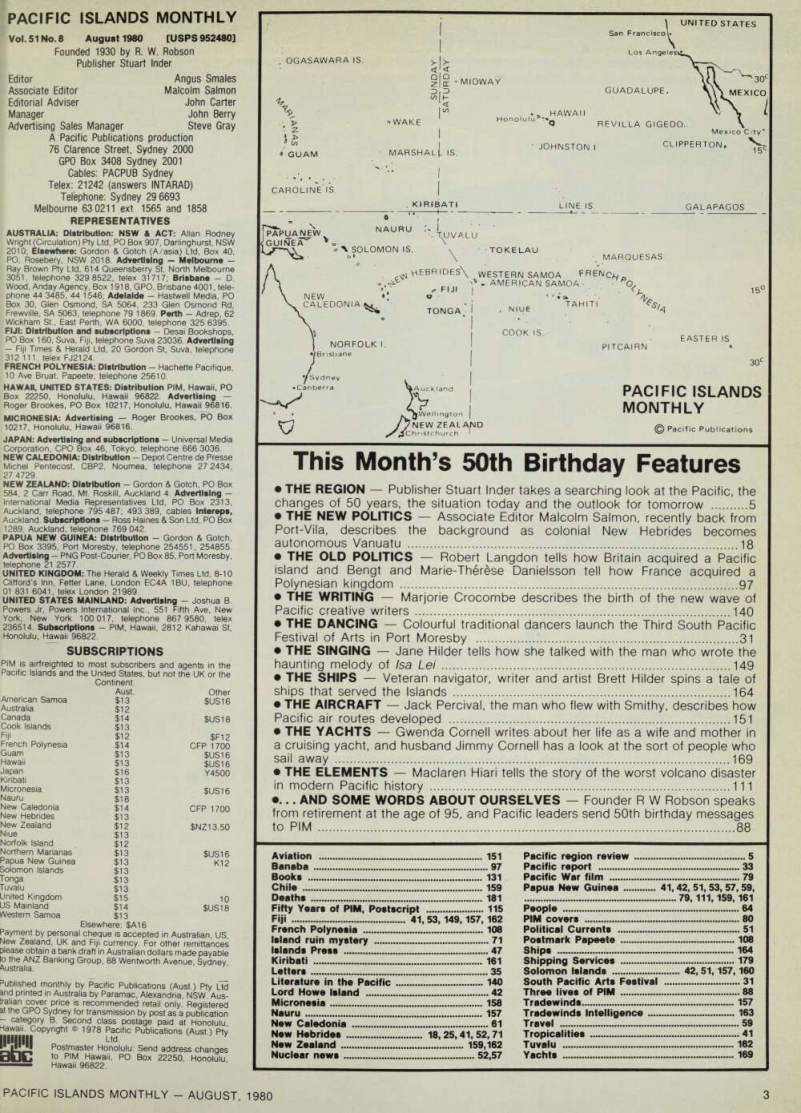 3
3 4
4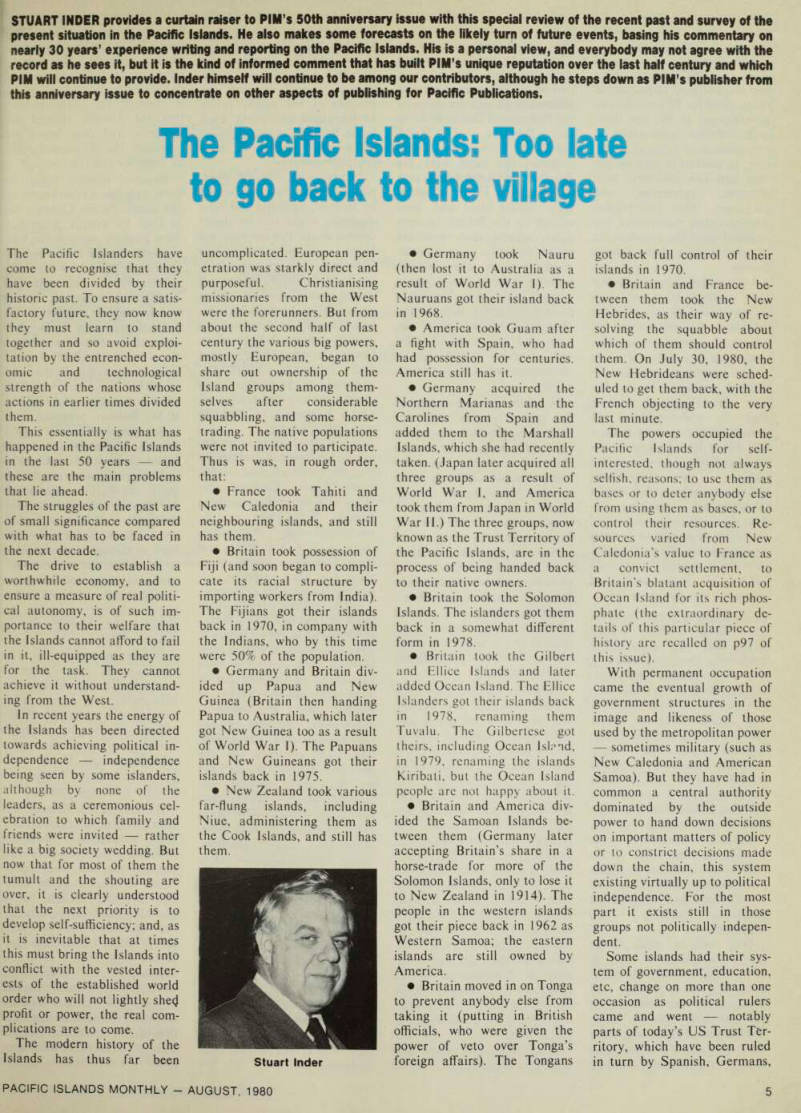 5
5 6
6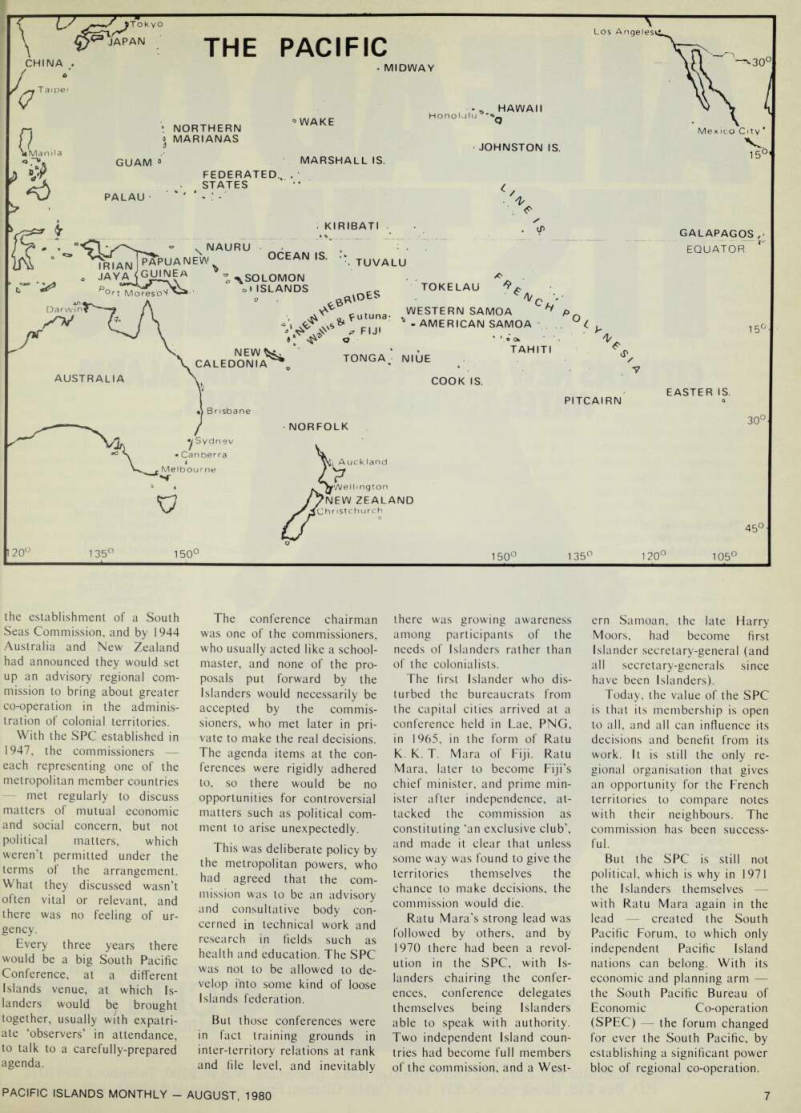 7
7 8
8 9
9 10
10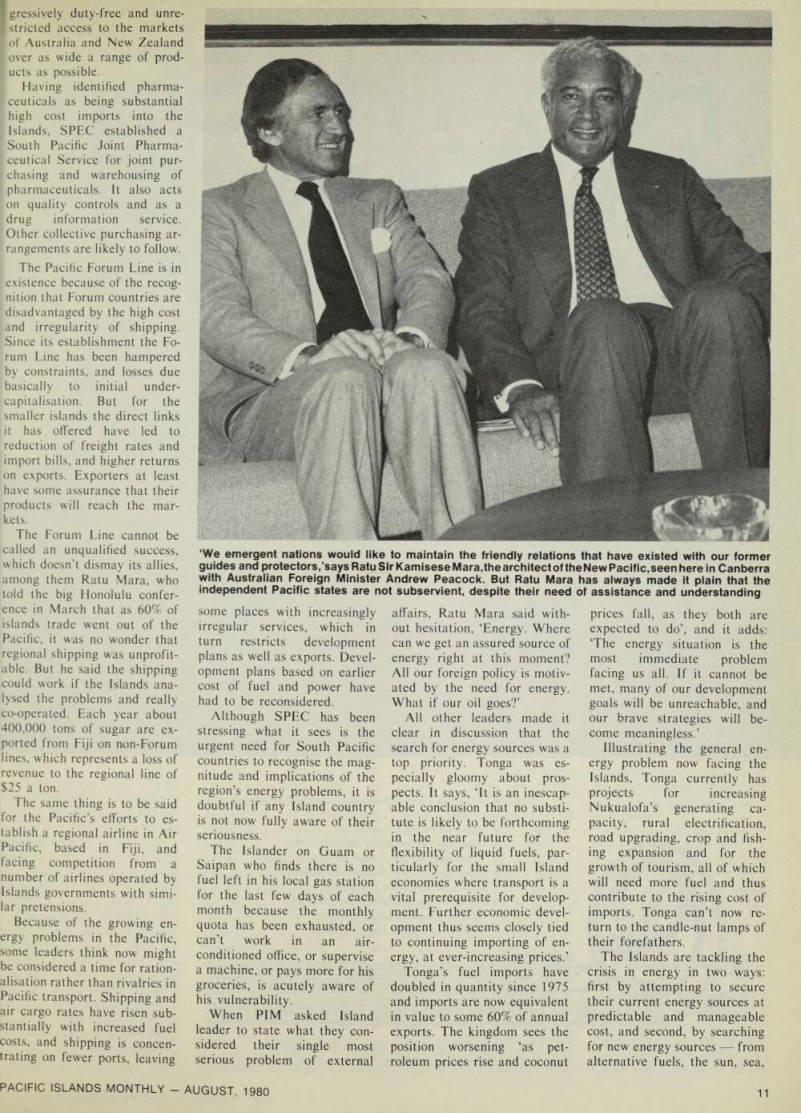 11
11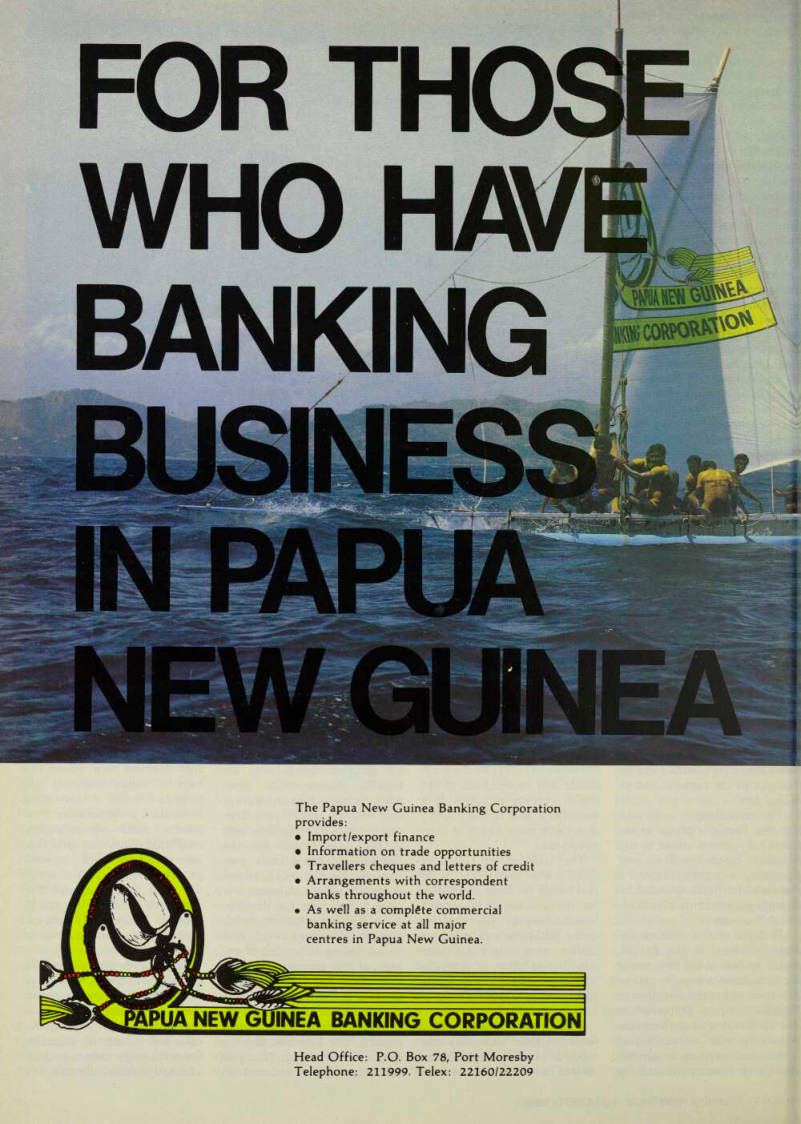 12
12 13
13 14
14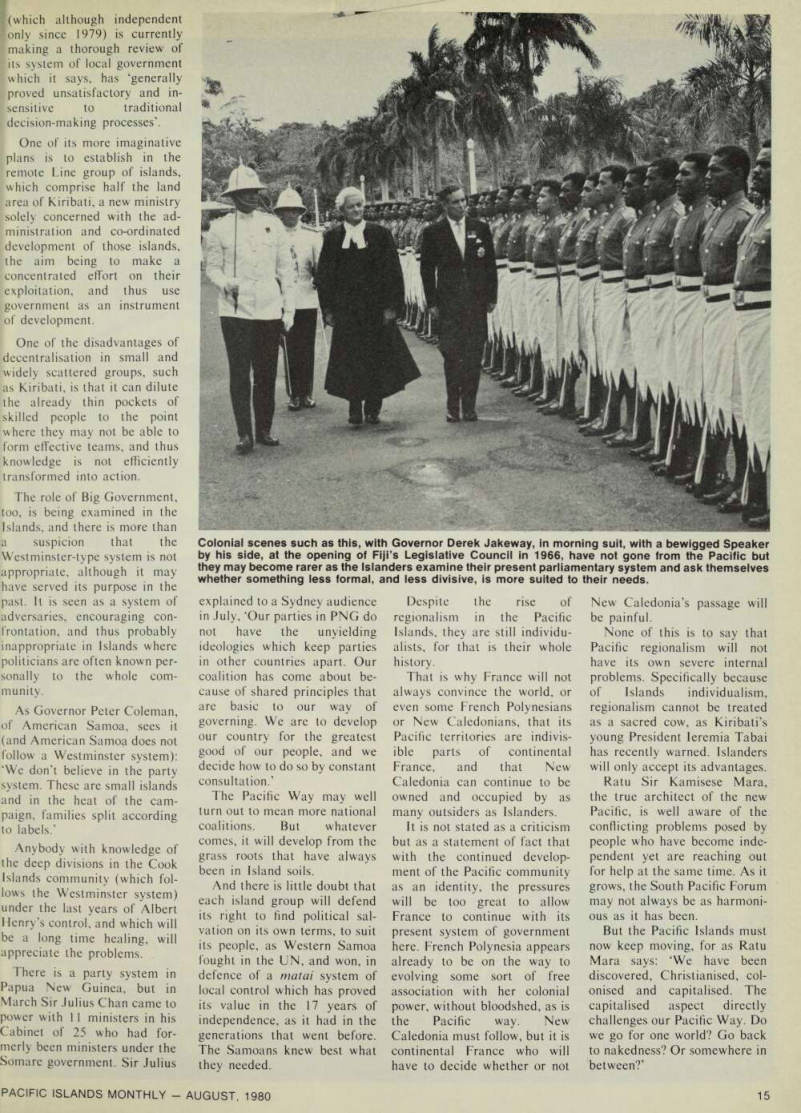 15
15 16
16 17
17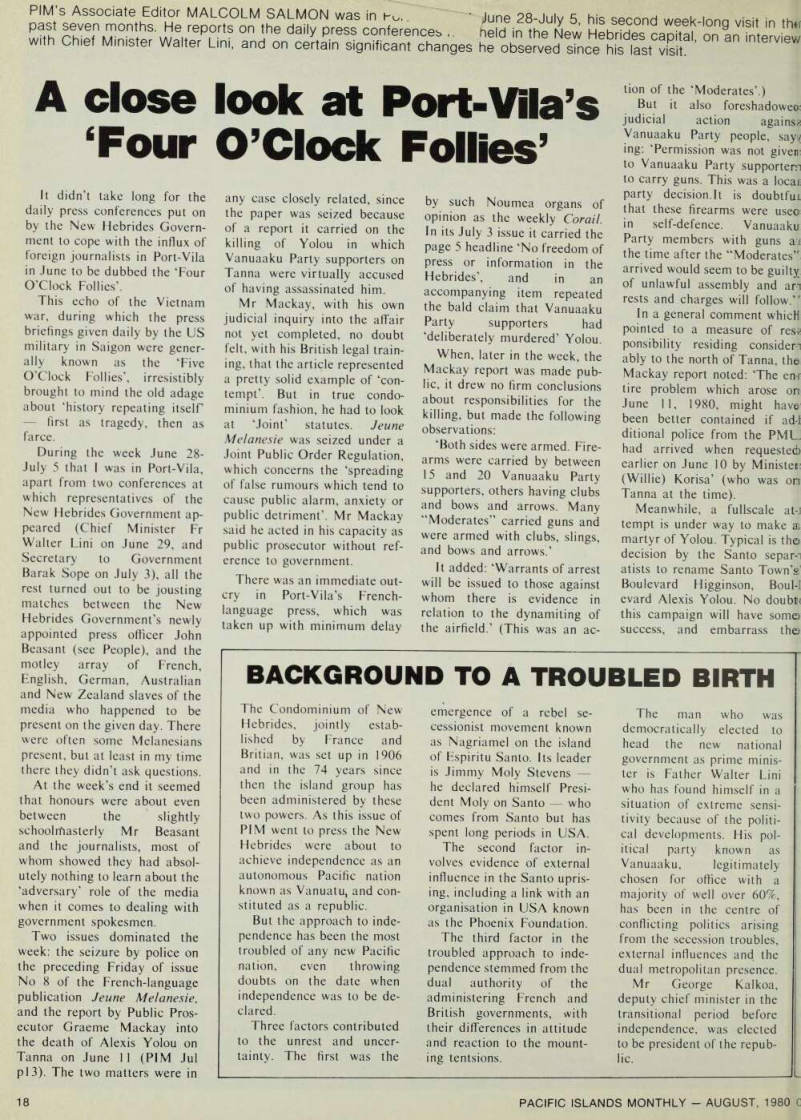 18
18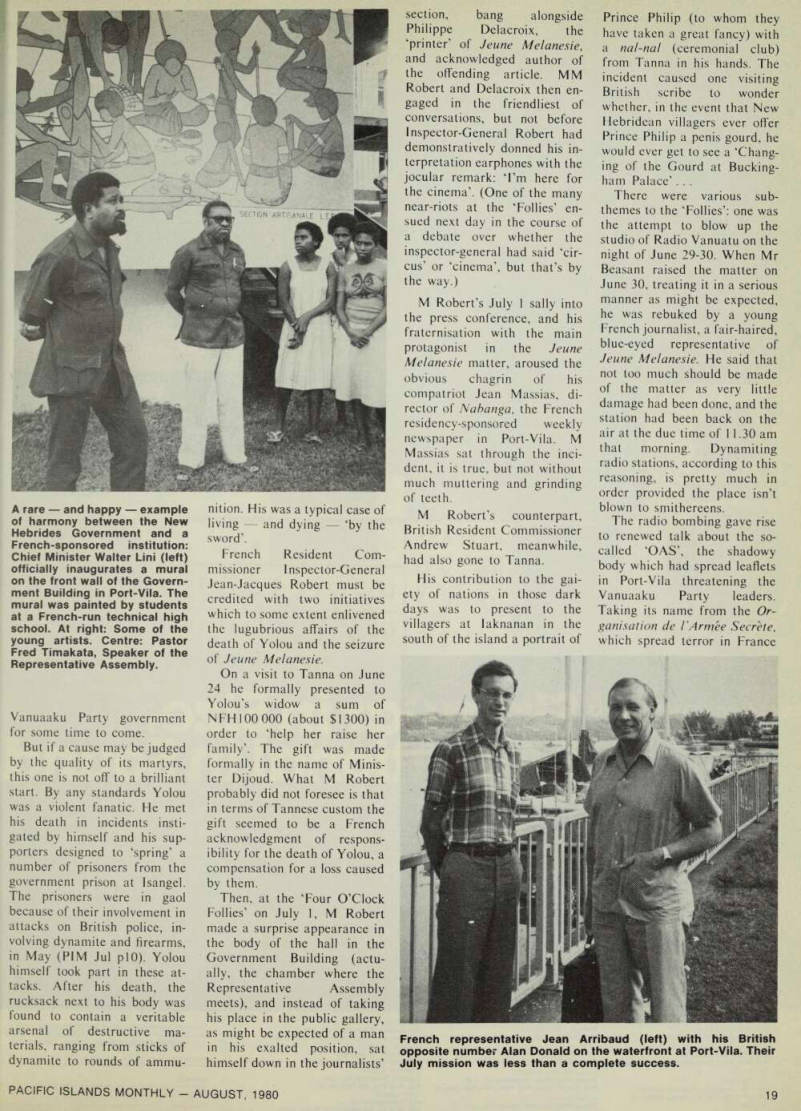 19
19 20
20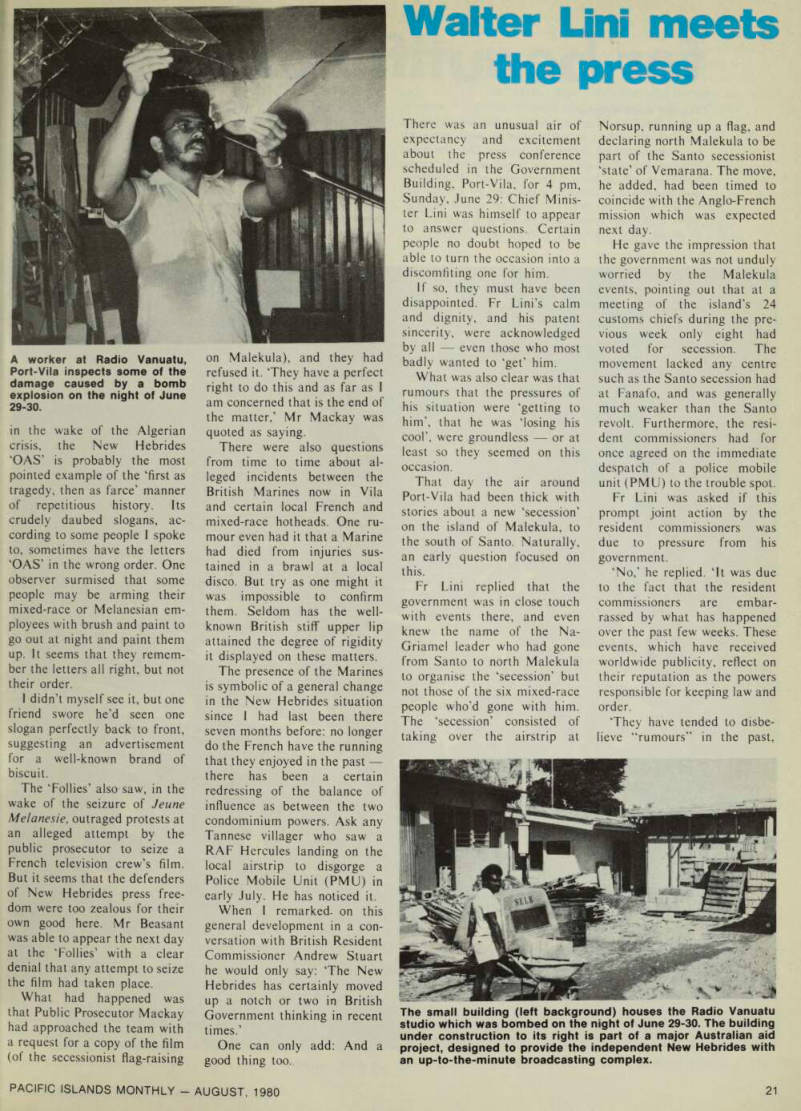 21
21 22
22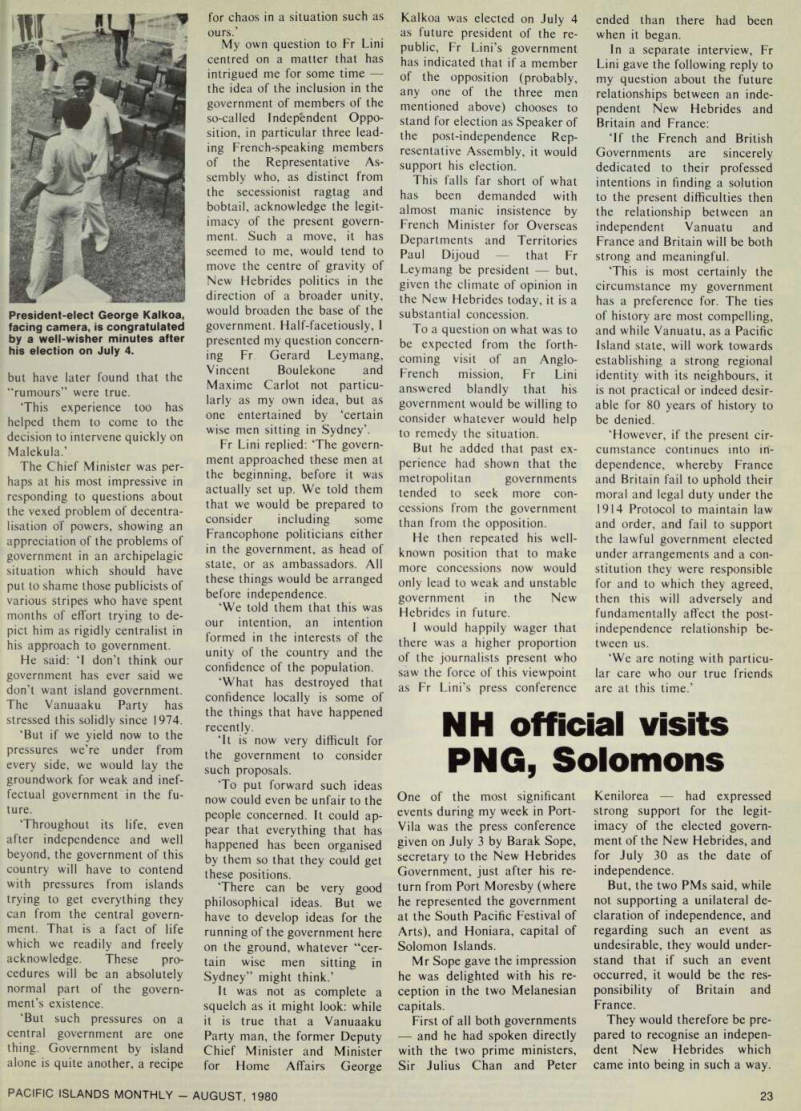 23
23 24
24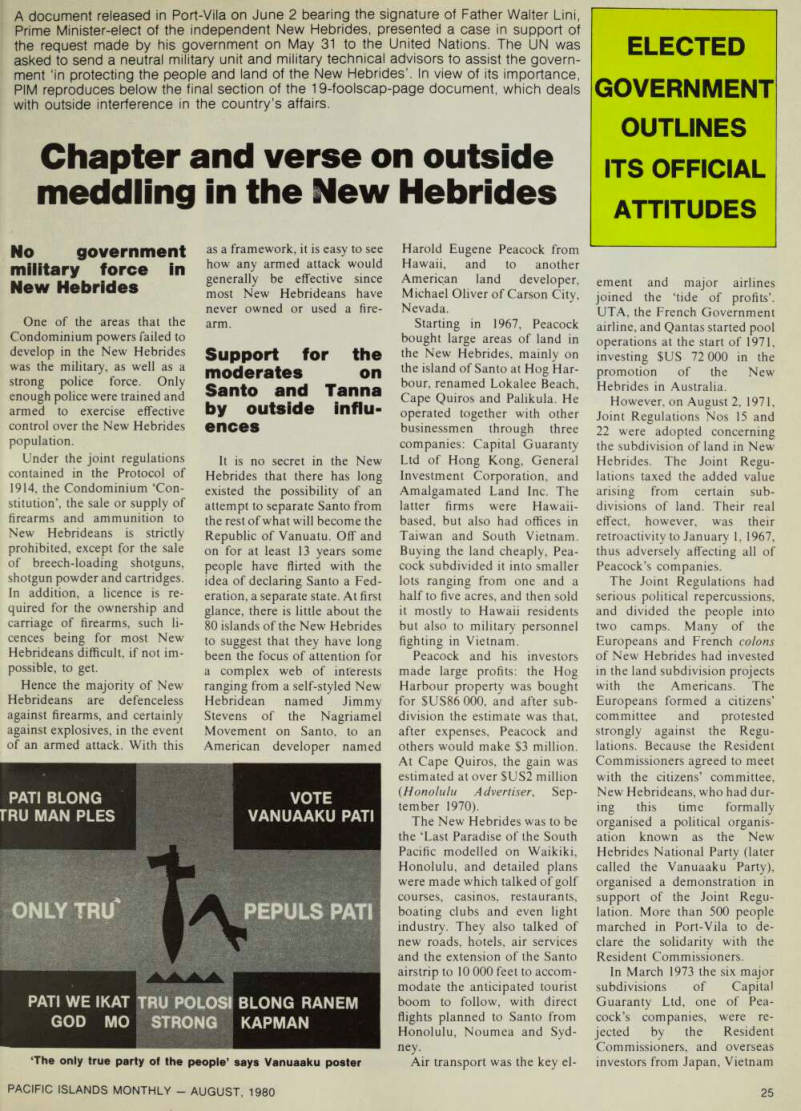 25
25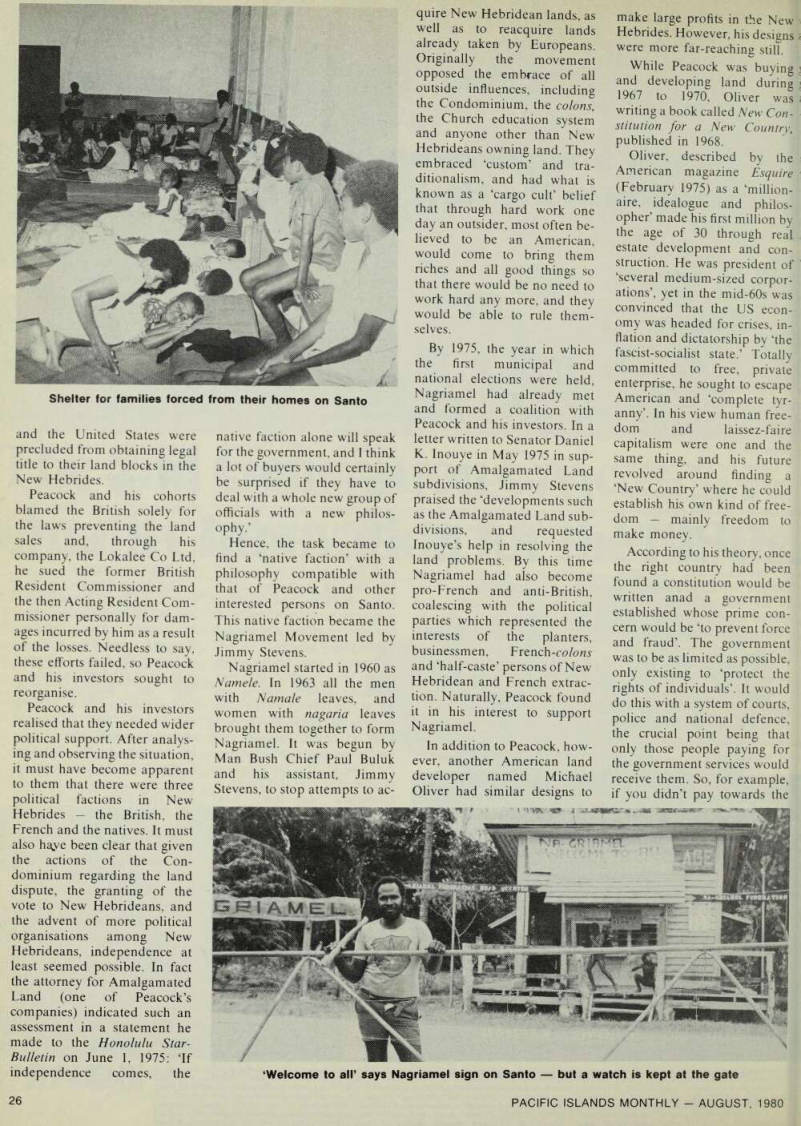 26
26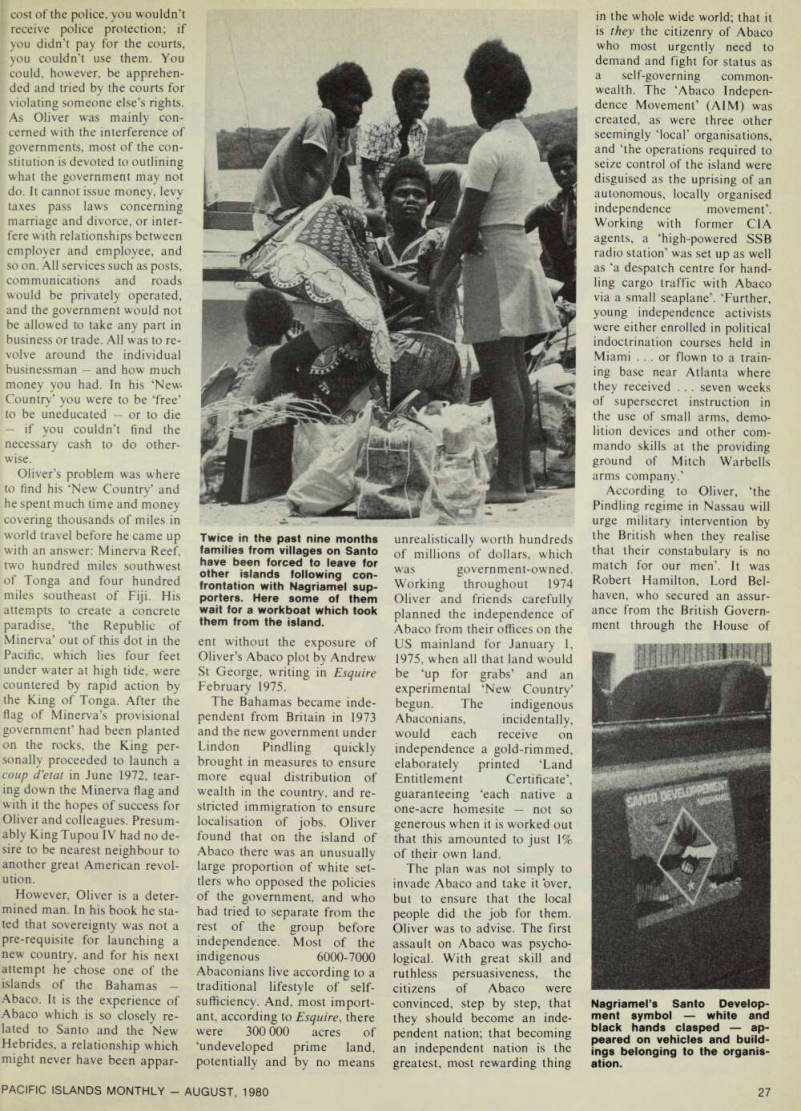 27
27 28
28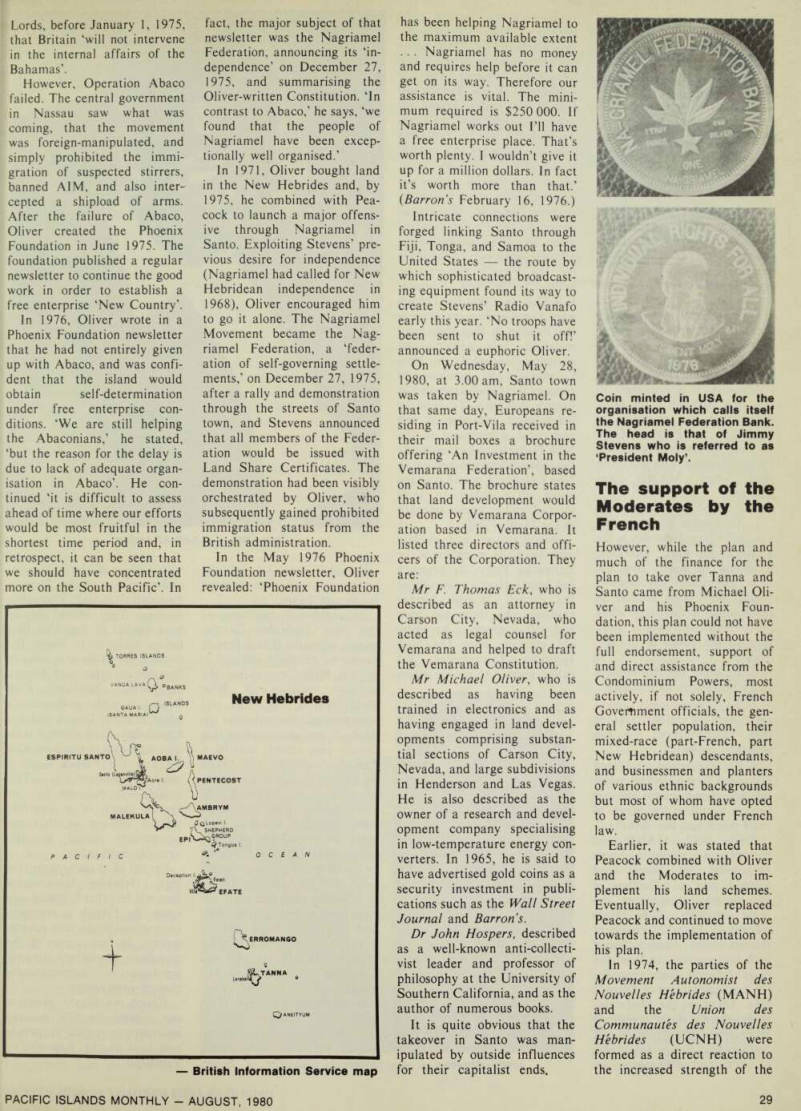 29
29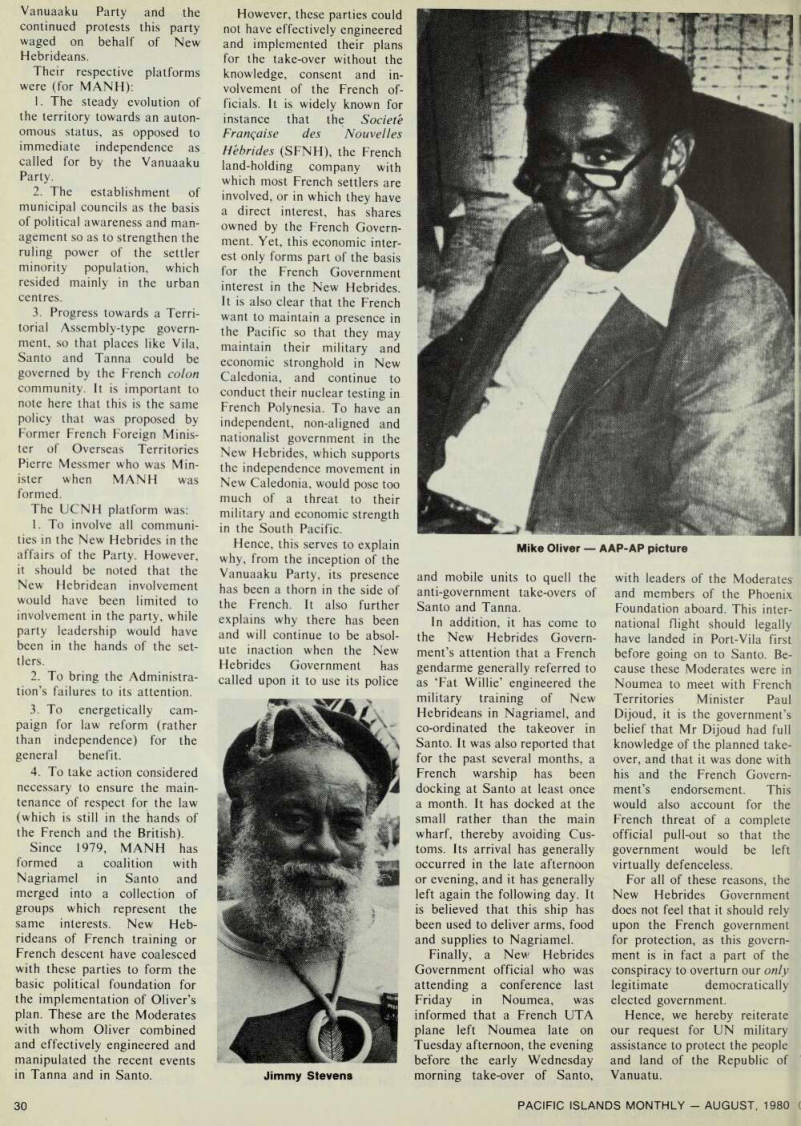 30
30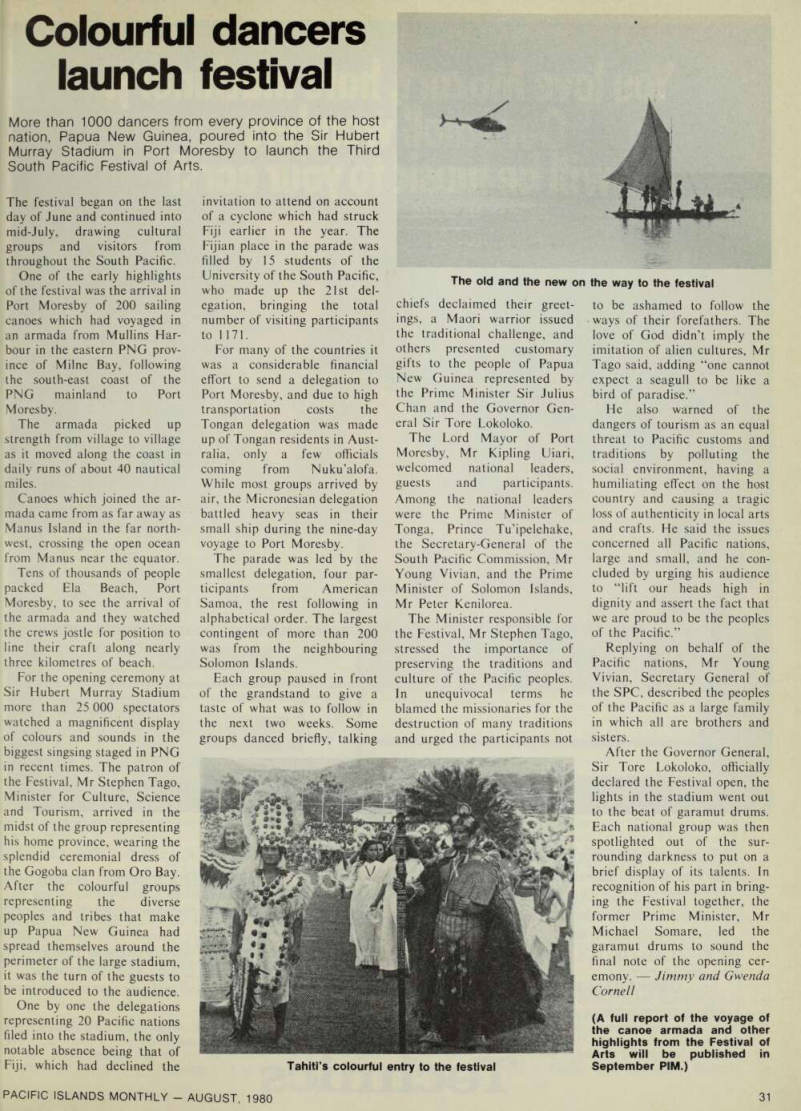 31
31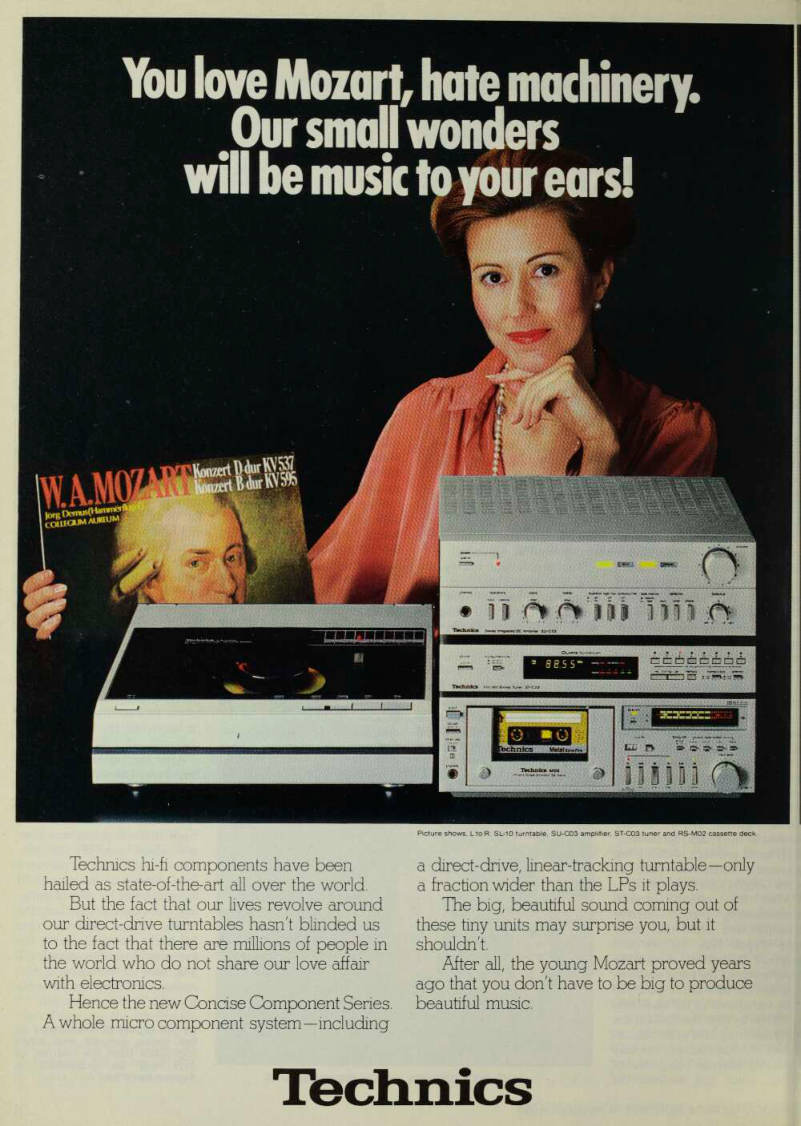 32
32 33
33 34
34 35
35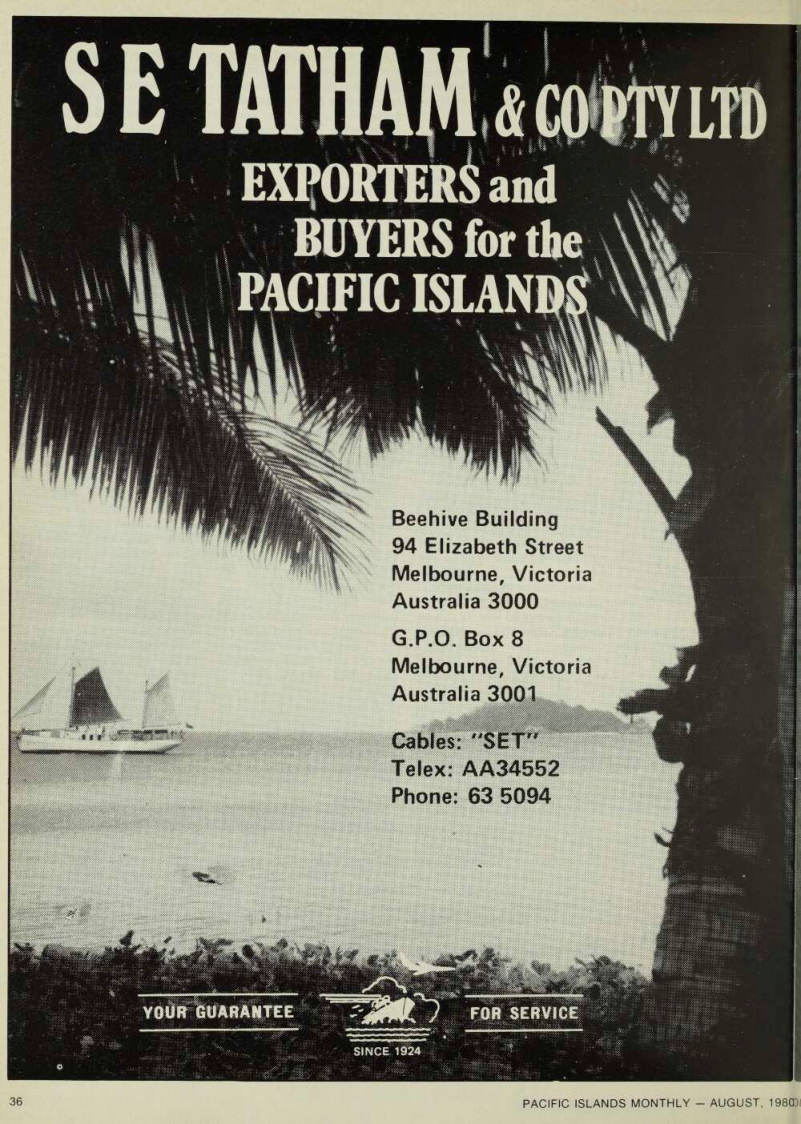 36
36 37
37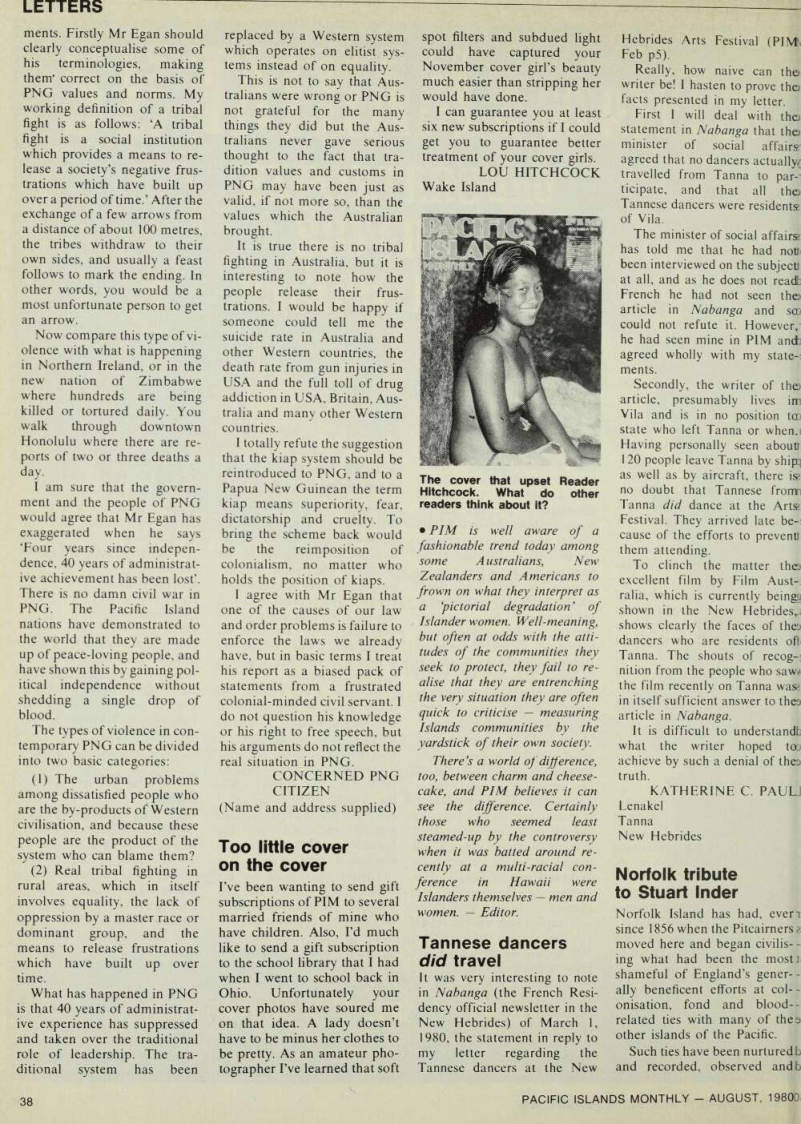 38
38 39
39 40
40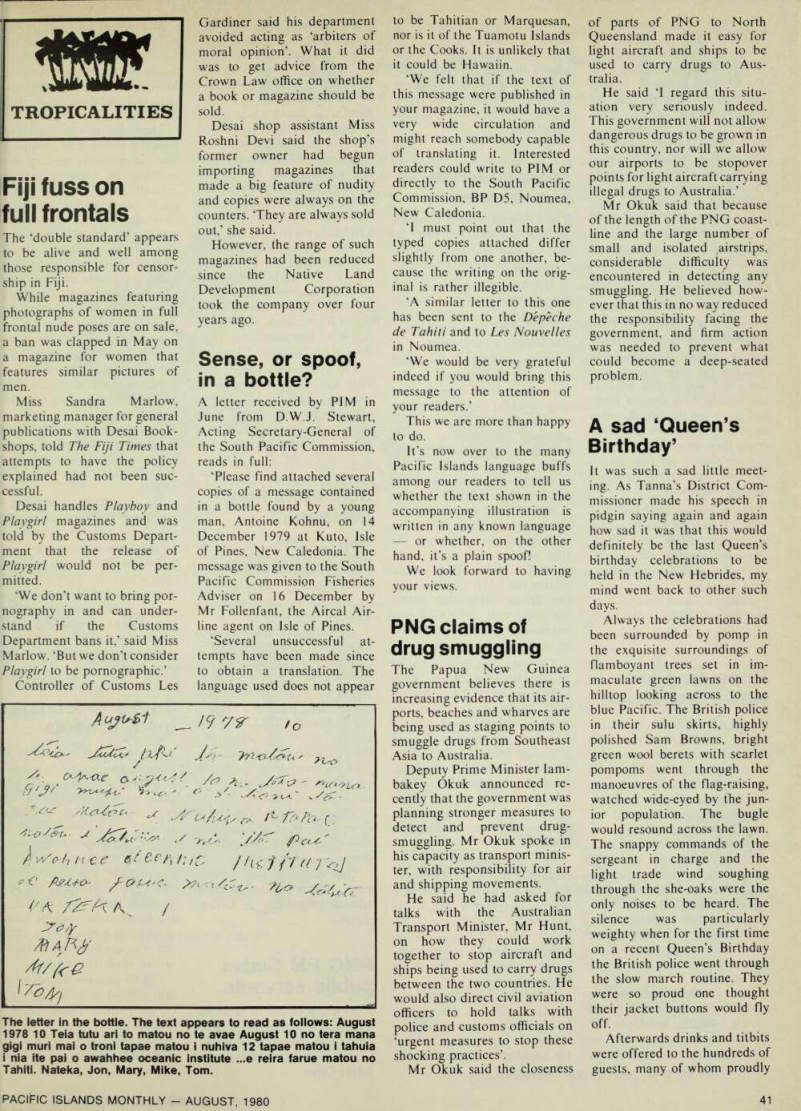 41
41 42
42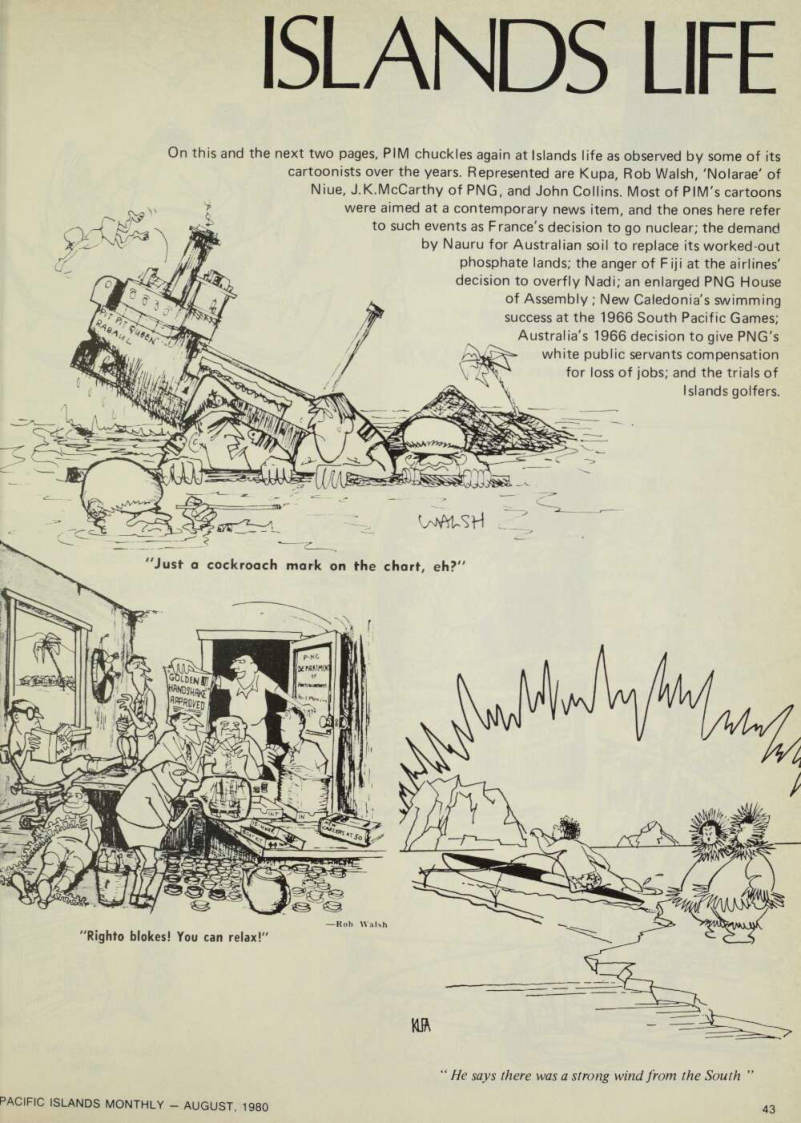 43
43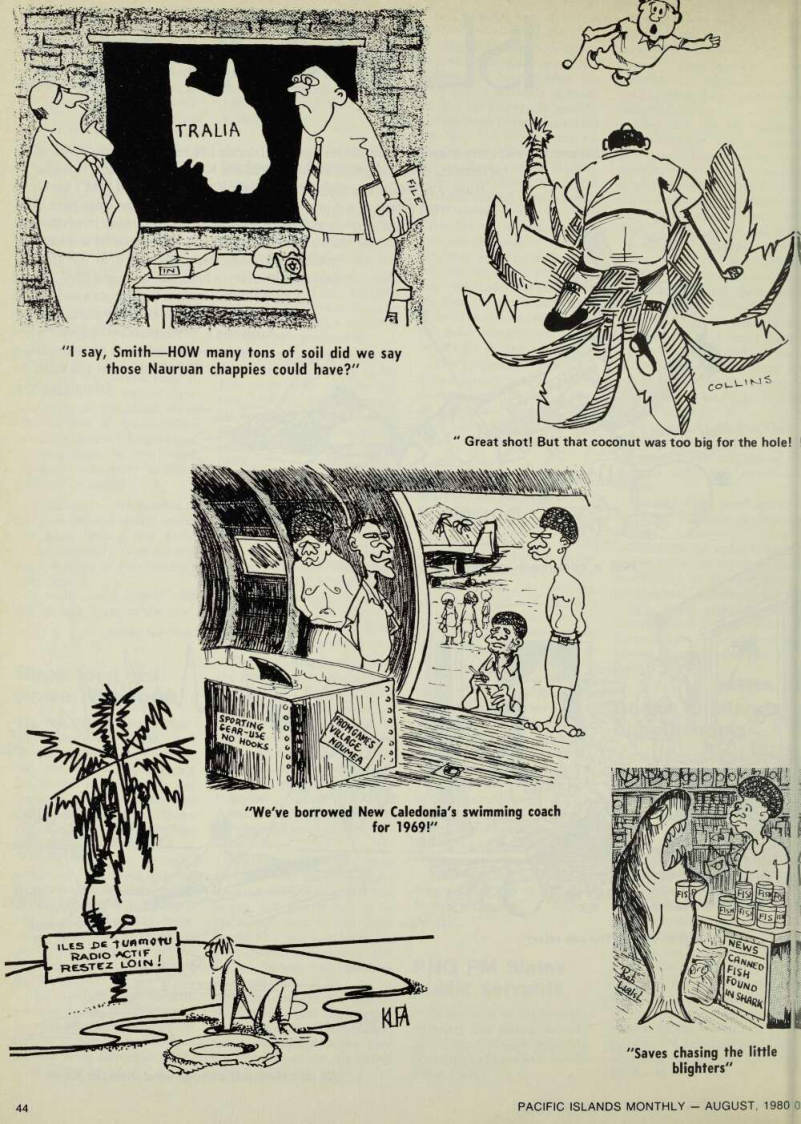 44
44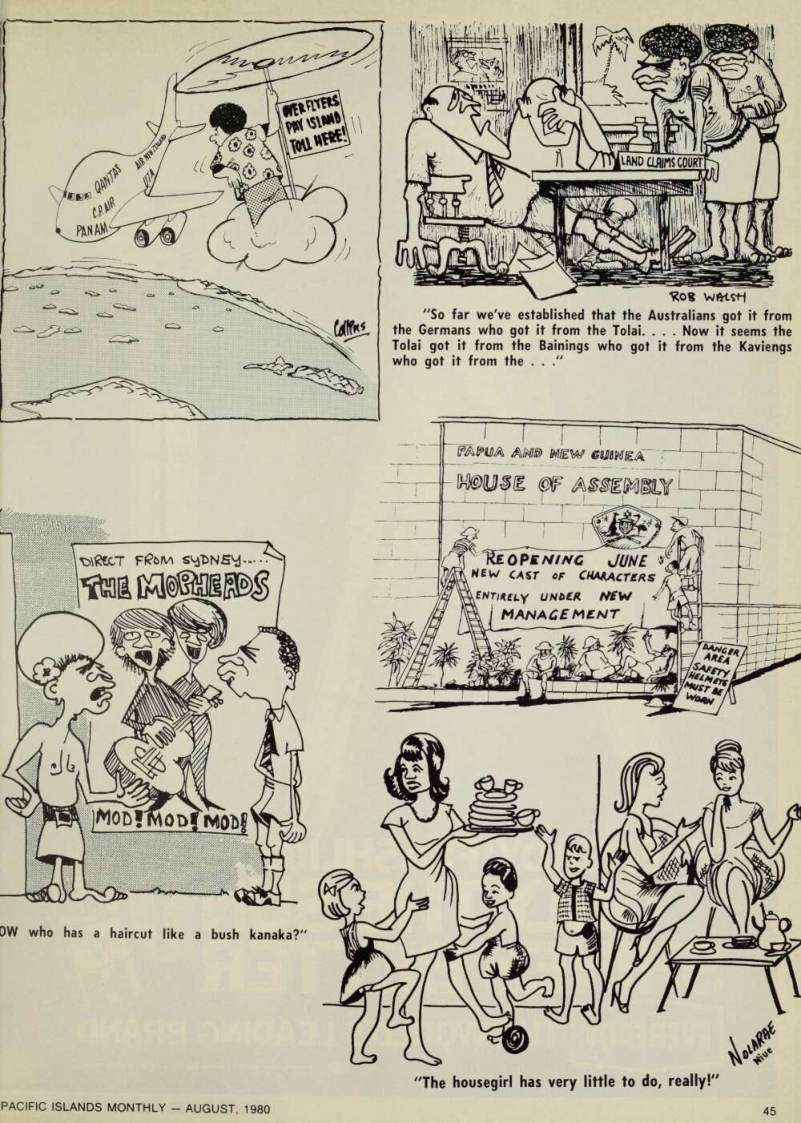 45
45 46
46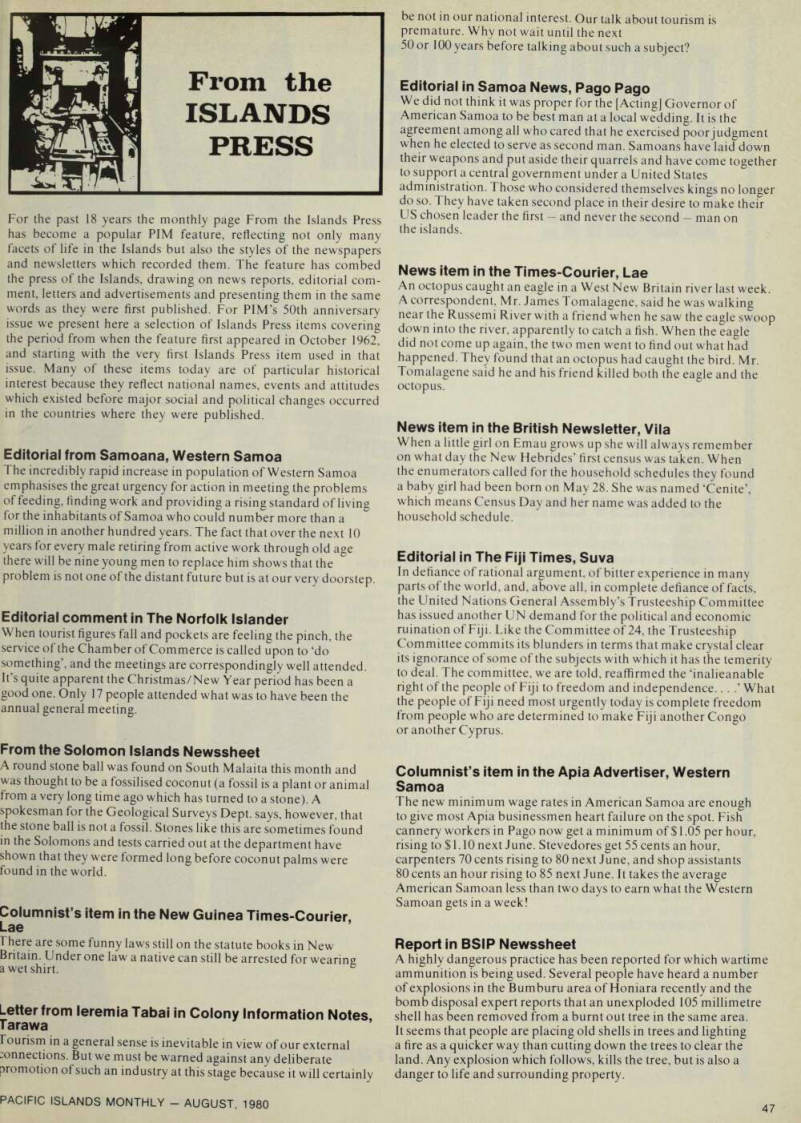 47
47 48
48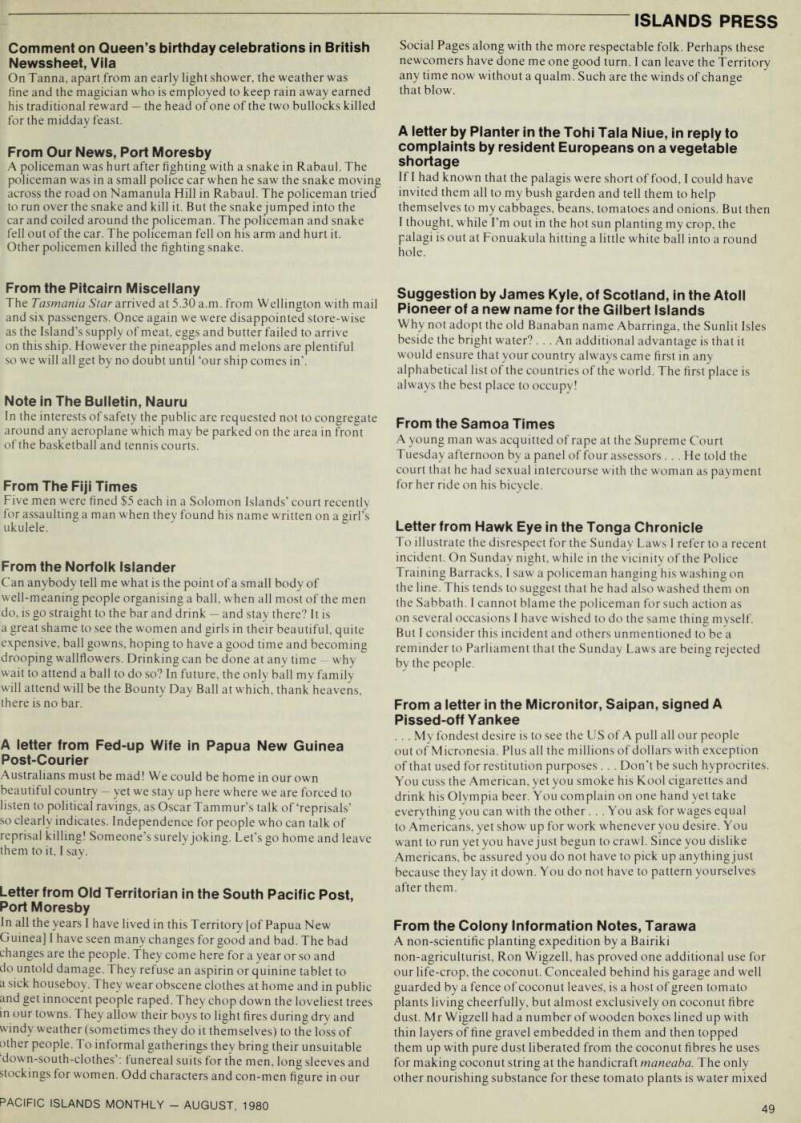 49
49 50
50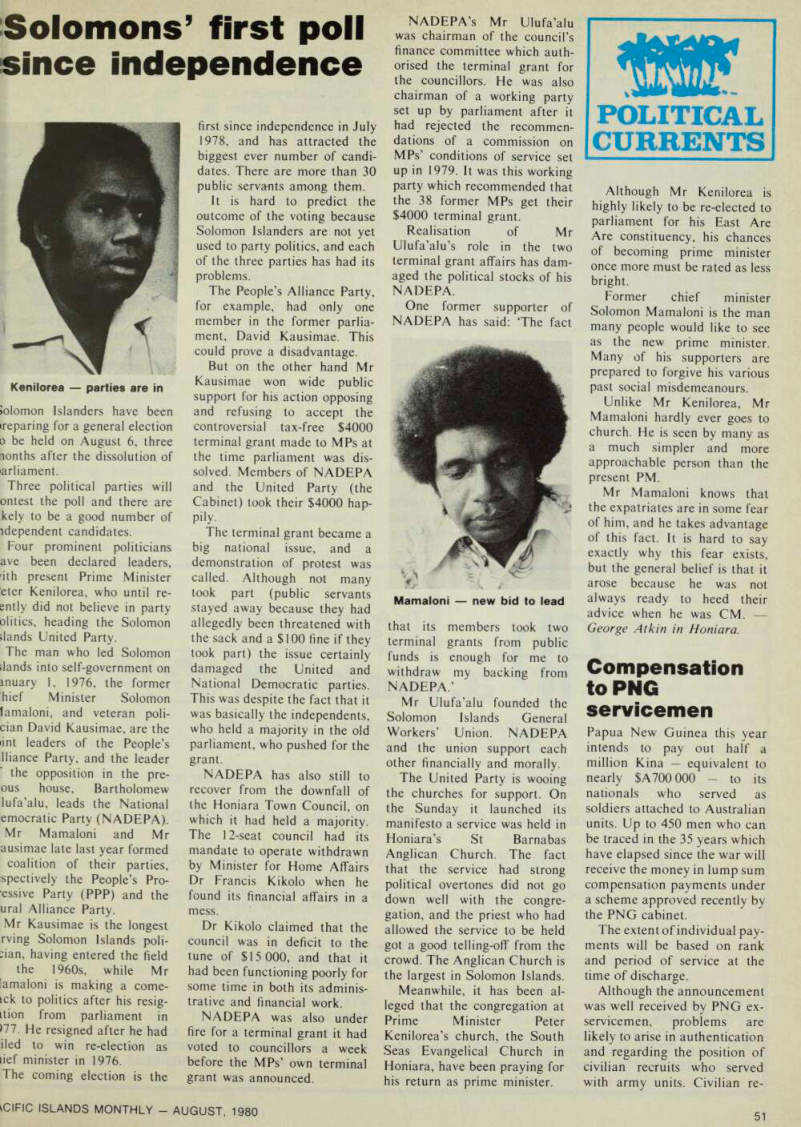 51
51 52
52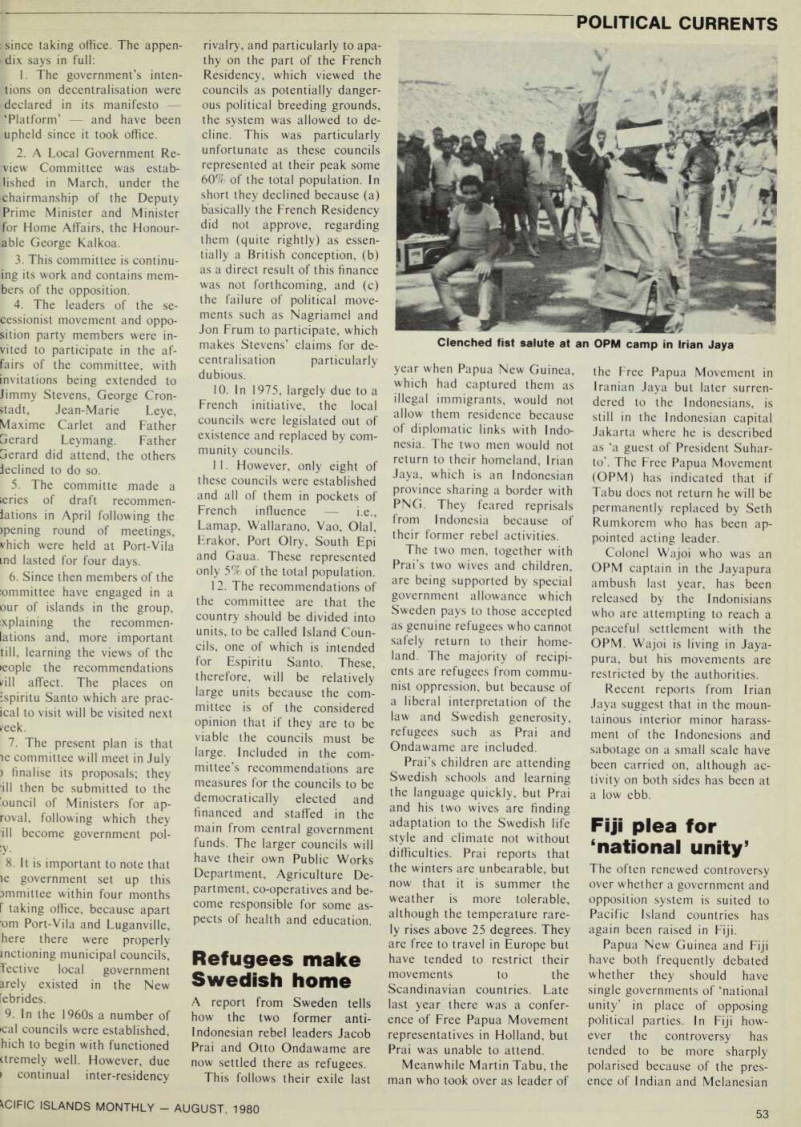 53
53 54
54 55
55 56
56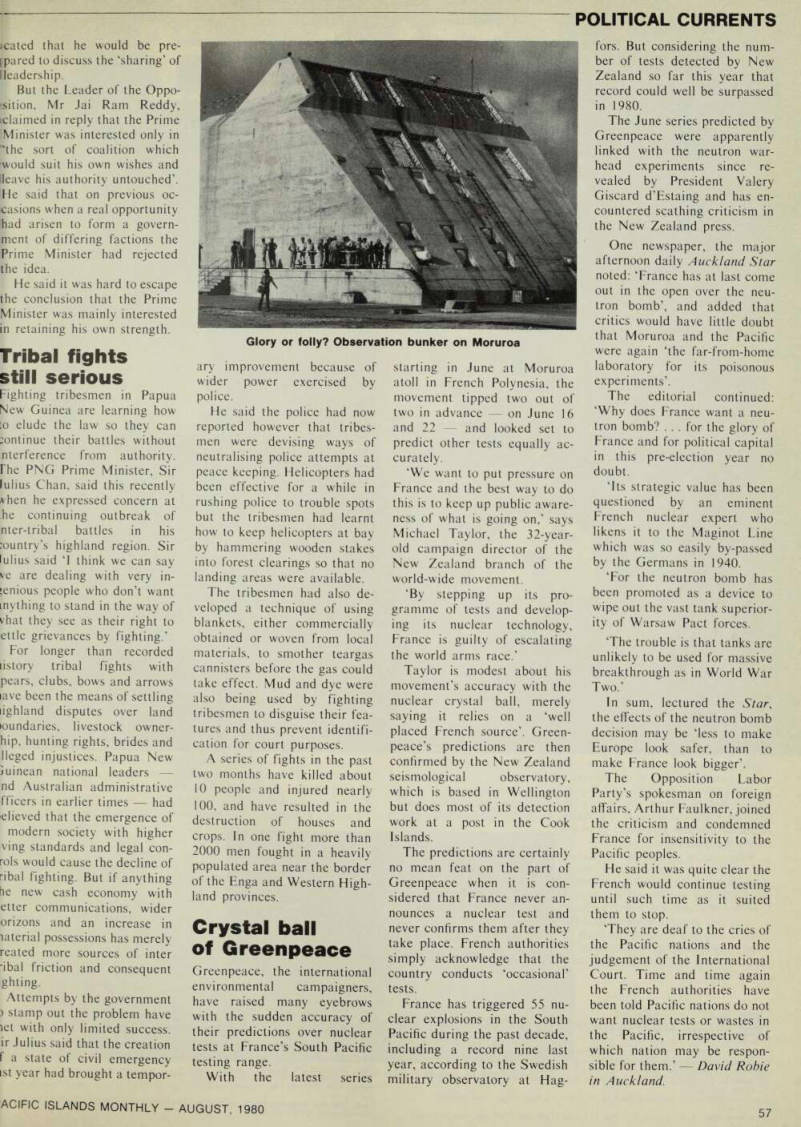 57
57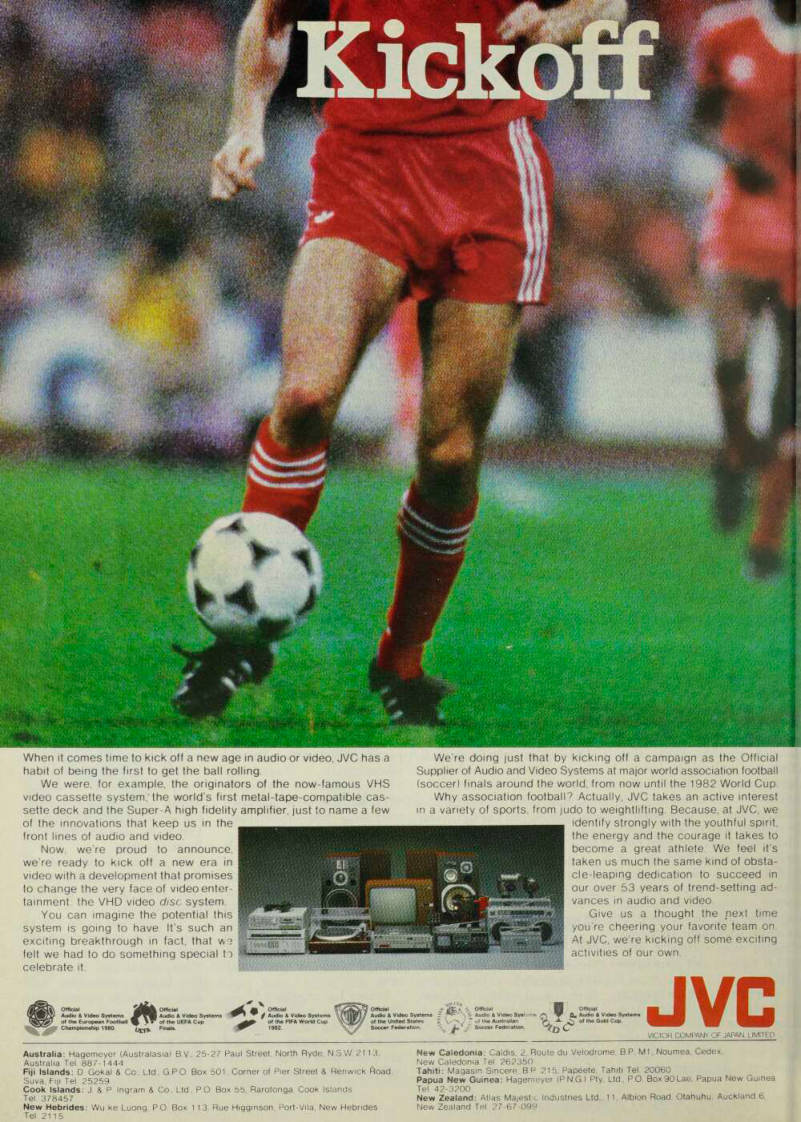 58
58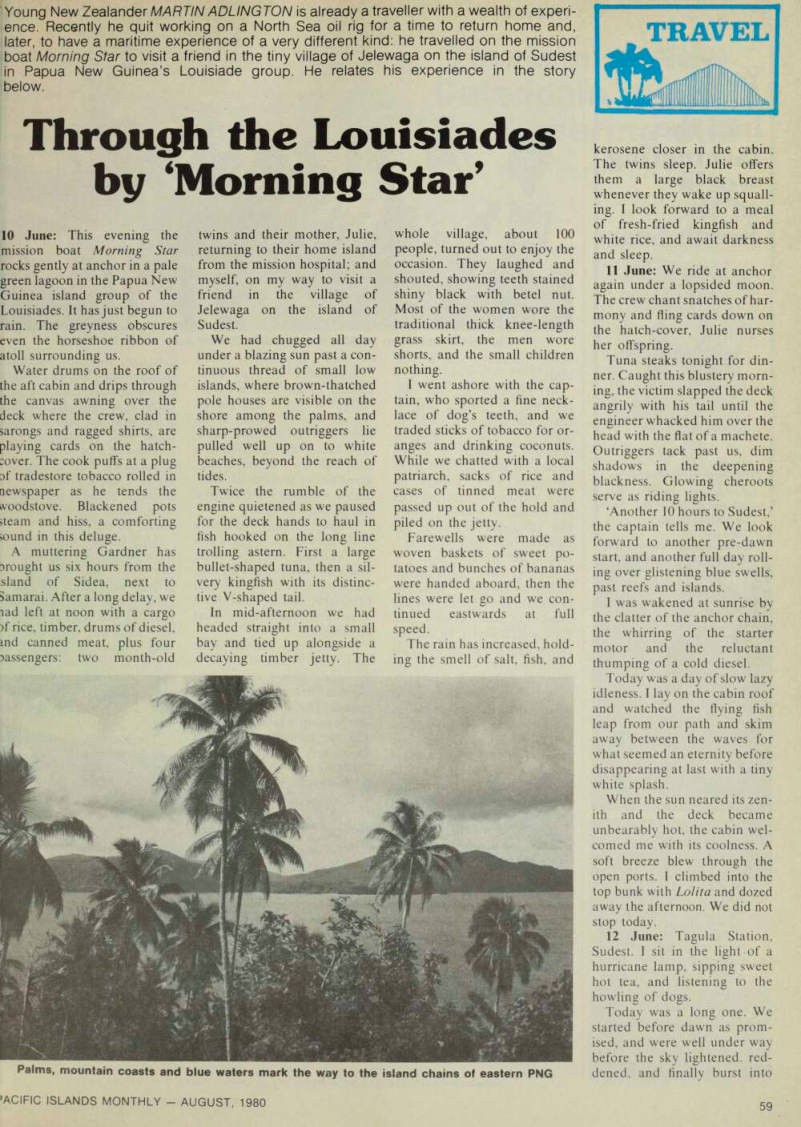 59
59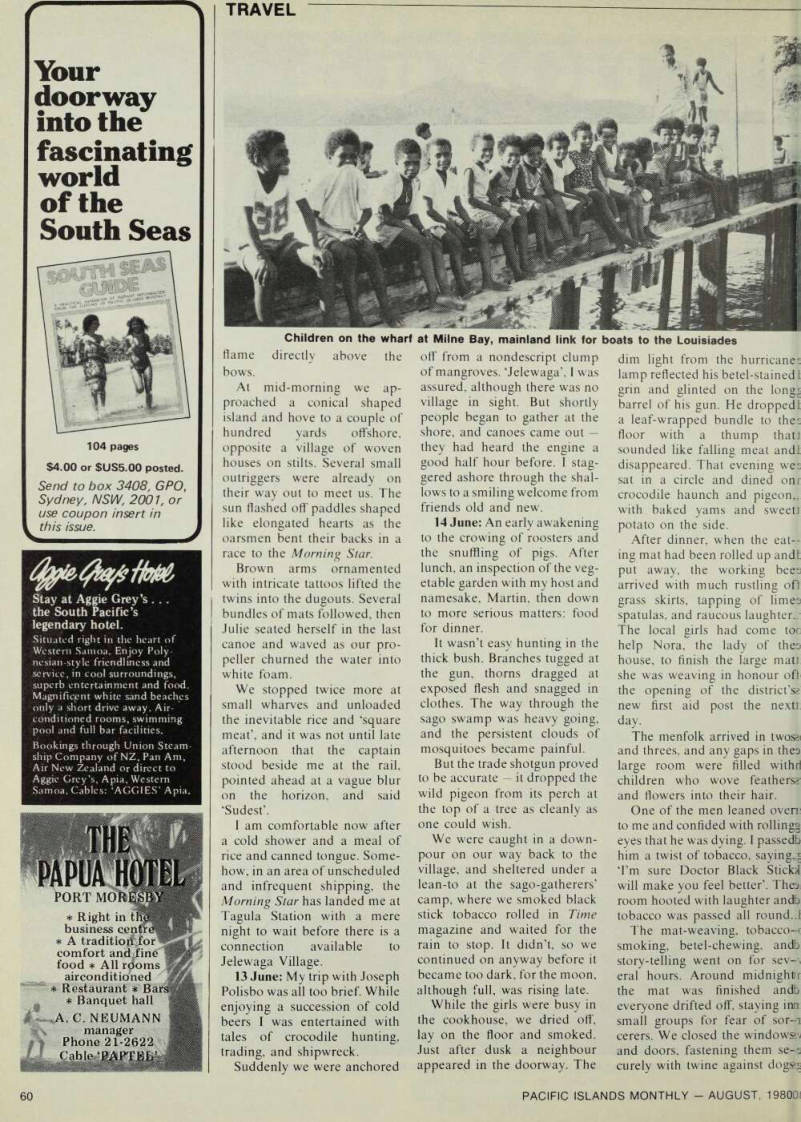 60
60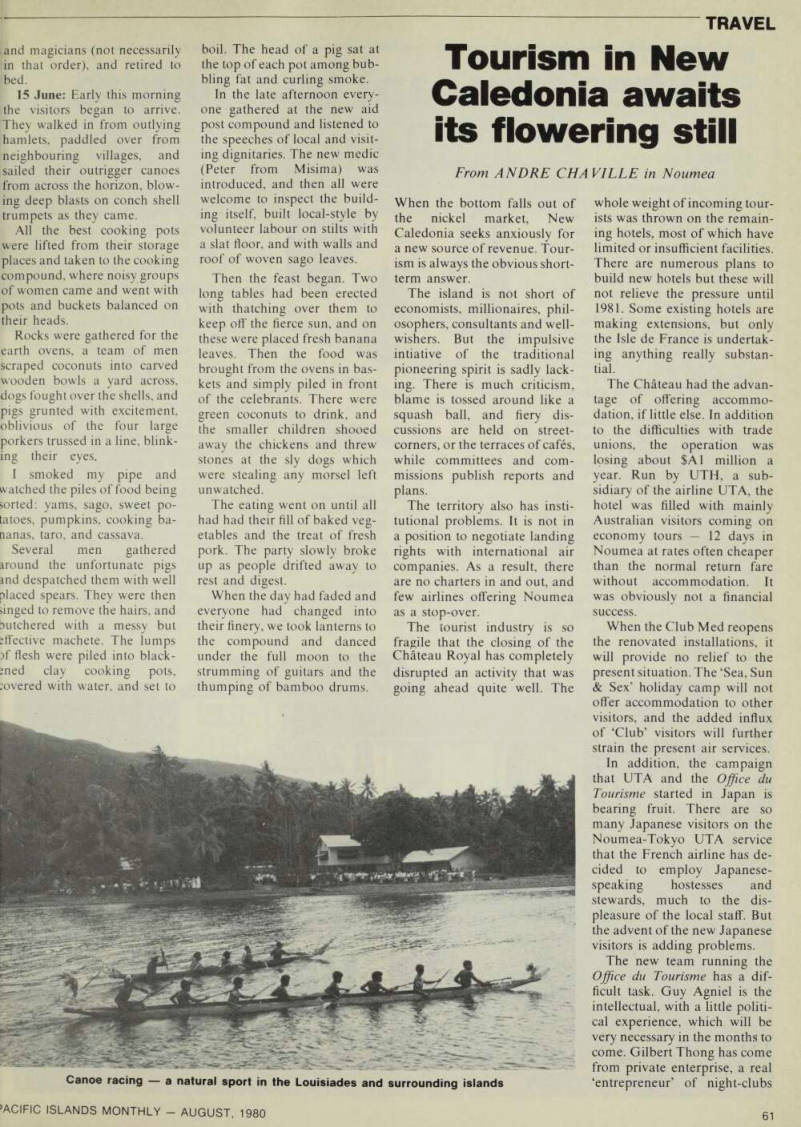 61
61 62
62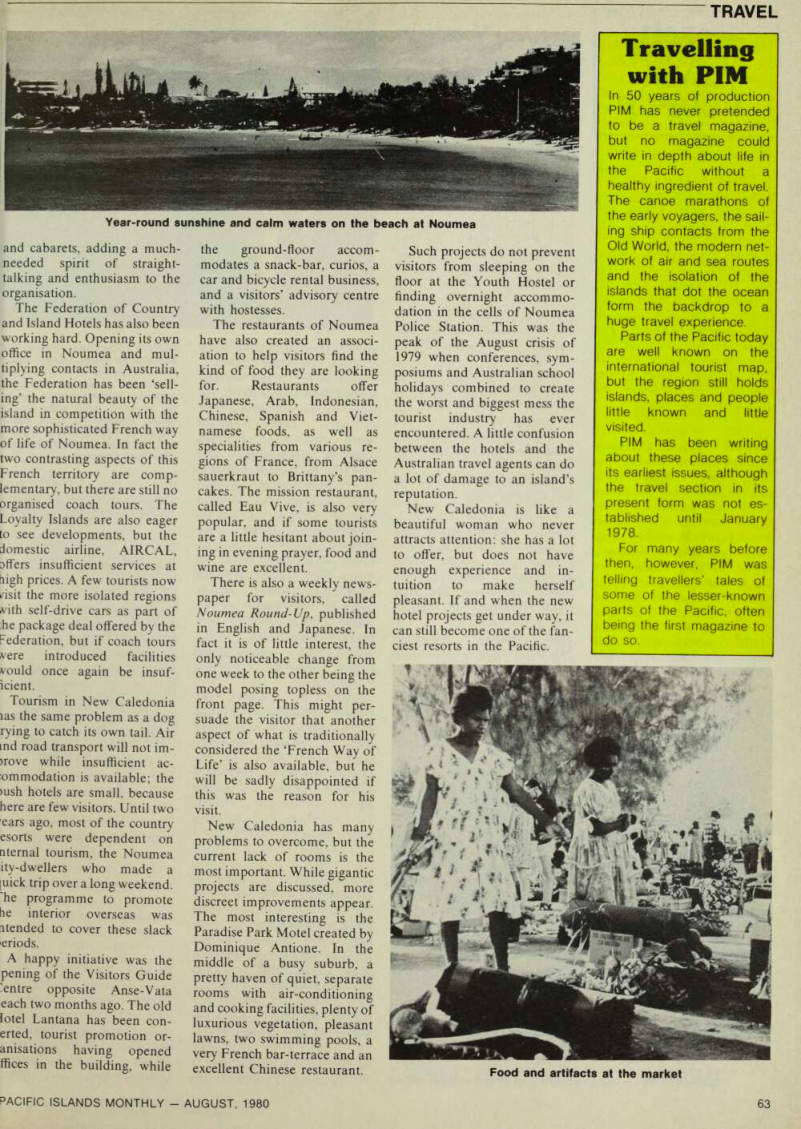 63
63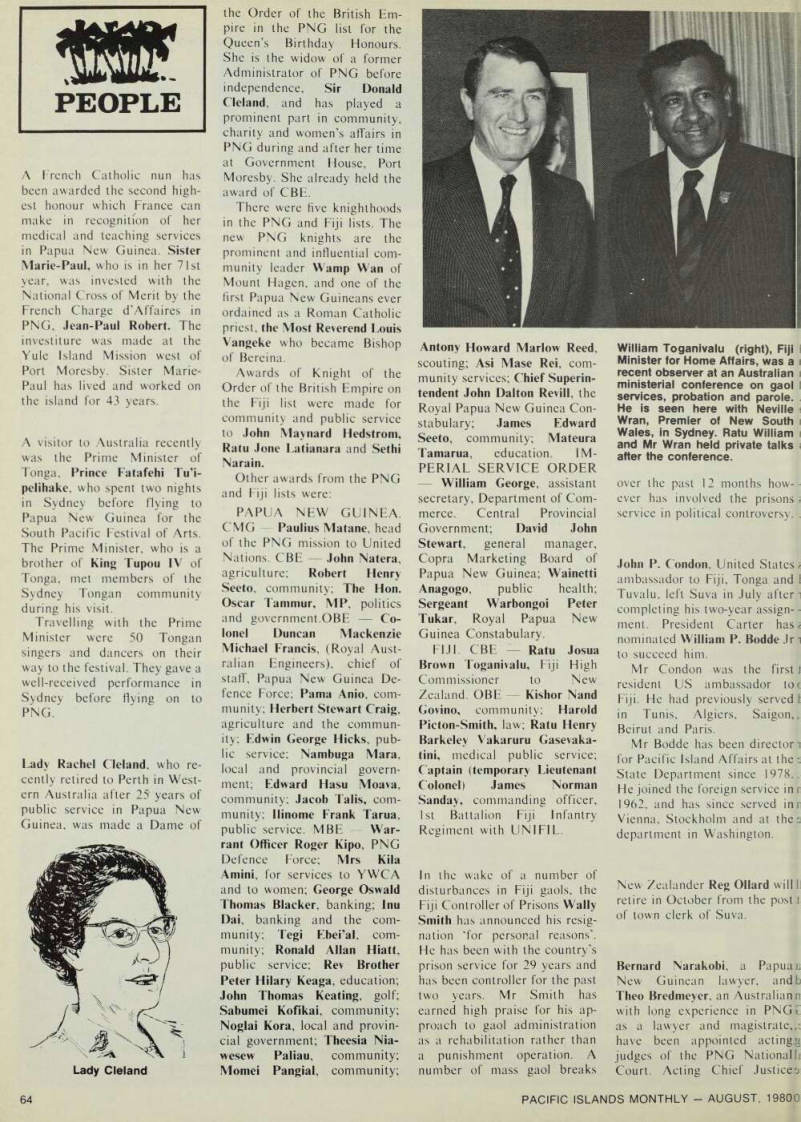 64
64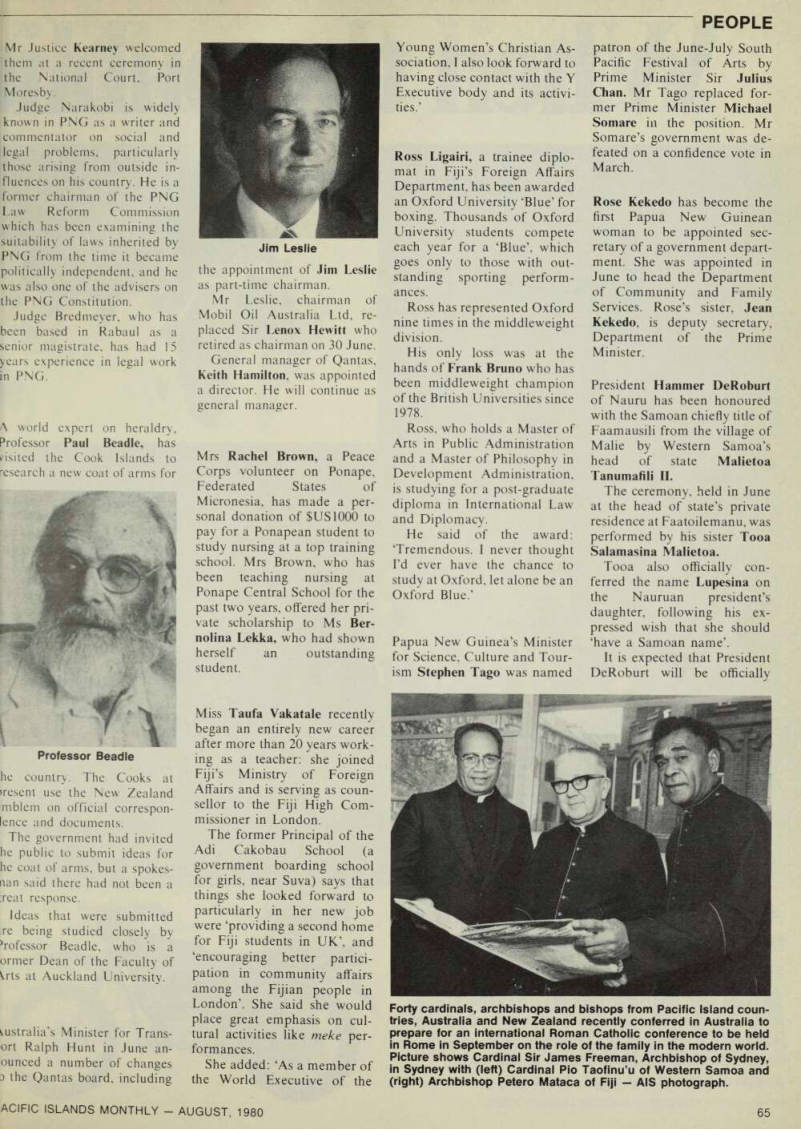 65
65 66
66 67
67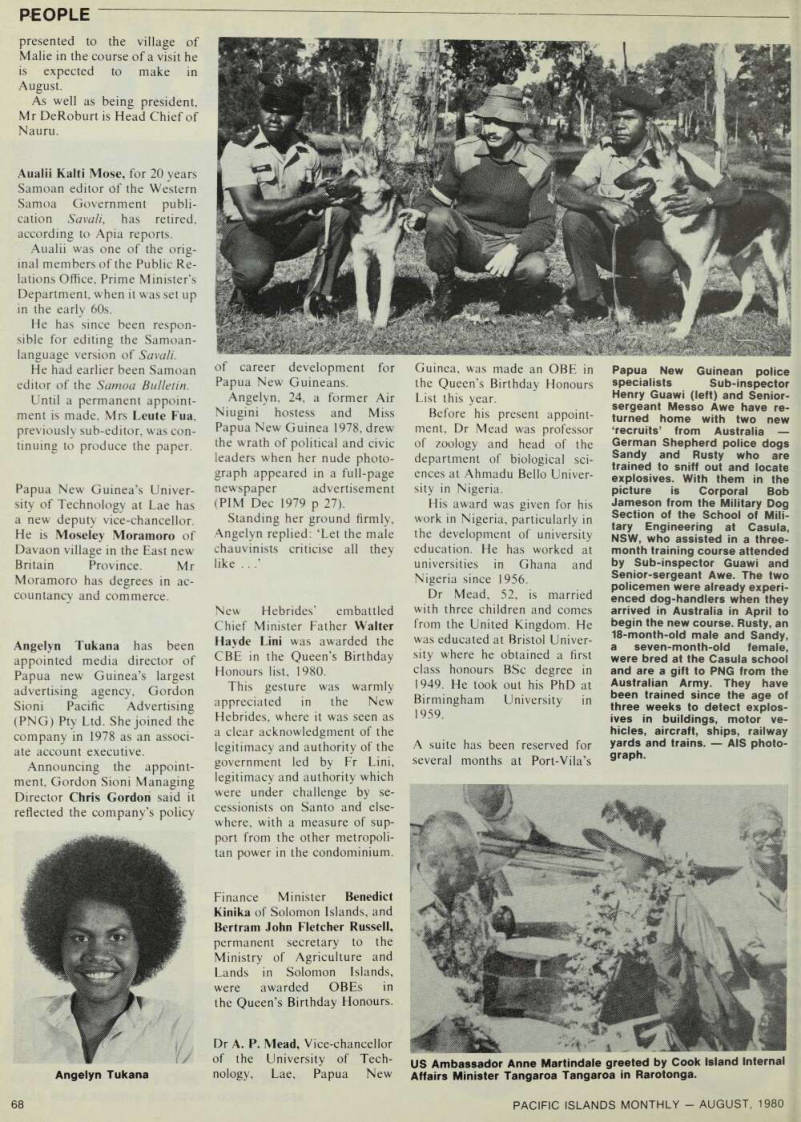 68
68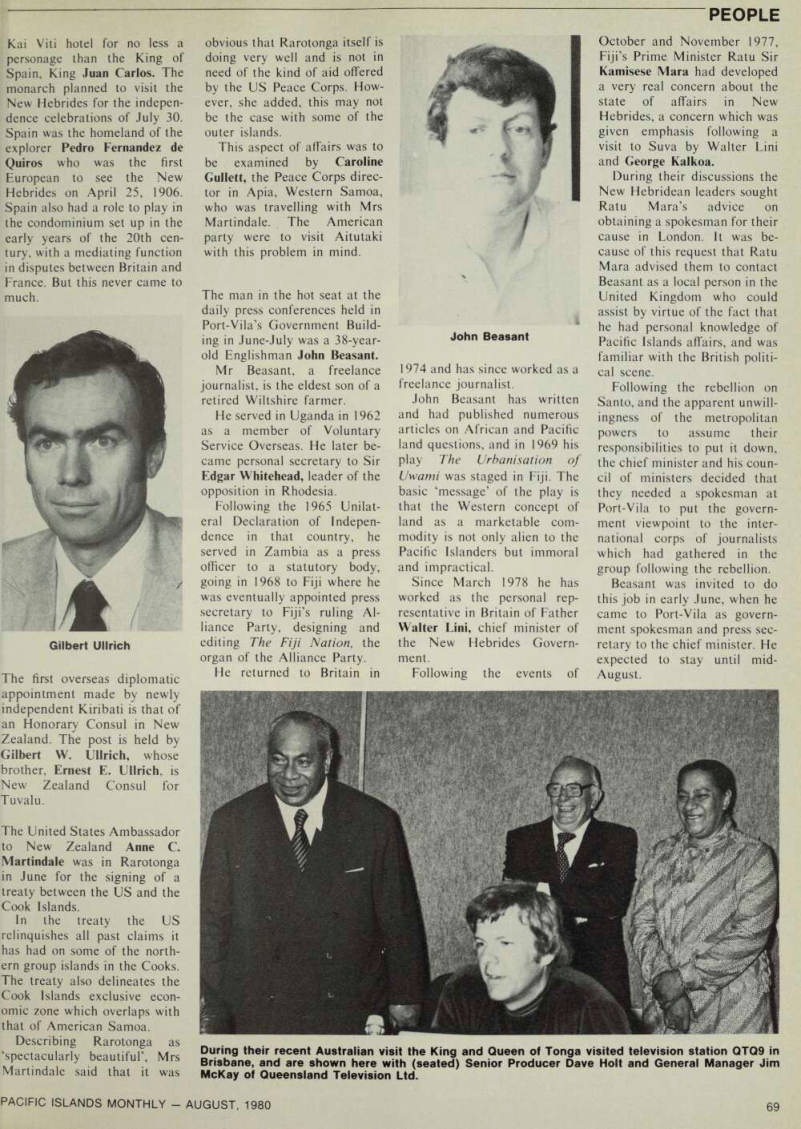 69
69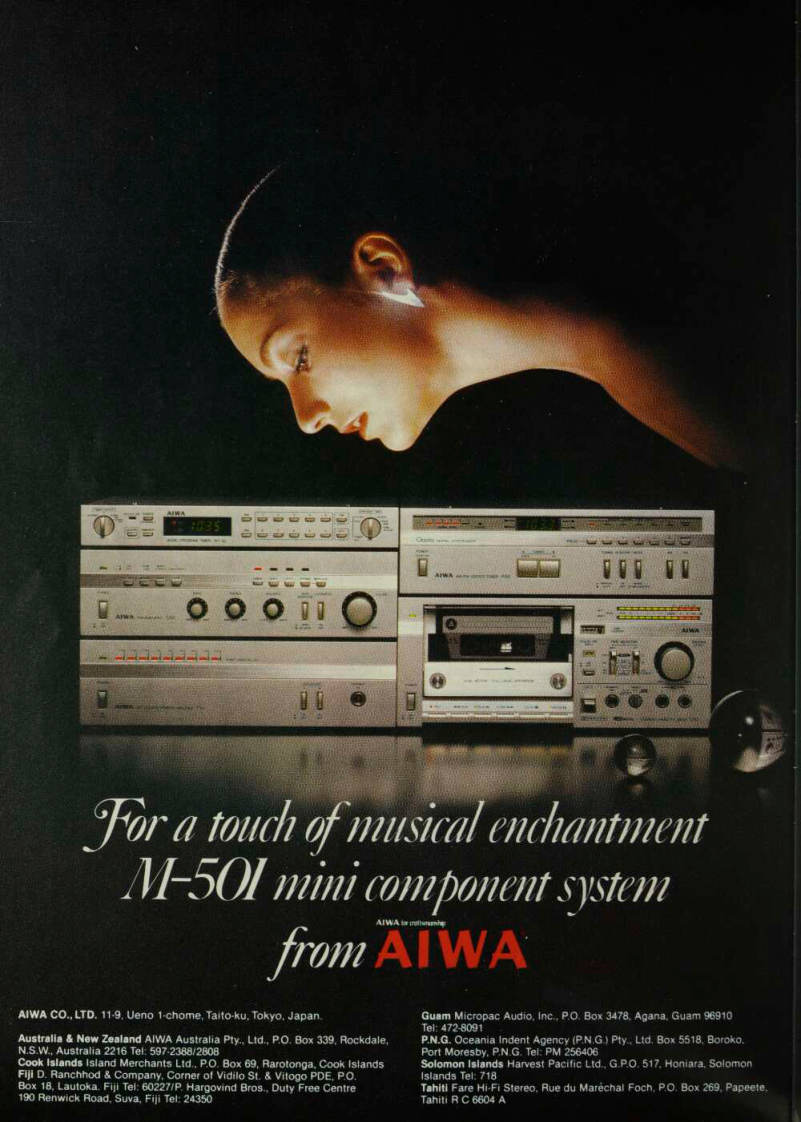 70
70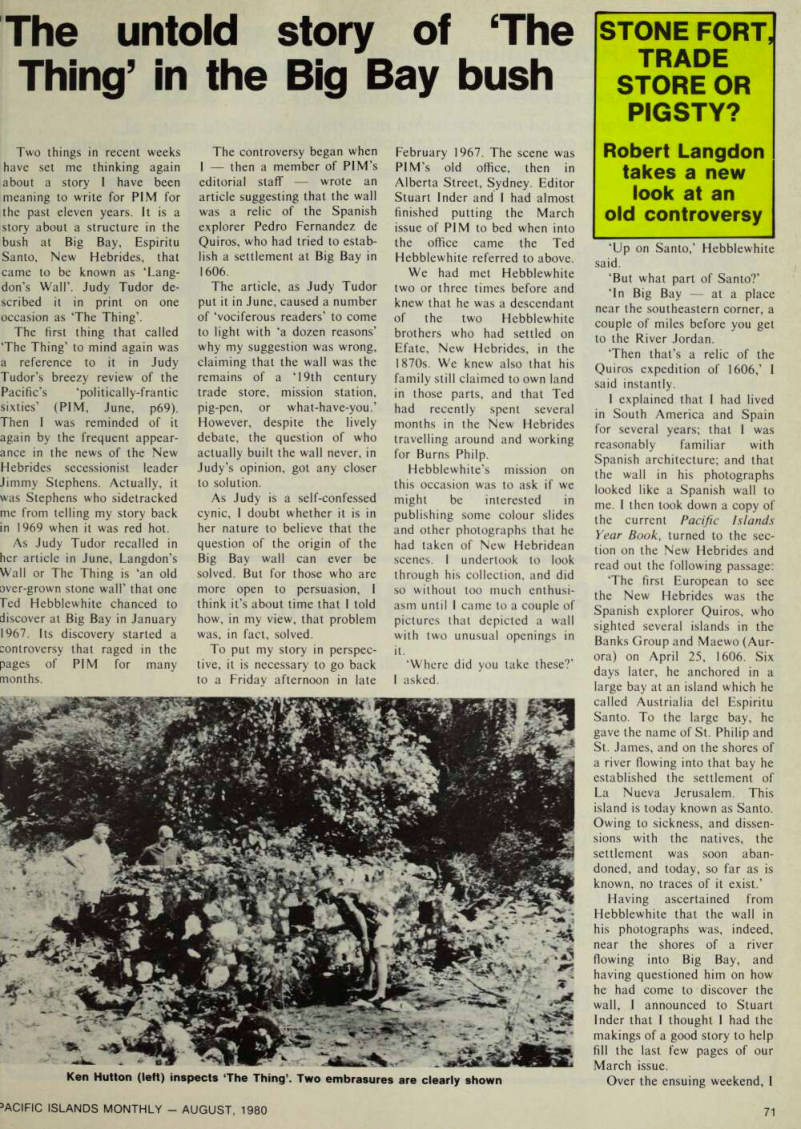 71
71 72
72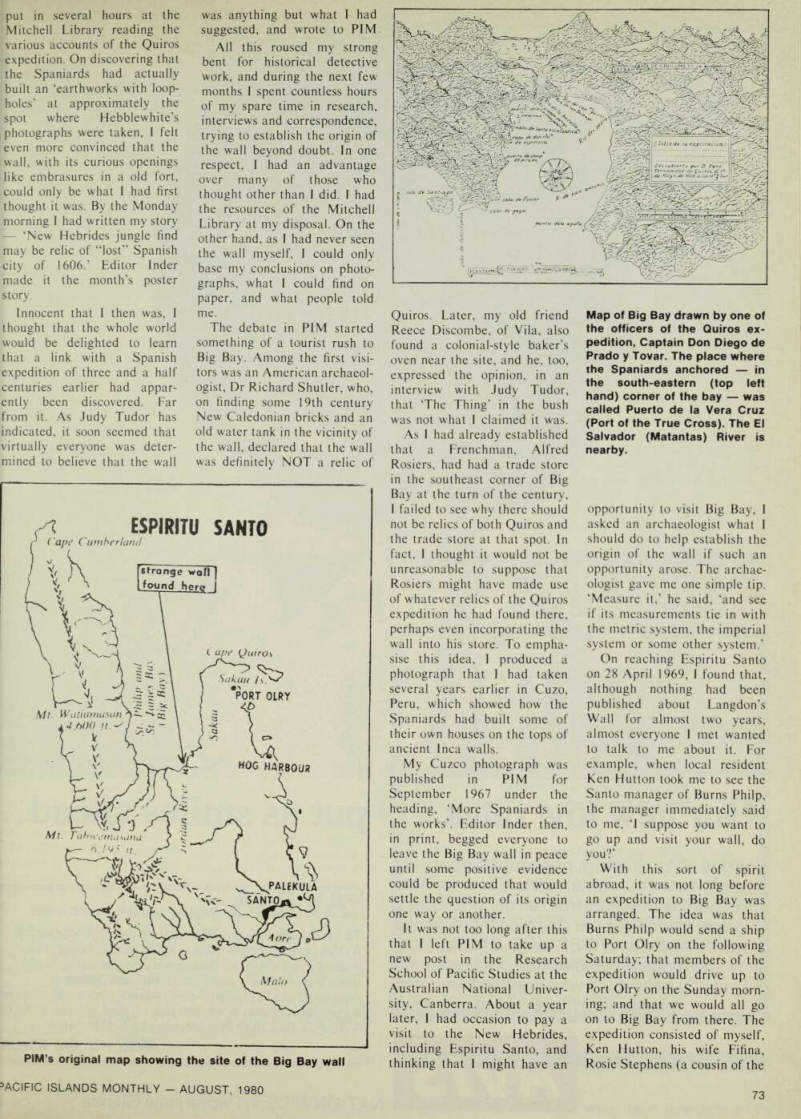 73
73 74
74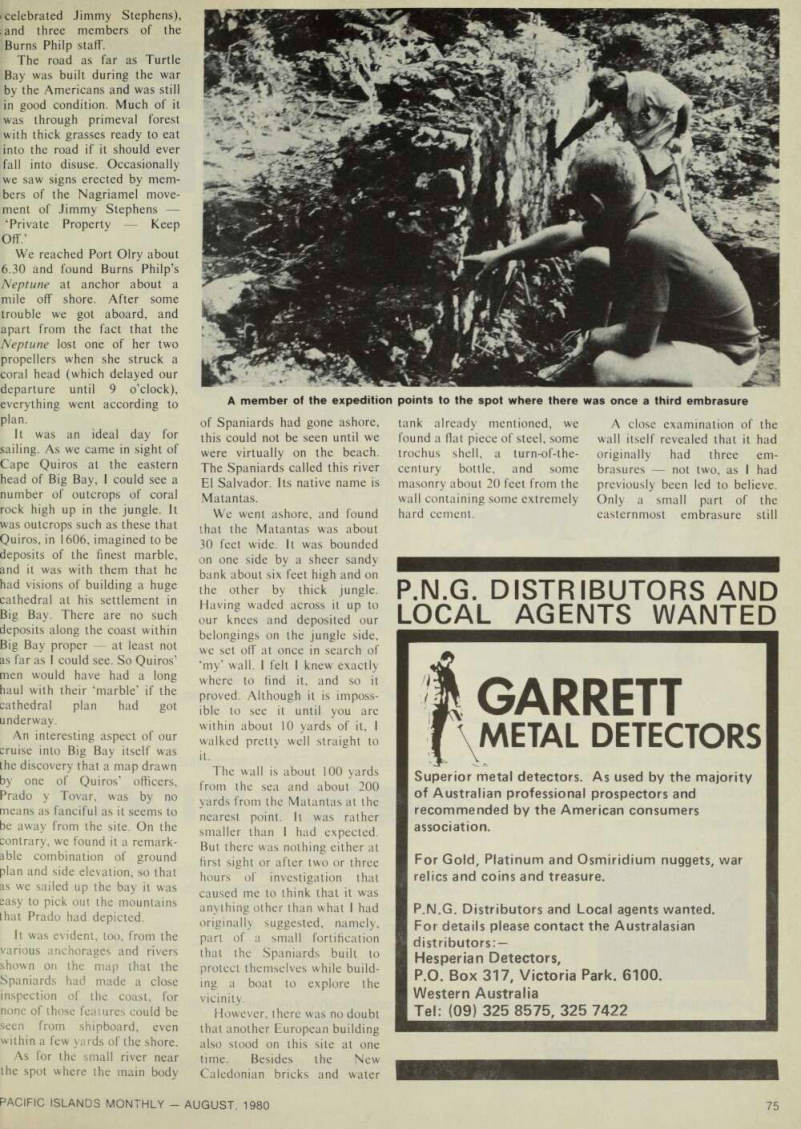 75
75 76
76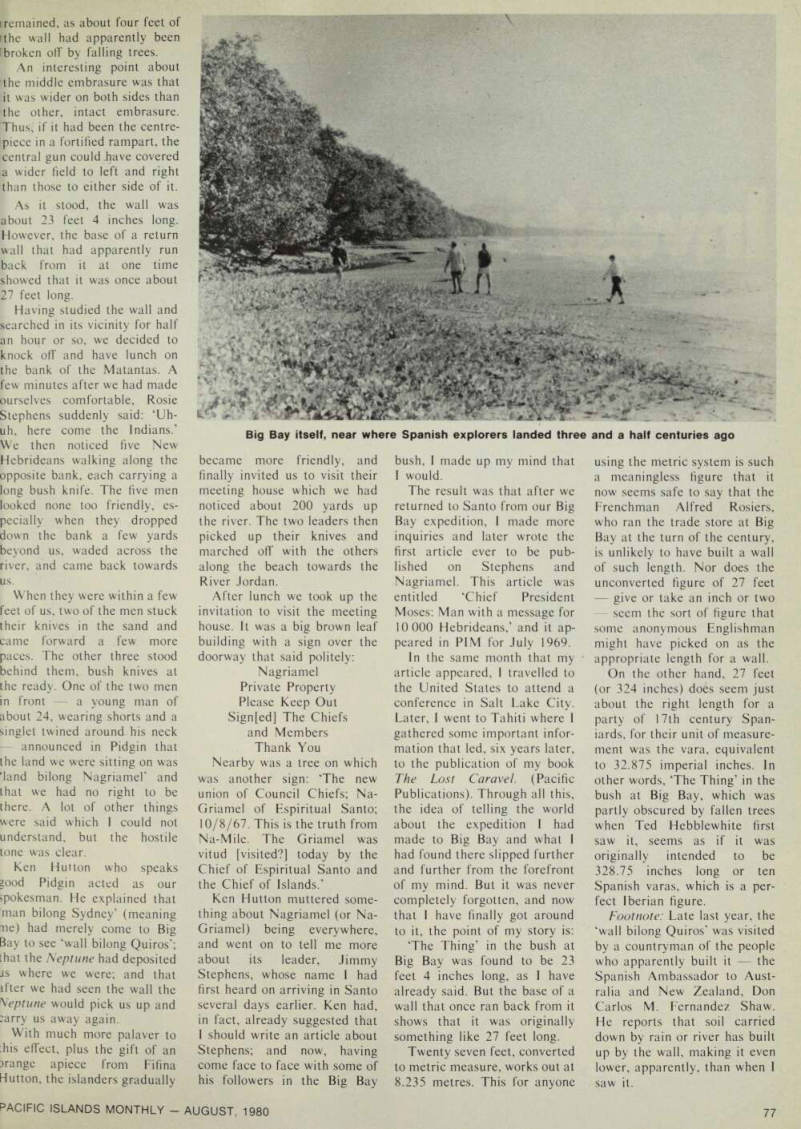 77
77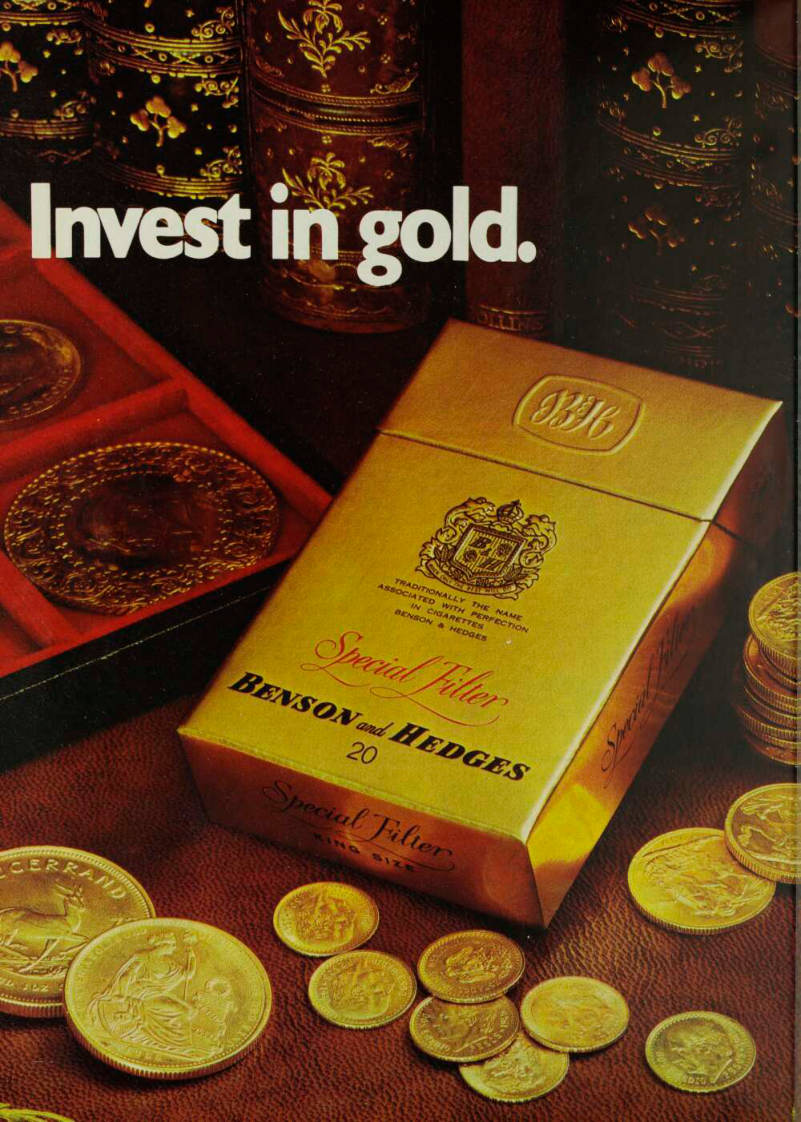 78
78 79
79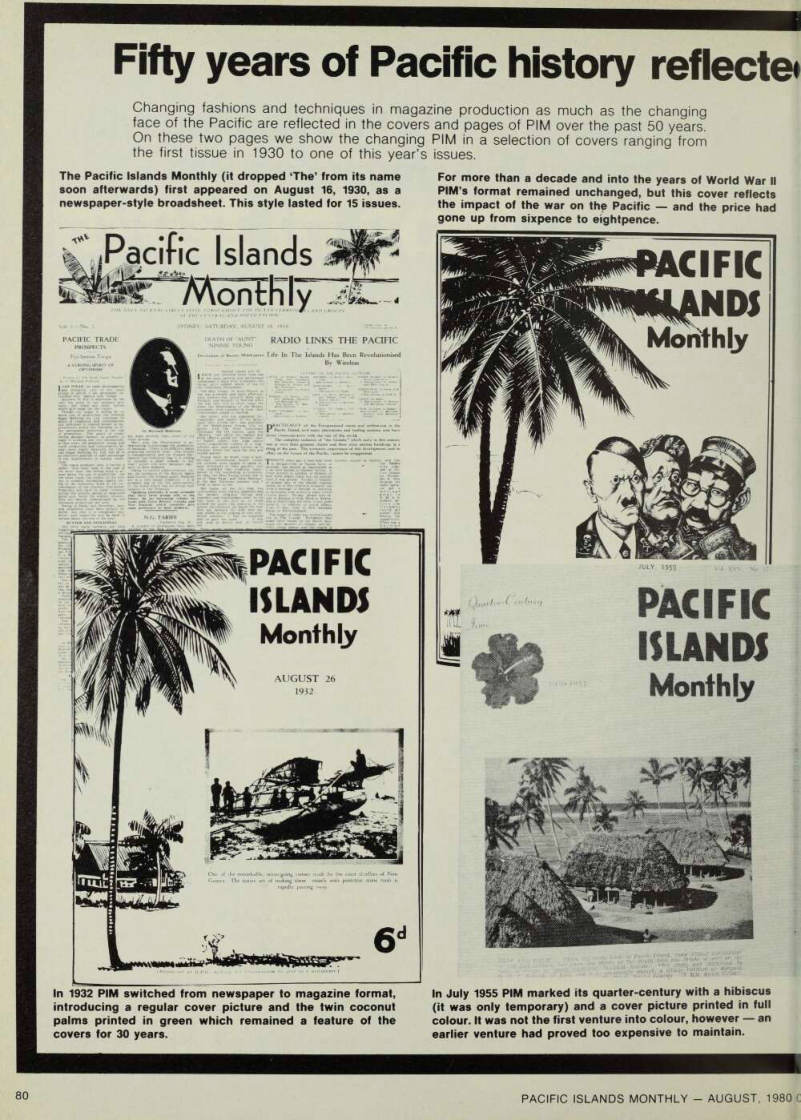 80
80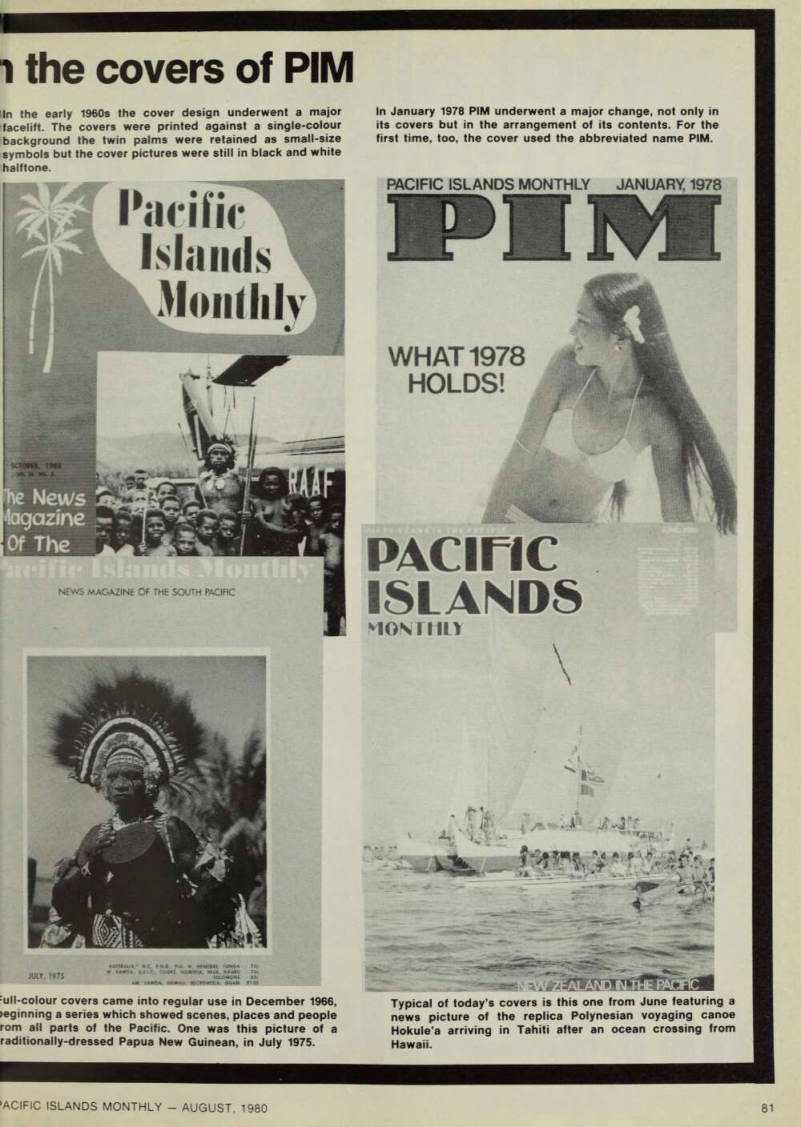 81
81 82
82 83
83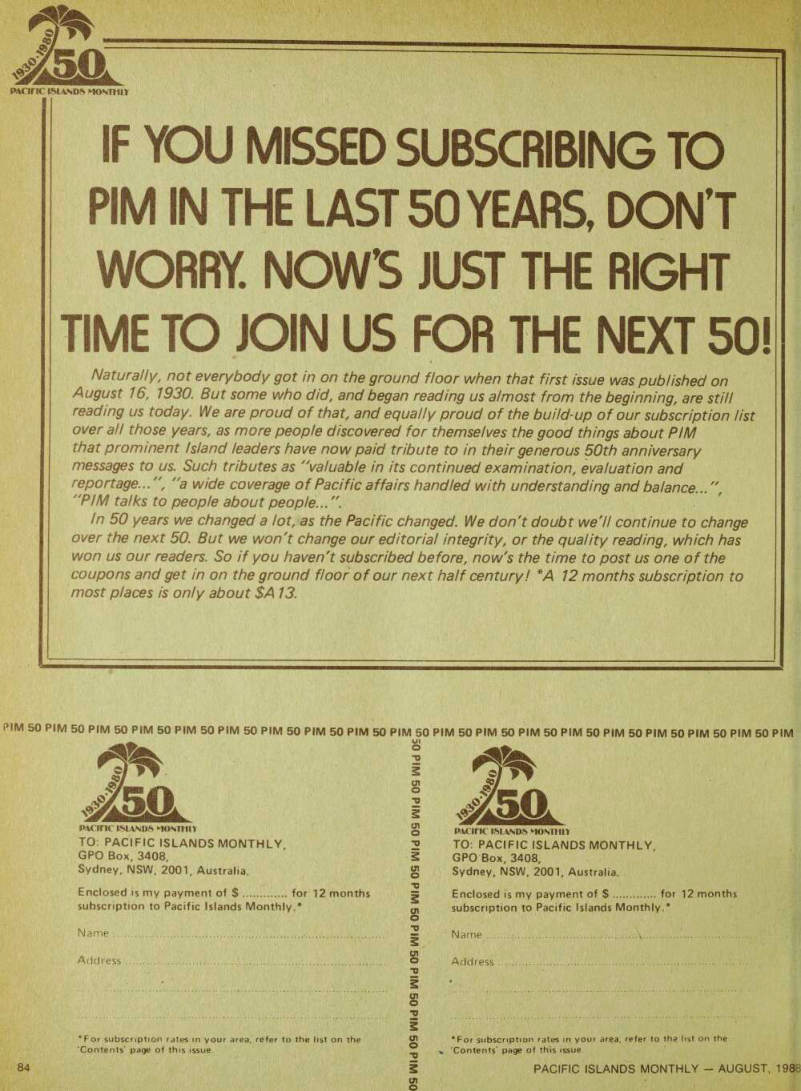 84
84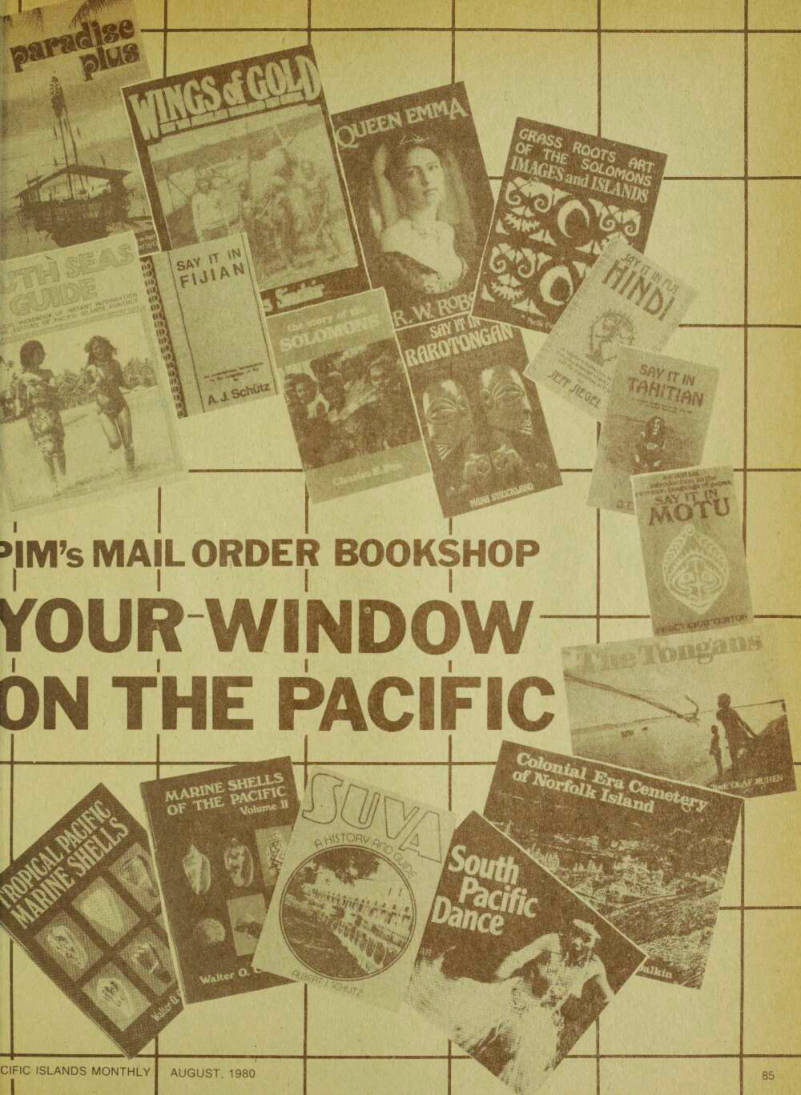 85
85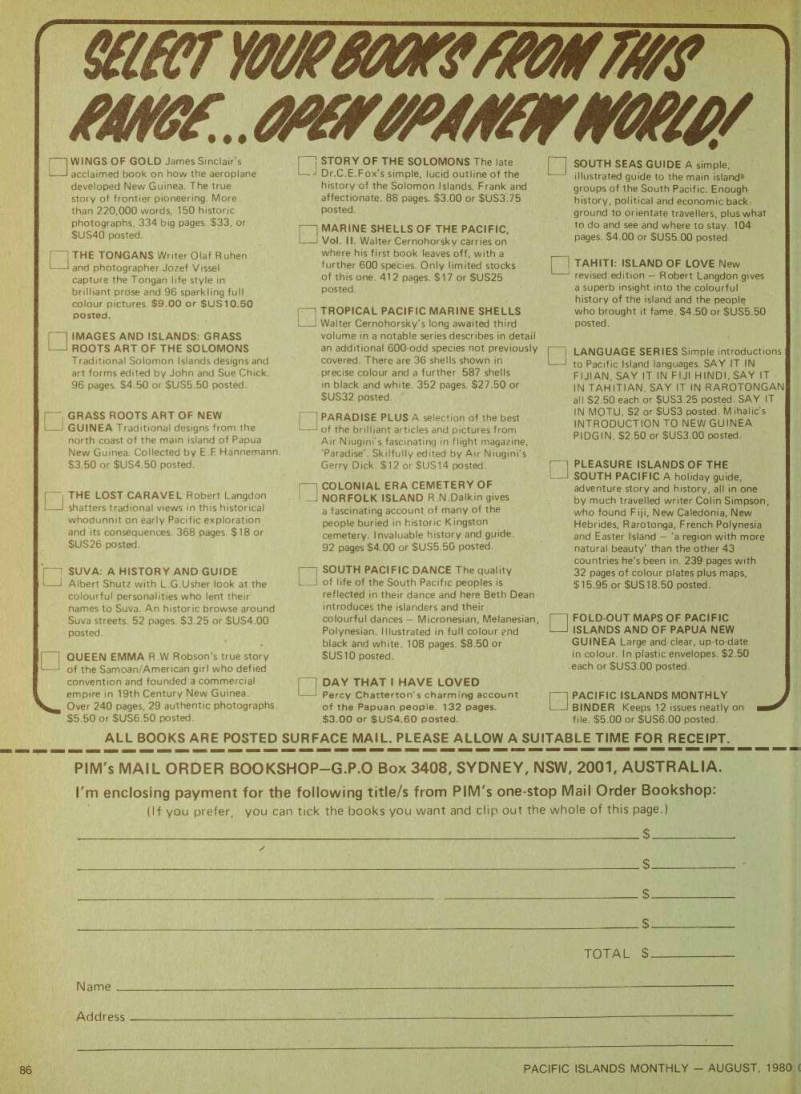 86
86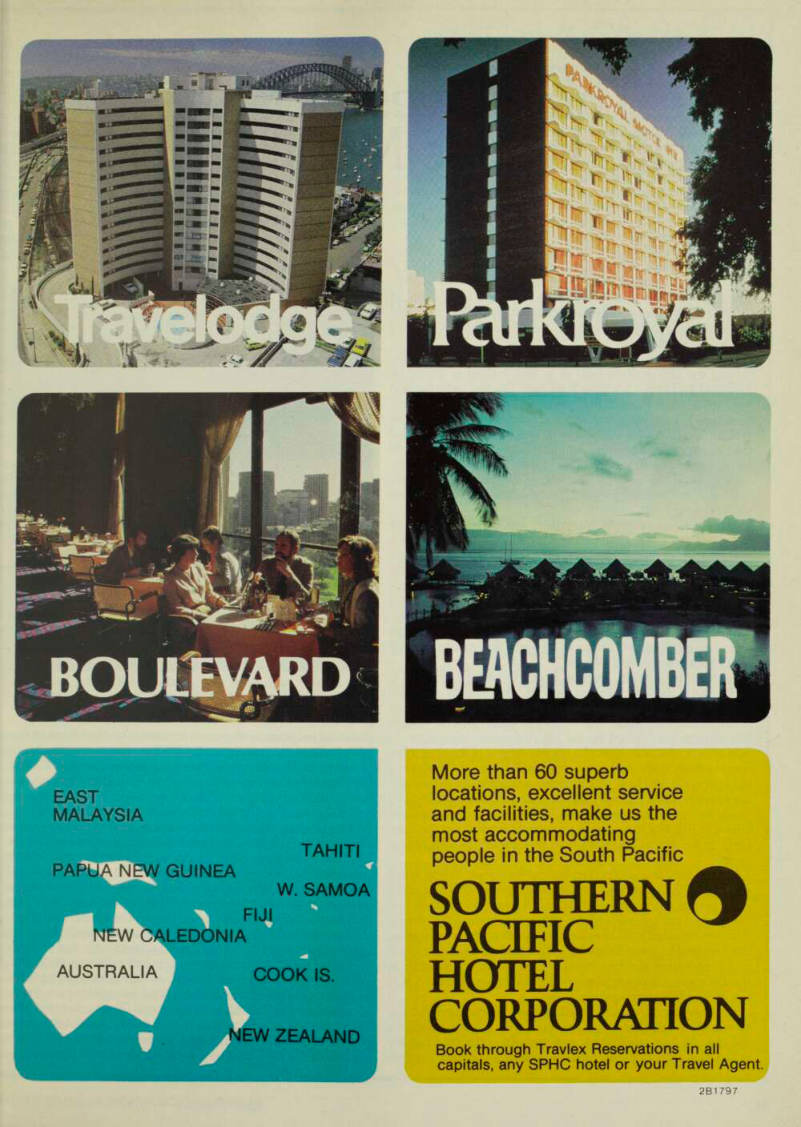 87
87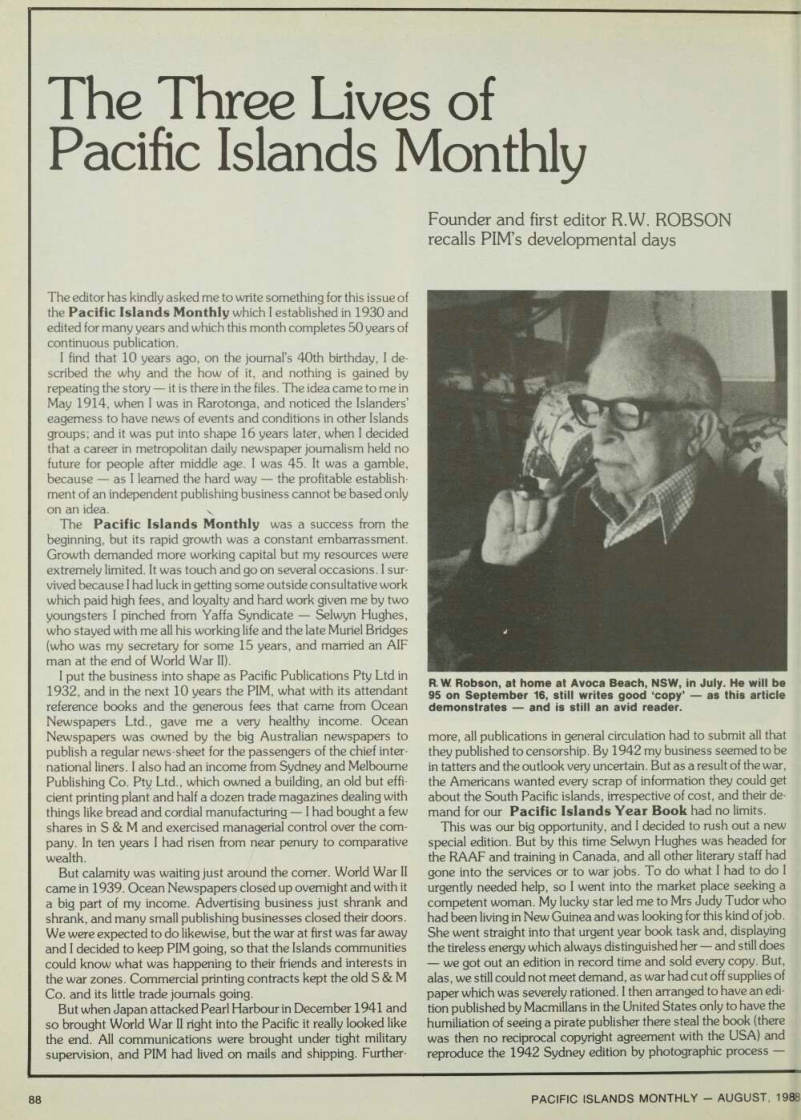 88
88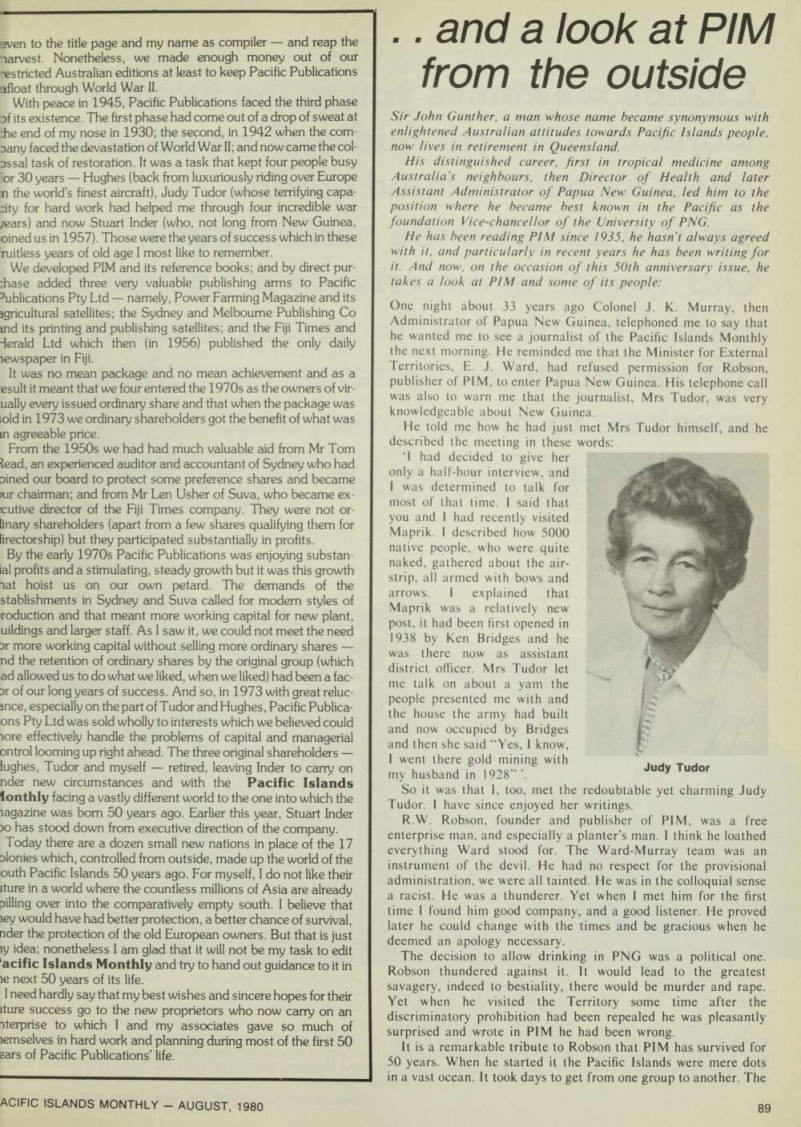 89
89 90
90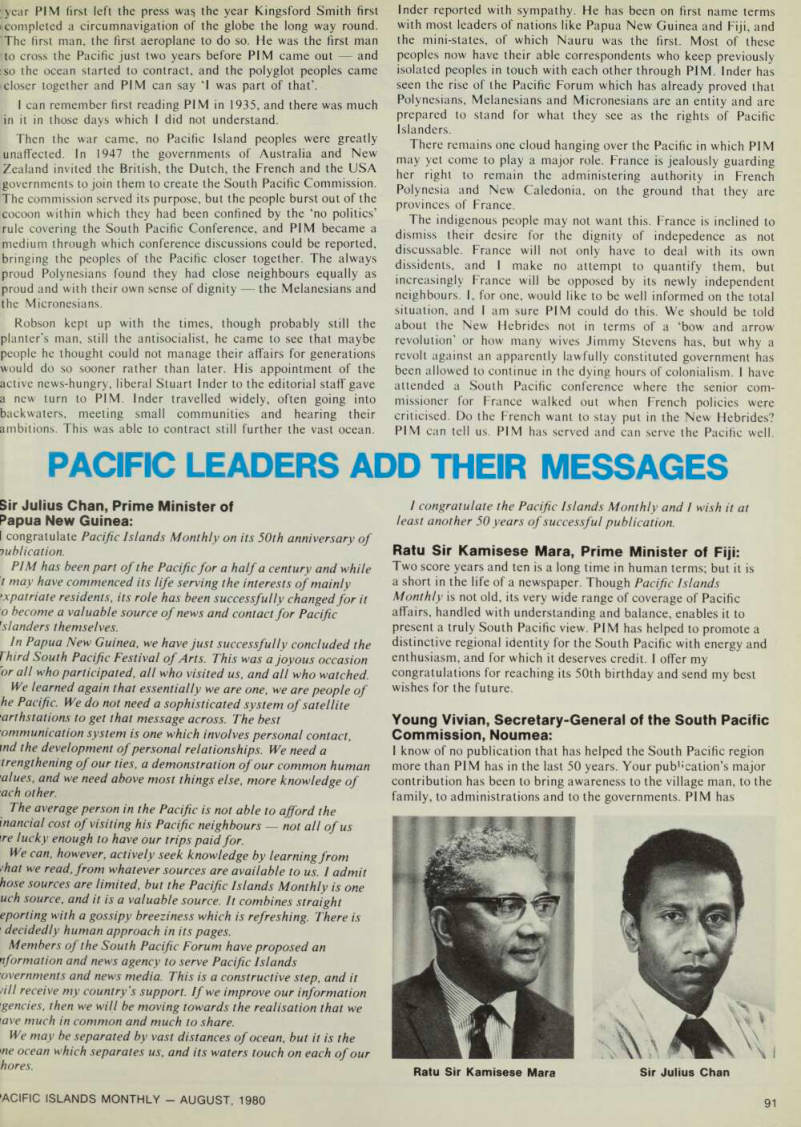 91
91 92
92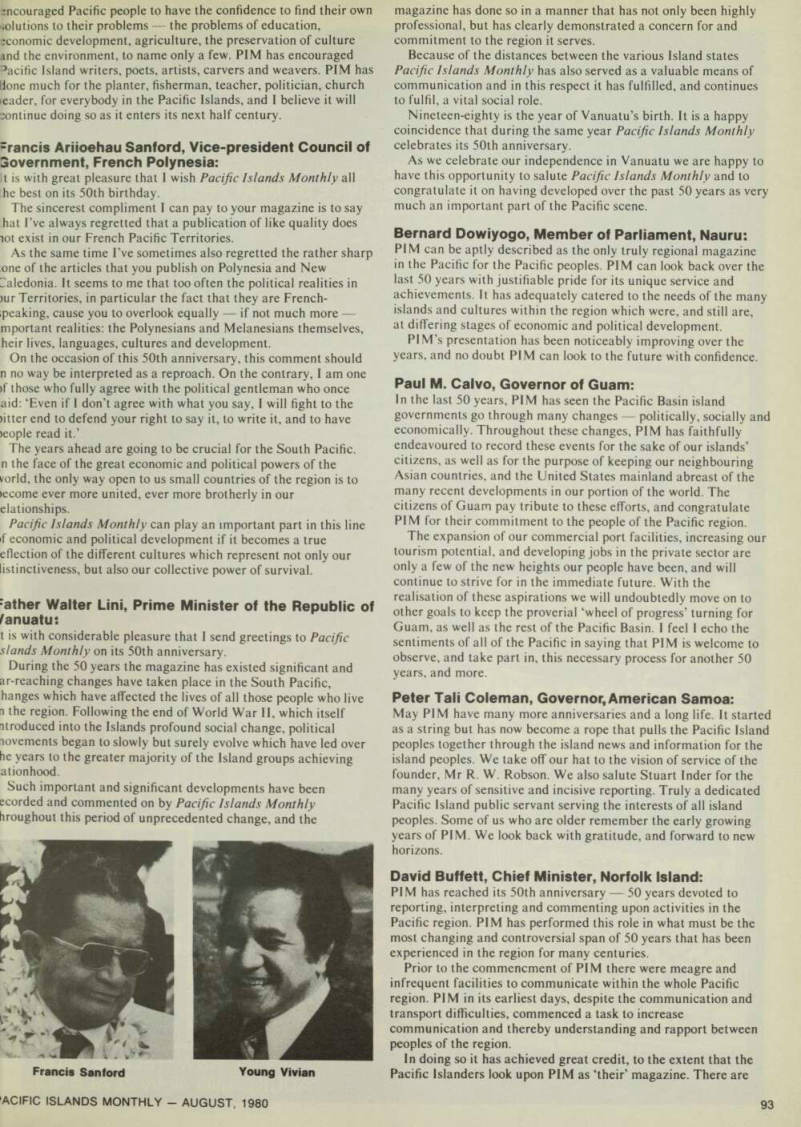 93
93 94
94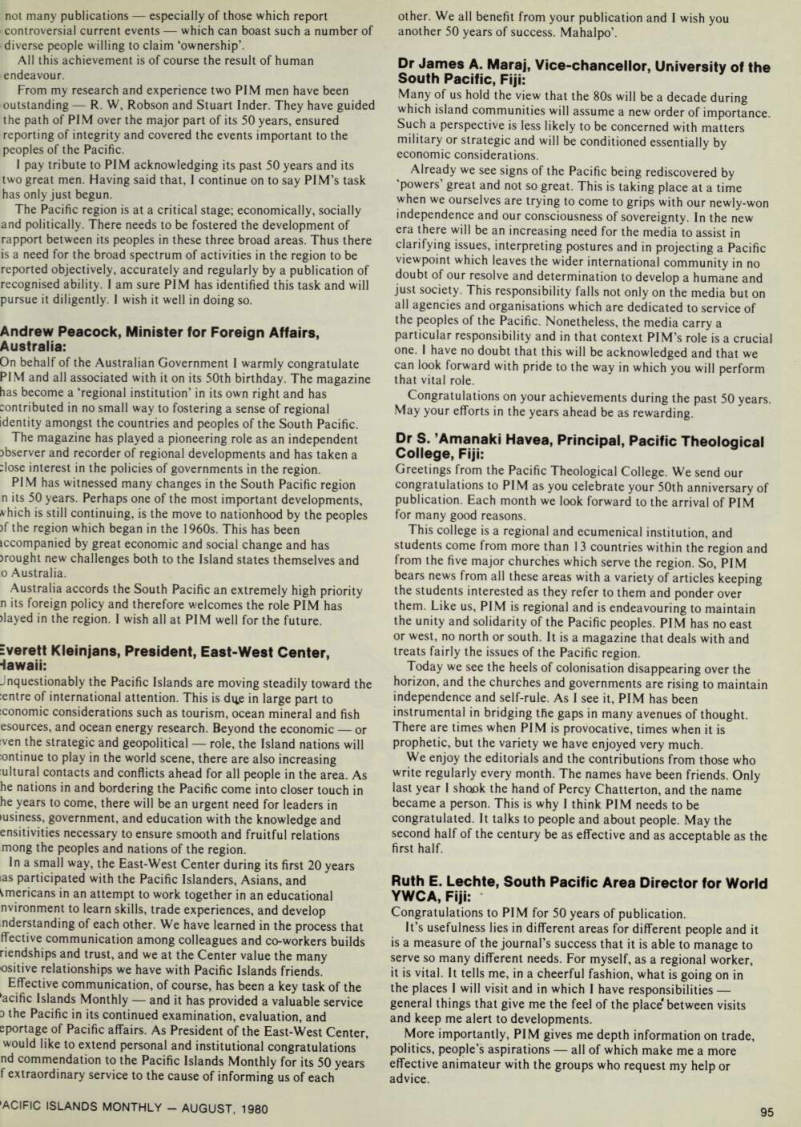 95
95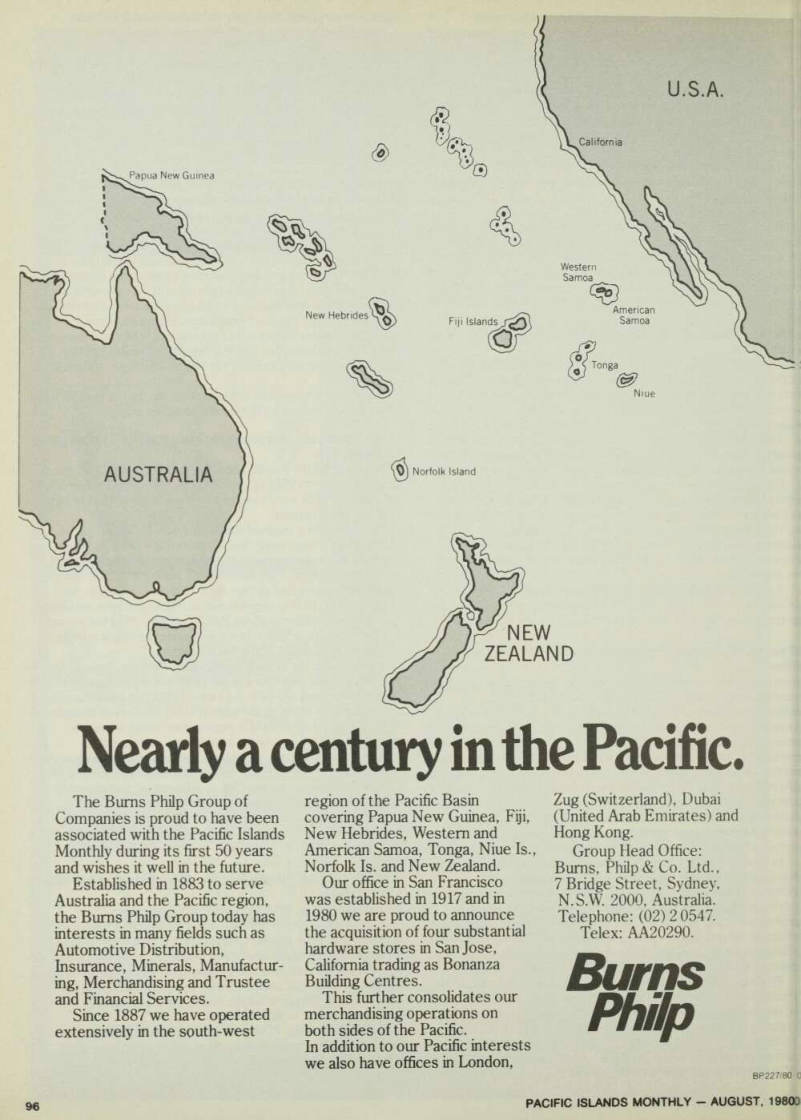 96
96 97
97 98
98 99
99 100
100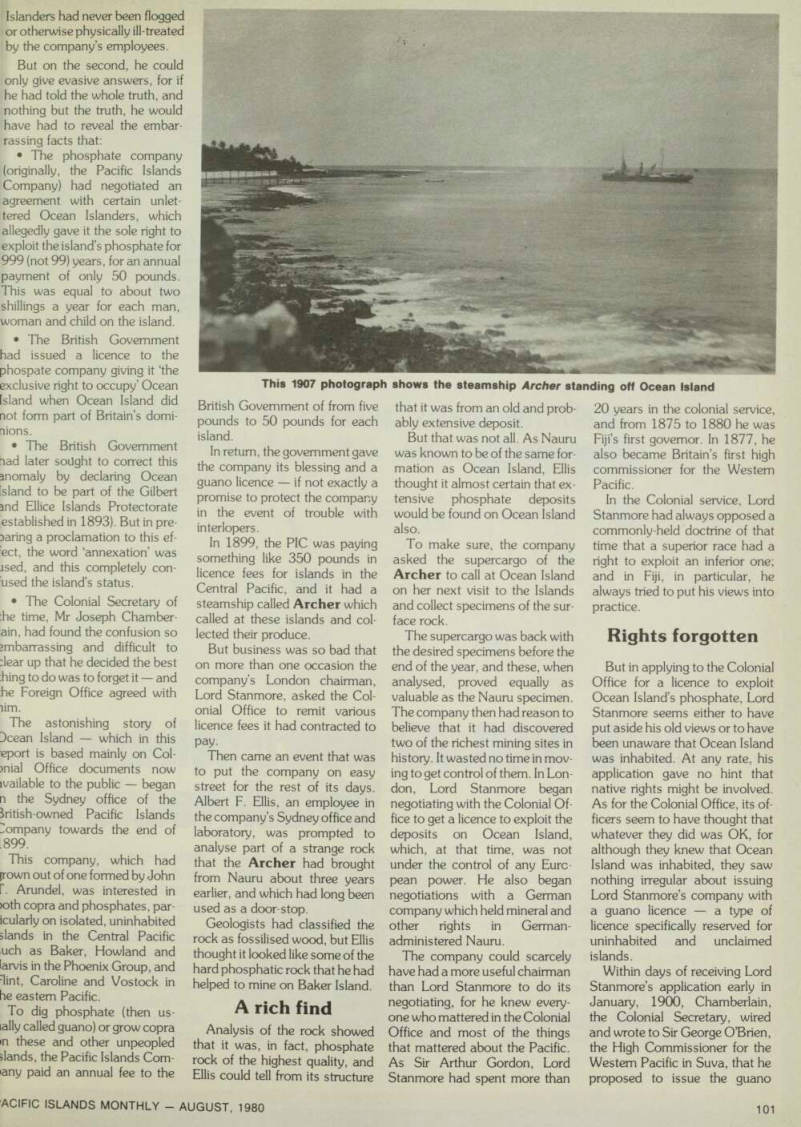 101
101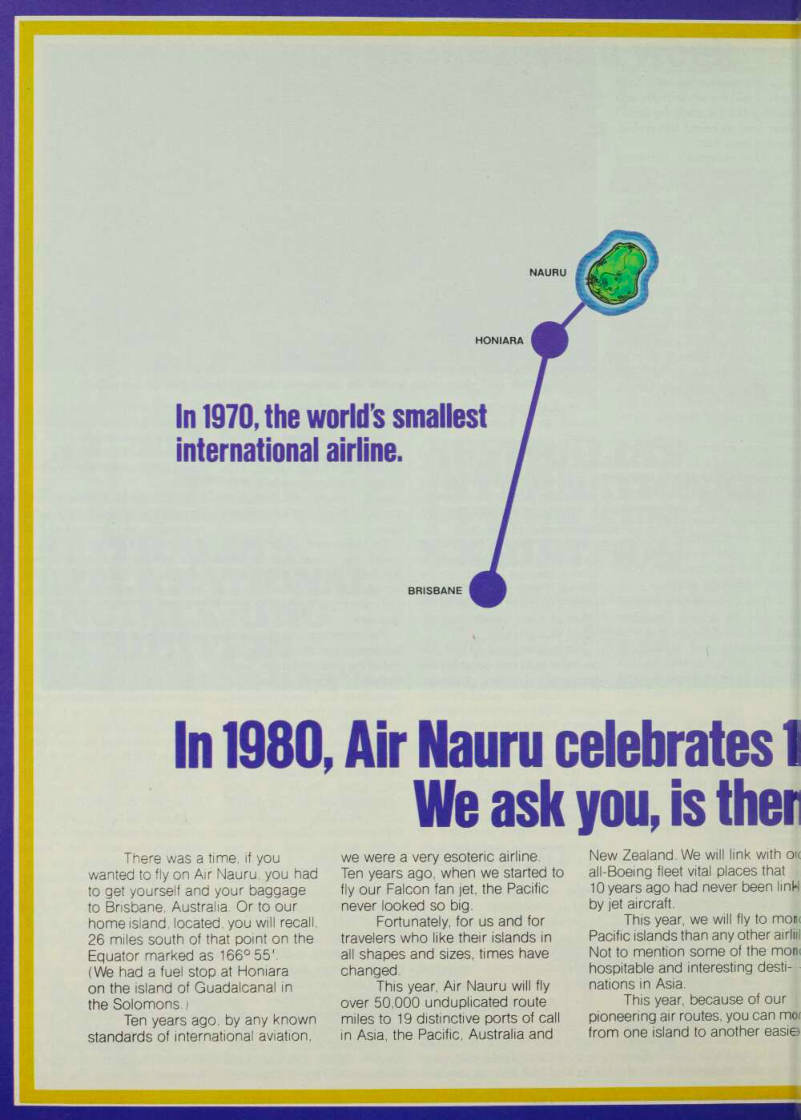 102
102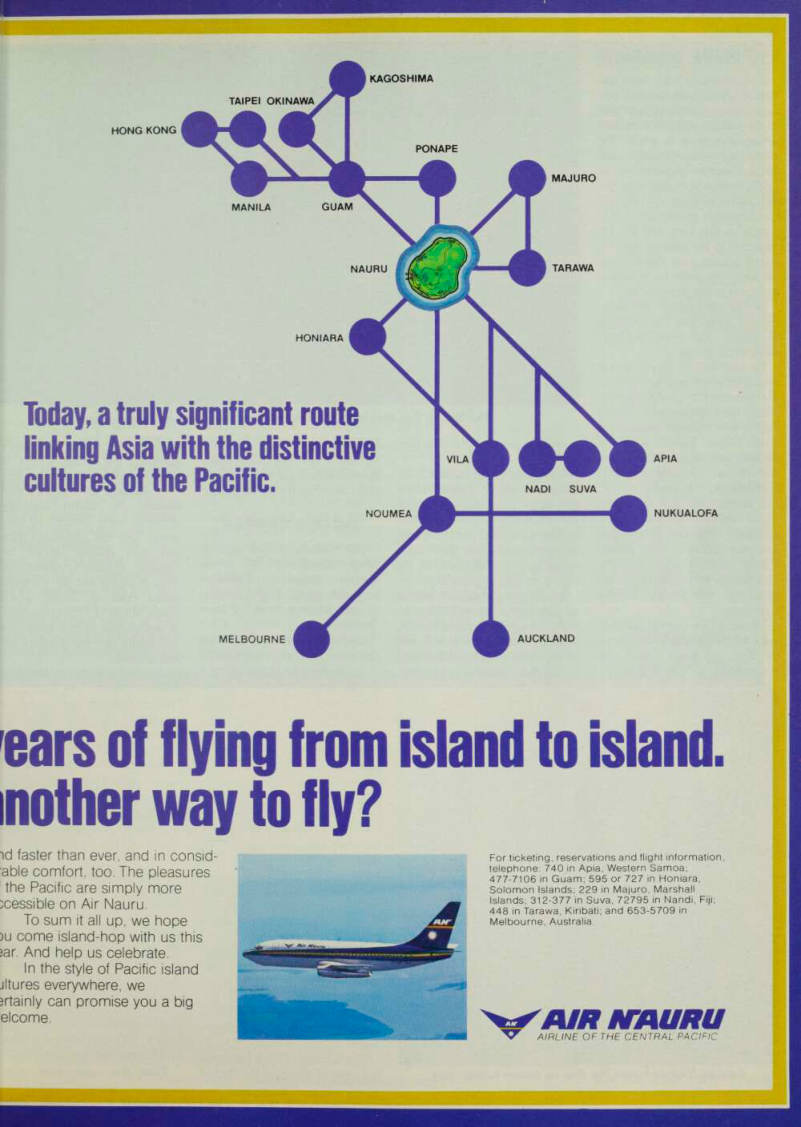 103
103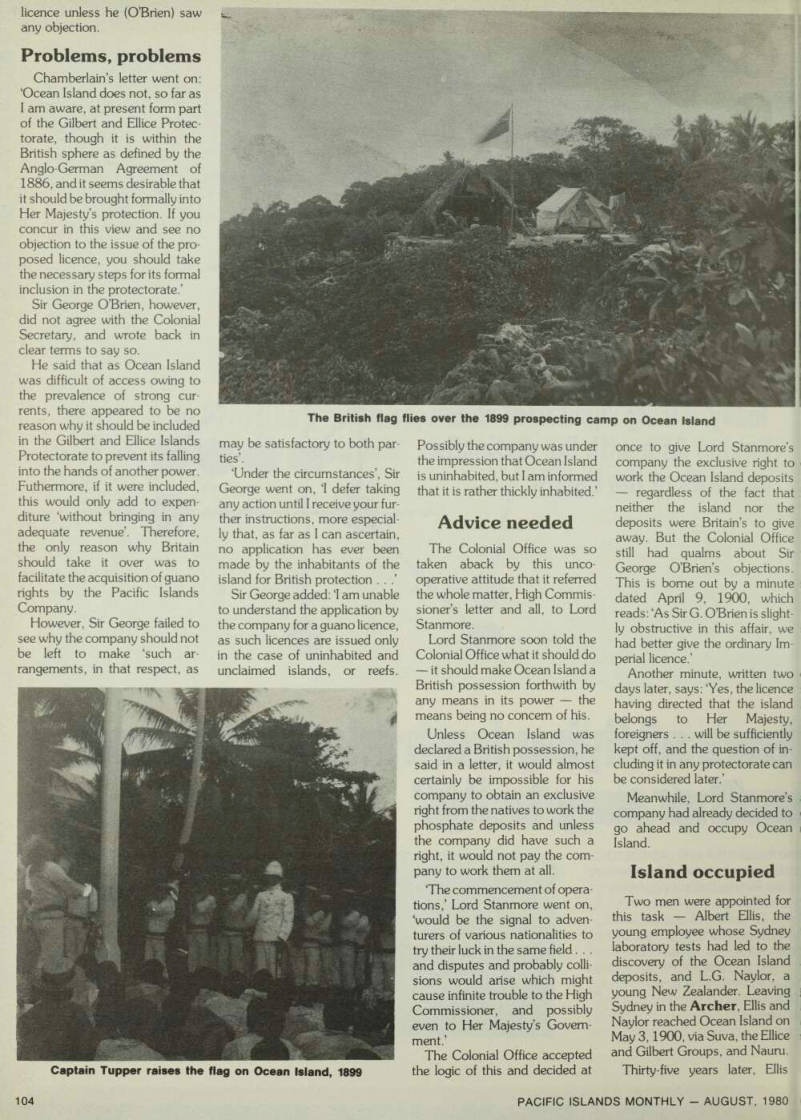 104
104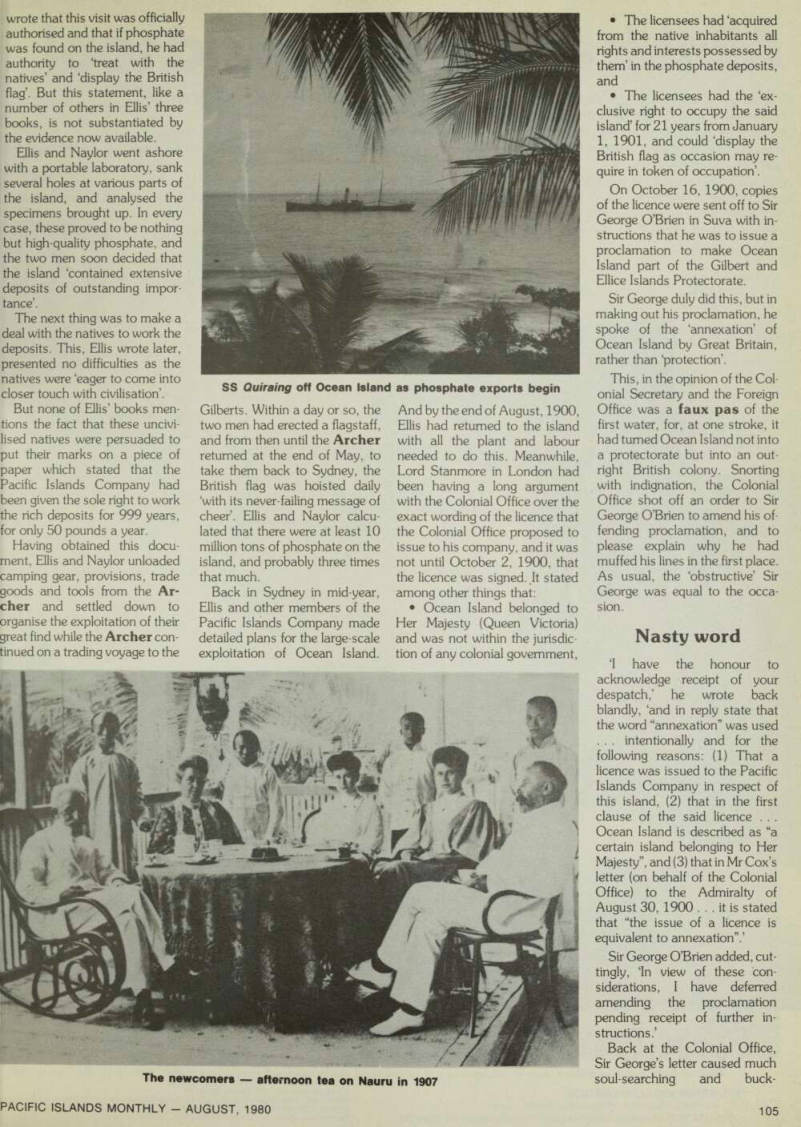 105
105 106
106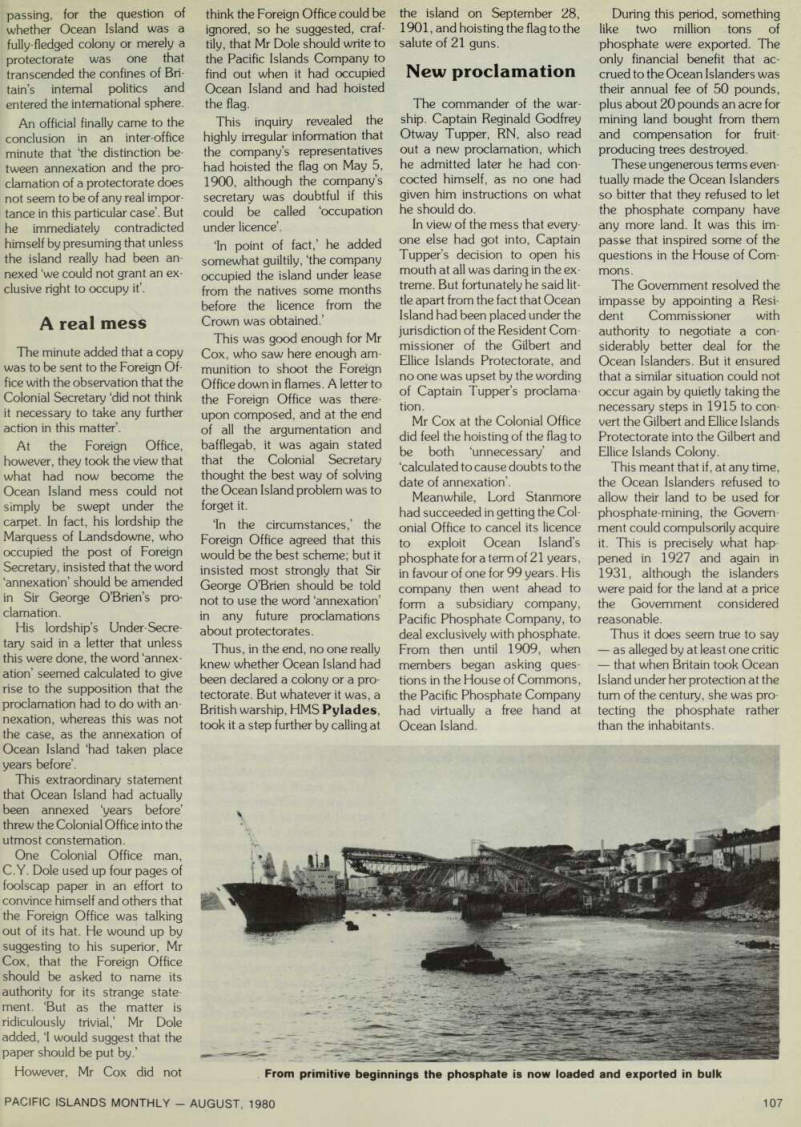 107
107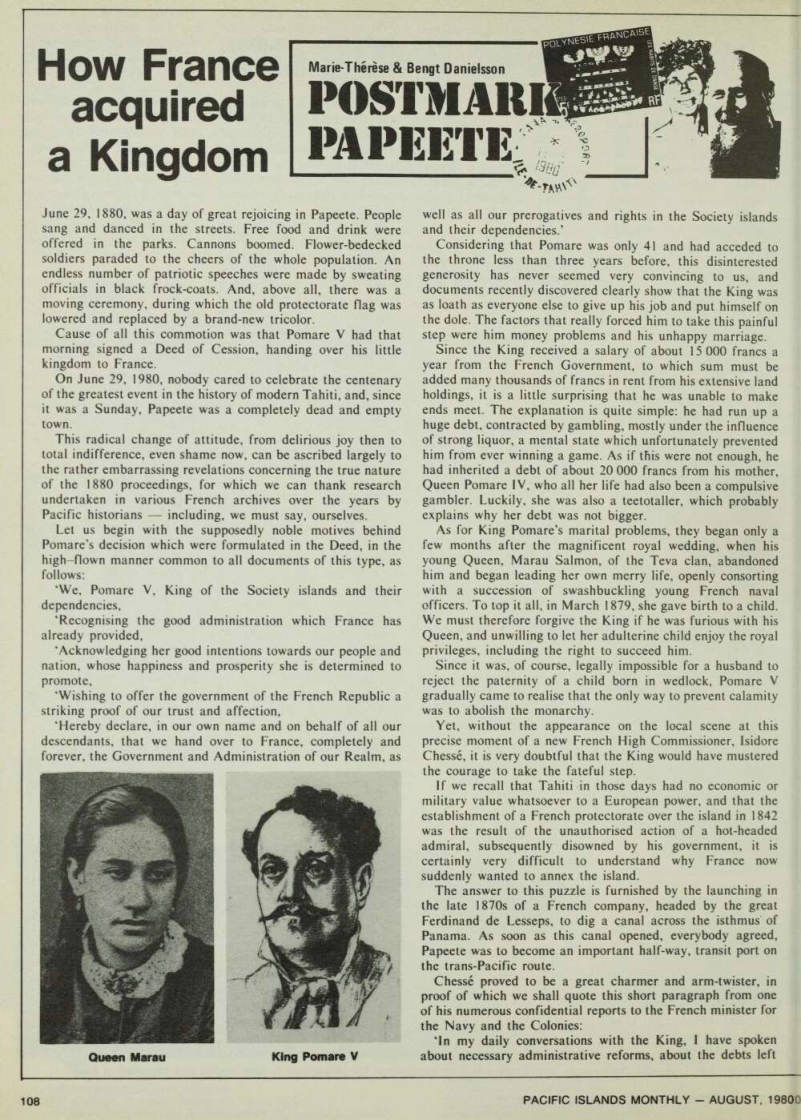 108
108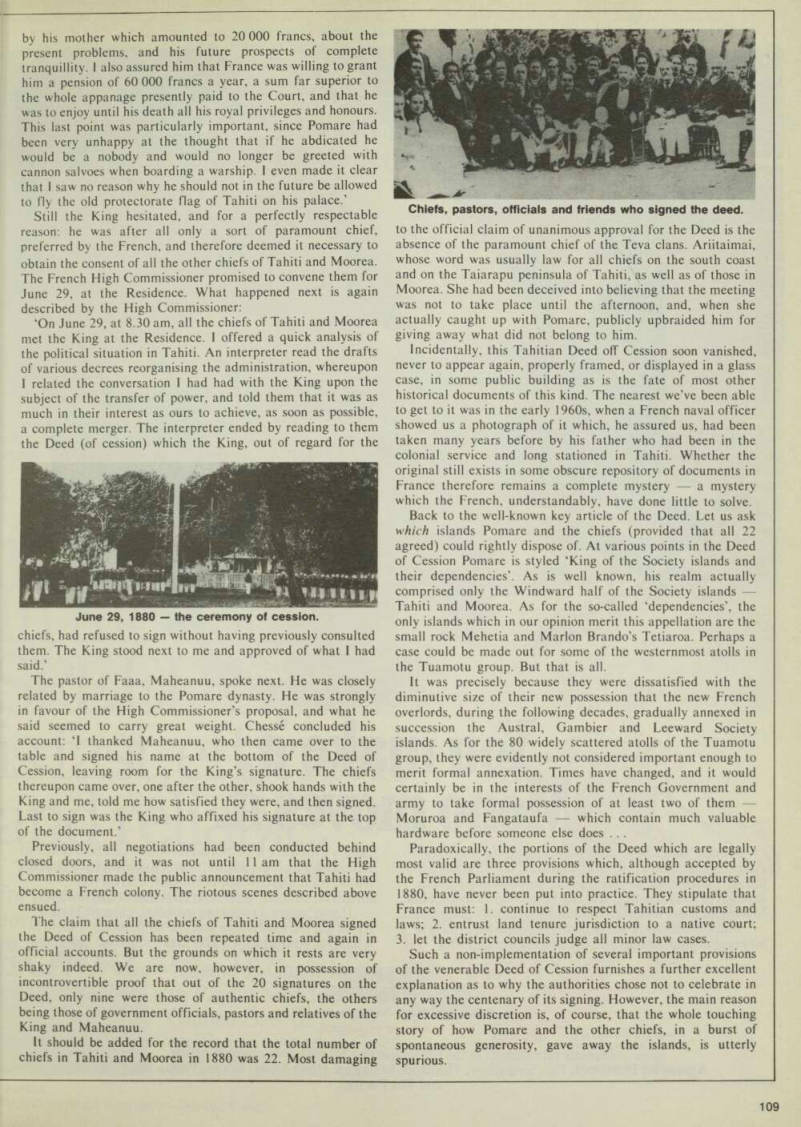 109
109 110
110 111
111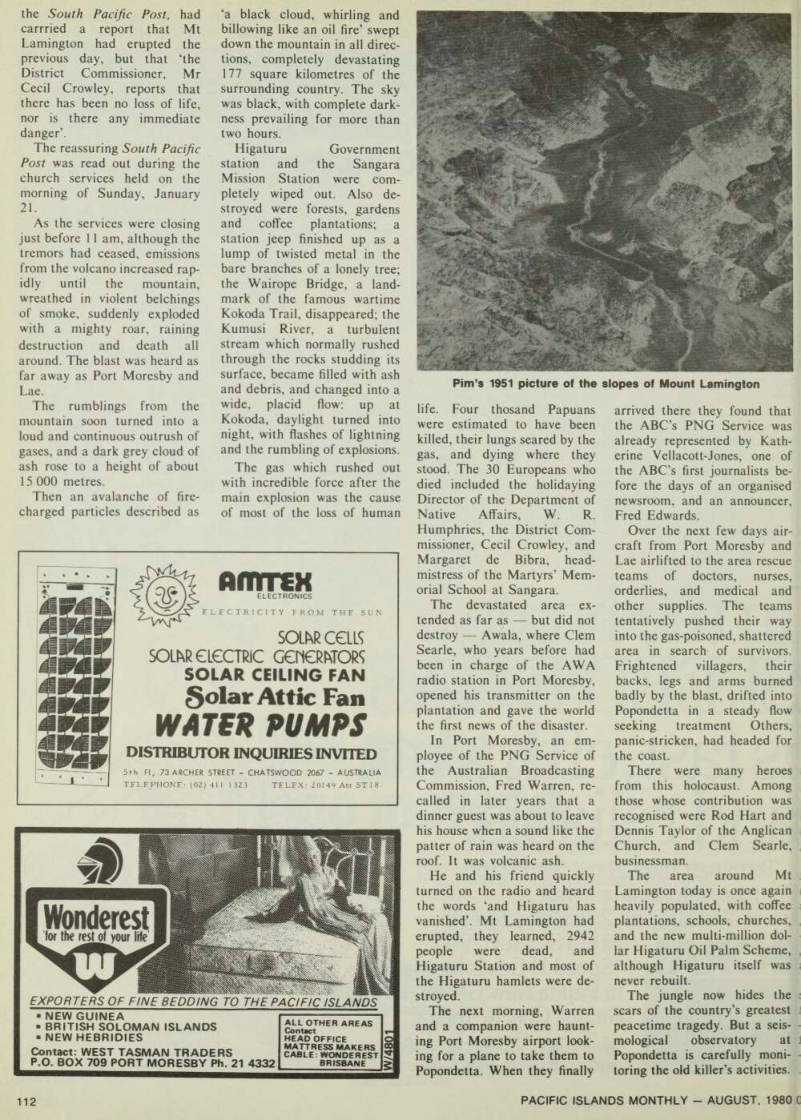 112
112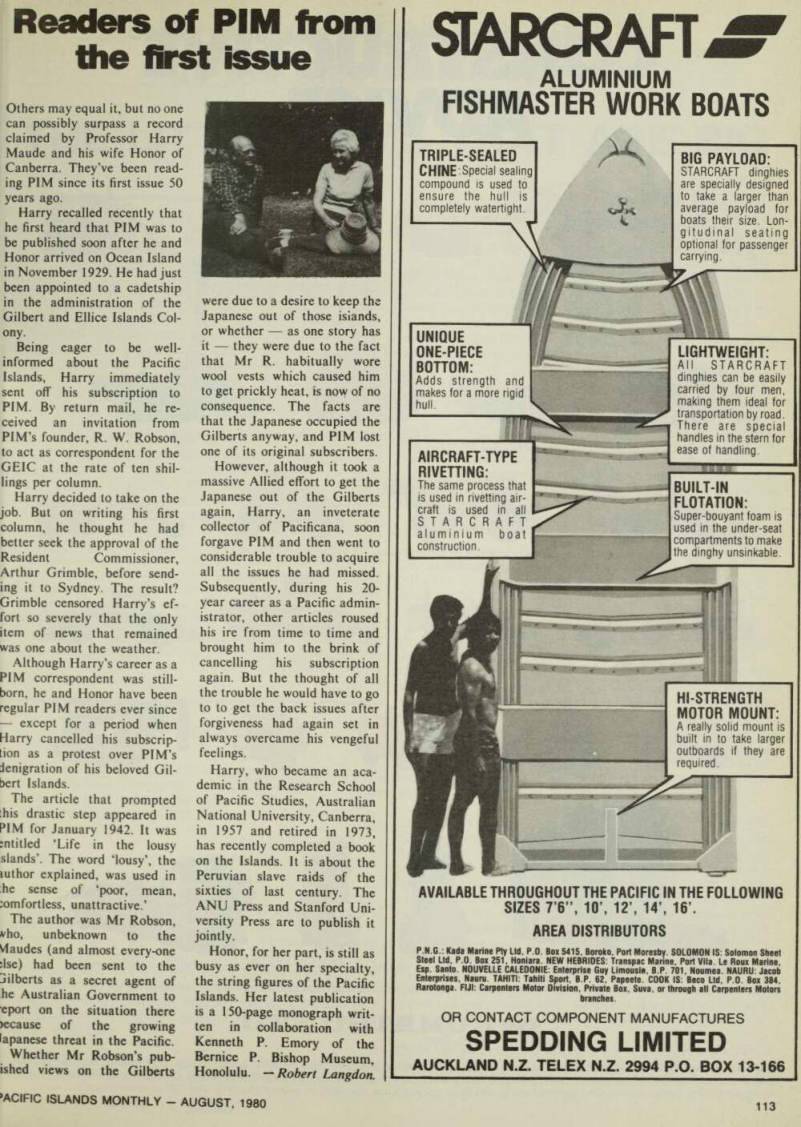 113
113 114
114 115
115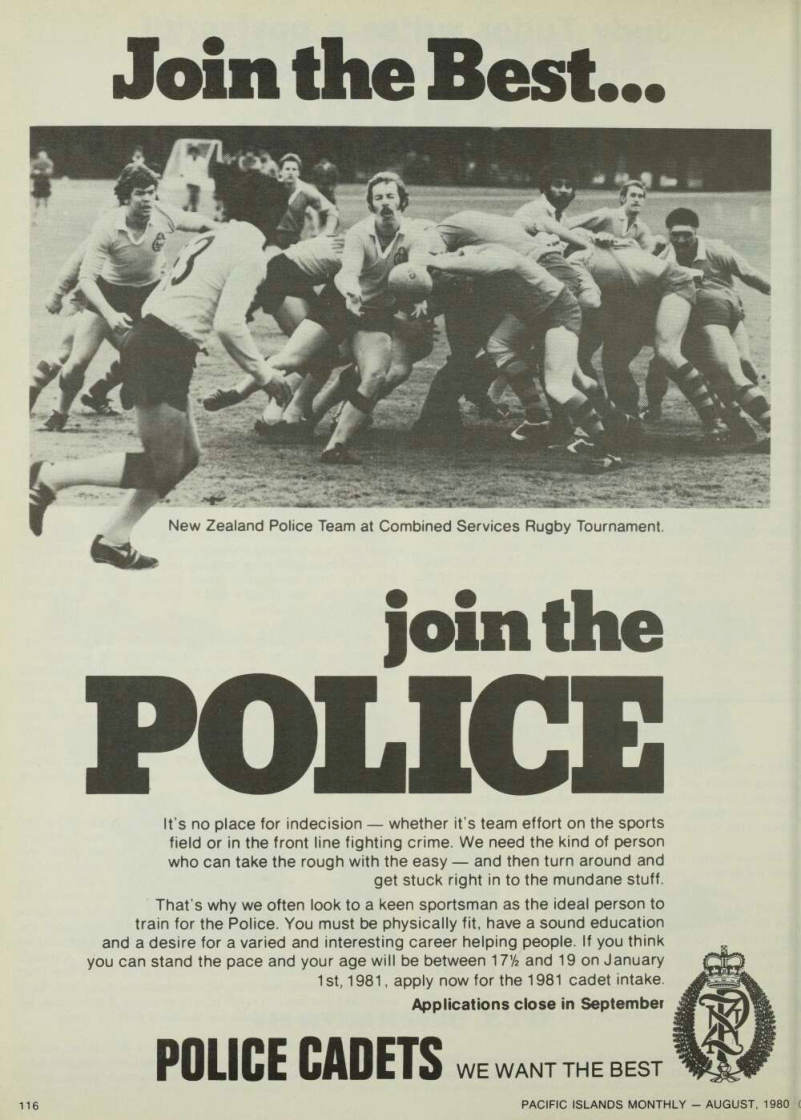 116
116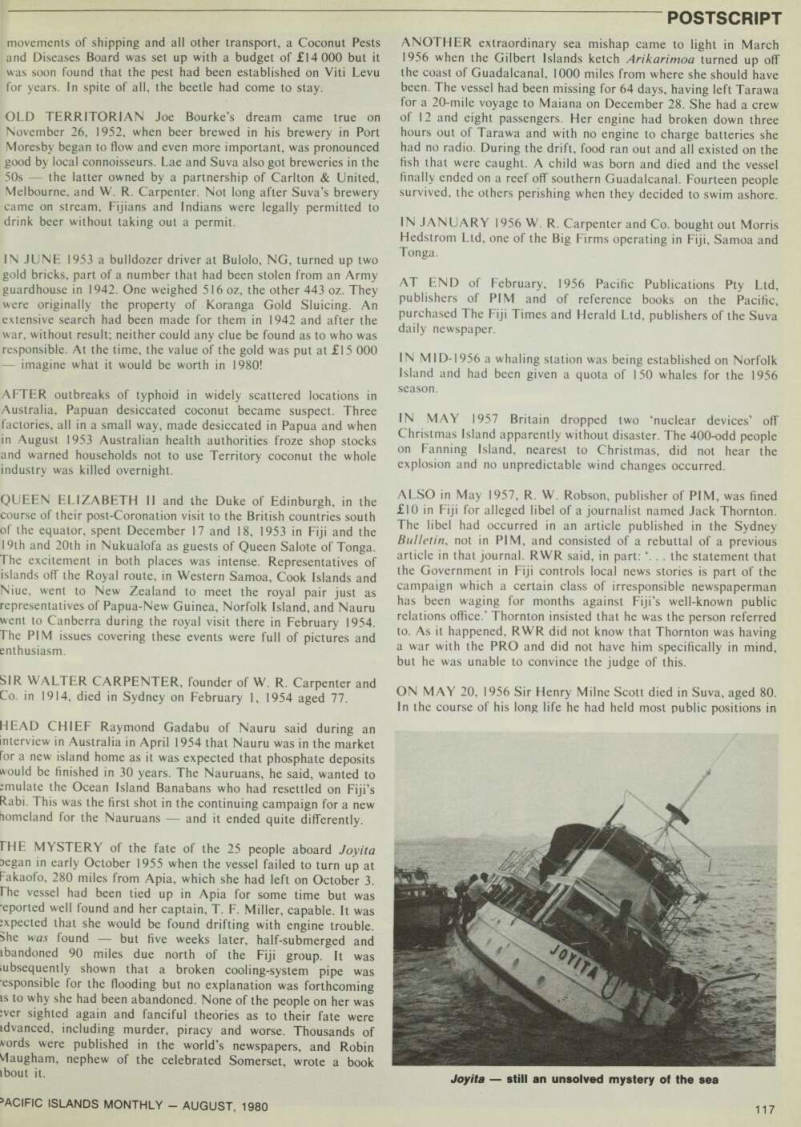 117
117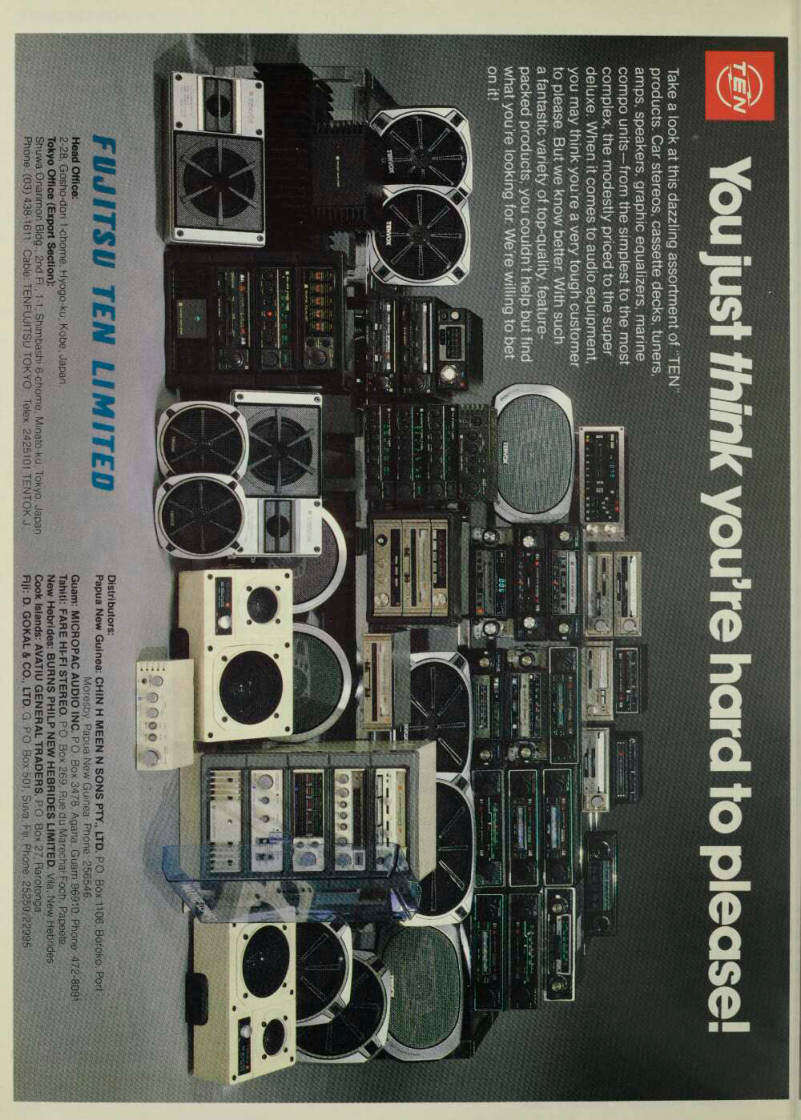 118
118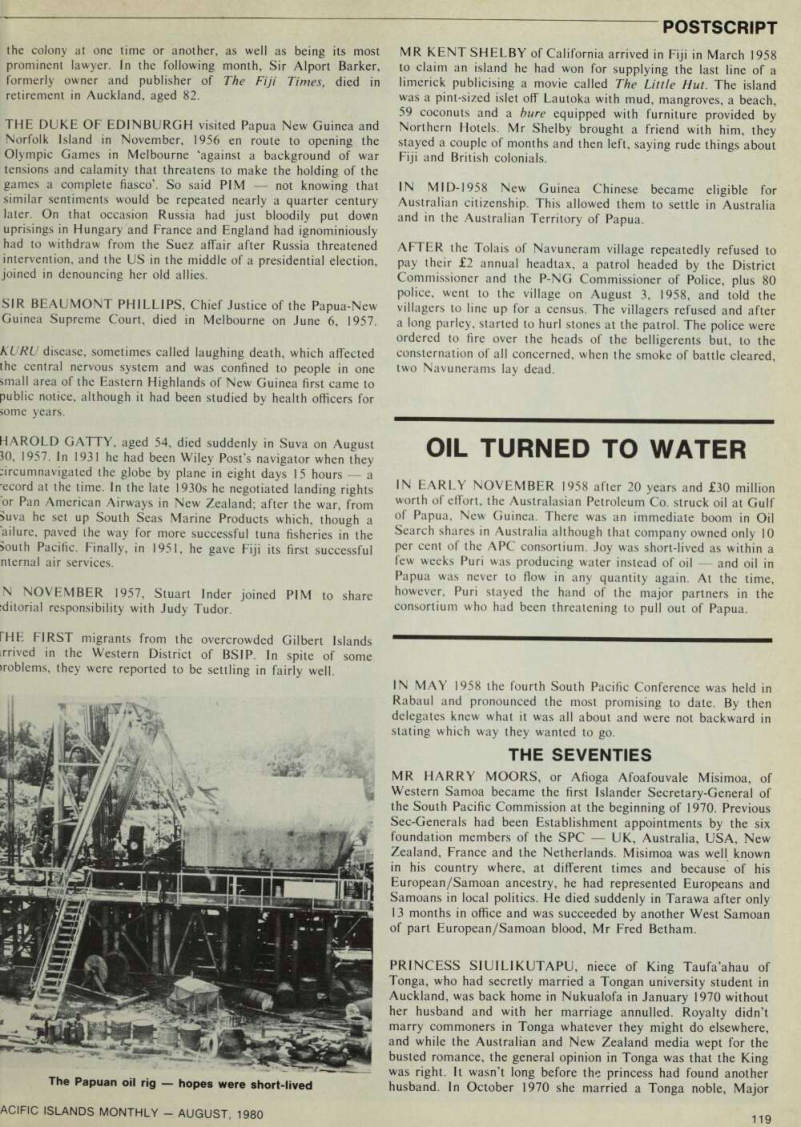 119
119 120
120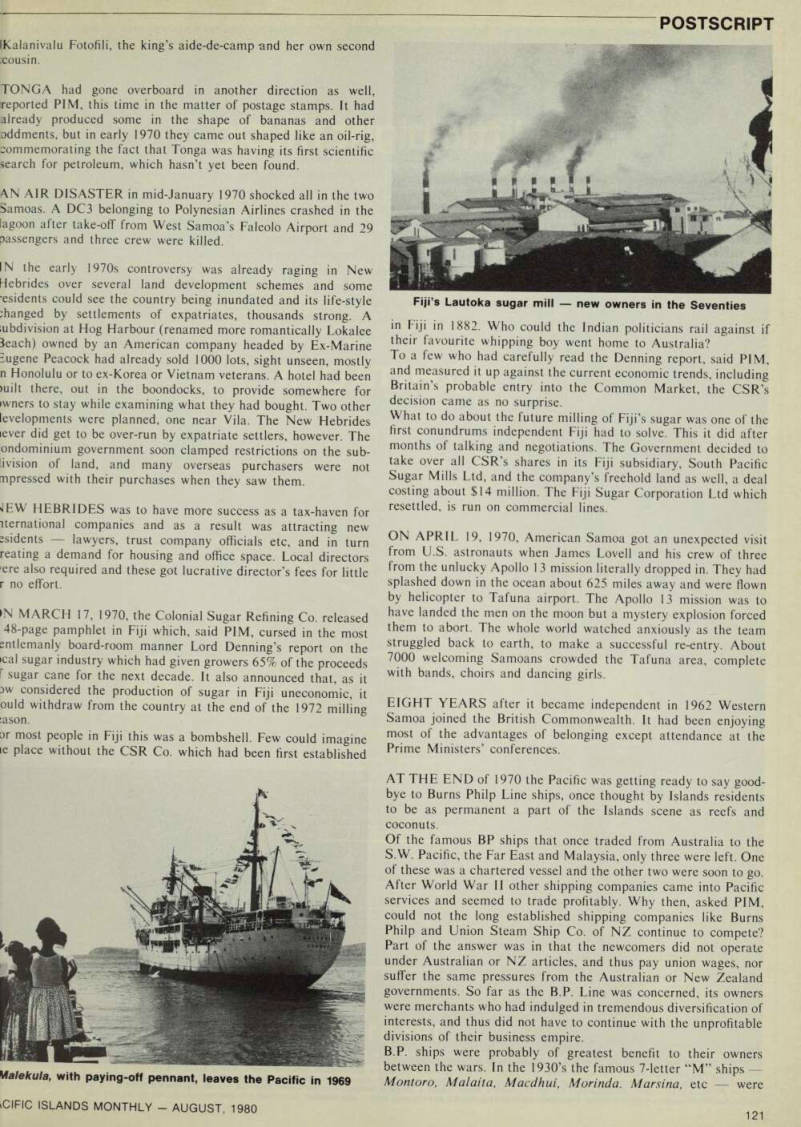 121
121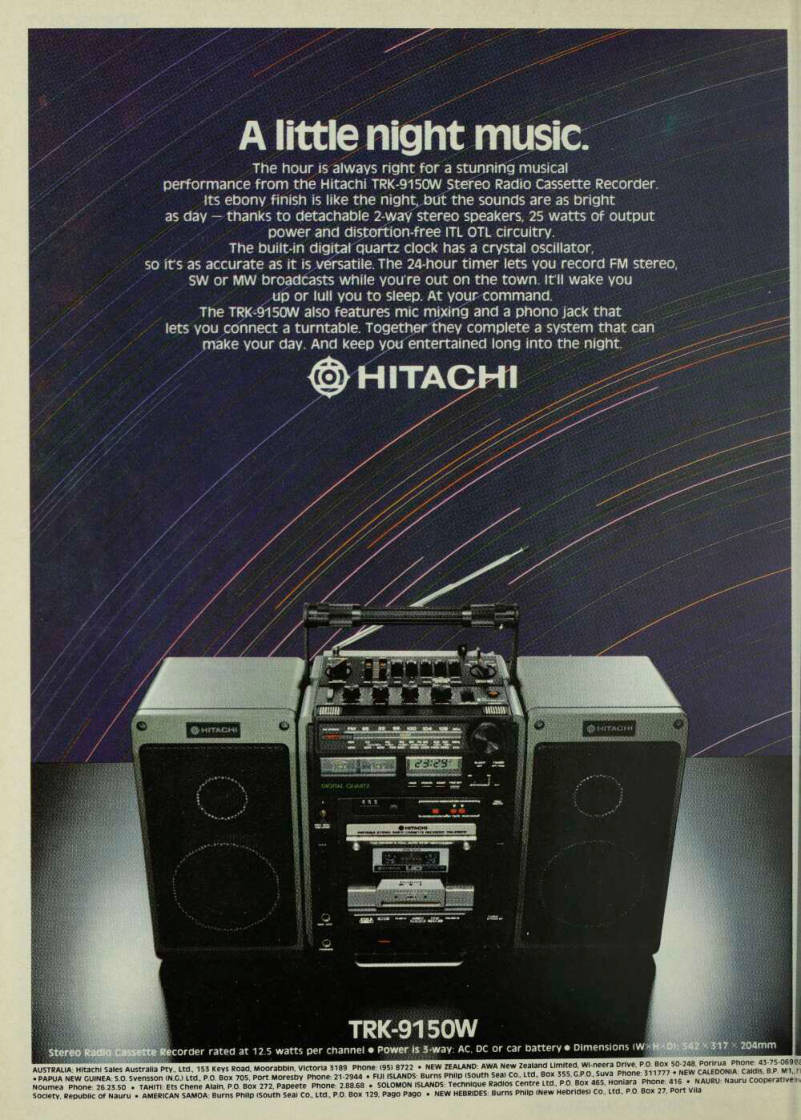 122
122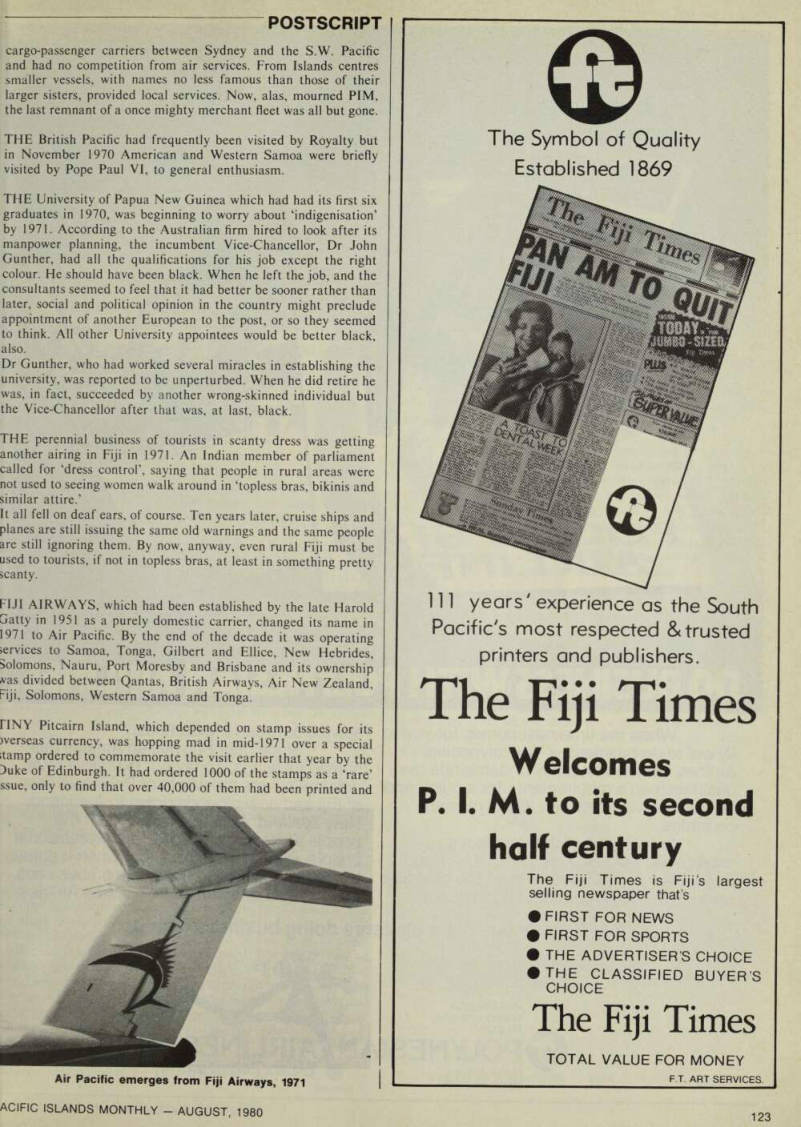 123
123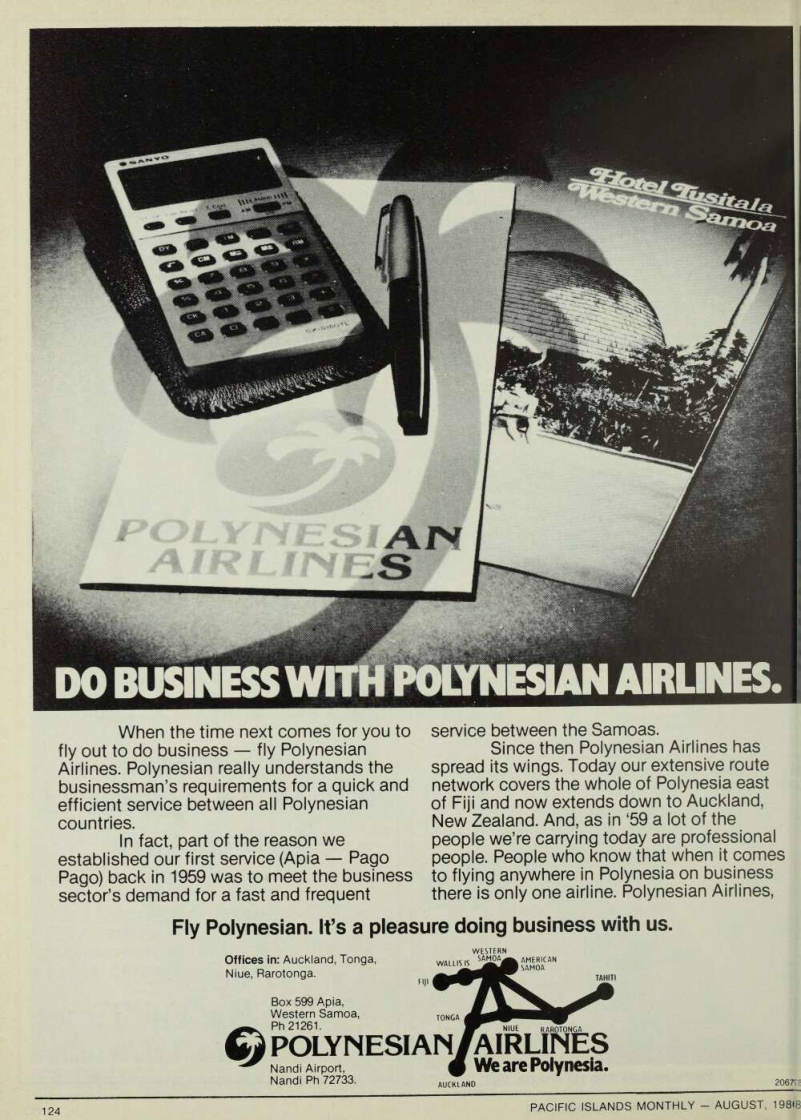 124
124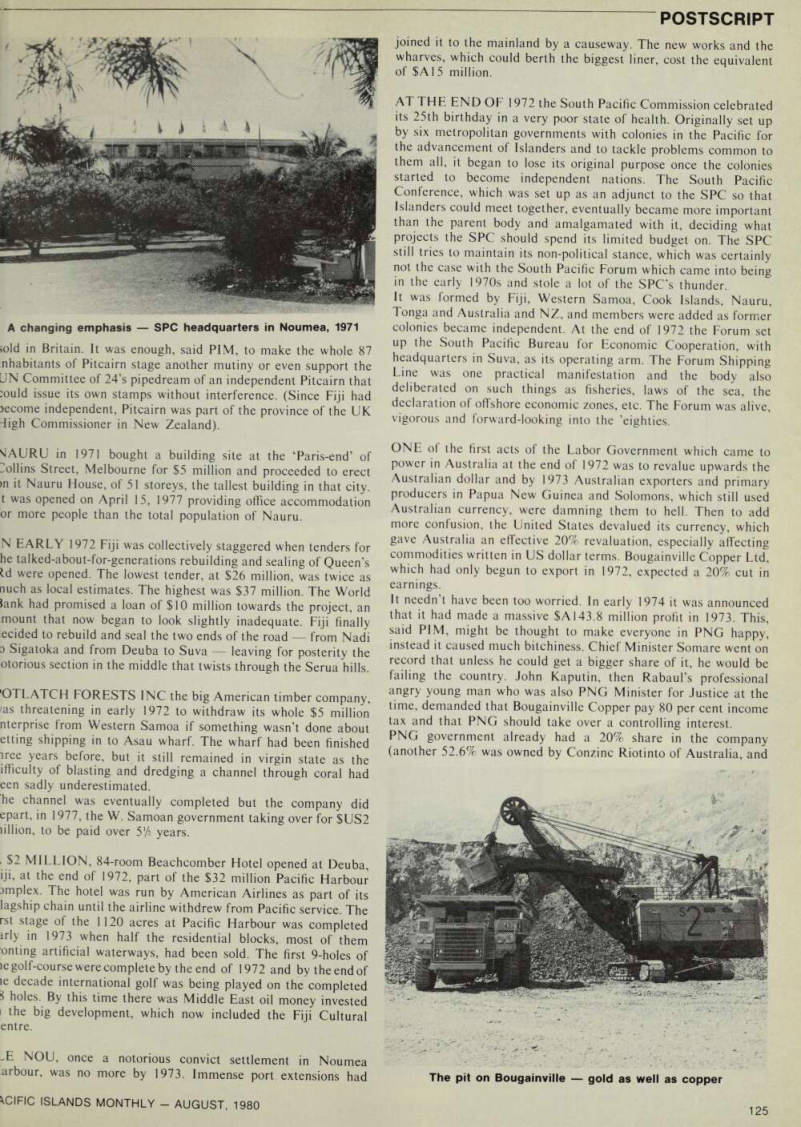 125
125 126
126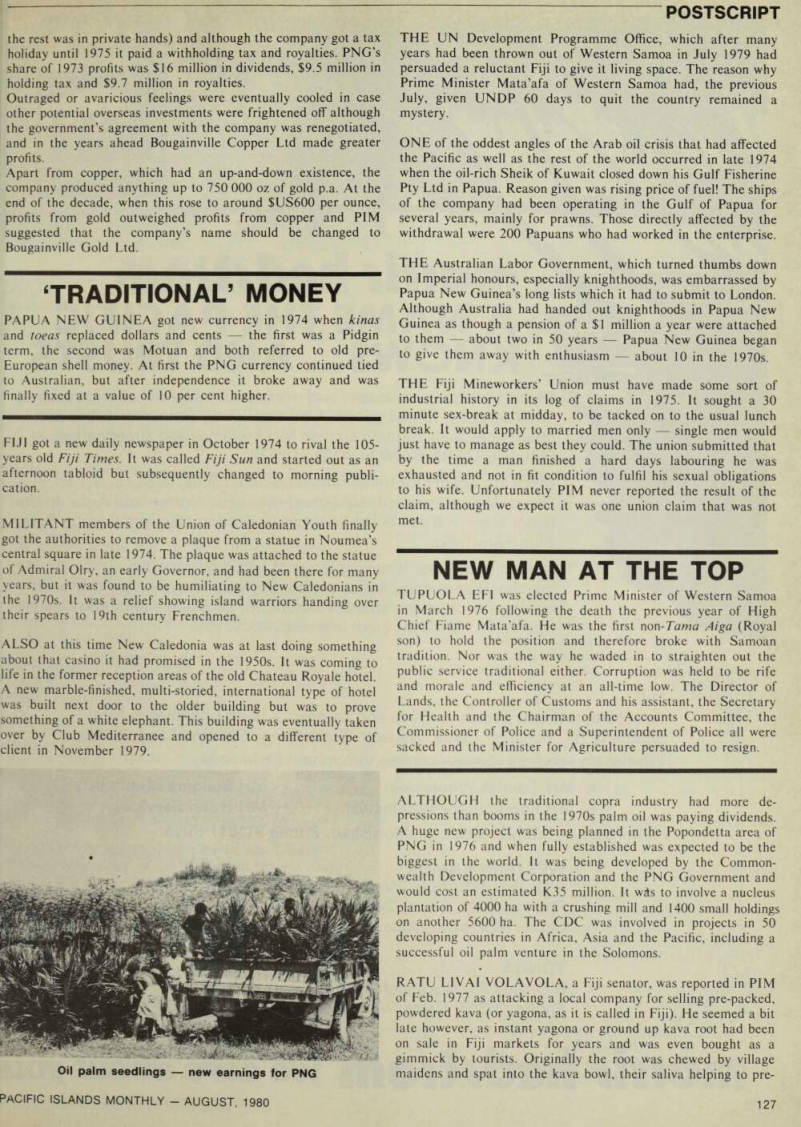 127
127 128
128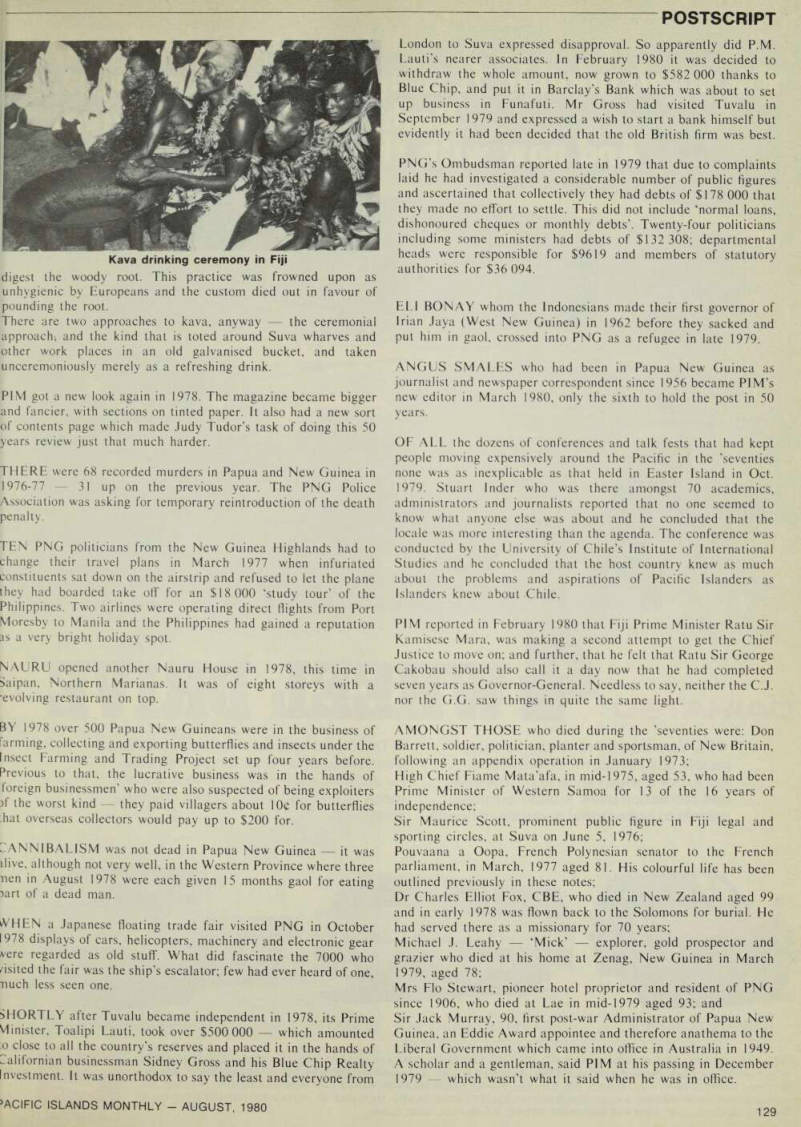 129
129 130
130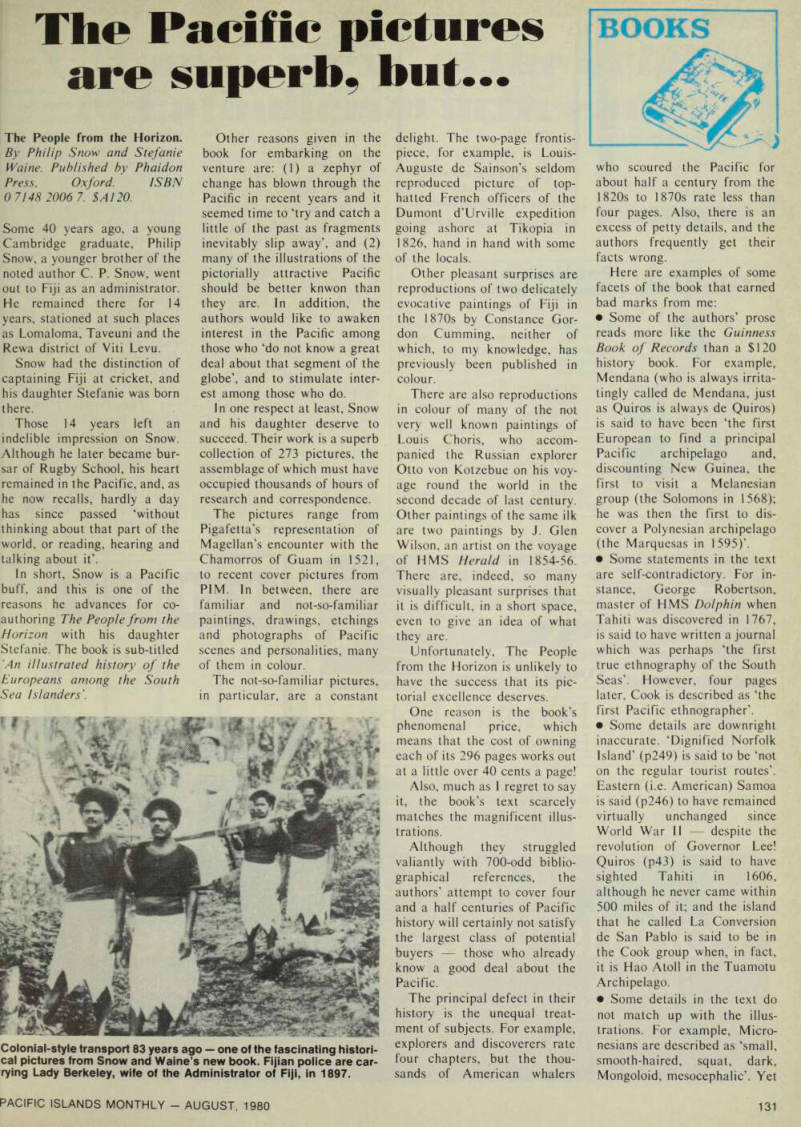 131
131 132
132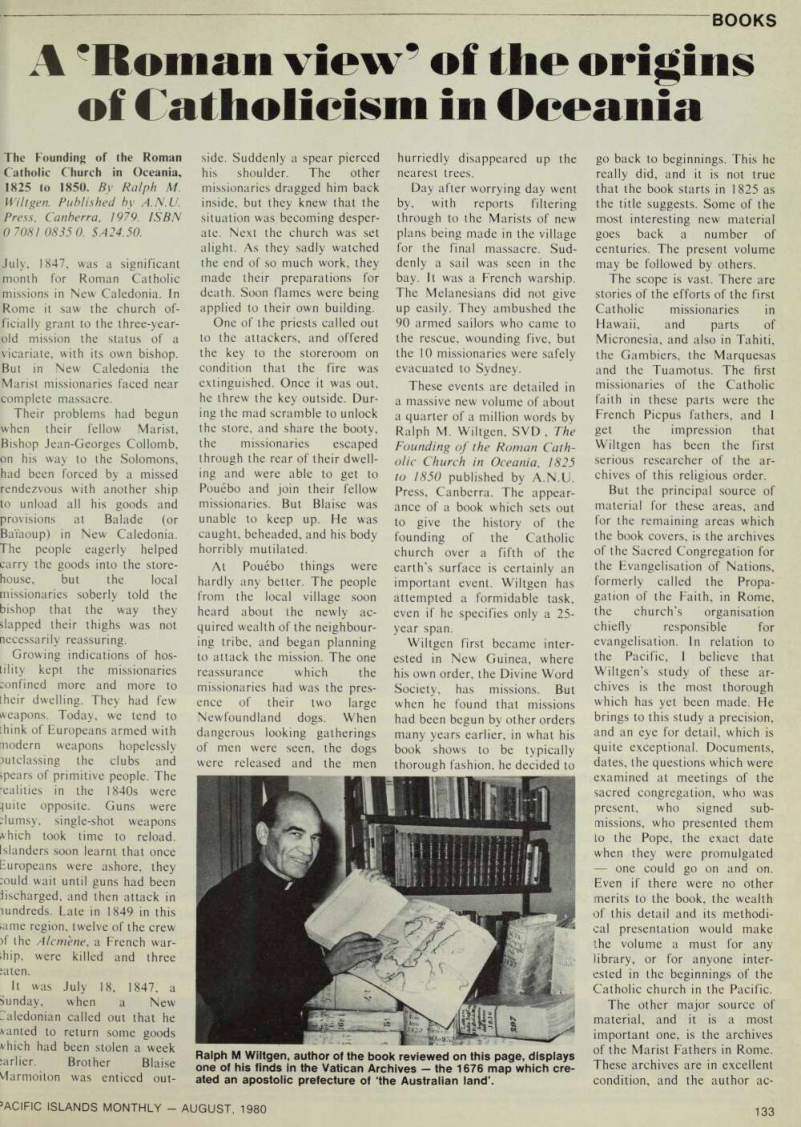 133
133 134
134 135
135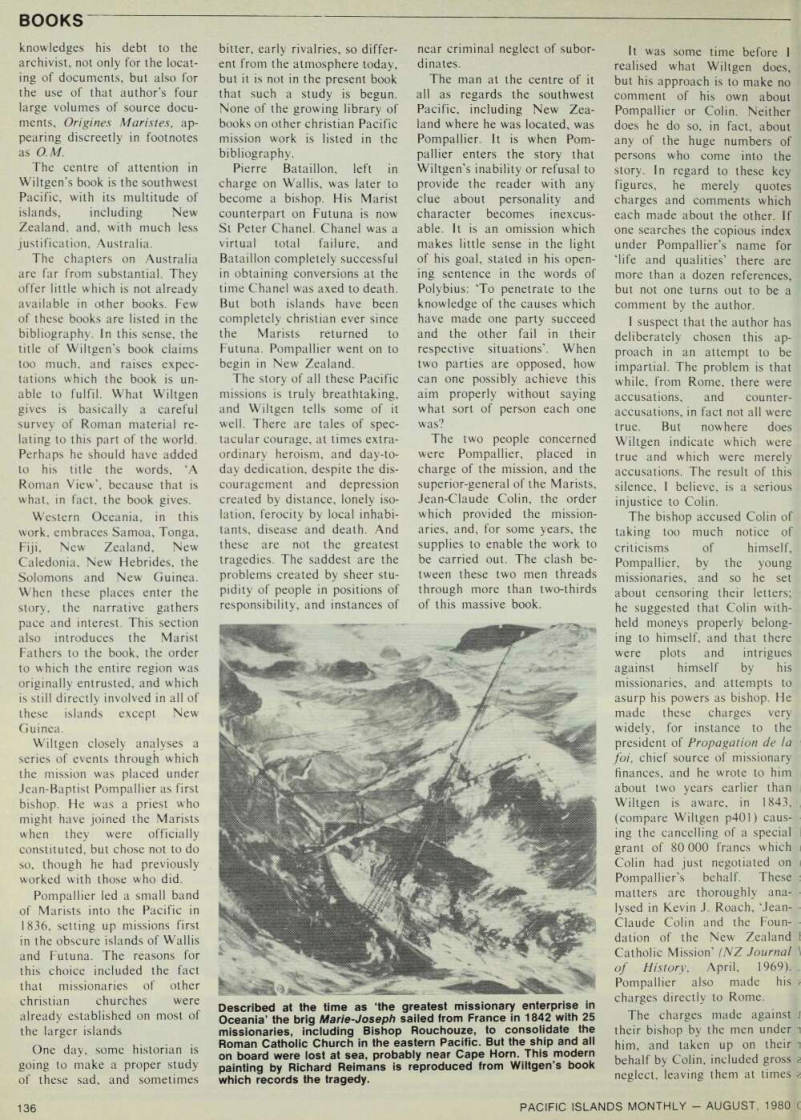 136
136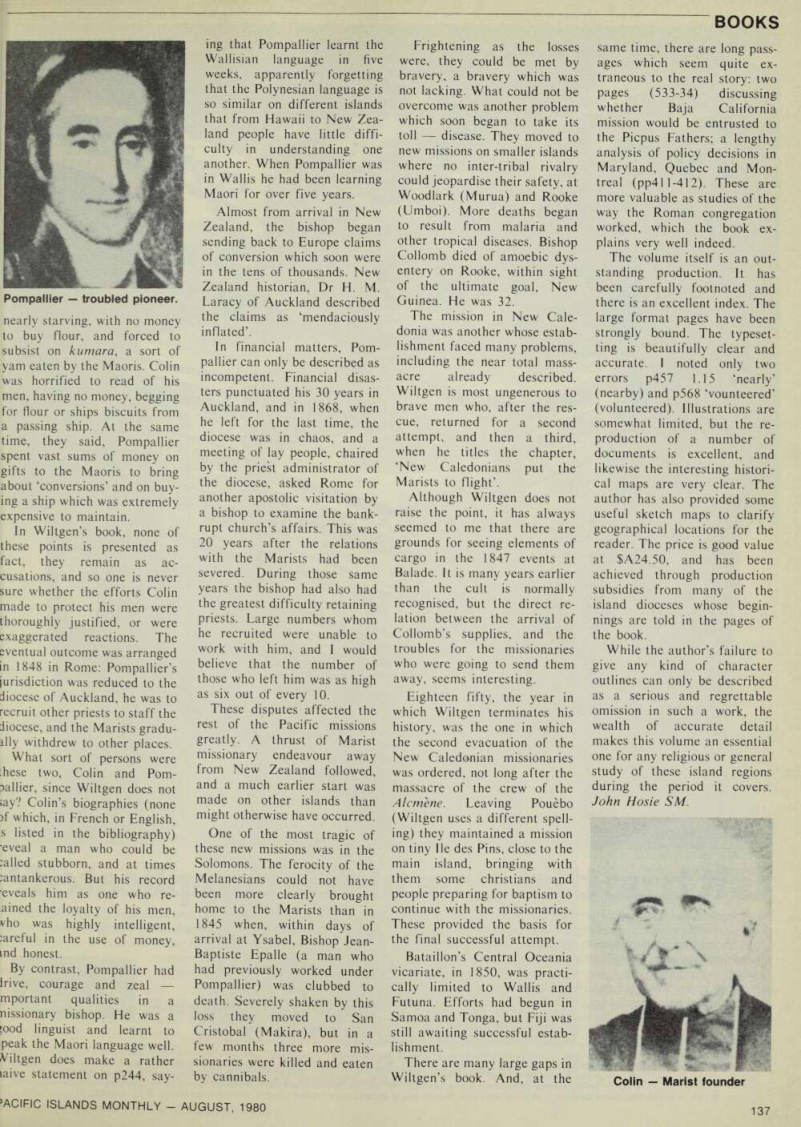 137
137 138
138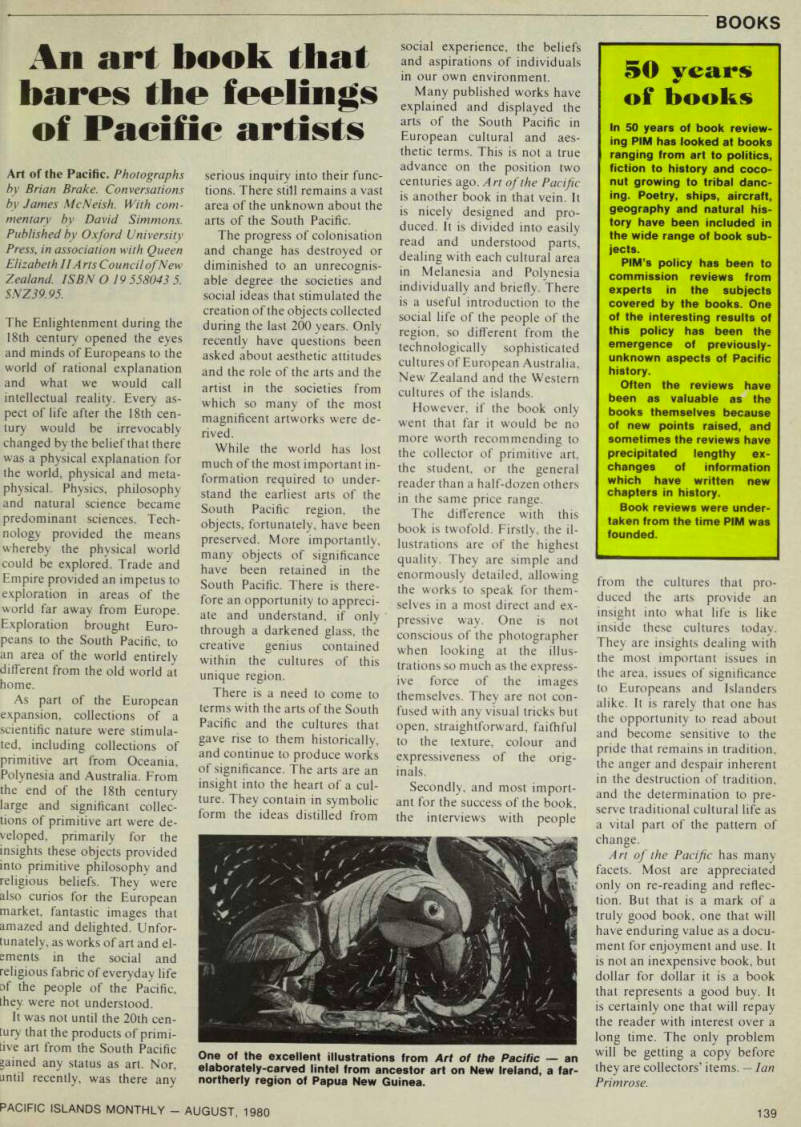 139
139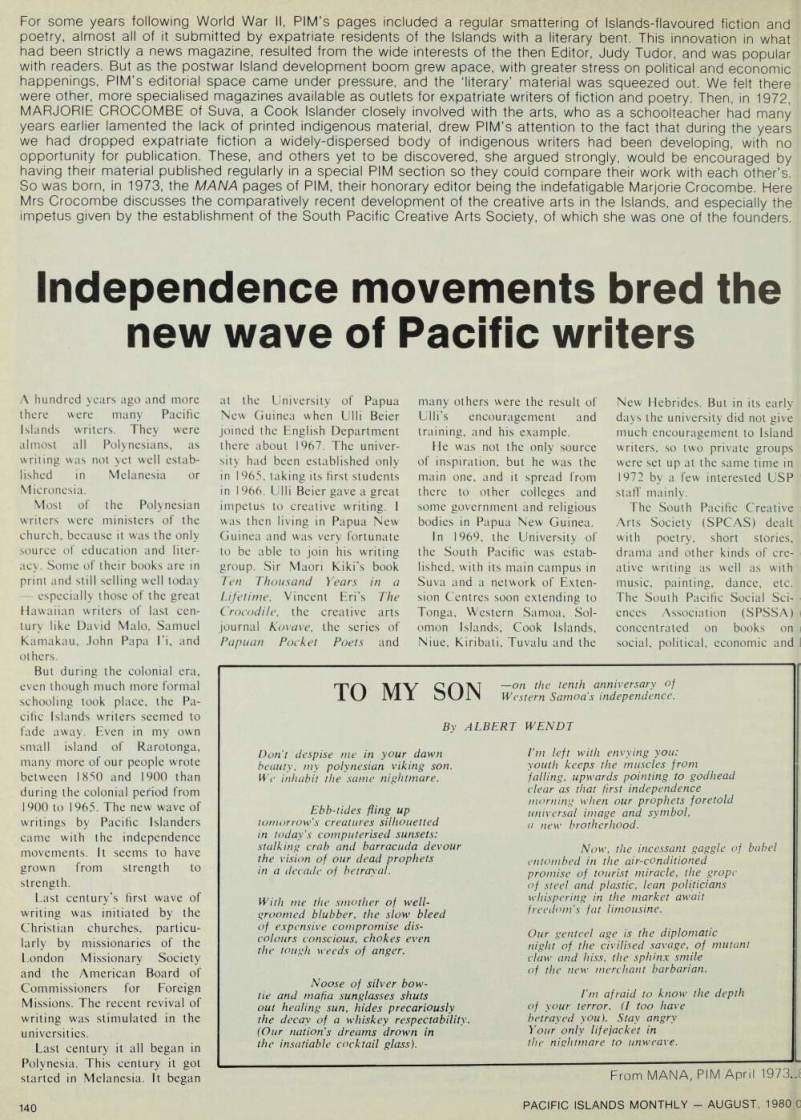 140
140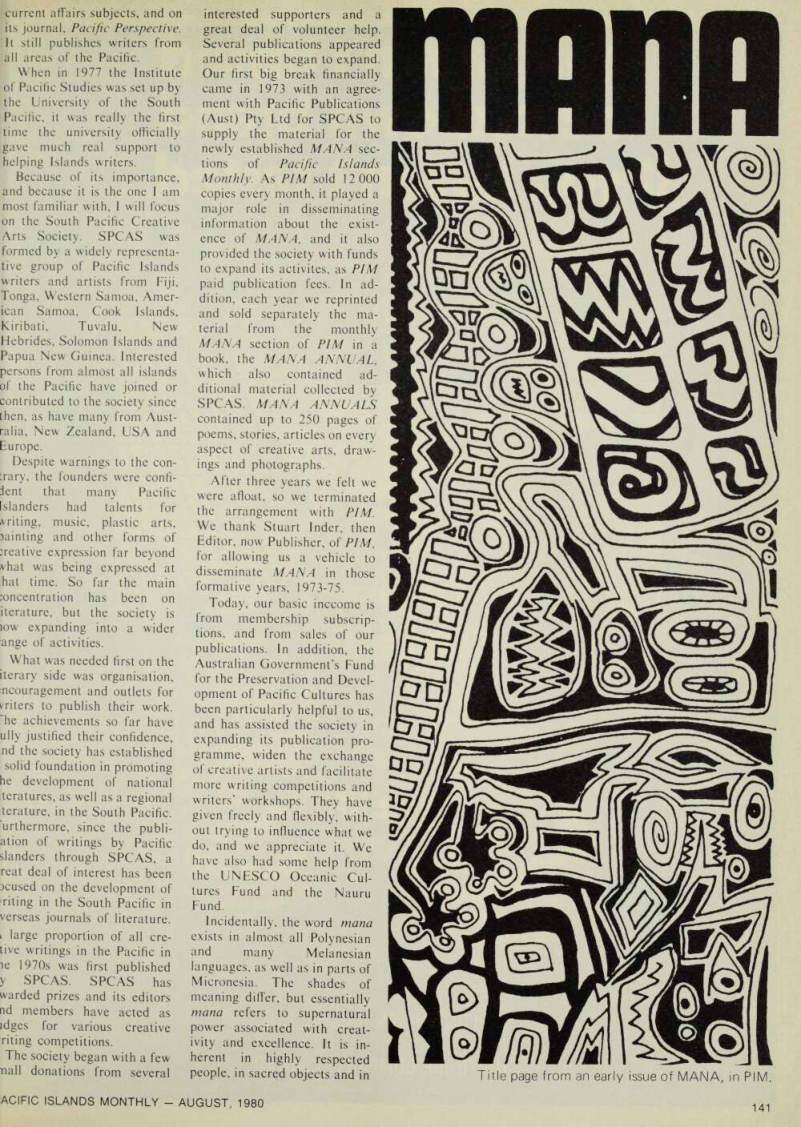 141
141 142
142 143
143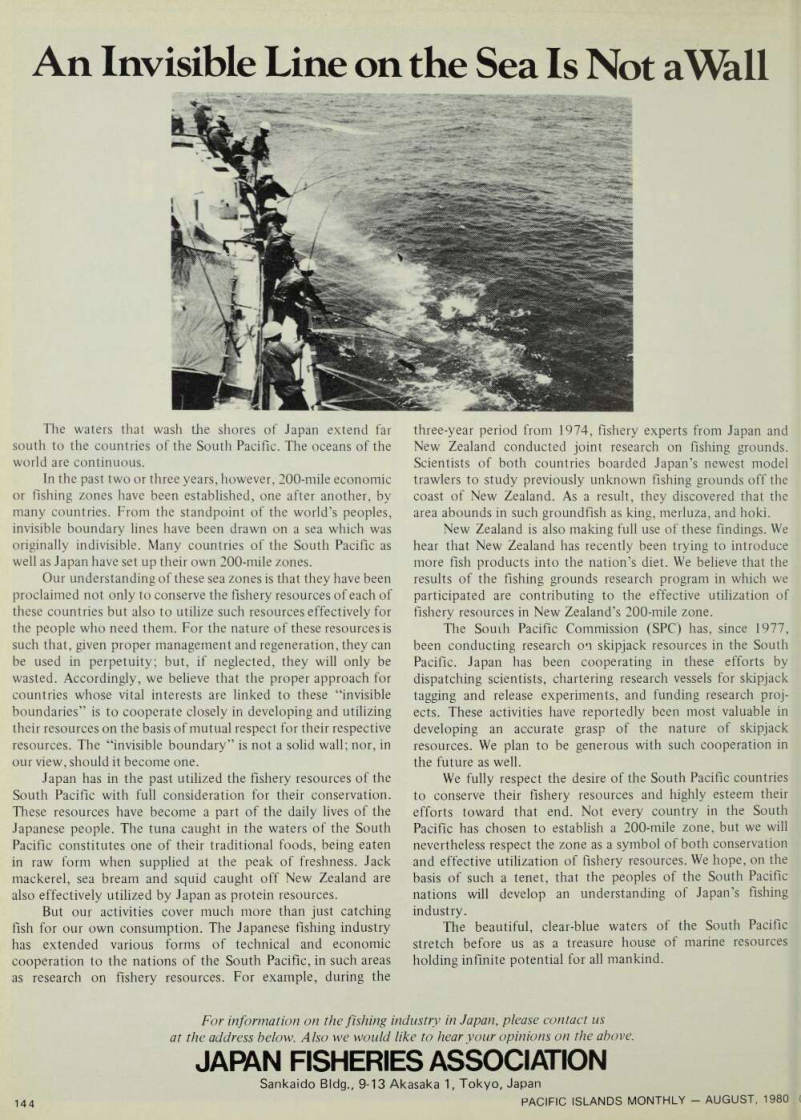 144
144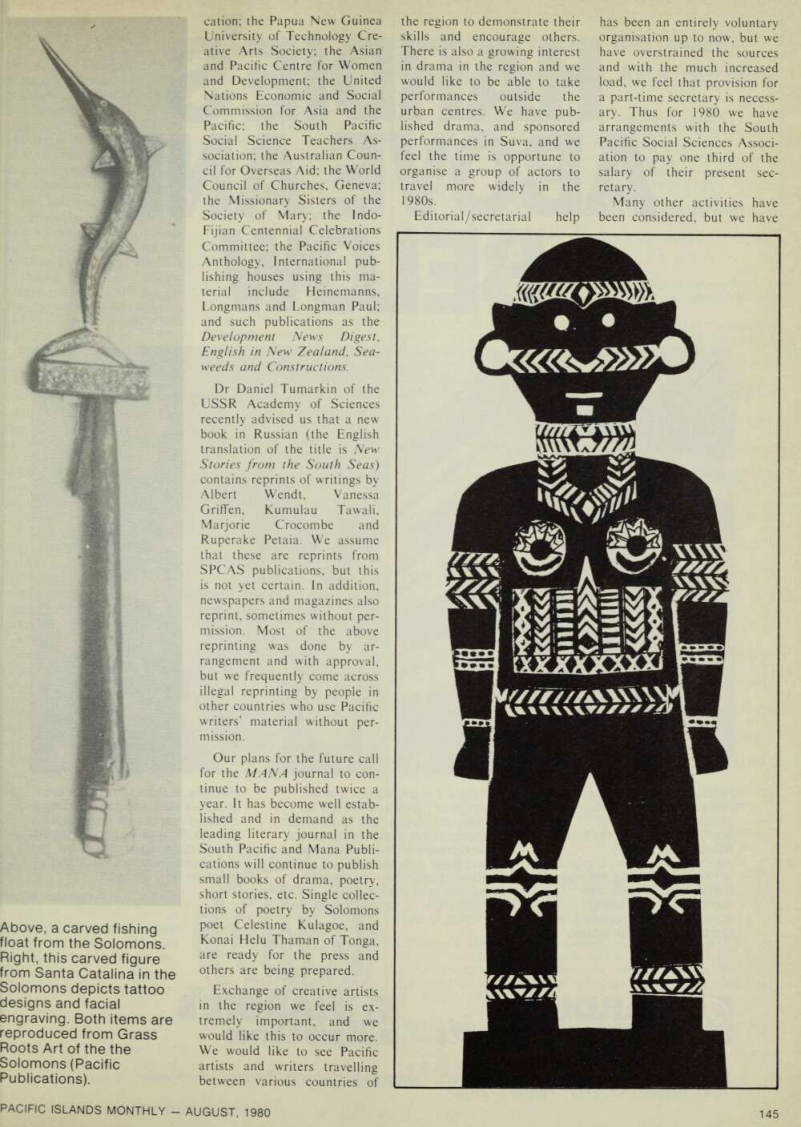 145
145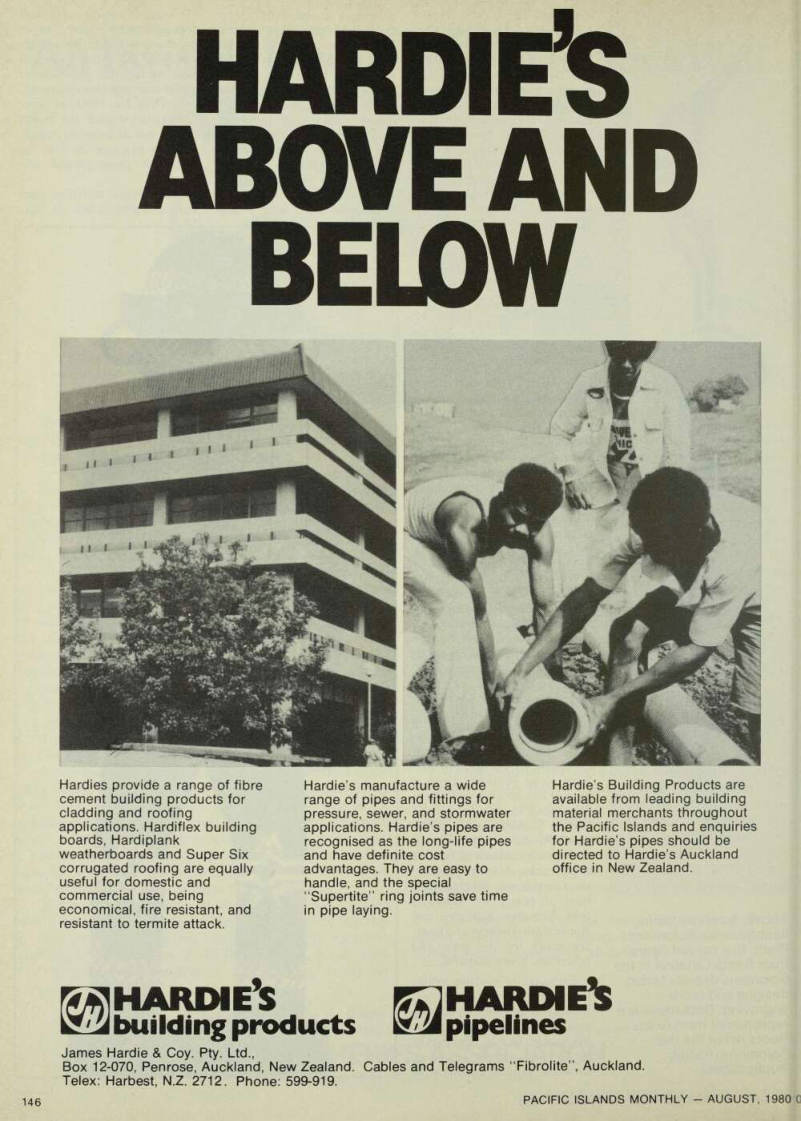 146
146 147
147 148
148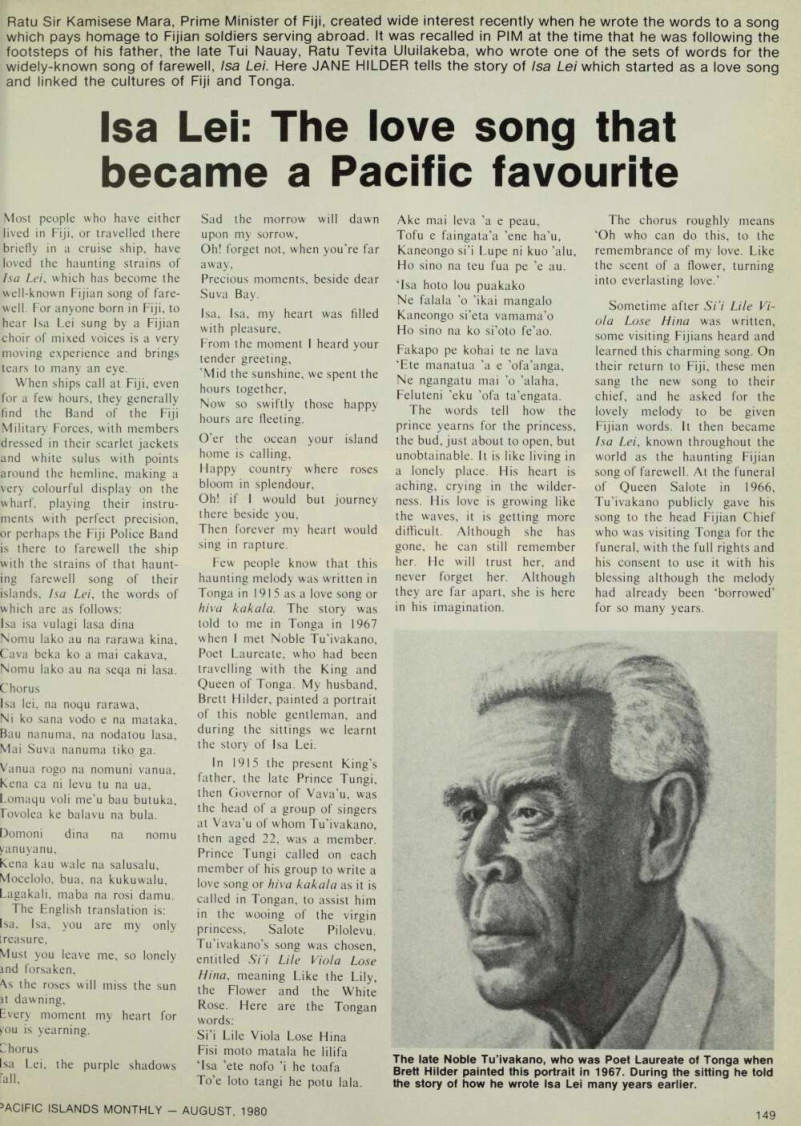 149
149 150
150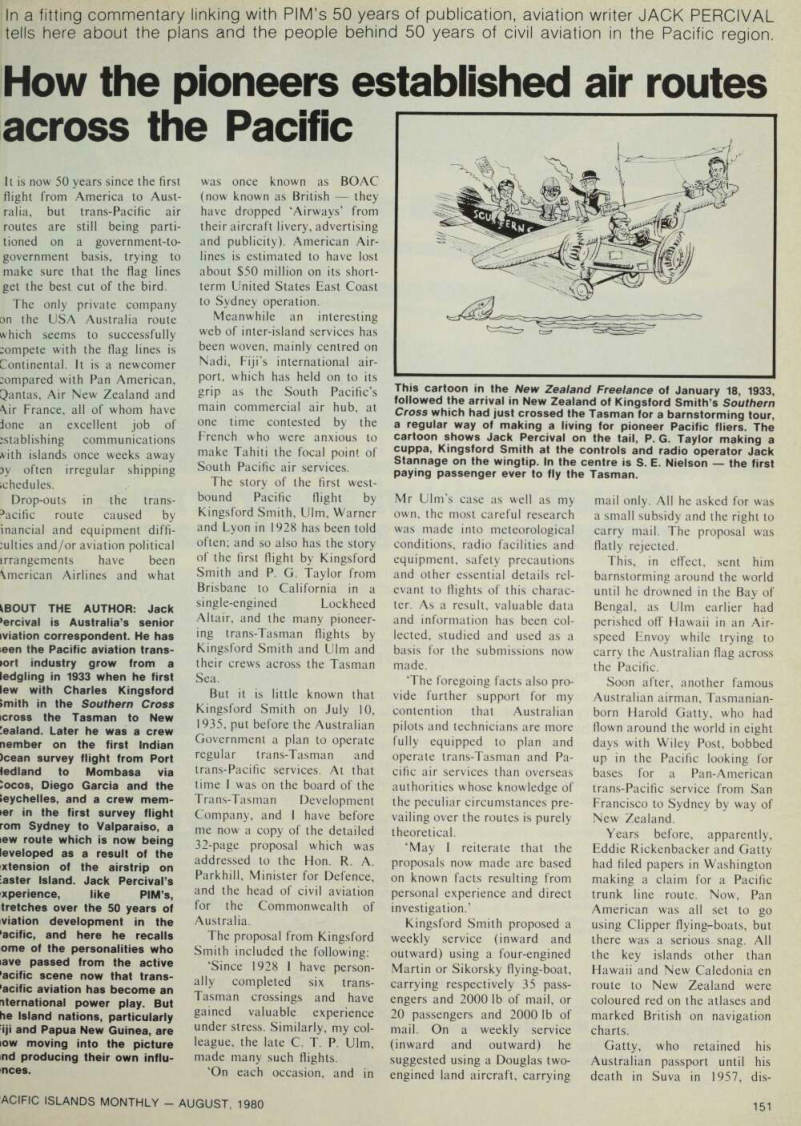 151
151 152
152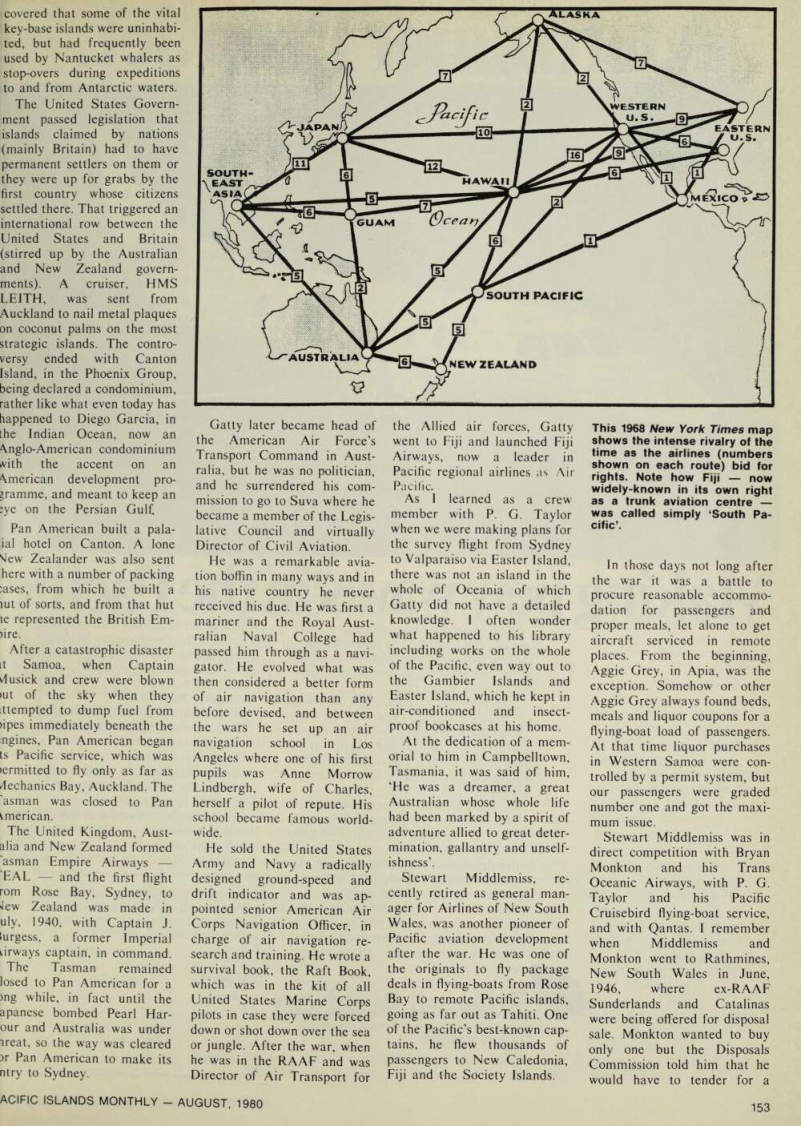 153
153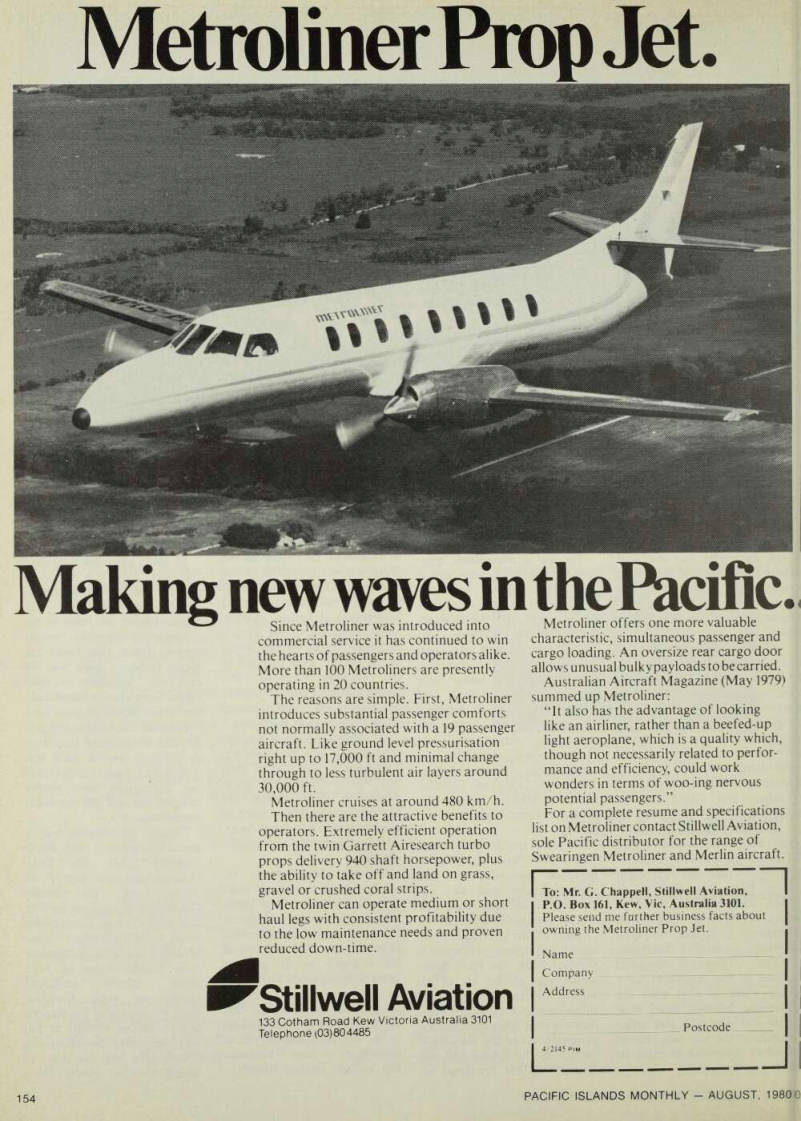 154
154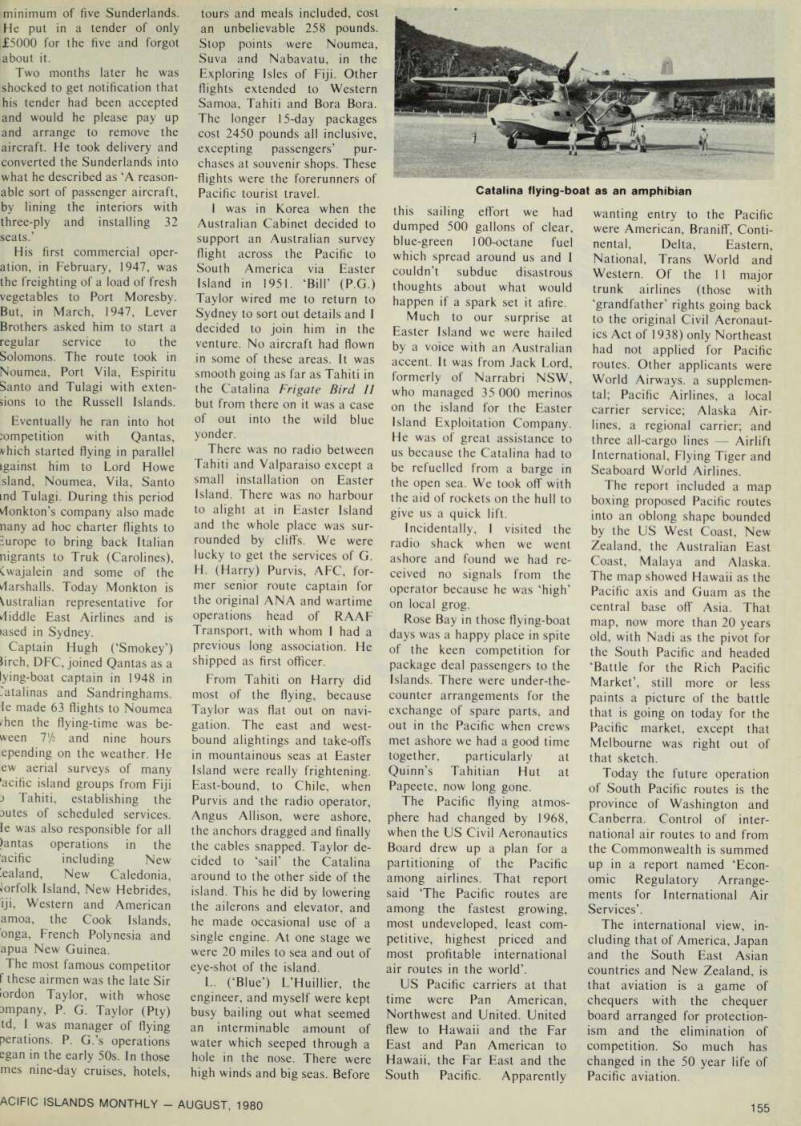 155
155 156
156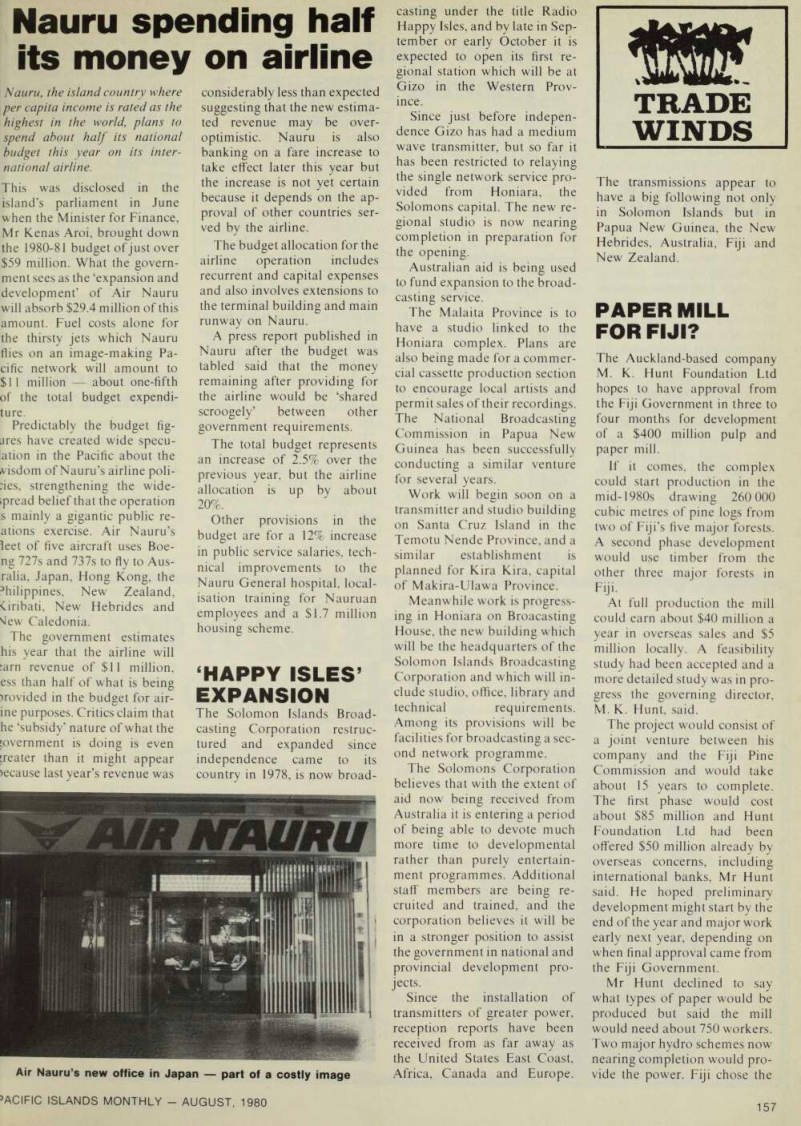 157
157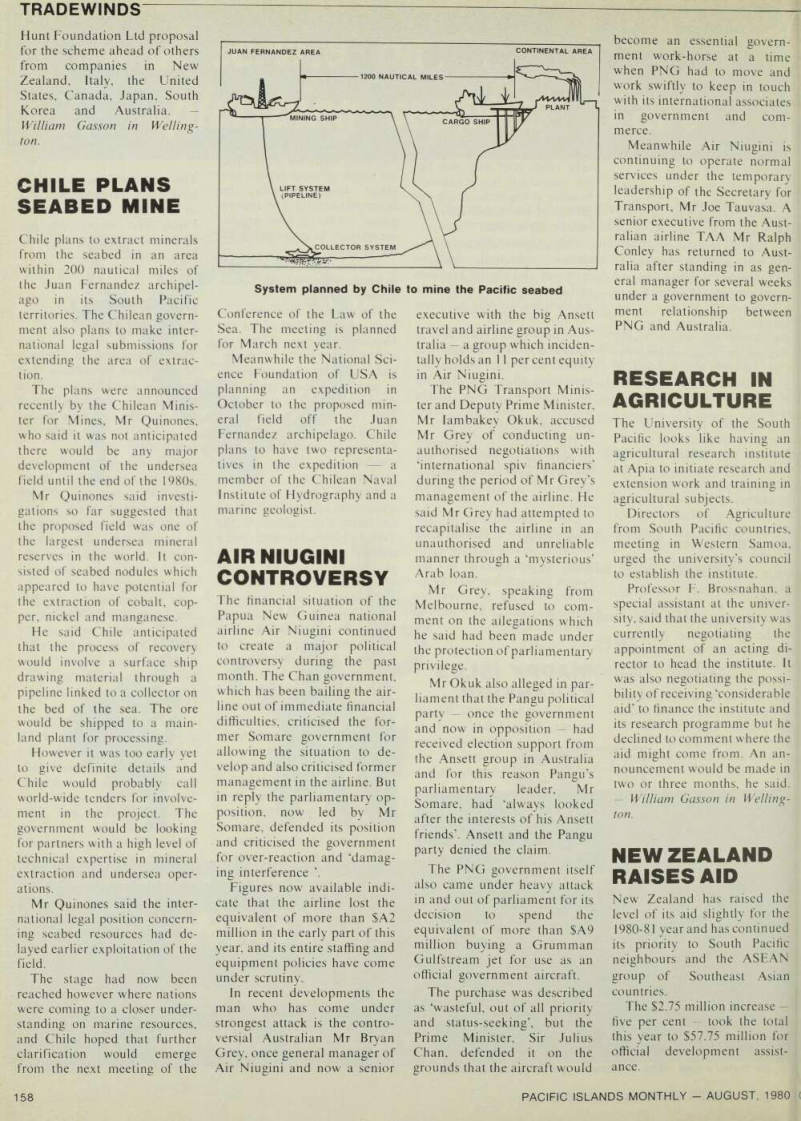 158
158 159
159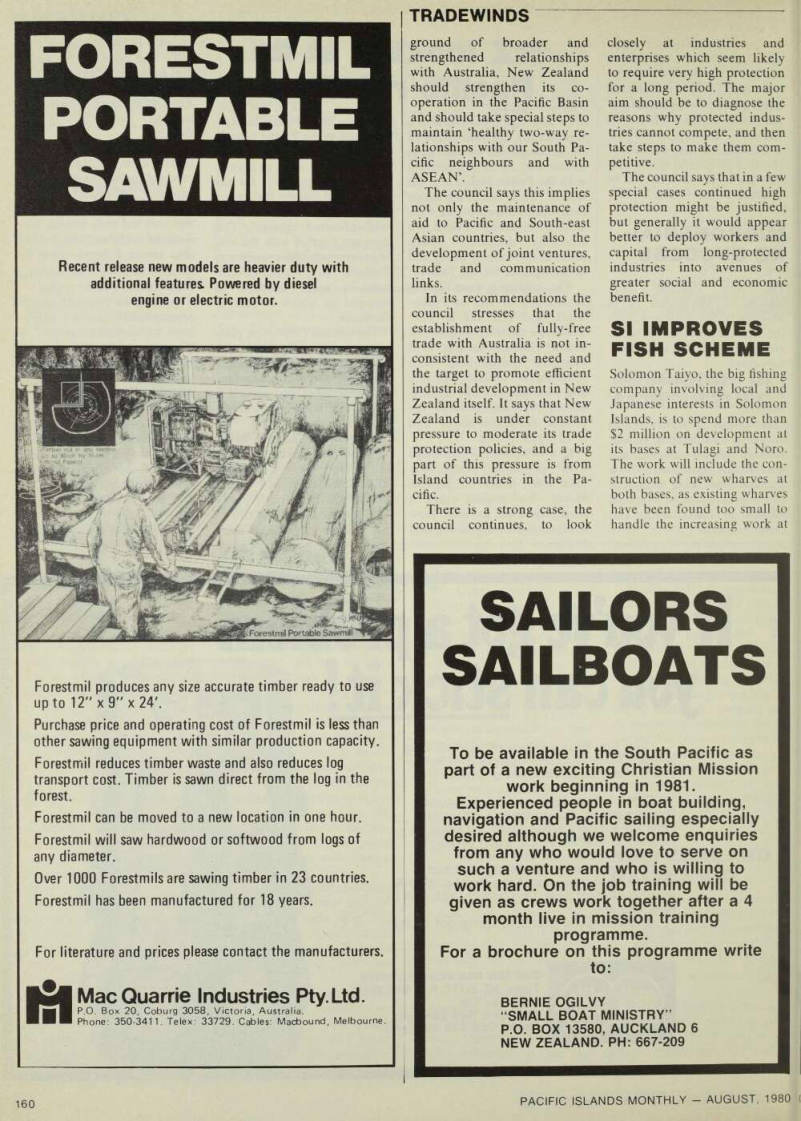 160
160 161
161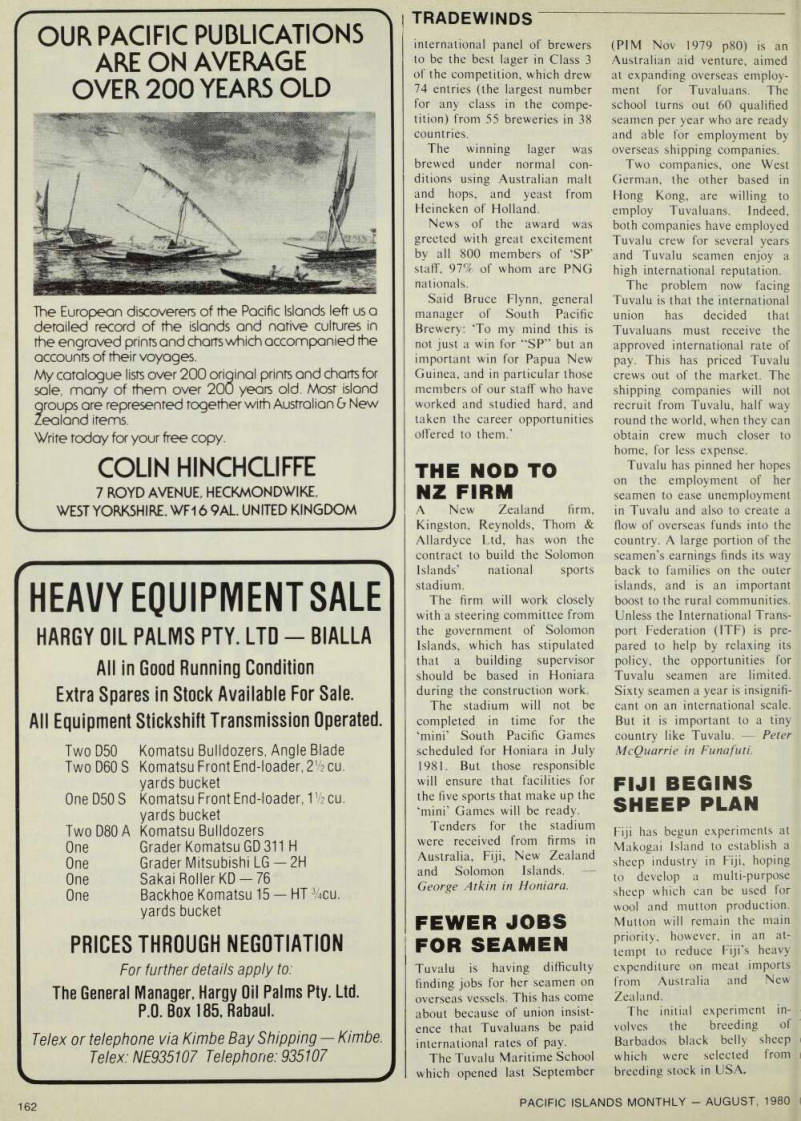 162
162 163
163 164
164 165
165 166
166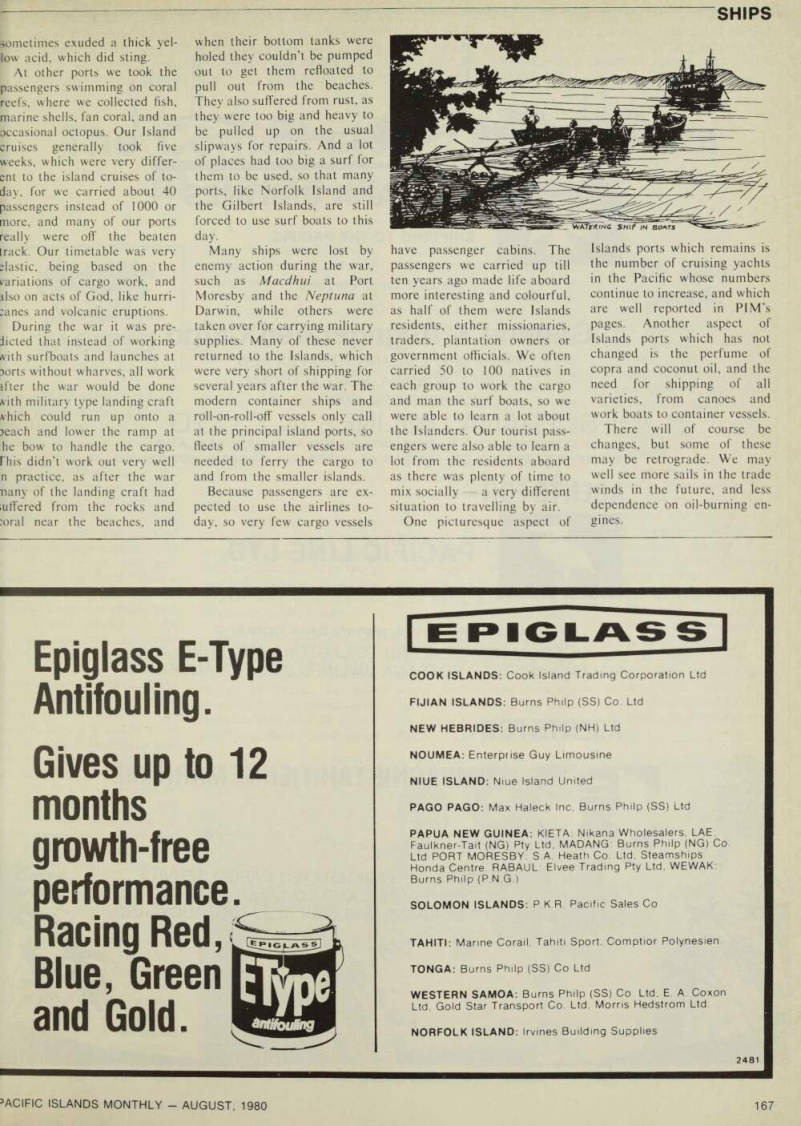 167
167 168
168 169
169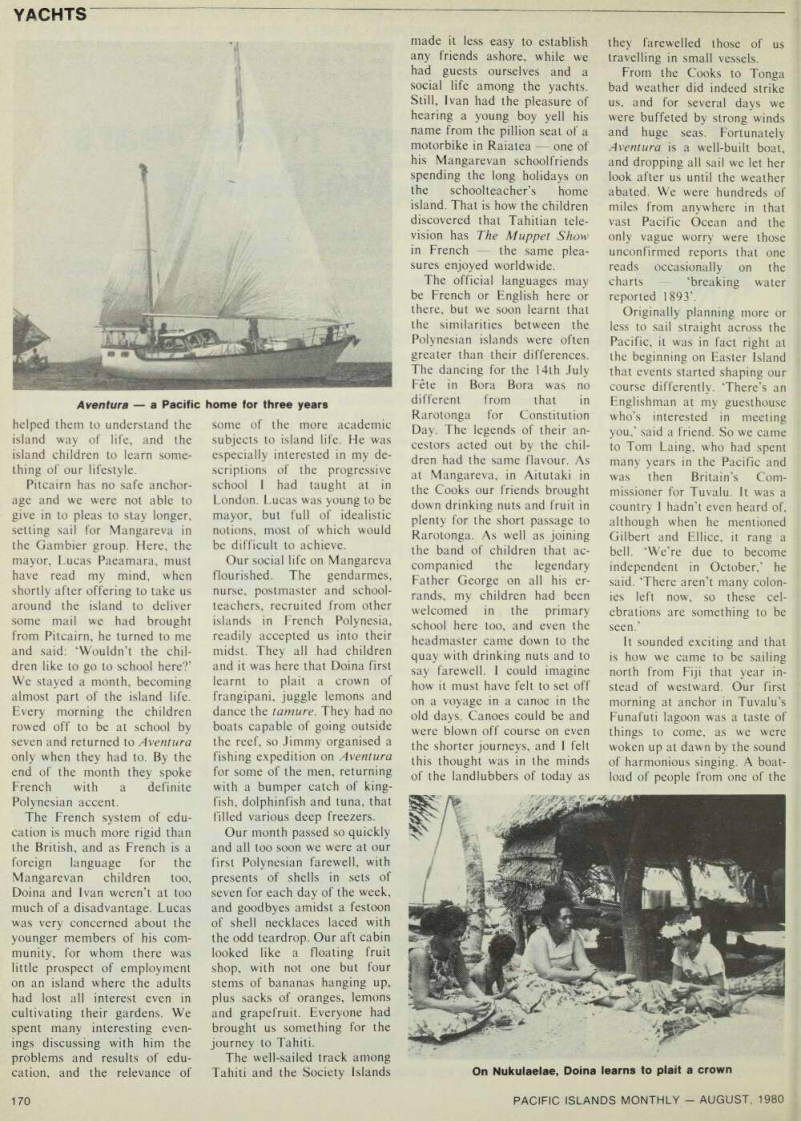 170
170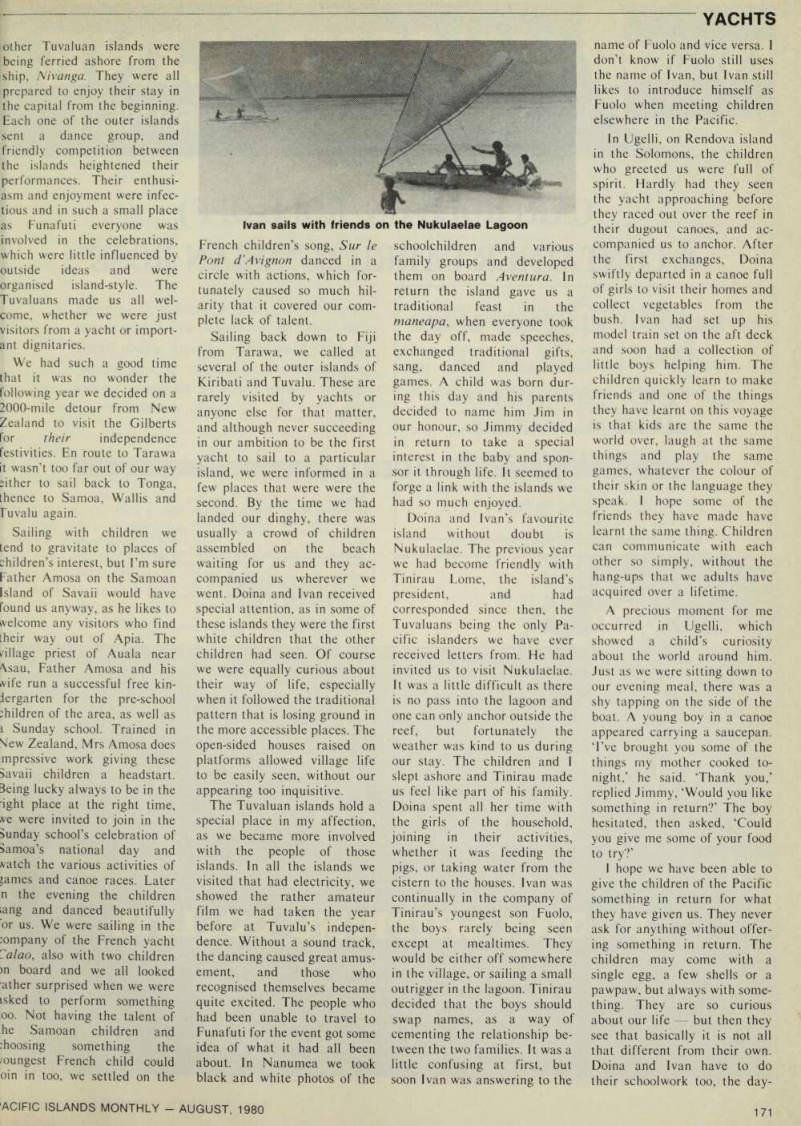 171
171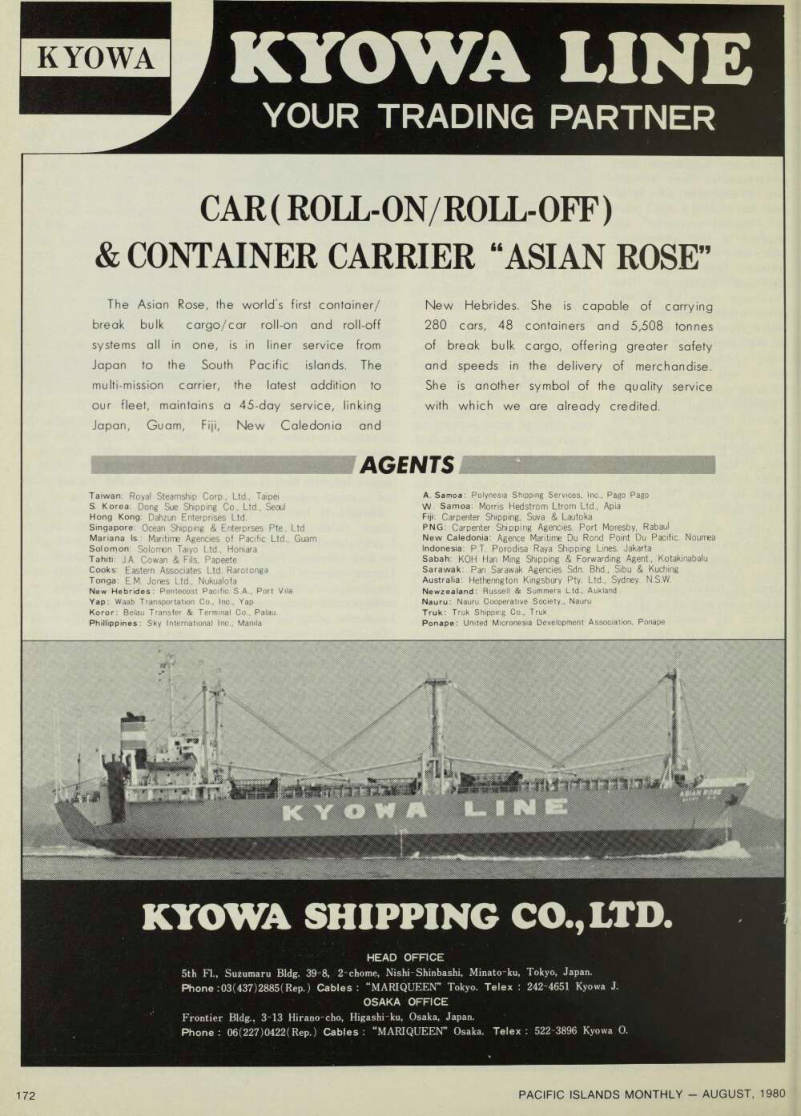 172
172 173
173 174
174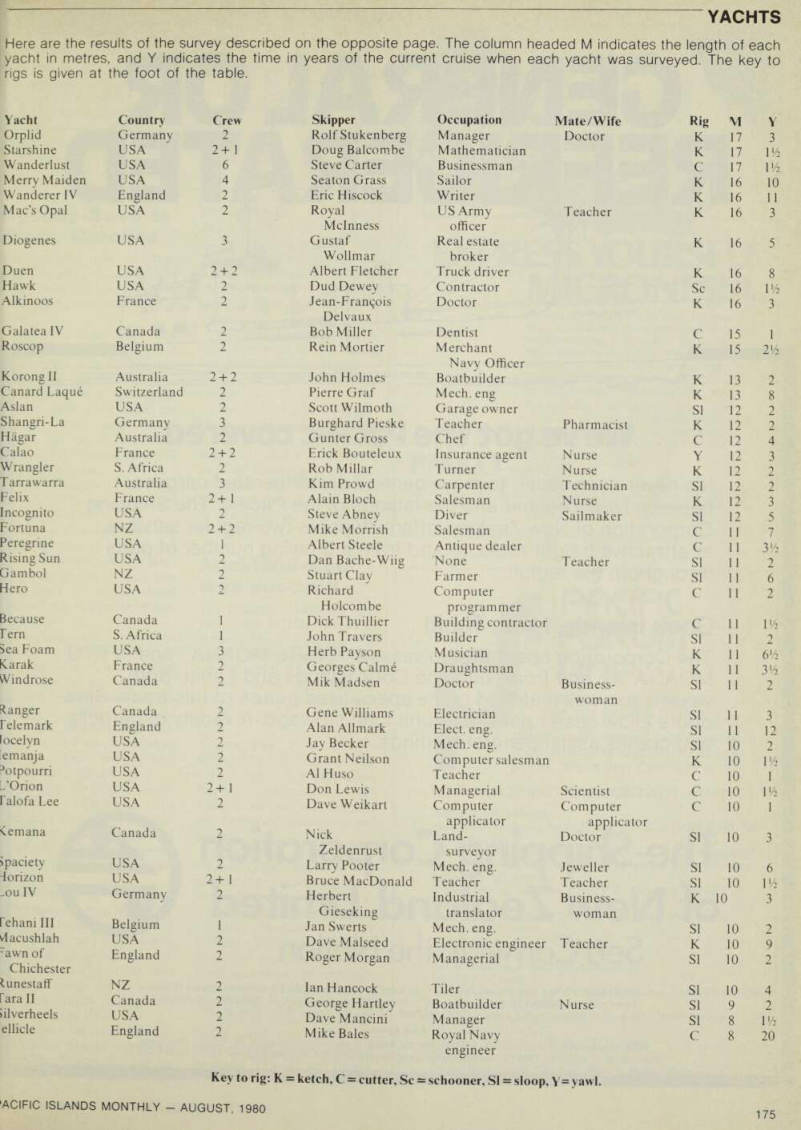 175
175 176
176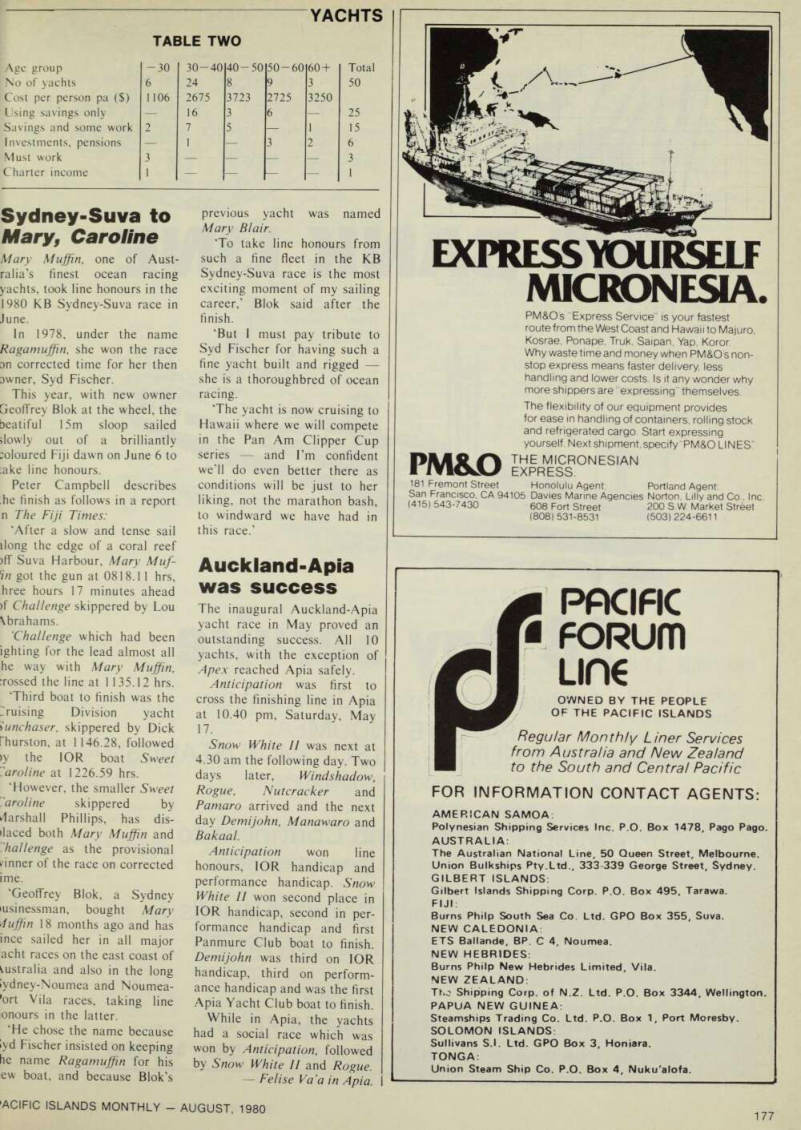 177
177 178
178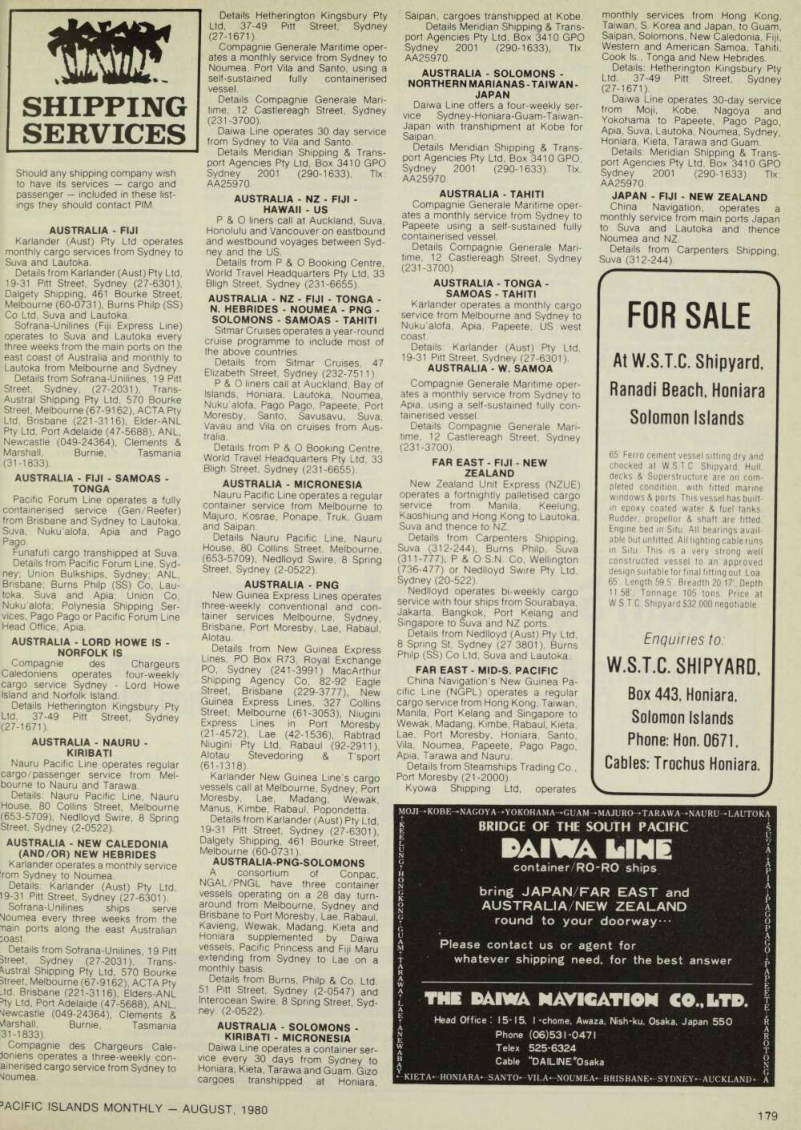 179
179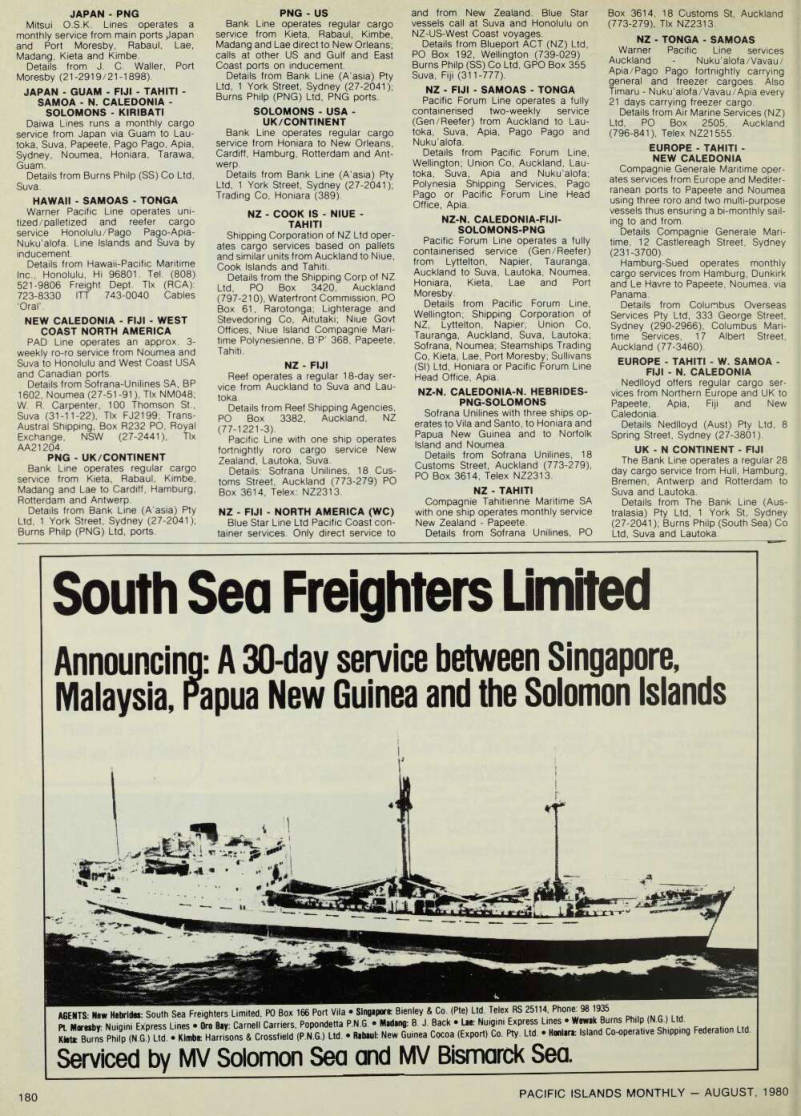 180
180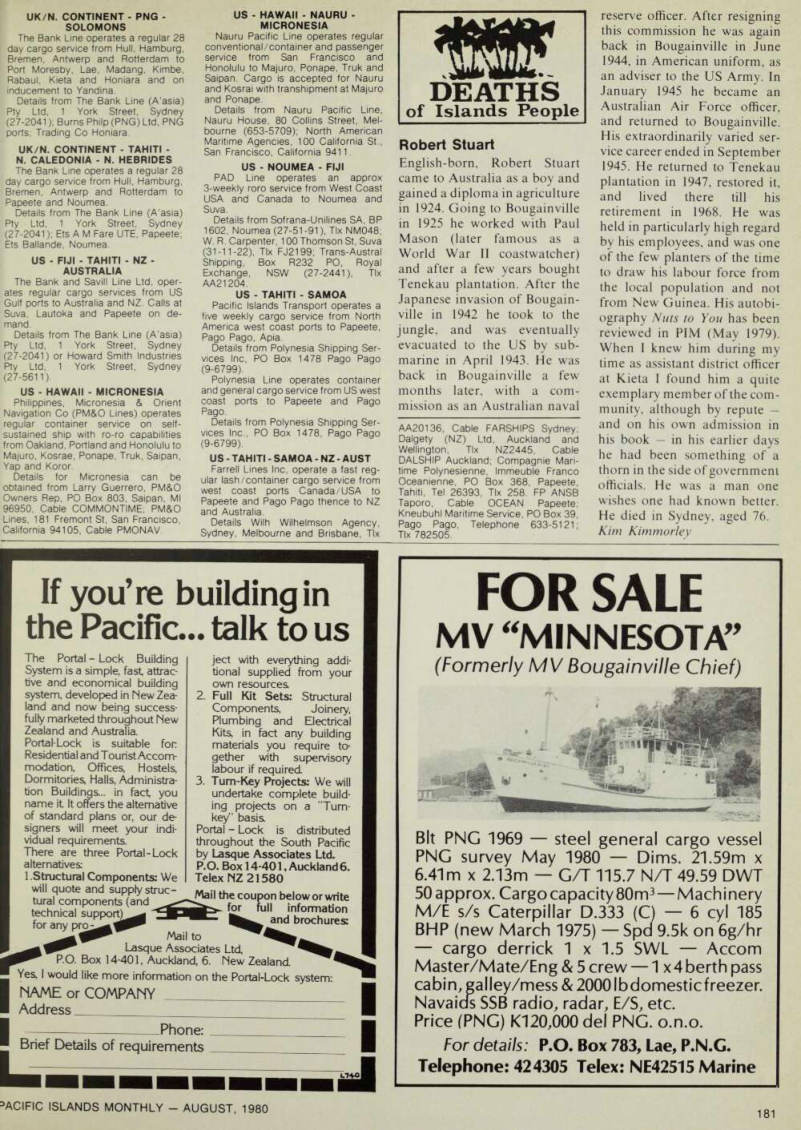 181
181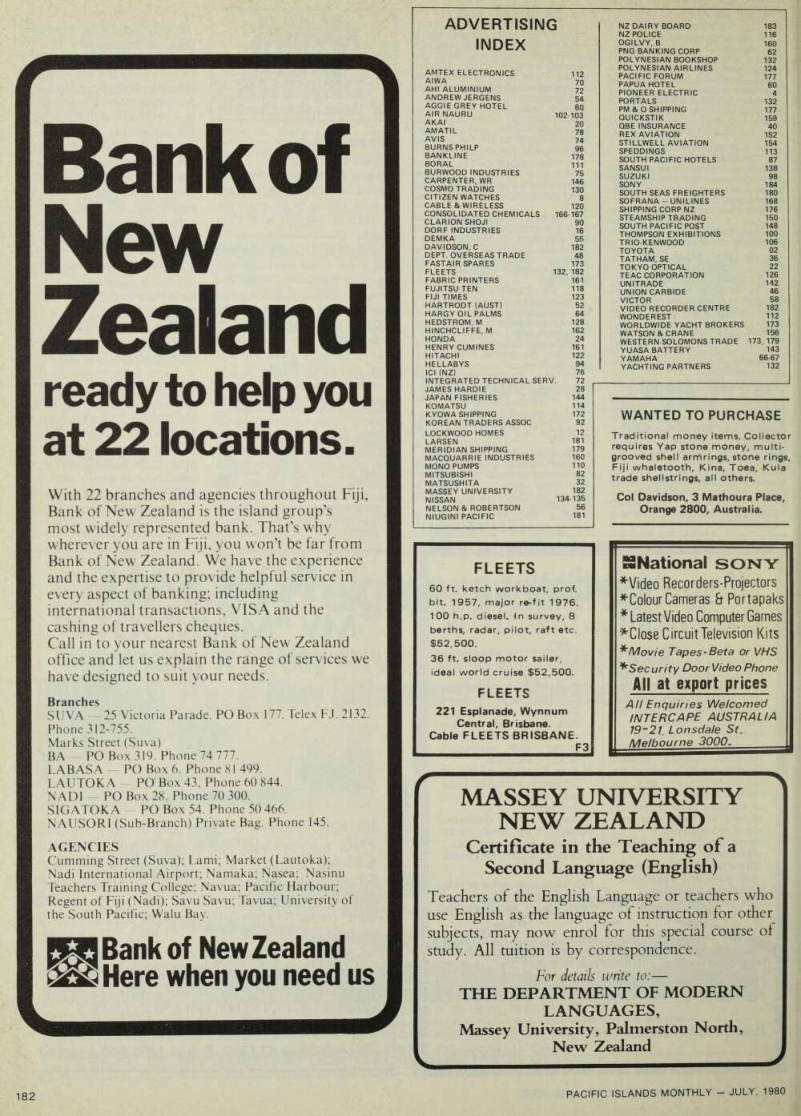 182
182 183
183 184
184