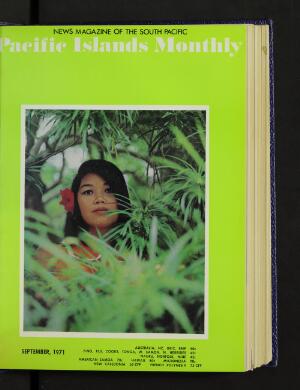
Pacific Islands Monthly
News Magazine Of The South Pacific
September, 1971
Australia, Nz, Geic, Bsip 50C
P-NG, FIJI, COOKS, TONGA, W. SAMOA, N. HEBRIDES 45c
Nauru, Norfolk, Niue 45C
AMERICAN SAMOA 70c HAWAII 80c MICRONESIA 90c NEW CALEDONIA 65 CFP FRENCH POLYNESIA 75 CFP
Our Cover
This vision in the greenery Is Noe line Nyopking and no one will quarrel with her name which means "Perfect Jade". Noeline, who is Tahitian-Chinese, was photo graphed by Share© Upton at the Club Mediterranean on Moo fee, French Polynesia. You might see her if you are cttending the Fourth South Pacific Games at Tahiti In September.
Advertisements & other items, p. 2 (1 item)
Mitsubishi
Pick either the sleek hardtop or stylish sedan and you are a winner.DYNA-WEDGE lines and luxurious appointments blend beautifully with the Colt Galant's snappy sports car performance. Add to these elegant features, comfort, safety, economy—and you know what owning the Colt Galant is all about. m A f S m A 4^ v w nr A
MOTORS CORPORATION
Tokyo, Japan
In This Issue
Eneral
Pacific Forum 26, 54 Pacific Games .. ..„ 29, 130 )eing's hydrofoil 90 > dollar crisis 99
Uerican Samoa
vil servants' wages 33 dge Goss controversy 36
X>K Islands
Pacific Forum 26, 54 ccessor to "Thallo" 91 II calisation dangers 24 Pacific Forum 26, 54 s drivers' strike 33 rw Chief Justice 35 light rate rises 87 s limits defined 87 reat to sugar 99 w hotel group 100 llution risk worry 129 nabans' appeal 134 golf championship 134 liege head 134
Ench Polynesia
m flag wanted 25 ngue fever outbreak 29 u attacks nuclear tests 32 Pacific Games 130 1C veming Council meeting 35
Nauru
S. Pacific Forum 26, 54 Big property deal 134 President overseas 134
New Caledonia
Helen Rousseau's diary 30 Ufe In the Loyalty Group 71
New Hebrides
New Hebrideans in New Caledonia .. 15 Land laws 23 A Tanna mystery 75
Niue
Ufe on the island 39 Only telly fan 43
Norfolk Island
Company ordinance reply 101
Papua New Guinea
Jack Emanuel murdered 22 Golden handshake 24 S. Pacific Games 29, 130 Cannibal feast 47 Percy Chatterton 52 Cliff Ban 49 Pearl farming 57 Shippers' council 87 Multi-million timber project 101 General election date 134 West Irian defector 134 Dr. Guise's complaint 134 Copper shares rush 134
Solomon Islands
Governing Council meeting 21 Cattle industry boost ... 97 Co-operative starts 134
Tonga
S. Pacific Forum 26, 54 Shirley Baker 79 Cruise venture 91 New industries 98 Miss Tonga contest 99 Oil expert's warning 101 Fishery survey 134
Us Trust Territories
Political future 23 Tax law operates 33 Russians "invade" island 36 Yap shipping co-op 91
Western Samoa
S. Pacific Forum 26, 54 New stamps 75 NZ aid 101 Tourism and copra ... 102
PARTMENTS: Editor's Mailbag, II; Up Front with the Editor, 15; Tropicalities, 32; m the islands Press, 62; Magazine Section, 71; Yesterday, 77; Book Reviews, 79; Jtic Shipping, 87; Cruising Yachts, 93; Business and Development, 97; Produce ces, 103; Shipping and Airways Information, 105; Deaths of Islands People, 110; In a Nutshell, 134; Advertisers' index, 112.
The Editor's Mailbag
That Racist Cover
o- vaiip ,w vrr t p S T^c Y rPTM TfnF n d ail P Jones (PIM, June, p 43), ostensibly sounded as one of the know- Hi; m OU F lnpw h ZLt e ? r tnnd an fir claim they knew what is good for ha ° n hand information and the . . . aid of a a ?i nlf f!? r g l aS ® ' ' ' u' l u detect the kind of delicate issues which I and my colleagues, as patriotic Solomon Islanders, obviously see with our naked eyes.
It’s interesting, but rather unfortunate, to find imaginative “outsiders” like Mr. Jones who, regardless, hold
nmion'that ‘°
"S) ‘boys standing Ground K
background, just happened to be there), talking and planning their next activity ...” when the picture was taken!
One wouldn’t expect the children to understand the photographer’s racist and colour-biased attitude that more than manifested itself in perspective in his picture. But it would be naive
of Mr. Jones and my critics to think that adults have been immuned to the feeling of being overlooked, when they and their kind are constantly be ing belittled and demeaned by the standards of the foreigner, so that they become “trailers” in the background, while others are exalted to the fore ground of anything that had to do with the demi-god “Outsider”.
It depicts only short-sightedness and narrow-mindedness for one not to associate such morbid attitudes syno nymously with shrewd favouritism of colour and race in a multi-racial society.
Any patriotic Solomon Islander will agree that we seriously do not want any group to see themselves as the underdogs or “trailers” to the others because this will be inviting disharmony, racial violence and tur moil as now exists in other parts of the world. I was certainly more human-loving than Mr. Jones would care to own, in sounding the alarm now, when the social and racial cir cumstances can still be grappled with,
and wouldn’t be as insurmountable tl suppress as they would, if left to-c late. We wouldn’t want to have U resort to chopping our own necks anr digging our own graves through thri unscrupulous doings of “outsiders”..' However, I’d seriously questioc whether my critic is nearly as con cerned about humanity as he claimeo when he was under the illusion ths because, “God is in His Heaven, A/ is right in His World”, while ttd world is slowly being burnt under hi feet. I’d be dubious also of his inten tions of helping Micronesians as whole if his outlook toward the: social advancement was as shallow s the infantile example he gave.
We have philanthropists in the Solo mons if Mr. Jones would care t know. But the question is whethei one of Mr. Jones’ calibre could a t similate the Melanesians, Polynesian Micronesians, Chinese, and the othei racial groups into one nation, wither the fear as to whether the degree o racial cohesiveness and peaceful ct: existence prevailing now, under tH wings of British protection is deep»< than the thin epidermis of thes bodies, and would persist when tH protective veil has been removed.
My critic was dubious and critic: about my academic growth. Perhaps . would be worth reminding Mr. Jonu
that it matters little to me and my country if all my academic talent is limed principally at being proficient n passing examinations and possess ng a University degree. These are icademic luxuries which would be >est left to the advanced countries vhich can afford them. In the Solo nons, it is important that whoever las acquired a little more knowledge han the community at large, should itilise such knowledge for, and in he best interests of the community md its diverse people and races. I ifould like to reassure my critic, in imple terms, therefore, that this las been my one objective.
J. S. Saunana.
Jniversity of Papua and New Guinea, *ort Moresby.
Ballalae
Sir, —The article by June Woods PIM, July) stated that 400 Aus •alian prisoners-of-war worked on ie airstrip at Ballalae Island and ied from Allied bombings and Ul eatment.
The prisoners were not, however, lUStralian but British troops from Royal Artillery unit who had been ansported by the Japanese from ingapore towards the end of 1942.
Hied bombing accounted for the saths of some 300 of the prisoners, 5 they were unprotected in any ay. The remainder were presumed ► have died from malnutrition, dis ise and cruel treatment.
Aiter the war 438 unidentified 3dies were exhumed on Ballalae land and, after temporary reburial Torokina, were subsequently ansferred to their permanent rest g place at Bomana War Ceme ry. Port Moresby.
G. P. Mckeown.
1 Caley Crescent, arrabundah, A.C.T.
Samarai's Glory
Sir,—Being a new arrival in the rritory and interested in the history Samarai—past, present and future -I found Tom Grahamslaw’s de ration of Papua at war (PIM, ar., April, May) extremely interest g, but tantalising in its allusion to imarai.
Perhaps some of your readers •uld fill me in on details of pre ar Samarai when it was apparently its peak.
(Mrs.) L. Dawson.
Letters
O. Box 2, imarai, Papua.
The "Icy Ball"
Sir,—Some time ago, you wrote the passing of the inventor of the ent Knight, an early refrigerator )rkmg on the “icy ball” absorption
system. You mentioned that it had been widely used throughout the Pacific, notably in New Guinea.
We were wondering if any of your readers could help me with some details, or drawings, on the re frigerator; it seems ideal for installa tion in a small boat.
I read of “icy ball” some years ago in San Francisco, and through the course of a long Pacific cruise attempted to gain some knowledge of it, but failed. I would be most appreciative if any of your readers could help.
Alfred Petersen.
Yacht Stornoway, PO Box 541, Sausalito, California, 94965.
Bamboo Javelins
Sir,—l was amazed rather than amused to read in July PIM that it is only thanks to Mr. Poczobut, who visited the New Hebrides in August of last year, that we have shot, javelin, discoi and stop-watches.
It is true that, like many small countries, we lack an abundance of
athletics equipment; it is equally true that during his six-week visit last year, and now, Mr. Poczobut has helped and is helping to raise the standard of athletics in the Group.
His training sessions are deeply ap preciated.
However, to imply that he is the only person to have taken an interest in equipping our athletes, and to state that coconut “shots” and bamboo “javelins” only went out on his arrival is grossly inaccurate. The New Hebrides Athletics Association has been issuing javelins, shot, discoi and stop-watches since organised athletics began, way back in 1962.
Your article ignores completely the devoted efforts of people like Mr.
A. Bell and Mr. C. Leaf, who for several years not only raised money to provide proper athletics equip ment, but also spent many hours themselves training our national teams.
While it is true that our achieve ments in field events have hitherto lagged behind those in track (our relay team won a gold medal at Port Moresby—remember?), it is not true to say that no equipment was forth coming until Mr. Poczobut’s visit in 1970. As a New Hebridean who participated himself in the South Pacific Games in Noumea in 1966 and who has for several years acted
both as a track and field umpire, in the outer islands as well as in Vila, 1 feel I am qualified to assure you that coconuts and bamboos went out with grandma.
J. J. Naupa.
Lakatoro, Malekula, New Hebrides.
Fiji's Role
Sir,—ln PIM, July (p. 21), you say that “when Fiji joined the UN following independence last October she announced she would be spokes man for the South Pacific.” The same article goes on report a statement by “Fiji’s Special Repre sentative to the UN, Mr. Satia Nan dan” to the UN Special Committee on Colonialism, of which Fiji is a member.
I would like, if I may, to correct any misunderstanding that this article may have caused. Firstly, Fiji has not, and does not, claim to be the “spokesman for the South Pacific”, except to the extent that the other territories may specifically ask her to be. This was made clear by the Prime Minister of Fiji, Ratu Sir Kamisese Mara, when he addressed the United Nations General As sembly last October. In his speech, the Prime Minister stressed the need for a Pacific voice in the United Nations both geographically and ideologically. But he went on to say “as far as we are authorised by our friends and neighbours—and we do
Letters
not arrogate to ourselves any role of leadership—we would hope to act as representative and interpreter of that voice”.
Secondly, I would like to point out that Mr. Satya Nandan is a member of the staff of the Fiji Mission to the United Nations, where he holds the rank of First Secretary. Mr.
Semesa Sikivou is Fiji’s Permanent Representative at the United Nations with the rank of Ambassa dor. There is no such position as Fiji’s “Special Representative to the United Nations”.
R. W. Baker
for Secretary for Foreign Affairs Prime Minister’s Office, Suva. • PIM ought to have known bet ter, but the incorrect information came from an official UN source.
Incidentally, since Mr. Baker's letter was written, Mr. Semesa Sikivou has also been appointed Fiji’s first Am bassador to the United States. He remains resident in New York but a small Fiji office has been estab lished in Washington. Mr. Baker’s comments on Fiji’s role as a Pacific spokesman are noted, but readers should also look at the reports on the South Pacific Forum held in Wellington in August and published
in this issue. Fiji has been embai rassed by the sensitivity of somv neighbouring islands on this matta of leadership, and the issue is little more complicated than Mi Baker's letter implies. Fiji is proh ably sorry now it opened its mout\ at all on the subject at the UN.
Metcalfe Papers
Sir, —I am very interested in at article that appeared on p. 106 ii the August, 1970, PIM, about thd Metcalfe Papers.
As a Solomon Islander I woull be most grateful if you could advis me further on those papers. If the have come to printing in whateve form, I would be most interested tt read them. I am willing to pay ann price for the valuable articles.
Dr. T. Sawa[?]
Sohano, PNG. • Dr. Sawa is referring to th\ large collection of papers left IA Rev. John R. Metcalfe, not e Methodist missionary in the SoW mon Islands, who died in Januatr 1970. His papers, which include* day-by-day diaries from 1911 i 1969, are in the possession of th Pacific Manuscripts Bureau, Austrr lian National University, Canberra and have not been published. LK Sawa might like to contact Robe s Langdon, executive officer of th Pacific Manuscripts Bureau, aboi< access to them.
More letters on p. II
Letters
Bouquet For Band
Sir, —We would be utterly remiss in our duty if we failed to post you on the attached event here in Honolulu. (A concert by the Royal Fiji Military Forces Band.) We are certain your readers in Fiji will be pleased to know that the Royal Fiji Military Forces Band performed in the grand manner of their tradition.
Each of their performances here has been well attended by groups representing every age and calling from every ethnical background.
We are all most impressed with the dedicated and serious manner which each member applied to the task. It would appear that individu ally and collectively, each was trying for the ultimate in perfection. We who witnessed this performance agree that they have reached this status.
Aloha and Mahalo.
J. Wright Hamner, Jr.
Honolulu. • Mr. Hamner enclosed a cutting from the “Honolulu Star-Bulletin ” reporting on the band’s concert. “Ala Moana Center, scene of a band con cert yesterday noon, had never seen anything like it,” the report began.
Fascination
Sir, —With all sincerity let me say how much I enjoy reading portions A your magazine; so much in it that is fascinating, even for one half-a svorld away. And I read it for personal pleasure, a splendid change from the mass of mundane stuff which comes to my desk.
So far my travels in the Pacific have been limited to an all-too-brief :aste of Australia, including Tas mania, Tonga, Fiji and Hawaii, but ;ome day I hope—no, I must—return.
In the meantime, keep up the »ood work.
Robert Turnbull.
travel Editor, Fhe Globe and Mail, roronto, Canada.
The Lesser Half
Sir, —Can any reader give me letails concerning the wife of William jeorge Pritchard, first British Consul o Fiji? I can find no clue to her age, naiden name, marriage date, or fate, n the books and records. She sailed vith Pritchard on February 13, 1863, md that is the only time he refers o her in his own book.
(Mrs.) Isobel Whippy.
Box 754, Suva.
Advertisements & other items, pp. 4-20 (8 items)
Papua New Guinea
PROSPERO’S OTHER ISLAND
Edited by Peter Hastings Photographs by Kerry Dundas and others The problems and paradoxes of the world’s most fascinating island are brought into challenging perspective by thirteen experts with experience of New Guinea affairs.
The beauty, wildness and striking contrasts of the island are vividly exposed through 79 colour photographs by leading Australian photographers. $l2.
Available at all leading bookshops
Angus & Robertson
1 ■M
Samoan Village Economy
BRIAN LOCKWOOD
When the first European missionaries and traders settled in the Samoan islands during the 1840 s they introduced to the islanders the concept of market exchange of goods and services and the mechanics of a currency. This book describes the extent to which four village communities have participated in the market sector introduced by the Europeans; the ways in which they have responded to the various incentives provided by the trade stores; the manner in which ihry have accommodated an increasing need for money. The study will be valuable both to professional anthropologists and co anyone interested in the developing history of the Pacific generally.
Dr Lockwood is a Research Fellow in Economics m tne Kesearcn School of Pacific Studies at the Australian National University. $7.50
OXFORD UNIVERSII Y PRESS
// you would like to receive regular news of forthcoming Oxford books please write to us at GPO Box 2784 Y Melbourne JOOl
Land Tenure in the Pacific
Edited by RON CROCOMBE This book is intended to give an overview of land tenure in all major Pacific islands. It deals with Australasia only in so far as ethnic minorities are concerned. The first chapter summarizes the patterns of change that have taken place in Pacific tenure systems from the time of contact with industrial societies to the present day.
The last chapter evaluates attempted land reforms to date, emphasizes some urgent needs, and discusses the advantages and limitations of possible future land reforms. The other chapters outline the traditional tenure systems and attempt to assess the degree to which the very varied tenures of today constitute an obstacle to the achievement of economic, social and political goals.
The eighteen contributors have all written from their own particular angle on an aspect of the tenure system in a specific region. The book thus provides perspectives of phenomena from diverse viewpoints. $9.75
OXFORD UNIVERSITY PRESS
S\ 0
THE PACIFIC
FIJI,SAMOAJONGA,NIUE Is, NORFOLK Is.
BURNS PHILP
[SOUTH SEA] CO. ITD.
REGISTERED OFFICE: SUVA, FIJI.
TELEPHONE NO: 22661
TELEX NO: FJ1127
Code Address: "BURNSOUTH
SHIPPING AGENCIES
The New Zealand Shipping Co. Ltd.
Shaw Savill & Albion Co. Ltd.
Blue Star Port Line (Management) Ltd.
Bank Line Ltd.
General Steamship Corporation Ltd.
Compagnie des Messageries Maritimes Royal Interocean Lines Daiwa Navigation Company Ltd.
Sitmar Line Flotta Lauro (Lauro Lines) Australasia Pty. Ltd.
Tonga Shipping Agency.
EXCLUSIVE
DISTRIBUTORSHIPS
INCLUDE
Akai Taperecorders Sunbeam Appliances Dunlop Products Hitachi Electronics Holden Motor Vehicles Rolex Watches Revlon Cosmetics Pentax Cameras Massey-Ferguson Tractors Olympic Tyres Penfold Wines
AGENTS FOR
Queensland insurance Co. Ltd.
Shell Company (P. 1.) Ltd.
Bureau Veritas
ASSOCIATED COMPANIES
Burns Philp (New Hebrides) Ltd.
Burns Philp Trustee Co. Ltd.
Automotive Supplies Co. Ltd.
Corrie & Co. Ltd.
Wrought Iron and Steel Construction Co. Ltd.
Bish Ltd.
SPECIALISED SERVICES
Expert advice on Shipping,* Forwarding; Customs formalities; Insurance.
COMPLETE TRAVEL
SERVICE
accredited agents for the
INTERNATIONAL AIR
TRANSPORT ASSOCIATION
OVERSEAS AGENTS: SYDNEY • LONDON • SAN FRANCISCO
m % j V
The world's motoring
writers had an
Italian love affair.
f With the all new Rat 128. j
Car of the%ar.'J
No new car has ever won more awards.
The Fiat 128 was voted f Car of the Year by no less than seven important magazines. In Holland, England, Germany, Denmark, Sweden, Czechoslovakia and Italy.
Now you can see the remarkable new front wheel drive 128 at your Fiat showrooms.
It could be the beginning of your Italian love affair.
Specifications:— 1,116 cc transverse engine. Overhead cam. Five bearing crankshaft. 55 bhp. Front wheel drive. 84 mph. All synchromesh gearbox. All independent suspension. Front disc brakes. Radial ply tyres. Rack and pinion steering. Dual brake system. Heater/demister. 21 cu. ft. boot.
sana
888
fdsgsdfgs
The Remptay range.
Made wd in Britain to sd
wd in your country.
' ■ The Remploy range—craftsmanship at low prices. Couple this with a prompt service and you'll know why our products sell so well all over the world.
A look at a few items from our range will show you what we mean.
There are Spring Interior Mattresses and Divan Sets in a wide range of sizes and qualities—all made to specifications that ensure comfort and durability.
There are leather goods—everything from slim folio cases and school satchels to prestige executive briefcases and the luxury Skai range of travel goods.
There's tough industrial clothing which offers complete protection and comfort for the wearer.
And there's metal furniture, immersion heaters, electric soldering irons, walking aids and rehabilitation equipment.
All made well in Britain to sell well in your country.
Forfull details write to our Sales Promotional Representatives, Demka (PTY) Ltd., 2/12 Carrington St, Sydney, New South Wales, Australia 2000, or contact us direct.
Remploy Limited, Export Department, 415 Edgware Road, Cricklewood, London NW2 6LR, England.
Brockhoff
Salada is the
man-size,
snack-size,
bite-size
cracker!
There’s value, variety and quality in
BROCKHOFF
BISCUITS
Crisp ’n’ golden Brockhoff Salada snaps into action!
Straight from the pack man-size for big healthy sandwiches. Snap them into two for snack-size savouries and sippetts with soup. Snap them in four, and Salada serves bite-size for quick tasty nibbles. Oven-crisp Brockhoff Salada is three crackers in one.
brockhoff
a □ a
8 OZ. NET
the versatile cracker V* ‘V* * m m m m O' & 5542/8 x 6 Va
A
great bunch
of flours.
Robert Hutchinson make the greatest bunch of flours in the Pacific. Bakers’ flour.
Superlite cake and sponge flours.
Biscuit flour and cracker flour.
Wheaten sharps and wheaten meal.
We’re particularly proud of our bunch of flours. So we have a technical advisory service to help you use them properly.
Hartington Street, Glenroy, Victoria, Australia. 3046. Telephone Melbourne 306 7261 rhio2 stock feeds), remember it’s jusi one of the bum So next time you see a Robert Hutchinson flour (or even one of our Hutmill
ROBERT
HUTCHINSON
LIMITED
(he flour people
£*2
the Maharajah
inv'tes you aboard
his giant new
Fblace in the Sky.
There’s a new way to cross the world. Join us at Nadi, or Singapore, or Sydney, and Air-India’s Maharajah service is yours as always. And then from Bombay fly on to Europe and London (and New York if you wish) in Air-India’s giant new 747 . . . big, beautiful, uniquely magnificent and the first of its kind between India and Europe. The Air-India 747 is truly a Palace in the Sky. Ask any Travel Agent. treats you like a Maharajah TAKE A BREAK - HALFWAY TO EUROPE Modern India is one of the world’s great travel bargains. You can see a whole lot of India on your way to or from Europe at no extra air fare ... the colour, the contrast, the excitement of a country that stretches from the snow-capped Himalaya to the fringed beaches of the South. On your* way to Europe, take a break. Take a tour in India at no extra air fare.
DELHI
I
TTA
OMBAY
i MM| 25204 A 327.86
WE’D LIKE YOU TO BE ON
THE LEVEL WITH US.
Give us your opinion of our new spirit level.
Look at the die-cast aluminium alloy frame, feel the hardened working surfaces, check over the multiangle viewing features, and shockabsorbing cover plates.
Now tell us, isn't that the best thing you ever saw?
Of course it is.
Its Rabone Chesterman nameplate proves it.
"Superview'' (illustrated), "Setrite", and "Tuflite" are all superb Rabone Chesterman spirit levels, all reasonably priced, and available from Tool Dealers, Hardware Stores and D.I.Y. Shops.
RaboneEj
Chesterman
A member of the RCF Group of Companies Whitmore Street Birmingham 818 SBD England
otk
% m v :
Highly competitive Low priced Wide range
ROYAL DOULTON
BATHROOMWARE.
f Concorde "150" Suite Concorde "Pedigree" Suite 26/1/7
Boulton
C -vAUSTRALIAy-
Flair" 20" x 16" Wall Basin "Cameo 77" Vanity Basin Forfull details send coupon nowto : Export Manager, Doulton Potteries Pty. Limited, P.O.
Box 181, Chatswood.N.S.W. 2067. Australia. Please mail your "Bathroom Scene" sanitaryware leaflet.
Name Company I Address (in full) I Country
Put a twinkle
on your toes.
I W Mk k mm S* i ■w mir The best way to keep shoes looking great Is with Meltonian Colour Change for ladies and Nugget Shoe Polish for men.
Meltonian Colour Change comes in thirty nine different fashion shades to match any outfit, perfectly. It can make last year’s shoes look like new again too, and is ideal for restoring men’s and children’s shoes. Nugget Shoe Polish does more than just give shoes a lustrous shine. It contains special waxes that prevent shoe leather from drying out and cracking.
It also waterproofs leather.
Keep Meltonian Colour Change and Nugget Shoe Polish at home and you’ll always keep a twinkle on your toes.
Trade enquiries Reckitt and Colman Pty. Ltd., Wharf Road, West Ryde, N.S.W., Australia.
Cables: Reckitts, Sydney.
Reckitt and Colman products
Begin making the most of your money The Secretary, Newcastle Permanent Building Society Ltd., P.O. Box 1,
NEWCASTLE WEST, N.S.W. 2302, AUSTRALIA.
Dear Sir, Please send me a free investment pack with full details of how to open an account with the Newcastle Permanent Building Society.
NAME
ADDRESS
Return this coupon
The secret of wise investment is good return with absolute security, and secure, rewarding investment is as close as your post box.
Open an account by mail with the Newcastle Permanent Building Society. Earn 6V2% per annum for no fixed term of investment. Enjoy the absolute card, with your cheque or money order, to the Society, where the card will be credited and immediately returned.
Withdrawals are just as easy, and as there is no fixed term of deposit, all or part of your savings can be withdrawn at any time without loss of interest, brokerage, or any other charges.
What’s more, market fluctuations cannot affect your investment.
Interest payments are made in January and July, and at your option will be forwarded by cheque, or security of the Society’s asset backing, now approaching $6O million, plus the safeguard of the Withdrawal Guarantee Fund, which independently guarantees that investors' funds are readily withdrawable up to $lO,OOO per investor.
Conducting your account is simplicity itself. You will receive an investment card with its folder. To deposit, mail this
added to your account where they will continue to grow.
The Newcastle Permanent Building Society is one of Australia’s largest, fastest-growing Building Societies. Founded in 1939, it now has over 25,000 investors, and has loaned over $BO million in first mortgage home finance to more than 50,000 families, thus establishing itself a secure and valuable place in the community.
In over 30 years it has never failed to pay its promised interest on time, and modern, efficient management ensures its continued growth and prosperity.
Saving with the Newcastle Permanent Building Society really is making the most of your money. *
Newcastle
Permanent
Building Society Ltd
HEAD OFFICE: 450-454 Hunter Street, Newcastle, N.S.W. 2300, AUSTRALIA.
PACIFIC ISLANDS MONTHLY— SEPTEMBER, 111
SOME OF THE FIRMS
WE REPRESENT ARE;
Frappier (French Brandy) Huvet (French Brandy) Sunshine Biscuits Sunrise (Confectionery) Flamenco (Instant Coffee) Quaker Products (Oats, Jets) Merchants (Canned Soft Drinks, Cordials) Hancocks (Spaghetti, Cereals) Melbourne Canning (Jams) Water Wheel (Flour, Sharps, Wheat) A. P. & D. (Twisites, Twirlies) Edward Zorn (Margarine, Cooking Fats) Allens (Confectionery) Robert Timms (New Guinea Gold Instant Coffees and Teas) Highness (Canned Vegetables, Fruit Juices) S.P.C. (Abalone) Lunchtime (Honey) Wing Lee (See You Sauce) Magnet (Mattresses) Esteel (Cookware) Warner-Drayton (Fans) Mitchell's (Abrasives) Regent (Swiss Watches) Gainsborough (Furniture) Austramax (Pressure Lanterns) Preservene (Soap Products) Lawn Chair; Tubco (Garden Furniture) Sunrise Lustertone (S.S. Sinks, Plumbers' Supplies) Electronic Industries (Electrical Household Appliances) Jex (Steelwool) Arnbro (Folding Beds) Elmaco (Plastics —Electrical Rttings) B.X. (Plastics) Frankllte (Light Fittings) direct enquiries welcomed Associate Company
S. E. TATHAM (FIJI) LTD.
Suva, G.P.O. Box 671.
Lautoka, P.O. Box 366.
SINCE 1924
“this is
sissies
vh:.
survive
- Timber country is the world’s toughest country... timber getting one of the world’s toughest jobs ... Franklin doesn’t just survive in the world’s worst country. Frahklin thrives ... performing easily with a reliability, strength and sheer guts no other log skidder can touch.
Franklin is better than ever—with □ centre oscillation □ 80,000 lb. winches □ car steering wheel □ ‘Orbitrol’ steering valve □ mechanical brakes □ deflection-tested canopy for safety □ contoured bucket seat □ rugged GM diesel with power-shift transmission 4 models—□ 133BPS—97hp □ 170BPS—130hp □ 190BPS—160hp □ 195BPS—2S0hp
FRANKLIN
BLACKWOOD QIS
m P V V .>■ • Grafton (NSW) Sydney • Melbourne • Brisbane • Adelaide • Pertn no Lae (TPNG) Darwin (NT) • Mt. Isa • Townsville (Qld.) • Pt. Hedland (WA) • J-ae^rpriu^
Adding up
Bougainville Copper.
Bougainville Copper will begin production operations in 1972, but the Bougainville undertaking is already adding substantially to the economy of Papua-New Guinea.
When the project is finished, the Territory will have gained a new deep-water port and a 135 MW power station at Anewa Bay; a brand new town for over 8000 inhabitants at Arawa, another town at the Panguna mine site, and a multi-million dollar all-weather access highway to Panguna.
These installations are in addition to a much improved airport, ancillary road system, communications network and other services and facilities.
In the spirit of co-operation and mutual New skills must be learned in preparation for tasks ahead benefit, Bougainville Copper is providing additional careers in employment, education and training. Considerable provision has also been made to contribute to community and social development. Annual production will average 150 thousand tons of contained copper in concentrate and 500 thousand ounces of gold.
This will more than double the Territory’s exports, and should provide revenue to the Administration to the order of $3OO million in the first ten years of operation, depending on the world price of copper.
It all adds up to some $4OO million worth of basic industry for the people of the Territory of Papua-New Guinea.
Bougainville Copper Pty. Limited*
vS Panguna, Bougainville, T.P.N.G. m .V*m PH mm m The primary copper ore crusher under construction at Panguna.
The B.C.P. Port at Anewa Bay.
BCIO3
mm i mi tm m . mm - ■■ m
Blil
- : sss m i*sBBfcia
Arnotfs Cracker Biscuits...
always crispy-fresh and
good to eat!
Always keep Arnott’s famous Cracker Biscuits handy for parties, for light snacks, for nibbling anytime.
They’re always crisp and fresh, ready to go with your favourite foods or just to eat straight from the pack.
The triple-wrapped packs keep the biscuits fresh.
Q rnott's famous Biscuits
There is no Substitute for Quality 1602
Iii
CIFIC ISLANDS MONTHLY—SEPTEMBER, 1971
1
fcCinc ISLANDS MONTHLY—SEPTEMBER, 1971
3
ACIFIC ISLANDS MONTHLY—SEPTEMBER, 1971
Acific Islands Monthly—September. 1971
9
CIFIC ISLANDS MONTHLY—SEPTEMBER, 1971
11
U2IFIC ISLANDS MONTHLY—SEPTEMBER, 1» 71
13
ICIFIC ISLANDS MONTHLY—SEPTEMBER, 1971
Up Front
with the Editor
As I keep saying, a yearly quota of Islanders should be allowed nto Australia to live. I have yet to see a good argument against it rom anybody, including the Commonwealth Government. There are, levertheless (and it should not detract from what I believe is the noral right of the Islanders to come) problems when Islanders go ibroad in significant numbers. I mean problems for the Islanders md the Islands rather than for the host country.
Auckland has the greatest concenratl ° n ° f immigrant Polynesians tside the Polynesian islands, but ight The n rea7 a nmblems e 1-“ wll ome in places like Wue and the look Islands, where a depleted work
is sjns£: S‘s i
The latest territory to be facing p £ r^ b -S m IS ’u° f a l ! places ’ le New Hebrides, where for some ;ars now the New Hebrideans have Jen hurrying off to New Caledonia • work. There are more jobs for Jtter money in the neighbouring ckel colony, and currently ther? ■e about 3,500 New Hebrideans ere.
A recent official study of the New ebridean expatriates made by a unbined team from the British and rench residencies in the New ebrides presents an interesting picre. It’s not exactly a nickel-plated e they lead there.
Fnr * p^KrX StanCC ’* 5° n l rai lT t 0 what
a^hfvp C nEt ethe . Hebri-
ans have not being going into New uedonia s nickel mines. Most of em are in the building industry 5 the study notes, “New Hebrians prefer to live in town where ijy can keep each other companv d to work in a team . . . life in the ines, being at once harder loner and less conducive to soci’al con 'ts, is unlikely to appeal to New jbrideans living in a strange counr« s range coun- This attitnHp , nlv me elv ’if not ply merely to New Hebrideans
working in New Caledonia, but to all expatriate islanders in any strange country. Hence group-living . The New Heb "deans in New Caie found the S £. u " d h t , hos f d “ n 8 heavy
r‘v f
saa:s£3
home permanently. That’s a total of somethin g like $2.4 million a year, . 1 g ,°°P ly v sbare of earnings is a * S ° spe . nt . ln New Caledonia on t?’ m , mai iy cases on housing.
Th e study found that while living 2 uarters P rovided b y the private £ rms ’ P artlculai "ly D. J. Gubbay and Co., were good, those who had to fi ? d their own accommodation were ? ften over e r owded and exploited, J," v f" 6 30 P e °Pl e lived, f Sl5 to a month each, same Property, six people P d 520 , a m P ntb to share an out house so low they couldn’t stand up m h. In another house sub-leased to a New Hebridean, 42 people shared seven rooms at a rental of $2O a month each, • , f ,9 n tbe qUestl °P- of hquor the comn ] ei l ts: There is evidence ™* a g °° d deal x f T hea y y drinkin e g S • 9, n am ong New Hebrideans, y u at , 'y, eekends ’ and in fact he N - e ui Hebndea P s have earned an anenviable reputation in this regard, ™ young man living in a strange P Untl 7 m slum conditions in an almost entirely male community, and w ? tb nothing in particular to do and ™ llh P lenty of mone y in his Pocket, is only too likely to succumb to the
temptations of Noumea’s numerousz bars and places of amusement . . . itJj is very difficult to see the solution too this problem.
Are the advantages worth it? In thee New Hebrides they have been debat-J ing the question, and some interestingg points are made by Mr. L. Tagaro inn a letter to the British Newsletter, Vila.!
“My observation,” he says, “is thath the New Hebridean exodus ten Noumea helps accelerate our social* evolution, some of which will cause; social problems. Nowadays you have’ no difficulty in identifying a nevw arrival from Noumea with his pair ot( fancy trousers, matching wide leathers belt, a Western cowboy leather jackets and a pair of sharp pointed shoesz What a contrast! What is more, somei actually act like Western cowboysz Beatlemania fans leave their hair anoi beards long. It is good to imitatof Western fashions, but consider the gaflj when you jump out of the Caravellel aircraft with your sharp-pointed shoes and a little while later sink them ini the mud in the ghost villages on thu islands.”
The ghost villages are what realM are troubling Mr. Tagaro, who res marks that “real income, not mone:s income” makes a family, a village oo a country rich. He goes on, “As see it, this is an agricultural countri with only limited commercial enten; prises. However, this does not meair that commerce cannot be further buili here. But can we really build up comr merce further if we keep on losino one of our main factors of production to Noumea? The factor is labour. Thir is coupled with another main facto of production land which lies idle witfj no one to cultivate it.
“We deprive our labour system bd letting all our able and strong mea go to Noumea. Whom do we expeos to grow surplus crops for sale in ttrl villages and towns or work the copn< and cocoa for our country’s expoiti Certainly not the old men, housewives schoolchildren or those already dof ing other services.
“Perhaps we should import Indian* to come and work our lands and in crease our real income and the couii try’s national exports. No use talkini about our lands and the economn exploitation by foreigners if we cair not learn how to use them ourselwv to our best advantage.”
He’s being ironic, of course. B f it’s an interesting thought. There maybe an opportunity in the Nes Hebrides for those thousands of Am tralian farmers forced off the lan* by the droughts and the fall in pm duce prices in recent years.
Stuart Inder
Pacific Islands
Monthly
Established 1930: 42nd Year of Publication.
Owned And Published By
Pacific Publications (Aust.) Pty. Ltd.,
29 Alberta St., Sydney, N.S.W., 2000.
Postal Address: 6.P.0. BOX 3408, SYDNEY,
N.S.W., 2001.
Telegraphic Address; PACPUB, Sydney.
Telephones: 61-9197, 61-7101, 61-4369.
Chief Executives: Managing Director: R. W. Robson, Executive Director/Publisher: Judy Tudor.
Executive Director/Business Manager: Selwyn Hughes.
Executive Director/Chief Editor; Stuart Inder.
Pacific Islands Monthly
Editor: Stuart Inder.
Assistant Editor: John Carter.
Advertising Manager: W. A. Gasnler.
Branch Offices
Fiji: Pacific Publications (Fiji) Ltd., Fiji Times Building, 20 Gordon Street, Suva. Tel.: 25601.
Fiji Times Office, Mayfair Building, Namoll Ave., LAUTOKA. Telex: 1144. Tel.: 60-422.
Papua-New Guinea: LAE, P.O. Box 227; RABAUL, Mr. Steve Simpson, P.O. Box 433 c/- Rabaul Photographic. Tel.: 2677).
Representatives
Victoria: Advertising—Wilke & Co. Ltd., 37 Brown's Road, Clayton, Vic., 3168. Tel.; 544-8222.
Queensland: Advertising—Beale Media Services, 232 St. Paul's Terrace, Fortitude Valley, Qld., 4006. Tel.: 51-5827.
New Zealand: Mrs. E. M. Fisher, C.P.O. Box 2229, Queen St., Auckland. Tel.: 485-155.
United Kingdom: S. R. Warman, Park House, 22 Park Street, Croydon, CR9 3NP. Tel.i 01-6884177.
Overseas Newspapers (Agencies) Ltd., Cromwell House, Fulwood Place, London, W.C.I. Tel.; 01-242-0661. Cables: WESNEWS, London, DS4.
Japan: Advertising—Universal Media Corpora tion, C.P.O. Box 46, Tokyo. Tel.: 666-3036.
Agents
All main trading firms and stores in the Pacific Islands.
Pacific Publications Pty. Ltd. is the Australian agent for THE FIJI TIMES.
Subscription Rates:
"Pacific Islands Monthly" is air-freighted to all subscribers and agents in the Pacific Islands; copies to other areas go by surface mail.
Australia (including Lord Howe and Thursday Is.), 8.5.1. P., Gilbert and Ellice Is.: $5.50 Aust.j Papua-New Guinea, Norfolk Island, Nauru, Tonga and New Hebrides: $5.00 Aust ; New Zealand: $5.50 NZ; Fiji, Cook Islands, Niue and Western Samoa: $5.00 (local currency); American Samoa: $B.OO US; U.S. Mainland.
Micronesia (including Guam): $lO.OO US; Hawaii: $9.00 US; New Caledonia: 750 French oln i- c r , ancs » Tahiti and French Polynesia: 850 French Pacific francs; United Kingdom and elsewhere: £3.25.
Copyright ©, 1971,
Pacific Publications (Aust.) Pty. Ltd.
Advertisements & other items, pp. 21-26 (3 items)
15
LCIFIC ISLANDS MONTHLY—SEPTEMBER, 1971
Xst’M
•t .■ i
. Soft .
' ' -k- -* «i ■ ■
:%Sai . I
An islam
in the sun
not quite
everything
The people of the Pacific Islands represent a huge market for all kinds of merchandise. They need more than nature provides to make their paradise complete. ANZ Bank knows the Islands well, and can give manufacturers and suppliers both accurate information and practical assistance in finding new outlets. Or we can put you in touch with new sources of supply.
We’re in business to open up new business for you anywhere in the world. ANZ Bank can help you with import and export information and business advice of every kind.
Enquiries to ANZ Bank, Administrative Headquarters, 351 Collins Street, Melbourne, Australia, 3000. Or to any ANZ Branch in Fiji, Papua and New Guinea, British Solomon Islands and the New Hebrides.
XSt’M
AUSTRALIA AIMD IMEW ZEALAND
BASMKINO GROUP S-ISVSITED
INCORPORATING ANZ BANK AND ESA A BANK
i Uh'ies^; .. .-sa
Paris, Rome, Tokyo—
wherever the jet routes meet, Peter Stuyvesant is there.
A wide new world of taste.
Rich choice tobaccos, Miracle Filter — so much more to enjoy! 1591 ,1671 nTfF cC ° S « rich size » The International Passport to Smoking Pleasure.
WORLD COPYRIGHT.
■ . m ■ v *K m m 0i m
The new beauty
ot the Mark II
runs deep.
DISTRIBUTORS: TERRITORY OF PAPUA & NEW GUINEA: ELA MOTORS LIMITED; Burns Phi Ip House Port Moresby, Papua / U.S. TRUST TERRITORY MICROL CORPORATION: P.O. 80x _234. : Sa ' pa "' ® r ‘ s AMERICAN Territory of the Pacific Islands / FIJI ISLAND: AUTOMOTIVE SUPPL.ES CO LTD PO- 80x<365 SuV a SAMOA; BURNS PHILP (SOUTH SEA) CO.. LTD. Pago, Pago / WESTERN SAMOA BURNS PHILP (SO
X,X m M m 5K m ace the beautiful truth. he Toyota Corona Mark II underwent face-lift. he center of the grille now juts forward, hen there are the new contoured body lines andsome, yes. But designed like an airplane a zip you through the wind. Yet you get ore fresh air. Thanks to more ventilation uvre directions. you like, you also get a new improved ur speed transmission.
And because it is a Toyota you get more
of everything.
More roomy cushioned comfort.
More economical power. More good looks.
Without reaching deep into your savings.
Beautiful!
TOYOTA
LANDS Rl zephyr' SEßv“i STATION PTY 1 ' ™° ES BURNS PH "- P «N-H.) LTD., Vila / SOLOMON i p mi DAo.r.J?, btHVICE STATION PTY LTD., Honiara / NEW CALEDONIA; SOCIETE D'IMPORTATION AIJTOMn LE DU PACIFIC Noumea/TAHITI: ETABLISSEMENTS EMILE A MARTIN & FILS B.P. 61 Papeete AUTOMO-
Milk and cream
all rolled Into one
It whips into thick, creamy toppings ideal for desserts, fruit pies !
It pours straight from the can into tea or coffee, over cereals, whenever you cook !
It stores without refrigeration protected in its gold-lined can !
NEBTIt
NESTLES
EVAPORATED
MILK
WiT 14 Vi 02 AUSTRAUA m
Evaporated milk
19
CIFIC ISLANDS MONTHLY—SEPTEMBER. 1971
Pacific Islands Monthly
The Solomons (Speaker appointed) talks of independence in 1975
Prom a Honiara correspondent
At last it has been said! An elected member in today’s (August 20) Solomons Governing Council session spoke up and put 1975 as his goal for complete independence of the Solomons from Britain.
Ever since last year’s constitutional changes brought independence very much closer to reality, elected mem bers have never voiced in council when they expected this to happen, and one sometimes had the feeling this was caused by a feeling of politeness towards the people who have been guarding their interests for so long.
But today in council, goaded by his colleagues who accused him of being merely an instrument of the Financial Secretary when he signed the much-disputed agreement in Tokyo authorising the T'aiyo Fishing Company to survey fishing potential in the Solomons for 18 months, David Kausimae, Chairman of the Natural Resources Committee, told members that he had signed the agreement because it would bring much-needed revenue to the Solomons and he wanted to see his country indepen dent in 1975.
This statement came at the end of a spirited debate on a private motion brought by Father Edmund Kiva that the Japanese be restricted to fishing within three miles of in dividual islands. (Under the agree ment the company’s six-boats fleet may fish to within 500 yards of the shore, though not in lagoons) Describing the sea as the Garden of the Solomons, Father Kika painted a gloomy picture of the Solomons, denuded of fish, at the end of the survey and accused the Government af trying to make a quick dollar at the expense of the well-being of Solomon Islanders.
In this he appeared to be voicing the opinion of many and was sup ported by four elected members, all pf whom spoke eloquently of the ill-feeling that the agreement had :aused among their constituents. (A few weeks ago the powerful Malaita Council passed a resolution
demanding that the government rescind the agreement, and it was only with some difficulty that David Kausimae—himself a Malaitaman— persuaded them to cancel the demand).
Jonathan Fiji, always the champion of his Malaita constituency of “background” people, even went so far as to say that the feeling on Malaita was similar to that during the time of Marching Rule—and as one of the leaders of that anti government movement just after the war, he should know.
Apart from being affronted that the government did not consult them before signing such an agreement— an information paper was produced and circulated but not debated in the House—Fiji gave voice to another fear besides that of a fish shortage.
The Japanese were catching small fish, the natural food of sharks. If the sharks were short of food, he said, they would come close to shore and prey on man. This would touch particularly Malaitamen, some of whom swim without fear, and
surprisingly few casualties, in the shark-infested water, claiming an affinity with sharks The main complaints were that the people had not been consulted before the agreement was signed and that 18 months was too long Although several members contrived to make the title Chairman of the Natural Resources Committee sound very sinister by hissing it out, nearly all said they did not really blame him, and one claimed he had been forced into giving his support to the agreement.
Financial Secretary John Smith replied calmly but with some spirit to all the accusations, but although he gained applause from public service members, he had little from others. He explained that nobody except those six boats of the Taiyo Fishing Co. had the right to fish inside the three-mile territorial limit, and said even now his com mittee was trying to negotiate the extension of this to the more normal 12 miles. He reminded members that the Solomons had no navy to police the waters and prevent offences, and everyone knew some illegal fishing went on, particularly at night.
He was perhaps less than kind to the Japanese when, quoting the old adage “set a thief to catch a thief”, he suggested that they would act to keep out illegal fishermen, as it would be in their own interests, but elected members appeared unim pressed by this.
He then put the issue to them in simple, stark phrases. Government was entitled to say “No” to the fishing company if they felt it was best for their country. But they must remember that if they did so they would also be saying “No” to a possible quarter million dollars annually within three to four years.
And this income would be without comparable investment by the Solomon Islanders themselves, as would be the case in agriculture, forestry or mining development. He reminded them too that the survey wasn’t costing them anything, though
Silas Sitai, "shadow chairman".
a similar one being carried out in the Gilberts was costing the govern ment $400,000.
Even though he listed the other benefits, such as the establishment of a shore-based fishing industry employing perhaps 100 or 200 men, there was still no sign of a softening of elected members’ hearts.
Last to speak was David Kausimae.
He defended his committee’s policy valiantly, though his reason for signing—independence by 1975—was not quite the same as that of his colleague, the Financial Secretary.
Although he scoffed at some of the fears of elected members, the motion to restrict the operations of the Japanese to outside the three-mile limit was carried.
Besides this spirited exchange the other private motions this morning paled into insignificance, though Peter Salaka, Member for Honiara, and champion of the workers, threatened to bring out the newly formed General Workers’ Union and the workers to demonstrate if his motion that all low-cost houses should be mosquito screened was not passed. It wasn’t!
The council session opened two days before with the traditional bugle calls and guard of honour but
change was in the air, as the High Commissioner, Sir Michael Gass, un doubtedly indicated in his address.
Only four of the six public service members took their seats with the three ex-officios and 17 elected members. Hector Davidsly, the newly appointed Director of Agriculture, has not followed his predecessor on to the council this session, and the Director of Medical Services is out.
Director of Public Works Bill Wood will not be replaced when he retires in November, and Sir Michael said the remaining three. Education, Labour and Lands, will be phased out after the November budget ses sion.
These changes did not surprise many people as it is obvious they must come if independence is ever to be more than a pipedream, but another announcement was a little more startling. Sir Michael announced that a Solomon Islander would under study his position of Chairman, traditionally held by the High Com missioner, and take over at a date not yet known.
Corresponding roughly to the Speaker in the Westminster system, the position of shadow-chairman is to go to Silas Sitai MBE, BEM, aged 50, a district officer and magistrate, who first joined the
government in 1939 as an office boy, and was sent away to school in Fiji by the government. During the war he was brought back and saw active service as a scout. A well-respected senior citizen, his appointment is not likely to offend any more than a few younger and more impatient Solomon Islanders, to whom Sitai represents the squarer aspect of society.
Sir Michael also spoke of intro ducing a fifth committee and in creasing the number of elected mem bers to about 21 and said proposals for constitutional changes would be drafted by a Select Committee of the present council and introduced after the election of a new council scheduled for 1973.
Complete independence was not mentioned by the High Commissioner though economic independence is aimed at in the 1980 s, through the Sixth Development Plan. He warned members that although a localisation plan would be drawn up in this year, complete localisation of posts re quiring university degrees or profes sional qualifications would not be possible until 1985-1990. So although the professional men are leaving Governing Council in a rush, it does not seem as if they will be hurried out of the country too.
Death on the Gazelle
It is true what they said about him. He was “a gentle man”, and “the best friend the Tolais ever had”. He was also the best friend of a legion of young patrol officers who trained under him in the 25 years he served the Government of Papua New Guinea. But it was the Tolai people of the Gazelle Peninsula of New Britain who killed him with a bayonet, in what appears to be a planned assassina tion in the morning of August 19.
East New Britain District Com missioner E. J. (Jack) Emanuel, 52, that morning went with a squad of police to Kabaira Bay, 22 miles from his administrative headquarters at Rabaul, to try to settle some trouble. The village people there claim ownership both of some plantation land and a site set aside for a power station, and for weeks there had been confrontations, with the Tolais
squatting there. Their opposition
had already led the PNG Elec tricity Commission to abandon its power station plans.
On the fatal morning Jack Emanuel planned to talk to 30 war-painted Tolais who had moved onto the plantation, owned by Plantation Holdings. Leaving his police party Emanuel moved 60 yards down a plantation track with one of the painted men, for a talk. This was the way Emanuel preferred to do things—he trusted.
The two men sat on a log beside the track talking, when the Dis trict Commissioner was apparently stabbed from behind with a war time bayonet.
He collapsed on the track while attempting to get back to the police, and the police found him dead there. For the next hour and a half the war-painted villagers kept up a barrage of mis siles fired at the police and their vehicles from slingshots before the Tolais retired. The villagers had already evacuated their women and children to an offshore island.
News of Jack Emanuel’s murder was received throughout Papua New Guinea with shock, horror
and revulsion. Said the Admin istrator, L. J. Johnson, in a nation wide broadcast, “Have we now learned the bitter lesson that violence solves nothing, concludes nothing? It feeds on itself until
Continued on p. 112
Jack Emanuel.
it becomes a monster that devours J „ Co.-H t vlp Tnrlpv at lack Fmanuel’s funeral in Rabaul attendedby 10,000 people: directly responsible for this bloody act have begun a way of life which will end in abject misery for everyone”.
Said the Secretary for the Department of the Administrator, Mr. Tom Ellis, speaking at the graveside, deepy incensed at the death of his friend; “August 19 is a black day for the people of the Gazelle Peninsula.”
Behind the shocked appeals for sanity there was a determination by the government not to rest until it brought everybody con nected with the crime to trial, and to take strong action against civil disorders. In many areas in recent months community leaders have deplored what appear to be widespread unprecedented out breaks of lawlessness.
Within a day or two police had arrested and charged seven Tolais with the murder, and there were many arrests on charges con nected with the stoning of the police. Police were on round-the clock duty, and Acting District
Commissioner A. Carey told Tolai leaders bluntly that the govern ment would not return to the negotiating table to help solve the internal strife of the Gazelle until it was satisfied that there was respect for the rule of law, and that men did not openly advocate the breaking of the law. Those who broke the law would be dealt with firmly.
There was wild talk by some Europeans of “getting even with the Tolais”. For others there was the hope that this violent crime would act as a blood letting and help bring peace to the Gazelle.
The Anglican Bishop of New Guinea, Bishop David Hand, said PNG should have self-government as soon as possible, for people could only learn to be respon sible by taking responsibility.
Self-government would remove all kinds of misunderstanding and bitterness that would otherwise poison the nation. But Bishop George Ambo, PNG’s only in digenous Anglican bishop, dis agreed with his superior, and said local people were not yet ready to take control of either the church or the nation. They did not have the necessary sense of dedication and responsibility. They were often treated better by whites than by their own people, and he hoped and prayed national independence would not occur
during his lifetime.
By month’s end, Canadian anthropologist Professor R. F.
Salisbury, who by chance had been appointed by the government at the beginning of August to give advice on how the conflicts on the Gazelle should be resolved, reported that lack of communica- ion wa f s of the major prob lems, of * e a «=. a - B overn ' ment wasn t getting its messages across.
This advice echoed that of a half-dozen other well-informed advisers over the years, for the Gazelle has been an almost constant battleground for the government, with the Tolais op posing many government-spon sored developments including local government councils. It is the home of the Mataungan Associa tlon> a nationalist movement parti cularly interested m economic equality, which has recently spon -Bpred a ew Guinea Development Corporation aimed at winning for tbe TcdaiB the same rewards that are won by expatriate corporations m tbe territory, But the problems of the Gazelle are many and complex, and the murder of Jack Emanuel, who had had many years’ experience among the Tolais, and spoke the language, may help resolve some of them by making all sides try harder—and return from the brink.
Micronesia: Crunch Is On The Way
By a staff writer
time, other members of the committee hurried to Japan to discuss they said, what help Micronesia could expect from there should Micronesia become independent.
Again this move was aimed at twisting an arm of the US. Washing ton is well aware, and not happy, about the swift increase in Japanese economic pressures in the Pacific Islands.
Japanese tourists are flooding into Guam and spilling over into every Trust Territory island, and Japanese tourist plant would like to invest in the TT, as in Guam. It can’t, because at present non-American investment in the TT is not permitted by law.
President Nixon’s current attack on the yen is an indication of what the US believes it has to fear from growing Japanese economic strength.
The Micronesian Congress is quite capable of using both the threat of Japan and UN intervention to bring Washington to its senses.
Washington appears to be in a better position to come to terms than it was 12 months ago, when Depart ments of Defence, State and Interior all took different views on what should be done about Micronesia. The Defence Department’s view that Micronesia was needed for strategic purposes is believed to have been the major reason for Washington’s decision to offer nothing better than Commonwealth status.
But there has been an awareness in Washington recently that America’s and Micronesia’s views on defence requirements are not necessarily in conflict. It is really a matter of
We’ll know the truth of it by the time this issue of PIM is circulated, but the hot tip in Honolulu in August was that the much-awaited con frontation between the Washington administration and the spokesmen for Micronesia will take place in September on a plantation on the Hawaiian island of Kauai.
It’ll be a crucial meeting. If those talks break down, it’s possible that by next January the Congress of Micronesia will decide on a unilateral declaration of independence.
It’s taken more than twelve months for the two parties to agree to get together and break the stalemate over the Trust Territory of Micro nesia’s political future. Last year Micronesians asked for self-govern ment in free association with the US, and were rejected by Washington.
The Micronesians in turn rejected an American proposal that they take Commonwealth status, rather like the Puerto Rico kind.
The plantation locale is designed to be neutral, and private, with no pressures from outside. The US delegation will meet members of the Congress of Micronesia’s Joint Com mittee on Future Status.
What developments have there been on either side in the last 12 months? The Micronesian attitude seems to have toughened.
The status committee leaders in May flirted with the UN Committee of Twenty Four, as a signal to Washington that they are prepared to pull in help from that radical quarter if necessary. At the same
America deciding what, specifically, it wants—it probaby needs no more than access to the Marianas— and then coming to some treaty arrangement to preclude the TT from being used by any other military power.
It is not seen as likely that Micro nesia would object. Even an indepen dent Micronesia would probably agree to bases in its territory so long as it had some degree of control over them, and America allows this con trol in other countries now.
In short, defence problems are not now seen in some quarters as being insurmountable (America could even propose that all Pacific Islands be neutralised).
A swift solution is seen as being far more important, for delay will enable pressures to build against America from inside and outside Micronesia and a solution satisfactory to the US might then be impossible to achieve.
Micronesian student Moses Uludong, 21, brother of Francisco Uludong who edits The Young Micronesian, in August was still awaiting trial—on nominal bail—on charges of criminal libel and dis turbing the peace. He was arrested in Palau in July, the charges growing out of letters he allegedly mailed to government officials on the indepen dence issue. His arrest coincided with the arrival in Palau of President Nixon’s envoy for the status negoti ations, Ambassador Franklin Williams.
Because of a number of delays due par ticularly to a labour shortage, Rarotonga's big new jet airport, which will open the Cook Islands to tourism, won't now be ready until about April, 1973. This is well behind the original date. The Cooks Government has agreed to allow the con tractors to import unskilled labour, prob ably from Tonga or Fiji, to speed things up. Meanwhile, the airport is now to have a more modest terminal than that planned, as the NZ Cabinet has cut the budget. Progress on the airport can be seen in this aerial picture by A. G.
Shearer.
Fiji public servants warned of the danger
of 'localisation for its own sake'
From a Suva correspondent
Extract from Fiji civil service personnel management report: “It has been seriously suggested that the reporting officer is affected by the phases of the moon, and there is some evidence of this. . .
Just how the gentleman in question was affected by lunar activity was left to the reader’s imagination. If it hadn’t such disturbing implications, the comment might have helped to introduce an amusing note into the recent report of the Fiji Public Service Commission.
As it was however, the report—for 1970—revealed some astonishing and serious irregularities within Fiji’s civil service.
The commission expressed itself as “appalled” by the growth rate of the service—more than 70 per cent, over the past eight years. At the end of last year, 8,393 officers were on the payroll.
The commission was also “appal led” by the fact that only two out of 155 civil servants were able to pass an internal civil service examina tion for executive officers.
Other areas of concern included the “alarming” promotion ratio of one Fijian to two Indians in the “non-commissioned officer” ranks of the service; the serious lack of reasonably well-qualified Fijians compared with Indian candidates for entry into the service; and the “many commonplace and unwarranted acts of commission or omission” with regard to in-service reports made on personnel.
Typical of the conflicting informa tion contained in some personnel reports was that cited in the case of the reporting officer alleged to be affected by the moon.
Having turned in a thoroughly bad report on one of his juniors (describing him as hot-tempered, slow and with a very flexible con science), the reporting officer had then recommended him as fit for promotion in normal turn and re commended him for an additional increment.
In another section of the report, the reporting officer described his subordinate as “of heavy drinking habits . . . will not do more than normal routine duties . . . usually tired-looking and slow”.
His opinion was not shared by the counter-signing officer, who claimed that the junior was “efficient, reliable and of sober habits”.
Incredibly, the report containing such conflicting information was merely initialled by the department head—who stated later that he con sidered the reporting officer to be “quite a problem”, a reasonably good worker but difficult in staff relation ships.
The department head continued: “It has been seriously suggested that the reporting officer is affected by the phases of the moon and there is some evidence of this.”
He hadn’t included any of his own opinions in the confidential report, he added, because the forms didn’t provide for it.
This case was one among nine pages of examples of personnel peculiarities cited by the commis sion following the observation that it was “probably true to say that a government is as good as its Public Service”.
While Fiji’s public service com pared favourably with those of other developing countries, the commission said, there was no reason whatever for complacency. Swift and effective action in changing attitudes was needed.
The huge growth rate during the past eight years could not be justified by developments during that period, or in the light of Fiji’s present economic state.
At a time of inflation (which existed to a serious degree in Fiji) a government normally examined its recruitment and staffing policies, with a view to slowing down the former and streamlining the latter.
Fiji couldn’t afford to have a public service other than one strictly tailored to its needs—and certainly not one whose average annual increase was in the order of nine per cent.
The commission said the only way to maintain a rough numerical balance between Fijians and Indians (as required in Fiji’s Constitution) was to continue the policy of accept ing Fijian applicants who were less qualified than Indian applicants. It was an undeniable fact that Indians seemed better equipped to pass examinations than did Fijians.
The report showed that the per centage of posts held by Indians increased from 34.2 per cent, in 1962 to 42.1 per cent, last year.
The percentage held by Fijians increased from 44.6 per cent, in 1962 to 48 per cent, in 1968, but dropped again to 46.3 last year.
While more Fijians overall are at present employed in the service, the promotion and recruitment pattern indicates an almost certain reversal of the trend in future years.
Of the total of 1,084 persons ap pointed to the service in 1970, 126 (or 11.6 per cent.) were Europeans; 445 (41.2 per cent.) were Fijians; 494 (45.5 per cent.) were Indians and 19 (1.7 per cent.) were of other races.
The commission stressed that the present system of in-service training was “totally inadequate” all round and that special attention should be paid to the training of Fijian junior and middle level officers doing clerical and administrative work.
The report gave evidence of the speed of localisation in the service.
The number of officers recruited over seas dropped from 492 in 1967 to 405 last year. This represented 4.8 per cent, of the 8,393 officers in the service compared with 7.1 per cent, in 1961. The number of permanent and pensionable officers had drop ped from 235 in 1962 to 90 last year.
In 1968, eight senior European officers on high salary scales retired and last year 16 in similar positions retired.
Nine ministries or departments had been completely localised by the end of last year.
The commission doubted whether the same pace of localisation could be pursued much further—it seemed clear that some posts would have to be filled by expatriates for some time.
To pursue localisation simply as a matter of policy would be to pursue it for its own sake, rather than in the best interests of the country,’ it declared.
Png's 'Handshake'
In efforts to speed up localisation in Papua New Guinea the govern ment on August 30 announced details of a “golden handshake” plan for PNG’s 1,700 permanent public ser vants. They will be able to get three times their superannuation contribu tions on the declaration of self government, or four and one-fifth their contributions on independence.
They will have the alternative choice of guaranteed security instead of the “handshake”.
Uproar
Land
Tax
The New Hebrides as a haven for the adventurous (Judy Tudor’s com ments in August PIM, p. 47) was short-lived. At least for some of them. In August joint regulations from the Condominium Government cracked down on land speculation by requiring that, firstly, subdivision schemes involving more than two lots have the consent of French and British Resident Commissioners; and, secondly, imposing a 50 per cent, tax based on the “added value” of the land at the time the new land pur chase is registered.
Ten days later another joint regu lation tightened up the immigration legislation. This was obviously de signed to prevent any heavy influx of people from overseas who have bought New Hebrides land, and merely emphasises the fact that, con trary to popular belief, entry to the New Hebrides is not an open go.
Immediate reaction to the new subdivision laws in Vila and Santo was protests from interested groups —among land speculators, would-be land speculators and those who felt the legislation unworkable on the one hand; and from New Hebri deans, who naturally approve the legislation, on the other.
In the middle are a lot of people, in the New Hebrides and out of it, who, with no axe to grind, have looked askance at what has been going on in land speculation in the NH for a long time and would wel come some workable legislation.
It has seemed incredible to anyone versed in Pacific Islands affairs and the now sensitive question of land, that speculators have been permitted
to make vast, untaxed sums out of New Hebrides land subdivisions, the end result of which could possibly be the implantation of large “for eign” colonies in the condominium.
The time when this sort of thing could be done without consulting the wishes of the indigenous dwellers ended a generation back in most Pacific territories.
Nonetheless, the joint administra tion is not blameless in the seven day furore that the new legislation created. It should have acted when land speculation first began about 1967, and not waited until thousands of people, scattered half-way round the world, were involved.
The British Administration has never made any secret of the fact that it did not like the subdivision boom and one can therefore only suppose that it has taken all this time for the administrations and their respective metropolitan govern ments to sort it out and agree on policy.
Further, in any other Pacific ter ritory but the New Hebrides, the regulations would be debated by the local legislature before they were promulgated instead of after, as in this case.
Certainly, the New Hebrides Council is an advisory council and has no comeback but in recent years the Condominium Government has attempted not to fly in the face of what the council thinks.
It was obvious in this instance, from what came out of the debate of the council in its August meeting, that members were confused about the whole thing.
There were, at that time, quite a number of points about the new regulations that needed clarification, if not amendment. The formula for calculating “added value”, for ex ample, is far from clear.
How can you calculate the added value of land newly subdivided when that land was originally purchased 70 years ago and perhaps for “kind”, not cash. In this sort of case, the legislation seems unworkable and for this and other reasons some legal opinion is that in the joint regula tions the condominium has gone off half-cocked and that there will need to be many amendments before they are workable. Again, there appears to be a loophole in the fact that sub divided land becomes taxable only when it is registered but that there is no law to compel registration.
Some people can see greater confu sion than ever over NH land mat ters, with money changing hands for land, but the land remaining in some sort of limbo to escape paying the tax.
Thousands of blocks of New Hebrides land have been sold to out siders, mostly Americans, but a large proportion of these transactions are on long term purchase and it is be lieved that only 300 lots have been registered. All registrations in future will, of course, attract the 50 per cent, tax, which theoretically will be paid by the developer, but will no doubt be taken into consideration when he fixes the price to the cus tomer.
Following the August joint regu-
Continued on p. 136
"Say, an unfunny thing just happened on my way to the bank!"
lations, 70 New Hebrideans staged a demonstration in Vila, whole heartedly in favour of the legisla tion. Major business interests re cently established in Vila for tax haven purposes gave general ap proval—one manager of an import ant trust company saying that he welcomed it as beneficial and didn’t see any detrimental effect on the condominium as a haven.
The developers and other inter ested parties, however, formed a body calling itself the Citizens’ Com mittee, called for public meetings, presented petitions to the British and French Resident Commissioners, sent cables to Paris and London pro testing at the measure and to Wash ington complaining of discrimination against US citizens. They alleged, amongst other things, that the new legislation would set black against white and therefore disturb present racial harmony; and would achieve nothing else, as land that is already registered (and won’t attract tax) will become even more valuable.
At the end of August there was no indication that their pleas were
receiving much consideration either at home or abroad although the Resident Commissioners had agreed to consider amendments to reduce the tax bill’s effect on landowners of long standing.
Most of the speculators are not residents of long standing, and, ac cording to Archdeacon Rawcliffe, a member of the Advisory Council, their profit will merely be reduced from 1,000 per cent, to 500 per cent.!
By August 26, the excitement had largely died down with everybody waiting to see if the legislation had the desired effect of (a) discourag ing unproductive speculation in land; (b) regulating subdivisions; and (c) raising revenue for the condo minium.
Following the Advisory Council meeting, its Standing Committee sub mitted half a dozen minor amend ments to the joint regulation and the Resident Commissioners undertook to consider them. • Dr. Pavel Kolish, a graduate of a Czechoslovakian university, has been appointed Nauru’s Medical Officer. He goes to Nauru from Papua New Guinea where he was employed by the government.
still leadership
Leading from the rear is still leadership
By STUART INDER, who was in Wellington for the South Pacific Forum
I wish Ratu Sir Kamisese Mara, Prime Minister of Fiji, didn’t have to work so hard at reassuring the rest of the South Pacific states that he’s not attempting to usurp leadership of the area. He’s not usurping leadership—he is leading—and very well, too, so he ought to be allowed to get on with it without having to protect his rear from bayonet pricks.
T r c .u p L Cam F r y ■ w Pacific Forum in Wellington in August with that opinion uppermost.
The forum was, and is, an informal meeting of the political leaders of the self-governing South Pacific states—the Independent State of Western Samoa, the Cook Islands,
the Republic of Nauru, the Kingdom of Tonga and the Dominion of Fiji.
They sat down for three days in closed talks with Australia and New Zealand, and the things they talked about, and the decisions they made, are reported on p. 54.
Their decisions were few, and in themselves not of great significance.
This was a trial get-together, with the states feeling their way: they came without knowing what to expect. But j the back of g their minds F was the though( that a meeting of j sland leaders was needed to remind Aus tralia and New Zealand that new forces had developed in the Islands world.
The fact that it was a British
Commonwealth meeting was coin- ■ cidence — only the Commonwealth j states in the Pacific can so far claim j to be self-governing, but the forum j did agree that other states would be ; invited to take part as they became i independent.
New Zealand privately bit its nails ? in apprehension that the French i would misunderstand and accuse her i of playing host to an anti-French i bloc. With so much to lose should 1 the Common Market turn sour on r its promise to give NZ farm produce s special consideration when Britain r joins, the New Zealanders are being i careful not to upset the French. They \ played it low key at the conference, to the extent that one Pacific leader i said later he wished they had been n more active.
Australia wanted to see Papua c New Guinea come along, if only as a, an observer. The forum countries 8 were privately relieved that the mem- -j bership requirements precluded that Jj big, emerging territory of almost three a million, because they are frightened of T her potential. She is so big, has so.o much support from Australia, and so o little understanding of the problems 8i of the Polynesian triangle, that theyy fear she would be like a bull in an china shop.
They are right, of course. Papua bi New Guinea as at present constituted b can’t be considered part of the Southri Pacific Islands, and perhaps it neverii will.
Australia, too, did far more listen-r ing than talking at the conference and like NZ was impressed with thear smooth way everything went. Aus-8 tralia’s Minister for Territories, Mr..i C. E. Barnes, had only just returnedb: from his first, mind-boggling visit tooj the eastern Pacific and it’s a pity hear
NZ's Prime Minister, Sir Keith Holyoake (left), and Fiji's Ratu Sir Kamisese Mara, in Welling ton in August.
is retiring from parliament soon. He’s a greater friend of the Islanders than he has been given public credit for.
Nauru turned up at the forum with probably even less an inkling of its possible direction than anyone. Nauru has been a loner, with little time available for or understanding of the need to mend fences in her own region.
President Deßoburt runs Nauru.
Having won independence for her almost single-handed in 1968, he has since used his considerable energy in efforts to consolidate the island's economic position. This takes him frequently to Europe, Japan and Australia and he has had little op portunity for social fraternising in the South Pacific. In any case, President Deßoburt is not nearly so interested in the intricacies of political affiliations and inter-government re lationships as say, Ratu Mara, and Mr. Albert Henry of the Cooks.
Because of what appears to be her aloofness, Nauru has been regarded ay the forum countries with some :oldness. even suspicion, and when jarlier this year at a PIPA meeting Fiji, Samoa, Tonga and the Cooks lecided to investigate possibility of a regional co-operative shipping line hey didn’t even bother to tell Nauru, vhich has a shipping line of its own.
It’s a measure of the success of he forum that when it broke up, all he leaders went off with a better appreciation of each other and of sach other’s problems. If it did lothing more than that, it did what latu Mara hoped it would do. And ;ince Australia and NZ were also nvolved round the table, that’s pro gress enough for one meeting.
We can expect more pressure to levelop at the next, Canberra, meeting n February.
Ratu Mara put it in these terms it an address to the conference table: Since coming to New Zealand I lave been constantly asked why we ire having this meeting and what do ve hope to achieve. I can put it [uite briefly. We are all leaders of lew nations. As such, we feel the esponsibility of leadership so keenly hat we want to seek all the help md guidance we can, “We are leaders of nations emerg ng from a long period of tutelage yith countries of European culture, duch of this culture we have dopted parliamentary democracy, he rule of law and constitutions •rganised for orderly management of >ur affairs. We realise that we are •art of the modern world, with all ts economic, sociological and •olitical problems. And we realise in Jl humility that we cannot pursue
the purposes of our leadership through our own cultures alone. . . .
“We hope this meeting will be the launching pad for further co-operation in the region. This is the era of aid from the more-developed to the less-developed countries of the world.
This aid will be forthcoming and best utilised in a stable and orderly region.
“One final word. We emergent nations in the Pacific would like to maintain the friendly relations that have existed with our former guides and protectors, beyond independence and into the future. It may be that the operation of independence in this way—the Pacific way—is what will distinguish us from other parts of the world, where this has not always been so. And in Australia and NZ we have neighbours who have gone through this experience and can share it with us.”
It was the “Pacific way” that first put the spark to the idea of the forum when the Pacific leaders met in Suva for Fiji’s independence celebrations last October. They considered it a good idea that the leaders meet regularly with Australia and NZ and discuss common problems and wants.
The idea was taken a stage further when the leaders found themselves together at the PIPA conference in Nukualofa in April (PIM, May, p. 22). Fiji was asked to organise such a forum Ratu Mara did not want to appear to run it for fear his fellow leaders ,ake There was already this suspicion
as a result of an innocent remark Fiji made last year when she put her own man at the UN and offered to “voice the views of the Pacific”, There is a history of rivalry, and in earlier days war, between Fiji, Tonga and Samoa, and sovereignty naturally still counts for something. By world standards, inter-Pacific relations are close and forthright, but they are not perfect, New Zealand Prime Minister Sir Keith Holyoake helped Ratu Mara out of his dilemma by agreeing to host the forum and largely to organise it. Australia will provide the same service in Canberra in February, it was noticeable in Wellington how Ratu Mara continually soft-pedalled on what in fact is his undoubted leadership in the South Pacific. He wanted to avoid a wrist-caning from his colleagues.
Yet here he is, closest thing to a statesman the Islands have got (they’re a rarity in the world any how), an experienced, intelligent, eloquent spokesman with that mixture of charm and hard-headedness that opens doors. The deftness in his approach to Australia and NZ, the two countries which he knows will do most for the Islands if tactfully approached, deserves admiration, Here is a man who can plead with out appearing humble, press without appearing demanding, The j s i an( j s should sink their rivalries and make use of him while he’s available
sra
for me.
Under Vice-Regal patronage
A pleasant thing happened to PIM on the way to the forum. In a welcoming address at a reception at n°“ Se ’ Weßington, Arthn <r G , e h er p ’ -f- r . tob! South Pacific S i = ds of ot her guests
.SfciM
h f ha<L bec " a regular PIM ntpH Ih- urn foUr . yearS iff readable magazine to help develonmenf^ 6381 Utb Pacific d piM P Sv au, j. .
P ™. s^ d Sl I A r,h . ur - found- = d iL a Zealander, Mr. R. W d.e b Z’n.hh, h h o n f g °a a , nd mi h y *1 d greatly helped de- - f , “ th « . S ?“ th f Pac, (' c ’
Mandf Wh.vn b , nght i. f °/ i* 6 Islands, which might well develop along the lines of a Pacific economic community, but resources should be developed without detriment to the
easy-mannered philosophy which was one of the Islands’ greatest assets, and which PIM reflected.
Sir Arthur’s public tribute brought good-natured reaction at the recep fion p resid e„, Hammer Deßoburt, f N (who had himself paid warm tribute to PIM at Nauru’s in dependence celebrations in 1968), told me: “I looked round to make S(Jre yQU were grinn ing, and you we re!” Australian Minister for Ter ritories, Mr. C. E. Barnes: “Now h was a d lu j apane se Ambassador to New Zealand, Mr.
K. Yoshida: “I want you to know, Mr Inder that we read PIM t oo!”
Secretary for the NZ Department of Maori and Island Affairs, Mr. J. R.
McEwen: “What will you do now t j vice-regal patronage * rnvpr 9” on VOUr CO er ‘ Why not, indeed?
That stalemate in Noumea
Conspicuous by its absence at the South Pacific Forum was formal dis cussion on the stalemate over selec tion of a new secretary-general for the South Pacific Commission. There was merely some behind-the-scenes lobbying in preparation for the final vote on the issue, which should take place at the October meeting of the SPC in Noumea unless either candi date withdraws in the meantime.
The choice is between Mr. Fred Betham, 56, of Apia, former Finance Minister of Western Samoa, and Oala-Rarua, 37, of Port Moresby, present Assistant Ministerial Mem ber for the PNG Treasury.
Under present SPC voting rules (which provide for multiple votes) a successful candidate must have a two-thirds majority. The current un precedented stalemate was reached at a postal ballot in June which re
suited in Oala receiving 13 votes and Betham 10. As the ballot was secret, there has been great conjecture as to the line-up, but here in fact is how they voted; For Oala—Australia, the US, the UK and Nauru.
For Betham New Zealand, France, Western Samoa and Fiji.
Ratu Mara, of Fiji, is particularly peeved at the stalemate, and wants to see Australia withdraw her can didate. Oala has said he won’t with draw. Australia is feeling pretty un comfortable because she under stands the justice of the criticism by the mini-states of her having five votes, which is more than anybody.
To end the stalemate, presumably somebody will need to switch votes, and my guess is that the US will start the swing to Betham.
Advertisements & other items, p. 33 (1 item)
27
ACIFIC ISLANDS MONTHLY—SEPTEMBER, 1971
Tahiti's Flag
They Want
Official
From a Papeete correspondent French Polynesia’s Territorial Assembly unanimously adopted a resolution in mid-July asking that the red and white flag of the old kingdom of Tahiti be declared the official emblem of the ter ritory.
The flag has not been officially in use since France declared a protectorate over Tahiti in 1842.
It made headlines in September last year when Tahiti’s auto nomists raised it outside the Ter ritorial Assembly building during a visit to the island by the French Minister for Overseas Territories, Mr. Henri Rey, to dramatise the urgency and seriousness of their
demands for internal self-govern ment. (PIM, Oct., 1970, p. 17).
Subsequently, French Poly nesia’s Governor, Mr. Pierre Angeli, promulgated a decree forbidding the flying of any flag, other than the French flag, on public buildings or monuments; and there was a wordy fuss after the local police chief wrested a Tahitian flag from a demonstrator at Faaa Airport, broke the staff across his knee and stamped on it (PIM, Nov., 1970, p. 30).
At a meeting of the Territorial Assembly on July 12, the minority parties proposed that the governor should fix the conditions under which the Tahitian flag could be flown, particularly in view of the forthcoming South Pacific Games.
However, Mr. Henri Bouvier, a member of the majority auto nomist coalition, moved an amend ment, which was carried un animously, asking that the Tahitian flag be declared official.
"Air Mike" Makes It
“Congratulations to each and every one of you. This is the great day you’ve all worked so hard to make come true. Today the Civil Aero nautics Board released its final de cision in the Pacific Islands Local Service Case. Air Micronesia and Continental Airlines have been awarded certificate authority . . . representing a tremendous victory against what at times appeared to be insurmountable odds. This day is a most memorable one for all of us.”
So said a staff memo from Dominic P. Renda, president of Air Micro nesia Inc., in August. The staff were entitled to regard the news as memor able, because for most of them it meant they would continue to work.
Air Micronesia, which since 1968 has been linking the US with the far flung islands of the US-held Trust Territory of Micronesia on a tem porary licence, had finally won per mission to stay permanently.
In getting this official blessing it had won an important victory over Pan American Airways, which last year had managed to convince a majority of the CAB that PanAm ought not to be faced with more Islands competition, things being as tough as they were, and that it should have the Micronesian route.
The board voted to give the route to PanAm, but President Nixon, who has to approve all international route awards, told the CAB to reconsider.
The August announcement resulted.
Air Micronesia, which is owned 31 per cent, by Continental Airlines of the US mainland, 20 per cent, by Hawaii’s Aloha Airlines and 49 per cent, by the local United Micronesian Development Association of Saipan, currently operates a Boeing 727 jet between Hawaii and Guam, via the various Micronesian islands, and a DC6 on some inter-island hops.
Under general manager Phil Yates, based in Saipan, the airline has built up such a good service record since 1968 that the CAB examiner, in making his recommendation, was able to report that “the operations of Air Micronesia/Continental have met with near universal approval within the Trust Territory, even from individual legislators who may lean towards Pan American.
There is still pioneering spirit and enthusiasm in Air Micronesia. Its pilots appear to enjoy getting the single jet away from the crowded American domestic airways and into clear blue skies, and landing with precision on atoll airstrips that appear much too short to take a large plane.
The sceptics said it couldn’t be done with a 727, but Micronesia’s jet ser vice has reduced distances and im proved communications in a fashion not seen in any other single island territory, on either side of the equator. The service has been com fortable and reliable, and thousands
of Micronesians who had hardly seen a plane have taken to the air.
Micronesia’s new route certification also gives it the right for the next five years to the Saipan-Okinawa service, which will be of growing importance because of the Japanese tourist traffic. It also gets a new route altogether, linking Majuro, in the the Marshalls, with Ainerican Samoa via Tarawa and Funafuti, in the Gilbert and Ellice. British authority is also needed before the airline can take this one up, and in any case traffic is likely to be slight at the beginning. A team of Conti nental experts is currently surveying the route, and nothing is likely to start before next year.
Now that its routes have been approved, Continental will go ahead speedily with its plans to build hotels in each of the six districts of the Trust Territory. It already has opened resort hotels on Guam, Koror and Truk and the next looks like being on Saipan.
Pan American did not go away from the Pacific route case empty handed. The same CAB decision also gave PanAm US authority for ser vices from Honolulu connecting with Pago Pago, Tahiti, the Cook Islands, Tonga, Western Samoa, Fiji, New Hebrides and New Caledonia.
This will put PanAm in compe tition with Air Pacific, the Fiji-based regional airline, and Western Samoa’s Polynesian Airlines, and we can ex pect some hard-bargaining before PanAm gets the chance to take up everything in its CAB licence.
predictions
Last-minute predictions for South Pacific Games
An outbreak of dengue, an acute irus disease transmitted by the bite >f a certain mosquito, was causing oncern to health officials in Tahiti n August only a few weeks be ore the Fourth South Pacific Games /ere due to begin on the island on eptember 8.
The epidemic broke out in July, ringing fever, eruptions and severe ains in the joints to those unlucky iiough to catch it.
A health and hygiene committee, jmprising representatives of various üblic services, was due to meet on .ugust 17 to decide what action lould be taken against it.
At one stage there was talk of »ing a helicopter or small plane to ’read insecticide to kill the disease irrying mosquitoes. But this was dd to be potentially dangerous in i urban area of the size of Papeete id a spraying campaign from the ound seemed likely.
Meanwhile, Tahiti’s athletes who caped the epidemic were training ird to bring themselves to top form T Ihe Games; and championships :ld m late July and early August obably revealed most of the poten d medal winners.
In men s athletics, the best pres ets seemed to be sprinters Alex idre Aunoa and Jean Bourne, med m distance runner Michel Faille d high jumper John Salmon. On e distaff side, Dominique Chaze smed to have an excellent chance winning a gold medal in the imen’s 200 metres after establish ? a local record of 26.35.; and miele Guyonnet seemed a cer nty for a medal in the high jump len she came within half an inch the South Pacific Games record ’ the event.
Because the Tahitians are general lighter in build than islanders in ; Western Pacific, their efforts in ; events requiring great strength discus, javelin and shot put—were Derally well below the Games ree ls, and they appeared to have le hope of matching their heavier ponents.
A. number of local records were >ken during the swimming cham inships; but the record-breaking immers still needed to improve
their times considerably to win medals at the Games.
The best performers in the French
Polynesian championships are given
below, with their winning times or distances. The South Pacific Games records for each event are shown in brackets.
Men's athletics—loo metres: Alexandre Aunoa, 10.8 s. (10.65.). 200 metres: Alex andre Aunoa, 22.85. (21.85.). 400 metres: Angelo Oliver, 52.65. (48.85.). 800 metres: Michel Faille, 2m. 2.75. (lm. 57.35.). 1,500 metres: Michel Faille, 4m, 18.35. (4m. 7.95.). 5,000 metres: Chasse (French serviceman), 16m. 50.85. (15m. 44.85.). 110 metres hurdles: John Salmon, 15.55. (14.95.). 400 metres hur dles: Jean Tetuanui, lm. 0.25. (53.65.). discus: Fourcade, 116 ft 2\ in. (164 ft 9 in.), high jump: John Salmon, 6 ft 3 in. (6 ft 3 in.), javelin.- Steven Vairaaroa, 193 ft 1£ in. (238 ft 8 in.), long jump: Emile Roche, 20 ft 2 in. (24 ft), pole vault: Bernard Balastre, 13 ft 2 in. (13 ft 10 in.), shot put: Gilles Maitere, 42 ft 6 in. (58 ft 84 in.), triple lump: Moise Ebb, 37 ft 7 in. (48 ft 3 in.). 4 x 100 metres relay: Salmon, Lecaill, Aunoa, Mairin, 45.45. (42.55.). 4 x 400 metres relay: Chavez, Leviennois, Oliver, Randriansolo, 3m 39.25. (3m. 19.65.).
Men's swimming—loo metres freestyle: Jean-Francois Meuel, 59.95. (57.25.). 100 metres butterfly: Jean-Francois Meuel, lm. 10.45. (lm. 7.65.). 200 metres breaststroke: Freddy Hunter, 3m. 1.65. (2m. 50.25.). 1500 metres freestyle: Denis Davio, 19m. 57.55. (19m. 95.).
Women's athletics—loo metres: Daniele Guyonnet, 12.95. (12.25.). 200 metres: Dom inique Chaze, 26.35., local record (25.35.) 400 metres: Francoise Roche, lm. 4s. (59.15.). 800 metres: Francois Roche, 2m. 41.45. (2m
22.35.). discus: Yvonne Tetuira, 93 ft \ in. (138 ft 10 in.), high jump Daniele Guyonnet, 5 ft (5 ft \ in.), javelin: Berthe Maestrati, 106 ft 6 in. (139 ft 9 in.), long jump: Yolande Temeharo, 16 ft (18 ft 1 in.), shot put: Yvonne Tetuira, 33 ft 9 in. (40 ft).
Women's swimming—100 metres backstroke: Eleonora Brillant, Im. 275. (Im. 14.95.). 100 metres freestyle: Temauata Tourneux, lm. 9.95. (lm. 4.95.). 200 metres breaststroke: Olga Sanford, 3m. 26.55. (3m. 9.75.).
Below is a last-minute round-up of how the other territories think their teams will go, supplied by PIM correspondents around the Pacific.
Cook Islands—
Strongest hopes are for the boxers at all weights with possible medal winners Emile Emile, welter; George Robati, light-heavy; M. Tongia, light middle; Vaka Rima, light; N. Upu, fly. The rugby team is hoping for a medal as are the women’s indoor basketball team, the underwater fish ing and table tennis teams.
Solomon Islands—
Third Games silver medallists George Lepping (long jump) and George Fafale (triple jump) are ex pected to bring medals home and hopes are high for newcomers Cecil Ono in the 1,000 metres and Morgan, whose latest best in the (Continued on p. 133)
There are some medal winners among this bevy of Tahitian awimmers, a number of whom have been clocking good times. From left, back row, Olga Sanford, 'Lena' Brillant, Claude Carlson; (front row) Betty Goll, Maeva Lavigne and Temauata Tourneux.
1,500 metres was only two seconds off the Games record. Girls are ex pected to succeed in long distance events especially Luisia Lakonia.
New Caledonia—
Champion territory in the third Games, New Caledonia is again hopeful of making a good show.
Swimmers Marie Jose Kersaudy, who had seven golds, and Dolores Anewy, boxers N. Kaoutch Berlioz and Kaloi, tennis players Mrs Anne Marie Morault and N’Godrella Wanaro, are all expected to do well.
Favourites in athletics are Wejieme, Kaddour, Lacabanne and Beer. As the French specialise in cycling and soccer, New Caledonia expects to have Tahiti as the only serious rival for medals in these sports. The judo team is also regarded as being strong.
Tonga—
With travel funds assured, Tonga has hopes of making a comparatively bigger impact with her boxers and athletes, the latter being a stronger team than in past Games. Once again the kingdom’s hopes centre round record-holding hurdler Tuipulotu and women’s pentathlon winner and holder of 80 metres hurdles record Keta longi.
Fiji-
Despite exclusion of Tamani, holder of the 400 metres and 800 metres records, through a foot in jury, the dominion is fielding a strong athletic team with medal hopes pinned on Yavala, 400 and 200 metres, Sotutu, 3,000 metres steeple chase, Bula Tora, triple jump, hurdlers Saumatua and Gukilau and Miriama Kadavu, women’s long jump gold medallist. Olive Picker ing’s exclusion is a blow to the women’s swim team but it is still considered the strongest Fiji has yet entered with Lyndall Probert the most promising entrant. The table tennis team is considered the best Fiji has ever had.
New Hebrides—
Main hopes in the 21-strong athletic team are sprinter Charles Godden, although he’s suffering from hamstring trouble, decathlon David Naupa, 400 metres hurdles Kanam, long jump and triple jump Jonas and Silas, women’s javelin Leisale Man gawai, discus Didin and the 4 x 100 relay team. The soccer team is
fancied for a medal as is the women’s basketball team, but the men’s team is not considered very strong. Five tennis players should give a good ac count of themselves and among the six boxers hopes centre round lighter weights Alexei and George Timity, Also in the team are six judo men, six cyclists and four golfers.
Papua New Guinea—
The team of 132—86 males and 45 females—is smaller than the team at the Port Moresby Games by 102 but its athletes are hoping for as many medals as were won at the last Games.
That, at least, is the guess of athletics team manager Jim Dunn.
But it’s a cautious guess. As Jim pointed out, not a great deal was known about the performances of competitors from other territories.
Athletics and basketball, each with 21 entries, have contributed the big gest teams followed by soccer with 18. There is one sport with a lone competitor—a cyclist.
The athletes are pinning their main hopes on Salitia Pipit, their woman 800 metres star and gold medal win ner at Port Moresby, and swimmer Nigel Cluer, four times gold medallist in the third Games.
Team managers in tennis, basket ball, weightlifting, golf and yachting are all confident that their charges will match their previous performances.
American Samoa—
Boxing is American Samoa’s strong point. Of the 10 boxers Vea Atimala in the heavy-weight class and Fetu Nuuvali in the middleweight are likely gold medal winners. The terri tory can also expect at least four more gold medals in boxing.
Western Samoa—
Is particularly strong in boxing and weightlifting and expects the 11
boxers covering every category to win at least six gold medals. Middleweight lifter Paul Wallwork is certain to win a gold with three other possible winners in the team of seven. The rugby team could win a gold and there are possible golds in yachting and the decathlon.
Geic-
With only a small contingent, the colony is not expecting medals. It is strongest in tennis and hopes to reach the semi-finals. Team manager Mori Garbutt has been training for the 5,000 metres, the 10,000 metres and marathon but is not expecting a medal.
Nauru—
Is represented by a softball team only.
Right, George Panel, representing the BSIP as a light-welter weight at the Tahiti Games, gives a young Honiara boxer (left) a few tips.
Below, Miss Luisia
Likonia, Honiara's
Charity Queen in a contest which raised more than $6,000 for the BSIP team.
Advertisements & other items, p. 35 (1 item)
29
DIFIC ISLANDS MONTHLY—SEPTEMBER, 1971
risky road
Banana skin makes a risky road
New Caledonia Diary
With
Helen Rousseau
In Noumea
Caledonians, who’ve been skid ding along lately on a giant banana skin (an imported banana, no doubt, since local labour is too expensive to spend much time cultivating bananas), suddenly seem to have skidded right up against a wall. And since all the new walls in Noumea these days are mighty structures of steel and cement, it has been quite a stunning jolt for the French who had taken up posi tion on the front edge of the skin. Since it’s mostly Caledon ians who come in second place, however, there does not seem to have been much shock in this sector.
The expanding economy with rapid inflation in tow had been speeding ahead at a great pace.
However, it’s rather difficult to direct yourself on a banana skin at the best of times, but when you’re looking out for radar warnings from Paris, 20,000 kilo metres away, the game becomes even more difficult.
Just in case you’re wondering if all the Caledonians are left flat on their “derriere” at the foot of the wall, it must be explained
—no, local confidence is suffi cient to tide them over outside uncertainties. Construction on port, houses, roads and airport terminal continues rapidly. The pause in further massive develop ments may give folk a good chance for a breather.
Still, for the French, the ques tion remains: How could the Caledonian nickel workers keep up their strike for over a month and a half? Well, reply the Cale donians, how could Paris intro duce snap quotas on the Caledon ians’ ore exports to Japan last year (to favour the installation of big new smelting companies here) then announce a “world nickel crisis” this year and cut down on the expansion of the smelters.
The strike which began on July 2, after the Societe Le Nic kel rejected an Arbitration Com mission award, had found no solution even a month and a half later.
Banks report large withdrawals from savings accounts; shopkeep ers report a 20 per cent, drop m trading; some businessmen who had rushed out from France to
share in the “boom” are eithens packing up and going home oic spreading their investment pro-o grammes ahead more slowly tham anticipated.
The Territorial Assembly ha;B suddenly gained some prominn ence during the strike, tablingn motions for internal a motion for the Caledonian franc to be revalued (after beinjn devalued with the French framn in August, 1969, while the HebF ridean franc was not), togetheai with a motion to tax all fundbi being shipped out of the territory (including the fast-francs beinn made locally and sent back tt France). The monetary motiorru were still awaiting debate wheai the assembly went into recess ii mid-August, no doubt provokinni a sigh of relief in certaib quarters.
By this time it seemed that thh strike was no longer a matter o a few thousand francs. In tfciJ Territorial Assembly on Auguti: 5, Mr. George Chatenay, leadeb of the pro-Administration Unioi Democratique asserts that tttr strike is “political” and narmrr Mr. Jean-Pierre Aifa, leader <
the opposition Union Caledon ienne, as responsible, together with another unnamed person, for inciting the strikers. The Union Caledonienne has been one of the groups demanding internal self government (autonomie interne).
At St. Joseph’s Cathedral in Noumea it was suddenly noticed that overnight a memorial plaque had been mutilated. From the in scription “Mgr. Guillaume Douarre, first bishop of New Caledonia, gave this land to God and to France” the words “to France” had been erased.
During July, Governor Louis Verger had made two strong at tacks on the autonomists. On the second occasion, speaking at Lifou in the Loyalty Islands, he warned the islanders against ;hose who seek “to draw you nto certain separatist adventures.
'Jote well that, without the guid ng jurisdiction of France, the Jiverse ethnics in the territory un a strong risk of confronta ion and destruction. For the pro it of what young dictator, what ole party? Note well also that, f France were not present, New Caledonia would not always re gain without a foreign master nd that then, but it would be ao late, you would bitterly re ret the days of liberty, the days ►f justice.”
“I know,” he told the islanders, that you are real French people, know that you love France. She dll not disappoint you. I tell you lat all New Caledonia, the main ind and the islands, are an in- Jgral part of France.
“All together we shall make of the model territory in the acific.”
The governor’s next public ad ress was at Thio, where the men ere on strike at the SLN min is centre. Here on August 10, ic governor underlined the grav- V of the strike and of the prob ms the SLN are encountering i selling nickel on the world arket.
Referring to the new nickel ants promised for the SLN at oum in the north and for the
anadians (in COFIMPAC) in
ie south, the governor stated: far as Poum is concerned, 'oblems over Japanese finance ive reached a deadlock. Other oves are being made by the -N towards Europe and Amer
ica. We can only wait and hope.”
As for the COFIMPAC, “it is still hampered by two major ob stacles: the financial participation from SAMIPAC (French consor tium) and the definition of its mining leases.” Later an INCO spokesman in Noumea said it was expected that talks would resume in Paris, on a new basis, during September.
Meanwhile, for the first half of this year, the SLN produced 8,611 tons of matte and 19,706 tons of ferro-nickel in Noumea.
After that date, loss from the strike was estimated at 5,000 tons a month.
August was the final month of rivalry to see who would make the trip to the Tahiti Games in September. The overseas airlines were kept busy, flying sportsmen in and out to toughen up the Caledonians ready to defend the French colours.
In the space of one month, the Caledonian volleyballers played in Noumea against teams from Australia. The basketballers re ceived visiting teams from the New Hebrides. The Caledonian soccer men played in Noumea against teams from New Zealand and New South Wales, before the locals flew to Sydney to meet the Australians there. The rugby men flew to Auckland to play three matches against the New Zealanders, while teams of cycl ists and athletes flew up from New Zealand to compete against the locals in Noumea. In addi tion, a group of 14 Australian boxers flew in to match against the Caledonians.
The swimmers, being mostly high school students, were among the few sportsmen not to have encounters with overseas com petitors. Perhaps they were just as happy to stay at home, how ever, as Mr. Jacques Mouren’s CNC club was able to train this winter in a pool heated to 77 de grees. At the last moment Marie- Jose Kersaudy was persuaded not to abandon competitive swim ming and was to be among the 18 Caledonian swimmers in Tahiti.
An imported sport which is much appreciated by the Cale donians began its short annual season in August when the first of the race meetings were held
inland and at the Anse Vata “hip podrome” in Noumea. Most of the horses have English names, since they are brought in from Australia and New Zealand, with the jockeys coming from Aus tralia for the season. One very French touch, however, is the champagne offered in the stables after a victory, with often a taste even for the winning horse.
At the SPC, some 70 scientists and Island delegates were appro priately welcomed under clear skies (no nickel dust during the strike) to discuss problems of pollution and the conservation of nature.
From September 21, the 11th annual South Pacific Conference will be held in Noumea, with Islanders and metropolitan powers from around the region discuss ing the commission’s million dol lar work programme for 1972.
No less than 11 professional of ficers have left the SPC since last year’s conference in Suva, and with at least four more men leaving by the end of the year there remain several posts to be filled, including that of secretary general.
As many traces of old Noumea are rapidly giving way to tall buildings of concrete and steel, a well-known Noumea wine mer chant has given up his his toric premises to be restored as a beer-hall, with terraces over looking the Rue de Sebastopol and central park (Place des Cocotiers).
For almost 20 years, Mr. Lucien Catalan had been carrying on a family wine business, which was originally started in 1886. Now the underground cellars are to be transformed into a gastronomic restaurant and a nightclub. The beer hall will operate on the ground floor, overlooking what is now a fashionable upper part of town. The old building is being restored to reveal its high pitch roof, lined with wooden tiles crafted last century in Australia.
Hubert Villaret, formerly manager of a Tahiti hotel, is helping to plan the new centre which he says will open later this year, from 7 a.m. to midnight, thus joining the interesting new round of “clubs” and “pubs” (pronounced cloobs and poobs), which the French are opening in Noumea.
Advertisements & other items, p. 37 (1 item)
31
&CIFIC ISLANDS MONTHLY—SEPTEMBER, 1971
Tropicalities
Peru gets into
the act again—
with a bang!
In November, 1567, when Alvaro de Mendana left Callao in two ships to discover and settle the large con tinent which was reputed to exist in the South Pacific, Peru became the first Pacific Basin country in histori cal times to get involved in the South Seas.
During the next 39 years, two other expeditions—one under Men dana and one under Quiros —left Callao with more or less similar motives.
Then Peru lost interest in the South Seas and had little, if any, connection with it until the sixties of last century when ships out of Callao began making their infamous blackbirding raids on isolated islands in Polynesia in search of slaves for the guano islands off the Peruvian coast. The Peruvian slave raids were eventually stopped, largely through diplomatic intervention by the French, who had a protectorate over the islands now known as French Polynesia.
Now the boot is on the other foot.
The Peruvian Government is using the processes of diplomacy to try to stop the French from continuing what they regard as a sort of pir atical one-upmanship—the holding of nuclear experiments in the Tuamotu Archipelago of French Polynesia, some 4,000 miles from the Peruvian coast.
Meanwhile, Peruvian scientists (and others) are threatening to in vade Mururoa atoll in the Tuamotus where the French tests are taking place.
Peru’s President Velasco sent a cable to President Pompidou ip mid- August in which he said his country would break off relations with France unless the nuclear tests were halted.
Professor Bernardo Batievsky, of the Peruvian Geophysical Institute, followed this up by saying that 500 scientists from Latin America and Japan would invade Mururoa next
year as a protest against them if they continued.
The French Foreign Ministry countered by stating that it would lodge a formal complaint with Peru’s Ambassador to France against what it regarded as an unjustified, offic ially-inspired campaign in Peru against the tests. A Foreign Office spokesman said the Peruvian Press “and even certain authorities” had accused the French of causing earth quakes in Peru, despite all scientific proof to the contrary.
France has so far exploded five atomic devices at Mururoa this year, and is scheduled to make two more tests in September despite diplo matic protests from countries all around the Pacific and in it.
The question now is: Can Peru’s hotted-up diplomacy against the French achieve something similar to what diplomacy by the French man aged to do when Peru got into the South Seas act last time?
STOP PRESS: It was announced in Papeete on August 29 that the Sep tember tests would be cancelled.
Tests blamed for
islanders' plight
The French hydrogen bomb tests over Mururoa atoll may have brought added prosperity to Tahiti in the shape of a free-spending military force, but to one small community the tests have spelt disaster, accord ing to the story told by a yachtsman who sailed into Rarotonga towards the end of July.
The yachtsman, American Charles Peet, skipper-owner of the 55 ft ketch Santana, was one of the few outsiders permitted by the French to stay at Mangareva Island in the Gam biers for more than two days. For the last three years callers have been allowed to stay for no more than 48 hours.
He was there for eight days repair ing his yacht which was badly dam aged in a hurricane between Pitcairn and the Society Islands. While he was there he talked to the islanders whose home is about 100 miles from Muru roa.
What they told him, he said when he arrived at Rarotonga, was that the nuclear tests were ruining their lives.
They resented the tests very much, Peet said. They had robbed them of
their main income from fishing; had J left the island with very little safe ; drinking water and very few edible ; fish —presumably through the fall-out. .
In addition, the island’s population i had decreased from more than 1,000 ( to 494, plus 150 French military and 1 scientific personnel. Very few of the e islanders were able to make a living < from fishing and had turned to farm- ing.
The French authorities have ridi culed the story, denying that the fall out has affected the islanders. Con tamination through fall-out, they said,J was well below the accepted safety \ limit.
The people of Mangareva are notf the only ones to blame the tests fon affecting their lives. Pitcairn hasz added its grumble to the growings crowd of protesters which includes Australia, New Zealand, Japan, Fiji„i and the South Pacific Forum whichri met in Wellington in August.
Fiji's reputation as a good spot for the big 'uns received a boost in August when a New York visitor Colin Offenhartz landed this blue marlin, a 384 Ib whopper with a 130 Ib test line. It was the biggest blue marlin ever recorded in Fiji waters.
Fishing from the "Susan Jane" out of the Fijian Hotel at Yanuca, Mr. Offenhartz fought his prize for 20 minutes and is claiming the world's all tackle record.
Up to the end of June Pitcairn had had no fresh supplies of eggs, butter or fresh meat for five months, their last food delivery from New Zealand being landed on February 19.
“No doubt the French nuclear tests, which are in progress only 300 miles from Pitcairn’s shores have something to do with this state of affairs,” the islanders’ newsletter Pitcairn Miscel lany said. “Even passing ships have been noticeable by their absence. As this was the case last year during the testing period, it is not, perhaps, be ing too pessimistic to presume that shipping will continue to be lean until the tests cease sometime towards the end of August or early September. ‘This state of affairs is not too cheering to a community which relies upon shipping for the sale of curios and handicrafts as well as for the sup ply of some fresh perishable food duffs from time to time between store ships from New Zealand and the UK.”
A three per cent,
step to self-rule
Government employees in Micro lesia found themselves with lighter jay packets on August 6 and though he process was described by gov rnment spokesmen as “maturing lolitically”, there was little celebra ion among the workers.
For the first time the new, terri ory-wide income tax law was in •peration, which meant a deduction ►f three per cent, from all wages nd salaries. To the politician it leant a “major step in the move ment of Micronesia towards finan ial responsibility in government.”
The tax was effective from July but the first payment which in luded the deduction was for the eriod beginning July 11 and for 'hich the employees were paid on mgust 6.
A tax on gross revenues of busi esses operating in the TT also icluded in the new tax law, how ver, represents only a very small ortion of the total revenue needed ) operate the government.
But, said the politicians, it was n important step in the direction of ;lf-govemment.
he workers get
>n their feet
The Fiji Transport Workers’ Union at thousands of workers on their ;et in August when it staged an eight ay strike of bus drivers—the second ig strike in Fiji in four months. May iw a four-week dock strike, the werberations of which may be felt >r years.
The drivers came out for a pay
rise of 15 cents an hour, got 10 cents, went back to work on August 20 and proved an important point—that Fiji’s trade unions are closing their ranks.
The Fiji Trades Union Congress took over the conduct of the strike and was able to persuade the Fiji Oil and Allied Workers’ Union to declare “black” fuel supplies to bus proprietors who were trying to break the strike. In most cases previously striking unions have tended to be out on a limb, with little militant assis tance from other unions. Now it looks as if union solidarity is growing and unions will be a power in the land.
But a power for what? There are signs that overseas unions, especially the left-wingers, are likely to horn in on the Fiji industrial scene. A visit to Sydney in July-August by Mr.
Taniela Veitata, the dockworkers’ general secretary, as a guest of the Australian Waterside Workers Federa tion, resulted in the appearance at the Fiji arbitration hearing into the dock workers’ claims of Mr. Norman Docker, industrial officer for the Aus tralian waterside workers.
Mr. Docker, who is a communist, was in Fiji as an adviser to the Fiji Dockworkers’ and Seamen’s Union.
He was very careful to stress that his political beliefs had nothing to do with his appearance in Fiji. He was asked if there was a role for Com munism in the Fiji trade union move ment. His reply was diplomatic. “I could not express any opinion about that. It is not the sort of thing as a visitor I would want to comment on.
It is a matter for the Fiji people themselves to decide whether they want to develop their own Communist party.” Mr. Docker well knows he can bide his time—until his sugges tion bears fruit. And his suggestion was the formation of a consultative committee among dockworkers’ unions in Australia, New Zealand, Fiji, Papua New Guinea and other South Pacific countries, The arbitration proceedings, held before Chief Justice of Nauru Mr. I.
R. Thompson, ended on August 21.
The dockers asked for a 62? c an hour rate for ordinary labourers, many special “discomfort” allowances for handling certain goods and paid an nual leave.
PNG dockers also staged a strike which lasted for six days in July and accepted, as an interim settlement, a 2c an hour rise for casuals, an extra 50c a week for general labourers and a rise of $1 a week for winchmen.
Noumea, suffering from a strike of nickel workers, saw the stevedores go out for four days for higher pay and better conditions. They went back without a raise but with nego tiations continuing, now rico
CXpa mdTeS pay MSG
QnDOyS Samoan locals
There was talk of a strike of local c ; v ;i servants in AmpnVnn a t the beginning of Aueust What
was worrying "Lm was® the e
grievance that has soured relations between expatriate and local civil servants in all “colonial” territories t he pay differential.
With the idea of attracting from overseas highly-qualified people to work for the government in Samoa,
Smiling faces, Norman Docker on the left and Taniela Veitata, respond to a welcome from Fiji dockworkers with clenched fists. Solidarity for ever?
the contract employees’ pay scale has been lifted. There are big in creases for many positions but no corresponding increases for “locals”, scores of whom are doing jobs pre viously held by contract personnel.
Now scores of Samoan civil ser vants are threatening to strike if the government doesn’t adjust salaries to whittle down, if not wipe out, the differential.
By August’s beginning they had already held four meetings to dis cuss the best course of action and a committee from the aggrieved group has seen Governor Haydon.
He told them the executive could not back down over its commit ments to contract employees, and they should contact legislative com mittees such as Ways and Means and Government Operations.
The trouble there, however, was that as the legislature was so busy, what with budgets and whatnot, the legislators couldn’t spare the time.
So, as the Fono is too busy to meet the civil servants, the civil ser vants will go to see them as a dele gation to both houses, Representa tives and Senate.
Governor Haydon told them the question of salaries was being in vestigated by a special committee comprising senior Samoans and Palagis, and the committee was ex pected to have its report ready by November 1.
His reminder that over the past five years average Samoan salaries have increased by 100 per cent, and that already this year salary in creases have amounted to $U5230,000, bodes ill for any chances of a steep upgrading for “locals”.
The price of of a
coconut tree
How much is a coconut tree worth? Up to $lO, said the GEIC Government. No, up to $3O, said members of the GEIC Legislative Council, meeting at Tarawa in August.
The argument began when Mrs.
Tekarei Russell, Member for Urban Tarawa, introduced a motion asking the government to raise to $3O a tree compensation for coconut trees cut down by the government. Com pensation now varied from nothing to $lO, depending on the persistence of the landowner and how lucky he was, she said. To have no standard for compensation was unreasonable and people were dissatisfied. Some trees were worthless, but a young tree with a life of 60 to 70 years could be worth $lOO.
Member for Funafuti Benjamin Kofe quoted $3O as the price paid
by the British Petroleum Co. at Funafuti for each tree felled, but the Director of Agriculture, Mr. R.
T. Harberd, argued that $3O was not a fair price. Trees in the colony bore a total of 10,000 tons of nuts a year which averaged 23 nuts per tree or 23 cents a tree. At $3O a tree com pensation would be $1,630 an acre.
Despite government opposition Mrs.
Russell’s motion won the day.
Another member’s motion which, however, failed to get much support was a novel idea produced by Paul Binatake Tokatake, Member for Kuria, who wanted the government to amend the law so that a person accused of murder should be forced to surrender a “good piece of land” to the family of the murder victim as recompense (te nenebo ) regard less of whether the accused were found guilty or innocent.
Mr. Tokatake did get some sup port for the idea of trying to equate the law with native customs and as a means of providing support for a family whose breadwinner had been murdered, but there the support ended. No one could see that it was fair to penalise a man who was found innocent of the crime, or a man who had killed in self-defence.
One subject which produced a wordy battle was that of payment to elected members, the council debat ing and approving the recommenda tions made by a select committee that members’ daily allowance (paid when the council is in session) should be replaced by a taxable sal ary of $1,200 plus a subsistence al lowance of $3 a day while on Tarawa.
Assistant Resident Commissioner D. G. Cudmore put three questions for the council to answer—was the increase, which would mean an ad
dition of $15,000 to $16,000 to the recurrent budget, justified; was the salary a fair reward for the mem bers’ work and would their constitu ents think so, and would payment of such a salary attract the wrong type of person to the council?
Member for Social Services Bwe bwetaako Arieta suggested it would be wrong to take such a salary when members had just approved a big cut in the price of copra. He also doubted whether the work of council members justified such a high salary.
As an executive council member he suggested that the figure should be halved, in which case he would be prepared to take a cut of $6OO in his executive council salary.
Mrs. Russell said if executive council members could afford to re duce their salaries they should have done it sooner. They were now using the offer to convince ordinary mem bers to reduce their salaries.
The council approved the report without any amendments about sal ary cuts.
In search of
history
There may be searches made for what is left, if anything, of two his toric vessels in Solomons waters.
The vessels are one of Mendana’s four ships, Almiranta, which disap peared in September, 1595, with 182 people on board, and the late Presi dent Kennedy’s wartime PT boat, PTIO9, which was cut in half and
Governor Haydon. In the wars in August.
See also p. 36.
sunk by a Japanese destroyer in 1943.
Dr. Roger Green, of Auckland University, mentioned the possibility of a search for the Almiranta in a lecture he gave in Honiara in Aug ust. Dr. Green believes he has found the camp site of Mendana’s second expedition, at Graciosa Bay, Santa Cruz (PIM, Dec., 70, p. 39). He has also found what appears to be evi dence of Spanish occupation on San Cristobal, near Pamua school, and he told his Honiara audience he felt there was a strong possibility the Almiranta sank there. Although there was only a slight chance that anything of the vessel would remain after 400 years, he was looking at the possibility of some kind of under water search.
The search for FT 109 might al ready have finished if had not a vessel which the search party in tended to charter for the task hit a reef recently. Plans at the moment are uncertain.
When PTIO9 was cut in two, the rear section blew up, but the for ward section drifted away, and “Boats” Newberry, of Memphis, USA, founder of the Memphis PT Boat Museum, thinks he might be able to find its grave. He has got together some enthusiasts willing to help, including Rev. Father Giles A.
Webster, OFM, staff chaplain with the PT boats, Commander Valencia, of Southern California, and Reg Evans, the Australian coastwatcher involved in Kennedy’s rescue, who lives in Sydney. We might hear more when the team finds another vessel.
Team looked for
turtles, found Reds
It may not boil up into a major international incident, but some Rus sian seamen caused a fluttering in the United States and Trust Terri tory dovecotes in July by an “inva sion” of the Marshall Islands.
A team of men was sent from Majuro to uninhabited Bikar Atoll, about 300 miles north-east of Kwa jalein, to make a turtle survey. Using a chartered ship, Evaneline, the sur vey team went ashore on the atoll while three other men including District Economic Development Of ficer Zebedy Tarkwon took the ship’s motor launch to the northern tip of the atoll.
As they approached two sandbars they saw about a dozen men on the sand bars loading something into large bags. When the motor launch made towards them, the “invaders” got into a small boat and made for a large ship which sailed close in to the atoll and picked them up. The
ship then made off, but not before Tarkwon had seen the familiar “hammer and sickle” painted on the smoke stack.
Tarkwon then went ashore and found a large number of footprints in the sand on the main island of Bikar and an empty shotgun shell clearly labelled “Made in USSR”.
A Samoan
tug of war
“We want Goss” was the cry in American Samoa early in August as a tug of war developed between Samoans and Washington over the territory’s Associate Justice Joseph W. Goss.
Washington wants John Goss back in the United States for a desk iob as attorney adviser to the Office of Hearings and Appeals. His friends, both in the Fono (legislature) and in the community are coming to the rescue. They don’t want to lose him.
Goss, they say, knows how to settle their land and title cases and, any way, “He’s a great guy.”
The fight to retain him is being waged in official circles, for the Fono has thrown its weight into the affray, approving a resolution urging the US Secretary of the Interior to leave him in Samoa.
The resolution said that Associate Justice Goss had spent many years in the Pacific he was a judge in the Trust Territories for several years and was familiar with Samoan customs; was a very able, honest and industrious judge; had the confidence of the Samoan people and was held in high esteem by them.
Goss has already written to Rich ard S. Bodman, the assistant secre tary for administration, asking for a delay in his transfer presum ably so that he would have more time to persuade Interior officials to let him stay in American Samoa.
Some people in American Samoa see the attempt to transfer Judge Goss as having sinister overtones. A decision by Judge Goss enabled Jake King, an American who is managing
editor of the Samoa News, to defeat a deportation order against him pend ing a court trial, soon to be held.
His deportation was sought because, among ohter reasons, he was alleged to be an undesirable character.
The hand of Governor John Hay don is seen in the transfer, because Governor Haydon would dearly love to get rid of Jake King, whose raucous little newspaper is a most violent critic of Haydon’s. Haydon’s critics now accuse him of wanting to suppress press freedom.
The Jake King case itself has been making even more headlines in Samoa and Stateside than the Goss case.
In the words of former American Samoa government information officer, Tom Kaser, writing in the Honolulu Sunday Star-Bulletin in August, the “Jake King case is as tangled as the noodles in a bowl of saimin, and at least three unfortunate conditions are being illuminated by it”.
These are, said Kaser, “the im proper influence of the territory’s executive branch on the judicial branch ... the inconsistent enforce ment of American Samoa’s law for bidding unauthorised non-Samoans from living there . . . and the govern ment’s monopoly of news dissemina tion”.
But the real issue involved in the attempt to deport King is a consti tutional one. The Code of American Samoa gives the Governor the right to deport any US ctizen he chooses —and the forthcoming court case will challenge this right.
If King wins, then presumably American Samoa will be open to un controlled immigation from the States, and nobody wants that.
Meanwhile Governor Haydon is having the bucket tipped on him from many quarters over the whole press freedom deportation judiciary mess.
A resolution was even introduced into the Samoan legislature in August charging him with disrespect for Samoan customs and traditions and asking for his removal as governor.
But that’s another story.
This is the three
engined Trislander,
which is expected to prove as popular in the South Pacific as the now famous Britten-Norman Is lander. It went into
full production
earlier this year.
Advertisements & other items, pp. 39-40 (2 items)
33
*CIFIC ISLANDS MONTHLY—SEPTEMBER, 1971
Hedstrom
MORRIS
LIMITED
HEAD OFFICE: SUVA, FIJI
LONDON OFFICE:
MORRIS HEDSTROM LTD.,
Park House, 22 Park Street, Croydon,
CR9 BNP
• GENERAL MERCHANTS
• PRODUCE BUYERS
• IMPORTERS AND
EXPORTERS
• PLANTATION OWNERS
• COMMISSION AND
INSURANCE AGENTS
AUSTRALIAN
REPRESENTATIVE:
W. R. CARPENTER & CO, LTD.,
(Merchandise Division) The A. £r N.Z. Building, 68 Pitt Street, Sydney, 2000.
Registered Cable Addresses: • DEUBA—SUVA • CAMOHE —SYDNEY • SUVAMARK—LONDON
• DEUBA—APIA • CODES: ALL
MORRISCO—NUKUALOFA
AGENTS AND DISTRIBUTORS FOR:
• Bacardi International • China Navigation Co. • Crittall Hope Export • John Dewar & Sons Ltd. • Electrolux Limited • Elizabeth Arden • Evinrude Outboard Motors • Ford Motor Co. • Glaxo Laboratories • Goodyear Tyre & Rubber Co. • Guinness Exports Ltd. • Jas Hennessy & Co. • Imperial Chemical Industries • Mobil Oil Australia Ltd. • Max Factor & Co. Inc. • McWilliams Wines Pty.
Ltd. • Napier Bros. Ltd. • Parker Pen Company • Proctor & Gamble • Rootes Ltd. • Ronson Products Ltd. • Rowntree & Co. Ltd. • Tanqueray Gordon & Co.
Ltd. • Taubmans Ltd. • Viners of Sheffield • Yorkshire Imperial Metals Ltd.
Morris Hedstrom Ltd. are LLOYD'S AGENTS in
FIJI and WESTERN SAMOA.
For friendly service and complete satisfaction it’s Morris Hedstrom Ltd. in
FIJI - WESTERN SAMOA - TONGA
Coconut radio
Who’ll succeed Sir Clifford Hammett as Fiji’s Chief Justice when Sir Clifford retires in the next few weeks? Nauru’s Chief Justice I. R. Thompson?
The coconut radio says he would be glad to get back.
He did a good job as senior magistrate, Registrar of the Supreme Court and Puisne Judge. Mr. Justice Moti Tikaram, first Fiji-born Indian to be a Fiji magistrate and first of his race to be a judge, could also be in the running. And Mr. Siddiq M. Koya, Federa tion Party Opposition Leader in the House of Represen tatives, wouldn’t mind donning the chief justice’s full-bottomed wig and getting out of politics.
There are those who think he’ll be jettisoned by the NFPF after the elections.
Advertisements & other items, pp. 43-44 (1 item)
being a
she stopped
problem
child
i Until we started buying PAULS Longlife Milk I couldn’t be sure she was getting all the protein and minerals she needed. That’s just one advantage of having high quality germfree milk that’s perfect for infants and A young ones. With the wholesome, real milk taste that we all like in our drinks and on cereals. Plus this big convenience PAULS Longlife Milk can be safely stored without refrigeration.
PINTS and HALF PINTS
t * I Mm 40
jrm
Longlife
Liquid Milk
The paint that made a dream come true.
Three years ago this stately old car was just a heap of forgotten parts.
Rusted and rotten. No wheels, no body, no instruction books.
But Ron Hobbs and Ron Jones had a dream of what it could be. And over 2000 hours, working nights and weekends, they brought their 1904 de Dion back to life.
Now it’s as perfect as man can make it, in every tiny detail.
When you take so much loving care, you can’t afford to use a second-best paint.
They chose *Dulux - for the most brilliant gloss available.
When you have a dream to bring true, Dulux does it beautifully.
Dulux, the one paint good enough. « A & mm m ♦>! m: vs. m.
TV-v-
-\V, , IW ■ as
aapro
MM ■ **• * 'bulUXl made and proved in the Territory.
J isaBegi3tefed trademark .
There'll be
no hari kari on this little isle
By Sue Wendt
Next year, the lonely New Zealand dependency of Niue Island will receive its first visit from members of the United Nations’ Special Committee on Decolonisation. Those worthy gentlemen are “fdyto uncover any yearning for independence among the island’s 5,000 Polynesian inhabitants.
I hey 11 fand the handsome Niue islander far too sane and practical an individual to contemplate eco nomic hari kari.
After 70 years under New Zea land’s wing however, Niue is facing up to the fact that an act of self determination must come. Naturally enough the people want the best of both worlds and they’re in a pretty good position to end up get ting just that. In the meantime they hasten slowly, cautious lest they make the less advantageous choice.
Newcomers to Niue lying 300 miles east of Tonga, 350 miles south east of Samoa are often unpre pared for its sheer remoteness, and the fact that it bears faint resemb lance to the more romanticised ver sions of the South Seas. The up thrust coral island boasts no quaint native dwellings, sweeping beaches or crystal lagoons brimming with fish. Nor does it have hotels, rois tering bars, milling tourists.
What Niue does have a-plenty is peace. Not quiet the 355 stutter ing, spluttering motor-cycles and 217 cars and government vehicles have put a stop to that. But peace, in the sense of being a million miles from the vicissitudes of other, more pres surised places. Only the affairs of the island seem real.
From Mondays to Fridays, start ing at 7.30 a.m., civil servants sur round themselves with mountainous files “paperwork is the founda tion of government” quipped one and, on the surface of it at least, appear to get a surprising amount done.
In the villages, life proceeds at typical Islands pace. All the younger children are at school; other mem
bers of the family pursue various rural activities (it’s compulsory to spend at least one day a week tend
ing the family food plantation, or fishing or weaving). On Saturdays, the young men and the not-so-young play Niue’s fascinating brand of cricket 30 to a side with the womenfolk sitting under the trees and cheering them on. On Sundays church. Most of the people ad here to the Ekalesia Niue, formerly the London Missionary Society, and they take the Sabbath very seriously indeed. Even fishing is frowned upon, for it is considered work.
The peaceful life doesn’t appeal to everybody of course and some 3,000 Niueans, exercising their rights as New Zealand citizens, have departed for the bright lights and better-paid jobs of Auckland and other NZ cities. And therein lies Niue’s dilemma.
New Zealand calls, like some leg endary land of promise and for lornly empty houses, ugly relics of the Niue hurricane rehousing scheme, bear mute memorial to those who’ve gone south to settle.
Statistics aren’t encouraging.
More than 60 per cent, of the stay at-homes are under 21 and in a sur vey for the South Pacific Commis sion, youth worker J. M. Bazinet estimated that 83 per cent, of young people would eventually want to sample the good times. The recently inaugurated weekly Polynesian Air lines service will encourage the trend to travel. Most who leave are unlikely to return.
Reasons for the mini-exodus are complex, but the main lure is un doubtedly money. Life on Niue is
Locals line-up to watch the weekly Polynesian Airlines arrival. Photo: John Heaslip.
not easy for the villager, with no electricity (except for Alofi), no sewerage and in half the villages, no piped water. There are not enough jobs to go around (admittedly, not everyone wants to work); there is little organised social activity. Theatres and clubs are in short supply although there’s now one smart new restaurant in the main village of Alofi. Luxury items are almost non-existent. Fishing is an arduous past-time, because the traditional Niuean canoe must be carried down steep cliffs and working the copra plantations holds little attraction for the new generation.
On the other side of the coin, however, Niue has some marvellous advantages, not the least being its pleasant climate. The 100 square mile island is uncrowded, unpolluted
and scenically attractive; it enjoys an excellent health service (as an interesting sidelight, venereal dis ease is completely nil a happy state of affairs other South Pacific territories might envy) and a high level of education. Everyone has a reasonable standard of housing, no one is hungry. Above all, there is that passport to New Zealand, Niueans will never willingly re linquish the benefits of their long established ties with New Zealand, which currently pays out more than SI million a year towards develop ment projects for the island, Some of the people, intensely sus picious of change, would prefer to maintain the status quo, A large group holds staunchly to the goal of internal self-government. About the same number are committed to
the cause of integration, which they envisage (too optimistically) as bringing New Zealand-style wages, salary scales and social security benefits to their isolated island home.
Even some Niuean politicians ad mit to being in two minds about the future. “I don’t know whether I’m in favour of integration or self-gov ernment it depends on what my people want,” one confided. “It’s a very confusing time for us, even those of us who understand the workings of government. There has been a tendency for New Zealand to think things out for us, though this is changing now. I don’t think spoonfeeding by New Zealand is de sirable for my people, but we are not really sure which is the best course.”
This political caution is directly related to the Niuean social system; Niue has no tribes or chiefs and hereditary rank is of no importance.
Hence there are no traditional lead ers amongst their own people and in the past, the lead has been taken from New Zealand. The new poli ticians are feeling their way and are very much attuned to the mood of their electors. Political discussions are held at village level, and interest is keen. For election to the Assem bly, there are no political parties, no election campaigns, virtually no lobbying. Present Leader of Gov ernment Business, dapper, urbane Mr. Robert R. Rex, is nearing the end of his second three-year term.
His ‘mana’ is said to be strong still.
New Zealand is encouraging the islanders to work towards self-de termination, but is leaving the choice to them. The government and people of Niue have been assured that fin ancial and other help will always be forthcoming and that they will always have free access to NZ, whatever the decision. In other words, Niue is not being asked to give up self-government or New New Zealand support. It is an im portant point that there has never been any promise of financial bonus in the form of NZ-style benefits should the people plump for inte gration, but they would have a say in the NZ Parliament.
In his report on the constitutional development of Niue, Professor R. 0- Quentin-Baxter (Professor of Jurisprudence and International Law
• Alofi, Niue's "capital", from the air.
In the foreground is the Public Works Department buildings and houses; in the middle is the hospital and in the background are the shopping centre and administrative buildings.
Photo: A. G. Shearer.
at Victoria University) explains the difference: “To bring to an end Niue’s de pendent status, one of two things must happen; either the inhabitants of Niue must become enfranchised as New Zealand voters, or the New Zealand Parliament must assign to the Niue Island Assembly all powers to make law for Niue. The first alternative is integration; the second alternative is self-government,”
After considering Quentin-Bax ter’s very thoroughly researched and simply presented report in February this year, assemblymen moved seve ral resolutions designed to strength en the islanders’ control over local decisions. They are expected to be approved during the current session of the NZ Parliament.
Members also decided to set up a Select Committee to investigate the issues the Assembly will even tually wish to discuss with the NZ Parliament concerning Niue’s future status.
The role of the Resident Com missioner currently Mr. Selwyn D. Wilson, a tall, helpful, precisely spoken man with a deep knowledge of things Niuean is changing, be coming more a “figurehead” posting.
This is mirrored in the February resolutions, one of which recom mends that the Resident Commis sioner should continue to preside over Assembly meetings and express New Zealand’s wishes but not exercise a casting vote on any local policy matter, as in the past.
Mr. Wilson is the first to remark on the wisdom of such changes.
“These resolutions mean that
through :tie Assembly the people of Niue are being not pushed but help ed towaids making their own deci sions. This is imperative for them,” he said. “Self-determination must come. Perhaps a sensible course might be for Niue to achieve some degree of integration, while keeping its identity intact.”
The expatriates called palangis on Niue comment often on lack of initiative among locals. “They are intensely pragmatic and individual istic,” commented one, “but they could do more to help themselves.
“A telling reflection of Niuean practicality is the fact that no one talks of independence here. But it is fatuous to talk about self-govern ment or any other term you might use unless young people here are
able to make decisions and use initiative.”
An important move is this direc tion, according to Director of Edu cation, Mr. Wally Christie, will be to help Niuean teachers to make some decisions of their own in rela tion to curriculum.
“We’re at the stage where we’re ready for a cautious transition from set assignment programmes to a situation where teachers are free to employ their initiative,” he said. “It’s important too to get expatriate teachers to follow a pattern of teach ing within the Niuean situation. How do you teach a modern concept of art within the four walls of a Niuean classroom, for instance?”
In an attempt to give expatriate teachers a greater understanding of
Except at peak hours, when the island’s 355 motor bikes all seem to be around at once, Alofi’s main street looks like this (above).
As can be seen from the picture on the op posite page Niue goes in for “ribbon de velopment”—with everything hugging the coast on either side of the road. Left, pic tured by David Hill at Hakupu village is a group of Niuean men each holding a tika— pronounced sika—a short light spear which, in the hands of the expert, can be made to travel up to 200 yards, partly through the air and the rest of the way sliding and bouncing over the ground. Harry Coleman took the picture of Aloft’s main street.
their task, a group of high school teachers are now preparing a Niuean social studies book, includ ing legends and important historical information.
To facilitate communication in the schools, a decision has been made to bring the teaching of read ing, writing and spelling in English forward to class 3, instead of class 4 as previously. Outside school, Niuean is spoken almost exclusively.
Even some court cases are con ducted wholly in Niuean.
Generally speaking (there are im portant exceptions, particularly among the long-term expatriates and the more educated Niueans) social contact be tween the 150-odd palangis and the locals is sadly lacking. The fault prob ably lies on both sides. Some young Niueans see the newcomers as being too quick to give advice on Niuean matters and too quick to criticise Niuean attitudes. The newcomers themselves are frequently non-plussed by the Polynesian tendency to “tell the palangi what he thinks the palangi wants to hear.” Which gets every one nowhere fast!
Niueans have an independence of character that sets them apart from most other Islanders. They certainly have no intention of becoming sub servient to tourism, should any sort of boom result from the recently established weekly air service. Some politicians, such as Mr. Young Viv ian, Member for Education, have certain reservations about visitors, en masse.
“If they’re going to come in, boots and all, into the villages, I’m not in favour of it,” he said. “Isolation does have its advantages after all, that’s the true concept of a tropi cal island.
“Sometimes I think tourism is like a two-way zoo they think we’re
funny and we think they’re funny.
Tourism will have to be on our terms.” Mr. Vivian is on the Niue Tourist Board, so will be able to keep a close eye on the way things develop.
But tourism would never make Niue economically independent of New Zealand and although agricul tural projects are proceeding well, particularly in relation to the grow ing of limes and passionfruit ($70,000 has been set aside for the establishment of a processing fac tory), there’s little chance of the island becoming agriculturally self sufficient.
The cold reality of the situation is that Niue could almost depopulate in 10 years. The biggest political de cision is whether to deliberately ac celerate the departure rate, or im prove conditions so that those who choose to stay can maintain a high standard of living.
Many observers consider that the strength of Niue’s case for continued NZ assistance in fact depends on its people’s willingness to put the in terests of their community first.
Professor Quentin-Baxter puts the choices clearly in his report: “If Niueans simply want for themselves the conditions of life they find in New Zealand, their remedy is to go to New Zealand; but if they are trying to build a life on their island in the face of NZ competition, they have a much more charitable claim to New Zealand’s financial support.”
Niue's only
telly fan
Three years ago (PIM, June, 1968) we reported that long-time Niue Is land identity Mr. Harry Coleman spent part of his spare time watch
ing television—a highly unusual occu pation on Niue, which is a long way from having its own TV station.
Harry is still the only man on the island with a goggle box—and he’s still picking up signals from both Hawaii and Pago Pago on his 11 in. set, on loan from the Stanford Re search Institute, California.
Stanford is interested in recording television signals emanating from Hawaii, part of a study being con ducted in conjunction with the Uni versity of Hawaii and the University of Canterbury, “I spend quite a lot of my nights watching TV, and now and again I get a pretty clear picture or good sound. One night I got the Dean Martin show—both sound and pic ture—from Pago Pago. I put the clarity down to a meteor shower,”
Harry told PIM. “The signals come through strongest between April and September. When Pago Pago comes through, you don’t get Hawaii—and vice versa, according to the different atmospheric conditions.
“Given the right equipment, includ ing high antenna and booster, I’d say we could pick up Pago Pago quite well here on Niue.”
Similar experiments recording the reception of TV transmission from Hawaii have been carried on in the Cooks for the past five years.
Harry Coleman has contributed much to communications on Niue
Resident Commissioner Mr. S. D. Wilson.
Photo: Harry Coleman.
This is any lunch-time or any other break in the working day, or any weekend in Alofi; the place comes alive with—so it seems—all of Niue's motor cyclists zoom ing all over the place. Here, a few line up outside Burns Philp's store which is to be converted into a supermarket (see P. 45).
itself. It was through his efforts that the Niue Broadcasting Service was established in 1967, when he was Community Development Officer.
The Niue station is on the air be tween 12-1.30 p.m. Monday to Fri day and between 6-9 p.m. Monday to Saturday.
Niue to get a
supermarket
There are some who say Niue Island will depopulate in five or 10 years, with all the islanders taking off to New Zealand. Others predict that the reverse will happen and that if Niue is given some more home com forts and job opportunities, the 3,000 Niueans in New Zealand will re turn.
Burns Philp for one is prepared to take the gamble. The old fashioned store in tiny Alofi, the island’s main town, is to be well and truly upgraded. Unbelievable though it seems to the locals, Niue is to have its first supermarket!
The new manager, Mr. John Payne, told PIM that the cost of the reconstruction and equipment would be around $50,000.
“We’re hoping to start moving the present bulk store in the near future and see the supermarket completed in January or February next year,” he said.
The present building, a dusty, friendly, haphazard kind of place, was erected in the mid 50’s after the previous store was burnt down.
About 2,000 square feet of space will be converted into the super market with an extra 500 square feet of freezer space.
Whatsinaname
onniue
Ask “what’s in a name?” on Niue Island and you can run into some interesting anecdotes.
Niueans have a propensity for naming their children after things, feelings or events—some times with no regard for their sex. It’s a fascinating custom and one that leads to some speculation.
“Merry Christmas” doesn’t need any speculation. But browsing through the records in the Niue Registrar’s office I came across “Beauty” and “Bright”. “Finally” set me to wondering whether he or she was the last of a long line of off spring. “Assemblyman” indi cated ambitious parents: “Right” was apparently the result of some boy-or-girl guesswork.
Then there was “Doctrine” and “Convent” and another called “Endeavour”. Not to mention “Show”, “Moose”, “Hercules” and “New”. And “Accountant” (who happens to be a girl).
But the real thought-stopper was the longest name of all—
“Heivahafifinehouahegafolia”.
She’s a girl!
Advertisements & other items, pp. 48-52 (1 item)
right through
>r % £ m o *nj m i i 11 f % f S;
the right jet
for the’7os-
right through
the’TOs
BRITISH AIRCRAFT CORPORATION
the most powerful aerospace company in Europe
100 PALL MALL LONDON SWI
British Aircraft Corporation (Australia) Pty. Ltd., 1.C.1. House, 61-69 Macquarie St., Sydney, New South Wales.
m 4 £ ? ->• >v > mum : <
Expert advice
for your sick
swimming pool
Green slime in your swimming pool?
Trouble keeping accurate chlorine levels?
For sound advice on the best way to deal with all your swimming pool problems, contact ICI in Lae.
ICI have been dealing with swimming pool treatment and care for many years. We’ll tell you how to tackle your pool troubles whether they’re backyard or Olympic size.
ICI
ICI (N.G.) Pty. Ltd., Box 1105 Post Office, Lae.
Telephone: Lae 3301.
Cables: ‘lmpkemix’.
R 1315
RELICS WANTED
The old radio station on the foreshore of Alofi Bay looks like being the site of the long-overdue museum being planned for Niue Island. But Niue folk fear that getting back many of the old relics and historicallyimportant articles that have been taken out in past years may be difficult.
“We’ve written to Wellington asking the authorities to contact former resident commissioners and find what they can,” said Mr. Harry Coleman, who is chairman of the five-man Niue Tourist Board. “The last three hurricanes caused a lot of things that should have been kept to be destroyed.
We’d be most grateful if people who have anything useful would contact us, since there are surprisingly few relics of the old days left on the island.”
J .;-.v
The promise of a younger,
lovelier complexion
The beauty of a young, soft, flawless complexion is admired by all but enjoyed by so few women. As girls leave their teens their skin tends to lose its fine, silky smoothness after prolonged exposure to the coarsening effects of sunshine and harsh winds.
The daily use of oil of Ulan, a unique moist tropical oil that gently moisturises your skin, will help you retain your youthful complexion beauty. Moist oil of Ulan so closely resembles your skin’s own natural fluids, it enriches starved skin cells at depth because it is absorbed completely and evenly. Daily care with oil of Ulan preserves and actually revives a radiant beauty and velvety smoothness in every woman’s complexion. Moist tropical oil of Ulan— available from chemists and beauty counters.
Territory travel
is a cup of
tea
* ik It's that easy when you fly in the comfort of an airconditioned pressurised ;i: Ansett Airlines of Papua New Guinea prop jet. Up and over the Owen Stanleys, back and forth throughout the Territory. Ansett Airlines of Papua New Guinea have a generation of experience flying the Territory . . . experience any airline would be glad to tuck under its wing. In the air or on the ground our service is friendly, courteous and very helpful. Keep us in mind next time you plan a flight . . . you’ll agree that with Ansett Airlines of Papua New Guinea Territory travel is a cup of tea! * (Also operating the services of Papuan Airlines Pty. Ltd.) •¥
AIRLINES OF PAPUA NEW GUINEA
In conjunction with ANSETT AIRLINES OF AUSTRALIA 838/107
Law Looks
At A
'Bizarre'
Funeral
From a Dam correspondent
The clerk who opened the Crown Prosecutor’s morning mail in Port Moresby recently was, understandably, taken aback when an obviously gnawed human thigh bone fell from a bundle of court papers.
The bone represented the sole re mains of a cannibal feast conducted at a village near Nomad, in Papua’s pnmitive Western District. On July 24 the seven men responsible ap ne^? d T^ n the Supreme Court in uaru. The case was adjourned while the court considered a rather perplex ing problem. The laws of the terri tory, or the laws of Australia for that matter, make no provision for the offence of cannibalism!
In fact, it is the first case since the war and probably the first case m the territory ever. To date there need for such a law.
In the old days of head hunting and cannibalism, justice was swift, usu ally at the end of a rope. Nowadays :" is m t vi . rtua lly unknown, although the Biami, around Nomad are known to indulge intermittently n the sport. In all the cases to date lowever, the offenders have been :onvicted of the principal crime of uurder. The recent cases differ in
that the offenders did not kill the victim, a deranged old man, who himself had committed a murder and was subsequently killed, but merely ate him. The old man’s killer was sentenced to three years im prisonment in an earlier sitting of the Supreme Court.
The seven cannibals have been charged under another section of the adopted Queensland Criminal Code, which relates to the improper inter ference with a dead human body.
The court was considering whether this section was applicable. The offence carries a maximum penalty of two years.
Another problem arising from the case is the consideration of local custom, particularly in determining sentence, as outlined in the Native Customs Recognition Ordinance of the territory. To date, no anthro pological surveys have been carried out in the area and the people’s natural reticence in discussing such matters with government officers has yielded little information.
Possibly the only thing known about Nomad cannibalism is that it is carried out primarily as a gastro nomical exercise, rather than ritual istic, although young initiates were once expected to kill and consume a victim to attain manhood status.
These days pigs have been substi
tuted, Occasionally, a clan might donate one of their murdered mem bers’ bodies to a nearby clan for consumption, as was the case in the recent cannibalism.
Declaring that cannibalism was not improper or indecent in the commun ity to which the seven men belonged, the Supreme Court Judge, Mr. Justice Prentice, acquitted them when he gave a reserved judgment on August 10.
He said he did not think the Queensland authorities, when they framed the laws, had cannibalism in mind.
“One cannot conceive that the legislature would have intended to im pose uniform standards of decency and propriety on all the peoples of this country,” the judge said. “In seek ing to construe whether the behaviour of the villagers amounted to impro priety and indecency, I conceive that I should look at the average man in the particular community as it was at the time of these happenings.
“I do not consider that the legis lature had in contemplation the ban ning of a method of disposal of the body, namely by eating, as an alterna tive to burial or cremation.
“The funerary customs of the people of Papua New Guinea have been, and in many cases remain, bizarre in the extreme.”
So, the men go free and it’s a sure
"Bizarre in the extreme" are the funeral customs of some of the people of New Guinea. This primitive Nomad man carries the bones of a relative with him.
thing that the Nomad people, and others, will accept the acquittal as the green light to continue with their “bizarre” funerary customs. We can expect, therefore, some move from Crown Law to introduce an anti cannibalism law for consideration by the House of Assembly. The passing and enforcement of such a law is likely to cause more than a little head scratching among the Nomad people.
“The policemen said we couldn’t. The man in red with a big wig said we could. Now you say we can’t,” is sure to be their reaction.
It will be interesting to see how far such a law progresses, particularly after the government’s firm stand over criticism of its lifting of restrictions from the last primitive areas in the territory. The Nomad area featured prominently in the various criticisms, although it was not one of the areas, and as a result a challenge was issued to the Administrator and his secretary to walk unarmed through the Biami Census Division.
Contrary to the beliefs of the par ticular journalists making the chal lenge, the Biami is quite safe for Europeans walking through it. The Biami engage in inter-clan fighting in much the same way as the con siderably-more-sophisticated clans of the Highlands, the only difference being the consumption of victims.
Nevertheless, the government and more sophisticated members of the House of Assembly are going to be reluctant to recognise the existence of cannibalism in the territory, par ticularly since the United Nations has been assured it was stamped out some time ago. And this is going to hinder, if not prevent, the pass ing of any such law.
Two Nomad people. Cannibalism in this area caused a perylexing problem for the courts. Photo: Neville Moderate.
Advertisements & other items, p. 54 (1 item)
Cockroaches
I ADVERTISEMENT I
End the Problem of Cockroaches
valent a mere two million years back, have found the fossilised remains of cockroaches in coral veins which establish that these amazing insects actually reached a length of twelve inches in the dim and distant ages.
Although in past milleniums the world has found it impossible to be finally rid of these insect pests with their amazing ability to dodge annihilation, it is a proven fact that today cockroaches cannot withstand the death-dealing properties of Pea-Beu aerosol spray.
They fall easy pray to the quick, powerful killing action of this deep-penetrating insecticide and cannot build up any soft of immunity to it.
In the world-wide laboratories of A.N.I. Chemical Research, safe, fine-mist Pea-Beu spray was found to be capable of ridding homes of every type of insect pest on a pattern analogous to fumigation.
Its wide “umbrella-spreading” action is particularly invaluable and it has the ability to permeate into cracks and crevices to seek out and destroy even invisible and often unsuspected infestations.
Economically advantageous because of its high concentration and fine-mist distribution, Pea-Beu aerosol spray may be easily and safely used to keep kitchen, pantry, living-room, bedroom, nursery and cellar pest-free. Pea-Beu in aerosol and powder form is safe to use in the presence of children, food and pets, and is available from chemists and leading stores.
The cockroach is undoubtedly one of the most detestable of household insect pests, and an acknowledged carrier of the germs of typhoid, cholera, gastro-enteritis and pathogens of polio. He frequently hides near sinks, boilers and hot-water pipes, inside the motor compartments of refrigerators or in radio cabinets, because he favours any nook or cranny that is warm or damp.
He runs with a swiftness that sometimes defeats the human eye. can safely submerge in water and emerge unscathed from fire.
Today, as always, the roach is disconcertingly at home in the habitations of man. He thrives on a bewilderingly varied diet—paint, soap, toothpaste, newspapers, old shoes, wood, ink, book-covers — and even the skin he casts off from time to time. He has a fetid odour that is unmistakable and he invariably taints any food that he finds in his wanderings around the home.
If there is no food at all available, roaches can still exist for months on end without visible ill-effect, a fact that is not really so surprising when you consider that they were in reality among the first of the earths inhabitants and have been cleverly learning the art of survival for three hundred and fifty million years.
You can’t possibly escape them —they are found from the middle stretches of the Sahara to the icy wastes of Siberia. Archaelogists, delving into the conditions pre-
King
of the Western Islands
By Sheree Lipton
He’s a throw-back to the old days in the Islands; a reincarnated, good-guy version of His Majesty O’Keefe; master of all he surveys and a lot more over the horizon; he’s Cliff Batt, big, six-footer, booming-voiced 51-year-old owner of more small islands than anyone else in the South Pacific—43 of them, in New Guinea’s north west Bismarck Archipelago, called the Anchorites, the Hermits and the Ninigoes.
But Cliff Batt, whom I met while on a three-week stay in his realm —and that’s the only word for it —is something more than just a landowner. He’s a shipowner, storekeeper, planter, trader, the islanders’ good neighbour, a mil lionaire and a real iconoclast with his own special brand of philo sophy.
I don’t suppose he had any idea of becoming any of these things when he turned in his commission as a career officer with the RAF, decided he wanted a simpler life than an overcrowded Europe could offer him, and headed south. He found plenty of room in Queens land around 1947, when he rode herd as a jackeroo, but there was too much land, too much open space without water, so he headed for the Islands, for New Guinea.
That was in 1948.
He bought a plantation at Kavi eng and that proved to be his jumping-off place for the Western Isles. In those boom years he went ahead like a rocket. He began to collect islands like one would collect stamps or seashells. Joined by his spunky German bride Gisela, he settled his family in the biggest anachronism in the Pacific, the late Heinrich Rudolph Wah len s castle of “Wahlenburg” which jutted out like a lost piece of
Rhineland on the island of Maron in the Hermits.
They spent seven years on Maron while Batt extended his operations and became one of the best known men in PNG, a kind of uncrowned “King of the West ern Isles”. Hardworking Gisela took it all in her stride—trans planted from Germany to a tiny island miles from nowhere. She was on that island for 18 months at a time without getting a glimpse of the rat race outside. She had to do everything and be every thing to her family, the Seimats natives and the imported New Guinea labour. Once son Rolf split his lip, a horrible tear which needed surgery. There was no doc tor around to do it, so Gisela got a needle and thread and sewed the lip together again, almost as neat a iob as any surgeon.
As his fortunes grew, Batt felt the need for a less-remote centre from which to work. The family moved to Madang where Batt built, not a castle, but an ultra modern house with all mod. cons., including Japanese sunken baths, a big contrast to the old home in the castle high on the hill on beau tiful Maron. And the castle? It’s not there any more, and the man ner of its passing is worth a story all to itself.
After Batt left it, he put a plan tation manager into it, a man who’d never been in a castle be fore. The man lived in one room at a time and when the room be came too filthy he moved to an other. Cleaning up wasn’t in his contract. Wahlenburg became a pigsty.
Two years ago Batt lost his patience with it. Growling that he “wasn’t keeping a goddam museum”, he set it alight and burnt it to the ground.
Of course, he salvaged anything worthwhile. Batt hasn’t got where he has by wasting anything worth keeping. He solved half a dozen problems with that match. He got rid of white ants, a huge pile of rubbish and junk and did a mass ive clean-up after an untidy mana ger. Of course, a bit of history went up too.
It was an easy solution, but typical of Batt—no messing around, just get down to the nitty gritty.
But a new castle may appear
on the hill. Batt’s thinking of building another one, in much the same style of architecture, a sort of “Hofbrau Hideaway” for wealthy, tired Highland planters who want a get-away-from-it-all weekend.
The idea came after he tried to sell his islands. There came all this talk of independence and with it news that Batt was selling out to an American for $900,000. That put Batt’s islands on the map. He withdrew the offer recently after government pressure was applied.
He’s now growing a little senti mental about Maron and itchy for a new kind of venture. So, maybe he’ll people the island, bring the holidaying planters to it for long weekends, shuttling them by plane to an airstrip he’s thinking of building on a nearby atoll. It’s bound to be a success.
Not that Batt loves tourists. It was obvious that he didn’t when he talked about this and that in a spicy sort of way, interlacing his conversation with a Rabelaisian turn of phrase. This is his descrip tion of a “typical” American tour ist in New Guinea—“ You see him tripping down mammary lane in all his glory, his skin as white as the underbelly of a snake.”
He isn’t very keen on some of
Continued on p. 51
Cliff Batt ... a throw-back.
Batt- Policeman
the European residents of PNG either.
“They come up north to the territory looking for a way out of their family problems,” he boomed. “Some looking for a free and easy life, for ‘hang-up’ cures and ending up as ‘gin jockeys’.”
Batt’s not very fond of the mis sionaries. He thinks they take too much from his Ninigo natives in tithe payment represented by coco nuts and their earnings from copra.
“Once,” he said, “they didn’t pay the Seimats enough for their copra, so I upped my own price and they had to follow suit.”
Batt flies his own flag in the Western Isles, two interlocking rings, one white, one black, on a green background, which is his idea of what he’s got there—two races working together in har mony.
Few government officers call in and Cliff Batt does his own policing when he has to, saying he uses the citizen’s power of arrest to protect his people.
Sometimes the Seimat chiefs come to him with a complaint, usually about a mission teacher or a “doctor boy” sent from Manus.
On one occasion he made a citi zen’s arrest of a “doctor boy” who he claimed made a habit of seduc ing girls on the first-aid post table in the one-room hospital.
Although Batt has now moved to Madang, he hasn’t forsaken his islands. He spends half of each month going round his domain in his own ship, a copra boat, a bulky Japanese-built carrier. He’s a great admirer of Rudolph Wahlen, so what better name for his boat than the Rudolph Wahlen? It’s becom ing as well known as was the late Rudolph Wahlen, because it helps Batt to display the tender side of his many-sided nature.
Hardly a week goes by without the Rudolph Wahlen setting out on a mercy mission for one of the islanders, and it carries the mail regularly—free.
And that’s Batt.
• Mortar boards are out at the University of the South Pacific in Suva because most people in the areas served by the university never wear headgear. Gowns for graduates are in, of course, and they’ll reflect the Polynesian-Melanesian influence, being in tapa brown, lightweight, with hoods of the same material and lined with the degree colour.
Advertisements & other items, pp. 56-57 (1 item)
From Japan’s audio-only specialist
A new audio product
» ) j tl
I B ' "T : *" s » b BBiii
sansui's 210 A solid-state
2-band SW/MW tuner with stereo amplifier
fou seldom find a high-class receiver and stereo amplifier in jne compact package. But here it is.
The 210 A offers flawless reception in both MW and SW bands and boasts such big-receiver characteristics as extralarge tuning meter, direct tape monitor switch, and high-sensitivity ferrite bar antenna.
Silicon circuitry throughout guarantees exceptional signal-to-noise ratio and very wide dynamic range for fine-grained,
high-linearity sound.
All of this is housed in one luxurious walnut cabinet with silver-gold aluminum panel. Uncompromising quality from the inside out. From Sansui, Japan's audioonly specialist.
P O. Box 183, Nadi, Fiji Islands Port Moresby, Papua & New Guinea.
Tel; 56546/Kamarere Street, P.O.
Road, P.O. Box 1218, Boroko.
Box 519, Madang. Tel: 2503 / LTD. 14-1, 2-chome, Izumi, TEE VEE RADIO LTD. Teerad House 13, Midstone Street, Grey Lynn Auckland 2, New Zealand, Tel: 763064 / PRABH Tel; 70183 / SERVONNAT Rue des Polius, Tahitiens Pateete, Tahiti. Tel: 03-29 / OCEANIA INDENT AGENCY P.O ox -' , Tel: 56406 / PAUL MOW & CO. 9th St., P.O. Box 449, Lae. Tel: 2954 / CHIN H. MEEN & SONS P/L laban P ‘ . SONS p/ . Taurama Box 224, Rabaul. Tel: 2462 / MICHAEL CHOW & CO. P/L Okari Street, P.O. Box 1106, Boroko. Tel: 56338/SEE rhOTOSONIC P O Tel; 56445 / PINGS (MT HAGEN) P/L P.O. Box 165, Mt Hagen. Tel: 385 / BOUGAINVILLE COPPER Canteen Panguna/ MICHEL MERCIER Angle Des Rues Alma-Sebastopol B.P. 1123 Noumea, Nouveue-Caledoma. Tel: 59-11 et 40- /
Sansui.
w mm Vinylflex tiles are colourful and long lasting.
ST 5 m m m *• m * % m ■* m m Carnaby Street pattern
Cool, colourful
and easy to clean
Ideal for tropical conditions.
Choose from over fifty fashion colours in a range of smooth surface and embossed textured patterns. CSR Vinylflex tiles are durable, easy to maintain and unaffected by tropical conditions. csr Vinylf *
VINYL ASBESTOS FLOOR AND WALL TILES
CSR Inlaid Sheet Vinyl
Flooring is modern
and economical
Carnaby Street, Sea-Isle and Villa Madrid patterns that ring with exciting decorating possibilities. There are colours for every room decor. Sensible budget price, bold embossing, easy cleaning, plus asbestos backing make this your best vinyl flooring buy. In 6 ft. widths.
CSR VINYL FLOORING
Smooth, clean, contemporary walls and ceilings...
No V-joints or battens. Gyprock is a gypsum plaster wallboard for interior lining. It gives a clean, quality finish with a smooth surface for paint or wall paper. Gyprock is fire resistant, vermin durable. The joints between sheets can be hidden by the Gyprock jointing system to give a smooth, flush finish.
<S» GYPROCK
PLASTERBOARD
MADE IN AUSTRALIA. MARKETED BY CSR BUILDING MATERIALS EXPORT SALES: 5 O’CONNELL STREET, SYDNEY, AUSTRALIA 2000
E.XP.FT2I7A
Footnotes
ON September 2, 1969, the House of Assembly agreed that Papua New Guinea’s traditional mid-September holiday, previously known as Commemoration Day, should be renamed “National Day”.
The events, which had in the past been com memorated on this day, having been purely colonial ones, this was quite a switch in emphasis.
However, memories are short, the colonial asso ciations of the day will soon fade, and, if we are to have a “national day”, one day is as good as another for celebrating it. Perhaps when Papua New Guinea’s father figure—Chairman X— appears, it will be found that by a beneficent dispensation of providence he was born in Sep tember. After that it will all be plain sailing.
In proposing the change of name, Tom Leahy, Member for Markham and “spokesman” for the Administrator’s Executive Council, said: “Chang
ing the name of a holiday will not in itself bring about unity. How ever, a change will help to remind us that we are building a nation which, like other nations all over the world, must develop a sense of unity if it is to prosper”.
The first “National Day” came along a few days later, and not unnaturally attracted little atten tion.
For the second National Day in 1970, little organised preparation was made. The Day was mildly
promoted by Press and radio, the Department of Information and Extension Services came up with the over-optimistic slogan “We are One People”, and in various places celebrations in what the British Navy used to call “Dance and Skylark” vein were organised.
This year the government took the initiative by setting up National Day committees in each district, together with a central committee to act as an ideas factory for them. The Department of Education and the Political Education unit of the Department of the Administrator have also been very active.
National Day 1971 will be the first formal occasion on which our National Flag, adopted
In Search Of
Something To
Skylark About
by the House of Assembly at its March meeting, is flown, and, in many parts of Papua New Guinea, the first time it will have been seen at all.
Granting, as I think we all do, that a National Day and a National Flag can only sustain national unity and not create it, we may well ask ourselves: Is national unity in Papua New Guinea attainable? And, is it worth having?
Dr. Margaret Mead, passing through Port Moresby recently on her way to her beloved Manus Island, had some very wise words to say
on these issues.
“The big question for Papua New Guinea on the edge of inde pendence,” she said, “is to work out how you are going to remain proud of the fact that your an cestors were different at the same time as you are looking for a national way of doing things.
“Nation building here,” she went on, “is a new, strange, dif ferent problem and has to be solved by people who have only one tradition in common —that
they are all different.
“It is just as good a tradition as having every one alike, and it is more fitted to the modern world. There is safety in diversity if you are proud of it.”
This point of view is in contrast with the call we sometimes hear to “create a national identity”.
Whenever I hear this phrase, my mind conjures up a picture of a sort of cultural sausage machine.
Into one end of this machine we are to feed Kiwai and Tolai, highlander and islander, Suau and Sepik; and from the other end will emerge a line of Paradesians, all exactly alike, all speaking the same language, wearing the same sort of clothes, eating the same kinds of food, singing the same
With Percy Chatterton
in Port Moresby
songs and dancing the same dances.
Even if this dream could be realised, would we like the result when we got it? I doubt it.
I think that Margaret Mead’s vision supplies the answers to both the questions I have pro pounded. Unity in diversity, a unity which means that the wildly-differing groups which make up the population of Papua New Guinea contribute their varying skills and dreams to the common good, is not only attainable but is also worth
having.
Most of the other arguments for national unity
are phoney.
The “defence” argument is ridiculous. With 100. million Indonesians to our west and 800 million Chinese and 100 million Japanese to our north, 2i million Paguineans are no less vul nerable than 80,000 Bougainvilleans would be if they decided to go it alone.
The “prosperity” argument wears thin as we realise that, for the rest of this century and beyond, all the world’s nations, big and small, will have to subordinate economic development to conservation if the earth is to remain habitable.
If they don’t, the grandchildren of today’s Paguineans may find themselves living on a slag heap on which no green thing will grow, sur rounded by seas in which no fish can live.
It is not without significance that one of the voices recently raised to counsel us not to be too gloomy about the possible effects of a measure of “hiving off”, if this should occur, is that of a well-known economist, Professor A. I.
Clunies Ross of the University of Papua New Guinea.
The only unity which is worth having in a situation like ours is the unity of people who come together because they want to come to gether and stay together because they want to
stay together. A “unity” imposed by the arro gant upon the unwilling can only end in disaster, whether the arrogant are Australian politicians wielding a big stick or local ones aspiring to be big fish in a big, big pond.
Currently, the voices of Australian politicians of both the major parties are loud in the land, extolling the blessings of unity and inveighing against separatism.
These gentlemen would do well to remember that not a few of our present problems stem from the acts of their predecessors.
If the Australian politicians of 1906 had changed British New Guinea’s name to “Austra lian New Guinea” instead of pulling out of the air the exotic name “Papua” (a name which many of their successors don’t even know how to pronounce properly), one of our major head aches would never have existed.
If the Australian politicians of 1920 had seized the opportunity which then presented itself of uniting the two territories, instead of per versely and unnecessarily keeping them separate for another 25 years, many of the problems which are now very present realities would have become dim memories of the past.
Now the successors of those politicians have the colossal cheek to lecture us on unity.
If then, national unity is both attainable and worth having, how do we go about getting it?
In many ways, no doubt; but I think that two are fundamental.
First, if our aim is to build unity out of diver sity rather than to eliminate diversity, we must plan for such a measure of decentralisation of decision-making as will allow diversity to exer cise and express itself.
Second, if our unity is to be a unity of people who come together because they want to come together, it must be built on personal face to face contacts and developed friendships between individual Paguineans from diverse parts of the country. At present, outside the centres of higher learning and organisations such as the Army and the Police, there are far too few opportunities for such contacts to be made and such friendships formed.
Susan Hareho Karike has, at the age of 17, leapt to fame as the designer of Papua New Guinea's national flag. Susan comes from the village of Meii, near Kerema. At the age of 12 she had the good fortune to meet Sister Joseph Mary of the Order of the Sacred Heart, with whom, in 1969, she went to the Catholic Mission Station on Yule Island. Sister Joseph Mary encouraged her to develop her own art style, which owes much to the traditional art styles of her people. She has explained that she chose red and black as the basic colours for her flag design because these were the dominant colours m her people's traditional art. Susan has exhibited and sold paintings at exhibitions at the University of Papua New Guinea, in Sydney, and in Los Angeles. (Photo: Papua New Guinea Post-Courier.)
Talked About At The
Things The Leaders
South Pacific Forum
The meeting of the leaders of the self-governing Pacific terri tories, including Australia and New Zealand, held in Wellington in August, was of historic significance because it was the first time that these states had got round the table to discuss common problems.
It marks the beginning of a new era in Pacific politics.
The meeting was private, and only at the end of the session did the delegates issue an official com munique outlining their discussions.
Because of its significance it is here published in full.
The paragraphs set in italics are not part of the official text, and the information in these was collected by the PIM staff man at the con ference and has been added to help elucidate the wide-ranging discus sions.
The communique follows: The President of Nauru, the Prime Ministers of Western Samoa, Tonga and Fiji, the Premier of the Cook Islands, the Australian Minis ter for External Territories, and the Prime Minister of New Zealand met in Wellington from August 5 to 7 for private and internal discussion of a wide range of issues of com mon concern. They concentrated on matters directly affecting the daily lives of the people of the of the South Pacific, devoting particu lar attention to trade, shipping, tour ism and education.
The talks were essentially explora
tory. Those present discussed, as neighbours and partners, a number of problems which concern them and possible ways of solving them.
Useful ideas and information were exchanged; helpful and prac tical comments were made; and new lines of inquiry were suggested.
Quite apart from being of immedi ate value to individual participants, the talks significantly advanced the spirit of regional co-operation and mutual confidence.
The Wellington meeting could be described as an ad hoc gathering of Island leaders and representatives of Australia and New Zealand. The in itiative came from the leaders of the independent and self-governing Island states, all of which are as sociated with the Commonwealth.
During the course of the discus sion attention was drawn to the forthcoming series of nuclear tests to be conducted by France in the South Pacific. Participants expressed deep regret that atmospheric tests of nuclear weapons continued to be held in the islands of French Poly nesia despite the Partial Test Ban
Ratu Sir Kamisese Mara.
Prince Tu'ipelehake.
President Hammer DeRoburt.
All photos taken at Wellington.
Treaty and the protests repeatedly made by a number of the countries attending as well as other Pacific countries.
They expressed concern at the potential hazards that atmospheric tests pose to health and safety and to marine life which is a vital ele ment in islands’ subsistence and economy and addressed an urgent appeal to the Government of France that the current test series should be the last in the Pacific area. The forum requested the New Zealand Government to transmit this appeal to the French Government.
Almost at the same time as New Zealand transmitted the appeal to the French Government, France an nounced a new series of Pacific tests to begin the following week.
Trade The forum made a close examina tion of the South Pacific trade, and particularly that between the Island states themselves and with Australia and New Zealand. A programme was instituted to identify trading problems requiring further study by the forum members. It was recog nised that changes in the world trad ing situation, as well as develop ments in the Island economies, cre ated a need for regular consultations between the participants on trade matters. The forum resolved accord ingly that a meeting of senior offi cials of the five Island governments be held within three months to sur vey production potential and mar keting prospects for Island commo dities in the region, and to study and report on statistical, economic and agricultural implications with a view to making recommendations about
the possibility of establishing an Economic Union for the area.
It was hoped that New Zealand and Australian officials would join in this task in order to promote trade and economic co-operation in the region. It was agreed that New Zealand should, in liaison with other members, co-ordinate the necessary preparations for the meeting.
The forum decided in addition that the officials’ meeting should in vestigate the situation with regard to existing regulations that may be regarded as unnecessary barriers to inter-island trade and the feasibility of establishing a regional Bulk Ordering Scheme. The question of treatment for Islands products enter ing Australia and New Zealand would also be studied.
Quarantine, shipping, customs tariffs and the difficulties of market ing products were also discussed.
The forum recognised that there were a number of problems affect ing inter-island trade and trade be tween the Islands and Australia and New Zealand and welcomed pro posals made for increasing the fre quency of trade missions between the Island groups and with Australia and New Zealand.
The discussion on trade was the longest and probably the liveliest of the subjects raised at the forum.
Consensus was that there was not enough information available, hence the decision to arrange for a survey.
The Islanders did most of the talk ing and they were united in their undoubted aim to get Australia and New Zealand involved in their trade problems. Prime Minister of Fiji, Ratu Sir Kamisese Mara, summed up Islands’ attitudes when he said that one of the main Pacific prob lems was that the pattern of trade was inherited from the colonial per iod, and “this wasn’t a suitable ar
range merit for independent terri tories”, The colonial territories had produced for the factories of the colonial powers, and any change or modification of the trade pattern could best occur if the people who controlled it could be influenced i.e., Australia and New Zealand. Al though the Islands accepted aid glad ly, they preferred trade to aid.
Australia and New Zealand said they would co-operate but pointed out that because of GATT agree ments and other international ar rangements the matter of protective tariffs in particular was complicated and needed much study.
There was little discussion on the form any Economic Union or South Pacific EEC would take, and there was no pressure put on Australia or New Zealand to receive Islands produce. The Islanders re lied on the cool approach, the soft
Continued on p. 117
Tamasese Lealofi IV.
The scene at the opening talks. Photo: NZ Information Service.
Mr. Albert Henry.
sell, and specifics were put aside until later meetings of the forum.
The Cook Islands proposal for bulk ordering, whereby the Islands would join together in ordering some of their overseas requirements so as to get substantial price benefits, got a poor reception because it was felt the details needed to be spelled out.
Shipping
Tlie forum agreed that a consider able amount of further study in this field was required. It was noted that a ioint working party had already been formed of representatives from each PIPA [Pacific Islands Produc ers’ Association] member country to investigate fully the organisation and operation of a regional shipping line. An UNDP regional transport survey is also under way. The forum decided that further discussions on shipping would be held in the light of the information provided by these two investigations and the results of the senior officials’ trade meeting.
High freight rates for shipments to the Islands, and the Union Steam Ship takeover, were given as being two of the more important reasons for the establishment of a regional government-owned shipping line, which it has been proposed should be operated through the existing ships and management of the Tonga Shipping Agency. Fiji was particu larly anxious that an acceptable structure for such a regional line be worked out before the matter of was taken much further, and Fiji’s attitude probably guaran teed that there would be no firm decisions at the meeting. Nauru, which operates its own shipping ser vice, made it clear that it would continue to operate independently, but would work in with a regional line if it were established. There was no need for the two lines to com pete against each other, Nauru said.
Civil aviation The forum heard a survey of cur rent developments in civil aviation in the region. After a general dis cussion it was agreed that the pre sent system of liaison and close co operation among all the countries represented at the forum was most valuable and should be continued and strengthened.
The “survey of current develop ments” was a presentation by Aus tralian and NZ experts aimed at making the Islanders aware of pos sible activities of unscheduled opera
tors, particularly charter operators who might compete with established airlines. There were no special re quests by any of the territories, and it was agreed that orderly develop ment of regional airlines, with no unreasonable competition, was what was required. There was no discus sion on the recent decision by Nauru to purchase its own Fokker jet, and to ask for increased services between Australia and Nauru.
Foreign investment, including
tourism in the Pacific There was general agreement on the great importance for all mem bers of welcoming and offering in centives for investment, and the de sirability of ensuring a substantial local equity in all enterprises. Tour ism, in particular, was regarded as most important to the economies of the member countries.
The forum recognised the advan tages of joint tourist promotion, and noted that further consultation would be desirable, especially in the light of the results of the current UNDP survey.
There was no criticism of Aus tralia and NZ during the discussion on investment, and no accusations of exploitation. On tourism, there was comment that indigenous cul ture should not be used as a gim mick to enhance appeal for tourists.
But there was not much concern over any bad effects from tourism, and tourism was regarded as desir able because it was labour intensive.
Law of the seas The meeting discussed the question of territorial sea claims in the South Pacific. It was considered that the unique dependence of countries of the South Pacific on marine resources merited special consideration in the recognition of territorial claims. The meeting welcomed the offer of Aus tralia and New Zealand, as members of the United Nations Seabed Com mittee to keep Island governments informed of progress of the com mittee’s deliberations and to draw the attention of the Seabed Com mittee to the special needs of the South Pacific Islands.
Much of this discussion was on the legal matters affecting fishing rights, such as the 12-mile limit, and there was mention of 200-mile limits in South America. A paper presented by NZ listed Soviet ships sighted in NZ waters since 1965, and said most of them were scientific and economic
(fishing), rather than military or political. The USSR had the world’s largest fishing fleet, and there would be a big increase as a result of the current five-year plan, and more might come to the Pacific. But on flag-showing trips, the South Pacific would probably have a low priority by the Russians for several years to come, although naval vessels would appear.
Development of oceanic resources The meeting took note of the work being done by the Hawaii Oceanic Institute for research and economic development of fisheries in the region, and learned with interest of initial trials in the Cook Islands. The Premier of the Cook Islands would report in six months how the scheme was progressing.
Education The meeting considered the rele vance of a Western academic oriented education to meet the needs of the Island territories in their de velopment, and discussed ways in which the University of the South Pacific could be influenced to take account of traditional values and adapt curricula to the requirements of life in the Islands.
The importance of technical train ing to develop the needs of the region was emphasised, and the advantages of doing this within the region were recognised. While it was necessary to find solutions to these problems, the meeting affirmed their strong and continuing support for the University of the South Pacific.
Main concern was to try to pre vent the Island “brain drain”. How to keep the good men home.
Telecommunications
The forum discussed the possibility of improving telecommunications facilities in the South Pacific with a view to catering, in particular, for the needs of the smaller islands. It was agreed that Australia and New Zealand would undertake a prelimi nary study of this matter for future consideration and that Australia should present the views put for ward in the forum at the forthcoming Telecommunications meeting in Sydney, Nauru pointed out that although Australia, NZ and Fiji had good communications links because they were on the main cables, places like
Nauru, the Gilbert and Ellice, Tonga, Samoa and the Cooks were out on a limb with poor radio telephone services, restricted in time. Nauru proposed that the undersea cable from Guam be extended to Majuro, Nauru, Tarawa, and taken on to the eastern Polynesian islands so there would be complete Pacific links. The meeting thought this proposal was likely to be too expensive.
National parks
The Island leaders heard about conservation of national parks, for historical, recreational and tourist purposes and welcomed the offer of the New Zealand Government to assist with technical advice and train ing.
Regional Disaster Fund It was agreed that the establish ment of a Regional Disaster Fund would mean that some relief should be available immediately; it would show that the region was prepared to help itself and show an awareness of the close ties binding the Pacific countries. The establishment of such a fund was agreed in principle and detailed proposals would be brought forward at the next meeting by the President of Nauru.
This proposal came from the Presi dent of Nauru, Hammer Deßoburt, who said the Pacific territories shouldn't rely on outside agencies for disaster relief all the time. The pro posal was accepted as being a good one.
Joint diplomatic representation
Considering the expense of foreign representation the Island leaders agreed that there would be advant ages in joint representation where appropriate, and that those interested could pursue the matter with each other.
Expense was seen as the key factor in preventing greater representation by the Pacific at the UN, for example. Only Fiji is represented there. It was thought that the forum countries might get together and arrange joint UN representation, possibly working it through Fiji.
Regional co-operation
The forum noted with satisfaction the growing strength of regional co operation in the area through the work of such bodies as PIP A. While reaffirming their support for the South Pacific Commission, represen
tatives expressed the hope that its procedures and activities would be modified and improved to suit present-day conditions. It was agreed that it would be useful to have a catalogue and analysis of the activi ties of all the organisations serving the region and Australia undertook to prepare a paper and circularise members on this subject.
Meanwhile it was agreed that the forum had significantly advanced regional awareness and co-operation, and had produced positive proposals for further joint action.
There was no specific criticism of the SPC, but it was generally under stood that the charter of the SPC had a lot of defects. Political matters could not be discussed there, for instance, although economic and social questions were frequently closely involved with politics. The forum was a better place for such discussions because it was not re stricted by formality and hedged around with tabus. The matter of the deadlock over the appointment of a secretary-general of the SPC was, surprisingly, not brought up.
Future meetings
Recognising the values of the frank and informal interchange of views and the opportunity for planning for Future regional development afforded lay the South Pacific Forum, the neeting said they would like to see :ts continuation on an annual basis.
It was considered premature to institute a formalised arrangement, although this could emerge in due course as and when the need for it aecame apparent. The matter would ae reconsidered at the next meeting.
It was agreed that Australia should ae invited to host the next meeting af the Pacific Forum.
The Island leaders agreed that as aountries of the Pacific attain nation uaod it would be open to them to oin the forum.
Nauru had proposed that a Secre tariat be established for the forum, o there would be some permanent iaison and secretarial assistance. But he meeting preferred to let the host countries fill this role in the early 'tage of the forum’s existence. Un ioubtedly there was the feeling that he success of the forum would rely ~>n informality and lack of any great structure, such as the SPC had. The f orum was to be a meeting in real Pacific style. The next forum will be n Canberra in February.
Those Who Took Part
Cook Islands: Hon. Albert Henry, Premier; Mr. Sadaraka M. Sadaraka, Secre tary of the Premier's Department; Mr. Trevor Clarke, Advocate General's Office.
Fiji; Ratu Sir Kamisese Mara, KBE, Prime Minister; Adi Lady Lala Mara; Mr.
Esira Rabuno, private secretary; Mr. Robert Sanders, Secretary for Foreign Affairs.
Nauru: President Hammer Deßoburt, OBE; Inspector Daniel (ADC).
Tonga: Prince Tu'ipelehake, Prime Minister; Mr. Taniela Tufui, to Government; Crown Prince Tupouto'a, Assistant Secretary for Foreign Affairs; Mr. H. V. Barnard, Development Officer, Treasury; Mr. K. Dixit, Maritime Law Western Samoa: Hon. Tupua Tamasese Lealofi IV, Prime Minister; Tuiletufu Papalii Enele, private secretary; Mr. K. L. Enari, Acting Secretary to Govern ment; Mr. H. E. Kruse, Director of Economic Development.
Australia: Hon. C. E. Barnes, Minister for External Territories; Mrs Byron Moore (his daughter); Mr. W. L Perry, private secretary; Mr. C T Moodie De partment of Foreign Affairs; Mr. P. J. Galvin, Department of External Terri tories- Mr. J. T. Smith, Department of Trade and Industry.
New Zealand: Rt. Hon. Sir Keith Holyoake, GCMG, CH, Prime Minister; Hon Duncan Maclntyre, Minister of Maori and Island Affairs; Mr. C. Craw, Assistant Secretary of Foreign Affairs.
Advertisements & other items, pp. 61-64 (1 item)
News magazine of the South Pacific
TOD
. . . with concise reporting on the significant news of the South Pacific, penetrating background stories, bright informative magazine articles, big picture features, Pacific travel, profiles of Pacific personalities, a cruising yachtsman's department, Islands' business and development, reviews of the latest books and a special section for planters.
Take out a subscription and dip yourself each month into the real South Pacific.
USE THE FORM OVERLEAF TO BECOME A REGULAR READER
r
■■■ si its< nn*no\
Australia (including Lord Howe and Thursday Is.), 8.5.1. P., Gilbert and Ellice Is Papua-New Guinea, Norfolk Island, Nauru, Tonga and New Hebrides ..
New Zealand Fiji, Cook Islands, Niue and Western Samoa American Samoa .. ..
U.S. Mainland, Micronesia (including Guam) Hawaii ..
New Caledonia Tahiti and French Polynesia United Kingdom and Elsewhere Please enrol me as a subscriber to “Pacific Islands Monthly”.
Attached find payment of for years
subscription.
□ NEW □ RENEWAL
(CAPITAL LETTERS)
NAME
ADDRESS
COUNTRY
PACIFIC ISLANDS MONTHLY
Box 3408, G.P.0., Sydney, N.S.W. 2001, Australia. 29 Alberta Street, Sydney, N.S.W. 2000.
SEPTEMBER, 1971—PACIFIC ISLANDS MONTHLY
I’ve got one lighter made out of two Victorian pennies.
It’s never worked.
I’ve got another that I bought as a holiday souvenir. That went for a week.
I’ve got three other jobs that only need a new little ratchet thingummy.
I’ve got a lighter with a wick like a pyjama cord that lights in a gale and nowhere else.
Lighters ?
I’ve got a drawer full of them.
And a sore thumb.
Somebody
please give me
a Ronson
One of these will do nicely
* Premier top-selling gas lighter Adonis slim gas lighter Windmaster gas lighter Comet gas lighter To givers of Ronson gas lighters. A filling can last for months. Re-fuelling lasts 5 seconds. The lighter - with its adjustable flame - could easily last forever.
RONSON
There's Gold For Islanders
In A Neglected Industry
By Ann Glenn
“Every locality in the South Pacific is a potential pearl farm.” Greek-born C. Denis George, Australian pearl farmer and consultant in pearl cultivation at Samarai in Papua, was emphatic in his enthusiasm.
“With the current emphasis on economic development, the creation of a pearl industry could become a foreign market of economic im portance, using the ordinary resources of the reefs and lagoons,” said Denis George.
Deeply tanned, with an accent which bends and crackles even more when he becomes excited, Denis George has a chip on his shoulder —an Australian sell-out on pearls to the Japanese. There’s a gold mine in pearls for the Australian and the Pacific Islander, but Australia has failed to capitalise on its chances.
That’s his complaint. He’s had it for years and PIM has reported on it before.
We met on the dock in the pro tected bay near Samarai, in the Milne Bay district of Papua New Guinea. I got the impression that he’s used to the most ignorant of visitors, armed only with curiosity, for his manner was very patient, and he parried random questions, saying, “I’ll come to that point presently”. With the enthusiasm of a dedicated scientist talking about his favourite subject, he set out to educate me, telling me what I should know about pearls, in the order in which I should know it.
We walked out onto the rafts and he pointed out the baskets dangling at varying depths in the clear water below. He pulled up individual baskets, pointing out the different varieties of pearl oysters. I dutifully copied down the scientific names, and clung desperately to the common names: (Pinctada maxima) Golden Lip; (Pinctada margaritifera) Black Lip; (Pteria pinguin) Pinguin; and (Pinctada fucata) Trobriand Islands pearl oyster—a variety similar to the Japanese species, but which, I was told, grows in this area much finer in quality and larger in size.
From the rafts, we progressed to the workroom. Here, C. Denis George, the scientist, was very much m evidence as he showed me his library. The books and publications, many of them written in Japanese, crowded the shelves of the small room and overflowed onto the desk.
“It is a very valuable collection, probably the best available in the
Indo-Pacific,” he said. “But,” he added wryly, “I must constantly battle with the tropical enemies of damp and mildew.” He brought down an enormous volume, The Great Barrier Reef of Australia, published in 1893. His excitement mounted as he introduced me to his personal hero, little-known Australian scientist, William Saville-Kent.
Kent was Commissioner of Fisheries for the governments of Queensland, Western Australia, and Tasmania in the 1880’s. He spent years wandering the shores and islands of northern Australia and the South Pacific. His research and studies eventually culminated in the publication of this extraordinary book. George pointed at the page for emphasis. ‘‘And this is a photo graph of pearls that Kent had pro duced by transplanting mother-of pearl shell from Thursday Island to Suwarrow lagoon in the northern Cook Islands. It is proof that Kent developed the techniques indepen
dently, and several years earlier than any of the better-known Japanese scientists.”
From 1906 to 1909 when he died Kent established the first commercial pearl farm of the South Seas at Albany Pass in the Torres Strait. Most of Denis George’s subsequent research in pearl cultivation is dedicated to the memory of William Saville-Kent, and his voice was bitter when he added that it was a shame that Aus tralia had not followed up this early advantage to become a major pro ducer of cultivated pearls, In the next room, George gave me a copy of the paper he presented to the ANZAAS (Australia and New Zealand Association for the Advance ment of Science) Congress, in Port Moresby last year. And, he showed me a series of slides illustrating the paper and explaining the work he is currently doing at Pearl Bay. Then still following his logical, methodical Progression, he brought out his tools for the processing of pearls, many
Denis George shows assistant Joe Jelico how to open a pearl shell.
of them developed or adapted by him self to their special applications.
Finally, he showed me a handful of large-sized half-pearls, a catalogue showing settings, and a few sample spherical pearls, including a matched pair of lustrous black pearls that would make any woman sigh with desire.
As we walked back to the labora tory built on piles over the water, George outlined for me the major developments in pearl production that he has achieved in his newest venture at Pearl Bay; • The development of a “middle sized” pearl in the Trobriand Islands pearl oyster, which is a similar variety to the Japanese pearl oyster, but which grows in the South Pacific much larger, and with better quality.
These so-called middle-sized pearls are 10 to 12 mm in diameter, of better quality than the Japanese, but less expensive than the large-size South Pacific pearls; • The development of the tech nique of growing large-size black pearl in the oyster known locally as the Black-Lip oyster. This is a new and different technique, and it is believed that Samarai is producing the only black pearls in the South Seas except some produced ex perimentally by the Japanese six or seven years ago; • The application of the produc tion of half-pearls to all the species of pearl oysters available in the South Seas: that is, the Golden-Lip, the Black-Lip, and the Pinguine, which produces the most magnificent and most expensive of pearls; and the introduction of the half-pearl to the Trobriand Islands oyster; • Success in the artificial repro duction of the pearl oysters. Not long ago, after 12 years’ experimentation, George succeeded in 100 per cent,
fertilisation, under laboratory con
ditions, of all species of pearl oysters: Golden-Lip, Black-Lip, and Pinguine.
He did not attempt to fertilise the Trobriand pearl oyster because he has developed a technique of artificially attaching them to collectors. • Establishment of a well-equip
ped pearl-processing factory with
semi-automatic machinery which includes machinery for the manufac ture of pearl-shell buttons as a by product. There are no similar tech nical facilities in the whole of the Pacific, except in Japan. The half pearls produced in Australian waters and in other similar Pacific localities by the Japanese are then exported to Japan for processing. George claims that research and experimentation have led to the development of his own techniques, which he says are at least equal to the Japanese methods.
• Development of an active train ing programme for local people to enable them to carry on current pro duction and to establish further pearl production in other South Pacific locations on the basis of village industries. ‘There is no single source of pearl culture tuition in the whole Indo- Pacific region, except the facilities provided here at Pearl Bay, Samarai,” he emphasised. “Present Australian agreements with Japan contain clauses to the effect that the techniques shall remain secret. They have never dis closed their techniques, published scientific papers, or trained indigenous
personnel.” The current series of training at Pearl Bay is the second, and George admitted that the first had not been too successful. Of the 25 Papuans who started, one reached his C-Class certificate. This qualified him to dive and collect the pearl oyster, construct the rafts, and intro duce the half-pearl nucleus. The B- Class certificate would include the production of spherical pearls. The A-Class certificate would qualify one as a chief technician—someone per fectly capable of going somewhere and organising pearl production and training other people.
“This person would be able to do
just what I am trying to do at Samarai,” George commented.
That George has paid more than mere lip service to the principles of training was patently obvious as he stood quietly by and watched two Papuans demonstrate their skill.
They laid out the tools, gathered a basket of shells, and deftly ex hibited the techniques of opening the oysters and inserting the half-pearl nucleus, using heat and a resin to cement it in place. To end the demonstration, George smiled and said, “A puff of smoke, a little co operation from the oyster, and we harvest a perfect half-pearl.” His tone was more earnest when he added, “The economics are very attractive when one realises that from two to five half-pearls can be produced in a single mother-of-pearl shell, and in a cultivation period of less than one year.”
As we walked back to the dock, I asked him to explain his apparent bitterness toward the Australian Government. In reply, he went back again to the early discovery of pearl production by William Saville-Kent and traced for me the history of that industry and his own part in it.
“It is a tragic irony and contra diction that Australia, the country which originated pearl cultivation, and has the greatest resources of pearl oysters, so far does the least toward the development of a pearl cultivation industry.” He added emphatically, “The present Austra lian pearl industry, as it is performed, is nothing less than an extension of the Japanese pearl farms operating m Australian waters.”
Although the need for economic development of the South Pacific was apparent and urgent, and although the ecological and other conditions were most suitable, and four ex ceUent species of pearl oysters were available in Australia, the early understanding gained by Kent was not utilised. Instead, it was left to the Japanese, working under less favourable conditions, and limited to a lesser species of pearl oyster, to make rapid advances, he said.
The same conditions which led 9 eo t r S e ‘°, establish his pearl farm in the Milne Bay district of Papua as he pointed out, are very similar to those which apply in practically every country of the South Pacific, bnvironment conditions are ideally suited for the development of pearl a fra< r tion of th e normal cost, ihe natural resources are there; *he technical training is now avail able. The local people can take an active part m the industry’s develop ment if their part is patterned on the existing systems of co-operatives and village industries.
Advertisements & other items, pp. 66-69 (1 item)
New Crest
Brisbane will never be the same again.
On August Ist, Brisbane comes alive with its first international standard hotel.
The Crest International.
Right in the City centre —overlooking the new King George Square—the Crest International offers discriminating travellers all the prestige, service and excitement of a truly international hotel.
Elegant features include a tropical garden, rooftop pool with barbecue and bar, two superb penthouses (unparalleled in Australia for luxury) and complete 24 hour room service, seven days a week.
Unsurpassed convention facilities for 700 and a formal ballroom for 400 seated guests.
Underground carparking for both guests and visitors, plus a complete complex of intimate bars, restaurants, exotic lounges and shops.
There is nothing quite like the new Crest International Hotel.
You be the judge.
We’re sure you’ll find that Brisbane will never be the same again.
INTERNATIONAL HOTEL,
BRISBANE
(where it’s summer all year round) Book through your travel agent or: King George Square, Brisbane, Phone 21 7788 Cables “Creslel” Telex 41320
CREST HOTEL SYDNEY
111 Darlinghurst Road, Kings Cross, Phone 35 2755 Cables “Crestel” Telex 21352
REMEMBER OUR ON-THE-SPOT' COMMISSION
W APPLIES TO BRISBANE TOO!O'-
Don't let your
family down
You've worked hard to give them a home, schooling and security. Don't let that hard-won security erode away because you continued to overlook making out a Will. With a properly planned Will, you can be certain in the knowledge that your property will eventually pass to the people you specify, and also that your Estate will be as large as possible after probate and duties. In this regard, we invite you to take advantage of the adyisory service we provide, entirely free of obligation. Our specialists in Estate Planning will be delighted to help you plan your Will most efficiently, or to discuss it fully with your solicitor or accountant.
. WAT
T HE
BURNS PHILP TRUSTEE
COMPANY LIMITED
F,JI ? f !E e: .t vlr - A - w - Cooper, Resident Manager, At ry . Rodwell Road / Suva Telephone: 2 4661 Also Registered Offices at Port Morseby (Papua) and Vila (New Hebrides) Head Office: 51 Pitt Street, SYDNEY 2000 Telephone: 241 1021. Telegrams: "BURNSTRUST," Sydney BPI 3
NEW WORLD
LIGHTWEIGHT
CHAMPION
IN THE MARINE DIESEL CLASS
CUMMINS DIESEL
a. & » W' ***
Sri
Length 611' Height 30f‘ Width 32*'
CUMMINS
VB-185-M
185 bhp ... at 3300 rpm . . . from 1750 lb woa* For pleasure craft or workboats, this new V engine is the naval architect's dream— a marine diesel without a weight problem!
Cummins logged 2,000,000 hours of service with the VB-185 before it was released to marine users, and it's under warranty for two years or 3600 hours, whichever occurs first * woa—weight overall, i.e., engine with all standard accessories, including marine gear.
( k * ym ag 5S if •'v-' (L ,E ■ / •
Australia,the
healthy country
\ Many things make Australians healthy. Perhaps the major reason for their health is Australia itself. It has been called the lucky country. It is a land of bright sunshine, clean air and green pastures.
A rich land with thriving dairy herds and abundant dairy products...butter, cheese, skim or full cream milk powder, ghee, sweetened condensed or evaporated milk, butter oil, infants’ and invalids’ food.
These same dairy products are available here.
Pure, fresh and nourishing. Try them today.
Australia’s best is the world’s best.
Gb
AUSTRALIA
Always look for the word ‘AUSTRALIA’ on the label.
Trade enquiries to: the Australian Trade Commissioner in your area, or to the Australian Dairy Produce Board, G.P.O. Box 1657 N, Melbourne. 3001. Australia. 7533 /
Islands Press
From the Islands Press
From a PNG Government Press release: The Member for Hagen, Mr. Pena On, has appealed to village people to retain their traditional costumes. He said he had noticed during last year’s Mount Hagen Show that many people had decorated themselves with European artifacts, such as fish tins and trade store towels. He said people did not come from all over the world to Mt. Hagen Show to see rubbish like this. He said in preparation for this year’s show (August 28/29 ) members of clans in the Mount Hagen and Dei Council areas were competing to see who could get the most people in good traditional dress to come to the show.
The prize for the competition was a Golden Bird of Paradise plume and two pig tusks.
Letter from Yakema Faepa, Lae Technical College, Morobe District, in 'Our News' published by the PNG Department of Information: I often hear on the news that people want to cut out the idea of bride price in the territory. They even want the House of Assembly to pass a law putting an end to the payment of bride price. We must remember that this custom has existed from the time of our ancestors and I don’t think paying bride price harms anyone. The reason we should keep this custom is that if parents know that the price for daughters is decreasing, they will not take care of them. They will look on them as worthless and will not treat them as well as their sons. They will let their daughter sell themselves in order to get some money.
From an editorial in the 'Fiji Times' on 'Legacies from Colonial Days': Judging from some speeches—from both sides—in the House of Representatives debate on the reorganisation of the Civil Service and from other recent utterances by politicians and others, the current catchword substitute for intelligent thinking and responsible effort is to make disparaging reference to 'colonial days' . . . When a young man reaches maturity and starts out on his own he best serves himself and those who will come after him if he acknowledges that he owes much to those who have brought him to his present independent state, and if he faces life with guts and determination, tempered with good humour and with the recognition that the world owes neither him nor anybody else a living. If he seeks to be a leader, he does himself and those who look to him for example or guidance, little good if he merely sits on the ground snivelling about the times when his parents and teachers were nasty to him in his youth.
Letter from N. Teuatabo in the GEIC Information Notes: . . . Nothing is techy about our temperament.
We have been pushed around in jobs, for example, by better and more educated foreigners, and yet we remain content and peaceful. We have, however, our culture and strict code of behaviour is part of it.
What is done or undone, which in the terms of such codes is labelled ‘shameful’ and ‘ignoble’ may be forgiven but will always be remembered and counted as a ‘black mark’ in the concerned long line of ancestors. For example if A living now is blameless, but his great-grandfather B had shown himself to be a coward, then A in the eyes of society will not be much respected. What may therefore appear to be realistically trivial to a foreigner to warrant any conflict and fight, when viewed within this paradigm, a Gilbertese will not be so described as having a techy temperament.
From an editorial in the 'Samoa Times' on the second annual Farm Fair: One has only to watch television at night to see how everybody was enjoying the fair. The judg ing of the Fair Queen will not be forgotten. . .
How Governor Hay don and Miss Ipu Avegalio looked lovely as they waltzed after the contest — and neither to be forgotten was the excellent talent quest for the kids. From the looks of it, a generation from now we won’t be importing overseas talent. We will have so much of it here — brother, the tourists will be streaming to these parts to see our great Tom Jones and
Charlie Chaplins.
Letter from Michael Pongetonolo, Choiseul, in the 'BSIP News Sheet': Very soon we are going to have independence.
Well, I think most people are happy about it.
But I am not very happy about independence because I think we are not yet ready to get it.
I say this because most of us in Choiseul when we wear trousers or calicoes, it is three weeks before we wash them. And sometimes when it is wet we sleep in them. That is why I say we are not yet ready for independence.
Letter from 'Philantropica' in the 'Tonga Chronicle': This letter is indicative of the disgust with the way the Police treat certain members of the public. On Wednesday, June 2, 1971, I met a man from Kolomotua and it was very pitiful to look at this man who could not see his way home properly. His eyes were both black and were almost closed. I asked him what had happened to him and he told me that the Police ran him in the previous night and beat him in the cell. I was so disappointed with the Police being so brutal to the people ... I beg that special attention should be given to this matter for surely this is no way the people of a Christian country like Tonga should be treated by their Police. However, if the Police have a very good reason for doing this, then I must express my thanks to them for keeping peace and order in this country.
Advertisements & other items, pp. 71-78 (1 item)
Gel the PHILADELPHIA idea
PHILADELPHIA
I m
BRAND
CREAM CHEESE
miEimisEß
KRA
w -
PHILADELPHIA. BRAND* Cream
Cheese gives you a new idea on cheese cakes, savouries, dips, desserts, snacks and main course dishes.
And because it's made from rich farm cream, PHILADELPHIA is a sheer delight to mix or spread. Always so marvellously smooth. Try our luscious No-Bake Lemon Cheese Cake and get the PHILADELPHIA idea.
NO-BAKE LEMON CHEESE CAKE
Crumb Crust: 2 cups sweet biscuit crumbs 4 oz. butter, melted IV2 cups evaporated milk, well chilled
8 oz. PHILADELPHIA BRAND Cream
Cheese, softened at room temperature 1 cup castor sugar 1 teaspoon vanilla essence Crumb Crust: Combine biscuit crumbs and melted butter. Press onto bottom and sides of a buttered 9 inch cake tin with removable base. Bake in a moderate oven (350°F Gas, 375°F Electric) for 10 minutes. Cool and chill. essence and beaten evaporated milk.
Fold in the warm jelly mixture. Pour into prepared crumb crust and chill for several hours or overnight. Decorate with strawberries if liked. 10 to 12 servings.
FREE colour recipe booklet
“44 ways with PHILLY’’
For more ideas with PHILADELPHIA BRAND Cream Cheese, just write to us: Dept. P., Kraft Foods Limited, Box 5065, G.P.0., Melbourne, 3001.
Filling; 1 packet lemon jelly crystals % cup boiling water 1 dessertspoon grated lemon rind Va cup lemon juice Filling: Dissolve jelly crystals in boiling water, add lemon rind and lemon juice; cool slightly. Beat evaporated milk until thick. Beat the PHILA- DELPHIA BRAND Cream Cheese until smooth, blend in sugar, vanilla More good food ideas from
KRAFT
* reg’d
TRADE MARK
059 P 353
-mW KL-5080 V ■hi
L KA-300 2
fmmm m
PHONO2
KA-500
The Good Life Begins
With KENWOOD
Good music is an inalienable part of good living.
And good music means Kenwood to true music lovers the world over.
Kenwood’s KA-5002 Direct Coupling Stereo Amplifier is an example. This 150-watt (IHF) Stereo Amp replaces excessive power with unmatched audio eminence. All stages direct coupling circuitry and pure complementary symmetry driver stage ensure superb frequency response, ultra-wide power bandwidth, large damping factor, lowest IM distortion.
Other features include improved NF-type Equalizer Circuit, exclusive Null Balancer, Impedance Selector for phono input (30 or 50K ohms), Tape Monitor & Dubbing Switch for 2 tape decks, etc.
Link this to Kenwood's KL-5080 Damped Pipe Duct 4-Way 5-Speaker system and you have the ideal combination. The Kenwood formula for good living. the sound approach to quality^____
” TRIO ELECTRONICS, INC.
For minute information, write to: 9 P-SECTION, TRIO ELECTRONICS, INC. 6 5. 1-ohome, Shibuya, Shibuya ku,Tokyo. Japan n
r % I v
This man
was thinking
about your cargo problems
back in 1872
John Samuel Swire, Gentleman and founder of Butterfield and Swire and the China Navigation
Company.
In 1872 he was organising the transportation of cargo along the Yangtze River. Today, almost one hundred years later, the China Navigation Company he founded provides the most extensive network of cargo routes within the area bordered by Japan, Tahiti, New Zealand, Australia and the Malay Peninsula.
Twenty-six ships, custom-built for the trades they serve, carry over one million tons of cargo to over forty ports on the western rim of the Pacific.
The China Navigation Company—the name that has become synonymous with experience .. . reliability .. . speed .. . service.
For further details and all enquiries there are Agents at the following ports: Melbourne: P. & 0. Lines of Australia Pty. Ltd.
Brisbane: Wills, Gilchrist & Sanderson Pty. Ltd.
Papua and New Guinea: Steamships Trading Co. Ltd., Port Moresby, Samarai, Lae, Madang, Rabaul, Kieta.
Wewak: Kavieng: Burns Philp (New Guinea) Ltd.
Fiji: Morris Hedstrom Ltd., Suva, Lautoka.
Western Samoa: Morris Hedstrom Ltd., Apia.
Tonga; Morris Hedstrom Ltd., Nukualofa and Vava’u. m CN CO Tahiti: Etablissements Donald, Papeete.
Japan: Swire McKinnon, Tokyo, Yokohama, Osaka, Kobe and Nagoya.
Eastern Managers: Butterfield & Swire, 9 Connaught Rd., Central, Hong Kong.
New Caledonia: Etablissements Ballande, Noumea. 8.5.1. P.: British Solomons Trading Co. Ltd., Honiara.
New Hebrides: Les Comptoirs Francais des Nouvelles-Hebrides, Vila and Santo.
SWIRE & GILCHRIST PTY. LTD.,
General Agents in Australia, 8 Spring Street, Sydney. Phone; 2-0522
THE CHINA NAVIGATION CO LTD
922/F
M £ 9 H A M i 35 * * -ft .-r *■*£.
Rally ho!
The searing sun of South East Africa ’7l blazed down upon the drivers of 113 cars as they raced across burning sands, dried sloughs, plunging straight over tumbling weeds and dried bones turned white under the dry and ofttimes steaming heat of the desert. Car by car dropped out, sometimes due to mechanical failure, ofttimes tumbling end over end landing against solid embankments, or cracking into large boulders hidden by the drifting sands until there were only 32 entrants left in the 1971 East Africa Safari. A battered, white silty-sand covered Datsun 240-Z driven by Edgar Herrmann and Hans Schuller covered the 3,900 mile course which included 620 of the toughest miles thru Tanzania ever driven in a rally competition... to sweep a winning stake of Ist, 2nd & 7th in outright, class and team events...for the second year in a row. iW m £ - In 1970, a very wet year for rallies in East Africa, the Datsun 1600 SSS ploughed through gully washes, swift moving shallow streams, through torrential downpours... to come in Ist, 2nd, 4th and 7th in outright, and Ist in team and class event.
A great victory!
Sweltering heat prevailed in the 1969 East Africa Safari Rally in the world’s toughest, gruelling jungle-to-mountain 3,100 mile course—and the Datsun emerged triumphantly as the top winner —sweeping Ist through 6th places in class event, outright 3rd and sth and taking Ist in team event.
An unparalleled triumph!
Datsun research and engineering has come a long way since they entered their first African Rally in 1963 with two Datsuns completing the course, although there were no prizes that year.
It has been good years for, in every rally, Nissan has learned and benefited from the knowledge and experience acquired through the rugged rally courses —and Nissan’s technology gained from these experiences goes into each and every car that rolls off their assembly line. See your nearest distributor for a true rally winner.
To bigger and better things —to Datsuns a cheering Rally Ho!
NISSAN MOTOR CO., LTD.
DATSUN
DATSUN
Rabauf M °T° RS L™-Port I Moresby. Lae. Madang. Mt. Hagen. RABAUL GARAGE LTD.
PENTECOSTPaSA I ,v U , Va c MORRIS HEDSTROM LTD. Apia. E.D. PENTECOST. Noumea.
SERVICE 5 R C * SYMES PTY. LTD. Honiara. B.F. KNEUBUHL. Pago Pago. SIRIUS .Norfolk. SOCIEDADE AGRICOLA PATRIA E TRABALHO LDA Dili JACOB ENTER PR ISFS Nauru. RICKLEM AN BROTHERS. Nukualofa. J.C. TENORIO ENTERPRISES. Saipan.J S G MOTOR CO G^:
\ \ Thejfinest FI ou rsan dS h a rpS: / j/.
Jn the South Pacific.
■2L> B aV w. »/ \>= : x Seafoam Mills at Brisbane, Toowoomba, Roma, Maryborough, Rockhampton
SEAFOAM FLOUR MILLS
Queensland's Largest Flour Milling Organisation a division of
The Queensland Co-op Milling Assn. Limited
Head office—Box 7P 0. South Brisbane, Qld. Cable Address: "Seafoam", Brisbane. manufacturers of High Quality Products from Queensland Hard Wheats SEAFOAM (high protein baker's flour) TOPIC (protein rich) EXCELSIOR and
SILVERSPRAY (export flours) SHARPS ... MEALS
All products packed under Agents brands Flours and sharps manufactured to suit your requirements —Enquiries welcome.
fake
psst
the side
entrance
□□ H nt <b m No offence meant, of course! We’re talking of side-port unit-loading—the fast, safe way to load and unload your cargo.
Side-port loading is standard procedure in the £ ‘New Guinea Chief,” “Island Chief,” “Coral Chief” and the “Papuan Chief.” These four vessels provide regular and efficient services between Sydney, Brisbane and Port Moresby, Samarai, Lae, Madang and Rabaul, Kavieng, Kieta and Honiara in Papua-New Guinea and The British Solomon Islands.
So, if you would like to know more about how to cut down your inventories, tell the New Guinea-Australia Line that you want to see the twenty-minute film “Cargo Revolution.” This will tell you how to get your exports from A to B the fast, safe way.
For specialised assistance, please contact:
□ New Guinea Australia Line
MEMBER OF THE SWIRE GROUP
General Agents
on PTY. LTD *
Agents at-~RRmRAMF T ! m hips Trading Co. Ltd. SYDNEY—Swire & Gilchrist Pty. Ltd. 9 *• BRISBANE—WMIs, Gilchrist & Sanderson Pty. Ltd. NEW GUlNEA—Steamships Trading Co lhor Guinea Chief at Rabaul and Kavieng—Burns Philp (N.G.) Ltd) HONlARA—British Solomons Trading Co ?074
If you liked the first 57
you’ll love the rest
mm pi: Uj? 3 * bamy
SAUCt
WEiNZft
iMayonnsi^fe
PH,.
Cw
JfUCATESSEK il' WJT
Potato 9
SAL * n
HSF
SETaiiTswJ
to
HORSI
iPiccai*^ 1 !
Remember those good old Heinz 57 varieties? Of course you do.
They’re still available.
But now they’ve got company.
World-wide company. Hundreds of other tasty Heinz products from American Hamburger Dill Pickles and British Stuffed Manzanilla Olives to toothsome Australian Salads. From Mango Chutney to Green Tomato Piccalilli Relish.
In fact Heinz now make one of the world’s largest ranges of foods. And they’re all as good as the good old 57 that made our name famous.
Magazine Section
There's No Savagery, Only
Soul In The Loyalties
By Kathleen Hancock
You couldn’t imagine a more British-sounding name for a group of coral atolls than the Loyalty Islands. It conjures up visions of outposts of empire, stiff upper lips and the best of British luck, old boy. But a lot has gone on to divert the Loyalty Islanders’ way of life from the British pattern, since the group was discovered lying off New Caledonia by Captain William Raven in 1793.
Nothing much happened to change the Loyalty Islanders’ mode of living for a long time after Raven first sighted them through his spyglass.
The British merchant navy captain merely named them. His mind was on sailing as quickly as possible to Batavia with a cargo of sandalwood.
Dumont D’Urville was more cur ious than Captain Raven and he charted the eastern shore. But he didn’t bother to land either. So the Loyalties, like so much of the Paci fic, made their first contact with Europeans through odd sandalwood ers and traders and blackbirders.
And a pretty unsavoury lot they were. It’s pretty obvious when you read old accounts of Pacific trading and trafficking in human bodies that reports of treachery and murder by the islanders have to be judged with some knowledge of the dreadful things done to Island peoples by the cut-throats and riffraff who made a precarious living in the sandalwood trade and its ugly sister, the slave trade of the blackbirders.
Mind you, the islanders were pretty tough customers themselves!
In the Loyalties cannibalism was a way of life. In a lot of so-called cannibal islands, the eating of human flesh was a kind of religious ritual. If you didn’t eat your enemy or, at least, a piece of him he’d haunt you for life. And that was enough of a spur to pop the bodies of the vanquished into the earth oven.
But in the Loyalties, as recently as the middle of last century, there was a really deep and urgent crav ing for human flesh. A lay mission ary from the Cook Islands visited the island of Mare in the 1840’s and he sadly reported the gusto with
which a local priestess cried, “Oh, there is no food as sweet and sav oury as human flesh!” And the chiefs, especially, weren’t too fussy about family ties, when it came to the food shortages that cropped up from time to time. The man who had the greatest number of wives and children was considered a lucky fellow. He had a built-in supply of emergency rations.
The next contact the Loyalty Islanders had with Europeans was through the missionaries of the Lon don Missionary Society, or rather with the Rarotongan and Samoan
lay missionaries that the canny cate chists dropped off hither and yon in the Pacific. The job of these lay missionaries was to test out the islanders’ reaction to the idea of a new religion to replace the spirits and totems that had ruled their lives for so long. This cautious approach usually paid dividends and once it was clear that it was safe to set up a mission proper, the English mis sionaries used to follow. In the Loy alties they didn’t find much opposi tion to their efforts to convert the locals and it wasn’t long before the whole group embraced the Christian faith.
Things were going splendidly for the LMS in the Loyalties when the French, who had in the meantime occupied New Caledonia, suddenly discovered that the Loyalty Group had become practically a British sphere of influence. To have the co horts of perfidious Albion, even in clerical collars, entrenched only 60 miles east of the new French colony, caused the French administration to break out in a cold sweat. What to do??? There was only one answer.
A. force de jrappe! So 30 brave French soldiers set off for the shores of Lifou where they met with a more than chilly reception from the Reverend Mr. MacFarlane.
Then, as now in Ireland, certain Protestant parsons were as militant as any soldier and MacFarlane was no exception. With 500 natives be hind him he confronted the 30 un fortunate Frenchmen, who stub bornly held their ground in the little camp they’d set up. Finally their food ran out, and they were relieved when the Governor of New Cale donia himself turned up with rein forcements to subdue the fire-eating
Mother and child, a charming character study taken on Ouvea in the Loyalty group by Kathleen Hancock.
Scots parson. After a bit of skir mishing the better-armed French subdued the islanders and their Pro testant leader, and declared the group French territory.
At this time about three-quarters of the population of the Loyalties were Protestant converts and a quarter were Catholic. And it didn’t take long for the old tribal wars to dress themselves up in a new guise and soon the old feuds were being enthusiastically carried on as religious wars. Murders in the name of one or the other religion disturbed the peace for a long time.
The islanders thought nothing of dashing out the brains of innocent children in the name of Catholicism or Protestantism. Even today, when the Loyalty Islanders have lived at peace for almost a hundred years,
the first question you’ll be asked there is, “Are you Protestant or Catholic?” And the warmth of your welcome can vary according to whether your own creed matches up with that of your interrogator.
But most Loyalty Islanders today are the soul of friendliness. I have a friend on Lifou named Cilene. He is a short, gay, stocky islander with a sooty brown skin and the energy of 10 men. He has worked hard for the local trader and with the liberal family allowance of $5 a head for his nine children, he’s been able to save enough to buy a truck that he uses to taxi his friends about in and he also does carrying from one part of the island to another. He once took me down to Inagod to look for an old man I’d met at a French Club soiree at home. This Lifou
Islander had been one of a group of returned soldiers from New Cale donia touring the Pacific. We found the old man all right and he was so overjoyed that he leaned his head on my bosom and burst into tears.
This after one very brief meeting, that I hardly expected him even to remember. These people are a very warmhearted, emotional lot. They’d give you the earth if they could.
Women in the Loyalties, like their sisters in most parts of the Pacific, do most of the labouring work either in the gardens or fetching wood or making the walls for the round beehive huts that cluster among the palm trees. On Mare, just to make things a bit harder, the gardens are up on quite a high plateau, and there’s a stiff climb and a long walk before you can get to
your family plot of land. Then there’s another trek back to the vil lage loaded with a bundle of yams and kumera that may weigh any thing up to a hundredweight.
However, an enterprising or pos sibly compassionate missionary im ported a few donkeys into this island many years ago. And lucky families who own one of the descen dants of these rather incongruous additions to the tropical scene can relieve their women of a good bit of the drudgery that gardening de mands. Actually Mare is the only island I’ve visited in the Pacific where animals have replaced the female sex as beasts of burden.
The men of the Loyalties cut copra, go fishing and talk. They make splendid sailors and wharf labourers and a lot of the male population finds its way to the New Caledonian mainland to work from time to time. Saturday night in Noumea is often enlivened by punch ups involving Loyalty Islanders and mainlanders whose traditional rivalry tends to erupt under the influence of the beer or vin ordinaire that flows on payday.
However, your Loyalty Islander is a gentle creature at heart and hospitality is his middle name. He is so generous and warmhearted that if you give him a present and he knows a friend who would like it, he’ll find that friend and present him with your gift, just for the sheer joy of giving. Here in these islands it really is more blessed to give than to receive. No one will take money for bed and board. It would be a terrible insult. Even a gift has to be offered tactfully, so that it doesn’t look like a quid pro quo for shelter or services rendered.
Life in the Loyalties still proceeds at much the same pace as in pre- European times. Storm lanterns may be used in the villages but the bam boo torch still lights your way along the beach at night. Most adult males own a gun, but they can still bring down a fruit bat or a fat pigeon for the pot with the same slingshot that ancestors used. But the islander is well educated these days; unlike his forebears he doesn’t run in fear from a horse and rider thinking it is one centaur-like beast.
Education is free and compulsory and the French have made the Loy alties a Reserve Indigene no European may own land or live there, other than officers of the ad ministration.
Lately, however, the traveller with a taste for adventure has been able to visit the Loyalties. New Cale donia’s internal airline flies daily to these lovely atolls. On two of the
islands, Lifou and Ouvea, the local trader has built bungalows for tour ists who are looking for the real South Seas. Simplicity is the key word here, but the cooking is ex cellent and the ambiance has that special “je ne sais quoi” that is characteristic of all French Pacific territories.
In this lovely archipelago, the
people, with the tactful help of the French administration, have adopted new methods of government, but they still retain the framework of the tribe. The old traditions are still strong. The Loyalty Islanders seem to be making a good job of their unhurried progress from a stone-age culture to the complexities of the 20th century.
The Roman Catholic mission at La Roche, Mare. Around the mission houses on the left can be seen the fortifications, a relic of the religious wars.
Advertisements & other items, p. 79 (1 item)
Pacific Islands Mont Lil Y—September, 1971
Good table manners are the thing
In the matter of food, more than in most things, the Loyalty Islander loves making a display; and sometimes all the women of a village would make itras (puddings) and present them to the visitor they delighted to honour. They knew he could not possibly eat more than one of these, and that as a matter of course he would invite all the villagers to eat with him.
Sometimes 20 or 30 of these itras have been given to us at one time for ourselves and our boat’s crew. One of the leading men of the village made an eloquent address in presenting them; and one of our party responded, thanking them for their great generosity and saying that as they had provided for us far more food than we could possibly consume, we should be very pleased if they would all sit down, and help us to do justice to the good things provided.
It was a very happy gathering the villagers had shown their generosity and good will to us; we had done the same to them; the etiquette of the country had been strictly observed; all was in good form, and all the people were contented. However many faults and deficiencies may be detected in the Lifuan’s character; surely in the matter of food and eating they might put many of our countrymen to shame. They have many unwritten laws on these subjects which are still strictly adhered to. For instance, never eat quickly; it denotes gluttony; always eat the food just in front of you, and never notice any dainties a little beyond; never eat before people unless they are eating too; share whatever you have with others, no matter how small it is, and look pleasant about it; take whatever is offered to you, whether you want it or not to refuse would show a spirit of ingratitude but take it slowly; indeed, if you can, ignore the gift for one or two seconds, then put out your hand and take it rather reluctantly, as though you were the one conferring the favour. By acting in this way you will prove that you are by no means of an avaricious disposition; if you are eating when an older person joins you, offer the food to him at once, and if he takes the whole of it look quite pleased and satisfied. If you are very popular with the natives, or if they feel they are indebted to you, they will sometimes come in a crowd, bringing you a present of yams, taro, nuts, fish or fowls. These things they will arrange before you, and whilst this is going on you are expected to observe nothing, no matter how the fish leap or the fowls flutter. But when the spokesman addresses you by name, waves his hand towards the pile of food, and says that the chief, and pastor, deacons, and church members, non-church members, and the rest of the people of the village have brought you this present to show their love to you, then only will you notice the things which lie before you, and give full expression to your great admiration and surprise at the generosity of the chief pastor, deacons, and all the people of the village. [From “Among the Natives of the Loyalty Group”, by Emma Had field, 1920.]
Bullets were hard to digest
“They found bullets very hard to digest wrote planter James Hall James at Teidamu on Viti Levu on October 8, 1871, just after returning trom a vengeance raid on Fijian villages in the mountains.
The raid by European planters to avenge the deaths of two of their number is told by James in a letter which forms part of a collection of century-old letters recently copied on microfilm for the Pacific Manuscripts Bureau in Canberra.
James, who was born at Richmond, Victoria, in 1848, went to Fiji at the height of the cotton boom in 1869 and returned to Australia eight or nine years later after a hurricane had destroyed his crops “Well, after a great deal of bother we got 50 whites together and a lot of imported labour and Fijians,”
James wrote to his parents. , We went up inside a town and kdled a few and then retreated when the wretches commenced to follow us. Then the fun began and I felt what it was to hear a bullet go past and bob carefully. But after a bit I got over that and as I was m the rearguard and the last of i h< r? i h T ad P lent V of long shots and 1 , th . lnk 1 g Qt a few but it was raining like fun and all that night J l l" we f ca ™ d * stl J ck up on top of a hill and told to keep a
sharp lookout when I could not see five paces off, it was raining so hard; but we all got safe home and retired, when some more moun taineers came down two days after and attacked two other whites but the whites shot three of them, and we made up our minds for another expedition. Twenty-four whites started.
“Anthony had just arrived so he came this time. We went alone at 12 o’clock at night and after the d l’ s own as hard as we cou l d we reached the town just after daylight. We rushed in and shot down all we saw. We then plun dered it: and burnt everything des troymg all else we could. We then 2* a ° d . had VTHf- wi,h l ’ ad e f sca lo ° kln « at “f/ the top of a hdl a long way . , , , , , We then turned home, but had not gone far when we found a feeble attempt made by another town to ambuscade [us] so we charged and killed five the rest ran away. We then went home. This last lesson had been a very hard one, but they are all the better for it and they say now that 10 whites can do anything. They are in such a funk. Before that the brutes said if we were to bring 500 they would eat us all, but they now find that bullets are very hard to digest.”
Advertisements & other items, p. 82 (1 item)
Beyelux
the new face in
, I B s= Bevelux will not shrink, warp, buckle or twist and will not shatter when exposed to intense heat.
It's ideal for use in all types of domestic, industrial, commercial constructions as a lining to interior walls and ceilings. Ideal for under cover applications such as eaves soffits and ceilings to car ports.
Specify Bevelux the newface in building boards by Wunderlich.
Available in the following sizes: Lengths; 6', 7', B', 9', 10', 11' and 12'. Widths: 3'and 4'.
Thickness: 3/1 6” and 1 /4"— available ex-stock with bevelled edges. 3/8" manufactured to order with edges ground true and square.
Free colourful folder and specification data is available on application. Why not visit our showrooms?
ey e I u x
Wunderlich Limited, Head office and showroom: 393 Cleveland Street, Redfern, 2016, Australia. Telephone 69 0366 X 139/6,
Cook relic or what?
A Tanna mystery could it be a Cook relic or what?
From Robert Langdon, In
Canberra.
Recently, Bob Paul and Reece Discombe, two of the best-known characters in the New Hebrides, spent some time in the vicinity of Port Resolution on Tanna asking the local people if they knew of any relics that might still exist of the gunboat reprisals of about this time last century.
An old woman led them to a site where no one had lived in living memory and showed them a squarish chunk of cast iron with a hole through the top, buried in the ground.
They dug it out and found it to be a yard long, 6 in. thick and 6 in. wide with holes in each end that connected with holes in one side, near the top. The object weighs about 2 cwt.
The old woman claimed that it had been fired from a gun, which was clearly impossible. Later, another native said that it might have been left behind by Captain Cook.
This, on the face of things, seemed impossible, too, for the site where
the object was found is about a mile from the sea and two miles from where Cook is supposed to have landed.
But things have changed on Tanna since Cook was there in HMS Reso lution in August, 1774, when he moored his ship in Port Resolution, a small cove at the south-eastern end of the island. The cove is not far from Mt. Yasur, a fiery, active vol cano.
In 1878, an eruption of Mt. Yasur uplifted the south-eastern end of Tanna so that Port Resolution be came inaccessible to deep-water ships.
It also lifted 60 ft into the air an isolated pinnacle with a flat top known as Cook’s Pyramid, which was originally at water level.
Thus, the thing that Messrs. Paul and Discombe have uncovered might conceivably be a Cook relic, even though it is now well inland.
Could it be a mooring bollard?
Cook himself certainly makes no mention of such an object in his journal for his stay on Tanna. Nor does he seem to give any hint as to what the thing might be if it did come from his ship.
Samoan legends
on new stamps Legends and myths of old Samoa which have been recorded in a novel way — as carvings on logs by Samoan-born Sven Ortquist — are featured on four new stamps to be released on September 20 by the Western Samoa Government.
Each will show one of the carv ings. The 3 sene stamp depicts the legend of Salamasina, the only woman to rule as Queen of Samoa and reputed ancestor of the present Head of State, Malietoa Tanumafili II. On the 8 sene stamp is the legend of Lu and his sacred hens.
The god Tagaloa is seen on the 10 sene stamp with the fishhook he used to lift the Samoan islands of Upolu and Savaii from the sea, and Mount Vaea and the Pool of Tears are the legend on the 22 sene stamp.
Sven Ortquist, who was born on Upolu, developed his gift for wood carving while living as a leper at the hospital on the island of Mako gai in Fiji and his statue of St.
Francis of Assisi which he did on the island is now in the new hospi tal at Suva which replaces the Mako gai leprosarium. He also carved the altar in the Roman Catholic Cathed ral in Apia.
The second of PNG’s annual de velopment stamp series was released on August 18 in denominations of 7c, 9c, 14c and 30c depicting tradi tional trading and agricultural methods.
The 7c and 14c stamps portray scenes of traditional trading, the 7c showing a coastal villager bartering fish for coconuts and taro, and the 14c a typical market scene. The 9c stamp depicts a man stacking yams and taro while another man climbs a coconut tree, and the 30c stamp features a man and his wife tending their sweet potato crop in a High lands garden.
This is the mysterious chunk of cast iron which Bob Paul and Reece Discombe dug out of the ground.
Advertisements & other items, p. 84 (1 item)
to buy products that stand up
& i I ■ V s ' -1: m ?* ■»* »u
MFE7ISS
To keep cultivating costs down you need
to buy products that stand up
Like our MFI3S tractor and 1V1F34 harrow All over the world, farmers buy more MFl3s’s than any other tractor in its class. And, the reason is quite simple. On any size farm, the MFI3S does more work, more economically because it has the best power-to-weight ratio in its class a powerful high-torque engine that delivers plenty of power with economy and the advanced
Ferguson System, that
puts the finest implement control plus tremendous power at your fingertips (more than enough to lift 2,850 lbs.). Hitch up the MF34 Disc Harrow on the linkage and you make up a most versatile, hard-working combination that is unbeatable in any field. Choose the MF34 in 12, 16, 20 disc sizes with 20" or 22" plain or scalloped discs. You can offset this disc harrow to the right or left of the tractor and extend the rear gang an additional 201" left or right.
MASSEY- FERGUSON
WORLD’S LARGEST MANUFACTURER OF TRACTORS
ASK YOUR MASSEY-FERGUSON DISTRIBUTOR FOR COMPLETE DETAILS ... THE MAN TO SEE IS HERE
PAPUA AND NEW GUINEA
Ela Motors Limited, P.O. Box 75,
PORT MORESBY
Branches and Dealers throughout Papua and New Guinea
FIJI, TONGA, WESTERN
SAMOA AND OTHER SOUTH
PACIFIC TERRITORIES
Motor Division, Burns Philp (South Sea) Co. Ltd., P.O. Box 355,
SUVA, FIJI
Branches throughout the region
NEW CALEDONIA
Pacific Motors, S.A.,
B.P. 41, NOUMEA
BRITISH SOLOMON ISLANDS
R. C. Symes Pty. Ltd.,
HONIARA, GUADALCANAL
TAHITI
Ets, Donald,
P.O. Box 131, PAPEETE
NEW HEBRIDES
CONDOMINIUM
Pentecost Pacific S.A., Santo and Port Vila
Yesterday
Twenty years isn't a big slice out of history and to those approaching the last lap it's no time at all—which bit of philosophising comes from turning PlM's pages back to 1951. But, all the same, it's surprising how many people, places and things featured in PIM round that time are still cropping up.
Take Norfolk Island for instance. Just now there's a big ballyhoo about its role as a tax haven and signs that the islanders might be looking for independence, autonomy or something like that. Well, PIM in September, 1951, suggested in a headline, "Why not hand Norfolk Island to New Zealand". As we don't jump the gun by turning too many pages, any reaction to that suggestion may come later in YESTERDAY. What was bugging some folk was that while Aussie politicians had found in Nl "a pleasant and profitable refuge", Norfolk meant nothing to Australia In terms of tourism, fruit and vegetables. But NTs market for all three was New Zealand and traffic in them was developing to the advantage of Nl and NZ but not to Australia's advantage. "Why should the administration of Nl not be transferred from Australia to New Zealand?" folk asked. "NZ apparently is going to get all the benefits of traffic with Nl. Therefore, why should NZ not have the privilege of paying the costs of administering Norfolk Island?" Well, we know the privilege didn't get transferred.
Another bit of real estate transfer was mentioned on the same page. Apparently, planters in the Solomons were fed up of British rule and it had been mentioned by some people in London—not in the Colonial Office though— that the BSI planters would be better off under Australian rule. Nobody was optimistic about the chances of change, however, PIM observing that "Australia has all the headaches she wants in Papua-New Guinea without seeking more in the 'woeful Solomons'." She's still got the headaches, only more so.
Planters' woes took up a few pages in that 1951 PIM.
Fhey were still grousing about the "iniquity of the MOF arice" of copra and the perfidy of the British Government n refusing to increase the contract price after devaluation :>f sterling. They had it out in several places, in New guinea, Fiji and Tonga, with no less a person than the *t. Hon. John Dugdale, British Minister for Colonial \ffairs, who was doing a tour of red patches on the map. *y all accounts, Mr. Dugdale—he later became Sir John nanaged to dodge the issue, the faithful civil servants vhisking him away to other engagements when the planters >ecame too pressing. He made one comment, however, vhich didn't endear him to the planters in Fiji's Savusavu. le told them that a contract price was a contract price md if the price had fallen (when the contract was made) nstead of going up he couldn't see them coming along nd offering to take less. Incidentally, it was the first isit made by a British minister to Fiji for 25 years. )uite a few Ministers for Colonial Affairs came later, istensibly to get to know their subject better. The funny hing was that invariably, after a minister had visited he South Pacific colonies, he was switched to another job. he tours began to look like a perk. kS Sa l d ? the be 9 ,nn ‘ n 9/ lots of things keep cropping p. One of these is the forum which independent Island overnment leaders had in Wellington in August. During
the latter part of August 20 years ago PIM reported a "Significant conference in Canberra" and a "New outlook in Pacific Islands government". It wasn't exactly the same thing. It was a conference of sociological, anthropological and psychological experts dealing, among other things, with "the changing political role of Pacific Islands peoples".
But, no doubt, the administrative powers were breathing down the experts' necks.
Then there was the drink problem which is causing some heart-searching and a survey in PNG at the present time.
In 1951 the London Missionary Society was on the warpath against the decision of the PNG Administration to license Mr. Joe Bourke's new beer brewing enterprise on the Laloki River. The Rev. A. M. Paterson said it would be impossible to keep liquor from the natives when it was brewed in their midst and they might run amok.
About then, they were guessing in Suva who would be Fiji's new governor to succeed Sir Brian Freeston, who was slated for the job of secretary-general of the South Pacific Commission. (It's funny, isn't it; they're now guessing who'll be the new SPC secretary-general). PlM's Suva correspondent had made a book of prospective runners for the governor's job and included a new favourite—the Rt. Hon. John Dugdale, the planters' friend mentioned above, who, said the correspondent, might have come out to Fiji to see if he would care to be its next governor. Other runners were Ratu Sir Lala Sukuna, then Secretary for Fijian Affairs, Sir Ronald Garvey, who was then Governor of British Honduras, and Mr. J. F.
Nicoll, who had been Fiji Government Secretary until he was transferred to Hong Kong in 1949. We know that Garvey got it and did a good job.
Another appointment that was known then was that of Assistant Administrator in PNG. The new man was Brigadier Don Mackinnon Cleland, who was then 50.
Two years later he got the top job as Administrator, retiring in 1967. He's still living in Port Moresby.
In the next column to the story on Sir Donald, there was a funny story, typically PIM, about a recruiting drive by the Royal Australian Navy in Papua New Guinea.
As a sidelight on the recruiting of New Guinea natives, PIM told of the rejection by the Navy of an 18-year-old volunteer from a Torres Strait island because he was "not of substantial European descent". The lad's name was Christian. His father, in a bitter protest to an MP, wrote; "Our ancestor was a good enough seaman to seize the Bounty from Bligh. Now, my son is not good enough to fire a gun in the Navy."
Sir Ronald Garvey, former Governor of Fiji, who later be came Lieut.-Governor of the Isle of Man, home of the tailless cats.
Advertisements & other items, pp. 85-88 (2 items)
77
ACIFIC islands monthly-september, 1971
Qantas Gives You
4 GREAT JET WAYS
AROUND THE WORLD
Qantas offers you four jetways to London, Europe and around the world. Choose between the Singapore-Bangkok way or the Hong Kong-Orient way when you fly West. Or if you’re travelling East you have a choice of the Tahiti-Mexico way or the Honolulu-U.S.A. way.
Any way you want it. Qantas will take you there. Check your Qantas Travel Agent.
OIHNTHS
Australia’s round the world Airline. m - QANTAS. with AIRINDIA. AIR NEW ZEALAND. BOAC and MSA.
Marine Shells
of the Pacific
Revised edition
Walter 0. Cernohorsky
The first edition of Marine Shells of the Pacific was enthusiastically received by shell collectors throughout the world but it has been out of print for some time. The second edition, now available, has been completely revised by the author in the light of new information that has come to hand since the first edition was published in 1968. The whole text has been checked and brought up to date where necessary.
ANOTHER SHELL BOOK COMING
A new volume on shells not so far covered is now in preparation by Walter O. Cernohorsky.
It will be in larger format than the present volume and will have a number of colour plates.
Available early 1972.
248 pages; cloth bound; illustrated.
Use the form overleaf when ordering.
mmmmmmmmmi ORDER FORM ——i
"MARINE SHELLS OF THE PACIFIC" sells in Australia and P.N.G. for $7.00 Aust., plus 20c posted; Pacific Islands and overseas countries $7.00 Aust., plus 70c posted; U.S.A., $B.BO U.S., posted.
Please send copy(ies) “MARINE SHELLS OF
THE PACIFIC” to
NAME
ADDRESS
(BLOCK LETTERS, PLEASE)
for which payment of is enclosed.
Pacific Publications (Australia) Pty. Ltd.
29 Alberta Street, Sydney, N.S.W. 2000. (Postal address: Box 3408, G.P.0., Sydney, N.S.W. 2001) When ordering ask for our Pacific book catalogue
SEPTEMBER, 1971—PACIFIC ISLANDS MONTHLY
Book Reviews
His Enemies Made Him Famous
“The name of Shirley Waldemar Baker stands recorded in the history of the Western Pacific. His enemies made his name.”
That’s the last sentence in a pathetic little book published privately in New Zealand in 1927, titled Memoirs of the Rev. Dr. Shirley Waldemar Baker, DM, LTD, Missionary and Prime Minister,”' and written by Dr.
Baker’s daughter, Beatrice.
Pathetic, because it was so ob viously a dedicated attempt by a loyal daughter to defend her father’s name, yet it failed because it was incoherent.
The disjointed ramblings of Beatrice Baker’s book were no match for the literary skills of Sir Basil Thomson, most prominent detractor of the mis sionary, but certainly not the only one. Dr. Baker’s enemies did in fact make his name.
Although his South Sea heydays were the 1870 s and ’Bos and he has been dead almost 70 years, only now have we been given an objective ac-
count of the career of this extra ordinary missionary to Tonga, in Noel Rutherford’s Shirley Baker and the King of Tonga.
Dr. Rutherford did the original re search as a PhD thesis for the Aus tralian National University in 1966 and its publication in book form is yet another reason for those with an in terest in the contemporary Pacific to be grateful for the existence of the ANU’s School of Pacific Studies.
Shirley Baker and the King of Tonga supplies the vital background for an understanding of today’s Tonga (although, in passing, one wonders why the book should be quite so ex pensive).
Shirley Baker was born in London in 1836 and arrived in Australia, most likely as a stowaway, in 1852. After varied work in the goldfields he was ordained a Methodist minister and sent to Tonga in 1860 by the Austra lian missionary body, which then con trolled the Tonga church. The new boy was something of an upstart, with a background not as grand as he liked to pretend; ignorant, pompous, plausible, self-righteous and probably lecherous. But he had great energy and capacity for work, and a driving ambition to make something of him self, and it was not long before he started to become a bigger fish in his small pond.
Tonga, under the remarkable King George I, was already Christianised and had achieved considerable unity, and the king was anxious now for the world to recognise the kingdom as a civilised state, able to take its place with other democratic nations.
For advice he more and more turned to Baker, who had quickly learned the language and who more easily had fitted into Tonga society than most of his brethren, who took a patronising attitude. The long and close relationship with the king that thus began, brought Baker, in the en suing 20 years, into violent conflict with his fellow missionaries, with mis sion headquarters in Sydney, sections of the Tongan nobility, the European traders and finally the British Gov ernment.
In that always-controversial, often chaotic span of years, the little Englishman was up to his neck in Tongan politics, was recalled by the mission, assisted mightily in Tonga se vering relations with the Methodist Church and establishing a separate church of its own, was victim of an attempted assassination, was made Prime Minister of Tonga and was finally deported to NZ by Britain.
Shirley Baker was without doubt the biggest single troublemaker in the Pacific of his day.
All Baker’s many critics have been critical more than anything of what they believed to be Baker’s influence with the king. The relationship was seen as an unhealthy, unholy hold
Rev. Shirley Baker.
King George I, of Tonga, as he was when the Rev. Shirley Baker worked closely with him. King George had been a great warrior in his early days, and had a mind of his own—as Rutherford's book shows.
over the monarch which was used by Baker for his own selfish and ambi tious ends.
But Rutherford does not see the relationship in such stark terms, and the weight of evidence he provides seems to show that Baker influenced the shrewd King George only when it suited the king to be influenced, and that at key times Baker was powerless to restrict the king. Such a time was when the Wesleyan Tongans were be ing cruelly persecuted by the Free Church Tongans for not renouncing their religion and becoming “nation alised”.
Contemporary missionary records show, too, that Baker’s methods of raising contributions for the church, for which he was strongly attacked, were endorsed, or at least tacitly ap proved, by the Australian missionary body, which happily received large donations raised in Tonga by Baker and which it distributed elsewhere.
Tonga was the missionary society’s most important single source of re venue, its goose with the golden eggs.
Yet it was not the mission but the British Government, in the form of the High Commissioner for the Wes tern Pacific, based in Suva, that put on the final pressures which ended Baker’s missionary career in 1879. Sir Arthur Gordon considered Baker was obstructing Britain’s efforts to annex Tonga and save it, they believed, from German hands, and he blackmailed the missionary society into recalling him.
But the end of Baker’s missionary career simply meant the beginning of his political one as King George’s Prime Minister, and this meant the beginning of more trying problems for Britain.
Britain’s honour emerges con siderably more stained then does Baker’s in this phase of events. Baker was no hero, but he did believe in Tonga for the Tongans and much of
his activity both before and after the end of his missionary career was directed towards getting the Tongans to emerge to nationhood, their land, their government, their honour intact.
Much of what Tonga has today—an independent church, her constitution, her land laws (which have prevented alienation by Europeans) and even her flag—was supplied by Baker in association with King George I.
Rutherford believes that the greatest miscarriage of justice to Baker is in the popular version of him as a meddling, disastrous politician. In the final analysis, says Rutherford, “Baker wrought a revolution of tremendous significance in Tonga. Under his guidance a tribal, quasi-feudal society was transformed into a modern con stitutional state; government by the whim of the powerful was replaced by the rule of law; and from depen dence on subsistence agriculture the
country was enabled to progress to a money economy based on trade.
“At the same time the kingdom’s independence was maintained against powerful adversaries and the aliena tion of native lands effectively and permanently prevented. Changes as profound as these have seldom oc curred in other societies within so short a space of time, and when they have taken place they have usually been accomplished by violence or ac companied by widespread distress. But in Tonga a combined social, economic and political revolution was accom plished swiftly and smoothly, with a minimum of distress.”
On the evidence that this book sup plies, that estimate is a fairer one than history has so far provided.
Baker died of a heart attack in Tonga in November, 1903, by this time a feeble little gentleman in black with few friends. An itinerant preacher buried him when representa tives of the established churches de clined.—Sl.
(Shirley Baker And The King Of
TONGA. Oxford University Press. $9).
• Among the many things which the Rev. Shirley Baker gave to Tonga was its own bank— something which it does not have today. It was a successful enterprise. This is one of the cheque forms used by the bank.
Advertisements & other items, pp. 90-92 (1 item)
Pull a lever and the job’s
as good as done!
You’ll do a first class job every time with these simple to operate IH ploughs and harrows... Just hitch them up to any 3 pt. linkage tractor and away you go! ■- * m m
INTERNATIONAL Al-41
Disc & Mouldboard Ploughs This unit is built around a strong frame comprising a ‘hat section’ main beam rockshaft clamp and headstock, and the one frame suits both mouldboards and discs as required. You can have a number of combinations from 1 furrow mouldboard to 4 furrow mouldboard, or from 2 furrow 26 in. discs to 4 furrow 28 in. discs.
It’s an ‘as-you-want-it’ plough with excellent side draft control.
INTERNATIONAL 3-3
Disc Harrow-offset You’re looking at the biggest breakthrough In 3 pt. linkage harrow design ever to be released! You get up to twice the offset without a trace of excessive side-draft. You’ll find the 3-3 easier to use, easier to manoeuvre, more convenient to store. Choose the size to suit your job the 3-3 is available in category 1 and 2 3-pt. hitch in 5Va , 6,6% and 7V2 ft. sizes.
INTERNATIONAL Al-54
Disc & Mouldboard Ploughs
You could call this a more robust version of the Al-41, for it is ideal for the tough job of opening up land. The Al-54 model also allows you to step up to 5 furrows. The offset headstock gives excellent side-draft control. As the plough tends to move left because of side draft, the top link distance between the headstock and the tractor lengthens, thus pushing the rear plough disc deeper into the soil.
For further details see your local distributor or send this coupon.
SOLOMON ISLANDS: Solomon Motors Ltd., Honiara.
NEW HEBRIDES: Kerr Bros. Pty. Ltd., Sydney.
FIJI: Niranjan's Auto Port, Suva and Lautoka.
NEW GUINEA: N.G.G. Trading Co., Lae.
Steamships Trading Co. Ltd., Rabaul.
New Guinea Goldfields Ltd., Wau.
Wewak Engineers, Wewak.
Govt. Council, Mt. Hagen.
NEW CALEDONIA: Marine Agricole Electrique, Noumea.
TAHITI: Produits Shelltex, Papeete.
PAPUA: Steamships Trading Co. Ltd., Port Moresby. 6708
EXPORT SALES DEPT.
International Harvester Company of Australia Pty. Ltd., 171-205 City Road, South Melbourne, Vic. Aust. 3205 Please send me complete details of the equipment indicated.
Al-41 Disc & Mouldboard Ploughs Al-54 Disc & Mouldboard Ploughs 3-3 Disc Harrow offset
NAME
ADDRESS
CITY POSTCODE
NOW AVAILABLE!
Papua-New Guinea Map
Ideal for office and home.
Beautifully printed in three colours and measures 16j” x 21 PRICED AT 50c AUST. PLUS 12c POSTED. 70c U.S POSTED. * Available from: Pacific Publications (Aust.) Pty. Ltd.
29 ALBERTA STREET, SYDNEY, N.S.W. 2000.
(Postal Address: Box 3408, G.P.0., Sydney, N.S.W. 2001.)
SECURE INVESTMENT
in the Queensland
building industry
INVEST NOW!
Master Builders Permanent Building and Bowkett Society This recently acquired Building Society is backed by the solidity of the Old. Master Builders Association established in 1882. If you are saving for a home what better choice than to invest with on organisation that is the heart and strength of the Qld. Building Industry.
Your money earns up to 7 1 /4% per annum with absolute security. No investment too large or too small. Operate your deposits and withdrawals with PASS BOOK convenience.. Withdrawals can be arranged at short notice.
Put your money in the hands of the Masters! invest with Master Builders Permanent.
Master Builders permanent
BUILDING AND BOWKETT SOCIETY
City Office: Master Builders House, 417 Wickham Terrace.
Ph. 21 7033 Branches at: TOOWOOMBA, ROCKHAMPTON,
TOWNSVILLE, BUNDABERG.
r I I I I >!S Please send me details M.B.P. Building Society.
NAME
of investment in the
ADDRESS
POSTCODE
I I I JS
Ford Mobile industrial diesel,
tough, reliable, and
the price is right!
i
iiip
SSSS
Metro Ford industrial engines are built to take hard work. Hook it up to a pump, a compressor, a generator, anything. 3, 4 or 6 cylinders, 17 to 150 HP.
Parts are always easy to get. Contact us now!
METRO FORD
INDUSTRIAL DIV. 37 ANDERSON STREET, FORT. VALLEY, BRISDANE, Please send me (without obligation) further information on Ford industrial engines / power packs.
NAME:
ADDRESS;
METRO FORD INDUSTRIAL DIVISION, BOX 1119 G.P.O. BRISBANE, QUEENSLAND, POST CODE 4001. TELEPHONE 21 4011.
reprinted
A curiosity reprinted
“A curious work” is how a second hand book catalogue would describe any copy of The Boy Travellers in Australasia it happened to have in its possession. And probably charge a fancy price for it, too.
Secondhand, The Boy Travellers is not worth a fancy price, but the strikingly handsome reprint published by the Charles Tuttle Company Inc., and available in Australia at a nominal $5, is worth owning firstly for pride of possession, and secondly for its curiosity value. There are more than 500 pages, containing more than 400 illustrations, securely bound in covers decorated in brilliant green Japanese silk. No doubt photographic reproduction of the text has kept the cost down, and the book has been printed in Japan, but one still won ders at the economics of the exercise.
The Boy Travellers in Australasia was first published in New York in 1889, one of a series of travel books apparently very popular at the time, written by best-selling travel writer Thomas W, Knox. The series used the device of describing life in various parts of the globe through the eyes of two youths and their “uncle”.
About one-third of the book des cribes Hawaii, French Polynesia, Samoa and Fiji, and the remainder is about New Zealand and Australia.
Although we are told in a new pre face by Charles Borst that author Knox had had an intimate knowledge of the area based on personal travel and research, it is unfortunately im possible to identify his personal ob servations, if any, from the great mass of secondhand material which he has shoehorned in. This difficulty detracts from the book’s value as a contem porary account of life on the Pacific Islands towards the end of last cen tury.
A similar detraction is in the lack of acknowledgement of source of any of the hundreds of drawings, although many can readily be identified as hav ing come from old books or prints.
Some, such as the inaccurate drawing
of Tonga’s Ha’amonga, must have been executed by artists who never set eyes on their subject.
But there is no lack of information in the book, even if we don’t know how reliable it is, and as “curious works” go, it is an example that makes interesting reading. Those in terested in Australiana rather than Pacificana should find it of most value. —EW.
(The Boy Travellers In Aus
TRALASIA. Distributed in Australia by Paul Flesch and Co., Melbourne. $5).
Living In New Guinea: Ex-
Sydney model June Macpherson uses a camera and an 11-year-old New Guinea girl to produce a colourful in troduction to New Guinea for young children. The first in a new series Here’s How 1 Live, Canoe to School, Discovering New Guinea with Kari and Kateo is a young girl’s somewhat bald account of daily life in any New
Guinea village.
(Canoe to School, Discovering New Guinea with Kari and Kateo. Ure Smith Pty. Ltd. $1.9&).
Advertisements & other items, p. 93 (1 item)
Shirley Baker and the King of Tonga
The Journal of Pacific History
An international annual for all interested in the historical development of the peoples of the Pacific Islands.
VOLUME VI 1971
240 pages including original research articles and sections on current developments, manuscripts and publications.
Subscription 5A3.50 or equivalent.
Prices of back issues on request.
Correspondence etc. to Editors. The Journal of Pacific History, Australian National University, Box 4 P. 0., Canberra, A.C.T. 2600, Australia.
Shirley Baker and the King of Tonga
NOEL RUTHERFORD
Tonga is the sole survivor of the Pacific Island kingdoms which flourished during the nineteenth century. The success of this small state in preserving its identity in an age of imperialism depends mainly on the work of two men, the Tongan King George Tupou I and his chief adviser, the renegade missionary Shirley Baker. This book, based largely on the letters and diaries of people in Tonga at the time, provides the first account of this remarkable partnership.
Dr Rutherford is a Senior Lecturer in History at the University of Newcastle. «tq no
OXFORD UNIVERSITY PRESS
If you would like to receive regular news of forthcoming Oxford books please write to us at GPO Box 2784 Y Melbourne 3001
People
• “Doctor Tom” has been back home to the Cook Islands, One of the best-known research physicians in America and a most distinguished son of Rarotonga, Dr. Thomas R. A.
Harries-Davis arrived at the end of July for a holiday—his first visit for 19 years. He hopes to return some day to study the anthropology of the Cooks—if he can find a financial backer. A graduate of the Otago Medical School, Dunedin, NZ, Dr.
Tom became Chief Medical Officer in the Cooks. After getting a post doctoral degree at the University of Sydney, he received a fellowship to the Harvard (USA) School of Public Health where he gained his Master of Public Health degree. After a spell at Harvard’s Department of Nutri tion, he went to Alaska as Chief of the Department of Environmental Medicine and from there in 1956, he became research physician and dire tor of the Army’s Division of Environmental Medicine at Fort Knox. Dr. Tom has played a part in the job of putting a man on the moon. Between 1957 and 1963 he became involved in the biomedical aspects of the US space programme and took part as medical monitor in the first efforts of Man in Space.
At present he is research physician
with Arthur D. Little Inc. He is co author with his wife Lydia of two books, Doctor to the Islands (1954) and Makutu (1960), and has pub lished more than 60 scientific treatises which range over almost the whole gamut of medicine. His spare time is spent in a 43 ft cutter in which he cruises down the New England coast. • Delegates at the Methodist Church conference in Suva, have elected the Rev. Paula Niukula the next principal of Davuilevu Theo logical College at Nausori. He is the first Fiji Islander to the post, replac ing Mr. Bill Gorfine, an Australian, who has been principal of the college for the past two years. Since 1969, Mr. Niukula has worked on revision of the New Testament in Fijian with the British and Foreign Bible Society.
He was seconded by the Methodist Church. The conference delegates agreed that the Rev. Tomasi Kanailagi, a theology teacher at Davuilevu, should be seconded to the Bible Society from January to work on revision of the Old Testa ment in Fijian. • Fiji’s Prime Minister, Ratu Sir Kamisese Mara, is to be made an honorary fellow of Wadham College, Oxford, where he obtained his Master of Arts degree in modern history and a half-blue for athletics. • Mr. Harold R. Cooper, of Sydney, for 58 years on the staff of Island merchants Nelson and Robertson Pty. Ltd., of Sydney, has retired. When he joined the com pany there was only a staff of four, plus the two partners, Messrs. Nel son and Robertson. Later, when the partnership was formed into a com pany he became secretary and then a director. In his long career as an Island agent, he made many trips to the Pacific Islands and formed friendships which have been carried on from father to son. He played a major part in helping to develop the business, first in the shipping de partment and then in the Islands department. • Recently announced in Port Moresby was the engagement of Miss Merran McCann, daughter of Mr. and Mrs. W. Neill McCann, to Dr.
Godfrey Waidabu, eldest son of Mr. and Mrs. J. A. Waidabu, of Nauru, Miss McCann is a former St. Ives, Sydney, girl, and Dr. Waidabu is Nauru’s first graduate of the Medical School at the University of Papua and New Guinea.
• Mr. B. C. Ballard, Australian born lawyer and ex-Australian Am bassador and High Commissioner of many countries, has arrived in Vila to begin the job of revising British national laws in the New Hebrides.
He’ll be on familiar territory, land wise and law-wise. He was in Vila from 1934 to 1940 in private practice, concerned mainly with the conduct of British applications for title to land before the Joint Court and he was also legal adviser to the British Resi dent Commissioner. His diplomatic postings included Sweden, Israel, Thailand, Ceylon and Ghana. • First person to be granted citi zenship under Fiji’s new immigration laws was 23-year-old Mr. Michael Chan, who has lived in the dominion since 1951. The second application granted was for outspoken Member of the House of Representatives, Dr.
Lindsay Verrier, who has lived in Fiji since 1938 and who leads the dominion’s Liberal Party. Third suc cessful applicant was Mr. David Rod ney Fong, a Fiji resident since 1954, and the fourth Mr. Balway Lai Chau han, a resident since 1953. e A radio man who has worked in the Ethiopian capital of Addis Ababa, in Australia, the UK, Germany and Korea, Mr. Desmond Telfer has been
Dr. Tom.
Miss Amelia Rokotuivuna, Fiji's representa tive at the YWCA World Council Meeting at Accra, Ghana, from August 14-22. The general secretary of the YWCA, Suva, she has been awarded a travel scholarship by CP Air to attend in-service and adminis trative training courses at various Canadian YWCA centres during the next nine months. On her return she'll take over the job of national secretary of the YWCA in Fiji.
appointed manager of broadcasting services in Nauru.
Aged 48, Mr. Telfer began his radio career with 3AW in Melbourne, transferred to the Australian Broad casting Commission and later was accredited by the United Nations as a war correspondent in Korea. After two years in London as a radio free lance, he went to Ethiopia as English programme director of the Radio Voice of the Gospel and set up an English language broadcasting system.
From there he joined the Voice of Germany as senior editor in charge of current affairs and trained young people in broadcast presentation. He was in Germany for five years before returning to Australia and taking up his new role. • Fiji’s Director of Marine, popular Captain Peter Hough, who retires next January after 15 years in Fiji, is going back home to New Zealand “to take up another position and be active for many more years”. He hasn’t said what the “other position” will be. Another piloting job? Farming perhaps?
Talking about his family a couple of years ago, Captain Hough said he was planning to help his son establish himself on an NZ farm.
Many sea captains retire—usually to Devon in England and grow roses, so what’s wrong with being a farmer?
One of the best-known personalities in Pacific shipping circles, Captain
Hough first went to Suva from New Zealand as temporary assistant harbourmaster in 1956 to relieve the harbourmaster, Captain Harkness.
At that time, the harbourmaster’s office was a poor relation of the Customs Department.
Captain Hough became assistant harbourmaster in 1958 and was promoted to harbourmaster in 1966.
He held that post until being pro moted to Assistant Director of Marine when the Marine Department was established in 1967. He became Director of Marine in 1969, when Captain A. J. Newport returned to Britain. The Marine Department has grown until it now has 520 employees and operates 33 government vessels.
Captain Hough estimates that during 13 years as an active pilot in Fiji, he guided 5,000 ships in and out of harbour.
“The one pilot job that gave me the biggest thrill was my last one— early this year,” he told PIM. “I piloted the Royal barge from the Royal Yacht Britannia to Lakemba when the Duke of Edinburgh and Lord Mountbatten visited.”
There’s a real exodus of pilots from Fiji’s Marine Department. Three other senior pilots are leaving or have already left the service. Cap tain John Figgess has resigned to become a private pilot and Captain J. I. Dalby is now port operations superintendent for the copper-mining project on Bougainville.
The senior harbourmaster, Cap tain V. Rowe, has resigned and plans to leave the dominion. • At a recent UN Seminar on race relations held at Yaounde, Cameroon
Republic, New Zealand’s long-time Secretary of Maori and Island Affairs, Mr. J. R. McEwen, found himself the only representative of Oceania.
So he was pleased when he came across a familiar face, that of Michael Challons, formerly of the Solomons, Tonga and the South Pacific Commission in Noumea, and now with the UNDP in the Came roon Republic. Although the Pacific was outnumbered at the seminar, “Jock” McEwen reminded his fellow delegates of the old Maori proverb, “Although it is tiny, it is made of the finest jade”. Jock was appointed Secretary of what was then the Department of Island Territories in 1958, and the department became Maori and Island Affairs in 1968. He has another four years before he retires from the post, but already he has established a record for holding such a key Islands position. • Jim Beard, who severs his con nection with the Australian Broad casting Commission in September after 22 years with them in PNG, first worked as a clerk at station 9PA Port Moresby when army blankets were used to soundproof the walls of the studios. He is cur rently in Sydney, at 65 looking for another job. “If a man gave up work now, what would he do with him self?” asked Jim. e Mr. John Pilbeam has ceased to be Nauru’s Representative in Australia and has left the Melbourne post. His successor is Mr. Anthony E. Holmes, who has been acting senior legal officer in the republic’s Department of Justice.
Capt. Hough.
Referee Stan Brown watches intently as Dharam Nair (YMCA/Suva Youth Club) anticipates a left from Subhas Chand, of Labasa, who emerged as amateur flyweight champion in July. Chand looks like a certainty for the Tahiti Games.
Advertisements & other items, p. 96 (1 item)
Millers Limited
MARINE & GENERAL ENGINEERS
BARGE & BOAT BUILDERS
BOILERMAKERS
FOUNDRYMEN
SHIP REPAIRERS
METALOCK AGENTS
FIJI'S LARGEST BARGE—built for Marine Pacific Ltd., by MILLERS, of course!
Vessels up to 1,000 tons can be overhauled and fitted out at Millers' wharf and slipping facilities are available to Millers on the Government slipways. Millers have the largest workshops in Fiji, which house the latest machinery, providing prompt and efficient service. Millers can handle almost any job—Building Construction, Automotive Engineering, Joinery, Air Conditioning and Refrigeration plus Furniture and Upholstery factories.
Z_ / A/7 / P.O. BOX 296, SUVA, FIJI. PHONE 23031.
Pacific Shipping
Freight
Rise
Reaction
The one-sided freight rate war was ‘till the biggest news in Pacific ship 3ing last month, as it was the month before (PIM, Aug., p. 89). One-sided, because the shippers were slapping on he increase and the Islanders seemed ible to do little about it. But some vere fighting back.
The increases were an important iibject for informal debate at the iouth Pacific Forum in Wellington, n August, when Island leaders got to gether to discuss matters of common nterest. The increased charges trengthened the Islanders’ determina ion to organise a regional shipping ervice that would, ostensibly, benefit hem all. But they decided to go care ully (see p. 54) because obviously here are plenty of traps to running our own shipping line—as the Nauruans have already learned.
The recent increases in freight rates rom Australia to New Guinea (two n six months) have produced a sharp eaction in the territory. The Ad ainistrator, Mr. L. W. Johnson, com aenting on the latest increases said hey would be very difficult for firms i the territory to absorb.
Excluded from unfavourable com lent, both official and unofficial, was lauru Pacific Shipping Lines, which ept its rates below those of several ther shipping companies. (PIM mg., p. 89.) Now an attempt will be made to icet the shipping companies head-on irough the formation of a shippers’ auncil for Papua New Guinea. All sporting organisations have been sked to attend a meeting in Lae for u’s purpose on September 29.
Such a council could be quite effec ve in dealing with shipping com
panics which unilaterally apply higher charges. Recently in Australia an ex porters group won a battle with a shipping conference which tried to in crease freight rates.
The PNG Trade and Industry De partment has arranged for an officer from the Australian Trade and Indus try Department, with experience in the establishment and operation of shippers’ councils, to visit PNG about the end of September.
The PNG Minister for Trade and Industry, Mr. Angmai Bilas, said that a recent deputation to him from various exporter organisations had ex pressed concern over the recent in creases.
Meanwhile, in Fiji, recent increases in freight rates from both Australia and New Zealand, and internally, are haying an immediate effect on the price of consumer goods.
The Fiji Government has found it impossible to resist price rises follow ing freight increases. It announced on August 14 that the price control list was being amended to provide for rises of up to Si on a 150 lb bag of flour or sharps and about half a cent a pound. Dairy products were also expected to be dearer.
Since August 1 freight rates be
tween Australia and Fiji have gone up by 15 per cent. The increases within the dominion have been greater. Between Suva and Vanua Levu the freight rate has risen by 25 per cent.; between Suva and Levuka 33 per cent., and between Suva and Lau 12} per cent.
Fiji Defines Her
Sea Limits
Fiji’s proposal to establish a 12mile buffer zone around all the islands in the dominion should have the sympathy of the other Pacific territories now beginning to see the need to protect territorial fishing and undersea mineral rights.
Fiji’s case was presented at a United Nations Seabed Committee
The 1,700-ton deadweight tanker "Pacific Mariner" pictured on Suva harbour just before she left on August 11 on her maiden voyage to other Pacific islands. Her first was scheduled to take in Niue, Tarawa, Vila and Noumea, where she was to reload for Nepoui, New Caledonia. Built in Holland for $1 million, the tanker is the fourth to be operated in the Pacific area by the Dilmun Navigation Co. Two more tankers are expected next year. "Pacific Mariner", with a cargo capacity of 1,500 tons, was designed to carry petroleum products, chemicals and vegetable oils.
Accommodation for the crew is fully air-conditioned. In mid-September, she is scheduled to carry the first cargo of petroleum to the Potlatch Timber Mills at Asau, Western Samoa. The tanker is powered by a single-screw 1,320 hp diesel engine and has a cruising speed of 11 knots. With the exception of the master and chief engineer, the crew and officers are Tongans. "Pacific Mariner" will trade between the Islands, Australia and New Zealand, though not on a definite schedule.
Photo by Stan Ritova.
conference in Geneva by the Solici tor-General, Mr. Don McLoughlin, in preparation for an international conference on the laws of the sea.
The aim, he said, was to establish the dominion’s territorial limits as an archipelagic state. The proposal was to draw a baseline in the form of a polygon around the outer ex tremity at low-water mark of all the islands or drying reefs of the Fiji group with the exception of the Rotuma group, the Ono-i-Lau group, the island of Vatoa and Con way Reef.
“We propose that the limits of the territorial sea should be at a dis tance of three miles outward from these baselines and that an exclusive fisheries zone should be established at a distance of 12 miles outward from these baselines,” Mr. Mc- Loughlin said.
He added that Fiji would estab lish territorial waters and fish zones on the same basis at Rotuma, Ono i-Lau, Vatoa and Conway Reef.
Establishment of the continental shelf limits posed a separate prob lem, mainly in the deep waters of the Koro Sea, the chasm between Viti Levu and Kadavu and the sub marine ridge running south-west to Conway Reef.
Mr. McLoughlin acknowledged that account must be taken of the need to keep open shipping channels.
“We consider that this can be achieved by acceptance of the prin ciple that the waters so enclosed are to be regarded as territorial waters subject to the right of inno cent passage,” he said.
He told the conference that Fijians were traditional seamen and navigators, whose ocean-going panoes were once the largest vessels in the Pacific. They must now com pete with fleets of foreign-owned vessels on the high seas within the Fiji archipelago, but outside the three-mile limit of territorial waters.
He pointed also to the growing jrbanisation in Fiji and the demand :or fish outstripping the supply, so that now the dominion imported ibout 10,000 tons of fish a year, nainly canned.
The Solicitor-General said that as veil as fostering the development of :ommercial fisheries, the Fiji Gov ernment had encouraged intensive "nineral exploration programmes Jndertaken in the shallow offshore ireas.
“A petroleum exploration pro gramme is underway over a large )art of the submerged platforms ipon which the islands of the group based,” he explained.
Concessions have been granted
over a total of 15,000 square miles of offshore areas and applications are under consideration for a fur ther 12,000 square miles, with an additional 6,000 square miles open for application.”
They "Drew" For
Fishing Boats
When two of the five 28 ft fishing boats built for the Cook Islands Fishermens’ Co-operative Society by the Niedermeyer-Martin Company of Portland, Oregon, USA, arrived at Rarotonga in mid-July, their ownership was determined by draw ing slips of paper out of a hat.
The winners of this unusual
“draw” were Rarotonga’s most suc cessful fishermen, Don Beer and Tekake William. Some years ago Tekake was the Cook Islands greatest skin diver and in 1960 be came world-famous after making dives at Manihiki of between 26 and 30 fathoms without the aid of an aqualung or other gear. In 1962, Tekake made three officially recorded dives of 27 fathoms in Manihiki’s lagoon. For several years now he has lived in Rarotonga and supports his wife and large family by fishing, and by making and selling doughnuts when the weather is unsuitable for fishing.
Three more boats were expected to arrive via Tahiti and local fishing
crews will buy the vessels from the society and operate them themselves.
Especially designed for local con ditions, the boats are delivered com plete with radio-telephones and direction finders, but the new owners have to provide fishing gear. Powered by 160 hp diesels, the marine ply wood boats, covered with a fibre glass-like cloth, will have a top speed of 18 knots.
45 Knots Through
Heavy Weather
With its profits seriously depleted and massive staff retrenchments con tinuing due to the serious downturn in aircraft and aero-space contracts, the giant Boeing Company of Seattle is now beginning on a diversification programme that will take it into the marine business in a big way. Its experience with aerodynamics has got it into hydrodynamics—and it has now produced an exceptional hydrofoil which it plans to sell worldwide, including the Pacific.
A PIM staff man who visited Seattle in August to join the delivery flight to Australia of the first Qantas Jumbo jet, saw a film of one of the new Boeing hydrofoils in operation. Prototype of the new
commercial models, this craft, Tucumcari, is operated by the US Navy as a gunboat. It’s 71 ft, has a foilborne speed of more than 40 knots, and uses a water-jet propulsion system for both hullborne and foil borne operations.
The significant design is in the foils, which are flat like aircraft wings and ride below the surface of the water, thus being unaffected by waves. The film showed the craft cutting smoothly through high seas.
Boeing has now designed a double decker commercial version called the
Boeing Jetfoil 929, for application in Hawaii, San Francisco, New York and the Caribbean.
It will carry 250 commuter pas sengers, or 190 passengers with bag gage, at a cruise speed of 45 knots.
Overall length is 85 ft, displacement 100 tons, maximum beam 30 ft, maximum draft 16 ft with foils down and 5 ft with foils up, and it’s pro pelled by a 5,000 hp gas turbine waterjet.
Boeing first began work in 1959 on advanced marine systems, with
emphasis on hydrofoils.
A drawing of the new 45 knot jet foil. The foils are below the waves and the water passes through the jet engine in the direction of the arrow.
Thallo's' Successor
Is Chosen
The MV T hallo, which runs between Auckland and Rarotonga, is expected to have as her successor the MV Lorena, a modern, refri gerated freighter with a speed of 14 knots and double the cargo capacity of the Thallo.
The Thallo was chartered for the Auckland-Rarotonga run by the Cook Islands Shipping Company Ltd. and the charter expires in September.
Lorena is 248 ft long with a dead weight tonnage of 1,000 tons and 74,000 cu. ft cargo capacity. There are four fully-refrigerated cargo compartmems, three hydraulic cranes and hydraulically-operated cargo hatches that can be opened and closed in a couple of minutes.
The cranes are expected to speed up cargo handling in Rarotonga and the vessel was selected partly because of her ability to operate out of Rarotonga’s Avatiu harbour.
Lorena has been carrying fruit and vegetables in Europe, is expected to load cargo in the USA in August, and to start operations from New Zealand in mid-September.
New Cruise Venture
For Tonga
Tonga plans to “steal” some tour ists from Fiji with a new cruise ven ire, operated by a former Peace -orps director, Mr. Layton Zimmer, and Australian Mr. Peter Warner.
Hiey will specialise in providing acuities for small groups interested n boating, fishing and diving. „ The partnership, known as Ma’afu enterprises after King Ma’afu of the :econd half of the 19th century, is auildmg a houseboat, to be known is Just David. Other equipment in cudes a glass-bottomed boat, scuba living rigs and a compressor for re :hargmg diving cylinders.
Shipping Company
Las No Ship
The Yap Shipping Co-operative Association is a shipping company without a ship, but only temporarily lopes manager Rafael Dabuchiren. fhe co-op. is the terminal operator or the port of Yap, and also handles wo T agencies—Air Micronesia and 41LI. Originally all shipping was the esponsibility of the Yap Co-op. As ociation’s marine department.
In 1964 this department’s functions yere co-ordinated in a separate com •any, Yap Shipping Co-operative As ociation. This company operated the ;overnment ship Yap Islander.
After six years under the aegis of ap Shipping Co-op., the Yap Islander /as transferred to Majuro. Yap was o receive as a replacement the Ran
Annim. But then Ran Annim was offered for tender, and later it was announced that the successful ten derer was a Palauan company, West ern Carolines Trading Co., of Koror.
Yap Shipping Co-op. hopes to start another shipping operation—when it can find a suitable ship.
Tonga To Create
A Navy!
Flagrant disregard by foreign fish ing vessels for Tongan sovereignty over her lands and seas, and a health hazard by seamen, have made it neces sary for Tonga to arrange to buy a small gunboat. The gunboat, 35 ft long, and carrying a heavy calibre machine-gun, will be used to patrol territorial waters.
A Nukualofa correspondent reports: This course of action, “foreign to the nature of the kingdom”, was forced on Tonga. Tonga was not so much concerned that foreign fish ing vessels took a substantial part of their catch in Tongan waters, as she was for fishermen ignoring Tongan sovereignty.
Foreign fishermen never showed passports of health certificates to in specting authorities. It was reasonable to assume that some were carriers of such disease as smallpox, bubonic plague and yellow fever. Some fisher men were in the habit of landing on sparsely-inhabited islands to trade for food and water.
Sitmar Launches
Floating Hotels
With hotel-type apartments instead of cabins, and beds replacing bunks, two new luxury liners will enter the sea cruising business next year. The “floating hotels”, the Fairwind and the Fairsea will fly the house flag of Sitmar Cruises, a new company floated by the Sitmar Line.
The Fairwind will enter service on March 18 with her first cruise begin ning from Sydney, and her sister ship Fairsea will start on her first cruise from Los Angeles on December 17 this year. .
Sitmar will operate 17 cruises from Sydney to the Pacific Islands in 1972 with the Fairwind and the Fairsea.
They will call at 12 ports in eight different groups and will also circum navigate Norfolk Island on one cruise. On three cruises there will be calls at either Brisbane or Auckland.
There will be 15 visits to Suva; other ports to be visited are Vavau, eight times; Pago Pago and Nukua lofa, seven each; Lautoka, five; Vila and Apia, four each; Noumea, Papeete, Raiatea, Madang and Lae, one each.
In The News This Month
Achenar Alpha Omega Auxcable Bluebird of Thorne Bluewater Cheoy Lee Offshore 40 Fairsea Faraway Fairwind Fai Sin Garie-L Hadar Island Childe Jellicle II Just David Kathena II Korong Lady Sterling Lanara Lorena Lusty I
Malulu Manta Mei Maru Mistral Moala Nanuq Ophelie Paci/c Mariner Pacific Mariner Plumbelly of Poshua Queen of Sheba Ran Annim Roulette Santana Sea Witch Spencerian Thai lo Trollop Tucumcari Vagabundo White Squall Yap Islander
Advertisements & other items, pp. 97-102 (4 items)
87
ACIFIC ISLANDS MONTHLY—SEPTEMBER, 1971
Let Furuno
Ihk u *
take the
next watch
■ Antenna Unit FR-151-TR Mark-ll Indicator Unit Transistorized, high performance marine radar. 1/2 to 32 miles 10 KW transmitter. 7" PPL Automatic headingup Model F 860 MK-II Series Fish finder with 6-inch dry paper. For every types of fishing boats.
Model VF-25N 25W VHF/FM
2-way radio. 6 channels in 132-174 MHz. For automobile, pleasure craft and fishing boats.
H
FURUNO ELECTRIC CO., LTD.
9-52, Ashihara-cho, Nishinomiya City, Japan
TABATA SKIN
ICUBA DIVING
The TABATA line offers ¥
Spi
the importer a comple- "'"ißj te range of RUBBER
SKIN & SCUBA DIVING
EQUIPMENT and ACC-
ESSORIES for both the professional and amateur. Years of specialized manufacturing experience has establidied » 4 It ’ * our line's
REPUTATION FOR QU
ALITY, ATTRACTIVE
and PRACTICAL DESI
GNS and VERY COMP
ETITIVE PRICES. We a-
Iso offer a varied line of rubber sundries for golfing, skiing and other popular sports.
For full particulars on our lines, write to:
Manufacturers TABATA CO., LTD.
Yajima 81dg.,2-2Yoshi-cho, Nihonbashi .Chuo-ku,Tokyo CabIe:"EASTABA”Tokyo TELEX:2S2 *2806 EASTABATA TOK Tel. (663)8651 5
NEED A BOAT?
m rm - i A JTf
we build 'em all
in steel
■ TRAWLERS ■ CARGO BOATS
■ WORK BOATS ■ LAUNCHES
SHIP REPAIRS WHARF & SUP ACCOMMODATION
(HORN
1 ENGINEERING
Mi
PTY. LIMITED
ROTHERHAM ST., KANGAROO POINT, BRISBANE 4169 PH. 91 5544
FOR ALL YOUR SHIP REPAIRS
Wmk
I BE fcJL
m : ' ■W i \
ill ' ;glj|
i * I I / . ;
' afe-
mmm ■ n "- i ■■ I
jmHMI
lv ■" il f s
LJi
v *|t x * •::' K : jy
•• mZ P I ■
CABLES:
"BISHLIMITED"
G.P.O. BOX 172,
SUVA. FIJI ISLANDS.
BISH LIMITED
H29BL
(ESTABLISHED 1906)
1111 Si Works phone: 23021, 230 C 22668, 22669, 22660.
A/H Workshop: 230( Manager: 237^ Asst. Man : 23a
MU W*Al
WICN
CORAL QUEEN BY KIND PERMISSION OF CROWLEY AIRWAYS PTY. LTD
“Surely an engine that gives
15 years trouble-free service
... deserves an award?”
■ s* ♦ '■> Since Gardner Twin BL3 engines were installed in the M.V. Coral Queen over 15 years ago this 100 ft. charter boat (owned by Crowley Airways Pty. Ltd. and illustrated above) has logged thousands of miles . . . without any major repairs.
And that's just typical of the incredible performance of Gardner powered craft. Gardner Engines provide the highest degree of efficiency and durability, minimum fuel consumption and exceptional power to weight ratio for all marine duties.
SERVICE FACILITIES AND SPARE PARTS AVAILABLE FROM:—
KNOX SCHLAPP
PTY.
LTD.
135-139 McEvoy Street, Alexandria, N.S.W., 2015 Tel. 69-8333. Telegrams: “Knoxschlap” Sydney Agents in the Pacific Islands and N.S.W. for Gardner Diesels — Marine Generating Automotive Rail Traction Sub-Distributors: • S. A. HEATH & CO. PTY. LTD., PORT MORESBY • KWAN HOW YUAN PTY. LTD., HONIARA & GIZO
• TOBOI SHIP BUILDING COMPANY, RABAUL
* OR THROUGH YOUR USUAL SUPPLY SOURCE. gm/i
Marine Accessories Co. Pty. Ltd.
"MAKO" MARINE PRODUCTS
EXPORTERS THROUGHOUT THE ISLANDS
"MAKO" NYLON, POLYETHELENE,
KURALON FISH NETS
"ARALDITE" BOAT SHEATHING KITS
"FERROPRO" RUST CONVERTOR
"FERROPRO" COLD GALVANISING
"FERROPRO" META SEAL N.F.
"FERROPRO" LAQUER COATING FOR
BRASS, ALUMINIUM, COPPER, CHROME
"FERROPRO" ANTI-FUNGICIDAL AND
FLUORESCENT PAINTS
"ALSAFE" LIFEJACKETS, BUOYANCY VESTS
"SOILAX" BILGE CLEANERS
AZLON NYLON FISHING LINES
"CHANDLERY" ALL YACHT, PLEASURE CRAFT,
AND SHIPS CHANDLERY
Please write and we will forward you our full catalogue on all stocks available.
Marine Accessories Co. Pty. ltd
c/■ P.O. BOX 112, GLEBE, N.S.W., 2037
CABLE ADDRESS; "MAKO" SYDNEY
89
ACIFIC ISLANDS MONTHLY—SEPTEMBER, 1971
Acific Islands Monthly—September, 1971
Cruising
Yachts
Port Moresby has had its share of single-handers lately. First to arrive was Spaniard Julio, in his tiny fibre glass sloop MISTRAL. Julio has sailed alone from Spain and has visited many Pacific territories. He tells of sailing from Fiji to within sight of the New Zealand coast before being forced by headwinds to go all the way back to Fiji! • MO ALA, 32 ft Maurice Grif fiths “Sequel” design timber ketch was the next boat in, with owner Graham Tait from Melbourne sailing alone. Moala’s travels have taken her from Melbourne to NZ and New Caledonia before Port Moresby, The third single-hander was Dr.
Earl Hansen from San Francisco, in his Japanese-built 30 ft ketch, MEI MARU. Mei Maru is a Hereschoff 28, extended two feet. Earl has been sailing and practising medicine through the Pacific since leaving San Francisco. He spent the last :yclone season having a re-fit in Whangarei, NZ, before going to New Caledonia and Port Moresby. Earl las accepted a job for a while at he Kavieng Hospital on New Ireland >o he will be swallowing the anchor 'or a few months. • SEA WITCH, 34 ft American ;affketch last reported leaving Port Moresby for Africa, ran aground on i mudbank after going off course md missing Bramble Cay. In at empting to anchor in heavy weather md shoal ground, owner Jeff Bruce iroke a wrist and co-owner Michele Rogers almost lost a thumb when he winch gear broke. Sea Witch aanaged to sail in behind Kiwai sland, where she was found and 3wed back to Dam by an Admin rtration workboat. • OPHELIE, 39 ft French steel etch, spent some time in Port loresby in July. Ophelie is very milar in design to Bernard loitessier’s POSHUA, and was built i the same French yard. Owners ves and Elizabethe Jonville, with mr-year-old daughter Elodie, spent )me time working in Tahiti before omg to NZ and then to Port loresby. Ophelie, Mistral, Moala ad KATHENA 11, German steel oop, left Port Moresby in com any early in July, on their way to
Africa. Latest news was their arrival together at Thursday Island. • MALULU, 36 ft steel sloop from Sydney, left Port Moresby at the beginning of August for Thursday Island, Darwin and Indonesia, Owners Peter and Maggie Dawson have a six-week visa to cruise through Indonesian waters before going on to Durban. a rr..; c ;r.nr of.mi • D .
Moresby are KORONG. ISLAND
Pavana Garie-L,Lahara And
• SANTANA, 55 ft yawl, arrived in Rarotonga on July 26 from Tahiti, Moorea and Bora Bora. On board were captam-owner Charles Peet, his wife Margaret, and crew members Jim Leech and Max rricnot. Santana left San Francisco last January on a two-year circumnavigation and calls were made in Mexico, the Galapagos Islands and Pitcairn, After leaving Pitcairn Santana was severely battered by a hurricane and put in at Mangareva about 100 miles from the French nuclear testing site at Mururoa Atoll for repairs. The French allowed them to stay eight days, then Santana left for Tahiti and other Sodety Islands. From Rarotonga, Mr. reel plans to call at Samoa,
Fiji, New Zealand and Australian ports, reaching Sydney by Christ fP as -, Sant £ na * as o owned by JS? Umphre / ?° Bart ’ ° ne Hollywood s most famous tough
guys *
® Plum Belly Of Bequia,
25 ft gaff-rigged cutter, entirely hand-built in the Grenadines, West Indies, arrived at Rarotonga from Papeete on July 25. On board was spent* l^ I Tear^ I sai ! itoe nl ta "the Mediterranean, Atlantic, West Indian waters and the Pacific. German bo.rn K . laus expects to call next at Aitutaki and Tonga. • ROULETTE, 35 ft trimaran, was due to leave Suva in late Aug- U st for “islands north” after nine months cruising in the area. The skipper is Lawson Burrows, a a * • MAN TA, 38 ft tn. from Japan, arriv ed in Fiji early in July. Skip per E ‘ Sullivan and one crew, Akira ? ano > said they would be cruising m tlle area f° r three months before movin g on to New Zealand,
• Lady Sterling, 50 Ft
schooner skippered by George Kel sail, was due to leave Fiji in July- August to cruise to Western Samoa and the Cooks, before completing the return journey to New Zealand.
Lady Sterling lost one crew mem ber, Chris Scott, who got married in Suva. (See photo, p. 85.) Other yachts preparing in August to leave Suva were BLUEBIRD OF THORNE, a 50 ft twin-keel ketch, which will go to Auckland via Vila and Noumea and then be shipped by owner-skipper Lord Riverdale to the UK; JELLICLE 11, 25 ft folk boat (skipper Mike Bailes), going to New Hebrides, Torres Strait, Bar rier Reef and Sydney; ACHENAR, 46 ft sloop with brothers Athol and Mike Simpson, Andy Barrett, Brian Nagel and Noel Harris, and AUX CABLE, 33 ft tri. going to Tau
ranga, NZ, with skipper Richard D.
Brown and crew Dan Barca and Terry Bailey. • BLUEWATER, 29i ft ketch, arrived at Rarotonga on July 29 from Tahiti and Bora Bora with Mr. David Harrington and his wife, Tuni, on board. Their voyage start ed from Seattle, Washington, a year ago and after leaving the west coast of Mexico they called in at the Marquesas Islands. Bluewater ran into a gale that lasted a week after leaving Tahiti. The Harringtons plan to visit Tonga and then to settle in New Zealand.
• FAI SIN , which was still at Papeete on August 8 but preparing for a sail round Tahiti, has a new crew, owner-skipper Ted Harmer writes. With the exception of Kevin Kirk, engineer, and himself, the new crew is Norman Knudsen, mate, from Louisiana and Honduras, Dr. Steve Rubey, ship’s surgeon, Becky Rubey, stewardess and Gloria Moore, cook.
The Rubeys are from Seattle, Washington, and Gloria from Bay Islands of Honduras, Papeete was crowded at the beginning of August, Ted Harmer said. Other ships there at the time included FARAWAY with John Williams, 32, and mother Helen Porter Williams, of San Diego, en route to New Zealand via the Cooks, Tonga and Fiji; LUSTY 1, a 508 schooner crewed by co-owners Mike Williams (navigator), Peter Segsworth (captain), Terry Anderson.
Brent Harrison and Nick Stemm, with John Hunter as additional crew, all from Seattle and on their way to NZ via Tonga and Fiji; WHITE SQUALL, 70 ft schooner with Ross and Minine Norgrove; TROLLOP, 42 ft tri. with Thomas Sidenfaden; ALPHA OMEGA, from the Virgin Islands with Rene and Karen Con cord; SPENCERIAN, 43 ft yacht with Dr. Don and Cassy Boots and three sons from California; HADAR, 36 ft 6 in. sloop with B. D. de Hollander, from Auckland; VAGA BUNDO, yacht with Gale L. Graves, from Huntington Park, California;
Cheoy Lee Offshore 40 From
Honolulu with John Busby, wife and two daughters; QUEEN OF SHEBA, newly-built 72 ft schooner with Bill Rudolph and wife Shirley, on South Pacific cruise after three years chartering in St. Thomas. • NANUQ, 34 ft Canadian ketch, arrived at Rarotonga from the Society Islands on July 17 with Maurice and Katy Cloughley on board. Their round-the-world cruise started from England in August, 1969, and they spent a year in the Mediterranean visiting the Greek Islands, Sicily, Balearic Islands, Spain, Gibraltar, Morocco, Canary Islands, Senegal and Cape Verde Islands. They called at Barbados and the Grenadas, Venezuela and Cura coa. Pacific ports of call included the Galapagos, Marquesas and Society Islands before arrival in the Cooks.
Plans are to visit Aitutaki, Niue, Tonga and Fiji on their voyage to New Zealand where they intend to stay about six months. Mr.
Cloughley is a school teacher by profession, a New Zealander by birth and a world wanderer by inclination.
He once taught Eskimo children in the world’s most northerly class room—in the Arctic.
Walking The Plank To Matrimony
Suva saw an unusual
wedding recently
when Sydney yachts man Chris Scott mar ried Sala Niumatai walu, of Lau, on board the 50 ft yacht "Lady Ster ling", moored at the Tradewinds Hotel.
The yacht's cabin took the place of a church as they were married by Father W.
Rounds. They first met in Suva 18 months ago when Chris was first mate aboard "Endeavour II", wrecked and abandoned in February. He joined the "Lady Sterling", owned by George Kelsall of Auckland.
Photo by Wayne Butler.
Advertisements & other items, pp. 103-106 (2 items)
93
*CIFIC ISLANDS MONTHLY-SEPTEMBER, 1971
For Sale
TUG AND BARGE OPERATORS
2 Tugs, 4 Barges as follows: (1) NEW BUILDING. Twin Screw Tug, Delivery Far East, September 1971, 130 ft. 5 in. x 34 ft. 0 in. x 16 ft. 3 in. depth, classed ABS Al, two 8 cyl. Lister Blackstone Diesels, 3,400 BHP, two 110 KW AC Generators. (2) SINGLE SCREW OCEAN TUG. Rebuilt 1958, delivery prompt New Zealand, 135 ft. x 29 ft. x 14 ft. draft, Class ABS Al, Special Survey: 11/1970, 7 cyl. Fairbanks Morse, 1,400 BHP. (3) WAREHOUSE BARGE. Built 1958, 235 ft. x 43 ft. x 12 ft. 6 in. draft, 130,000 cub. ft., 1,800 dwt., delivery prompt New Zealand. (4) NEW BUILDING, 3 FERRO CEMENT WAREHOUSE BARGES. 190 ft. x 50 ft., approximately 1,000 dwt., delivery First Unit, January 1972, New Zealand, remainder 3 months intervals. At this stage conversion possible.
Owners are serious vendors and any reasonable offers will receive serious consideration.
INSPECT NOW OFFER TOMORROW
We also have a selection of reefer vessels and workbcats for sale.
TRANS PACIFIC MARINE LTD.
31 FORT STREET, AUCKLAND, NEW ZEALAND.
PHONE: 31-459. CABLES: "PACMARINE", AUCKLAND.
FOR SALE BY TENDER
Tenders
Closing at noon on 30th September 1971 are invited for the purchase of—
MOTOR TUG "CORAL SEA"
Length 75 ft. 8 in.—Beam 18 ft.—Depth 9 ft. 8 in.—Draft Aft 7 ft. 9 in. 100 tons displacement. Crossley HRL 4 diesel 240 h.p. Fuel 4,800 gallons.
F.W. 4,800 gallons. In current survey. Sealed tenders, marked "Coral Sea" are to be addressed to: — The Secretary, Bundaberg Harbour Board, Box 75, P. 0., Bundaberg, Queensland 4670.
Inspection may be arranged at Port Bundaberg.
Slipping facilities available Bundaberg.
The highest or any tender not necessarily accepted.
The Stylish Seventies
Let's face it, looks are important. When a new car comes out, body styling is the first thing you notice. Note the graceful wave-form body lines of the all-new CAPELLA 1600 Sedan. It's styled for the seventies. Just the right amount of chrome.
But when you have to decide what car is for you, performance, comfort and safety all play a part. Concealed in this stylish family sedan is a quiet 4cylinder OHC powerplant that puts out 104 hp at 6,000 rpm. Effortless ball and nut steering system and a surprising 4.7 meter turning radius make driving a dream. Specially designed seats to fit every driver or passenger, two independent ventilating systems and plenty of leg and shoulder room add up to luxurious comfort.
For safety's sake, you get power-assisted brakes all round with discs up front, laminated safety windshield, hazard warning flasher, padded dash, collapsible interior fixtures. Seat belts (opt.).
All this at a price competitive in its class from the world's first mass producer of the revolutionary rotary engine.
A i //% ,
CAPELLA 1600
Ml |^f
MAZDA
From the world's most creative automaker Toyo Kogyo Ca. Ltd., Hiroshima. Japan New Zealand/CHAMPION MOTORS LTD. Durham Street, Christchurch. P.O. Box 1344. Tel: 60-783 Papua/PNG MOTORS LTD. P O. Box 1394, Boroko Western Samoa/H. & J. RETZLAFF P.O Box 1 95 Apia American Samoa/MAX HELECK INCORPORATED Pago Pago, American Samoa 96920 Fiji/NIRANJAN S AUTO PORT LTD. G P.O. Box 450. Suva 'The trademark MAZDA in this advertisement stands for AUTOMOBILES MAZDA as far as France and her territories are concerned.
am PHCIFIC
The BIG name across the friendly blue skies of the South Pacific. It’s our new name. After carrying the proud name of Fiji Airways since 1955 to most of the major island groups in the fascinating South Pacific - we’ve adopted the
name AIR PACIFIC.
Our convenient frequencies to all those Pleasure Islands in the South Seas . . . our friendly service already experienced by many thousands of travellers on our 4\ million square mile network and our charming island hostesses who are eager to please you are still the same. And from April next year, AIR PACIFIC will be jetting you and your clients all over the South Pacific in the comfort and luxury of our new BAC - One- Eleven Rolls Royce - powered jet.
am aacmic
General Sales Agent for AIR NEW ZEALAND, BOAC, QANTAS and TAA. P.O. Box 112, Suva, Fiji.
Business and Development
Boost For
Solomons
Cattle
In common with other Pacific territories, the British Solomon Islands is making strenuous efforts to improve its stagnant copra economy.
Agricultural economists have calcu lated that the greatest return on investment comes from a combina tion of cattle grazing under coconuts, and this fits in nicely with a country where cattle thrive, where there is almost unlimited land, and yet $i million is spent annually on imported meat.
Prewar there were considerable cattle herds in the Solomons, but these were almost completely lost, not only in the war itself, but in the subsequent years of slow rehabili tation when money and manpower were extremely short. No war damage compensation was paid in the Solomons.
In a Colonial Development and Welfare Scheme in 1951, a shipload of 50 head of cattle was imported from Fiji, but through inability to recruit veterinary staff, this small herd was soon dispersed and lost.
A more successful shipment of breeding cattle was organised in 1968 when Government imported from Queensland 310 head for private con cerns. To make up the full shipload, government also bought 90 head for resale at subsidised prices to Solomon Islands farmers. Levers, in the Russell Islands, have managed fairly well on their own to re-establish their cattle herds, but the fine herds in splendid condition that one sees grazing beneath the coconuts in the planta tions along the coast from Honiara these days are the result of this injection of aid.
Government also assists with fenc ing, stockyard and pasture subsidies, and the provision of veterinary and agricultural extension services. From there the Agricultural and Industrial
Loans Board takes over with as sistance in the form of rural credits.
The suitability of cattle in the Protectorate has been amply demon strated, but the demand for breeding stock cannot be met from local sources. The cattle population of the country is only 12,000 head—not much more than in prewar days— and the demand is such that very good prices were offered by Solomon Islands farmers for good-quality heifers at a recent cattle auction held by the Agriculture Department at Asai demonstration farm, believed to be the first cattle auction in the Solomons.
The importance of the industry is recognised in the Protectorate’s Sixth Development Plan. Planned expen diture over the years 1971-73 on livestock is $145,500 and in addition there is provision of $184,000 for subsidies on fencing, pastures and cattle importation. Aiming to increase the cattle population to 21,000 by the end of the decade, government will establish a breeding herd at Dodo Creek on the Guadalcanal plains, importing fresh stock each year of the plan and making available their progeny to commercial concerns on Guadalcanal and the Russell Islands, where there is land and the expert supervision to concentrate large sub
sidiary herds of breeding stock. These in turn will provide stock for the smaller herds scattered through the islands.
Land at Dodo Creek (near Tenaru), to which both Levers and Guadal canal Plains Ltd. have contributed, has been prepared for the breeding herd and sown with pastures of para and Guinea grasses mixed with cen trosema and siratro. A bore hole supplies water to drinking troughs in the five paddocks fenced so far.
To get the scheme going, the Aus tralian Government through its Australia-South Pacific Aid Pro gramme (ASPAP), has contributed 99 head of selected stock (the 100th escaped in Queensland), as the nucleus of the breeding herd, paying a total transport from Queensland to Honiara. The herd consists of four young Brahman bulls, six purebred Brahman heifers and 89 cross-bred heifers. The Brahman blood was chosen to give ruggedness and heat tolerance.
Selected and bought in Central Queensland by McTaggarts, the herd was trucked to Dalby on the Darling Downs, where each animal was
ASPAP cattle at Lunga stock yard.
inspected by government veterinary officers and the herd quarantined for six weeks. The Solomons are fortu nate in having no cattle tick or brucellosis, and the greatest care is being taken to preserve this state.
During their quarantine period, the cattle were sprayed four times against external parasites before being loaded in the Ida Clausen for the Solomons.
After a good trip during which there were no casualties the Ida Clausen arrived at Honiara on July 29, and in two hours the cattle were unloaded and trucked to the stock yards in Levers Lunga plantation.
Many islanders watched the unload ing at the wharf, and in return the Brahman bulls gave a lordly stare at the Solomons, In the stockyard each animal was checked by a veterinary officer, weighed and its eartag registration number recorded. For good measure the cattle were sprayed once more and then trucked to their new home at Dodo Creek, where they lost no time in tucking in to the green feed.
Since then they have thrived, put ting on weight and adjusting them selves to their new conditions without any trouble at all.
TonQQ bllllds
UD industry
£ makes n ' claim to be a n • 1 °“& a n D u , T. u , indu f ial natlo J’ But - sbe f IS bulldm ? up her secon( j ary industries, most of them very small? but all useful Occasionally there are trends to new industries all helping to boost local emSSnt and in many cases cut- Hna flown nn the hill for imnorts ting down on e r p .
There are also tendencies to ex- P a nd away from the traditional copra industry in the primary in dustry field. King Taufa ahau is taking a keen interest m industrial development. He personally helped to get a new cottage industry going.
New enterprises launched recently in Tonga include: • The manufacture of Oriental type hats; Rock melons for export or j am manufacture; 1 * rannJn ’ fartnrv at Tnnliki • annmg tactory at loullJa > INua ’ trrj , . • An a Ppeal for funds to estab lish a on f7 m . . • Breeding chickens for sale to focal poultrymen.
The canning factory is being built
by Polynesian Food Packers Ltd., of Suva ’ <> f which Melbourne business- Mr. Peter Warner is the prin cipaL Mr. Warner incidentally, has shown a lot of interest in business development in several Island pr mms rbieflv Fni w«t P m ™ ly FlJl ’ Western Samoa the cannery, expected to come into operation by May, 1972, has been designed to handle mackerel, taro and other vegetables . In 1970 , samples of mac kerel were supplied by Fathom Fisheries Ltd., of Haapai, to Polynesian Food Packers, and the canning experiment proved suc cessfub The company hopes to can six tons of mackerel a week during its first season in 1972.
The Fiji cannery has also packed Tongan taro and sample shipments sent to Tahiti were followed by big orders. When the Tonga cannery is in production taro growers will have a new outlet on their doorstep for their crop.
The Tonga cannery will have a staff G f U p to 50, mostly girls from tbe Ma ufonga area, Hat-making societies have been formed in Sopu, Vaini, Tatakamo tonga, Fua’amotu and Lapaha to
launch a new cottage industry making Oriental type hats from rat tan peel, mangrove and bamboo leaves. The hats, designed by the King, who got the idea on his tra vels, amalgamate features of hats worn by rice planters in Ceylon, China and Japan.
Apart from tourists, there is ex pected to be a steady demand for these hats from other Pacific Island ers who work outdoors. Arrange ments are in train to book orders from Fiji and Samoa. Should these prospective markets prove worth while, attempts will be made to de velop an export trade even further afield.
As with most cottage industries, capital outlay is small. All local raw materials, except rattan peel, are used. The domestic prices for the hats, varying according to the dia meter, are $2, $2.50, $3 and $3.50.
Rock melons, one of the tastiest of fruits, are being grown at Fasi, Fua’amotu and Matatoa in a pilot project started by the King to diversify agricultural exports and provide raw materials for light in dustry. Three varieties are being grown, Honeydew, exclusively for jam, and Hale’s Best and Heart of Gold for the local table and export.
Hale’s Best and Heart of Gold may be made into jam if they cannot be sold as fruit.
The village of Fua’amotu is al ready supplying jam for the Hahake area, and demand is exceeding sup ply. It may be possible to set up a small jam factory.
A small trial shipment of rock melon jam was sent to Sydney re cently in the Niuvakai, and should it tickle Aussie palates it will open up a big new market.
The Department of Agriculture had 86 per cent, success with hatch ing chickens from two new incu bators, and what pleased them most was that the chickens were all sold before they were bom. Should the demand remain as strong, more in cubators will be brought into opera tion. This will suit local poultry men who have to rely on getting day-old chicks from New Zealand.
Efforts are now being made to establish the honey industry. A com pany, Kintail Honey Tonga Ltd., has been formed, in which Tonga share holders will have a 52 per cent, in terest, while the remaining 48 per cent, will be held by the Ward fam ily, of Dannevirke, New Zealand.
According to the Director of Ag riculture, Mr. John Pitman, total capital investment required will be $T48,000 at the rate of $12,000 a year. Mr. Pitman expects a profit in the second year of operation, and
hopes that by the fifth year the com pany will be self-supporting.
Mr. Peter Warner has offered his services to the company as accoun tant-secretary.
Another recently-established en terprise, although not a commercial one, is an optical dispensary. The dispensary was made possible by the efforts of the Tamaki Lions Club, of Auckland. The equipment, all re conditioned to a nearly-new state, is worth about $T4,000. Firms in Australia and Britain sent to Tonga a large stock of spectacle frames and lenses, all obsolete lines as far as they were concerned, but still useful for Tonga. The dispensary is now a local industry; in the past spectacles had to be imported.
Exchange uncertainty
in the Islands
President Nixon’s decision to free the US dollar, apart from its im mediate effect in major metropoli tan countries, caused quite a few rip ples in Pacific territories. With buy ers of the variety of Islands produce uncertain in many cases about what they were likely to pay some mar kets came to a virtual standstill.
One commodity affected was cof fee. The coffee market in London virtually came to a standstill as buy ers found they could not get Aus tralian dollars to pay for it. In some other commodities buyers were pre pared to take a risk with forward orders, in the hope that moves in exchange rates would favour them.
Copra prices were also affected, but growers who sell to boards in their own territories were unlikely to be affected as their prices are virtually guaranteed. But copra suf fered another blow—also US “in spired”. This was the longshoremen’s strike along the US west coast. This, in fact, had a more adverse effect on copra prices than the “floating” dollar.
In our produce prices, on page 103, the exchange rate between the Australian and the US dollars has been omitted because of the fluctu ating rate of the US dollar. Before the crisis it had been at SUSI.I2 to the SAI. The rate of the Pacific franc in relation to several other currencies has also been omitted as the French Bank in Sydney was un able to quote firm rates late in August the rate was varying from day to day.
Common Market
threat to sugar
An excellent year 1970-71 for both profit and production for the CSR Co’s subsidiary in Fiji, South Pacific Sugar Mills Ltd. is tempered by a warning of a potential danger to the free market if Britain goes into the Common Market. Fiji at present sells 140.000 tons of sugar to the UK under the Commonwealth Sugar Agreement. Although this agreement will probably expire at its due date, 1974 (after Britain is in the EEC on present indications), Fiji will pro bably retain that quota as a develop ing country.
Britain and the EEC during negotiations about Britain’s entry, agreed that the enlarged EEC would have a “firm purpose” of safeguard ing the interests of developing countries, whose economies depended to a considerable extent on primary products, and sugar in particular.
That would appear to take care of 140.000 tons; but what of the remainder of Fiji’s sugar production which, in the year ended March 31, 1971, was 355,147 tons of sugar (from a record 2,840,395 tons of cane), the second highest mill pro duction on record.
Fiji’s quota in the US is just under 40.000 tons, which will leave, in a season as good as 1970-71, about 175.000 tons to sell. Fiji at present
Commerce supported the selection of this crowned Tongan beauty—l8-year-old Tupou Tuita, winner of the Miss Tonga contest at Nukualofa on August 20. Her prizes included a flight to Auckland and back, a two weeks' holiday in New Zealand and $100 spending money. She is the daughter of the Tonga Minister of Lands. Second prizewinner was 16-year old Melenaite Finau with Tupoumoheo Tupou in third place.
exports about 40 per cent, of her production to world markets under the protection of the international sugar agreement. She needs an as surance that she will still have this protected outlet, but there is small comfort on this aspect of sugar marketing in the British Government White Paper’s reference to the inter national sugar agreement.
Unlike the virtual guarantee of a continuance of CSA quotas, it is not the firm purpose of an enlarged EEC to preserve an effective International Sugar Agreement. Reasonable world market prices are of vital importance to Fiji, Should the EEC decide to expand beet sugar production members of the ISA would be hard hit. Inciden tally, so would the pockets of the consumers, for beet sugar is a high cost product.
Comments the SPSM board in the company’s report: “It would be a tragedy if British entry to the EEC were to result in such expansion of unwanted production as to destroy all that has been done since 1968, through the International Sugar Agreement, to achieve reasonable world market sugar prices. The British Government and the EEC have a clear responsibility to see that this is not allowed to happen. The Inter national Sugar Council and govern ments of sugar exporting countries have the responsibility of continuing to press the EEC and the British Government to ensure that it does not happen.”
SPSM’s net profit for 1970-71 was $1,787,692. The proceeds from the sale of sugar were the second highest on record and were exceeded only
in 1963, when world sugar prices went sky high. In 1970-71 profits and pro duction were much higher than allowed for in the “basis estimate” in the Denning award, and the profit was better than expected. Present indica tions are that sales for the current year (which ends on March 31, 1972) may not be much less than 1970-71. However increased costs, and in particular increased wages costs, are likely to absorb a greater part of SPSM’s share of the sale proceeds than in 1970-71.
SPSM and the CSR Co. have entered into a services agreement covering the provision of a number of services, including the secondment of CSR Co. staff. TTie agreement be came effective on March 31, 1971.
The CSR Co. will transfer its shares in SPSM Ltd. to the Fiji Gov ernment on April 1, 1973.
The CSR Co. Ltd. has made a break with tradition with the appoint ment of Mr. R. G. Jackson, 47, to succeed Sir James Vernon as general manager on July 1, 1972. Mr. Jack son is not a chemist, as was Sir James, and also Sir James’ pre decessor, Dr. R. W. Harman. Several other top CSR men will retire at the same time as Sir James—Messrs. J.
M. Dixon, K. O. Brown and P. T.
Wheen, all deputy general managers, and all well-known in Fiji.
Hotel group goes
into Pacific
Another powerful financial group is moving into the hotel field in the Pacific Islands, the newly-formed Australian-based Asian Pacific Inter national Pty. Ltd., which announced in Sydney during August that it plan ned to set up a chain of hotels in New Zealand, Fiji, Papua New Guinea, the Cook Islands, New Cale donia, New Hebrides, the Solomons and in Asia.
The company plans to design, build, manage and market new and existing hotels and motels and mould them into a vast network.
Head of the consortium is Mr. D.
H. H. McCarron, who founded the Australia-wide Koala motel chain operated by Australian Motel Indus tries Ltd. Other directors are Mr. A.
Pereira, member of a Sydney firm of architects which designed the new Kingsgate project at the Top of the Cross in Sydney, and Mr. T. C. Rowe, deputy chairman and managing direc tor of Trans Australian Securities Ltd., a Perth-based property, develop ment, mining and investment com pany. An expected addition to the
board is Mr. Donald Pruss, of the Pruss Corporation in Los Angeles.
Designs have already been pre pared for a $2 million 150-room beach hotel at Somosomo on Fiji’s Coral Coast and other Fiji projects will include a 150-room hotel on the Queens Road outside the Nadi Inter national Airport, and a 100-room motel at Deuba.
Present plans include two hotels in New Guinea, one on the harbour front in Port Moresby, and the other in the Murray area.
A site on Noumea’s Baie des Cit rons is also being considered and it is expected that a small hotel in Vila will be remodelled and enlarged as another of the consortium’s projects.
A motel which is being built by an other company in the Solomons will be managed by the new company.
Asian Pacific International Pty.
Ltd. intends that each project will be financed mainly from inside the host country. The three hotels planned for Fiji, for instance, will be financed from United States sources and by three banks with branches in Fiji.
The Tonga Tourist and Develop ment Co. Ltd. is planning to build a Polynesian-style hotel in Vuna Road, Nukualofa, which will be bigger than the International Dateline.
The first stage provides for 50 double rooms with another 50 at a later stage and amenities will include a conference room.
Building, which will begin as soon as government approval is given, will be by the Australian-based firm of D.
G. Sundin and Co., which is building the Tonga Tourist and Development Co.’s Port of Refuge Hotel at Neiafu, Vavau.
Oil well or just
wartime waste?
Tonga Oil Participants is to start drilling an exploratory oil well late in September or early in October at the same time as Tonga is trying to fathom what caused an oil seepage at Nukualofa, opposite the British Residency about the middle of July.
A sample of the seepage has been sent to Europe for analysis but as Tonga has to take its place in the queue while many other samples are analysed no early answer is expected.
An oil expert warned that the see page was nothing to get wildly excited about. As Tonga does not have a stock exchange frenzied dealing in shares was non-existent.
The oil seeped into pools in the rocks uncovered by the tide. Grass and soil behind the sea wall were soaked in oil.
According to Mr. A. Jackson, of Tonga Oil Participants, the seepage
would be of old sump oil, which had either been spilt on the ground, or buried even a long distance from the shore. He had heard that the US forces had dumped a large quantity of oil somewhere on the island before they left during World War 11.
Mr. Jackson offered a second theory that the seepage could be natural oil from beneath the lime stone and that it was being forced up by rising rainwater.
Boosters for
W. Samoa's economy
New Zealand is helping to boost Western Samoa’s economy with aid worth SWS2OO,OOO spread over three years in the form of technical as sistance, grants for civil aviation and meteorological services and the con tinuation of the present scholarship and in-service training scheme.
Added to that is an annual capital grant of $120,000 for economic de velopment. Technical assistance worth $64,000 is also coming from the Asian Development Bank to carry out a full feasibility study of the country’s future electricity needs and power-supply methods.
The Asian Development Bank is also helping the beef cattle industry with a loan of $U5330,000 at only H per cent, interest a year to pro duce good quality breeding stock.
Multi-million dollar
project for Gogol
The PNG Government and a Japanese company, Japan New Guinea Timbers Co. Ltd. have sign ed an agreement in Tokyo for the development of the timber area in the Gogol forests near Madang which will earn $4.75 million a year, mainly in wood chips.
Annual production will be 340,000 tons of wood chips, 80 million sq. ft of veneers and 7 million sup. ft of sawn timber. Most of the output will be exported to Japan but some sel ected timbers will be marketed else where.
The company is expected to em ploy nearly 1,400 locals.
PNG BUDGET. Hoping to raise an extra $4 million in a total budget of $l9B million, PNG’s treasurer, Mr. H. P. Ritchie announced, when presenting the 1971-72 Budget on September 1, that company tax would rise by 2i per cent, and motor vehicle registration fees by 50 per cent. Beer will cost 2c more a middy, and cigarettes 2c to 3c more a packet.
Advertisements & other items, pp. 108-112 (1 item)
Invest In Land
AT HERVEY BAY, QUEENSLAND
MOONIE JARL HILLTOP ESTATE
NEW RELEASE
FROM
$lB5O
TERMS AVAILABLE
Sole Selling Agent
24-32 PERCH
HOMESiTES
WITH
FRONTAGES UP TO 74 FT.,
TOWN WATER, BITUMEN
ROADS, OCEAN VIEWS, SHOPS
& BEACHES NEARBY, GOLF-
ING & BOWLS ONLY MINUTES
AWAY FROM ANY LOT
INVESTORS!
YOU CAN CONFIDENTLY BUY ON
THIS ESTATE-
SIGHT UNSEEN
HERVEY BAY IS ONE OF
QUEENSLAND'S FASTEST
DEVELOPING TOURIST RESORTS.
Please Forward Details of Moonie Jarl Estate.
DELLAR'S REAL ESTATE,
32 ESPLANADE,
SCARNESS, Q'LAND. 4656.
(A.P.B.S )
INVEST AT
6 P.A.
IN THE
AUSTRALASIAN
PERMANENT BUILDING
SOCIETY LIMITED
NORFOLK ISLAND, SOUTH PACIFIC
For further details and Application Forms please complete this coupon.
Name Address and mail to P.O. Box 150, Norfolk Island. (PIAA)
A TOTAL JOB
BY HUNGERFORD REFRIGERATION PTY. LTD.
BRISBANE
HEAD OFFICE: PORT MORESBY 56033. LAE 3472, KIETA. • Refrigeration and air conditioning engineers and contractors. • Rudnev pre-fabricated freezers and cold rooms. • Westinghouse air conditioning. • "Bitzer" refrigeration plant. • Hussman self-service cases. • Refrigerated cabinets for all applications.
DESIGN • INSTALLATION • MAINTENANCE • SERVICE
Continually growing
in popularity
HELLABY’S CANNED MEATS
‘CROWN’
‘PACIFIC’ M
‘ARROW’
SHORT-TERM BUILDING SYNDICATES
OFFERING THE SECURITY OF
LAND. BRICKS & MORTAR
HU I
PARTNER'S
minimum
PARTICIPATION d lUUU
[Warranted Return
PARTNERS'
SHARES
SECURED
BY A
TRUST DEED
r A FOR FURTHER INFORMATION CONTACT: ,
H intercontinental development
B corporation pty limited
52 ALFRED ST, (STH). NTH. SYDNEY. 2060 NSW
TEL. 92-1710 929-4070
name address .code tel.
I DC. 1.1.8.
Reply On
Norfolk Coy
Ordinance
By a Sydney solicitor.
I shall deal briefly with the lengthy reply, prepared by the Norfolk Island Administration, to my article in August PIM, on the Norfolk com pany ordinance. Unfortunately, the wretched air service between Austra lia and Norfolk Island has delayed the arrival in Sydney of a former senior member of the Norfolk Island Council, for whom I have been acting in a professional capacity in the mat ter. I would have liked him to reply directly to many of the matters raised by the Administration, but this is not possible in this issue.
The article by the Administration states, “It is a serious matter when an apparently legally qualified person should relate a distorted and obviously second or third hand version of events that did not take place.”
I was instructed professionally about this matter by the members of the council involved, and I can only say, with the greatest respect to the Administrator, that 1 respect and accept the version of the facts given to me by my clients without any re servations whatsoever, even when completely different from the Ad ministrator’s version.
My comment about the motion to restrict the voting rights of the Ad ministrator as being “a polite notice of no confidence in the Administra tor” came from the actual mover of the motion itself. Again with respect to the Administrator, I would have thought this was too obvious a point to need stressing. However, the com ment about this by the Administration shows how completely out of touch the Administrator is with the feel ings of the people of Norfolk Island about him and his handling of their affairs.
I do not propose to deal further with the text of the amending ordin ance itself, except in relation to the matter of solicitors’ privilege and sec tion 71R. It is true that the effect of section 71U was watered down be tween the first and final draft, but it only applies to inspectors appointed under the ordinance. Solicitors can still be required, under section 71R, to supply confidential information to the Administrator.
The difference between section 71R as it applies on Norfolk Island and the analogous legislation on the mainland
is of critical importance. In the latter case, it is a Minister of the Crown who must be satisfied about the de sirability of requiring information from companies and their solicitors about certain confidential affairs relat ing to such companies, whereas on Norfolk Island the Administrator makes the decision. He is not respon sible to the people concerned in any way and can use his discretion quite arbitrarily.
Perhaps some of the heat could be taken out of this controversial point if the Administrator cared to express some criteria which he would use before invoking his powers under the section. Perhaps also the matter will be further clarified when the Minister for External Territories answers a series of questions on notice asked in the House of Representatives on August 23 about the nature of the amendments to the ordinance.
A brief look
• Western Samoa may see the tourist industry as its second biggest earner of overseas exchange this year, displacing cocoa. Visitors are coming in increasing numbers with a rise of 29 per cent, in the first four months of 1971, compared with the corresponding period of 1970.
The cocoa industry is going down hill with exports for the four months to April 30 at 808 tons, worth $W5308,300, compared with 820 tons, worth $366,400 in the first four months of 1970. • A replanting scheme launched some years ago in Western Samoa’s copra plantations is beginning to pay off. Copra exports the country’s biggest overseas money spinner totalled 5,291 tons, worth $W5703,800, for the first four months of this year compared with 3,462 tons, valued at $509,900, in the first four months last year.
Copra exports this year are expected to reach about 15,000 tons compared with the 1970 figure of 9,619 tons. • On one of his frequent trips to the Territory and the SW Pacific area Mr. Keith Braybon, sales director of Sydney based Braybon Bros.
Pty. Ltd. appointed new agents.
They are Kayco Electrics of Port Moresby and Export Sales Development Associates of Port Vila, New Hebrides and Auckland, NZ.
Both agents will carry full stocks of Braybon portable and stationary petrol and diesel electric generating sets and spares which Braybons have been exporting to the territory for more than 20 years.
Produce Prices
(Unless otherwise stated, quotations are in Australian currency. Australian dollar equals $l.OO New Zealand; 98-99 cents Fiji; 110 French Pacific francs; $1.24 Western Samoa; $l.OO Tonga, 46 new pence UK).
Copra
Copra industries are controlled through copra boards in NG, the Solomons, the GEIC, both Samoas, Fiji, Tonga and the US Trust Territory.
New Hebrides, the Cooks, French Polynesia and New Caledonia don't have boards and copra is either sold individually by growers to overseas buyers or used for local making of soap, etc The boards were born after World War II and their functions, which vary among terri tories, include orderly selling overseas, main taining stabilisation funds, raising government revenue and developing copra on long-term bases.
NEW GUINEA: The board, with planters' reps, directs distribution and sales and pays planters. Shipments are made to UK, European markets and to Australia and Japan, and coco nut oil mills on New Britain.
Latest prices, delivered main ports, were: hot-air dried, $llB per ton; FMS, $ll5 per ton; smoke-dried, $ll3 per ton.
FIJI: —The board fixes prices on Philippines copra, taking into account freight, taxes, selling costs, shrinkage, etc. Prices recently were: Ist grade, $F120.75; 2nd grade, $F110.75;
Cas, $F90.25.
WESTERN SAMOA: The board makes pay ments to producers through its agents—local firms—and sells the copra on the open market with a portion to Abels Ltd., NZ. Recent prices were SWSIIB for Ist grade, SWSIIB for Ist grade sun dried, and SWSIOS for 2nd grade.
TONGA: All copra is sold to the board which sends it to Europe and the open market. Recent prices to growers were $T95.80 ist grade, and $T83.80 2nd grade, per ton.
Per coconut 1.2 c.
SOLOMON IS.:—All production through board at prices based on Philippines rates. Output goes to the UK, Japan, Australia and the rest to the open market. Recent prices were: Ist grade, $120; 2nd grade, $116; 3rd grade, $lO6 per ton, BSIP ports (Honiara, Yandina and Gizo).
GILBERT AND ELLICE — 2\c per Ib (Ist grade); 2c per Ib (2nd grade).
NEW HEBRIDES: Copra sold direct by planters to France and Japan. Official market price on August 18 was $5B. Marseilles, 955 French francs, August 13.
COOK IS.: —Copra goes to Abels, Ltd., of Auckland, who operates NZ's copra crushing
Exchange Rates
FlJl.—Through Bank of NSW, ANZ Bank, Bank of NZ, Bank of Baroda, First National City Bank. Sterling £ on Fiji $, buying £1 = $F2.085; selling £1 =: $2.11. Aust. $ on Fiji $, buying $A1.0117 = SFI, selling $A1.0288
= Sfi.
WESTERN SAMOA —Through Bank of Western Samoa, controlled from NZ, seller 5A1.2470 to SWS Tala l
Norfolk Is., Papua New Guinea. Aus
tralian currency used: no exchange payable In transactions with Australia.
Full exchange rates are not pub lished this month because of the uncertainty in some dealings in cur rencies since the US decided to allow the dollar to “float”. The subsequent decision of Japan to “free” the yen, too, has had an effect on dealings in a number of currencies.
mill. Prices for July 1 to Sept. 30 were fixed, subject to freight adjustment, at $NZ158.23 Ist grade, hot air dried; $NZ156.13 Ist grade, sun dried, and $NZ154.55 standard grade.
US TRUST TERRITORY:—Board pays sUbli2.so per ton, grade I; $lOO per ton, outer islands.
Other Produce
BECHE-DE-MER: Chang Sing Loong Co., Suva, quote F33c (4 in. to 7 in.) to F4oc (9 in. to 11 in.) lb depending on qualify.
Honiara. —Live slugs, over six inches, black —six for 10c, other colours—l2 for 10c.
CHILLIES. —Solomons, Honiara, Tabasco, grade one, dried 22c per lb; long red, grade one, dried, 12c per lb.
COCOA. — islands rates are based on Ghana prices. Ghana price on August 25 (Oct./Dec. shipment) was spot £5tg.245.50 ton, c.i.f., UK, Continent.
August 27, Quote No. 1: In store Rabaul, export quality $420 per ton, delivered ex wharf Sydney $4BO. Quote No. 2: Best quality ex-wharf Sydney $475 (Sept, shipment), $489 (Oct./Dec. shipment); in store NG ports $414 (Oct./Dec.).
W. Samoa. —No offerings for early shipment.
Solomons. —4 cents a lb delivered to a fermentary, 3 cents a lb at buying points.
COFFEE: PNG: The latest firm quotes, in the first half of August were, good quality, A grade per lb; B grade 36£c; C grade (ex-store Sydney).
W. Samoa.—Recently, WSTEC ground and dried beans, 49 sene per lb (wholesale).
CROCODILE SKINS. Recent Sydney buyers quoted for 12 in. and over, Ist grade quality as follows: 8.5.1., Gizo: $2.10 per in.
Green Snail Shell.—S3So A Ton F.O.B.
(nominal).
PAPUAN GUM.—Graded gum $215 per ton, f.o.b.
PASStONFRUIT.—Cook Islands, Islands Foods Ltd. pays growers NZ2.5c per lb for gooo fruit.
PAPAW.—Cook Islands, Island Foods Ltd. pays growers NZ2c per lb for good fruit.
PEANUTS. P-NG; Sydney agents reported recently f.0.b., Lae; Kernels —white Spanish 17.25 c lb.
PEARL SHELL.—Torres Strait Pearlshellers’
Assn, has no recent quotes. Solomons. — Honiara, mother of pearl black!ip 15c lb, gold lip 20c lb. Cook Islands.—Penrhyn, 20-25 c per lb, del. Rarotonga 33-35 c per lb. French Poly nesia.—Tuamotu, Gambier shells, to $l,OOO oer ton, Papeete.
PYRETHRUM—NG growers 17c ib flowers RICE (Aust.): Prices till March 31, 1972, are —PNG: Dried brown, 112 Ib bags, $124 a ton, 40 Ib bags, $134 a ton; vitamin enriched white, 56 Ib bags, $137.50 a ton; all f.o.w.
Sydney/Melbourne. Pacific Islands: White pol ished, 56 Ib bags, $156 a ton, f.o.w. Sydney/ Melbourne.
RUBBER.—PNG price is based on Singapore rates which on Aug. 25 were: No. 1 RSS prompt shipment (Malavan cents a kilo) Oct. b 102.50; Sept, b 99.75.
SANDALWOOD.—New Hebrides, landed on the beach, Vila and Santo, $250 a ton SHARK FINS: Chang Sing Loong Co., Suva, offers 55c per Ib for well-dried fins of commercial quality, TROCHUS.—BSIP 3c to 4c per Ib.
TURTLE SHELL— BSh First grade unmarked 60c to $1.50 a Ib at Gizo, VANILLA BEANS. Prices recently were; White and yellow label processed standard packs, $7 50; green label $7.40, c.i.f., Sydney.
Tonga $T4.20, f.0.b., Nukualofa; $T4.50, Mel bourne.
Uk, Us Quotes
COPRA. —LONDON, Aug. 18, Philippines, in bulk, SUSI9S (Sept, reseller) per long ton, c.i.f., UK/North European ports; US Pacific coast, b SUSIS2£, s SUSISB.
Coconut Oil.—London, Aug. 17, £Stg,L4S.
25.
Rubber.—London, Aug. 25, No. 1 Rss
Spot (per kilo), b 13.80 new pence (Sept, ship ment).
Stock Market
Sydney Stock Exchange share price index for ordinaries on July 22 was 487.33. On August 27 it was 467.24.
Sydney
Sellers
July 22 Aug. 27 ANG Hold. 1.00 . . .82 b.70 Bali Plantations .50 .55 .58 Burns Philp 1.00 . . 3.18 3.15 Burns Philp (SS) 2.05 b3.15 b3.10 Carpenter .50 2.10 2.02 Choiseul Plntn. 1.00 b2.65 b2.50
C.S.R. 1.00 . .
5.52 5.18 Dylup Plntn. .50 Fiji Industries 1.02 . .69 b.68 2.00 2.U0 Kerema Rubber .50 . .16 b.10 Koitaki Rubber .50 . b.58 .65 Lolorua Rubber .50 . .30 b.15 Makurapau Plntn, .50 b.64 0.63 Mariboi Rubber .50 . b. 16 .id PNG Motors .50 . .52 .50 Plantation Hldqs. .50 .75 .0 0 Queensland Ins. 1.00 3.30 3.15 Rubberlands .50 . .11 b.10 Sogeri Rubber .50 b.51 b.48 Sth. Pac. Ins. .50 1.55 bl .15 Steamships Tdg. .50 .56 .60 Territory Brewery .50 .39 .39
Oil And Mining Shares
Bougainville .50 3.15 b2.95 Ct'g .25 . . 2.15 2.00 Buka Min. .10 . . .02 i .02J
C.R.A. .50 ,
8.40 7.10 Cultus Pacific .25 . .48 .35 Emperor .10 ... . .35 .45 Highland Gold .20 . .12 .12 NG Gold Ltd. .35 . .40 .40 Oil Search .50 . . . .27 .34 Pacific 1. Mines .25 •9i .07 Placer Dev.* . . . . 30.50 26.50 Southland .25 . . * No par value . bl .10 .72
Copra prices
continue to fall
Mr. K. G. Oliver, general mana ger of the PNG Copra Marketing Board, reported on August 18: Copra prices continued their downward trend during the second week of August and eventually reached the low levels of mid-May, 1969. The further reductions were brought about by continuing selling pressures from origin. Apart from the background of high production during this current season, the mar ket has been further unsettled, re cently, by the diversion of supplies from strike-bound United States west coast ports to Europe, Trade on the latter market has been mainly among dealers and al though occasional resistance was shown at the cheaper levels, it was not until the latter part of the sec ond week that there was any con cern that the market might be over sold.
The Copra Marketing Board re cently announced that the usual an nual price adjustment on copra de livered during the calendar year 1970 would be paid on September 15. The adjustment, on 117,368 tons, will be at the rate of $32,265 per ton and will require a total pay ment of almost $3.8 million.
Advertisements & other items, p. 114 (1 item)
nedlloyd Koninklijke Nedlloyd nv
THE BANK LINE
MONTHLY SERVICES
U.K., CONTINENT to PAPUA-NEW GUINEA & SOLOMON ISLANDS PAPUA, NEW GUINEA to NORTH AMERICA & U.K., CONTINENT SOLOMON ISLANDS, FIJI, TONGA, SAMOA AND TARAWA to U.K.,
CONTINENT
☆ U.S. GULF/AUSTRALASIA VESSELS CALL AT FIJI WHEN REQUIRED : • • va
FOR PARTICULARS APPLY;
BANK LINE (AUSTRALASIA) PTY. LTD., SYDNEY, N.S.W.
nedlloyd Koninklijke Nedlloyd nv
REGULAR SAILINGS BY FAST, MODERN, CARGO VESSELS
from CONTINENTAL PORTS via PANAMA to
PAPEETE, APIA, SUVA, LAUTOKA, NOUMEA and
NEW ZEALAND
other ports called at subject to sufficient inducement heavy-lift facilities —refrigerated space—cargo deeptanks For further particulars apply to agents Ets. Donald Tahiti, Russell & Sommers (Wellington) Carpenter's Fiji Ltd., Interocean Australia Services Papeete. Ltd., Wellington, N.Z. Suva. Pty. Ltd., Sydney.
Morris Hedstrom & Co. Ltd., O. F. Nelson & Co. Ltd., Agence Maritime Pentecost, Lautoka. Apia. Noumea.
Shipping
& Airways Information
Sydney - West Irian - Indonesia
P.N. Djakarta Lloyd Shipping Company operates a six to seven weeks' cargo service from Indonesia to Sydney, Melbourne and Fremantle; there are inducement calls at Diayapura and Brisbane.
Details from John Manners and Co. (Aust.) Pty. Ltd., 4 Bridge Street, Sydney (27-9164).
Aust. - West Irian
Karlander New Guinea Line with Slembe operates cargo service every nine weeks from Sydney to Djayapura.
Details: Karlander Aust. Pty. Ltd., 19-31 Pitt Street, Sydney (27-6301).
Sydney - Fiji
°P erat . es a passenger/cargo run with the MV Rona, departing Sydney every three to four weeks for Suva and Lautoka and return.
Details from Colonial Sugar Refining Co.
Ltd., 1 0 Connell Street, Sydney (2-0516;.
SYDNEY - NZ - FIJI/TAHITI - UK Chendns, with Australis, Britanis and tllinis, maintains a twice-monthly passenger service from Sydney via NZ, Suva (Australis and Britanis), Papeete (Ellinis) to Britain.
Sydney (28™« f : L "’ e ' 135 Ki " 9 S,rect ' . Sitmar Line, with two liners, operates a six-weekly passenger service from Sydney, Mel bourne or Brisbane to Southampton, UK, via NZ, Papeete, Panama and Lisbon.
Sydn e, ey ils (27'4s2ll i,mar Un<! ' “ Bridge S ' ree *'
Sydney - Lord Howe
A Karlander cargo vessel calls every month at Lord Howe from Sydney.
Details from Karlander Aust. Ltd , 19-31 Pitt Street, Sydney (27-6301).
Sydney - Norfolk Island -
New Caledonia
Jacque s del Mar (owned by Societe Maritime Caledomenne, Noumea) operates a three-weekly passenger-cargo voyage from Sydney to Norfolk ana Noumea.
Details from F. H. Stephens Pty. Ltd 5 Macquarie Place, Sydney (27-8311).
Charqeurs Caledoniens, with the Ville de «rw> ea cT rat S s two-weekly passenger/cargo service Sydney-Noumea. M Details; Hetherington Kingsbury Pty. Ltd 4 Bridge Street, Sydney (27-1671).
Sydney - Geic - Honolulu
Columbus Lines operates monthly passenger cargo sailings from West Coast, US to Aus ni KiM tUr A in 9 - via Tarawa ' GEIC and Hono lulu to Nth. America.
I^ om Co, umbus Overseas Services Pty.
Ltd., 333 George Street, Sydney (29-2101).
Sydney - New Caledonia -
New Hebrides
Polynesie maintains three-weekly passenger sedmgs—Sydney, Noumea, Vila and Santo Detcsds from France Australia, 261 George Street, Sydney (27-2654). 3
Aust. - Fiji - N. Caledonia
r.«.'.l« US £ alia Li . n . e ' s MV Tai V uan offers a fmm r . t J? ree ' weE *ly passenger/cargo service from Bnsbene and Sydney, to Lautoka, Suva and Noumea.
Details from Swire and Gilchrist, 8 Spring
Street, Sydney (20-522), Morris Hedstrom Ltd., Suva and Lautoka.
SYDNEY - NZ - FIJI - HAWAII -
Canada - Us
P. and 0. liners call regularly at Auckland, Suva and Honolulu on eastbound and westbound voyages between Sydney and the US; occasional calls at Pago Pago and Tonga.
Details from P & 0 Lines of Aust. Pty.
Ltd., 55 Hunter Street, Sydney (2-0317).
SYDNEY - NZ - FIJI - AM. SAMOA -
Hawaii - Cooks - Tahiti
Shaw Savill's Northern Star and Ocean Monarch make round-the-world voyages each year, and also cruise in Pacific. They sail from Southampton, alternately via South Africa and Panama, calling at Sydney, Wellington, Auckland, Suva, Pago Pago, Hono lulu, Rarotonga and Papeete.
Details from Shaw Savill and Albion, 8a Castlereagh Street, Sydney (28-1481).
Melbourne - Fiji - Nauru
Nauru Pacific Shipping Lines operates regu lar passenger/cargo service from Melbourne to Suva, Lautoka and Nauru.
Details from Nauru Pacific Shipping Lines, Wales Corner, 227 Collins Street, Melbourne (654-4977).
AUSTRALIA - FIJI - US - NZ Karlander (Aust.) Pty. Ltd. operates three weekly cargo services from Melbourne and Syd ney for Suva, Lautoka, Los Angeles, San Francisco and Auckland with sideport door ships, Woolgar, Slevik and Wyvern.
Details from Karlander (Aust.) Ltd., 19-31 Pitt Street, Sydney (27-6301); F. H. Stephens Pty. Ltd., 554 Flinders Street, Melbourne (62-3333); Burns Philp (SS) Co. Ltd., Suva and Lautoka.
Australia ■ New Caledonia -
Fiji - New Hebrides
Messageries Maritimes Line with Dorotea operates monthly cargo service from Adelaide, Melbourne, Port Kembla (occasional), Sydney, Newcastle (occasional), and Brisbane (occa sional), to Noumea, Suva, Lautoka, Port Vila and Santo.
Inquiries from France Australia, 261 Georqe Street, Sydney (27-2654).
Australia - Png
Conpac Pacific Express (Burns Philp and AWP Line) operates three-weekly passenger cargo service from Sydney and Brisbane to Lae with Tenos, and to Port Moresby with Nimos.
Details from Burns Philp and Co. Ltd, 7 Bridge Street, Sydney (2-0547).
New Guinea Australia Line's vessel Coral Chief operates every 15-17 days from Sydney to Brisbane, Port Moresby and Samarai (alt. voyages); Island Chief operates every 20/22 days from Sydney to Brisbane, Lae and Rabaul, calling Kavieng alt. voyages; Papuan Chief operates every 21 days from Sydney and Brisbane to Honiara and Kieta; New Guinea Chief operates every 21 days from Sydney and Brisbane to Rabaul and Madang.
All are cargo services.
Details from Swire and Gilchrist, 8 Spring Street, Sydney (20-522).
Karlander New Guinea Line's six cargo vessels call at Brisbane, Lord Howe, Port Moresby, Samarai, Rabaul, Lae, Madang, Wewak, Kieta, Honiara, Gizo, Yandina, Manus, Vila, Santo, Norfolk Island. Three carry passengers.
Details from Karlander Aust. Ltd., 19-31 Pitt Street, Sydney (27-6301).
Amplex NG, with Jette Bue, operates monthly cargo service Sydney-Rabaul-Lae, Fulleborne, Wilelo and Bakada.
Details: Hetherington Kingsbury, 4 Bridge Street, Sydney (27-1671).
Australia - Png • Guam
Nauru Pacific Shipping Lines operates five weekly passenger/cargo service from Melbourne to Port Moresby, Lae, Madang, Rabaul, Nauru and Guam.
Details from Nauru Pacific Shipping Lines, Wales Cnr., 227 Collins Street, Melbourne. (654-4977).
Australia - Guam
Karlander New Guinea Line operates a five weekly cargo service from Sydney, via Bris bane, to Guam.
Details: Karlander Aust. Ltd., 19-31 Pitt Street, Sydney (27-6301).
Australia - Png - Far East
Austasia, with Malayasia, runs two-monthly cargo/passenger service Aust. ports-Moresby- Djakarta-Singapore.
Details: Macquarie Travel, 183 Macquarie Street, Sydney (221-3799).
E, and A. Line passenger ships, Cathay and Chitral, call at Port Moresby monthly on round trip from Melbourne, Sydney and Brisbane to Manila, Hong Kong, Keelung, Kobe, Nagoya, Yokohama and Rabaul.
Details from E. and A. Line, 55 Hunter Street, Sydney (2-0317).
FAR EAST - FIJI - NEW ZEALAND China Navigation operates a three-weekly cargo service from Hong Kong to Lautoka, Suva, NZ ports, Manila, Kaoshiung, Keelung, Hong Kong.
Details from Swire and Gilchrist, 8 Spring Street, Sydney (20-522).
Royal Interocean Lines operates three-weekly passenger/cargo service with four ships from Manila, Pt. Swettenham, Singapore, Bangkok, Hong Kong to Suva, Lautoka and NZ.
Details from Interocean Australia Services, 261 George Street, Sydney (2-0573); Burns Philp (SS) Co. Ltd., Suva and Lautoka.
Far East - Png - Bsi
China Navigation operates monthly cargo service from Japan and Hong Kong to Wewak, Madang, Lae, Rabaul, Kieta, Honiara, Port Moresby.
Details from Swire and Gilchrist, 8 Spring Street, Sydney (20-522).
FAR EAST - NEW GUINEA - S. PACIFIC China Navigation Co. Ltd. operates monthly cargo service from Japan to NG and South Pacific ports.
Details from Swire and Gilchrist, 8 Spring Street, Sydney (20-522).
Europe - Tahiti - W. Samoa
Fiji - N. Caledonia - Nz
Nedlloyd Lines operates from Europe three weekly cargo service via Panama to Tahiti, Apia, Fiji and New Caledonia; every alternate month from the Continent to Tahiti, New Cale donia and NZ.
Details from Interocean Australia Services, 261 George Street, Sydney (2-0573).
North Europe - New Caledonia
Hamburg/Sued operates monthly cargo ser vices from Dunkirk to Le Havre to Noumea, via Panama.
Details from Columbus Overseas Services Pty. Ltd., 333 George Street, Sydney (29-2101).
Europe-Tahiti - New Caledonia
Messageries Maritimes operates four cargo services a month from north and Mediterranean European ports to Papeete and Noumea, one returning direct from Papeete, one returning direct from Noumea, one returning via Japan (after Noumea) and one returning via NZ (after Noumea).
Details from Messageries Maritimes, 332 Pitt Street, Sydney (61-6664).
JAPAN - GUAM - FIJI - SAMOA ■
N. Caledonia - N. Hebrides
Daiwa Line runs a monthly cargo service from Japan via Guam to Suva, Lautoka, Pago Pago, Apia, Vila, Santo and Noumea.
Details from Burns Philp (SS), Suva.
Japan - New Guinea
Mitsui and China Nav. vessels provide fortnightly cargo services from major Japanese cities to major NG ports and return.
Details from Swire and Gilchrist, 8 Spring Street, Sydney (20-522).
New Zealand - Cook Is.
NZGS Moana Roa (40 passengers) makes monthly trips from Auckland to Rarotonga, with calls at Niue and lower Cook Islands when cargo warrants.
Details from NZ Department of Maori and Island Affairs, Wellington (71-846) or any office of Union SS Co. of NZ Ltd.
Thallo, on charter to Cl Shipping Co. Ltd., operates three-weekly freight service from Auckland to Rarotonga with occasional calls at Aitutaki.
Details: Silk and Boyd, Box 131, Rarotonga, or CIS Co., Box 448, Auckland.
Jeane Philippe, on charter to Gammon-Milne, calls monthly at Whangarei and other NZ ports en route to Rarotonga.
Nz - Cook Is. - Tahiti
Holm Shipping Co. Ltd. operates a 24-day service from NZ to Rarotonga and Papeete. details from Holm Shipping Co. Ltd., John Bates Building, 10 Customs St. E., Auckland (33-946).
NZ - FIJI - TONGA - SAMOAS - NIUE IS.
Union Steam Ship Co. of NZ Ltd. operates three vessels from Auckland. Tofua (passenger cargo) calls at Suva, Niue, Pago Pago, Apia, Vavau, and Nukualofa, Suva, Auckland, every four weeks. Taveuni (cargo only) calls at Lau toka, Suva, Pago Pago, Apia, Nukualofa, Suva, Auckland, also every four weeks to provide with Tofua a regular alternate fortnightly service. In addition, Waimea (cargo only) leaves Tauranga and Auckland at approximately six weekly intervals on the route followed by Taveuni.
Details from any office of Union Steam Ship Co., Fiji, Tonga, Samoa, Auckland.
NZ ■ NORFOLK - N. CALEDONIA - AUST.
Holm Shipping Co. vessel, Holmburn, operates 26-day passenger-cargo service Auckland (Onehunga), Norfolk Is., Noumea, Brisbane, Lyttelton, Auckland.
Details from Holm Shipping Co. Ltd., John Bates Building, Customs St. E., Auckland (33-946).
NZ - N. C/LEDONIA - N. HEBRIDES ■ FIJI - WALLIS IS. - NG - BSIP Sofrana, with three ships, operates cargo service from Auckland and Tauranga (NZ) to Noumea, Vila, Santo, Suva, Lautoka, Futuna, Wallis, NG and BSIP ports.
Details from Sofrana, 57 Customs Street, Auckland (37-2228, 36-4521), P.O. Box 3614.
Tonga - Fiji - Australia
Tonga Copra Board vessel Niuvakai operates a five-week cargo service between Nukualofa, Apia, Suva, Lautoka, and Sydney.
Details from Burns Philp and Co. Ltd., 7 Bridge Street, Sydney (2-0547).
UK - PANAMA - SAMOA - FIJI The Fiji Direct Service, cargo only, is main tained by Conference vessels, sailing at regu lar monthly intervals out of London, via Panama, for Apia, Suva and Lautoka.
Details from Burns Philp (SS), Suva.
UK ■ PNG - BSIP - GEIC - N. HEBRIDES -
N. Caledonia
Bank Line operates a monthly direct cargo service from Europe, via South Africa, to Pt.
Moresby, Samarai, Lae, Madang, Wewak, Kavi eng, Rabaul and Honiara, occasionally extend ing to Tarawa, Vila, Santo, Kieta, Djayapura and Yandina. Each alternate month vessels sail via Panama and call direct at Noumea before Pt. Moresby. Some passengers carried.
Details from Bank Line (A'asia) Pty. Ltd., 269 George St., Sydney (27-2041).
Us/Japan - Micronesia
MILI, with several inter-island passenger cargo ships, operates regular services out of the US west coast and Japan, via Honolulu and Guam to all major Micronesian ports.
including Saipan, Yap, Koror, Ponape, Truk, Kusaie, Kwajalein and Majuro.
Details from MILI, PO Box 468, Saipan.
Us ■ Hawaii/Samoa ■ Australia
Pacific Far East Line operates monthly ser vice from Los Angeles with the Golden Bear, Sonoma, and Ventura to Sydney, Brisbane, Mel bourne, Pago Pago and Los Angeles. All carry passengers.
Details from PFEL, 50 Young Street, Sydney (27-4272).
Us - Fiji/Tahiti - Australia
Bank Line Ltd. operates regular cargo ser vices from US Gulf ports to Australia and NZ.
Calls at Suva, Lautoka and Papeete on demand.
Some passengers carried.
Details from Bank Line (A/asia) Pty. Ltd., 269 George Street, Sydney (27-204).
Pacific Far East Line cruise ships, Mariposa and Monterey operate regularly from San Fran cisco, Los Angeles, Moorea, Papeete, Auck land, Sydney, and return via Suva, Niuafoou, Pago Pago and Honolulu to San Francisco.
Details from PFEL 50 Young Street, Sydney (27-4272).
USA - TAHITI - SAMOA - FIJI - NEW
Caledonia
Pacific Islands Transport's Thorsgaard, Thorsisle and Thor I operate three-weekly cargo services from North American west coast ports to Papeete, Pago Pago, Apia, Suva, Lautoka, Noumea and occasionally Santo, Vila.
Details from Trans-Austral Shipping Pty.
Ltd., 19 Pitt Street, Sydney (27-2441).
Cook Is. - Tahiti
Silk and Boyd Ltd. operates service from Rarotonga to Tahiti with Bodmer, Akatere, and Manutai, for general cargo and passengers. □retails: Silk and Boyd, Rarotonga, Ets Donald, Papeete.
Airways
Trans Pacific Services
US - HAWAII ■ BRISBANE - SYDNEY Qantas, with 7075, operates via Brisbane, leaving Sydney on Friday, departing from San Francisco on Tues.
SYDNEY ■ FIJI - TAHITI - MEXICO Qantas, with 7075, operates twice weekly out of Sydney on Tues. and Fri. and return out of Mexico City on Tues. and Sat. Stops at Acapulco.
SYDNEY - FIJI ■ HAWAII - CANADA CP Air, with DCBs, operates weekly services out of Sydney on Sat. and Vancouver on Thurs.
SYDNEY ■ NZ - HAWAII - TAHITI - USA Air-NZ with DCBs, operates out of Sydney, via Auckland, and Los Angeles on Wed., Fri., Sat. and Sun.
SYDNEY - FIJI ■ HAWAII - USA Qantas, with 7075, operates daily services between Sydney and San Francisco via Fiji.
BOAC, with VClOs, operates from Melbourne and Sydney to Los Angeles on Mon., Tues., Wed., Thurs., and Sat. and Los Angeles to Syd ney and Melbourne daily except Wed. and Fri.
American Airlines, with 7075, operates three daylight flights from Sydney to Nadi and Honolulu (Sat., Sun., Mon.), returning to Nadi and Sydney Thurs., Fri. and Sat.
SYDNEY or NOUMEA - USA (via FIJI,
Nz Or Tahiti)
UTA, with DCBs, operates out of Sydney on Mon. and Fri. and Noumea on Mon., Wed. and Sat., NZ on Thurs.
SYDNEY - USA (via N. CAL., FIJI
Or Hawaii)
PanAm, with 7475, arrives Sydney from Los Angeles, via Honolulu and Nadi, on Sun. and Thurs. and leaves on return flight the same day.
PanAm, with 7075, operates five days a week return trans-Pacific service out of Sydney and Los Angeles; Mon., Wed. and Fri. flights to Australia go to Melbourne and return to Sydney the same day. Mon. Sydney-LA flight is via Noumea and Honolulu. Jets connect with services to London, Europe and Far East. Jets fly Sydney-Hawaii non-stop both ways Tues., Wed., Fri.. and Sat.
NZ ■ AM. SAMOA - TAHITI or
Hawaii - Usa
PanAm, with 7075, operates out of Auck land, via Tahiti, on Tues., and via American Samoa and Honolulu on Thurs. and Sat. for Los Angeles and San Francisco.
American Airlines, with 7075, operates out of Auckland to Honolulu, via Nadi on Wed. and Fri. and from Honolulu to Auckland, via Nadi on Mon. and Wed.
Fiji - Hawaii
American Airlines, with 7075, operates out of Honolulu to Nadi daily (Tues. and Sun.) flights via Pago Pago, and from Nadi to Hono lulu daily (Thurs. and Tues. flights via Pago Pago).
Canada - Fiji
CP Air with DCBs, operates from Vancouver to Nadi on Sun., returning Tues.
Indonesia Or Malaysia ■ Usa (Via
Darwin, Noumea, Nz Or Tahiti)
UTA, with DCBs, operates a weekly service ex-Djakarta to Los Angeles (connection at Tahiti) on Tues. A Noumea-Singapore flight op erates on Mon., Tues. (non-stop) and via Djakarta on Thurs.
Australia-Far East
Sydney - Png - Far East
Qantas, with 7075, operates services out of Sydney on Mon. and Wed. to Port Moresby and Hong Kong, and return from Hong Kong on Tues. and Sun. Sun. flight via Manila.
Australia-New Zealand
Qantas, Air-NZ and BOAC operate regular trans-Tasman services. Qantas and Air-NZ link major NZ cities with Australian east coast cities.
Australia-Pacific Islands
(For other schedules touching these islands see also trans-Pacific services.)
Melbourne - Nauru
Air Nauru, with a Falcon Fan jet, operates weekly Melbourne-Brisbane-Honiara-Nauru, but takes no passengers for Honiara (Solomons).
Details: Nauruan Government Office, 227 Collins St., Melbourne.
Sydney ■ Fiji
Air-India, with 7075, operates weekly services to Nadi on Tues., returning to Sydney on Wed.
Sydney - Lord Howe Is.
Airlines of NSW, with flying-boats, operates four times weekly, return services from Rose Bay, Sydney, to Lord Howe. Extras on holidays.
Sydney - New Caledonia
Qantas and UTA operate Sydney to Noumea Mon. (2 flights). Wed., Fri.; and Noumea to Sydney on Mon., Wed., Fri., and Sat.
Sydney ■ New Zealand ■ Fiji
BOAC, with 7075, operates services out of Sydney on Mon. and Sat., and out of Nadi on Tues. and Sun. NZ call is at Auckland.
Sydney ■ Norfolk Is.
Qantas, with DC4s, operates three times weekly. More in holiday periods.
Australia - Png
TAA and Ansett, with 727 s or DC9s, operate 14 times a week from Brisbane, Sydney or Melbourne to Pt. Moresby.
TAA Fokkers operate Townsville, via Cairns, for Port Moresby on Tues. and Brisbane, Townsville, Cairns, Port Moresby on Mon., Port Moresby/Cairns, Townsville, Brisbane on Thurs.
Ansett, with Fokkers, operates Wed. service Townsville-Cairns-Port Moresby-Cairns-Townsville- Brisbane, and a Thursday service Port Moresby- Cairns-Townsville.
New Zealand-Pacific Is.
(See also trans-Pacific services.)
Nz - Am. Samoa
PanAm, with 7075, operates from Auckland to Pago Pago on Thurs. and Sat., and returns on Wed. and Fri.
Nz - Fiji
Air-NZ, with DCBs, operates daily return services from Auckland to Nadi with BOAC, using 7075.
Nz - Fiji - Am. Samoa
Air-NZ, with DCBs, operates services out of Auckland on Tues. and Sat. and from Pago Pago on Tues. and Fri.
Nz - Tahiti
UTA, with DCBs, operates weekly from Auckland on Thurs. and returns Wed. Air-NZ with DCBs, operates weekly, from Auckland on Sun., returning Sat.
Nz - New Caledonia
UTA, with Caravelles, operates weekly from Noumea on Tues. and returns Wed. Air-NZ, with DCBs, operates from Auckland on Sun., returning Sun.
NZ ■ NEW CALEDONIA - NEW HEBRIDES UTA, with Caravelles, operates weekly from
Auckland to Vila, via Noumea, on Wed, and returns Mon.
Nz ■ Norfolk Is.
Air-NZ, with chartered Qantas DC4s, operates once weekly, leaving Nl on Sat. and Auck land on Sun.
Nz - Fiji - Hawaii
Air-NZ with DCBs, operates out of Auck land to Fiji and Honolulu on Thurs., and out of Honolulu to Fiji and Auckland on Thurs.
Inter - Territory Services
Chile - Easter Is. ■ Tahiti
LAN-Chile, with 7075, operates weekly, leav ing Santiago Thurs., arriving Papeete Thurs. evening, dep. Fri. evening, arr. Santiago Sat.
Stopover Easter Is. each way.
Details LAN-Chile, 11th floor, Carlton Centre, 55 Elizabeth St., Sydney (28-9629, 28-5621).
Fiji - Geic
Air Pacific, with 7485, operates from Suva to Tarawa via Nadi and Funafuti on Satur days and returns to Suva via Funafuti and Nadi on Sundays.
Geic - Nauru
Air Pacific and Air Nauru each operate fort nightly between Nauru and Tarawa (weekly service),
Nauru - Marshall Is.
Air Nauru makes a fortnightly flight Nauru- Majuro and return.
Fiji - Western Samoa
Air Pacific, with 7485, operates one service a week from Nadi to Apia via Suva, leaving Fiji Thurs. Return service from Apia to Nadi via Suva, leaves Apia Mon.
Polynesian Airlines, with 7485, operates one service a week from Nadi to Apia, leaving Nadi on Mon. Return service from Apia to Nadi, leaves Apia on Thurs.
Western Samoa • Tonga
Polynesian Airlines, with 7485, operates a twice weekly service from Apia to Tonga, leav ing Sun. and Wed. from Apia, arriving Tonga on Mon. and Thurs. respectively. Return service leaves Tonga on Tues. and Fri., arriving Apia on Mon. and Thurs. respectively.
FIJI ■ N. HEBRIDES ■ BSIP - P. MORESBY Air Pacific, with 7485, operates from Suva on Wed., Fri. and Sun., via Vila and Santo, to Honiara. Planes leave Honiara on Tues., Thurs. and Sat. for Suva. On Mon. 748 s fly direct to Pt. Moresby from Honiara and return to Honiara same day, staying overnight before flying to Fiji Tues.
Fiji - Tonga
Air Pacific with 748 s operates from Suva to Nukualofa four times a week.
Fiji - Wallis/Futuna
Fiji Air Services operates weekly services to Wallis and Futuna Is.
Details: Fiji Air Services, P.O. Box 1259, Suva (22-666).
Hawaii - Am. Samoa
PanAm, with 7075, operates from Honolulu to Pago Pago on Wed. and Fri.
Hawaii - Am. Samoa ■ Tahiti
PanAm, with 7075, operates to Tahiti, via Pago Pago on Thurs. and Sat. and to Tahiti on Tues. and Sat.
Hawaii - Micronesia - Okinawa
Continental-Air Micronesia with 727 s operates from Honolulu, Wed. and Sun. via Midway (fuel stop only), Kwajalein, Majuro, Ponape,
Truk, Guam and Saipan; Tues. to Okinawa from Guam and Saipan. Return to Honolulu Wed. and Sat.
New Caledonia - New Hebrides
UTA, with Caravelles, operates four return services a week, out of Noumea on Mon., Wed., Fri. and Sat., making a call at Vila.
NEW CAL. - WALLIS IS. - NEW CAL.
UTA, with Caravelles, operates a twice monthly service, leaving Noumea on the second and third Thurs. of the month.
New Guinea - West Irian
TAA, with DC3s, leaves Madang on alternate Tues. for Djayapura and returns the same day.
Png - Solomons
TAA, with Fokkers and DC3s, operates Port Moresby-Honiara on Mon. and Wed., Honiara- Port Moresby Mon. and Thurs., Rabaul-Honiara on Sat. and Tues., Honiara-Rabaul Sun. and Wed.
Tahiti - Usa
UTA, with DCBs, operates on Mon., Tues., Thurs., Fri., Sat. (non-stop from Papeete to
Los Angeles), and returns the same day, PanAm, with 7075, operates to San Francisco, via Los Angeles on Mon. and Fri.; to San Francisco, via Honolulu on Tues. and Sat.,- and to San Francisco, via Pago Pago and Honolulu, on Sun, and Thurs.; from San Francisco via Honolulu and Pago Pago, to Tahiti on Sat., and from San Francisco, via Los Angeles, to Tahiti on Wed. and Sat.
Air-NZ, with DCBs, flies to Los Angeles from Papeete on Sun., leaves Los Angeles Fri.
W. Samoa - Am. Samoa
Polynesian Airlines, with DC3s, operates between Apia and Pago Pago at least twice a day (all flights, 45 min.).
W. Samoa - Fiji
Polynesian Airlines, with 7485, operates Apia-Nadi on Thurs. and Nadi-Apia on Mon.
Tonga - Niue - W. Samoa
Polynesian Airlines, with 7485, operates weekly service from Tonga to Niue, leaving Tues., arriving Niue Mon., leave Niue Mon., arrive Apia same day.
FIJI ■ AM. SAMOA - COOK IS.
Air Pacific (chartered by Air-NZ) with HS74Bs, operates fortnightly service from Nadi to Rarotonga, via Pago Pago (technical stop), returning via Aitutaki and Pago Pago. Service leaves Nadi on Thurs. and returns on Fri. (Fiji times).
Tahiti - Cook Is.
Air Tahiti with Piper Aztec, operates char ter service from Papeete to Rarotonga.
Internal Services
Fiji
Air Pacific, with HS74Bs, DC3s and Herons operates regular services to Labasa, Matei, Nadi-, Nausori and Savusavu.
Fiji Air Services, with Beech Baron and Nor man Islander aircraft, operates to Ovalau Is., Korolevu, Natadola on regular service basis.
Details: Fiji Air Services, P.O. Box 1259, Suva (telephone 22-666).
French Polynesia
Air Polynesia, with DC4s, Twin Otters and Islanders, operates to Bora Bora, Huahine, Moorea, Rangiroa and Marquesas.
Details from Air Polynesia, P.O. Box 314, Quai Bir Hakeim, Papeete, and UTA offices.
Air Tahiti and Air Moorea, with light air craft, operate shuttle service from Papeete to Moorea and charter service to Raiatea, Bora Bora, Huahine, Rangiroa and Manihi.
Air Tahiti with Piper Aztec and RAI with Twin Otter operate services from Papeete to Ua Huka.
Gilbert And Ellice Islands
Air Pacific, with Herons, operates regular services between Tarawa, Butaritari, North Tabiteuea and Abemama.
Guam ■ Us Trust Territory
Continental-Air Micronesia with 727 s and DC6s operates regular service connecting Honolulu, Okinawa and Guam with Saipan, Rota, Yap, Palau, Truk, Ponape, Kwajalein and Majuro.
Details from Air Micronesia, Saipan.
Air Pacific Inc. (not connected with the Fiji based Air Pacific) with Piper Navajos, operates regular services linking Guam, Saipan, Tinian, and Rota, and charter services are available to other Trust Territory islands.
Details, Air Pacific Inc., Saipan.
Lagoon Aviation Inc. with Grumman Wid geons, operates charter services for the Mar shalls district, based on Majuro.
Papua New Guinea
TAA operates throughout the territory.
Ansett operates throughout the territory.
Aerial Tours operates in Central Western and Sepik districts.
Territory Airlines, a charter and third level airline, operates from Madang, Goroka, Mt.
Hagen, Chimbu and Merdi to Highland and coastal centres.
Macair operates throughout the territory.
Bougainville Air Services operates charter services on Bougainville. Details: Kieta, Phone 159; Buka, Phone 16.
New Caledonia
Air Caledonie, with Twin Otters, and Is landers operates regular services to Houai lou. Isle of Pines, Isle Ouen, Kone, Koumac, Lifou, Mare, Noumea, Ouvea Touho, Mueo, Belep, Tiga.
Details from Air Caledonie, Noumea.
New Hebrides
Air Melanesiae with Britten-Norman Islanders operates to Santo, Malekula (Norsup and Lamap), Aoba (Walaha and Longana), Pentecost (Lono rore), Erromanga, Tongoa, Aneityum, Tanna and Vila. Twenty-one direct flights connect with all UTA flights Noumea-Vila and return.
Details from Air Melanesiae, P.O. Box 72, Vila.
Solomon Islands
Solair, with Beech Barons and Islanders operates to Auki, Avu Avu, Barakoma, Bellona Is., Gizo, Honiara, Kira Kira, Marau, Munda, Parasi, Sege, Yandina, Santa Cruz, Mono, Ren nell Is., Choiseul Bay and Ballalae.
Details from Solomon Islands Airways Ltd., Box 23, Honiara, BSIP.
Advertisements & other items, pp. 117-119 (1 item)
Micronesia Interocean Line Inc
Regular freight and passenger service between
U.S. PACIFIC PORTS - HAWAII - JAPAN - MICRONESIA
(OTHER PORTS ON INDUCEMENT)
Home Office: Micronesia Interocean Line, Inc.
P.O. Box 471, Saipan, Mariana Islands, 96950, Trust Territory of the Pacific Cables: 'Mili' U.S. General Agents: Interocean Steamship Corp., 680 Beach Street, San Francisco, California 94109, 'Phone (415)-771-6400
TWX 910-372-7388 RCA 27-337
Cables: 'lnterco' Hawaii Agents: Hawaii Freight Lines Inc.
P.O. Box 1601, Honolulu, Hawaii 96806.
'Phone 567-031 Telex: 723-407 Cables: 'Freight' Far East General Agents: Interocean Shipping Corporation, Room 627, lino Bldg., 1-1, Uchisaiwai Cho, 2-Chome, Chiyoda-ku, Tokyo, Japan.
Telex: 781-2335 Cables: 'Oceaninter'
POLYNESIA LINE LTD.
Regular freight and passenger service between
ILS. PACIFIC PORTS - CANADA - TAHITI - SAMOA U.S. General Agents: Interocean Steamship Corp., 680 Beach Street, San Francisco, California 94109, 'Phone (415)-771-6400
TWX 910-372-7388 RCA 27-337
Cables: 'lnterco'
(OTHER PORTS ON INDUCEMENT)
Tahiti Agents: Maison Morgan-Vernex, Papeete.
Cables; 'Morex' Samoa Agents: B. F. Kneubuhl, Pago Pago.
Cables: 'Kneubuhlinc' Australian Agents: American Trading Shipping Co. (Pty.) Ltd., G.P.O. Box 168, Sydney, N.S.W., 2001, Australia Telephone No.: 25-5421 Telex; AA20486 Cable: 'Amtraco', Sydney
UNION STEAM SHIP CO. of N.Z.
LIMITED
Serving the Pacific for nearly 100 years.
Regular Sailings by Modern Vessels
From Auckland to Lautoka, Suva, Pago Pago, Apia, Niue, Vavau, Nukualofa. Also from Tauranga to Lautoka, Suva, Apia, Nukualofa. Regular sailings from Australia to New Zealand to enable transhipment of cargo to all the above ports.
Ship your cargo by a Union Company Vessel.
BRANCHES AT ALL MAIN AUSTRALIAN, NEW ZEALAND AND ISLAND PORTS.
PACIFIC ISLANDS TRANSPORT LINE
Owners: Thor Dahls Hvalfangerselskap A/S —Sandefjord, Norway.
Motor Vessels "Thorsisle", "Thorsgaard" and "Thor I"
Regular Freight and Passenger Services between Pacific
Coast Ports of U.S.A. and Canada
and
TAHITI - SAMOA - TONGA - FIJI - NEW CALEDONIA
NEW HEBRIDES
GENERAL STEAMSHIP CORPORATION LTD.
General Agents
400 California Street, San Francisco, California, U.S.A.
APIA —Burns Philp (South Sea) Company, Ltd.
PAPEETE Agence Maritime Internationale Tahiti.
PAGO PAGO—G. H. C. Reid & Co.
NOUMEA —Etablissements Ballande.
SYDNEY —Trans-Austral Shipping Pty. Ltd.
SUVA—Burns Philp (South Sea) Company, Ltd.
LAE/RABAUL—Burns Philp (New Guinea) Ltd.
PORT VILA Comptoirs Francais de Nouvelles Hebrides.
VISITING BRISBANE?
Stay at TOWER MILL MOTEL. First class air-conditioned accommodation, T.V., private bathroom and verandah with a delightful view. Two restaurants.
From $lO.OO per day.
Book through your Travel Agent or Airline office or direct to 239, Wickham Terrace, Brisbane. Telephone 31-1421.
PARK VIEW MOTEL—BRISBANE
Quiet location—opp. Botanic Gardens.
Single, double, family suites, all with refrig., air conditioning, phone, TV, radio, tea making facilities, from $10. Pool and restaurant.
Phone 31-2695—Telex 40270.
Write for coloured brochure— Park View Motel, 128 Alice St, BRISBANE, Qld., 4000.
Classified Advertisements
Per line, 95c Anst.; Minimum rate. 4 lines.
POSITION WANTED
SENIOR EXECUTIVE. Australian based, Scot 39, seeks challenging, interesting job in Fiji, or partnership in practical business venture involving reasonable investment. Strong on planning, organisation, people, P.R. Wife (experienced sales executive), available for Job/Business participation, if necessary. No children.
Pull details of advertiser from: W. 1., c/- PIM, Box 3408, G.P.0., Sydney 2001.
FOR SALE
FLEETS. 33 ft cutter, bit. 1963, hdwd. hull, mar. diesel, good wardrobe, 5 berths, radio, sounder, etc. $15,000. 30 ft fast mod. cruiser, profess, bit. 1964, small freezer space, $13,000. Fleets, Rowe’s Bldg., Edward St., Brisbane. Cable: Fleets, Brisbane.
CONCRETE BLOCK MACHINE. Makes
blocks, flags, edgings, screen-blocks, garden stools—up to 8 at once and 96 *n hour. SAIO7 c.i.f. main ports. Send for leaflets. Forest Farm Research, Londonderry, N.S.W.. 2753.
BOOKS, MAGAZINES, ETC.
ALL BOOKS AND JOURNALS ON AUS-
IRALASM AND THE PACIFIC BOUGHT
AND SOLD. Catalogues issued and sent free on application. Correspondence invited. Berkelouw, 114 King St.. Sydney JOOO. Telephone: 28-7874.
BODEN’S BOAT DESIGNS PTY. LTD.,
695 George St., Sydney, 2000. Get your Bodens Boat Designs and Boat Building Book from newsagents everywhere. Posted direct $A2.20 surface mall.
P 0 ®® PLAN books. Australasia’s best books on Home Planning and Design are available to you, wherever you live. dozen* Z n a f lan 2 . Home Builder” features *P f desi S n s for homes, fully and ’ we su PP l y plans and specifications for only $27.50 (N.Z.). The 5 h ) a i lfl lX frQ e f tionS are slo ° (A - or From- , p l r copy by seamail. rrom. Architectural Design Service Ltd P-O. Box 5210, Auckland, N.Z. ’’ n 7f E ? IYTHING FOR BOATS. 24 page rToT"' 1 ' or one dollar®Ml Foulkes Sn* r° r a( l uivalen t. Thomas Rone London, t. a 1 ? sdoWM Rd ■ Leytonyo E u AU wsuf?' n L , ID f S ° f scenes o «, n , ot J 0 t eet \ Free catalogue. 1350. B ° X 617 ’ Ballarat . Vic.. Australia.
WANTED
FREEHOLD LAND
Am interested in buying a large tract of freehold land in the South Pacific. Might pay cash.
Please write: "PAM", c/- Box 3408, G.P.0., Sydney 2000, Australia.
A NEW SERVICE TO PROSPECTORS
AND THE MINING INDUSTRY
■K Consulting Gemmologists M Market Surveys Gem Mining Consultants Importers and Exporters Gem Merchants Australia Pty. Ltd., 822 George Street, Sydney, N.S.W. 2000, Australia.
For Sale...
Steel Vessel
LENGTH: 94.95 FT. (29M000)
WIDTH: 18.7 FT. (5M700)
DEPTH: 10.17 FT. (3M100)
DRAUGHT: 8.2 FT. (2M500)
(FULLY LOADED)
MAIN ENGINE: 370 HP, 380 RPM
LOADING CAPACITY:
GROSS TONNAGE: 170.99 T
TOTAL LOADING CAPACITY: 484 M 3
UNDER UPPER DECK: 373 M 3844
ON DECK ROOFED AREA: 110M3546
NET LOADING CAPACITY: 250M3930
Attractive price and your easiest method of payment will be considered. Further details apply to:
KOYO BOEKI COMPANY LTD.
KOYO BUILD 'NG. 18. S-BANCHO, KAWARAYAMACHI,
MINAMI-KU, OSAKA, JAPAN.
Cable Address: KYBIRON OSAKA. Telex: J 63634 KYBIRON.
RAMBLER'S GUIDE TO
NORFOLK ISLAND
$l.OO at bookstalls or from Pacific Publications (Aust.) P»y. Ltd., Box 3408, G.P.0., Sydney (plus 18c postage).
Deaths of Islands People
Mr. G. Wall Mr. Gregory (Greg) Wall, gene ral manager of Aropa plantation for the New Guinea Biological Foun dation, died suddenly while working on plantation records in his office at the plantation on July 20. He was 48. He had been unwell for some time but had continued to superintend production and develop ment of big areas of coconuts and cocoa which were showing good pro gress in the rich Aropa soil.
Greg Wall had been in charge of Aropa for seven years. Before that he was assistant manager of Tene kau plantation in Bougainville, and managed the Hotel Kieta along with his wife Merle for two years a total of 15 years in Bougainville.
He was a returned soldier from World War 11, having served with the RAAF at Cocos Islands, Port Moresby, Morotai and Borneo. He was a very keen worker for the RSL and at time of his death was president of the Kieta sub-branch.
He had also worked hard for the
Native Ex-Servicemen’s Association.
Greg Wall was a man well known for freely-given assistance to all neighbours, for hospitality at Aropa and a firm belief in the future of Bougainville Island.
Father Duffy, SM, conducted a very moving service and a requiem mass was celebrated, tribute being paid to Greg Wall’s qualities as a good citizen and soldier one who helped all classes at all times. At the graveside Father Duffy was as sisted by Father O’Sullivan, SM, a veteran Bougainville priest, with a fine war record and for some time an army chaplain, who was there on behalf of the returned soldiers pre sent in strength.
Greg Wall is survived by his wife, daughter Christine, aged 16, who attends St. Margaret’s School in Brisbane, and a step-son, Wayne, who is a qualified radio mechanic living in Brisbane. It is Merle Wall’s inten tion to now reside in Kieta where she has a home and business interests.—
F.P.A.
Mr. Jean Pitard A well-known Noumea business man, Mr. Jean Pitard, died at Noumea in July, aged 56. Called the “man with a smile”, despite a three-year struggle against the ill ness which killed him, Mr. Pitard was for 24 years the “right-hand man” of Mr. Jean Brock, Qantas representative and head of the big gest customs agency in New Cale donia. He left a wife and two teen age daughters. The Noumea Cath edral was filled for the funeral ser vice.
Mr. G. G. des Granges Planter, cattle breeder and defence advocate, Mr. Gabriel Gomichon des Granges died at the French Hospital in Vila on July 23 at the age of 67.
Born in France, Mr. des Granges fought in the Moroccan war in 1925 and arrived in the New Hebrides in 1930 as a defence advocate in the joint court. He also established him self as a cattle breeder, building up a herd of 2,000 at his Bellevue pro perty, and brought large areas of forest into production. A patron of the arts, he owned a fine collection
of paintings, particularly of the New Hebrides, and at the time of his death was president of the Syndicat Agricole, president of the New Hebrides Chamber of Commerce and chairman of the Cultural Centre’s management board.
Mr. Freddy Ellacott Mr. Freddy Ellacott, deputy mayor of Papeete and a popular public figure died in Tahiti in mid-July. He was 44.
His body was found floating in the sea off Punaauia, the day after he went out on a fishing trip. It is thought that he may have suffered a heart attack and fallen overboard.
Mr. Ellacott began his career as a schoolteacher and was later a registrar in the Palais de Justice. He took a lively interest in the trade union movement and Roman Catholic education in French Polynesia.
He was elected to the Papeete Municipal Council in 1966 as a representative of the Here Ai’a (Patriots’ Party) and became deputy mayor after the elections in May ■his year (PIM, June, p. 14).
Mr. Ellacott left a widow, Liliane, md two daughters. A large crowd attended his funeral.
Supt. Ron Clammer Mr. Ronald Charles Clammer, aoted as a colourful former Papua view Guinea police officer, and be :ore that in the British Army and he Indian Army, died at Surfers 3 aradise in August.
He was with the New Guinea 3 olice before World War 11, and n the war served with the Royal J apuan Constabulary. He carried on is a policeman with the RPNGC ifter the war, and when he retired n 1961 he was superintendent at labaul.
In World War I, he won the )CM and MM with the British and afterwards joined the ndian Army. He was a fine boxer, nd won the Indian Army heavy weight championship. He held the ank of captain.
After his retirement from PNG e lived in Brisbane till about two ears ago, when he moved to the iold Coast.
Mr. J. B. Hicks Mr. James Basil Hicks, who was a lember of the British Colonial ervice in the Solomons for some 7 years, died at Albury, NSW, on mgust 1, aged 69. Born at Rone osch, Cape of Good Hope, and edu ated in Sydney, Basil Hicks went
to Tulagi, then headquarters for the Solomons Administration, as a Cus toms clerk in 1925, and later became Chief Customs Officer.
During the war he was seconded to the New Hebrides Government for two years. He returned later to Honiara, from where he retired in 1952, with the MBE. With his wife Myrtle, he settled in Albury, and took a position with Mate’s Ltd., a subsidiary of Burns, Philp and was active in community affairs.
He is survived by his wife and
daughter, Pat.
Mrs. E. C. Barter Mrs. Elizabeth Copps Barter who had a number of Fijian friends and who made them welcome in her home at Hurstville, Sydney, died on August 14, aged 70.
Ratu George Cakobau, Vunivalu of Bau and Fiji Minister for Fijian Affairs, flew to Sydney for the funeral and delivered a eulogy at the church service.
Advertisements & other items, pp. 120-121 (2 items)
Sandys
AVAILABLE FROM :
JAMES SANDY PTY. LTD.
637 GARDENERS ROAD, MASCOT,
N.S.W., 2020, AUSTRALIA.
• GLASS MERCHANTS
• ALUMINIUM STOREFRONTS
• ALUMINIUM WINDOWS AND DOORS
• SHOWER SCREENS
• MIRRORS
SANDYS
EXTRUDED ALUMINIUM
ADJUSTABLE LOUVRES
FITTED WITH ALUMINIUM OR GLASS BLADES
FOR SUN AND VENTILATION CONTROL
SANDYS EXTRUDED ALUMINIUM GLAZING BAR FOR
ECONOMICAL SIDEWALL GLAZING
I ■o
meet
YORKSIL
(1
the plumber’s
mate"!
Cocky little fellow isn't he!
That's because of his tremendous success with plumbers since his introduction last year.
We know why, too! This brand new ‘‘compact” fitting costs less.
YORKSIL can save a plumber up to 20% on copper fittings for silver brazing. No wonder he's so popular with the trade!
Mind you YORKSIL'S not the only star in the Yorkshire ‘family' big brothers YORKWAY and YORKSHIRE still rate very high in popularity for other fitting applications.
Precision made in copper or non-dezincifiable brass and conforming to S.A.A. standard 8181, YORKSIL is available in sizes £"» |" and in the 23 most popular types.
ASK YOUR SUPPLIER FOR YORKSIL
YORKSHIRE IMPERIAL (AUSTRALIA) PTY. LTD.
144-154 Milperra Road, Revesby, N.S.W., 2212. Rhone 77-0561 ME d12V5 N^ 5 ,^ 9 t2 859 BRISBANE 36-0455
PERTH 24-1017 ADELAIDE 57-4445
YL/3B
Acific Islands Monthly—September 1871
Index to Advertisers
Adams Ind. 45, 48 Air India 7 Arnott, Wm. 14 Aust. Dairy Board 61 A.N.Z. Bank 16 A. Press 83 Air Pacific 96 Ansett 83 A/asian Permanent lOC B. 1, 59, cov iii Balm Paints 38 Bank Line 104 Blackwood Hodge 12 Breckwoldt, Wm. 132 British Toacco 114 Brockhoff's 5 Brunton & Co. 124 B. 42 Bish Ltd. 90 Bougainville Copper 13 Cadbury 119 Carnation 113 Carpenter, W. R. 125, cov. iv Commonwealth Timbers 122 C. Co. 51 Castlemaine Perkins 124 Charlton, J. 125
Crest Hotel 58 Cummins Diesel 60 Dellors R. Estate 98 Edels 128 Fiat Motors 3 Fisher, Peter 129 Frigate Rum 132 Furuno Electric 88 Fisher & Co. 128 George & Ashton 32 Gillespie Bros. 115 Grove, W. H. 126 Groupe Pentecost 120 Hand! Works 126 Heinz, H. J. 70 Hellaby 102 Hungerford Refrig. 100 Hutchinson, Robert 6 Horn Engineering 89
1.C.1. (N.G.) 44
international Harvester 80 I.D. Corp. 102 Islander Aircraft 121 Karlander Line 117
Kraft Foods 63 Knox Schlapp 91 Lake Aircraft 117 Mick Simmons 129 Millers Ltd. 86 Morris Hedstrom 34 Macquarie 123 Marine Accessories 92 Massey Ferguson 76 Master Builders 82 Metro Ford 82 Mitsubishi oov. ii Missing Yacht 93 Nederland Line 104 Nestle Co. 20 Nissan 66, 67 Northern Hotels 123 N. & R. Pty. Ltd. 101 Newcastle Permanent 10 Oxford Uni. Press 83 Pacific Islands Transport Line 108 P.N.G. Printing 128 Polynesia Line 107 Pauls Foods 37 Pillar Naco 116
Qantas 78 Qld. Insurance 127 Q'ld Co-op. Milling 68 Rabone Chesterman 8 Rothmans 17 Reckitt & Coleman 9 Remploy Ltd. 4 Ronson 56 Royal Doulton 8 Sansui Electric 50 Southern Pacific Insurance 129 Stapleton, J. T. 128 Sullivan, C. 122 Swire & Gilchrist 65, 69 Sandig, J. HO Tait, W. S. 118 Tatham, S. E.
Toyota 18, 19 Toyo Kogyo 95 Trans Pacific Marine 94 Turners Supply 121 Tabata Co. 88 Trio Electronics 64 Union S.S. Co. 108 Wunderlich 74 Yorkshire Ins. 121 Yorkshire Imperial 111
Advertisements & other items, pp. 122-138 (4 items)
112
PACIFIC ISLANDS MONTHLY— SEPTEMBER, 1971
H J .L
\jdZ6ll6 a earn . , „ Continued from p. ii
coffee
Carnation
Try it. Watch how Carnation blends right in like it belongs.
It makes a good cup of coffee a great cup of coffee. All you do is punch and pour. Carnation your coffee.
Everybody’s doing it. *1 L 5 1 Carnation-from contented cows’
Come up to Kool
for extra freshness
r € it « - i * <9% ; s y* r? •* £5 T. y - e **• - U597-8/71
A 21* ?>*'' <
ifi c
(jilleApie 4
&NC
h OR
ANCHOR
FLOUR
MAINTOP HIGH PROTEIN
BISCUIT FLOURS AND WHEATMEALS
Gillespie flours are milled from selected high quality Australian wheats and are entoleted for purity. Their consistent high quality has made them the best-known, most asked-for, brands of flour in the Islands. (Entoletion is a special purification process which reduces the risk of insect infection.)
GILLESPIE BROS. PTY. LTD.
HEAD OFFICE;
52 Union St. f Pyrmont, Sydney, N.S.W (G.P.O. Box 2518, Sydney, 2001) Phone: 660-4933
CABLE ADDRESS:
"GILLESPIE",
Sydney and Brisbane
BRISBANE OFFICE;
Albion, Brisbane, Queensland. (P.O. Box 8, Albion, Brisbane, 4010) Phone: 6-1121
Instant on-site
accommodation!
END ROOF PANEL
ROOF JOINT FLASHING
INTERMEDIATE METAL ROOF
PANEL
ROOF COVER BRACKET
END ROOF PANEL
L. H
CORNER COVER
DOOR PANEL
LOCK UP DOOR"
AWNING WINDOW PANELS
FLOOR PANEL
CORNER BRACKET
WALL PANEL
pre-fabricated Exploded view of
FLOOR K
frames typical unit
CORNER COVER
Pillarbilt Demountable Units—erected
in 4V 2 hours by unskilled labour It’s true!
Pillarbilt Demountable Units can be erected by anyone.
A basic 9’ x 9’ unit can be easily erected by two men in 4V2 hours.
You don’t need power tools.
You don’t need screws and nails. These great units simply bolt together. Or. . . for transport . . . unbolt easily to be taken to the next site.
Fourteen standard sizes to choose from. All wall panels are standard sized and interchangeable for easy re-arrangement. Panel sizes are 8’ high, 3’ and 4’ in width.
Roofing: Profiled zinc coated metal roofing, pre-finished with thermo setting white vinyl paint. Features exclusive wide over-hanging eaves.
Wall Panels: Corrosion resistant steel framing with exterior cladding of flexible asbestos cement or galvanized crimp steel.
Flooring: Optional. Factory finished hardwood drop-in floor panels.
Ceiling: Optional. Drop-in asbestos panels with or without insulation.
Assembly; Complete easy to follow assembly instructions are issued with all kits.
Packs are complete with all brackets, bolts, cover strips, cover plates and door locks.
For further information please write to: r --i Please send details on Pillarbilt Units Please tick sizes (floor area) applicable to you °9’x9’□ 9’xlB’ 010 xl2’ □ 10’x18’ □ 12’x15’ ■ □ 9’xl2’ □ 10’x 9’ a 10’x15’ □ 12’x12’ □ 12’x24’ • Enquiries to:
PILLAR NACO
PTY. LIMITED
G.P.O. BOX 715, BRISBANE. 4001
AUSTRALIA
Name Address L J
naco
Picture Yourself in a Go Anywhere Lake Amphibian 3 high performance, 4 seat, models to choose from. 1,135 lbs useful load and 150 mph cruising speeds. Ruggedly constructed and corrosion proofed for salt water operation. For full details or a demonstration contact:
LAKE AIRCRAFT SALES PTY. LTD.
154 INGLEBURN ROAD, INGLEBURN, N.S.W. 2565, AUSTRALIA.
Phone Sydney 605-1478. Australasian & South Pacific Distributor.
MORE SERVICE/MORE
MORE OFTEN
CARGOES WITH
IC/l RLJUVOER
Services to and from: Sydney • Brisbane • Port Moresby • Rabaul • Lae • Samarai • Madang • Wewak • Vanimo • Manus Is. • Buka • Kieta • Kavieng • Honiara • Vila • Santo • Norfolk Island • Lord Howe Island.
KARLANDER NEW GUINEA LINE LTD.
MANAGING AGENTS: KARLANDER (AUSTRALIA) PTY. LTD.
19-31 Pitt St. (3rd Floor), Sydney, Brisbane: F. H. Stephens Pty. Ltd Agents: Port Moresby—New Guinea Co. Ltd.
Samarai —Burns Philp (N.G.) Ltd.
Kieta —Breckwoldt & Co. (N.G.) Pty. Ltd.
Wewak—Burns Philp (N.G.) Ltd.
N.S.W., Australia. Tel.: 27 6301. 30 Albert St. Tel.: 31 1476.
Rabaul—Rabaul Trading Co. Pty. Ltd.
Madang — B. J. Back Pty. Ltd.
Lae — N.G.G. Trading Company.
Honiara — E. V. Lawson Pty. Ltd.
-5s % Established 1890 offering merchants in the Pacific, buying service giving prompt, careful and expert attention to all requirements.
For that service with a difference, cable "Success", Sydney Sole Distributors in the Pacific for: Tilley lamps, Plastevic antifouling paints, Fulda tyres. Success & Tiara footwear, 4711 Eau de Cologne, Hilite batteries, Woodcemair prefab houses, Ross frozen foods, Balgay jams, Success canned fish, kerosene refrigerators, jute sacks, ice cream, torches, textiles, furniture, electric appliances. s
HIGHEST PRICES OBTAINED ON WORLD MARKETS
FOR YOUR
SHELL - COCOA - COFFEE - COPRA - ETC.
31 MACQUARIE PLACE, SYDNEY, N.S.W. 2000.
G.P.O. BOX 5315, SYDNEY, 2001.
' —Sydney
CABLE ADDRESSES
'TAlTCO'—Sydney
&mmt (kSmcfJi
&want Ck
s'wmt Cad6m(fA
& a/antCadSwufA
o It’s worth saying over and over again because there’s a glass and a half of pure, fresh, full-cream milk in every half-pound of Cadbury Dairy Milk Chocolate. No other chocolate can possibly give you that creamy, creamy Cadbury taste. Look for the famous purple wrapper.
CADBURY
DAIRY MILK CHOCOLATE
the biggest selling block chocolate in Australia MD4/32/0
OWEA
LIFOV
MARe
Nmm
NOWBUB-CAUPPOMB
ILF
pes p s
GROUPE
GROUPE PENTECOST
34, RUE DE L'ALMA.
TELEPHONE: 21.14/NOUMEA.
AGENCE ALMA S.A. 2, rue de I'Alma—Tel. 30 02. Distributor for: Citroen Nissan Jeep Willys Vespa Velosolex —Clark John Deere Evinrude Topper Craft General Tire CRC etc. . . . • AGENCE CALEDONIENNE DE G.F.A., 34, rue de I'Alma —Tel. 28 65. Insurance Agents: fire, accident, burglary, motor, transport. Marine and life insurance arranged. • AGENCE MARITIME ET AERIENNE CALEDONIENNE S.A. (A.M.A.C.) Shipping Agents, 26, rue George Cleemenceau —Tel. 21 14. Agents for: Nedlloyd Lines Nippon Yusen Kaisha Ltd. Shinwa Kaiun Kaisha Daiwa Navigation Co. Ltd. Showa Kaiun Kaisha Sakae Kaiun Kaisha Taiheiyo Kaiun Kaisha —Holm Shipping Co. Ltd. Lloyd Triestino Flotta Lauro. • CALTRAC S.A., 7 and 9, rue Jean Jaures —Tel. 34 60. Caterpillar dealer.
CLAUDE FRANCE S.A., 34, rue de I'Alma—Tel. 34 51. Everything from Paris French perfumes Fashionwear for Ladies, Children and Babies' Garment Lux lingerie - Christofle silverware Novelties. • CINE OPTIC BUREAU SERVICE S.A. (C. 0.8.5.), 24, rue de I'Alma — Tel. 38 14. Distributor for: Japy and Hermes typewriters Facit Odhner Friden —3M Gestetner Kodak Zeiss Ikon Rollei Werk Bolex. • ELECTRIC RADIO S.A., 35, rue de I'Alma Tel. 48 24. Everything dealing with radio and TV Electric supplies Fittings Installations and repairs. Distributors for; Norge Sanyo Ray-O-Vac Onan Ignis Calor Silex etc. . . . • ESTATE DEPARTMENT, 34 rue de I'Alma—Tel. 21 14. Real Estate —Builders and Contractors. • LIBRAIRIE PENTECOST S.A., 34, rue de I'Alma—Tel. 21 14. Magazines Books School and office requisites Stationery. • L'UTILE ET L'AGREABLE S.A., 33 rue de I'Alma —Tel. 29 76. Complete kitchenware Crockery Cutlery Plated ware Pottery Ornamental brass ware Garden furniture Elna sewing machines. • METO S.A., 2 and 5, rue de I'Alma—Tel. 34 84. Repair workshops Motor cars Tractors Boat engines.
Distributor for: Mercedes Auto Union Hyster Dunlop Subaru Daf Bosch etc. . . . • MINING, GROUPE MINIER PENTECOST, 34, rue de I'Alma—Tel. 21 14. Nickel Chrome Manganese Tungstene Copper etc. . . . Exportation of Nickel ore to Japan. Agents of Mitsubishi Shoji Kaisha Ltd. (Tokyo) and of Sumitomo Shoji Kaisha Ltd. (Tokyo). • PACIFIC MOTORS S.A., 9, rue Jean Jaures —Tel. 34 75. Distributors for: Chrysler Massey Ferguson Kohler Hyster Johnson Lawn Boy Rust Oleum De Havilland boats, etc. . . . • PENTECOST AVIATION, Magenta Airoort—Tel. 41 19. Cessna distributors Cessna 150, 172, 185, 206, 310 D. 310 P. Aircraft for hire. © S.C.A.T. S.A., SOCIETE CALEDONIENNE D'ACCONAGE ET DE TRANSPORTS S.A., 4, rue de la Republique— Tel. 27 91. Stevedoring Transport on the whole territory Cartage. • VOYAGENCE S.A., 26, rue Georges Clemenceau —Tel. 20 85.
Travel agents: UTA Air France Air Caledonie Air New Zealand Qantas Pan American Airways Air India, etc. Passenger sales agents e S.V.P., SOCIETE DES VEHICULES DU PACIFIQUE S.A., 34, rue de I'Alma—Tel. 21 14. Sole representative agency for MAN trucks, e MARKETING DEPARTMENT, 43, rue de I'Alma —Tel. 27 93. Representative agency for: Black and White Hannapier - Gillette. • SOCAFLU S.A., SOCIETE CALEDONIENNE DES FLUIDES, 34, rue d* I'Alma—Tel. 21 14. Water supply Heating Plumbing Air conditioning Drying. • PENTECOST PACIFIC S.A., in Port-Vila and Santo, New Hebrides. • SAT. NUI. SOCIETE D'ACCONAGE TAHITIEN, 513, rue des Remparts, Papeete, Tahiti. Stevedoring Transport on whole territory Cartage.
PENTECOST
P
mm w<
The most versatile “twin” is Islander
(10 people or 1 ton of cargo) The Islander carries 9 passengers plus pilot comfortably. Stow the seats (quickly and simply) and you have a cargo capacity of over 1 ton. It’s the ideal plane for transporting people or freight, or both.
Costs less to buy, less to keep. Finance from 10% deposit, repayments up to five years. Immediate delivery. Get the facts, write:
Islander Aircraft Sales Pty. Ltd.,
Australian, T.P.N.G. and South Pacific Distributors, P.O. Box 130, Lakemba, N.S.W. 2195. Sydney 70-0692. 2701482
SPECIALIST EXPORTERS
POTATOES ONIONS
GARLIC BLUEPEAS
FRESH FRUIT AND VEGETABLES
N.Z. DAIRY BOARD GHEE
GERRARD WIRE TYING EQUIPMENT
GENERAL MERCHANDISE COOLER
FREEZER
Current Quotations from:
Turners Supply Company Limited
P.O. Box 1370, AUCKLAND. Cables "TUSCO" Auckland.
PACIFIC EXPORT DIVISION of TURNERS & GROWERS LTD. Wholesale Fruit and Produce Merchants, Auckland, New Zealand. th!
YORKSHIRE INSURANCE
CO. LTD.
(Incorporated in England) A MEMBER OF THE GENERAL ACCIDENT GROUP OF COMPANIES
ALL CLASSES OF INSURANCE
AUSTRALIAN HEAD OFFICE: 10-12 Spring Street, Sydney.
Group Manager for Australia: R. M. Trotter.
PAPUA AND NEW GUINEA BRANCH: Douglas Street, Port Moresby.
Manager: H. M. Harvey.
CHIEF ISLAND REPRESENTATIVES
Port Moresby, James Services Pty. Ltd.; Rabaul, A.S.P. (N.G.) Ltd.; Lae, Radio Cabs (Lae) Pty.
Ltd.; Madang, W. Stokes; Manus, Edgell & Whiteley Ltd.; Honiara, 8.5.1. P., E. V. Lawson, Ltd.; Suva, Williams & Gosling Ltd.; Noumea, R. Laubreaux; Norfolk Island, Martin's Agencies; Apia, E. A. Coxon & Co.
* SULLIVAN EXPORT SERVICE *
C. SULLIVAN (EXPORT) PTY. LTD.
4th Floor, Kemblo Building,
60 MARGARET STREET, SYDNEY, 2000, N.S.W.
Telegrams and Cables: CHASULL, Sydney.
Telephone: 29-8144 (6 lines).
MELBOURNE
SULLIVAN (EXPORT)
PTY. LTD.
59 William Street, Melbourne, 3000, Vic.
Telephone: 62-6600.
Cables and Telegrams: CHASULL, Melbourne.
BRISBANE
C. SULLIVAN (CTLAND)
PTY. LTD.
Empire House, cnr. Queen & Wharf Sts., Brisbane. 4000 (G.P.O. Box 1697 V, Brisbane, 4001.) Telephone; 24958.
Cables and Telegrams: CHASULL, Brisbane.
NEW ZEALAND
C. SULLIVAN (N.Z.)
LTD.
Leveln Building, cnr. Paul & Alrdaie Sts., Auckland, 1.
Telephone: 36-0472.
Cables and Telegrams: CHASULL, Auckland.
Also at: PORT MORESBY • LAE • RABAUL • SUVA • LAUTOKA • LONDON • SAN FRANCISCO
OFFERING A COMPREHENSIVE BUYING SERVICE
TO ISLANDS CLIENTS
Looking for a door that
WON’T WARP or
TWIST?
PLACAROL
DOORS
Made by Commonwealth New Guinea Timbers Ltd, Bulolo, New Guinea Available from plywood suppliers In the Territory & Pacific area
FORESTMIL
PORTABLE
SAWMILL
i M mm fM * t ■ The Forestmil is portable and completely self-contained including saw teeth sharpener.
Two inserted tooth sawblades cut at right angles, removing a complete section of timber in one operation. All sizes produced are very accurate.
Any size timber up to 12 inches by 6 inches including boards can be cut from logs any diameter. Production rate is 4,000-8,000 super feet in 8 hours.
The Forestmil is operated by only two men. Weight of the complete machine Is 1,560 lbs. The heaviest section can be lifted by three men. It is erected ready for iperation in one hour.
For literature and details please contact manufacturers
MACQUARRIE INDUSTRIES PTY. LTD.
CORNER BAKERS ROAD AND GUILFOYLE AVENUE, COBURG, VICTORIA, AUSTRALIA.
i Fiji is not complete without a stay at
KOROLEVU BEACH HOTEL
Korolevu, the South Pacific's most famous resort, is a must for all visitors to Fiji. Situated on the beautiful Coral Coast of Viti Levu, Korolevu is a holiday-maker's dream. The beautiful curving white sand beaches and the shimmering palm fronds make a stay at Korolevu a truly memorable occasion.
Other Northern Hotels at Suva, Sigatoka, Nadi, Lautoka, Ba and Tavua.
Sales Representative: Shaul International, Hotel Representatives, 34th Floor, Australia Square, Sydney, N.S.W., 2000, Australia.
Telephone: 27-4601. Cable: "Rephotel", Sydney.
Shaul International, 6th Floor, 330 Collins Stroct,
KOROLEVU BEACH HOTEL,
KOROLEVU-I-WAI, NADROGA, FIJI.
Melbourne, 3000, Victoria, Australia.
Ask for FOUREX— the clear sparkling amber beer..
available in BOTTLES, CANS and STUBBIES
xxxx ’sar
a.
‘lts Quality Never ’
Wholesale Distributors:
C. SULLIVAN
(NEW GUINEA) PTY. LTD.,
Port Moresby, Lae, Mt. Hagen, Rabaul, Kieta, Lautoka and Suva, Fiji.
AGENCIES:
R. Bensley—Madang. Ping Shee & Co. —Wewak. E. V. Lawson Pty. Ltd. — Honiara, British Solomon Islands. mm
XXXX
WirW
fcwum
XXXX
Brewed from the finest Ingredients by Castlemaine Perkins Limited . Brisbane. Queensland. Australia.
FOR CONSISTENT HIGH QUALITY
? 4 A
MEALS
R I
BRUNTON & CO. PTY. LTD.
Established 1868 Australia’s oldest export ffourmillers.
s\ ©
TIME TO TURN
GRASS
INTO LAWN!
A model available to suit all conditions and every purpose.
Obtainable from:
SUVA MOTORS LTD.
Suva, Lautoka.
ISLAND PRODUCTS LTD.
Port Moresby.
NEW GUINEA CO. LTD.
Rabaul, Madang, Lae, Mount Hagen, Minj, Goroka.
SADDLERY AND
RIDING EQUIPMENT
Send for FREE illustrated catalogue of:— Saddlery Horse rugs Breaking-in-gear Whips (Stock and riding) Yarding canes (sheep and cattle) Riding clothing Riding boots (elastic-side and Polo) Polo equipment Driza-bone raincoats Pony Club and Hunting Caps
HOME TANNING OUTFITS
Pr!ce ta s3so Post* FREE ° Skins ‘ Kan9aroo ' rabbit ' shee P' crocodile, bullock hides, etc.
JOHN CHARLTON & CO. PTY. LTD.
168-170 PACIFIC HIGHWAY, ST. LEONARDS, N.S.W., 2065 Phones: 43-1010, 43-6087. After Hours: 451-4718 Telegraphic & Cable Address: "CHARLTONS", Sydney,
W. H. GROVE & SONS LTD.
Established 1896
EXPORTERS
P.O. Box 490, Auckland, New Zealand.
Telegraphic and Cable Address: 'Grove' Auckland. • Entrust your requirements to the firm with more than 70 years' practical experience in exporting to the Pacific Islands.
Accredited Agents for The New Zealand Dairy Board, The New Zealand Apple and Pear Marketing Board and exporters of all classes of New Zealand manufactured goods and produce. • IN FIJI as W. H. GROVE & SONS (FIJI) LTD.
S '■am- I / l y
OTHER HAND! PRODUCTS!
'Handi' range of quality products also includes: a portable Twin-Burner Stovette and 'Handi' Pumpless Petrol Iron.
Keep a
HANOI handy!
No need to fumble and fumel Throw light on the subject with a 'Handi'. It's twice as bright as electric light. Completely stormproof. Simple and safe to use.
PRESSURE OPERATED
One filling gives 12 hours of brilliant 300 candle-power lighting. Built to last, with chromed, rust-proofed finish. Petrol or Kerosene models.
Ask for Handi! Everywhere!
HANOI WORKS PTY. LTD.
Compo Rd., Salisbury North - Ph. 472122
BRISBANE, QUEENSLAND, AUSTRALIA
BENEFIT FROM 85 YEARS
OF INSURANCE EXPERIENCE
QUEENSLAND
INSURANCE
Company Limited
(INCORPORATED 1886 IN AUSTRALIA)
HEAD OFFICE: 82 Pitt Street, Sydney FIJI —Branch Office, Suva, Manager for Fiji: K. Galloway.
LAUTOKA, BA, LEVUKA, LABASA—Bums Philp
(South Sea) Co. Limited. District Manager at Lautoka: U. Singh.
PAPUA & NEW GUlNEA—Branch Office, Port Moresby: Manager for Papua & New Guinea: D. J. Granter.
SAMARAI, LAE, MADANG, RABAUL, KAVIENG,
MT. HAGEN—Bums Philp (New Guinea) Limited.
District Manager at Rabaul; J. S. Bell. District Manager at Lae: J. D. Mac Lean. District Manager at Mt. Hagen: G. F. Donnelly.
HONIARA (b.s.i.p.) —Breckwoldt & Company (sj.) Pty. Limited.
NOUMEA—T. A. Hagen, Ste W.A. Johnston S.A.RL VlLA—Bums Philp (New Hebrides) Limited.
SANTO—Bums Philp (New Hebrides) Limited, NORFOLK ISLAND—Bums Philp (South Sea) Co, Limited.
OTHER SOUTH SEA ISLANDS—Bums Philp (South Sea) Co. Limited.
Assets exceed $A65,000,000
NOW YOU CAN HAVE A CUMULATIVE INDEX TO THE
FIRST 15 YEARS OF PIM
You can find in a few seconds anything PIM ever published from issue No. 1, August 1903, to July 1945, on any subject, whether a two-line snippet or a major article. Nearly 10,000 people are listed in the biographical section alone. This valuable, detailed index contains 228 pp. measuring 11 by 81 inches, cloth bound, printed on tough paper.
Price in Australia and P-NG, $25.00, plus 80 cents registered post; elsewhere $1.05 registered post; USA, $30.00 US, including registered post.
PACIFIC PUBLICATIONS (AUST.) PTY. LTD.,
BOX 3408, G.P.0., SYDNEY, N.S.W. 3001.
Sydney's top record retailer
offers mail order service!
For over 30 years, Edels have been renowned for customer service and supply of all types of recordings.
Now you can select from the largest stock of records in Sydney— Pop, Jazz, Rhythm & Blues, Classical.
You are invited to add your name to our mailing list (we already have many customers in the Pacific Islands) and receive listings of the latest release recordings available through our C.O.D. mail order system.
To Edels Pty. Ltd. 437-439 George Street, Sydney. N.S.W. 2000 Please send me by post, pamphlets on (Name type of music you are interested in) (Name items of interest, records, tapes, etc.) Name Address.
I understand that this places me under no obligation of any kind.
PIM 7/69
I need rest-
baby's exhausted,
too—
What would
you do?
I've tried to be an attentive mother but so many times I've felt at a loss to know just how to comfort my little one.
Baby, having arrived so much later than Tim and Jen, I'd really forgotten the distressing symptoms that come with teething troubles.
Then, in desperation I remembered Fisher's Teething Powder.
You'd be amazed what an effective and soothing aid they are to baby's sore gums, digestive disturbances and intestinal upsets which are natural teething disorders.
Another great virtue of Fisher's Teething Powders is their safety.
They do not contain Calomel, Opiates, Bromides or any harmful substances. Even if the baby by mischance should eat several, they could do no harm.
By giving your baby a Fisher's Teething Powder as needed, you not only keep the little one happy and well, but save yourself all those upsets and nervous tensions that beset a mother when her baby suffers distress. Be sure to get a supply of Fisher's Teething Powders from your chemist or store. Only 30 cents for 20 powders, write direct to Fisher & Co., Manufacturing Chemists, 17 May St., St. Peters, N.S.W. Postcode 2044.
ipua new guinea
printing co. ply. ltd.
Supplying the Territory with:
• COMMERCIAL JOB PRINTING
• PAPER RULING
• STATIONERY REQUIREMENTS
• RUBBER STAMPS
Mail Orders Invited P.O. Box 633, Port Moresby Cables & Telegrams: P.O. Box 759, Lae Printer Port Moresby P.O. Box 30, Mount Hagen and Lae
YOUR NEXT LEAVE
Modern up to the minute homes at Palm Beach, Avalon, Newport, Church Point, Mona Vale, etc., available to Island Residents for Holidays. Write for information
J. T. STAPLETON PTY. LTD.
ESTATE AGENTS,
133 PITT STREET, SYDNEY, 2000. 25-5305, 25-1737 also Box 32, P. 0., Avalon Beach, Sydney 2107. 918-2221.
RAMBLER'S
GUIDE TO
NORFOLK
ISLAND
$l.OO at bookstalls or from Pacific Publications (Aust.) Pty. Ltd., Box 3408, G.P.0., Sydney (plus 18c postage).
SP Leaders' Forum
117
PACIFIC ISLANDS MONTHLY—SEPTEMBER, 1971
SP Leaders' Forum Continued from p. 55
‘Acific Islands Monthly—September. 1971
Worries
Pollution Risk
The Fijians
Fiji is becoming more pollution conscious. Though not nearly enough.
It’s to be hoped that Government approval for all new industrial developments—such as the latest, on the banks of the Lami River, right an Suva’s doorstep—also carries with it stringent restrictions relating to effluent.
The new development, called Wailada Industrial Estate, is a project of Industrial Development (South Pacific) Ltd., for which Robbins Holdings Ltd. are the development consultants. Work is due to start on the estate and applications are already being received for lots.
More than a dozen factory sites actually front the river, which runs nto Suva Harbour. So effluent must oe a big question in the minds of peals, particularly those who gather ood from the harbour and surround ng reefs.
PIM isn’t saying that pollution estrictions don’t exist at Wailada or
)ther industrial developments. We’re
ust pointing out that today’s decision nakers will have much to answer for ?..., ure years if this vital aspect of ■uji’s growth is neglected.
At least one Fiji politician is con :erned about the long-term effect of he government-backed oil refinery— t $lO million project—which is pro >osed for Vuda Point, near Lautoka, Ratu Josua Toganivalu, an Alliance Member of the House of Represen atives, has written to the Minister or Commerce and Industry, Mr. /ijay R. Singh, claiming that waste lischarged into the sea will kill narme life.
Along with his protest about a Jotential danger comes very real widence of actual pollution. Mainly n Suva Harbour.
There are frequent tales of liners lumpmg garbage at the entrance to he reef, without regard to the run u the tide. No one, of course, will idmit it—though a score of people lave seen it happen. Experts have iredicted that because of neglect, gnorance and pure commercial ex portation, the harbour will be un afe for any living thing in a decade —or less. Sharks, they say, will be hick in both the harbour itself and he nearby river mouth.
A terrifying prospect indeed. And vho will be to blame?
Advertisements & other items, p. 139 (1 item)
Swibo
THE NEW 10NGERUFE
KNIVES THAT HAVE THE EDGE
OVER ALL OTHERS
Swiss design and manufacture
OBTAINABLE
FROM THE
LEADING
BUTCHER
SUPPLIERS
Sole Importers:
PETER FISHER
TRADING PTY. LTD.
321 Pitt Street
SYDNEY
Telephone 26 1109
MICK SIMMONS LTD.
THE MODERN HOME OF SPORT
adidas ROME
A strong very good looking shoe and for a long time our best seller.
Oxhide white upper, adidas Arch support, toe cap and reinforced heel counter. Now fitted with our newest patent, the "Achilles Protector".
Padded tongue and white non-slip Olympia sole. Excellent for outdoor training and competition.
PRICE $12.95
SPECIAL ATTENTION GIVEN ALL MAIL ORDERS
ORDERS AND ENQUIRIES TO MICK SIMMONS,
720 GEORGE STREET, HAYMARKET, N.S.W. 2000, AUSTRALIA
Wig
*'S
SOUTHERN PACIFIC INSURANCE
COMPANY LIMITED
Head Office: Equitable Life Building, 80 Alfred Street, Milsons Point, N.S.W., 2061.
Specialising in Pacific Island Insurance requirements for over 30 years. • FIRE • FIRE AND VOLCANIC ERUPTION • HOUSEHOLD COMPREHENSIVE • MOTOR VEHICLE • COMPULSORY THIRD PARTY • COMPULSORY WORKERS' COMPENSATION
• PUBLIC LIABILITY • MARINE
Enquiries invited for all classes of insurance from special representatives at» RABAUL: Jack T. Ray—Manager for Papua & New Guinea, Mango Avenue. P.O. Box 123 LAE: Alex B. Barker—Manager at Lae, Kam Hong's Building, Central Avenue. P.O. Box 758. PORT MORESBY: H. A. K. McKee —Manager at Port Moresby, Maloney's Buildinq Cuthbertson Street. P.O. Box 136. SUVA-FIJI: L. M. Rolls—Manager for Fiji, McGowan's Building, Margaret Street. P.O. Box 521.
the Games in Tahiti
Check how they go in the Games in Tahiti
As a PIM service to its readers, here is a complete list of the results, with times and records, for the Third South Pacific Games in Port Moresby in 1969. It will be useful for comparing perfor mances at the Games in Tahiti.
Men's Athletics
100 Metres: I—J. Bourne (FP), 10.95. 2 —C.
Godden (NH), 11.0 s. 3—S. Pulu (Tonga), 11.0 s.
Record: J. Pothin (NC), 10.65., Suva, 1963. 200 Metres: I—J.1 —J. Bourne (FP), 21.85. (new Games record). 2 —C. Godden (NH), 22.15. 3 —S.
Pulu (Tonga), 22.15. 400 Metres: I—S.1 —S. Tamani (Fiji), 48.85. (new Games record). 2 —P. Tuipulotu (Tonga), 49.35. 3—J. Wejieme (NC), 50.15. 800 Metres: I—S.Tamani (Fiji), Im. 57.35. (new Games record). 2 —o. Malamala (Fiji), Im. 58.75. 3 —P. Tuinakauvadra (Fiji), Im. 58.95. 1,500 Metres: I—R. Vele (P-NG), 4m. 8.65. 2—M. Guepy (NC), 4m. 11.95. 3—Tuinakau vadra (Fiji), 4m. 12.35.
Record: A. Bowditch (Nauru), 4m. 7.95, Noumea, 1966. 5.000 Metres; I—P. John (P-NG), 16m. 2.85. 2 R. Morgan-Morris (Nauru), 16m. 3s. 3 —U.
Sotutu (Fiji), 16m. ss.
Record: R. Morgan-Morris (Nauru), 15m. 44.85., Noumea, 1966. 10.000 Metres: I—U.1 —U. Sotutu (Fiji), 33m. 13.25. 2—P. John (P-NG), 33m. 17s. 3—R.
Morgan-Morris (Nauru), 33m. 17.25.
Record: R. Morgan-Morris (Nauru), Noumea, 1966, 33m. 4.65. 110 Metres Hurdles: I—P.1 —P. Tuipulotu (Tonga), 15s. 2 —C. Tetaria (FP), 15.75. 3 —J. Salmon (FP), 15.75.
Record: P. Tuipulotu (Tonga), 14.95, Port Moresby, 1969 (set in early heat). 400 Metres Hurdles: I—P.1 —P. Tuipuloto (Tonga), 53.6 s (equals own record). 2 —M. Purpuruk (P-NG), 55.75. 3—M. Blameble (NC), 56.45.
Record: P. Tuipulotu (Tonga), 53.65., Noumea, 1966, and Port Moresby, 1969. 3.000 Metres Steeplechase; I—U. Sotqtu (Fiji), 9m. 48.8 s (new Games record). 2—N.
Vuto (Fiji), 10m. 2s. 3 —A. Bowditch (Nauru), 10m. 9.65.
Discus: I—A.1 —A. Beer (NC), 164 ft 9 in. (new Games record), 2—M. Bone (NC), 143 ft 11 in. 3 V. Liga (Fiji), 128 ft 9 in.
Hammer: I—H. Wetta (NC), 141 ft 6 in. (new Games record). 2 —M. Bone (NC), 141 ft 4 in. 3—A. Beer (NC), 137 ft 3 in.
High Jump; I—J.1 —J. Salmon (FP), 6 ft 2 in. 2 —L. Manuofiua (Wallis), 6 ft 2 in. 3 —P.
Teahu (FP), 6 ft 1 in.
Record: E. Laboran (P-NG), Suva, 1963, J.
Salmon (FP), Noumea, 1966, 6 ft 3in.
Javelin: I—L. Tuita (Wallis), 238 ft Bin (new Games record). 2—P. Wakalina (NC), 222 ft 9 in. 3—V. Liga (Fiji), 204 ft 4 in.
Long Jump: I—C. Kaddour (NC), 23 ft 02 in. 2 G. Lepping (BSIP), 22 ft 10] in. 3—J.
Pothin (NC), 22 ft 5] in.
Record: C. Tetaria (FP), 24 ft, Noumea, 1966.
Pole Vault: I—-Y.1 —-Y. Bonnet de Larboyne (NC), 13 ft 10 in. (new Games record). 2 —S. Drollett (FP), 13 ft 2\ in. 3—J. Buboi (P-NG), 12 ft.
Shot Put I—A. Beer (NC), 58 ft 8] in. (new Games record). 2—M. Bone (NC), 46 ft 51 in. 3 L. Tuita (Wallis), 45 ft 5 in.
Triple Jump: I—C. Kaddour (NC), 47 ft 10 in. 2—G. Fafale (BSIP), 47 ft 6 in. 3—P.
Waea (P-NG), 47 ft 1] in.
Record: C. Kaddour (NC), 48 ft 3 in., Nou mea, 1966.
Marathon (about 26 miles, first time com peted); I—A. Goe (NC), 2hr 49m. 18.8 s. 2—G.
Vagi (P-NG), 2hr 59m, 12.25. 3—R. Morgan- Morris (Nauru), 3 hr 9m. 2s.
Decathlon (first time competed): I—R. Leka (P-NG), 6,185 pts. 2 —A. Latu (Tonga), 6,010 pts. 3—C. Tetaria (FP), 5,896 pts. 4 x 100 Metres Relay: I—NH1 —NH (J. Bai, Y.
Rolland, V. Korikalo, C. Godden), 42.5 (new Games record). 2—Fiji (A. Eastgate, R. Thomas, S. Yavala, E. Nukutabu), 42.85. 3—FP (J.
Salmon, E. Roche, A. Aunoa, J. Bourne), 42.9. 4 x 400 Metres Relay: I—Fiji (S. Tamani, L. Waqa, S. Yavala, 0. Malamala), 3m. 19.6 s (new Games record). 2 —P-NG (Bro. Gough, D.
Uvah, G. Pou, L. Kilore), 3m. 22.25. 3-NC (J.
Wejiene, D. Lacabanne, M. Blameble, H. Iwa), 3m. 22.95.
Boxing
Flyweight; I—S. Chandra (Fiji). 2 —J. Kope (P-NG). No bronze.
Bantamweight: I—J. Aloys (P-NG). 2—o. Lo gogo (W. Samoa). 3 —C. Sen (Fiji) and V.
Barney (NC).
Featherweight: 1- P. Yang (P-NG). 2—l.
Onasa'i (W. Samoa). 3—M. Honakoko (NC) and S. Qoro (Fiji).
Lightweight: I—T.1 —T. Pe'a (Am. Samoa). 2 —E.
Vula (Fiji). 3 —M. Ape'ang (Fr. P) and L.
Sen (NH).
Light-welterweight: I—M. Afatasi (W. Samoa). 2—B. Kodang (P-NG). 3—E. Tasso (NH) and J.
Tauotahe (Fr. P).
Welterweight: I—S. Valu (W. Samoa). 2—M.
Kalo (NC). 3 —Basdeo (no initial —Fiji) and J.
Hila (P-NG).
Light-middleweight: I—A.1 —A. Korovou (Fiji). 2 V. Viliamu (W. Samoa). 3—K. Hopkins (P-NG) and L. Alifosia (Am. Samoa).
Middleweight: I—M.1 —M. Sagaga (W. Samoa). 2 S. Ngalu (TG). 3—N. Katoutch (NC) and T.
Vahapata (Fr. P).
Light-heavyweight: I—V.1 —V. Salusalu (Fiji). 2 H. Taurei (Fr. P). 3—K. To'o (Am. Samoa).
Heavyweight: I—B.1 —B. Veramu (Fiji). 2 —F.
Sekona (TG). 3—V. Atimalala (Am. Samoa).
Men's Swimming
100 Metres Backstroke: I—N. Cluer (P-NG), 1m 9.45. (new Games record). 2 —D. Lane (Fiji), Im. 10.1 s. 3—D. Cluer (P-NG), Im. 11.35. 100 Metres Butterfly; I—T.1 —T. Ruyer (NC), Im. 7.85. 2—M. Mowen (P-NG), Im. Bs. 3—K. Pini
(P-Ng), Im. 9.75.
Record: M. Mowen (P-NG) Im. 7.65., Pt.
Moresby, 1969 (early heat). 100 Metres Freestyle: I—J.1 —J. Y. Mamelin (NC), 57.2 s (new Games record). 2 —P. Wilkins (Fiji), 59.25. 3 —J. Morault (NC), Im. 00.1 s. 200 Metres Breaststroke: I—N.1 —N. Cluer (P.NG), 2m. 50.2 s (new Games record). 2 —D. Garrison (Guam), 2m. 565. 3 —J. Tovitolon (P-NG), 3m. 00.25. 200 Metres Freestyle: I—J.1 —J. Y. Mamelin (NC), 2m. 10.1 s. (new Games record). 2—N. Bostock (P-NG), 2m. 12.35. 3—P. Wilkins (Fiji), 2m 14.55. 200 Metres Individual Medley: I—N. Cluer (P-NG) 2m. 275. (new Games record). 2—T.
Ruyer (NC), 2m. 32.15. 3—M. Mowen (P-NG), 2m. 35.15. 400 Metres Freestyle: I—N. Bostock (P-NG),
4m. 42.75. 2 —P. Maillot (NC), 4m. 51.15. 3 M. Mowen (P-NG), 4m. 545.
Record: D. Douceur (NC), 4m. 42.65., Noumea, 1966. 1,500 Metres Freestyle; I—M. Mowen (P-NG), 19m. 9s (new Games record). 2 —N. Bostock (P-NG), 19m. 20s. 3—P. Maillot (NC), 19m. 32.95. 4 x 100 Metres Medley Relay: I—P.NG (D.
Cluer, N. Cluer, M. Mowen, N. Bostock), 4m. 36.15. (new Games record). 2 —NC (P. Maillot, J. P. Mamelin, T. Ruyer, J. Y. Memelin), 4m. 39.55. 3 Fiji (D. Lane, M. Veremalua, M. Pro bert, P. Wilkins), 4m. 53.95. 4 x 100 Metres Freestyle Relay: I—NC (J.
Morault, J. P. Mamelin, T. Ruyer, J. Y. Mame lin), 4m. 1.45. 2—P-NG (M. Mowen, N. Cluer, B. Mowen, N. Bostock), 4m. 5.75. 3—Fiji (P.
Wilkins, M. Probert, G. Dale, S. Baleisolome), 4m. 10s.
Record: NC, 3m. 56.45, Noumea, 1966.
Weightlifting
Bantamweight: I—J. Seeto (P-NG), 545 lb (new Games record). 2 —J. Nair (Fiji), 473] lb.
Featherweight: I—D.1 —D. Seeto (P-NG), 578] lb (new Games record). 2 —S. Gutahau (NC), 539] lb. 3 —F. Fuata (W. Samoa), 485 lb.
Flyweight: I—S. Niatou (NC), 462] lb (first time contested). 2—S. Oka (P-NG), 451] lb.
Lightweight: I —C. Seeto (P-NG), 667 lb (new Games record). 2 —V. P. Sharma (Fiji), 601 lb. 3—J. Pinius (P-NG), 568 lb.
Middleweight; I —P. Wallwork (W. Samoa), 788 lb (new Games record). 2 —S. Vonovono (Fiji), 706 lb. 3—R. Bowen (NC), 634 lb.
Light-heavyweight: I—F.1 —F. Selefen (NC), 694] lb. 2—E. Smith (Fr. P), 617 lb. 3—M. Sivoi (Fiji), 595 lb.
Middle-heavyweight; I—F.1 —F. Romanu (Fiji), 761 lb (new Games record). 2 —L. Ottley (P-NG), 645 lb.
Heavyweight: 1- —V. Qumivutia (Fiji), 805 lb (new Games record), 2—P. Seilu (W. Samoa), 651 lb.
Super-heavyweight: I—A. Beer (NC), 816 lb (first time contested). 2 —K. Sako (Wallis), 794 lb.
Judo
Lightweight: I—L.1 —L. Letaud (NC), 25 pts : (first time contested —all events). 2 —J. Tsutsui (NC), 15 pts. 3—R. Nichol (FP), 10 pts.
Light-middleweight: I—-M.1 —-M. Salignon (NC), 27 pts. 2 —P. Burger (Guam), 20 pts. 3 —A. Chalons (FP), 10 pts.
Middleweight: I—P.1 —P. N'guyen (NC), 30 pts. 2 —N. Fiorella (Guam), 25 pts. 3 —M. de Cecco (FP), 20 pts.
Light-heavyweight: I—C.1 —C. Beyney (NC) 30 pts. 2 —R. Pernet (FP), 10 pts. 3—A. Graden (Guam), 10 pts.
Open; I—C. Beyney (NC), 2 —M. Salignon (NC). 3—P. Weller (P-NG) and F. Smith (P-NG).
Golf
Men's Individual: I—J. Wilkinson (P-NG), 145 strokes. 2—J. Keating (P-NG), 148. 3—R.
Mi (Fiji), 151.
Women's Individual; I—J, Munden (P-NG), 163. 2—T. Bres (FP), 174. 3—J. Abberton
P-Ng), 178.
Men's Teams: I—P-NG (J. Wilkinson, J. (eating), 293. 2—Fiji (R. Ali, R. Reddy), 315.
I—NH (J. Trainor, K. Carpenter), 373.
Women's Teams: I—P-NG (J. Munden, M. iool), 342. 2 —Fiji (0. Byrnes, M. Shanahan), 168.
Men's Team Sports
Basketball: I—F.P. 2—P-NG. 3—NC.
Rugby: I—Fiji. 2—P-NG. 3—BSIP.
Soccer; I—NC. 2—FP. 3—P-NG.
Table Tennis: I—FP. 2—P-NG. 3—Fiji.
Tennis: I—NC. 2—P-NG. 3—FP.
Volleyball: I—NC. 2—Wallis. 3—FP.
Yachting: I—P-NG. 2—FP. 3—Fiji.
Mixed Team Sports
Tennis: I—NC. 2—NG. 3—Nauru.
Women's Team Sports
Basketball: I—P-NG.1 —P-NG. 2—FP. 3 —Fiji.
Netball; Prize to P-NG, no medals awarded iccause only P-NG and BSIP entered.
Softball: l —Guam. 2 —Nauru. 3—American amoa.
Table Tenriis: I—NC. 2—FP. 3—Fiji, Tennis: I—P-NG.1 —P-NG. 2 —NC. 3 —Nauru.
Volleyball: I—FP. 2—Wallis. 3—NC.
Women's Athletics
100 Metres: I—K. longi (Tonga), 12.85. 2 Taraingal (P-NG), 12.95. 3—T. Varo (Fiji), Record: A. Ramacake (Fiji), 12.25. Suva, 1963 200 Metres; I—K. longi (Tonga), 25.75. 2 . Kaluat (NH), 25.9. 3—N. Taraingal (P-NG), 6.35.
Record: T. Varo (Fiji), 25.35. Suva, 1963 400 Metres: I—K. Kaida (P-NG), 59.1 s (new ames record). 2—T. Varo (Fiji), 59.45. 3—S. ipit (P-NG), 59.55. 800 Metres: 1— S. Pipit (P-NG), 2m. 22.35. lew Games record). 2—K. Kaida (P-NG), 2m 2.35. 3—A. Qalo (Fiji), 2m. 25.45. 80 Metres Hurdles; I—K. longi (Tonga), 2.15. (new Games record). 2—N. Taraingal P-NG), 12.45. 3—D. Chaze (FP), 12.45. 4 x 100 Metres Relay; I—P-NG (K. Kaida.
'. Exon, A. Kalamana, N. Taraingal), 525. 2 IH (L. Mangawai, L. Hafu, M. Leo, S. Kaluat), 4.75. 3—Guam (L. Taitano, I. Cruz, M. Mani usan, J. Cruz), 56.8. Fiji and NC were dis ualified.
Record: Fiji, 49.65., Noumea, 1966.
Discus: I-L, Lax (Nauru), 135 ft 11 in. 2 Bose (Fi|i), 127 ft 5 in. 3—M. Wetta (NC), 121 ft 4 in.
Record: L. Lax (Nauru), 138 ft 10 in., Noumea, 1966.
High Jump: I—H. Wahuzue (NC), sftol in (new Games record). 2 —l. Elocie (NC) 4 ft 11 in. 3—L. Meindu (NC), 4 ft 1) in Javelin: 1— E. Poniewa (NC), 139 ft 9 in. (new Games record). 2—M. Bose (Fiji), 136 ft 10 in. 3—S. Simutoga (NC), 136 ft 4in.
Long Jump: I—M. Kadavu (Fiji), 17 ft 2\ in. 2— D - Exon (P-NG), 17 ft. 3—J. Phineas (Am. S), 16 ft ll in.
Record; K. Kuruvoli (Fiji), Suva, 1963, A Ramacake (Fiji), Noumea, 1966, 18 ft 1 in Shot Put: I—M. Wetta (NC), 40 ft (new Games record). 2—A. Enuafanote (Wallis), 38 ft J Phillips (Fiji), 37 ft 7 in.
Pentathlon (first time contested): I—K. lonqi (Tonga), 3,801 pts. 2—E. Phillips (Fiji), 3 742 pts. 3—Y. Harry (FP), 3,460 pts.
Women's Swimming
100 Metres Backstroke: I—M. Kersaudy (NC) lm. 14.9 s (new Games record). 2—o. Pickering (Fi|i), lm. 15.15. 3—D. Anewy (NC), lm 17.35. 100 Metres Butterfly: I—M.1 —M. Kersaudy (NC), ,V^ 14 ; 1s - , (new Games record). 2—S. Manner m 4 ' 2s ‘ 3 —o* Pickering (Fiji), lm. 100 Metres Freestyle: I—S. Manner (NC), lm 49s (new Games record). 2—M. Anewy (NC), lm 5.45. 3 —M. Kersaudy (NC), lm. 5.55. 200 Metres Individual Medley: I—M.1—M. Ker saudy (NC), 2m. 42.15. (new Games record). 2 —- S Manner (NC), 2m. 46.45. 3—o. Pickering (Fin), 2m. 48s. , 2°o Metres Breaststroke; 1— C. Hemonot (NC) 3m. 15.85. 2—o. Pickering (Fiji), 3m. 18.8 s. 3 —J. Murphy (Fiji), 3m. 19. 2s.
Record: M. A. Nicollet (NC), 3m. 9.75., Noumea, 1966. 400 Metres Freestyle: I—M.1 —M. Kersaudy (NC), 4m. 55.15. (new Games record). 2—M. Anewy (NC), 4m. 59.55. 3—C. Legras (NC), sm. 2.75. 800 Metres Freestyle: I—M. Kersaudy (NC), 10m. 3.85. (new Games record). 2 —M. Anewy (NC), 10m. ss. 3—G. Legras (NC), 10m. 26.2 s 4 x 100 Metres .Medley Relay: I—NC1 —NC (D Anewy, C. Hemonot, M. Kersaudy, S. Manner), sm. 15.15. (new Games record), 2—Fiji (0.
Pickering, J. Murphy, L. Probert, L. Embersonl, sm. 21.45. 3—P-NG (T. Mae, P. Mae, j.
McGregor, A. Pini), sm. 32.55. 4 x 100 Metres Freestyle Relay; I—NC (S.
Manner, D. Anewy, M. Manner, M. Kersaudy), 4m. 30.95. (new Games record). 2—Fiji (0 Pickering, L. Probert, L. Emberson, J. Murphy), 4m. 42.85. 3—P-NG (T. Mae, P. Mae, A. Pini, J. McGregor), 4m. 435.
Scoreboard at a glance
Fairest may to work out "winners" is perhaps to decide the best team on a man-for-man basis. That way, with 12 medals, the 13-man Tongan team would win. Again, gold medals are what count and perhaps the team with the most should take the winner's laurel, regardless of silver and bronze. PIM takes the middle course and allocates three points for a gold, two for a silver and one for a bronze.
New Caledonia Gold 36 Silver 20 Bronxe 21 Points 169 Papua-New Guinea 23 23 18 133 F, i' 13 18 25 100
French Polynesia
8 11 13 59
Tonga
6 4 2 28 Western Samoa 4 4 1 21 Wallis and Futuna 1 5 1 14 New Hebrides 1 4 2 13 Guam 1 3 2 11 Nauru ;; 1 2 4 11 American Samoa 1 5 0 Solomons - 2 1 5
Advertisements & other items, pp. 141-143 (4 items)
131
*ACIFIC ISLANDS MONTHLY—SEPTEMBER, 1971
Tahiti:
The only book telling the vivid history of Tahiti from its discovery by Europeans to the present day.
Island
276 pages. Illustrated; soft cover.
Price: Australia and P.N.G., $1.95 Aust., plus 16c posted; Pacific Islands and overseas countries, $1.95 Aust., plus 25c posted; U.S.A., $2.75 U.S. posted.
Available from: — of
Love
ROBERT LANGDON
Pacific Publications Box 3408, G.P.0., Sydney, N.S.W., Aust., 2001. (Aust.) Pty. Ltd.
For
RUM
at its best...
say
OVERPROOF AND UNDERPROOF
In 5 oz. and 13 oz. flasks and 26 oz. and 40 oz. bottles.
BLENDED AND BOTTLED BY JOHN WALKER & SONS LIMITED. iJ
2ZZZZ
4^
JW.7M
Felling, cutting,
parting, carpentering
DOLMAR
solves your problems Guide Bar Saw Type CL Ripping Saw Type S 150/200 C Distributors:
BRECKWOLDT & CO. (N.G.) PTY. LTD
P.O. Box 222, RABAUL.
P.O. Box 1549, Boroko, PORT MORESBY.
P.O. Box 185, MADANG.
P.O. Box 557, LAE.
P.O. Box 72, KIETA.
P.O. Box 237, MT. HAGEN.
P.O. Box 178, WEWAK.
BRECKWOLDT & CO.,
P.O. Box 47, APIA.
BRECKWOLDT & CO. (5.1.) LTD.,
P.O. Box C 5, HONIARA.
DOLMAR
Hamburg/Germany For big trunks of tropical hard wood with diameter up to 80"
Published by PACIFIC PUBLICATIONS (AUST.) PTY. LTD., 29 Alberta Street. Sydney. 2000. (Telephone: 61-9197). Wholly set up
and printed In Australia by The Sydney and Melbourne Publishing Co. Pty. Ltd., 29 Alberta Street, Sydney. 20'oa REGISTERED AT THE QPO SYDNEY FOR TRANSMISSION BY POST AS A NEWSPAPER CATEGORY B.
Games predictions
133
PACIFIC ISLANDS MONTHLY—SEPTEMBER, 1971
Games predictions (Continued from p. 29)
Nutshell
In a Nutshell
Banabans’ Appeal.—After
talks spread over several weeks, the Rev. Tebuke Rotan, manager of the Rabe Island Council, was waiting in London at the end of August for a reply to his request to the British Government for a bigger share of the Ocean Island phosphate pro ceeds. At present, the Banabans get 15 per cent, of the royalties with 85 per cent, going to the Gilbert and Ellice Islands Colony. The Banabans want 50 per cent, because, said the Rev, Tebuke, “our economic advis ers believe that it will take at least $1 million to get our development plans under way so the future of our children can be assured”. The phosphate deposits will be exhaust ed by 1978.
Fiji Golf Champion.—New
Zealander Frank Malloy won the Fiji open golf championship at Suva on August 8 with a score of 212 in the 54-hole tournament sponsored by Air New Zealand. Fiji amateur Ranga Reddy won the amateur sec tion with 222.
Critical Election.—Papua
New Guinea’s third general election for the House of Assembly will be held from February 12 to March 11 next year. The House will be en larged from 84 to 100 elected mem bers and 18-year-olds will be voting for the first time.
West Irian Defector.—Mr.
Moses Weror, ex-member of the In donesian diplomatic staff in Can berra, has crossed the border into Papua New Guinea with his wife and four children and asked for per mission to live in PNG. Weror, who was also accompanied by Mr. Louis Bonay, a brother of a former West Irian governor, said he decided to leave West Irian after being dis missed from the Indonesian foreign service.
Cholera Outbreak.—Seven
cases of cholera with one death were reported from Djaypura in West Irian on August 16. Action was being taken immediately to stop the disease spreading into Papua New Guinea and about 9,000 people living near the border were being vaccinated.
New Solomons Company.
—The Solomon Wholesale Union Ltd., a private company of 50 share holders, mainly Solomon Islanders, with authorised capital of $lOO,OOO, was scheduled for registration in Honiara in August. The four direc tors, elected for 12 months, are Mr.
David Kausimae, Mr. W. D. Ram say, Mr. J. P. Pidoke and Father Peter Thompson. Mr. Kausimae and Father Thompson are elected mem bers of the Governing Council, Mr.
Kausimae being Chairman of Natu ral Resources. Mr. Len Peterson, formerly of New Guinea, was ap pointed managing director. The company will carry trade goods as well as some special lines which will assist small businessmen and trade storekeepers.
New College Head.—New
Testament specialist the Rev. Alan Quigley has been appointed the prin cipal of the Pacific Theological Col lege in Suva in place of Dr. George Knight, who will retire at year-end.
Mr. Quigley graduated MA with honours in philosophy from Victoria University, Wellington, and gained his BD with distinction at Otago University. He was prizeman at Knox College, Dunedin, winning the travelling scholarship and got a de gree B. Phil, with distinction at the University of St. Andrew in Scot land. He has been minister of two parishes in New Zealand and in 1967 taught at the Pacific Theological College.
Jobs For Locals.—Png
House of Assembly Speaker Dr.
John Guise wants to see teenage and young married Australian women in well-paid jobs in New Guinea replaced by “locals”. Writ ing to the Ministerial Member for Labour, Toua Kapena, he complain ed that the Labour Department was failing to make a real effort to help school-leavers to get jobs. He added: “It makes me uneasy to see how easy it seems for teenage and young married overseas women to be ap pointed to well-paid jobs in all gov ernment departments at salaries far in access of those that would be paid to PNG school-leavers if they were employed in similar positions.”
Nauru’S Big Deal.—Nauru
has bought a $5 million site in the middle of Melbourne and plans a property development on it at a cost of $2O million. The site covers 48,000 sq. ft bounded by Exhibition, Little Collins and Collins streets. It has been bought by the Nauruan Phosphate Royalties Trust whose job it is to invest income from phos
phate sales against the day when the republic’s phosphates run out.
Copper Shares Rush.—A
special offer, confined to PNG, of one million Bougainville copper shares resulted in a scramble with applications pouring in for 3.3 mil lion shares. Expatriates, who must have lived there for at least five years, wanted 1.5 million; indigenes 500,000 and councils and missions 500,000. A ballot will decide expat riate allocations. The rest of the ap plications came from tribal groups, savings and loan societies, statutory bodies, corporations and co-opera tives. Bougainville directors an nounced that the start-up date for copper extraction will be “somewhat earlier than previously forecast as mid-1972”.
No More Grubbing
There’ll be no more tussock grub bing by Fiji workers in New Zea land at least for the present. A North Canterbury Nassella Tussock Board application for more Fiji workers has been turned down by the NZ Labour Department because of increasing unemployment among NZ workers. Fiji workers, mainly Fijian villagers, have been going in batches of 40 or more to NZ for several years and returning after several months with large cash sav ings.
Fishery Survey.—The Kyo
kuyo Company of Japan, one of the largest fishing companies in the world, may establish a major fishing industry in Tonga as a result of a fisheries survey in Tongan waters.
Japanese experts, using the Tonga Government’s longliner Ekiaki, spent 10 days at sea, caught bonito at Vavau and observed baitfish at Fonoifua and Haafeva in the Haapai group. One of the team, Mr. Noboro Sako, said he considered Vavau was an excellent base prospect.
Cargo To Politics.—The
East Sepik cargo cultists, who re moved the concrete markers from the top of Mt. Turn, have formed a political organisation called the Peli (Eagle) Association and plan to amalgamate with the Wewak based National Labour Party started early this year by William Hawarri.
The association aims to remove Aus tralians and Chinese from local gov ernment councils.
President Overseas.—Presi
dent Hammer Deßoburt of Nauru is currently overseas. He will have discussions in London, Paris, Wash ington and Ottawa over mutual in terests in the Pacific and will open
Nauru’s new consular office in Tokyo, later attending the Common wealth Parliamentary Association’s conference in Kuala Lumpur. Mr.
Theodore C. Moses, former mana ger of the Nauru Co-operative Soc iety stores is the republic’s first Con sul in Tokyo. No decision has yet been made by Japan concerning re ciprocal consular representation in Nauru.
More Aid For Islands
Australia has announced that it will “expand its horizons” in the South Pacific. To this end, the Australian Government has decided to increase its aid to the South Pacific area by about 40 per cent. Announcing the plan in the Federal Parliament on August 18, the Foreign Affairs Minister, Mr. Bowen, said the decision to increase aid, “is an earnest of our desire to make a positive contribution to the manifest needs of the area.
We shall, in the coming months, be examining in consultation with the Island governments the most effective means of developing and further enhancing this relationship.”
Worried Over Rates—The
BSIP Chamber of Commerce is worried over the nine per cent, in crease on freight rates from July 1 for the Australia-Solomons service.
The chamber pointed out that it was only four months since the last in crease of 15 per cent, was made.
Half the Solomons’ imports travelled on that route. The chamber is hoping that plans in PNG to form a ship pers’ council might benefit the Solo mons also (see p. 87).
Localising Lawyers—Seven
young American Samoan men will attend accredited law schools in the United States in September as part of the government’s localisation pro gramme, Chief Justice Donald H.
Crothers announced on August 18.
The names of two more young men were under consideration. Last year two young Samoans were admitted to US law schools and prospects for their success were so good that it had been decided to increase the in take. The cost to the United States of the seven scholarships is estimated at $30,000.
Png Schools Change—The
PNG Government is planning a re organisation of primary schools under which “A” schools and “T” schools will be merged and have a common curriculum. At present Australian children and a few indigenous children attend the “A” schools and most PNG children are taught at “T”
schools. Apart from a proposed common curriculum, the new combined schools would have a mixture of Australian and local teachers, a common entry age and no preparatory year.
New Rice Company.—Gua-
dalcanal Plains Ltd. has converted its rice project into a separate company known as GPL Agriculture Ltd. Negotiations are continuing with an unnamed country for a 50 per cent, cash interest in the new company. The other country is anxious to take a substantial part of the Guadalcanal rice output for its own consumption.
Record Exports—New Heb
rides exports rose by $H million last year to a record of more than SIH million reversing a slightly downward trend of the last three years. Imports showed their greatest increase since 1963, s2i million in a total of more than $l3 million, Copra and fish accounted for 80 per cent, of the exports with fishing showing the fastest rise in production. but there were also important in creases in log timber and meat ex ports. France, which took 40 per cent, of the condominium’s exporters, was the best customer with the United States in second place. Aus tralia headed the importers’ list.
Advertisements & other items, p. 145 (1 item)
'Service''
fo fAe Pacific Islands
76 Years' Experience
Selling
NELSON & ROBERTSON
PTY. LIMITED
(Established 1895)
PLANTATION HOUSE, 197 CLARENCE STREET, SYDNEY
CABLES; ''IVAN", SYDNEY, BRISBANE. TELEX: AA22381, SYDNEY.
ISLAND MERCHANTS
SHIPPING AGENTS
TRAVEL AGENTS
INSURANCE AGENTS
REAL ESTATE AGENTS
Branch Office: Nelson & Robertson Pfy. Ltd., 303 Adelaide St., Brisbane, Old.
New Guinea Representatives: Rabaul Trading Co. Pty. Ltd., Rabaul Lae Madang Kieta.
New President
For Ut-Udr
• Mr. Gaston Flosse, mayor of Pirae and a member of French Polynesia’s Territorial Assembly, has been elected president of the Union Tahitienne-UDR, the strongest of French Polynesia’s minority political parties. He re places a prominent local business man, Mr. Rudy Bambridge, one of the founders of the party in the 19505. The UT-UDR, an alliance with the political party of President Pompidou, is strongly opposed to internal self-govern ment for French Polynesia, but wants greater responsibility for the territory’s elected representatives and the “oceanisation” of the pub lic service. In an interview after his election as president. Mr.
Flosse said his immediate aims were to rejuvenate the party (which has lost ground in recent elections) and to get other minor ity parties to join in.
Advertisements & other items, pp. 146-148 (2 items)
Land Tax uproar
136
PACIFIC ISLANDS MONTMLT—SEPTEMBER. 1971
Land Tax uproar Continued from p. 25
tropic or temperate climate —Fibreglass Refrigerated
units by George & Ashton exceed all requirements George and Ashton moulded fibreglass refrigerated units are unaffected by rust, rot, fatigue, weathering or corrosion. No joints to harbour vermin, so cleaning is easy. Used for any type of vehicle or as static storage units. Any size units can be supplied assembled or in prefabricated sections for easy shipping and erection on site.
Approved by N.Z. Depts of Health and Agriculture.
GEORGE &
ASHTON
P.O. Box 2056, South Dunedin, New Zealand.
Phones 54-108, 54-109 George & Ashton (P. 1.) Ltd, Box 296, Suva, Fiji.
Phone 26-249.
The Fiji Meats unit illustrated is the second supplied to this Company
BURNS PHILP (NEW GUINEA) LIMITED
GENERAL MERCHANTS
SHIPPING AND CUSTOMS AGENTS
Head Office: Champion Parade. Port Moresby
PHONE: 2202. TELEX: PMH6. CABLE ADDRESS: BURPHIL. mm
PAPUA NEW GUINEA
BRANCHES:
i
BOROKO
BULOLO
DARU
GOROKA
KAINANTU
KAVIENG
<m 1 Subsidiary Companies Hotel Moresby Ltd.
Ela Motors Ltd.
Local Laundries Ltd.
Moresby Hire Services Ltd.
Papua Hotel Ltd.
The B.N.G. Trading Co. Ltd.
The Port Moresby Freezing Co. Ltd.
Overseas Agents Burns, Philp & Co. Ltd. All Aust. States.
Burns, Philp & Co. Ltd., London.
Burns-Philp Co. of San Francisco.
Burns Philp (South Sea) Co. Ltd.
Burns Philp (New Hebrides) Ltd.
Agents for Burns Philp Trustee Co. Ltd.
Queensland Insurance Co. Ltd.
Lloyds of London.
Stewarts & Lloyds (Australia) Pty. Ltd.
Shell Company (Pacific Islands) Ltd.
Distributorships include British Paints Buckingham & Carnatic Textiles Byford Products Citizen Watches "CeCoCo" Machinery Conditionaire Air Curtain Doors Hardie's Building Products Heuga Tile Floor Coverings Jean Patou Parfums "John" Valves Johnson Ceramic Tiles Kienzle Clocks Marcel Rochas Parfums Mikimoto Pearls National Radios & Appliances Noritake Chinaware Rolex Watches Ronson Products Rover Power Mowers Sunbeam Appliances, Mowers & Rural Products Exporters of Coffee & Cocoa Beans, Peanuts, Rubber Shipping Agents for Bank Line Ltd.
Campagnie Des Messageries Maritimes Chandris Line Cogedar Line Containers Pacific Express Line Cunard Steamships Co. Ltd.
Eastern & Australian Steamship Co. Ltd, P & O Lines of Australia Pty. Ltd.
Nederland Line Royal Dutch Mail Societe Francaise de Navigation The French Line Union Steam Ship Co. of N.Z. Ltd.
Airline Agents for Ansett Airlines Qantas Airways Ltd.
Trans-Australia Airlines International Air Transport Association Representatives Travel Department For World Wide Travel V
URNS PHILP (New Guinea) Ltd.
FOR SERVICE AND REAL VALUE
WORLD TRADERS
IN THE PACIFIC
f N *cg NEW '*
GUINEA
5 •i t * \ h.
V 1
SUVA
« tr // V Ml
LD MARK?
it ““ik %
SYDNEY
ÜBBA
V * $ 2 I7S 19 o
NEW ZEALAND
AU N The W. R. Carpenter Group has been a major trader between the Pacific Islands and the rest of the world for more than 55 years. As a grower, buyer and processor of island produce such as copra, coffee and cocoa beans the Group has contributed to the economic progress of the area and of its peoples.
Associated companies of the Group in the Pacific Islands include:
PAPUA AND NEW GUINEA
W. R. Carpenter (T.P.N.G.) Limited Coconut Products Limited New Guinea Company Limited Boroko Motors Limited The Group is also a wholesaler and retailer and holds many
leading agencies, including
• NISSAN/DATSUN • FORD * DEWARS WHISKY
• ELECTROLUX • GORDON'S GIN
• EVINRUDE • VICTA
FIJI
W. R. Carpenter (South Pacific) Limited Carpenters (Fiji) Limited Morris Hedstrom Limited Millers Limited Island Industries Limited Suva Motors Limited
W. R. CARPENTER & COMPANY LIMITED
68 PITT STREET CABLES: U.K. OFFICE:
SYDNEY "CAMOHE" 22 PARK ST., CROYDON, CR9 3NP
Page scans (148)
 1
1 2
2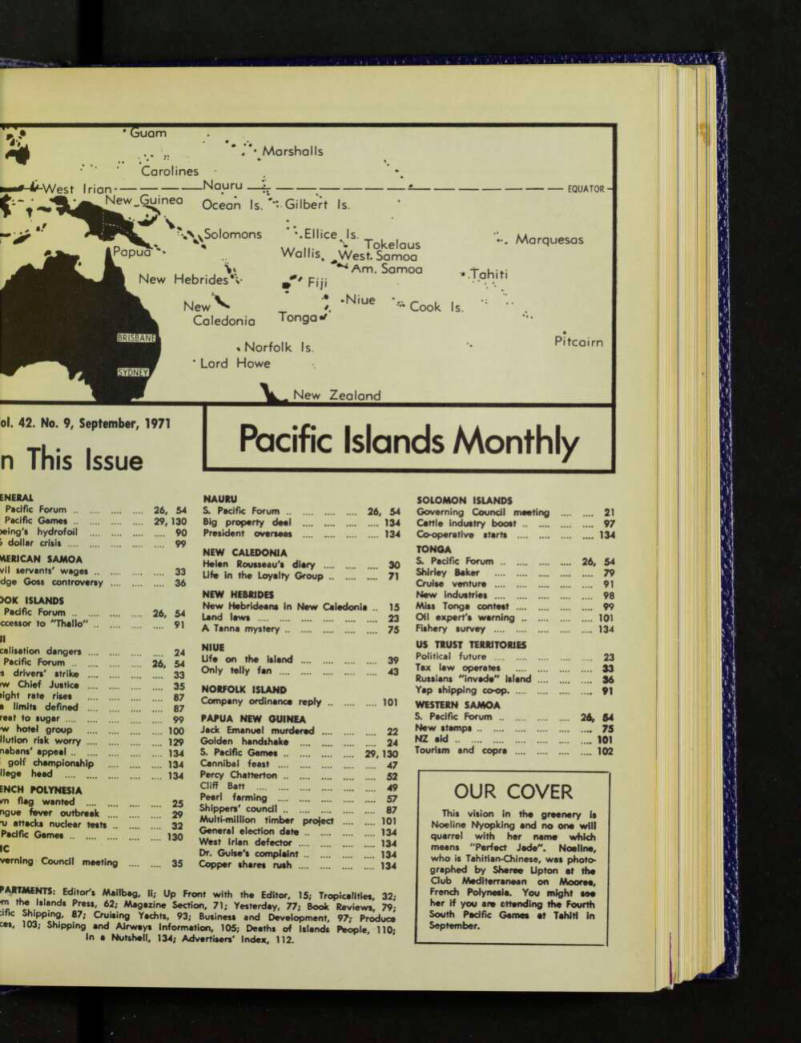 3
3 4
4 5
5 6
6 7
7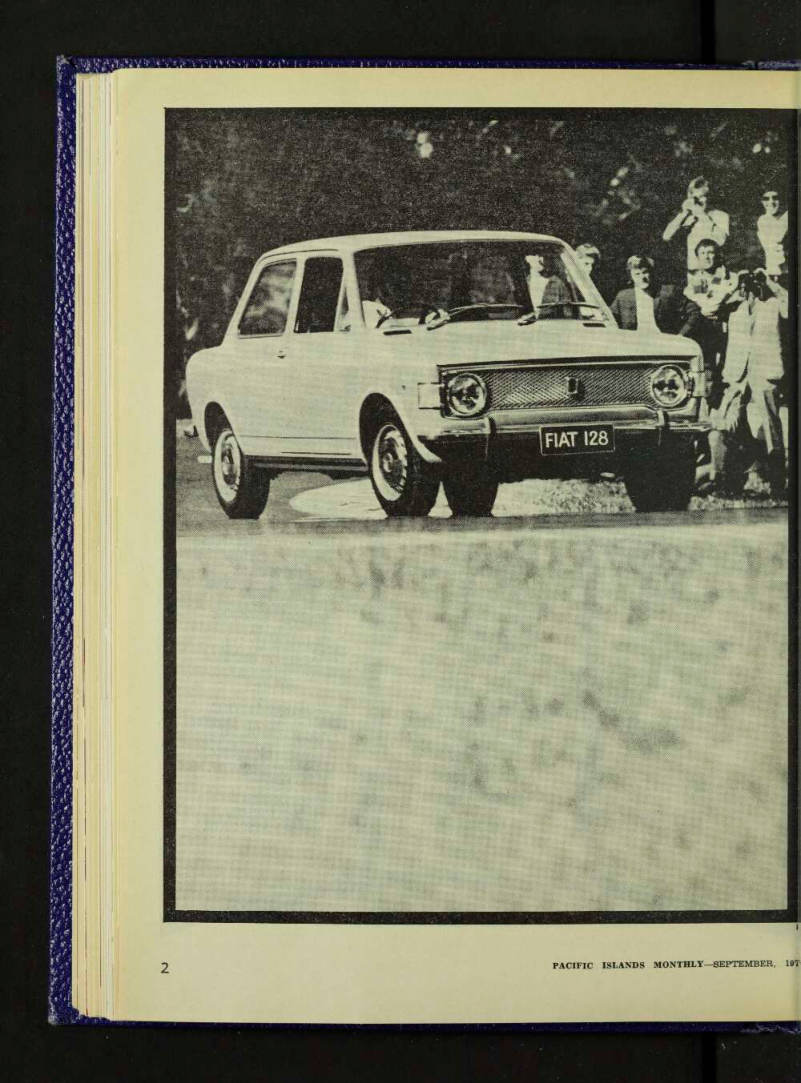 8
8 9
9 10
10 11
11 12
12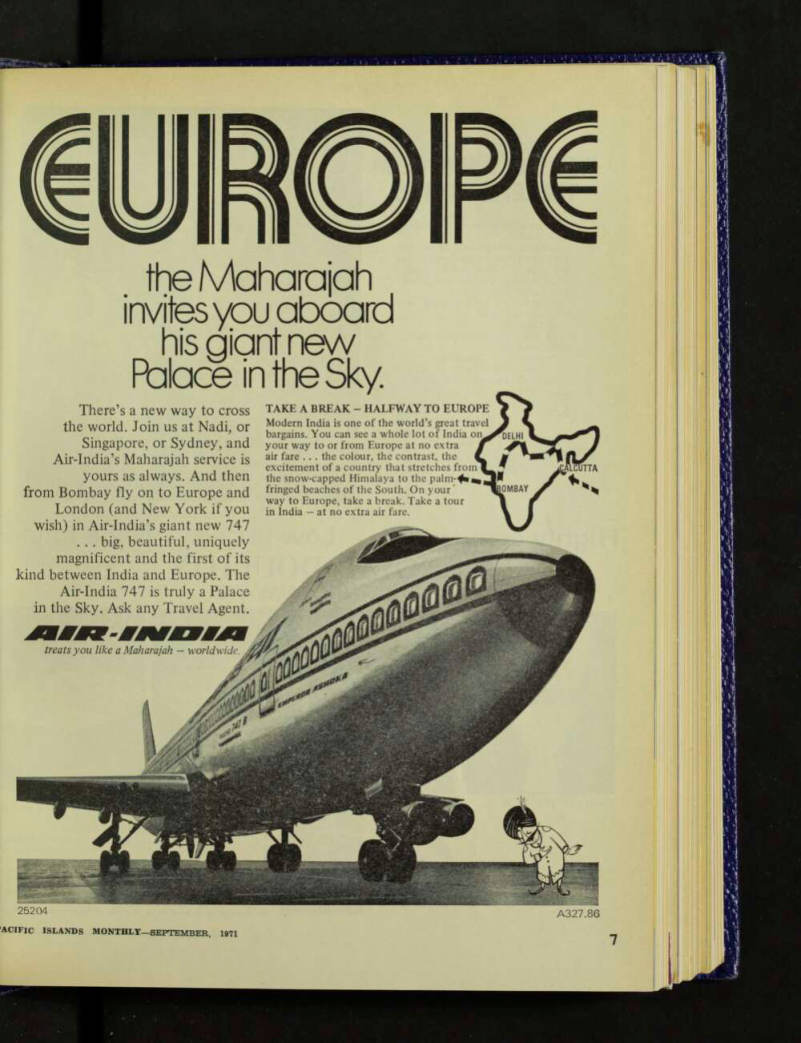 13
13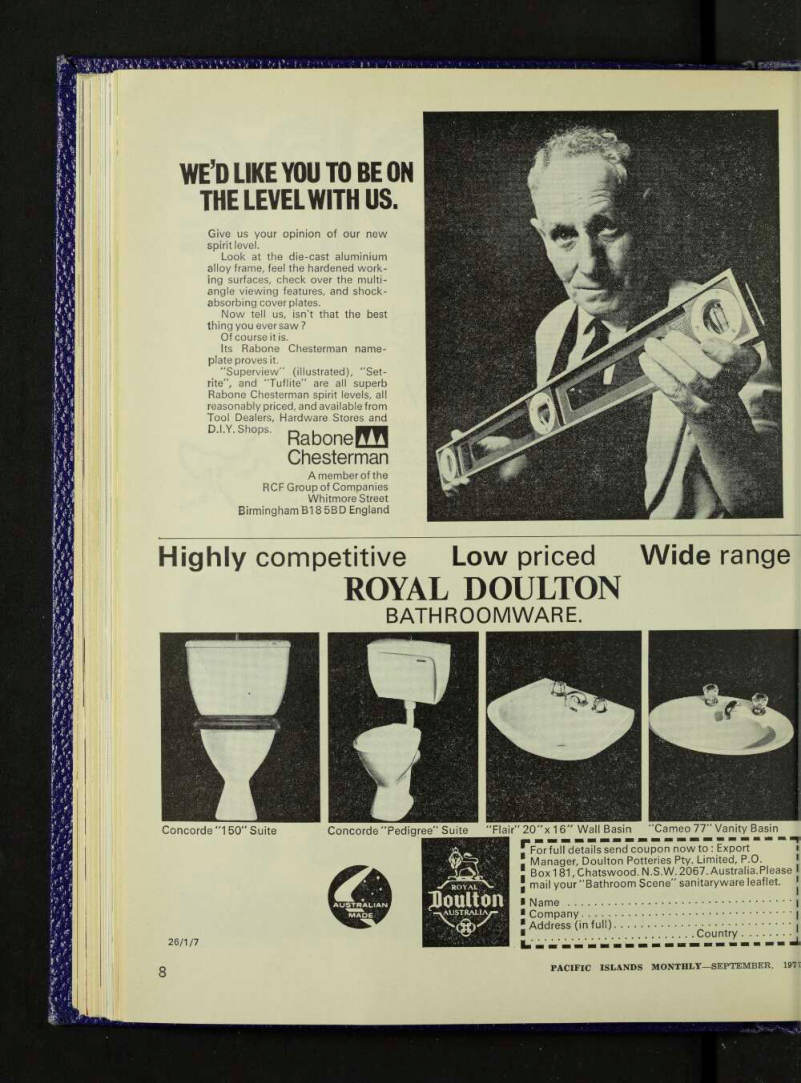 14
14 15
15 16
16 17
17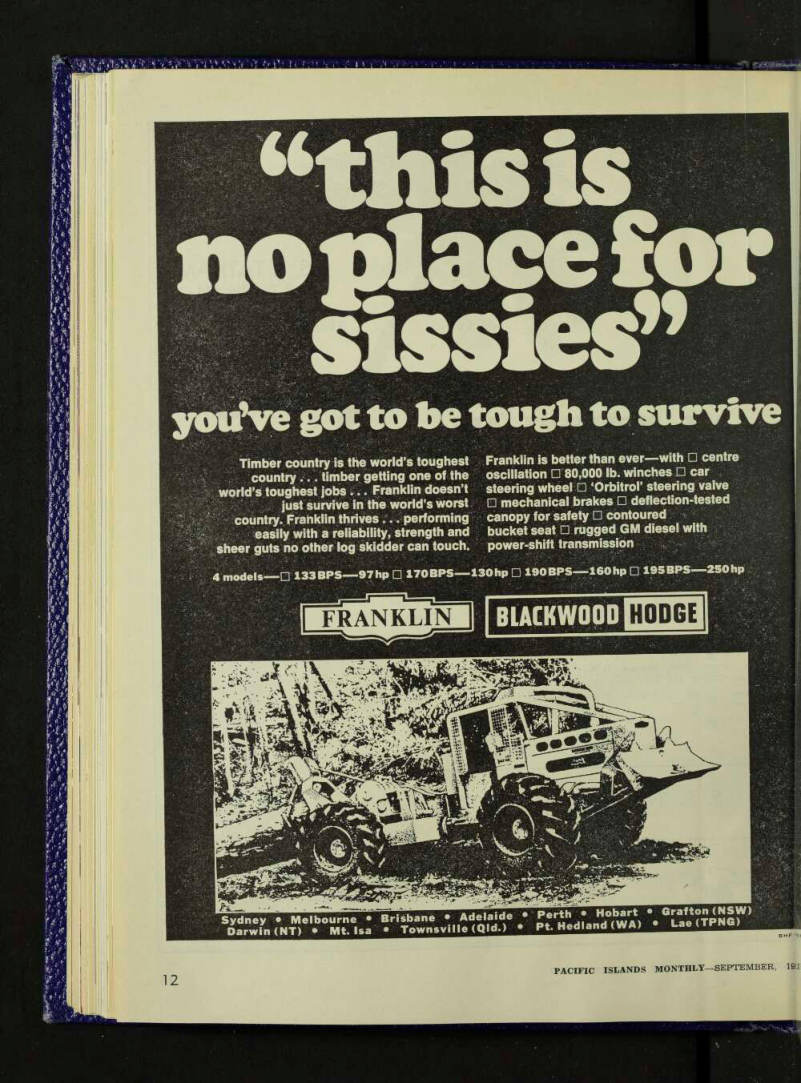 18
18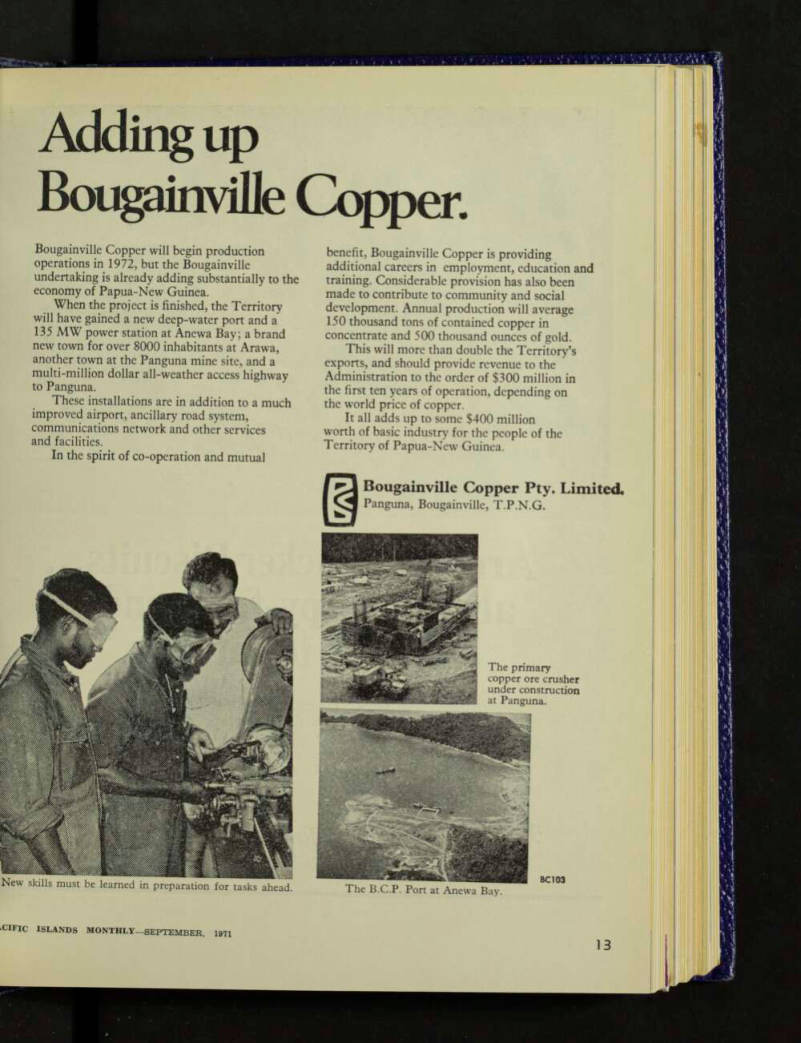 19
19 20
20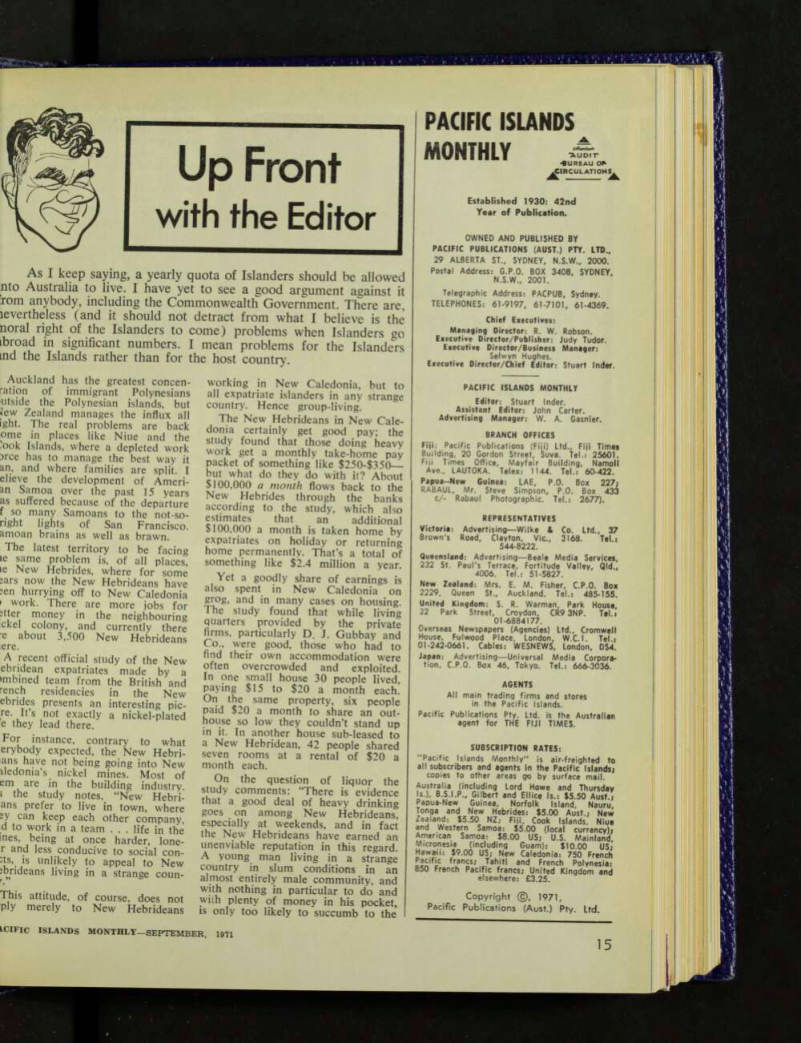 21
21 22
22 23
23 24
24 25
25 26
26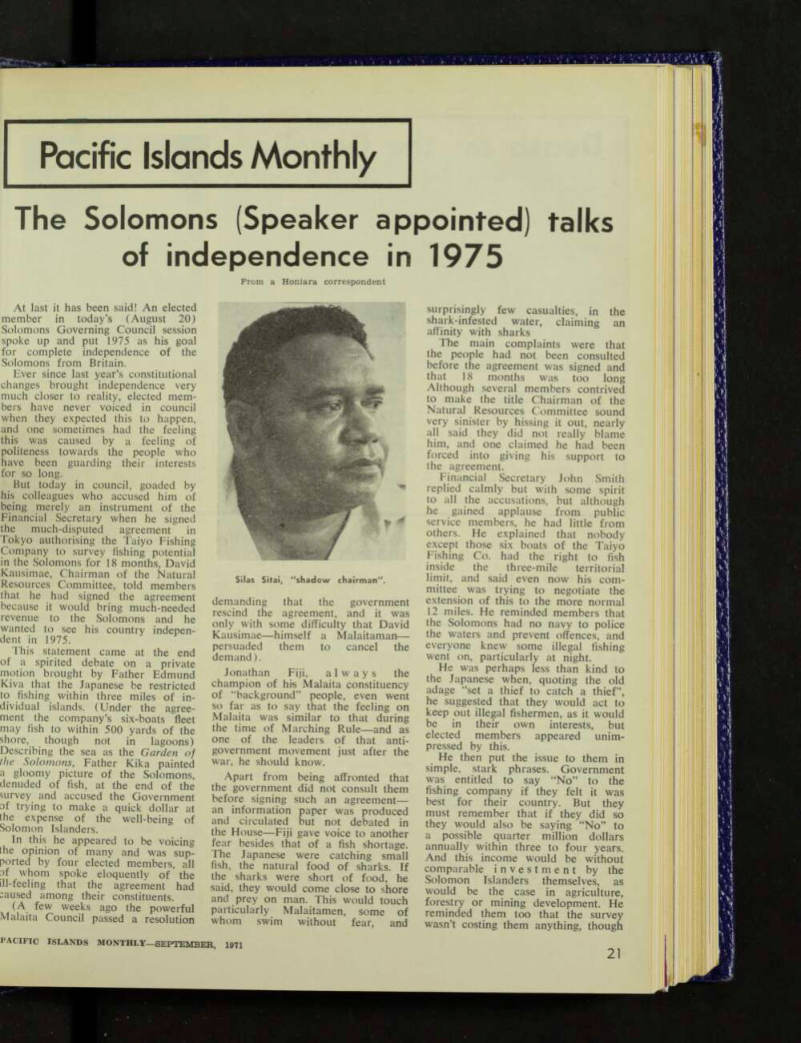 27
27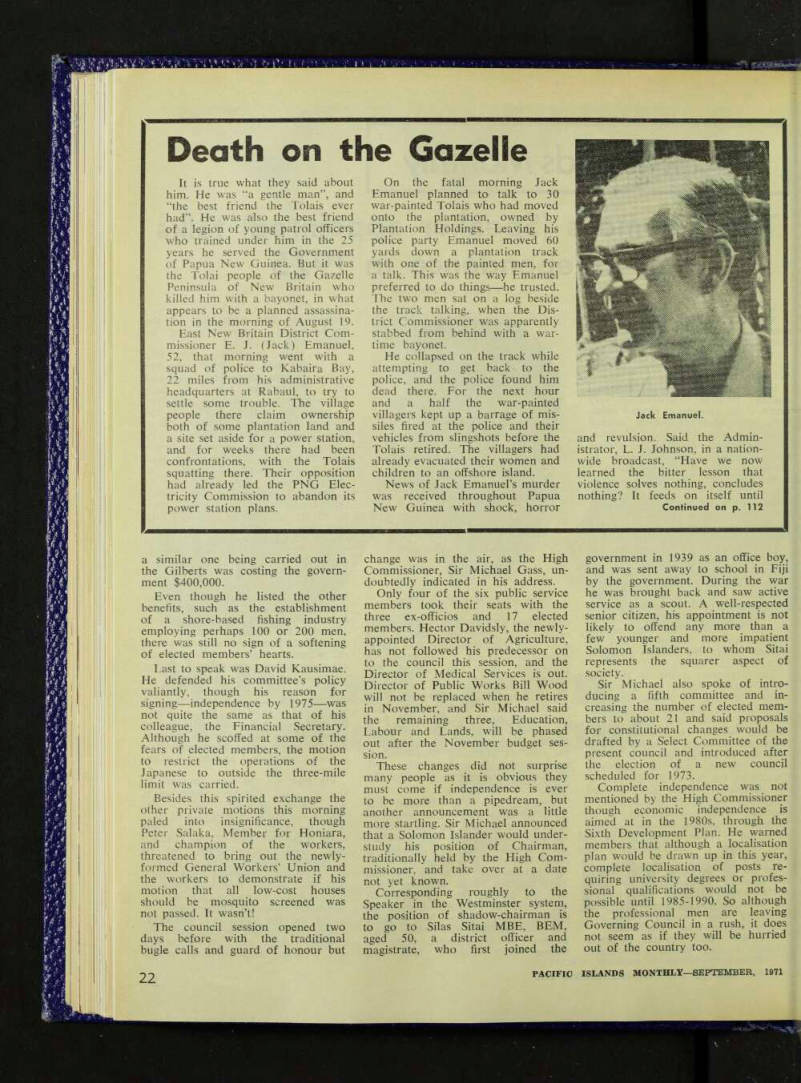 28
28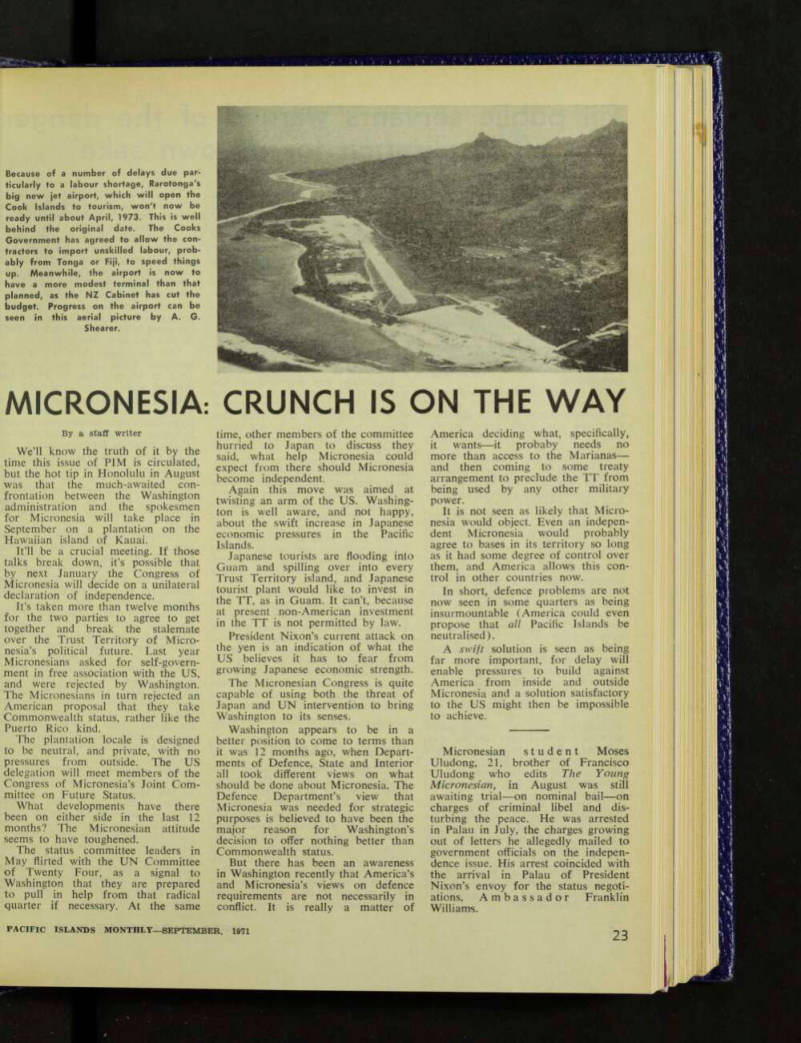 29
29 30
30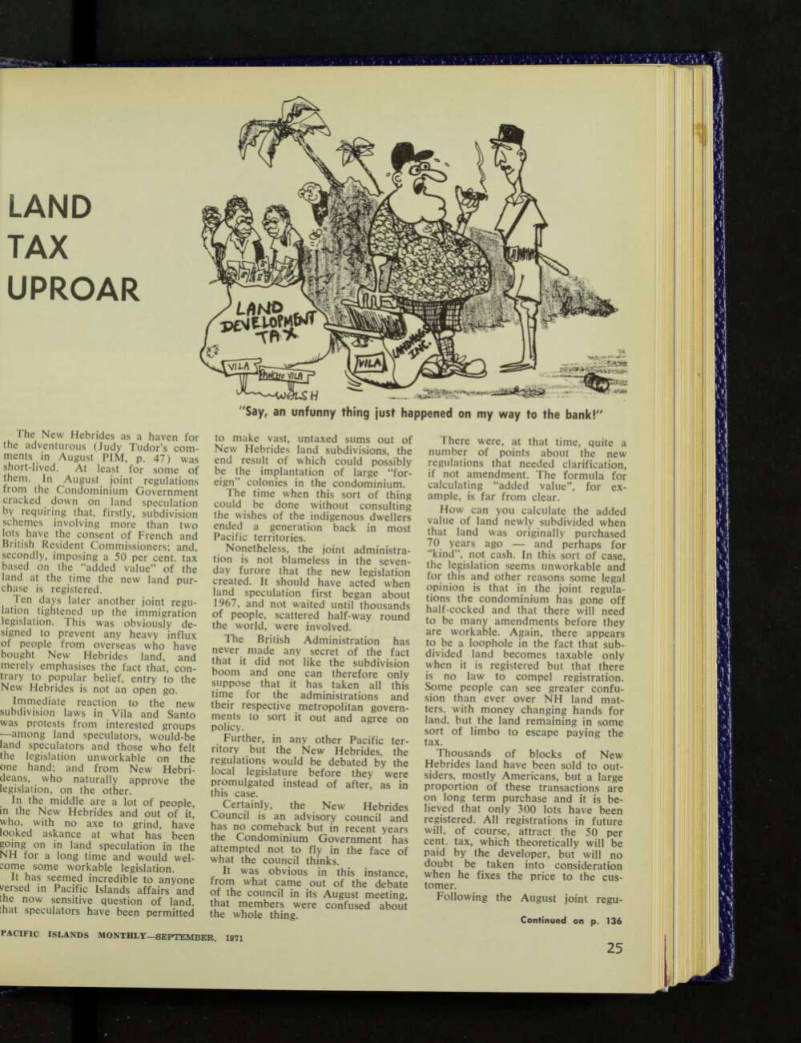 31
31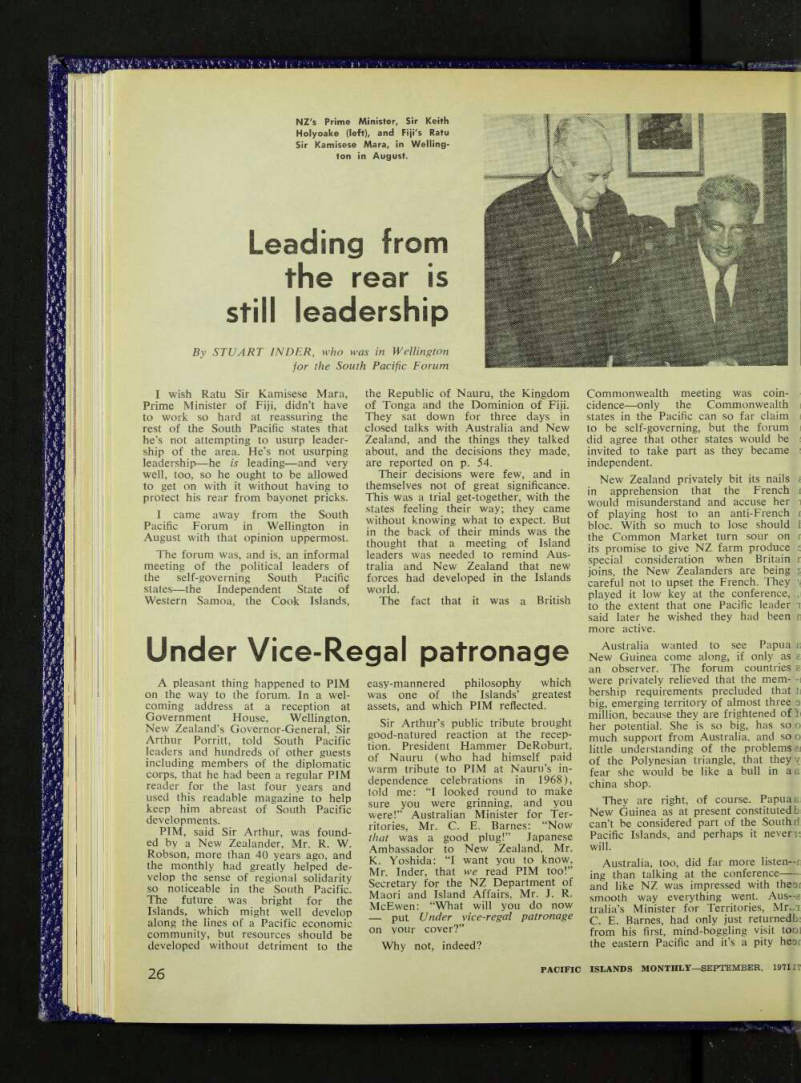 32
32 33
33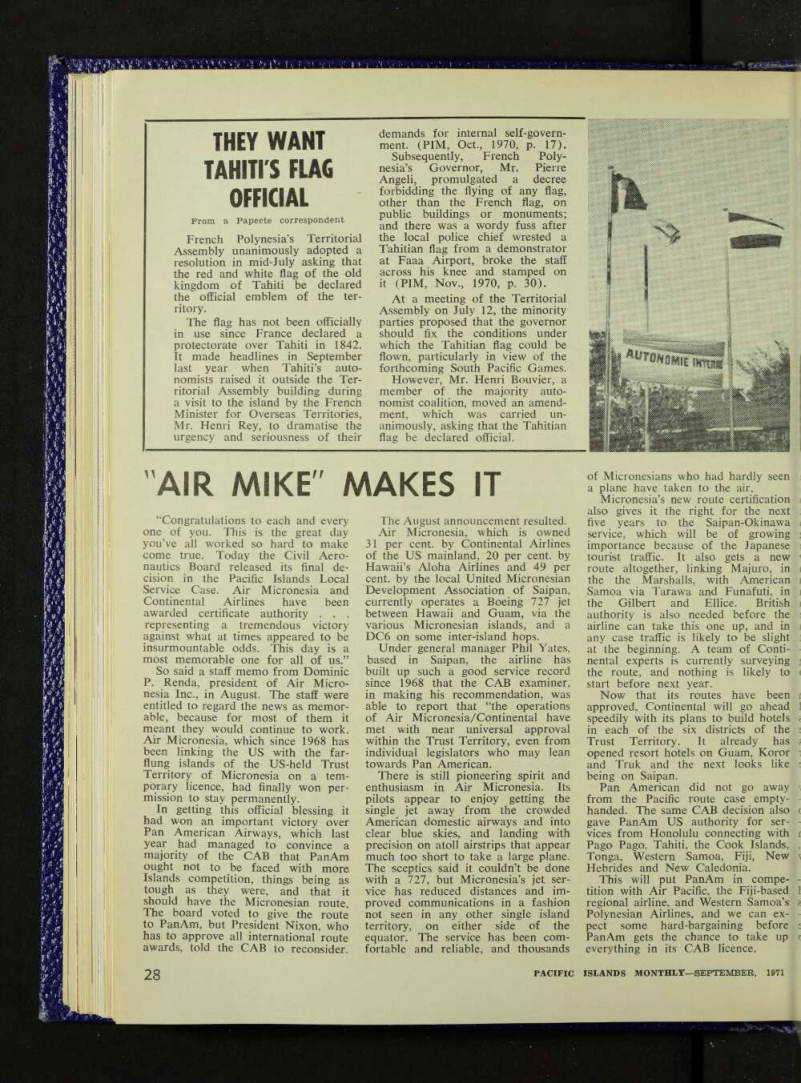 34
34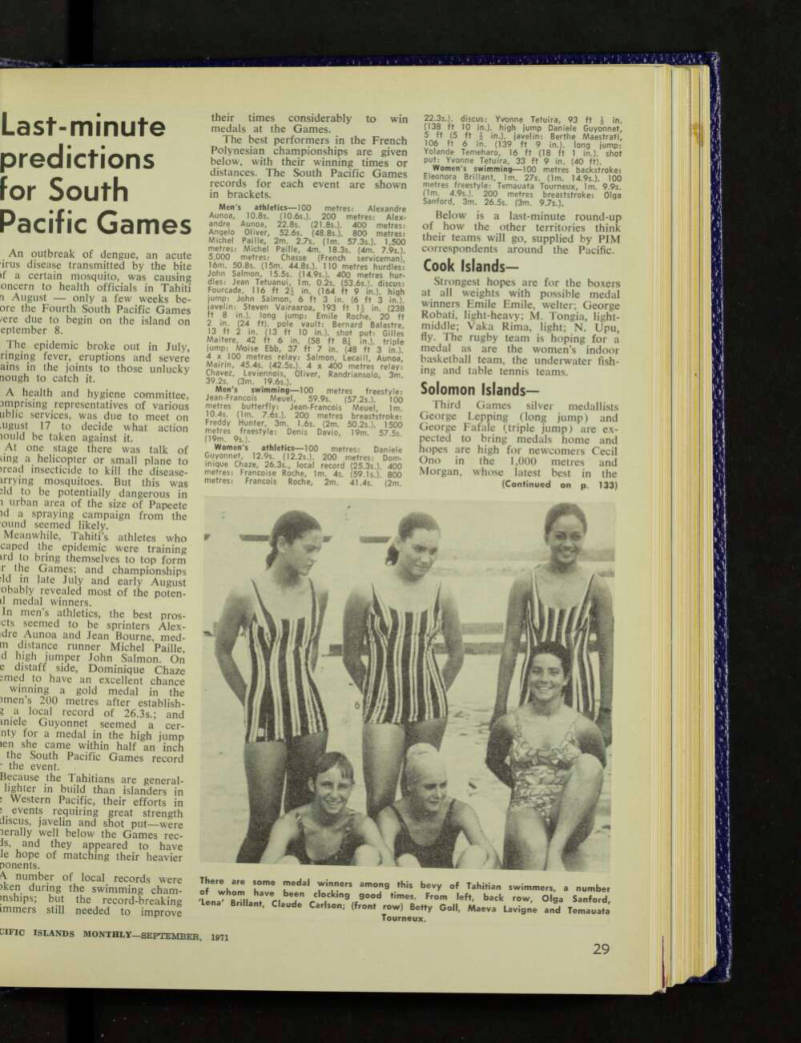 35
35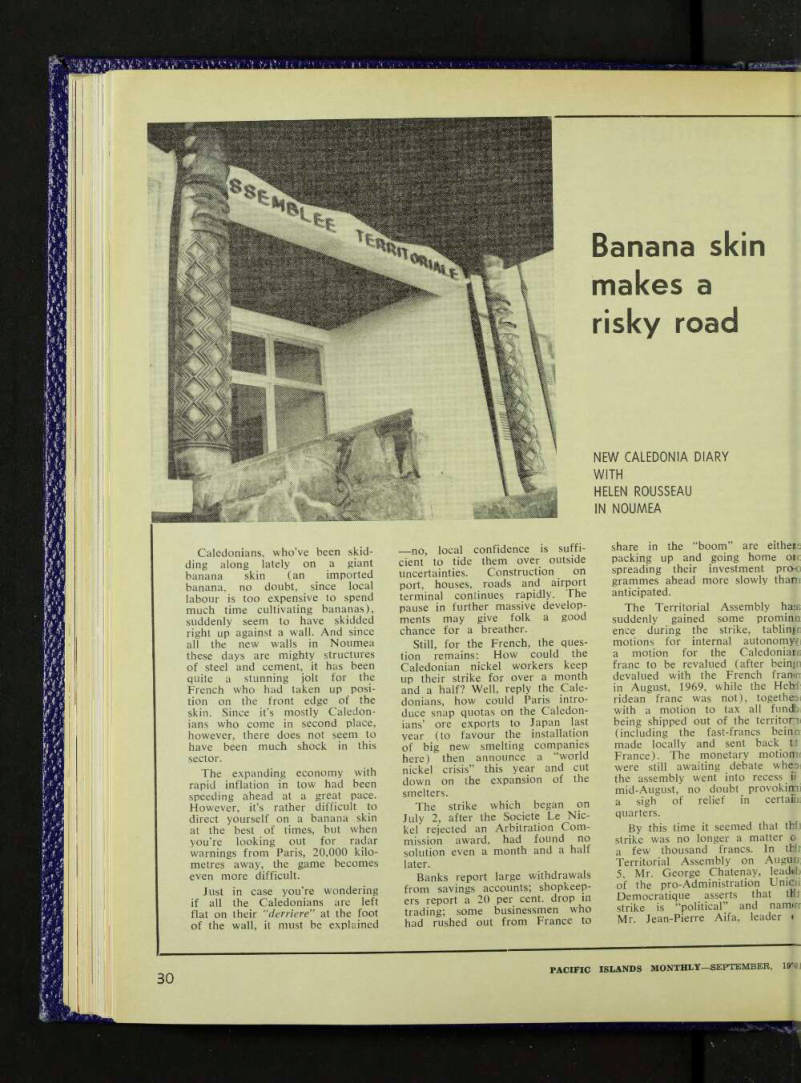 36
36 37
37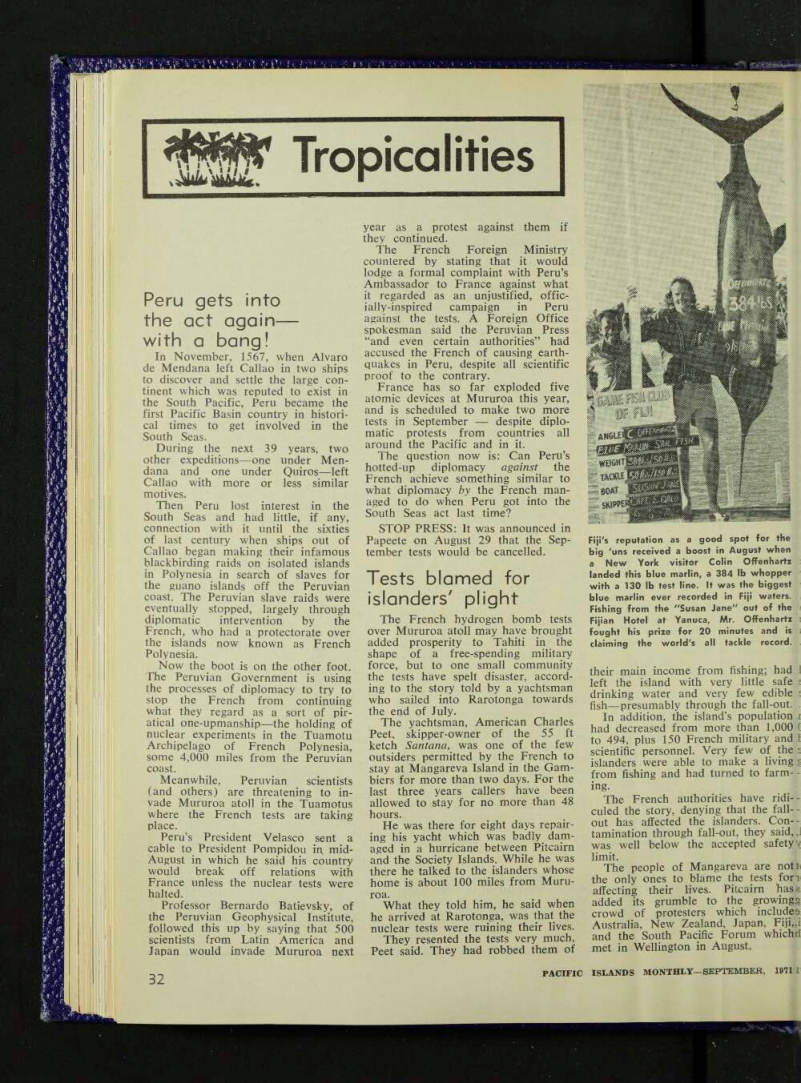 38
38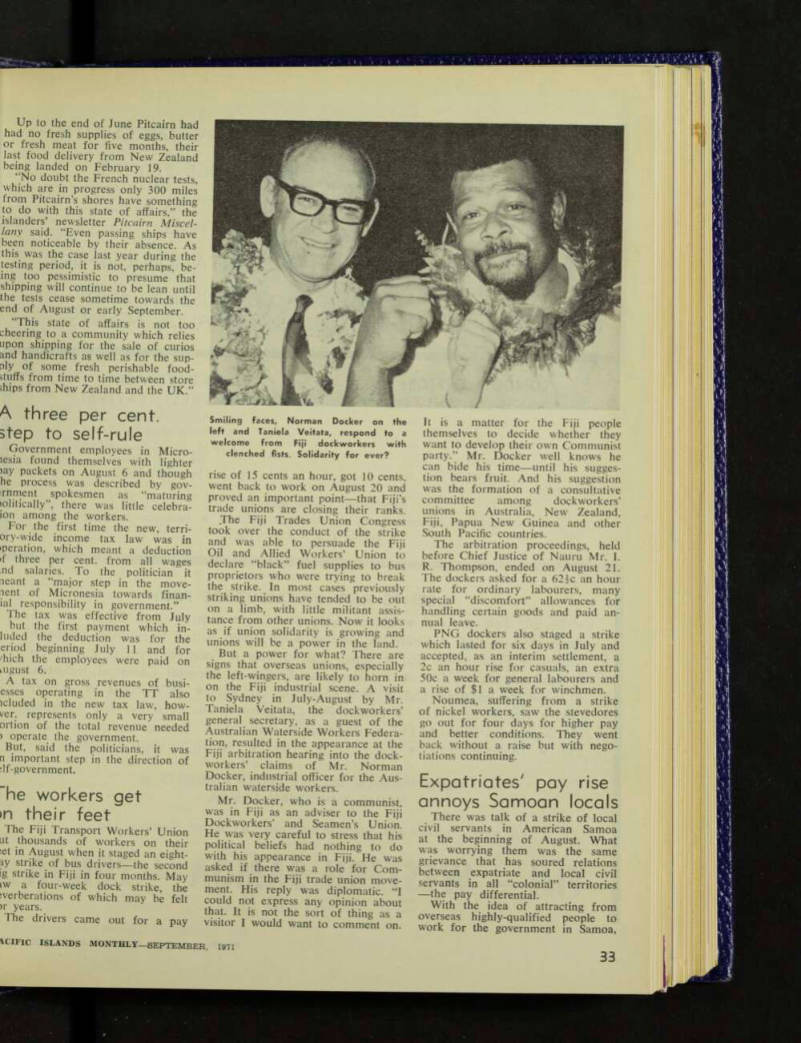 39
39 40
40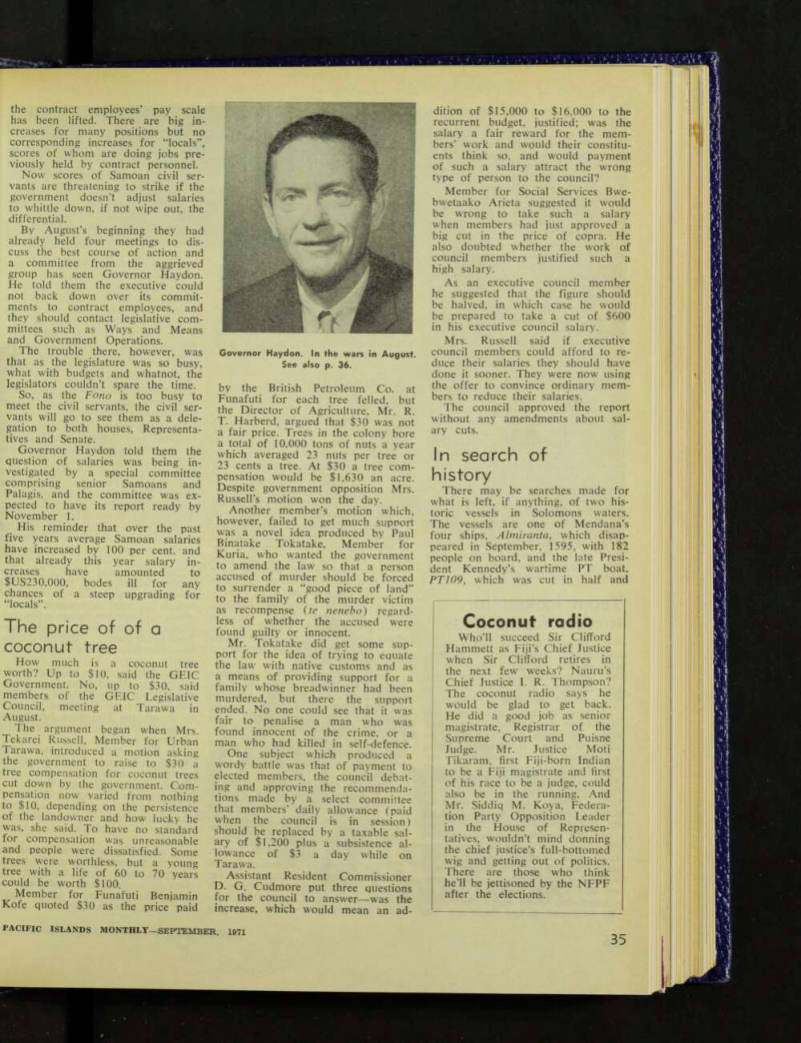 41
41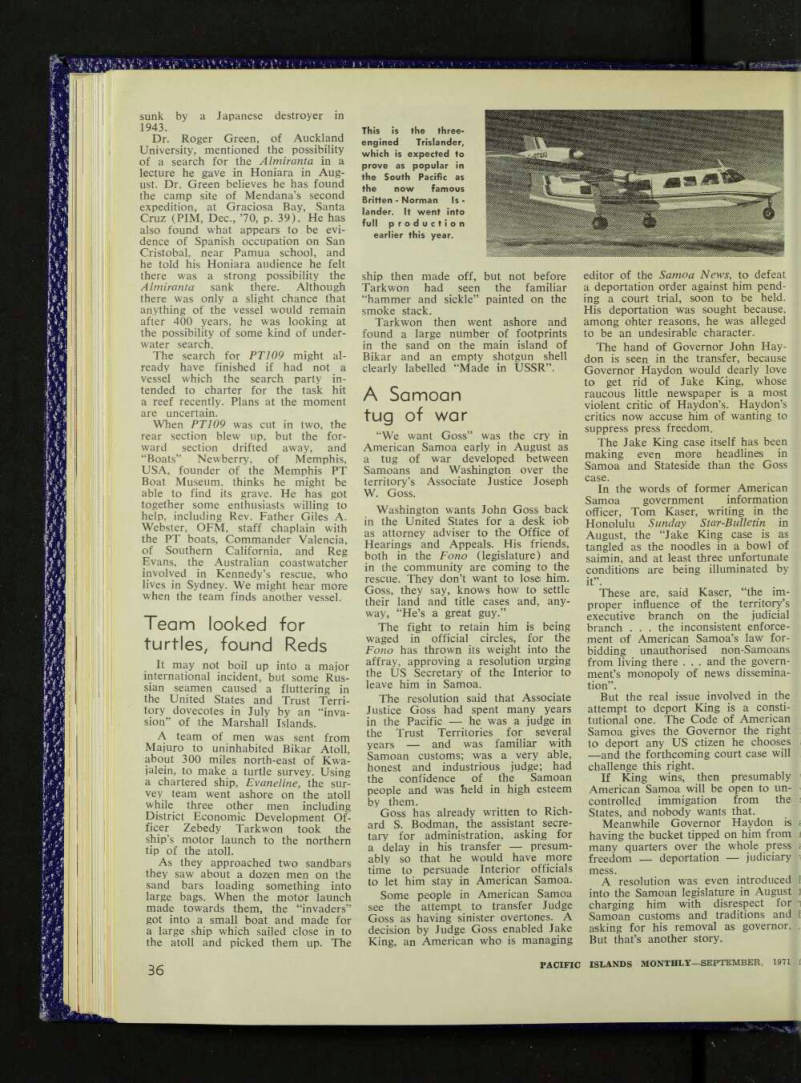 42
42 43
43 44
44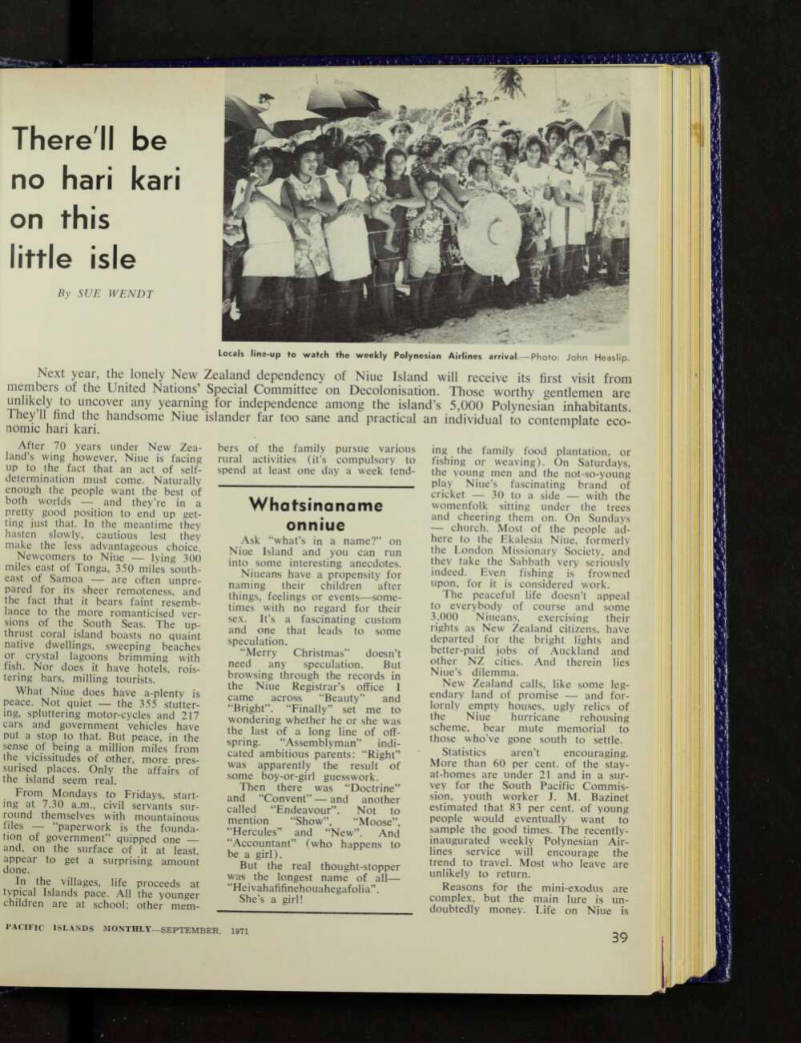 45
45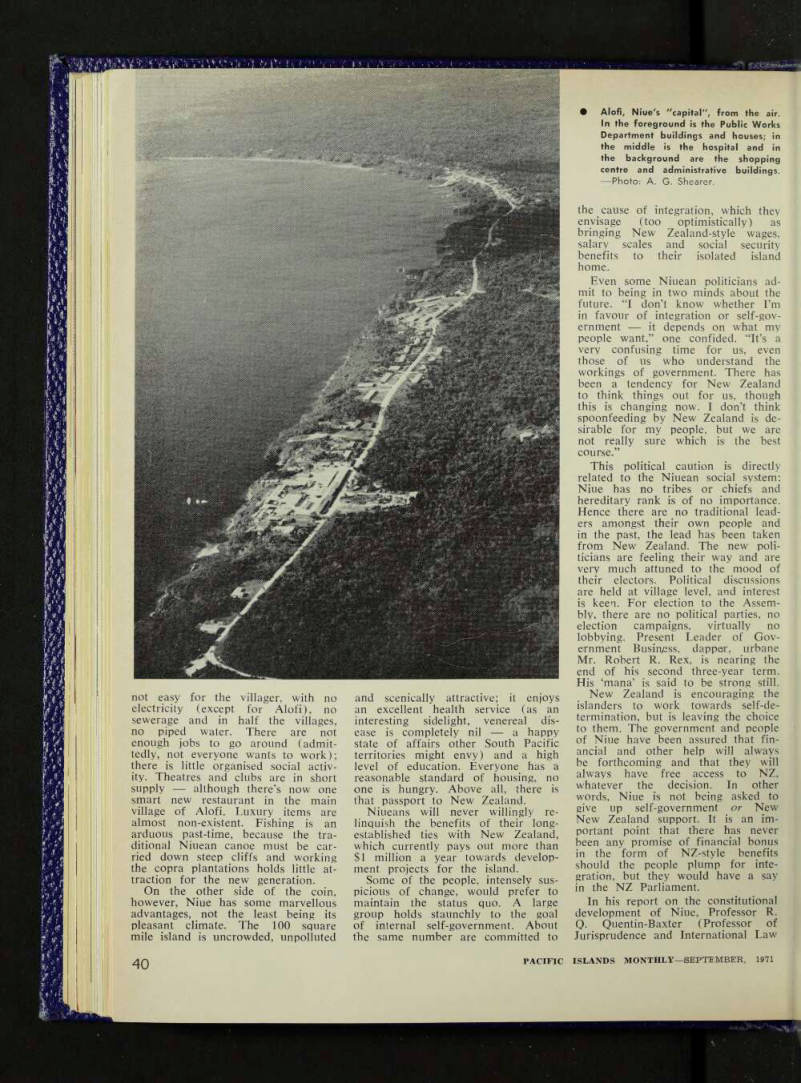 46
46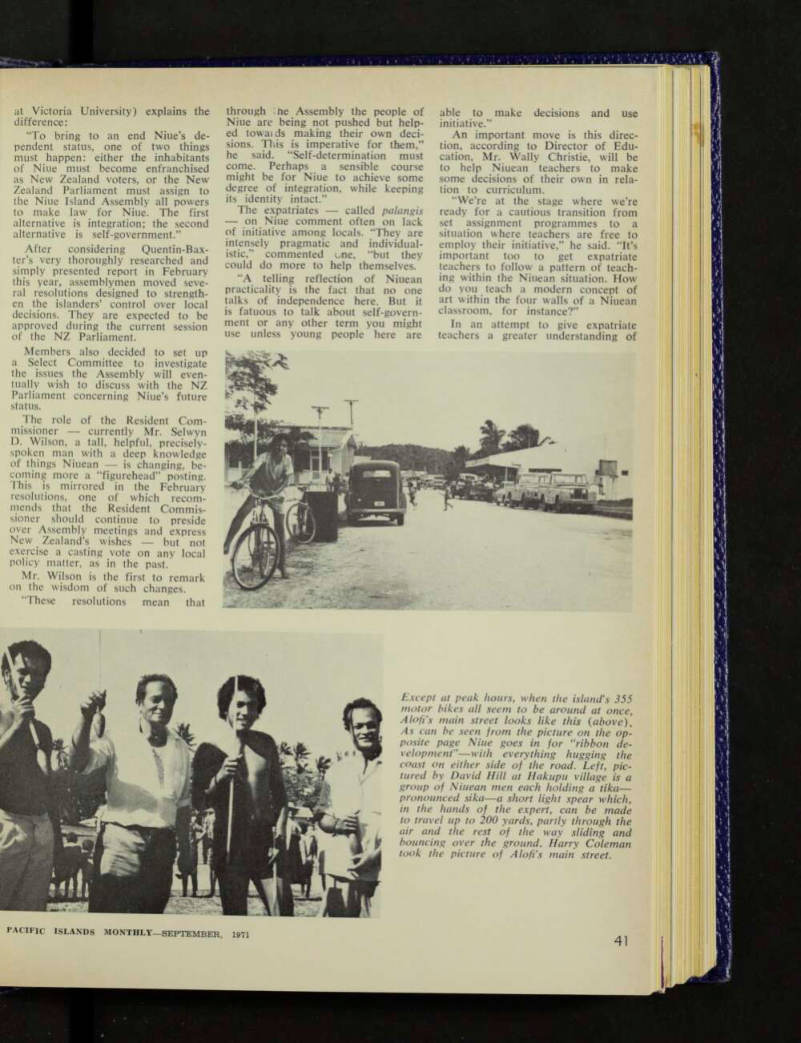 47
47 48
48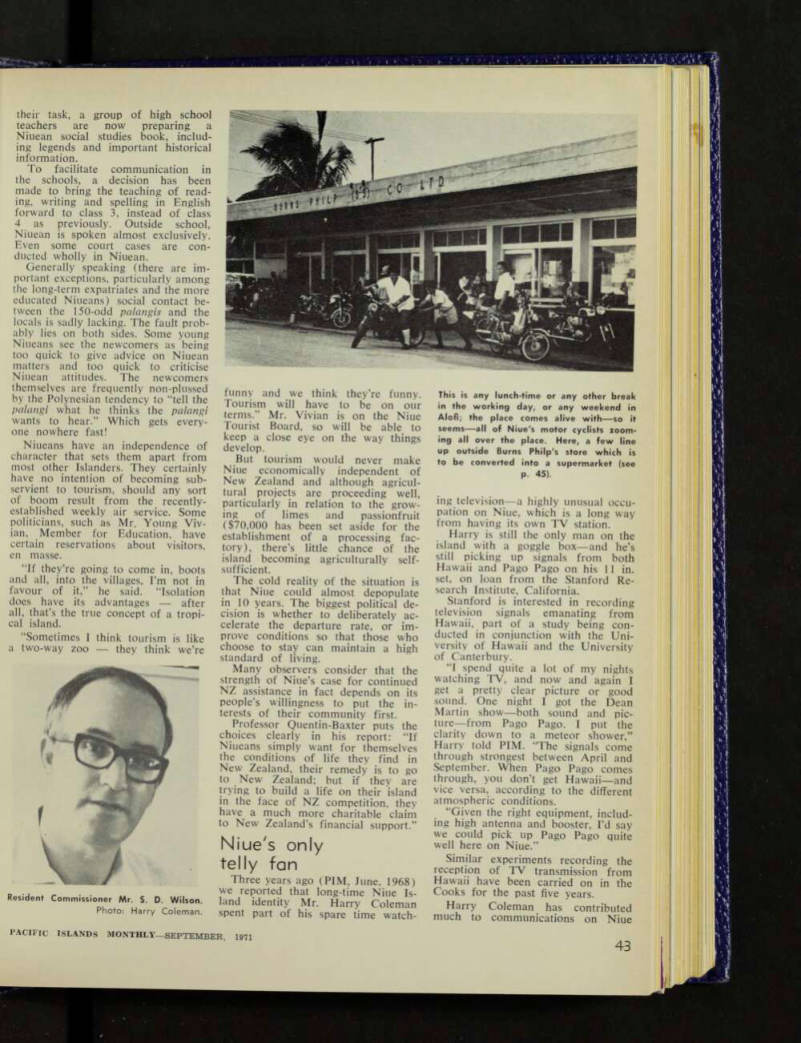 49
49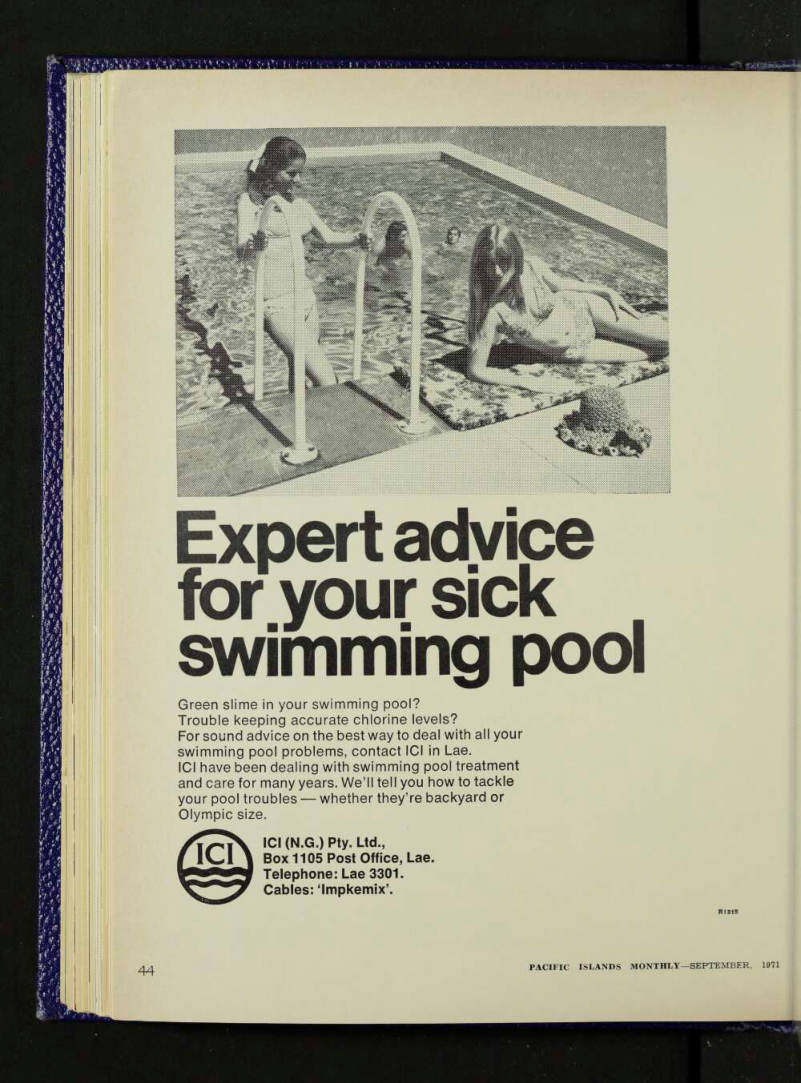 50
50 51
51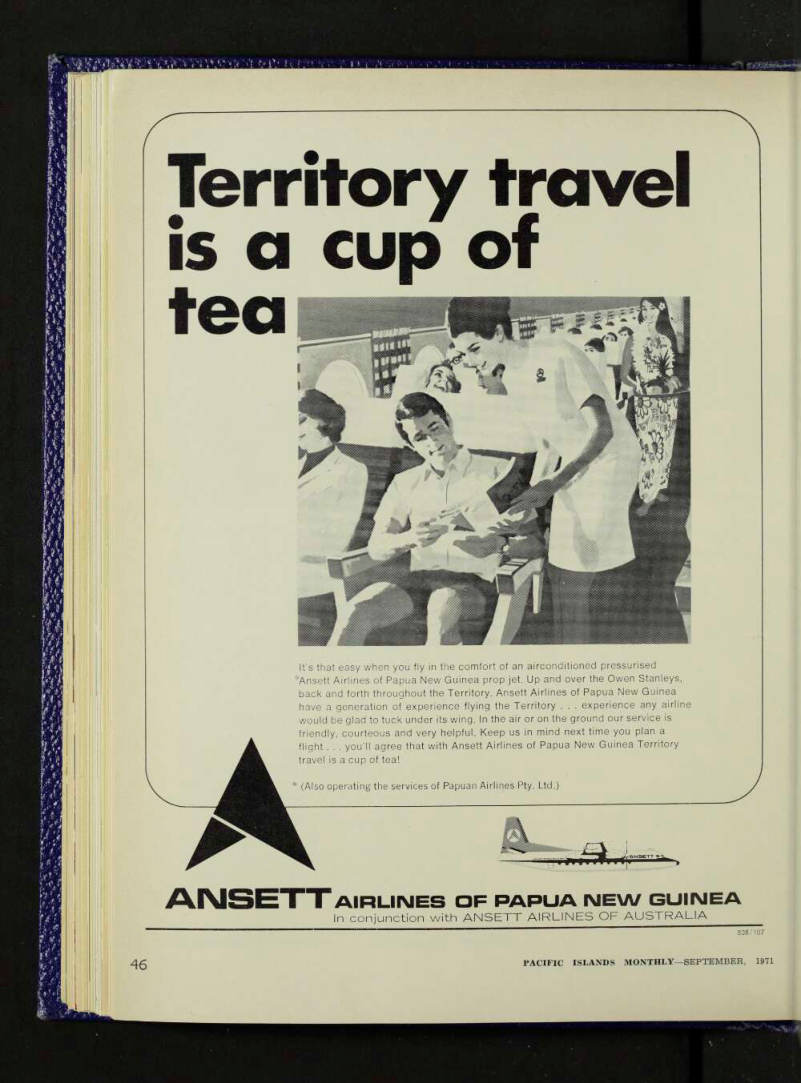 52
52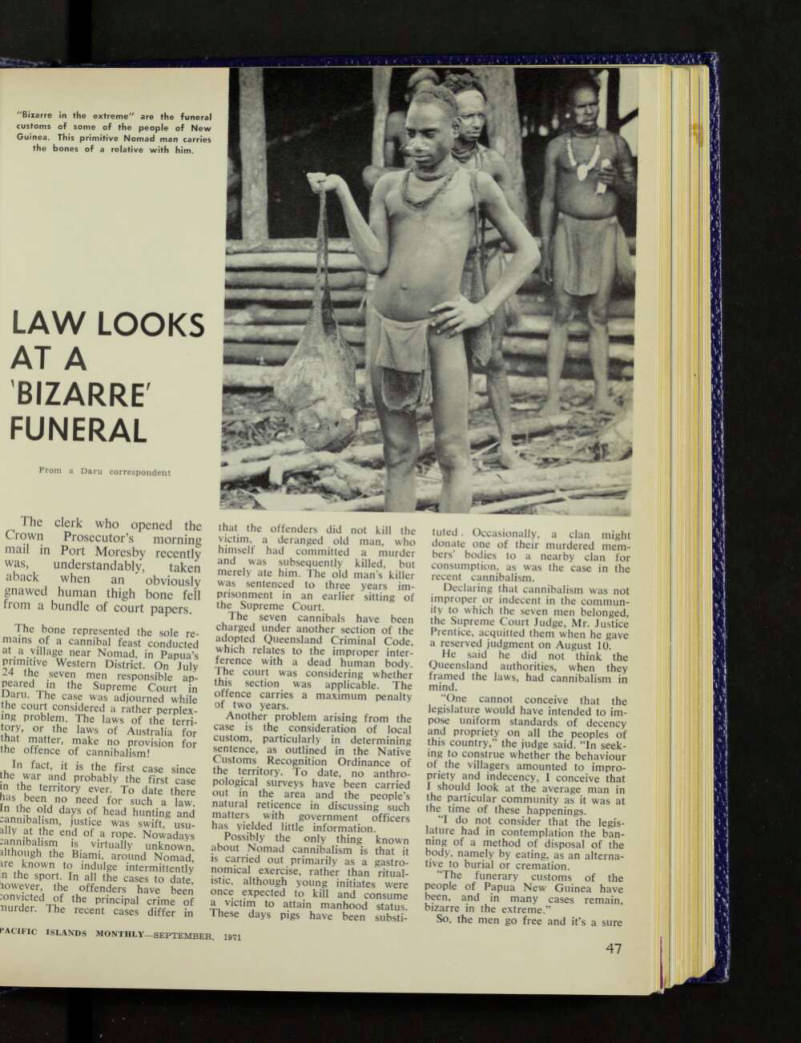 53
53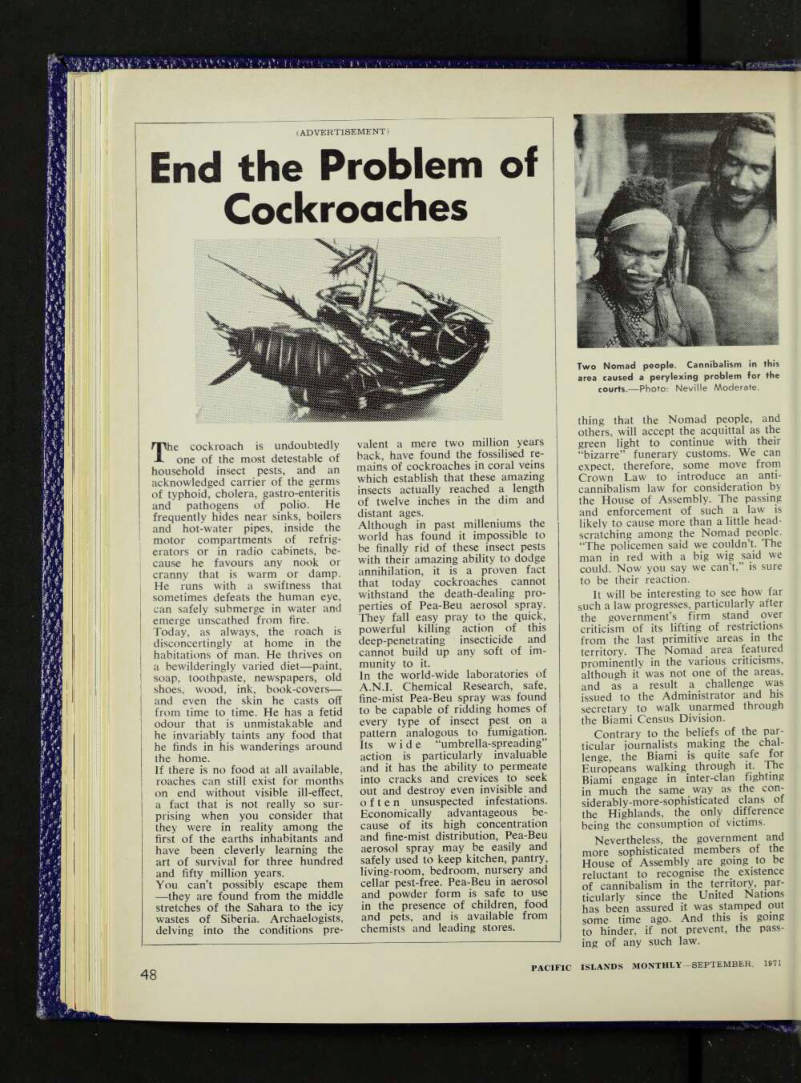 54
54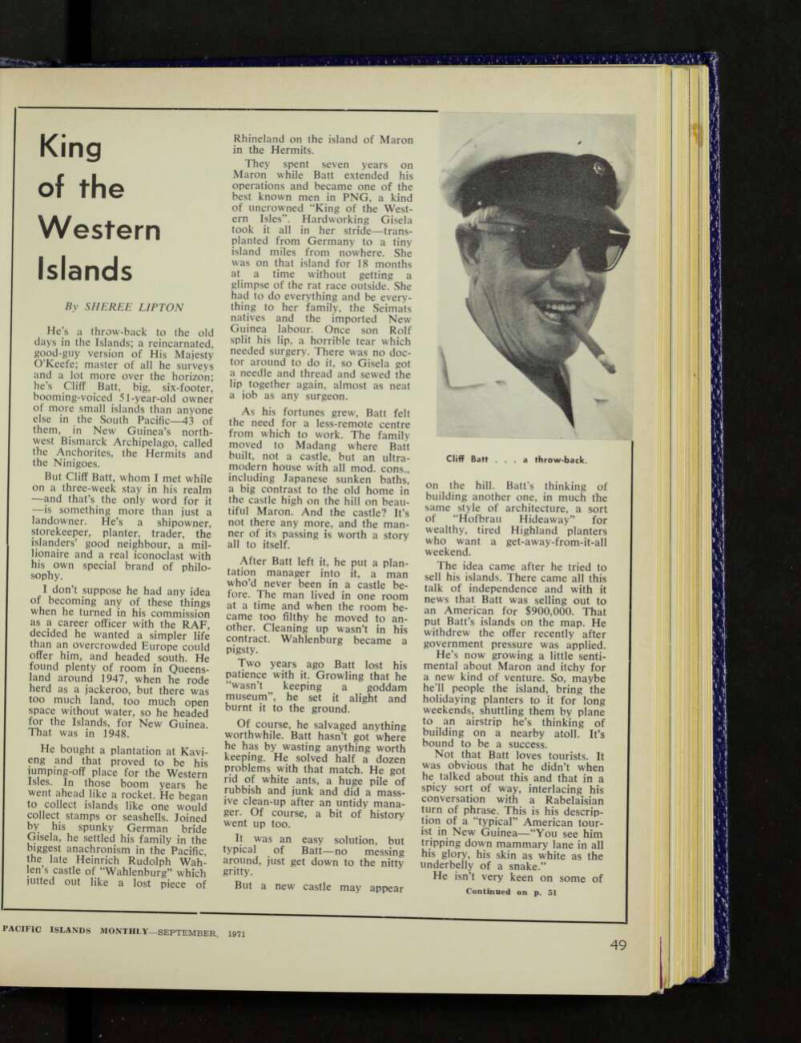 55
55 56
56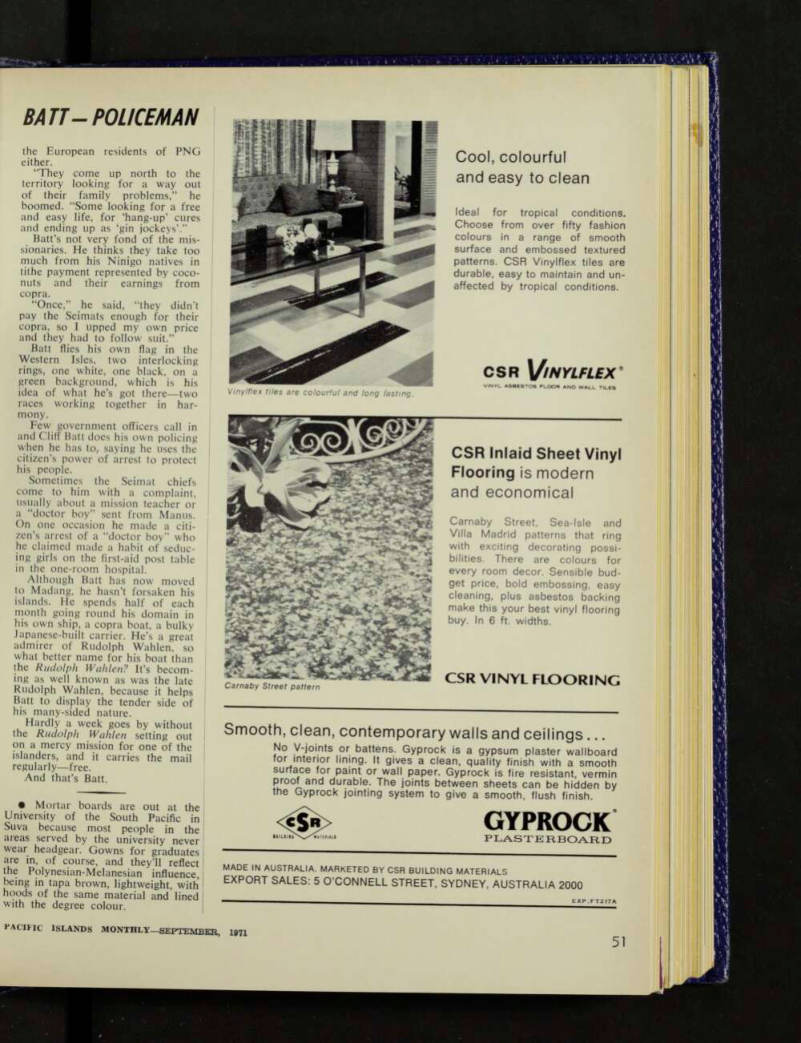 57
57 58
58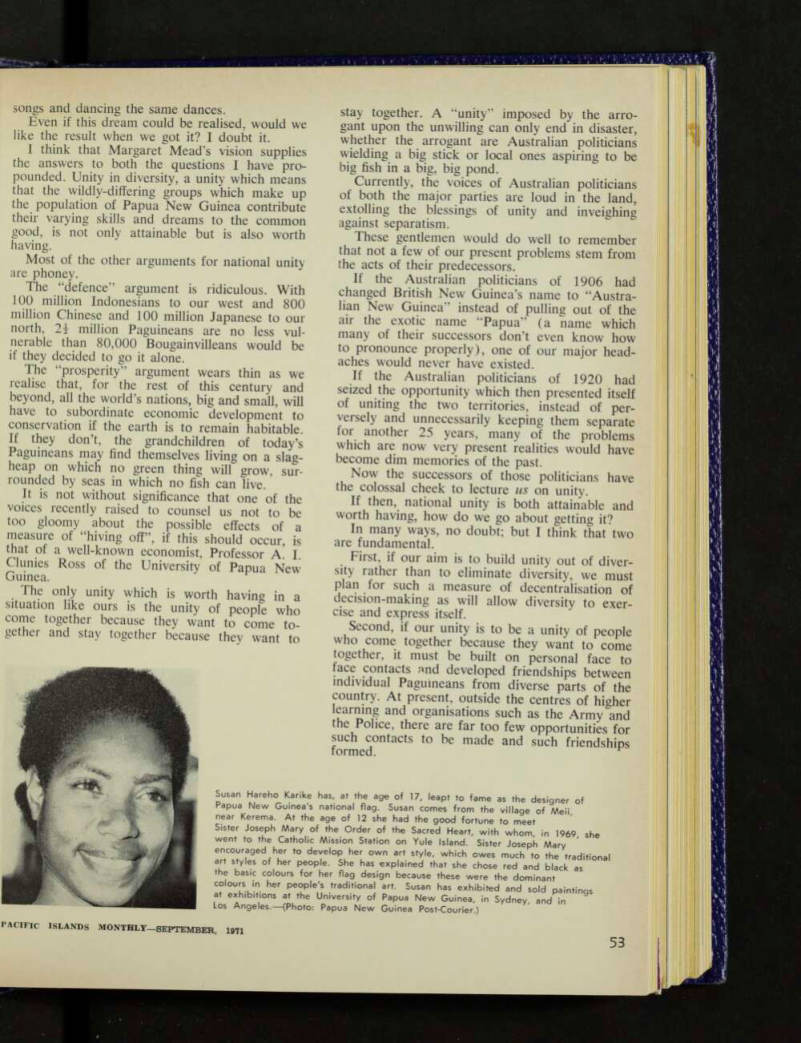 59
59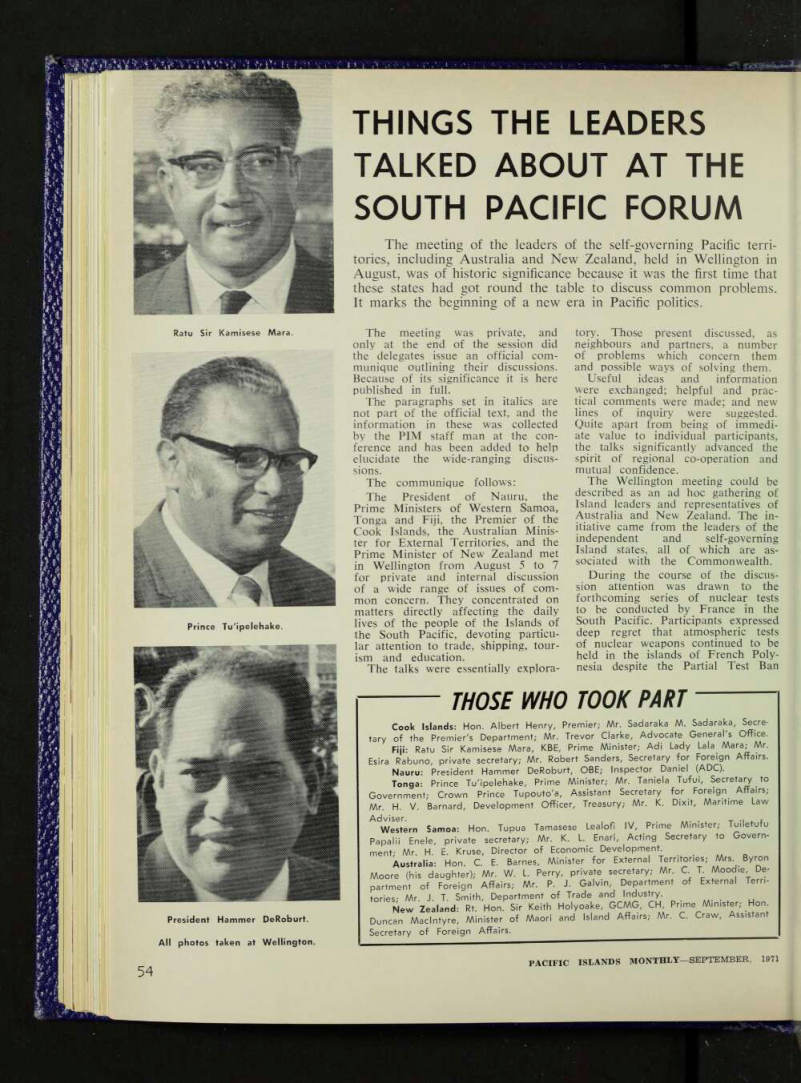 60
60 61
61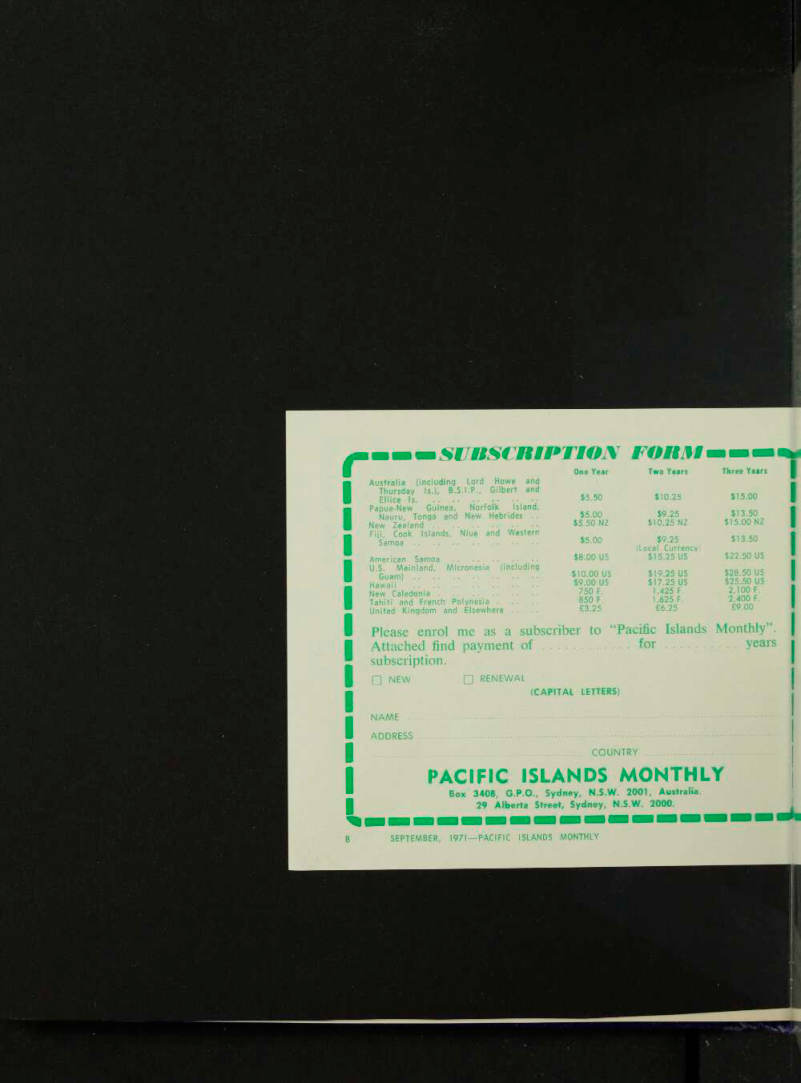 62
62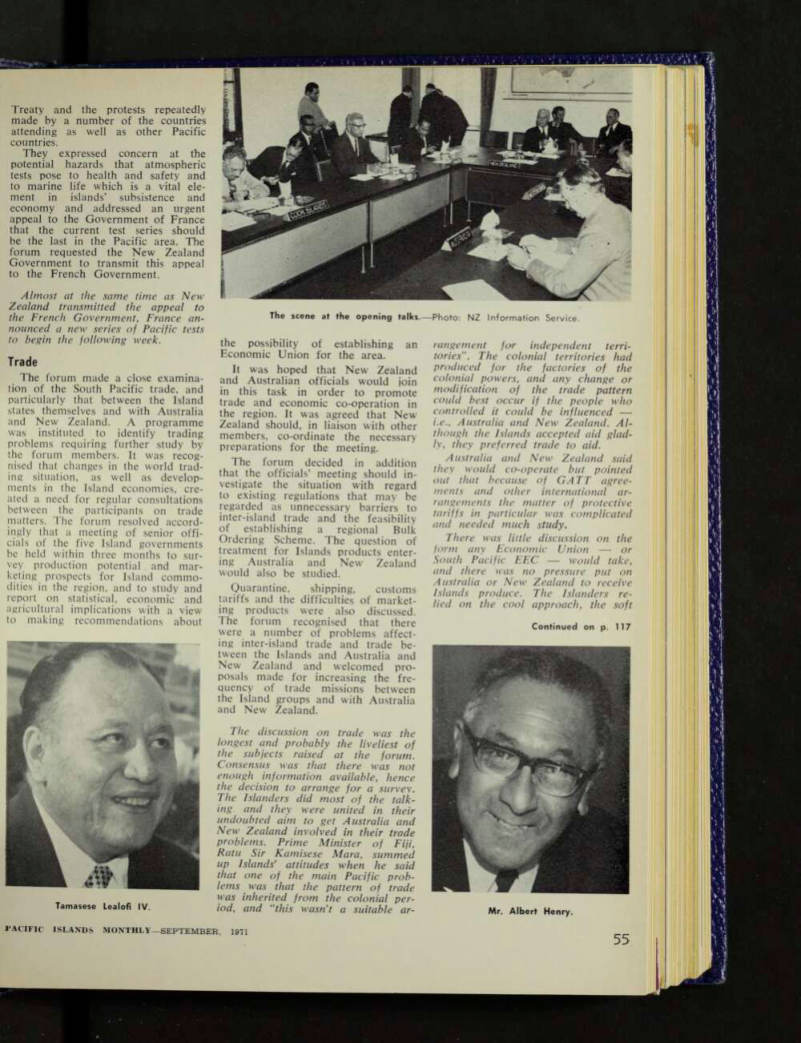 63
63 64
64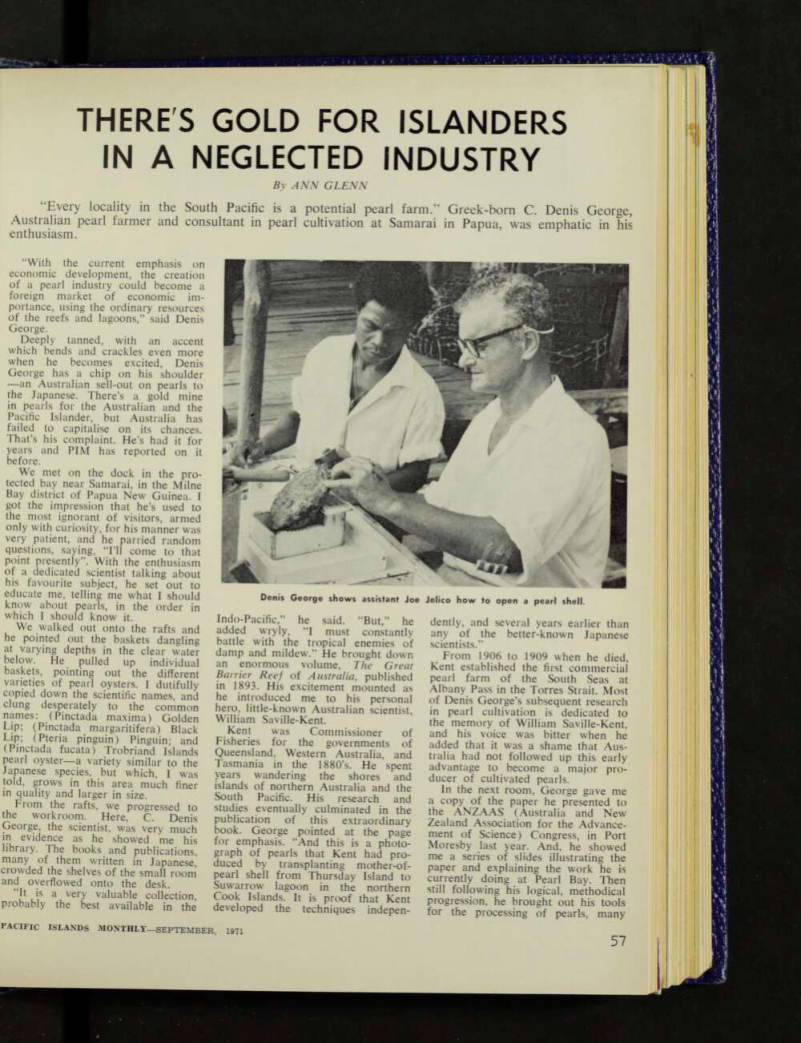 65
65 66
66 67
67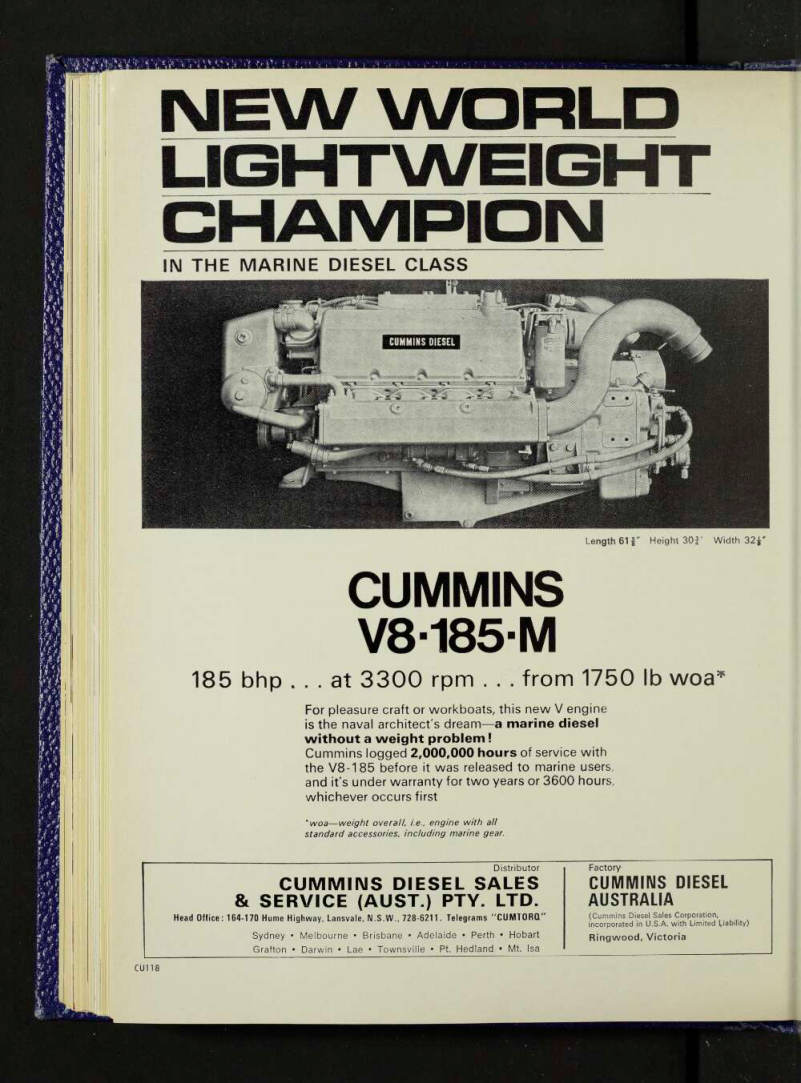 68
68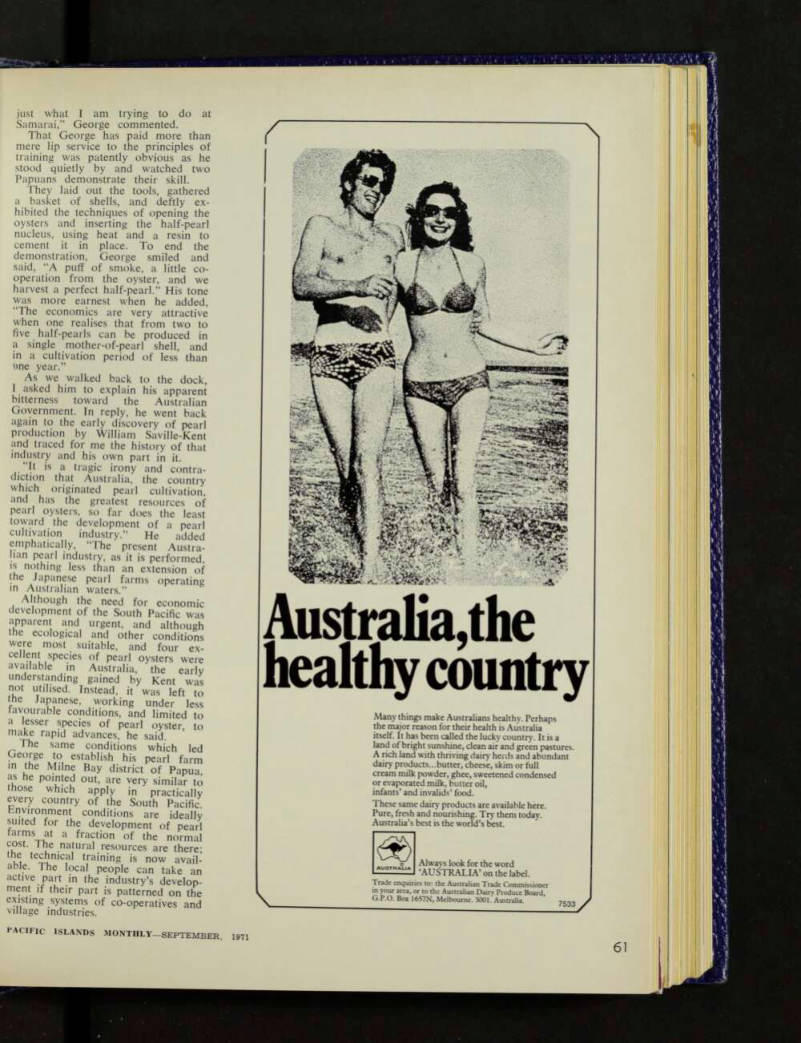 69
69 70
70 71
71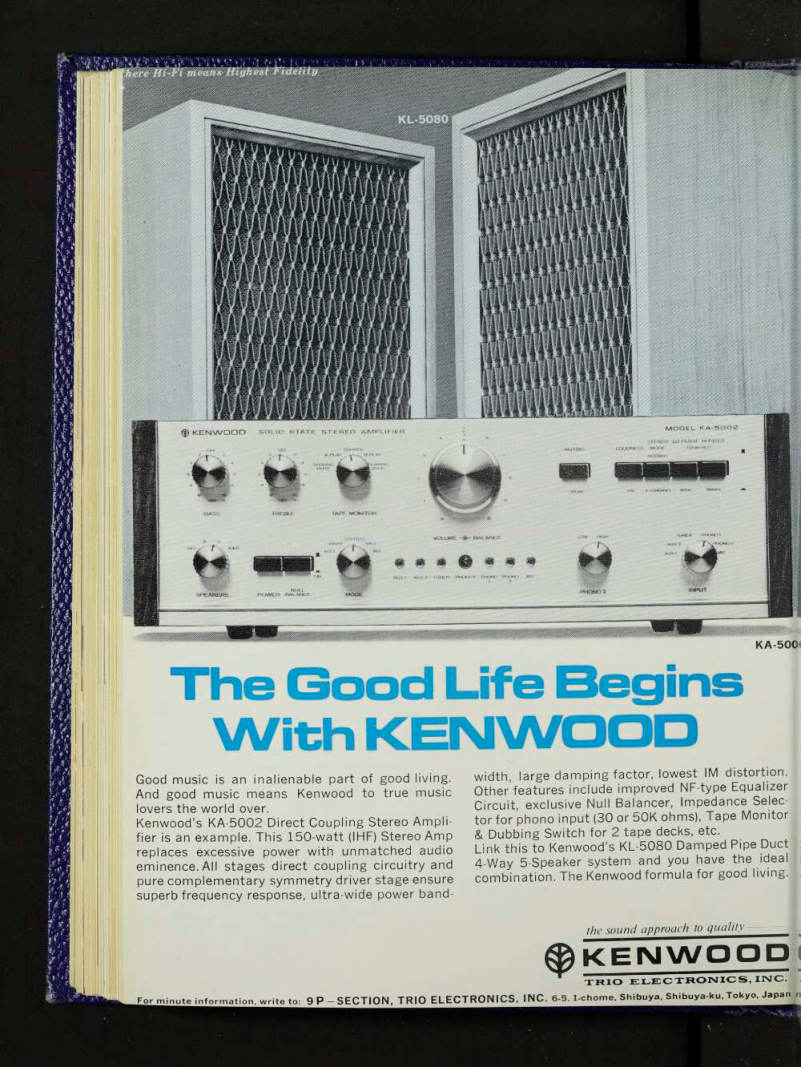 72
72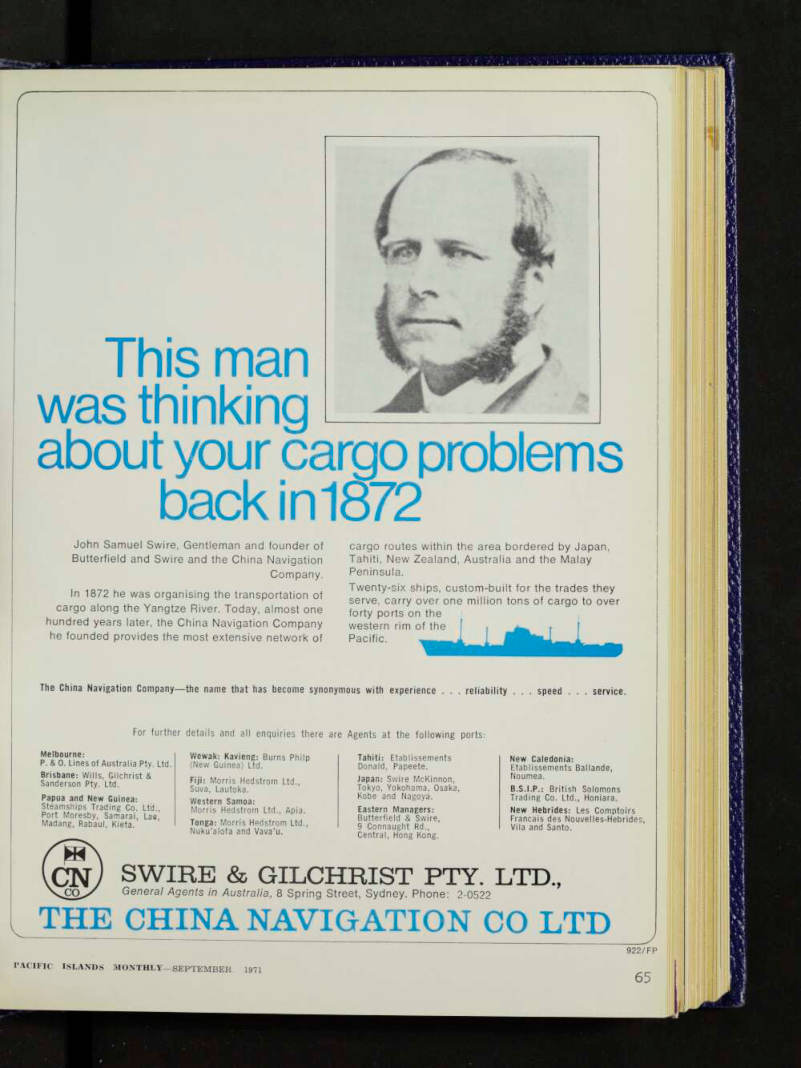 73
73 74
74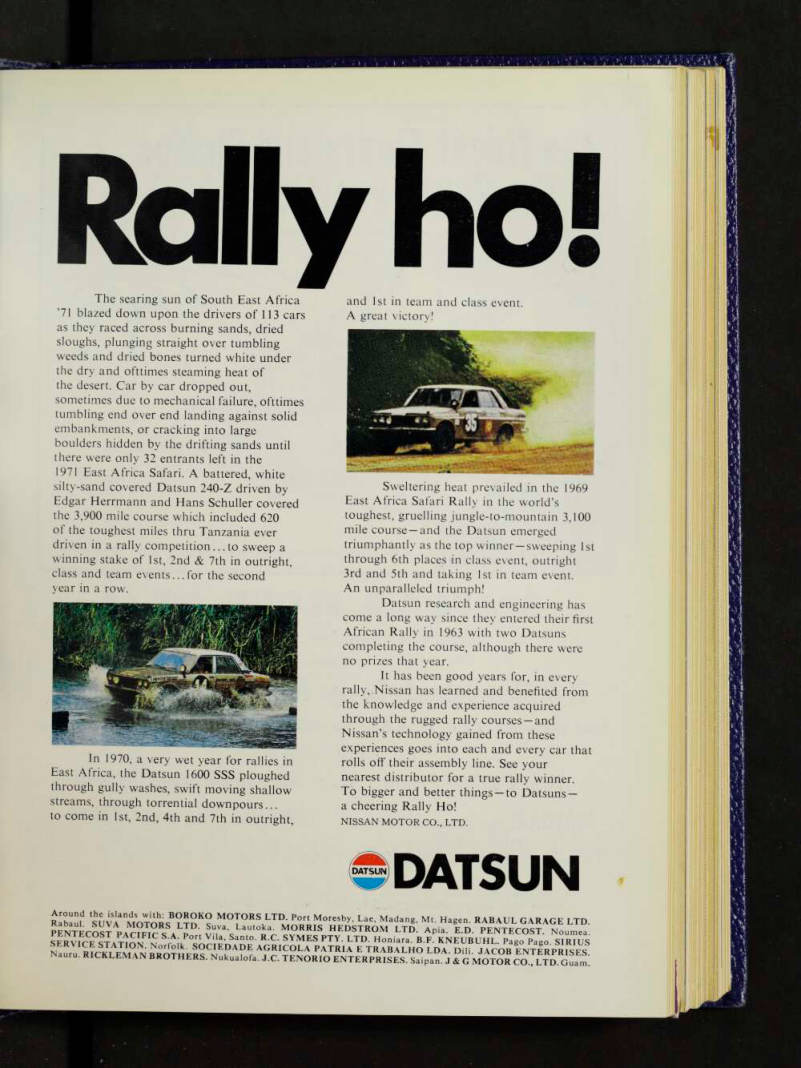 75
75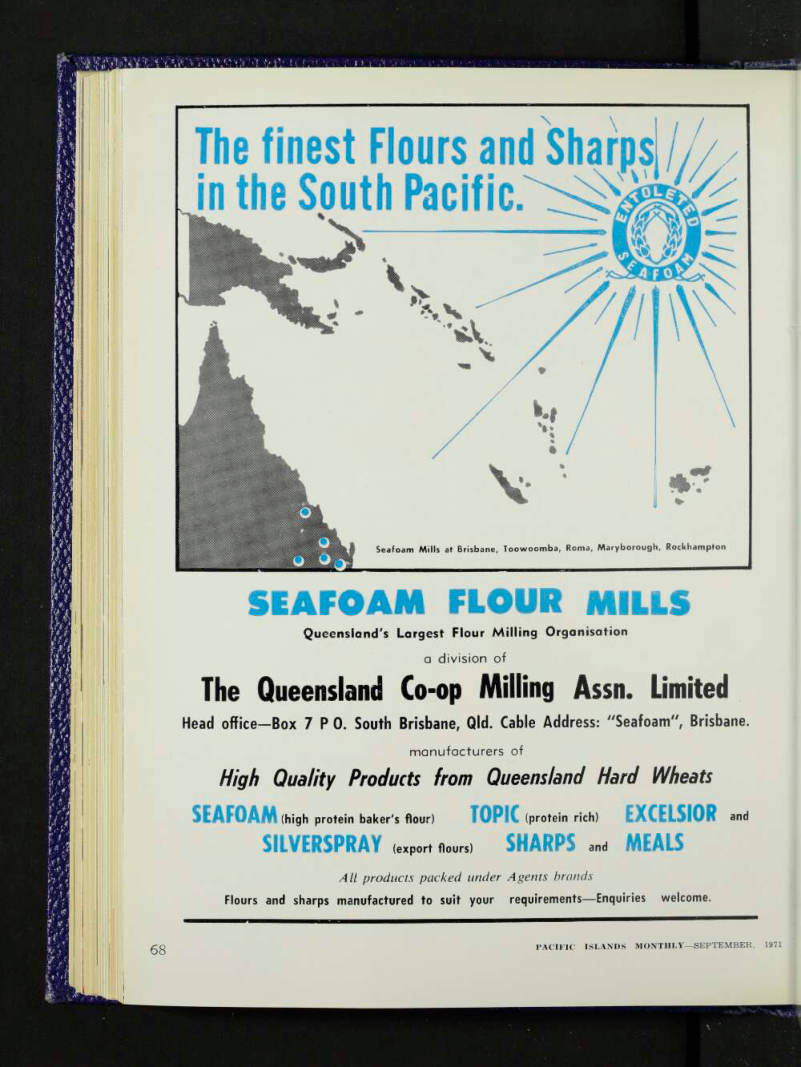 76
76 77
77 78
78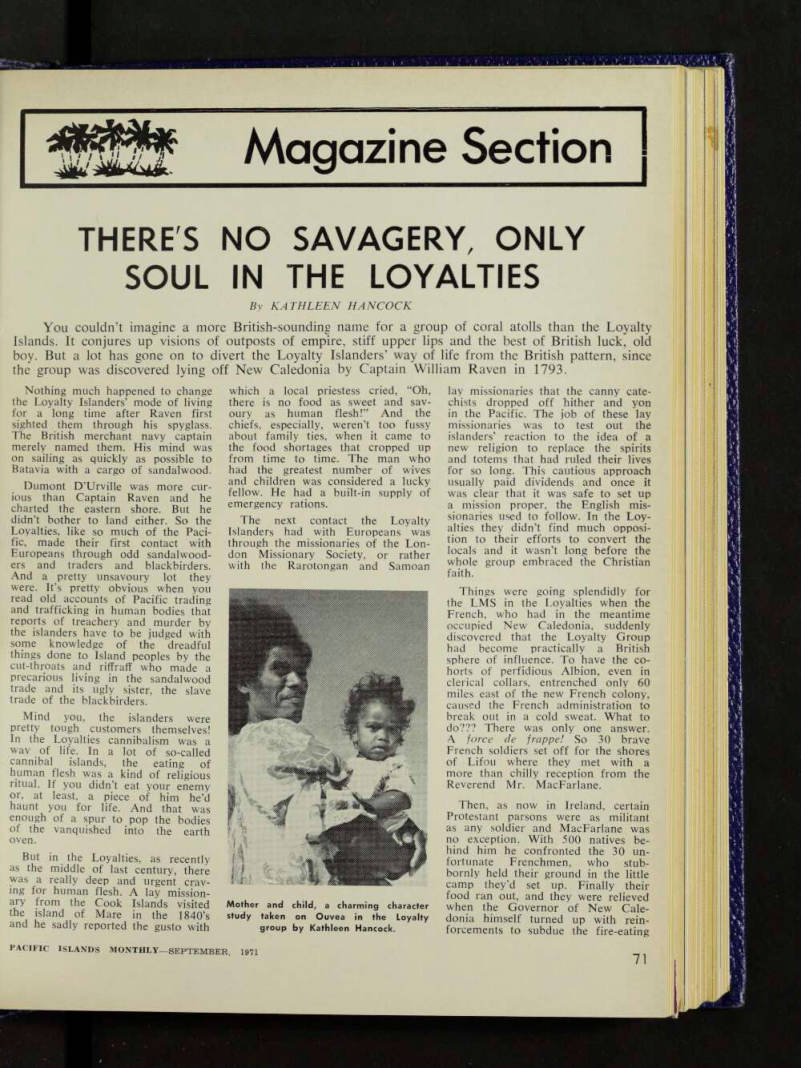 79
79 80
80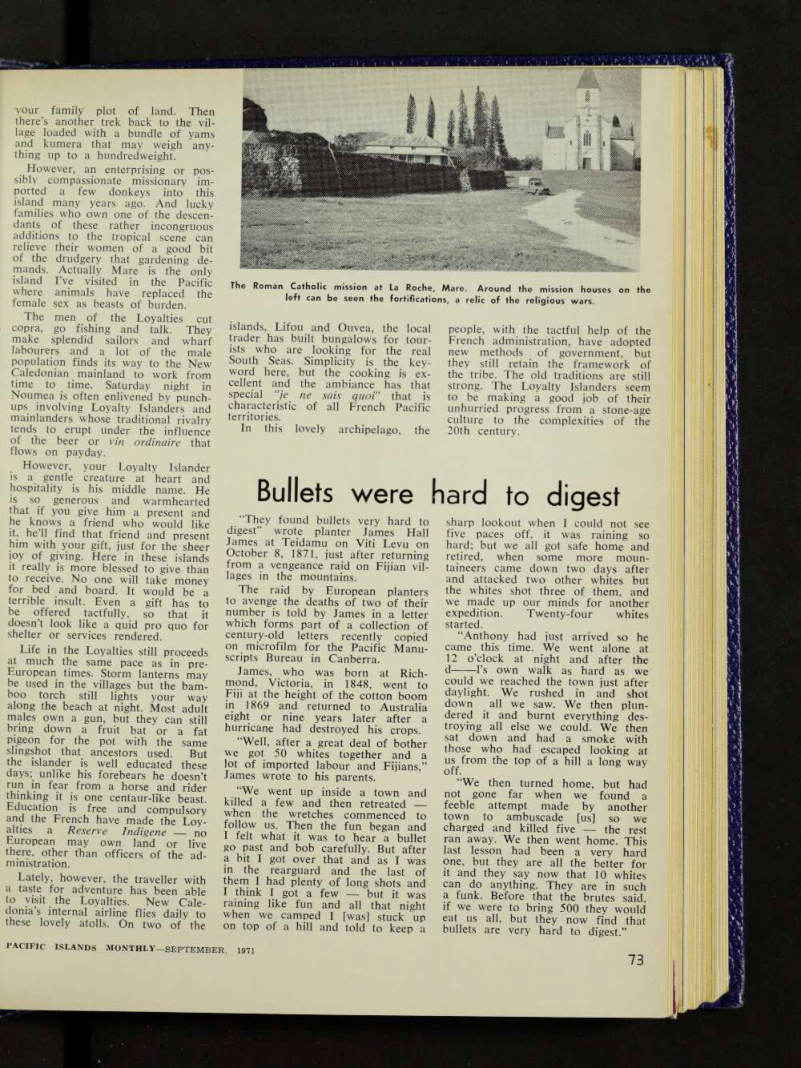 81
81 82
82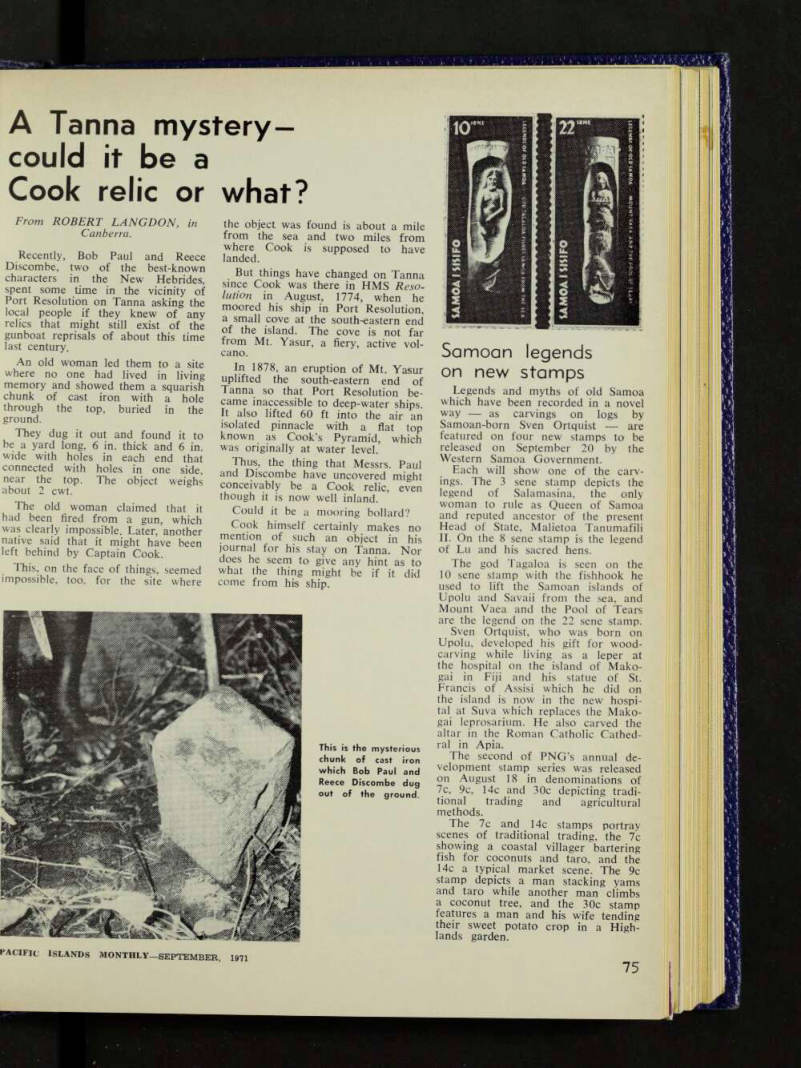 83
83 84
84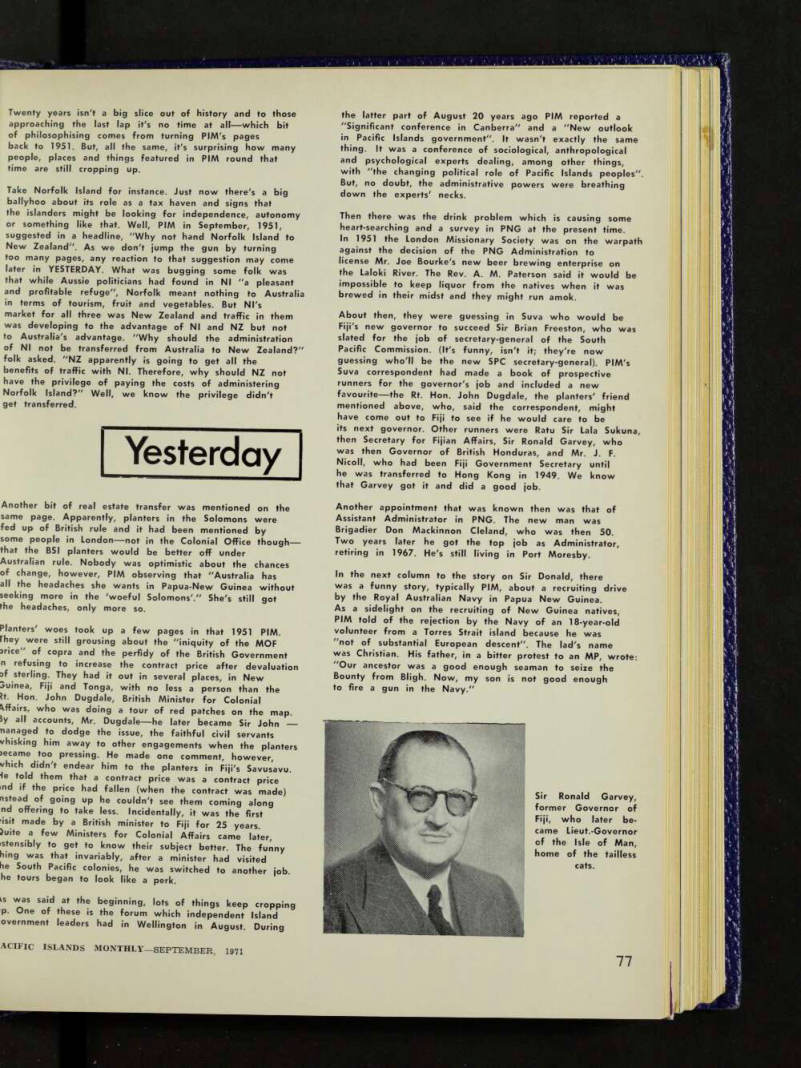 85
85 86
86 87
87 88
88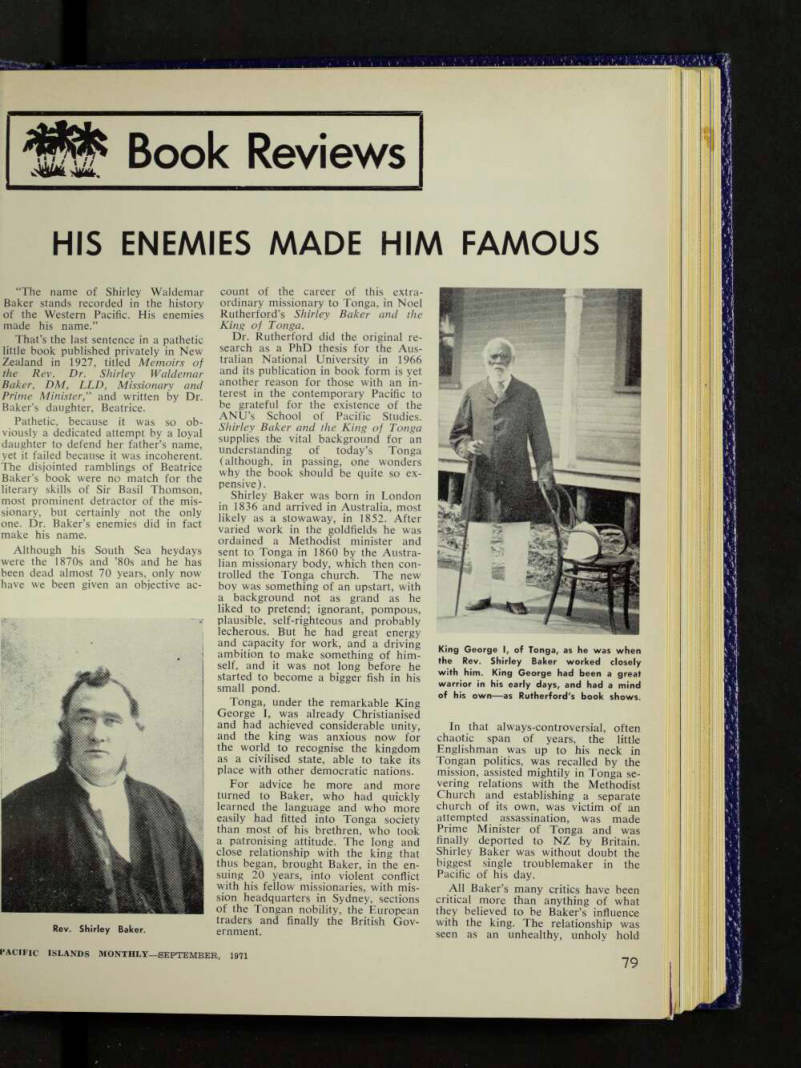 89
89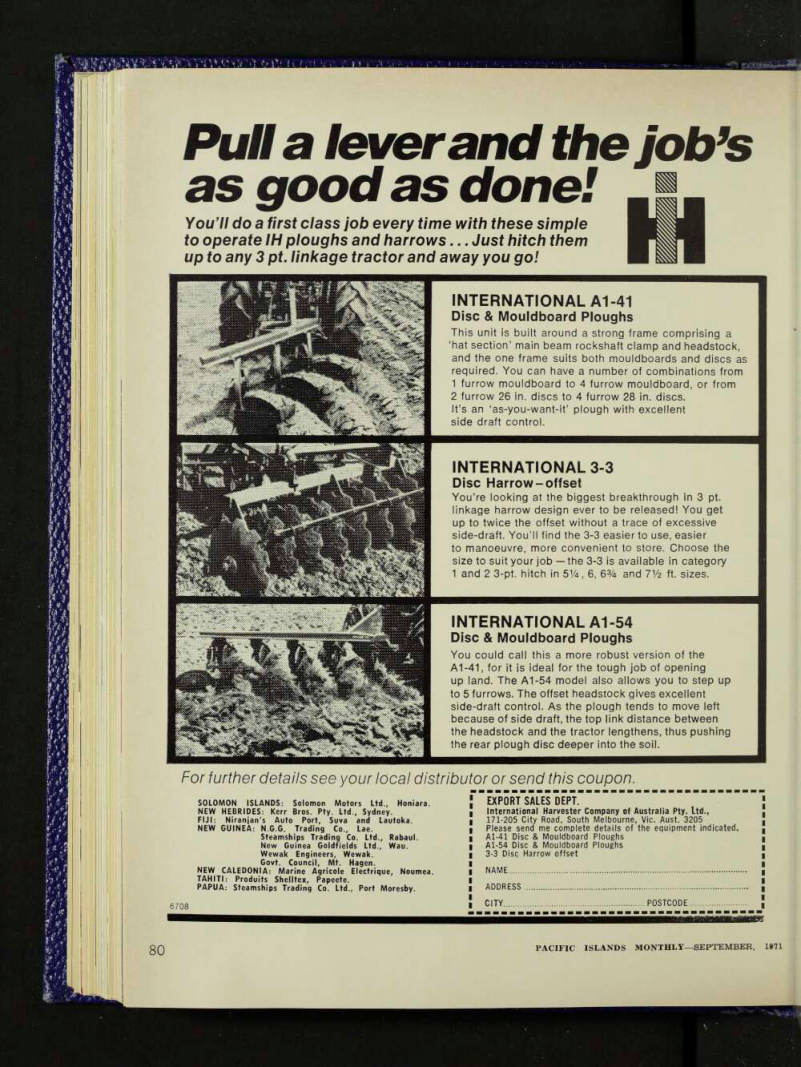 90
90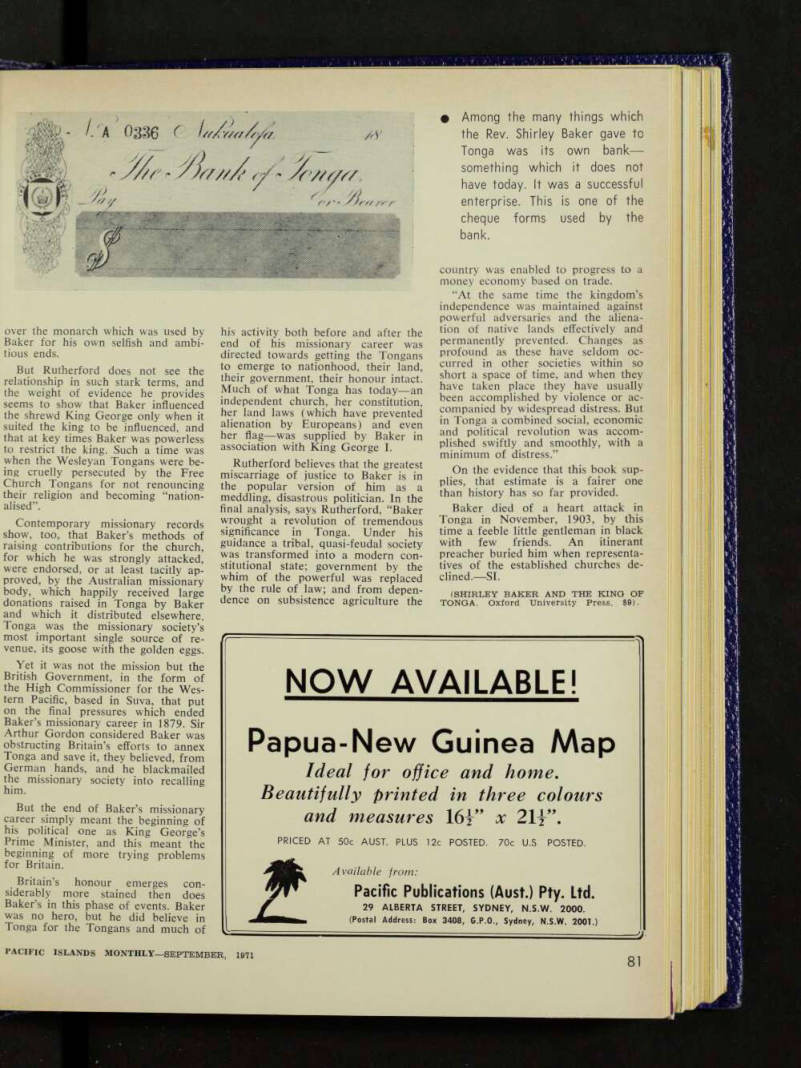 91
91 92
92 93
93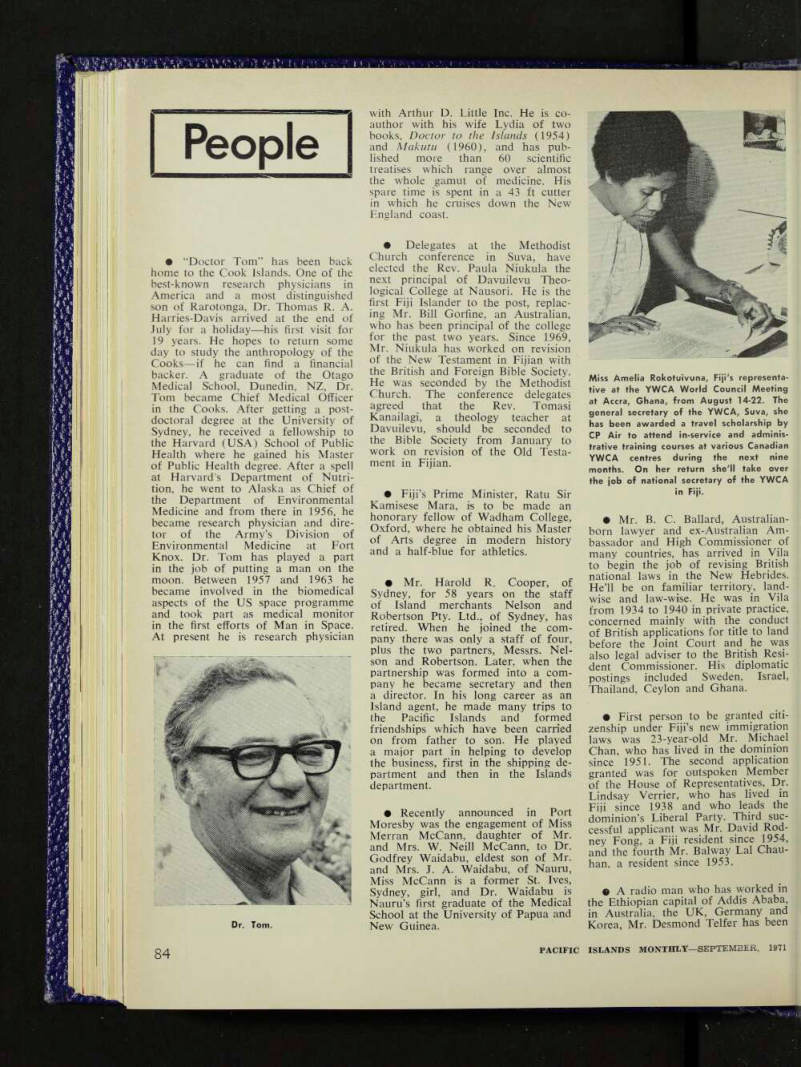 94
94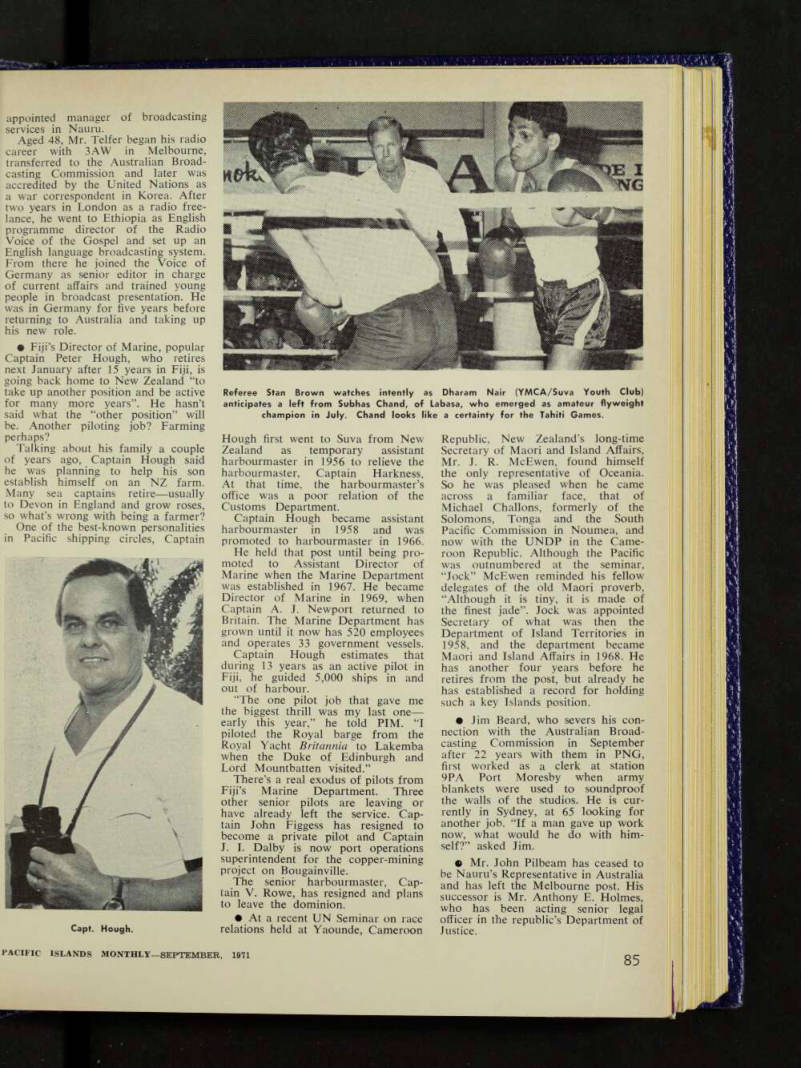 95
95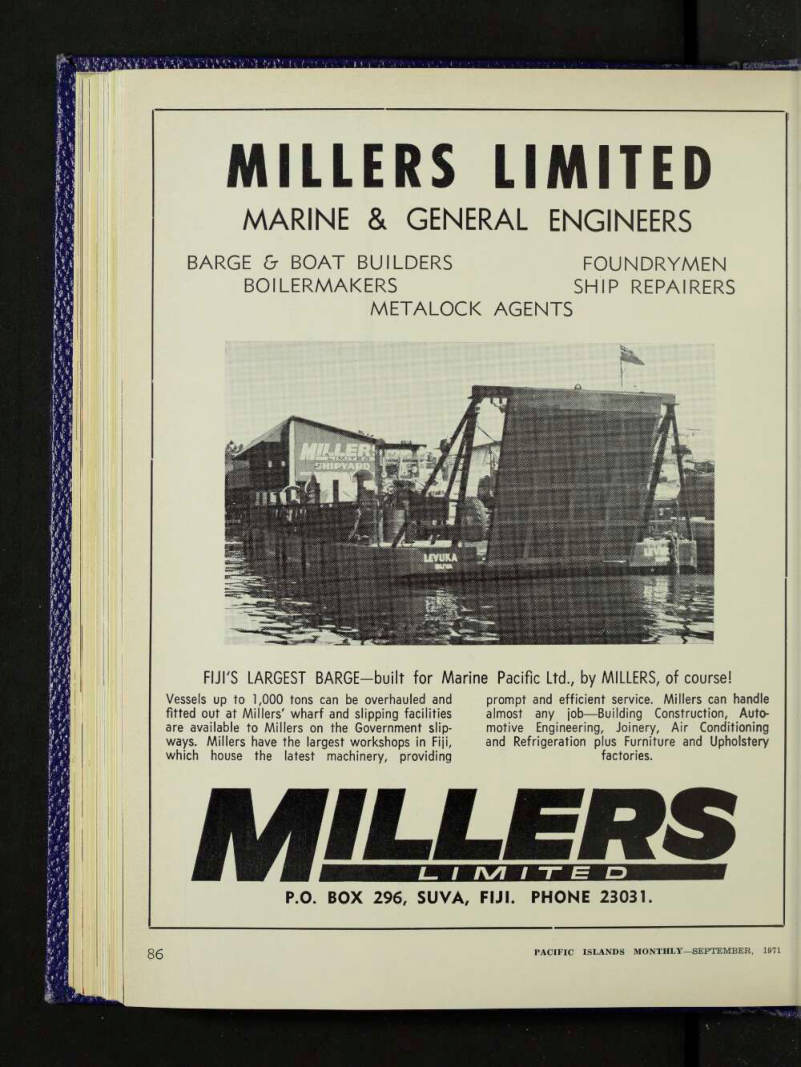 96
96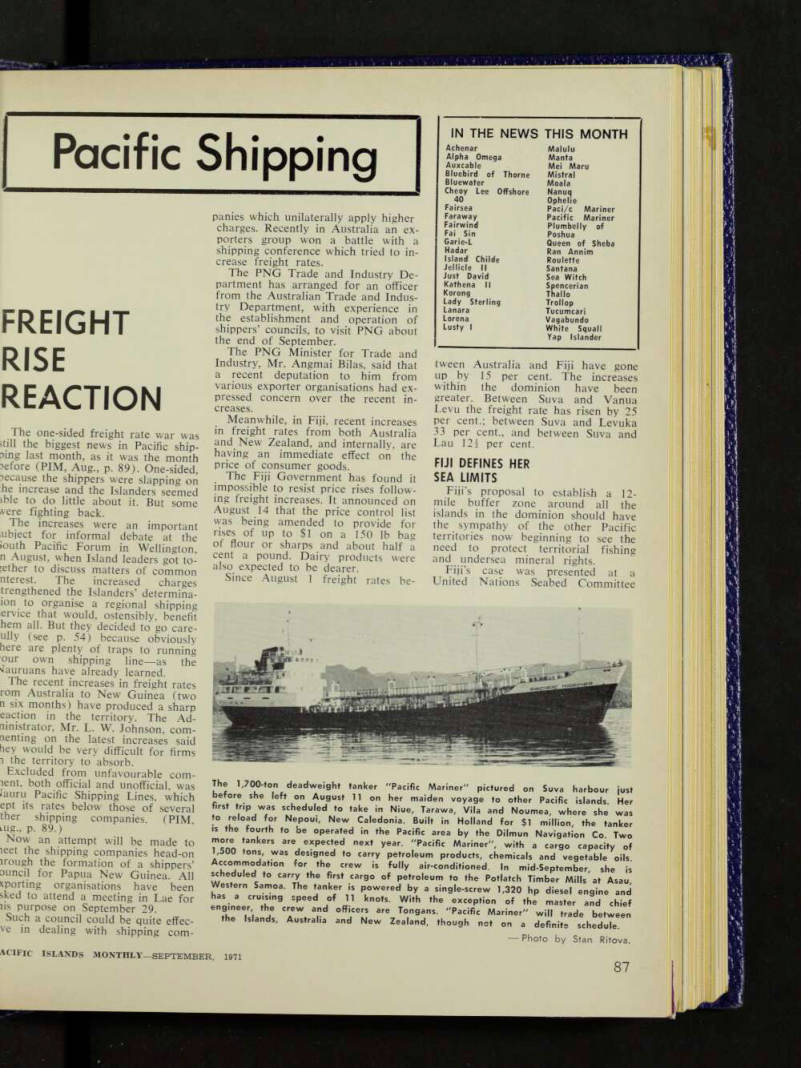 97
97 98
98 99
99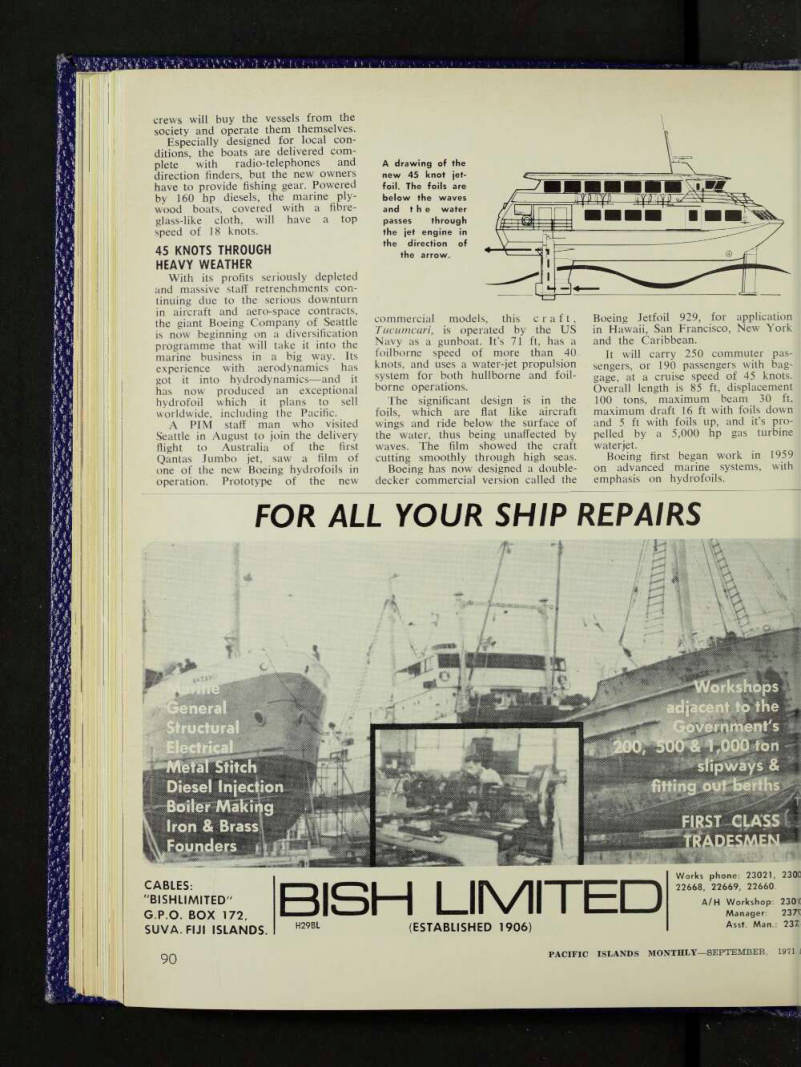 100
100 101
101 102
102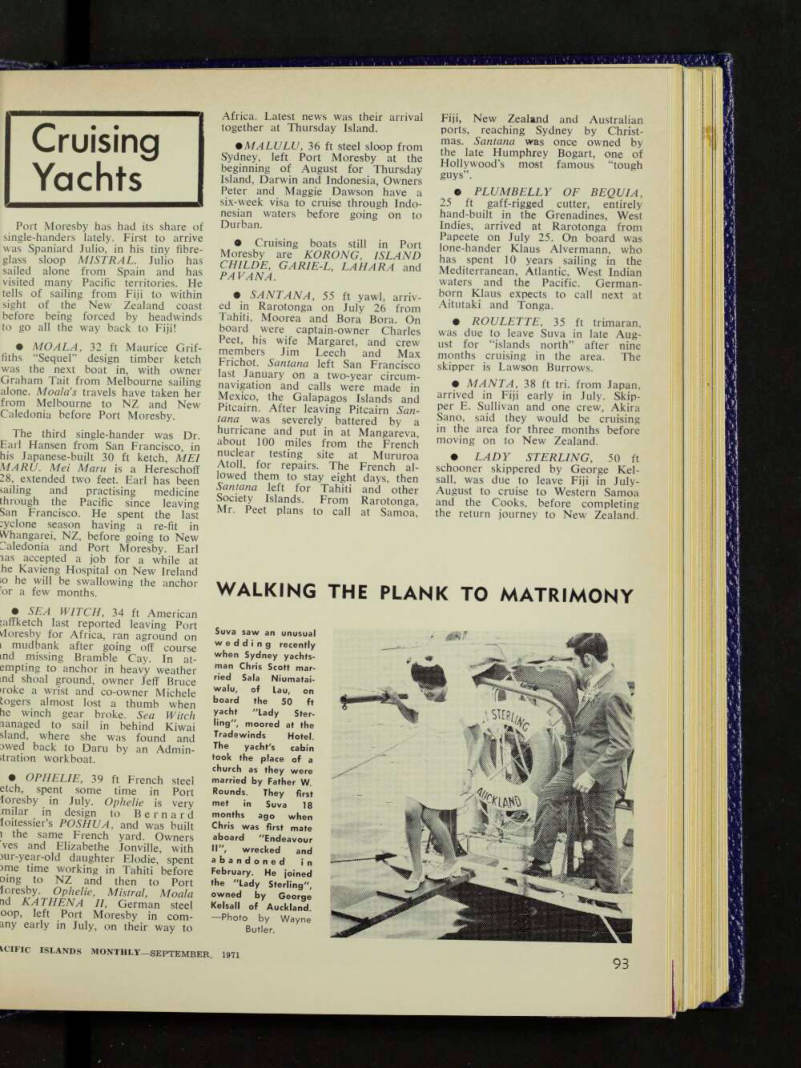 103
103 104
104 105
105 106
106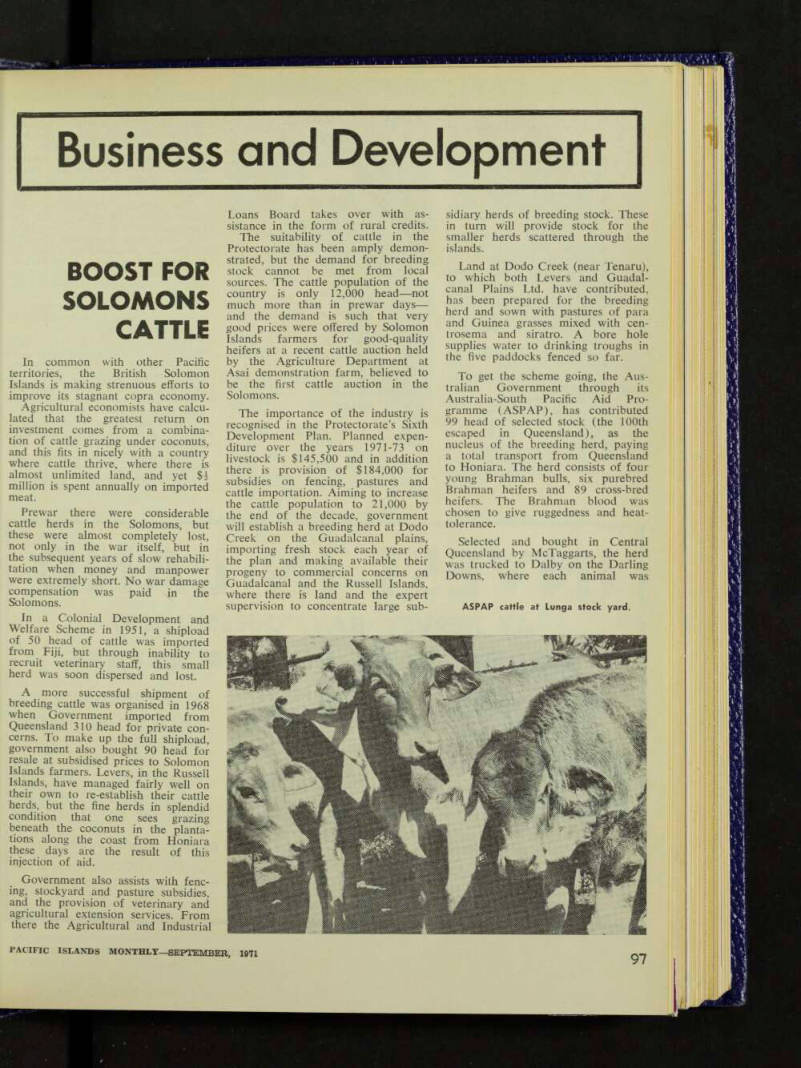 107
107 108
108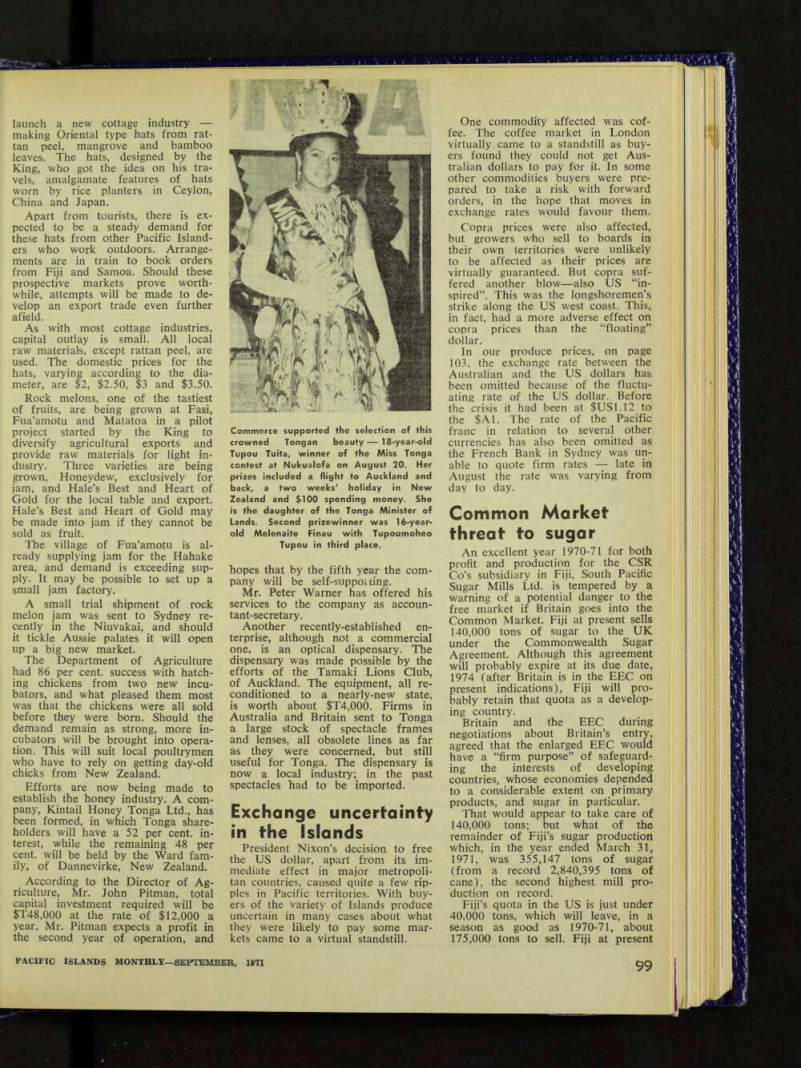 109
109 110
110 111
111 112
112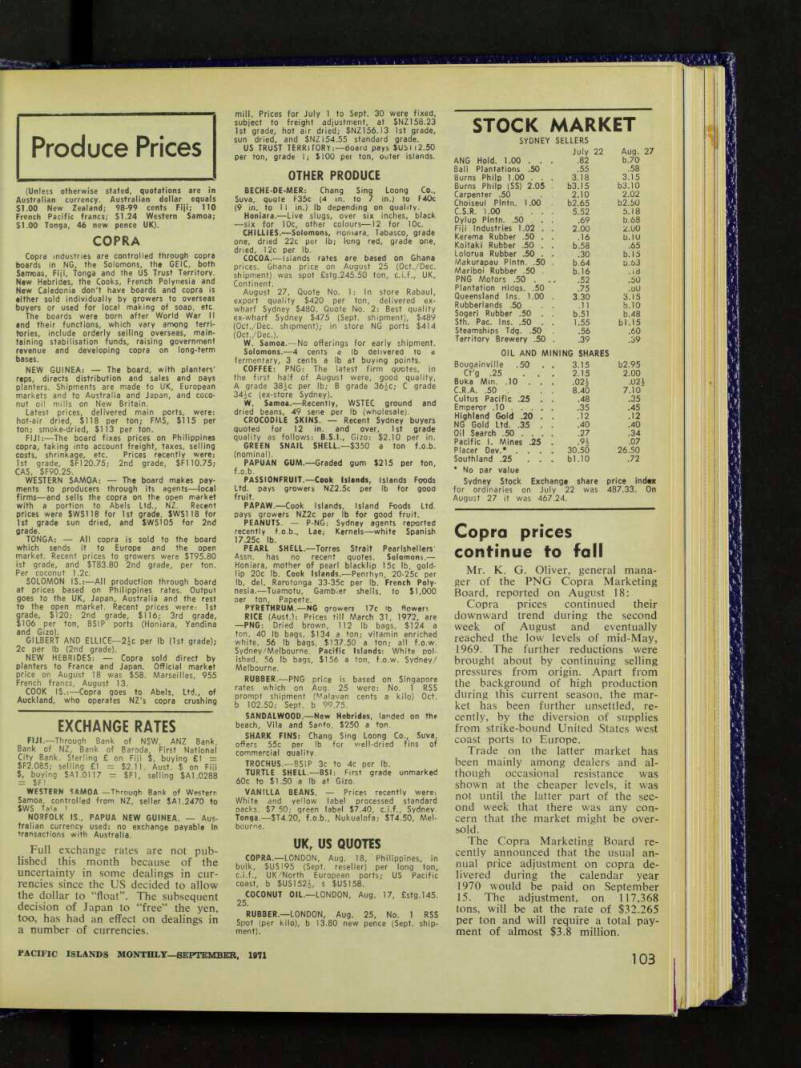 113
113 114
114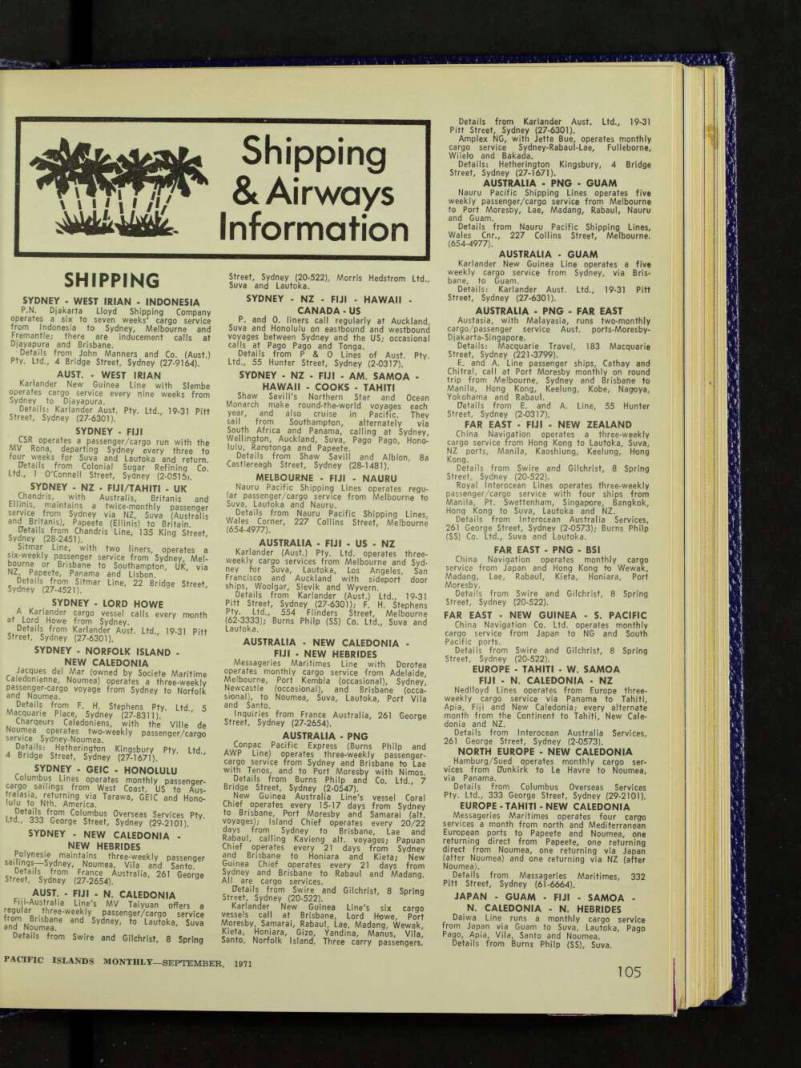 115
115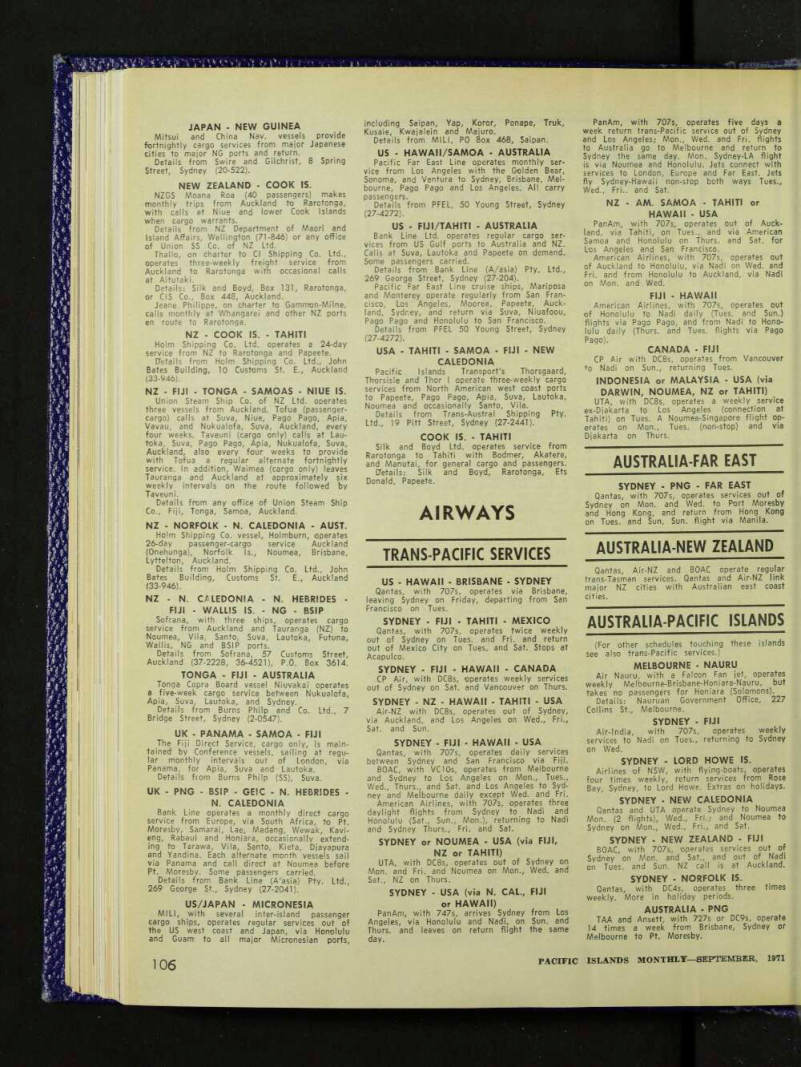 116
116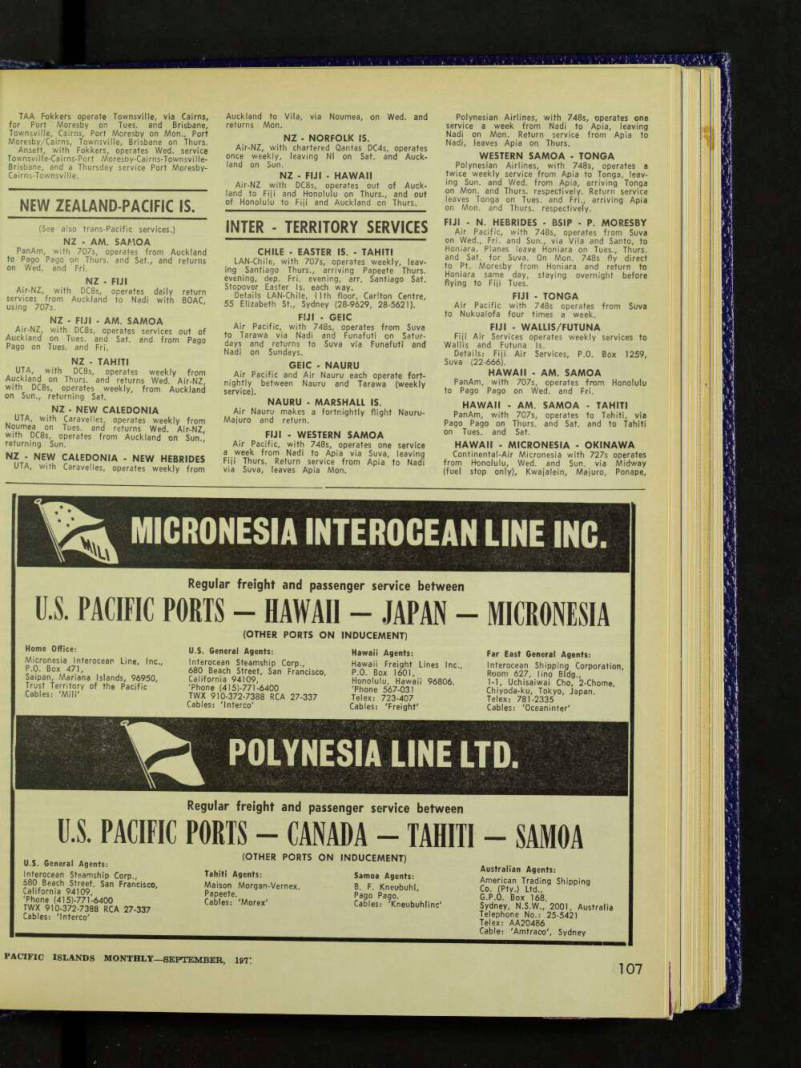 117
117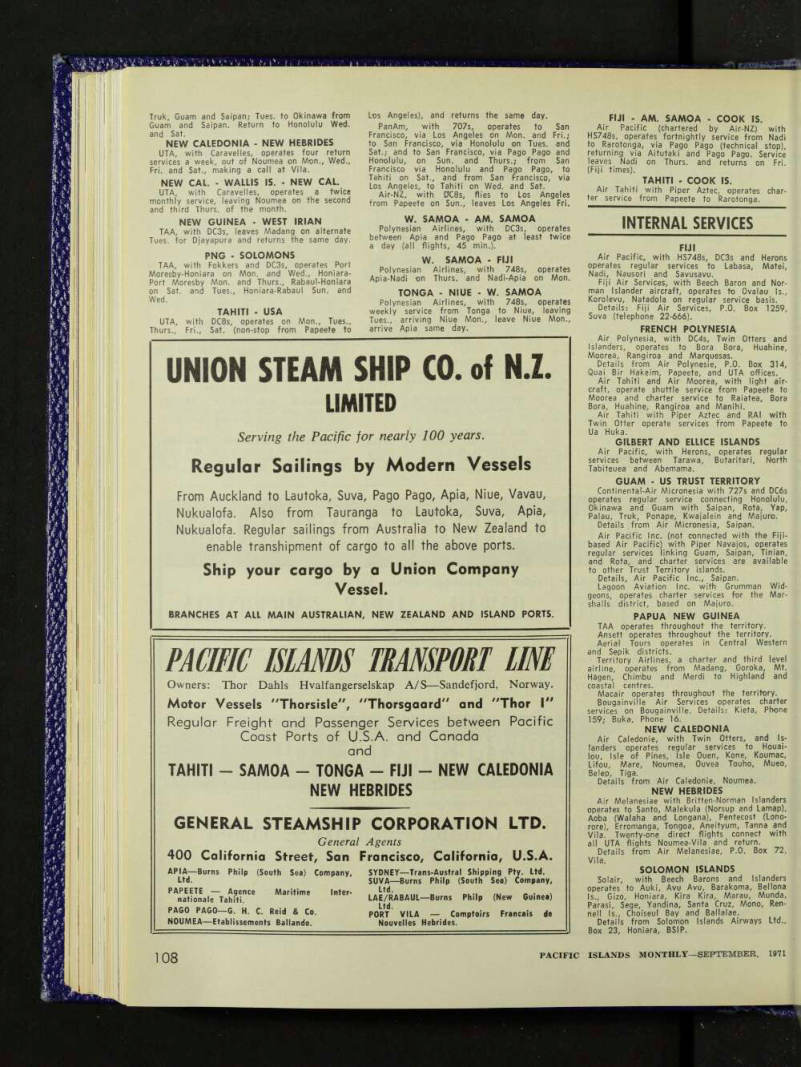 118
118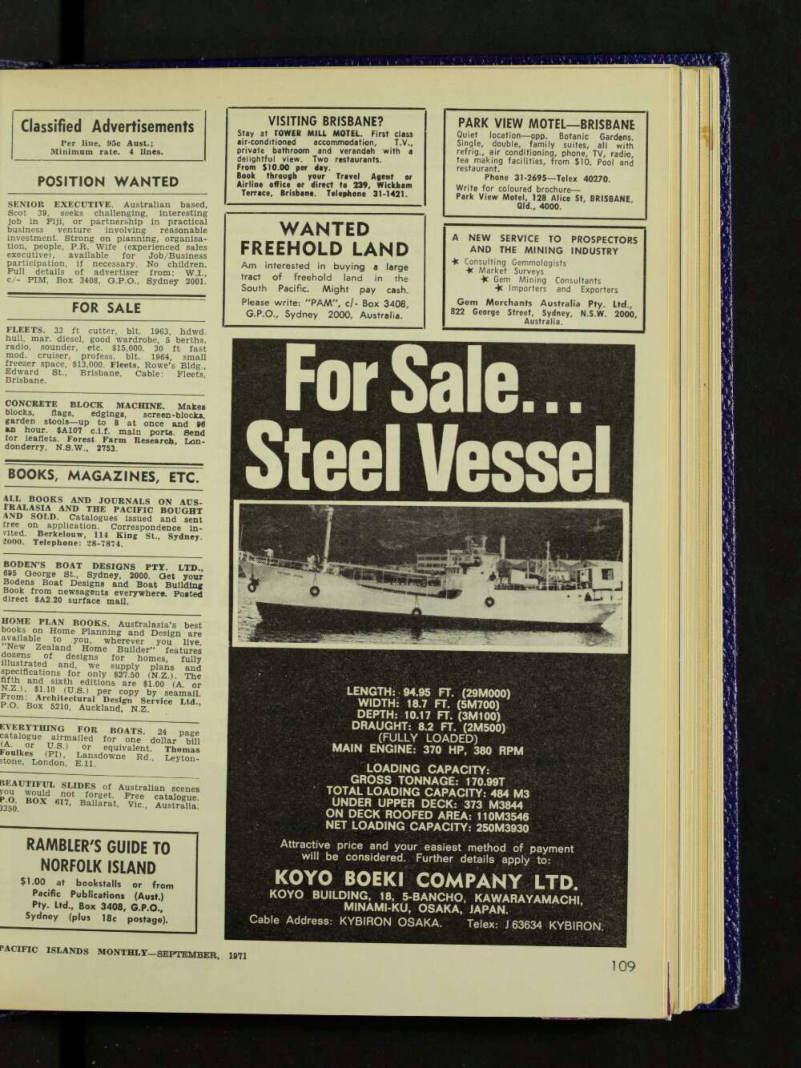 119
119 120
120 121
121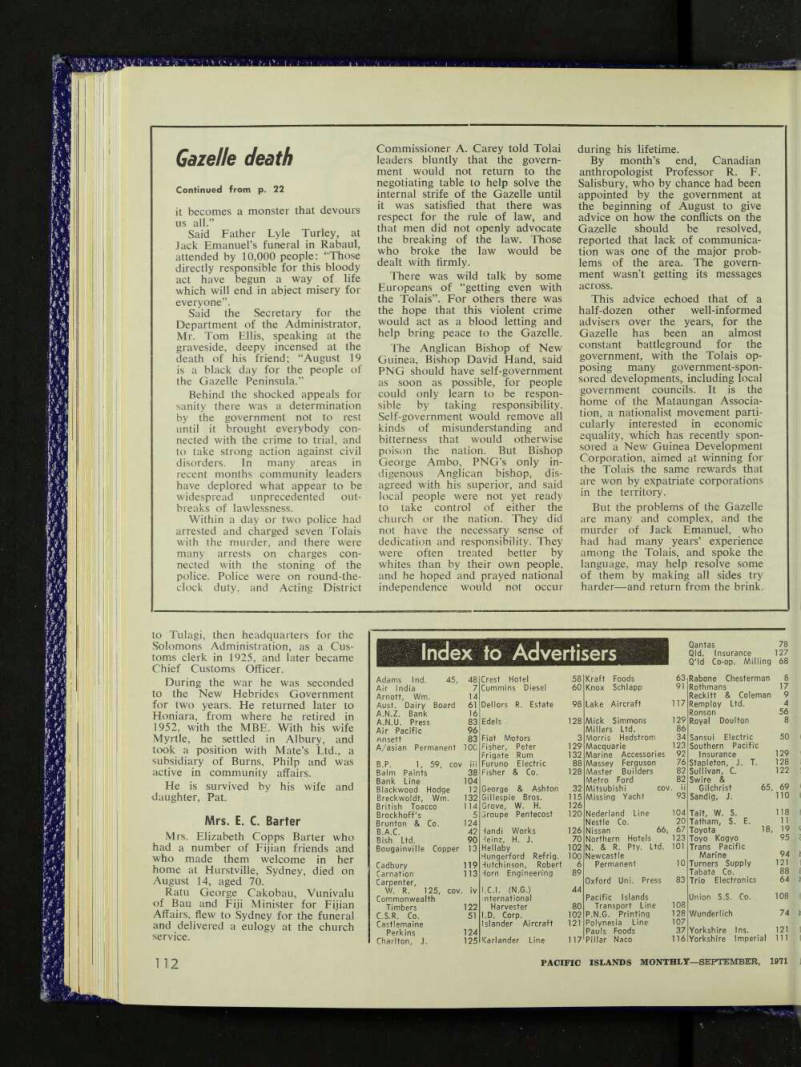 122
122 123
123 124
124 125
125 126
126 127
127 128
128 129
129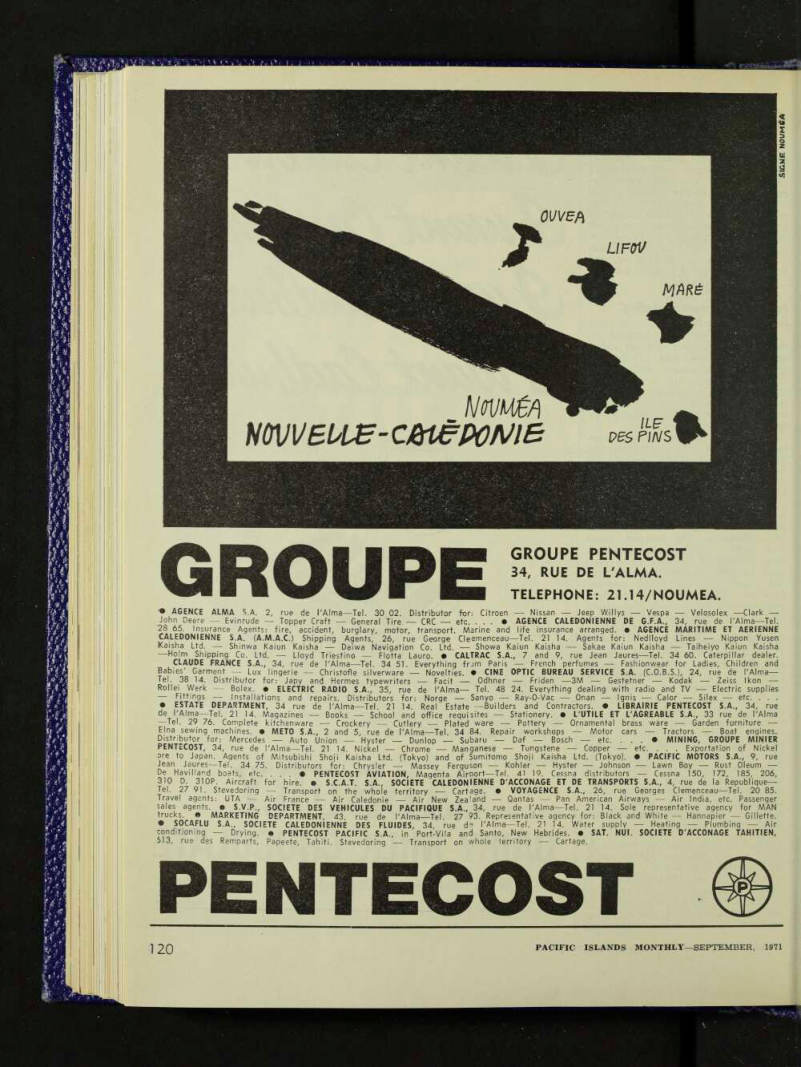 130
130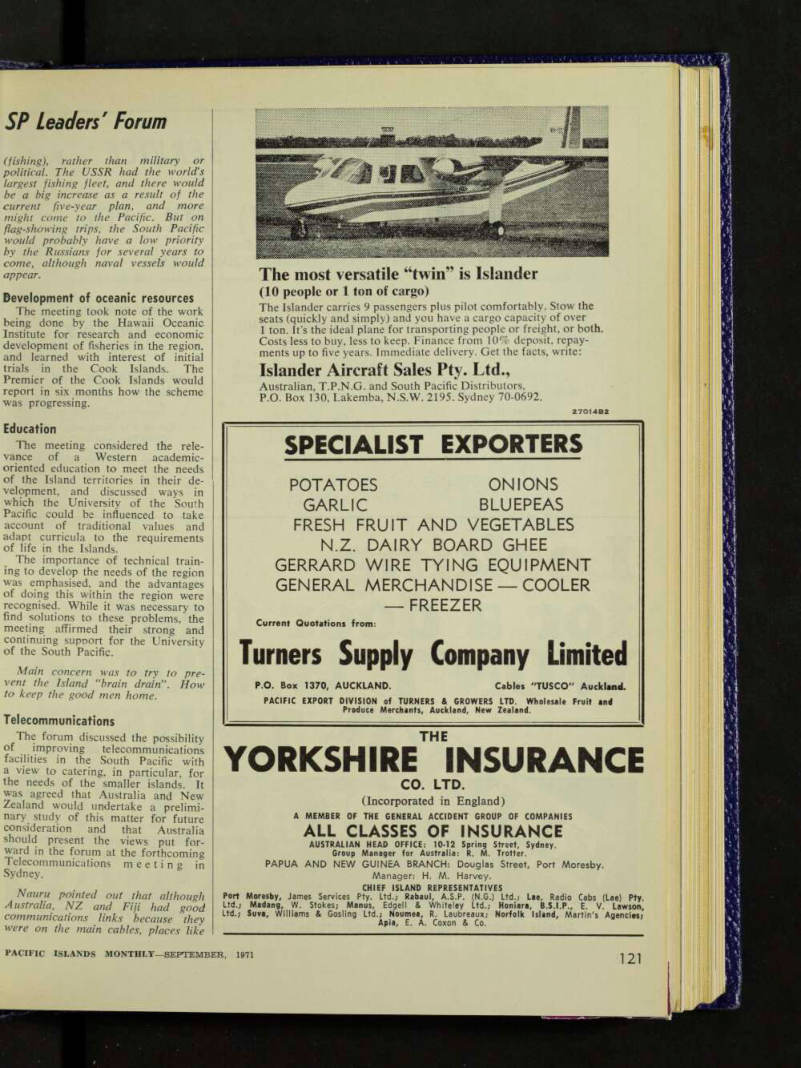 131
131 132
132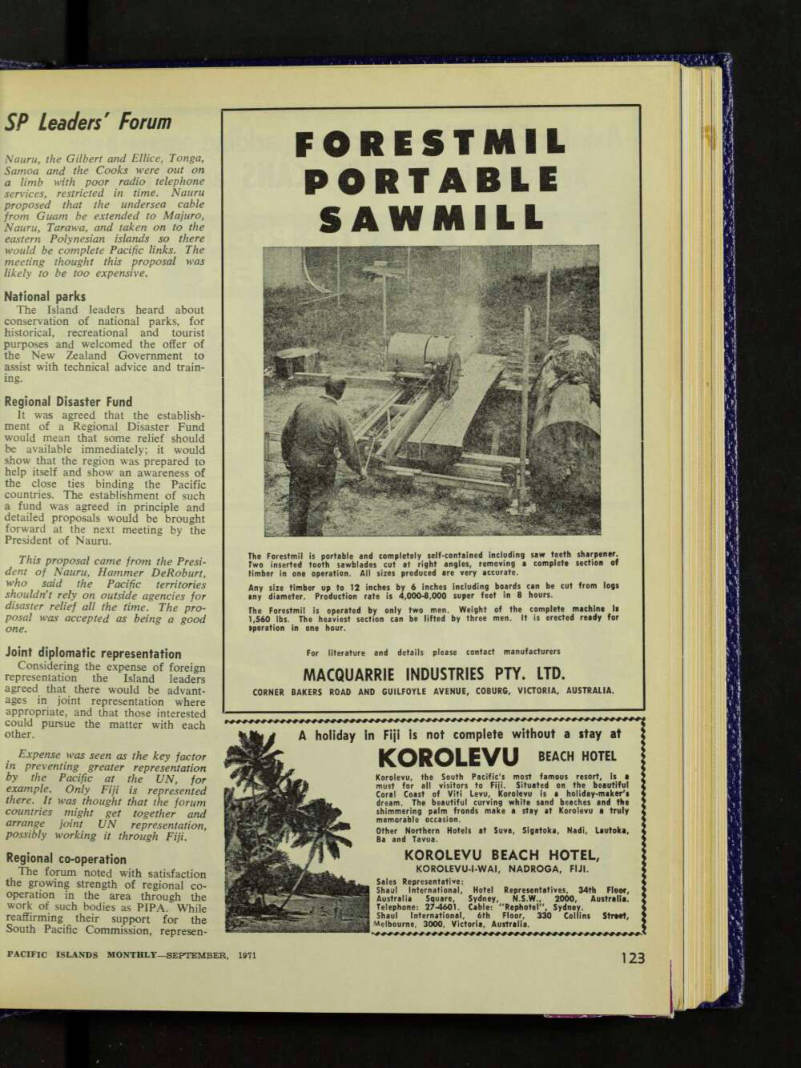 133
133 134
134 135
135 136
136 137
137 138
138 139
139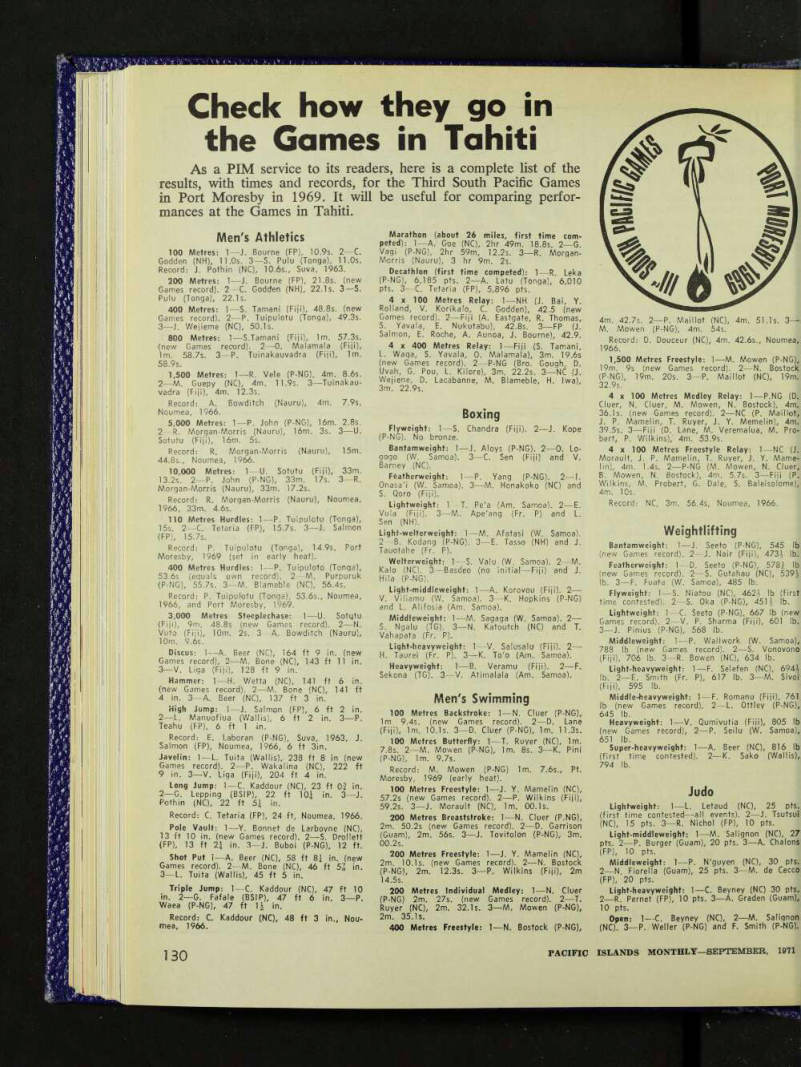 140
140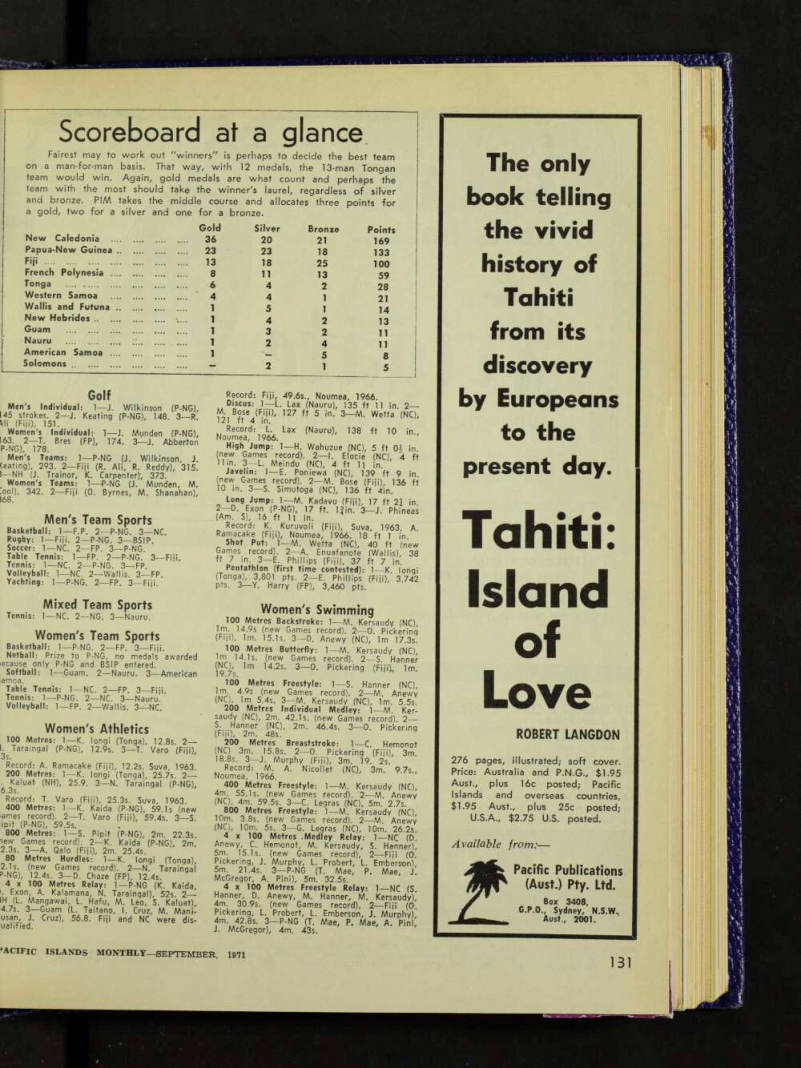 141
141 142
142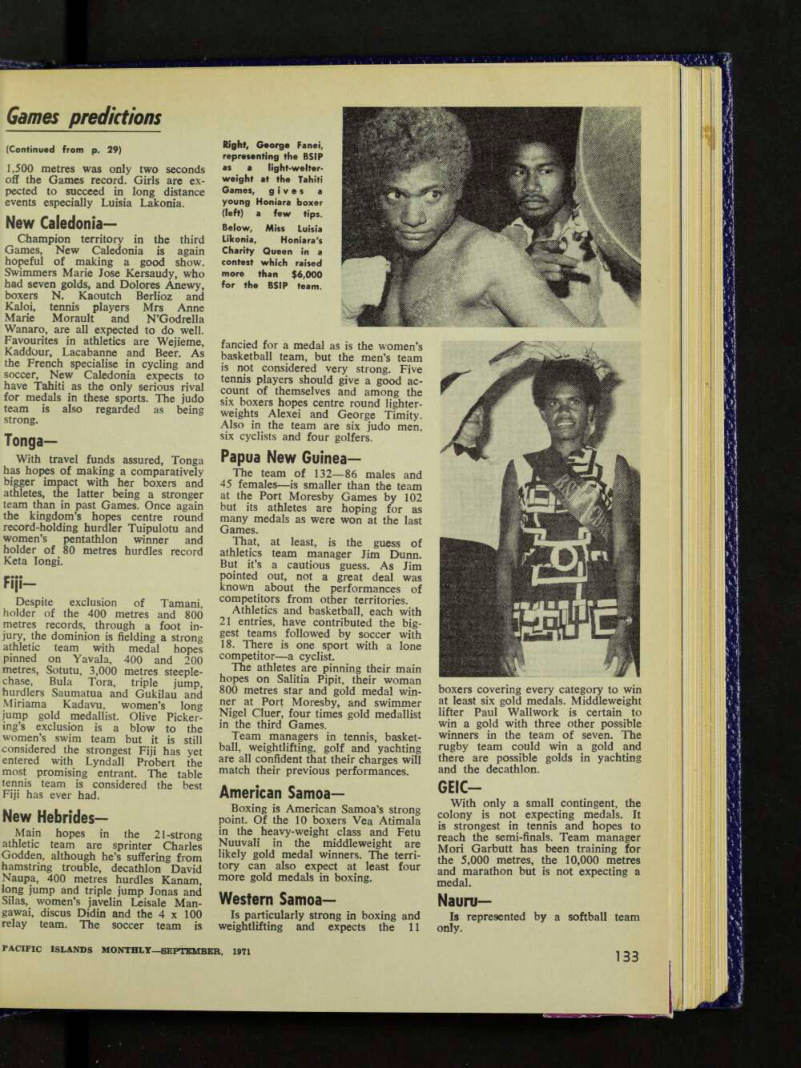 143
143 144
144 145
145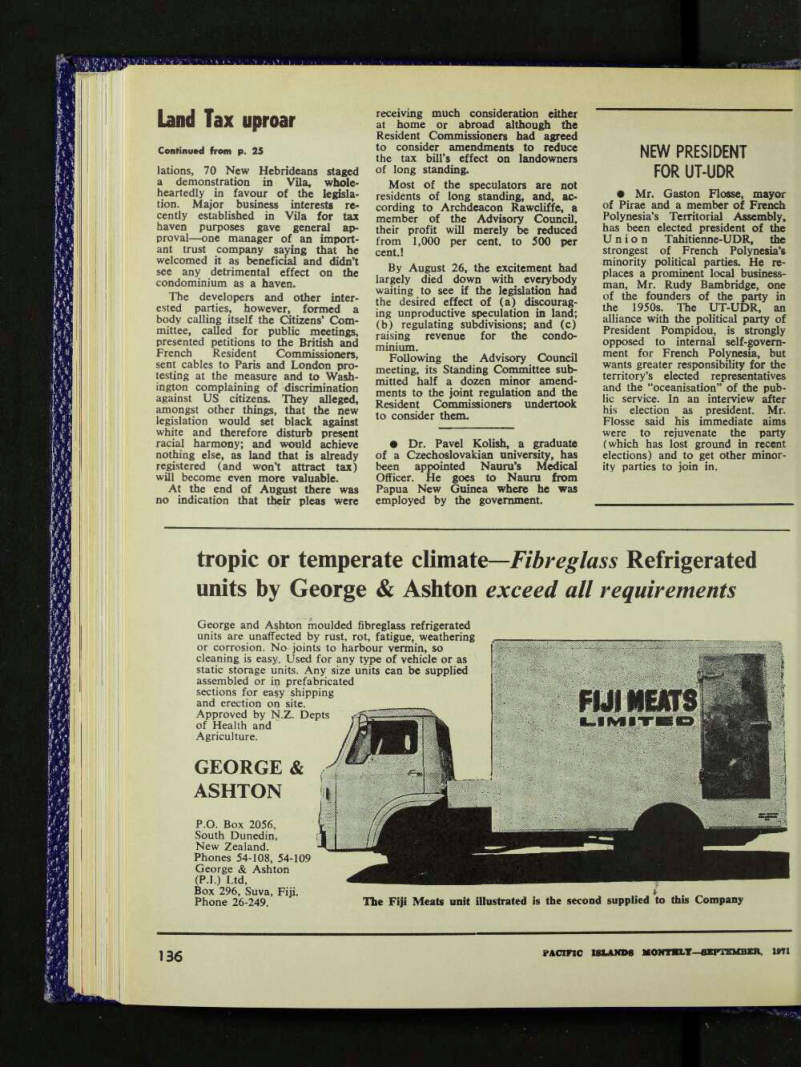 146
146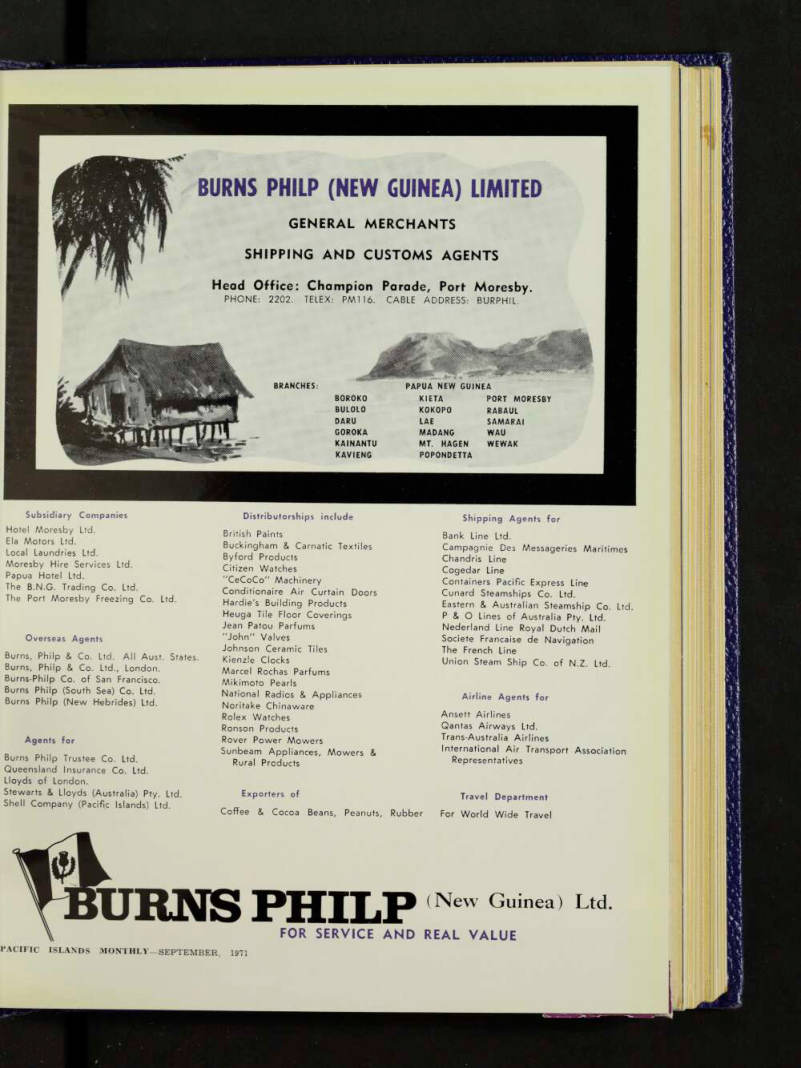 147
147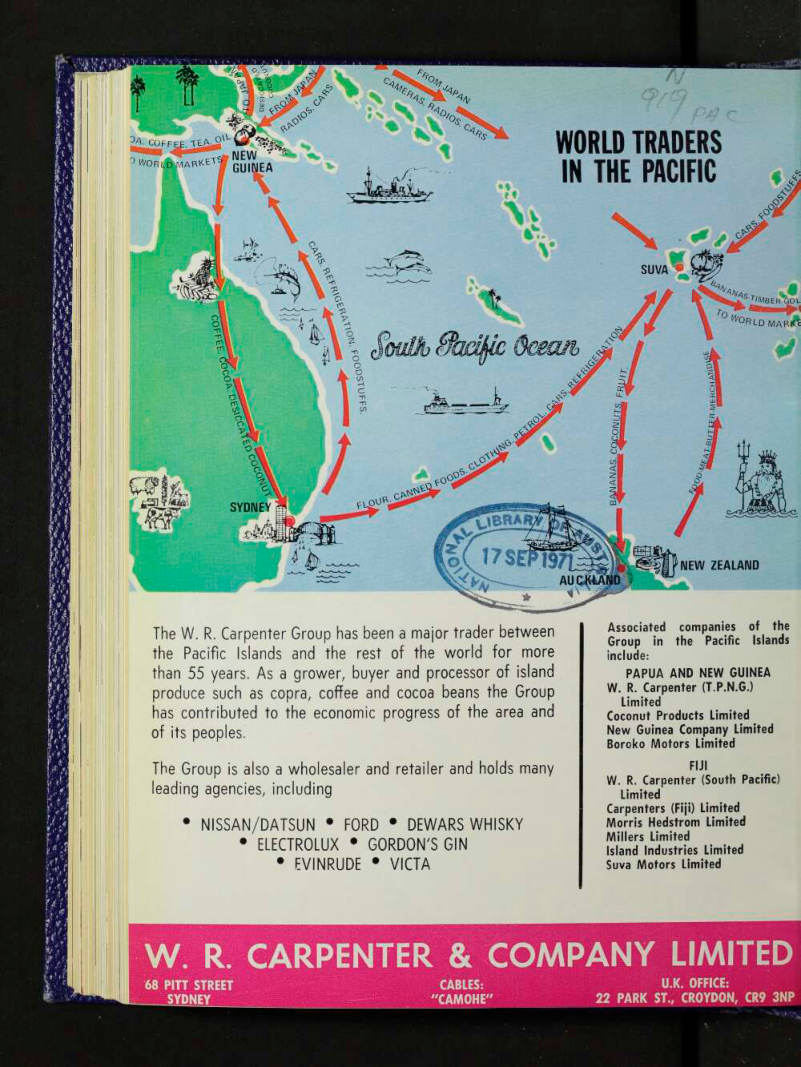 148
148