Monthly
Pacific Islands Monthly
G Taufa’Ahau Tupou Iv
The Independent
Cingdom Of Tonga
Registered at G.P.0., Sydney, for transmission by post as a newspaper.
June, 1970
News Magazine Of The South Pacific
• AUSTRALIA, 40c. • NEW ZEALAND, 45c. • U.S. PACIFIC TERRITORIES, 70c • FRENCH PACIFIC ISLANDS. 65 «« rCD A DU r nil a tin ... mhah
Advertisements & other items, pp. 2-16 (6 items)
TAA’s got you
covered.
1; ‘ m All the way from Port Moresby to Lae, Madang, Rabaul, Goroka, Mt. Hagen fifty centres in all The best connections in the Territory. More coverage of Papua/New Guinea, flying air-conditioned twin prop-jets, than any other major airline. Plus the best connections to Australia flying ‘Bird of Paradise’ T-Jets. More comfort, more flights, more places. That’s why more people fly TAA Contact your Travel Agent or TAA; Port Moresby 2101.
Lae 2311. Madang 2478. Rabaul 2567. Goroka 8. Mt. Hagen 4 or 301 Wewak 103.
TAA No.l-the friendly one
919 2267/69
i
THROUGHOUT THE PACIFIC
FUI,SAMOA,TONGA, NIUE Is, NORFOLK IS.
BURNS PHILP
(SOUTH SEA) CO. LTD.
REGISTERED OFFICE: SUVA, FIJJ[
TELEPHONE NO: 22661
TELEX NO: FJ1127
Code Address: "BURNSOUTH'
SHIPPING AGENCIES
The New Zealand Shipping Co. Ltd.
Shaw Savill & Albion Co. Ltd.
Blue Star Port Line (Management) Ltd.
Bank Line Ltd.
General Steamship Corporation Ltd.
Compagnie des Messageries Maritimes Royal Interocean Lines Daiwa Navigation Company Ltd.
Sitmar Line Flotta Lauro (Lauro Lines) Australasia Pty. Ltd.
Tonga Shipping Agency.
EXCLUSIVE
DISTRIBUTORSHIPS
INCLUDE
Akai Taperecorders Dunlop Products Hitachi Electronics Holden Motor Vehicles Rolex Watches Revlon Cosmetics Pentax Cameras Ferguson Tractors Olympic Tyres Penfold Wines
AGENTS FOR
Queensland Insurance Co. Ltd.
Burns Philp Trustee Co. Ltd.
Shell Company (P. 1.) Ltd.
Bureau Veritas
ASSOCIATED COMPANIES
Burns Philp (New Hebrides) Ltd.
Automotive Supplies Co. Ltd.
Corrie & Co. Ltd.
Wrought Iron and Steel Construction Co. Ltd.
Bish Ltd.
SPECIALISED SERVICES
Expert advice on Shipping; Forwarding; Customs formalities; Insurance.
COMPLETE TRAVEL
SERVICE
accredited agents for the
INTERNATIONAL AIR
TRANSPORT ASSOCIATION
OVERSEAS AGENTS: SYDNEY • LONDON • SAN FRANCISCO
Qrnott's/«” Biscuits
in triple wrapped, tropical packs
99 Arnott’s SCOTCH FINGER Biscuits.
A butter-rich, chunky biscuit with the true flavour of shortbread. * Arnott’s SALTINE Biscuits.
Light, tangy, crisp cracker biscuit. . . perfect with salads, cheese, soup or eaten plain.
It m Biscuit
POUND
half Arnott’s CHEESE JATZ Biscuits.
Crisp cracker biscuit with a fine cheese flavour perfect for entertaining.
Arnott’s MILK ARROWROOT Biscuits.
A wholesome, nourishing biscuit especially suitable for children, but a favourite with all the family.
Arnott’s SAO Biscuits.
A light, crisp cracker biscuit. .. delicious with butter and cheese, ham, jam or other spreads. \X\O
Montf
Arnott’s MONTE CARLO Biscuits.
Crisp short biscuits, flavoured with pure honey and coconut, sandwiched with vanilla cream and raspberry jam. £. n
SHBE DDEDjHOTMm
Arnott’s SHREDDED WHEATMEAL Biscuits.
A wholesome biscuit with the nutty flavour of crunchy whole wheatmeal.
Delicious plain or buttered.
U
M ICE
cf.
Arnott’s NICE Biscuits.
A sweet plain short-texture biscuit sprinkled with fine sugar. Popular for morning tea.
There is no Substitute for Quality
%* i \ % Li r i v . * *« i ■*r u.: it
lUI
* i Which one is the new Akai M-10?
They all are!
We get carried away every time we turn one on.
Ten years ago we introduced the “Big M“ series.
Since then, thanks to you, these fine stereo tape recorders have sold as fast as they could be produced.
The new M-10 is the finest of the series. Features include AKAI's world famous cross-field head system, 3-speed direct drive capstan hysteresis synchronous motor, separate torque motors and continuous automatic tape reverse.
These coupled with a 40 watt all solid state amplifier, give exceptionally wide frequency response with negligible distortion and extremely low wow and flutter.
The M-10 can be used with its own inbuilt loudspeakers or with your choice of external speakers. Ask to see the AKAI range.
The M-10 is available in either oiled wood or vinyl cabinets.
AKAI
AUSTRALIA: AKAI Australia Pty. Ltd., 276 Castlereagh St., Sydney, N.S.W. NEW ZEALAND: G. Glausiuss Coy, P.O. Box 640, Christchurch SUVA: Burns Philp South Sea) Co., Ltd. LAUTOKA: Burns Philp (South Sea) Co., Ltd. SAMOA; Burns Philp (South Sea) Co., Ltd., Pago Pago, American Samoa/Burns Philp (South Sea) Co. Ltd., Apia Western Samoa NORFOLK ISLANDS; Burns Philp (South Sea) Co., Ltd., Norfolk Island, South Pacific NEW HEBRIDES; Burns Philp (New Hebrides) Ltd. Port Vila/Burns Philp (New Hebrides) Ltd., Santo NEW CALEDONIEA; “Menard Freres”, P.O. Box 123, Noumea BRITISH SOLOMON ISLANDS; Mendana Enterprises (Solomon Island) Ltd P O Box 12, Honiara, 8.5.1. P. NAURU; Nauru Co-operative Society COOK ISLANDS: N.T. Napa (Avarua) Ltd., Rarotonga TAHITI: Ets. Comimpex., P.O. Box 200, Papeete PAPUA & NEW GUINEA: S.O. Svensson (N.G.) Ltd., P.O. Box 705, Port Moresby TONGA: Burns Philp (South Sea) Co., Ltd., Nuku Alofa
A
great bunch
of flours.
Robert Hutchinson makes the greatest bunch of flours in the Pacific. Bakers’ flour.
Superlite cake and sponge flours.
Biscuit flour and cracker flour.
Wheaten sharps and wheaten meal.
We’re particularly proud of our bunch of flours. So we have a technical advisory service to help you use them properly.
So next time you see a Robert Hutchinson flour (or even one of our Hutmill stock feeds), remember it’s just one of the bunch.
ROBERT
HUTCHINSON
LIMITED
the flour people
Hartington Street, Glenroy, Victoria, Australia. 3046. Telephone Melbourne 306 7261
W A &
SOME OF THE FIRMS
WE REPRESENT ARE:
A. W. Allens (Confectionery) Sunshine Biscuits Sunrise (Confectionery) Flamenco (Instant Coffee) Cremota (Quaker Oats, Jets Pet Foods) Merchants (Canned Soft Drinks) Lunchtime (Honey) South Pacific Canneries (Scallops, Abalone) Safcol (Canned Tuna, Salmon) Hancock's (Spaghetti, Cereals) Melbourne Canning (Jams, Bleach) Water Wheel (Flour, Sharps, Wheat) General Food Corporation (Twisties, Twirlies) Edward Zorn (Margarine, Cooking Fats) Robert Timms (New Guinea Gold Coffees, Teas) Rodd (Cutlery) Nylon Palm (Mattresses) Esteel (Cookware) Vendolux (Cafe Bars) Mitchell's (Abrasives) Regent (Swiss Watches) Gainsborough (Furniture) Tamco (Melanie Crockery, Hardware) Elmaco (Plastic Household Goods, Electrical Fittings) Brownbuilt (Pre-Fabricated Houses) Ryline (Fluorescent Lights) Jex (Steel Wool) Austramax (Pressure Lamps) Preservene (Soap Products) Charles Tims (School Requisites) Ascow and Philadelphian (Shirts) Lawn Chair and Tubco (Garden Furniture) Sunrise Lustretone (S.S. Sinks, Plumbers' Supplies) Electronic Industries (Electrical Household Appliances)
S. E. TATHAM
& Co. Pty. Ltd.
MELBOURNE, AUSTRALIA
G.P.O. Box 8, Cables “SET”
Telephone 60-1125
EXPORT AGENTS
PACIFIC ISLANDS
AGENTS
Australian buying and shipping agents for the Gilbert and Ellice Islands Colony Wholesale Society
DIRECT ENQUIRIES WELCOMED
1 % i 1 1 Associate Company
S. E. TATHAM (FIJI
Suva, G.P.O. Box 671.
Lautoka, P.O. Box 366.
LTD.
SINCE 1924
"Km can
tell a Steggies
new butterball chicken
to go baste itself .
M
JIEWI
53
wTTEISBi^
SELF BASTING
CHICKEN
T
(and it will —to perfection)
What is Butterball? An exclusive Steggies method of putting just enough rich butter in the breast and thighs of prime chicken before it’s frozen. So when you bake it, the butter melts and bubbles up through the skin to baste the outside.
The chicken has a better flavour and is more moist and tender than any you have eaten before. Look for Steggies yellow and brown Butterball label on new Butterball chickens, alongside Steggies regular chickens. In the freezer cabinet in your store.
Steggies: Creators of Butterball and Australia’s largest exporter of prime chicken.
Steggies Poultry (Aust.) Pty. Ltd., Beresfield. N.S.W. Australia. 5T7606
CLEAN modern SAFETY
is YOURS with LP. GAS
Electrolux
REFRIGERATORS
NOW not only do you get ELECTROLUX'S economical new cooling unit and the most modern storage providing an abundance of clean, fresh food, and a steady supply of ice cubes and cool drinks.
YOU get safety. YES the
ELECTROLUX L.P. Gas re-
frigerator has incorporated in the burner equipment a proven safety cut-off device which prevents gas escaping if the burner is accidentally extinguished.
Only ELECTROLUX
is Good Enough for You
DISTRIBUTED BY
W. R. CARPENTER & CO. LTD
and their agents NEW GUINEA CO. LTD., Rabaul, Madang, Lae, Mt. Hagen. COMPTOIR FRANCAIS DES NOUVELLES HEBRIDES, Santo, Vila ISLAND PRODUCTS LTD., Port Moresby.
MORRIS HEDSTROM LTD., Fiji, Western Samoa, Tonga.
BURNS PHILP LTD., Vila, Santo, Norfolk Island.
E. V. LAWSON PTY. LTD., Honiara.
Wunderlich materials—
set modern design trends
The trend today is for modern design —low-cost maintenance-free building materials. The answer lies with asbestos-cement manufactured and supplied by Wunderlich Limited.
The vast range of asbestos-cement products includes flat sheets for walls and ceilings—profile sheets for carports, gable ends, feature walls and garages—and corrugated sheets for roofing, walling and fencing.
Construction of economical flats, home units and residences demands modern design trends —in asbestoscement —by Wunderlich Limited.
Write for free, informative literature on asbestos-cement building products.
Wunderlich Limited Head Office: 393 Cleveland Street, Redfern, 2016. Australia.
Telephone 69 0366.
ASBESTOS-CEMENT PRODUCTS
AVAILABLE FROM AUTHORISED DISTRIBUTORS
When the best beer is called for, yew Zealand’s favourite lager ...
STEINLAGER
GENERAL
FOODS
.bring you the good things in life! mmtp.
iiiiii
dJi
sm o Good things like Bluebird Potato Chips. American processed, salted, greaseless. The crisp, crunchie potato chips. Bluebird another quality General Foods product.
Trade enquiries to General Foods Corporation (N.Z.) Ltd., P.O Box 122, Auckland, N.Z.
unSueflU*^
Tender tasty Clix, the Brockhoff golden cracker. Eat them like peanuts or crisps. They’re delicious with dips. And so friendly with so many foods, with fruit, cheese, soup, savouries and sweets nothing could be tastier than Clix the tender, golden crackers that taste as if they are already buttered. i » at 0 m
There’s value, variety and quality in
BROCKHOFF BISCUITS
7
MORRIS
HEDSTROM
LIMITED
HEAD OFFICE: SUVA, FIJI
LONDON OFFICE:
MORRIS HEDSTROM LTD.,
Park House, 22 Park Street, Croydon,
CR9 BNP
• GENERAL MERCHANTS
• MEAT PROCESSING
FACTORY
• PRODUCE BUYERS
• IMPORTERS AND EXPORTERS
• PLANTATION OWNERS
• COMMISSION AND
INSURANCE AGENTS
AUSTRALIAN
REPRESENTATIVE:
W. R. CARPENTER & CO. LTD,,
(Merchandise Division) the A. Gr N.Z. Building, 68 Pitt Street, Sydney, 2000 Registered Cable Addresses: • DEUBA-SUVA • MORRISHED-LEVUKA • CAAAOH E-SYDNEY • SUVAAAARK-LONDON • MORRISCO-NUKU'ALOFA • DEUBA-APIA • CODES: ALL
AGENTS AND DISTRIBUTORS FOR:
• Adhesive Tapes Ltd. • Bacardi International • China Navigation Co. • John Dewar £r Sons Ltd. • Electrolux Limited • Evinrude Outboard Motors • Ford Motor Co. • General Electric Co. Ltd. • Glaxo Laboratories • Goodyear Tyre & Rubber Co. • Guinness Exports Ltd. • Imperial Chemical Industries • Matson Navigation Company • Mobil Oil Australia Pty. Ltd. • Max Factor Gr Co. Inc. • Napier Bros. Ltd. • Parker Pen Company • Proctor & Gamble • Rootes Ltd. • Rowntree Gr Co Ltd. • Smiths English Clocks Ltd. • Tanqueray Gordon & Co. Ltd. • Taubmans Ltd. • Yorkshire Imperial Metals Ltd.
Morris Hedstrom Ltd. are LLOYD S AGENTS in FIJI and SAMOA For friendly service and complete satisfaction ids Morris Hedstrom Ltd. in
FIJI - SAMOA - TONGA
Sansui, a tape deck?
The tape deck.
The all-new SD-7000.
It was a foregone conclusion that should Japan's foremost audio-only specialist turn its talents to making a tape deck, it would be the finest, most complete tape deck ever offered.
Well, we did and it is. Introducing the all-new SD-7000, Sansui's grand design for providing taping enthusiasts the kind of audio quality and performance that their receiver/ turntable brethren have been getting for years.
The 3-motor, 4-head SD-7000 seems destined to provide audio historians with a major new point of reference. Henceforth they will speak of developments as they related in time to this distinguished new product.
Three years in the making. The end result after 10 prototype models were built and discarded, the SD-7000 includes virtually every refinement ever brought to the tape deck.
And then some.
Wonderfully automatic, it features automatic reverse, automatic repeat, automatic rewind. It has special tape protection devices, and a built-in Tape Tension switch. It has an FET-equipped three-stage equalizer circuit, automatic sleep switch, automatically resetting reel clampers, and much, much more.
But best of all, perhaps, it has the Sansui name soon at your nearest authorized Sansui dealer.
Matching component*, matchless stereo I % N 1 % PRABHU BROTHERS LTD. P.O. Box 183, Nadi, Fiji islands Te!. 70183 / SERVONNAT Rue des Polius, Tahitiens Papeete, Tahiti Tel 03-2 ( AKKf ii ci rrrmr r~r\ » i < -t -> _t_ . . ... , . , .
We’re tough with time,
but gentle with you.
Here's the kind of office furniture that grows on you. The more you sit in FUJISET chairs the more you like them. Each one has been subtly designed to make a day of work a day of comfort. Time can't hurt their good looks. Frames are formed from tough steel and gives beautiful wear-resistantfinishes. FUJISET furniture is in efficient offices in 44 countries. There's an interesting range of styles and finishse to choose from.
OFFICE
EQUIPMENT Ltd
P.O. Box 735, Suva, FIJI ISLANDS
Telephones 22 676-7 Cables "OFFQUIP”
Fujiset Co., Ltd.
Tokyo,Japan
1
ACIFIC ISLANDS MONTHLY JUNE, 1970
3
*ACI F I C ISLANDS MONTHLY JUNE, 1970
5
ACIFIC ISLANDS MONTHLY JUNE, 1970
•Acific Islands Monthly— June, 1970
9
PACIFIC ISLANDS MONTHLY - J U N E . 1970
Pacific Islands
Monthly
Established 1930: 40th Year of Publication.
Owned And Published By
Pacific Publications (Aust.) Pty. Ltd.,
29 Alberta St., Sydney, N.S.W., 2000.
Postal Address: G.P.O. BOX 3408, SYDNEY,
N.S.W., 2001.
Telegraphic Address: PACPUB, Sydney.
Telephones: 61-9197, 61-7101, 61-4369.
Chief Executives: Managing Director: R. W. Robson.
Executive Director/Publisher: Judy Tudor.
Executive Director/Business Manager: Selwyn Hughes.
Executive Director/Chief Editor: Stuart Inder.
Pacific Islands Monthly
Editor; Stuart Inder.
Advertising Manager: W. A. Gasnier.
Branch Offices
Melbourne: Newspaper House, 247 Collins St., Victoria, 3000. Tel.: 63-7053.
Fiji: Pacific Publications (Fiji) Ltd., Fiji Times Building, 20 Gordon Street, Suva. Tel.: 25601.
Fiji Times Office, Vidilo Street, LAUTOKA.
Tel.: 60-422.
Papua-New Guinea: Pacific Publications (N.G.) Pty. Ltd. Representatives: PORT MORESBY, P.O.
Box 16; LAE, P.O. Box 227; RABAUL, Mr.
Steve Simpson, P.O. Box 433 (c/- Rabaul Photographic. Tel.; 2677).
Representatives
Queensland: Advertising—Beale Media Services, 232 St. Paul's Terrace, Fortitude Valley, Old., 4006. Tel.: 51-5827.
New Zealand: General. —J. D. Whitcombe, C.P.O.
Box 2229, Queen St., Auckland. Tel.: 456056.
Advertising.—John Bayldon, P.O. Box 366, Auckland. Tel.: 31569.
United Kingdom: S. R. Warman, Park House, 22 Park Street, Croydon, CR9 3NP. Tel.: 01-6884177.
H. A. Mackenzie, 4A Bloomsbury Square, London, W.C.I. Tel.: Holborn 3779.
Japan: Advertising—Universal Media Corpora tion, C.P.O. Box 46, Tokyo. Tel.: 666-3036.
Agents
All main trading firms and stores in the Pacific Islands.
Pacific Publications Pty. Ltd. is the Australian agent for THE FIJI TIMES.
Subscription Rates:
"Pacific Islands Monthly" is air-freighted to all subscribers and agents in the South Pacific; copies to other areas go by surface mail.
Australia (incl. Lord Howe Is., and Thursday Is.): $4.50 Aust.; Papua-New Guinea, Norfolk Is., Nauru, 8.5.1., G. & E. Group, Tonga and New Hebrides: $4.00 Aust.; New Zealand: $5.25 NZ; Cook Is., Niue and Western Samoa: $4.00 (local currency); Fiji $4.00 (local currency); American Samoa and U.S. Pacific Territories: $B.OO (local currency); French Pacific Territories—New Caledonia, Tahiti, etc.: 750 French Pacific francs; United States of America: $9.00 U.S.; United Kingdom and elsewhere: £2/15/- Stg.
Airmail postage to USA, UK and elsewhere is additional.
Copyright ©, 1970, Pacific Publications (Aust.) Pty. Ltd.
Up Front
with the Editor
That some of us still have the impudence to make political predictions after having fallen flat on our faces is probably an indication of our rashness, if not our stupidity. But, for some of us, old joys die hard, and we will continue to make predictions until the sky falls in.
Last month I confidently predicted that Papua-New Guinea’s Admin istrator, Mr. David Hay, would con tinue to hold his post as Administra tor despite the rumours that he was about to resign or be appointed to some other job. I climbed confidently out on a limb to state that the status quo would be maintained in New Guinea.
The ink was not dry before I was proved wrong.
I should have known that my information was too good to be true.
I had spoken to everybody but Prime Minister Gorton, and it now seems he was the only bloke I need have spoken to.
But self-appointed oracles like me can’t really afford to make such fools of themselves and this month you find me contemplating my navel, in humble mood. I have to fill this column with something, but I’ll try not to make more than two wrong predictions in each paragraph.
Of course, being wrong is not quite the same thing as being told by somebody that they think you’re wrong. Two years ago, for instance, I got quite a number of expressions of dissent, some of them pretty blunt indeed, as a result of an Australian Broadcasting Commission radio com mentary I did on Australia’s so called White Australia policy.
Australia really hasn’t got a policy aimed at keeping the country white, but it certainly gives preference to Europeans. It does, of course, allow in other races—hundreds of Filipinos came in last year—but it’s a lopsided, hit-and-miss business.
In this particular radio broadcast I supported the views of the Gilbert and Ellice Islanders, who were point ing out at that time (and it is still true) that job opportunities there were not keeping pace with the
increasing population and that the real hope for the colony was that it be allowed to export its manpower.
I proposed that Gilbert and Ellice Islanders be invited to migrate to Australia under a quota system, or be allowed in under a contract system, to work in the developing mining industries of Queensland and Western Australia. I pointed out that the Gilbert and Ellice Islanders had much experience at phosphate mining and that they were indignant that Australia paid more attention to South-east Asia than to the South Pacific Islands on its doorstep.
I believe
1 pointed out that the problems of the Gilbert and Ellice Islanders were shared by other Islanders in the Pacific, particularly the Fijians and Tongans, and I said the constant questioning by Islanders of Austra lia’s immigration policy would, in turn, build into resentment. I added for good measure that over the last few years of constant travel in the South Pacific I felt there was resent ment building, and I added: “I am not advocating the opening of those almost proverbial flood gates of im migration—but Australia, I truly believe, needs to review its immigra tion policy on South Pacific Islanders before our friends become our enemies.”
This was a case where a number of people thought I was wrong, and said so—both in letters to the ABC and to me. They were against this immigration.
It was suggested by somebody I should be removed from the panel of ABC commentators, but fort unately Aunty ABC is more broad minded and fair-minded than she often gets credit for.
I am telling the story now, because
in recent times I have said something along the same lines on the air with out —this time—e/eating a ripple of unfavourable reaction. And, in early May, at a Pacific symposium in Sydney, a number of speakers made the same points and actually achieved a favourable reaction. This is strong indication, in my view, that the climate of opinion in Australia about Islands immigration is changing.
Not before time, of course. There is no valid reason why quotas of Islanders shouldn’t be allowed to permanently settle in Australia. Or work here temporarily, for the money they can send home to their families—as the Samoans and Cook Islanders are doing in New Zealand and the New Hebrideans are doing in New Caledonia (and the Gilbert and Ellice Islanders are doing in the New Hebrides).
One of the speakers at the Pacific symposium, Professor Keith Sinclair, Professor of History at the Univer sity of Auckland, said, “It seems clear that Australia and New Zealand will have to do far more to help the Polynesians and Melanesians than they do now.
New demands
“In the Pacific Islands there are now universities . . . there are political arguments and ideologies.
There are demands, not merely for self-government, where that has not been granted but for welfare measures and a rising standard of living. Certainly it seems that the local resources in some islands can not support what is demanded.
“Here is a fertile soil for agitators and radicals of all sorts. And for foreign aid. If we do not provide the aid in future someone else may: Perhaps a power unfriendly to our way of life. At present New Zealand is the only country which readily admits immigrants from several Pacific Island groups. Before long, Australia may have to consider doing so, to relieve the political and popu lation pressures in the islands.”
I agree with Professor Sinclair one hundred per cent. But I don’t think Australia should have to be forced into doing what it has a human duty to do in this area to help its friends.
I don’t see why we have to wait until the Prime Minister of the new Dominion of Fiji gets to a Common wealth Prime Ministers’ conference and lets off a blast about Australian immigration restrictions, as he surely will. Or wait until the Premier of Tonga, which is to be fully indepen dent in June, says the same thing in the same place. I hope Australia hasn’t become incompetent at acting
on its own initiative.
Stuart Inder
the Beauty
Discover
Potential of Your Skin
When the skin enjoys a constant flow of nourishing, beautifying elements, if thrives and blossoms more splendidly every day.
THIS propensity has become more and more appreciated by women the world over, par ticularly since the discovery of a tropical moist oil with the re markable ability to sustain the youthful splendour of the skin.
Now your complexion can benefit from luxury living every day of your life with a unique tropical fluid that virtually helps to create the conditions under which the human skin will thrive and blossom best.
“Young Skin and Old Skin”
The difference between a “Young” skin and an “Old” skin is primarily a question of oil and moisture. Many complexions lose their beauty early simply because they are half-starved and thirsty.
In these modern days, when the “climate” in which you live can be changed at the twist of a dial, it is easy to overlook the de pletory effects on your skin of indoor heating and air-condition ing. These environments, together with the outdoor elements of wind, sun and frost, are notorious oil and-misture snatchers that can dry out a fresh, smooth skin in double-quick time. With the use of tropical moist Ulan oil, how ever, your own dermic humidify ing system and your own built-in
oil wells will be maintained bring ing the natural young bloom softly to your skin.
Hygroscopic Attraction
An invisible film of moist Ulan oil applied daily to the face and neck and used as a sub-foundation for make-up will further the skin’s inherent readiness to draw moisture from the atmosphere by hygro scopic attraction, constantly estab lishing a lovely, healthy vitality on the complexion.
Extra Care at Night At night, this rich tropical Ulan oil can be smoothed over the complexion extra lavishly, for it will then have an excellent oppor tunity to exert the isotonic pressure that nourishes the skin at depth.
Beauty Skin-Care
Consultants Recommend Beauty-care consultants are now recommending that to take full advantage of the benefits of this moist Ulan oil, it should be smoothed over the face and neck daily before applying make-up. In this way it helps the plasma colloids to check lines and gives the skin a youthful bloom.
Advertisements & other items, pp. 19-22 (1 item)
Filter Cigarettes.
as av » & 0
BY APPOINTMENT TO
HER MAJESTY THE QUEEN
SUPPLIERS OF SMOKERS REQUISITES
ALFRED DUNHILL LIMITED
The House of Dunhill,
the most distinguished
tobacco house
in the world
takes pride in presenting
Dunhill King Size
Filter Cigarettes.
pu
NH |Ll,
reQ' sie is < he r / DU nhi A if«' ed 2 .rade n
red : L ondo"
unm
LONDON PARIS NEW YORK
The most distinguished tobacco house in the world.
NP29
0 VE R
mos t
50
years
ust £D .
THE
cif |C
'.AMD
B ISLA MD
(jilleApie J
&NC
HOR
ANCHOR
FLOUR
MAINTOP HIGH PROTEIN
BISCUIT FLOURS AND WHEATMEALS
Gillespie flours are milled from selected high quality Australian wheats and are entoleted for purity. Their consistent high quality has made them the best-known, most asked-for, brands of flour in the Islands. (Entoletion is a special purification process which reduces the risk of insect infection.)
GILLESPIE BROS. PTY. LTD.
HEAD OFFICE:
52 Union St., Pyrmont, Sydney, N S W (G.P 0 Box 2518, Sydney, 2001), Phone; 660-4933
CABLE ADDRESS:
"GILLESPIE",
Sydney and Brisbane
BRISBANE OFFICE:
Albion, Brisbane, Queensland. (P.O. Box 8, Albion, Brisbane, 4010).
Phone: 6-1121
Taste
Read it anyway you like; any meaning holds g°°d for Bacardi. Drinking Bacardi rum is i j purely a matter of taste. Taste that comes from a spirit that is absolutely pure. Taste '/I that is the beneficiary of careful ageing in big white oak casks. Only the Bacardi family know how to do it properly . . . and it’s been their tradition for more than 100 years. Anything goes with Bacardi Rum.
IK
(JGHT- Dk y
* 9
BACARDI
BACARDI & COATS
PRODUCE Of Btt»
V..> 5: 8AC9694/70 Bacardi and Bat device are registered trademarks o( Bacardr & Company Limited
life can be easier with
at
LomuPi
liquid*** i|^
A NEW fresh wholesome milk that you can take anywhere without refrigeration. Safe for young children and infants because it comes out of the pack totally germ-free.
It’s a big relief to find a dependable supply of fresh, wholesome milk that can be stored in your kitchen cupboard. Pauls Longlife Milk comes from the lush dairy country of Southern Queensland. It’s given long keeping qualities by a new process that better preserves the delicate flavour of the fresh milk, as well as giving you milk entirely free from bacteria entirely safe for young children and infant feeding. It’s homogenised, too, to keep the cream particles evenly distributed throughout. You make sure of milk that’s excellent in flavour, quality and food value when you ask for Pauls Longlife Milk.
in PINTS and HALF PINTS
Available in the Pacific Islands from • BURNS PHILP (N.G.) LTD.— PAPUA & NEW GUINEA • BURNS PHILP (N.H.) LTD. —NEW HEBRIDES • THE WHOLESALE SOCIETY— GILBERT AND ELLICE ISLANDS
• JONES & GUERRERO GUAM
• ETS COMIMPEX AND OTHER LEADING STORES TAHITI O LEADING RETAILERS IN SOLOMON ISLANDS U.S. SAMOA
NEW CALEDONIA
A >s %
mii.
9)
Hup'
' k m* m
TRADE ENQUIRIES TO
PAULS FOODS LTD.
LONGLIFE MILK
DIVISION.
P.O. BOX 12, SOUTH
BRISBANE, AUST. 4101.
In This Issue
General
Immigration to Australia 15, 29 Captain Cook symposium 29 Mini United Nations 36 Starfish saga 41 Capt. Driver of the "Charles Doggett" 81 Book on adoption 95 BP's under pressure 103 Shipping rates rise 107 Study of ocean floor 109 Islands' shares drop 119
American Samoa
Firearms' law 33 Bar Association 51
Cook Islands
Albert Henry and SPC 26 Low wages and spiralling costs ... 72 Mew barge and lighterage company 107
: Iji
ndependence ... 24 Fipping—threat to culture 37 Trials of being a teacher 40 lohn Griffin reports 48
Soyal automatic landing 49
Mo excess profits for foreign com panies 69 >enarau Is. land development 71 >euba development 116 raveuni Plantation bought 117
French Polynesia
Preparations for the Games 44 Games emblem design 44 Top prices for vanilla 118
Gilbert And Ellice Islands
Constitutional changes 27 Robbie Roberts leaves 27 Attempt to introduce taxis ... ... 51 Picture series 98
Nauru
Moon rocks 30 Kinza Clodumar's letter 37 F. J. Moss' visit 1887 87
New Caledonia
Islander comes into fortune 33 Mercy flight diversions 35 Workers from the New Hebrides 61 Major port development 109 Oysters H 7 More cars 120 Marine training programme 122
New Hebrides
Fly plague 51 Wildlife preservation 51 Workers leaving for New Caledonia 61 Gilbertese workers on strike 67 Why popular among businesses? ... 115
Niue
Derivation of thank you 33 Haircutting ritual 35
Norfolk
Australia tax investigation ... 121
Papua-New Guinea
Waigani seminar 28 Heinrich Wahlen dies 32 Changes in top posts 31 No converts 34 Age of consent 39 Profile on Rudolf Janke 39 Constitutional conference 46 Comment by John Ryan 47 Population expansion 47 Motorcycling 54 "Mission in the mud" 57 New book—Tangu traditions 95 Patair take-over bid ... 120 Hotel plan collapse 120
Solomons
New elections 26 Starfish for souvenirs 41 Shark attacks 51 Salvage company 101 Shell collecting IQI
Tonga
Independence 22 Fruit salad 33 Prostitution 35 Articles disappear in the mail 37
U.S. Trust Territory
Kwajalein not a missile base 36 Skipjack fishing project 51 Agricultural chemicals cause killings 102
Western Samoa
Crime rate down 31 Home-brewing a problem 51
DEPARTMENTS: Up Front with the Editor, 15; Topicalities, 33; Editor's Mailbag, 36; Footnotes with Percy Chatterton, 38; In a Nutshell, 51; People, 52; From the Islands Press, 71; Magazine Section, 81; Yesterday, 92; Book Reviews, 95; Sh.ppmg, 103; Cruismg Yachts, 111; Produce Prices, 123; Shipping and Airways Schedules, 125; Deaths, 131; Practical Planter, 137; Classified Advertisements, 130; Advertisers' Index, 132.
Pacific Islands Monthly
And What Does Independence
Mean For The Last Kingdom?'
• Tonga becomes fully independent on June 4, and will gain Commonwealth membership. Fiji becomes a full Commonwealth dominion on October 10. "PIM" writers in Nukualofa and Suva survey the reactions.
From a Nukualofa correspondent Tonga, last remaining kingdom in the Pacific, forsakes the sheltering umbrella of British protec tion on June 4 and becomes another of the Pacific’s independent mini-nations. With an area of only 259 square miles, divided between some 200 islands, and people by 83,500 Tongans, the future of the country seems conjectural, to say the least.
Politically, Tonga is a constitu tional monarchy with King Taufa’ahau Tupou IV on the throne. The present king is the fourth ruling monarch since the establishment of the monarchy in its present form on December 4, 1845.
Tonga has been a British protected State since May 18, 1900. The pre sent relations between Britain and Tonga are set out in the Treaty of Friendship of 1958, which is the consolidation of a series of treaties and agreements dating from 1879.
Whereas former treaties gave the British Agent or Consul quite exten sive powers, the revised Treaty of Friendship in force until June 4 is very much a toothless treaty. Pre viously the British Government, through its agent and consul, was responsible for judicial, fiscal and other matters. The present treaty only covers foreign affairs and security, and even in that field the Tonga Government appears free to act virtually at will. After June 4 it will certainly be free to act at will.
Limited presence
Today in Tonga the British pre sence is limited to a commissioner and consul, Mr. A, C. Reid, and an assistant. There are also a number of British expatriates occupying some of the senior civil service posts, to gether with other Britishers working as experts or advisers attached to various government departments.
In recent years Britain has been of very considerable financial assist ance to Tonga, and the Tonga Chronicle has stated that more than a half of all expenditure on the 1965- 1970 development plan has been provided by Britain. There seems little doubt in government circles that
British aid will continue in the future, although neither government has yet announced the likely level of future aid.
With Britain handling foreign affairs, Tonga has been able to bene fit from a worldwide network of British diplomatic offices at no cost to itself. Both internal and external security is, until June 4, a joint con cern of Britain and Tonga and in the case of any external interference or for internal disorders, the assistance of Britain would be taken for granted.
Little to be gained?
To all effects and purposes it ap pears that Tonga is already indepen dent. There would seem to be little to be gained by cutting Tonga’s mooring rope and letting so frail a craft sail in the dangerous deeps which all small independent nations must face.
Already the sharks are gathering and the pessimists might say that the country will either be taken over by pirates, will face a mutiny of the crew or will merely succumb to the ravages of time and slide beneath the waves.
Why, then, has Tonga moved to a position of independence—what are the forces that moved it there?
These questions have been asked in Tonga over the past year or so by tourists, visiting businessmen, expat riate civil servants and, most im portant of all, by the ordinary Tongan citizen. There are no simple answers.
What does the average Tongan think of independence? The answer is, “very little indeed”. The average Tongan, if we dare assume that such a man exists, has generally a very low level of political awareness, par ticularly where external relations are
concerned. Frequently his horizons are limited to the local church and to the noble of his area.
The government to him is a some what alien phenomenon found largely in the capital of Nukualofa. His everyday life is little affected by the government and he is unlikely to see a government minister unless he goes to the capital, for ministers are not renowned for their fact-finding tours of the countryside.
To much of the population, inde pendence is a strange and little understood concept. Many Tongans seem to have been under the mis apprehension that their country was already independent! Others won dered why the government wanted to be independent when, with Britain acting as a fairy godmother, things already seemed quite satisfactory.
Some Tongans, particularly the more aware ones, are quite naturally very proud that their small country is to attain its manhood and their feelings are certainly well justified.
No oppression
It is interesting to note though that some government ministers have had a rough time in explaining indepen dence to their people. For while the relationship between many metro politan powers and the various de veloping countries within their sphere of influence has frequently been one of oppression or exploitation, this has most certainly not been the pattern as far as Britain and Tonga are concerned.
Rather Britain has in recent years been a benefactor of some generosity and many Tongans see little point in ending this relationship. It must also be emphasised that many
Tongans consider issues such as independence to be a matter solely for government concern. This is not apathy, it is merely the natural reaction of a people long accustomed to playing no active role in the determination of their country’s affairs.
If the government and the king announce that Tonga is to seek independence, what right thinking Tongan wou.d question such an edict.
Who supports independence?
Who, one might ask, are the advocates and supporters of Tonga’s move to independence? They are certainly not the people, nor the neonle’s renresentatives in narlia with internal politics and with an inner power struggle. The main supporters and initiators of independence are obviously the government, or more specifically the Privy Council which comprises the king together with his ministers.
Of this body the king appears to be the main instigator of independence. His motives are not at all easy to identify but appear to be largely personal. For the king is a man who has played a long and active role in the development of Tonga and who, like many other national leaders, desires a place in history. And to go down in history as the king who regained Tonga’s
independence appears to appeal to the king’s sense of history.
Other commentators might say that the king has great nation aspirations for Tonga. For many years there have been rumours of Tongan repre sentation at the United Nations and obviously independence is a necessary precondition for such representation.
Whether Tonga could afford “a man a, the United US and other countries are taking steps to exclude “mini-states” from membership of this prestigious inter national club.
W™** Since late 1969, doubtless in antici pation of independence, Tonga has had representatives in the UK. In charge of the London office is Vaea, a noble from the island of Tonga tapu. He is assisted by David Tupou, a young barrister with excellent qualifications.
What exactly these two very personable Tongans do in London remains a mystery. The Tonga Chronicle describes them as attending social functions and generally ap pearing on show. From absolutely no fault of their own, there appears to be virtually no work for them in London.
The expenses of the London office
Our Cover
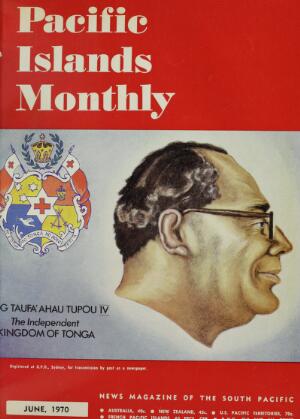
The Kingdom of Tonga be comes fully independent in June, and our cover pays tribute to the kingdom and its ruler, His Majesty King Taufa’ahau Tupou IV. The inscription on the coat of arms, Koe Otua mo Toga Ko hoku Tofi’a, means: “My in heritance consists of God and Tonga”. The Tongan colours, red and white, stand for liberty and peace through the Christian religion. The cover is the work of Captain Brett Hilder, long time contributor to P1M, who sketched the king by special per mission at his country residence on Tongatapu. The king remarked that it was the first time he had been sketched. The original is in watercolour.
must, by Tongan standards, be very high. Occasionally one hears mutters about the expense of it all, but apart from that nobody seems to have any idea of the cost, Meanwhile, Tongans resident in New Zealand and Australia wonder why representation offices were not first opened in Sydney or Auckland, Certainly such an office would be invaluable as far as developing trade contacts, particularly since Tonga’s banana crop goes to New Zealand and most of the country’s food im-
CHANGING SEATS OF POWER The seat of power in Fiji was once in Government House, Suva (left) but in recent years, with the decline of colonialism in the Pacific, the Governor has fewer powers, and he will have even less after October. In the Kingdom of Tonga, power has for many years been in the hands of the Palace in Nukualofa (the building on the left, with the royal chapel alongside) and the king will still remain a driving force after June 4. But undoubtedly there will in time be political changes. The aerial photographs are by A. G. Shearer.
ports are from New Zealand and Aus tralia.
Whether of course the offices in London and the attendant expense will quell the king’s enthusiasm for further overseas representation re mains to be seen. Already there are murmers among the more educated Tongans that world politics is not for Tonga; but whether the king, a man who has always been noted for his enthusiasm, will lose interest remains to be seen. At one time there were even rumours that the British Gov ernment was threatening to* reduce British aid to Tonga if the expensive London office was not closed down.
Economic implications
Tonga has recently been receiv ing, by Tonga standards, large amounts of British aid and there must be some change in this with independence. The most likely out come of independence will probably be, as has happened in Fiji, the re placement of grant aid by loan aid.
However, until Tonga’s development plan is completed and until the plan is published later in the year, nothing definite will be known.
Independence will also tend to open up Tonga to more foreign influence, particularly since certain facets of the government always seems to have been somewhat susceptible to wheeler dealers, as the abortive Pago Pago desiccated coconut venture proved.
Whether Tonga can look forward to a prosperous future is only partly
related to the country’s decision to seek independence.
Even tied to Britain and receiving considerable aid from Britain, the problem of a growing population, of an outdated land system, and of a traditional social system facing the winds of change, seem considerable.
These problems for an independent Tonga will place an even greater strain on an already over-extended civil service and government system.
Much depends on the Tongans themselves and on whether the out side world treats them kindly.
• Queen Elizabeth of Britain, and King Taufa'ahau of Tonga share a joke in Nukualofa in March during the Queen's visit. The Queen, of course, is head of the Commonwealth, and Tonga has sought Commonwealth membership. Tonga's application has been sponsored by Australia and New Zealand, and in mid-May final approval was being rushed through in time for a formal announcement on June 4.
Tonga will, in her own words, "enter into the comity of nations," (comity meaning courtesy, or civility), thus stressing her complete independence from the Queen, despite Common
wealth membership.
Fiji should be independent
It's a 'matter of self respect' that Fiji should be independent
“Can you explain in a nutshell, sir, what Fiji will achieve with independence?” The Chief Minister’s reply to a reporter’s question at the Suva news conference on independence came quickly:
“Self respect!”
Asked whether Fiji had not had self-respect in the past, Ratu Sir Kamisese Mara voiced a feeling which could be considered the kernel of his own political and personal
philosophy:
“Not when you are ruled by people sent from another country, whose ideas are different from yours, who tell you what to do and who you have to follow. I think if you have anyone coming into your home to tell you what to do, you would not like it.”
On October 10 this year, 96 years
after Cession to Britain, Fiji will fly its own flag, the design for which has yet to be decided.
Thought too will be given to a new national anthem although, in the words of the Chief Minister, it might be “very difficult to find one which sounds better than the present one.
People might feel we should keep it for the time being.”
Fiji will seek entry into the United Nations, make its own defence ar rangements and international agree ments, solicit its own overseas aid.
As the politicians like to put it, Fiji
will guide its own destiny.
Few Fiji people understand the full implications of the decision taken in late April and early May at the constitutional conference at Marl borough House, London. In the public bars and round the grog bowl, it translates as “October 10! Then we be boss!” Ask a group—any group —about independence and perhaps half will say “I don’t know. Maybe it’s too soon,”
Some maintain that the only way for Fiji to know its own problems and learn how to tackle them is to
No asking the people
stand on its own feet. Others say “Our leaders know best,” and leave it at that. A small number say nothing at all but make quiet arrange ments to leave the country. At one sailing in May, close to 100 Indians and Chinese departed for Canada and the US, following a pattern that’s become noticeable over the past two years.
It would be logical to hold mass public— not political party—meetings all over Fiji, particularly in the villages and outer islands, where those who attended the conference could place themselves open to the sort of questions the ordinary man wants to know. But by mid-May, there was no announcement of any such plan.
While the average man seems fairly apathetic about Fiji’s new status, un doubtedly because he doesn’t under stand it, none can deny that it was achieved in the best possible atmos phere. By all reports both Alliance and National Federation Party mem bers worked hard to prevent insoluble clashes over policy. There was a spirit of compromise, where compro mise had seemed barely possible.
The deadlock over the vital issue of representation and method of election was the closest thing to disaster at the conference but even this, after much hard-talking was smoothed over, with neither party bitter at losing out.
As Alliance adviser and editor of the party’s news-magazine, Nation, David Seidler saw it: “The Alliance realised that the NFP was firmly rommitted to the immediate intro luction of common roll but at the •ame time had no desire for chaos.
Phe NFP understood the depth of eeling on the part of the Alliance hat the untimely imposition of :ommon roll would be disastrous.”
During the intensive discussions )etween the Chief Minister, the .eader of the Opposition, Mr. S. M.
Coya and Lord Shepherd, who pre ided over the conference in his apacity as British Minister of State or Foreign and Commonwealth Affairs, proposals and counter pro osals for election methods were hrashed out. At times, agreement joked uncertain.
Finally, it was agreed that by )ctober, 1971, an election will be eld for a new 52 member House of Representatives. Twelve Fijians, 12 radians and three general electors rail be elected by common roll. By at *°. l ?. r °M (same as cross voting) 0 Fijians, 10 Indians and five general lectors will be elected.
Finance, of course, was another
matter uppermost in the minds of Fiji’s delegation to London.
Britain made it clear that an inde pendent Fiji couldn’t expect generous free grants of development funds.
Colonies received grants but an inde pendent country must expect only interest-bearing loans.
After discussion the UK Govern ment agreed to extend its existing grants committments to Fiji beyond October 10. The UK Minister for Overseas Development, Mrs. Judith Hart, gave an assurance that the grants for schemes for 1970 and 1971 would remain in effect.
Technical assistance and the over seas service aid scheme would con tinue on the same terms as in the past.
The unexpended balance of colonial development and welfare scheme money—involving about $4.8 million —approved to March 31 this year would continue to be available as a grant.
Colonial development and welfare grants for higher education—for the development of the University of the South Pacific—would also remain in force. The unexpended balance of these grants after October 10 would be about $2 million.
At his return-home news con ference, the Chief Minister pointed
oat t ‘ iat an ac *ded a nd unexpected windfall was the offer of assistance to University of the South Pacific
(Continued over page)
Announcement that Fiji will obtain dominion status in October does not mean that her political problems have been solved. They have hardly begun. Dominion status means that Fiji's Chief Minister, Ratu Sir Kamasese Mara (left, in the picture right) and Leader of the Opposition, Mr. S. M. Koya (above), have compromised for the time being. Politics in the South Pacific are these days less and less influenced by the old metropolitan powers, as new political pressures and alignments develop within the Islands nations themselves. See, for instance, the comment by Mr. Albert Henry, of the Cooks, on p. 26. With Ratu Mara in this picture is President Hammer DeRoburt, of the independent Republic of Nauru. They get on well together.
by the Canadian Prime Minister, Mr.
Pierre Trudeau. Announced in May, it will be in the form of scholarships, teaching assistance and equipment to the value of $C250,000.
The Chief Minister and Mr. Koya did not go into details of possible United Nations assistance during their courtesy call to the UN on their way home, but in mid-May the Minister for Finance, Mr. W.
Barrett, was continuing discussions.
The Chief Minister said he be lieved that Fiji should enter the United Nations—it would be a cheap method of obtaining general overseas representation, and the UN repre sentative would be close to potential sources of aid.
“In a very humble way, I should like to suggest that a voice like Fiji should be heard in the UN, since we have had some experience in a multiracial society. Perhaps we can give some advice,” he said.
“The views of the African peoples seem to be taken for granted as the views of all indigenous people. This is not the case in the South Pacific.”
After independence, Fiji will have a High Commissioner in both London and Australia, as well as a representa tive in the United Nations. However there are no plans at present for representation in New Zealand.
On the question of citizenship, the Chief Minister said he believed that those wishing to stay in Fiji should commit themselves to Fiji’s interests by taking out Fiji passports if eligible.
“If after independence you have resided for seven years you can apply to become a citizen of Fiji. If you don’t wish to do so, you can stay on as a non-citizen,” he said. “We do not wish to have in Fiji people with dual citizenships.”
Advertisements & other items, p. 27 (1 item)
25
ACIFIC ISLANDS MONTHLY— JUNE. 1970
Gov. Skinner marries
former SPC girl
News reached Noumea in the middle of May of the marriage of Miss Solange Petit and Gov ernor Carlton Skinner of San Francisco.
Governor Skinner is well known to those attending South Pacific Conferences, where he has for several years been leader of the United States delegation and Senior US Commissioner on the SPC.
Miss Petit, formerly of Paris, was also well known to islanders, during her two years work as SPC health education officer, until last October.
South Pacific forum
Albert Henry wants a new South Pacific forum
By a staff writer
Cook Islands premier, Albert Henry, wants to see established in the South Pacific a mini-United Nations Organisation to operate independently of the South Pacific Commission. He officially put forward the proposal in Wellington and Canberra.
Mr. Henry told me in Sydney in May, after visiting Canberra, that the SPC should be limited to its original aims—giving help, social and technical assistance to the Islands.
He said that “soap box politics” by Islands leaders should not have its place in the SPC, but there was a place for it in the Pacific.
“The Islanders need a forum,” Mr.
Henry said. “The SPC is still a paternal body, formed by the metrohe trend for more say for the islanders.
Mr. Henry again stressed what he had to say in Sydney earlier (PIM, May, p. 31), that is—he was concerned with the way politics were taking a large part in SPC affairs.
He said he had approached Wellington and Canberra about his proposal of a “mini UN”, because such an organisation would need to be firmly backed by Australia and NZ.
Australia and NZ were Pacific powers which were an integral part of the Pacific, but the US, Britain and France were not. He said such a political organisation as he en visaged could be formed without France, if necessary, haven’t asked the French what t hey feel because their attitude is
dogmatic,” he said. “They won’t give
up their territories.” the feeling for resident Frenchmen Tllese peop i e will get their f ree( j om even if blood has to spi i t a nd I think this may have * / nnpn .. to nappen ' Mr. Henry said he found from his recent discussions that Australia and New Zealand did not compare their notes with each other on their relations with their own Islands ter ritories. Australia and New Zealand should co-operate more in this sphere.
Political experiment gets
going soon in Solomons
By Stuart Inder
Elections now going on in the British Solomons will culminate in the setting-up, in July, of a type of legislature to be tested for the first time in the South Pacific—a method of “government by committee”.
The BSIP Legislative Council and Executive Council have been abolished, and will be replaced in July by the BSIP Governing Council, which will have the functions of both. u And the interesting thing about the new-style government is that the present British administration in the Solomons admits that it is not sure whether the system will work, but is willing to “give it a go” because it is what the Melanesians themselves seem to want.
BSIP Finance Secretary Tom Russell put the problem clearly in May in a paper he presented at
Port Moresby’s Waigam seminar (see p. 28). He asked: “Can a system of democracy suit able for a country of 58 million [Britain] be photographed down to suit a population of 152,000, a people w t j 1 4Q spo ken languages and no written literature, with a population density of 13 to the square mile, wit h the h a bit of agre eing by con sensus ra ther than by majority vote and with a susp i c ion bred from a history of foreigners, foreign ideas an d foreign natives? Can a country the size of the Solomons afford the trappings of the ministerial system, the prestige cars, offices and houses,
the private secretaries? Is there ultimately to be a bicameral system?”
The new system will explore an alternative. The Governing Council will comprise 17 elected members and up to nine official members. It will be divided initially into five committees, each committee respon sible for a broad field, communica tions and works, education and social welfare, health and internal affairs, natural resources, and finance.
The High Commissioner will appoint a chairman of each com mittee, and every elected member will have a seat on at least one com mittee.
The finance committee will be chaired by the Financial Secretary and its membership will include the chairmen of the other committees, thus involving the whole council in budget decisions. All committees will have a majority of elected mem bers.
The committees will be able to summon anybody, including public servants, before them during their work, and the Chief Secretary will have the right to attend any meet ing. Committee meetings, which are likely to be held every two months, will be private. The Governing Coun cil will meet three times a year in both executive (private) and legis lative sessions (open to the public).
Bills will have three readings in the legislative session in the usual way.
The High Commissioner will con ;inue to have reserve powers on ex :ernal affairs, police, etc., and con :rol the public service. The day-to lay official work will continue in he government as before, but public ;ervants and politicians will obvi >usly be brought in much closer con _act, and have to explain their reasons or decisions.
As Mr. Russell says; “A group of )eople sitting down together to thresh mt a problem is far more Melanesian n character than a formalised debate n the legislature where the issue is inally put to the vote: and once a lecision is reached in committee it s far more likely to be accepted.”
In short, the traditional patterns »f Melanesian authority are being ynthesized in the 1970 BSIP con titution.
Systems like it have been tried be ore, notably in Ceylon and the ieychelles. It failed in the Seychelles Tobably because there is a developed tarty system there.
On a recent visit to the BSIP, found hope, but not over-con dence, in all sections of the olomons that the committee or division of operations” system will mrk there. It will be interesting to how it develops.
government accepted
Ministerial member government accepted in the GEIC
Constitutional changes to a “membership” ministerial system and increased Islander partici pation in legislation, were ap proved by the Gilbert and Ellice Islands House of Representatives in May. The House asked the Resident Commissioner, Sir John
Field, to implement the changes
“as soon as possible”.
The changes, including proposals to have the House replaced by a Legislative Council and the Govern ing Council replaced by an Executive Council, were introduced at the House’s March meeting ( PIM , Apr., p. 24).
In a considerable debate on the changes, which included suggestions by some members that the Ellice Islands could later “go it alone”, Mr.
Naboua (Marakei, northern Gilberts) said there were two important points to the new constitution.
"Rather late"
Firstly, it meant elected members would attain legislative power. “This is not a trail-blazing exercise,” he said. “We have come to this rather later than other territories.”
Secondly, it meant that the Resi dent Commissioner for the first time could assign certain elected members responsibilities which would give them a direct say in the formulation of policy. “This is something very close to every Gilbert and Ellice Islander’s heart,” he said.
“With due respect to our able expatriate administrators, local people find, time and again, that the solu tions to some of the problems put forward by expatriate policy makers, have something missing in them, which sometimes quite negates their usefulness.”
The May meeting of the House, as usual, dealt primarily with parochial matters. However, the following facts came out: • Prisoners in the outer atolls were sometimes sent out fishing in order to provide a change of diet and to help to keep down the cost of rations charged to the colony government. • The GEIC Government had again approached Fiji Airways Ltd. for a further reduction in air fares from Fiji.
Robby Roberts
Bids Goodbye
To The Geic
With his black bristly mous tache, skin cooked a deep brown and a grin on his lips, Robby Roberts left the Gilbert and Ellice Islands in May. Typically, he sailed out of Tarawa aboard the recruiter Ninikoria, rather than by air, so he could revisit his beloved Ellice Islands en route to New Zealand.
It was the 26th year, with two only away in the Solomons, for Robby in the Gilberts, and it’s an understatement to say he was by far the GEIC’s most knowledgeable European.
A great loss
The 52-year-old bachelor will be a great loss in GEIC affairs. Robby was one of the very few Europeans who could speak the Ellice and Gilbertese tongues. Harry Maude of Canberra is perhaps the only man alive who knows the colony’s history better; and Robby, with his ex perience at all levels of the GEIC Government, would have been an in valuable advisor on the impending projects and problems likely to come the “forgotten” colony’s way.
Why the colony should have to lose the crusty and seasoned Islands hand at all, when he’s as fit as ever and has another good 10 years work in him at least, is hard to understand.
Maybe it’s between Robby and the
Continued on p. 129
Robby Roberts
ft maligned Commonwealth Office, i London.
I visited the GEIC for a month in te 1968 and I found no one else i government knew more about the rEIC or was more helpful than obby. I guessed Robby was a vital nk between government and Islands aders on significant issues, though f course Robby would have never jnfided this.
Robby should have written more f what he knows of the GEIC and hope, from chilly, grey Auckland as he describes it) in his retirement, p puts pen to paper on more GEIC istory and current problems.
Prodded by his first boss, Professor arry Maude of Canberra, when he as a cadet in the GEIC in 1945,
Robby has had published, from time to time, pieces on GEIC history in publications such as PIM and the Journal of Pacific History.
Certainly, it’s a safe bet Robby will revisit the GEIC. He’s made no secret that he has tried to lease some land at Funafuti and that he would like another job, somewhere. “I am a firm believer in idleness being the quickest way to suicide,” he told me in a recent letter.
For the record, which Robby never did give two hoots for anyway, Robby first arrived in the GEIC in January, 1944, by flying boat. Seconded from NZ forces, he was attached to the GEIC Labour Corps.
He stayed on as a district cadet for the GEIC Government, moving to district officer and district com missioner by 1955, when for two years he was seconded to the Solo mons, as DC, Central District.
In 1958 Robby returned to the GEIC as DC, Gilberts, and in 1963 he was appointed a senior assistant secretary, a top job he held until his May retirement. In the interim, Robby served in many diverse local jobs—government representative on the two legislative bodies, tourism man, overseas investment advisor, helper for the scouts, co-op man and
acting Resident Commissioner.-
Ken
Mcgregor.
They talked, talked, talked
to some purpose
From PERCY CHATTERTON, in Port Moresby The Waigani Seminar is an annual event which was started in 1967. It is sponsored jointly by the University of Papua and New Guinea, the Australian National University, the P-NG Administra tive College, the Council on New Guinea Affairs and the Papua and New Guinea Society.
I have attended all the seminars to date and have read papers at three of them, and I have no hesitation in saying that the fourth of the series, held between May 9th and 15th, was the best so far.
There were several reasons for this. The spread of the seminar over a whole week instead of a long week end; the concentration on a single theme, instead of two pursued simultaneously; the venue —the univ ersity’s splendid lecture theatre with its air-conditioning, its perfect acoustics and its steeply tiered seats; and the large attendance of Niu ginians, drawn as by a magnet by the seminar’s theme “The Politics of Melanesia” —all these combined to make this a memorable occasion.
Wide ranging
The theatre seats over 400. For most of the sessions it was comfort ably full, and for a few, notably those on “Students in Politics” and “Trade Unions”, there was standing room only by the time the speakers took the rostrum, with indigenes heavily outnumbering Europeans.
Mr. George Warwick Smith, sec retary of the Department of External Territories, also attracted a capacity audience to the final session.
The seminar was wide ranging— both geographically and in subject matter. Speakers came from the British Solomons, the New Hebrides, Fiji, and Micronesia. Universities represented included Queensland.
Sydney and California, as well as those of the South Pacific and Papua- New Guinea.
Subjects covered traditional political systems, constitutions, in dustrial relations, localisation, political organisations, local government, trade unions, the rule of law and the indigenous Church. Of the 46 speakers, 16 were Melanesians and one a Micronesian.
Professor Charles Rowley of UPNG, who performed the mam
moth task of organising the seminar, wound it up with an incisive closing address. It was unfortunate that, following as it did on the heels of a long and rather pedestrian paper presented by Mr. Warwick Smith, it was not heard by more people.
To cover the whole range of papers in a single report is obviously im possible. Instead I propose to com ment on two which, in quite different ways, seemed to me to be particularly original and challenging.
They are Mr. I. F. Nicholson’s paper entitled “The Trouble with Constitutions —a Colonial Admin istrator's View”, and Mr. A. C.
Voutas’ on “Elections and Com munication”.
Mr. Nicholson’s paper was a forthright defence of British colonial administration. It had been, he claimed, constitutional, economical, flexible, close to the people and responsive to their demands, and democratic in the best sense of the word, far more democratic, in fact, than the regimes which had taken its place.
Rather than dismantle it, we should
bend all our efforts to effectively maintaining and rapidly localising it. This theme he developed vigorously, in considerable detail, and up to a point convincingly.
I am prepared to believe that, at its best, colonial administration was all he claims for it. But how often was it at this rose-tinted best? As regards former British colonies are concerned, I wouldn’t know. As far as Australia’s colony of Papua-New Guinea is concerned, 1 would say very rarely and only in the hands of exceptionally able and sympathetic officers. And I would guess that a localised administrative structure of this kind would be at its best even more rarely.
But Mr. Nicholson hadn’t finished with us yet. Not only should we bend all our endeavours to preserv ing and indigenising the colonial administrative structure, but we should declare a moratorium on political development.
"Naive 7
This could be left for Niuginians to talk over at their leisure and to mould nearer to their hearts’ desire.
Political structures as they emerged, could be left to “interact” with the administration.
This seems to me pretty naive. A strong and well entrenched indigenous administration faced with weak newly-hatched political organisations would be unlikely to be willing to “interact” with them. On the con trary, it would be likely to suppress them or drive them underground even
Toni Voutas
more ruthlessly than colonial admin istrations have done.
Perhaps one of the weaknesses of the new nations which have grown out of the old colonies has been that their leaders have often graduated too suddenly from colonial calaboose to presidential palace.
It seems to me to be essential that indigenous administrative and political structures should be developed simultaneously, so that, when the time for interaction comes, they will interact on terms of equality, and modify each other, bringing both structures nearer to their hearts’ desires.
By and large, then, I find myself unable to enthuse over Mr. Nichol son’s blue-print for Paradisea.
Nevertheless his paper was valuable both in challenging some of our as sumptions, and in warning us of the danger of lightheartedly throw ing out the baby with the bath water.
Tony Voutas’ paper resembled Nicholson’s only in that it grew out of his personal experiences. It gave a detailed down-to-earth account of his election campaigns, first in the Kaindi by-election of 1966, which he won with a clear majority over he combined scores of his opponents, md second in the 1968 general elec ions, when he defeated a very •edoubtable opponent indeed, former speaker Home Niall, for the Morobe Regional seat.
Vote Toni
His account of his use of badges >earing the single word TONl—more ncisive, he explained, than “Vote 1) Antony Constantine Voutas”; of lis use of village agents who came o be known as Toni komitis; and of lis massive feat of foot-slogging from illage to village; these laid bare the jass-roots of Niuginian politics.
He used more sophisticated lethods too, sending tape-recorded ranslations of his policy speech into rcal vernaculars ahead of him before rnving in person to deliver his lessage. And letters passed to and ro between him and those of his omitis who were literate in pidgin.
He came to some rather wry con lusions.
A young and inexperienced but thletic candidate could beat an older ne who might make a better mem er, merely by performing the □ysical feat of visiting every illage in person. Many of the voters nderstood the exercise so little that icy did not even realise that only ne of the candidates offering could ;come their member.
Messages were only understood
when they were extremely simple, and even then their contents often became garbled in transmission. On the other hand the ritual of com munication—the playing of tape recordings, the personally delivered speeches and the sending and receiv ing of letters—had significance and value, whether the contents were understood or not, and had the effect of welding a personal bond between candidate and voter.
As a sitting member, “Toni” has come to some further conclusions.
In all but the most sophisticated electorates, voters expect far more from their members than the latter can possibly hope to achieve. When they fail to deliver the goods they are liable to be regarded as failures, and risk rejection at the next election.
Postpone elections
Regular observance of the ritual of communication during the four years of the member’s incumbency can partially retrieve his position, and party-backing can help. At present the Papua and New Guinea Act ensures four yearly elections; but after independence a situation could arise in which the politicians would seek to stay in power by postponing or even abolishing elections.
“Without effective communica tions,” he concludes sombrely, “elec tions will disappear”.
If none of the other papers read at this seminar, including my own, is published, I hope that this one will be. It should be required reading for all political theorists.
Thank you, Professor Rowley, for Waigani 4. Roll on Waigani 5.
Sir John Crawford, a speaker at the Sydney symposium
Sydney, Moresby
conferences
There was a lot of talking in Port Moresby and Sydney in May. In Port Moresby, Percy Chatterton here dis cusses some of the develop ments on a seminar on the Politics of Melanesia, and in Sydney staff writers report opposite page on some of the speakers' views at the Cook Bi-centenary Symposium, en titled "Cook's Pacific in the Years Ahead".
Australia ”Must
Take Islands
Immigrants"
At the Cook Bi-centenary
Symposium in Sydney, sponsored
by the NSW Government, little time was taken on South Pacific Islands affairs. Most papers covered the problems and ambi tions of the powers on the Pacific perimeter. But here are the high lights of those matters affecting the Islands.
The most outspoken on immigra tion was Professor Keith Sinclair, Professor of History at the University of Auckland, who argued strongly that Australia should take Islanders as immigrants. Local resources in some territories could not support what was demanded, he said, and to relieve the pressure, migration was an answer, and he “did not see why New Zealand has to do it all”.
For a more detailed quote on Professor Sinclair’s views see Up Front With the Editor, p. 15.
On the same theme was Professor W. D. Borrie, Professor of Demo graphy at the Australian National University, who said, “What harm can come of having some New Guineans living among us and acquir ing knowledge and skills that they might return in due course to apply in their own country? We seem to argue that it is good for New Guinea to have Europeans living in New Guinea; why, then, should Aus tralians be so afraid of the reverse?
“I am suggesting a more flexible policy in which peoples from the Pacific region, with the requisite skills to support themselves and con tribute to our economic development, should be able to find a place among us.
“Emigration could be a major contribution to the solution of the demographic problems of the Pacific Islands territories. This is a very limited, but very important, goal we can help them to reach.”
Fewer marriages
Professor Borrie said that Fiji had the most dangerous population situ ation in the Islands. It was complex and potentially explosive.
The decline in Fiji’s birthrate in recent years was due, not so much to the colony’s family planning scheme, but to later and fewer mar-
Uncertain sugar market
riages among Indian women, follow ing cessation of the immigration of Indian males. The future was ex plosive because the Indians out numbered the Fijians and the Indians largely controlled the industrial and manufacturing sectors of the economy. There was limited land an uncertain market for sugar and 45 per cent, of rural Fijians were under the age of 15.
Professor Borrie added that in New Guinea there was a slow rate of population growth but it would increase before it fell away, as the territory’s population would double within the next 30 years. In New Guinea, as elsewhere in the Islands, there was urgency for high levels of investment in non-agricultural de velopments, as alternative avenues of employment for the growing younger population.
Although Dr. I. J. Fairburn, of the University of Newcastle, made no plea for migration to Australia, his paper underlined the economic pres sures in the Islands, and he was pessi mistic for their economic future.
Except for New Guinea and Fiji, he said, a state of economic stag nation of continuing regression was inevitable for Islands economies.
Gloomy prediction
Among the reasons he gave for his gloomy prediction were: • The rapid population increase in the Islands which tended to act as a negative economic factor. • The fact that the Islands were not unusually well endowed with natural resources. • A low level of savings, which in turn tended to reduce the growth potential of the Islands. • Heavy dependence on the export of a few agricultural products, or semi-processed and mineral products. • An overall need to modernise agricultural practices.
Secretary-General of the South Pacific Commission, Afioga Afoafou vale Misimoa, of Western Samoa, told the symposium that the key to the survival of the people of the South Pacific might lie in emigra tion to the Western countries at each end of the Pacific.
Likening the present situation to the old days of Pacific migration by canoe, Afoafouvale said dwindling food supplies and the rising popula tion meant that Polynesians, in par ticular, had already begun on a new course of migration. American Samoans were living in California,
Niueans, Tokelauans and Cook Islanders lived in New Zealand and large numbers of Wallisians and Tahitians lived in New Caledonia.
The imminent exhaustion of phos phate deposits on Ocean Island would soon create a serious problem in the Gilbert and Ellice Islands, which might be partly solved by mass migration. He went on: “Unless the production of food is increased, there is a danger that standards of nutrition and life itself would not merely re main static but would actually de cline.
“This danger has, of course, always been a very real one in the Pacific, and has been the driving force behind the ancient and more modern migra tion of Pacific peoples, and also led in the past to less acceptable forms of behaviour, such as inter-island warfare.”
He advocated greater efficiency of agriculture and better use of fisheries and timber resources, the development of secondary industries and tourism.
Tourism was another theme run ning through the conference. Afoa fouvale said that he himself “de plored tourism”. The development of tourism, he said, would require a deep seated change in the philosophy of Pacific Islanders, who were natur ally conservative people. He himself was an opponent of change for the sake of change, but he was conscious of the need to adapt his attitudes to the changing requirements of the Pacific.
“I would personally prefer not to have to rely on tourists as a source of overseas exchange,” said Afoafou vale. “I like Western Samoa very much as it is, and I fear that in order to provide the facilities legiti mately demanded by tourists, the Western Samoa that I love must suffer some changes.
“There must be a fairly consider able disruption of a way of life that has taken centuries to evolve.”
But tourism had its good side, he said. Apart from bringing in money it meant improvements in transport and communication, valuable contact with other people and their ideas, and a growth in understanding of the world at large. This understand ing was essential if the Pacific was to take its place in the world with out opting out of any of the duties and responsibilities that went with it.
Among other points made by speakers at the Sydney symposium were: • Mr. Kn u t Hammarskjold, director-general of the International Air Transport Association, said any general reduction in international air fares was “highly unlikely” and some increases would be necessary.
The best that could be hoped for was selective reductions in pro motional fares where sufficient public response was likely to be forth coming.
No free trade
• Sir John Crawford, vice chancellor of the Australian National University, rejected suggestions that Australia should aim at a free trade association with Pacific territories, including New Guinea. Although he expected that New Guinea would have political independence within the next few years, Australian know how and investment would be needed for some time, despite indications that the territory had prospects of becoming economically independent within a decade or so.
He said that while there was scope for a free trade area between New Guinea, Fiji and New Caledonia, Australia should remain outside it, although allowing those territories free access to the Australian market.
Conversely the) countries involved should still have the right to protect their own markets from Australian competition.
From The
Moon To Nauru
Nauru's Health and Education Minister, Mr. Austin Bernicke, (left) and, Acting Nauru representative in Australia, Mr. R.
S. Leydin (right) receive from the US Consul-General, Mr.
Richard Service, at a ceremony at Mel bourne recently, fragments of the surface of the moon.
They're a gift to Nauru from Pres.
Nixon.
Advertisements & other items, p. 31 (1 item)
29
ACIFIC ISLANDS MONTHLY JUNE, 1970
Even bigger changes to come
come in New Guinea
From correspondents in Port Moresby and Canberra Everybody was taken by surprise, including the new Adminis trator himself. But once the decision was announced, everybody approved it, and wondered why it hadn’t been thought of before.
The decision was made by Aus tralian Prime Minister John Gorton and it will take effect from July: Former Assistant Administrator L.
W. Johnson will become the fourth post-war Administrator of Papua- New Guinea; the present Administra tor, Mr. David Hay, will become secretary of the Australian Depart ment of External Territories in place of Mr. George Warwick Smith; Mr.
Smith becomes secretary of the Aus tralian Department of the Interior, which has nothing to do with South Pacific affairs.
Behind the moves
Why did it all happen? The plan was born in the Prime Minister’s mind following private talks in Canberra in March with 11 native members of the P-Np Select Com mittee on Constitutional Develop ment. Some of the members violently attacked Mr. Warwick Smith as hav ing too much say in New Guinea affairs. Although few people in P-NG really know anything about Mr.
Warwick Smith, he is not popualr in the territory, and Mr. Gorton, already under pressure from the Labour Opposition on New Guinea policies, decided now was the time to ring the changes.
Mr. Hay, Administrator since 1967, was delighted with the opportunity of filling Mr. Smith’s place, because he believes that the Department of External Territories will be welded with the Department of External Affairs, and he would like to get back into the diplomatic business (he is a former Australian Ambassador).
His wife has made no secret of the fact that she doesn’t like life in Papua-New Guinea, but she has stuck it for her husband’s sake. At one period last year Mr. Hay was ready to resign, but reconsidered it, and since has had no intention of resign ing. Nor did he believe he was likely to be moved.
He had in fact been personally listurbed at rumours over recent uonths predicting his imminent
departure; he felt that uncertainty about the top post was bad for public service morale.
Mr. Johnson, on the other hand, had already decided that there was no future for him in New Guinea, and had actually “gone finish” from the territory eight days before Mr.
Gorton’s announcement in early May.
He was in Tasmania, ready to take up a top-level educational post with the Tasmanian Government, after having resigned from his job as Assistant Administrator two months before.
He was offered the Administrator’s job only a few days before Mr.
Gorton’s announcement, and the Prime Minister had to personally intervene to have him released from his Tasmanian commitment.
Mr. Johnson, 54, from Perth, first went to P-NG in 1962 as Direc tor of Education, a post he held until 1966. He liked New Guinea and New Guinea likes him. He resigned not in disgust over policies or personalities, as has sometimes been alleged, but because he had met all the challenges which he thought New Guinea had to offer him and he was ready to move to greener fields.
Mr. Gorton’s offer came as a shock.
Brilliant decision
It is a brilliant switch which has solved everybody’s problems in one sweep, including Mr. Gorton’s. There can be no complaint now that the territory is being run by people in Canberra with no knowledge of territory thinking. Even the much criticised Minister for Territories, Mr.
Barnes, has announced that he will be retiring from parliament at the next elections.
But the Prime Minister’s coup goes much deeper.
With Hay in Canberra and Johnson in Port Moresby, the total team will be ready to begin dismantling the Australian administration of New Guinea.
Mr. Gorton has confided to elected
European members of the P-NG House of Assembly that he’s going to “push” constitutional development as quickly as native parliamentarians can handle it.
Johnson should be the last foreign Administrator of New Guinea. His job (with Hay) is to hand over quickly the real powers of policy making to the elected native mem bers of the Assembly.
Official government target-date for self-government (home rule, which will give parliament control over everything except final economic policy, foreign affairs and defence) is 1972.
Further power for native elected members is scheduled for hand-over this September/October. Among other things, the present ministerial mem bers (who have equal status with departmental directors) will become full ministers, with absolute depart mental control. The Administrator’s Executive Council will become a genuine “Cabinet”. The new power later this year, will cover immigra tion . . . one of the real racial problems between Australia and
P-Ng.
The estimated 600,000 Papuans of Papua have technical Australian citizenship but cannot enter Australia without a permit. When control over immigration is given to Port Moresby this year, Australia intends to announce arbitrarily a “closed-door” policy on Papuans. Then, for the first time, their technical citizenship will be quashed.
• For more comment, see "Foot notes". p. 38, and "Inside New Guinea," p. 47.
Mr. L. W. Johnson
King Of The
Western Isles'
Dies At 97
Heinrich Rudolph Wahlen died in Hamburg on May 4.
Who was he? This tribute was specially written for PIM by Fred Archer, of Rabaul, New Guinea: The passing of this man removes one of the “old timers” of German New Guinea days, one who made his mark in the former German colony.
He died one month before his 97th birthday but had expected to reach 100 years when, he said, he would celebrate the occasion with appro priate quantities of champagne and with his family at his Hamburg home.
“Rudi” Wahlen came to New Britain in the employ of the German South Sea trading firm of Hernsheim and Company, and soon became one of their executives. He was sent by them to look at trading possibilities in the Western Islands—north west of Manus (the Admiralty Group).
At this time there were only scattered traders in this isolated area.
After inspection, Wahlen reported that he thought the islands would be good as a trading and plantation venture, but not otherwise. Herns heims did not care for this idea saying that if war with England came, then as traders they could quickly leave. But with coconuts planted they could only be abandoned at a big loss.
So Wahlen decided to try and raise money and, with German Administra tion approval, purchase land from the islanders and start for himself. He
acquired interests in the Hermit, Anchorite, Ninigo Groups and Wuvulu and Aua Islands, all coral islands, and made his head-quarters at Maron Island in the Hermit Group, where the islands had some height and were suitable for his purpose, and with a sheltered lagoon.
Work began, devefloped into a little atoll empire and Wahlen later became known as “king of the Western Islands”.
At the start of this work, times were hard, and on borrowed Ham burg money. Then suddenly trochus shell, which was used for button making and such things, was in great demand and the price rose consider ably.
Wahlen’s reefs were littered with trochus shell in great abundance and so they were gathered in, bagged and shipped off to Hong Kong with great joy. This laid the foundation of his enterprise and of his later consider able fortune.
Good company
In due course a fine Rhine-style castle was erected on the hill at Maron—an architect from Germany drew the plans and supervised the erection. TTie result was a very fine edifice dubbed “The Wahlenburg”.
There was an electric lighting plant, a cold room for stocking meat and fresh fruit and so forth—and, of course, a considerable cellar of good wines and a modicum of champagne for high days, holidays and birthdays.
English grasses were imported for the lawns around the house and deer were imported for the grounds, and many other amenities were introduced to make life in der Sud See worth while.
The North German Lloyd ships— trading from Hong Kong via Rabaul to Sydney—called regularly at Maron
and there were always visitors.
Hospitality at the Wahlenburg was always on a grand scale and people who had once partaken of it spoke, with feeling, of it long years after wards.
The plantation men who were de veloping the islands of the group, were invited into the headquarters at regular intervals to break the monotony of their lives, dine and drink and enjoy good company for a week or two, and return to their jobs in good heart.
It was a lonely life and hard work, with always the risk of malaria and blackwater, as well as attacks by some of the less friendly islanders.
Wahlen was looked upon as a first class employer, but he was the sort of man who wanted things to be up to the mark.
I have seen many letters of instruc tions on his former plantations laying down this rule and that. Those who deviated were invited to move on.
Rudi Wahlen married a Swedish lady of very fine appearance and with blond hair that reached to her waist.
After her arrival at Maron the natives observed her one day drying her hair in the sun and could hardly believe that it was true —they had not seen white women before. The native girls, whose hair was straight and black and mostly oiled and decorated with hibiscus blooms, could scarcely take their eyes off it—they could scarcely believe that such blonde magnificence was true.
When Wahlen purchased the in terests of “Queen Emma” in 1910— interests which at that time were spread all over New Guinea—he moved to Gunantambu at Ralum, near Kokopo, and put his brother, Julius Wahlen, to look after the Maron company.
(Continued on p. 132)
Maron—the famous home in the Western Isles.
Heinrich Rudolph Wahlen
Tropicalities
The New Caledonian championship matrimonial acceptances are now open. Local newspapers state that Mr. Joseph Marsifi, a young Italian bachelor living for some years now in New Caledonia, has inherited from an uncle in America SUSI 7 million.
The uncle, Nicolas Marsifi, immigrated from Italy to the US in 1905. He worked as a miner, later joining the Chicago police force, from which he retired in 1955 as an Inspector.
He died in January at the age of 96. A widower early in life he never re-married and left no children.
His nephew had kept in touch with his uncle over many years but was quite surprised to find that he had inherited two big buildings and a personal residence, estimated by the internal revenue bureau at SUSI 7 million. Death duties came to about SUS 4 million which seems a very modest sum for such a fortune.
Unless a mistake has occurred in figures quoted, Inspector Nicolas Marsifi was still in harness in the Chicago police force at the age of 81. Even for Chicago police that seems stretching things a little.
The lucky heir confided to Noumea’s Bulletin du Commerce that he had received many requests for loans and even more requests for marriage. He intends ultimately to return to Italy. The fabulous “oncle from America”, has always been a dominant figure in European light literature.
Pot shot could
change the law
It’s still true in most of the United States that a man can “tote” a gun if he’s old enough to walk on two legs. The habit spread to American but a recent shooting may lave changed that. A cannery official vho got a .22 bullet in his shoulder hiring a recent jaunt near Satala Cemetery may be the unsung hero if future anti-gun legislators.
He stopped his car when a stray lullet hit him, made an effort to find vhere the bullet had come from and hen was driven to hospital.
The innocent-looking young iamoan who was picked up later yith a .22 calibre rifle in his posses ion, protested that he had purchased
An American
"Oncle" Leaves
Susi 7 Million
the lethal weapon earlier in the day, gone for a walk and was testing it by firing it across the bay.
Walter Friday is the man who collected the bullet in his shoulder.
Governor John Haydon has now stated he is considering an educational programme on the use of weapons and possibly will move to legally restrict the use of firearms.
Still, if the States are anything to go by, there could be a great deal of pressure placed on American Samoa’s legislature to keep the purchase of unlicensed and uncontrolled.
That’s the way manufacturers and retailers like it.
'Down the hatch' at
five cents a time!
“Champagnes, five cents, whisky tots, five cents, fluted beer tankards, 10 cents, heavy-based tumblers, five cents, straight-sided liqueurs, five cents. All glasses are etched with the insignia of the RAF”.
Such are the latest specials of the Gilbert and Ellice Islands’ biggest retailer, the Wholesale Society. The WS says the glasses, which should start appearing at Tarawa’s inevi table dinner parties in coming months, are “RAF surplus stocks from Christmas Island”.
Government hopes are the glasses will be used for consuming imported Aussie beer, and not the locally brewed potent sour toddy.
For cat lovers
So many people have asked us about the owner of that cat we featured on p. 40 of last month’s PIM, we feel bound to tell you. It’s Margaret Talbot, private secretary to Jean Brock, the Qantas man in New Cale donia,
Fruit salad export
for Tonga!
Tonga hopes that an exotic fruit originally from Mexico may turn out to be a money-spinner for Tonga.
King Taufa’ahau sees the “fruit salad plant” {Monster a deliciosa ) as a potential export for the country.
The plant has been bearing fruit in the royal palace and is said to thrive well against walls or fences.
It owes its delightful name to its taste when ripe. King Taufa’ahau believes the fruit was first brought to Tonga from Queensland, but it came originally from Mexico. It is familiar in Australia, growing in suburban backyards.
King Taufa’ahau, who, according to the Tongan Chronicle, also be lieves the local rock melon could be exported, says that the economy at present is too dependent on one or two crops, and plants such as these could provide valuable diversifi cation.
Watch out when you
say, 'thank-you'
Local Islands newsletters often delve with glee into the derivation of some of the more obscure phrases of their languages. The Niue newssheet for instance recently published an item suggesting an ingenious deriva tion for the Niuean expression, oue tulou (thank-you ).
The newssheet holds that “the Niuean fate in the early days of European settlement was of very small structure and the doors were narrow. Quite often when a Euro pean missionary entered, he ex claimed, ‘Oh, too low’. The host who did not understand English straightway thought that the words said meant, ‘thank-you’. So from that time up to now the word oue tulou was created.”
The newsletter’s account was fol lowed up by a (perhaps tongue-in cheek) reply from a local, with what he claimed was “the true story”.
“When the palagi (Europeans) came to Niue they convinced the people to work for them and get paid for it,” he wrote. “These poor chaps sweated in the hot sun all day and dreamed of the money they would get “When pay day came, the people lined up for their pay. As each one got his share, he looked at it and murmured, ‘Oh, too low’. It was the palagi who thought they were saying, ‘thank-you’, not the other way round.”
Tiny's yarns keep
the evenings short
After a lifetime working in the Pacific one great problem for the European is finding a place to retire, find comrades and live if not in the Pacific, at least close to it. There’s at least a dozen old Pacific hands in the War Veterans’ Home in Collaroy Plateau, Sydney, and king yam teller there is a lively 89-year-old six-footer called Simeon “Tiny” Lord.
Tiny administered justice in Fiji half a century ago. Now he finds himself one of 500 in the home— everyone of them likes to hear his tales of Fiji in the “old days”.
Tiny, he’s well over 6 ft and 200 lb, claims fifth generation ancestry as an Australian (the first Lord came with the First Fleet to Botany Bay), but you wouldn’t think so to hear his booming English accent cutting across the smoke-room.
He went to Fiji in 1902 and spent his first 10 years employed by CSR.
He then joined the government and after a short while became a magistrate.
He says he remembers when Japanese were indentured labourers on the sugar plantations. A good many died of beri-beri, he recalls.
Before becoming a magistrate Tiny worked in the Fiji emigration depart ment. It was there that he had an adventure that veterans at the home love to hear. In his own words: “There was this renegade, Apolosi, who threatened —there’s always one —to wipe out all the whites and drive them out of Fiji. When he heard we were coming after him he went to the Yasawas and when we arrived he was waiting for us with about 500 men.
“I was with a police inspector, Scotty Young, and some native policemen, but we were unarmed.
Scotty went towards Apolosi to serve him a warrant for his arrest when out of the blue his brother appeared and put his fist right through the warrant.
“Scotty was a fiery chap and he wanted to go in and take Apolosi.
I talked him out of it so we started to go back to the boat. We jumped in and got away and put in a tele phone call for reinforcements. I told him if we had gone in and someone had got hurt, we would be blamed for it no matter whose fault it was.
Anyway the reinforcements came and Apolosi as it happens surrendered without a fight. I think he got seven years.”
At the time of this story our PIM reporter was joined by two other old
Pacific hands—Doug Askew, with nearly half a century of service (mostly in the timber trade) in New Guinea and the Hebrides behind him, and George Ward, a resident of Vila for 15 years, most of them spent working for Burns Philp.
Between them (with another veteran. “Tiger” Goddard, late of New Guinea, not far awav) and us, we had Tiny really warming up.
Although Tiny was a white man living in Fiji at the turn of the century, his sympathies were tar from always on the side of the Europeans.
One European, he told us, brought before him for passing dud cheques, was given the option of a stiff fine or three months gaol.
“The fellow decided to take the fine,” said Tinv, “He looked at me and said. ‘Would you accept a cheque?’ I gave him gaol and almost slapped a contempt sentence on as well.”
Tiny wasn’t too fond of the local missionaries. “I was always in trouble trying to break down what I considered fences between the people of Fiji,” he said. “One time I got fed up with the missionaries who used to post themselves at every corner to my courthouse and try and “induce” the natives into giving them money.
“Finally I got my chief clerk to call them in. I told them they
couldn’t collect money within the courts. There was a hell of a row and I refused to stand down. So the chief missionary went straight up to the then Governor, Sir Ernest Bick ham Sweet Escort.
“The Governor and I didn’t really see eye to eye on this issue, I could tell that. In fact he said he was going to send a dispatch to the Secretary of State in England about this—and if it went against me I was in for the high jump.
“Anyway, he sent for me some time later and told me that the return dispatch supported my decision. But I can assure you I wasn’t very popular after that.”
Tiny, Doug, George and Tiger and a dozen more Pacific hands, find nothing better than whiling away the drizzly Sydney winter evenings like this —especially if there’s a bottle of rum about.
As Tiny says, “Kava’s very good for paralysing the legs, but there’s nothing like rum for doing the same thing to your head!”
Crime down in
West Samoa
While most of the Pacific, along with the rest of the world, seems to be plagued with increased crime and juvenile delinquency, the trend in Western Samoa appears to be towards greater peace and harmony. Statistics for the last three years show a significant decrease in most classes of crime.
Cases reported of various crimes over the past three years are as follows:
Murders were up from two each in ’67 and ’6B to six last year. Five of these killings were the result of incidents.
Police Commissioner A. L. Philipp said that the improvement in the number of cases was particularly pleasing in view of the rapid in crease of population, now estimated at about 146,000. It was also note worthy that Western Samoa had a very low ration of police per head
of population.
Western Samoa has one policeman to very 1,160 of the population. This compares to one to 950 in New Zea land, and roughly one to 400 in
Tiny, at full blast.
1967 1968 1969 Assault—common .. .. 686 502 479 Assault—causing injury 64 39 34 Theft 923 797 886 Burglary 68 82 63 Wilful mischief ... 54 29 27 Riots and affrays 18 26 — Breaches of the peace using offensive language 284 233 196 Drunkeness 129 153 107 Stone throwing .. .. 116 81 87
American Samoa and one to 600 in Fiji.
He said that the drinking of home brew was the main cause of all serious trouble in Western Samoa.
“The three main factors behind the improvement are the increased quantity of locally grown foodstuffs, a better educated younger generation, and the strict control in the villages of the matoi, coupled with a strong influence of the churches,” said Commissioner Philipp.
He added that the police supported the Samoan social system as much as possible as a help in maintaining law and order. “The story of fading matai influence in the villages is a myth,” he said.
The oldest game
in the world!
For one-day cruise ship callers at Suva and Nukualofa there’s more for sale than dozens of tapa mats and handicrafts, at least according to a 26-year-old Sydney man.
The young man says that, without provocation, he was propositioned 10 times in these ports, by Fijians, part-Europeans and Tongans, vary ing from young boys to middle-aged women.
The question was either; “Want a lady?” or “Got a girl?”.
Venues were outside Suva shops, in the bar of a multi-million dollar resort just outside Suva, in a Suva nightclub, at villages around Tonga tapu and in the backstreets of Nukualofa township, within 200 yards of the royal palace.
“My ship, the Orcades, also called at Noumea, but women didn’t seem to be for sale there,” he said. “We
were warned on ship, Noumea residents weren’t friendly and told not to walk alone at night. However, I talked to several Noumeans and found this advice hogwash.
“I avoided all guided tours and the main tourist spots in Suva and Nukualofa because I wanted to see as much of local life as I could.
Perhaps I could have been mistaken by locals as a crewman rather than a tourist.”
Above the
call of duty
A series of aircraft diversions— not by highjackers, but by mercy flight operators—have hit New Cale donian headlines recently.
The first of this series of urgent medical evacuations was made by PanAm, when it diverted a San Francisco-Sydney flight to Noumea to pick up a critically injured child in March. The 10-year-old boy, Pascal Lemaire, suffered head injuries after falling from a basketball pole he had been climbing. Through the rapid intervention of the American airline, he was flown to Sydney for treat ment.
Shortly afterwards, a Qantas plane was held on the tarmac at Tontouta airport while an Air Caledonie plane flew up a dangerously ill woman from Noumea.
In a third incident in early May, a Qantas plane was. diverted on a US- Sydney flight, to pick up a five-day old baby in a critical condition from birth, and to fly him to Sydney.
One airline was reported, in the Caledonian newspapers, as saying it was planning to have a red cross painted on its wings!
Hair cutting for
cash on Niue
Niue’s newssheet, Tohi Tala Niue, reports the largest haircutting feast for a decade on Niue, at which 28 pigs, two sheep, 2,350 taros and two chickens were consumed at the women’s club hall in Alofi south.
As well as the above fare, at Mr. and Mrs. Swan Jessop’s feast, tables were piled with cakes, sandwiches, tinned fruits, ice-cream and “morning tea for all the guests”. The feast celebrated the cutting of the hair of their son for the first time.
Haircutting ceremonial feasts are common on the island, although not of that size. The feast is believed to be an introduced custom. When a son is born, the parents may decide to save the boy’s hair until he is five or six years old, when they will prepare a feast. The newsletter ex plains: “Relatives and friends are invited to come and cut the boy’s hair at the feast and also to bring gifts. The boy’s hair is usually cut by two or three specially invited guests, who customarily bring the biggest gifts of money. A pastor is also invited to bless the occasion and speeches are made by the parents and any members of the guests or relatives.
“A f ter the boy’s hair is cut, the food is divided in proportion to the amount of gifts or money each guest gives. The amounts of the gifts and money received are announced before guests disperse with their share of the food. The money received is normally banked under trust in the son’s name at the post office for him and his family’s needs in the future.”
Advertisements & other items, p. 35 (1 item)
33
*ACI F I C ISLANDS MONTHLY JUNE. 1970
This is the army!
This is New Guinea's army. The South Pacific Regiment is a study in discipline on parade, but every now and again, when there's some thing really worth celebrating— they stage a sing-sing. This oc casion was the 30th anniversary of the formation of the army, just before the Pacific War. Tribal dif ferences lie submerged for 90 per cent, of the time when the soldiers are in their khaki; but when they celebrate with a sing sing, it's a matter of VIVE LA DIFFERENCE. The picture shows the Madang dancing group led on the drum by Sgt. Aeb Imelia.
The Editor's Mailbag
Out Of The Past
Sir, —On behalf of a gentleman of Essex, England, who is compiling a family record, we are trying to trace the history of a yacht built for a member of the family in 1881, and believed to have ended up in the Pacific Islands trade.
Perhaps one of your readers may be able to let us know something of this yacht’s fate. The information in our hands reads as follows: Built in 1881 in England and named White Squall, she was 60 ft overall, schooner - rigged, equipped with an auxiliary engine, and ton nage, 97. She was sold and came to Port Adelaide in 1885, then went to Port Lincoln.
The last record of her as a yacht was her appearance in Lloyds Yacht Register, 1897. Following her owner’s death she was sold and, it was believed, went to Sydney. From the fact that she is not mentioned in the Centenary History of the Royal Sydney Yacht Club published in 1962, I am inclined to believe that —as was the case with a number of yachts—she went to Fiji, New Guinea, or some other island area as a trading vessel.
Can anybody help please?
R. Melrose
Public relations officer, W. R. Carpenter and Co., Sydney.
Sir, —In a recent conversation with Omer Darr I was told that if you want to find something in the South Pacific contact the Pacific Islands Monthly, because it is the voice of the South Pacific.
For nearly a year I have been trying to trace Jack London’s boat the Snark. As near as I can discover it is somewhere in the Solomons. A letter dated September 1, 1913, states that a Captain Briault of the New Hebrides was the owner of the Snark at that time. The letter was from a man in the office of Justus Scharff Ltd., in Sydney, who had handled the sale of the vessel for London a few years before. He told Mrs.
London that the boat had sunk at her moorings and probably her motors had never been repaired since she was raised. He said that the boat had been used as a tow barge but
probably would sink again at her moorings and be forgotten.
According to the writer the Snark at this time was tied up at a small island called Aori off Santo in the Canal du Segond, New Hebrides.
In 1927 two Oakland girls claimed that they saw the Snark in the New Hebrides. I also have reports that the Snark was blown on the beaches after a severe storm, and another report that she burned to the water line just off the New Hebrides. I would appreciate any information that you or your readers might be able to give me about the Snark, or about Jack London.
Russ Kingman
Jack London Square Association, 380 First St., Oakland, California, 94607
In Support Of New Hebrides
Sir, —I would like you to know how much I enjoy this PIM. Until last year I didn’t know this interest ing magazine existed. The articles and letters recall to me scenes and experiences in my all-too-brief con tacts with Fiji, New Caledonia and the New Hebrides.
The latter I particularly enjoyed for its beauty, its primitive charm and the hospitality of Hotel Rossi, where one had an opportunity to meet interesting local people, includ ing Mr. Reece Discombe.
It’s to be hoped, concentrated tourism never spoils the New Hebrides as it has so many other lovely peaceful spots. Travellers differ from tourists and see places and people in their true perspective and with a different sense of appreciation.
Vila is to be congratulated on its wonderfully comprehensive cultural centre. What a thrill it was to be able to see there an anchor from one of La Perouse’s ill-fated ships!
Vive Les Nouvelles Hebrides and its present way of life, Vive also Le
Pim.
PS. Hope to go to Norfolk Island in July as the result of reading an article in the PIM.
Christine Brown
Tumut,
Nsw
"Missile Base" That Isn't
Sir, —May I quibble, please, with PlM’s frequent use of the term “missile base” to describe the testing facilities on Kwajalein?
The difference between a “missile base” and a “missile testing site” may seem small, but if we think for a moment of just what makes the difference—warheads—it may lead us to believe that it is important to make the distinction.
A base, equipped with armed mis siles, or at least with the mechanisms which can arm the weapons within seconds, is quite different from a place which shoots off weather rockets one day and test-fires an un armed ABM the next.
I am not an apologist for the US military presence on Kwajalein. Far from it. Nor would I claim that the absence of nuclear warheads on test fired missiles renders them harmless.
In fact, it would be most interesting to know just which lucky pieces of Pacific real estate have had twisted chunks of hardware fall on them from the sky.
Still, I think that “missile base” is misleading, and that the distinction should be made. Kwajalein just doesn’t qualify.
(Mrs.) Mary Browning
Jamestown, NC,
Usa.
• It's still a quibble. We've said often enough that Kwajalein is an anti-missile missile base but that's too much of a mouthful for our sub editors, who occasionally revolt.
Life At Panguna
Sir, —Your article on Panguna, Bougainville ( PIM , Apr., p. 33, 34) concerning facilities available to the employees working in the copper mine site area could be misleading to many readers unfamiliar with the condi tions here.
The open-air movies now held three times a week in the European Camp No. 3 in the beer canteen which has a big white screen out side, are predominated by indigenes.
If a European does not arrive at the canteen 45 minutes before the start of the film he cannot obtain a seat.
Recently, I managed to obtain a seat with difficulty only a few minutes after the bar had closed on a Sunday night at 6.30. One indigene was sitting on top of six chairs he was reserving for his friends, and the film does not start until 7.30 p.m.
Unfortunately there is no control over the situation, consequently many
Europeans have stopped trying to watch films in their own camp.
The supermarket leaves much to be desired. You cannot obtain a pocket handkerchief, or a pair of shorts to fit, but you can, of course, obtain a motor-bike or an expensive Akai tape recorder.
The milk-bar has now been re moved from the supermarket, but I’m informed that in about a year’s time there will be many improve ments; the road to the coast will then be completed and people will have an opportunity to see the sea again on their day off.
F. Hornby
Panguna, Bougainville.
Missing Tongan Parcels
Sir, —Only about two in five parcels I post to my brother in Nukualofa, Tonga Islands, ever reaches him.
Naturally this is most disappointing and annoying to me. Smaller packets [ am forced to register but it is the bigger parcels containing clothing which disappear at the PO and are never delivered to him.
Complaints to the Post Office, Nukualofa, are ignored completely and I am writing this letter to PIM n the hope that at least the matter will be aired, and I hope, there will ne an improvement in the future.
Other Tongans have complained ;o me that this is a common oc mrrence, and many parcels are itolen/mislaid/vanish at the Post Office at Nukualofa, and this dis graceful and unsatisfactory state of iffairs should be seen to.
(Miss) Sela Latu.
Woollahra, Sydney.
Being An African
Sir, —What a frightening impres ;ion of South Africa readers must lave after reading the letter of Mr.
Gnza Clodumar of Nauru (PIM, Mar.).
As a South African I would only ike to say to Mr. Clodumar; Go to Jouth Africa and see for yourself if he African is really living “in tor nent and terror” in “a universe of lightmare and horror”; go and see or yourself what the South African jovernment is doing FOR the Mrican. After having visited Europe . can tell you that the black man in South Africa lives in better con litions than the white man in the lums of Europe.
M. Van Tonder.
rila, Hebrides.
Tipping-"a
fundamental threat to Islands culture"
By Sue Wendt
Tipping is very much on the minds of people involved with Fiji tourism, particularly those on the receiving end. Understandably.
So far, tipping hasn’t reached the “hands out” stage but with the advent of the American visitor, the practice is bound to increase.
The American is so used to paying for small courtesies, he does so automatically. And, by Fiji standards, generously. So if you’re on the receiving end in Fiji, why complain?
But some see it as an insidious and degrading practise. The most recent word on the subject has come from Mr. Michael Robinson, a director of Marketing Services (Travel & Tourism), which re presents the Fiji Visitors Bureau in the UK.
In a letter to the bureau, he urges members, through the gov ernment, to “take the initative and tackle the problem of tipping with all the power at its command”.
As the body responsible for guiding and managing the growth of Fiji’s tourism, Mr. Robinson declared, it would be a highly responsible and far-sighted move.
A threat
Mr. Robinson regards the development of tipping as a standard practise in Fiji as posing a “fundamental threat to the future of the Fijian culture and the attitudes of the people”.
“After all,” he says, “tourism is an extension of traditional hospitality to guests.
“And if tourism and hospitality are related in the minds of the people, as I believe they still are in Fiji, then any basic change in attitude towards foreign guests, i.e. tourists, can be expected to have repercussions that will affect personal attitudes between the people themselves.”
Mr. Robinson points to Tahiti and New Caledonia as examples
of countries where tipping is not encouraged.
He concedes that the industry itself was unlikely to agree to any effective discouragement of tipping. And that the local popu lation was fairly indifferent about the matter at this stage.
“In a few years time there will be too many individuals benefit ting directly from tipping for this to be the case,” he said.
“It is therefore a matter to be tackled urgently and strongly by the government. If the matter is left to drift much longer, then tipping will have become so deeply embedded in the attitude of the people and in the wages structure of the country that it will be virtually impossible to do any thing to curb it.”
It was not just a Fiji problem, he said, but one affecting all the Pacific Islands where tourism was beginning to make itself felt.
“I feel that there is still time for the whole area to adopt a positive approach to this problem, with a fair chance of success”. It was Fiji’s place to lead the way, he stressed.
There is already tipping in the Islands: In a number of spots Islanders demand money before standing in front of a camera. The colourful Highlanders of New Guinea do quite well out of this "business" at the Mt. Hagen and Goroka Shows.
Footnotes
Before and after free lunches, which offered, if the Post- Courier’s reporter is to be relied on, a choice of chicken, turkey or lobster, the Copper King’s European workers have been giving the not so simple-minded Bougainvillians a free lesson in how tough you can get. We can hardly expect the lesson to go unheeded, especially when we hear that Mr. Gaudi Mirau, a former MHA not noted for conciliatory or conservative attitudes, is in action on Bougainville.
For the last couple of years or so we have been told ad nauseam what a wonderful thing the Bougainville copper project will be for Niugini.
No doubt it will be, in time. But at the moment the Administration is pouring in millions to provide ser vices for CRA, some of which might perhaps not unreasonably have been a charge on the company. Indeed similar facilities, so I have been told, are being installed at their own ex pense by companies currently exploit ing Australia’s mineral wealth.
One begins to wonder whether the bargain our expert negotiators struck with CRA was as good a one as the Administration claimed it to be when it was brought down, all cut and dried and ready for rubber stamping, in the House of Assembly.
“If there is copper
let it stay there”
Of many odd things said in and about Bougainville in recent weeks perhaps the oddest was the suggestion of one of the strikers that they should “give the island back to the natives”.
This almost makes one sympathise with those Bougainvillians who, earlier in the piece, were reported to have said “If there is copper under our land, let it stay there”.
And now comes news that Kenne cott Explorations, which has been searching for copper in the far west of Papua, has struck it rich. Indeed, the find may be a richer one than CRA’s on Bougainville. If this turns out to be true, it will have a tremen dous effect not only on the economy but also on the politics of Niugini.
In the past, New Guineans have found it all too easy to sneer at Papua’s lack of economic develop
ment. Tf the Kennecott venture goes ahead it will be entertaining to listen to the sneers changing to “sweet talk”.
Will copper mining at Ningerum reproduce the headaches of Panguna?
I think that we may reasonably hope that it won’t. For one thing the people of western Papua, and indeed of Papua in general, have fewer past indignities at the hands of the white man to brood over than have the people of the New Guinea islands.
For another, there are fewer of them —61,000 spread over 40,000 square miles in the Western District of Papua as compared with 72,000 in Bougainville’s 4,000 square miles.
Again, western Papua is a less fertile land than Bougainville, and its people have reached a pitch of economic frustration in which they may be expected to clutch at any straw, and eagerly at a copper one.
And finally, we may hope that Kennecott Explorations, and even the Administration, will have learnt something from the mistakes made in Bougainville.
A FEW weeks ago the Select Com mittee on Constitutional De velopment split, amoeba-like, into two, and began a perambulation of Niugini to collect the views of the people. Predictably they are getting a mass of mutually contradictory views. Home rule immediately, in 10 years’ time, in 50 years’ time, in 100 years’ time. A federal system, a unitary system. An upper House, no upper House. More regional members. More official members, no official members. More power for ministerial members, less power for ministerial members. And so on, and so on, and so on.
The National Name Stakes has not so far produced the way-out entries of an earlier newspaper competition.
The young inventor of “Pibnib” has grown older, and perhaps wiser.
With Percy Chatterton
in Port Moresby
“Paradisea” still has its fans, though not, as far as I know, on Bougain ville. A newcomer is Taronesia, a pleasant sounding word, but the numerous taro eaters in other parts of the Pacific might resent it.
I still stand where I stood: “Niugini” as the best practical solu tion, with a sentimental but quite impractical affection for Alvaro de Saavendra’s “Isla del Oro”.
FORMER Assistant Administrator Les Johnson’s impending return to Papua-New Guinea as its new Administrator will give a lot of satisfaction to a lot of people throughout the length and breadth of the land.
I hope he’ll declare
war on pomposity I have known Les Johnson since the days when he was Director of Education and I was a member of the Education Advisory Board, and we have sat in the House of Assembly together since 1964. The thing I have always admired most in him is his ability to express his views briefly, clearly and in simple lan guage. Here’s hoping that as Ad ministrator he will declare war on the pompous and verbose officialese which fluorishes so rankly in Kone dobu.
A particularly shocking example of this jargon has just come to my notice. A couple of years ago a young Papuan I know took up a block of land in one of Port Moresby’s low covenant housing areas, and with the help of friends, white and brown, built a very com fortable little home for himself and his family.
A few weeks ago he received a bulky package containing lease in
struments to be signed, and a cover ing letter which read in part as follows: “Your attention is drawn to Section 38 of the Land Ordinance 1962-67 which states ‘The right of a successful applicant for a lease is extinguished if the applicant does not, within such time as is notified to him by the Administrator, execute the lease’.” He was further exhorted to “return all copies to this Depart ment after execution”.
The European friend to whom he rushed off in a state of great perturba tion was able to reassure him that he would neither lose his precious house and land, nor be executed.
Even more shocking than the language of this letter is the fact that it was signed by a Niuginian public servant. If Mr. Johnson can stop this rot before Niuginians take over the top positions and become in fected by it, he will earn the gratitude of posterity.
Timely words
on freedom
FULL marks to Tom Leahy, scion of a famous territory family, MHA for Markham and a member of the Administrator’s Executive Council, for his well chosen and timely words on the freedom of the individual. Touched off by proposals for the restriction of freedom of movement from rural areas to the towns, they were spoken at Kerema High School during an AEC visit to the Gulf District of Papua.
I hope that he will have an oppor tunity of repeating them at Keravat High School, a student of which writing in the Administration’s maga zine Our News, supports a move re ported to have been made by the Henganofi (Eastern Highlands) Local Government Council to make a council rule restricting the time which may be spent by villagers in mourn ing their dead.
“When time is wasted on mourn ing,” says this young man severely, “it means that agricultural produc tion suffers.”
Blimey! • The age of consent is likely to be made uniform throughout Papua- New Guinea. At present consent be comes legal at the age of 14 in Papua, but at the age of 17 in New Guinea.
The child welfare council has re commended to the P-NG Admin istration that the age of consent be a uniform 16 throughout the ter ritory, and legislation will probably be introduced at the June House of Asssembly.
Badly neglected
A Brett Hilder
Profile
Pioneer
Planter
Who
Suffered
Much
Rudolph Janke at 83 must be the oldest planter in the district around Rabaul, an area he has lived in off-and-on for the past 64 years. And his story is one which might well shame the Aus tralian Government.
He was born in 1887 in Pitts wood on the Darling Downs of Queensland, his parents having settled there as immigrants from Germany. In 1884 the family moved to Goondi, near Innisfail, to work on the CSR canefields, and in 1905 they set out for German New Guinea as govern ment settlers.
They arrived at Rabaul on January 2, 1906, and were im mediately settled on 250 acres on the north coast, in rather hilly country.
The eldest son died in the first year, of blackwater fever, and the mother died in 1910 as it was impossible to get her to hospital in time, the only transport in those days being sailing cutters.
The father then returned to Queensland, while Rudolf and his younger brother applied for a level area of land near the beach, where they built up a good plantation.
When Australian troops oc cupied New Guinea on September 12, 1914, the brothers were allowed to remain as German aliens on their plantation. After eight years of military rule the coconuts were coming into full bearing, but the plantation was then taken over by the Expropria
tion Board. Even the £39 Rudolf had in the bank was taken with out his permission.
Although he was Australian by birth and upbringing, the Com monwealth Government main tained that Rudolf had assumed German nationality in 1906 on arrival at Rabaul. Rudolf claims that he knew nothing of this, but had to sign official papers in German at that time.
So in 1922 he was out of a job, homeless and penniless, but managed to get a job managing Nambung plantation and sawmill for an American neighbour who wanted to leave the territory on account of his three growing children. This job lasted for six years, when the property was taken over by the Expro. Board, who had some claim on it.
Badly neglected
By this time Rudolf was 41, and he married a local girl he had known since her childhood, Lucy Johanna Till, who was born at Kokopo in 1909 of German mixed blood.
They took over the management of Lelinakaia plantation which was badly neglected. After 12 months hard work there they moved to Usewit plantation.
Rudolfs next job was a big one of planting coffee on 745 acres at Vunalama for Sir Charles Marr, on the north coast. In six years’ time they were getting four tons of coffee-beans a month.
Early in 1937 Rudolf and his
(Continued next page)
War broke out again
wife set off for a four-month tour of Java and the East, and during their holiday they heard of the eruption at Rabaul. On their return they were surprised to find the town habitable again. They then took over the management of two plantations belonging to Rudolf’s in-laws, Mr. and Mrs.
Till, who set off for a visit to Europe.
Mrs. Till died at Vienna, and in 1939, Mr. Till returned with a new wife. Rudolf and his wife returned from the Bainings to Rabaul, to stay with mixed-blood friends there, but as the war had broken out they were made un comfortable by local hoodlums and strict police restraint.
They then got permission to go 140 miles down the south coast to manage a plantation for Mr. Rundnagel. Six months later four police arrived, armed to the teeth, and said to Rudolf, “It’s you this time!” They had no warrant, and no charge was laid, but the Jankes were taken in custody to Rabaul.
Here Rudolf was separated from his wife, and sent with other German planters to Tatura prison camp in Australia. On the way they passed through Sydney and Melbourne in handcuffs, and suffered severely from the wintery weather of June without any warm clothing.
It was four years before Rudolf saw his wife again. She had returned to manage Wunung plantation at Jacquinot Bay, and was there when the Japanese invaded Rabaul. Some of the Aus tralian troops struggled the 140 miles to the plantation, where Mrs. Janke fed and nursed them, saving at least a dozen lives, for which she never received any recognition after the war.
When Rudolf was released he got a job and lived in Melbourne until 1947 with his wife. They returned to New Britain, and in 1959 were able to acquire a plantation of their own, Ramando, growing copra and cocoa near Kilinwasser (Cleanwater) on the north coast.
In 1968 Rudolf lost his wife, Lucy, and since then has not had good health himself. He is a fine tall man, now aged 83, and proud of the fact that he has never been
charged in court. He is highly respected by all who know him.
The Jankes had no children, and now Rudolf is cared for by kind neighbours.
His story carries a moral, a very disturbing one for Austra lians like myself. Considering that he was born in Australia, and has lived and worked under our flag for 75 years, his treatment in the two wars was shameful, more what we have come to expect from fascist or communist regimes.
Injustice
We don’t expect our petty officials and bureaucrats to deal so unjustly and inhumanely with harmless people like Rudolf Janke, who never offered a threat to the safety or security of Aus tralia, the land of his birth. I hope to heaven that we won’t allow the same injustices when New Guinea changes over to its own flag and government.
Pioneer planters like Rudolf don’t deserve a third and final catastrophe, but a peaceful and
honourable old age.
Brett
Milder.
Trials of being a teacher in Fiji
From a Suva correspondent
How are you going to educate Fiji’s mass of children if there are no teachers to do it? And how are you going to get teachers if the pay is far too low to be acceptable?
Teachers in Fiji are getting pretty fed up with their low pay. They can’t decide, they say bitterly, whether the teacher is Fiji’s worst paid profes sional or best paid skilled worker.
According to a report on teachers’ grievances compiled by a committee of the Fijian Teachers’ Association, which held its annual conference in May, low rates of pay were one of the main reasons for a “great exodus” of school teachers from their pro fession.
Unless teachers were given an economic boost, the committee felt, Fiji’s education crisis would be aggravated even more by an in creased teacher shortage.
Figures from a Suva employment agency showed that at this time last
year 17.02 per cent, of the people who registered with the agency want ing clerical positions were teachers.
It seemed that none of them had complained so much about the job as the lack of pay.
The report of the grievance com mittee said there was also a relatively timid response from school leavers interested in taking up teaching.
They preferred to hunt around for better paid jobs, falling back on teaching only as a last resort.
The social status of the teacher was on the decline. Respectability, social, mobility, quality and pay were closely inter-related.
Fijian teachers, too, are angry about what they call non-recognition of in-service teacher training.
They claim that when teachers return from overseas after success fully completing courses, their newly attained knowledge is frequently not recognised in any way.
The report cites the case of a very able teacher who successfully com pleted a Diploma of the Teaching of
English at the University of Sydney.
He did not receive monetary or any other kind of recognition for his specialised training.
“When he asked the Education Department whether he would receive any salary increase he got the terse and bombastic reply that the depart ment felt in his case ‘no change in grading or salary is warranted’,” the report said.
In the school to which he was posted he was still required to teach many subjects other than his specialty, English.
The teacher was disillusioned, the report went on, and resigned in dis gust. He was now doing extremely well in another profession.
The report claimed that sending students overseas, especially to Britain, for a few months, was ex pensive and only produced pseudo specialisation.
It was preferable to send away younger students to do full three or four-year university courses than others on numerous half-year or one year courses.
they're harmless!
Another report on the starfish — they're harmless!
The academic argument over the crown of thorns starfish, which has been blamed with
everything from destroying reefs
to endangering the fishing sup
plies of the Pacific, continues,
from one extreme to another.
We started our reports with a paper by Dr. Endean that the crown of thorns was present in the Pacific in plague proportions and that it was a destroyer of vital reef structure.
Then came reports from geological authorities that the starfish was a cyclic menace and that it would go away when Mother Nature said so.
Then starfish researcher, Theo Brown, supported Dr. Endean and went even further. Now the Pennsylvania State University in the US has bought out its report.
The team came to the conclusion that the “abundance of this animal has been understimated in the past” because it was difficult to recognise, and moved only at night.
Isolated plagues
Recent plagues were “isolated, apparently unrelated, local, popula tion explosions, the timing of which may have been coincidental. . . .
The publicity given to the current outbreaks has raised considerable concern in the Pacific, but the fear that coral reefs face imminent ex tinction is not justified”.
The university, with members of the Marine Sciences Laboratory, Memorial University, Canada, carried out observations in 13 areas of the Pacific over a period of 500 man
days exploration, stretched over three years up to 1969.
They found on the Great Barrier Reef, infestation was restricted to only 40 of the 1,000 reefs. On the south-east coast of Vitu Levu it was conspicuous among dead coral, and this was interpreted as a response by the starfish to a drastic reduction of its food supply following mass killing of the reefs during the 1964-65 fresh water flooding. It appeared that the prevalence of starfish had been underestimated in the past because of their preference to lagoon slopes.
Where they were seen
From Papua-New Guinea to the Solomon Islands, very few starfish were sighted. In the northern Gilberts there were both starfish and dead coral—but the team came to the conclusion that the two were not con nected. In French Polynesia, the team found that the few starfish encountered, tended to move about and select coral heads rather than devour indiscriminantly any coral lying in their path.
A full report on the survey is shortly to appear in Marine Biology.
The paper is by J. N. Weber and P.
M. J. Woodhead, entitled “Ecological studies of the coral predator Acan thaster planci in the South Pacific”.
Jon Weber is Associate Professor, Department of Geology and Geo physics, Pennsylvania State University.
Meanwhile it’s reported German scientists have discovered a prawn which attacks and destroys the star fish. Sample starfish are being flown from Australia as “guinea-pigs” for the prawns.
• How serious really is the threat to Pacific coral reefs by the crown of thorns starfish? We've been told that reefs like this one, protecting Aitutaki atoll, in the Cook Islands, and its important airstrip, can disappear under the starfish attack. But another recent report, discussed on this page, now says that the starfish problem has been exaggerated.
And now they're
also souvenirs!
A good many of those destructive crown of thorns starfish may end up as decorations in homes. Mr. J.
Pepys-Cockerell, a local man, has written to the Solomon Islands* Chamber of Commerce suggesting this as an idea of getting rid of the starfish and making a little money at the same time. He says they might make “souvenirs for tourists visiting the Solomons”.
He also offered this recipe, in the chamber bulletin, for drying the starfish.
Place the starfish (assuming you have the agility to catch one) in a large basin of salt water. Add plenty of magnesium sulphate (Epsom salts) to anaesthetize it. After an hour or so, take it out and put it in a basin of 40 per cent, formalin. Leave three or four days, then dry—but not in the sun, it might change its colour.
In the Pacific climate, this can simply be done by placing the star fish in a fuel drum with a very slow fire over it; or more simply, keep it in a closed container with silica-gel. Rubber gloves are advisable when dealing with formalin, as irrigation under the finger nails can set in.
While on the subject of drying-up, the BSIP Chamber of Commerce has been told that dried beetles are in big demand in the US. People wishing to export some from their territory to the States should get in touch with the chamber. • Australian and French interests which proposed to the New Hebrides government a $1 million-plus coconut oil crushing mill at either Santo or Vila late last year are still awaiting answers ( PIM, Jan., p. 116). A spokesman for one of the investors said, “the silence is deafening”.
Advertisements & other items, pp. 44-45 (1 item)
Toyota Motor
DISTRIBUTORS: TERRITORY OF PAPUA & NEW GUINEA: ELA MOTORS LIMITED: Burns Philp House, Musgrave Street, Port Moresby, Papua / U.S. TRUST TERRITORY: MICROL CORPORATION: P.O. Box 234, Saipan, Mariana Islands, Trust Territory of the Pacific Islands / FIJI ISLAND: AUTOMOTIVE SUPPLIES CO., LTD., P.O. Box 143, Lautoka /AMERICAN SAMOA: BURNS PHILP (SOUTH SEA) CO., LTD., Pago Pago / WESTERN SAMOA: BURNS PHILP (SOUTH SEA) CO., LTD., Apia / GUAM: RICKY'S AUTO CO., P.O. Box 1458, Agana
'nb.ur special island on the highway
TOYOTA CROWN
fc *J£ m c ■ ■ .it W. m •ruise in comfort. In style.
In luxury you can afford.
Get behind the wheel of a Toyota Crown. Notice its new lower front grille. Its wall to wall carpeting. Its plush seats.
Its fresh air ventilation. Its gasoline economy. And, 115 engine horsepower, 3 or 4 gear shift and Toyoglide Automatic transmission, too. This is the Toyota Crown. A quality product by one of the six largest automobile manufacturers in the world. Test drive your special island soon.
"If there's one medal for the French, it'll be
French, it'll be for hospitality"
By DON BARRETT, just back from Papeete
Games organisers of the South Pacific Games are determined that competitors and officials from 13 countries expected to send teams to Tahiti next year, will get the “full treatment”.
I didn’t find any antipathy to the Games in the week I spent in Tahiti.
I did find a lot of enthusiasm; and it wasn’t all confined to the Games organisers.
Tourist Development Board chair man, Jacques Drollet, for example is sure the Games will mean a big advertisement for Tahiti. He’s look ing forward to welcoming many visitors who will go to “support” their teams, but probably lured just as much by tales of Tahiti’s attrac tions.
With 16 months to go preparations are well advanced in Papeete. New Guinea (site of the last Games) organisers would have been sighing with relief had they been as far ahead at the same relative time.
But Organising Committee chair man, Dr. Pierre Cassiau, and Direc tor of Organisation (and Games Council Chairman), Lysis Lavigne, are too old at the business of sports administration to sit back and take things easy.
Mindful of the anxious moments— and indeed near panic—that Aus tralian waterfront disputes caused the 3rd Games organising committee when essential stores were held up
for over two months, the Papeete organisers have allowed an even greater lead time for their main essentials.
The sporting facilities will be good —there‘s no question of that.
A new stadium at Pater, less than two miles from the centre of Papeete, is near completion. The main (covered) stand is in fact finished but for some fittings. The central ground is grassed, the inner curb for the athletic running track is laid.
Additional open concrete seating tiers are being built for a total seat ing capacity of 10,000. The running track will be grass—a fact that will please New Guinea, Fiji, and the old Nauruan fox, Morgan Morris.
Less than half a mile from the Pater stadium is the “old” Fautaua stadium which will be the venue for much of the football competition and which also includes the concrete cycling track.
In the same complex will be four new tennis courts and an indoor stadium seating 1,500. This will be the venue for boxing and for basket ball and volleyball finals.
Right on the waterfront, and with
a backdrop of lovely Moorea is the Tipeaerui Olympic swimming pool.
A feature sure to please competitors and officials is the considerable amount of space around the actual
pool.
Pool ready
The harbour authorities won an argument about placement of one of the light towers —interference with navigation lights was claimed. Now all is ready for the towers to be erected and, probably in June, the pool with be filled for the first time.
The Fireball bug seems to have really done a job at Port Moresby.
Yachtsmen in other countries were impressed with the speedy little boats, and the 4th Games organising com mittee had little hesitation in plump ing for the Fireball as the competi tion craft.
Having done so they proceeded to order no less than 14 boats. Some have already been sailed.
A tourist demand for golf has been a lucky break for South Pacific golfers who will be testing their skill on the Atimaono course, a new 18
Chairman of the Games Council Lysis Lavigne on the observation deck of the Tipeaerui Olympic swimming pool.
Golf a lucky break
hole layout some 25 miles from Papeete.
All volleyball and basketball com petition will be indoors. A second but smaller covered stadium is available, for preliminary matches.
Being impossible to please every one, there is sure to be heartburning in New Guinea, Fiji and the Solo mons, with netball dropped from the list of sports to be staged.
Neither netball nor softball are played in Tahiti. At the Games Council meeting in Port Moresby last August the Tahitian delegates indicated they would not be able to stage both these sports.
It’s certain that the troubles over netball at Port Moresby influenced the decision to stage softball in pre ference. And, of course, American Samoa and Guam had indicated con siderable technical help to the organisers if softball was chosen.
Games headquarters will be in the just completed Papeete Youth Centre, also on the waterfront and a quiet stroll from the Olympic pool.
As at Port Moresby, each sport technical committee will have its own meeting room. These will be at the Paofai pre-school centre—right in town and not far from main venues.
There’ll be segregation of the sexes at the Papeete Games villages.
Male competitors and officials will be housed in the Paul Gauguin College complex, with three storey dormitory blocks, spacious kitchens and mess rooms and ample facilities for recreation.
The female village will be in an
annexe of the Catholic, Anne Marie Javouhey College. Again spacious ness is the keynote, and tree-shaded lawns.
All those living in the villages will sleep in two-tier bunks. There will be a commandant at each, with his own staff and there’ll be radio and television lounges, canteen and souvenir shop, and postal facilities.
First copy of a Games News Bulletin has been produced, a bi monthly publication designed to keep member countries abreast of preparations.
In April, I was reminded of Port Moresby 16 months before Games time. A handful of people working flat out, lots of people offering vocal encouragement, but doing nothing practical. And the big majority not really sure that the Games can or will happen.
It could and did at Port Moresby: It can and will at Papeete.
And one thing is sure. There WILL be the biggest welcome that any host country has ever given visiting teams. For as Lysis Lavigne says, “one medal we are going to win is the medal for hospitality”.
Nauru developments
In Nauru, runners Tony Bowditch and Robbie Morgan-Morris are pre paring keenly for the Games.
No Olympic standard tracks for these well-known athletes: Morgan- Morris is reported to be taking two to three runs around the island (1(H miles circumference) in a night’s training—good preparation for the next encounter with Caledonian marathon champion Auguste Goe.
Meanwhile Mrs. Lois Lax, gold medallist in the discus throw over the past few years, has now left Nauru and will not be competing for Nauru next year.
The French way of life, including plenty of sitting about in outdoor cafes, should appeal to Islands competitors in the Games.
Advertisements & other items, p. 46 (1 item)
1971
IV' JEUX DU
PACIFIQUE
SUO-PAPEETE
Noumea commercial artist, Andre Henry, has done it again. Having designed the official emblems for the Second and Third South Pacific Games, and the general theme of the new South Pacific Commission flag, his design for the emblem of the Fourth South Pacific Games has been accepted.
Mr. Henry, from Paris originally, took part in all the contests in open competition.
The new emblem bordered in blue, shows a torch whose flame represents a red stylised leaf of the bread fruit tree (“uru”), in the middle of which stands, in white, a Tahitian flower, “Tiare Tahiti
Noumea—for
A 12½ mile swim off Noumea—for adventure's sake
From a Noumea correspondent Three young Caledonian swimmers recently undertook an
adventurous exploit in swimming
from the Amedee lighthouse, across the lagoon off Noumea, to Anse Vata beach, a distance of 12i miles.
They were Andre Bargibant and brothers, Jean-Yves and Jean-Pierre Mamelin. Competitors at the Port Moresby South Pacific Games last August may remember that the Mamelin brothers were in the win ning Caledonian 4 by 100 metre free style relay team. Jean-Yves also won both the 100 metre and 200 metre freestyle events, creating new Games records on both occasions.
On their swim from the Amedee lighthouse, the three Caledonians were accompanied by several boats with supporters and also several other swimmers who undertook to accompany them. These latter, though having the advantage of flippers, were, however, forced to give up.
Coaching in US
The three champions completed the distance in 7i hours, much to the delight of an enthusiastic young crowd awaiting their arrival at Anse Vata.
Meanwhile, two other young swimmers flew to Los Angeles in May for a three week training ses sion with American coach, Peter Daland. Young Marlene Manner and Dolores Anewy were accompanied by their Caledonian coach, Jacques Mouren.
The girls were joined in their training by members of the French national team. Marlene’s elder sister Simone Manner, had earlier flown to France to swim with the national team. ® The Cook Islands, which were not represented at the Third South Pacific Games in Port Moresby last year, are to send their biggest ever contingent to the Fourth Games in neighbouring Tahiti. The Cook Islands Sports Association has decided that 84 athletes will take part in seven events, the majority in athletics, Rugby and basketball. The team will cost about $lO,OOO to send and fund raising activities have already started.
As Their Political Future
What New Guineans Want
New Guinea’s Parliamentary Select Committee on Constitu tional Development, which has been touring the territory, has found that most village people support a move towards self-government, but are against early pushes for independence.
But there is still some considerable opposition to immediate self-govern ment, one surprise being that many Bougainville villagers are against an early date.
At present the Napidakoe Navitu political organisation on Bougainville is conducting an unofficial referendum on the island on whether Bougain ville should break away from the rest of the territory.
Secretary of the organisation, Mr.
Barry Middlemiss, last month ap proached the Administrator, Mr.
Hay, and asked that the Administra tion conduct a referendum on the secessionist question on Bougainville.
Break away
Mr. Hay “buck-passed” the re ferendum proposal to the select com mittee for consideration.
Mr. Middlemiss claimed that in areas where the unofficial referendum had been held, it was clear that Bougainville villagers wanted to break from the rest of the territory.
Mr. Middlemiss told the select committee in April that the territory should have self-government by 1972.
It was the best way the people could learn to run the country.
Many Bougainville university students have also supported the referendum move, but Mr. Donatus Mol a, MHA for North Bougainville, Buka, has come out strongly against a referendum. He claimed that most Bougainville people did not want a referendum.
Students in Port Moresby hit back at Mr. Mola and pointed out that he was one of the 25 who in 1968 sought a referendum for seces sionism.
Most of the people who spoke to the select committee supported regional (or “State”) governments or councils in a federation of Papua and New Guinea.
But people against regional gov ernments claimed that the more advanced areas would be tempted to “go it alone” when independence
came. Other speakers claimed that people did not know enough about the forms of government that could be established in the territory.
Many have asked that there be more political education before the> are asked to give opinions on whai form of government would suit the territory.
Independence was practically ignored by most people. They fel that self-government was the mail issue and that independence shoule be considered as something far ii the future.
But the few who brought forwar< independence suggestions wer adamant that more political educa tion was needed, and most linke< independence with a presidentia system of government.
An Upper House was also wide! discussed.
No real plans have ever been pi before the people for an Uppe House but speakers claimed the there was a need for a house c review, once power had been take away from Canberra.
Others wanted the Administrator Executive Council to be enlarged an given more power by Canben before self-government came in.
More representation
People from most centres wei practically unanimously in agreemei for larger representation in tl House of Assembly, both at region and open electorate levels.
But its appears that the sele committee, headed by Mr. Pauli Arek, MHA for Ijivitari Open, w have a mammoth task during tl rest of this year, hearing the opinio: of expatriate and indigenous peop throughout the territory, then sortii out all the recommendations.
Many thousands of people st have ideas to present. It will then up to the committee to sift throuj all recommendations and come i with recommendations of its own present to the House of Assembl —New Guinea News Service.
• When the time comes for inde pendence, Papua-New Guinea will need as many of these bright young scholars as she can get. This 21-member P-NG student delegation went to Canberra recently to meet the
visiting Royal family, along
with delegations from Norfolk Island and other Australian territories.
100.000 in
Port Moresby
by 1977 ?
If Port Moresby continues to expand at the rate that it has between 1966 and 1970, it will have a population of over 100.000 in seven years.
Commissioner for Local Govern ment in New Guinea, Mr. K. R.
Williamson, has said this in announc ing the preliminary results of a popu lation count of Moresby, conducted earlier this year as part of the urban council electoral roll count.
Mr. Williamson said that a total of 56,206 people had been counted in the town. This represented an average annual growth rate of 8.2 per cent, since the census of June, 1966, when the population was 41,848.
Major areas of population growth included Waigani, which had grown by more than 2,800, and the Gordon’s Estate-Gordonia suburbs, which had grown by more than 4,200. Both of these areas had virtually no popu lation in 1966.
Females increase faster
Mr. Williamson said the indigenous population had grown by 7.9 per cent, a year from 31,983 in 1966 to 42,616 in 1970. The non-indigenous population had increased at a slightly faster rate—8.8 per cent, a year from 9,865 to 13,590.
One of the most interesting results was that the female population had increased at a much faster rate than the male population. Indigenous females had increased at 9.6 per cent, a year (from 11,240 to 15,858), while indigenous males had increased at only 7 per cent, a year (from 20,743 to 26,758).
Non-indigenous females had in creased at 10.5 per cent, a year (from 4,138 to 6,034), while non indigenous males had increased at only 7.6 per cent, a year (from 5,727 to 7,556).
Mr. Williamson said that for various reasons it was probable that these figures represented a small understatement of the true popula tion.
But the result demonstrated the rapid rate of urban growth in the territory compared with rural areas.
Figures already released for the Feb ruary and March population counts of Madang and Lae show a similar trend. (Madang’s rate of growth was 7.2 per cent, a year and Lae’s was 11.9 per cent.).
Advertisements & other items, p. 48 (1 item)
46
JUNE, 1970 PACIFIC ISLANDS MONTHL
Guinea
Inside New
With John Ryan
Unless the planning goes awry in the next 20 months. New Guinea’s 2,300,000 tribesmen are going to be pitchforked into selfgovernment in 1972.
Let’s not kid ourselves. The Parliamentary Select Committee on Constitutional Development (chaired by Papuan trade unionist and MHA, Paulus Arek) leans heavily toward internal selfgovernment in 1972. It would coincide with the next general election, along with Canberra’s plan to withdraw the 10 Government or official” members of parliament.
Most New Guinean university students and many college undergrads want it in 1972. Several of the more thoughtful and influential European academics advise it for 1972. Papuan Speaker, John Guise, wants it. Even some of the more politically adventurous Australian public servants here want it in 1972 The big key that opens the New Guinea door to self-government is Prime Minister John Gorton prodded along by the Federal Treasurer (New Guinea cost him SAI2O million last year) and the Leader of the Federal Labour Opposition, Gough Whitlam.
But most of all, New Guinea’s new Administrator, L. W. Johnson, will want it in 1972. He’s much too intelligent to try prolonging this terminal stage of decolonisation in which the hundreds of thousands of villagers now find themselves.
Clever and rnthlocc
Clever ana rutniess Johnson is clever, and he can be ruthless. Politically he’s no tO ?J* 4 ., Outside pressures are mounting.
They re building apace now that Australia’s defence commitments are increasing in South-East Asia.
The Federal Treasury needs every cent it can lay its hands on, and the New Guinea bill cannot go too much higher.
Domestic New Guinea politics (parties, campus-thinking and regional secessionist threats) are abuilding too. In all these circum stances, New Guinea’s small but potent native elite cannot be held back.
Whether New Guinea likes it or not, its constitutional future is being hammered out right now —behind closed doors. It’s not the public evidence-taking by the select committee that will decide the issue.
Self-government is being achiev ed, step by step, like a carpenter with a fretwork saw . . . the trouble among the Gazelle Tolais, the secession-loving Bougainville students, the machinations of Pangu Party politics, the give and-take in parliamentary meet ings.
Whv co afrairl? . C As Speaker John Guise so often L e ” s u his el ectorate meetings: Wby are you 80 a f rai( l of self go «c r lV men f' , Self-government is already here • *. * your own elected re- Presentatives are in parliament, your own councils decide where and your local government taxes Wlll be spent.
“ Do not be afraid of self-gov eminent: much of it is already her A e ' , - * u n i carvm g U P ™2» na li,k udget ( a F ecord 5196,000,000 this year) is all that remam s (for the purposes of self-government) in the hands of Canberra, apart from defence and foreign affairs.
Self-government for New Guinea in 1972 will mean genuine local control, with full ministerial “cabinet” possibly presided over by a New Guinean Chief Minister (for the want of a better term) who, in turn, will have a top notch (I hope) Australian adviser discreetly in the background All these things are about to materialise.
The Select Committee on Con-
Highlanders hold out
stitutional Development is con vinced ... so is Canberra . . . and Konedobu. The only in fluential group likely to hold out are the estimated 800,000 New Guinea Highlanders who, naturally enough, are still afraid that too many of the bright young coastal men are going to get the top government jobs.
New Guinea may be short of export income, but there’s one commodity certainly not short: sheer, obstinate, tribalistic, haughty pride. And it’s this very pride that may be the makings of an independent New Guinea.
The Highlanders have only been in consistent contact with the thinly-spread government men since 1946.
Port Moresby is a very long way from Kerow a g i, Mount Hagen and Mendi . . . and the Highlands pride, and their some times ruthless single-mindedness in the bid to “catch up” with the coastal men, will force many of
the mountain people to resist a self-government that will be handed New Guinea’s more ad vanced coastal people.
Regionalism and secession mania will be a self-governing New Guinea’s supreme problems.
A great deal of sensible talking will be required . . . and this is where Administrator L. W. John son will be in his element.
Johnson’s extraordinary return to New Guinea (and Whitlam’s news conference concession that “Johnson is the best Australian available for the job”) and retiring Administrator D. O.
Hay’s transmigration to Canberra as departmental secretary, almost certainly means one thing: Between them, Johnson and Hay are going to be responsible for getting rid of New Guinea.
Johnson is the man Whitlam demanded of Gorton.
New Guinea is financially and poi.tically uneconomic for Aus tralia. Even Labour Opposition hierarchy concedes this—quite unofficially, of course.
Minister for External Territories C. E. Barnes will be leaving
shortly. This leaves Hay in Can berra with a new and younger minister, and Johnson and a New Guinean “cabinet” in Port Moresby . . . and a Westminster parliamentary system in the balance.
It’s the first really significant “new deal” for New Guinea since Eddie Ward’s in 1945. But John son’s new deal is purely political.
Decisions that count
Let’s hope Johnson, where oc casion demands it, will tell Hay in Canberra that the decisions that count will be made in Port Moresby. And let’s hope Johnson takes the decision to bring the lofty post of Administrator down to the village level.
It will be interesting to watch him in action; hopefully, without police, without financial black mail, without the guise of ultra diplomacy.
What New Guinea so des perately needs now is a sensible, down-to-earth Australian prepared to give, bargain, horse-trade . . . and to talk.
Fiji: A boom, yes; a new Hawaii, no
• American journalist John Griffin, editor of the editorial page of the Honolulu Advertiser , has been travelling the Pacific under an Alicia Patterson Fund award, and his articles have been appearing regularly in PIM. Here he discusses Fiji tourism and its effects on the colony-cum-dominion.
In Fiji tourism, one is again
reminded of Hawaii 15 to 20 years ago when the numbers
were starting to multiply rapidly
but the big hotels, conventions,
and mass tours were still way off.
“We are just on the edge of the sound barrier in tourism,” said an official who traced the growth up from the days when Fiji was basically a stop for cruise ships or airline passengers passing between Hawaii and Australia. Last year there were about 80,000 tourists, well oyer twice the number who visited Tahiti, but a world away from Hawaii’s 1.3 million.
Either by desire or prospects, Fiji tourism will remain far from Hawaii; perhaps fortunately, there is no central Waikiki beach, so develop ment is spreading more. Still the most dramatic aspect of Fiji tourism is its growth. The number of tourists is jumping more than 20 per cent, a
year. A variety of big hotel com panies, airlines, well-heeled dreamers and some doubtful operators are pro ducing plans ranging from mammoth resort and residential complexes to tiny exclusive hideaways.
Because of Fijian ownership, land is hard to get. Prices being paid for available islands and choice beach locations are dazzling by local standards. But with dozens of islands, lovely lagoons, and eager, friendly people who work (albeit not always with sophisticated skills) for low wages, Fiji offers still unex plored tourism horizons.
At the same time, tourism in Fiji is not growing without some ques tions, The government’s Minister of Finance recently pointed out that half the money tourism brings in goes back out of the country for import goods. He added: “Even though by 1970, gross earnings from tourism may well exceed those from sugar (about $25 million), this does not mean tourism will equal sugar as a contributor to gross domestic
product ... it will be seven to 10 years before tourism equals sugar in its contribution . . .
Both parties in Fiji recognize a nee d f or foreign investment, but there have been increasing questions i n recent months about whether local people? especially the Fijians, are sharing enough in tourism’s benefits.
A nd R a tu Mara, who will lead Fiji’s government in independence, has commented eloquently that “national pr id e ” must come before “expatriate profit”.
Recently he said: “Let us have tourism—yes! Let us have profit— , g ut tourism and profit at the expense G f o ur customs, culture and traditions—never! These things must be preserved and protected. There must t> e no insidious undermining t h em — nQ gnaw j n g awa y at their f ounda tions with the termites of tour j s t profit till they topple and die degraded and debased.” • h dvnamism hard
Big!™i “J!letfSe But
to control once it gets rolli g.
Benefit from Hawaii
in combining awareness with eager ness, Fiji, like Tahiti, at least offers the hope of benefiting by mistakes made elsewhere, including Hawaii.
It’s a measure of something that more Fijian participation in hotel owner ship and a small tax on arriving tourists for a Fijian cultural pre servation fund have both been dis cussed in the legislature.
Some worry that Fiji is banking too heavily on tourism for its eco nomic future. (“1 remember Cyprus when the racial trouble started; it killed a budding tourist industry,” says one European observer). Still there are other prospects. Fiji has great timber reserves and some economists think forestry will ultimately catch and pass tourism.
Gold remains the third largest export (after sugar and copra). It’s a relatively small and unstable industry.
But there is the feeling that Fiji, on land or under the sea, has major mineral potential. Less dramatic but more sure and significant is the fact 3f progress in rice growing and live stock.
It's happening
In small ways you can see the iconomic momentum growing in Fiji: secondary industries and ship ping routes give it new importance is a distribution centre, a small South Seas Chicago. In contrast to )ast years, the labour movement is juiet and non-political, concentrating >n getting its share of the boom, fhings have picked up to the point vhere people think the government :an afford a TV station and Suva msinesses and banks are feeling >usy enough to stay open during the unch hour, a relatively momentous lecision.
As everywhere, however, Fiji’s conomic growth rate of more than per cent, must be measured against he rising expectations and needs of growing population.
“Right now we’ve got 10,000 eople coming into the labour market ach year and only 4,000 jobs vailable. That’s a gap that’s got to e filled, even allowing for marriage nd the family system that takes care f people,” says a government conomist.
Along with economic growth, one right spot in this situation has been ne of the most dramatic birth con rol programmes in the Pacific.
In 1958, the live birth rate among 'iji’s Indian population was 44 per ,000; the Fijian rate was 35. The gures are now 29 for the Indians nd 31 for the Fijians—which also
means the Indian population has stopped growing faster than the Fijian. The goal is bringing the overall rate of 29 per 1,000 down to 25 by 1972.
These are amazing developments compared to a decade ago when many were so concerned that Fiji’s popuLtion explosion and seeming lack of economic opportunities might heighten and eventually explode the delicate racial situation. Now the oppcsite seems true. The changes are an important asset in a vital period.
Hftnn anrl
Hope and apprehension
Anyone who has been touched by Fiji can’t help but feel a mixture of hope and apprehension in this, its most important year of approaching independence. I admit a bias for these islands of so much beauty, so much promise and so many deep problems—-a personal involvement.
Yet there is the paradox that I have written in better, warmer style of such places as Tonga and Guam over the past two years.
Maybe my failure is in the paradox of Fiji’s contrasts and its people. . . . The Fijians of such great charm and human talents yet also with such deep frustrations and flickering shadows of violence as they sit in far-out villages or stand
drunk and broke on a Suva street corner contemplating what history has made them amid the success of others. . . . The Indians, from unctuous city merchants with soft smiles and hard bargains, to a hard working Suva landlord who talked straight and honest, to the cane farmers sweating on a few drought plagued acres that seem much like the India his father gladly left not speaking English, yet honestly friendly. Yet all so hard to really know. . . . The few Chinese, typically apolitical but with their children taking a new interest. . . . The colonial British with a tradition of lj ? w ’ racial stiffness and dedlcatl °n. . . The entrenched Europeans with reactionary attitudes, ™ ho m J ore often, than the temporary d °-gooders will be the ones to stay °?’ „. arn and nmp make something °* Eh l - • • • Its a maddening mixture, super ficially simpler, yet much more of an uncertain quantity than Hawaii two decades ago. The honest odds seem to be that there will be some racial trouble in coming years after the current pre-independence honey moon. But there is also a good chance for a happy surprise. And beyond that hurdle Fiji may well become a real centre of the South Pacific.
Lieutenant-Colonel Ratu Edward Cakobau, patron of the Fiji Military Forces chapel committee, has launched a public appeal for $17,000 to build this memorial chapel at Queen Elizabeth Barracks. A sum of $5,000 has been raised within the Fiji Military Forces and it is hoped to raise the remainder by public donation. The chapel will provide a tangible memorial to those of the FMF who gave their lives in the service of the Colony. From the regimental point of view it will provide the focal point of tradition and endeavour, where Colours will be laid up and deeds of sacrifice recorded.
Advertisements & other items, pp. 51-52 (2 items)
49
ACIFIC ISLANDS MONTHLY JUNE. 1970
Chocolate
/ H ■ 1 m r
WHEATEN
BLUE RIBBON BISCUIT OF THE YEAR
Yes, chocolate wheaten is first with the public, now it’s first with the judges. First for flavour, first for freshness. A taste-tempting combination of crunchy, nourishing wheatmeal topped with a generous lashing of pure, rich chocolate.
Look for Webster’s Chocolate Wheaten at your store on your next shopping trip.
Manufactured by David Webster & Son Pty. Ltd., 468 Gympie Rd„ Kedron, Brisbane 4031
nutshell
THREE shark attacks in rivers have been reported already this year in the Solomons. Early in the year a 10-year-old girl lost a foot, in early March a 15-year-old boy was at tacked at the mouth of the Boko kimbo River, and on Easter Saturday a shark attacked David Vota when he was swimming at the mouth of the Aola River. David lost his leg but was rescued by two women and carried to hospital. All the attacks took place in shallow rivers east of Honiara. • The Roman Catholic Church in Papua-New Guinea and the Solomons has created a Melanesian Social Pastoral Institute for Research and Information, aimed at organising training courses for missionaries, carrying out anthropological and pastoral research, assisting in develop ment schemes and publishing articles on these activities. Its headquarters will be at Vunapope, near Rabaul, and it will stay in close contact with the Protestant Churches. • The fourth Kavieng Show at New Ireland, New Guinea, will be held in September. Mr. M. Gallen has been re-elected president of the Show Society; the three vice-presi dents are Mr. W. Meehan, Father Jones and Mr. Laurens Maris; Mr.
Tony Connors is secretary and Miss Suzanne Bonnell, treasurer. • The annual Hibiscus Festival in Suva will be held this year from August 29 to September 5. It will be even bigger and better this year, culminating in the popular float pro cession, crowning of “Miss Hibiscus 1970”. • Twenty-three acres of land on the Serua coast of Viti Levu, Fiji, have been sold to an American restaurant owner in Fairbanks, Alaska, for a reported $97,000. Last year the land changed hands for $14,000. The owner is believed to be planning a 100 room chalet-type hotel on the site. • Following a series of road accidents at night in which three policemen have been killed, Fiji’s police force has been issued with white reflecting belts to be worn over their dark blue uniforms to allow motorists to see them in the dark.
• Sixteen men from Ufeto, near Goroka, New Guinea, were sent to gaol for five months on a charge of riotous behaviour on May 6. The men had stoned a police car near Goroka, breaking two windows of the car. They all pleaded guilty. • The board of management of the Vila Cultural Centre has re commended to the two Resident Commissioners of the New Hebrides that a committee, composed of gov ernment and private people, be set up to examine wild life preservation in the New Hebrides. The committee would be asked to propose wild life reserves on Efate and other islands. • American Samoa is to have a Bar Association with a membership comprising of all persons entitled to practise before its High Court. • Home-brew drinking is worrying Western Samoan police. Nearly all charges of drunkenness in recent months have been over the drinking of “bush beer” and a number of assaults in the territory have been directly related to drinking. • After being closed for 28 years, Salamau’s airstrip, New Guinea, was officially re-opened in May, by the Morobe District Commissioner, Mr.
H. P. Seale. The airstrip was origin ally in service in the 1920’s and from it aeroplanes carried goods to Wau and Bulolo. It also served the early mail planes from Australia, and during the war was used by the RAAF in the early stages of the Japanese invasion. • For the second time an attempt is on to introduce taxis on South Tarawa, capital of the Gilbert and Ellice Islands. The travel department of the government-run Wholesale Society has put two white Mini- Mokes, one based at Bikenibeu and one at Bairiki, for hire as taxis or “chaffeur driven rental cars”.
Tarawa’s first abortive taxi effort was operated by private enterprise on Betio several years ago. • The Fiji Government is looking for a developer to build a luxury hotel on Fijian land at Bilo Battery, about 10 miles west of Suva.
The government holds a 99-year lease on two pieces of Fijian land in the area, owned by the people of nearby Waiqanake Village. It’s on the larger of the two leases that the hotel may be built. • The United Nations Association New Zealand has asked the UN
Commission on Human Rights and the UN Committee on the Ending of Colonialism, to study conditions in the French territories of French Polynesia and New Caledonia, where the authorities it claims, have opposed or suppressed movements for independence.
The association also pointed out that France has conducted nuclear tests near Tahiti without the consent of the Polynesians and resumed tests in May. The World Federa tion of United Nations was asked to bring before member States of the UN repeated demands of the French Polynesians for independence and to request the UN to invite a deputation from French Polynesia to discuss the issue. • Agricultural chemicals may have been the cause of the killing of thousands of fish in Truk Lagoon in the US Trust Territory and the recent illnesses of several villagers. TT officials say the cause of the con tamination of the lagoon is not yet known but samples have been flown to Honolulu and Manila for close study. A strong smell in the area suggests that powerful agricultural chemicals may be responsible. • The US territories of Hawaii, Guam, Micronesia and American Samoa are expected to participate in a pending SUS 3 million Pacific-wide research programme on skipjack fish ing, subject to approval by the US Congress.
Over $750,000 would be provided for Samoa for research in Samoan waters over a two-year period.
The American Samoan Govern ment also hopes to invest $50,000 to $70,000 in a multi-purpose research boat, build a prototype small tuna fishing boat (similar to boats used out of Tahiti) to train Samoan fisher men, and locate trapping areas for crabs and lobsters.
Efforts in recent years in Samoa to set up locally-run fishing industries have failed despite two abortive government-backed attempts, but the territory’s Governor, John Hay don, is now optimistic that something can be started. • The New Hebrides main islands of Efate and Santo were weltering under a plague of flies in May and a consignment of 400 fly parasites arrived from New Zealand. The parasites were larvae of small wasps which lay their eggs in fly larvae, thereby killing them. The parasite has been used with some success on Niue.
People
• Co-ordinator of Transport, Mr.
G. A. McDonell, on May 4 an nounced his resignation from the P-NG Administration. He goes to the board of Urban Systems Corpora tion, a Sydney firm of urban and regional planning consultants, and leaves Port Moresby in August. He has been in the territory since 1967. • Mr, Robert McCumstie of Can berra was due to take up duty as South Pacific Commission economist in Noumea on May 7. He recently spent six years in the project’s section of the Australian Commonwealth Bureau of Agricultural Economics, where he was senior research officer.
He replaces Mr. R. M. Watson, who returned to Australia last December, • Mr. Frank C. Mockler, a Wyoming lawyer, arrived in Pago Pago in May to take up his post as Lieutenant-Governor to the Gov ernor, John Haydon. Aged 61, Mr.
Mockler is a former speaker of the Wyoming State Legislature. • Maurice Thompson of Pele, Efate, in the New Hebrides, has been elected president of the Students’
Representative Council of the Uni versity of Papua and New Guinea.
He had already worked on the council as representative of the Arts faculty. • Fiji-born Mr. Jerry Tikaram, who has been with Air India in Suva for the past six years, has been ap pointed as supervisor of reservations sales in Suva for American Airlines. © With experience in Okinawa and Hawaii, Dr. Lowell Weise, of Honolulu, has been appointed direc tor of American Samoa’s Depart ment of Medical Services. © Mr. George Guesdon, French judge and co-president of the New Hebrides Joint Court, was recently appointed to the grade of knight of the Legion of Honour. • Mr. Graham Jeffrey, with hotel experience in Europe, the US and Pakistan, has taken up appointment as manager of the Pago Pago Inter continental Hotel, American Samoa. • The last Administrator of Nauru before it was granted indepen dence, Brigadier L. D. King, has left his appointment of Administrator of
Christmas Island, off the coast of Java. He is succeeded by Mr. J. S.
White. • Mr. Allen O’Brien was in Sydney at the end of May, having stayed two weeks on the New Hebridean island of Malekula en route from his California home. Mr.
O’Brien is with the L. S. B. Leakey Foundation, which is devoted to “research related to man’s origin”.
He has made frequent Pacific visits.
Mr. O’Brien, a globe-trotter extra ordinary, also stopped off in the US Trust Territory on his trip over and was staggered by the “amazing” ruins of Nan Madol on Ponape. He and his wife are now heading for Central Asia, returning to the Pacific via out-of-the-way parts of Indonesia. • Mr. M. E. Burns has been ap pointed principal of the Tarawa Teachers’ College in succession to Mr, R. McMurdo who has become Director of Education in Tonga.
Mr. Burns, from the UK, is married with two small children. He has seen service in Tanzania and England as a lecturer and teacher. • Mr. Jack Lawrence Kelly, a
Brisbane Queen’s Counsel, has been appointed a judge of the Supreme Court of Papua-New Guinea. He replaces Mr. Justice Ollerenshaw, who has retired. Mr. Justice Kelly is married with three children. • Dr. Kiki Thoma of Nauru is to attend a regional training course on epidemiological surveillance and inter national quarantine at Suva July 24.
The course is being sponsored by the World Health Organisation. • Nauru’s President, Hammer deßoburt, made another world trip in May-June, visiting Saipan, Japan, London, New York, San Francisco and Hawaii. In Japan he talked on phosphate and shipping, in London he talked with the secretary-general of the Commonwealth Secretariat, Mr. Arnold Smith, and opened the office of the republic’s representative in the UK. He was due back in Nauru on June 12, following a board meeting of Fiji Airways Ltd. in Suva. • Mr. Oscar Deßrum has been appointed Acting District Admin istrator of the Marshall Islands succeeding Mr. Robert Law who has been named Trust Territory Government Liaison Officer in Honolulu. Also two Micronesians have been appointed Deputy District Administrators in the TT. They are Mitaro Danis for Truk District and Haruo I Remelik for Palau District. • William J. Mullahey, Pan Am’s man behind the scenes in the South and North Pacific for 35 years, retired recently, aged 60. Mr.
Mullahey was associated with Pan Am’s first trans-Pacific Clipper flights of the 1930’5, and he worked on early bases, such as Midway, Wake, Palmyra, Canton, Pago Pago, Nadi and Noumea. In recent years he has been responsible for much of the airline’s build up throughout the Islands.
New president of the Student Council of the University of the South Pacific is Solomon Islander, Mr. Francis Saemala, who is a degree 11 education student.
He intends to return home to secondary school teaching after completing his course in two years' time. In the mean time, he says, one of his main aims is to help improve relations between the university administration and the student body—a problem common to most uni versities, it seems. Picture by Bindar Pal.
• Lillian Tinsley, 22, who adorns the opposite page, is from Papua and has plans to return there to set up a modelling and charm school in Port Moresby. It would be the terri tory's first. Lillian at present is a receptionist in Sydney, and does some modelling. She is the daughter of the late Dr. R. W.
Tinsley and of the late Madeline Paterar, of Yule Island, Papua.
The gilberts-too many children no money
The Gilbert and Ellice Islands, of 16 atolls enclosing some 45,000 people, has the "distinc tion of having the worst, though not the most difficult, population problem in the world". These words were said recently by the director of the population bureau of the British Ministry of Overseas Develop ment, Dr. D. Wolfers.
He hastened to add that the problem was not so much a land problem as an economic one. Accepting, he said, that the growth of population should at least equal the growth of the economy, the Gilberts were in
serious trouble. It has a birth rate of 2.9 per cent, (one of the highest in the world) and an economy that, taking into ac count the exhaustion of phos phate deposits, is declining at about 5 per cent, per year.
There would be disaster, he warned, unless there was more help from outside territories or the colony adopted rigorous birth control methods.
Above, there seems plenty of land for cultivation, but the poor coral soil can't always be made to yield. This is Naanikai Islet on Tarawa Atoll looking east from the top of a new radio mast. The foreground vil lage is inhabited by workers at
the nearby government centre, Bairiki. The Andersen Causeway can be clearly seen. The large white building facing the water is the new seminary for priests at the Catholic Mission. Bonriki Airport is on the point of the atoll on the horizon.
Opposite above, Funafuti Atoll, in the Ellice group, stretches into the distance. The Funafuti airport takes up a good sized portion of this part of the atoll. Opposite below, dancing is an integral part of life in the GEIC. This is a Tabi teuean village.
The (contin
gilberts ued)
New housing which makes an effort to combine the best of both worlds, appears in Bairiki village, top left. The walls of the houses are made from modern materials while the roofs are thatched. Co-operative ventures have been fairly successful in the GEIC: Above right, a Betio co-operative store selling local handicraft. Much of the craft is sold to OXFAM which sells the goods at a better profit to raise money for relief work. Left, postage stamps are another means of raising money in the GEIC. Here the chief post master, Mr. Burroughs, stamps first day covers on Betio. The GEIC is also relieving economic pressures by encouraging men to go to sea as officers and crew of international ships. Above, students at the Merchant Marine Training School at Betio are trained in rope splicing by a ships' officer, K. J. Barnett, seconded from the China Navigation Company.
Advertisements & other items, pp. 59-60 (1 item)
Pacific Islands Monthly
IS A FASCINATING PACIFIC
PACKAGE . . .
. . . with concise reporting on the significant news of the South Pacific, penetrating background stories, bright informative magazine articles, big picture features, Pacific travel, profiles of Pacific personalities, a cruising yachtsman's department, Islands' business and development, reviews of the latest books and a special section for planters.
Take out a subscription and dip yourself each month into the real South Pacific.
USE THE FORM OVERLEAF TO BECOME A REGULAR READER
News magazine of the South Pacifi
subscription.
□ NEW
NAME
□ RENEWAL
(CAPITAL LETTERS)
ADDRESS
COUNTRY
PACIFIC ISLANDS MONTHLY
Box 3408, G.P.O., Sydney, N.S.W. 2001, Australia. 29 Alberta Street, Sydney, N.S.W. 2000.
JUNE, 1970—PACIFIC ISLANDS MONTHLY
"mission in the mud"
Wendy, 19, goes on a "mission in the mud"
Pictures and story by DENIS FISK What draws a pretty jilleroo to one of Papua-New Guinea’s most backward frontier areas to work as a pre-school teacher?
It probably doesn’t seem so un usual when the girl’s father was rescued by natives after being shot down in New Guinea during the war, and she’s “had a thing” about the missions anyway. Wendy McClymont, aged 19, is the girl from Palmalmal Station, near Dingo, 132 miles due tvest of Rockhampton.
She’s now living in a house on stilts at a mission station in the swamp-lands of Papua’s Western Dis trict, where she’ll work for the next few months. “The Mission in the Mud” is the mission—the name was ?iven to it before the war by one af Papua’s former Governors, Sir Hubert Murray.
Just how muddy can be judged by he fact that the finding of a small itone at Balimo, not far away, in 1968 made the ABC’s national news.
Fhere just is no rock on the Bamu.
3,000 people
Its proper name is the Bamu River Mission. The work among 3,000 argely uneducated river people, who till live mainly on wild sago and vhat pigs they can catch, has changed ittle in 34 years. The station has gained a few buildings, found a mall knoll of dry land to sit on, md made a few converts to Christianity.
It’s been run that whole time by he same English couple, Harrie md Eva Standen, who are now both n their 60’s. They’ve been joined it odd times by a nurse here, a eacher there, and now by Wendy vho’s done some “governessing” and »elieves she can help out most with he toddlers.
Afterwards she wants to visit New Jritain, one of the New Guinea slands, where her father, David McClymont, came down in an Ameri an fighter-bomber on November 3, 943. Japanese anti-aircraft gunners iround Jacquinot Bay riddled the air raft piloted by Wing Commander Jill Townsend of Sydney and navi lated by McClymont.
Townsend pan-caked the plane on
the bay, and both waded ashore and ran into the jungle to escape the converging Japanese.
They were guided by coastwatchers across the island to the north coast to join another downed pilot, an American, Fred Hargesheimer, whose P-38 was shot down on a photo graphic sweep over Japanese occupied territory. Hargesheimer had been saved from hunger, dysentery and malaria only by being put to a new native mother’s breasts.
Today’s Papua-New Guinea Director of Civil Defence, Mr. R. I.
Skinner, then a coastwatcher, helped bring the three men together where they could board an American sub marine.
Palmalmal is the village where the people helped McClymont, and to day is the name of his station in Dingo.
Wendy went to the Church of England college, St. Hilda’s, at South port in Queensland, where she was impressed by seeing films of the missions in other lands.
This rather shy girl (on first meet ing) reveals a sense of adventure, and a big capacity to take things as they come. She wasn’t put off (well, not much) by stories she was told in Port Moresby before setting out on the Bamu River Mission’s new boat Goodwill.
"Sea trials"
The boat had just been finished, and Harrie Standen was giving her “sea trials”—as he called them—a few quick circuits around Port Moresby’s Fairfax Harbour, when she landed by jet in Port Moresby.
Harrie Standen then took Wendy to an area the Australian Admin istration in Papua-New Guinea appears to have despaired of ever doing anything with.
Social and economic conditions in the 34 years of the mission’s exist ence, have improved little. But the Standens have done a lot for in dividuals, and encouraged many local natives to leave their home
villages to enter the cash economy outside.
The nearest government post is the Sub-District Office at Balimo, 25 miles away as the crow flies, and a lot further by boat through the meandering waterways and swamps.
The office has three white men, three native clerks, an outboard opera tion, but Harrie Standen says they and their predecessors have been able to do little to help the people im prove themselves. The mission looks after their health in the main, a lot of their education, and teaches them to do what crop raising there is to be done.
Perhaps the government hasn’t the faith of the Standens, who have battled on in the face of very few converts to Christianity, and the natural disadvantages of the area.
What can you do when the only soil is so thin that a shovel can’t be used to dig it? It has to be scratched at with a stick to plant anything, and abandoned after two or three years. Almost everywhere, the soil is not more than a few inches deep. Below that is lifeless mud.
Nobody wanted it
The Standens began work at the mouth of the Bamu River, at Mai pani, in 1936, after hearing that the river delta was an area which nobody wanted to tackle. They had first gone to the Sepik River area, on the New
Wendy, a girl with a mission.
Water under house
juinea side, now adjoining West rian.
At Maipani, Harrie Standen says, the water came under the house at ligh tide. It was built on sticks, ud when Sir Hubert Murray, the Teutenant-Governor at the time, aw it, he named us the Mission in he Mud.
“During the war, my wife was taken a Australia, and I worked at vari es jobs connected with the fight gainst the Japanese—in the marine ervice, air and sea rescue work, apply work.
“And then after the war, Squadron .eader Bundle and I looked for rashed aircraft so the crews’ re lains could be gathered and buried.
“In 1948, after returning to Mai ani, Eva and I looked up the river, nd found a knoll of dry land about 0 miles from the mouth.
One white neighbour
“This became our centre of opera ons among 25 villages containing ,000 people. A patrol post (with ne Australian officer) is our only r hite neighbour.
“Nowadays, we’ve a school of five uildings and a hospital opened last ear and named in memory of Dr. r ernon, a Military Cross winner who r as known all up and down the iukoda Trail.”
“Mostly the people live on sago nd what they can find in the bush.”
Harrie added: “One old custom hich persists is the brother and ster exchange in marriage. If a tan doesn’t have a sister to give to nother man as a bride, he can’t ;t a bride for himself. As a re-
suit there are a lot of forced marriages.
“Girls find quite often they have been married off while away at school, or training for some job, so their brother can get the bride price, or a wife for himself.
“A few years ago, one man who had been married for a short while went off to be a policeman. He stayed away eight years, and during that time remarried and had a family.
But, he came back to his village, and had the hide to be angry be cause his first wife had herself re married.
“He demanded—and got—a bride price from her new husband. It’s one of the only ways of gaining wealth in the village. In general, because of the poverty of their lives.
they’re not concerned with the wel fare of the children. Girls are for marrying off as soon as their school ing is finished, and whatever they’ve gained is usually lost.
“The only economic solution I can see for these people is for them all to leave, one by one or in a gov ernment sponsored resettlement scheme.”
Occasionally, the Standens are sent a mission nurse to help out for a year or two, and sometimes a girl like Wendy comes along for a while.
Mrs. Standen does the mother craft patrols, going out for weeks sometimes to the villages instructing the native mothers in how to care for their infants. Harrie says his wife is immersed in her work. He’s remained interested, too, as talking to him shows.
But he’s also tired, and evidently finds it hard to agree with his wife who says she’ll “leave her bones on the Bamu”.
Harrie is 63 this year; in the 1950’s he spent a year lecturing in Britain for the Commonwealth In stitute, and he’s not forgotten what it was like to be away from the heat, mud, mosquitos and frustrations of the Mission in the Mud, and living like a civilised man again.
But his wife’s determination, and their shared faith, keeps them at it, though Harrie would gladly go. If he could find someone to take their place, that is.
In the meantime, he looks at it this way, “I feel God’s given us a job to do, and until we’ve relieved, I suppose we’ll keep doing it.”
Harrie Standen (left) with his two crew, who have been with the mission for some years, Mata (behind) and Kebosa. Both are from Maipani, at the foot of the Bamu River.
The swampy Balimo area.—P-N.G. Official photo.
Advertisements & other items, pp. 62-64 (2 items)
Capt. Dave Campbell’s
operations
are always a
He's the man with a finger on the pulse of our entire airline operations. When there’s an Ansett plane taking off in Wewak and another one touching down in Rabaul, Dave has all particulars. In fact, he knows where every plane is at every moment of the day. Using computer-compiled statistics, he’s the man behind our smooth timetable operations. So when you fly with Ansett Airlines of Papua-New Guinea, rest assured that everything is being taken care of by the knowledge and skill of Operations Manager Capt. Dave Campbell. &
iiC
AIRLINES OF PAPUA NEW GUINEA
in conjunction with Ansett Airlines of Australia, 9410 FP
4',, P 'mm: ... ~. , mm mm s i . ■il lit Sii ■ ■ 111 ■ 1 :■
W- mX ' im
&•.. ,■■ " v f 4 \
MSB "B|
' . .■• ... : ; • : &M IK. % . 'Vi * . ;® ■ C 111, :, , . ilx t t, ,it mm mm J I’m ' / Now you can pick and choose when you fly - and how long you stay at your destination. Fiji Airways has added yet another HS 748 40-seater jet prop to its fleet.
In the smooth, sophisticated comfort of a Fiji Airways HS 748, you can fly the three thousand mile highway of the sky that links the territories of the South Pacific.
Now Fiji Airways flies a regular four times a week service from Suva to Tonga; three times a week service to Vila, Santo and Honiara; and weekly to Port Moresby, Apia, Funafuti, Tarawa and Nauru.
For details of routes, timetables and fares, etc. contact Fiji Airways, P.O. Box 112 Suva, Fiji, or your Travel Agent. f
WINGS OF THE SOUTH PACIFIC
Victoria Parade, Suva. Offices at Nadi Airport and throughout the South West Pacific.
General Sales Agent for BOAC and Qantas in East Fiji and Tonga.
Now take your pick!
59
’ A C I F I C ISLANDS MONTHLY JUNE, 1970
labour shortage
New Caledonian labour shortage brings exodus from the Hebrides
“Why, that’s blackbirding!” says a British resident. “Island be long me e’ ’e no got a man. Meri now picaninny that’s all ’e stop,” says an island chief. “Nous partons demain pour Noumea, ce n’est que la qu’on put gagner a vie,” says a young French mechanic.
All the various communities in the New Hebrides are talking about the same thing—everybody is leaving for Noumea. The emigration to New Caledonia has become as staple a topic of conversation as the weather in Vila and Santo.
Attitudes vary enormously; the French are anxious to help New Caledonian interests to find labour, the British are afraid that New Hebrideans may not be well treated, the young are all trying desperately to find the fare, the old wish they had the means to forbid them to leave the islands.
Noumea is the boom town of the Pacific.
There are said to be more cars per head of population in New Caledonia than in the US; there is a world shortage of nickel, New Caledonia produces something like 10 per cent, of the world’s supply.
Another nickel mine is about to open, and estimates are that New Caledonia will have to expand its work force by 20,000 people in the next five years.
It follows that there is an acute housing shortage. Often every flat in a block is rented before the founda tion stone of the building is laid.
Colons, some of them descended from the original convicts, have
From Tessa Fowler,
in Vila.
found that owning bush land is almost as good as owning a gold mine.
It is such a boom that Noumea is too small to hold it, and all her neighbours are being affected. Most affected is the New Hebrides, which New Caledonia has always regarded as a suburb. (For instance UTA flights between Noumea and Vila are considered domestic).
The French treat the two groups almost as one for administrative purposes, and so New Hebrideans and French from the New Hebrides can go to Noumea to work with only the minimum of formalities.
The only barrier is the fare, the cheapest passage being on the deck of the Polynesie for about SA32.
Not a lot of money even by New Hebridean standards.
New Hebridean unskilled labour ers, used to plantation wages of $2O a month, or town wages up to $BO a month, are now being offered jobs at $2OO and $250 a month with paid holidays, family allowances, paid sick leave, workman’s compensation and sometimes free lodging. All such advantages are rare in the New Hebrides.
Men return from Noumea with
• Traditional life in the New Hebridean village; what happens when the worker arrives in New Caledonia?
• New Caledonia nickel works —with more to come in the next few years.
They save 'fortunes'
$l,OOO in savings at the end of a year; such sums are fortunes to most New Hebrideans, which enable them to set up stores, taxis, launches in their villages and be important people. And of course they can always go back to Noumea and turn the $l,OOO into $2,000.
The charge of “blackbirding” was made by that British resident be cause recruiters for New Caledonian contractors are allegedly paid a lump sum for every New Hebridean who enters New Caledonia. It may be true, but it seems unlikely, since no persuasion is necessary. Everyone is packing. The only people left out so far are the Tannese, and no doubt word will get to them eventually,
1,500 in Noumea
There were 1,500 New Hebrideans in Noumea, by last December, virtually all young men who are not accompanied by their wives or families. Perhaps double that number have been to Noumea and have already returned to the New Hebrides.
In the New Hebrides, with its tiny population, the figure is astonishingly large.
As an example, there are estimated to be some 700 New Hebrideans from Efate, its outlying islands and the Shepherd Islands in Noumea, and this figure is roughly equivalent to the entire male population aged between 20 and 40 from those islands (excluding Vila).
The people left behind do not mind very much. Many women regard their husband’s absence as a method of family planning and are grateful that there will not be another baby next year.
In the planting season the few men left behind have to work a little harder, but once that season is over it is the women who look after the gardens. There are fewer mouths to feed, smaller gardens are made, more land is left fallow another year and land hunger is appeased. Not so many coconut palms are planted, which may be all for the good of the country since most New Hebrideans already have coconut plantations too big for them to maintain or harvest.
But what is it like for the men
working in Noumea?
For Europeans, or people living European pattern, Noumea’s high wages are usually swallowed up in high prices—inflation is a problem in most of the French Pacific. But for New Hebrideans, satisfied with —or prepared to put up with—a much lower standard of living, there is plenty of opportunity to save in Noumea.
No peace, beauty
But housing is bad. The housing shortage is such that most New Hebrideans live in iron shanties in fested with rats and cockroaches; one must sleep with a stick ready to ward off the rats. Toilets are either non-existent or shared by as many as 40 people. Roofs leak, shanties are flooded every time it rains—fortunately not too often in Noumea.
New Hebrideans are finding the urban situation a considerable come down from the peace, beauty and cleanliness of the average New Hebridean village.
But Noumea is not their introduc tion to the urban situation, for housing in Vila and Santo is just as bad. In Vila, instead of an iron shanty, the home of a couple and their children may be a squatter's hut built of wood from packing cases, about four foot square.
An iron shanty in Noumea com plete with cockroaches rats and filth costs about SA4O or $5O, so with four men sharing, each pays only $lO a month, a small pro portion of a salary of $2OO. It is a
Fishermen need muscles. Now this Hebridean may be flexing his in the nickel mines of Caledonia.
Can't speak French
period of discomfort while saving for the cement house of their dreams in Vila.
Similarly, taro and yam at $1.20 a kilo are perhaps three times as expensive in Noumea as in Vila, but if wages are nearly 10 times as high, no one is complaining.
Not being able to speak French causes New Hebrideans a certain amount of difficulty. For instance, labour legislation in New Caledonia is rather favourable to the employee, but it may be difficult for a New Hebridean to find out from an un scrupulous employer about his rights to family allowances, a legal mini mum wage, sick pay, etc.
Although the British are very con cerned about this, it is impossible to say whether a significant pro portion of New Hebridean labour is the object of such abuses.
An encouraging sign is that a greater proportion of men are now leaving Vila and Santo with their contracts already signed. But even if New Hebrideans are not all getting their full legal due, the worst paid considers himself much richer than he ever dreamed of being.
They get help
The New Hebrideans in Noumea get help from two pidgin speaking members of the Bureau des Nou velles-Hebrides in the French admin istration. The Assembly of God and the Seventh-day Adventist missions have New Hebridean congregations and also give considerable help. New Hebrideans have also formed a Mutual Aid Society. Some people feel that the Presbyterian Church of the New Hebrides should do something for New Hebrideans in Noumea.
For the first time, in Noumea, New Hebrideans are acting with a certain solidarity. Although island rivalries sometimes develop into fighting, and although each islander lives and works with people from the same island or liguistic area, they are conscious at times of being New Hebrideans. Travel has given them the first idea of national conscious ness.
Very few New Hebridean women have accompanied their husbands to Noumea although they could earn salaries of $l2O to $lBO a month as servants, compared with an average of about $4O a month in Vila and less in Santo or the islands. They are kept in the New Hebrides by the orders of their fathers, uncles or
chiefs, or by their numerous children, or simply because they don‘t want to go, even when asked by their husbands. Most New Hebrideans keep in constant touch with their wives and children.
The men in Noumea seem to dis trust banks and post offices, but there is such a constant movement that there is always someone to carry money and news back to Vila and Santo.
New Hebrideans find the obliga tion to comply with exchange con trol regulations particularly difficult.
The devalued Noumea franc is worth 12i per cent, less than the New Hebrides franc. Most New Hebrideans have completed failed to understand the devaluation and think that the 12i per cent, is a commis sion that the banks are making at their expense.
The only real opposition to the emigration to New Caledonia comes from the “bigmen” in the villages; that is, any one who has reached or assumed the age of authority and who is horrified to discover that there is no one left but a few women and children on whom to exercise it.
They have no means with which to oppose the defection of their sub jects, since the condominium administration does not ratify the rulings of chiefs and does not interfere with the rights of man to free movement.
Women can t go But some chiefs have refused to allow women to go to Noumea, and all Tongariki men have been ordered to return to their island for a period in June. Another chief, in Ambrym, has reinforced his traditional authority by lending people the fare to Noumea, at interest rates which go as high as 60 per cent.
Some misgivings are also expressed by the European community in the New Hebrides who fear either that the habitual New Hebrides labour shortage will develop into a com plete absence of labour, or that local labour will demand wages com parable to those paid in New Cale donia.
The former is possible if the nickel boom continues, the latter unlikely.
New Hebrideans appear to accept the difference in wages as a fact of nature, not something which could be changed by protest. One rather naive member of the New Hebrides Advisory Council even seems to think that the higher level of wages in New Caledonia has been fixed by the Protocol, the instrument by which the condominium was established and functions.
The British, perhaps a little jealous of the economic success that is French, are constantly looking for the grey lining in the golden cloud.
On the one hand they fear labour abuses, as explained, and on the other they predict a serious drop in the price of nickel in 1975, when Australia is expected to become a major producer.
But perhaps the entire population of the New Hebrides may have managed to make a fortune before 1975.
But others strike in
the New Hebrides
Over 100 Gilbertese and several New Hebridean plantation workers were on strike in April on Norsup, a small island off the north-east coast of Malekula, in the northern Hebrides.
Their employer is the French Group, Plantations Reunies.
The strike followed a fire at the Norsup copra collection centre, where 150 tons of copra were destroyed.
The fire was alleged to have been started by five Gilbertese and five men were at Vila, the Hebrides capital, awaiting trial in April.
Reunies operates one of the Hebrides largest plantations. It has had a troubled history since the first land was cleared by Edmond Couillard in the 1920’5, with con siderable resistance from the Namba people of Malekula.
Now Reunies’ operations are so big they are run on factory lines, which implies more discipline for em
ployees than is usual on plantations in the condominium.
The Gilbertese, who came to the Hebrides as contract labour four years ago, have generally been most satisfactory. Hard-working, cheerful, immensely strong, they have made a considerable difference to the survival of plantations in the condominium.
Hebrideans virtually never take work as agricultural labour, although they often work as builders, drivers and labourers in the towns.
Several Gilbertese have married Hebridean women and will not go home.
Although the import of Gilbertese labour will certainly be a permanent factor in the Hebrides economy, it’s hoped strikes won’t be.
The Hebrides have had strikes be fore, but they’ve usually been settled within a day or two.
The relationships between em ployers and employees aren’t usually bitter ones; discussions can patch up differences. Hopes are the Norsup strike is not a precedent.
Advertisements & other items, pp. 66-72 (2 items)
Anything you can do, I can do better.
i ■ i m m m * m 1 s 1 •>.V- I m M. m a -■ ■■ .
I :!v m i •> ? ■ 8 Anything you can do, I can do better.
They’re both right. And they both have their place on a Qantas jet. That’s why Qantas introduced stewards in the first place. Because they do some things better than hostesses. Then again, hostesses have a few things over stewards.
It all adds up to the best service you’ll find on an airline. That’s why we’re the world’s favourite.
a.aNTf9S
Australia’s round the world Arline.
QANTAS, with AIR INDIA, AIR NEW ZEALAND. BOAC. MSA and S.A.A.
JW1.8217
S fiS O . . . because only Cadbury Dairy Milk Chocolate has a glass and a half of pure, fresh, full-cream milk in every half-pound. It’s so smooth . . . so creamy. A good reason for
always saying C I want Cadbury’s’.
CADBURY
DAIRY MILK CHOCOLATE
the biggest selling block chocolate in Australia
23 A c.
When Uniflat cargo . . a 000 and AWP Line ships si
SHIP
m m M. get together Regular sailing between Australia and Papua/New Guinea, Hong Kong, Taiwan, Sabah, the Philippines and Japan.
GENERAL AGENTS
SYDNEY: Wjlh. Wilhelmsen Agency P/L-Ph. 20517 MELBOURNE; Wilh. Wilhelmsen Agency P/L-Ph. 613031 BRISBANE: Wilh. Wilhelmsen Agency P/L-Ph. 213316
AGENTS
ADELAIDE: Dalgety & New Zealand Loan Ltd.—Ph. 41191 LAE: Australia-West Pacific Line (N.G.) P/L-Ph. 2269 PORT MORESBY: Carpenter Shipping Agencies—Ph. 2561 there's always a happy ending
A GREAT DEAL
RABAUL: Carpenter Shipping Agencies—Ph. 2609 GOROKA: Collins & Leahy P/L-Ph. 67 MT. HAGEN: Breckwoldt & Co. (N.G.) P/L-Ph. 392 MADANG: Carpenter Shipping Agencies-Ph. 2452
SYDNEY
FLORIDA HARBOUR-SIDE
HOLIDAY MOTEL APARTMENTS,
2A HENRY LAWSON AVENUE, McMAHONS POINT.
All units have modern kitchens —phone—TV—radio—piped music. Modern laundries with washing machines, driers. Child's playground, cots, high chairs, baby sitter service available. Off-street under cover car parking. Most units have beautiful views of harbour and city. Complimentary tray of tea, coffee, milk and sugar in all units.
FLORIDA HARBOUR-SIDE
XS* if *1
Sir ?
W 1 m q «l Js is £
FERRY
WHARF
TO
CITY
RIGHT
ON
SYDNEY
HARBOUR
HOLIDAY APARTMENTS
One and two bedrooms.
Modern kitchen-bathroom.
Phone, T.V., radio—pipe music. 1 bedroom from $5O weekly. 2 bedroom from $7O weekly,
2 BEDROOM SERVICED APARTMENTS
TARIFF: From $9O per week—2 persons.
Accommodation up to 7 persons.
Full kitchen, bathroom, studio lounge—all with magnificent views of harbour and city.
NOTE: No animals permitted.
Tariff increases during Christmas and School Holiday periods.
EXECUTIVE OR SERVICED ONE
BEDROOM APARTMENTS
Accommodation up to s—consisting5—consisting of 1 bedroom (including bath), studio lounge, kitchen.
TARIFF:
Daily Weekly Double $11.50 $66.00 3 persons .. .. $14.50 $78.00 5 persons .. .. $19.50 $90.00 Florida Harbour-side, situated right on Sydney Harbour with swimming pool.
Only 7 minutes by ferry to Circular Quay or 5 minutes by electric train to Wynyard or Town Hall.
PHONE 92-90399 Telex Florida 21128 Post Code 2060
holiday
m in Fiji is not complete without a stay at
KOROLEVU BEACH HOTEL
Korolevu, the South Pacific's most famous resort, is must for all visitors to Fiji. Situated on the beautiful Coral Coast of Viti Levu, Korolevu is a holiday-maker's dream. The beautiful curving white sand beaches and the shimmering palm fronds make a stay at Korolevu a truly memorable occasion.
Other Northern Hotels at Suva, Sigatoka, Nadi, Lautoka.
Ba and Tavua.
NORTHERN HOTELS LIMITED,
BOX 285, SUVA, FIJI.
Sales Representative: Shaul International, Hotel Representatives, 34th Floor.
Australia Square Sydney, N.S.W., 2000, Australia.
Telephone: 27-4601. Cable: "Rephotel", Sydney Shaul International, 6th Floor, 330 Collins Street, Melbourne, 3000, Victoria, Australia.
MORE SERVICE /MOREPORTS/
MORE OFTEN
CARGOES WITH
KARLMIDER
THE SEVENTH SHIP JOINS THE
KARLANDER FLEET
M.V. SALAMAUA. Incorporating the side-port loading technique. 345 feet 1 inch, bale capacity 219,560 cu. ft.
M.V. Slott 290 feet bale capacity 160,640 cu. ft. p- L 5- M.V. Slidre 258 feet bale capacity 97,900 cu, ft.
JL M.V. Saidor 264 feet M.V. Sletholm 264 feet bale capacity 127,443 cu. ft.
M.V. Slidre Timur 240 feet bale capacity 71,000 cu. ft.
M.V. Sletfjord 264 feet bale capacity 127,443 cu. ft.
Specialising in container services to and from: Melbourne • Sydney • Brisbane ® Port Moresby • Rabaul O Lae • Samarai ® Madang • Alexishafen @ Wewak & Manus Is. ® Buka • Kieta • Kavieng • Honiara
KARLANDER NEW GUINEA LTD.
MANAGING AGENTS: KARLANDER (AUSTRALIA) PTY. LTD.,
37-49 Pitt St. (6th Floor), Sydney, N.S.W., Australia. Tel.: 27-6301. MELBOURNE—F. H. Stephens (Vic.) Pty. Ltd., off 544 Flinders St. BRISBANE—F. H. Stephens Pty. Ltd., 30 Albert St.
Agents: Port Moresbv—Steamships Trading Co. Ltd.
Samarai —Steamships Trading Co. Ltd.
Kieta —Breckwoldt & Co. (N.G.) Pty. Ltd.
Wewak —Breckwoldt & Co. (N.G.) Pty. Ltd.
Rabaul—Rabaul Trading Co. Ltd.
Madang — B. J. Back Pty. Ltd.
Lae — N.G.G. Trading Co. Ltd.
Honiara — E. V. Lawson Ltd.
Planning a trip to Honiara, Guadalcanal, Solomon Islands?
STAY AT BLUMS HOMETEL
Situated in the heart of Honiara. • Featuring modern self-contained rooms $6.00 single, $9.00 double. • Cafe service available all hours. • Hire cars.
Fascinating half day and all day tours available. Arranged
by KEITH IE TOURS.
Cable BLUM HONIARA or write to Box 39, Honiara, for further information.
WILLEM II
THE CIGARS
WHICH MADE
DUTCH CIGARS
FAMOUS
mr sjmj
NV. WILLEM lISIGARENFABRIEKEN
VALKENSWAARD HOLLAND
NEDLLOYD LINES
MANAGERS . NEDERLAND LINE - ROYAL DUTCH MAIL - AMSTERDAM
ROYAL ROTTERDAM LLOYD ROTTERDAM
REGULAR SAILINGS BY FAST, MODERN, CARGO VESSELS
from CONTINENTAL PORTS via PANAMA to
PAPEETE, APIA, SUVA, LAUTOKA, NOUMEA and
NEW ZEALAND.
other ports called at subject to sufficient inducement
heavy-lift facilities —refrigerated space—cargo deeptanks
Ets. Donald Tahiti, Papeete.
Carpenter's Fiji Ltd., Suva.
For further particulars apply to agents O. F. Nelson & Co. Ltd., 3urns Philp (South Sea) Co. Ltd., Agence Maritime Pentecost, Apia. Nukualofa. Noumea.
Russell & Somers (Wellington) Ltd., Wellington, N.Z.
SOUTHERN CROSS-NORTHERN STAR
Linking the
PACIFIC ISLANDS with . . .
England, West Indies, New Zealand.
Australia and South Africa • One Class liners, Southern Cross (20,000 tons) and Northern Star (24,000 tons) —airconditioned with the latest in amenities.
Regular sailings approximately every six weeks via Panama Canal and South Africa, calling at a selection of the following ports: Fiji, Rarotonga, Tahiti, Acapulco, Balboa, Curacao, Trinidad, Barbados, Miami (Pt. Everglades), Bermuda, Lisbon, Southampton, Las Palmas, Cape Town, Durban, Fremantle, Melbourne, Sydney, Wellington, Auckland.
For full particulars apply: — Fiji—Any branch or agency of Burns Philp (South Sea Co. Ltd.).
Cable Address: Burphil.
Tahiti. Messageries Maritimes, Papeete.
Cable Address: Messagerie Papeete.
SHAW SAVILL LINE
65
PACIFIC ISLANDS MONTHLY - J U N E . 1970
" Foreign companies
don't make excess profits in Fiji”
Prom a Suva correspondent Director of the New Zealand Institute of Economic Research, Mr. J. W. Rowe, believes there is no tendency towards excess
profits by overseas companies
which have invested in Fiji.
During a visit to Fiji in April, Mr.
Rowe, who is visiting Professor of Economics at the University of the South Pacific, estimated that foreign investors received a return after tax of roughly 9 per cent, on the estimated SIOO million they had in vested in Fiji.
This was a normal rate of return on foreign investment, he said.
Official estimates put the current annual in-flow of private capital at about $1.5 million, but he believed the real figure was at least $5 million.
This disparity was because there was not enough information available from the Ministry of Finance and the banks upon which to base a better official estimate.
So far there appeared to be no significant outflow of capital from Fiji and he could find no evidence of any general tendency towards excess profits by overseas companies.
No profit control
“The best sort of investor is one who wants security against national isation or profit control and the ability to remit capital and profits without trouble, but who supplies most of the capital himself and who does not need special tax incentives,”
Mr. Rowe said in an address to the Fiji Institute of Management.
He said he thought tax incentives were over-generous when applied to hotel construction in Fiji.
He suggested too that details of business done in Fiji by overseas companies should be published locally in the interest of better rela tions between the companies and the Fiji public.
He suggested that Fiji should legislate to require the publication of annual accounts by all subsidiaries and branches of overseas companies.
“It would also be a good idea to require disclosure to the appropriate authority of all transactions in Fiji real estate or other assets in Fiji and require such transactions to be settled through the banking system.”
Advertisements & other items, pp. 73-74 (1 item)
.tfSSSK®
I Nothing can tempt you away... once you experience the unique flavour and distinctive aroma
MURRAY
1 of ERINMORE
.tfSSSK®
FINE
m TOBACCOS
M SINCE 1810
iiP
PEACOCK
r»AOf MARK »tO»SfU>fo
M| l K
f^ll teN® p c ßeam swee
©•nation
PRODUCT
Now you can enjoy Peacock Full Cream Sweetened Condensed Milk... a top quality condensed milk made by the producers of Carnation Evaporated Milk. It’s on sale at your local store at a value-for-money price.
Land development
could make these Fijians rich
If Fiji’s Native Land Trust Board approves the massive de
velopment programme proposed
for the 128-acre, Denarau
Island, by the California-based
Commercial Investment Proper ties Ltd., the Fijian owners of the land could become very
wealthy indeed.
Details of the proposed develop ment—which has an ultimate goal of 1,000-1,200 rooms contained in five hotels, costing an estimated $lO million and upwards—were released in Suva in April by the firm’s man aging director, Mr. Dennis McElrath.
He has been based in Fiji since last August.
He said the lease proposal sub mitted was consistent with the present NLTB policy relating to leases for tourist development. “This includes annual ground rental based upon gross income receipts and participa tion in the profits by the land owners”, he said.
Under its stringent new regula tions, the NLTB lays down that in the case of land to be developed for tourism, the Fijian owners must receive or be able to buy a minimum of 10 per cent, participation of shares.
Big money
This means, in the case of Denarau Island, that ultimately the Fijian owners (there are 11 mataqalis, con sisting of 461 people) of the land could also own up to $1 million worth of shares in the development.
In addition, they would be paid a basic annual rent for the land of 2i per cent, of the yearly gross turnover. Not profits—turnover.
It’s possible too that there would be at least one Fijian representative of the landowners on the board of directors.
First step in the proposed project is the building of a S 4 million, 300-room hotel on a beach-edged 25-acre site on Denarau, which is located at the westerly tip of Nadi Bay. The hotel would be managed, said Mr. McElrath, by Sky Chefs Incorporated, a subsidiary of Ameri can Airlines.
M M npHE Henganofi Local m A A Government Council in the Eastern Highlands wants to make a rule to stop people crying for a dead person in their village.
I think this is a good idea because this type of thing has been going on all over Papua and New Guinea for too long. In West New Britain this custom of mourning has been prac tised for years. I think that a person should mourn for a dead person from another village for two nights only.
The unfortunate thing is that the longer the mourning continues, the more it costs. Also, the more time people spend mourning, the less time can be given to work on the gardens or the plantations. This means loss of money, because there is not enough production.
We should wake up to the fact that our country is advancing through the efforts of its new farmers who cannot afford to spend three or more nights mourning. Letter from Phillip Vakore in “Our News”, Port Moresby.
IT won’t be long before we run out of the law of averages—with resultant more major, less minor, road accidents. An ordinance which gives a 16-year-old a licence and provides him with the authority to hire a car which requires a speed greater than the island’s speed limit to get into second gear, needs some revision to ensure that the driver knows more than which gear does what.
With 1,300 private vehicles, 116 private hire cars and numerous other type vehicles using our 100 miles of road, safety for the immature driver (both junior and senior) whose reflexes have no need to be sharpened by the contingencies of emergency, is now a thing of the past. —Editorial in “The Norfolk Islander”.
CHARLES and Charlotte had a lucky escape on the sth. Heavy rains had been experienced earlier in the week following a rather long “dry”. They decided, as it had cleared up, to go down “Rope”, cut some thatch for basket making and do some fishing.
They had spent quite a time cutting the thatch and had moved onto the rocks further along the beach when with one almighty crash a huge land slide came down, completely cover ing their cut thatch, baskets and slashers and covering a good third of the beach.
Luck was certainly on their side that day as had they left their move
much longer that would have certainly been the end of Charlotte and Charles. —Item from February’s “Pitcairn Miscellany”.
THE “plague” scare which spread over Guam and the TT during the last weekend of March has been proven unfounded. News report from Guam said that Jesuit Brother William Conmiller, 27, of Ponape, had died on March 26, of possible plague.
The national communicable disease centre at Fort Collins, Colorado, notified the Guam Memorial Hospital that the cause of death of Brother Cronmiller was not due to the plague but to a very rare non-contagious disease. —Item from “Highlights”, the Trust Territory newssheet.
UNDERSTAND Mount Pitt was like Pitt Street at mid-day last Saturday morning. Those of us who
From the Islands Press
didn’t make it to the mountain, had just as much excitement, mingled with apprehension as the astronauts came into earth’s atmosphere, stand ing out in the garden in dressing gown and slippers with transistor clutched firmly in hand listening to the module to module broadcast.
“A dirty big black”, as Tom called the cloud bank which got in the way just at the crucial moment, did not give us the clear view that viewers on Mount Pitt told us they had, but we did see the fast moving orange coloured light disappear into the aforesaid “dirty big black”. —ltem in “The Norfolk Islander”.
INDICATIONS are that Lord Howe Island is in for a very quiet winter as far as tourism is concerned.
Present indications are that most of the guest lodges will be closed as from June 9 until early August. The airline claims that if guest lodges close, a fortnightly service is enough. . . . The guest lodges claim that if there is only a plane service every two weeks, tourists will not come, so the accommodation might just as well be closed! —ltem from Lord Howe’s “Signal”.
IT has been reported that work on the Tuapa Pastor’s new house has been considerably slowed up because there has been some dis agreement in the village as to which project should be done first: The
water scheme, or the pastor’s house.
A call for voluntary working was arranged for Wednesday but un fortunately not many people turned up. The village leaders are trying to reach a satisfactory agreement as to the best way of tackling the two projects without hindering or delay ing the progress of either. It is possible that both projects may be physically carried out at the same time, but finance is a problem as the money for both projects has mainly to come from voluntary contributions from the people of the village. —ltem in “Tohi Tala Niue”.
LISTENING to a radio programme the other evening which dis cussed a common name for the multi racial citizens of Fiji, I thought of a suggestion I might offer. When Captain Cook asked the name of these lovely islands, he thought they
said, “Feejee”, when in fact it was “Viti”.
To concoct the name “Vitinese” would not only provide one that slips off the tongue easily but also be more historically accurate, and actually incorporate Fijian (Viti), Indian (in) and Chinese (nese). If the European feels left out, he can always claim the last letter. —Letter from Miss E. MacDonald to “The Fiji Times”.
ALIVE, healthy rhinoceros beetle may be worth 10 cents. That word came today from the Depart ment of Agriculture which said as many as 1,000 beetles are needed for research by the United Nations- South Pacific Commission rhinoceros beetle project in Apia.
As the beetles are caught they should be put in a large, clean con tainer. Small segments of sugar cane should also be placed in the con tainer and it should be covered with a cover containing ample holes to admit plenty of air. —ltem in Ameri can Samoa's “News Bulletin”.
PRESIDENT Hammer Deßoburt has received a vessel containing particles of the surface of the moon collected there during the recent historic flight to the moon. The gift was made to His Excellency by the President of the US, Mr. mm ■■ Richard Nixon. —ltem from m; the “Nauru Bulletin”. m
problem
Causes and solutions to Cooks' biggest problem
From W. H. Percival,
in Rarotonga The Cook Islands Govern ment was told in no uncertain
terms in early April that public
servants were very unhappy at the way wages and salaries had not kept pace with spiralling costs in the last two years.
President of the Cooks Public Service Association, Mr. David Hosking, added in a letter to the government: “Is it any wonder that malnutrition is rife in our islands?
Fruit and vegetables, the very things that prevent malnutrition, cost 30 per cent, more than they did in 1967”
The government was the biggest employer of labour in the Cook Islands and indirectly set the basic wage for non-government employees, the letter stated. Private employers paid their staffs at the same basic rate as the government, and any in crease in the government basic wage would result in an increase for staff employed by private firms.
The basic wage in the Cook Islands, between SlO to $l4 a week, made it impossible for a man to support himself, wife and four children.
Less planting
He pointed out that a recent agricultural survey showed that there was less planting of subsistence crops on Rarotonga today than in previous years. But a large number of wage workers and public servants in Rarotonga were landless, and could only obtain fruit and vegetables by buying or stealing them.
Mr. Hosking conceded that ignorance, laziness, and neglect of child care also played their parts in causing malnutrition, but “it would be a gross deceit to hide the fact that low wages and the high cost of living are also important factors”.
His letter was published in the government-owned, and only daily newspaper, Cook Islands News , and so was a reply made by the acting premier, Mr. William Estall, the following day. The premier’s port folios include those of minister of finance and minister-in-charge of the public service.
Mr. Estall said the government is “always mindful of the need to review existing conditions, but at the same time has an overall duty to all persons living in our developing country to work within finance avail able”.
He reminded readers that the premier, Mr. A. R. Henry, had ex pressed his deep concern about the rapidly increasing salaries and wages bill of the public service many times, both during sessions of the Legisla tive Assembly and in broadcasts over Radio Cook Islands.
Mr. R. H. Scott, new director of the Cook Islands Department of Agriculture, said later he was surprised at the amount of unused land in places where some of the better soils of the island exist and, added, no small developing country such as the Cooks could for long afford the luxury of the non-use of such a valuable resource.
He realised that there were difficulties such as land tenure problems, lack of capital and of know-how, but he hoped that these could gradually be overcome. He expressed the hope that government might be able to devise some means to encourage the use of these idle lands without affecting the rights of people with interests in the lands.
Without a doubt malnutrition is the gravest problem in the Cooks at present.
But this youngster from Avarua obviously is on the right diet. -Photo by C. Russell.
Advertisements & other items, pp. 76-90 (3 items)
sllaiM fri
k\mw " i 1 ■ ~r J > n 111
We could hove done
a beautiful job
on Noah's Ark
But we weren't around then.
Even so, we were the first on the marine scene to start using Fiberglass. That was 18 years ago, and since then we've come quite a long way.
Now we're the largest and most experienced fiberglass firm in the southern hemisphere—we've got everything in the way of fiberglass in stock —and th<» knowhow to put it to good use.
We make "ARMOURGLASS"—most permanent hull protector on the market, which can also be used instead of varnish or lacquer . . . "plastiFOAM"—for marker buoys, pontoons, buoyancy and life rafts . . . "TRED" non-slip— to give a sure footing on decks, jetties and pontoons.
If you haven't got the time to call and see all this, why not write—we'll send you all the information you're likely to need —without any obligation.
(A/ASIA.) PTY. LTD.,
150 Mowbray Road, Willoughby,
N.S.W. 2068. Australia Fiberglass is here for GOOD!
Wh
m mm** W m ' :-■ '•* - 33^’ •1 ■ £ r When only the best will d 0.., and isn't that all the time?
RUB NOSES
WITH A
FRIENDLY
NEW ZEALANDER
The Hongi, or nose-rub greeting, is a friendly tradition of our Maori people . . . only one of the many friendly traditions we have in New Zealand.
JWWW
' I When you fly AIR NEW ZEALAND, you don't just get jet-age comfort, superb food and a fast smooth flight. You get the friendliest folk in the air to look after you !
Serving you is their pleasure. Let AIR NEW ZEALAND take you where your heart wants to fly .. . New Zealand, then on to Tahiti. Hawaii and Los Angeles or to Australia, Hong Kong and Singapore.
The whole Pacific belongs to you when you fly with the airline that lives here Hongi anyone ?
Ml ; a
LOS ANGELES
HAWAII
HONG KONG
SINGAPORE /
N v NEW CALEDONIA FIJI
\\\ r f/
BRISBANE NORFOLK
SYDNEY>s/\ A uc KLA n D
SAMOA/
COOK ISLANDS
9 JL TAHITI
KNOWS THE SOU
With BOAC and Qantas.
See your travel agent or AIR NEW ZEALAND at Suva ° A r N^ p^ 4 ' 8
m 9
pl Lei
eSS^e
■Hi
BSBPP^
pIPP
fcftSlpP
CfS*
> SK
KRAFT
KRAFT
Cream j
c Heese Spr^ d
KRAFT
TR** ! . **■
Kraft
IffiHfliWilM QteJ V"^
For your family-
Ausfralia’s finest foods
fresh from Kraft.
Enjoy the world-renowned Kraft quality in these fine products from Australia: kraft Processed Cheddar Cheese in packets and cans KRAFT Processed Cheddar Slices KRAFT Cream Cheese Spread PHILADELPHIA BRAND* Cream Cheese VEGEMITE* Yeast Extract KRAFT Apple Juice, GREENSEAS* Tuna mil-lel* Vintage Cheddar Cheese
KRAFT
Something to bio
That’s DATSUN. and a great day on the beach.
Any good day is always better, if you’ve arrived in the exciting DATSUN 1600 luxury sedan!.
You get where you’re going smoother and quicker. Because the expensive OHC engine churns out 95 horses. So you move at 100 mph!
You're in a better mood when you’ve arrived in DATSUN. Because interiors are spacious, and foam bucket seats are body-contoured 1 for comfort. Flow-through'ventilation for fres dust-free air.
And DATSUN drivers are alert, ready for acti Because they're used to responsive sporty performance, swift-shifting, fully synchromes transmission and enviable handling.
Last but not least, DATSUN drivers get the best companions! That’s because DATSUN 1
Uses for Carnation Evaporated Milk
Crumb Coating:
For a firmer, tastier coating, rol foods in seasoned flour, shak« y lightly and dip into Carnation Mill X before rolling in crumbs.
Creamed Soups, etc.: Use Carnation straight from the can to make richer soups, sauces and custards.
S
Creaming Potatoes:
Add Carnation Milk straight fron the can and beat until creamy Add salt and pepper to taste.
Creaming Coffee:
For creamy-rich coffee, cream your coffee with Carnation Milk poured straight from the can. /
V 2 teaspoon nutmeg
2 oz shortening
V 2 cup sugar plus extra
2 tablespoons
1 egg slightly beaten 1 cup finely chopped raw apple 1 cup Carnation Evaporated Milk Sift the flour, baking powder, salt, V* teaspoon each of nutmeg and cinnamon into a bowl. Cream the shortening, V 2 cup sugar and the egg.
Gradually fold in the Carnation Milk and flour alternately then the apples.
Spoon into greased 2V2" patty pans about 3 A full. Sprinkle with remaining sugar, cinnamon and nutmeg. Bake in a hot oven 400° Regulo 6 Gas, 425° Electric for 20-25 minutes. Turn onto a rack.
Serve warm with butter.
Makes 24 Muffins.
Spicy Apple Muffins Served warm with butter nakes morning.coffeebreaks worthwhile.
W 4 cups plain flour I V2 teaspoons baking powder 6 teaspoon salt 4 teaspoon cinnamon
Ihicken n’ Vegetable Supreme Ihicken Stew made creamier /ith the addition of Carnation lilk. pints water tablespoon salt b teaspoon pepper ne 3V2 lb boiling fowl, cut
into pieces 2 cups diced carrot, cut in V 2" dice
2 cups chopped celery
1 medium sized onion, sliced
Va cup plain flour
Va teaspoon paprika 1 cup Carnation Evaporated Milk Combine water, salt and pepper; heat to boiling point.
Add chicken, cover and cook over medium heat for 2 hours.
Add carrots,celery and onions cook covered 25 minutes, or until chicken and vegetables are tender. Skim off fat.
Remove chicken from stew.
Skin, bone and dice chicken.
Return diced chicken to stew.
Combine flour and paprika, slowly stir in Carnation Milk.
Stir evaporated milk mixture into stew. Cook over low heat stirring constantly, until stew is thickened. Sprinkle with paprika if desired. Serve with hot buttered noodles.
Serves 6.
r
Carnation Jelly Whips
So versatile doubles as a Parfait or Pie Filling.
Basic Jelly Whip
1 packet jelly crystals
1 cup boiling water 1 cup Carnation Evaporated Milk, chilled icy cold Dissolve jelly crystals in boiling water, allow to cool, but not set. Whip icy cold Carnation Milk until thick and blend in jelly mixture.
Set in refrigerator. Serves 6.
Coconut Ice Whip 1 packet of strawberry jelly
crystals
1 cup boiling water 1 cup Carnation Evaporated Milk, chilled icy cold desiccated coconut Proceed as above for jelly whip. Layer in individual serving dishes with coconut or, alternatively, fold 1 cup of coconut into the mixture.
Spoon into serving dishes.
Decorate as desired. Serves 6.
Angel Food Pie 2 cups of crushed chocolate cream-filled biscuits 2oz melted shortening 1 packet lime jelly crystals 1-2 teaspoons peppermint essence 2 tablespoons grated chocolate 1 cup Carnation Evaporated Milk, chilled icy cold 1 cup boiling water Combine the crushed chocolate biscuit crumbs and melted shortening. Press over the base and sides of an 8" or 9" pie plate. Make up the jelly whip as for the basic recipe, adding the peppermint essence with the jelly. Fold in the grated chocolate. Pour into prepared pie case. Serve with whipped cream.
Alternatively the mixture may be spooned into individual serving dishes. Serves 6.
Tuna Casserole Inexpensive Tuna Casserole with an unusual Swirl top. 3 tablespoons chopped onion
V 3 cup chopped green pepper
(optional) 3 tablespoons shortening 1 teaspoon salt S tablespoons plain flour IV2-2 cups Carnation Evaporated Milk Dne 16 oz can condensed chicken soup one 8 oz can tuna I tablespoon lemon juice :heese swirls as below Cook onion and pepper in hot shortening until golden, add salt and flour, blend. Add soup and Carnation Milk and Dring to the boil, cook for I minutes, stirring constantly, flaked tuna and lemon uice. Pour mixture into greased casserole and top with cheese swirls. Bake in
moderately hot oven 375° or Regulo 5 Gas, 425° Electric for 30 minutes.
Cheese Swirls 8 oz SR flour
pinch salt
1 oz shortening Vs cup Carnation Evaporated Milk Vs cup water
melted shortening
grated cheese Sift flour and salt into a basin Rub in the shortening. Mix to a soft dough with the Carnation Milk and water.
Knead lightly and roll out to an oblong approximately Va" thick on a lightly floured board. Brush over with melted shortening and sprinkle with grated cheese.
Roll like a swiss roll. Cut into Vs" slices and place cut side down on top of casserole.
Cook as directed above.
hese recipes have been tested by Mary Blake, Carnation’s lome Economist, to give you perfect results.
U 1 spoon measurements in these recipes are level, cup is taken as 8 fl oz. or further recipes or advice on the use of our product, write ir phone Mary Blake, Home Economist, Carnation Company 'ty. Ltd., G.P.O. Box 2631 X, Melbourne, 3001. Phone 654 4900.
m -.r, - %
Glazed Sultana Meat Loaf An unusual combination of flavours gives a tangy Sweet and Sour taste to the Meat Loaf. 1 lb hamburger steak V 2 lb sausage meat Va lb bacon, diced 1 onion, chopped finely
V 2 green pepper, chopped
finely 1 cup breadcrumbs 1 cup Carnation Evaporated Milk salt and pepper to taste 3 hard-boiled eggs Va cup tomato sauce Va cup chutney 1 tablespoon brown sugar 2 tablespoons sultanas Place hamburger steak, sausage meat, bacon, onion,
green pepper, breadcrumbs, Carnation Milk, salt and pepper in a bowl and mix
lightly but thoroughly. Grease
a loaf tin. Mix the tomato sauce, chutney and brown sugar together and place in tin. Sprinkle with sultanas.
Place half the mixture in the tin. Press the eggs lightly into the meat mixture lengthways down the centre. Cover with remaining meat mixture. Bake in a moderate oven 350° or Regulo 5 Gas, 400° Electric for approximately 1 hour. Allow to stand in tin for a few minutes before turning out.
Serve hot or cold with vegetables in season, salads or in sandwiches. Serves 6.
‘from contented cows’ mm
EVAPORATED
MILK
g NET WEIGHT 14'/j OZ. (13 O. Oil
CEM 11
Pacific Islands Monthly June 1970
your horn about!
>o much more to give. In comforts. In safety, n marvelous road holding over any road, hanks to independent 4-wheel suspensions. : or the best days on the beach, get the best )i-sexual companion of them all, DATSUN!
NISSAN MOTOR CO.. LTD.
Available at: BOROKO MOTORS LTD. Port Moresby, Lae, Madang, Mt. Hagen
RABAUL GARAGE LTD. Rabaul.
SUVA MOTORS LTD. Suva, Lautoka.
MORRIS HEDSTROM LTD. Apia
E.D. PENTECOST Noumea.
PENTECOST PACIFIC S.A. Port Vila. Santo.
R.C. SYMES PTY. LTD. Honiara.
B.F. KNEUBUHL Pago Pago \ rather remarkable sporty family sedan... DATSUNI6OO by Nissan
* I > si %l s#l yl 8 $ 5 “4 JQ u&'&h . ' *W 7
Flour that s
MILLED
- .. S! -b i. «S ». •« la 5 i
FRESH
~n wmmm
WWCO
y 5
W iai
o #: as
when called for by
your shipping agent.
; «?»*v
Tfek
4} i % V. * Milled fresh —when called for—then packed in clean, strong sacks or drums. That's the reason why Mungo Scott's have the largest output of any mill in Australia.
Mungo Scott's skilled laboratory staff put to practice, every modern method to ensure you receive the finest quality entoleted flour.
Since 1894 . . . Mungo Scott "a good firm to do business with".
We pride ourselves on documentation.
Bakers Flour
Sharps
Meals Cake Flour Biscuit Flour Sponge Flour
MUNGO SCOTT-FLOUR MILLERS
BDKBI
A DIVISION OF ALLIED MILLS INDUSTRIES PTY. LTD.
Summer Hill, N.S.W., Australia Cable & Telegraphic SUPERB Sydney R8A948
Horseshoe Bar
Menzies Hotel, Sydney
Another installation
by O’Briens
i
FRANK G. O’BRIEN LTD.
223-231 Botany Road, Waterloo Sydney, Australia 2017 Phone: 69-0466 Cable: FOBRON —Sydney
The Welcome
Add
White Mushrogm Sauce i m \ Cheese Sauce W hite Sauce % c< r-^'» Brown Onion Sauce i
74
JUNE. 1970 PACIFIC ISLANDS MONTH LI
Magazine Section
Journal of an adventurous voyage to the South Seas
By Robert Langdon
In 1883, when Captain William Driver was an old man living in Nashville, Tennessee, he wrote a letter to a Nashville newspaper recalling an adventurous and profitable voyage he had made to the South Seas in 1831 in the brig Charles Doggett.
He said that when he arrived home in Salem, Massachusetts, in the spring of 1832, he had on board a cargo consisting of 1,600 lb of tortoiseshell, worth $22,400, and a hold full of sugar, all of which he had bought for “traps”, or cheap trade goods.
Driver had bought the sugar, con trary to the orders of his owners, with the proceeds from a large haul of beche-de-mer which he had gathered and cured in Fiji. However, when he sold the sugar for cash on the Salem wharf at a profit of more than 300 per cent., his owners were quick to pat him on the back and send him off on another trading voyage.
At the time of his voyage in the Charles Doggett, Driver was a man of 28 and a veteran of some 14 years at sea, including five in the Fiji beche-de-mer trade. He had first visited Fiji in quest of beche-de-mer in September 1827, as second officer
of the ship Clay under Captain Benjamin Vanderford.
It was while in the Clay that Driver learned the secret of smoke drying beche-de-mer from some sea men from Manila—a secret that paid him and his owners handsome dividends.
A journal which Driver kept on
• Sailing the South Pacific in 1831 searching for beche-de-mer was a hit-and-miss business; but big profits were to be made. Captain Driver of the brig "Charles Doggett" set off from Salem on an adventurous voyage and found Papeete much the same as in the above photograph taken in 1859 by Frenchman, Gustave Viand. The photo is one of the first ever taken in the Pacific.
the Charles Doggett, together with a memoir on some aspects of that voyage, written in 1871, were presented a couple of years ago to the Tennessee State Library and Archives at Nashville by one of Driver’s descendants. In recent weeks, the Pacific Manuscripts Bureau has obtained microfilm copies of these papers for its member libraries.
A glance at the papers reveals that Driver was a poor speller, and, at times, a virtually undecipherable calligrapher. However, with patience, a good deal of new light on the South Seas of his time, and particularly the beche-de-mer trade in Fiji, may be derived from them.
Driver’s journal begins on January 30, 1831, when the Charles Doggett was 2,098 sea miles from Salem en route to New Zealand. Four months later, when the ship was 137 days out from home, the Three Kings Islands at the northern tip of New Zealand were sighted; and on June 5,
Set dog on them
1831, Driver anchored in the Bay of Islands.
“Soon after anchoring”, Driver wrote in his journal, “a large number of Indians thronged our decks and contrived to steal our deep sea lead and several other articles. Had much trouble to get rid of them and was obliged to set our dog to work e’er they would leave us. During the day, many called wishing to trade, but this I positively refused, it being Sunday.
“Spent the day unpleasantly, being debar’d our usual devotions by a throng of hethen on whoom the Light of the Gospel has hardly dawn’d and a more unworthy throng of sailors from different nations who have left their ships to spend their lives heer, wallowing in vices which een a Savage must despise, liveing unreproved, dying disreguarded, un pittyed and unknown while others are toiling almost hopelessly to cultivate the savage race of New Zealand ...”
Following this outburst against the unworthy souls to be met with at tie Bay of Islands, Driver recorded grate fully that he had received “every assistance” from the missionaries of that place and was “much indebted for their many kindnesses”.
On June 24, 1831, after three weeks in the Bay, the Charles Doggett sailed for Tahiti. En route, after a voyage of 16 days she reached Tubuai and anchored five miles from “a fine little seatlement”. One white man and six natives who came out to the ship seemed eager to trade, but could not do so because it was Sunday.
“These mild, harmless
creatures ...”
Next morning, after Driver had seen some beche-de-mer in several canoes that came off to the ship, he went ashore in a boat. However, he found little of value to exchange for his trade goods—only a few pigs, coconuts, plantains, limes, lemons, “a little beach la marr of several kinds, generally of a small size”, and a lot of arrowroot. These commodities, he recorded, seemed to “constitute the whole property of these mild, harmless creatures, on whoom the cheering rays of the sun of righteousness hass hardly deigned to glance . . .”
On July 12, the Charles Doggett continued her voyage to Tahiti. Here, Driver found 65 descendants of the
Bounty mutineers, including “ten sickly looking dispondant creatures huddled together in a large thatch house, where twelve of their number had died of a sort of Typhoid or Ship Fever”.
The Pitcairners had been moved from Pitcairn to Tahiti four months earlier because it was feared that their island was becoming overpopu lated. But now they desperately wanted to return home. Driver allowed himself to be prevailed on to take them, in exchange for some old copper worth 40 cents per lb, 12 blankets, and $l2O in cash. In doing so, he ran the risk of forfeit ing the insurance on his ship and “becoming a ruined man at 28”.
However, from the time Charles Doggett left Tahiti on August 16 until she reached Pitcairn a fortnight or so later, the weather was perfect, and the Pitcairners were landed without difficulty.
The Pitcairners were so grateful for their deliverance from the flesh pots and illnesses of Tahiti that they gave Captain Driver a “certificate” recording that he had “behaved with the greatest kindness and humanity” in taking them back.
On the return voyage to Tahiti, Driver put in at Anaa Atoll in the Tuamotu Archipelago. Here he went ashore in search of beche-de-mer and other articles of trade. He suc ceeded in buying several pearls, 30 pigs and some coconuts, but the beche-de-mer, he thought, was not worth waiting to collect. Driver recorded that the Anaans resembled the Tahitians, except that they were darker and their hair was not so straight. They got about almost naked, but were very fond of a certain blue cloth he had with him.
Back in Tahiti, Driver spent five
days before pushing on to Huahine.
Here he met the Rev. John Williams, of the London Missionary Society, who came out to his ship to make some purchases.
From Huahine, the Charles Doggett bore away for Samoa. After a voyage of three days she reached Aitutaki, and, as usual, Driver went ashore to trade. However, as it was Sunday to the Aitutakians, all busi ness was suspended, and Driver’s only achievement was to engage a Hawaiian from Oahu to replace a Tahitian who had left the ship at Huahine.
Trading zvith *
beads for s
Two days later the Charles Doggett reached Palmerston Island, which in those days was uninhabited. A boat was sent ashore to gather coconuts from the numerous palms that covered the islets of the reef. But only about 100 sound nuts could be found, although Driver got 50 tropic and other birds, which were “so tame as to sit still and be taken”.
On October 4, Driver recorded that the island of Toomahlooah was sighted. This was one of Manua islands of what is now American Samoa. Here Driver “commenced trading with the natives with blue beads for sinnet, breadfruit, plan tains, etc.”. However, he was unable to buy any pigs, “probably owing to these people being at war with their neighbours of Tanfore, 10 miles W.N. West of them”.
At sunset, the Charles Doggett bore away for Tutuila. On heaving to half a mile east of that island, Driver was visited by several canoes.
In these were several naked white men—“worthless wretches whose conduct would een put a savage to the blush”. Driver thought their object was “to prevent trading unless agreeable to them” or to decoy boats on shore and capture them.
This he wrote, had happened to a ship called Holden, two of whose boats were then on shore, their crews being detained in the hope of a ransom. The captain of the Holden had earlier been ransomed for seven muskets, powder, etc.
Driver got one piece of tortoise shell, six small pigs and some doves at Tutuila. But deciding that “stop ping among these islands was full of humbug”, he drove the natives from his ship and bore away in a hard rain squall for the Tongan island of Tafahi, then known as Boscawen’s Island.
On reaching this, the weather was
Captain Driver, from a painting.
Musket for a pig
dirty and there was a high sea, so he hauled up for Niuatoputapu (Keppel’s Island). Here several canoes came out to the ship, bringing “the king and suit”. These people demanded a musket as the price of a pig, which Driver thought was too much. They also refused to do busi ness except on shore. Driver offered to go ashore provided the king or his son would wait in the ship as a hostage. But this both of them declined to do.
“The bottom of this business,”
Driver wrote, “seemed to lay in some Englishmen on shore, who most likely wished a boat and crew to ransom, as they are of the same cast as those at Tootooilah.” Driver added that he thought the Keppel Islanders were a mixture of Tongan and Fijian tribes, and that they were “a poor sett, liveing on a sterile spott”. Their dress was “meerly a wreth of leaves of Tumarick or a narrow matt round the waist”.
From this island, Driver set sail for Tongatapu. But the wind did not permit him to put in there, and his next landfall was Lakeba in the Lau Group of Fiji. Here, he landed in the ship’s whale boat and bought pigs, taro, yams and about four bushels of tortoiseshell.
“the beaching town
in these islands”
Three days later, on October 18, 1831, he anchored at Ovalau and immediately made preparations for an excursion to the small chiefly island of Bau, which he described as “the beaching town in these isles”.
This was apparently a reference to the fact that Bau was the centre of the beche-de-mer trade between the Fijians and Europeans—a trade that had been in full swing since Vander ford’s first visit in the Clay in 1827.
Driver reached Bau on the 19th, but found the place nearly empty, “all hands gone to Natavah” [Natewaj. “The natives seemed surprised and glad to see me,”
Driver added, “and I soon collected about 70 lb of fine shells, a few pigs, &c”. He also met part of the crew of the Salem brig Niagara, which had drifted on to a reef near Viwa, about 28 miles away, during a gale about seven months previously.
Driver paid a visit to the Niagara with the king of Bau, and learned in the course of it that the chiefs who had gone to Natewa and also
to “Boona” [Taveuni] had a large stock of tortoiseshell. Determining to get this as soon as possible, Driver weighed anchor next day and headed north to seek the chiefs out.
By good luck or intuition, he called at Koro Island on the way and found that the Bau chiefs were there.
They agreed to sell him all of their shell provided he would take three of them—Marrowei, Tuta and Bungu refa—back to Bau where the shell was.
Having concurred, Driver headed once more for Bau, calling en route at Levuka on the island of Ovalau.
This place was to develop within the next few years as the main port in the Fiji group for European ships.
But at that time, its chief claim to fame _in Driver’s eyes was that Captain Archer of the Salem vessel Glide had recently lost two men there. Driver landed at Levuka, but “saw nothing amiss” and “no signs of hostility, although alone”.
Back in Bau, Driver went ashore with the local chiefs and bought more than 100 lb of tortoiseshell.
Although he was on good terms with the Bauans, he discovered on his return on board that they had been plotting to take his ship. “However, I arrived in time to shame and cool them,” he wrote.
From Bau, Driver sailed for Koro to buy provisions. Next he went to Moturiki, south of Ovalau. where he spent a week “buying shell at Bow and transient lotts from elsewhere”.
In between times, he was visited by Captain Eaglestone, of the ship Peru; his old skipper, Captain Vanderford, now of the ill-fated Niagara; and
Captain Archer, of the Glide. Captain Archer, Driver recorded, “left us not much pleased, as we had bought shell which he had try’d without success to buy, and had beat us to 13 days (before)”.
On November 10, the Charles Doggett moved on to what Driver called Peru Roads, at the mouth of the Rewa River. At Rewa, he was “received with shouts, drum beating, etc.” and he found the people, “with whom Eaglestone had much trouble, the most civil, kind and generous” of any he had seen in the islands up to that time. Beside getting about 40 lb of tortoiseshell, some pigs and an abundance of provisions, he and his men cut bamboos and made other preparations for setting up a curing station for beche-de-mer.
“Kind, civil and very
much afraid of us”
On November 19, with his bamboos, provisions and a number of “Indians”, Driver sailed for the southern island of Kandavu, which he called Cantab or Mywoola. By 1 p.m., he was on the northern side of that island; and after having passed a “small, conical island called Cooler”, he anchored half a mile north of “a small, pleasant-looking island called Endrabuna” [Ndravuni].
From there, he went in the boat to look for a safe anchorage and found one in a deep cover at Ono-i-Ra, or
• Pago Pago Harbour, American Samoa, between 1885 and 1890. Driver decided that those islands were "full of humbug".
Whale tooth gift
Salem Island, as he also called it.
As it was then late, he spent the night at “Louvatree, in the S. West side of Salem”. This was “a fine little town” where the natives were “kind and very civil, and much afraid of us”. The first thing the natives did was to “beg good usage”. Next, they killed pigs, fowls and fish, dug up taro, and plucked fruit for their visitors. In return. Driver gave them a fine whale’s tooth and a few other small presents. This seemed to astonish them, as their first expression was, “Gods! Our fathers would have run madd to have seen this”.
At daylight next morning, Driver returned to his ship and brought her nto his newly-discovered anchorage.
Here, he landed his materials, cleared i site, and set up a building for :ur i n g beche-de-mer. “Nothing worthy of note occured from the £oth to the 28th”, Driver’s journal :ontinues. “On the above day, we :ommenced curing fish of the first juality, slowly sent our boat for pigs )r anything worth trading to Cantab, ibout 5 miles from this isle.
“Through this month quite dirty ish coming in to slowly to doe much.
However, got about 60 lbs of shell o make up. Continued at Ono until he 18th of December, finding little vorthy of note. The natives too much pressed to make any longer stay iere, we cleared off for sea, having luring a stay of 28 days collected ',510 lbs of very fine beach la mar nd 90 lbs of shell”.
On December 19, the Charles doggett was back at Peru Roads at he mouth of the Rewa, and Driver /ent over to the village where he ound things “much as usual”— nothing too good for us”. He eturned with a purchase of 60 lb if tortoiseshell.
'Oother Why 99 natives
*wild and dirty 9
Two days later, he put his men to 'ork curing fish at “Nock low”
Vakulau], a small island off Laucala ay, and then set off in a boat along ie south coast of Berta lib [Viti evu] in search of other good spots 3r beche-de-mer. Travelling west xith-west for about 60 miles, he cached a place called “Oother Why”. lere the natives were “very wild and irty” and seemed to “talk and look ke the Hebrideans, of which isles icy seemed to have knowledge . .
On the following day, Driver avelled another 20 miles and found
“considerable good fish” near a village called “Goro Lau” [Koro vou?], where there were many small canoes and many coral flats. Deciding to try this place, he headed back to the Charles Doggett as quickly as possible. That night, he slept in “a Tonga town called Namooca [Namuka], where he found the inhabitants “mean and close in the extreme”, and “hardly willing to lodge us, fear alone making them civil”.
After a night’s rest, he pushed on to “a town called Nunguras on a small island abreast of a small river”. (This was apparently Nangarra).
Here, again, the inhabitants were “Tonga-Feejees”, who placed a “bury” [house] at Driver’s disposal, which he thought resembled a type he had know in the East.
At dawn next day, Driver con tinued eastwards for about eight miles until he reached another small island called Namooca [Namuka].
“This, though a fine island,” he wrote, “has sorely felt war’s ravages, being without inhabitants save 3, called Tonga men . . .” After waiting several hours for the tide, Driver pressed on for his ship. In so doing, he got into Suva Harbour, and thus
became, in all probability, the first European to do so. “This”, he noted, “is one of the finest harbours in the world, secure from wind and sea, affording wood, water, fruit, &c, &c.
Has a fine wide passage from the south into it through the reefs, which are bare at low water. On the Main, WSWI/2W may be seen a large waterfall falling at least 150 feet, called by the natives a Suba”.
Having passed to the east of Suva Point, Driver noted the existence of another fine harbour—Laucala Bay —which was also “secured by many reefs from the trade [and] sea, and by the land (forming a deep Bight) from all other winds or sea”. The entrance he added, was wide and safe, and with “many fine towns” along the coast, it was “a good place for whalers to refit”.
Driver reached the Charles Doggett at 3 p.m. on Christmas Day, hungry and drenched with rain. A couple of days later, instead of going back to “Goro Lau”, he set off in a large canoe for Beqa, 60 miles south-west of Viti Levu, “to get if possible some of the fine fish of that place”.
Having reached that island after a good run, he and his men began to build a house, which they had ready by the 28th. They then began curing some of the finest beche-de mer Driver had ever seen. However, the natives were poor fishers, and Driver could not get sufficiently large quantities to make a long stay profit able. On January 8, 1832, he returned to the brig with 70 lb of tortoiseshell and 18 to 20 piculs (2,340 to 2,600 lb) of beche-de-mer.
“Treacherous sett
of canables 99
During the next couple of weeks, Driver sailed north to what he called Mudwater, i.e. the Macuata coast, buying shell at several places en route. At Mulia Island, he lock some presents to the chief of a “treach erous sett of oppresed canables” and made arrangements for “cureing fish with which the reefs were covered”.
Driver and his men then set to work to build a house, and hauled the Charles Doggett to within a quarter of a mile of the shore so that the house would be covered by the brig’s guns.
They were still working on the house when, as Driver put it, “the most tremendous gale sett in that I ever saw, tearing houses from the hills and bearing off uppon the Deep, Trees, their roots, &c., and fairly devasting Nature of every charm, leaving only the brown hapless trunks and witherd blades to tell that Verdure had ever clothd thees isles”.
Driver added: “Had we not been in the best harbour in the world, nothing could have saved us or dis appointed the natives who thronged the shore both far and near to divide the spoils of our misfortune”.
After blowing for 72 hours, the storm moderated, and after much trouble the Americans finished their house. Driver then went to Macuata to get fishermen, and the business of gathering and curing beche-de-mer began in earnest. By March 11, after just over a month’s stay, he had 500 piculs of beche-de-mer &c. and a full cargo.
Driver’s journal peters out a few days after this, so that one cannot learn where, how and when he dis posed of his cargo. However, if his past practice was again followed, the Charless Daggett’s beche-de-mer would have finished up in the market place at Manila, where, in 1832, the prices for that product were still large enough to make a sea captain feel that a trading voyage to the wilds of Fiji was well worth while.
Advertisements & other items, pp. 94-96 (2 items)
Tomato
lilt m m
Enjoy the rich goodness of
HEINZ
TOMATO
SAUCE...
more tomatoes
in every bottle
Now, added new flavour to favourite foods like steak and chops, hamburgers and barbecue franks. Heinz Tomato Sauce brings you all the goodness of the best tomatoes... goes further, too.
YOU KNOW IT'S GOOD —BECAUSE IT'S HEINZ
TRANSARC
Industrial Gases
Comweld
Gas welding and cutting, Plants. Rods and Fluxes, flame cleaning. Flame hardening and flam.: heating equipment
EMF Electric
Welding Equipment
Arc welding machines Automatic welding machines Automatic wires and fluxes '/Electrodes •!
Arnold-DeVilbiss spray
painting equipment
including spray guns, air filters and compressors, multi-purpose units with spray booths, and a full ■ ran-ge of : automata c .-equipment--.'v
CIG FOR ALL
YOUR WELDING &
SPRAY PAINTING
EQUIPMENT
CIG
CIG supply centres throughout Papua-New Guinea
r 7 . iifrm al/ . n Cm. h A CAMARA LAE; CIG New Guinea Pty Ltd, Phone 2641
PORT MORESBY:
CIG New Guinea Pty Ltd, Boroko Phone 5 3870 MADANG: Madang Slipways Pty Ltd, RABAUL: Rabaul Metal Industries Pty Ltd, WEWAK; B & G Motors SAMARAI; Belesana Pty Ltd, GOROKA: Collins and Leahy Pty Ltd, KAINANTU: Kainantu Trading Co Ltd, KUNDIAWA: Collins & Leahy Pty Ltd,
MT. HAGEN:
Kala Motors Pty Ltd, CIG Fiji Ltd. Cnr. Vetaia & Nukuwatu Streets Lami Suva Slipways Pty Ltd, BANZ; Kamarl Coffee Plantation
LORENGAU:
Edgell & Whiteley Ltd, KIETA: Breckwoldt & Cc (NG) Pty. Ltd,
85
ACIFIC ISLANDS MONTHLY JUNE, 1970
where everybody
Pleasant Island: where everybody was at war
• Nobody is at war today in the tiny Republic of Nauru, but the picture was different last cen tury when former Fiji planter, Frederick J.
Moss, visited the island—then known as Pleasant Island. Moss was a member of the New Zealand Parliament when he wrote his account in 1889, of a visit he had made two years previously.
The island may have deserved the name of Pleasant Island when it was first discovered by Europeans, but certainly it does not now (wrote F. J. Moss about a visit to Nauru in 1887).
A raised coral island without good harbour or anchorage and not more than 16 or 18 miles in circum ference, it stands alone in the ocean, 150 miles from any other land, a few miles south of the Equator and within the territory which England has agreed to leave to German con trol.
Pleasant Island does not much exceed 100 feet in height at any part.
In the centre may be seen the re mains of the old lagoon, reduced to a small depression, swampy in some parts but, like the rest of the country, covered with trees, chiefly cocoanut-palms. The island used to be very productive in copra. The yield has fallen off materially and so have the people, through the sanguinary tribal feuds which have of late years distracted this little world.
The population does not now exceed a thousand souls. There are 10 white traders, some representing Auckland and German firms, others on their own account, and all of them settled at short distances from each other round the coast.
Landing on the reef, the vessel meanwhile beating about in the offing, we were welcomed by several of the traders assembled to receive us.
Going with them to Henderson and Macfarlane’s store, close at hand, a small crowd of natives soon surround ed us. They were in high good
humour, but all the men and most of the boys were armed with repeat ing-rifles and carbines.
The dress of both sexes consisted only of a short kilt of pandanus leaves hanging to a string round the waist, and each of the armed crowd had slung over his shouder a pouch well supplied with ammunition.
Despite their formidable get-up, the people had a kindly look with fine open eyes and magnificent teeth.
Polynesians, one would say at a glance, but well dashed with Indian blood if the slight, active, and grace ful forms of the women might be accepted as an indication.
More like a
“militaire”an
island trader
One of the traders, Mr. Harris, had been on the island 45 years, and was the oldest resident. He is 74 years of age, hale and hearty, and looking with his fresh-coloured face and heavy grey moustache, more like an old militaire than a Pacific Island trader.
Mr. Harris kindly offered me a bed—a mat, to speak more correctly —in his house about half a mile further along the coast, and I anticip ated a long and pleasant chat with
the old man about the affairs and past history of Pleasant Island.
Before starting for the house, it came out incidentally that his son, a lad of 16, had been shot in a fight and was lying dead in a small room put up for the purpose. He had been lying there some time since December 29 in fact, and this was January 22.
I felt a natural delicacy in asking at what distance from his house the room had been put up. But calling to mind that Mr. Blowe, another trader, had also offered me his hos pitality, I made excuse to Mr. Harris on the score of his terrible family bereavement.
The old gentleman said, “Yes, it was terrible”. It was the second son he had lost in the same way. This one would not rest till he had a chance of revenging his brother. He had gone out with some other lads in the same position, and this was the result. He had done his best to keep the lad without a gun, but the rest of them jeered him called him girl, and made the boy so miserable that at last he had to give way.
If he had only known what the boy was after, he should never have had the gun; but there was the trouble. His mind was bent on fight-
A Pleasant Island warrior of Frederick Moss's day.
No burying
ing, and he would have managed to get hold of a gun somehow.
As to burying the body, the mother and the sisters would not hear of it.
They were natives, and had a strong feeling against putting those they loved underground. In time they buried the bones, just like the New Zealand Maoris, and in the mean while they burned scented gums and put leaves on the body, and were crying over the poor boy continually.
It was very sad, so different to what the island used to be when he came to it; and if something wasn’t done soon, he didn’t see what was to be the end of it all.
Arranging with Mr. Harris to call on him next morning, I started with Mr. Blowe for his place about a mile and a half in the opposite direction.
Going along, Mr. Blowe suggested, as it was getting dusk, that it might be as well to walk along the beach instead of taking the path on the top of the low ridge. “Not that there is any fear,” he added, “of the natives firing at us, but in the dusk they might mistake us for their country men, or we might be in the line of ire without knowing.” It was as well to be on the safe side”—a sentiment in which I readily concurred; and along the beach we went accordingly.
“New style fortifica
tion in this c
“Now,” said Mr. Blowe, suddenly stopping after we had gone some distance, “I must show you the new ityle of fortification in this country.”
He stepped off the beach, and a r ew paces inland brought us to a small collection of native houses vith their new fortification, which insisted of thin wires obtained by instranding some galvanised iron igging. The wires, cunningly crossed md recrossed, formed a maze of low letwork round the houses, spread ng horizontally a foot or so from he ground.
“You see,” said Mr. Blowe, “this s to trip up any fellows coming in he night to surprise and shoot them.”
Happy, happy island, thought I; veil called Pleasant. What a delight ul place to live in, especially with a 'rowing family!
At last we reached Mr. Blowe’s— l well-built house standing on tall >osts, with galvanised iron roof and n all respects a comfortable place nough. Mr. Blowe had been round he various islands with a German varship, and acted as interpreter on icr visit of annexation. He under
stood the natives well, and I passed an agreeable evening; but at one time there was just a little jar. He was telling me that he had only been two months at Pleasant Island, and had bought the place and business from one Hanson, to whom it came from Jim Mitchell.
“Jim was shot, you know, by the natives, and was buried just under neath where you’re sitting.”
Involuntarily I moved the chair a foot or two further from the spot, but was relieved on hearing that this little incident had occurred more than three years ago. I was further relieved by finding that it was entirely Jim’s fault.
.. gun in hand
vowing vengeance
“He was one of the old set, you know, who used to bully the natives when they had no guns, and he wanted to carry on this game to the last. But when the natives got guns, they kicked at this sort of thing, you know, and then there were rows. One day, after hard drinking, Jim went out, gun in hand, vowing vengeance against the first native he came near.
They tried to shoot Jim instead, but he dodged behind a cocoanut-tree.
The natives dodged too, and finally got the best of it. It was Jim’s own fault—not the least doubt of it, you know.”
He would show me the cocoanut tree tomorrow, which he did, and I came to the conclusion that it must have been close quarters considering what poor shots the natives are and the number of holes they had managed to make in the tree.
One more little surprise awaited me. Glancing up at the roof, I noticed certain ugly-looking marks there.
“Ah!” said Mr. Blowe; “those are bullet-holes, but they were done in Hanson’s time. So was that other hole you see in the door, and the one in the partition; the same ball did both. But I think they must have been accidental, for the natives have no animosity against white men. At all events,” he added, “I am quite satisfied, and barring accidents don’t feel the least concern.”
With which comforting reflection I turned in and, being tired, slept too soundly to hear the firing in the night that disturbed not only my host, Mr. Blowe, but woke up Mr.
Dunnett and Mr. Andrew who were staying at the houses of other traders close to where the firing took place.
The traders took no notice. “They are always at it,” they tell you;
“blazing away at each other, but luckily not doing so much mischief as one would expect.” Still, it was very bad, and caused a great falling off in copra, and it was high time a stop was put to the whole thing.
I was curious to learn the origin of all this strife and bloodshed. It arose from a trifling circumstance at a marriage feast about 10 years ago.
A great collection of bottles of cocoa nut oil was made as a present for the bride. Others (for the brides maids, I presume) were hung round the walls of the building in which the people were assembled.
They were happy and agreed together in those days at Pleasant Island. The young men were joking over these bottles of oil, and one young chief in a bit of a temper prohibited another from meddling with a particular bottle on some ground of native etiquette, A quarrel ensued. They had been drinking “that hellish sour toddy,” as Mr. Harris called it, and an old horse-pistol, un fortunately handy, was fired. In the melee the wrong man was shot, a young chief of great connections and of high family.
The feud thus begun has extended widely since. Certain natives, no great number, living in the centre of the island and having their relations on the coast, make a practice of coming down to join their coast friends in shooting their enemies.
Almost every village along the little
Frederick J. Moss, author, traveller, and a member of New Zealand's House of Representatives.
Deadly feuds
coast has thus become involved and is at deadly feud with its neighbour.
The fighting is in itself an absurdity, in fact not fighting at all. Small parties skulk about and blaze away at other parties at long distances on speculation, but shoot remorselessly any unfortunate man, woman, or child of the enemy’s tribe who may chance to fall in the way of these “braves” or “warriors,” as they call themselves.
The whole crowd might be dis armed in less than a week by 20 or 30 sailors with native scouts to guide them, and I sincerely hope the Ger man authorities will take the work in hand, as they only have the power to do so. As to the natives, it seemed to me they have had enough of it and would be very glad to be dis armed if it were done to all simultaneously.
The position in this respect is easily understood, especially when we con sider how many great nations in Europe are at the present time in much the same quandary, and would be glad to disarm “if only,” as the Pleasant Islanders say, “the other fellow will begin.” It is “that other fellow” who is doing all the mis chief at Pleasant Island as elsewhere.
He always does.
Taught the people to
make “sour toddy”
Mr. Harris gave me many interest ing details about the island as it used to be when he kept as many as 500 hogs in his fences to sell to the whalers in the days when whale oil was supreme. About 15 years ago >ome Kingsmill natives went to Ocean Island and taught the people there ;o make “sour toddy,” by fermenting :he sweet liquid which drops freely from the severed green fruit shoot if the cocoanut tree.
Seeing the mischief, the chiefs of 3cean Island made short work of the matter. They gave the Kingsmill visitors their choice, to leave in certain canoes which were presented ;o them and take their chance of anding elsewhere, or to remain behind and be killed.
The visitors took the canoes and anhappily reached Pleasant Island ?afely; and that, said Mr. Harris, is low the “hellish toddy” came here.
Pill then every village had its big louse in which the people used to lance and sing. Now they dare not even go to the beach to ship a few lags of copra without taking their irms to guard against surprise.
I handled a good many of the rifles, which the natives allowed me to do readily. They were in capital order, small bores of good quality and expensive pieces. The bores were not uniform, and the supply of ammunition must be considerable to keep them all going.
Mr. Harris had a strong desire to leave the place where he has so long lived. He wished to take passage with us to Strong’s Island (Kusaie), the head-quarters of the American Mis sion, and to get the remainder of his children taught at the mission school.
We could not take him, as no one is allowed to settle in Kusaie without permission. I promised however to
state his case, and had much pleasure in writing to Kusaie from Ponape.
He offered, if allowed to settle at Kusaie, to give his house and ground at Pleasant Island for a mission station.
I cannot tell what the mission authorities at Kusaie will see fit to do, but may express a hope that the old man will be successful in saving his young family from growing up amid such wretched ignorance and barbarism. It would be also pleasant to find his offer lead to the establish ment of a mission and the restora tion to peace and prosperity of this singular little island and its naturally pleasant people.
Advertisements & other items, pp. 97-101 (2 items)
87
ACIFIC ISLANDS MONTHLY JUNE, 1970
you've got a shine
Kk
BUFFS AGAIN
real wax beauty
mum!
as you dust w
NET 7 OI
Two cans., one for
the furniture ..one
for the floor.. &
you've got a shine
all over the house.
They're both from Johnson. Johnson Pledge for the furniture. Johnson Glo-Coat for the floor. Throw away your duster . . . just spray on Pledge and wipe over with a soft cloth. Your furniture buffs to a brilliant shine.
Pledge cleans and waxes while it protects furniture against mildew. End your chase after that heavy floor polisher . . . Johnson Glo-Coat is self-shining floor polish. It waxes and protects your floors with a buffable shine that lasts for weeks.
<s)ohnson wax
Let our know-how,
show you how!
The maintenance and cleaning of motels, hotels, office blocks, factories, hospitals, clubs, restaurants, in fact any institution or commercial premises can be tedious and time consuming to the point of being uneconomical.
Johnson Wax have thoroughly trained representatives in Trevor Kendall (Suva-Fiji) and Glen Rigg (Port Moresby) awaiting the opportunity to examine the areas of difficulty in your establishment. Based on extensive experience in each of the following fields, they will provide you with practical and money-saving solutions.
O Floor Maintenance. • General Cleaning (including disinfection and odour control procedures). • Washroom Maintenance. • Kitchens and Mess Halls. • Insect Control.
Profit by our obligation free advice.
l±lohnSOll WAX service products division
FIJI: Trevor Kendall, Post Office Box 1174, SUVA.
PAPUA-NEW GUINEA; Glen Rigg, Post Office Box 3204, PORT MORESBY.
fPPI
ss#' > I JW2.8288
Call it ACCO for short. Drive it long, drive it hard, anywhere I ISi-
INTERNATIONAL ACCOD-1820
is made for men who like to make money These big International ACCOD-1820s are the toughest, most profitable trucks you'll ever lay your hands on. They'll handle any kind of load, haul up to 46,000 lb. GCW and never miss a beat. They're tough like a tank, in fact they're developed from a vehicle built to military specifications. Up front, a big 131 h.p. Perkins diesel gives you more pull on less fuel and the 5-speed synchro transmissions (with overdrive or direct in fifth) makes it a dream to drive There's no sweat, no strain on you or your ACCOD-1820. It's the big tough truck that makes big money for the men who own them.
Have your International dealer show you how
INTERNATIONAL TRUCKS
INTERNATIONAL HARVESTER COMPANY OF AUSTRALIA PTY. LTD.
Full details from SOLOMON ISLANDS: Solomon Motors Ltd., Honiara.
NEW HEBRIDES: Kerr Bros. Pty. Ltd., Sydney.
FIJI: Niranjan's Auto Port, Suva and Lautoka.
NEW CALEDONIA: Marine Agricole Electrique, Noumea.
TAHITI: Ets Bredin Freres, Papeete.
NEW GUINEA: N.G.G. Trading Co., Lae.
Steamships Trading Co. Ltd., Rabaol.
New Guinea Goldfields Ltd., Wau.
Wewak Engineers, Wewak.
Govt. Council, Mt. Hagen.
PAPUA: Steamships Trading Co. Ltd., Port Moresby.
AIRURV
Australia)
GRAMMAR SCHOOL
announces that it has a limited number of vacancies (for 1971) for
SEAN STUDENI
in both Primary and Secondary Grades Established in 1866, Albury Grammar School is a Presbyterian Boarding School catering for boys of all faiths, from 6 to 19 years. It offers a first-class education, preparing students for Matriculation to all Australian Universities. • Excellent Science facilities; modern refectory block; fine gymnasium. • The school’s spacious grounds are ideally situated in Albury, on the hanks of the Murray River, midway between Sydney and Melbourne. A sister school, “WOODSTOCK” GIRLS’ SCHOOL, is less than 3 miles away
EARLY APPLICATION IS ESSENTIAL
For Prospectus and Fees List, write to The Headmaster, Mr. A. J. Rae, 8.A., M.Ed., Dip. Ed., M.A.C.E., P.O. Box 41, Albury 2640, Australia.
Yesterday
Chinese labourer, Tai Shek, found guilty of the murder of Mr. and Mrs. T. Allen at Ocean Island on April 26, 1949, was hanged in Suva gaol on May 31, 1950. “This case is notable in criminal history because no motive for the murder was ever discovered,”
PIM said. “The Chinese was convicted on fingerprint evidence alone.”
Other news in PIM, for June, 1950, included: Lady Hedstrom, wife of Sir Maynard Hedstrom, chairman of Morris Hedstrom Ltd. (now owned by W. R. Carpenter), died on June 1. She had been ill for some time.
Copra planters were dissatisfied, over the fStg.4B a ton the British Ministry of Food was paying for copra. This price had been agreed in 1948, with a nine years guarantee.
Since that date Britain had devalued and copra had risen to a price of about £Stg.6o a ton.
In Manus, New Guinea, an Aus tralian court began the trial of 90 former Japanese officers for war crimes—mostly involving the murder of Australian servicemen taken prisoner.
Four Islanders from Kariki Village, in the Shortland Islands of the Solo mons, were charged with theft fol lowing the discovery of about £A 1,900 in notes in their possession.
The money was believed to have been lost by an Australian battalion stationed in the Shortlands in 1945.
The last American troops on Guadalcanal left on May 25 by Skymaster aircraft for Kwajalein, Marshall Islands. The Americans had made their first landing on the island in a beachhead attack on the Japan ese in August, 1942.
Huia, a 56-year-old schooner, was to be used by a group of New Zealanders for trade in Fiji and nearby territories. She had carried explosives for 37 years between Mel bourne and NZ.
New 70-ton Stratocruiser aircraft were to be put into trans-Pacific service later in 1950 by Pan Am.
New Caledonia was to be one stop over and work was due to be com pleted by July 1 on lengthening Noumea’s airstrip by an extra 300 metres.
Nearly 10,000 Australian service men had been buried in three NG war cemetries, it was announced. At Moresby, 4,000 men were buried, at Lae, 3,200 men lay and at Rabaul there were a further 2,200.
Mr. Harry Gregory Murray, a respected member of New Guinea’s planting community, died in Sydney on May 3, aged 49. He first went to NG in 1923 as a clerk for BP’s and later became a plantation manager.
He served in the Witu Islands and at the time of his death he had a lease on Langu Plantation, in the Witus.
Mr. Raphael Menard, a Noumea businessman, died at the age of 92.
He imported the first cars into New Caledonia, built the colony’s first theatre and later, installed the first talkie equipment.
Excessive rain and floods caused havoc in Western Samoa on May 26.
Landslides blocked roads on the east of Upolu, the villages of Salesatele, Salelesi and Eva were damaged, four persons died and many were injured.
A four-man United Nations delega tion arrived at Rabaul, New Guinea, to be greeted by 3,000 New Guineans in the grounds of the District Office.
The District Officer, Mr. J. K.
McCarthy, and Mrs. McCarthy, held a reception at their residence on Namanula Hill.
Plans were being prepared by an Australian company, Mandated Alluvials Ltd., for development of copper ore reserves at Laloki, 17 miles outside Port Moresby. The project was favoured by officialdom.
Tahiti was badly wanting an air service and a move by Trans Oceanic Airways, of Sydney, to provide a ser vice from Apia and Suva, was strik ing opposition from New Zealand.
Australia’s Minister for External Territories, Mr. Spender, outlined Australia’s policy regarding its Pacific territories, particularly New Guinea, in a 15,000-word document to the Australian parliament. PIM ran a summary of the document.
Advertisements & other items, pp. 102-104 (1 item)
anna
FIAT
CONCESSIONAIRE
American Samoa Silver Star Transport Inc.,
P.O. Box CB-4, PAGO PAGO.
Fiji Motibhai & Co. Ltd.,
P.O. Box 40, BA.
New Caledonia Agence Automobile S.A.,
P.O. BOX 842, NOUMEA.
New Guinea H.C. Motors,
P.O. Box 431, LAE.
Andersons (Pacific) Trading Co. Pty. Ltd.,
P.O. Box 223, RABAUL.
New Hebrides Societe Bourgeois & Cie.,
P.O. BOX 28, PORT VILA.
New Zealand Torino Motors Ltd.,
P.O. BOX 6240, AUCKLAND.
Norfolk Island Red Rental Ltd.,
P.O. Box 147,. NORFOLK ISLAND.
Papua John Buchan Motors Pty. Ltd.
P.O. BOX 102, PORT MORESBY.
Solomon Islands Chpn Wing Motors Ltd.,
P.O. BOX 820, HONIARA.
Tahiti Societe Poroi & Wan,
P.O. BOX 83, PAPEETE.
Western Samoa E. A. Coxon & Co. Ltd., P.O. Box 38, apia.
anna
aaasss
aaaaa
aanraa
'/ >V f \ I m
IMP
- '*?> >' PS •V" --X
Eveiyone should have at least
one Italian love affair.
(With a Hat.)
Of all the cars in your life you will always remember your Fiat.
Made in Italy for people who love cars.
Fast, beautiful and responsive.
When will your Italian love affair begin?
Fiat 850 Sport Coupe: 52 bhp, twin choke carb., 4 speed floor mounted all synchro gearshift, over 90 mph, front disc brakes, heater/demister.
anna
mmmm
mamma
amaaa
6367
One for you
DUO PRINT
U/n ■ t \ t k
one to give
It’s a great new idea for the owner of a Kodak Instamatic or any cartridgeloading camera using 126 Kodacolor film. When you ask your Kodak dealer for developing and printing, say you’d like the Kodak Duo Print Service. Then we’ll give you two of every print. A3|"x 3J" print for you plus a 2\" x 2\" print for a friend.
You double your pictures for only a few cents extra.
Try it. It’s the easy way to be generous with your color pictures.
Kodak
KODAK (Australasia) PTY. LTD. 379 George Street, Sydney, N.S.W. 2000 Kodak dealers throughout the Islands.
Book Reviews
Two Academic Books With
Something For Laymen
Adoption In Eastern Oceania by V. Carroll and Tangu Traditions by K. Burridge, are two books on specialist matters which, from reading, reveal more than the titles would suggest.
Written by and mainly for social anthropologists, the 13 articles in Adoption, each by a different author, deal with the customary and optional procedure for taking as one’s own a child of other parents in some of the islands of Polynesia and Micronesia, on Rotuma, and in the northern Hebrides.
In the introduction, Carroll points out that in his country, the US, “adoption” calls to mind the picture of a couple who have tried unsuccess fully to have children of their own and finally, with considerable mis givings, have secured a child of unknown parentage from an institu tional intermediary, and that the child is normally presumed to have been unwanted by his natural parents and often the child of an unwed mother.
In Oceania, children are frequently adopted by couples who already have children of their own, the child which is being adopted may not be unwanted by its natural parents, and the transaction is often between close relatives.
Different adoption
This book explains that little sub stantive comparison is possible between adoption in countries such as the US and Australia on the one hand, and adoption in Oceania on the other.
It will, to give but one example, surprise many outsiders that in ndigenous societies in Oceania the interests of the parents rather than :hose of the children are considered aaramount. Who knows, it may even ead parents in affluent societies to •econsider their position. . , .
When one keeps in mind that the aarent/child relationship is basic to he fabric of society, the great dif ference in adoption systems between
Oceania and advanced Western com munities goes some way towards ex plaining the difference between those two groupings of people as a whole.
This book therefore deserves to be read, even if only fleetingly, by those who are in some way or other con cerned with Oceania, even though they may not be anthropologists.
For example, anyone other than a Ponapean, advising on, administering or controlling land matters on Ponape, will gain from this book a better insight into the place of adopted children in inheritance and usage of land.
And Ponapeans will realise what caused their foreign rulers in the past to make some decisions so very much out of keeping with Ponapean customs.
The book is fairly easily under standable by the layman and proof that social anthropologists can get away from their jargon. This review being for the general reader, it is left to reviewers in anthropological journals to deal with the work by Carroll and his co-writers in more depth. To sum up, this book is worth reading by the non-specialist. * Among many New Guineans living in isolated inland villages, the people of Tangu are but one group whose contact with Europeans has been limited and intermittent, although it goes back for about two generations.
During World War 11, for instance some of the Tangu men were con scripted as carriers for Australian troops (among them myself) but they served almost exclusively in their home district, and for relatively brief periods at that.
Although many Tangu males have worked far from home in peacetime as contract labourers and thus been subjected to outside influences, the
very nature of the terrain in which their villages are located and the sparse natural resources at their dis posal have militated against the kind of economic development that has characterised localities such as the Gazelle Peninsula or Kar Kar Island.
The Tangu people have therefore continued to be subsistence agri culturists.
In his book, Burridge shows in great detail how the subsistence economy of a New Guinean people is rooted in its spiritual life or, if one likes to look at it from another angle, how the people’s spiritual life stems from the subsistence economy.
To a layman like myself, it’s very much like the conundrum about the chicken and the egg.
Behind cargo cult
What is important and of much value to any outsider in contact with people such as the Tangus, be he a missionary, trader or government officer, is the knowledge of the inter relationship between the secular and the spiritual which Burridge so lucidly describes.
Among other things, one gains a much better understanding of the reasons for the cargo cultism which has been described by Hoetker (1941), Burridge himself in Mambu (I 960) and others.
This book has a lot to say about Tangu myths, stories, legends, folk tales and fairy stories. As the author points out, their bearing on general
theories of myth, their functions, purposes, and relations to scientific thought needs to be kept in mind, though he has not made it his main concern.
Burridge has tried to show some of the factors and processes involved in changing the Tangus into “new men”. To anyone other than the trained and, so it seems to me, well experienced social anthropologist, this book is heavy going.
Publishing it, Oxford University Press has recognised an in-depth con tribution to our knowledge of one of the many small, isolated New Guinean groups emerging out of the stone age into the world of techno logy—a group which is in many respects very much the same as a lot of others in New Guinea.
It is from the sum total of con tributions such as this one that the intruders are given the knowledge to assist New Guineans to find their way, and for the growing number of New Guineans who are educated in the Western sense to have a written record of the world of their fathers
and forefathers.
HJ.
(Adoption In Eastern Oceania,
University of Hawaii Press, SUSIO. TANGU TRADITIONS, Oxford University Press, $14.50).
Coming Soon:
Moresby's Story
Many ingredients go towards
making a town, especially a town like Port Moresby, but chief among them are people and the material creations of those
people—the streets, the roads,
the buildings.
Recently, lan Stuart, Port Moresby’s young Anglican Rector, has been putting together an account of the first 97 years of Port Moresby’s people and places and this entertaining, well-written and authentic story will be published in book form later this year, by Pacific Publications, Although the Papuans had dis covered the place possibly thousands, and certainly hundreds, of years before, it was left to Captain John Moresby, in 1873, to put it upon the map and to name it (the inner harbour with his father’s Christian name and the port with his father’s surname). To this extent Port Moresby, to date, has always been a predominantly European enterprise.
European residents of Port Moresby have always tended to be larger than life, especially in its early years.
First there were the missionaries and their families, some members of which were no more immune to the
local hazards of native women and booze than those who followed.
Then came the traders, the administra tors, the miners, the planters and those who raised flags and claimed it for the Queen —four of them in almost as many years.
In its short life, history has washed over it. There was a change of owner ship, from Britain to Australia, early this century. There were wars, depres sions, royal commissions, scandals, witch-hunts, pioneering fortitude, acts of self-sacrifice, self-reliance and bravery—all the normal behaviour of people thrown together in an isolated, tropical outpost. In the last decade there has been progress, growth, change unimagined even a generation ago.
Of the original buildings virtually none have survived. Termites, the tropics and a world war have seen to that. Of Surveyor Cuthbertson’s original grid plan of streets, imposed on his Granville West and Granville East without much regard for topo graphy, there have also been many amendments. But no allotment upon which a building stands today—and some where no building at all now stands—has escaped the researches of the author who has traced its history, frequently right back to the first galvanised shack or trader’s tent that was erected upon it.
Few people who have lived in or known or have been connected with Port Moresby and its 97 years of history should fail to find something of interest, and a new awareness of their town, in this entertaining story.
The book should be available
about September this year.-
IT.
Australiana
Galore
We have been receiving books galore on Australiana, as a re sult of the bi-centenary of Cap tain Cook’s discovery of the east coast of Australia.
Two Centuries is a magnificent, prestige publication, published by the Australian News and Information Bureau in conjunction with Ure Smith, the Sydney publishers. It is in colour and black and white and its main purpose seems to be to show off Australia abroad, through overseas government offices, etc. But it is also available retail at $5.95, and the production fully justifies the exceptional amount of work that must have gone into it. All the pictures —showing a broad sweep of Australia and some aspects of New Guinea — are first-rate and skilfully selected
and displayed. There is also a small, cleverly designed introduction of old prints and documents.
The text is lively and readable, although there is not much of it, because this is a picture book. A pity, then, that most of the photo graphs carry no identification.
Although they tell their own story, people who have never seen Australia, plus many who have, would un doubtedly like to know where that vast mountain of ore is, or where the tea is being plucked, or what art gallery they are looking at on that magnificent colour spread.
The Voyage of Governor Phillip to Botany Bay (With an Account of the Establishment of the Colonies of Port Jackson and Norfolk Island) is a new edition of the volume originally published in 1789. It is the fourth in a series of “Foundation of Australia” volumes produced by Angus and Robertson in association with the Royal Australian Historical Society.
This edition is edited by James Auchmuty, vice-chancellor of the University of Newcastle, NSW, and the text is from the 1789 edition (with maps and plates), with the addition of two papers published in 1790 —the “History of New Holland from its First Discovery”, and “A Discourse on Banishment”, by Lord Auckland. Professor Auchmuty gives us a worthwhile introduction, and anybody who hasn’t been able to obtain one of the early facsimile editions of Governor Phillip’s voyage, and is not inclined to invest in the original (supposing he can still locate a copy) should be happy to acquire this edition at $lO.
Captain Cook's Australian Land falls —Eye-witness Accounts by Members of the ship’s companies of HMS Endeavour, 1770, is a 26-page booklet which is No. 2 of a little series from a private press, Roebuck.
The Roebuck Series is intended _to provide for publication of Australian historical subjects which might not otherwise see the light of day.
Captain Cook's Australian Landfalls has been produced by W. D. Forsyth, first secretary-general of the South Pacific Commission, and now retired in Canberra after an Australian diplo matic career. The book is available from him at 88 Banks Street, Yarra
lumla, Canberra, at 80 cents.-
SI.
Pink parrot fish—
coral killer!
It appears that the crown of thorns starfish is not the only reef resident causing trouble with its destruction to coral these days. According to The Great Barrier Reef by Alan Power, the harmless looking parrot fish is getting more than his fair share of the coral too.
To quote Mr. Power, whose photographs liberally adorn this very comprehensive look at the world’s greatest reef: “Mainly herbivorous, they (pink parrot fish) remove vegetable matter and invertebrates from the coral with their strong parrot-like beaks. As coral is also re moved with each bite, the parrot fish are an important source of coral reef erosion”.
(The Great Barrier Reef, Paul
Hamlyn Pty. Ltd., $3.95).
Advertisements & other items, pp. 107-108 (1 item)
Snorkel
A refreshing book for anyone
WITH HOOK. UNE
/\ND snorkel
i.-.
l jmM-
tl tN & W
interested in life outdoors
WITH HOOK, LINE AND
SNORKEL
IN THE SOUH PACIFIC by Hob Wright “One feels that the author went ashore to sleep
reluctantly—in the absence of gills.”'—Sydney “Country
Life”.
Hook, Line and Snorkel is a Pacific Islands nature book where stories of the ones that were caught, or got away, go alongside fascinating descriptions of such oddities as the rising of the balolo; where adventures with ever-present sharks are described as a counterpoint to a word picture of a tranquil island-studded lagoon and the Islander's way of life upon it. There is practical advice that runs all the way from how to tie knots in monofilament lines to ways to cook what you have caught. Islands style.
Rob Wright was born in Fiji where he grew up virtually amphibious. Fiji was a good place for it.
As a small child Rob played with his Fijian friends on the beaches and in the sea; learned to catch fish in the way they catch fish, with spear and handline; absorbed their inherited knowledge of the boundaries and the dangers of the reefs and the sea outside. As a young man he grafted this basic knowledge onto the sophisticated aids available to today's enthusiastic fishermen and underwater adventurers.
200 PAGES, CLOTH BOUND; ILLUSTRATED.
USE THE FORM OVERLEAF WHEN ORDERING
ORDER FORM
"WITH HOOK, LINE AND SNORKEL" sells in Australia and P.-N.G. for $3.75 Aust., plus 21c posted; Pacific Islands and overseas countries, $3.75 Aust., plus 28c posted; U.S.A., $4.50 U.S., posted.
Please send copy(ies) “WITH HOOK, LINE
AND SNORKEL” to
NAME ...
ADDRESS
(BLOCK LETTERS, PLEASE)
for which payment of is enclosed.
Pacific Publications (Australia) Pty. Ltd.
29 Alberta Street, Sydney, N.S.W. 2000. (Postal address: Box 3408, G.P.O., Sydney, N.S.W. 2001) When ordering ask for our Pacific book catalogue
D JUNE, 1970— PACIFIC ISLANDS MONTHLY
the "Libertad"
Farewell to the "Libertad"
Farewell to the "Libertad" from Sydney Harbour after she took part in May's Captain Cook bi centenary celebrations. The "Libertad", an Argentine Navy training ship, was a magnificent addition to the famous harbour during the celebrations which culminated with a giant fireworks display. As she left the harbour, accompanied by smallcraft, her crew went aloft and "dressed the ship".
Tough sport
Tough sports bloom splendidly in the New Guinea climate. Car rallying, motor cycling, go karting and stock car racing are all enjoying boom support this year in the major towns.
Port Moresby at present is the centre of it all and the South Pacific Motor Sports Club has already affiliated itself with the Confederation of Australian Motor Sports (for cars) and the Auto Cycle Union of Queensland (in the case of bikes).
This has enabled the club already to stage a Papuan Safari, which last year attracted several tough Australian teams. This year the event, to be held in mid-September, is expected to be the equal of the East African Safari in road conditions.
The club is also organising for the first time in Papua-New Guinea's sporting history a territory motor cycle scrambles championship in which Aus tralian and New Zealand riders are expected to compete on October 4. (Those interested can write to the Secretary, South Pacific Motor Sports Club, PO Box 4, Port Moresby, TPNG).
Just to give you an idea what a scramble is like here are a selec tion of pictures taken by Denis Fisk and Neil Kendrick at a recent Port Moresby trial. Opposite, current champion John Maclean on a works Yamaha appears to have stopped in mid-air. Underneath, Honda ace, Marshall Paul and Yamaha rider, Norm Mundy, crash together in the same scramble. Right, this is go karting, as dangerous a sport as motor cycle racing. Here South Pacific Motor Sports Club vice president, Nev Hannah, takes his twin engined kart on the Moresby track. Below, Charlie Yabsley wrestles his Yamaha as it fails to make a slope.
Advertisements & other items, p. 111 (1 item)
99
ACIFIC ISLANDS MONTHLY JUNE, 1970
ZOO ft below
By underwater torch Barry May inspects the propeller nut of the "President Coolidge" in 210 ft of water, 300 yards off the coast of Espiritu Santo, outside Luganville.
So far two propellers of the Ame rican ship have been recovered.
Allan Power took this picture.
Diving For Scrap Is Big
Business Again
By Ken Mcgregor
Guadalcanal Salvage Ltd. isn’t the Islands most sophisticated company, and its joint owners, Cyril Ashton and Wally Gibbins, feel more comfortable 50 ft under a Pacific breaker than drawing up a company report.
But things are jelling pretty well for the two-year-old firm, based a few miles outside Honiara, capital of the Solomons.
With help from two younger skin divers-turned-salvagers, Brian Bailey and Warner Power, of Sydney, Guadalcanal is recovering about $BO,OOO of scrap metal from sunken Japanese warships and freighters, and American warships, in the Solomons, each year.
And every piece of copper, lead, bronze, manganese and aluminium found by the group is being bought up quickly by metal buyers in Sydney. Supply can’t fill the demand.
An enthusiastic shell collector and a stickler for safety while diving, Wally is typical of the many Aus tralian skindivers today making a living as salvagers in the Solomons, New Hebrides, New Guinea and New Caledonia.
He and his partner have almost finished stripping a 2,000-ton Japan ese submarine off Guadalcanal. Next project is a group of 40 Japanese freighters nearby. Then there is a huge US carrier in the Florida Group.
Former destroyer
He has just located what seems to be a former destroyer, converted for carrying cargo, in 100 ft of water near Lungga Point, Honiara, and there’s at least five propellers, weigh ing nine tons each, waiting to be picked up.
Guadalcanal Salvage, under agree ment with the BSIP Government, has exclusive underwater salvage rights in the protectorate, except for a couple of areas, such as Tulagi. Its divers use everything including float ing devices, winches, jemmies, span ners and explosives to free valuable metal from World War II debris.
It has two workboats, employs up to 12 Islanders and plans for a bigger boat, the 47 ft Danielle, now being operated by an associate company in the New Hebrides, and said to be worth $20,000.
Costs are high and losses and damage to equipment, tools and gear is heavy. The return is big.
Working up to 200 ft underwater, with only minutes at this depth per day, is dangerous, particularly as the remedy for the dreaded “bends” a compression chamber—is unheard of in the Solomons.
In his 24 months in Guadalcanal, Wally, a bachelor, has generated much local interest in skindiving.
He’s formed a local club and mem bers dive regularly under coaching and supervision. In Wally’s mind is the thought the growing numbers of local divers might one day, make the government or someone, buy an ex pensive compression chamber.
But luckily, so far, because of
careful safety regulations and luck, no accidents have happened.
The Gibbins - Ashton show is typical of the upsurge over the past two years of Australian divers or Islands agents buying wartime scrap metal from NG, the Solomons, Caledonia, the Hebrides and Western
Wally examines live shells found on Guadalcanal. He's not interested in their salvage value, he's being paid to find them and dump them at sea. -Photo by Bruce Adams.
Samoa or domestic scrap from Fiji, Locals, too, are in it and many sell to C. Sullivan (Export) Pty. Ltd., who re-sell, for a commission, to Sydney metal buyers.
In Papua-New Guinea Sullivan has given New Guineans not familiar with the types of metal wanted, magnets. The New Guineans apply their tiny magnets to metal scraps in the bush and, if attraction is negative, collect the scraps.
Buyers in Sydney are paying about $200,000 a year for about 300 tons of Islands scrap. Prices vary from $2OO to $220 for lead per ton, to over $l,OOO a ton for good copper.
Main buyer is Carmichael Metal
Company, and minor buyers are Simsmetal Ltd. and Metal Traders (A/asia) Pty. Ltd. Carmichael, with London and Japanese connections, processes its scrap into ingots, which go into a variety of uses, such as bearings, and castings.
In Vila, New Hebrides, another Australian group. Pacific Diving and Engineering Co. Ltd., has cornered most of the Australian import market with big capital, many divers and modern workboats.
This firm is also doing work in
Use magnets to collect scrap
NG and New Caledonia. Its most interesting job at present is the wreck of the 33,000-ton American warship, President Coolidge, sunk in water between 180 ft and 240 ft down, 300 yards off the coast outside Luganville, Santo, New Hebrides.
Divers Bob Delander, Reg Thomas, Allan Power, Ray Abbott, Barry May and navigator John Smith have so far recovered two propellers weigh ing between 15 and 20 tons off the Coolidge.
No bodies have been found but one of the first things Barry saw when he dived, was a Coca Cola bottle, with a “Made in Michigan” label, balancing on the Coolidge’s rudder.
He said diving conditions in the Hebrides were good because of the clear, “unpolluted” water at that depth.
Wartime scrap
Pacific Diving’s other interests include salvaging Mr. Athol Rusden’s freighter Poranui, in New Caledonia, using divers Des Woodley, Bill Martin and Barry Tweenchain aboard the 70 ft workboat Onewa, and work with a 66 ft workboat, Pacific Seal, in the Milne Bay and Bougainville areas of New Guinea.
Shareholders of the company are Barry, Des and Mr. Dave Barnett, of New Guinea.
Both companies would like a go at the extensive wartime scrap of the US Trust Territory. They could get better prices than the Japanese, who dominate the market there, but there’s little chance of moving in with Australia-Micronesia shipping connections almost non-existent.
Meantime, divers are optimistic that their scrap metal mini-boom will continue for several years yet; Sullivans and Carmichael don’t fully share these hopes and feel it will last until about 1973, and then level off.
Certainly the reason for the boom —a world-wide shortage of copper and other metals—will have much to do with this.
But the increase in metal prices is not the only reason for the increased interest in salvage in the South Pacific. Men like Wally Gibbins and his fellow Australians have graduated from skin-diving as a hobby around the Australian coast to professional diving—using new skin-diving tech niques. It is cheaper than “hard hat” diving because it doesn’t require the same equipment or supporting man power.
Wally's Fortune
In (Sea) Shells
Guadalcanal Salvage’s Wally Gibbins was one of several divers who found 21 rare Gloria Maris shells in 36 ft of water off Guadalcanal last year ( PIM, Oct., 1969, p. 4).
Since, Wally has sold several of the shells for an average price of $5OO each to Ameri cans. He has also donated a shell apiece to two Australian museums and the new Honiara museum.
He’s added the rest to his big shell collection at his Manly, Sydney, home. His plan is to eventually put his collection on exhibition, charge for inspection to tourists and provide an in come for his mother.
Advertisements & other items, p. 114 (1 item)
Queensland
FOB FIRE, MARINE
ACCIDENT INSURANCE
Insurance
Company Limited
(INCORPORATED ISB6 IN AUSTRALIA)
HEAD OFFICE: 82 Pitt Street, Sydney Fiji—Branch Office, Suva, Manager for Fiji: K. Galloway.
LAUTOKA, BA, LEVUKA, LABASA—Burns Philp (South Sea) Co.
Limited. Resident Officer at Lautoka: U. Singh.
PAPUA & NEW GUlNEA—Branch Office, Port Moresby: Manager for Papua & New Guinea: D. J. Granter.
PORT MORESBY, SAMARAI, LAE, MADANG, RABAUL,
KAVIENG—Burns Philp (New Guinea) Limited. Resident Officer at Rabaul: J. S. Bell, Resident Officer at Lae: J. D. Maclean.
Resident Officer at Mt. Hagen: G. F. Donnelly.
HONIARA (8.5.1. P.) —Breckwoldt & Company (5.1.) Pty. Limited.
NOUMEA—W. Johnston.
VlLA—Burns Philp (New Hebrides) Limited.
SANTO —Burns Philp (New Hebrides) Limited.
NORFOLK ISLAND—Burns Philp (South Sea) Co. Limited.
OTHER SOUTH SEA ISLANDS—Burns Philp (South Sea) Co. Limited.
Assets exceed $A50,000,000 F 317
Pacific Shipping
Bp's Under Pressure From
Tonga And Australia
While the influence of Burns Philp in Islands affairs may have lessened slightly in recent years, the Big Firm is still a major force in wide areas. In May, two major shipping developments both con cerned BP’s and they will affect trade and shipping in New Guinea, Fiji, Western Samoa and Tonga.
Predictably, the Big Firm had little or nothing to say on either story.
However, a prolonged strike on one of the company’s ships kept story No. 1 in Sydney newspapers and de layed goods worth $400,000 for New Guinea. Story No. 2, which con cerned the Tongan Government, made not one paragraph in the government - controlled Tonga Chronicle (or in Sydney).
Tonga, unfortunately, is learning the hard way that shipping can be an expensive business. The kingdom’s No. 1 vessel, Niuvakai, which operates a regular 42-day run from Tonga to Australia, is losing about $T40,000 a year.
In May, in a first effort to correct this loss, Tonga told its overseas shipping agents, Burns Philp (South Sea) Ltd., it planned to reroute the vessel and to pay BP’s a lower com mission.
BP’s Fiji principals were carefully considering the suggested Tongan changes when PIM went to press.
But they weren’t completely happy about the Tongan moves.
Losing money
Currently, Niuvakai operates from Nukualofa to Melbourne, Sydney, Suva, Lautoka, with calls for timber on Vanua Levu, Apia and return.
For several months she’s been chocka block from Sydney with general sup plies for Fiji, Samoa and Tonga.
But Niuvakai has been losing money for three reasons: freight charges from Australia to Tonga are low compared with Australia-New Guinea rates; stevedoring costs in Sydney are high; and there have been no Islands cargoes to Australia.
Also, maintenance of the ship has been costly.
Under an arrangement between Tonga and BP (South Sea), BP’s has been charging Tonga an agency fee for handling the Niuvakai and a higher percentage fee on cargo from Australia.
Drop its fee
BP’s says its own cargo provides about 25 per cent, of the total cargo on Niuvakai, although at one time it provided as much as 75 per cent.
Tonga has asked BP’s to drop its extra fee for its own cargo and charge a straight shipping agency fee and reroute the ship on a Sydney- Suva-Apia-Nukualofa run, omitting Melbourne and Fiji timber calls.
Then, Tonga reasons, Niuvakai would make a profit.
BP’s, apparently, doesn’t agree. It feels that rerouting could help Tonga reduce losses, but it doesn’t agree
that by dropping commission rates Tonga would save much money.
Nevertheless, it’ll probably have to find some valid reasons if it wants to retain its present arrangements.
The Tongans, apparently, are adamant.
Adding an interesting ingredient to the dispute is the fact that BP’s also represent the Tongan Government— although that might alter as a result of Tonga’s independence in June.
Niuvakai’s runs from the Islands to Australia differ from Union Steam Ships’ runs from the Islands to New Zealand. Union gets a backloading of Islands products, mainly bananas, to NZ.
It’s hard to understand why Tonga has not attempted running the Niuvakai into NZ, while en route to Australia, with Tongan bananas.
But that could be another story.
Bought by King Taufa’ahau several years ago for the abortive Pago Pago based coconut products scheme,
The "Niuvakai"
r iuvakai is prestigious for Tonga, but ’s a good thing the Tongan Govern ient has at last decided that it should so attempt to operate her as a com icrcial proposition.
The other story concerned the 34iy strike on BP’s 3,175-ton vessel loresby ( PIM, May, p. 105). Wharf id in Sydney because of a protest / the Seamen’s Union of Australia ;ainst BP’s sale of the Moresby to ngapore’s Neptune Orient Line, 'oresby finally left in mid-May for ;r last return run to NG.
The strike cost BP’s about $70,000, $2,000 a day, and delayed K)0,000 worth of Australian exports NG for five weeks.
Part victory
The seamen partly got their way.
P’s agreed that when its other ader, Montoro, returned from a NG n in late May, Montoro’s Chinese alay and Papuan crew would be dd off and replaced by about 40 ustralian seamen, cooks, ship rights and stewards.
BP’s daily wage bill for the ontoro for Australian crew (as com tred with its previous crew) will ie from $525 a day to over $9OO day, a rise of about $150,000 a ar in costs.
BP’s also agreed it would “seek to quire or build” a specialised vessel r the Island trade to be manned by 1 Australian crew.
Mr. P. Geraghty, assistant federal cretary of the union, told PIM his lion’s aim was to maintain Aus ilian crew participation in shipping NG. Papuan seamen were paid 6 a month by BP’s and Chinese amen, $52.20 a month, he said.
Australian seamen used to man o-thirds of BP’s ships; now with 2 sale of the Moresby they would Jy man one ship in the Australia- G trade operated by all companies BP’s Montoro.
Papuans, Mr. Geraghty said, re ived the lowest wage for any sea an in the world.
During the strike, BP’s chairman directors, Mr. J. D. O. Burns, ade direct requests—without much suit —to senior Australian Ministers Canberra, calling on the Aus ilian Government to intervene and orten the strike.
Mr. Burns asked Mr. McEwen, astralia’s Deputy Prime Minister d Minister for Trade, to save BP’s am “serious financial loss”.
Mr. Burns told Mr. McEwen that r s regarded the strike as an “illegal d intolerable confrontation and an ;empt at usurping power”. He said
BP’s had lost over $300,000 on the Moresby’s operations last year.
Approval in principle to sell Moresby by the Australian Govern ment had been given to BP’s on July 10 last year and agreement of sale to Neptune was made on April 10 this year.
Mr. McEwen, in a delayed reply to Mr. Burns, said Mr. Sinclair, Minister for Shipping and Transport, was examining the Moresby strike.
The strike was discussed in Federal Parliament, where government said it supported Australian participation in NG shipping and added that should BP’s not continue to use Aus tralian seamen, requests would be made to other shippers (Australian National Line?) to enter the trade with Australians.
Meanwhile, two of the BP ships, Tulagi (Solomons run) and Montoro (NG run), are also destined for the chopper. Waterfront rumour is that Tulagi will be sold by the end of this year, and Montoro next year.
When that happens BP’s will not have a ship to its name—except for those it might charter.
New Cutter May Become
Standard In The Pacific
A ferro-concrete auxiliary cutter adapted by Mr. Arne Sannergren in Fiji from a New Caledonian design, might become a standard boat for fishermen in many parts of the Pacific. Work on construction of a prototype is expected to begin in Suva soon.
Mr. Sannergren, a UN consultant to the Ministry of Commerce, In dustry and Co-operatives, says the prototype will be 27 ft in length.
He has designs also for 24-ft and 30-ft versions.
The South Pacific Fisheries De velopment Agency is interested in the development of a fishing boat which could become standard in the Islands.
Its project manager, Mr. Alan Tubb, has expressed considerable interest in the new design, which is an adaptation of a wooden-hulled fishing boat popular in New Caledonian waters.
Mr. Sannergren said the ferro concrete design would make the boat cheap to build and pose few main tenance problems. He hopes to see one of the boats on test, probably in the Lau group, later this year.
The cutter would carry about 350 sq. ft of sail in the 27-ft version and would have an auxiliary air-cooled diesel engine of about 20 to 25 horsepower.
New Cooks Barge, And
Lighterage Company
A 40-ft self-propelled barge to replace the worn out lighters in use at Aitutaki, Cook Islands, has been ordered from Fiji at an approximate cost of SNZI3,OOO. Indications are that a lighterage company to serve Aitutaki interests will be formed in the near future.
The aging government launch has proved unequal to the task of towing lighters through the long passage and out to ships offshore when seas are rough. Also, leaking lighters do little to ensure that their banana cargoes will reach their New Zealand markets in good condition.
So it was decided that a barge of 15 ft beam, and powered with two 60 hp diesels could replace both launch and lighters. Fully loaded with a cargo of 25 tons the barge will draw only 2 ft 8 in. She should achieve quicker turn-arounds by visiting vessels; those bringing inward cargoes as well as those up lifting banana exports.
Aitutaki Growers Association had contributed $3,100 to the cost of the barge in early April, and its inten tion was to seek a loan from the recently-established Rarotonga branch of the National Bank of New Zea land.
It’s understood that the money already raised will be put into $lO shares, and that these shares will be confined to members of the Aitutaki Growers Association, lighter owners and other Aitutaki people interested in investing money in the lighterage company.
The local shipping company of Silk and Boyd, which was one of the prime movers for the new barge lighterage service, will also form part of the proposed company.
Union Steam Ship
Puts Up Charges
In its second freight rise in 17 months, P&O-controlled Union Steam Ship Company has increased charges by 10 per cent, on NZ- Islands cargoes, and by five per cent, on cargoes carried between Islands ports.
The new rates applied from May 28 and effected cargoes on Union’s three vessels, Tofua, Taveuni and Waimate which service Fiji, both Samoas, Niue and Tonga regularly.
In late 1968 Union increased freight rates between NZ and Islands ports by five per cent.
The new rises will accelerate rising costs of imported and exported goods of the Islands. However, traders in Apia, at least, agreed that Union’s
reason for the new charges—increased costs —was a genuine one. Stevedor ing labour was the major inflationary influence, Mr. E. Annandale, president of the Western Samoan Chamber of Commerce, said.
Samoan rates are now: Auckland- Apia, 5W516.84 per ton general cargo; $2.69 per 100 lb freezer cargo.
Announcement of the new charges corresponded with talk in NZ in May that a NZ-owned shipping line ought to be started to compete on Union routes. (On overall operations, Union makes a minimal profit, com pared to its paid-up capital).
NZ exporters complained they had to wait six weeks for space for Suva and Apia-bound cargo.
Holm, which services French Poly nesia, the Cooks and New Cale donia, is about the only NZ company giving the dominion a semblance of and overseas shipper (P&O has a small shareholding in Holm, PIM understands).
Backing from the Pacific Islands Producer’s Association and NZ ex porters would be vital for a new line aiming at the Islands trade.
Neither of these groups is satisfied with current shipping schedules— however neither would have the capital and expertise to operate such a run.
"Libertad" In The
Islands
Noumea returned briefly to a vision of its early discovery days with the visit of the Argentine sailing ship Liber tad in May, en route from the Cook bi-centenary celebrations in Sydney (picture, p. 97).
Not all the old atmosphere could be revoked, however, as this was a NEW sailing ship—eight years old.
Moreover, while the Libertad oc cupied one of the three precious berths at Noumea’s busy main wharf, as many as 11 trading vessels were anchored midstream, awaiting berth ing facilities.
During its five day Noumea visit the Argentine ship received a con tinual stream of admiring Cale donian visitors.
High above the city rose its three masts—the tallest being 150 ft—their colour strings of flags fluttering gaily by day and twinkling lights glittering at night.
The 101 cadets aboard enjoyed underwater fishing expeditions in Noumea, a soccer match against the Caledonians (the Argentinians, losing 3-1, claimed they had put on too much weight aboard) and visits to nickel mining and smelting works.
In addition, a detachment of cadets
oved the star attraction of this lar’s Armistice Day parade at nse Vata beach on May 10.
Strong winds on the five day ►yage out of Sydney had torn three their smaller sails. (They had a tal of 27, offering 3,000 square jds to the wind). Because of this ugh weather, they made half the Dssing to Noumea on their engines.
Departing on May 13, the bertad headed north for Japan, th a day’s stop for water and □visions scheduled in Port Moresby.
Ajor Wharf
Ir Noumea
Noumea harbour authorities expect )rk to begin in June on a major it development project.
This is for the construction of a sp-water wharf, which will cater * large passenger liners currently liged to moor mid-stream, and erate launch services for disem rking tourists.
The new wharf, which will accom )date one ship, is to be built at ; present disembarkation point for ssenger liners, at right angles to ' existing quay at its northern end.
The new wharf is expected to cost 2 million.
King A Close Look
The Sea Bed
\stronauts are getting all the head ;s these days, but the moon is not only place in the universe where iting discoveries could be made. ;ht on this earth, this year, in the fific an expedition is under way ich may well have a far reaching uence on the lives of all in the a. l Seyen-Tow” is the name of the •edition which, sent out by Scripps
titution of Oceanography, a
nch of the University of Cali nia, left San Diego in January I is spending nine months of this r studying the Pacific Ocean.
Vmong the fields of knowledge ich will be explored by “Seven v” under the direction of Dr. John die is the geography of the seabed h emphasis on deep sea trenches, t is expected that a much clearer lanation of volcanic action and thquake activity will emerge. iTie nature of deepsea currents also be studied. The movements these rivers in the sea has a very nite relation to Pacific weather can also be of prime importance the world fishing industry. up-to-the-minute as a spaceship the expedition’s vessel, Thomas shington, which was built in 1965 jcially for oceanographic re ch and carries a crew of 25 and cientific complement of 17.
Air-conditioned throughout, Washington is in reality a floating laboratory. In addition to such usual oceanographic equipment as deepsea samplers and winches, precision echo sounders, magnetometers and sediment reflection profiles, she has an IBM computer that will enable data to be recorded and maps to be made while the trip is m progress.
The computer also works as part °f V l6 lte , navigation system which enables the ship to fix her position precisely, independent of weather.
The expeditions name comes from a new instrument oceanographers call a “fish”. It’s a sensing element which, connected to the Washington and her computer by a multichannelled electrical conductor, is lowered by cable to a great depth so that it hovers as little as 10 ft a °Sy e “I® s f a fl° or - The fish can determine both the water depth, the true bottom relief of the sea and can show horizontal irregularities such as volcanic flows and vaHeys . „ When the fish is m use, says marine geologist Or. Robert Fisher, who will lead the expedition during its work on the Tonga Trench, “the laboratory on Washington resembles Mission Control in Houston during a moon landing, with scientists and technicians bent over their consoles —and the excitement is just as great.”
The particular scientific problem that the “fish” solves is making accurate measurements of objects such as knolls, precipices and gullies and determining characteristics such as local magnetic field or small scale textures.
In the past such observations have been nigh impossible because instru ments on ships have tried to measure things on the sea bottom several miles down. “Seven-Tow”, however, takes the instruments to the near seabottom and relays the information back to Washington’s computer, Qne of the most exciting parts of “Seven-Tow’s” explorations will be 0 f Capricorn Guyot. This seamount, taller than Mount Everest and one G f the largest mountains in the world, lies about 180 miles east of Vavau, Tonga’s northerly group. its highest point lies 450 meters below sea level, John Brodie, of the New Zealand institute, dredged Miocene corals from its summit in the 1960’s and former Scripps expeditions have made soundings to establish its height. “Seven-Tow” will chart it more completely. j t j s expected new discoveries in connection with Capricorn will also tell scie ntists more about the formation and movements of the nearby Tonga Trench.
Transmission Troubles
cnD // T rn a ■/a /#
Itkaka
With the Gilbert and Ellice Islands Resident Commissioner, Sir John Field, aboard, the colony’s merchant marine training vessel Teraka recently got into strife off Arorae, in the Southern Gilberts, and had to be towed back to its Tarawa base by the GEIC 70-tonner, Temauri.
Sir John transferred to the Protestant mission ship, John Williams VII, for his return to Tarawa.
This Month
In The News
Betty Lou Calypso Cutty Sark Eigamoiya Eleuthera Elsita Enna D Ereva Esquinade Even Fletcher Christian Freya Jayel Juego Kla-How-Ya Leilani Libertad Longships Lualan Matipo Meegara Montoro
Moresby Nexus Niuvakai Pacific Paul Papuan Liberty Rosie D San Ban Seeschaum Songvaar Tattoo Taveuni Thomas Washington Tofua Tradewind Tulagi Vampire Venture Veranima Waimate Wairangi Whai Whirlwind Four
Advertisements & other items, pp. 116-121 (4 items)
104
JUNE, 1970 PACIFIC ISLANDS MONTHL
Millers Limited
MARINE & GENERAL ENGINEERS
BOILERMAKERS FOUNDRYMEN
BOAT-BUILDERS SHIP-REPAIRERS
291 mm ieasr ■Hi 1 - VESSELS UP TO 500 TONS GROSS CAN BE OVERHAULED AND FITTED OUT AT OUR WHARF. SLIPPING FACILITIES FOR VESSELS TO 1,000 TONS GROSS CAN BE HANDLED AT THE GOVERNMENT SLIPWAY, WHICH IS AVAILABLE TO US.
Modern Machinery Largest Work Shops in Colony Providing Efficient Service
A/I I
P,O. BOX 296, SUVA, FIJI
Learn Navigation
Easily
By Post
CORRESPONDENCE COURSE IN
NAVIGATION
BY CAPTAIN G. W. DUNSFORD
New Revised Edition Especially
Suitable for Small Craft Owners
Fishermen and Island Traders
Our course in navigation which is handsomely bound in bronze blue and gold is complete with practice chart and instruments.
The course which is posted to all parts of the Pacific is divided into two sections, Ocean and Coastal. With Martel Ms tables you should be able to work your sight in 12 minutes using only addition and subtraction.
Write now for full information:
TRANS PACIFIC MARINE LTD.,
31 Fort Street, Auckland, P.O. Box 3269 Auckland, New Zealand
WOODEN BOATS
ALL CLASSES OF WOODEN BOATS DESIGNED
AND BUILT
Engineering, Electrical and Refrigeration For Electrical Catered
MILL KRAFT BOATYARD PTY. LTD.,
59 Byron Street, Bulimba, Brisbane, Queensland.
(ESTABLISHED SINCE 1946)
Contractors to Commonwealth and State Governments Quotations free and without obligation.
Pins • Dynabolts • Pop Rivets • Bolts • Screws • Nuts • Washers • Cotters
SERVICE
We Know Island People and Their Problems RIVERS INDUSTRIAL SCREW & BOLT SUPPLY, INC. 3140 Koapaka Street, Honolulu, Hawaii 96819. Phone: 8410-935.
SUPPLIERS TO
Contractors, Genl. Manufacturing, Electrical, Sheet Metal, Plumbing, Hardware/ Builders Supply Houses, Ship Building, Marine Suppliers, All Types Fasteners, Stock in Hawaii, Steel, Brass, Bronze, Aluminium, Stainless Steel, Nylon, Zinc, Cadmium-Hot Dipped-Chrome on Brass.
QUOTA TIONS
Gladly Given on Your Requirements. Write/Wire: £iuose|/\[ RIVERS INDUSTRIAL SCREW & BOLT SUPPLY, INC IsiAiX/snua © saiQ • sdnx • s|OOx §ui|jn3 üßOuamy luouua^ & PD cp n I
SMALL & SHATTELL PTY. LTD.
are proud to announce the release of their
NEW HIGH SPEED SIFTER
The unit is made up of a Teflon coated hopper feeding to a high speed rotary sieve which has an adjustable outlet height.
WRITE, PHONE OR CALL AT:
SMALL & SHATTELL PTY. LTD.
41-49 JOHNSTON STREET, FITZROY, VICTORIA 3065, AUSTRALIA.
FOR YOUR DEMONSTRATION
' .f: ■ II
He needs it—and so do you.
The blooming good health of
Australian Dairy Foods.
Growing children need the body-building goodness of Australian Dairy Products: concentrated energy from Australian butter, vital protein and calcium from Australian Cheese. Children need the natural health and strength that Australian Dairy Foods give and so do you.
Top quality Australian Dairy Products include: Butter, Ghee, Cheese, Full Cream, Skimmed and Malted Milk Powders, Baby and Invalid's Food.
Trade enquiries to: Your resident Australian Trade Commissioner or
AUSTRALIAN DAIRY PRODUCE BOARD,
G.P.O. Box 1657 N, Melbourne, Victoria, 3001. Australia. <%>
AUSTRALIA
Always look
for the word
‘AUSTRALIA’
on the label.
8376
FOR SALE
BY TENDER
COASTAL TRADER:
"KAPUNI"
100 ft. x 19 ft. 8 in. x
8 ft. 2 in.
This vessel was withdrawn from the coastal trade in New Zealand, December, 1969. She was subsequently sold and converted to an offshore radio station. The owners' have been granted a licence to operate ashore and are now offering this vessel for sale "as is-where is".
The vessel may be inspected at Auckland and further information is available on request.
Highest, or any tender not necessarily acceptable. Tenders close 1700 hours Tuesday, June 30, 1970.
Envelopes should be marked
"KAPUNI TENDER".
TRANS PACIFIC MARINE LTD.,
P.O. Box 3269, Auckland, 1,
NEW ZEALAND.
BUY IN BRISBANE
SHIPCHANDLERY—YACHT FITTINGS
Rigging work a specialty at
THE SMALL SHIPS CENTRE
177 Wellington Rd., East Brisbane, Queensland, 4169, Australia.
PROMPT MAIL ORDER SERVICE.
A PRIMER OF
POLICE MOTU
by Percy Chatterton, LCP, MHA.
Price is 60c, plus 5c postage within P-NG, 10c airmail to Australia.
Sole distributor: Percy Chatterton, P.O. Box 572, Port Moresby, Papua.
8 better Hum you*re
wanting
it it say
rx gate
~k;u» Ws blended Overproof, underproof, in quaru, pint* & 5 oz. flasks.
BLKNDIB AND IOTTLED IT JOHN WALKII AND SONS LTIT
105
ACIFIC ISLANDS MONTHLY JUNE, 1970
109
CIFIC ISLANDS MONTHLY JUNE, 1970
Shipping Briefs
© Two Gilbertese women drown ed when a canoe capsized on a recent voyage from Butaritari to Makin Atolls, in the northern Gilberts. Two canoes had set out on the trip, but they became separated by heavy seas and one, with the women, three men and a child, capsized. The men and the child managed to reach Makin, with the aid of some tornout parts of the canoe, which they used as floats.
• Union Steam Ship’s trader Waimate, taken off her Australia- Islands run last year ( PIM, Oct., 1969, p. 108), is now operating a four-to-five weeks NZ-Islands run.
Her schedule is Tauranga - Auckland - Lautoka - Suva - Apia - Nukualofa - Auckland. She supplements the fort nightly runs of the other two Union vessels, Tofua and Taveuni. From late June, Nauru will switch its first vessel Eigamoya off NG routes onto a Melbourne-Suva return run and introduce its second
ship, Rosie D, onto Eigamoya’s NG run (Melbourne-Portland-Rabaul-Lae and Moresby). The republic’s third vessel, Enna G, is expected to sup plement these services in September.
Rosie D is formerly the Triaster and Enna D is formerly the 9,336ton Holland America Line Princess Margreit (PIM, May, p. 105). • Burns Philp’s trader Montoro will begin a 38-day run to New Guinea from Melbourne, instead of Sydney and Brisbane, starting June 5. Her new itinerary will be: Melbourne-Port Kembla (optional )- Lae-Madang-Rabaul-Port Moresby- Melbourne. As much cargo as possible will be palletised and unitised. © A marine board of inquiry has been ordered into the capsizing of the O. F. Nelson and Co. Ltd. 60 ft trader Betty Lou in Western Samoa.
Of the alleged 50-odd people aboard on a voyage from Savaii to Upolu, two —a 12-months baby girl and a 35-year-old adult—drowned. Over 25-years-old, the Lou had left Sale lologa wharf, Savaii, heavily laden with cargo and many passengers. © Modifications have been com pleted on the Amedee lighthouse, outside Noumea, so that it now pro duces a flashing light for shipping.
The over-100-years-old lighthouse previously produced a fixed light, a danger which was highlighted by Captain Gordon Brown, when he ran onto the nearby reef with the New Zealand vessel Matipo, in May, 1968. © A dock to handle overseas ships recently began operation at Takatik Island, Ponape, in the East ern Carolines. Pacific Paul, a MILI ship, was the first vessel to use the dock and she discharged 458 tons in just over 40 hours. • Meegara, formerly a British ferry, recently arrived at Lautoka, Fiji, for Beachcomber Cruises Ltd.
The 25-year-old 80 ft vessel will be used on cruises between Lautoka and Etai Island; she can carry up to 120 people. © Bismarck Shipping Company, which runs the trader Leilani around the NG Islands, has bought a second ship, the 400-ton Papuan Liberty, from Holland. She arrived in Rabaul recently with fertilisers from Ham burg for cocoa and coconut planta tions. A 164 ft freigher ,she was captained on the 14,000-mile trip by Captain A. Inwerson, of Rabaul.
Advertisements & other items, p. 122 (1 item)
Syd Hill
GENERAL MANAGER
for
NEW GUINEA GROUP OF COMPANIES
engaged in the timber industry—sawmilling, export logging, shipping.
These are large undertakings involving extensive plant and equipment and it is essential that applicants have previous executive background in similar industries. New Guinea experience would be of advantage. The main emphasis is on administration and organising ability.
Preferred age 35 to 45 years.
This position offers tremendous scope and progress to a man who has the ability to get things done.
Excellent salary, allowances, accommodation, etc.
Written applications to
Managing Director,
AMPLEX HOLDINGS PTY. LTD.
P.O. BOX 86, ARNCLIFFE, N.S.W. 2205.
SYD HILL SADDLES
WRITE FOR
FREE
CATALOGUE
Syd Hill & Sons are Australia's largest manufacturers of Saddles and Saddlery.
Range includes Stock Saddles, Rodeo, Show, Hunting, Dressage, Polo, Race and Exercise Saddles.
BARCOO POLEY (illustrated)
Built on Syd Hill's patented ARRA saddle tree, this saddle can be made to fit any size rider. Knee pads can be made to fit the following heights— -2 in., 2i in., 3 in., 3i in., 4 in. A 3 in. knee pad on the Barcoo Foley is equal in grip to a in. knee pad on conventional saddles. Thigh pads can be flat, U in., 2 in. or 2\ in. dip in seat plain type, semi or full roll, 3i in., 4 in., in., 5 in. with super soft seat. Saddle made from special Chrome Buff Hide or Kip.
SYD HILL
AND SONS
PTY. LTD.
458 QUEEN STREET, BRISBANE, QUEENSLAND.
Cruising
Yachts
WHAI, 44-ft New Zealand cata aran, with owner Peter Spurdle and /q crew, left Noumea at the end : April, after a three week visit ir underwater diving. They were to >yage to Expo 70 at Osaka, taking ree months via the Hebrides and ew Guinea. • FREY A, 15-ton Australian x>p, arrived at Rarotonga from □ckland in late April with skipper vner Magnus Halvorsen and crew embers Johan Halvorsen, James mnon and Dennis O’Keefe. All are □stralians. She left for Hawaii on pril 30. • KLA-HOW-YA, 32 ft Canadian tch, arrived at Rarotonga May 5 jm Auckland with skipper-owner rthur Ahrens and his wife, Anne, ic couple visited Rarotonga in pril last year in Kla-How-Ya. • ELEUTHERA, Earl and Paula :henck’s ketch, was expected in ench Polynesia late this year. She tensively cruised these islands last ar. • EREVA, Mike and Fred bthorpe’s cutter, was recently in the est Indies with extensive plans for uising in the Caribbean. Costa Rica is her last call. • CALYPSO, with Ron, Florence id Ron jnr. Mitchell, was at San iego, recently, en route to Panama.
Tahiti ketch, she set sail in July, '66, and has visited Lord Howe, Z, the Australs, Tahiti, Moorea awaii, Alaska and Canada. • ELS IT A, 45 ft hand-designed hooner, with James and Miriam )llock, was expected in Tahiti, the arquesas and the Tuam o t u s cently, on a cruise out of Hawaii. sita was to return to Hawaii, and e US West Coast. • SAN BAN, with the Wells, was Texas early this year with long nge plans of “going South Pacific”. • JUEGO, with Monty, Olga, and omoa Wrightman, was to leave n Diego, California, recently, for
he east coast of the US, via Panama. has just completed a three fear cruise, including Hawaii, the slorth Pacific and British Columbia. \ fourth crewmember, Vivian Tsu :ona, joined the yacht in Hawaii,
• Fletcher Christian, 76
t schooner with seven men and three vomen, left Bermuda, West Indies, n late April for Fiji, via the Jalapagos Islands, the Marquesas, fahiti, the Cooks, Samoa and Tonga.
Named after the mutinous mate if the Bounty who set Captain High adrift in an open boat in 1789, he Christian’s plans are to do charter /ork in Fiji. • WAIRANGI, 33 ft Whangerei egis:ered ketch, arrived at Suva from Auckland on May 10. Skipper-owner .en Addenbrcoke, with teenage son )avid and three year old daughter lusan, plus Jim Smith, as crew, lanned to spend several weeks in 'iji before leaving for Wallis Islands, lis wife was planning to fly from JZ to Fiji. © VENTURE, 40 ft Californian i, arrived at Suva, on May 10 from onga. Home port is San Diego, kipper Frank Simpson, his wife and jur children are planning to spend x months in and around Fiji before saving for NZ. • SEESCHAUM, 39 ft Auckland igistered ketch, arrived at Suva with dpper-owner Robin Herman, his rother Brian, Dick Johnston and /altar Hitz. Plans were to spend bout two months before heading )r the Lau Group.
• MAPU, 36 ft cutter, with Bas, Bernice and Chris Stallard, and Sinbad, their cat, left Lautoka in May for Hawaii, via the Yasawas and Rotuma. Mapii left Auckland for cruising in May, 1968; her last mention was at Vila last year <P/M, Apr., 1969, p. 109). • TRADEWIND, Earl Bauch’s tri out of San Diego, California, was reported missing in May between Lord Howe Island and NZ. Her last mentioned stop was at Noumea ( PIM, July, 1969, p. 115). 9 LUALAN, 36 ft gaff-rigged ketch, registered in Honolulu, arrived at Suva in May from Tonga, with
Jack Hardy, his wife and son, David, 11.
They’ve been cruising the South Pacific since last July, calling at Fanning Island, Pago Pago, Apia and Tonga. In Tonga they spent six months, mostly at Vavau. Plans are to leave in October, en route to Aus tralia. • EVEN, 60 ft NG cutter which lost her bowsprit in last year’s Sydney-Hobart race, was expected to return to NG recently from New Caledonia and Auckland.
© Whirlwind Four, 28-Ft
ketch, arrived at Rarotonga April 20
Lualan, in Suva in May. -Photo by Bindar Pal.
from Huahine, Raiatea, Tahaa and Bora Bora. Captain-owner W. S.
Babcock, a 24-year-old American, was on board the Honolulu registered ketch.
O SONGVAAR, registered at Falmouth, England, arrived at Rarotonga, from Tahiti and the Galapagos Islands April 17 with Dr. J. F.
Arthur and his wife on board. They are sailing to Auckland. • CUTTY SARK, 60 ft cutter left Fiji in May for the New Hebrides, Ellice Islands, New Caledonia, the Great Barrier Reef and NG. She had been in Fiji for about six months. Basil Flemming, her Australian owner, had a crew of 10 when she left the Tradewinds Hotel marina on May 5, accompanied by much cheering and shooting of flares. • LONGSHIPS, 50 ft catamaran in Suva last October, was back again in Fiji in May after a period in NZ.
Her English owner, Mervyn Lippiat, said Longships would cruise Fiji for a few months before leaving for Australia. He designed and built the catamaran at Bristol in 1965 and has done charters in the Caribbean.
• JAYEL, 40 ft tri, left with skipper Len Ibbotsen, his wife Joan and two crew from Suva on April 24 for the New Hebrides. Crew members were New Zealanders Graeme Yule and Eddie Mitchell.
Jayel had been in Fiji several months, . • NEXUS , 30 ft American sloop, left Suva with Chuck and Frances Harris on May 5 for Hawaii via Samoa and Tonga. Married in Sydney. they celebrated their first wedding anniversary while sailing through Fiji on April 7.
They plan to be in the States by 1971. • TATTOO, 50 ft tri, left Suva on May 2 for Auckland with a crew of 10, including pretty New Zealander Marion Anderson, who has been teaching in Fiji. Adventurous Marion was the first woman to gain her private pilot’s licence in Fiji.
Ben Lee, a Fiji architect, and a German hitchhiker, Horst Koeberich, 27, were also on Tattoo.
Tattoo has been in and about Fiji since the Auckland-Suva yacht race last year. • VERANIMA, 74 ft ferrocement brigantine schooner, is near-
ing completion in Auckland. Her owner, Italian carpenter Chanti Ferandoes, began building her in 1963 with compensation he received for a lost finger. His plans are to cruise to Italy. • Japanese yachtsman, Miyoshi Xakeuchi, who crossed the North p ac ific from Japan to the US last year s j n gi e handed in his 26 ft sloop, recently left San Francisco on the return trip to Japan. The sloop has no eng i nes no refrigeration and very little f ooc i storage space. • A 22-year-old American yacht man, Charles Miller, (PIM, April, p. 37) was found guilty of murder ing his shipmate, Donald G. Wilhelm, 37, and was sentenced to 20-years imprisonment in Truk, recently, A 17-year- old girl, Georgina Molina, who joined Miller when he was said to have visited Zamboanga City, Philippines, was also charged with the crime, but her case was dis missed in “furtherance of justice .
She was deported to the Philippines by the TT Government. "Hie murder took place in February when Millers yacht ran aground on a Truk dis trict reef.
Advertisements & other items, pp. 123-126 (3 items)
111
ACIFIC ISLANDS MONTHLY JUNE, 1970
Keep your family safe
from mosquitoes
Tt is of the utmost importance to keep your family safe from mosquitoes. The spread of malaria, directly attributable to the bite of the female mosquito, is still one of the costliest diseases known to man, killing a million people a year.
Today malaria is fought on a global scale at its source— with the eradication of the mosquito itself. Programmes for control are made easier by the fact that the insects must breed in water. The elimination of any possible breeding sites near the home, such as old tins and bottles, roof gutters, flower pots, fire buckets and drains, is a natural precaution to observe.
The mosquito is also a carrier of such serious diseases as yellow fever, dengue, encephalitis and filariasis.
There is no need, however, for you or your family to run formidable risks. Tremendous scientific advances made by A.N.I. Chemical Research now place the powerful effects of high-potency Pea-Beu aerosol insecticide at your disposal, an ideal means for eliminating the mosquito menace and for rapidly killing all insect pests on a pattern similar to fumigation.
As mosquitoes prefer shadowed and darkened areas, always spray the Pea-Beu fine mist spray towards pelmets, curtaining, the shadowed sides of furniture and dark room corners where mosquitoes lurk. The wide “umbrella-spreading” action of this concentrated insecticide will keep all your home and family safe from these disease-carrying pests and ensure that every mosquito is killed off. Pea-Beu is pleasantly perfumed, and can be sprayed freely with safety throughout the home.
A.C. POWERPLANTS
In capacities from 2 to 150 KVA—single and 3-phase—manual, remote control and automatic starting. "Single-unit" designs with accurate regulation, trouble-free life.
D C. GENERATORS
New Brushless type in all voltages and capacities. Constant voltage or constant current units —available as bare shaft or complete engine driven units.
WIND DRIVEN
GENERATORS
Suitable all conditions and climates. Geared to operate in lightest breeze. Totally enclosed, dust and waterproof.
Absolutely reliable. 300-1,500 watts
Name
your
power
generating
need
we can
more than
match it •. .
m.
PORTABLE A.C.
"POWER PACKS"
Can be carried anywhere.
Rugged compact lightweight. 2 KW and 4 KW.
Choice of oetrol or diesel engine Accurate voltage control.
BATTERY CHARGERS
Range of types batteries. Simple robust portable cost —maintenance complete. Approved all Aust. authorities.
WITH AUSTRALIA'S
LARGEST RANGE
FROM AUSTRALIA'S
MOST EXPERIENCED
MANUFACTURERS
OF POWER PLANTS.
BELT DRIVEN
ALTERNATORS
Convert stationary engine to 240 V. supply. No intricate wiring— simple to install—easy to maintain 2-30 KVA single phase; 6-150 KVA 3-phase.
BRUSHLESS ALTERNATORS
Self-exciting, self regulating, self protecting. Available as shaft drive or complete engine driven units.
Your choice of 10 leading makes of engine.
There's a Dunlite plant to exactly suit . . . built for a specific lead capacity. Each is a ready to run, tropic-proofed package unit, with no special installation instructions. Ask your nearest dealer.
DUNLITE ELECTRICAL
COMPANY PTY. LTD.,
21-27 Frome Street, Adelaide, South Australia 5000.
Telegrams: "Dunliteco", Adelaide.
Distributors: RURAL SERVICES PTY. LTD., 65 IPSWICH ROAD, WOOLLOONGABBA,
BRISBANE.
• N.G.G. TRADING COMPANY LTD., LAE.
9 NEW BRITAIN ELECTRICAL CO., RABAUL.
• COLYER WATSON (N.G.) LTD., GOROKA.
m
HELLABY’S
CANNED MEATS
ff
CROWN
PACIFIC
I
ARROW
m tn
HEIUfiP
nf
CORHtD#**
DIESEL DRIVEN
ALTERNATING SETS
For prompt deliveries in capacities from 2K.V.A. to 25K.V.A. t Larger sets quoted to specification
• MANUAL START • REMOTE START
• ELECTRIC START .FULLY AUTOMATIC
REPRESENTED IN ALL STATES & T.P.N.G.
MANUFACTURED BY
BRAYBON BROS. S
27-33 WASHINGTON STREET, SYDNEY - FHONE: 61 6853 (4 LINES)
7-5 K.V.A. UNIT
ILLUSTRATED
& □ 3 STEAMSHIPS TRADING, PORT MORESBY. LAE ELECTRICAL SERVICES, LAE. JORDAN LIGHTING, RABAUL.
113
ACIFIC ISLANDS MONTHLY JUNE, 1970
Business and Development
Why Businessmen Are Falling In
"Love" With New Hebrides
By Ken Mcgregor
“Today, there are anti-capitalist and openly Communist governments in North and South merica, Europe, Asia and Africa. Is there one geographical region of the world without a Communist anti-capitalist government, political party, newspaper or labour union? Yes! In the Pacific Islands.” ) says a recent prospectus, aimed at “selling” the New Hebrides as an investment area.
The prospectus adds: “In the cific Islands, in an area covering per cent, of the earth’s surface d holding one tenth of one per nt. of its population, governments y on capitalism to develop their untry and territories.”
The prospectus is produced by the la-based Investors Trust Ltd., lich would like to have Asia, Ame an and European developers base mpanies in the Pacific and parti larly in the New Hebrides. The Dspectus is another indication of 5 recent growth of interest by srseas promoters in the South cific.
Lhe US Trust Territory, New ledonia, Nauru, Norfolk Island d the New Hebrides all could ap al, or are already appealing, to anciers and others because of their v or non-existent taxes. 1 understand the British section of New Hebrides Condominium wernment is well aware of this ritory’s appeal as an incorporation d registration centre for overseas upanies.
No suspicion now
[n May, Mr. A. G. Mitchell, :retary for Financial Affairs at the tish Residency, Vila, was in rmuda and the Cayman Islands, a itish colony in the West Indies, imining ways in which the Hebrides npanies registration structure could made similar to that of these ablished tax havens.
Some American investors I have >ken to feel that the British itude on investment in the New brides has changed. Two years ) the British were suspicious but
now Britain would like to promote the New Hebrideans as a major Pacific taxation and financial haven.
That certainly is a firmly held view in some quarters, at any rate.
Investors are hopeful that by September this year New Hebrides regulations will be adjusted to encourage companies to register on the British registers in Vila, and to put in their own representatives and handle international deals.
As reported (PIM, Mar., p. 135), a major Australian firm of solicitors, Holman, Webb and Co. set up a branch office in Vila in March.
Holman had already incorporated 21 firms in the Hebrides, and another 10 were to be incorporated.
In the words of Holman’s Vila branch manager, Mr. Brian Hallett, 75 per cent, of these 31 companies were based overseas, other than Aus tralia. Holman, Mr. Hallett said, specialised in international taxation work; its New Hebrides companies would conduct business “in all spheres”. (Holman, Webb are not connected with H. Wilshire Webb Son and Doyle, solicitors, of Sydney, who have had an office in Vila for the past two years or more.) Recently, also with an office in Vila, Investors Trust Ltd., based in San Francisco, began operation. A principal of the group is Clayton B. (Cy) Wentworth, an American busi nessman with many interests, includ ing investments in the Philippines, the US Trust Territory, Nauru and New Guinea. He also deals in real estate throughout the Islands, and is known as a business promoter.
Investors’ Trust is currently “sel
ling” the Hebrides in the US, Asia, Europe and Australia as the potential “Switzerland of the Pacific”.
The Trust maintains it is qualified to conduct any type of business at any time and any place in the world.
PIM understands Investors’ Trust closely examined other potential centres in the Islands where taxation regulations were few and decided on the Hebrides after having considered Nauru and Norfolk Island closely.
Norfolk, the group felt, would eventually have its taxation advan tages diluted by the Australian Gov ernment. Nauru, because of its isola tion in the Central Pacific, has communication problems.
The Hebrides was preferable.
There is no company tax or income tax. Under the 1914 Anglo-French Protocol, the UK and France retain jurisdiction over their own subjects, but neither exercised a separate control over the group of 80 islands.
American interest
Matters requiring joint decision could take years, Investors’ Trust felt, even decades, if they must be referred back to London or Paris.
The end result was “a built-in con servatism” that made changes very difficult.
Continued freedom from com pany and income taxes was thus guaranteed in effect by the peculiar government structure.
The American interest in the Hebrides is typical of the increasing US investment in the Islands, apart from French Polynesia. Americans have put some SUS2O million at least into hotel and real estate in French Polynesia; however, now American
money is also going into the Hebrides and Fiji, in particular. Australian and New Zealand businessmen might well be surprised at the number of US dollars finding their way into these two territories, as American promoters see the possibilities.
The Japanese too, apart from their export links, are looking closely at investment propositions within the Islands—including hotels, real estate and small factories. Should they get into these businesses, it will mean they will have far more personal contact with the Islanders than most of their postwar operations have allowed them, and some big combines are currently “feeling out” local attitudes to see if additional Japanese capital will be welcome in the former battle fields.
Meanwhile, here is another land deal of interest concerning foreign buyers in Fiji . . .
Deuba land, $2 m.
to foreign buyers
An undisclosed number of Britons have paid a total of over $250,000 to buy blocks of land at Deuba, 30 miles from Suva, on Fiji’s Coral Coast area of Viti Levu.
Developers expect British buyers will pay over $2 million this year for blocks of freehold at Deuba, not counting expected additional sales to buyers in Europe and South East Asia, particularly Hong Kong.
About 4,000 potential land buyers in the UK have been mailed details of proposed developments for Deuba and extensive advertising of land in this area is continuing to potential land investors in at least a dozen countries.
Sales of the land, part of a massive 7,500-acre freehold area owned by Canadian and UK interests, began early this year and initial excavations for roads and lakes, etc. have already begun on a $2O million development project.
The sales are the first major sales of Fiji land to big numbers of over seas buyers. In half-acre, one-acre and two acre lots, the sales have been even faster than the many plan tations, small islands and business blocks in Fiji sold to overseas in vestors, mainly Americans, over the past three years.
Hog Harbour, at Santo, New Hebrides, is the only other project similiar in the Islands to the Fiji Deuba sales, where big tracts of land have been bought by one developer, sub-divided and sold to innumerable overseas residents.
At Deuba and Santo the percentage of investors who have actually seen
110 million invol
ie land they have bought would be linimal.
A third project, mooted by Aus ■alian interests at a cost of some 10 million, is proposed for the iland of Tahiti. Prices here for locks or houses and blocks together re expected to fetch up to $75,000 ach from US investors.
However, PIM understands, Tahiti lies have not yet started.
Details of the Deuba sales and lis project’s progress so far were iscussed with PIM in May by Mr. rarth Hopkins, president of Hopkins, [edlin Ltd., of Toronto, Canada, ho with Mr. Peter Munk, head of le group running the project, visited iji and Sydney on a whistle-stop Lisiness trip.
Mr. Munk was unavailable for amment.
Mr. Hopkins went to some pains ► stress that the project group was ifter a good image in Fiji”. The ay to do this, he felt, was to set up cal equity in the project and “con ibute to local social needs”. Direc ts were examining ways in which achieve these aims “as discreetly ; possible”.
Local equity could be achieved, [r. Hopkins thought, by preferably Tering shares at par to the Fiji overnment or to residents of Fiji.
Education seemed to be Fiji’s ggest social need, he said, so lancing of textbooks “was a pos aility”.
Mr. Hopkins said plans were to )at the project as a public company i the London Stock Exchange late is year or next year.
About $6.5 million would be spent i stage one of the project, which eluded 1,100 of the 7,500 acres ;ar the site of the old Beachcomber otel.
Stage one included 100 acres of tificial lakes, a series of canals, arinas, a golf course, tennis courts, least two hotels and at least one immunity centre.
American Airlines had bought one )tel site and had agreed to manage e hotel to be constructed on another :e. It might take up equity in the cond hotel as well as build its own )tel.
Holding company for the project as Canadian-registered Southern icific Properties Ltd. Southern tiolly owned Pacific Hotels and eyelopments Ltd., the Suva gistered company responsible for e project. Another group, Project
Planning Associates Ltd., was handling the project’s “master plan”.
PIM understands Southern Pacific’s shareholders include the diversified London-based “take-over conglom erate”, Slater Walker, whose Aus tralian affiliate last year made an abortive attempt to gain a major stake in Islands trader. Burns Philp and Co. Ltd. ( PIM, April, 1969, p. 117).
Slater Walker of London has about a 50 per cent, share in Southern Pacific.
The remainder of Southern’s capital is in Canadian hands, with businessmen Messrs. David Gilmour, Peter Munk and Pat Samuels, having the biggest share and financial advisors, Hopkins, Hedlin a very minor percentage.
Mr. Peter Munk, Southern’s head, was founder of Clairtone Sound Corporation of Canada, which after making colour television sets for the competitive US market, ran into financial difficulties involving some SC2O million.
Canada’s Financial Post has quoted Mr. Munk as describing the Deuba projects as “the biggest single development of this kind proposed in the South Pacific”.
Mr, Hopkins said Mr. Munk had “had a thing” about Fiji for about seven years. His firm was convinced Mr. Munk would be more successful in real estate in Fiji than he had been with TV in Canada. The back ing of a respected multi-million dollar corporation such as Slater Walker proved there was “great faith” in Mr. Munk’s leadership, he said.
Hawaii firm buys
Taveuni plantation
Mr. George E. Isaacs, president of George Isaacs (Hawaii), Ltd., Hono lulu-based land investors, developers and ranch operators, has announced the purchase, with Mr. William Hignet, of a 3,700-acre copra planta tion on Taveuni, Fiji.
The seller was the Coubrough Estates, London.
The plantation has 2\ miles of beach frontage on the leeward side, 1,100 acres planted in coconuts which produce some 200 tons of copra annually, and 500 acres in wild citrus. It also runs 250 head of cattle. It is two miles from a Travelodge hotel now under con struction, and 14 miles from the air port.
Isaacs announced no immediate plans for the land except to continue the present commercial operations in copra and cattle.
Oysters, tor the
local taste
Sacks of rock-oysters, imported from Sydney, are being tossed into the sea outside Noumea.
The oysters are being flown in each week by Qantas, from Sydney.
To Caledonian palates, accustomed to the native mangrove oysters, the Sydney variety are lacking in taste, so must be tossed into the sea—for two weeks, to take on the tangy Caledonian flavour!
And anyone who has been served a plateful of local oysters will ap preciate the difference.
Now a Caledonian settler has started the first local scientific pro duction of oysters. His first harvest came on the market last October— -7,000 dozen—sold out in a couple of months, without any sales pro motion. The local Caledonian gourmets simply rushed to the oyster farm to buy them.
But it’s been a lot of work for Georges Guerlain, who is in his sixties.
Having retired from the public service in Noumea and Vila, Mr.
Guerlain turned to what had become a passionate interest during trips to France. Three years ago he leased a sea-shore property on New Cale
Jean Guerlain, at his father's farm.
donia’s west coast, 50 miles from Noumea.
From a rich natural bed of oysters among the mangroves, he began experimenting with cultivation on various types of support, from local stone and bricks to copper wire, iron rods and discarded shells. From a “mica schist” stone 2 by 1 ft, he claims he can collect 25 dozen young oysters, and have them ready for the table within three years.
Mr. Guerlain has carefully studied tidal patterns, sea creatures that prey on the oysters, and the degree of salinity in the river estuary waters, etc.
One problem he could not over
come, however, was the problem of cyclones. When “Brenda” attacked in February, 1968, he saw his pain staking labour ruined. An estimated 32,000 dozen oysters were lost.
Since then he has been joined by his two sons and he is also develop ing a farm in the extreme north of the island.
With an estimated 17 ton of oysters imported from Australia and New Zealand for the last Christmas- New Year season in Noumea, Georges Guerlain is confident the local product is worth developing.
The Caledonian mangrove oysters earn $1 per dozen on the local market.
$625,000 claimed
from two companies
Claims against the two companies which promoted Nauru’s abortive football pools-hotel project last year have amounted to $625,000.
These represent creditors, lenders, former employees and directors, Messrs. R. F. Hughes and G. Brooke, of the companies liquidators, Coopers and Lybrand, said in a recent state ment.
Known directors of the companies, Pacific Sporting Pools Ltd. and Central Pacific Hotels Ltd., were Messrs. Bill Mayberry, Alan New bury, Raymond Lord, of Port Moresby, and George Pearce.
Messrs. Hughes and Brooke said capital subscribed in the holding company (other than in the exchange of shares in Consolidated Football Pools Ltd.) totalled about $363,000.
The liquidators said estimates compiled from the companies’ records indicated the direct expenditure on the construction and fitting out of the hotel up to the date of cessation of building operations totalled about $564,000.
As reported, two of the creditors are the Bank of New South Wales ($114,819) and the British Phos phate Commissioners ($23,764) — PIM, Nov., 1969, p. 123.
Meantime, tenders for disposal of Nauru’s $500,000-plus half-completed hotel closed on March 31, after advertisements were placed in news papers in America, the UK, Aus tralasia and South-East Asia.
Tahiti vanilla beans
fetch top prices
With recent rises of over $1 a pound, prices for vanilla beans grown on Tahiti and Moorea are the highest for several years. Sydney buyer, Karp Tulk and Co., in May was paying $7.1 a pound for white and yellow packs and $7 a pound for green label packs.
Karp couldn’t recall when prices last went over $7 but it said returns to growers were the best since the all-time highs of $8 or $9 several years ago. Reason for the price rise was thought to be a crop shortfall in French Polynesia.
Good news for Tahiti, isn’t, how ever, necessarily glee for Tonga, the Islands’ other vanilla beans prospect.
Still in its infancy, all Tonga’s production from Vavau goes to Mel bourne buyer, Bush, Boake, Allen (Aust.) Ltd. which at last report was paying $T4.50 a pound for the beans, landed in Melbourne.
Bush, Boake is experimenting with
fonga’s unknown beans for the :ingdom’s Agriculture Department, vhose attitude is until a saleable fongan bean is developed and Tonga ;ains a name for its product no ittempt will be made to sell Tongan >eans elsewhere.
Then, Tonga feels, attempts will ic made to market Tongan beans to »ther buyers and gain a price nearer fahiti’s. Karp Tulk have already nade inquiries to Tonga without eceiving replies.
Islands share prices
Irop badly
Around-the-board falls in all prices >f shares on Australian stock ex hanges also wiped over $1 million ff Islands share prices in May. Of he 33 industrial, oil and mining bares with Islands interests, listed m PlM’s monthly price list, 26 saw heir values fall in May, as compared /ith April.
Four held their value and three Sogeri, Choiseul and Territory trewery) rose.
The big companies dropped sig ificantly. BP’s hit $3.20, Carpenters ell below the $2 at $1.94 and teamies slumped to 55 cents to give generous 9.1 yield on its 10 per ent. payout.
Placer dropped by $lO despite its mbitious exploration venture an ounced with New Guinea Gold elds, PI Mines touched 20 cents and outhland Mining, with its shares onverted to 10 cent units, sold for 1.95.
CRA shed $2.90 to $15.10 and luka Minerals, controversial NG slands would-be explorer, saw its 0 cent units fall to 5 cents.
Jouth Pacific Brewery
till confident
Malaysian-controlled South Pacific irewery Ltd., New Guinea’s sole rewer with plants at Port Moresby nd Lae, has no plans to list its ghtly-held shares on Australian tock Exchanges or offer share arcels to New Guinea residents.
The company is confident it will laintain its dominant share of the jrritory beer market, despite the roposed plans of Territory United Irewery Ltd.
As reported ( PIM, Dec., 1969, p. 17), TUB will build a third brewery 1 NG at Port Moresby, with tech ical assistance and a financial tieup dth one of the world’s major rewers, Asahi Breweries Ltd. of apan.
TUB’s 50 cent shares were listed
on Australian stock exchanges early this year and in recent weeks have consistently sold below par at 30 and 40 cent levels.
South Pacific’s attitude is that local equity in a manufacturing enterprise is not necessarily a prerequisite in a developing country approaching independence, for a good image. The NG Government could well make more out of a brewery by indirect taxes, it feels.
SP’s beer capacity is currently slightly in excess of total consumption in NG. NG’s high rate of consumption growth would overtake this capacity in two or three years and then SP would consider yet
another expansion of its Lae or Moresby plant.
The company is watching progress of TUB and feels Asahi, for a small outlay, has struck an extremely good deal with TUB (under stated arrange ments, Asahi will invest no capital in TUB, but it will help design the plant, lend “supervisors” for five years and be given options to take up a “large parcel” of TUB shares “within five years”).
South Pacific plans no big ex pansion to counter TUB incursion into the NG beer market but it is looking closely at the Solomons market for beer and the NG market for soft drinks.
Toke-over bid
for Pafair
Directors of Papuan Airlines Pty.
Ltd., NG’s biggest locally-owned airline, met in Port Moresby in late May to discuss a takeover approach from Ansett Airlines.
Headed by chairman, Mr. Cliff Jackson, Patair is anxious that its independent status be retained and that, should the takeover succeed, Patair doesn’t disappear without trace into the Ansett empire. With the Australian Government airline, TAA, Ansett operates most of major internal runs in NG and from Aus tralia to the territory. Another sub sidiary maintains runs to Lord Howe Island from Sydney.
NG residents own 90 per cent, of Patair, which operates hotels, car rentals and NG’s only duty-free shop, at Jackson’s Airstrip, Port Moresby.
Founded in 1952, Patair has ex panded considerably over the past three years and its Moresby pub, The Gateway, is one of NG’s two top hotels.
Patair recently looked for capital, or a partner, to expand the Gateway, build a new hotel at Alotau and finance new aircraft equipment. The takeover (terms undisclosed) could well tie in here.
Has Ausf. missed out
on Bougainville
The ears of Australian business men pricked up at the latest loan to finance equipment services for the $350 million—plus Bougainville cop per project. The loan was a “financial guarantee” of SUS2O.4 million from the US Export-Import Bank for American suppliers tendering for the project.
It followed last year’s arrange ment’s involving sales and loans to Japanese companies worth $1.78 bil lion, guaranteeing sales of at least $3O million of Japanese equipment and services to the project.
Contracts varying from roadwork, housing and to drilling worth up to $lOO million have so far been let for the Bougainville project and it’s no secret that while Australians and New Zealanders have collected at least some $3O million in contracts, they have been largely pipped to the real plums.
Americans, Japanese and even Germans have taken the cream.
Reasons for Australians missing out on mammoth deals virtually on this country’s doorstep are several: Some contractors have work enough on their plate inside Australia; others tendered uncompetitive prices; some
couldn’t supply the required equip ment or services and many couldn’t meet the tough and fast delivery datelines Betchel, or CRA, have set for the preparation schedules.
However, it’s also fair to add some Australians have missed out (and Mr. W, R. Carney, Australia’s former trade man, admitted this) because some construction has been a closed shop because of “tied deals” with sponsors or buyers of the cop per ore.
Why hasn’t any Australian Gov ernment body, or financial consortium such as Partnership Pacific or Newain, come to the party and offered an export loan of $2O million or $3O million to Australian ex porters to secure a bigger slice of CRA’s copper cake? Could it be complacency?
Asian Bank is
"mismanaged"
The Asian Development Bank (of which Fiji and Western Samoa are members), was “the most mis managed outfit I have ever had any thing to do with,” Mr. O. Passman, Democratic chairman of a sub-com mittee on foreign relations of the US Government’s appropriations committee, said recently.
Mr. Passman said the bank’s operation did not present “a rosy picture”. The bank had disbursed SUSB.3 million in 1967-68, yet had “administrative expenses” of $10.4 million for the same period.
He said the bank had a four-year supply of funds and should be denied an additional $17.8 million ap propriation from the US.
More cars for
New Caledonia
Caledonians have at least one car or truck for every five inhabitants (of 107,000 population, only half are Europeans), it is now estimated.
Vehicle number plates are fast nearing the 40,000 NC mark, but many of the lower registration num bers have, of course, been withdrawn from circulation.
Statistics released by the Motor Transport Department reveal that 5,733 vehicles were sold here last year, which is 54 per cent, more than in 1968 (3,646 registrations).
Of total sales, 4,078 were cars, with 1,655 trucks, vans and buses.
French vehicles led by only 75 over foreign sales.
Most popular manufacturer con tinued to be French Peugeot, 1,009, followed by Renault, 942. Italian Fiat, 801, came third, ahead of French Citroen, 402, and German Ford, 388.
Japanese manufacturers sold 119 vehicles and over 200 motor-cycles —more than one-quarter of the 799 motor-cycle market.
Steamships' hotel
plan collapses
Overseas financiers had withdrawn from backing a $4 million 12-storey notel and office block in Champion Parade, Port Moresby, with Steam ships Trading Co. Ltd., Mr. K.
Smith, Steamies’ solicitor, said in Port Moresby in May.
Steamies first announced plans for the hotel in April, 1968 ( PIM , May, ’6B, p. 120) and said it would cost
3 million. The company has never isclosed the financiers’ names, but 'IM understands many European roups were involved at various times.
Mr. Smith told a Land Board leeting that the financiers had ecided against the project “because f political instability in NG”. They r ere “concerned” at the recent un jst and violence on the Gazelle eninsula and statements made by ter tory and Australian politicians about le territory’s future.
“The lenders have told us straight ut that there are now better and ifer places than NG for long-term ivestment,” he said. “We are a üblic company and because of this e will have to take a long, hard >ok at our investment policy in the srritory in the event of overseas nance being denied us.”
No doubt Steamies itself was orrified at the amount of publicity lis statement got. The publicity srtainly didn’t improve the image f the territory as a place in which ► invest capital, and as Steamies is tie firm which merits praise for its alicy of putting all its capital into le territory, it stands to lose more om any loss of confidence in New uinea as a place for investment.
In fact, only some financiers have sen concerned at recent political Jvelopment in the territory. Steamies rst began to look for overseas ipital long before the advent of lataungan and Australian Opposition ader Whitlam on the New Guinea «ne, but high lending rates caused •oblems. Steamies negotiated un iccessfully for lower lending rates i tightening world money markets, nd finally, it now seems, nobody as interested.
Steamies’ shares on Australian ock exchanges dropped to a low of ) cents for the 50 cent unit in May, hich probably merely reflects the Tround drop in the general share iarket.
Meanwhile, Moresby residents are •eculating whether Burns Philp will >w go ahead with the 52.5 million ab it planned in opposition to eamies’ scheme, just down the street Port Moresby.
Caledonian nickel
urbs on Japan
France’s recent decision to curb ckel ore exports from New Caleto Japan could cost this ter tory’s sole nickel producer, Le ickel, a favourable SUS2OO million an from Japanese interests to lance huge new production projects Caledonia.
Nippon Yakin Kogyo KK offered e Nickel executives in Japan in May
the loan in return for a long-term contract for the supply of an unstipulated quantity of ferro-nickel, However, the French Government’s policy is to encourage Japan to buy more processed nickel products (at a greater profit to the French) rather than nickel ore. This attitude has shocked Japan. Japan buys about 90 per cent, of its nickel from Caledonia and this year intends to import about 4.5 million tons of ore. Japanese smelters have just been expanded. • A government-sponsored trade mission will leave Fiji for Tonga and Western Samoa, on June 27.
The mission will be in Tonga until July 2 and will spend the fol-
lowing week in Western Samoa, arriving back in Fiji on July 9. Mr.
Robi Wilcock, display manager with Burns Philp (SS) Co. Ltd. in Suva, is due to leave for Tonga and West ern Samoa ahead of the mission to make final arrangements for the displays. • The Australian Commissioner f or Taxation was investigating at tempts to use Norfolk Island as a base for avoiding taxation, Austra iia’s Treasurer, Mr. Bury, told parliament in May. Meantime, in corporation of companies continued on Norfolk, including the island’s first mutual growth fund, with local, Mr. Alan Payne as chairman.
Advertisements & other items, pp. 127-133 (5 items)
115
kGIFIC ISLANDS MONTHLY JUNE, 1970
Concrete Products
EXPERIENCED PERSONNEL WANTED
An opportunity exists for experienced personnel to join an expanding organisation in New Guinea.
The current program includes the establishment of a Pre-cast Concrete Products factory to manufacture Concrete Masonry Blocks, Spun Concrete Pipes and other allied Products.
Salary and Wages will be commensurate with ability and experience.
All applications will be treated in strict confidence.
Reply in the first instance to:
CONCRETE PRODUCTS, P.O. BOX 172
RABAUL, TERRITORY OF PAPUA-NEW GUINEA.
J.SJ.'s THE BIG MUSIC STORE
THE FOLLOWING RECORDS HAVE BEEN CAREFULLY CHOSEN BY OUR EXPERTS
AS A MUST IN YOUR COLLECTION.
I'M Be Your Baby Tonight / Gentle pn My Mind / Little Green Apples / Maria.
This artist needs no introduction, always "A SWINGING SAFARI"—Burt Kaempfert's Orchestra. Happy Trumpeter / Wimoweh / Zambesi / That Happy Feeling. Wonderful stereo dance record imported from Germany.
Price $5.75. SLPHM 237584.
"STRANGER ON THE SHORE"—Acker Bilk.
A great Jazz album for collector, includes evergreens-such as: Greensleeves / I Can't Get Started / Deep Purple / and many more. Price $5.50. SCXO 3434.
"BEST OF PETULA CLARKE". Lovely album of popular vocals. Colour My World / Don't Sleep In The Subway / This Is My Song / and all big hits of Pet Clarke.
Price $5.50. SPLP 1292.
"POST CARD"—Mary Hopkins. Only LP made by this very unusual singer. Truly a collector's item includes Those Were The Days. Price $5.50. Sapeor 5.
"TIMES THEY ARE A CHANGIN'—BurI Ives
3 lb is 80c—POST YOUR ORDER NOW TO:— lovely to listen to. Price $5.50. SBP 233566.
"RAY CHARLES' GREATEST HITS", Vol. 2.
Especially for the Soul lovers, I Can t Stop Loving You / Yesterday / Take These Chains From My Heart / Your Cheating Heart / Don't Let Me Free / etc. Price
$5.50. SOSL 10241.
Lovely Record Cases for Size 45 S.P. s, hold 25 records. $1.99 each.
Record Racks, holding 65 records. $3.50.
Record Racks, holding 45 records. $2.50.
Full range of Cassettes and Cartridges.
All needles in stock. Cleaning cloths 75c.
Dust Bugs $5.50.
Many more records available, tree pamphlets dispatched at your request.
Postage charge up to
437-439 GEORGE
STREET, SYDNEY
N.S.W. 2000
PTY. LTD. PHONE: 29-5252
NEW GUINEA Quarterly
75c or $2.80 per year.
G.P.O. BOX 1813, SYDNEY, 2001.
Published by the Council on New Guinea Affairs.
CURRY & MOONEY PTY. LTD. R.E.I.Q.
BRISBANE'S MOST PROGRESSIVE LAND DEVELOPER
presents
REDLAND BAY TOWNSHIP ESTATE
• On the doorstep to Moreton Bay and its hundreds of Islands to explore. Enjoy boating, fishing, ski-ing, swimming in a perfect climate. • Every block is over \ acre. Frontages to 176 ft grassed and mown. Elect., phone, T/water.
Lovely brick and timber homes surround. • Over a 5 minute walk to shops, hotel, school, beachfront and island ferry service. • A modern express bus service takes you to the city in 40 minutes. • Prices for freehold title $1,550 to $1,695.
WIDE ACRES ESTATE
10 to 12 ACRE FARMLETS
Situated on the southside, 26 miles Brisbane G.P.O. All high well drained land, good soil. Some blocks partly cleared ready for cultivation. Road frontages from 330 ft to 1,000 ft. Prices for freehold title from $2,395 to $2,995.
WE HAVE MANY OTHER AREAS TO CHOOSE FROM
KENTUCKY STUD ESTATE
Panorama position. All blocks over \ acre. Priced from $1,350 to $1,750.
PACIFIC RANCH ESTATE
Between Brisbane and the Gold Coast. All large blocks designed for future subdivision into 2 blocks.
Frontages 117 ft, all amenities $2,350 to $2,695.
ROCHEDALE HIGHWAY ESTATE
2 minutes to Pacific Highway and all facilities. A fully developed area. Quality brick homes. Priced from $1,795 to $2,400.
BELLA VISTA ESTATE
On the bayside with every amenity hilltop outlook with superb views over bay and islands on one side to mountain ranges beyond Brisbane on the other side. Priced from $2,990.
PACIFIC PARK ESTATE
Large homesites. Frontages 75 ft to 107 ft. Priced from $1,990 to $2,295.
NORFOLK PARK ESTATE
Right in the heart of Woodridge. Just off Southcoast Highway. Top price $2,100.
Beachfront homesites on the northside of Brisbane $1,450-$ 1,495.
Pacific Highway Industrial land, shop sites.
ALL BLOCKS ARE AVAILABLE ON 20% DEPOSIT AND 5 YEARS TO PAY ALL ABOVE LAND HAS FREEHOLD TITLE (FEE SIMPLE)
SOLE AGENTS FOR FIJI
PACIFIC REAL ESTATE, G.P.O. BOX 933, SUVA, FIJI Call on us if you visit Brisbane or write for further details to:
CURRY & MOONEY PTY. LTD.
46 MERIVALE STREET, SOUTH BRISBANE, QUEENSLAND
TELEPHONE: 41-1771
Travel or retire
without a care
in the world
With Burns Philp Trustees at your service, getting away for a hardearned rest is easy. No fuss, no worries—simply appoint us to act as your Agents or Attorneys. There's nobody better qualified to handle the day-to-day management of your business, real-estate and other , investments and assets. And you'll find nobody to take a more personal and professional interest in your financial affairs.
Then, of course, there are the services we provide to help you do the very most for the security of your family. Services like Will planning; farm, portfolio and business management; action as your Executor. For further information, or for the free (and obligationfree) brochure explaining our services more fully, contact:
BURNS PHILP TRUSTEE COMPANY LIMITED
In Fiji: Mr. A. W. Cooper (Resident Manager), In Papua-New Guinea: Senior Trustee Executives regularly visit main centres.
Write to us at Head Office.
Fiji Board of Directors: Sir Maurice Scott, C.8.E., D.F.C., D. M. N. McFarlane, CB E H. A. Baker.
Fiji Manager: A. W.. Cooper. Fiji Office: Rodwell Road, SUVA. Telephone 2-4661, Directors: J. D. 0. Burns, P. T. W. Black, E. P. Lee, L. N. Stanford, A. H. E. Furze.
Managing Director; A. H. E. Furze. Secretary: J. M. MacCallum.
Head Office: 51 Pitt Street, Sydney, Australia, 2000, Telephone: 241-1021. Telegrams: "BURNSTRUST", Sydney.
Branch Offices: 446 Collins Street, MELBOURNE.
MORESBY (Papua) and VILA (New Hebrides).
Also Registered Offices at BRISBANE, PORT Canberra Agent: BURNS PHILP TRUSTEE COMPANY (CANBERRA) LIMITED, 86 Northbourne Avenue, Canberra City, A.C.T., 2601..
Need to keep up with New Guinea business and politics week by week? And get the inside tips?
Papua-New Guinea's first and only business and political newsletter, the weekly INSIDE MORESBY, is being expanded. It began only in August and is now being read throughout Papua-New Guinea, Australia, Europe and the United States under the new title, INSIDE Write to: PO BOX 5050, BOROKO, PAPUA-NEW GUINEA
NEW GUINEA.
INSIDE NEW GUINEA
It’s published by the New Guinea News Service and available only by direct subscription.
YACHT - RESEARCH VESSEL
eo«« 7“ p
FOR SALE BY BISHOP MUSEUM
Upon Completion of Present Expedition, July 1, 1970.
Location: Darwin, Australia. Departing shortly thereafter for Hawaii. Principle Dimensions: LOA 85 ft. Beam 16.5 ft, Draft 4.5 ft. Gross Tons 61. Power: Twin Gray-Marine Six-71 Diesel. Fuel Cap.: 3,300 gal. Fresh Water: 500 gal. and 10 GPH Watermaker. Auxiliaries: One 10 KW GM2-71 Diesel, One 12.5 KW Onan Diesel.
Equipment; Elect. Dredge crane and winch. Deck Deep-Freeze, Refr-Freezer—galley, Air Compressor, Radio-telephone, RDF, Complete safety equipment per USCG Regs., plus many others.
This vessel has been in use as a well appointed private yacht and a scientific research vessel throughout the Pacific in recent years. She has recently completed a major shipyard overhaul. Will consider reasonable delivery between Australia and Hawaii.
Write for particulars: DR. ROLAND W. FORCE, DIRECTOR, BISHOP MUSEUM, P.O. BOX 6037,
HONOLULU, HAWAII, 96818, U S.A.
117
ACIFIC ISLANDS MONTHLY JUNE, 1970
119
ACIFIC ISLANDS MONTHLY JUNE, 1970
121
ACIFIC ISLANDS MONTHLY JUNE, 1970
Papua's West?
Boom Times For
• Kennecott Corporation of America in May cautiously announced further drilling expenditure on its copper find in north-western Papua, amid strong reports that the copper looks like being as good as, or better than, Conzinc Riotinto's find on Bougainville. Core samples indicate a copper average of 1 per cent, (compared with Bougain ville's 0.48 per cent.) and Kennecott is preparing to cross the border to continue the search in West Irian. What do these developments mean to the local Papuans? Here is a report to "PIM", datelined Olsobip patrol post, Papua.
In the Western District of Papua they’re calling it a “mini Bougainville”. Americans are fast stepping up explorations into extensive finds of copper ore and associated movement of supplies, etc., are having a big effect.
Any one of the native hunters returning from up river could have been excused for thinking he had somehow wound up on the Port Moresby waterfront instead of being at Kiunga, in the Western District of Papua.
At Kiunga, with hundreds of labourers crawling all over them, were three ocean going ships disgorging tons of building materials, groceries, a truck and a tractor complete with trailer.
Kiunga is a quiet little sub-district headquarters some 550 miles up the Fly River, which has been caught up in a multi-million dollar copper project. The company concerned is Kennecott Exploration (Australia) Pty. Ltd., Australian subsidiary of the mammoth US Kennecott Corporation.
Rumour has it Kennecott has found a huge load of high grade ore scattered over the three borders of Papua, New Guinea and West Irian.
Judging from the personnel and materials coming through Kiunga and Ningerum, to the north, on their way to the base camp at Ok Tedi, this could be so.
Even with operations confined to exploration, the “boom” has created its fair share of problems, particularly among the local people and various government offices.
Next year the carefully nurtured rubber project conducted by the Department of Agriculture will finally begin to yield fruit. Plans are being prepared for smallholder “factories” to be ready for the first tappings.
However it appears a good per-
centage of the owners will be away working for Kennecott.
Whenever a Kennecott ship appears on the river, word goes out for labour to unload it. The people from nearby villages drop everything and hurry to Kiunga to get the excellent ™ a B es P aid Kiunga Local Government Council, which conducts a stevedoring service, Th e council 15 doing very well out °*. sear ch operations. Al ready it has three tractors and a truck and plans to get more, The chances of finding an able bodied man in a rubber block while a ship is in town are pretty slim, The only solution to the labour shortage appears to be the importa tion of alien groups from other areas. Olsobip, in the mountains, is having labour problems of its own.
Nomad could supply men but they are very primitive. Higlanders from Tari in the Southern Highlands could be brought down.
The airstrip at Kiunga, once used by a weekly supply run and oc casionally by the Montfort Catholic Mission Cessna, now records upwards of 800 take-offs and landings per month, The Public Works officer and his staff are now wholly engaged in the strip’s maintenance. Meanwhile the 18-mile section of road to the Un evangelised Field Mission at Rum ginae is looked after by patrol officers on a full-time basis, Among the many rumours, rang ing from a tunnel through the Star Mountains to Wewak to diverting the Fly River, are plans for an 80-mile bitumen road from Kiunga to Ok
Tedi. This is now being surveyed and there are also plans for an Ok Tedi airstrip.
Now materials are airlifted either by some four permanently-based planes or two helicopters (a Super Freeline helicopter capable of carry ing 30 persons is on the way) from Kiunga to Ok Tedi.
The helicopters, costing $2OO an hour, can uplift only a few hundred pounds. For instance I watched one take off with seven sling loaded pieces of 3 x 2 timber one day. At $2OO a return trip! A 44-gallon drum of petrol on reaching Ok Tedi is worth $140!
With the tons of tons of gear being taken off the ships and Skyvan charters from Moresby, one can only wonder at the affect on the local people’s minds.
Only a generation removed from cannibalism, the people are ripe for the beginnings of a cargo cult, particularly when helicopters lose things like water tanks over bush villages.
These and many other problems are beginning to worry government in Kiunga, and Daru, the district headquarters, and have lately caused minor friction with Kennecott.
A local officer summed up the Kiunga people’s feelings this way:— “Five months ago we used to water ski and have a barbecue every Sunday. Now everyone is too busy with the company. Evervone talks about the company. We have a little Bougainville on our hands!”
Busy activity at once sleepy Kiunga, as materials for Kennecott are unloaded from the "Papuan Explorer" on to a Kiunga Local Government Council truck, which itself had been unloaded only a few hours earlier off the same ship. The "boom" means problems.
Produce Prices
(Unless otherwise stated, quotations are in Australian currency. Australian dollar equals (1.00 New Zealand; 98-99 cents Fiji; 98 French ’acific francs; 80 cents Western Samoa; $l.OO longa; 9/3 sterling and $1.12 USA).
Copra
Copra industries are controlled through copra joards in NG, the Solomons, the GEIC, both Samoas, Fiji, Tonga and the US Trust Territory. »lew Hebrides, the Cooks, French Polynesia and lew Caledonia don't have boards and copra is >ither sold individually by growers to overseas luyers or used for local making of soap, etc.
The boards were born after World War II md their functions, which vary among terri ories, include orderly selling overseas, main aining stabilisation funds, raising government evenue and developing copra on long-term lases.
NEW GUINEA: The board, with planters' eps, directs distribution and sales and pays Hanters. Buyers include: Unilever, of the UK, Australia and Japan, and coconut oil and Jesiccated coconut mills (controlled by Car >enters) on New Britain.
May prices, delivered main ports, were: hot lir dried, $l4O per ton; FMS, $137 per ton; imoke-dried, $135 per ton.
FIJI:—The board fixes prices on Philippines ;opra, taking into account freight, taxes, selling :osts, shrinkage, etc. Prices recently were: Ist grade, $F163.25; 2nd grade, $F155.25; CAS >F135.75.
WESTERN SAMOA:—The board makes pay nents to producers through its agents—local irms—and sells the oopra on the open market vith a portion of Abels Ltd., NZ. Recent trices were SWSII7 for Ist grade, SWSII7 for st grade sun dried, and SWSIO4 for 2nd irade.
TONGA: All copra is sold to the board vhich sends it to Europe and the open narket. Recent prices to growers were STII3 st grade and $T 101 2nd grade, per ton.
SOLOMON IS.:—All production through board it prices based on Philippines rates. Output joes to the UK, Japan, Australia and the rest o the open market. May prices were: Ist irade, $126; 2nd grade, $122; 3rd grade, >ll2 per ton, BSIP ports (Honiara, Yandina nd Gizo).
Exchange Rates
FlJl.— Through Bank of NSW, ANZ Bank, ank of NZ, Bank of Baroda. Sterling dollar n Fiji dollar, buying £Stg.l = $F2.085; el ling $2.11. Aust. dollar on Fiji dollar, oiymg $A 1.0117 = SFI; selling $A1.0288 WESTERN SAMOA. —Through Bank of Western amoa, controlled from NZ, seller SAI to SWS ala 1.2470.
Norfolk Is., Papua-New Guinea. Aus
ralian currency used: no exchange payable in ransactions with Australia.
FRENCH PACIFIC COLONIES.— Pacific francs IFP) are used in New Caledonia, New Hebrides ointly with Australian dollars), Wallis and utuna Islands and Fr. Polynesia. French Bank, Sydney, on May 25, quoted: Selling, Noumea md Papeete, 130 Pac. francs to $ Aust.; ipprox. 100 Pac. francs to US $; Noumea 18 •ac. francs to 1 French franc (conversion rate: Pac. franc equals 0.055 French franc). Paris ondon: Buying 13.26 francs to £Stg. Also, •Stg. equals 215.50 Pac. francs.
GILBERT AND ELLICE:—Board pays growers $78.40 per ton and receives $143.05 per ton overseas; 2nd grade price 3£c per Ib.
NEW HEBRIDES:—Copra sold direct by planters to France and Japan. Official market price in May was $9O (9,000 Pac. francs).
Marseilles, 1,135 francs. May 15.
COOK IS.: —Copra goes to Abels, Ltd., of Auckland, who operates NZ's copra crushing mill. Prices for Apr., May and June were fixed, subject to freight adjustment, at $NZ189.27 Ist grade, hot air dried; $NZ187.20 Ist grade, sun dried, and $NZ185.63 standard grade.
US TRUST TERRITORY:—Board pays $U5112.50 per ton, grade 1; $lOO per ton, outer islands.
Other Produce
BECHE-DE-MER: Chang Sing Loong Co., Suva, quote F2oc (4 in. to 7 in.) to F3oc (9 in. to 11 in.) Ib for "Sucuwalu" and "Loaloa" varieties.
Honiara. —-Live slugs, over six inches, black six for 10c, other colours—l2 for 10c.
CHILLIES. — SoIomons, Honiara, Tabasco, grade one, dried 22c per Ib, wet, 6c per Ib; long red, grade one, dried, 12c per Ib, long red, wet, 3c per Ib.
COCOA. —Islands rates are based on Ghana prices. Ghana price on May 22 was £Stg.27o per ton, c.i.f., UK Spot.
On May 22, Quote No. 1: In store Rabaul, export quality $470 per ton, delivered ex wharf Sydney $530. Quote No. 2: Best quality ex-wharf Sydney $540, in store NG ports $465 (for UK, Continent and USA shipments).
W. Samoa. —Latest price quoted in Sydney in May was Ist grade, £Stg.26s; 2nd grade, £Stg.2so, f.o.b. per ton, and unchanged.
New Hebrides—beach, Vila, Santo, $3OO per ton.
Solomons.—s cents a Ib delivered to a fermentary, 4 cents a Ib at buying points.
COFFEE. — P-NG: On May 25, Quote No. 1, good quality A grade 52c per Ib; B grade 48£c; C grade 46c,• X grade and native X grade 45c (ex-store Sydney).
CROCODILE SKINS. On May 25, Sydney buyers quoted for 12 in. and over, Ist grade quality as follows: P-NG — $3.05 per in., f.o.b. main ports, small scale (salt water); large scale (fresh water) $2.10 per in. 8.5.1., Honiara: $l.BO to $2.20 per in.; Gizo: $2.10 per in.
GREEN SNAIL SHELL. Very little demand from Japan, Europe and the US. Price not quoted; Honiara: 5c to 6c per Ib.
PAPUAN GUM: Graded gum $lB5 per ton, f.0.b., NG ports.
PASSIONFRUIT. — Cook Islands, Islands Foods Ltd. pays growers NZ2.5c per Ib for good fruit.
PEANUTS. P-NG: Sydney agents reported May 25, f.0.b., Lae; Kernels —white Spanish 17.25 c Ib.
PEARL SHELL. — Thurs. Is. out of season, production to resume July. Solomons. —Honiara, mother of pearl blacklip 15c Ib, goldlip 20c Ib. Cook Islands. —Manihiki, 40c-46c per Ib: delivered Rarotonga, 50c-56c per Ib. French Polynesia. —Tuamotu, Gambier shells, to $l,OOO per ton, Papeete.
PYRETHRUM.—NG growers 17c Ib, flowers.
RICE (Aust.): Prices, until Mar. 31, 1971, are— P-NG: Dried brown rice, $132 per ton, f.o.w. Sydney. Vitamin-enriched white rice, $146.50 per ton. Other Pacific Islands; Polished white (56 Ib bags) or dried brown rice (112 Ib bags), $156 per ton, f.o.w.
RUBBER.— P-NG price is based on Singapore rates which on May 24 were: Prompt nominal shipment 57| Malayan cents per lb; June, M 584 cents per lb (all about Aust. cents per lb).
SANDALWOOD.—New Hebrides, landed on the beach, Vila and Santo, $250 a ton.
SHARK FINS: Chang Sing Loong Co., Suva, offers F4sc per lb for well-dried fins of commercial quality.
TROCHUS.— May 25—Papua—$180-$ 190 per ton —Honiara—$170-$175 per ton, f.o.b. Islands port—direct shipment overseas—NG —$150-$155 per ton—Hebrides —sloo per ton — US Territory —World Trading, Hong Kong, after sellers.
TURTLE SHELL. —BSI: First grade unmarked 60c to $1.50 a ib at Gizo.
VANILLA BEANS.— Victor Karp Tulk & Co., Sydney, buy mainly from Tahiti for Sydney and Melbourne essence makers. Prices on May 25 were: White and yellow label processed standard packs, $7.10; green label $7, c.i.f., Sydney. Tonga— $14.20, f.0.b., Nukualofa; $14.50, Melbourne.
Uk, Us Quotes
COPRA: LONDON, May 22, Philippines, in bulk, SUS 222 per long ton, c.i.f., UK/Nth.
European ports; US Pacific coast SUSIB4, buyer, SUSIB7, seller.
Coconut Oil: London, May 22, Ceylon,
1% in bulk, £Stg. 148/10/- per ton, c.i.f., UK/Nth. European ports.
Rubber: London, May 24, Spot 20-3/16D
Stg. lb; June 20d Stg. lb; Aug. 20-7/16d Stg.
Stock Market
Last Sales Sydney
Sydney stock exchange share price index for ordinaries on May 25 was 496.32. On Apr. 22 it was 566.77.
Apr. 22 May 25 ANG Hold. 1.00 . . . 1.10 1.01 Bali Plantations .50 .75 .65 Burns Philp 1.00 . . . 3.50 3.20 Burns Philp (SS) 2.05 . 3.05 2.90 Carpenter .50 ... . 2.05 1.94 Choiseul Plntn. 1.00 2.80 3.25
C.S.R. 1.00
6.94 5.80 Dylup Plntn. .50 . . . .60 .60 Fiji Industries 1.02 . . 2.60 2.33 Kerema Rubber .50 . . .30 .30 Koitaki Rubber .50 . . .73 .70 Lolorua Rubber .50 . . .40 .36 Makurapau Plntn. .50 . .69 .58 Mariboi Rubber .50 . . .29 .20 P-NG Motors .50 . . . .60 .60 Plantation Hldqs. .50 . .74 .68 Queensland Ins. 1.00 . 3.70 3.40 Rubberlands .50 . . . .28 .20 Sogeri Rubber .50 . . .54 .65 Sth. Pac. Ins. .50 . . 1.53 1.40 Steamships Tdg. .50 .66 .57 Territory Brewery .50 . .32 .36
Oil And Mining Shares
Buka Min. .10 . . .09 .05i
C.R.A. .50 .
18.00 15.10 Cultus Pacific .25 .55 .26 Emperor .10 ... 1.03 .95
Highland Gold .20 .
.30 .25 NG Gold Ltd. .35 . .57 .55 Oil Search .50 . . . .38 .31 Pacific 1. Mines .25 .38 .21 Papuan Apin. .50 . . .30 .30 Placer Dev.* . , . 42.00 32.00 Southland .25 . . * No par value 4.95 1.95
Advertisements & other items, p. 136 (1 item)
Fiji
THE BANK LINE
MONTHLY SERVICES
U.K., CONTINENT to PAPUA-NEW GUINEA & SOLOMON ISLANDS PAPUA, NEW GUINEA to NORTH AMERICA & U.K., CONTINENT SOLOMON ISLANDS, FIJI, TONGA, SAMOA AND TARAWA to U.K.,
CONTINENT
☆ U.S. GULF/AUSTRALASIA VESSELS CALL AT FIJI WHEN REQUIRED
FOR PARTICULARS APPLY:
THE BANK LINE (AUSTRALASIA) PTY. LTD., SYDNEY, N.S.W.
FIJI
DIRECT
SERVICE
The cargo link with the U.K.
Sailings every four weeks
LONDON
a To APIA (W. SAMOA) SUVA & LAUTOKA Also cargo at through rates with transhipment in Suva for Levuka Labasa, Nukualofa, Vavau, Niue and Pago Pago. 1 \m
BETHELL, GWYN & CO. LTD.,
Beaufort House, St. Botolph Street, London, E.C.3., England.
BURNS PHILP
(SOUTH SEA) CO. LTD.,
Suva, Fiji.
Shipping
& Airways Information
Australia - Fiji - North America
Pacific-Australia Direct Line operates monthly in, leaving east coast Australian ports for th. America, via Lautoka and Suva.
Details from Trans-Austral Shipping Pty. Ltd., r 5 George Street, Sydney (29-2551).
Sydney - West Irian - Indonesia
P.N. Djakarta Lloyd Shipping Company lerates a monthly cargo service from Indo *sia to Brisbane, Sydney and Melbourne; ere are inducement calls at Djayapura.
Details from John Manners and Co. (Aust.) y. Ltd., 4 Bridge Street, Sydney (27-9164).
Sydney - Fiji
CSR operates a passenger/cargo run with the V Rona, departing Sydney every three to ur weeks for Suva and Lautoka and return.
Details from Colonial Sugar Refining Co. d„ 1 O'Connell Street, Sydney (2-0515).
SYDNEY - NZ - FIJI/TAHITI • UK Chandris, Australis and Ellinis maintain a 'o-monthly passenger service from Sydney via -, Suva (Australis), Papeete (Ellinis) to Britain.
Details from Chandris Line, 135 King Street, dney (28-2451).
Sitmar Line, with three liners, operates a anthly passenger service from Sydney, Mel urne or Brisbane to Southampton, UK via ilboa, Panama, via NZ or Papeete.
Details from Sitmar Line, 22 Bridge Street, dney (27-4521). rDNEY - LORD HOWE - NORFOLK IS. -
New Caledonia
Jacques del Mar II (owned by Societe aritime Caledonienne, Noumea), operates a ree weekly passenger-cargo voyage from dney to Lord Howe, Norfolk and Noumea.
Details from F. H. Stephens Pty. Ltd., 5 acquarie Place, Sydney (27-8311).
Chargeurs Caledoniens, with the Ville de iumea, operates three-weekly Devonport isbane-Sydney-Noumea.
Details: Hetherington Kingsbury Pty. Ltd., Bridge Street, Sydney (27-1671).
Sydney - Geic - Honolulu
Columbus Lines operate monthly passenger rgo sailings from West Coast, US to Aus alasia, returning via Tarawa, GEIC (with anshipments to Majuro, Marshall Islands) and >nolulu to Nth. America.
Details from Shiptraco Sea Transport Services y. Ltd., 19 Bridge Street, Sydney (27-4149).
Sydney - New Caledonia • New
Hebrides - French Polynesia
Messageries Maritimes Line passenger-cargo vessels, Tahitian and Caledonien from Mar seilles, via West Indies and Panama, call regularly at Papeete, Taiohae (Marquesas Group), Vila, Noumea and Sydney, and return to France via S. Africa or Panama.
Polynesie maintains three-weekly passenger sailings—Sydney, Noumea, Vila and Santo.
Details from France Australia, 2 Young Street, Sydney (27-2654).
SYDNEY ■ NZ - FIJI ■ HAWAII
Canada - Uk
P. and 0. liners call monthly at Auckland, Suva and Honolulu on eastbound and westbound voyages between Sydney and the US; occasional calls at Pago Pago and Tonga.
Details from P. and 0. Lines of Aust. Pty.
Ltd., 55 Hunter Street, Sydney (2-0317).
SYDNEY/NZ - FIJI/COOKS - TAHITI - UK Shaw Savill's five passenger vessels each make four round-the-world voyages per year, from Southampton, UK, alternatively via South Africa and Panama, calling at Sydney, Welling ton, Auckland, Rarotonga, Suva, and Papeete.
Details from Shaw Savill Line, 8a Castlereagh Street, Sydney (28-1828).
SYDNEY - NORFOLK - HEBRIDES - BSI MV Tulagi (passenger-cargo) leaves Sydney about every six weeks for Norfolk Is., Vila, Santo, Honiara and BSI ports.
Details from Burns, Philp and Co. Ltd., 7 Bridge Street, Sydney (2-0547).
Australia ■ P-Ng
Australia-West Pacific Line operates a fort nightly cargo/passenger service from Sydney and Brisbane to Port Moresby, Lae and Madang with two ships.
Details from Wilh. Wilhelmsen Agency Pty.
Ltd., 13 Bridge Street, Sydney (2-0517).
Burns Philp's Montoro sails every five weeks from Melbourne to Lae, Madang, Rabaul, Moresby. Marsina sails every three weeks from Sydney to Rabaul and Kavieng, and return.
On alternate trips she calls at Honiara instead of Kavieng.
Details from Burns, Philp and Co. Ltd., 7 Bridge Street, Sydney (2-0547).
NG Aust.'s Coral Chief operates every 17/18 days from Sydney to Brisbane, Port Moresby and Samarai; Island Chief operates every 21 days from Sydney to Brisbane, Lae, Madang and Rabaul.
Details from Swire and Gilchrist, 8 Spring Street, Sydney (27-4701).
Karlander New Guinea Line's seven cargo vessels call at Brisbane, Pt. Moresby, Samarai, Rabaul, Lae, Madang, Wewak, Kieta, Fulleborn, Honiara, Buka, Manus. Three carry passengers.
Details from F. H. Stephens Pty. Ltd., 5 Macquarie Place, Sydney (27-8311).
Amplex NG, with Jette Bue, operates monthly Sydney-Rabaul-Lae, occasionally Fulleborn.
Details: Hetherington Kingsbury, 4 Bridge Street, Sydney (27-1671).
Nauru Pacific Shipping Line operates regu largly from Melbourne to Portland, Rabaul, Lae and Moresby, Details from W. R. Carpenter and Co., Pitt Street, Sydney (25-5421).
Australia - P-Ng - Far East
Austasia, with Malaysia, runs two-monthly Aust. ports Moresby - Djakarta - Singapore.
Cfetails: Macquarie Travel, 183 Macquarie Street, Sydney (221-3799).
NYK, with Atsuta Maru, operates six-weekly Melbourne - Sydney - Brisbane - Moresby • Lae • Madang - Rabaul - Kieta - Japan.
Details from Burns Philp, 7 Bridge Street, Sydney (2-0547).
FAR EAST - FIJI - NEW ZEALAND China Navigation operates a monthly cargo service from Hong Kong to Lautoka, Suva, NZ ports, Manila, Kaohsuing, Keelung, Hong Kong.
Details from Swire and Gilchrist, 8 Spring Street, Sydney (27-4701).
EUROPE - TAHITI - W. SAMOA - TONGA •
Fiji • N. Caledonia - Nz
Nedlloyd Lines operates from Europe three weekly via Panama to Tahiti, Apia, Fiji and New Caledonia; every alternate month from the Continent to Tahiti, New Caledonia and NZ.
Details from Royal Interocean Lines, 261 George Street, Sydney (2-0573).
Germany - London - Panama -
New Caledonia - New Guinea
Columbus Line operates monthly from Europe through Panama to Noumea, Port Moresby, Lae, Madang and Rabaul and return via Panama.
Details from Breckwoldt & Co. Pty. Ltd., 324 Pitt Street, Sydney (61-7110).
FAR EAST - NEW GUINEA - AUSTRALIA China Navigation Co. Ltd. operates monthly from Japan to NG ports and Australian ports.
Details from Swire and Gilchrist, 8 Spring Street, Sydney (27-4701).
EUROPE - TAHITI - NEW CALEDONIA -
Australasia
Messageries Maritimes' eight vessels (three cargo only) run monthly between France and Australasia, via Panama and South Africa, calling at Noumea and Papeete.
Details from France Australia, 2 Young Street, Sydney (27-2654).
Far East - Fiji - Nz
Royal Interocean Lines operates monthly with three ships from Manila, Pt. Swettenham, Singapore to Suva, Lautoka and NZ.
Details from Royal Interocean Lines, 261 George Street, Sydney (2-0573).
FAR EAST - P-NG ■ BSI - NEW HEBRIDES -
New Caledonia - Tahiti - American
Samoa - Fiji
China Navigation vessel Chengtu operates monthly from Japan and Hong Kong to Rabaul, Kavieng, Madang, Lae, Samarai, Moresby, with regular calls at Wewak, Honiara, Santo, Papeete, Pago Pago, Apia, Suva, Lautoka and Noumea returning to Japan direct.
Details from Swire and Gilchrist, 8 Spring Street, Sydney (27-4701).
Geic ■ Hebrides - Sydney
The GEIC Wholesale Society operates a 12-weekly cargo service between Tarawa and
Sydney, using Moanaraoi. Passengers taken and occasional southward calls at Santo or Vila.
Details from Kerr Bros., 65 York Street, Sydney (29-5703).
JAPAN - SAMOA - FIJI - N. CALEDONIA -
Geic - N. Hebrides - Bsi
Daiwa Line runs a monthly passenger/cargo service from Japan via Guam to Apia, Pago Pago, Suva, Labasa, Lautoka, Noumea, Vila, Santo and Honiara. Alternate trips—Tarawa.
Details from Burns Philp (SS), Suva.
Japan - New Guinea
Mitsui and China Nav. vessels provide fortnightly services from major Japanese cities to major NG ports, and return.
Details from Swire and Gilchrist, 8 Spring Street, Sydney (27-4701).
New Zealand - Cook Is.
NZGS Moana Roa (40 passengers) makes monthly trips from Auckland to Rarotonga, with calls at Niue and other Cook Islands when cargo warrants.
Details from NZ Department of Island Territories, Wellington (71-846) or any office of Union SS Co. of NZ, Ltd.
NZ - FIJI - TONGA - SAMOAS Union Steam Ship passenger-cargo vessels Tofua and Taveuni (cargo only) leave Auckland alternately every two weeks. Tofua calls at Suva, Niue, Pago Pago, Apia, Vavau, Nukua lofa, Suva and Auckland. Taveuni calls at Lautoka, Suva, Pago Pago, Apia, Nukualofa, Suva and Auckland.
Details from USS, Quay and Commerce Streets, Auckland (379450).
NZ - N. CALEDONIA ■ NG - NORFOLK NZ Export Line operates a 14-day service from Auckland to Noumea, Pt. Moresby, Lae, Rabaul, Norfolk Island, and return.
Details from Maritimes Services Ltd., 22 Kitchener Street, Auckland, or Shiptraco, Sydney (27-4149).
Holm and Co.'s vessel Holmburn operates fortnightly between Auckland and Noumea.
Details from Holm and Co. Ltd., Customs Street East, Auckland (49930).
NZ • NORFOLK IS. - NEW CALEDONIA -
New Hebrides - Fiji
Sofrana, with two ships, operates regularly out of Auckland to Tauranga (NZ), Noumea, Vila, Santo, Suva, Futuna, Wallis, and return.
Details from Trans Pacific Marine Ltd., 29 Fort St., Auckland (41-873).
NTH AMERICA - TAHITI • AM. SAMOA Polynesia Line vessel Graziella Zeta operates seven-weekly from Los Angeles, San Francisco, Coos Bay (British Columbia) to Papeete and Pago Pago and return.
Details from American Trading, Box 168, GPO, Sydney (25-5421).
Tonga - Fiji ■ Australia
Tonga Copra Board vessel Niuvakai operates a six-week cargo service from Nukualofa, Apia, Suva, Lautoka, Melbourne and Sydney.
Details from Burns Philp and Co. Ltd., 7 Bridge Street, Sydney (2-0547).
UK • PANAMA • SAMOA - FIJI The Fiji Direct Service is maintained by Conference vessels, sailing at regular monthly intervals out of London, via Panama, for Apia, Suva and Lautoka.
Details from Burns Philp (SS), Suva.
UK - PAPUA ■ NG - BSI Bank Line operates a monthly direct service from Europe via South Africa to Pt. Moresby, Samarai, Lae, Madang, Wewak, Kavieng, Rabaul and Honiara, occasionally extending to Tarawa, GEIC, Vila and Santo, New Hebrides, Noumea, Kieta, Djayapura and Yandina.
Details from Bank Line (A/asia.) Pty. Ltd., 269 George Street, Sydney (27-2041).
Us/Japan ■ Micronesia
Ml LI, with several inter-island passenger cargo ships, operates regular services out of the US west coast and Japan, via Honolulu and Guam, to all major Micronesian ports, including Saipan, Yap, Koror, Ponape, Truk, Kusaie, Kwajelein, and Majuro.
Details from American Trading, Box 168, GPO, Sydney (25-5421).
Us - Hawaii/Samoa - Australia
Matson operates monthly service from Los Angeles with the Sonoma, Sierra (no passengers) and Ventura to Sydney, Brisbane, Melbourne, Pago Pago and Honolulu.
Details from Matson Lines, 50 Young Street, Sydney (27-4272).
Us - Fiji/Tahiti - Australia
Bank Line Ltd., operates regular services from US Gulf ports to Australia and NZ.
Calls at Suva, Lautoka and Papeete on demand.
Details from Bank Line (A/asia.) Pty. Ltd., 269 George Street, Sydney (27-2041).
Matson liners Mariposa and Monterey operate three-weekly from San Francisco, Los Angeles, Bora Bora, Papeete, Rarotonga, Auckland, Sydney, and return via Suva, Niuafoou, Pago Pago and Honolulu to San Francisco.
Details from Matson Lines, 50 Young Street, Sydney (27-4272).
USA - TAHITI - SAMOA - FIJI - NEW
Caledonia
Pacific Islands Transport's Thorsgaard and Thor I operate monthly from West Coast Nth.
American ports to Papeete, Pago Pago, Apia, Suva, Noumea, and occasionally Santo, Vila.
Details from Trans-Austral Shipping Pty.
Ltd., 275 George Street, Sydney (29-2551),
Advertisements & other items, p. 137 (1 item)
125
ACIFIC ISLANDS MONTHLY JUNE, 1970
Airways
Trans Pacific Services
SYDNEY - BRISBANE - HAWAII - US Qantas, with 707's, operates weekly from Sydney and San Francisco, departing on Thurs.
SYDNEY - FIJI - TAHITI - MEXICO Qantas, with 707's, operates weekly services out of Sydney on Wed. and return out of Mexico City on Sat. Stops at Acapulco.
SYDNEY - FIJI - HAWAII - CANADA CP Air, with DCB's, operates weekly services out of Sydney on Sat. and Vancouver on Thurs SYDNEY - NZ ■ HAWAII or TAHITI - USA Air-NZ, with DCB's, operates out of Sydney and Los Angeles on Wed., Fri. and Sun.
SYDNEY - FIJI - HAWAII - USA Qantas, with 707's, operates daily services, from Sydney to San Francisco, and from San Francisco daily, except Thurs. Sat. flights by-pass Fiji, BOAC, with VC 10's, operates from Sydney to Los Angeles on Mon., Tues., Wed., Thurs., and Sat., and Los Angeles on Mon., Tues., Thurs., Sat. and Sun.
SYDNEY or NOUMEA - USA (via FIJI,
Nz Or Tahiti)
UTA, with DCB's, operates out of Sydney on Fri., and Noumea on Mon. and Thurs. Thurs. flights operate Los Angeles direct to Sydney.
SYDNEY - USA (VIA N. CAL, NZ, FIJI,
Am. Samoa Or Hawaii)
PanAm, with 707's, operates daily return frans-Pacific services out of Sydney and Los Angeles, Also, extra Wed. and Sat. flights out of Sydney terminate at Hawaii and Wed. and Sat, flights out of Hawaii terminate at Sydney.
Jets connect with services to the Far East, New York and London.
Jets fly Sydney-Hawaii non-stop both ways Mon., Tues., Thurs. and Sat.
NOTE: Services ex-Melbourne due July.
NZ - AM. SAMOA - TAHITI OR HAWAII
Usa
PanAm, with 707's, operates out of Auck land on Mon., Wed., Thurs., Fri.; out of San Francisco on Tues., Wed. and Sat. Mon. flights departs Honolulu for Auckland, via Pago Pago.
Indonesia Or Malaya - Usa (Via
Darwin, Noumea, Nz Or Tahiti)
UTA, with DCB's, operates a weekly service out of Djakarta to Los Angeles on Wed. and return on Sun. A non-stop Noumea-Singapore flight operates on Thurs.
Australia-Far East
Sydney - P-Ng - Far East
Qantas, with 707's, operates services out of Sydney on Wed. to Port Moresby and Hong Kong on Sat. to Port Moresby, Manila and Hong Kong, and return from Hong Kong on Wed. and Sun.
Australia-New Zealand
Qantas, Air-NZ, BOAC and PanAm operate regular trans-Tasman services. The Qantas and Air-NZ services link major NZ cities with Australian east coast cities.
Australia-Pacific Islands
(For other schedules touching these Island* see also trans-Pacific services.)
Brisbane - Nauru
Air Nauru, with a Falcon Fan jet, operates fortnightly Brisbane-Honiara-Nauru and takes no passengers for Honiara (Solomons).
Details: Nauruan Government Office, 227 Collins St., Melbourne.
Sydney ■ Fiji
Air-1 ndia, with 707's, operates weekly services to Nadi on lues., returning to Sydney on Wed. Qantas, with 707's, operates weekly on Sat. to Nadi, returns Sydney same day.
Sydney ■ Lord Howe Is.
Airlines of NSW, with flying-boats, operates twice weekly, return services from Rose Bay, Sydney, to Lord Howe. Extras on holidays.
Sydney ■ New Caledonia
Qantas/UTA, with 707's and DCB's, operates return services on Mon., lues., Thurs. and Sun.
Qantas operates Mon. and Thurs., UTA oe Tues. and Sun
Sydney - New Zealand ■ Fiji
BOAC, with 707's, operates services out of 'dney on Mon. and Sat., and out of Nadi i Tues. and Sun. NZ call is at Auckland
Sydney - Norfolk Is.
Qantas, with DC4's, operates at least twice eekly. More in holiday periods.
Australia - P-Ng
TAA and Ansett, with 727'5, operate 11 nes a week from Sydney or Melbourne to . Moresby. Ansett doesn't operate on Tues.
Thurs., TAA doesn't operate on Wed.
Queensland - Papua
TAA and Ansett, with Fokkers, operate eekly services. TAA leaves Townsville, via lirns, for Pt. Moresby on Tues. and returns i Thurs. Ansett leaves Cairns on Thurs. for oresby and returns on Fri.
New Zealand-Pacific Is.
(For other schedules touching these islands e also trans-Pacific services.)
Nz - Am. Samoa
PanAm, with 707's, operates from Auckland Pago Pago on Wed. and Thurs., and returns Mon. and Wed.
Nz - Cooks
No commercial services but RNZAF planes tke regular calls, Auckland-Rarotonga return, ssengers are carried.
Nz - Fiji
Air-NZ, with DCB's, operates daily return rvices from Auckland to Nadi with BOAC, ing 707's.
Nz - Fiji - Am. Samoa
Air-NZ, with DCB's, operates services out of Auckland on Tues. and Sat. and from Pago Pago on Tues. and Fri.
Nz - Tahiti
UTA, with DCB's, operates from Auckland on Thurs. and from Papeete on Tues. Air-NZ, with DCB's, operates from Auckland on Sun. and from Papeete on Sat.
Nz - New Caledonia
UTA, with Caravelles, operates weekly from Auckland on Sat. and return. Air-NZ, with DCB's, operates weekly from Auckland on Sun., returning same day.
Nz - Norfolk Is.
Air-NZ, with chartered Qantas DC4's, operates a weekly service, leaving Nl on Sat. and Auckland on Sun.
Inter - Territory Services
Chile - Easter Is. - Tahiti
Lan-Chile, with 707's, operates weekly, leaving Santiago on Thurs., leaving Papeete on Fri. (returning to Santiago on Sat.). Stop over at Easter Island is about six hours.
Details from Lan-Chile, 88 Pitt Street, Sydney (28-9629).
Fiji - Geic • Nauru
Fiji Airways, with 748's, operates weekly return services to Nauru, leaving Nadi on Fri. and making stops en route at Funafuti and Tarawa. Planes return from Nauru on Sat
Fiji - Western Samoa
Fiji Airways, with 748's, operates from Fiji on Thurs., returning on Wed. from Apia.
FIJI - NEW HEBRIDES • BSIP • NG Fiji Airways, with 748's, operates from Nadi on Wed., Fri. and Sun., via Vila and Santo, to Honiara. Planes leave Honiara on lues., Thurs. and Sat. for Nadi. On Mon. 748's fly di-rect to Pt. Moresby from Honiara and return to Honiara same day; staying overnight before flying to Fiji Tues.
Fiji - Tonga
Fiji Airways, with 748's, operates from Suva to Nukualofa four times a week.
Hawaii - Am. Samoa
PanAm, with 707's, operates from Honolulu on Mon., Wed., Thurs., Sat., and Sun. and operates from Pago Pago on Mon., Thurs., Fri. and Sat.
Hawaii - Am. Samoa - Tahiti
PanAm, with 707's, operates from Honolulu on Thurs. and Sat. arvd from Papeete on Thurs A Sun. flight from Papeete overflies Pago.
Hawaii - Nauru - Micronesia
Air Micronesia, with 727'5, operates from Honolulu on Wed. and Sun., via Johnston Is., Majuro, Kwajalein, Ponape, Truk, Guam and Saipan, and returns on Thurs. and Sat. Nauru calls fortnightly, alternate Thurs., from Majuro.
New Caledonia - New Hebrides
UTA, with DC4's, operates two return services a week, out of Noumea on Tues. and Fri., making calls at Santo and Vila.
NEW CAI. - WALLIS IS. - NEW CAL UTA, with DC4's, operates a fortnightly service, leaving Noumea on the second Wed of the month.
New Guinea - West Irian
TAA, with DC3's, leaves Madang on alternate Wed. for Djayapura and returns the same day.
P-Ng - Solomons
TAA, with Fokkers and DC3's, operates twice weekly. Fri. planes leave Moresby via Munda to Honiara, returning Sat. Tues. leave Rabaul via Buka, Kieta, Munda, Yandina to Honiara, returning Wed.
Tahiti - Usa
UTA, with DCB's, operates on Mon., Thurs., Fri., Sun. non-stop from Papeete to Los An geles, and return, the same day. The same flight on Sat. out of Papeete makes an extra call, at Honolulu.
PanAm, with 707's, operates to Los Angeles from Papeete on Mon., Thurs., Fri, and Sun.
The Thurs. flight takes in Pago Pago and Honolulu; the Sun. flight is via Honolulu.
Planes return from San Francisco on Wed., Thurs., Sat. and Sun, Air-NZ, with DCB's, flies to Los Angeles from Papeete on Sun., leaves Los Angeles Fri.
W. Samoa - Am. Samoa
Polynesian Airlines, with DC3's, operates between Apia and Pago Pago at least twice a day (all flights, 45 min.).
W. Samoa - Tonga
Polynesian Airlines, with 748's, operates twice weekly Apia-Nukualofa.
W. Samoa - Fiji
Polynesian Airlines, with 748's, operates from Apia on Sun., returning to Nadi on Mon.
Internal Services
Am. Samoa - West Samoa
Three charterers operate: Air Samoa Ltd. of Apia and South Seas Airways and Air Samoa Inc. of Pago Pago.
Apia's firm, with Islanders, flies Fagalii, Faleolo and Asau; South Seas, with a Cherokee seaplane, to Pago, Manua, Rose and Swains and Air Samoa Inc., with Cessnas, to Pago and Faleolo.
Fiji
Fiji Airways, with Herons, DC3's and HS74B's operates regular services to Labasa, Matei, Nadi, Nausori and Savusavu.
Details: Qantas, BOAC or Air-NZ.
Air Pacific, with Beech Barons, operates to Ovalau Island, Korolevu, Natadola, Ba and Vatu koula and with Grumman Mallard Amphibian to Vanua M'Balavu, Kadavu and Lakeba.
Details from Air Pacific Ltd., P.O. Box 1259, Suva (Telephone: 22666).
French Polynesia
Air Polynesia, with DC4's, Twin Otters and a Bermuda flying-boat, operates to Bora Bora, Huahine, Moorea, Papeete, Raiatea and Rangiroa.
Details from RAI, Quai Bir Hakeim, Papeete, or any UTA office.
Air Tahiti and Air Moorea, with light air craft, operate charter services from Papeete to Moorea, Raiatea and Bora Bora.
Gilbert And Ellice Islands
Fiji Airways, with Herons, operates regular
ervices among Tarawa, Butaritari, North abiteuea and Abemama.
Guam - Us Trust Territory
Air Micronesia, with 727's and DC6's, perates regular services to Guam, Koror, wajalein, Majuro, Ponape, Rota, Saipan and ap.
Details from Continental Airlines, Inter ational Airport, Los Angeles, California.
Papua - New Guinea
TAA, operates to Baimuru, Baiyer R., Balimo, anz, Euin, Bulolo, Buka, Cape Gloucester, ape Hoskins, Chimbu, Daru, Jacquinot Bay, ainantu, Kandrian, Kavieng, Kerema, Kieta, ikori, Lae, Madang, Malalau, Manus, Minj, isima, Mt. Hagen, Munda, Nanatanai, Nissan Popondetta, Pt. Moresby, Rabaul, Talasea, alimo, Wabag, Wakunai, Wau, Wapenamanda id Wewak.
Ansett, operates to Aitape, Ambunti, Angoram, anz, Buin, Buka, Bulolo, Erave, Goroka, Hay eld, lalibu, Kainantu, Kagua, Kavieng, Kieta, jndiawa, Lae, Lumi, Madang ,Mendi, Minj, Mt. agen, Momote, Nuku, Pt. Moresby, Rabaul, iri, Telefomin, Vanimo, Wabag, Wapenamanda, au, Wewak and Yangoru.
Papuan Airlines operates to Aroa, Balimo, >reina, Cape Rodney, Daru, Gurney, Kairuku, akoda, Losuia, Mendi, Mt. Hagen, Paili, jpondetta, Pt. Moresby, Rorona, Tapini, vigani, Wanigela and Woitape.
Also, Aerial Tours operate in the Sepik area, id Territory Airlines in the Highlands.
New Caledonia
Air Caledonie, with Twin Otters, Herons and landers operates regular services to Hienghene, >uailou, Isle of Pines, Isle Ouen, Kone, juaoua, Koumac, Lifou, Mare, Noumea, Ouvea, >indimie, Touho, Voh.
Details from Air Caledonie, Noumea.
New Hebrides
Air Melanesia, with Piper Aztec and Navajo rcraft, operates to Erromanga, Lamap, mgana, Lonorore, Norsup, Santo, Tanna, mgoa, Vila and Walaha.
Solomon Islands
Solair, with Beech Barons and Doves, ierates to Auki, Avu Avu, Barakoma, Gizo, miara, Kira Kira, Marau, Munda, Parosi, Sege id Yandina.
Details from Solomon Islands Airways Ltd., ix C 25, Honiara. BSIP
Advertisements & other items, pp. 139-142 (2 items)
Micronesia Interocean Line Inc.
Regular freight and passenger service between
U.S. PACIFIC PORTS - HAWAII - JAPAN - MICRONESIA Home Office: Micronesia Interocean Line, Inc., P.O. Box 471, Saipan, Mariana Islands, 96950, Trust Territory of the Pacific Cables; 'Mili'
(OTHER PORTS ON INDUCEMENT)
U.S. General Agents: Interocean Steamship Corp., 680 Beach Street, San Francisco, California 94109, 'Phone (415)-771-6400
TWX 910-372-7388 RCA 27-337
Cables: 'lnterco' Hawaii Agents: Hawaii Feight Lines Inc.
P.O. Box 1601, Honolulu, Hawaii 96806.
'phone 567-031 Telex: 723-407 Cables; 'Freight' Far East General Agents: Interocean Shipping Corporation, Room 627, lino Bldg., 1-1, Uchisaiwai Cho, 2-Chome, Chiyoda-ku, Tokyo, Japan.
Telex: 781-2335 Cables: 'Oceaninter'
POLYNESIA LINE LTD.
Regular freight and passenger service between
U.S. PACIFIC PORTS - CANADA - TAHITI - SAMOA U.S. General Agents: Interocean Steamship Corp., 680 Beach Street, San Francisco, California 94109, 'phone (415)-771-6400
TWX 910-372-7388 RCA 27-337
Cables: 'lnterco'
(OTHER PORTS ON INDUCEMENT)
Tahiti Agents: Maison Morgan-Vernex, Papeete.
Cables: 'Morex' Samoa Agents: B. F. Kneubuhl, Pago Pago.
Cables: 'Kneubuhlinc' Australian Agents: American Trading Shipping Co. (Pty.) Ltd., G.P.O. Box 168, Sydney, N.S.W., 2001, Australia Telephone No.: 25-5421 Telex: AA20486 Cable; 'Amtraco', Sydney
DIRECT MONTHLY SERVICE
JAPAN/GUAWI & SOUTH PACIFIC
M.V. "ELLICE MARU" V-19
Guam Aug. 29-30 Lautoka Sep. 11-13 Suva Sep. 8-10 Noumea Sep. 15-16
M.V. "SAMOA MARU" V-19
Guam Sep. 29-30 Pago Pago Oct. 9-10 Apia Oct. 10-11 Suva Oct. 14-15 Lautoka Oct. 16-18 Noumea Oct. 19-20 Vila Oct. 30-30 Santo Oct. 31-31 AGENTS: GUAM: Atkins, kroll (Guam) Ltd.
APIA: Burns Philp (South Sea) Company, Ltd.
PAGO PAGO: B.F. Kneubuhl., Inc.
NUKUALOFA: Tonga Shipping Agency.
SUVA: Burns Philp (South Sea) Co., Lid.
LAUTOKA: Burns Philp (South Sea) Co., Ltd.
NOUMEA: Agence Maritime Pentecost.
SANTO: South Pacific Fishing Co. (N.H.) Pty. Ltd.
VILA: Burns Philp (New Hebrides) Ltd.
HONIARA: British Solomons Trading Company Ltd.
PAPEETE: Etablissements Baldwin.
Heavy lift and reefer cargo space available. Subject to alternation with or without notice.
Next sailing-M.V. "TAHITI MARU" Voy. No.29.Middle October.
JAPAN/HK/S’PORE/W.IRIAN/DARWIN
M.V. "SHUNKO MARU" V-8
Hong Kong July 8- 9 Sorong July 28-29 Singapore July 14-15 Darwin Aug. 1- 3 Djajapura July 23-24 Dili Aug. 5- 7 Biak July 26-27 AGENTS: H.K.: Dietrich Air Freight Service (H.K.) Ltd.
S'Pore: The Borneo Company (Singapore) SDN BHD Djajapura: P.N. Pelajaran Nasional Indonesia Biak; P.N. Pelajaran Nasional Indonesia Sorong: P.N. Pelajaran Nasional Indonesia Dili: Sang Tai Hoo Darwin: Burns Philp & Co., Ltd.
Subject to alternation with or without notice.
Next sailing-M.V. "AKIURA MARW'Voy. No.2,End July
THE DAIWA NAVIGATION CO.. LTD.
OSAKA: "DAILINE” TOKYO: "FUNEDAILINE"
UNION STEAM SHIP CO. of N.Z.
LIMITED
Serving the Pacific for nearly 100 years.
Regular Sailings by Modern Vessels
From Auckland to Lautoka, Suva, Pago Pago, Apia, Niue, Vavau, Nukualofa. Also from Lyttleton, Tauranga to Lautoka, Suva, Apia, Nukualofa. Regular sailings from Australia to New Zealand to enable transhipment of cargo to all the above ports.
Ship your cargo by a Union Company Vessel.
BRANCHES AT ALL MAIN AUSTRALIAN, NEW ZEALAND AND ISLAND PORTS.
PACIFIC ISLANDS TRANSPORT LINE
Owners: Thor Dahls Hvalfangerselskap A/S —Sandefjord, Norway.
Motor Vessels "THORSGAARD" and "THOR I"
Regular Freight and Passenger Services between Pacific
Coast Ports of U.S.A. and Canada
and
TAHITI - SAMOA - TONGA - FIJI - NEW CALEDONIA
NEW HEBRIDES
GENERAL STEAMSHIP CORPORATION LTD.
General Agents
400 California Street, San Francisco, California, U.S.A.
APlA—Burns Philp (South Sea) Company, Ltd.
PAPEETE Agence Maritime Internationale Tahiti.
PAGO PAGO—G. H. C. Reid & Co.
NOUMEA—Etablissements Ballande.
SYDNEY—Trans-Austral Shipping Pty. Ltd.
SUVA —Burns Philp (South Sea) Company, Ltd.
LAE/RABAUL—Burns Philp (New Guinea) Ltd.
PORT VILA Comptoirs Francais de Nouvelles Hebrides.
Classified Advertisments
Per line, 85c Aust.; Minimum rate. 4 lines.
FOR SALE
CONCRETE BLOCK MACHINE. Makes
blocks, flags, edgings, screen-blocks, garden stools —up to 8 at once and 96 an hour.
SAB3 c.i.f. main ports. Send for leaflets.
Forest Farm Research, Londonderry,
N.S.W., 2753.
BODEN’S BOAT DESIGNS PTY. LTD.,
695 George Street, Sydney, 2000. Get your New Boden’s Boat Building Books from Newsagents and Booksellers everywhere. Posted direct $3.40, $3.95 airmail.
“DOUBLOON CHARTERS” for sale, in Fiji. Fully operative business. “Doubloon”, well known 41 ft. x 17 ft. x 18 in. Prout sailing catamaran. Canadian built in 1963 for ocean cruising. Sleeps 7 in 4 cabins.
Fully equipped with best of everything and in top condition. Many extras plus new Hood sails and engine. Fiji tax paid, surveyed, brochures distrib. Aus., N.Z., U.S.A. Yacht sails at % wind speed. Her shallow draft is ideal for sheltered reef exploration and skindiving expeditions.
Owners building larger yacht. Firm price $F30,000. Captain & Mrs. J. C. Littler, C/- Bank N.S.W., Lautoka, Fiji.
FLEETS. 48 ft carvel passenger boat, profess, bit. 1968, hardwood hull in survey, mar. diesel 3:1 reduction, installed new, seats 94 persons. 2 way radio, Public Address System, rafts, etc. $21,000. Fleets, Rowes Bldg., Edward Street, Brisbane.
Cable: “Fleets”, Brisbane.
TRADE ENQUIRIES
MAIL ORDER. Whatever you might want from Hong King (Photographic and Cine Equipment, Transistor Radios. Household Appliances, Chinese Brocades. Plastic Flowers, Cultured Pearls, etc.) we can supply you. Right prices and personal care assured. Please write us for quotations. Filmo Depot Ltd,. 313 Marina House, Hong Kong. Established in Hong Kong since 1936.
JINGSING & CO., Box 15792, Hong Kong, Manufacturers Representatives and Shippers: kerosene stoves, lanterns, seagrass mats, rattan furniture, baskets, aluminium/enamelled ware, torch batteries, plastic flowers and toys.
ACCOMMODATION
KINGSCLIFFE, N.S.W. “Koolmurra” Flats, 144 Marine Parade. Modern brick 2 B/R.
S.C. Maximum accom. 5. All carpeted.
Septic, 2 mins, beach. Opposite bowling club. Brochure available. Harry and Margaret Prosser. Telephone: 74-1114, Kingscliffe.
KINGSCLIFFE, N.S.W. 15 minutes Gold Coast, “Caxellen” Flats. On beach, comfortable, family accom., modern amenities, fitted for TV, carports, fishing, bowls, tennis. Special off-season tariff: Enquiries: Bill and Anne Diamond, 78 Marine Parade Kingscliffe, N.S.W., 2413.
FOR FIRST CLASS ACCOMMODATION,
Mooloolaba, Alexandra Headland on Queensland’s sunshine coast. Contact: W.
N. Perraton, Esplanade, Mooloolaba, Qld., ACicn ’ ’
GOODWIN TOWERS, Gold Coast, Queensland. Completed August, 1969. 35 luxury home units with panoramic views of the Gold Coast from each one. Off-season tariff: $5O per week. We have many other flats, home units, houses and motels from $lB p.w. off season. All tariffs are subject to special rates for long term bookings. Write for brochure. Personal attention to every inquiry. Pat Long, trading as A.E.T.S. (R.E.1.Q.), Box 197.
Burleigh Heads, 4220. Phone 5-2112 or 5-2375. Gold Coast.
PANORAMA MOTEL. Luxury suites and holiday flats, air conditioned, T.V., radio, private telephone, piped music, guest laundry, swimming pool, fishing, roof garden and restaurant. 21 Dudley Street, Highgate Hill, Brisbane, Qld. Phone 4-4801.
“GARFIELD” OCEAN FRONT UNITS,
Garfield Terrace—Surfers Paradise. 10 storeyed (2 lifts) overlooking patrolled beach magnificient hinterland views.
Extremely well equipped units, each 9 squares. TV, Music, Pool. Underground parking. Manager: Bob Kerrigan Tel.: 39-9081.
POSITION WANTED
YOUNG 47 YEARS OLD ACCOUNTANT,
English/French speaking, 20 years experience in Administration, Management, Banking, Shipping, Import-Export, Sales, Marketing, willing to travel Pacific Islands, or accept assignment as Pacific Resident Representative. Please write to;—Box 570 D, G.P.0., Melbourne, 3001.
WANTED
PLANTATION WANTED, New Guinea or New Hebrides. Lease with option. Full details: “Advertiser”, P.O. Box 18, Kieta, Bougainville, T.N.G.
FOR LEASE OR SALE
FREEHOLD LAND at Satala, Pago Pago, American Samoa. Zoned part industrial, part residential. Approximately 4V 2 acres (four and half acres). For further information contact: L. A. Groves, 65A Anzac Parade, Wanganui, New Zealand.
WANTED
Battery Lead Scrap, all types of Lead, Tin, Antimony, Scraps, Residues and Drosses.
BERJAK & PARTNERS,
424 ST. KILDA ROAD, MELBOURNE,
VICTORIA, 3004.
PERSONAL
GETTING TIRED EASILY, in need of extra energy and vitality? Write to us.
We have tablets for all your needs. V.
Kuna & Co., P.O. Box 77, Clarence St., Sydney, N.S.W., 2001, Aust.
BOOKS, MAGAZINES, ETC.
ALL BOOKS AND JOURNALS ON AUS-
TRALASIA AND THE PACIFIC BOUGHT
AND SOLD. Catalogues issued and sent free on application. Correspondence invited. Berkelouw, 114 King St., Sydney. 2000. Telephone: 28-7874.
VISITING BRISBANE?
Stay at TOWER MILL MOTEL. First class air-conditioned accommodation, T.V., private bathroom and verandah with a delightful view. Two restaurants.
From $lO.OO per day.
Book through your Travel Agent or Airline office or direct to 239, Wickham Terrace, Brisbane. Telephone 31-1421.
STAMPS, SHELLS, COINS
TOP PRICES PAID FOR ISLAND
STAMPS. Current issues, old accumulations (used or unused), covers, collections.
Seven Seas Stamps Pty. Ltd., Sterling Street, Dubbo, N.S.W., 2830, Aust.
WANTED
FREEHOLD LAND
Am interested in buying a large tract of freehold hand in the South Pacific. Might pay cash.
Please write: "PAM", c/- Box 3408, G.P.0., Sydney, 2000, Australia.
Stay at —
JOHN OXLEY
MOTEL
491 WICKHAM TERRACE,
BRISBANE.
(750 yards City Hall) Every possible facility.
At very sensible rates.
SEND FOR BROCHURE
TAHITI SHELLS
We buy, sell and exchange specimen shells for collection (actual and fossils).
Free list on request.
P.O. BOX 1610, PAPEETE, TAHITI
Robby's departure
129
Robby's departure ontinued from p. 27
ACIFIC ISLANDS MONTHLY JUNE, 1970
Deaths Of Islands People
Mr. W. A. Johnston Mr. W. (Willy) A. Johnston, >BE, former British consul in New aledonia, died in Sydney on May 3, here he had been in hospital since ist November.
Mr. Johnston had been honorary ritish consul in Noumea for 34 ears, after succeeding his father, homas Johnston, in 1934. Aged 72, filly was the last survivor of grand ither Johnston’s five children—in uding Norman, Dorothy (Mrs.
Ibie Hagen), Lee and Carl.
Grandfather Thomas Johnston ent to New Caledonia from Sydney l 1883, as a young man of 23. e settled with his bride, formerly liss Ida Jobson, and represented ich overseas interests as Lloyds, Queensland Insurance, Shell and &Q. In 1924 he received his charter » consul.
Grandfather Johnston died at the ;e of 72. His sons Lee and Willy >ok over his commercial interests, leanwhile another son, Norman, had mnded a trading company, operat ig through a store in the centre of iwn. In 1932 he was joined by his rother Carl, who helped him build i an import and retailing business.
Carl Johnston died 20 years ago id is survived in Noumea by his ustralian wife, Elsie, and two chil ren, Betty and Ken. Ken manages ic family cattle and pig property i the west coast at Mueo. Norman survived in Noumea by his French ife and two sons who carry on the ading business—Tom and Louis, he third son is well-known Sydney rganist and choirmaster Norman )hnston.
The third brother, Lee, died in without leaving any children.
The only daughter of settler
Thomas Johnston was Dorothy (Mrs.
Albie Hagen), whose sons Tom, Nicky and Pierre Hagen, continue in Noumea, with Roy in Sydney.
Finally, the fourth son Willy is now survived by his Australian wife Bonnie (Sydney), three daughters Annabel (Mrs. H. David Anderson, whose husband is official Australian observer at the Paris talks on Vietnam), Mary Ann (Mrs. Nev Marshall, UK), Simone (Mrs. E.
Poznanski, Darwin) and two sons Robert and Trevor, both in Noumea.
Pioneer Johnston is thus survived by nine grandchildren in New Cale donia. Their own children now pro vide a fourth generation of Johnstons in that French territory.
The passing of Willy Johnston has brought the end of two generations of British consuls in Noumea. Since his retirement in 1968, in fact, this office has been assumed by the Aus tralian consul.
Many grateful Caledonians and Britishers, however, remember the 34 years’ service of this quiet, unassum ing man. To the French, he always represented the perfect English gentle man and diplomat. Of the crucial part he played in the dark days of 1940, when the Paris government sur rendered to Germany and New Cale donia was almost delivered to Japan, the details may never be known.
Willy Johnston became a vital link between Americans and British when the Caledonians defied their French Governor and rallied to keep fighting the war, but Johnston burnt all the cables and secret files once the war was over.
But those who were there have remembered his courageous and un assuming devotion in a time of peril.
Willy Johnston was cremated at a private ceremony in Sydney, and his ashes will probably be sent back to Noumea, to be placed in the family vault at the 4th kilometre cemetery. —Gerald Rousseau.
Mrs. Augusta Kuper
Kafagamurironga
The death has occurred at Santa Ana Island, in the eastern district of the Solomon Islands, of Mrs. Augusta Kuper Kafagamurironga, known locally as “mother”. She was descend ed from the former paramount chief and her father, Page Page, was the first Santa Ana chief to accept British rule.
Page Page flew a Union Jack presented by the British Naval Com mander at a ceremony at Gupuna
village in about 1897. Mrs. Kuper, who was over 80 at her death, pre served traditions as the local chief, and also encouraged the people to maintain their culture and traditional dances when the Anglican Mission moved into the area.
Mrs. Kuper, survived by a daughter and three sons, was the wife of the late Mr. Henry Kuper, an officer in the German Navy in World War I.
Although he kept his German nationality he helped many Allied airmen shot down in World War 11.
One of Mrs. Kuper’s sons, Geoff, was one of the first Fiji-trained Solo mon Islands medical officers. He’s now retired.
Dr. J. W. Burton Dr. John Wear Burton, who as a Methodist missionary in Fiji before World War I was a strong opponent of the indentured Indian labour system, died in Sydney in May, aged 95.
As the first ordained minister to work among Indians in Fiji—at Nausori—Dr. Burton widely in fluenced public opinion in India, Australia and Fiji concerning the 10-year contracts Indians had to sign. He pressed for better conditions for the labourers and championed the Indians in their attempts to get a better deal.
The indenture system ceased six years after he left Fiji.
Patriarch of Methodist Mission activities in Fiji, Western Samoa, Tonga, New Guinea and Northern Australia for over 30 years, he was also a vital force in mission thinking on Islands affairs. He attracted a charisma of new ideas in the Methodist Church during his 20 years as general secretary of the Methodist Overseas Missions, from 1925 to 1945, and during his two years as president general of the church, from 1945 to 1947.
In 1948, aged 73, he was chosen one of Australia’s two commissioners on the South Pacific Commission, and he served for the SPC’s first term, until 1951.
Yorkshire-born, Dr. Burton grew up in New Zealand. His articles and pamphlets on the Islands were in numerable, and he wrote several books on Islands affairs’ most of which are now collectors’ items (Fiji Today, Call of the Pacific, 100 Years in Fiji, Brown and White in the South Pacific, and later, Modern Missions in the South Pacific).
His daughter, Mrs. Ivor Newman, lives at Wahroonga, Sydney, and his son, Dr. J. W. Burton, Jr., lectures at London University.
(More obituaries, p. 132)
Mr. Harold Jones Norfolk Island farmer, Harold Jones, died in the Norfolk Island Hospital on April 17, aged 81. Mr.
Jones had lived on Norfolk for the past 22 years, after having come from New Zealand. He had been con nected with Ball Bay Whaling Company and R. Hopkins Ltd. and farmed until ill health forced his retirement. He leaves a brother, Ferdie.
Mr. J. A. Dekker Mr. John Andrew Dekker, chief of the division of Services, in the P-NG Department of Information and Services, died on May 4 in New Zealand, while on leave with his wife.
Mr. Dekker, 51, joined the Admin istration in 1966. His two sons, Allan and David, are both under graduates at the University of Papua and New Guinea.
Death of R. H. Wahlen
(from p. 32) His new company was financed from Hamburg again and became known as the HSAG company.
He now became the most im portant and influential merchant, trader, plantation and ship owner in New Guinea and ranked next to the
German Administrator or Governor.
Again he lived in style at Gunun tambu—a fine bungalow facing the Blanche Bay and standing on the cliff top. Wahlen went to Germany on an extended trip during 1914 and while overseas World War I began and he entered the Germany Army, He did not see New Guinea again.
All his property was taken over by the Australian Government and the estimated value went against war reparations in due course. This, of course, happened to all German property at that period.
Wahlen was a tall athletic man who always kept himself in good form. He avoided beer as it caused fatness and so he drank whisky and soda often as well as good German wines—and, of course, a modicum of champagne when occasion called for it.
He kept his energy until quite recent years and began his day with a plunge into his swimming pool at his Hamburg home. Old natives in the Western Islands have told me how he enjoyed such sport as diving onto a basking hawks bill turtle and holding him fast until secured and hauled aboard. And a hawks bill turtle is lively and strong gentleman in his own watery element.
He was Swedish Consul while in Rabaul and earned a title of Herr Consul Wahlen which stuck to him for the rest of his life.
As President of the South Sea Club in Hamburg—where old “colonial” i Germans from all their former colonies met regularly to dine and wine and to talk of former days— he was always “Consul Wahlen“.
He was a natural leader and well respected in his New Guinea days and by his former island friends for as long as they lasted. He was one of the very last of the German pioneers who did such good work “in the earlies”.
He was a big man in his day and cut a wide swath and did all he attempted to do well and truly, and became a legend in his own lifetime —more as king of the Western Islands than as the head of the big HSAG Company.
He recently wrote, “I had many wonderful years in my beloved South Seas, but the best of them all were the happy days I spent at the Wahlen burg in distant Maron—and now I feel 1 have had a very long day.”
Well he has gone—and perhaps he fares the best—but his name, and the memory of what he did in Ger man New Guinea days will be long remembered. Some time ago he wrote that: “Perhaps it is time that I joined my wife and my son in the beautiful grounds of Ohlsdorf Cemetery—they have been waiting for me many years.”
Vale Rudi Wahlen—Man of the Islands!
Advertisements & other items, p. 143 (2 items)
131
ACIFIC ISLANDS MONTHLY JUNE, 1970
Stamp Collector
Would like to exchange stamps from the Pacific Islands. Send 40 different stamps from your country and we will send you 40 different stamps from Australia or mixed New Zealand, Holland and U.S.A.
Dr. M. Hoogland, Box 33, P. 0., W. Mackay, 4740, Q'ld., Australia.
Index to Advertisers
Adams Industries . .. 16,111 Air New Zealand 74 Akai Electric Co. Ltd. ... 4 Albury Grammar School .. 91 Amplex Holdings Pty. Ltd. . 110 Ansett Airlines of Papua-New Guinea 58 Arnott, Wm. Pty. Ltd. . 2, 3 Australian Dairy Produce Board 108 Australia & N.Z. Bank Ltd. 148 Australia West Pacific Line . 64 B.P 1, 121, cov. iii Bacardi International Ltd. .. 19 Bank Line (Australasia) Pty.
Ltd., The 124 Bernice P. Bishop Museum . 122 Bethell, Gwyn, & Co. Ltd. .. 124 Blums Hometel 67 Braybon Bros. Pty. Ltd. .. 114 Breckwoldt, Wm. & Co. (NG) Pty. Ltd 147 British Tobacco (Aust.) Ltd. 73 Brittenden & Co 10 Brockhoff's Biscuits Ltd. .. 11 Brunton & Co 144 Cadbury-Fry-Pascall Pty. Ltd. 63 Carnation Co 70, insert Carpenter, W. R. & Co. Ltd. 8 cov. iv Classified Advertisements . .. 130, 131 Commonwealth Industrial Gases Ltd 86 Commonwealth Trading Bank 147 Concrete Products 116 Curry & Mooney Pty. Ltd. . 120
Cystex 141 Daiwa Navigation Co. Ltd. . 128 Dunlite Electrical Co. Ltd. .. 112 F. L. Charters & Co. Pty.
Ltd 149 Fiat Motors of Aust. Pty.
Ltd 92, 93 Fiberglass (A/asia.) Pty.
Ltd 72 Fiji Airways Ltd 60 Filmo Depot 146 Fisher, Peter, Trading Pty.
Ltd 145 Florida Harbour-Side .. .. 65 Frigate Rum 109 Fujiset Co. Ltd 14 Furuno Electric Co. Ltd. .. 150 General Foods Corp. (N.Z.) Ltd 10 George & Ashton Ltd. . ..149 Gillespie Bros. Pty, Ltd. .. 18 Groupe Pentecost 152 Grove, W. H. & Sons Ltd. . 150 Handi Works Pty. Ltd. . ..140 Heinz, H. J. & Co. (Aust.) Pty. Ltd 84 Hellaby, R. & W., Ltd. ..113 Hill, S. & Sons Pty. Ltd. ..110 Hungerford Refrigeration Pty.
Ltd 148 Hutchinson, Robert Ltd. .. 5 Hyster (Aust.) Pty. Ltd. .. 133 International Harvester Co. of Aust. Pty. Ltd 90
Johnson, S. C 88 J. Stanley Johnston Pty.
Ltd 102 Karlander New Guinea Line Ltd 66 Kodak {A/asia.) Pty. Ltd. .. 94 Kraft Foods Pty. Ltd 75 Mendaco 141 Mill Kraft Boatyard Pty.
Ltd 105 Millers Ltd 104, 142 Morris Hedstrom Ltd 12 Mungo Scott Pty. Ltd. . .. 78 Murray, Sons & Co. P/L .. 69 Napier Bros. Ltd 138 Nederland Line & Royal Rotterdam Lloyd .. .. 68 Nestle Co. (Aust.) Pty.
Ltd., The 80 Nissan Motor Co. Ltd. . 76, 77 Nixoderm 141 Northern Hotels Ltd 65 O'Brien, Frank G 79 Pacific Islands Transport Line 129 Papua-New Guinea Printing Co. Pty. Ltd 146 Pauls Foods Ltd 20 Polynesia Line Ltd 127 Qantas 62 Q'ld. Co-operative Milling Assoc 136 Old. Insurance Co. Ltd. .. 102 Rivers Industrial Screw & Bolt Supply Inc 106 Rothmans of Pall Mall (Aust.) Ltd 17
Sansui Electric Co. Ltd. .. 13 Shaw Savill & Albion Co.
Ltd 68 Sleepyhead Bedding Co. (1938) Ltd 134 Small Ships Centre .. ..108 Small & Shattell Pty. Ltd. . 106 Southern Pacific Insurance Co. Ltd 143 Steggles Poultry (Aust.) Pty.
Ltd 7 Stewarts & Lloyds (Dist.) Pty. Ltd 140 Sullivan, C. (Export) Pty.
Ltd 144 Swire & Gilchrist Pty. Ltd. . 135 j T.A.A cov. ii Tait, W. S. & Co. P/L .. 151 Tatham, S. E., & Co. P/L 6 Toyota Motor Sales Co.
Ltd 42, 43 Trans Pacific Marine Ltd 105, 108 Turners Supply Co. Ltd. .. 146 Union Steam Ship Co. of N.Z. Ltd 129 : Vi eta Mowers 143 Vi-stim 146 Webster, David & Son Pty.
Ltd 50 Weymark & Son (Overseas) Pty. Ltd 145 Whites Aviation 148 Willem II Sigarenfabrieken N.V 67 Wunderlich Ltd 9 Yorkshire Insurance Co. Ltd. 145 Zeiss, Carl, Pty. Ltd 142 j
Advertisements & other items, pp. 144-148 (3 items)
132
JUNE, 1970 PACIFIC ISLANDS MONTHLY
DEATHS (continued from p. 131)
happy-shareholder
Your
pedal
It’s called a Monotrol Pedal.
Makes one heck of a difference around Annual Report time. The sort of difference that makes your shareholders and Board members smile contentedly. And you know what that kind of smile means to a young man’s promotion chances.
The Monotrol pedal is exclusive to Hyster lift trucks. Controls ail driving functions except steering. Fast, effective, beautiful to watch.
And Monotrol is only one of many exclusive features that make Hyster the total-performance lift-truck.
Get Hyster. And you’ve got a good thing going for you.
HYSTER AUSTRALIA PTY. LTD.
ASHFORD AVENUE, MILPERRA, N.S.W. 2214
‘Hyster,’ ‘Monotrol’ and the company symbol are trademarks of Hyster Australia Pty. Ltd
air conditioned
sleepyhead
m Now sleep on a Sleepyhead innersprung mattress. Find out what air-conditioned comfort really is. This is the mattress that outsells all others in its New Zealand home market, has become an export success in every country it is sold in.
Almost 200 tempered steel springs in a single mattress (over 400 in a double) leave more than % of the interior a maze of cool airways.
Sleepyhead goes further - a humidity control you’ll get to know as the breather-border 500 minute air conditioning holes ... the closest thing to changing the climate in the Pacific.
Stockists throughout the Pacific. Trade enquiries to Sleepyhead Bedding Co. (1935) Ltd., 17 Pitt Street, Auckland, New Zealand. we put more people to sleep ucpie
a. 0 a
Down
the hatch...
sideways
That’s the way . . . side-port unit-loading! It’s the safest, fastest way to load and unload cargo. And there’s no pilferage! No breakages!
Side-port loading is standard procedure on the “Coral Chief” and “Island Chief”—the two vessels providing efficient regular services from Sydney and Brisbane to Papua/New Guinea.
Allow us to show you the 20-minute film “Cargo Revolution” and you can see for yourself the many ways of saving money with The China Navigation fleet.
For specialised assistance, contact:
NEW GUINEA AUSTRALIA LINE
OF THE CHINA NAVIGATION CO LTD.
tn CN CO
SYDNEY—SWIRE & GILCHRIST
PTY. LTD.
BRISBANE—WILLS, GILCHRIST
& SANDERSON PTY. LTD.
PAPUA & NEW GUINEA-
STEAMSHIPS TRADING CO. LTD.
The finest Flours and Sharps
inthe South Pacific.^^'
i * M a> 0/ v Seafoam Mills at Brisbane, Toowoomba, Roma, Maryborough, Rockhampton
SEAFOAM FLOUR MILLS
Queensland's Largest Flour Milling Organisation a division of
The Queensland Co-op Milling Assn. Limited
Head office-Box 7 P 0. South Brisbane, Qld. Cable Address: "Seafoam", Brisbane. manufacturers of High Quality Products from Queensland Hard Wheats SEAFOAM (high protein baker's flour) TOPIC (protein rich) EXCELSIOR «-
SILVERSPRAY (export flours) SHARPS and MEALS
All products packed under Agents brands Flours and sharps manufactured to suit your requirements—Enquiries welcome.
135
CIFIC ISLANDS MONTHLY JUNE, 1970
The Practical Planter
The Importance Of Mineral Manure
In Coconut Growing
y M. POMIER for a book on coconut growing in the Pacific to be published by the South Pacific Commission.
Nutrition plays a very important part in coconut growing and in most of the coconut palm regions is a limiting factor of growth or production. Agricultural experiments have shown that it is worth hile to correct any deficiencies by the application of fertilisers. This, however, represents a financial jrden for the planter, and should only be used as an adjunct to other cultivation operations; for stance, to apply fertilisers in a coconut grove overrun by the bush or in a badly drained plantation ill not achieve any improvement in yield.
Since fertilisers are expensive, only e lacking elements should be iplied; with this end in view there e several methods of discovering e deficiencies affecting a coconut antation.
Soil examination
Information obtained as a result soil analyses carried out by ecialised laboratories should be terpreted with caution for, in a yen soil, a particular plant may veal a deficiency in a given element tiereas another would show little in of it.
Agricultural experiments carried it by research stations show that ery category of soil is prone to a rtain number of deficiencies: • Coral atoll soils show serious ficiencies in iron and average ficiencies in manganese.
Depending on how far decomposed ganic matter has been depleted, the trogen deficiency will be average strong. The potash deficiency is erage. • The coral fringes of high ands, mixed with alluvial mountain posits, show slight nitrogen ficiencies, becoming average to ■ong as the soil grows poorer in composed organic matter. The rtash deficiency is slight. • Raised coral soils, covered with ack, brown or reddish-brown clay, ow slight deficiencies in manganese id nitrogen, and average deficiencies potash. • Raised coral soils covered with llowish to red clay show serious
deficiencies in potash, and slight deficiencies in nitrogen and phos phorus. • Sandy volcanic soil show serious deficiencies in nitrogen and sulphur. • Deep red latosolic soils show average deficiencies in nitrogen, phosphorous and potash. • Alluvial soils show deficiencies in nitrogen, potash and sulphur.
The planter should remember that the above criteria are merely indicative, and he should take into account how far the soil reserves have been exhausted. If, in new soil, the deficiencies are slight, they will be much more serious in the case of an old coconut plantation, and more serious still where a young coco nut plantation has been established to rehabilitate an old one.
Visual examination
An examination of coconut palm fronds will reveal the deficiencies in certain elements.
NITROGEN: In the case of nitrogen deficiency, the fronds are yellow in varying degrees. The old fronds are yellowish orange in colour, while the young ones remain green, but a paler green than those of a tree in good condition. A close examination of the leaflets will show a very slight yellowing in the vicinity of the middle rib in the case of the young fronds, whereas the mature ones are an even yellow all over.
Young coconut palms are stunted, they produce few fronds and even these die rapidly, POTASH: As in the case of nitro
gen deficiency, discolouration is visible on the adult fronds which are yellow, whereas the central cluster remains green. The difference, how ever, will be revealed in a close examination of old coconut palms: yellowing is more pronounced on the circumference of the frond than along the rachis, the leaflets being greener at the base than at the tip, and ending in a cankered point; within a leaflet, yellowing is more pronounced on the circumference than along the central rib.
SULPHUR; The fronds are yellow to yellowish orange in colour, few in number, and are all affected; but above all, the surest indication of sulphur deficiency is the examina tion of the copra produced by these trees; this is generally thin and rub-
Applied to young palms, the fertilisers should be spread over an area roughly corresponding to the leaf-span as pro jected on the ground.
on deficiency in coral
y, whereas the kernel is normal appearance (it is to be noted that ; characteristic does not apply to arf coconut palms which always Id a certain proportion of rubbery >ra).
RON: This deficiency occurs y in coral soils. The colour of the nt ranges from a pale green to a den yellow, and this discolouration cts all the fronds equally. The tral cluster is, however, some at greener.
Plant analysis
Ihis is the most reliable method liscovering deficiencies in elements, t rests on the analysis of the nents provided to the plant by soil: N, nitrogen; P, phosphorus; potassium; Ca, calcium; Mg, Emesium; Na, sodium; S, sulphur; iron; Mn, manganese, toughly, the principle involved is follows; the analysis of certain ts of the plant (fronds, water, lale flowers, etc.) shows that ;n these contain more than the imum percentage of each element, ►wn as the critical level, the rition of the palm may be arded as satisfactory.
This is demonstrated by the fact t an application of the correspond fertiliser has no effect on growth production. The same analysis lied to a coconut grove whose rition needs to be improved, show ich are the elements whose tent is below the critical level, consequently which fertilisers are be applied. planter wishing to use this mique should contact the agri diral services in his area.
Fertilising content
lie main characteristic of a dliser is its fertilising element tent—i.e. the active part which be used by the coconut palm, n industrial countries where tones are close at hand, it is letimes more economical to use ilisers which are not very highly centrated. In the South Pacific jre the transport costs represent a y large proportion of the price the fertiliser, it is almost always advantage to use the most highly icentrated forms.
NITROGEN: Nitrogen deficiency often the consequence either of presence of graminaceae which large nitrogen consumers, or of lack of decomposed organic tter in the soil caused by the nate or, more often than not, by >r cultivation methods.
Since nitrogen fertilisers are very expensive, the planter should know that a good legume cover is the most economical way of correcting a nitrogen deficiency.
However, as regards young coconut palms planted in poor soil (parti cularly coral soil) where their growth is considerably stunted because of the nitrogen deficiency, it is essential that fertilisers be applied during the first five years, their action being subsequently taken over by the legume cover. The dosage to be applied is 50 g of nitrogen in the first year, increased to 200 g in the fourth and fifth years.
Nitrogen fertiliser
These are: Ammonium sulphate at 20 per cent ammoniacal N. Urea at 45 per cent ammoniacal N. Sodium nitrate at 15 per cent, nitric N.
Ammonium nitrate, the most current dosage being 11 per cent, nitric N and 11 per cent, ammoniacal N.
Ammoniacal nitrogen has the property of being retained in the soil by the clay associated with the decomposed organic matter, whereas nitric nitrogen is not retained; but only the nitric form is capable of absorption by the coconut palm roots, while the ammoniacal form must first of all be converted into nitrate under the action of soil bacteria.
These characteristics will guide the planter in the choice of fertiliser to be employed.
Under the action of soil bacteria, ureal nitrogen is converted into ammoniacal nitrogen fixed by the soil.
Thus these two fertilisers are to be used in soil containing clay; they are to be avoided in coral soil lack ing in clay, for ammoniacal nitrogen is not retained therein and a part would be lost through leaching before it could be converted into absorbable nitrate.
It should be noted, however, that in certain types of clayey soils urea is not very effective and should be replaced by ammonium sulphate or nitrates. Only the agricultural services of the area will be able to advise the planter on this point.
Sodium nitrate and ammonium nitrate are two nitric fertilisers capable of immediate absorption by the coconut palm. They should be used mainly in coral soils. In
This article is from "Coconut Production In The South Paci fic", edited by Mr. M. Lambert and published by the SPC.
ammonium nitrate at 22 per cent. N half the nitrogen is in ammoniacal form; in coral soil only a part of the ammonia is converted into nitrate, the remainder being washed into the ground by rain.
In practice it may be considered that these two fertilisers, sodium nitrate and ammonium nitrate, have the same 15 per cent. N content, and the planter’s choice will be deter mined solely by cost and supply facilities.
In heavy rainfall regions where the dry season is not very pronounced, ammonium sulphate, urea and nitrates should be applied at the end of the heavy rainy season. If the dry season is marked, they should be applied at the beginning of the rainy season, the most favourable period being between one and two months after the onset of the heavy rains.
In coral soil it will be advisable to divide the application into two separate processes, at an interval of one month, in order to reduce losses through leaching.
Since these fertilisers are applied to young coconut palms they should be spread manually over a circular area, the radius of which corresponds to the leaf-span as projected on the ground.
Their action will usefully be com pleted by mulching (husks, coconut fronds or vegetable debris) which maintains the moisture of the soil and reduces nitrogen losses.
Young coconut palms planted at the beginning of the rainy season in impoverished land should, at the end of the rainy season, receive an application of 50 g of nitrogen (urea of ammonium sulphate or nitrate) which will help them through the dry season.
PHOSPHORUS: The most econo mical form of phosphorus is triple
Manganese and iron fertilisers should be placed in a cavity cut in the husk at the time of planting the young palm. The opening is then carefully sealed up to stop coral getting in.
erphosphate, for it has the highest centration of soluble phosphoric 1: (45 to 50 per cent soluble )b). n the South Pacific, phosphorus ciencies are never very great, is the annual dosage of triple erphosphate should be: 100 g at year of age and should increase 500 g at five years of age and ing maturity. his fertiliser should be applied hand over a circular area while palm is very young in the same r as nitrogen fertiliser. When the ns are fully grown, the fertiliser i be applied evenly over the whole rrow area by mechanical means, /ill then be partly absorbed by the ime cover, resulting in an im ved supply of nitrogen which will sequently return to the coconut ns through plant residues, f there is no cover, the application have to be made around the foot the coconut palm over a circular i 2 m in radius, for in concentrat the superphosphate over a small i in this way, there is less risk of egression (i.e. of its becoming »luble through reaction with the jstone in the soil).
"Makes the nuts"
OTASH: This is the fertiliser ch “makes the nuts”. It should applied annually to fully grown Dnut palms at rates varying from to 2 kg per tree depending on magnitude of the deficiency, in form of potassium chloride at per cent. K 2 Q. In fact, all coconut itations in active production □ld receive at least the 0.5 kg s, even if there is no potash ciency, so as to avoid exhausting soil reserves. otash will be applied as soon as
the first inflorescences begin to appear. In soil where there is a strong deficiency, however, it is advisable to apply it in the very first year and thereafter at yearly inter vals at the rate of 150 g per annum until such time as the plantation begins to yield, when the normal dosage should be applied. As in the case of nitrogen fertilisers, potash will be applied at the end of the rainy season in heavy rainfall regions, but if the dry season is very marked, it should be applied at the beginning of the rainy season.
As in the case of nitrogen fertilisers, application will be manual over a circular area surrounding the coconut palm or mechanical over the whole interrow area.
In coral soil it is advisable to divide the application into two separate processes, at an interval of one month, in order to reduce losses through leaching.
SULPHUR: Sulphur enters into the composition of several fertilisers:— • ammonium sulphate contains 2-3 per cent, sulphur • potassium sulphate contains 18 per cent, sulphur O ordinary superphosphate con tains 10-12 per cent, sulphur.
In the regions where there is a sulphur deficiency it may be tempting to apply it in combination with fertilisers.
Increase in price
However, account must be taken of the increase in the price of the fertili sing unit N, P or K when a fertiliser containing sulphur is being used.
For example: to substitute ammonium sulphate at 20 per cent. N for urea at 45 per cent. N or an ordinary superphosphate at 14 per cent, or 20 per cent. P 2 Or, for triple superphosphate at 48 per cent. P 2 Oo or a potassium sulphate for chloride of potash increases the unit price of N, P or K.
It is thus preferable to turn to the most highly concentrated fertilisers and to use pulverised sulphur which is an inexpensive product. In soil which has a strong sulphur deficiency, the latter will be applied every year at the rate of 100 to 500 g depending on the age of the coconut palm, over a circular area.
It is not necessary to mix it with the soil, but mulching improves absorption of the sulphur by main taining the soil moist.
IRON and MANGANESE: There are iron and manganese deciencies in coral soils, but they are not due to the fact that the soil is lacking in these elements; rather to the fact that they are rendered insoluble through reaction with the limestone.
Manganese and iron cannot be broad
[?]soon as the stem exceeds 12 cms. in [?]neter near the crown, a hole is dug [?]cms. from the palm and, to ensure supply of trace elements for the next years, the fertilisers are placed in it and carefully covered up.
aced in the husk
t like other fertilisers, for they jld also become insoluble, n the case of young coconut ns they should be placed in small es in the husk, which will isolate n from the coral; in the case of jr coconut palms, they should be lied in larger doses to the soil, concentrated in a single point ch will then be penetrated by roots of the palms.
"he most economical forms are i sulphate with a 19 per cent, iron tent and manganese sulphate with 4 per cent, manganese content, n the case of young coconut palms fertiliser is applied at the time planting; for this pfurpose a dow is cut out of the husk and ) the cavity are placed 10 g of i sulphate and 5 g of manganese )hate; the opening is then care y sealed up again with the piece husk in order to prevent the al from getting in, and the young n is planted in the normal way.
'his operation is carried out again ;n the tree is one and two years , the same cavity in the husk being i for the purpose.
Carefully covered up
is soon as the stem exceeds 12 in diameter near the crown (at age of about two or three years) ole is dug with a pickaxe 40 cm ly from the coconut palm, and > it are placed 200 g of iron )hate and 50 g of manganese )hate, the whole being carefully ered up again with earth packed m by foot. This operation will are the supply of trace elements three to five years, n the case of adult coconut ns, 40 cm away from the base the stem a 10 cm deep hole is with a pickaxe. Into this hole placed together 400 g of iron )hate and 100 g of manganese >hate. The hole is then carefully ed up again with earth packed /n by foot.
Tiis operation is to be repeated ry five years. It is very important ; the hole in which the iron and manganese are placed be sealed again carefully, for otherwise the tlets will not penetrate the site; ;here is an air pocket, they will ier away and die.
Tie first application of iron and iganese is made at the time of nting in the rainy season. The sr applications should be made ing the dry season, for in the ly season the iron would be
)ply every year
>rbed too rapidly and would cause ling.
Action of fertilisers
/hen the planter has diagnosed, er by visual examination or by ir analysis, the deficiencies from :h his coconut palms are suffer and determined the doses of esponding fertilisers to be applied, should undertake to apply them y year; for these deficiencies are to the fact that the soil is lacking ;ertain elements. he fertiliser doses indicated in article correspond to the coco palms’ requirements for one year r (except as regards iron and iganese in the case of old coconut as); thus, for a coconut planta to be in good condition, it is fiutely essential that fertiliser be ied every year. the plantation has been set again and has begun to produce >od crop of nuts, fertilisers should inue to be applied—otherwise, deficiencies will reappear, the is will drop and it will take ral years again before production be restored to its former high L i fact, after four or five s, a good planter should have a at foliar analysis made with a i to modifying, if need be, the User doses to be applied. For nple, correcting a nitrogen :iency raises production; but, by easing the potash consumption, it give rise to a slight deficiency hat element which will be dis ed by the foliar analysis; produc can be further increased by a t potash application.
Time required
he time required for a particular iliser to act depends on what Dn is required of it: to improve vth, or to improve production.
Drder clearly to demonstrate this :ess here is an example: n application of iron and iganese in the case of young )nut palms suffering from •rosis and planted on good land result, two months after the lication, in the appearance of a c green spear and a first green , the rest of the foliage remaining ; green to yellow. Six months r all the fronds will be green the size of the coconut palm have increased appreciably, year later the coconut palms be in perfect health.
Advertisements & other items, pp. 149-166 (16 items)
137
ACIFIC ISLANDS MONTHLY JUNE, 1970
Mounted Disc Plough
the tough one
we made tougher.
•* * S'* m m m
NAPIER 550
MOUNTED DISC PLOUGH
This rugged unit supersedes the toughest mounted disc plough in the business ... the Napier model 020.
How did we do it? Take a look at the massive box section frame, the rigidly fixed hanger brackets welded to the main frame, the strengthened furrow wheel arm (illus. right). Consider the heavy duty disc scrapers, the high tensile bolts used throughout. These are the reasons why the Napier 550 is easily the strongest, most dependable plough of its type ever manufactured. And it isn't just its brawn that makes this plough so outstanding. Simple, positive adjustments for depth control, disc undercut, furrow-wheel angle and main hitch bar (to control breast cut) make the 550 the easiest-to-operate plough you've ever worked with, too. All this plus a choice of 2,3, 4 or 5 furrow models accommodating 26”, 28” or 30” discs, and extra ground clearance for transporting, makes the Napier 550 Mounted Disc Plough an implement you'll want to see in action, soon. So give your Napier dealer a call and ask him to put one through its paces for you. We think you'll be very impressed. / -?» r NAPIER BROS. LIMITED, DALBY, OLD., ALBURY, N.S.W. implofnnnls
Australia s best selling non-electric Iron! For reliability, ease ot handling, and excellence of quality at a low price, you can't beat the HANOI. It's simplicity itself to operate—NO PUMPING IS REQUIRED. IT'S IMPOSSIBLE TO OVERFILL THE FUEL TANK and one filling does approximately 2 hours effortless ironing Attractively finished in nickel plate. Spare carts always available THE PORTABLE OUTDOORS COOKER a sensible price!
Twin independent burners for fast cooking. Twin tanks for double capacity. Steel case, when opened, acts as triple-wind shield. Rustproof. Noisy or silent burners as required. Small or large porcelain enamel ovens also available separately. HANOl—the lowest pricad QUALITY Twin Burner Portabiei . tempo Rd., Salisbury Nortl), Ph. 47 2121
I rfy.Ud. I BRISBANE, QUEENSLAND* AUSTRALIA
Stewarts and Lloyds supplies the Pacific
All pipe,tube and fittings
for tropic
conditions
• Steel Pipe—galvanised, ungalvanised, screwed and socketed or plain end— for pressure and structural applications. • Steel and malleable screwed pipe fittings • Linepipe and buttwelding fittings for welded pipe installations. • Steel piling tubes. • Cast iron pipes. • Electrical conduit—steel and P.V.C. • Light-gauge precision steel tube. • Plastic pipes—P.V.C. and low and high density polythene. • Rectangular Hollow Section Tubes.
ENQUIRIES AND SUPPLIES:
0. F. Nelson & Co. Ltd., Steamship Trading Co.
Island Products Ltd.
The New Guinea Company Ltd, Rabaul Metal Industries Ltd.
Bums Philp (New Guinea) Company Ltd.
Burns Philp (South Sea) Company Ltd.
Morris Hedstrom Ltd.
W. R. Carpenter (Suva) Ltd.
Millers Ltd.
I. H. Carruthers Ltd.
Stewarts and Lloyds
(Australia) Pty. Ltd.
Distributors Division
Herbert Street, St. Leonards, N.S.W. 2065 k: is iV i r m J
RidKidneysof
PDisons&tt
If you suffer from Rheumatism, Sleepless Nights, Leg Pains.
Backache. Lumbago Nervousness, Headaches and Colds, Dizziness. Circle* Under Fves, Swollen Ankles Loss of Appetite or Energy you should know that vour svstem Is being poisoned because germs are Impairing the vita! process of your kidneys Ordinary medicines can't help much, because you must kill the germs which cause these troubles and blood can’t be pure till kidneys function normally.
Stoo troubles by attacking cause with Cystex—the new scientific discovery which starts benefit In 2 hours Cvstex must prove entirely satisfactory and be exactly the medicine vou need or money back Is guaranteed. Oet Cvstex from your chemist or store today
Mm
Mtttt
If you cough, wheese, can’t breathe or sleep well due to Asthma, Catarrh or Bronchltl* attacks, get MENDACO from your chemist or store today.
MENDACO works through the blood and bronchial tunes to dissolve and remove offending phlegm congestion. Then your cougn Is curbed, you can breathe freely, sleep like a baby, and regain natural energy.
Satisfaction or money back Is guaranteed. Save this notice
f i ery Eczema
OuicklyCurbed
Don’t let ugly. disfiguring Pimples, Eczema, Acne. Ringworm, Psoriasis, Blackheads or Itching, Cracking, Peeling, Burning Skid Troubles make Ills miserable and spoil your fun Don’t be embarrassed and feel Inferior because of a bad skin Now every chemist has a new American Hospital Discovery sailed Nixoderm that stops the Itch In 7 minutes, kills germs and fungus and in 24 hours begins to heal the skin clear, sell and smooth. No matter how long you have suffered or what yoi nave tried, get Nixoderm from C»ur chemist to-day under poolve guarantee to return ymf money If not entirely eaOamsA.
FIGHT
Glare Strain
ZEISS
UMBRAL
"ZEISS UMBRAL" sunglasses absorb irritating rays (infrared and ultraviolet). They protect and soothe the eyes in conditions of extreme glare strain. Their sherry-like lens tint goes particularly well with sun tan. They do not distort colour values.
They increase the visual sharpness of the eyes in glare conditions. Latest style Ladies' and Gents' Frames.
BRECKWOLDT & CO.
PTY. LIMITED
RABAUL • SYDNEY • KIETA
• WEWAK • PORT MORESBY • LAE
• MfIDANG • MT. HAGEN
• HONIARA (8.5.1. P.)
with
Distributing Agents for
CARL ZEISS PTY. LTD.,
Sydney.
PROUDS (FIJI) LIMITED
The Triangle, Suva, Fiji
R-E-L-A-X
in Big City Comfort
( Wherever you are in the Pacific)
IN INVITING FOAM-RUBBER UPHOLSTERED
LOUNGE CHAIRS FROM
MILLERS LIMITED
From their headquarters in Suva, Millers are constantly shipping to islands in the Pacific, items of furniture ranging from expertly - sewn cushions to luxurious lounge suites. Convertible divans, cupboard units . . . whatever you require can be made to order by Millers' experienced craftsmen.
MILLERS
G.P.O. Box 296, Suva.
The only book telling the vivid history of Tahiti from its discovery to the present day
Robert Langdon’s
TAHITI; ISLAND OF LOVE
PRICE: SOFT COVER; Australia and P-N G., $1.95 Aust., plus 25c posted; Pacific Islands and overseas countries, $1 95 Aust., plus 33c posted; U.S.A. $2.75 U.S. posted.
HARD COVER; Australia and P.-N.G., $3.30 Aust., plus 25c posted; Pacific Islands and overseas countries, $3.30 Aust., plus 35c posted; U.S.A. $4.15 U.S. posted.
Available from:
PACIFIC PUBLICATIONS (AUST.) PTY. LTD.,
29 Alberta Street, Sydney, N.S.W. 2000, Australia. (Postal address: Box 3408, G.P.0., Sydney, N.S.W., 2001, Australia.)
o
TIME TO TURN
GRASS
INTO LAWN!
UiEf*
A model available to suit all conditions and every purpose.
Obtainable from:
SUVA MOTORS LTD.
Suva, Lautoka.
ISLAND PRODUCTS LTD.
Port Moresby.
NEW GUINEA CO. LTD.
Rabaul, Madang, Lae, Mount Hagen, Minj, Goroka.
as $ ■E«f
SOUTHERN PACIFIC INSURANCE
COMPANY LIMITED
Head Office: The Wales House, 66 Pitt Street, Sydney.
Specialising in Pacific Island Insurance requirements for over 30 years. • FIRE • FIRE AND VOLCANIC ERUPTION • HOUSEHOLD COMPREHENSIVE • MOTOR VEHICLE • COMPULSORY THIRD PARTY • COMPULSORY WORKERS' COMPENSATION
• PUBLIC LIABILITY • MARINE
Enquiries invited for all classes of insurance from special representatives at: RABAUL: Jack T. Ray—Manager for Papua & New Guinea, Mango Avenue. P.O. Box 123.
LAE: Alex B. Barker—Manager at Lae, Kam Hong's Building, Coronation Drive. P.O.
Box 758. PORT MORESBY: John L. Pardey—Manager at Port Moresby, Maloney's Building, Cuthbertson Street. P.O. Box 136. SUVA-FIJI: L. M. Rolls—Manager for Fiji, McGowan's Building, Margaret Street. P.O. Box 521.
* SULLIVAN EXPORT SERVICE *
C. SULLIVAN (EXPORT) PTY. LTD.
4th Floor, Kemblo Building,
60 MARGARET STREET, SYDNEY, 2000, N.S.W.
and Cables: CHASULL, Sydney.
NEW ZEALAND
C. SULLIVAN (N.Z.)
LTD.
Levein Building, cnr. Paul & Airdale Sts., Auckland, 1.
Telephone: 36-0472.
Cables and Telegrams: CHASULL, Auckland.
Also at: PORT MORESBY • LAE • RABAUL • SUVA • LAUTOKA • LONDON • SAN FRANCISCO
OFFERING A COMPREHENSIVE BUYING SERVICE
TO ISLANDS CLIENTS
Telephone: 29-8144 (6 lines).
MELBOURNE
C. SULLIVAN (EXPORT)
PTY. LTD.
59 William Street, Melbourne, 3000, Vic.
Telephone: 62-6600.
Cables and Telegrams: CHASULL, Melbourne.
Telegrams
BRISBANE
C. SULLIVAN (Q'LAND)
PTY. LTD.
Empire House, cnr. Queen & Wharf Sts., Brisbane. 4000 (G.P.O. Box 1697 V, Brisbane, 4001.) Telephone: 24958.
Cables and Telegrams; CHASULL, Brisbane.
FOR CONSISTENT HIGH QUALITY
USE
FLOUR
_Terry Road, Dulwich Hill, N.S.W. 2203 PTY. LTD. Cables: "Beacon and Bronton". Phone: 56-1448 Established 1868 Australia’s oldest export flour millers.
swiso
THE NEW LONGER-LIFE „
KNIVES THAT HAVE THE EDGE
OVER ALL OTHERS
Swiss design and manufacture
OBTAINABLE
FROM THE
LEADING
BUTCHER
SUPPLIERS
Sole Importers:
PETER FISHER
TRADING PTY.LTD.
88 Liverpool Street
SYDNEY
Telephone 26 1109
Established Cable Address:
1870 “WEYSEAS, SYDNEY”
Place yourselves in the hands of Specialists for your requirements in
FRESH FRUIT & VEGETABLES
POTATOES & ONIONS
★ We invite your enquiries WEYMARK & SON (Overseas) Pty. ltd.,
14-18 STEAMMILL STREET, SYDNEY, N.S.W. 2000
THE
YORKSHIRE INSURANCE
CO. LTD.
(Incorporated in England)
A MEMBER OF THE GENERAL ACCIDENT GROUP OF COMPANIES
ALL CLASSES OF INSURANCE
AUSTRALIAN HEAD OFFICE: 10-12 Spring Street, Sydney.
Group Manager for Australia: R. M. Trotter.
PAPUA AND NEW GUINEA BRANCH: Douglas Street, Port Moresby.
Manager: J. L. Walters, A.A.1.1.
CHIEF ISLAND REPRESENTATIVES
Port Moresby, James Services Pty. Ltd.; Rabaul, A.S.P. (N.G.) Ltd.; Lae, Radio Cabs (Lae) Pty.
Ltd.; Madang, W. Stokes; Manus, Edged & Whiteley Ltd.; Honiara, 8.5.1. P., E. V. Lawson, Ltd.; Suva, Williams & Gosling Ltd.; Noumea, R. Laubreaux; Norfolk Island, Martin's Agencies; Apia, E. A. Coxon & Co.
Introducing
CORRASCOPE FILM!
in Beautiful
50 ft. (8 mm.) 100 ft. (16 mm.)
200 DIFFERENT SUBJECTS
Japan Hong Kong Philippines - Vietnam Bangkok Singapore Borneo Ceylon India Tehera Greece France Italy Spa Switzerland Netherlands Englan U.S.A. Panama Peru Boliv Honolulu Tahiti Fiji, Etc.
Catalogues Upon Request
FILMO DEPOT
313 Marina House, Hong Kong.
SPECIALIST EXPORTERS
POTATOES ONIONS
GARLIC BLUEPEAS
FRESH FRUIT AND VEGETABLES
N.Z. DAIRY BOARD GHEE
GERRARD WIRE TYING EQUIPMENT
GENERAL MERCHANDISE COOLER
FREEZER
Current Quotations from:
Turners Supply Company Limited
P.O. Box 1370, AUCKLAND. Cables "TUSCO" Auckland.
PACIFIC EXPORT DIVISION of TURNERS & GROWERS LTD. Wholesale Fruit and Produce Merchants, Auckland, New Zealand.
D
lapua new guinei
printing co. ply. ltd.
Supplying the Territory with:
COMMERCIAL JOB PRINTING
PAPER RULING
STATIONERY REQUIREMENTS
RUBBER STAMPS
Mail Orders Invited P.O. Box 633, Port Moresby P.O. Box 759, Lae P.O. Box 30, Mount Hagen Cables & Telegrams: Printer Port Moresby and Lae
OiakdsMadeYouno
Vigour Renewed
WITHOUT OPERATION
If you feel old before your time or suffer from nerves, brain and physical weakness, you will find new happiness and health In an American medical discovery which restores youthful rim and vigour quicker than gland operation. It Is a simple home treatment in tablet form, discovered by an American doctor. Absolutely harmless and easy to take, but the newest and most powerful Invlgorator known to science. It acts directly on your glands, nerves and vital organs, builds new, pure blood, and works so fast that you can see and feel new body power and vigour in 24 to 48 hours. Because of its natural action on glands and nerves, your power and memory often improve amazingly.
And this amazing new gland and vigour restorer, called VI- Stlm, has been tested and proved by thousands In America and is now available at all chemists here. Get Vl-Stlm from your chemist to-day. Put it to the test. See the big improvement In 24 hours. Taks the full bottle under the guarantee that it must make you full of vim, vigour and energy, and feel 10 to 20 years younger, or money back.
W T • I ■ • To restorr
Vi-Stimr^
YOUR NEXT LEAVE
Modern up to the minute homes at Palm Beach, Avalon, Newport, Church Point, Mona Vale, etc., available to Island Residents for Holidays. Write for information
J. T. STAPLETON PTY. LTD.
ESTATE AGENTS.
133 PITT STREET, SYDNEY, 2000. 25-5305, 25-1737 or «ny of the Branch Offices located at Mona Vale, Newport, Avalon, Palm Beach.
INVEST IN SAFETY
INTEREST-BEARING DEPOSITS
Earn extra income by investing in short term deposits at the Commonwealth Trading Bank. • Interest is paid at HIGHEST bank rates. • Your investment is absolutely safe. • Interest commences from the day money is invested. • There is no limit to the amount you may invest. • Approved form of saving for the Government Housing Grant Enquire at any branch.
Get with the Strength
BANK COMMONWBUTH
BREWO BUSH KNIVES No. 625
SUPERIOR
QUALITY
C*
y INSUPERABLE
TWO LION BRAND
exclusively sold by:
Breckwoldt & Co. Pty. Ltd.
P.O. Box 222, P.O. Box 1549, Boroko, P.O. Box 185,
RABAUL. PORT MORESBY. AAADANG.
P.O. Box 557,
LAE.
P.O. Box 72,
KIETA.
P.O. Box 237,
AAT. HAGEN.
P.O. Box 178,
WEWAK.
BRECKWOLDT & CO. BRECKWOLDT & CO. (5.1.) LTD.
P.O. Box 47, APIA. P.O. Box C 5, HONIARA.
A TOTAL JOB
BY HUNGERFORD REFRIGERATION PTY. LTD.
PORT MORESBY 56033, LAE 3472.
• Refrigeration and air conditioning engineers and contractors. • Rudnev pre-fabricated freezers and cold rooms. • Rudney pre-fabricated freezers and cold rooms. • Westinghouse air conditioning.
• "Bitzer" refrigeration plant.
• Hussman self-service cases. • Refrigerated cabinets for all applications.
DESIGN • INSTALLATION • MAINTENANCE • SERVICE
AIRVIEWS OF
NEW ZEALAND
Photographs of every district . . . also pictorial ground scenes. Representative views of South Pacific Islands.
Pictures supplied tor use in books or feature articles —send for price list.
WHITES AVIATION LTD.
C.P.O. Box 2040, Auckland, New Zealand.
A-N-Z
WANZBANK
CHEQUE ACCOUNTS
SAVINGS ACCOUNTS
AUSTRALIA AND NEW ZEALAND BANK LIMITED - AUSTRALIA AND NEW ZEALAND SAVINGS BANK LIMITED ♦ "T
A COMPREHENSIVE AND PROGRESSIVE SERVICE
THROUGHOUT THE SOUTH WEST PACIFIC
Is PROVIDED AT THE FOLLOWING A.N.Z. BANK BRANCHES PORT MORESBY, A.N.G. House, Hunter and Douglas Streets. BOROKO (Sub-branch), Hubert Murray Highway, Port Moresby. LAE: Cnr. Coronation Drive and 7th Street. BANZ (Agency), Highland Farmers’ and Settlers’ Association Clubrooms. MADANG, Kasagten Road. MOUNT HAGEN, Main Street. RABAUL, Mango Avenue. LAUTOKA, Naviti Street.
NADI (Agency), Queen’s Road, Nadi. SUVA, Victoria Parade. SAMABULA (Agency). HONIARA, British Solomon Islands Protectorate. VILA, New Hebrides.
ANZ.975.A
■^SARI
Sandals and Thongs
The international look
FOR MEN, WOMEN
AND CHILDREN
OCKA
Reg. Design 5341
Available at all leading shoe stores
Sole Distributors: F. L. CHARTERS & CO. PTY. LTD. 135 MERIVALE ST., STH. BRISBANE, OLD , 4101.
P.O. BOX 175, STH. BRISBANE, OLD., 4101.
Fibreglass
'Karitane 29'
- excellent
>r tropical conditions
OH. I^s
Satisfied customers in New Zealand, Fiji, Samoa and Australia have proven the suitability of the Karitane 29. Fibreglass construction is highly resistant to weathering, rot, corrosion, marine organisms, etc., and is easy to clean.
Karitane ” boats are built to a Lloyd's moulding specification.
The construction is of heavy-duty fibreglass laminate, equivalent in strength to Jin steel plate. Colours are cast-in so that maintenance is virtually eliminated. The boat is roomy and well-designed, with an unimpeded self-bailing cockpit, measuring 12ft by Bft.
MEASUREMENTS:
1.0. A. —29 ft. Beam 9ft. Draught 2ft 7in. Displacement 4J tons. Speed 9J knots from 36 h.p. motor.
One month delivery date from start of construction.
Note: 43ft boats are being constructed (“Islander 43"), and we can manufacture up to 65ft.
PRICE:
Fully competitive at $4,500 (minus fittings) or fully completed with all equipment, including echo sounder and radio, $8,766.
Line drawings and complete details are available from . . .
GEORGE & ASHTON LTD.
P.0.80x 2056, Dunedin New Zealand Phone:42-779
W. H. GROVE & SONS LTD
Established 1896
EXPORTERS
P.O. Box 490, Auckland, New Zealand.
Telegraphic and Cable Address: 'Grove' Auckland. • Entrust your requirements to the firm with more than 70 years' practical experience in exporting to the Pacific Islands.
Accredited Agents for The New Zealand Dairy Board, The New Zealand Apple and Pear Marketing Board and exporters of all classes of New Zealand manufactured goods and produce. • IN FIJI as W. H. GROVE & SONS (FIJI) LTD.
FURUMO FG 200 echosounder FRA- 10 radar Don't leave it to chance. Leave it
Picking your way among
islands,reefs,and sea traffic?
FG 200
FRA 10
For further information please contact: to Furuno marine radars and echc sounders. Whether you pilot a fishing boat.pleasure boat,fug,or ferry, you need not leave navigation to chance. The precision Furuno Radar model FRA-lOand theporf able Furuno Echosounder model FG-200are the ideal navigational aids for you!!
Why not take your chance with Furuno ?
Other main products: Radiotelephones, Loran Receivers, FisF Finders, Facsimile Receivers, Automatic Direction Finders, Sonars, etc.
H FURUNO ELECTRIC 9 52, Ashihara-cho.Nishinomiya City,Japan
CO., LTD. Cable; FURUNO NISHINOMIYA
V mr Established 1890 offering f merchants in the Pacific, buying service giving prompt, careful and expert attention to all requirements.
For that service with a difference, cable "Success", Sydney \U Sole Distributors in the Pacific for: Tilley lamps, Plastevic antifouling paints, Fulda tyres, Success & Tiara footwear, 4711 Eau de Cologne, Hilite batteries, Woodcemair prefab houses, Ross frozen foods, Balgay l jams. Success canned fish, kerosene refrigerators, jute sacks, ice cream, torches, textiles, A furniture, electric appliances. % X
HIGHEST PRICES OBTAINED ON WORLD MARKETS
FOR YOUR
SHELL - COCOA - COFFEE - COPRA - ETC.
XESS' —Sydney
31 MACQUARIE PLACE, SYDNEY, N.S.W. 2000
G.P.O. BOX 5315 SYDNEY 2001
CABLE ADDRESSES
'TAlTCO'—Sydney
OVVEft
LIFOV
MARE
Novm
HOW BUB-C&iBPOMB pbs ms
(LF SL
GROUPE
GROUPE PENTECOST
34, RUE DE L'ALMA.
TELEPHONE: 21 14/NOUMEA.
• AGENCE ALMA /2, rue de I'Alma—Tel. 30 02 / Distributor for: Citroen Nissan Jeep Willy Vespa Velosolex Clark - John Deere Evinrude Topper Craft General Tire Dymo CRC etc. . . • AGENCE CALEDONIENNE DE I'Alma —Tel. 28 65 / Insurance Agents: fire, accident, burglary, motor, transport—Marine and Life insurance arranged. • AGENCE mak TIME PENTECOST / Shipping Agents / 26, rue Georges Clemenceau Tel. 21 14 / Agents for: Nedlloyd Lines Mitsubisl Shipping Co. Shinwa Kaiun Kaisha Daiwa Navigation Co. Ltd. Lloyd Triestino Flotta Lauro Royal Inter Ocean Line - Honi ti Ltd • CALTRAC /7& 9, rue Jean Jaures—Tel. 34 60 / Caterpillar dealer. • CLAUDE FRANCE / 34, rue de I Alma—Tel. 34 51 / E ve r yth |r from Paris French perfumes Fashionwear for Ladies, Children and Babies Garment Lux lingerie Chnstofle glassware Noveltie • COBS. CINE OPTIC BUREAU SERVICE / 24, rue de I'Alma—Tel. 38 14 / Distributor for: Japy and Hermes typewnters—Facit—Fnden— 3M- Gestetner—Kodak—Zeiss Ikon Rollei—Werk—Bolex. • ELECTRIC RADIO / 35, rue de I'Alma—Tel. 48 24 / Everything dealing with radio ar TV—Electric supplies—Fittings—lnstallations and repairs / Distributorsfor: Norge Sanyo Ray-O-Vac Onan Ignis Calor Stle - etc. ... • ESTATE DEPARTMENT / 34, rue de I'Alma—Tel. 21 14 / Real estate—Builders a " d 11T c °" tr^tors . •i LIBRAIRIE PENTECOST rue de I'Alma—Tel. 21 14 / Magazines—Books—School and office requisites—Stationery. • L UTILE ET L AGREABLE / 33, rue de I Alnr 34, / Tel. 29 76 / Complete kitchenware—Crockery—Cutlery—Plated ware—Pottery Ornamental brass ware—Garden furniture—Elna saw| ng machine • METO /2& 5, rue de I'Alma—Tel. 34 84 / Repair workshops—Motor cars—Tractors—Boat engines / Distributors for: Mercedes— Au to Umc —Daf—Hyster—Dunlop—Subaru—Bosch—etc. ... • MINING, GROUPE MINIER PENTECOST / 34, rue de I A'ma—Tel. 21 14 / N,cke| -^ Manganese—Tungstene—Copper—etc.—Exportation of Nickel ore to Japan—Agents of Mitsubishi Shop Kaisha Ltd (Tokyo) andi of Sumiton Shoji Kaisha Ltd. (Tokyo). • PACIFIC MOTORS S.A. /9, rue Jean Jaures-Tel. 34 75 / Distributor f° r . : Hyster—Johnson—"Lawn Boy"—Rust—Oleum—Feather Craft—De Havilland boats—etc. •PENTECOST JV ATION / Magente' TRA N / Cessna distributor—Cessna 150, 172, 185, 206, 310 D, 310 P—Aircrafts for hire •SCAT. SERVICE CALEG °S' E Y N A ° PORTS / 4 rue de la Republique—Tel. 27 91 / Stevedoring—Transport on the whole territory—Cartage. c VOYAGE PENTECOST travi SERVICE /' 26, rue Georges Clemenceau—Tel. 20 85 / Travel agents: UTA—Air France—Air Caledonie—Air N f w ' Z ® a ' and — (P « n SAT Airways—Air India-etc.-Passenqer sales agents. • PENTECOST PACIFIC S.A. / .In Port-V,la and Santo—New Hebrides. • SAT NU
SOCIETE D ACCONAGE TAHITIEN /
613, rue des ’ Remparts—Papeete, Tahiti / Stevedoring—Transport on the whole territory—Cartage.
PENTECOST
lead Office:POßT MORESBY/PAPUA CabIe;BURPHIL
agents for Burns Philp Trustee Co. Ltd.
Queensland Insurance Co. Ltd.
Lloyds of London Stewarts & Lloyds Distributors Pty. Ltd.
Shell Company (Pacific Islands) Ltd. overseas agents Burns Philp & Co., all Australian States Burns Philp & Co. Ltd., London Burns Philp Co. of San Francisco Inc.
TRADE INQUIRIES INVITED
shipping agents for Austasia Line Bank Line Ltd.
Burns Philp & Co. Ltd.
Cogedar Line Campagnie Des Messageries Maritimes Chandris Line Cunard Steamships Co. Ltd.
Nederland Line Royal Dutch Mail P.&O. Orient Line Royal Rotterdam Lloyd The Indo-China Steam Navigation Co. Ltd Union Steamship Co. of N.Z. Ltd. air line agents for Ansett-A.N.A.
Trans-Australia Airlines Qantas Empire Airways International Air Transport Representatives travel department Consult our experienced personnel for planning world wide travel HI distributorships include Beresford Pumps Briggs & Stratton Engines British Paints Buckingham and Carnatic Textiles Citizen Watches “Cecoco” Machinery Conditionaire Air Curtain Doors Hardie’s Building Products International Majora Paints “John” Valves Joseph Lucas Electrical & C.A.V. Equipment Massey-Ferguson Tractors and Equipment Mikimoto Pearls National Radios & Appliances Noritake Chinaware Rover Power Mowers Sunbeam Appliances Tempair Air Conditioners Vauxhall Cars & Bedford Trucks exporters of Coffee & Cocoa Beans, Peanuts, Rubber & Trochus Shell branches and shopping centres PAPUA: Port Moresby, Boroko, Samarai, Popondetta and Daru NEW GUINEA; Rabaul, Kokopo, Kavieng, Lae, Wewak, Madang, Goroka, Wau, Bulolo, Kainantu and Mt. Hagen
BR BURNS PHILP (New Guinea) LTD.
J Head Office Port Moresby Telex PM 116 Telegrams all centres Burphil
W.R.CARPEBTER6CO.ITD
a/ V m V
GENE
2JUN
MERCHANTS
For more than 50 years the has brought progress and service to the Pacific Islands—as wholesalers and retailers; as buyers of island produce such as copra, coffee and cocoa beans,- and by creating industries and facilities which have contributed to the economic development of the area.
The Group is a buyer of merchandise from world markets, and holds many valuable agencies. These include • ELECTROLUX • NISSAN/DATSUN • DEWARS WHISKY • FORD • GORDON'S GIN • VICTA MOWERS
• EVINRUDE OUTBOARD MOTORS • CHRYSLER
Associated companies of the Group in the Pacific Islands include:
PAPUA/NEW GUINEA
Island Products Limited New Guinea Company Limited Coconut Products Limited Boroko Motors Limited
FIJI
Carpenters Fiji Ltd.
Morris Hedstrom Limited Island Industries Limited Suva Motors Limited
W. R. CARPENTER & CO. LTD
HEAD OFFICE: 68 PITT STREET, SYDNEY, N.S.W., AUSTRALIA
CABLE ADDRESS:
"CAMOHE"
TELEPHONE:
25-5421.
U.K. OFFICE:
22 PARK ST., CROYDON, CR9 3NP.
139
CIFIC ISLANDS MONTHLY JUNE. 1970
140
JUNE, 1970 PACIFIC ISLANDS MONTHL.
142
JUNE, 1970 PACIFIC ISLANDS MONTHL
143
CIFIC ISLANDS MONTHLY JUNE, 1970
144
JUNE, 1970 PACIFIC ISLANDS MONTHL
145
CIFIC ISLANDS MONTHLY JUNE, 1970
146
JUNE, 1970 PACIFIC ISLANDS MONTHL
147
CIFIC ISLANDS MONTHLY JUNE, 1970
148
JUNE, 1970 PACIFIC ISLANDS MONTHL
149
CIFIC ISLANDS MONTHLY JUNE, 1970
150
JUNE, 1970 PACIFIC ISLANDS MONTH
151
CIFIC ISLANDS MONTHLY JUNE. 1970
Published by PACIFIC PUBLICATIONS (AUST.) PTY. LTD., 29 Alberta Street, Sydney. 2000. (Telephone: 61-9197). Wholly set
and printed in Australia by The Sydney and Melbourne Publishing Co. Pty. Ltd., 29 Alberta Street, Sydney, 2000.
Cific Islands Monthly June. 1970
Page scans (166)
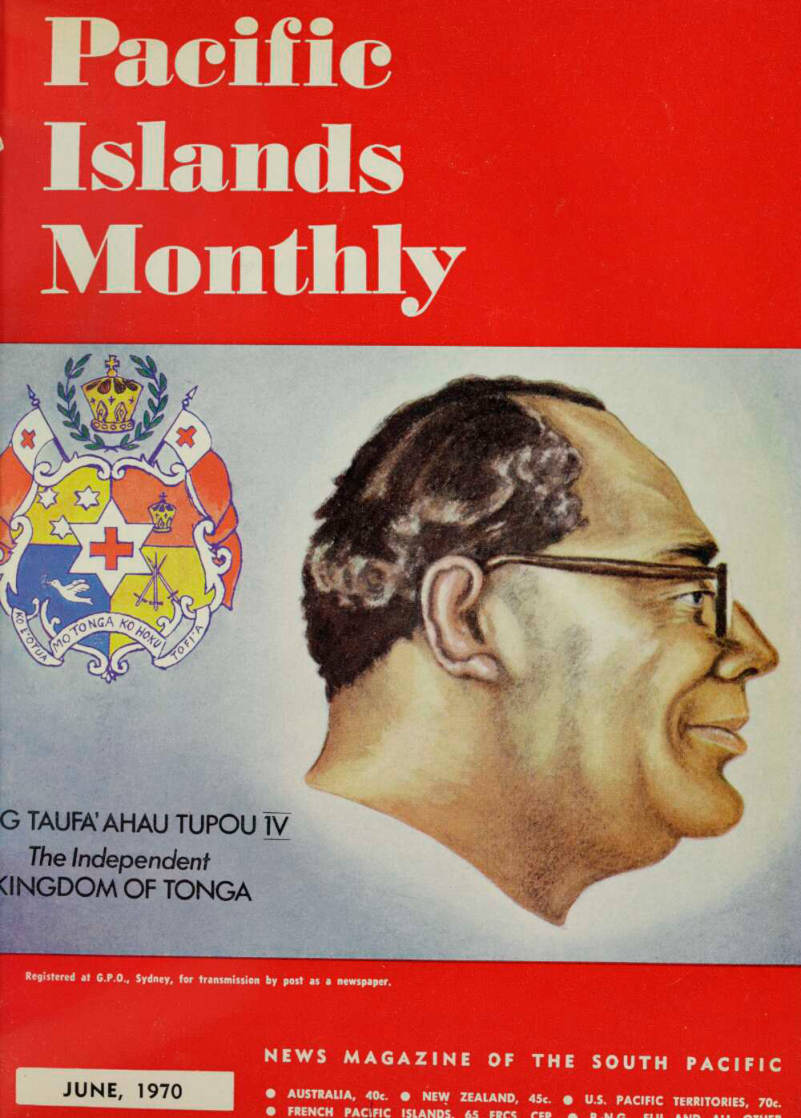 1
1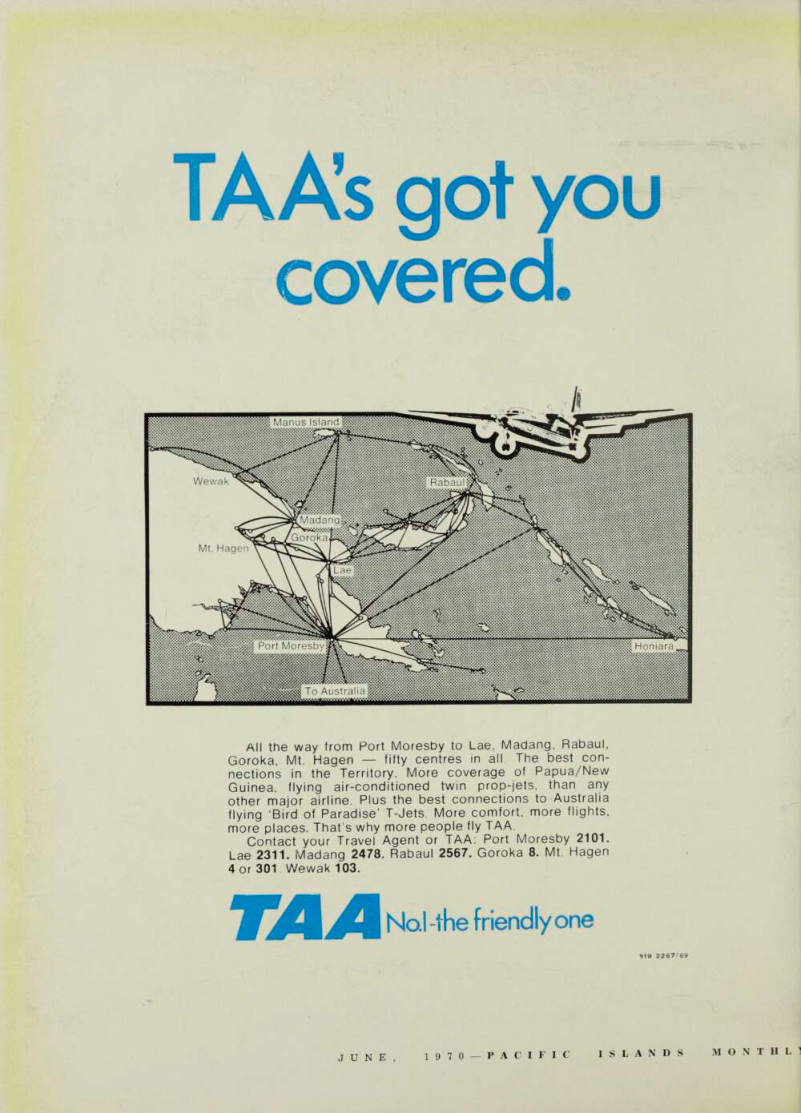 2
2 3
3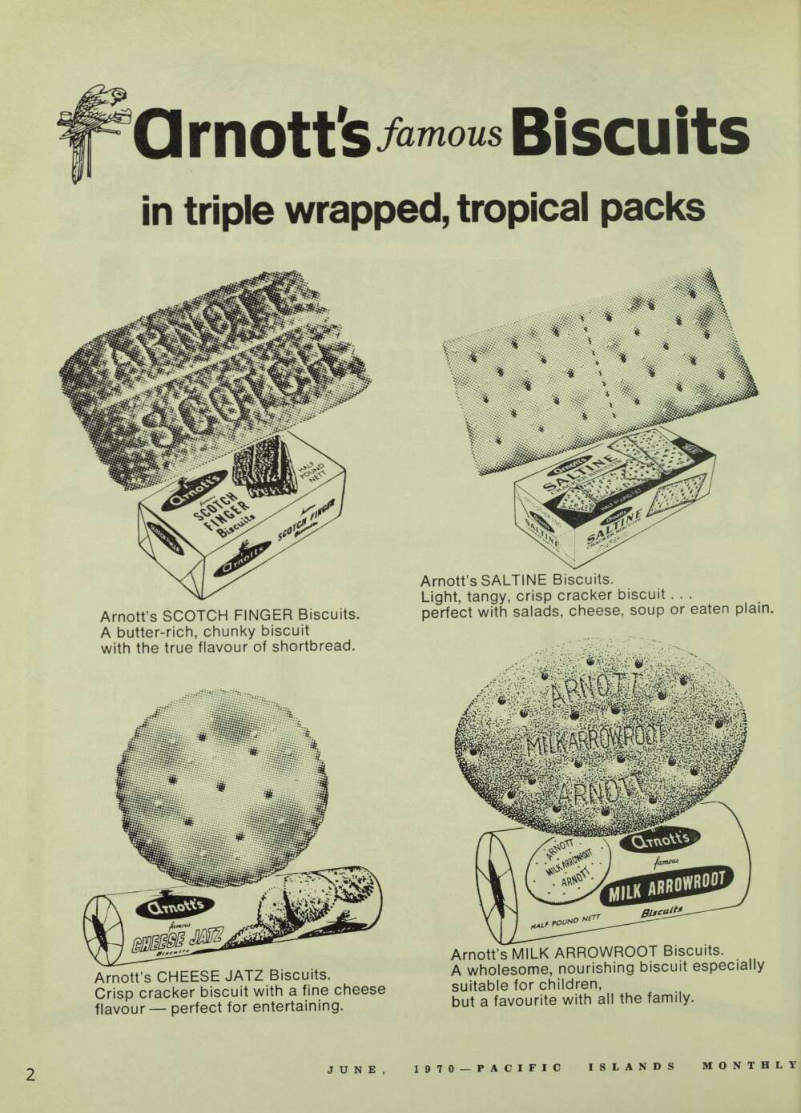 4
4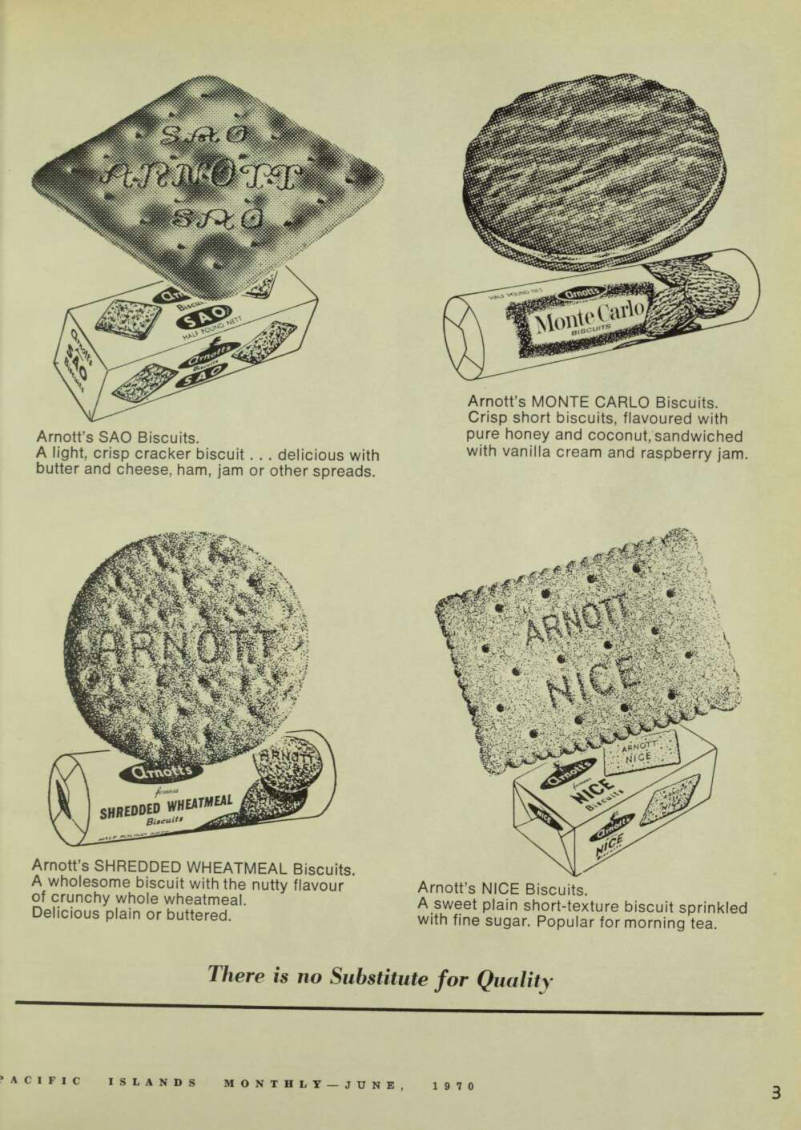 5
5 6
6 7
7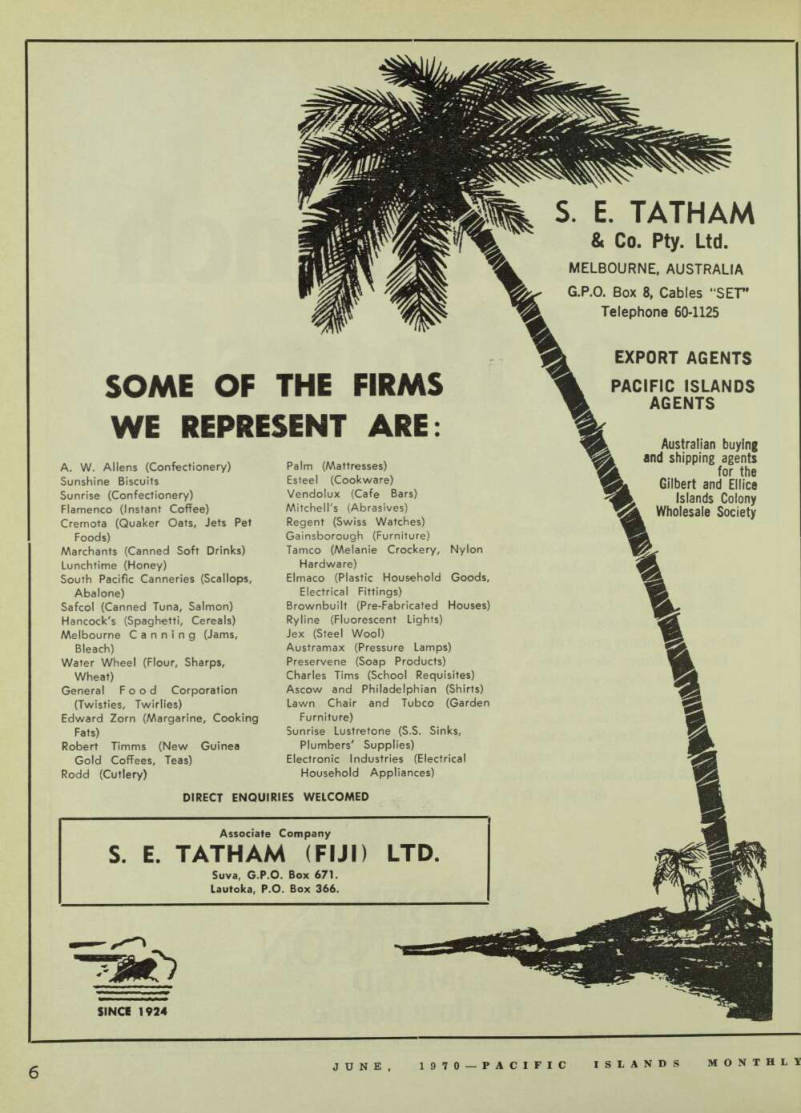 8
8 9
9 10
10 11
11 12
12 13
13 14
14 15
15 16
16 17
17 18
18 19
19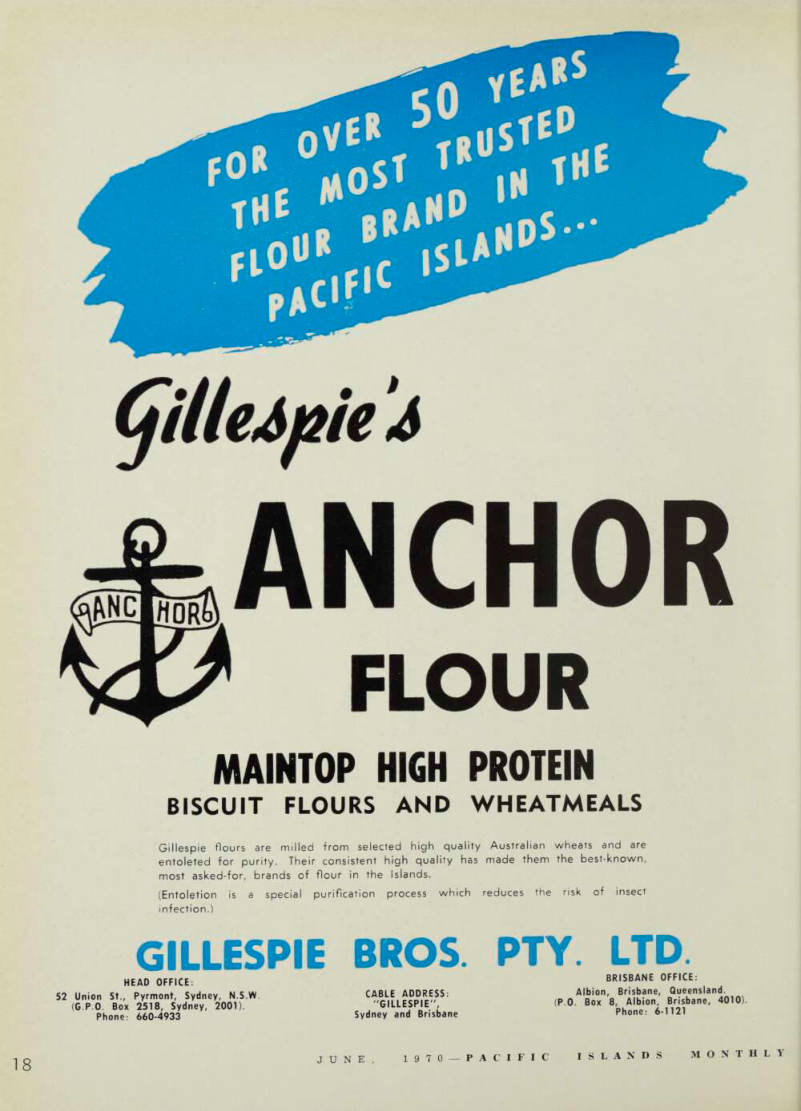 20
20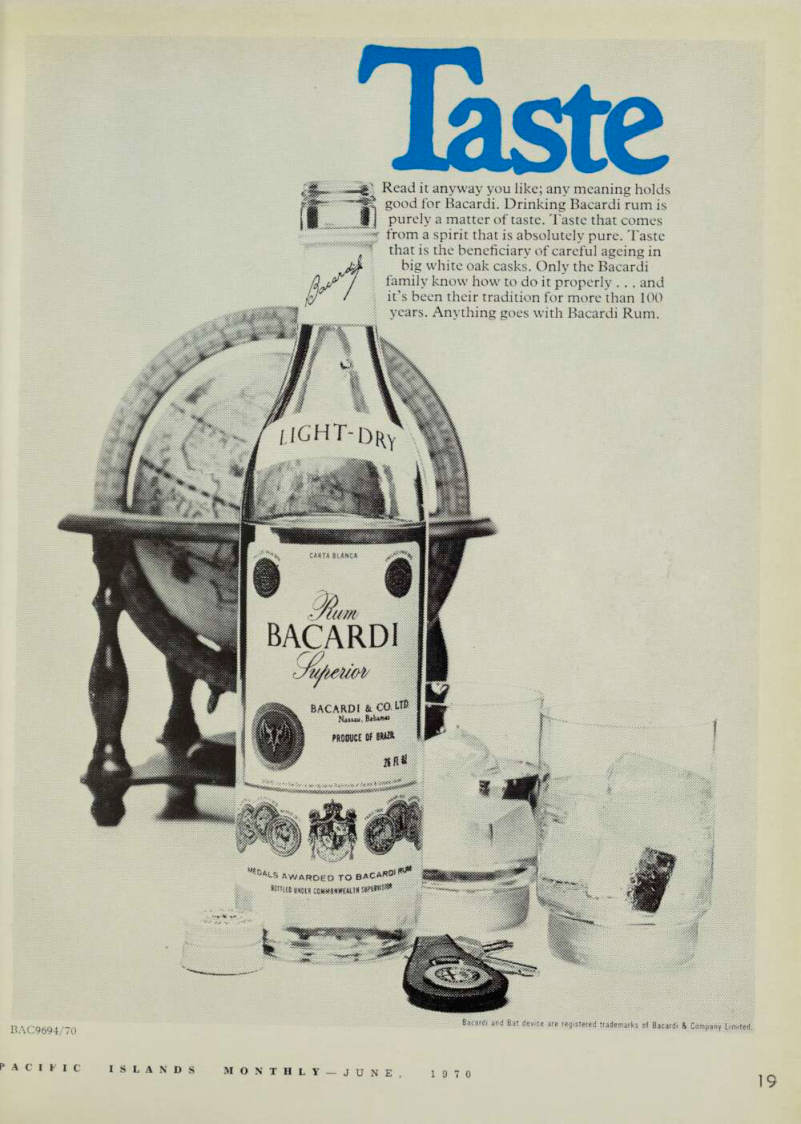 21
21 22
22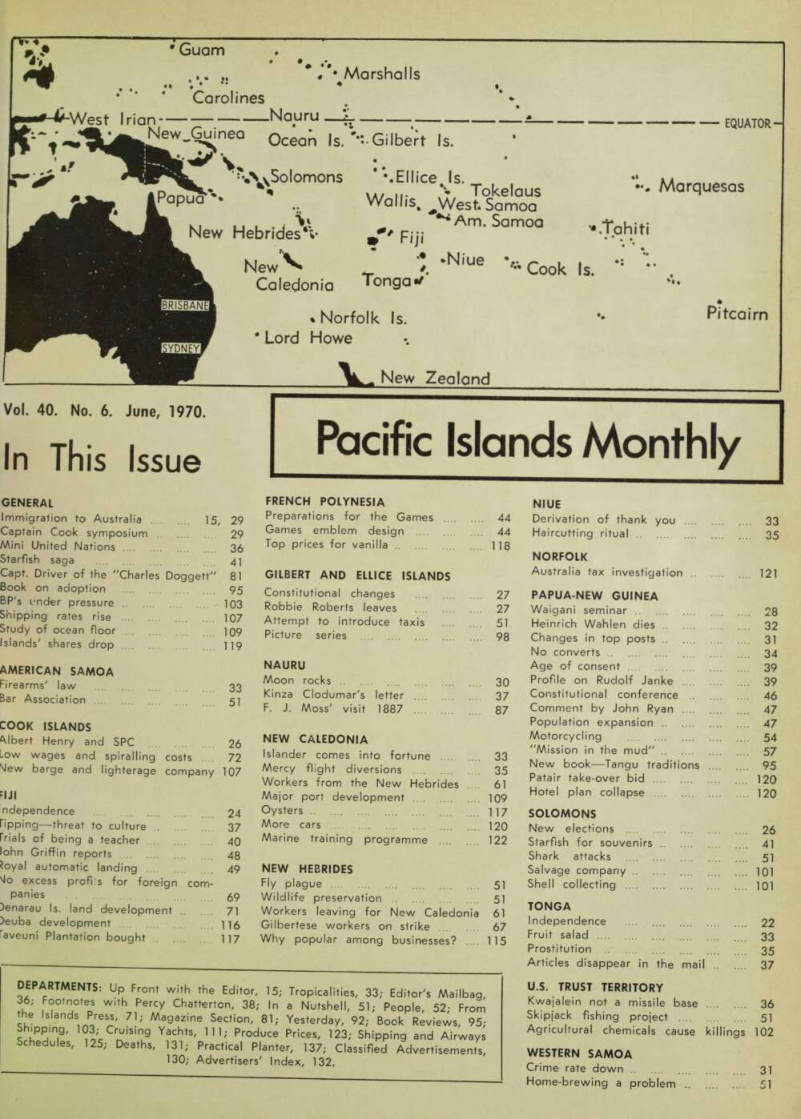 23
23 24
24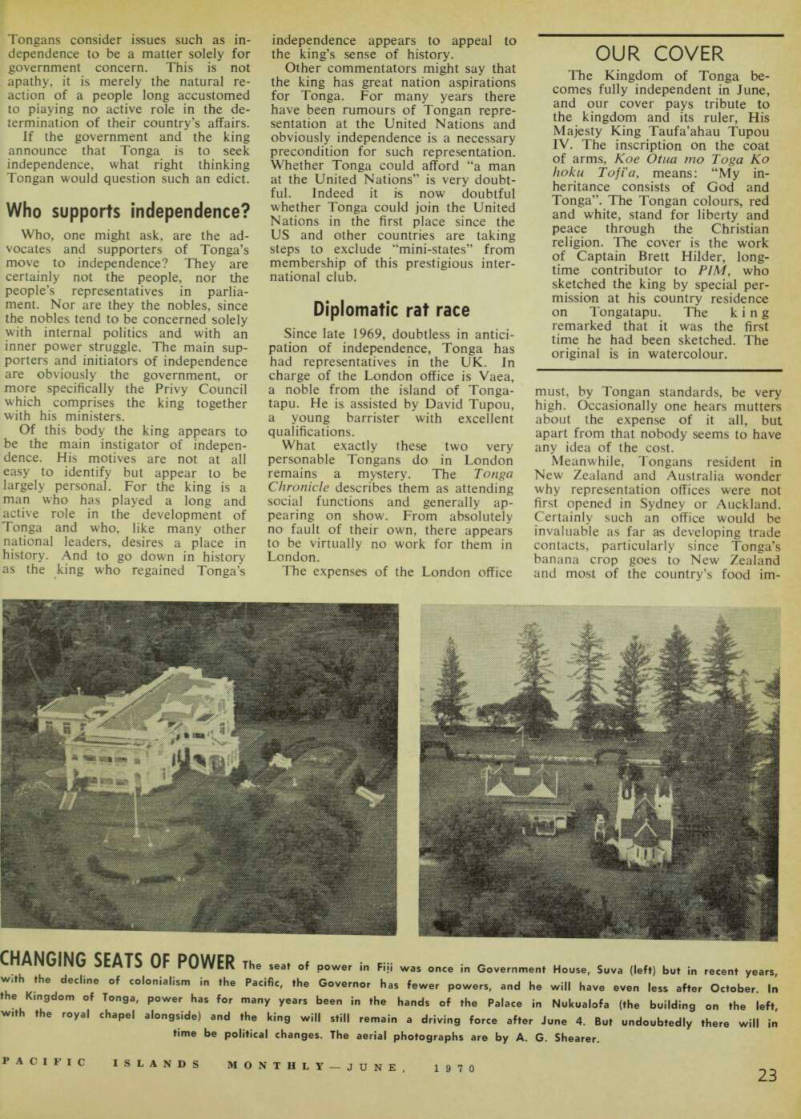 25
25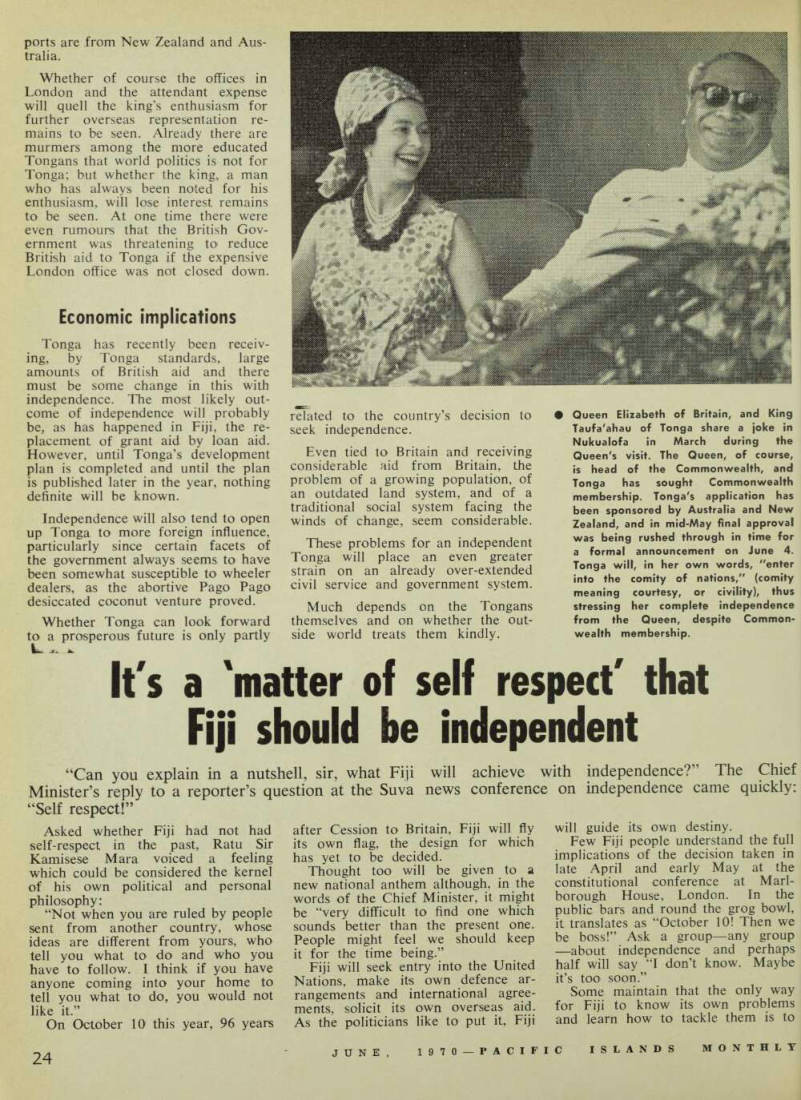 26
26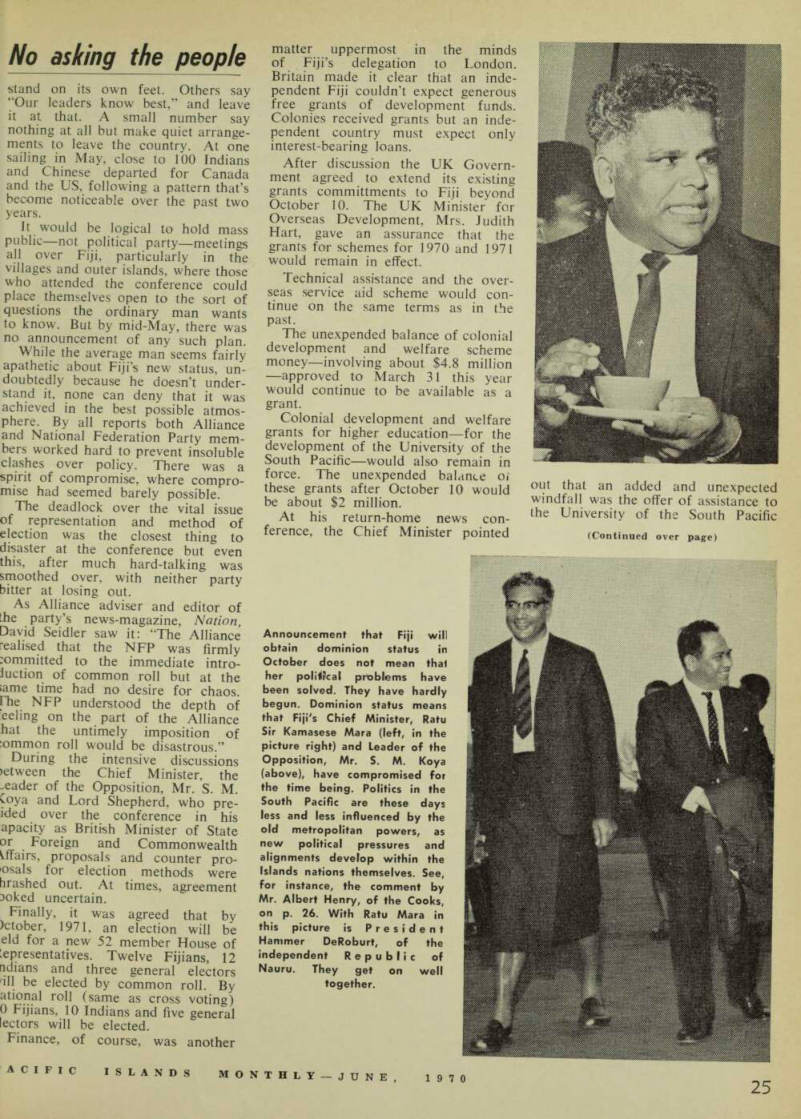 27
27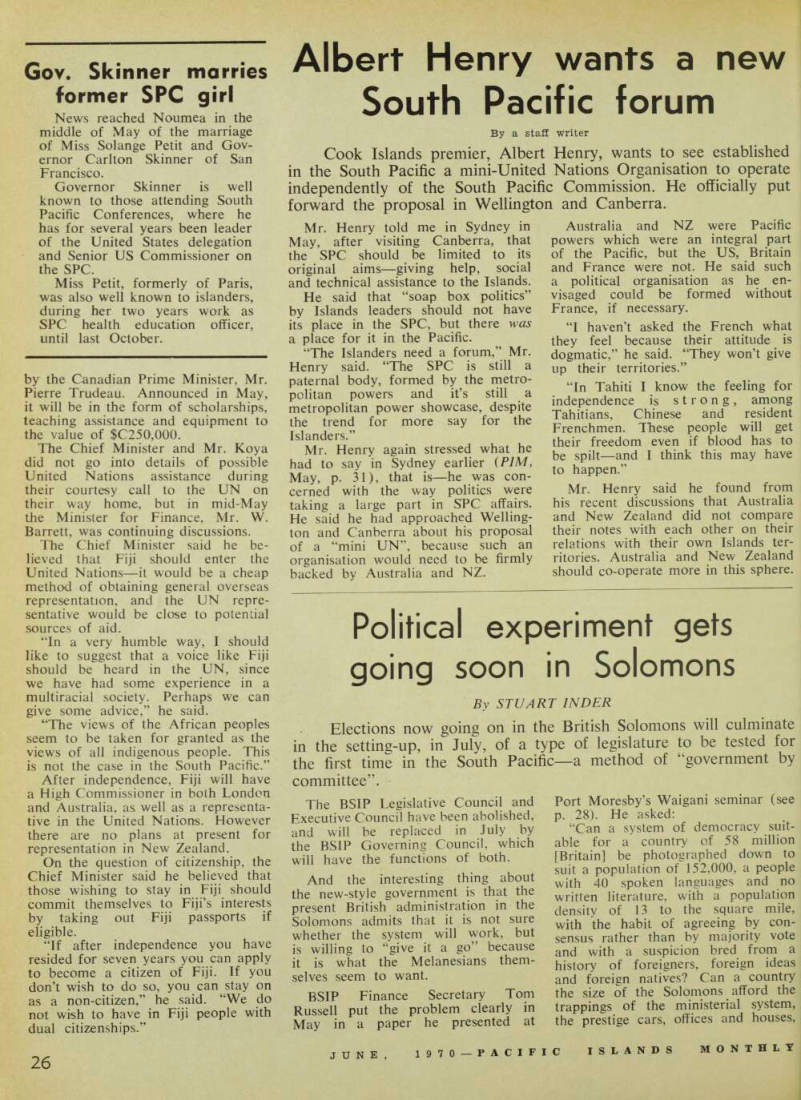 28
28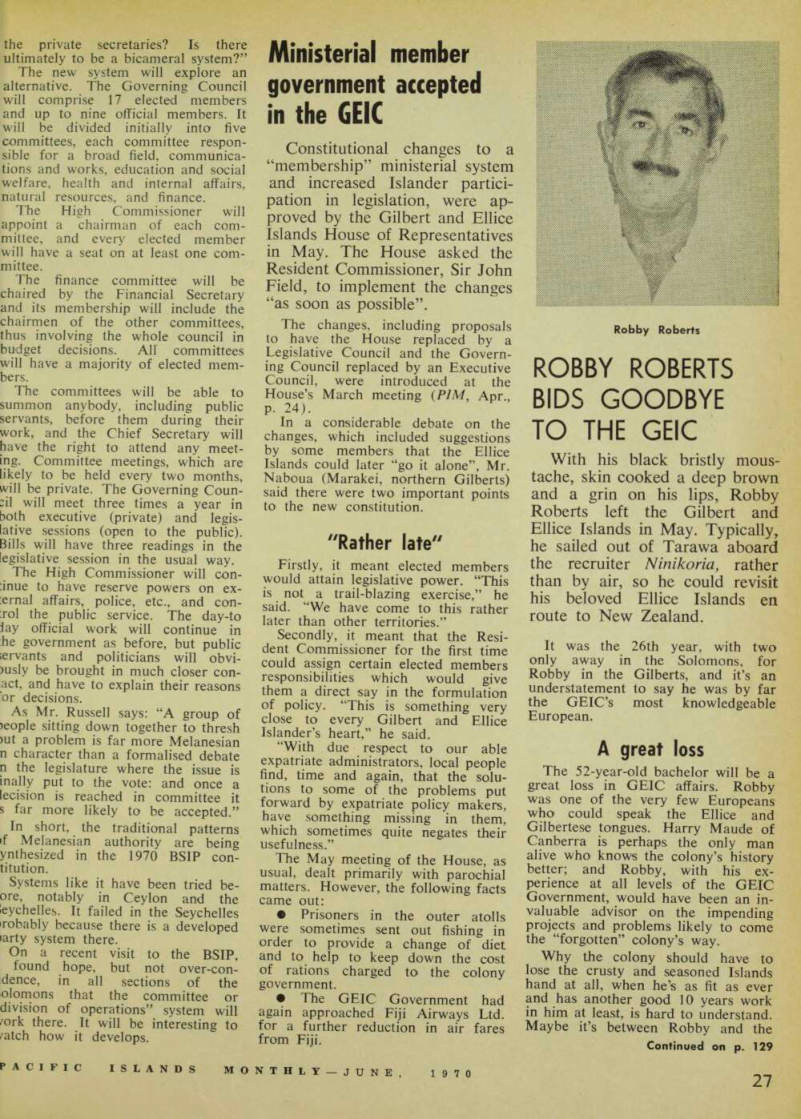 29
29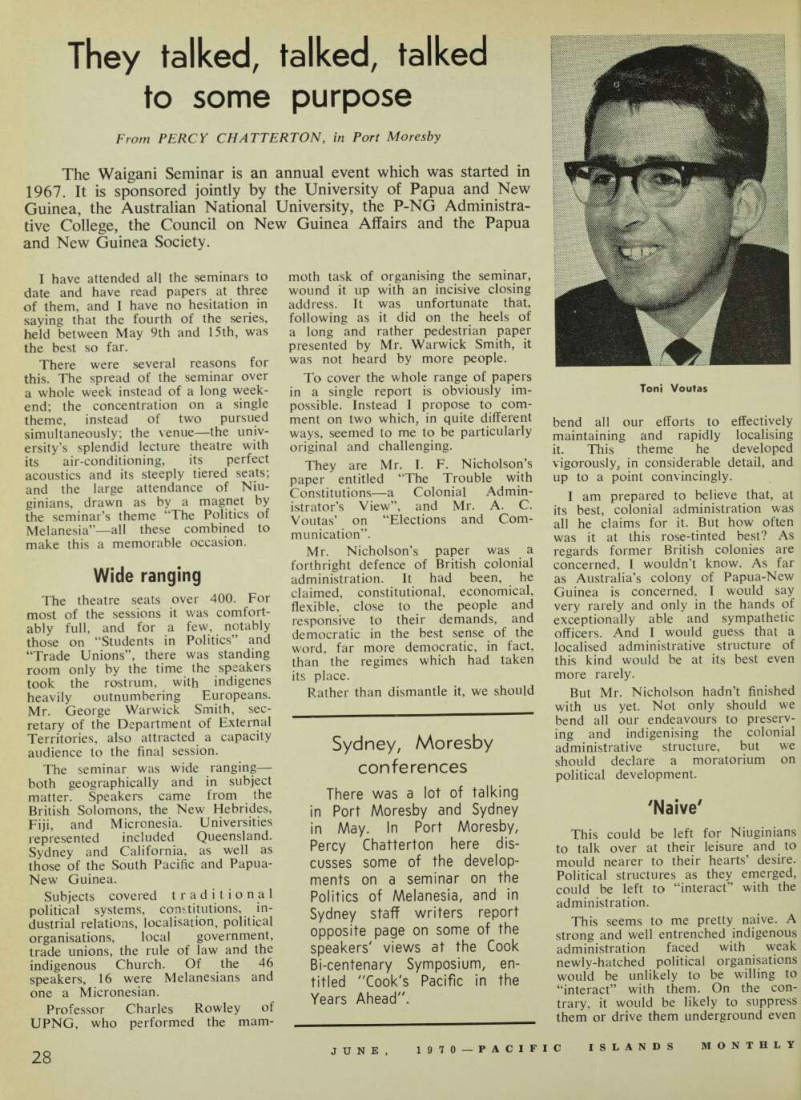 30
30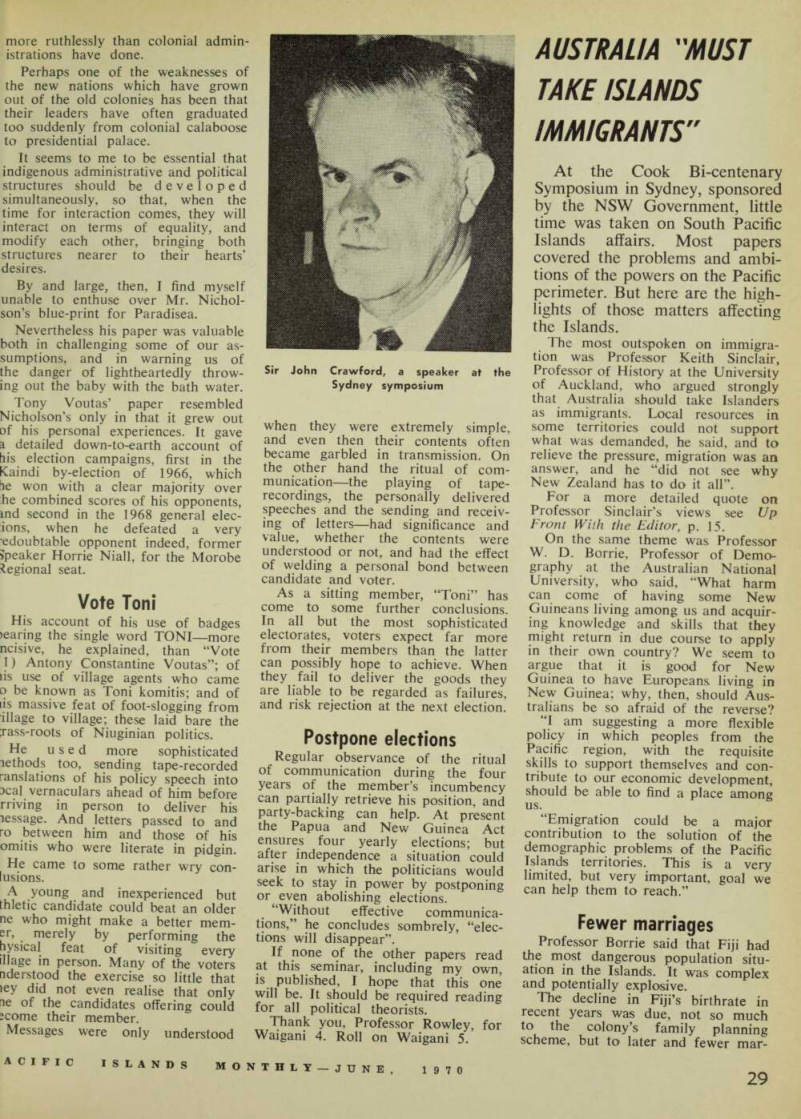 31
31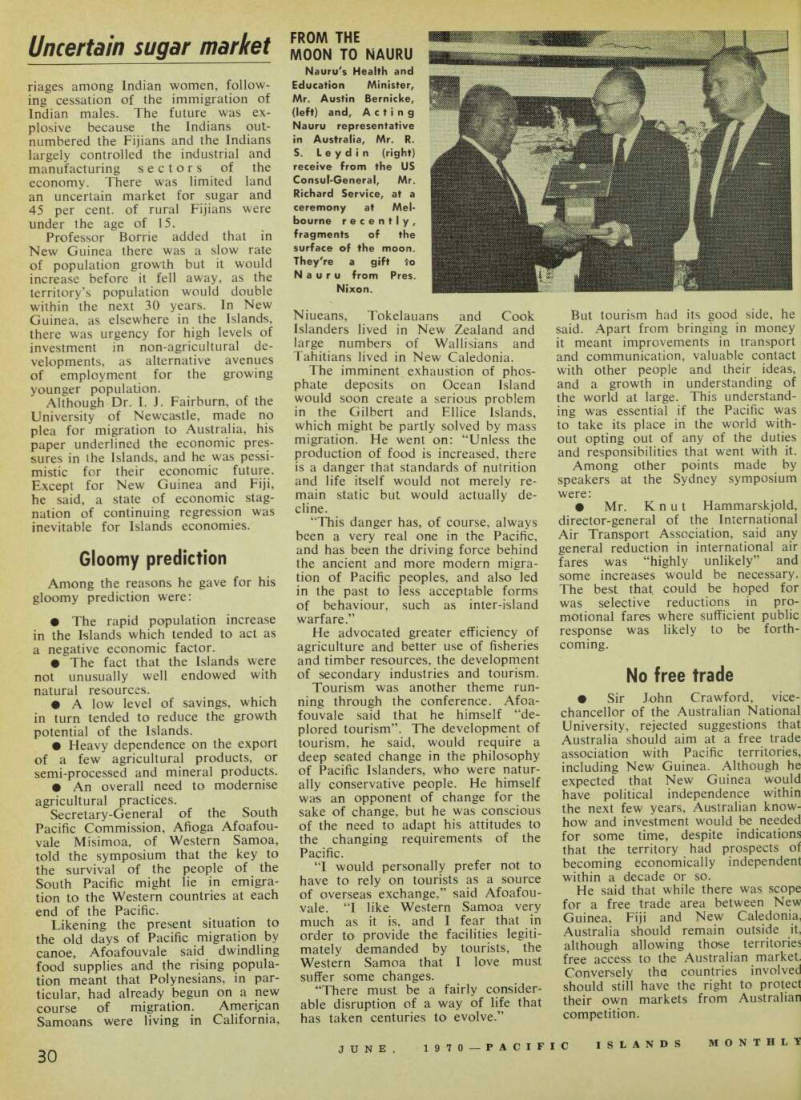 32
32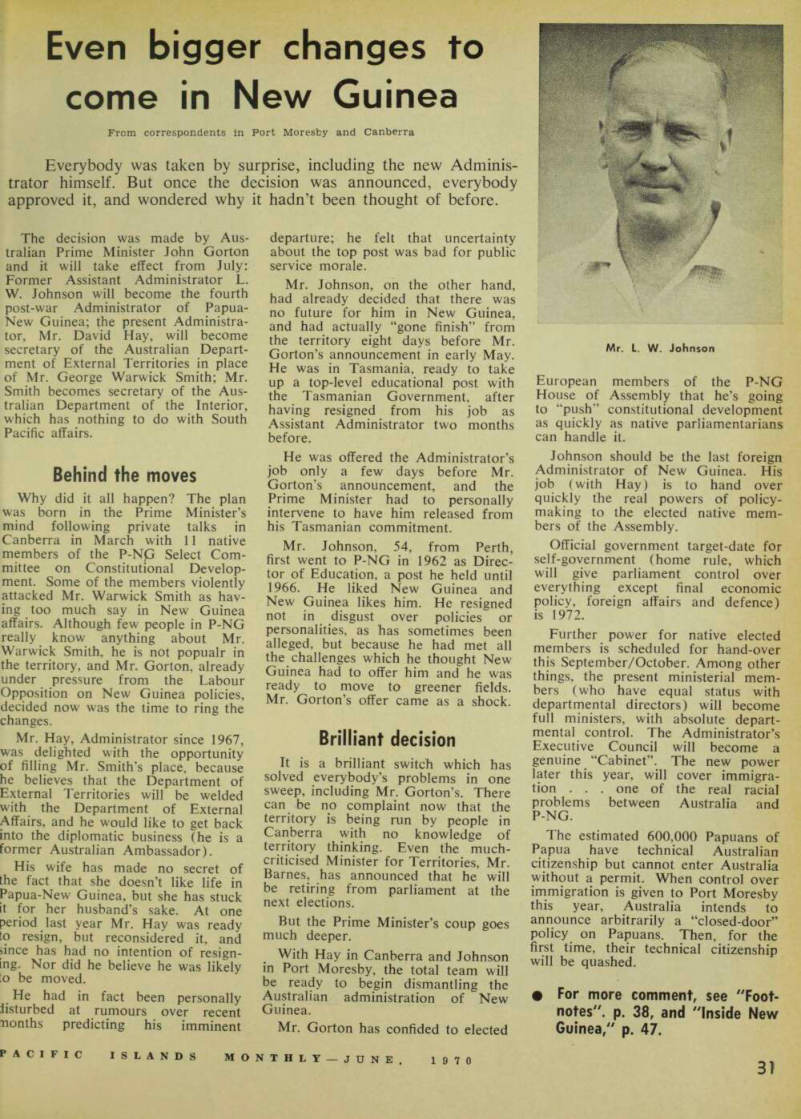 33
33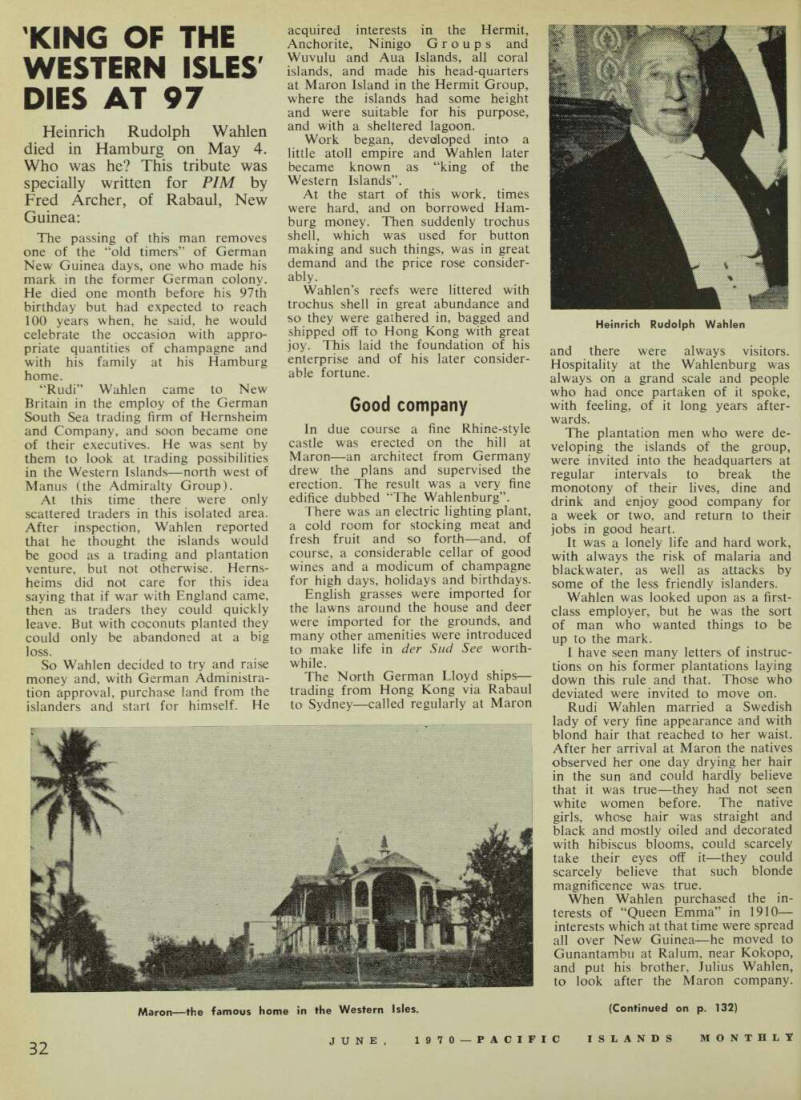 34
34 35
35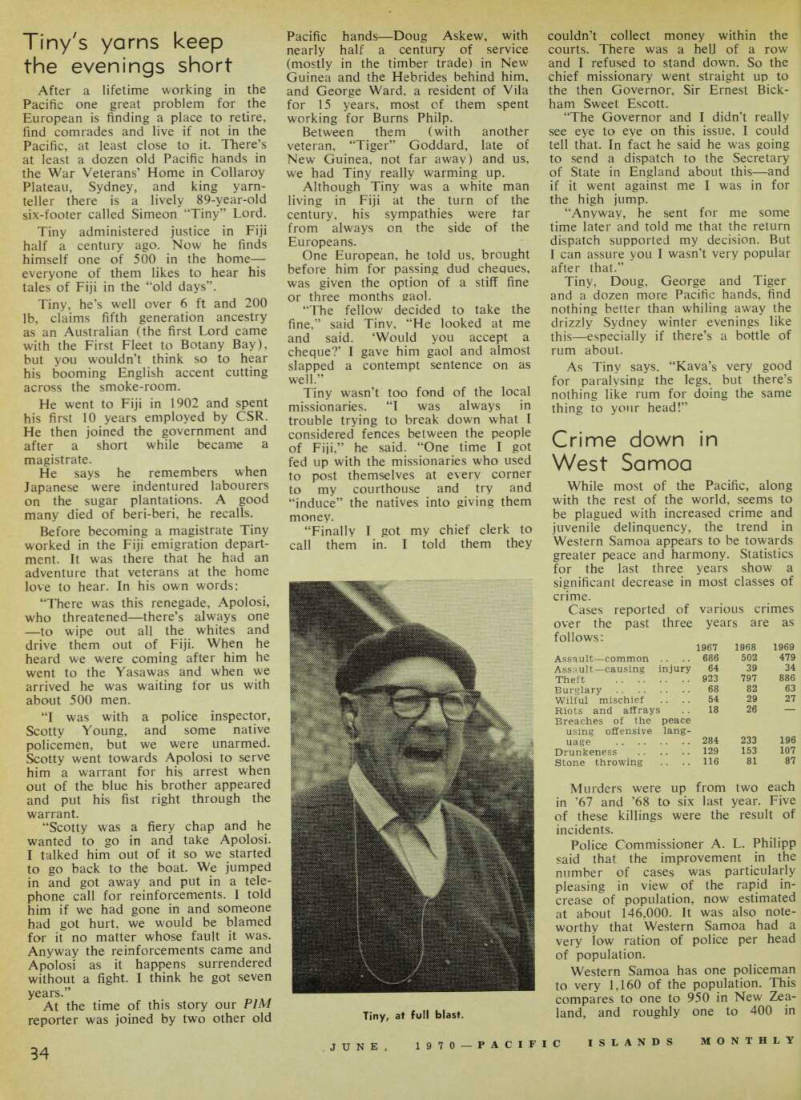 36
36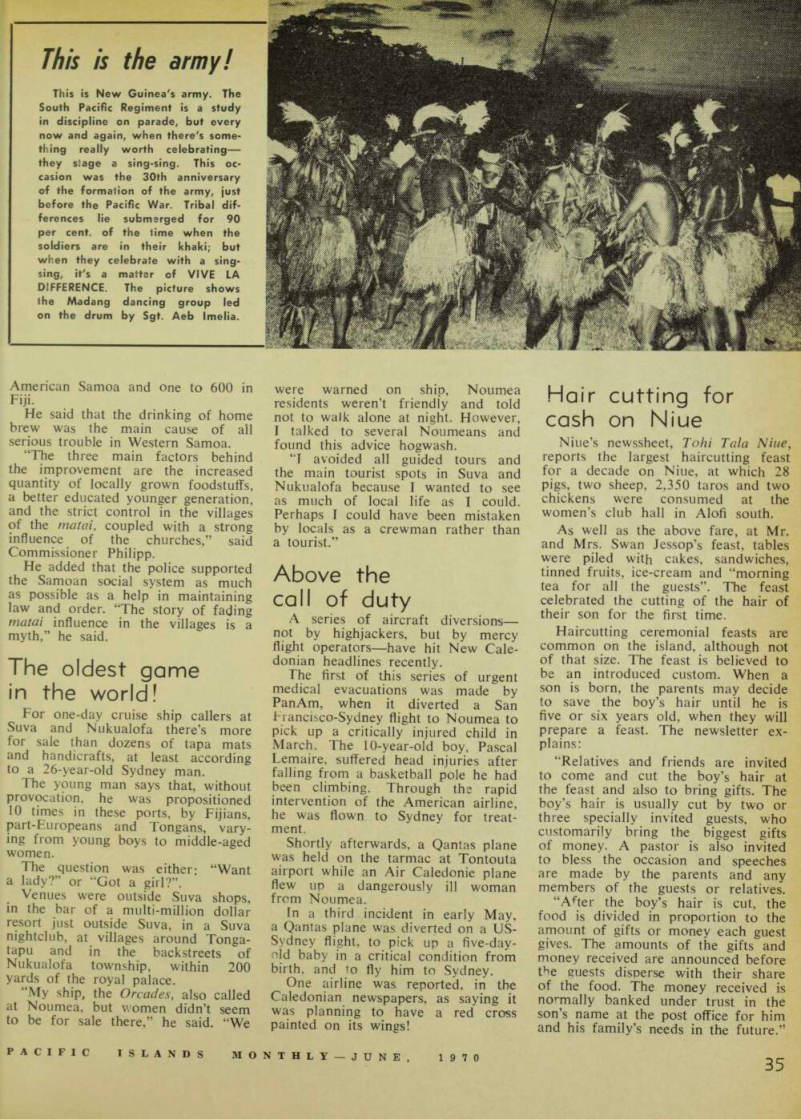 37
37 38
38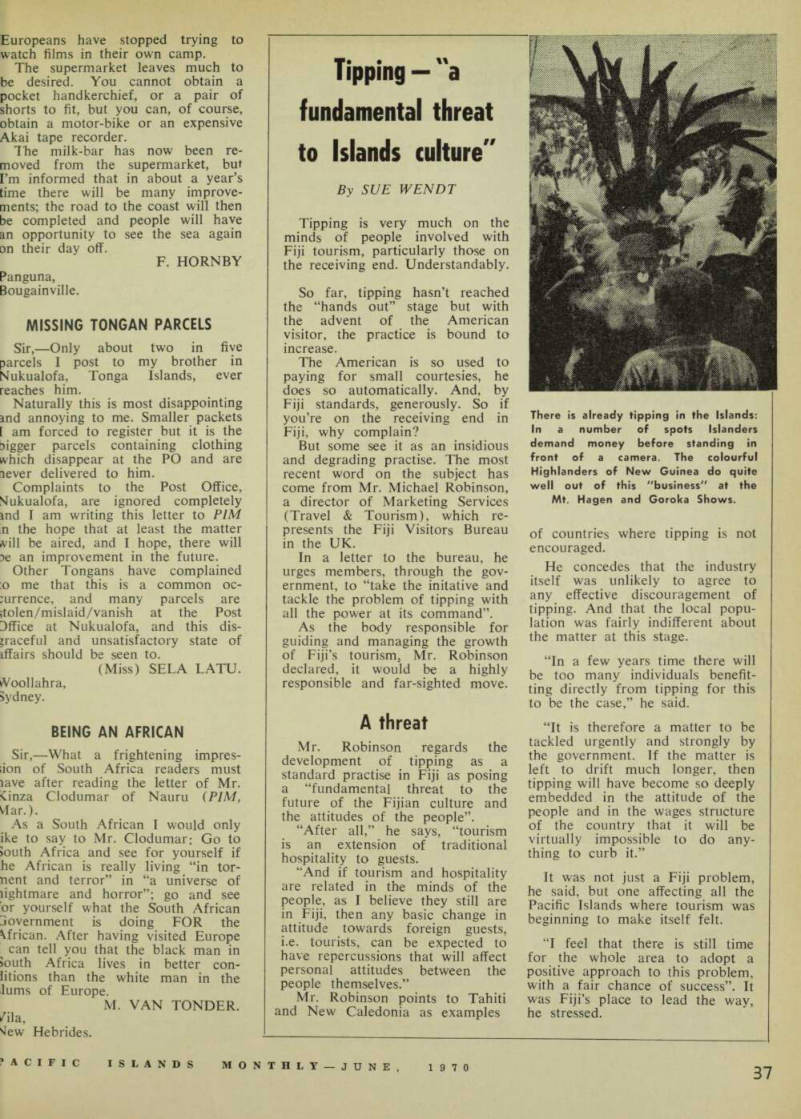 39
39 40
40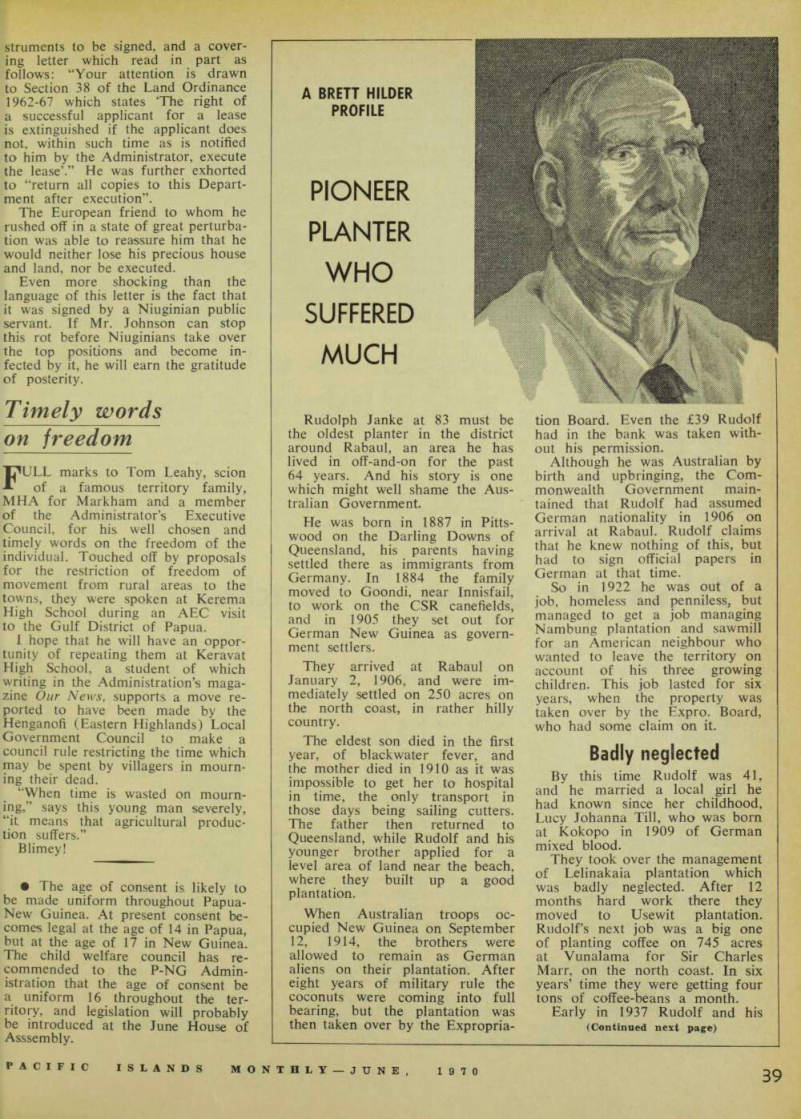 41
41 42
42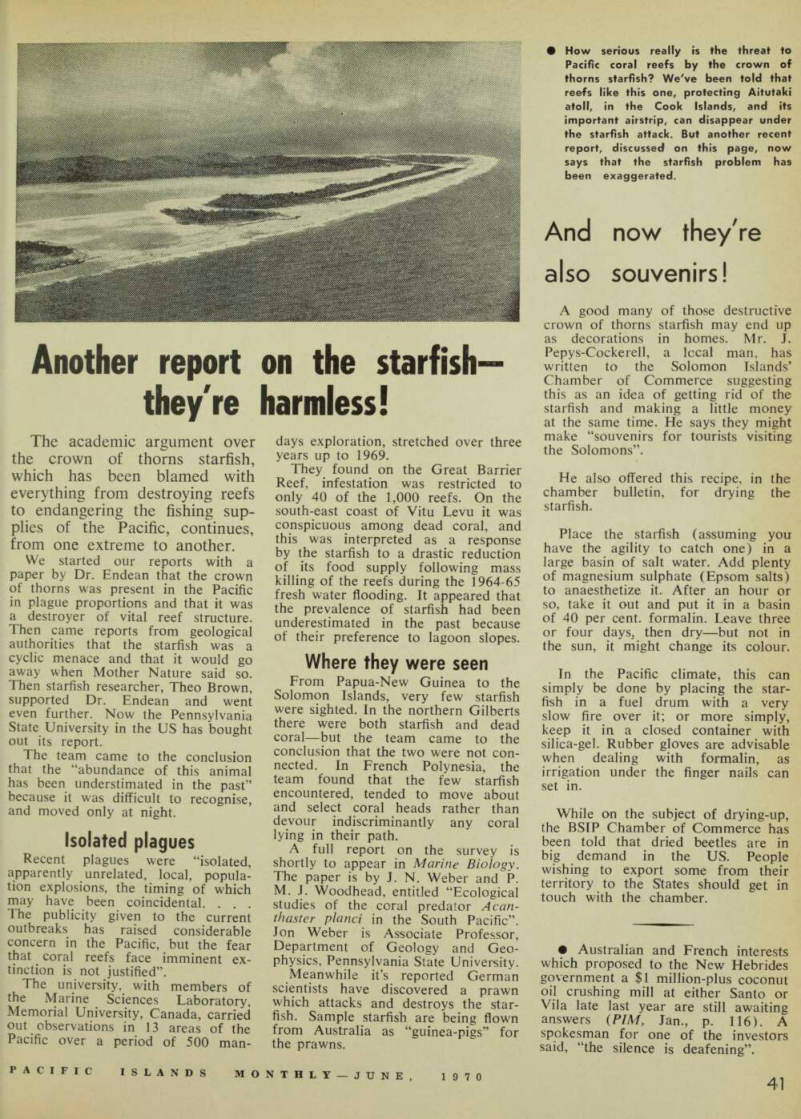 43
43 44
44 45
45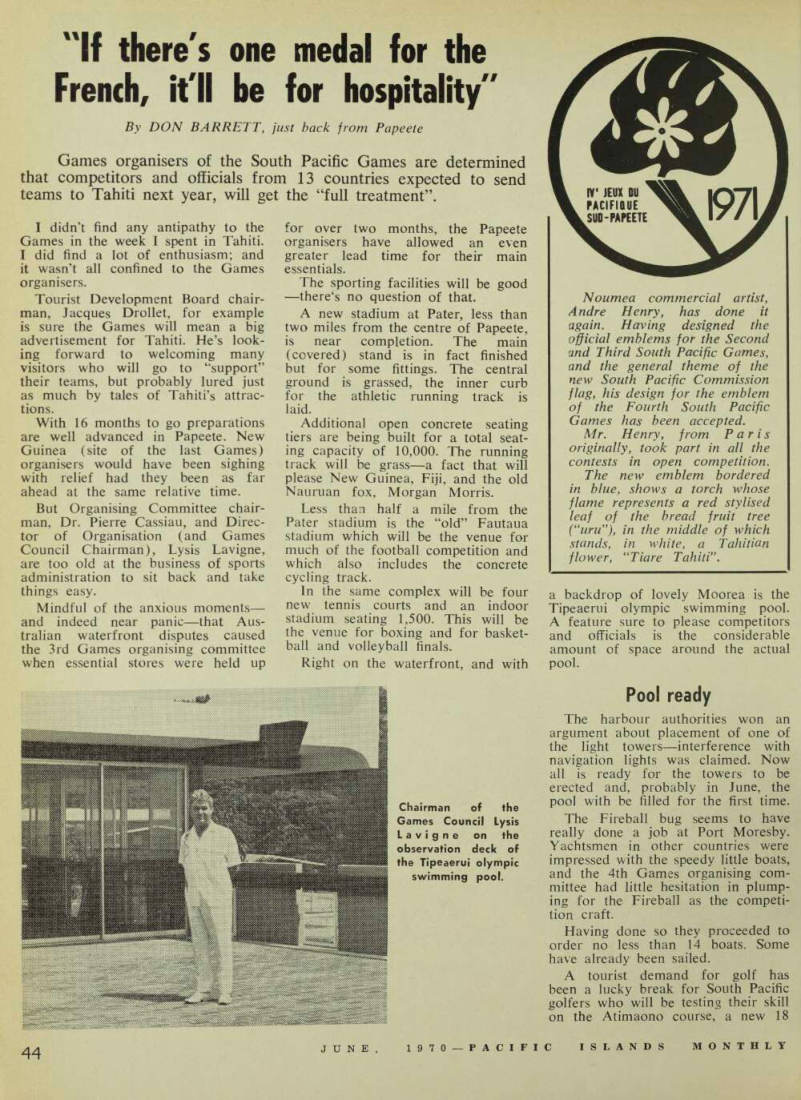 46
46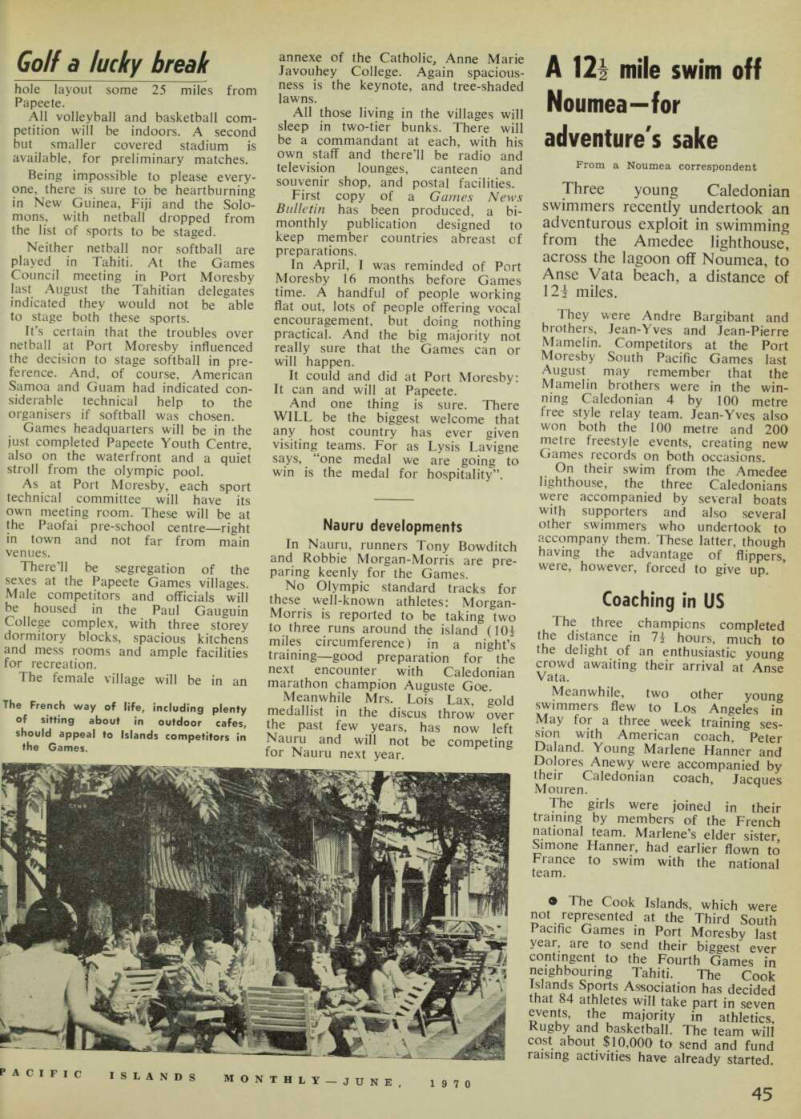 47
47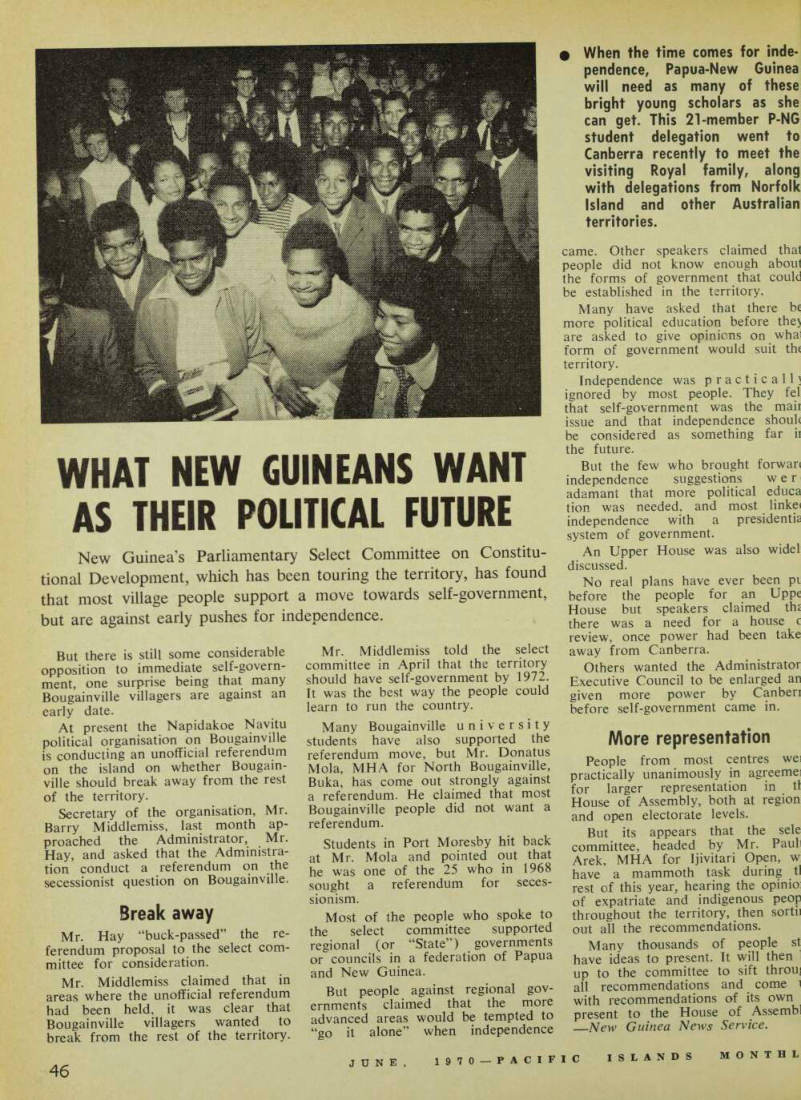 48
48 49
49 50
50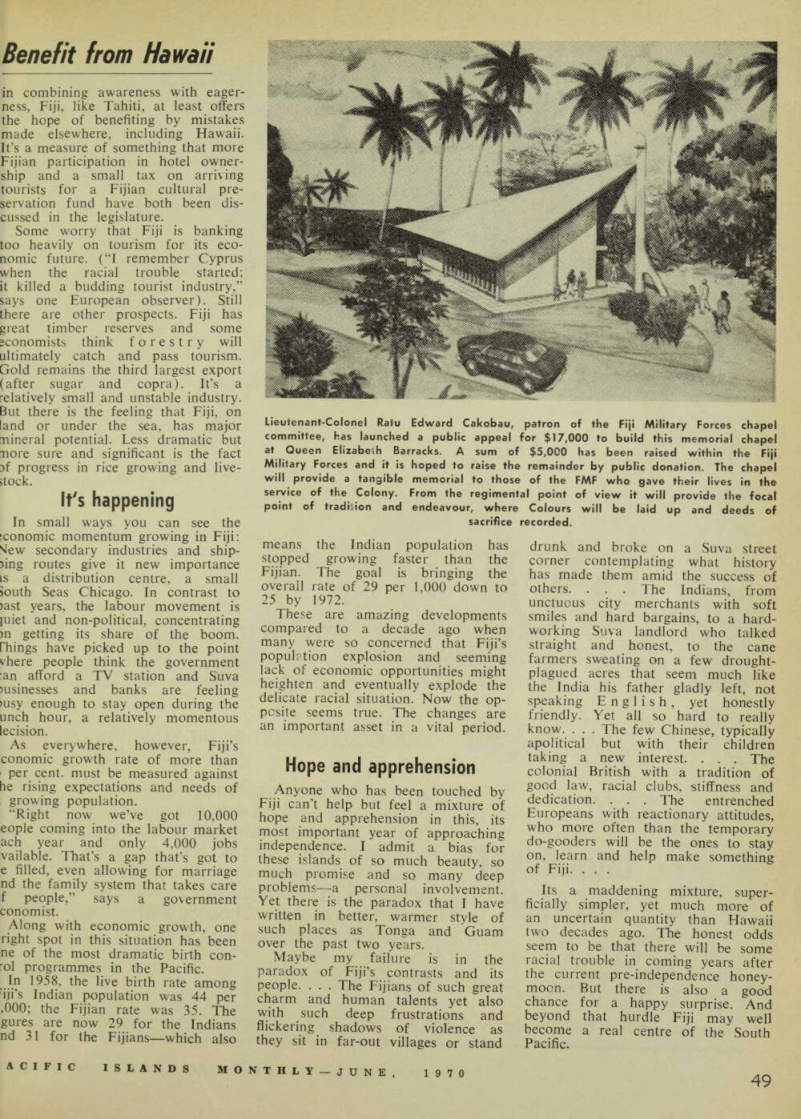 51
51 52
52 53
53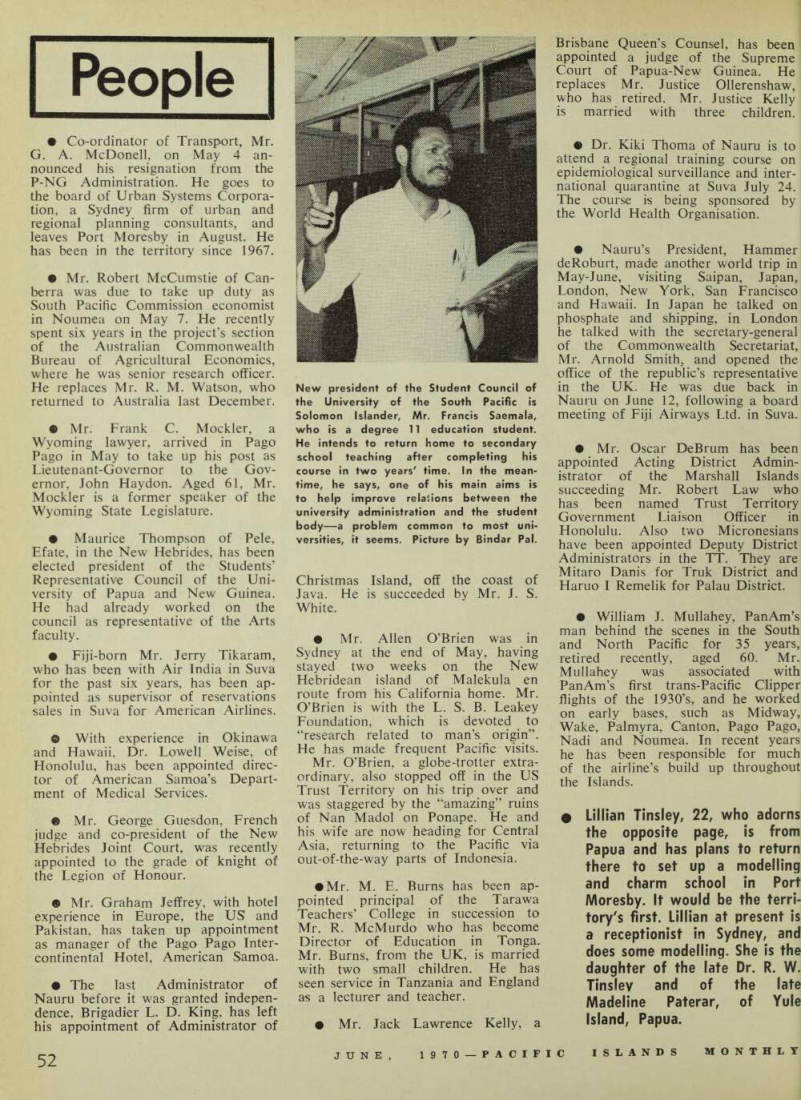 54
54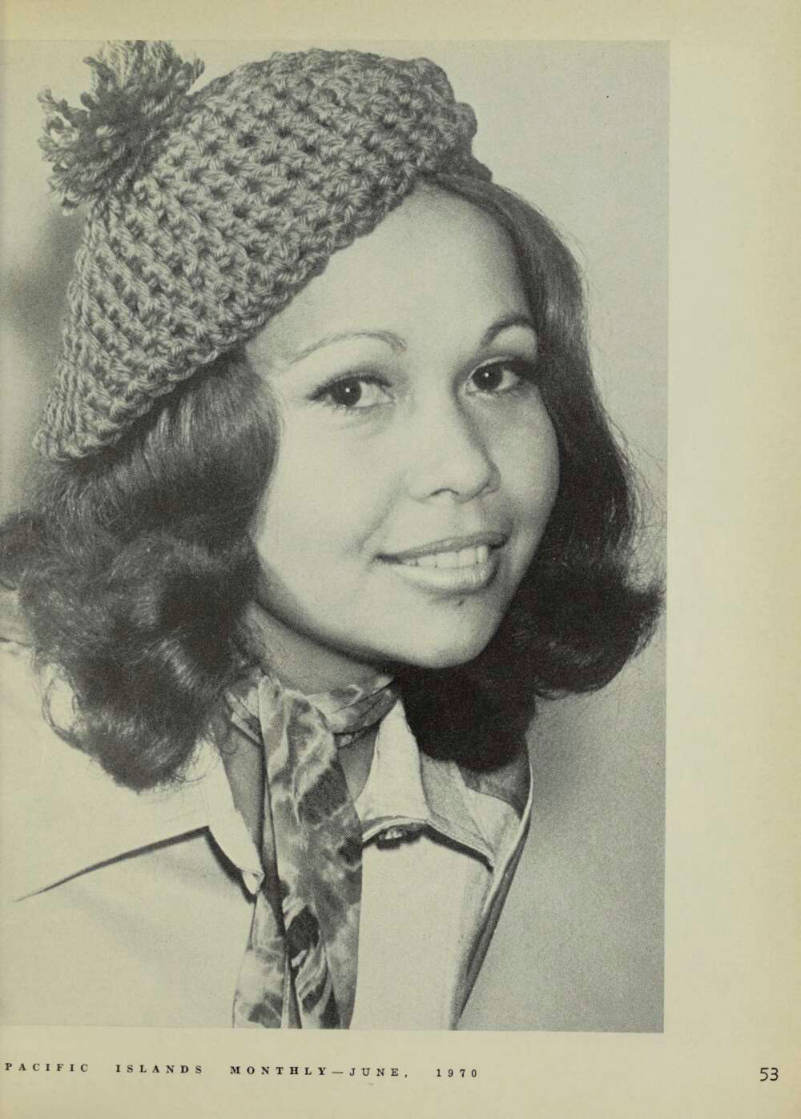 55
55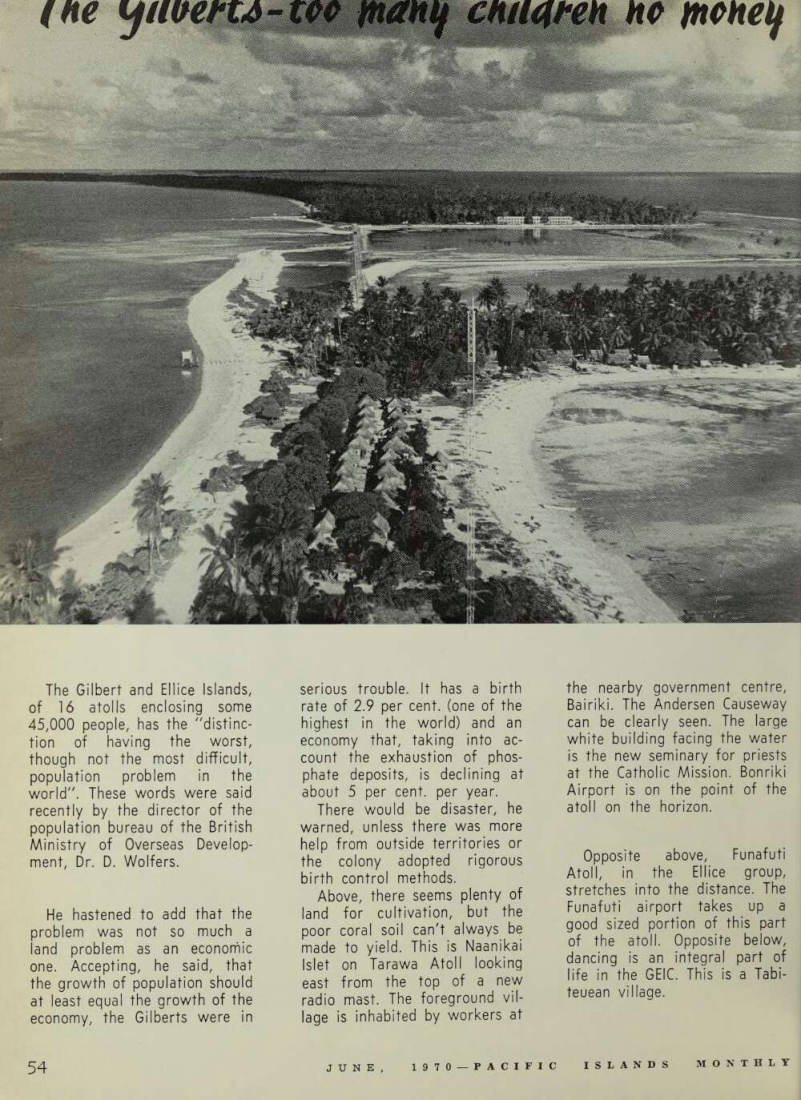 56
56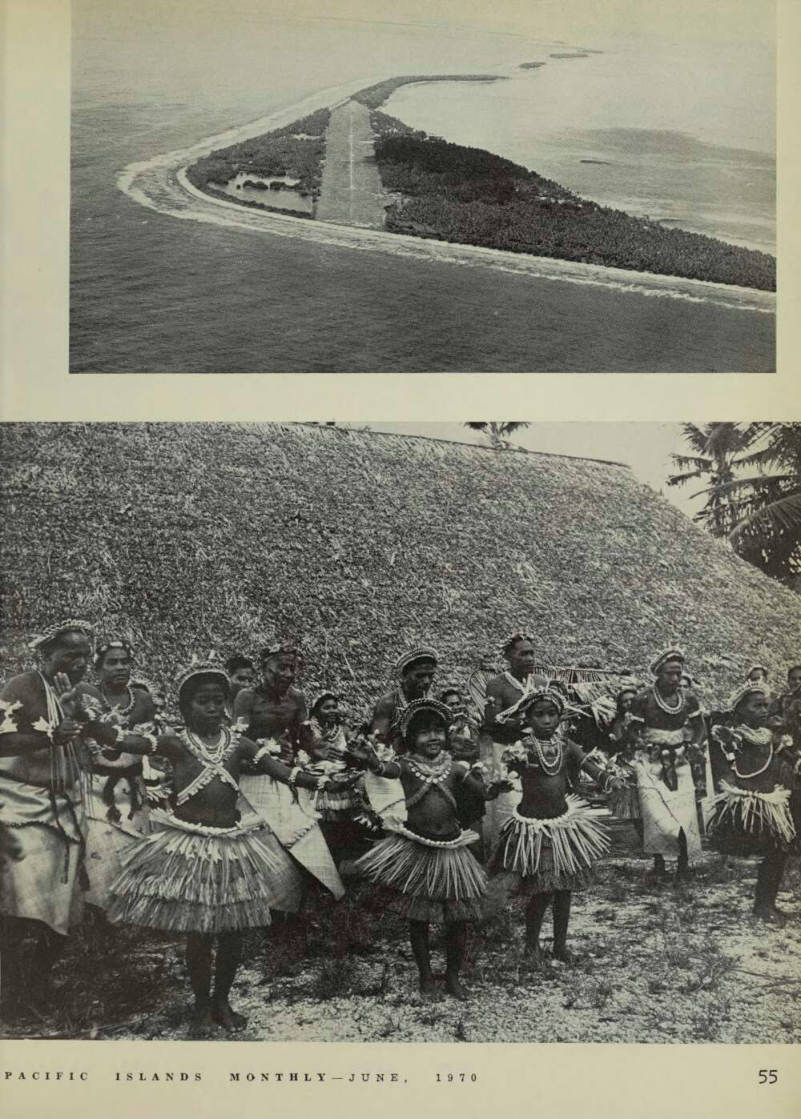 57
57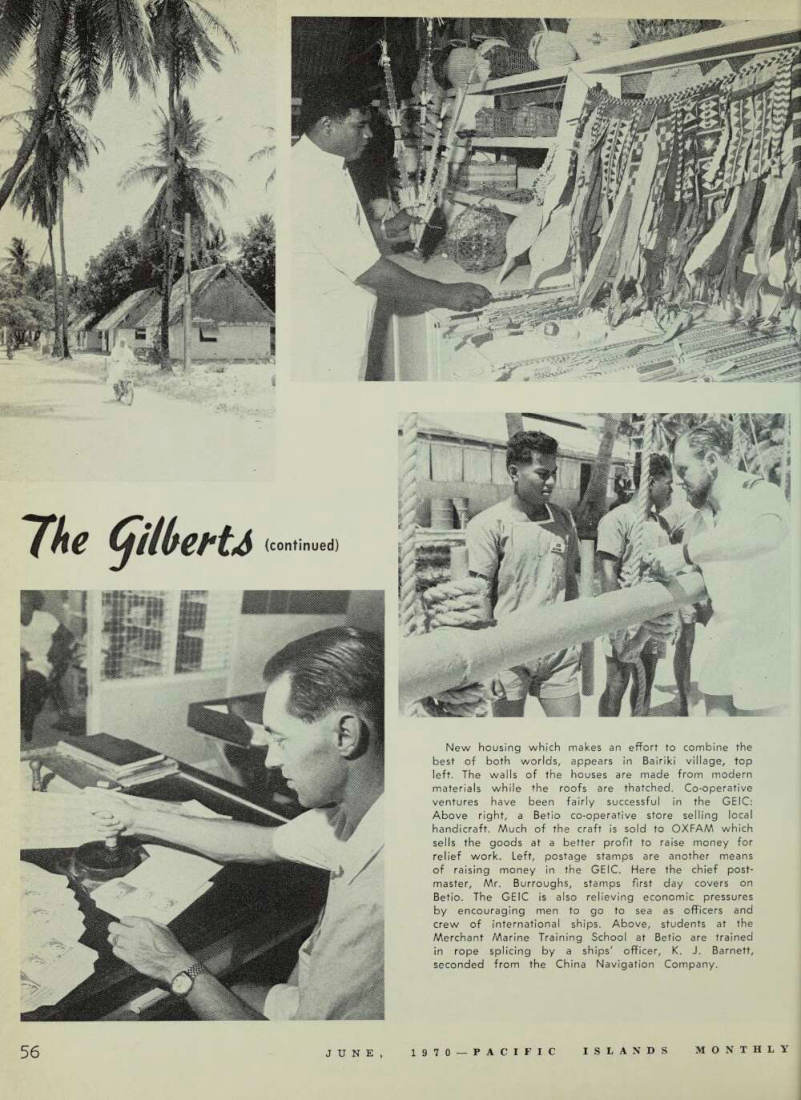 58
58 59
59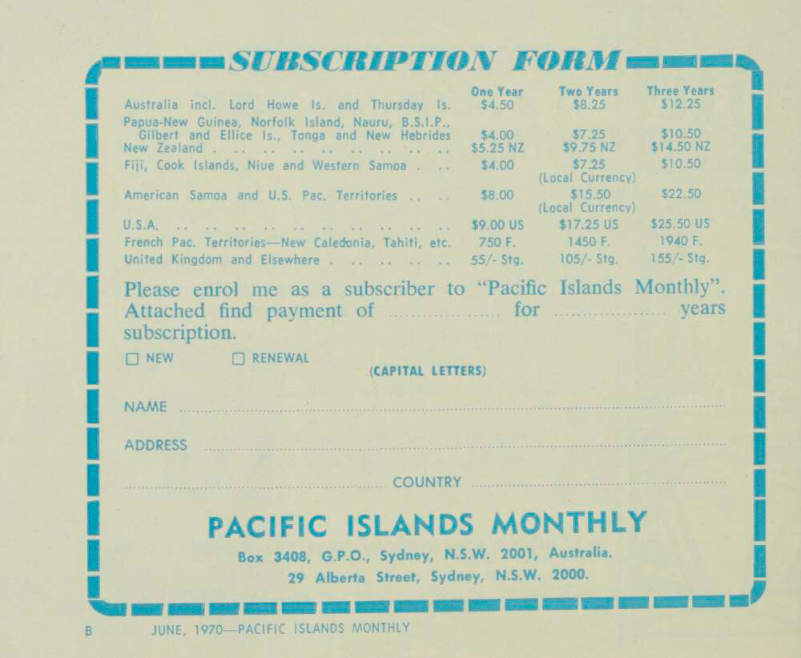 60
60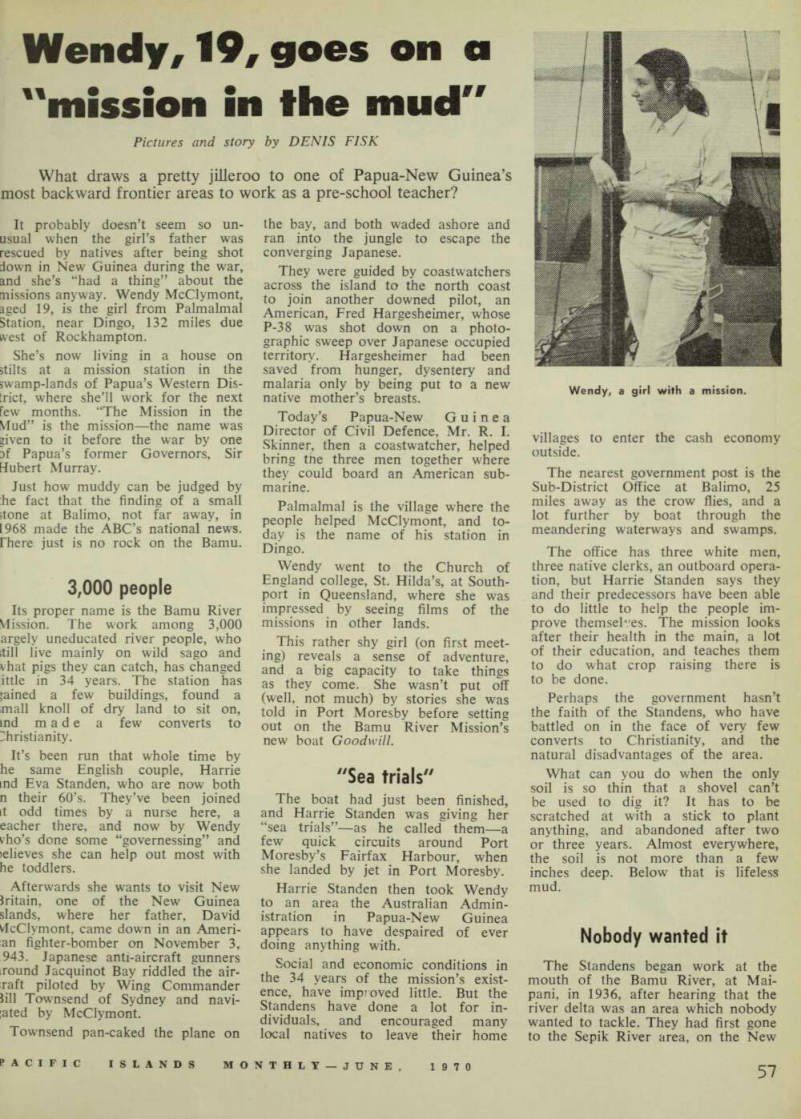 61
61 62
62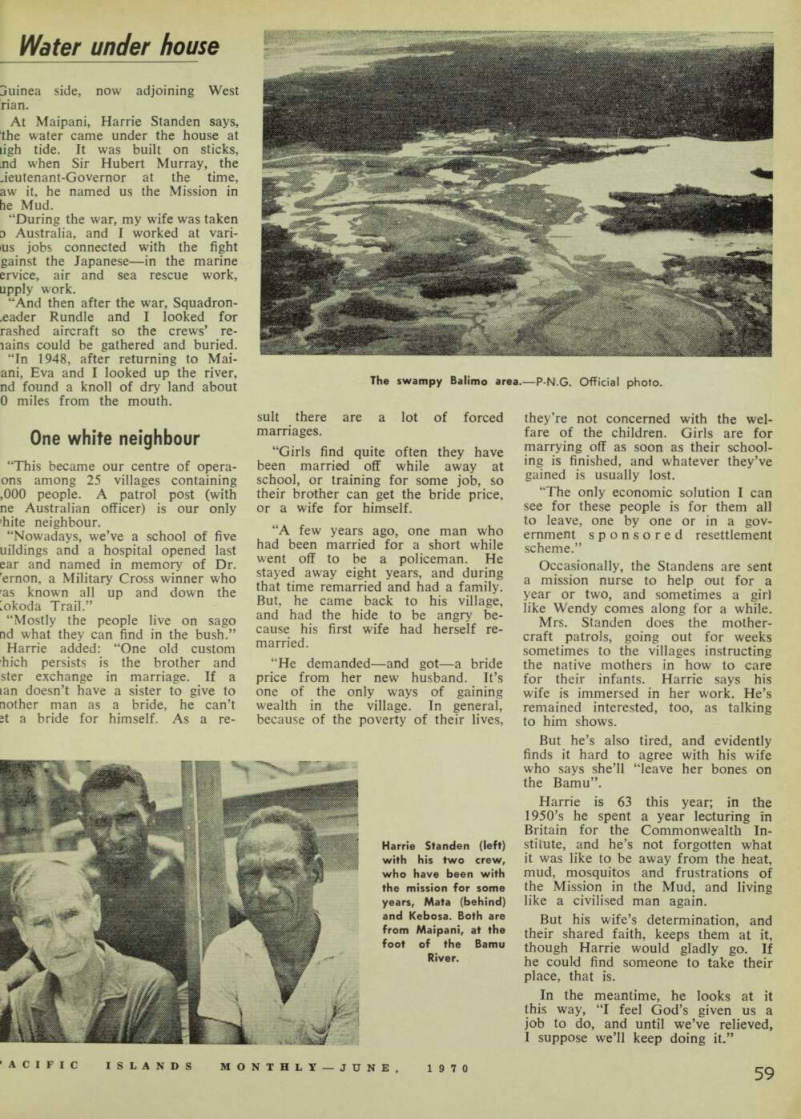 63
63 64
64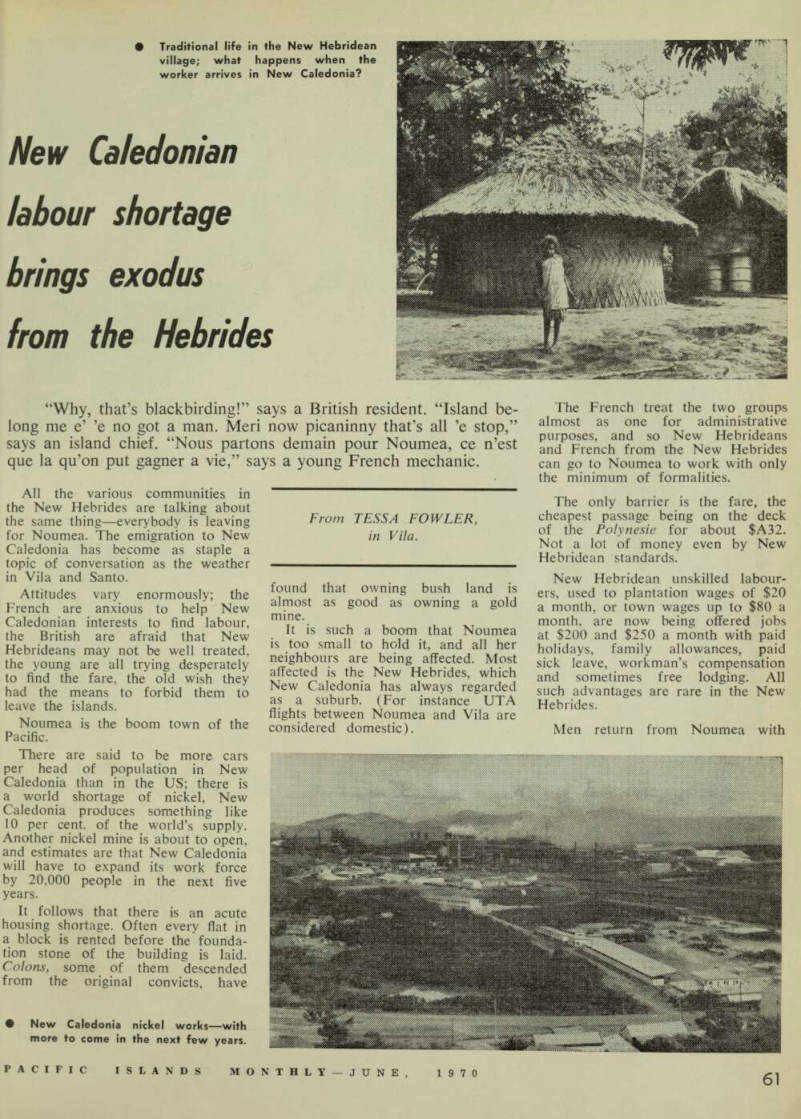 65
65 66
66 67
67 68
68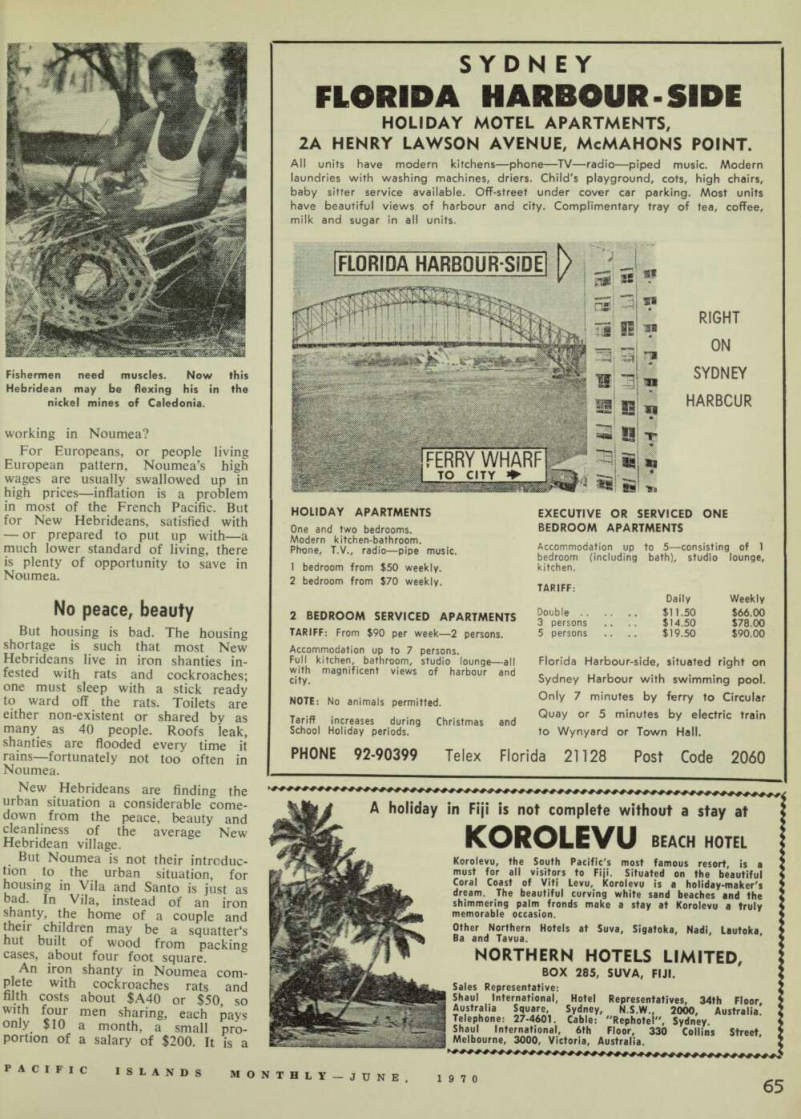 69
69 70
70 71
71 72
72 73
73 74
74 75
75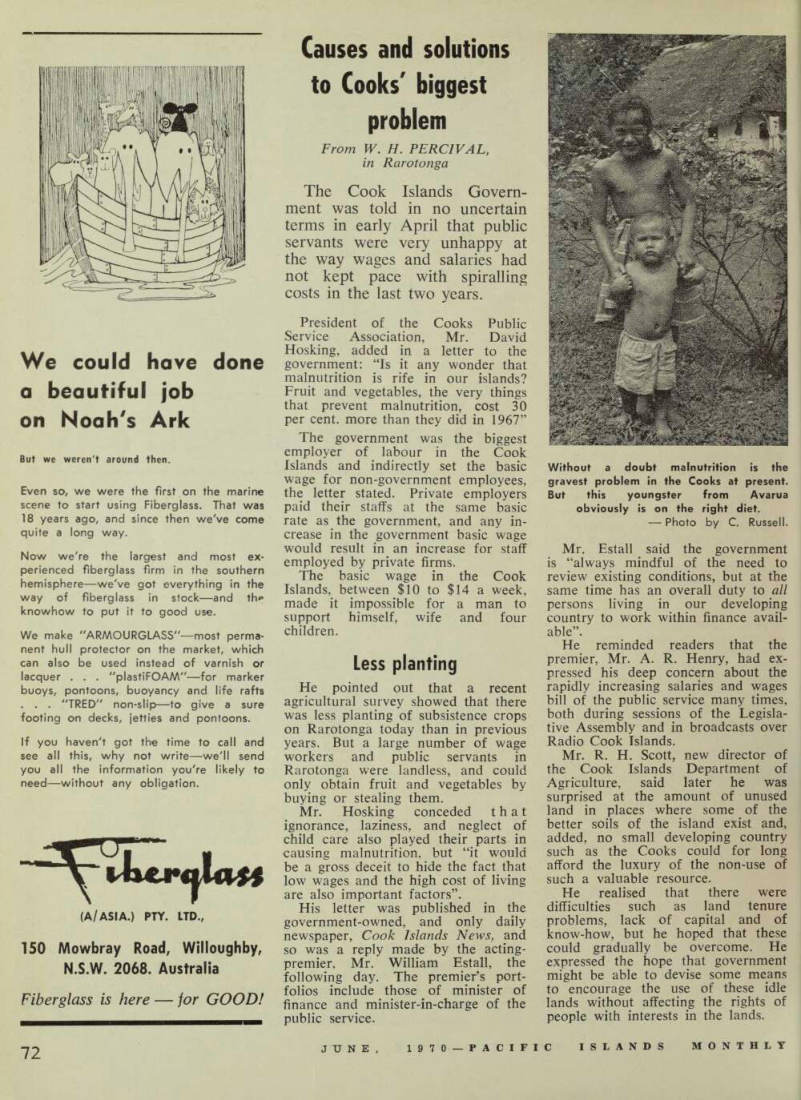 76
76 77
77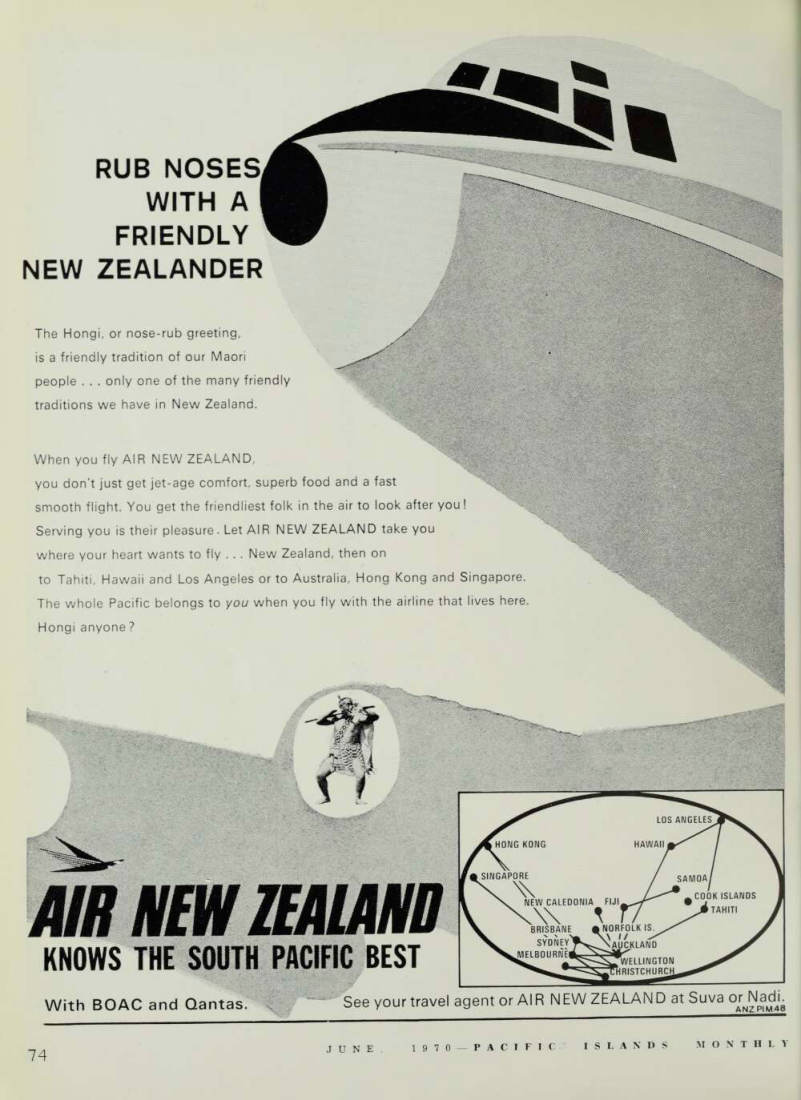 78
78 79
79 80
80 81
81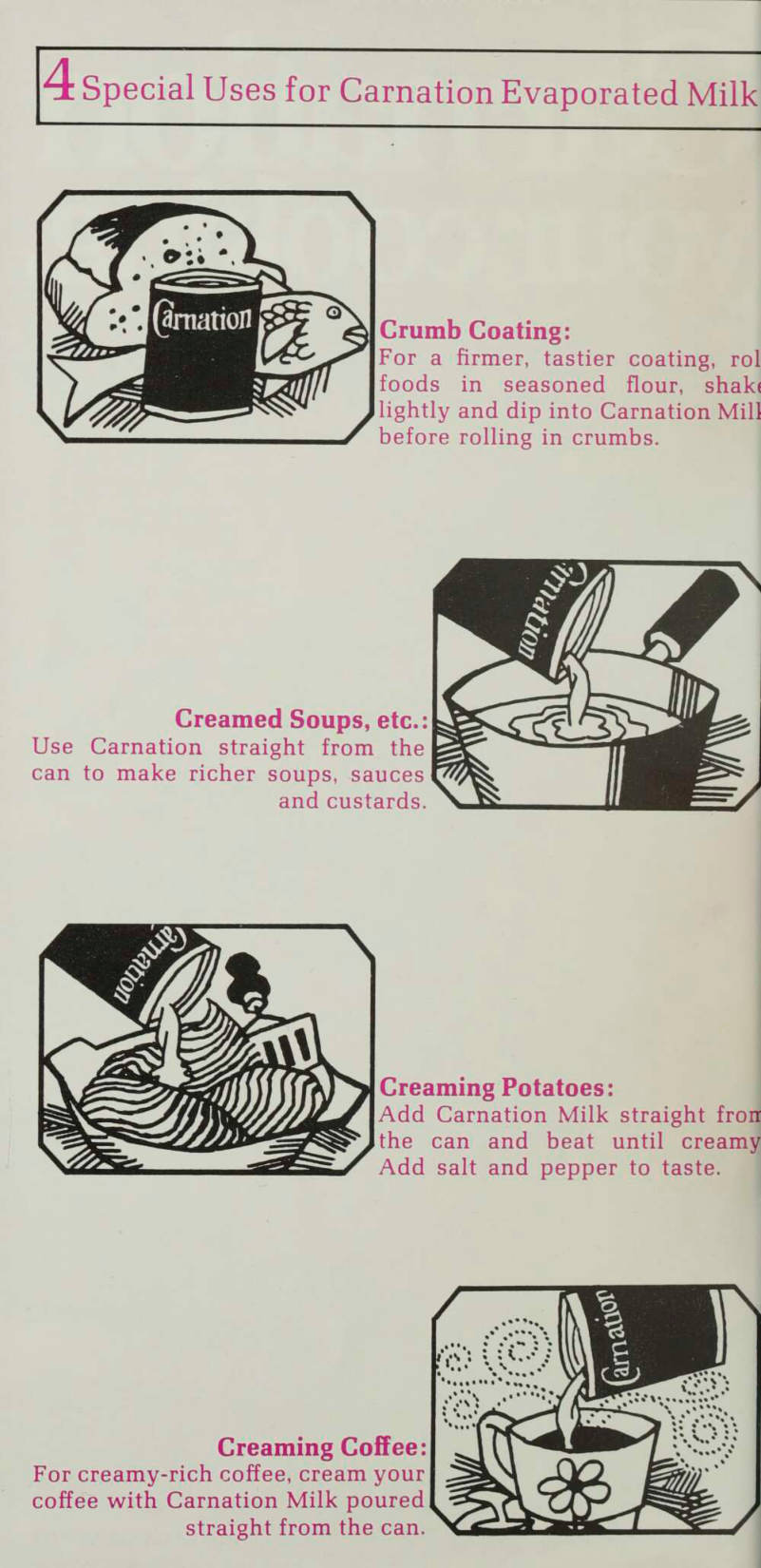 82
82 83
83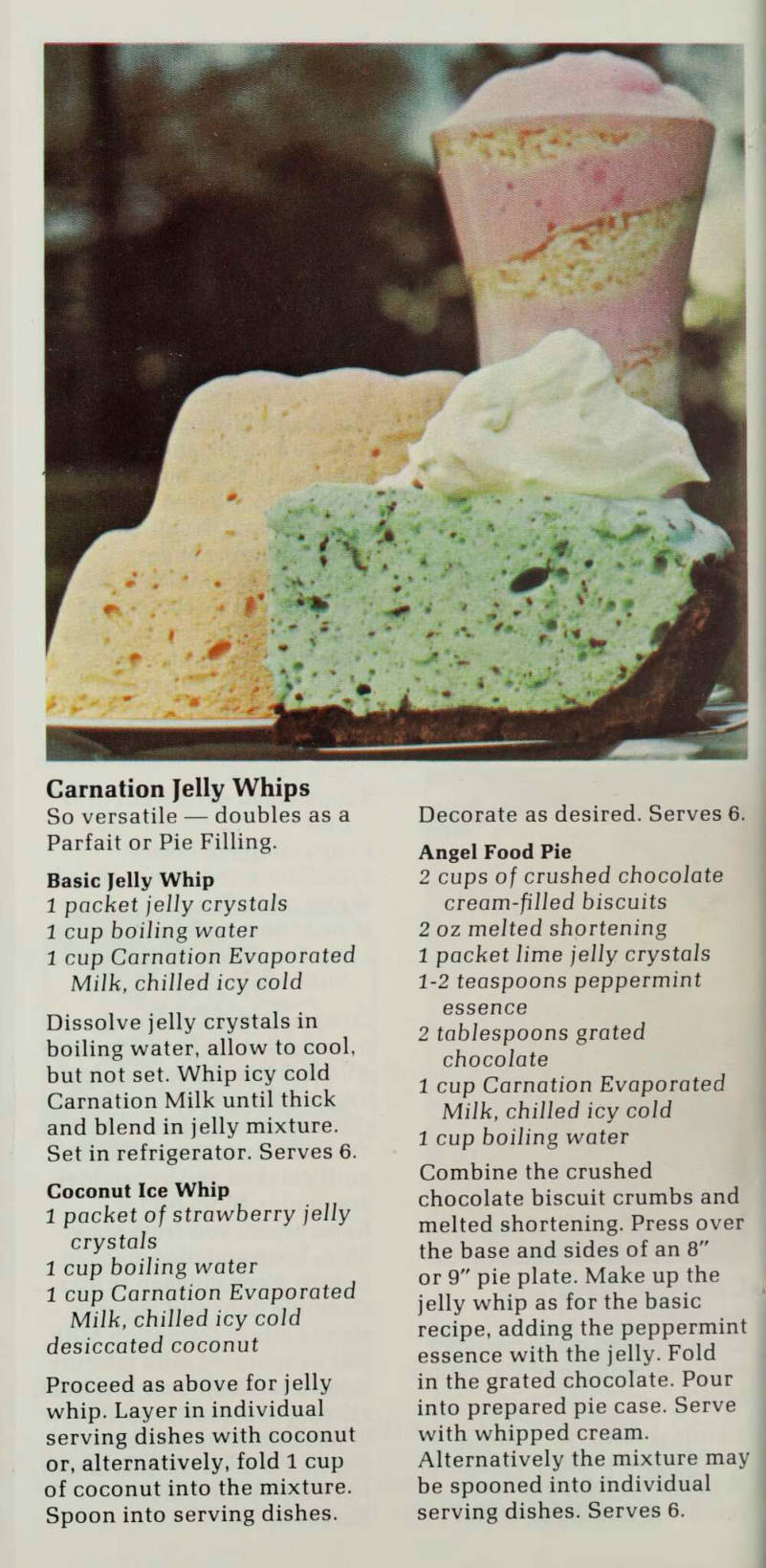 84
84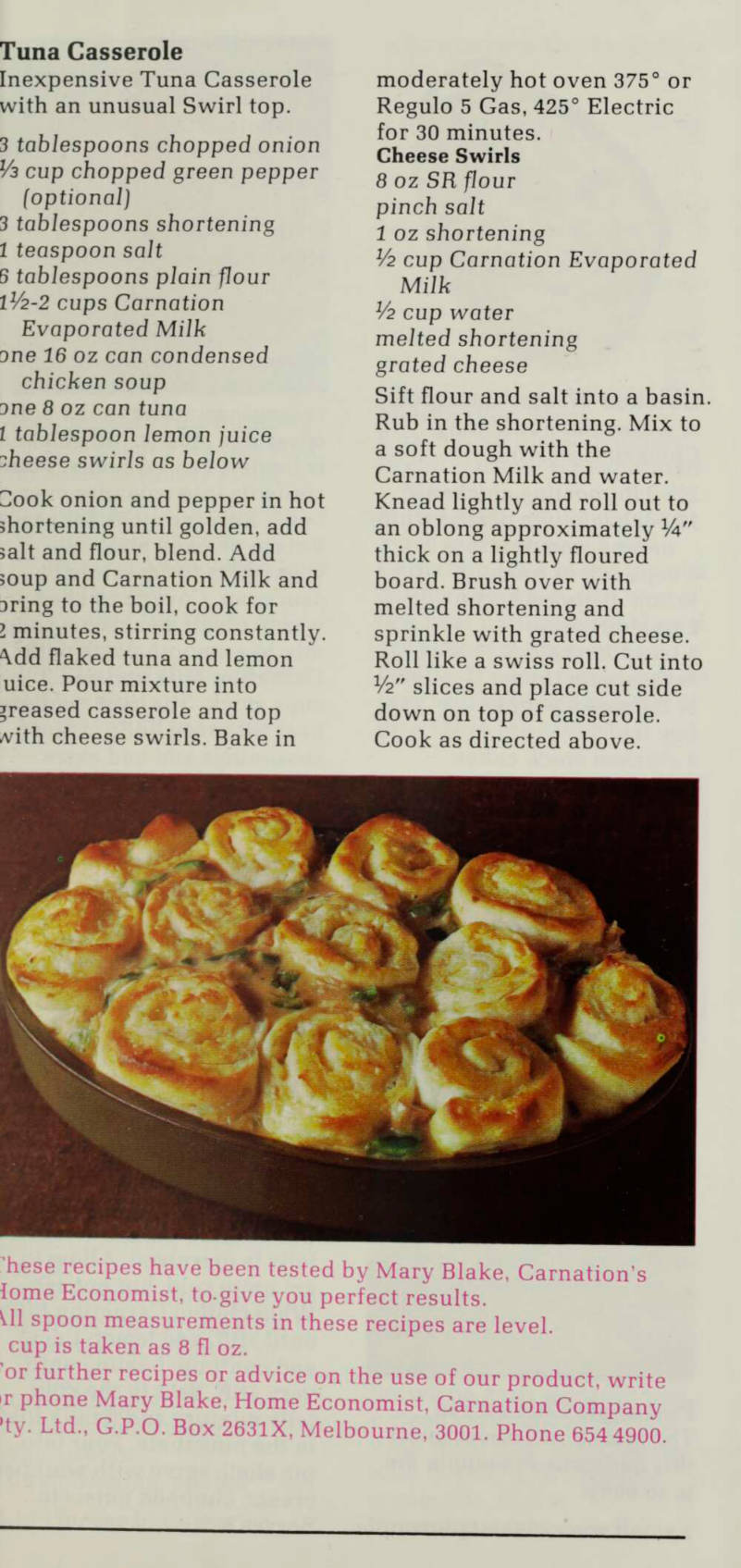 85
85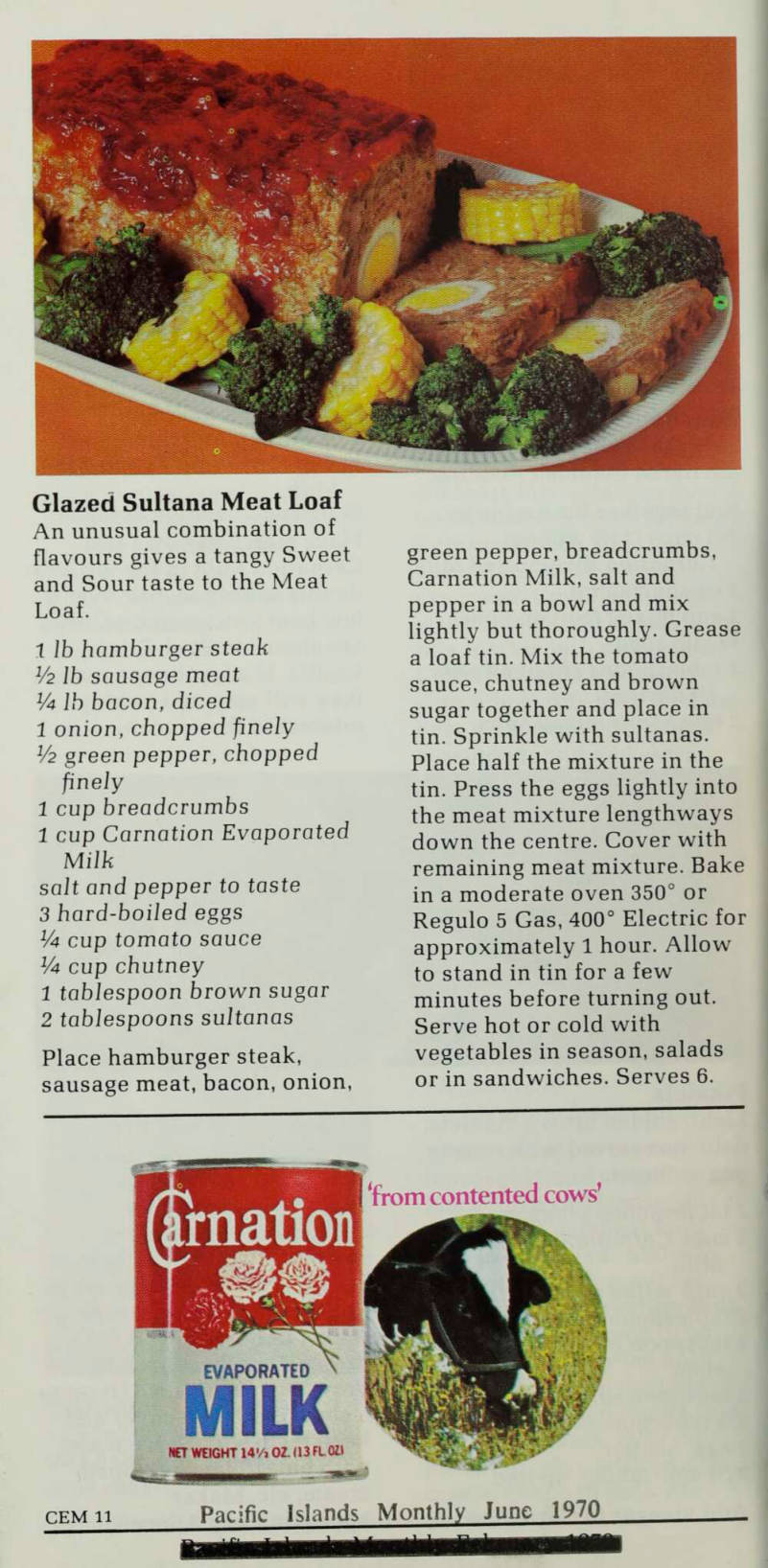 86
86 87
87 88
88 89
89 90
90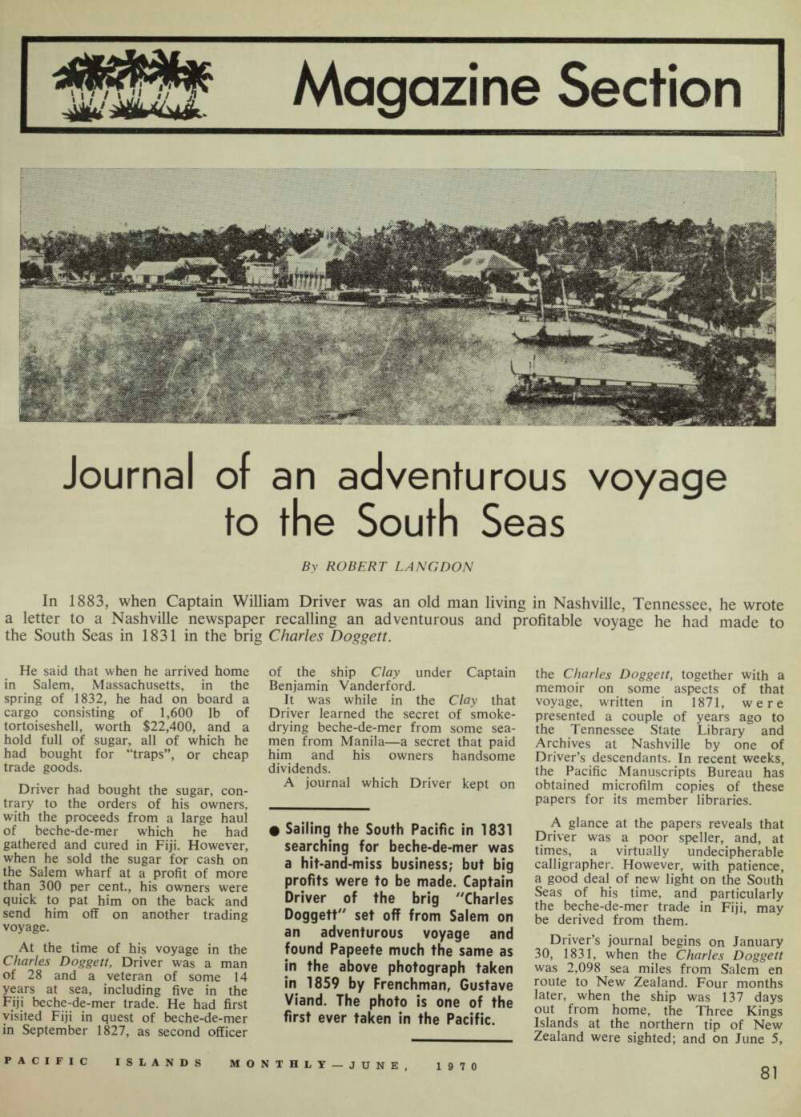 91
91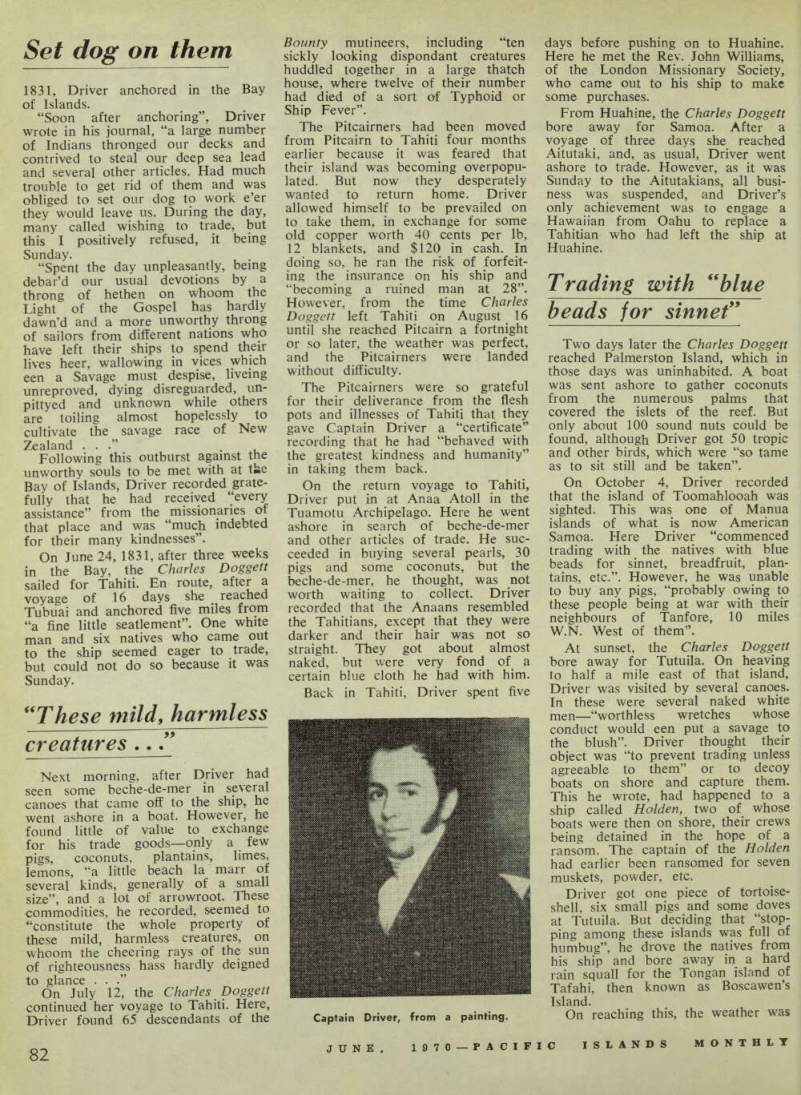 92
92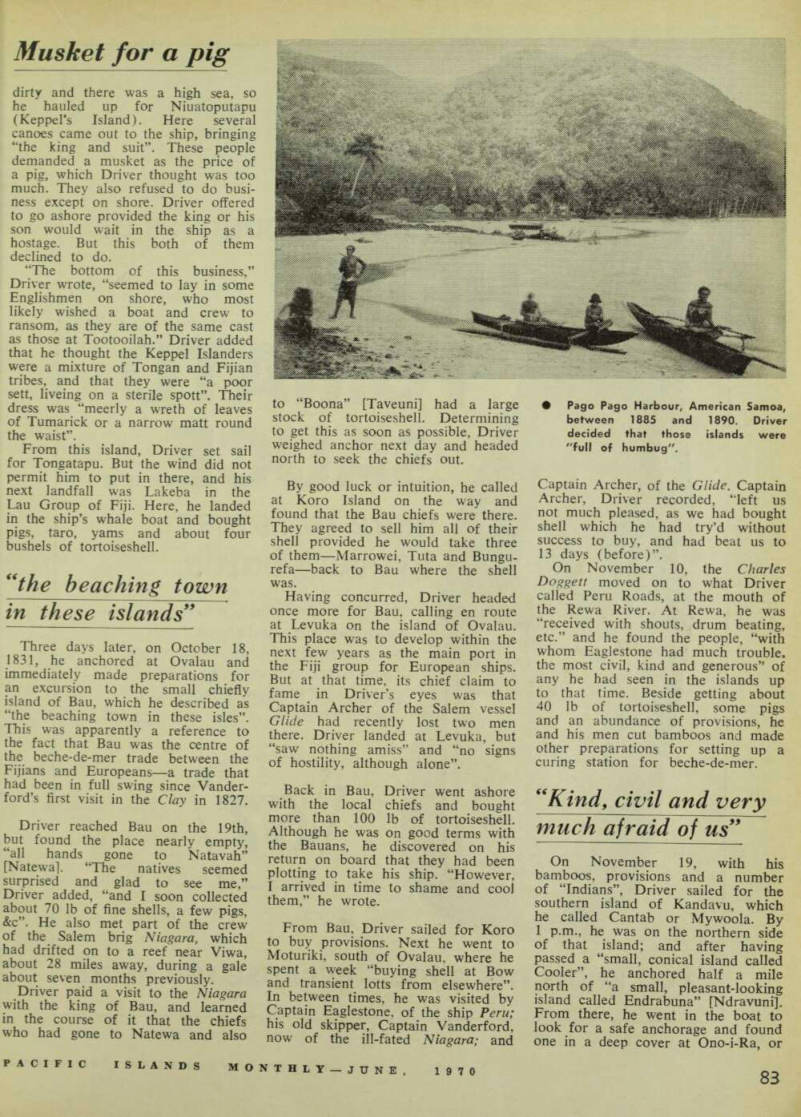 93
93 94
94 95
95 96
96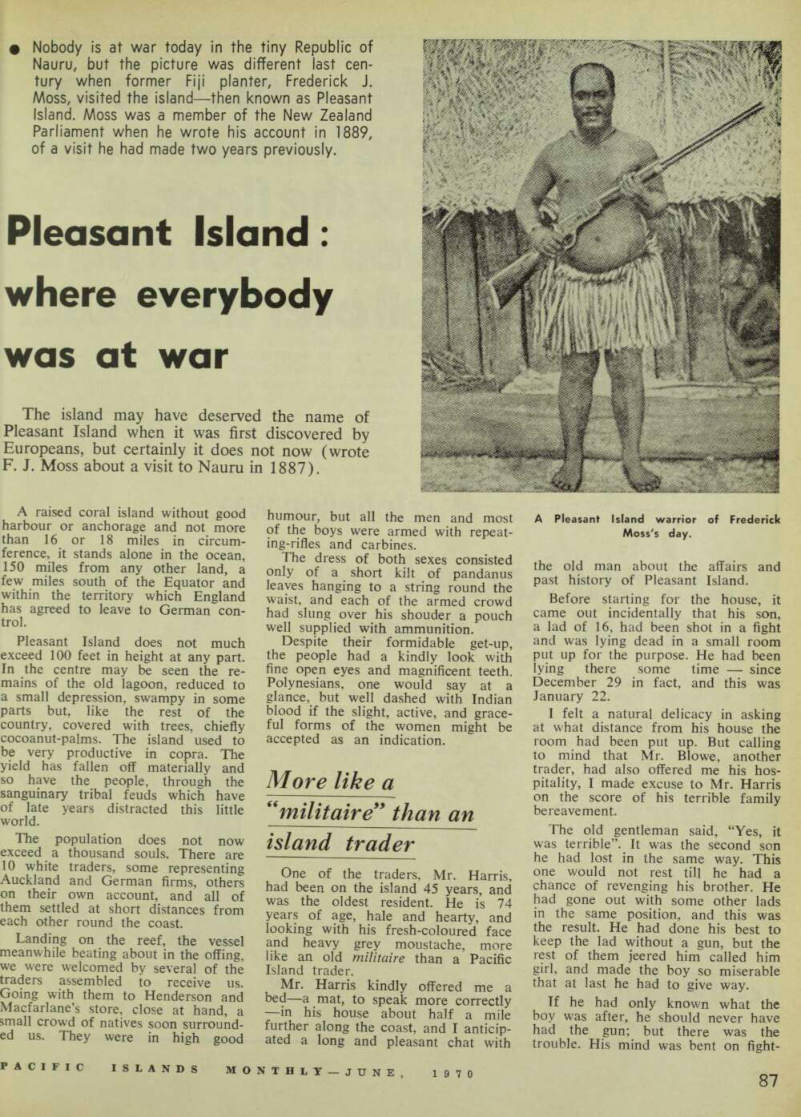 97
97 98
98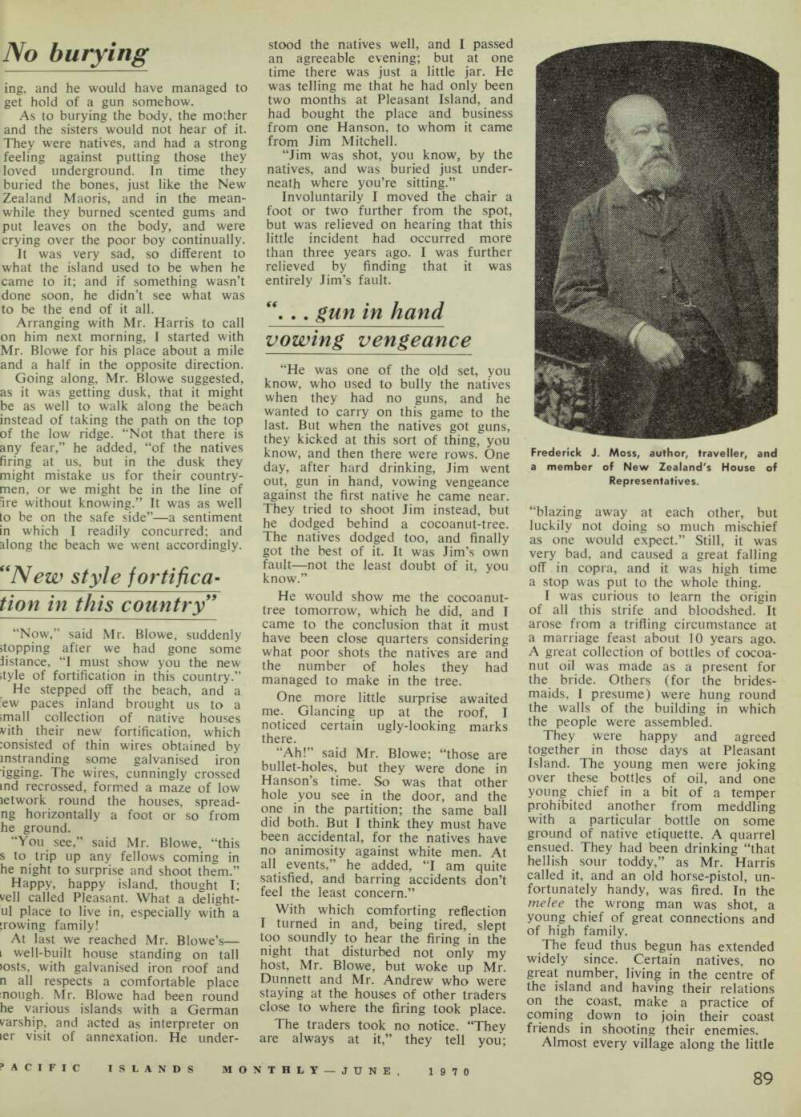 99
99 100
100 101
101 102
102 103
103 104
104 105
105 106
106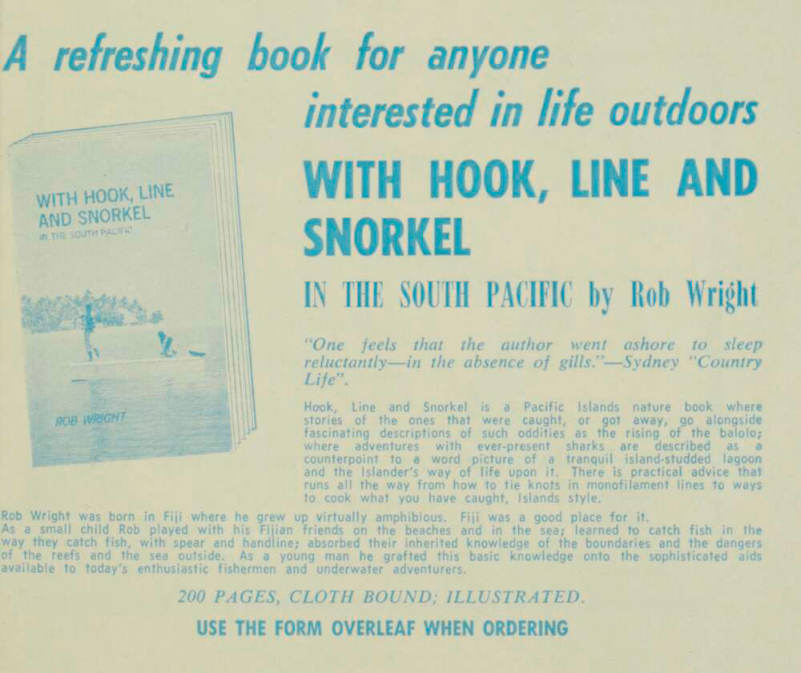 107
107 108
108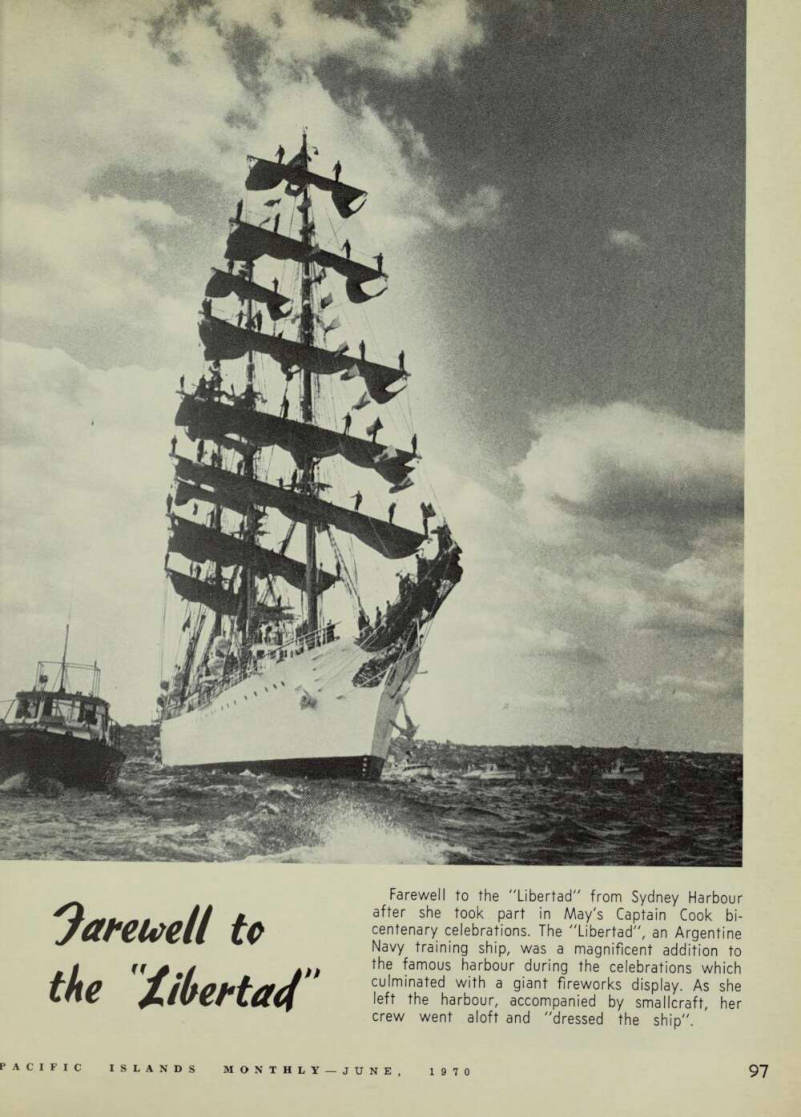 109
109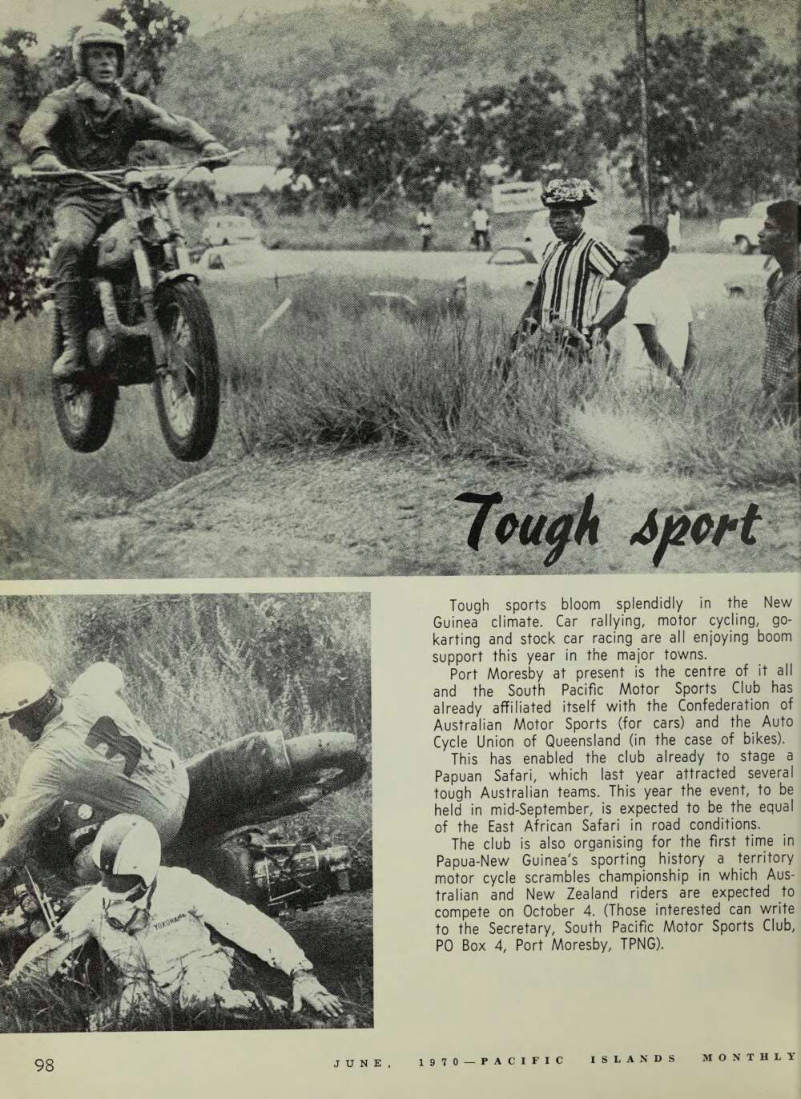 110
110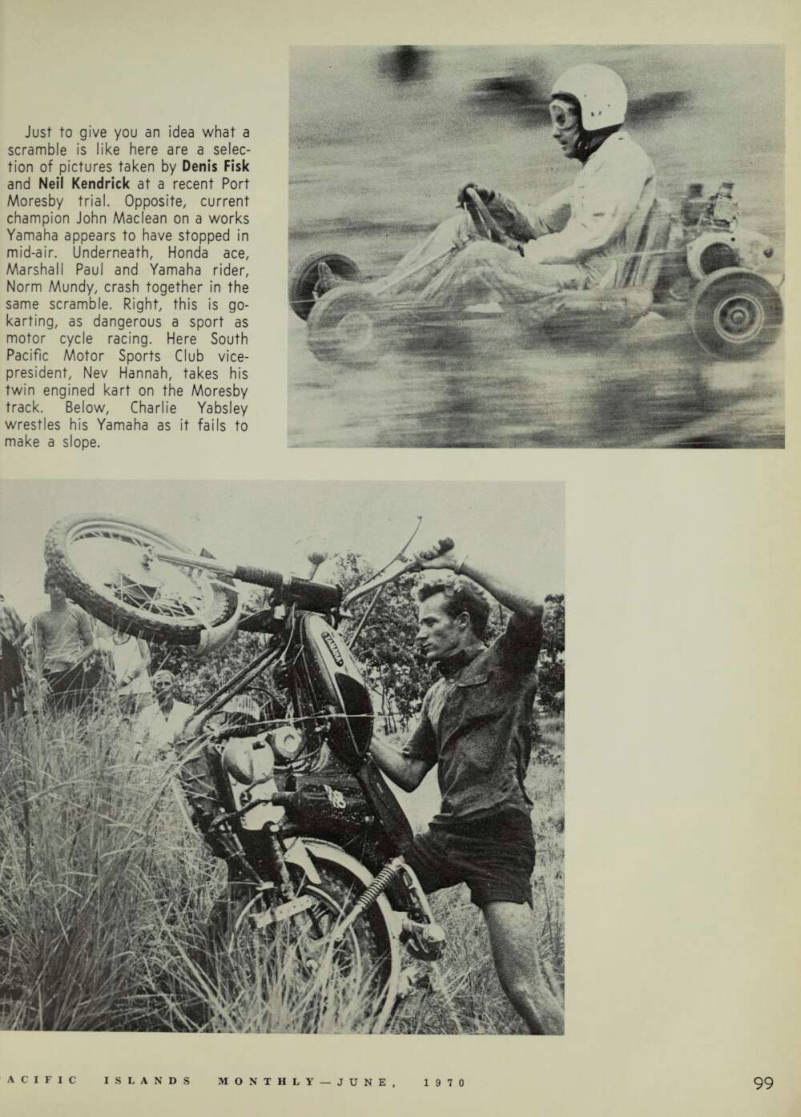 111
111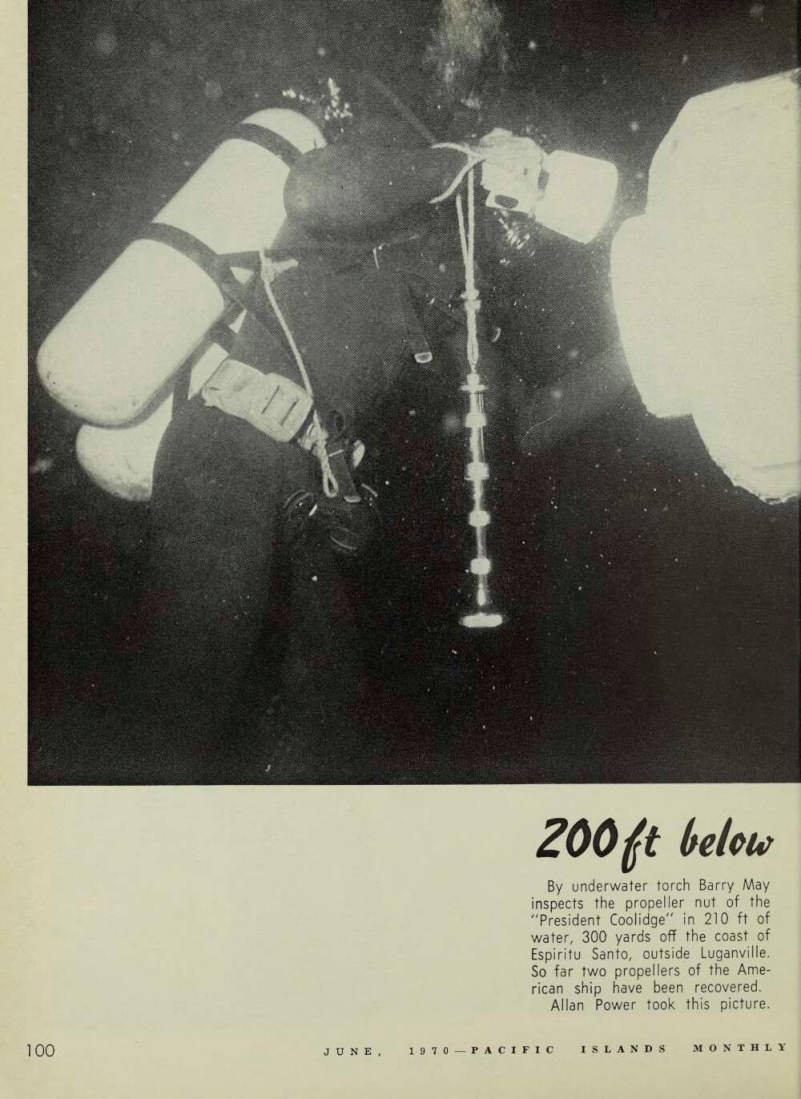 112
112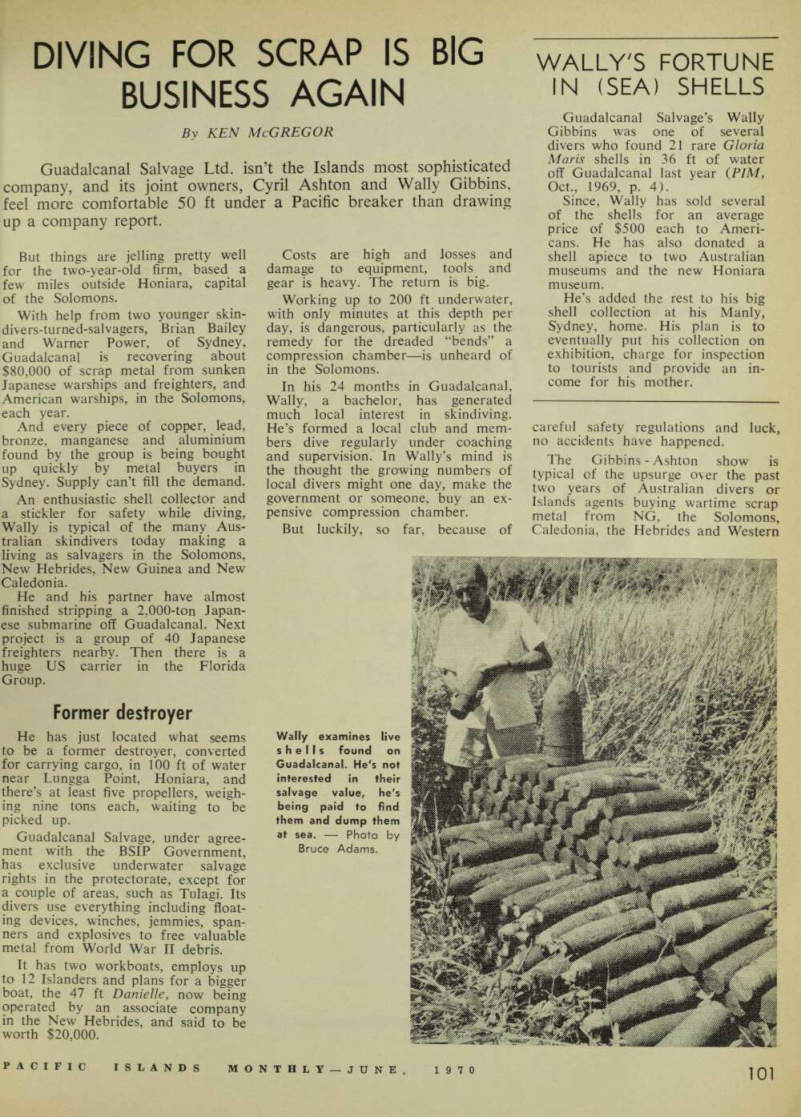 113
113 114
114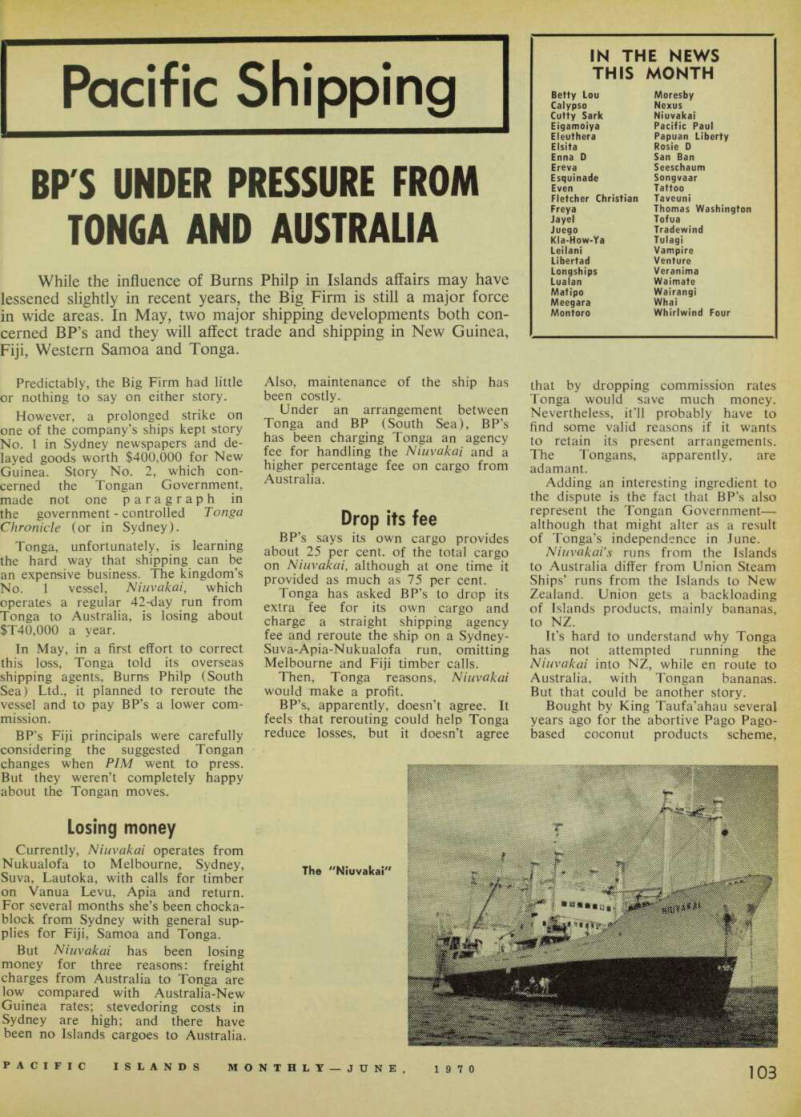 115
115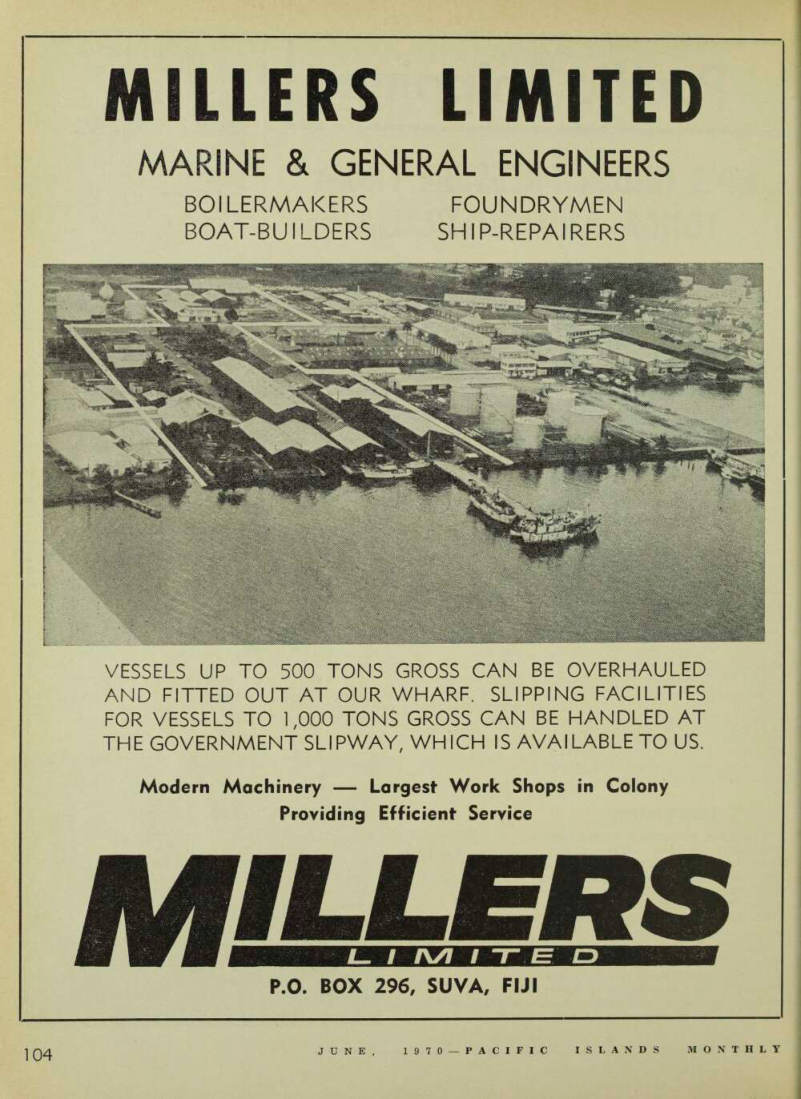 116
116 117
117 118
118 119
119 120
120 121
121 122
122 123
123 124
124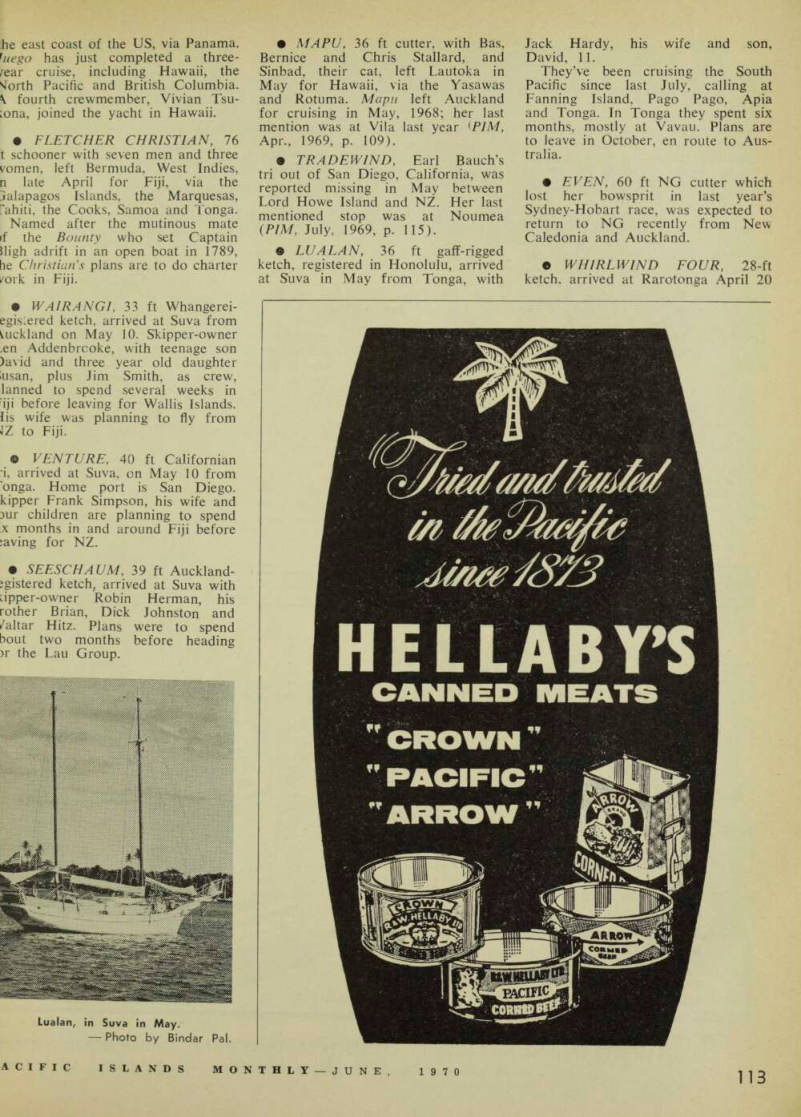 125
125 126
126 127
127 128
128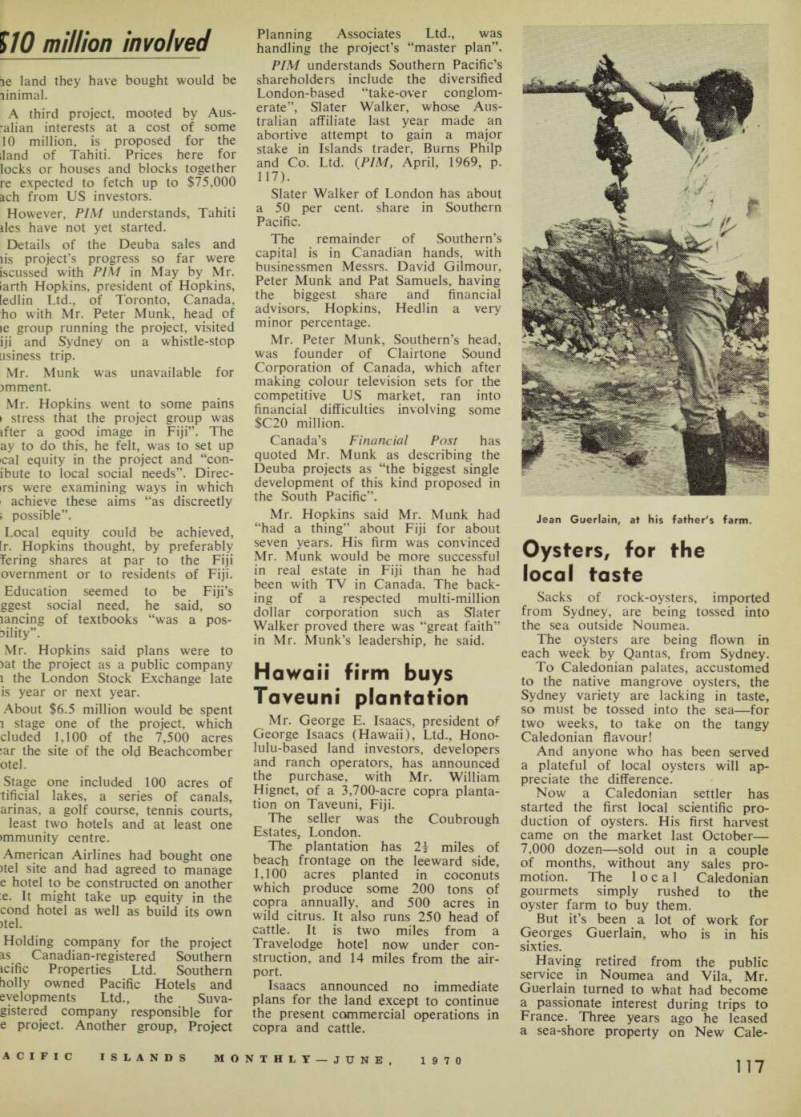 129
129 130
130 131
131 132
132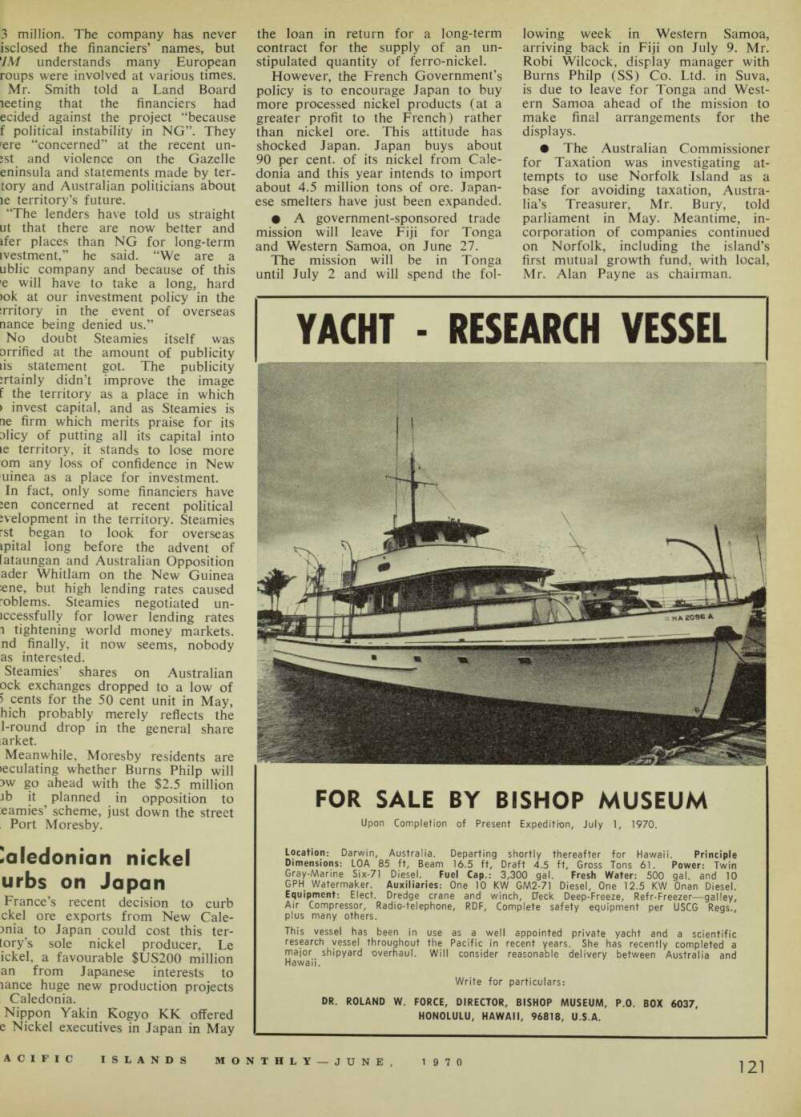 133
133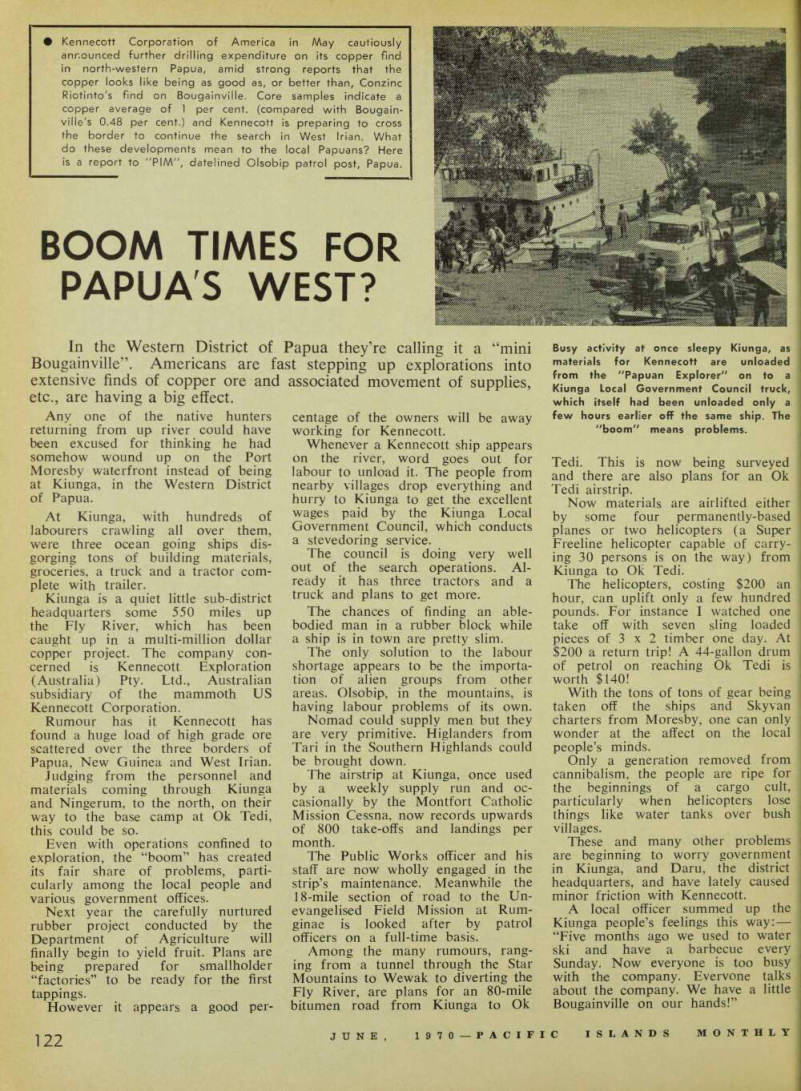 134
134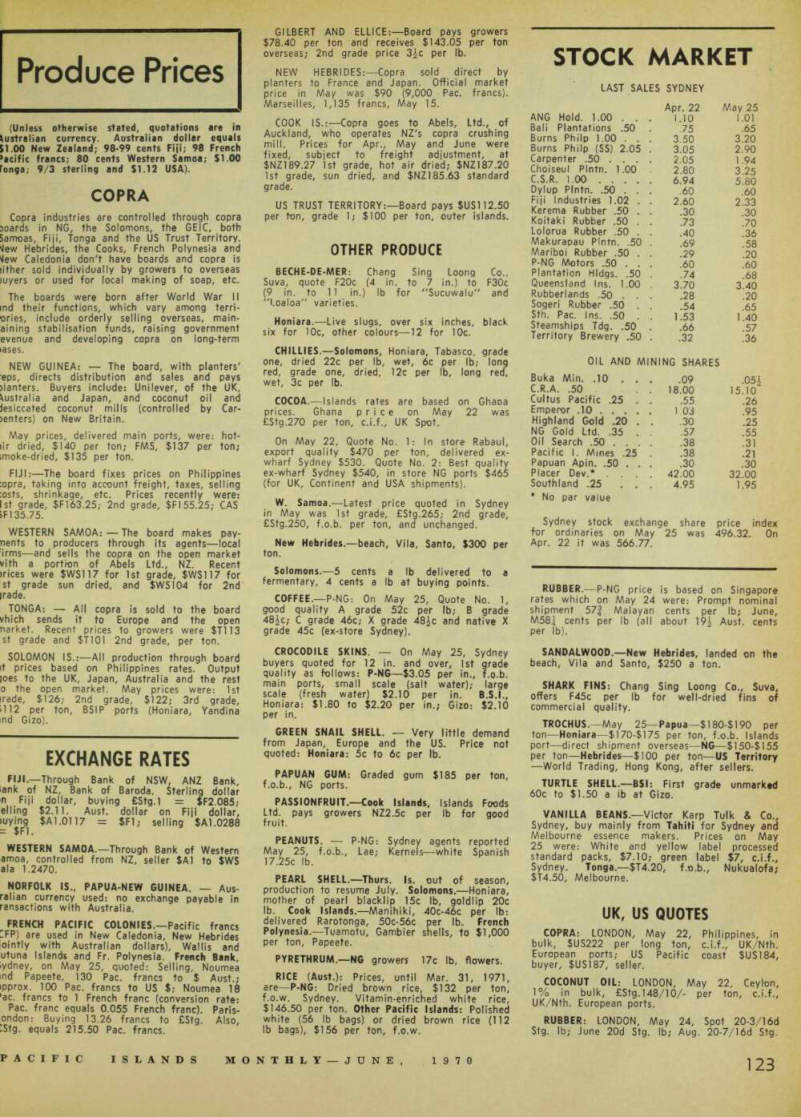 135
135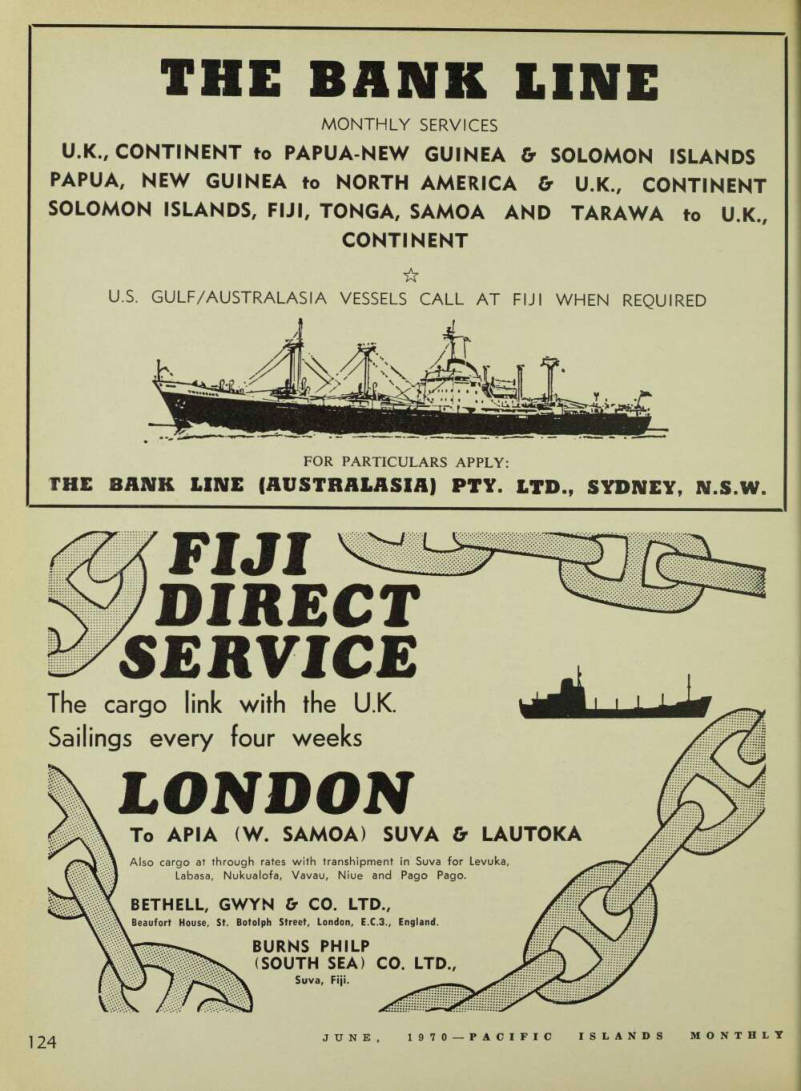 136
136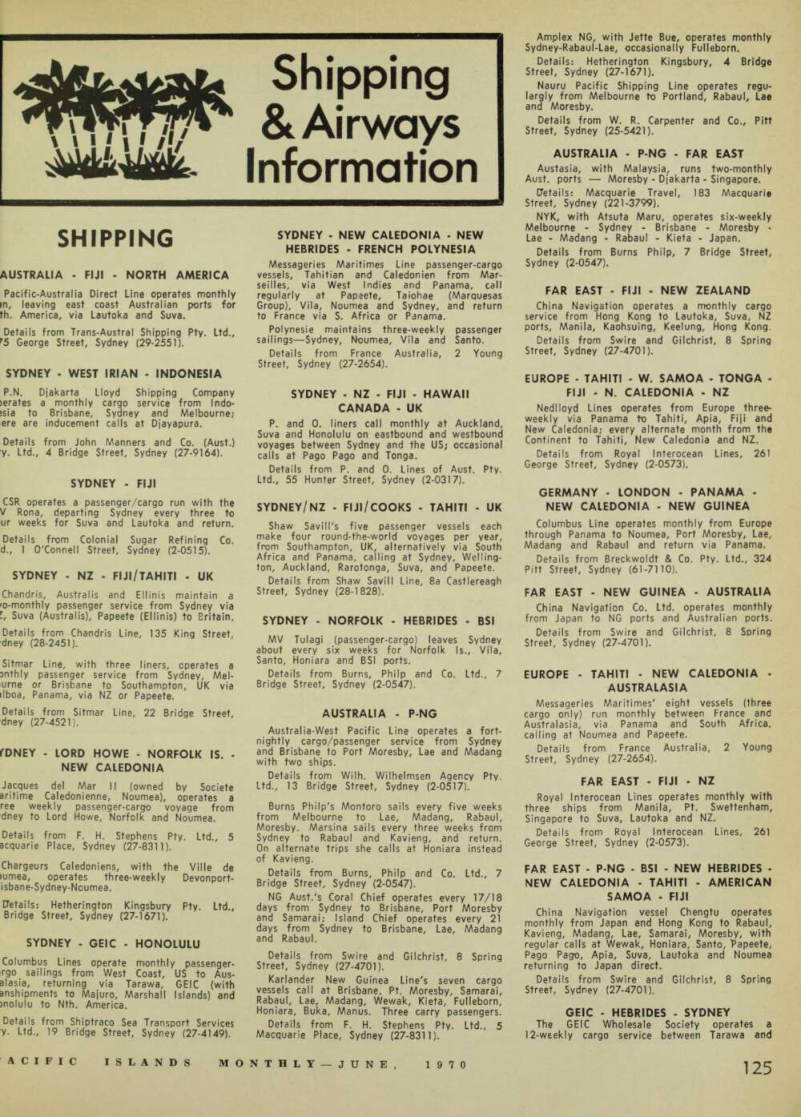 137
137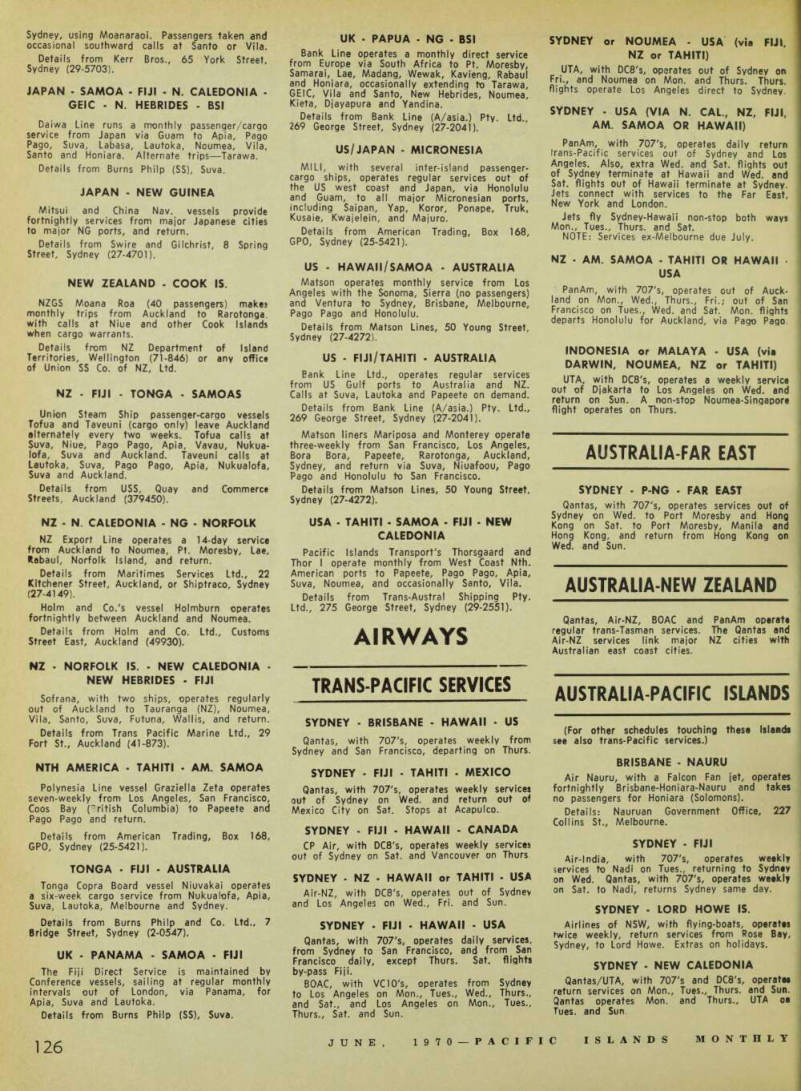 138
138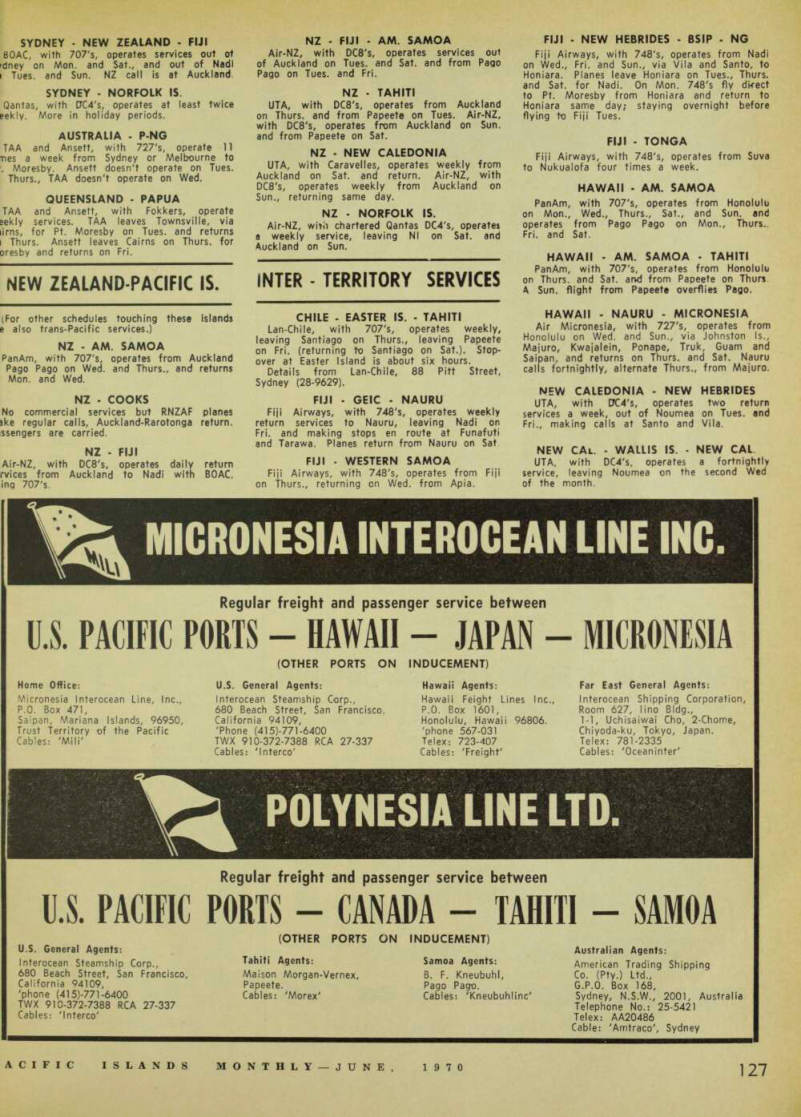 139
139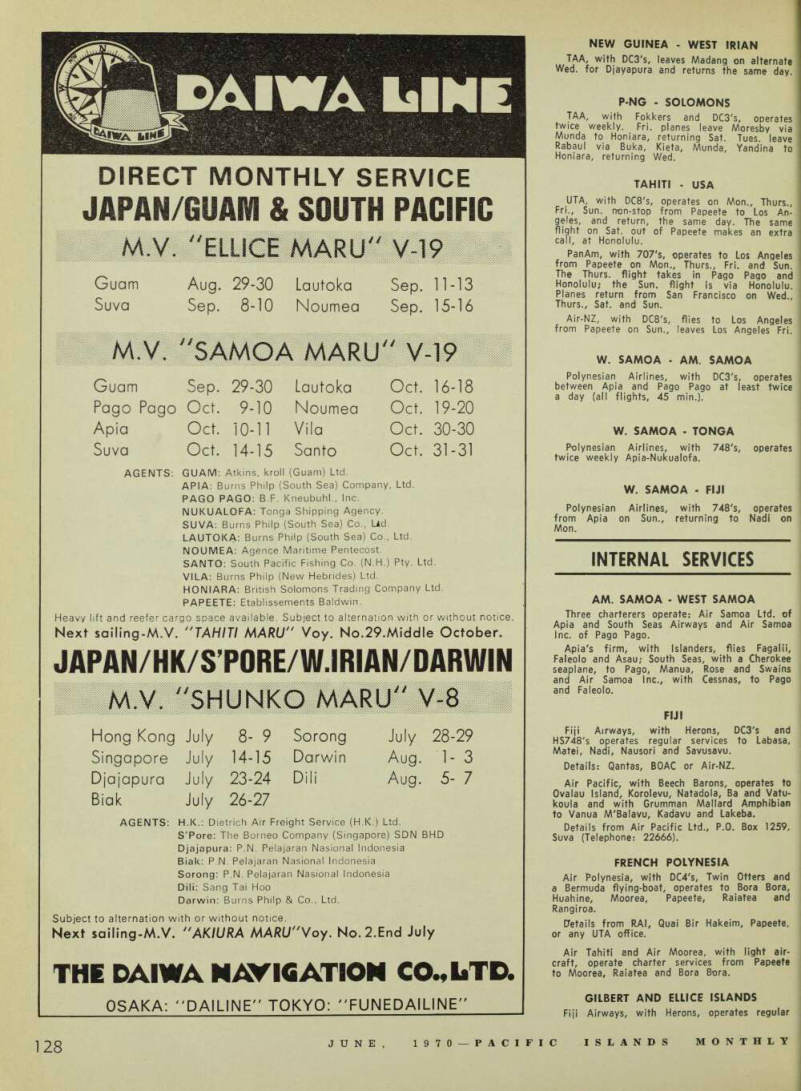 140
140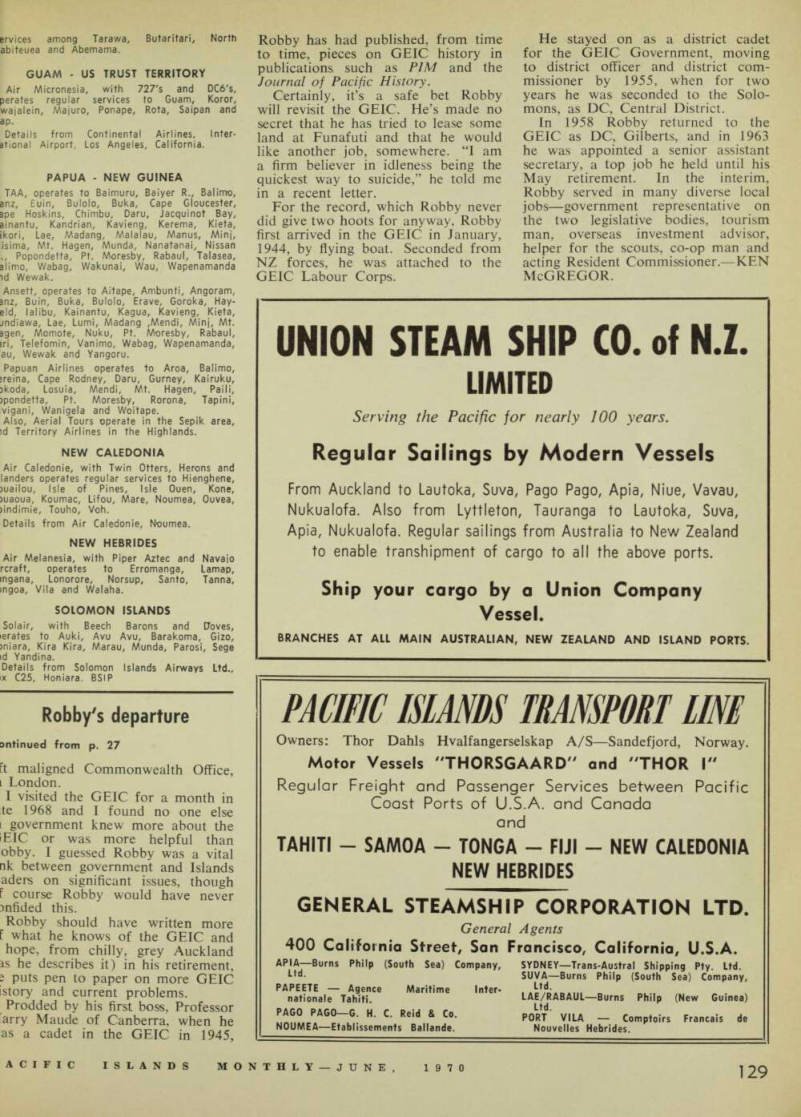 141
141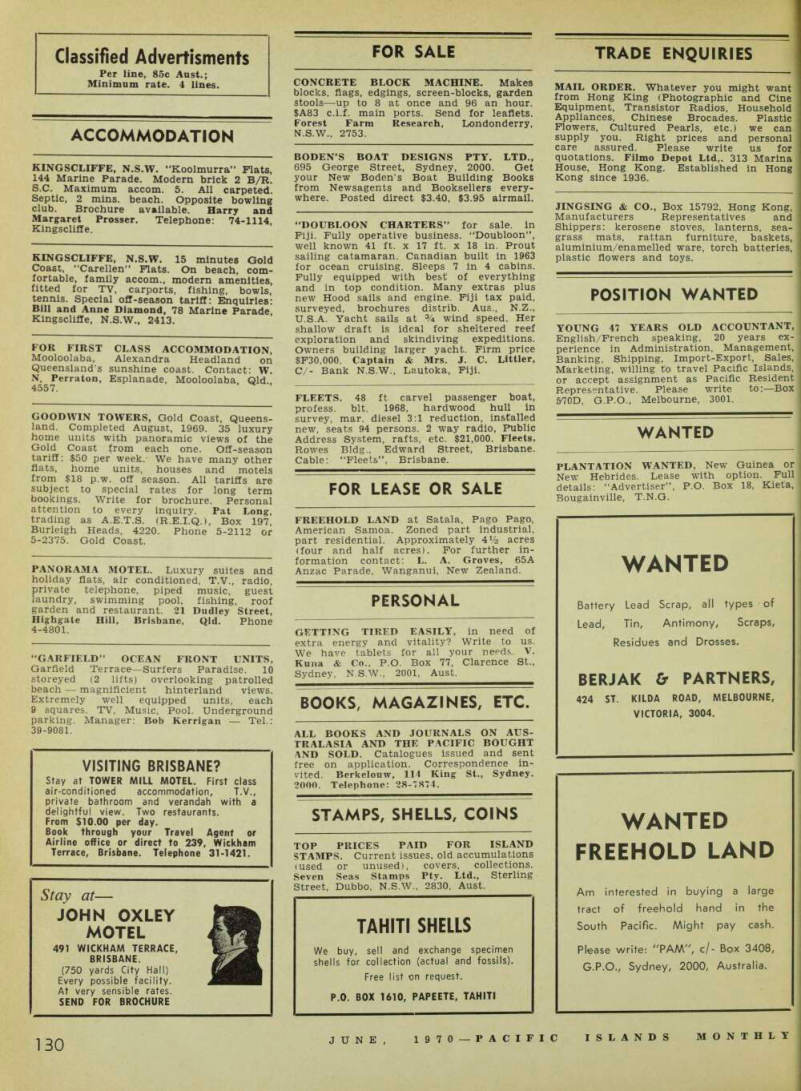 142
142 143
143 144
144 145
145 146
146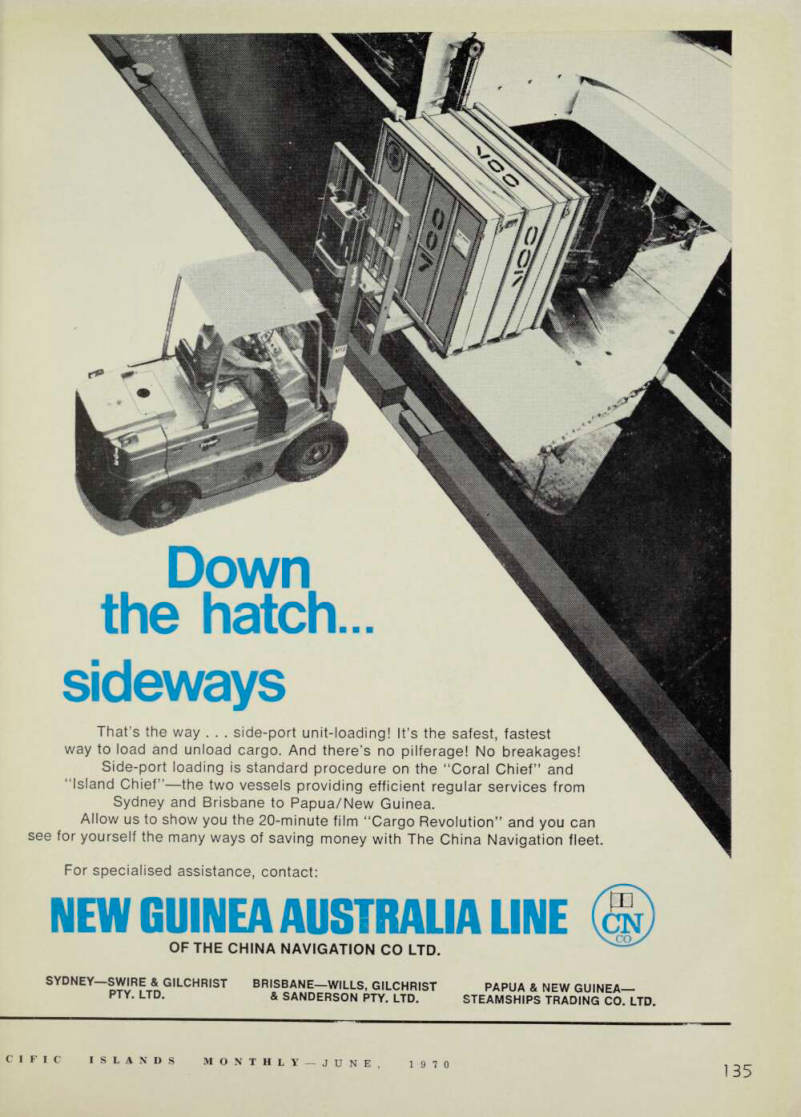 147
147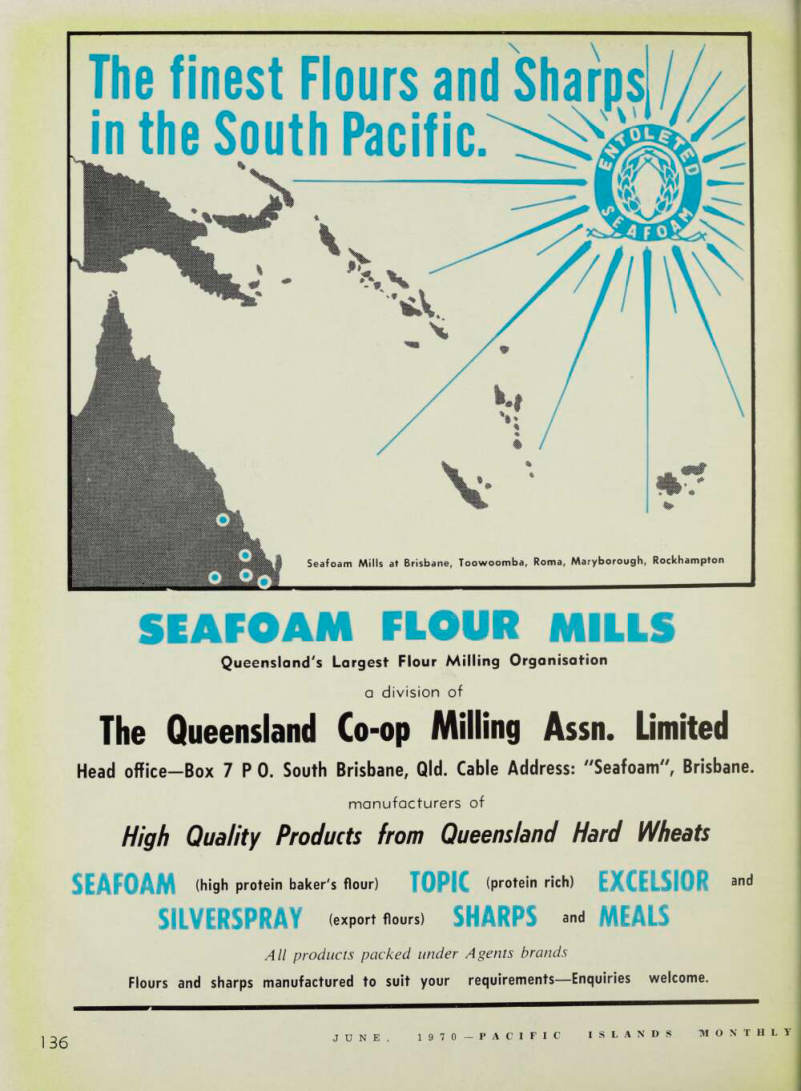 148
148 149
149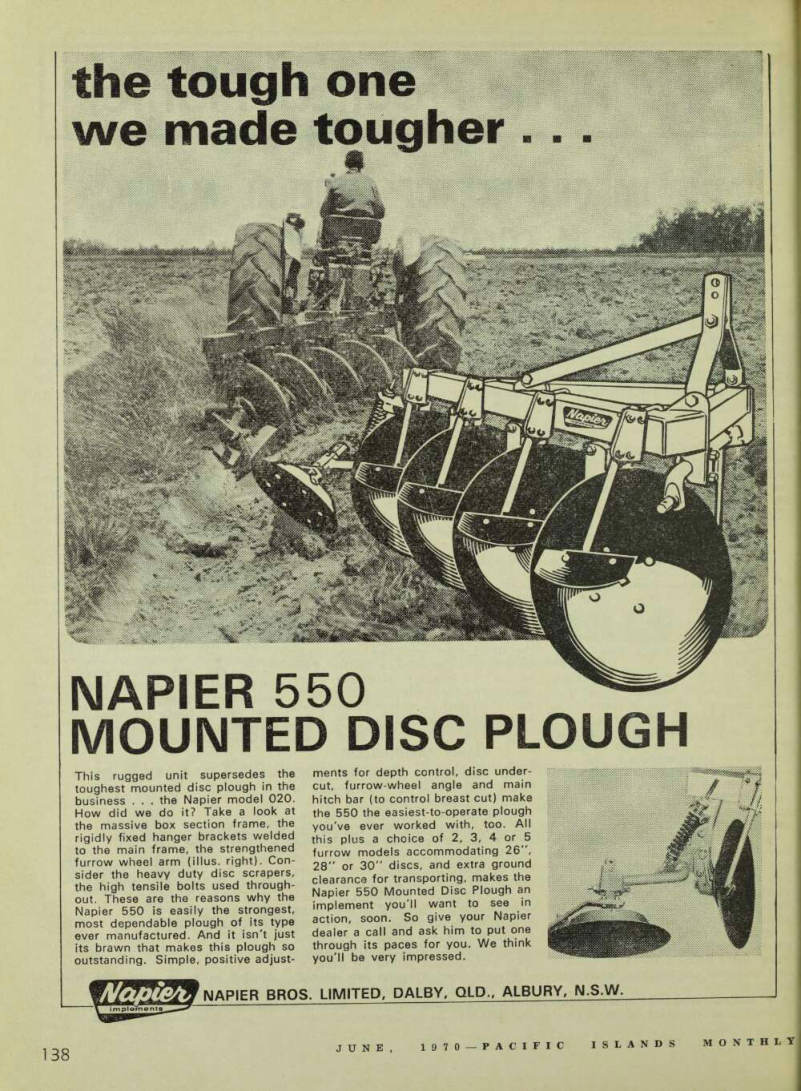 150
150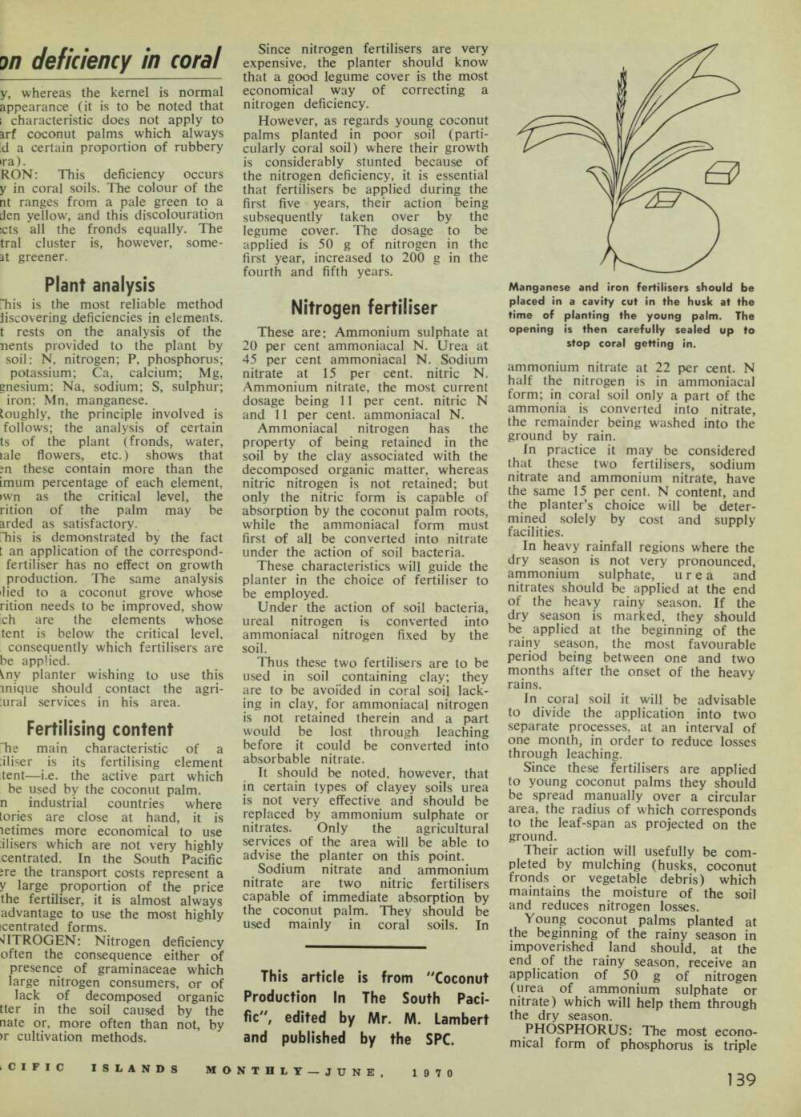 151
151 152
152 153
153 154
154 155
155 156
156 157
157 158
158 159
159 160
160 161
161 162
162 163
163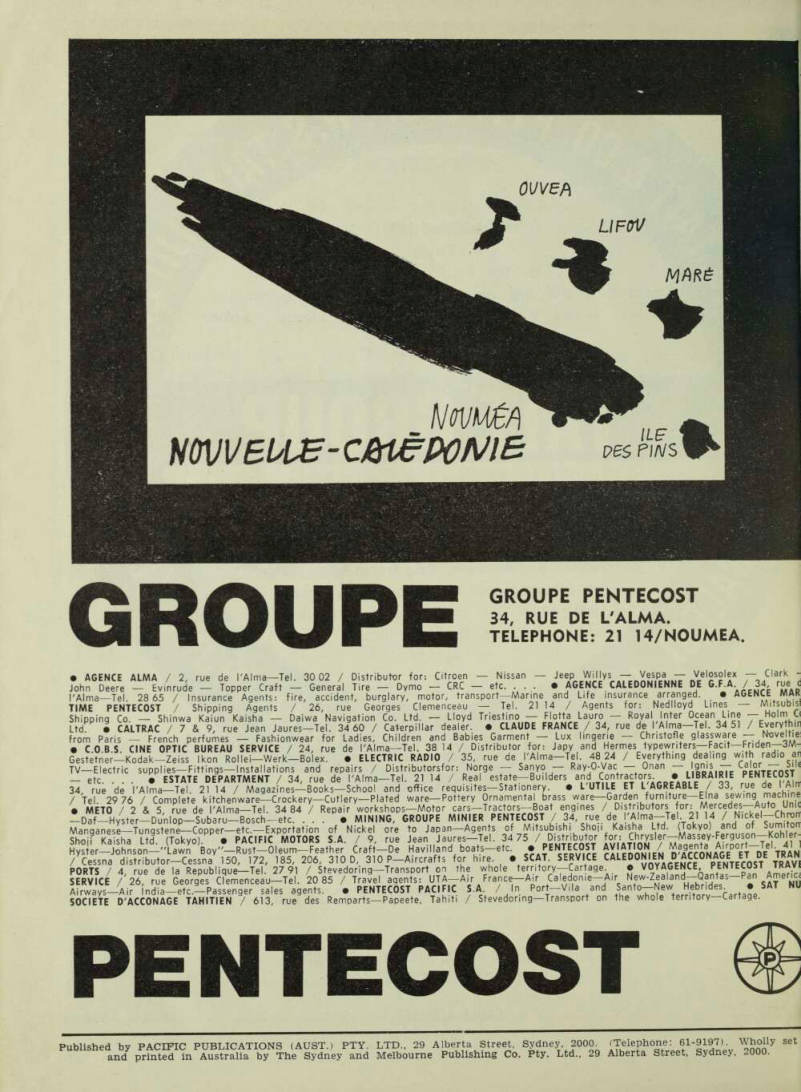 164
164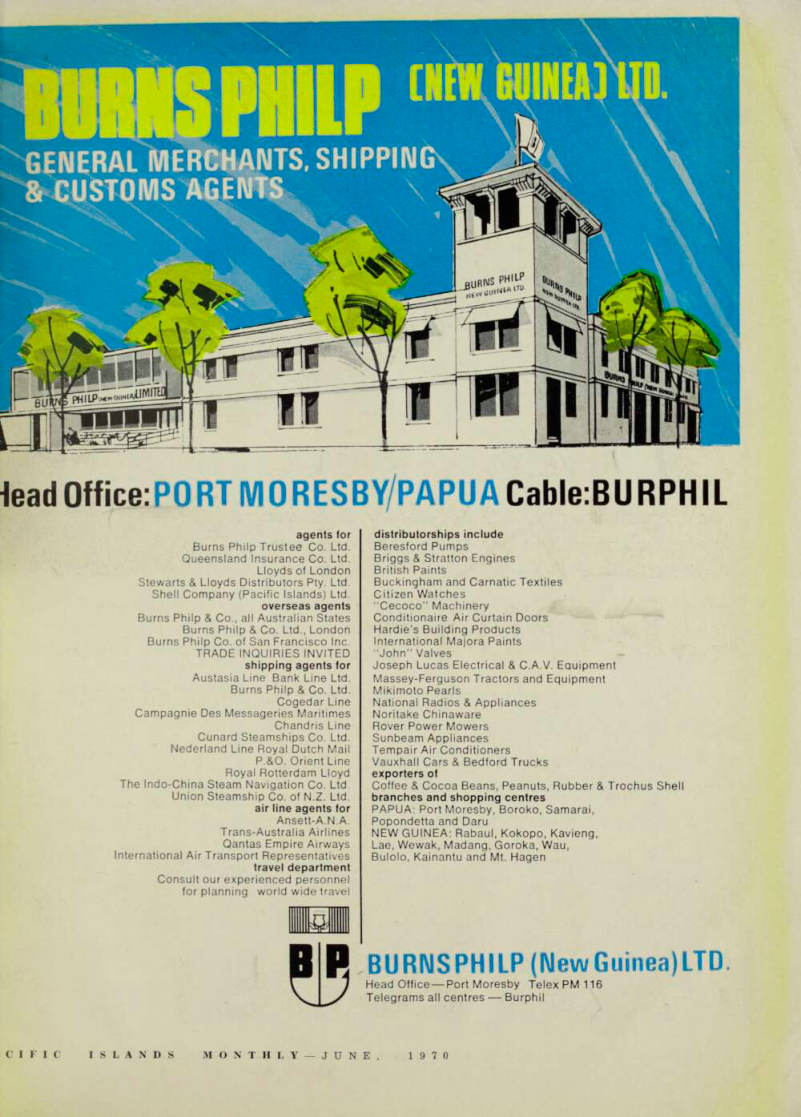 165
165 166
166