Monthly
Pacific Islands Monthly
Registered at C.P.0., Sydney, for transmission by post as a newspaper.
December, 1968
News Magazine Of The South Pacific
i* anm"m UA frc S ° C^ cfT. • W u.s ZE M A aFK terrhor'es'; jT 2 p F Tg CH and C au
Other Pacific Territories, 35C. Local Currency
Our Cover
Hula dancing with swaying hips, Hollywood style, is not as popular in the South Seas as most people think. In the main Polynesian groups the dancers are just as likely to dance sitting down, making use only of rhythmic arm and hand patterns. A Qan tas photographer photo graphed these Tongan dancers in Nukualofa.
Advertisements & other items, p. 2 (2 items)
December, 1968 Pacific Islands M O N T 11 Li
fly TAA
Most people
V >rsi. m m
—they've got the best connections
in the Territory and Australia!
New improved TAA services. From Port Moresby to and from all main centres and through the Highlands a greater spread of services with better connections throughout the Territory. From Port Moresby, to and from Australia, fly TAA’s ‘Bird of Paradise’ T-Jet service. Contact your Travel Agent or TAA: Port Moresby 2101. Lae 2311. Madang 2478. Rabaul 2567. Goroka 8. Mt. Hagen 4 Wewak 103.
Fly TAA the Friendly Way
m 316 748/68
In This Issue
Erican Samoa
ort on Governor 33 elopment plans 39 e ships needed 113
5K Islands
taki tourist deal 37 ke development plan ... 37 service plans 51 le Rere, Atiu's leader 75 ient anchor and sword 90 !)erek Jakeway leaves 29 political parties ... 29 i finance scheme 30 r crush figures 30 Islanders rejected 34 narriage decision 35 est in oil 36 censorship ... 40 f Philp and resort scheme . 41 ita" to be museum ... 41 Airways' expansion ... 43 st potential 53, 55 / 59 's hotels ... 55 >rs Bureau for Melbourne 63 i Corpsman's views 73 rground water supply 75 rnor's garden party 91 Hooker plans ... ... 127 i of ginger 128 ban on biscuit firm 128 ■ Philp report 128
French Polynesia
Pouvanaa pardoned 37 Information office 33 Hey wood's lost vocabulary 89 Messageries pasenger ships to with draw 105 New bank for Tahiti 129
Gilbert And Ellice Islands Colony
Tarawa battle anniversary 33 Ocean Island decision ... 34 Daiwa Line calls HQ Air-sea search called off 111
Nauru
New ship 107
New Caledonia
Lotteries to help Games 38 Drought, plus rain 40 He Nou link with mainland 109 Meeting of Mayors 120 Electrification plans 128 New bank for French Polynesia 129
New Hebrides
Airways extension 49
Niue
Robber crab . 30 New hope for beer drinkers 80
Norfolk Island
Colonial hotel plan 63 Fryer industry up Earlier air links .. ... up
Papua-New Guinea
Rabaul Amateur Turf Club 9 Kavieng's Zero ] ] Survey of deer 15 Great unity debate 31 Costs hit the church 33 More Christian togetherness 41 Selling to Bible 41 Profile of Ken Nizette 44 Impressed with Fiji's tourism 59 Catering school 53 West Irian border survey finished ... 64 Port Moresby personality 73 Games details ... Q 0 Albert Maori Kiki's book reviewed 97 Steamies build own ship U 3 Sydney office of Services Bureau ... 120 Bougainville copper scheme 124 Steamships' profits 127 Vehicle assembly plant 127 Copra report 123 Carpenter processing tea 128
Solomon Islands
Wartime aircraft 11 Proposals on new-type government 32 Road safety committee 38 Betelnut 33 Two new airstrips 63 Another ship 109 Boatbuilding school continues 109
Tonga
Backyard oil search 36 Ve'ehala in Hawaii 121
Us Trust Territory
Ships should go south HO
Western Samoa
Development plans 39 Aviation developments 49 Power project 120
,* ™ U f :° n l w ! h ,he Edi,or - 7 ' U,,ers - In a Nutshell, 38; Tropi \ ' V’.' f Po ' nt ' 42; Ma sazine Section, 89; life on the Big “and p y ' I * eVieWS ' 97; Shippi " 9 ' ,05; Cruisin 9 Yachta - "S' , nd Press, 119 ; People, 120; Commerce, 125; Produce, 130; Shipping, Airways -hedules, 131; Deaths, 139; Practical Plenter, 145; Index to AdverLrs. TdK
Advertisements & other items, pp. 4-8 (5 items)
2
DECEMBER, 1968 PACIFIC ISLANDS MONTHL
We put a lot of time,
work and money into the H 5745...
so that’s what 700 get out of it.
Pioneers throughout the world have created prosperity in new regions by their adaptability and hard work in the roughest, toughest conditions.
Aircraft like the DC3 with those same pioneering qualities have helped to speed up the process of expansion.
Now the 748 carries on the tradition; flying day after day, safely and reliably from the roughest fields in the toughest environments, bringing with it modern standards of safety, speed and pressurised comfort.
The 748 thrives on hard work. It averages 9 hours a day flying time—no mean achievement on short-haul operations without night-flying facilities. It carries up to 62 passengers and can be adapted in minutes to carry varying passenger/ freight loads.
Its progressive maintenance system ensures it is never grounded for major overhauls.
Maintenance costs and turn-round times are cut
dramatically.
No aircraft works harder for its living than the 748. That’s why in every continent you’ll find the 748 expanding undeveloped routes; laying the foundations for the future. <^’ff aw ! (er Siddeley-the largest aerospace group in Europe Hswl^^iHrfoi^ l, r S^0n upon^ hames ' ® England: Tel: Oi-5 46 7741. Cables: Hawsidair, Kingston ujxjnThames. Telex: Hawker Siddeley Group supplies mechanical,electrical and aerospace equipment with world-wide sales and service
You get more features for your money when you buy MF Industrial and Construction Machinery.
II * MF 3366 dozers and loaders feature an hydraulic shuttle with instant reverse no declutch, no slip, reverse speeds 20 per cent faster than forward. This means quicker operation—more useful time on the job.
The 76 BHP four cylinder Perkins diesel develops 222 Ib/ft torque at 1150 r.p.m. The dozer blade is 124" wide by 34" deep, controlled hydraulically. It can be angled (up to 27°), pitched (10° plus or minus from vertical) or tilted (7° either way from horizontal) to clean up regrowth, dig irrigation drains, grade roads on plantations, missions and government projects.
The 1.5 yard bucket on the loader gives 13,000 lb breakaway force, lifts 6,500 lb to a dump height of m 127" in 6.5 seconds. Rollback at ground level gives you a full bucket every time.
MF 2244 dozers and loaders are the rugged minis of the breed. The 44.3 BHP three cylinder Perkins diesel develops 121 Ib/ft torque at 1360 r.p.m. The fast mechanical shuttle gives four speeds forward and in reverse reverse speeds 17 per cent faster.
The dozer has a 93" blade with wide angle and tilt adjustment operates from 12" below the surface to 34above.
The loader, MF 2244 Crawler/loader, gives you a choice of a % yard Drott 4-in-l, or % yard standard bucket. The Drott’s clamping jaw action can be varied to bulldoze dirt, strip topsoil, load gravel or lift logs.
Massey- Ferguson
ICM earth
movin
scoop!
Ask your Massey-Ferguson distributor about the ripper attachments, tracks, comfortable cockpit and other details.
Small-Portable and
Just Great!
life around the house will be much more complete, if you have at least one X-V Stereo. It's a very handy size, with the same capabilities for complete enjoyment, as the permanently positioned larger units.
For your family pleasure or your own relaxation, you can never go wrong when you buy an X-V.
During your shopping excursions, look for this great stereo. m i •Wv.:.,.
V <B- - M-9
X-1800SD
1710 W i S a T M R n A H A n : Ma |" e p or , d ' A ustralasia Pty., Ltd. 210 Clarence Street, Sydney. N.S.W.
LA .P ■r, BurflS r.. P . l ? ll P JSouth Sea) Co., Ltd., Suva. Burns Philp (South Sea) Co., Ltd
AKAI
fkl AKAI ELECTRIC CO., LTD.
HIGASHIKOJIYACHO OHTA KU TOKYO JAPAN
. ,5* G - Coy. P.O. Box 640 Christchurch. FIJI moa. Burns Philp-(South SeaT'Co”’Ltd ApTa' West“em Phfrn ,?sTc' P U r rns Ph J'P j S ° utl ? , S f a) Co - Ltd., Pago Pago, American irns Philp (New Hebrides) Ltd. Pod Vila Burns Phifo ltd w n ' B Phl,p (South S l a ii o n; I L^^r orfork lsland - South Pacific - NEW HEBRIDES; ITISH SOLOMON ISLAND: Mendana lsland) Ltd PO £l9 u nniara pcip w»mdm CA L EDONI o : Menard Freres P - Box 123 Noumea.
' P a (Avarua) Ltd., Rarotonga. TAHITI: Ete TomimiT P 0 Box 200 Paoeete mrua knfw ri Infa Tn V NaiJriJ S ° c j, ety * COOK ISLANDS :N T pua. TONGA: Burns Philp (South Sea) Co., Ltd Nuku Alofa ’ P P GIJINEA • S - Q - Svensson W.G.) Ltd., P.O. Box 508., Port Moresby,
PAPUA/NEW GUINEA CARGO-
VOURS?
ALL DRESSED UP
AND
SOMEWHERE
TO G 0...
SAFELY WITH
avvk *
AWPL
? 5 -i
AVVPI
m m
A.WP.L
Australia-West Pacific Line is geared to the most advanced cargo handling techniques.
Take advantage of A.W.P.L.’s terminal facilities at Sydney, Melbourne and Lae.
Ship A.W.P.L. —Your cargo will like it!
For further information please contact: Wilh. Wilhelmsen Agency pty. Ltd.-Sydney, Melbourne, Brisbane Australia-West Pacific Line (N.G.) Pty. Ltd.—Lae New Guinea Company Ltd.—Port Moresby, Rabaul, Madang
Kci F I C Islands Monthly—D E C E M B E R , 1968
5
CIFIC ISLANDS MONTHLY—D E C E M B E R , 1968
December, 1968 Pacific Islands Monthl
Up Front
with the Editor
A paragraph buried in our report of the Fiji Legislative Council budget session (p. 29) deserves more prominence than it has so far got in Fiji or Australia, and that’s been about nil.
IHE paragraph refers to Australia’s gift to Fiji of flour and sharps livalent to 14,000 metric tons of eat, announced by the Australian nister for External Affairs, Mr. j 1 Hasluck, on November 21. Ad ;tedly a dull item of news, hardly rthy of comment, and there has fact been some collusion to keep hat way. fhe significance begins to show if i study the official announcements. . Hasluck, for instance, said the formed part of Australia’s com ment under the International fins Agreement to supply develop countries with 225,000 metric s of wheat or flour as food aid 1968-9, and he added, mysteri ly, “It has been necessary to make nal arrangements, in consultation i the Fiji Government, to avoid rference with the supply of flour sharps from Australia to Fiji >ugh normal commercial channels.” he official Fiji Government an ncement accepting “this generous acknowledges the co-operation :he Australian Wheat Board and millers’ organisation so that Fiji obtain “the maximum possible "fit from this gift”, and adds, e mysteriously, “The money made lable by the gift will be of con rable assistance to the Fiji Gov aent in meeting the cost of its :lopment plan and represents a ible contribution to Fiji’s present Is in this sphere.” ow, one asks, does the gift of 00 tons of wheat help Fiji’s de pment plan? Fiji does not require more wheat than it is already ng from Australia, and we have been told that the normal corn ual trade is not being interfered ic explanation is that here is an national fiddle. Fiji is not getting 00 tons of wheat. It is getting s hot little hand the equivalent
in cash—sA6BB,6so or £F338,000 and it will put it direct into kitty to spend on its development plan.
From what I can discover, the Commonwealth will pay the cash to the Wheat Board, which will pay it to Fiji so that Fiji can ostensibly buy the flour “without interfering with regular commercial arrange ments.” The machinations of the fiddle are not likely to be officially admitted either by Australia or Fiji.
It’s a fiddle whose aim I heartily endorse, although it is a peculiar commentary on the methods of Aus tralian politics which make it neces sary for the country to do good by stealth.
When, last year, Australia rejected Fiji’s request for a loan of £F3.65 million for her development plan on the ground that Australia never gave govemment-to-government loans, Australia got plenty of publicity of the wrong kind. When, later, Aus tralia tried to help out by allowing Fiji to raise private loan monies in Australia, the Commonwealth itself insisted that there should be no publicity because Fiji was getting a special favour not available to any body else.
The latest bending of the regula tions must have seemed a pretty good farewell to Fiji’s representative in Australia, Bob Major, who left Syd ney on long leave in late November and probably won’t be back for 12 months. He’s worked hard in Can berra to put Fiji’s viewpoint at every opportunity, and he’s respected and liked there.
In Suva there have been repeated attacks on Fiji’s maintenance of an Australian representative by those whose horizons stretch no farther than the Defence Club bar. This first gift of 1688,650, which Major’s work helped get, should pay for his upkeep, with something to spare.
WHILE on this matter of narrow Fiji horizons. The resolution put forward at Fiji’s eighth annual tourist convention, proposing that the in ternational Press be censured for giv ing alarmist versions of Fiji’s recent political problems thereby possibly discouraging tourism, shows how some people can live in a dream world. The motion was defeated fol lowing the public expression of some well-chosen words by Russ Gribble, the Fiji Visitors Bureau man in Syd ney, who doesn’t suffer from a lack of perspective.
Fiji’s tourist plant operators occasionally display these Alice in Wonderland symptoms. Last April PIM published a report on Fiji’s hotel occupancy figures, and said some people felt there was a warning in them that hotels were being built too fast and that there would be too many empty rooms until the demand caught up with the supply.
Our report brought us a stinker or two from Fiji, and some scorn from one or two travel industry papers.
Fiji tourism would continue to flourish, we were told. Well, we hoped so then and we hope so now, but last month a NZ travel expert gave Fiji a report which said what PIM had said six months earlier.
As you can see from the story on p. 53 of this issue, some people don’t agree with him, either, and the picture is probably no clearer now than it was in April. Except for one thing; Obviously trends should be in vestigated fully, no matter how un comfortable they may appear to be, and shouting at them won’t send them away.
THERE is a revealing paragraph to be found in the full text of the submissions made by the Rabi Islanders in their recent approach to London (for that story, see p. 34).
The paragraph gives the cost to Australia and her phosphate partners
of Nauruan independence, and the figures were prepared by the Sydney economic consultants, Philip Shrapnel and Co., who proved themselves adept at figuring during their work for the Nauruans.
They say, ‘The partner govern ments agreed to increase the f.o.b. price of Nauru phosphate from 5A6.65 per ton in 1966-7 to SAII per ton in 1967-8 and a further in crease in the basic price to SAI2 per ton is likely in 1969-70. This means that the value of Nauruan phosphate should rise from $AlO.Bm. in 1966-7 to |A22m in 1967-8. The bulk of this increased cost of $A 11.2 m will be paid by Australia and NZ, who in 1966-7 accounted for respectively 68 per cent, and 25.5 per cent, of phosphate exports from Nauru.
“On this basis the increased cost to Australia will be £A7.6m per annum, to NZ $2.9m. per annum and to the UK, so.7m. per annum.
The cost of Nauru’s independence will, of course, rise further when the basic price rises from SAII per ton to SAI2 per ton.”
So now we know.
That London conference also in cluded some pertinent information for the Melanesian breakaway move ments in New Guinea. I refer to Lord Shepherd’s comments on the principles which Britain follows when asked to divide dependent territories.
He said: “We cannot dwell on past history; we must concentrate on the problems of the present. On these grounds we are bound to take the view that whatever motives may have influ enced the determination of boundaries of dependent territories in the past do not of themselves affect the question whether those boundaries should be preserved until the time comes for such territories to assume full responsibility for their affairs.
“There have been many cases in which colonial boundaries have been maintained in face of claims that they should be varied and this general policy has been widely supported among the emerging nations them selves. Certainly the majority of member states of the United Nations have attached great importance to the principle of territorial integrity.
“In this context I must also remind you of a cardinal principle to which Britain has adhered closely in the past in dealing with her dependent territories, and to which we continue to adhere —that the wishes of the people of the territory must be the main guide to action. There are cases where adherence to this principle has led to difficulties for Britain. But the
fact remains that we must be guide by the wishes of the people as whole within the existing boundarii of the territories.”
So says Lord Shepherd. It seen eminently reasonable that the Au tralian Government should si exactly that to the Melanesh secessionists. Such a stand no doesn’t preclude some other arrang ment later—when the territory has better idea of where it is headed.
There are numbers of solutior I notice that one first expressed 1 lan Downs has been taken up i creasingly in recent weeks—that : that New Guinea might well deveh a system of states or provinces, wi a fair measure of local autonom The Tolais, Sepiks and Bougai villians can thus have their cake ai eat it, too.
There isn’t any doubt that the Ne Guinea islands have been bad neglected by Port Moresby over tl years, and thus these “independent moves are to be expected. Paradoxi ally, they may very well help more quickly move the territo towards unity.
THE crown of thorns starfis which kills reef coral, is to studied to see if its explosive increa can be controlled, a meeting decid in Guam in November. I offer tl solution, pinched from Rob Wrigh popular fishing column in The F Times: “It may be of interest to scienti: studying methods of eliminating t crown of thorns invasion of A\ tralia’s Great Barrier Reef to knc that two little boys in Fiji have d covered a very simple, cheap a: efficient method of killing the pests.
“The momentous discovery w made by a family picnicking at Mai vatucou. During a spell in the tit three of these giant starfish were d covered and hauled out on the bea for examination.
“Boys will be boys, and these t\ youngsters showed their contempt f one of these creatures by treating in a manner which would hardly approved of at Sunday school. Th urinated on it.
“But what really caused a sho was the fact that an hour later wh the boys wandered over to have final look at the creatures, t “treated” one had expired while t other two were still full of life.
“How further use of this discove can be made will need long a careful consideration.”
Stuart Ind[?]
Advertisements & other items, p. 9 (1 item)
7
fgfhf
Monthly
Pacific Islands
Established 1930: 39th Year of Publication.
Owned And Published By
Pacific Publications Pty. Ltd,,
29 Alberta St., Sydney, N.S.W., 2000.
Postal Address: G.P.O. BOX 3408, SYDNEY.
N.S.W., 2001.
Telegraphic Address: PACPUB, Sydney.
Telephones: 61-9197, 61-7101, 61-4369.
Chief Executives: Managing Director: R. W. Robson.
General Manager: Selwyn Hughes.
Book Publishing Division
Editor: Judy Tudor.
Pacific Islands Monthly
Editor: Stuart Inder.
Branch Offices
Melbourne: Newspaper House, 247 Collins St., Victoria, 3000. Tel.: 63-7053.
Fiji: Pacific Publications (Fiji) Ltd., Fiji Times Building, 20 Gordon Street, Suva. Tel.: 25601.
Fiji Times Office, Vidilo Street, LAUTOKA.
Tel.; 60-422.
Papua-New Guinea: Pacific Publications (N.G.) Pty. Ltd. Representatives; PORT MORESBY, P.O.
Box 16; LAE, P.O. Box 227; RABAUL, Mr.
Steve Simpson, P.O. Box 154 (Tel.: 2547).
Representatives
Queensland: Advertising—Beale Media Services, 45 Wickham Terrace, Brisbane. Tel.: 2-3188.
New Zealand: General.—J. D. Whitcombe, C.P.O.
Box 2229, Queen Street, Auckland. Tel.: 76056.
Advertising.—John Bayldon, P.O. Box 366, Auckland. Tel.: 23-651.
United States: Mrs. A. L. Craib, 782 Neilson Street, Berkeley, California, 94707.
United Kingdom: S. R. Warman, Park House, 22 Park Street, Croydon, CR9 3NP. Tel.: 01-6884177.
H. A. Mackenzie, 4A Bloomsbury Square, London, W.C.I. Tel.: Holborn 3779.
Agents
All main trading firms and stores in the Pacific Islands.
Pacific Publications Pty. Ltd. is the Australian agent for THE FIJI TIMES.
Subscription Rates:
"Pacific Islands Monthly" is air-freighted to all subscribers and agents in the South Pacific; copies to other areas go by surface mail.
Australia (incl. Lord Howe Is., and Thursday Is): $4.50 Aust.; Papua-New Guinea, Norfolk Is., Nauru, 8.5.1., G. & E. Group, Tonga and New Hebrides: $4.00 Aust.; New Zealand: $5.25 NZ; Cook Is., Niue and Western Samoa: $4.00 (local currency); Fiji £2/5/- (local currency); American Samoa and U.S. Pacific Territories: $B.OO (local currency); French Pacific Territories—New Caledonia, Tahiti, etc.: 660 French Pacific francs; United States of America: $9.00 U.S.; United Kingdom and elsewhere: £2/15/- Stg.
Airmail postage to USA, UK and elsewhere is additional.
Letters
Rill Looking For "Staghound"
Sir, —In PIM for September, Mr.
Jgar Haering of Finschhafen quired as to the whereabouts of ml Hurst and his ketch Staghound. too would be interested in any news.
It was in 1960 when I sighted the aghound, from Langikiki Ridge, tering Santa Cruz, Honiara. It was Saturday afternoon and the weather is very dirty. After introductions, suggested to Paul to take Staghound ound the point for shelter by choring near the Mendana Hotel.
Paul and his lovely Tahitian wife tyed for a while at Honiara. We d some memorable evenings at the 1 Guadalcanal Club. An occasional sning was enriched by the dancing Paul’s wife, music provided on the itar played by a Tahitian—Eddie, the yacht Dida (I wonder where ;y are now). 1 next saw Paul and his wife in the mge of the Papua Hotel, Moresby, 1963 or 1964. Paul advised ighound was on the slips at idang, also, that he had been to rwin on a charter trip. [f my memory serves me correctly, jl’s future plans were to sail home America, then back to the Pacific lin.
F. Mortimore.
in, againville, NG.
Rabaul Turf Club
>ir, —Some time ago a reader uired regarding the date of forma i of the Rabaul Amateur Turf ib. Has any light been thrown the matter? Was it 1930-1931? have unearthed the official race >k for the “Otranto” meeting at mnai June 11, 1936. Unfortu sly the programme does not say in the club was started. It does yever, list the names of members the season of 1935-36. he Otranto Cup during the meet was won by Mr. Theo Thomas’ 7 gelding “Radex” (Poltava— ly May), ridden by the owner, ►many Lad”, ridden by McKenna, 3rd. Jack Allan bringing “A ier” home to take 2nd place, he race book mentions the follow under Commerce and Accom lation, “Statistics for the financial r 1934-35 indicate clearly the imercial progress of the Territory, •orts for the year amounted to 8,404, exports to £2,340,624”,
3old exports that year were :i,987,244.
“In Rabaul the visitor will find imple accommodation at one of the hree European hotels. Salamaua is quipped with a modern European lotel, “Housing accommodation is neither heap nor easily secured; as soon as house becomes available within the icinity of the seat of Government, iere are many applicants for it, and igh rents are asked.”
The race book contains some very iteresting information and statistics bout New Guinea.
F. X. Ryan.
/ewak, few Guinea. • Here are the members for that abaul season, supplied by Mr. Ryan.
Adelskold, C.A.M.; Ahearn, J. H.; rcher, J. C.; Ayris, E. B.; Bishton, E.; ath, V. G.; Blanden, P.; Brennan, E. T., r„ M.L.C.; Clark, R. L„ M.L.C.; Clark, . L.; ‘Carson, L.; Coote, P.; Costelloe, E.; Cruise, J. B.; Carpenter, J. A.; avies, D. S.; Dodd, H.; David, J. M.; wyer, R. E.; Edwards, J.; Ellis, T. W.; ynn-W., W.; Furter, G.; Gascoigne, C. ; ‘Greenwod, F. 0.; Goss, T.; Haslam, ; ‘Heron, W. L.; Holmes, E. P., M.L.C.; 3gan, G., M.L.C.; Hope, J.; Hosking, C., Dr.; Kelly, A., Judge; Kennedy, L.; ‘Mullaly, J. C., M.L.C.; Murray, H.; urray, G„ M.L.C.; McLennan. A. N„ •L.C.; McLennan, R. R.; McLean, I.; acAdam, E. G.; McAdam, T.; O’Dwyer, ; Ollerenshaw, R. C. A.; Perriman, B. , M.L.C.; ‘Phillips, F 8., Judge; Renton, ; Roberts, G. H.; Richards, A.; Ross, J.; ‘Smith, W. R.; Street, J. L.; lomons, R. L.; Spensley, G. W.; Thomas leo; Thomas, W. R.; Thompson Myles, ; Townsend, H. 0., M.L.C.; Titford, . R.; ‘Watch, N. B„ Dr.; Wanliss, D.
Chief Judge.
Life Member.
The Missing Zero
Sir, —It was with real interest that saw the photo of a Zero aircraft Kavieng in PIM (Oct., p. 36).
Unfortunately, this Zero can no ' iger be found at Kavieng as she s taken off on another flight, end \ up in the backyard of Mr. Tom ng, of East Preston, Victoria. Mr. ng’s hobby is to restore old planes, d to obtain this treasure he ex- j anged a renovated Wirraway with ; Territory War Museum in Port iresby. Mr. King also has ideas starting his own museum.
Arrangements had been made for j Zero to be dismantled into four ces, steam cleaned for shipment MV Malekula. The aircraft was a rather fragile nature and to i )tect it from sea water and a salt- j itent atmosphere it was thought :essary to give it a daily hosing, i e Zero arrived in Melbourne in .gust.
Shipment of the aircraft was a j 1 order for a town like Kavieng, I
which boasts only one crane and one forklift.
Local history in Kavieng holds that the Zero was first hauled from the bush and assembled by a mechanic with DCA. It comprised parts from three wrecks and was held together with a wood frame. In usual Islands fashion the mechanic was moved on (and not replaced) but he left the aircraft under a tree near the air strip. In time it was towed to the site seen in your photo and mounted an the concrete block.
Needless to say, the people of Kavieng (indeed, New Ireland) are 'ather cynical of the Port Moresby bureaucracy that leaves Kavieng with i block of empty concrete while Port Moresby has acquired a fully re stored Wirraway. (However, certain nmours regarding the creation of The New Irish Free State” are to >e discounted!) As this is believed in some circles o be the last mark 21 Zero in xistence let us hope that the plane s fully restored and graces a museum s an honoured exhibit of a part f our island’s history.
Victor Chapman.
V- Methodist Training College, kangaroo Point, Queensland. • A number of wartime Japanese ircraft were recently taken to Port ioresby from Ballale Island, in the hortland group of the BSIP, en jute to Canada, where they will be ?stored to flying condition by Mr. ob Demiert, of Manitoba, to take irt in a film of the war in the South acific. The aircraft include a Val ive bomber—believed to be the only te in the world in a condition good tough to allow it to be rebuilt to ■iginal flying condition—and three eros. The aircraft were recovered om an overgrown airstrip built by e Japanese in the Shortlands. Ac nding to the serial number of the irticular Val bomber recovered, it mid have been one which took part the first raid on Pearl Harbour.
The Robber Crab
Sir, —I was interested in the icry by a reader, “What sort of a ief is the Robber Crab?” (PIM, Jg, P- 59).
No proper investigation has been idertaken concerning the eating/ 'ding habits of the so-called “coco t crab” here on Niue, However, ue is one of the few islands in South Pacific where crabs are mtiful and it follows that practi lly everyone on the island has tne experience on how and where catch them. (The meat of the conut crab is regarded as a elicacy” unequal in taste to any
>ther form of land crab available icre on the island).
Although coconut crabs can be aught anywhere and anytime, the test known season is from late LUgust to March the following year.
From my own personal experience, am more than convinced that the Dbber crab can open uninjured xronuts with its powerful claws, or air of pliers, as they are generally died here.
The claws remove the husk and fctres bit by bit and finally the pair f pliers find their way to the coconut eat inside the shell through the ain eye (the largest of the three) r the dry coconut.
I caught one in action about this ne last year. On that occasion, I :tually saw the crab wrap itself ►mpletely on the coconut. Closer :amination revealed that all the itside cover of the coconut was me, exposing the shell with an open g about 3 to 4 inches between the es.
The above may sound a bit ex gerated but believe me, it actually ppened and it took place right re on Niue.
ofi.
Solomona Kalauni.
iue Island.
Survey Of Deer
Sir, —M. C. Downes, the recently pointed Animal Ecologist of this partment, is carrying out a survey deer in the Territory of Papua and :w Guinea, as part of an assess snt of the role of wildlife in the ease problems of cattle.
For this purpose it is necessary to dw the present status and past tory of deer in the Pacific area i we would be glad if your readers ild provide information. \ suggested form of report is ached. It would be appreciated if letter and report form could be ilished and in particular, a request de for photographs of deer.
W. L. Conroy,
Pt. of Agriculture, Direc,or ' ck and Fisheries, t Moresby. * ~T he suggested form of report plied by Mr. Conroy asks for the ne and address of the observer, the a covered by his report, whether r are known in the region or ’where, and if so, their location the numbers, month and year i, whether there has been much 'ting in the area and any other >rmation on deer habits and past ory. It also asks for names and resses of anybody else who could vly information.
Advertisements & other items, pp. 11-30 (14 items)
9
ISLANDS MONTHLY-D E C E M B E R , 1968
Qe/uo&ocC
OFFERS YOU
NO. 2258 No. 234 Padlock Padlock »o£/V n N0.210/211 Streamlatch No. 245 Padlock No. 201 Nightlatch No. 203 Deadbolt No. 570 Series Cylinder Mortice Locks & Latches No. 400 Door Closer No. 402 Door Closer No. 137 Locking Lever Handle No. 590 Short Back Set Cylinder Mortice Deadlocks No. 270 Coin Machine or Cabinet Lock
a full range
of hardware
INCLUDING
locks for
every purpose!
No. 2258 Padlock Safe, inexpensive 5-disc tumbler padlock. Solid die-cast case.
Brass shackle. 900 key changes.
No. 211 Streamlatch Solid brass cylinder and bolt.
Over 78,000 different key patterns.
Many popular durable finishes.
No. 234 Padlock 5-pin tumbler mechanism. 78,000 key changes. Solid extruded brass case, steel shackle.
No. 245 Padlock For heavy duty, top security. 5 pick-proof tumblers. 78,000 key changes. Solid extruded brass case. Shackle locks both sides.
No. 570 Series Cylinder Mortice Locks and Latches All moving parts are of solid brass, precisely machined and finished to give a lifetime of service.
No. 201 Nightlatch Solid brass bolt works on a double spring action. 78,000 key changes.
No. 400 Door Closer Pneumatic action. Specially designed for use on medium internal doors up to 70 lbs. weight.
“Hold-open” checking device holds door open at any desired angle.
No. 402 Door Closer Fast, positive pneumatic action.
Powerful internal spring. Easy to regulate closing speed. Exclusive "hold-open” feature.
No. 203 Deadbolt Ideal for back doors. 78,000 key changes.
No. 590 Short Back Set Cylinder Mortice Deadlocks For hinged or sliding metal or wooden doors.
No. 137 Locking Lever Handle 5-disc tumbler mechanism. Locks or unlocks with a 90° turn of key.
Actuating mechanism also engages or disengages with a 90° turn of lever handle when the assembly r is unlocked by the key.
No. 270 Coin Machine or Cabinet Lock 5-disc tumbler mechanism. 960 key changes. Adaptable to a wide variety of applications and functions. /^N Manufactured 4 n Australia by
Ogden Industries
PTY. LIMITED
Edward Street, Huntmgdale
Victoria, Australia
World
quality
J.V s' o
one
Only the world’s finest Virginia tobaccos are blended to produce ...
PLAYER’S
GOLD
LEAF
of the great cigarettes
0671-5/67
Cheds are in great shape
ii m
A new slender look and a
BROCKHOFF
m -
CHEDS
SAVOURY CHEESE
CRACKERS
8 01. NET
new “better protection” pack
That’s right. Cheds. The savoury cracker topped with grilled continental type cheese. Cheds. Cheesier than ever.
With a new slim line. Biteable. Crisp. Crunchy.
Tasty. Cheds. Eat them neat. Or added to.
Long and slim in a new pack that gives better protection. Look for the new pack now.
Cheds - baked oven-crisp by
BROCKHOFF
3224
I A M if m . * P *4! fc
SEPPELT
seppelt ©
Confirms your good taste
every time...
You’ll always enjoy
SEPPELT
Australia’s top
export wines!
WINNER OF AWARD FOR OUTSTANDING EXPORT ACHIEVEMENT AI V <j is
\J\
No other chocolate can
iteaßaMbiirytasteil
S
toILK /
. . . because only Cadbury’s Dairy Milk Chocolate has a glass-and-a-half of pure, fresh, full-cream milk in every half-pound. It’s so smooth ... so creamy. A good reason for always saying C I want Cadbury’s’.
CADBURY'S
DAIRY MILK CHOCOLATE
the biggest selling block chocolate in Australia
M DO/11/7
Marmie says;
Young lions roar
for Marmite,
the appetite builder
Finicky eaters soon become hearty eaters when you give them Marmite. On toast. As a hot drink. Blended into your cooking. Marmite is an excellent source of Vitamin B, helps to build vitality while it sharpens their appetites. It's the little extra something Marmite has.
THE WONDERFUL FAMILY OF
HEALTH FOODS
* 0
SANITARIUM
t-. m m 8 m
ACOCK
r»*Of MARK »*<ilsf tlW|} condensed
MI L K
sweeten cream
(arnation
X^PRODUCT
Now you can enjoy Peacock Full Cream Sweetened Condensed Milk... a top quality condensed milk made by the producers of Carnation Evaporated Milk. It’s on sale at your local store at a value-for-money price.
BURNS PHILP (SOUTH SEA) CO. LTD.
GENERAL MERCHANTS AND SHIPOWNERS
SHIPPING, CUSTOMS AND FORWARDING AGENTS
Fiji:
SUVA
LEV UK A.
LAUTOKA.
LABASA.
SAVU SAVU.
BA.
SIGATOKA.
TAVUA.
TAVEUNI.
BRANCHES
Samoa:
APIA.
PAGO PAGO.
Tonga:
NUKUALOFA.
HAAPAI.
VAVUA.
NORFOLK ISLAND.
NIUE ISLAND.
AGENTS FOR:
QUEENSLAND INSURANCE CO. LTD.
BURNS PHILP TRUSTEE CO. LTD.
SHELL COMPANY (P. 1.) LTD.
OVERSEAS AGENTS
BURNS, PHILP & CO. LTD., Sydney.
BURNS, PHILP & CO. LTD., London.
BURNS PHILP CO. OF SAN FRANCISCO.
SHIPPING AGENCIES
• The New Zealand Shipping Co. Ltd. • Shaw Savill & Albion Co. Ltd. • Port Line Ltd. • Bank Line Ltd. • General Steamship Corporation Ltd. • Blue Star Line • Cunard Line • Compagnle des Messageries Maritlmes • British India Steam Navigation Co. Ltd. • Royal Interocean Lines • Nederland Line Royal Dutch Mall/Royal Rotterdam Lloyd.
EXCLUSIVE DISTRIBUTORSHIPS INCLUDE
AKAI TAPERECORDERS
DUNLOP PRODUCTS
EPIGLASS PRODUCTS
FERGUSON TRACTORS
HELENA RUBENSTEIN
HITACHI ELECTRONICS
HOLDEN VEHICLES
JOHNSON'S WAXES
ROLEX WATCHES
REVLON COSMETICS
PENTAX CAMERAS
SUNBEAM APPLIANCES
INTERNATIONAL AIR TRANSPORT ASSOCIATION REPRESENTATIVES for
QANTAS EMPIRE AIRWAYS LTD. :: AIR NEW ZEALAND
UNION DE TRANSPORTS AERIENS ::
ALITALIA
PAN AMERICAN AIRWAYS
ASSOCIATED COMPANIES
BURNS PHILP (NEW HEBRIDES) LTD.
AUTOMOTIVE SUPPLIES CO. LTD.
CORRIE & CO. LTD. • WROUGHT IRON AND STEEL
CONSTRUCTION CO. LTD. • BISH LTD.
SPECIALISED SERVICES
EXPERT ADVICE ON WORLD AND LOCAL TOURS
TRAVEL SHIPPING FORWARDING CUSTOMS
FORMALITIES INSURANCE.
REGISTERED OFFICE: SUVA, FIJI
Code Address: "BURNSOUTH"
5
HAIG
toieuiii lUi»»e»n* • T
raise your
standard of scotch
HAIG SCOTCH WHISKY
Happiness is a healthy baby
growing on Heinz,
the only Peak-Nutrition process Baby Food
Only Heinz has the Peak-Nutrition cooking process. We developed it. And we hold the patent. That’s why Heinz gives your baby more to grow on than other baby foods.
More essential nourishment for a healthy body. More flavour. More vitamins B^B 2 . Is anything but Heinz good enough for your baby, in these first vital years ?
Heinz Peak-Nutrition process Baby Food gives your baby more to grow on •.. than other baby foods
SOLE D STRIBUTORS IN AUSTRALIA
Ametc'* (Aust.) Pty, Ltd. 10 Whitehorse Road, P.O. Box 158, Ringwood Vic. 3134, Australia.
Phone 27, 8476 Melbourne
OLE DISTRIBUTORS IN FIJI ISLANDS
s Oceanic Agencies humming Street, G.P.O. Box 527 Suva, Fiji Islands ne 23 168 Suva
or Elegance,. it’s got to beWIN!
ALL GAS REFILLS ON THE
MARKET FIT “WIN” LIGHTERS
OHSAWA MANUFACTURING CO., LTD,
MANUFACTURERS
48, 1-chome, Toshin-cho, ltabashi-ku, Tokyo, Japan
Cable; OHSAWALITE-TOKYO
Telex: 272-2171 Tel: (956) 1171, 1172, 1173, 1174, 1175
Europe Branch: OHSAWA MANUFACTURING S.P.R.L.
283, Ave. Charles Quint, Brussels 8, Belgium Cable: OHSAWAEUROP-Brussels. Telex. 23810 Tel. 283138, 283139
G-100GE
G-1100GD
GI2OOCDC
PQNGRASS
makes Furniture
-a wide range to suit all requirements for HOTELS • MOTELS • CAFES • AUDITORIUMS • CLUBS CANTEENS • MEETING HALLS • SCHOOLS • CHURCHES
here s the
PONGRASS
A NEW DESIGN
for maximum utility and wear
Polli Chair features: • Precision engineered lightweight steel frames finished in twin-coat baked enamel or nylon. • Exclusive air-cushion seat and back. • Attractive colour range. • Easy wipe-over cleaning. • Insert nylon tips for floor protection. • Easy-lift handle. • Stack comfortably and compactly.
Write for full information to:
PGNGRASS BROS,
FURNITURE PTY. LTD.
36 Luland Street, Botany, N.S.W. 2019 Australia Cables: ‘PONGRAS’ Botany m
CHAIR
IT
STACKS
15
HIGH
P1954/68
Cheezpop & Chickpop
H. i* I • 111
llftr
Of iri f
The happiest fun-foods
Cheezpop and Chickpop are great fun. Crisp . . . crackling . . . salty and flavoursome . . . pals to drinks . . . waken your palate . . . sharpen your taste for every frosty sip. Next party, snacktime or barbecue, nibble on Cheezpop or Chickpop. Or both.
They’re pop-pop-popping good fun.
For trade enquiries: Reckitt & Colman Pty. Ltd., Wharf Road, West Ryde, N.S.W., Australia. Cables: Reckitts, Sydney.
A RECKITT & COLMAN PRODUCT
H 81628
* - 'A <;: s» m *
RED
t m u V’\ ■ a RYn i ow
HEAVY DUTY DIESEL ELECTRIC SETS
• SELF REGULATING
• SELF EXCITING
• COMPACT
• FLANGE MOUNTED
• TROPIC PROOFED
• ECONOMICAL
• GUARANTEED
The illustrated Braybon/Ruston air cooled fan ventilated diesel plants are manufactured for application where reliable economical power is required for plantations, properties, etc., to operate electric motors, lighting, heating, power tools, pumps, transceivers, domestic appliances and such equipment. These plants have been engineered to give lasting reliable power with absolute minimum of maintenance. Each component is liberally rated for operation in high ambient temperatures, and Alternators are guaranteed for a period of 12 months. Braybon power plants are installed and operating also in the Antarctic Region for the Australian Government as well as throughout the Pacific Islands. Plants can be supplied for off standard voltages and frequency. We manufacture both petrol and diesel sets A. C. and D. C. from 1 to 100 KVA capacity.
manufactured BY BRAYBON BROS. ES
27-33 WASHINGTON STREET, SYDNEY - PHONE: 61 6853 (4 LINES) TELEGRAMS: "BRAYBONIAN," SYDNEY.
The professionals
AU-555 AU- 222 0 - « Choose either the Sansui AU-555 or AU-222 solid state Control Amplifier to power your stereo system and discover a whole new world of sound realism ... the professional world of Sansui stereo.
Both amplifiers incorporate every advancement made in, audio engineering to date.
Wider bandwidths. Lower distortion. Wider frequency response ranges and higher stereo separation figures.
At 60 watts, the AU-555 is designed to deliver top performance when used with medium to h igher powered speaker systems.
In addition to independent preand main amplifier sections, it has terminals for two speaker systems, plus four outputs and seven inputs.
At 46 watts, the Sansui's AU- '222 offers most of the features of the larger AU-555 and is the first really compact control amplifier capable of professional performance.
If you're looking for an amplifier capable.of getting the best your components are capable of delivering, look to the professionals. As close as your nearest Sansui dealer.
Saitsuh
Fiji: PRABHU BROTHERS P.O. Box 183, Nadi, Fiji Islands-/ SERVONN AT Rue des Poilus, Tahitiens Papeete, Tahiti Tel. 03*29 SANSUI ELECTRIC CO., LTD. 14-1 2-chome, Izumi, Suginami-ku; Tokyo Japan
a My boy friend gave me the dinkiest lighter you ever saw.
So dinky, I can’t get flints small enough to fit it.
Another boy friend gave me a lighter he got on the Continent.
When it’s empty, you throw it away.
I can’t remember which I finished with first. Him or it.
I’ve got eighty-three books of matches.
But I like to keep them as souvenirs.
Somebody
please give me
a Ronson
mm One of these will do very nicely Milady gas lighter Comet gas lighter Adonis slim gas lighter Empress gas table lighter, in onyx To givers of Ronson gas lighters. A filling lasts for months. Re-fuelling lasts 5 seconds. The lighter—with its adjustable flame could easily last forever.
RONSON
i
Paris, Rome, Tokyo—
wherever the jet routes meet, Peter Stuyvesant is there.
A wide new world of taste.
Rich choice tobaccos, X t Miracle Filter— so much more to enjoy! 9 0 f*> w 1591 m
KICH
13* - • •• i \ - The International Passport to Smoking Pleasure,
VORLD COPYRIGHT.
■ ' '' JJ
THE LOOK OF
C wi AH PJ ]r\ l You can drive around all day in a Toyot VJCUICI KJ I I U UUUyUI Corolla 1100 without becoming weary. A neN, suspension dampens all road vibrations and noises. A thoroughly sound-deadened body an extra-quiet engine preserves a calm interior. Adjustable front seats with plenty of leg-roor help make trips in the Toyota Corolla 1 100 more enjoyable than you’d expect from a compac And the all-synchromesh transmission and rugged OHV engine can really take those lon trips in stride, too Cruising along at 60 mph you still have plenty of reserve power for pass ing—the efficient four-cylinder engine uses only 75% of its power at this speed. And you’ get up to 30 mpg while you're riding in comfort. This economy adds to the miles of pleasur you'll discover in your Toyota Corolla 1 100. See it at your dealer’s soon. 0* i
m TOYOTA MOTOF
DISTRIBUTORS: NEW GUINEA & PAPUA: THE PORT MORESBY FREEZING CO., LTD., MARY ST., PORT MORESBY, PAPUA/FIJI ISLAN: AUTOMOTIVE SUPPLIES CO., LTD., P.O. BOX 143 LAUTOKA/AMERICAN SAMOA: BURNS PHILP (SOUTH SEA) CO., LTD., PAGO PAGO WESTERN SAMOA: BURNS PHILP (SOUTH SEA) CO., LTD., APIA/GUAM; RICKY’S AUTO CO., P.O. BOX 1458, AGANA
DIET STRENGTH
Hushed in luxury The beautiful New Toyota Crown will escort you / around in silence and elegance without the slightest lesitation. Under the bonnet is a powerful 6-cylinder, 1 1 SHP engine to do your bidding. The mooth synchromesh transmission or Toyoglide automatic transmission transfers optimum power o the wheels, so you can glide along at 80 mph without taxing the engine.
Inside, you have all the luxuries you’d expect from such a fine automobile. Plush carpets, :omfortable, individually adjustable seats. Padded dash and visors, and steering wheel. Book ghts, high-fidelity radio. Day-night mirror and vanity mirror. Automatic clock with second and. Resettable mileage counter odometer. Fresh-air circulation through ceiling ducts. All tese are standard on the New Toyota Crown . . . many optional features are available.
And for safety, the New Toyota Crown has padded dash and soft pliable control konbs, 3fety door latches, strong full perimeter frame, and many other up-to-date innovations. Take a the New Toyota Crown and see how delightful and restful a prestige automobile can be. loyota is one of the world's top ten automobile manufacturers, exporting to more than DO countries. Service is provided wherever Toyota cars and trucks are sold. Remember the 3me . . . you'll be hearing it more and more . . . Toyota.
Ilsiini Fnwsf
Ready to drink oure Australian cows’ pure Australian cows’ i
keeps without refrigeration
Ready to drink, pure Dairy Frost cows' milk comes from the finest herds grazing on Australia's richest pastures. It is not condensed or evaporated, nor does it contain any preservatives. This milk is bacteria-free through the new process of super pasteurization thus eliminating refrigerated storage.
Just treat as ordinary fresh milk after the can is opened.
FOR DETAILS: Export Manager, Dairy Frost Division of Devondale Cream Sales Pty. Ltd., 13 South Street, Rydalmere, N.S.W., 2116, Australia.
10
DECEMBER, 1968 PACIFIC ISLANDS MONTHL
11
\CIFIC ISLANDS MONTHLY DECEMBER, 1968
12
DECEMBER, 1968 PACIFIC ISLANDS MONTHL
13
ACI P I c ISLANDS MONTHLI-DEOEMBEB. 1968
14
DECEMBER, 1968 PACIFIC ISLANDS MONTHLI
Cific Islands Montbty_D E C E M B E R , 1968
16
DECEMBER, 1968 PACIFIC ISLANDS MONTHLI
Icific Islands Monthly—D E C E M B E R , 1968
18
DECEMBER, 1968 PACIFIC ISLANDS MONTHL
3Ific Islands Monthly—D E C E M B E R , 1968
21
ICIFIC ISLANDS MONTHLY DECEMBER, 1968
Cific Islands Monthly-D E C E M B E R . 1968
Eaves Fiji
[?]R Derek Jakeway
LJVA turned on one of its grey days for the departure after five irs in Fiji of the retiring Governor, Derek Jakeway and Lady Jakeway November 15. But there was lliant colour in the guard of iour mounted by the 2nd Bat on, Fiji Infantry Regiment, stand in faultless formation outside the vemment buildings, fhe spirit of Suva’s farewell was oed in the 17-gun salute which nded across Albert Park, fired by Fiji Military Forces. The Cov er’s Standard at Government use was lowered and struck with firing of the last round. •ir Derek and Lady Jakeway’s cial farewell took in members of Legislative Council, the Mayor Suva, councillors and civil ser ts. Their unofficial farewell came n the hundreds of waving, cheer schoolchildren who lined the road n Suva to Nausori Airport.
'he popular couple were fare led at the airport by the Chief lister, Ratu K. K. T. Mara, the ef Justice, Mr. Justice Hammett, /emment Ministers and the Speaker he Legislative Council, Mr. R. G. mode..
Derek Jakeway, with Lady Jakeway, [?]ard an aircraft at Nausori after his Social farewell from Suva. They went New Zealand and Australia en route to Britain. Photo by Rob Wright.
Directions, Perhaps Even
New Parties, New
A 'Grand New Era'
From a Suva correspondent The lali drum sounded at sunset, heralding the lighting of the luau lamps lining the foreshore at Suva’s new Travelodge Hotel. Across the way a smallish crowd of Indians and Fijians, with a scattering of Europeans, sat or stood on the cool green of Albert Park, listening to officials of the newly-named National Federation Party herald a grand new era for Fiji politics.
The November merging of the Federation Party and the small but seemingly determined National Democratic Party formed for Fijians and led by the Castro-esque figure of former union leader Apisai Tora—indicated significant develop ments on the political front.
Reports about the strength of Fijian support for the National Democratic Party conflict consider ably. Some say it has 5,000 members.
Some say more, some less.
Whatever their numbers, Federa tion Party members were glad to welcome these taukei brothers, as they call them, into their midst.
Emphasis at this public meeting in Suva in late November was not so much on common roll or indepen dence—though colonialism won its usual share of ridicule and outrage —but on brotherhood and unity.
And nation-building. (The more one hears these expressions from both sides of Fiji’s political fence, the less meaningful they become).
Defiance
Apisai Mohammed Tora (as he was introduced by the meeting’s chairman, Ratu Mosese Varesekete) attacked what he called “the self regarding Fijian elite” who held the interests of the Fijian people second to their own.
Beard jutting defiantly, he vowed that he and his followers would “never become tools in the private empire-building of any traditional Fijian leader who might have dreams of crowning himself sultan . . .”
Ratu Mosese, whom the anti government newspaper Pacific Review names as its editor, exhorted the Fijian people not to be embarrassed about joining forces with Indians.
Mr. A. D. Patel, the NFP presi dent, said that if Fijians and Indians —representing 94 per cent, of the population—joined together to fight the European vested interests, Fiji would be a nation.
There were the usual platitudes about winds of change and the self ish motives of vested interests—and even, from Apisai Tora, a quotation from Shakespeare.
But underlying it all, beneath the familiar phrases and implausible political promises, was the feeling that here might lie part of the answer to the Federation Party’s dilemma.
It is desperately trying to create a vigorous Fijian-Indian Opposition party.
Other parties
November also saw the formation of another party—the National Political Organisation of Fiji Indians —which will seek affiliation with the governing Alliance Party.
Speakers at a Lautoka meeting ex pressed concern over what one described as the “tactics and ex tremist policies of the Federation Party, which had already created substantial anti-Indian feeling.”
Mr. Vijay R. Singh, who is the Minister for Social Services, was elected president of an interim national executive committee.
And on November 15, in an adver tisement he placed in The Fiji Times, Dr. Lindsay Verrier, MLC—a pro minent figure in the early days of the Alliance Party’s formation—an nounced his defection from the Alliance.
“I announce a new parliamentary party of the centre, called the Liberal Party, and devoted to the
Opposition back in council
political ideals of our great leader Ratu Sir Lala Sukuna,” his adver tisement said.
“It cannot be said that I am ‘leaving the Alliance’, which I helped to establish, for the Alliance has ceased to exist.”
"Ceased to exist"
Dr. Verrier explained later that he felt the Alliance party had ceased to exist because the only body qualified to join it this year was the Fijian Association.
He said other organisations, such as the General Electors’ Association, had lost, or failed to maintain, their rolls of membership, although mem bership was open to any organisation showing 500 members at the start of any year and paying the proper fees.
“The Alliance, therefore has ceased to exist for it has become exactly the same thing as the Fijian Associa tion,” he asserted. “Its constituted council has not met for something like 15 months, and no matters of national government policy have been submitted to it.
“Various plans for reorganisation, some weirder than others, have been put forward. Until something is done, and the public is told about it, the Alliance remains a shadowy cohort remembered from past battles— today, nothing but a name.”
An editorial in The Fiji Times commented that “one-man political parties” were not new in Fiji and the announcement of Dr. Verrier’s in tentions did “not call for any great excitement”.
It didn’t, but it was an interesting move on Dr. Verrier’s part—and a timely one, from the National Federation Party viewpoint.
Legco session
In late November the Legislative Council met, with, for the first time in more than a year, an official Opposition. All nine Federation members who won seats in the recent by-elections were sworn in within 10 minutes of the opening of the council. There were no incidents and no indication that the Federation members would again walk out of the council, as they did in September last year, eventually forfeiting their seats.
The new meeting was the budget one. The 1969 budget, delivered by Minister of Finance Mr. H. P.
Ritchie, proposed expenditure of a record $F42,030,523—$F3 V 65 million more than the sum authorised for this year. However, there will be no increase in taxation.
The budget allocates a little over 5F32.1 million for recurrent ex penditure and $F9.9 million for capital expenditure. Mr. Ritchie des cribed the economy’s immediate outlook as “healthy”, and said that future prospects were more favour able than for some time. To enable this state to continue, he said, political and economic stability was essential.
He added that as a result of the report of the World Bank economic mission, Fiji’s prospects for borrow ing from the bank were encouraging —there were prospects for a loan for the Suva/Nadi road project. (Also included in estimates for 1969 was provision for payment of con sultant’s fees in respect of the pro posed road).
(Continued on p. 140)
Mr. Ritchie drew attention tot heavy expenditure on social and community services, which together took up 42.5 per cent, of the budget! and said; “This is an extremely high figure and one which Fiji cannot! afford for more than a few years”.
He disclosed that although it was not included in the 1969 budget, the Nauruan Government had recom mended to the trustees of its funds for investment a loan to the Fiji Government of $A2.25 million in 1970.
Outlining external aid received b> Fiji, Mr. Ritchie mentioned Aus tralia’s gift of 14,000 tons of wheal announced on November 21, anc said that Fiji was receiving an im pressive degree of outside aid.
However, he warned that the rate of growth in overall expenditure was still too high for 1969 and could noi continue without additional taxatior —which might not be in the bes interest of economy. He added tha: the rate of growth of recurrent ex penditure for 1970 should be furthei curtailed.
Mr. Ritchie said that earning: from 1968 exports were likely to be better than for 1967, and that highei world prices for sugar were likely to raise Fiji’s export income consider ably.
Indian Minister's visit
During his four-day goodwill visi to Fiji in November, India’
Minister for Labour, Employmen and Rehabilitation, Mr. Jai Sukhla Hathi might have said a great dea about the position and future o Fiji Indians, particularly the politica ambitions of some.
In the absence of Mrs. Indir; Ghandi herself, he might well havi revealed the Indian Government’s at titude towards recent demands fo deportation of Federation Part; Indians. He didn’t of course. H< trod a diplomatic tightrope, sayinj only that he was confident that th current problems would be resolve* amicably. The purpose of his visit he said, was “to cement the ties o friendship and goodwill that exis between Fiji and India”.
Afterwards, he issued a statemen saying that he was greatly by the wisdom and sincerity of al the leaders he had met in Fiji.
“I feel confident of their evoly, ing a multi-racial society in Fi; based on principles of tolerance an mutual accommodation,” he said.
Advertisements & other items, p. 31 (1 item)
29
CIFIC ISLANDS MONTHLY DECEMBER, 1968
nobody aboard
"Wakatoru" found: nobody aboard
The trimaran Wakatoru, which had been missing for three months, was spotted by the GEIC trader Moanaraoi in late November 320 miles north north-east of Lord Howe Island.
She was floating upside down and there was no trace of the eight people who had sailed her our of Sydney. The 46-ft Wakatoru left Sydney on August 18 bound for Lord Howe Island.
On board were the owner builder, Mr. William Shute, 48, his wife, Mary, 45, their daughters, Jeanne, 16, and Rosamund, 14, son Richard, 7, and three crewmembers, Miss Valerie Quirk, 32, Miss Diana McNeill, 22, and Mrs. Sally Scales, 28.
The master of the Moanaraoi, Captain P. King, said that although it had not been pos sible to right the trimaran, a thorough search of it had been made. There were a number of lifejackets on board and a life craft which had been inflated inside the craft. The trimaran appeared to have been capsized for a long time.
At last report, relatives of the crew of the Wakatoru were arranging to charter a tug to tow the trimaran to Brisbane or Sydney.
Fijians Plan
Own Scheme
For Finance
Prom a Suva correspondent Further proof of the Fijiai people’s determination to achiev« economic self-sufficiency came ii November, when the Fijian As sociation announced its plan fo setting up an organisation simila; to those which assist financially backward people in Africa anc
Malaysia.
At the same time, it was reportec that farmers in two land-developmen schemes established in 1963 hac made “extremely encouraging” pro gress. So much so, that the govern ment plans to withdraw direct super vision of the schemes at the end o this year.
The Fijian Association plans wen revealed at the November meetinj of the Council of Chiefs. Nominate< member, Mosese Qionibaravi, sai( the proposed financial organisatioi could give loans, and invest am share the equity of Fijian develop ment projects.
It was a matter for concern, h< said, that there was no organisatio] which provided financial resource solely for Fijians.
The council appointed a committee to investigate a proposal tha development funds be allocated fo the cultivation of Fijian reserves.
The report relating to the two lane development schemes said that th Fijian farmers —22 at Balenabelo, Vatukarasa and 110 at the Dubalevi scheme in the Sigatoka Valley—wouh continue to receive advice from the Extension Service of the Departmen of Agriculture.
They will be able to marke their produce through co-operativi societies which have already beei established. The produce include Virginia leaf tobacco, passionfruit maize and sorghum. • During November Fiji’s fou sugar mills passed the two millioi tons crushing mark for the seventl year, and indications are that 196! may prove to be a record year. / weekly crushing total of nearly 87,000 tons during the second weel in November took the season’s crusl to more than 2,008,000 tons.
raises a local ripple
Great debate on unity hardly raises a local ripple
From a Port Moresby correspondent November 23.
The third meeting of the second House of Assembly has run half its course, and the chief items on the menu so far have been a debate on national unity and a private member’s bill for the reform of the Public Service arbitration system.
The national unity debate, which ook up about a half of the week’s itting time, was on a motion by (rere Awol, member for West Sepik 'oastal, calling for the promotion f a sentiment in favour of national nity through its advocacy by lembers of the House, by Admin itration radio stations, and by the chools —“to tell the people what ley will gain by keeping together s a single country”.
Most of the speeches were either ymns in praise of unity or ariations on the theme, “The more r e are together the wealthier we’ll e”.
It was perhaps unfortunate that >me of the members from the areas f unrest, namely New Britain and ougainville, seemed reluctant to iin the chorus. Matthias To Liman, icmber for one of the New Britain ectorates and Ministerial Member >r Education, wondered whether the lotion had come too late, and •ged that action rather than oratory as needed to reconcile the break vay elements to “one name, one ig, one anthem”.
Action not words
Pangu Pati’s leader and East Sepik sgional member, Michael Somare, so called for action rather than ords. The attitude of Pangu Pati the motion was necessarily ►loured by the fact that its own 11 seeking to establish Niugini as e “one name” had been roundly Seated a day or two earlier—not cause the House disliked the name elf, but because it had reservations 'out the timing and mode of esentation of the proposal.
Moresby’s Percy Chatterton sup •rted Messrs. To Liman and •mare’s call for action, and sug sted that the kind of action needed is more devolution of respon )ility and authority from the centre the perimeter. He advocated the
creation of representative district and regional councils to fill the gap between the House of Assembly and the local government councils.
Paul Lapun and Donatus Mola of Bougainville were in recalcitrant mood. Their people had a right to self-determination, they insisted.
Late on Friday afternoon the motion was carried on the voices, and no doubt Senior Official Member Frank Henderson hurried off to the telegraph office to transmit it to New York, where two members of the House, Paulus Arek and John Maneke, are about to confront the critics of Australia’s handling of territory affairs.
During the debate several mem bers claimed that the Bougainville secessionists represented only a tiny minority of their people. If this is true, perhaps the best thing we can do is hold a referendum right away.
A substantial “no” vote in a referendum for secession would cut
more ice in New York than the rather milk-and-water motion now winging its way there.
Many books have been written on how to win friends and influence people. Mr. C. E. Barnes seems to have been studying one on how to lose friends and infuriate people.
Canberra’s eleventh hour attempt to manoeuvre Manus and New Ireland Regional’s Wally Lussick into with drawing or postponing his bill for the replacement of the Public Service arbitrator by a three-man commission so angered the elected members that they would have voted for almost any measure to demon strate their displeasure.
Sound measure
However, this measure appears to be a sound one, and no real criticism of it has been voiced either by the Administration or by any one else.
Any minor flaws which may be ex posed in it can easily be repaired, if necessary, by an amending bill.
The basic reason for the elected members’ anger was a suspicion that Canberra is deliberately seeking to establish a monopoly in the presenta tion of major legislation and trying to discourage private members from bringing down bills on any but minor matters.
Wally Lussick’s bill, with a few minor amendments, was passed on the voices after only token opposition by the official members, who had seen the writing on the wall. It is ironical that this measure of quite major importance to the territory’s future only occupied the attention of the House for about the tenth of the time spent on Brere Awol’s unity
Wally Lussick—they tried to manoeuvre him on his arbitration bill.
Brere Awol, who called for national unity.
They 'll talk about l/Vest Irian
motion, which, whatever its impact may be in New York, is unlikely to raise more than a fleeting ripple in Niugini.
What’s on the menu for the second half of the meeting?
First and foremost there will be a debate on the government’s five year plan for economic development.
Last week the House took a day off from formal business for a seminar in which the Economic Adviser and his staff tried to get the message of the plan across to members, many of whom have very little idea of what economics is about and very little
practice in looking five years ahead.
A motion under Michael Somare’s name calling for more sympathetic treatment of West Irianese refugees crossing into Australian territory may well spark off a lively debate. So may a move to take the control of local government out of the hands of the Department of District Administration.
The rest looks like being pretty dull stuff: a bill to amend the Build ing Ordinance in relation to off-street parking; another to create a summary offence of escaping from custody; and, perhaps the most indigestible item of all, a motion to take notice of a paper on a Strata or Unit Title System for Papua and New Guinea.
One wonders what the honourable member for Much Sago in the Mud thinks of it all.
Advertisements & other items, p. 33 (1 item)
31
ACIFIC ISLANDS MONTHLY DECEMBER, 1968
from Westminster government
Meanwhile, BSIP may get away from Westminster government
From a Honiara correspondent Although many laymen have had serious doubts about the wisdom of thrusting Westminster-type governments onto developing countries, the British Solomon Islands has pro duced the first government to come out flat-footed and try to do something else.
A Legislative Council Paper covering the proposals for getting the BSIP away from the stereotyped form of government inherited and mishandled by so many ex-British colonies was introduced at a meeting of the Legislative Council in Honiara in November.
A select committee will be set up early in 1969 to study the proposals.
Reserve powers
The main recommendation that the committee will have to study is that a single council will take over the legislative and executive functions at present exercised by the Legislative Council and the Executive Council.
This new council will be assisted by executive committees—probably four initially—dealing with social services, land and natural resources, communications and works and internal affairs (i.e., local govern ment, labour, etc.).
The proposal is for an elected majority of 15 members, with three ex-officio members and six public service members. The voting would remain as at present.
The High Commissioner would
have reserve powers and would decide the number of committees and the subjects to be dealt with by these committees. Certain subjects, notably responsibility for defence, internal security and police, certain matters relating to the public service and financial matters would be reserved to the High Commissioner.
The present BSIP constitution was introduced in 1967. It provides for a President (the Western Pacific High Commissioner) three ex-officio members, up to 12 public service members and 14 elected members.
There is provision for two non-voting nominated members, but they have not been appointed.
The 1967 Constitution also pro vides for an Executive Council (over which the WPHC presides) of not more than three ex-officio members and five other members, not more than one of whom is a public service member.
The current Executive Council is the crux of the whole desire for a new-type constitution in that it is the policy-making body. It has thus found itself with an increasing load of work, but work and policy-making in which the ordinary elected
member has very little say and ii which he can never become ex perienced.
To give elected members a bigge say in policy decisions, it was nece? sary, as the Chief Secretary whi introduced the paper put it, to eithe increase the size of the Executiv Council until it included all electe: members, or else break the work c the Executive Council down int sections, each handled by an executiv committee of its own.
Some of the Chief Secretary’s othe remarks were equally interesting especially to those who have alway expressed doubts about grafting fully-fledged British parliamentar system onto a completely differer cultural pattern. To quote: “In the course of these discussion [about the political progress of th BSIP] which have noted that th Westminster pattern of governmer has failed or had to be substantial! modified to meet the political need of some developing countries in th Commonwealth, increasing doubt hz been expressed whether in on circumstances . . . following th Westminster model is either suitabl or desirable. . . . Among us her in the Solomons, with our diversit of languages and customs, our lad as yet, of national unity or a syster of party politics, due largely to th scattered nature of our islands, th devisive effect of a Government an Opposition, which are essential t the successful operation of the Wesi minster model, does not appear likel to provide a simple, effective o uniforming system of Governmen" at this stage.”
Five points
A suitable government, accordin to the legislative paper must, amon other things: (a) be simple and chea to operate; (b) allow for the bes and most effective use of the avail able leaders and educated people (c) aim at unifying the divers geographical and cultural element in the BSIP; (d) be in a form readil understood by the people and, as fa as possible, in accordance with Mela nesian custom; (e) aim at gradua transfer of responsibility for govern ment from the civil service to electei members.
What the paper outlines is not, o course, terribly revolutionary. It i just commonsense. In the Solomon it is already being hailed as a patten of government suitable for othe small Pacific territories.
This remains to be seen. If wha comes out of it is just something tha the Solomon Islanders can unden stand, a great deal will have beei achieved.
Advertisements & other items, p. 34 (1 item)
32
DECEMBER, 1968 PACIFIC ISLANDS MONTHLT
Back to the bloody battle
of Tarawa —25 years later
From KEN McGREGOR, on Tarawa It was the GEIC’s biggest day in more than 20 years.
Thousands of colourful, excited and, in many cases, bewildered islanders crowded Betio’s artificial harbour entrance on Novem ber 23 to see British, NZ, Australian and US forces lay wreaths below an 18-ft memorial light and plaque to commemorate the 25th anniversary of the Battle of Tarawa.
fwo hours before the wreath ing—in what was surely a sign of changing mood in the South :ific —the Japanese Daiwa Line ghter Fiji Maru steamed in to io to inaugurate its new shipping dee to Tarawa, The captain and first mate were invited to the imony.
Tie Japanese, who told me after ds that they knew the wreath ng ceremony was to take place, e accepted by veterans and nders alike. Although this was a :mony for Allied dead, there e no recriminations. d Tarawa for the ceremony were US escort destroyer USS Morris, aUS Cl3o cargo plane n Hawaii and one NZ Bristol ghter aircraft. lews media present, besides PIM, uded Time, The New York es, Life, UPI, AAP and Chicago spapers. There were also three i-makers doing a Tarawa umentary for the Westinghouse poration.
• On November 20, 1943, US Marines landed at low tide at Tarawa in the GEIC, and, under merciless Japanese fire, they waded or swam ashore.
Once on the beach they were pinned down by enemy fire, but somehow they managed to establish beach heads. By November 25, the Marines had taken Tarawa, but at a high price: more than 1,000 dead and 2,500 wounded.
At the ceremony, men stood in full military dress under a burning sun, and one US sailor and one Gilbertese trainee seaman fainted.
The celebrations which followed the wreath-laying were celebrations as only the Islanders know them— despite a food shortage due to the delay in the arrival of the Moana raoi from Sydney. There were dances, feasts, dinners, boat trips, parties and receptions.
Of more significance to the locals, though, was the laying of a stone at
Betio for the proposed Betio-Bairiki Friendship Causeway to link the com mercial and administrative islands of Tarawa.
The Foundation for the Peoples of the South Pacific will spend about SA 100,000 on a dredge to get this going. The causeway may cost as much as $A500,000, though where the rest of the money is coming from no one seems to know. It is hoped that, once the causeway is built, it will be possible to reclaim land on Tarawa with the dredge.
Among the big names at the Tarawa ceremony were: General D. M. Shoup, USMC, colonel in command of the land forces during the battle; Rear Admiral E. M.
Rosemberg, USN; Sir Alexander Waddell, on behalf of the UK; R. M.
Birch, Australian Commissioner in Fiji; Peter Maher, US Vice-Consul in Suva, who read a message from President Johnson; GEIC Resident Commissioner V. Andersen and Chief Elected Member in the GEIC, Reuben K. Uatioa.
Recalled to duty
Shoup, 63, was recalled to active duty (for eight days) to attend the Tarawa ceremony. He left the corps five years ago.
And what of the Japanese? Weren’t they hit hard on Tarawa? The figures tell a tragic story. Only 146 survived out of a garrison of 4,836 men. It was fitting, then, that the Japanese ship should arrive. Perhaps one day the Japanese may be invited to take an official part in such ceremonies.
The famous beach at Betio, as it is today, still with the remains of a battle that was fought 25 years ago. The photo is by A. G. Shearer.
Advertisements & other items, p. 35 (1 item)
33
CIFIC ISLANDS MONTHLY DECEMBER, 1968
The 'Top People'
Didn't Help Rabi,
After All
Bitterly disappointed by the British Govern ment’s rejection of their claims for a fairer phos phate deal, the Banaban people are planning to petition the Queen.
Not a practical move perhaps, but Tebuke Rotan, who is manager of the Rabi Island Council, considers hope is all-important to morale, and until the Queen herself (“we think she is a very good lady”) rejects their claims, the Banabans can still hope.
“At least there is that much merit in such a move,” said a somewhat chastened Tebuke in Suva in Nov ember. “We have been badly treated by the British in this matter for 60 years—we must keep hoping.”
The 2,000 Banabans are the owners of Ocean Island, which is part of the Gilbert and Ellice Islands Colony, and which has been worked for phosphate by the BPC, together with neighbouring Nauru. Since 1945 the Banabans have been living on Rabi, in the Fiji Group, and for most of that time they have been attempt ing to get a fairer share of the royalties from the phosphate.
Earlier this year, they approached the UN committee of 24, asking for independence for Ocean Island (and got only sympathy), and in October they put their case to Lord Shepherd, Minister of State at the Common wealth and Foreign Office. It was the rejection of their case which has touched off their present anger.
GEIC was there
Two delegations went to London in October—one lead by Tebuke Rotan, and including Rab i ’ s economic advisers—members of the Sydney firm of Philip Shrapnel and Co. Pty. Ltd.; the second from the GEIC, headed by Resident Commis sioner V. J. Andersen and including the Chief Elected Member of the GEIC, Reuben Uatioa.
The UK Government wanted joint talks between the GEIC and Banaban delegations, with the UK acting as umpire, but the Banabans insisted that their argument was with Britain not with the GEIC, and were granted separate talks. They asked for: • Immediate independence for Ocean Island so that the Banabans
would be in a better position to retain their separate identity and secure financial justice. • A reduction in the extraction rate of prosphate from the present 600,000 tons a year to 450,000 tons, so that Ocean Island’s life can be extended until 1981 instead of 1977 —the longer time to allow the Banabans to better prepare for the future. • Restoration of the surface of Ocean Island to its original con dition (at a cost, the Banabans estimate, of SABO million), the three phosphate partner governments to contribute this amount. • Britain to make 'an ex-gratia payment for the development of Rabi Island without any strings attached (Britain last year offered to pay £StgBo,ooo for Rabi development, provided the Banabans accepted this as full compensation for the effects of phosphate mining on Ocean Island). • The Banaban people to receive full economic benefit from their phosphate. At present the GEIC Government taxes 17/Id in the £ of all Ocean Island phosphate pro ceeds, or 84.9 per cent., and the Banabans asked for a more equitable return.
In making these submissions the Banabans pointed out that with the current level of taxation the Banabans were providing 50 per cent, of the total revenue of the GEIC.
They said had they remained on Ocean Island at the end of the war they could have been a substantial part of the BPC work force and
received a wage income, as well the benefits of medical, educatioi and other services at present ps for on Ocean Island by the BP And they would also have th royalties.
In London, the Banabans c( tinually compared their lot with 1 Nauruans, “who had the go fortune of being placed under 1 protection of the UN and been si cessful in obtaining both th political and economic indep< dence”.
They said that they had be unable to set aside any money ] their own future on Rabi becai their royalties had been absorl in a struggle for survival on Rat
Independence issue
“We were deposited on an isla with no prospects of earning adequate income for many ye because we lacked the capital a know-how to develop it. The Brit Government did nothing to medy this lack of knowledge to how to develop this island.
Lord Shepherd dispensed with Banaban arguments in a fairly sh report.
He rejected the independei demand because he said there v a cardinal principle to wh Britain had adhered to in deal with her dependent territories— ti the wishes of the people as a whc within the existing boundary of territory, must be the main guide action.
Whatever motives may hi
A Rabi girl at a VIP
reception. Nothing
much to dance about now?
/most a riot
[uenced the determination of the iIC boundaries in the past, Ocean md was now part of the GEIC, i the majority of people of the ffC were against its exclusion.
Dn the question of rehabilitation Ocean Island, Lord Shepherd n’t bother to coat the pill. He i that Britain was under no igation, and even if Britain was in position to find her £Stg.l7 mil i share of the cost she would dly be likely to allot it “for the pose of a risky undertaking to ore a thin layer of soil on Ocean nd”. )n the Banaban claim for a bigger re of the phosphate money, Lord pherd said it was exceptionally icult to concede they had made a convincing case of need in trast to the case presented by the IC. Except for the Nauruans, the labans were better off than most ific islanders. The £150,000 from sphate constituted a greater an
nual income per head or per family than anything to which the GEIC people could aspire.
Lord Shepherd said that if the proposal of the Banabans was carried to its logical conclusion it would mean that half the revenue of the government of the 50,000 people of the GEIC would be diverted in order that the 2,000 people constituting the Banaban community might have more.
Arrangements would therefore continue to be made for taxation of the phosphates by the GEIC government to absorb for the time being 84.88 per cent, of the overall phosphate benefits, the Banabans to receive the remaining 15.12 per cent.
Lord Shepherd said the current extraction rate should also be con tinued, because expert advice was that the best method of maximising profits on present phosphate prices was to aim at an annual extraction rate of 600,000 tons. However, the Wellington agreement of 1967 did allow for a review of various aspects of the agreement, and the British Government would now consider this review—and the matter of the extrac tion rate could no doubt come up.
Unhappy reception
Lord Shepherd added that the British Government was prepared to renew the offer of a grant of £Stg.Bo,ooo it had made last year conditional only on its controlled application to the development of Rabi.
When interviewed in Suva in the appropriately run-down Banaban Transit House shortly after his abortive trip to London, Tebuke denied that the people of Rabi enjoyed individual wealth. The need for money was pretty urgent at this moment he said, as his reception had not been a happy one on Rabi.
“The people looked at us as if we were liars—we’d told them we were sure the British Government would see reason when the case was pro perly presented to them. We were not asking for the British Govern ment’s money—we were asking for our own money,” he said.
“When we returned to Rabi with out the concessions, there was much bitterness especially when we had to put off 200 workers. We found we couldn’t afford to pay the wages of everybody until December—at the moment, only about 100 have jobs.
“There was almost a riot—the Banabans are very bitter, very dis appointed with the British officials.
Now I’m in Suva seeking a bank
overdraft of £F6,000, so that we can re-employ those workers.”
There is no doubt the Banabans have been devastated by the London decision. For years they have told themselves that all they needed to do to get justice was to break through to the top people in London. Finally they broke through, only to receive what they describe as “lollies for children”. And they are not even certain they will get that £BO,OOO anyway.
They’ll presumably await the result of their petition to the Queen.
Advertisements & other items, p. 36 (1 item)
34
DECEMBER, 1968 PACIFIC ISLANDS MONTHt
[?] Fiji marriages
NZ takes the heat [?] Fiji marriages
►ME Fiji Indians, who had been deported from New Zealand overstaying their entry permits ough they had married New and girls, are now being allowed eturn to NZ. nly those whom the NZ Govern t considers have serious inten s regarding their marriage are g permitted to re-enter.
Others, who have been less onsible and for whom marriage only a device to avoid returning e, have not been allowed back,”
NZ Minister for Immigration, Tom Shand, said in November, leaking in Parliament during the nd reading of the Immigration mdment Bill, Mr. Shand said a •ortion of Fiji Indians admitted three-month temporary work lits had disappeared when their lits expired and taken work ewhere else in New Zealand, considerable number of them been marrying New Zealand under false names or without ig their proper identity, in a bid emain in the country, fhere were so many such cases we decided that whatever the imstances, such people had to be >rted,” Mr. Shand said.
Mter a period sufficient to onstrate the seriousness with :h we regarded the offence, a iderable number of them are g allowed back now.”
Letter from the Publisher
Publisher
Next year, Pacific Islands Monthly will be in its 40th year.
As life-span of magazines go these days, that’s getting on a bit.
At the same time, the South Pacific Territories which we have served for two generations are changing rapidly and we need more information on our growing readership.
In this issue therefore we are conducting a reader-survey. Op posite page 44 you will find a simple form, which we ask you to answer and return to us.
It’s quite painless. It should also be interesting, as we are offering prizes of $2O each for the first three letters opened in our office on February 3, 1969. All envelopes will be kept unopened in the office until that date. We have given you until February 3 to make it possible for readers on islands without air services to participate. But don’t wait—fill in your form right away and post it.
Most people should find some thing to do with one of the $2O prizes. If they don’t need the spending money, their pet charity could use it.
Of course, some people may dismiss coupon filling and lucky money prizes as gimmicks, not to be taken seriously. We suspect that some of our long time and most discerning readers are in this category. But we’re serious.
We want the opinion of this type of reader. The few minutes that you spare in ticking off answers will be of inestimable value to us.
May we count on your help?
Judy Tudor,
Publisher, Pacific Publications Pty. Ltd.
Advertisements & other items, p. 37 (1 item)
35
C I F I C ISLANDS MONTHLY DECEMBER, 1968
Tongans hoe into the great
backyard oil search
From correspondents in Nukualofa and Suva For Tongans, these past few weeks have been almost un bearably exciting, and their excitement has been reflected in the breathless headlines of the government newspaper, the Tongan Chronicle. “OIL IN NUKUALOFA—Confirmed By Austra lian Expert,” shouted the newspaper’s front page on November 8. By November 15 the newspaper had started to scream: NUKUALOFA IS SITTING ON TOP OF OIL FOR MILES —Samples Same As Texas Oil.”
Following the discovery of an oil seepage on the island of Eua ( PIM, October, p. 27), oil fever gripped the kingdom. In early Nov ember, George Faleafa discovered an oil seepage while digging a water well in his garden near Hofoa, on the main island of Tongatapu. This discovery triggered off some Tongan memories. People from various parts of Tongatapu began reporting past incidents in which they had been digging for water when they had struck black, oily stuff.
One of these was Manase Nonu, who reported having struck black substance when digging a well at Fasi about a year ago. He filled in the well thinking that the black substance was of no value.
Oil fever became so widespread that Tongan took to their gardens with hoes in the hope of striking oil.
Both the Hofoa and Fasi dis coveries were confirmed as being oil. Mr. John Grover, Director of Geological Survey, after examining samples of the Fasi oil in November, declared; “Nukualofa is sitting on top of oil bearing rock for miles.
This is the real McCoy. It’s ‘live oil’ —exactly the same oil that is mined in Texas.”
Texas man looks
If anyone knows Texas oil it is Mr. E. G. Wallace, the 3 3-year-old executive vice-president in charge of exploration for the Republic Mineral Corporation of Texas. He was with Mr. Grover in Tonga in November. (He’d been holidaying in Fiji when he heard about the oil on Tongatapu and he hired a plane to take him to Nukualofa. Mr.
Grover accompanied him).
Mr. Wallade inspected the oil sites, spoke to government officials and to King Taufa’ahau, and then
went on to submit a proposal to the Tongan Government on behalf of his company.
On his return to Suva, Mr. Wallace said if concessions were granted in Tonga and if oil was found in com mercial quantities, his company would definitely be interested in probing for oil in other Pacific areas and Fiji in particular.
“We would choose Fiji because it has a stable political climate that is friendly to free enterprise,” he said.
Mr. Wallace asked for a complete set of all geological maps of the Fiji Group and Geological Survey Department bulletins, for study by his company’s specialists.
He said reports of oil seepag would not be necessary before 1 company would start explorations.
But Mr. Wallace’s Repub Mineral Corporation is not the or company interested in Tongan c According to the king (he w speaking at the closing of the 68 parliament—before the confirmati of the Tongatapu oil), “. . . sevei companies have offered to carry c proof prospecting—and one in par cular has stated its willingness spend up to SA2 million during t next year or two on exploratl work . . .” However, the king did r disclose the name of the compa that is willing to spend the SA2 m lion.
The king is excited
Naturally, the king was excited the prospect of oil. However, thou a born optimist, he did not go far as to predict that oil was the in commercial quantities.
He told members of parliamer “If the exciting prospect of an ■ deposit comes to naught; if, afl the closing of the 68th parhame; we return to our homes, to our peoj and to our plantations with a hi resolve and determination to wc harder, then I sincerely believe tt an increasing river of prosperity w continue to flow in our direction,”
In other words the Tongans are: officially banking on oil. They’ll able to manage well enough withe it, although if it does turn out tt the oil is there in commerc: quantities things will be bright indee Meantime, it’s wait and see.
Texas oilman E. G. Wallace puts finger on Fiji. He says his company could be interested in probing for there as well as in Tonga.
Photo: Chandra
One of the oil seepages found on the main Tongan island of Tongatapu. "It's live oil", they said. Photo: Tulua Bros.
Advertisements & other items, p. 38 (1 item)
36
DECEMBER, 1968 PACIFIC ISLANDS MONTHL
Forgotten For Now
That Aitutaki Deal Is
Prom a Rarotonga correspondent “You can forget the $60,000,000 American syndicate deal for Aitutaki for the present,” declared Mr. Albert Henry, Premier of the Cook Islands, at a dinner given to mark his re turn from talks with the New Zealand Government. (An Ameri can syndicate wants to lease Aitutaki for $60,000,000 and develop it as a tourist resort. See picture on p. 53.)
Te added: “We will not give any rights to anyone but New Zea d. The New Zealand Government s it is all right for the Americans build hotels here, but not an air 1. ‘One hundred million dollars is enough to take away the heritage the Cook Islanders. No amount money can do that.” less emotional approach to the erican offer to lease Aitutaki was Je by NZ High Commissioner Mr.
I. Davis in an interview outlining purpose of the Cooks mission to . He said that he had noticed ss references to the fact that an erican-backed offer to develop itaki as a tourist resort may have i used by Mr. Henry to extract e financial aid for his govern it.
"Press got it wrong"
rhese reports are quite incorrect,”
Mr. Davis. “The reputed ,000,000’ deal was certainly raised ur discussions, as if it proceeded s entirety it could possibly affect s sole air traffic rights to and i the Cook Islands.
Tie proposal was left on the basis the Aitutaki development scheme Id be fully discussed between our governments after it had been lined in detail in Rarotonga,”
Davis added. hile in New Zealand, Mr. Henry his mission had talks with the Zealand Government about ; for Rarotonga’s new jet air (to be built at a cost of more $NZ6,000,000), as well as the rican syndicate’s multi-million :aki offer. After leaving NZ, Mr. y’s mission attended the eighth i Pacific Conference in Noumea. ic outcome of Mr. Henry’s visit \Z was that an agreement be
tween NZ and the Cooks has been reached on the proposed airport. A bill outlining the agreement was to go before the Cook Islands Legis lative Assembly in November, and nothing was to be done about the airport until the bill had been passed.
"Not quite true"
Mr. Henry told the diners: “Some how, before we arrived in New Zea land, a lot of controversial state ments bad been sent there from the Cook Islands. They gave a story one fifth true and four-fifths not quite true. The New Zealand Press took up the four-fifths part. I don’t know what the motives of these people were who gave this news out. Acts can never be changed—therefore all this controversial news was later proved to be mainly false.
“When we arrived in Auckland there were big headlines in the papers. One headline read—‘Cook Islands Premier is going to have a tough time in Wellington’. The story said that ‘Mr. Henry is selling Aitutaki to the Americans’.
“This was good. It showed that the Cook Islands were on the map again. The TV people wanted to interview me, but I said I had no time, so they came to see me at my home in Mangere.”
Brought together
Mr. Henry went on to thank Mr.
L. J. Davis for his help in NZ.
Although the High Commissioner represented the New Zealand Gov ernment there were times when he thought he was on the Cook Islands’ side. “He helped us when things really got tough,” Mr. Henry said.
Mr. Henry then talked about the South Pacific Commission Confer ence in Noumea which he had at
tended with Mr. William Estall, the Cook Islands’ Minister of Works and Communications, and Mr. George Ellis of the Treasury Department.
He said that the South Pacific Commission intends to guard and pro mote the “togetherness” of the Pacific Basin. The people living in this area must be brought together in their thinking and understanding, and the heads of Pacific territories appeared to understand this.
Mr. Henry said Tonga “now re alises that it is not much use to break away from her Pacific neigh bours to join the United Nations.”
Meanwhile, a development plan for Mauke Island has been accepted m principle by the Cook Islands Cabinet. The plan was worked out by the Minister of Internal Affairs, Mr. T. A. Henry (son of the Premier and member for Mauke), after dis cussion between a Mauke delegation to Rarotonga, the government and the Agriculture Department.
The main points of his plan: • An extensive orange planting programme. . ® The expansion of coconut grow ing and cattle farming. • The consolidation of ginger growing. • Introduction of market garden
ing and animal husbandry. • Harbour and housing improve ments. • The replacement of Adminis tration buildings and an extension to Mauke School.
In October, Mr, T. A. Henry lead a government economic mission to Mauke to explain the citrus replant ing scheme and to ask for the lease of 100 acres of land for citrus de velopment.
Leasing of land in the Cooks, for any purpose, is always difficult and often impossible, but the Mauke people made no trouble about leasing 100 acres to the government.
There was no bargaining and they said they wanted the work to go ahead quickly. Mauke already pro duces oranges of good quality and the 100 acres is idle land. The gov ernment will provide the money and machinery for development and will employ local labour.
Acting Director of Agriculture, Mr. William Hosking, who was a member of the mission, told the Mauke Island Council in appealing for the land that the Cooks haven’t enough oranges to supply the New Zealand market or the canning factory in Rarotonga. Demand was for 500,000 cases per year, and pre sent output was between 180,000 and 200,000 cases.
He said the Mauke scheme would be run on business lines, and scientific management would ensure uniform production per tree. The govern ment would require a lease of 15 years.
Tahiti's Exiled Political
Leader Comes Home
Pouvanaa a Oopa, the most influential figure in Tahitian politics over the past two decades, was pardoned by Pre sident de Gaulle in November after serving more than nine years of a 15-year term of exile in France. Three of his nine years of banishment were spent in prison.
President de Gaulle used the occasion of the 50th anniversary of the World War I armistice to sign a decree of pardon for Pouvanaa, who served in the Pacific Battalion of the French Army at the Battle of Chemin des Dames in 1917.
The decree gave Pouvanaa, now 73, permission to return to his native land, and this he was expected to do towards the end of November.
In Tahiti and the rest of French Polynesia, Pouvanaa is known among the people as Te Metua (parent) and is looked upon by many as an oracle, a Tahitian David “challenging the Goliath of French rule”.
Advertisements & other items, p. 39 (1 item)
37
DIF I C ISLANDS MONTHLY—D E C E M B E R , 1968
Lotteries Will Get
Them There
New Caledonia, which carried off the majority of medals at the last South Pacific Games in Noumea in December, 1966, is getting down in earnest to the problem of raising funds to send its contingent to the Third South Pacific Games in Port Moresby next August.
On December 31, the first of two big lotteries to raise funds for the Games will be drawn in Noumea.
Seventeen prizes totalling two million Pacific francs ($A20,000) will be distributed. The first prize will be a million francs.
The prizes will represent half of the proceeds of the lottery as 200,000 tickets will be sold at 20 francs each.
Medical Costs
Educational And
Hit The Church
From a Port Moresby correspondent Parents whose children go to Anglican schools in Papua-New Guinea will have to pay higher fees from the beginning of next year.
And patients at Anglican hospitals will for the first time be charged medical fees, although mission staff and schoolchildren will be exempt.
The charges are designed to meet rising costs.
Education charges were introduced by the Anglican Church in the ter ritory for the first time at the begin ning of this year.
It is hoped to raise about $50,000 with the new scale of fees, which will now be S 3 a year per child in exempt schools, $5 per child in recognised primary schools and $lO per child in secondary schools. (Present charges are $3 a year per family with children in exempt and recognised primary schools and $6 per family for secondary schools).
It was hoped to raise about $25,000 from fees this year, but the total collected amounted to only just over $14,000.
Earlier this year Anglican authorities took the step of refusing admission to children whose parents, without official exemption, had failed to pay the fees by the third term.
It is not yet clear how far this policy has affected the intake of children to Anglican schools, but it is not expected to cause a very large reduction because many parents paid the fees as soon as their children were sent home.
The policy will continue under the new scale of fees, but the church will also continue to grant exemption from the charges in cases of hard ship.
Outpatients at Anglican hospitals will next year be charged 10 cents for each condition treated. Inpatients will be charged 50 cents, irrespective of how long they stay in hospital.
Patients in areas with little or no cash economy will be asked to pay in food.
Infant welfare and ante-natal clinics will continue to be free and it will be left to the discretion of individual matrons to decide whether or not to charge women who have their babies in hospital.
Nutshel
In A Nutshel
• According to a report in 1 Honolulu newspaper, Star-Bullei Honolulu Mayor Neal S. Blaisd is being tipped to replace Owen Aspinall as Governor of Americ Samoa now that Republican Riclu Nixon has been elected US Preside • The French Minister for Ov seas Territories, Mr. Mic h a Inchauspe, has announced creation in Paris of a “Maison de France d’Outre-Mer”, where Fren men and others may obtain inforr tion on questions concerning tourij commerce and industry in Fram overseas territories and departmei • Times are getting hard betel nut chewers. In P-NG, Goroka Council has decided to I the buying and selling of betel nu on the grounds that there is a pro 1 association between oral cancer j betel nut chewing. As a result, BSIP Chamber of Commerce declared its support for any public that discourages the betel nut hi in the Solomons. However, chamber considers it doubtful whet any ban on the buying and sell of the nut could be enforced. • Honiara Town Council, BS has set up a road safety commil following an increase of accidc in the capital. There were 72 cidents in the first nine months the year—an increase of 15 per a over the same period last year, these, 44 were caused by careL ness. • The sale of Burns Phi Malekula to Ankan Shipping (p. 1' has fallen through due to last mir intervention by the Commonwe; Government. The vessel will be s to another buyer. • Tnlagi, the BP Islands tra< left Sydney in late November Norfolk Island and the Solom with an all-New Guinean deck c in place of the Malay crew.
Malay deck hands were paid off Sydney because they had “elected go home”.
Advertisements & other items, p. 40 (1 item)
38
DECEMBER, 1968 PACIFIC ISLANDS MONTH
It's been a big development
year in the Samoas
From GLEN WRIGHT, in Apia Imagine a fish-filled lagoon, fenced off from the open sea with wire mesh. Imagine many of the lagoons around any coral shelved island so utilised. This is fish-farming, as proposed for Western Samoa by a Japanese fishery.
Minister of Agriculture Laufili me is excited at the prospect, fol ding a trip to Japan where he had en shown such farms in bays and ets. Some of the net-fenced areas i a mile square, where millions of h. are fed and raised for market, e principal fish is tagi, a bonito e fish which is also found in moa waters. They grow to four it long.
Fhe fishing company which wants venture here has suggested an tial investment of $W52,000,000. is would include four deep-sea ling vessels and a cooling plant at t and the lagoon “farms” later feasible.
Ts been like this in the Samoas year long—there have been pro wls for one business venture ;r another (but not all so exotic), ny have been approved and either e begun or will shortly. ieveral other entrepreneurs are nested in fishing, including the Government, which will not age in the industry but rather pare the way for private enter e. Its fishing project, conducted the crew of the Tautai A’e has n successful, says Fisheries 'elopment supervisor Richard loway. Fishing grounds have n discovered, vagaries of weather, , sea and market determined. lolloway says that a commercial ing fleet could start next year, be successful.
Apia cannery?
he Taisho Seimo Works Co. of m is seriously interested in ating a fish cannery in Apia, lager Y. Utumi has proposed to Department of Agriculture and cries an initial plant that would 3ly the local market first, to ; the country foreign exchange.
Y the surplus would be exported, he next move in negotiations is to Taisho Seimo, which will de according to the results of
a fish-count in waters around the islands it is now making.
Koreans want to get into the act, too. Jung Keum Oh, Korean Marine Industry Development Corporation, was in Pago recently to discuss establishment of a branch of its fishing enterprise there. Governor Owen Aspinall favored the proposal.
The Japanese like it in the Samoas, and do well at whatever they attempt.
One family has a 5,000 hen poultry farm producing 180 dozen eggs a month.
A joint Japanese-Western Samoa Timber Company started a sawmill this year at Leaufisa near Apia, It now employs half-dozen Japanese technicians and some 30 Samoans, and mills timber for building con struction and furniture, mostly for domestic use. A small amount goes to Japan {PIM, Jan., p. 124).
Specialised markets
A great deal of hardwood will be going to specialised markets all over the world next year when Potlatch Forests Inc. starts its logging and milling operations at Asau, on Savaii.
The Idaho, USA based timber com pany, which has been granted a franchise after three years of negotiations, is now winding up a long and delicate series of negotia tions with freehold landowners and Matais in charge of customary lands involved in the 160,000 acre. SUS 8,000,000 deal.
The envisioned treefarm will en compass more than one-fourth the area of the big island and employ hundreds to produce 50 million board feet of timber annually besides inspiring the inception of a town.
For the 181 acre millsite alone Potlatch will pay Savai’i islanders SUS 1,000 a year for the first 20 years and $2,000 a year for the next twenty.
Pago Pago, American Samoa, will be the time-piece centre of the Pacific next year when the watch repair and assembly plant of the US Sheffield
Watch Company starts operations.
Parts from Switzerland, West Germany and Japan will be as sembled into 800,000 watches a year and exported to the US ( PIM, Oct., P. 125).
The latest capital investment pro posal, other than hotels, also involves agriculture. Formal application has been made to the Western Samoa Enterprises Incentives Board by a group of New Zealand investors to establish a food processing factory.
To be called Marketing Manage ment Ltd., with John Carrack-Hope well as managing director, it would be capitalised at 5W527,500 to start, with one-third of the shares available to Western Samoans. Production the first year is envisaged at one and a half million cans. Rosebank Hold ings is chief shareholder, followed by Advertising Marketing, both of New Zealand. The venture has the New Zealand reserve bank’s approval to export the capital. Crops to be canned include pineapple, cashew and macadamia nuts, passionfruit, bananas and taro.
Controversy
Most current and eminent activity, however, concerns transport and tourism.
It’s announced that Fiji Airways is to buy into Polynesian Airlines and take over the management of Poly nesian, and the West Samoan Gov ernment is to take shares in both Fiji Airways and Polynesian (see p. 49).
Concomitant with all this has been a wave of hotel building proposals.
The Government of Western Samoa is trying to raise local money for a new one to replace its old, ramshackle Casino. It is holding in abeyance at least two applications for luxury resort hotels, one by Travelodge of Australia and another by an investor of Seattle, Washing ton, USA. The cabinet seems to favour the Washingtonian’s deal, having appointed a committee to negotiate with landowners for a site.
Intercontinental of Pago Pago plans to soon add more rooms, and there is persistent talk of three more resort hotels for Tutuila {PIM, Nov, P- 45).
Surface transport is also stepping up its pace. TTie Union steamship company has doubled its service from Auckland. Formerly it served the Samoas once a month with the SS Tofua. As of November 14 it added the SS Taveuni. Now one or the other is at the Apia dock every two weeks.
Advertisements & other items, p. 41 (1 item)
39
CIFIC ISLANDS MONTHLY_D E C E M B E R . 1968
Tropicalities
Unless something extraordinary happens, the GEIC will not enter a team in the Third South Pacific Games in Port Moresby next August. The GEIC’s Amateur Sports Association has decided not to send a team to Moresby for two reasons: one, because the money could be better spent on improving sports facilities in the colony and, two, because the colony’s chances of putting on a good show are poor.
Although the ASA is the big noise in Gilbertese sports, its decisions are not binding on the people of the colony. In announcing that it would not send a team to Moresby, the association declared, in a truly democratic spirit, “If the public at large feels that this is a mistake, then the ASA is prepared to call an extraordinary general meeting, where its decision can be challenged”.
The ASA says the colony got very little in return for sending a team to the 1966 Games in Noumea.
There had been no increase in interest in sport to speak of (although a soccer league was organised this year) and the only sports facility resulting from the Games is the Bairiki running track.
To add to this, says the ASA, the standard of sport in the South Pacific is getting dangerously high. An official of the ASA said; “Unless would-be competitors have been in constant training throughout the last three years, they would not get through to the qualifying rounds, let alone the finals.”
The ASA would like to see its Games money spent on local sports facilities —such as running tracks and soccer pitches, equipment for indoor sports, and the creation of sporting organisations.
Ken McGregor, our man on Tarawa, says that there is a slender hope that Ocean Island, with BPC money, may send two entrants to the Games, and that GEIC tennis champion, Wiram Tarawa, the colony’s only medal hope, may also go.
McGregor says that the ASA’s decision is considered sensible—and inevitable —in view of the massive cost of sending a team to Moresby, and that it is likely that the GEIC will opt out of the Tahiti Games in 1972. He says there is little over all dismay about it locally.
Air fares to Port Moresby would be about $9OO alone.
However, the decision is a dis-
GIEC says it won't go to games
appointment to Stanley Putnam, president of the ASA, and Peter Baker, manager of the Otintai Hotel, who worked so hard as GEIC team manager at the Noumea Games.
At Moresby the GEIC had nominated to take part in soccer, athletics, basketball, lawn tennis, table tennis and volley ball, and was to send a team of 20. If the colony does in fact pull out it will bring to four those territories eligible to compete but who won’t be there.
The others are Niue, the US Trust Territory of Micronesia and the Tokelaus.
Viliame's good news
Fiji’s javelin thrower, Viliame Liga, may not have brought back any medals from the Olympic Games in Mexico'—but he brought good news for Fiji’s budding champions.
Viliame, Fiji’s only representative at the Olympics, found at least three overseas coaches who showed interest in visiting Fiji to give local athletes a tip or two.
They were the Australian track and field coach, John Chepper, and American coaches Lee Roy Walker and Joe Yancey.
Fiji hopes they’ll
kiss it better
Film-going Fiji Indians, ardent supporters of India’s heroes and heroines of the screen, are watching with great interest an official battle going on in Bombay about whether kissing on the screen should be allowed.
Indian films, mostly Hindustani language, are screened regularly at Nadi, Suva and Lautoka. Although
local advertising does its best promote them in Fiji with a measui of good old-fashioned sex-appei the Indian Board of Censors ensur that Bombay’s increasingly frustrate film-makers adhere to the cleai living syndrome.
Nothing so sexual as an embrai is permitted; such fleshly vulgari as a kiss is out of the question.
At the moment, advertising f Indian films shown in Fiji titillat its public with such persuasi phraseology as “The story of stranger, a stone and an un fire.. or, “A story of three I nocents caught in the cross-fire Destiny, .and even, “A bold ai dynamic look at Family Life ..
Imagine what heights of seducti advertising could be reached Bombay producers and directc succeed in persuading the censors change their concept of obscenit What delight to have the job dreaming up promotion for “T First Indian Film to Contain Kiss!”
It just might happen. The whe question of kissing is being examin by an official committee of inquii headed by the retired Chief Justi of the Punjab High Court, Mr. D. < Khosla. He’ll deliver his verdict March.
At the same time, Bombay actc producer I. S. Johar is reported be making an 11-minute documenta on different styles of kissing throug out the world.
In New Caledonia
it never rains, but..
NEW CALEDONIA in rece months has been going throu one of its regular droughty perio< with dying cattle, menacing bus fires and dwindling water suppl: providing ever-recurring topics conversation for the locals.
On November 3, however, seemed to the people in the sor of the main island that they woi never have to think in terms drought again.
For seven hours, from 10 in t morning to five in the afternoon, t skies opened up and poured r« down by the proverbial bucket o\ an area extending from Dumb to Yate.
In Noumea, which had fc inches, the street gutters becai raging torrents, houses and otl buildings were inundated, stre< became rivers, and some of t town’s squares were converted ir lakes.
The movement of motor trafl became virtually impossible and fl
)cal plane services of Air Caledonia ad to be abandoned for the day.
The rain made an appreciable ifference to the water level at the r ate reservoir, which supplies loumea. However, the authorities ill adjudged it to be insufficient to :e Noumea over dry summer months lat lie ahead, without careful usage ad restrictions.
Tore Christian
ogetherness
N New Guinea, Anglicans and Catholics are to operate a new hool jointly. It’s to be a registered imary school near Gasmata, New ritain, and it’s opening soon.
And at Geruahi, near Samarai, the nglican and United churches will : co-operating with a school being lilt by the Maramatama Local overnment Council.
In New Britain there are at present i Anglican school at Menpa and Roman Catholic one at Akam, but >th these will be closed when the w Gasmata school opens. The acher in charge will be an iglican, Mrs. Mary Jamison. But e Roman Catholics will help to iff the school and some of their ildren, from outlying villages, will ard at the Anglican mission station.
At Geruahi the Anglicans will be sponsible for running the school— ;y are moving their educational d medical organisations there from arby Awaiama—but there will be lited Church children at the school d that church will therefore help staff it.
Meanwhile, as another step in *etherness, the next two intakes of iglican student teachers in Papua !W Guinea will be trained at Balob itheran college in Lae.
Lutheran authorities have agreed an Anglican request for this angement —at present Anglican lurch leaders feel that their St. dan’s college at Dogura, in the Ine Bay District, has not got the dlities to provide an adequate ining.
Lhe first intake of about 25 iglican students, will start at Balob st year.
arry Philp out
f resort scheme
|NE-TIME doyen of Fiji hoteliers, Mr. Barry Philp, an intending ireholder in the South Pacific velopment Corporation which ms to turn Toberua Island into resort ( PIM , Aug., p. 22), has hdrawn.
Mr. Philp said that as a result of “changed circumstances” he would not become an investor in the Dela ware-registered corporation, or its subsidiary Toberua Island Ltd., which is Fiji registered.
During a three-week visit to Fiji in October-November he was taken ill and he spent a week as a patient at the Emberson Clinic in Suva. Before returning to Sydney in mid-November he said he had no immediate plans for other investment in Fiji’s tourist industry.
A director of the South Pacific Development Corporation, Mr. Tom Hill (a former American Vice- Consul in Suva) announced that the corporation had agreed to buy the majority of shares in Toberua Island Ltd., which was started by Toberua’s owner, Mr. Joe McHugh.
As well as Mr. McHugh, who is principal of a Sydney law firm, Mr.
Hill’s fellow directors are New York lawyers Barclay Wagner and Joel Pensley. The three Americans were in Fiji in November, pursuing other investment opportunities for the cor poration.
Development of Toberua to the stage where it can attract high paying American tourists will probably run over the SUS2OO,OOO mark. The corporation hopes to open the resort next March.
Selling the
best-seller
THE British and Foreign Bible Society in Papua and New Guinea can claim to be well out ahead of the field in advancing locals into positions of responsibility.
For the last 10 years, Rev. Leo Buckman has been territory secretary of the society, and he is one of those who take the view that their job in Papua-New Guinea is to work themselves out of a job.
About two years ago he selected two young Papuan students who had just completed their high school courses to train for secretarial positions with the society. These young men, Mr. Manu Paul, from the Yule Island area, and Mr. Iga Kila, from Hula, spent 15 months in Australia, mainly in Adelaide, attend ing classes in commercial subjects and getting on-the-job training in the Adelaide Bible House.
They returned to Papua early this year, and now, with the departure of Rev. Leo Buckman on transfer back to Australia, have assumed complete responsibility, as joint sec retaries, for the work of the Bible Society throughout the territory.
The society plans to shift its head quarters from the centre of Port Moresby, where it has something of a back-alley situation behind the Papuan Theatre, to a new site near Koki market, where it will be more accessible to the many hundreds of Papuans and New Guineans wanting to buy Bibles in their own languages or in English.
The “Today’s English Version” of the New Testament, produced by the American Bible Society, is a best seller among the younger generation, and Bibles, testaments and scripture portions in about 50 vernaculars are available. The New Testament in Melanesian Pidgin, which will be on sale early in 1969, is expected to be another best-seller.
“Joyita” will sail
on forever
THE Joyita, about which many tales have been spun since she was found devoid of crew and passengers in 1955, may be instrumental in attracting more visitors to Fiji’s old capital, Levuka.
A local identity, Mr. Trevor Casling-Cottle, having dismantled the vessel’s mast, steering gear and super-structure, plans to rebuild her from deck upwards—on land—as a maritime museum.
Mr. Cottle acquired the Joyita from the English author Lord Maugham, who purchased her while collecting material for a book about her fateful voyage.
During that voyage, from Apia to the Tokelaus, something happened.
She was found abandoned and water logged SE of Fiji on November 10— with crew and passengers missing.
The mystery has never been ex plained.
Manu Paul and Iga Kila, who now direct the activities of the P-NG Bible Society.
Advertisements & other items, pp. 42-43 (2 items)
40
DECEMBER, 1968 PACIFIC ISLANDS MONTHL
41
VCIFIC ISLANDS MONTHLY DECEMBER, 1968
To the Point
We Don't Want A Bogus New
Guinea For Visitors!
The big plane taxied to a halt at the Port Moresby airport on the inaugural flight of a new service from Australia via Moresby to the Far East. As the passengers walked across the tarmac, they were met by a bevy of grass-skirted Papuan maidens who put leis over their heads. Our local radio thought it newsworthy that one of the grass-skirted maidens went “topless”. Why on earth shouldn’t she? It was the ones who combined grass skirts with “tops” who were im
properly dressed.
A pretty scene. But let’s take a closer look at it. First, those leis.
The making and giving of leis is not a Niuginian custom; it has been introduced from Polynesia. Whether Polynesia invented it or got it from somewhere else I don’t know, nor does it matter. It’s a pleasant custom, far pleasanter than some customs, such as getting drunk on pay night, which have been introduced from Australia.
It’s a pleasant custom when used meaningfully. I have been at a school break-up at which a girl placed a lei over the head of a teacher who was about to leave them, while another girl presented a parting gift and everyone got a bit tearful.
This is meaningful. I have been at a function where an overseas guest at whose presence the company wished to express their pleasure re ceived a lei. This too is meaningful.
But to slap leis on to the necks of people we don’t know from a bar of soap is not meaningful. They may be very nice people indeed.
They may be absconding safe breakers or fraudulent company pro moters. We don’t know. And to use leis like this is to debase their currency and devalue our pleasant little ceremonies.
Grass skirts "rare"
Now take the grass skirts. I have nothing against grass skirts or bare tops. I have lived for most of my life among Papuan communities in which the women and girls wore grass skirts and went topless. But in Port Moresby this no longer happens. The sight of a grass skirt is a rarity. And Papuan women and girls don’t go topless any more, except perhaps in the privacy of their homes for coolness. In today’s Port Moresby grass skirts and bare tops rank as fancy dress.
Fair enough at parties perhaps; but those girls at Jackson’s Airport looked as incongruous as the gentle men in Ruritanian field-marshals’ uniforms who used to stand in the foyers of picture theatres in the
To the Point with Percy Chatterton
palmy days of the cinema. And I have been told by people who were there that they were obviously embarrassed. No wonder, for very few teenage girls in Port Moresby and the neighbouring villages have ever gone topless in public in their lives.
If we must have our visitors met by Papuan maidens, and I for one am all for it, what’s the matter with taking on some of our high school leavers as ground hostesses and receptionists. Some of these girls are really stunning—near-perfect English, poise and charm. Train them, put them in smart clothes incorporating Papuan motifs of the kind which Cecil Abel and others have experi mented with so successfully, and give them appropriate hair-do’s, and they’ll really go over with a bang —a far bigger bang than you’ll ever get out of bogus grass-skirted villagers.
"Be thoroughly bogus"
If we’re going to be bogus, why not be thoroughly bogus? Why strip our frangipanni trees of their loveli ness when plastic flowers look so much like the real thing? They are already being used for leis in some parts of the Pacific, I hear; and anyway, with all the new tricks the surgeons are getting up to these days, we soon won’t be sure how bona fide the necks we put our leis on are.
Plastic grass too would be cleaner and more lasting than real grass for
grass skirts. And if our sophistica ted young misses are squeamish about going topless, it shouldn’t be too difficult to devise a falsie-topless top in brown plastic which would fil neatly over the bust and look almost like the real thing. (One remembers those aborigines in “Corroboree”, but the technology of plastics has moved on since those days).
Why not plastic?
We needn’t stop there, of course If we had an aviary full of plastic birds of paradise in the fore-court ol the Gateway Hotel, tourists wouldn’t have to mount a pilgrimage tc Nondugl.
I have just been reading an article about Cuba. The aboriginal in habitants of Cuba were the Siboney and Taino Indians, who, unlike theii fierce Carib neighbours, were amonj the gentlest and most peaceable ol all the Amerindian tribes. The Spanish conquistadors had no trouble at all in exterminating them. Now 450 years later, modern Cuba ha? re-constructed a Siboney Indiar village, with a life-size statue of £ Siboney woman and her baby.
How phoney can we afford to le 1 tourism get in Papua-New Guinea- My posing of this question is of nc importance at all, but the fact thai many thoughtful Papuans and Nev Guineans are asking it, is important They don’t want to see their fellow countrymen become animals in £ tourist board’s zoo. Nor do they want to see them slide down the
lippery slope from phoniness into ank dishonesty.
“Tourism” as a word may be fairly ew, but tourists have been with us or a long time. So have the tempta ions they present. I remember an ccas'ion about 40 years ago when group of small Papuan pupils of line came home with a generous aul of silver coins tied into the orners of their laplaps, and ex lained that they had acquired this naccustomed wealth from the Linerican tourists on a ship then in ort, by selling them the long brown ods of the poinciana tree at 2/ach, as “Papuan boomerangs”.
When all’s said and done, tourism as a mild flavour of cargo cult bout it. For years now we’ve been :lling Papuans and New Guineans lat the only way they can secure le white man’s “cargo” is by hard ork. Are we now going to tell icm that there is an easier way— lat of clowning for the entertain icnt of tourists?
What do tourists want?
Of course, they’ve never really flieved us when we told them that irgo could only be secured by hard ork. And why should they, when most any Australian newspaper or agazine they pick up has an Ivertisement offering the chance of curing a prestige home with a pre gistered car in the garage at the >st of a $2 art union ticket? On lother page they’ll quite likely find i advertisement for a lucky charm hich will help them to win!
We need tourism to boost our onomy. Okay, what do we give ir tourists? What they want? Up a point, yes. First-class accom odation, yes. First-class meals, yes. amfortable travel by road, sea and r, yes. Courtesy and friendliness, s. But when they want an uthentic” stone age village just und the corner from their luxury )tel I think that the time has come say, Nogat.
Anyway, are we right in assum g that tourists will only be in rested in the primitive? Are we ?ht in assuming that they will be ch half-wits that they won’t be terested in the problems and grow g pains of an emerging nation? srsonally I don’t believe it.
In pre-war Port Moresby, with its limited number of motor vehicles, 1 often used to make my car and myself available to drive tourists around when a ship was in pork The pay was quite good, or seemed so to a missionary anyway; and occasionally there were side benefits.
Once I got a tip, and on another occasion a super lunch on board.
I used to meet some pretty weird characters, but I also met some very intelligent and keenly interested people who, when they found out what I was doing here plied me with anS Stl ?m™s?i , on ,!L a^? ut cannibals and crocodiles but about schools and hospitals and what was being £ overnment ’ missions and commerce.
Moresby as it is
7 I believe that many of the tourists we are trying to attract to Papua- New Guinea will be interested in Port Moresby as it really is: its schools and clinics and community centres, its infant university, its minifactories, its Papuans and New Guineans working at highly skilled J°k s - And on the more picturesque side its betel-nut sellers sitting patiently on the pavements or in the shade tl P es ’ the fascmatin g artifacts and handcraft work to be found at the Guide Shop at Koki, which has
a reputation for refusing to handle second-rate stuff, and, also at Koki, the “canoe village” and market, Admittedly Koki market is a bit of a shambles at prese m, but it doesn . t need to be & trus ; ees have well-thought-out plans for its improvement, which, it they materialise, will make it over into a first rate amenity for the native people of Port Moresby and the surrounding countryside, and at the same time a first rate tourist attrac tion and photographers’ paradise, xhere is no doubt about the fascination for tourists, and for some of us who are not t ' ourist of the Rabau| “ Bu ng”. Our market could be made equally attractive, with the added (ascination of tbe canoe village. True, it will cost a lot of money, but surely this is a better way of spending money than in building an “authentic” native village just round the corner from the tourist hotels or subsidising urbanised in digenes to take off their shirts and shorts and stage “authentic” tribal dances.
For it means that what will be created will be not only a tourist attraction but also an asset to the town and indeed to the whole of Central District, It’s true, of course, that some of nur most sophisticated voune peoole those in the tertiary colleges, enjoy letting their hair down sometimes in
Grass skirts and leis at Port Moresby airport—the leis are to go around the necks of the inaugural flight pas sengers. A pretty scene, but it's not New Guinea, says Percy Chatterton.
a sing-sing. Coming from many different parts of the territory they take delight in learning one another’s songs and dances, and in putting them on, either just for fun or to raise funds for college amenities or good causes. However, I think that they would soon get tired of turning them on to order at the behest of the P-NG Tourist Board.
No doubt some of our tourists will yearn for the primitive. And they can have it. There’s plenty of primitiveness still to be found, the genuine article, within easy flying time from the padded comfort of the Gateway and the Melanesian hotels.
We may not be able to offer them luxury accommodation in the places where it is to be found, but we could give them reasonable over night comfort in chalet type motels, or, if they are very demanding, we could fly them there and back in the same day.
For the more adventurous, ready to rough it a bit, there’s a bumpy trip to Rouna Falls and the Sirinumu Dam, over that dusty gravel road the Administration is so reluctant to bitumenise, a safari up the Highlands Highway, or a houseboat trip up the Sepik R 1 er.
Finally, for those with strong nerves and not much time to spare, there is the trip in to that never-never airstrip at Tapini, little more than half-an-hour’s flying time from Port Moresby over the incredible Goilala landscape.
Old hand that I am, I never get tired of squinting down through the plane window at the tiny hamlets perched on narrow ridges with the ground falling away steeply into deep ravines and occasionally a little church looking as if it had been transplanted straight from Switzer land; and finally the flight up the Airara gorge with the mountains towering on either side of the plane, and the landing on that tiny ledge on the mountainside which is Tapini.
My first trip to Tapini was made in an Anson. I sat up in front in the seat beside the pilot, with a little notice right in front of me telling the pilot what to do if one engine cut out. As we dropped down towards the strip it was quite obvious to me that we were going to hit the cliff about 10 feet below the edge of the shelf.
Of course we didn’t. I doubt if
anywhere in the world there is z cheaper or more exhilerating way o] spending a morning than by doinf the round trip from Moresby tc Tapini and Woitape and back tc Moresby.
Yes, we’ve got everything. Wc don’t need to be bogus. Let’s refuse to be.
A last word: while waiting foi the travel agents to do their stufl and for the package tourists to arrive en masse, can’t we do a bit more for the casuals travelling on the regular passenger and cargo ship! calling at Port Moresby?
I often see them wandering through the streets looking hot, tirec and bored. The unluckiest, of course, are those who arrive on Sunday and wander through a silent, deserted town, without even a picturesque policeman on point duty to photo graph. I even saw a couple the othei day gazing apathetically at the pictures displayed in the windows of the (closed) Tourist Board office, Most of these people probably go back to wherever they’ve come from and say to their friends, “Don’t gc there whatever you do: awful place”.
Advertisements & other items, p. 45 (1 item)
43
ACIFIC ISLANDS MONTHLY DECEMBER. 1968
He's Typical Of Lae
Brett Hilder Profile
IZ’EN NIZETTE, of Lae, New Guinea, is typical of that young and progressive township.
He was born at Ipswich, Queens land in 1928, and received his education there. He became a radiographer and practised at Brisbane, Lismore, Murwillumbah and Rockhampton. At the age of 20 he married Diana Clarke: they now have four children, as their daughter Michelle died in 1967, at the age of 13. In 1952 they went to Fiji where Ken served in the Medical Service for four years, followed by two years in New Guinea.
Ken then took up selling life assurance for the T & G Society, establishing himself at Lae in 1959. He became secretary of the local Apex Club, then president, then District Governor and finally, in 1966-67, Zone President for New Guinea, Papua and North Queensland.
Ken is now a councillor of the
Lae Chamber of Commerce belongs to the Golf Club and th« Yacht Club, and is a member o; the Church of England Diocesai Standing Committee.
He owns his own Cessna 170 and took only 4i weeks to gaii his private pilot’s licence. H( recently acquired a boat to sail about the size of its namesake the sailfish. Another recent hobb] is the collection and cultivatioi of orchids, mainly New Guinei species.
Ken’s wife Diana takes part time business jobs, is a bowler is on the committee of the La< Women’s Club, and president o; the Lae Musical and Dramath Society. Her hobbies are reading acting, trying to write and learn ing to paint.
Their daughter is Deborah, anc they have three sons, Peter, Marl and Phillip. One way or another the name of Nizette is going t(
be kept on the map.
Hilder.
Brett[?]
Advertisements & other items, pp. 47-48 (1 item)
We Aren't Snooping, But...
... in this changing Pacific we need more information about our growing readership if we are to plan the Pacific Islands Monthly intelligently. We are therefore conducting a reader-survey. We ask you to take this seriously and help us by filling in this form. YOU COULD ALSO BE HELPING YOURSELF TO $2O. Replies will be held until noon on February 3, 1969. The first three replies drawn out of the barrel, under the supervision of the company's auditors, on that date will each receive $2O.
Winners wilt be announced in PIM the following month.
NAME ADDRESS
(Print or Type) Answer by ticking appropriate box. Please answer ALL questions,- your answers will be confidential.
Then tear out, fold, seal and post. SEE BACK.
What is your occupation?
Church worker □ Police □ Trade or commerce (owner) □ Professional □ Planting or farming □ Trade or commerce (employee) □ Civil Servant □ Other (state which) Teacher □ How do you get PIM?
Subscription paid in advance □ From newsagent or shop □ Passed on from friend □ If your answer was newsagent, shop or friend Do you get it regularly □ Irrregularly □ What do you like best in PIM? (Answer in order of preference 1-10, if you like; or tick just one box) Background news stories □ Travel □ Practical planter □ Regular columns ("Up Front", "To the Point", etc.) □ Book Reviews □ Cruising yachts, smallships □ About people □ Pictures □ Historical articles □ Business, development □ Write down the page numbers of the 3 advertisements that appeal to you most in this issue of PIM. ’• Pa 9 e 2. Page 3. Page Any other comments on PIM contents
PACIFIC ISLANDS MONTHLY—DECEMBER, 1968
383 H 1V39
SECOND FOLD
READER SURVEY
G.P.O. BOX 3408,
SYDNEY, N.S.W., 2001,
AUSTRALIA.
FIRST FOLD
Hub Of The South Pacific
Sydney, 1968, where skyscrapers dwarf the harbour bridge and make canyons of the city's business area. Dominating the skyline (left foreground) is the 50storey Australia Square, with, on its 47th floor, a revolving restaurant. The famous—or infamous (depending on your point of view) —Opera House can be seen at right, squatting on Bennelong Point, and at top centre is the new Warringah Expressway, along which, at 5.30 p.m., city executives speed to their homes in the northern suburbs. In all, it's quite a city, and as the major port of Australia and the hub of the South Pacific, one that is attracting more American tourists. Apparently the huge island of Australia has, in some re spects, more to attract the tourist than the tiny picturebook islands of the South Seas. According to the US-based Travel Research International Inc., which recently ran a survey with Americans who had travelled the Pacific, Australia got a 78 per cent, "we would revisit" rating, while Tahiti scored 60 per cent, and Fiji 57 per cent. Obviously it takes more than palm trees and grass skirts to make a holiday. For a report on the travel research survey see p. 59.
The Scattered
Where to from here? This signpost at the outpost of Telefomin, P-NG [?]it makes the locals think they are part of the wide world), invites a [?]aunt to some of the world's major cities. But if you are not in a mood for the major cities, try some of the territory's smaller towns.
Like the ones on these pages . . .
endi, only town of the Southern Highlands of New Guinea, is built around its new enlarged airstrip.
Goroka, the first big town in New Guinea's highlands, is rivalling latecomer Mt. Hagen as the commercial centre of the area.
Neglected Kavieng, centre of New Ireland's copra in dustry and the commercial and administrative centre of that area, is well worth a visit for people who want to see real plantation country.
Right: Wewak, headquarters of the Sepik district, has grown remarkably over re cent years—as this picture of residential Wewak point shows. Below: Madang, the popular New Guinea coastal town may soon become more popular if the pro posed road between the town and the Highlands is built.
Advertisements & other items, p. 51 (1 item)
Owns Of P-Ng
47
ACIFIC ISLANDS MONTHLY DECEMBER, 1968
The growth of Fiji Airways
Fiji Airways is moving so far out of Fiji (to P-NG and the Marshalls next year) that the "Fiji" in the company's name is considered a misnomer and [?]ay soon be changed (see story at right). Above: Nausori Airport with ]Foreground) a 748 turbo jet, two Herons (left) and a DC3 (background)— [?]art of the company's growing fleet. Below: Welcome to Nadi, main gateway to Fiji. Below right: Section of the terminal building, Nadi.
Aviation
South Seas
Spreads
[?]Ts Wings
y a staff writer
Fiji Airways Ltd. is quickly emerging as the unrivalled regional carrier of the Pacific Islands. So much so that the growing airline is currently looking for a better name to reflect its other interests besides Fiji.
For people new in the South icific, Fiji Airways means Fiji. But e airline also calls at Nauru, the EIC, the Solomons, the New jbrides, Western Samoa and Tonga. jw Guinea and the Marshall ands will be added to this list next ar.
Why then, not give it a name th broader implications?
Board members are tossing all rts of suggestions around but so • no name has been agreed upon, uth Pacific Airways? Pacific Islands rways? Island Airways? They are under review.
Fiji Airways’ second HS74B is due Suva on December 21 and already :re is talk of a third 748. Regional (hts will increase next year: Tonga three times a week, the Solomons twice a week and the GEIC to ze a week.
Fhe big November news was, of arse, the airline’s tie-up with astern Samoa.
W. Samoa in Fiji Airways
Phe Government of Western noa has finally decided to take financial interest in regional air 2S.
Fiji’s affable Minister for Com inications, Works and Tourism,
Mr. Charles Stinson, said Western Samoa will take up 10,000 shares in Fiji Airways Ltd. and 5,000 shares in Polynesian Airlines Ltd.
In turn, Fiji Airways will buy 20,000 shares in Polynesian Airlines and take over the management of Polynesian under a contract arrange ment.
The news is a much-delayed victory for Fiji Airways and a set back for Pan American Airways.
Now, Fiji Airways has on its board and as a shareholder every territory it flies to, with one notable exception —Nauru. Nauru would much prefer running its own airline.
Apart from its real owners— Qantas, BO AC, Air NZ and the Fiji Government—Fiji Airways now has Tonga, Western Samoa, the Solomons, the GEIC and the New Hebrides around its board table in Suva, and it is by far the Pacific Islands’ strongest regional carrier.
The Western Samoan shareholding is a most noteworthy prize for Fiji Airways for several reasons. Because of differences between Mr. E. F.
Paul, president of Polynesian Air lines, and Western Samoa’s Prime Minister, Fiame Mataafa,. govern mental shareholding in the privately owned, Apia-based Polynesian Air-
lines had not eventuated, despite several proddings from Fiji Airways in recent months.
PanAm in W. Samoa
The Western Samoan Government had not completely dismissed PanAm efforts to get its own Pago Pago-Apia services going, and it hoped by keeping these plans hanging over Polynesian Airlines’ head it could strike a better bargain if it attempted to come into Polynesian itself or get involved with Fiji Airways.
Now, if PanAm does succeed— and it has reciprocal rights because Polynesian Airlines operates into Pago Pago—it will be on Western Samoa’s (or is it Fiji Airways’) terms.
PanAm argues that current Pago Pago-Apia air services are not
With the arrival soon of a second Hawker Siddeley aircraft for Fiji Airways, the airline's regional flights will increase next year. One im portant new service will be to New Guinea, enabling passengers to link up with the Far East service operated by Qantas through Port Moresby.
The New Guinea service will be an extension of Fiji Airways present flights to Honiara (seen above).
Honiara is the main town in the Solomons, and seat of the Western Pacific High Commission—which con trols the administration of the Gilbert and Ellice Islands Colony and the British section of the New Hebrides.
'hey're all hoping
Ficient and are not regular enough get the tourists from Pago’s inter itional airport into Apia.
Cook Islands question
Who will run air services to the lok Islands for the two years from arch next year? Rarotonga’s air ip will not be available because will be under re-construction for e start of international jet opera ms in 1971 and Aitutaki will offer b only strip suitable for outside • connections of the group.
As reported in PIM last month, >rk is already underway on up ading Aitutaki’s coral strip for »ular services from March {PIM, iv., p. 51). Just who will run these rvices hasn’t yet been announced, ic New Zealand Government, of urse, will have the say in deter ning who runs the service.
There are four possibilities: • Air New Zealand will operate :ekly return Electra services out Auckland. • Polynesian Airlines will operate 24 services out of Apia and on to peete or Auckland. • Fiji Airways will operate ekly HS74B services as part of its panding regional network. • The New Zealand Royal Air rce will continue periodical return :rcules services out of New aland, subject to demand.
Polynesian's hopes
Polynesian Airlines, more than yone, wants the run and has been er it for many months. This air s’s reputation has been the big )rtcoming in Polynesian travel in recent months be ise of a shortage of equipment and too many last-minute schedule mges. But its controversial char sd DC4, conspicious by its icnce (or grounding) for some te, recently went back into the fhe company is well aware of mch hopes to fly down from aeete to the Cooks and it would ip at the chance of a “triangle
i” Apia-Aitutaki-Papeete in return
French regional rights into the oks until 1971.
"iji Airways will have two HS74B’s ulable next year but a service to Cooks would stretch out this lipment perhaps a little too far. xt year Fiji Airways wants to >and services to New Guinea, the
larshall Islands and New Cale onia, as well as increasing services n current routes.
An Aitutaki service would appeal *r less than a Noumea run, to an [ready developed tourist destination.
Air New Zealand’s attitude is to eep the Aitutaki service in the imily at all costs until those DCS ts can start booming through Raro ►nga. But the airline owns a little ss than a quarter of Fiji Airways, id it controls a bigger share of olynesian than any other airline, > a service by one of these two gional carriers would not be i anathema to Air NZ.
However, because the Cooks are If-governing and not independent, gular air links with their parent mntry NZ seem essential and :rhaps the Cooks’ carrier would ive to operate out of NZ.
Air NZ may operate itself— luctantly—with Electras.
The Electras created a problem eviously at Aitutaki because loose ral was easily picked up into their gines, and this bugbear would have be overcome.
Boac's Vc-10'S
One interesting recent development s been the formation in Auckland Cook Islands Air Services Ltd. le company’s S2OO capital is held Mr. F. A. Reeves, general man er of Air NZ, and Mr. A. A. atson, secretary of Air NZ.
Internal air services for the >oks? As well as strips on Aitutaki d Rarotonga. Penrhyn has a ■viceable though infrequently sd —strip which was used by nerican forces during World War Three NZ engineers paid a trip Penrhyn, incidentally, less than o years ago.
BOAC’s decision to introduce its
j m. • x o rear-engined VC-10 jets on its South Pacific routes in October next year has made its two Commonwealth partners, Qantas and Air New Zealand, hopping mad.
By offering passengers a different and more attractive looking aircraft
than Boeing 707’s or DCB’s, BOAC may increase its market share of trans-Pacific travellers at the expense of these two airlines.
The BOAC move indicates that this airline is going to pay more attention to its South Pacific runs than before. It is working towards its aim of daily trans-Pacific services (it operates three services a week now).
Its change of terminal point on the US West Coast from San Francisco to Los Angeles is shrewd because Los Angeles is the heart of the fastest-growing area of the US—southern California.
Aitutaki atoll, with its wartime air strip, will shortly be a key traffic point in the Cook Islands. The present strip at Rarotonga, the main island, is to be closed and rebuilt as a full jet strip for trans-Pacific services.
Aitutaki has been in the news lately because an American syndicate wants to lease it as a tourist resort. But the idea looks like coming to nothing.
Advertisements & other items, pp. 53-56 (4 items)
49
% C I F I c ISLANDS MONTHLY DECEMBER, 1968
50
DECEMBER, 1968 PACIFIC ISLANDS MONTHL
Nedlloyd Lines
I
INFORMATION IS NOT LIKE OIL
Searching for oil is sometimes chancy— you may strike it, or you may not.
Information is not like oil, however. It is there, waiting for you.
You can get the information you require about Australia through the Commonwealth Trading Bank of Australia.
With a network of over 1,000 branches covering every part of Australia, the Commonwealth Trading Bank can provide up-to-the-minute, accurate information on Australia’s economic structure, its markets, raw materials, primary and secondary industries, trade and investment opportunities.
To tap this wealth of information write to the Chief Manager, International Division, Commonwealth Trading Bank, Box 2719, G.P.0., Sydney, N.S.W., Australia, 2001.
COMMONWEALTH TRADING BANK
of Australia
li i I —Li lLiaJ IiIAJ — l* i* 1
NEDLLOYD LINES
MANAPFRq • NEDERLAND LINE - ROYAL DUTCH MAIL - AMSTERDAM
ROYAL ROTTERDAM LLOYD ROTTERDAM
REGULAR SAILINGS BY FAST, MODERN, CARGO VESSELS
from CONTINENTAL PORTS via PANAMA to
PAPEETE, APIA, SUVA, LAUTOKA, NOUMEA and NEW
ZEALAND.
other ports called at subject to sufficient inducement
heavy-lift facilities —refrigerated space—cargo deeptanks
For further particulars apply to agents Ets. Donald Tahiti, Papeete.
Carpenter's Fiji Ltd., Suva.
O. F. Nelson & Co. Ltd., Burns Philp (South Sea) Co. Ltd., Agence Maritime Pentecost, Apia. Nukualofa. Noumea.
Wm. Breckwoldt & Co. (8.5.1. P.) Burns Philp (New Guinea) Ltd., New Guinea Company Ltd., Pty. Limited. Port Moresby & Lae. Rabaul & Madang.
TRAVEL
LET US BOOK YOU
ANYWHERE
ANY WAY
ANY TIME
FOR ALL TRAVEL ARRANGEMENTS
Contact Mr. Walker or Miss Pope
NELSON & ROBERTSON TRAVEL SERVICE
197 CLARENCE STREET,
SYDNEY, N.S.W. 2000
Phone: 29-2871. Cables: "IVAN", Sydney.
New Guinea Representatives:
RABAUL TRADING CO. PTY. LIMITED
MADANG, LAE, RABAUL,
YOUR NEXT LEAVE
Modern up to the minute homes at Palm Beach, Avalon, Newport, Church Point, Mona Vale, etc., available to Island Residents for Holidays. Write for information to:
J. T. STAPLETON PTY. LTD.
ESTATE AGENTS,
133 PITT STREET, SYDNEY, 2000. 25-5305, 25-1737 or any of the Branch Offices located at Mona Vale. Newport, Avalon, Palm Beach.
mm SPEsspSaw** iJLr~~^si -•■■■• *'■'
I^SBS
- >.- ' T-^*s^: . . 4 n.
K T H:- - V s*# Fiji Airways is greatly increasing the number of flights it makes throughout its South Pacific network. Another HS74B jet-prop airliner has been added to the Fiji Airways fleet. The additional HS74B jet-prop aircraft means extra flights, more convenient schedules and improved connections with international flights - more service all round for the people of the South Pacific territories. Now you will be able to call around the South Pacific more often than ever before with Fiji Airways - the “Wings of the South Pacific”. From Suva and Nadi, Fiji Airways flies to Tonga, Apia, Vila, Santo, Honiara, Funafuti, Tarawa and Nauru.
Fly the South Pacific’s “international” airline - covering more than three million square miles.
Victoria Parade, Suva. Phone: 25-661.
Offices also at Nadi Airport, Phone 72-488 and throughout the South West Pacific. “WINGS OF THE SOUTH PACIFIC”
SEE YOUR TRAVEL AGENT OR FIJI AIRWAYS General Sales Agent for BOAC and Qantas in East Fiji and Tonga. •m V* * m
51
ICIFIC ISLANDS MONTHLY DECEMBER, 1968
Caution, warning and enthusiasm
enthusiasm
• As you've just read, there are big developments in South Pacific aviation—all based on predictions of a tourist flood. But how is the tourist picture shaping up generally? How are the hotel operators getting on? And the Islanders themselves? In the next few pages correspondents report on the latest, and somewhat confusing opinions. First, from SUE WENDT in Suva.
In the midst of what was virtually Tourism Week in Fiji (with the holding of the Pacific Area Travel Association’s board of directors meeting, the Bth Annual Fiji Tourism Convention and the official and very elaborate opening of the Suva Travelodge hotel) came warnings against over supply of hotel rooms, cautious comments on the benefit of tourism to Fijians and enthusiastic predictions of further “tourism explosions” in the South Pacific.
At the PATA meeting, chaired by Mr. Matt Laurie, a vice-president of the Matson Shipping Line, speakers outlined the massive promotion cam paigns being conducted in North America and elsewhere. “Go Pacific” was the PATA theme—and members predicted that audio-visual techniques would bring more tourists to the area.
Unfortunately, there were no Indian or Fijian tourism representatives at the meeting, although the afternoon session had been thrown open to all comers, so that those who’ve lately voiced concern over whether the local
populace benefits enough from tour ism lost a golden opportunity.
At the opening session of the Bth Annual Fiji Tourism Convention in Suva (local tourist interests were well represented here) the Chief Minister, Ratu K. K. T. Mara, stressed the importance of considering socio logical environment.
He said the intrusion of a money economy on what was largely a coco nut cash subsistence economy was forcing the Fijians to be Jacks-of-all trades and masters of none. (Over)
'ijians worship land
“Promoters, managers and staff in te tourist industry must have regard ► the sociological environment of the gions in which they operate. They ust look at them with sympathy and iderstanding,” Ratu Mara said.
“While an increasing number of ijians have drifted into the vortex money economy, the Fijians’ life general is based on a subsistence onomy which tends to put land on pedestal to worship, rather than to e. It implies and requires a regard r shareholding and for mutual spect.”
But the tourist industry provides bs for which Fijians were eminently ited, he said. He referred to tour n as “manna from the sky and sea” d stressed the importance of ensur
ing that this “manna” had the widest possible distribution.
During the same week, New Zealand tourism expert Mr. R. S.
Odell’s report on Fiji’s hotel require ments—prepared at the request of the Fiji Government—was released. It contained a warning against a further over-supply of rooms in the Suva area.
Mr. Odell, who was formerly general manager of the New Zealand Government’s Tourist and Publicity Department, pointed out that an over supply of hotel rooms in Fiji was almost wholly concentrated in Suva.
Too many enterpreneurs had com mitted themselves simultaneously, at a stage when Suva had been badly short of rooms. At present there were rooms enough in Suva to meet the demand for at least two years, he said.
Advertisements & other items, pp. 57-58 (2 items)
53
% C I F I C ISLANDS MONTHLY DECEMBER, 1968
Want to talk
Four aircraft for the price of one
about it?
■ ■/ is* . m i I ' is** • • • mm ■ a I m m ■■ ■: : - ■ m m m I I m 1 ■ ■ ■ I * i : a ' ,* I ■hi er Brand new and selling fast, this versatile twin from Britten-Norman gives profit conscious operators ten seat passenger/cargo capability and solid short field performance at a reasonable cost. Commercial, practical, rugged, simple, economical, full STOL performance. 1. Public Transport Islander. 2. Cargo Islander. Carries up 3. Utility Islander. Carries Carries nine fare paying to one ton of freight. passengers and freight, passengers. 4. Ambulance Islander. With STOL capability for casualty evacuation. -B- -* tV- For the full story, talk to Mr. Harold Hunt, Jnr, at
ISLANDER AIRCRAFT SALES PTY. LTD.
817 Canterbury Road, Lakemba, Sydney. N.S.W. 2195.
Telephone 759-3183. Cable. ISLANDER’ SYDNEY.
Distributors for Britten-Norman in Australia, Papua/New Guinea and the South Pacific 19713 1A.1.107.1005C
Suva's hotel headache
Suva has too many hotel rooms, says Mr. R. S. Odell, NZ tourist expert, id jie proves it with statistics. Good thing, too, says Marvin Plake, e "Think Big" executive director of the Pacific Area Travel Association. j insists that capacity should stand ahead of demand. All of which is little confusing for Suva's tourist industry. SUE WENDT reports again.
Suva needs more rooms, Suva doesn’t need more rooms— even the experts disagree. And Fiji’s tourist interests, travel agents and hotel developers find themselves in something of a quandary.
It hurts the agents to have to turn ay business during the busy months, »en demand outstrips supply. And > a bitter kind of irony to see some tels with empty rooms and idle ff during the slack months. The :>blem is whether to put the brakes development and cater simply * immediate needs—or forge ahead the hope of creating a bigger, )re dispersed demand.
A grand new edifice, the Aus lian-UK financed Suva Travel- Ige, opened in October with a al of 140 international-standard ams.
At the same time, New Zealand irism expert Mr. R. S. Odell’s ?ort on Fiji’s hotel requirements served that Suva had a serious er-supply of rooms—and suggested vernment curtailment of building tivities (by withholding assistance der the Hotel Aids Ordinance if cessary) in the area at least until 71.
The local industry’s reaction to s section of the report—prepared
at the request of the Fiji Govern ment—was a mixture of concern, un certainty and scepticism regarding the real picture behind the statistics,
many of which seemed open to a certain amount of misinterpretation.
A visiting authority on inter national tourism, Mr. Marvin Flake (who is executive director of the Pacific Area Travel Association) made no bones about his own re action. He described Mr. Odell’s suggestion as “provincial and danger ous thinking”.
"Capacity ahead of demand"
The 267 delegates—9B of them from overseas—who attended Fiji’s annual tourism convention in October were fired with enthusiasm by Marvin Flake’s “Think Big” philosophy, which he delivered with persuasive finesse.
“Tourism in a free area cannot be turned on and off by pressing bureaucratic buttons!” he said.
“Don’t be lulled into thinking that because you’ve completed a couple of hundred new rooms a miracle has been achieved. Fiji is just barely getting in to a competitive position with a thousand other places.”
He urged that, instead of “allow ing negative influences to stifle initiative/’ Fiji’s tourist industry should take the positive approach— “ Capacity must always stand ahead
Suva hotels —if we are to correctly interpret some of the reports coming out of Fiji lately—can be in for a lean time. But most people seem to agree there is a bright future in the Coral Coast of Fiji. Star hotel in this area is The Fijian, situated on one of the best beaches anywhere in the Islands (below). Even on that Coast, occupancy rates are not high at the moment.
hose occupancy figures
: demand if you are to succeed g!”
He claimed that the suggested nitations on the number of new oms for Suva did not appear to ke due notice of developing patterns, nich indicated that the annual imber of visitors was increasing a very much greater rate than iginally predicted.
Nor did this section of the Odell sort appear to take into considera n the increased average length of y, which added approximately 25 r cent, to the visitor-night total. It ;med also to ignore the trend vards group travel, which Mr. ike predicted would increase notice ly in Fiji within the next few mths. ‘And it does not appear to take 0 consideration the distinct pos ility of 747’s operating in the ith Pacific within 24 months,” he ie didn’t, however, make specific ament on the statistics produced Mr. Odell, showing that during •7 Suva’s supply of beds was 32.5 cent, of the Fiji total, while the land was only 24.9 per cent, of total.
'he 1967 bed occupancy rate per t. was 48 for Suva and 72 for li-Lautoka. he equivalent room occupancy ' was 56 per cent, for Suva and per cent, for Nadi-Lautoka.
The Coral Coast
oral Coast bed occupancy rate 40 per cent, and room occupancy 47 per cent. he report made it obvious that the 1 supply of rooms and their distribution in relation to the and was causing, and would con e to cause, problems. asing his estimates on the Harris r-Forster formula, Mr. Odell ulated that although Fiji would ; a total of 1,541 rooms (648 them in Suva) by the end of year, the annual demand would or 1,348 rooms. e suggested that for planning loses the estimated increase in number of visitors should be pted at 30 per cent, for this and at 20 per cent, for the five years. On this basis, Fiji d expect to have 181,000 visitors 973. fide from the question of Suva’s mmodation, Odell and Plake
Get away from Suva
were m agreement regarding the desirability of tourist development elsewhere in Fiji.
Mr. Odell urged the early estab lishment of a major resort area at Natadola; more hotel rooms in the Nadi Airport area; night flights by Fiji Airways from Nadi to Nausori; and the development of comfortable, round-the-island coach tours.
Marvin Plake spoke of more parks and monuments; a marineland; a major golf course; “living drama” such as a greater outdoor pageant held three or four times yearly; side walk cafes amidst a bazaar—even, as an atmospheric extra, the boom ing of a cannon at high noon.
Staff training needed
He urged staff training as a joint project conducted by the Fiji Gov ernment and private concerns, em phasising the importance of on-the iob training. And he enthused over -he prospect of turning Fiji’s Coral Coast into another Gold Coast, 90- Vfile Beach, Waikiki or Bora Bora.
A couple of delegates rose to ask, serhaps apologetically: “And what ibout the money?” But Marvin, i positive thinker if ever there was me, refused to be daunted.
Look overseas, he said. Places ike Japan, Hong Kong and Singa (ore would supply both tourists and noney for investment. If Fiji was o strengthen its position in inter lational tourism, it had no choice 'Ut to keep planning, building and leveloping . . . whatever the cost.
Advertisements & other items, pp. 59-62 (4 items)
55
ACIFIC ISLANDS MONTHLY DECEMBER, 1968
Nz Bank Cheque Accounts
A-N-Z
W A
SAVINGS ACCOUNTS
AUSTRALIA KHD NEW ZEALAND BANK LIMITED— AUSTRALIA AND NEW ZEALAND SAVINGS BANK LIMITED \ Vg
A COMPREHENSIVE AND PROGRESSIVE SERVICE
THROUGHOUT THE SOUTH WEST PACIFIC
IS PROVIDED AT THE FOLLOWING A.N.Z. BANK BRANCHES PORT MORESBY, A.N.G. House, Hunter and Douglas Streets. BOROKO (Sub-branch), Hubert Murray Highway, Port Moresby. LAE, Cnr. Coronation Drive and 7th Street. BANZ (Agency), Highland Farmers' and Settlers' Association Clubrooms. MADANG, Kasagten Road. MOUNT HAGEN, Main Street. RABAUL, Mango Avenue.
LAUTOKA, Naviti Street. NADI (Agency), Queen's Road, Nadi. SUVA, Victoria Parade. HONIARA, British Solomon Islands Protectorate. A.N.Z.975
Planning a trip to Honiara, Solomon Islands?
CONTACT BLUMS HOMETEL
Self contained modern flats with private toilet, shower, refrigerator and all modern facilities in each room. Low daily, weekly and monthly rates.
Cable or write; Blum's, Honiara, for bookings. Tours arranged.
A ustr align Holidays . . .
Next time you are in Sydney for your leave let
C. V. HOLLAND'S USED CARS OF
ROCKDALE
solve your transport problems We have an extensive range of at least 150 models to choose from, all thoroughly prepared and warranted vehicles which we will guarantee to buy back at the termination of your holidays.
For further information please contact: Jack Swift, Used Car Manager.
C. V. HOLLAND PTY. LTD.
Authorised General Motors Dealers 601 Princes Highway, Rockdale, SYDNEY, 2216.
Phone: 59-3711
Rambler's Guide to
Norfolk Island
A stimulating tour of every point of interest on this second-oldest British settlement in the South Seas. Price $l.OO Aust., plus 15c posted, or $1.40 U.S. posted.
Available from: Pacific Publications Pty. Ltd. 29 Alberta Street (G.P.O. Box 3408), Sydney.
KARLANDER NEW
GUINEA LINE LTD.
MILFORD HAVEN ROAD, LAE, N.G. TELEPHONE 2381
Regular cargo vessels trading between
Australia, Papua, New Guinea and
Solomon Islands
*• M m
SPECIALISING IN CONTAINER SERVICES
Agents: c?» r Ja D^. or !^ y steaa/ ' ships trading co. ltd
STEAMSHIPS TRADING CO. LTD
«- B »L T dYT G CO C % if m LIMITED Sn-g!!| c 7 o^k& pt c v o ' i 6 > “
LAE—N.G.G. TRADING CO. LTD
HONIARA—E. V. LAWSON LTD.
Managing Agents:
F. H. STEPHENS PTY. LTD.
5 Macquarie Place, Sydney, N.S.W., 2000, Australia. Telephone 27-8311 « EU ° URNE - F - " «*•- - «4 S, Z rdicdauc r •. , 3000, Australia BRISBANE-F. H. Stephens Pty. Ltd., 30 Albert St., Brisbane, 4000, Australia
ENGLAND—U.S.A.—EUROPE—CANADA—SOUTH AMERICA
SOUTH AFRICA—JAPAN
Australian International TRAVELCENTRE Pty. Ltd. will arrange steamer and air reservations on all principal services for travel anywhere.
BOOK NOW FOR 1969 AND 1970
STEAMER - AIR RAIL MOTOR COACH RESERVATIONS COMPLETED Individual itineraries—a speciality—prepared FREE.
Tour Planning, Maps and Brochures Supplied.
Book Now With
AUSTRALIAN INTERNATIONAL
Carlton Centre, 55-63 Elizabeth Phone: 25-6875
OFFICIAL PASSENGER
TRAVELCENTRE PTY. LTD.
Street, Sydney, N.S.W. 2000.
Cables: 'TRAVAUST'
BOOKING AGENTS
THINGS HAVE CHANGED...
Take our aircraft, for instance —now we're flying great, gleaming DC-8 jets.
From Los Angeles, right through the South Pacific as far as Singapore.
They're bigger, better, carry you more comfortably than the grand old flying boats we took from lagoon to lagoon all over the South Pacific. They serve you better now go to more places. Today our circuit reads like a Traveller's Guide to the romantic South Pacific Honolulu, Papeete, Pago Pago, Fiji, Noumea, Norfolk Island, Auckland, Sydney, Melbourne, Brisbane ... plus the Pacific gateways Los Angeles, Hong Kong and Singapore. But some things haven't changed. Come aboard. It's the same, the all-the-way service you've known for years, informal, friendly. You like it that way, you tell us. So we'll keep it that way.
Jet AIR NEW ZEAIANO
THE JEJUNE OF THE SOUTH PACIFIC with boac & qantas 70,
ANZP.B.4B
57
CIF I C ISLANDS MONTHtT-D E C E M B E R . t 968
58
DECEMBER, 1968-PACIFIC ISLANDS MONTHL
Fiji goes about it
New Guinea likes the way Fiji goes about it
vt , .
New Guineas Ministerial Member for Trade and Industry, Angmai mias returned from the Fiji Tourism Convention impressed with what hiji has done and hoping that “vigorous development of tourism in rapua-New Guinea can confer similar benefits as in Fiji”. He saw tor New Guinea as widening employment opportunities. xT^ S ’T^ ho attended the conference with Mr. Roy Claringbould, or tne r-NCi Department of Trade, said Fiji had a big advantage in its geograpmcai position as a Pacific crossroads, and it was evident that tMNO needed to increase the number of its international travel links.
The forthcommg direct service between Fiji and P-NG by Fiji Airways would be a great help. . + vT r ' T? das said .t^ 61 " 6 a , s a stron g element of participation in tourism by tne Eijmns, with polished performances of traditional songs and dances. Most hotels had captured a genuine Fiji atmosphere.
Spehding Australiahs
But They Forget Those
• As soon as the Fiji Tourism Convention finished, there was another tourist meeting of sorts in Sydney, which some of the same experts attended. Also there was PlM's JUDY TUDOR, who found that some of the experts in Sydney contradicted things said by some of the experts in Fiji and she didn't agree with some of the other opinions anyway. All of which is a little confusing for anybody trying to find out what state South Pacific tourism is in.
When the big tourist boom hits the Pacific in the early 1970’5, we can expect four times as many visitors as at present.
They will have less money, be poorer educated and stay a shorter period in each country. They will be travelling in parties of up to 200.
It sounds like a dim prospect, especially for those people who liked the Pacific as it once was, but this seems to be the opinion thrown up by a recent survey.
The survey was made by a United States firm, Travel Research Inter national Inc. for Time magazine, National Geographic magazine and Pacific Area Travel Association. Mr.
Stanton Read, a marketing expert and, at present, research director of PATA, who had been making some one-day-stands in a number of Pacific countries, explained the find ings to a large travel group in Sydney on October 30.
Naturally, the emphasis was on Australia as a tourist destination, but a lot of surprising things came out about the rest of the Pacific—or what PIM calls the Pacific. As far as PATA is concerned, the Pacific in
eludes such surprising countries as India and Ceylon and, of course, Japan, Hong Kong, Thailand, Singa pore, Malaya and Vietnam.
When Americans think of crossing the Pacific, the meeting was told, they think of going to Japan and Japan is still the favourite destina tion of Americans, apart from Europe.
The survey was conducted by direct interviews with people who had been beyond Hawaii; and by questionnaires. It was based on the emotional factor—what made people choose a Pacific destination in the first place and what they liked or disliked about it when they had been. (Over 40 per cent, said they went on the advice of travel agents; 31 per cent, because of what they had read in travel books).
Four requirements
The four most important factors m satisfying tourists, it was shown, are “warm, friendly people”, “com fortable accommodation”, “beautiful natural scenery” and “reasonable prices”. t Countries that have been going “duty-free” with mad abandon will, no doubt, be interested to know that shopping comes right down near the end of the list of desirable factors.
Lumping the whole of PATA’s Pacific together, upwards of 80 per cent, of those contacted were satisfied with what they had got although they were less apt to recommend it to friends or want to revisit Pacific destinations, than was the case with visitors to European destinations.
In the “would revisit or recom mend” stakes, Australia scored 78 per cent.; Western Samoa a surpris ing 65 per cent.; Tahiti 60 per cent.;
I// tourists aren't r om the US
ji 57 per cent.; and New Caledonia I per cent.
Even more surprising was that jstralia was associated with “warm, endly people” by 71 per cent, of iitors; while Fiji was so associated only 50 per cent. (Hong Kong ired 31 per cent.).
The extent to which Australians J alleged to be warm and friendly American visitors was news to lot of Australian travel experts; )st of those at the Sydney nposium were inclined to take the iluation of Mr. Frank Gaven, rector of the NSW Department of urism, who quoted a recent ex •ience in a NSW country hotel.
He had jumped the gun for break t and while he waited he heard waitress address the manager is: ‘The breakfast is ready to be ved.” ‘Ah,” said the manager. “Bang gong—then round the bastards 99 faking the PATA Pacific as a ole, the things that people didn’t were “dirt and poverty”, “high t of getting there”, “problems h language” and “not enough to Although it was not made clear,
seems likely that dirt-and-poverty
I difficulty with language were re likely to have occurred in the an part of the area covered than ■he South Pacific islands and Aus ia and New Zealand. Nonethe , to sophisticated eyes, suburban urban Australia can look slap h and very often untidy. (Aus ia got 49 per cent, for scenery; 52 per cent.).
Is survey valuable?
low much are surveys of this 1 worth? To begin with, the ings were based on the replies of 1 2,000-odd travellers, all from United States, among the dreds of thousands who visited ific area destinations in 1966-67. left completely out of its j ulations, visitors from other s and these, so far as the Pacific ids are concerned, are of grow importance to the stability of r individual tourist industries. is true that originally most fic tourism was based on the idea ttracting the American dollar and Pacific Area Travel Association this as its main purpose. Terri es like Tahiti, Hawaii, American, I
Airline costs are too high
and probably Western, Samoa must continue to look to the United States for most of its tourists but in recent years a very different picture is emerging in the rest of the South Pacific.
It is the affluent Australian who is giving a shot in the arm to the tourist industries in Fiji and New Caledonia and in this he is helped by the affluent, but much more restricted, New Zealander.
When the tourist industry in Papua-New Guinea gets completely into its stride, again it will be the Australian who will be its backbone.
The same can be said of the British Solomons and the New Hebrides.
Australians and New Zealanders do not “collect” countries merely for the sake of collecting. They stay longer in one place. In Fiji and New Caledonia they tend to go for eight days to two weeks, and to go as individuals or small groups and not large parties. They are also, on
average, younger tourists than those from the United States.
In 1967 the biggest single group of US tourists visiting Fiji were females over the age of 60. In the same year the biggest single group of Australians was male, between the ages of 20 and 29. About 35 per cent, of all Australians visiting Fiji were in the 20 : 49 age group; Ameri cans in the same age group were only 21 per cent, of the total Ameri cans.
Australians good spenders
Although it seems to be the dream of most people running tourist busi nesses to cater exclusively for hordes of American millionaires, places like Fiji are finding that middle-class Australians are good spenders.
Perhaps they aren’t as choosey as Americans, and they also buy with the knowledge that, on the whole, Australian Customs’ officials are pretty lenient with homecoming travellers.
The points made by the Travel Research International survey are valid enough but they tell only part of the story, at least for parts of the
Pacific. If there is any lesson to b: learned from considering all thi factors it probably is that, in thi future, tourism will have to be mor versatile.
It will have to cater for thes short-stay, less monied people whc we are told, will flood into th Pacific on the jumbo-jets; and at th same time still keep a place fc those who want to go leisureh probably more than once, and sta longer.
To a great extent, the promise flood to the Pacific will depend o whether jumbo-jets bring air fan down substantially (and there some talk that they mightn’t con: down at all!) There would be a flood now it weren’t for the high cost of gettir there from North America, and th is not a bad thing. The economii of some of the smaller Pacific ten lories are too precariously balance to withstand mass tourism withoi losing their identity.
Once they have become ju another Nassau or just anothi Acapulco it is too late to turn tl clock back.
Advertisements & other items, pp. 63-66 (4 items)
59
ACIFIC ISLANDS MONTHLY DECEMBER, 1968
The Bank Line
MONTHLY SERVICES
UNITED KINGDOM AND CONTINENT
TO AND FROM
PAPUA, NEW GUINEA AND THE SOLOMON ISLANDS
ALSO :
FIJI, TONGA, SAMOA AND TARAWA TO UNITED KINGDOM AND CONTINENT ☆
U.S. GULF/AUSTRALASIA SERVICE VESSELS CALLING AT
FIJI, ETC, WHEN SUFFICIENT INDUCEMENT OFFERS FROM U.S. GULF PORTS -u. r?-*;
FOR PARTICULARS APPLY:
THE BANK LINE (AUSTRALASIA) PTY. LTD., SYDNEY, N.S.W
SOUTHERN CROSS-NORTHERN STAR
Linking the
PACIFIC ISLANDS with . . .
England, West Indies, New Zealand,
Australia and South Africa • One Class liners, Southern Cross (20,000 tons) and Northern Star (24,000 tons) —airconditioned with the latest in amenities.
Regular sailings approximately every six weeks via Panama Canal and South Africa, calling at a selection of the following ports: Fiji, Rarotonga, Tahiti, Acapulco, Balboa, Curacao, Trinidad, Barbados, Miami (Pt. Everglades), Bermuda, Lisbon, Southampton, Las Palmas, Cape Town, Durban, Fremantle, Melbourne, Sydney, Wellington, Auckland.
For full particulars apply: — Fiji—Any branch or agency of Burns Philp (South Sea Co. Ltd.).
Cable Address: Burphil.
Tahiti. Messageries Maritimes, Papeete.
Cable Address: Messagerie Papeete.
SHAW SAVILL LINE
I ntroducing
CORRASCOPE FILMS
in Beautiful Colour!
50 ft. (8 mm.) 100 ft. (16 mm.)
200 DIFERENT SUBJECTS
Japan Hong Kong Philippines Vietnam Bangkok Singapore Borneo Ceylon India Teheran Greece France Italy Spain Switzerland Netherlands England U.S.A. Panama Peru Bolivia Honolulu Taniti Fiji, Etc.
Catalogues Upon Request
FILMO DEPOT
313 Marina House, Hong Kong
The only book telling the
vivid history of Tahiti
from its discovery to
the present day
Robert Langdoris
TAHITI: ISLAND OF LOVE
PRICE: SOFT COVER; Australia and P.-N.G., $1.95 Aust., plus 25c posted; Pacific Islands and overseas countries, $1.95 Aust., plus 33c posted; U.S.A, $2.75 U.S. posted.
HARD COVER; Australia and P.-N G $3.30 Aust., plus 25c posted; Pacific Islands and overseas countries, $3 30 Aust., plus 35c posted; U.S.A. $4.15 U.S. posted.
Available from:
Pacific Publications Pty. Ltd.
29 Alberta St., Sydney, (Box 3408, G.P.0., Sydney, N.S.W., 2001)
What a wonderful way to see ;[
fascinating, friendly
FIJI?
At fabulous KOROLEVU BEACH HOTEL—the resort that made Fiji famous—at the air-conditioned CLUB HOTEL, SUVA, or at NANDI, LAUTOKA, TAVUA, BA and SIGATOKA, wherever you travel around Viti ’.evu, the main island unnlu 6 ™.''' .y oo ' ll f‘ nd 3 W3rm welcome at a NORTHERN HOTELS Hotel. Discuss your tour with your travel agent, he will be happy to make all arrangements, or if you prefer, write to us direct.
NORTHERN HOTELS LTD.,
BOX 285, SUVA, FIJI
Australian agents: Shaul International, 7th Floor 291 George St., Sydney, N.S.W. Telephone: 29-2701.
if it\s
better
It urn
you 9 re
wanting
say
it’s blended
Overproof, underproof,
in quarts, pints & 5 oz. flasks BLENDED AND BOTTLED BY JOHN WALKER AND SONS Ltd!
PMIM
r * •*: H When you’re flying off to the li other side of the world for the very first tin it’s nice to go with someone you know. is someone you know iANTAS, with AIR INDIA. AIR NEW ZEALAND. BOAC and S.A.A.
Islands Monthly-Decembee. 1968
62
DECEMBER, 1968 PACIFIC ISLANDS MONTH
Accent Norfolk
Hotel Plan To
Island's History
Norfolk Islanders and Austr ians will be offered minor share iddings in a proposed SUSI lillion luxury colonial hotel for
Kingston, Norfolk Island, should
lie Australian Government ap rove the project and sell 17 cres of land to the developers.
Mr. Paul Stocker, a US lawyer id historian who is Australian man ner for the developers, The Wendell 'est Company, told PIM in Novem ir the company would welcome cal shareholdings in the project.
He said Norfolk’s Paradise Hotel being bought (for an undisclosed im) from Mr. Eric Semple on con tion Australia sold an adjoining 17 :res of land for the new hotel, r. Stocker had personally bought ) acres of land behind the pro ved hotel site, looking out at fillip and Nepean Islands.
Norfolk Island Council had ap oved his company’s plans, with :hnical conditions, and he would bmit engineering and construction ans to Canberra by about May next ar. With the plans would also go request to buy the land.
Mr. Stocker said the proposed •tel would consist of about 100 tits in one long line. They would ch have a fireplace and be built stone and genuine timber.
Ruins of Norfolk’s convict era >uld be refurbished and used as rt of bars and dining rooms. The lole project would represent )rfolk’s early history.
The two-bed units would cost out SA2O a day, without meals, d the project would put the island n the international tourist map”, said.
Mr. Stocker said his company did t aim to take holidayers away •m current hotels which mainly ered for economy-class and family irists. Wendell-West was interested attracting people prepared to pay >mething more, for something Ferent”. (One of Wendell-West’s principals singer Pat Boone, but Mr. Stocker d Mr. Boone was not personally erested in Norfolk. The Norfolk n was “my baby”, Mr. Stocker d.)
Man Friday Extension Plan
For Fiji's Coral Coast
THE first step in a SAIOO,OOO ex tension programme for Fiji’s Coral Coast holiday resort, Man Friday, was taken in November with the completion of a new 21 mile (access) road from the Queen’s Road to the resort itself.
Man Friday, a magnificently-sited holiday spot previously hindered by a bad road, is operated by Austra lian couple, Frank and Joan Ransom.
They own an equal share with Mr.
George Jorgensen, Sydney business man and yachtsman (he and his yacht Veninde 11 will be in the next Sydney-Hobart race).
Two other investors, Suva building contractor Mr. W. C. Hines and English businessman Mr. Dick Russell, who is now working in Nigeria, have taken a share to coin cide with the extension to Man Friday.
By June next year, according to ex-Northern Territory cattleman Frank Ransom, his beachside resort should have accommodation for 90 people, situated in 30 separate bure units.
The plans include an impressively spacious central bure, 140 ft long and 40 ft high, containing a dining room, bar, lounge and kitchen. All bures, solidly built from concrete blocks and iron roofings, will be trimmed and covered with native building materials and thatching.
Second Fiji Visitors Bureau
Office For Australia
PROVIDING the Fiji Government allocates suitable funds and there seems little reason why it shouldn’t—the Fiji Visitors Bureau will open its second Australian office in May or June next year.
The new office, in Melbourne, will take some of the load of promoting Fiji on the Australian market from Sydney manager, Mr, Russ Gribble’s shoulders.
Two New Airstrips
For The Solomons
THE Solomons will get two new internal airstrips— at Ballalae, Shortland Islands, and on Nusatupe Island, near Gizo—both in the Western District.
Work began in October on the strip at Nusatupe, which will be just over a mile from Gizo township and will be more convenient for air visitors to Gizo, who currenly use Barakoma or Munda airstrips several miles away.
The BSIP Government has made a compulsory acquisition of 37-acre Nusatupe Island and its surrounding 100 acres of reef and seabed for the project.
When completed, the strip will be 3,600 ft long. A small jetty and a terminal building will also be con structed, Ballalae is a former wartime strip in good condition. Hopes are it will serve the Shortlands, just south of NG’s Bougainville, better than the current strip at Mono, in the Treasury Islands. In October, Western District Council workers had cleared an area nearly 2,000 ft long and 360 ft wide.
Catering School
For Port Moresby
While Fiji is still discussing the need for a food and catering train ing school to assist its hotel industry, Papua-New Guinea has announced plans to establish one. Construction work on the new school, which is part of the Port Moresby Technical College, will begin soon. There will be a four-year food and catering course for those wanting to work in hotels, motels and restaurants, and short courses for waiters and waitresses. New Guineans with an education of form two or higher will be able to attend.
P-NG is looking at her tourists, too. Miss Sumiko Tanaka, from Osaka, Japan, one of the first Japanese to visit the territory as a tourist, said that she was met every where in P-NG with warmth and kindness.
Photo: Chin H. Meen.
Advertisements & other items, p. 67 (1 item)
63
CIFIC ISLANDS MONTHLY-D E C E M B E R , 1968
Marking P-Ng/West Irian Border
Is A Surveyor's Nightmare
By A. J. Ludbrook
Australia has only one international border—that between Papua-New Guinea and West Irian. Yet, despite the fact that at various times in the past half-century attempts have been made to define this border, it was not until 1966 that serious work was done to mark it.
Today there are 14 concrete markers defining the border from the north coast to the south coast, the work of combined Australian and Indonesian survey teams in 1966 and 1967.
The story of some of the adven tures of the Australians in this opera tion was told by Mr. John C.
Macartney, a senior surveyor of the Department of Lands, Surveys and Mines, Port Moresby, at a recent Australian Survey Congress in Brisbane.
The border cuts across the most diverse types of country including mangrove swamps, sago swamps,
tropical jungles, extensive lakes, rugged limestone cliffs, and high mountain ranges, sometimes capped by snow.
Beginning at Wutung, on New Guinea’s north coast, the border rises from sea level to an elevation of 5,000 ft in crossing the Bougainville Mountains, and then drops again to about 500 ft at the Moso River, all within a distance of six miles, and all covered in dense tropical rain forest.
Then the border crosses the Kohari Hills, which rise to 3,000 ft and are heavily timbered, before entering
the low swampy plains of the Bewani River.
The terrain again rises abruptly ir the Bewani Mountains, with peakj reaching to over 5,000 ft. A shorl descent to Waris . , . and ther into the extremely rough Bordei Mountains, with their huge sinli holes, razor edged pinnacles anc dense tropical vegetation.
After leaving the Bordei Mountains, the border runs acrosj 40 miles of low flood plains of the Sepik River before a huge ascen over the Star Mountains.
These mountains are awe-inspiring with their 13,000 ft peaks, vertica cliff faces of thousands of feet, huge land slides falling for a thousanc feet or more, dense rain forests oi the slopes, moss forests higher up and their alpine grasslands will occasional falls of snow.
From the swampy lowlands of the Fly River the border crosses 15 mile:
Map shows 14 concrete mark
of lakes before entering heavy rain forests of the headwaters of the Merauke River.
Moving south, the country changes to open savannah around Sota, then into the marshy swamps of the Tarl River and finally through mangrove swamps to meet the south coast at the mouth of the Bensbach River.
All in all, a horizontal distance of some 450 miles of surveyors’ night mares!
The Dutch initially had claimed all land west of the 141st meridian, and that meridian in theory was the ?order, with sundry variations from :ime to time.
In 1962 a joint Australian and Dutch survey team erected marks vhere the border, as then recognised, wice intersected the Fly River.
Aerial photography involved in his work was not completed before he Dutch handed over the territory o the UN and to Indonesia later hat year. But it was subsequently ompleted by Australia, and a series if reconnaissance maps of the border rea was published by the Division f National Mapping.
To help in the compilation of lese maps, surveyors from the apua-New Guinea Department of ands. Surveys and Mines took star
Australian survey party arrested
fixes in all villages along the border where there was doubt about which side of the border they lay.
But with the hiatus caused by the Dutch withdrawal and the Indonesian takeover, there was another lapse in the progress of joint border marking.
On her part, Australia, in late 1963 attempted to further define the border by erecting notices on roads and tracks crossing it.
These notices, carrying the in scription “New Guinea International Border”, were positioned solely by reference to the reconnaissance maps produced by the Division of National Mapping and by the allied aerial photography.
Political embarrassment
But the placing of these notices was a unilateral action. It led to political embarrassment when one notice was removed by an Indonesian patrol. An Australian survey party attempted to replace it, but was arrested by an armed Indonesian patrol and forced to abandon the project.
First proposals for the permanent demarcation of the border by Aus
tralia and Indonesia were discussed at a meeting of survey authorities from both countries in Djakarta in 1964.
Australian delegates to this meet ing were Mr. B. P. Lambert, Director of National Mapping, Mr. R. G.
Matheson, P-NG’s Surveyor-General, and Mr. J. C. Macartney, P-NG’s Senior Surveyor.
The proposals resulting from this meeting subsequently received the approvals of both governments and have been the basis for the survey operation made since.
Nevertheless, it was almost two years before the Indonesians were able to attend a second meeting at which final arrangements for the method of survey in the field were agreed upon and a firm date fixed for commencement. The survey got under way in June, 1966.
First part of the survey was the establishment of 14 meridian markers. This work was completed in two stages, six markers being placed by an expedition in 1966 and the remaining eight by an expedition in 1967.
The Australian and Indonesian
ding P-NG and West Irian
They used the stars
teams were equally balanced in numbers. Each team, headed by a survey officer, included labourers for clearing, an administration officer for liaison with local population, medical personnel, and four security men, consisting of one commissioned officer and three others. The teams were even in number.
But first a joint reconnaissance team made an aerial inspection and selected sites as near as practicable to the meridian at which the astro nomical observations would be made.
The sites were selected on major rivers at the approximate latitudes agreed upon at the 1964 Djakarta ueeting.
The river sites were chosen for leveral reasons—easy initial access >y helicopter landing on the river )ed, availability of drinking water or the survey teams, and also water md materials to construct the oncrete markers. Further, move aent of people in these areas is aainly along the rivers.
It was the job of the clearing arty to go into a proposed site and repare a helicopter landing area, rect a full camp and clear a site ar astronomical observations.
The security men and liaison fficer made the initial contact with >cal people in the area.
Concern
At one site the locals had never sfore seen white people and the nding of the helicopter plus the hites caused them some concern.
The procedure was, first, for a earing party to be landed by heli >pter on a suitable place in the bed : the river, the party then to pre ire nearby a helicopter pad with e aid of chain saws (the helicopters metimes had to descend vertically ;tween trees hundreds of feet tall), le camp site was then cleared, the mp erected, and finally the astro >mical observing site was cleared.
Thus the survey parties leap 3gged their way down the border.
Independent astronomical observa >ns were made by both teams tablishing the border. Each team ade its observations at separate ints, theoretically on its respective le of the meridian.
The teams then traversed to a mmon point, where their results ;re compared and averaged, if they reed within the prescribed limits of :uracy.
If the results differed too much ;n the position of the point was be re-determined by both sides
until the results agreed within the prescribed limits.
Both teams were free to select their own observational methods and stations for radio time signals.
The Indonesians at one stage were working by an observation method of using stars which they could visually identify from a star chart.
As there were seldom large areas of clear sky, this method proved diffi cult.
Finally they accepted the offer by Australia to supply them with electronically pre-computed star pre dictions.
After the completion of observa tions during the 1966 expedition the data was forwarded to Canberra, where it was processed through the CSIRO computer. The results were radioed back to NG, and the full printed computer output was mailed back.
In the 1967 expedition the Aus tralian surveyors processed their observations in the field.
Construction of the concrete monuments on the meridian was always a joint effort, with both teams providing manpower and materials.
"Happy occasions"
“These were always happy occasions on the survey, for although the work was arduous the sense of achievement of completing another mark overrode the physical dis comfort,” Mr. Macartney says.
After the placing of the marks at each station, white cloth strips were laid about the marks in the form of a cross and the marks photographed from the air at heights of 300 ft, 1,300 ft, 3,000 ft, and 10,000 ft.
This was done for identification on survey photography previously flown at 25,000 ft.
Said Mr. Macartney: “The taking of these photographs was a thrilling experience, particularly from 10,000 ft with no door on the helicopter and leaning out with a camera weighing 15 lb.”
Mr. R. G. Matheson, the terri-
One of the border markers on the Fly River.
The northern marker at Wutung being inspected by Minister for Territories C. E. Barnes.
Other faces of the monument refer to the Indonesian survey team and give the date and position.
Rations ran out
tory’s Surveyor-General, in an addendum to Mr, Macartney’s paper, said that before the 1964 Djakarta conference, Australian work on the border was made under “considerable hardship”.
There were no helicopters. Long patrols through the jungle carried a minimum of camping equipment and the bare necessities in instruments and radio equipment.
The situation changed radically when the international project was planned. There was an abundance of equipment.
The Indonesian surveyor in charge was Dr. J. Soenarjo, principal of the School of Astronomical Surveying in Bandung. He was assisted by pupils about to graduate from that school.
Just prior to the end of stage two of the survey, Dr. Soenarjo accepted a position in Saudi Arabia, and was replaced by Captain Tawil.
“The Indonesian surveyors proved accurate and efficient,” said Mr.
Vfatheson. “The spirit of co-opera ion exhibited by them at all times vas a major contribution to the ;uccess of the project.
“Our officer in charge, John Macartney, proved an ideal choice or this task because of his under tanding of the fairly sensitive liplomacy required in such an opera ion.
Diplomatic success
“This was probably the first serious :>int project by Australians and ndonesians, and was in an area 'here some embarrassment at iplomatic level had occurred. We re proud that the operation proved n important diplomatic success.”
Only the weather was not always ind. An example was when the bserving teams, Indonesian and Australian, were left at 12,000 ft in le Star Mountains for three weeks ecause weather prevented the return f the helicopter.
It arrived the day the emergency itions ran out!
Mr. Matheson added: “The work does not end the survey. There still the major task of linking up iese 14 points over some of the ost difficult country in the world, hen we are faced with the main nance and preservation of the arks against tropical jungle, winds id snow, and annual floods.
“There is not much chance of irveyors working themselves out of job in New Guinea.”
HM
Advertisements & other items, pp. 69-76 (5 items)
65
ACIFIC ISLANDS MONTHLY DECEMBER, 1968
Morris
HEDSTROM
LIMITED
HEAD OFFSCE: SUVA, FIJI
LONDON OFFICE
Morris Hedstrom Limited Candlewick House, 116/126 Cannon St.,
LONDON, E.C.4.
AUSTRALIAN REPRESENTATIVE
W. R. Carpenter & Co. Ltd. (Merchandise Division) the A.&N.Z. Building 68 Pitt Street, Sydney 2000
REGISTERED CABLE ADDRESS:
DEUBA—SUVA, MORRISHED—LEVUKA, CAMOHE-
SYDNEY, SUVAMARK—LONDON, MORRISCO
NUKUALOFA, DEUBA—APIA, CODES: ALL
For Friendly Service and complete satisfaction it's Morris Hedstrom Ltd. in
General Merchants
Produce Buyers
Importers and Exporters
Plantation Owners
Commission and Insurance Agents
AGENTS & DISTRIBUTORS FOR:
Adhesive Tapes, Ltd.
Bush Radios, Ltd.
Bowater—Scott Corporation, Ltd.
China Navigation Co.
John Dewar Gr Sons, Ltd.
Electrolux Limited.
Evinrude Outboard Motors.
Ford Motor Co.
General Electric Co. Ltd.
Goodyear Tyre & Rubber Co.
Guinness Exports, Ltd.
Medley, Thomas & Co. Ltd.
Imperial Chemical Industries, Ltd.
Matson Navigation Company.
Mobil Oil Australia Pty. Ltd.
Max Factor Gr Co. Inc.
Napier Bros. Ltd.
Parker Pen Company Ransomes, Simms & Jefferies, Ltd.
Rootes, Ltd.
Smiths English Clocks, Ltd.
Tanqueray Gordon Gr Co. Ltd.
Taubmans, Ltd.
Yorkshire Imperial Metals Ltd.
Morris Hedstrom Limited are
LLOYD'S AGENTS
in Fiji and Samoa
FIJI - SAMOA - TONGA
Why is it that Dunlite electric-power plants are the first choice of government departments and industrial concerns? Sheer dependability! And there is a reason for this ... it relates to the Dunlite policy of continuous research and development, and prolonged field testing under the most adverse conditions. Wherever an improvement is made to generating equipment Dunlite has pioneered it. With the result that Dunlite plants include as standard equipment such features as engine hour meter, oil pressure safety shut-down, automotive type starter, 0.8 power factor alternator, static voltage control, simplified control panel . . . features that guarantee accurate regulation, long operating and trouble-free life with extremely easy maintenance. Furthermore, all Dunlite plants are thoroughly run-in, tropic proofed, and are completely ready-to-operate, package units with no special installation requirements. Is it any wonder Dunlite are Australia's largest manufacturers of electric-power plants?
There is a Dunlite plant just suited for your needs—engine driven (1 to 150 KVA), wind driven, belt driven alternator—over 200 models. Ask your nearest distributor—he can advise you wisely.
Dunlite engine-driven plants are available with 10 other leading makes of engines.
DUNLITE ELECTRICAL CO. EE
21-27 Frome St., Adelaide, Sth. Aust. 5000 Cables/Telegrams: "DUNLITECO", Adelaide.
Distributors: Rural Services Pty. Ltd., 65 Ipswich Road, Woollongabba, Brisbane.
N.G.G. Trading Company Ltd., Lae.
New Britain Electrical Co., Rabaul.
Colyer Watson (N.G.) Ltd., Goroka.
THE KCIfICS FINEST
ICE CREAM
BULK ICECREAM
In assorted flavours and fruited
HOME PACKS
In pints, quarts and 3 pints.
Assorted flavours and fruited.
STICK LINES
Chocolate coated. In assorted flavours
STROLLAWAY SUNDAES
Assorted flavours in large round cartons
CHILLYCHUNKS
Assorted Ice lollies, Milk Ices and Fruit Juices
JOLLI LOLLIES
Assorted flavours; Iced lollies in Polythene Bags
ORDERS THROUGH
YOUR NORMAL AGENTS
DISTRIBUTORS: R. & W. HELLABY LTD
CABLES ‘HELLABYS’ P.O. BOX 2193 AUCKLAND.
m
amo
m m ar*°.
Ml'Gfc. & sr * , * 4 m * & Of* a* oZ Arnott’s Nice Biscuits Crisp and sugar-sprinkled Arnott’s Lemon Crisp Biscuits With tangy lemon centres
shoe
orange
m Arnott’s Orange Slice Biscuits Tangy orange cream in biscuit sandwich Arnott’s Shredded Wheatmeal Biscuits Golden-grain goodness for morning tea.
V. fa*** V ’A 1:: i olseuW ucn
HAU
Arnott’s MILK ARROWROOT Biscuits All-day energy for children a favourite with all the family. ••v $ Arnotfs SAO Biscuits Ideal for snacks, suppers or between meal*. * aP 5S5?‘. \ sc° Arnott’s SCOTCH FINGER Biscuits Chunky and butter-rich, with the true shortbread flavour.
Arnott’s CHEESE JATZ Biscuits Crisp as could be with a fine cheese flavour perfect for entertaining.
There is no Substitute for Quality
When the best beer is called for, New Zealand’s favourite lager ..
STEIN LAGER
Gourmet
Foods
Imperial Smoked Vienna Sausages served Hot or Iced.
A scrumptious fun food for parties...or just plain family eating.
“Trim” Pork and Beef at its best...served with Gourmet Salads...fried with eggs. Either way you get the BEST, with...
67
ACIFIC ISLANDS MONTHLY—D E C E M B E R . 1968
Acific Islands Monthly-D E C E M B E R . 1968
71
ACIFIC ISLANDS MONTHLY-DECEMBER, 1968
Corps Or The People?
Who Gets More-The Peace
SUE WENDT spoke to Stephen Klitzman, a 23-year-old Peace Corps Volunteer In Fiji.
He likes the country, he likes the work and he likes the people. But he asks himself:
Some months ago Dr. Ron Crocombe, of the P-NG Research Unit, wrote an article for PIM on the intensive training under taken by Peace Corps volunteers during their instruction period in Hawaii, before going into the “field”.
He pointed out that even by the end of this year the South Pacific would see 2,000 volunteer workers, representing organisations in five different nations.
And he observed that “there is little doubt that the most pervasive outside influence in the Pacific Islands in the 1970’s will be that of the voluntary worker.”
Dr. Crocombe is probably right, :>ut the extent of their influence will iepend upon how far individual nembers of organisations such as he Peace Corps feel they have a ight to go in instituting change.
Some of them—23-year-old Stephen Clitzman, of Belmar, New Jersey, s one—worry that they might get riore out of the programme than hey are able to give in return.
"Paradise propaganda"
Since January this year Stephen, thoughtful brown-eyed young man r ith a moustache and round-rimmed
aectacles, has been schoolteaching
t Rakiraki Village on Kadavu, a Jgged island 50 miles south of Suva.
It is his first teaching job since raduating in 1966 with a BA in olitics from the University of ennsylvania and almost graduating ie’s in the process of completing ie final paper) last year with an [A in journalism from Stanford.
With characteristic honesty, he Imits that the publicity which sur •unded the Peace Corps’ entry into e South Pacific is a major reason •r his being in Fiji. Altruistic otivation had little to do with it. guess I fell for the Peace Corps oes to Paradise propaganda,” he id.
“The South Seas still has the mantic Hollywood-promoted at iction of being a place where a an can be free to live and leam d love as he pleases. I didn’t set
out to prove anything—l set out to experience.
“Admittedly, I wouldn’t have been as ready to apply if the draft hadn’t existed. I sincerely felt that I could make more of a contribution to peace as a Peace Corps volunteer than as a soldier in Vietnam.”
I spoke with Stephen Klitzman in September, when he was in Suva with 35 wide-eyed Kadavu school children, many of whom had never seen the mainland of Viti Levu, and most of whom were overwhelmed by the excitement of “big city” activity.
Although the decision to take the children to Suva rested with the head teacher at the Yali District School, Stephen feels that the trip probably became reality only because he was there to do the letter-writing, make the travel arrangements and en courage the parents to raise money.
The boat trip from Kadavu to Suva and return cost £loo—and the chil dren contributed to this by selling coconuts to the village store.
Stimulating
“The children are having a great time during their six days here—and I personally find Suva just as stimu lating as New York! The real in terest is in the people one sees walk ing along the streets—l don’t miss things like theatres and art galleries,”
Stephen Klitzman said.
For the first few weeks after his arrival at Kadavu in one of the inter-island cargo vessels, the young volunteer experienced what he calls “culture shock”—adjusting to a new way of life, language and even philosophy isn’t easy. “I thought at first—why aren’t they bored, just eating and sleeping and doing little real work,” he explained.
“Then I realised I’d have to take things slowly and adapt. The key shase in the Peace Corps is ‘be flexible’.
“One realises that these islanders,
particularly the people of Kadavu, could be by-passed by the whole world and not be too unhappy.
“In the matter of promoting change, I limit myself to education.
A.nd even during my first week here, [ realised that I’d have to adapt to he current system of schooling at kadavu —it’s almost entirely geared owards examinations—before I’d be n a position to suggest any changes.”
Despite his doubts about who is tenefiting the most, there is already ignificant proof of the value of hav ng a Peace Corps volunteer at Yali )istrict School. There has been a ig increase in the number of text ooks and storybooks available to ic school’s 90 students—2s boxes f books arrived from Hawaii in May.
And an extra teacher means smaller lasses. The head teacher, who mght 50 pupils last year, now has nly 20. Stephen Klitzman takes ic eldest children—the 15 and 16 2ar olds—from 8.30 a.m.-3.30 p.m. ve days a week, and the younger lildren for half-hour classes in nglish every day after school.
Drink yaqona
From 7-9 p.m. each day, he helps amination candidates prepare for eir Intermediate and Secondary hool entrance examination. “After p.m. I’m free to prepare my own jsons for the next day—l usually do while I’m listening to the BBC.”
Weekends? “I go into the village drink yaqona and talk with the 1 men, from whom I’ve learned I know about Fiji. I do a lot writing and reading and a little hing.”
In the outer islands the village ople have contracted little of the htical fever which grips mainland
Fijians and Indians from time to time.
“Rugby is a far more popular topic of conversation than politics— though Fijians are interested in any thing concerning land ownership,” said Stephen.
“I try to be apolitical, although Fijian politics are fascinating. It’s not my place to get involved.”
During his two-year term of ser vice the Peace Corps pays Stephen Klitzman £F2O a month, a princely sum when you consider that the entire year’s income for the village of Rakiraki is probably less than £lOO. But it’s not much for an American university graduate.
Financial sacrifice
“The Peace Corps also deposits an extra SUS7S per month in an American bank for each volunteer, to be collected when the two-year period is up,” he explained, “but most of us could be getting at least SIOO a week in America. So we are making some sort of financial sacrifice.
“But the things I’m learning and doing are far more valuable than money. The fact that I’m living among a non-Caucasian race and speaking their language almost out of necessity is worthwhile in itself.
“But most of the things Til have learned will be very hard to com municate to my close friends and family.
“I can just imagine telling my mother what a wonderful thing it is to sleep and eat and sit in the sun —she’d consider it sheer laziness.
Unless she saw it for herself.”
If life on Kadavu is full of sur prises for Stephen Klitzman, some pleasant, some frustrating, he, too, must be an enigma to the villagers.
But regardless of who gains the most from his two-year stay there— and who could measure it?—the value of man-to-man communication can’t be denied. • An underground water supply, believed to be the biggest ever found in Fiji, was discovered in October at Varavu. A few days after its dis covery, it was yielding a non-stop flow of 6,000 gallons an hour. The reser voir was struck on Fijian-owned land at a depth of 200 ft by a drilling team from Nagan Engineering (Fiji) Ltd., of Ba, who have been carrying out drilling tests for water in the Western Division since March.
Kadavu in relation to its outliers and reefs.
Personality
Port Moresby
Thelma Price, MBE, at present Welfare Officer at Kaugere, Port Moresby, arrived in P-NG in 1934 as a trained nurse to join her husband who was then a medical officer at Manus.
She was born in NSW. Be tween 1934 and World War 11, Thelma and her husband lived in Bougain ville, Kokopo and Rabaul.
Since the war they have lived in Port Moresby.
Thelma was awarded her MBE in 1967 for services to the welfare of the Papuan people. A member of the Hospital Advisory Board, Thelma is on the executive committee of the Red Cross, on the council of the Girl Guides and on the Town Advisory Coun cil. She has three sons and four grandchildren.
Advertisements & other items, pp. 77-78 (2 items)
Acific Islands Monthly_D E C E M B E R , 1 968
Get Greater Recovery From
LOGS IN THE FOREST...
• OBVIATE EXPENSIVE HANDLING OF LOGS • REDUCE TIMBER TO EASILY HANDLED SIZES • SIMPLIFY TRUCKING PROBLEMS • ONLY TWO MEN REQUIRED FOR ALL OPERATIONS • PRODUCTION CAPACITY UP TO 8,000 SUPER FEET PER DAY.
WITH A
£6
FORESTMIL ” PORTABLE SAW
The “Forestmil" is portable and completely self-contained, including saw
teeth sharpener.
Two inserted tooth saws cut at right angles removing the flitch in one operation, maintaining extreme accuracy.
Any size timber up to 12 in. x 6 in. including boards can be cut from logs any diameter.
Illustration shows a special Forestmil for operating in a log yard or semi-permanent location. Wheels are attached to each corner post. Steel track is laid on the ground at each end of the machine— the track can be any length. Logs are stacked between the rails, which also become a log storage area. This method enables the Forestmil to be in continuous production, cutting the logs placed between the rail track. 3m m mk t . ”V* m r Illustration shows the machine cutting a flitch. The four support corner posts are fitted with winches for raising and lowering the unit to desired cutting depth. The operator is holding the power feed lever which controls the variable feed speed.
Standard machine cuts from logs up to 18 ft long. Special units are available for cutting longer than 18 ft.
The “ForestmiT will cut timber 12 in. x 6 in. at 40 f.p.m. and remove the cut section at 50 f.p.m.
Forestmils solve timber-producing problems for the Australian Army in South Vietnam and other areas. They are exported to 23 countries, including U.S.A. and Canada.
MANUFACTURED BY:
MACQUARRIE INDUSTRIES PTY. LTD.
111-115 Bakers Road, North Coburg, Victoria, Australia. Phone: 35-4012, 35-6125.
Atiu's Natural
Vaine Rere:
Leader
From W. H. Percival, in Rarotonga Vaine Rere, a plump and jovial man with a ready smile, a bright intellect and an urge to get things done, represents his home island of Atiu, in the Cook
Islands’ Legislative Assembly.
(He was a member of the As
sembly once before—from 1958
to 1965.) A natural leader, he is headmaster of Atiu’s primary
school, a captain in the Boy’s
Brigade, and he is in charge of
Atiu’s housing development.
Although educated only on Atiu he speaks perfect English.' A church deacon, he was the driving force behind the recent renovations to Atm s church (for which he designed and carved wooden symbols), Atiu’s 6,654 acres are of volcanic origin. The island has no lagoon and its five villages are situated ori rounded and flat-topped hills some 300 ft above sea level. Atiu is encircled by a cliff of dead coral and ls protected by a coral reef through which there are a few small boat passages, none of them good.
In pre-Christian times the warlike Atmans conquered the neighbouring islands of Mauke and Mitiaro, and were greatly feared for their ferocity and ruthlessness. Today, they are known as hard workers who are pre pared to stay on their own island while other Cook Islanders travel to
Vaine Rere.
Trained as a teacher
Rarotonga and from there to New Zealand.
“Why is it,” I asked Vaine Rere, “that the young people of Atiu are willing to stay at home and work while most other young Cook Islanders seem keen to emigrate?”
“I should say there are three reasons,” he replied. “One, they know that when their fathers are too old to work they will hand over the family citrus plantations to them.
Two, they are allowed to use the village meeting houses for youth club activities. This was not the case in the past. Three, some of them know that they can build and own their own houses.”
Vaine Rere, a well-preserved 57, was trained as a schoolteacher, and he taught until he resigned to further his own general knowledge. To do this he went to sea—in 1934.
For almost six years he sailed under veteran skipper “Andy”
Thomson, first on the old auxiliary schooner Tagua, and then the famous Tiare Taporo. In 1940, having learned a lot through travel, he returned to school teaching on Atiu.
Eleven years later he was appointed headmaster of Atiu’s primary school.
To London
In 1954 he travelled to London with 14 other Cook Islanders to attend the centenary of the death of Sir Alexander William Smith, the founder of the Boy’s Brigade. The Cook Islanders camped on the play ing fields of Eton.
Some years earlier, during a visit to New Zealand, Vaine Rere first heard about youth clubs and decided that there ought to be some on Atiu.
In 1955 Mr. Lyall Noakes, the director of the government’s newly formed Social Development Depart ment, helped Vaine Rere form Atiu’s first youth club. Soon each of Atiu’s villages had its own government guided youth club.
Vaine Rere took early advantage af the housing loan scheme when most Cook Islanders were suspicious af it. In 1961 he started to build his own house of concrete blocks, the first of its kind on Atiu.
Until 1965, it was possible to sorrow only £2OO, interest free, on a non-security loan. These loans were made in building materials and never n money. No allowance was made :or labour—the applicant and his : amily were expected to provide their >wn. Repayments were usually made
He persuaded them
through deductions from salaries or wages, or from the proceeds of crop sales.
But £2OO would build only the shell of a house measuring 24 ft by 20 ft. This amount would pro vide a concrete floor, walls, either of concrete blocks or timber frames lined on one side only, and a flat or a gabled roof of corrugated iron.
It did not take Vaine Rere long to work out that the cost of building a house had to be cut. But how?
He took the problem to Resident Agent J. J. “Jock” McCauley, with the result that supplies of cement were imported direct from New Zealand at 11/3 per bag—a big saving. Local boatmen charged £4 per ton to ferry goods from ship to shore and, after a lot of persuasion, Vaine Rere finally got them to agree to a more realistic price of £l/10/- per ton —but for housing materials only.
But expenses were still too high.
Atiu labourers charged 10/- each to load a truck with sand, and they refused to lower their rates when Vaine Rere first talked to them.
Better health
So he decided on a less direct approach. Improved housing meant better health for all, and once he could prove that such houses could be built, by doing it himself, other people would follow his lead.
He persuaded members of the Boy’s Brigade to load trucks with sand for building purposes for 5/each, and then persuaded the island’s Boy Scouts to do the same thing.
The result of this was that the labourers brought their rate down to 5/ —a rate which still applies.
When Vaine Rere recently attended a meeting of the Cook Islands Legislative Assembly in Raro tonga he brought with him applica tions for housing loans from 19 \tiuan families.
Vaine Rere’s latest activity in Atiu Is the introduction of a Public Lending Library. Books are borrowed Tom the Cook Islands Library and Museum in Rarotonga. Membership >f the Atiu library, originally 24, aas grown to 56.
The small and self-governing Cook [slands could use a lot more natural eaders of Vaine Rere’s calibre.
Advertisements & other items, pp. 79-83 (2 items)
75
ICI F I C ISLANDS MONTHLY-D E C E M B E R , 1968
WiM iws
T
■E o ■f oh. * 45
What do this fishing boat
and this refrigerated unit have in common?
Fibreglass construction
that is ideal for tropical conditions
Fibreglass is resistant to rust, rot, fatigue, weathering, or corrosion, and impervious to attacks by worms or insects. With moulded fibreglass, there are no joints to harbour vermin, and cleaning is easy as the surface is smooth and nonporous. Colours and designs can be cast right in so that maintenance is virtually eliminated.
George and Ashton refrigerated units: approved by N.Z. Departments of Health and Agriculture and can be used on any type of vehicle or as static storage units using their own refrigerating units. All models can be supplied complete with refrigerated units or the purchaser can arrange for a freezer unit to be Installed locally.
George and Ashton 1 Karitane 1 Fishing Boats: a new design, are proving themselves in New Zealand and enquiries and orders have already been received for these boats from Samoa, Fiji and Australia. They are built to a Lloyds moulding specification and are approved by the Marine Department. The body Is very roomy and has a self-bailing cockpit of 12ft x Bft. Standard dimensions of this craft are L.O.A. 29ft; beam, 9ft; draught 2ft 7in.
Forty foot length boats are under construction and we can manufacture up to 65 feet.
Full details and drawings are available.
All enquiries should be addressed to;
GEORGE & ASHTON LTD.
P.0.80x 2056, Dunedin New Zealand Phone:42-779
FOR ALL WHO DESIRE BETTER COATINGS
AND SURFACES
|brmtoeir
MSB*
r ■'K
BglUlAHr
gloss
FORMINEX POLYURETHANE COATINGS:
Give a luxurious finish to all types of surface interiors, timber floors, furniture, kitchen cupboards, cement floors, etc.
FORMARINE: For boats, swimming pools, skis, homes, etc.
SPECIAL INDUSTRIAL COATINGS: For all industries. In clear and 20 attractive colours.
FORMINEX FORLINYL: For vinyl and lino floors—never needs polishing.
FORMINEX PAINT STRIPPER: 100% effective on any paint surface.
FORMINEX BRUSH KLEEN: Removes all paint from any brush.
FORMINEX DEWAXER: Floor cleanser and concentrated dewaxer.
FORMINEX THINNERS: Specially formulated and recommended for use with Forminex coatings.
FORMARINE VARNISH: In clear and timber shades.
Available throughout the South Pacific from:
BROWN & WOOD LTD., BURNS PHILP & CO. LTD., GILLMAN & CO. (AUST.) PTY. LTD., NELSON & ROBERSTON PTY. LTD., STEAMSHIPS TRADING CO.
LTD., W. R. CARPENTER & CO. LTD., ISLAND PRODUCTS PTY. LTD. NEW GUINEA CO. LTD., MORRIS HEDSTROM LTD., HOME DECORATORS PTY LTD., THEO. THOMAS & CO. PTY. LTD., W.S.T. (SALES) PTY. LTD.
Cameo 77
VITREOUS CHINA
SELF-RIMMING
VANITY BASIN
21" x 15" (NOMINAL)
NEW FROM
"Cameo 77" is the fifth Royal Doulton product to have received the Good Design Award of the Industrial Design Council of Australia. «r::i
ROYAL DOULTON
For full information on Royal Doulton vanity basins, post this coupon:— Colour Consultant, Doulton Potteries (Australia) Pty. Ltd., P-O. Box 181, Chatswood, IM.S.W. 2067. Australia.
Name Address
RDBO
GENERAL
FOODS
.bring you the good things in life & ie *- * .
Slip Irvines Pastry, Irvines Cakes, Irvines Cookies, Irvines Frozen Pies . . . more quality General Foods products. They’re made in the most modern factory of its type in the Southern Hemisphere.
Trade enquiries to General Foods Corporation (N.Z.) Ltd., P.O Box 722, Auckland, N.Z.
A 4256
The easiest body-building
course in the world.
Australian Dairy Foods.
From the lush pastures of Australia comes the concentrated energy of Australian Butter and Cheese. They are the ideal foods for growing children who need the energy and Vitamin A goodness of Butter, and the bodybuilding protein of cheese which is rich in calcium to help promote strong bones and teeth. You need it, too!
Look for these top-quality Australian dairy foods: Butter, Cheese (processed and unprocessed), Skim Milk, Butter Oil, Clarified Butter, Malted Milk, Powdered Full Cream Milk and Butter Milk, Infants’ and Invalids’ food
AUSTRALIA
Always look for the word ‘AUSTRALIA’ on the label.
Trade enquiries to: — Your resident Australian Trade Commissioner or AUSTRALIAN DAIRY PRODUCE BOARD, G.P.O. Box 1657 N Melbourne, Victoria, 3001, Australia.
They're swiftly
filling in the Games details
From a Port Moresby correspondent They have decided now on the venues for most of the 15 different sports to be held during the Third South Pacific Games, which will take place in Port
Moresby next August.
The games will be played at 10 different locations, all except one within six miles of the centre of Port Moresby and all easily accessible.
The exception is the golf tournament, to be held in the town of Lae, on the New Guinea side of the border.
Golf contestants will need to take a plane ride if they want to see the rest of the games.
Most of the big events of the games will be held at the main stadium, now being erected alongside Port Moresby harbour, on the Hubert Murray re serve. There are two grounds there.
Although most soccer and Rugby Union will be held in the outer areas, the semi-finals and finals will be held in this stadium area.
Yachting will be held on a 12-mile triangular course off Paga Point, Port Moresby.
Work is going ahead on the Olympic size swimming pool near Boroko, and on some other training pools nearby.
The details
Here are the venue details: Hubert Murray Reserve ; Soccer, softball, athletics, Rugby Union.
Boroko Recreation Reserve : Soccer, boxing, Rugby Union, net ball, volley ball.
Murray Barracks : Table tennis, weight lifting.
Taurama Barracks : Judo.
Boroko Tennis Club : Tennis.
Boroko Olympic pool : Swimming.
Hohola : Basketball.
University oval ; Possibly Rugby Union.
The organising committee is now beginning to produce more Press on plans—and not before :ime. There has been a great interest in the games, but information has
been produced only spasmodically for overseas consumption, despite best intentions.
Some of the recent releases, how ever, would make eyebrows shoot up in the Islands. One bulletin announces that among the territories participat ing in the games will be the “Ameri can Samoan Islands Protectorate”, and a place called the “Gilbert and Ellice Island Gura”.
Gura? Perhaps they mean g-r-r-h!
Entrance charges for the games will range from S 3 for the best seats in the covered stand in the main stadium for the first four days of the athletics, the finals of the soccer and the semi-finals of the Rugby Union, and for ringside seats for the semi finals and finals of the boxing, to 20 cents for hill seats in the main stadium and standing room at other venues. Certain seats can be reserved for a fee of 20 cents.
A season ticket for all venues will cost $52, including reservation fees.
A season ticket for “Group A” venues—that is athletics, basketball, soccer, Rugby Union, boxing, swim ming and tennis—will cost $3B, in cluding reservation fees.
Season tickets will also be avail able for individual sports.
Children 14 years and under will be admitted to all venues for half price, except where they occupy re served seats.
A "Fireball" class yacht tries out on Port Moresby harbour. This class will be used at the Games. -Photo: Susan Young.
Beer Drinkers
There Is New
Hope For Niue
From a Niue correspondent The Niue Island Assembly re cently discussed the possibility of lifting control on the sale of beer on the island. A points system currently operates on Niue, with one point equalling one quart of beer. The Assembly has investi gated decontrol in other Pacific territories and apparently there have been no adverse effects.
Under new legislation a person would still have to have a permit, but he could be able to buy as much beer as he wanted to, or more cor rectly, as he could afford to. Spirits would remain on a points’ system.
The Assembly has recommended that the Liquor Control Authority give early consideration to decontrol, and if this occurs it should be re garded as an experiment to be re viewed after 12 months.
Another recent Assembly proposal was the establishment of a Farming Estates Corporation. A minimum of 500 acres would have to be acquired to be developed into an economic farming unit (for copra, cattle, pigs and miscellaneous crops).
It would take seven years and about a quarter of a million dollars to develop. After seven years it would
be self-supporting.
The idea is that selected high school leavers, with no jobs, should become cadets for three years. There would be an annual intake of 10 boys, to be trained in practical farming methods.
Although the Assembly endorsed the proposal, it may be difficult to get hold of the land—the largest area the Assembly has ever sought to acquire—b eca u s e of Niue’s fragmented land ownership.
The Assembly has also discussed the control of coconuts for sale. It is not in the best interests of copra and export earnings that drinking coconuts be sold in the market, and it is thought by some that their sale should be prohibited.
The question of the banning of sale of coconuts to the public for drinking will be considered again in December.
Advertisements & other items, pp. 85-92 (3 items)
Acific Islands Monthly - December, 1 96 8
AVO n family gifts
Capture all hearts with
Finding perfect presents has never been so easy. Avon gives you so many ideas with a selection of exciting, intriguing, beautifully packaged gifts. For him. For her.
For young and old. Choose Avon for all the family. -cr % a ir— « -■ i ■H VcS,
Avon your world of natural beauty
AVON COSMETICS • NEW YORK . LONDON • PARIS
AVN 13 6450 EN
m r V "T* i .'V ill € Robert Hutchinson has a name for making the very best flours, sharps and meals Robert Hutchinson has many years of know-how in producing quality flours, sharps and meals.
These products are brought to you in jute, calico and hessian sacks, flour and meal also being available in drums. An important feature of Hutchinson flours and sharps is that they are entoleted, a process ensuring outstanding keeping qualities even under the most adverse conditions.
Write Robert Hutchinson for full details: ■ Baker’s Flour ■ Wheaten Sharps ■ Wheaten Meal ■ Biscuit Flour ■ Cake Flour b Hutmill Stock & Poultry Food.
Robert Hutchinson Limited
Hartington Street, Glenroy, Victoria, Australia. Telephone 306-7261. Telegraph “Hutmill”
lilii c: n —'
the
last thing
wc want is your
complaint...
That’s why we go to so much trouble taking care I of your cargo. We feel it pays off in the long run. j And believe us, long runs—or short runs for j that matter—are our speciality, with an extensive fleet connecting Japan, Hong Kong and Australia to the Pacific Islands.
Our now famous unitised vessels “Island Chief” and “Papuan Chief” provide fast regular services from Sydney and Brisbane to Papua/New Guinea ports.
So if you have something to ship, large or small, contact your local China Navigation Co. Agent.
Our agents are at the following ports. • Papua and New Guinea: Steamships Trading Co.
Ltd., Port Moresby, Samarai, Lae, Madang, Rabaul. • Wewak; Burns Philp (New Guinea) Ltd. • Kavieng: Burns Philp (New Guinea) Ltd. • New Caledonia: Etablissements Ballande, Noumea. • 8.5.1. P.: British Solomons Trading Co. Ltd., Honiara. • New Hebrides: Les Comptoirs Francais des Nouvelles-Hebrides, Vila and Santo.
PM CN co
SWIRE &YUILL PTY. LTD.
General Agents for: • Fiji; Morris Hedstrom Ltd., Suva, Lautoka, etc. • Western Samoa; Morris Hedstrom Ltd., Apia. 8 Spring Street, Sydney. Phone: 27-4701.
THE CHINA NAVIGATION CO LTD
7336/FP
mmt s. & K <:s'\ ■■ -iUUiiJ'l
Love at
first sight!
A f 4.
A cheery “hello" in a sunny forest glade.
A conversation that’s not really so accidental.
After all, people who’ve been around know who’s right for them pretty quickly. They can tell by the car a person drives, for example. Anyone who drives a DATSUN has a sense for style. A sense for performance with a flair! Likes the power of swift acceleration 96 horses give! Enjoys sports car speeds of 100 mph! Nothing commonplace about people who drive DATSUN! Nothing tame. Nothing gaudy.
Nothing cheap. With DATSUN, everything’s exceptionally well-made. Expensive OHC engine.
Full-view side window. Independent suspension up front and rear. Plus a host of standard extras you'd expect to be costly options. No wonder people fall in love with the DATSUN 1600 at first sight.
We’ve given every single part thousands of good hard looks! That makes your romances so much safer.
eSqNISSAN MOTOR CO., LTD.
A rather remarkable
sporty family sedan... DATSUN
by Nissan Motor
Available at:
BOROKO MOTORS LTD. RABAUL GARAGE LTD.
Port Moresby, Lae, Madang, Rabaul.
Mt. Hagen.
E.D. PENTECOST
Noumea.
PENTECOST PACIFIC S.A.
Port Vila, Santo.
SUVA MOTORS LTD.
Suva, Lautoka.
MORRIS HEDSTROM LTD.
Apia.
R.C. SYMES PTY. LTD. B.F. KNEUBUHL
Honiara. Pago Pago.
a* •-. » AR I as S 3 ’IS 33 3 s'' jte| **i£r i ■■ |g*.-~
Flour that's
MILLED
: ta!» I 4 9*l * tfUNOT
FRESH
when called tor by
your shipping agent.
KWWSGOrr*
y g Of a I •% % Milled fresh—when called for—then packed in clean, strong sacks or drums. That’s the reason why Mungo Scott’s have the largest output of any mill in Australia.
Mungo Scott’s skilled laboratory staff put to practice, every modern method to ensure you receive the finest quality entoleted flour.
Since 1894 . . . Mungo Scott “a good firm to do business with."
We pride ourselves on documentation Bakers Flour Sharps Meals Cake Flour Biscuit Flour Sponge Flour
MUNGO SCOTT PTY. LTD.
HESS
Summer Hill, NS.W., Australia Cable & Telegraphic SUPERB Sydney R8A948
How would you
like your
Slimway flourescent,
Hi O i
with or without?
Slimway are not only the best fluorescents you can buy, they’re also the most versatile. Slimway fluorescents come with or without reflector, with or without diffuser, with or without lamp. All Slimways give off clear, expansive light that’s soothing on busy eyes. So don’t ask for any old fluorescent. Because that’s what you might get.
Specify Slimway. Slimway fluorescents come in single and double fittings in different lengths. For office, industry and homes.
See your agent now about the Slimway range.
Papua and New Guinea Agent; Electrical Engineering Supplies Pty. Ltd., P.O. Box 125, Port Moresby, Fiji Agent: Philips Electrical (Fiji) Ltd., G.P.O. Box 1362, Suva. 0 «- ' T M 54072
Q They all need protection.
And the best covering you can get is . . .
Mylex Vynaprufe
RVISO
The unique construction of Mylex ‘Vynaprufe’ RVISO makes it the best protection you can get a tough nylon mesh laminated between two layers of super-strong vinyl. Best outside because it remains unaffected by all weather conditions. Goods are carefully protected even if out in the open for months at a time. Best inside, because it’s lightweight, easier to handle, and has exceptional tear resistance. And in various colours including safety colour for night-driving yellow. Mylex ‘Vynaprufe’ won’t rot or mildew. Is impervious to oil, grease and fertilisers. Is waterproof a wet tarpaulin is never a problem. You just fold it and stow away. Mylex ‘Vynaprufe’ RVISO. Best protection a man can get!
See for yourself. Fill in this coupon. We’ll send you samples. Right away.
87
ACIFIC ISLANDS MoNTHLY-D E C E M B E R . 1968
Magazine Section
Pacific Islands Monthly
The Lost Tahitian Vocabulary
Of Midshipman Heywood
ROBERT LANGDON, head of the Pacific Manuscripts Bureau at the Australian National University, here dis cusses two Islands mysteries: What has become of the manuscript of Midshipman Heywood's Tahitian vocabulary?
And where did the old sword and anchor at Ngatangiia, Rarotonga, come from?
If any reader should ever come across a handwritten vocabulary of 100 folio pages, in which most of the words contain more vowels than consonants, then please phone, wire or cable me at the Pacific Manuscripts Bureau, Canberra— and reverse the charges!
A manuscript answering the forc ing description could well prove to e the lost Tahitian vocabulary of lidshipman Peter Heywood, of lutiny on the Bounty fame. The Dcabulary was last recorded to have Jen seen more than 120 years ago.
In the realm of Pacific historians id linguists, its re-discovery would 5 somewhat akin to the finding of re of the Dead Sea Scrolls or a unet in the hand of William Shake ;are.
The vocabulary is (or was) a itable document in Pacific history id linguistics for three reasons: ) It was compiled by a convicted mutineer of the Bounty. ) It was the first vocabulary of the Tahitian language to be pre pared by someone other than a short-term visitor to Tahiti. ) The first missionaries sent to Tahiti by the London Missionary Society found it of great value in learning the language of that island, and it almost certainly had some influence on their thinking when they reduced Tahitian to the written form still in use today.
Fhe vocabulary was compiled in tober, 1792, while Heywood was prisoner in H.M.S. Hector in rtsmouth harbour. He had just :n condemned to death for his part the Bounty mutiny, although he 1 not, in fact, been an active ticipant.
Vhen Captain Bligh and the others re cast adrift in the open boat in rfi, 1789, Fletcher Christian and fellow-mutineers had kept Hey
wood on board the Bounty against his will because they needed his help to sail their pirated ship.
However, as, in those days, British naval law provided that those who did not assist their commander in a mutiny were against him, it was inevitable that Heywood, when captured, should be courtmartialled and found guilty of mutiny.
With death the only punishment prescribable for such a crime, Hey wood was accordingly condemned to hang from the yard-arm. But as there were obviously extenuating circumstances in his case, an appeal for mercy was made to the king on his behalf.
It was while Heywood was awaiting the outcome of this appeal that he set to work and compiled his vocabulary. He was then barely 19 years old, and had spent nearly two of those impressionable years in Tahiti, before and after the mutiny.
"Unspeakable joy"
Heywood’s brother James, who visited him in the Hector on October 17, 1792, said in a letter written that day: “While I write this, Peter is sitting by me writing an Otaheitan vocabulary, and so happy and intent upon it, that I have scarcely an op portunity of saying a word to him...”
Ten days after that letter was written, Heywood had the “unspeak able joy” of being pardoned by the king; and before long his much relieved relatives had whisked him home to the Isle of Man for a vacation. Heywood subsequently
resumed his career in the Royal Navy and rose to the rank of post-captain.
Meanwhile, his vocabulary, or a copy of it, had been left with a Portsmouth clergyman, the Rev.
William Howell, who had given comfort to Heywood and his fellow prisoners during their anxious days in the Hector.
Howell still had the vocabulary when the mission ship Duff put into Portsmouth in September, 1796, with the first L.M.S. missionaries bound for Tahiti. Howell lent the vocabulary to the missionaries so that they could gain some advance knowledge of Tahitian before arriving at their pro posed field of labour.
The Rev. Dr. Thomas Haweis, one of the founders of the London Mis sionary Society, who sailed in the Duff as far as Portsmouth, recorded details of all this in a diary he kept at the time.
Heywood’s material did, in fact prove of value. In a letter which Captain James Wilson of the Duff wrote to Dr. Haweis from Rio de Janeiro on November 15, 1796 he said: “Mr. Jefferson (one of the missionaries) has made particular advances in the Otaheitan language which they all write and study diligently from the Vocabulary vou left us . . .”
The MS was also mentioned in a biography of Peter Heywood which appeared in John Marshall’s Royal Naval Biography in 1825; and Sir John Barrow, the Admiralty Sec retary, referred to it in a full-length account of the mutiny which he pub lished anonymously in October, 1831 eight months after Heywood’s death.' For his book, Barrow made use of a great number of previously un published documents which had either been lent to him by Heywood before his death, or by his widow after
wards. Among these documents was a copy of the Tahitian vocabulary.
Barrow described the vocabulary as “a very extraordinary perform ance”. “It consists”, he went on, “of one hundred full-written folio pages, the words alphabetically arranged, and all the syllables accented”.
Following Barrow’s perusal of the vocabulary, no one with an interest in either the Bounty mutiny or the Tahitian language seems to have sighted it again; and many a scholar who has sought for it or wondered about its fate these past 130-odd years has done so in vain.
Recently, however, the Pacific Manuscripts Bureau chanced to dis cover a scrap of information about the vocabulary in the National Library, Canberra, which aroused strong hopes that the vocabulary might yet be safe in London.
The information was that the vocabulary had been presented by Heywood’s widow to the “US Inst.” and that an item to that effect had been published on p. 93 of the catalogue of the “US Inst.” in 1842.
Having translated the mystic ab breviation “US Inst.” as United Service Institution (now Royal United Service Institution), the Pacific Manuscripts Bureau sent an inquiry to that organisation in London.
Not listed
This revealed that the Heywood vocabulary had, indeed, been listed in that organisation’s catalogue for 1842 as a gift from Mrs. Heywood.
But the librarian, the Hon. David Erskine, said that as the vocabulary was not listed in the subsequent catalogue for 1890, it could be taken for granted that the vocabulary was not in the institution’s library now.
“The only explanation I can offer,” the Hon. David Erskine said, “is that in its early days this institution was a general philosophical institution, with a strong military bias.
“As the years went on, the more general subjects were dropped, and the emphasis became increasingly military. As this happened, parts of the collection were hived off, and there is certainly a record that the ethnographical collection was dis persed, as were coins and marine biology.
“I suspect that late in the 1880’s there was a great clear out, in pre paration for a move to our present building . . .”
This, then, is the story of Peter Heywood’s missing Tahitian vocabu lary as far as it has so far been revealed; but I hope that 9ne of these days I will be able to relieve readers of the cliff-hanging suspense I am currently obliged to leave them in.
Advertisements & other items, p. 93 (1 item)
Cif I C Islands Monthly-D E C E M B E R . 1968
Strange anchor may be clue
to ancient Pacific shipwreck
Mystery No. 2
Has anyone ever seen a "pick" like this?
The curious-looking anchor picured here, which seems more like a giant fishhook than the generality of anchors in use today, may be a clue to a European shipwreck that occurred at Rarotonga long before European ships are first recorded to have visited that island.
Rarotonga’s first known European visitor was HMS Bounty which called there towards the end of 1789 while Fletcher Christian and his fellow mutineers were looking for an un inhabited island refuge. The Bounty was followed in 1814 by the schooner Cumberland (Captain Phillip Good enough) which was seeking a cargo of sandalwood.
The strange anchor is shown in the photograph with the blade of an old sword measuring 32i in.
The two objects are the property of 82-year-old Mr. Charlie Cowan, of Ngatangiia, a district on the eastern side of Rarotonga.
Mr. Cowan, who is part-Scottish, part-Rarotongan, is a keen student of Rarotongan history.
Cast up on reef
He believes the sword and the anchor are relics of an ancient ship which was cast up on the reef at Ngatangiia.
According to a story which Mr.
Cowan published in the Cook Islands Reivew last year, and which was outlined in PIM for January (p. 67), the wrecked ship is known in local tradition as Kora and the captain’s name is said to have been Koni.
Apart from Captain Koni, there were only three survivors of the shipwreck.
The four of them got ashore and brought with them a chest and some sacks. They lived on the marae of Kainuku (an ancestor of Mr.
Cowan’s father-in-law) at a place called Vaerota.
They were kindly treated by the local people, and the captain gave his sword to Kainuku.
One night Koni and his three companions sailed away in a big
canoe, which they stole from the beach, and were never heard of again.
Mr. Cowan acquired what is thought to have been Koni’s sword from his father-in-law, who found it many years ago in the sand on his marae at Vaerota.
Main anchor now lost
The hilt was rotted and rusty, and has since crumbled away. However, the blood channel, which is grooved
The mysterious anchor and sword of Ngatangiia, Rarotonga.
Photo: Marie's Photography
n the sword, can still be plainly ;een.
The anchor now in Mr. Cowan’s >ossession was found on the beach tear where the Kora is reputed to lave been wrecked.
Mr. Cowan has told PlM’s Raro anga correspondent, Mr. W. H.
'ercival, that the Kora’s main anchor sed to lie in Ngatangiia lagoon and lat the Takitwnu, a schooner built iere in 1891, used to tie up to it. lowever, this anchor was later lost i deep water just off the reef.
For mooring?
A feature of the extant anchor is at it has a small hole in its crown )ase). This and the fact that it is only one fluke suggest that the ichor was used for mooring, as e somewhat similar anchors today.
Nicholls’s Seamanship and autical Knowledge (Glasgow, 1959) scribes a modern mooring anchor usually having only one fluke and ing used to hold buoys and beacons shallow water.
“The anchor is lowered to the ttom by means of a slip rope rove ough a shackle in the crown,” cholls’s handbook says.
Webster’s dictionary contains a !tch of a modem mooring anchor nplete with shackle in the crown, ich is basically similar to Mr! wan’s anchor.
Marked differences
Jowever, three features of the two hors differ markedly. 1) The curvature of the fluke of . Cowan’s anchor is much more nounced than in the modern hor. 2) The eye for the stock in the Jem anchor is many times smaller i that in Mr. Cowan’s anchor. 3) Whereas the eye of Mr yan’s anchor faces what might be :nbed as “north and south”, that be modern anchor faces “east and have spent many hours searching ugh reference books in an effort find a picture of an anchor tly resembling Mr. Cowan’s Ut so far, the sketch in Webster’s onary is the nearest I have come any PIM reader knows of such cture, or can throw any light on ors of the kind in Mr. Cowan’s sssion, he could well help to date what has all the appear s of a fascinating South Seas ery.
Advertisements & other items, p. 94 (1 item)
90
DECEMBER, 1 9 6 8 -PACIFIC ISLANDS M O N T H L Ti
Tea, cakes and Empire
By Stuart Reid
Due to a small mixup (an invitation was wrongly pre sented), the young lady from the Australian radio station was introduced as Mr. X. But Fiji’s Governor, Sir Derek Jakeway, didn’t bat an eyelid. Governor’s don’t bat eyelids not at garden parties anyway, and this garden party in late October, was Sir Derek’s last before leaving Fiji and the Governorship in November.
After the formal introduction® to Sir Derek and Lady Jakeway (they went smoothly enough after the sex mixup), guests were led to a table bearing a tanoa of yaqona (no kava at this party). A few guests took their yaqona in style.
Others knocked it back quickly and headed for the tea table and a chaser.
And so tea, cakes and con versation. Thank goodness it’s not hot, thought a few people, as they stood a trifle uncomfortably and stirred their tea.
Nice band,” said someone gesturing with his tea cup towards the red-coated army band. “Yes jolly good,” someone else agreed.
And indeed it was. For most of the party it played military music.
But once the trombone player rose to his feet and played a swing solo, of the sort you might have heard at The Savoy during the last war.
Ladies in hats and gloves and longish dresses were everywhere.
After all, a garden party is really a ladies’ do. It was a pity that they couldn’t have worn sensible shoes, though. There was hardly a lady at the party whose regula tion high heels were not heel deep in the croquet lawn.
A few outgoing ladies overcame the problem of sinking into the lawn by taking off their shoes.
They made an incongruous sight.
Large hats, long gloves, small handbags, cups of tea—no shoes.
Sir Derek moved among the guests, leaving behind him charmed groups of people.
Sir Derek, well versed in the diplomatic arts (as befits a re presentative of Her Majesty) is a master of small talk. And in the hands of a master, small talk is marvellously relaxing.
Guests tended to talk at once to the Governor, who calmly, and with a kind smile, untangled many a tale.
Lady Jakeway was no less a diplomat than her husband. She spoke about her children, asked us if we liked Fiji and then nodded and moved to another group.
Almost exactly an hour after the garden party had begun, the band left its rostrum and marched smartly to the flagpost in front of Government House. One by one, groups of people stopped talking.
The band played the Last Post, and slowly, fluttering the while, the Union Jack was lowered. It was a moving ceremony, some thing from another age.
Even the cynic, who suggested that the “other age” was an age of Queen Victoria and Errol Flynn, had to admit that he had a lump in his throat as the flag was lowered on the Governor’s garden party in one of the last outposts of Empire.
Government House, Suva.
Advertisements & other items, pp. 95-96 (2 items)
91
CIF I C ISLANDS MONTHLY -DECEMBER. 1968
Some Of The Firms
WE REPRESENT ARE;
A. W, Allens (Confectionery) Sunshine Biscuits Sunrise (Confectionery) Flamenco (Instant Coffee) Cremota (Quaker Oats, Jets Pet Foods) Merchants (Canned Soft Drinks) Lunchtime (Honey) South Pacific Canneries (Scallops, Abalone) Safcol (Canned Tuna, Salmon) Hancock's (Spaghetti, Cereals) Melbourne Canning (Jams, Bleach) Water Wheel (Flour, Sharps, Wheat) General Food Corporation (Twisties, Twirlies) Edward Zorn (Margarine, Cooking Fats) Robert Timms (New Guinea Gold Coffees, Teas) Rodd (Cutlery) Palm (Mattresses) Esteel (Cookware) Vendolux (Cafe Bars) Mitchell's (Abrasives) Regent (Swiss Watches) Gainsborough (Furniture) Tamco (Melanie Crockery, Nylon Hardware) Elm a c o (Plastic Household Goods, Electrical Fittings) Brown b u i 11 (Pre-Fabricated Houses) Ryline (Fluorescent Lights) Jex (Steel Wool) Austramax (Pressure Lamps) Preservene (Soap Products) Charles Tims (School Requisites) Ascow and Philadelphian (Shirts) Lawn Chair and Tubco (Garden Furniture) Sunrise Lustretone (S.S, Sinks, Plumbers' Supplies) Electronic Industries (Electrical Household Appliances)
DIRECT ENQUIRIES WELCOMED
Associate Company
S. E. TATHAM (FIJI) LTD
Suva, G.P.O. Box 671.
Lautoka, P.O. Be.: 366.
S. E. TATHAM
& Co. Pty. Ltd.
MELBOURNE, AUSTRALIA
G.P.O. Box 8, Cables "SET"
Telephone 60-1125
EXPORT AGENTS
PACIFIC ISLANDS
AGENTS
Australian buying and shipping agents for the Gilbert and Ellice Islands Colony Wholesale Society % a
SINCE 1924
1 1 1
Brass Heart Melted
Life On The Big Pond
The Christmas That
Last of a series, by BILL DAME
The whole world loves a party, and trans-Pacific ship personnel are no exception. And when a birthday happens to be on Christmas day, the resulting party will indeed be a memorable affair. But when a Christmas-birthday party at sea is punctuated by a severe storm, watch your footing, don’t kiss your fiancee and don’t wear your best uniform!
Brass Heart was a high ranking officer in his early thirties, and was all spit and polish. As long as the men under his command worked well, he kept his peace.
But whenever something wasn’t quite up to standard, he would let the slacker know that the im perfection had been noticed and that it needed re-doing or com pletion. On top of that he’d threaten to fire the offender.
On the other side of the ledger, Brass Heart had the reputation of forgetting his fierce anger im mediately after the situation was corrected, so he was tolerated by the crew (though not loved).
He was a fastidious dresser and never appeared on deck unless he was resplendent from his neatly combed hair right down to his glistening shoes. There was never a stray hair on his collar nor a hint of lint anywhere on his uniform—much less a spot of coffee, sauce or cake icing. Until...
True love
A beautiful young woman boarded the ship at Sydney bound for San Francisco on Brass Heart’s last trip to sea. The word had spread among the officers and crew that he was engaged and had accepted a job ashore, and it only took a few days for his ship mates to learn that the beautiful new passenger was his fiancee.
They were circumspect in their conduct, and they were beautiful to behold. The nearness of his true love had an immediate effect upon Brass Heart. He began to smile at his men and to be jovial.
He also found less fault with their work, and in general became human.
The fiancee’s room steward learned from her that Brass Heart’s birthday was on Christ mas day.
In no time at all, a committee of party lovers had formed among the offcers and they decided that a combination Christmas-birthday farewell-to-the-sea party was essential.
A special menu was printed for the event, plenty of champagne was ordered, canapes were pre pared and the pastry chef was delighted to contribute a magnific ent triple-layer cake in the form of a ship with a bride and groom holding hands over the smoke stack.
On Chirstmas Eve the sea began to get rough. By the wee hours, the ship was being tossed about badly and no one got much sleep.
By Christmas morning the ship was in a full-sized gale near Pago Pago. By lunch time, more pas sengers and crew were gulping Marezine instead of food. By dinner time, only the stout hearted were still up.
But even though the storm raged outside, the party enthusiasts had no intention of cancelling the gala affair and it was held on schedule.
When everyone had finished toast ing the guest of honour and his brave, but pale, fiancee, the sumptious meal was served.
And what a feast it was! The waiters had wetted down the snowy white linen tablecloth to prevent the slipping of plates and condiments, but these still slid around and coffee sloshed out of cups into saucers.
When the meal was over and the harried waiters had cleared the dirty dishes away, the Number One waiter very carefully brought
the cake in.
An instinctive “Ah!” went up from everyone present as Brass Heart, at the end of the long table, said, “Gee, fellows. How can I . . . how can we ever thank you?’ He then pulled his beaming fiancee close to him and kissed her.
He shouldn’t have kissed her at that second or they shouldn’t have shut their eyes, because the ship lurched, the waiter lost his footing and was thrown violently onto the opposite end of the table.
The force of the lurch sent him sliding straight down the middle of the table.
The resplendent diners were plastered and sprayed from head to waist with a bewildering array of colours, tastes and smells. The waiter continued to hold the cake high and gathered the tablecloth under his chin like some weird accordion.
As the romantic kiss ended, the lovers turned to see what the commotion was about—and the still-intact cake caught them full m their faces. The bride doll stuck to her, the groom doll stuck to him, and the smokestack fell with a sticky thud on their clasped hands.
There was electric silence from the astonished diners as they stared in fascinated horror at fastidius Brass Heart and at his lovely, much sweeter, fiancee.
The forlorn waiter was the first to speak from his prone position in the middle of the table.
“Merry Christmas, Miss; Happy Birthday, Sir. Don’t bother to fire me; I just resigned”.
Brass Heart started shaking with silent laughter that quickly grew audible, followed by an explosion of guffaws as he gingerly wiped cake, icing and frosted decorations from his fiancee who also began to daintily remove the same from him, her laughter matching his as the other diners joined in the hilarity.
The reassured waiter, still prone, grabbed a napkin and helped to clean off the debris from Melted Brass Heart’s face, commenting, “Gee, what love won’t do to a man!”
Advertisements & other items, pp. 97-98 (2 items)
93
CI F I C ISLANDS MONTHLY—D E C E M B E R , 1968
Crammond
DICK WILLIAMS, compere of Radio Australia's breakfast session Wake Up With Williams, heard Monday to Friday at 10.15 a.m. (NZ, Fiji time) on 11.84 megacycles (25.34 metres) and 15.18 megacycles (19.76 metres), and in Hit Parade each Saturday at 8.10 a.m. on 9.54 megacycles (31.45 metres), 11.81 megacycles (25.40 metres), 11.84 megacycles (25.34 metres) and 15.18 megacycles (19.76 metres) and repeated at 1.00 p.m. on 15.18 megacycles (19.76 metres).
RADIO AUSTRALIA'S
PACIFIC LISTEHERS!
You can now hear us for 18 hours
12 minutes a day
DAILY BROADCASTS FROM 6 a.m.
to 12.12 a.m. (New Zealand and
Fiji Time)
Here are the frequencies and
wavelengths:
6.00 a.m. to 12.30 p.m. 11.84 me/s 25.34 metres 6.00 a.m. to 10.00 a.m. 11.81 „ 25.40 6.00 a.m. to 10.00 a.m. 9.54 „ 31.45 8.00 a.m. to 8.30 p.m. 15.18 „ 19.76 2.00 p.m. to 8.00 p.m. 15.24 „ 19.69 6.45 p.m. to 9.15 p.m. 9.56 „ 31.38 6.45 p.m. to 9.15 p.m. 11.71 „ 25.62 8.30 p.m. to 12.12 a.m. 7.19 „ 41.72 Write for our free PROGRAMME GUIDE to: Radio Australia,
Melbourne 3000, Australia
Wherever you g 0... keep in CONSTANT TOUCH * m
CRAMMOND
CTR 66 TRANSCEIVER
POWERFUL . . . RELIABLE . . . MODERN WEIGHT: 30 lbs. 12 or 24 VOLT
* SIZE:
DC. -K For all Marine and Land Based services where reliable long distance communication is essential.
MODELS:
CTR 66: 5 Transmitter and 5 Receiver locked frequencies.
CTR66A:
CTR66L:
10 Transmitter and 10 Receiver locked frequencies.
Power output restricted to 25 watts for land based Transmitter input power 70 watts. Silicon transistors. Tuning meter, plus tuning light for ease of transmitter tuning. Five transmitter channels —Receiver tunable 2-10 Megacycles and Broadcast Band with Crystal locking provision on five channels. Automatic noise Limiter. Full reverse polarity protection. Low battery drain.
Two-tone baked enamel finish. Gimbal Mounting Bracket. Fibreglass Whip Aerials and bases.
ALL ENQUIRIES DIRECT OR SEE YOUR LOCAL CRAMMOND DEALER
Yesterday
A proposal to whack a government tax on copra caused an uproar in the Fiji Legislative Council 20 years ago this month. Fijians, who produced most of the colony’s copra, vigorously opposed the proposal; Indians saw it as a measure to eliminate other revenue-raising funds and Europeans in dicated they would support the Indian moves. Council was hastily adjourned until December 20.
Other news reported by PIM, December, 1948, included: IN a fire said to be the “most spectacular in Port Moresby’s history”, a new Administration copra shed containing 300 tons of copra was mysteriously gutted near the town in November. An official inquiry was to be held to determine the cause of the fire.
IN an agreement welcomed by most producers, the British Ministry of Food was to buy all exportable surpluses of coconut products from Fiji from 1949 to 1957. Prices were to be re negotiated annually. The 1949 price was to be £Stg.4B a ton fob.
RABAUL was lashed by a fierce wind-storm on November 8.
Gusts of up to 70 mph whipped the town, and much damage was done.
A FRENCH steamer left Papeete with 580 Chinese aboard— bound for re-settlement in Hong Kong. A large crowd gathered at Papeete wharf to see the Chinese off.
production was picking up on Bougainville and many well-known planters and their properties were mentioned in a long article. They included: Robin McKay, Aropa; Jimmy Joyes and his family, Iwi and Kekere; Bob Stuart and his wife, Tenekau; “Sandy” Sandford, Numa Numa; Paul Mason and his wife, Inus; A. M. Stewart and his wife, Teo pasino, and Charlie Smith, Tin putz.
PIM said more ships were needed to cope with the extra copra.
NEW ZEALAND was “scouring” the Pacific Islands for aban doned steel of all descriptions because of an acute shortage of steel in the dominion. A light house ship had made quick trips to New Caledonia and the New Hebrides where Quonset huts, roofing iron and old vehicles were loaded.
THE original edition of Eric Feldt’s book, The Coast Watchers, had sold out and there were no plans for a reprint. PIM said it was “absurd” that the publishers thought that there was insufficient demand for a reprint, and forecast that it could have a “steady sale for many years”, if available. (It was in fact many years before a new edition, and then in paperback, was published).
THE Burns Philp steamer Marella was sold for about £BO,OOO to a South American company and was to be renamed Captain Marcos and to sail under the Panamanian flag. Marella operated the old BP Sydney- Singapore run with the Merkur before World War 11, SAMARAI was to have Papua’s second jury trial in December when two Europeans were to come before Mr. Justice Gore and a jury of four. The Europeans were charged with murdering a Papuan at Misima Island in 1942.
Old hands could remember only one other jury trial in Papua. i FTER 116 years, the American consulate in Papeete was to close down—to cut US overseas costs. Queen Pomare IV gave the US a grant of land for a building in Papeete in 1832 and the US built a house there. The last Ame rican consul was Mr. W. H. Scott.
This picture, taken about 1918 and published in December, 1948, PIM, shows (left to right): Prince Tungi, Consort to Queen Salote; (unknown); Sir Cecil Rod well, then Governor of Fiji and HC for the Western Pacific; Captain Clive Brew ster, then ADC to the Governor; Queen Salote; the Premier of Tonga; Mrs.
McOwen; Mr. Islay Mc- Owen, then British Consul in Tonga.
Advertisements & other items, pp. 99-100 (2 items)
Cific Islands Monthly—D E C E M B E R . 1968
make happy
memories forever
with Kodak
Kodak color film remembers even if you forget. Memories stay bright, colorful and fresh forever.
With Kodachrome film you get brilliant color slides. Kodacolor film makes beautiful color prints.
You can have color enlargements made from your slides or negatives (wonderful gifts for relatives or close friends).
When you're travelling, remember to carry Kodak Prepaid Processing Mailers (for Kodacolor or Ektachrome film). This means prints or slides will cost less and get back to you sooner.
There are Kodak dealers throughout the islands. They supply the Kodak film you need. Make happy memories forever with Kodak film.
CO
If 4pl wm Kodak (Australasia) Pty
■ 379-381 George Street,
y. Ltd.
Sydney • Ht»4l
Book Reviews
Ten thousand years in a lifetime
Two years ago, in my first contribution to PIM, I said, apropos of books on New Guinea, that the book I really wanted to read was one written by a Papuan or New Guinean. I went on to expresss the hope that before too long an indigenous writer would do for New Guinea what Camara Laye, in his African Child had done for old Guinea. And now, long before I really expected it, here it is.
Kiki is the result of a fruitful irtnership between its Papuan author id Ulli Beier, already widely known ►r his encouragement of indigenous frican writing. Maori Kiki talked • Ulli Beier, with a tape recorder his elbow, during a series of eekly meetings with him.
Beier produced the written record om the tapes “exactly in the quence in which he spoke it,” ough he admits to occasional ephrasing and restructing”.
The partnership was a great ccess, and the technique is one lich might well be tried again, since ost Papuans and New Guineans, en in their own language and much 3re so in English, find it easier to k than to write.
The only flaw in the method, and at perhaps a minor one, has been at some proper names have become sspelt in transcription, for example, well-known Port Moresby church m appears as “Archbishop Corpas”. a reprint is called for, as it surely II be, or if this outstanding book neves the distinction of re-publica n as a paperback, these errors in filing should be corrected.
Fascinating
Maori Kiki’s first chapter on his Idhood in his mother’s remote and village is every bit as fascinat and evocative as the early pages Camara Laye’s African Child.
Fhe second chapter, on his fiescence in his father’s village on Papuan coast, is nearly as good, ugh perhaps a little overloaded h tribal legends, not all of equal rary merit. It redeems itself, how r, by the superb story-telling of legend of the origin of the yam. daori next describes his initiation
at a period when tribal rites were on the way out. In fact he never went through the final stage of initiation; by the time he was ready for it the ritual had been discontinued.
But he had witnessed it, and he tells how, when the young men emerged from the final rites, the girls took the initiative in choosing a man by going up to him and saying “I mark my tree”.
“I feel cheated somehow,” he says, “when I remember that I never under went the miro ava akore festival, that I never sat in the hehe eravo, and that no Orokolo girl ever marked me as her tree.”
We now follow Maori’s transmuta tion into Albert: his entry into the white man’s world; his scanty educa tion—as good as could be got in those days; his progress from D.O.’s tea
boy at Kerema to medical student in Fiji; his marriage, back home, to a girl who he had first “met” by correspondence while he was still in Fiji; and his career as pathologist, welfare assistant, patrol officer and finally as full-time secretary of New Guinea’s first viable political party— Pangu Pati.
There is a good deal of bitterness in the telling, but it is shot through by the sardonic humour which is so characteristic of the man.
When Albert and his wife Elizabeth were chosen to represent Papua-New Guinea at Western Samoa’s indepen dence celebrations, they accompanied Mr. Hasluck in a V.I.P. plane, and, as they boarded it, the crew lined up and saluted the minister. To Albert’s surprise the hands did not come down when Paul Hasluck had passed, but remained at the salute while the two Papuans went by.
Albert couldn’t believe it and decided that at the next stop he would put it to the test. So at Auck land he hung back and allowed the minister to get well ahead. But, sure enough, when at last he went down the steps from the plane, the crew were still there, waiting to give the ex-teaboy from Kerema a smart salute.
This is the kind of situation that Albert Maori Kiki enjoys with a quiet chuckle, and without illusions.
Even when he is putting on an act, as he surely was at the airport in Samoa—“l strutted across the tarmac swinging my arms like a white man”
This photograph of Albert Maori Kiki (and that of his wife Elizabeth, below) was taken in 1962 while they were en route to Western Samoa. His reactions to that trip are given in his autobiography.
-he is able to stand apart and laugh himself.
I feel that sometimes he has tended • read back into earlier situations, clings and reactions which really ime to him later. And he sometimes nds to overstate his case.
I fully share his disgust with ohola’s “dog boxes”, but, cramped id squalid as they are, they are in ct nearly twice as large as he gives em credit for being on p. 133.
Again, however dim a view we ay take of the European who threw cupful of tea on to his bare chest cause he had spilt some into the Licer, it is to be doubted whether was really “badly scalded”. If he is, it was a much hotter cup of tea m I have ever encountered in a vernment office. But these are all faults in a well-told story.
Too many quotes
From a literary point of view the al chapters suffer from a plethora quotation. Letters, speeches, party »grammes and election handouts low one another in quick succes n; and the last chapter, on the >8 elections, was perhaps written little too close to the events it Drds. But future social and political mtists may well regard these fects” as merits.
Albert Maori Kiki should never e become a public servant, I can’t igine anyone more unsuited to h a role. I remember meeting him jw days after he resigned from the >lic Service to become full-time etary of Pangu Pati. He was a nged man. All traces of tension sullenness were gone; he was xed and happy as I had not known for years.
In the book’s final paragraphs the magic of the first chapter is re captured. Maori returns to his mother’s village to visit his 80-year old uncle.
“He put his hand on my forehead, he placed it on the very spot where he had tied the shell band many years ago when I was to be initiated during the Kovave festival. Only one’s maternal uncle can use this gesture which symbolises the transfer of power from the old generation to the young one.”
He adds, “I can feel the strength of the old man right in my blood, and I shall certainly go to the end of the road.”
I opened Kiki feeling that its sub- Thousand Years in a Life time” smacked of journalese. I closed it feeling sure that it didn’t.
People of all races in Papua-New Guinea should read this book So should those who sit in the seats of power in Canberra. And if some of my fellow Europeans find themselves resenting the bitterness they find in it, let them ask themselves, as I ask myself, to what extent we are to blame for it .—Percy Chatterton. f,i KIKI r; Thousand Years In a Life time. Published by Pall Mall Press.
London. Distributed in Australia by P W. Cheshire. $3.50.) • Australians are the leaders now.
The American surf scene is pre historic. So says a character in Jeff Carter’s Surf Beaches of Australia’s East Coast, practical, colourful, read able, authoritative, fully illustrated by Carter’s knowing camera lens.
Carter makes it easy to believe. Pub lished by Angus and Robertson at 56.95.
ki's Port Moresby—the dry hills surrounding Hohola—"with their cramped dog boxes".
Advertisements & other items, pp. 101-102 (2 items)
Cific Islands Monthly December, 1968
Hubert Murray
OXFORD UNIVERSITY PRESS
Of Islands and Men
STUDIES IN PACIFIC HISTORY
H. E. MAUDE
This is a collection of some of the most colourful episodes in the story of the South Seas, told with an historian’s regard for accuracy by a specialist who has spent his whole working life either living, or engaged in research, on the Pacific Islands, and who probably knows them better than anyone alive today. The genera! reader will appreciate the pictures of early discoverers crossing an uncharted ocean; of the beachcombers who followed in their wake, living perilous lives among their unpredictable hosts; and of the pioneer traders, changing for ever the old island world in their search for sandalwood, beche-de-mer or coconut oil. By the historian the book will be read as a serious work of historical scholarship, breaking new ground in a relatively new subject. $8.75 Hubert Murray was a remarkable member of a distinguished family which included Gilbert Murray, his younger brother, the famous classical scholar. Classicist, lawyer, soldier, swordsman and champion boxer, Hubert Murray administered Papua for thirty-three years, so that his name came to be applied to a whole period of Australian rule and to the policy followed under it. This book, the first to be based on all of his personal and official papers, explores the man and his ideas in relation to his time, to his actual administrative practice, to the resources at his disposal. $7.50 George Elphinstone Dalrymple has been called ‘the father of North Queensland’, and the author’s lively and perceptive account of his life strongly corroborates this judgement. A frontiersman in the true sense of the word, Dalrymple took part in more activities of the young colony than any other man of his time. From his exploration of the Burdekin and his establishment of the first northern township at Bowen in 1861 to his final expedition to the Torres Straits islands in 1874 he was in the vanguard of pioneers. $5.75
Hubert Murray
THE AUSTRALIAN PRO-CONSUL
FRANCIS WEST
Frontiersman
A BIOGRAPHY OF GEORGE ELPHINSTONE DALRYMPLE
JEAN FARNFIELD
Peculiar
People
Late 19th century social pro tests put the mass street demon strations of today into the amateur class. Nineteenth cen tury life was tough and earnest, but new concepts of justice and dreams of socialistic Utopias were taking hold of men’s minds.
Foremost among these was the New Australia experiment in Paraguay. Gavin Souter’s new book, A Peculiar People, is about this Utopia, the people who tried it, and the reason it failed.
In 1893 two shiploads of Aus tralians about 600 in all sailed from Sydney and Adelaide, around the Horn, to Paraguay where the Paraguayan Government had granted them a large tract of land.
There they intended to set up a model colony, based on the Aus tralian principle of “mateship”, plus the socialistic concept of equality.
The men, for the most part, were bush workers and tradesmen, but there was a sprinkling of what today might be called academics; married couples predominated and children abounded.
Although the idea of the perfect social set-up had been in the fore front of the minds of reformers for a long time, the move itself was crystallised by the industrial troubles of the 1890’s and, specifically, by the Queensland shearers’ strike of 1891.
Throughout the industrial troubles the labour forces had been inspired and, according to some, manipula ted, by an unprepossessing-looking Englishman with a club foot and weak eyesight called William Lane.
He had arrived in Brisbane in 1885 and, very quickly, became one of the most widely read journalists in Queensland. He launched the pro- Labour weekly Boomerang in 1887 and in 1890 became the first editor of the Labour newspaper, The Worker.
Utopian settlements had engaged his mind for a long time and after the great socialist debacle following the end of the 1891 strike, and the coincidental efforts of the Paraguayan Government to attract new settlers, his ideas began to take a more concrete form.
It was William Lane who organised
he New Australian Co-operative lettlement Association. On July 16, 893, he led the first contingent of ew settlers on to the Association’s essel, Royal Tar, and to South America.
Paraguay is a small land-locked ation 800 miles up the waterways >rmed by Rio de a Plata, the arana and Paraguay rivers. The Zionists, therefore, left the Royal ar at Montevideo in Uruguay and avelled upriver in another boat to suncion, Paraguay’s capital. From icre they went by train 100 miles ► Villarrica and thence, by bullock irt, 27 miles to the site that had Jen chosen for them. The Paraguay overnment, in a gesture of merosity that seems incredible these lys, had granted the colonists 13,100 acres of land free of all arge.
On its part, the association under ok to settle 1,200 families there thin six years. Of course, it never J, but the Paraguay Government ntinued not only to be incredibly nerous but also to be everlastingly rebearing with its bickering Aus ilian colonists.
Dissension
Dissension among the colonists had eun even before the first contingent led from Sydney, and before they i reached the South American ist the division into “Royalists” ro-Lane) and “Rebels” had begun, thin a few months of arriving at w Australia, the settlement had t a third of its population, some these establishing themselves else ere in South America or other mtries; some eventually returning Australia. fhe dissension was mostly the It of human nature. Although the colonists embraced “union iciples” and considered themselves mmunists” they were, in fact, ged individualists. •ome of the blame for the early ntegration can, however, be ibuted to the leader, William ie. His writing had inspired the 3msts initially but although he ►te screeds about mateship and ality, when it came down to js he kept his own counsel, made isions without consulting anyone
and was cut to the quick when any one questioned his authority.
He was not, on the other hand, Big Brother with a Big Stick. When people disagreed with him, he was more likely to pay them off and let them go—or to go himself—rather than try to impose his will upon them.
He had spasms of religious fervour, as well as a great many theories about morality, strong drink, “straightness”, trust and, of course, mateship. All of these ingredients were mixed up with trade union jargon and formed a set of rules by which the colonists were expected to live. They were rules more suited
to religious fanatics or angels than to ex-shearers and tradesmen from the Australian bush.
In the year following the establish ment of New Australia. William Lane and his Royalists them selves seceded. The long-suffering Paraguayan Government made avail able another parcel of land, of 23,000 acres, about 45 miles south of the original settlement.
By June, 1894, 63 persons were living in the new colony, which they called Cosme.
From this time on, there was little communication between the two Australian colonies but events at each ran parallel courses. New
olonists arrived in both settlements •ut in numbers they were always xceeded by withdrawals.
In August, 1899, Lane himself, dth his wife and four children, quit 'osme and South America for good, le went to Auckland and became ;ader-writer of probably the most onservative newspaper in the outhern hemisphere, the New ealand Herald. In 1913 he became le Herald’s editor. He died in 1917.
He apparently withdrew from osme without any attempt to justify is departure or even to explain it.
By 1904, in Paraguay, only a mdful remained in both Australian ittlements and with these it became »mething of a war of attrition. It as obvious that, sooner or later, e colonies, as such, would be >andoned and that these who re amed to the end would share what mained.
Those who stayed inevitably be me South Americanised. They arried into local families and now. their third generation, have almost it their Australian identities, most, but not quite.
In 1965, when Gavin Souter irted to write this book, he was anted a Fellowship by the •mmonwealth Literary Fund and is therefore able to travel to raguay and to meet those still ing, who mostly had been children the time they migrated or had in born at New Australia or •sme in the first years. He was le to revisit the original settlements i trace the subsequent history of >se who had played leading parts the experiment. iVhile this is, perhaps, one of the st interesting parts of the book, whole of it is carried through h the meticulous attention to re rch and detail that we could >ect from the author of New inea: The Last Unknown. t doesn’t sing along in the delight prose that is characteristic of the er Souter book, Sydney Observed, then the subject doesn’t call for This is stuff for an Australian md, of which Australia has few ugh. The Great South American >enment, thanks to this treatment it. can now take its place among exploits of the Kelly gang at nrowan; Burke and Wills; and the eka Stockade.—lT. l rt SE ,o gg, PEOPLE Angus “ d
Advertisements & other items, pp. 103-106 (3 items)
99
CIFIC ISLANDS M O N T H L Y D E C E M B E R , 1968
Doesn’t Goya
.V*
Black Rose Talc and Skin Perfume Wild Silk Talc and Hand Cream I I w Gardenia Talc and Flowette Piquant Talc and Perfume Five fragrances in assorted gift packs from Another Reckitt & Colman product. j X Timeless Talc, Skin Perfume and Flowette
Special Announcement
CATHOLIC BOARDING COLLEGE
FOR BOYS
A limited number of vacancies exist for 1969 in Forms 1-5 at
ST. JOHN'S COLLEGE, WOODLAWN, LISMORE, N.S.W.
This College is conducted by the Marist Fathers and special attention is given to boys preparing for School Certificate (4th Form) and Higher School Certificate (sth and 6th Forms).
For all enquiries or requests for Prospectus please write to: The Rector, St. John's College, P.O. Box 6, Lismore, N.S.W., 2480
ALL SOULS' SCHOOL
Charters Towers, North Queensland
Church of England boarding school for boys from Grade 3 to Matriculation.
Under the control of the Brotherhood of St. Barnabas.
Individual attention: classes average 25.
Modern brick classroom B opened 1964, Science Block 1965, Dining -HciiJ 1967.
Spaces grounds: 5 ovals, 4 tennis courts, gymnasium and swimming Healthy climate: 1,000 feet above sea-level.
Particulars may be had from the Headmaster.
Br. M. A. P. Mattingley, M.A. (Tas.), Dip.lnsf.Ed. (Lend.), M.A.C.E.
First Term begins 28th January, 1969; boarders return by 27th.
nl i 8 MM S*J!«*«»■■■» H
liilßiiSßilS
■liiilii
W ■EW
DURADEC
FREE COLOUR CATALOGUE AVAILABLE
ißßHßiiilli
The colourful asbestoscement wall sheeting—for bathrooms, kitchens and laundries.
Comes to you in an exciting new colour range—midnight blue, deep olive, dove grey, tropical sand, carnation. It's a top fashion, net pattern sheet —at a low-cost budget price. It’s scrubbable, washable, wear and scratch-proof—highly resistant to soaps, mild acids, alkalis, heat and steam.
A must for new homes, ideal for renovating older homes.
LTD
Head Office: 393 Cleveland Street, Redfern, Sydney, N.S.W., Australia. Phone 69-0366.
101
c IF I C ISLANDS MONTHLY_D E C E M B E R , 1968
The amorous Tongans
of 300 years ago
When Captain Abel Janszoon Tasman returned to Batavia in June, 1643, from his 10-month voyage of exploration to the South Seas, the Governor-General and councillors of the Dutch East India Company, which had sponsored his voyage, found it hard to make up their minds about the value of the work he had done.
It was true, they resolved, that he had found a number of lands of indefinite extent and what seemed to be a convenient passage to the “gold rich” coast of Chile. But against this he had found “no riches or things of profit”.
And they wrote to the company’s managers in Holland carping at Tasman’s lack of thoroughness in not fully establishing the character of the lands and people he had en countered.
Shortcomings
The views of the company officials in Batavia on Tasman’s shortcomings as an explorer are likely to be shared by readers of a scholarly tome on Tasman and his voyages which has just been published by New Zealander Andrew Sharp.
Sharp’s book brings together in one volume for the first time transla tions of all three known accounts of Tasman’s voyage of 1642-43, during which he discovered parts of Tas mania, New Zealand, Tonga, Fiji, and a number of islands in the New Guinea area.
The book also sets down what is known of Tasman’s voyage to the Gulf of Carpentaria in 1644; it out lines his early and later life; places his two famous voyages in their historical perspective; and discusses the charts that derived from those voyages.
Spicy barbels account
The accounts of the 1642-43 voyage take up the bulk of the book. Tas man’s, which is by far the longest, is, in the main, a rather pedestrian piece of work.
Indeed, students of the present day can only regret that Tasman, in seeing so much of the world that was new to European eyes, did not have the curiosity and persistence to find out more about it and to write down what he saw in the painstaking manner of Captain Cook.
Fortunately, there was a barber and “wound-healer” on Tasman’s ex
pedition—one Henrik Haalbos— whose racy account of the voyage, first published in 1671, supplies some of the verve, colour and spice that is missing in his commander’s.
Haalbos was especially intrigued by Tonga and the Tongans and devoted as much space to describing them as he did to describing everything else encountered on the voyage.
Although Haalbos makes no mention of Tongan women exchang ing their “favours” for nails (as happened in Tahiti when the first Europeans arrived in 1767), it appears from his account that they had the same amorous propensities.
Shameless
“With the men came also many women on shipboard,” Haalbos records. “These were all uncommonly big; but among all stood out two frightful giantesses, one of whom had a moustache. They both grasped the wound-healer Henrik Haalbos round the neck; each desired fleshly intercourse; whereupon (they) as sailed each other with words. All had thick, curly and black hair.
“Other women felt the sailors shamelessly in the trouserfront and indicated clearly that they wanted to have intercourse. The men incited the sailors to such a transgression.”
Andrew Sharp states in a footnote to this choice little passage that “the custom of offering women to visitors was not a transgression in Polynesian cultures”.
While this is not a typical footnote, it is a good example of Sharp’s diligence in annotating every point throughout the journals of Tasman and his companions of 1642-43 which seems to require comment or elucida tion.
The third account of the 1642-43 voyage published in Sharp’s book, incidentally, is by an unknown sailor.
It, alas, is pretty much confined to remarks on the wind and weather.— RL.
T' v £ yages , OF ABEL JANSZOON TASMAN. Oxford Univerity Press. $11.90).
Advertisements & other items, pp. 107-108 (2 items)
103
CIFIC ISLANDS MONTHLT-DECEMBER. 1968
Diesel Power
IK GOOD COMPANY—
mmm scoim □
Motor Vessel
"SEEKER"
Owner:
P. Set-tree,
Huskisson,
N.S.W.
mmmms mu scorn In company with continuous working craft throughout the world, "SEEKER" operates under reliable
DIESEL POWER
The excellently equipped and competent "SEEKER" is powered by a Gardner 6L38 Marine Diesel Engine with 2:1 reduction gear, set to develop 150 B.H.P. at 1,000 R.P.M. (This is a continuous rating). 6L38 Gardner Marine Diesel engines are designed for closed circuit fresh water cooling.
Generations of operators and owners throughout the world have, and still do, place their faith in Gardner diesel engine design performance and trouble-free economy.
MODELS
FOR
VESSELS
OF ALL
TYPES
QAlOfcp.
MARINE PROPULSION DIESEL ENGINES
Gardner offers a range of engines virtually custom built for every type of craft —new or old. Full specifications are available from: Sale Agents for N.S.W., Papua, New Guinea and South West Pacific Islands.
& DICKINSON
prr. ltd.
Telegrams: "FERREOUS", Sydney.
SALES SERVICE SPARE PARTS:
Herbert Street, Artarmon, N.S.W., 2064, Australia Telephone: 43-1215
POSTAL ADDRESS:
P.O. Box 21, Artarmon, N.S.W., 2064, Australia
Pacific Shipping
French passenger ships to disappear from South Seas
Messageries Maritimes, the French shipping line which has maintained a passenger service across the Pacific for many years, is to sell the eight passenger vessels in its fleet over the next five years.
The sale of the eight passenger ships will not affect the operations of the Messageries Maritimes pas senger-cargo vessels currently serving the Pacific.
The Messageries Maritimes ships operate between Marseilles and Sydney, with calls at Taiohae (Marquesas), Papeete, Vila and Noumea.
The president of Messageries Mari times, Mr. Gilbert Grandval, an nounced the plan to sell the eight passenger ships in October.
The ships are the Caledonien, Tahitien, Laos, Cambodge, Pierre Loti, Jean Laborde, Pacifique {ex- Vietnam) and Pasteur.
The ships will be sold because the development of air services through out the world has made them un economic.
Messageries Maritimes is four fifths owned by the French Govern ment and is heavily subsidised by it.
The Caledonien and Tahitien are
the only two MM passenger ships currently operating in the Pacific.
They will be sold at the end of next year—the first of the eight ships to be taken out of service.
The Caledonien and Tahitien have been part of the MM fleet since November, 1952, and June, 1953, respectively. Each carries 100 first class passengers, 100 tourist class and 200 third class.
To be abandoned
When they are sold, they will be temporarily replaced on the Pacific run by the Laos and Cambodge. The Laos and Cambodge are currently used on a service to the Far East, which is to be abandoned.
The Pierre Loti and Jean Laborde, which operate a service to Mada gascar, will be sold at the end of 1970 and replaced by one ship, the Pacifiqne. When the Pacifique is sold a year later, the Madagascar service will be abandoned.
At the end of 1972, the Laos and Cambodge will be sold and this will bring an end to the Pacific service.
Only one ship, the Pasteur, cur rently used in a service to South America, will then remain. The Pasteur will be sold at the end of 1973.
"Malekula" Sold
To Singapore
Burns Philp’s 16-year-old pas senger-cargo vessel Malekula has been sold for an undisclosed sum to a Singapore buyer, Ankan Shipping. After she reached Sydney m late November her crew were to be paid off and the ship handed over to the buyers, Ankan Shipping were to sail Malekula from Sydney in late
December for Singapore, where plans are to refurbish her and put her on a regular South-East Asia passenger cargo run, to include Cambodia and Malaysia. She will be renamed.
As with most BP ships, Malekula’s cost had been “written off” many years ago. BP had been after a buyer for some time without success and finally accepted the Singapore offer, with the approval of the Aus tralian Government, for a relatively low sum.
The 3,786-ton trader had been on Australia-New Guinea runs for most of her 16 years and recently she had been plying Sydney - Brisbane - Port Moresby-Samarai, and return.
Her sale follows that of the venerable Bulolo by only a few months and reduces the BP medium sized freighter fleet to four. Left
Fiji's "Tui Lau" will be replaced. Her owners, Maritime Co-operative Shipping Association, a group of local provinces, have decided "as a policy matter" to replace her, and in November feelers were out to see what suitable ships were up for sale. Meanwhile, "Tui Lau" has remained firmly wedged on a reef off Totoya Island, 120 miles east of Suva, where she grounded on October 25 (PIM, Nov., p. 29). She is flooded and con siderable damage has been done to her hull. Some gear and equipment has been recovered by salvagers. Aerial photo is by Rob Wright.
are the 19-year-old Braeside, the 14year-old Tulagi, the 12-year-old Montoro and the three-year-old Moresby. BP will retain them.
Three of them have recently been modernised with improved cargo handling facilities, and the company may even charter a modern vessel for NG operations.
Policy remains to have the ships making profits by 1970, after over 20 years of continuous losses.
What Will Nauru Do
With Her New Ship?
The Republic of Nauru’s first and only vessel, a 6,000-ton passenger/ cargo ship, is to be launched in Leith, Scotland, on December 19, and is expected to start on its delivery voyage next March. The President of Nauru, Hammer Deßoburt, will attend the launching with his wife, who will carry out the launching ceremony.
In November the name of the new vessel was still undecided. Originally the ship was to be named Nauruan Chief, but there was some opposition to this in the republic because it was felt too many Pacific ships were named “chief”.
Nor has it been decided where the ship will operate. The decision to build the vessel was taken before independence. The economics of the exercise were based on the fact that she would probably operate Sydney- Port Moresby-Honiara-Nauru with passengers and general refrigerated cargo, and Nauru-Cairns-Brisbane on the return journey, carrying phos phate.
There is a superphosphate works at Cairns, and it was thought that delivery at Cairns of 5,500 tons of phosphate a voyage (at delivery charges of something like S 4 a ton) would be a lucrative cargo for the ship. The new vessel was in fact especially designed with shallow draught with Cairns in mind, as BPC ships are too big. With this loading, only an additional 200 tons of general cargo from Australian ports would make the ship a paying proposition.
However, latest plan is to run the vessel to Melbourne, which happens to be Nauruan headquarters in Aus tralia. There is little cargo offering in Melbourne—most comes out of Sydney—and some observers insist that it won’t be economic to take the vessel any further south than Sydney.
There is, though, a possibility that the vessel may establish some regular link with the US Trust Territory of Micronesia, and officers of Micro nesian Interocean Line Inc. were in Melbourne recently, talking to the Nauruans about the possibility of the
vessel operating a rationalised service in that area in conjunction with other MILI vessels.
One attitude on Nauru is that the vessel should be retained as a prestige vessel, and for the occasional work of re-laying the deep moorings at Nauru (a job which she is specially fitted out to undertake).
But prestige vessels are too ex pensive for little nations which have to pay their own way and there is also pressure on the government to put Nauru’s new vessel to practical use and earn profit from it. A lot of people will be interested in the out come. (See also MILI report, p. 110).
Third Queensland-Ng
Service Mooted
There are moves in Northern Queensland to start a new shipping cargo service next year between Queensland and Papua-New Guinea.
Queensland interests, supported by the Townsville District Development Bureau, are behind the moves, and they claim that they can operate with cargo rates much lower than present ones. They plan to use a 900-ton ship and call at major ports in the territory, including Kieta, Bougain ville. The Bougainville Company is not involved in the new plan.
There are two other services be
tween Queensland and New Guinea :urrently operating Queensland Papua Line Pty. Ltd., registered in Papua, offering a 16 day service out ff Brisbane to Thursday Island, Port Moresby and Samarai, with the MV 10-tor, and Keith Holland Shipping, vhich operates from Cairns to Dam md Port Moresby, with the Jardine.
Mr. Ken Thomas, a Sydney busi lessman and a major shareholder in Ceith Holland, told PIM the :ompany intended to expand its ervices to New Guinea next year vith a bigger vessel than the Jardine, yhich had been too small to handle ome of the recent cargoes offering.
He said Keith Holland would come d an arrangement with a territory rm and charter or buy a 900 or ,000-ton refrigerated freighter. It oped to carry sawn timber for back fading trips to Queensland.
Meanwhile, when news of a third “rvice was reported in P-NG, nporters mostly said they welcomed but they doubted if sufficient cargo 'ould be available over a long period ) make the run economical. Some ointed out that several ports were urrently over-catered for and if a ripper did not get an almost full argo load north, his journey would e a loss because southbound cargo mdings were virtually non-existent.
Lew One For
He Solomons
The Solomons’ Markwarth Ship ing Company has added a new ader to its fleet of inter-island rips—a 70 ft vessel capable of irrying 60 tons of cargo. The trader called Gisele and will trade be yeen Honiara and Gizo.
Otorious Ile Nou To
E Linked With Noumea
Port improvements in Noumea ean that He Nou, the largish island f Noumea which was once ftorious as a French penal settle ent, is to be connected with oumea soon.
A Brussels report says that the □rnmon Market countries and the inque Europeene d’lnvestissement ive concluded an arrangement ider which New Caledonia will re ive a loan of SUSI million to irtially finance improvements in the >rt of Noumea.
The loan will enable deep water rths to be built for passenger ssels and ships engaged in the ckel industry, as well as a dike to •nnect He Nou with Noumea.
The report says that the deep iter berths will have an important aring on the development of the unst industry, and that the link tween He Nou and Noumea will
open up new development land.
He Nou, which is about three miles long and half a mile wide at its widest part, is separated from Noumea’s Pointe de I’Artillerie by barely a quarter of a mile of water.
The use of He Nou as the head quarters of a French penal establish ment in New Caledonia began in 1864 and continued for 40 years.
Most of France’s long-term prisoners during that period were in carcerated on He Nou, and the place is associated with many horror stories common to penal establishments.
He Nou is still a penal island— Nouville Prison being situated there.
Auki School
Will Keep Going
Auki’s Boat Building School, on Malaita, will be run for the next two years by the BSIP Govern ment on a “trial” commercial and apprenticeship basis (PIM, Nov., p. 103).
In co-operation with the protec torate’s Marine Department and its marine base at Tulagi, the yard will be run by its previous chief in structor, Frank Faulkner, who is now senior foreman.
On hand will be 10 former students of the boat building course
at the yard who will carry out any business the yard can attract. A new planing machine and a logging saw has arrived and a recent project was repairs on a 30 ft vessel. PlM’s correspondent on Malaita said resi dents were hopeful the yard could continue building boats and training Islanders.
Daiwa Line Calls
At Tarawa
The Daiwa Line’s first vessel to call at Tarawa, Gilbert Islands, was to arrive on November 22, out of Yokohama, Japan. Mr. S. Takato, general manager of the company’s business department, told PIM the
vessel, the 9,685-ton Fiji Mari* would carry cement, canned foods canned beer, and steel products ano her only call on the way to Taraws would be at Guam.
Daiwa’s call was earlier than expected; previously it was am nounced that it would be next yea: ( PIM, Nov., p. 103).
Mill Thinks Micronesia
Should Have Wider Horizons
The US Trust Territory’s nev shipper, Micronesian Interocean Lint Inc. (better known to Islanders MILI) has ambitious plans to linl up the territory—which the compam thinks has been the Siberia of the Pacific for too long—with the Soutl Pacific by means of a regular ship ping run south.
MILI sees the future of thi Carolines, Marshalls and Marianas a; being with the South Pacific and ii has already begun trying to establisl links southwards. There have beei talks in Australia, New Zealand am with leaders or represenatives 01 several Pacific Islands territories, bui no new schedules had been plannee by December.
The company realises that ;
First Visit
To Suva
Russia's newest research ship, "Akademik Korolev", attracted great interest in Suva when she spent a few days there during her maiden voyage in October.
Built at Vismar, East Germany, the 7,000ton ship is conduct ing meteorological research in various seas and oceans during her around the-world trip.
limited number of Australasian goods are already selling very well in the Marshalls and it would like to carry these goods itself.
Plans would probably include chartering at least two additional freighters under 5,000-tons, with refrigerated space. The ships would be on monthly runs out of Sydney or Auckland to the Marshalls, calling on as many Pacific Islands as possible on the way.
MILI in September won a 10-year contract with the US Government for a shipping route from the US to the US Trust Territory and within the Trust Territory (PIM, Oct., p. 103).
Several freighters of under 5,000ton are already on charter or bought and traders in the territory, such as Ponape’s Carlos Etscheit, with his trader Tungaru, have taken up share holdings in the company.
Navigational
Aids For Fiji
The operation of VRO in Fiji will be improved next year by the in stallation of powerful new trans mitters—probably before August.
The Minister for Communications, Works and Tourism, Mr. C. A.
Stinson, said the government was do ing everything possible to speed up installation.
He felt that the new transmitters would obviate the need for a mari time radio service in the Lautoka area—a suggestion made by delegates to the Fiji Tourism Convention in October.
Air Search Called Off
An air and sea search for a miss ing Nationalist Chinese vessel, Cheng Chun No. 102, has been called off by the Solomons and GEIC Govern ments.
The boat, based out of Pago Pago, American Samoa, was last heard of in late September when she reported her engine on fire between the Gilbert and the Ellice Islands. Glass fishing floats were recovered in the area, but it is not known if they came from the Cheng Chun.
Holm Charters
Two For Tahiti
Holm and Company Ltd. has chartered two vessels to maintain the companys New Zealand-Tahiti cargo run. They are the Fahrmannsand and the Luhesand.
The company recently returned to its owners the Magga Dan, a Danish vessel of 1,700 tons it had chartered for 12 months until May, 1969, be cause it had proved too slow and it would not be needed for tourist
cruises of the Antarctic this year.
In the first-ever tourist cruises of the Antarctic last year Magga Dan made news in Australasia when it was grounded on ice for a short period. This year it has operated monthly passenger-cargo services from Auckland to Rarotonga and Papeete.
Steamies To Build
Own Replacements
Steamships Trading Company Ltd. has let a contract for construction of a new steel motor vessel for operations around the New Guinea coast. The vessel will be the same design as another vessel currently being built in Steamies’ Port Moresby yards.
The company’s coastal shipping operation profits in the year ended Fune 30 were “considerably reduced” because of heavier expenses and overhauling costs, directors say in heir annual report.
Steamies lost her trader Bev last November in a storm, with eight ives. In February this year a new :oastal vessel Peter Ikori, built in Queensland, went into service.
Company policy is to phase out older wooden coastal vessels and eplace them with new vessels, built •y Steamies herself.
\Merican Samoa
Jeeds More Vessels
American Samoa’s Port Admin itration had only two vessels —Tatosa nd Manusina —“that were worth ending out to sea”, Governor Owen Lspinall said in November.
He said the administration had had ix launches, but one had been sunk ecently in 40 ft of water near Pago ago’s Marine Railway. Governor ispinall said the administration’s lunches were “not worth the money takes to keep them in repair.
“American Samoa would have to nd additional boats to do work hich could not be provided by )mmercial boats,” he said.
Viall Ships Wharf
Dr New Hanover
New Hanover Island, off the north estern tip of New Ireland, NG, will :t a $9,000 small ships wharf at the id of a 300 ft causeway at eterankan, on the islands’ south •ast.
The causeway, straddling a coral ef, was to be finished by December d then the NG Administration and “ island council were to jointly lance the wharf.
New Hanover is a big copra-pro cing area, with European and New jinean plantation owners shipping
copra regularly to Kavieng and Raba u 1 . There are numerous anchorages, but Meterankan is the only suitable all-weather harbour.
Shaw Savill To
Ann rn ire cicct
Add To Its Fleet
Shaw Savill will add two passenger liners to its present fleet of three ships on its around-the-world route, via Rarotonga and Papeete, in the Pacific Islands.
The new ships, the 20,000-toners Arawa and Aranda, will be transferred from the company’s South American trade. Their arrival in early 1969 will enable Shaw Savill to begin
Pacific cruises with the liners Northern Star and Southern Cross.
Both will begin cruises to South- East Asia by the middle of next year, and in early 1970 cruise calls at New Zealand and the Pacific Islands wdl begin. Ports at which Shaw Savil l will call at have not been an nounced, but the company will be after new calls in the Islands and these could include Vila, Santo and Honiara as well as old regulars like Suva, Noumea, Apia, Pago Pago and Nukualofa.
Meanwhile, the company’s most recent addition in the South Pacific, Akaroa, will continue on her trans- Pacific voyages.
In The News This Month
\karoa Vranda Irawa \vanti Bev Blue Water Braeside Bulolo Daledonien Cambodge Harousin II Chun No. 102 liscovery )ove ahrmannsand r iji Maru i'ox Trot lisele can Laborde aihesand lagga Dan lalekula Uanusina Hontoro
Moresby Mundeamo Nexus Nightingale Northern Star Pacifique Pasteur Perpetua Peter Ikori Pierre Loti Raireva Rebel Sea Bird Seven Bells Snoopy Southern Cross Sylvia Tahitien Tatosa Tui Lau Tungaru Whisper Windwagon
Advertisements & other items, pp. 109-118 (4 items)
105
ACIFIC ISLANDS MONTHLY-D E C E M B E R . 1968
Millers Limited
MARINE & GENERAL ENGINEERS
BOILERMAKERS FOUNDRYMEN
BOAT-BUILDERS SHIP-REPAIRERS
A VESSELS UP TO 500 TONS GROSS CAN BE OVERHAULED AND FITTED OUT AT OUR WHARF. SLIPPING FACILITIES FOR VESSELS UP 1,000 TONS GROSS CAN BE HANDLED AT THE GOVERNMENT SLIPWAY, WHICH IS AVAILABLE TO US.
Modern Machinery Largest Work Shops in Colony Providing Efficient Service
MILLERS LIMITED
P.O. BOX 296, SUVA, FIJI
CAPTAIN W. t. KENNEDY PTY. LIMITED
(Established 1931)
SHIPBROKERS, BUSINESS & REAL ESTATE
32-34 Bridge Street, Sydney, 2000
’Phone: 27 3797. Cables: “CAPKEN”, Sydney.
CARGO VESSEL, 633 tons dwt., built 1949, diesel, one hold, 2 hatches, derricks 2x3 tons, 1 x 7.5 tons, Lloyds Classification, well maintained. $115,000 or offer.
CARGO VESSEL, 600 tons dwt., built 1946, 2 holds, hatches, tween decks, derricks 2x2 tons, 2x3 tons, Lloyds Classification, well maintained. $70,000.
STEEL WORK VESSEL, 75 ft x 20 ft, built 1966, lift about 80 tons, in full survey. $llO,OOO.
REFRIGERATED CARGO VESSEL, 71 ft x 19 ft, built 1965, 240 h.p. diesel, excellent accommodation, a well maintained unit. $BO,OOO.
CARGO VESSEL, 66 ft x 18 ft, wood copper sheathed, 260 h.p. diesel, excellent condition. $36,000.
TRAWLER, 50 ft x 15 ft, built 1964, 140 h.p. Rolls-Royce diesel, fully equipped and in survey. $21,000.
WORKBOAT, 28 ft x 10 ft, flush deck, wheelhouse forward, winch 56 h p diesel 2/1 reduct. $5,000.
MOTOR SAILER, 40 ft x 12 ft, built 1961, 95 h.p. diesel, synthetic sails large inventory, needs some fitting out. Realistically priced at $ll,OOO.
We shall be pleased to obtain independent surveys of any craft we offer and subsequently arrange delivery either on ship’s deck or sea as desired.
row SALE
M.V. JENSAH
Wooden constructed general
purpose vessel.
Length overall —85 feet; Beam—2o feet; Moulded depth—lo feet; Loaded draft— -8 feet.
One hold of approximately 100 ton measurement capacity. Serviced by two-ton cargo derrick.
Engine: 160 H.P. 8 cylinder Vivian Diesel.
Auxiliaries: Diesel driven 240 V.K.C. 8* K.V.A. Generator; Air Compressor and Power Winch.
Extensive inventory—Details available on application.
For sale as is where is—Vessel located Darwin.
Apply to: —
NORTHERN TERRITORY PORT AUTHORITY,
P.O. Box 390, DARWIN, N.T., 5794.
MANY OF THE WORLD’S TOP DOATS
■' J ft • i
KELVIN
POWER RANGE
10 s.h.p. to 320 s.h.p.
Illustrated:
Top: "WINDHOEK" of Walvis Bay S. Africa; powered by 180 s.h.p, model T 6.
Below: "FAIR ISLE" of Leith, Scotland; speed 10£ knots with her T 8 240 s.h.p. Kelvin.
IRE POWERED BY
fICitWDK] DIESEL
A policy of continuous research and development keeps Kelvin Diesel in the forefront, based on a real appreciation of what the fishing industry requires and the experience of supplying engines to every part of the world. Kelvins are basically robust, compact and absolutely dependable units; the larger models incorporate a series of proved developments such as multiple gear-driven ancillary drives for low or high speed, some clutch operated, some constant running, suitable for power steering, constant running pumps, generators, compressors or for a hydraulic power block. The Kelvin hydraulic reverse/reduction gear gives tailshaft speeds as low as 300 r.p.m.
THE BERGUS-KELVIN CO. LTD., Dobbies Loan, Glasgow, Scotland Agents and Distributors: PACIFIC INDENT COMPANY, RICHARD & AHIQUIST PTY. LTD., P.O. BOX NO. 154, MARINE & GENERAL ENGINEERS,
RABAUL, P.O. BOX 176.
NEW GUINEA RABAUL, NEW GUINEA
ERROL W. G. HASSAL, ESQ.,
MANAGER, N.G.G. TRADING CO.,
P.O. BOX 459, LAE,
TERRITORY OF PAPUA & NEW GUINEA
M. D. FORSYTH, ESQ., MANAGER,
FISH PACKERS (PAPUA) PTY. LTD.,
PORT MORESBY,
TERRITORY OF PAPUA & NEW GUINEA
We con arrange SALE • PURCHASE • DELIVERY • CHARTERING of Most Types of Vessels We have a consultancy department and we invite shipowners and operators to approach us when considering any items appertaining to the purchase of new or second hand tonnage. We can investigate, develop and operate all forms of shipping projects on an international basis and work is already being undertaken by us in this field.
We Specialise in the Delivery of Ships.
CHARTS • HYDROGRAPHIC PUBLICATIONS
We are principal agents for the sale of British Admiralty, New Zealand and R.A.N. charts and Hydrographic Publications. We carry large stocks and will airmail your orders.
NAVIGATION FOR
YACHTSMEN
This correspondence course by Captain G.
W. Dunsford, M.I.N. (Master Mariner- Square Rigged) has been completely revised. It teaches Ocean and Coastal navigation. Quick, accurate and simple methods, an interesting course beautifully bound and complete with chart instruments, etc. Special Australian Supplement on local coastal navigation.
TRAHS PACIFIC MARINE LTD.
P.O. Box 3269, Auckland, 1. N.Z.
Cobles; "PACMARINE", Auckland,
powerful sound
owerful
* 5884 1 ■■■ m.:t 150 watts input for BIG signal performance 8 crystal locked transmit and receive channels plus tuneable all transistor 3 band receiver covering 1.6 to 10 MHz and broadcast stations.
Full details of the efficient, popular, medium power Marina 30, 60 and Kingfisher 65 transceivers available on request.
SEND FOR FULL MARINA DETAILS
To: Ferris Bros. Pty. Limited, 752 Pittwater Road, Brookvale, N.S.W. 2100
NAME
ADDRESS
PHONE
POSTCODE
TESTED AND APPROVED BY P.M.G. UNDER THEIR LATEST
RB2OB SPECIFICATION FOR MARINE TRANSCEIVERS.
MANUFACTURED BY:
FERRIS BROS. PTY. LTD.
(A division of Ferris Industries Limited with which is associated Transceiver Corporation of Australia).
MARINA
FOR SAU
STEEL FISHING BOAT
46 ft. x 14 ft. x 5 ft. 3 in.
Built September, 1967. Two cargo holds, as new Grey Marine Diesel 180 h.p., fuel capacity 975 gallons, anchors, fire extinguishers, pumps, hydraulic steering, winch, etc. In survey.
Price asked: $24,000.
Enquiries: DANIEL LEW, Solicitor, P.O. Box 757, LAE, T.P.N.G.
Phone: Lae 2577
c p • M m
HELLABY’S
CANNED MEATS
ff
CROWN
PACIFIC
WO £
ARROW
m
HELUeT
StP Z-. 11
Conserves frozen foods for weeks.
Capacity up to 100-lb.
Can also be used for fresh meat, fish, vegetables, butter, etc.
Cools beer, minerals and soft drinks quickly and cheaply.
Capacity up to 80 bottles, allowing DAILY service of up to 300 bottles of really cold drinks!
THE ELECTROLUX C.BO uses no ice or electricity, operates anywhere by Kerosene, YES ANYWHERE economically
and with high efficiency.
Electrolux
Sjl
Kerosene
Deep Freezer
NV 9 For better EARNINGS and a NEW way of LIFE
ELECTROLUX CBO KEROSENE FREEZER
DISTRIBUTED BY
W. R. CARPENTER & CO. LTD.
THROUGH
NEW GUINEA CO. LTD., Rabaul, Madang, Lae, Mt. Hagen. COMPTOIR FRANCAIS DES NOUVELLES HEBRIDES, Santo, Vila ISLAND PRODUCTS LTD., Port Moresby. BURNS PHILP LTD., Vila, Santo, Norfolk Island.
MORRIS HEDSTROM LTD., Fiji, Western Samoa, Tonga. E. V, LAWSON PTY. LTD., Honiara.
» -4* ■ W&& S S
mNV<S
D Soda Water Tonic Water Dry Ginger Ale Bitter Lemon in non return bottles A full range of flavors in Gi & Shelleys cans.
SHELLEY & SONS CORDIAL FACTORY PTY. LTD.,
SYDNEY AUSTRALIA.
w.
an nxtra ratio
2Z?extra power
31? extra speed
w • > ■■•' *••• t: m
* nfWffii
Flick a lever. Feel the immediate, smooth, responsive surge of power to overcome that tough spot. Flick it back. Instantly your original ground speed is restored for normal going no declutching, no loss of engine or PTO speed or power. This is fingertip farming at its best. This is 434 Speed Amplifier at work.
Speed Amplifier gives you 16 forward gears ... an extra ratio in each gear, 27% extra power or 37% extra speed. Safe? You have engine braking in every gear. No roll-back on slopes either, even when starting off on hillsides.
Why not ask your IH distributor to demonstrate the advantages of this 40 h.p. Speed Amplifier tractor.
Compare its price. Compare its value. You won’t do better anywhere else.
FOR FURTHER INFORMATION, CONTACT:
NEW GUINEA: N.6.G. Trading Co., Lae.
Steamships Trading Co. Ltd., Rabaul.
New Guinea Goldfields Ltd.. Wau.
Auto Repairs, Banz.
Wewak Engineers, Wewak.
TAHITI: Hintze & Company, Papeete.
PAPUA: Steamships Trading Co. Ltd., Port Moresby.
SOLOMON ISLANDS: Solomon Motors Ltd., Honiara.
NEW HEBRIDES: Kerr Bros. Pty. Ltd., Sydney.
FIJI: Niranjan's Auto Port, Suva and Lautoka.
NEW CALEDONIA: Agence Automobile, Noumea.
109
ACIFIC ISLANDS MONTHLY DECEMBER, 1968
113
CIFIC ISLANDS MONTHLY—D E C E M B E R . 1968
Cruising Yachts
• SEVEN BELLS, Bill and Marci aylor’s yacht, has been sold, but le Taylors have plans to travel to urope early next year, buy another oat and cruise the Caribbean and len the South Pacific. The Taylors ere recently at Redondo Beach, alifornia. • NEXUS, Chuck Harris’ 30 ft oop, was to leave NZ in early ovember for Australia, via Norfolk id Lord Howe Islands. Chuck, who is already made calls in French Dlynesia and the Cooks, had earlier >ped to leave on September 27 VM, Nov., p. 113). • SNOOPY, 33 ft sloop named ter the famous cartoon character, ached Russell, NZ, on November from Nukualofa. Aboard were orman and Doris Malin and their ree children, Terri, Dennis and arman. Plans are to stay in NZ definitely.
• Perpetua, 40 Ft Us
maran, reached Russell, NZ, on ovember 1 from Nukualofa for an definite stay. Aboard are “Dusty” d Carol Ogg and Alan and larlene Walker. The Walkers left a Bird just before she hit a reef Rangiroa, French Polynesia, re itly.
• DOVE, Lee Graham’s 24 ft sloop, was reported in Surinam (formerly Dutch Guiana, South America) in late October. Lee is on an around-the-world trip and has already made many calls in the Pacific Islands. • WINDWAGON, the Tretheway’s 60 ft ketch which was recently in Suva ( PIM , Nov., p. 113), reached Whangaroa, NZ, in early November. Plans are to cruise NZ waters until the hurricane season is over, and then head for Australia. • NIGHTINGALE, the Bennett’s 36 ft ketch, reached Russell, NZ, from Suva on November 3 after a horror trip which included engine
troubles and fire. Nightingale was almost towed into Russell Harbour but at the last moment Tom was able to get the engine going. The Bennetts have moved ashore and are thinking of shipping the ketch back to the US. They have made calls at the Galapagos Islands and Tonga, • FOX TROT, A 1 and Eva Fox’s yacht, was to leave Panama in late August for the Galapagos Islands and the South Pacific. The Fox’s have recently cruised the West Indies and the Venezuelan coast. • DISCOVERY, the Hogan family’s yacht which returned to Honolulu on September 1 after a
"Dove"
two year cruise (PIM, Oct., p. 109), was to stay in Hawaii indefinitely.
The Hogans hoped to find work and recently they were at Hilo with plans to sail for Oahu. • REBEL, with Marvin and Ann 31enn, was in Russell, NZ, in November after a two-month stop per at Lord Howe Island. Plans are o remain in NZ waters until March )r April next year before pushing on. • WHISPER, Hal and Margaret loth’s 35 ft sloop, returned to ►ausalito, California, in late October fter a 19,000-mile, 19-month cruise hrough the Pacific, including stops t French Polynesia, the Cooks, amoa, the GEIC, the Eastern Carolines and Guam. “People were d kind to us and we made dozens nd dozens of friends,” Hal said in note to PIM. “We’ll be back in the outh Pacific one day soon”. • SYLVIA, with Bob and Sylvia bally” Welles of Los Angeles, and ieir three sons, reached Russell, IZ, on November from Suva (PIM ov., p. Hi). • MUNDEAMO, with Phil and irginia Butcher, was to reach Z in mid-November after a trip om Suva (PIM, Nov., p. Hi) r undeamo has made recent calls at onga. • AVANTI, 66-year-old topsail hooner, was in Sydney in Novem ■r after a slow trip from Norfolk land. Aboard were the owners, Leif ■ochmann and his brother Erik and crew of two girls and three men.
The schooner has made calls at the Galapagos Islands, the Marquesas and the Cooks. Plans are indefinite. • CAROUSIN 11, Mike Kane’s trimaran, was in Capetown, South Africa, in late October, with plans to sail for the West Indies and make calls at Trinidad, St. Helena and Ascension Island. In a note, Mike sa!d he would have a crew of three South African men and one South African woman. • vjivjttsa a* , • * Al ££ VA > 36 ft sloop, spent a week m Fui recently before leaving for Auckland where skipper, Gerd Muller and his crew-woman, Miss
Leni Horstmann, plan to spend five or six months.
The couple have been cruising in Raireva since leaving Rotterdam in August, 1966. They intend to cross the Indian Ocean late next year, re turning home to Hamburg in 1970. • BLUE WATER, Dick and Sylvia Card’s 42 ft American ketch, was expected in Hawaii in December after a cruise from Papeete via the Tuamotus. Next stop after Hawaii was to be San Diego, California. The Cards were in Papeete in August after leaving NZ in May and calling at Rarotonga, Bora Bora, Tahaa and Raiatea (PIM, Aug., p. 104).
"Rebel"
Advertisements & other items, pp. 119-122 (3 items)
115
CIFIC ISLANDS MONTHLY DECEMBER, 1968
Breckwoldt & Co.
EXPORTERS
to the Pacific Islands!
PTY. LTD.
324 Pitt Street, Sydney 2000 Box 5027, G.P.0., Sydney. Cable Address: "BREWO", Sydney.
Pacific- 1 stands^
P.O. Box 222, RABAUL/New Guinea
P.O. Box 409, PORT MORESBY/I.P.N.G.
P.O. Box 185, MADANG/T.N.G.
P.O. Box 1, LAE/T.N.G.
P.O. BOX, KIETA/BOUGAINVILLE
P.O. Box 178, WEWAK.
P.O. BOX 47, APIA/Western Samoa
BRECKWOLDT & CO. (5.1.) PTY. LTD.,
P.O. Box C 5, HONIARA, 8.5.1. P.
Head Office:
BRECKWOLDT & CO., HAMBURG/GERMANY.
Offices at; Milan, London, Antwerp, Kuala Lumpur, Bangkok, Hong Kong.
Enquiries from Australian Manufacturers invited.
WM. BRECKWOLDT & CO.
(N.G.) PTY. LTD.
m -mrm
*.v. i 4 7RAHkuwt; '•A
imviii
The
"LONDON"
CONSOLE CANDY FLOSS MACHINE
by JAHN
Designed for operation in full view of the consumer, featuring: ★ Attractive modern design. ★ Fully mobile on casters. ★ Of substantial but light construction. ★ Heavy duty motor drive. ★ Variable resistance heating control. ★ Single lead for motor and heater. ★ Polished heavy gauge spun aluminium bowl. ★ Special long life, accessible heating elements.
JAHN "LONDON" CANDY FLOSS machines are giving satisfactory service in many parts of the world and are operating under full load for long periods with absolute reliability. They are simple to operate and maintain, and require only pure Cane Sugar with added colour and flavour to produce a light Floss of maximum volume.
Power required for motor and heater approximately 2 Kw.
Now available for immediate delivery from the Sole Australian Agents:
SMALL & SHATTELL PTY. LTD.
41-49 Johnston Street, Fitzroy, Victoria, 3065.
Phone: 41-2167, 41-2168.
PROVED BY
1200 USERS
IN N.S.W.
ALONE!
The outstanding merits of the low cost Fordigraph Consul duplicator have been proved by its performance m everyday use. It is ideal for the office or school; reliable, efficient, versatile, foolproof and easy to use.
When you buy a duplicator, why not buy the advantages already proven by 1200 users in N.S.W. alone?
Up to 500 copies of anything you type, write or draw.
Foolscap copies cost less than Va c each.
Up to seven colours at once from one original.
No messy inks or stencils required.
De Luxe Model Also a large range of foolscap and brief duplicators for heavier volume output. momr ottou 2 /m l 'lP.yy 0R WR,7EOR CALL FOR DEMONSTRATION, FORDIGRAPH (N.S.W.) PTY. LTD,, 428 GEORGE ST., SYDNEY.
mm « W m mm m S :-9 , ?
RMA
QUALITY
EQUIPMENT
MULTI-PURPOSE BLADE
A heavy duty, multi-purpose, blade. Will angle tilt or reverse and can be offset either side of tractor wheels with a simple pin movement.
MEDIUM SLASHER
* Available in 7 models cut 3 pt. Linkage. 3 ft 4 ft. cut 3 pt. Linkage. 5 ft. cut 3 pt. Linkage (illustrated) 6 ft. cut 3 pt. Linkage. 5 ft. cut Trailer. 6 ft. cut Trailer. 5 ft. Orchard Offset Slasher.
POST DRIVER
The R.AA.A. Post Driver has been in constant demand for over four years, attached to 3 pt. linkage and driven through two friction rollers. Used extensively on hillsides in Tasmania. Recommended and used by Mount Derrimut University Farm.
THE R.M.A. RANGE INCLUDES:
Q CHANNEL CLEANERS Q POST HOLE DIGGERS • REAR END LEADERS SAW BENCHES • REVERSIBLE SCOOPS • TRAILING SCOOPS
• MERBEIN PLOUGHS.
WEIS
im Write for particulars of any equipment you require. Our experience over many years enables us to give you the correct, guaranteed, attachments for your requirements.
RURAL MECHANICAL AIDS
65 PALMERSTON CRESCENT, SOUTH MELBOURNE, VIC. 3205.
PHONE; 69 1071
Acific Islands Monthly-December, 1968
Islands Press
From The
I I T HE Administrator is to be ® thanked for his statement to the council about the possible bad effects of a fryer rabbit in dustry on Norfolk Island.
It wants just one of these rabbits to get loose on this island No amount of talk of benefit to the island takes me in, for one. It would be nothing less than a disaster to have such an industry which, if successful, would mean others following.
With an island full of rabbits, inside or outside hutches, I for one, would leave them to it, and would not be here to see the sons and daughters of the councillors who are voting for the industry m a queue to get a job dis embowelling fryers.
I am reminded of a certain English Labour Minister of Educa tion who, while trying to have all public schools in England abolished, sent his son to Eton Letter from S. Visick in “The Norfolk Islander”. \ MAN carrying a suitcase walk ed into a local airline office and requested a ticket to a rl, J n Southern Highlands.
A traffic officer requested he open the suitcase; the man replied that it contained a pig.
When opened, the suitcase revealed the partly-decomposed body of the man’s brother, who had died several months pre viously.
The man was taking the body back to his place for burial.— Item in the “Times Courier”, Lae.
'V'O wonder tourists in Fiji complain. As I, a local, was boarding the Oronsay, the porters who carried aboard four small suitcases and three packages to my cabin demanded a tip of £1 telling me that the 10/- proffered was not sufficient.
On pointing out to them that the pamphlet issued by P and O stated one shilling per case or package, I was told that there was a minimum charge of 5/per porter.
I believe that had I travelled really light with only one suitcase they would have taken a corner each! I am not a millionaire but now I can honestly say that just once in my life I have tipped like one.
On my return to Fiji I intend to apply for a porter’s licence as it must certainly be Fiji’s most lucrative profession.— Letter from Gray Hansen in “The Fiji Times”.
A SIGNPOST pointing the way to Mt. Hagen has been placed at the new Mawan Bridge, cross ing the Gogol River.
Representatives of the Chamber of Commerce, Town Advisory Council and other interested bodies, drove from Madang to the end of the 17-mile stretch of road for the occasion.
The signpost was placed in position by Mr. Jason Garrett, the Member for Madang Regional.
The sign reads: “187, Mt.
Hagen via Simbai, 363 via Kassam”.
But at present the road crosses the bridge and then finishes in a 40 ft drop. The route of the next section has not yet been decided and no information can be obtained regarding the missing link.-— ltem in the “South Pacific Post”, Port Moresby.
the current activity towards establishing new air routes across the Pacific, it is surprising that there appears to be no interest in re-opening an old route —the one between Fiji and Norfolk Island.
Established during World War II as a vital link between Aus tralia, New Zealand and the Pacific Islands, the route was con tinued commercially with DC3’s until 1954, when it was discon tinued, probably because Pacific tourist travel had not attained its present high level of development.
The flight was NZ-Norfolk Island-Fiji-Tonga-W. Samoa and return, a very pleasant journey which provided easy access to Norfolk Island, without the back tracking which exists today.
Norfolk airstrip cannot take the big jet planes. However, the planes of Fiji Airways’ regional services could easily re-establish the link with this beautiful and historic island, to the benefit of all concerned.— Letter from L.
Low in “The Fiji Times”.
/"|NE admires the service of the V' P°. st Office Savings Bank staff in filling out withdrawal and deposit slips for its customers, the majority of whom are ap parently illiterate. But when one sees a Teachers’ Training College student having to avail herself of this assistance, one wonders what sort of education our children might be about to get. —Columist in the Apia “Advertiser”, Western Samoa.
“JVVIDE and rule” used to be the watchword of colon ialism, but metropolitan France seems to be trying a policy of “unite and rule” in its South Pacific territories. A report from Noumea says that France is plan ning to unite the territories of Tahiti, New Caledonia and Wallis Island as a single Pacific region to be known as French Australe.
At present the territories have separate local assemblies, in which a growing spirit of individualism has been noticed. This is ap parently repugnant to paternal France, and the proposed united territory would have only one as sembly. This would act purely in an advisory capacity to the central government in Paris, and would have no taxing power.
To political observers, it would seem that such a federation would best be formed after the territories had achieved responsible self-gov ernment, or even independence.
To rob them of their individual voices while they are still un ashamedly colonies would seem to be deliberately preventing this fundamental step of self-deter mination.—Letter from “Pomare for President" in “The Samoa Times”, Apia. /"\NE of the most important ” iterr »s of property in the average Rarotonga woman’s pos session is the simple back-comb— peru Tamou. The island traders have run out of these precious items before; now they’ve run out of them again. There’s not a single one available anywhere on the “beach”. Reports have it that the combs come from Hong Kong.
Quality varies—the best ones usually being obtainable from Tahiti. The cheap ones break mm on the first try.— News item in H H the “Cook Islands News”, Rarotonga. M M
Advertisements & other items, p. 123 (1 item)
119
ACIFIC ISLANDS MONTHLY DECEMBER, 1968
People
• Darwin journalist and author Douglas Lockwood in December be comes managing editor of P-NG’s South Pacific Post group in succession to Mr. Keith Mattingley, who is to return to the Melbourne office of the group’s owners, the Herald and Weekly Times. • Pastor J. R. James, a Seventh day Adventist missionary who worked in the New Hebrides from 1917 to 1930, returned to the Con dominium recently, touring Ambrym, Aoba and Malekula by foot before leaving for the Solomons and NG.
Pastor James is 73 and lives in the US. • Fijian Ruben Tawake, a roads foreman, will leave Malaita, BSIP. for Suva in December after 20 years in the Solomons—nine of them on Malaita. Mr, Tawake was president of the Auki Club and a keen golfer.
His wife, Seru, worked for the local Red Cross. • Stuart Dodds, airlines repre sentative of the Guadalcanal Travel Service since 1965, was recently married in Honiara to Miss Caroline Wheatley, a receptionist at the Hotel Mendana. • Mr. Frederick Fawcett-Kay and his wife have returned to the Solomons after an absence of four years in NZ. The couple have a 200-ton motor vessel Waiotahi and they intend to set up new coconut plantings on land they own on Noro Island in the Western District. They are also looking for work for their vessel and plan to build a wharf and house on Noro. • Dr. Charles Fox, celebrated Solomons missionary and author of several books about the Solomons, recently had his 90th birthday at his home at the Melanesian Mission, Taroaniara, Gela, off Guadalcanal.
He first joined the Melanesian Mission in 1902 and arrived at San Cristobal, Solomons, 60 years ago. • One of New Guinea’s best known coastal skippers, Captain Tom Boraga, retired in October after 44 years’ service with the Papuan Gov ernment and the P-NG Administra tion. Now 62, Captain Boraga will live in Hanuabada, Port Moresby.
He joined the coastal service as a seaman in 1924; in 1927 he was promoted to a senior sailor.
During World War II he captained a small vessel ferrying rations and
ammunition to forces on the NG mainland and the NG Islands. In 1948 he was appointed master of the motor vessel Minnetonka and then followed several years service at Samarai, Rabaul, Madang and other centres. • Marshall Islands District Administrator Dwight Heine, 49, a Marshallese, in December will be come Special Consultant-Legislative Liaison to the High Commissioner of the Trust Territory, Mr. William Norwood. Mr. Heine was selected for this role because of his broad experience in territorial administra tion, and most particularly because of his very significant role in the formation of the Congress of Micro nesia itself. Robert Law Jr. has been appointed Marshalls District Admin istrator. • The French High Commissioner in New Caledonia, Mr. Jean Risterucci, presided over a meeting in Noumea in late October of 26 mayors of the territory. It was the
first time the mayors had been as sembled together since a similar meeting was held 18 years ago.
The latest meeting gave the mayors; the opportunity to discuss common and particular problems fruitfully., It was seen by observers as a move by the French Government to pay more heed to the views of New Caledonian leaders, some of whom have been urging internal self-govern ment for the territory. • Mr. T. M. Ainsworth, who has had administrative experience foi Britain in Nigeria, Malaya, Sarawak and Aden and has worked in the GEIC since 1967, has replaced Mr Brian Weeks as District Commissions for Ocean Island. • The US Ambassador to Aus tralia, Mr. William H. Crook, stayec overnight on Norfolk Island ir November on his way to Antarctic by air. An informal dinner was given his party by the Administrator Air Commodore R. N. Dalkin, a Government House. • Mr. John Newbery arrived ii Western Samoa from England re cently on a United Nations Develop ment Programme. He was schedulec to work with a UNDP civil en gineering expert on the feasibility o: possible hydro-electric power project; in Western Samoa. • The Fiji Girl Guide Associa tion has appointed Miss Paulin Rakavono as colony trainer and Mrs Emali Kamarusi as first organising commissioner for the association From the start of the 1969 schoo year, both will begin full-time train ing of adult leaders of the Rangers Brownies and Guides. Mrs. Kamarusi who was colony trainer for fou years, will help to organise colony wide gatherings of leaders. Misi Rakavono’s work will include travel ling to outlying islands to help grou] leaders. • Matron B. M. Mulcahy, Papua New Guinea’s Principal Matron re tired from the territory in Novembe after 20 years’ service with th< Administration. After taking leavi she will live in Australia. • Changes are expected to b announced soon in the top commam of the Royal Papua-New Guine Constabulary. The Police Commis sioner, Mr. Robert Cole, reache retirement age on November 1, an the force is currently without Deputy Commissioner, following th resignation in August of Mr. A. C Erskine. Mr. Cole joined the P-NC Administration as a cadet patrc officer in 1938 and saw service i New Guinea in World War IT.
New Guinea oldhand Les Clout opened the New Guinea Services Bureau in Sydney In November for the Council of New Guinea Affairs. Mr. Clout retired as Chief of the Division of Lands in October after 33 years with the P-NG Admin istration. The Bureau —the first of its kind in Australia—will give information to Australians intending to visit the territory, and will assist New Guineans visiting Australia.
A Samoan maiden presents a lei to Ve'ehala of Tonga during a traditional Tongan kava ceremony honouring him at Hawaii's Polynesian Cultural Centre. ve'ehala, an adviser to the Tongan King on matters of culture, will serve as a Tongan cultural adviser to the centre.
Sir Derek Jakeway, until November Governor of Fiji (his re placement is Sir Robert Foster), shakes hands with Mr. M.
Singh, of India's Ministry of Foreign Affairs, while Mr. Jai Sukhlal Hathi, India's Minister for Labour, Employment and Rehabilitation looks on. Mr. Hathi and Mr. Singh made a four day goodwill tour of Fiji in November.
At a recent dinner of the Port Moresby branch of the Country Women's Association (left to right): Mrs. Warren, CWA Port Moresby branch president; Mrs. Martin, territorial president of the CWA; Mrs. Houghton, CWA's inter national officer; and Mrs. Rana, wife of the UN representative in P-NG.
Pte. Win holds a cassowary, new mascot of the Pacific Island Regiment at Moem, Wewak, while WOI Manli Rosi and Lt.-Co E. M. McCormick, commanding officer at Moem. look on.
Dental assistant, Simon Pranis, concentrates on a patient at Angau Memorial Hospital, Lae.
tionally, music lessons are loathed by children, but these New Guinea sters, at Marianville College, Bomana, Port Moresby, seem to be enjoying themselves.
Three ex-Fiji girls, now settled in Sydney, are (left to Misses Jeanette Powell, Jean Eyre and Brenda Newcombe- All were at a recent Islanders Association of Sydney night. Bottom: Also at the social night were Mr. and Mrs. Robert Smith, formerly of Suva.
Mr. E. M. Luamanuvae, a member of the three-man Public Service Commission in Western Samoa, at a recent meeting of the New Zealand State Services Com mission.
The jungles of Fiji—the one in the photograph is just a stone's throw from the Queen's Road—provided tough training ground in November for the soldiers of the 1st 7th and 2nd 7th Queens Own Gurkha Rifles. The detachment of 101 Gurkha soldiers from Hong Kong spent four weeks of jungle training in Fiji.
It's a long, long way to Panguna (bottom), 2,000 ft up in the copper-rich Bougainville moun tains, as the men who have trucked equipment to that CRA base camp know. Until the road (left) was completed, men, equip ment and supplies had to be air lifted by helicopter from the coast. It's been hard work prov ing Panguna's copper and gold deposits, and now that they have been proved there has arrived a time of waiting. Will CRA go ahead with its $A250 million de velopment plan for Bougainville?
The answer will not be known until next year. See story at right.
Advertisements & other items, pp. 124-127 (2 items)
120
DECEMBER. 1 9 6 8 -PACIFIC IBUNDS MONTHL
Cif I C Islands Monthly-D E C E M B E R . 1 968
Business and Development
If Bougainville Copper Goes Ahead,
A Big New Town Will Rise
By a staff writer
What national Treasurer would not await with anxious in terest a decision which would give him an additional SA6O to SAIOO million in export funds per year? Papua-New Guinea’s Treasurer is in this position and he may possibly know the answer by the time he produces his next budget in August, 1969.
But the chances are that he will ve to wait a few months longer m that for the momentous decision whether Conzinc Riotinto of stralia will go ahead with its 250 million development plan for ugainville copper and gold extrac ts The final decision may be de ed until the end of 1969. rhere is no argument that the jper is there in large quantities i that it can be got out and that d is there, too —more gold than st people realise.
What will occupy Conzinc icutives in the coming months is matter of obtaining the money re red for such a large-scale develop nt. While the fund-raising in tigations continue, engineers will ahead with detailed plans for the r elopment, so that when and if the ney is available, copper exploita i can begin immediately.
Admin, can share
only as recently as 1965 de ed that Bougainville copper was rth serious consideration. It is at sent operating on what is called prospecting authority and it has agreement with the New Guinea ministration (finally okayed on vember 30, 1967) which gives it il December 31, 1971 before it ;ds to decide finally if it is to go :ad. It can until that date apply a special mining lease to mine deposits, build town sites, wharves, ns and power stations.
Jnder the terms of the agreement Administration has an option to •chase, at par value, 20 per cent, the share capital of CRA’s sub iary operating company, Bougain
ville Copper Pty. Ltd. The admin istration has said the option will be exercised either on behalf of or by the people of the territory, provided the Administration is satisfied the venture offers reasonable prospects for profitable operation. The agree ment also provides for employment and training of New Guineans and if possible the purchase of locally produced supplies and equipment.
The project would give employment to about 1,500 New Guineans.
The Administration would also get royalties of li per cent. —five per cent, of which would be paid to the Bougainville landowners direct and the remainder into territory revenue.
The company would get an income
tax holiday of three years from the commencement of production; later it would be taxed on up to 50 per cent, of its taxable annual income.
The copper on Bougainville is 2,000 feet up in the mountains, at Panguna, roughly in the centre of Bougainville and about 12 miles as the helicopter flies from the east coast.
Vast copper reserves
Estimates of how much copper there is have increased each time CRA has made a report and its latest estimate is that there are 500 million tons of ore containing 0.51 per cent, of copper and 0.4 pennyweights of gold. In addition to this fairly low grade material there are 400 million tons of lower grade material. These estimates may again be increased with further in vestigations.
The 500 million tons of 0.51 per cent, of copper ore are sufficient to keep large-scale mining operations going on Bougainville for 20 years,
before there would be need to exploit the lower grade.
The deposits would be worked by open cut, and trucked to the coast, to a port the company would build, probably at Anewa Bay, north of Kieta. Water here is deep enough to take the 20,000 to 30,000 ton ore loading ships which would be re quired. A 16-mile winding road to the coast has already been built by CRA during the proving investigations, but there may be a more direct route.
If the scheme goes ahead, CRA plans to build a town of 5,000 people somewhere near the scene of operations. It hasn’t yet found a
suitable location available to it, but the town won’t be alongside Kieta —where there is not enough land, and in any case it is too far away from the operation, This town would hold about 2,000 employees of all races, plus their families,
It'll COSt $250 million
T CRA estimates it would take about three years for the town, port and mining facilities to be completed. once the go-ahead is given, Total expenditure to get the whole operation working would be about $250,000,000, which includes the $l6
million which will have been ex pended on the Bougainville operation! up to the end of 1968. A little; arithmetic shows that 500 millioni tons of copper ore mined over 20( years gives an annual average out put of something like 25 millioni tons. Current world price for copper is £Stg.4so a ton. This would give; an average of about 120,000 tons, a year of contained copper in con centrate.
Recovery of gold would be some thing like 500,000 oz per year— which even at the present controlled! price of SUS3S an oz, would be: worth SUSI7.S million a year. Goldl exports for the whole of Papua-New* Guinea for 1968 are expected to be worth only 5A500,000.
It could be expected that copper output, and financial returns, would be higher in the first years, because the richer material would obviously be mined first so that loans could be paid back.
If the bankers come up with the money for CRA to go ahead with this big development, there will be no shortage of buyers of the copper, CRA officials have been negotiating in recent months with English, Spanish, French and German com panies.
Japanese talks
Mr. Frank Espie, managing director of Bougainville Copper Pty Ltd., was recently in Japan to dis cuss a Japanese deal. The Japanese will certainly buy some of Bougain ville’s copper ore although no fim contracts have been signed. is determined to spread its contract; throughout many parts of the worldl for if you have only one outle; there is likely to be less room fo; bargaining on the price.
Financial problems on such a vas; deal are not the only ones for CRA CRA’s advent has resulted ii opposition from Bougainvillians ii the immediate area, who do not warn their land interfered with in an; circumstances. For a time then were also some bitter arguments ove: the right of local landowners t« royalties, rather than the govern ment.
An American missionary, not nov on Bougainville, helped stir ui opposition, and the trouble that fol lowed ended in the unprecedented decision to give the Bougainvillian a share of the royalties.
There are still some strong feel ings in the area, although both thi company and the Administration ar doing what they can to point out th; advantages of the operation. CRA i
till regarded as a kind of occupy ng power.
From the first, CRA on Bougain rille has followed a policy of in egration of its staff and the 600 4ew Guineans and 200 Europeans t present working at Panguna and upport establishments share the ame amenities. This has been suc essful, especially since a rule was dopted that official notice need not ecessarily be taken of trouble be veen two brown men or between vo white men, but if brown and diite fight each other then there is nmediate dismissal for both.
In fact, few of the New Guineans i the immediate area do work for RA. They make enough money for leir needs by cash cropping now lat CRA has built a road which )r the first time gives them access > markets.
Many would-be New Guinean nployees these days arrive from uka, in the north—having paid eir own air fares down, so con lent they are of getting work.
A new political problem has arisen the last month or two with the oves by some Bougainvillians for dependence. These moves are not :ely to get very far, but should RA decide next year to go ahead th its big Bougainville operation, id if in the following years there ould be serious moves for a break fay from the central New Guinea vernment, CRA should have no ecial need for concern.
Dependent peoples are inclined to mplain about “exploitation” only til they find themselves in the sition of running their own affairs. ;n they realise, suddenly, that in dment is something to be en gaged because it means work, and •rk means economic prosperity, e phrase “capitalist exploitation” not then heard so often.
Feamies' profit'
p by 21 per cent.
Steamships Trading Co. Ltd. made profit of $1,188,696 for the year led June 30, a jump of 21.1 per t. on the previous year’s profit. *ning rate on increased capital PPed from 18.5 per cent, to 16 cent., but the annual 10 per t. dividend is well covered, directors of the diversified NG up said retail and wholesale rations “showed much improve nt”, but an indenting subsidiary, O. Svensson (NG) Ltd. suffered ‘slight setback” because of staff iculties. he company’s two sawmills main-
tained sales and profits, and the Coca Coca bottling operation is operating satisfactorily although Steamies faced “increased com petition in this field”. Shipyard operations were satisfactory but quarrying activities had “a difficult year”.
Steamies’ “Melanesian Hotel” at Lae made a “small loss” until June 30 but “worthwhile profits” were expected in the current year. Work on its multi-storey hotel at Port Moresby would start early next year.
Results from coffee plantations were “most disappointing”, copra plantations showed “significant profit increases” and several rubber planta tion investments showed poor returns because of depressed world rubber prices (here $lOO,OOO has been trans ferred from general reserves to in vestment reserve because of Steamies reduced market value of its shares in rubber companies).
L. J. Hooker moves
into South Seas
Australia’s giant L. J. Hooker real estate and invfe/stment empire is spreading into the South Pacific—but just how far no one is saying, least of all Mr. L. J. Hooker himself.
Mr. Hooker told PIM in November that he prefers action to words.
We wait until we have done some thing and then we talk,” he said.
However, it is known that the company is going to set up business in Fiji (Mr. Hooker said so in his annual report), developing in the first place homesites and waterfront properties. Later the company ex pects its Fiji operations to include the building of apartments and shop ping centres.
In early December Mr. Hooker was to leave Sydney on a business trip to Fiji . . . and Nauru, the home of Pacific Sporting Pools. He said he was “interested” in the football
pools scheme (how interested he would not say), and that he was going to Nauru to sound out busi ness prospects.
Mr, Hooker is also interested in at least one other area of the South Seas—the Sepik region of P-NG, where there is a possibility that, with others, his company will mine gold and copper.
How possible is the possibility?
Mr. Hooker repeated that he prefers action to words, but added: “Of course we’re interested in gold and copper in the Sepik—if it’s there”.
P-NG assembly
for vehicles
Two small vehicle assembly plants are to be set up in Port Moresby, and at Lae or Madang—the first time vehicles of any description will be assembled on a production basis in any Pacific Islands territory.
Sir Donald Cleland, former Ad ministrator of P-NG and now chair man of PNG Motors Ltd., an nounced in November that his company would set up the plants.
He did not indicate when they would begin operating but hopes are pro duction may start by 1970, He said the first plant would operate in Moresby and assemble Land-Rovers, British Motor Corpora tion commercial vehicles and Mini- Mokes.
Production for the first year is estimated at 380 units—2oo Land- Rovers, 80 Mokes and 100 three to five-ton commercial vehicles.
A director of PNG Motors, Mr.
A. A. Morris, later said the company was “considering” building a small passenger vehicle in NG. It was thinking of a “fibreglass Mini-Moke without the trimmings”.
The vehicle would sell for “about $900”, Mr. Morris said.
Just when the assembly plans get going will depend to some extent on
A rejection of
Steamies' application
for an additional 47 blocks for its married quarters scheme for NG employees out side Port Moresby has placed the whole plan in "jeopardy", Mr. H. D. Under wood, the company chairman, said in his annual report.
Steamies has already built 16 cottages for its married employees at Moresby (right).
if PNG Motors can buy five acres of land in the Racecourse Road industrial area, outside Moresby, for the first plant.
Its shares, incidentally, are expec ted to be quoted on the Sydney Stock Exchange from early December.
The company claims over 50 per cent, of its shares have been bought by NG residents ( PIM, Sept., p. 117).
New Caledonia,
land of light
New Caledonia looks like be coming one of the best-lit territories in the South Pacific before long.
With a loan of 52 million Pacific francs (SAS 20,000) from the Caisse Centrale de Cooperation Econo mique, plans are going ahead for the electrification of seven centres on the mainland —Houailou, Gomen, Ponerihouen, Pouembout, Hienghene, Paita and Poya—as well as Tadine on Mare Island in the Loyalties.
There are also plans to install more powerful equipment at the electric power station at Bourail, La Foa and Koumac.
In addition, studies have recently been completed for the electrifica tion of 19 other centres in the ter ritory. These are Voh, Poum, Oue goa, Pouebo, Dumbea, Boulouparis, Moindou, Sarramea, Farino, Canala, Chepenehe (Lifu Island), La Roche (Mare), Fayaoue and St. Joseph (Uvea), Isle of Pines, Queen Island, Tiga Island, Belep and Balade, The electrical authority carrying out the electrification schemes and studies is called Socometra.
Copra expected to
remain firm
Mr. lan McDonald, chairman of the P-NG Copra Marketing Board, gave the following report on world copra market trends on November 24: “There has been little movement in the market for Philippine copra over the past six weeks or so, prices ranging from SUSI9I in early October to SUSI 97 later in the month, and at present around SUSI 94. Generally, this steady ten dency has existed throughout the whole edible oil sector.
“Reviewing oil seed production, it has been noted that sunflower has declined somewhat, crop prospects for groundnuts in West Africa are not good, copra in the Philippines steady, (however, copra exports have declined, although this has been partly offset by increased shipment of coconut oil) and Nigerian palm
kernel well down. There is also a tightness in edible oils, mainly groundnut, in Argentina.
“Consequently, prices over the next few months are expected to remain firm, with a tendency to improve. Looking further ahead, as far as laurics are concerned (copra and palm kernel) there are indica tions of improving production and availability; providing no heavy typhoon damage occurs this recovery in supply could lead to a decline in prices.”
Carpenter now
processing tea
W. R. Carpenter’s tea growing enterprise in the Wahgi Valley of New Guinea has begun production in its first tea factory, on Kudjip Estate. The factory will be extended in 1969 to bring it to its planned capacity of two million lbs of made tea a year.
The Carpenter tea enterprise com prises three estates—Kudjip (1,036 acres planted), Kindeng (1,200 acres), and Aviamp (100 acres).
Further acreages are being planted on all estates. At Kudjip an area of 440 acres is currently being plucked, and plucking is to begin on Kindeng in the new year.
Mr. C. H. Carpenter, chairman of W. R. Carpenter Holdings Ltd., told a general meeting in Canberra in November that the tea project was expected to make a minor contribu tion to group profits this year, and rise progressively in subsequent years.
Ginger worth more to
Fiji than bananas
Ginger is now worth more to Fiji than bananas. For the first time this year, the combined value of pro cessed and fresh ginger exported from Fiji will considerably exceed the total export value of the banana crop.
So said a leading Suva produce exporter in November. He would not, however, estimate the value to Fiji of this year’s ginger exports, although he did say that one con signment of processed ginger alone had totalled over 600 tons. (Last year, 440 tons of ginger were exported from Fiji and earned £39,000. Banana crops, affected by disease and storm damage, were worth £67,000).
The present keen demand for Fiji ginger is the result of the finish of Hawaiian production. Future pros pects for Fiji ginger depend on the fluctuating demands of the Japanese and Taiwan markets. However, ac
cording to the Suva exporter, “there will always be steady overseas markets for fresh mature ginger of high quality”.
Most of the ginger exported by Fiji is grown by Chinese in the Saweni and Waibau areas. About 180 acres of land is under cultivation.
Black ban on
Fiji biscuit' firm
If housewives in places like Samoa, the Gilbert and Ellice Islands and Noumea find a shortage of biscuits in local shops, they might look to Fiji for the answer.
In November, more than 100 tons of biscuits for export to these countries were stranded in a Lautoka factory, owned by Lees Trading Com pany, which has been declared “black” by the Fiji Trade Union Congress.
According to the firm’s managing director, Mr. Lee, the shipment was not sent for fear that union members would not touch it at the wharf. The stranded shipments were accumulated orders for September, October and November.
The union boycott followed a strike in August by factory workers after the company refused to re cognise their union, the Fiji National Union of Factory and Commercial Workers.
The strikers were paid off by the management in mid-September, and. new workers were hired the follow ing week. The Fiji Trade Uniom Congress declared the firm “black” at a meeting with representatives; from 10 unions.
Burns Philp and
Mauri Bros.
An investment of $665 for 100 shares in Bums Philp and Co. Ltd., made in May, 1958, will be worth about $1,372, in January, 1969 and the number of shares will have grown to 225.
That is a handy sort of capital gain in anyone’s language, and it becomes even better when annual dividends are added of the order of 10 per cent., increased to 12i pen cent, for 1967-68.
There is more good news in the latest BP annual report in Nov ember.
There is to be a new bonus issue of one-for-five and profits rose by 38 per cent, to a new peak ot $5,418,330, which is $1,475,920 higher than that of the 1966-67 financial year.
The directors also announced a share exchange with Mauri Bros;
and Thomson Ltd., a company which has widely diversified in the food and drink field.
At first sight the link between the two companies seems to be a protec tion against takeover bids, but the directors of the two companies indicated they were looking ahead.
They saw the arrangement as giving considerable financial benefits to each.
The BP directors added that con solidation of reciprocal trading activities would ensure “a sound and integrated development” of MBT’s expert manufacturing and packing potential with BP’s widespread channels of distribution.
MBT produces a wide range of foods, essences and engineering equipment for the food and drink industry. BP’s have a number of retail stores in NSW, and numerous trading outlets in the Pacific Islands, to which they add an unrivalled ex perience in Islands trading.
MBT rival their new partner with bonus issues. Every four years since 1952 there has been such an issue, and each of the last three was on a one-for-four basis.
The chairman and managing director of MBT, Mr. Donald lunor, had close links with Fiji more than 30 years ago.
He founded the firm of accountants which later became known as Sands lunor and Co., Suva, of which Mr.
Syd Gould is now the principal.
Mr. Junor and Mr. P. T. W.
Black, now general manager of Burns Philp, met in 1934 in the old Mariposa on a trip to Suva, and ater they shared the same table at fie Grand Pacific Hotel.
They did not meet again till •ecently when the two companies darted to talk about the share ex change.
Other points in BP’s annual report: The directors had their annual ‘beef” about their unprofitable ship ping activities. However, they ex pect to benefit by altering some outes and modifying some of the fiips. They hope to achieve a reduc ion in shipping losses of about 50 )er cent, in the 1968-69 financial fear, they said.
Difficult trading in New Zealand vas another bleak part of the eport, and the drought in NSW iffected the overall result of BP’s rading stores in that State.
The plantation interests experienced l very good year with increased >roduction and prices of both copra ind cocoa.
The Pacific Islands subsidiaries eported buoyant conditions, and nade handsome contributions to ;roup profit.
Advertisements & other items, pp. 130-132 (3 items)
Turns to Tragedy
When a ’ Compliment 5
The honouring of a trusted, devoted friend by appointing him your Executor may well turn out to be tragedy for your family, and heartache for your friend. The management and planning of an Estate places on him a burden which he—however well-meaning—may not be equipped to handle. To ensure that your family's future is guarded with understanding and wisdom, it is essential that it be entrusted to people trained to do just that.
The first step is to ask for the Burns Philp Trustee brochure at any B. Branch. It explains why practical men and women appoint a professional Executor and so place full resonsibility where it belongs in the capable hands of Burns Philp Trustee.
Executive Officers at Head Office handle the business affairs of all Islands clients. A senior Executive of Burns Philp Trustee visits Papua- New Guinea every few months. Should you need urgent advice, write to the Head Office at once. You will not place yourself under any obligation.
BURNS PHILP TRUSTEE COMPANY LIMITED
Executor: Administrator: Trustee: Attorney: Agent Directors: J. D. O. Burns. P. T. W. Black. E. P. Lee. L. N. Stanford.
Manager: A. H. E. Furze.
Assistant Manager: J. H. L. Bathgate.
Secretary: J. M. MacCallum.
Head Office: 7 Bridge Street, SYDNEY. Box 543, G.P.O. 2001.
Telegrams: "BURNSTRUST", Sydney. Also Registered Offices at Melbourne, Brisbane, Port Moresby (Papua), Suva (Fiji) and Vila (New Hebrides).
Canberra Agent: BURNS PHILP TRUSTEE COMPANY (CANBERRA) LIMITED, Suite 601, C. Building, University Avenue, CANBERRA CITY, A.C.T. 2601.
“ “9.606
127
CIFIC ISLANDS MONTHLY-D E C E M B E R , 1968
128
DECEMBER, .9..-FACIF.C ISLANDS MONTHLY
60-year-old monopoly
New bank in Tahiti breaks 60-year-old monopoly
From a Papeete correspondent The foundation of a new bank in Tahiti, with a capital of 40 million French Pacific francs ($A400,000), was announced in Papeete in November.
Called the Banque de Tahiti, the new bank will break the monopoly of the Banque de ITndo-Chine, which has been the only bank in French Polynesia since 1905.
The new bank has three Honolulu businessmen among its directors and apparently has substantial American backing.
Its capital is divided into 20,000 shares of 2,000 francs each, all of which have been paid up to 1,000 francs.
With offices in the Fare Gauguin, Rue Paul Gauguin, Papeete, the bank aims to provide all types of banking facilities in French Poly nesia, French territories and over seas.
The bank’s list of directors is headed by Mr. Jean Breaud, a 63year-old French banker, who has lived in Tahiti since 1946 and is married to a daughter of the late Oscar Nordman, a colourful Tahiti personality of the pre-war years.
Mr. Breaud is the owner of an extensive property in the district of Atimaono, where he raises cattle, grows pineapples and sugar cane, and manufactures rum, and where he has begun large-scale develop ments designed to create a de-luxe haven for tourists.
The other directors on the board of the new bank are: Mr. Jean Lalanne, of Punaauia, Tahiti; Mr.
Henri Jossermoz, of Vaucresson, France; Messrs. Clifton Terry, Charles Klenske and Francis Moore, all of Honolulu; and Messrs. Gaston Montaron, Hans Carlson and Jean- Baptiste Le Caill, all of Papeete.
Mr. Lalanne is chairman.
The foundation of the new bank, with its three American directors and capital, follows two or three years of agitation on the part of the radical majority parties in French Polynesia’s Territorial Assembly for an American bank to open a branch in Tahiti.
Although it is understood that certain American banks were willing to do this, the French Government refused to grant them permission.
However, with the employment situation in French Polynesia now tightening up following the con
elusion of the major part of France’s nuclear testing project in the Tuamotus, and with new invest ment badly needed to develop the tourist industry and so maintain the prosperity of the “bomb years”, the French Government has apparently decided to relent somewhat.
The establishment of the new bank will almost certainly bring new American capital to Tahiti, and will probably make it easier for small investors to obtain credit.
By breaking the stranglehold that the Banque de ITndo-Chine has had on French Polynesia’s economic life for the past 63 years, the new bank will bring an end to an anti-Ameri can anti-British banking policy which the French Government initiated in 1875.
Founded in 1875
According to an official history of the Banque de I’ndo-Chine pub lished just before World War 11, that bank was founded in 1875 “with the object of excluding English and American banking interests from Indo-China”.
With headquarters in Paris, the bank started with two branches— one at Pondicherry, India, the other at Saigon.
As time went on, the French Government gave it the right to issue notes for Indo-China and French India; and subsequently it opened branches in other parts of Indo-China and the Far East.
The bank moved into Noumea in 1878 and to Papeete in 1905; and for many years it was the note issuing authority for New Caledonia, French Polynesia and the rest of the French Pacific.
Its right to issue notes for those territories was withdrawn by the French Government in 1967 when the Caisse Centrale de Cooperation in Paris took over that function (PIM, March, 1967, p. 11).
The French Government’s action in 1967 appears to have been designed to open the way for other banks to compete in the Banque de ITndo-Chine’s previously closed pre serve.
GILBERT AND ELLlCE;—Production marketed in Europe through official Copra Board, at prices based on Philippines rates less freight, etc. The Copra Board subsidises the price at $67.20 per ton for first grade.
NEW HEBRIDES: —Copra sold direct by planters to France and Japan. Official market price in November was $B2 ($8,200 Pac. Francs). French price was 930.75 francs per metric ton, c.i.f., Marseilles.
COOK IS.: —Copra goes to Abels, Ltd., of Auckland, who operates the only NZ copra crushing mill. Price paid is average London price for previous three months, less handling charges. Prices for October, November and December, have been fixed, subject to freight adjustment, at $NZ184.06 first grade, hot air dried; SNZIBI.9B first grade, sun dried, and $NZ180.42 standard grade, all per ton packed f.o.b.
AMERICAN SAMOA; —Copra Board buys all copra, for export to the US; Nov. price was US6V4 cents per pound, dry.
Other Produce
BECHE-DE-MER: Chang Sing Loong Co., Suva, quoted F 2- (4 in. to 7 in.) to F3/- (9 in. to 11 in.) lb for “Sucuwalu” and “Loaloa” varieties.
Honiara.—Live slugs, over six inches, black —six for 10c, other colours —12 for 10c.
COCOA: —Islands rates are based on Ghana prices. Ghana price on Nov. 22 was £Stg.4ss per ton, c.i.f., UK Spot.
On Nov. 25, Quote No. 1: In store Rabaul, export quality $7BO per ton, ex wharf Sydney, $B5O, and steady. Quote No. 2: Best quality, ex-wharf Sydney, $B5O, in store NG ports $791 (for UK, Continent and USA shipments).
W. Samoa. Latest price quoted in Sydney, on Nov. 13, was: Grade 1, £Stg. 400; grade 2, £Stg.3BB, f.o.b.
New Hebrides. beach, Vila, Santo, $250 per ton.
Solomons.—4 cents a lb delivered to a fermentary, 3Vz cents a lb at buying points.
COFFEE. —P-NG: Nov. 25, Quote No. 1, good quality A grade SSVaC to 42c per lb; B grade 37c to 41c; C grade 33c to 35y 2 c; X grade 36c to 39c and native X grade 34c to 35y 2 c (ex-store Sydney).
Crocodile Skins. On Nov. 25.
Sydney buyers quoted for 12 in. and over, first grade quality as follows: P.-N.G. — $2.80 per in., f.o.b. main ports, small scale (salt water); large scale (fresh water) $l.BO per in. 8.5.1., Honiara; $1.89 to $2.10 per in.; Gizo: $2.10 per In.
Green Snail Shell. On Nov. 25
Australian buyers reported very little demand from Japan, Europe and the US.
Prices were not quoted. Honiara: 16c lb.
PAPUAN GUM: New Guinea graded gum $lB5 per ton, f.0.b., Samarai, un graded gum $174, f.0.b., NG.
PEANUTS. —P.-N.G.: Sydney agents re ported Nov. 25, f.0.b., Lae; Kernels — white Spanish 15c lb.
PEARL SHELL. Torres Strait Pearl shellers’ Assn, recently quoted these prices for MOP: AA grade, $A1,250 per ton; A $1,450; B, $1,800; C, $1,900; D, $1,220; E, $B4O and EE, $6OO f.o.b. Thurs. Is.
Solomons. Honiara, mother of pearl blacklip 15c lb, goldlip 20c lb.
Cook Islands. —Penrhyn Island, SNZ7OO a ton (approx.), f.0.b., Rarotonga.
RICE (Aust.): Prices, until Mar. 31, 1969, are—P.-N.G.: Dried brown rice, 112 lb bags, $136 per ton, f.o.w. Sydney or 56 lb bags, $153 per ton, f.o.w. Brown, Melbourne. Vitamin enriched white rice, 40 lb bags $146 per ton. Other Pacific Islands: Polished white (56 lb bags) or dried brown rice (112 lb bags), $l6l per ton. f.o.w.
Solomons. —$160 per ton (orders over 2 tons), $l6B per ton (under 2 tons), f.o.b. Honiara.
RUBBER. P-NG price is based on Singapore rates, which on Nov. 25 were: Prompt nominal shipment 58% Malayan cents per lb; Dec., MSBV4 cents per lb and Jan., M 58% cents per lb (all about 18 Aust. cents per lb).
SANDALWOOD.—New Hebrides, landed on the beach, Vila and Santo, $3OO a ton.
SHARK FINS: Chang Sing Loong Co., Suva, offers F4/6 per lb for well-dried fins of commercial quality. ICEP Pty. Ltd., 22 Taylor St., North Curl Curl, Sydney, quote 65c to 85c lb., ex-store Sydney, according to quality.
TROCHUS.—A Sydney buyer indicated the following quotations to Islands pro ducers: Nov. 25 Papua $l7O-$lBO per ton Honiara - $l4O-$145 per ton, f.o.b. Islands ports—direct shipment to overseas markets.
TURTLE SHELL.—BSI: first grade un marked 60c to $1.50 a lb at Gizo.
VANILLA BEANS.—Victor Karp Tulk & Co., Sydney, buy mainly from Tahiti for Sydney and Melbourne essence makers.
Prices on Nov. 25 were: white and yellow label processed, standard packs, $5.90; green label $5.80, c.i.f., Sydney. Tonga.— $T14.20, f.0.b., Nukualofa: $4.50, Mel bourne.
Uk, Us Quotes
COPRA: LONDON, Nov. 22, Philippines, in bulk, SUS2O2 per long ton, c.i.f.
UK/Nth. European ports; US Pacific coast, SUSI6B per short ton.
Coconut Oil: London, Nov. 15,
Ceylon, 1% in bulk, £Stg.lso per ton, c.i.f. UK/Nth. European ports.
Rubber: London, Nov. 25, Spot
20y 4 d Stg. lb, Dec. 20-11/16d Stg. lb, Feb. 21-7/16d Stg. lb.
Advertisements & other items, p. 133 (1 item)
129
■ACIFIC ISLANDS M o N T H L Y D E C E M B E R , 1968
Produce Prices
Unless otherwise stated, quotations are In Australian currency. Australian dollar equals $l.OO New Zealand; 9/7 Fiji; 98 French Pacific francs; 80 cents Western Samoa; $l.OO Tonga: 9/3 sterling and
$1.12 Usa.)
Copra
PAPUA-NEW GUINEA:—AII production Is delivered to Copra Marketing Board, controlled by six members, including three planters’ representatives. The board directs distribution and sales, and makes pay ments to the producers. Production goes mainly to (a) Unilever, in UK. (b) Aus tralia for local consumption, (c) crushing mill in Rabaul, and (d) Japan (surplus as available). Prices generally tally with ruling rates in Philippines.
P-NG purchase prices for copra de ivered main ports in November were hot lir dried, $l5l per ton; FMS $l4B per :on; smoke-dried, $146 per ton.
FIJI: —The Fiji Coconut Industry Board fixes the prices to be paid for Fiji copra on a formula based on that for Philippines copra, and taking into account freight, taxes, selling costs, shrinkage, etc. The copra must be graded at centres in Suva, Levuka, Lautoka, Savusavu and Faveuni. Prices in Suva until December LI, were; Ist grade, £FS6/12/6; 2nd ?rade, £FSI/12/6; CAS, £F42/7/6. A scale of deductions has been established for copra delivered to grading centres ather than Suva.
WESTERN SAMOA; —All production is sold to the Copra Board of Western Samoa at fixed prices. The Board makes payments to producers through its agents —the local firms —and sells the copra on the open market with a portion of Abels Ltd., NZ. Prices in Nov. were SWSIO4 Cor grade one, SWSIO4 for grade one sun dried, and SWS9I for grade two.
TONGA; All copra Is sold to the Tonga Copra Board which sends it to Europe and the open market. November prices to growers were $T98.50 first grade and $T86.50 second grade.
SOLOMON IS.: All production marketed through official BSI Copra Board, at prices based on Philippines rate. Output goes to Unilever, UK; to Australian crushers; and the balance on to the open market. Prices in November were; Ist grade, $140; 2nd grade, $136; 3rd grade, $126 per ton, BSIP ports (Honiara.
Yandina and Gizo).
Exchange Rates
FlJl.—Through Bank of NSW, ANZ Bank. Bank of NZ, Bank of Baroda.
Australian dollar on Fiji pound, buyer 2.0235, seller 2.0576. Fijl-London, £F104.5 to £Stg.loo.
WESTERN SAMOA. —Through Bank of Western Samoa, controlled from NZ, seller SAI to SWS Tala 1.2470.
Norfolk Is., Papua-New Guinea.
—Australian currency used; no exchange payable in transactions with Australia.
French Pacific Colonies.—Pacific
francs (CFP) are used in New Cale donia. New Hebrides (Jointly with Aus tralian dollars). Wallis and Futuna Islands and Fr. Polynesia. French Bank.
Sydney, on Nov. 19, quoted; Selling, Noumea and Papeete, 98 Pac. francs to $ Aust.; approx. 90 Pac. francs to US $; Noumea 18 Pac. francs to 1 French franc (conversion rate: 1 Pac. franc equals 0.055 French franc). Paris-London: Buy ing 11-85 francs to £Stg. Also, £Stg. equals 215.50 Pac. francs.
Stock Market
• No par value Sydney stock exchange share price index for ordinaries on Nov. 25 was 556.05. On Oct. 22 it was 534.63.
Last Sales
Sydney
Oct. 22 Nov. 25 A. Lemon .50 ... . .83 .95 ANG Hold. 1.00 . . 1.00 .90 Bali Plantations .50 .85 1.08 Burns Philp 1.00 . . . 5.60 5.90 Burns Philp (SS) 2.05 3.80 3.95 Camelec .50 ... . .67 .64 Carpenter .50 ... . 2.45 2.78 Choiseul Plntn. 1.00 . 3.80 3.97
C.S.R. 1.00
5.10 5.76 Dylup Plntn. .50 . . .95 1.05 Fiji Industries 1.02 . . 2.25 2.50 Kerema Rubber .50 .18 .17 Koitakl Rubber .50 .75 .70 Lolorua Rubber .50 .21 .24 Makurapau Plntn. .50 .57 .62 Mariboi Rubber .50 .24 .26 Plantation Hldgs. .50 . .55 .65 Queensland Ins. 1.00 . 6.70 7.00 Rubberlands .50 . . . .25 .25 Sogeri Rubber .50 . . .62 .56 Sth. Pac. Ins. .50 . . 1.80 2.00 Steamships Tdg. .50 .78 .80 Watkins Cons. .50 . . 1.25 1.38
Oil And Mining Shares
C.R.A. .50 . .
17.70 18.80 Cultus Pacific .25 . . .40 .38 Emperor .10 1.60 2.83 NG Gold Ltd. .35 . . .80 .85 Oil Search .50 . . . .43 .68 Pacific I. Mines .25 .24 .27 Papuan Apin. .50 . . .36 .40 Placer Dev.* . . . 31.00 34.30
Shipping
& Airways Information
Shipping Timetables
AUSTRALIA - FIJI - USA - CANADA Pacific-Australia Direct Line, owned by the Transatlantic Steamship Co. Ltd., of Sweden, operates a fast cargo service, departing Adelaide, Melbourne, Sydney and Brisbane every three to four weeks for Lautoka and Suva en route to West Coast, USA, and Canada.
Details from Trans-Austral Shipping Pty. Ltd., 275 George Street, Sydney 129-2551).
Orient Overseas Line, with four cargo vessels, operates a monthly service from Adelaide, Melbourne, Sydney and Bris bane to Suva, Lautoka, San Francisco, Puget Sound and Vancouver, Details from H. C. Sleigh Ltd,, 115 York St., Sydney (2-0253).
Brisbane - Sydney -
West Irian - Indonesia
The P.N. Djakarta Lloyd Shipping Company operates a monthly cargo service from Indonesia to Brisbane, Sydney and Melbourne. Calls are also made every 8-10 weeks at Sukarnapura.
Details from John Manners and Co. (Aust.) Pty. Ltd., general agents, 4 Bridge St.. Sydney (27-9164).
Sydney - Fiji
CSR operates a passenger/cargo run with the MV Rona, departing Sydney every three to four weeks for Suva and Lautoka and return.
Details from Colonial Sugar Refining Co.
Ltd., 1 O’Connell St., Sydney (2-0515).
SYDNEY - FIJI - TONGA - SAMOA Union Steam Ship Co. maintains a six-weekly cargo service with the Walmate from Sydney to Lautoka, Suva (including transhipments for Vavau and Niue), Nukualofa and Apia with return to Sydney via Auckland. The return trip occasionally takes in Malua (Fiji) and Tauranga (NZ) for timber. „P e £ alls from Unlon Steam Ship Co. of NZ, 247 George St„ Sydney (2-0528).
SYDNEY - NZ - FIJI/TAHITI - UK Chandrls liners Australis and Elllnls maintain a two-monthly passenger service from Sydney via NZ. Suva (Australia snly), Papeete (Elllnls only) to Southamp ton returning via South Africa.
Details from Chandrls Line, 135 King at., Sydney (28-2451). 8 Sitmar Line, with four liners, operates i monthly passenger service from aydney, Melbourne or Brisbane to Southampton, UK via Balboa, Panama, na NZ. Fiji or Papeete.
Details from Sitmar Line, 22 Bridge St Sydney (27-4521).
Sydney - Geic - Honolulu
Columbus Lines of New York, operate approximately monthly passenger-cargo sailings from West Coast, USA (with occasional calls at Papeete or Pago Pago) to Australia and New Zealand, returning via Tarawa, GEIC (with transhipments to Majuro in the Marshall Islands) and Honolulu to Los Angeles or Vancouver.
Details from Shiptraco Sea Transport Services Pty. Ltd., 19 Bridge Street.
Sydney (27-4149).
Sydney - Lord Howe - Norfolk
Is. - New Caledonia
Jacques del Mar n (owned by Societe Maritime Caledonlenne, Noumea), makes a regular three weekly passenger-cargo voyage from Sydney or Melbourne to Lord Howe, Norfolk and Noumea.
Details from F. H. Stephens Pty. Ltd. 5 Macquarie Place, Sydney (27-8311).
Sydney - New Caledonia -
New Hebrides - Fr. Polynesia
Messageries Maritimes Line passenger cargo vessels, Tahltien and Caledonlen from Marseilles, via West Indies and Panama, call regularly at Papeete, Talohae (Marquesas Group), Vila. Noumea and Sydney, and return by same route.
Polynesie maintains three - weekly passenger sailings between Sydney Noumea, Vila and Santo.
Details from Messageries Maritimes, 2 Young St., Sydney (27-2654).
SYDNEY - NZ - FIJI - HAWAII -
Canada - Usa
P. and O. Lines passenger vessels call approximately monthly at Auckland, Suva and Honolulu on eastbound and westbound voyages between Sydney and Vancouver San Francisco, Los Angeles, with occasional calls at Pago Pago and Tonga Details from P. and O. Lines of Aust Pty. Ltd., 55 Hunter St., Sydney (2-0317).
Sydney - Nz - Fiji/Cooks -
Tahiti - Panama - Uk
Southern Cross, Northern Star and Akaroa passenger vessels each make four round-the-world voyages per year, from Southampton, UK, alternatively via South Africa and Panama, calling at Sydney Wellington, Auckland, Rarotonga, Suva’ and Papeete.
Details from Shaw Savill Line, 8a Castlereagh St., Sydney (28-1828).
Sydney - Nz - Tahiti -
Panama - Usa
Holland-America Line passenger vessel Maasdam leaves Sydney twice a year for Panama and USA, calling at Wellington and Papeete.
Details from Holland-America Line, cnr.
Bridge and Pitt Sts., Sydney (27-6432).
Sydney - Norfolk Is. • New
Hebrides - Bsi
MV Tulagi (passenger-cargo) leaves Sydney about every six weeks for Norfolk Is., Vila, Santo, Honiara and BSI ports.
Details from Burns, Philp and Co. Ltd., 7 Bridge Street, Sydney (2-0547).
Australia - P-Ng
Australia-West Pacific Line operates a regular cargo/passenger service from Mel bourne, Sydney and Brisbane to Port Moresby, Lae, Madang and Rabaul.
Details from Wilh. Wilhelmsen Agency Pty. Ltd., 13 Bridge St., Sydney (27-6301) Burns Philp passenger/cargo vessels maintain regular services from the Aus tralian East coast to New Guinea ports.
Braeside sails every eight weeks from Melbourne and Sydney to Pt. Moresby, Samarai, Rabaul, Wewak, Madang, Lae, Port Moresby, Sydney, Melbourne.
Moresby maintains a service from Sydney and Brisbane to Lae, Madang, Rabaul and return to Brisbane and Sydney.
Montoro sails every four weeks from Sydney to Brisbane, Port Moresby, Samarai and return.
BP, as agents for Queensland Papua Line, run a five-weekly service with Jo-Tor to Brisbane, Wewak, Lombrum, Lorengau and Kavieng.
Details from Burns. Philp and Co. Ltd. 7 Bridge Street, Sydney (2-0547).
China Navigation vessel Papuan Chief runs a service every 17/18 days from Sydney to Brisbane and Port Moresby.
China Navigation’s Island Chief runs a service every 21 days from Sydney to Brisbane, Lae, Madang and Rabaul.
Details from Swire and Yuill Pty. Ltd 2 Spring St., Sydney (27-4701), Karlander New Guinea Line’s six cargo vessels leave Sydney approx, weekly for P-NG ports, calling at Brisbane, Pt.
Moresby, Samarai, Rabaul, Lae, Madang, Wewak, Kieta, Fulleborn, Gizo, Honiara, Buka and Vanimo.
Details from F. H. Stephens Pty. Ltd., 5 Macquarie Place, Sydney (27-8311).
Amplex NG Lines, with the freighter Jette Bue, operates a three-weekly service from Sydney to Rabaul, Lae and Fulleborn, and return.
Details from Auscan Shipping Pty Ltd.. 68 Pitt St.. Sydney (27-9886) Messrs. Keith Holland Shipping Com pany uses a small motor vessel Jardine to operate fortnightly services from Cairns, Queensland, to Port Moresby and Daru, and return.
Details from Herbert S. Craig, Box 12, Port Moresby (2728).
Sydney - P-Ng - Far East
Austasia Line’s passenger/cargo vessels Australasia and Malaysia run monthly between Australian ports (turn round at Melbourne) and Singapore, via Pt Moresby and Djakarta.
Details from Blue Star Line (Aust.) 'i27i) d ’ 32 34 Bridge st ” s y dne y China Navigation Co. Ltd. vessels Changsha and Taiyuan provide a monthly passenger-cargo service calling at Pt.
Moresby when northbound between Aus tralia, Manila, Keelung and Hong Kong.
Details from Swire and Yuill Pty. Ltd., 8 Spring St., Sydney (27-4701).
Dominion Far East Line vessels Francis Drake and George Anson maintain monthly passenger-cargo services between Sydney and Japan (via Manila, Hong Kong and Formosa), return via Guam.
Details from H. C. Sleigh Ltd., 115 York Street, Sydney (2-0253).
SYDNEY - NZ - N. CALEDONIA - N. HEBRIDES - FR. POLYNESIA - FIJI Messageries Maritimes operates a six weekly service from Sydney to Melbourne, Auckland, Noumea, Vila or Santo, Papeete, Suva, and return.
Details from Messageries Maritimes, 2 Young St., Sydney (27-2654).
Europe - Tahiti - New
Caledonia - Australia
Messageries Maritimes vessels Marquisien, Malais, Mauricien and Maori, run monthly between France and New Zealand or Australia via Panama Canal, calling at Papeete and Noumea.
Messageries Maritimes passenger-cargo vessels Vivarais, Vanoise, Velay, Ventoux and Vosges run monthly between France and Noumea via South Africa and Aus tralia. From Sydney, vessels go to Noumea; return to Prance via Brisbane and southern Australian coastal ports.
Details from Messageries Maritimes, 2 Young St., Sydney (27-2654).
EUROPE - TAHITI - W. SAMOA -
Tonga - Fiji - N. Caledonia
Nederland Line Royal Dutch Mail and Royal Rotterdam Lloyd operate a regular passenger/cargo service from the Con tinent and UK every three weeks via Panama to Tahiti, Western Samoa, Fiji and New Caledonia, and every alternate month from Panama to Tahiti, New Cale donia and New Zealand. Transhipments for Tonga, Am. Samoa, Niue and Fiji ports are off-loaded at Suva (Fiji) and Apia (Western Samoa).
Details from Royal Interocean Lines. 261 George St., Sydney (2-0573).
Far East - Fiji
China Navigation Co. Ltd. four “K” vessels operate a monthly cargo service from Japan and Hong Kong southwards to Fiji direct, returning to Japan via NZ and the Far East.
Details from Swire and Yulll Pty. Ltd., 8 Spring St., Sydney (27-4701).
Far East - Fiji - Nz
Royal Interocean Lines operate a monthly return service with the Straat Torres, Straat Madura and Houtman from Hong Kong, Bangkok (opt.), Pt. Swetten ham and Singapore to Fiji and NZ, calling at Suva and Lautoka, and returning via the Philippines.
Details from Royal Interocean Lines. 261 George St., Sydney (2-0573).
FAR EAST - P-NG - BSI - NEW
Hebrides - New Caledonia
Tahiti - Am. Samoa - Fiji
China Navigation vessels Chengtu and Chekiang maintain a monthly cargo service from Japan and Hong Kong to Rabaul, Kavieng, Madang, Lae, Samarai, Pt. Moresby, with regular calls at Wewak, Honiara, Santo, Papeete, Pago Pago, Apia, Suva, Lautoka and Noumea returning to Japan direct.
Details from Swire and Yuill Pty. Ltd., 8 Spring St., Sydney (27-4701).
Geic - Sydney
The GEIC Wholesale Society operates a seven-weekly passenger-cargo service between Tarawa and Sydney.
Details from Kerr Bros. Pty. Ltd., 4 O’Connell St., Sydney (28-1474).
Japan - New Guinea
Mitsui Osk Lines of Japan, with six cargo vessels, operate a monthly service from major Japanese cities to major NG ports, and return.
Details from McHwraith McEacharn Ltd., 247 George St., Sydney (27-1481).
JAPAN - SAMOA - FIJI - N.
Caledonia - N. Hebrides - Bsi
Daiwa Line runs a monthly passenger/ cargo service from Japan via Guam to Apia, Pago Pago, Suva, Labasa, Lautoka, Noumea, Vila, Santo and Honiara.
Details from Burns Philp (SS), Suva.
New Zealand - Cook Is.
NZGS Moana Roa (40 passengers) makes monthly trips from Auckland to Rarotonga, with calls at Niue and other Cook Islands when cargo warrants.
Details from NZ Department of Island Territories, Wellington (71-846) or any office of Union SS Co. of NZ, Ltd.
NZ - FIJI - TONGA - SAMOAS Union Steam Ship passenger-cargo vessels Tofua and Taveuni leave Auck land every two weeks. Tofua calls at Suva, Pago Pago, Apia, Niue, Vavau, Nukualofa, Suva and Auckland. Taveuni calls at Lautoka, Suva, Apia, Haapai, Nukualofa, Suva and Auckland.
Details from USS, Quay and Commerce Sts., Auckland (49930).
Nz - Cook Islands - Tahiti
Holm and Co. Ltd. vessels Luhesand and Fahrmannsand maintain a 28-day service from Auckland, NZ, to Rarotonga and Papeete, with other Island calls when cargoes warrant.
Details from Holm and Co. Ltd., Customs Street East, Auckland (49930).
Nz - Tahiti - Uk
New Zealand Shipping Co. Ltd.’s vessel Rangitoto, operating between NZ and UK, via Panama, makes an occasional call at Tahiti, northbound and southbound.
Details from NZ Shipping Co. Ltd., Customhouse Quay, Wellington, NZ, or P and O, Sydney (2-0317).
NZ - N. CALEDONIA - NG -
Norfolk Island
NZ Export Line operates a 28-day service from Auckland to Noumea, Port Moresby, Lae, Rabaul, Norfolk Island, and return.
Details from Maritimes Services Ltd., 22 Kitchener St., Auckland, or Shiptraco, Sydney (27-4149).
NZ - NORFOLK IS. - N. CALEDONIA - NEW HEBRIDES - WALLIS IS. - FIJI Reef Shipping Company, Suva, operates a three-weekly service from NZ ports to Norfolk Is., Noumea, Vila, Wallis Is. and Suva, and return to Auckland.
Details from Trans Pacific Marine, 29-31 Fort St., Auckland (41-873).
Nth America - Tahiti -
Am. Samoa
Polynesia Line vessel Graziella Zet» maintains a regular seven-week cargo route (with limited passenger space) from Los Angeles, San Francisco, Coos Bay (British Columbia) to Papeete and Pago Pago and return the same way.
Details from Marine Chartering (Aust.) Pty. Ltd., Box 1631, GPO, Sydney (26-6701).
Tonga ■ Fiji - Australia
Tonga Copra Board vessel Niuvaka! operates a 49-day passenger-cargo service from Melbourne and Sydney to Lautoka, Suva, Apia, Pago Pago and Nukualofa.
Detailp from Burns Philp and Co. Ltd., 7 Bridge Street, Sydney (2-0547).
Tonga - Fiji - Samoa
Tonga Shipping Agency operates a cargo-passenger run from Nukualofa and Fiji (Suva, Lautoka, Ellington, Rotuma) with MV Aoniu. Calls are also made aa required at Apia and Pago Pago.
Details from Burns Philp (SS), Suva.
UK - PANAMA - SAMOA - FIJI The Fiji Direct Service is maintained by Conference vessels, sailing at regular monthly intervals out of London, via Panama, for Apia, Suva and Lautoka.
Bethell, Gwyn and Co. Ltd., act as Load ing Brokers in London.
Details from Burns Philp (SS), Suva.
UK - PAPUA - NG - BSI Bank Line operates a monthly direct service from Europe via South Africa to Pt. Moresby, Samaral, Lae, Madang, Wewak, Kavieng, Rabaul and Honiara, occasionally extending to Tarawa, GEIC, or Vila and Santo, New Hebrides.
Details from Bank Line (A/asia.) Pty Ltd.. 269 George St., Sydney (27-2041).
UK - TAHITI - NZ - AUSTRALIA Cogedar Line vessel Plavia, operates a passenger service four times a year from Southampton, via Panama, Papeete and Auckland, to Sydney.
Details from agents; H. C. Sleigh, 118 York St., Sydney. (2-0253).
Usa • Am. Samoa - Hawaii
Australia
Matson-Oceanic Line operates • monthly passenger-cargo service from Lo* Angeles with the Sonoma, Sierra and Ventura. Regular calls Include Sydney, Brisbane, Melbourne, Adelaide, Burnle, F*ago Pago and Honolulu.
Details from Matson Lines, 50 Young St., Sydney (27-4272).
USA - PACIFIC PORTS - NZ -
Australia - Usa
Bank Line Ltd., operates regular services from US Gulf ports to Australia and NZ. Frequency of sailings offering fortnightly availability for calls at Suva and Lautoka on demand.
Details from Bank Line (A/asla.) Pty.
Ltd., 269 George St., Sydney (27-2041).
Matson Line liners Mariposa and Monterey maintain a regular passenger/ cargo service every three weeks from San Francisco and Los Angeles to Bora Bora, Papeete, Rarotonga, Auckland, Sydney, and return via Noumea, Suva, Niuafoou, Pago Pago and Honolulu to San Francisco.
Details from Matson Lines, 50 Young Street, Sydney (27-4272).
• PlM's shipping and airways timetables are correct to time of publication.
Usa - Tahiti - Australia
Farrell Lines passenger-cargo ships on DS Atlantic Coast-Panama-Sydney service make three-weekly calls at Tahiti on southbound voyages.
Details from Wilh. Wilhelmsen Agency, 13 Bridge St., Sydney (27-6301).
USA - TAHITI - SAMOA - FIJI ■
New Caledonia
Pacific Islands Transport Line’s vessel* Thorsgaard and Thor I maintain approxi mately monthly services from West Coast Nth. American ports to Papeete, Pago Pago, Apia, Suva, Noumea, occasionally Pago, Apia, Suva, Noumea, and oc casionally Lautoka, Vila, Lae, Rabaul, and return.
Details from Trans-Austral Shipping Pty.
Ltd., 275 George St.. Sydney (29-2551).
Airways Timetables
(International Dateline is crossed be tween Nadi and Honolulu.)
Trans Pacific Services
SYDNEY - BRISBANE - HAWAII • US QANTAS (with 707’s) rhurs.: Dep. Syd. 1700, air. Bris. 1815, dep. 1900 (cross Dateline), arr. Hono lulu 0755, dep. 0900, arr, San Francisco 1545. rhurs.: Dep. San Francisco 2100, arr.
Honolulu Fri. 0010, dep. 0100 (cross Dateline), arr. Bris. 0625 Sat., dep. 0710, arr. Syd. 0825.
SYDNEY - FIJI - HAWAII - USA QANTAS (with 707’s) Tues., Sat., Sun.: Dep. Syd. 1700, arr.
Nadi 2245, dep. 2330 (cross Dateline), arr. Honolulu 0735, dep. 0900, arr. San Francisco 1545. fon., Wed., Fri., Sat.: Dep. Syd. 1900 Tues., Thurs., Sat., Sun., arr. Nadi 0045, dep. 0130 (cross Dateline), arr.
Honolulu 0935, dep. 1100, arr. San Francisco 1745 Mon. Wed., Fri. Sat. lon., Wed., Fri., Sun. from London, New York: Dep. San Francisco 2000, arr.
Honolulu 2310, dep. 2359, arr. Nadi Tues., Wed., Fri., Sun. 0420, dep. 0505. arr. Syd. 0615. [on.; Dep. Vancouver 1800, arr San Francisco 2000. Mon. Tues., Sat.; Dep.
San Francisco 2100, arr, Honolulu Tues., Wed., Sun. 0010, dep. 0100 (cross Dateline), arr. Nadi Wed., Thurs., Mon., 0520, dep. 0605, arr.
Syd. 0820.
BOAC (with 707’s) ues., Thurs., Sun.: Dep. Sydney 1900, arr. Nadi 0045, dep. 0130 Wed., Fri., Mon. (cross Dateline), arr. Honolulu 0935, dep. 1100, arr. San Francisco 1745 Tues., Thurs., Sun. ues., Thurs., Sat.: Prom London, New York, dep. San Francisco 2000, arr Honolulu 2310, dep. 2359 (cross Date line), arr Nadi Thurs,, Sat., Mon. 0420, dep. 0505, arr. Sydney 0720.
SYDNEY - FIJI - TAHITI - MEXICO unci riJi iMmll (VICAIV.U QANTAS (with 707’s) . Wed.: Dep. Syd. 2000, arr. Nadi 0145 Thurs., dep. 0230 (cross Dateline), arr.
Papeete 0845 Wed., dep. 2230, arr.
Acapulco 1015 Thurs., dep. 1115, arr.
Mexico City 1205 (to London).
Sat.: Dep. Mexico City 2200, arr. Acapulco 2255, dep. 2355, arr. Papeete 0415 Sun., dep. 0515 (cross Dateline), arr.
Nadi 0755 Mon., dep. 0840, arr. Syd. 1055.
Sydney Or Auckland - Fiji -
u a iir a 11 a 11 a r\ a
Hawaii - Canada
Canadian Pacific (With Dcs’S)
Fri.; Dep. Sydney 1900, arr. Nadi 0055 Mon., dep. 0140, arr. Honolulu 0945 Sun., dep. 1130, arr. Vancouver 1830 Sun.
Fri.: De P Vancouver 1800, arr. Honolulu 2150, dep 2245( arr Nadi 0305 Sun dep. 0345, arr. Sydney 0600 Sun.
Alt. Wed.: Arr. Auckland 2230, dep. 1100 Thurs cvimlifv kit uaiaiaii —_
Biuimcy - Imz - Hawaii 0T
Tahiti - Usa
v AIR-NZ (with DCS s) Wed., Fri.; Dep. Syd. 1500, arr. Auckland 1945, dep. 2100, arr. Honolulu 0720, dep. 0830, arr. Los Angeles 1525.
Sun.: Dep. Syd. 1815, arr. Auckland 2300, £ep 235 9 arr Papeete 0655. dep. 0815, arr. Los Angeles 1805.
Wed., Sun.: Dep. Los Angeles 2100, arr.
Honolulu 2315, dep. 0030, arr. Auck land 0715 Fri., Tues., dep. 0900, arr.
Syd. 1005.
Fri.: Dep. Los Angeles 2100, arr. Papeete 0215 Sat., dep. 0330, arr. Auckland 0715 Sun., dep. 0900, arr. Syd. 1005.
SYDNEY - USA (VIA N. CAL, NZ,
Fiji, Am. Samoa Or Hawaii)
PANAM (with 707’s) (Ion.; Dep. Syd. 1400, arr. Noumea 1740, dep. 1830, arr. Pago Pago Sun. 2345, dep. 0100 Mon., arr. Honolulu 0705, dep. 0915, arr. Los Angeles 1610.
Daily: Dep. Syd. 1645, arr. Nadi 2230, dep. 2315, arr. Honolulu 0720, dep. 0900, arr. Los Angeles 1555, dep. 1645, arr. New York 0030, dep. 1000, arr.
London 2240. iVed.: Dep. Syd. 1400, arr. Auckland 1845, dep. 1940, arr. Pago Pago Wed. 0010, dep. 0100, arr. Honolulu 0705, dep. 0905, arr. Los Angeles 1610. (Direct connections on Pan American are available at Honolulu for San Francisco, Seattle and Portland). 3at.; Dep. Los Angeles 2030, arr. Hono lulu 2350, dep. Sun. 0115, arr. Pago Pago 0525, dep. 0615, arr. Noumea Mon. 0750, dep. 0845, arr. Sydney 1035.
Sat., Mon., Wed.: Dep. Los Angeles 2030, arr. Honolulu 2350, dep. Sun., Tues., Thurs. 0100, arr. Nadi Mon., Wed., Fri. 0520, dep. 0615, arr. Syd. 0830.
Sun., Tues., Thurs., Fri.: Dep. Los Angeles 2030, arr. Honolulu 2350, dep. Mon., Wed., Fri., Sat. 0100, arr. Syd. Tues., Thurs., Sat., Sun. 0755.
Mon.: Dep. Honolulu 1015, arr. Pago Pago 1425, dep. 1515, arr. Auckland Tues. 1800, dep. 1845, arr. Syd. 1950. (Direct connections on Pan American are available to Honolulu from San Francisco, Seattle and Portland).
Sydney Or Noumea - Usa (Via
Fiji, Nz Or Tahiti
Uta Airlines (With Dcb’S)
Mon.: Dep. Noumea 1120, arr. Nadi 1400, dep. 1445, arr. Papeete 2050 Sun., dep. 0900 Mon., arr. Los Angeles 1955.
Thurs.: Dep. Noumea 1020, arr. Auckland 1340, dep. 2345, arr. Papeete 0630 Thurs., dep. 0900, arr. Los Angeles 1955.
Pri.: Dep. Sydney 2050, arr. Papeete 0730 Fri., dep. 0900, arr. Los Angeles 1955.
Mon.: Dep. Los Angeles 2345, arr. Papeete 0500 Tues., dep. 0645, arr. Auckland 1030 Wed., dep. 1230, arr. Noumea 1415.
Thurs.; Dep. Los Angeles 2345, arr.
Papeete 0500 Fri., dep. 0645, arr.
Sydney 1055 Sat.
Fri.: Dep. Los Angeles 2345, arr. Papeete 0500 Sun., dep. 0745, arr. Nadi 1030 Mon., dep. 1115, arr, Noumea 1215 Sat.
NZ - AM. SAMOA - TAHITI OR
Hawaii - Usa
PANAM (with 707’s) Mon., Fri., Dep. Auckland 2355, arr.
Papeete Mon., Fri. 0640, dep. 0750, arr. Los Angeles 1735, dep. 1845, arr.
San Francisco 1950.
Wed., Thurs.: Dep. Auckland 1940, arr.
Pago Pago Wed., Thurs. 0010, dep. 0100, arr. Honolulu 0705, dep. 0900, arr. Los Angeles 1555 and on to New York and London.
Wed., Sat.: Dep. San Francisco 2200, arr.
Los Angeles 2305, dep. 2359, arr.
Papeete Thurs., Sun. 0610, dep. 0710, arr. Auckland Fri., Mon. 1025.
Mon.; Dep. Honolulu 1015, arr. Pago Pago 1425, dep. 1515, arr. Auckland Tues. 1800.
Tues.: Dep. Los Angeles 2030, arr. Hono lulu 2350, dep. Wed. 0115, arr. Pago Pago 0525, dep. 0615, arr. Auckland Thurs. 0900.
Indonesia - Usa (Via Darwin,
Noumea, Nz, Or Tahiti)
Dta Airlines (With Dos’S)
Wed.: Dep. Djakarta 2020, arr. Darwin 0225 Thurs., dep. 0305, arr. Noumea 0905, dep. 1020, arr. Auckland 1340, dep. 2345, arr. Papeete 0630, dep. 0900, arr. Los Angeles 1955.
Mon.: Dep. Los Angeles 2345, arr. Papeete 0500 Tues., dep. 0645, arr. Auckland 1030, dep. 1230, arr. Noumea 1415, dep. 0050 Thurs., arr. Singapore 0615.
Australia-Far East
Sydney - P-Ng - Far East
QANTAS (with 707’s) Thurs.: Dep. Syd. 1130, arr. Pt. Moresby 1520, dep. 1605, arr. Manila 1900, dep. 1945, arr. Hong Kong 2130.
Fri.: Dep. Hong Kong 2130, arr. Manila 2310, dep. 2355, arr. Pt. Moresby 0700 Sat., dep. 0745, arr. Syd, 1130.
Sun.: Dep. Syd. 1130, arr. Pt. Moresby 1520, dep. 1605, arr. Hong Kong 2025.
Sun.: Dep Hong Kong 2230, arr. Pt.
Moresby 0655 Mon., dep. 0745. arr.
Syd. 1130.
Australia-New Zealand
Qantas, Air-Nz, Boac And Panam
operate regular trans-Tasman services.
THE QANTAS and AIR-NZ services link major NZ cities with Australian east coast cities.
Australia-Pacific Islands
Sydney - Fiji
AIR-INDIA (with 707’s) Tues.; Dep. Sydney 1030, arr. Nadi 1625.
Wed.: Dep. Nadi 0800, arr. Sydney 1015.
Sydney - Lord Howe Is.
AIRLINES OF N.S.W. (with flylng-boata) About twice weekly from Rose Bay.
Time of departure depends on high tide in the lagoon at Lord Howe Is.
Sydney - New Caledonia
QANTAS/UTA (with 707’s) Mon., Prl.: Dep. Sydney 1100, arr. Noumea 1440, dep. 1600 for Sydney, arr. 1755.
Tues., Sat.: Dep. Noumea 0930, arr. Syd. 1150, dep. 1310, arr. Noumea 1715.
There will be changes in this service from Jan. 1.
Sydney - New Zealand - Fiji
BOAC (with 707’s) Mon.. Sat.: Dep. Sydney 0900, arr. Auck land 1345, dep. 2130, arr. Nadi 0020 (Tues., Sun.).
Tues., Sun.; Dep. Nadi 0505, arr. Auck land 0755, dep, 0930, arr. Syd. 1035, thence London via Singapore.
Sydney • Norfolk Is.
QANTAS (with DC4’s) Mon., Wed., Sat.: Dep. Sydney 0800, arr.
NX 1450. Flights extends NI-Auckland- NI Wed., Sat. only (See “NZ—Pacific islands”).
Mon., Thurs., Sun.: Dep. NI 1445, Sydney arr. 1850.
Additional services operating December, 1968, and January, 1969.
Australia • P-Ng
Trans Australian Airlines and Ansett Airlines of Australia each operate from Sydney or Melbourne to Pt. Moresby and return five times a week, with Boeing 727’5.
Northbound
Ansett Airlines: Mon.: Dep. Melb. 0700, arr. Syd. 0805, dep. 0835, arr. Bris. 0945, dep. 1035, arr. Pt. Moresby 1325.
Wed.: Dep. Syd. 0630, arr. Bris. 0740, dep. 0820, arr. Pt. Moresby 1110.
Prl.: Dep. Syd. 0700, arr. Bris. 0810, dep. 0850, arr. Pt. Moresby 1140.
Sat.: Dep. Melb. 0700, arr. Syd. 0805, dep. 0910, arr. Pt. Moresby 1250.
Sun.: Dep. Syd. 0700, arr. Pt. Moresby 1040.
TAA: Tues., Thurs., Sat., Sun.; Dep. Syd. 0700, arr. Bris. 0810, dep. 0850, arr.
Pt. Moresby 1140.
Pri.: Dep. Melb. 0700, arr. Syd. 0825 dep. Syd. 0910, arr. Pt. Moresby 1250.
Southbound
Ansett Airlines: Mon.: Dep. Pt. Moresby 1415, arr. Bris. 1655, dep. 1800, arr.
Syd. 1910, dep. 2000, arr. Melb. 2110.
Wed.: Dep. Pt. Moresby 1200, arr.
Bris. 1440, dep, 1545, arr. Syd. 1655, dep. 1800, arr. Melb. 1910.
Prl.: Dep. Pt. Moresby 1230, arr. Bris. 1510, dep. 1615, arr. Syd. 1725, dep. 1800, arr. Melb. 1910.
Sat.: Dep. Pt. Moresby 1340, arr. Syd. 1710, dep. 1800, arr. Melb. 1915.
Sun.: Dep. Pt. Moresby 1130, arr. Bris. 1410, dep, Bris. 1500, arr. Syd 1610, dep. Syd. 1800, arr. Melb. 1910.
TAA: Tues., Thurs., Sat., Sun.: Dep, Pt.
Moresby 1230, arr. Bris. 1510, dep. 1545, arr. Syd. 1655, dep. 1800, arr.
Melb. 1910.
Pri.: Dep. Moresby 1340, arr. Syd. 1705, dep. 1800, arr. Melb. 1910.
TAA and Ansett each operate a weekly DC4 from Sydney to P-NG with cargo only. (Many additional flights have been scheduled by TAA for Dec., Jan., Feb For details see TAA.)
Queensland - Papua
TAA (with Fokkers) Tues.: Dep. Townsville 1110, arr. Cairns 1215, dep. 1315, arr. Pt. Moresby 1535.
Thurs.: Dep. Pt. Moresby 1445, arr. Cairns 1705, dep. 1800, arr. Townsville 1855.
Ansett Airlines of Australia (with Fokkers) Thurs.: Dep. Cairns 1325, arr. Pt. Moresby 1545.
Prl.: Dep. Pt, Moresby 0745, arr. Cairns 1005.
Additional flights will operate north bound and southbound during December.
Dates and times on application to Ansett Airlines.
New Zealand-Pacific Is.
(For other schedules touching these Islands see also Trans-Paclflc Services).
Nz - Am. Samoa
PANAM (with 707’s) Wed., Thurs.; Dep. Auckland 1940, arr.
Pago Pago Wed., Thurs. 0010.
Mon.: Dep. Pago Pago 1515, arr. Auck land Tues. 1800.
Wed.: Dep. Pago Pago 0615, arr. Auck land Thurs. 0900.
Nz - Fiji
AIR-NZ (with DOS’s) Dally: Dep. Auckland 2130, arr. Nadi 0020, dep. Nadi 0505, arr. Auckland 0755.
Thurs., Sat.: Dep. Auckland 0800, arr.
Nadi 1050.
NOTE; Mon., Sat. flights ex-Auckland and Tues., Sun. flights ex-Nadi are operated by BOAC.
Nz - Fiji - Am. Samoa
AIR-NZ (with DCB’s) Thurs., Sat.: Dep. Auckland 0800, arr.
Nadi 1050, dep. Nadi 1145 (cross Date line), arr. Pago Pago 1445.
Wed., Fri.: Dep. Pago Pago 1600 (cross Dateline), arr. Nadi Sun. 1700, dep.
Nadi 1800, arr. Auckland 2050.
Nz - New Caledonia
Air-Nz And Uta (Dcs’S)
Sun.: Dep. Auckland 1300 for Noumea, arr. 1445, dep. 1600, arr. Auckland 1930.
Wed.: Dep. Auckland 2030, arr. Noumea 2245, dep. 0845 Thurs., arr. Auckland 1205.
• PlM’s shipping and airways schedules are correct to time of publication.
Nz ■ Norfolk Is.
AIR-NZ (with Qantas DC4’s on Charter) Sat.: Dep. NI 1600, Auckland, arr. 2000.
Sun.: Dep. Auckland 1030, arr. NI 1340.
Nz • Tahiti
UTA-French Airlines (with DCS’s) Thurs.; Dep. Auckland 2345 for Papeete (cross Dateline), arr. Thurs. 0635.
Tues.; Dep. Papeete 0645 for Auckland (cross Dateline), arr. Wed. 1030.
Inter - Territory Services
Chile - Easter Is. - Tahiti
LAN-Chile (with DC6-B’s) Alt. Tues.: Dep. Santiago 0100, arr.
Easter Is. 0700 (24-hour stopover), dep. 0700 Wed., arr. Papeete 1500.
Alt. Sun.: Dep. Papeete 1900, arr. Easter Is. 0700 Mon. (24-hour stopover), dep. 0700 Tues., arr. Santiago 1900.
NOTE: Schedules have been cut down on Tahiti-Easter Is. connections. Details from Mr. J. Federer (31-4366), Sydney; or Tahiti Tours, Papeete.
Fiji - Geic - Nauru
Fiji Airways (With Hs74B)
Alt. Sun. (Dec. 15, Dec. 29); Dep. Suva 0600, arr. Nadi 0635, dep. 0720, arr.
Funafuti 1020, dep. 1105, arr. Tarawa 1435, dep. 1520, arr. Nauru 1650.
Alt. Mon. (Dec. 16, Dec. 30): Dep. Nauru 0700, arr. Tarawa 0930, dep. 1015, arr.
Funafuti 1345, dep. 1430, arr. Nadi 1730, dep. 1815, arr. Suva 1850.
Fiji - New Hebrides - Bsip
Fiji Airways (With Hs74B)
Thurs.; Dep. Suva 0700, arr. Nadi 0735, dep. 0820, arr. Vila 0955, dep. 1040, arr. Santo 1130, dep. 1215, arr.
Honiara 1510.
Fri.; Dep. Honiara 0730, arr. Santo 1025, dep. 1110, arr. Vila 1200, dep. 1245, arr. Nadi 1620, dep. 1705, arr. Suva 1740.
NOTE: An additional fortnightly service operates here, leaving Fiji on alternate Sundays and returning on alternate Mondays. Times are the same as above.
Fiji - Tonga
Fiji Airways (With Hs74B)
Wed., Sat.: Dep. Nadi 0610, arr. Suva 0645, dep. 0715, arr. Tonga 1015, dep. 1100, arr. Suva 1200, dep. 1300, arr.
Nadi 1345.
Fiji - Western Samoa
Fiji Airways (With Hs74B)
Wed.: Dep. Nadi 1100, arr. Suva 1145, dep. 1240, arr. Apia 1640 Tues.
Tues.: Dep. Apia 1720, arr. Suva 1920.
Hawaii - Am. Samoa
PANAM (with 707’s) Mon., Thurs.: Dep. Honolulu 1015, arr.
Pago Pago 1425.
Wed., Sun.: Dep. Honolulu 0115, arr.
Pago Pago 0525.
Sat.: Dep. Honolulu 1515, arr. Pago Pago 1925.
Mon., Thurs., Fri., Sat.: Dep. Pago Pago 0100, arr. Honolulu 0705.
Hawaii - Am. Samoa - Tahiti
PANAM <wlth 707’s) Thurs.: Dep. Honolulu 1515, arr. Papeete 2040.
Sat.: Dep. Honolulu 1515, arr. Pago Pago 1925, dep. 2030, arr. Papeete Sun. 0025.
Thurs.: Dep. Papeete 2145, arr. Pago Pago 2355, dep. Fri. 0100, arr. Honolulu 0705.
Sun.: Dep. Papeete 0145, arr. Honolulu 0705.
Hawaii - Micronesia - Guam
Air Micronesia (With 727’5)
Sun.; Dep. Honolulu 0700, arr. Johnston Is. 0845, dep. 0915, arr. Majuro 1005 Mon., dep. 1035, arr. Kwajalein 1120, dep. 1150, arr. Truk 1210, dep. 1255, arr. Guam 1530, dep. 1615, arr. Saipan 1650.
Sat.; Dep. Saipan 0850, arr. Guam 0925, dep. 1010, arr. Truk 1035, dep. 1120, arr. Kwajalein 1540, dep. 1610, arr.
Majuro 1655, dep. 1725, arr. Johnston Is. 2215, dep. 2245, arr. Honolulu 0025.
NOTE: A second similar service—on Wednesdays—was to start in late October.
New Caledonia - New Hebrides
UTA (with DC4) Tues.: Dep. Noumea 0800, arr. Santo 1040, dep. 1110, arr. Vila 1215, dep. 1530, arr. Noumea 1725.
Fri.; Dep. Noumea 0800, arr. Vila 0955, dep. 1315, arr. Santo 1420, dep. 1450, arr. Noumea 1730.
NEW CAL - WALLIS IS. - NEW CAL.
UTA (with DC4) Second Wed. each month.
Wed. (Dec. 11): Dep. Noumea 0800, arr.
Wallis 1530.
Thurs. (Dec. 12): Dep. Wallis 1100, arr.
Noumea 1630.
New Guinea - West Irian
TAA (with DOS’s) Fortnightly flights leave Lae, via Wewak, to Sukarnapura and return the next day (Dec. 16, Dec. 30).
P-Ng - Solomons
TAA (with Fokkers and DCS’s) Tues.; Dep. Pt. Moresby 0700, arr. Lae 0800, dep. 0900 for Buka, Munda, Honiara, arr. 1630.
Wed.: Dep. Honiara 0740 for Munda, Buka, Rabaul, Lae, Pt. Moresby, arr. 1415.
Tahiti - Usa
UTA-French Airlines (with DCS’s) Mon.: Dep. Papeete 0900, arr. Los Angeles 1955, dep Mon. 2345, arr. Papeete Thurs. 0500.
Thurs.: Dep. Papeete 0900,, arr. Los Angeles 1955, dep. Thurs. 2345, arr.
Papeete 0500.
Sat.: Dep. Papeete 0700, arr. Honolulu 1225, dep. 1355, arr. Los Angeles 2150, dep. Sat. 2345, arr. Papeete 0500.
PANAM (with 707’s) Mon., Fri.: Dep. Papeete 0750, arr. Los Angeles 1735, dep. 1845, arr. San Francisco 1950.
Thurs.: Dep. Papeete 2145, arr. Pago Pago 2355, dep. Fri. 0100, arr. Honolulu 0705, dep. 0900, arr. Los Angeles 1555 and on to New York and Paris.
Sun.; Dep. Papeete 0145, arr. Honolulu 0705, dep. 0900, arr. Los Angeles 1555 and on to New York and Paris.
Wed., Sat.: Dep. San Francisco 2200, arr.
Los Angeles 2305, dep. 2359, arr.
Papeete Thurs., Sun. 0610.
Thurs.; Dep. San Francisco 1100, arr.
Honolulu 1410, dep. 1515, arr. Papeete 2040.
Sat.: Dep. San Francisco 1100, arr. Hono lulu 1410, dep. 1515, arr. Pago Pago 1925, dep. 2030, arr. Papeete Sun. 0025.
W. Samoa - Am. Samoa
Polynesian Airlines (With Dcs)
Apia-Pago Pago: Three times Wed., Fri., twice Tues., Sun., once Sat.
Pago Pago-Apia: Three times Wed., Fri., twice Tues., Sat., once Sun. (all flights 45 mins.).
W. Samoa - Tonga
Polynesian Airlines (With Dcs)
3un.: Dep. Apia 0800, arr. Tonga Mon. 1100. ■lon.: Dep. Tonga 1200, arr Apia Sun. 1510.
W. SAMOA - WALLIS IS. - FIJI
Polynesian Airlines (With Dcs)
?hurs.: Dep. Apia 0800 (cross Dateline), arr. Wallis 0835 Fri., dep. 0855, arr.
Nadi 1200.
'ri-: Dep. Nadi 1245, arr. Wallis 1545, dep. 1600 (cross Dateline), arr. Apia 1840 Thurs.
'hurs.: Dep. Apia 0800 (cross Dateline), arr. Nadi 1200, dep. 1245 Fri., arr Apia 1840 Thurs.
Internal Services
Fiji
Fiji Airways, with Herons, DC3’s and HS74B operates regular services to abasa, Matei, Nadi, Nausori and avusavu.
Details from Fiji Airways, Victoria arade, Suva.
Air Pacific, with Beech Baron aircraft, aerate regular services to Ba, Bureta orolevu, Nadi and Nausori.
Details from Air Pacific Ltd., Suva Phone 25137).
French Polynesia
RAI, with DC4’s, Twin Otters and a jrmuda flying-boat, operates regular rvices to Bora Bora, Huahine Moorea ipeete, Raiatea and Rangiroa.
Details from RAI, Quai Bir Hakeim, ipeete. or any UTA office.
Guam - Us Trust Territory
Air Micronesia, with 727’5, DC6’s and rumman SA-16 flying-boats, operates gular services to Guam, Koror tvajalein, Majuro, Ponape, Rota, Saipan id Yap. * Details from Continental Airlines, Inter zonal Airport. Los Angeles, California.
Papua - New Guinea
TAA ’ with Fokker Friendships, DC3’s, 7in Otters and Aztecs, operates regular ■vices to Baimuru, Baiyer R., Balimo £ Z ’_? UI JV Bu lolo. Buka, Cape Gloucester! pe Hoskins, Chimbu, Daru, Finschhafen
xama Goroka, Gurney (Samarai)!
-quinot Bay, Kandrian, Kavieng rema, Kieta, Lae, Madang, Malalaua’ ■nus, Mmj, Misima, Mt. Hagen, Munda’ isan Is Ptopondetta, Pt. Moresby! haul, Talasea, Wabag, Wakunai, Wau ipenamanda and Wewak.
Ansett-MAL. with Fokker Friendships 3 s and Piaggios, operates regular vices to Altape, Ambunti, Angoram, oz, Bulolo, Erave, Goroka, HayflelCL ibu. Kainantu, Kagua, Kavieng. ndiawa, Lae, Lumi, Madang, Mendl Qj, Mt. Hagen, Momote, Nuku Pt resby, Rabaul. Tarl. Telefomin, Vanimo bag, Wapenamanda, Wau, Wewak and ngoru. ‘apuan Airlines Pty. Ltd., with DC3’« Pia J g ,? s ' °P erate s regular services to •a, Balimo, Bereina, Cape Rodney ■u Gurney, Kalruku. Kokoda, Losula!
Palll, Popondetta, Pt. Moresby •ona. Taplni, Viviganl. Wanigela and itape.
New Caledonia
Air Caledonie, with Twin Otters, Herons and Aztecs operates regular services to Hienghene, Houailou, Isle of Pines, Isle Ouen, Kone, Kouaoua, Koumac, Lifou, Mare, Noumea, Ouvea, Poindimie, Touho, Voh.
Details from Air Caledonie, Noumea.
New Hebrides
Air Melanesia, with Drovers, operates regular services to Aneityum, Epl, Erromanga, Lamap, Longana, Norsup, Santo. Tanna, Tongoa and Vila.
Details from Air Melanesia. Vila.
Solomon Islands
Solomons Islands Airways, with Dove and Beech Baron aircraft, operates regu lar services to Auki, Avu Avu, Barakoma, Honiara, Kira Kira, Marau, Mono, Munda Sege and Yandina.
Details from Solomon Islands Airways Ltd., Box C 25, Honiara, BSIP.
"Retriever" (With Fijians)
Goes To Gibraltar
The Cable and Wireless Ltd. repair ship Retriever has been assigned to a new post—the Rock of Gibraltar.
Announcing the change in November, the Retriever’s master, Captain G. Garrett, said the seven year-old Birkenhead-built vessel would leave Fiji in about five months for a major refit in Britain before taking up her new station.
She will be replaced in Suva, where she has served six years’ permanent guardianship on the Com monwealth Pacific cable, by her newer and slightly bigger sister ship, the Cable Enterprise.
Advertisements & other items, pp. 137-142 (5 items)
133
acific islands MO NTHLY-DE C E M B E B , 1968
f L BAIWA line
DIRECT MONTHLY SERVICE
JAPAN GUAM & SOUTH PACIFIC
M.V. "FIJI MARU" V-20
GUAM February 4-5. LAUTOKA February 25-26.
PAGO PAGO February 16-17. NOUMEA March 1-2.
APIA February 17-18. VILA March 12-12.
SUVA February 21-22. SANTO March 13-14.
Heavy lift and reefer space available.
Subject to alteration with or without notice.
Next Sailing—M.V. “Tokai Maru” Voy. 10, End February.
THE CAIWA NAVIGATION CO., LTD.
OSAKA: "OAILINE" TOKYO; "FUNEDAILINE"
AGENTS:
GUAM: Atkins, Kroll (Guam) Ltd.
APIA: Burns Philp (South Sea) Company, Ltd.
PAGO PAGO: B. F. Kneubuhl.
NUKUALOFA: Tonga Shipping Agency.
SUVA: Burns Philp (South Sea) Co., Ltd.
LAUTOKA: Burns Philp (South Sea) Co., Ltd.
NOUMEA: Agence Maritime Pentecost.
SANTO: South Pacific Fishing Co. (N.H.) Pty. Ltd.
VILA: Burns Philp (New Hebrides) Ltd.
HONIARA: British Solomons Trading Company Ltd.
PAPEETE; Etablissements Baldwin.
UNION STEAMSHIP CO. OF N.Z.
LIMITED
Serving the Pacific for nearly 100 years.
Regular Sailings by Modern Vessels
From Sydney to Lautoka, Suva (including transhipments for Vavau and Niue), Nukualofa and Apia.
Also from Auckland to Lautoka, Suva, Pago Pago, Apia, Niue, Vavau, Nukualofa and from New Zealand to Port Moresby direct.
Ship your cargo by a Union Company Vessel.
BRANCHES AT ALL MAIN AUSTRALIAN, NEW ZEALAND AND ISLAND PORTS.
PACIFIC ISLANDS TRANSPORT LINE
Owners: Thor Dahls Hvalfangerselskap A/S —Sandefjord, Norway.
Motor Vessels THORSGAARD" and 'THOR I"
Regular Freight and Passenger Services between Pacific
Coast Ports of U.S.A. and Canada
and
TAHITI - SAMOA - TONGA - FIJI - NEW CALEDONIA
NEW HEBRIDES
GENERAL STEAMSHIP CORPORATION LTD.
General Agents 400 California Street, San Francisco, California, U.S.A.
APIA —Burns Philp (South Sea) Company, Ltd.
PAPEETE Agence Maritime Internationale Tahiti.
PAGO PAGO—G. H. C. Reid & Co.
NOUMEA—Etablissements Ballande.
SYDNEY—Trans-Austral Shipping Pty. Ltd.
SUVA—Burns Philp (South Sea) Company, Ltd.
LAE/RABAUL—Burns Philp (New Guinea) Ltd. . .
PORT VILA Comptoirs Francais de Nouvelles Hebrides.
FIJI
DIRECT
SERVICE
The cargo link with the U.K.
Sailings every four weeks
LONDON
To APIA (W, SAMOA) SUVA & LAUTOKA Also cargo at through rates with transhipment in Suva for Levuka, Labasa, Nukualofa, Vavau, Niue and Pago Pago >
BETHELL, GWYN & CO. LTD.,
Beaufort House, Gravel lane, London, E.l, England.
BURNS PHILP
(SOUTH SEA) CO. LTD.,
Suva, Fiji.
INTEROCEAN STEAMSHIP
H
GENERAL AGENTS
680 Beach Street, San Francisco, California 94109.
Telephone: 415-771-6400 ITT 910-372-7388 RCA 27-337 Cables: "INTERCO"
POLYNESIA LINE LTD.
MOTOR VESSEL "GRAZIELLA ZETA"
Regular Freight and Passenger Service between Pacific coast Ports of U.S.A.—Canada and Tahiti—Samoa (other ports on inducement)
MARINE CHARTERING AUSTRALIA PTY. LTD.
Box 1631, G.P.0., Sydney, N.S.W. 2001, Australia Telephone: 27-5483 ‘ ' ‘
PORT AGENTS
PAPEETE: Maison Morgan—Vernex, Cables —"Morex".
PAGO PAGO: B. F. Kneubuhl, Cables —"Kneubuhling".
Cables: "EXPLORER —Sydney"
FOR FIRE, MARINE
ACCIDENT INSURANCE
Queensland
Insurance
Company Limited
(INCORPORATED 1886 IN AUSTRALIA)
HEAD OFFICE: 82 Pitt Street, Sydney FlJl— Branch Office, Suva, Manager for Fiji: K. Galloway LAUTOKA, BA, LEVUKA, LABASA —Burns Philp (South Sea) Co.
Limited. Resident Officer at Lautoka: U. Singh PAPUA & NEW GUINEA— Branch Office, Port Moresby: Manager for Papua & New Guinea: D. J. Granter
SAMARAI > LAE, MADANG, RABAUL,
KAVIENG— Burns Philp (New Guinea) Limited. Resident Officer at Rabaul: A. Leong. Resident Officer at Lae; J. D. Maclean.
HONIARA (8.5.1. P.) —Breckwoldt & Company (5.1.) Pty. Limited NOUMEA —W. Johnston VlLA— Burns Philp (New Hebrides) Limited.
SANTO— Burns Philp (New Hebrides) Limited NORFOLK ISLAND— Burns Philp (South Sea) Co. Limited OTHER SOUTH SEA ISLANDS —Burns Philp (South Sea) Co.
Assets exceed $A50,000,000 F 317
STAMPS Cr COINS
CASH PAID FOR STAMPS. Collectlonsi Accumulations. On-paper Used Stamps; Unused Stamps. Or First Day Covers; Send stamps or detailed list with price required. John Laredo, Box 46, Milson’i Point, N.S.W., 2061.
TOP PRICES PAID FOR ISLANE
STAMPS. Current issues, old accumulation! (used or unused), covers, collections Seven Seas Stamps Pty. Ltd., Sterllnf Street, Dubbo, N.S.W., 2830, Aust.
STAMP COLLECTORS. Send 5c stamp fo postage and receive free bargain bulletii of exciting stamp offers. Interphil (Q’ld) 513 Queen St., Brisbane, Q’ld. 4000.
WESLEY FIRST DAY COVERS fror
Australia and Pacific Islands. Sent t members at special rates. Join by send ing a few dollars to Wesley Cover Servlet Box 46, Milson’s Point, N.S.W., 2061 Whilst your Account is in credit, all issues are sent. Don’t delay send todaj Wesley Cover Service, Box 46, Milson’
Point, N.S.W.
USED STAMPS of Pacific Islands, Papua New Guinea, New Zealand and Australis Send any quantity. Highest prices pal including your mail. V. Kuna & Co., Bo 77, P. 0., Clarence St., Sydney, N.S.W Aust., 2001.
AGENTS REQUIRED
In ail the Pacific Islands to obtain for us supplies of used postage stamps from commercial firms. No knowledge, experience or capital is needed and we pay really high rates of commission.
Write for further details to: MYERS STAMPS LTD., 21 Clifton Grove, Harehills, Leeds 9, Yorkshire, England.
BOOKS, MAGAZINES, ETC
ALL BOOKS AND JOURNALS ON ADS
TRALASIA AND THE PACIFIC BOUGH
AND SOLD. Catalogues issued and sei free on application. Correspondence li vlted. Berkelouw, 114 King St., Sydne; 2000. Telephone: 28-7874.
ACCOMMODATION
SUN, SURF, HOLIDAY. New 8 ston
luxury home units. Ocean front, one bloc from shops, large pool, full servh optional, covered car park, elevato realistic tariffs. Sahara Court, Surfe: Paradise. Q’ld.. 4217.
TO LET
Middle Harbour, Sydney. Furnished, $90.( per week (reduction if long period), compa 2 double, 1 single, dream home, 100 ft abo private beach.
Cypress Lodge, Castle Rock, Cresc., Clontat Sydney, 2093.
TRADE ENQUIRIES
MAIL ORDER. Whatever you might want from Hong Kong (Photographic and Cine Equipment. Transistor Radios. Household Appliances, Chinese Brocades, Plastic Flowers, Cultured Pearls, etc.) we can supply you. Right prices and personal care assured. Please write us for quotations. Filmo Depot Ltd., 313 Marina House, Hong Kong. Established in Hong Kong since 1936.
EXPORT Perlon fish net. Please submit nylon size, mesh eye, depth, length, right price supply. Other requirements welcome.
The Mercantile Trading Co., Box 131, Hong Kong.
PROFESSIONAL
HEALTH MANAGEMENT SERVICES offer-
ing specialised consultation to those with environmental management problems.
Lloyd Smith, Palm Cove, P.O, via Cairns, Queensland, 4870, Australia.
POSITIONS WANTED
HOTELIER & CATERER with ocean going experience as Passenger Liner Chief Catering Officer, also Hotel, Guest House and Oil Rig Manager in Nigeria, seeks similar position in Pacific Islands or mainland. Have run personnel and purchasing depts. in catering group, and trained kitchen and restaurant staff.
Hold regular and higher grade cookery diplomas. Airmail to John Sutherland, The Cabin, Greenisland, Belfast, North Ireland.
EXPERIENCED Marine Radio Officer (first-class certificate), Astro-Navigation Qualifications, seeks combined deck and radio duties, long voyages. Navigation Services, Box 2145 T, Melbourne, Vic., 3001.
YOUTH, 20, wishes interesting job Papua- New Guinea. Good mechanical knowledge, workshop practise. Good references.
Ellery, P.O. Box 74, Coolangatta, Q’ld., 4225, Aust.
EDUCATED MAN, 37, married, seeks position Islands/New Guinea. Pour years overseer in charge sugar warehousing, manager copra, citrus, bananas, four years Treasury and Native Affairs New Guinea.
References. “EHM”, c/- Box 3408, G.P.0., Sydney, 2001.
WANTED
WANTED. Leading Australian buyers are interested in; battery lead scrap, lead scrap, remelt lead ingots. Please offer to: Berjak & Partners, 424 St. Kilda Road, Melbourne, 3004, Vic., Aust.
LAND WANTED
LARGE TRACT OF FREEHOLD LAND
in Melanesia or Polynesia. Fiji preferred. Can pay cash.
Please write: "MPL", c/- Box 3408, G.P.0., Sydney, 2000, Australia.
Classified Advertisements
Per line, 75c Aust.; Minimum rate. 4 lines.
PEN FRIENDS WANTED
SINGLE MAN, 34, non-smoker, social drinker would like pen friend in GEIC. . . . Interested in travel, sports and enjoys life in general. Reply; Tod Miller, R.M.I.T. Testing Dept., 350 Swanston Street, Melbourne, 3000.
STAMP COLLECTORS in 100 countries are members of the Concorde Correspondence Club. Details; 38 Parkside Drive, Bdgware, Mddx., England.
PENFRIENDS wanted in Port Moresby area. Teenage girl, general interests.
Contact: Philip Milward, 26 Beaver Street, East Malvern, Victoria, 3145.
FOR SALE
BODEN’S BOAT DESIGNS PTY. LTD.,
695 George Street, Sydney, 2000. Get your New Boden’s Boat Building Books from Newagents and Booksellers everywhere. Posted direct $3.40, $3.95 airmail.
CONCRETE BLOCK MACHINE. Makes
blocks, flags, edgings, screen-blocks, garden stools —up to 8 at once and 96 an hour.
SAB3 c.i.f. main ports. Send for leaflets.
Forest Farm Research, Londonderry,
N.S.W., 2753.
FLEETS. 42 ft carvel workboat, professionally built 1962, 120 h.p. Caterpillar marine diesel, 4:1 reduction, approx. 300 cu. ft freezer space, 2 way radio, sounder. $14,000. Fleets, Rowe’s Bldg., Edward St., Brisbane. Cable: Fleets, Brisbane.
OPAL PENDANTS. Solid milky opal, flashing colours, set with r. gold or silver neck chain and clasp, in box, $9 Aust.
Send money order (plus $2.25 sales tax if in Aust.). K. Shells, 36 Tramway Pde., Beaumaris, 3193, Aust.
POWER AND LIGHT
PROBLEMS SOLVED
27’ KVA UNUSED MEADOWS SELF-
CONTAINED DIESEL ALTERNATING
SETS. Radiator cooled. Electric start with control panel. 400/230/3/50 AC. Four-wire. £760 sterling each, packed, insured, and delivered to South Pacific Port.
Write for photographs and stock list covering complete range of Power Plant, Machine Tools, and Woodworking Machinery, to:
ELECTRO MOTION (EXPORT)
LTD.
161 Barkby Road, Leicester, England.
Cables: ELMOTION, Leicester.
135
ACIFIC ISLANDS MONTHLY-D E C E M B E R , 1 96 8
137
CIFIC ISLANDS MONTHLY-D E C E M B E R . 19 6ft
138
DECEMBER, 1968 PACIFIC ISLANDS MONTHL
Deaths Of Islands People
Mr. Colin Gordon Carpenter Mr. Colin Gordon Carpenter, son if the late W. H. Carpenter and a lephew of the late Sir Walter Carpenter founder of W. R, 'arpenter and Co. Ltd., died in a re at his house at Popondetta, ’apua, recently.
He was born on Thursday Island i 1910 and he first went to Rabaul i 1939 to work on Carpenter planta ons in New Britain.
He enlisted in the AIF during /orld War II and in 1946 went to ar Kar Island, off Madang on the G mainland, to re-open Carpenter’s .ul Kul Plantation, which had been Dandoned before the Japanese in ision.
In 1960 he took up an Ex rvicemen’s block of land at Girua, apondetta, where he managed to art a small cocoa plantation despite ;st ravages. Mr. Carpenter is irvived by his wife, Mrs. Doris arpenter, of Lindfield, Sydney.
Mr. Peter Reid, Sr.
Mr. Peter Reid, Sr., one of Ameri n Samoa’s leading businessmen, has ed in Pago Pago, aged 61. He had rived back in American Samoa a w weeks previously after a long iy in the US. He was admitted the Lyndon B. Johnson Medical mter and then the Fagaalu Medical inter.
He is survived by his son, Peter, io is currently general manager r the trading firm, G. H. C. Reid, d a daughter, Mabel, who works r Air New Zealand in Pago Pago.
Mr. Max Ford Mr. Max Evan Ford, who had irked for the Administration of MG since 1951 and had played an ive part in local theatre produc ns, died in Port Moresby on No- Tiber 2, aged 55.
He leaves a widow, Peggy, and aghter, Narelle.
Mr. E. V. "Wally" Smythe Vlr. E. V. Smythe, a resident of for over 20 years, who took big part in restoring telephone vices in Rabaul after World War died recently in Port Moresby, id 77. ■le gained the Military Cross and ' in France during World War I I attained the rank of major dur the NG campaign in World r 11. Mr. Smythe joined the De tment of Posts and Telegraphs
in Rabaul shortly after 1945 and he remained in his job until his “retire ment” in 1962.
Wally—as he was known to his friends—didn’t retire and three years later he rejoined the department as a temporary telephone technician.
His interests included encouraging dramatic groups, and tennis.
Mrs. Isabella Catherine Thompson Mrs. Isabella Catherine Thompson, one of Lord Howe Island’s oldest residents, died on October 25, aged 83.
She arrived at Lord Howe in 1899, aged 14, and soon after married the late John Thompson. They lived in the island’s first timber house (earlier houses were “thatched”).
“Aunty Bella” became either directly or by marriage related to most island families. She is survived by five daughters and a son, and her brother, William, who is 86 and another popular local identity.
Mr. Theo Mason Mr. Theo Mason, who spent about 45 years in the Solomons and NG, died in the ANGAU Hospital, Lae, on November 7, aged 70. A bachelor, Mr. Mason is survived by a niece in Rabaul and a sister-in-law in Sydney, Doris Fitton.
He went to the Solomons in the early 1920’s and ran a coconut plantation and skippered an inter island trader for about 10 years.
“Gold fever” bit Mr. Mason in the early 1930’s and he moved to Wewak, NG, and spent about seven years prospecting.
Caught in Wewak by the Japanese invasion in 1942 he and several other prospectors made a memorable six month walk across NG via the Sepik and Fly Rivers to Port Moresby to reach safety.
He then moved to Australia where he spent some time with the Army’s Geographical Section in Sydney and Brisbane before returning to NG soon after 1945.
Mr. Mason spent most of his post war days running a 2,400-acre peanut farm at Erap, near Lae.
About two years ago he retired, and moved to Lae.
Mr. S. E. Furley Mr. Stuart E. Furley, for many years a senior executive of Burns Philp and Co. Ltd., died in Sydney on October 23, aged 80.
He joined the Burns Philp staff in 1918 and retired through ill-health only two years ago.
Mr. Furley served first with Burns Philp as an accountant, and later he became chief inspector of the com pany’s branches in Papua and New Guinea.
In this capacity he made many visits to the territory and over the years he became very well known there.
While holding the appointment of chief inspector he was also respon sible to the board for the activities of the company’s retail stores in New South Wales.
He was a director of several terri tory companies, including Bums Philp (New Guinea) Ltd., Port Moresby Freezing Co. Ltd., and the BNG Trading Co. Ltd.
After his retirement he retained a lively interest in those companies and visited the Burns Philp office in Bridge Street each week right up till the day before his death.
He leaves a widow, two daughters and two sons.
Mr. E. D. Horton Fiji-born Mr. Eric Devonport Horton, who served with the Fiji Government for about 30 years, died at the Colonial War Memorial Hospital in Suva on November 11, aged 51.
Mr. Horton, who was one of the early members of the Royal Suva Yacht Club and a strong supporter of all yachting activities, joined gov ernment service in 1935 as a clerk in the Stores Department, and from 1940 to 1954 was on the staff of the Western Pacific High Commission
The late Mr. S. E. Furley.
as an Assistant Secretary for Com munications, Works and Tourism. At the time of his death, Mr. Horton was office superintendent in the office of the Chief Secretary.
During the war Mr. Horton served with the FRNVR and after anti submarine training in New Zealand, he saw service in Fiji waters as one of the crew of the Viti.
He leaves a widow, Patricia, and a son and a daughter. His mother, Mrs. Amy Horton, lives in Suva.
Mr. Dick Marsters Mr. Dick Marsters, one of the famous Marsters clan of Palmerston, Cook Islands, died recently on Palmerston aged 78.
Without formal training of any kind, Mr. Marsters took a big hand in community activities on the island, acting as “doctor” for many island births and working as pastor and assistant pastor in the island London Missionary Church.
He had a family of 14 children.
Mr. H. W. Forrester Sometimes an Islands oldhand fades away without us hearing of it at the time, and such a one is Hugo William (“Bill”) Forrester, once of New Guinea, who died in Queensland earlier this year.
He was a true citizen of the world.
Born in England, he settled in Canada with his family and became a Canadian citizen. In World War I, he served with the Canadian artillery and was awarded the Military Medal.
Between the wars, he lived in Paris, Sydney (where he worked for several years as a reporter on The Sun) and NG. During the war he served with the PNGVR.
He left NG after the war, and bought a property at Rocky Point on the Mossman Baintree road in north Queensland. He named it “Beach combers”.
“Beachcombers” became open house for his friends from the ter ritory—and from other parts of the world. He died peacefully at Rocky Point on March 24.
Mr. Reg Neate A well-known Papuan oldhand, Reg Neate, died in Charters Towers, Queensland, in October. He was 74.
He arrived in Port Moresby in 1919 (during World War I he had served with the Australian Fifth Light Horse in Sinai and Gallipoli, and with the Royal Australian Flying Corps in France), and worked for the Papuan Administration on the construction of the Rouna Road
and the track to Buna which became the famed Kokoda Trail.
Then, in 1923, he went to Wood lark Island where he spent the next 40 years.
When the island was evacuated in 1942, Reg saw his family off but remained on the island as a coast watcher, to maintain the radio link with Port Moresby. He reported on the regular surveillance of the island by Japanese flying boats.
Later, when the remaining mining labour was evacuated from Wood lark Island, he and a friend took a launch to Moresby.
Reg Neate returned to Woodlark after the war, where he established a trading and mining business, and spent a lot of time trying to revive interest in the gold, copper and iron deposits on Woodlark. He retired to Queensland some time ago.
Mr. J. R. Halligan James Reginald Halligan, OBE, a longtime Australian public servant and a former Senior Commissioner of the South Pacific Commission, died in Canberra in November, aged 74.
In 1911, Mr. Halligan joined the Commonwealth Public Service, and between that date and 1929 he served with the Department of External Affairs, the Home and Ter ritories Department and the Prime Minister’s Department.
From 1937 to 1941 he was District Administrator and Magistrate on Norfolk Island, and in 1939 was Australian representative at the Permanent Mandates Commission in respect of New Guinea and Nauru, He was secretary to the Depart ment of External Territories from 1944 to 1951, and was special adviser to the Minister for Territories from 1951 to 1959. He was a represen tative at the UN Trusteeship Council in 1948, 1949 and 1952.
From 1948 to 1959 he was Senior Commissioner with the South Pacific Commission. In 1959 he retired from that post and from the Common wealth Public Service. He was awarded the OBE in 1960 for “valuable public service”.
Mr. Halligan was, until 1962, Aus tralian Commissioner with the British Phosphate Commission and Com missioner for Christmas Island.
Mr, Halligan leaves a and a son, John, who lives in Darwin.
Mrs. Katharine Belgrave Mrs. Katharine Margaret Belgrave, who at one time lived in Fiji, has died in England aged 86. She was the eldest daughter of Sir Henry Berkeley, Chief Justice of Fiji to wards the end of the last century.
Advertisements & other items, pp. 143-148 (6 items)
139
CIFIC ISLANDS MONTHLY-D E C E M B E R , 1968
Fiji political scene
140
Fiji political scene (Continued from p. 30)
DECEMBER, 1968 PACIFIC ISLANDS MONTHL
141
CIFIC ISLANDS MONTHLY - DECEMBER. 1968
*s
*r V,- 1 i|p % m < & w w Wo'^ ■ ■ *** > >: *«a » m -i\ i as I £ $ ® * wm % % When only the best will d 0... and isn't that all the time?
I • € SCBI3O. The new Philishave 3. Shaving with this philishave is a real sensation.
The results even exceed expectations.
PHILISHAVE
Philips
for complete
personal care
Philips do not only make appliances for the home but also for you. Philips personal care appliances help you to look well-groomed at any moment. There’s a large range of products for everyone in the family.
HP1203. Battery shaver. Cordless, runs on 1.5 V penlite cells. Rotary action shaving heads.
KL7500. Infraphil.
Infra-red radiation for your muscle-problems and colds. (L HP4107. Light-weight hand hairdryer.
Adjustable air flow.
Available with hood and stand in a luxe carrying case.
PHILIPS
PHILIPS
d>.
for lasting value
Cfl V £ A rS
n , o ve ß %ruste»
f° R MOST * ,d THE
T " e „, »»*",l“s.
Fl ;« (1C D -
(jilleApie J
ANC
nOR
ANCHOR
FLOUR
MAINTOP HIGH PROTEIN
BISCUIT FLOURS AND WHEATMEALS
Gillespie flours are milled from selected high quality Australian wheats and are entoleted for purity. Their consistent high quality has made them the best-known, most asked-for, brands of flour in the Islands. (Entoletion is a special purification process which reduces the risk of insect infection.;
GILLESPIE BROS. PTY. LTD
HEAD OFFICE:
52 Union St., Pyrmont, Sydney, N.S.W (G.P.O. Box 2518, Sydney, 2001).
Phone: 68-4931
CABLE ADDRESS:
"GILLESPIE",
Sydney and Brisbane
BRISBANE OFFICE:
Albion, Brisbane, Queensland. (P.O. Box 8, Albion, Brisbane, 4010).
Phone: 6-1121
The sandwich
vegemite, Tomato and honest-to-goodness kraft Cheddar Cheese The bread and butter supply energy and Vitamin A. The tomato adds Vitamin C, the vegemite* yeast extract supplies the precious B group Vitamins for healthy vitality, and the kraft Cheddar Cheese is packed with strengthening protein and calcium, kraft Cheddar has the fresh taste the whole family goes forand they thrive on it!
After all, it takes 8 pints of fresh, creamy milk to make every pound of kraft Cheddar Cheese-that’s why you can rely on its purity and nourishment.
You couldn’t eat better or enjoy lunch more!
KRAFT%
& y for good food and good food ideas
REGD. TRADE MARK
142
DECEMBER, 1 9 6 8 --PACIFIC ISLANDS MONTHL
143
CIFIC ISLANDS MONTHLY DECEMBER. 1968
The Practical Planter
The cassia that can grow in the poorest of soils
By E. G. Brown , Colonial Products Laboratory.
In coming months, PIM will publish articles supplied by the British Government's Tropical Products Institute on the various forms of the spice cassia. This month: Vietnamese cassia
f At l e^ st fou r species of Cinnamomum, yielding aromatic cassia barks of commercial value am and occurs throughout the area, from Upper Tonkin to Cochin China
“rpoSrToTTut S
tied mountain slopes suit them The best soils are found in tin valleys on the eastern slopes he Annamite range, and consist sd laterite remains of old volcanic ;n, mixed with gravel and clay, laying alluvia, deposits. le rainfall i„ these areas is 100 20 inches; a high rainfall is esal for the production of good ty bark, and it is said that its vanes in direct proportion to quantity of water the tree has /ed - .
Main areas
e tree is propagated by birds, originally only wdd trees were ited, but as the most accessible of the forests became depleted, ation of the tree increased a bark from the trunks of old, trees is regarded as the best. from cultivated trees is cond to be inferior, probably beit is harvested at an earlier age Ihe wild bark. 8 : main producing areas are in m-savage tribe inhabiting the tains of Annam, clear the Hanes 'eeds from groups of bird-sown m the forests, and also plant near their villages Preparation of the bark is
whTb d u y °« y d i b „r.^s A ?rr e t S h e e Mois- they also grow B their own in the plains both n nW.t nn? and in their gardens S?* fruit areca B nuts bananas bushes Most of the Sn d duced inCentral nbtafnS from trts ° btamed The best and most expensive bark, que-thanh, comes from the province of Thanh-hoa in north Annam. Until 1955, the bark from Thanh-hoa had, centuries past, been reserved for the use of the Royal Court at Hue.
Such quantities as reached the market (usually the lower grades not required b y. the court) realised very high slightly lower quality que-auy y ’ tL l ii *l® DUiK The provinces of Quang-nam and Quang-ngai, in the neighbourhood of Tourane in central A?nam arethe source of the bulk of thO’ ordLl™ commercial grades- the bark from
these provinces is’ iSL f. from
fang. Bark of this type is also pmsr&'ii,Tu a ,,,. M .asi m the area around Yen-bay on the Tl Sht bank of the Red River in Tonkin. 6r ’ m r u- , , Cultivation '■ Although the tree can 5
T* “J .—tunes .cans-
Planted, but seed is generally pre ‘ Fruits are elected from healthy vigorous trees at least 15 ? d ’ lth strai B ht trunks and ba £ ° f good colour - ? nUtS are Soaked in water and ru ll bbed "l d washed vSitv in about T"SSJSh. their dried in the shade anH°' D 8h d’ + a [ e sown in fine Ln talTe” place kfter ten tn f* r ' nmatlon in central Annam dayS weeS in Tonkin ’ C t 0 S ‘ X r r ■■
Carefully
February S ° Wn “• Ja " uary or vo„n» , Af r Summation the young plants are kept shaded with straw mats, the shading being gradually reduced to accustom the
AwtS full , sufhine
thl • u °t i year the P lants tta J n a . height of about 3f t and are ready f ° r tran ?P la nting into their pern J a {J ent positions; they are lifted carefully “> Prevent damage to the interVa ' S W °< the fost two or months during five of S ee learI ears > and every r . SIX T months afterwards. Once a year, in January, the lower branches are cu * dose to the trunk.
mam, are thinly populated and en densely forested. The trees have be searched for, and are recognised their strong, characteristic odour. fn Thanh-hoa, the discovery of a s has to be reported to the horities, who appoint a commis n, composed of local and national r ernment representatives, which horises and supervises the ex itation of the tree. The commission rks the tree and, if necessary, sets uard over it to prevent any attempt dandestine barking.
Public auction
Tie discoverer is charged with the zesting, preparation and safe age of the bark. It is sold by lie auction, 50 per cent, of the its going to the discoverer, 30 per . to the village which provided guard and supervisor and 20 per . to the chief official of the ict, who is also a member of commission. The discoverer ins the bark from the small iches and the twigs which are of wer quality.
Nghe-an no such regulations y, and the finder of a tree has right to debark it whenever he •ses; frequently, however, he is >le, on account of poverty, to r the costs of harvesting and aration, and is obliged to apply a loan to a landowner or the authority; the lender thereby mes the owner of the tree and the auction of the bark, offers discoverer of the tree a pro on of the proceeds of the sale.
Economic necessity
trmally the tree is not barked it is at least 10 to 12 years old.
Mois do not harvest their trees they are 20 or 30 years of age, forest trees may be 40 to 50 old when they are discovered. >nomic necessity, however, imes compels the cultivator to J sell his trees when they are four or five years old, although recognised that bark from such > tre es is of inferior quality. >ark is usually cut in April-May n September-October, at which Is the bark lifts most easily and nest in essential oil, mger trees are barked earlier ; season than older ones. Trees ig wild in the forest may be
barked by the finder at any time, regardless of the season to prevent them falling into other hands.
Barking is usually carried out on the standing tree, starting with the main branches and working down the trunk. This is done, not by climbing the tree, but by erecting bamboo scaffolding around it. String is tied around the trunk and main branches at intervals of 16 in., and the bark cut through at these points with a sharp, pointed knife.
Vertical cuts are then made between the horizontal incisions, at intervals of 10 to 14 in., and the slabs of bark eased off with the aid of thin spatulas made of bamboo or buffalo horn. Each ring of bark is removed in this way until the bottom of the trunk is reached. The tree is then felled, after which the small branches and twigs are harvested.
In Nghe-an and Quang-nam it is usual first to remove a ring of bark at the base of the trunk, proceeding with the main operation after a period varying from a few days to a month.
The removal of this ring of bark arrests the flow of sap and makes the rest of the bark easier to remove. In some plantations the trees are left standing with suffcient bark on the trunk (from 1 ft to 4 ft above ground level) to give them a reasonable chance of survival.
Two forms
Preparation of the bark-. The bark is marketed in two forms—squared pieces, unscraped and unrolled (the pieces are actually gutter-shaped), and quills, which are often scraped.
The former, known as cane He plate or ban que, is used principally in China, whereas the quills, canelle roulee or dong que, are preferred in Western markets.
Although canelle plate is prepared exclusively from bark from the trunk and main branches, quills are obtained both from this type of bark and (principally) from the bark of the smaller branches.
Unrolled bark is subjected to much more elaborate processes of prepara tion especially in North Annam, than is that intended for quilling. In Thanh-hoa, for example, the bark is soaked in water for 24 hours, then washed and dried in the shade. . xt k then “fermented” for two days in closely woven bamboo baskets so u u ined w . ith dry hanana leaves that the bark is almost hermetically sealed. It is again washed and dried m the air and shade on bamboo screens, being wiped from time to time to remove mildew. (o ver)
Wien sufficiently dry, so that no re mildew forms, the bark is nd tightly on to pieces of thick iboo. Thus compressed, it assumes shape of the bamboo and becomes oth and polished. Twice daily, it mtied and wiped. This treatment s two weeks in the summer or a ith in the winter.
Preparation varies
tie method of preparation varies ifferent parts of the country. In e-an the pieces of bark, after the d washing and drying, are tied ther in pairs, and placed rontally in baskets of similar and shape. The baskets are ;d one on the other, separated layer of dried banana leaves, and lure is applied at the top by is of a large flat stone. ter three to seven days, accord to atmospheric conditions, the s of bark are removed from the Jts, immersed in water for an dried in the shade and then tied 0 bamboo tubes as described much simpler method is used uang-nam, where the pieces of are dried merely by spreading on a bamboo rack raised off round, and covering them with ia leaves. To prevent the pieces ark from rolling up, rods of 00, not quite as wide as the of the pieces of bark, are 1 transversely at top, middle and n, being held in place by the 1-over edges of the bark. When the bark is finished to the ements of the purchasers, the process taking a few days for bark, but up to a month for bark. nethod of fire-drying is used in n. The prepared bark is made 0 cylindrical bundles, each con 1 Pieces of approximately the length, wrapped round with a leaves and securely tied.
Assisted
ire of dry wood is lit at the i of a large hole dug in the 1, over which a bamboo m has been built, at such a that the flames will not reach this platform the bundles of re placed to dry. This method to be suitable for both wild iltivated bark.
Is are prepared from the bark riches which are no more than centimetres in diameter; the £d strips of bark are fre [ scraped to remove the value ter bark. Quill formation takes
Advertisements & other items, pp. 149-150 (2 items)
145
IFIC ISLANDS MONTHLY-D E C E M B E R . 1968
tropic-proof
r r :•« •
low-maintenance homes
Plus modern styling with Hardie’s Sheets and Panels Designers everywhere are using Hardie’s Sheets and Panels as the best materials for elevated, lightweight construction techniques. They’re also taking advantage of the scope these materials provide for modern, functional design.
Hardie’s Sheets and Panels cannot rot, rust or deteriorate.
Termites can’t attack them.
They are completely weatherproof and unaffected by climatic extremes —require minimum maintenance.
There’s a wide range to choose from: Flat Sheets and Thick Compressed Sheets, Weatherboard, Log Cabin, Coverline and Shadowline Panels, Corrugated Roofing, Tilux, Versilux and Colorbord.
Hardie’s unique Housing Report for 1968 —“Designers on the Move” — shows you in dozens of photographs (many in colour) homes incorporating new ideas. Write for your FREE copy today.
SHEETS 8 PAILS
BURNS PHILP (N.G.) LIMITED
BMB4O
JAMES HARDIE & COY. PTY. LIMITED, Sole Territory Distributors
Big Interest
In Spices
Prom a Rabaul correspondent Such has been the interest in the series of articles on spices that has appeared in the Practical Planter section over recent months that planters in NG have asked for reprints of the series. And now investi
gations by the P-NG Depart
ment of Agriculture have shown that spices can be use ful in areas where the more common crops cannot be grown.
The department is currently working on the development of cardamom, nutmeg, vanilla, cin chona and pepper.
While these crops are not ex pected to have the multi-million dollar potential of tea and oil palm, there are still satisfactory market prospects for moderate scale production.
Cardamom, which would be a useful subsidiary crop, is growing well in the hill areas of Samarai Milne Bay District; at Morobe District, and is now be ing planted at Sogeri in the Central District. The crop, which takes between two and three years to bear, grows at altitudes between 2,000 ft and 3,000 ft. Cardamom’s current market value is $3 a lb.
Nutmeg has done particularly well at Murua, near Kerema, Gulf District, where the first worthwhile harvests have been made.
New vanilla planting material, introduced five years ago, has proved much better than the strain previously used.
Vanilla is being grown at Budia, Murua and Keravat, New Britain. Cured vanilla beans are worth up to $6 a lb.
There is a considerable potential in P-NG for cinchona, which is much in demand as a flavouring for soft drinks.
Pepper, which grows from the lowlands to 2,000 ft, is now planted in the Morobe, New Ire land, Milne Bay and Northern Districts.
Advertisements & other items, pp. 151-152 (3 items)
147
' FIC ISIANDS MONTHIY-D E C E M B E R . J 9 68
Practical Planter
December, 1968 Pacific Islands Month L
Motoring is only great when you
have a great road car!
Mustang-bred Falcon! Sleekest and toughest package of success on the road. Up to 210 horsepower... Wide-track... long wheelbase... road-hugging centre-of-gravity... and a massive “Torque-box" chassis!
Outright winner of Australia’s most gruelling event—the Bathurst 500-miler! Drive one and you'll understand why! m - m m i
FALCON
Enquiries: Morris Hedstrom Ltd. Fiji, Tonga and Western Samoa. Boroko Motors Ltd. Territory of Papua and New Guinea.
R. L. Holloway Norfolk Island. Burns Philp Ltd. New Hebrides N. Johnston and Co. New Caledonia.
Maintenance
Workboat
More To That Engine
Than Meets The Eye
Workboat engines can do a lot more than propel a boat For example:
Refrigeration
You can fit a small belt-driven compressor at the forward end of the engine which will operate a eutectic unit installed in a refrigerator.
If this unit is allowed to run for an hour or two it will get the tem perature of the refrigerator right down and hold it there for as long as 10 hours.
Thus a workboat engine, while pro pelling the boat, can also be made to keep goods refrigerated. (The compressor, incidentally, can be clutch-coupled, using either a manual or a magnetic clutch.)
Battery Charging
Many plantations have low voltage systems for either night or general use (and occasionally for radio use), and a workboat engine’s generator can provide an economical means of charging the batteries of such systems.
Another method of charging batteries is to fit the engine with one of the alternators (with regulator) now available. These units operate at a lower rpm than generators and, with step-up belt drive, will charge fully when the engine is idling.
When charging with generators, it is best to use 12 or 24 volt models of the heavier bus type. Such gen erators are reliable and able to stand up to long and continuous operation.
With an alternator it may be neces sary to provide extra protection from excessive salt air and dampness.
One important point. Keep the general wiring systems and arrange ments quite separate from the engine’s own generator wiring—it simplifies matters and is safe.
When using your workboat engine to charge batteries, remember that the amount of the load will not noticeably affect the speed of the workboat or increase fuel consump tion.
Fire Fighting
It is a good idea to fit a general utility pump to the workboat engine Such a pump should be a U in. or 2 in. centrifugal pump—possibly self pnming and preferably of a non ferrous metal.
A pump of this type, either clutch or belt driven, can be of great value when it comes to fire fighting or, in the case of cracked planks or ground ing damage, keeping the bilge water down.
In addition, the pump can be used for pumping water for domestic and general purposes. • Names and addresses of com
panies which supply the equip
ment mentioned in this article can be obtained from the Editor, Practical Planter section. Pacific Islands Monthly, GPO Box 3408, Sydney, NSW, 2001.
ice automatically on drying, but ! process may be assisted by manual sssure and rolling.
Packing and storage ; For the inese trade the bark must be deed so that it retains its aroma 1 essential oil content during long iods of storage. Small quantities preserved by wrapping in linen, ends being waxed, or by packing zinc canisters. .arge quantities are packed in >lined wooden cases divided izontally into two compartments a bamboo tray; the lower com tment is filled with honey, and bark is arranged in layers on the iboo tray. It is claimed that bark os indefinitely provided the cases kept tightly closed.
Western markets
he quills intended for Western kets are packed in bales of ■l/3 lb and 66-2/3 lb and are led as thin, medium and thick, he various operations of prepara —trimming, grading and pack -some of the quills are broken, the pieces are sold, also in bales, iroken cassia in two grades, ac ing to quality and appearance. le trade in Vietnamese cassia is ely in the hands of Chinese :hants, who purchase it from the amese or Tonkinese and after dng out any special preparation may be required, as well as ing and packing, export the bark 'ong Kong. me of the bark from Thanh-hoa ported from Haiphong, but the inder is sent to the market town fa-my, near Tourane in Quang which is the trading centre for i derived from wild trees. Tam-ky lother nearby market town to the cultivated bark of central im is sent. ese two markets supply the ;se traders at Faifo, who export Tourane via Saigon or Haip to Hong Kong. Cassia from the bay area is exported to Hong : via Haiphong or direct to i via Lao-kay, on the Yunnan :r.
OTNOTE; Because of the war etnam, cassia is today in short y. Islands planters should, ore, be sure of a good market ny cassia they produce.
ain getting through the decking. I nk the T&G hardwood decking ibers have shrunk over the years, ! original “Ormonoid” covering has icked and perished, and the uralon” is not sufficiently water- K)f when used as a deck covering.
Dther than going to the expense having the boat slipped and pos ly re-decked entirely, have you 1 suggestions as to how I may be e to overcome the leaking from top-side? As far as I can see the G hardwood decking has not yet ;n affected with rot.
A. E. Cridland.
Jjug, Popondetta, JG.
Swer
t is clear that the original deck ering of your boat, which is now ut 17 years old, is a liability, herefore, your best bet is to re /e all the perished covering and ■oughly clean the decking. Seal cracks in the planking and then ly a good stiff red oxide paint, iter drying, prepare a heavy /as covering to size. Apply a k red lead paint and lay your /as —preferably wetting it after ng, since wetting tends to tighten hen drying out. nee the canvas is dried and tened out give it no less than two s of one of the preparations now the market for this purpose. ou have a choice of lead base, >er base, asphalt base or plastic paint for deck surfacing. >ably you have your own pre ice here.
Advertisements & other items, pp. 153-156 (4 items)
149
Fl ° ISLANDS MONTHLY_D E C E M B E R . 1 96 8
Practical Planter
W. H. Grove
can tempt you away... once you
experience
the unique
flavour and distinctive aroma of
ERINMORE
m fine
m TOBACCOS
m SINCE 1810
MURRAYS OF BELFAST
NORTHERN IRELAND
.FAST <
AND A
GROVE
aiitomos m
W. H. GROVE
& SONS LTD.
Established 1896
P.O. BOX 490, AUCKLAND,
NEW ZEALAND.
ISLAND
MERCHANTS
REPRESENTING
MANUFACTURERS
THROUGHOUT THE
PACIFIC ISLANDS
In Fiji as
W. H. GROVE & SONS
(FIJI) LTD.
bvbv
One of the best books published on Pacific shells Walter O. Cernohorsky's
MARINE SHELLS OF THE PACIFIC
Fine plates of all shells described; numerous diagrams; over 240 pages.
Australia and P-NG, $6.50 Aust., plus 17c posted; Pacific Islands and overseas countries, $6.50 plus 49c posted; USA. $B.OO U.S. posted.
Pacific Publications Pty. Ltd
29 Alberta Street, Sydney, N.S.W. 2000, Australia. (Postal address; Box 3408, G.P.0., Sydney, N.S.W., 2001, Australia.) * Fortified Crest feeds help produce better egg production, healthier heavier birds in less time.
POULTRY
FEEDS
• PELLETS
• CRUMBLE
• MASH
FE
CREST MILLS
New low prices mean bigger egg and poultry profits for YOU.
KINGS RD., NAUSORI
FIJI. PHONE: 188.
Write for our free health and feeding charts
Rid Kidneys of
Poisons&Adds
If you suffer from Rheumatism, Sleepless Nights, Leg Pains.
Backache, Lumbago, Nervousness, Headaches and Colds, Dizziness, Circles Under Eyes, Swollen Ankles, Loss of Appetite or Energy, you should know that your system is being poisoned because germs are impairing the vital process of your kidneys.
Ordinary medicines can’t help much, because you must kill the germs which cause these troubles, and blood can’t be pure till kidneys function normally.
Stop troubles by attacking cause with Cystex—the new scientific discovery which starts benefit in 2 hours. Cystex must prove entirely satisfactory and be exactly the medicine you need or money back is guaranteed. Get Cystex from your chemist or store today.
THE ARGENTINE ESTATES OF BOVRIL LIMITED, BUENOS AIRIES, SOUTH AMERICA, have a name for packing the tastiest and best PURE CORNED BEEF available. 11
KUDOS
If
AVAILABLE:
in 7-oz, 12-oz and 6 lb cans net weight contents.
Taper cans.
Contact your local supplier or write direct to the Agents for the Pacific Area for particulars.
RUNNING & CO. PTY. LTD.
71 YORK STREET, SYDNEY, 2000.
Cables & Telegrams: "RUNNING", Sydney Tel. No. 29-2129
MIHHt
HUM
If you cough, wheeze, can’t breathe or sleep well due to Asthma, Catarrh or Bronchitis attacks, get MENDACO from your chemist or store today.
MENDACO works through the blood and bronchial tubes to dissolve and remove offending phlegm congestion. Then your cough is curbed, you can breathe freely, sleep like a baby, and regain natural energy.
Satisfaction or money back is guaranteed. Save this notice.
TURNERS & GROWERS LTD.
AUCTIONEERS FRUIT & PRODUCE MERCHANTS
AUCKLAND, NEW ZEALAND
WE SPECIALISE IN THE EXPORT TO THE TROPICS
OF NEW ZEALAND PRODUCE, POTATOES, ONIONS,
APPLES AND FRUITS IN SEASON
All Inquiries to our Export Organisation:
Turners Supply Company Limited
Box, 1370 Cables Auckland, N.Z. “Tusco”, Auckland
Fiery Eczema
Quickly Curbed
Don’t let ugly, disfiguring Pimples, Eczema, Acne, Ringworm, Psoriasis, Blackheads or Itching, Cracking, Peeling, Burning Skin Troubles make life miserable and spoil your fun.
Don’t be embarrassed and feel inferior because of a bad skin.
Now every chemist has a new American Hospital Discovery called Nixoderm that stops the Itch in 7 minutes, kills germs and fungus and in 24 hours begins to heal the skin clear, soft and smooth. No matter how long you have suffered or what you have tried, get Nixoderm from your chemist to-day under positive guarantee to return your money if not entirely satisfied.
THE
YORKSHIRE INSURANCE
CO. LTD.
(Incorporated in England)
Australian Control Office: 20 Queen St., Melbourne, 3000. Manager for Australia: H. N. Crawley.
ALL CLASSES OF INSURANCE
including FIRE • ACCIDENT • GUARANTEE • MOTOR • WORKERS • MARINE PAPUA AND NEW GUINEA BRANCH: James Arcade, Cuthbertson Street, Port Moresby.
Manager, J. L. Walters.
CHIEF ISLAND REPRESENTATIVES
Port Moresby, James Services Pty. Ltd.; Rabaul, A.S.P. (N.G.) Ltd.; Lae, New Guinea Industries Pty. Ltd,; Madang, C. Sidaway; Manus, Edgell & Whiteley Ltd.; Honiara, 8.5.1. P., E. V. Lawson, Ltd.; Suva, Williams & Gosling Ltd.; Noumea, R. Laubreaux; Norfolk Island, Martin's Agencies; Apia, E. A. Coxon & Co.
Islands Monthly-D E C E M B E R , 1 968
Practical Planter
152
DECEMBER, 1968 PACIFIC ISLANDS MONTH!
Here's the
Workboat Maintenance
Here's the answer
Our marine boat specialist I answer any questions you /e on workboat maintenance, is month he tackles the prob
i of leaking decks.
Estion
own a 40 ft vessel built at dstone, Qld., about 1952, of blue 1. The decking is T&G hardwood, jred with “Ormonoid” bituminous sng. I have had the vessel since 2. About two years ago I found -water was getting through the monoid” and decking timbers i fore and aft, but not badly. n the advice of a slipway pro tor I covered the original monoid” deck covering with ralon” Vinylon heavy quality c which was attached to the monoid” with brushable Pabco. the same time all hatches and houses were sealed with ralon” and hardwood cover s. owever, with the hot sun of the ics, the “Kuralon” lifted from “Ormonoid” and rainwater is
Siphon starting
made easy
Almost everyone will have ex rienced a mouthful of vile tast- I liquid together with the istrations of spillage and air *ks when siphoning into small ntainers.
An easy way to overcome this to get a cork, screwcap or lilar airtight stopper and drill o holes in it.
Two plastic tubes should be erted in these, one so that it )trudes just through the bottom the stopper, and the other one that it protrudes nearly to the ttom of the container.
With the stopper inserted into container and the other end the long tube put into the •ply, a few sucks on the short e will start the siphon opera y =>* fhis device works well on any itainer or bottle.
Advertisements & other items, pp. 157-164 (9 items)
Ific Islands Monthly December, 1968
Potatoes & Onions
Established Cable Address:
1870 "WEYSEAS, SYDNEY "
Place yourselves in the hands of Specialists for your requirements in
FRESH FRUIT & VEGETABLES
POTATOES & ONIONS
★ We invite your enquiries WEYMARK & SON (Overseas) Pty. Ltd.
14-18 STEAMMILL STREET, SYDNEY, N.S.W. 2000
GUINEA-GAS
0
GAS SUPPLY (New Guinea)
PTY. LTD.
HEAD OFFICE; P.O. BOX 1468, BOROKO
For all your bottled and bulk gas
contact our dealers throughout the
Territory for Guinea Gas.
Bulk Terminals and cylinder refilling facilities at: PORT MORESBY • LAE • WEWAK • RABAUL for
COOKING • HOT WATER • REFRIGERATION
Territory Distributors: W. R. CARPENTER & CO. LTD. GEORGE PAGE PTY. LTD.
NEW GUINEA CO. LTD. BURNS PHILP (N.G.) LTD.
I JSs.
Specialising in Pacific Islands
Insurances
FIRE • MOTOR VEHICLE • MARINE • HULLS AND CARGO
• EMPLOYER'S LIABILITY.
Bonds—in accordance with Administration Ordinances—COPßA insured from drier to buyer—and all other classes arranged at lowest current rates.
Established Agencies throughout the Territory of Papua and New Guinea.
RABAUL, T.N.G.— Managing Agents: New Guinea Co., Ltd. Island Representative: J. T. Ray, Rabaul Branch.
SUVA, FlJl— Colony of Fiji Branch Office: McGowan's Building, Margaret Street, Suva. Branch Manager: L. M. Rolls.
SOUTHERN PACIFIC INSURANCE CO., LTD.
Head Office: The Wales House, 66 Pitt Street, Sydney 2000.
★ SULLIVAN EXPORT SERVICE *
C. SULLIVAN (EXPORT) PTY. LTD.
4th Floor, Kemble Building,
60 MARGARET STREET, SYDNEY, 2000, N.S.W.
Telephone: 29-8144 (6 lines). Telegrams and Cables: CHASULL, Sydney.
C SULLIVAN (Q'LAND) PTY. LTD.
Empire House, cnr. Queen & Wharf Sts., Brisbane. 4000 (G.P.0., Box 1697 V, Brisbane, 4001.) Telephone: 24958. Cables and Telegrams: CHASULL, Brisbane.
C. SULLIVAN (N.Z.) LTD.
Windsor House, Queen Street, Auckland Telephone: 43-307. Telegrams and Cables: CHASULL, Auckland.
Offices at: LONDON, SAN FRANCISCO,
AND AT SUVA AND LAUTOKA, FIJI;
RABAUL AND LAE, NEW GUINEA.
The BABCOCK DESALINATOK
If you require fresh water from salt or brackish water tt Babcock Desalinator is the answer. It is a compact package unit able to produce its own weight of high quality fresh wah every hour for special process work, domestic purposes ar drinking.
It operates on the cooling water from a diesel engine or h< water from any source in the range of 140° F. to 190° including a steam coil or electrical element.
Three sizes of units are available at present, with outputs varyir from 4 to 35 tons per day. All are suitable for both land ar marine use. The dimensions of the smallest unit are: 38" lor x 18" wide x 48" high and the largest, 80" long x 37" wide 72" high.
A Babcock Desalinator can be assembled with a diesel generate or with a “domestic" hot water boiler as a transportable skidmounted, packaged unit, to provide electricity, drinkable fres water and “domestic" hot water in arid or isolated areas whei only brackish or salt water is available.
Fully descriptive pamphlet will be sent to you on request.
BABCOCK & WILCOX AUSTRALIA LIE
Head Office & Works: Regents Park, N.S.W. 2143 Queensland: 108 Creek St., Brisbane, 4000. Sydney: 247 Georg St., Sydney, 2000. New Zealand: Babcock & Wilcox (Ne Zealand) Limited, Box 3819, G.P.0., Auckland, New Zealam BW/242
Complete—on the spot—
printing and stationery service
• All Types Commercial Job Printing and Paper Ruling • Stationery Requirements • Rubber Stamp Suppliers • Mail Orders Invited. 1 R pua new guinea printing co. pfy. ltd.
P.O. Box 633, Cables & Telegrams: Port Moresby Printer Port Moresby
PLAIN AND
SELF RAISING
FLOUR,
CU/c
ESTABLISHED 1868
Agents for Fiji, Tonga and Samoa: C. SULLIVAN (PACIFIC ISLANDS) LTD., Suva, Fiji
tW HER for SLUGS & SNAILS
or POWMR
" er * e s*or f original metaldehyde formulation. 1
Bury your Waste Water safely in New EVERGLAS
Deep corrugated Fibreglass
Soakage Trench
• Hygienic underground drainage disposal. • Low cost easily handled 4 foot lengths. • Fits neatly together fastest installation.
Dimensions: 19 in. across x 10 in. deep.
$l.OO per lin. ft.
TRADE ENQUIRIES INVITED
Write for illustrated brochures on coloured GLO- - freight-saving exportsize concrete tubs, incinerators, etc.
EVERHARD CONCRETE PRODUCTS PTY. LTD.
Newman Road, Geebung, BRISBANE. Phone: 59-7377. 1 Lt- V) %
AUSTRALIAN SADDLERY AND
ING EQUIPMENT
168/170 Pacific Highway, St. Leonards, N.S 2065, Australia.
JOHN CHARLTO
& CO. PTY. lt:
* SCIENCE
Wq MD6 R catauo
SEND 5c to Dept. P. I.
MODERN SCIENCE SUPPLIES
BOX 3702, G.P.O. Sydney 2001 Visit our shop ot 141 York St. 5
HOT WATER
FOR
BATHS & SHOWERS
WITH
KEROSINE-OPERATED
BATH HEATER
The Challenger, kerosine-operated, bath heater gives you gas or electric hot water luxury, for low cost installation and operation.
For full details contact:
EVERYDAY PRODUCTS PTY. LTD.
105 Reserve Road, Artarmon, N.S.W.
I NAME
I ADDRESS
I
OlandsMadeYodid
Vigour Renewed
WITHOUT OPERATION
If you feel old before your time or suffer from nerves, brain and physical weakness, you will find new happiness and health in an American medical discovery which restores youthful vim and vigour Quicker than gland operation. It is a simple home treatment in tablet form, discovered by an American doctor. Absolutely harmless and easy to take, but the newest and most powerful Invigorator known to science. It acts directly on your glands, nerves and vital organs, builds new. pure blood, and works so fast that you can see and feel new body power and vigour in 24 to 48 hours. Because of its natural action on glands and nerves, your power and memory often improve amazingly.
And this amazing new gland and vigour restorer, called Vi- Stim, has been tested and proved by thousands in America, and is now available at all chemists here. Get Vi-Stim from your chemist to-day. Put it to the test. See the big improvement in 24 hours. Take the full bottle under the guarantee that it must make you full of vim, vigour and energy, and feel 10 to 20 years younger, or money back.
Vi-Stim
To restore I Vim and L Vigour
The ideal book for the Pacific Planter 1968/69
Power Farming Technical Annual
The most comprehensive farm and plantation machinery guide ever published.
PRICE: $2.75 Aust. plus 45c posted.
Available from: The Sydney and Melbourne Publishing Co. Pfy. Ltd., 29 Alberta Street, Sydney, N.S.W. 2000, Australia. (Postal address: Box 1813, G.P.0., Sydney, N.S.W., 2001, Australia.)
AUTHORISED
MOST
XPERIENCED
FIBERGLASS
FIRM IN THE
SOUTHERN
HEMISPHERE ■
; have everything in Fiber- |lass—and the know how! ite for FREE pamphlets on
Fiberglass sheathing and
"ARMOURGIASS"!
are at present appointing Jl agents in the South Pacific would welcome enquiries.
THOUSANDS OF SATISFIED
CUSTOMERS
(A/asia.) Pty. Ltd., HMoughby, N.S.W., Australia 'rglass is here for GOOD!
rm o
£ WcL
% time! 3
TIME TO TURN
GRASS
INTO LAWN!
UICTA
A model available to suit all conditions and every purpose.
Obtainable from:
SUVA MOTORS LTD.
Suva, Lautoka.
ISLAND PRODUCTS LTD.
Port Moresby.
NEW GUINEA CO. LTD.
Rabaul, Madang, Lae, Mount Hagen, Minj, Goroka.
AIRVIEWS OF
NEW ZEALAND
Photographs of every district . also pictorial ground scenes. Representative views of South Pacific Islands.
Pictures supplied for use in books or feature articles —send for price list.
WHITES AVIATION LTD.
C.P.O. Box 2040, Auckland.
New Zealand.
The Pacific Islands Society
Box 2434, G.P.0., Sydney, 2001.
Phone: 56-3926 (Hon. Secretary).
A social and cultural centre for those Interested in the Pacific Islands.
Regular meetings and social gatherings, with lectures, are held at the Feminist Club Rooms, 7th Floor, 77 King St., Sydney, on the last Thursday of each month at 8 p.m.
WE ARE BUYING AGENTS
Since 1890 W. S. TAIT & Co. Pty. Ltd.
31 Macquarie Place, Sydney, N.S.W., 2000
POSTAL ADDRESS: Box 5315, G.P.0., Sydney 2001.
TELEGRAPHIC ADDRESS: "Success" Sydney.
FOR PROMPT, CAREFUL AND
EXPERT ATTENTION TO
REQUIREMENTS OF
MERCHANTS IN
THE PACIFIC
n & Lii Mll ' i I J I A*
REGARDLESS OF THE
PRODUCT, OR THE
ORIGIN, WE
CAN SUPPLY
YOUR
NEEDS.
"FULDA" Tyres 'MYNOR" Cordials "ROWCO" Scrubcutlers "SEBEL" Steel Furniture "RIVIERA" Casual Shoes
"MISS MUFFET" Jams
"NOBEL" Intercom Phones "HOADLEYS" Confectionery "FAIRWAY" Fibreglass, lifebuo Rafts, etc.
'PLAS7EVIC" Vinyl Antifouling Pa
AND
CANNED FISH STAINLESS STEEL SINKS
BISCUITS KEROSENE IRONS
GROCERIES KEROSENE REFRIGERATC
DRIED PRAWNS OREGON TIMBER
STOVES TOYS
TORCHES TEXTILES
TOOLS BLANKETS
EDIBLE OILS SACKS
PAPER PRODUCTS CIGARETTES
WE SELL ON WORLD MARKETS
Coffee • Cocoa • Shell • Copra, etc
SPECIALISTS IN All FAR EAST GOOI
W. £ T. (ZaU Au. ft
31 Macquarie Place, Sydney, N.S.W. 2000 POSTAL ADDRESS: Box 5315, G.P.0., Sydney 2001.
TELEGRAPHIC ADDRESS: "Taitco", Sydney.
WE ARE SELLING AGENTS
FACTORIES, HOSPITALS, HOTELS, CLUBS:
for hygiene
& permanence,
Dickson & Johnson
Stainless Steel
•fm *
DICKSON & JOHNSON PTY. LTD.
327-341 Chisholm Road, Auburn, N.S.W.
Telephone 644-2811.
In all kinds of equipment you need the famous qualities of stainless steel: easy maintenance, hygiene, lifetime service, lustrous beauty (in a word, 'Beautility').
But just as important as the metal itself is its fabrication. To increase the usefulness and enhance the design, you need the mastery of Dickson & Johnson fabrication. Precise, experienced, versatile. Enquire now send for the Dickson & Johnson catalogue that shows every way you can benefit from fine stainless steel products.
Sole Representative: Consolidated Agencies, 69 Gumming St, Suva, Fiji. G.P.O. Box 88, Phone 22 589. Telegrams and cables 'Consoldate, Suva'.
DJI 18
IMPORTANT ANNOUNCEMENT TO
PLANTATION OWNERS
ROBERT SEARS & CO. PTY. LTD.
MORTDALE, NEW SOUTH WALES
Designers and Manufacturers of Successful Tried and Proved
COPRA AND COCOA DRYERS
OIL BURNERS AND HEAT RAISING EQUIPMENT
Wish to announce that they have appointed as their local New Guinea agent
EIVEE TRADING PTY. LTD.
(Ausf E ) T ptt D LH t LT 3 Qre Q la? A . 9e J?tf and Suppliers of Agserv Division of Geigy °9 gin 9 Equipment. Whirlwind Heavy Duty Grasscutting Equipment Power Operated Spraying Equipment. Mono Pumps.
Rega Hand and
m V ' tm
STEWARTS AND LLOYDS
IN THE PACIFIC ISLANDS
PIPES FOR TROPICAL CONDITIONS
• Steel Pipe—Galvanised, Ungalvanised, Screwed and Socketed or Plain End for pressure and structural applications • Steel and Malleable Screwed Pipe Fittings • Linepipe and Buttwelding Fittings for welded pipeline installations • Steel Piling Tubes • Cast Iron Pipes • Electric Conduit—Steel and P.V.C. • Light-Gauge Precision Steel Tube • Plastic Pipes—P.V.C. and Low and High-Density Polythene.
For enquiries and supplies contact the following merchants: — Burnt Philp (New Guinea) Company Ltd.
Burns Philp (South Sea) Company Ltd.
Morris Hedstrom Ltd.
W. R. Carpenter (Suva) Ltd.
Millers Ltd.
I. H. Carruthers Ltd. 0. F. Nelson & Co. Ltd.
Steamship Trading Co.
Island Products Ltd.
The New Guinea Company Ltd.
Rabaul Metal Industries ltd.
STEWARTS AND LLOYDS (DISTRIBUTORS) PTY. LIMITED
Herbert Street, St. Leonards, N.S.W. 2065.
S&LS6IOA
He'd do better with a
HANOI
KERO-PET
Stormproof
LANTERN !
Twice as bright as electric light!
Don't put up with dim, eye-straining light get a HANOI Pressure Lantern for brilliant 300 candle-power lighting in your home, caravan for fishing, boating ANYWHERE! gives you approximately 12 hours of brilliant lighting.
The HANOI is completely stormproof, easy, safe to use and one filling Beautifully finished, rustproofed. You can pay a lot more for a lantern, but you can't buy better.
Other HAND! quality products include: The HANOI Portable Twin- Burner Stovette and the HANOI Pumpless Petrol Iron. Ask for HANOI! / \ X i i / \ / V ✓
AVAILABLE IN KEROSENE AND PETROL MODELS
WORKS
Compo Rd., Salisbury North, Ph. 47 2121
BRISBANE, QUEENSLAND, AUSTRALIA
154
DECEMBER, 1968 PACIFIC ISLANDS MONTHL
155
IFIC ISLANDS MONTHLY DECEMBER, 1968
Practical Planter
156
DECEMBER, 1968 PACIFIC ISLANDS MONTH:
157
C I F I C ISLANDS MONTHLY DECEMBER, 1968
158
DECEMBER. 1968 PACIFIC ISLANDS MONTHI
' If I C Islands Monthly—D E C E M B E R , 1968
160
DECEMBER, 1968 PACIFIC ISLANDS MONTHL
Index to Advertisers
encies Sales & Service Pty. Ltd 161 New Zealand 58 Souls' School 101 ai Electric Co. Ltd. ... 5 jliss, Wm. & Co. (Aust.) >ty. Ltd 72 I.Z. Bank Ltd 56 lott, Wm. Pty. Ltd. . 70, 71 itralian Dairy Produce loard 79 itralian International ravel Centre 57 in Cosmetics Ltd 81 cock & Wilcox Aust. Ltd. 154 k Line (Australasia) Pty. td„ The 60 gius-Kelvin Co. Ltd. 108 hell, Gwyn & Co. Ltd. .. 135
N, A. J. & G 56
irbon Bros. Pty. Ltd. .. 22 :kwoldt & Co. Wm. .. 115 ish Tobacco Co. (Aust.) Id 10 tenden & Co 72 :khofF Biscuits Pty. Ltd. 11 iton & Co 155 .. .. 16, 126, cov. ill )ury-Fry-Pascall Pty. Ltd. 13 tation Company Pty. Ltd. 15 ienter, W. R. & Co. Ltd. 112, cov. iv Iton, John & Co. Pty. <*• 156 sif led 138 monwealth Trading Bank Australia 50 imond Radio Co 94 I Mills Ltd 151 ex 152 1 Frost Pty. Ltd. . . . 28
Daiwa Shipping Line .. .. 133 Defender Co. Pty. Ltd. . ..155 Dickson & Johnson Pty. Ltd. 159 Doulton Potteries (Aust.) Pty. Ltd 78 Dunlite Electrical Co. Ltd. . 68 Electro Motion (Export) Ltd. 138 Everhard Concrete Products Pty. Ltd 156 Everyday Products Pty. Ltd. 156 Ferrier & Dickinson Pty.
Ltd 104 Ferris Bros. Pty. Ltd. . ..110 Fiberglass (A'asia.) Pty. Ltd. 157 Fiji Airways Ltd 52 Film© Depot Ltd 61 Fisher, Peter, Trading Pty.
Ltd 151 Fordigraph Pty. Ltd 117 Ford Sales Co 148 Forminex Pty. Ltd 77 Frigate Rum 61 Gas Supply (New Guinea) Pty. Ltd 153 General Foods Corporation N.Z. Ltd 78 George & Ashton Ltd. . .. 76 Gillespie Bros. Pty. Ltd. .. 143 Grove, W. H. & Sons Ltd. 150 Haig, John & Co. Ltd. . .. 16 Handi Works Pty. Ltd. . . 160 Hardie, James & Co. Pty.
Ltd 146 Hawker Siddeley Group 2, 3 Hedstrom, Morris Ltd. . 66 Heinz, H. J. & Co. (Aust.) Ltd 18 Hellaby, R. & W., Ltd. 69,111 Holland, C. V 56
Hutchinson, Robert Ltd. . . 82 International Harvester Co. . 62 Islander Aircraft Sales Pty.
Ltd 54 Karlander New Guinea Line 57 Kennedy, Captain W. L. .. 107 Kodak (A/asia.) Pty. Ltd. . . 96 Kraft Foods Limited .. 144 Lew, D in Lingard Investments Pty.
Ltd 156 Macquarrie Industries Pty.
Ltd 74 Massey-Ferguson (Aust.) Ltd. 4 Mendaco 152 Millers Ltd 106 Mungo Scott Pty. Ltd. . . 86 Murray, Sons & Co. Pty.
Ltd 150 Nederland Line & Royal Rotterdam Lloyd .. . . 50 Nelson & Robertson Pty.
Ltd 51 N.G. Aust. Line 83 Nissan Motor Co. Ltd. . 84, 85 Nixoderm 152 Northern Hotels Ltd 61 Northern Territory Port Authority 107 Nylex Corporation Ltd. . . 88 Ogden Industries Pty. Ltd. . 9 Ohsawa Manufacturing Co.
Ltd 19 Oxford University Press . . 98 Pacific Islands Society .. 157 Pacific Islands Transport Line 134 Papua-New Guinea Printing Co. Pty. Ltd 155 Philips, N.V 87, 142 Polynesia Line Ltd 136 Pongrass Bros. Furniture Pty. Ltd 20
Qantas 62 Qld. Insurance Co. Ltd. .. 139 Radio Australia 94 Reckitt & Colman Pty. „ Ltd 21, 100 Ronson Products Ltd. . . 24 Rothmans of Pall Mall (Aust.) Ltd 25 Running & Co. Pty. Ltd. .. 152 Rural Mechanical Aids . ..118 Sanitarium Health Food Co. 14 Sansui Electric Co 23 Sears, Robt. & Co. Pty. Ltd. 159 Seppelt, B. & Sons Pty. Ltd. 12 Shaw Savill & Albion Co.
Ltd $0 Shelley & Sons Cordial Factory Pty. Ltd 113 Small & Shattell Pty. Ltd. . . 116 Southern Pacific Insurance Co. Ltd 153 Stapleton, J. T., pty. Ltd.’.’ 51 Stewarts & Lloyds (Dist.) Pty. Ltd ]6O St. John's College 101 Sullivan (Export) Ltd. . .. 154 T.A.A. cov i! l a [l> W. S. & Co. P/L .. 158 Tatham, S. E., & Co. P/L 92 Toyota Motor Sales Co. t Ltd ’ n • • • • 26, 27 Trans Pacific Marine Ltd. .. 109 Turners Supply Co. Ltd. .. 152 Union Steam Ship Co. of N.Z. Ltd 134
Victa Mowers . . . 157
Vi-stim ” 156 Weymark Pty. Ltd 153 Whites Aviation 157 Wilhelmsen, W., Agency P/L 6 Wills, W. D. & H. 0. (Aust.) Pty. Ltd i4i Wunderlich Ltd 102 Yorkshire Insurance Co. Ltd. 152
Advertisements & other items, p. 165 (2 items)
161
JIF I C ISLANDS MONTHLY DECEMBER, 1968
If Your Problem is Manipulating Metal...
- M or further information contact: You could need the assistance of the only Australian company who offers a Comprehensive Range of Specialised Machinery to the Sheet Metal and Plate Working Industries.
We supply.
Manual and Power Folders; Cramp and Pan; Treadle and Power Guillotines; Plate Shears,- Press Brakes; Open Fronted and Column Type Presses; Sheet Metal and Plate Rolls,- Pittsburgh Machines; Universal Nibblers,- Universal Steel Workers; Metal Saws; Spot Welders and Roll Forming Equipment.
AGENCIES SALES and SERVICE Pty. Ltd.
HDI V CT /Pi r\ n "
iSSEMBLY ST. (P.O. Box 87),
ALISBURY NORTH, QUEENSLAND, 4107.
CABLE: "FABPRODUCT" BRISBANE.
Phone: BRISBANE 47-1193.
Index To Volume 39
Of The Pacific Islands Monthly
January to December, 1968
The first numeral is the number (or month) of issue; the second numeral is the page number.
American Samoa
Administration: President John ston's visit, 1-28; Record year, 9-67; Information Officer, 10- 118; New Governor, 12-38.
Agriculture: A shambles, 11-61.
Aviation: NZ's DCS flights doubled, 2-53; W. Samoa service, 7-50.
Books: "Problems in Paradise", 1- Broadcasting: WUV's disc jockey, 11-151; TV, 11-60.
Commerce: Import restrictions, 9- Education: TV, 11-60.
Fishing: Racial upset, 2-34, 3-101; Survey, 2-110; Export record, 9-67; US Govt, interested, 12-39; Korean plans, 12-39.
Economy: Survey, 5-24; Record year, 9-67.
Finance: Banking records, 9-67.
General: Canton Is. equipment, 2- Ken McGregor's report, 11- 60.
History: Samoan flag day, 5- Industries: Cannery changes, 10- Watch assembly plant, 10-125, 12-39.
Justice, Law: Associate justice, 1-121; Small crimes, 11-153.
Newspapers: "Up Front's" view, 10-19; Attack on "Bulletin", 11-39.
Politics: Independence or what?, 10-25; The future, 11-60.
Race Relations: Chinese, Korean disturbances, 2-34.
Roads: 11-49.
Shipping: Manu'a Is. enterprise fails, 1-101, 8-103; Yacht fees, I- Russian visitor, 3-97; Inter-island vessel, 3-105, New tug, 6-105, 7-105; Villagers refloat vessel, 6-105; Big future, 10-105; More vessels needed, 12- Sport: Cricket, 11-45.
Tourism: Intercontinental hotel, 6- 11-45, 12-39; McGregor's report, 11-45; Samoan-run tour, II- New hotels, 11-49.
Aviation
(See also under each territory) Air Micronesia, 1-53, 5-45, 7- 49, 8-67.
Air Melanesia, 2-53, 8-39.
Air New Zealand, 4-45, 5-37, 6- 51, 8-93, 10-45, 47.
Aloha Airlines, 5-45, 7-29, 49.
Air Pacific, 6-26, 11-55.
Airlines of NSW, 6-49.
Ansett-ANA, 6-49.
Aerial Tours, 11-49.
Boac, 2-53, 4-45, 6-47, 8-93,
10-45, 11-53, 12-53.
British United Airways, 3-45.
British Solomon Airways, 6-27.
Canadian Pacific, 4-39, 6-47, 9-45, 10-45, 11-51.
Crowley Airlines, 4-45.
Continental Airlines, 5-45, 7- 49.
Cook Islands Air Services, 12-53.
Eastern Airlines, 5-41, 6-47, 51, 10-26.
Fiji Airways, 1-35, 1-123, 3-45, 4-45, 5-45, 6-27, 8-41, 47, 8-93, 9-43, 10-47, 11-51, 55, 12-49.
Helicopter Utilities, 4-45.
Hawker de Havilland, 6-27.
Hebridair, 8-93.
LAN-Chile, 1-51, 7-51, 10-49.
Missionary Aviation Fellowship, 4- Megapode Airways, 4-45, 6-27.
Macair Charters, 6-27, 11-49.
New Hebrides Airways, 8-93.
Polynesian Airways, 1-123, 5- 7-50, 8-112, 9-29.
Pan American Airways, 2-48, 3-45, 6-47, 51, 7-50, 9-43, 10-45, 12-49.
Papuan Airlines, 4-45, 7-118.
Plantation Charters, 4-45.
Qantas, 3-45, 4-39, 4-45, 5-87, 6- 8-93, 9-43, 10-45.
Rai, 9-45.
South Pacific Airlines, 4-45.
Stol Air Services, 6-50, 7-118.
Solomon Is. Airways, 11-49, 55.
Taa, 1-53, 4-45.
Territory Airlines, 4-45.
Uta, 3-40, 6-47, 8-49, 110,
9- 10-49.
B-C
British Solomon Islands
PROTECTORATE (see Solomon Islands).
Caroline Islands (See Us
Trust Territory).
Companies
ANG Holdings, 11-121.
Bougainville Development Corp., 1-124; British Petroleum, 1-125; Breckwoldt & Co. Pty. Ltd., 1- Burns Philp & Co. Ltd., 2- 3-41, 4-71, 6-119, 7-26, 8-41, 116, 118, 10-31, 12-128; Bali Plantations, 2-122; Banno Mining Co. Ltd., 6-120; Banno Oceania Ltd., 10-124; BNG Trad ing Co., 8-118; Bank of NZ, 10- Bougainville Copper Pty.
Ltd., 10-135, 12-125.
Carpenter, W. R. & Co. Ltd., 2- 4-124, 7-119, 8-110, 11- 12-128; Choiseul Planta tions, 2-122; CSR Ltd., 3-120, 11-27; Cultus Exploration Ltd., 3- 5-25; Cultus Pacific NL, 8- Conzinc Riotinto, 4-118, 5-25, 6-119, 120, 8-58, 9-118, 10-135, 12-125; Commonwealth- New Guinea Timbers, 5-118; Cook Islands Development Co. Ltd., 7- Concrete Industries (NG) Ltd., 8-118; Central Pacific Coco nut Plantations, 9-65; Canon Camera Company, 10-124.
Dalton Brothers Holdings Ltd., 2-63; Dylup Plantations, 2-122; Dillingham, 8-110.
Esso Exploration, 1-125, 5-118, 8- 9-118; Emperor Gold Min ing Co., 2-123, 3-22, 6-120; Exoil NL, 8-118.
Ford Motor Co., 4-122; Fanning Island Plantations, 9-64; Ferro- Craft Ltd., 10-107; Foundation of Canada Engineering Corp., 10-123; Francaise des Phosphates de I'Oceanie, 10-123; Fiji Enter prises, 11-153.
Guadalcanal Plains Ltd., 6-33, 9- Guinea Brewery Ltd., 9-
Hackshalls Ltd., 2-63; Hawker de Havilland, 3-120; Holm & Co.
Ltd., 7-97, 8-55, 9-49; Hickson's Timber Preservation Pty. Ltd., 8- L. J. Hooker, 12-127.
International Nickel Southern Explorations, 1-124; International Nickel Co., 5-120, 11-122; Inter state Oil Ltd., 6-120.
Joy Biscuits, 1-124; Jardine Matheson & Co., 11-121.
Kiwi United (South Pacific) Ltd., 1-121; Kerema Rubber Ltd., 4- Koitaki Para Rubber Estates Ltd., 4-123; Kalena Timber Company, 5-120; Kinjibi Holdings, 7-120; Kumumul Planta tions, 8-118.
Levers Pacific Timbers Ltd., 1- Littlewoods, 7-28; Levers Pacific Plantations, 9-65; Lees Trading Co., 12-128.
Makurapau Estates, 2-122, 5- Mini Moulders (Fiji) Ltd., 4- Mobil Oil Aust., 4-124; Mitsubishi Ltd., 10-24, 10-125; Mitsui, 10-125; Mauri Bros, and BP, 12-129; Market Management Ltd., 12-39.
Nippon Light Metal Co., 2- 6-120; New Guinea In dustries Pty. Ltd., 2-123; New Guinea Goldfields Ltd., 3-22, 6- New Britain-Solomon Is.
Hotels, 10-45; Narain Construc tion Co., 10-51; Nippon Mining Co., 10-125.
Oil Search Ltd., 1-125, 3-22, 5- 6-120, 8-117, 9-118; Oceanic Minerals, 5-26; Okka Industries, 8-118.
Potlatch Forests Inc., 1-21, 9- 12-39; Phillips Australian Oil Co., 1-125, 3-22, 5-118, 6- 8-114; Production Aus tralia Inc., 1-125; Plantation Holdings, 2-122, 5-120; Pacific Island Mines, 3-22, 5-25, 6- 8-118; Papuan Apinaipi Petroleum, 3-22; Planet Gold Ltd., 5-26; Placer Development, 5-118; Pearls Pty. Ltd., 9-114; Papua New Guinea United Brewery, 9-116; PNG Motors Ltd., 9-117, 12-127; Pacific Sporting Pools Ltd., 10-26, 11-32; Proctor & Redfern, 10-123; Pacific Fish ing Company, 10-124.
Quan Hong Ltd., 3-118; Queens land Insurance Co. Ltd., 7-26, 8-41.
Rewa Rice Ltd., 3-120; Rubber lands Ltd., 4-123; Rarotonga Village Hotel Co., 7-47; Riotinto Zinc Co., 10-125; Rosebank Hold ings, 12-39.
South Pacific Fishing Co., 1- Steamships Trading Co., 2- 5-120, 9-110, 12-127; Samoa Holdings Ltd., 3-119; Sth.
Pacific Sugar Mills, 3-120; South Pacific Timbers, 5-118; Sumitomo Chemical Co., 6-120; Showa Denko KK, 6-120; Sloop Ltd., 7- 10-26; Signal Oil, 8-110; F. H. Stephens Pty. Ltd., 8-117; Star Kist Inc., 9-110; South Pacific Brewery Ltd., 9-117; Sitmar Lines, 10-43; Sheffield Watch Company, 10-125, 12-39; Societe le Nickel, 11-122; Sth.
Pacific Development Corporation, 12-41; S. 0. Svensson (NG) Ltd., 12-127.
Tatham, S. E. & Co. Pty. Ltd., 1-111; Travelodge Australia Ltd., 3- 7-26, 8-41; Trust Houses Ltd., 7-26, 8-41, 93; Transoil Nl, 8-118; Taisho Seimo Works Co., 12-39.
Van Camp, 10-118.
Western Is. Development Enter prises, 3-118; West Aust.
Plywoods Ltd., 4-122; Western International Hotels, 8-93.
Cook Islands
Agriculture: Mangaia's pir apples, 3-119.
Aviation; International airpo 5- 6-51, 8-23, 10-47; I planes for two years, 6-51; / NZ jet service, 10-47; Aitutc airstrip, 11-51, 12-51; W wants service?, 12-51; Interr service, 12-53.
Broadcasting: TV transmissi from Hawaii, 6-117; Commerr Copra, 7-119; Tomatoes to Tahi 8- Customs: Women's bac comb, 12-119.
Ethnology, Population: E plosion, 7-33; Festivals: Basti Day_ dancers, 8-23.
Fishing: Crayfish, 7-10 Yachtsman's fish story, 10-7 Penrhyn pearls, 11-88; Palme ton Is., 11-115.
General: Protests again French tests, 8-23 Scheme lease Aitutaki, 10-25.
Health; Doctors on stril
2-26, 3-59; Vu, 5-71; I
latrines, 11-115; History; Ancic wreck, 1-67, 12-90; Bisect ships, 1-88; Mysterious anch( 12-90.
Legislative Assembly: Electioi 4- 5-24, 6-24.
Newspapers: "Up Front' view, 10-19; Politics: Stricklam attack on government, 4-5 Pacific-wide regional count 9- Postage: New stami 6- Shipping; Lightning ki I fishermen, 1-22; Avarua wha I- Bisected ships, 1-88; Can voyage planned, 6-103; Not mu work, 6-104; Service to h 6- Freight rates, 6-1 C Yacht visits Tom Neale, 11-11 Social Conditions: Vaine Ren work, 12-75; Tourism: Hot 7- Aitutaki as a reso 10- 12-37; Transport; 19 Ford, 6-33.
Water, Gas, etc.: Low cosl 5- Weather: December hur cane, 1-22, 2-109, 2-117.
Deaths
Adam, C. M. G., 1-13 Armitage, T. L., 3-130; Akehur N., 8-129; Arthur, G„ 10-127.
Barthe, Fr. J., 1-136; Bow G„ 1-136; Bish, J. E„ 3-13 Blair, R., 3-130; Bentley, W., 6-131; Bollinger, D., 6-13 Buscombe, R., 6-131; Buffe J., 6-131; Best, C. E„ 9-12 Bryant, C., 10-127; Blum, A. 10-127; Belgrave, K., 12-140.
Churchward, Dr. C. M„ 4-K 6- Compoy, S., 6-13 Chisholm, G. S., 7-131; Chann E., 8-129; Chambers, D. V II- Carpenter, C. G., 12-1 C Dennis, S., 5-21; Deo, ' 6-72.
England, P., 3-68; Evens< Capt. A., 6-104.
Feldt, E., 4-22, 5-77, 6-13 Ford, M., 12-139; Furley, S. 12-139; Forrester, H. W., 12-H Grahame, J. C., 5-130; Go Judge R. T., 9-129.
Hawksley, E. R., 6-13 Helbig, Rev. M., 7-131; Hussa Z., 7-131; Holland, Dr. E. i 10-127; Harris, U., 10-12 Horton, E. D., 12-139; Hallig« J. R., 12-140.
Jackson, P. L., 3-130; Jami M., 3-130; Jones, 0., 8-12 James, P. L., 11-159.
Kalidas, S., 1-136; Kalanivai Fotofili, Hon., 2-154; Kennec W., 5-130; Koringo, Madarr 6-131; Kaltang, W„ 10-127.
ve, Sir G., 2-154; Lalaba- Ratu J., 4-134; Lewis, G., ; Lees, N., 7-131; Lovell, -129.
Schell, J., 1-35, 1-136; json. Dr. F., 1-136; Mansel, . R., 1-136; Marchant, N., ; Michel, A. L„ 4-134; ider, Gen. H., 5-130; rota. Chief, 8-129; ikau, J„ 9-129; Mason, T., 9; Marsters, D„ 12-140. ayan, A. V. R., 3-130; >ra, Rev. G., 8-129; hn, R., 9-129; Neate, R., ). en, E., 9-129. el, D, R., 6-131; Perriman, ■l3l. son, C. A„ 2-29; Radrotini, ■130; Radley, Capt. J. C., ; Reay, C. S., 4-134; Riaz, •131; Reade, Capt. W. M„ i Russell, G., 8-129; y, J. M. M., 10-127; Read, M 39. ers, B. M., 3-130; Sanft, 130; Singh, M. L„ 6-131; dt, C., 8-67; Serna, R., >; Smythe, E. V. "W", »u, P., 1-22; Temu, T., Taylor, B. W„ 7-131; dei, P., 7-131; Tweedy, G., 10-127; Thompson, I. !-139. aoca, Adi S., 5-130; i, D., 6-72; Veiseyaki, Ratu 131. le, L., 2-154; Wichman, T„ Williamson, 8., 6-131; ouse, F., 6-131; Wall, I. 131, 8-33; Whitcombe, K., Warden, W., 8-129; , E., 8-129; Wilkinson, G., ; Webb, Comm. C. J. R., cnuoc. Pastor Z., 8-129.
Ter Island
service with Tahiti, 1-51, r-51. inistration: Senior Mech- Engineer, 3-115; Survey dy Tudor, 7-26, 10-54; I Malaysian, 4-18, 8-57; ippointments, 8-110; Gov to leave, 8-21, 12-91, New governor, 10-21; Corps, 12-73, Governor's party, 12-91; Indian r's visit, 12-140. culture and Farming: ss pits, 1-117; Oil palms, Natural resources ed, 4-122; Rice, 4-122, 9-116; Beef, 4-122, 9-117; 'ice, 8-33; Course in Aus -1- Sorghum, 10- Daruka causes sugar 11als. Reptiles, etc.: Seven snake, 1-85, 4-69; Leather urtle, 3-29, 3-115, 6-57, leology: Geology assts. in is, 9-113. ion: Agreement with W. 1-123, 2-49; British territories conference, Mterations to Nadi, 6-26, Story of Fiji Airways, i/V. Samoa service, 8-47; lane, 8-93; New share for FA, 8-93, 9-45, Flying club, 9-61, 10-121; ru-Marshall Is., 10-47; to Pt. Moresby, 11-51; cal maintenance engineer.
11- New name for FA, 12- Norfolk service, 12-119.
Books: Myths and legends of Fiji, Rotuma, 2-93; Drama of Fiji, 6-95.
Broadcasting: FBC blasted, 8-21, 22.
Commerce: South Pacific Trade Committee, 1-35; Trade link with Canada, 2-28, 10-123; Producers association, 3-118; Flour imports, 4-123; Import/export documenta tion, 6-31; Butter, 6-32; Copra prices, 7-119, 8-118, 9-30; Sugar prices, 7-119; Sugar cane contracts, 9-30; Meat exports, 9- Customs system to change, 9-118; Sugar agreement, 11-27; Record sugar cargo, 11- Trade with Reds, 11-123; Sugar crushing figures, 12-30; L. J. Hooker moves in, 12-127; Ginger and banana exports, 12- Biscuit exports, 12-128.
Community Organisations: Civic centre, 7-27; Girl guides, 12-120.
Culture: Edwell-Burke paint ings, 2-68; Little theatre, 3-52; Painting identified, 3-57; Film censorship, 12-40.
Customs: Ghost stories, 3-87; Yaqona, 5-81; Indian firewalkers, 10- Diwali Festival, 11-27; Passing of the bure, 11-38.
Economy: Future, 7-26; Aid from Canada, 10-123; Finance scheme, 12-30.
Education: University's modest start, 2-56, 4-118; Fund from lottery, 11-57; Director leaves, 11- New university appoint ments, 11-151.
Ethnology, Population: Illegitimacy, 2-36; Indian over flow for Aust., 4-49; Census details, 9-22; Pope and birth control, 9-22.
Festivals: Diwali festival, 10- 11-27; Hibiscus winners, 11- 119.
Finance: Decimal currency, 9- 11-121; Plan own scheme, 12- Fishing: Levuka freezing factory, 4-122; Oyster farms, 5-120; International contest, Korolevu, 9-ii; Big fish records, 10- Levuka canning factory, 10-124; Walu Jumps aboard ship, 11-57.
Future: Of the Fijian, 10-54.
General: Raymond Burr, busi nessman, 2-28; Nadi thriving, 2-53; Two cruises give up, 2-116; James Anthony's troubles, 3-23; One name for Fiji, 5-10; Judy Tudor's roundup, 7-26, 10-54; Suva's changing face, 7-27; Bomb haze?, 9-ii, 11-57; Town hall, 9-21; Sue Wendt's views as a newcomer, 9-55; "Mr. Fiji", 9- Bingo Ban, 10-30; Lotteries planned, 11-57.
Handicrafts: Nadi's weaving centre, 1-53.
Health: WHO rep., 3-117; VD, 5-71; Yaws, 5-71; Pope and birth control, 9-22; Nurses' strike, 10-73.
History: Tourist's ancestor eaten, 3-28; Royal link with Tahiti, 8-87.
Housing: Home units, pent houses, 10-51; Passing of the bure, 11-38.
Industries: Hackshalls sell bread interests, 2-63; Plastics plant, 4-124; Canning factory, 10- Camera assembly plant, 10-124.
The first numeral is the number (or month) of issue; the second numeral is the page number.
Justice, Law: Locally-born judge, 1-121; Fijian admitted to Bar, 9-110.
Kioa Island; Picture series, 6-37.
Labour: Industrial unrest, 4- 6-61; Fijians in NZ, 9-23; Nurses' strike, 10-73; Union troubles in biscuit factory, 12-128.
Legislative Council: No opposition, 1-23, 4-18, 8-20, 12-30; Political battle a "sham", 5- Parish pump attitude, 7-27; By-elections, 7-29, 8-20, 9-22, 24, 10-20; Patel's campaign, 8-20, 9-22; Divorce bill, 8-21; Alliance Party convention, 9-21; Mara on self-government, 9-21; Federation's election win, 10-20; Election aftermath, 11-27; Fijian association resolutions, 11-27; New parties, new directions, 12-29; Budget session, 12-30.
Migration: NZ marriages, 12-35.
Mining: Jap interest in Bauxite, 2-123, 6-120; Gold, 2- 6-120; Shares rise, 3-22; Phosphorites on Chathams Rise, 5- Copper, 5-120, 6-120.
Newspapers: "Up Front's" view, 11-19.
Overseas Representation: Visitors Bureau in NZ, 3-39; American Consulate officer, 3- Police: New Hebridean recruits, 3- Women police, 9-iv.
Politics: Anthony's view, 5-61; Independence, 8-20, 9-21; Pacific regional council, 9-26.
Postage: Postmaster-general, 10-118.
Rabi Island: Application to UN?, 4-63, 6-23; Picture series, 6- Fishing fleet, 9-101; London talks, 11-116; London decision, 11-116, 12-34.
Religion: Old Testament trans lation, 6-57; Pacific Theological college, 6-61; Churches call for unity, 10-20; Bishop of Poly nesia, 10-118; Muslim missionary, 10-118.
Rotuma; Old Testament trans lation, 6-56; Record number of visits, 7-103; Chinese seamen drift to Solomons, 9-25.
Shipping and Navigation: Lighthouse rammed, 1-105; Glass bottom schooner, 1-103; Dutch lines ships, 2-110; Slipway ex plosion-eight die, 2-111; "Lakemba" sinking, 3-51, 107, 5-21, 109, 7-29; Mining job, 4- Navigational facilities, 4-107, 12-111; "Wallisien" in quiry, 4-103, 5-105, 6-97, 8-99, 11-29; Pilot ship, 6-104; Concrete ships, 7-101, 10-107; Ship building, 5-97, 8-95, 10-107; Lau Is. service, 8-103, 11-29; "Tui Lau" lost, 11-29; Drift, Rotuma to Solomons, 9-25; "Lei Yadali" service, 9-101; Vadura Is. light house, 9-101; Reef blasting, 11-107; Suva/Levuka yacht race, 11-108; Joyita as museum, 12-41.
Sport: Bowls, 2-118; Visitors from French Polynesia, 3-20; Auckland Eagles, 3-20; Sportsman of the Year, 5-117; All Blacks visit, 7-28; Karate expert, 7-57; Rugby series against Tonga, 10-66; Olympic Games repre sentative, 11-153.
Statistics: Hotel occupancy, 4-41, 5-43, 7-49; Transport, 7-64, 65; Import/export, 11-123.
Taxation; Provincial tax changes, 2-74.
Tourism: Weaving demonstra tions, 1-53; Trade Winds Hotel, 2-40, 3-39, 7-50, 8-110, 9-30; Isa Lei Hotel, 2-40, 7-51; Bay of
Islands plans, 3-39; Visitors Bureau in NZ, 3-39, 11-116; Films, 3-40; Levuka in pictures, 4- Hotel occupancy, 4-41, 5- 7-49, 12-53, 55; BP/ Travelodge, 7-26, 27, 50, 8-41; Financial "cure-all", 7-26, 10-54; "Awful hotel food, 7-51; Hotel school, 7-51; Toberua Island project, 8-22, 12-41; New hotels, 8- Service to Lau Is., 8-47, 9- 11-29; Sydney travel agency, 9-113; Nightclub res taurant, 10-51; Weather com plaint, 11-115; Visit by Sydney businessman, 11-153; Convention week, 12-53; Man Friday Resort, 12-63; Porters on liners, 12-119; Visitors Bureau in Melbourne, 12-63.
Transport: Workers Union, 4-19, 6-61; Overpopulated with cars, 7-64; Statistics, 7-65; Suva's traffic problems, 11-38.
Water: Viwa's problems, 2-65, 4-49, 6-60; Underground supply at Varavu, 12-75. 11 V ns ther: Tourist oom P aints,
French
Polynesia
Administration: Integrated public service, 6-24.
Aviation: Chile-Easter Is service, 1-51 3-45, 7-51; Gambier *! rstri P' « 8 ‘ 47; RAI services to Moorea, 9-45.
Books: Bibliographic de Tahiti, a *l , *ian Vocabulary, Commerce: Shopkeepers' strike, % s r ma ! l , profit from bomb., 7-34; Cook Is. tomatoes, 0- .. c «lf« r e: o Kivell's painting identified, 3-57; Gauguin Museum curator, 7-117; Statues, 11-37 Economy: How to stay prosperous, 10-26.
Finance: Second bank, 12-129 Fishing: SPC fish toxicity conference, 8-95.
General: Mr. Tahiti, 8-110; Missing Tureia people at fete, 9-63.
History Polynesian theory, 1- First tourist, 3-77; 200th anniversary, 5-28; Royal link in Statues to explorers, 11-37; Lost vocabulary, 12-89.
Nuclear base: Effect on busi ness!, 7-34; Cooks protest, 8-23; First bomb goes off, 10-26.
Politics: Teariki's submission to de Gaulle, 2-96; UN secretary's visit, 3-117; By-election, 6-25; Post-war politics, 6-81; Sandford re-elected, 8-23; General election results, 9-63; "France Australe" suggestion, 10-26, 12-119; Pouvanaa pardoned, 12-37.
Public Service: Integrated, 6-24.
Religion: Catholic appoint ments, 4-121.
Roads: Tunnel to Moorea, 5-32, 6-50, 10-54; Through the rugged interior, 8-49, 10-24.
Shipping: Navy for A-Tests, 3-105; Better link with Aust., 3-106; Freight rates, 5-101; Canoe voyage to NZ, 6-103; NZ link, 6-105; Hydrographic survey, 8-103, 10-26; Holm services, 12-111.
Sport: Tahiti-Moorea swim, 1-25; Team visits Fiji, 3-20; 200 metres athletics record, 5-26; 100 metres record, 6-117; Preparation for 1972 Games, 8-25.
Statistics: Tourism, 4-43.
Taxation: Sales tax, 3-24.
Territorial Assembly: Self government, 2-23, 5-18, 8-23; No congratulations for Bomb, 10-26.
Tourism: Photogenic Moorea, 1-37; Moorea for the tourist, 1- Pacific travel agency, 2- Royal Papeete Hotel, 3-40; Figures, 4-43; New hotels, 5-47, 8-47; Moorea package deal, 8- French information office 12-38.
Weather: Wettest six months, 5-
Gilbert And
Ellice Is. Colony
Administration; Ocean Is.
London talks, 11-116, 12-34.
Agriculture: Copra, 1-34, 3-65, 9- Copra plans for Christmas Is., 9-64.
Aviation: Developments, 1-35, 7-29; New plane suggested, 3-45; First airmail, 4-31; Air Micro nesia connection, 7-29; Nauru link, 7-29; Fiji Airways service needs more passengers, 9-33; Canton Is. closed, 9-33; Internal service, 9-45, 11-55.
Commerce: Isolation from over seas markets, 9-33; Drought effects, 9-33.
Co-operatives: Wholesale Society, 8-26, 10-30; New man ager, 10-135; The local fleet, 11- Chief accountant, 11-116.
Ethnology, Population: Family planning, 9-33.
General: Inter-racial marriage on Nauru, 7-117.
Health: Yaws, 5-71; History: George Murdoch's story, 8-79.
House of Reps.: Inaugural session, 1-34; Budget, 1-34; Chief elected member, 2-71; Second session, 9-33; Marakei seat, 11-116.
History: Battle of Tarawa anniversary, 12-33.
Justice, Law: Crime wave, 9- Liquor; Drunkenness, 9-33; Legislation, 9-33.
Ocean Island: Phosphate, 1-34; Bananans at UN, 6-23; Indepen dence, 9-33; Phosphateers, 10-54; London talks, 11-116, 12-34; District Commissioner, 12-120.
Police: English training, 5-117; Women constables, 6-117; Politics: Independence, 6-23.
Shipping; New ships, 4-103, 6- 7-97, 9-97; Overseas training, 8-100; "Moana Raoi" in Sydney, 9-97; Majuro link, 10- The local fleet, 11-101; Japanese cargo service, 11-103; Oaiwa Line, 12-110.
Social Conditions: Seamen in Sydney, 11-115.
Sport: No team for Games, 12-
Lord Howe Is.
Staples' murder charge, 4-19, 5- 6-25; Unexpected plane lands, 4-30; Airstrip, 6-49, 11- "Jacques del Mar" service, 6- 9-101 Freight rates, 9-101.
Nauru
Administation; Chief secretary, 3- Health and Education Director, 3-117, 4-119, 9-110; New appointments, 8-110; Chief justice, 11-116.
Aviation: Aircraft influx, 2-21; New Service, 5-45, 7-29; Central Pacific Airline, 11-32; Broad casting: Radio Nauru, 8-32; Commerce; Football pools, 10-26, 11-32, 12-127; Bank of NSW, 9- 10-24.
Community Organisations: Apex club, 1-31; Customs: String figures, 2-81; Fishing: Japanese rights, 3-31.
General: Background summary, 2- Mrs. Jones returns, 3-29; Soil rehabilitation, 3-31; Picture series, 3-33; Plastic grass, 3-49; Wall Street journal's item, 6-56; Island style wedding, 7-117; SPC membership, 10-24, 11-31; Health: Mosquito research, 3-28.
Phosphate: Nauruan Phosphate Corporation, 3-32, 10-24; Efficient industry, 6-23; Japanese deal, 10- Phosphateers, 10-54.
Police: Chief, 1-29, 121; Politics: Independence and future, I- 25, 2-21, 3-30; Indepen dence celebrations, 2-21; Council of State, 2-22, 3-30, 6-23; Con stitutional convention, 2-35, 5-20, 6-23; President, 5-20, 6-23.
Postage: Postal expert, 8-110; Shipping; Registering ships, 8-30, 9-95; New ship, 12-107.
Social Conditions: Roundup by newsletter, 1-31; "Human torch" suicides, 2-30; Sport; Australian Rules football, 9-iv; Wrestling and "Itsibweb", 3-10.
Tourism: Visitor requirements, 6-50; Hotel, 11-32; Swimming pool, 11-33.
New Caledonia
Administration; Mayor, 8-55; Mayor's meeting, 12-120; Animals, Reptiles, etc.: Long swimming turtle, 3-29; Armed Services: French paratroops, 5-19; Aviation: Direct Singapore link, 3- Fiji Airways service, 11-51.
Books: "They Came for Sandalwood", 2-91.
Commerce: Trade restrictions, 11- Economy: Common Market loan, 11-108, 12-109.
Finance: Second bank, 8-117.
General: Visit by Erie Stanley Gardner, 1-29; Coconut Square picture series, 3-113; Miss Noumea, 6-117; Second oldest woman, 7-34.
History: Japanese "spy" radio, 6-56; Justice, Law: Prison warder sentenced, 7-68.
Mining: Nickel, 5-120, 10-123, II- Newspapers; Aust. press criticised, 7-67; Overseas Repre sentation: Australian consul, 1-121.
Politics: Self-government re jected, 3-18, 7-32, 8-55; France Australe Assembly, 10-26, 12-119.
Shipping: Timber charter, 3-103; Link with NZ cut, 6-31, 97, 7-103; Grounded ships, 6-31, 97, 7-101, 103; Harbour improve ments, 11-108, 12-109; lie Nou linked, 12-109.
Sport: Vila athletics meeting, 1-30; Noumea meeting, 2-26; Representatives at Olympic Games, 9-110; Lotteries to help Games, 12-38.
Territorial Assembly: Self government, 2-23, 5-18; Win for autonomists, 7-32, 8-55.
Tourism: What tourists think, 3-43.
Water, Gas, etc.: Electricity, 12- Weather: Drought and rain, 12-40.
New Hebrides
Administration; Asst. Resident Commissioner, 3-117; Local gov ernment councils, 9-19; No unity, 9-19.
Advisory Council: December meeting, 1-122.
Agriculture; Copra, 1-122, 3- Coffee, 1-122; Cocoa, 1-122; Familiarisation tour, 9-110.
Archaeology; Field work in Southern Is., 7-117.
Aviation: Pioneer pilot re membered, 2-53; Qantas buys into airline, 8-93.
Books: "They Came for Sandalwood", 2-91; Scarr's "Frag ments of an Empire", 3-89; "Boatload of Home Folk", 11-96.
Commerce: Trade balance, 1- Copra figures, 7-119; Cocoa figures, 7-141; New build ings, 9-19; Co-operatives: Success and profit, 9-151.
Customs: Big Nambas, 4-46; Gospels of John Frum, 10-83.
Economy: Progress, 9-19; Education: No department, 9-20; Ethnology, Population: Census details, 9-20.
Finance: Old money called in, 4- Fishing: Industry, 1-122; Shell collector stung, 5-117.
Forestry: Sandalwood, 1-122; Erromanga industry, 1-122.
General: Plaque for Paul Burton, 2-53; Old memories, 4- Paying to take photos, 8- Full survey of development, 9- Health: Senior British medical officer, 6-117; Three separate services, 9-20; OBE for dresser, 9- History: Thingaru, elusive out law, 1-81, 3-57; Early white settlers, 3-52.
Industry: Building, 1-122; Labour: Lack of, 1-122; Statistics of work force, 9-20.
Land; Tenure system, 1-123.
Mining: Manganese, 1-122, 10- Mine closes, 10-123.
Police: Two departments, 9-20; Politics; Not much progress, 9- 151.
Postage: New stamps, 6-113.
Religion: Representative at Sweden Council, 9-110.
Shipping: Timber charter, 3-101; "Nirvana" and Big Nambas, 4-46; Trading/passenger ship, 5-49; "Tiare Taporo", 5- Vila wharf, 5-107, 10-103, 11- Holm withdraws, 7-31; New services, 7-97; British regu lations, 9-99.
Social Conditions: General re port, 9-20; Sport: Athletic records broken, 1-30, 2-26.
Statistics: Census details, 9-20; Tourism: Statistics, 1-122; New Santo hotel, 2-53; Tanna and Malekula visit, 8-39; Hotel du Lagon, 8-39; Melanesian-style Tanna Hotel, 8-41.
Niue
Treasurer and comptroller of Customs, 1-121; Steel tugboat, 2- Hurricane damage, 3-22; Housegirl system dying, 3-29; New radio station, 4-61, 8-51; Philatelic bureau, 5-21; Unload ing ships, 8-29; Airstrip, 5-41, 10- Hawaii TV picked up, 6- Isolation, 8-51; Food
The first numeral is the number (or month) of issue; the second numeral is the page number.
prices, 8-51; Resident c missioner, 8-110, 9-110; "Bu days, 9-67; Full member syst 10-27; Hotels needed, 10- Liquor laws, 10-43; Touri 10- Tapping beer cans, 10- Beekeeping, 10-143; Newslet 11- Coconut Crab, 12-13.
Norfolk Islanc
Animals, Birds, etc.: Duke patron of society, 10-63.
Administration: Administr leaving, 1-30, 6-117; New Adnr strator, 7-28, 10-53, 61; Dep ments understaffed, 10-61.
Agriculture, Farming: D farm, 8-32; Queen as pa of society, 10-63; Rabl 11-123, 12-119.
Aviation; Fiji service, 12-' Books: "Ramblers Gui< 4-95.
Commerce: Mobil's bulk depot, 4-124, 11-107; Foot pools, 5-26, 7-28, 10-26.
Culture: Museum, 10 Development: At the Crossro 10-61.
Economy: Australian aid, 9 Education: Costs, 10 General: Rubbish disposal, 2 6-56; Duke's visit, 6-27; Nat beauty disfigured, 6-56.
History: Stories from tombstones, 7-85; Histoi society, 10-61; Industries: F industries, 11-123, 12-119.
Justice, Law: Laws need dating, 10-61; Advisory Cour Dalkin addresses council, 10- Postage: Stamp honoi "Morinda", 7-105; Shipp "Jacques del Mar M" agroi 2-103; No wharf?, 4-124.
Taxation: Public works, 4-( Tourism: Less NZ visil 8- Prospects, 8-43; Syc travel agency, 10-43; Adn strator interested, 10-61; I hotel plan, 12-63.
Pacific
Administration: Peace cc 4-67, 9-28, 12-73.
Agriculture: Rice grow 11-57.
Animals, Reptiles, etc.: He of coconut crab, 8-59, 12-13.
Artifacts; Collecting, 8 Aust. Museum's Melanesian play, 8-31.
Aviation; Services increa 4-39, 9-43; Pacific Avia Society, 4-49; Second US line, 5-41, 11-26; Fares, 6 9- 11-26; Qantas-PanAm cl 9- CPA goes weekly, 9 Passenger loadings down, 10 UTA extends to South Amei 10- CPA leaves NZ, 11-51.
Books: "Pacific Is. ’
Book", 1-91; "South Seas Su cargo", 1-94; "100 Lives of Ancient Mariner", 1-95; ' Story of the Dakota", 2 "Take-off to Touch-down", 2 "Women of Polynesia", 2 "True Tales of the South Se 2-95; "Journal of Pa History", 2-96; "Kopsen's B ing Gear Illustrated", 2-1 "Fragments of Empire", 3 Paperbacks, 4-93; Wild Life b 4-93; "Oceanic Mytholoi 4-95; "Qantas at War", 5 "Farming the Sea", 6 "Problems of a Shoestring S ping Line", 6-94; "Syc Gazette", 7-91; "Gippsland S ping, 9-93; "Australia Looks SE Asia", 9-89; "The War \ Japan", 10-99; "Union FI 1875-1968", 10-99; "Sea Que 11- "Voyages of i Tasman", 12-103.
oadcasting; 48 minutes TV 7- 1. mmerce: South Pacific Busi- Co-operation Cmttee., 1-35; to buy Islands shares, !, 8-117; Copra prices, !, 3-118, 4-124, 5-119, », 7-118, 8-118, 9-118, 11- 12-128; David Burns talks, Export/import feature, Australia's indifferent at ;, 6-28, 29, 30; Another Trade Commissioner, 6-117; prices, 10-124; BP's joins Mauri Bros., 12-128. mmun i t y Organisations: lation for the Peoples of outh Pacific, 3-24; Islanders iation, 4-30, 6-114. ture: Uni. of California's y, 6-94; Agreement with esia, 7-117. cation; Floating university, *nce: US dollar curbs, 1-21. ling: Aust.'s 12-mile zone, : Fish migration study, I Spiny starfish, 6-59; New out, 6-94; Habits of it crab, 8-59, 12-13. eral: Homage to Mr. Holt, R. B. Carpenter's will, New Year honours, 2-135; I to take photos, 8-31; haze, 9-ii, 11-57; Aust. do plan, 9-31, 10-118; eader survey, 11-36.
Ith: SPH officer, 11-116. ory: Polynesian theory, 3-52; First Islanders in 7-91; Battlegrounds, in is, 10-35. joages: Basic English, ing: Shares rise, 2-22. spapers: "Up Front's" 11lies: Territories Minister's io, 3-24; Pacific-wide il council, 9-26. lie in Pictures: 1-118, 3-114, 4-118, 5-114, 7-113 8-111, 9-111, , 11-117, 12-121.
Heal Planter: Rat control.
Fences, 2-139; Tea ers, 3-139; Cocoa re -3-139; Soil structure.
Cane harvester, 4-141; c, cocoa diseases, 4-143, Spices, 4-145, 5-135, 7-141, 8-137, 9-137, . 12-145, 147; Pepper, Ginger, 6-137; Workboat lance, 6-141, 7-143, 9-141, 12- SPC's solar still 7-137; Chillies, 7-141; - 8-137; Poultry, 9-135; oms, 9-137; Cocoa weevil.
Beekeeping, 10-143; .11-143, 12-145. ion: Pacific theological 6-61; Vatican visitor, ling: Freight rates, 1-107, 8- "Tulagi" captain, The Glenns and "Rebel", Long bottle drift, 2-103; yacht haven, 2-113; Life liner, 4-86, 5-83, 6-91, i-82, 9-82, 10-91, 11-91, Nedloyds Melanesian ser >pped, 4-109; Guide book lers, 5-91; Carpenter loses is, 5-100; Container 5-103; Rusden mishaps, -99; New services, 7-97, 9- Port Jackson pilots 8- Holms withdrawal, Matua" withdrawn, 9-32; loses court case, 9-105; increases cruises, 10-47; use ship, 10-49; Fish I boat, 10-70; Search for •rent, 11-105; Bank Line
plans, 11-107; Messageries with draws passenger services, 12-105; Shaw Savill increases, 12-113.
South Pacific Games: Plans, 4-20; 1969 host town progress ing, 8-24; Arena, 10-24; Primitive tribes at, 11-115; Venues, 12-80.
Up Front with the Editor: 1-14 (Nauru Independence); 2-14 (Tribute to lan Grabowsky); 3-10 (Nauruan wrestling); 4-10 (On writing a column); 5-10 (Common Name for Fiji); 6-15 (South Pacific Co-operation Committee); 7-15 (P-NG Treatment in Aust.
Press); 8-15 (Artifact collecting); 9-15 (University students); 10-15 (West Irian); 11-19 (Islands' newspapers; 12-7 (Pacific potpourri).
Tourism: Burns Philp Travel plan, 3-40, 7-26; Sydney agency promotes Pacific, 3-43; Around the Islands in pictures, 5-33; Go by Islands trader, 11-53; Discussion at SPC conference, 11-135; PATA conference, 12-53; Convention week, 12-53, 55, 59; French information office, 12-38.
Weather: Hurricane from Satellite, 5-113.
Papua
New Guinea
Administration: New District commissioners, 1-121, 3-47, 4-121; Seale's Kavieng develop ment, 3-47; Star Mountains patrol, 5-28; Three generations of Administrators, 7-113; South African Ambassador to Aust., 9-27, 9-54.
Animals, Reptiles: Leatherback turtles, 8-61; Survey of deer, Agriculture and Farming: Lae cattle project, 2-123; Cocoa, 4-143, 145; Oil palm, 6-118; Disasters at Agric. training school, 7-34; Cocoa weevil, 9- Wurup tea success, 10-31; Freak eggs, 10-54; Cocoa re search organisation, 10-125; Planters' Association complaints, 10- Anthropology: Japanese studies Sisimins, 3-117.
Armed Services; Army gradu ate, 9-113; Unknown NGVR members, 11-38; Civil work, 11- Aviation: Solomons via Rabaul, 1-53; Hawker de Havilland, 3- Melanesian airline asso ciation, 4-45; Charter company for sale, 6-50, 7-118; Patair buys Stol, 7-118; Japanese zero, 10-36, 12-11; NG in pictures, 11-41; Aerial tours, 11-49; Fiji Airways service, 11-51; War relics for film, 12-13.
Books: P-NG Atlas, 2-94; "UFO" sightings, 2-94; "Stories of our people", 2-95; "New Guinea Nurse", 4-92; "Isles of the South Pacific", 4-93; "Wantoat—Art and Religion", 4- "Ambassador's Wife", 4-95; "Entertaining in P-NG", 4- "Qantas at War", 5-87; "Fishes of New Guinea", 5-92; "Birds of the Adelbert Mtns.", 5- "Geography of P-NG", 7-93; "District Officer", 8-91, 10-95; "Wow-ipits", 8-91; "NG . . . Future indefinite", 9-89; "Highlands Cook Book", 9-95; "Maia Goes to School", 10-96; "New Guinea Venture", 10-97; "Battling Parer", 11-95; "Ethno graphic Bibliography", 11-97; "Kiki", 12-99.
Border: How they surveyed it, 12-64.
Commerce: (For monthly copra
prices see Pacific: Commerce); Copra payout, 3-65, 9-118; Rubber, 4-123, 8-115; Tariff policy, 5-118; Sepik River survey, 6-52; Fly River survey, 8-115; Desiccated coconut, 8-117; Con tract to supply tea, 8-118; Car firm goes public, 9-117; Crocodile skins, 9-118; Sterling devaluation losses, 10-125; Cocoa prices, 10-124.
Community Organisations; NG Women's Club, 2-153, 6-117.
Culture: University library, I- Rabaul museum, 2-53; Land of unculture, 2-73; Little theatre, 3-52.
Customs (Native): American view of cargo cults, 1-54; High land leader's funeral, 5-57; Old life and the new, 8-58; Taming Biama cannibals, 9-70; Naked carving covered, 10-29; Burial upset, 11-34; Body for burial, 12-119; Betel nut ban, 12-38.
Development Plan: 10-24, 12-32.
Earthquakes; Wewak area, II- Economy: UNICEF aid, 2-119; Seale's Kavieng development, 3-47; Aust. handouts, 9-31; Aust.
Govt, grant, 9-118; More say for NG, 10-29; Capital guarantee, 10-34.
Education: BA student, 2-121; Chatterton on education, 3-52; Science and curriculum expert, 3-117; Church school fees, 5-71, 12-38; Idubada trade school, 6-115; American exchange student, 7-117, 9-112; Uni., 8-28, 10-52; Students demonstrate about apartheid, 9-27, 9-54; Photos for uni. library, 9-110; Children turned away, 10-34; Territories minister answers, 10-52; Director's US tour, 10-118.
Festivals, Shows: Territories Easter show exhibit, 5-114.
Finance: Development bank, 1- 5-120, 9-49; Banking system, 9-49; Old German coins, 9- Fishing; 5\ in. Gloria Maris, 2- 12-mile zone, 3-106; Flush of crayfish, 4-111; Pearl industry, 9-115; Crocodile fish, 10- Forestry; Vanimo timber pro ject, 2-125; Research on pre servation, 8-144; Marshall lagoon scheme, 11-121.
General: Tallest building, 1-34; Booming Lae, 1-51, 2-65; Canberra seminar, 2-31; Restric tions in Mortlock and Tasmans, 2- James Anthony's troubles, 3- Kokoda Trail death, 5-21; Queen's Birthday honours, 5-29; Tribute to Eric Feldt, 5-77; Steamships' building, 5-120; Sepik River survey, 6-52; Miss Terri tory, 7-114; One name for terri tory, 7-52, 8-52, 9-51; Paying to take photos, 8-31; Bomb haze?, 9-ii, 11-57; Memories of L. Wilkinson, 9-79; M. Somare in Aust., 10-29.
Health; District Medical Officer, 1-121; Scientists study Karkar Islanders, 3-67; Anti-VD cam paign, 5-69; Kuru disease, 9-ii; Mobile church welfare unit, 9-59.
History: Fall of Rabaul, anniversary, 1-154; Admiral Yamamoto's bunker, 2-53; Mort lock and Tasmans, 2-85; Per petual flame on memorial, 3-130; Waigani seminar on Melanesia, 5-22; Wartime air crash found, 8-30, 9-51; Goldfield memories, 8-61, 63; Career of Caroline Schmidt, 8-67; 1921 Treasury staff, 8-113; Jap soldier's graves excavated, 9-51; Marquis de Ray's machinery, 9-51, 10-31;
Bougainville's German relics, 9- Horticulture: Up the Fly in D'Albertis' wake, 7-61.
House of Assembly: Elections, 1-25, 2-24, 3-27, 4-23, 25, 27, 5- 22; Enlivened by radicals, 4-25; Preparation and briefing, 6- Speaker, 6-22; Opening, 7- 114; Pangu Pati's plat form, 7-22, 10-29; Ministerial members, 7-24, 8-112, 10-29, 137; Mr. Speaker, 7-25; Budget session, 9-26, 10-22; Bill for Public Service inquiry, 9-26; Dull session!, 10-22; Parties and groups, 10-23; "Gobbledegook", 10- "MM" cars, 10-137; Independent group, 10-23; All People's Group, 10-23; Debate on unity, 12-31.
Housing: For oil palm workers, 6-118; Steamships plan, 12-127.
Industries; Desiccated coconut factory, 2-61, 8-117; Ford vehicle assembly plant, 4-122, 12-127; Cement and fibreglass factory, 8- Tea processing factory, 12-128.
Justice, Law: Deputy Police Commissioner resigns, 9-110; Episode of Suda Koga, 11-35.
Labour; Natives unemployed, 2- 9-59; International Labour Conference, 7-117; Youth employ ment agency, 9-59; Overseas help, 10-29; Trade union war, 11- Land: Ownership of Vulcan Is., 1-27; Communal land titles, 3- 6-56; Run by new rules, 9- Pre-World War II titles, 10- Liquor; Third brewery, 9-116.
Local Government: Dept, of 10- Mining: Natural gas strike, 1-125, 9-118; Shares rise, 2-22; Conzinc canteen, 4-118; Misima's gold, 5-25; Copper, 5-118, 6-119, 7-81, 8-118, 9-118, 10-125, 12- 125; Oil, 5-118, 7-103, 8-114, 117, 9-118; Alluvial platinum, 6- Bougainville's history, 7- Ini Is., 7-103; Working with Kukukukus, 8-32; Conzinc and the natives, 8-59, 12-124; Gold memories, 8-61, 63; Sepik copper, nickel, 9-118.
New Ireland; Development under Seale, 3-47.
Newspapers, Magazines: Journal of P-NG Soc., 5-87; Treatment in Aust. Press, 7-15; "Up Front's" view, 11-19 South Pacific Post's editor, 12-120.
Patrols, etc.; Barefoot officer, 6-27; Native ADO, 6-117.
Politics: Independence debate, 2-31; UN president's views, 3-27; UN mission, 3-27, 5-19, 7-32; Education, 10-29; Bougainville independence moves, 11-25, 26; N. Britain independence moves, 11- 12-7; Bougainville copper, 12- 25.
Police: Administrative changes, 12-120.
Postage: Frog stamps, 4-20.
Public Service: Assembly bill for wage inquiry, 9-26, 10-22, 12-31; Permanent overseas officers, 10-23.
Religion; Union of churches, 1-33, 4-31, 6-64; Czech protest by churches, 9-27; Anglican mobile welfare unit, 9-59; Anglican youth employment agency, 9-59; Catholic/Anglican school, 12-41; British & Foreign Bible Soc., 12-41; Education, medical costs, 5-71, 12-38.
Roads: Highlands Highway, 1-49; Burns Peak, 11-34; Mt.
Hagen signpost, 12-119.
Shipping: Trade with Ponape, 1-109; Yacht race to Durban,
1- Nun swims mile for help, 2- "Bulolo" sold, 2-101, 3- Freight rates, 2-111, 10- Timber ship, 3-97; Harbour facilities, 3-98; New and changed services, 3-103, 6-99, 105, 7-97, 101, 12-107; Mid shipmen trained, 3-106; Nedlloyds stop service, 4-109; Shipowners association, 5-101, 8-101; Patrol boat, 5-101; Cruise liners may reserve berths, 5-103; New Papuan port, 5-107; Steel ships, 5- 12-113; Sepik houseboat, 6- Three dead in blaze, 6-101; Marina, 6-103; Unscheduled swim, 6-104; Madang wharf, 6-105; Ini Is. harbour, 7-103; New ship sinks, 7-105; Marine complex, 7-105; Lorengau wharf, 8- BP's leave Bougainville, 9- Lae freight terminal, 9-101; Wasu wharf, 9-101; New Hanover wharf, 12-113.
Social Conditions; Students demonstrate against apartheid, 9-27, 54.
Sport; New GOinea cup, 3-57; Brawls at football, 7-23; Games sites progressing, 8-24, 10-24; Games venues, 12-80; Primitive tribes at Games, 11-115; Rabaul Amateur Turf club, 12-9.
Taxation: Overseas capital exemption, 10-34.
To the Point (with Percy Chatterton): 1-32 ("Assembly elections); 2-32 ("Drinking more and enjoying it less"); 3-25 ("Name for NG"); 4-50 ("Self help"); 5-30 ("NG's big towns are expensive"); 6-34 ("Shopping practices"); 7-52 ("Papua, New Guinea, or Newpap"); 8-52 ("New name is 'Niugini'"); 9-52 ("Informed education"); 10-32 ("Happiness without education"); 11- ("People don't always matter"); 12-42 ("No bogus NG for visitors").
Transport: Survey approved, 2-125.
Tourism: Rabaul wants tourists, 1- Trobriands as a resort, 2- 7-41; Hotels criticised, 2-50, 4-49, 5-51; Hotel Melanesian, 2-51; Tourists for Games, 4-20; Houseboat tour, 6- Trobriands in pictures, 7- Steamships' Moresby Hotel, 7- 8-41; Tourist board, 7-117; Papua Hotel, 8-41; Davara Motel, 8- Collingwood Bay resort, 9- Buka resort, 10-45; (Pic tures) Aerial crossroads, 11-41; Likes way Fiji goes about it, 12- First Japanese tourist, 12-63; Catering school, 12-63.
People
Ashton, D. N., 1-121; Aikman, Dr. C. C., 2-56; Aitchison, T. G., 2-121; Anthony, J., 2-23; Ayers, J., 3-117, 4-119; Ambo, Rt. Rev.
G., 4-118; Ashby, A., 4-118; Afa'ese, W., 4-119; Ara'a, H., 5-114; Apted, H., 5-117; Artur, G., 7-117; Aitken, A., 8-33; Armitage, T. L., 9-110; Akins, T., 9-113; Albert, H., 10-118; Akhtar, M. L. H., 10-118; Ambo, Bishop G., 10-120; Anderson, M„ 10-121; Andersen, V. J., 11-116; Ainsworth, T. M., 12- 120; Aspinall, 0. S., 12-38.
Batten, Dr. 1., 1-121; Bernicke, A., 2-22; Bop, A., 2-23; Buchanan R. D., 2-25; Burr, R., 2-28; Bobongi, Rev. T„ 2-119; Brown, W. T., 2-135; Balfour, R. W„ 2-135; Brooks, A., 3-27; Binner, Capt. J., 3-28; Bales, Capt. F. W„ 3-101; Burns, D., 4- Bourne, J., 5-26, 6-117; Bruce, J., 5-117; Bentley, F. W.
and L., 6-114; Bristol, M., 6-117; Brown, Capt. S., 7-35; Beasley, A. W„ 7-117; Bolles, H. 8-33; Brial, 8., 9-110; Beer, A. 9-110; Blaikie, B. W., 9-110; Brown, P., 9-110; Boaza, T., 10-118; Bacon, G. J. M., 10-118; Bently, N., 10-121; Benz, E., 10-121; Bonay, Gov., 11-76; Bay, M., 11-116; Bilas, A., 12-59; Boraga, Capt. T„ 12-120; Blaisdell, N. S„ 12-38.
Crellin, K. G., 1-121; Cameron, L. K., 1-121; Clancy, D. J., 1-121, 4-121; Cruz, Dr.
J. De La, 1-121; Carpenter, R.
B. 2-61; Clayphan, L. E., 2-118; Cernohorsky, W. 0., 2- Clark, R„ 3-41; Corbett, E. B„ 3-115; Clarke, D. A. J., 3- Chichester, Sir F., 3-117; Coppenrath, Rev. Fr. M., 4-121; Challons, M. J., 4-121, 6-72; Cleland, Sir D., 4-124, 7-113; Cakobau, Ratu G. K., 5-29; Carney, W. R., 6-117; Cannon, D. G„ 7-117; Chow, M„ 7-117; Custance, P., 8-32; Campbell, J., 8-33; Clay, T., 8-33; Colquhoun, B„ 8-33; Cox, G., 8-110; Cavenett, D., 8-110; Constable, I. 8-110; Chausy, G., 8-110; Clipstone, C., 8-110; Cridland, A.
E„ 9-47; Charles, 9-110; Christian, 8., 10-118; Cruick shank, W. G., 10-118; Carlot, M„ 10-118; Cole, R„ 12-120; Crook, W. H„ 12-120; Carlot, J., 10-118; Cameron, N., 11-103; Clarke, G., 11-116; Cuanilawa, E. 11-117.
Davis, Capt. L., 1-111; Detsimea, J., 1-23; Detudamo, B„ 1-23; Downs, 1., 2-25; Davies, F. R. J., 2-121, 3-117; Djermakoye, Mr., 3-117; Dennis, S., 5-21; Darris-Wells, 6-117; Dalrymple-Hay, K„ 6-117, 9-110; Desai, S., 6-117; Davies, L. M., 6-117; Dalkin, Air-Commodore R.
N„ 7-28, 10-53, 12-120; Daniels son, M. T„ 7-117; Dunn, M., 8-33; Dodds, M., 8-33; Davis, "B", 8-33; Deraux, G., 9-110; de Wilde, Dr., 9-110; Dickson, A., 10- Discombe, R., 10-120; Daly, N., 11-124; Drysdale, A., 11- Dodds, S., 12-120.
Etscheit, C. r 1-109; Edwell- Burke, M„ 2-68; Edwards, K., 8- Editha, Sister M., 8-70; Evans, H., 9-110; Eskine, A. C., 9- 12-120; Engledow, Ed., 10- 11-39; Ellis, G., 11-119.
Faulkner, F. f 1-103; Foley, S.
M., 1-121; Furber, Justice E. P., 2-121; Fyfe, A., 3-117, 7-115; Faletau, I. F„ 4-121; Fifita, Capt., 4-111, 5-21, 9-49; Fraser, M., 5-114; Filmer, Capt. C. H., 6-117, 11-105; Foster, Sir R., 6-117; Frame, P., 8-42; Farnell, K. 8-110; Ferrier, D., 8-110; Flintoff, Capt. D. B„ 9-110; Fokkema, J., 9-110; Foster, Sir R„ 10-21, 11-28; Frouin, R., 10-120; Filei, J., 11-116; Fong, M„ 11-117; Fawcett-Kay, F., 12- Fox, Dr. C., 12-120.
Gardner, E. S., 1-29; Goss, J. W., 1-121; Gorton, Senator J., 2-30; Glenn, A. and M., 2-45; Gyllenberg, Capt. H. A., 2-87; Ghose, K. K„ 2-118; Gerakas, A., 2-121; Gill, J. S., 2-121; Gilchrist, Dr. K. H„ 2-135; Grey, A., 4-118; Gibbs, R. H., 4-121; Gabites, 0. P., 5-117; Guise, J., 6- 7-25; Gubbay, D. A., 6-117; Green, A., 6-117; Gibson, H., 7- Greathead, J., 7-114; Gilbert, Miss, 7-117; Ganley, Capt. N., 8-4; Good, B. T., 8-110; Gaynor, R. H., 10-123; Gass, M„ 11-28.
Hamilton, R. N., 2-23; Holloway, 8., 2-25; Hilder, Capt.
B„ 2-101, 6-117; Hood, W. J., 2- Hindhaugh, G., 2-135; Hosie, Fr. S., 3-24; Hirshman, Dr. J., 3-117; Hatanaka, S., 3- Hill, Rt. Rev. A. T., 4- Hay, D„ 5-29, 7-113; Heathcote, W., 6-53; Havea, Dr.
Z., 6-115; Huxley, M., 7-114; Harvey, D. N„ 7-117; Hill, T., 8-22; Heriot, T., 8-32; Helm, Capt. 8., 8-33; Howe, Capt. G., 8- Henderson, Capt. C., 8-33; Holland, A. M., 8-110; Hyland, A., 8-110; Hapworth, J., 8-110; Hozack, Capt. J. C., 9-24; Hettig, A. 9-83; Hurst, P„ 9-103, 12-9; Hannen, S., 9-110; Hing, A., 9- Horton, D. C., 10-29; Hardy, W., 10-135; Halvorsen, R„ 11-116; Hammett, 11-116; Healy, Capt. C. F„ 11-116; Hazelman, M., 11-119; Hendon, H. H„ 11-153; Heine, D„ 12-120; Hathi, J. S., 12-140. lerome, 4-119; Iko, S„ 4-121; Ivalaoa, 0., 5-114; Innes, A., 7- Inchauspe, M., 12-38.
Johnson, 8., 2-116; Jones, A.
K. 2-135; Jones, H„ 3-29; Johnson, J., 5-32; Jordan, S., 5- 7-115; Jory, V., 7-71; Jackson, C., 7-118; Jakeway, Sir D„ 8-21, 10-21, 12-29; Jannif, B. 8-22; Jones, Capt. A. C., 8- Johnson, C. W„ 8-110; Jarvis, J., 11-119; James, Pastor J. R., 12-120.
Kapadia, D., 2-118; Kikau, Ratu J., 2-135; Kolau, L, 2-135; Kekedo, M., 2-135; Kamounabi, A., 2-135; Kyle, T., 4-119; Kenny, F., 5-21; Key, P„ 5-115; King, Brig. L. D., 5-117; Kaputin, C. 6-36; Klemes, C., 6-117; Kekedo, R., 6-117; Keating, J., 7- Kirby-Jones, W. J., 8-26, 10- 11-116; Khan, M. T„ 8- 112; Katonivualiku, A., 9- Kersaudy, M. J., 9-110; Kanyan, 9-110; Kreps, H. G., 10- King, Capt. P., 11-103; Knox-Mawer, 11-116; Kaumi, S., 11- Knox, A., 11-151; Klitzman, S„ 12-73; Kamarusi, E„ 12-120; Kila, 1., 12-41.
Larkin, Dr. F., 1-121; Leca, L. 2-53; Larkin, P. R., 2-135; Lawson, G. E., 3-117; Legua, N„ 4-121; Lewala, F., 5-117; Lhuillier, C., 7-34; Ladd, F., 8- 9-ii; Lozanic, L., 8-110; Lepper, A., 8-110; Loste, H., 9- Leamy, B„ 9-110; Lawakeli, M., 9-113; Low, D., 10- Lamoureaux, A., 10-118; Lelo, T., 10-121; Lewis, Dr. D., 11- Lynch, R. G., 11-116; Lolesi, S., 11-118; Laroque, 8., 11-124; Lavoix, G., 11-124; Lee, H. R„ 11-151; Liga, V., 11-153; Lockwood, D., 12-120; Law, R„ 12-120.
McArthur, Capt. A. J. D., 4-103; McDonald, K., 7-117; McFadyen, F., 8-33; MacDonald, Capt. C„ 8-33; McCook, B„ 8-42; McGriggor, R. I. C, 8-55; McDonald, 1., 9-110; McKinnon, K. R„ 10-118; McCaig, T., 10- MacGregor-Dowsett, J., 11- Morad, F., 1-25; Mathers, D. 1-29, 1-121; Marsh, R., 1-30, 6- Mathieson, Q. J., 1-121; Marsh, D„ 1-121, 4-121; Mann, Lady, 2-68; Murugessan, D., 2-121; Mouradian, J., 2-121; Maher, P. S., 3-117; Matthews, Rev. R., 3-117; Maze, Archbishop P., 4-121; Middleton, W. M., 4-143; Mulivai, Fr. M., 5-114; Mackenzie, L., 5-115; Mataafa, F., 5-117; Meti, L., 5-117; Miller, L. 5-117; Marsden, R., 6-114; Mataafa, N., 6-115; Murray, Col.
J. K„ 7-113; Mannion, 7-117; Morrissey, M., 8-42; Mishra, G.,
8- Mahnkopf, K., 8- 9- Maree, J. C., 9-27; M 9- Mayberry, Col. W., 10 Miles, K. E., 10-118; Mahi S. P., 11-27; Mayberry, Col.
M., 11-33; Mennie, 11- Morcom, Sgt. K., 11-' Mulcahy, Matron, B. M., 12- Nott, C. R. H., 1 Nicholson, 1., 1-121; Nobbs, H. H., 2-135; Nicholls, H. 3- Naguana, J., 5- Naisau, T., 9-113; Nielson, 10- Neale, Tom, 11- North-Coombes, 11-116; Newt J., 12-120; Norwood, W., 12- Nizette, K., 12-44.
Overacker, M, W., 3 O'Malley, L. J., 4-121; O'K( M., 8-33; Ovia, J., 9-119; ( Rarua, 0., 11-37; Owen, ( O. L, 11-116; Oopa, P., < 12-37.
Powell, Dr. A. W. 8., 2- Penington, Dr. A., 3-117; P J., 3-117; Prasad, D., 4- Potoi, Sister V., 4-119; Parkir Or. A. D., 4-121; Phillips, 5-117; Pasquarelli, J., ( Poole, L. S., 7-117; Pasefika 7- Piethe, C., 7-117, 9- Philp, 8., 8-22; Powell, ( P. 8-33; Peter, R., 8-33; Pn V. D., 8-110; Phillips, K„ 8- Packham, R., 8-110; Prc J., 8-110; Pedro, J., 9- Pearce, G., 10-26; Pigne Archbishop, S., 10-118; Pal C., 10-121; Proctor, G. E. 10-123; Pearce, H. G., 11 Price, T., 12-73; Paul, M„ i; Quam, S., 2-116; Quinn, 9- Reel, V., 1-121; Rapasia, 2-135; Rosi, Pvte. M., 2- Rich, S., 3-43, 11-121; f A., 3-81; Robinson, D, J., 3- Raikuna, 8., 3-117, 11-116; 1 Fr. L, 5-114; Ropati, S., 5- Reiher, H., 6-114, 11- Richter, R., 6-117; Rees, Dr H., 6-117; Rusden, Capt. 8- Richmond, R., 8-110; I kirch, H. J., 8-110; Ross, W. A., 8-113; Ramanu, J., 9- Rex, R. R., 10-27; Rhodes L, 10-118; Renten, "M" 10- Rounds, G., 10- Ratu, Cons. N., 10-122; Rar J. S., 10-123; Ratieta, T. 11- Reade, Capt. W. 11- Ram, H., 11- Ritcher, R., 11-153; Rere, 12- Risterucci, J., 12- Rakavono, P., 12-120.
Smale, 8., 1-121; Stobo, ' 2-28; Shoecraft, Dr. R. 2-121, 4-121; Smith, G. H. 2-135; Stubbs, H. H., 2 7- Smith, D., 2-135, i Small, C. J., 2-135; Silvers Mrs. M„ 3-24; Seale, H. P., : 4- Sabber, "J", [ Schaafhausen, T., 3-116; Su G„ 3-117, 7-115; Strickland, 4- 4-57; Staples, L. J., . 5- 6-25; Shaw, 0. J., - Stewart, D., 4-119; Sapsford 4-120; Saemanea, W., 4- Speers, A., 6-114; Sourdin, 6- Stevens, 8., 7- Shutler, Dr. M. E., 7- Sandford, F., 8-23; Suther "S", 8-32; Sadler, F., I Simpson, 8-33; Sadler, G., I Sturt, P., 8-33; Shearer, 8- Serukalou, 8-110; Shi L. A., 8-110, 9-110; Scragg 9- Sopi, T., 9-110; Siliva 10- 11-26; Somare, M., 1( Sinha, Dr. D. P., 10-30; S F., 10-118; Smith, F„ 10- Scherle, Pastor F„ 10-120; Rev. J., 10-121; Singh, 11- Shanel, 8., 11- Southey, R., 11-153.
Tikaram, M., 1-121; Tagelagi, P. E., 1-121; Thomson, L, 121; Tavue, R., 2-118; To luta. Rev. C., 2-119; Turbott, G„ 2-121; Tolme, L., 2-121; ofinu'u, Rt. Rev. P., 3-117, 114; Townsend, 3-117; pouniva, Hon. M., 3-117; Tom, , 3-31; Tu'ivakano, 4-85; limalo H., 4-119; Tindal, D. 4-121; Thomson, Capt. A., 121; Taylor, S. J., 4-121; dd, B. K., 5-21; Thakombau, tu G. K„ 5-29; Tealofi, F„ 117; Teraoi, Insp. M., 5-117; ylor, R. 8., 5-117; Tiare, M„ 117; Turutana, N. A., 6-117; 3e, N. 8., 6-117; Tsui, Hon.
K. C., 7-35; Talbot, Dr. F. 8-32; Thompson, "T", 8-33; inant, C., 8-110; Thillon, C., 10; Tuatoki, 1., 9-111; svenin, 9-110; Tufui, S., 10-27, ■26; Tupouniua, M„ 10-28; )b, 8., 10-59; Thompson, P. 10-118; Teora, A., 10-118; entyman, R. W., 10-118; toka, N., 10-120; Tumimutu, 10- Tupou, T., 11-26, >; Tonga, S. U., 11-26; Tufui, 11- Tovill, Cpl., 11-118; ufuli, L., 11-151; Tawake, R., 120. latioa, R. K., 2-71, 11-116; ri, K„ 2-121; Ussher, K. 8-26, 11-116. r ockler, Rev. J. C., 2-121, 118; Vouza, J., 3-71; Voutas, and C., 7-33; Varradel, 8., i; Van Eijk, A., 7-117; uloka, M. K., 11-151; ebasagga, N., 11-153. fatkins, N., 1-28; Wood isey, J., 1-29; Wilson, A. C., •1; Wakeford, J. E., 1-121; ak Z. M., 2-121; Weston, V. L., 3-28; Wilson, R„ 7; Williams, A. 8., 3-117; iams, A. L„ 4-121; Wendt, :, 5-117, 7-115; Whitton, M., 4; Wilson, F, 8., 6-117 03; Wright, Dr. R., 7-117; a, L. J., 7-117; Warden, E., 7; Wagner, 8., 8-22; Kington, G., 8-42; Walker, 8-110; Wood, 8., 8-110; combe, N„ 8-110; Watson, H., 9-29; Wilson, S. D., 0; Wimbong, Pastor J., 0; Wong, D„ 9-112; Wendt, rt, 10-30; Walker, C., 10-118; Jte, P„ 10-118; Wright, V., 18; Waqa, A., 10-121; ams, V., 11-151; Wheatley, 2-120; Wallace, E. G., 12-36. o, W., 10-118. loveke. Dr. G., 2-135.
Rcairn Island
oth Bligh anniversary, 4-81; ) service, 6-99; New stamps, J; Ship's emergency stop, »; Memories of, 8-83nistration course, 10-118.
R-S MA (see Fiji). >A (see American Samoa, stern Samoa).
Ips
s also Shipping under In dividual territories) itdhooek, 1-1 H ; Atea, / 2-113, 5-110, 111, ii- Apogee, 1-114, 5-110, 5-111 , 10-109; Alta, 2-103; Ata, f 2-110, 5-51; Akatere,
2- 4-111; Amoe, 2-115; Aositolonoma, 3-103, 4-111, 5-21, 9- 10-109; Aitape, 3-106; Argentinean Reefer, 4-101, 5-107; 'Alaimoana, 4-103; Ai Sokula, 5- 7-99; Andewa, 6-104; Aireymouse, 6-109; Awahnee, 6- Anshun, 7-99; Aoniu, 7- Astrocyte, 7-111, 11-57; Amania, 7-112; Adi Maopa, 8- Arasjo, 8-103; Ataruka, 8- Ariadne, 8-107, 9-103, 10- Antares, 9-103; Avanti, 9- 12-117; Alena, 9-107; Andante, 10-109; Alexander Agazziz, 11-105; Akademik Korolev, 12-110; Arawa, 12-113; Aranda, 12-117; Akaroa, 12-113.
Bona Dea, 1-113, 2-113, 5-111, 11- Blue Water, 1-14, 6-109 8- 12-117; Bulolo, 2-101, 3- Braeside, 2-101, 6-117; Beaverbank, 2-105; Bacchus, 3-109, 5-112, 9-103; Black Rose, 3-112; Black Dolphin, 4-114; Bodmer, 6-104, 7-103; Bakan, 6-106; Blue Mist, 6-111; Bachelor's Wife, 7-111 Belama, 11-108; Bounty, 12-89, 90.
Cloud, 1-111; Clarinda, 1-113; Carousin 11, 1-116, 2-114, 7-112, 9- 11-109, 12-117; Constella tion, 1-116; Cythera, 2-113, 11-109; Clipper I, 2-113, 6-107; Chimere, 2-113; Clemenceau, 3-105, 5-19, 7-34; Cerberus, 3-106; Calypso, 4-113, 6-111; Camira, 4-116, 5-110, 7-107, 9-107; Canberra, 5-51; Cale donien, 5-101, 12-105; Cambodge, 5-101, 12-105; Ceramic, 6-99; Canterbury Star, 6-99; Caroline Horn, 7-97; Corinthic, 7-103, 8- Colorado del Mar, 8-99; Cap Frio, 8-100; Coral Queen, 9- Cetacean, 11-111; Cheng Chun No. 102, 12-111.
Dauntless, 1-113, 3-109, 5-111; Daru, 1-116, 11-109; Dartbank, 2-105; Dove, 2-113, 5-110, 7-107, 11-109, 12-115; Degei 11, 3-105; Discovery, 3-109, 5-110, 6-111, 8-105, 10-109, 12-115; Driver, 5-110, 6-106, 8-104, 9-105, 10- D’eanel, 7-105; Darnley, 8- Dear Dear Louise, 8-105, 9- 10-109; Dida, 12-9.
Endeavour, 1-88; Erava, 2-114, 4- 6-111, 8-105, 10-109; Erica, 2-123; Escapee, 3-111, 5- El Viaiero, 6-107; Eryx 11, 2-109, 3-103.
Fast Lady, 1-22, 1-115, 3-109, 5- Fox, 1-105; Fitheachban, 1- Freedom, 2-115, 4-113, 6- Forbin, 3-105; Free Flight, 4- Fairwind, 6-99, 8-95 10- Frisia, 6-101, 8-103; Feioch, 6-106; Fortuna, 6-108; Fuji Maru No. 2, 7-105; Fiddler's Green, 8-26; Fairstar, 10-43; Fairland, 10-43; Fife, 11-29; Fiji Maru, 11-103, 12-110; Fahr mannsand, 12-111; Fox Trot, 12-115.
Gitana, 2-114, 4-116, 6-111; Gothic, 6-99; Gunners Knot, 6-106; Glomar Conception, 6-120, 8-114; Graziella Zeta, 10-103; Gabriel I e 111, 11-111; Gisele, 12-109.
Hakua Nui l-22; Hope, 1-114, 2- 2-115, 6-107; Helly 1- 3-111, 4-115, 9-107 , 2-110; Haku Nui, 2- Holmburn, 3-103, 8-100- Havanah, 5-47; Hong Konq Surety, 5-107; Hong Kong Truth, n Hong Kong Observer, 5- Hong Kong Beauty, 5-107- Ha raid Horn, 7-99; Hsin Hung Wu, 7-105; Highlight, 8-107; Hsienchin, 9-25; Hokianga, 9-101; ii in' 10 * 26; Heather George -
Idler, 2-113; Isbjorn, 4-113, 10- 11-88; Imerina, 7-97; Island Chief, 7-97; Island Waters, 7- Iris 11, 11-109; llahee, 11- Iso, 11-109.
Jellicle 11, 1-116, 2-114, 5-110; Jaques del Mar 11, 2-103, 6-103, 8- John Hanna, 2-115; Jette Bue, 3-97; Jaureguiberry, 3-105; Jessie W., 5-110; Jardine, 6-105, 12- James M. Cook, 6-106- Jalaganga, 6-107; Janus Lee, 7-107; Jean Philippe, 8-100; Jahama, 9-103; John Williams VII, 10-103; Jean Laborde, 12-105; Jo-tor, 12-109; Joyita, 12-41.
Konanda, 1-109, 3-101; Kath leen Gillett, 2-107; Karen Margreth, 2-113, 11-109; Kelea, 2-113, 10-111; Katara Maru, 2- Kiaroo, 3-111, 6-107; Kittiwake, 3-112, 5-112, 9-107; Kochab, 3-112, 10-111; Komaiwai, 5- 7-99; Kyrenia, 5-111, 6- 7-107; Kaselehlia, 6-106; Kotoku, 7-109; Kismet, 7-109; Kelasa, 7-112, 9-105, 10-109; Korora, 9-107.
Lakemba, 3-51, 5-21, 109, 7- 11-122; La Bourdonais, 3- Lemana, 5-101, 6-105; Lei Lei Lassen, 5-111, 8-105, 9- Lady Elizabeth, 6-105; Ladava, 6-106; Lady Lesa, 8-26, 10- Lakelet), 8-97; La Condorde, 8-97; La Boussole, 8- L'Astrolabe, 8-103; La Mouette, 8-105; Lei Yadali, 9- La Karovo, 10-111; La Belle Sole, 11-57; Laos, 12-105; Luhesand, 12-111.
Messenger of Peace, 1-88; Manu'a Tele, 1-101, 8-103; Matua, 1-107, 2-107, 4-101, 9-32, 10- 103; Manutai, 1-109; Milos, 2-112; Mother of Pearl 2-113; Motuora, 2-113; Mun deamo, 2-113, 6-111, 8-104, 11- 12-117; Maretana, 3-41; Manusina, 3-105, 6-105, 12-113; Matipo, 3-105, 6-31, 97, 7-103, 8- Myonie, 3-111, 5-112; Mauri Koa, 3-112; Moana Raoi, 4- 7-99, 8-26, 9-98, 11-101, 12- Mangara, 4-109; Matauru, 5- Manapouri, 5-100; Mata tua, 5-111; Maravut, 6-105; Magga Dan, 6-105, 8-57, 12-113; Moana, 6-105; Moana Roa, 6-106; Militobi, 6-106; Majuro, 6-106- Monterey, 7-71; Mistrall 11, 7-112, 9-103; Malekula, 8-103 9- 12-105; Melusia, 9-97; Madang, 9-101; Miss Tiffany, 10- Maris, 10-111, 11-111; Malaguena, 10-113; Moon Doqqie JJ, 11-108; Mjojo, 11-109; Menehune, 11-113; McMorris, 12-33.
Noolooloo, 1-103; Northern Star, 2-105, 12-113; Ninsa 11, 2-105; Nam Hae, 2-71, 2-101, 2-111, 7-105; Nimble Days, 2-113; Nirvana, 3-109, 7-107; Ninikoria, 4-103, 6-103, 11-101; Nexus, 4-114, 6-111, 8-105, 11- 12-115; Narhval, 5-110, 10- Nikau, 6-97; Nivanqa, 6-103; Niuvakai, 6-117, 7-99, 101; New Zealand Exporter, 7-97- Nickel 11, 7-101; Nuitaki, 7-101; Neophyte Too, 7-111; Narcisse Cugola, 8-97; Nomad, 9-103, 11- Neophyte, 9-105; Nirvana 11, 11-109; Nightingale, 11-109, 12- Naqada, 11-111; Nauruan Chief, 12-107.
The first numeral is the number (or month) of issue; the second numeral is the page number.
Ohra, 1-116, 11-109; Opty, 3-109, 7-112, 9-103; Oriental Queen, 7-99; Onehunga, 8-100; 0 eana, 8-105; Okeanos, 9-103; Olympia, 10-111, Pacific Carrier, 2-105, 11-107; r Chie J' 3 ’ lo3 ' 7 -99; Pacific Crusader, 3-109, 9-103; 9° m eS, % 5 : W1; . Procax ' 5-111, 9 3; Paci fi c Islander, 6-104, 6-106; Pedro Miguel, 6-105; P< ; ter . lkor >, 6 ' lo5 ' 12-113; Palau Islander, 6-106; Powindah, 6-109p a Z^m\ 7 ' ]o7: p, ° n 9 r ass, 7-109- Paulmarkson, 8-99; President Cleveland 10-49; Princess ?- 3 ; P m'K n - 2 B 9; PerPetua -12 in?' 2 d p,erre Loti - Imm. I2."l| lf,que - ,2 -' 05 ’
IIST P'M; Que Scra , Rangitane, 1- 7 07, 5-100- Ruahme, 1-107 5-100- 1-107 *: inn d u , ' Rangitoto, j-m; B.“i, Re s , a l t 45 ' l |',', l 7 5 ' Wol T 'll'n 2 3 M ' r 4 - *"«-
Rosefle
Ann.m, 6-106; Rogovoka 8-95 Roulette, 8-104, 9-103, 11 .] if'.
Roiaata, 8-104, 9-107, 0- Rendwvaus 8 .,05 ; Ramb er', !r%vJ: U%T- ' 2 -" 7: R ' : Shireen, ].]n ono - Madura, 2-110- War - ?' raa f 6-107. c M , U '. sa r a ri Too, 2-113
107 tl'f 4 '"‘ :
Saloira AA ; Sumiho, 3-97-
Sana. *£&.
3-'M? rd s-, 3 09° 3 's.ST ; 5-109; Sarabande, 5-111 7-109- Sorona del Mar, 6-97 800 i-io9?'s,tli 06; Schno ’ fi ' 6 in', wate?!'7 ?S7° W ?rio8 n ? ; S J lear ‘ 8-79; Seniua ' 8 Sun -r beam ' «-I 00,Ti„ B d f - 8 .
SWvia, 8-105, 10-113 n.n,' ct 5 ' h l2 ’J. , Sante Maria, 9-103- Staghound, 9-103 12-9- wc l' S |2 r m a ' SnMp,;
»*■!» Belli;
ftbSJST l'-3 3 5 5- fist 'i 00 ' - -
I 2 ,'''.- rilffi
-115; Triton, 1-115 9-114 3' 116, 6-111, 10-113 Tabu 2113
JffoT if', Vl' ?-l 05; TarJnui,
t 1 1-107; Ta'aroa, 4-114s a s T a 6-99 n 7',01 ], V Thorsgaard ' Tah-i- 7-101; Tovata, 5-99- Tahit.en, 5-101, 12-105; Tabard, 5- Tiare Taporo, 5-105- Taveum, 5-107, 9-32, 10-103, 12- 699 7 V ?m' t"' 8 :" ; Th ° r l ini t Temaun, 6-101, 11- 6 105 T >'° s; Truk lslan^, 6- Triventure, 6-109- Tzi Hang 6-109; Tatalagu, 6-109, 11n- T fh oS u ? V? 5 -' 10 ' 105 ' 12- 8 1021 T W* a Christine, 7-112, 8-104; Telstar, 8-26; Tui lan 8-47; 9-39, 11-29, 57, 12-105-' in 7 a * C r U ' 8 ‘ 100; Treasure, 8- 107; Tere, 9-103, 10-113- S arr ?' 9-107; Tally Ho, 10-70, O H Ta m a m-Shud, 10- 1 13 ' 11-H3; Tolu Katea, 10-113; Tradewmd, 10-113; Teraka,
11- Tabakea, 11-101; Tokai Maru, 11-103; Tuna, 11-108; Taurangi, 11-111.
Viria, 2-123; Vityaz, 3-97, 5- Valiant, 4-113; Vaquero, 4-115, 8-106; Victoria, 5-112; Vadura, 6-112, 7-109; Vuniwai 111, 8-95; Vela, 8-105, 10-113; Valhalla, 9-105; Valentine 11, 10-113; Viking Ahoy, 11-111; Vietnam, 12-105.
Wanderlure, 1-114; Wingsong IV, 1-114; Wairangi, 2-113; Whisper, 2-115, 6-109, 8-106, 12- Winston Churchill, 2-115; Wallisien, 4-103, 5-105, 6-97, 8- Willbea, 6-112; Widgeon, 6- World Cat, 6-112; Woosung, 7-99; Wenchow, 7-99; Wanliu, 7-99; Wakatoru, 8-104, 10-115, 12-30; Waiotahi, 9-101; Woomera, 9-105; Wanderjahr, 10- Windmiller, 11-109; Windwagon, 11-113, 12-115.
Yankee, 1-22; Yatu Lau, 2-103; Youth, 4-115; Yanina, 5-52; Yap Islander, 6-106; Yeti, 7-111, 9- Zarathrustra, 9-103; Zwerver 11, 9-105; Zinas 11, 11-113.
Solomon Islands
Administration: District Com missioners' conference, 4-121; WPHC High Commissioner, 6-117, 11- Agriculture: Rice, 1-124, 6-33, 7- n-57; Cocoa, 1-124, 3-139, 7-120; Fiji interest in rice, 7-119; Chillies, 7-120; Oil palm, 7-120.
Archaeology: Geology assts. from Fiji, 9-113.
Artifacts: Collecting, 8-15; Melanesian display, 8-31; Aviation: Lae, via Rabaul, 1-53; Shortlands airstrip, 2-36, 12-63; Ladd's close shave, 8-41, 9-ii; Airstrip at Parisi, 10-49; Aerial tours, 11-49; Fiji Airways extends, 11-51; Nusatupe air strip, 12-63.
Commerce: Trade deficit, 1-123; Trade survey, 6-32; Production figures, 7-120.
Customs: Betel nut, 12-38.
Economy: Trade deficit, 1-123; Grant from Britain, 7-119.
Ethnology, Population: Census, 10- Festivals: Of the sea, 5-29, 6- Forestry: Experts, 1-124, 7- New Georgia mill, 5-120; New laws, 10-53.
General: Honiara club, 2-29; Geologists tour, 4-121; Health: Yaws, 5-71.
Industries: Beche-de-mer factory, 3-118.
Legislative Council: Budget session, 1-123; Honiara electorate meeting, 3-64; Politics: Indepen dence talk, 11-115; New-type government, 12-32 Religion: Church unity, 1-33, 6-64.
Shipping: Boat building school, 1-105, 11-103, 12-109; Festival of the Solomon Sea, 5-27, 6-64; Freight rates, 6-32; Drift from Rotuma, 9-25; "Coral Queen" returns, 9-99; Graciosa Bay wharf, 11-108.
Roads; Road safety committee, 12-38.
Sport: Golf, 1-30, 8-110; Statistics: Road accidents, 12-38.
Tourism: Malaita, a must for visitors, 2-41; Plans, 3-37, 7-120; Blum's hometel extensions, 8-42.
South Pacific
Commission
Programme Admin. officer, 4-121, 6-72; Stamp issue, 6-113; Fish toxicity conference, 8-95; Nauru membership, 10-24, 11-31; Eighth South Pacific Conference, 11-30, 31, 135; Tourism, 11-135.
Tokelaus
Thanks for mercy visits, 9-110.
Tonga
Administration: Rosier future, 2- Secretary to Government, 4-121; King in NZ, 6-115; Chief Justice, 11-116.
Aviation: Internal service, 3- 6-26, 11-55; Vavau airfield, 4- 5-49, 9-31, 10-28; Fauamotu airfield, 5-49, 10-28; Haapai and 'Eua airfields, 5-49; Jet strip, 7-30.
Birds: Tin can megapode, 3-28; Commerce: Importers angry, 6-30; Banana exports, 8-27; Vavau copra production, 9-118.
Earthquakes, Vulcanology: New island on Metis Shoal, 1-26, 4-103.
Economy; Rosier future, 2-27; Education: New government spirit, 6-72, 10-28; Where do educated children go?, 10-28.
Ethnology, Population: Ex plosion, 6-72; Festivals: King's 50th birthday, and first year on throne, 8-27.
Fishing: Jap poachers warned, 3-101.
General: Tin Can Island, 2-54; Mariner's cave, 6-41; Miss Nukualofa, 10-27, 11-26; NZ scouts, 10-121.
Health: VD, 5-71; Yaws, 5-71.
History: Ha'amonga theory, 2- Royal link with Tahiti, 8-87.
Horticulture: Botanical Garden, 6-27; Justice, Law: Police train ing centre, 8-27; Chief Justice, 11-116.
Labour; Jobs sought in NZ, 3- Wage increases, 10-28.
Mining: Oil, 10-27, 11-122, 12- 36.
Politics, Independence: 3-18, 19, 6-22, 7-30; Joining C'wealth. and UN. 6-22.
Religion: New Testament trans lation, 6-115; Royalty: Comment on coronation report, 2-36; Wedding of princess, 4-21.
Shipping: US warship's visit, 1- Japanese yacht, 1-115; Yachtsman's comment on Vavau, 4- 6-59, 8-65; Crayfish boat, 2- Stowaways, 4-109; Fifita's expedition to NZ, 4-111, 5-21,
9- Cruise ships galore, 5-51 ; Survey of shipping, 7-99; Sea man lost overboard, 7-101; Harbour-master sacked, 9-24; Freight services to NZ, 9-101.
Sport: Football, 5-63, 10-66.
Tourism: Vavau, 4-37; Busy waterfront, 5-51; Dateline Hotel manager, 8-110, 9-110; Hotel ex pansion, 10-28.
U.S. Trust
Territory
New territory airline, 1-53, 5-45, 7-49, 8-135; Shipping con tract extended, 1-105; Shipping trade with Rabaul, 1-108; Air service from Sydney, 2-48, 3-45; Chief Justice, 2-121, 4-121; Development plan, 3-118; Attorney-General, 4-121; Internal air service, 5-45, 7-49; Offers for shipping route, 5-118; New ship, 6-106; Nauru air link, 7- No hotels for Yap, 8-41; Letter from Saipan, 8-65; Peace Corps, 8-65; Royal Taga hotel, 8- Bikini's bomb exiles re turn, 9-ii; Air link with Fiji, 10- Shipping service to US, 10-103; Micronesian Interocean Line services, 11-53, 12-110; Interview with Norwood on general developments, 11-59; Ponape DC, 11-116; Marshall Is.
DC, 12-120; Consultant-Legisla tive Liaison officer, 12-120.
WALLIS and
Futuna
New barge, 6-105; Traffic accident statistics, 9-65; Deputy Brial re-elected, 9-110; France Australe Assembly, 10-26, 12-119; Fire dancers, 10-120.
West Irian
"Cynical abandonment", 4-95; Rockefeller's book "Asmat of NG", 7-94; Book on woodcarvers, 8- Indonesians kill tribesmen, 9- Cruising yachts, 11-57; P.
Hastings reports on state of territory, 11-69; Tribesmen re turn, 11-32; Border survey finished, 12-64.
Western Samoa
Administration: UN advisers, 2-121; Peace Corps training, 4-67, 9-28; Mata'afa visits Japan, 5-117, 7-31, 8-27; Auditor's accusations, 10-73.
Agriculture: Copra, 7-31; Cocoa, 7-31; Bananas, 7-31.
Aviation: Agreement with F 1-123, 12-49; Philatelic serv with Niue, 5-21; Am. San service, 7-50, 12-???; Fiji / ways service, 8-47; Polynes Airways staff stood down, 9-1 DC4 grounded, 9-29; New sha holders for Polynesian, 12- 49; PanAm service, 12-49.
Commerce: Town market, 1-1; NZ's high prices, 2-125; Exp outlets needed, 6-31; Clo Japanese ties, 6-32; Agricult export earnings, 7-31; M banned, 8-118, 9-iii; Co prices, 10-124.
Culture; New theatre, 3-1 First authentic drama, 10-30.
Economy; Optimistic futi 7-31; $5,000 from Japan, 8-: Money "misspent", 10-73.
Education: Woman direcl 1-121; Teachers underpaid, 10- Festivals: Independence ci brations, 7-31, 8-35, 113.
Finance: Devaluation, 3-1 Bank of WS, 7-31; As Development Bank, 7-31.
Fishing: Jap farm, 12-39.
Forestry: Potlatch prop I- 4-22, 7-31, 9-95, 12- Japanese-Samoan venture, 1-1 12-39.
General: Miss Western Sam 3-116; Protest against Fre tests, 8-23; Haze over isla 9-ii; Privy on the way out, 9- Health: VD, 5-71; Yaws, 5- NZ surgical team, 7-117.
History; MS by Harry Moi II- Horticulture: Botanical search, 6-117.
Industrial: Coconut butte 6-30; Needed export outli 6-31; Fish cannery, 12-39; food processing plant, 12-39.
Liquor; Prohibition, 8-27.
Overseas Representation: High Commissioner, 5-117.
Postage: SPC commemora! stamp, 6-113.
Religion: Bishop of A| 3-117; Lepea Congregatic Christian Church, 6-115.
Shipping: Asau wharf, 1-1 9-95; Yachting trophies, 4-11 Sport: Football, 5-115; He racing, 8-35.
Statistics: Visitors from 5-49; Tourist figures, 9-45.
Tourism: Travelodge mo 3-45, 4-1.19, 8-41, 9-45, 12- US travellers, 5-49; Devel ments, 7-31; Casino Hotel, 8- 9-45, 12-39; Picture series, 9- Statistics, 9-45; US hotel pit 9-45, 12-39.
Water, Gas, Electricity: Hye electric power feasibility, 12-1 Weather: February hurrica 3-21, 4-117.
Advertisements & other items, pp. 166-174 (9 items)
162
DECEMBER, 1968 PACIFIC ISLANDS MONTHL
163
IFIC ISLANDS MONTHLY DECEMBER, 1968
ATMS (contd.)
164
DECEMBER, 1968 PACIFIC ISLANDS MONTH)
FR. POLY, (contd.)
165
IFIC ISLANDS MONTHLY DECEMBER, 1968
CIFIC (contd.)
166
DECEMBER. 1 9 6 8 -PACIFIC ISLANDS MONTH
P-NG (contd.)
167
CIFIC ISLANDS MONTHLY_D E C E M B E R , 1968
•EOPLE (contd.)
SHIPS (contd.)
Published by PACIFIC PUBLICATIONS PTY. LTD., 29 Alberta Street, Sydney, 2000. (Telephone: 61-9197).Wh011y set up and printed In Australia by The Sydney and Melbourne Publishing Co. Pty. Ltd.. 29 Alberta Street. Sydney. 2000.
Now You Can Have A Cumulative Index To The
FIRST 15 YEARS OF RIM
You can find in a few seconds anything PIM ever published from issue No. 1, Augus 1930, to July 1945, on any subject, whether a two-line snippet or a major article. Nearl 10,000 people are listed in the biographical section alone. This valuable, detailed inde contains 228 pp. measuring 11 by 8i inches, cloth bound, printed on tough paper.
Price in Australia and P-NG, $25.00, plus 80 cents registered post; elsewhere $1.05 registered post; USA, $30.00 US, including registered post.
PACIFIC PUBLICATIONS PTY. LTD., Box 3408 G.P.0., SYDNEY, NSW, 2001.
Head Office: PORTMORESBY/PAPUACabIe:BURPHIL
agents for Burns Philp Trust Co. Ltd.
Queensland Insurance Co. Ltd.
Lloyds of London Stewarts & Lloyds Distributors Pty. Ltd.
Shell Company (Pacific Islands) Ltd. overseas agents Burns Philp & Co., all Australian States Burns Philp & Co. Ltd., London Burns Philp Co. of San Francisco Inc.
TRADE INQUIRIES INVITED
shipping agents for Austasia Line Bank Line Ltd.
Burns Philp & Co. Ltd.
CogedarLine Campagnie Des Messageries Maritimes Chandris Line Cunard Steamships Co. Ltd.
Nederland Line Royal Dutch Mail P.&O. Orient Line Royal Rotterdam Lloyd The Indo-China Steam Navigation Co. Ltd Union Steamship Co. of N.Z. Ltd. air line agents for Ansett-A.N.A.
Trans-Australia Airlines Qantas Empire Airways International Air Transport Representatives travel department Consult our experienced personnel for planning world wide travel m distributorships include Beresford Pumps Briggs & Stratton Engines British Paints Buckingham and Carnatic Textiles Citizen Watches “Cecoco” Machinery Conditionaire Air Curtain Doors Hardie’s Building Products International Majora Paints “John” Valves Joseph Lucas Electrical & C.A.V. Equipment Land Rovers & Rover Cars Massey-Ferguson Tractors and Equipment Mikimoto Pearls National Radios & Appliances Noritake Chinaware Rover Power Mowers Sunbeam Appliances Tempair Air Conditioners Vauxhall Cars & Bedford Trucks exporters of Coffee & Cocoa Beans, Peanuts, Rubber & Trochus Shell branches and shopping centres PAPUA: Port Moresby, Boroko, Samarai, Popondetta and Daru NEW GUINEA: Rabaul, Kokopo, Kavieng, Lae, Wewak, Madang, Goroka, Wau, Bulolo, Kainantu and Mt. Hagen
BURIMSPHILP (New Guinea) LTD.
Head Office Port Moresby Telex PM 116 Telegrams all centres Burphil
W.R.CARFENTER & GO.ITI
8 \ * i UL. fm , * *
GENERAL MERCHANTS
For more than 50 years the W. R. Carpenter Group has brought progress and service to the Pacific Islands—as wholesalers and retailers; as buyers of island produce such as copra, coffee and cocoa beans; and by creating industries and facilities which have contributed to ment of the area.
The Group is a buyer of mercha and holds many valuable agencies. v- A .1968 13
DEC
world om rhclude Th • ELECTROLUX • NISSAN/DATSUN • DEWARS WHISKY • FORD • GORDON'S GIN • VICTA MOWERS
• EVINRUDE OUTBOARD MOTORS • CHRYSLER
Associated companies of Group in the Pacific Isla include:
PAPUA/NEW GUINEA
Island Products Limited New Guinea Company Limitec Coconut Products Limited Boroko Motors Limited
FIJI
Carpenters Fiji Ltd.
Morris Hedstrom Limited Island Industries Limited Suva Motors Limited
W. R CARPENTER & CO. LTI
HEAD OFFICE: 68 PITT STREET, SYDNEY, N.S.W., AUSTRALIA CABLE ADDRESS: \ 22 PARK CR9 31
"CAMOHE" \ 25-5421.
v ■: ■ /' \ - ! - ‘ ■ ■ -
Ific Islands Monthly December, 1968
Page scans (174)
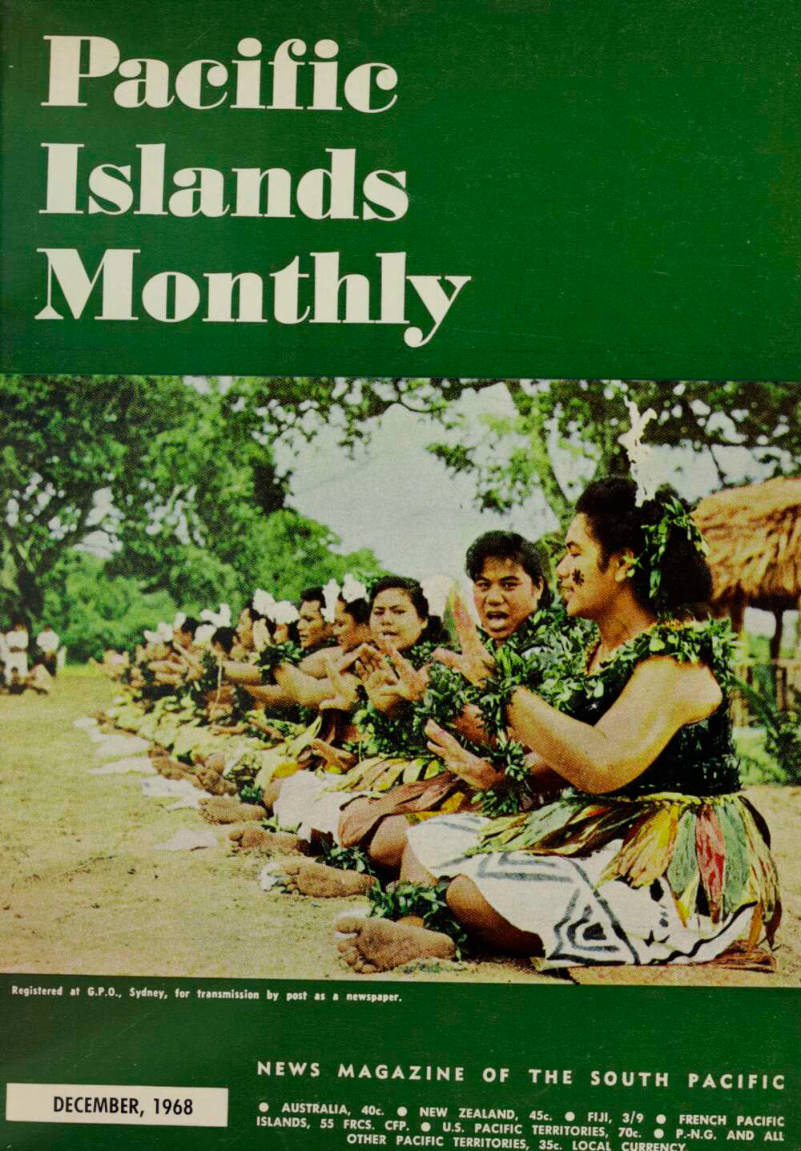 1
1 2
2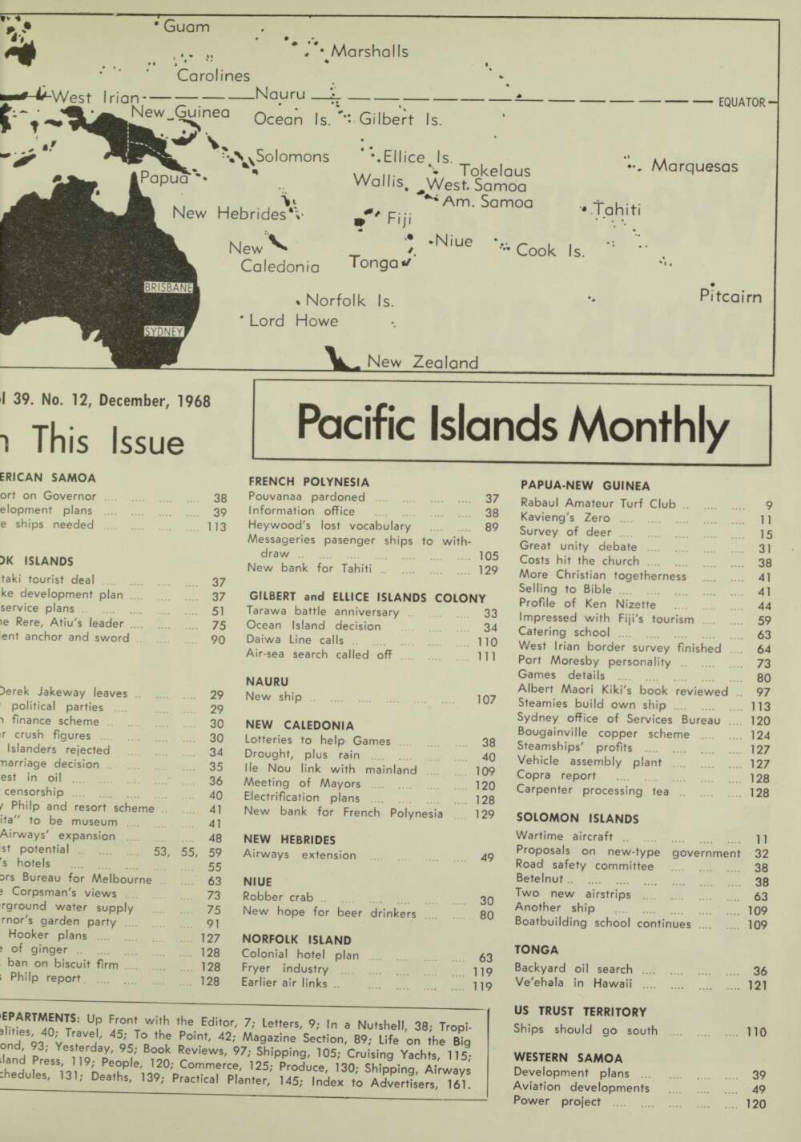 3
3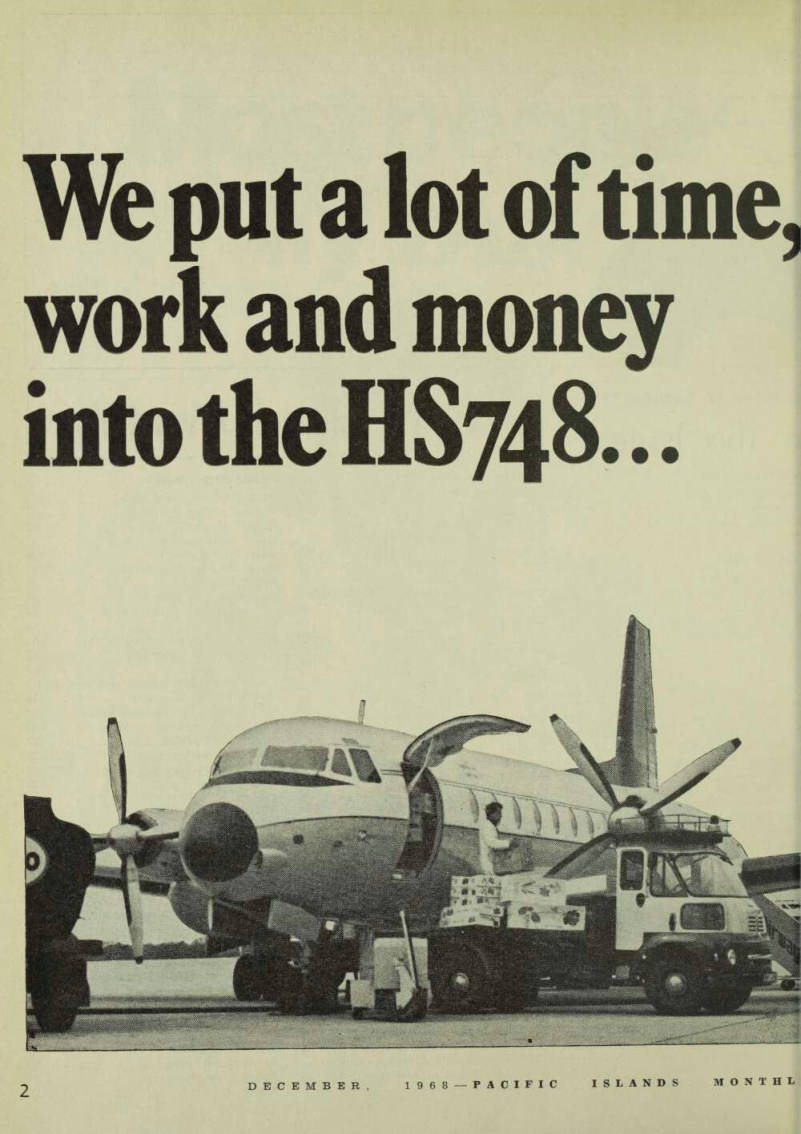 4
4 5
5 6
6 7
7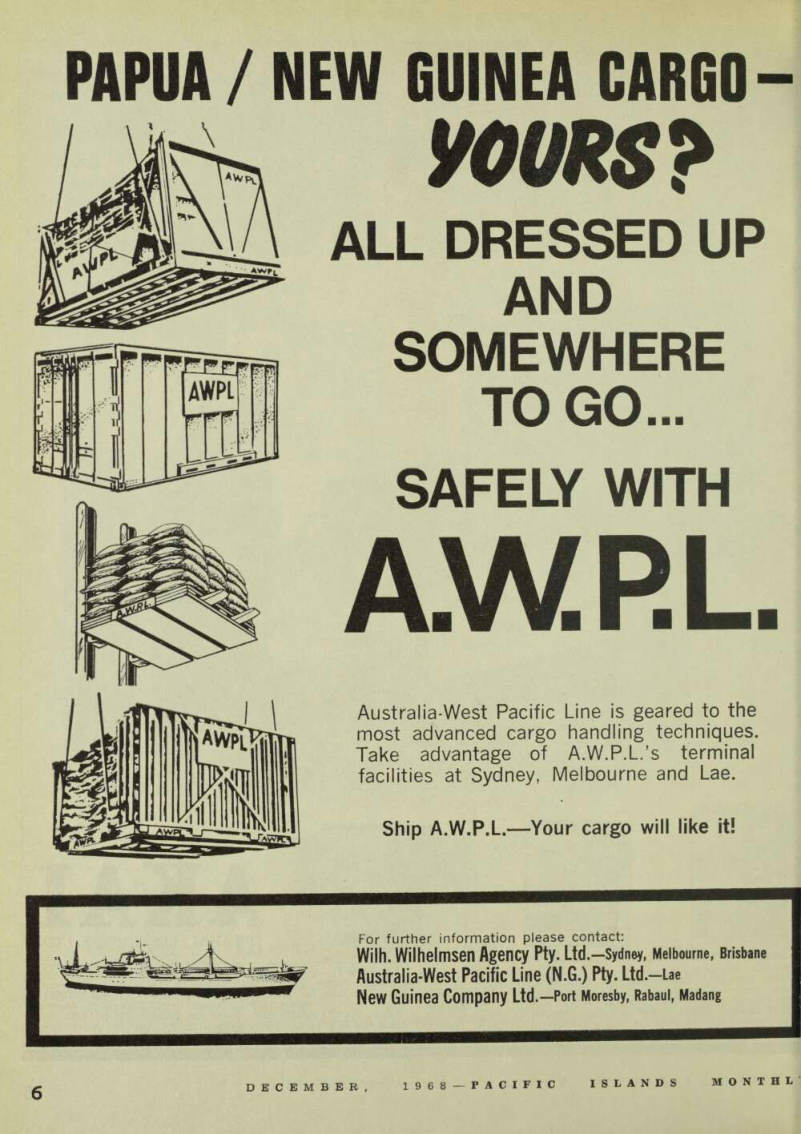 8
8 9
9 10
10 11
11 12
12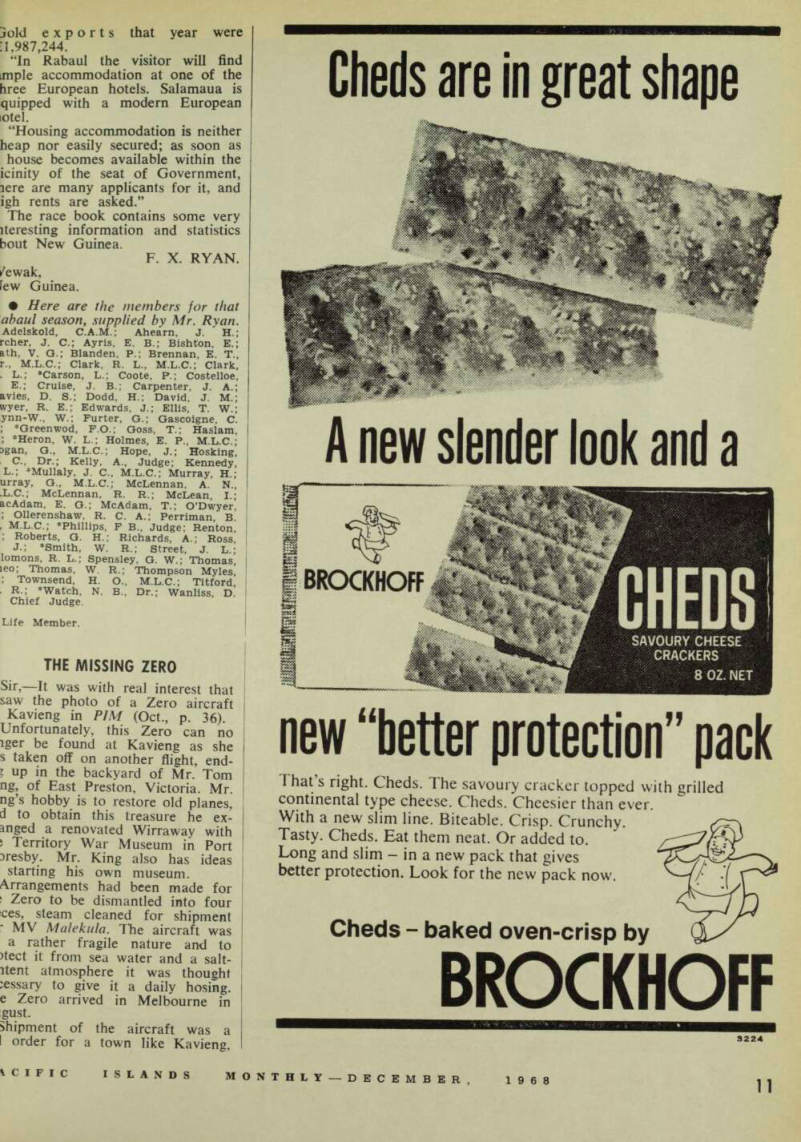 13
13 14
14 15
15 16
16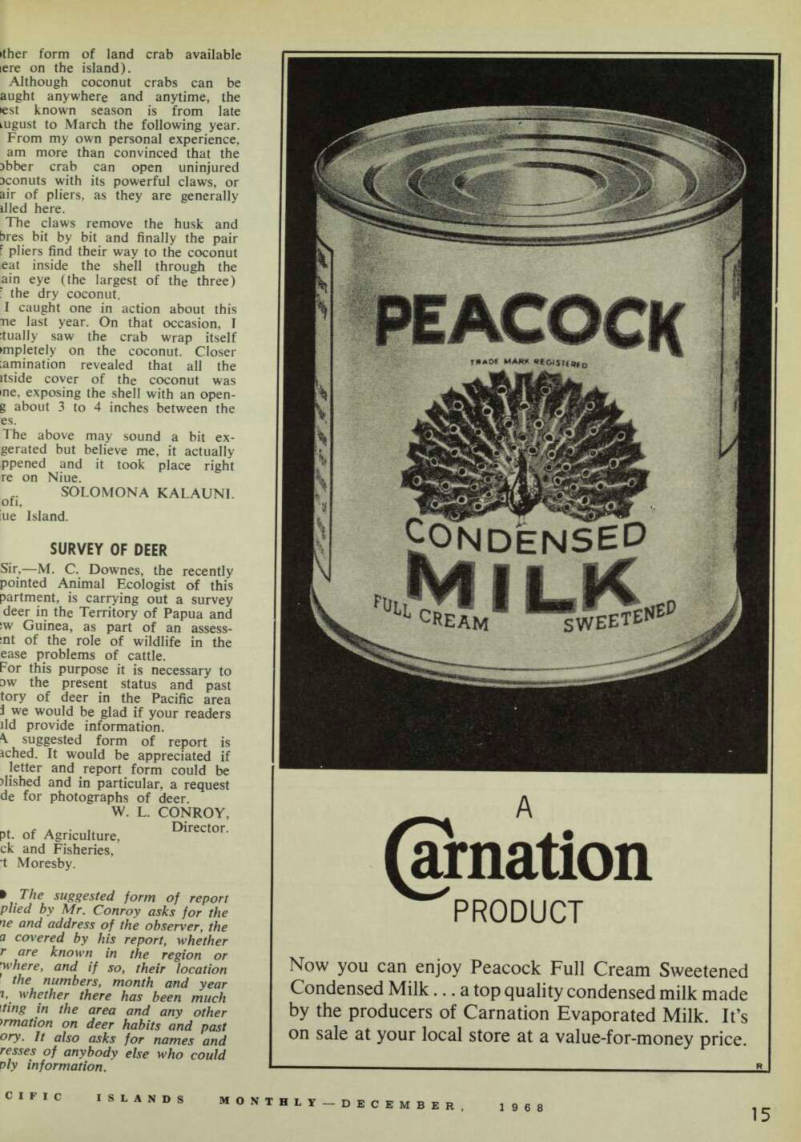 17
17 18
18 19
19 20
20 21
21 22
22 23
23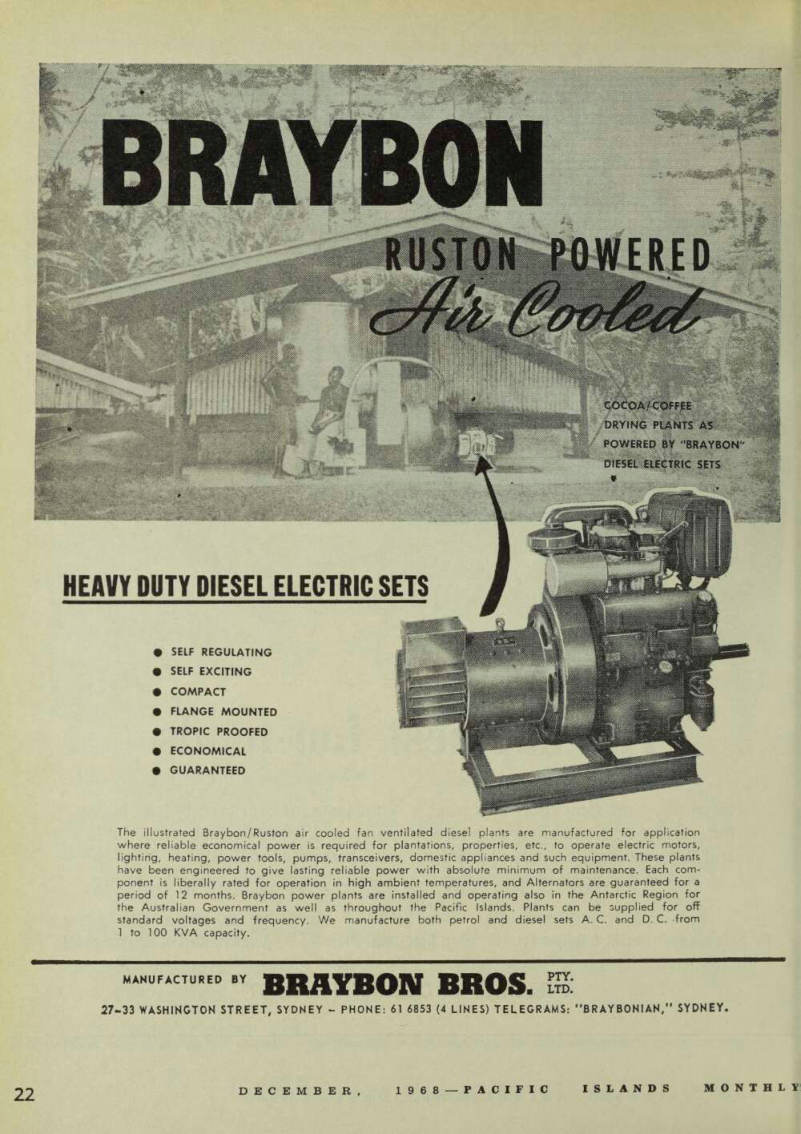 24
24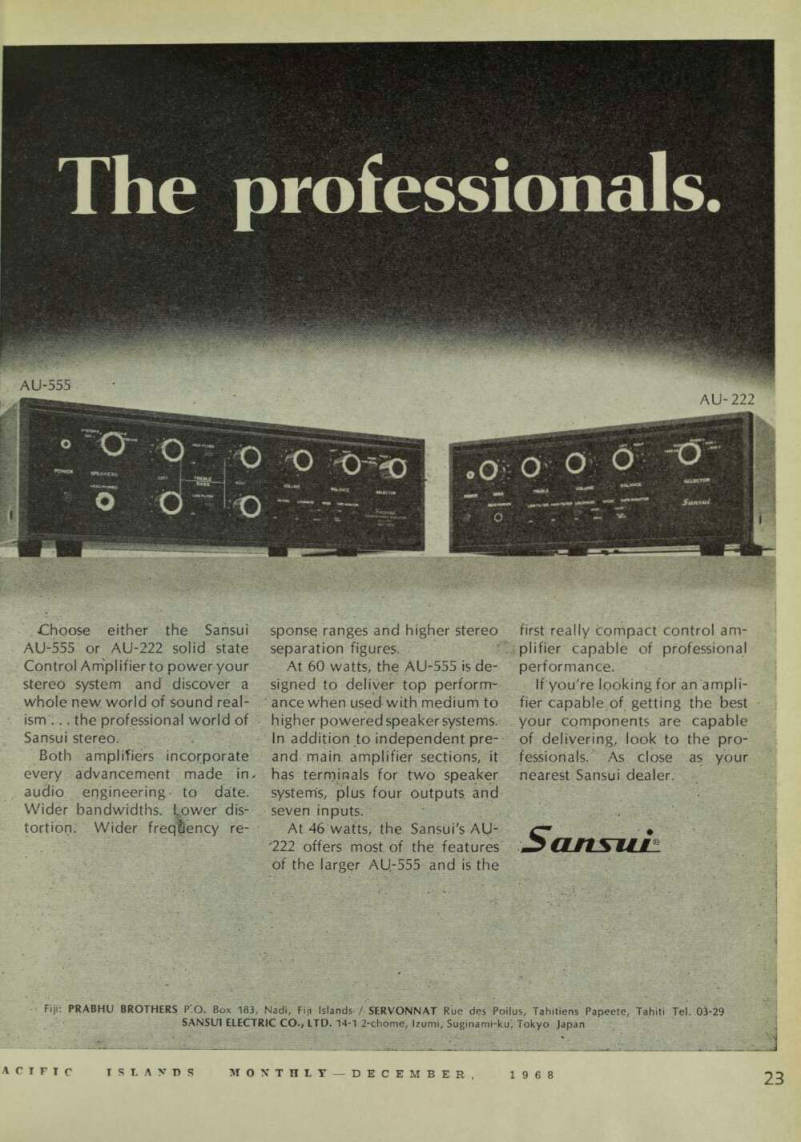 25
25 26
26 27
27 28
28 29
29 30
30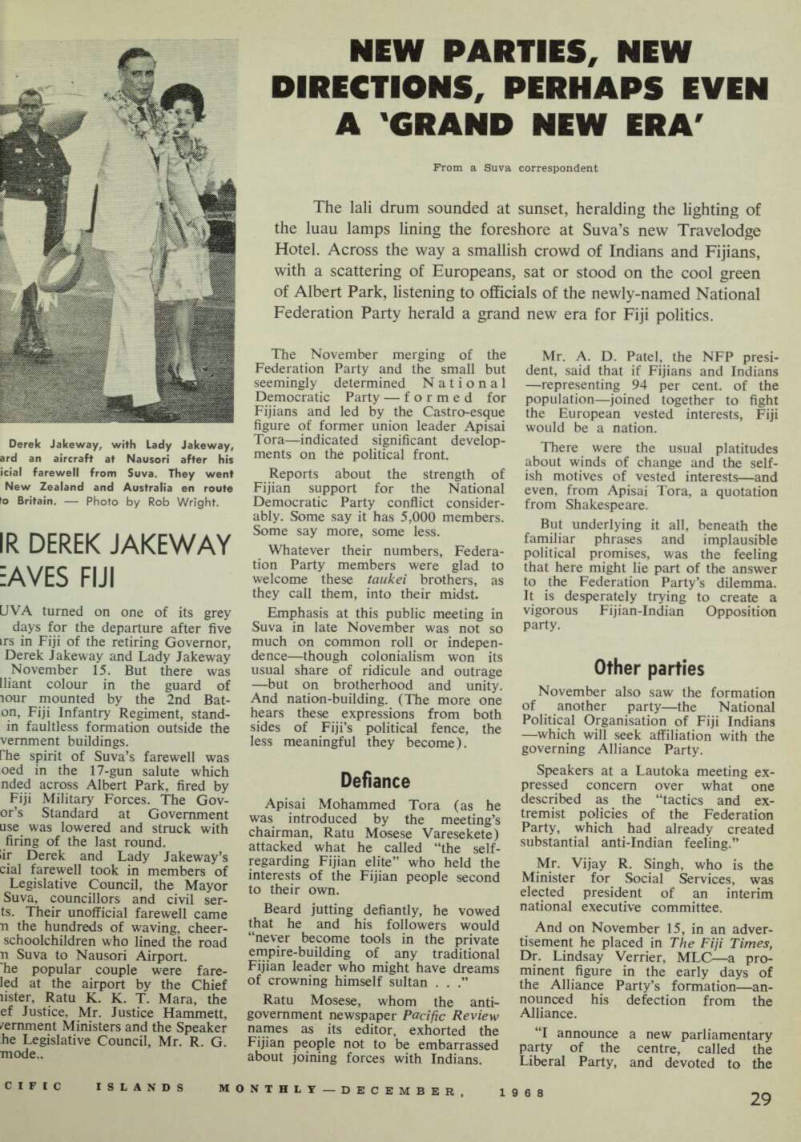 31
31 32
32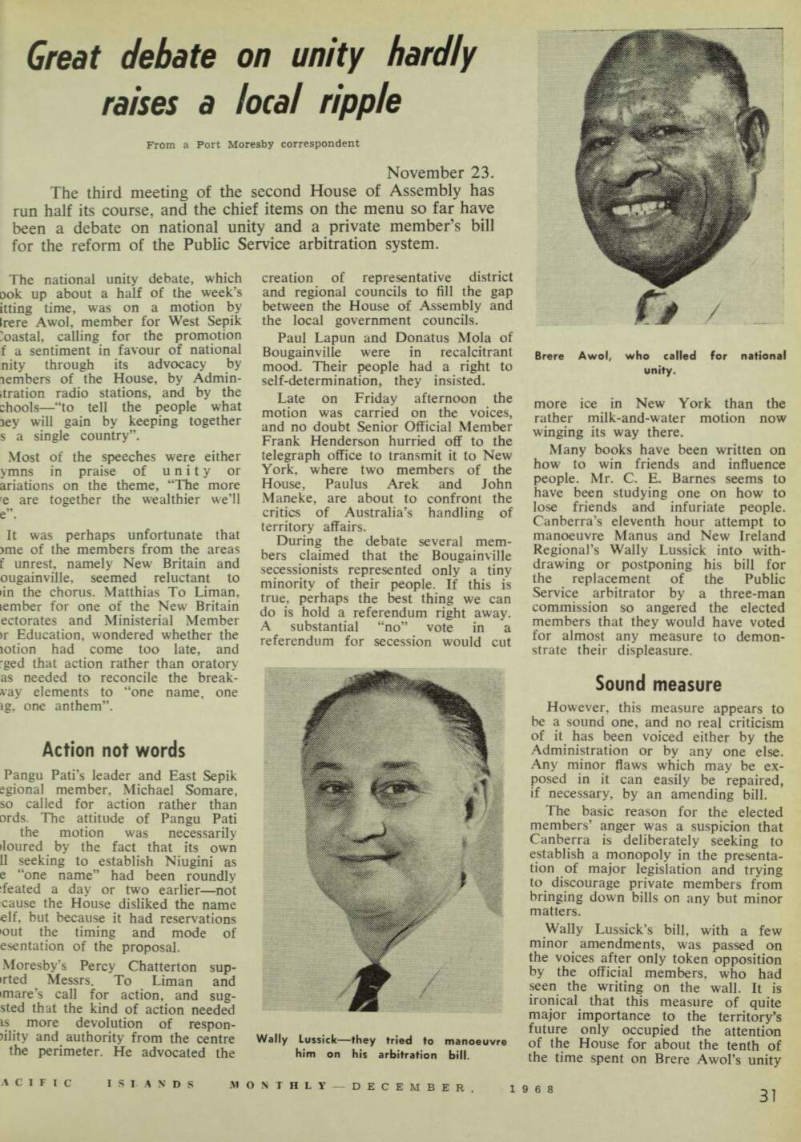 33
33 34
34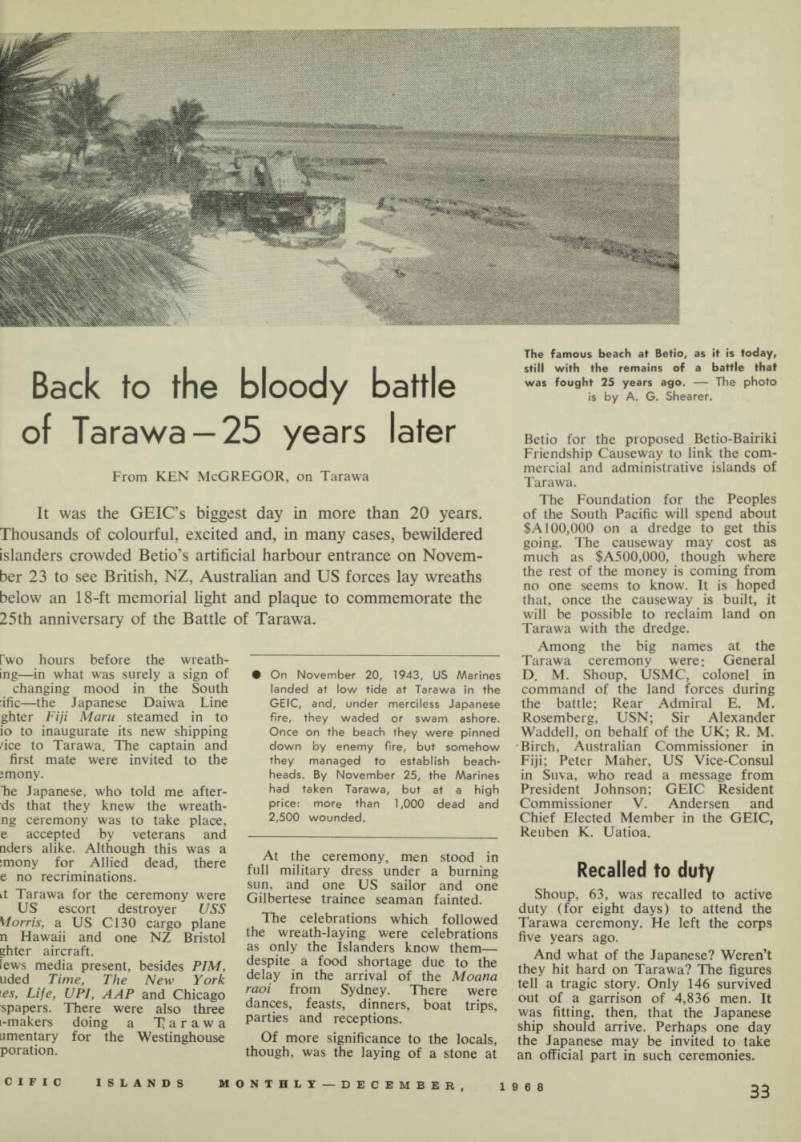 35
35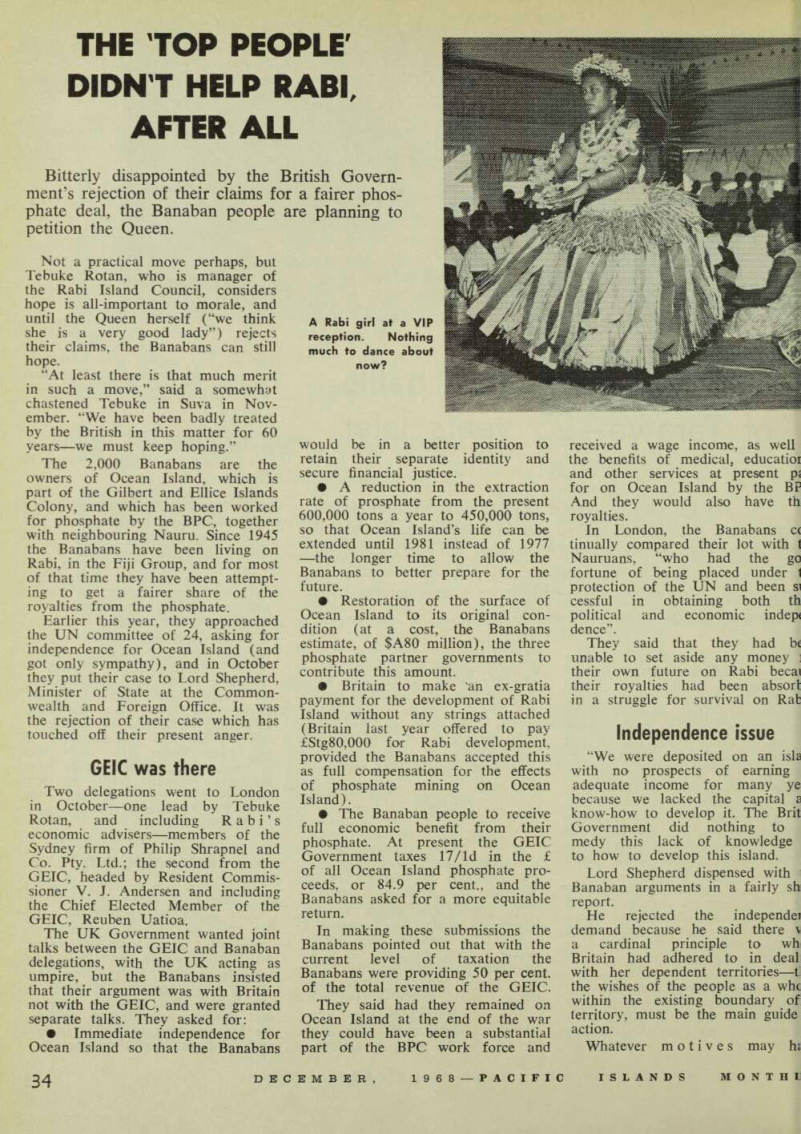 36
36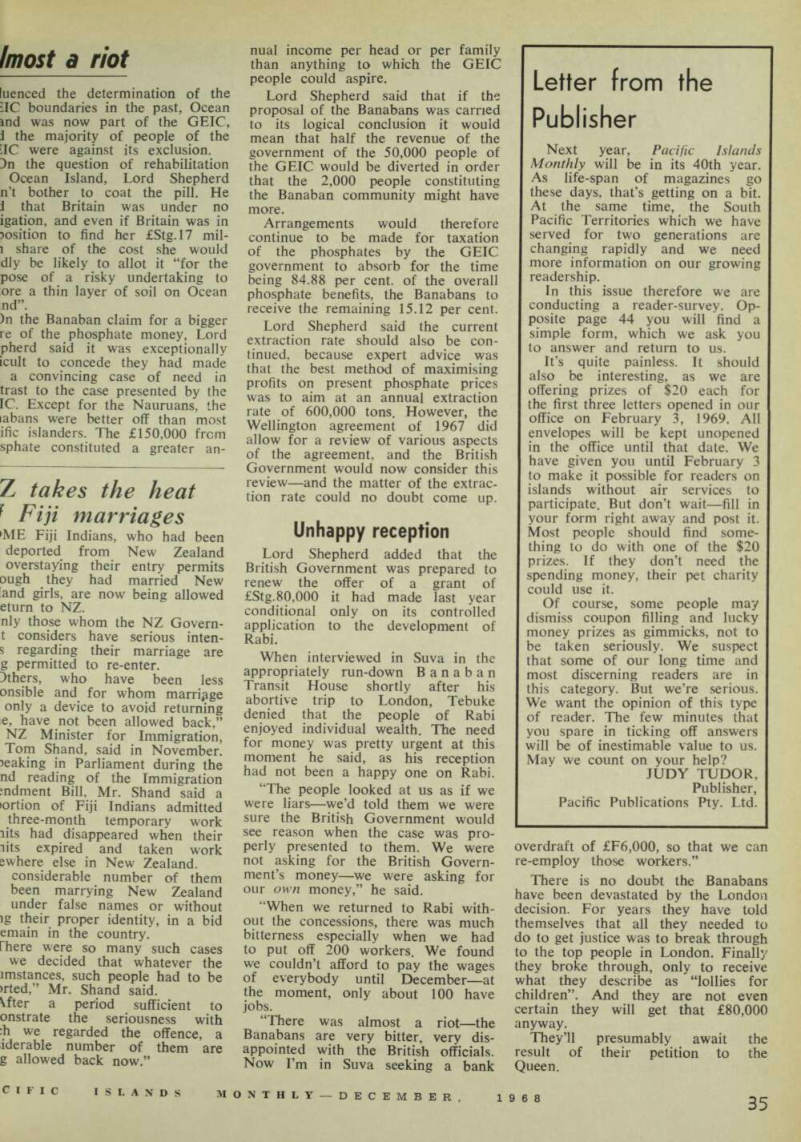 37
37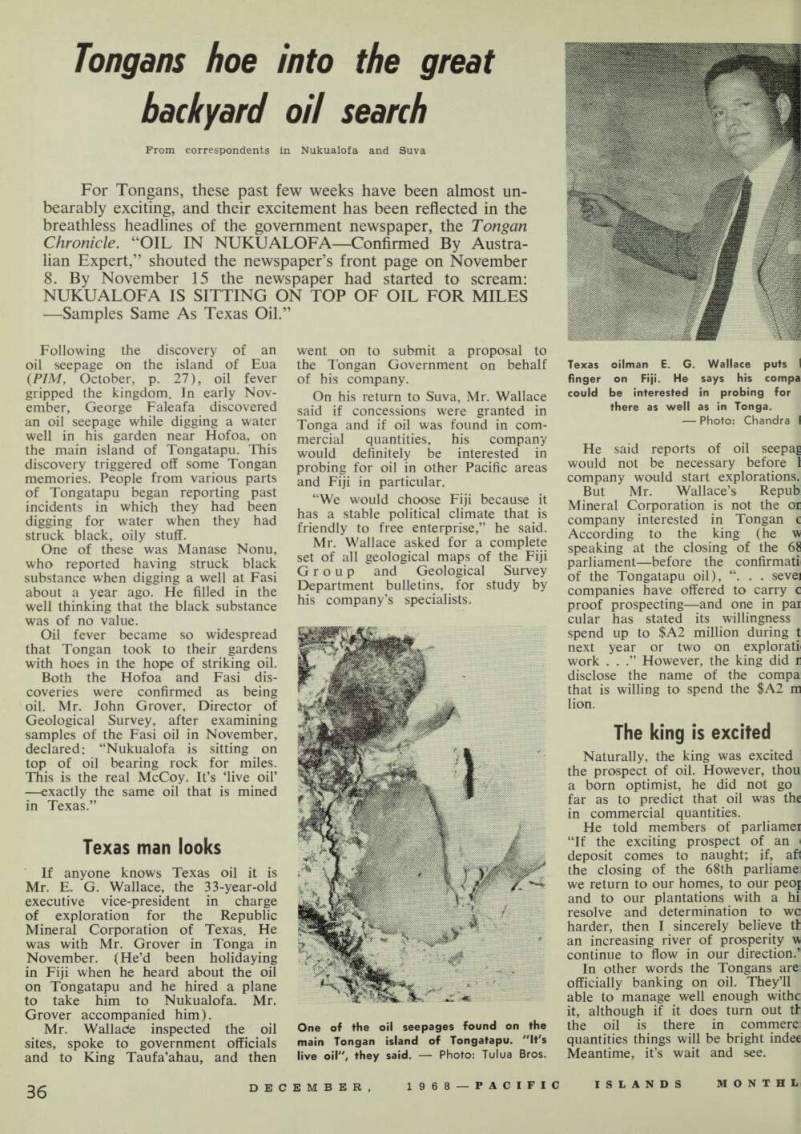 38
38 39
39 40
40 41
41 42
42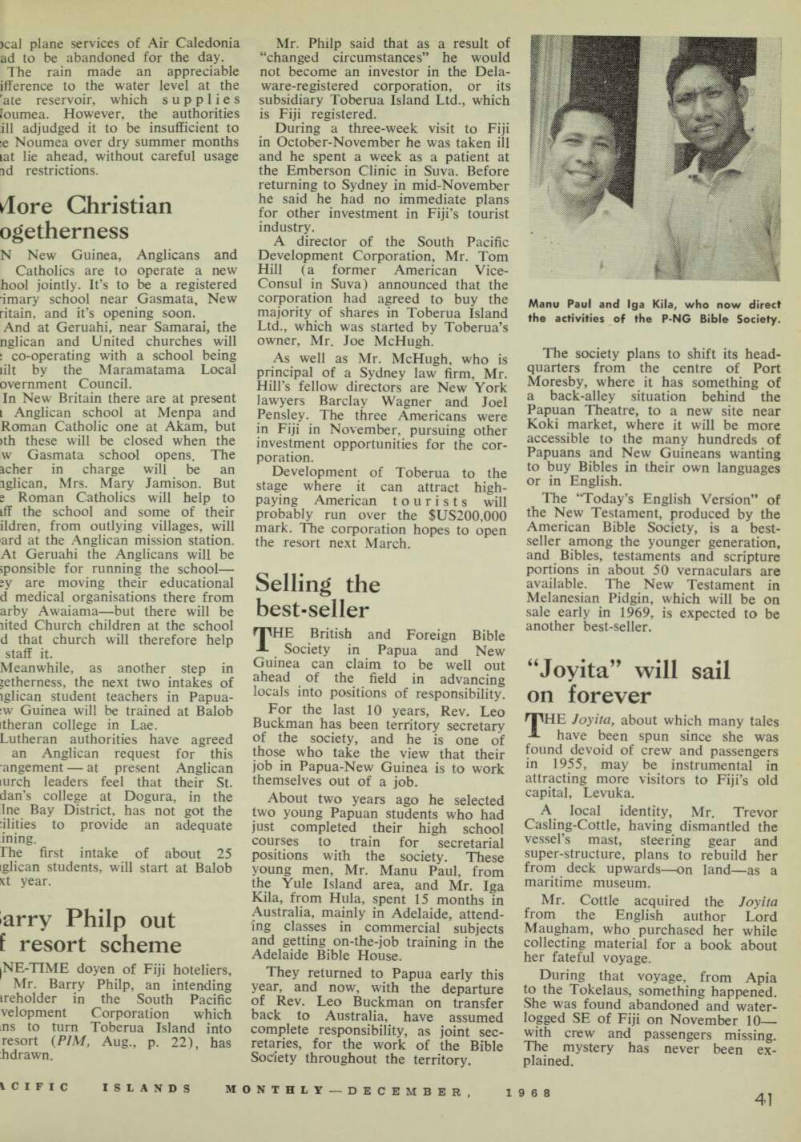 43
43 44
44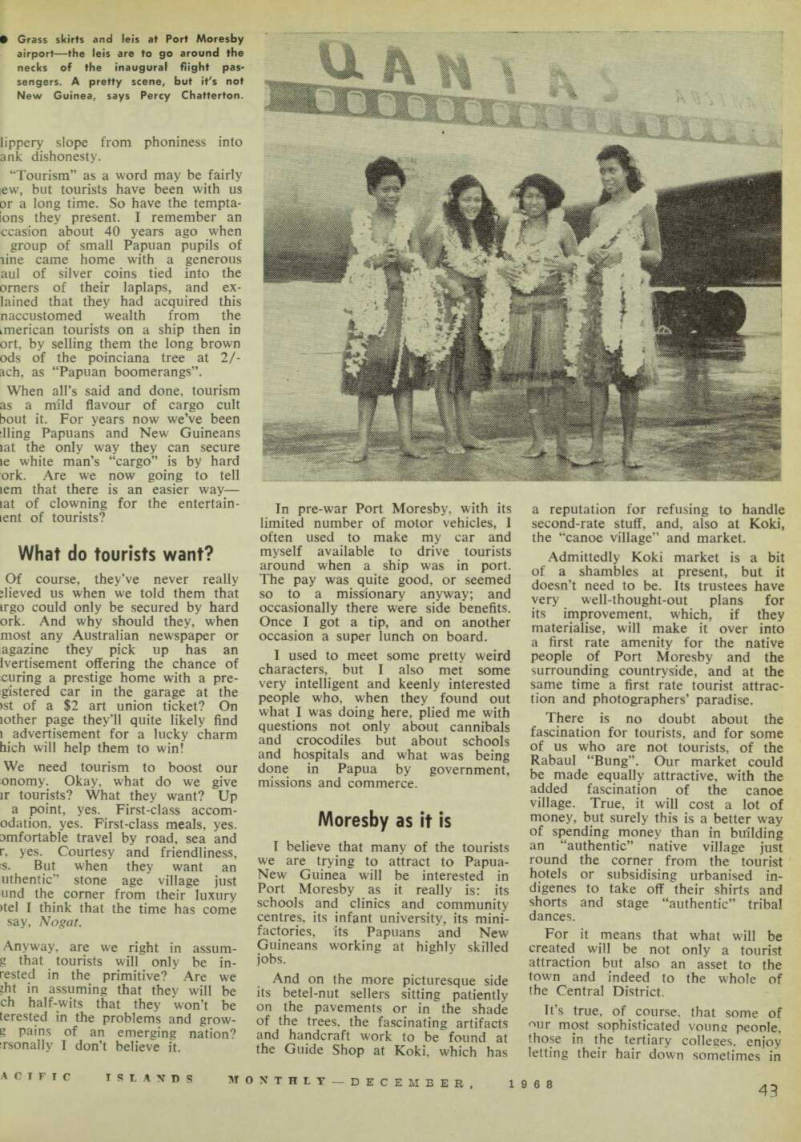 45
45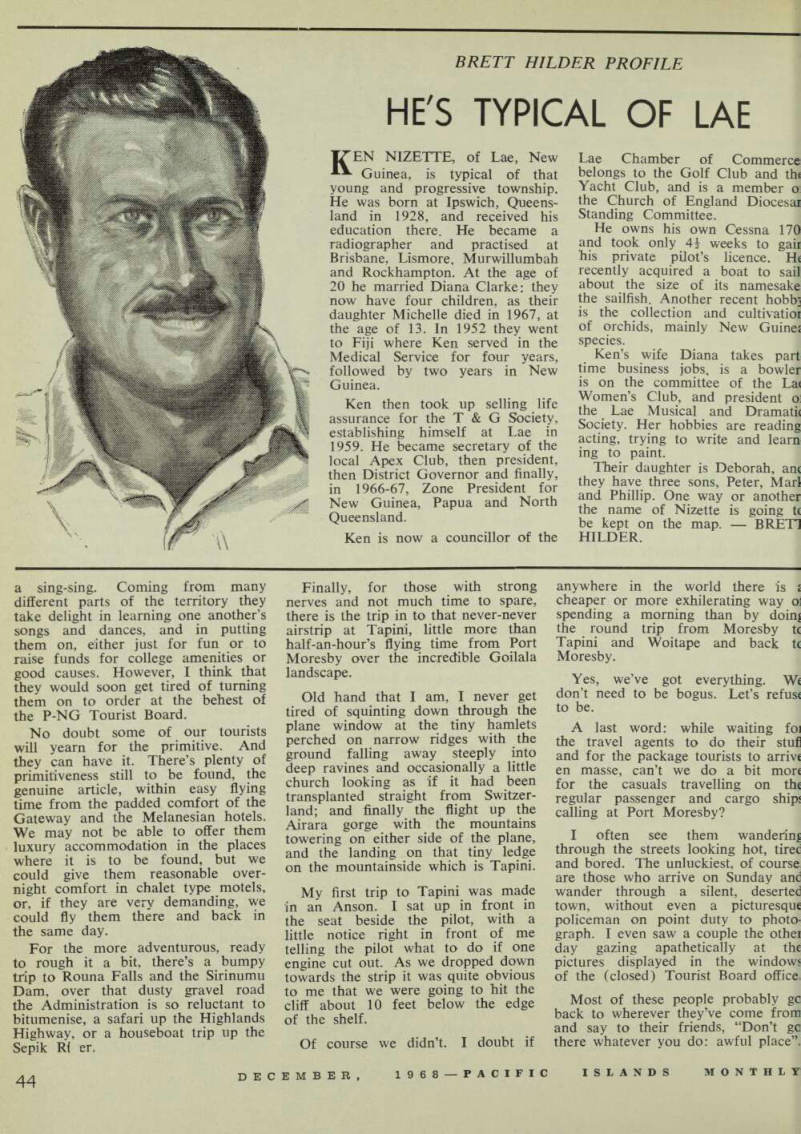 46
46 47
47 48
48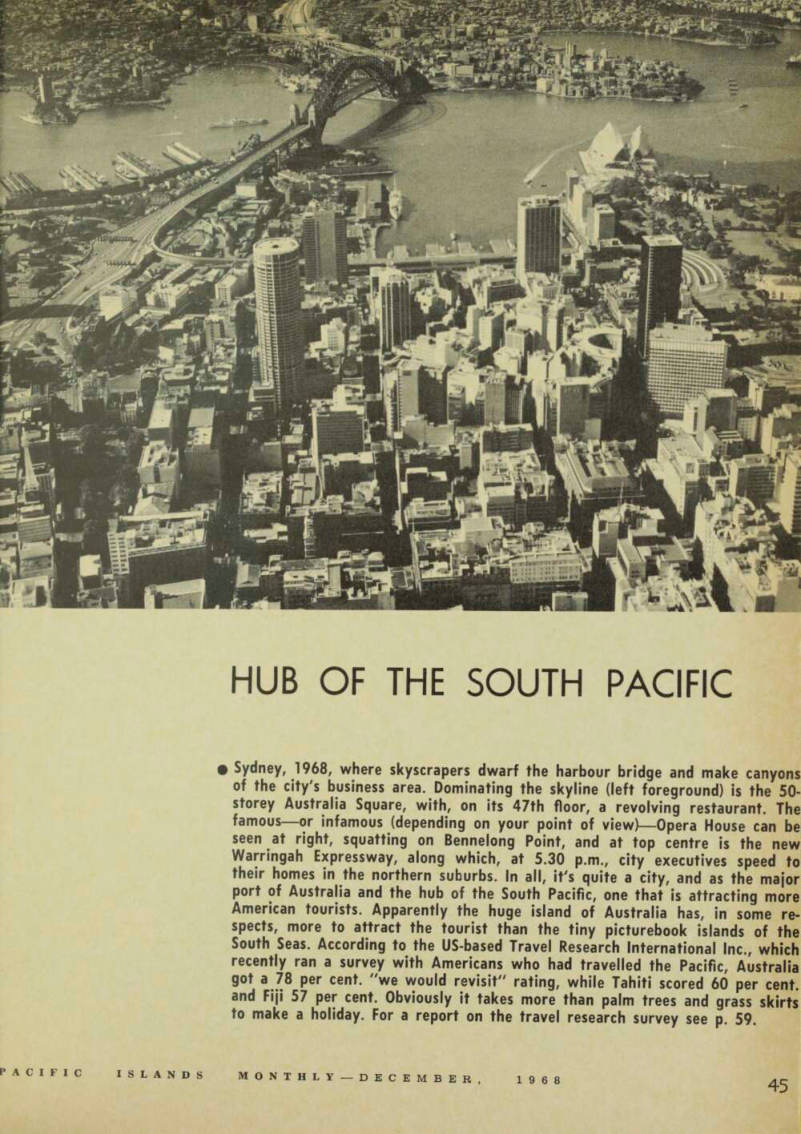 49
49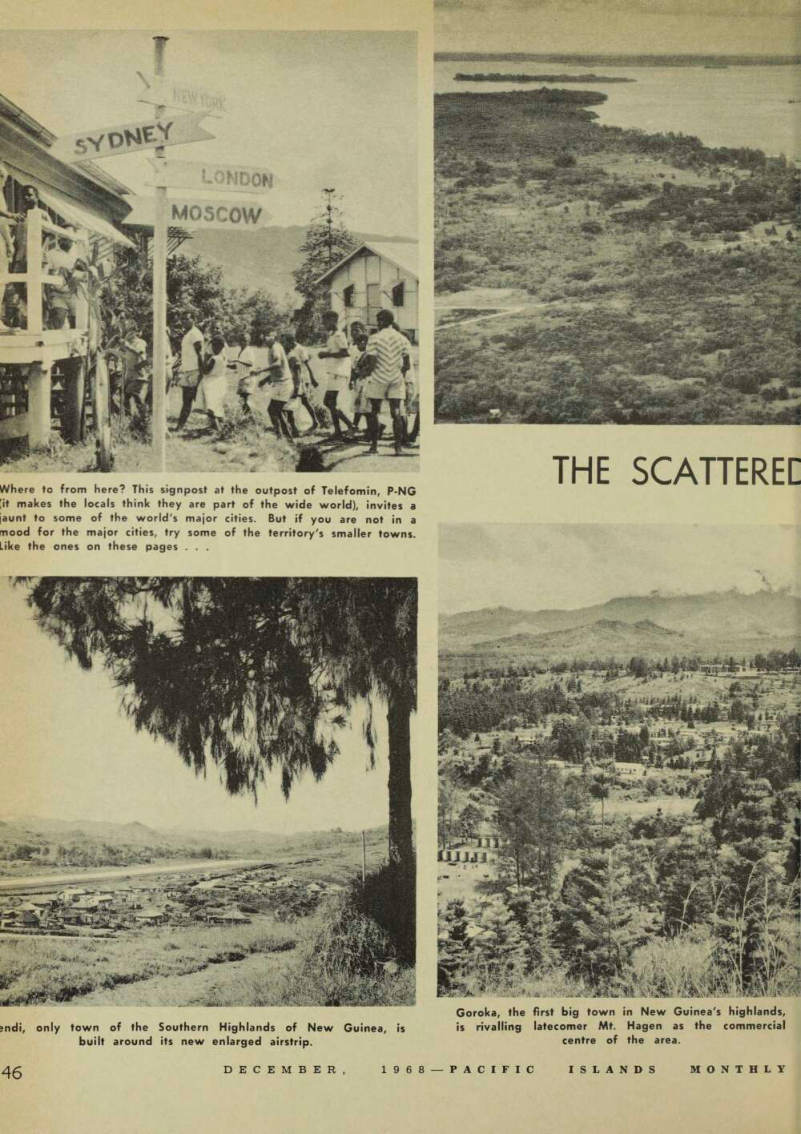 50
50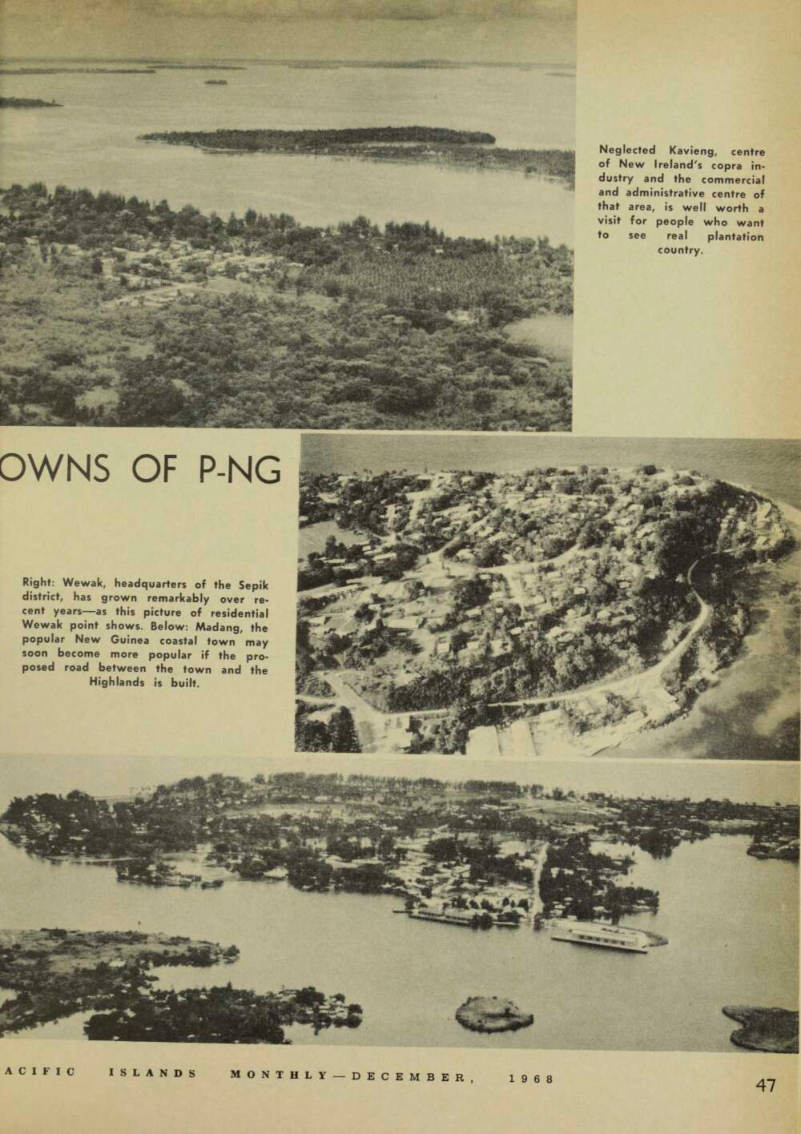 51
51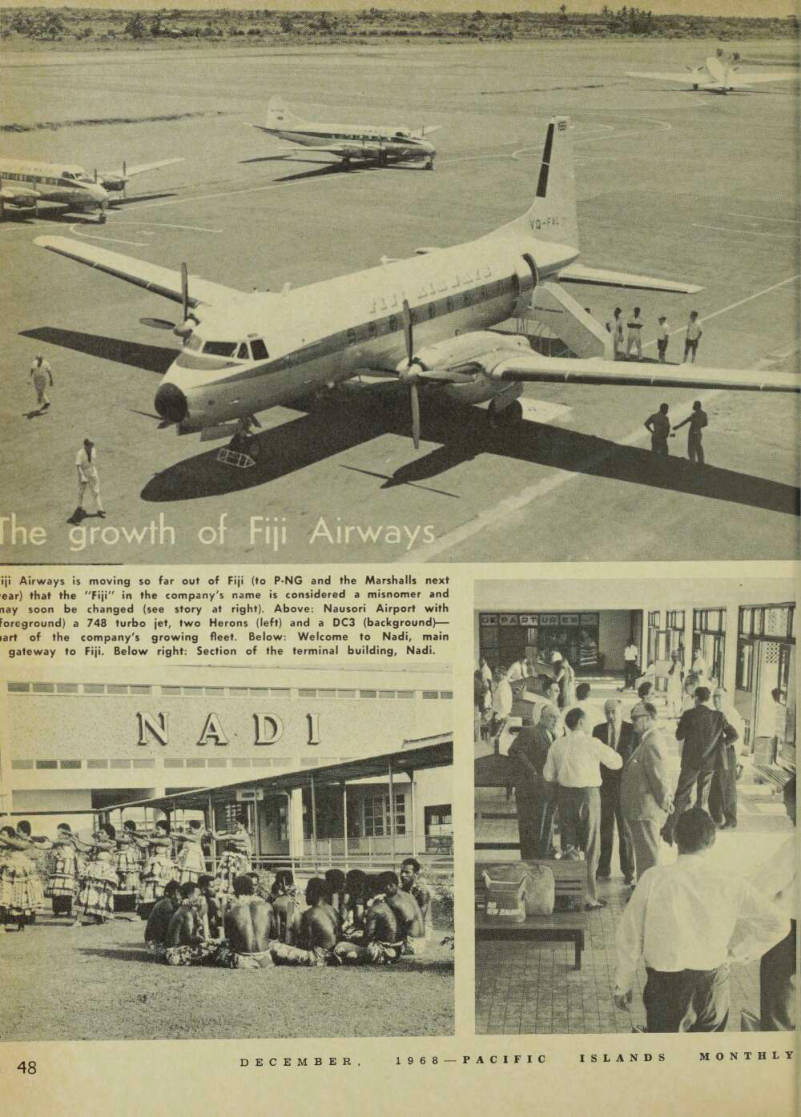 52
52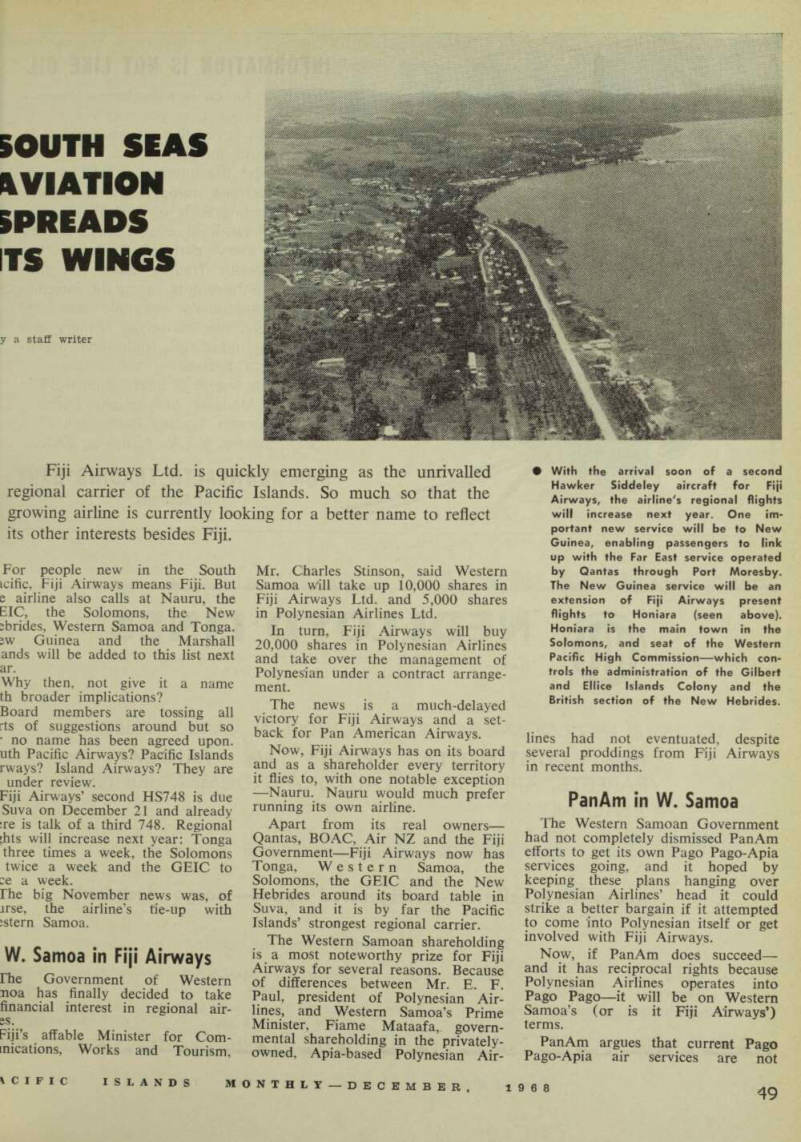 53
53 54
54 55
55 56
56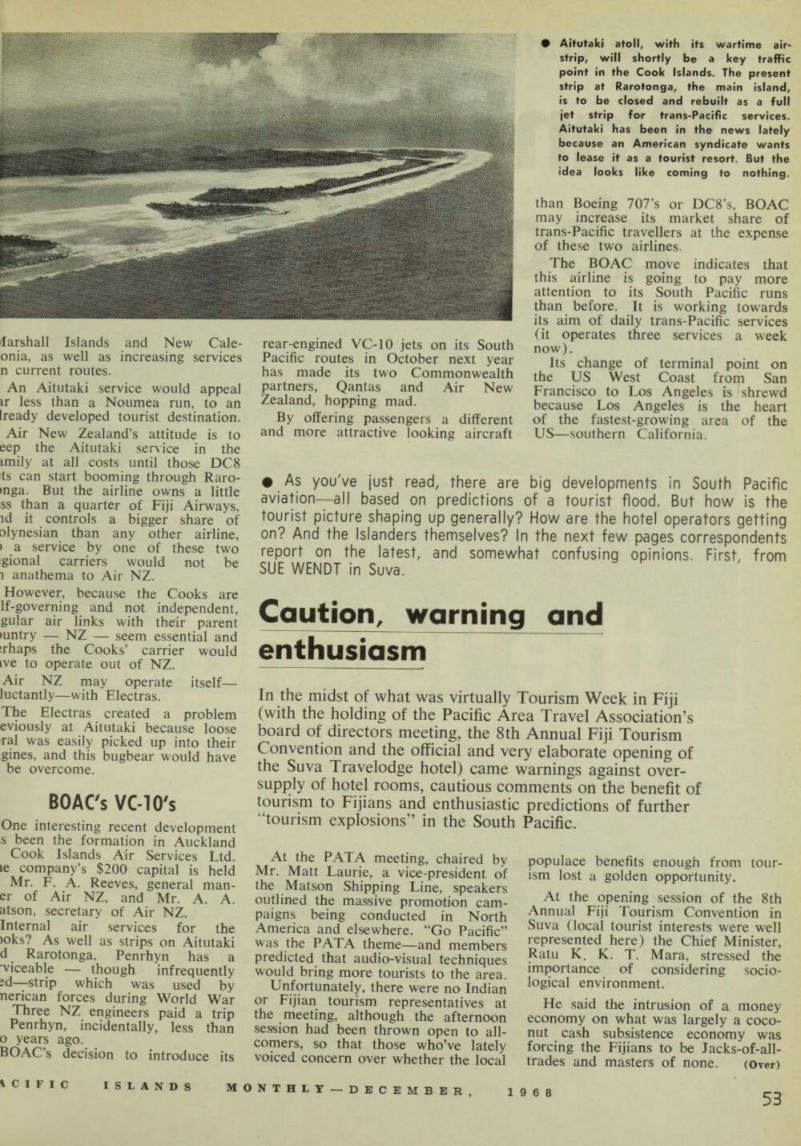 57
57 58
58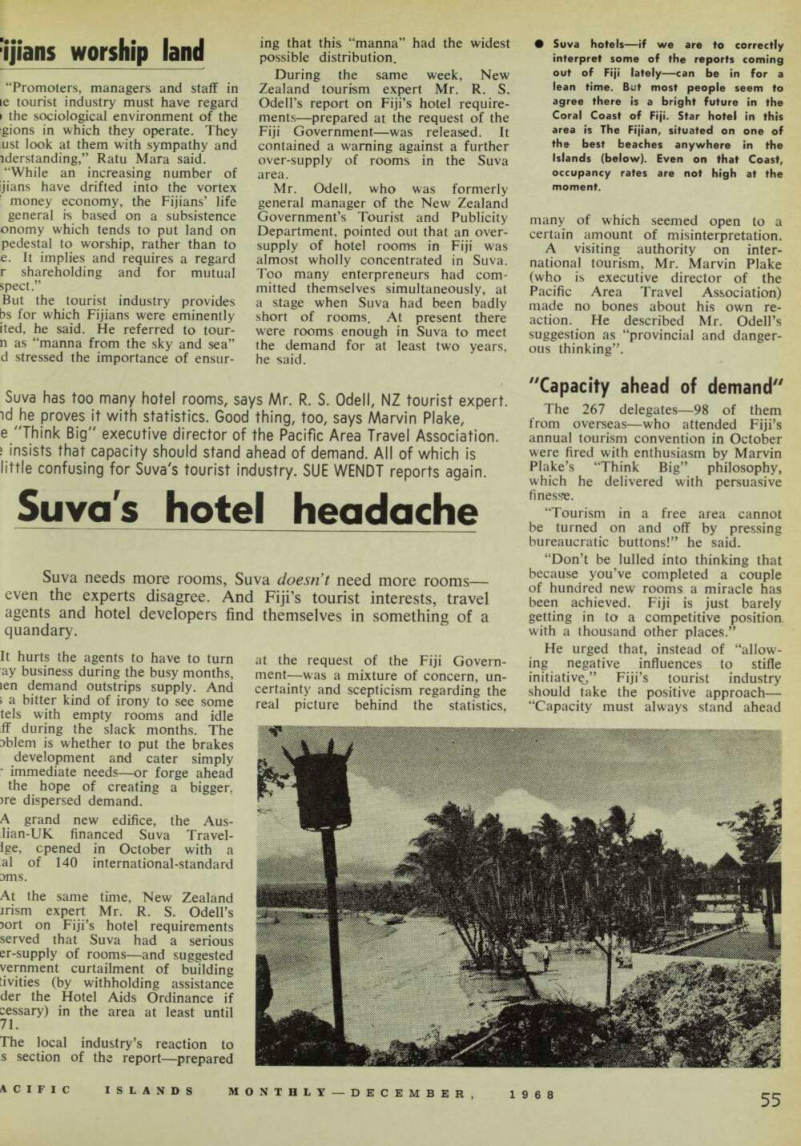 59
59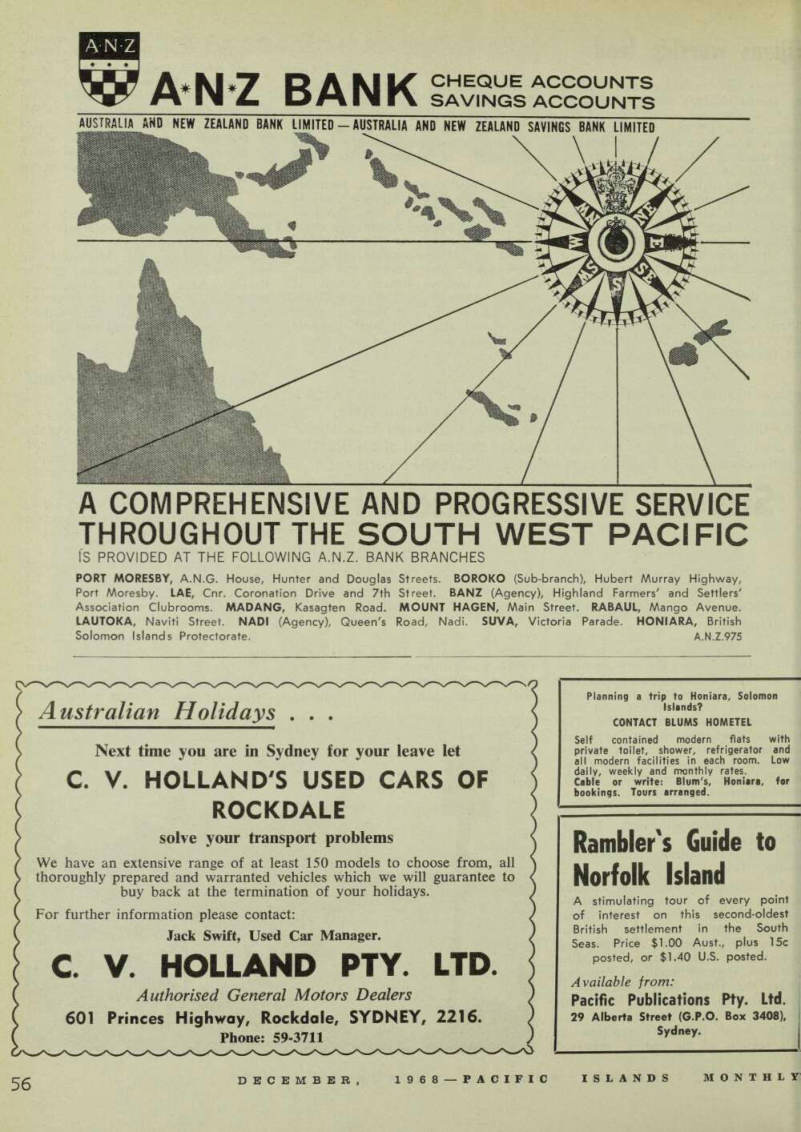 60
60 61
61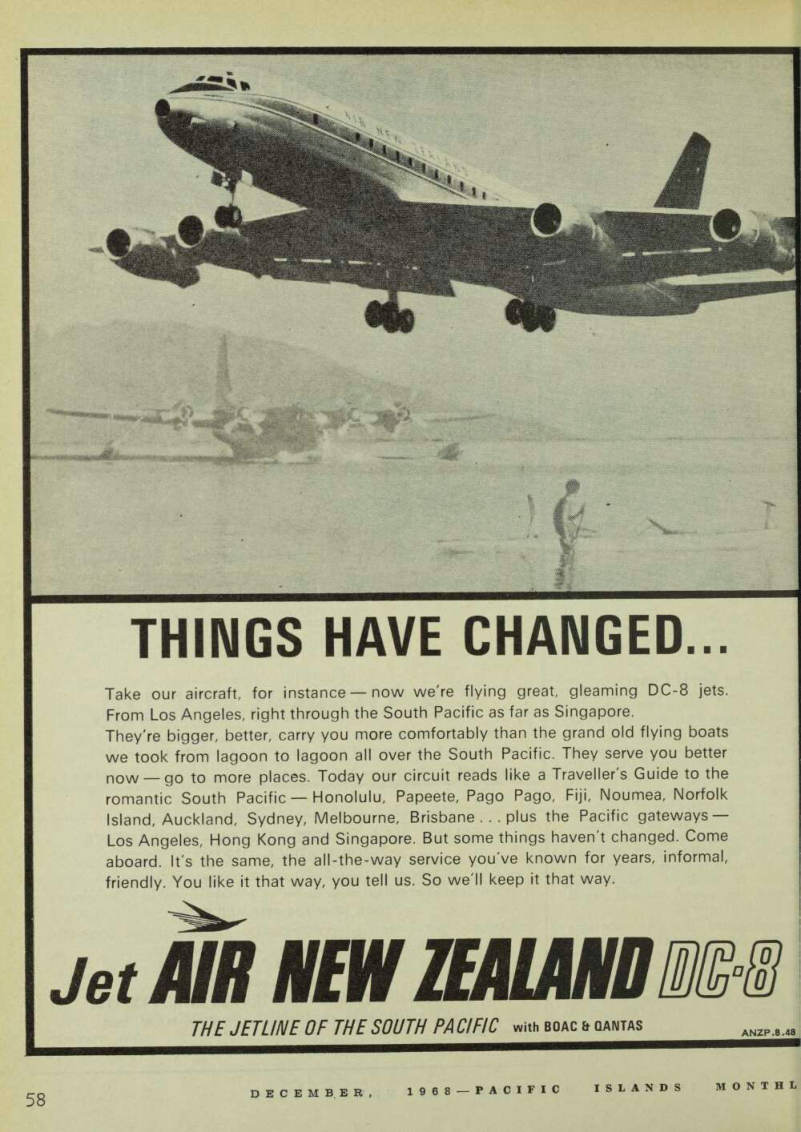 62
62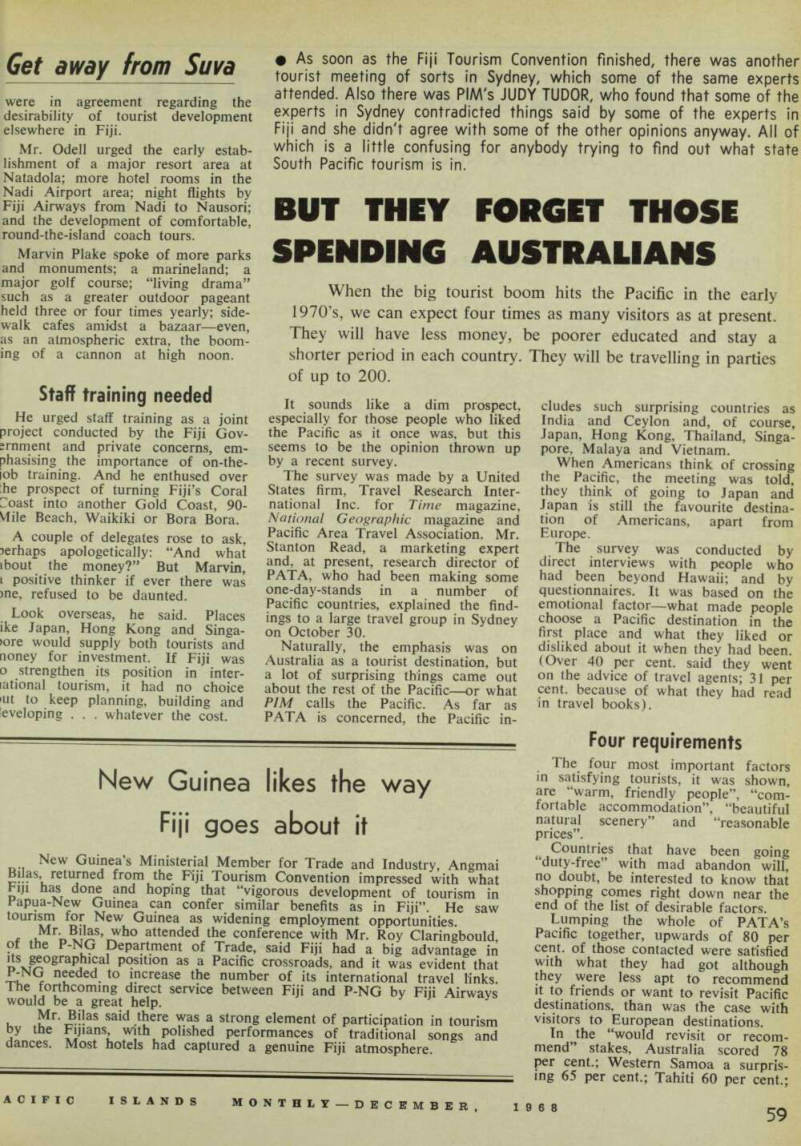 63
63 64
64 65
65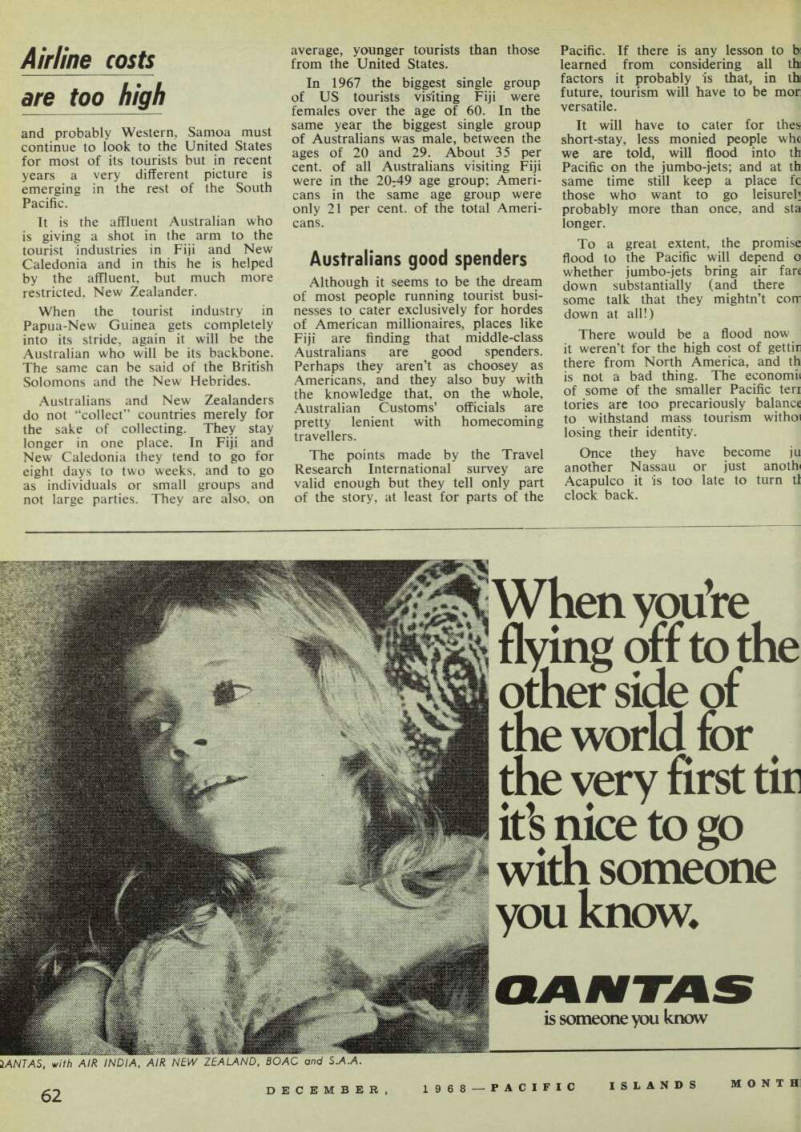 66
66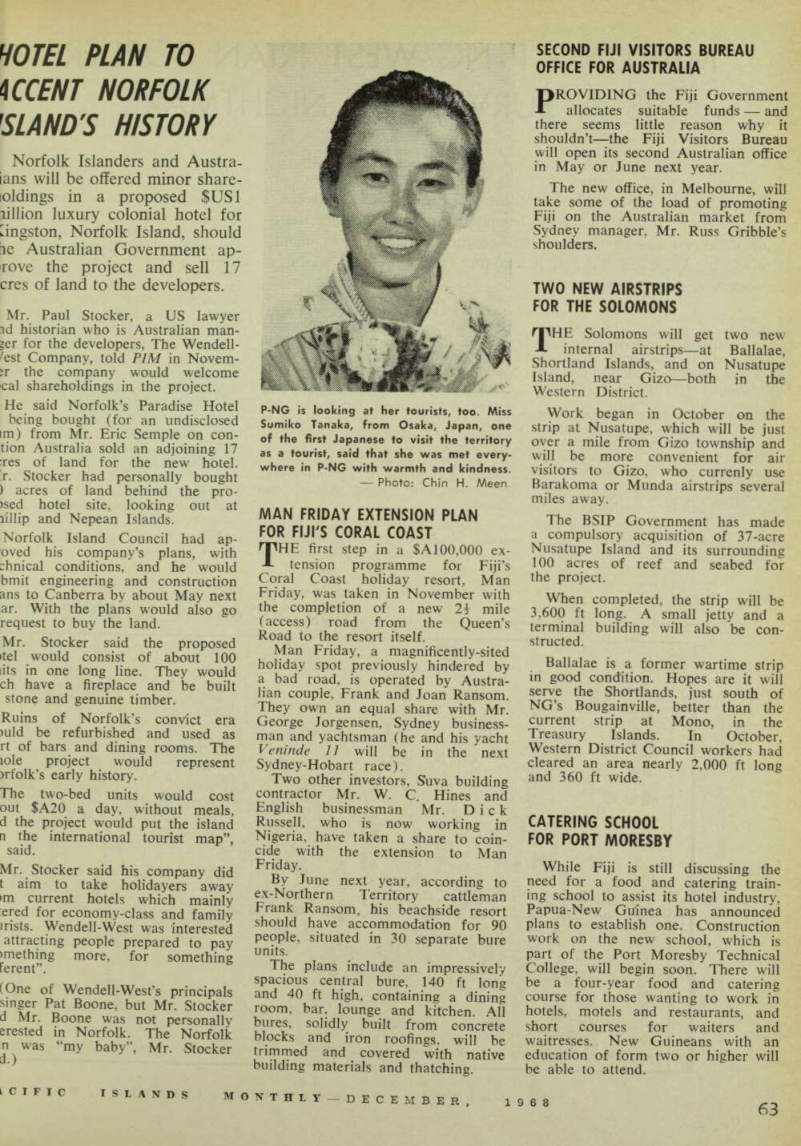 67
67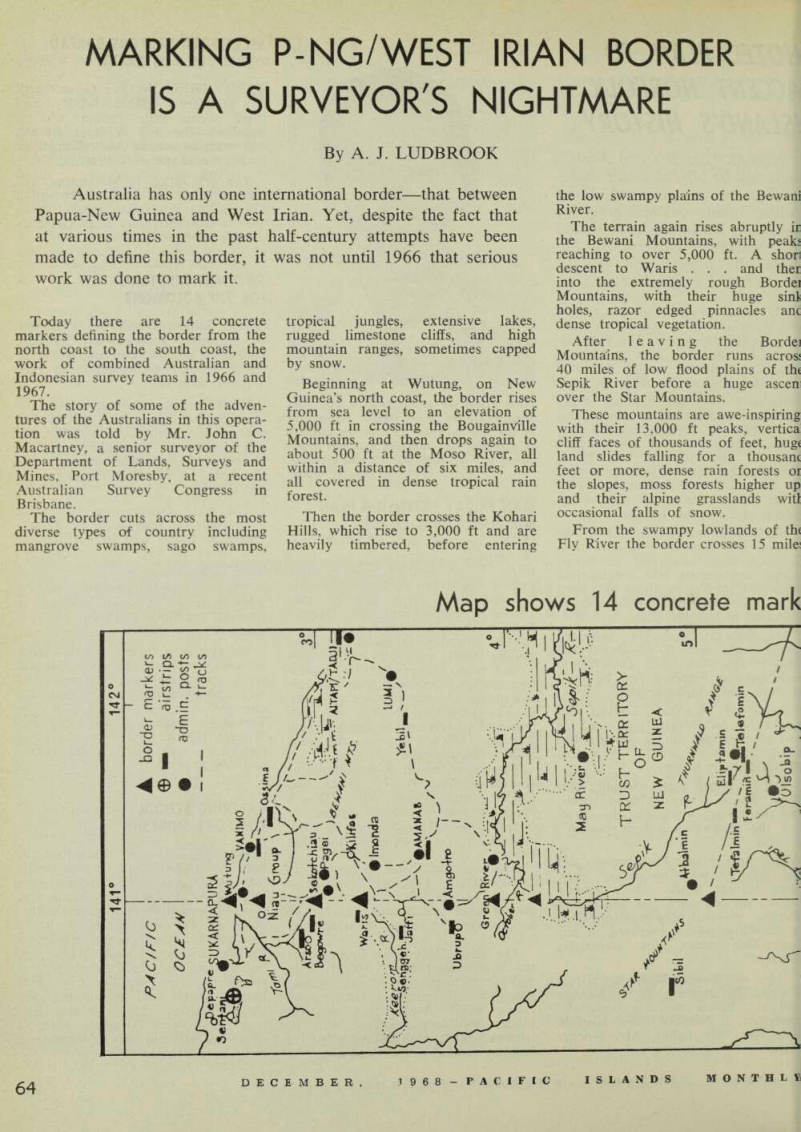 68
68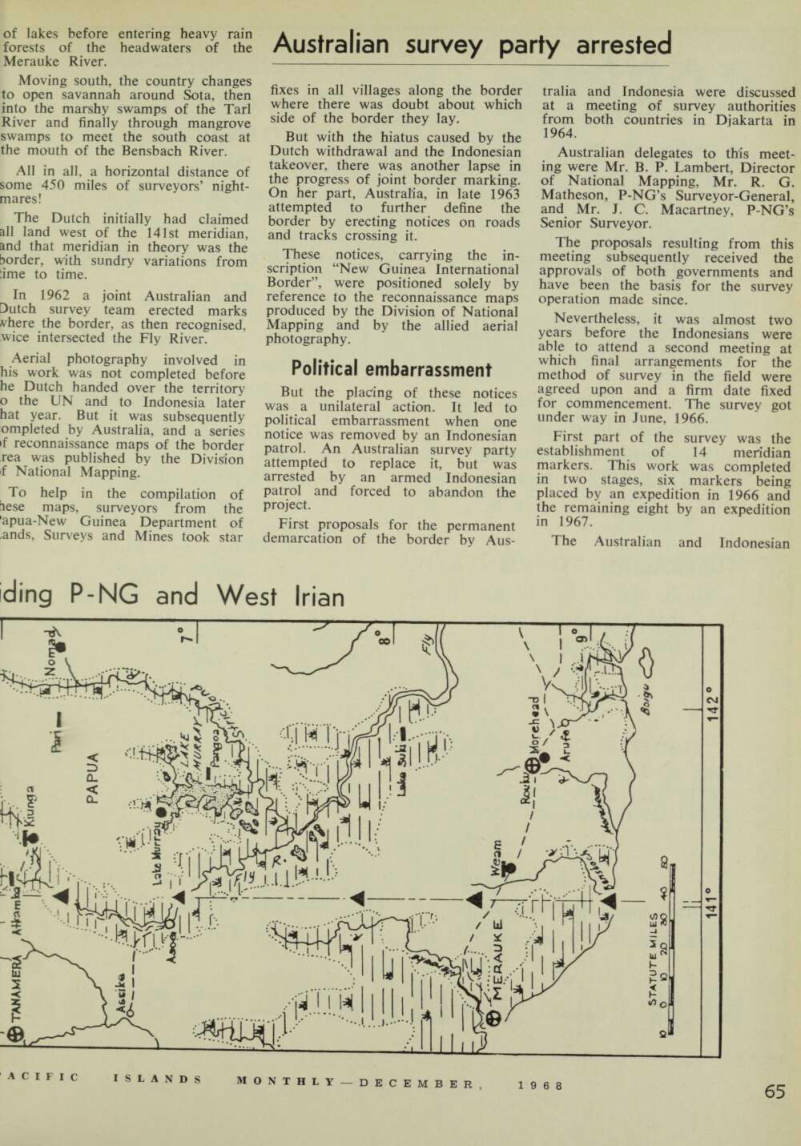 69
69 70
70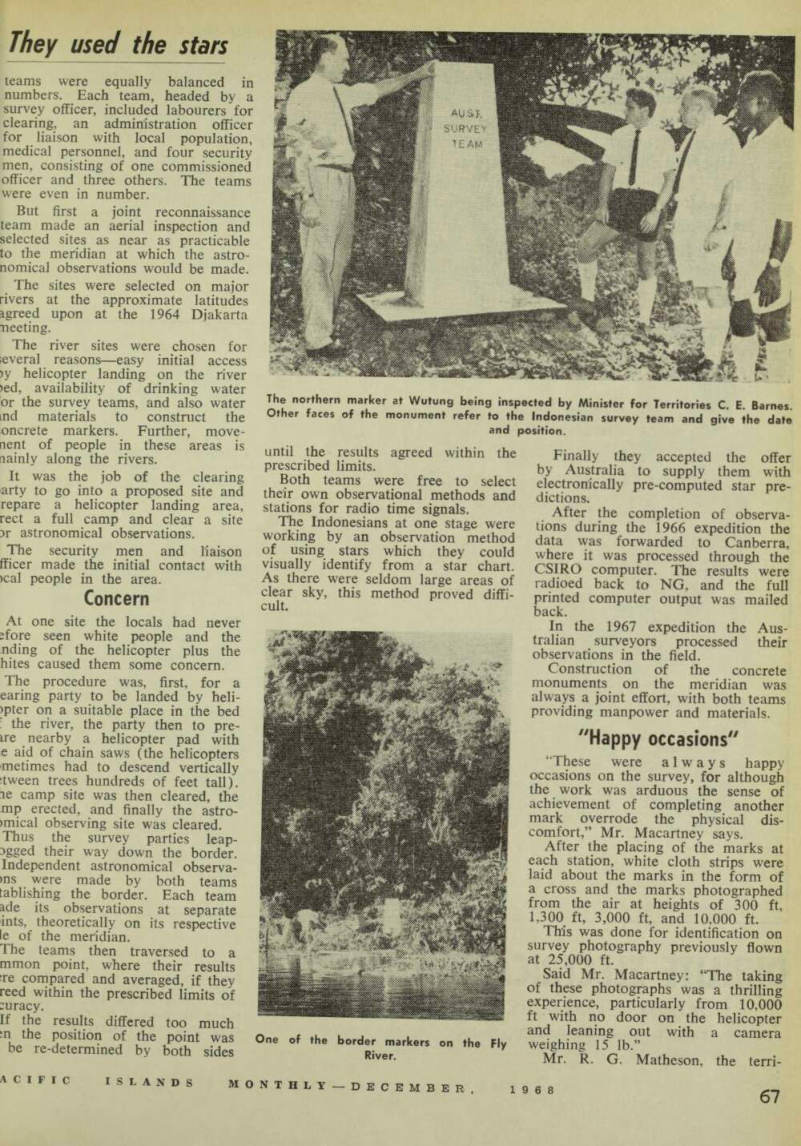 71
71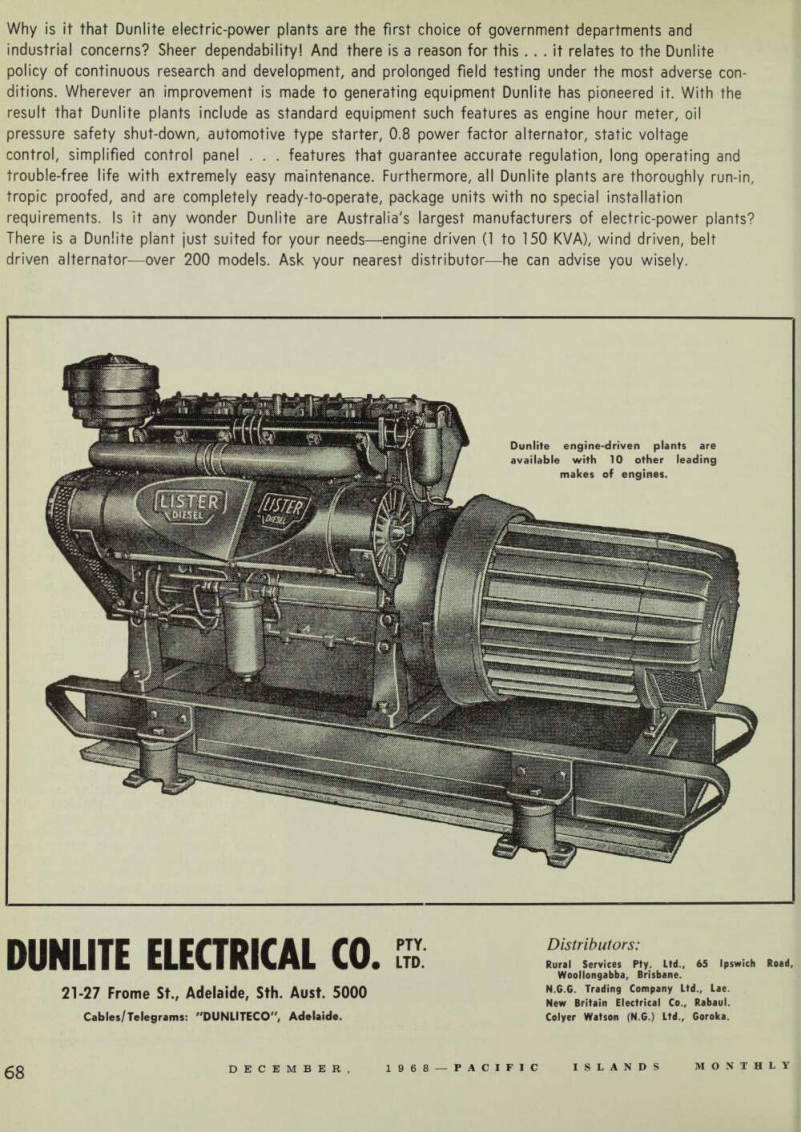 72
72 73
73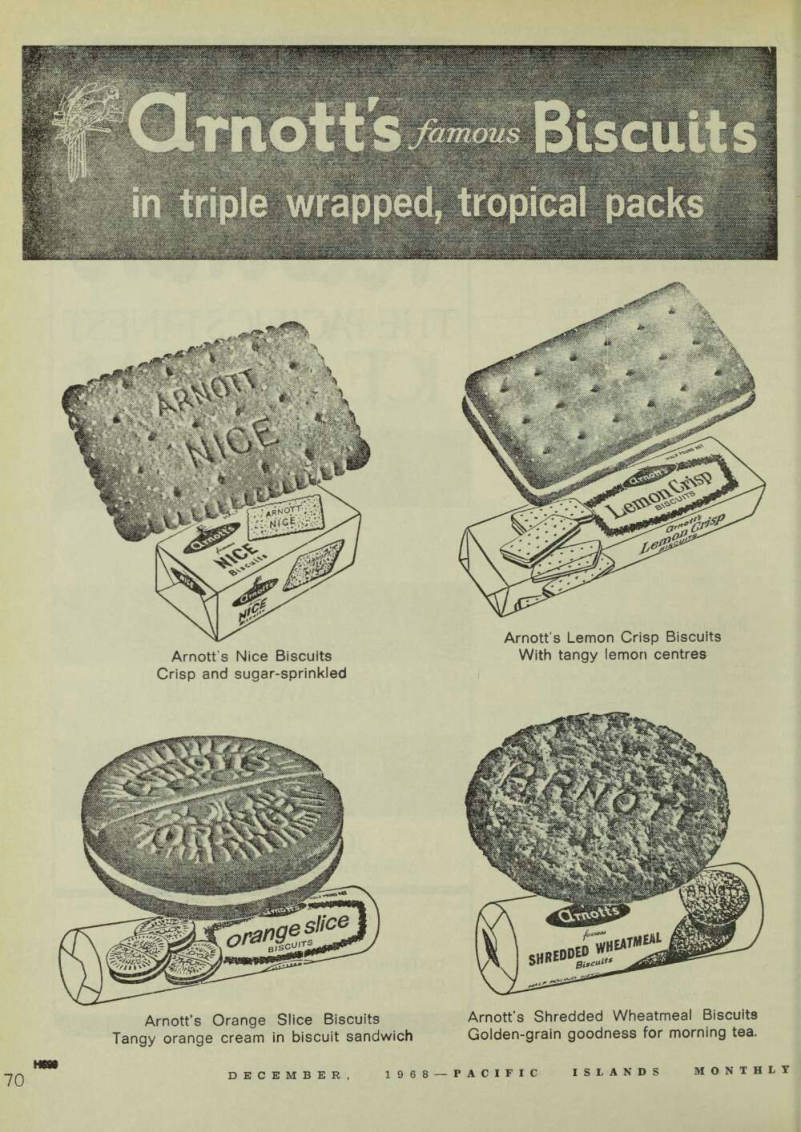 74
74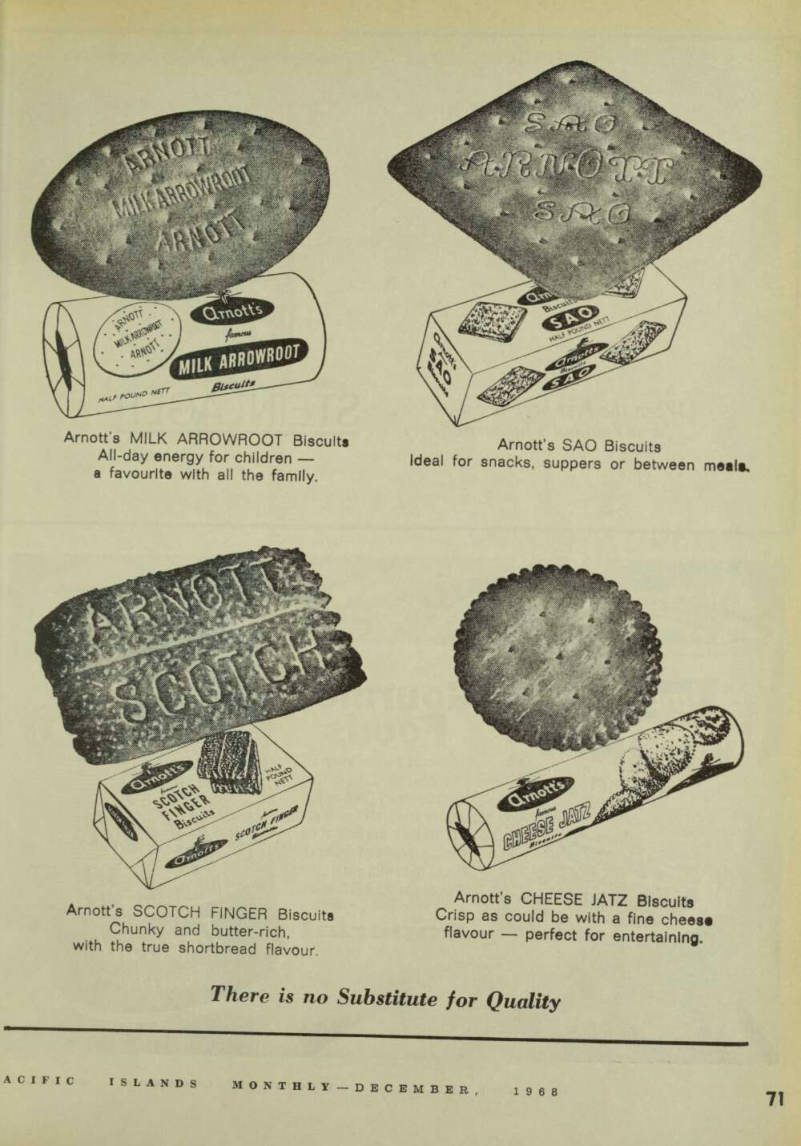 75
75 76
76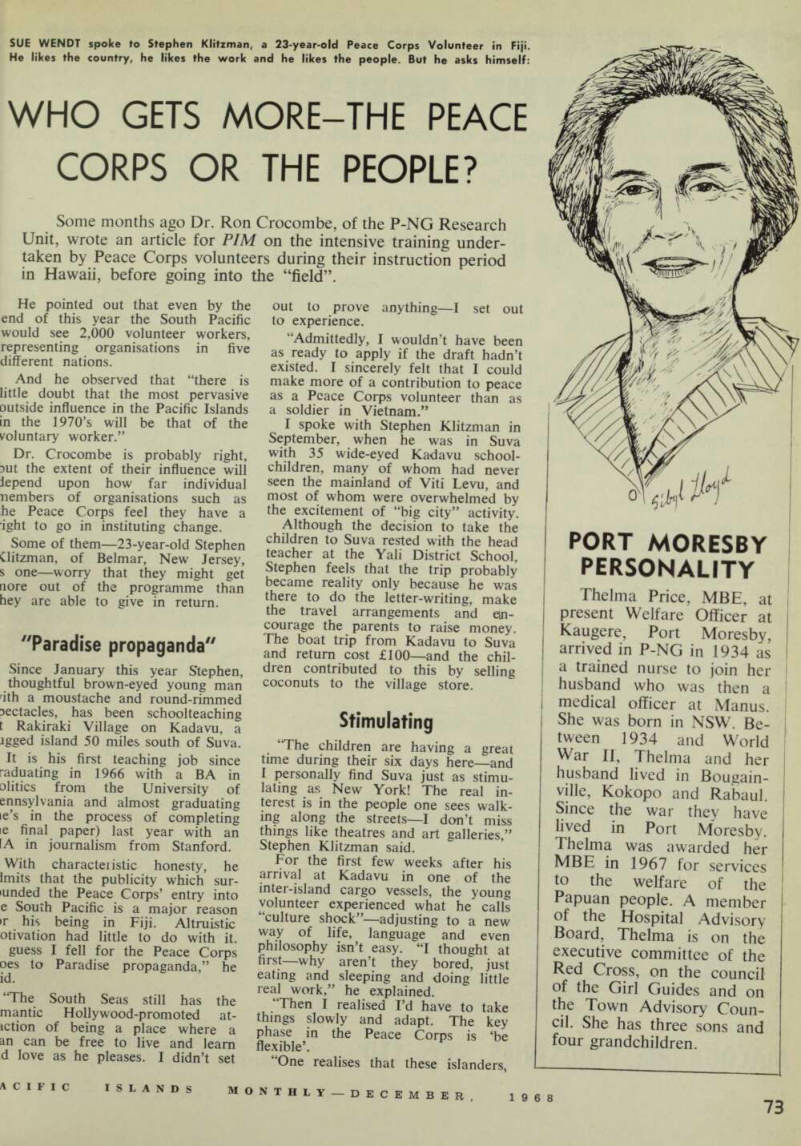 77
77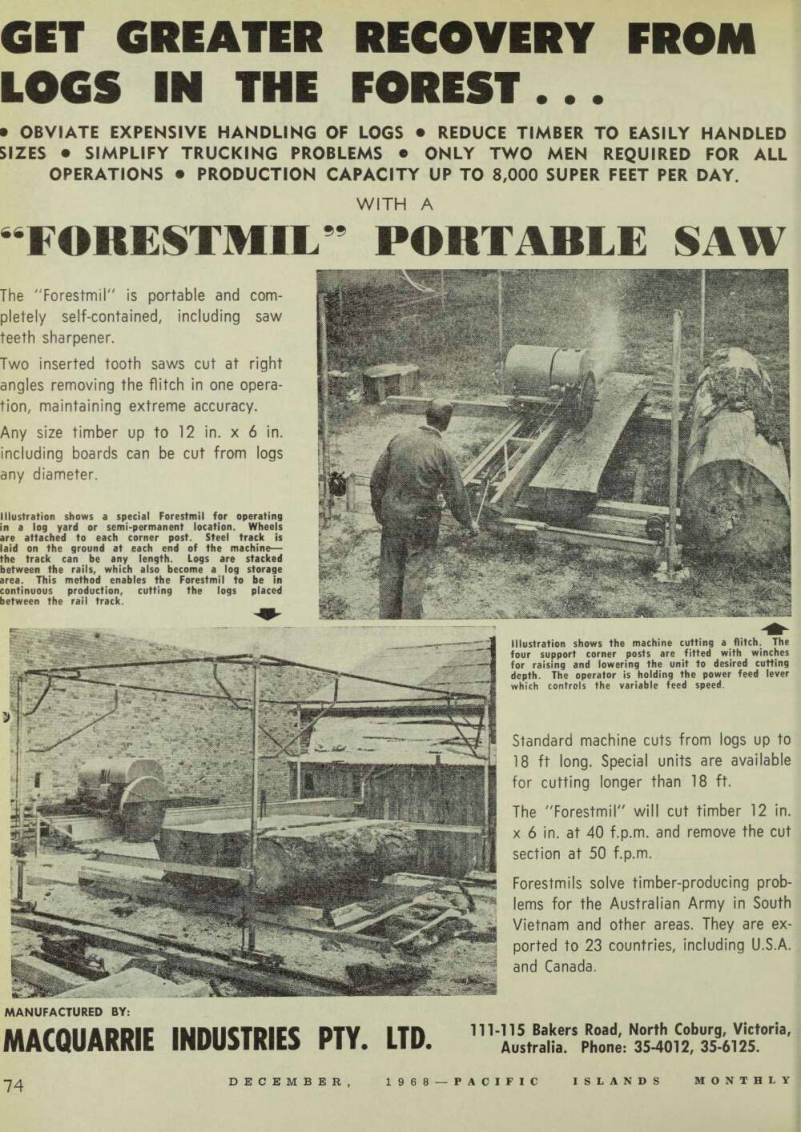 78
78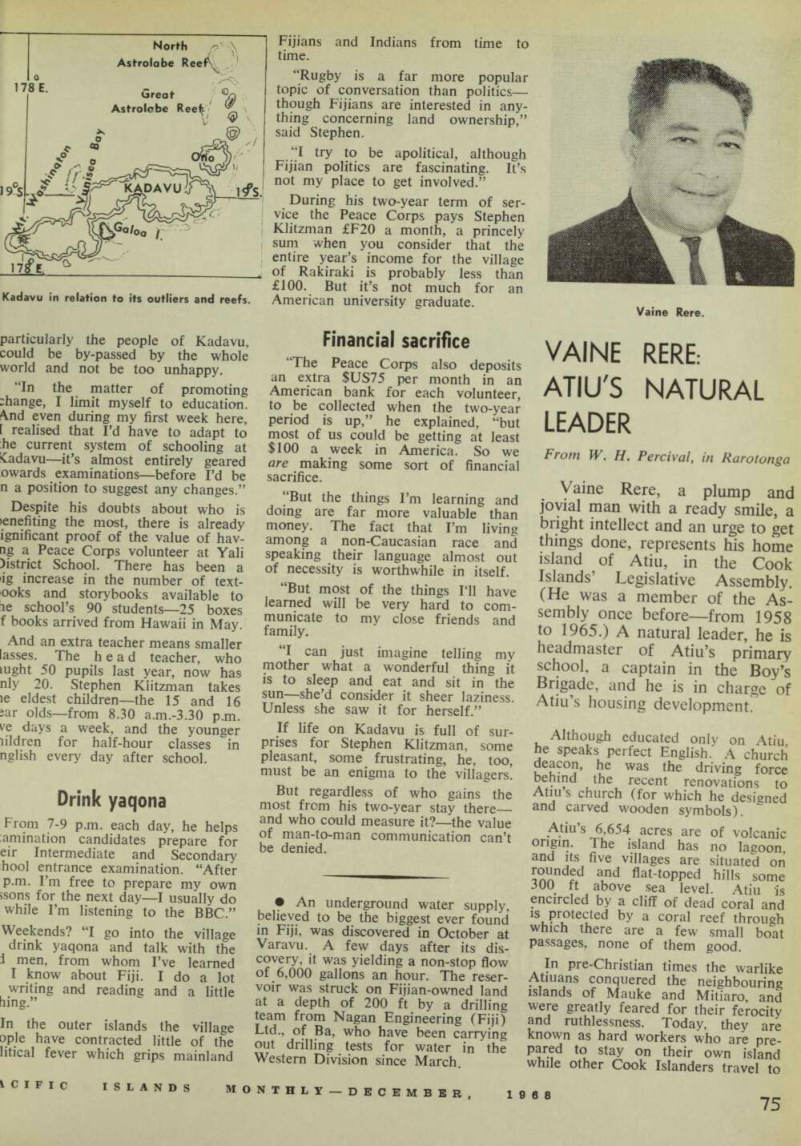 79
79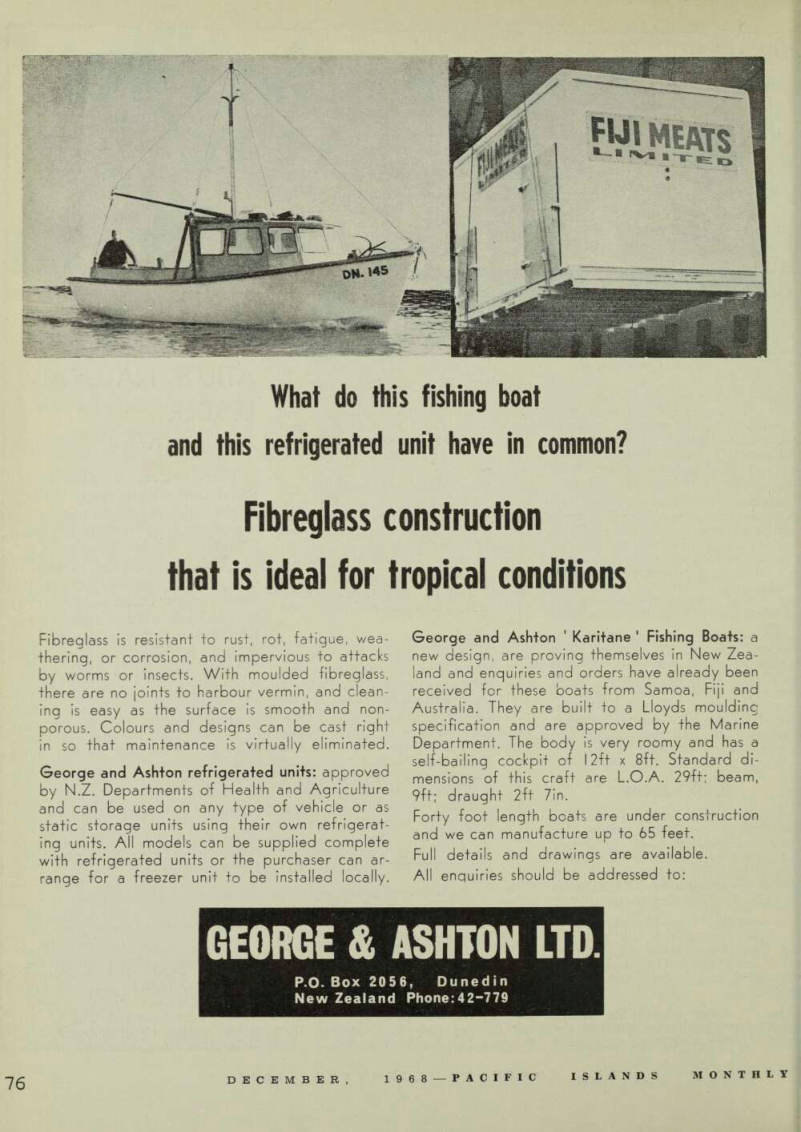 80
80 81
81 82
82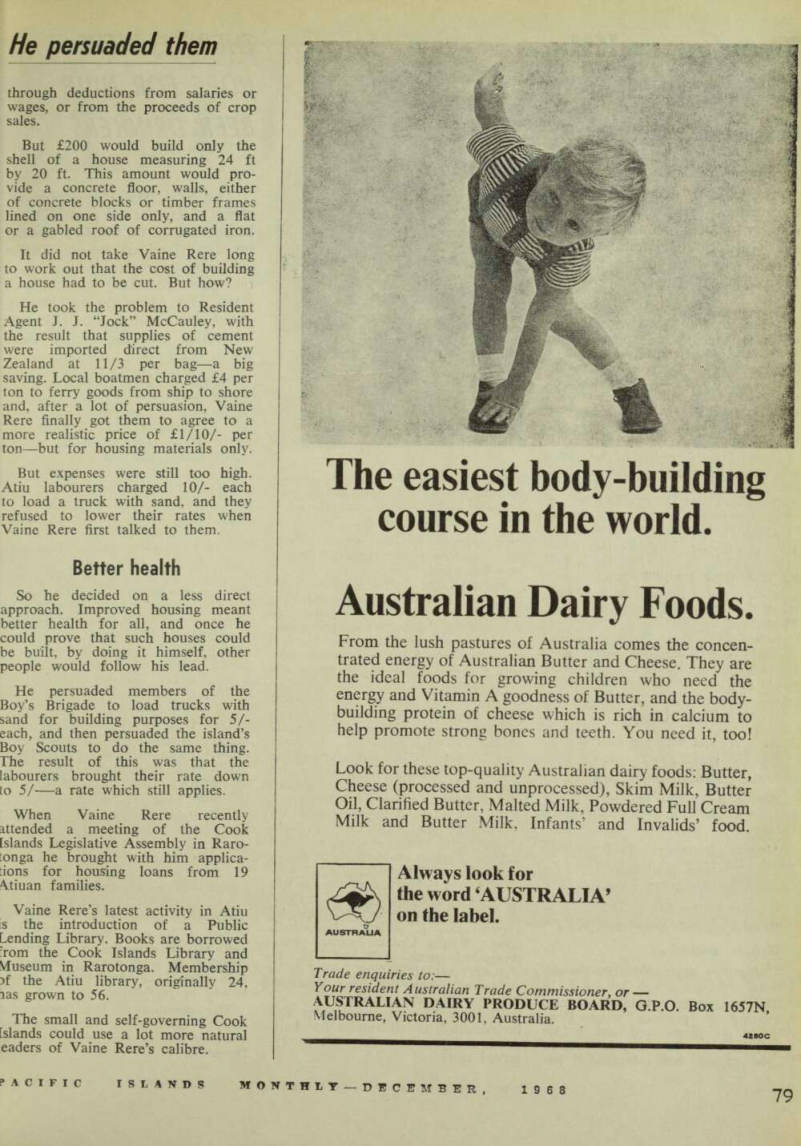 83
83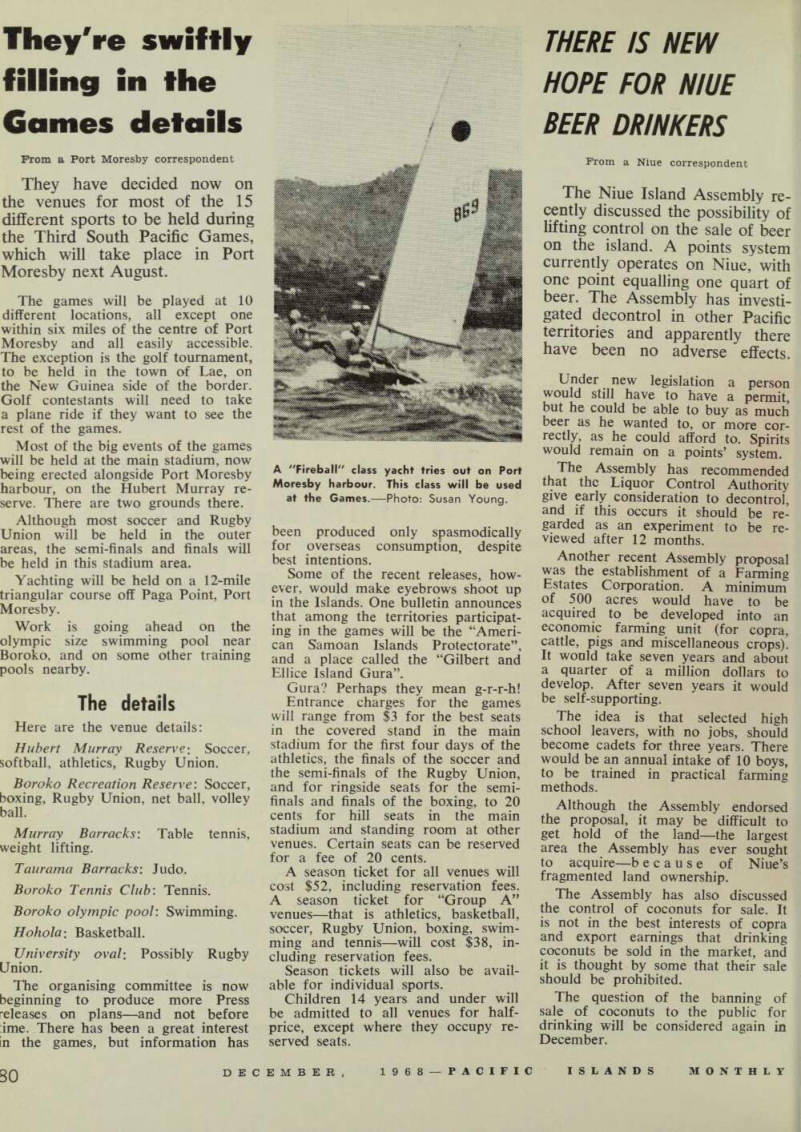 84
84 85
85 86
86 87
87 88
88 89
89 90
90 91
91 92
92 93
93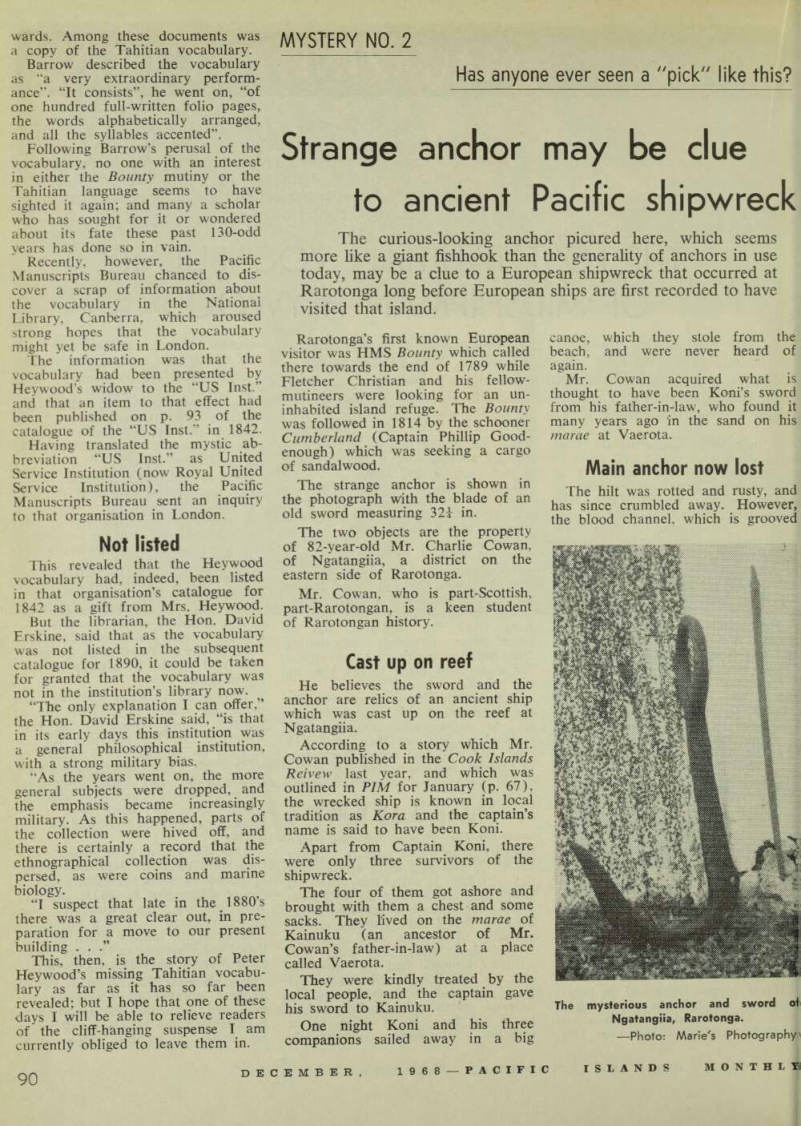 94
94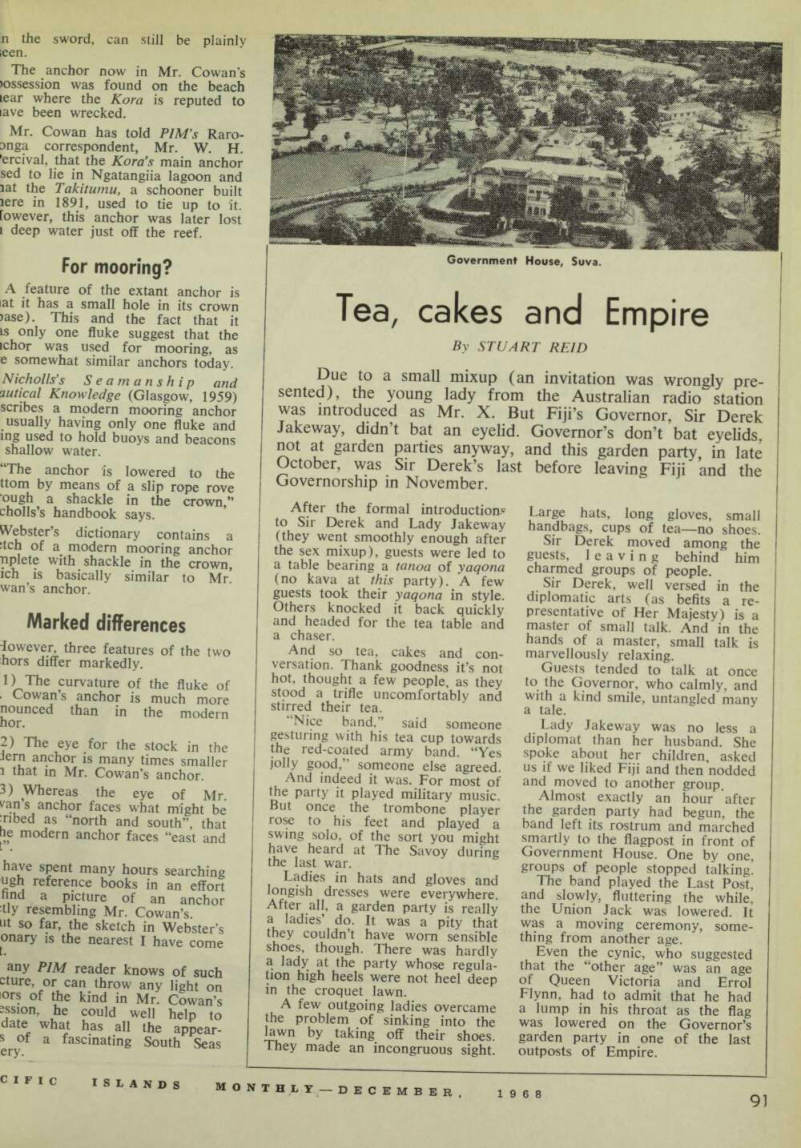 95
95 96
96 97
97 98
98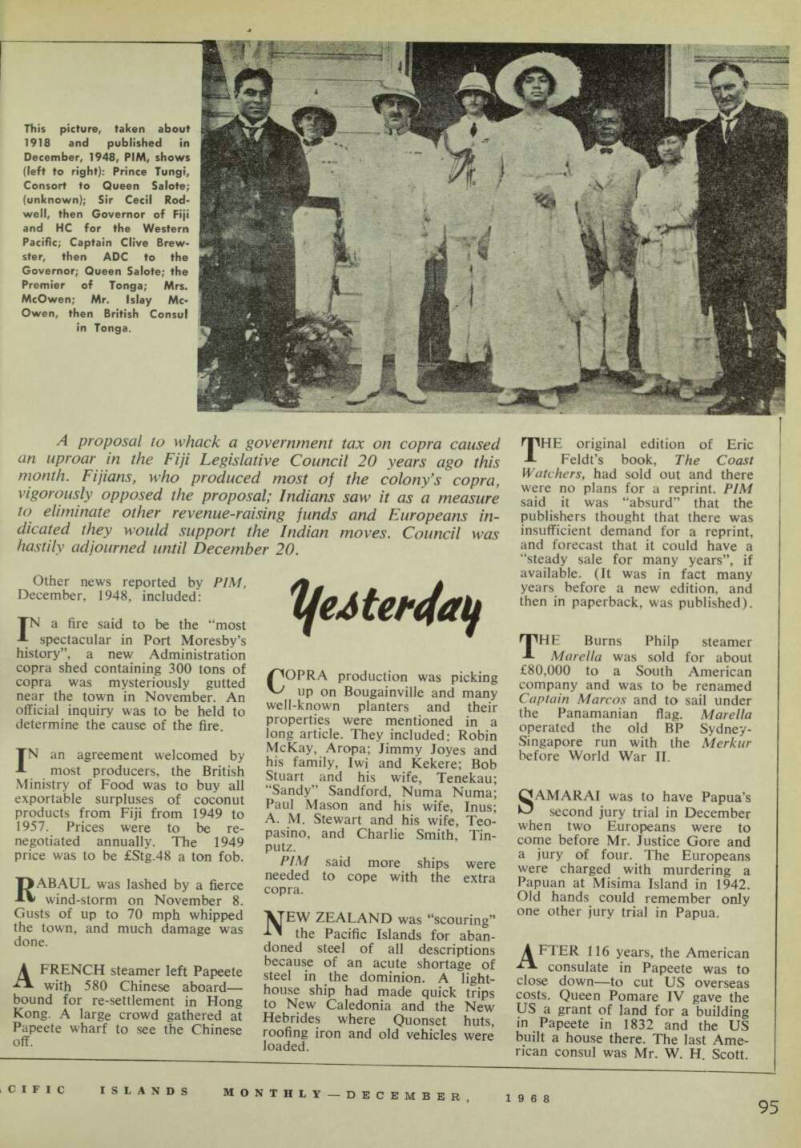 99
99 100
100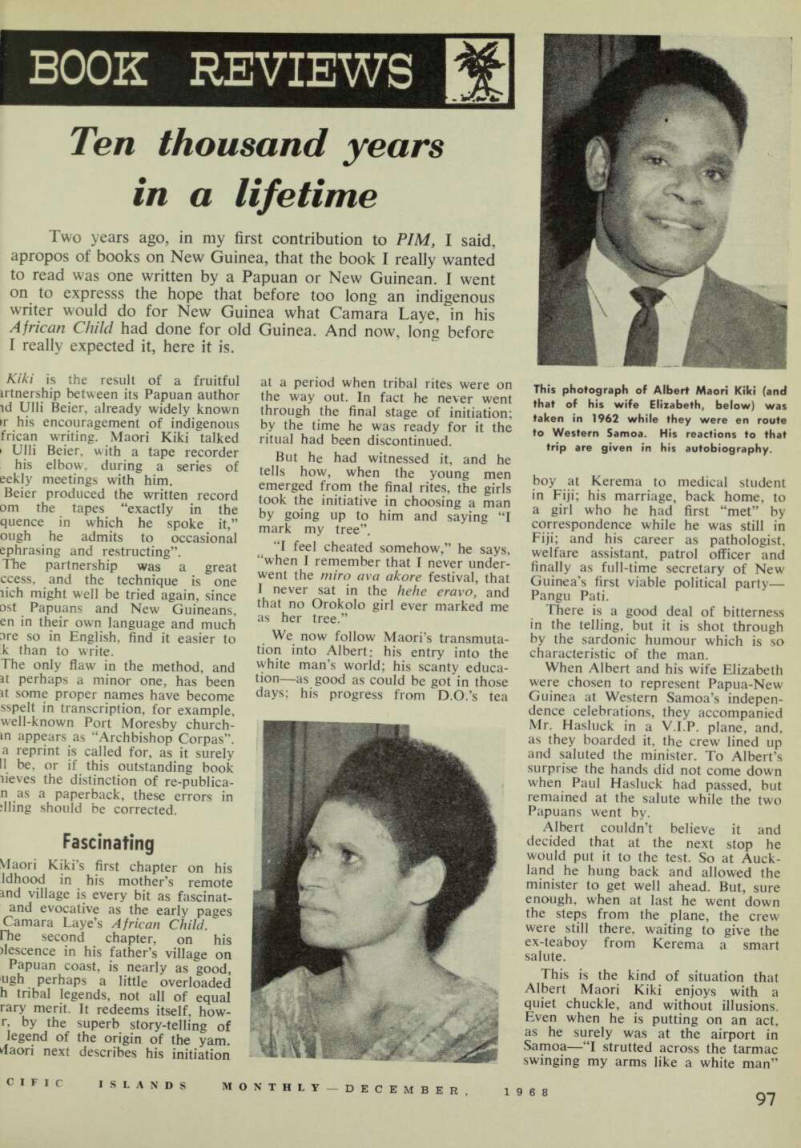 101
101 102
102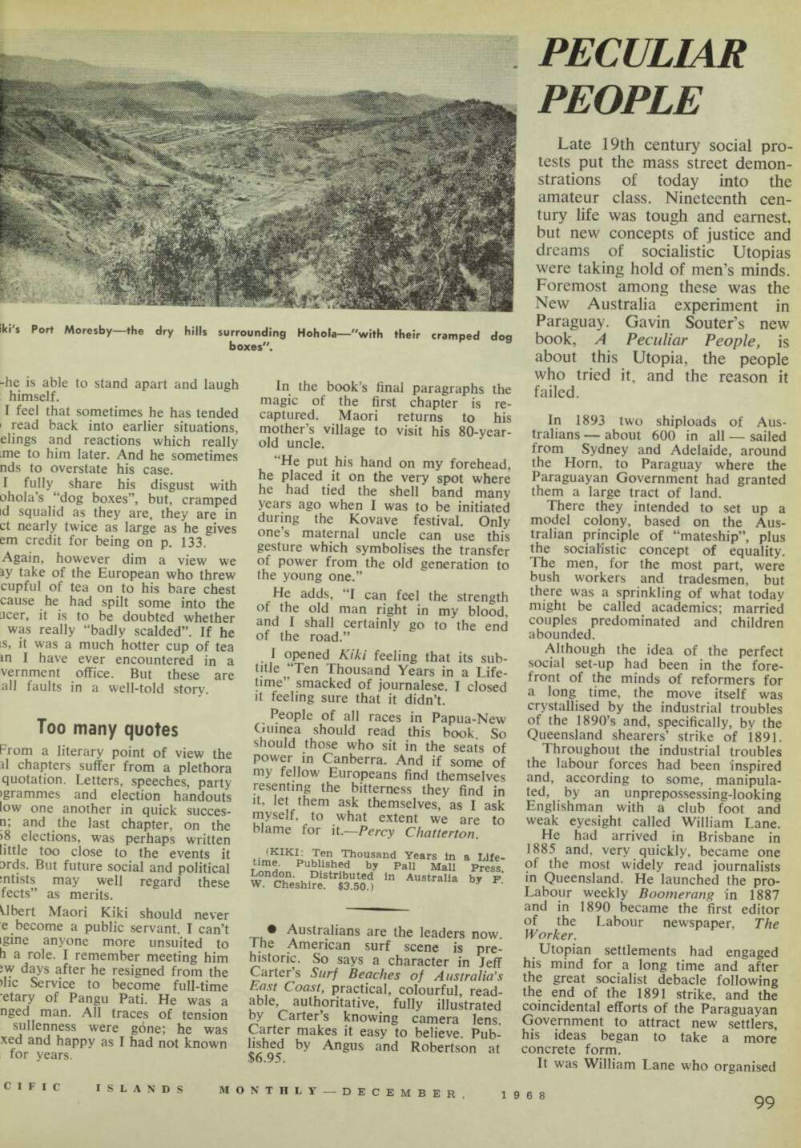 103
103 104
104 105
105 106
106 107
107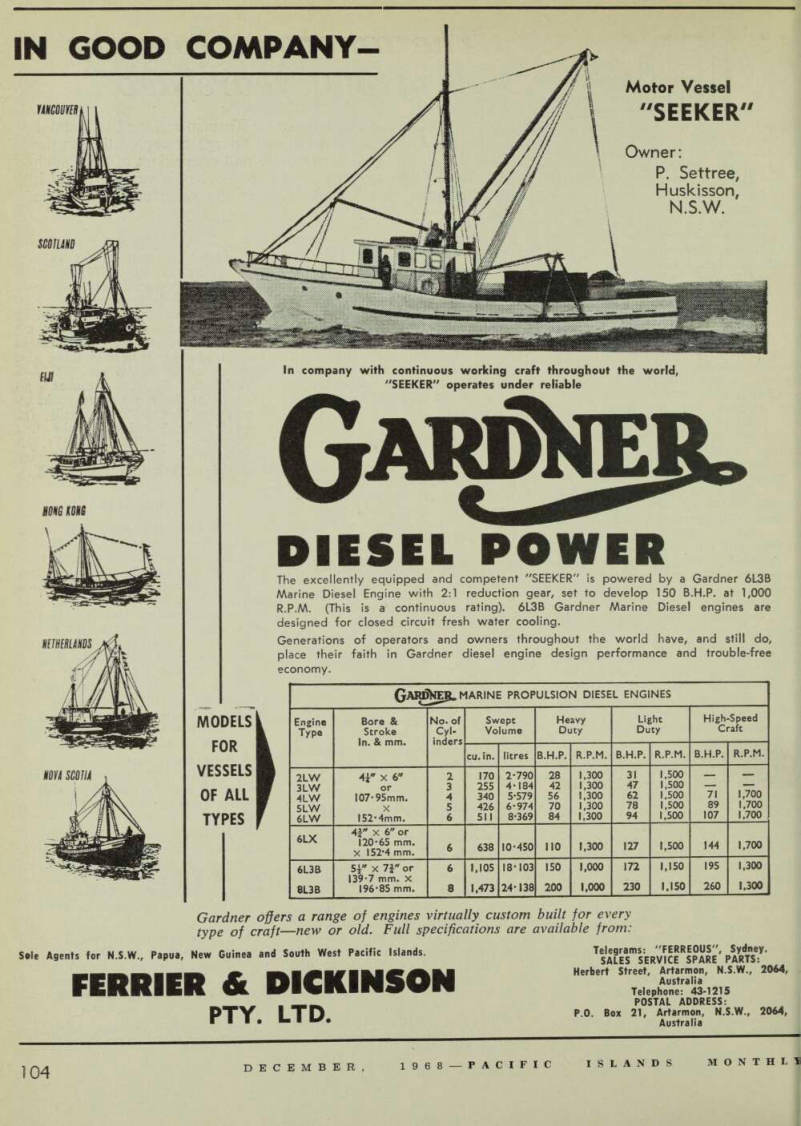 108
108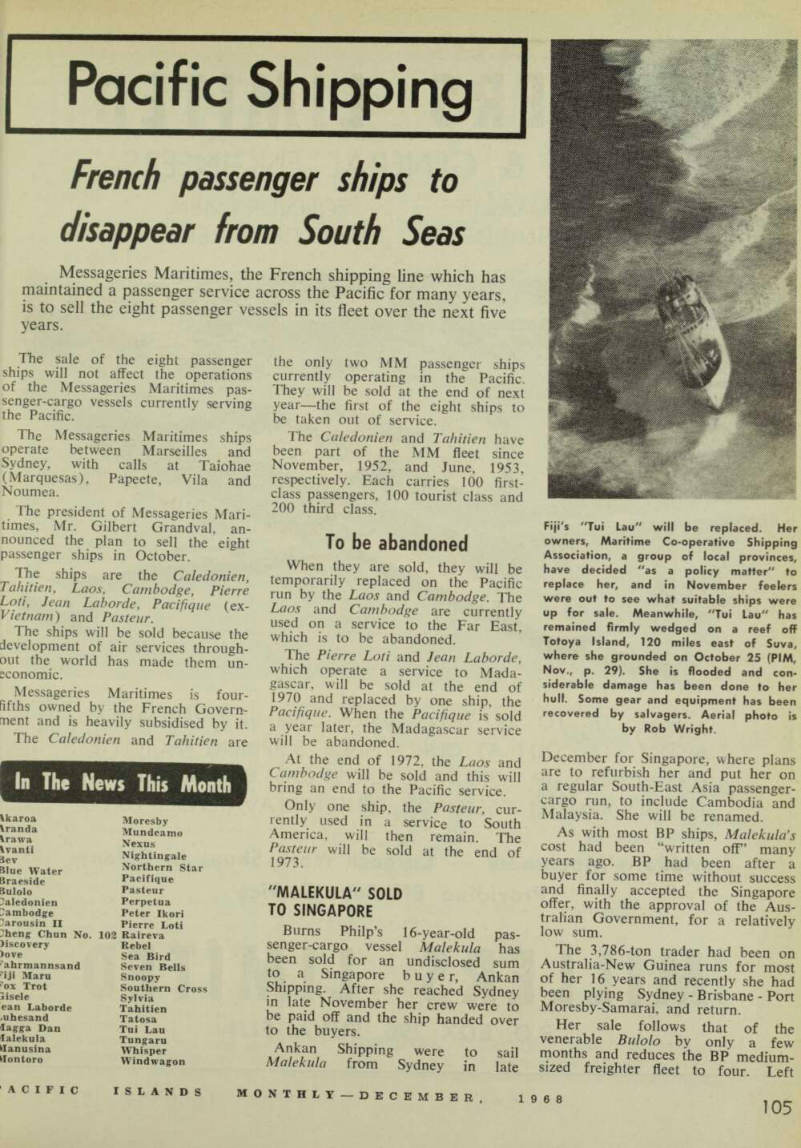 109
109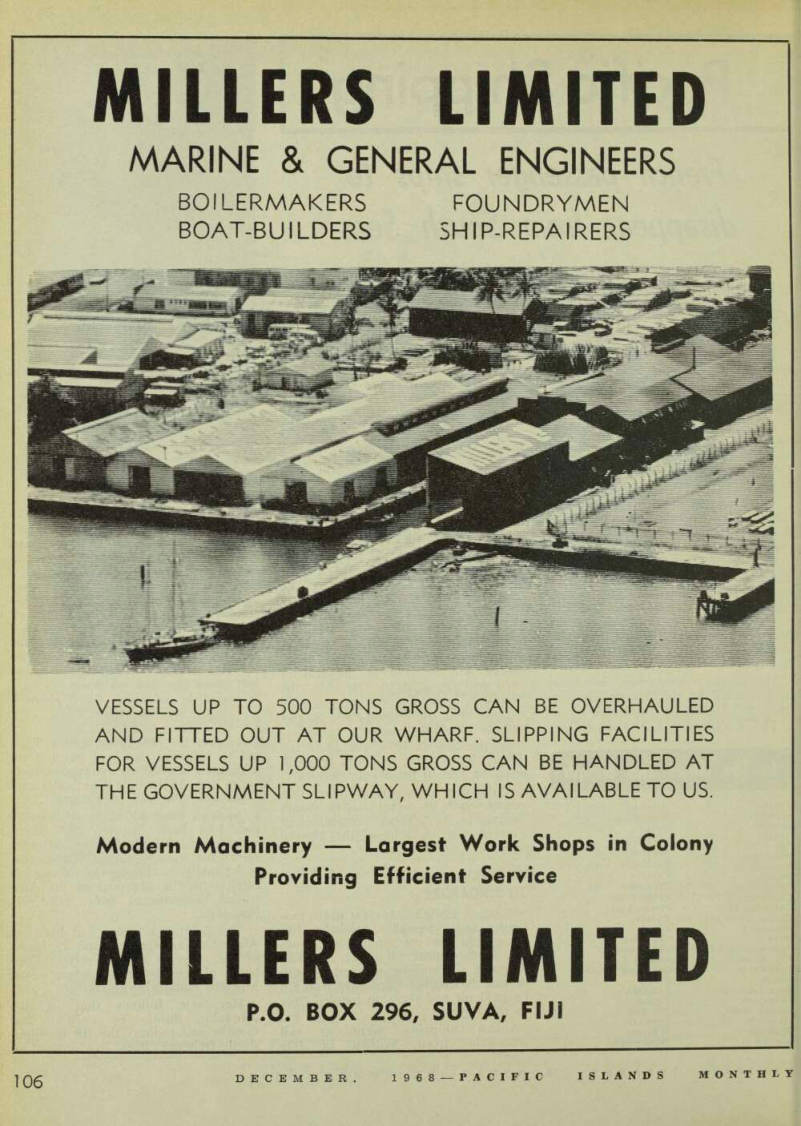 110
110 111
111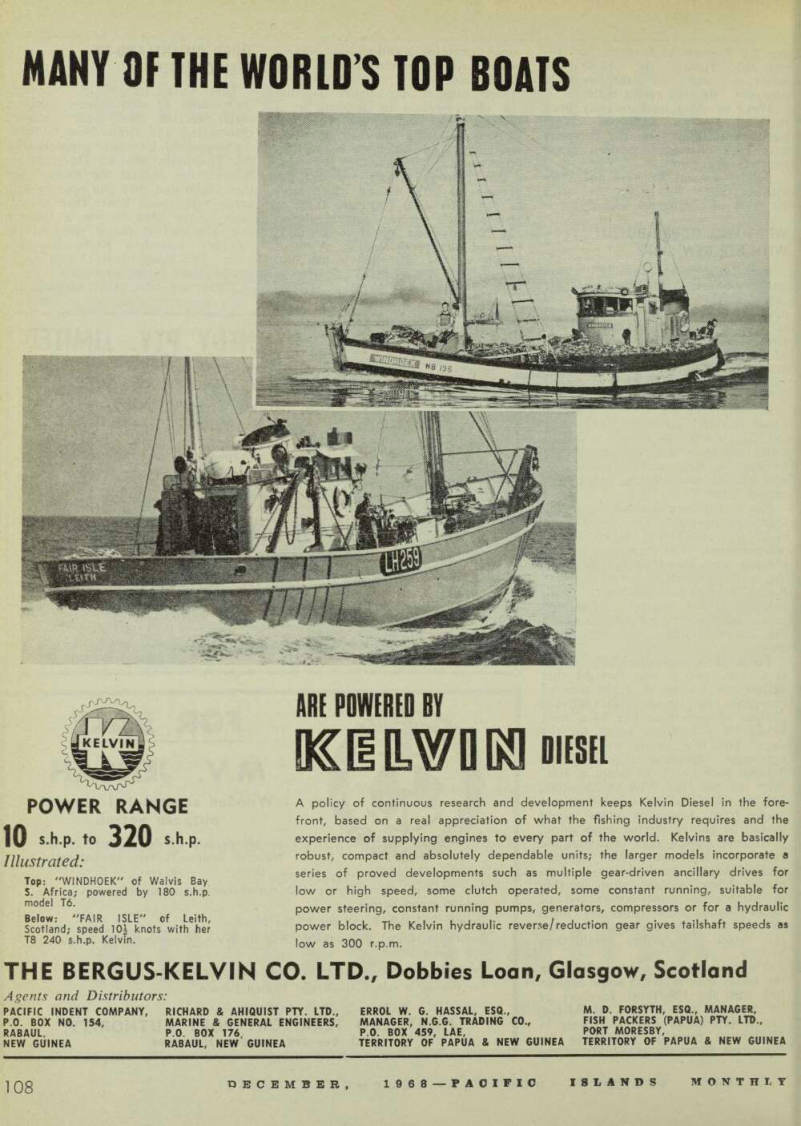 112
112 113
113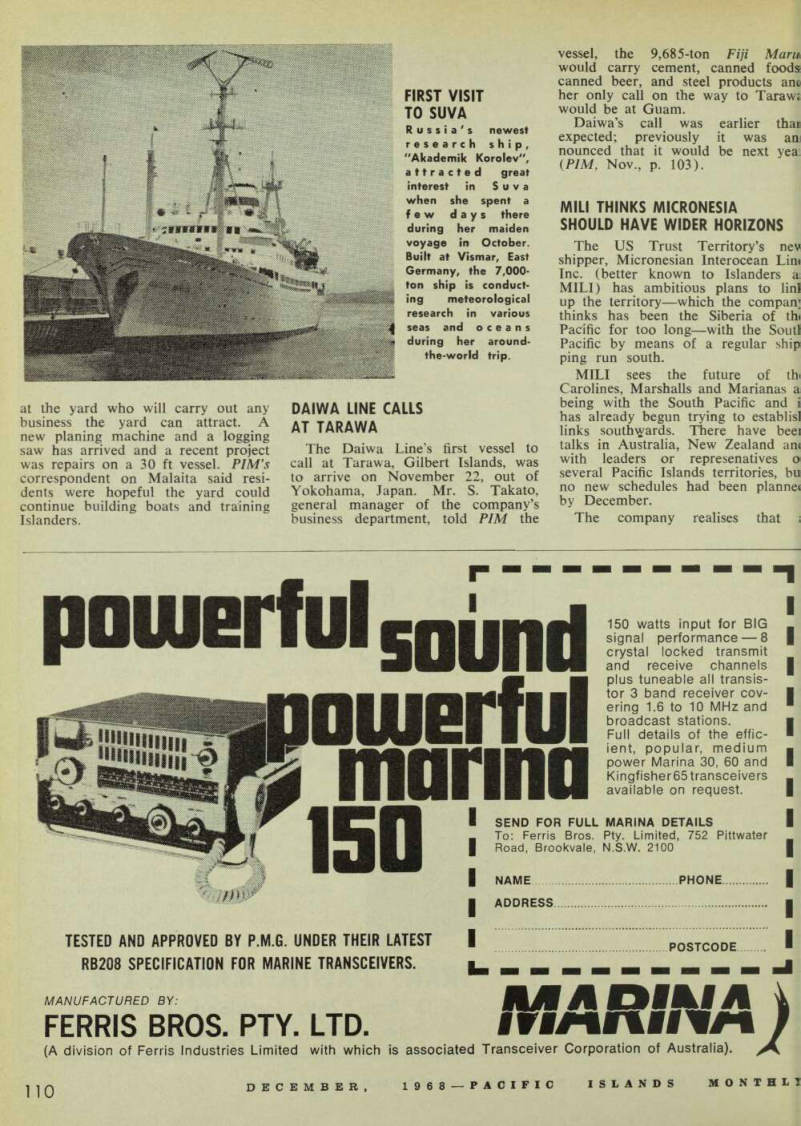 114
114 115
115 116
116 117
117 118
118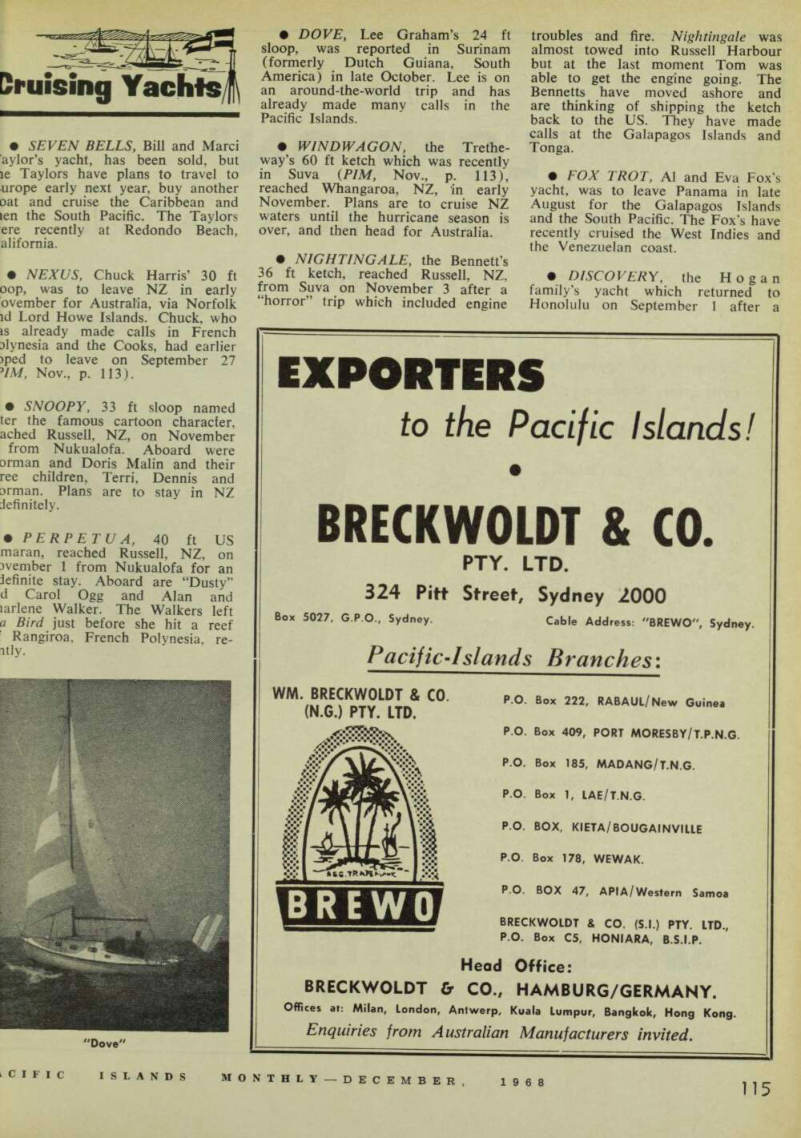 119
119 120
120 121
121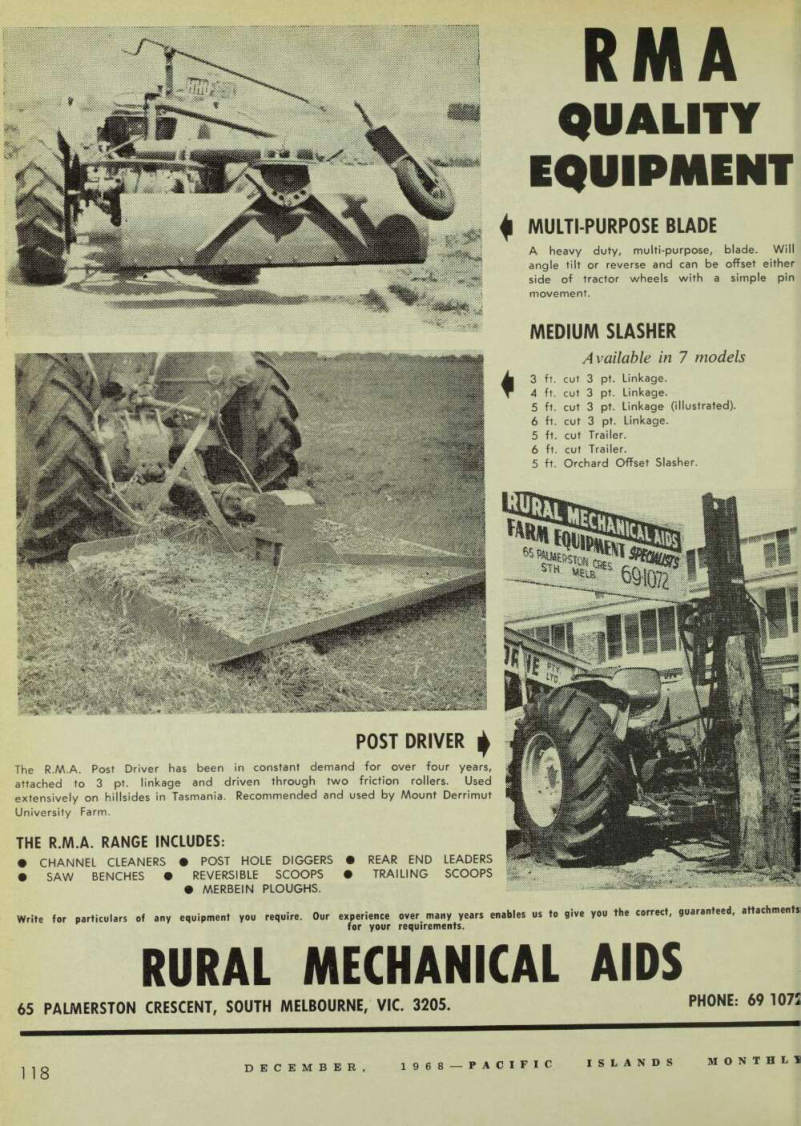 122
122 123
123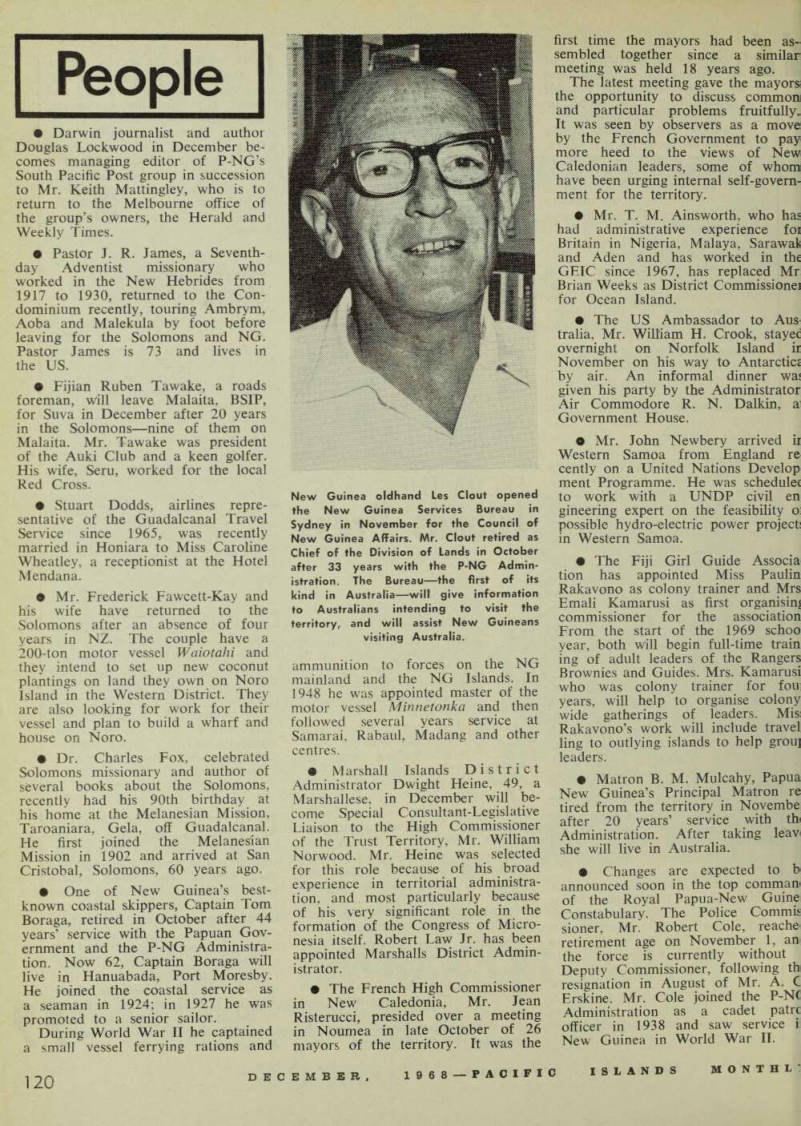 124
124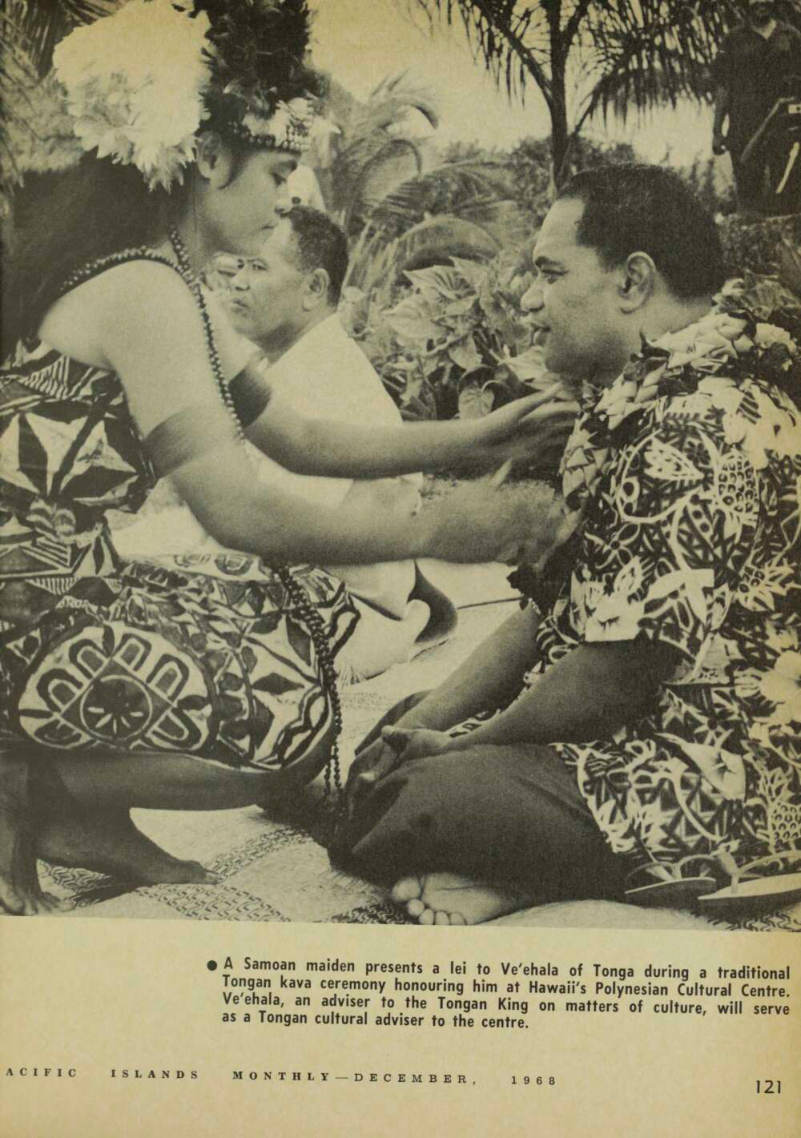 125
125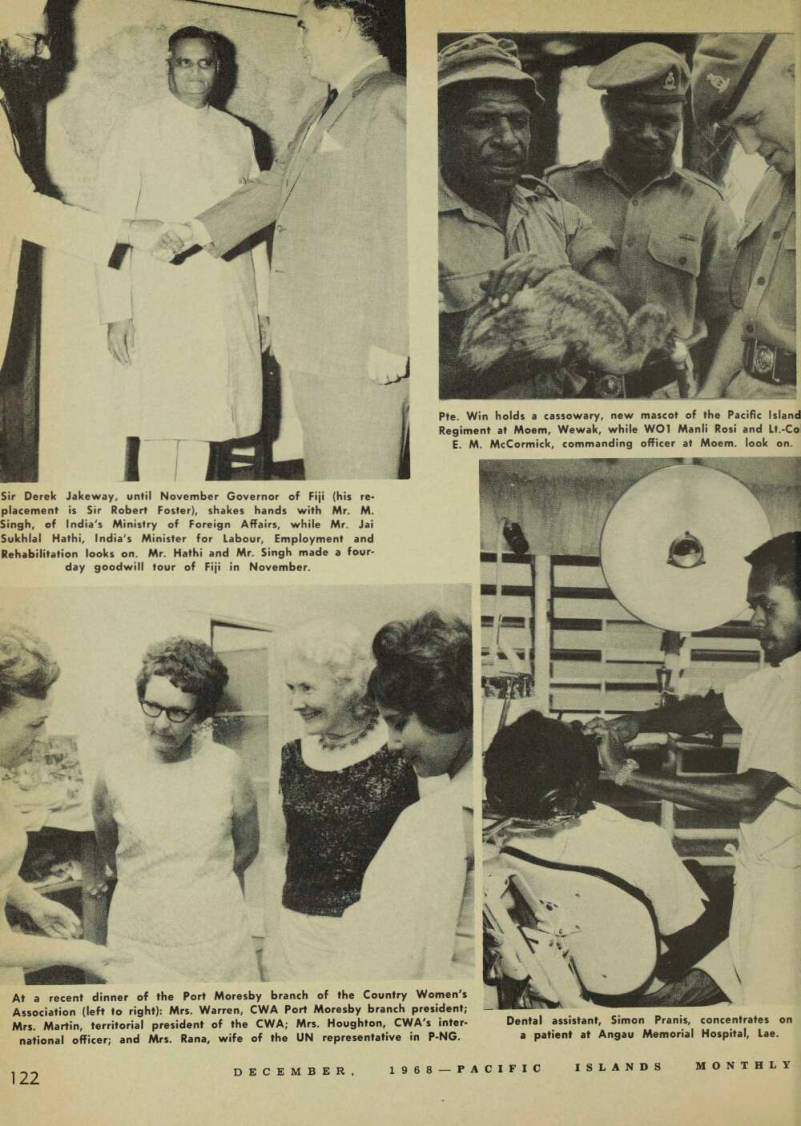 126
126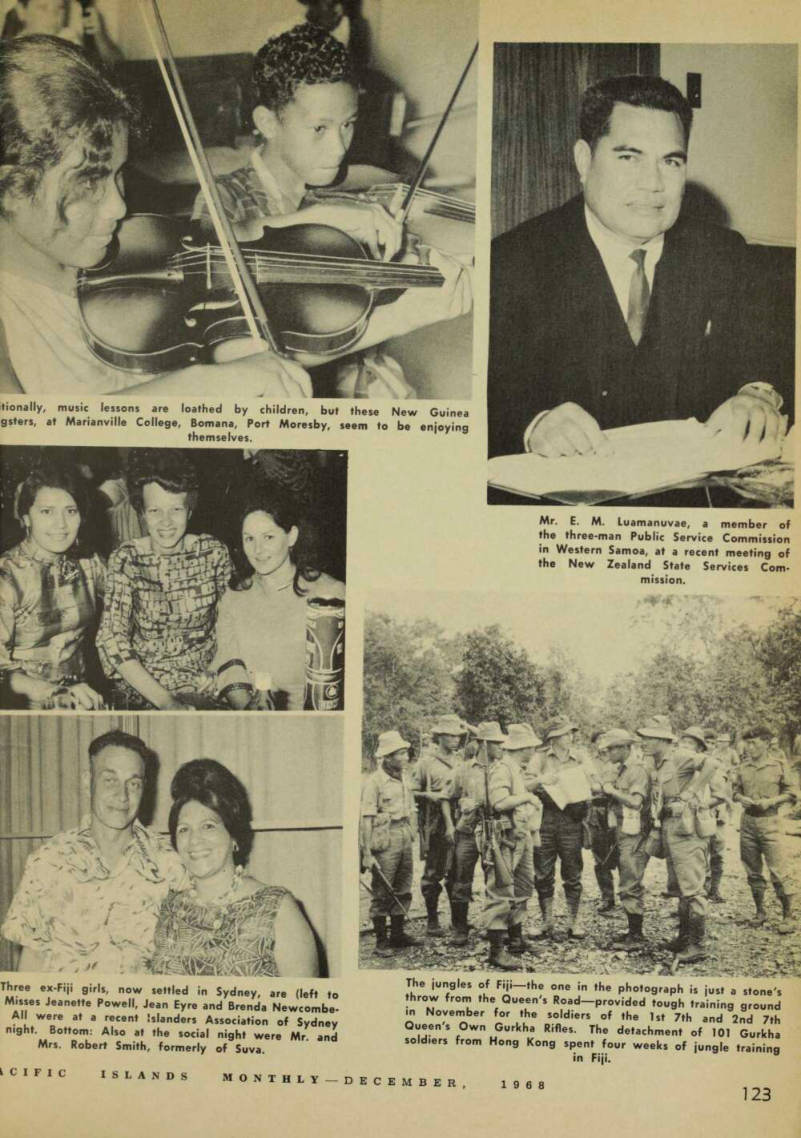 127
127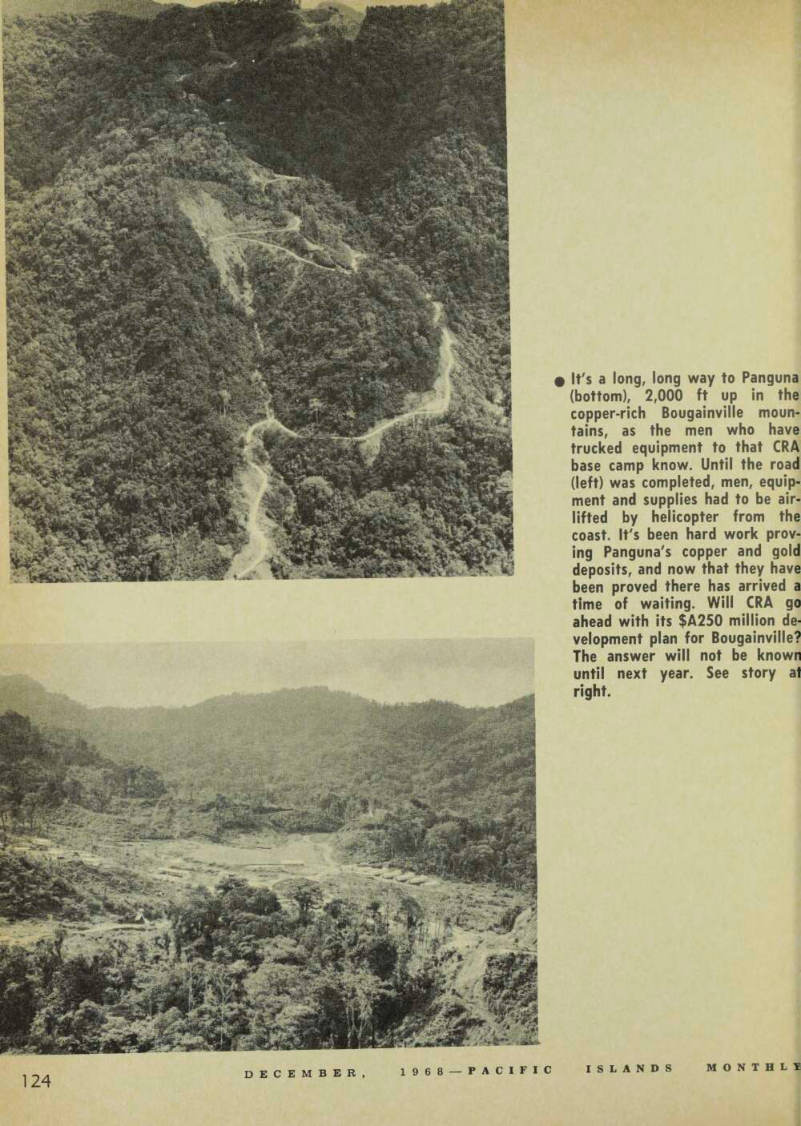 128
128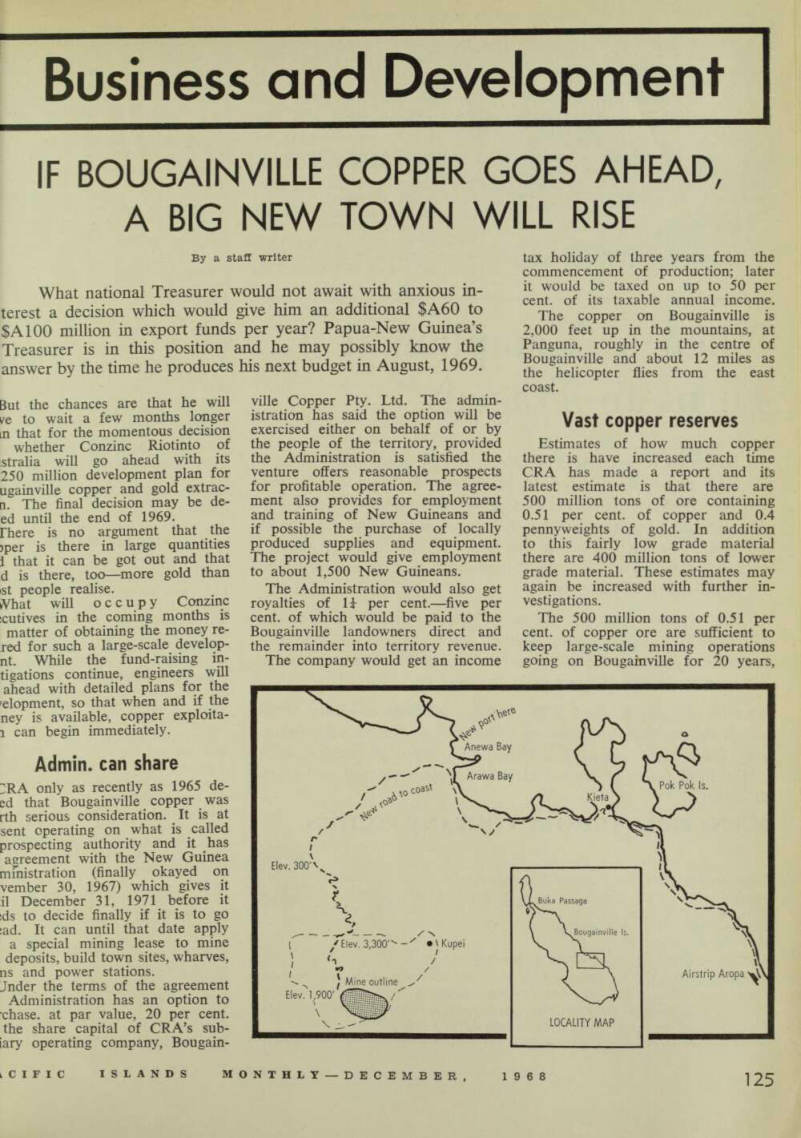 129
129 130
130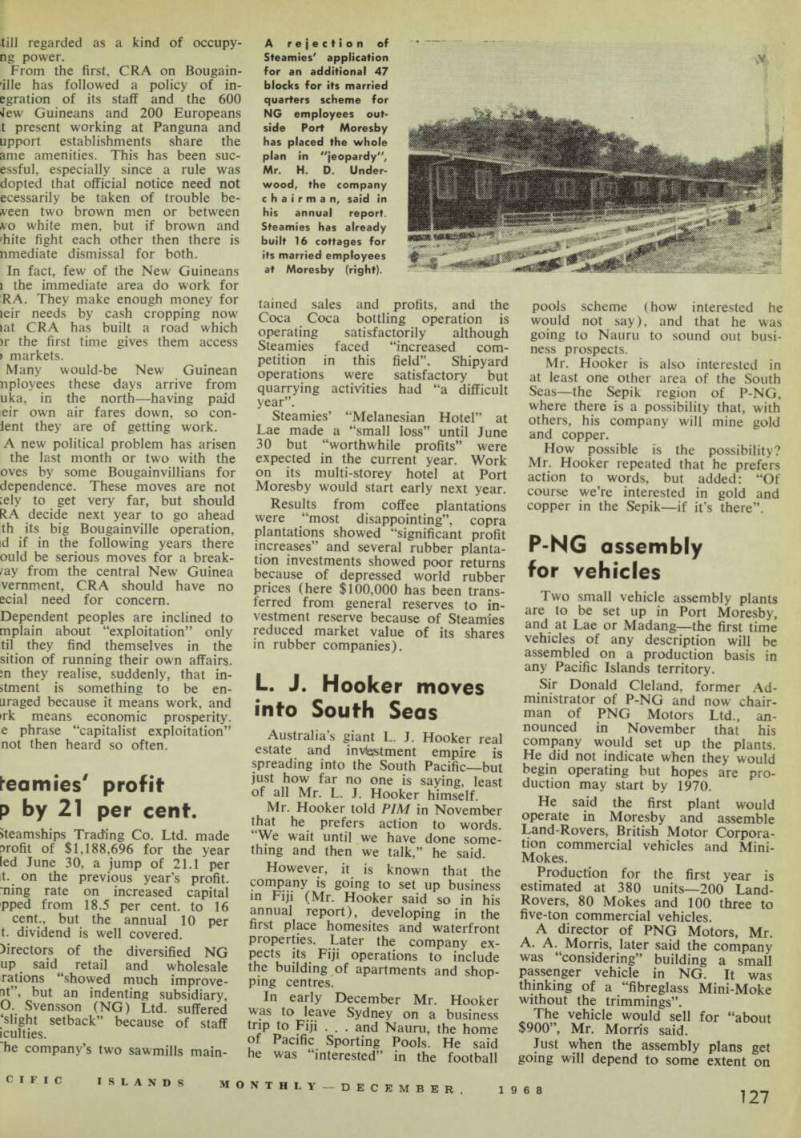 131
131 132
132 133
133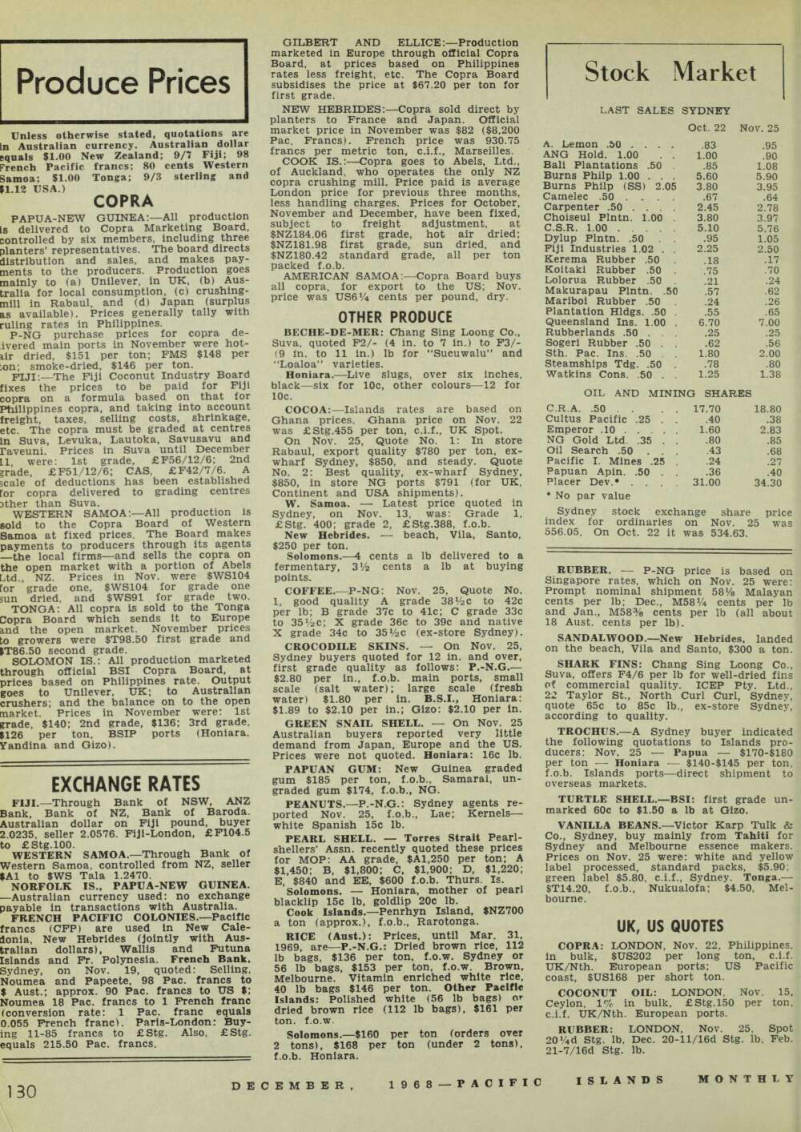 134
134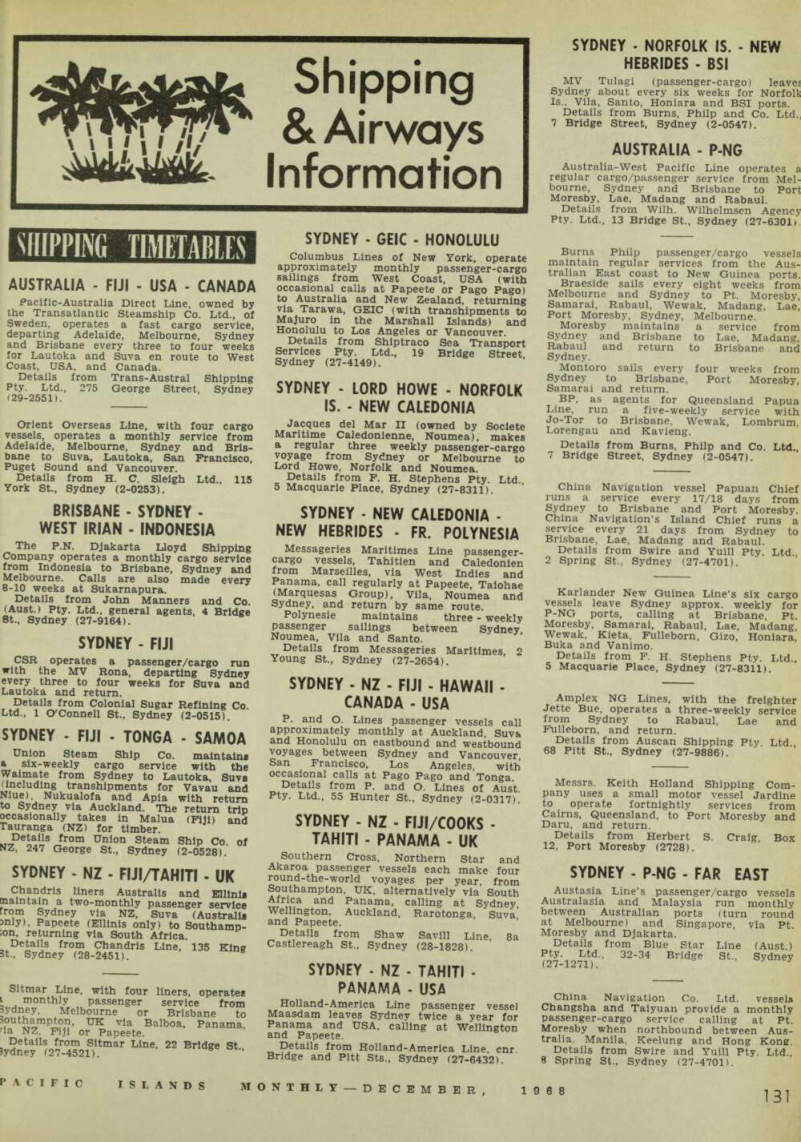 135
135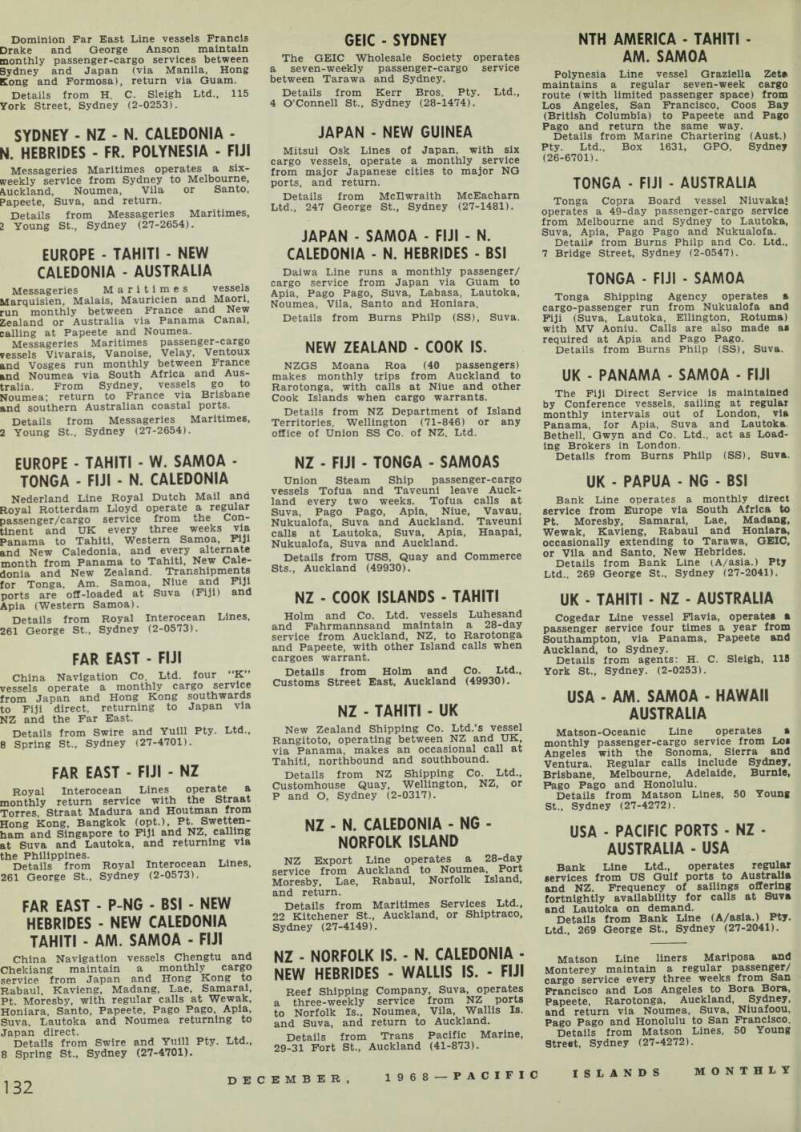 136
136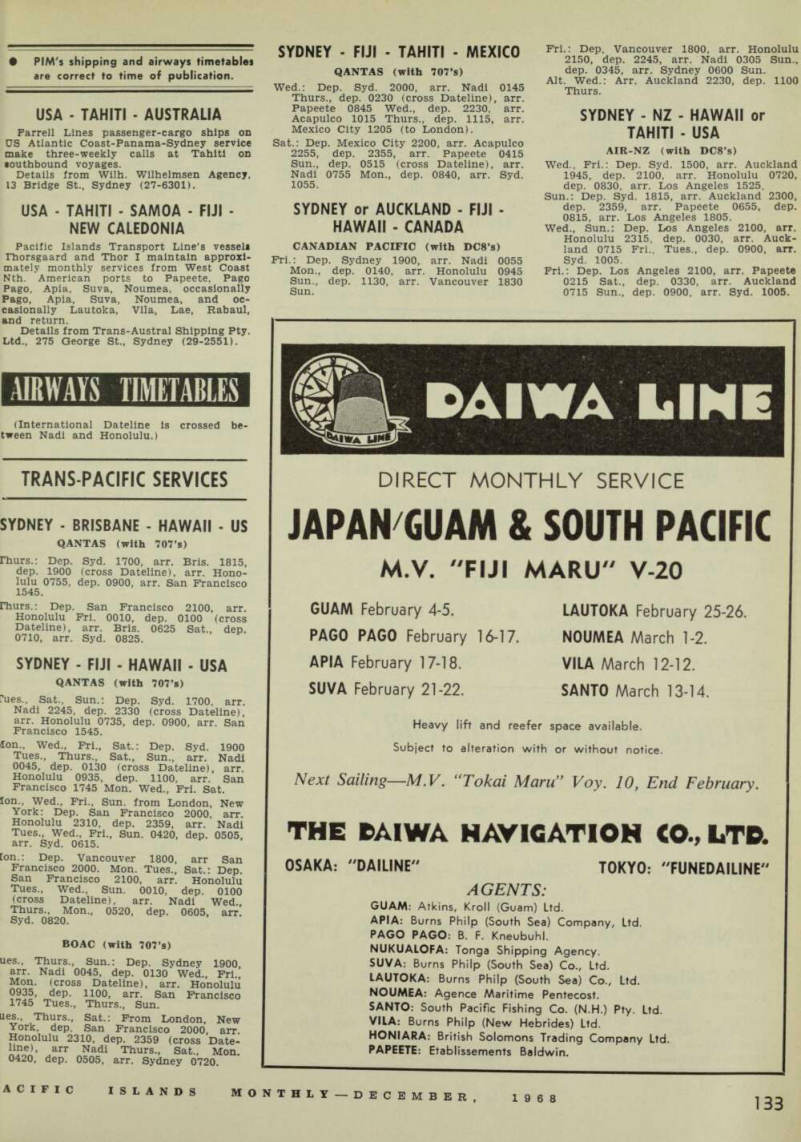 137
137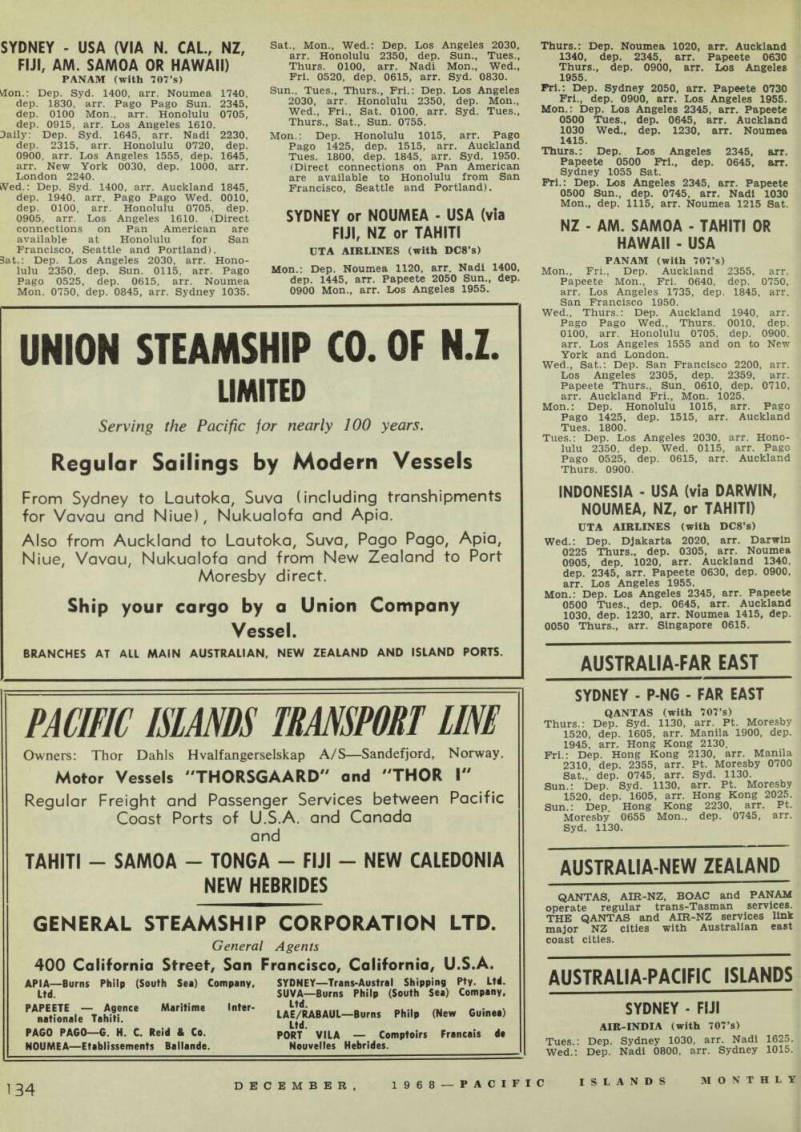 138
138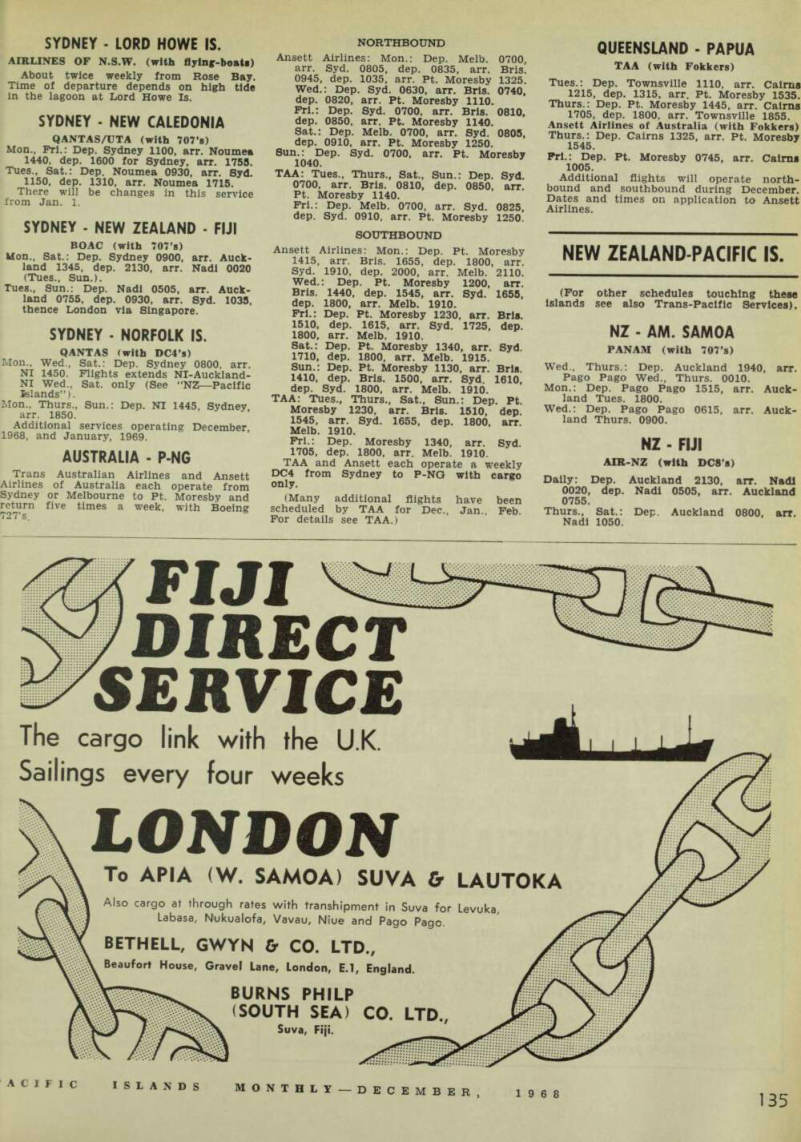 139
139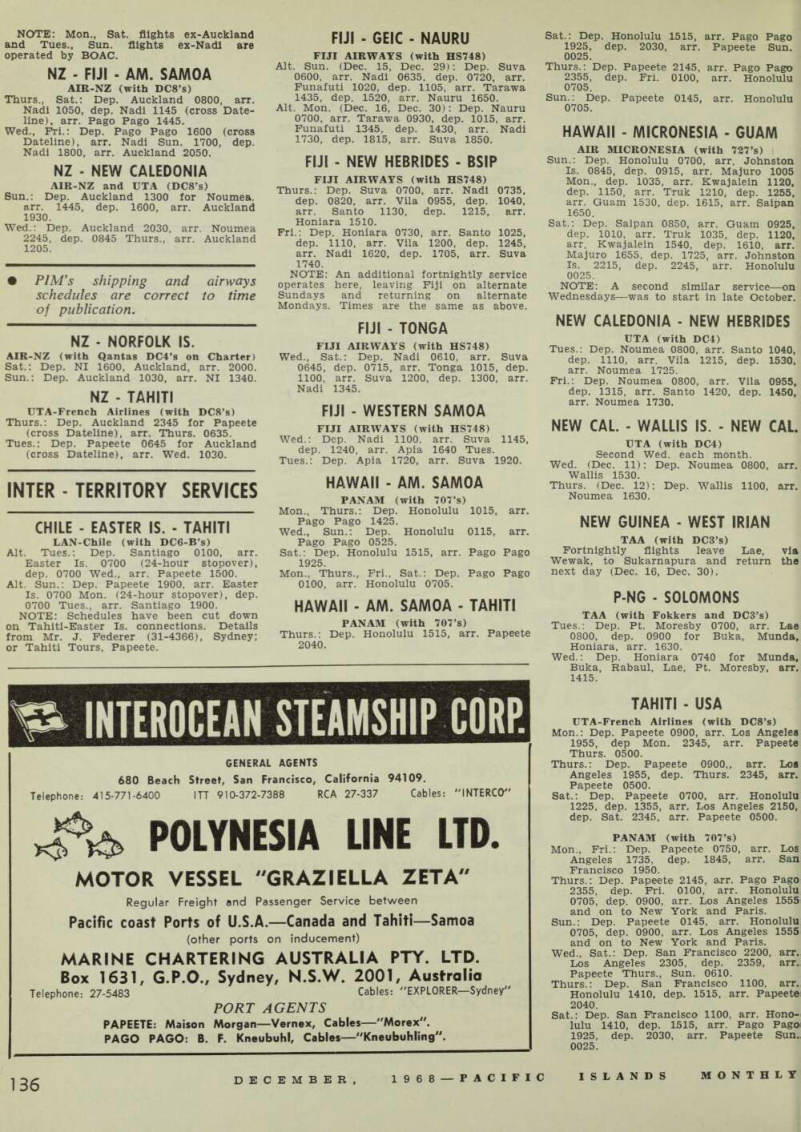 140
140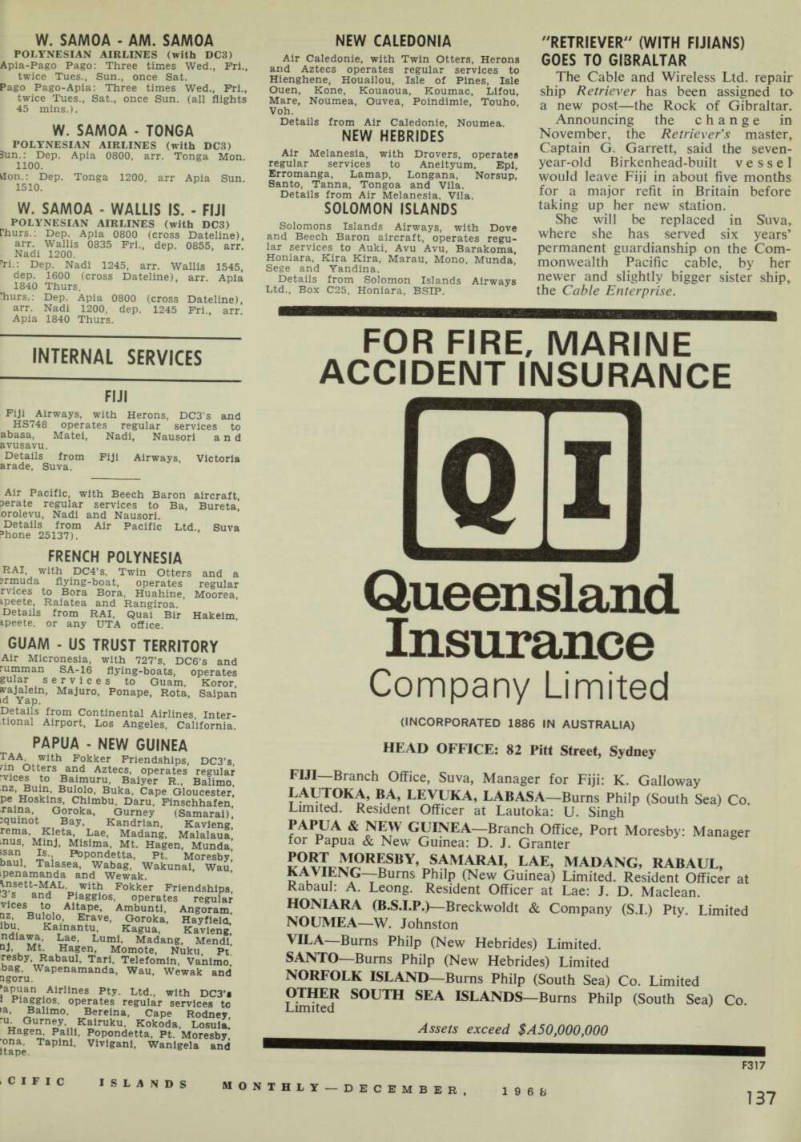 141
141 142
142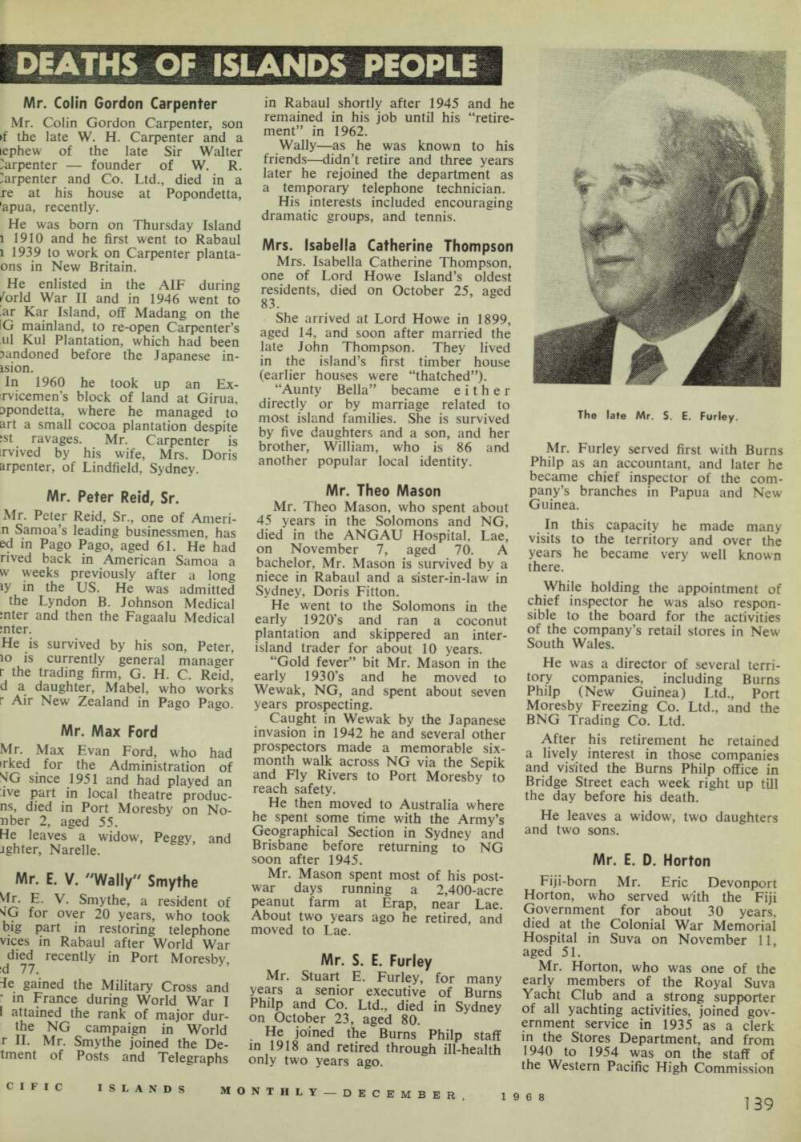 143
143 144
144 145
145 146
146 147
147 148
148 149
149 150
150 151
151 152
152 153
153 154
154 155
155 156
156 157
157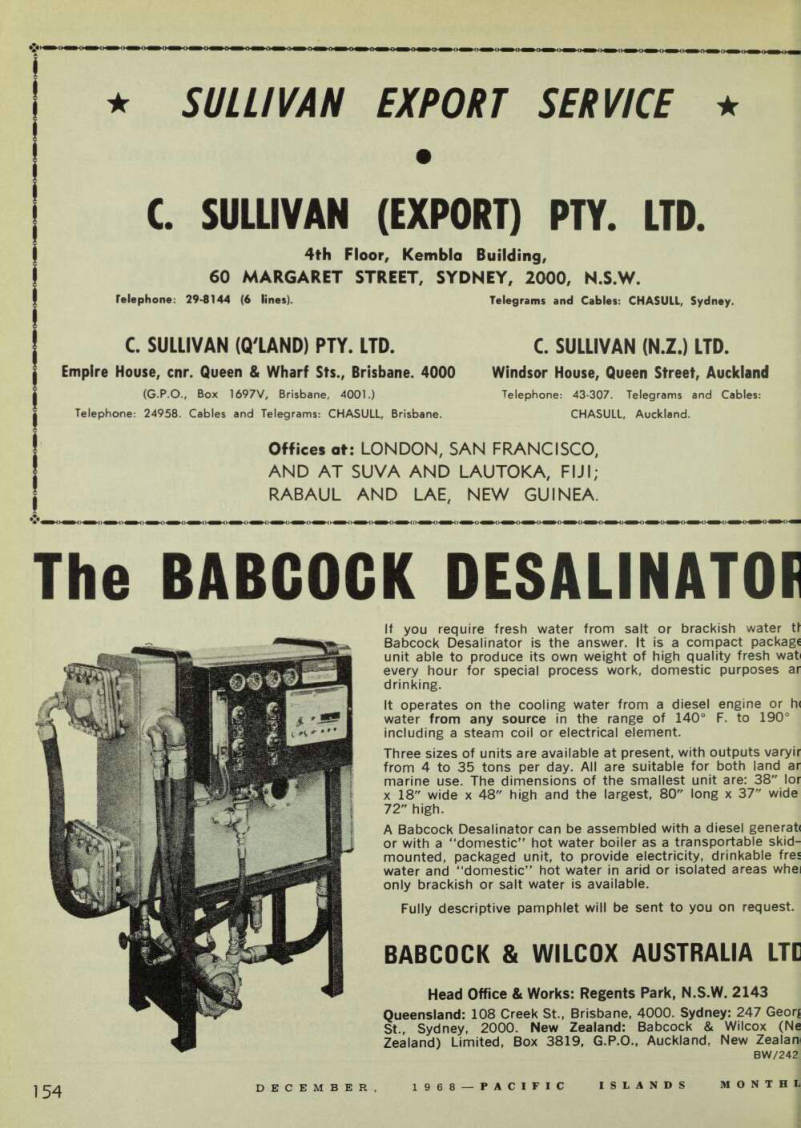 158
158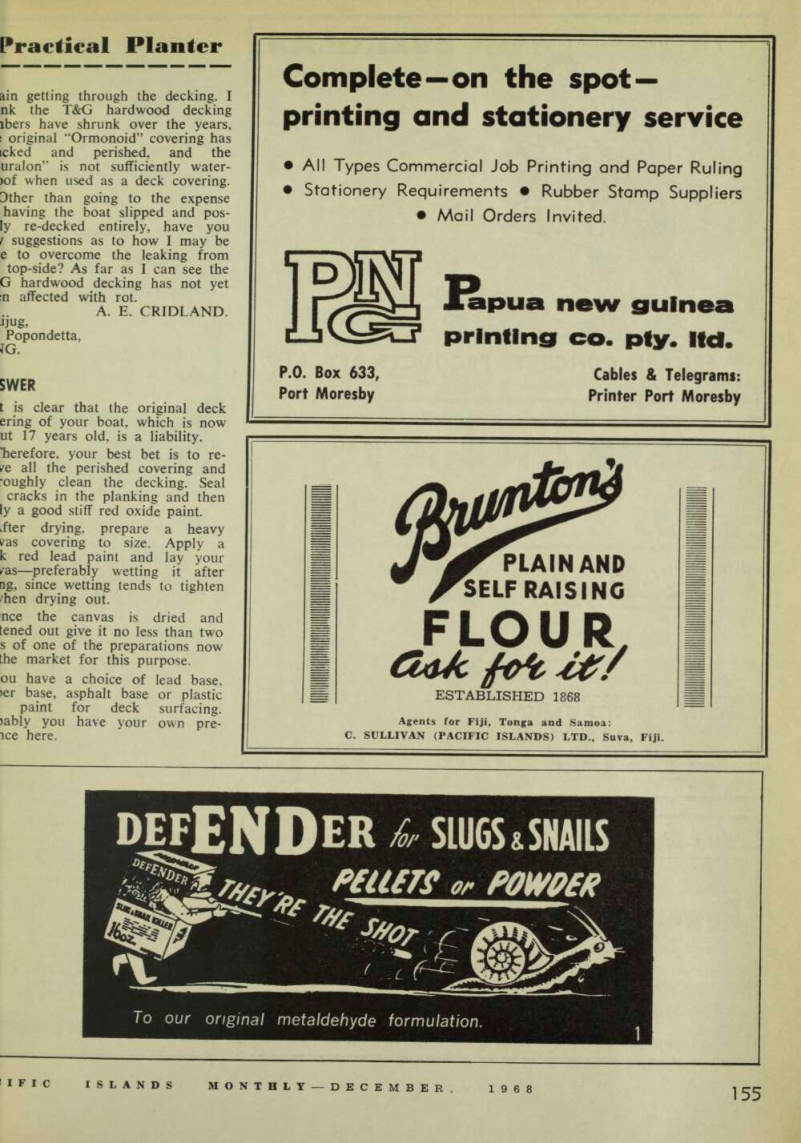 159
159 160
160 161
161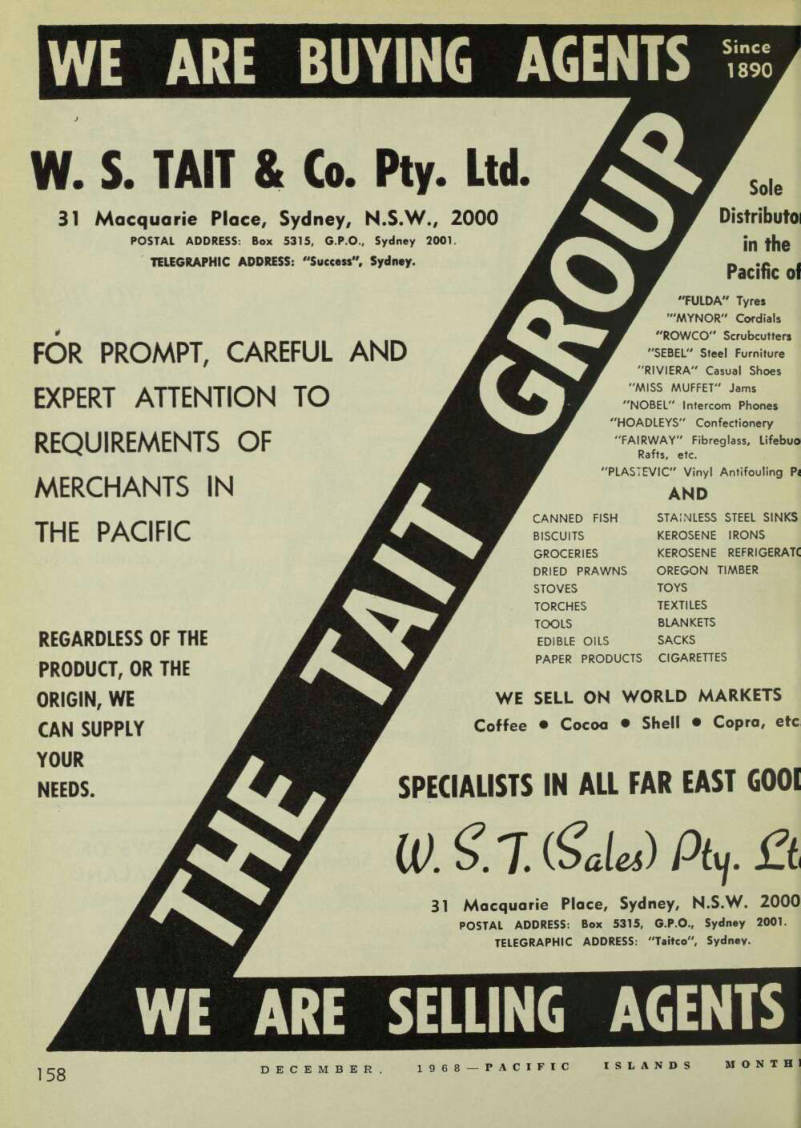 162
162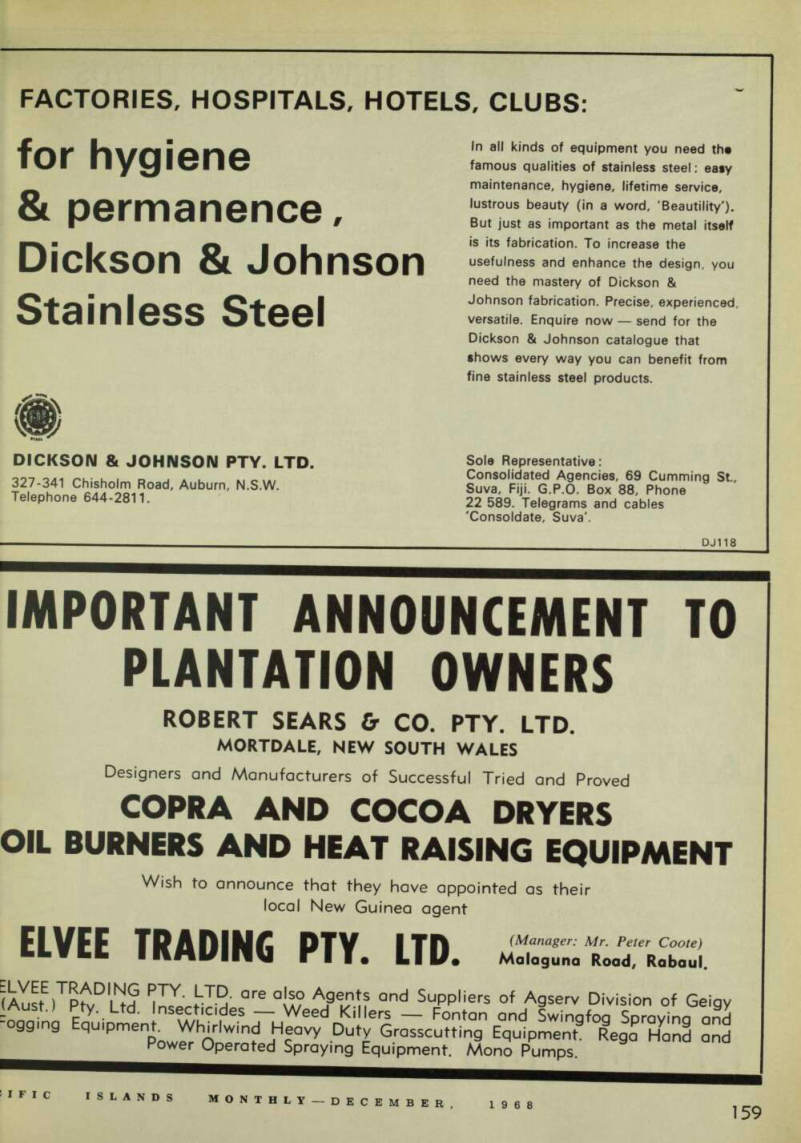 163
163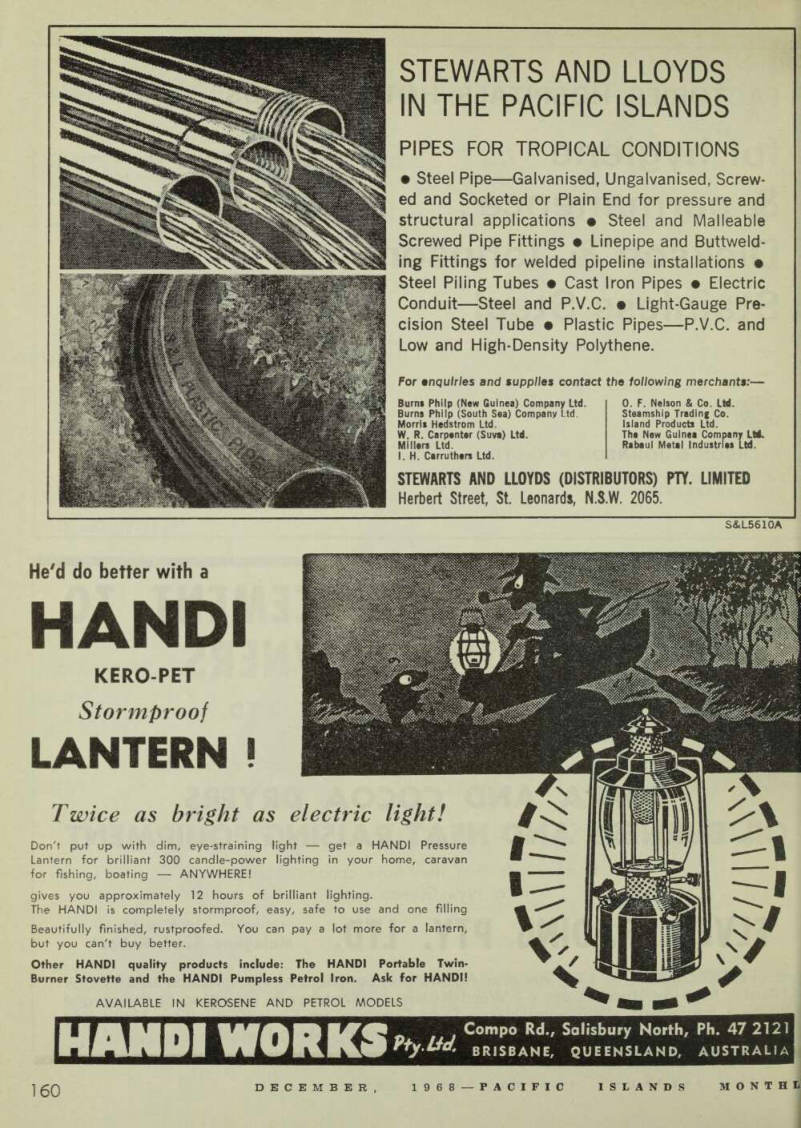 164
164 165
165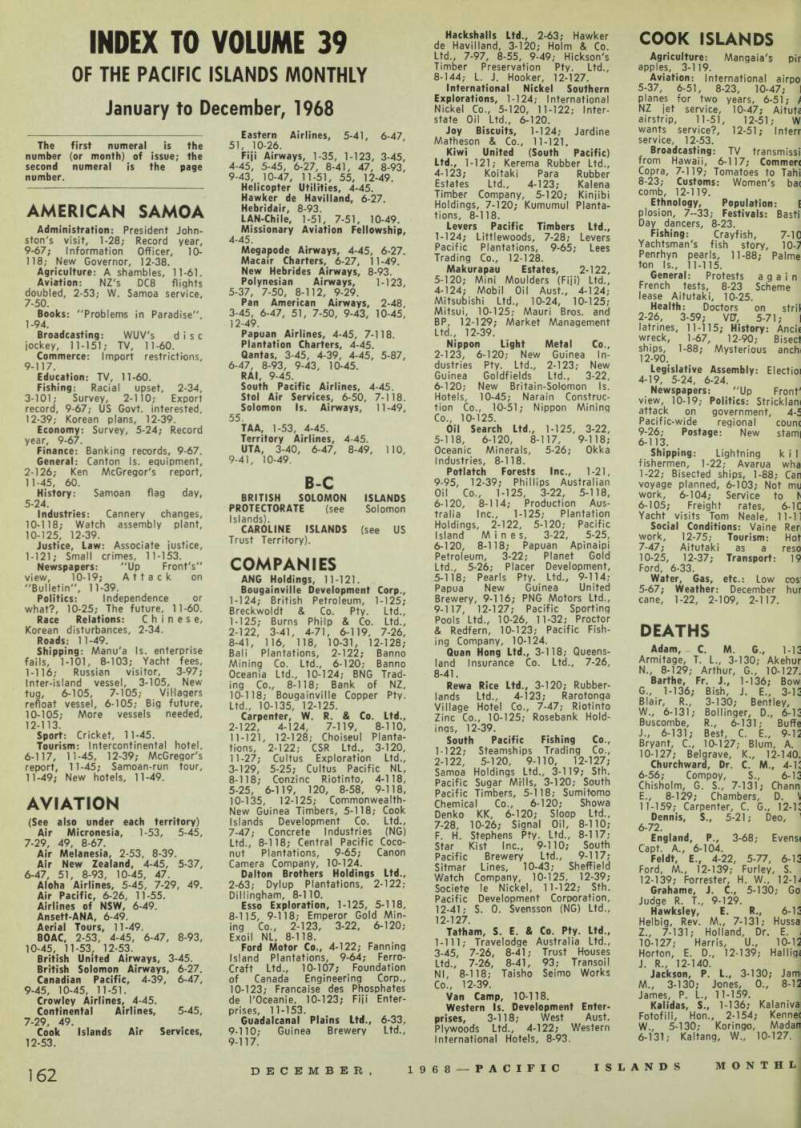 166
166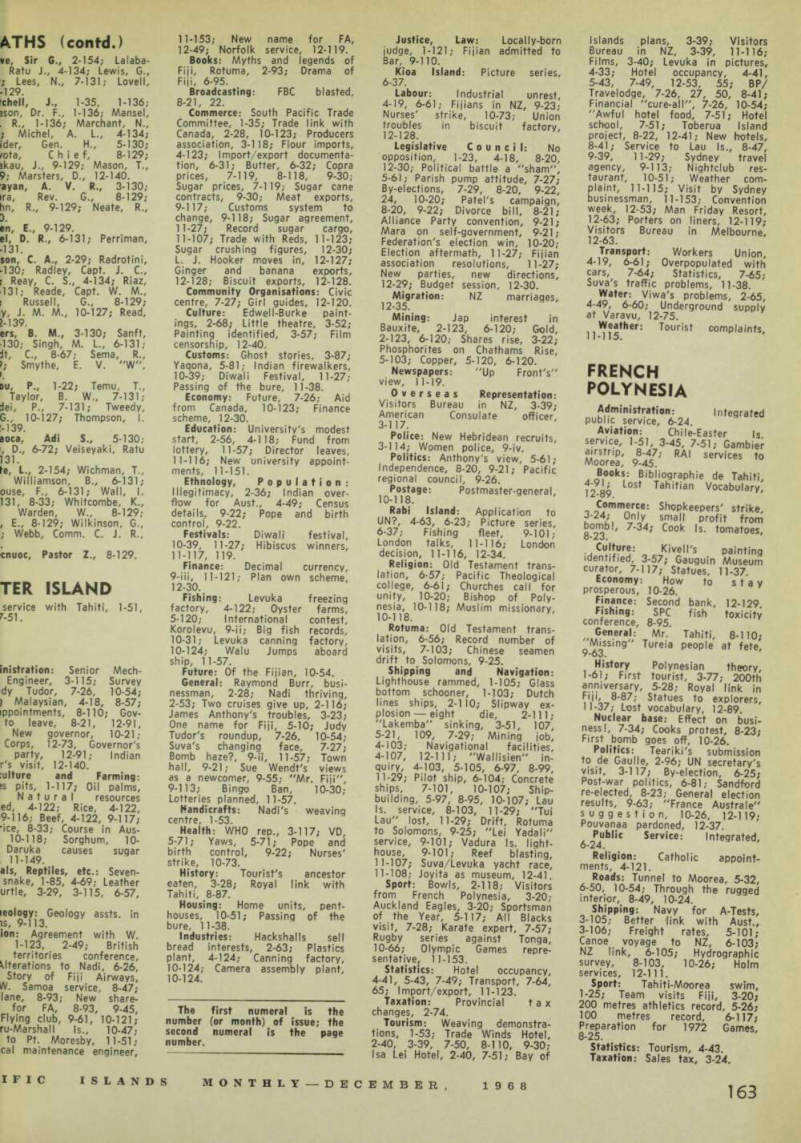 167
167 168
168 169
169 170
170 171
171 172
172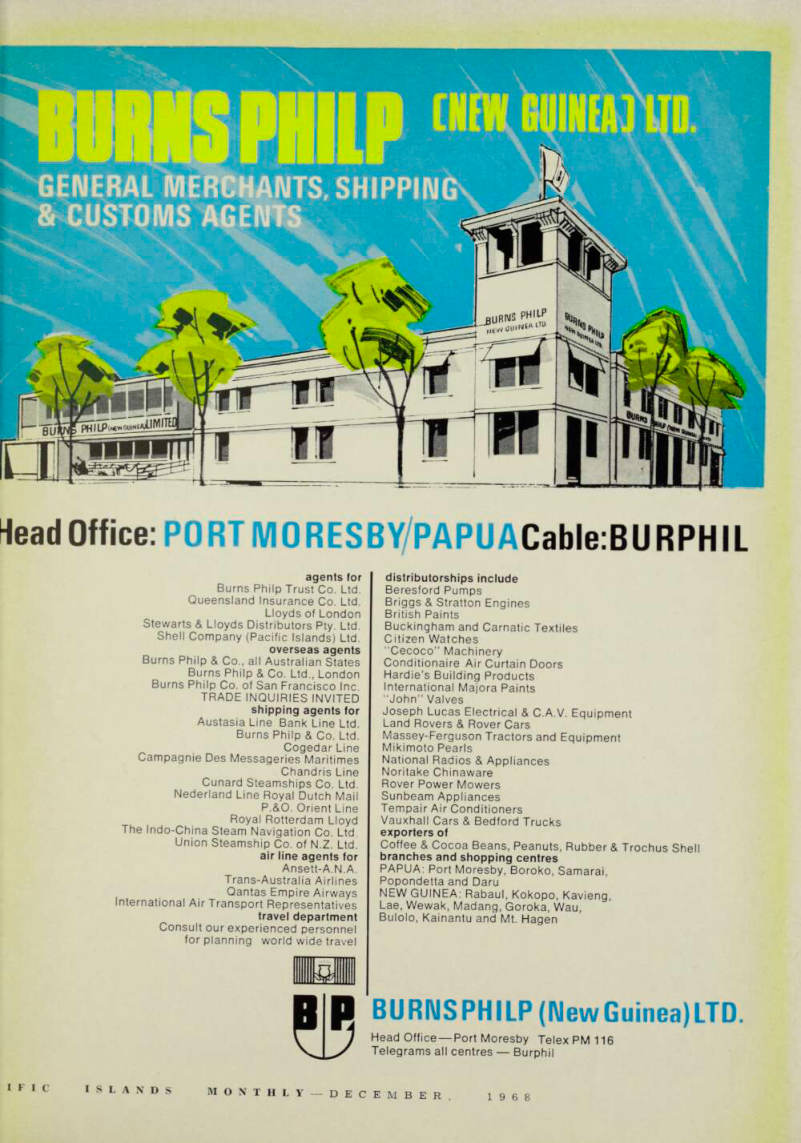 173
173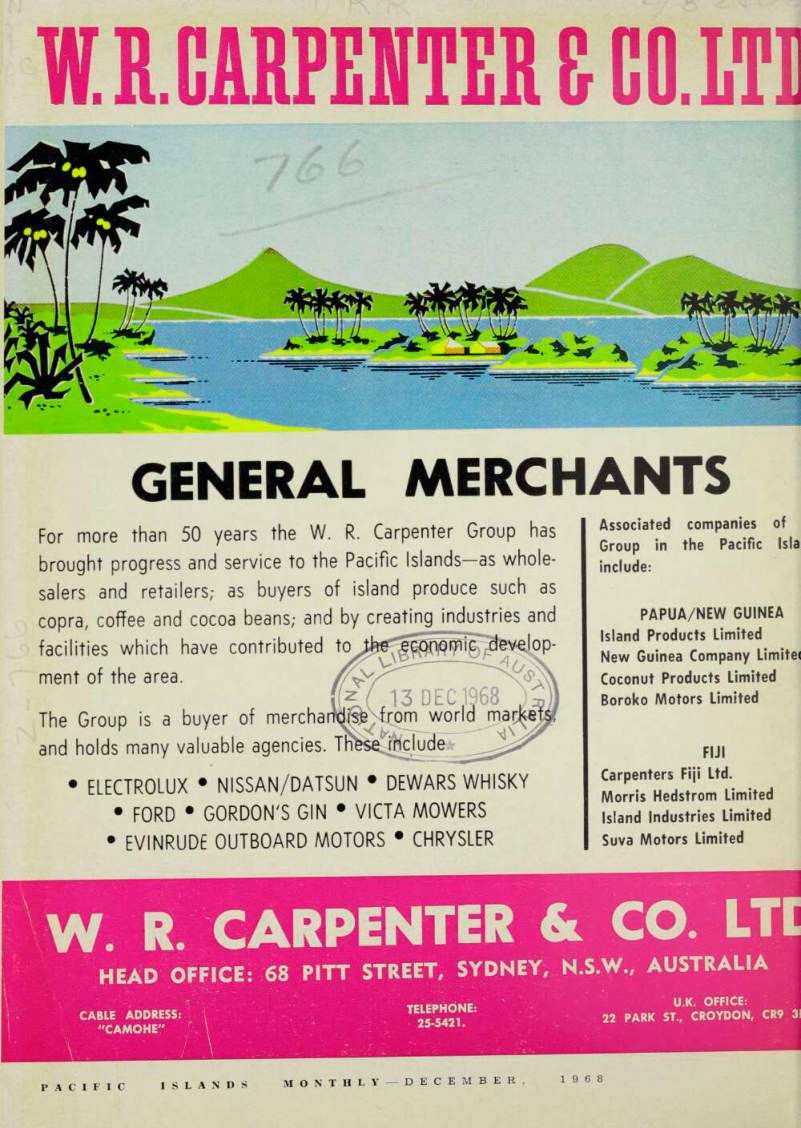 174
174