Monthly
Pacific Islands Monthly
S Magazine
Of The
Ith Pacific
□ Aust Cents
3 Shillings
70 U S. Cents
) Fr. Pac. Frcs
lkjlkj
and at G.P.0., Sydney, for >ion by post as a newspaper.
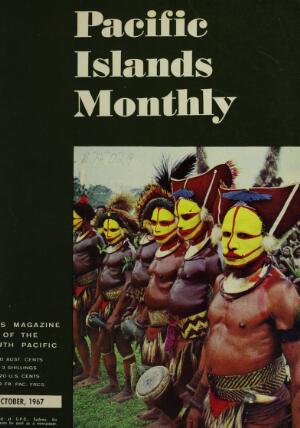
Our Cover
Those extraordinary looking fellows are New Guinea Highlanders, dressed for a sing-sing. In High lands fashion they have made startling use of body paints. Men like these were seen at the Mt. Hagen Show in August. The colour pho tograph was taken by Wykeham Perry, of Can berra, who also provided PIM’s March cover of grassy-green Norfolk Island.
As private secretary to the Australian Minister for Territories, Mr. C. E.
Barnes, Mr. Perry is a fre quent Islands visitor.
Advertisements & other items, pp. 2-4 (4 items)
October, 1967 Pacific Islands Month Ii
flights non-stop
NewTAAT-Jet
between Sydney
and Port Moresby
every Friday
TAA increases its Bird of Paradise T-Jet services between Port Moresby and Australia. Now you can jet non-stop to and from Sydney every Friday or go via Brisbane every Tuesday, Thursday, Saturday and alternate Sunday. New improved Friendship connections! Fly TAA’s improved internal Friendship services to and from Port Moresby.
Take care to book TAA and we’ll take extra care of you.
Contact your nearest travel agent or TAA: Port Moresby 2101. Lae 2311. Madang 2478. Rabaul 2567.
Goroka S.Mt.Hagen 4.Wewak 103.
TAA3572/67
Fly TAA the Friendly Way
TAA
m
I IHHIIIIIIII I mini 11111111111
BURNS PHILP (SOUTH SEA) CO. LTD.
GENERAL MERCHANTS AND SHIPOWNERS
SHIPPING. CUSTOMS AND FORWARDING AGENTS
Fiji
SUVA.
LEVUKA.
LAUTOKA.
LABASA.
SAVU SAVU.
BA.
SIGATOKA.
TAVUA.
TAVEUNI.
BRANCHES
Samoa:
APIA.
PAGO PAGO
Tonga:
NUKUALOFA.
HAAPAI.
VAVAU.
NORFOLK ISLAND.
NIUE ISLAND.
AGENTS FOR:
QUEENSLAND INSURANCE CO. LTD.
BURNS PHILP TRUST CO. LTD.
SHELL COMPANY (P. 1.) LTD.
OVERSEAS AGENTS
BURNS, PHILP Cr CO. LTD., Sydney.
BURNS, PHILP Cr CO. LTD., London.
BURNS PHILP CO. OF SAN FRANCISCO
SHIPPING AGENCIES
• The New Zealand Shipping Co. Ltd. • Shaw Savill & Albion Co. Ltd. • Port Line Ltd. • Bank Line Ltd. • General Steamship Corporation Ltd. • Blue Star Line • Cunard Line • Compagnle des Messageries Maritimes • British India Steam Navigation Co. Ltd. • Royal Interocean Lines • Nederland Line Royal Dutch Mail/Royal Rotterdam Lloyd.
EXCLUSIVE DISTRIBUTORSHIPS INCLUDE
AKAI TAPERECORDERS
DUNLOP PRODUCTS
EPIGLASS PRODUCTS
FERGUSON TRACTORS
HELENA RUBENSTEIN
HITACHI ELECTRONICS
HOLDEN VEHICLES
JOHNSON'S WAXES
• ROLEX WATCHES
• REVLON COSMETICS
• PENTAX CAMERAS
• SUNBEAM APPLIANCES
INTERNATIONAL AIR TRANSPORT ASSOCIATION REPRESENTATIVES for
QANTAS EMPIRE AIRWAYS LTD. AIR NEW ZEALAND UNION DE TRANSPORTS AERIENS ALITALIA PAN AMERICAN AIRWAYS
ASSOCIATED COMPANIES
BURNS PHILP (NEW HEBRIDES) LTD.
AUTOMOTIVE SUPPLIES CO. LTD
CORRIE & CO. LTD. • WROUGHT IRON AND STEEL
CONSTRUCTION CO. LTD. • BISH LTD.
SPECIALISED SERVICES
EXPERT ADVICE ON WORLD AND LOCAL TOURS
TRAVEL SHIPPING FORWARDING CUSTOMS
FORMALITIES INSURANCE.
REGISTERED OFFICE; SUVA. FIJI
Code Address: "BURNSOUTH'
If you think your
pictures look good
in black and white,
imagine them in colour!
Kodachrome
TRANSPARENCY
■I
PROCESSED BY
Kodak 4* m « ■: If you want prints in bright, living colour, sharp and clear then Kodacolor film is the one for you.
If you'd rather see colour slides projected life-size in the same bright living colour— then Kodachrome film is the right choice.
Both films are made in sizes to fit most popular cameras.
And both give you excellent indoor pictures with flash.
With both films the colours you see through the viewfinder are the colours you’ll get. Red is red. Blue is blue. Green is green.
Remember Kodacolor film is a colour negative film for prints. Kodachrome film for slides.
Available from Kodak Dealers throughout the Islands.
DSixMk
KODAK (Australasia) PTY. LTD. 379 George Street, Sydney.
1
2IFIC ISLANDS MONTHLY OCTOBER, 1967
2
OCTOBER. 1967 PACIFIC ISLANDS MONTHL
This Issue
Eral
less Co-operation Urged 21 Meeting 22 Carpenter Dies 26 h Airline for South Pacific? 47 on Admiralty Charts 91 c Islands' Populations 95 a Market Report 126
Rican Samoa
Fishing Venture 103 Territorial Secretary 121
K Islands
by Minister 31 ua" Enlarges Cargo Capacity 107 ;rsea Mountain 113 gaia Harbour Widening 113 Copra Prices 126 ical Situation 23 emba" Aground on Vatulele 23 is Replace Suva's Beach 24 bans Boycott NZ Meeting 24 i on New Stamps 35 sar-Old Pioneer 36 cus Festival 37 ;l Agents Woo Australia 45
's Colourful Hotel-keeper 69
Missionaries' Hard Times 81 Canoe Mishap 102 Liners to Call at Suva 103 ka Fishing Company Expands 105
New Suva Boat Factory 109 Yasawas Get Water by Boat 109 New Govt. Research Ship 111 Castaways Found in Laus 113 Cement Maker's New Capital 124 French Flour Sales Criticised 124 Lautoka's Soap Factory 126
French Polynesia
Assembly Election Results 25 Developments in Tourism 49 Greensnails Thrive 11l
Gilbert And Ellice Islands Colony
New Stamps 33 Cultures Merge at Wedding 36 Neville Chatfield's Memories 85 Marine Training Scheme Starts 102 Copra Production Nears Record 126
Nauru
Time Runs Out on Independence 23
New Caledonia
Did La Perouse Call? 30 "Spy" Radio Found in Cave 33 Increased Sydney Air Services 45 Message in Bottle 103 New Nickel Company 123 Old Noumea Firm Closes Down 124
New Hebrides
Survey by Judy Tudor 28 "Non-People" to be Registered 28
War Stamps Issue 29 New Drover Aircraft 47 Wharf for Erromanga 102
Norfolk Island
Tourism Brings Problems 53
Papua-New Guinea
New Job for Tom Ellis 26
Assembly Budget Session 27
Anglican Conference at Dogura 31 New United Nations Man 32 Diprotodon Bones Found 34 Pt. Moresby from the Air 40 S-E Asia Air Link 41 Tourist Board Gets Going 47 Killer Shark's Sixth Victim 67 Work to Start Soon on Games Site . 71 Newsletter for Games 75 First Vanimo Logs Exported 105 Shipping Survey 105 Ship Drifts to Wewak 107 Plea for Rabaul's Small Ships 109 Bougainville Copper 123 Guinea Gold to Carry On 124 ANG House Nears Completion 125 Rubber Prices Hit 15-year Low 126
South Pacific Commission
Conference in Noumea 22
Tonga
King Replies on Ha'amonga 34 Orderly Plans for Tourism 51 Nukualofa's New Wharf 11l Crayfish Caught at Minerva Reef 111
Western Samoa
Economic Prospects Improve 32 Marathon Runner Shines 32 Local Airline Loses a Plane 47
lEPARTMENTS: Up Front with the Editor, 14; Tropicalities, 34; Port Moresby ’ersonality, 36; Travel, 37; To the Point with Percy Chatterton, 55; The Editors' Aailbag, 61; From the Islands Press, 76; Magazine Section, 81; Yesterday, 89; look Reviews, 91; Shipping, Cruising Yachts, 102; People in Pictures, 117; *eople, 121; Business and Development, 123; Produce Prices, 127; Shipping, Urways Schedules, 129; Deaths of Islands People, 136; Practical Planter, 139.
Advertisements & other items, pp. 6-15 (10 items)
4
OCTOBER, 1967 PACIFIC ISLANDS MONTH!
We Are Buying Agents
Since 1890 W. S. TAIT & Co. Pty. Ltd.
31 Macquarie Place, Sydney, N.S.W., 2000
A POSTAL ADDRESS: Box 5315, G.P.0., Sydney 2001.
TELEGRAPHIC ADDRESS: "Success", Sydney.
FOR PROMPT, CAREFUL AND
EXPERT ATTENTION TO
REQUIREMENTS OF
MERCHANTS IN
THE PACIFIC
i
Sole
Distribute
in the
Pacific of
"FULDA" Tyres AAYNOR" Cordials Y "ROWCO" Scrubcutfers "SEBEL" Steel Furniture "RIVIERA" Casual Shoes
"MISS MUFFET" Jams
"NOBEL" Intercom Phones HOADLEYS" Confectionery 'FAIRWAY" Fibreglass, Lifebuoy
REGARDLESS OF THE
PRODUCT, OR THE
ORIGIN, WE
CAN SUPPLY
YOUR
NEEDS.
CANNED FISH
BISCUITS
GROCERIES
DRIED PRAWNS
STOVES
TORCHES
TOOLS
EDIBLE OILS
PAPER PRODUCTS
Rafts, etc.
PLASTEVIC" Vinyl Antifouling Pa
AND
STAINLESS STEEL SINKS
KEROSENE IRONS
KEROSENE REFRIGERATO
OREGON TIMBER
TOYS
TEXTILES
BLANKETS
SACKS
CIGARETTES
31 Macquarie Place, Sydney, N.S.W. 2000 POSTAL ADDRESS: Box 5315, G.P.0., Sydney 2001.
TELEGRAPHIC ADDRESS: "Taltco" Sydney.
WE SELL ON WORLD MARKETS
Coffee • Cocoa • Shell • Copra, etc.
SPECIALISTS IN All FAR EAST GOOD
w. £ 7. &aU Pf v .
Trinity Grammar School
J A Church of England boarding and day school for boys Summer Hill and Strathfield, Sydney, New South Wales, Australia Trinity Grammar School, one of the Associated Schools of N.S.W., is a Church of England foundation. Boys of all denominations are accepted. Boarders are accepted from ten years of age upwards.
The School consists of three separate but closely linked establishments. The Senior School is at Summer Hill and the Primary and sub-Primary Schools are at Strathfield. The curriculum ranges from Kindergarten to Matriculation.
Games and other activities: The School has 24 acres of playing fields, two swimming pools (with filtration plants) and a fully equipped gymnasium. Apart from games, numerous activities, and hobbies are encouraged and pursued. mm. s I mmrnmmm I M Newly completed Science Block from No. 2 Oval m Gymnasium showing Swimming Pool in foreground Enquiries for a prospectus may be addressed to the Headmaster’s Secretary, Prospect Rd., Summer Hill, Sydney. N.S.W., Australia PRESIDENT OF THE SCHOOL COUNCIL: HIS GRACE, THE ARCHBISHOP OF SYDNEY headmaster: J. WILSON hoog M.A. (oxon), F.A.C.E.
©ruiitg Grammar S>dtnnl
3927.83
I w si mm - •||| il il m mmmm ' ■■■:•■ n II •V •• • ii M . i i V rnott
MICE
<> m m o^ c <b° & C**‘ a*. op, Arnott’s Nice Biscuits Crisp and sugar-sprinkled Arnott’s Lemon Crisp Biscuits With tangy lemon centres
S-Sft fz
'nt —S-S Arnott’s Orange Slice Biscuits Tangy orange cream in biscuit sandwich Arnott’s Shredded Wheatmeal Biscuits Golden-grain goodness for morning tea.
H 699
p: \ mm I \ glscujli. roun° *af Arnott’s MILK ARROWROOT Biscuits All-day energy for children a favourite with all the family. s Arnott’s SAO Biscuits Ideal for snacks, suppers or between meal*.
Arnott’s SCOTCH FINGER Biscuits Chunky and butter-rich, with the true shortbread flavour. 5* Arnott’s CHEESE JATZ Biscuits Crisp as could be with a fine cheese flavour perfect for entertaining.
There is no Substitute for Quality
World
quality
W & %** & Only the world’s finest Virginia tobaccos are blended to produce ...
PLAYER’S
GOLD
LEAF
one of the great cigarettes
Q671-5/67
"Why can't you obtain
HARDIFLEX
in the Pacific Islands?"
‘You can now’
After taking the building trade by storm in Australia, it was only natural that the demand for Hardiflex would spread. Limited production restricted supplies but all this is now changed and Hardiflex is now available in the Pacific Islands.
Never has a building board been so easy to use, or so versatile. Use it for exterior wall cladding, eaves lining and anywhere you would use a building board. It’s flexible, shatter proof, easy to handle on the job.
Hardiflex is available now from Burns Philp: 10 different sizes of flat and striated sheets. 9
Hardie’s
BUILDING PRODUCTS
Post this coupon today
TO: JAMES HARDIE & COY. PTY. LTD., G.P.O. BOX 3935. SYDNEY 2001. Please send free Hardiflex brochure.
ADDRESS:.
Mothers I
Give your children the Group Vitamins
they need for eneryy - every day!
Give them VEGEMITE! It's absolutely delicious spread on toast or in sandwiches. And just one teaspoonful supplies half their daily requirement of the B Group Vitamins, the energy vitamins their bodies can't store up. It's so easy to ensure that your family stays happy, healthy and bouncing with vitality, when you give them VEGEMITE every day!
VEGEMITE is pure concentrated yeast extract, the richest natural source for good food and good food ideas *Reg d Trade Marks of the B Group Vitamins. Jh
KRAFT
KRAFT*
Vt r i
In Australia - dairy cows
are treated like beauty queens-
that is why Australian Butter and Cheese are famous for goodness, energy and flavour Selective breeding and scientific feeding of Australia’s dairy herds, plus the golden sunshine and rich pastures of an ideal dairying climate make the big difference in the flavour and food value of Australian dairy foods. Australian Butter and Cheese are processed by modern, hygienic equipment and strict controls ensure perfect quality.
Australian butter is full of energy, flavour and vitamin A goodness. It is a health food that only Nature can provide. Australian cheese is a concentrated food—full of protein, rich in calcium.
It is available in many types, to suit every taste.
For energy, goodness and flavour, buy Australian Butter and Cheese.
Trade enquiries to: Australian Dairy Produce Board, 406 Lonsdale Street, Melbourne, Victoria, Australia.
AUSTRALIA
Look at a Ronson and you’ll see sophisticatioi £
Light it and you’ll see more
We spend seven weeks building every Ronson to stand out in the crowd. The deep gloss finish (we put on a thicker coating of chrome than is really necessary), the smooth, precision action. They show at once.
There’s sophistication, too, in the way a Ronson lights first time. Every time. And in its adjustable flame height. For cigarettes, cigars and pipes. Just twist the Varaflame wheel.
You’ll find 3,000 lights per filling (5second filling) a welcome improvement over your old lighter, too. Look at the Ronson range soon.
Recognised round the world for lighters and electrical products of quality.
Si
PROTEIN
VITAMINS
4 (l) Other cooking methods lose vital nourishment (2) Heinz peak-nutrition process holds vitamins and protein
HEINZ
BABY
FOODS
fe«-wrs(V/b n"; (3) All Heinz Baby Foods are cooked by this exclusive process
Heinz peak-nutrition Baby Foods
give your baby
more to grow on—
more vital nourishment!
* (AUSTRALIAN PATENT No. 21013®|
HEINZ
BABY'
FOODS
fiHKS
5
3IFIC ISLANDS MONTHLY OCTOBER, 1967
6
OCTOBER, 1967 PACIFIC ISLANDS MONTHL
7
IFIC ISLANDS MONTHLY OCTOBER, 1967
8
OCTOBER, 1967 PACIFIC ISLANDS MONTHI
9
I F I c ISLANDS MONTHLY OCTOBER, 1967
10
OCTOBER, 1967 PACIFIC ISLANDS MONTHL
11
I F I C ISLANDS MONTHLY OCTOBER, 1967
Cific Islands Monthly October, 1967
Pacific Islands
Monthly
Established 1930: 38th Year of Publication.
Owned And Published By
Pacific Publications Pty. Ltd.,
29 ALBERTA ST. (G.P.O. BOX 3408), SYDNEY
Telephones: 61-9197, 61-7101, 61-4369.
Telegraphic Address: PACPUB, Sydney.
Chief Executives; Managing Director: R. W. Robson.
General Manager: Selwyn Hughes.
Book Publishing Division
Editor: Judy Tudor.
Pacific Islands Monthly
Editor: Stuart Inder.
Assistant Editor: Robert Langdon.
Branch Offices
Melbourne: Newspaper House, 247 Collins St.
Tel.: 63-7053.
Fiji: Pacific Publications (Fiji) Ltd., Fiji Times Building, 20 Gordon Street, SUVA. Tel.: 25601.
Fiji Times Office, Vidilo Street, LAUTOKA.
Tel.: 60-422.
Papua-New Guinea: Pacific Publications (N.G.) Pty. Ltd. Representatives: Mrs. Joan Carter, P.O. Box 16, PT. MORESBY (Tel.: 2504); The Manager, P.O. Box 227, LAE; Mr, Steve Simpson, P.O. Box 154, RABAUL (Tel.: 2547).
Representatives
New Zealand: J. D. Whitcombe, C.P.O. Box 2229, Queen Street, Auckland. Tel.: 76056.
Hawaii: C. C. Spencer, 203 Yap Bldg., 3465 Waialae Ave., Honolulu. Tel.: 775538.
United States: Mrs. A. L. Craib, 1631 80th Avenue, Oakland, California, 94621.
Tel.: LOckhaven 8-1201.
United Kingdom: S. R. Warman, Candlewick House, 116-126 Cannon Street, London, E.C.4.
Tel.: Mansion 3674/7.
H. A. Mackenzie, 4A Bloomsbury Square, London, W.C.I. Tel.; Holborn 3779.
Agents
All main trading firms and stores in the Pacific Islands.
Pacific Publications Pty. Ltd. is the Australian agent for THE FIJI TIMES.
Subscription Rates:
"Pacific Islands Monthly" is air-freighted to all subscribers and agents in the South Pacific; copies to other areas go by surface mail.
Australia: 30 cents Aust. ($3.60 Aust. for 12 months). New Zealand, all British Commonwealth South Pacific Territories, Tonga, New Hebrides and Western Samoa: 37local currency (36/- local currency per annum).
Elsewhere in the South Pacific: 50 French Pacific francs or 70 US cents (600 French Pacific francs or $B.OO US posted per annum).
Posted to USA, $B.OO US per annum. Posted to the UK and all other countries: £Stg.2.
Airmail postage to USA, UK and elsewhere is additional.
Up Front
with the editor
This business of independence for New Guinea is begin ning to get on my G-string. Fair’s fair, but you can overdo it.
Nobody has yet asked for independence, and I don’t see why it should continue to be thrust down everybody’s throats.
THE trouble with New Guinea this last year or two (and in the last few months since the general election came into the offing) is that the mod erate voices aren’t being heard. We hear only the extremists.
This is nonsense, because politic ally I suspect the New Guinean to be a pretty conservative sort of fellow.
If he understood the picture that was being painted of him on the world scene he wouldn’t thank any body for it.
We are getting more than our fair share of extremist Europeans in New Guinea, too; which makes it tough for those uncommitted citizens who are merely trying to understand what is going on.
The two extremes
You know the European types. On the one hand there are those who despise all New Guineans as calculat ing kanakas plotting to organise a bloodbath just as soon as European restraints are off. They’ll tell you in a loud voice that the only thing the New Guinean understands is a clip under the earhole occasionally and firm action at all other times.
The opposite group loves Brown Brother to death. They are constantly apologising to the New Guinean for being there; they take offence on be half of New Guineans for imagined slights by other white men; and assume out loud that we can hardly expect New Guineans not to hate us, considering the terrible things we’ve done to them in the past.
Well, a plague on both their houses.
These people are getting too much at tention at the expense of the mod erates.
And because the moderate view is iust not being heard these days, I think there is real danger that normal pro
gress towards self-government, or dependence, or whatever, will get ( of hand.
It’s already getting so much t way that anybody who dares co out with a moderate view is label a reactionary. If you happen to th: that New Guinea is moving too f politically, then don’t say so. You obviously been there too long; you a paternalist.
Don't say so
If you happen to think that J Blow, the Member for Ramu, is Bighead and a menace, then do say so. Obviously you’re a wh supremicist.
You’re not to be constructiv critical in New Guinea these days,
eak from experience, or even use ur commonsense. If you lived jre before the war, don’t admit it.
If you don’t know which way the untry is heading, then don’t let on blicly, or you’ll be labelled a fence ter, or a gradualist.
Don’t be moderate. Be extreme! 1 don’t know what the New lineans are supposed to have done us that we are doing this to them, t I think it’s time we got our feet the ground again. Certainly a little 5 political hysteria in New Guinea needed, please. More work at the iss roots, and a little less yap. >Ve get enough wordage from the ffessional political opportunists in UN these days without putting our own smokescreen and being t behind it. -et’s hear the moderate majority. ♦ * ♦ ( , FY account of Tonga’s coronation L in the August issue gets a mding this month (p. 61) from a [ney correspondent who is dis •ointed in me. I won’t comment it, because Mr. Booth is entitled his interpretation of my material, 1 I only wish more readers would what they think more often. It noteworthy that Mr. Booth lives Sydney, for it is my experience t Islanders are reluctant letter ters, both in their personal lives in the public prints. lowever, I do want to defend my pw Pressmen at the coronation inst Mr. Booth’s charge that some nded the Royal Kava ceremony ired in gaudy shorts and T-shirts”, loesn’t happen to be true.
Raised temperatures
yhat helped raise Press tempera 's at that ceremony was the mis m belief by many visitors that gaudily dressed types wandering ut the areas supposedly reserved the Press were in fact Pressmen. he accredited correspondents had le a point of being correctly >sed for the kava ceremony, and tested vehemently to palace rds against the ring-ins who were ng them a bad name. On this occasion the guards acted and ily banished one specially oxious character off a visiting
Stuart Inder
Advertisements & other items, pp. 16-22 (8 items)
14
OCTOBER, 1967 PACIFIC ISLANDS MONTHL
15
CIFIC ISLANDS MONTHLY- O C T O B E R , 1967
Cadbury's
When you buy chocolate
always say ‘I want Cadbury's’
Nothing else has got that Cadbury’s taste because there is a glass-and-a-half of pure, fresh, full-cream milk in every half-pound of Cadbury’s Dairy Milk Chocolate.
Look for the famous purple and gold wrapper.
CADBURY'S
DAIRY MILK CHOCOLATE
the biggest selling block chocolate in Australia
IDB/16/7
V\u
ERINMORE
MIXTURE
FLAKE OR
MIXTURE TOBACCO
IN VACUUM TINS
such good rich flavour
-distinctive aroma
-there's more of both in ERINMORE
Erinmore makes friends in any company. Smokers welcome i good rich flavour. Others, womenfolk especially, enjoy its distinctive aroma. This comes from the century-old blending process, secret to the makers of Erinmore.
No other tobacco can give you so cool and sweet a smoke.
ERINMORE
Made in Northern Ireland by Murray, Sons & Company Limited, Belfast. Manufacturers of fine tobacco sim
winning tape
That's the Rabone Chesterman Handyline. The neatest measuring tape you've ever seen. In a light plastic case that's extra strong, this white steel tape has clearest ever markings, and accurate hook-end for those single handed jobs. Super quick wind-in is a feature on every size, 33, 50, 66 and 100 feet. They really measure up to everything !
Available from Ironmongers and Tool Dealers.
iii
Rabone
Chesterman
Rabone Chesterman Ltd.
Birmingham 18 • England
INCH
LiSi
m.
O 1 A. *
Marmie says:
Young lions roar
for Marmite,
the appetite builder
Finicky eaters soon become hearty eaters when you give them Marmite. On toast. As a hot drink. Blended into your cooking. Marmite is an excellent source of Vitamin B, helps to build vitality while it sharpens their appetites. It’s the little extra something Marmite has.
THE WONDERFUL FAMILY OF
HEALTH FOODS
0
SANITARIUM
PWfff M 3.6
BROCKHOff
Z*Ton'l° yM
JL.--rsr- , '?=
Th , the occasion.
T'V.Arp’s a Oi sv “ There s occasion, whatever the occ*
C-afe^oCoosefrom-.
? BROCKHOff
Teanut Crisp
RAISIN
LUNCHEON
JLJ
CLIX
/I tender golden crisp cracker that tastes as if it is already buttered. The cracker you can eat by itself, or with savouries or dips.
BROCKHOff
EDINBURGH
SHORTBREAD
Made in the true Scottish tradition with fresh eggs, sugar and rich dairy butter.
BROCKHOff \
Savoury Shapes
SAVOURY SHAPES
These delicious, one-bite ready-made savou ies are ready to serve anywhere, in th convenient tray pack.
Salada
BROCKHOff
SALADA
A crisp, light, golden cracker to enjoy with all meals and snacks. The slight touch of salt brings out the full flavour of all spreads, toppings, & cheese.
Australia’s finest biscuits baked oven-crisp by Brockhoff.
Wrapped in MXXT/A, the most moistureproof ‘Cellophane’ in the world.
Look for the baker on the packet. /;
ARNOTT, BROCKHOFF, GUEST Pty. Ltd.
53-71 Huntingdale Rd., Burwood, E. 13, Victoria, Australia.
Cables ‘Brockbick ’ Melbourne.
Telephone 28 2888 S' .
Illiill
design and
build with
Fletchers
Fletchers are New Zealand’s biggest construction company and are one of the oldest and most experienced. They offer a complete service architectural and engineering design, and construction, and have already carried out contracts in Australia, Fiji and Samoa. If you are thinking of building in the Pacific Islands and would like outside help with designing and building, call on Fletchers.
You name it— Fletchers can design and build it Motel, hotel, block of flats, office block, shopping centre.
You name it Fletchers can design and build it.
Fletchers are specialists in the design and construction of sawmills, large and small. They have designed and built in New Zealand and Fiji both small mills of simple layout and complex million dollar mills.
Incidentally, Fletchers are the manufacturers and suppliers of a wide range of building materials.
Further information from: The Managing Director, Fletcher Group Services, Private Bag, Auckland, New Zealand 13798
FLETCHER
group services
KEEP YOUR BOAT CLEAN WITH INTERNATIONAL MARINE Keep your boat in the water longer with International Anti-Foulings. World-wide research has resulted in the development of the strongest anti-foulings and underwater primers for every boat under any marine conditions. You can choose the product to suit your boat from the following comprehensive range:
ANTI-FOULINGS MARINE PRIMERS
International "Tropex" (red) AND UNDERWATER UNDERCOATS International Copper Bronze International Silver Primacon International Singapore Super Tropical (red and grey) International Metallic Pink Primer International Yacht Racing (red, black and green) International Chocolate Anti-Fouling Undercoat "Union Jack" Copper Paint (red) A Comprehensive range of INTERNATIONAL “ABOVE WATERLINE” FINISHES AND UNDERCOATS is also available.
KFor application of these products refer to the International Boat Painter's Manual
INTERNATIONAL MAJORA PAINTS PTY. LTD.
HEAD OFFICE: PHILLIP ST. f CONCORD, N.S.W, ’PHONE 731201 BRANCHES:— • MELBOURNE 30 4831 . BRISBANE 56 4565 • ADELAIDE 4 3435 • FREMANTLE 5 3291 • NEWCASTLE 2 5661 Over % of the world's shipping is painted with International Marine Paints
16
OCTOBER, 1967 PACIFIC ISLANDS MONTHI
17
CIFIC ISLANDS MONTHLY OCTOBER 1967
18
OCTOBER. 1967 PACIFIC ISLANDS MONTHL
Cific Islands Monthly October, 1967
20
OCTOBER, 1967 PACIFIC ISLANDS MONTHL
in South Seas trade problems
How Australia can lend a hand in South Seas trade problems
By R. B. Gall
I think the time has come for a South Pacific Business Co-operation Committee, of the kind which is working very well between Australia and Japan. And I think Australia should take the lead in establishing it.
'■ we are to have prosperity for the people of the South West :ific, then there must be co nation between the “haves” and ive nots”. Australia and New dand are “have” countries, and y have to recognise the needs of “have nots” in this part of the rid. I think this can be done ough such a committee, t is in everybody’s interests, but ticularly in the interests of the inds, that something be got moving ►n, and I am putting forward a r suggestions here in the hope t they might be helpful in getting h a committee started. me explain first how the Aus !ia-Japan Business Co-operation mmittee was established and how works. fhe committee was set up following /isit to Australia in 1961 of the n Prime Minister of Japan, Mr. da, in connection with a proposed Je agreement.
Need for co-operation
t became obvious to both sides ing the discussions that Mr. Ikeda lin Australia that there were ny opportunities for increased le between the two countries, and t problems could be ironed out ter on the business level than the ernmental level. fhere was need simply for closer operation between the leading inessmen of Australia and Japan, i businessmen themselves could ng to the attention of the govern its. those matters which needed cial help for solution. 7 urther, government representa ;s could, if they wanted, be on id to put an official point of view bout their governments being barrassed by the decisions, fhe idea was that the committee aid become a catalyst for generat action, when action was con ned either desirable or possible, i committee meetings would be ums for the exchange of ideas and iciples; for an appreciation of
each other’s problems, and thus, through closer understanding, pro mote trade with a minimum of dis agreement.
The Australia-Japan Business Co operation Committee was formed with headquarters in Canberra. The
Japan-Australia Business Co-operation Committee was formed with head quarters in Tokyo. The first meeting was held in Japan in 1963 and meetings have been held each year since, alternating between Japan and Australia. The fifth meeting was last April, in Tokyo.
Great success
As a member of the Australian committee I can say that the scheme has been a great success. It now seems that this type of approach was rather unique, and other countries have followed our example.
What the committee has shown is that although machinery exists to protect trading interests, fraternisa tion—rather than legislation—can produce more acceptable results. The committee has no legal powers, and needs none.
Of special interest to me has been the fact that although trading pro blems initially were considered to be the most important matters for dis cussion, it quickly became apparent that other matters, too, could and were being discussed—such as student and technician exchange schemes, joint ventures in underdeveloped, countries, and cultural matters.
What are some of the successes?
Regular schemes for exchange of students and technicians are now in operation, many of the technicians being accommodated in the industries of member companies. The exchai\ge of English and Japanese teachers has also been promoted, and a scholar ship is available for Japanese studies.
A Chair of Japanese Studies has been established at the University of Queensland and there have been re commendations for a cultural agree ment between Japan and Australia, like the one that exists between Japan and the UK.
On economic co-operation, the committee has told the Australian Government that it believes Japan should enjoy a taxation agreement which will avoid payment of double taxation.
On the matter of joint ventures, an
R. B. GALL is an Australian businessman with wide interests.
He is founder and managing director of Camelec Limited, Adelaide electrical manufac turers; chairman of a number of companies, including Islands Electric Pty. Ltd., Suva, and is immediate past president of the National Electrical Manufac turers Association of Australia.
He is also a member of the Australia-Japan Business Co operation Committee, and in this article he puts forward a suggestion for a similar organisa tion to assist South Pacific busi ness enterprise. PIM supports his proposal, and invites dis cussion.
investigation has been made into establishing a timber processing in dustry in New Guinea; and the establishment of a joint shipping line, mainly to ship Australian ore to Japan.
How it works
On trading problems I can give a personal example. As president of the National Electrical Manufacturers Association of Australia I voiced the apprehension of Australian electrical manufacturers about the level of Japanese electrical imports into Aus tralia. This led to the matter being referred to the Japan Electric Machine Industry Association.
The Japanese association sent a mission to Australia last December, and the members saw for themselves the extent of electrical manufacturing in Australia, and were given the op portunity to appreciate the reasons for tariff protection in some areas.
This helped us.
These brief notes give some idea of the scope of the Japanese com mittee. Certainly the problems are not all the same in the South Pacific, but there is no doubt in my mind that the highly fragmented South
Pacific community must benefit from the operation of a committee formed to discuss common problems.
A great deal of preliminary in vestigation would need to be under taken. Organisers would need to determine the general direction of planning.
Steering committee
In my opinion the most important thing to do first is to set up a steering committee to see whether territory businessmen really do think a com mittee is desirable. From my talks in the Pacific, particularly in Fiji, I think there is support for such a committee.
The steering committee could consist of interested persons from say, Fiji, Tonga, Western Samoa, Australia and New Zealand. This group would recommend permanent
representation, and plan the genei direction of the committee’s work.
A provisional chairman, depu chairman and executive officer con be selected to get the idea off t ground. The executive officer wou need to have access to secretari and public relations facilities.
Members of the steering committ should have high standing in t! community and some experience international affairs.
For instance, members of tl Australia/Japan Committee inclui Sir Edward Warren, as presidei Sir Robert Webster, of Bradfo: Cotton Mills; Mr. R. W. C. Ande son, Associated Chambers of Man factures of Australia; Mr. J. Bate Australian National Travel Associ tion; Dr. A. Callaghan, Austalh Wheat Board; Sir William Gun Australian Wool Board; Sir Th< Kelly, Woolworths Ltd.; Sir Arch bald Glenn, of ICI, Sir lan McLe nan, Broken Hill Pty.; Mr. R. \ Norman, Bank of NSW; Sir Jam Vernon, Colonial Sugar Refinin Sir Roland Wilson, Commonweal Banking Corporation; Mr. I, I Seppelt, Australian Wine Board; ar Mr. T. M. Ramsay, Kiwi Polh Company.
Another method of starting wou be to invite representatives from son territories to attend the next meetir of the Australia/Japan Business O operation Committee to see for then selves how it operates.
What territories should be ii volved? That’s a matter for a steerir committee. But there is no reasc why every territory that is covere by the South Pacific Commissio should not be represented, includic of course the French territories.
Let’s kick this ball around. Let start something, for all our sakes.
• Fiji's economy at present de pends on sugar (cane is seen here awaiting crushing at the Rarawai mill) but the colony needs to diversify. Because their tropical products are often in competition, the islands of the South Pacific and Australia need to co-operate on trade—and prosperous Australia should take the lead in helping those "have not" territories.
Bigger Role For Islanders In S.P.C
TSL/IA/DERS will play a bigger role in determining the work of the A South Pacific Commission as a result of new arrangements agreed upon by the participating governments — Australia, France, New Zealand, the United Kingdom, the United States and Western Samoa.
At the seventh South Pacific Conference in Noumea in early October, which was attended by commissioners from the six participating govern ments, plus one delegate from each of the 18 Island territories in the Pacific, the new arrangements agreed upon were accepted. The delegates said they regarded them as an important step forward.
Under the new arrangements, South Pacific Conferences will be held annually from now on, instead of triennially. These will enable Islands delegates to discuss and make proposals on both the SPC work pro gramme and its budget. Each conference will be followed by a session of the commission.
The purpose of the SPC is to investigate and advise the participating governments on ways of improving the health, economy and social well being of the people of the 18 South Pacific territories.
Fiji continues undismayed
at Opposition walk-out
From a Suva correspondent Although Fiji has been without an official Opposition in the Legislative Council since September 1, the world has not yet noticed it. Nor in fact has the colony.
HE Opposition, of nine members lead by Mr. A. D. Patel, walked of the council the day that Fiji’s listerial system came into opera i (PIM, Oct., p. 19), after an mcing that last year’s constitution, ler which the ministerial system i established, was “undemocratic, [uitious and unjust” and that they e now calling a halt in their sup t of it.
'wo days later, Fiji’s Chief Min r, Ratu K. K. T, Mara, set off a world tour from which he will return until October 9. From ry report sent back to Suva during absence, it has been a success. He •ned something wherever he went, ’here was a failure in the UN, ;n Ratu Mara could not sell Fiji’s it of view to the Committee of which wants to send a delegation inquiry to the colony to see why is not getting its independence, u Mara was unable to convince body that the Fiji public does not it its independence. But he did for himself, apparently, that it sn’t really matter in some UN les what Fiji wants —the corn tee’s pressures were all political.
UN not allowed
dthough the committee has moved a delegation should go to Fiji, > not likely that either Britain or will allow an official visit, his is bad news for some members the Opposition, who, since their kout, have been addressing many r well-attended public meetings to test against the constitution. They e been making house-to-house :s.
Ir. K. C. Ramrakha, tipped as to party leadership, explained licly that the Federation Party had it quite a bit of money getting s of the walkout to the world >s, and radio. t their public meetings the Fed ion Party men have said they want sw constitution, and one-man-one :, and have constantly criticised Alliance Government. In this r have come off badly, because
the government in retaliation has been publishing the detailed history of communications between the Alliance Government and the Fed eration Party over the 10 months since the elections. This bit of shrewd public relations work has done much to lessen the Opposition’s impact.
What will they do?
And what has only now become known, is that the Federation Party had planned the walkout before the Legislative Council sitting. A week, before, the party decided to embark on a campaign of non-co-operation.
What will the homeless Opposition do next? There is talk that some members of the party think the move was badly timed and that they are casting around for a formula which will enable them to go back if the non-co-operation campaign fizzles
out. But there are certainly no signs that they aim to do anything to re turn immediately.
They could stay away for the next two meetings of the council so their seats could be declared vacant and by elections would follow. There is little doubt they could win the by elections and thus triumphantly walk back into the Council Chamber, hav ing made their protest, and having lost no face.
Axiom
An alternative would be to attend the opening of each meeting of the council, have their attendance re corded then walk out again.
Meanwhile, the Alliance Govern ment is hardly likely to be forced into resigning because it hasn’t got an Opposition. It is a political axiom that Oppositions are there to be ignored, and as the Government has already said: “It is regrettable that our friends of the Opposition have walked out, but we will continue to govern without them until they see fit to return.”
The Opposition really could have made its point more usefully by standing firm and battering the Gov ernment and its policies—and the constitution from the Opposition benches. It was, in fact, beginning to make itself felt this way before the events of September 1.
early independence
Time running out for Nauruans on early independence
Despite prolonged discussions in Canberra, by early October the Australian Government had not formally committed itself to the granting of independence to Nauru by January 31. The Nauruan delegation in Canberra was concerned at the delay, as an agreement would have to be ratified by Federal Parliament, which will rise on November 3.
Nevertheless the Nauruan delegation was continuing work on the constitution details in ex pectation of agreement.
The Nauruans have asked for full independence, and want to establish a presidential system.
The UN has supported them.
Nauru has a separate phosphate economy.
W. R. Carpenter Ship
Runs Aground On
Fiji Coast
The 8,000 - ton passenger - cargo vessel "Lakemba", with 80 passengers aboard and a cargo of lumber and pulp, went aground on Vatulele Is., 20 miles south-east of Sigatoka, Viti Levu, at night on October 4.
No one was injured and the British cable-laying ship "Retriever" trans ferred the passengers to Suva.
The "Lakemba" is the last of W.
R. Carpenter and Company's trans pacific ships, being owned by a Carpenter subsidiary, Pacific Ship owners Limited. She was built soon after World War 11.
When she went aground she was on a trip from the west coast of North America to Sydney. She had left Suva to round the south of Viti Levu to make a call at Lautoka be fore sailing direct for Sydney.
On October 9 the wreck was re ported missing from the reef, be lieved sunk.
Advertisements & other items, p. 25 (1 item)
23
CIFIC ISLANDS MONTBf. Y OCTOBER, 1967
They mow lawns where fish jumped
In early 1959 the city of Suva sported a small beach. It extended from the fire station to the Cable and Wireless building, facing the Club Hotel, and from it fishermen made their boat journeys, dogs splashed in the waves, tourists searched for shells, and sometimes passengers embarked from it on to a small float plane. Then came the city council’s reclamation plan for the entire waterfront. Today green lawns and trees decorate an area where fish once jumped. Rob Wright took both these photo graphs from the same spot.
Banabans boycott
phosphate talks in Wellington
The Banabans of Oce; Island, who have become i creasingly truculent in the pt couple of years over their sha of the proceeds from phospha mined on their island, boycott talks in Wellington in mi September on the distribution
phosphate monies.
THE talks were attended by deleg dons from Britain, Australia ai New Zealand, which jointly exph Ocean Island’s phosphate as t] British Phosphate Commissioners.
The Banabans claimed that as t] landowners of Ocean Island, it w their right to speak directly to t] BPC governments instead of simp attending as advisers to the Briti: delegation.
They told the British delegatic m Auckland that if they could n exercise their right, they would n attend the conference as sile advisers. The British rejected the claim.
The Banaban party included tl Rev. Tebuke Rotan and Council!* Tepeke Anterea. The Fiji-Indie political leader and barrister, Mr. i D. Patel, acted as their legal advise
They may go to U.N.
The Banabans now plan to ho] a meeting in the near future wil their legal adviser and econom advisers (Philip Shrapnel and Co.. < Sydney) to determine what their ne: move should be.
One possibility is that they ma decide to try to bring their case 1 the attention of the United Nation The essence of their case is th; the proceeds from Ocean Islan phosphate are unfairly divided b< tween themselves and the Gilbert an Ellice Islands Colony, of whic Ocean Island is a part. The presei distribution is 7/- a ton for th Banabans and 40/1 for the GEIC The Banabans say that they shoul get about two-thirds of the proceed!
The Banabans’ plan for the futur will partly depend on the outcom of the talks in Wellington, where th sale price of phosphate was expects to be the chief item on the agenda
Advertisements & other items, p. 26 (1 item)
24
OCTOBER, 1967 PACIFIC ISLANDS MONTHL
Personality battle
Trong Vote For
Utonomy In
[?]Ench Polynesia
Elections in French Polynesia
September 10 for a new
rritorial Assembly (parlia
nt) have given the lie to the nmonly held notion that
liti is such an earthly paradise
t nobody wants any change.
yO parties which campaigned vigorously for internal self ;rnment gained 16 of the 30 seats he Assembly, and six other seats t to independent candidates, some whom will probably side with i. he two most successful parties ; Te E’a Api no Polynesia ighly, the New Ways Party of nesia), which is headed by Mr. icis Sanford; and the Pupu Here (Patriots’ Party), of which Mr. i Teariki is the leader. r. Sanford, whose American dfather settled in Tahiti years is French Polynesia’s present tentative in the French Chamber deputies. r. Teariki, a chief of Moorea, ti’s sister island, was the deputy Mr. Sanford defeated him by ndful of votes out of the 27,000 in elections held on March 19 d, May, p. 32).
Personality battle
ie March election was a battle ersonalities, as the platforms of ;wo men were virtually identical. same can be said about the mbly election just held. :sides campaigning for internal government, both the Sanford Teariki parties advocated a r deal for the large Polynesian ent of the population, r. Teariki’s party also urged the )lete cessation of the nuclear ig programme at Mururoa Atoll, stated that it was a matter for regret that the previous mbly had ceded Mururoa to ce. one stage during the election )aign, Mr. Sanford, asked the nc h Prime Minister, Mr. pidou, if a referendum on the government issue could be com -1 with the election. However, Prime Minister replied that self-
government would be a matter for the incoming Assembly to discuss.
For the purpose of Assembly elec tions, French Polynesia is divided into five electorates: lies du Vent (Windward Islands), lies sous le Vent (Leeward Islands), Tuamotu- Gambier Islands, Marquesas, and Austral Islands.
The lies du Vent, which comprise Tahiti, neighbouring Moorea, the now-exhausted phosphate island of Makatea, and the small island of Maiao, elect 16 candidates.
The lies sous le Vent, comprising Bora Bora, Huahine, Raiatea, Tahaa and other islands in the leeward of the Society Group, elect six.
Of the remaining eight seats, four go to the Tuamotu-Gambiers, and two each to the Marquesas and Australs.
Pro-French
No less than 33 political parties, or groupings, contested the election— -18 of them vying for the favour of electors in the lies du Vent.
Of the 36,897 voters on the rolls, 24,858 (or about 67 per cent.) voted.
The results of the election were: Te E’a Api no Polynesia (nine seats), Pupu Here A’a (seven), UT-UNR (five). Union Tahitienne Democratique (three) and indepen dents (six).
The UT-UNR, which is a com bination of the Union Tahitienne and the Union pour la Nouvelle Republique, is led by Rudy Bam
bridge. It is emphatically in favour of maintaining strong links between French Polynesia and France.
So is the Union Tahitienne Democratique (UTD), which is led by Mr. Alfred Poroi, French Poly nesia’s representative in the French Senate since 1962 and Mayor of Papeete for 24 years until his defeat in October last year.
The six independents, on the other hand, seem to be pro-Polynesian rather than pro-French. So the next year or two will probably see some important changes in the con stitutional framework of French Polynesia—if the more radical mem bers coalesce solidly against the conservatives.
A notable feature of the election was the eclipse of a number of well known figures on the Tahiti political scene who were regarded as virtually irremovable from the Assembly.
Old identities go
They include J. B. Ceran- Jerusalemy, Charles Lehartel, Jacques Tauraa (president of the outgoing
Assembly), Gerald Coppenrath, Rose
Raoulx and Celine Oopa.
Twenty of the successful can didates were not members of the old Assembly, The newcomers include Mr. Sanford.
The total votes polled by the four major parties were: Te E’a Api no Polynesia, 5,027; Pupu Here Ai’a,
4,161; Ut-Unr, 2,390; Utd, 1,699.
Mr. Teariki’s party was the only one to put up candidates in all electorates. Mr. Sanford’s contested all but the Australs. The other two major parties were each represented in three.
Those elected for the various parties are:
Te E’A Api No Polynesia: Francis
Sanford, Jean Millaud, Anthelme Buillard, Eugene Haereraaroa, Daniel Millaud, Adolphe Agnieray (lies du Vent); Roger Amiot (lies sous le Vent); Guy Rauzy (Marquesas); and Francois Tinomano (Tuamotu-Gambiers).
PUPU HERE AT A: John Teariki, Yannick Amaru, Francois Hordes, Henri Bouvier (lies du Vent); William Tcheng, Adolphe Bohl (lies sous le Vent); Pierre Hunter (Austral Islands).
UT-UNR: Rudy Bambridge, Nedo Salmon, Gaston Flosse (Hes du Vent); Tetuanui Ehu (lies sous le Vent); Henri Marere OR Germain Levy (Tuamotu- Gambiers). The result in the Tuamotu- Gambier seat was still in doubt when “PIM” went to press.
UTD; Alfred Poroi (lies du Vent); Marcel Hart, Taratua Teriirere (lies sous le Vent).
INDEPENDENTS: Frantz Vanizette, Charles Taufa (lies du Vent); Andre Teikitutoua (Marquesas); Tetuarua Oputu (Austral Islands); Andre Porlier (Tuamotu-Gambiers).
John Teariki.
Advertisements & other items, p. 27 (1 item)
25
:iFIC ISLANDS MONTHLY OCTOBER, 1967
Diversification: That was the key
key to shrewd RB's success
A tribute by R. W. ROBSON
The sudden—but not unexpected—death in Sydney, on October 3, of Randolph Bolton Carpenter has removed from the top group of Australian finance directors one of its shrewdest minds and most remarkable personalities.
TT also deprives the Carpenter A group of companies of a chairman who guided it, with great success, through a period of phenomenal growth.
“R. 8.”, as he was generally known, was a very modest and retiring man, and few people knew him intimately.
But all who did know him well admired his great ability as a director of his companies’ affairs, and held his qualities as a private citizen in high esteem. He was a tough man ager and director; but, privately, a very loveable and generous man.
My own friendship with him ex tended over 40 years, from the days when “old Walter” sat in his modest little office in O’Connell Street, watching every detail of development in his newly-founded corporation (W. R. Carpenter & Co. Ltd.) and grimly planning and covering his desk pad—the only thing ever on his tidy desk—with endless calculations.
Tireless promoter
Always beside that tireless pro moter were his two young sons, “Ranji” and “Wick”—R. B. Carpenter, born in 1900, and C. H. V. Carpenter, bom 1902. They were with him in every move that he made, as he built up the Carpenter concern from copra-buying and storekeeping in New Guinea until, within a couple of decades, it owned and operated plantations, a shipping line, an in surance company, a wholesaling organisation, copra mills, dockyards, and an air freighting company—and heaven knows what besides. There was no end to their enterprise and their thrust.
Three of Walter’s brothers entered the firm, and gave it weight and substance and a lot of genius; but old Walter remained the guiding force until he died; and, always, his right hand was “Ranji” and his left hand was “Wick”.
Quite naturally, when Sir Walter
Carpenter passed on, R.B. became chairman, and C.H. became vice chairman, in 1954; and since then the growth of the Carpenter organ isation has been even more remark able than in the previous 30 years.
“Diversification” seemed to be the main idea behind R.B.’s planning; with the result that Carpenter in terests now are found in very many of the soundest industries in Aus tralia, and in most of the territories of the South Pacific.
The modest corporation that Sir Walter established nearly 50 years ago now is valued by the stock ex changes at many millions, and the annual turn-over of all the companies in which Carpenters have an in terest reaches a fabulous amount.
Backed his judgments
“R. 8.” kept a remarkably well informed watch over every develop ment, economic and political, in the Pacific Islands; formed his stubborn judgments; and backed his judgments with Carpenter funds. He was rarely wrong.
There was a period when, it is believed, he had a couple of millions ready for investment in new industries in Fiji, but he awaited some assur ance from the British Colonial Office about future political developments there. The Colonial Office ignored him; and so the money went else where—much of it probably into that Carpenter tea enterprise in New Guinea.
The future now lies with Mr. C. H.
Carpenter, “R.B.’s” brother and very loyal partner during his lifetime; and perhaps with Mr, Randolph Carpenter (son of Mr. C. H. Carpenter, and “R.B.’s” nephew) who has been tak ing an increasingly important share in the direction of the big corpora tion in recent years. Mr. R. B.
Carpenter married Miss Gladys Harvey in 1925, and they had one daughter.
Highlands
New job for "King of the Western Highlands
From a Port Moresby correspondent Territory-born Tom Ellis h been appointed director of NG’s Department of Distri Administration, thus endii months of speculation. He tak over from the colourful J. '
McCarthy, who retired Septei
ber 30. He is 52. rpOM ELLIS, who has been Distr A Commissioner of the Weste Highlands since 1959, is probably colourful as McCarthy, and 1 appointment is sure to ruffle soi of the Port Moresby bureaucracy.
He is a determined and tough dividual who has earned the repu tion of being “King of the Weste Highlands”. He has won more frier than enemies there because of ] ability to allow others to exerc their own judgment in the field, a yet somehow keep a rein on the Officers have been known to tu white at his criticism.
As a man of strength, drive, capac and rugged individualism, he i tracted a kind of love/hate relatic ship.
They tell the story in Mt. Hag about the local airline which h bought four new aircraft, and w allotted the registration numbers
(Continued on p. 156)
Tom Ellis.
GOA, GOB and GOC for three of them, but “were too damn scared to register the fourth in case Tom Ellis claimed it!”
The big question is how will Tom Ellis fare when he is no longer a little god in his own district, but overall co-ordinator and policy-maker, who has to receive recommendations for the progression of New Guinea from a colony to pre-independence and eventually independence?
His own department will have to redefine its role. Not every district is developing at the same rate, and there are many members of the far flung District Administration empire who do not agree with the role the department must follow. In addition, lack of promotion prospects have tended to create a sub-system of in trigue and jealousy throughout the districts.
As co-ordinator of the overall picture Mr. Ellis will not always have the opportunity to back up his kiaps, as he has in the Western Highlands.
Or even the same desire, for he is a shrewd man with a mind for business.
He will give no support to what he considers inefficiency, and that is what
many districts are suffering from the moment.
To maintain his department on present lumbering lines will cr< criticism.
Pre-independence has alrea brought many new changes, local g eminent being perhaps the most : reaching, where ktaps invested v police and court powers are suppo to establish and advise local g ernment councils. Mr. Ellis, look for the kudos, could create a Dep ment of Local Government i which his enemies, drones ; sycophants, as well as some men v an efficient knowledge of local g ernnment, could be placed.
This would leave him head DDA with few troops to control, it might also reduce his influence Meanwhile, the man whose sh he fills, Mr. McCarthy, may well around to watch and criticise, has announced that after a visit his home town, Melbourne, he i return to contest next year’s Ho of Assembly elections in the F Moresby Open electorate. Of cou contesting that election and winn a seat in it may be two differ things, and Mr. McCarthy may f next year ex-kiaps aren’t g o political bets.
Advertisements & other items, p. 28 (1 item)
26
OCTOBER, 1967 PACIFIC ISLANDS MONTHL
Let's have education, roads,
agriculture first, New Guinean MP's say
By ROBERT LANGDON, reporting on the New Guinea Budget.
If anyone in the United Nations or elsewhere is interested n learning what the native people of Papua-New Guinea •eally think about Australia’s presence in their territory, he hould invest in a copy of Hansard for the P-NG House of Assembly Budget session from August 28 to September 8.
lERE, in black and white for all the world to see, is a clear, un vocal statement that both the uans and New Guineans are most ous for Australians to stay, run invest in their country for many s yet, and that they would er their development to be slow sure rather than anything else, he native members’ speeches dur the 10-day Budget session re ited to the point of monotony the three subjects that interest i most for the time being are nation, road building and agricul —in that order.
Jive us more schools and teachers, e roads, and show us how to plant
more cash crops,” was the cry that echoed from speaker to speaker throughout the session.
Constitutional development, political parties, self-government, in dependence—all these things were unsettling and frightening subjects even to talk about in the view of many native members, and they could wait.
The speeches of the elected Euro pean members, on the other hand, suggested that the constant urging by the UN that Australia must give P-NG self-rule as soon as possible is beginning to hamstring Australia’s efforts to develop the territory to the satisfaction of the natives.
Inefficiency, confusion
Two results of the UN demands were referred to repeatedly by the European elected members. These are: • That an atmosphere of un certainty about the future of the territory has been created which has made business people reluctant to in vest or reinvest capital in the terri tory. • That the Government’s decision to abandon the recruitment in Aus tralia of permanent public servants for the territory has resulted in the Public Service degenerating into inefficiency and confusion.
Almost every elected European member spoke of the need for the Government to provide “investment guarantees” to attract capital to the territory; and almost everyone of them complained about the state of the Public Service.
Mr. Barry Holloway (Kainantu, Open) said, for example, that the Public Service was “duplicating its own work in an introverted frenzy in its own compact little cell at Konedobu and in the various district
headquarters.” Nothing short of “drastic reorganisation” could clean it up. He suggested that a team of overseas consultants should go to New Guinea “to implement a work able system.”
Mr. John Stuntz (East Papua, Special) said that although he had always been a proponent of the quickest possible localisation of the Public Service, it had become clear that there were “certain categories of overseas officers who we will need here virtually indefinitely.”
This could be seen through pro jections for the territory’s school leavers and the potential out-turn from universities. He therefore sug gested that the Government should examine the question of re-introduc ing career appointments for those positions where overseas officers seemed to be needed indefinitely.
Mr. Don Barrett (West Gazelle, Special) said that the state of the Public Service was “unsatisfactory in the extreme.” He bitterly criticised the Administration’s inability to make use of sl| million last year and s3i million the previous year in its Budget allocations for capital works and services.
“This is bad planning, bad pro gramming,” he said.
Mr. Barrett also thought the two
(continued on p. 153)
[?] member of the Assembly who made [?] rous useful contributions to the [?] et session was Mr. lan Downs, [?] ber for the Highlands (Special) electo- He also announced that he would [?] e a candidate for the new Assembly [?] year. Of the elected members, he [?] he longest unbroken period of service [?] ing been elected to the Legislative Council in 1957.
Among the many native members of the Assembly who expressed the view that Europeans were needed in the territory for a long time yet was Tei Abal, the member for Wabag in the Western High lands. He is seen here addressing his constituents.
contract system for overseas ic servants was unsatisfactory; he seriously questioned the Ad oration’s ability to recruit 2,186 ble local public servants this cial year (as proposed in the ;et) because, he said, only about ) Form 3 and Form 4 students now at territory schools. Of many would be recruited for iniversity, the Institute of Higher nical Education, the Vudal mltural College, several teachers’ ges, the Papuan Medical College, Forestry College, Army, Police ; and private enterprise, r. Barrett, who is chairman of “watchdog” Public Accounts mittee, said that the Public Ser was in such a bad way that at lext Assembly session, he would : that a firm of consultants should a “comprehensive overall re ’ of the organisation of the inistration and make a report e House.
Too complicated
•. Barrett’s notice of motion on the last day of the Budget •n which was notable also for: Numerous attacks by elected pean members on the Depart of Territories. (The general was that the Territories Depart interfered unnecessarily in many ts that could be dealt with by ■louse and the Administration).
Statements by the Speaker, Mr. e Niall, and members of the rnment that because the native 3ers had found the business ie House too complicated to v, efforts should and would be to make things easier for them e new Assembly to be elected year.
A concerted, but unsuccessful by the elected European mem in the last hours of the session ve the tax on public and private anies reduced from the 22i per as proposed in the Budget, to 3er cent. e session got off to a lively start a motion moved by Mr. Graham ore, member for South Mark special). is was that before any further opment towards self-govern or independence took place in territory, a referendum should ;ld in Papua to see whether the ans wished to form a full and anent constitutional union with Yust Territory of New Guinea,
or whether they wanted to retain theii link with Australia and their present Australian citizenship.
The motion was subsequently amended to read that both Papuans and New Guineans should be given a referendum or plebiscite to state their views before any irrevocable act took place to unite them con stitutionally.
Speaking to the original motion in Pidgin, Mr. Gilmore said: “If the Papuans want to join us, I think New Guinea can be a strong country.
However, if we join and get self government or independence and the Papuans decide that no one asked them whether they should be joined together or not, there will be trouble.
This has happened in Africa where people have decided that groups should be united without telling them, and there are many fights and wars because of this,”
The contributions by many of the native members to the six-hour debate that followed left no doubt that they had no clear idea of what the motion meant, and that the very idea of talking about it was dangerous.
“We do not want a lot of talk that may divide the country and the people,” said Edric Eupu, member for Popondetta, Open.
Zure Zurecnuoc (Finschhafen, Open) thought the “mistake” of hav ing two territories should be rectified “while the Australians are still here.”
But he was emphatically against haste. “Please give us more time—a little time —we are up against time,” he said. “We cannot absorb every thing because so many things are coming at once.”
Wrong time
Lepani Watson (Esa’ala-Losuia, Open) thought the present was the wrong time to discuss the motion, and that it would be more appropriate to pass a motion to educate the people so that they would know the difference between Papua and New Guinea.
Pita Tamindei (Maprik, Open) ex pressed no view on the motion at all, but made it clear that a lot of disturbing talk emanated from the educated young men in the towns.
“We in this House must not hear what these young men have to say,” he said.
Kaibelt Diria (Minj, Open) said that Papuans and New Guineans were “all one kind,” but he thought the Europeans were trying to spoil the country with their alien ideas.
“You, Europeans, started the idea of political parties, and the idea of self-government came from you, too,” he said. He added: “If we work easily and go slowly, then later on we can stand up and be strong.”
Tei Abal (Wabag, Open) denied that the “white man is trying to de stroy us,” but said the natives should “not be too anxious to get something and then collapse and blame the white man.”
“I agree with Mr. Gilmore’s motion, but I do not want to hurry it up,” he said.
Of the many other native members who spoke, all took similar stands to those quoted.
The European elected members strongly supported the motion; while the Government opposed it on the ground that it would cut across a decision already made by the House —that the ultimate constitution for Papua-New Guinea should be left until experience gained in the light of recent constitutional developments could be a guide for the future.
It was not surprising, therefore, that when the motion was finally put to the vote, it was soundly defeated —3O votes to 19.
The debate on the Gilmore motion overshadowed all other business— apart from the presentation of the Budget—during the first four days of the session, and it did not show the native members up as very promising material for a fully self governing House.
There was, however, one debate in which they did shine. This was on a motion by Gabriel Ehava Karava (Lakekamu, Open) that the Admin
Mr. Keith Tetley (Gulf, Open) had some critical things to say on the Budget.
'G Assembly
on should do more to actively rage small-holder rice-growing. :e was a subject they could all understand, and they spoke on istructively. i rice debate put everyone in ght sort of mood for nearly two of talking on such matters as jvernment, political parties and tion.
Abal reiterated an oft-expressed on his part that the people in Astern Highlands did not want uropeans to go away, and this was echoed by a number of the native members, iye Siune, who thought it was yet time for political parties,”
“Many Papuans and New ans on the coast have had the nment with them for a long and they understand many and their businesses are pro ig well. But we people from lighlands—we are still newly ered people. We have not seen lace progress properly yet.”
Budget criticised
>ates on a variety of minor sub kept the House so busy that j not until the evening of the h sitting day that members got to discussing the main item j notice paper—the Budget, m the European members, at this came in for quite a “roast while the native members took >ut to tell the government over ver again how much their dis needed schools, teachers, roads, s and economic development. main complaints about the t from the European members that: Fhe Administration had made brt to reduce unnecessary and wasteful expenditure.
Company taxes were too high act or keep capital in the terri- Fhe Administration was trying rt at the top and work down, as it should be starting at the • level and working up.
Fhe natives were not doing ti to pay for their own develop- Keith Tetley (Gulf, Open) said ne way of putting the country irm economic footing would be r down the new university and ae material to build primary s in the villages. He also >ed the appointment of an asso
ciate professor in prehistoric archae ology for the university at nearly $lO,OOO a year.
Mr. Percy Chatterton (Central, Special) said he did not entirely share Mr. Tetley’s objection to prehistoric archaeology, but he did think there was a need to get down quickly to the problem of basic education.
Between 50 and 60 per cent, of the territory’s school-age children were going to grow up illiterate be cause there were no schools for them to go to, he added.
Considering the enormous amount
of emphasis that native members placed on education, public works and agriculture, the message of the Budget session clearly was that Aus tralia could well afford to forget about the United Nation’s urgings for a while, and concentrate on try ing to give the people what they really want.
WORK has begun on a new hotel at Erakor Lagoon, an attractive spot behind Vila, the New Hebrides capital. There are two other hotels in Vila.
Advertisements & other items, p. 29 (1 item)
27
C I F I C ISLANDS MONTHLY OCTOBER, 1967
Oat among the remnants,
The Solomons and New Hebrides
Oat among the remnants, east of Suez
By Judy Tudor
There is a television commercial in Australia that asks: “Are you smoking more but enjoying it less?” and to an extent this can be paraphrased to cover the British, east-of-Suez remnants in the South West Pacific where, superficially, they have never had it so good but where, publicly, the> think they have never been more miserable.
RECENTLY, in the course of col lecting material for the new edition of the Pacific Islands Year Book, I visited the British Solomon Islands Protectorate, the Condo minium of the New Hebrides, and New Caledonia, and although my visit was primarily an exercise in ex tracting statistics and hard facts, it was also one in which the visitor is expected to have some of the local answers.
Answers like what you think should be the future of the Solomons and how best to get its dragging economy off the ground; or how to import more wizards from London who will know how to perform these tricks, but fast.
A large slice of the European com munity of the Solomons seems to be perpetually exercised over these matters —without coming to any sort of conclusion. It is, more often than not, the opening gambit in any con versation and, after a few days, you, too, become infected and manufac ture a repertoire of suitably non committal answers to fit any problem that you are likely to have to face.
Or you wake, trembling, at night, from a nightmare, in which God has just made you a present of the Solomons and told you to get on with it—or else.
The Solomons problem
But how can one “get on” with the Solomons, stuck as it is in the wrong place, in the wrong century, psychologically handicapped by what I think is the growing distrust in the whole Australasian area of Eng lish global politics; and, worst of all, stuck with 140,000 indigenes who for the present want neither revolution nor independence.
Many of the problems of the BSIP could be more easily resolved if the Solomon Islanders were more politic ally aggressive. But out of shrewd ness, commonsense or plain laissez faire they sit blank-faced, inscrut able or dumb, biding their time and
watching civil servants invent schemes for promoting more civil servants, and the white minority in private business fulminate against the gov ernment.
I travelled from Fiji to Honiara with part of BSIP’s problem. It was July and all the other seats in the plane were occupied with kids re turning home for the long school holidays.
Aged between 10 and 16, all boys, they had travelled from London via New York and San Francisco, changed planes at Nadi, overnighted in Vila, filled in migration cards in two languages and coped with the
exigencies of travel like veters When I was that age, I did noth more adventurous than ride a b to the village school, so surely, 3 would think, the fathers of such i could cope with the problems of Solomons single-handed?
But no. The kids and their junl ings are mere symptoms of the curi( disease that afflicts the Solomons. ' to mix a metaphor, bribes in ever-lasting fight to snare civil 5 vants to work in this darkest c post of an empire that no lon exists.
The kids get two free trips ho a year (or Mum may go home England instead, on one occasic plus a large contribution to sch fees, while their families are accc modated in varying degrees austerity or splendour on the rid above Honiara.
No less than 40 per cent, of capi expenditure in the Solomons goes government housing—from that senior public servants to someth; a great deal simpler for nat labourers. Not only was Honis built from scratch, after the Pac: War, but it was built in an ai where there were few if any nat villages.
Two years ago when I stood these Honiara ridges I admired 1 new houses, each on its hillock, w sweeping views. Now the houses fi£ spread rash-like from the hillocks ir the hollows, where, in Honiar climate, they must be sweat-boxes.
New Government House
Down on the foreshores, work a new Government House has at 1; begun and should be completed son time in 1969 at a cost of 5270,0( to come out of the local budg Successive High Commissioners ha lived in the picturesque, difficult, : creasingly tumbledown, grass-thatch Government House that was left I hind by the Americans and which t reduced more than one First La to tears in its time.
Wh true British stiff-upper lip itude, however, the servants’ rters of the new estalishment have n completed first and can be sighted all their elegance from the rear he Secretariat building. They have n occupied—by the servants — e last year. iut despite school fees and holi flights, despite lavish leave ileges, tempting salaries and wances, there is still not enough lure the learned Britisher from home islands and the attractions only partly successful in luring sr fry from Australia or New land. So, in recent months, those » have control of these matters e upped the ante, üblic Service emoluments are le up of salary plus inducement wance, a large slice of the latter ig paid by the British taxpayer.
BSIP Treasury benefits from in ic-tax paid on salary, but income paid on that part of the allow ; provided by the United Kingdom s into the UK Treasury. Be rn the two countries this is mere kkeeping and no actual money nvolved. herefore, when it was announced as a further inducement to spective, short-term, high-quality I servants, tax on the inducement wance would be scrapped gether, and the person in question ;n a tax-free sum, it was also ed that BSIP revenue would not er in the slightest.
The critics at work
he proposal, however, made non lie servants in the Protectorate ping mad and in July-August this a red-hot issue. Critics were ous not only because tax-free iwances created a privileged section the community (or so it was ged) but because this was the first ffation about the bit of book ping that funnelled off the tax on UK component of the induce it-allowance into the UK Treasury, ad been assumed that BSIP revenue the full benefit of it.
Nonetheless, it is agreed by every one that some sections of the BSIP establishment do need new talent. The Department of Medical Services, for example, is desperately short of medical officers but finds it virtually impossible under existing circum stances to recruit experienced men or women in the United Kingdom, Aus tralia or New Zealand.
But it is arguable whether the means justified the end result in most cases and some aspects of the brain-drive are, to say the least, peculiar.
Among the trivia on government notice boards in August was one from the local Public Service Association, rejoicing, naturally enough, in the new tax-free allowance which, it said, would allow people with better quali fications to be recruited. But—the notice went on—in view of the greatly increased cost involved it was the duty of each and every officer to instruct indigenes quickly and to make him self REDUNDANT in the fastest time possible.
It conjured up a vision of a Brain, having deposited its tax-free induce ment in a London bank, rushing out by jet to Henderson Airfield armed with a large horse-syringe loaded with Knowledge, jamming it into the first Melanesian sighted, pumping th e
handle, leaping back into the jet and off back Home, mission completed.
But in spite of what my cynical, private enterprise friends in the Solomons say, I don’t think that the BSIP Civil Service is composed en tirely of ning-nongs who aren’t in terested in anything but a pension and a cottage in the Home Counties.
From personal, forced acquaintance with the public services of a score of different territories, of half-a-dozen different nationalities, with whom I periodically work closely, none to my knowledge has tried harder than those in the BSIP service to get its territory off the ground. And none has thought more fundamentally about it.
In territories where the economy is assured, the Public Service fades into the background; in places like the Solomons where the economy is a per petual headache, the Public Service becomes too important for its own good and thus the whipping-boy of the disgruntled.
If the BSIP service now appears to strangle itself in its own red tape it is largely through unhappy circum stance and not through lack of ability or even of good intentions. Funda mentally, there is nothing in the BSIP that a couple of good oil gushers or a mountain of nickel-ore wouldn’t fix.
Education strides
Meantime, statistics say that all is not lost in the BSIP. Exports fell in value by over SI million in 1966, com pared with 1965 while value of im ports rose by $2 million in 1966 com pared with 1965. But although traditional exports are virtually stationary, there is hope that timber will develop and that Guadalcanal Plains Ltd. will come good and pro duce that rice that the BSIP has been trying to produce since about 1947 in fact, 2,000 tons of it in 1968. The Commonwealth Development Cor poration, too, has been experiment ing with rice and still is with oil palms.
Great strides have been made in Melanesian education—but still have not gone far enough—and if English children are sent 12,000 miles to
Sir Robert Foster, Western Pacific High Commissioner.
number of the brightest Solomon Islanders are sent to secondary, technical and tertiary institutions in Australia, New Zealand and Fiji, while an increasing number are educated at b o ™ 6 *. , . .
Estimated revenue for 1967 is $1 million up on 1966; Honiara has got its second bank, there is bigger business turnover, the Mendana Hotel has built more bathrooms, a patio and 15 new rooms overlooking the sea and when the new Fiji Airways turbo-prop jet goes into operation in October, it may even get some tourists. The Guadalcanal Club has new premises complete with swimming pool.
BRITISH civil servants tell you in Vila, New Hebrides, that although they appear to be swamped by the French in the towns, the British prevail “in the bush”.
This I have yet to see, but they are right about the towns. Vila is as French a town as you are likely to see outside the Mediterranean. The French Tricolor waves from modern buildings on the top-most hill; the British characteristically occupy a lower-level, inhabiting buildings that were probably built about 1914 at the same time as the Protocol that rules everything in the Condominium.
The British civil servants take their dogs to work and have racks of their favourite pipes on their desks and play golf at weekends in the British paddock.
The French flock out to the airstrip in great droves to farewell or welcome friends, with terrifying animation. At noon and at night the two hotels are crowded—with Frenchmen, or French-speaking Melanesians, with
scarcely an English voice to break the machine-gun rapidity of Gallic noise.
This is life, Condominium style w ith the neutrals sitting on the fence, taking pot-shots at both sides, predict jng doom, or that Australia will take over from the British, or that the French will finally prevail, ji C rOMr U *1
iTCnCII prevail
For all practical purposes the French have already prevailed. Most G f the enterprise comes from the French, and where it does not, it is Australian or New Zealand and cer tainly not English. Commercial life 18 B ui ded by the Chamber of Com n?.erce which is French style, virtu y n .^J unct government and not British version of a C of C; the Advisory Council is partly elected Jf on ? Chamber of Commerce rolls; business hours are French and the on y 18 Fren ch.
But the continued British presence has one great value to the French.
Although both national governments go their own ways, each partner in the Condominimum pays half the cost of Condominium government and thus half the cost of capital develop ment.
Most large-scale development is financed by overseas funds—thus if the French come up with a bridge, financed by their FIDES, the British are expected to reciprocate with, per haps, a minor airstrip, financed by CD&W Funds. In most cases, how ever, large projects are done jointly, each side paying 50 per cent, of the bill.
Nonetheless, in spite of the diffe ence in the British and French outlet in general and in the NH in particuh and the fact that the British voi appears to be in the minor key, li even in official Vila seems to 1 reasonably tranquil in comparison wi the soul-searching, back-biting Honiara—possibly because agair the complicated, triple-headed tyj of government perpetuated in the 191 agreement between the French ai British, nothing seems quite real n as important as it might in a mo rational type of colonial enterprise
Non-persons
Not only does self-governme seem an even more distant go than it does in the BSIP, large because of the French factor ai because the famous Protocol left tl New Hebridean virtually a no person, without any national statu but no one seems to care. Furthe more, economically the Ne New Hebrides is doing much bett than its big half-sister, in spi of a large and expensive laboi problem.
In 1966, it had a very favou
able trade-balance—exporting
the tune of £5tg.3,721,100 and ir porting only £5tg.2,822,721 won of goods. It has prospects with i beef industry—there are alreac two small canneries in operatic and manganese mining and froze tuna are already contributing ham somely to the economy.
Tourism, too, may become factor and heaven knows, tl Hebrides has something unique 1 offer. Where else can the amatei sociologist compare so favourab' the solid British virtues of dog pipe-smoking and going home 1 dinner, with French joie de vivr cheap red plonk and eating out?
The owner of the Vate Hotel already building a tourist resort oi on the lagoon near Vila and in tf meantime the downtown Vate itse is getting its quota of travellers- Australians mostly, but an occasioni American to sit wide-eyed in tt snack bar, beneath the square yarc of art with which it is decoratet The two (?) Corsicans who pr< side; the unhappy-looking Ne] Hebridean waiter who speaks Pidgi and French; the juke-box th* howls its head off; the clients fror the street who play pin-ball machine and drink thin red wine out of bi plastic bottles; the unexpected foo (unexpected because there are n menus), may not be Paris but t the average tourist it all surely i different.
"Non-people" to be registered
be registered
Another move to give New Hebri deans civil status was announced at the 14th session of the New Hebrides Advisory Council at the Vila Cultural Centre on September 11 and 12.
In a joint speech to open the council's session, the British and French Resident Commissioners, Messrs. C. H. Allan and J. Mouradian, said that their metropolitan govern ments had agreed to set up a system for the registration of births, deaths and marriages of New Hebrideans.
This would provide the whole population (which, according to a recent census, now stands at 78,000) with their first civil records.
At the last meeting of the Advisory Council, the Resident Commissioners announced that agreement had been reached on providing a special pass port for New Hebrideans travelling abroad. Previously, the New Hebri deans had carried only identity cards.
Under the Anglo-French protocol governing life in the New Hebrides, the New Hebrideans cannot be citizens of either Britain and France; and as there is no such thing as New Hebri dean citizenship, the New Hebrideans
are virtually non-people.
Advertisements & other items, p. 30 (1 item)
28
OCTOBER, 1967 PACIFIC ISLANDS MONTH
New Hebrides Remembers
The 25th anniversary of the first battles of the South-West Pacific are now being remembered with special commemorative stamp issues in New Guinea, the Solo mons and the New Hebrides. Each terri tory has brought out its stamps at different times. These two are among four released by the New Hebrides on Septem ber 26, in English and French.
Advertisements & other items, p. 31 (1 item)
29
CIFIC ISLANDS MONTHLY OCTOBER, 1967
Another La Perouse Mystery Solved?
A FTER the French navigator La Perouse sailed from Sydney early in March, 1788, in his ships Boussole and Astrolabe to continue his exploration of the South Pacific, where did he go?
It is known that both his ships were wrecked on the reef at Vanikoro, in the Santa Cruz group of the Solomons, and that none of his men was seen again by Europeans.
But where did he go before that?
In one of his last letters home to Paris from Botany Bay, La Perouse said that he intended to visit Tonga and New Caledonia before heading for home. But Pacific historians have never been able to establish whether he did, in fact, visit either of those places before his ships came to grief at Vanikoro.
Now, however, the French Navy believes it has found proof that the celebrated navigator did at least visit New Caledonia.
Several weeks ago, the French naval vessel L’Orientaise paid a visit to Vanikoro, where divers recovered a number of coloured stones from the wreck of the Boussole, which Vila’s handyman Reece Discombe discovered several years ago.
The stones are thought to have been from a collection which La Perouse’s scientists were making in the Pacific. An analysis of the stones in Paris appears to indicate that they came from New Caledonia.
Advertisements & other items, p. 32 (1 item)
30
OCTOBER, 1967 PACIFIC ISLANDS MONTHL
Warning, reassurance
for Cook Islands
Prom a Rarotonga correspondent The visit to the Cook Islands late August by New Zealand’s jputy Prime Minister, Mr. J.
Marshall, has brought the
f-goveming Cook Islands up date with the latest New aland attitudes. The Cooks ve received both reassurance
d a warning.
IR. MARSHALL, who was ac l companied by a parliamentary egation, made the following points an address to the Cook Islands »islative Assembly: » New Zealand had promised to p the Cooks to the maximum, but , finance would have to be used maximum advantage, and NZ uld want to know how the money s being spent. The amount of NZ mcial help for the Cooks over the :t three years was now being imined. • NZ would not be happy to iq government money applied omatically to wage increases for Cook Islands Public Service in same way as Public Service in ases in NZ. The conditions of the \ increases were not connected with ok Islands conditions. A cost of ng index for the Cooks was being
(continued on p. 156)
Mr. Marshall.
worked out so that wage increases given locally would be more realistic. • NZ and Cook Islands economies had similarities. Both countries were isolated, far from their main markets and dependent on expensive transport, and both had to import a high percentage of their goods. • Both countries had to spend in creasing amounts on such things as education and health just to maintain standards for their current popula tions. NZ had had to take some un popular measures, such as raising taxes and curtailing import and gov ernment expenditure, and the Cooks Government had been asked to assist NZ in this.
One hopeful comment by Mr.
Marshall was that there were “obvious signs” of progress being made under self-government. He also said that he had noticed “a continued affection for New Zealand”.
During its visit Mr. Marshall’s party also flew to Aitutaki.
major P-NG problems
Anglicans seek answers to major P-NG problems
From SUSAN YOUNG in Port Moresby Native clergy and laity of the Anglican Church in Papua- New Guinea had their first taste of what it will be like one day to run their own affairs when they attended the first Diocesan Conference at Dogura recently.
IF the way in which they par ticipated at the conference is any thing to go by, they have every reason to feel confident about the future.
They spoke up vigorously from the start and showed a lively interest even when, during the first few days, the proceedings got bogged down in the sort of wearying tech nicalities that seem to be an inevit able feature of most large Western style meetings.
It was a refreshingly honest meet ing, with little time spent on self congratulation. Delegates from the start recognised that the Church was facing prodigious problems and there after settled down to try to thrash out at least some of the answers.
They divided into six commissions charged with discussing the affairs and policies of the Church in detail.
The education commission returned to tell the conference bluntly that the Church would probably have to start closing some outstation schools and reducing the number of children in others because of a teacher short age.
School fees likely
And it also seems likely as a re sult of a commission recommenda tion that the Anglicans will start charging school fees, though con firmation of this is still awaited.
Another commission suggestion was for an intensified teacher recruiting campaign, both in Australia and the territory; and a full-time Diocesan Director of Education is to be appointed to help tackle the formid able array of educational problems.
It was the “Church in the Nation”
Commission, however, under the chairmanship of Canon lan Stuart, Rector of Port Moresby, which pro duced the most impressive list of recommendations and statements.
They began by cautioning all Anglicans to exercise “the greatest care” in choosing their candidates in biext year’s House of Assembly elections.
In effect, the commission told
churchmen that they should look for men who would work hard in the House especially for the following objects: • A greater sense of national unity and a breaking down of the barriers which divide the people of the Territory. • An extension of education to give as many children as possible an adequate schooling. • The encouragement in every way possible of fast economic de velopment. • Orderly political development with greater use of Papuans and New Guineans in the executive side of government.
Natural pace urged
The commission declared that eventual independence was the “natural right and destiny of the people” of Papua-New Guinea.
They called for political progress, which, on one hand, would not be so slow as to provoke a frustrated people into rebellion and on the other not so fast as to lead to chaos and civil war.
Of the emerging political parties, the commission said they were a natural development. But on no account should the Church identify itself with any one party. Christians should feel free to join, or not join, any party as they wished.
Then the commission turned to segregation and discrimination. These were on the wane, it said, but added that the economic gulf which sep arated overseas and local people was still a source of much envy, resent ment and possible conflict.
The commission noted that there was little social mixing of the races and suggested more to encourage greater understanding and goodwill.
Next, the commission made what to many is surely a debatable re commendation—that the Church should invest in territory industries and real estate, to help both itself and the people.
It was also suggested that the
(continued on p. 135)
Church should bring in more missionaries who are experts in fields like agriculture to help Papuans and New Guineans exploit their own re sources.
After that, the commission took a crack at the housing situation in towns.
All employers, it said, had a re sponsibility to provide adequate housing for their workers. Married accommodation was particularly needed to prevent the separation of husbands and wives, which the com mission attacked as “harmful”.
It “viewed with alarm” the drift of young people to the towns. It said it was natural that young people should do this, but they should receive more advice from Church leaders about the difficulties likely to be encountered in the towns.
Often, unable to find either work or lodging, these people had to impose themselves on relatives who were usually ill-equipped to support anyone other than their own immediate families.
For Papuans and New Guineans on the Church staff, the conference held at least one cheerful note. They are to get better working conditions.
A pay rise has been approved—de tails are expected soon—and a pension scheme drawn up by an Aus tralian firm is to be introduced.
The first of its sort to be operated by the Anglican Church, it will in volve a weekly payment of 50 cents, half to be paid by the worker and half by the Diocese. • Sweet-toothed Solomon Islanders are in for better things. The Joy Biscuit Factory at Kukum, Guadal canal, is to install an automatic sweet biscuit-making machine, imported from West Germany. The new machine is part of $28,000 of im provements and extensions to be made to the factory and staff quarters.
Advertisements & other items, p. 33 (1 item)
31
ACIFIC ISLANDS MONTHLY OCTOBER, 1967
Economically speaking, it looks
brighter in West Samoa
From an Apia correspontent The first week of September was marked by a number of favourable developments on the economic front in Western Samoa.
THE first toilet soap produced at Western Samoa Trust Estates’ ultra-modern soap factory at Vailele went on sale. A larger cake than the imported product, lathering well, with a choice of perfume, and cheaper, the new soap sold well.
The factory started producing laundry soap earlier this year and with toilet soap production now under way factory manager G. Werner said that he hoped the factory would soon be supplying all of Samoa’s soap requirements, which amounted to some SSI 12,000 last year.
In the same week the local tourist industry notched several records as the tourist boom started to roll.
The increasing stream of tourists, helped by brief visits from over 100 Ford dealers from Australia, and the Labour Day holiday in American Samoa, resulted in Polynesian Air lines making a record number of flights and carrying a record number of passengers over the first seven days of September, There were 40 flights, with 632 passengers, com pared with a normal weekly schedule of 14 flights.
Second DC4?
The spectacular increase in air line traffic led Polynesian’s com mercial manager I. Rumsey to predict that the airline would need a second DC4 next year and would be operating short haul jets within three years.
In line with increased tourism, the Handicrafts Corporation made record sales during the same week. Cor poration manager J. Hunter said that visitors were buying a wide variety of handicrafts. In addition to local sales the corporation now exports about $3,000 worth of handicrafts every month. The corporation is having no difficulty in getting village producers to satisfy the demand.
Following a brief visit to Hawaii in early September for talks with the Hawaii Visitors Bureau, Director of Economic Development A. Gera kas announced that with substantial
assistance from the bureau. Western Samoa would start a promotion cam paign in North America and Hawaii in November.
Eight seminars specifically pro moting Western Samoa will be held during November on the west coast of the United States and in Hawaii.
These will be attended by about 800 key travel agents.
Tourist drive
In addition a special “Report on Western Samoa” is being prepared for inclusion in three issues of Travel Weekly.
Sales kits on Samoa are to be mailed to 2,000 travel agents and 50,000 copies of a four-colour brochure on Samoa prepared with the help of the Hawaii Visitors
Bureau are to be printed for di; tribution to prospective visitors.
The first contingent of 90 U.l Peace Corps volunteers will arriv in Apia about October 10 accordin to head of Peace Corps operatior Western Samoa David Ziegenhagei Mr. Ziegenhagen visited the Peac Corps training centre on Molokai i Hawaii at the end of August an said on his return that the calibr of the group was unusually high an he was sure the volunteers woul make substantial contributions t Government programmes in Wester Samoa.
Peace Corps plans
Most of the group will be workin in rural areas as public health am sanitation aides. In addition to th rural health workers, all of whon have university degrees, the grou] includes five registered nurses, j
htematologist, a micro-biologist, j
dentist, a pharmacist, two engineers three architects, several economist and other highly qualified personnel Each volunteer will receive i monthly living allowance of abou $2O paid by the Peace Corps. The] will serve in Samoa for two years Another group, mainly to assist ii schools, will arrive early next year “The Peace Corps considers it! commitment of assistance in West ern Samoa to be long range,“ saic Mr. Zieeenhaeen. “We stand read} to orovide replacements for the firsi volunteers at the end of two yean and also to consider additional re- Quests from the Government at an\ time.”
Mr. Uttam S. Rana (above) will arrive in Port Moresby in late October as new director of the UN Information Centre in the territory. He succeeds Mr. Franklin Kozik, who goes to Bogota, Colombia.
Mr. Rana comes from Nepal and has worked as a journalist in Nepal and London.
West Samoan
marathon win
Western Samoa’s hopes for a gold medal at the Port Moresby South Pacific Games in 1969 were reinforced by the per formance of Danny Schuster in the annual marathon which was run from Leulumoegatuai to Apia Park in early September.
Schuster, who won a silver medal in the 5,000 metres at the Noumea Games ( 16m 19.15), and who won the Samoan marathon last year, won again this time by a five minute margin.
He ran the 20 miles in two hours, nine minutes.
New Caledonia
22 Years After The War
Apanese "Spy” Radio
Found In Cave On
New Caledonia
From FRED DUNN in Noumea Two German ex-members of the French Foreign gion, who have taken over a grazing property at ite, on the south-east coast of New Caledonia, ve reported finding a powerful radio transmitter a limestone cave there. Though in an advanced ige of deterioration, the set was easily identifiable being of Japanese manufacture.
HE transmitter obviously has been in the cave for many years and vould seem that it was used for ionage purposes. tefore the Japanese attack on irl Harbour in December, 1941, at it two Japanese lived at Yate age, one of them conducting a ie store a few hundred yards from jre the transmitter is reported to e been found. couple of Japanese also lived ther up the coast, and for some rs the natives had a legend that radio transmitter was hidden icwhere in the vicinity.
Invasion plan
'he coast around the district of ;e right down to the port of Goro of upraised coral and is honey ibed with caves. Many of them e never been explored.
'he natives are more or less ified to enter some of them be se they are ancient burial sites . sites (according to legend) of t cannibal orgies.
'he Japanese plan of invasion of v Caledonia in 1942 was based the idea that action would be centrated in the south around amea.
V landing on the south-eastern st could not have been opposed, fhe Japanese had built the port
at Goro, where they held iron ore concessions. The iron ore was shipped in considerable quantities over about two years, apparently for the nickel it contained.
If troops had landed at Goro, which is situated right on Havannah Passage, Noumea’s back entrance, they could have reached Noumea within hours. How long they might have taken to occupy the town is another matter.
There were at that period no roads in the area—the Plain of Lakes— but the Japanese never seemed to worry about the lack of roads in their campaigns.
The existence of the two big lakes
which give the extreme southern end of New Caledonia its name could have been used by the Jap anese for sea planes, The biggest lake, Grand Lake, is of considerable depth. The second lake is of considerable area, but is be lieved to be no more than six feet in depth.
Most New Caledonians have never seen these lakes, although they are on >y a few miles . from Noumea.
Dl The s ‘ rate g lc importance of the Plai " of L. akes 15 u now . reco B nis ed by the military authorities. Annual army manoeuvres are invariably held in that region, the most recent being last month.
Caves big enough to house radio transmitters, secret or other [?]se, are to be found in many parts of New Caledonia's east [?] ast. This one is at Hienghene in the north-east of the island.
It's 75 years since the GEIC became British
A series of postage stamps to mark (a) the 75th anniversary of the raising of the Union Jack in the Gilbert and Ellice Islands Colony, and (b) the introduction of a new constitution in the colony ( PIM, Aug., p. 39) went on sale at post offices on Tarawa on September 1. The stamps will be on sale for three months.
The series consists of three stamps of three cents, 10 cents and 35 cents. The first depicts HMS Royalist from which Captain E. H. M.
Davis, RN, raised the Union Jack at Butaritari in 1892. The second, depicting a tranquil island scene, symbolises the law and order that followed the raising of the flag. The third stamp depicts an Islands couple and their children, looking—according to the official GEIC news sheet—“hopefully to the future”.
Advertisements & other items, p. 35 (1 item)
33
CIFIC ISLANDS MONTHLY OCTOBER. 1967
Tropicalities
The article in September PIM (p. 56) by assistant editor Robert Langdon on Tonga’s ancient trilithon, the Ha’amonga, proved of par ticular interest to Tonga’s King Taufa’ahau Tupou IV.
LANGDON’S article was built around the king’s seemingly correct theory that the trilithon was originally built to determine the seasons in Tonga in ancient times.
This prompted Langdon to say in his article that if the king’s theory was, in fact, correct (and he, him self, thought the theory was a good one), why was it that there was no such structure anywhere else in Polynesia? He also wanted to know whether the ancient Tongans brought their astronomical knowledge to Tonga from somewhere else, whether someone brought it to them, or whether they worked out such things as summer solstices and equinoxes for themselves.
King Taufa’ahau suggested answers to these questions in an article pub lished in the Tongan newspaper, Chronicle, on September 22.
On the first question, he said, in effect, that Tonga, in ancient times, was the only group where the king ing, etc. In most of Polynesia, these fore it was only there that a priest who wanted a trilithon to gain astro nomical knowledge had the power to get one built.
High priest's functions
The king said that throughout ancient Polynesia, the functions of a high priest included consultation with the gods to decide important matters in the everyday life of the people, such as good times for fish drives, the planting of crops, harvest ing, etc. In most of Polynesia, these functions were carried out by a priest who was a separate individual from the chief.
However, in Tonga, the two functions became united under the ancient Tu’i Tongas, the first of whom, ’Aho’eitu, was descended from the Samoan high priest, ’Eitumatupu’a —eitu meaning “of supernatural powers” in the Samoan language.
The king said that, as priest and king, ’Aho’eitu [or, we assume, one of his descendants] could demand that his people build the Ha’amonga, from the top of which the rising of the sun could be observed and bear-
ings could be marked on the cross piece to assist him in his priestly functions of predicting the seasons.
In support of this theory, the king referred to the custom of ’inasi in which the first harvest of crops is presented to the king.
In ancient times, the king said, the "inasi was presented to the priest as a reward for predicting the right time to plant and harvest, etc., but now it was in the nature of a tribute rather than for services rendered.
The king said that over the count less years since the time of ’Aho’eitu [about 950 AD] the original purpose of the Ha’amonga had become lost, and so the power of the Tu’i Tonga line of kings gradually declined until it was eventually overthrown by the Tu’i Kanukupolu.
On the question of where the ancient Tongans obtained their astro nomical knowledge, the king thought that this would have come about by observation. He said the Polynesians were well known for their knowledge of navigation, and they must have acquired this by close observation of nature.
We are, of course, grateful to King Taufa’ahau for taking the trouble to give his views on the questions raised injDur last month’s issue.
Now, in the light of his further views, all we’d like to know is: Why is the trilithon called Ha’amonga-’a- Maui (meaning “burden of the Poly nesian god Maui”) if the builder of it was ’Aho’eitu, or one of the other Tu’i Tongas?
Footnote: Sightings at the Ha’amonga at sunrise on September 23 (the equinox) gave further support to the king’s theory. The king mounted to a special stand at the top of the trilithon and saw the sun rise from the sea at the exact point indicated by ancient markings on the crosspiece.
It’s a diprotodon,
they think
T*HE first bones of a diprotodo ever found in New Guinea ma have been turned up recently b workers on a new airstrip for th Pureni Mission Station, west o Mendi, in the Southern Highlands.
Diprotodons were ungainly, wore bat-like marsupials, as large a rhinoceroses, which roamed th earth 40,000 to a million years age Their remains have been turnin up in Australia since the 1820’s; am those of a close cousin, called note theriums, have been found on bot] the Australian continent and in Ne\ Guinea.
Both animals were vegetarian which lumbered about the rah forests in the Pleistocene Age.
The remains found in New Guinei recently were a skull and leg bones They were taken to the Papua-Nev Guinea Museum in Port Moresby where officials said they could b< those of a diprotodon, according tc the local Press.
Mr. H. O. Fletcher, retiree palaeontologist at the Australia!
Museum, Sydney, told us that if the bones were positively indentified a! those of a diprotodon it woulc strengthen the theory that Nev Guinea was joined to Australia bj a land bridge in former times, “Marsupials such as tree kangaroos wallabies and others have been founc on both sides of Torres Straits before”, he said.
“This indicates that at one time there was land communicatior between Australia and New Guinea, “I think the coming of the aborigines about 25,000 years ago spelled the end of the giant marsu pials. Giants like the diprotodons
A recent picture of the Ha'amonga.
id nototheriums went from Aus alia to New Guinea, not vice versa.
“The Australian gold rushes in the iddle of last century and wide read mining activities ever since ought many traces of diprotodons light and new finds are very com onplace.
“This is certainly the first one und in New Guinea. But it really ily confirms what scientists thought I along—that New Guinea, Aus ilia and Tasmania were all joined some stage.”
Lecognition for
Breadfruit” Bligh
[7TLLIAM BLIGH, of Bounty ▼ fame, who has received scant cognition for his discovery and curate charting of many of the ji islands, is to be the subject of set of postage stamps that the Fiji >st Office will issue on December to commemorate the 150th anof his death.
A 4d stamp will show Bligh in tline behind his ship HMS Pro ience, in which he visited Fiji in 92.
On a 1/- stamp Bligh and his loyal mnty crewmen will be shown sail l through Fiji waters in the tunty’s longboat after the famous itiny off the Tongan island of Tofua 1789. The stamp will show the igboat being pursued by Fijian ir canoes, as recorded in Bligh’s y of his journey from Tonga to mor. The scene will be superim sed on a contemporary chart of ; area.
A 2/6 stamp will show Bligh’s rib in London with his admiral’s t and glass.
It is not generally known that igh was the major discoverer of i Fiji Islands, and that for some ars Fiji was known as Bligh’s ands.
The only explorers who preceded n in the Fiji Group were Abel sman in 1642, and Captain Cook, to saw only the small island of itoa in the southern Lau Islands, 1774.
Bligh was in Fiji on two occasions, ic first was in the Bounty’s long at. The second was in the Pro ience after he had been to Tahiti second time to collect breadfruit - the West Indies.
On his two visits, he saw and jghly charted no less than 39 ands —l 9 in the Lau Group, eight central Fiji, and 12. including the tin island of Viti Levu, in the st.
Ironically, there are only two butes to Bligh’s achievements on >dern maps.
One is Bligh Water—the sea north of Viti Levu —over which Bligh was, as far as is known, the first European to sail. The other is Bounty Boat Passage, a recent (mid-1962) ad dition.
Bounty Boat Passage, through which Bligh entered Fiji waters, is in the Lau Group between the islands of Moce and Komo in the north, and Namuka and the Yaqasa cluster in the south.
Footnote : A series of stamps depicting the world-famous fire walkers at Beqa Island will be issued by the Fiji Post Office on October 19 to coincide with the Pacific Area Tourist Conference at the Korolevu Beach Hotel.
That’s what happened
to Johnson
SOME people will remember Ronald Johnson—street photo grapher, disposals merchant and, most of all, sailor extraordinary of extraordinary craft.
He used to occur in PIM a great deal between that time, in 1947, when he drifted and sailed in SC67I (later the Tovata ) from Honolulu to Fiji, and when, in March. 1956, with much publicity he sailed out of Sydney Harbour in a junk.
The junk was wrecked in a wild storm that same night, north of Broken Bay. Johnson lost everything but his life, clawed his way ashore, climbed the steep cliffs and, to an extent, out of our lives. The Pacific has not been quite the same since, We were surprised therefore to lift up the phone one night recently and hear a voice at the other end say: “My name’s Johnson. I picked up a book in the library today and saw my picture in it!”
The book he was referring to was Many a Green Isle by Judy Tudor who, among other things, tells the story of Johnson and Tovata, ex- Purple Sea, e\-SC67I.
Johnson was telephoning from Gosford, which isn’t far from where his junk was wrecked, and he was, in a way, he said, still in the disposals business—although, he explained, “disposals stuff wouldn’t buy morning tea. It’s all new although the dis posals sign brings them in—some people even think the Japanese toys are ex-Army!”
Johnson-like, he was in the middle of selling out, “with enough stock left over to fill three shops”. But he hadn’t forsaken boats altogether and was also in the middle of organising the Hawkesbury River Cruising Club around his 41-ft motor-cruiser nostalgically named Island Trader.
In it he hopes to take parties of up
A Captain's
Toast To
His Bride
One of the South west Pacific's best known master mari ners, Captain Brett Milder, of the Burns
Philp flagship
"Bulolo", married Mrs. Jane Robertson in Brisbane in Sep tember—aboard ship.
The Rev. R. E. Pashen officiated at the ceremony in the "Bulolo's" music room. There were more than 250 guests. The best man, Captain John Ealey, took over command when captain and Mrs. Milder went off to Fiji, Tonga and Samoa on their honeymoon. Mrs.
Milder was born in Suva, the daughter of the late Mr.
Arthur Freeman.
to 20 cruising anywhere they like around the Hawkesbury waters, at $4 a day each. Or they can hire it by the week, with skipper supplied.
It seems a far cry from adventure on the high seas but even for the Ronald Johnsons of the world 20 years bring changes.
“I might sell everything up and take off in the boat,” he says, playing with the old dream, and then con tinues: “I’ve become the owner of five waterfront blocks and several others including 10 acres up the Hawkesbury, so if I get wrecked again at least I’ll have some place to go.”
She’s well-equipped
for delivery!
FIJI’S latest ship, the Alta, expected to go into service in a few months, was apparently used as a hospital ship of sorts by her previous owners, a Norwegian company.
According to The Fiji Times there is room for 30 first class passengers in 13 “two-birth” cabins, two single cabins and a “two-birth” suite.
In second class there will be ac commodation for a further 27 in nine “three-birth” cabins.
With so many multiple births one can image the Colony’s population exploding at an almost disastrous rate,
Fiji pioneer still
going strong at 96
MR. P. A. SNOW, formerly a District Commissioner in Fiji and magistrate in many districts, has written to us from his home in Rugby, Warwickshire, about a visit he made recently to Mrs. A. B.
Brewster, whose memories of Fiji go back some 70 years.
Mrs, Brewster, who is 96, is the widow of the author of The Hill Tribes of Fiji and other books. Mr.
Brewster (his name was originally Joske) was Commissioner of the Colo districts of Fiji at the beginning of the century.
Mr. Snow tells us that Mrs.
Brewster is still mentally alert and has vivid recollections of life in Fiji before the turn of the century.
On his visit to her, he took with him a photograph of her husband and herself (Mr. and Mrs. Adolph Joske as they then were) with Sir Henry and Lady Berkeley, amid the boulders and bush of Nadarivatu.
Sir Henry Berkeley was then Chief Justice of Fiji.
Sir Henry’s daughter, Alice, died recently at North Kilworth in Warwickshire at the age of 86, and
Mr. Snow, who was a near neighbour, was among those who attended her funeral.
Mr. Snow says that another daughter of Sir Henry is still going strong at 84.
Cultures merge
at GEIC wedding
TpHE recent marriage of Mi; A Tabei Uriam, of the Ellic Islands, and Mr. Euta Toma, of th Gilbert Islands, at the Protestai Church, Betio, was not an event c great social importance, but th manner in which it was carried oi was significant. It was a merging c Gilbertese, Ellice and Europea tradition.
The marriage, according t Gilbertese custom, was not a lov match, something still frowned upo by the old Gilbertese. Mr. Tom wrote to the cook of his old schot at Rongorongo, requesting that sh should find him a wife among th pupils there. Miss Uriam was ap proached, and, as her famil approved of the match, she agreec During the engagement, the bride to-be spent a week with her futur husband’s family, to give them chance to know her. She followe Gilbertese tradition closely by wash ing her feet before entering thei home. Mr. Toma performed tha same small ritual before enterin his future parents-in-laws’ home fo a week’s stay.
The marriage service was j)ei formed in European style, althoug the bridegroom’s relatives made an* paid for the bride and her attendant dresses, while the bride’s famil provided the groom and his best ma with their lounge suits. A few rela lives were invited to the church fo the service, although the parents o both the bride and the groom wer not present, because of Gilbertes custom, which stipulates that whil the couple are being married th. parents must be preparing th celebration feast.
After the wedding, the newb married couple proceeded to thi bride’s home, where they change* into traditional Ellice costume for th. feast, in their honour, prepared b 1 both families, held in the main Beli<
Maneaba (meeting-house).
The feast itself was both Gilbertese and Ellice, and com prised the customary roast pigs chickens, babai, fish and other islanc dishes. Yet, even there Europeai civilisation made its mark. A wedding cake, to be cut by the bride anc groom, lay next to a roast pig, anc after the feast, coffee and cake wen served.
Some weeks later, at a traditiona three-day farewell party, guests were doused with water if they showee any inclination to sleep!
For a picture of the bridal party see p. 118,
Advertisements & other items, p. 37 (1 item)
35
A C I F I C ISLANDS MONTHLY OCTOBER, 1967
Port Moresby
Personality
Dot Gunther, wife of the vice-chancellor of the Uni versity of Papua and New Guinea, Dr. John Gunther, has lived in Port Moresby for 20 years. She came from Victoria and has been married for 24 years. She has a family of three girls and a boy. Dot was a nurse before marriage. She is a keen worker for charity and her relaxation is gar dening, an interest shared with her husband. They are planning a new home in Port Moresby, but in Sep tember the Gunthers flew to America for a tour of universities which will last several months. Sibyl Lloyd.
Advertisements & other items, p. 38 (1 item)
36
OCTOBER, 1967 PACIFIC ISLANDS MONTH I. 1
travel
A Regular Rim Department
Reporting News Of South
Seas Tourism And Travel
From The Inside
Suva's annual Hibiscus Festival attracts more visitors to the Fiji capital every year, and this year's week of festivities, culminating in a procession of floats on September 23, was no exception. The winning float was the Suva City Council's swordfish, with three Fijians riding surfboards behind, and pretty Miss Taina Waqa holding the reins up top. More pictures on the next page.
A giant guitar was the theme of the Melody Inn's float at Suva's Hibiscus pro cession in September. The Suva firm of Millers showed off its Miss Hibiscus en trant Miss Helen Cheer, with the aid of a smoke-belching missile, and the legend "Millers Miss-Isle". Miss Cheer won the crown of the Charity Queen for collecting the most votes at 3d each. She got 15,108 votes. The contest, run in conjunction with the Miss Hibiscus quest, raised about £1,000 for the festival's
charity chest.
Most coveted crown in Fiji is that of Miss Hibiscus. And Miss Hibiscus 1967 is pretty Annette Lepper, 21, daughter of Mr. and Mrs. Robbie Lepper, of Savu [?]vu, on Fiji’s Vanua Levu. She is the first [?] rl from outside Suva to win the Miss [?] ibiscus crown since the festival began more than 10 years ago. Annette was spon [?]red by the Fiji Hotel Association, and her major prize is a trip by UTA to Tahiti and [?] os Angeles. Above, the crowned Miss [?] ibiscus waves her thanks with runners-up [?] alita Kissun, second (left), and Mary [?] ickering, third. At right is a more casual, [?] ut just as pretty, Miss Hibiscus (in glasses) in the New Zealand Trade Fair float at the [?] arade, before her win was announced, With her is fellow contestant Miss Sandra [?] ’Costa.
Moresby in September. At right is Fairfax Harbour, with the main town areas on the isthmus, and below is the spreading suburbia of Boroko, Taurama and Hohola.
New Guinea—Asia Air Link
Creates New Air Patterns
By a Staff Writer
When Qantas linked Papua-New Guinea with South-East Asia on September 14 after a five-year absence from the territory, the welcome at Port Moresby’s Jacksons Airport was reminis cent of Tahiti or Rarotonga rather than of Papua.
LANDS beauties with flashing smiles greeted aircraft passengers placing leis about their shoulders, 1 farewelled them with gifts of w Guinea wood carvings. A pical downpour at the key moments r e the occasion local colour rather n a dampening down, fhe Papuan girls, selected for their glish as well as their looks, were m Port Moresby. The girls invited h through-passenger, “to come k again”. The reception was anged by the recently established JG Tourist Board, which made no ret of the fact it is delighted that v Guinea is now on the world rist route to stay.
Qantas last operated through New inea in July, 1962, using old Super istellations on a weekly service :ing Sydney, Port Moresby, Manila Hong Kong. Qantas was not per ted to pick up or set down sengers between Port Moresby and dralia, and the service was ndoned because it wasn’t popular ugh with through passengers, who Id get faster service on other itas aircraft. Port Moresby at : time could not take large jets.
Deplored the loss
lew Guinea people deplored the of their outlet to and from the t, especially traders who were inning to make good use of air ght, but there was nothing tney Id do about it. Qantas has fought way back into the New Guinea [ice against the apathy of Aus ian Government planners, who e moved slowly in upgrading Port resby airport and who once en ained a bid by Ansett-ANA for ompetitive service to Manila, he reinstated service is still not :tly what Qantas wants, but the ine’s view seems to be better r a loaf than no bread at all. ag the larger Boeing 707 338c’s, service operates Sydney-Port resby-Manila-Hong Kong on irsdays and returns on Saturdays, aila is of little traffic interest
and Qantas will probably delete it when Port Moresby is brought up to full operational use.
Jacksons Airport is now 6,800 ft with over-runs of 200 ft at each end.
Although, oddly, the small Qantas 707 1388 Boeings cannot operate on this length, the larger Boeings can, if they restrict themselves north bound to 260,000 lb take-off weight, compared with their maximum of 316.000 lb.
They can carry a 31,000 lb pay load between Port Moresby-Manila, compared with the maximum of 46.000 lb. This enables them to carry full passenger loadings, plus baggage and mail, but restricts cargo. There are no problems southbound be cause of the decreasing fuel load.
Jacksons Airport will be lengthened to about 8,500 ft including over-runs, and be strengthened, thus allowing full direct services between Port
I -™-
Moresby and Hong Kong, with Manila omitted. Tokyo may then be added to the route and the services in creased to two a week, In the meantime work has started on improving the terminal building at Port Moresby, making it easier to handle the extra passengers the big jet services will carry. Until this has been completed P-NG Customs has agreed to process passengers at the Gateway Hotel, just opened right at the airport. The Gateway is the first luxury hotel built in the terri tory and a big improvement on the general hotel standard there (see p. 43), Others will follow, The Gateway was planned with in creased air travel in mind, for the
This was the scene at Jacksons Airport, Port Moresby, on September 14, when the new Qantas 707 service to Hong Kong set down. Rain did not detract from the welcome given to passengers by pretty Papuan girls.
v Qantas service will in fact turn t Moresby into an aerial gateway, t has coincided with the arrival Fiji of Fiji Airways’ new turbo p Hawker Siddeley 748. This air ft carries 40 passengers and will lace the eight-passenger Herons on inter-island services linking Fiji i the New Hebrides and the amons in the west, the Gilbert Ellice Islands in the north, and iga in the east. n Honiara, capital of the Solomons, HS74B service will connect with TAA Fokker Friendship service 3 ort Moresby, thus making it pos e for travellers to travel from ig Kong to Fiji on fast comfort -5 aircraft, without touching Aus ia. From Fiji they can also travel Hong Kong the same way, stop \ en route at Vila, Honiara. >aul, Lae and Port Moresby.
Qantas plans
|antas plans to get some of this eased traffic, as well as some of traffic originating within the terri . On the northbound run from t Moresby it has full rights, but hbound it cannot carry territory engers to the Australian mainland iss they have started their journey ide the territory or are complet it outside Australia, can, for instance, take passengers Australia who have originated r trip in the Solomons, and it can New Guinea passengers who t to go through Australia to, say, t Zealand or Africa; just as long hey buy a Qantas through ticket, ut the big market is obviously /een New Guinea, Hong Kong Japan, and already the projected enger loadings look healthy. The gural service carried more than economy class passengers north i Port Moresby. he flight is a daylight one, clear ss the entire island of New Guinea, sing the West Irian northern t near Biak. Mostly there are d build-ups on the high mountain cbone over which the aircraft but passengers lucky enough have a clear day should get nificent panoramas of parts of 1 Guinea not hitherto traversed commercial flights. There are libals down in some of those jys. antas is going all out to build our parties to New Guinea from north, particularly from Japan, ly New Guinea people already
include Hong Kong in their leave itineraries, travelling by ship.
It is unfortunate that the new service has coincided with recent bomb incidents in Hong Kong, which has had an effect on the tourist influx into that colony.
The Hong Kong scene
3 3 A PIM staff writer who spent several days in Hong Kong on the first flight through Port Moresby in September found accommodation was easy to get in Hong Kong although the colony is now in what is usually its peak tourist period. Many tour parties had cancelled tours there, and the Hong Kong travel industry was launching a campaign aimed at restoring confidence in Hong Kong as a tourist centre.
Certainly visitors should have no apprehensions. It is business as usual in the thriving colony, and there is no tension. The PIM man found the atmosphere the same as it was on his last trip three years ago, but there has been much more building, particularly of hotels, in the intervening period.
Nobody in the colony believes China is seriously attempting to take over Hong Kong. It is still in China’s interest to use Hong Kong as a valuable trading link with the West.
Large quantities of foodstuffs daily cross the Chinese border into Hong
Kong for sale, and trading of all sorts continues.
Experienced newspaper observers in Hong Kong believe that the re cent bomb scares may have been locally engineered by the Kwantung Province, the Chinese province closest to Hong Kong, as an em barrassment to the Peking Govern ment. Traditionally this province has always needled central authority, There is a strong opinion that Peking wants to avoid any clashes with the West in Hong Kong, One bomb which killed two small Chinese children in Hong Kong re cently caused a strong revulsion against the would-be terrorists among all sections of the Hong Kong popu lation. There is little support for the dissentients, and many big Red China owned businesses in the colony have been quietly boycotted by shoppers, M au/ p ar :f ir nlanc rdcmc P ,ans Meanwhile, the new Port Moresby gateway services will generally help intensify the whole South Pacific travel picture. There are several new developments, with more on the way.
Air New Zealand goes back to Tahiti in November, leaving Auck land on November 12, and inaugurat ing at the same time the Papeete- Los Angeles service. DCB’s are be ing used. Air New Zealand has a
;e in West Samoa’s Polynesian lines, as well as a share in Fiji ways. Thus the airline is right k on the Coral Route that it leered. /ith its Los Angeles service in ration, Air New Zealand will be ig to the USA, Hawaii, Fiji, erican Samoa, New Caledonia, folk Island and Tahiti besides its e across the Tasman to Australia on to Hong Kong. It will be g back into the Cook Islands in a year, possibly through a 1 operated by Polynesian. /ith its Hawker Siddeley, Fiji vays may develop new routes, ining a link between Tarawa, in GEIC, and Majuro, in the shall Islands of the US Trust itory. Such a service was remended recently in a report on GEIC’s tourist potential by a sh firm (PIM, September, p 53), obviously Fiji Airways will want ; sort of subsidy. m American has interests in the Trust Territory. It has recently a bigger shareholding in Microin Air Pacific, to be formed in !mber - Sydney m September there was that PanAm might be interested perating a service between Syd- Guam and Tokyo, but shortage urcraft might prevent anything
further on this. PanAm uses a lot of equipment for Vietnam, The South Pacific has yet to hear which additional American airline is to be allowed to operate through th e South Pacific. There are many contenders. Eastern Airlines recently established an Australian office, Tl/ITH Noumea getting more popular as an Australian holiday resort, Qantas and UTA French Air lines are increasing Sydney-Noumea flights from three to five a week each way, . UTA started its additional service Wldl Caravelle jets on September 10 and Q a ntas will follow suit on De member 4 with Boeing 707’s. , , (Ta^ TER fllghtS provlded b V . a , DC-3 aircraft of Polynesian Air lmes have been proving popular re- £ end y Wltb Tongans interested in B om B for a flip” for the first time an( l i* l seeing a bit of Tonga from eroup was «> thrilled .‘ h „ e,r ex P er ‘ enc ® ha * . th «y, are P binning a second charter flight later ,n ,he year - STATISTICS of visitors to Fiji in O recent years have proved that the 20-29 age group outnumbers all others from Australia and New Zealand, whereas the over-50’s make up most UK and US visitors.
[?] o learn all about Fiji Airways' new Hawker Siddeley 748, three of the airline's [?] ilots recently attended a training course at the Hawker Siddeley Aviation raining school at Woodford, in Cheshire, England. From left, they are: Captain A. G. Heyen; Captain Neil Ganley, chief pilot; and Captain Gordon Shearer, [?] eputy chief pilot. Mr. G. Flannigan, an instructor, has his back to the camera.
The 748 arrived in Suva on September 21.
Advertisements & other items, pp. 39-46 (4 items)
37
ACIFIC ISLANDS MONTHLY OCTOBER, 1967
M" Gives You A Complete
COVERAGE OF PACIFIC NEWS
The Pacific Islands Monthly does more than just record the South Pacific news. PlM’s staff writers analyse significant events from reports received from Islands correspondents, and present the news against the background of the entire Pacific.
Fully illustrated, regular features include all the news of personalities, politics, economics and developments in the South Seas, plus views and comments, and a recently-introduced big section for the practical planter.
The Pacific Islands Monthly also contains authoritative historical features on the Pacific’s turbulent past, a big shipping section with a complete roundup of marine news; plus cartoons and sketches on the lighter side of the Pacific.
If the best in Pacific reading and entertainment is good enough.
USE THE FORM OVERLEAF TO BECOME A REGULAR READER. he News Magazine Of The South Pacific 3s.
L_
SUBSCRIPTION
ANNUAL SUBSCRIPTION: $3.60 Aust., 36/- N.Z., 36/- Fijian, 600 Fr. Pac. Fcs. 7 40/- Stg., or $B.OO U.S.
Please enrol me as a subscriber to “Pacific Islands Monthly”.
Attached find payment of for vears
subscription.
(CAPITAL LETTERS)
NAME
ADDRESS
COUNTRY
PACIFIC ISLANDS MONTHLY
Box 3408, G.P.0., Sydney, N.S.W., Australia. (29 Alberta Street, Sydney.)
OCTOBER, 1967—PACIFIC ISLANDS MONTHLY
got something to do wift
the nearness of ya
You could say we've shrunk the South Pacific. So of.
Now Samoa’s just a short hop from Fiji. Frenc New Caledonia just an heure or two from Ne\ Zealand. Australia just a loud holler frot New Zealand. And so on.
The same goes for the Orient, Tahiti, Hawa and U.S.A. All are linked by AIR NE\i
ZEALAND DC-8.
So the bigger we get, the smaller th South Pacific gets. With more flighti More destinations. More service More of the good things of je travel.
More often.
air mu Am
with QANTAS and BOA
41
CIFIC ISLANDS MONTHLY OCTOBER. 1967
42
OCTOBER, 1967 PACIFIC ISLANDS MONTBLI
Plenty of custom for new Moresby hotel
PORT MORESBY’S newly-opened Gateway Hotel at Jacksons Airport is already proving so popular that plans to build a new wing with additional accommodation will probably be put into effect before long.
There are also plans to build a swimming pool.
At present, the hotel has 34 twin rooms, one single suite and one de-luxe double suite, The hotel took its first guests on July 1.
At the end of August, all the rooms were booked out, and there were heavy bookings for several weeks ahead.
Tariffs for the twin rooms, including breakfast, are: $l4 a day, single occupancy; $2O a day, double. There is a smorgasbord luncheon each day at $2.50 per head; dinner is a la carte.
The hotel is air-conditioned throughout. All rooms have telephones, radio, three music channels, shower recess, wash basin, and toilet.
Besides being popular with visitors, the hotel’s four public bars— the Owen Stanley, Flight Deck, Club, and International Jet Bar—are attracting plenty of local custom. The Flight Deck Bar commands a view of the comings and goings at the airport.
The Gateway is owned by Tourist Development Pty. Ltd., a wholly owned subsidiary of Papuan Airlines Pty. Ltd. The manager of Tourist Development is Mr. P. W. Chandler, who is also commercial manager of Papuan Airlines.
The hotel manager is Mr. Duncan Ferrie, whose mother and father own the Pine Lodge Hotel at Bulolo.
The total European staff of 28 have been brought from Australia.
There are also 40 New Guinean employees.
Advertisements & other items, pp. 47-48 (2 items)
travel
43
CIFIC ISLANDS MONTHLY OCTOBER, 1967
Why do you think 200,000 people
will choose New Zealand for their holidays this year?
It won’t be just the lakes, the golden poplars or the green pastures—although they’ll have something to do with it.
So will broad highways sweeping through astonishing countryside. And the geysers and the jet boats and new-look hotels. The list goes on and on. What it means is most people choose New Zealand because it gives you more —much more —holiday for your money.
If the exact holiday for you isn’t among the thousand-odd already packaged just say the word and we’ll construct an itinerary specially for you. More information or brochures or a chat wanted? They’re all available from your Travel Agent. He’s there to help you.
THE NEW ZEALAND GOVERNMENT TOURIST BUREAU
Sydney • Melbourne • Brisbane • Auckland • Wellington • Christchurch • London • New York • San Francisco • Los Angeles
New Zealand
- NZ101.86 16700
Fiji Woos
Australian
Visitors
By a staff writer
An intensive campaign to boost the flow of Australian visi tors to Fiji got off to a good start in September with a 13-day pro motion tour to Australia by 17 of Fiji’s tourist industry repre sentatives, HEADED by Mr, Roderick (Rory) J. Scott, managing director of the Fiji Visitors Bureau, the Fiji team staged seminars on Fiji in Syd ney, Melbourne, Adelaide and Bris bane and paid dozens of personal calls on travel agents in those cities.
The tour, which was sponsored by the bureau and by Qantas, attracted a good Press and television coverage, Mr. Scott told travel agents in Syd ney that if trends continued, by the end of this year there would be more Australians visiting Fiji than any other nationality.
He asked agents to promote Fiji as the “In” holiday spot for Aus tralians. Fiji’s climate, the friendli ness of its people, its food, its good hotels, made it the top tourist centre of the South Seas.
Mr. Scott also pointed out that Fiji’s relative political stability made it ideal for overseas investment.
Package deal tours were largely re sponsible for the increasing number of tourists arriving in Fiji by air.
Fare reductions wanted
“We think these package deals are very good but we would also like reductions in normal air fares in the South Pacific,” Mr. Scott said in Syd ney. “At next year’s lATA confer ence we hope the Fiji Government will bring more pressure on inter national airlines to lower basic fare rates.”
The Fiji Government, which ad mitted it was disappointed when basic fares weren’t reduced at last year’s lATA conference, is expected to press strongly for these air fare cuts.
Scott, a 31-year-old good-looking Englishman, was appointed boss of the Fiji Visitors Bureau in July last year after more than five years as a District Officer at Nausori and then
idi. Earlier he had been in the itish Cameroons, West Africa.
He has travelled to most parts of : colony, seen all its hotels, attended my travel meetings and flown about 000 miles to places like Hawaii, hiti, the United States and Aus lasia in the past 14 months to imote Fiji.
Under his guidance, the Australian ir went off well in a polished, pro sional fashion. So far so good— v Fiji itself has to follow it up. lot of Australians will be going re for the first time in the next ' months and first impressions int quite a bit.
FTER having had temporary head quarters at out-of-town Boroko a couple of months, Papua-New inea’s newly-formed Tourist Board opened an office in what is bably the most logical place for it 'uthbertson Street, Port Moresby, 'he board at present has a full-time F of two—the executive director, S. A. Moore, and a typist. ir. Moore, who has been in New nea since mid-year, was previously iloyed as a tourist officer with the d Coast City Council and the e Mountains City Council, he board has a $50,000 grant n the Administration for 1967-68, it hopes to receive contributions ards its work from various organ ions in the territory interested in ■ism.
Ir. Moore told PIM in late August one of the board’s first jobs was ncourage the formation of regional ist associations in the territory, our such associations—the Papuan rist Association in Port Moresby, New Britain Tourist Association labaul, the Madang Tourist Asso ion and the Eastern Highlands rist Association have already 1 formed. is hoped that others will soon formed in Lae and the Sepik rict. he associations are to be asked establish information bureaus in r areas. These will be subsidised the Tourist Board, and native ?le will be employed where pos ;. Initially, the bureaus will prob be in stores or hotels. But the is that they will form the nucleus a string of information centres ughout the territory. Native arts crafts will be used in promotion Phe next thing will be to get
representation outside the territory,”
Mr. Moore says.
Mr. Moore will attend a confer ence in Vila on October 4 and 5 on the possibility of the various Mel anesian territories promoting tourism jointly. The conference has been sponsored by the New Hebrides Chamber of Commerce, Industry and Agriculture, which has taken a keen interest in the development of tour ism in the New Hebrides in the last couple of years.
Mr. Moore expects to attend the annual conference of Tourist Bureau directors of Australia and New Zea land.
ANEW Mark 1118 Drover from Australia arrived in Vila, New Hebrides recently, to replace a Drover of Air Melanesia which had been in service in the New Hebrides since September, 1965.
The old Drover, which has been flown to Australia to be sold, had 1,600 flying hours to its credit and had carried more than 11,000 passengers.
WORK on the provision of an air strip on Niue Island is “to pro ceed”, according to the New Zealand magazine, Whites Aviation.
The magazine quoted the NZ De partment of Island Territories as say ing the work would be done by local interests in conjunction with New Zealand authorities. The department said that it was negotiating for a Grumman Mallard amphibian to serve
Niue and the Tokelau Islands from Fiji, probably operated by Air Pacific under contract.
They have been talking about building an airstrip on Niue for over 20 years. A plan to build one came to nothing in 1947. Interest was re vived in the early 1960’s and in 1964 Niue’s Assembly asked the NZ Min ister for Island Territories to con sider building it again.
WESTERN Samoa’s Polynesian Air lines Limited’s two-plane fleet of DC3 aircraft was halved at the end of September when the licence of the older DC3 expired and the plane was returned to New Zealand.
With PAL’s DC4 on order from the United States not due to arrive until mid-November at the earliest, the airline will operate with only one plane for about six weeks.
In an interview with the Apia Advertiser, PAL’s commercial man ager, Mr. I. Ramsey, said PAL would need another DC4 next year and would be operating with short-haul jets by 1970 because passengers were increasing “so rapidly”.
BRITISH United Airlines, Britain’s largest independent airline, has applied to the UK Air Transport Licensing Board for permission to operate new services in the South Pacific, from South America to Australasia.
The airline at present flys VC 10 jet airliners from London to Santiago, Chile. It wants to extend its South American route to include Lima, Peru, next year, and in 1970 to fly VClO’s from either Lima or San tiago to Auckland, via Easter Island and Tahiti.
In 1971, BUA wants a more direct route from London to Lima, over the Caribbean, and an extension of the South Pacific route to Sydney.
The South Pacific route would be suitable for supersonic aircraft, the airline believes.
BUA’s assistant commercial plan ning manager, Mr. D. M. Mansfield, told PIM its proposed routes were “ripe for development”.
“Not unnaturally, we will be facing the sternest opposition at the hear ings of these applications but feel confident that, given a fair measure from forward-thinking agencies and people generally, the need for these services can be proved”, he said.
With BOAC already on the South Pacific bandwaggon it is hard to see another British carrier being allowed to appear in the South Seas.
Mr. Rory Scott, managing director of the Fiji Visitors Bureau.
Advertisements & other items, pp. 49-52 (4 items)
travel
45
CIFIC ISLANDS MONTHLY OCTOBER, 1967
M05C0W...% A/R-/Nd/A
Only Air India flies you straight from Sydney to hear Yevtushenko recite his own poetry in his own country.
You don’t dig poetry? It’s London your going to? Bear with us while we explain.
With Air India, and only Air India can you take a stop-over in Moscow. No extra airfare—just stay in Moscow on your way to (or from) London, for as long as you fancy.
Fancy the Bolshoi Ballet? Fancy vodka and caviar in their native land? Fancy a tour of the mighty Kremlin?
Just ring your travel agent and get the details of our via Moscow flights. We’ll fly you there with such loving care and attention that you’ll bearly bear to leave us. Our silk saried hostesses will lavish Maharajah service on you even bring slippers for your feet.
Air India can fix you up in Moscow so you needn’t even buy
a pocket dictionary.
Anyway, Yevtushenko speaks English.
AIR INDIA flies Boeing jets to Aden, Bahrein, Bangkok, Beirut, Bombay, Brussels, Cairo, Calcutta. Djakarta Frankfurt, Geneva. Hong Kong, Kuwait, London Madras, Moscow Nairobi. Nadi, New Delhi, New York, Paris. Perth, Prague. Rome Singapore, Sydney Teheran. Tokyo, Zurich.
M05C0W...% A/R-/ND/A
the airline that treats you like a Maharajah wor!d-wid< over 35 years experience SUVA OFFICE: Victoria Parade, Suva (Tel. 25561 also 25646) NADI OFFICE: Terminal Building, Nadi Airport.
Tel. 72344 also 72552). m with Air New Zealand BO AC and Q_antas
A 222.87 IOOSc
It takes ns six weeks
to get Some People
to London
You can get to Londoq in a day. Some people do. Most like to sample the interesting places that Qantas flies to on the way. Hong Kong. New Delhi. Teheran. Rome.
Athens. Vienna .. . lots of fabulous cities to choose from. No extra airfare. And there’ll always be another Qantas jet along. 46 years of flying people have taught us when, where and how you like to fly. Go abroad with Qantas. And take a year if you like. Every day of the week, Qantas V-Jets fly out direct to Europe and London.
Ask your local Travel Agent or Qantas for details. § AUSTRALIA’S WAY TO THE WORLD: AMERICA, ASIA, EUROPE AND AFRICA QANTAS, with AIR INDIA. AIR NEW ZEALAND. BOAC and S.A.A. 7Q3
What a wonderful way to see
fascinating, friendly
FIJI!
At fabulous KOROLEVU BEACH HOTEL—the resort that made Fiji famous —at the air-conditioned CLUB HOTEL, SUVA, or at NANDI, LAUTOKA, TAVUA, BA and SIGATOKA, wherever you travel around Viti Levu, the main island in the Fiji Group, you'll find a warm welcome at a NORTHERN HOTELS Hotel. Discuss your tour with your travel agent, he will be happy to make all arrangements, or if you prefer, write to us direct—
NORTHERN HOTELS LTD.,
BOX 285, SUVA, FIJI.
Australian agents: Hewlett Keeling & Associates Ltd., 82 Mount Street, North Sydney, 2060.
Introducing
CORRASCOPE FILM
in Beautiful Colour
50 ft. (8 mm.) 100 ft. (16 mm.)
200 DIFFERENT SUBJECTS
Japan Hong Kong Philippines Veitnam Bangkok Singapore ■ Borneo Ceylon India Teher Greece France Italy Spa Switzerland Netherlands Englai U.S.A. Panama Peru Boliv Honolulu Tahiti Fiji; Etc.
Catalogues Upon Reauest
FILMO DEPOT
313 Marina House, Hong Kong.
YOUR NEXT LEAVE
Modem up to the minute homes at Palm Beach, Avalon, Newport, Church Point, Mona Vale, etc., available to Island Residents for Holidays. Write for information to: —
J. T. STAPLETON PTY. LTD.
ESTATE AGENTS,
133 PITT STREET, SYDNEY, 2000. 25-5305, 25-1737 or any of the Branch Offices located at Mona Vale, Newport, Avalon, Palm Beach.
travel
47
CIFIC ISLANDS MONTHLY OCTOBER, 1967
48
OCTOBER, 1967 PACIFIC ISLANDS MONTHL
Ahiti Plantation
New ideas to attract tourists to French Polynesia
Golf Course To Be
Built On Famous
Ahiti Plantation
An 18-hole golf course, com te with lakes, bunkers, flower is, etc., is to be built at imaono on the south coast of hiti. Atimaono is the only ex sive area of flat land in the ole of Tahiti, CENTURY ago it was the site of a grandiose cotton plantation run an Irishman, William Stewart, who •orted the forbears of Tahiti’s pre t Chinese population as labourers. : plantation collapsed at the end the American Civil War when US on plantations got into production in. in American architect who con ned the golf course idea for naono arrived in Tahiti a couple months ago to prepare the design it. When completed the course be suitable for international golf maments. rolf-loving tourists may be able camp right beside it, as Eastern lines recently took up an option mild a hotel in the Atimaono dis t.
Other plans
he golf course is among a number projects announced recently that help to boost French Polynesia’s •ist industry. Others include: ► The extension of the new air ) at Lake Temae, Moorea, from metres to 1,500 metres. ► The construction of an 800re airport at Huahine, where a iber of ruined maraes (ancient mesian places of worship) have ntly been rebuilt under the direc of Dr. Yoshiko H. Sinoto, of Bishop Museum, Honolulu. ) The building of a bigger air final at Faaa, Tahiti, by the end 1969. ► An inquiry into the feasibility milding an airstrip at Tubuai in Austral Islands south of Tahiti. : an airstrip at Tubuai is built, vill enable tourists to visit an id that is intimately linked with mutiny of the Bounty. übuai is the refuge that the
mutineers first headed for after the mutiny, and it was there that they began building a massive fortress for their own protection after they had paid a brief visit to Tahiti to obtain livestock and poultry.
The remains of the fortress (which was to have had walls 18 ft thick at the base and 12 ft thick at the top) still exist—or, at least, they did until a few years ago. At that time, a Tubuaian house stood within the ruined walls.
The mutineers began building the fortress at the end of June, 1789, but they abandoned it a couple of months later after disagreements among
themselves following Fletcher Christian’s refusal to head an armed party to bring Tubuaian women to their camp by force.
Not long afterwards, the Bounty returned to Tahiti, where some of the mutineers went ashore. The others sailed on with Christian to Pitcairn Island.
Very few Europeans have ever visited Tubuai, which, before World War 11, was a Polynesian reserve.
Advertisements & other items, pp. 53-54 (2 items)
travel
49
CIFIC ISLANDS MONTHLY OCTOBER, 1967
Zeiss Sunglasses
a
ZEISS
Fight Glare Strain
and Eye Strain
with ZEISS UMBRAL
ZEISS SUNGLASSES
"ZEISS UMBRAL" sunglasses absorb irritating rays (infrared and ultraviolet).
They protect and soothe the eyes in conditions of extreme glare strain.
Their sherry-like lens tint goes particularly well with sun tan. They do not distort colour values. They increase the visual sharpness of the eyes in glare conditions. Latest style Ladies' and Gents' Frames.
Ask for “ZEISS UMBRAL”
Suncastle Brand
CARL
ZEISS
Distributing Agents for CARL ZEISS PTY, LTD., Sydney.
WM. BRECKWOLDT & CO.
RABAUL • PORT MORESBY • LAE • MADANG • HONIARA
PROUDS (FIJI) LIMITED
The Triangle, Suva, Fiji
The anywhere airline.
* You name it. We'll get you , the easy way.
These days a Pan Am Jet can take you just about anywhere in a matter of hours. And we do go just about anywhere. To 121 cities in 84 countries on six continents. It all started more than 30 years ago, when we were the first to fly across the Pacific, and then the Atlantic. Today we carry more international travellers than anyone else, by far. Join us, won’t you. Call a Pan Am Travel Agent, or call us direct. Wherever we take you, you’ll enjoy the good feeling that comes from flying the best there is. A nice thought, anywhere.
World's most experienced airline Q
First on the Atlantic First on the Pacific First in Latin America First'Round the World
Tonga Aims At
Orderly Development
Of Tourism
From a Nukualofa correspondent In the first six months of 1967, almost as many jurists arrived in Tonga as in the whole of 1966. This oes not include the many visitors for the coronation 'ho arrived later than June 30.
JOME of the cruise ships, the 7 Canberra among them, are now avelling direct from Auckland to ukualofa, by-passing the super larkets and duty-free shops of Suva id consequently giving a boost to ur cottage industries on which the immon people depend so mucti.
In the six months the total arrivals, irried by 106 aircraft of Fiji Air ays and Polynesian Airways, was 313. This is only 105 less than for ic whole of 1966, when 1,418 air assengers entered the kingdom. With ic coronation figures and the an cipated expansion of air services jring the next few months, air traffic lis year is expected to be double lat of 1966.
Every month now we have a good aota of New Zealanders calling here s the “banana boats”; the Matua nd Tofua always have a full
passenger list of round-trippers, approximately 70 each. It is a pleasant trip, calling at Suva, Pago Pago, Apia, Niue, Vava’u or Ha’apai, and Nukualofa. So popular has this trip become that it can be a four to five year wait for a winter booking.
Development plans
Fiji, with her international airport and positioned on the regular sea routes, is a mecca for tourists com pared with Tonga and Samoa, but now with the Dateline Hotel estab lished Tonga can supply some measure of sophisticated entertain ment that was lacking. As yet there are many needs—a golf course, public swimming pool, bowling greens, water sports and boating, and
other facilities for outdoor recrea tion, for our climate would be second to none in this area.
But these will come. Just now, when the visitor industry is taking shape, Tonga is greatly pre-occupied with her major economic develop ment plan. It is working out well water and electric power reticula tion, the expansion of her postal and communication services, new deep-water wharf soon to be opened, and better health services.
The 10-year coconut replanting scheme has made significant strides
Signs like this one are now appearing in spots of tourist interest on Tonga's main island of Tongatapu. This sign marks the landing place of Captain Cook in 1777.
Tonga and the Samoas are visited regularly by the Union Steam Ship Company vessels "Matua" (seen here at Apia) and "Tofua". It is a pleasant, popular voyage, and there is a long waiting list for winter passages.
less than two years. The banana de, too, is receiving constant at tion, from the farmer level up packing and marketing.
Export targets so far this year rt occasionally been exceeded by much as double the amount for corresponding month last year, ministrators and growers are imistic about the future, fhere is also visible progress, such improvement to the Fua’amotu field, a new terminal building with dern facilities, almost completed, ew police headquarters and modern ning school to be ready mid-1968, I several secondary schools add new technical blocks and science igs.
Solid foundation
"hese are plans that will give a d foundation to the economy of country. These are essential to orderly development of the life the community; and a happy igan makes a friendly host to the tor.
'hus Tonga is safeguarding its own igrity as a people, and gradually ning her doors to the orderly ax of the world traveller.
'his way she hopes to preserve her :dom and the identity of her in mous culture, and retain the tor magnet of hospitality and true ndliness.
YOUNG Suva man who has made good is Mr. Neil Brown, / owner of the Lofthouse Restaur , Nassau, Bahamas. He is his own f and among the restaurant’s les are Polynesian spare ribs with nd sauce. Neil’s father, Roy wn, was Burns Philp manager Apia, and his grandfather was a ner Chief Justice of Tonga.
Advertisements & other items, pp. 55-56 (2 items)
travel
’ ACIFIC ISLANDS MONTHLY OCTOBER, 1967
Haig
GOMIS
RENT-A-CAR & TOURS
See the picturesque Highlands of Papua- New Guinea. Numerous interesting local tours available or maybe you would care to join us in an unforgettable trip from Lae through Kainantu, Goroka, Chimbu.
BOX 113, MOUNT HAGEN.
STILL .. • the Territory's
premier camera'raclio store!
JUST ARRIVED: The sensational new OKI range of mono/stereo taperecorders—handbuilt by Japan's largest maker of quality telecommunications equipment. Alltransistorised, all solid-state, all QUALITY. Write for details.
CUSTOM DEVELOPING-PRINTING: Dissatisfied with the "sausagemachine"? Send your films to us for hand-processing by skilled European staff.
RABAUL PHOTOGRAPHIC
Box 164, Mango Ave., Rabaul, Papua-New Guinea Tel. 2677
Planning a trip to Honiara, Solomon Islands?
CONTACT BLUMS HOMETEL
Self contained modern flats with private toilet, shower, refrigerator and all modern facilities in each room. Low daily, weekly and monthly rates.
Cable or write; Blum's, Honiara, for bookings. Tours arranged.
don’t be vague
ask
for
Haig
Haig Whisky & ■ °LD lab •*VI
PINT
S' Haig Scotch Whisky
ENGLAND—U.S.A.—EUROPE—CANADA—SOUTH AMERICA
SOUTH AFRICA—JAPAN
Australian International TRAVELCENTRE Pty. Ltd. will arrange steamer and air reservations on all principal services for travel anywhere.
BOOK NOW FOR 1967 AND 1968
STEAMER AIR RAIL MOTOR COACH RESERVATIONS COMPLETED Individual itineraries—a speciality—prepared FREE.
Tour Planning, Maps and Brochures Supplied.
Book Now With
AUSTRALIAN INTERNATIONAL TRAVELCENTRE PTY. LTD.
Carlton Centre, 55-63 Elizabeth Street, Sydney, N.S.W. 2000.
Phone: 25-6875 (six lines) Cables: 'TRAVAUST'
OFFICIAL PASSANGER BOOKING AGENTS
How to save on
Sydney holiday transport
Get a Holden on the Norman G.
Booth purchase/resell plan.
It works this simply; You select from a big range of Holden sedans or station wagons and buy the car outright.
At that time Booths will give you a guaranteed re-purchase price.
So you drive anywhere you like for as long as you like and, when you’re through, you simply call back at Booths and collect your re-purchase money. All your holiday car has cost you is the difference between your price and the Booths re-purchase price. Much less than rent-a-car charges.
Write now for full particulars, or call us from your hotel when you arrive in Sydney.
Norman G. Booth
Military Road, Mosman. Phone 96-3015.
Problems galore
from Norfolk's tourist boom
The September meeting of the Norfolk Island Council was probably the shortest in its his tory. It met just long enough to move that the Australian Minis ter for Territories, Mr. C. E.
Barnes visit the island for discus sions with council, or, if this is not possible, to establish a visit
of inquiry by a parliamentary
select committee consisting of Government and Opposition members.
AT its August meeting council had agreed to ask the Minister to come to Norfolk for discussions, or, that he be asked to receive a dele gation of councillors in Canberra, but this motion was later rescinded.
The appeals to the Minister fol lowed growing dissatisfaction by the councillors of the delays in having Canberra pass legislation they have recommended.
One of the delayed ordinances is for the conversion of leasehold land to freehold, which was approved by a previous council about three years ago.
Another is the Immigration Ordin ance, which was re-drafted by council several months ago, and until it be comes law council is unable to con trol the rush of new settlers in the present boom of prosperity, which has brought many problems.
In early August there were 172 non-resident mainlanders working on the island and 143 new settlers who intended to stay permanently. These numbers had increased by mid-Sep tember.
Many new settlers have opened business and are competing with estab lished shopkeepers. Some of the busi ness people are concerned at the prospect of intensive competition.
They say that the number of tourists is not increasing in proportion to the number of shops catering for them.
Many more shops are yet to be erected.
The new settlers have problems of their own. Settling in on a small island where land prices are high, living costs high and fresh fruit and vegetables very scarce is not without difficulties. And the occasional notice in the Government Gazette pointing out that the purchase of land, or the transfer of a Crown lease, does not in itself create any right to permanent residency must give some new settlers a feeling of insecurity.
Out-of-date laws
With all these new problems, some of Norfolk’s laws are out-of-date.
Laws that a few years ago were quite adequate for a few hundred people living quietly and leisurely in an uncompetitive atmosphere need re vision to cope with the development taking place today, and the council is well aware of it.
Recently council has received a good deal of criticism from local people, but it is, after all, purely an advisory body, and the Administrator is not obliged to take its advice, though the Norfolk Island Act 1963 states that where the Administrator disagrees with the council’s advice, he should refer the matter to the Minister for final ruling.
There have been occasions during the past year when the Administrator, Mr. Reg Marsh, has not followed council’s advice and this has resulted in some friction.
A Norfolk correspondent says the answer to the current unrest might well be another change in the island’s constitution; preferably one that would restore to the council—or perhaps even augment—the powers it received under the Norfolk Island Act 1957, and the Norfolk Island Council Ord inance 1960, and which were rejected by a former council in 1960.
Neil Brown, formerly of Suva and who now owns the Loft house Restaurant, Nassau, relaxes with friends. See item in column one.
Advertisements & other items, pp. 57-58 (3 items)
travel
53
CIFIC ISLANDS MONTHLr— OCTOBER, 1967
54
OCTOBER 1967 PACIFIC ISLANDS MONTHLI
Morris
HEDSTROM
LIMITED
HEAD OFFICE; SUVA, FIJI
LONDON OFFICE
Morris Hedstrom Limited Candlewick House, 116/126 Cannon St.,
LONDON, E.C.4.
AUSTRALIAN REPRESENTATIVE
W. R. Carpenter Gr Co. Ltd. (Merchandise Division) the A.&N.Z. Building 68 Pitt Street, Sydney, 2000
REGISTERED CABLE ADDRESS:
DEUMBA—SUVA, MORRISHED—LEVUKA, CAMOHE
SYDNEY, SUVAMARK—LONDON, MORRISCO
NUKUALOFA, DEUBA—APIA, CODES: ALL
For Friendly Service and complete satisfaction it's Morris Hedstrom Ltd. in General Merchants
Produce Buyers
Importers and Exporters
Ship Owners
Plantation Owners Commission and Insurance Agents
AGENTS & DISTRIBUTORS FOR:
Adhesive Tapes, Ltd.
Bush Radios, Ltd.
Bowater—Scott Corporation, Ltd.
China Navigation Co.
John Dewar & Sons, Ltd.
Electrolux Limited.
Evinrude Outboard Motors.
Ford Motor Co.
General Electric Co. Ltd.
Goodyear Tyre Gr Rubber Co.
Guinness Exports, Ltd.
Medley, Thomas & Co. Ltd.
Imperial Chemical Industries, Ltd.
Matson Navigation Company.
Mobil Oil Australia Pty. Ltd.
Max Factor & Co. Inc.
Napier Bros. Ltd.
Parker Pen Company.
Ransomes, Simms & Jefferies, Ltd.
Rootes, Ltd.
Smiths English Clocks, Ltd.
Tanqueray Gordon £r Co. Ltd.
Taubmans, Ltd.
Yorkshire Imperial Metals Ltd.
Morris Hedstrom Limited are
LLOYD S AGENTS
in Fiji and Samoa
FIJI - SAMOA - TONGA
To The Point
With
Percy
Chatterton
The gang, with engaging frankness, called itself “The Rascals”. Their speciality was petty thieving from parked cars. When they were finally rounded up by the police their ages were found to range from eight to 13.
4 the “South Pacific Post I read: “A 15-year-old girl has been re mded in the custody of a welfare icer in Port Moresby to appear in : Children’s Court on charges of ring stolen some rings from a /eller.”
N is one of a family of six. > parents are squatters in a shanty tlement, sharing a shanty with }ther family. N is a drop-out; it is, he left school before corn ting the primary course. Hi s mces of getting a job were there e fairly slim.
He made his first court appearance the Children’s Court on a stealing rrge. He was admonished and dis rrged. His next appearance was being drunk—probably on the ;gs from other drinkers’ glasses.
He was now over 16, so could no iger be dealt with in the Children’s urt. He went to gaol for a month. 5 next gaol term was six months: im not sure what it was for that ic.
Slext he was up for breaking and ering. This time he was luckier; was put on a bond for five years, months have gone by, and he now > a job behind the counter of a de store. Will he last out the re ining four and a half years, I nder? He is still only 19.
He had a certificate
\ lad from one of the territory’s aller townships came to see me t week. He left his primary school the end of last year, couldn’t get ry to a secondary school, and came Port Moresby to look for a job. ’s still looking. “It used to be y for a boy from standard six to get ob,” he said plaintively, “but now high school boys are getting all jobs”. [n the villages of Papua-New inea, the problem of juvenile de quency is practically non-existent, many villages age-old customs and ictions still regulate behaviour, en where these have broken down,
How can we tackle P-NGs growing teenage problem?
the smallness of the villages means that everyone knows everyone else’s business, so no one can “get away” with anything without detection.
The bright boys from the village school go away to secondary boarding schools, and later get jobs in the Administration or with private enter prise, or perhaps go on to tertiary education. Those who show less promise accept the inevitable, perhaps a bit reluctantly at first, and fit back into the village picture, hunting, fish ing, gardening, perhaps growing cash crops, and soon their years of school ing are a forgotten irrelevance.
Some, alas, not realising the in adequacy of the schooling they have received, drift into the towns in which they have little hope of securing em ployment.
In the towns, the very processes which produce matriculants for entry to university turn out misfits as a by product—and quite a tally of misfits for every tertiary student. In the urban schools the pace is hot, and youngsters who can’t keep up are tossed out before they even reach the top of primary school. Both these, and those who do complete their primary education but fail to qualify to go further, find it even more dif ficult to get jobs as the trickle of leavers from the high schools be comes a spate.
Into the Big Smoke
Then there are the youngsters who started their schooling in the village school, where the pace was leisurely and age-standard norms were not strictly enforced. Dad gets a job in the Big Smoke and the whole family moves into town, only to find that the children can’t gain admission to the
town schools, where the screws are on and age-standard norms are strictly adhered to. They may find them selves too old at 10.
There are the kids who have never been to school at all, or have en gineered themselves out of school by truancy. Nobody knows how many of these there are; but there are certainly more of them than the De partment of Education is willing to admit.
Finally there are, as I have already said, the Dick Whittingtons, who have gone through the village school and heard the seductive bells calling them to an urban affluence which they can never attain. Back in the 1950’s it sometimes came off; but the Whittington days are over now.
No thorough survey of the size of this problem has yet been made, but it is certainly sizeable, and it will certainly snowball during the next few years unless some very rapid ex pansion of secondary industry creates work opportunities which are not now apparent.
It’s mainly a boys’ problem, but not entirely. The problem of the girls is lesser in quantity and more elusive in quality, and tends to be resolved after a few years by marriage, but it is none the less real. When it comes into court, it is generally a matter of rings and other trinkets, or small change left carelessly about.
But mostly it doesn’t come into court at all. After all, it isn’t prostitution or even soliciting when a girl with a taste for the pretty clothes she can’t afford accepts a drive in a car and its sequel. But it can become a habit.
In the villages which Port Moresby is swallowing up, one notices many differences from the old days when
A farm school may be one answer
they were truly rural. Not the least of these differences is the number of elderly couples who are caring for their “educated” daughters’ illegiti mate children. The girls seem to take it for granted that that is what the old folks are there for.
Here then is the raw material for delinquency.
Teenagers who in the villages would fit into the rural economy are washed up jobless on the pavements of the town. Many of them have been born and bred in the town and know no other way of life. What else can they do but take to petty thieving and other forms of juvenile crime?
Sooner or later they are found out, and find themselves in the Children’s Court. Our children’s courts are en lightened and well-conducted. The youngsters get a fair go. But what happens when they are found guilty?
If their offence is not a very serious one, they may be admonished and discharged, or committed to the custody of their parents.
For more serious offences they may be gaoled though this doesn’t often happen. They may be fined, which means that dad pays the fine and they are free to start again.
They may be caned. This easy way out (for the magistrate) is less used than it was, which is a good thing.
I am not one of those who object on principle to corporal punishment, but it is difficult to see what good it can do to cane a jobless young delinquent and then throw him again on to the jobless streets.
They may be placed in the custody of the Director of Child Welfare, and we are fortunate in having as Director of Child Welfare a most humane and understanding man. But what can he do with his youthful charges?
There is as yet no institution specialising in this field, and no Ad ministration institution, except for the gaols, dealing with it at all. So he has to go cap in hand round the missions trying to find a mission in stitution which will take them.
The missions are co-operative enough, but they have their problems, too—for example, to what extent are they justified in mixing in young delinquents with children whose parents have entrusted them to the mission’s care and perhaps are paying to keep them there?
Moreover, most of these institu tions, though they may be located in rural areas, are boarding schools geared to the standard course of academic schooling. So the young
delinquent, though he may have benefited by the kindness with which he has been treated and the moral and religious influences brought to bear on him (and these are no small things), may nevertheless emerge little more competent to earn his liv ing in a competitive world than he was before.
True, the number of young people involved is not yet great—only about 150 a year for all the territory’s towns. But this may not tell the whole stoiy. The Child Welfare Council, in its latest annual report, surmises that “the current situation may well reflect a reluctance on the part of police officers to charge young offenders”.
Be that as it may, it seems clear that sooner or later the build-up of unemployed teenagers in the town, whether they be actual or merely potential delinquents, will have to be tackled by some plan for re-educating and re-orientating them to fit them for the rural life which some of them have never known and others have learned to despise.
Percentiles?
One way in which this could be tackled would be by the establishment of a farm school, conducted either by the Administration or by a mission or other voluntary agency subsidised for the purpose by the Administra tion. Such a school would provide for the compulsory enrolment of teen agers committed to its care by a Children’s Court or by the Director of Child Welfare, and for the voluntary enrolment of school drop outs and leavers who find that they can’t get jobs in town.
At the start there would no doubt be reluctance on the part of the latter group to enrol; but if the setting and life of the school were attractive enough this reluctance might be over come.
Such a school would have to have a flexible programme unhampered by red tape, and an entrance standard which recognised no qualification but human need. Syllabuses prescribed by Konedobu would be taboo. Per centiles, too.
Until recently I didn’t know what a percentile was. They didn’t have them at the school I went to. Then one day a lad came to see me from a village I used to know very well indeed. He had completed his primary education in his village school and had come to town with a certificate in his little hot hand. This certificate
he had toted round the high schoo] and technical schools of the Bi Smoke and he had been turned awa from every door.
Then, knowing he could pour oi his troubles to me in his place-tall he came to see me. One look at hi certificate told me what the troubl was. (When I was a kid I used t get a belting for failing my exam: but in P-NG they give you certificate, which is what he had).
Anyway, I took the lad along t the nearest Boys’ Vocational Schoo These are what we used to cai Junior Techs, but they’ve been give: a new look, and I was under the im pression that they had been tailore to give drop-outs another chance The teacher in charge was a nic bloke. “Yes”, he said, “I’ve still go a few vacancies, but I can’t take hir unless the District Inspector gives th okay.”
So I went to see the District In spector. He scanned the profferei certificate without enthusiasm. “Mus look up his percentile,” he said, tak ing out a flat file. A few minute later he looked up. “I couldn’ possibly let him be enrolled,” he sai< firmly. “His percentile is too low”.
I crept out. I didn’t want him t< find out that I didn’t know what ; percentile was. Since then I havi tried to find out.
Rat-race mentality
I’m not sure that I’ve got it righ yet, but if I have, the difference be tween a percentage and a percentih is that a percentage tells you hov well (or badly) you have done in ai examination, while a percentile tell: you how much better (or worse) youi fellow examinees have done.
A typical product of our century’: rat-race mentality. These nasty little things must not be allowed in m) proposed farm school.
Of course, there will be nc gurantee that the young folk whe go through this school will take up a rural way of life and not drift back to the bright lights. The most we can do is to be organised to help them settle on the land if they want to.
To carry out such a scheme will cost a lot of money now, money hard to come by in a country obsessed with the primacy of economic develop ment. But at least some of these young people would become assets to the country’s economy.
To do nothing about it will cost a lot of money, too—in 10 or 15 years’ time. And it will be money poured down the drain; because it will be money spent in maintaining habitual criminals in our gaols.
Advertisements & other items, pp. 59-64 (3 items)
55
ACIFIC ISLANDS MONTHLY OCTOBER. 1967
57
1 C I F 1 C ISLANDS MONTHLY OCTOBER 1967
0“ Caw G 3
No other spread
at any price
has more goodness
for your family than
ETA Table Margarine.
lere’s why
lergy; No other spread at any food value satisfies appetites too. ingredients and is foil wrapped to ice is a better source of energy Vitamins: ETA is a good source of preserve its goodness. Blends in ETA. vitamins A and D. smoothly for cooking, too. itrition-.No other spread has more Quality:ETA is a wholesome food When you change to ETA you tritive value than ETA —and its made from carefully processed keep the change.
0“ CAW G 3
"tl IV WHS-
r* . • * urn. kV > i ms m m 4 V m i ft , m 4/ 27.278
m « V, '' ' •••;• •I m Robert Hutchinson has a name for making the very best flours, sharps and meals Robert Hutchinson has many years of know-how in producing quality flours, sharps and meals.
These products are brought to you in jute, calico and hessian sacks, flour and meal also being available in drums. An important feature of Hutchinson flours and sharps is that they are entoleted, a process ensuring outstanding keeping qualities even under the most adverse conditions.
Write Robert Hutchinson for full details: ■ Baker’s Flour ■ Wheaten Sharps ■ Wheaten Meal ■ Biscuit Flour « Cake Flour ■ Hutmill Stock & Poultry Food.
Robert Hutchinson Limited
Hartington Street, Glenroy, Victoria, Australia. Telephone 306-7261. Telegraph “Hutmill”
f* iONDA P 50 Simple as a bicycle o operate. No gears to change, 'tep through styling. Tough -stroke OHC engine. Curb leight 99 lbs. The most carefree, ncomplicated transport there
fON DA 50 STEPTHROUGH
dependable 4-stroke engine, utomatic centrifugal clutch, ick start. Most popular motorcycle in the world. wm
ONDA 90 STANDARD Sleek
yling. Overhead cam 4-stroke igine. Safe, easy to ride. 4-speed tar change. Feather-touch utch. Big brakes.
ONDA 90 SPORTS Dependable stroke engine. Overhead Cam, 5 h.p. Revolutionary T-Bone ime. Oil damped telescopic mt fork. Swinging arm rear ' spension. Feather-touch jtch. Big Brakes.
ihj*
Wmrnzrn » ... ' "M- -r a ■... •• • - 0 & Z *
ionda..two-wheel ,
Dnda brings a new meaning to freedom. And two new words! Economy and fun. That’s )ht fun! Sure, a Honda saves you money. And it’s easy to park and handle. And u get so far on a gallon of gas the garage won’t remember you. But the fact remains ast people who ride a Honda do so because they find it fun. The self-satisfying kind.
Dnda, the engineered motorcycle, the dependable fun way to get anywhere the wind dws. There’s something wonderfully carefree and casual about two wheels. Something capist about the very idea. Above are four ways to get that Honda “two-wheel freedom”.
COPYRIGHT HONDA MOTOR CO. LTD..TOKYO. JAPAN
itish Solomon Islands: British Solomon Islands Trading Co. Ltd.* Fiji; Millers Ltd.* Gilbert & Ellice Islands; Schutz & Papua & New Guinea : Steamships Trading Co. Ltd.
Wilder • Nauru ; Nauru Co-operative Society H 04549 /67
THE GREATEST
NAME IN
CIGARETTES
All over the world, on six continents, in 160 countries, on 100 airlines and 150 shipping lines, the swing is to Rothmans, the world’s largest-selling King Size Virginia. Rothmans choice mild tobaccos and finer filter are known throughout the world for the cooler, smoother, more satisfying taste they give. Try them now and you’ll agree, Rothmans King Size.really satisfies.
WORLD’S URGES'! SELLING KINS SIZE VIRGINIA
The Editors' Mailbag
"Blue" Allan
Sir, —On the off-chance that you ive not already heard from Mr. Don irrett, or others associated with abaul immediately after World War , I would like to mention that your cellent article in July PIM (p. 87), nceming the late Colonel H. T. [lan, contained one slight error.
Colonel Allan did return to New ninea after World War 11. He rmed a transport company in rtnership with two of his junior deers, and traded most successfully the late 40’s and early 50’s as dlan, Barrett and Read.” At the me time the partnership leased ndenhafen Plantation from Bums dip and Co. Ltd. The three partners ed “on top at Tililigap”, enjoying surpassed views of Rabaul and St. ;orge’s Channel, and I think “Blue” lan returned to Sydney in either 51 of 1952, and from then I lost ich with him.
J. C. Binder.
ilson & Robertson Pty. Ltd., mley Street, uth Brisbane.
Sir, —I feel I must write and thank a for including in July PIM the ituary of “Bluey” Allen. 1 have just returned from a six mths’ tour of New Guinea, Fiji, nga, Samoa and finally Australia 1 New Zealand. I retire from thell Gwyn and Co. Ltd., at the 1 of this month, and whilst I was Australia I did my best to obtain y information I could about lonel Allan.
There is one story which I feel might be new, which he told me last time I saw him, and that was that his boy in New Guinea, who had been in Japanese hands since he left, was able to produce a suitcase full of his per sonal effects when he returned with the Americans towards the end of the war.
Once again thank you for your article on Bluey Allan.
C. F. Davis.
Bethell, Gwyn and Co. Ltd., Gravel Lane, London.
The Road To Naiserelagi
Sir, —On going through your July issue I enjoyed reading an article by Jane Gregor in Suva, entitled, “Little known murals of Fiji Church capture essence of countryside”. However, the correct distance from Suva to Naiserelagi is some 85 miles (and not 50 as stated). I feel it would be most frustrating information for travellers who set out with only limited time, and who might have to return to Suva to catch a ship.
P. Erbsleben,
Executive Secretary.
Fiji Visitors Bureau, Suva.
Yachting In N.G.
Sir, —We have just completed one of the most interesting and reward ing parts of our trip around the world.
The areas along the east and north coasts of New Guinea are beautiful cruising grounds. The natives in out of the way coastal villages are still primitive, friendly, and fascinating.
Why are more yachts not coming this way? They are missing an amazing adventure.
Our main ports were: Samarai, Esa ala, Amphlett Islands, Trobriand Islands (a beautiful spot, where the people still dress, or rather don’t dress, in their primitive style), Lae, Madang Manam Island (an active volcano), the Sepik River, Wewak and Vanimo.
We powered 197 miles up the muddy, log-filled Sepik as far as Pagwi. “Morris”, a Sepik native, came from Madang up the Sepik with us as a pilot for this uncharted area. He added much to our enjoy ment and gave us a better under standing of the interesting customs,
art, and music of his people. The colourful tambaran houses of Maprik are as beautiful as colourplates in New Guinea books indicate.
We are now in Vanimo harbour, the last port in the Mandated Terri tory of New Guinea, which is 20 miles from the West Irian border. We leave tomorrow (September 4) for Ceram, Bali, Java, Singapore, Penang, and Ceylon.
La Belle Sole is a bit lower in the water these days. She is loaded with carvings from the Trobriand Islands and from the Sepik District. We were most impressed with the arts of these people.
Please encourage your cruising friends to consider seeing more of New Guinea. It is an unforgettable experience.
There has been no problem in get ting the necessary papers and sailing permits for Indonesia. We have no reason to expect trouble.
Our crew is still the same: Roger Franson, Anne Franson, Keith Franson, 10, Karen Franson, 9, Allan Hare, and Teppy Angermeyer.
Anne Franson
La Belle Sole (American yacht), Vanimo, New Guinea.
Tonga's Coronation
Sir, —I was very disappointed with Mr. Inder’s report of the Tongan coronation (P/M, Aug., p. 45) and feel that his report did not reflect the spirit prevailing in Tonga at that time.
Lest too many people get the wrong impression of what actually took
The late Colonel H. T. ("Blue") Allan.
"La Belle Sole".
ace I, as a visitor to Tonga for the donation, would like to make a few iservations.
Mr. Inder, I feel, did not bring it sufficiently the emotional aspect : the coronation; the joy of the Ton in women whose spontaneous danc g and singing added to the colour the scene; the happiness of the ople, many close to tears as the ng appeared in his majesty, and the bilation of the children chanting, iging and waving flags as they arched past.
Mr. Inder also made only passing mments about the feasting, omitting mention the dancing and singing at followed each feast, reflecting the rd work that had gone into the hearsals.
The fact that a great many danc l groups from all over the king m, each of up to 400 persons, took rt in the most colourful of spec :les and which were enjoyed by all, is not mentioned.
Also I should have thought that description of the huge quantities food presented at the royal kava emony would have warranted in ision.
Shortcomings
Instead, Mr. Inder’s article dwelt on the shortcomings of the organ tion, many of which I would re e. For instance, his constant criti m of the treatment of the Press, eel that if some members of the ;ss had done more homework be e coming to Tonga they would ft understood Tongan customs ich more readily. fhe fact that so many got bored h the royal kava ceremony points this, and that many never made ' attempt to understand the cus is and traditions once they were re. n my view Tongan customs seem hinge around respect for the ally and traditions. The wearing a piece of mat around the waist l symbol of respect somewhat equi ;nt to a European wearing a tie. when Pressmen arrive at the scene an important ritual such as the al kava ceremony attired in gaudy rts and T-shirts it is not surprising t the “stone-faced palace guards I the fat police inspectors” get n dealing with those in authority maxim “he that exalteth himself II be abased, and he that humbleth iself shall be exalted” produced best results, for at all times my
nit and I were treated courteously nd with the utmost friendliness and onsideration, and often I was disap ointed to find that we were being rivileged at the expense of the Ton ans.
Mr. Inder’s inability to understand lie Tongan language could easily ave been overcome as we did by laking personal friends of some of le many English-speaking Tongans diom we found only too glad to elp.
Also I objected to the sly criticism f visitors with “Instamatics and rownies”, as though one has to be “professional” to be able to handle lore elaborate equipment. At one of le instances complained of, that of le royal group posing at the door of le palace after the chapel ceremony, should like to point out that we isitors were invited at that juncture y happy, smiling palace guards to 3 forward and take photographs if e wished.
So in reply to Mr. Inder’s opening jestion, the coronation was most jfinitely a success, both for Tongans id visitors alike. I feel proud and deed privileged to have been pre nt for such a memorable ex :rience.
John H. Booth
'- ANZ Bank /dney.
Problems Of The Bsip
Copra Industry
Sir, —PIM in August (p. 126) fers to comments by the High ommissioner for the Western icific. Sir Robert Foster, at the >ening of the eighth session of BSIP ;gislative Council in July.
In reference to copra, Sir Robert reported as saying, “The experts il me that the specific reasons for e decline elude them, but being a nple soul, I would imagine that d all the nuts which were on the ound been collected we should ve done rather better than we did”.
Sir Robert is to be commiserated th on the inexpertness of his perts in this matter. Any planta in man could tell him in a very v words what is wrong with the pra industry.
The trouble is the 15 per cent, port duty on copra levied on the 3ss income after allowing overseas sight only as a deduction, plus a rther percentage deduction to the >pra Board’s agents for performing lat is nothing else but an un mplicated stevedoring operation, s taken the profit out of the in stry.
With rice now selling at £95 per i in Honiara (or 1/3 per lb retail)
it is a better proposition for a native producer to eat his coconuts or feed them as a supplementary ration to his pigs rather than produce copra. He gets only approximately 2Jd per lb for “green” copra, or about 4id per lb for dry copra.
Did Sir Robert’s experts tell him that ripe nuts were not being picked up, or was this just an inspired guess on his part? Could not over-age palms slowly slipping out of pro duction have something to do with it? How many places are becoming sub-marginal because of rising costs and shrinking production?
The manager of the largest BSIP plantation company, at a meeting of the Planters and Farmers’ Associa tion last December, stated in answer to direct questions that, in his opinion, in these Solomon Islands it would neither pay to plant up new areas nor to re-plant over-age plantations. Some day Government may get the message.
Vicious export duties on primary products are the surest way to frighten off investment capital. Such export taxes are also a method of imposing income taxation on people who would otherwise be exempt by reason of standard taxation exemp tions on low incomes. Furthermore, export taxes introduce the vicious principle of discriminatory taxation, and, in most cases have the effect of a stab in the back to industries which really merit a shot in the arm.
I can assure Sir Robert and his team of experts that, if all the coconuts had been planted in the years gone by which would have been planted had there been no export tax on copra to milk the
profits away, the industry—and the country generally—would have done a hell of a lot better than it has done. Fine buildings are a very poor substitute for full bellies.
J. Bryan
Rere Plantation, via Honiara,
Bsip
Book Reviews
Sir, —If no one else ever read any of my books it would still be worth the effort of writing them just to get one of Judy Tudor’s reviews.
I must admit that I had a sneaky feeling she might rather like Serpents in Paradise {PIM, July), knowing she has a sense of humour and a healthy attitude towards Experts, not to mention her knowledge of the area. All the same, I was surprised and delighted at the space spared for the review.
Nancy Phelan.
Mosman, Sydney.
Sir, —I might have cavilled at the words “lugubrious” and “beef-steak pudding” in the review of my book.
Time Expired {PIM, July), if I had not accepted “lugubrious” in its sad and not in its lumbering meaning; and if I had not accepted “beef-steak pudding” as a solid and nourishing meal, rather than an indigestible one.
As the reviewer [Judy Tudor] so succintly illustrated, Time Expired is a story of losers, of men caught and not yet able to escape their tragic circumstances; but nevertheless Time Expired is also a satisfying bite at the real New Guinea, a fact the reviewer records in her comment on the Administrative aspects of the book.
I conclude therefore with my thanks for the review.
Gus O’Donnell.
Woollahra, Sydney.
Pacific Tourism
Sir, —The articles on Pacific tourism {PIM, July, p. 45) were a valuable review of the problems and aspirations of the various island groups in their joint and separate quests for overseas funds in exchange for recreational services, rather than minerals and produce.
It is encouraging to learn that nearly all Islands leaders are coming to the view that the dictates of the future require them to embrace
Sir Robert Foster.
tourism as one support of Islands economy. Questions of how to proceed effectively are vital, and a number were well discussed in the issue. It seems to me that two important problems were overlooked.
One is the question of high trans pacific fares. I once spoke to a travel agent about a ticket to Tahiti. He replied that he would sell me a ticket if I insisted, but that he could put me over the Pole to Europe for the same price, and into almost any arbitrary number of airports on the other side as part of the package.
Even with the reduction in rates, the round-trip fare for a family to travel from California to Auckland or Sydney is frightening, and simply prohibitive for many an American who fairly aches to go down-under.
Would it make economic sense for airlines based in the South Pacific to fight for fare reduction, even at the cost of government subsidy?
Once an American gets to the South Pacific, would he spend more than enough time and money to offset the loss on fares?
High tariffs
A second severe problem is the question of the type of accommoda tions provided. At the moment, several South Pacific areas seem determined to price themselves out of all but the luxury American trade.
To me, this makes no sense, except perhaps in the case of a small place like Pago Pago, which may very well assume that only a limited number of visitors can be handled, and these few might as well be as affluent as possible. Certainly the rates in the new hotel are simply over the heads of most American families. On a regional basis, this kind of thinking loses force in my mind.
Why not seek the kind of tourists whose more modest resources would lead them to be content with less prestigious settings? Why not build modes* structures, tasteful but less costlyS Why not rely more heavily on local foods?
There are twice as many people in the west coast states alone than in Australia and New Zealand com bined. A large proportion take their vacation-planning seriously, but only a small proportion think in the grandiose terms that many people in the South Pacific appear to take as the norm for Americans.
I think it is fair to say they have seen precious few normal American tourists, because that breed can’t afford to travel there under present conditions!
William R. Dickinson
Menlo Park, California Sir, —It was very interesting to read your July articles concerning the promotion of tourism in both Samoas and Tonga. One finds that the conference has ignored, whether purposely I don’t know, a very important factor in tourism. This is the impossibility of pleasing the tourists and maintaining the dignity of the Islands people at the same time.
The seven points emphasised by Governor Lee are all in favour of the tourists. “Don’t exploit the tourists. Protect them and their interests, etc.” The question is, what about the Islanders? The seventh point put forward by the promoters was the only one that deals with the welfare of the Islanders, and for this I say thank you very much.
However, to be able to please the tourist and maintain the dignity of the Islander, is to me a paradox —the paradox of tourism. One is not thinking of the respectable and dignified tourists, for these people are welcome at all times. They are the cream of the world. They make the world a worthy and interesting place in which to live.
Unfortunately tourism in the Islands has come to mean exploita tion. One often reads news and advertisements with these words, “unspoiled Polynesian life”. Certain articles refer to Islands life as being spoiled by the coming of European civilisation.
What do they mean? Do they mean the coming of the motor car, tractor or aeroplane? Or is it the penetrating influence of modern thoughts in regard to atheism, agnosticism and many other isms?
There may be a point here, but one hardly thinks that this is all. Half of the story lies within the evils of modern civilisation.
Have the tourist promoters ignored the fact that only a handful of pure Hawaiians are now living in a small island by themselves? Take a look at the main island of Tahiti. Isn’t there evidence to support the fact that pure Tahitians are decreasing in number?
I am not advocating superiority of
races, even though they do exist.
I’m simply talking of the evil that is often associated with tourism— the ruthless, lawless elements in it, I mean. There is evil within the Islanders themselves. This is bad enough, but, ignition from outside will drive the Islanders to the extreme.
History testifies to the fact that the evils of Western civilisation are often taken one step further by Islanders with little education and limited experience. They drink excessively, not only beer but methylated spirit. They learn to smoke, but furthermore chew bitter, dirty tobacco.
Tourism may solve the economic problems but it will increase the moral problem. It brings wealth but
also brings breweries, illegitimate rths (legitimate soon?), night clubs id low morality. One day it will ing LSD.
To please this ruthless, lawless sment in tourism certain laws must ; relaxed. If not, a compromise ust be arrived at, or tourists will nply cross over to Tahiti and awaii. The Samoan Legislative As mbly has moved towards this in gard to immigration laws. Watch s next step!
My country is by no means an jal one and I hope tourism will Ip eradicate some of the customs at are holding back her progress, jvertheless I do want the tourist omoters to bear in mind some of ; risks that tourism can bring and 11 bring.
Ualesi Tuni Jerome
(A Samoan student) rondale College, loranbong, >W, Australia
Bligh Relics
The relics of Captain Bligh re red to in July PIM (p. 89) are present held by Mr. G. R. B. itting, of “Ngawaha”, Longbush, asterton, New Zealand. They are actly as described in the article Robert Langdon.
Mr. Nutting is the grandson of Dr.
S. Nutting, of Inglewood. 1 have discussed the lending of jse relics to the Mitchell Library :h Mr. Nutting, as I feel that they : unique, and it would be a great y to have them destroyed in a fire some other disaster.
D. H. S. Irwin.
es Chermettes”, artherston, NZ. • The relics are the bowl, cup, Uet weight and compass which ptain Bligh used during his open it voyage from Tonga to Timor 1789. Mr. Nutting’s relationship Dr. Nutting makes him Bligh’s at-great-great-grandson.
Advertisements & other items, pp. 65-69 (5 items)
61
ACIFIC ISLANDS MONTHLY OCTOBER. 1967
cutimaswv
SAWMASTER
"CADET"
SAWMASTER
"The builder's Saw". 4 H.P. 4 cycle Petrol Engine OR 1$ H.P. single phase electric motor 5 m CC * •••
PETROL AND ELECTRIC MOTORS
interchangeable making it equally efficient in your workshop or on a site far removed from power. //
cutimaswv
WOODWORKING EQUIPMENT
EXCELLER
MORTISE-
MASTER
CHAIN
MORTISER
EXCELLER
JOINTER-PLANER
for Builders and
“SAWMASTER” equipment is used in most leading timber mills throughout Australia and by over 6,000 professional builders and contractors. From this vast experience the ANGLO AUSTRALIAN ENGINEERING CO. has developed a range of woodworking equipment of outstanding quality, engineering precision and safety of operation. Full workshop facilities are provided on construction sites with the interchangeable petrol or electric motors available. The range of equipment includes heavy-duty saws, hobbyist saws, chain mortisers, jointer planers, saw benches and a special two-post saw for cutting laminated plastics, fibrous cement and ply-wood, to 10 ft. wide All EXCELLER equipment is moderately priced and low-interest terms can be arranged to facilitate ease of purchase. fJjjj coU p on f Qr JefallS and ptlceS.
ANGLO-AUSTRALIAN ENGINEERING CO. PTY. LTD.,
3-5 Exceller Avenue, Bankstown, N.S.W. 2200, Australia.
Please forward details of the (Please indicate your interest) Name Address
Advertisement
Achieve
Springtime Beauty
Margaret Merril Beauty Skin Care Consultant Let spring herald the birth of new loveliness for your complexion.
Plan a beauty programme for spring; you’ll be surprised at the new loveliness that will emerge from a little simple beauty care. Here are some suggestions that will bring youthful vitality and clarity to your complexion.
Beautify Your Complexion
For sheer loveliness in complexion beauty there is one simple but important rule to follow. Every day, before making up, smooth a film of tropical moist oil over the face and neck to beautify the skin at depth and ease away all trace of wrinkle dryness and ageing lines. Besides beautifying and protecting your skin, oil of Ulan will give your make-up a perfect matt finish and a lovely line-free complexion.
Beautiful Eyes
Reveal the full beauty of your eyes by blending a faint haze of eye shadow that matches the colour of your eyes along the lids. Remember, though, that ideally the skin around your eyes should be as smooth as a child’s, so before applying colour pat a film of oil of Ulan gently into the delicate tissues with your fingertips. This moist tropical oil will assist nature in keeping the skin smooth and free from wrinkle-dryness, and it will also enable you to blend eye-shadow colours more successfully, lending the lids a wonderfully dewy look.
Flower-Fresh Skin your skin a delightfully toned, clear feeling after cleansing by patting over your face and neck with pure, gentle lemon Delph freshener. The light, tonic effect of Delph is felt immediately because it contains the natural skin refining and cleansing action of lemons. Moisten a pad of cotton wool with this ideal beauty aid and press it lightly to the pores so that the skin is stimulated and blemish-inducing impurities are cleared away. Afterwards, to hold the natural bloom on your complexion, smooth on a film of oil of Ulan.
End Dry Skin Test your skin for signs of roughness by gliding your fingertips lightly over your face and neck as you apply your daily base of moist oil. Any dry or rough patches which may be evident should be gently massaged with a little extra oil of Ulan to cherish and smooth the skin. This will also insure that your make-up will blend evenly to give your complexion an exquisite, youthful appearance.
Wunderlich materials
set modern
The trend today is for modern design —low-cost maintenance-free building materials. The answer lies with asbestos-cement manufactured and supplied by Wunderlich Limited.
The vast range of asbestos-cement products includes flat sheets for walls and ceilings—profile sheets for
<= JUmefat/icA.
design trends
carports, gable ends, feature walls and garages—and corrugated sheets for roofing, walling and fencing.
Construction of economical flats, home units and residences demands modern design trends —in asbestoscement —by Wunderlich Limited.
Write for free, informative literature on asbestos-cement building products.
Wunderlich Limited Head Office: 393 Cleveland Street, Redfern, 2016. Australia.
Telephone 69 0366.
ASBESTOS-CEMENT PRODUCTS
AVAILABLE FROM AUTHORISED DISTRIBUTORS
setters (cont.)
63
LCIFIC ISLANDS MONTHLY OCTOBER, 1967
64
OCTOBER, 1967 PACIFIC ISLANDS MONTHLI
Letters (cent.)
Tahitian Bonus
Sir, —PIM recently photographed “my” Tahitian girls at Nausori Air port after they had danced at m> Bastille Day cocktail party, July 14 (see PIM, Aug., p. 115). I am for warding some photographs so you can see them in the “flesh”.
R. M. Michael.
Manager for Fiji, UTA French Airlines, Suva. • Thanks. We're sharing Lola above.
Sixth Shark Victim
A killer shark, which is believed to have killed five other people off the coast of New Ireland, claimed a sixth victim on September 6.
This time it killed a village fisher man spearfishing in 12 feet of water only 10 yards from the shore at Lambom Island, on the southern tip of New Ireland.
The five other shark victims, all children, were killed between August and November last year.
Advertisements & other items, pp. 71-72 (2 items)
67
&CIFIC ISLANDS MONTHLY OCTOBER, 1967
Carnation
i ■ E M Am «£Ol3Tt Bf D I* V m
?ONDENSEP
L c seam
SWEE
CARNATION
PRODUCT!
Now you can enjoy Peacock Full Cream Sweetened Condensed Milk... a top quality condensed milk made by the producers of Carnation Evaporated Milk. It’s on sale at your local store at a value-for-money price.
*» 220 f.o.b. Sydney.
T\ KVA Braybon self-regulated alternator, flange mounted to Lister SR2 Twin cylinder air-cooled diesel engine. $B3O f.o.b. Sydney. 3 KVA Braybon self-regulated alternator, flange mounted to a Lister single cylinder air-cooled diesel engine.
Braybon
PETROL AND DIESEL DRIVEN
GENERATOR
SETS
Models to meet all light and power
requirements on farms, plantations,
camps, etc.
Over the course of 30 years, Braybon selfcontained power plants have come to be recognised as the most efficient units of their kind available in Australia. Braybon Bros, and State distributors can promptly deliver the following range of sets—
PETROL DRIVEN
1,000 watt, 2,000 watt, 3,750 watt.
DIESEL DRIVEN
1.5, 2,3, 4, 7.5 and 15 KVA with manual, electric, or fully automatic start, and 22, 30, 40, 60, 70 and 100 KVA as electric start.
DISTRIBUTORS:—
$530 f.o.b. Sydney. 2 KVA BRAYBON ALTERNATOR flange mounted to a Lister LPI single cylinder diesel engine.
STEAMSHIPS TRADING CO. LTD.
Papua/New Guinea Adelaide: Proline Iridustries Pty. Ltd. Perth: J. Hallam Motors.
Darwin: Boscaini & Sons. Cairns: K. M. Greenhalgh. Mareeba: P. & J. Edwards. South Brisbane: L. P. Jensen Machinery.
Write now outlining your requirements.
Recommendations and quotations supplied without obligation.
BRAYBON BROS. pty. ltd.
27 Washington Street, Sydney.
Manufacturing Electrical Engineers.
(and rhino huntee)
A Mau Mau hunter (and rhino huntee) holes up in Suva
From JOHN CARTER, in Suva It’s a far cry from the branches of a tree in Northern Rhodesia with an angry rhino beneath, o the comparative quiet of running a private totel in Fiji, but Gordon Innes of the South Seas hivate Hotel at Suva has made the trek, taking a some gold-prospecting and murderer-catching m the way.
GORDON in his time has collected J enough material for several ooks. The first could be on India, nd what life was like for a small oy in Calcutta, his birthplace, where is father was a company director.
Schooling in England wouldn’t ring many chapters, but itching feet ame when he was 18, and off lordon went to Kenya to learn affee planting. He was enjoying lat until a depression hit the in jstry in the early 19305, so he went fid mining at Kakamega (Kenya).
He even had his own gold mine at the jackpot eluded him. When his line petered out after two years ordon went after copper on the orders of Northern Rhodesia and ie Congo.
Enter Hitler
Hitler brought the next change, ordon joined the East Africa Army ;rvice Corps, and helped chase the alians out of Ethiopia and Italian imaliland. Then he went to Burma id fought the Japanese.
It was back to Kenya after the war, id in 1948 he met the matron of doret High School, Eileen, from verpool, England, and married her.
They tried farming. But it wasn’t e humdrum stuff. The farm was on e edge of the Mau Mau country id a rifle was part of the farming uipment.
There was additional excitement cause farming had its off-season, d Gordon joined a tourist venture, exciting one, Safari Land Ltd., d became a white hunter.
His job was to take out parties of arists hunting big game.
“This was the best job I ever d,” says Gordon. “Each client paid 00 a day and I got half, and each fari lasted for from two weeks to month.”
It might have been good pay but it was a risky living.
“Being treed by a charging rhino ceros is no joke,” Gordon says. “It happened often. The rhino comes on at 40 miles an hour and the only trees are thorn trees. You shin up them fast, and what a relief it is to get to the top. But when old rhino has taken himself off, there comes the worst part, getting down. It takes hours to pick the thorns out!”
But there have been many occas ions when there wasn’t a handy tree
and Gordon has had to stand his ground with a rhino or a buffalo.
“You hope for the best and let fly, and thank heaven I never had a misfire. But we always felt superior to the beast. Who wouldn’t with a young cannon like a .450 rifle in your hand?”
Gordon has a souvenir of those days—a bronze badge which he has had fixed to his reception desk at the South Seas Hotel. The badge is that of the East Africa White Hunters’
Association, and there aren’t many of them in the world.
In between farming and safaris, he undertook another kind of hunting— Mau Mau hunting.
“I joined the Special Police and went on night patrol three times a week. We often had a useful bag of captured Mau Mau.
“But the situation in Kenya became untenable, and we moved off to Canada.”
Off to Canada
In Canada, where they spent six years, it was quiet. Yet once adven ture sought him out even there. That was when he found a gaol escapee, a convicted murderer, in the bath room. Gordon held him up with a rifle, and his wife telephoned for the Mounties. They got a big spread for that in the Canadian papers.
In 1961 they went to New Zealand and Gordon tried his hand at deer hunting—“l found it too tough com pared with Kenya”.
And so here they are in Fiji.
Gordon is once again entertaining tourists, but he hasn’t had to shin up any thorn trees.
Gordon and Eileen Innes, in Suva.
Educational Tv Comes
To Massacre Bay
Governor Owen S. Aspinall and other top officials in American Samoa travelled in the Coast Guard cutter "Cape Providence" from Pago Pago to the village of Asu, on the north west coast of Tutuila, on September 2 for the dedication of a new school where the children will be taught by television.
Asu is famous in the history of the South Pacific as the place where Captain de Langle and 11 other members of the French expedition of La Perouse were massacred when they went ashore for water in December, 1787. The bay on which the village is situated has since been known as Massacre Bay.
Although Asu is only miles from Pago Pago as the crow flies, the mountains between it and Pago Pago are so precipitous that com munication between it and the capital, or anywhere else on Tutuila, is still virtually impossible except by sea. This is why it has had to wait nearly three years for its ETV.
Advertisements & other items, pp. 73-74 (2 items)
69
ACIFIC ISLANDS MONTHLY OCTOBER, 1967
Mobile Food Vans
FOR SALE
m m m m Approx. Resale Value Morris Commercial LDS Van—3-ton metal frame—l" coolite insulation (roof only) $1,400 1 large soft-serve ice cream machine 2,000 1 stainless steel refrigerated holding cabinet— -4' 9" x4'3" x T 9" deep. Dual temperature (deep freeze and high temp.) 240 1 x 10 KVA generator powered by a Morris Elite motor 1,200 $4,840 PLUS Stainless steel sink internal and external lighting—hot and cold water available—musical chimes and other accessories. With the electrical power available these vans can be fitted with hot pie urns, hot chip machines, instant soup and coffee equipment, etc.
The vehicles are between 2 and 3 years old.
Full price, $3,000, F. 0.8. Sydney. Original price, $12,000.
For enquiries please contact Export Manager, Dairy Frost Pty. Ltd., 13 South Street Rydalmere, N.S,W„ Australia 78.0«
Soon On 1969
Work To Begin
Games Site
Preparations for the Third louth Pacific Games, to be held
n Port Moresby in 1969, are
iow well advanced, and work /ill begin soon on the laying of he running track on the Hubert Murray Reserve, which will be tie main Games venue.
CHE Reserve is an ample stretch of reclaimed land on the waterfront 2tween the commercial centre of ort Moresby and the administrative ;ntre at Konedobu. Reclamation ork has been going on there for any years.
VTr. Don Barrett, chairman of the Duth Pacific Games Council, which the governing body for the conduct F the Games, outlined the latest de dopments on Games preparations a Press conference in Port Moresby September.
“The design is now well in hand ir the main arena area, which will imprise an Olympic standard run ng track in the main stadium and warm-up track, parking area and ectator facilities,” Mr. Barrett said.
“An accurate survey for the run ng track is about to begin, as the orks committee considers that the übert Murray Reserve is now suf :iently consolidated to allow work begin.
“When the survey and design are mplete, work will begin on filling id levelling, followed by top-dress g and grassing.
Before wet season “This work will be carried out he re the onset of the next wet season December so that we will have the vantage of two wet seasons in the eparation of the ground.
“We intend to build one stand with ange rooms for the athletes. But ere will also be a number of tem irary stands of the tubular steel pe used at Davis Cup matches.
“The arena will be floodlit so that ntests can be held at night.
“The permanent and temporary mds will accommodate about 2,000 ectators, and we hope to have a mnd that will accommodate about )00 more, “Quite a lot of trees to beautify 2 site have already been planted at
,ae and at Brown’s River for trans lating.”
Mr. Barrett said that the other tain Games arena to be built was a vimming pool. This would be of •lympic standard, with eight 50-metre mes, change rooms and facilities )r electronic timing.
It would be built on a seven-acre te on the Taurama Road, five to x miles out of the main commercial mtre.
The design would include provision >r a diving pool, wading pool id picnic ground to be built in the iture.
“No money will be spent on any icilities that will not be available to ie general public after the Games,” [r. Barrett said.
“We hope to be able to go to tender i the pool late this year. The cost ill be contingent on the final de gn”
Outdoor boxing
Mr. Barrett said work would be me on other sporting facilities in irt Moresby to bring them up to ames standard. These included ugby Union and soccer grounds, and isketball, tennis, and netball courts.
“We hope to stage the boxing events itdoors,” Mr. Barrett said, “as we > not think there is likely to be a lilding in Port Moresby by 1969 in lich boxing could be staged.
“The boxing could be held in the ain Games arena or on Ela Beach jserve; but wherever it is, we feel
Mr. Barrett.
are that it will be very popular and dll draw big crowds.”
Mr. Barrett said that, generally peaking, his committee would be iming to provide better accommoda on and training facilities for the ompetitors than were provided at le last Games in Noumea, although le main arenas would not be on the lonumental scale of Noumea.
“The athletes will be accommo ated in schools and other institu ons,” Mr. Barrett said, “and we will e paying great attention to such lings as diet. We will be seeking the dvice and co-operation of officials *om the French-speaking countries n the diet question.
“We also aim to provide a good iterpreter service. We already have nucleus of five Port Moresby people 'ho are either of French birth or escent and who are fluent French Deakers; and we will invite the par cipation of the French-speaking ountries.
“We think our training facilities ill be quite fantastic. The Army has greed to place all of its facilities— vimming pool, basketball courts, in oor gymnasiums and other sporting renas at our disposal; and various sorting bodies have made similar ffers.
“As far as officials are concerned, r e will also seek assistance from ther countries. We already have )me offers from Australia on this :ore.”
Advertisements & other items, pp. 75-78 (3 items)
71
ACIFIC ISLANDS MONTHLY OCTOBER, 1967
S. E. Tatham
Co.
Pty.
Ltd
S. E. TATHAM
MELBOURNE, AUSTRALIA
G.P.O. Box 8, Cables “SET' Telephone 60-1125
SOME OF THE FIRMS
WE REPRESENT ARE
Sunshine Biscuits Sunrise (Confectionery) Flamenco.(lnstant Coffee) Cremota (Quaker Oats, Jets) Merchants (Canned Soft Drinks) Hancock’s (Spaghetti, Cereals) Melbourne Canning (Jams, Bleach) Water Wheel (Flour, Sharps, Wheat) General Food Corporation (Twisties) Edward Zorn (Margarine, Cooking Fats) Macßobertson’s (Chocolates, Confectionery) Rodd (Cutlery) Palm (Mattresses) Esteel (Cookware) Vendolux (Cafe Bars) Warner-Drayton (Fans) Mitchell’s (Abrasives) Regent (Swiss Watches) Gainsborough (Furniture) Austramax (Pressure Lamps) Preservene (Soap Products) Charles Tims (School Requisites) Ascow and Philadelphian (Shirts) Lawn Chair and Tubco (Garden Furniture) Sunrise Lustretone (S.S. Sinks, Plumbers’ Supplies) Electronic Industries (Electrical Household Appliances)
DIRECT ENQUIRIES WELCOMED
Associate Company
S. E. TATHAM (FIJI) LTD.
Suva, G.P.O. Box 67t.
Lautoka, P.O. Box 366
EXPORT AGENTS
PACIFIC ISLANDS
AGENTS
Australian buying and shipping agents for the Gilbert and Ellice Islands Colony Wholesale Society 31 \ % 1
SINCE 1924
r i
AUSTRALIA'S LARGEST
GLASS MERCHANTS
& MIRROR
MANUFACTURERS
• Sheet Figured Rolled and Plate
Glass: Cut-to-size or in Case lots.
• “Armourplate” Glass.
• Structural Glass.
• Spandrel Glass.
• Solar insulation Glass.
• Glare Reducing Glass.
• Anti-Glare and Heat Absorbing
Glass.
• Multiple Glazing Units.
• Safety Glass.
★ W e
GLASS DIVISION
• Laminated & Toughened Glass.
• Diffuse Reflection Glass.
• Glass Blocks.
• Glass Louvre Blades.
• Brilliant Cutting.
• Sandblast Decoration.
• Stone Engraving.
• Glass Bending.
• Roof Lights.
• Glazing Bars.
• Mirror Fitting Sundries.
• “Copperbak” Mirror cut-to-slze
and in stock sizes.
• Gold framed Wall Mirrors.
• Unframed Wall Mirrors.
• Cheval and Vanity Mirrors.
• “Golden Ray” and “Platnom”
Mirrors.
• “Triple Tone” Mirrors.
• “Glitterlite” Flexible Mirrors.
• Antique Mirror.
• One-Way Vision Mirrors.
• Mirror for Industry.
cut to any size, shape or design.
SHOPFITTINS DIVISION
• Shop Fronts and Interiors • Club, Hotel & Cafe Interiors • Architectural Metalwork • Detailed Joinery • “Permalock” Partition Component Parts • “Penciline” Partitioning • Crush Bars and Kick Plates • Counter Screens and Grilles • Show Cases and Counters • Metal Mouldings Shopfronts and Interiors can be supplied • “Kawneer” Aluminium Sections • Entrance Doors and Screens • “Armourplate” Doors • Metal Nosing • Metal Letters • "U-rect-it” Store Equipment • “System Abstracta” Display Fittings • Glass & Shop Fitting Trade. Tools, Hardware & Supplies prefabricated for installation by others
BUILDING MATERIALS DIVISION
• “Formica” Decorative Laminate • “Formica” Engraving Material • “Bangor” Sliding Door Tracks • “Masonite” and “Masonite” Products • “Cowdroy” Track and Accessories for sliding glass doors and windows • “Cowdroy” Cupboard and Door Tracks • “Lidco” Track for sliding glass doors and windows • “Lidco" Multiframe aluminium extrusions and accessories • “Pyneboard” and “Caneite” • “Vinlon” Rigid Vinyl Roofing and Sheeting • “Blu-line” Insect Gauze • “Clip-on” Stainless Steel Fly Screens • “Naco” Adjustable Louvres • “3M” Contact Adhesives.
ORDERS AND
MIRROR IN STOCK SHEETS
We carry a range of sheets up to 72" wide for you to cut to size. Can be processed after cutting. Electrolytically copper backed. Available in loose sheets or packed in 250 ft. or 500 ft. cases.
ENQUIRIES THROUGH THE GENERAL MERCHANTS IN
CATALOGUES AND PRICE LISTS AVAILABLE.
Laminated (clear and tinted) and “Armourplate” windscreens for most makes of cars and trucks can be cut to your template.
Full details and prices on application.
Laminated windscreens provide maximum driving safety.
The “sandwich” plastic holds the glass fragments.
■ rMKHMJIMUIHI
YOUR AREA.
223-231 BOTANY ROAD, WATERLOO, SYDNEY, AUSTRALIA
AQUALITE SHOWER SCREENS
17 types to select from, clear, obscure, coloured and “Armourplate” glass with sandblast, colour filled or brilliant cut designs in chrome plated brass or aluminium frames.
F 0113.94
— Advertisement -
Pest Proof your Home
the Safe Way*
PACIFIC Island homes are continually confronted by the irritating menace of flies, mosquitoes, cockroaches and innumerable other insects, which invade the home to present a dangerous threat to your family’s good health. It is in the interests of Public Health to ensure that homes are effectively
proofed against disease-carrying insect pests.
Flies are recognised by leading entomologists as the carriers of such dread diseases as typhoid, dysentry, tuberculosis, cholera and possibly hepatitis. Their favourite haunts are fresh manure heaps and garbage cans, and the germs of these diseases may be carried into your home on their hairy bodies or through their digestive systems. Simply by walking over a surface or using the proboscis like a straw, a fly deposits or transfers bacteria onto uncovered food or drink.
The mosquito is another very prevalent pest. Although the male is generally harmless, the female of the various species is known throughout the world for spreading malaria, yellow fever, dengue and other diseases. Because mosquitoes are particularly active in hot weather, Territorian householders should take steps to ensure that there are no likely breeding spots in or around the yard, such as tree hollows, old cans, in fact anything filled with stagnant water, all are favoured by the mosquito.
Fortunately, the discomforts of insect invasion can now be safely controlled and eliminated, thanks to the accidental discovery made by a dedicated young scientist some years ago. His experiments were to reveal that a particular powder, although quite harmless to humans, was a powerful killer of all types of insects and of great value in ‘insect-proofing’ premises over long periods.
When sprinkled into drawers, cupboards and other areas where cockroaches may be lurking, Pea-Beu cockroach powder is the safe, quick and easy method of destroying the roach population in your home.
Continued chemical research by A.N.I. Laboratories in England, America and Australia in the insecticide field resulted in the development of a powerful liquid spray with a unique ‘umbrellaspreading’ action which penetrates every nook and cranny. Because this insecticide does not contain poisons such as DDT, BHC, and Chlordane, it cannot harm the lungs and has been classified by authorities in countries where the laws governing insecticides are strict as a ‘safe’ insecticide. Because Pea-Beu aerosol spray is safe and non-poisonous, it can be used in the house with complete safety even with young children and food in the same room. Flies, mosquitoes, cockroaches, bugs and other insect pests are quickly eliminated with safe Pea-Beu aerosol spray and it is proving of immense value to Pacific Island householders. Regular spraying with safe, fresh, pleasantly perfumed Pea-Beu aerosol, which is now obtainable from chemists and stores, will combat the Pacific Islands’ pest invasion. * Condensed from a recent report issued by A.N.I. Chemical Research, England, Australia, U.S.A. and Africa.
Choose your
size from
the
Electrolux
new economy line
a \ o \ rJ • Full range of models • Low priced • Economic to run • Luxuriously equipped • Efficient • Renowned for reliability
NEW COMPRESSOR REFRIGERATORS
For homes with electricity. These elegant models are fitted with extremely economical cooling units which compress electricity costs to the minimum.
KEROSENE REFRIGERATORS
For perfect cooling in non-electrified areas. Electrc lux kerosene refrigerators are completely silent an have no moving parts to wear out. y & The new Electrolux economy line offers you a full range of refrigerators which caters for everybody—with both compressor models that really economise on electricity and kerosene models.
There's a wide range of sizes, all beautifully equipped, with plenty of space for food and large bottles. You'll find exactly wha you need—in the size that you want —in the Electrolux new economy line.
Distributed by:
W. R. CARPENTER & CO. LTD
and their agents,
NEW GUINEA CO. LTD.
Rabaui, Madang, Lae, Mt. Hagen, Minj, Goroka.
BURNS PHILP (N.H.) LTD., Vila, Santo
MORRIS HEDSTROM LTD.
Fiji, Western Samoa, Tonga.
ISLAND PRODUCTS LTD.
Port Moresby.
E. V. LAWSON, Honiara
73
ACIFIC ISLANDS MONTHLY OCTOBER, 1967
Games Newsletter
To Be Published
A regular newsletter, edited by Mr.
Dennis Bradney, publicity officer of the South Pacific Games Association, is to begin publication soon to keep all the South Pacific territories in touch with preparations for the 1969 Games in Port Moresby.
The newsletter will be published in English and French.
Mr. Bradney, whose address is c/the Commonwealth Department of Works, Konedobu, Port Moresby, Papua, hopes to publish news from other territories on track and swim ming trials and field events so that all competitors will know what they are up against.
Mr. Bradney said in September that the closing date for the design com petition for an emblem for the Games in Port Moresby had been extended from September 30 to October 31 to give entrants in the more distant territories more time to submit their entries.
Advertisements & other items, p. 79 (2 items)
75
ACIFIC ISLANDS MONTHLY OCTOBER, 1967
t&p/u&O&cC
LOCK UP WITH
mm
for top security ••
Don’t take risks when your valuable and often irreplaceable possessions are at stake. Invest in a first class padlock—
a Lockwood—for “top security”.
Up to 78,000 different key combinations
ensures that only your key will open your padlock. The shackles are of casehardened steel or all brass, and arc
available in various lengths. Most
Lockwood pin-tumbler padlocks can be
“master-keyed”.
*7*
Blinder
MORTIC
c
LOCKS
Precuio d*P*o. billty ••curlt] Movin Parti bra** Over 30 Plication* 2*l hi m *»ter-key’ •ysteo 107 feature* strong *nib
NIGHT LATCHES.
Sturdy, reliable mechanism. AvaOable with or without snib- Noe. MW. 201 and 206 illustrated. °* 300 > 300/lfl LATCH Sturdy. Attract- CH ] T * • Can be •nibbed from in- fl Cl
J 1 *. 300/101 AIL
STREAM LATCHES.
Many popular durablc hnuJnS; No. 21 f ihustrated. No. 200 Twrrostilo" also available.
PNEUMATIC CLOSER NO
401. For ail doors op to 40 lbs. weiehi
NO's 40). 404 HYDRAULIC
CLOSERS.
For all doors. Brackets and arms for every mstatL-ion.
OGDEN INDUSTRIES PTY. LIMITED
Edward Street, Huntingdale, Victoria.
Largest manufacturers of cylinder locks in the Southern
From the Islands Press
FEARS that the opening soon of a second movie theatre in Apia might provide a disruptive cultural in fluence were laid to rest last week.
Mr. Ralph Carter, Pacific manager of American International Pictures, here to advise the new company, was reported as saying that the new threatre would "continue to provide a diet of costume dramas. Westerns and horror movies".— Columnist in the "Apia Advertiser", Western Samoa.
THE well-known Tongan whaling
family of Messrs. Walter Cook and Sons harpooned their first whale for the 1967 season last week. The whale, a 32 ‘ft humpback (or right whajle) was harpooned 18 miles north-east of Tongatapu near the island of Tau.
Commenting on the activity of whales this year, a member of the Cook family said that prior to their catch there had been very little activity in the area.— News item in "The Chronicle", Nukualofa.
PROMINENCE has been given to yet another disturbance at Port Moresby Rugby Union fixtures.
Rugby Union has long been con sidered as the "gentleman's game", but that certainly isn't the way it is played here. Players and spectators misbehaving seems the order of the day, rather than the exception.
It's high time Union officials took a long, hard look at ways and means of controlling these disturbances.
On present standards, it would hardly appear that the high standards of sportsmanship demanded of inter national competition are being adhered to on the local scene. Soccer had plenty of trouble last year. They took drastic steps, and now they enjoy comparatively trouble-free weekends. —Editorial in the "South Pacific Post", Port Moresby.
OLD fears die hard but it would seem from the new trend among local businessmen towards big plate gjass windows that the fears of riots during the Mau of 40 years ago, and insurrection following independence, have finally been put to rest.
Burns Philp started the trend a couple ( of years back when the shutters were removed from the win dows at night. Since then the tiny grubby show windows of half-a-dozen
businesses have given way to large windows filled with inviting displays of goods that make the town look ready for business rather than under a state of siege.— Columnist in "Apia Advertiser", Apia.
THE news that the Government has decided to plan a new road be tween Suva and Nadi, and a recon ditioning of the stretch between Nadi and Lautoka, will be welcomed in the colony and overseas.
For years, the Queen's Road has besn one of the main grumbles of the people of Viti Levu and the butt of the comedian. Now we have a definite target, a new sealed 50 mph road in five years' time.
A tourist boom is coming in the South Pacific. That is agreed by all the international airlines and the ex perts in the industry. A new road between Fiji's capital city and Nadi Airport is a necessity if Fiji is to obtain maximum benefit from the boom.
But the benefits to be derived by tourism must not overshadow the other benefits which could accrue and which could make a new Queen's Road the Road to Riches . , .
A first-class road usually brings in its train an increase in agricultural and industrial activity, the utilisation of more land, more tributary roads and more incentive to trade.— Editorial in "The Fiji Times", Suva.
A POLICEMAN was hurt after fight ing with a snake in Rabaul. The policeman was in a small police car when he saw the snake moving across the road on Namanula Hill in Rabaul.
The policeman tried to run over the snake and kill it. But the snake jumped into the car; and coiled around the policeman. The policeman and snake fell out of the car. The police man fell on his arm and hurt it.
Other policemen killed the fighting snake.— News item in simple English paper "Our News", Port Moresby.
THERE is a strong tendency for Pacific Island art nowadays to be commercialised and devalued in artistic quality. This is especially true of our dances.
However, the Solomon Islander is not as "rootless" and "lost" as he is currently being made put to be. The young Solomon Islander is beginning to see through the clouds of the material world, and has his sights on
the world he understands and knows.
The world of his forefathers is not lost; it is merely clouded . . .
The more forceful and advantageous culture cannot spare the time to examine itself. No wonder some Solomon Islanders think that "civilisa tion" is big buildings, big motor cars, the hippy-hippy shake, long stockings or beer-drinking . . .
No, the young Solomon Islander should know where he belongs—at the heart of his own way of life, its arts, its traditions, its culture. He knows if he gets to the top of his own world first then he can see clearly the top of any other culture, and be re spected.—Letter from Francis Bugotu, of Kukum, Guadalcanal, in the "BSIP News Sheet", Honiara. 1 THINK it is about time that some thing was done to restrict the growing danger [of the increasing dog population] to our children and stock, not mentioning the danger to health.
I know some homes that have five or six dogs and puppies living, either with the main household or in the kitchens.
The packs of dogs snarling, barking, fighting and roaming around at all hours of the day and night have been rapidly increasing.
There must be some way of con trolling the dog population . . .
Licensing of all dogs or restricting the number of dogs per home might solve this problem.— Letter from M. Sword in the "Cook Islands News".
AT least nine policemen are guilty of brutality, but only one of them has been discharged, according to findings of [American Samoa's] Legislative Special Joint Committee on Government Operations . . .
Its report said in part: "The evidence before the committee con vinces us that there has been con siderable brutality practised by a number of policemen engaged in ar resting Samoans and upon them after arrest.
"Samoans have been beaten and kicked and at least two of them so severely that it was necessary to send them to the hospital for treatment . . .
"There was evidence before your committee that at least eight other policemen, including two lieutenants and a sergeant, had wrongfully beaten arrested persons whom they intended to charge with criminal offences."— News item in the "News Bulletin", Pago Pago.
Advertisements & other items, pp. 80-84 (3 items)
76
OCTOBER, 1967 PACIFIC ISLANDS MONTHL
77
A C I F I C ISLANDS MONTHLY OCTOBER, 1967
iilßiL
TRADING COMPANY LTD.
:partment Stores tiolesale & Retail Merchants otor Vehicle Distributors itomotive & Engineering Supplies ilders’ Hardware bee Supplies & Equipment ipowners ipping Agents wedores istoms & Forwarding Agents surance Agents avel Agents pway Proprietors irine Engineers neral Engineers frigeration Engineers eet Metal Fabricators lustrial Gas Manufacturers Id Stores rtage Contractors arry Masters bber Planters ffee Planters pra Planters :oa Planters ffee Processors vmillers nber Merchants welling Manufacturers ated Water Manufacturers tel Proprietors
PRESENTING
I Exptrs. & Imptrs. Pty. Ltd.
Iding Equip.) i D'Albret/Orlane (Cosmetics).
Appleton Pty. Ltd. :o Louvres).
C. Engineering Pty. Ltd. (Mesh), tralian Hardboard Export Co.
Ltd. n Paints Limited.
L MW* M J
iilßiL
I iW
: i 'f 9 h B.A.S.F. (Fertilizers).
Beaufort (Air Sea) Equipment Ltd.
Bonds-Wear Pty. Ltd.
Braemar Engineering Co. (O’ld.) Pty. Ltd.
James Buchanan &. Co. Ltd.
Butterick & Vogue Patterns.
Center Products Ltd. (Door Equip.) Chivas Brothers Ltd. (Chivas Regal).
Cottees Ltd.
Cyclax (Australia) Pty. Ltd.
Cyclone K-M Products Pty. Ltd.
Dexion (Australia) Pty. Ltd.
Dinmore Pottery Pty. Ltd.
Email Ltd. (Electrical Appliances).
Eterna S.A. (Swiss Watches).
Fesq & Co. Pty. Ltd. (“Red Mill" Rum).
Hanimex Pty. Ltd. (Photographic).
Thomas Hardy & Sons Ltd. (Wines).
Hawker De Havilland Marine.
Honda Motor Co. Ltd.
John Lysaght (Aust.) Ltd.
National Art Metal Co. Pty. Ltd.
Oliver Sportsgoods Ltd.
Outboard Marine (Australia) Pty. Ltd.
Peters Arctic Delicacy Pty. Ltd.
Petersville (Export) Pty. Ltd.
Phoenix Biscuit Co. Pty. Ltd.
Pioneer Chemical Pty. Ltd.
Prince Motors.
Ramset Fasteners (Aust.) Pty. Ltd.
Revel Industrial Products Ltd. (Furniture).
R. J. Reynolds Tobacco Co. (U.S.A.).
Rolls Royce of Australia Pty. Ltd.
Rootes Motors Overseas Ltd.
Ruston & Hornsby (Aust.) Pty. Ltd.
Sher Power Tools Pty. Ltd.
S. Smith & Sons (Australia) Pty. Ltd.
Spartan Paints Pty. Ltd.
Tecalemit (Australasia) Pty. Ltd.
Victa (Export Division) Pty. Ltd.
Villiers (Aust.) Pty. Ltd.
Sidney Williams & Co. (Pty.) Ltd.
Wonnald Bros. (Aust.) Pty. Ltd.
Wunderlich Limited.
HEAD OFFICE: PORT MORESBY, PAPUA
CABLE •STEAMSHIPS’’ ALL PORTS
TELEX 115 PORT MORESBY, P O BOX 74 ANCHES IN: MADANG •POPONDETTA • LAE* RABAUL»SAM ARAI»GOROKA*MOUNT HAGE
ENQUIRIES AUSTRALIA GREAT BRITAIN
STEAMSHIPS TRADING COMPANY LTD N
A S.L HOUSE 171-175 CLARENCE STREET, SYDNEY
TELEPHONE 29-6166
CABLE ‘‘STEAMIES” SYDNEY TELEX 20076
PORTMAN WHOLESALE & OVERSEAS) LTD.
40 DUKE STREET, LONDON W,l
iiit: "i A % I I ■
This is it!
This is the DATSUN 1000! Sturdy, speedy, safe! With a smart new front grille! For one and all DATSUN provides a rally-proven 62 HP engine which hits a stunning 135 kph! Also 5-passenger comfort, extra-tight turning and amazing economy! So test-drive a DATSUN 1000 today. It’ll be the family favorite tomorrow! DATSUN
NISSAN MOTOR CO., LTD.
Available at: BOROKO MOTORS LTD. RABAUL GARAGE LTD. SUVA MOTORS LTD.
Port Moresby, Lae, Madang, Rabaul. Suva, Lautoka.
Mt. Hagen.
s\> o* e> ft* \t* ■\t tS* e>\ 6 fcgamrm \?f^ r<'4Li‘t H • \V' oo t* A c ★ Length sorted bundles save tallying costs ★ Monthly deliveries *a a 3t?
IF 2651
Magazine Section
Pacific Islands Monthly
Outrigger canoes like this were prob ably used by the Fijians to visit the missionaries and crews of the "Hibernia" and "Venus" during their enforced stay on a small islet off Vanua Levu in 1809-10. Such canoes are still in use in Fiji, although they are not often seen nowadays in the more frequented centres. The picture was taken in Suva harbour in Decem ber, 1953, when Queen Elizabeth and the Duke of Edinburgh paid their first Royal Visit to the colony.
Fiji's First Missionaries
Spent Fearful Weeks As
Shipwrecked Castaways
By Jane Gregor
According to most of the history books, the Rev. William Cross and the Rev. David Cargill were the first European missionaries to reach Fiji. Even the small white monolith in Suva’s famous “Triangle” proclaims unequivocally, “Cross and Cargill, first missionaries, arrived 14th October, 1835.”
lUT that’s not quite the whole story. There were, in fact, hers before them, albeit inadvert it arrivals.
They were members of the London issionary Society, who were fleeing th their families from native dis tances in Tahiti.
They landed on Fijian territory tly because their ship, the brigantine ibernia, under Captain William impbell, ran aground on November ), 1809, on the Great Sea Reef )rth of Vanua Levu en route to ustralia. They spent nearly two retched months on small islands F the Vanua Levu coast.
The full story is told in an extract
from the journal of one of the mis sionaries, Brother John Davies, which was published by the Hakluyt Society in 1922 with the Journal of William Locker by.
The missionaries embarked in the Hibernia in Tahiti in the first week of November, 1809—Captain Camp bell having explained to them that he intended to call at Fiji where he hoped to obtain a cargo of sandal wood. They left Tahiti with the schooner Venus in tow.
The two ships sailed south-west wards with favourable breezes, and on November 10, Brother Davies noted happily in his journal that “several of the Feejee islands were
discovered”. But disaster struck that same night.
“About half-past ten last night,”
Brother Davies recorded next day, “we were suddenly alarmed with a cry on deck that we were almost on a reef.
“The women and children were in no small degree of terror and con sternation.
“Moors and Lascars who were our crew ran to get their own chests, not regarding what would become of the vessel. . .”
It is not hard to picture the alarm of everyone on board . . . the dark night in unknown waters . . . with the islands “very erroneously described in the Gazeteers,” as Davies put it.
"Humanity, tenderness"
Captain Campbell, moreover, was apparently the first sailor of his times to attempt to approach the Fiji group from the northern side of Vanua Levu, so neither he nor his crew had the faintest idea of what they were getting themselves into.
Many of the passengers were already in bed when the ship struck, but everyone eventually took to the brig’s boats.
They spent the rest of the night and most of the next day looking— so far as one can judge from the journal—for an opening in the reef
which would carry them safely out to sea once their vessel was repaired.
“At this time the humanity and tenderness of the Captain and officers should not be forgotten,” Davies recorded.
The modern reader of Davies’ journal is apt to find himself study ing maps at this point to try to determine exactly where the hapless missionaries were.
I personally believe that the ship must have struck somewhere in the vicinity of Kia, a small island some 14 miles north of the Macuata coast, although there is little clear evidence on the subject in Davies’ journal.
Canoe puts off
Davies recorded on Sunday, Nov ember 12, that “two or three large islands” had been seen to the south west. And he goes on to relate how, from these islands, a canoe put off which, after approaching the Hibernia’s boat and surveying it and its passengers for a while, returned to shore without making contact. A little later, two more canoes came out whose occupants bartered yams for beads and promised to bring some fish the next day.
After this first meeting with the Fijians, the shipwrecked party “re turned to the N.E. and found anchorage on a small, uninhabited island”.
Here, the captain and “some of the brethren” went ashore and “pul led leaves” to feed some goats that they had brought from Tahiti and which were still on board the Hibernia.
In making an assessment of their situation, one comforting factor was that they had found an anchorage, no matter how little shelter it pro
vided. The Hibernia, which had broken free from the Venus when she struck the reef, had five feet of water in her which required con tinual pumping. But her rudder, which had been lost when she struck the reef, had been recovered.
The party tried to establish a base on Kia, but after a few days it was decided that this was not adequate for their purposes, and on November 17 they moved to one of the “two or three large islands” to the south west.
Despite threats from the Fijians of the mainland, the missionaries began to build a hut to shelter in while the ships were being prepared for sea again.
Davies does not name the island on which the party lived, but by a process of elimination of those re ferences he makes to geographical features, and to visits recorded from Fijians from “Tavea adjoining” and from Lekutu and Yaqaga, it seems to have been the islet of Ngaloa.
Bold, ferocious
Interestingly, he mentions specimens of pottery being brought from Yaqaga, where even today there is a living tradition of pottery making.
Some kind of daily routine was now evolved. Watches were kept, the search for food was organised methodically, and the ships’ crews were busily engaged in repairing their craft.
Meanwhile, Captain Campbell still clung to his first intention of gather ing sandalwood before continuing his voyage to Australia.
Although Davies found the Fijian women appealingly shy, the castaways’
dealings with the local people wer not of the happiest—the men bein very bold and inclined to b ferocious.
There were repeated threats c attack from the shore, and sometime the castaways had to take to th ships’ boats and put out to sea unt their enemies had retired.
On one occasion, they captured tw natives, said to be Tongans, with th idea of using them as pilots. Bi one managed to escape and the othe utterly refused to guide them alon the Macuata coast to “Sandalwoo Bay” (Mbua Bay)—which yet tant.
Used Captain Campbell’s ambition.
Even among the castaways then selves there was some friction.
“Mr. and Mrs. Elder have no 1 come ashore, but they keep at distance from us,” Davies wrote o one occasion on what must, sureb have been a bitter disagreement.
However, before relations coul deteriorate further, an American shij the Hope, of New York, arrive under the command of Captai Chase, and her crew were soon lent ing a hand to repair the Hibernia.
But there was less co-operatio between the Hibernia’s crew and he passengers than one might have e? pected.
Dear purchases
One entry in Davies’ journal says “We (the missionaries) shall soo be much in want of provisions, th ship having but little to spare an not bound to support us on shore. 1 is a mercy we have some salt por with us. But it has been dry pickle and is now getting very rusty; we ca hardly eat it.”
Meanwhile, water was gettin scarcer and, at that season of th year, the heat was increasing rapidlj As Christmas drew near, Davie noted that Captain Campbell had sol them 12 lb of tea at 12/6d per 11 55 lb of sugar at 2d a lb, and 41 1 of soap at 3/6d per lb. Considerin that the captain had been responsibl for his passengers’ unhappy plighi his prices seem unreasonably high.
It was just as bad, or worse doin business with the Fijians from th low, muddy shore opposite, for ofte they had little to sell and if they did they also charged the castaway highly for it.
Davies’ journal, at this date, is ful of such remarks as: “The Feejeans ha< nothing to sell,” or “several Feejean visited us selling us a little taro at ; very dear rate,” or “the Feejean brought a quantity of taro and co conuts, but it is very hard to dea with them (as) we are destitute o proper articles of barter ... we havi bought what we had hitherto ver
;ar, chiefly for pieces of Taheitean oth.”
Even the American captain, when jpealed to for provisions, declared itly that he had none to spare.
Yet, amidst searching for food and ater and keeping a look out for arring natives, the missionaries mtinued their “social and family □rship without interruption” though it was hard to find relief om the “very great heat”.
Meanwhile, there were growing imours of intertribal wars being Iked over among the Fijian chiefs; id Captain Campbell began to toy ith the idea of abandoning his >yage to Australia and, instead, of :companying Captain Chase to hina.
24-hour watch
Captain Campbell said that if he d go to China, he would have no >om for passengers, even if any of em were willing to change their ;stination!
As Christmas approached, the imours of unrest ashore grew ronger; and on December 28, 1809, was learned that there were plans nong the Fijians to kill all the white en encamped on Ngaloa, to abduct e women and children, and to sal as much property as they could.
The women and children were omptly sent on board the Hope hilst the men set up a 24-hour atch.
On New Year’s Day, 1810, Davies reported they were “still kept in a degree of alarm by the Feejeans”.
He added unhappily: “Lights shine on the shore and conch shells are blowing which we know are used in war”.
The days grew hotter and damper.
Anxiety mounted. Plans for the future were still uncertain.
But by now the carpenter of the Hope had completed his repair work on the Hibernia and all was in readiness for the three ships to sail.
"Lingered in fear"
Suddenly, there was no more talk in Davies’ journal of waiting to find sandalwood, no more talk of pro ceeding to China.
On January 9, 1910, two months after the Hibernia had come t o grief, the three ships sailed out of Vanua Levu lagoon.
For a few more days, according to Davies, they “lingered in fear” with
“little wind, a swell, and currents near the reefs”. But, finally, the war like Fijians, the muddy, swampy, steam-bath of the coast and the dreaded reef lurking so treacherously beneath the blue Pacific waters were left behind.
The Hibernia, after calling at Norfolk Island, reached Sydney on February 17, 1810. The missionaries immediately wrote to the governor of the colony “humbly soliciting the privilege of becoming settlers,” and the governor gave them what help he could.
Back to Tahiti
Most of the missionaries sub sequently returned to Tahiti, which, after what they had seen and heard in the savage “Feejees”, must have seemed a quiet haven of peace.
None of them, at any rate, had the urge to take up missionary work in Fiji, and it was left to William Cross and David Cargill to make the first attempt to convert the Fijians to Christianity.
If the Hibernia’s passengers could return today to the scene of their trials they would see little physical difference. But now, there is not the slightest atmosphere of danger; nothing could be less sinister.
Those who know the tiny islets which dot the Vanua Levu lagoon regard them as perfect little para dises, where the fishing is good and the water is calm.
Both Kia and Ngaloa are currently inhabited; while Macuata Island, to the east of Ngaloa, is the objective of regular trips for tourists.
Few of the tourists, I imagine, know of the drama which was played out in those parts by the little group who, technically, are entitled to the honour of being called Fiji’s first missionaries.
"Bay in the Pacific Islands, Fiji" is the title of this oil painting in the Nan Kivell collection in the Australian National Library, Canberra. It is believed to show sandalwooders at work about the time that the "Hibernia", "Venus" and "Hope" were at the sandalwood island of Vanua Levu.
Although the coco nut trees have long since come down and the old post office (centre) has been replaced by a more modern struc ture, the monument to the Revs. David Cargill and William Cross (extreme left) still stands in this green oasis in Suva's business centre known as the Tri angle. The photo graph was taken about 1950.
Advertisements & other items, pp. 86-89 (3 items)
82
OCTOBER, 1967 PACIFIC ISLANDS MONTHLI
83
ACIFIC ISLANDS MONTHLY OCTOBER, 1967
coupe
M msemmmm ss>
Smart Fast Safe
Comfortable
52 HP engine with 9.3 to 1 compression ratio. Safety features include reinforced body shell. Disc brakes on front wheels, self-centring drum brakes at rear. Excellent road holding. Non-reflecting covering on dashboard. Sealed-circuit cooling system assures comfortable use of this car under the most extreme climatic conditions.
ML a m
RAT MOTORS OF AUSTRALIA PTY. LTD.
AERICAN SAMOA
Silver Star Transport Inc.,
R.O. Box CB-4,
PAGO PAGO.
AAotibhai & Co. Ltd., P.O. Box 40, BA.
IURU ISLAND
Nauru Co-operative Society,
NAURU ISLAND.
W CALEDONIA
Agence Automobile, P.O. Box 579,
NOUMEA.
W GUINEA
Andersons (Pacific) Trading Co. Ltd.
P.O. Box 415,
LAE.
Ottley Bros. Pty. Ltd., P.O. Box 4,
MOUNT HAGEN.
Andersons (Pacific) Trading Co. Ltd.
P.O. Box 223,
RABAUL.
W HEBRIDES
Societe Bourgeois & Cie., P.O. Box 28,
PORT VILA.
W ZEALAND
Torino Motors Pty. Ltd., P.O. Box 6240,
AUCKLAND.
IRFOLK island Red Rental Car Co. Ltd., P.O. Box 147,
NORFOLK ISLAND.
PUA
John Buchan Motors Pty. Ltd., P.O. Box 102,
PORT MORESBY.
LOMON ISLANDS
Chan Wing Motors Ltd., P.O. Box 820,
HONIARA.
-lITI
Agence Tahiti Poroi, P.O. Box 83,
PAPEETE.
STERN SAMOA
E. A. Coxon & Co. Ltd,, P.O. Box 38,
APIA.
Islands Go Back More
His Memories Of The
Than 60 Years
By staff writer KEN McGREGOR
One of the few men alive today who can remember the Gilberts, the Ellice Islands, the Marshalls, the Carolines and the Marianas as they were at the turn of the century is Mr. Neville Chatfield, a sun tanned octogenarian, who lives in a comfort able home in the Sydney suburb of Killara.
rR 12 years until 1914, Mr.
Chatfield plied the Central and South Pacific as a supercargo in Burns Philp steamers and schooners, visiting almost every island in those areas and meeting many of the bizarre and colourful people who lived there.
Mr. Chatfield left the Pacific during World War I when he married a Victorian girl. He subsequently ran an importing-exporting business in Sydney, first with a partner and then on his own.
He has never been back to the Pacific, but even after more than 60 years, he has not forgotten nor lost interest in the Islands.
For nearly 30 years he has been an occasional contributor to PIM under the name of “Supercargo”.
He has dozens of old photographs of people and places in the Islands, and several old maps of the Gilbert and Ellice Groups—the islands he liked best.
One of Mr. Chatfield’s hobbies over the years has been to compile a register of all the ships leaving Australia for the Islands and return ing between 1883 and 1914. His register gives details of each ship’s cargo and her passengers, One entry, dated March 21, 1900, for example, reads like this: “Ysabel, 524 tons, Captain T. Williams, from New Hebrides, Norfolk Island, Lord Howe Island ... 700 bags copra, 193 bags coffee, 869 bags maize, 22 casks arrowroot, 97 bags pickling onions, 68 bags de mer, 61 hides, 62 bags and 169 cases palm seeds, seven cases fruits, six cases plants, one bag horsehair. . . .” (The names of the ship’s passengers follow), It is amazing how well Mr. Chat field can bring to mind shipwrecks. friends, storms and incidents of his days in the Pacific. It is all as if he was there last year, and not more than half a century ago.
He is more than pleased to yam
This photograph, from Mr. Chatfield's album, shows a group of Banabans (Ocean Islanders) around the turn of the century. The Banabans now live on Rabi Island, Fiji. More pictures from Mr. Chatfield's album appear on p. 86.
• Burns Philp's store at Butaritari, Northern Gilberts, before World War I.
Mr. Chatfield is standing on the right.
Snapshots from an old-timer’s album
• Mr. Chatfield in his supercargo's uniform aboard the Burns Philp ship "Malaita".
A street in Agana, the capital of Guam (above), in the early part of this century when Mr. Chatfield visited it as supercargo in Burns Philp ships. The BP ship below is the "Ysabel".
>out those days, but does not like Iking about himself.
“Keep my name out of it,” he says, don’t like publicity. I would just ce a record to be made of the early aders. No one remembers them )W,”
I spent several hours over two days Iking with Mr. Chatfield, but he t few personal details slip.
However, he did tell me that from >O2 to 1914, he served as assistant ipercargo (at £3 a month less 10 ;r cent, for superannuation) and ipercargo (at £l2 a month) on the urns Philp ships, Ysabel (pictured Dposite), Titus, Tambo, Malaita, ouise J. Kenny (200-ton schooner) id Wallsend (chartered collier).
As supercargo (BP’s have not used em since World War I, except in e New Hebrides) —Mr. Chatfield as responsible for buying copra om both natives and European aders.
Bought on beach
He would go ashore in a long >at with scales on board, weigh the >pra on the beach in front of the Hers, and bring it back to the wait g steamer.
The natives would go on board e steamer to be paid, and after ards would spend their money on >ard if there weren’t any trading ores ashore.
“The Chinese always liked to ade at night because they kidded emselves they could get away with imething,” Mr. Chatfield told me.
Being a supercargo was a sponsible job. They had to buy eir copra at the right prices, deal ith shrewd traders and suspicious dives, and make sure it remained in )od condition until it reached Often the steamers were away for onths at a time.
Mr. Chatfield can recall the time 1904 when the Ysabel went to ien up trade with the Marshall lands, then a German possession.
“The Marshall Islands service lused a clash between the German id Australian Governments,” he ild me. “The Germans resented urns Philp trading there and aposed a levy of £5O a trip a their ships. The levies rose ramatically until the Germans ended p demanding £6,000 for one trip.
“BP’s refused to pay—and they jver did. In fact, they later received ;funds from the German Govern icnt of some of the large sums they ad had to pay.”
Mr. Chatfield also recalls the time hen the Ysabel took a gallows from ydney to Tarawa in the Gilberts
to hang two natives who had been condemned to death.
“The natives couldn’t work out what the steps were for,” Mr. Chat field told me. “They finally decided that when a man was hanged, he burst and the blood ran down the steps to the ground.
“At any rate, the poor fellows were hanged with much unnecessary ceremony, but I think a great many Islanders were sorely disappointed there wasn’t a bloodbath.”
Mr. Chatfield said the gallows survived until the Japanese arrived in World War II and brought their own instruments of execution—huge swords which ended many a life.
Another of Mr. Chatfield’s memories concerns an old Marshall Islander who predicted that he would die when a shooting star appeared in the sky.
No one really believed that the heavens would acknowledge his demise, but his entire village kept turning out night after night looking for the star.
It finally came in the shape of Halley’s comet; and the morning after its appearance the man was dead. This was in 1910.
Mr. Chatfield’s early photos show
him to have been a well-dressed, handsome young man in his South Seas days. In many, he is surrounded by old traders, crewmen and natives.
He obviously made a lot of friends in those days, and he still corresponds with some of them in the Gilbert and Ellice Groups, though not as much as he used to.
He says he doesn’t regret leaving the islands because they changed so much after World War I, with improved shipping services which made them less remote. There was no call any more for men to act on their own.
“These days the Islands are run from Australia,” Mr. Chatfield told me. “One call on the telephone fixes orders and instructions—supercargoes aren’t needed. Ships are there only to deliver and pick up goods, not to barter or trade. I wasn’t sorry to leave, It just wasn’t a man’s world any more.”
Mr. Chatfield chuckles and grins when he recalls some incidents or old friends, and perhaps this gives away the fact that this old salt, who is still one of the best authorities on the early Gilbert and Ellice Islands, has some rather nostalgic memories that he won’t admit to.
Mr. Chatfield at work on his shipping register.
Advertisements & other items, pp. 89-92 (5 items)
85
ICIFIC ISLANDS MONTHLY OCTOBER, 1967
86
OCTOBER, 1967 PACIFIC ISLANDS MONTHLI
87
ACIFIC ISLANDS MONTHLY OCTOBER, 1967
88
OCTOBER, 1967 PACIFIC ISLANDS MONTHLI
Everything Remploy
makes has one thing
in common-quality
South Pacific by -mm m m Luxurious Divan Sets and Spring Interior Mattresses. Deep, durable comfort.
Remploy also make a wide range
of Industrial protective clothing,
and such commercial and household products as Domestic Furniture, School Satchels, Brief Cases,
Shopping Bags, Ironing Tables.
Remploy are represented in the
DEMKA PTY. LTD
Shell House, 2-12 Carrington Street, Sydney. New South Wales, Australia The spacious Gladstone Bag. One of many fine Remploy Travel Bags.
Easy armchair — one item in our range of Metal Furniture.
Yesterday
South Seas hotels were in the news when PIM went to press this time 20 years ago. In Western Samoa, the manage ment of the well-known Casino Hotel had changed hands; and in Port Moresby, the Papua Hotel, which had been conceived 10 years previously, had opened its doors. Of the Papua, PI M's Port Moresby correspondent said: “It will be an unexpected oasis of luxury in the otherwise ramshackle wastes of New Guinea.”
OTHER items from PIM for October, 1947, included; A TRUSTEESHIP Mission from the United Nations, after a visit to Western Samoa, had recommended that the territory be granted much more self-govern ment but that the New Zealand Government should continue to act as “protector and adviser”.
A Controversial Liquor
bill, designed to remove restrictions on the consumption of liquor by Fiji-Indians, was to come before Fiji’s Legislative Council. A former Governor, Sir Alexander Grantham, described it as part of the government’s policy of removing racial discrimination.
QANTAS Airways was to start air services between Australia and Norfolk Island with a Lancastrian aircraft and between Australia and Lord Howe Island with a Catalina flying-boat. Both services were to be from Sydney and were to start “soon”. Norfolk Island already had an air link with Auckland.
SEVERAL birds of paradise from Mt. Hagen had arrived in Sydney to be featured in the New Guinea section of Taronga Zoological Park. They included four species which had not been seen outside the territory before.
EUROPEAN and Samoan cocoa planters were looking forward to a very good crop in Western Samoa. “With cocoa quoted at £215 per ton, f.o.b. Apia, cocoa planters doubtless constitute the most prosperous class in the terri tory”, said PIM. “The high cost of living bothers them little, their only complaint being that it has become increasingly difficult to find a sufficient supply of Samoan plantation-labour”.
THE Deed of Cession Memorial, a great obelisk erected by the Fijians in Suva in 1889 to
commemorate the signing of the Deed of Cession (1874) and the Golden Jubilee of Queen Victoria (1887), was to be demolished and a new memorial, smaller in size, built in Suva. The old obelisk stood near the old Government Buildings, which had been demolished. A cathedral for the diocese of Polynesia was to be built on the site.
Madame le riche, nee Elisabeth Paddon, last surviving daughter of the famous English mariner, Captain Paddon, had died in Noumea. Captain Paddon had a big trading or ganisation at He Nou before the French occupied New Caledonia.
A WORLD-WIDE shortage of caustic, used with coconut oil to make soap, had caused a shortage of soap in Fiji. Prices had risen accordingly, from 1/2 to 7/- a bar for ordinary washing soap, and 1/- to 10/- a packet for soap-flakes.
BIKINI Atoll natives, who had been transferred to Rongerik Island when the United States began testing atom bombs on the atoll in 1946, were reported to be homesick. US Navy experts said that while conditions were quite safe at Bikini, the lagoon con tained radio-active water.
SIX Samoan boys, inspired by Wild West and crime movies and armed with several shotguns and revolvers, had absconded from Apia with the motor launch Wyban, two dinghies and the government launch, Pilot. Air plane searches around the coasts of Samoa had failed to find the boys and shipping had been alerted to watch out for them.
PLANTATION work was pick ing up again in the war scarred New Britain area. A steady flow of Sepik natives was arriving in Rabaul and planters had chartered a flying-boat to bring the workers north.
Population of the Cook Islands stood at 14,821, an increase of 2,000 since 1936. In the 15 islands of the group, males outnumbered females by 626.
Who were the first Europeans to climb to the top of the Owen Stanley Range?
According to an article in RIM for July, 1932, the men were Carl H. Hartmann, a botanist (pictured) and George Hunter, the Government Agent at Rigo, who ascended to a point between Mt.
Obree (10,264 ft) and Mt. Brown (7,947 ft) on July 6, 1887. PIM's article reproduced a note which Hartmann wrote from the summit to the Presi dent of the Geographical Society in Sydney as well as a letter describing the ascent, written from the "Govern ment Bungalow, Port Moresby" on July 17, 1887. Hartmann caught malaria in Port Moresby and died in Brisbane soon after his climb. An ex pedition led by W. R. Cuthbertson later claimed that Hartmann's highest camp was only 2,000 ft up; but this claim seems to have been based on rather flimsy grounds.
Advertisements & other items, pp. 93-94 (2 items)
89
ICIFIC ISLANDS MONTHLY— OCTOBER 1967
Victoria
iVBj
ILTter i
OR
FAM
US Ci f » I * « «4 tt
iiili I s
Victoria
Bitter
Drink a beer that’s really beer Victoria Bitter. Enjoy its clean, keen, cold taste. Linger over its full-bodied sparkle and get a lift that makes you glad you’re thirsty. Victoria Bitter is a man’s drink which refreshes like nothing else can. Try it. You’ll understand, at once, why Australians and people the world over who know good beer drink “Vic”.
BREWED BY THE FAMOUS CARLTON & UNITED BREWERIES LTD., MELBOURNE.
ITS AUSTRALIA’S INDEED THE WORLD’S BEST BEER.
C.B 437-48
Book Reviews
How the Admiralty chart came into being
If Captain Cook had not been killed in Hawaii in 1778, King George 111, who had taken a keen interest in the explora tion of the Pacific, would probably have appointed him the Admiralty’s first Hydrographer.
S it was, it was not until 1795 - that the post was created —the n who got the job being Cook’s erest critic, Alexander Dalrymple, 0 had been hydrographer to the st India Company since 1779.
With a budget of £650 a year, ; of which he had to pay his own ary of £5OO a year and those of ) assistants, Dalrymple’s task was prepare charts from the huge ss of survey material that had emulated at the Admiralty over ny years, and to make it available the commanders of His Majesty’s ps. deviously, British naval com nders had had to content themselves h whatever charts they could buy m the private chart sellers of tidon.
Long line
fhe material that Dalrymple had work with came from four main irces: Charts that he and other mbers of the East India Company 1 compiled from surveys in the ddle and Far East during the vious 20 years; privately published irts from all parts of the world; veys and charts of the coasts of sat Britain that had been com ssioned by the Admiralty; and nerous surveys of North America ich had been made following the [ of Quebec. In addition, there re a few charts of the Pacific by h explorers as Byron, Wallis and rteret, and particularly Cook, rook had learned his hydrography North America. But it was in Pacific that he really developed and it was there that he passed his methods, dedication and high ndards of accuracy to such officers Bligh, Vancouver and Riou.
Bligh, Vancouver and Co., in turn.
passed on those same qualities to such people as Matthew Minders and Midshipman Peter Heywood, of the Bounty —and so the long line of painstaking naval surveyors came into being who have made the British Admiralty’s charts among the foremost of the world.
The story of the development of the Admiralty charts from Dalrymple’s time to the end of the 19th century has now been told in detail by a man eminently qualified to do it—Rear-Admiral G, S. Ritchie, the Royal Navy’s present Hydro grapher.
Admiral Ritchie’s method is to describe the careers of the various Hydrographers and the technical developments that occurred in their time, and to intersperse his chapters on these matters with others on the more notable surveys and surveyors.
Charts on sale
There were, one learns, only seven Hydrographers of the Navy between Dalrymple’s dismissal under a cloud in 1808 and the end of the century.
Several incumbents in the post had exceptionally long reigns. Rear- Admiral Sir Francis Beaufort (who gave his name to the scale for wind measurement) lasted from 1829 to 1855 and Rear-Admiral Sir William J. L. Wharton from 1884 to 1904.
Dalrymple’s successor, Captain Thomas Hurd (1808-1823) has the distinction of conceiving the present practice of placing Admiralty charts
on sale to the public so that anyone in the world could use them.
He frequently urged this idea on the Lords of the Admiralty, suggest ing that the sale of charts could make his department self-supporting, and not a drain on the public purse as it had been until then.
The scheme was finally accepted in 1821, and the first catalogue of charts, with the name of agents from whom they could be bought, was published in 1825.
Meanwhile, Hurd had organised the supply of charts to the various stations on which Royal Navy ships were employed; and so, for the first time, British naval officers were made independent of the commercial chart sellers.
Hurd was succeeded by Captain
Matthew Flinders, who surveyed much of the Australian coast. He served as a mid shipman under Captain Bligh in HMS "Providence".
William Parry, who held office f< six years.
Parry spent more time explorir the Arctic than he did in workir in the Hydrographic Department; bi he was responsible for another gre; advance in the realm of hydrograpt —the compilation and publication < the Admiralty’s first sailing direction (Nowadays, the Admiralty’s series < sailing directions comprise more tha 70 volumes and cover the who world).
"High noon"
Parry’s successor, the long-reignir Rear-Admiral Beaufort, introduce further innovations during his ten in office, which Admiral Ritch describes as the “high noon” (
hydrography.
When he took office, there W£ no method whereby charts, one sold, could be kept correcte< Beaufort got round this difficulty b inaugurating first the Nautici Magazine and then Notices l Mariners in which new hydrographi information of importance t mariners was published. (Nowaday some 3,000 chart-correcting Notice to Mariners are published each year] By the time Beaufort left offic in 1855, the Royal Navy ha surveyors working in every oceai and, on the shelves, was a series c 2,000 charts covering every sea.
The Hydrographers who cam after Beaufort Washingtoi Richards, Evans and Wharton—mad further innovations and added furthe refinements to the work of thei office. But these were more in th nature of technical improvements i] surveying methods, than in th manner of making use of the results Admiral Ritchie’s book has a goo< deal to say about hydrographi surveying in the South Pacific. Bu the work of the officers of sue! ships as the Fly, Bramble, Rattle snake, Herald, Pandora (Captaii Byron Drury) and Salamander which worked in this region, realb deserve more ample treatment thai he is able to give them. In fact, j book entirely devoted to theii
activities would not be amiss.-
RL.
(The Admiralty Chart. Hollis Am
Carter, London. $9.80. Our copy Iron William Collins, Sydney.)
Advertisements & other items, pp. 95-96 (2 items)
91
iCIFIC ISLANDS MONTHLY— OCTOBER, 1967
The Journal Of Pacific
HISTORY
a new annual for all interested in the historical development of the peoples of the Pacific Islands, including Hawaii and New Guinea.
Vol. 1—1966 (a few left) Vol. 11—1967 (just out) The first volume was an instant success and had to be reprinted.
Vol. II is even better, with 240 pages containing over 25 contributions by leading authorities on Pacific studies, and special sections on Current Developments in the Pacific, Manuscripts (including new discoveries) and Publications (with bibliographies of current books and articles).
The Journal you cannot afford to miss.
Prospectus free annual subscription $3.50 or equivalent.
Correspondence and subscriptions to Editors, Australian National University, Box 4 P. 0., Canberra, A.C.T., 2600, Australia.
S — About Books !
i NOW WE KNOW why publishers of books on abstruse subjects like molluscs dont keep to schedule. MARINE SHEUS OF THE PACIFIC, by Waller O.
Gernohcrsty just published, was only three months late; but our printers who had the job of reproducing the illustrations with faithful detail feel that it was much longer than that.
SmTA S ni S c+o a ( ! $6 u s °u ? lu ® ?° Sta P' 25 cents British Commonwealth, 45 cents Foreign $B.OO U.S posted which includes the cost of our toil and sweat, the author's 15 vems of research, and 248 pages of book, all on expensive art paper. V —the book editor
Other titles available
General
MANY A GREEN ISLE, by Judy
Tudor
Experienced Pacific editor, Judy Tudor,whose newsbeat has been the South Pacific for 25 years, presents a different kind of survey of the colourful South Seas.
Diverting, light-hearted, packed with incident, embellished with dry humour and cynical insight, but, above all, different because it is authentic. Illustrated 256 pages cloth bound. Price: $3.50 Aust., plus postage, 12 cents British Commonwealth, 34 cents Foreign, $4.50 U.S posted.
QUEEN EMMA, by R. W. Robson
This is the romantic story of Emma Coe, who founded a commercial empire in then unknown New Guinea. Married a German officer before the turn of the century,and died tragically in Monte Carlo in 1913. Illustrated; 240 pp„ cloth binding Price: $3.00 Aust., plus postage, 15 cents British Commonwealth, 27 cents Foreign, $4.25 U.S. posted.
A FAMILY IN FIJI, by Lema Low A delightful story of a family growing up on a copra plantation in Fiji, written by one of the family. A book that will P'ease youngsters as well as adults. Pricesl.BB Aust. plus postage, 12 cents British Commonwealth, 22 cents Foreign, $2.50 U.S. posted.
For Children
LITTLE CHIMBU, by Nancy Curtis
This is the story of a small boy who lives in a round house at the bottom of a tall mountain on the big Island of New Guinea. Drawings in colour and black and white. Price: $1.95 Aust., plus postage, 8 cents British Commonwealth, 12 cents Foreign, $2.50 U.S. posted.
Reference
THE HANDBOOK OF PAPUA
AND NEW GUINEA
PIM'S PACIFIC
A collection of stories that have appeared m the "Pacific Islands Monthly" in the last 15 years, written by people intimately connected with the area. This is the Pacific from the INSIDE looking OUTi PlM's kind of Pacific. Illustrated, 220 pages, cloth binding. Price: $2.75 Aust., plus postage, 15 cents British Commonwealth, 27 cents Foreign, $4.00 U S posted.
RAMBLER'S GUIDE TO NORFOLK
ISLAND, by Merval Hoare
A history and visitor's guide to historic Norfolk Island, the result of years of research by an island resident, Mrs. Merval Hoare. This valuable and fascinating book takes today's visitors to every point of interest on this tourist-conscious island.
With six maps, a fold-out chart and attractive two-coloured cover. Price: 78 cents Aust., plus postage, 7 cents British Commonwealth, 12 cents Foreign, $1 00 U.S. posted.
The sth edition, completely revised and enlarged, is a reference book for businessmen, travellers, schools, universities and libraries. Government departments, tourists and territory residents. Price: $2.00 Aust., plus postage, 20 cents British Commonwealth, 35 cents Foreign, $2.75 U.S. posted.
HANDBOOK OF FIJI
Second edition published 1965—completely revised and up-to-date information on the Crown Colony of Fiji. A full tourist guide.
Price: $1,50 Aust., plus postage, 15 cents British Commonwealth, 25 cents Foreign, $2.00 U.S. posted.
PACIFIC ISLANDS YEAR BOOK
AND WHO'S WHO
The world's standard reference book on all Islands of the Pacific. The 10th edition is now in preparation and should be available in late 1967. The price for the 10th edition will not be less than $6.00 Aust. * Order from the publishers, or direct from Islands or Australian booksellers.
Pacific Publications Pty. Ltd.
29 Alberta Street, Sydney, 2000. (Box 3408, G.P.0., Sydney, 2001). k Christmas is not too far away, so why not send a gift of Pacific books to friends overseas, and we will enclose a Christmas card with your compliments.
Pacific Books
A Quick Look
At Some New
I 1866, when Mark Twain was a 30-year-old reporter on the iramento Union of California, he nt four months in Hawaii writing leries of 25 breezy letters for his vspaper. }ne of the letters was an epic vs story about the adventures of crew of the clipper ship Hornet, 0 abandoned ship when she caught near the Equator, and who ched Hawaii 43 days later after ,000-mile voyage in an open boat, tfark Twain’s letters from Hawaii -e often reprinted separately dur his lifetime. But it was not until 17 that they were collected in book m and published in a limited tion in San Francisco, There have n several other limited and icnsive editions since then. 4ow there is a reasonably cheap tion, edited with an introduction Professor A. Grove Day, Pro per of English at the University Hawaii.
Mark Twain’S Letters From
WAIL Chatto and Windus. $4.60. • copy from Hicks Smith & Sons, ney.) • Pacific Compendium, a handy >-page compilation containing ;istical and general information on Pacific Islands associated with South Pacific Commission, has ;n published by the South Pacific ice in Suva at 50c a copy. The Drmation was compiled by Mr.
R. Cowell, who was formerly in irge of the South Pacific Office, gives basic information on the ation of each territory, its climate, itical structure, public finance, a, population, capital, status, ation, money and banking, trade, estment, transport, communica is, and labour. An invaluable le at the end of the book gives distances in statute miles between the main centres in the Pacific, e book is printed offset from escript. • Why are male initiation rites ctised in some parts of Melanesia 1 not in others? Whv are there le variations in the rites both in m and content? These two ;stions form the basis of a new )-page book by Dr. M. R. Allen, turer in Anthropology at the iversity of Sydnev. called Male
Cults and Secret Initiations in Melanesia. Published by Melbourne University Press at S 6, the book examines initiation rites in a wide range of societies in Papua-New Guinea, the Solomons and the Northern New Hebrides; reviews earlier theories about them; and demonstrates that all such rites reflect, varyingly, the importance of the division between the sexes in social life. • “A History of the Development of the Bulolo Region, New Guinea”, by A. M. Healy is the latest (No. 15) m the series of New Guinea Research Bulletins published by the New Guinea Research Unit of the Australian National University, Canberra.
Mr. Healy’s work begins with a brief history of gold mining in New Guinea before “Sharkeye” Park’s discovery of payable alluvial gold at Koranga Creek in 1922, It then
traces the story of gold production in the Edie Creek-Bulolo region down to the early 1960’s by which time it was petering out.
Two of the last chapters in the bulletin concern the development of a plywood industry in the region by Commonwealth New Guinea Timbers and the Leron beef project, The bulletin, which costs Si, is printed offset from typescript. It has an ample bibliography, but no index to its 145 pages of useful informa tion. 9 Olaf R u hen’s autobiographical Tangaroa's Godchild, first published in 1962> is now available in paperback from Horwitz Australian Library ($1.25). Ruhen is a New Zealander, although he has lived in Sydney for many years, and this is the story of his early days in New Zealand, when he grew up to be master of his own fishing schooner. It’s among Ruhen’s best works.
Manual For Pacific Birdwatchers
CE A BIRDS OF THE TROPICAL PACIFIC OCEAN, an identification manual published by the Smithsonian Institution of Washington, will be eagerly welcomed by ornithologists, fisher men and others who are interested in identifying the seabirds they come across at sea.
The manual covers all the islands of the tropical Pacific from the Bonin and Hawaiian Islands in the north to the Kermadecs and Easter
Island in the south. It does not cover the New Guinea mainland, Norfolk Island or Lowe Howe Island.
The author is Warren B. King, of the Smithsonian Institution's Department of Vertebrate Zoology, who says in an introduction: “Birds which occur regularly in the area are considered in detail; those which have been recorded only rarely as stragglers from their normal ranges outside the area are covered in a more cursory fashion”.
The manual is produced offset from typescript and has more than 150 pages. It is divided into four parts: 9 The seabirds and their environment, and techniques of observing and preserving specimens for future study. 9 A series of 11 plates with drawings (such as those reproduced here ) by Tina C. Clapp which depict in flight all the seabirds which occur regularly in the tropical Pacific. 9 Detailed descriptions of the characteristics, food, preferred habitats, and ranges of the 107 species so far recorded in the area; plus distribution maps showing the ranges of the most abundant species. 9 A list of the species recorded on or near each of the 28 island groups in the tropical Pacific, with information on their status there, and their breeding and migration schedules (if available).
The author says the manual is by no means the last word on the identification or distribution of seabirds in the tropical Pacific, and that com ments or suggestions on discrepancies or omissions are invited.
Copies of the manual are available on request from the Pacific Ocean Biological Survey Program, Department of Vertebrate Zoology, Smithsonian Institution, Washington, DC, USA.
Advertisements & other items, pp. 97-98 (2 items)
93
LCIFIC ISLANDS MONTHLY OCTOBER, 1967
Pilsener
WHEN THERER NO ELECTR/CPOWER
£toe
erftctt,
cow A
Wl "5 m
& aKa' S!S!‘""~ ! „mill
kerosene
OrOOETTE
o/>f#/tr£#
PmP/mpM iron
Australia s best selling non-electric Iron! For reliability, ease of handling, and excellence of quality at a low price, you can't beat Dcnii. D A ii Dl - ,-r c s ..f^l ,city itself t 0 operate— NO PUMPING IS REQUIRED. ITS IMPOSSIBLE TO OVERFILL THE FUEL TANK and one rilling does approximately 2 hours effortless ironing. Attractively finished in nickel plate. Spare parts always available The PORTABLE OUTDOORS COOKER at a sensible price!
Twin independent burners for fast cooking. Twin tanks for double capacity Steel case, when opened, acts as triple-wind shield. Rustproof. Noisy or silent burners as required. Small or large porcelain o?, a /V?L°X- en . s a i so available separately. HANOl—the lowest priced QUALITY Twin Burner Portable!
Better buy HANOI! Available at leading stores or direct from manufacturers:- ■ UIAB ICSB* Compo Rd ' Salisbury North, Ph. 47 2121 BR , S b AN e. QUEENSLAND, AUSTRALIA
fresh ... sparkling ... cooling
RESCH’S
SPECIAL EXPORT
PILSENER
Specially brewed for tropical climates . . . never affected by even the hottest temperatures . . . refreshing . , . cooling . . . invigorating.
[?] omed to extinction
They used to say the [?]landers were [?] omed to extinction
In the 19th century, and even the early part of this one, it is a commonly held view long Europeans in the Pacific it the native people were omed to early extinction as a lult of contact with European :es, diseases and civilisation.
S an example of this, there are . the words of the French relist, Pierre Loti, in his Tahiti pired novel, The Marriage of Loti, ich was published in the 1880’s, scribing his Tahitian heroine, rahu, he said she was a “sad and hetic personification of the Poly ian race as it gradually dies out ier contact with our civilisation I our vices, soon to be no more n a memory in the history of ;ania”.
But the gloomy predictions of the tis and others have not come to is. The native people, far from ng out, are now on the increase, sir rate of growth, in fact, was cribed a couple of years ago “the highest in the world, perhaps highest in history”, \fter a century or so of European itact, the Islanders have developed esistance to the ills and evils that white men brought them, and y are now increasing stronger than :r. fust what their numbers were when white men first came among m, what exactly killed them off in early days, and how the survivors
began to increase again is now tl subject of a painstaking study t Dr. Norma McArthur, Professori; Fellow in the Department of Pacif Studies at the Australian Nation; University, Canberra.
Dr. McArthur, who specialises i demography, has been an adviser 1 several Islands governments in recei years on the conduct of censuses.
Her book, Island Populations c the Pacific , deals with six Islanc territories: Fiji, Tonga, the tw Samoas, the Cook Islands and Frenc Polynesia.
Dr. McArthur has done som prodigious research into the historic: literature of her six territories, an has dredged up an enoromoi amount of demographic mated: about them.
Her book is much more readab] than one might reasonably expe< such a book to be in that it is writte in a straightforward narrative sty] and it brings to light a great deal c interesting historical information th* is not to be found easily elsewhere.
Her book will no doubt be standard reference book on the terr: tories dealt with for many years.- RL.
(Island Populations Of Th
PACIFIC. Australian National Universil Press, Canberra. $9.60.) • Three papers on New Guine land tenure have been republished ii paperback form in Studies in Guinea Land Tenure by la: Hogbin and Peter Lawrence (Sydne University Press, 52.50). Hogbin’
“Land Tenure in Wogeo” and “Till age and Collection in Wogeo” wen originally published in Oceania, 1938 40, although a new section on socia structure has been added. Peter Law rence’s “Land Tenure Among th< Garia” was originally published ii 1955 as a monograph by Australia!
National University. There have beer some minor changes in the reprinting The three papers are based on fiek work carried out many years ago and describe systems with a mixtun of group and individual titles. Th< Wogeo have a form of matrilinea! descent, with relatively stable loca units; Garia society is cognatic oi bilateral, and there are no stable loca] units.
Advertisements & other items, pp. 99-104 (5 items)
95
iCIFIC ISLANDS MONTHLY OCTOBER, 1967
Isouaocal I
reliable communications
in the field
transistorised HF packset
□ SlMPLE—
anyone can operate it.
LIGHTWEIGHT
—weighs less than 20 lb. including batteries.
LOW COST—
sells for less than $l,OOO.
29 CHANNELS.
WATERPROOF
and ROBUST. % been
□ SSB/AM/CW
Now available for early
delivery, the Racal ‘Squad-
cal' TRA 906 Packset has developed for use throughout the world wherever there is a need for mobile communications. Already tested and proven under all environmental and climatic conditions, the unit is lightweight yet strong enough to take the roughest treatment. In addition it will survive complete immersion in water. Range of up to 200 miles can be achieved and the unit can be maintained by relatively untrained personnel. Built to the same high standards for which RACAL is renowned. *Exclusive of any applicable Duty and Sales Tax.
A NAME TO COMMUNICATE
mma
RACAL ELECTRONICS PTY. LTD.
HEAD OFFICE: 75-77 Chandos Street, Crows Nest, N.S.W. Telephone 43 0664.
BRANCH OFFICE: Suite 22, 533 St. Kilda Rd., Melbourne, VIC. Tel. 515726.
ft. \
OUT NOW!
OUR NEW FREE
SUMMER
CATALOGUE
These are just two of Alan’s fabulous new maternity creations.
Write today for your free copy—see all the styles for all occasions.
At left, Style 899: Dressy button-through by Lily Parette.
Satin-finished cotton, figured all over. Airy collar standing away from neck. Small covered buttons. Choice of Pink/White, Navy/W hit e, Green/White, XSSW to XW, $ll.OO. (Aust.) Style 503: Slimming magic!
Silhouette’s asymmetric line linen-like shift. Square neck and side panel in contrasting bone, button-trimmed. New fashion colours of Emerald Green, Tangerine, Chocolate, XSSW to XW, $ll.OO. (Aust.) Order now! Mail orders, please add 40c (Aust.). Sorry no C.O.D.
A&t
MATERNITY SHOP
Sydney's Most Exclusive Maternity Shop, T. & G. Building, 203 Elizabeth Street, Sydney 2000. Phone: 26-5503.
Just around the corner from Park Street.
WHEN A NEW CAR
HAS TO MAKE SENSE...
.1 k
m me s j
TOYOTA
MAKE IT A SENSIBLE NEW CORONA
Because it's roomy enough for 5 people, with a large trunk, too. Its 74 bhp cruises at 75 mph, and runs 38 mpg (DIN standard). Comes complete with back-up lights, a padded dash, fabric lined seats, reclining seat adjustments, even a map light. With a shift on the steering column (where it belongs).
A bright, crisp design that's hard to tire of.
It's such a sensible car, really. Don't run out and buy a car until you've driven a new Toyota Corona Deluxe. And looked at the price. Or drive the Toyota Crown, Corolla 1100 or the Toyota 800. Find out how sensible a Toyota car is. That's all we ask.
JAPAN’S LARGEST AUTO MAKER
TOYOTA MOTOR
STRIBUTORS; NEW GUINEA & PAPUA: THE PORT MORESBY FREEZING CO., LTD., MARY ST., PORT MORESBY. PAPUA FIJI ISLAND; AUTOMOTIVE SUPPLIES CO., D., P.O. BOX 143, LAUTOKA AMERICAN SAMOA; BURNS PHILP (SOUTH SEA) CO.. LTD., PAGO PAGO WESTERN SAMOA; BURNS PHILP (SOUTH SEA) CO , LTD , ’IA/GUAM; RICKY’S AUTO CO., P.O. BOX 1458, AGANA
;-S U:
» SS SB 33 33 3
* Jo,'
Flour that's
MILLED
FRESH
**9 1 f - i > ' *%- Ujut t - 4-i 4 m • 4 jjoNCO 9 ff j -n *»®jcons
ijafcs-Ag
when called for by
your shipping agent
O M « s
y os
: xN I Milled fresh—when called for—then packed in clean, strong sacks or drums. That’s the reason why Mungo Scott’s have the largest output of any mill in Australia.
Mungo Scott’s skilled laboratory staff put to practice, every modern method to ensure you receive the finest quality entoleted flour.
Since 1894 . . . Mungo Scott “a good firm to do business with.”
We pride ourselves on documentation.
Bakers Flour Sharps Meals Cake Flour Biscuit Flour Sponge Flour
mmmm i •t • •
CBSHria
To make sure your cargo ■.
gets to the lslands : we have
15 ships operating in the
Pacific area... ■
and we call at 18 major ports at least once a month. • Regular service from Japan direct to Lae and Port Moresby. • Monthly service from Japan and Hong Kong to New Guinea and Papuan ports, Noumea and Honiara, with regular calls at Santo and Vila, returning to Japan direct. • Monthly service from Japan and Hong Kong direct to Fiji, returning via New Zealand, Manila. Hong Kong and Shanghai. • Monthly service from Melbourne. Sydney and Brisbane direct to Port Moresby, then Manila, Keeking and Hong Kong. • Monthly service from main Australian ports direct to Rabaul, Lae and Madang, then Hong Kong, Okinawa and Japan. • Regular service from Sydney and Brisbane direct to Port Moresby and Samarai by “Papuan Chief.”
Papua and New Guinea: Steamships Trading Co. Ltd..
Port Moresby, Samarai, Lae. Madang, Rabaul.
Wewak; Burns Philp (New Guinea) Ltd.
Kavieng: Burns Philp (New Guinea) Ltd.
New Caledonia: Etablissements Ballande, Noumea. 8.5.1. P.: British Solomons Trading Co. Ltd., Honiara.
New Hebrides: Les Comptoirs Francais des Nouvelles-Hebrides, Vila and Santo.
Fiji: Morris Hedstrom Ltd., Suva, Lautoka, etc.
Western Samoa: Morris Hedstrom Ltd., Apia.
Tonga: Morris Hedstrom Ltd., Nuku'alofa and Vava'u.
Tahiti: Etablissements Donald, Papeete.
Japan: Butterfield & Swire (Japan) Ltd., Tokyo, Yokohama, Osaka, Kobe and Nagoya.
Eastern Managers: Butterfield & Swire, 9 Connaught Rd., Central. Hong Kong.
CN
SWIRE & YUILL PTY. LTD.
8 Spring Street, Sydney. 27-4701. Agents for
THE CHINA NAVIGATION CO LTD
5Y5035
mother Choice.*
FLOUR
IS rf
p UIN
Fi >oor
Mother’s Choice Plain Flour ... vitamin enriched, and entoleted for purity. Makes smoother, creamier sauces, batters and gravies. Mother’s Choice Plain Flour is marvellous for pancakes, too! In 2 lb. & 4 lb. packs.
Mother’s Choice Pure Semolina Suji,.. best for making Halua!
Available in 2 lb. packs and 7 lb. plastic bags. & Me LV256
fry crisp, fry clean, fry tasty- Everything fries better with HI-FRI the solid oil that melts like magic. ■ 4
hi-fi?
SOLID OIL
r* for richer taste, finer texture, bake it with MARVILLE— the margarine specially blended for cooking. 27-279
96
OCTOBER, 1967 PACIFIC ISLANDS MONTHLI
97
ACIFIC ISLANDS MONTHLY OCTOBER. 1967
99
ACIFIC ISLANDS MONTHLY OCTOBER, 1967
Cruising Yachts
Pacific Shipping And
High hopes for new marine training school in GEIC
The Tarawa Marine Training Scheme, which has been siablished to train Gilbert and Ellice crews to work on over eas ships, could easily make up for the GEIC people’s loss of mployment when the Ocean Island phosphate deposits are ex austed, according to the British High Commissioner for the Vestern Pacific, Sir Robert Foster.
L Robert officially opened the school aboard the training vessel Teraka on August 18. 5 said the school would make tremendous difference” to the Wj asked the cadets to put up ;ood show” when they took up overseas as they would be the unners of many other Colony le coming behind them. ►th the China Navigation Comand the Columbus Line have orted the school and will take slanders trained on the Teraka f, Apr., p. 109). e captain-superintendent of the )1 is Captain W. S. Drew, who at the opening ceremony that ders would be taken on as ;s for a year. During this time would spend three months in of the deck, engine-room and ing sections. the last three months, the cadets
would receive specialist training in the section they had proved best at.
They would thus be familiar with all sections and much better at one.
General training, such as boat drill, fire drill and lifesaving, would also be taught.
Footnote: Four young men from the GEIC left Tarawa recently for Hong Kong to train as deck officers on China Navigation Company ships, The men are Tito Tapungao, Tabea Riwata, Houati lakopo and Wilfred Muller. They are the first deck officer cadets from the colony to serve their apprenticeships with the China Navigation Company.
MriAl ...
New Manager For
Bp Shipping Department
Mr. R. M. Stobo, manager of the Rabaul branch of Burns Philp (NG) Ltd., has been appointed the firm’s shipping manager at head office, Sydney,
Mr. Stobo succeeds Mr. W. T. G.
Morrison who retired on September 29 after 50 years with the company.
“Monty” Stobo, 57, is a well-known New Guinea personality. He joined BP in 1926 and served in Papua before the war.
Wharf For Erromanga
Timber Company
Etablissements Rougier, the French company which is preparing to exploit timber on Erromanga Island, New Hebrides, is to build a wharf at Pot Narevin and deepen the mouth of the Ipota River by blasting to allow ships of medium tonnage to enter the river.
The company owns a tug, a 150ton barge and a launch. Nearly four and a half miles of road have been built and 50 tons of kauri timber have been cut for a pilot scheme.
In April the company laid a buoy at Pot Narevin.
Fijians Rescued From
Overloaded Punt
About 18 Fijian men, some naked after their clothes were torn off in stormy seas, were rescued from an overloaded punt anchored inside a
An aspect of Pot Narevin where ship ping facilities are being prepared so that Erromanga's timber resources can be exploited.
Photo: J. C. Rouleau.
' at Vuata Vatoa, Lau Islands, y in September. he men had gone in two canoes a punt to salvage copper from American Liberty ship wrecked Vuata Vatoa more than 20 years oth canoes capsized, and the jpants struggled through rough to the punt, which was gerously overloaded.
Tie men were rescued by the u Lau, which was on her way to oa, their island home, about five ;s away. he punt had an outboard motor :h broke down, and the men ; afraid to use oars because the were too rough.
Ige For Japanese
Ter Plant In Fiji
43-ton barge with a carrying icity of 180 tons arrived in Suva September 6 on the freighter Fiji u for transport to Uda Point, ua Levu. It will be used for sporting copper ore from shore ship for the Daiwa Mining Co. of Japan. is the first of three barges which pass through Suva on the way Jda Point, on a copper ore processing on Vanua Levu began in August iL, Sept., p. 127). Copper con rate will be shipped to Japan for essing.
A Popular With
Nd 0 Cruise Ships
and O liners will make a record -alls at Suva next year. ■actically every large liner in the nd O fleet will make at least call at Suva, and one, the
Himalaya, will make eight con secutive calls en route from Sydney starting on July 22.
P and O officials said in Fiji in September that the company regarded Suva as “one of most important ports of call for its cruise ships”.
The Oronsay made the first post war call a{ Suva in 1953. In that year there were only three or four calls by P and O liners.
Another Fishing Venture
For American Samoa
The Government of American Samoa is making another determined
try to entice American Samoans to venture beyond the reefs and set up locally-owned fishing businesses.
With a make-believe bottle of champagne, Mrs. Tafa Aspinall, wife of the Governor, christened a new $25,000, 33 ft sports fishing boat in Pago Pago Harbour on September 9. She called it Tautai ae, an ex pression of good luck.
At present the local fish canneries use 4,000 imported Asians to catch fish for them.
It was intended originally that the Asian fishermen should teach the Samoans the technique of long-line fishing. But few of the Samoans ever showed much interest, and
:r Governor H. Rex Lee said le occasion that it was literally sary to go out and beat the s to get recruits, far, the new fishing boat, which mded for near-shore fishing, has >ood results. Only a day after christening Captain Chaco moto caught 85 lb of table ff Step’s Point, between Fagatele md Larsen’s Bay, Tutuila. s catch was worth between $5O >B5, depending on where it was :ted.
September 12, a 375 lb haul apper, jacks and other reef fish :aught from the Tautai ae, off astern tip of Tutuila at Cape apu, in less than 30 fathoms iter. The fish were caught by ine, in less than nine hours of r the catch, 322 lb of fish were it the market place at 40 cents in less than two hours for a >um of $128.80.
Shipment Of
From Vanimo
v Guinea Goldfields shipped its irder of logs from the corn timber lease at Vanimo, near ew Guinea-West Irian border, ptember 11.
Japanese vessel, the Tenrin loaded 3,553 super feet of ood, valued at about $16,000. m Vanimo, the Tenrin Maru » sail to Cape Hoskins for more ’ for direct shipment to Japan.
Consultants To
Study P-Ng Shipping
The Administration of Papua-New Guinea has hired a British-Australian firm of consultants to “study” exist ing. shipping services and port facilities in the territory.
The firm’s field officers will start visiting more than 40 of the overseas and coastal ports of the territory from October, gathering information on volume and types of cargo shipped, freight rates and port facilities. Their work will take two months.
The consultants are Maunsell and Partners, of Melbourne and London, who have retained Captain Sir John Williams, chairman of the Australian
Coastal Shipping Commission and the Australian National Line, as their specialist adviser on shipping.
Captain Williams and two repre sentatives of the firm were to visit the territory in mid-September for discussions with the Administration and private enterprise.
Shipbuilding Course
Pays Off
Zakarai, a young man from the Rai Coast area of Madang District, has spent the last 16 months building a six-ton 25 ft launch.
He has sold the launch for $6,500 to a group of villagers from Biliau.
Before building the launch at the Lutheran Mission workshop at
iket Island, Madang Harbour, rai spent two years at Baitabag meal School, Madang, and was inly New Guinean to accompany : Papuans on a South Pacific mission training course.
)Nesians Were
L Off Course
i Indonesian copra trading 1, the Karian Kamang, arrived r ewak on August 30 after having off course on a trip to the hern Celebes Islands, hen picked up by the Admini on trawler, Andra, off Walis d, near Wewak, the crew said had not seen land for 24 days had lived on rainwater and flour. ie Karian Kamang was towed /ewak and the crew taken to ak Hospital.
For New Bsip
*Er Project
47 ft tug, built at a cost of 14,000 and called the Vala left London aboard the iter Marabank on September 18 Kolombangara Island in the ern Solomons. She will be used .ever’s Pacific Timbers Limited ow logs or 100-ton capacity ;rs from the shore to waiting i-going freighters. 14 ft beam, Vala River is red by twin 72 hp Lister diesels, has two cabins and can also ;ed for personnel transport. Un , she is capable of eight knots, vers recently announced a $1 in timber project at Kolom
bangara and plans to transfer their big timber operations in the Solomons from Gizo Island to Kolombangara (P/M, Aug., p. 125).
Winds In Noumea Delay
Tourist Ship—Again!
Noumea’s conservative Bulletin du Commerce, which has been campaigning for better port facilities in Noumea for many years, waxed very acid over an “incident” which befell the cruise ship Kuala Lumpur in Noumea recently.
The paper said that the Kuala Lumpur, with 182 tourists and 105 scouts from New Zealand, was scheduled to sail from Noumea at
10 a.m. on August 22 for Vila. She got away nearly 24 hours later.
Persistent westerly winds made it impossible for her to leave the wharf earlier.
The ship was prised from the wharf after hours of effort with the help of two small tugs from two firms in Noumea.
It is not the first time that a vessel has suffered delay from the same cause.
“This case is the more regrettable in that the Kuala Lumpur is a tourist vessel and a regular visitor to Noumea,” the Bulletin du Com merce said. “The result is not good tourist propaganda for the country.
“Noumea is still waiting for the
)0 hp tug promised for nearly 20 rs. Such a tug is absolutely essary to help ships in the port Noumea during their berthing rations.”
Reglass Boat
:tory for suva I new factory was opened at li, near Suva, in early September nanufacture small fibreglass boats, iwned by Sea Craft Limited, with ominal capital of £F 10,000, the ory is an extension of a large rear-old New Zealand company ch has made more than 3,000 II boats up to 21 ft long.
Ir. Y. L. Sands, of New Zealand, tie managing director. Mr. R. J. idman, of Suva, Mr. B. D. G. dor, of Suva, and Mr. J. Broun, Mickland, are the directors.
Ir. Sands told The Fiji Times that policy of the new company would to employ as much local labour lossible.
A For More Space
Rabaul Small Ships
strong call for additional tides to be built for small ships Rabaul Harbour has been made Rabaul’s newly-started monthly spaper, the Rabaul Reporter.
Elaborate plans to extend aul’s harbour facilities make no ision for small ship berthage, ite the fact that our small ship (already more than 80 vessels) ys less wharf space today than ;ed pre-war,” the newspaper says, t is no secret that primary pro ion—and consumer buying—are reted to double in the next 10 s throughout the NG islands.
Ml this additional cargo must be ied to and from Rabaul in small s. Yet not only are no extra 11 ship facilities planned, the only ible land for wharves and cargo s is being gradually whittled y for parks and private houses.” be Rabaul Reporter says that war there were five substantial rves ranged along the harbour’s irn side. Today there is only one. t busy times now it is common to small ships lying two or three ast while trying to load and ad cargo.
Ding Craft Does
Gunga Din"
landing craft built by the Fiji ernment Public Works Depart t to carry heavy equipment reen the scattered islands of the p had a new role in September irrying water, took over 200 tons from Suva
to villages in the Yasawas Group, which have been badly hit by drought.
The water was carried in the double bottoms of the landing craft and pumped ashore into tanks and other containers and into at least one well.
John Dean Now
Skipper Of "Kathleen"
Mr. John Dean, who figured in PIM several times last year as skipper of the yawl Te Mariner, is now working as captain of a small Islands trader in New Guinea waters.
In a note to PIM from Madang in July, Mr. Dean described what he had been doing since he sold Te Mariner in Sydney last year ( PIM, June, 1966, p. 111).
“The proceeds of the sale,” he said, “were invested in a business in Sydney which went bust and so did I. I just had enough money to fly to New Guinea and take a job with Len Willis, as mate on the Kathleen, 50 ton net.
“After three months I obtained my local master’s ticket and am now skipper of the good ship Kathleen.
“I see Joe Pachennegg quite fre quently with his yacht-like Laurabada,
K) get the opportunity occasion for a yachties’ ‘gas’, ave had letters from Dennis , formerly of the yacht, Crewcut, he is busy flying for a crop ig company in New Zealand, e has just finished his new 40 ft and hopes to be away on the again by the end of next year.”
Nsnails Settling
N Nicely
special consignment of live snails, sent recently from the Hebrides to aid Tahiti’s shell industry, are reported to be shing in their new environment autira, on Tahiti’s east coast, greensnails were fished from ik, Efate. It is hoped they will multiplied sufficiently within years to permit commercial itation. out seven years ago, 50 living uses were sent from the Con lium to Tahiti, and the success is experiment led the Fisheries rtment in Tahiti to import the snails.
Iries Research Vessel
Iched In Fiji
fisheries research vessel for the Government was launched and d Gonedau (Fisherman) re ' by Adi Lala, wife of Fiji’s Minister, Ratu K. K. T. Mara, s ship was built by the Fiji c Works Department. She will out research and experiment methods of fishing in Fiji s.
Jalofa's New
Rf Open Soon
e STI million Queen Salote orial Wharf at Ma’ufanga. alofa, will be opened by King u IV on October 11—the same m which the late Queen Salote crowned Queen of Tonga in late September work on the F was nearing completion—final aling was laid on the causeway,
new cargo sheds received last-minute touches and tests were carried out on the water-depth in front of the wharf.
A huge buoy, attached by chains to two 23-ton blocks on the sea-bed, was laid east of the wharf for mooring purposes by local divers, Manu Mapu’aho, ’llaisa Makasini and Sione Maka, under the direction of Mr. J. Riechelmann.
The buoy is designed to hold the largest of cruise ships to come alongside the wharf.
Residents of Nukualofa saw the causeway flood-lit in early September as workers worked well into the night tar-sealing the causeway road surface.
Quickening Interest In
Crayfishing
News of new crayfishing ventures - n t h e s ou th Pacific is coming thicker and f aster these days. For example: An , G . . • The . Auckland fishing vessel Loch Lein returned to Auckland in early September with a haul of 800 of crayfish tails caught at Tongas Minerva Reef, 300 miles south of t D r She Wlll return to Minerva Reef * n October, Six Tongans are being trained in Sydney by Australian industrialist, Mr. David Warner, as crew of his 70 ft motor cruiser Ata, which is to
for crayfish in the Ha’apai Group / next year ( PIM, Sept., p. 101).
Warner first met the Tongans i he rescued them on uninhabited Island, 90 miles south of »atapu last September, after they been cast away for 13 months.
The Auckland fishing trawler, Elizabeth, found no crayfish in Kermadec Islands, 600 miles i of Auckland, when she went ; to investigate the potential in ist. Trawling by long line was “hopeless” because of rough sea ims.
M has previously reported p. 103) that a new company, idly Islands Traders Limited, formed in Fiji recently to use a ft fishing trawler Coromel to i crayfish in Tongan waters, a base at Suva.
Ersea Mountain
Near Penrhyn
i undersea mountain as big as Zealand’s 12,000 ft Mt. Cook been found by the navy survey HMNZS Lachlan south of lyn Island, in the Northern s. e Lachlan returned to Auckland a survey voyage in late June. >mmander I. S. Monro, captain le Lachlan, told the Press that nountain had been found in an which was previously believed j all about 2,000 fathoms deep, peak came with 600 fathoms of urface.
Some Brief Items
• The East New Britain Advisory Council has recommended a reef light for emergencies be set up at Pomio in East New Britain. The council said that while shipping did not normally enter Pomio Harbour at night, the entrance to Pomio was narrow and Pomio itself was a grow ing administration centre and emergencies did arise. • Six men, without food and water for six days, were picked up in late September from Nukutolu Islet in the Northern Lau Group, 150 miles north-east of Suva.
The Fiji Governor’s yacht Ra Marama rescued the men, but the Governor, Sir Derek Jakeway, was not on board. • A tidal wave hit Mutulalo vil lage on Nukufetau Atoll, Ellice Islands, on July 30, sweeping water through the village and into the village. For a short time Islanders floated about in their houses but there were no casualties. • Two cranes were to be shipped to Mangaia, Cook Islands, in Sep tember to start widening the island’s harbour passage so that Islanders can handle some 40,000 cases of pine apples for export before November.
In The News This Month
Anco Queen Andra Ata Bachelor’s Wife Blue Water Calypso Clarinda Coromel Crewcut Dove Fiji Maru Glomar Conception Gonedau Himalaya Janus Lee Kathleen Karian Kamang Kuala Lumpur Le Belle Sole Lachlan, HMNZS Lake Eyre
Laurabada Loch Lein Marabank Mia Mia Oronsay Pathfinder Ra Marama San Elizabeth Tagua Takohe Tautai ae Te Mariner Tenrin Maru Teraka Tolukatea Vala River Whisper Windsong IV Yatu Lau YF-340 Zarathustra
Advertisements & other items, pp. 105-106 (3 items)
101
JIFIC ISLANDS MONTHLY OCTOBER, 1967
102
OCTOBER, 1967 PACIFIC ISLANDS MOVTHL
©Dims
these are to-day’s
leading U.K. engines
in fishing boats
up to 80ft. long
A TWIN TSB INSTALLATION.
-K The annual figures, compiled by 'World Fishing' show that in 1966, as in 1965, within their power range, more Kelvin engines were installed in new U.K. fishing boats up to 80 ft. long than any other single make.
KIMN
©Dims
10 S.H.P. TO 320 S.H.P.
The illustration shows a twin installation of the TSB models giving 640 S.H.P Recent developments in these engines, which, besides fishing boats, are in serv‘ in commercial craft of every kind all over the world include: The front end of the engine has been completely re-designed to provide the multiple ancillary drives necessary on modern commercial and fishing craft. For such items as power steering, constant running pumps, generators or compressors, gear driven shafts are provided, both for heavy and light duty. A clutch operated drive, suitable for remote control, is fitted for any additional pump or other unit requiring only periodic operation.
The major feature of this new front end arrangement is provision for a hydraulic power take-off or winch clutch with a capacity of 150 h.p. (787.5 lb. ft. torque) at full engine speed.
The standard pulley shaft has a capacity of 80 h.p. at 1,000 r.p.m. For applications where a higher powered drive is required to operate, say a cargo winch when the vessel is not under way, special arrangements can be made.
THE BERGUS-KELVIN CO. LTD., Dobbies Loon, Glasgow, Scotland Agents and Distributors: PACIFIC INDENT COMPANY, RICHARD & AHIQUIST PTY. LTD.,
P.O. BOX NO. 154,
RABAUL,
NEW GUINEA
MARINE & GENERAL ENGINEERS,
P.O. BOX 176.
RABAUL, NEW GUINEA
ERROL W. G. HASSAL, ESQ.,
MANAGER, N.G.G. TRADING CO.,
P.O. BOX 459, LAE,
TERRITORY OF PAPUA & NEW GUINEA
M. D. FORSYTH, ESQ., MANAGER,
FISH PACKERS (PAPUA) PTY. LTD.
PORT MORESBY,
TERRITORY OF PAPUA & NEW GUIN
Contents First!
He Enjoyed The
A resident of Tao on the east oast of New Caledonia recently ound a gin bottle containing a aessage on the beach. The mes age, dated July 7, 1965, was igned Christer K. Hederstrom, adio officer aboard the motor hip Lake Eyre.
The bottle had been thrown verboard while the vessel was lid-way between Puka Puka and le Galapagos. Mr. Hedestrom sked that the finder write to im c/- James Patrick & Co., irisbane. He said he had enjoyed le contents of the bottle before asting it away.
Advertisements & other items, pp. 107-108 (2 items)
103
CIFIC ISLANDS MONTHLY OCTOBER, 1967
Trans Pacific Marine Ltd
We can arrange SALE • PURCHASE • DEUVERY • CHARTERING of Most Types of Vessels We have a consultancy department and we invite shipowners and operators to approach us when considering any items appertaining to the purchase of new or second hand tonnage. We can investigate, develop and operate all forms of shipping projects on an international basis and work is already being undertaken by us in this We Specialise in the Delivery of Ships.
CHARTS • HYDROGRAPHIC PUBLICATIONS
We are principal agents for the sale of British Admiralty, New Zealand and R.A.N. charts and Hydrographic Publications. We carry large stocks and will airmail your orders.
This correspondence course by Captain G.
W. Dunsford, M.I.N. (Master Mariner— Square Rigged) has been completely revised. It teaches Ocean and Coastal navigation. Quick, accurate and simple methods, an interesting course beautifully bound and complete with chart instruments, etc. Special Australian Supplement on local coastal navigation. field.
NAVIGATION FOR
YACHTSMEN
TRANS PACIFIC MARINE LTD
P.O. Box 3269, Auckland, 1. N.Z.
Cables; "PACMARINE", Auckland.
MILLERS LIMITED
MARINE & GENERAL ENGINEERS
BOILERMAKERS FOUNDRYMEN
BOAT-BUILDERS SHIP-REPAIRERS
r VESSELS UP TO 500 TONS GROSS CAN BE FITTED OUT AND OVERHAULED AT OUR WHARF AND
OUR SHIPWAY CAPABLE OF ACCOMMODATING
VESSELS UP TO 100 FT. IN LENGTH AND 70
TONS DEADWEIGHT.
Modern Machinery Largest Work Shops in Colony Providing Efficient Service
MILLERS LIMITED
P.O. BOX 296, SUVA, FIJI
Levuka company to get new plant
get new plant
The South Pacific Fishing to., which has been operating t Levuka, Fiji, for the past iree or four years, is ex anding its operations with le installation of a small can ing plant to can some of the sh that are caught for it by s Korean and Formosan fish ig boats. Until now, all the sh have been kept in re igerated storage until being sported to the US, Japan id other countries. The com iny’s premises at present Duse a large ice-making plant •r supplying ice to the fishing lats as well as a small fish eal factory—Photo: Rob Tight.
Advertisements & other items, pp. 109-110 (3 items)
105
IFIC ISLANDS MONTHLY OCTOBER, 1967
106
OCTOBER, 1967 PACIFIC ISLANDS WONT HI
Specification?
AN ENGINE ID
D
ROLLSROVCE
WILL DO IT
Do it? They’re set up for it. Production line or special, Rolls-Royce precision engineering is the answer to your diesel power problems whether they be marine, industrial or automotive. Find out for yourself.
Rolls-Royce is as near as your ’phone. Reach out and ring them.
ROLLS
E
ROYCE
ROLLS-ROYCE DIESELS
ROLLS-ROYCE OF AUSTRALIA PTY. LIMITED,
68-70 Marigold Street, Revesby, N.S.W.. 2212. Ph. 77-0641 74 Fletcher Street, Essendon, Vic., 3040. Ph. 37-8166 Box H 617, G.P.0., Perth, W.A., 6001 QLD. Evans Deakin & Co. Pty. Ltd., Ryan House, Charlotte Street, Brisbane 4000.
S.A. Taylor’s Marine Sports Centre Pty. Ltd., 27 Gilbert Street, Adelaide 5000.
W.A. Dillingham Shipyard (W.A.) Pty. Ltd., 1-9 Corkhill Street, North Fremantle 6159, TAS. C. H. Smith & Co. Pty. Ltd., 16-22 Charles Street, Launceston 7250.
PAPUA/NEW GUINEA. Steamship Trading Co. Ltd., Port Moresby, Papua, N.G. 8.5.1. P. Quan Hong Pty. Ltd., Box 45, P. 0., Honiara.
Now They've Cut
Her In Two
The 100-ton Cook Islands trading issel "Tagua" made news again in >ptember when she was split in two an Auckland shipyard.
The "Tagua" had been cut through ir cargo hold by oxy-acetylene rches so that an 18 ft hull section sighing 11 tons could be added, e additional section will give an in sased cargo capacity of about 60 ns when she goes back into service.
Jointly owned by Captain D. H. k and Mr. R. Boyd, the "Tagua" jde a special trip to Beveridge Reef April to look for crayfish (RIM, ne, p. 55), and a month later she irred in a fast mercy dash from rotonga to Nassau Island and back r two sick people (RIM, July, 105).
Advertisements & other items, pp. 111-116 (7 items)
107
' I F I C ISLANDS MONTHLY— OCTOBER. 1967
Guinea Line Ltd.
KARLANDER NEW
MILFORD HAVEN ROAD, LAE, N.G. TELEPHONE 2381 Regular cargo vessels trading between Australia, Papua, New Guinea and Solomon Islands. i j
SPECIALISING IN CONTAINER SERVICES
Agents:
PORT MORESBY—STEAMSHIPS TRADING CO. LTD.
RABAUL—RABAUL TRADING CO. LTD.
WEWAK—KARLANDER NEW GUINEA LINE LTD.
MADANG—B. J. BACK PTY. LTD.
LAE—N.G.G. TRADING CO. LTD.
HONIARA—E. V. LAWSON LTD.
Managing Agents:
F. H. STEPHENS PTY. LTD.
5 MACQUARIE PLACE, SYDNEY, NEW SOUTH WALES, 2000,
AUSTRALIA. TELEPHONE 27-8311
IN GOOD COMPANY-
mmm scorm Ml mums ton scorn Motor Vessel
"TURRAMA"
Owner: A. McMaster, Tuncurn W Well equipped TURRAMA is fitted with the world famous Gardner 6LX Marine Diesel Engine.
In company with fishing craft in waters throughout the world, "TURRAMA" enjoys the economy, reliability and high power-to-weight, power-to-space design of Gardner Marine Diesel Engines. For over 60 years fishing vessels in all waters have been proving the superiority and outstanding performance of Gardner. Engines installed over 30 years age are still performing well in many instances. Models from 28 to 260 B.H.P. offer a range for every size and type of boat. Australia-wide Sales, Service and Technical assistance.
DIESEL
POWER
Gardner 6LX marine diesel engines with alternative settings up to 144 B.H.P. can be supplied, depending on application.
Other engines in the Gardner range offer ratings from 28 to 260 B.H.P.— all with the same world-wide record of reliability and long service.
Gardner offers a range of engines virtually custom built for every type of craft —new or old. Full specifications are available from: Sole Agents for N.S.W., Papua, New Guinea and South West Pacific Islands.
6l DICKINSON
PTY. LTD.
Telegrams: "FERREOUS", Sydney
SALES SERVICE SPARE PARTS;
Herbert Street, Artarmon, N.S.W., 2064, Australia Telephone: 43-1215
POSTAL ADDRESS:
P.O. Box 21, Artarmon, N.S.W., 2064, Australia
TRADING VESSELS
WORK BOATS
FISHING VESSELS
• 35 stock designs from 20 to 65 ft. • Proven shallow draft sea-going designs, built to Lloyds or any required specifications. • Good Delivery dates available.
STEEL BOAT BUILDING (0. OF AUSTRALIA
Fisherman's Wharf No. 3 South, South Melbourne 3206.
Phone; 64-1489.
Also: BROKERAGE • INSURANCE • SURVEY • DELIVERY
• KORT PROPULSION EQUIPMENT.
j if it*s a
better
Rum
you 9 re tea n tiny
say
fi it’s blended Overproof, underproof, in quarts, pints & 5 oz. flasks.
BLENDED AND BOTTLED BY JOHN WALKER AND SONS LTD.
AV
MOST
EXPERIENCE!
FIBERGLASS
FIRM IN THE
SOUTHERN
HEMISPHERE !
HORISED
We have everything in Fibe glass—and the know how!
Write for FREE pamphlets < Fiberglass sheathing and
"ARMOURGLASS"!
We are at present appointit local agents in the South Pad and would welcome enquirit
THOUSANDS OF SATISFIED
CUSTOMERS
I* (A/asia.) Pty. Ltd., Willoughby, N.S.W., Australia Fiberglass is here for GOO\
L m?
CkriAtwaA Card*
From our large stock we can offer you a comprehensive range of Christmas cards showing both Papua-New Guinea (for your overseas friends) and traditional scenes.
Order your Christmas cards through: apua new guin printing co. ply. ltd • COMMERCIAL AND JOB PRINTERS • STATIONERS
• RUBBER STAMP SUPPLIERS.
P.O. Box 633, Port Moresby Cables and Telegrams: "Printer", Port Moresby
Fifth Edition
HANDBOOK OF PAPUA AND NEW GUINEA
A reference book for businessmen, travellers, schools, universities and libraries. Government departments, tourists and territory residents. The latest edition contains full details of the structure of the administration including the names of officials, and, of special importance, a summary of the major political developments in the territory.
Price: $2.00 Aust., plus postage, 20c British Commonwealth, 35c Foreign, $2.75 U.S. posted.
From your bookseller or
PACIFIC PUBLICATIONS PTY. LTD.
29 ALBERTA STREET, SYDNEY (G.P.O. Box 3408).
Vhere are you
Yachtsman ?
Yhere are you, yachtsman? Where e you been? Where are you ig next? For years, PlM's yachtcolumns have served as a post :e to keep everyone interested in sing yachts in touch. Why not p us a line from your next port call?
M. R. HORNIBROOK
(PTY.) LIMITED
SHIPBUILDERS
NEWSTEAD, BRISBANE, QLD,
MOO*
-w r.
Tug “Bulimba”, 48 ft. in length, powered by Gardner 6L38 engines.
Enquiries invited for Small Steel Ships and Barges. Dry Dock; Machine, Electrical and Woodworking Shops available.
PHONE: 51-1831
TELEX: 40358
MARINA a reliable series of tranceivers—
-30. 60. 65. 105 watts available
MARINA 105
MODEL 105
Manufactured by
FERRIS
(with which is associated Tranceiver Corporation of Australia.) Powerful 105 watts Big Signal" radiotelephone provides extended range with operating flexibility and reliability essential for marine service on higher power now P M G approved for, all channels.
Transmission and reception interlocked for ease of operation.
Slide rule dial 10" in length, calibrated every 100 Khz.
Operation and installation instructions P.M.G. approved. Ideal for base or mobile operation.
MARINA 30 for small craft 12v $A.252.09 (also available 60 watts at same price) MARINA 60 Marine and island use 12v $A.343.75 24v $A.352.92 KINGFISHER 65 Marine, island and inland use. i2v $a.302.50 24v $a.3ii.67 ALL PRICES F. 0.8. SYDNEY OR BRISBANE.
Marina 105, 12v $A.462.92 Marina 105, 24v $A.481.25
TRADE ENQUIRIES
ALSO WELCOME
Write Direct to T. W. Ferris, Ferris Bros.
Pty. Ltd., Box 36, P. 0., Brookvale, N.S.W., 2100, Australia.
P.I.M. 1067
NEDLLOYD LINES
MANAGERS • NEDERLAND LINE - ROYAL DUTCH MAIL - AMSTERDAM
ROYAL ROTTERDAM LLOYD ROTTERDAM
REGULAR SAILINGS BY FAST, MODERN, CARGO VESSELS
from CONTINENTAL PORTS via PANAMA to
PAPEETE, APIA, NUKUALOFA, SUVA and NOUMEA
from CONTINENTAL PORTS and U.K. via SUEZ to PORT MORESBY, HONIARA, RABAUL, LAE and MADANG other ports called at subject to sufficient inducement
heavy-lift facilities—refrigerated space—cargo deeptanks
excellent passenger accommodation Ets. Donald Tahiti, Papeete.
W. R. Carpenter & Co., Suva.
For further particulars apply to agents
Nelson & Co. Ltd., Burns Philp (South Sea) Co. Ltd., Apia. Nukualofa.
Win, Breckwoldt & Co., Burns Philp (New Guinea) Ltd., Honiara. Port Moresby & Lae.
Agence Maritime Penteco*t, Noumea.
New Guinea Company Ltd.
Rabaul & Madang.
108
OCTOBER, 1967 PACIFIC ISLANDS MONTHL
109
CIFIC ISLANDS MONTHLY OCTOBER, 1967
110
OCTOBER, 1967 PACIFIC ISLANDS MONTHL
111
DIFIC ISLANDS MONTHLY OCTOBER, 1967
112
OCTOBER, 1967 PACIFIC ISLANDS M O N T H L 1
For Tokelauans
Rare Trip Home
Fifty Tokelauans, and an American jcial studies teacher Tim Carroll, left ago Pago on September 3 in the iter-island vessel YF-340 on a 36- :>ur voyage to Fakaofo Atoll in the >kelaus.
For many of the Tokelauans it was e first visit to their homeland for any years. For others, it was the •st they had ever made because iey were born either on Swains land or Tutuila in American Samoa.
Tokelauans have long been em oyed as plantation workers on ivately-owned Swains Island, which 200 miles due north of Tutuila, nerican Samoa's main island.
Fakaofo is about 280 miles north ast of Tutuila.
The Tokelau Islands, with a popu ion of about 2,000, comprise three alls with a total land area of about ur square miles. The islands are ministered by New Zealand.
Advertisements & other items, pp. 117-118 (2 items)
113
I F I C ISLANDS MONTHLY OCTOBER, 1967
Drambuie
CAPTAIN W. L. KENNEDY
(Established 1931)
SHIPBROKERS, BUSINESS & REAL ESTATE
32-34 Bridge Street, Sydney 2000
’Phone: 27 3797. Cables: “CAPKEN”, Sydney.
CARGO VESSEL. About 435 tons dwt., built 1958, diesel aft, good cargo gear including 3 ton crane, 2 hatches, all navigation aids including Radar. Well maintained with good classification. $llO,OOO.
DIESEL CARGO VESSEL. About 480 dwt., built 1951, full survey, 4 winches/ derricks, presently on successful charter. $BO,OOO with charter.
DIESEL TANKER. 117 ft x 24 ft, about 200 tons dwt., in full survey. $65,000.
STEEL REFRIGERATED VESSEL. 58 ft X 16 ft 6 in., built 1961, new 6LX Gardner diesel just installed. A solidly constructed commercial craft. $42,000.
LICENSED PASSENGER FERRY. 72 ft x 17 ft, Gardner diesel BL3. Carry 174 persons, in survey. Suitable easy conversion cargo. $40,000.
TRAWLER. 42 ft x 15 ft, 160 h.p, Rolls-Royce diesel, 3/1 reduction. All new 1965, a good carrier. $17,000. 35 FT x 11 FT 6 IN. x 6 FT. Fishing vessel, 90 h.p. diesel, ideal work or tow launch. $6,300.
NEAR NEW WORKBOAT. 27 ft x 9 ft 8 in., 4 cyl. diesel, all new less than one year, cabin and large cockpit. $6,500.
We shall be pleased to obtain independent surveys of any craft we offer and subsequently arrange delivery either on ship’s deck or sea as desired.
Drambuie
PRINCE CHARLES EDWARD’S LIQUEUR
More and more people are asking for the historic liqueur from Scotland.
The ancient recipe for Drambuie includes old Scotch whisky, heather honey and delicate
I <sq
DRAMBUIE
BABY NEEDS THIS HELP
TO KEEP HAPPY & WELL I
Unhappy babies can't tell you what makes them cry with pain and discomfort Even the most attentive mother sometimes is at a loss to know how to comfort her little one. So frequently it's teething trouble that causes crankiness, feverishness and other distressing symptoms. You can relieve these troublesome upsets by giving your baby F'shers Teething Powders. Since 1876 mothers all over Australia have found Fishers Teething Powders the most effective and soothing aid to baby's sore gums digestive disturbances and intestinal upsets due to teething. The original Formula is further improved in accordance with the latest medical knowledge.
Another great virtue of Fisher's Teething Powders is their safety. They do not contain Calomel, Opiates, Bromides or any harmful substances. Even if the babe by mischance should eat several, they could do no harm.
By giving your baby a Fisher's Teething Powder as needed, you not only keep the little one happy and well, but save yourself oil those upsets and nervous tensions that beset a mother when her baby suffers distress. Be sure to get a supply of Fisher's Teething Powders from your chemist or store. Only 2/6 or 25c for 20. If you have any difficulty buying Fisher's Teething Powders, write direct to Fisher & Co. Manufacturing Chemists, 17 May Street, St. Peters, N.S.W., Australia.
BURNS PHILP (New Hebrides) LTD.
REGISTERED Office: VILA, NEW HEBRIDES
Branch office at SANTO
Exporters, Importers and General Merchants
Commission, Shipping and Custom Agents
Representatives for BURNS PHILP TRUST CO. LTD., QUEENS- LAND INSURANCE CO. LTD., and LLOYD’S OF LONDON, Agents for SOCIETE DES PETROLES SHELL DES ILES FRANCAISES DU PACIFIQUE, and numerous overseas manufacturers of all classes of merchandise.
Sydney Agents: BURNS. PHILP & CO. LTD., 7 Bridge St.
San Francisco Agents: BURNS-PHILP CO. OP SAN FRANCISCO INC., 311 California St.
London Agents: BURNS. PHILP & CO. LTD.. 35 Crutched Friars. E.C.3
PLAIN AND
KLP RAISING
FLOUR.
Ci&k /bi 4#/
ESTABLISHED 1868
Agents for Fiji, Tonga and Samoa: r stittvan (pacific islands) ltd., Seva, Fiji
Cruising Yachfs
• La Belle Sole, 64
American luxury ketch, left Vanim New Guinea, on September 4 f Ceram, Bali, Java, Singapore, Pena; and Ceylon.
Aboard were Mr. Roger Fransc a Los Angeles engineer, his wi: Anne, their children, Keith, 10, a; Karen, nine, and a crew of two Teppy Angermeyer, of the Galapag Islands, and an American studei Allan Hare.
La Belle Sole made many sto in New Guinea waters (see lett< P- 61). • WINDSONG IV, 48 ft ketc with Mike Law, Miles Chapius ai David Ward, left Papeete on Se tember 14 for a cruise of t Leeward Islands of the Society Groi and stops at Tonga and Noume She expects to reach Sydney abo November 10, In a note to PIM, the ketcl owner, Mr. Philip Weate, said t ketch finished a two-year charter j( in Antigua, West Indies, in Apr After a honeymoon cruise aroui the Caribbean with his wife Caroli and two crew, Windsong IV reach Panama.
Mr. Weate skippered the ketch Papeete via Nukuhiva, Ua Huka, I Pou and Rangiroa and then flc to Sydney for business reasons. I has been replaced as skipper 1 Mike Law.
“Our best passage was 4,000 mil Balboa-Nukuhiva in 29i days,” IV Weate said in his note. “Polynes offers better cruising and happi people than the West Indies.”
We last mentioned Windsong I in August, 1965, when she was ( Mexico. • DOVE, 24 ft fibreglass sloo with 18-year-old American L Graham, was reported stranded Mauritius in early September wi a broken mast.
Graham was awaiting a 30 aluminium mast, on its way by 2 from San Francisco via Sydney, i he could continue sailing to Durbj before the monsoon-cyclone seas< starts.
His mast snapped in the Indh Ocean, 100 miles from the Coo Islands, after he left Darwin fi Durban {PIM, June, p. 113).
Graham had to improvise a ju;
and convert a bed sheet for as a square sail. ith this sail power he travelled 3 miles in 21 days—the same 1 he could expect from normal ng. ; left Los Angeles in 1965 to around the world. So far he has j calls at Hawaii, Fanning Island, Samoas, Tonga, Fiji, New ides, the Solomons, New Guinea Darwin.
WHISPER, 32 ft American > left the Society Islands for itonga on September 1. The of the yacht, Hal and Margaret , left San Francisco in April are on their way to Japan.
PATHFINDER, 37 ft trimaran, Norman Davenport, his wife , and daughter Carole, 14, was save Lae for Madang in mid :mber. Pathfinder arrived in Lae ite August from the Trobriand ds. r. Davenport built Pathfinder : living in New Zealand. The ook four years. iur months ago the Davenports NZ to see the world in their ng home. ey hoped to use Pathfinder in larter tourist business in the Indies, C LARIN DA, a 26-year-old ; which two young Englishmen, i lies and Martin Mitchell, ht between them, arrived in ;i in August en route to New md. ey left England on April 6 last and have so far called at
Spain, Morocco, islands in the Caribbean, Panama and the Mar quesas.
In Panama, they recruited a third crew member, Peter Harrison.
On reaching New Zealand. lies wants to set himself up as a chicken farmer. • TOLU KATE A, 40 ft home made trimaran, with Mr. Wayne Batten, his wife, Rae, and three others, reached Auckland on Sep tember 14. She left Nukualofa, Tonga, in mid-August.
Mr. Batten had been Tonga’s popular Director of Education for the
past six years. He had buill Tolukatea in Tonga to sail home to New Zealand ( PIM , Sept., p. 111).
He had hoped to complete his last leg of the trip from Noumea to Auckland in just over a week but the trip went so well, despite a storm 400 miles out of NZ, that Auckland was reached in 6i days.
His engine was only used in the last half-hour of the cruise.
Mr. Batten has returned to NZ to become headmaster of Manurewa Primary School. • BLUE WATER, 42 ft Hong Kong-built ketch out of Juneau,
Lee Graham.
Alaska, was to leave Tahiti in S< tember for New Zealand, via i Leeward Islands, Cooks and Tong Richard and Sylvia Card, own of the ketch, said in a note to E that Blue Water left Juneau August last year and cruised Canada and California before rea* ing Hawaii. On May 17, they 1 Hilo, Hawaii, and took 25 days reach the Marquesas Islands. T 1 went on to Tahiti via the Tuamot Blue Water will stay in N Zealand for the coming hurrict season. • CALYPSO, 30 ft Queensla ketch, with Ron Mitchell, his w Florence, and their 17-year-old s Ronald, was to leave Tahiti in S tember for Hawaii, via the Tuamot After cruising Hawaii, the Mitch< plan to sail for Alaska to arrive Sitka in May next year.
Calypso, last reported at L( Howe Island ( PIM, Feb., p. 11: reached Tahiti several months i after a trip from New Zealand Raivavae in the Australs.
• Bachelor’S Wife, 25-
yacht, with owners Mr. and ]V Graeme Hume of England, arrr at Honiara in early September four months’ cruising in Solonu waters. The yacht has been on world cruise for the past 12 mont Last year she made a stop at L< Howe Island {PIM, Aug., 1966, 115). • JANUS LEE, Melbourne yac left Kirakira, Eastern Solomons, mid-September for Honiara. Sk pered by Mr. Kenneth Mortimer, England. Janus Lee reached Kirak on September 11 after a passage fn Melbourne. • ZARATHUSTRA, 20 ft slo with Mr. Walter Konig, of Hambu West Germany, reached Honiara mid-September after a short stop Funafuti, Ellice Islands, with eng: trouble. Last-reported, Zarathus left Apia, Western Samoa, for 1 Solomons and the New Hebrides.
Mr. Konig is on a world crui single-handed. He left Hamburg July, 1964, without any previous ss ing experience.
His sloop was declared i seaworthy in the Canal Zone {PL Aug., p. 110). • MIA MIA, Mr. Geoff Ha mond’s yacht, left Port Moresby 1 Thursday Island on September Mr. Hammond is sailing round Ai tralia with his wife and family. 1 sailed to Port Moresby from Cain
Advertisements & other items, pp. 118-122 (4 items)
114
OCTOBER, 1967 PACIFIC ISLANDS MONTHL
115
/ I F I C ISLANDS MONTHLY OCTOBER, 1967
Products
gp \
EVERYDAY
(Electric Fencers)
EVERYDAY '"SPECIAL
FIELD" OUTFIT
For all-weather field operation, but is portable for strip grazing too. Complete with 6V dry battery, fence leads and clips. $34.30
FOR MANY
ISLAND NEEDS
The "SILENT COP
BLOWFLY
TRAP
not only traps and kills the flies it prevents the birth o f millions more. No property or killing yard should b e without iitmr
SCARE GUNS
L P. GAS OPERATED
Flint Fired $74.50 Battery Fired $79.50
CARBIDE OPERATED
Flint Operated Battery Fired $65.00 $70.00
"SILENT COP'
Traps. Price ...
PARMARK
Lightweight Transistorised Stock Controller 29" long $15.50 1U" long $15.00 (Batteries Inclusive)
Hamilton Knapsack
Fertilizer SPREADER
Spreads Fertilizer and Seeds over 30 ft. width. $7.50.
Above prices are for tjie Australian mainland. F. 0.8. and Packing extra.
TRADE INQUIRIES INVITED
* EVERYDAY PRODUCTS PTY. LTD.^
Blowfly $5.25
The ONLY
Kerosine-operated
BATH HEATER
with ALL these worthwhile features
tYCIUUHI TIWUUV.IJ ril. LIU. I
I* 105-107 Reserve Rd., Artarmon, N.S.W., Australia. .
Please send me details of I -
! NAME *
ADDRESS I
Brass & Copper Construction Lifetime Durability Heavily Nickel Plated Neat & Compact —e asi I y installed Supplied with Cowl and Flue i.m. i $54.00
Don't paint it!
coat it with . . .
VERSATILE ALL-PURPOSE POLYURETHANE
PAINT ON PLASTIC
prmineH
r r ®ss eo^ Oft
CUU*
Paint's a little out of date now Forminex plastic coatings are Here. They'll cover anything . . . floors, furniture, timber, cement, boats . . . anything. And what a finish! Diamond-tough, with an incredible gloss, in colours or clear. For more information see your local dealer.
Available throughout the South Pacific from: ROBERT GILLESPIE NEW GUINEA PTY. LTD., BROWN & WOOD LTD., BURNS PHILP & CO. LTD., GILLMAN & CO. (AUST.) PTY. LTD., NELSON & ROBERSTON PTY. LTD., STEAMSHIPS TRADING CO. LTD., W. R. CARPENTER & CO. LTD., ISLAND PRODUCTS PTY. LTD., NEW GUINEA CO. LTD., MORRIS HEDSTROM LTD., HOME DECORATORS PTY. LTD., THEO. THOMAS & CO.
PTY. LTD., W.S.T. (SALES) PTY. LTD.
NEW GUINEA
AND AUSTRALIA. THE PACIFIC AND SOUTH-EAST ASIA
A magazine of fact and ideas!
New Guinea is the first magazine devoted to New Guinea’s economic, social and political problems in development.
Included among contributors are top Australian writers on South-East Asia and the Pacific, politicians and New Guinea leaders.
Published quarterly by the Council on New Guinea Affairs, New Guinea covers the vast and complex problems of Papua-New Guinea in a lively but responsible way, not only placing this territory in an Australian context, but in a Pacific and South-East Asian perspective.
Keep informed on New Guinea—wherever you may live.
USE THE FORM OVERLEAF TO BECOME A SUBSCRIBER.
■■■ SUBSCRIPTION FORM animai
ANNUAL SUBSCRIPTION (4 ISSUES): Australia, New Guinea and New Zealand— s2.oo Aust. post free. Elsewhere—s2.2o Aust. post free.
Please enrol me as a subscriber to “Hew Guinea Quarterly”.
Attached find payment of for years
subscription.
(CAPITAL LETTERS)
NAME
ADDRESS
COUNTRY
NEW GUINEA QUARTERLY
Box 1813, G.P.0., Sydney, N.S.W., Australia. (29 Alberta Street, Sydney.)
■OCTOBER, 1967—PACIFIC ISLANDS MONTHLY
116
OCTOBER 1967 PACIFIC ISLANDS MONTHL
NEWS in
Pictures
THEY look tough and are, these members of the Royal Papua-New Guinea Con stabulary riot squad. They are holding (above) tear gas and shotguns, and at left heavy batons and light metal shields which have replaced inefficient cane shields. Every policeman is trained for the riot squad, and even the police band can turn itself into a highly efficient squad if necessary.
The squads are trained under strict dis cipline at Bomana Police Barracks, near Moresby. A squad usually consists of 30 police. The RPNGC has a strength of 155 officers, and 3,000 NCO’s and men.
Pictures: B. J. Adams.
Mr. David Poon, of Wewak, New Guinea, and h [?] bride. They married in Hong Kong during a rece [?] six-months tour of Singapore, Hong Kong, Taiwe [?] and Japan. Photo: Chin H. Meen.
ABOVE, after their marriage at St. Joseph's Church, Boroko, Port Moresby, Mr. and Mrs. Louis Vandenbrink. The bride was formerly Miss Patricia Crispin. BELOW, Mr. and Mrs. Euta Toma and their wedding group following their recent marriage at Betio, Gilbert Islands. The bride, Miss Tabei Uriam, is from the Ellice Islands, and the marriage ceremony was a merging of Gilbertese, Ellice and European customs.
Photos; Chin H. Meen and R. McD. Summers.
Mr. John Grover, Chief Geologist in the BSIP for many years, is shortly taking up a new post in Suv [?] as Director of the Geological Survey Department in Fiji. Currently he is on leave.
[?] to Kokoda, Papua, recently went a party of about 70 former 39th [?] alion men who fought in New Guinea in World War II. ABOVE, two [?] bers, Dick Rowarth and Ron Halsall, share thoughts with former Papuan [?] ntry Battalion member Jacob Jago alongside the memorial on the famed [?] oda Trail. More than 300 Australian and NG ex-servicemen will take [?] in a "Return to Kokoda" ceremony from November 3-6, to commemorate [?] 25th anniversary of the recapture of Kokoda. BELOW, Solomons wartime [?] Sgt.-Major Vouza, in the US Marine uniform ceremoniously presented [?] im in August when an official delegation of Marines flew from Hawaii to take part in the 25th anniversary of the Guadalcanal battle.
Banz, New Guinea, coffee planter P. N.
Harbeck, who is also a major with the P-NG citizen military forces, the Volunteer Rifles, has just returned from a 16-day visit to Australian forces in Vietnam.
While there he accompanied search and
destroy patrols.
Ratu K. K. T. Mara, Fiji's new Chief Minister, per forms his first ministerial duty in the Fiji Legislative Council in September and sets into motion the new ministerial system of government. The same day the Opposition walked out of the chamber.
Emma Heffernan, 24, of Fiji, is today making her name as a high fashion model in Sydney. And she has been modelling for only eight months. Emma, daughter of Mr. and Mrs. Nesbitt Heffernan, of Suva, and Fiji-born, came to Sydney only in Ma [?] last year to work as a secretary and now is a full-time model. Her sister, Ellen, i [?] with the Fiji Government representative's office in Sydney.
Advertisements & other items, pp. 123-126 (4 items)
117
CIFIC ISLANDS MONTHLY OCTOBER, 1967
118
OCTOBER, 1967 PACIFIC ISLANDS MONTHL
119
CIFIC ISLANDS M O N T H L Y O C T O B E R , 1967
120
OCTOBER, 1967 PACIFIC ISLANDS MONTHL
People
i Mr. Alvin L. Mangnall, 53, has i recommended to the United es Secretary of the Interior, Mr. /art Udall, for appointment as itorial Secretary (lieutenant-gov ir) of American Samoa. Gov ir Owen S. Aspinall submitted Mangnall’s name after conferring a newly-formed advisory council lamoan chiefs. Mr. Mangnall has with the US Federal Govern t for 28 years, mainly with the ;au of Outdoor Recreation. He visited American Samoa several s. overnor Aspinall told his advisory icil that he did not think the was ripe for a Samoan to be )inted Territorial Secretary, as would divide Samoa. He added: id the greatest criticism I receive, jovernor, is that I am married t Samoan. Apparently some of people of Samoa fear I will ur the members of my wife’s ly. This is an unjustified fear, idge to be impartial and fair to Samoans”.
Mr. D. G. Cudmore, the GEIC’s Assistant Resident Commis ;r, was due in Tarawa at the of September to take up his new He will replace Mr. M. M. nshend who has been transferred he New Hebrides as Assistant lent Commissioner.
Mr. John de Young has been inted Executive Officer for d Development on the South ic Commission in place of Mr. . McCreary, who retired from post in May to return to his ion of Associate Professor of il Science at Victoria University, ington. Mr. Young, who is 50, > an MA degree in anthropology the University of Hawaii. He formerly deputy assistant director e US Department of the Interior American Samoan and Micro n affairs.
Three Solomon Islanders and a sh VSO volunteer have won the il Humane Society’s Bronze al for heroism during last Nov ;r’s cvclone in Malaita. The four leading seaman Lazarus Lala. hands Lawrence Manaeli and Sakiri and VSO Peter Mellens. rescued struggling villagers an artificial island near Auki Lilisiana village who had their
canoes swamped by gusts of wind estimated at over 100 mph. • Honiara’s first barbers’ and ladies’ hairdressing salon has opened in Mendana Avenue. The man behind the salon seems well qualified to run it, he is Mr. Kwok Hing Chung, 28, a graduate of the Hong Kong School of Arts, Beauty and Fashion. • Major James Otton, RE, will arrive in Honiara in October to supervise reconstruction of Guadal canal’s Henderson Field airport.
Work on the sealing of the runway and renovation of the part of it that has not been used since the last war is expected to take two years. • Papua-New Guinea’s first in digenous lawyer was admitted to the bar in Port Moresby on September 29. He is Mr. Joseph Aoae, aged 26, who is only the second of his race to gain a university degree. Mr.
Aoae and an agricultural science graduate, Mr. John Natera, both come from Yule Island, about 60 miles west of Port Moresby. • New Zealander Dr. Mervyn McLean and his wife arrived at Aitutaki, Cook Islands, in late August, to tape-record traditional music and obtain associated ethno graphic data. Dr. McLean is Assist ant Professor, Anthropology Depart ment, Indiana University. He is mak ing a study of Cook Islands’ music so he can compare it with New Zea land Maori chants, and then with other Polynesian music. This will be a contribution towards tracing culture contact in Polynesia. The other object of the research is to pre serve traditional Cook Islands music for the future use of Cook Islanders wishing to learn the old chants. No effective study has previously been made of Cook Islands music. The islands of the southern Cooks have been chosen for the initial survey be cause it is from there that the Maori people are believed to have left for New Zealand about 1350 AD.
Dr. McLean will remain in the Cooks until mid-December, and next year he will go to the University of Hawaii as Assistant Professor of Music. • Mr. John Yaxley, British Director of Census for the census taken in the New Hebrides in May, left Vila at the end of September for about six months in Canberra, where he will write up a report on the census with Dr. Norma McArthur, whose book, Island Populations of the Pacific . is reviewed in this issue (p. 95). Mr. Yaxley will be attached to the Department of Demography at
the Research School of Social Sciences at the Australian National University. The first part of the census report will contain a brief history of demographic movements and depopulation from Quires’ time to the present. The present New Hebrides population stands at 77,983 which is nearly 1,500 more than was at first thought ( PIM, Sept, p. 39).
The original figure included estimates tor Tanna and the Santo Bush, which m the end turned out to be under estimates. • When Italy’s President Giuseppe Saragat arrived at Tahiti en route to Australia on September 21, he was the first foreign Head of State ever to visit the island. • Dr. Allan Dwyer, famous Aus tralian orthopaedic surgeon, is a man who believes in a busman’s holiday. On a recent visit to the island of Bougainville, he lent a helping hand to the Roman Catholic Medical Mission, and in two weeks performed 36 operations to correct leg and hip deformities. • An American priest-pilot and an Australian priest doctor are launching a small scale “flying doctor service at the Marist mission on BougamviUe. The two men are bather James Moore, of Philadelphia, of Father James Harding, • Mr. Francis Edmunds a manager in Ghana for United Africa Company (Timber) Limited, was flown to Gizo, Solomon Islands, in early September to join Lever‘s Padfic Timber Limited. Mr.
Edmunds, the second Ghanaian to be seconded to LPT, will later help logging operations on nearby Kolom bangara Island— due to commence in mid-1968. . •. Mr - v p Morandi, the first traffic manager in Fiji’s new Marine Department, arrived in the Colony in August. For 14 years, to 1965, he was traffic officer with the Nigerian Port Authority and before that was traffic officer with the Port ot London Authority. In his post in Eiji he will deal mainly with cargo handling and movement through Government ports. • Well-known Port Moresby businessmen Mr. Vince Sanders and ™, r - Pa y Thurecht, piloted a Piper Cherokee 6 light aircraft from Port Moresby to Sydney in September for the South Pacific Aero Clubs. The aircraft had been on a demonstration flight m the territory. Mr. Sanders is chairman of the clubs, which are Eiper agents in the territory
Advertisements & other items, pp. 127-128 (3 items)
121
DIFIC ISLANDS MONTHLY OCTOBER, 1967
122
OCTOBER, 1967 PACIFIC ISLANDS MONTHL
Nchor
GENERAL
FOODS
bring you the good things in life H a a* ■ m '• ' ■vea/i " e m iis i as
ATa
Irvines Pastry, Irvines Cakes, Irvines Cookies, Irvines Frozen Pies . . . more qualit General Foods products. They’re made in the most modern factory of its type i the Southern Hemisphere.
Trade enquiries to General Foods Corporation (N.Z.) Ltd., P.O Box 722, Auckland, N.Z.
Gillespie’s Anchor Flour is milled from selected high quality Australian wheats and W is entoleted for purity. Its . consistent high quality has made it the best-known, most asked-for brand of flour in r the Islands. (Entoletion is a special purifying process which reduces the risk of insect infection.)
GILLESPIES
NCHOR
FLOUR
GILLESPIE BROS. PTY. LTD., ANCHOR FLOUR MILLS, SYDNEY, 2000. Cable Address; Gillespie, Sydney GILLESPIE BROS. (Q'LD.) PTY. LTD., Albion, 4010, Brisbane.
A* s
Way clear for P-NG's "greatest
Business and
Development
Way clear for P-NG's "greatest single commercial venture"
A bill which will make possible what was described as the greatest single commercial venture” in the history of apua-New Guinea was passed by the territory’s House of assembly at its Budget session in August-September. The ven ire could eventually transform the territory’s economy.
E bill is the Mining (Bougain ville Copper Agreement) Bill , which approves an agreement een the P-NG Administration the Bougainville Copper Pty. Ltd. le mining of copper on Bougain tugainville Copper Pty. Ltd., h was formed in mid-year, is oiled by Conzinc Riotinto of ralia (CRA), as the major share ir. CRA is in partnership with Broken Hill Consolidated, which a one-third interest, e Director of Lands, Mr. D. S. e, stated at the P-NG Assembly’s meeting that the company had dy spent about $4 million in find i large body of low-grade ore at una; and that the cost of bring i copper mine into full produc there could be well over $lOO an.
Huge royalties
ien full production was reached veral years, up to $500,000 per would be paid by the company e Administration in royalties, i full production, the operation pected to provide about 200,000 of copper concentrates for ex and these concentrates should in about 70,000 tons of the copper,” Mr. Grove said, “In ion, between 200,000 and 300,000 : gold should be produced each as a by-product from the treat of the copper ore. nee the project is firmly estab l, some eight to 10 years after icncement of production, and laximum tax is being paid, the nistration would hope to receive il revenue of about $lO million year from the project through duties and royalty.” . Grove said that there would reat benefits for the people of
Bougainville. Education, health and community services would be stimu lated, and there would be great opportunities for employment and the sale of local garden produce.
He added that an important part of the agreement between the company and the Administration was that the Administration would have the option to take up at par 20 per cent, of the share capital of the company.
Shares would be held in trust for the people of the territory. Later on a method would be worked out for the people of the territory to buy some of them.
In the debate on the bill during the Budget session, Mr. A. C. Voutas (Kaindi, Open) expressed concern over the ability of New Guineans to become shareholders in the company when the opportunity was given them to participate.
“The Administration has agreed that for the first 15 years, only one quarter of the shares can be trans ferred to eligible territory residents,” he said. “The people in my elec torate are particularly concerned with this question of share participation.
The people at the village level are only capable of investing between $5 and $2O in any company, be it CRA or any future company.
"Good agreement"
“It seems to me that a lot of thought has to be given to some in stitution or some mechanism to exist between the villager and the com pany to allow the villager to become a shareholder.”
Mr. Paul Lapun, the native mem ber for Bougainville (Open), in whose electorate the Panguna mine is situ ated, said the agreement was a good one.
“If each of us men in the villages
can buy shares in the company . . . then we can co-operate with CRA, and will not be enemies with them,” he said. “Then we can say that CRA is a company belonging to us all . . .
It will be a good thing provided that the shares do not remain too long with the government.”
New nickel venture
in New Caledonia
THE two partners for the second nickel company for New Cale donia are Kaiser Aluminum of New York, and the territory’s current sole nickel miner, Societe Le Nickel of France.
There has been much talk in Noumea in recent months about the second nickel company after the French announced last December that a second company would be allowed (PIM, Jan., p. 142).
An announcement was made in New York of the new venture by Kaiser Aluminum on September 18.
Two new joint-owned companies— New Caledonian Nickel Company and Kaiser Le Nickel Corporation— will be formed, and one will produce nickel in New Caledonia and the other will sell it in North America.
Spokesman for the new companies said they could now move immedi ately to construct a processing plant in New Caledonia and set up a sales organisation in the United States.
Work on a New Caledonian nickel plant with an annual capacity of 15,000 metric tons was expected to begin “soon”.
However, while the new company meets the French Government’s re quirement that nickel output in New Caledonia be stepped up, it does not meet New Caledonians’ desire that Le Nickel should have outside com petition to limit its domination of the island’s economy.
International Nickel (Inco) of Canada and American Metal Climax are tipped as the final contestants for the role of partner in a third French consortium, which is expected to invest SUS2OO million in New Caledonian nickel mining.
The French Government is expec ted to announce its decision by early November so the third project can get going by the end of the year.
Meanwhile International Nickel is still waiting for results on nickel ore
Business and development
it shipped to Canada earlier this year from Santa Isabel Island, in the Solomons, for assessment by metallurgists ( PIM, May, p. 131).
With the company asking for an extension of its Santa Isabel nickel concessions, the Kaiser-Le Nickel venture and talk of a third nickel company on New Caledonia, com petition for supplies of highly-prized nickel ore in the Pacific has intensified.
New capital for
Fiji industries
FIJI Industries Ltd., Suva-based cement manufacturer, allotted 44,000 new ordinary FlO/- shares at a premium of FI2/6 to an Australian cement firm, Australian and Kandos Cement Holdings Ltd., of Melbourne, in early September.
The price was equal to about $2.50 a share, which made the transaction worth about $llO,OOO, representing just over eight per cent, of Fiji Industries’ total paid-up capital.
The directors of Fiji Industries said they had taken the opportunity to form “an association” with the Australian company and they ex pected long-term benefits to accrue from it. The funds raised from the placement will be used for expansion purposes.
What expansion Fiji Industries had in mind was not revealed.
Group net profit of Fiji Industries fell by £F27,166, or 36.4 per cent, to £F48,003 in the year ended June
30, it was later announced.
Dividend is held at the increased 14 per cent, paid last year with a final of 71 per cent.
French flour soles
to Fiji criticised
FRENCH inroads into Australian sales of flour and sharps to Fiji came in for criticism by the chair man of Hackshalls Limited, Mr.
M. H. R. Gough, in his company’s annual report for the year ended June 30.
Flour mill running time improved with ample supplies of wheat avail able for milling, Mr. Gough said.
Unfortunately full advantage of this could not be taken as heavily sub sidised flour and sharps from Europe were being sold in the Pacific Islands at prices below the Australian cost of production.
Conditions in Fiji were more favourable than anticipated due to an increase in tourism and sub stantial building development, Hackshalls, general islands merchant, also makes soap and biscuits in Fiji, Net profit for the year was $211,869 and a final dividend of per cent, will be declared payable on October 11, making the full year’s dividend 15 per cent.
Earlier this year Australian flour exporters protested that French flour exporters were selling cut-price flour to big importers in Fiji ( PIM, June, p. 129).
Guinea Gold NL
to carry on
THE voluntary liquidation Guinea Gold NL was narrov averted in late September after French-Canadian investor, Mr. N< Galland, and other shareholders c posed a resolution aimed at windi up its operations at a special meeti in Adelaide.
Guinea Gold pioneered many routes in New Guinea in the 1; 1920’s and 1930’s and also conducl extensive mining operations in 1 territory before World War 11. left New Guinea after the w; when enemy action ruined most its assets at Bulolo, and has mained an almost dormant mini investor, with its only real as; nearly 25,000 shares in the mu] million dollar Canadian miner, Plat Development Ltd.
Mr. Galland, who recently acquir 50 per cent, of Guinea Gold’s capit told PIM he was “not in favour liquidation” and he said he want to revive the company as an acti mining investor and miner, possil in New Guinea or “elsewhe depending on prospects”.
Through a Sydney firm, Rea Credit Ltd., Mr. Galland, recen bought 142,415 Guinea Gold shar equal to 28.5 per cent, of the coi pany’s capital, for $1.64 eac (Placer shares were worth abc $33.80 in late September).
At the Adelaide directors’ meetii Mr. Galland was elected to the boa of Guinea Gold and appoint managing director. Mr. K. L. Cam remained chairman.
Old Noumea firm
to close down
ONE of Noumea’s oldest impo: export houses is to go in voluntary liquidation. It is the Socie Havraise Caledonienne, which Plh Noumea correspondent says has bei “very shaky for a number of years SHC as it is generally know once formed part of a Freni Empire-wide chain headed by tl parent company at Le Havre France.
Some time after the last war tl business was acquired by Ne Caledonian shareholders, and son effort was made to modernise oper tions, principally by constructing very expensive modern building.
However, no progress was made the development of the business ai a few years back the business wi taken over by the Pentecote grou]
Tie decision has now been made wind up the company. Local lion of the failure is that •chandising brains were absent n the management, he business once boasted 15 aches—lo of them in Noumea’s jrbs and five in country centres, have now been disposed of.
MG raises
i head
October, first tenants will move into what will probably be several years to come New [lea’s prestige office block—the million, 12-storey A NG House >ort Moresby. he Australia New Guinea Cor ition group of companies has ; the block, the first tall, modern ling of its kind in the territory. ;lt there was a need in the ter y for a modern office block for companies, and that it would be >od investment. r. Steven Rich, chairman of ANG lings, the corporation’s publicly 1 affiliate said in August that block was 100 per cent, “booked , and he hoped it would be [ally opened early next year. :nants included Qantas, TAA, : Bank, W.D. and H.O. Wills, Department of Territories, the dopment Bank, the Reserve Bank Australia, Commonwealth New ica Timbers, and Phillips Oil. activities in the territory de tea, coffee and rubber planta , timber operations and small al shipping interests around Port ssby. r. Rich described work on 3,000 at Cape Rodney, in the eastern m of the Gulf of Papua, as part i “multi-million dollar timber ct”. With a subsidiary, Pacific d Timbers, more than $1 million been spent on plant, logging ties and equipment so that timber rts could start to Australia and i in 1968. the Cape Rodney land, 1,000 had been cleared and high-grade it was grown on 300 acres, th rubber prices very low it was dered 1,000 acres was the ideal for a plantation to be run on )mic lines and the corporation lot yet decided whether to extend Libber plantings or try something on the cleared land.
Rich said Pacific Island ers, which suffered losses in and 1965 before it was taken by the corporation, had returned ofitability.
IG Holdings had three coffee
plantations near Goroka Huvei, Elmbarlee and Hoka—totalling about 280 acres. Last year they produced 131 tons of coffee.
At Banz, in the Western Highlands, the company intended to plant 1,400 acres with tea. Workers had already planted 300 acres and another 300 acres would be planted in 1968.
A tea factory would be built in 1969.
Total cost of the tea project so far, Mr. Rich said, was about $600,000.
ANG Holdings with a M f S ’ A mode 1l 2>Zo,t>UU profit tor 1965-66, would show a bigger return this year Mr Rich said and thp rnmnanv me t 4 Cn SaiQ ’ j e . company was very confident it would pay dividends in two years.
The corporation is a consortium of leading Australian and overseas banks, financial bodies and industrial and pastoral concerns.
W. R. Carpenter and Burns Philp, through their insurance company associates. Southern Pacific Insurance Company Limited and Queensland Insurance Company Limited, have interests in the corporation.
The larger shareholders are: Associated Pulp and Paper Mills Ltd., Australasian Capital Assurances Ltd., Aus tralasian Temperance and General Mutual Life Assurance Society Ltd., Australia and New Zealan d Bank Ltd.—through their wholly owned subsidiary Australia and New Zealand Investments Ltd., Australian Metropolitan Life Assurance Company Ltd., (Over)
Australian United Corporation Ltd., Bank of New South Wales, Bankers and Traders Insurance Company Limited, Beaulieu Holdings Pty. Ltd., British Tobacco Com pany (Aust.) Ltd., Broken Hill Proprietary Company Ltd.
C.D.F.C. Australia Ltd., Chase Interna tional Investment Corporation—a wholly owned subsidiary of the Chase Manhattan Bank, City Mutual Life Assurance Society Ltd., Colonial Mutual Life Assurance Society Ltd., Commercial Bank of Aus tralia Ltd., Commercial Banking Company of Sydney Ltd., Commercial Union As surance Company of Australia Ltd., Con zinc Rio tin to of Australia Ltd., Dalgety and New Zealand Loan Ltd., Development Finance Corporation Ltd., E.S. and A.
Bank —through their wholly owned sub sidiary Melbourne Safe Deposit Pty. Ltd., Elder Smith Goldsborough Mort—through their wholly owned subsidiary Elders’
Nominees Ltd., Equitable Life and General Insurance Company Ltd.
Hongkong and Shanghai Banking Cor poration—through their wholly owned sub sidiary Hongkong Finance Ltd., Imperial Chemical Industries A.N.Z. Ltd., Industrial Acceptance Corporation, Manufacturer’s Mutual Insurance Ltd., Mercantile Mutual Insurance Company Limited, Mutual Life and Citizens’ Assurance Company Ltd., National Mutual Life Association of Aus tralasia Ltd., New Guinea Investments Limited, Power Corporation Australia Ltd., Queensland Can Company Limited, Queensland Insurance Company Limited.
Rothmans of Pall Mall (Australia) Ltd., Shell Company (Pacific Islands) Ltd., Southern Pacific Insurance Company Ltd, Transport and General Insurance Com pany Ltd., United Insurance Company Ltd., Victoria Insurance Company Ltd.
Shipping losses help
good copra prices
DEPUTY chairman of the P-NG
Copra Marketing Board, Mr.
K. G. Oliver, reporting on world copra trends in Port Moresby on September 22, said that daily prices set during August by the copra associations in London and Holland resulted in an average of £Stg.69/17/6 for Sep
tember shipments.
Prices set so far during September indicated an average of £Stg.7o for October shipments, he said.
He added; “Early June saw an up ward trend in the daily prices advised from London and as these are still holding firm the board’s tentative price was increased by $5 per ton effective from September 1. Tentative
prices, including the present bounty
distribution of $3 per ton, are: Hot air, $126 per ton; FMS, $123, smoke sl2l.
“Latest advices from London are of a continued decline in Philippine exports for July. Exports of copra were down 22 per cent, and coconut oil 34 per cent., giving a combined decline of 25,000 tons oil basis or 26 per cent from last year.
“The total for the first seven months of the year from January/ July is down by 131,700 tons oil basis or about 25 per cent.
"A recovery of exports is expected for the last five months of the year but the present shortage was aggra vated by recent shipping losses off Africa, Cadiz and the Philippines.
“These losses contributed to the present relatively good prices.
“Territory production is presently running at about the same level for the period January/August last year and indications are for an annual production of around 115,000 tons.”
May be record for
GEIC copra
COPRA production in the Gilbert and Ellice Islands appears to be heading for a record this year.
Mr. A. Z. Bolt, secretary of the GEIC Copra Board, said in late August that production provisionally could be 8,500 tons as against 7,870 tons in 1959, the best year so far.
These figures exclude plantation pro duction at Christmas, Fanning and Washington Islands.
Mr. Bolt said that for a good many years all copra from the GEIC has gone to Europe through contracts with Unilever. These had continued after the old Ministry of Food con tracts ended.
“There is some hardening in the market indicating that future con tracts may not so easily be renewed,” he said.
One of the economic facts which plagued the colony was the very high cost of copra collection from 37 islands spread over one million square miles, excluding the Line Islands.
These costs remained whether the price was a low £Stg.sB or a reason able £BO, he said.
Cook Is. copra
"in the money"
Repercussions from the recent Suez Canal crisis and the cur rent unstable Nigerian situation will be felt in the Cook Islands in a favourable way at least until the end of the year.
Fixed copra prices in the Cooks for the last quarter of the year will be the highest for 15 months. First grade hot-air dried copra will fetch $NZ132.93 per ton packed f.o.b.— a rise of SNZ 12.93 over the last quarter’s price. First grade sun-dried copra will fetch $NZ130.97 (a rise of SNZ 14.93) and standard grade copra will be worth $NZ129.51 (up $NZ14.94) per ton.
Cook Islands copra now collects the best price in the South Pacific.
Rubber prices hit
rock-bottom
WHY grow rubber these da] Papuan rubber growers w e seriously asking themselves t question in early September wh world prices for natural rubber a 15-year low.
On September 11, London pri< were about 14id Sterling a lb equivalent to about 17| cents A tralian a lb returned to Papn estates.
For many of the smaller rubl growers this puts returns at less th their cost of production—so they j growing rubber at a loss.
Papua has about 73 non-indigem rubber holdings, covering nea 34,000 acres. The commodity is, has been, one of Papua’s top mom earners.
The big slump in rubber prices 1 been caused by two factors—ov production by the world’s rubl giants, Malaysia, Thailand and ' donesia; and increasing inroads ii traditional crude rubber markets synthetic rubbers.
With a recent 10 per cent, cut synthetic rubber prices, brokers c see no price rises in the offing 1 natural rubber.
For Papuan growers who decide continue producing in the hope tl prices will eventually recover it plain that they must cut producti costs and increase the yield of th trees.
Soap factory for
Lautoka
AF£5O,OOO locally-owned sc factory at Lautoka, Viti Le 1 was opened by Fiji’s Minister I Commerce, Industry and Labo Ratu Edward Cakobau, on S tember 16.
Built by Punja and Sons, 1 factory will employ 18 men a produce at first 2i tons of washi soap a day. It is hoped that by 1 end of the year powdered and flak soap and toilet products will made.
Processing oil for the factory v be bought from a Lautoka oil crusl who purchases from copra growi in the Yasawa and Mamani Islands. • Plantation Holdings Lf Papuan copra and cocoa grow made a net profit of $43,070 for t year ended June 30, as compai with $37,765 for the previous ye
Advertisements & other items, pp. 129-132 (5 items)
123
!IFIC ISLANDS MONTHLY OCTOBER. 1967
124
OCTOBER, 1967 PACIFIC ISLANDS MONTHL
Turners Supply Company Limited
TURNERS & GROWERS LTD.
AUCTIONEERS FRUIT & PRODUCE MERCHANTS
AUCKLAND, NEW ZEALAND
WE SPECIALISE IN THE EXPORT TO THE TROPICS
OF NEW ZEALAND PRODUCE, POTATOES, ONIONS,
APPLES AND FRUITS IN SEASON
All Inquiries to our Export Organisation:
Turners Supply Company Limited
Box, 1370 Cables Auckland, N.Z. “Tusco”, Auckland
Should You
Worry
About Your Will?
THAT-
There are two groups who should never stop worrying until they take positive action. The first consists of men and women who know that they really must make a Will; they are being more than unfair to their families and to themselves. The second group has made some progress; each member has made a Will naming a relative or friend as Executor.
If you belong to either group, you are in urgent need of some specialised information from Burns Philp Trustee. Ask for a free, 20-page brochure at any B.P.
Branch.
Trust Officers at Head Office are responsible for the business affairs of Islands clients. Every few months a senior Trust Officer visits Papua-New Guinea. If you need urgent advice, write to Burns Philp Trustee. No obligation at all.
BURNS PHILP TRUSTEE
Head Office: 7 Bridge Street, SYDNEY 2000 Telegrams: “BURNSTRUST”, SYDNEY.
Also Registered Offices at Melbourne, Brisbane, Port Moresby (Papua) and Vila (New Hebrides).
COMPANY LIMITED
Executor • Administrator • Trustee Attorney • Agent.
Can £Tf Ta i^ K Kent: e T nt: BURNS PHILP TRUSTEE COMPANY (CANBERRA* LIMITED Suite 11, Landtrust Building, East Row, CANBERRA CITY, A.C.T. 2601. ; i. 9.544
' 1 F I C Islands Monthly October, 1967
126
OCTOBER. 1967 PACIFIC ISLANDS MONTHL
Produce Prices
Inless otherwise stated, quotations are lustralian currency. New Zealand $1 .Is $A1.24, Western Samoa $1 equals 24, 8/- Sterling equals SAI; 1 pa’anga iga) equals SAI; 5,381 rupees Ceylon ,1s SAI; 98 Pac. Frs. equals SAI and 1.125 equal SAI.)
Copra
iPUA-NEW GUINEA:—AII production elivered to Copra Marketing Board, rolled by six members, including three ters’ representatives. The board directs ibution and sales, and makes pay :s to the producers. Production goes ily to (a) Unilever, in UK, (b) Aus a for local consumption, (c) crushing in Rabaul, and (d) Japan (surplus vailable). Prices generally tally with g rate in Philippines with premiums lot-air dried.
NG Board’s purchase prices for copra ered main ports in September were lir dried, $126 per ton; FMS, $123 per smoke-dried, $l2l per ton.
JI; —The Fiji Coconut Industry Board the prices to be paid for Fiji i on a formula based on that for ppines copra, and taking into account tit, taxes, selling costs, shrinkage, The copra must be graded at centres uva, Levuka, Lautoka, Savusavu and uni. Prices in Suva to Oct. 15 were; e one, £FS7/15/-; grade two, 2/17/6 and grade three, £F4S. A of deductions has been established copra delivered to grading centres ■ than Suva.
SSTERN SAMOA:—AII production is to the Copra Board of Western ia at fixed prices. The Board makes tents to producers through its agents s local firms—and sells the copra on ipen market with a portion to Abels NZ. Last prices in September were >6 for grade one, SWS9I for grade mn dried, and SWSB3 for grade two.
NGA; All copra is sold to the Tonga i Board which sends it to Europe the open market. September prices owers were $T104.50 first grade and second grade.
Exchange Rates
I.—Through Bank of NSW, ANZ , Bank of NZ, Bank of Baroda. alia on Fiji, basis £FI: buying 225, selling $A2.26. Fiji-London, basis
.100: B. £Fii2, S. £Fiio/15/-. Nz
basis £FI; b. $NZ1.7923, s. 8147.
STERN SAMOA.—Through Bank of ;rn Samoa. Australia-W-Samoa, basis
: B. $A1.2363, S. $A1.2454. Nz-W.
a, basis SNZI: b. SWSI.OOSO, s. par.
V. Samoa, basis £FI: SWSI.BIB2, s. .8018. W. Samoa-London, basis
.1: B. $W52.0200, S. Sws2.Oioo.
Rfolk Is. And Papua-New
EA. —Australian currency used; no ,nge payable in transactions with alia.
Ench Pacific Colonies.—Pacific
s (CPF) are used in New Cale , New Hebrides (Jointly with Aus n dollars), Wallis and Futuna is and Fr. Polynesia. French Bank, :y, on Sept. 28, quoted: Selling, ea and Papeete, 98 Pac. francs to st.; 240 Pac. francs to £ Stg., x. 90 Pac. francs to US $; Noumea ic. francs to 1 French franc (con n rate; 1 Pac. francs equals 0.055 h franc). Paris-London: Buying francs to £Stg.
SOLOMON IS.: All production marketed through official BSI Copra Board, at prices based on Philippines rate. Output goes to Unilever, UK; to Australian crushers; and the balance on to the open market. Prices on Sept. 15 were: Ist grade, $120; 2nd grade, $116; 3rd grade, $lO6 per ton, BSIP ports (Honiara, Yandina and Gizo).
GILBERT AND ELLICE —Production marketed in Europe through official Copra Board, at prices based on Philippines rates less freight, etc. The Copra Board subsidises the price at $67.20 per ton for first grade.
NEW HEBRIDES: —Copra sold direct by planters to France and Venezuela. Official price on Sept. 22 was $6B (6,800 Pac.
Francs). French price then was 905 francs per metric ton, c.i.f., Marseilles.
NEW HEBRIDES: —Copra sold direct by planters to Prance and Venezuela. Official price on Aug. 26 was $6B (6,800 Pac.
Francs). French price then was 910 francs per metric ton, c.i.f., Marseilles.
COOK IS.: —Copra goes to Abels, Ltd., of Auckland, who operate the only NZ copra crushing mill. Price paid is average London price for previous three months, less handling charges. Prices for October, November and December, have been fixed, subject to freight adjustment, at $NZ132.93 first grade, hot air dried; $NZ130.97 first grade, sun dried and $NZ129.51 standard grade, all per ton packed f.o.b.
Other Produce
BECHE-DE-MER: Chang Sing Loong Co..
Suva, quote F 2- (4 in. to 7 in.) to P3/- (9 in. to 11 in.) lb for well processed commercial varieties.
COCOA: —Islands prices are usually based on the rates for Ghana cocoa.
On Sept. 25 these were approx. £ 5tg.245 per ton, c.i.f., London (Oct. to Mar. ship ment).
On Sept. 27, Quote No. 1: In store Rabaul, export quality $470 per ton, ex wharf Sydney, $520, and declining. Quote No. 2: Best quality, ex-wharf Sydney, $530, in store NG ports $467 (for UK, Continent and USA shipments).
W. Samoa. —Latest prices quoted in Sydney, on Sept. 20, were: Grade 1, £ Stg.2so, grade 2, £Stg.222/10/- per ton, f.0.b., Apia.
COFFEE.—P-NG: Sept. 27, Quote No. 1, good quality A grade 37c to 40c per lb; B grade 36c to 38c; C grade 35c to 36c; X grade 36c to 39c and native X grade 33.5 c to 34c.
Crocodile Skins. —On Sept. 28
Sydney buyers quoted for 12 in. and over, first grade quality as follows: P.-N.G.— $2.90 per in., f.o.b. P-NG ports, small scale (salt water); large scale (fresh water) $l.BO per in. 8.5.1., Honiara: $1.89 per in. Gizo: $2.10 per in.
GREEN SNAIL SHELL.—Sydney buyers quoted: Sept. 28, No. 1, Ist grade, $5OO, f.o.b. Islands ports, 2nd grade, nom., $240 on wharf, Sydney. Honiara: 16c lb.
PAPUAN GUM: New Guinea graded gum $lB5 per ton, f.0.b., Samarai, un graded gum $174, f.0.b., NG.
PEANUTS.—P.-N.G.: Sydney agents re ported Sept. 28, f.0.b., Lae; Kernels— white Spanish 15c lb.
PEARL SHELL. —Fished by Japanese and Australian interests around Cape York and Broome, North Australia, for mainly cultured shell production. Shells were scarce in July. Two Sydney buyers, on Sept. 28, quoted these prices: Sound $1,650 per ton, D grade $l,lBO, E grade, $650, EE $470 (in store Sydney).
Solomons.—Honiara, mother of pearl blacklip 15c lb, goldlip 20c lb.
Cook Islands.—Penrhyn Island, SNZ7OO (approx.), f.0.b., Rarotonga.
RICE (Aust.): Prices, until Mar. 31, 1968, are—P.-N.G.: Dried brown rice, 112 lb bags, $l2B per ton, f.o.w. Sydney or
Melbourne. Vitamin enriched white rice, 56 lb bags, $142 per ton, f.o.w. Brown 40 lb bags $l3B per ton. Other Pacific Islands; Polished white (56 lb bags) or dried brown rice (112 lb bags), $l5O per ton, f.o.w.
RUBBER.—P-NG price is based on Singapore rates, which on Sept. 27 were: Prompt nominal shipment 51% Malayan cents per lb, c.i.f. (14.98 Aust. cents): Oct. M52%c (A15.15c) and Nov. M 52y 2 c (A15.22C).
SHARK FINS: Chang Sing Loong Co Suva, offers F4/6 per lb for well-dried fins of commercial quality. ICEP Pty. Ltd. 22 Taylor St., North Curl Curl, Sydney’ quote 65c to 85c lb., ex-store Sydney according to quality.
TROCHUS.—Sydney buyers indicated the following quotations to Islands pro ducers; Sept. 28 Papua $175-$lB5 per ton; N.G., 8.5.1.—5150-$l6O per ton f.o.b. Islands ports—direct shipment to overseas markets.
TURTLE SHELL.—BSI; first grade un marked 90c a lb at Gizo.
VANILLA BEANS.—Victor Karp Tulk & Co., Sydney, buy mainly from Tahiti for Sydney and Melbourne essence makers.
Prices on Sept. 28 were: white and yellow label processed, standard packs, $6.50, green label, $6.40 c.i.f. Sydney.
Uk, Us, Ceylon Quotes
COPRA: LONDON, Sept. 22, Philippines, in bulk, SUS2OO per long ton, c.i.f., UK/Nth. European ports. Malayan 1% c.i.f. UK/Nth. European ports, UQ. US Pacific Coast, Philippines, SUSI 77 per short ton. CEYLON: Spot, 1,075 Rupees per long ton.
Coconut Oil: London, Sent. 22,
Ceylon, 1% in bulk, £Stg. 115/10/- per ton, c.i.f., UK/Nth. European ports.
RUBBER: LONDON, Sept. 27. spot 15%d Stg. lb; Oct. 15, 11-16 d Stg lb- Jan., 16-3/16d Stg. lb.
Stock Market
Sydney stock exchange share price in dex for ordinaries on Sept. 27 was 410.23. On Aug. 25 it was 399.35.
Last Sales
Sydney
Aug. 25 Sept. 27 A. Lemon .50 . . . .70 .75 ANG Hold. 1.00 1.00 .99 Bali Plantations .50 .49 .48 Burns Philp 1.00 . . 4.05 3.98 Burns Philp (SS) 2.25 4.10 4.00 Camelec .50 . . . .58 .58 Carpenter .50 . . . 2.12 2.00 Choiseul Plntn. 1.00 2.85 2.90
C.S.R. 1.00 . . . .
3.86 4.45 Dylup Plntn. .50 .59 .58 Fiji Industries 1.12 . 2.30 2.60 Hackshalls .50 . . 1.43 1.41 Kerema Rubber .50 .20 .19 Koitaki Rubber .50 1.07 1.08 Lolorua Rubber .50 .42 .42 Makurapau Plntn. .50 .44 .42 Mariboi Rubber .50 .35 .28 Plantation Hldgs. .50 .39 .40 Queensland Ins. 1.00 4.50 4.50 Rubberlands .50 . . .23 .26 Sogerl Rubber .50 . .57 .60 Sth. Pac. Ins. .50 . 1.35 1.66 Steamships Tdg. .50 .62 .62 do. new ... .09 .59 Watkins Cons. .50 . .55 .65
Oil And Mining Shares
C.R.A. .50 ... .
8.18 8.34 Emperor .10 . . . . .58 .51 NG Gold Ltd. .35 . .60 .53 Oil Search .50 . . .28 .32 Pacific I. Mines .25 .49 .50 Papuan Apin. .50 . .21 .25 Placer Dev," . . . • No par value 34.30 33.80
Advertisements & other items, pp. 133-134 (2 items)
127
3IFIC ISLANDS MONTHLY OCTOBER, 1967
Interocean Steamship
SOUTHERN CROSS-NORTHERN STAR
Linking the
PACIFIC ISLANDS with . . .
England, West Indies, New Zealand,
Australia and South Africa • One Class liners, Southern Cross (20,000 tons) and Northern Star (24,000 tons) —airconditioned with the latest in amenities.
Regular sailings approximately every six weeks via Panama Canal and South Africa, calling at a selection of the following ports: Fiji, Rarotonga, Tahiti, Acapulco, Balboa, Curacao, Trinidad, Barbados, Miami (Pt. Everglades), Bermuda, Lisbon, Southampton, Las Palmas, Cape Town, Durban, Fremantle, Melbourne, Sydney, Wellington, Auckland.
For full particulars apply: — Fiji—Any branch or agency of Burns Philp (South Sea Co. Ltd.).
Cable Address: Burphil.
Tahiti. Messageries Maritimes, Papeete.
Cable Address: Messagerie Papeete.
SHAW SAVILL LINE
INTEROCEAN STEAMSHIP
m
GENERAL AGENTS
680 Beach Street, San Francisco, California 94109.
Telephone: 415-771-6400 ITT 910-372-7388 RCA 27-337 Cables: "INTERCO'
POLYNESIA LINE LTD.
AAOTOR VESSEL "GRAZIELLA ZETA"
Regular Freight and Passenger Service between
Pacific coast Ports of U.S.A. —Canada and Tahiti—Samoa (other ports on inducement)
ERIK MURER,
Box 1631, G.P.0., Sydney, N.S.W. 2001, Australia.
Telephone: 27-8505 Cables: "EXPLORER—Sydney".
PORT AGENTS
PAPEETE: Maison Morgan—Vernex, Cables—"Morex".
PAGO PAGO: B. F. Kneubuhl, Cables—"Kneubuhling".
Shipping, Airways
Shipping Timetables
Shipping, Airways Information
Brisbane - Sydney -
West Irian - Indonesia
he P.N. Djakarta Lloyd Shipping ipany operates a monthly cargo service a Indonesia to Sukarnapura, Brisbane, ney and Melbourne with the Pilar Ldor. etails from John Manners and Co. st.) Pty. Ltd., general agents, 4 Bridge Sydney (27-9164).
Sydney - Fiji
he CSR Company operates a ienger/cargo service, usually with the Rona, departing Sydney every three :our weeks for Suva and Lautoka. etails from Colonial Sugar Refining Co. . 1 O’Connell St., Sydney (2-0515). )NEY - FIJI - TONGA - SAMOA nion Steam Ship Co. maintains six-weekly cargo service with the mate from Sydney to Lautoka, Suva hiding transhipments for Vavau and 5), Nukualofa and Apia with return Sydney via Auckland. The return trip tonally takes in Malua (Fiji) and ranga (NZ) for timber, etails from Union Steam Ship Co. of 247 George St., Sydney (2-0528).
Sydney - Fiji - Uk
landris Line vessel Australis main s a two-monthly passenger service i Sydney via New Zealand and Fiji Southampton, and return via Suez to icy. etails from Chandris Line, 135 King et, Sydney (28-2451).
Sydney - Fiji - Vancouver
icific Shipowners Ltd., of Suva, nally operate a passenger-cargo ser three times yearly with the Lakemba ng at Sydney, Melbourne, Suva, toka, Honolulu, Vancouver, le Lakemba will occasionally call at aide on the southbound run if it ies timber or paper, etails from American Trading and iping Co. Pty. Ltd., 19 Bridge Street, ley (27-4147).
Sydney - Geic - Honolulu
elumbus Lines of New York, operate roximately monthly passenger-cargo ngs from West Coast, USA (with .sional calls at Papeete or Pago Pago) Australia and New Zealand, returning Tarawa, GEIC (with transhipments to uro in the Marshall Islands) and olulu to Los Angeles or Vancouver, etails from American Trading and >ping Co. Pty. Ltd., 19 Bridge Street, aey (27-4149).
Sydney - Lord Howe - Norfolk
Is. - New Caledonia
Jacques del Mar II (owned by Societe Maritime Caledonienne, Noumea), makes a regular three weekly passenger-cargo voyage from Sydney or Melbourne to Lord Howe Is., Norfolk Is., New Cale donia (Noumea).
Details from F. H. Stephens Pty. Ltd., 5 Macquarie Place, Sydney (27-8311).
Sydney - New Caledonia •
New Hebrides - Fr. Polynesia
Messageries Maritimes Line passenger cargo vessels, Tahitien and Caledonien from Marseilles, via West Indies and Panama, call regularly at Papeete, Taiohae (Marquesas Group), Vila Noumea and Sydney, and return by same route.
Polynesie maintains three - weekly passenger sailings between Sydney, Noumea, Vila and Santo.
Details from Messageries Maritimes, 2 Young St.. Sydney (27-2654).
SYDNEY - NZ - FIJI - HAWAII -
Canada • Usa
P. and O. Lines passenger vessels call approximately monthly at Auckland, Suva and Honolulu on eastbound and westbound voyages between Sydney and Vancouver, San Francisco, Los Angeles, occasional calls are made at Pago Pago and Nukualofa.
Details from P. and O. Lines of Aust.
Pty. Ltd., 55 Hunter St., Sydney (2-0317).
SYDNEY - NZ ■ FIJI - TAHITI -
Panama - Uk
Southern Cross and Northern Star passenger vessels each make four round the-world voyages per year, from Southampton, UK, alternatively via South Africa and Panama, calling at Sydney, Wellington, Auckland, Rarotonga, Suva, and Papeete.
Details from Shaw Savill Line, 8a Castlereagh St., Sydney (28-1828).
Sydney - Nz - Tahiti -
Panama - Usa
Holland-America Line passenger vessel Maasdam leaves Sydney twice a year for Panama and USA, calling at Wellington and Papeete.
Details from Holland-America Line, cnr.
Bridge and Pitt Sts., Sydney (27-6432).
Sydney - Norfolk Is. - New
Hebrides - Bsi
MV Tulagi (passenger-cargo) leaves Sydney about every six weeks for Norfolk Is., Vila, Santo, Honiara and BSI ports.
Details from Burns, Philp and Co. Ltd., 7 Bridge Street, Sydney (2-0547).
Sydney - Papua - New Guinea
Australia-West Pacific Line operates a regular cargo/passenger service from Mel bourne, Sydney and Brisbane to Port Moresby, Rabaul, Madang and Lae.
Details from Wllh. Wilhelmsen Agency Pty. Ltd., 13 Bridge St., Sydney (27-6301).
Burns Philp passenger/cargo vessels maintain regular services from the Aus tralian East coast to New Guinea ports.
Bulolo maintains a six-weekly service from Sydney and Brisbane to Pt. Moresby, Samarai, Lae, Madang and Rabaul.
Braeside sails every eight weeks from Melbourne, Sydney and Brisbane to Pt.
Moresby, Samarai, Rabaul, Kavieng, Port Moresby, Sydney.
Malekula maintains a seven-weekly service from Sydney and Brisbane to Pt. Moresby, Lae, Madang, Lombrum, Lorengau, Rabaul and Bougainville ports.
Moresby maintains a seven-weekly service from Sydney and Brisbane to Pt.
Moresby, Samarai, Rabaul, Kavieng, Lae, Madang, Wewak, Kavieng, Rabaul.
Montoro sails every eight weeks from Melbourne and Sydney to Pt. Moresby, Samarai. Rabaul. Kavieng, Wewak.
Alexishafen, Madang, Lae and Pt.
Moresby.
Details from Burns, Philp and Co. Ltd., 7 Bridge Street, Sydney (2-0547).
China Navigation Co. Ltd. vessel Papuan Chief leaves Sydney every two and a half weeks for Brisbane and Port Moresby. On alternate trips she makes a call at Samarai.
Details from Swire and Yuill Pty. Ltd., 2 Spring St., Sydney (27-4701).
Karlander New Guinea Line cargo vessels Sletfjord, Saidor, Sarang and Sletholm leave Sydney approx, weekly for P-NG ports, calling at Brisbane, Pt.
Moresby, Rabaul, Lae, Madang, Wewak, Kieta, Fulleborn and occasionally Gizo, Honiara, Buka and Vanimo.
Details from F. H. Stephens Pty. Ltd.. 5 Macquarie Place, Sydney (27-8311).
Sydney - P-Ng - Far East
Austasia Line’s passenger/cargo vessels Australasia and Malaysia run monthly between Australian ports (turn round at Melbourne) and Singapore, via Pt.
Moresby and Djakarta.
Details from Blue Star Line (AustJ Pty. Ltd., 32-34 Bridge St., Sydney (27-1271).
Australia-West Pacific Line vessels maintain a regular passenger-cargo service from Adelaide, Melbourne, Sydney, Brisbane to Lae then Taiwan, returning to Australia via Lae.
Details from Wilh. Wilhelmsen Agency, 13 Bridge St.. Sydney (27-6301).
• PIM's shipping and airways schedules are revised each month just before publication from infor mation supplied by the shipping and airways companies. Detailed information on ships' sailing dates should be obtained from shipping agents.
China Navigation Co. Ltd. cargo vessels Woosung, Wenchow and Wanliu call monthly at Rabaul, Lae and Madang on their way north from Melbourne, Sydney and Brisbane to Hong Kong, Okinawa and Japan.
China Navigation Co. Ltd. vessels Changsha and Taiyuan provide a monthly passenger-cargo service calling at Pt.
Moresby when northbound between Aus tralia, Manila, Keelung and Hong Kong.
Details from Swire and Yuill Pty. Ltd., 8 Spring St., Sydney (27-4701).
Dominion Far East Line vessels Francis Drake and George Anson maintain monthly passenger-cargo services between Sydney and Japan (via Manila, Hong Kong and Formosa), return via Guam and Rabaul.
Details from H. C. Sleigh Ltd., 115 York Street, Sydney (2-0253).
Sydney - Tahiti - Uk
Chandris Line vessel Ellinis maintains a regular passenger service every two months from Sydney via New Zealand and Papeete to Southampton, and return via Suez to Sydney.
Details from Chandris Line, 135 King Street, Sydney (28-2451).
Europe - New Guinea - West
Irian - Bsip - Geic
Nederland Line Royal Dutch Mail and Royal Rotterdam Lloyd operate a service every six weeks from the Continent and London via Suez to Port Moresby, Honiara or Tarawa (alternating each voyage), Rabaul, Lae, Madang, Alexishafen, Wewak, Sukarnapura, Biak, Manokwari and Sorong.
Details from Royal Interocean Lines, 261 George St., Sydney (2-0573).
Europe - Tahiti - New
Caledonia - Australia
Messageries Maritimes vessels Marquisien, Malais, Mauricien and Maori, run monthly between France and New Zealand, via Panama Canal, calling at Papeete and Noumea.
Messageries Maritimes passenger-cargo vessels Vivarais, Vanoise, Velay, Ventoux and Vosges run monthly between France and Noumea via Suez Canal and Aus tralia. From Sydney, vessels go to Noumea: return to France via Brisbane and southern Australian coastal ports.
Details from Messageries Maritimes, 2 Young St., Sydney (27-2654).
EUROPE - TAHITI - W. SAMOA -
Tonga - Fiji - N. Caledonia
A regular passenger-cargo service every three weeks from the Continent and UK. via Panama, to Tahiti, Fiji and New Caledonia, calling at Western Samoa and Tonga every second voyage, is operated jointly by Nederland Line Royal Dutch Mail and Royal Rotterdam Lloyd.
Details from Royal Interocean Lines, 261 George St., Sydney (2-0573).
Far East - Fiji
China Navigation Co. Ltd. vessels Kwangsi, Norman, Nanchang and Kwangtung operate a monthly passenger cargo service from Japan and Hong Kong southwards to Fiji direct, returning to Japan via New Zealand and Far Eastern ports.
Details from Swire and Yuill Pty. Ltd., 8 Spring St., Sydney (27-4701).
FAR EAST - FIJI - NZ ■ SYDNEY Royal Interocean Lines operate a monthly passenger-cargo service with the Tjimanuk, Tjitarum and Tjiliwong from Hong Kong and Singapore to Fiji and NZ, calling at Suva and Lautoka, and returning via the Philippines.
Details from Royal Interocean Lines 261 George St., Sydney (2-0573).
Far East - P-Ng
China Navigation Co. Ltd. vessels Kweilin and Ninghai maintain a regular monthly passenger/cargo service from Japan direct to Lae and Pt. Moresby, thence Tasmania, Melbourne and Fremantle.
FAR EAST - P-NG - BSI - NEW
Hebrides - New Caledonia
China Navigation Co., Ltd., vessels Chefoo, Chengtu and Chekiang maintain a monthly cargo service from Japan and Hong Kong southwards to Rabaul Kavieng, Madang, Lae, Samarai, Pt.
Moresby, with regular calls at Wewak, Honiara, Santo and Noumea returning to Japan direct.
Details from Swire and Yuill Pty. Ltd. 8 Spring St., Sydney (27-4701).
JAPAN - SAMOA - FIJI - N.
Caledonia - N. Hebrides - Bsi
The Daiwa Navigation Co. Ltd. runs a monthly passenger/cargo service from Japan via Guam to Apia, Pago Pago, Suva, Lautoka, Noumea, Vila, Santo and Honiara.
Details from Banno Oceania Ltd., Suva.
New Zealand - Cook Is.
NZGS Moana Roa (40 passengers) makes approximately monthly voyages from Auckland (NZ) to Rarotonga (Cook Islands), with calls at Niue and some other Cook Islands when cargo warrants.
Details from NZ Department of Island Territories, Wellington (71-846) or any office of Union SS Co. of NZ, Ltd.
NZ - FIJI - TONGA - SAMOA Union Steam Ship Co. passenger/cargo vessels Tofua and Matua depart from Auckland alternately every two weeks for Fiji, Tonga and Samoa.
Tofua maintains a service every four weeks from Auckland to Suva, Pago Pago, Apia, Niue, Vavau, Nukualofa, Suva, and return to New Zealand (usually Auck land).
Matua maintains a service every four weeks from Auckland to Lautoka, Apia, Nukualofa, Suva, and return to New Zealand (usually Auckland).
Details from Union Steam Ship Co. of NZ, Quay and Commerce Sts., Auck land (49-430).
Nz - New Caledonia -
Norfolk Island
Holm and Co. Ltd., vessel Holmburn provides a two-monthly service from NZ to Noumea and Norfolk Island and reurn.
Details from Holm Shipping Co., Cus toms Street East, Auckland (49930).
New Zealand - Tahiti
New Zealand Shipping Co. Ltd. vessels Ruahine, Rangitoto and Rangitane, operating between NZ and UK, via Panama, make a call every two months at Tahiti, northbound and southbound.
Details from NZ Shipping Co. Ltd., Customhouse Quay, Wellington, NZ.
Nz - Tahiti - Cook Islands
Holm and Company’s passenger-ca vessel Magga Dan maintains a U monthly service from Auckland, NZ, Papeete and Rarotonga, with calls Lautoka, Suva, Apia and Nukualofa wl cargoes warrant.
Details from Holm and Co. L 1 Customs Street East, Auckland (49930)
Nth America - Tahiti -
Am. Samoa
Polynesia Line vessel Graziella Z maintains a regular seven-week ca: route (with limited passenger space) fr Los Angeles, San Francisco, Coos I (British Columbia), Papeete and Pi Pago and return the same way.
Details from Interocean Steams!
Corp., Box 1631, GPO, Sydney (27-850
Tonga - Fiji ■ Australia
The Tonga Copra Board ves Niuvakai operates a seven-weel passenger-cargo service from Melboui and Sydney to Lautoka, Suva, Apia, Pf Pago and Nukualofa.
Details from Burns Philp and Co. Lt 7 Bridge Street, Sydney (2-0547).
Tonga - Fiji - Samoa
Tonga Shipping Agency operates cargo and passenger service betwe Nukualofa and Fiji (Suva, Lautoi Ellington, Rotuma) with MV Aoniu. Ca are also made as required at Apia r Samoa) and Pago Pago (Am. Samot Details from Burns Philp (SS), Suvs UK - PANAMA - SAMOA - FIJI The Fiji Direct Service is maintain' by Conference vessels, sailing at regul monthly intervals out of London, v Panama, for Apia, Suva and Lautok Bethell, Gwyn and Co. Ltd., act as Loa ing Brokers in London.
Details from Burns Philp (SS), Su\ UK - TAHITI - NZ - AUSTRALIA Cogedar Line vessel Flavia, operates passenger service regularly fro Southampton, via Panama, Papeete ai Auckland, to Sydney.
Details from agents: H. C. Sleigh, i: York St., Sydney. (2-0253).
UK - PAPUA - NG - BSI Bank Line operates a monthly direi service from Europe to Pt. Moresb Samarai, Lae, Madang, Wewak. Kavien Rabaul and Honiara, occasionally extern ing to Tarawa, GEIC, or Vila and Sant New Hebrides.
Details from Bank Line (A/asia.) Pt Ltd., 269 George St., Sydney (27-2041).'
Usa - American Samoa - Fiji
Australia
Matson-Oceanic Line operates monthly passenger-cargo service from Lc Angeles with the Sonoma, Sierra an Ventura. Terminal ports, in Australli vary with cargoes offering. Vessels ca. at Sydney, Brisbane, Melbourne, Pag Pago and Honolulu.
Details from Matson Lines. 50 Youn St., Sydney (27-4272).
Usa - Australia
Pacific Australia Direct Line’s vessel maintain a monthly service fror West Coast Nth. American port
Sydney, Melbourne and Adelaide, sionally calling at Honolulu, Suva Lautoka. stalls from Birt and Co. Pty. Ltd., istlereagh St., Sydney (2-0313).
USA - PACIFIC PORTS - NZ -
Australia - Usa
ink Line Ltd., operates regular ices from US Gulf ports to Australia NZ. Frequency of sailings offering lightly availability for calls at Suva Lautoka on demand, stalls from Bank Line (A/asia.) Pty. 269 George St., Sydney (27-2041). atson Line liners Mariposa and terey maintain a regular passenger/ 0 every three weeks from San icisco and Los Angeles to Bora Bora, >ete, Rarotonga, Auckland, Sydney, return via Noumea, Suva, Niuafoou, 1 Pago and Honolulu to San Francisco. ‘tails from Matson Lines, 50 Young it. Sydney (27-4272).
Usa - Tahiti - Australia
.rrell Lines passenger-cargo ships on Atlantic Coast-Panama-Sydney service e three-weekly calls at Tahiti on abound voyages. tails from Wilh. Wilhelmsen Agency, (ridge St., Sydney (27-6301).
ISA - TAHITI - SAMOA - FIJI -
New Caledonia
.cific Islands Transport Line’s vessels rsgaard and Thor I maintain approxi ;ly monthly services from West Coast American ports to Papeete, Pago >, Apia, Suva, Noumea, occasionally :oka, Vila and return. )etails from Trans-Austral Shipping Pty. , 275 George St., Sydney (29-2551).
Advertisements & other items, pp. 135-136 (2 items)
129
CIFIC ISLANDS MONTHLY OCTOBER, 1967
130
OCTOBER, 1967 PACIFIC ISLANDS MONTHLI
Airways Timetables
uternational Dateline is crossed be n Nadi and Honolulu.)
Frans-Pacific Services
INEY - BRISBANE - HAWAII - US QANTAS (with 707’s) rs.: Dep. Syd. 0945, arr. Bris. 1100, lep. 1145, arr. Honolulu 0025, dep. 130, arr. San Francisco 0915. rs.: Dep. San Francisco 1100, arr. lonolulu 1255, dep. 1345, arr. Bris. 915, dep. 2000, arr. Syd. 2115.
IYDNEY - FIJI - HAWAII - USA QANTAS (with 707’s) !., Fri., Sat., Sun.; Dep. Syd. 0945, ,rr. Nadi 1525, dep. 1610, arr. Hono ulu 0015, dep. 0130, arr. San Francisco 915 (to Vancouver alt. Sun.). Wed., Fri., Sat.: Dep. Sydney 1900, rr. Nadi 0040, dep. 0125, arr. Hono- Lilu 0930, dep. 1100, arr. San ’rancisco 1845 (to New York, London). Wed., Fri., Sun.; From New York, ep. San Francisco 2000, arr. Honoluhi 155, dep. 2300, arr. Nadi Wed., Fri.
Sun., Tues. 0315, dep. 0400, arr.
Sydney 0615.
Tues., Fri., Sat.: Dep. San Francisco 1100, arr. Honolulu 1255, dep. 1345, arr.
Nadi Tues., Wed., Sat., Sun. 1800, dep. 1845, arr. Syd. 2100.
By BOAC (with 707’s) Tues., Thurs., Sun.: Dep. Sydney 1900, arr. Nadi 0040, dep. 0125 Wed., Fri., Mon. (cross Dateline) arr. Honolulu Tues., Thurs., Sun. 0930, dep. 1100 arr. San Francisco 1845.
Tues., Thurs., Sat.: From London, New York, dep. San Francisco 2000, arr.
Honolulu 2155, dep. 2300 (cross Date line) arr. Nadi Thurs., Sat., Mon. 0315, dep. 0400, arr. Sydney 0615.
SYDNEY • FIJI - TAHITI • MEXICO By Q ANTAS (with 707’s) Mon.: Dep. Syd. 1000, arr. Auckland 1445, dep. 1545, arr. Papeete* 2240 Sun. dep. 2340, arr. Acapulco 1130 Mon., dep. 1230, arr. Mexico City 1320.
Wed.: Dep. Syd. 2100, arr. Nadi 0250, dep. 0340, arr. Papeete 0945 Wed., dep.
Bermuda, London).
Tues.: Dep. Mexico City 2200, arr. Aca -2250. dep. 2350, arr. Papeete. ° 4 °° Wed dep 0500, arr. Auckland 0845 Thurs., dep. 0930, arr. Syd. 1035.
Sat. (from London, Bermuda, Nassau); Dep. Mexico City 2200, arr. Acapulco
• P IM’s shipping and airways schedules are correct to time of publication.
2250, dep. 2350, arr. Papeete 0400 Sun., dep. 0500, arr. Nadi 0740 Mon dep. 0825, arr. Syd. 1035. r (Asterisk indicates technical stop only.)
Sydney - Hawaii (Via N. Cal,
FIJI, NZ OR AM. SAMOA) - USA
By Pan American Airways
(with 707’s) Tues., Wed., Fri., Sun.; Dep. Sydney 1730 (arr. Nadi 2310, dep. 2359), Honolulu arr. Tues., Wed., Fri., Sun. 0805, dep, 1000 for Los Angeles, arr. 1755.
Mon.: Dep. Syd. 1600 for Noumea (arr. 1935, dep. 2030), Pago Pago (arr. 0145, dep. 0225), Honolulu (arr. Mon. 0830, dep. 1000), Los Angeles, arr. 1755.
Thurs.; Dep. Sydney 1600 for Auckland (arr. 2045, dep. 2145) for Honolulu, arr. Thurs. 0815, dep. 1000 for Los Angeles, arr. 1755.
Sat.; Dep. Syd. 1600 for Auckland (arr. 2045, dep. 2145), Pago Pago (arr. 0200, dep. 0240), Honolulu (arr. Sat. 0845, dep. 1000), Los Angeles, arr. 1755.
Sun., Mon., Wed., Fri.: Dep. Los Angeles 2145 for Honolulu, Nadi, arr. Tues., Fri., Sun. 0515, dep. 0610, and Sydney, arr. 0830.
Sat.; Dep. Los Angeles 2145 for Honolulu, Pago Pago, arr. Sun. 0510, dep. 0610, Noumea, arr. Mon. 0755, dep. 0845’
Sydney, arr. Mon. 0915.
Tues.: Dep. Los Angeles 2145 for Hono lulu. Auckland, arr. Thurs. 0745, dep. 0830 for Sydney, arr. 0935.
Thurs.: Dep. Los Angeles 2145 for Hono lulu. Pago Pago, arr. Fri. 0510, dep 0610, and Auckland, arr. Sat. 0855, dep. 0945 for Sydney, arr. 1050.
SYDNEY - N. CALEDONIA - FIJI ■
Tahiti - Usa
Uta-French Airlines (With Dcb’S)
Wed.; Dep. Sydney 0950 for Noumea, arr. 1320, dep. 1435 for Nadi, arr. 1715. dep. 1800 for Papeete (cross Dateline) arr. 0005, dep. 0900 for Los Angeles arr. 1955,
Pn.: Dep. Los Angeles 2359 for Papeete, arr. 0515, dep. Sun. 0800 for Nadi (cross Dateline) arr. Mon. 1045, dep. 1130 for Noumea, arr. 1230.
Fri.: Dep. Noumea 1435 for Nadi, arr. 1715, dep. 1800 for Papeete (cross Dateline) arr. 0005, dep. 0900 for Los Angeles, arr. 1955.
Wed.: Dep. Los Angeles 2359, arr. Papeete 0515 Thurs., dep. Fri. 0800 for Nadi, (cross Dateline) arr. Sat. 1045, dep. 1130 for Noumea, arr. 1230, dep. 1345 for Sydney, arr. 1545.
SYDNEY - NEW ZEALAND - FIJI -
Hawaii - Canada
By Canadian Pacific Airlines
(with DCB’s) Alt. Sun. (Oct. 15, 29): Dep. Syd. 1800 arr. Nadi 2355, dep. 0040 Mon. (cross Dateline) arr. Honolulu 0850 Sun., dep. 1010, arr. Vancouver 1835, dep! 2000, arr. Amsterdam 1315 Mon.
Alt. Fri.: Dep. Vancouver 1815, arr. Hono lulu 2100, dep. 2245 (cross Dateline) arr. Nadi 0305 Sun., dep. 0345. arr.
Syd. 0600.
Alt. Sun. (Oct. 8, 22): the DOS’s will end and start at Auckland, leaving at 2030 and arriving at 0640.
NOTE: CPA operate a weekly Toronto- Honolulu run (Fri., Sat.) and a Vancouver-Honolulu run four times a week (Sun., Wed., Fri., Sat.).
SYDNEY - NZ - HAWAII - USA AIR-NZ (with DCB’s) Wed., Fri.; Dep. Sydney 1500, arr. Auck land 1945, dep. Auckland 2100, arr.
Honolulu 0720, dep. 0900, arr Los Angeles 1655.
Wed., Fri.: Dep. Los Angeles 2100, arr.
Honolulu 2315, dep. 0030, arr. Auck land 0715 Fri., Sun., dep. Auckland 0900, arr. Sydney 1005.
New Zealand - Tahiti - Usa
By Pan American Airways
(with 707’s) Thurs. Dep. San Francisco 1400 for Honolulu, dep. 1700 for Papeete, arr. 2225.
Fri.: Dep. Papeete 0130 for Honolulu, arr. 0650, dep, 0900 for Los Angeles, arr. Fri. 1655.
Sat.: Dep. San Francisco 2200, dep. I Angeles 2359 for Papeete, arr. Si 0515, dep. 0600 for Auckland, a Mon. 0945.
Mon.: Pep. Auckland 2359 for Papei arr. Mon. 0640, dep. 0745 for ] Angeles, arr. Mon. 1830 and £ Francisco, arr. 2045.
Australia-Far East
Sydney - P-Ng - Philippines -
Hong Kong
QANTAS (with 707’s) Thurs.: Dep. Sydney 0900, arr. Pt. Mores 1235, dep. 1335, arr. Manila 16: dep. 1710, arr. Hong Kong 1955.
Fri.: Dep. Hong Kong 2200, arr. Man 2240, dep. 2325, arr. Pt. Moresby 0€ Sat., dep. 0725, arr. Sydney 1055.
NOTE: From Oct. 22 arr/dep. til Hong Kong one hour earlier.
Australia-New Zealand
Brisbane - Auckland
QANTAS/AIR-NZ (with 707’s and Electras) Twice weekly both ways.
Brisbane - Wellington
QANTAS (with Electras) One service weekly, both ways.
Melbourne - Auckland
QANTAS/AIR-NZ (with Electras) Three times weekly, both ways.
Melbourne - Christchurch
QANTAS/AIR-NZ (with Electras) Three times weekly, both ways.
Melbourne - Wellington
QANTAS/AIR-NZ (with Electras) Three times weekly, both ways.
Sydney - Auckland
QANTAS/AIR-NZ (with 707’s and DCB’
Daily both ways.
BOAC (with 707’s) Twice weekly, both ways.
PAN AMERICAN (with 707’s) Two services weekly, both ways.
Sydney - Christchurch
QANTAS/AIR-NZ (with DOS’s and 707*1 Six times weekly, both ways.
Sydney - Wellington
QANTAS/AIR-NZ (with Electras) Daily both ways.
Australia-Pacific Island
Sydney ■ Fiji
AIR-INDIA (with 707’s) Tues.: Dep. Sydney 1045, arr. Nadi 163( Wed.; Dep. Nadi 0800, arr. Sydney 102 J
Sydney • Lord Howe Is.
AIRLINES OF N.S.W. (with Sandringhai Flying-boats) About twice weekly from Rose Bay. Tim of departure depends on high tide a Lord Howe Is.
Sydney ■ New Caledonia
QANTAS/UTA (with 707’s) Fri.: Dep. Sydney 1100 for Noumea (an 1430), dep. 1545 for Sydney, arr. 1735
iNEY - N. CALEDONIA - FIJI • NZ
Dta-French Airlines (With
Caravelle) .: Dep. Noumea 1200 for Sydney, arr. 120, dep. 1600 for Noumea, arr. 1955. : Dep. Noumea 0930 for Auckland, rr. 1320, dep. 1500 for Noumea, arr. 705.
Ydney - New Zealand - Fiji
BOAC (with 707’s) , Sat.: Dep. Sydney 0900, arr. Auck ,nd 1345, dep. 2130, arr. Nadi 0020 rues., Sat.). „ Sun.: Dep. Nadi 0505, arr. Auck ,nd 0755, dep. 0930, arr. Syd. 1035, lence London via Singapore.
Sydney - Norfolk Is.
QANTAS (with DC4’s) , Sat.; Dep. Sydney 0800, arr. NI 145. Flight extends NI-Auckland-NI ed., Sat. only. (See “NZ—Pacific lands”). s. Sun.: Dep. NI 1445, Sydney, arr. 145.
Australia - P-Ng
ms Australian Airlines and Ansett each operate from Sydney or Mel le to Pt. Moresby and return four and If times a week, with Boeing 727’5.
Northbound
:t-ANA: Mon., Wed.: Dep. Syd. 0630, r. Bris. 0740, dep. 0820, arr. Pt. oresby 1110. ■i.: Dep. Syd. 0700, arr. Bris. 0810, p. 0850, arr. Pt. Moresby 1140. it.: Dep. Melb. 0715, arr. Syd. 0820, p. 0910, arr. Pt. Moresby 1250. t. Sun. (Oct. 15, 29): Dep. Syd. 30, arr. Bris. 0740, dep. 0820, arr. . Moresby 1110.
Fri.: Dep. Melb. 0700, arr. Syd, 25, dep. Syd. 0910, arr. Pt. Moresby 50. ies., Thurs., Sat., alt. Sun. (Oct. 22): Dep. Syd. 0700, arr. Bris. 10, dep. 0850, arr. Pt. Moresby 1140.
Southbound
t-ANA; Mon., Wed.: Dep. Pt.
Dresby 1200, arr. Bris. 1440, dep. 45, arr. Syd. 1655, dep. 1800, arr. 3lb. 1910. i.; Dep. Pt. Moresby 1230, arr. Bris. 10, dep. 1615, arr. Syd. 1725, dep. 00, arr. Melb. 1910. t.: Dep. Pt. Moresby 1340, arr. Syd. 10. t. Sun. (Oct. 15, 29): Dep. Pt. jresby 1200, arr. Bris. 1440, dep. 45, arr. Syd. 1655, dep. 1800, arr. ;lb. 1910.
Fri.: Dep. Pt. Moresby 1340, arr. d. 1705, dep. 1800, arr. Melb. 1910. ies., Thurs., Sat., alt. Sun. (Oct. 8, ); Dep. Pt. Moresby 1230, arr. Bris. 10, dep. 1545, arr. Syd. 1655, dep. 00, arr. Melb. 1910.
PE: TAA and ANA each operate a y DC4 from Sydney to P-NG with only.
Thurs., Dep. Syd. 1930, arr. Bris. 05, dep. 2320, arr. Pt. Moresby 0610 Dep. Pt. Moresby 0800, arr. Bris. 40, dep. 1735, arr. Syd. 2015.
Sat., Dep. Syd. 2000, arr. Bris. 2235, p. 2300, arr. Pt. Moresby 0600 Sun., p. 0735, arr. Lae 0900.
Dep. Lae 0600, arr. Pt. Moresby 55, dep. 0845, arr. Bris. 1545, dep. 05, arr. Syd. 1925,
Queensland - Papua
TAA (with Friendships) Dep. Townsville 1215, arr. Cairns 10, dep. 1415, arr. Pt. Moresby 1635.
Wed.: Dep. Pt. Moresby 1445, arr. Cahi.s 1705, dep. 1800, arr. Townsville 1855.
ANSETT-ANA (with Viscounts) Thurs.: Dep. Cairns 1615, arr. Pt. Moresby 1815.
Pri.: Dep. Pt. Moresby 0835, arr. Cairns 1035.
New Zealand-Pacific Is.
Nz - Am. Samoa
By Pan American Airways
(with 707’s) Fri.; Dep. Pago Pago 0610, arr. Auckland Sat. 0855.
Sat.; Dep. Auckland 2145, arr. Pago Pago Sat. 0200.
Sun., Fri., Tues.: DCS dep. Auckland 2130, arr. Nadi 0020.
Nz - Fiji
AIR-NZ (with DCS’s and Electras) Tues., Thurs., Pri.: DCS dep. Auckland 2130, arr. Nadi 0020.
Wed., Fri.; Electra dep. Auckland 2300, arr. Nadi 0255.
Sun.: Electra dep. Auckland 2030, arr.
Nadi 0025.
Fri., Wed., Sat.: DCS dep. Nadi 0505, arr. Auckland 0755.
Thurs.; Electra dep. Nadi 0505, arr. Auck land 0900.
Mon.: DCS dep. Nadi 1000, arr. Auck land 1355.
NOTE: Mon., Sat. flights ex-Auckland and Tues., Sun. flights ex-Nadi are opera ted by BOAC.
Nz - Fiji - Am. Samoa
AIR-NZ (with DCB) Sun.; Dep. Auckland 2030, arr. Nadi 0025 Mon., dep. Nadi 0200 (cross Dateline), arr. Pago Pago 0540 Sun.
Sun.; Dep. Pago Pago 0715 (cross Date line), arr. Nadi Mon. 0855, dep. Nadi 1000, arr. Auckland 1355.
Nz - New Caledonia
AIR-NZ (with Electras) Pri.: Dep. Auckland 1315 for Noumea, arr. 1540.
Pri.: Dep. Noumea 1645 for Auckland arr. 2105.
Nz - Norfolk Is.
AIR-NZ (by Qantas DC4’s on Charter) Wed., Sat.: Dep. NI 1600, Auckland, arr. 1945.
Thurs., Sun.; Dep. Auckland 1030, arr.
NI 1330.
Nz - Tahiti
Uta-French Airlines (With Dcb's)
Fri.: Dep. Auckland 2345 for Papeete (cross Dateline) arr, Fri. 0630.
Thurs.: Dep. Papeete 0700 for Auckland (cross Dateline) arr. Fri. 1030.
Inter - Territory Services
Chile - Easter Island
Lan-Chile, with DC6-B’s, operates fort nightly services from Santiago to Easter Island, with a three-day stopover on Easter Island before returning to Chile.
Details from LAN-Chile, Santiago.
Fiji - Gilbert & Ellice Islan
FIJI AIRWAYS LTD. (with Herons Pri.: Dep. Suva 0745, arr. Nadi 0825, c 0910, Funafuti, arr. 1305. Sat., c Funafuti 0700, Tarawa, arr. 1140.
Sun.: Dep. Tarawa 0630, Funafuti i 1130, dep. 1230, Nadi, arr. 1625, c 1655, Suva, arr. 1735.
NOTE: This service will be replaced a fortnightly HS74B flight, starting <
Fiji - New Hebrides - Bsi
Fiji Airways Ltd. (With Hs74B)
Thurs.: Dep. Suva 0700, arr. Nadi 0' dep. 0830, arr. Vila 1015, dep. r arr. Santo 1200, dep. 1245, i Honiara 1550.
Fri.; Dep. Honiara 0730, arr. Santo 1( dep. 1115, arr. Vila 1215, dep. i; arr. Nadi 1630, dep. 1715, arr. S 1800.
Fiji - Tonga
Fiji Airways Ltd. (With Dos’S)
Tues., Thurs.: Dep. Nadi 0615, arr. S 0700, dep. 0800, arr. Nukualofa 1J Dep. Nukualofa 1245, arr. Suva 1' dep. 1600. arr. Nadi 1645.
Sat.: Dep. Nadi 0845, arr. Suva 0! dep. 1000, arr. Nukualofa 1400. I Nukualofa 1445, arr, Suva 1645 < 1730, arr. Nadi 1815.
NOTE; From Nov. 8 an HS74B airci will gradually start taking over from DC3’s.
Details from Fiji Airways Ltd., Victc Parade, Suva,
Fiji ■ Western Samoa
FIJI AIRWAYS LTD. (with Herons) Sat.: Dep. Nadi 0615, arr. Suva 01 dep. 0750 (cross Dateline) arr. A Fri. 1300.
Fri.: Dep. Apia 1350 (cross Dateline) j Suva Sat. 1700, dep. Sat. 1730, j Nadi 1815.
NOTE: From Oct. 28 a HS74B 1 replace the Herons on Tuesdays.
Hawaii ■ Am. Samoa - Tahit
By Pan American Airways
(with 707’s) Tues.: Dep. Honolulu 1230, arr. Pago Pi 1640, dep. 1730, arr. Papeete 2120.
Tues.: Dep. Papeete 2230, arr. Pago Pi Wed. 0040, dep. 0130, arr. Honol 0735, dep. 0900 for Los Angeles, t 1655.
New Caledonia • New Hebrid
UTA (with Caravelles) Mon.: Dep. Noumea 0900, arr. Vila 10 dep. 1050, arr. Noumea 1155.
Fri.: Dep. Noumea 1345, arr. Vila 14 dep. 1535, arr. Noumea 1640.
Air Melanesia runs connecting flig: with the Caravelle from Vila to Sac and return.
New Caledonia - Wallis Islai
Uta-French Airlines (With Dc4’S
Monthly service (second Wednesday) Wed. (Oct. 18, Nov. 1); Dep. Noun 0800, arr. Wallis 1530.
Monthly service (following Friday) Fri. (Oct. 20, Nov. 3): Dep. Wal 1000, arr. Noumea 1530.
P-Ng - Solomons
TAA (with Fokker Friendships) Tues.: Dep. Pt. Moresby 0700, arr. L 0800, dep. 0840 for Buka. Mum Yandina, Honiara, arr. 1630.
Wed.: Dep. Honiara 0730 for Yandii Munda, Buka, Rabaul, Lae, Pt. Mores arr. 1415.
fokker calls at Yandina on alternate esdays (Oct. 17, 31), and Wednes ys (Oct. 18, Nov. 1).
Jew Guinea - West Irian
i, using DC3’s, flies fortnightly from via Wewak, to Sukarnapura and is the next day (Oct. 10, 24).
Tahiti - Usa
I-French Airlines (With Dos’S)
Dep. Papeete 0900, arr. Los Angeles 55, dep. Wed. 2359, arr. Papeete urs. 0515.
Dep. Papeete 0900, arr. Los Angeles >5, dep. Fri. 2359, arr. Papeete 0515 Dep. Papeete 0715, arr. Honolulu 10, dep. 1410, arr, Los Angeles 2205.
American Airways (With 707’S)
Dep. San Francisco 1400, dep. nolulu 1700, arr. Papeete 2225.
Dep. Papeete 0130, arr. Honolulu . 0650, dep. 0900, arr. Los Angeles >5 Fri.
Dep. San Francisco 2200, dep. Los geles 2359, arr. Papeete 0515 Sun.
Dep. Papeete 0745, arr. Los Angeles in. 1830, arr. San Francisco Mon. 15.
W. Samoa - Am. Samoa
Polynesian Airlines Ltd.
(with DCS) Dep. Apia 1600, arr. Pago 1640, 3. Pago 1705, arr. Apia 1745.
Mon., Wed., Thurs., Fri.: Dep. Apia 0800, arr. Pago 0840, dep. Pago 0905, arr.
Apia 0945.
Sun.; Dep. Apia 0445, 0545, arr. Pago 0525, 0625, dep. 0630, 0730, arr. Apia 0710, 0810.
W. Samoa - Tonga
Polynesian Airlines Ltd.
(with DCS) Sun.: Dep. Apia 0830, arr. Tonga Mon. 1130.
Mon.: Dep. Tonga 1215, arr. Apia Sun. 1515.
W. SAMOA - WALLIS IS. - FIJI
Polynesian Airlines Ltd.
(with DCS) Tues., Dep. Apia 1330 (cross dateline), arr. Nadi 1630 Wed., dep. 0345 Thurs., arr. Wallis Is. 0630, dep. 0700 (cross dateline), arr. Apia 0940 Wed.
Fri.: Dep. Apia 0645 (cross dateline), arr.
Wallis Is. 0725 Sat., dep. 0745, arr.
Nadi 1045, dep. 1145 (cross dateline), arr. Apia 1700 Fri.
Internal Services
Fiji
Fiji Airways, with Herons, DC3’s and a HS74B operates regular services to Labasa, Matei, Nadi, Suva and Savusavu.
Details from Fiji Airways, Victoria Parade, Suva.
French Polynesia
RAI, with DC4’s and a Bermuda flying boat, operates regular services to Bora Bora, Huahine, Papeete, Raiatea and Rangiroa.
Details from RAI, Quai Bir Hakeim, Papeete, or any UTA office.
Guam - Us Trust Territory
Pan American Airways, under contract, with SAl6’s and DC4’s, operates regular services to Guam, Koror, Kwajaleln, Majuro, Ponape, Rota, Saipan, Truk and Yap.
Details from any Pan-Am office.
Papua - New Guinea
TAA. with Fokker Friendships, DC3’s, Twin Otters and Aztecs, operates regular services to Baimuru, Baiyer R., Balimo, Banz, Buin, Bulolo, Buka, Cape Gloucester, Cape Hoskins, Daru, Finschhafen, Garaina, Goroka, Gurney (Samarai), Jacquinot Bay, Kandrian, Kavieng, Kerema, Kieta, Lae, Madang, Malalaua, Manus, Minj, Misima, Mt. Hagen, Nissan Is., Popon detta, Pt. Moresby, Rabaul, Talasea, Wabag, Wakunai, Wau and Wewak.
Ansett-MAL, with Fokker Friendships, DC3’s and Piaggios, operates regular services to Aitape, Ambunti, Angoram, Banz, Bulolo, Erave, Goroka, Hayfield, lalibu, Kainantu, Kagua, Kavieng, Kundiawa, Lae, Lumi, Madang, Mendi, Minj, Mt. Hagen, Momote, Nuku, Pt.
Moresby, Rabaul, Tari, Telefomin, Vanlmo, Wabag, Wapenamanda, Wau, Wewak and Yangoru.
Papuan Airlines Pty. Ltd., with DC3’s and Piaggios. operates regular services to Aroa, Balimo, Bereina, Cape Rodney, Daru. Gurney, Kairuku, Kokoda, Losuia, Mt. Hagen, Paili, Popondetta, Pt. Moresby, Rorona, Tapini, Vivigani, Wanigela and Woitape.
New Caledonia
TRANSPAC, with Herons and Aztecs operates regular services to Hienghene, Houailou, Isle of Pines, Kone, Kouaoua, Koumac, Lifou, Mare, Noumea, Ouvea, Poindimie, Thio, Tiga and Voh.
Details from TRANSPAC, Noumea.
New Hebrides
Air Melanesia, with Drovers, operates regular services to Aneityum, Epl, Erromanga, Lamap, Longana, Norsup, Santo, Tanna, Tongoa and Vila.
Details from Air Melanesia, Vila.
Solomon Islands
Megapode Airways, with Apache and Dove aircraft, operates regular services to Aukl, Avu Avu, Barakoma, Honiara, Kira Kira, Munda, Sege and Yandlna.
Details from Megapode Airways, PO Box 103, Honiara, BSIP.
Advertisements & other items, pp. 137-140 (5 items)
131
CIFIC ISLANDS MONTHLY OCTOBER, 1967
©Aiwa Line
DIRECT MONTHLY SERVICE
JAPAN GUAM & SOUTH PACIFIC
M.V. "FIJI
Dep. JAPAN October 30.
GUAM November 4-5.
APIA November 17.
PAGO PAGO November 17-18.
SUVA November 21-22.
MARU" V-16
LABASA November 22-23.
LAUTOKA November 24-25.
NOUMEA November 27-29.
VILA December 4.
SANTO December 5.
Heavy lift, reefer space available.
Subject to alteration with or without notice.
Next Sailing — M.V. “Samoa Mam” V-2, end November.
THE DAIWA NAVIGATION CO., LTD.
OSAKA: "DAILINE" TOKYO: "FUNEDAILINE"
AGENTS:
GUAM: Atkins, Kroll (Guam) Ltd.
APIA: Burns Philp (South Sea) Company, Ltd.
PAGO PAGO: B. F. Kneubuhl.
NUKUALOFA: Tonga Shipping Agency.
SUVA: Banno Oceania Ltd, LAUTOKA: Banno Oceania Ltd.
NOUMEA: Agence Maritime Pentecost.
SANTO: South Pacific Fishing Co. (N.H.) Pty. Ltd.
VILA: Burns Philp (New Hebrides) Ltd.
HONIARA: British Solomons Trading Company Ltd.
PAPEETE: Etablissements Baldwin.
UNION STEAM SHIP CO. OF N.Z.
LIMITED
Serving the Pacific for nearly 100 years.
Regular Sailings by Modern Vessels
From Sydney to Lautoka, Suva (including transhipments for Vavau and Niue), Nukualofa and Apia.
Also from Auckland to Lautoka, Suva, Pago Pago, Apia, Niue, Vavau, Nukualofa and from New Zealand to Port Moresby direct.
Ship your cargo by a Union Company Vessel.
BRANCHES AT ALL MAIN AUSTRALIAN, NEW ZEALAND AND ISLAND PORTS.
FIJI DIRECT SERVICE
VIA PANAMA
Regular Sailings every four weeks
London to Suva & Lautoka
Through Bills of Lading to LAB A S A - LEV U K A - A P lA-P A G 0 PAGO
NUKUALOFA-VAVAU-NIUE
For further particulars apply to BETHELL, GWYN & CO. LTD. BURNS PHILP Beaufort House, Gravel Lane, (SOUTH SEA> CO. LTD.
London, E.l. Suva.
PACIFIC ISLANDS TRANSPORT LINE
Owners: Thor Dahls Hvalfangerselskap A/S —Sandefjord, Norway.
Motor Vessels "THORSGAARD" and “THOR 1“
Regular Freight and Passenger Services between Pacific
Coast Ports of U.S.A. and Canada
and
TAHITI - SAMOA - TONGA - FIJI - NEW CALEDONIA
NEW HEBRIDES
GENERAL STEAMSHIP CORPORATION LTD.
1 Bush Street, San Francisco 4, California, U.S.A.
APlA—Burns Philp (South Sea) Company, SYDNEY—Trans-Austral Shipping Pty. ltd.
General Agents
Ltd.
PAPEETE Agence Maritime Inter- SUVA—Burns Philp (South Sea) Company, Ltd.
Liu.
LAE/RABAUL —Burns Philp (New Guinea) Ltd. nationale Tahiti.
PAGO PAGO—G. H. C. Reid & Co.
NOUMEA—Etablissements Ballande.
PORT VILA Comptoirs Francais dc Nouvelles Hebrides.
AUSTRALIA-WEST PACIFIC LINE
KID GLOVE SERVICE
Exporters/Importers. Your cargo to and from Papua/ New Guinea is assured “Kid Glove Service” when entrusted to Australia-West Pacific Line.
By advanced, modern techniques in cargo handling, the proven service of A.W.P.L. is still second to none in the Papua/New Guinea Trade.
Your cargo is treated V.I.P. when shipped A.W.P.
For further enquiries, please CUlllcHwl 1 1 Sydney and Melbourne — With. Wilhelmsen Agency Pty. Ltd.
Brisbane and Adelaide —Gibbs Bright & Co. Pty. Ltd.
Lae, Rabaul, Madang—New Guinea Company Limited.
Port Moresby—lsland Products Limited.
AUSTRALIA WEST PACIFIC LINE
132
OCTOBER, 1967 PACIFIC ISLANDS MONTHLI
133
' I F I C ISLANDS MONTHLY OCTOBER, 1967
134
OCTOBER, 1967 PACIFIC ISLANDS MONTHL
South Pacific Economy
Class Air Fares
From
SYDNEY (Aust. dollars) Single Return $ $ ilco . 526.80 1,001.00 and 83.50 158.70 tchurch 83.50 158.70 ira . . 195.80 391.60 ulu . 382.40 726.60 120.50 241.00 Howe Is.* 40.20 80.40 122.00 231.80 Ik Is.* 55.00 104.50 ea .. 81.30 154.50 Pago 172.00 326.80 te 272.50 517.80 loresby 94.00 188.00 jI . . 145.00 290.00 Francisco . .. 473.70 900.10 mver 473.70 900.10 agton 83.50 158.70
From
Suva
(Aust. dollars) 56.30 107.00 .ra .. 196.20 372.80 11.50 21.90 alofa . . 41.70 79.20 111.20 211.30 ?a 212.00 402.70 90.40 172.60
From
Nadi
(Aust. dollars) ulu . . . 280.80 533.60 ea .. 55.00 104.60 Pago . . 50.00 95.10 te .. 159.00 300.00 '’ROM AUCKLAND (NZ dollars) ulu . 279.50 531.10 . 62.00 117.80 Ik Is.* 41.50 78.90 ea .. 62.00 117.80 Pago 99.20 188.50 te .. 166.80 317.00 ;t class seats available only.
Advertisements & other items, p. 141 (1 item)
Anglicans seek
135
answers in P-NG (Continued from p. 31)
I F I C ISLANDS MONTHLY OCTOBER, 1967
Deaths Of Islands People
Bishop John Mary Aubin
Bishop John Mary Aubin a former Bishop of the South Solomons, died at Visale, Guadalcanal, on August 28, aged 85, He had spent more than 58 years in the Solomons.
Ordained a priest at Nantes, France, in 1906, he arrived in the Solomons about a year later and went to the headquarters of the Roman Catholic Mission at Rua Sura, as secretary to Bishop Bertreux and captain of the mission ship Joan of Arc.
He founded a mission station at Ruavatu in 1920, transferred to Tangarare in 1933 and was con secrated as Bishop of the South Solomons in 1935.
Bishop Aubin remained in the Solomons during the Japanese oc cupation in World War II and was accidently machine-gunned by a US fighter plane as he walked to break fast one day at Visale. He was un injured.
For his bravery in staying to help and comfort the native population Bishop Aubin was awarded the CBE by the Queen and the Legion of Honour by the French Government.
He retired in 1958 and lived quietly at Visale.
Mr. G. J. T. Hansen Mr. George James Theodore (Theo) Hansen died in Suva on September 19 after a short illness, aged 54. Mr. Hansen was born in Australia where his parents were on holiday from Fiji.
Mr. Hansen specialised in land laws, and for much of his working life was with the Native Land Trust Board, in which he gained a wide knowledge of matters connected with Fijian land.
In World War II he served with the RAF Coastal Command in Britain, and later transferred to the Middle East.
He leaves a widow, a son and a daughter.
Dr. P. T. Harper Dr. Philip T. Harper, who was a doctor in Fiji many years ago, died recently at Chertsey, Surrey, UK.
He was with the Fiji Medical Department for more than 20 years.
His first appointment was in 1915 when he was posted to Makogai as Medical Superintendent. Later he was at the old Suva Hospital, on a hill overlooking much of the Walu Bay industrial area.
He was still in Suva when the CWM Hospital was opened.
Dr. Harper was District Medical Officer at Lautoka when he retired from the Colonial service in 1939.
Mr. H. A. Matsinger The death occured in Honolulu in August of Mr. Harrison Alexander Matsinger. who went to American Samoa in 1946 at the invitation of the United States Navy to establish the first high school in the territory.
He was 71.
He is survived by his wife Dorothy.
Dr. John L. Taylor Dr. John L. Taylor, a staff con sultant to the US House Interior and Insular Affairs Committee for the past 15 years, died of cancer in Washington in August.
Dr. Taylor became ill about the beginning of the year, but continued working until five weeks before his death.
He made frequent visits to the American territories in the Pacific, and was United States adviser at the Sixth South Pacific Conference in Lae in July, 1965.
Mrs. Ann Valentine Mrs. Ann Valentine, a prominent sportswoman in Fiji, died recently aged 61.
Mrs. Valentine founded the Ba Ladies’ Hockey Association, and was a proficient tennis player, represent ing both Ba and Rakiraki in sugar company tournaments.
She was also a keen supporter of cricket, boxing and athletics.
Two of her three sons, Curling and Archie, were also prominent in sporting circles in the colony.
Mr. Basil Hall Mr. Basil Hall, a personality known to many people in Papua and New Guinea, both before and after the war, died in Melbourne in Sep tember. As a commentator for the ABC he was often heard by territory listeners, and until five or six years ago his description of the scene at Flemington on Melbourne Cup Day was always a prelude to the broad cast of the big race.
As a special observer for Military Intelligence he travelled both terri tories and the Solomons extensively in the early part of the war. Then he organised a coastwatching net work in the Northern Territory and after the threat of invasion of Aus tralia had passed he transferred to the Navy and was appointed Press Relations Officer. In this capacity he landed in Tokyo with the first flight after the capitulation.
He maintained his interest in P-] after the war and contributed sew articles to PIM; he was also a re lar writer for Walkabout. A r who liked people, he was able break down the reserve of even Hubert Murray, and Cameron of T robriands.—Mß.
Ratu Waka Vosailagi Ratu Waka Vosailagi, a dire< of South Pacific Sugar Mills L Fiji, and a member of the chi family of Nadroga, died suddenly September 27, aged 48.
Ratu Waka worked for the Fi; Administration, rising to the post Roko Tui (chief) Nadroga Navosa.
About four years ago he seconded to SPSM to supervise work of Fijian canefarmers. He t joined the board of the company.
He was also a director of Resorts Ltd., owners of the Fi; Hotel on Yanuca, a few miles v of Sigatoka.
Ratu Waka was a son of paramount chief of Nadroga, R Timoci Vosailagi, who died in Ji He leaves a widow, Adi Ven Neilolo.
Hon. Siaosi Taimani Fotu The death occurred in Nukual on August 30 of the Hon. Sh Taimani Fotu at the age of 82. was a former cabinet minister i magistrate. Taimani was the 1 Minister without Portfolio to appointed by Queen Salote, and ac as Minister of Works and Police, took a keen interest in church i civic affairs until his death.
He was given a State fune which was attended by the Ki Government Assembly members i leading Tongans and Europeans. 1 graveside service was conducted the Bishop Suffragan of Nukuak Rt. Rev., Fine Halapua.
Taimani leaves an only ch ’Oto’ota ’Eva, his wife having died 1956.
Mr. R. B. Carpenter The death occurred in Sydney October 3, after a short illness, Mr. Randolph Bolton Carpenl chairman and managing director the W. R. Carpenter group of co panics. He was 67. For a tribi see p. 26.
Advertisements & other items, pp. 142-144 (3 items)
136
OCTOBER, 1967 PACIFIC ISLANDS MONTHI
Ride the 1 Wide Track’ way!
fhe new Mustang-bred Falcon is for men A/ho like their cars eager, strong and big. r'ou sense this the moment you take he wheel. Falcon's interior is the roomiest n its class. It's out front for performance A/ith a choice of engines all the way jp to the "Mustang 289" VB. It's the )nly car in its class with massive "Torque- Box" chassis construction for a more solidlybuilt body ... a solid big car ride. And, it's the most effortless to handle with its sure-footed "Wide-Track" ride.
To discover the extra pleasure of riding the "Wide-Track' way, you are invited to take a test-drive today.
FXR3OO
S»SS
SsSSSSSiw zv**to**to* **•«! f*** ••• ***. •55
•MiSsSfilSSI
-5S i Enquire about the " Visit-Australia Purchase Plan" at: Morris Hedstrom Ltd. Fiji, Tonga and Western Samoa. Boroko Motors Ltd.
Territory of Papua and New Guinea. R. L. Holloway Norfolk Island. Burns Philp Ltd. New Hebrides. N. Johnston and Co. New Caledonia.
how would you choose
an electric power
plant today?
CHECK THESE DUNLITE 'PLUSSES
& Distributed by: Rural Services Pty. Ltd., 65 Ipswich Road, WoolloongabbaJ Brisbane. I N.G.G. Trading Company Ltd., Lae, New Britain Electrical Co., Rabaul.
Colyer Watson (N.G.) Ltd., Goroka. ✓ ✓ s/ V ✓ ✓ s/ s/ V CONSERVATIVELY RATED —Guaranteed to deliver rj capacity, even on long periods of continuous runn SINGLE UNIT DESIGN provides safer operation v minimum maintenance.
PROVEN ECONOMY —A ready-to-run package unit v no special installation requirement.
ACCURATE VOLTAGE REGULATION— under all load ditions.
ENGINE HOUR METER —shows when to carry out set ing.
AUTOMOTIVE TYPE STARTER eliminates decomprei solenoids, linkages.
SIMPLIFIED CONTROL PANEL for easy installation.
OIL PRESSURE —Safety Shut-down prevents costly br downs.
NO D.C. WlNDlNGS —eliminates radio interference. 0.8 POWER FACTOR ALTERNATOR eliminates c< correction condensers.
ALL UNITS mounted on heavy cast base plate and tr proofed before dispatch.
For on-the-job reliability
there’s none can equal
DUNLITE
DUNLITE ELECTRICAL CO. PTY. LTD., 21-27 Frome Street, Adelaide, South Australia 500 Cables/Telegrams: "Dunliteco", Adelaide.
138
OCTOBER, 1967 PACIFIC ISLANDS MONTHL
control in coconut plantations
The Practical Planter
How to achieve effective weed control in coconut plantations
The importance of effective methods of weed control in South Pacific coconut plantations was subject that merited a good deal of attention from delegates to a technical meeting on coconut reduction at Rangiroa, French Polynesia, in August.
E meeting was organised by the South Pacific Commission and attended by agricultural experts all over the Pacific, e delegates agreed that effective ing Was important because s: Compete with coconuts for ;ure and nutrients in the soil, ially in the first few years of sdling’s growth.
Impede movement within ations.
Conceal fallen nuts. paper presented on behalf of T. L. Mune, senior field officer iji’s Department of Agriculture, that hundreds of thousands of hours had been wasted in Fiji’s mt plantations over the years gh ineffective methods of weed 01.
Progressive reduction
t he said that once a well ied weeding programme had been iuced on a plantation, weeds be “progressively reduced to ce of no importance in the man ent programme.” hough Mr. Mune’s paper was ailarly concerned with Fiji, of what he said applies gener hroughout the Pacific, lie history of the coconut in- V in Fiji,” Mr. Mune said, “is itory of ineffective methods of control throughout its develop ffore the land was settled, it was :avy bush or tall reeds. When »ush was cut, difficulty was ex iced in obtaining a clean bum
because of the high rainfall. This added to the trials of the planter, as poor burns meant great masses of logs and stumps giving protection to secondary growth.
“This situation prevailed for the first five to 10 years of a young plantation’s development.
Greatest problem
“Until the last decade there was no improvement in plantation weed ing. The cane knife was the chief weeding tool, and, over the years, hundreds of thousands of man-hours have been wasted in once or twice-a year slashing.”
Mr. Mune said that plantation owners came to consider that money spent on weeding was money lost and eventually reduced their weed control operations to slashing every two or three years.
This attitude to weeding had come to be the accepted one, and was now the greatest problem to be overcome.
“Owners must be persuaded that they cannot afford not to weed,” Mr, Mune said.
He went on: “No method of weed control can be successful without the support of a regular weeding pro gramme, involving the general man agement of the plantation. (Over)
Cattle can be efficient weed controllers in coconut plantations, as well as adding to the plantation income. This matter was one of those discussed at the Rangiroa meeting.
yeed control . . . must be planned care, making full use of the effective methods, directed at lestruction of the growing weeds the weed seeds in the soil, his can be achieved by regular ling, timed to prevent the weeds setting seed.
Regular weeding
ls most of the weeds of Fiji have ig protracted seeding period, and not governed by well-defined ►ns, it has been found that this be most successfully achieved seeding each grove of nuts once r eight weeks. •nee control has been established, icriod between weedings can be ided to 12 weeks, although it be necessary to return to eight s during the growing season. •nee a weeding programme has put into operation, nothing must ermitted to interfere with it, for the success or failure of a ation will depend on regular ing.” r. Mune said that in once-a-year ing, it took up to 96 man-hours proot an acre of lantana. t by weeding at eight-weekly in is, weeds were kept under con and in 96 man-hours, it would ossible to weed up to 20 acres.
Noxious weeds
ferring to the control of weeds ;w plantations, Mr. Mune said manual control was often the means, as soft young palms readily susceptible to a wide : of selective herbicides and 1 be seriously damaged or killed small amounts of spray, or the first few years,” Mr. Mune on, “the young palms should be arly ring-weeded. This will give ffective weed control for eight s. he area between the rows of g palms should be cut back to
Once you start your programme, don't stop!
a height of two feet which will check the secondary growth and control it until the palms are old enough to permit the use of herbicides and the sowing of desirable pastures or ground covers. Declared noxious weeds should be removed by uproot ing.
“Grasses are a major weed in many young plantations and extremely dif ficult to control, so new lands should not be sown with pastures until the palms have reached a height which will permit the use of livestock to control the grasses.”
Mr. Mune gave this advice for con trolling common weeds: • Chinese burr (Triumfetta rhomboidea jacq.). This should be slashed or rolled, followed by the spraying of stems and regrowth, as soon as it appears, with an ester formulation of 2,4,5-trichlorophenoxy acetic acid at the rate of 3.5 lb acid equivalent per acre in 80 gallons of fresh water. • Fern ( Nephrolespsis exaltata — Linn — Schott). This should be slashed with chain slashers or crushed with heavy rollers, after which desirable ground covers should be sown. This has proved an effective control if regularly applied over one or two years. • Guava ( Psidium guajava Linn).
When cut back year after year, this becomes very difficult to kill even with herbicides. However, young seedling plants up to two or three feet in height can be effectively con trolled by cutting off three or four inches below the ground surface and pressing the sod back to cover the cut root in the soil. With a sharp spade in stone-free soil, one man can remove up to 200 plants in an eight hour day. This method is suitable for small plantations, but on large ones, where labour costs are high, the removal of guava by heavy machinery, followed by ploughing and the sowing of a useful ground cover, is suggested.
Chemical control
Mr. Mune also recommended the use of chemicals in the control of guava. However, he said that as guava grew it developed a high degree of resistance to water-based foliage sprays, and changes had to be made in the method of application.
Cutting the trees off at ground level and applying a mixture of 3.5 lb a.e. of 2,4,5-T ester diluted in 30
gallons of diesel fuel oil to the freshly cut stumps and all exposed roots was an effective control.
Alternatively, the same mixture could be applied as a fine spray or with a paint brush to the stems of trees from ground level to a height of three feet without cutting.
“As long as all of the bark in the treated area is covered with the mixture, the tree will die,” Mr. Mune said. “The 2,4,5-T ester kills slowly and it may take up to six months for the guava to die.”
Other weeds, for which Mr. Mune recommended chemical controls are: • Hibiscus burr (Urena lobata Linn). This is readily susceptible to the following herbicides applied at the rate of 2 lb a.e. per acre diluted in water and applied as a fine spray to the leaves and stems: 2-methyl-4chlorophoxyacetic acid, 2,4-dichloro phenoxyacetic acid as an amine salt. • Mint weed ( Hyptis pectinata Linn). This is easily controlled by spraying with the same herbicides as for hibiscus burr. • Lant a n a ( Lantana camara Linn). Uprooting is an effective con trol so long as the complete root system is removed from the soil, as broken roots are capable of sending up new top growth. In sites where farm machinery can be operated, the growing plants can be grubbed out mechanically and the regrowth sprayed. (Over)
Treating lantana
•. Mune said: “Lantana is readily ptible to the amine formulations !,4-dichlorophenoxyacetic acid sd at the rate of 4 to 5 lb acid alent per acre diluted in water, tie spray mixture should wet the leaves and canes. This is aportant part of the control as is a weed which has growing s spread the full length of the tie herbicides can be applied ut pre-treatment, but the degree ntrol is greatly improved if the is first crushed or slashed and spray applied when there is / of fresh new leaf.” the newer herbicides which ively control lantana, Mr. Mune oned: 4, amino 3,6,5-trichloropico acid 0.5 lb a.e. 2,4-dichloro ixyacetic acid as an amine. 2 lb er acre.
4, amino—3,6.s-trichloropi
c acid 0.75 lb a.e. 2,4,5-Tri- Dphenoxyacetic acid as an amine, a.e. per acre.
Diluted
;se herbicides are diluted in and applied with and without eatment at the rate of 80 is of spray mixture per acre, treatments have been found to mtana completely when spraying rried out with Rega knapsack ers at a pressure of about 25 : square inch.
One other weed which Mr. Mune described—Tobacco weed (Elephanto pus Mollis H. B. K.) —is a newcomer to Fiji’s coconut plantations. This can be controlled by spraying with 2 lb acid equivalent of 2,4-dichloro phenoxyacetic acid as an ester or amine formulation.
Concluding his paper, Mr. Mune said: “We now have a selection of effective methods of control involving a number of safe chemical weed killers that will kill weeds, which, in the past, were only checked by regular slashing. But these chemicals are not a substitute for good manage ment practices.
Cattle "mowers"
“After control by treatment, it is essential to consider the source of the infestation and the reason for it.
Most plantation weeds are present due to lack of production pressure.
“This is brought about by in effective weeding, insufficient capital, labour, fertiliser, and, in some cases, lack of incentive.”
Another paper, which touched on the control of weeds in coconut plant ations, was presented on behalf of Mr. J, L. Baker, chief veterinary officer in Fiji’s Department of Agri culture.
Mr. Baker’s paper concerned the grazing of cattle in coconut plant ations where arable or tree crops could not be grown along with the coconuts.
He said that cattle could be a
source of considerable income to plantation owners, besides helping to control weeds and making the collec tion of nuts easier.
In some areas of Fiji, good pasture species could be grown in such abundance in coconut plantations that up to one beast per acre could be grazed in them. But Mr. Baker sounded a warning on this score.
“While pasture species can do an effective job of controlling weeds in mature plantations,” he said, “it must be remembered that those same pasture species can be weeds them selves in young plantations where palms are not yet high enough for fronds to be out of the reach of cattle or goats.
Rotational grazing
“In this respect, sheep have shown themselves in Fiji to be far less likely to damage young palms than cattle or goats.
“In Fiji, the basic aim is to estab lish pasture to control weeds, and then use cattle to control the grass.
“It must not be thought that cattle or goats will control weeds per se.
If anything, the reverse will be the case, and if stock are run in a badly weed-infested area, the infestation will tend to increase.
“There will be a tendency to over graze the pasture areas and to leave the weeds until all available pasture is consumed. (Over)
The plantations have used aerial spraying to control plantation pests, but the method is not widely used in the Pacific.
f the stock are then withdrawn i the area, the denuded pasture be encroached on further by the Is, and so the situation will be ier aggravated.” r. Baker said the main require t of pasture management was to the grass high enough and thick igh to control weeds, and short igh to find ripe nuts easily. lis involved adequate fencing, a ;ional grazing system, and the in dent use of livestock. r. Baker suggested that any nut area should be divided into less than four equal paddocks. nder this system, the herd would otated around the paddocks at :ly intervals, allowing a three : recovery period for each lock. le herd size would then have to set at a number that would uately graze each paddock in a : so that nuts could be easily cted. But they should not over 5, causing grass recovery to be Dpra cutters would go into each lock immediately after the cattle s out. Any necessary weed con would be done at the same time nuts were collected.
Advertisements & other items, pp. 145-146 (3 items)
139
' I F I C ISLANDS MONTHLY OCTOBER, 1967
140
OCTOBER, 1967 PACIFIC ISLANDS MONTHI
Are weeds in sugar cane your problem?
/Mm. . it mi f jk.,. 00.
Are weeds in sugar cane your problem? o Or weeds in rice? Whatever your problem, big or small, your IWD distributor will have the chemical to solve it easily, effectively and economically. For weeds in rice—Weedar MCPA and Stam F-34.
Insects in rice (including Rice Yellows)—lWD DDT 20% Emulsion and Malathion 50%.
Weeds in sugar cane—Weedone 57.
Flies and mosquitoes—Nuvan and Diazinon.
Total vegetation control in drains—Phytazol D On roadsides, around buildings and paved areas—Phytazol A (Medium term control) or Dalam A (Long term control).
See also the range of Sprayrite spraying equipment—the most comprehensive range available.
FOR DETAILED INFORMATION. SEE YOUR NEAREST IWD WEEDONE DISTRIBUTOR OR OUR TECHNICAL SALES REPRESENTATIVE, LAN 0. RODGER.PH. 25-383. SUVA. PO BOX 840. SUVA. FIJI.
IVON WATKINS-DOW LTD New Plymouth (N.Z.)
LEX
SE
BRAND
WATER PROOF "^r^COVERS
Made to any size from:
NYLEX REINFORCED P.V.C.
★ ROTPROOF
★ WATERTIGHT
★ FULLY FLEXIBLE
Write for prices and samples to:
ALOEX DISTRIBUTORS
P.O. Box 43, Homebush, N.S.W., Aust.
PHONE: 760303 SYDNEY.
The Rangiroa
Conference
The SPC coconut conference \t Rangiroa Atoll in August discussed problems of vital im portance to Pacific copra pro ducers. Some of these are ecorded in PIM’s Practical *lanter this month. Next nonth we will report on the onference’s views on the re lacement of ageing palms and he use of fertilisers to produce etter results.
Plant Cover Crops
After Clearing
And Burning
Leguminous cover crops should be established as soon as possible after debris has been burnt on newly cleared land, according to agricultural experts attending the recent SPC con ference on coconut production at Rangiroa, French Polynesia.
The experts agreed that the prac tice of burning debris on newly cleared land caused loss of organic matter and nitrogen, and that this can lead to deterioration of the ex posed soil.
However, they said that if burning is not carried out, logs and debris add to maintenance costs of a planta tion for several years and can pro vide breeding sites for harmful insects.
Advertisements & other items, pp. 147-148 (3 items)
141
' I F I C ISLANDS MONTHLY OCTOBER, 1967
142
OCTOBER, 1967 PACIFIC ISLANDS MONTHL
Push Dig Hit
10 AD SCRAPE
... with INTERNATIONAL INDUSTRIAL EQUIPMENT
International Industrial Equipment is designed to do your job better, to give you bigger profits. In the International range, there’s a choice of three powerful crawlers; three rubber-tyred loaders with a range of several bucket capacities plus the 4-in-l bucket (dozer, skid shovel, scraper or clamshell); a back-hoe and front-end loader combination and the most agile of mobile cranes.
A4O-2 SUPERLOADER featuring front wheel drive that puts the traction where it’s needed.
B-2275 TRACTOR simplified working forces operate powerful tools at both ends.
A4l-2 MOBILE CRANE with power steering and articulated slewing action for confined areas.
A-2554 SUPERLOAOER built to give more extra-big capacity bucket loads at every pass. ■8
500 SERIES CRAWLER TRACTOR little
giant for big jobs where only the lightest machinery can go.
BTD-6 CRAWLER TRACTOR biggest proven profit-builder in the up to 50-hp drawbar class. / 1 4 4-IN-I—one machine, four operations a bulldozer, skid shovel, scraper or clamshell. 4 r-v mm * BTD-8 CRAWLER TRACTOR—heavy-duty rear end to keep you in the field longer, build profits.
INTERNATIONAL
HARVESTER
FOR FURTHER INFORMATION. CONTACT;
TAHITI: Hintze & Company, PAPEETE.
NEW GUINEA: N.G.G. Trading Co., LAE.
Steamships Trading Co. Ltd.,
RABAUL.
New Guinea Goldfields Ltd., WAU.
Hagen Auto Port, MT. HAGEN.
Auto Repairs, Banz.
PAPUA: Steamships Trading Co. Ltd.,
PORT MORESBY.
SOLOMON ISLANDS:
Solomon Motors Ltd.,
HONIARA.
NEW HEBRIDES: Kerr Bros.
Pty. Ltd., SYDNEY.
NEW CALEDONIA; Agence
Automobile, NOUMEA.
FIJI: Niranjan's Service Station, SUVA.
H 1935 E/PIM
too thick
When palms are too thick
Is your coconut plantation overcrowded with palms? If so, you can thin down your groves with arboricides.
Suitable chemicals are an 80 per cent. W/V sodium arsenite solution, or a 50 per cent. a.e. 2,4-D amine solution applied at the rate of 30 ccs in a single auger hole in the base of the palm trunks.
These arboricides were recom mended at the recent SPC tech nical meeting on coconut produc tion at Rangiroa.
Rangiroa is the site of a French research station investi gating the problems of coconut production on atolls.
Advertisements & other items, pp. 149-150 (3 items)
Practical Planter
144
OCTOBER, 1967 PACIFIC ISLANDS MONTHL
Yanmar Poweblite
DIESEL ALTERNATORS
UNITS CUSTOM BUILT TO YOUR REQUIREMENTS.
AIR OR WATER COOLED ENGINES. HAND, ELECTRIC AND
AIR START MODELS AVAILABLE.
EXAMINE THESE PRICES:—
Aircooled engine 240 V single phase Hand Electric Start Start 2KVA L6OY portable unit $382 $444 3KVA LSY portable unit $689 $724 Hopper Cooled engine 240 V single phase with Volf and Freq. Meter All prices F. 0.8. Sydney, in Australian Dollars. Quotations for variations on above list and larger units given freely on request.
W.F.S. ELECTRONICS SUPPLY CO.
227 VICTORIA ROAD, RYDALMERE, N.S.W. 2116
PHONE: 638-1715, 638-1355
AUSTRALIAN DISTRIBUTORS FOR SWAN, HALLICRAFTERS, PEARCE-SIMPSON.
Planting Coconuts
To The Best
Advantage
Agricultural experts attending the SPC technical meeting on
coconut production at Rangiroa,
French Polynesia, in August agreed on a series of recommen dations on the optimum density for coconut palms.
THE experts agreed that factors de termining the most desirable density included the variety of palm to be planted; light intensity; fertility of the soil; and moisture supply.
A dwarf palm, it was pointed out, occupied less space than a tall palm, while light intensity varied according to latitude and climate.
“A triangular system of planting, with one line due north and south makes more efficient use of light than any other system,” the experts said.
“On fertile soils well supplied with moisture, vegetative development is greater and therefore optimum density will be less.
“The optimum density may also be less in areas of severe dry season to avoid intense interplant competition for moisture.”
The experts made these recom mendations for planting tall palms in the Pacific; • 70 to 80 palms per acre in Papua-New Guinea and the Solomons, in triangles with the palms spaced 27 to 25 ft apart. • 60 to 70 palms per acre in Fiji and the New Hebrides in 29 to 27 ft triangular spacing. • 80 to 100 palms per acre on atolls in 25 to 22 ft triangular spacing.
The closer spacing on atolls is re garded as desirable because the palms do not grow so big.
Mr. A. E. Charles, economic botanist in the Papua-New Guinea Department of Agriculture, who at tended the conference, told PIM that the 27 to 25 ft triangles recom mended for P-NG and the Solomons would not have been considered feasible 10 to 15 years ago. In those days, 30 ft spacing was thought to be the closest desirable in those territories.
Advertisements & other items, pp. 151-161 (11 items)
145
CIFIC ISLANDS MONTHLY OCTOBER, 1967
Practical Planter
Operation Kelley"
Theme for sth ABBA Sale
at ROCKHAMPTON, QUEENSLAND, on
TUESDAY, 21st NOVEMBER, 1967
OPERATION KELLEY"
as a tribute to Dr. R. B. Kelley, who contributed greatly to the breed’s establishment in Australia.
W
DR. R. B. KELLEY
★ The Brahman breed in Australia owes a great deal to scientist, Dr.
R. B. Kelley, a life member of the Australian Brahman Breeders' Association. ★ Dr. R. B. Kelley's faith in the Brahman breed never wavered. He visited the United States of America in 1933 and selected the shipment of Brahmans which was to make Australian Beef Cattle history.
For breed information, contact the Secretary, Mr. Ken Coombe,
AUSTRALIAN BRAHMAN
ASSOCIATION
P.O. Box 5, Marlborough, Queensland 4705, Australia.
QUEENSLAND INSURANCE (0. LTD.
in K.te.H £40.000.000.
Bead Off.ee: QUEENSLAND INSURANCE BUILDING, 80-82 PITT STREET, SYDNEY Specialists in South Sea Fire, Marine & Accident Insurance Apply to:—
PORI MORESBY, SAMAR AI, LAE,
MADANG, RABAUL, KAVIENG—Burns
Philp (New Guinea) Limited. Resident Officer at Rabaul: A. Leong. Resident Officer at Lae: J, D. Maclean.
HONIARA (8.5.1. P. ): Wm. Breckwoldt & Company.
PAGO PAGO: Burns Philp (South Sea) Co. Ltd.
OTHER SOUTH SEA ISLANDS: Burns
Philp (South Sea) Co. Ltd.
Also at any of the Company’s Offices in Australia or N.Z.
FlJl—Branch Office, Suva: R, Quartermaine, Manager and at
LAUTOKA, BA, LEVUKA, LABASA—Burns
Philp (South Seas) Co. Limited. Resident Officer at Lautoka: S. D. Sharma.
NOUMEA—W. Johnston.
VILA —Burns Philp (New Hebrides) Limited.
SANTO—Burns Philp (New Hebrides) Limited.
PAPUA & NEW GUINEA, PORT
MORESBY—D. J. Granter, Manager for Papua & New Guinea.
Mm
mum
If you cough, wheeze, can’t breathe or sleep well due to Asthma, Catarrh or Bronchitis attacks, get MENDACO from your chemist or store today MENDACO works through the blood and bronchial tubes to dissolve and remove offending phlegm congestion. Then your cough is curbed, you can breathe freely, sleep like a baby. regain natural energy.
Satisfaction or money back is guaranteed. Save this notice.
Turn grass into lawn easier with a '67
ICTA
Obtainable from: SUVA MOTORS LTD., Suva, Lautoka.
ISLAND PRODUCTS LTD., Port Moresby.
NEW GUINEA CO. LTD., Rabaul, Madang, Lae, Mt. Hagen, Mini, Goroka.
Fifth Edition
HANDBOOK OF P-N.G
Completely revised and enlarged.
It is a reference book for businessmen travellers, schools, universities an libraries, Government department! tourists and territory residents. The lates edition contains full details of th structure of the administration includin the names of officials, and, of specia importance, a summary of the maio political developments in the territory.
Price: $2.00 Aust., plus postage, 20 British Commonwealth, 35c Foreign, $2.7 U.S. posted.
From your bookseller or
PACIFIC PUBLICATIONS PTY. LTD
29 Alberta Street, Sydney (G.P.O. Box 3408).
RidKidneysof
Polsons&Acids
If you suffer from Rheumatism, Sleepless Nights, Leg Pains, Backache, Lumbago, Nervousness, Headaches and Colds, Dizziness. Circles Under Eyes, Swollen Ankles, Loss of Appetite or Energy, you should know that your system Is being poisoned because germs are impairing the vital process of your kidneys.
Ordinary medicines can’t help much, because you must kill the germs which cause these troubles, and blood can’t be pure till kidneys function normally.
Stop troubles by attacking cause with Cystex—the new scientific discovery which starts benefit In 2 hours. Cystex must prove entirely satisfactory and be exactly the medicine you need or money back is guaranteed. Get Cystex from your chemist or store today.
A magazine of fact and ideas!
NEW GUINEA
and Australia, The Pacific and South-East Asia.
Published quarterly by the Council on New Guinea Affairs.
NEW GUINEA, is the first magazine devoted to New Guinea’s economic, social and political problems in development, in a lively but responsible way.
SA2 A YEAR (50 CENTS PER COPY) at your bookstall, or from:
NEW GUINEA QUARTERLY
29 Alberta Street, Sydney (Box 1813, G.P.0.).
Fiery Eczema
Quickly Curbed
Don't let ugly. disfiguring Pimples, Eczema. Acne, Ringworm, Psoriasis, Blackheads or ttchlnf, Cracking, Peeling, Burntag Sxln Troubles make life miserable and spoil your fun.
Don't be embarrassed and fool Inferior because of a bad skin.
Now erery chemist has a new American Hospital Discovery Balled Nixoderm that stops the itch in T minutes, kills germs and fungus and in 24 hours begins to heal the skin cteir, soft and smooth. No matter bow long Ku have suffered or what you tried, get Nixoderm from rour chemist to-day under positive guarantee to return your coney if not entirely satisfied.
,4
HELLABY’S
CANNED MEATS
" CROWN ”
PACIFIC
*RO
ARROW
$ to nr*
AIRVIEWS OF
NEW ZEALAND
lotographs of every district . . . >o pictorial ground scenes. Reprentative views of South Pacific lands. ctures supplied for use in books feature articles —send for price t.
WHITES AVIATION LTD.
C.P.O. Box 2040, Auckland, New Zealand.
Advertisement
Lemons
For Beauty
po keep your skin clear and L fair you need the natural eansing and bleaching tonic of mons. Ask your chemist for bottle of lemon Delph, the test type skin freshener used y beautiful women throughout ie world. Lemon Delph makes ic complexion, neck and loulders fair and lovely as it lelts out plugged pores, closes tern to a beautifully fine xture. Lemon Delph freshener excellent for a quick cleanse r to quell a greasy nose. A ttle brushed on the hair after Dur shampoo will give it the lamour of sparkling diamonds, his is a luxury skin freshener, leanser and tonic.
1 Advertisementi
Beautify
Your Hair
Your hair will be alive with highlights and exquisite new beauty. It will look clearer and more youthful, free of all dulling film and glowing with rich deep-down tones and lustre when shampooed with the modern ‘Peek-In’ Glow shampoo by Delph.
KINKELDER Spraying Equipment
Produced by Leading European Specialists in Plant Protection There is a model for
EVERY
PLANTATION,
CROP,
BUDGET and Most makes of Tractors With the "KINKELDER" LOW VOLUME mist blowing system you can SAVE UP TO 40% on your Spraying Costs— Write for free brochure describing this system to: Sole Distributors for Pacific Islands —
KERR BROTHERS PTY. LIMITED
4 O'Connell Street, Sydney 2000.
P.O. Box 3838, G.P.0., Sydney 2001. Cable Address: "Carefulness".
Specialising in Pacific Islands
Insurances
IRE • MOTOR VEHICLE • MARINE • HULLS AND CARGO
• EMPLOYERS LIABILITY.
Bonds—in accordance with Administration Ordinance—COPßA insured from drier to buyer—and all other classes arranged at lowest current rates.
Established Agencies throughout the Territory of Papua and New Guinea.
RABAUL, T.N.G. Managing Agents: New Guinea Co., Ltd. Island Representative: J. V. Harten, Rabaul Branch.
SUVA, FIJI Colony of Fiji Branch Office: McGowan's Building, Margaret Street, Suva. Branch Manager: L. M. Rolls.
SOUTHERN PACIFIC INSURANCE CO., LTD.
Head Office: The Wales House, 66 Pitt Street, Sydney 2000.
LA'S
QlahdsMadeYodno
Vigour Renewed
WITHOUT OPERATION
If you feel old before your time or suffer from nerves. brain and physical weakness, yon wID find new happiness and health la an American medical discovery which restores youthful rim and vigour quicker than gland operation. It Is a simple home treatment In tablet form, discovered by an American doctor. Absolutely harmless and easy to take, but the newest and most powerful invlgorator known to science. It acta directly on your glands, nerves and vital organs, builds new. pure blood, and works so fast that you can see and feel new body power and vigour In 34 to 48 hours. Because of Its natural action on glands and nerves, rour power and memory often improve amasingly.
And this amazing new gland and vigour restorer, called Tl- Btlm, has been tested and proved by thousands In America, and Is now available at all chemists here. Get Yl-Stha from your chemist to-day. Put it to the test. See the Mg Improvement In 34 hours. Taka the full bottle under the guarantee that it must make you full of vlm. vigour and energy, and feel 10 to 30 years younger, or money back. fr» oi • To restore
Vi-Stim’jsy-
Established Cable Address:
1870 “WEYSEAS, SYDNEY ”
Place yourselves in the hands of Specialists for your requirements in
FRESH FRUIT & VEGETABLES
POTATOES & ONIONS
★ We invite your inquiries WEYMARK & SON (Overseas) Pty. Ltd.
14-18 STEAMMILL STREET, SYDNEY, N.S.W. 2000
e.Le.j
Le_*-
MARINE CONTROLS
TO SUIT ALL CRAFT
STEERING
SINGLE LEVER THROTTLE AND
GEARSHIFT CONTROLS
THROTTLE AND CHOKE CONTROLS
FOR POWER BOATS AND YACHTS
REMOTE CONTROLS FOR ALL USES
INCLUDING DIESEL ENGINES
Available from
NELSON & ROBERTSON PTY. LTD.
197 Clarence Street, Sydney, N.S.W.
Telephone: 29-2871
AUSTRALIAN & PACIFIC ISLAND DISTRIBUTORS
TRADE INQUIRIES WELCOME
To
NELSON & ROBERTSON PTY. LTD.
197 Clarence Street, Sydney, Aust.
Please send me without obligation or cost full particulars and details on: (Indicate with X literature required)
TELEFLEX
□ STEERING FOR INBOARD APPLICATION.
□ STEERING FOR OUTBOARD APPLICATION.
□ STEERING FOR AQUAMATICS.
□ SINGLE-LEVER THROTTLE/GEAR SHIFT CONTROL
INBOARD.
□ SINGLE-LEVER THROTTLE/GEAR SHIFT CONTROL
OUTBOARD OR AQUAMATICS.
□ THROTTLE OR STOP CONTROL.
□ DUAL STATION CONTROLS.
□ IF INTERESTED IN PACIFIC ISLAND DISTRIBUTION.
NAME
ADDRESS
Felling, cutting,
parting, carpentering
DOLMAR
solves your problems
Distributors:
Wm. BRECKWOLDT & CO.
Rabaul Madang Port Moresby Lae Kieta Honiara Apia Sydney P.O. Box 222 P.O. Box 185 P.O. Box 409 P.O. Box 1 P.O. Box P.O. Box C 5 P.O. Box 47 —G.P.O. Box 5027, 2001
Hamburg/Germany
Guide Bar Saw Type CL Ripping Saw Type S 150/200 C For big trunks of tropical hard wood with diameter up to 80"
GEM MAKING
Turn rocks into gems with the Robilt Gem Maker, saws, grinds, polishes, facets.
For Free Pamphlet and Price List
RYTIME-ROBILT PTY. LTD,,
218 Bay Road, Sandringham, Victoria, Australia.
—Advertisement
Soften
Those
Forehead
Lines
Cherish the smooth serenity of your forehead by firmly coaxing a film of vitalising night cream into the skin from brow to hairline, using the fingers of both hands in upward movements.
Now, placing the hands on the centre of the forehead with fingers interlocked, pull the fingers apart, so that the Ulan vitalising night cream is smoothed across the forehead to ease away any vertical lines.
FACADE BOOKSHOP
PING'S ARCADE, RABAUL, T.N.G.
P.O. Box 542 Fiction, Penguins and Pelicans, technical and specialised texts, juvenalia, art books, magazine suoscriptions.
Write for our comprehensive catalogue.
For over 80 years Australia’s leading supplier of
BILLIARDS & SNOOKER
m - : : : v ■ ■
TABLES &
EQUIPMENT
• • • Heiron & Smith are suppliers of Billiards and Snooker Tables in various sizes and accessories t o Australia's leading clubs and private homes.
For further particulars write to:
HEIRON & SMITH
The Billiards People. 122-4 LIVERPOOL ST., SYDNEY, N.S.W.
The Pacific Islands Socie
Box 2434, G.P.0., Sydney, 2001.
Phone: 59-1778.
A social and cultural centre for tho Interested in the Pacific Islands.
Regular meetings and social gatherin with lectures, are held at the Femin Club Rooms, 7th Floor, 77 King S Sydney, on the last Thursday of ea month, at 8 p.m.
THE
YORKSHIRE INSURANCE
CO. LTD.
(Incorporated in England)
Australian Control Office: 20 Queen St., Melbourne, 3000. Manager for Australia: H. N. Crawley.
ALL CLASSES OF INSURANCE
Including FIRE • ACCIDENT • GUARANTEE • MOTOR • WORKERS • MARINE PAPUA AND NEW GUINEA BRANCH: James Arcade, Cuthbertson Street, Port Moresby.
Manager, J. L. Walters.
. .. . CHIEF ISLAND REPRESENTATIVES
P?v s^ ices P 'li Ltd ' ; c? ab n U o A.S.P (N.G.) Ltd.; Lae, New Guinea Industries Pty. Ltd.; Madang, C. Sidaway; Manus, Edgell & Whiteley Ltd.; Honiara, 8.5.1. P., E. V. Lawson, Ltd.; Suva, Williams & Gosling Ltd.; Noumea, R. Laubreaux; Norfolk Island, Martin's Agencies; Apia, E. A. Coxon & Co.
HEMESSY BRMDY
ESTABLISHED IN COGNAC SINCE 1765
Over 200 years of experience and the finest stocks of aged Cognac in the world.
[HINNESSfi
No. 2 LIGHT-TYPE MIXER
This machine is invaluable for general mixing of Cakemix Doughs, Bread Doughs, Scone Doughs and any similar types of mixing.
A variable speed 3 h.p. motor is used.
"21" Arm Beaters are standard equipment.
The machine incorporates a hand hydraulic tilting system.
CAPACITY:—26 gallons OVERALL SIZE—3ft. 9in. x 1ft. 10 in. x 3ft. Sin. high.
WEIGHT (uncrated) —7 cwt. 3 qtrs.
SMALL & SHATTELL PTY. LTD., BAKERY ENGINEERS 41-49 JOHNSTON STREET, FITZROY, N.6, VICTORIA 3065, AUSTRALIA.
TELEPHONES: 41-2167, 41-2168.
mm m
OROV£
mmm mm
W. H. GROVE
& SONS LTD.
Established 1896
P.O. BOX 490, AUCKLAND*
NEW ZEALAND.
ISLAND
MERCHANTS
REPRESENTING
MANUFACTURERS
THROUGHOUT THE
PACIFIC ISLANDS
Id Fiji as
W. H. GROVE & SONS
(FIJI) LTD.
CHANGE OF ADDRESS
C. SULLIVAN (EXPORT) PIT. LTD.
ANNOUNCE THAT THEY MOVED TO LARGER
OFFICES DURING SEPTEMBER
New Address is
4th FLOOR, KEMBLA BUILDING,
60 MARGARET STREET,
SYDNEY, N.S.W.
New Telephone No.: 29-8144 (6 lines).
MAIL ADDRESS REMAINS: BOX 3373, G.P.0., SYDNEY 2001
Increased POWER Greater RELIABILITY and FERFORMAWC
IT'S all NEW! and features
★ Fibreglass printed circuit boards for reliability. ★ Silicon Transistors.
SILICON Transistors, the latest advance in solid stati circuitry providing GREATER RUGGEDNESS . . . GREATEI
RELIABILITY.
. . . You'll like the New Styling, to
2-TONE BAKED ENAMEL FINISH
• For all Marine and Land based services where reliable long distance communication is essential. • Size 13 in. x 17 in. x 8 in. Weight 30 lbs. 12 or 24 Volts DC.
• P.M.G. APPROVAL.
Transmitter input power 70 watts —50 watts Aerial Power. Tur meter, plus tuning light for ease of transmitter tuning, transmitter channels—Receiver tunable 2-10 Megacycles Broadcast Band with crystal locking provision on 5 channels. 3 Watt Receiver Audio Power.
Automatic Noise Limiter. Full reverse polarity protection. I battery drain. Gimbal Mounting Bracket. Fibreglass Whip Aer and bases. Model CTR 66 L for services restricted to 25 Wi Aerial Power.
CRAMMOND RADIO Mnfg. Co. Pty. Ltd.
463 VULTURE STREET, EAST BRISBANE.
QUEENSLAND, AUSTRALIA.
ALL ENQUIRIES DIRECT OR SEE YOUR LOCAL CRAMMOND AGENT
Classified Advertisements
Per line, 60c Aust.; Minimum rate, 4 lines.
POSITIONS WANTED
VOUNG MARRIED MAN with two children requires responsible position. 12 years’ experience in warehousing and selling. At present managing a suburban menswear shop. Wife ex-nurse. Anything reasonable considered. References available. Please reply: Bill Matthews, 14 Grand Drive, Remuera, Auckland, N.Z.
I WOULD BE INTERESTED in having pen friends in the Pacific area to exchange stamps. John Galea, Lot 14, Edward St., Upper Ferntree Gully, Vic., 3156, Aust.
BOOKS, MAGAZINES, ETC.
ALL BOOKS AND JOURNALS ON AUS-
TRALASIA AND THE PACIFIC BOUGHT
AND SOLD. Catalogues issued and sent free on application. Correspondence invited. Berkelouw, 114 King St., Sydney. 2000. Telephone: 28-7874.
EXPEDITIONS OF QUI R O S AND MENDANA. For authentic information on their voyages to the South Pacific, read the publications of Celsus Kelly, OFM. (1) “Austrialia Franciscana”, 3 vols. of original Spanish texts, $11.20 each; (2) “Calendar of Documents” (in English), describing the preparations for the voyages, the actual voyages and their aftermaths in diary form for 50 years (1565-1615), 470 pp,, $18.50; (3) “La Austrialia del Espiritu Santo”, English translations of 30 documents on the Quiros expedition, including the journal of Fray Martin de Munilla, 2 vols., $l2.
Order from: Austrialia Franciscana, Waverley, NSW, Aust.
For an up-to-date coverage of new and current plantation equipment. 1967-68 Edition
“POWER FARMING TECHNICAL ANNUAL"
Price: $2.75 post free.
Available from: “POWER FARMING", Box 1813, G.P.0., Sydney, Aust.
ACCOMMODATION
SUN, SURF, HOLIDAY. New 8 s
luxury home units. Ocean front, one 1 from shops, large pool, full se optional, covered car park, elev realistic tariffs. Sahara Court, Su Paradise, Q’ld., 4217.
FOR SALE
"SAMOAN SONGS OF LOVE
DANCING”. 33-1/3 LP record conta 14 of the most melodic Samoan soi recorded in Apia. £2/10/- Sai currency, post paid. Samoa Records, Box 139, Apia, Western Samoa.
DUKE ISLANDS. Situated 80 miles i Mackay, 12 miles from mainland. Pas lease expiring 1992 over 4 islands prising about 3,000 acres. Pres carrying about 2,500 sheep. Me homestead, electric light, hot water, s and radio telephone. Price $52,00( $20,000 deposit. L. D. Jackson, P.O. 79, Southport, Q’ld., 4215.
CONCRETE BLOCK MACHINE. IV
blocks, slabs, edgings, screen-bl garden stools —up to 8 at once an an hour! Only SA7I. Send for lea Forest Farm Research. Londond
N.S.W., 2753.
BODEN’S BOAT DESIGNS. The
known Naval Architect, Cecil E. B< has compiled two excellent Boatbui] Books for the amateur builder. On a manual on Boatbuilding, the oth Design Book describing and pricing one hundred boats to build. These t can be yours for $3.20 inch nostage. 3 Rawson Place, Sydney, N.S 2000, Australia.
TIMBER WORK BOATS, designed built. Let us quote for your requirem Bindley & Roberts, Menai, Sydney, !
Aust.
CONCRETE BOAT HULLS, for comme and pleasure craft of all sizes. Advani include one piece construction, solid and flexibility: minimum maintenance teredo worm, rot or rust; easy to re For quotations or information le write: Ferro Cement Ltd., P.O. Box Auckland, N.Z.
FLEETS. 36 ft wooden tug, new di in survey, £7,800. 49 ft carvel, ger purpose boat, built 1965, in survey, Gardner, 3:1 reduction, 2 way rs sounder, cargo space available, £l6 150 ton diesel cargo ship, built ! £37,500. Fleets, Rowe’s Bldg., Ed\ St., Brisbane, 4000. Cable; "Fleets”, bane.
STAMPS & COINS
STAMPS purchased at highest prices; Lists available—Aust., N.Z., Fiji & Pacific, Papua-N.G., Australian States. Send 1/- Postal Note. P, Downie, 94 Elizabeth St., Melbourne, Vic., 3000.
STAMPS, wanted, mint or used, British Solomon Is., Christmas Is., Cook Is., Fiji, Nauru, Norfolk Is., N.Z., Papua-N.G., Pitcairn Is., Tonga. St. George Stamps and Coins, Box 27, P. 0., Beverley Hills, N.S.W., 2209, Aust.
TOP PRICES PAID FOR ISLAND
STAMPS. Current issues, old accumulations (used or unused), covers, collections.
Seven Seas Stamps Pty. Ltd., Sterling Street, Dubbo, N.S.W., 2830, Aust.
HIGHEST PRICES paid for Island stamps and all kinds of philatelic covers. P. Lee, P.O. Box 1000. Canberra City, A.C.T., 2601, Australia.
TRADE ENQUIRIES
MAIL ORDER. Whatever you might want from Hong Kong (Photographic and Cine Equipment. Transistor Radios, Household Appliances, Chinese Brocades, Plastic Flowers, Cultured Pearls, etc.) we can supply you. Right prices and personal care assured. Please write us for quotations. Filmo Depot Ltd., 313 Marina House, Hong Kong. Established in Hong Kong since 1936.
EXPORT, new surplus stock. Garments, shorts, trousers, footwear, cloth, radios, umbrellas, rainwear, watches, cane furniture, pomade, perfumes. Import: fungus, birdnest, sharkfin, shell. Johnson Young Co., Box 423, Hong Kong.
THE STEEL TUBE AGE
Steel tube Is, almost without exception, the best way to convey things. Oil, gas, chemicals, wires, voices and water —all can be carried equally well.
Steel tube Is, also, a most versatile structural medium, especially suited to humid climates with its resistance to corrosion when ends are properly sealed.
Stewarts and Lloyds are also distributors for galvanised Iron, electrodes and welding equipment—John Valves and Saunders Diaphragm Valves.
STEWARTS AND LLOYDS
(DISTRIBUTORS) PTV. LIMITED
For enquiries and supplies, contact any of tha following merchants: New Guinea: Burns Philp, Steamships Trading, Island Products Ltd., New Guinea Co., Rabaul Metal Industries.
Fiji Agent: Burns Philp (S.S.) Co. Ltd., Suva.
FOR DISPOSAL
Mining quipment available a
Port Moresby.
Two WILFLEY CONCENTRATE
TABLES Lab. No. 13 unused wit enclosed self-oiling head, Deck 1 f 6 in. x 3 ft. 4 in.
For further details write "DISPOSAL"
C/- Box 8.95, G.P.0., Perth, W.A., 6001
WILL MAN ...
SURVIVE ?
The international scene presents a picture of doubts, fears and uncertainties as mankind lives in dread of global war.
WHAT IS THE FUTURE
FOR MANKIND? -god s answer
A D NORRIS
Send coupon for FREE booklet: “The NUCLEAR AGE—will Man survive?”
Name Address Post to: BIBLE MISSION, P.O. Box 40, SEVEN HILLS, N.S.W., AUSTRALIA (A Free Bible Study Course is also available)
Vact
ric
PA/NTER
m *2 p /i •. VY, •. 4
★ QUICKLY AND EFFECTIVELY
sprays any paint, varnish, lacquer, enamel, oil, bitumen, soap, polish, glue, insecticide, etc. —WITHOUT
BLOW-BACK OR MISTING.
Enquiries: i - ill Jfl MHH M ;*,i& m. t * 5 t> ***&A n.
VACTRIC ELECTRICAL APPLIANCES LTD.
BOX 526, G.P.0., SYDNEY.
146
OCTOBER. 1967 PACIFIC ISLANDS MONTHL
147
CIFIC ISLANDS MONTHLY OCTOBER, 1967
149
CIFIC ISLANDS MONTHLY OCTOBER, 1 9 6 I
150
OCTOBER, 1967 PACIFIC ISLANDS MONTHLI
151
CIFIC ISLANDS MONTHLY OCTOBER, 1967
152
OCTOBER, 1967 PACIFIC ISLANDS MONTHL
% Assembly Budget session
153
3 I F I C ISLANDS MONTHLY OCTOBER, 1967
(continued from p. 27)
% Assembly Budget session
154
OCTOBER, 1967 PACIFIC ISLANDS MONTH!
155
I F I C ISLANDS MONTHLY OCTOBER, 1967
Index to Advertisers
Adams Industries . 63, 73, 147, 148, 150 Air India International .. 42 Air New Zealand Ltd. . 46 Aldex Distributors 140 Allan Maternity Shop . .. 96 Anglo-Australian Engineering Co. Pty. Ltd 62 Arnott, Brockhoff & Guest Pty. Ltd 18 Arnott, Wm. Pty. Ltd. . . 6, 7 Australian Brahman Breeders' Association .. 145 Australian Dairy Produce Board 11 Aust. International Travel Centre Pty. Ltd 52 Australian National University 91 Bergius-Kelvin Co. Ltd. .. 102 Bethel I, Gwyn & Co. Ltd. 133 Blum, A. J. & G 52 Braybon Bros. Pty. Ltd. . . 68 Breckwoldt & Co. Wm. .. 149 British Tobacco Co. (Aust.) Ltd 8 Brunton & Co 114 B.P. . . 1, 114, 125, cov. iii Cadbury-Fry-Pascall Pty. Ltd. 15 Carlton & United Breweries Ltd 90 Carnation Company Pty. Ltd. 67 Carpenter, W. R. & Co. Ltd. 74, cov. iv Christadelphian Bible Mission 155 Classified Advertisements .. 154 Crammond Radio Co 152 Cystex 146
Dairy Frost Pty. Ltd 70 Daiwa Shipping Line .. ..131 Drambuie Liqueur Co. Ltd. 113 Dunlite Electrical Co. Ltd. . 138 Facade Bookshop 15Q Ferrier & Dickinson Pty.
Ltd 108 Ferris Bros. Pty. Ltd. . ..112 Fiat Motors of Australia Pty.
Ltd 84, 85 Fiberglass (Aust.) Pty. Ltd. 110 Filmo Depot Ltd 48 Fisher & Co 114 Fletcher Group Services Ltd., The 19 Ford Sales Co 137 Forminex Pty. Ltd 116 Frigate Rum 109 General Foods Corp. (N.Z.) Ltd 122 Gillespie Bros. Pty. Ltd. .. 122 Gomis Rent-a-Car 52 Grove, W. H. & Sons Ltd. 151 Haig, John & Co. Ltd. . .. 52 Hand! Works Pty. Ltd.. .. 94 Hardie, James & Co. Pty.
Ltd 9 H. J. Heinz Co. (Aust.) Ltd. 13 Heiron & Smith 150 Hellaby, R. & W., Ltd. . . 147 Honda Motor Co 59 Hornibrook, M. R. (Pty.) Ltd 11l Hutchinson, Robert Ltd. .. 58 International Harvester Co. . 142 International Majora Paints Pty. Ltd 20 Karlander New Guinea Line Ltd 107
Kennedy, Captain W. L. .. 113 Kerr Bros. Pty. Ltd 148 Kodak (Australasia) Pty. Ltd. 2 Kraft Foods Limited . . 10 Marrickville Holdings Ltd. 57, 100 Mendaco 146 Millers Ltd 104 Morris Hedstrom Ltd 54 Mungo Scott Pty. Ltd. .. 98 Murray, Sons & Co. Pty.
Ltd 16 Nederland Line & Royal Rotterdam Lloyd .. .. 112 Nelson & Robertson Pty. Ltd. 149 New Zealand Govt. Tourist Bureau, The 44 N.G. Aust. Line 99 N.Z. Forest Service .. 80 Nissan Motor Co. Ltd. 78, 79 Nixoderm 147 Norman G. Booth 52 Northern Hotels Ltd 48 O'Brien, Frank G., Ltd. .. 72 Ogden Industries Pty. Ltd. . 75
P.A.A 50
Pacific Islands Society, The 150 Pacific Islands Transport Line 133 Pacific Publications Pty.
Ltd 110, 146 Papua-New Guinea Printing Co. Pty. Ltd 110 Polynesia Line Ltd 128 Qantas 48 Qld. Insurance Co. Ltd. .. 146 Rabaul Photographic .. .. 52 Rabone Chesterman Ltd. .. 16 Racal Electronics Pty. Ltd. . 95 Remploy Ltd 88 Rolls-Royce of Aust. Ltd. .. 106 Ronson Products Ltd 12
Rothmans of Pall Mall (Aust.) Ltd Ry-time Robilt Pty. Ltd.
Sanitarium Health Foods Co.
Shaw SaviH & Albion Co.
Ltd Small & Shattell Pty. Ltd. ..
Southern Pacific Insurance Co. Ltd Stapleton, J. T., Pty. Ltd. .
Steamships Trading Co.
Ltd Steel Boat Building Co. of Australia Stewarts & Lloyds (Dist.) : Pty. Ltd Sullivan (Export) Ltd. .
Sydney & Melbourne Publishing Co. Pty. Ltd. . ' T.A.A oov Tait, W. S. & Co. P/L ..
Tatham. S. E„ & Co. P/L Tooth & Co. Ltd Toyota Motor Sales Co. Ltd.
Trans Pacific Marine Ltd. ..
Trinity Grammar School Turners Supply Co. Ltd. ..
Twiss & Browning & Hallowes (Export) Ltd. ..
Union Steam Ship Co. of N.Z. Ltd Vactric Electrical Appliances i Pty. Ltd : Victa Mowers
Vi-stim j
Watkins-Dow, Ivon Ltd. .. j Weymark Pty. Ltd W.F.S. Electronics Supply Co. 1 Whites Aviation j Wilhelmsen, W., Agency P/L jl Wunderlich Ltd 1 Yorkshire Insurance Co. Ltd. 1
Advertisements & other items, pp. 162-164 (3 items)
Tom Ellis
(continued from p. 26)
Minister in Cooks (Continued from p. 31)
Published by PACIFIC PUBLICATIONS PTY. LTD., 29 Alberta Street, Sydney. (Telephone: 61-9197). Wholly set up and printed in Australia by The Sydney and Melbourne Publishing Co. Pty. Ltd., 29 Alberta Street, Sydney.
' I F I C Islands Monthly October, 1967
Burns'Philb
(new guinea) fh
Jfe: J£k
W*f a m M n
...;**WSB&
- *I - —g>
GENERAL MERCHANTS,
SHIPPING & CUSTOMS
AGENTS
ead Office: Port Moresby/ Papua
AGENTS FOR:
Cable Address: BURPHIL.
DISTRIBUTORSHIPS
INCLUDE:
Burns Philp Trust Co. Ltd.
Queensland insurance Co. Ltd.
Lloyds of London Stewarts & Lloyds Distributors Pty. Ltd.
Shell Company (Pacific Islands) Ltd.
OVERSEAS AGENTS:
Burns Philp & Co. Ltd., all Australian States Burns Philp & Co. Ltd., London Burns-Philp Co. of San Francisco Inc.
TRADE INQUIRIES INVITED
SHIPPING AGENTS FOR:
Bank Line Ltd.
Burns Philp & Co. Ltd, Cogedar Line Campagnie Des Messageries Maritimes Crusader Shipping Co. Ltd.
Cunard Steamships Co. Ltd.
Nederland Line Royal Dutch Mail P. & O. Orient Line Royal Rotterdam Lloyd The lndo*China Steam Navigation Co. Ltd.
Beresford Pumps Briggs & Stratton Engines British Paints Buckingham & Carnatic Textiles Canon Cameras "Cecoco" Machinery Conditionaire Air Curtain Doors International Majora Paints "John" Valves Joseph Lucas Electrical & C.A.V. Equipment Land Rovers & Rover Cars Massey-Ferguson Tractors and Equipment Mikimoto Pearls National Radios & Appliances Noritake Chinaware Pioneer Chain Saws Rover Power Mowers Sunbeam Appliances Tempair Air Conditioners Vauxhall Cars & Bedford Trucks
EXPORTERS OF:
Coffee & Cocoa Beans, Peanuts, Rubber & Trochus Shell.
AiR LINE AGENTS FOR:
Ansett-A.N.A.
Trans-Australia Airlines Qantas Empire Airways international Air Transport Representatives
TRAVEL DEPARTMENT:
Consult our experienced personnel for planning world wide travel.
BRANCHES and SHOPPING
CENTRES:
PAPUA; Port Moresby, Ecroko, Samarai, Popondetta and Daru.
NEW GUINEA: Rabaul, Kokopo, Kavieng, Lae, Wewak, Madang, Goroka, Wau, Buioio, Kainantu and Mt. Hagen. shopping centre
W. R. CARPENTER & CO.LTI
A* * * v
GENERA
ANTS
For more than 50 years the W. R. Carpenter GroygM brought progress and service to the salers and retailers; as buyers of island produce such as copra, coffee and cocoa beans; and by creating industries and facilities which have contributed to the economic development of the area.
The Group is a buyer of merchandise from world markets, and holds many valuable agencies. These include • ELECTROLUX • NISSAN/DATSUN • DEWARS WHISKY • FORD • GORDON'S GIN • VICTA MOWERS
• EVINRUDE OUTBOARD MOTORS • CHRYSLER
Associated companies of t Group in the Pacific Islar include:
PAPUA/NEW GUINEA
Island Products Limited New Guinea Company Limited Coconut Products Limited Boroko Motors Limited
FIJI
W. R. Carpenter & Co. (Fiji) Lti Morris Hedstrom Limited Island Industries Limited Suva Motors Limited
W. R. CARPENTER & CO. LTD
HEAD OFFICE: 68 PITT STREET, SYDNEY, N.S.W., AUSTRALIA
CABLE ADDRESS;
"CAMOHE"
TELEPHONE;
25-5421.
LONDON OFFICE:
116-126 CANNON STREET, E.C.4.
Page scans (164)
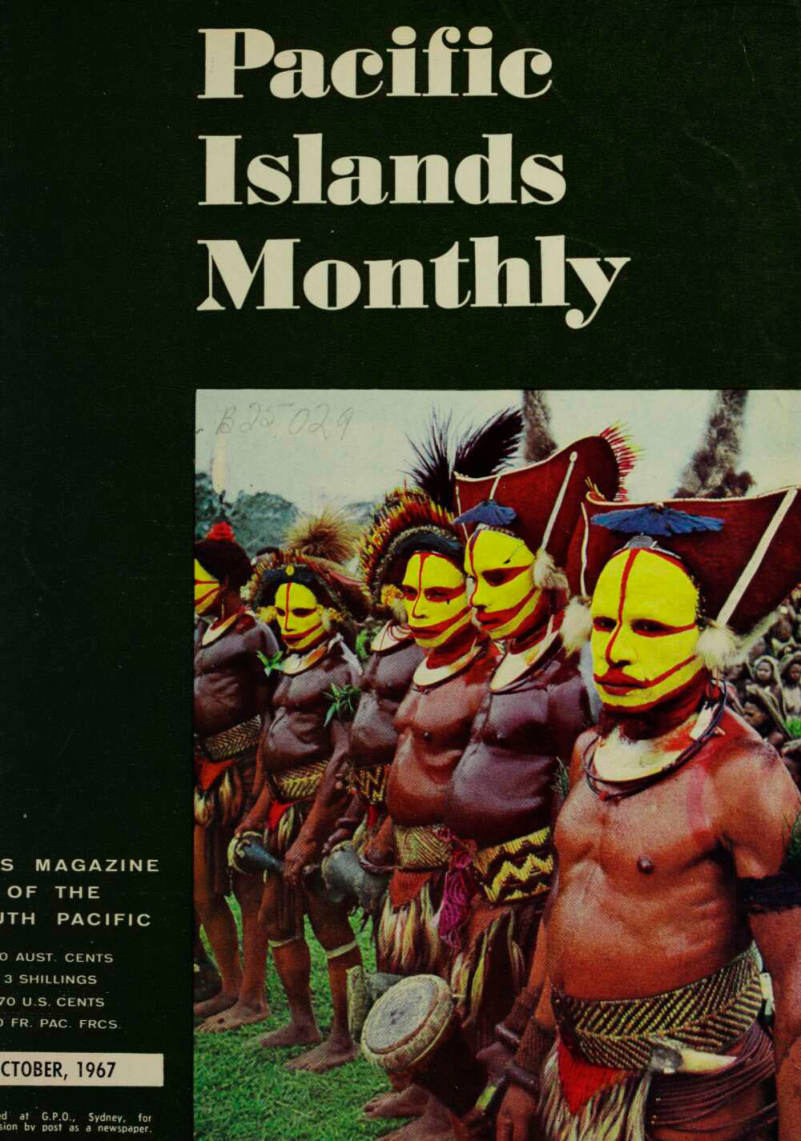 1
1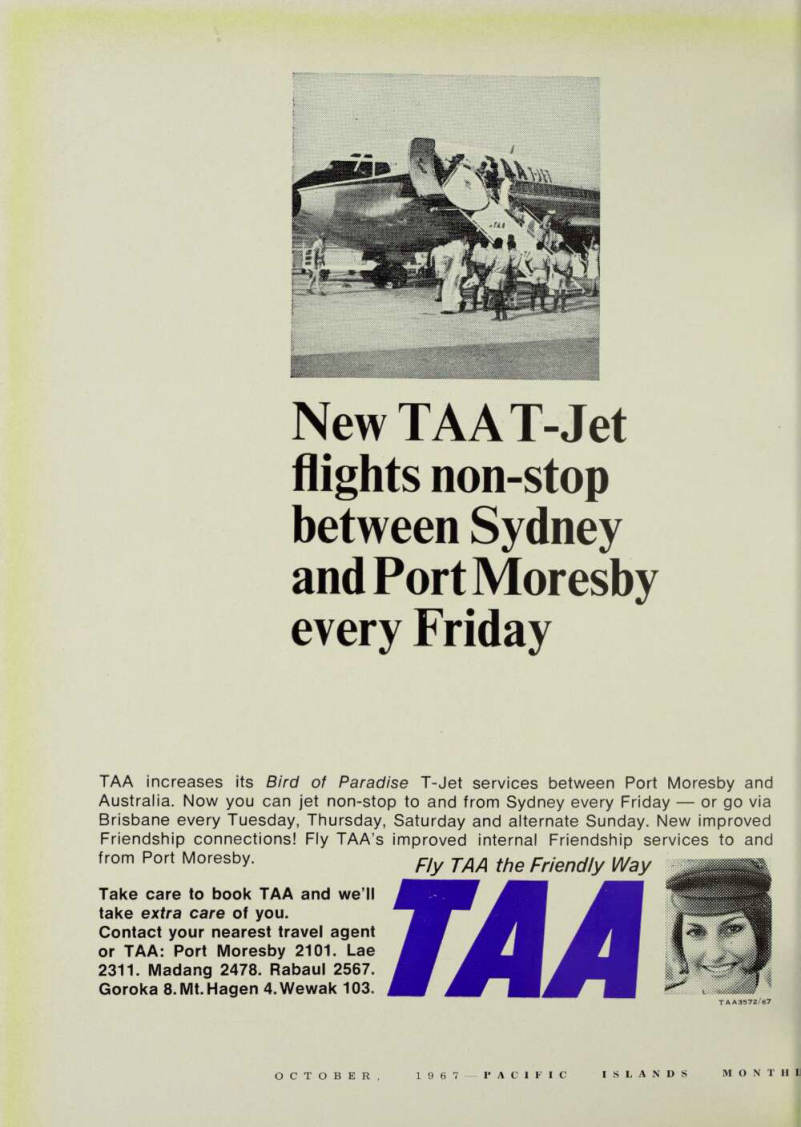 2
2 3
3 4
4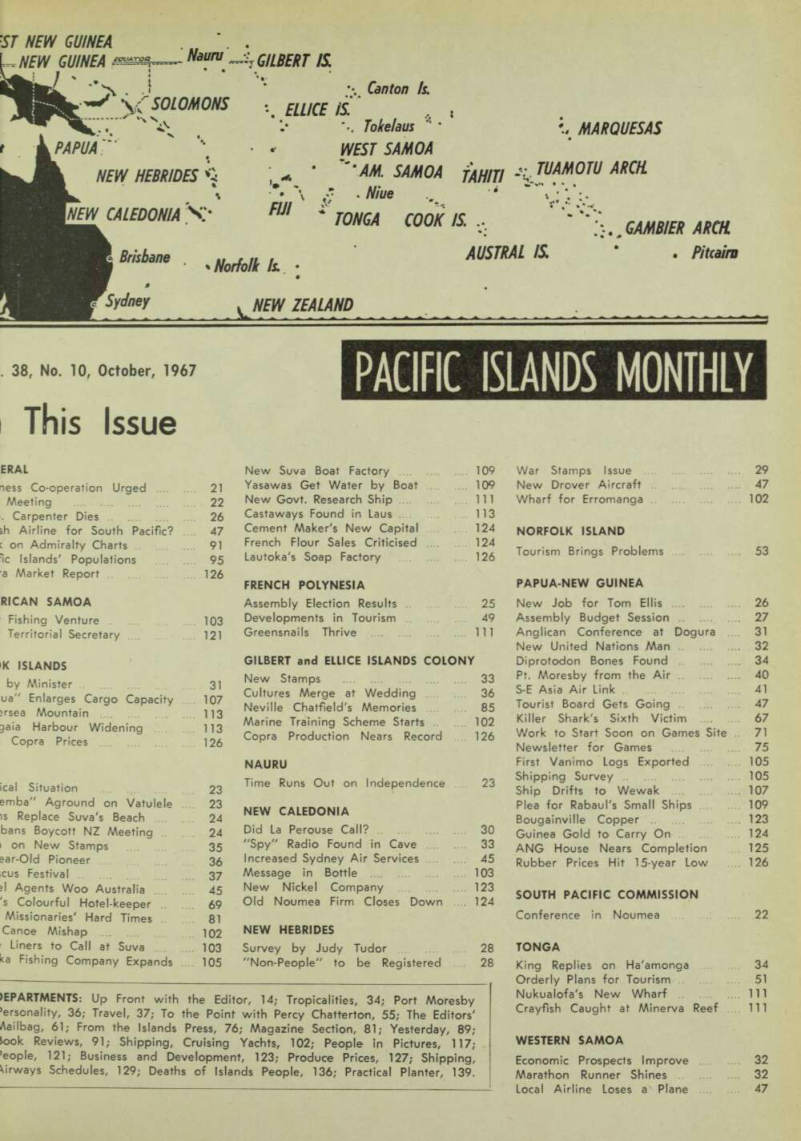 5
5 6
6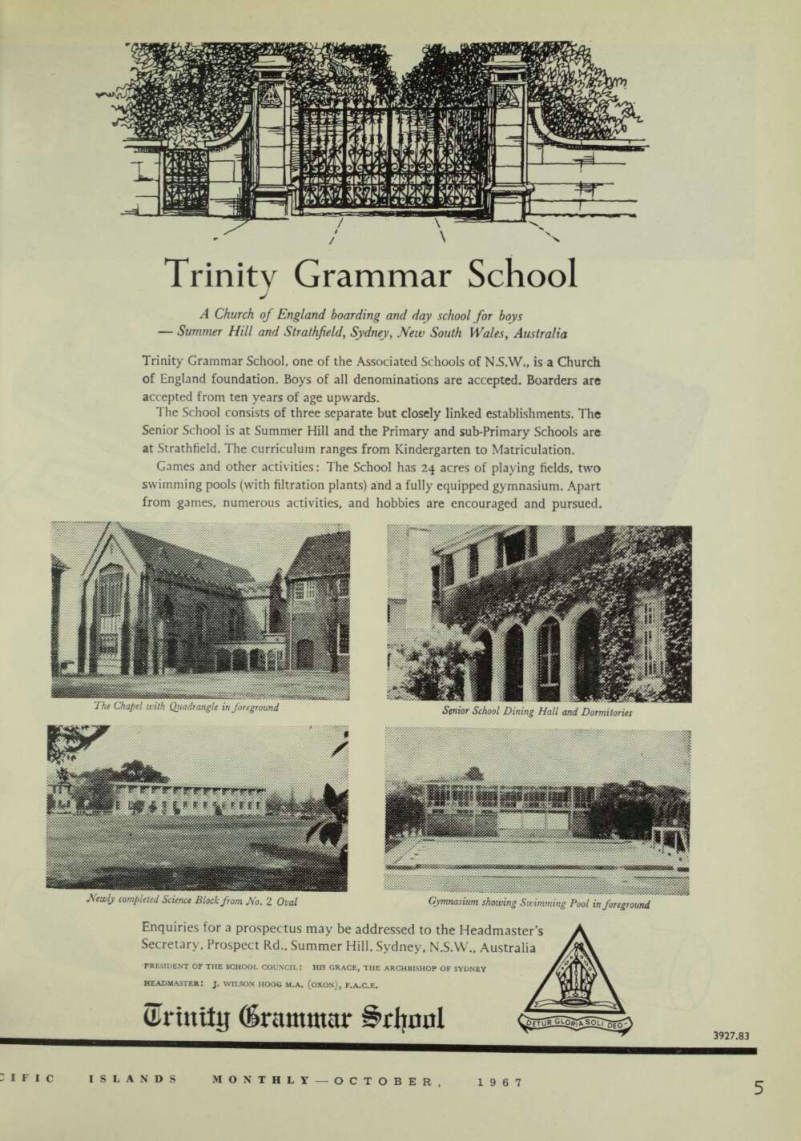 7
7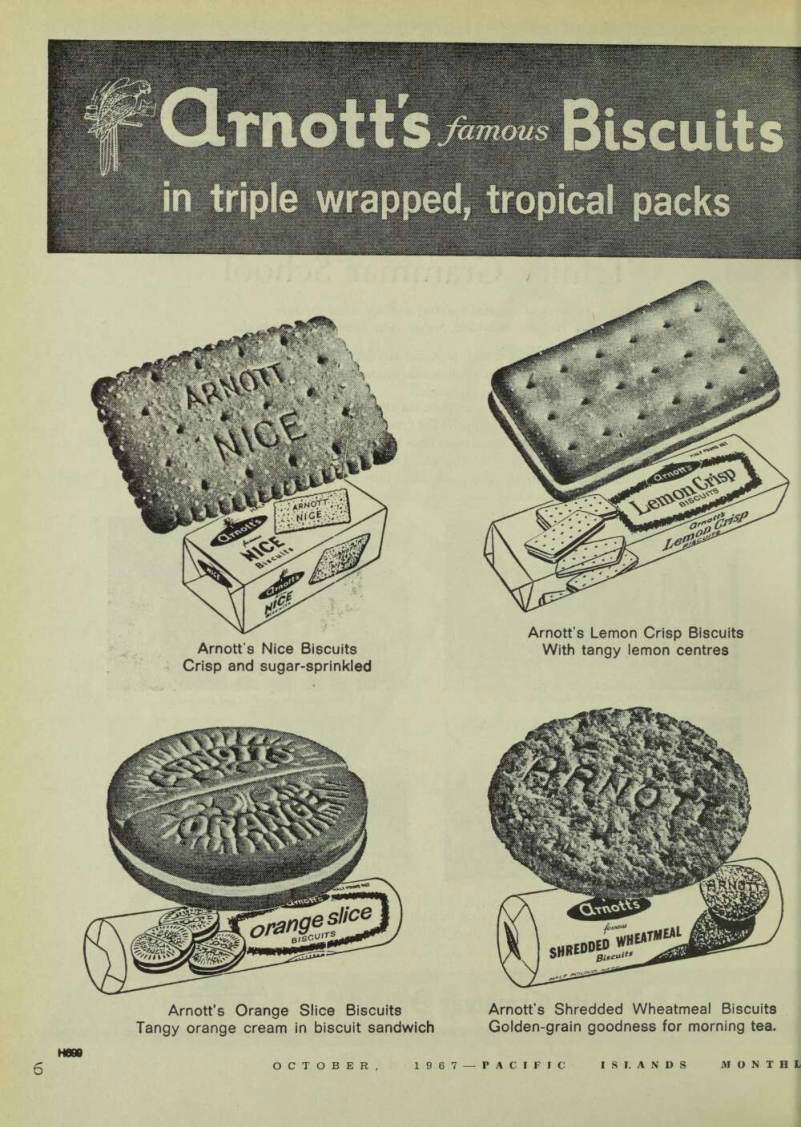 8
8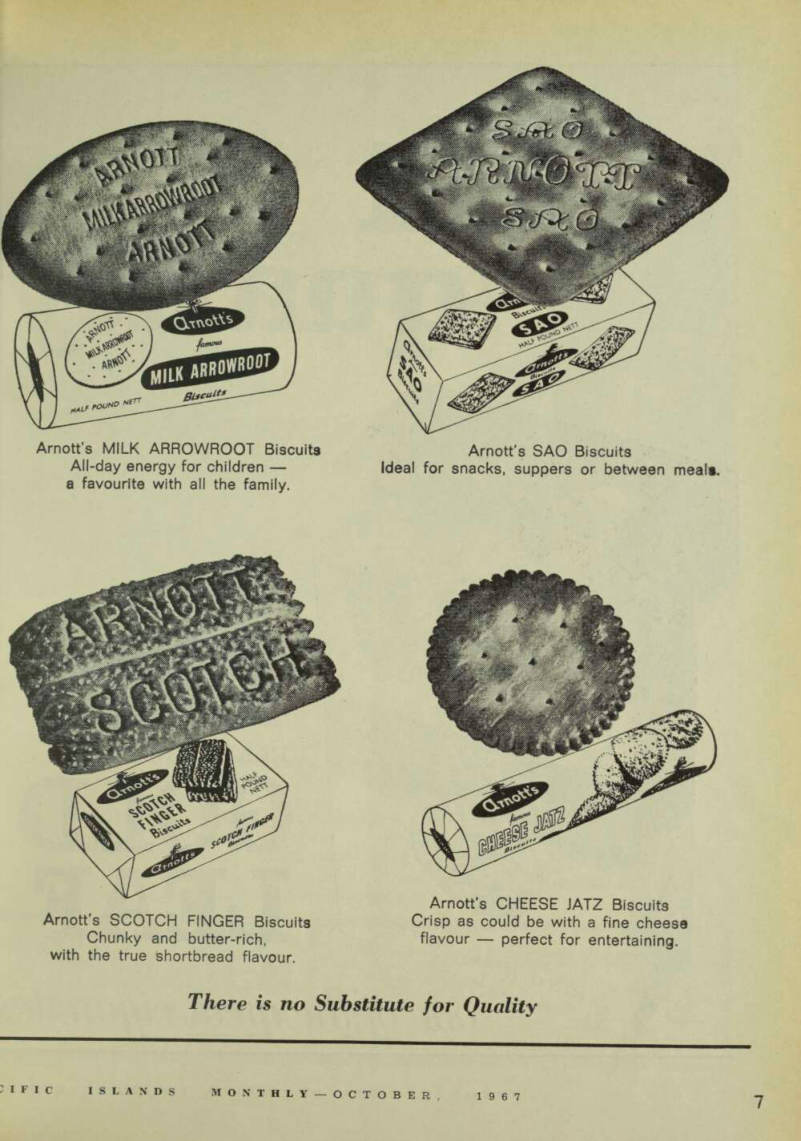 9
9 10
10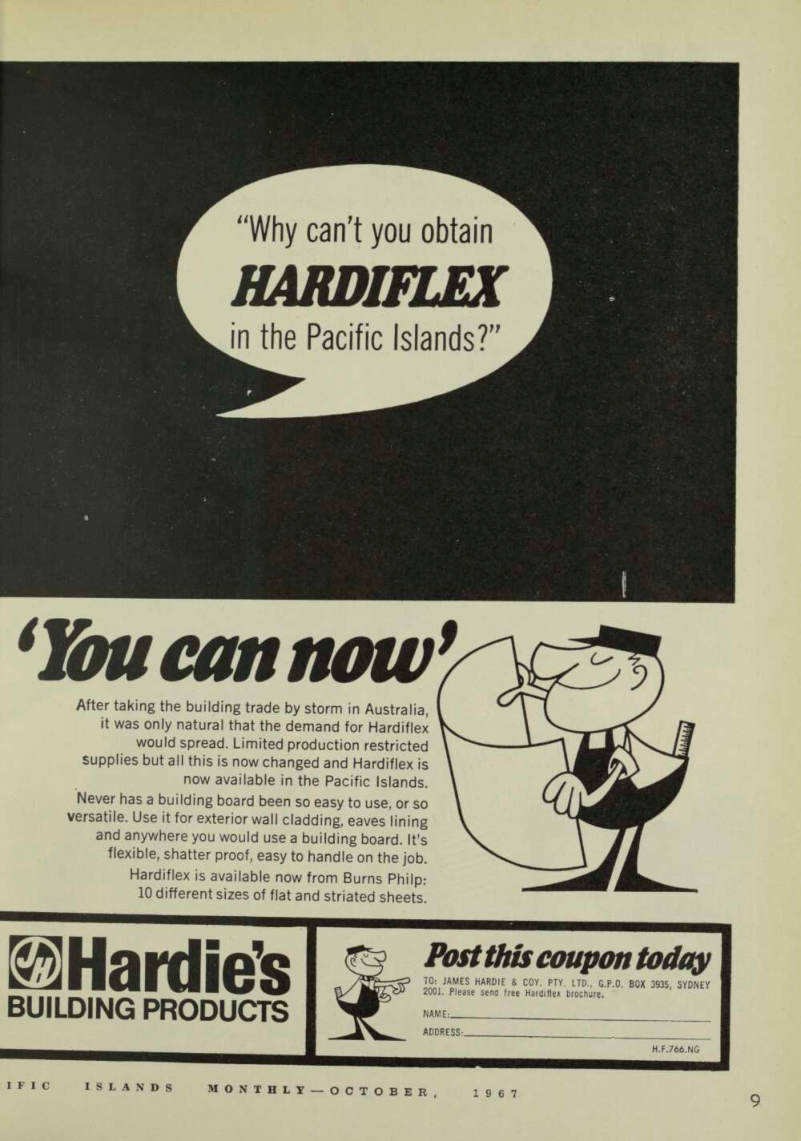 11
11 12
12 13
13 14
14 15
15 16
16 17
17 18
18 19
19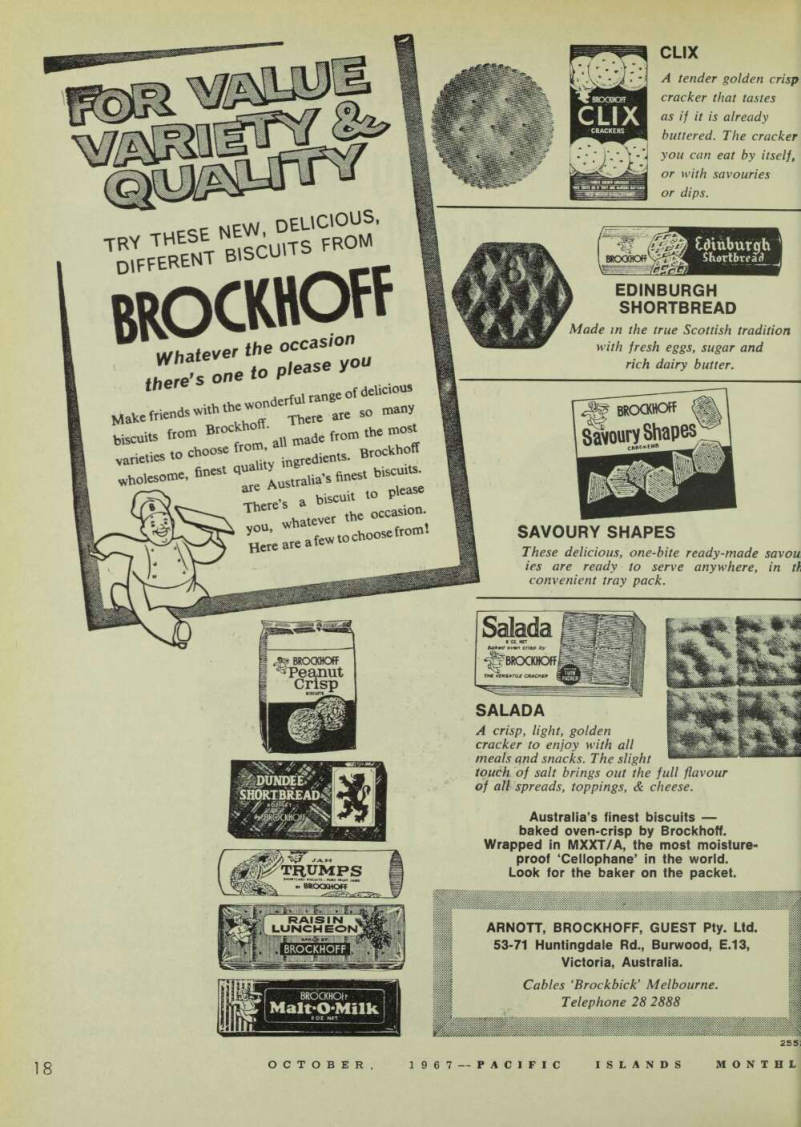 20
20 21
21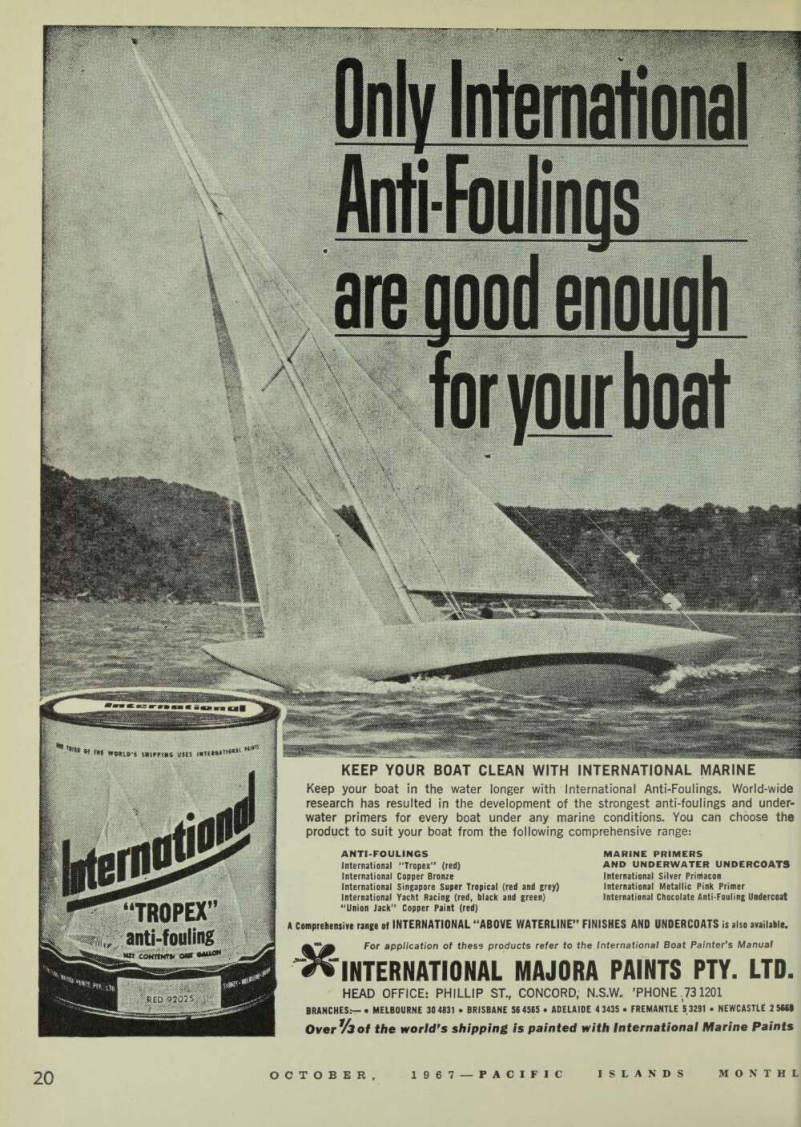 22
22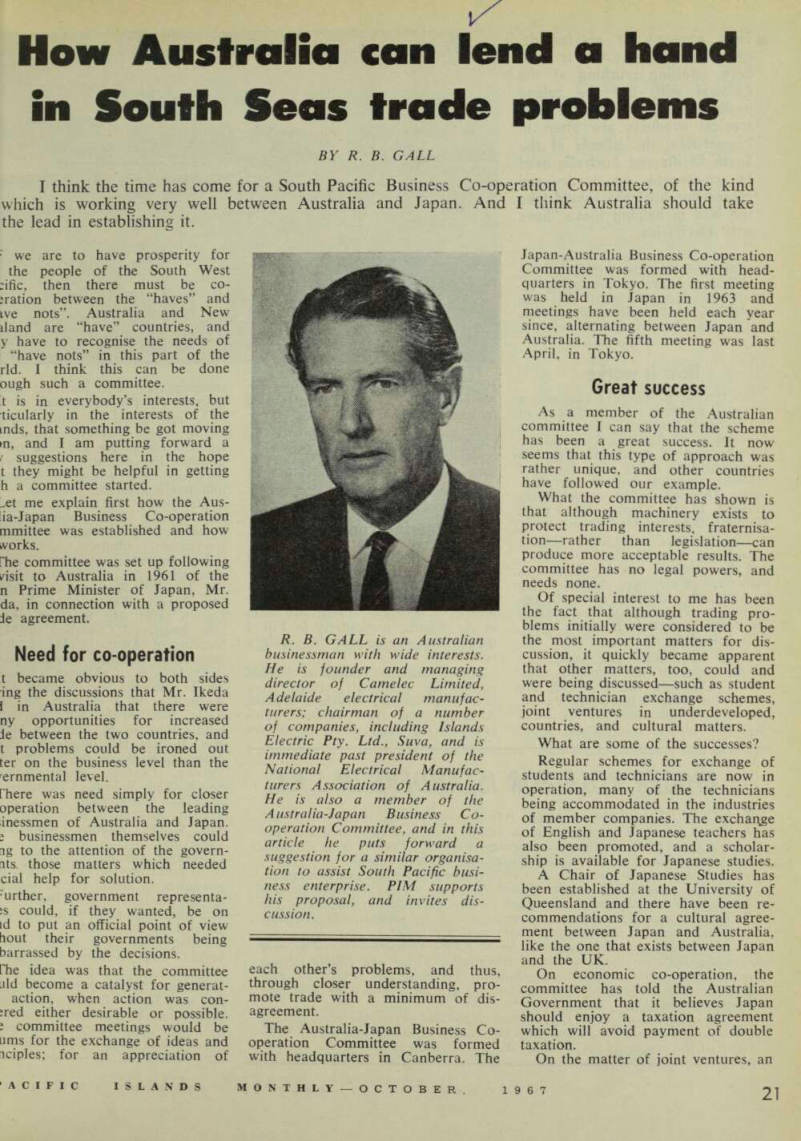 23
23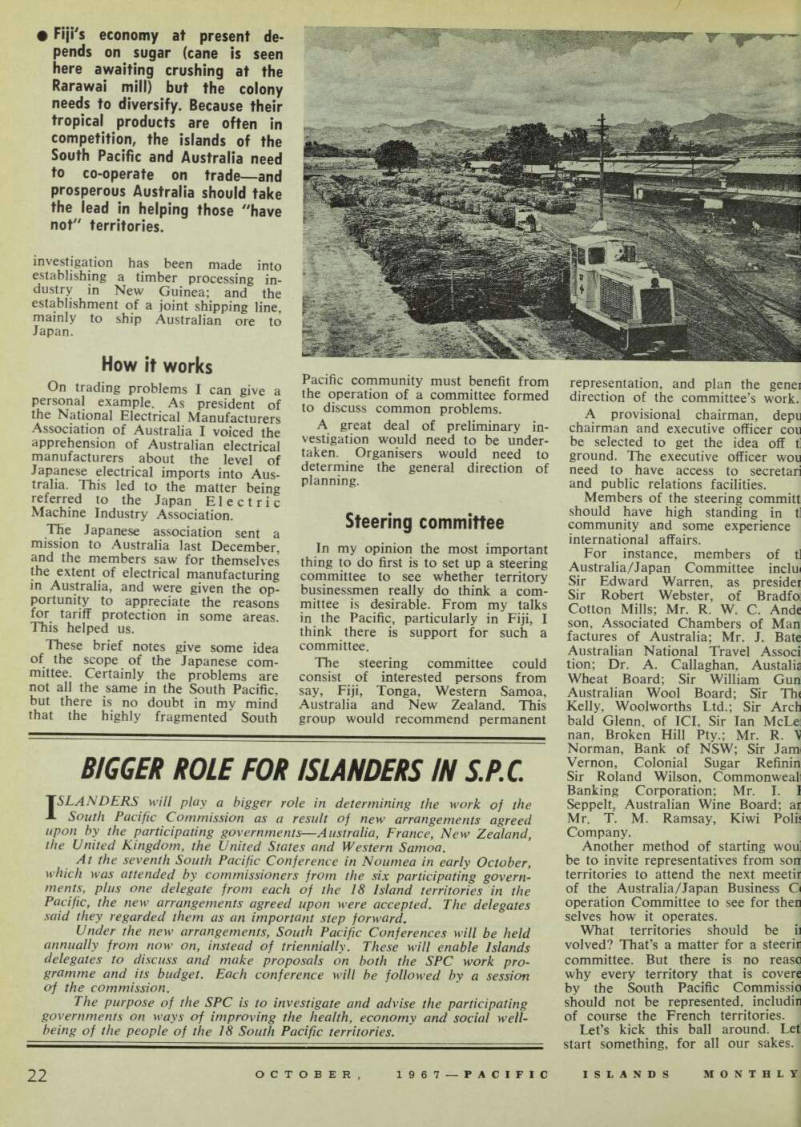 24
24 25
25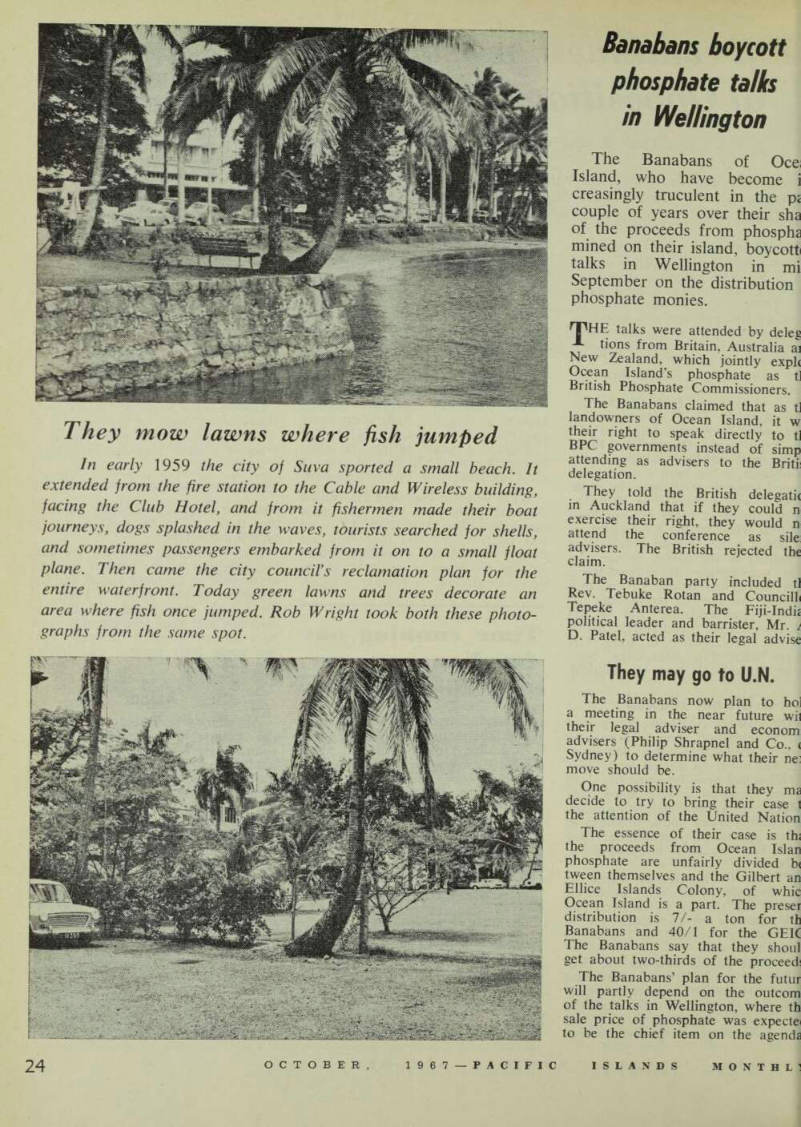 26
26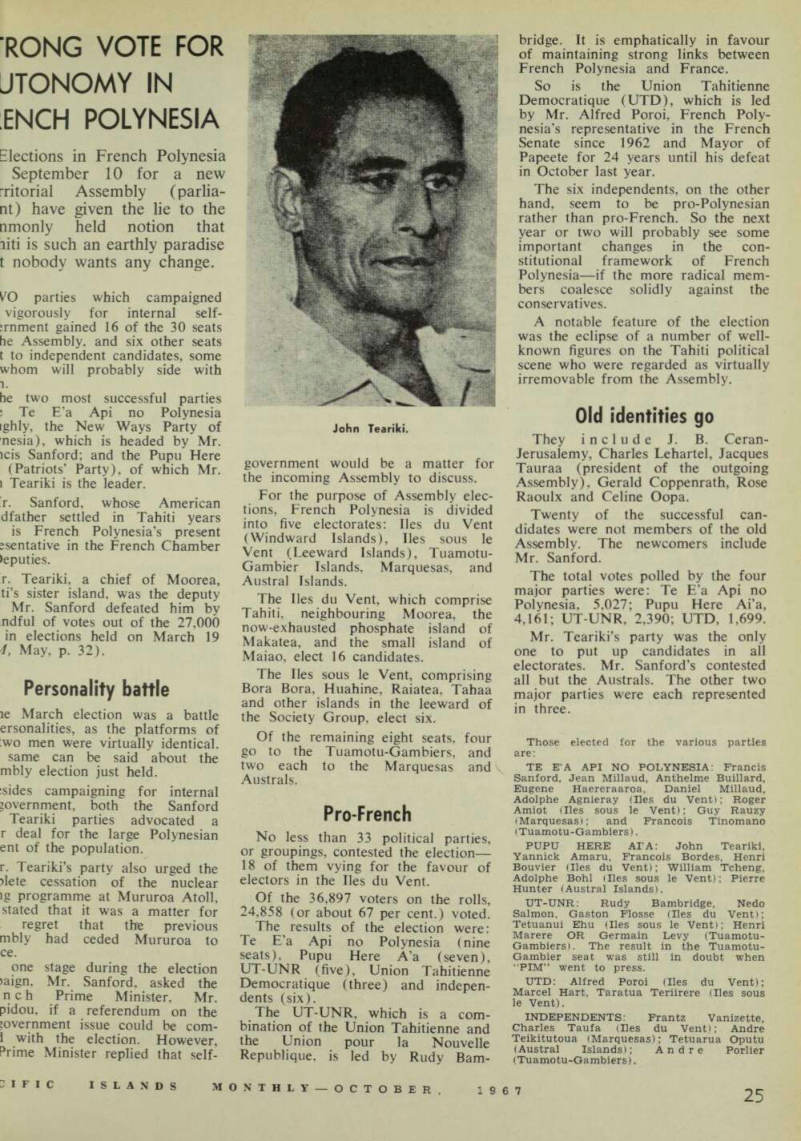 27
27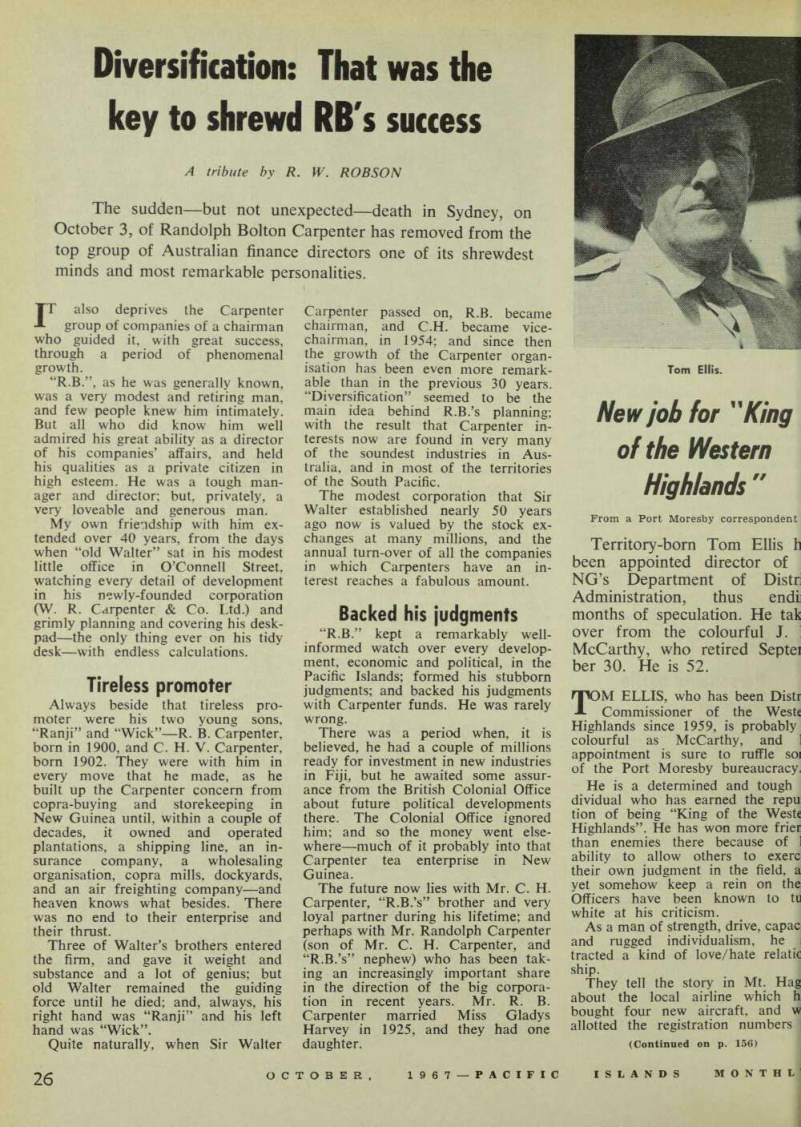 28
28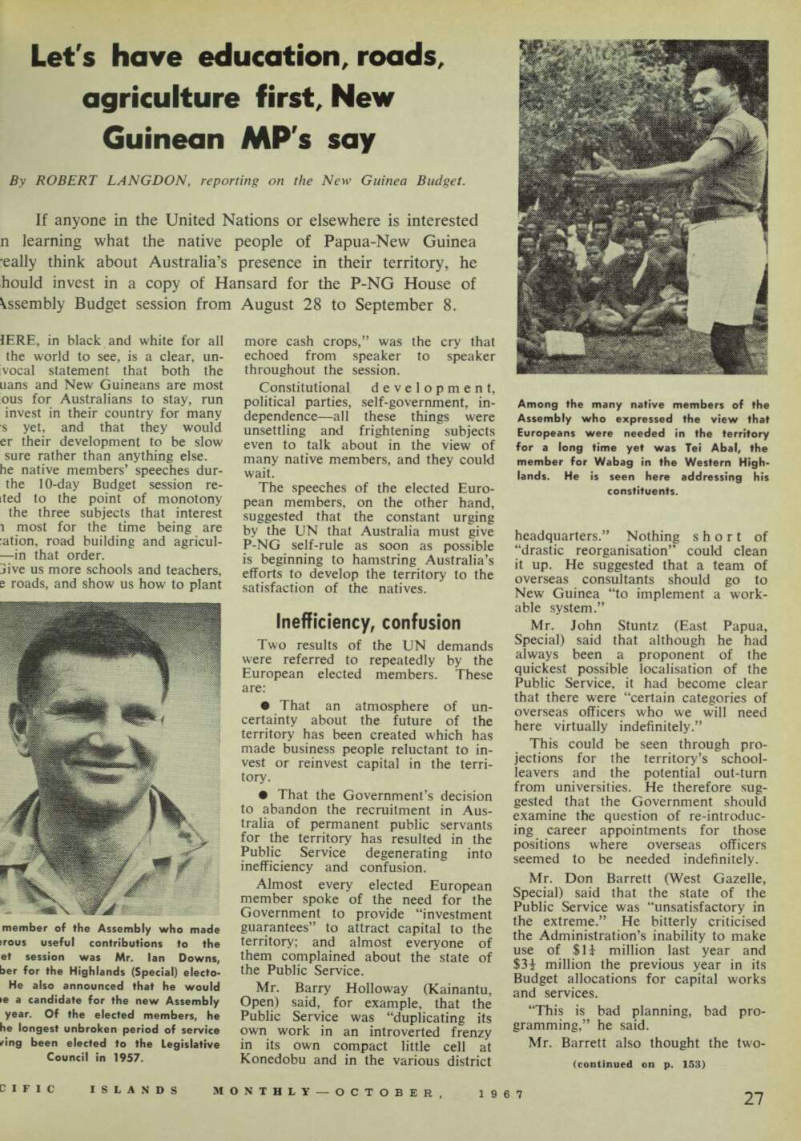 29
29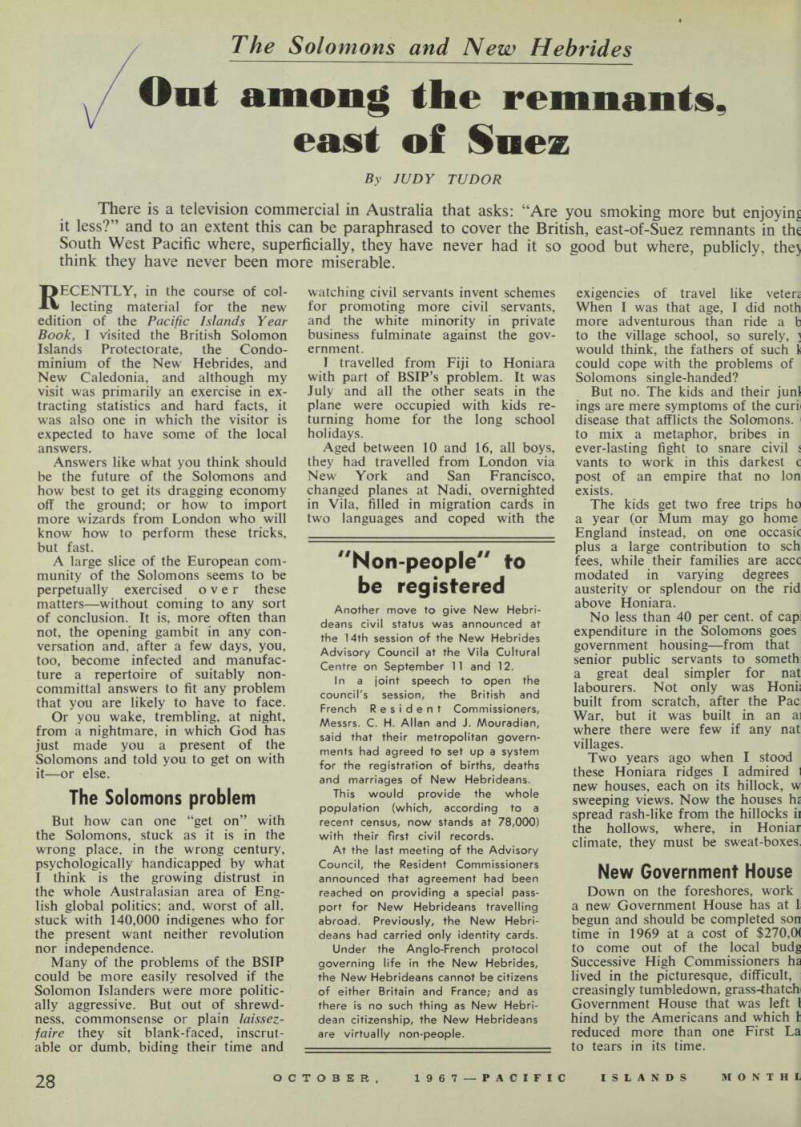 30
30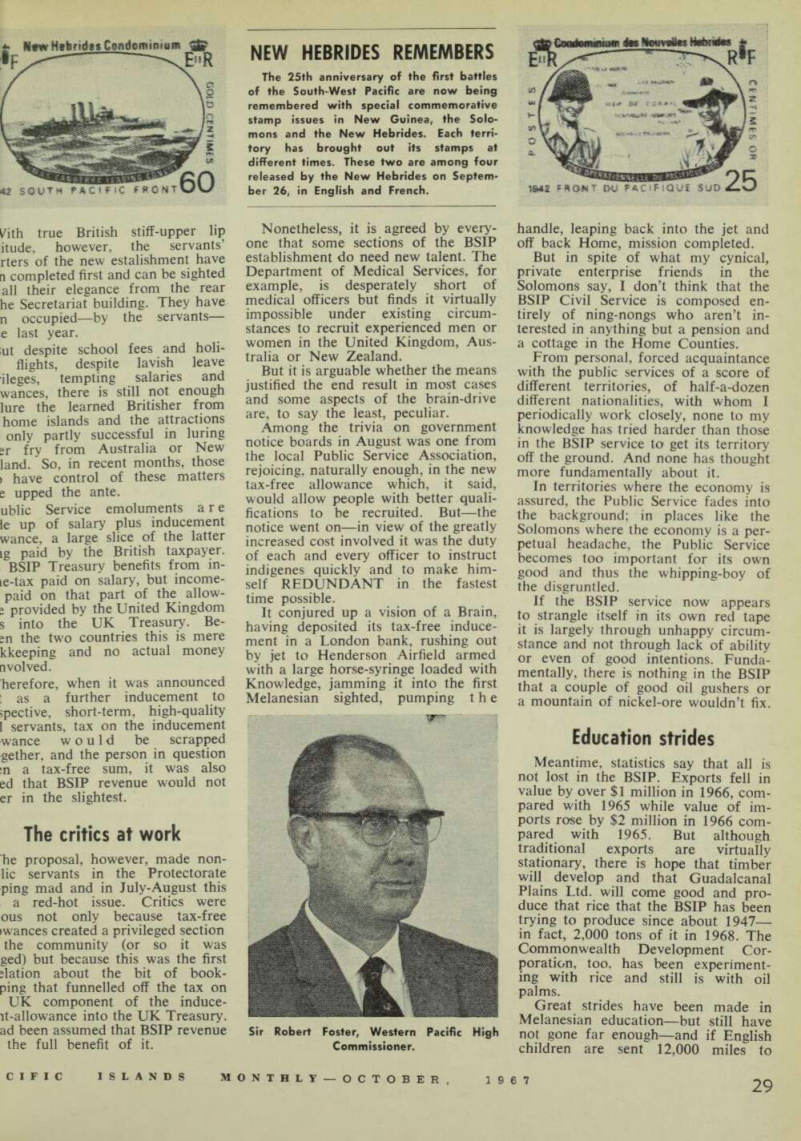 31
31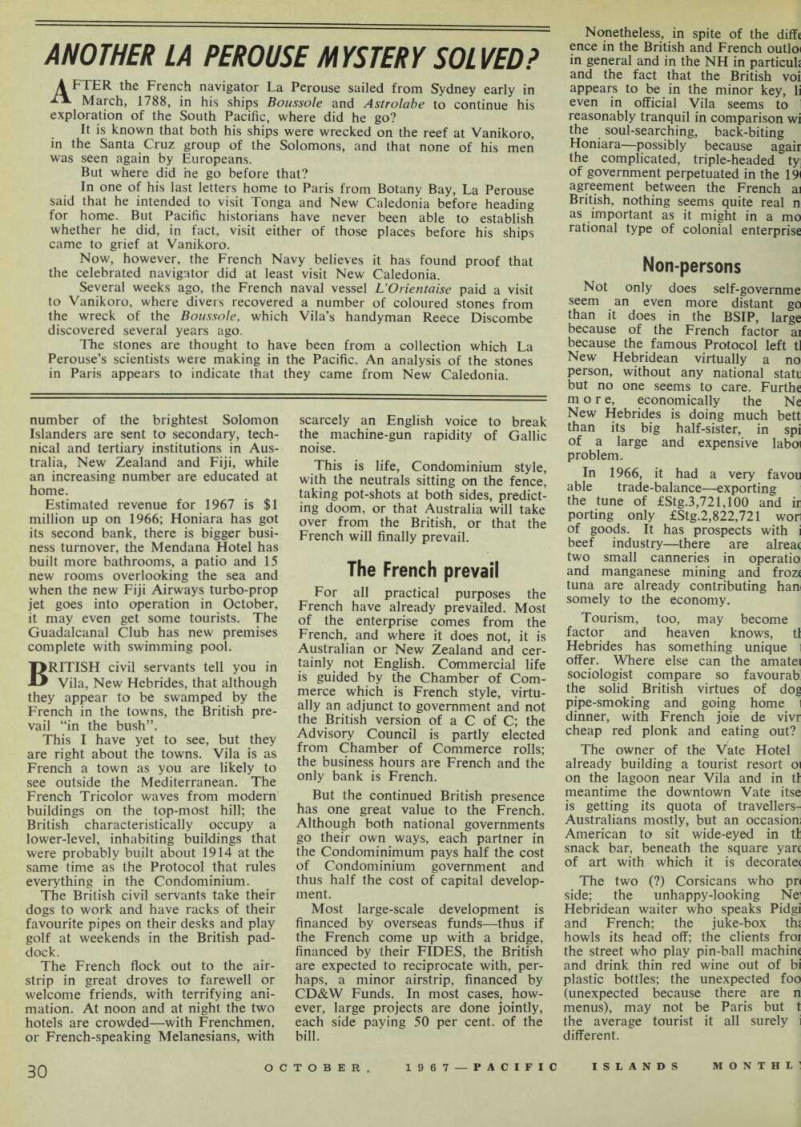 32
32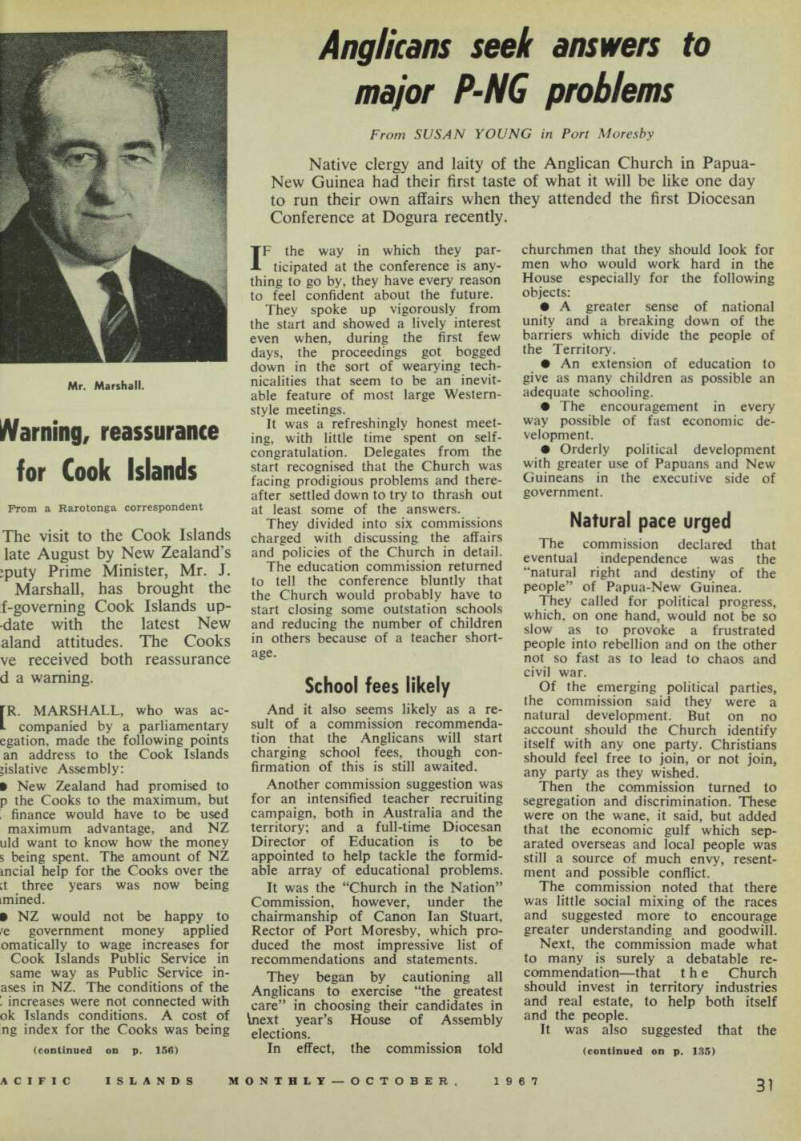 33
33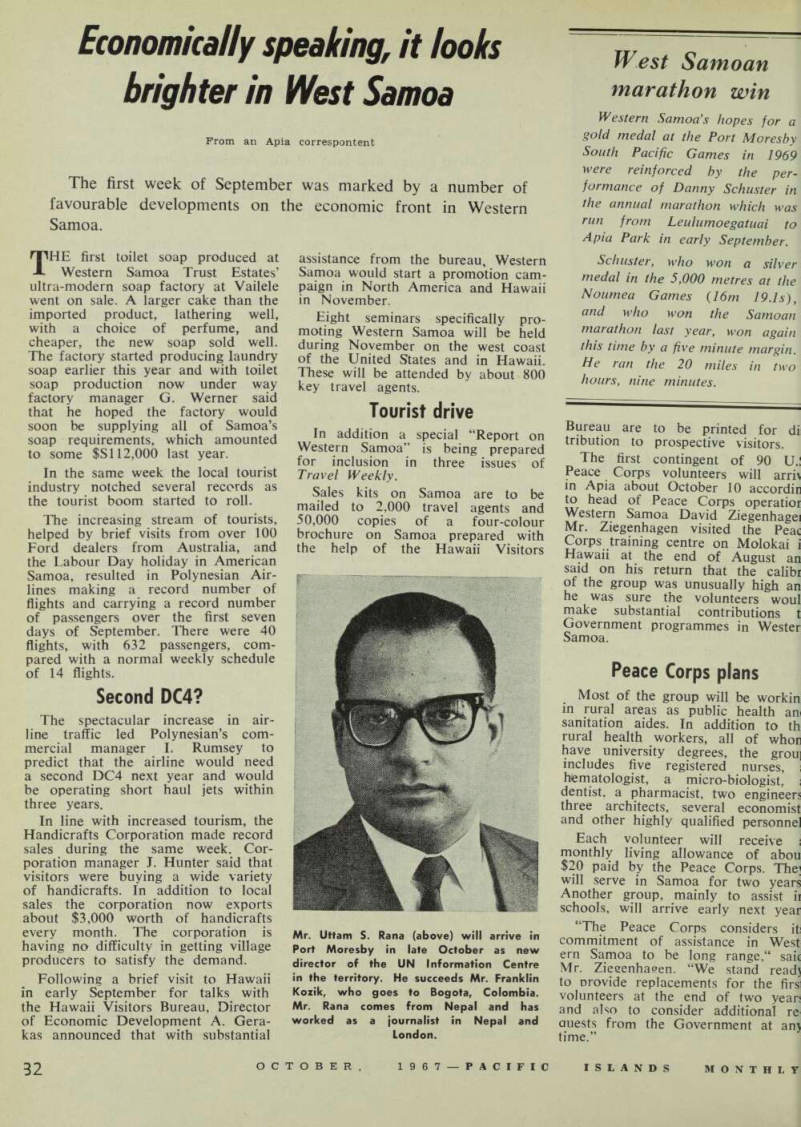 34
34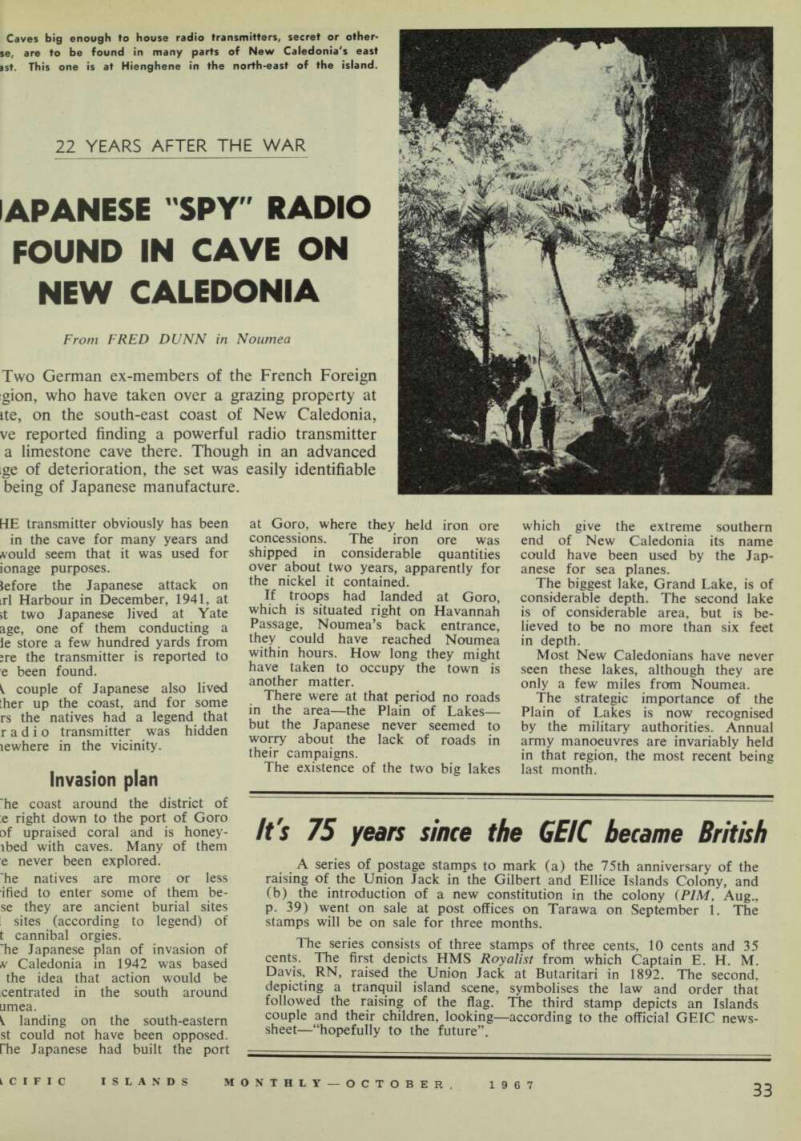 35
35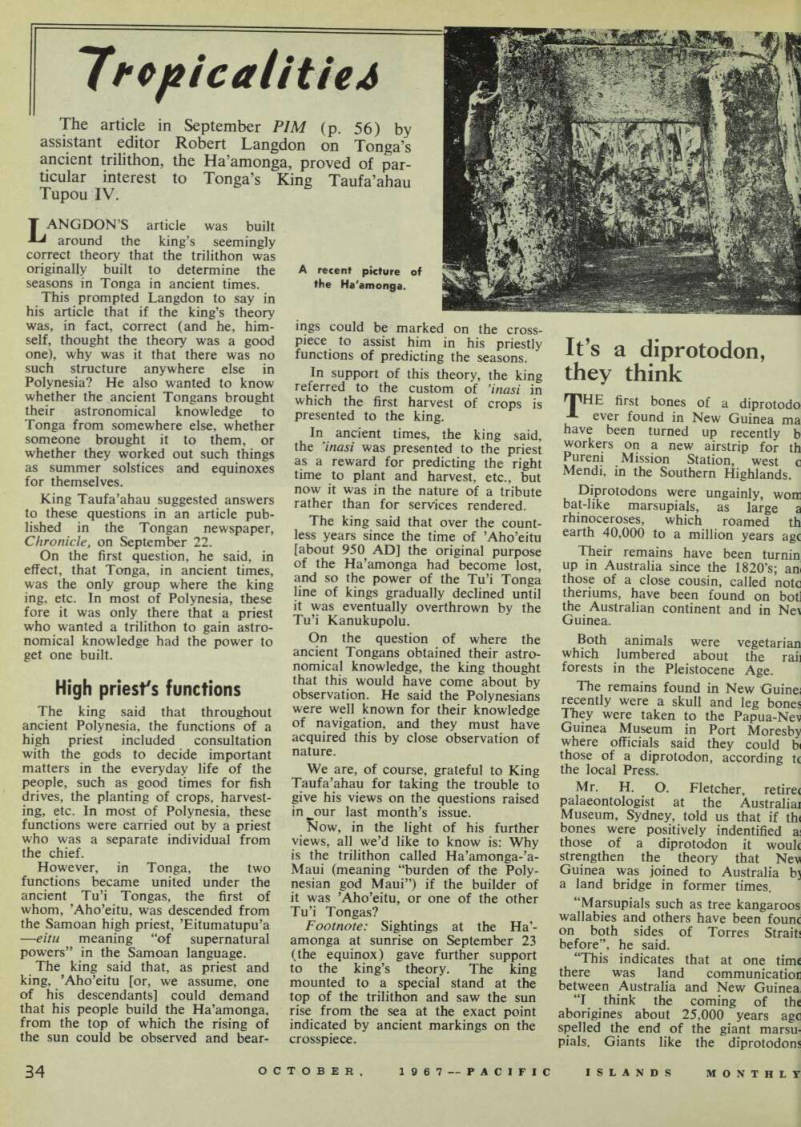 36
36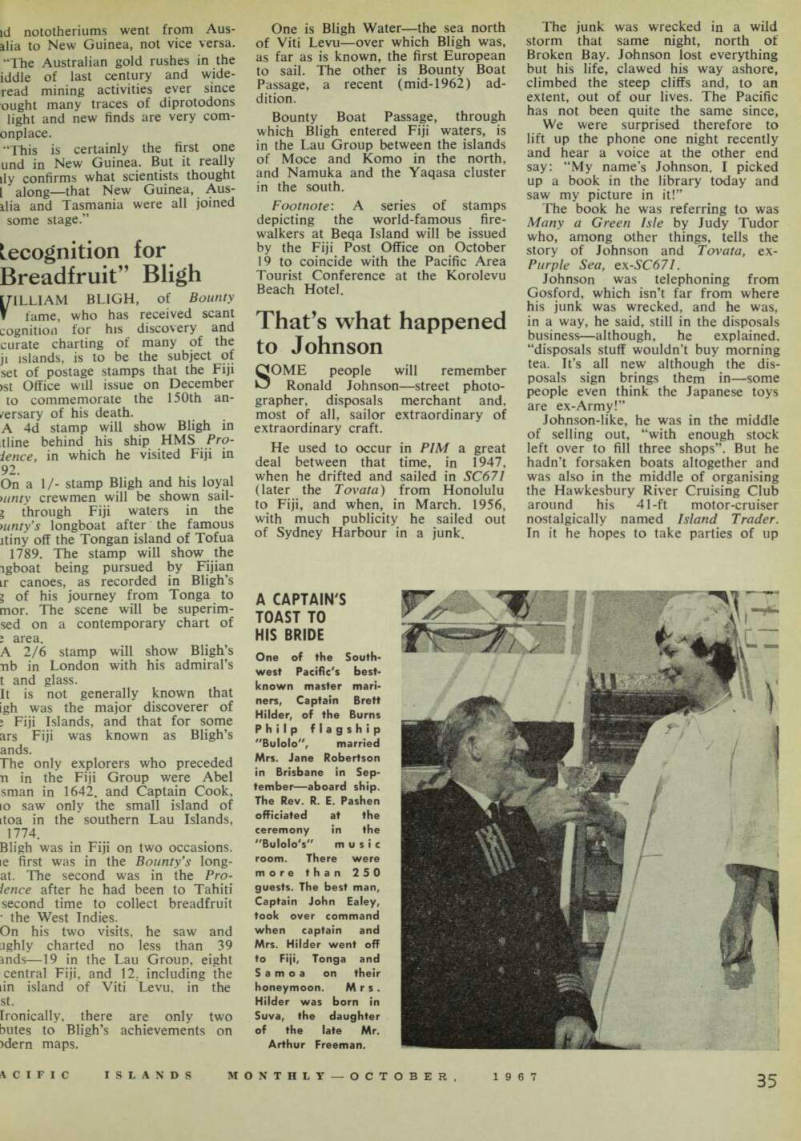 37
37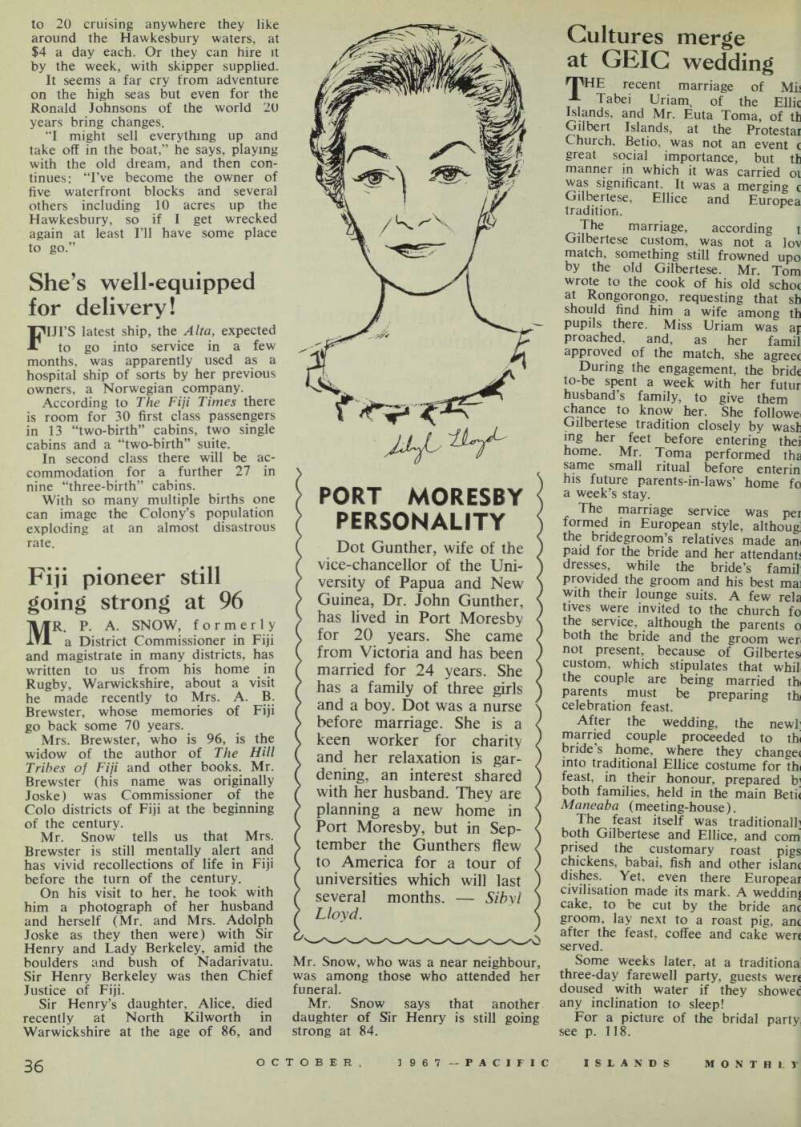 38
38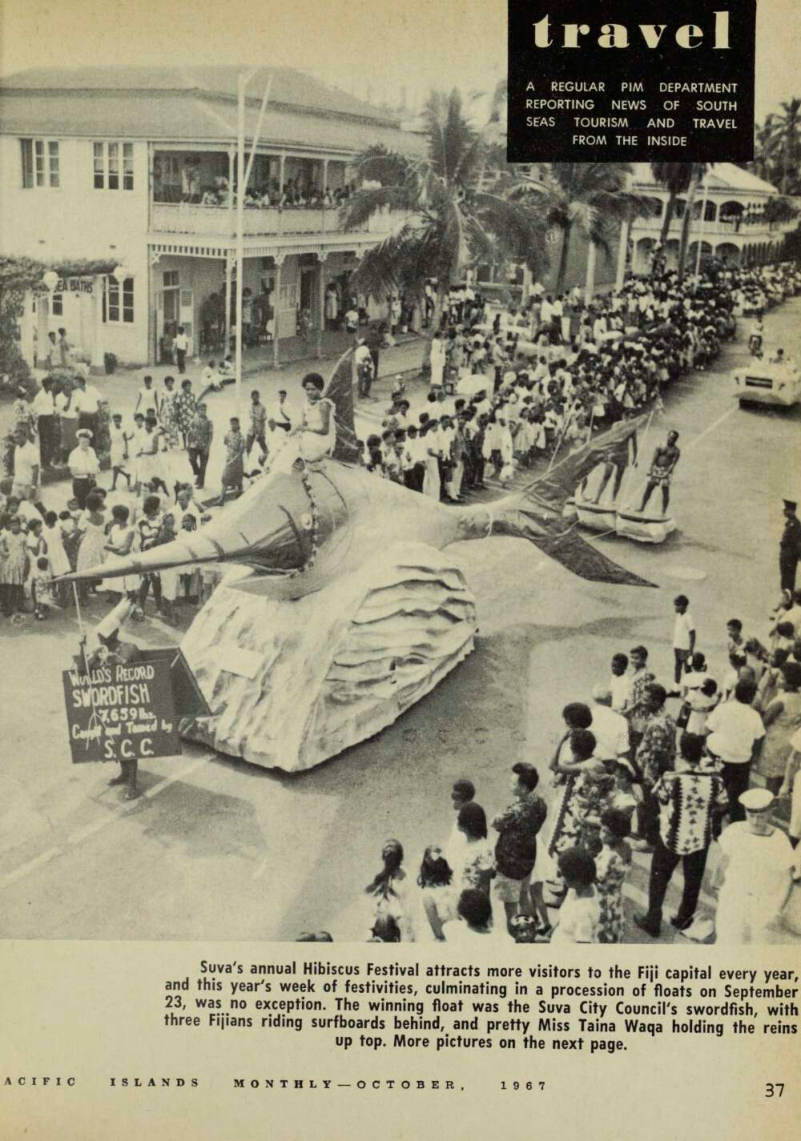 39
39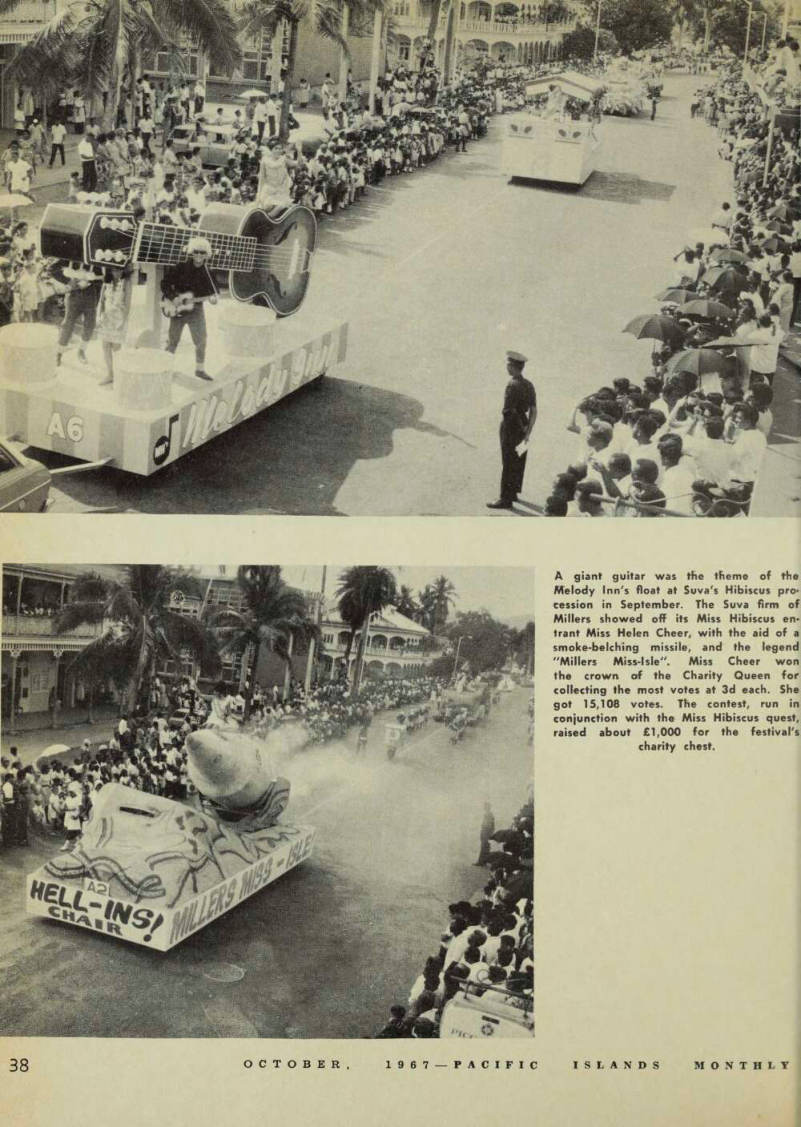 40
40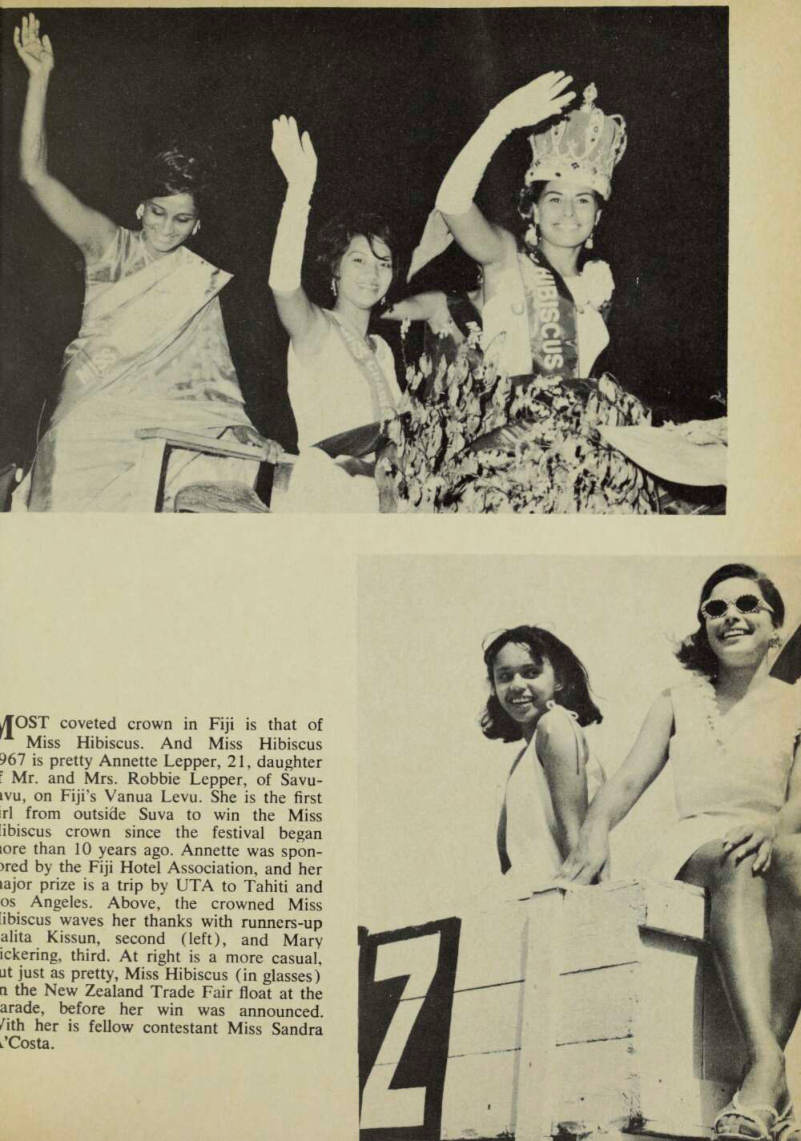 41
41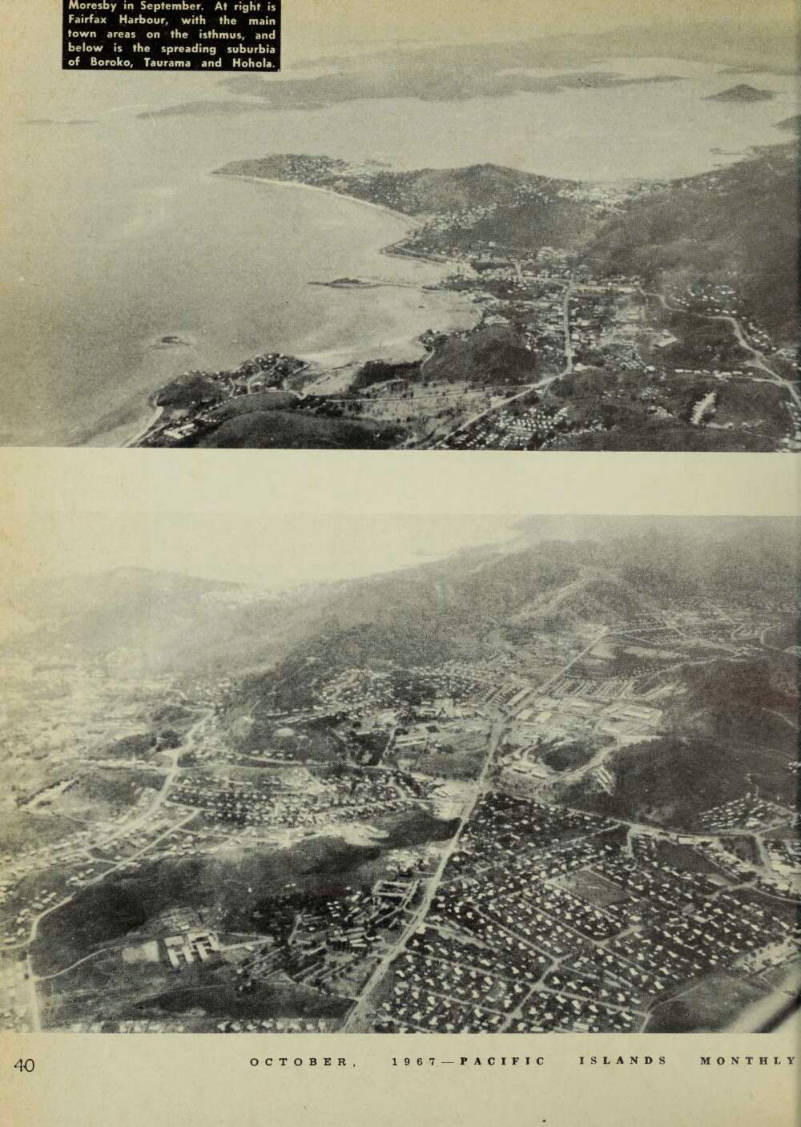 42
42 43
43 44
44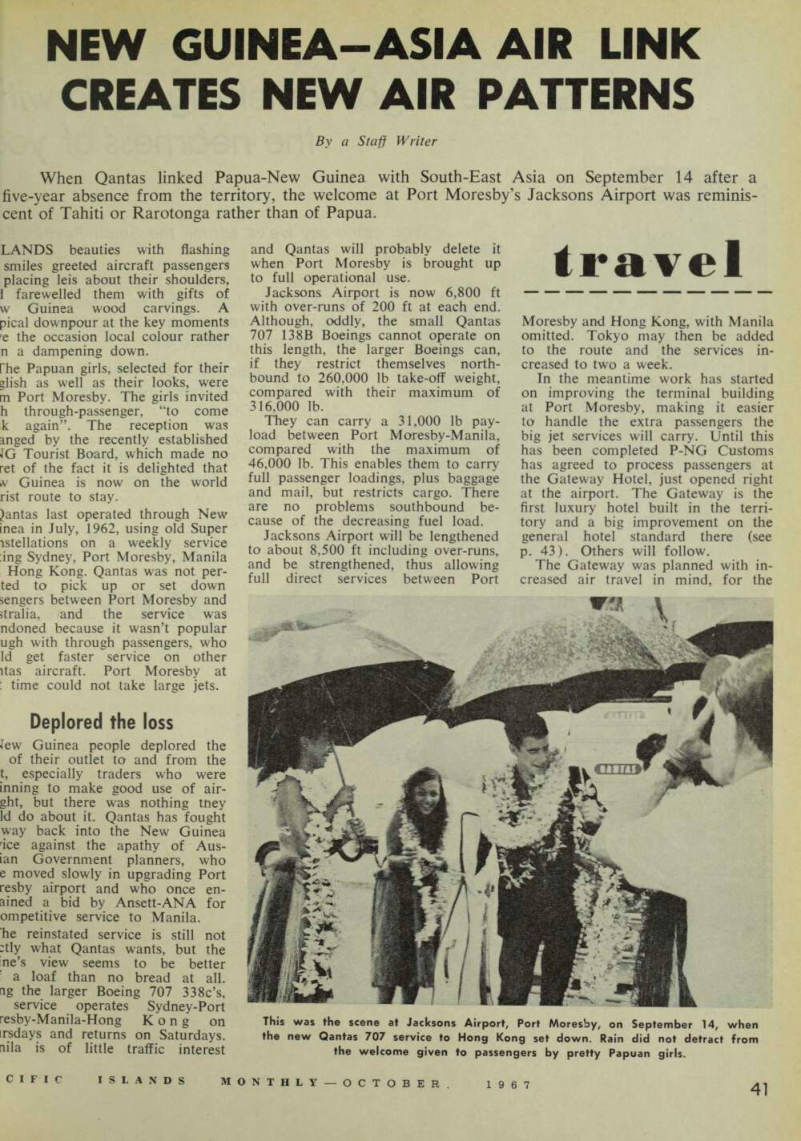 45
45 46
46 47
47 48
48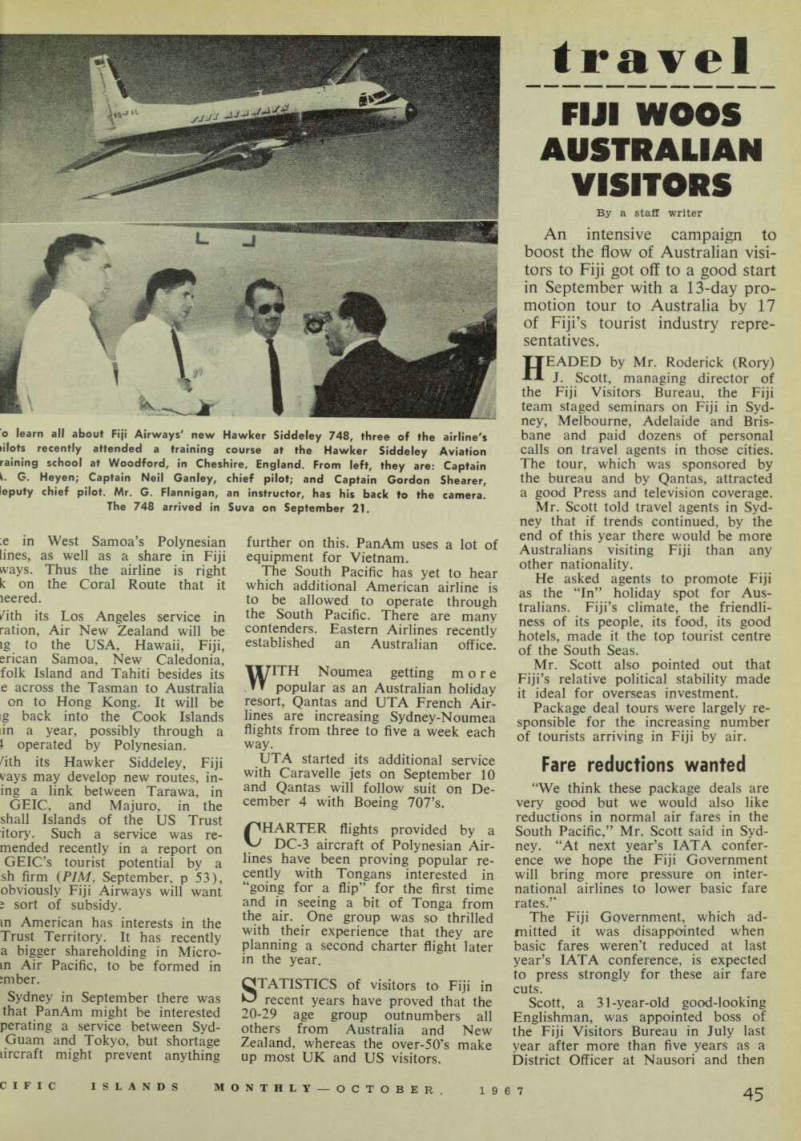 49
49 50
50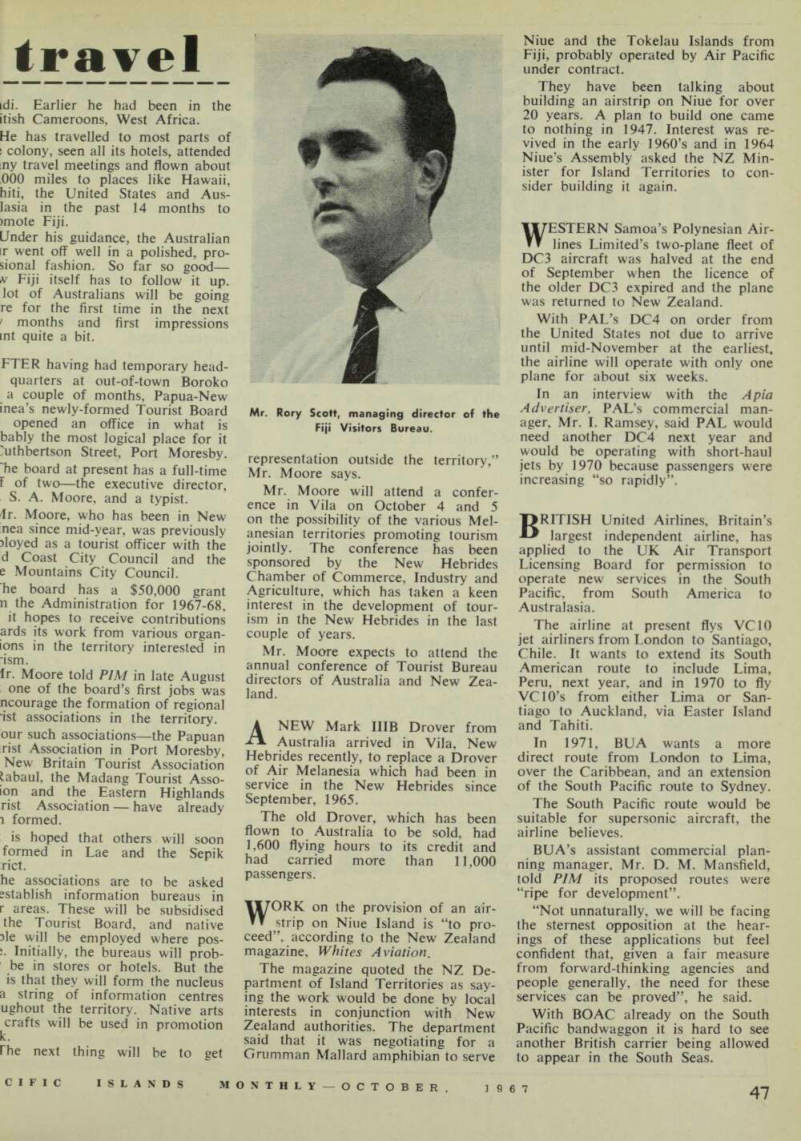 51
51 52
52 53
53 54
54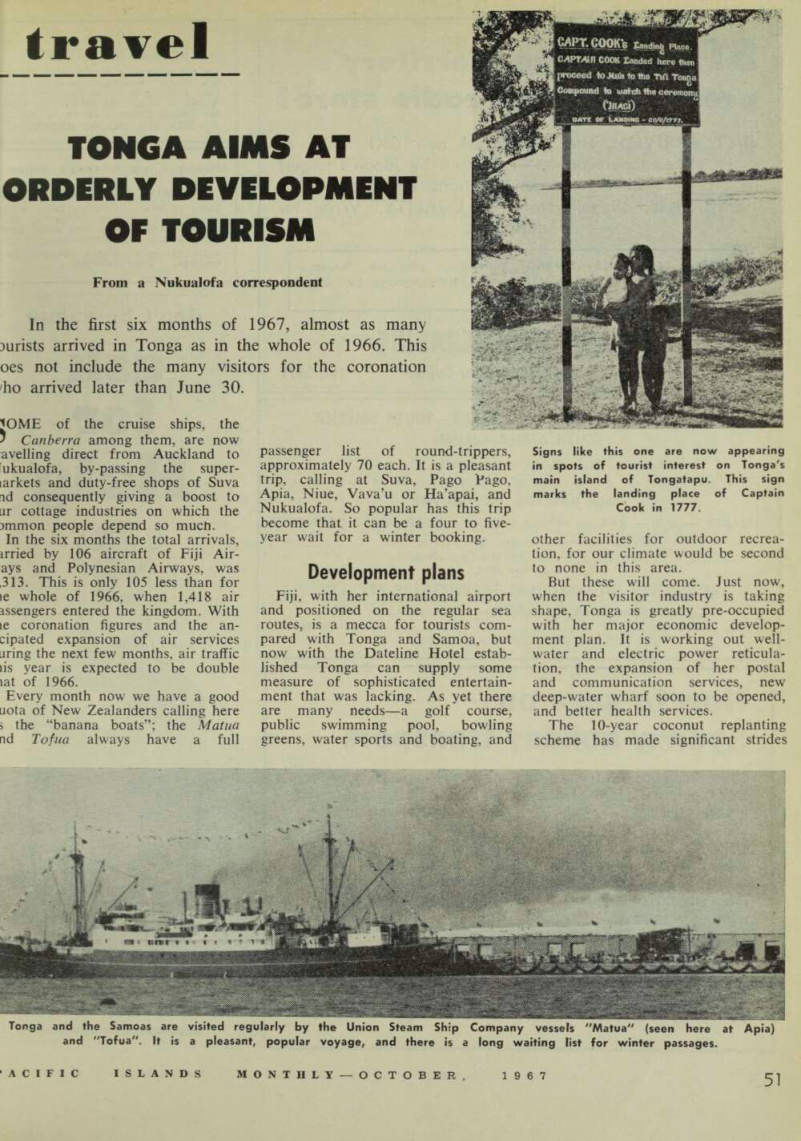 55
55 56
56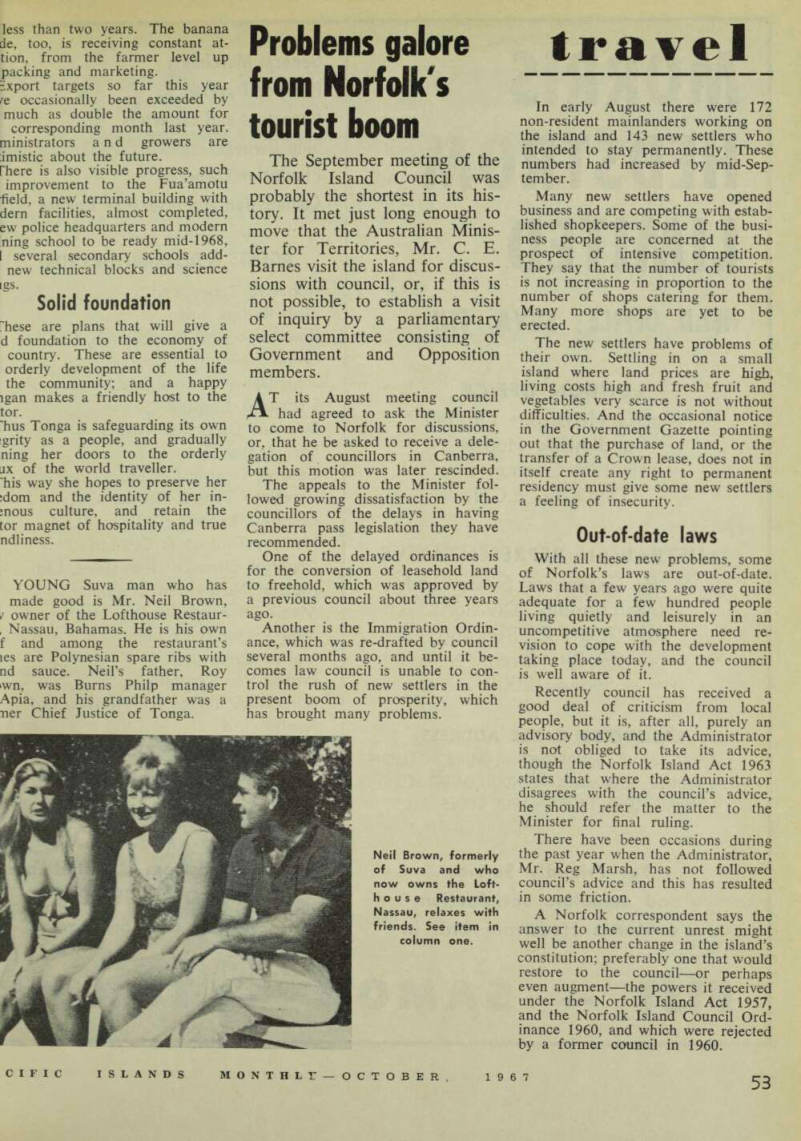 57
57 58
58 59
59 60
60 61
61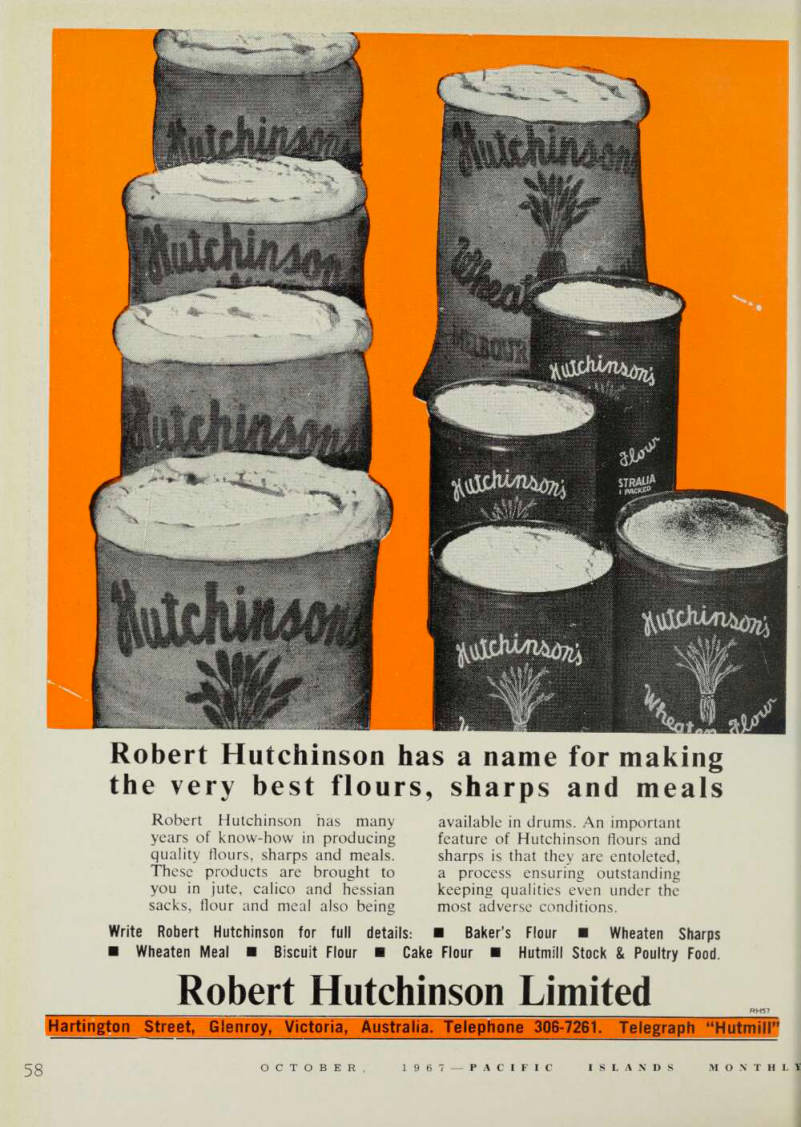 62
62 63
63 64
64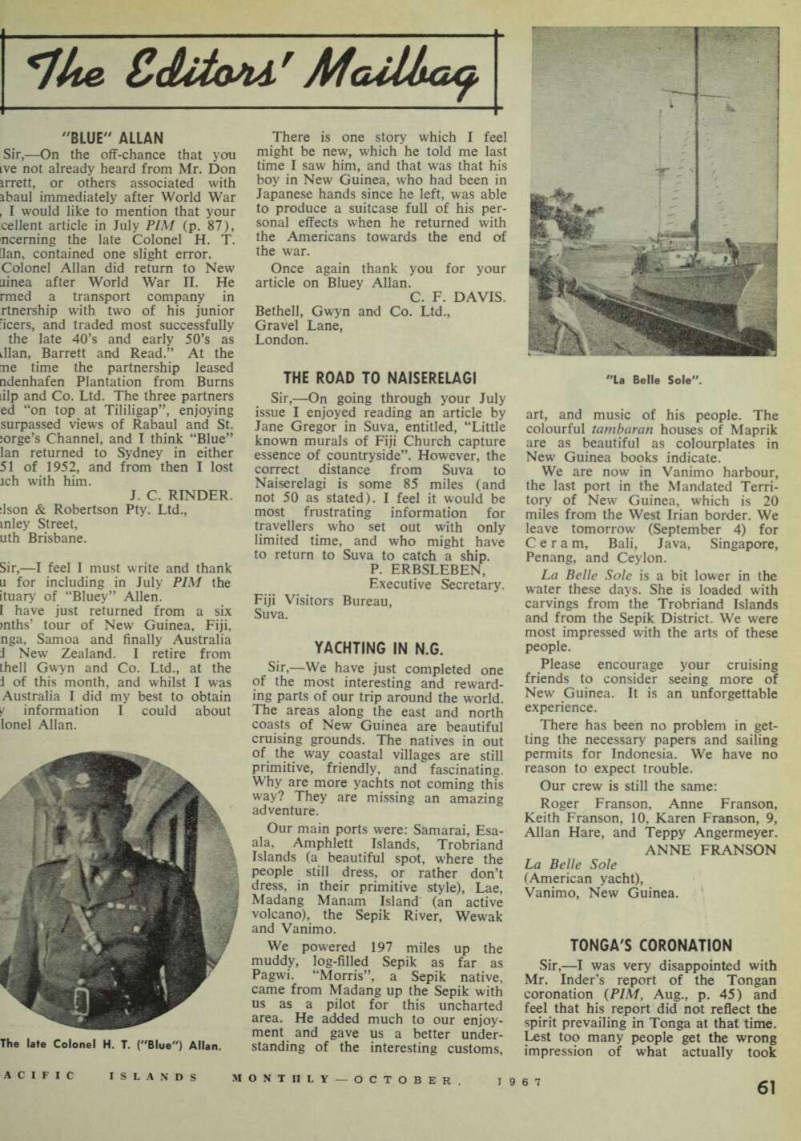 65
65 66
66 67
67 68
68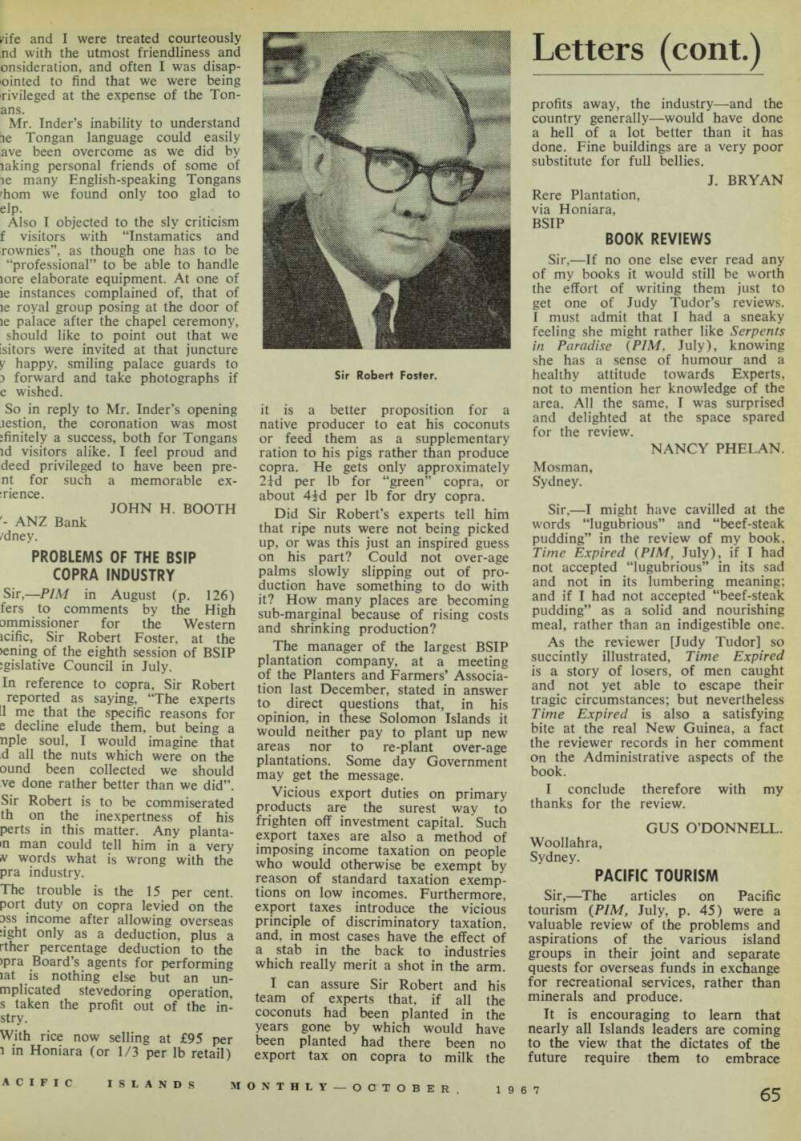 69
69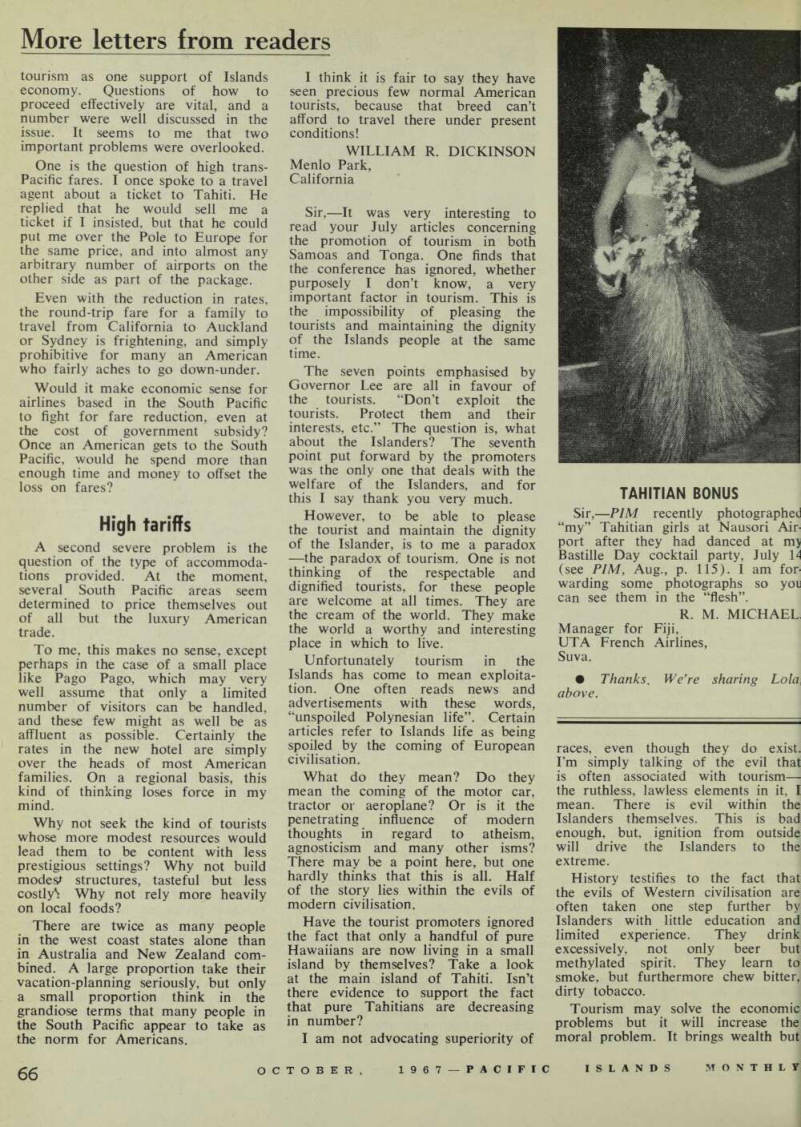 70
70 71
71 72
72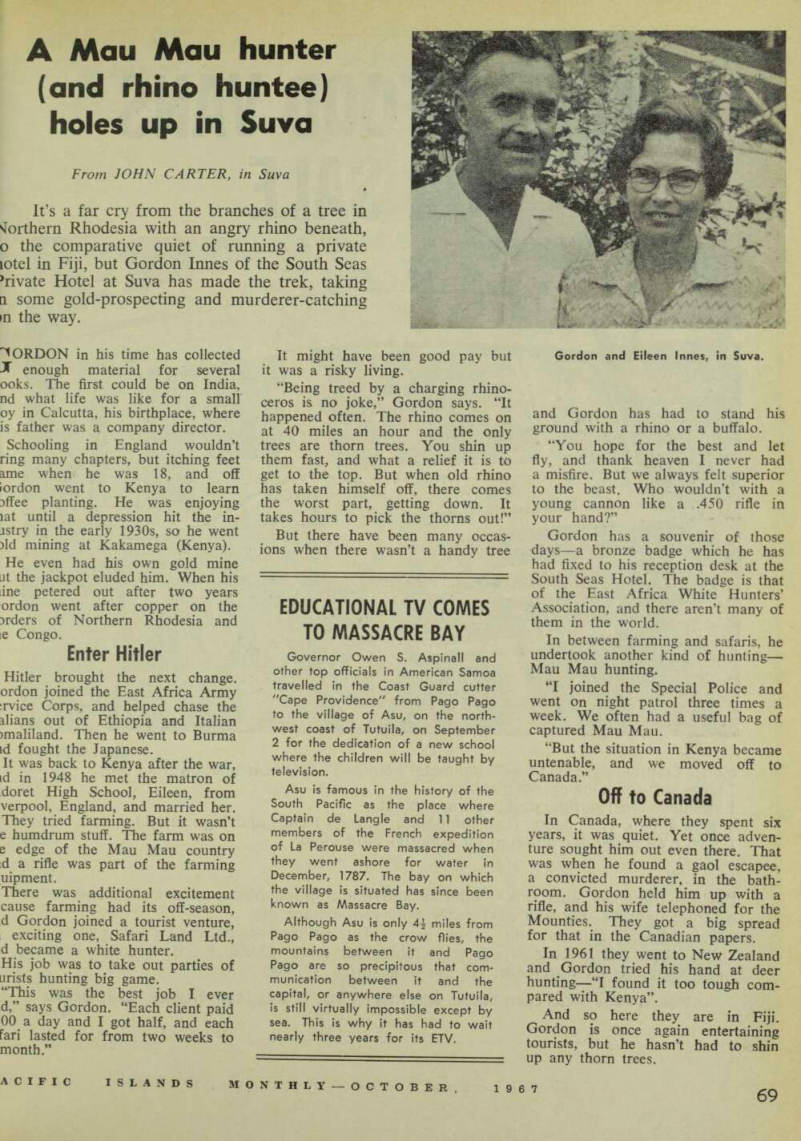 73
73 74
74 75
75 76
76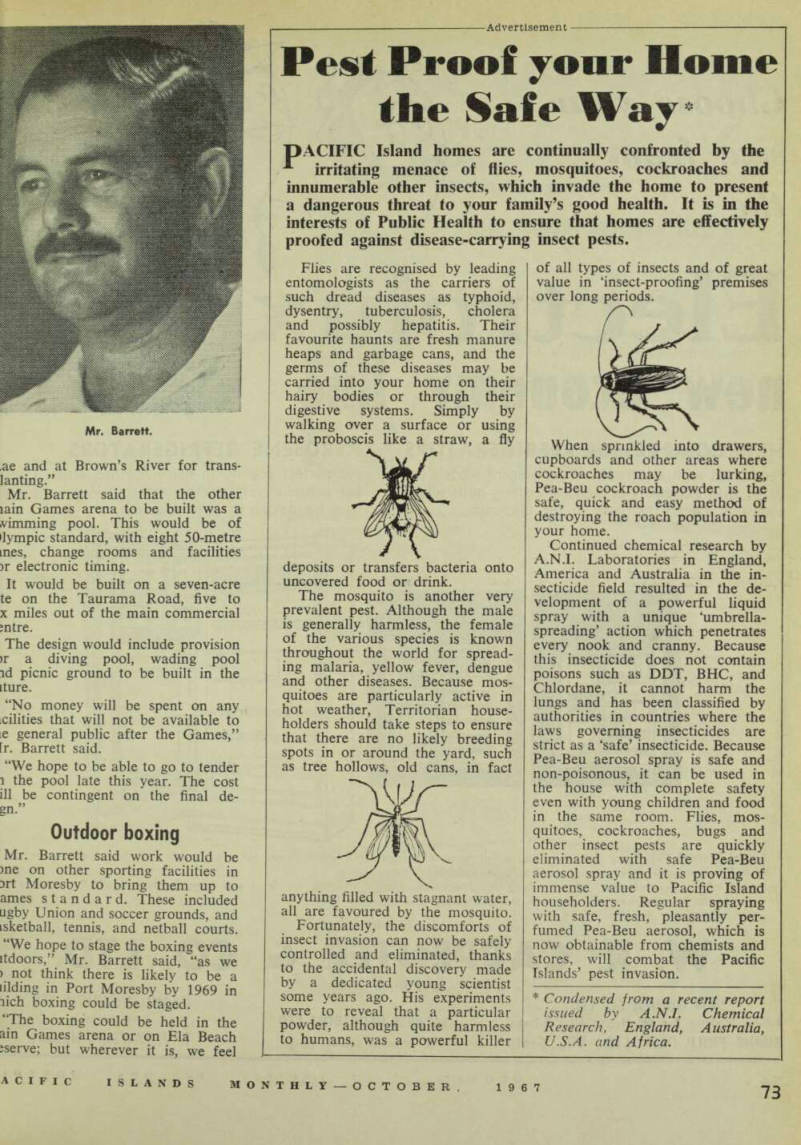 77
77 78
78 79
79 80
80 81
81 82
82 83
83 84
84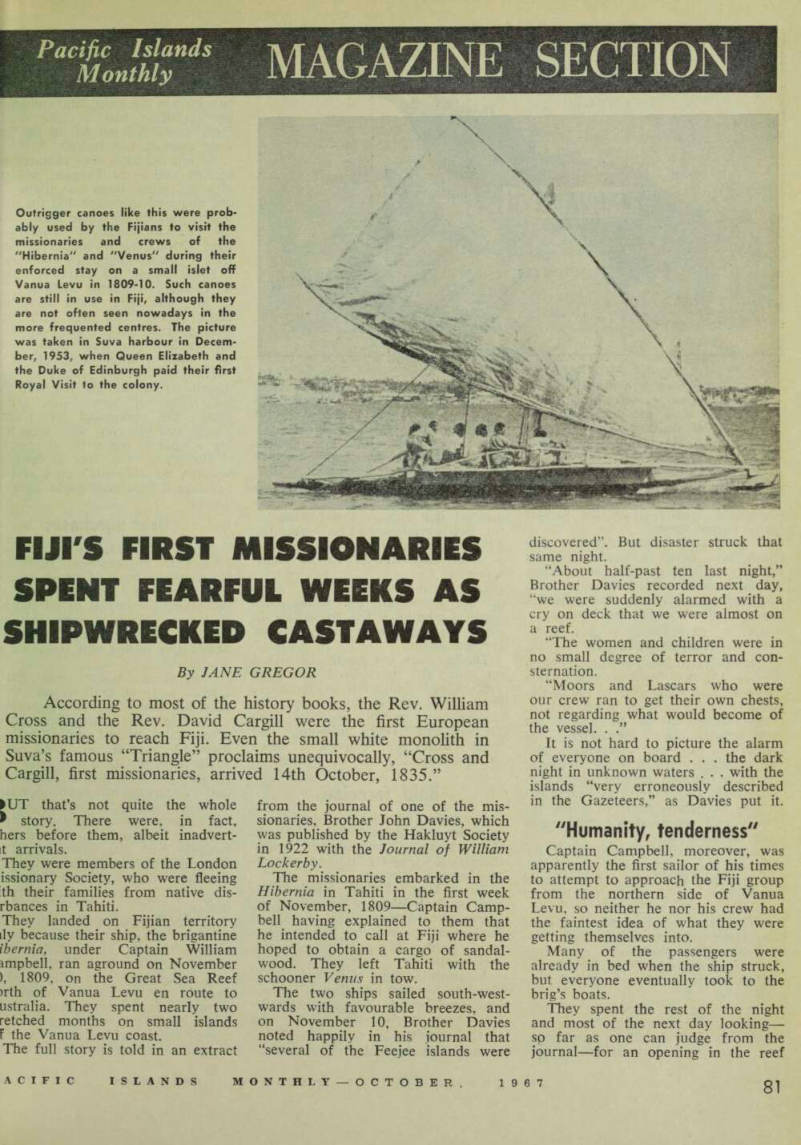 85
85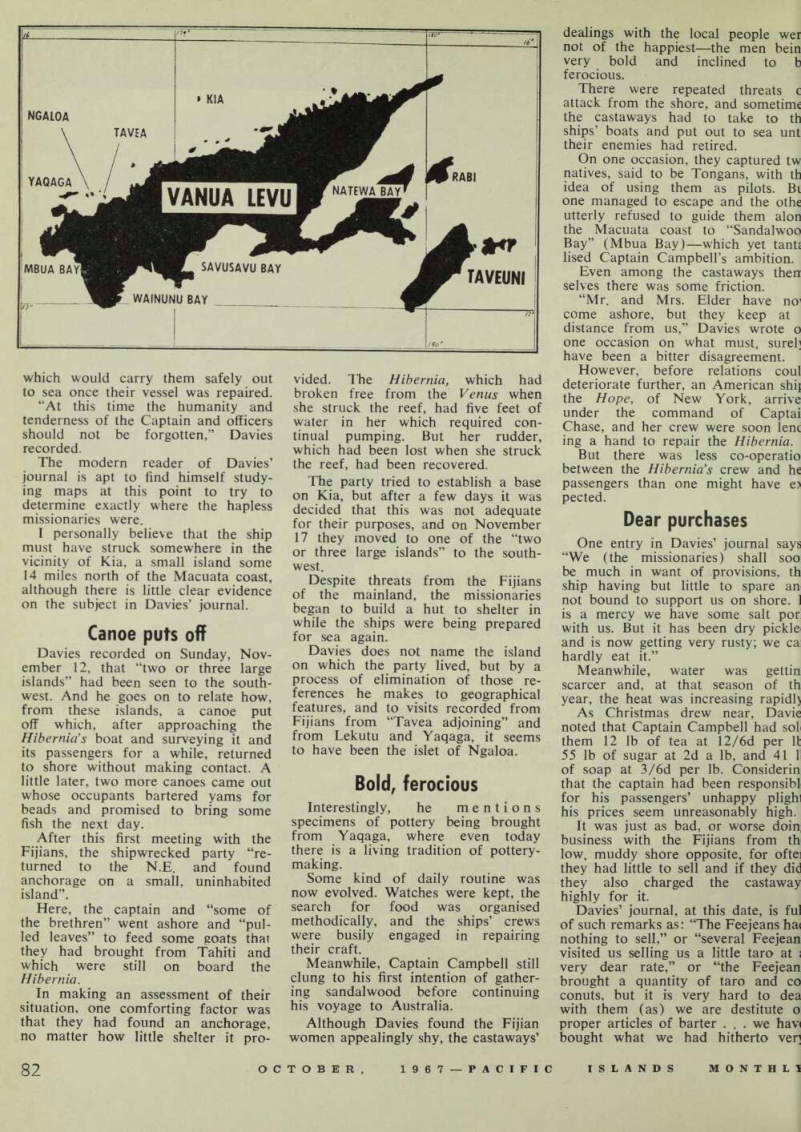 86
86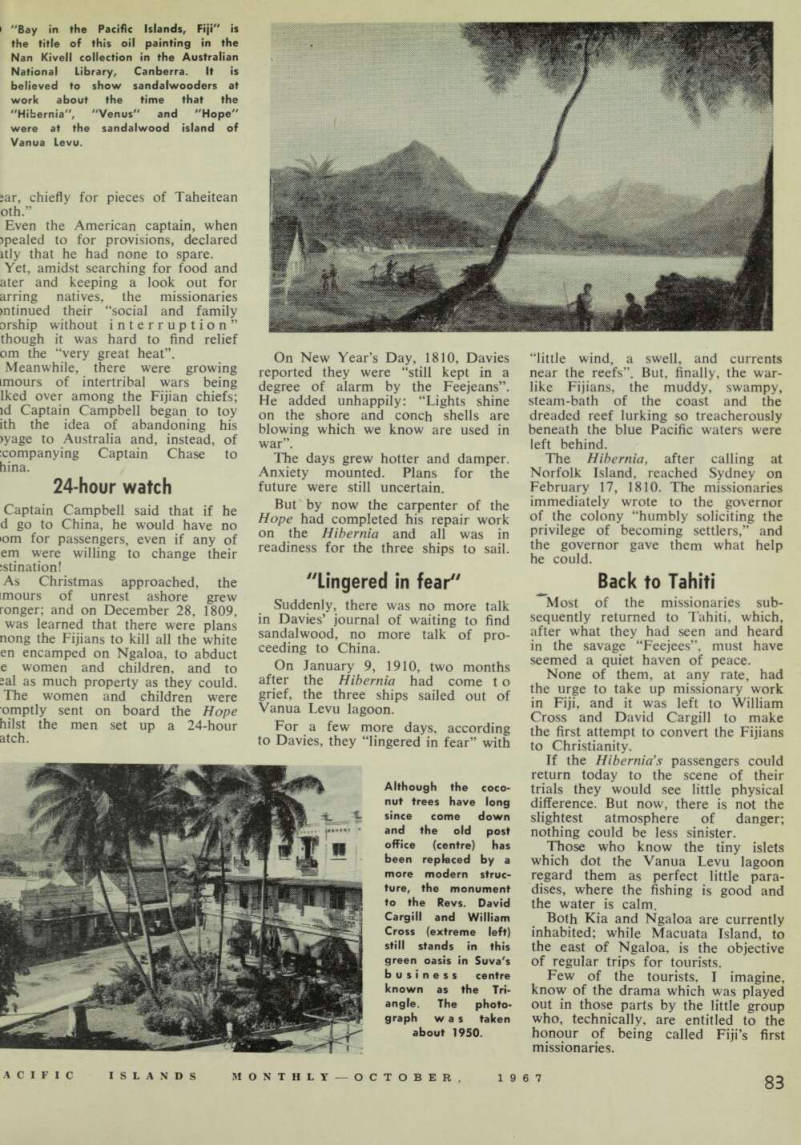 87
87 88
88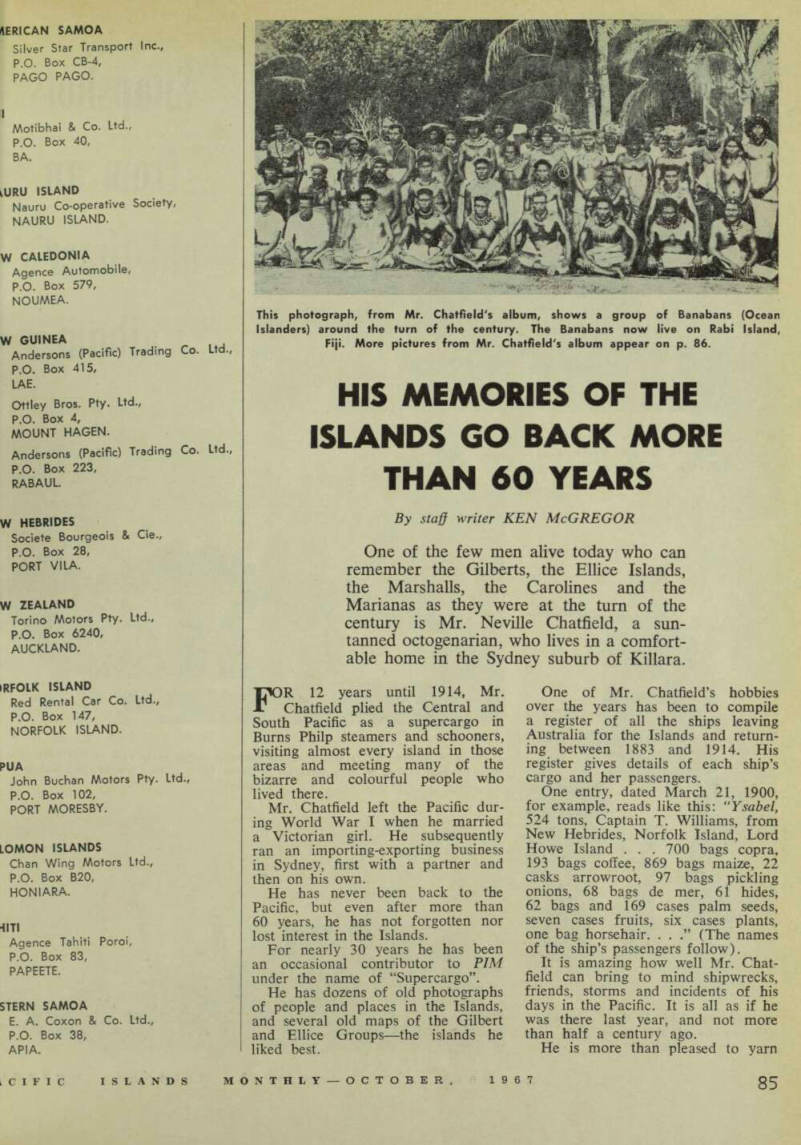 89
89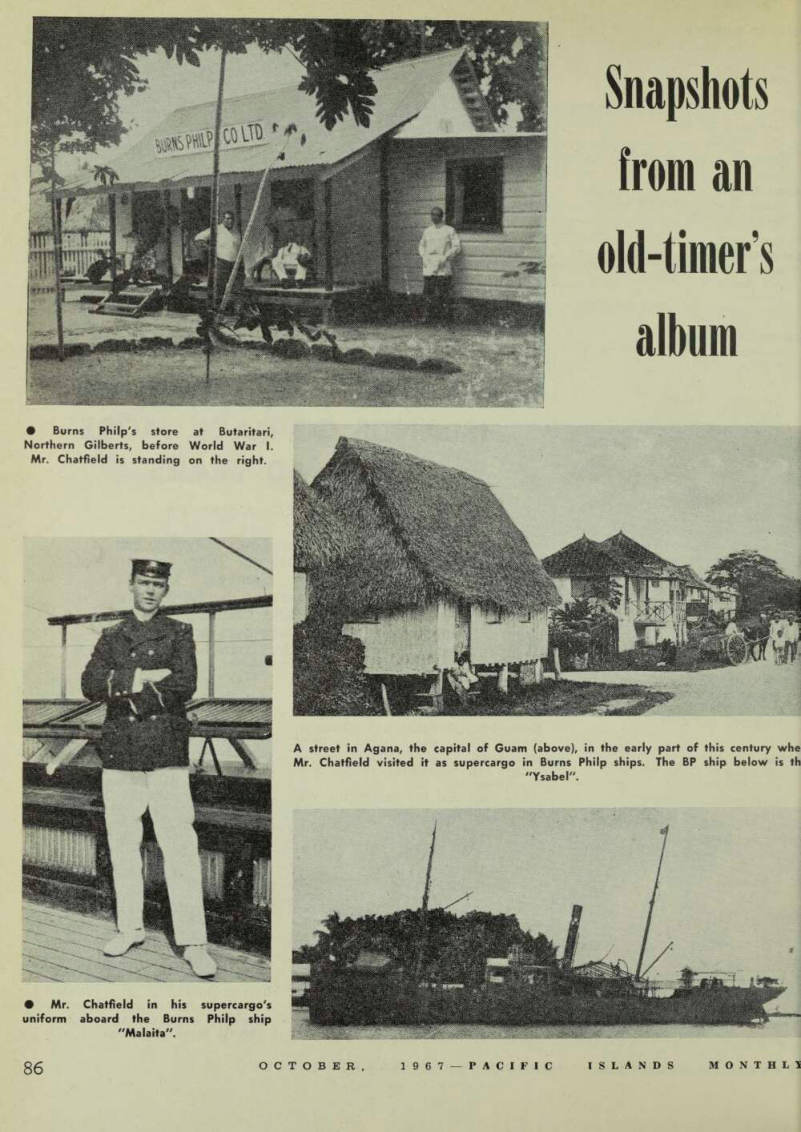 90
90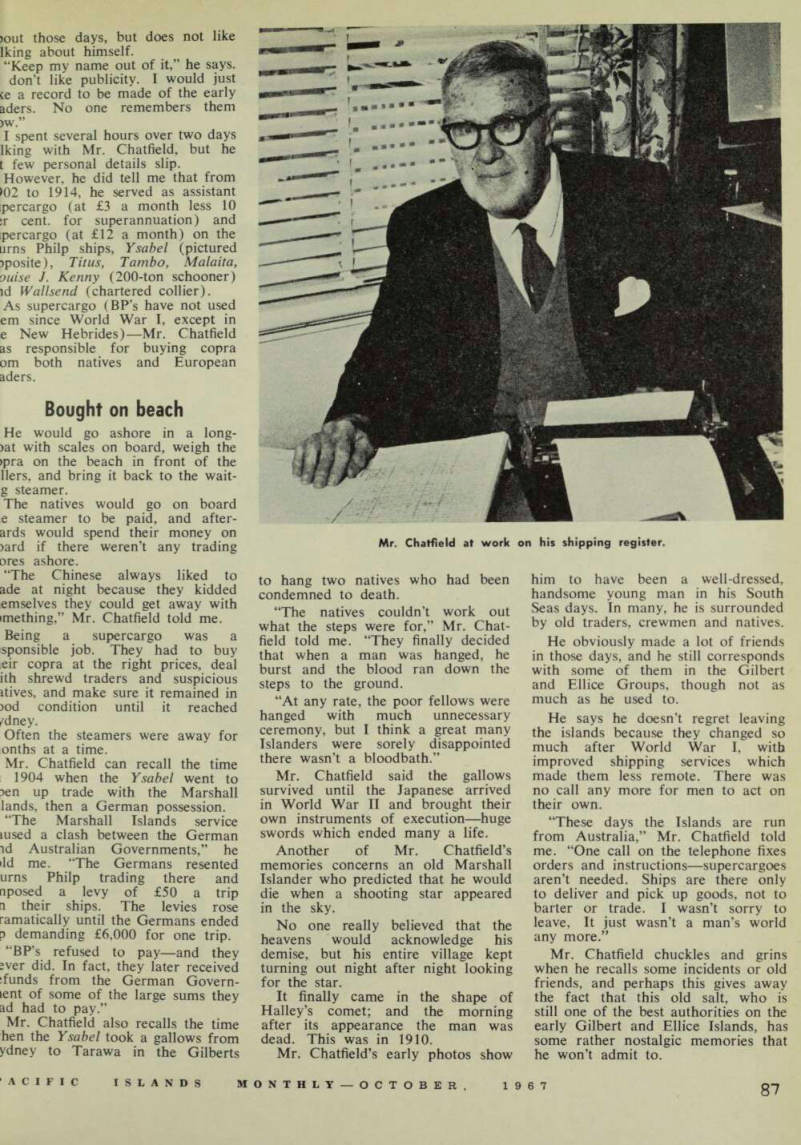 91
91 92
92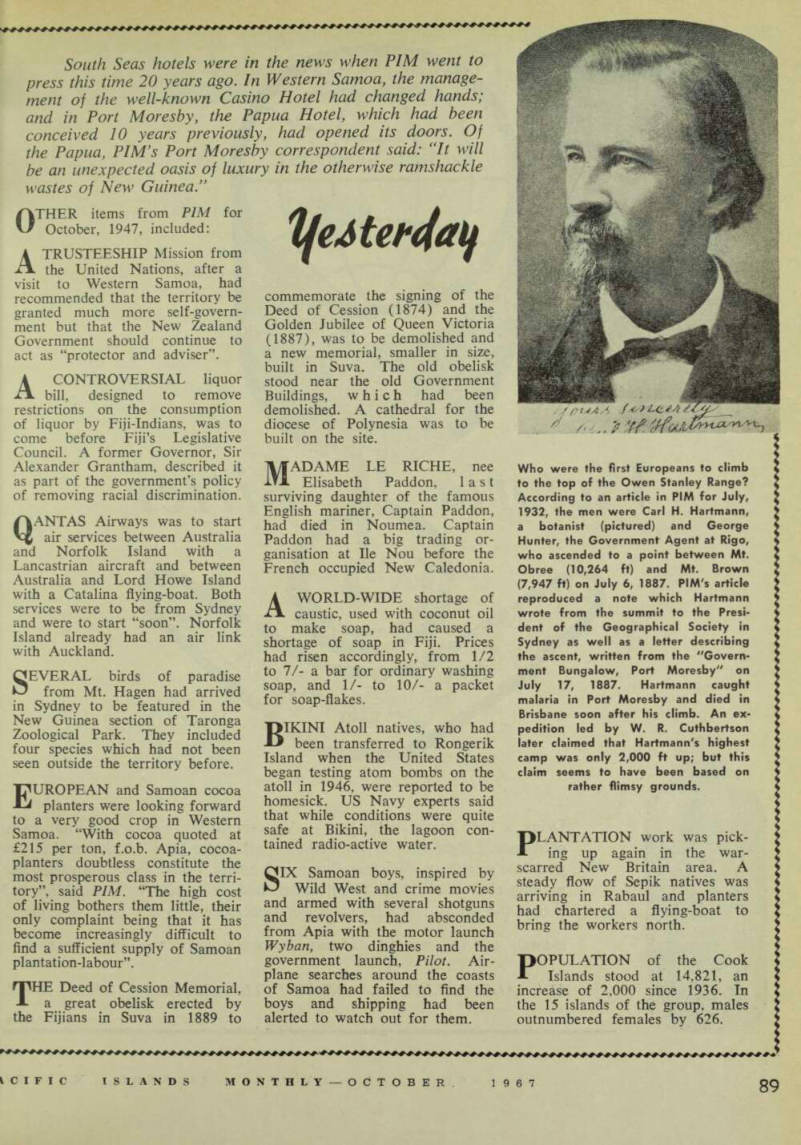 93
93 94
94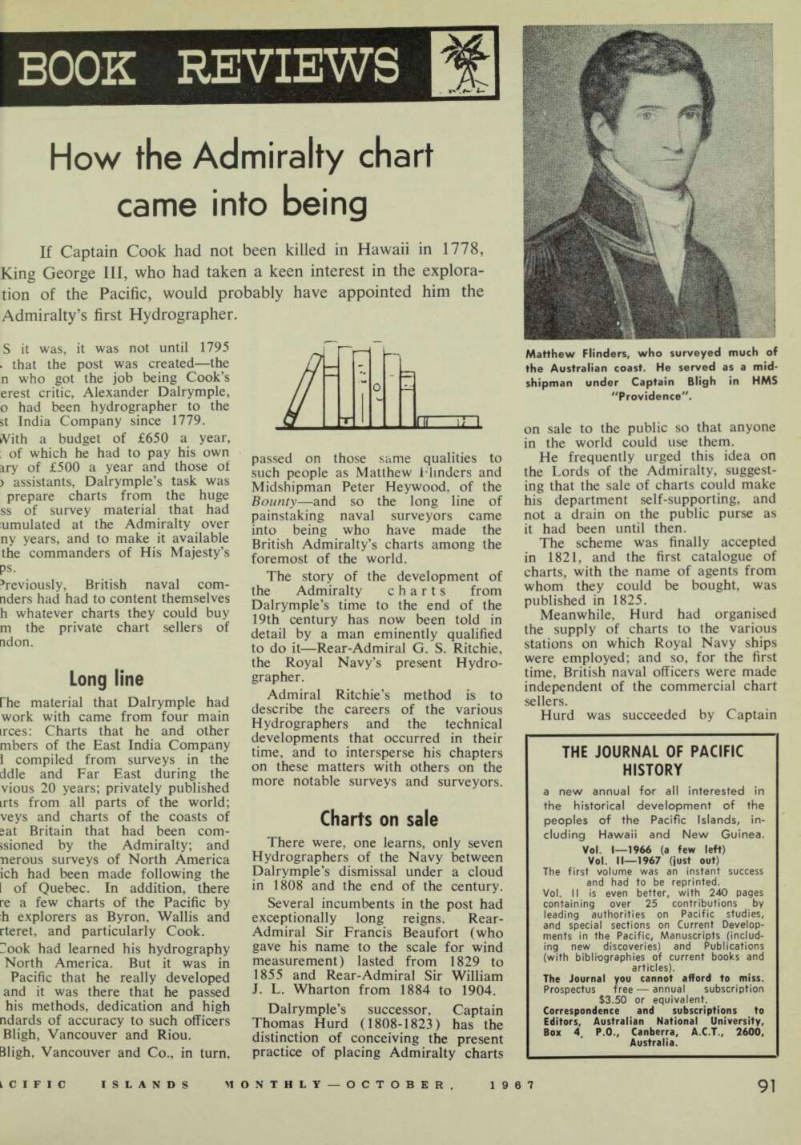 95
95 96
96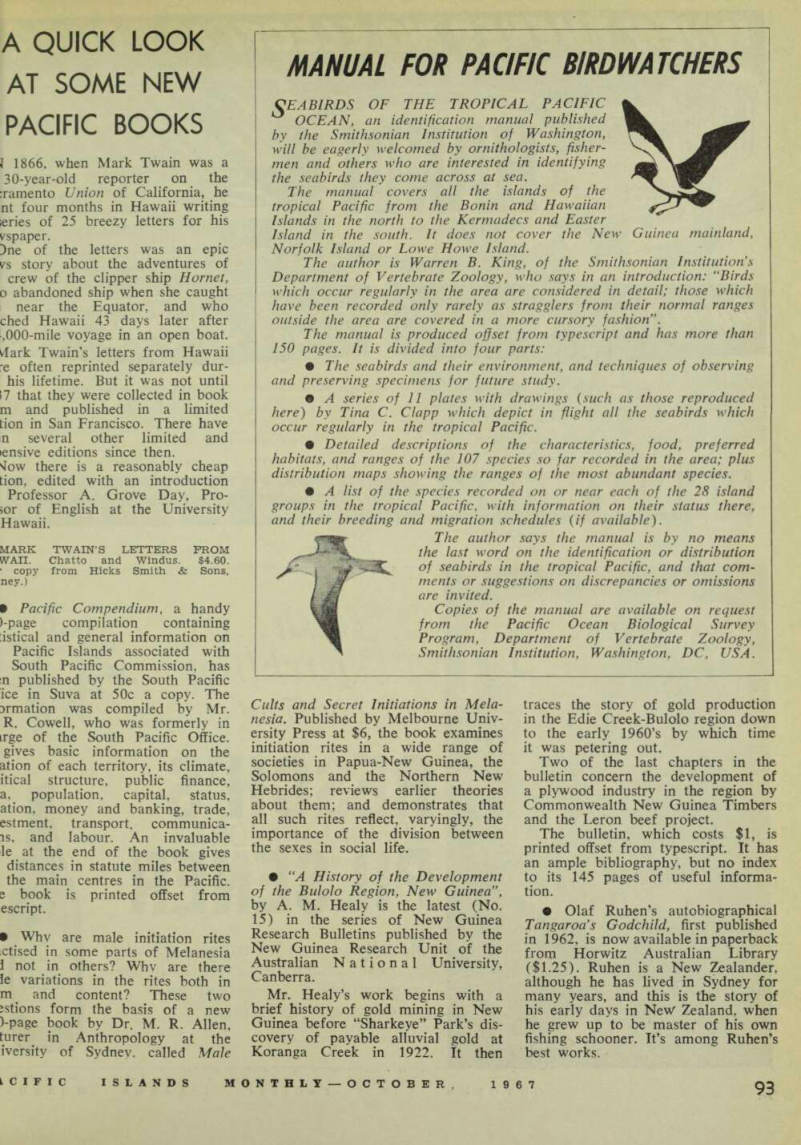 97
97 98
98 99
99 100
100 101
101 102
102 103
103 104
104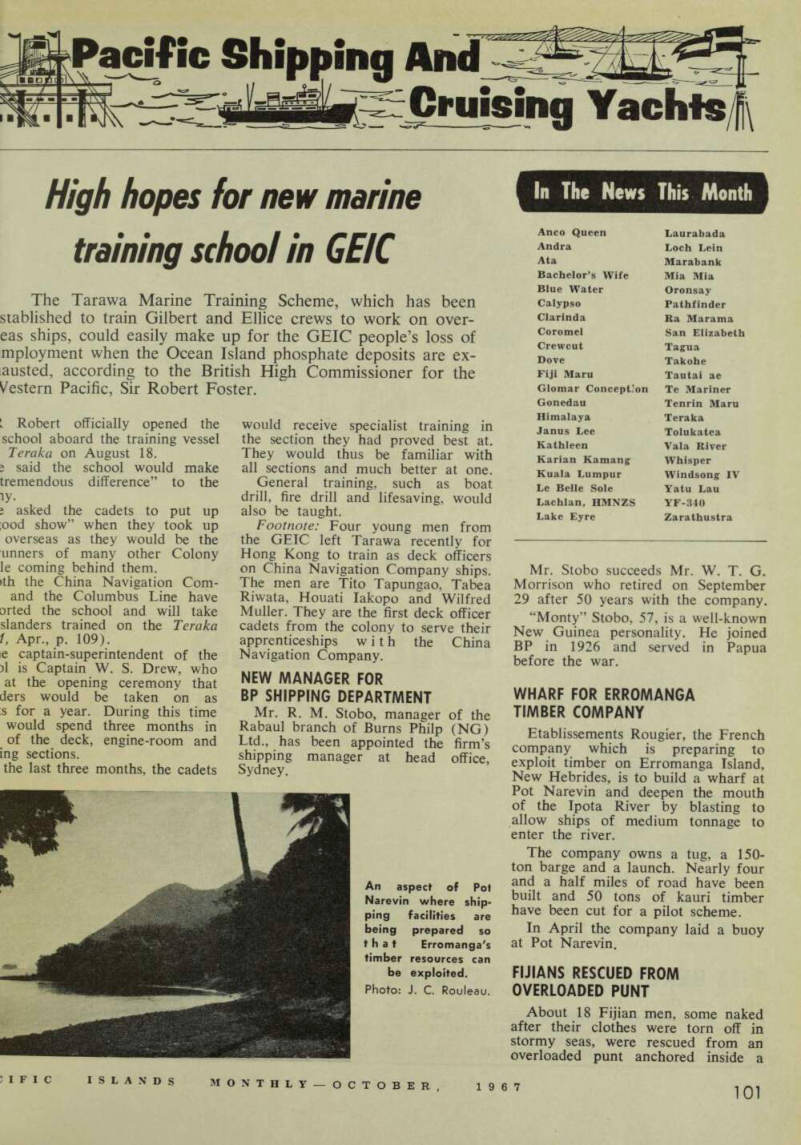 105
105 106
106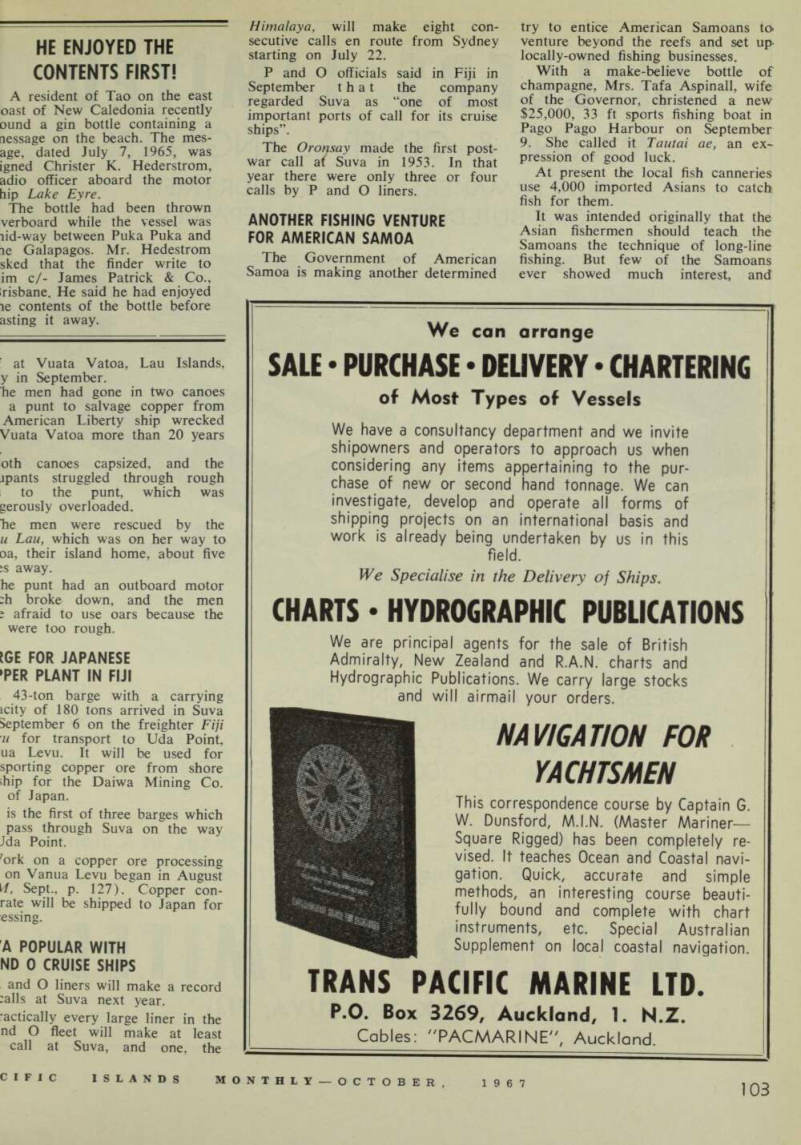 107
107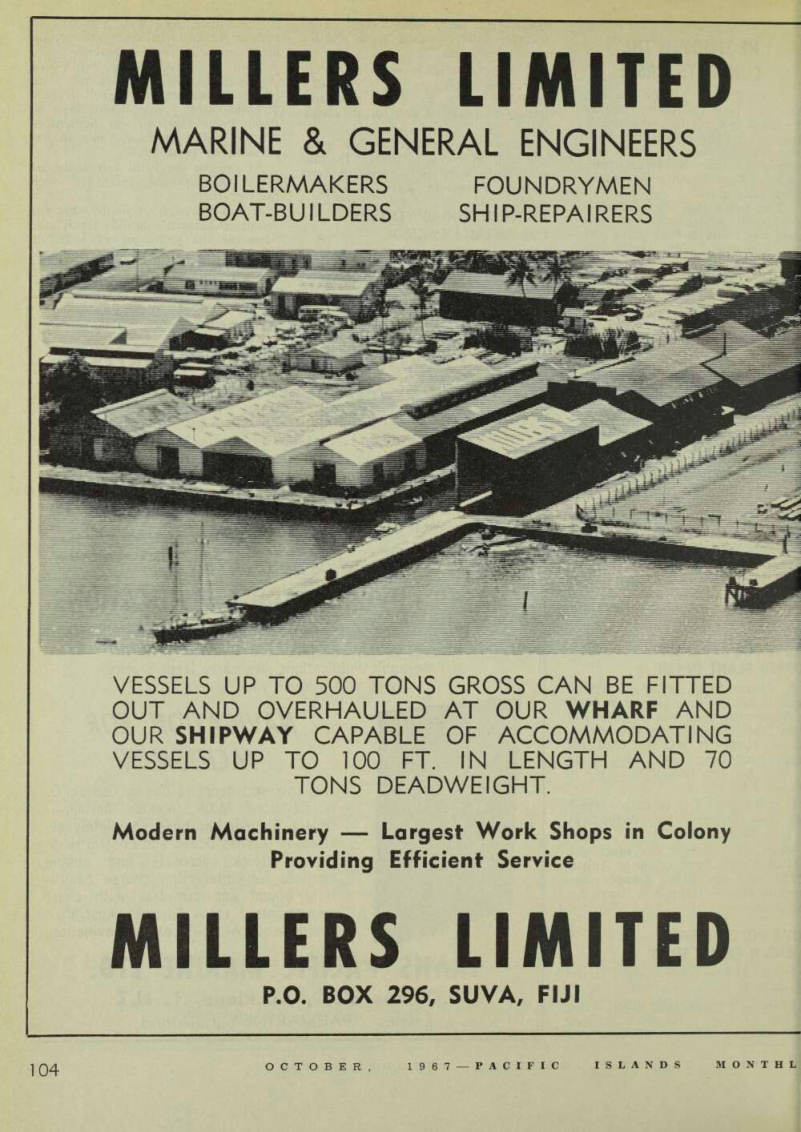 108
108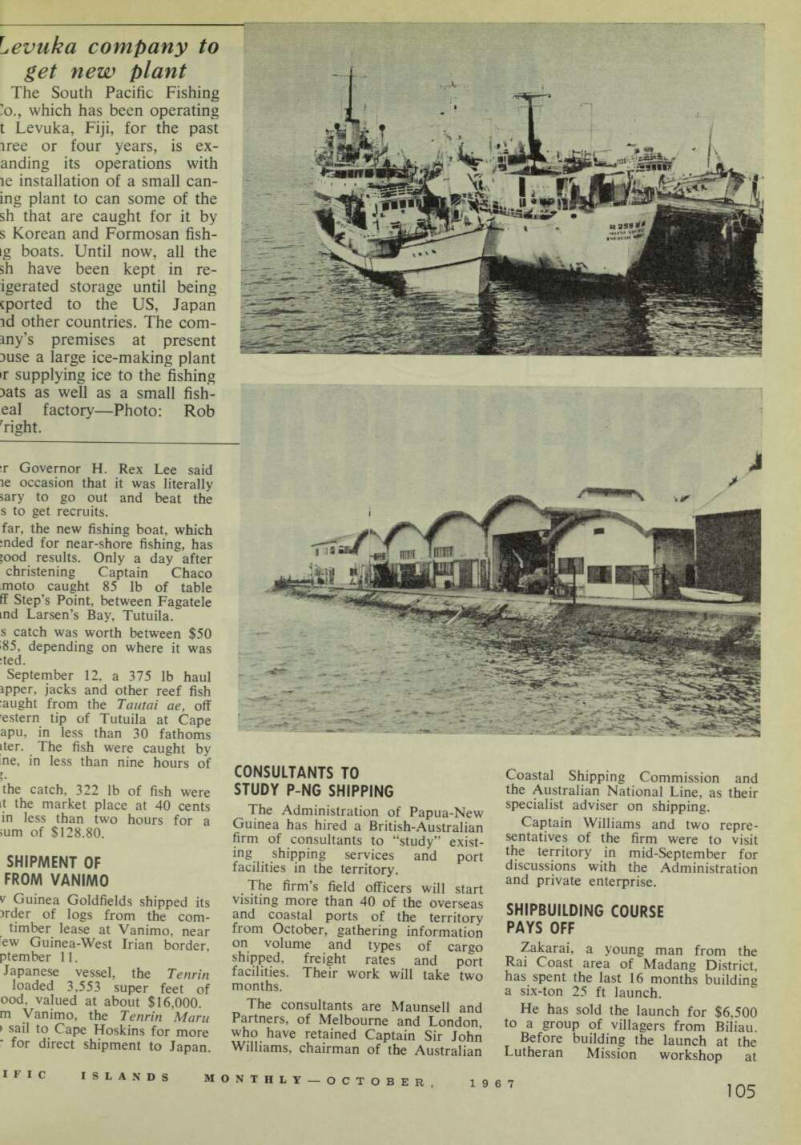 109
109 110
110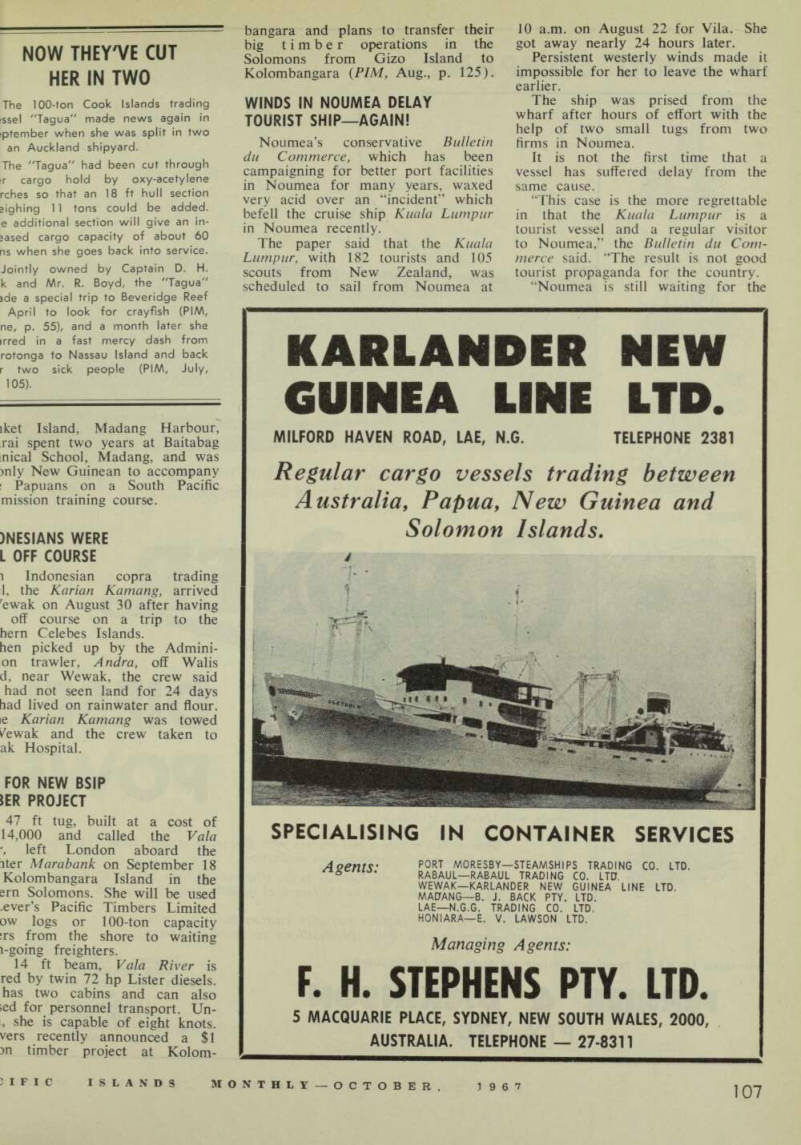 111
111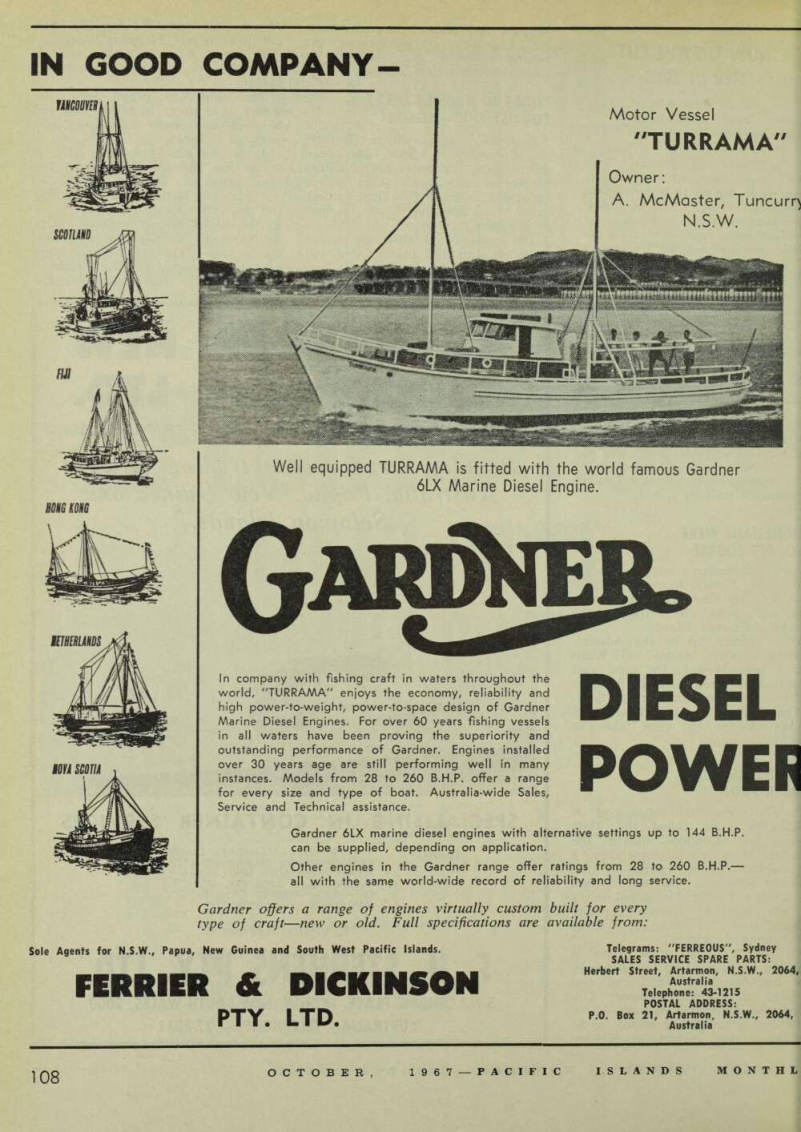 112
112 113
113 114
114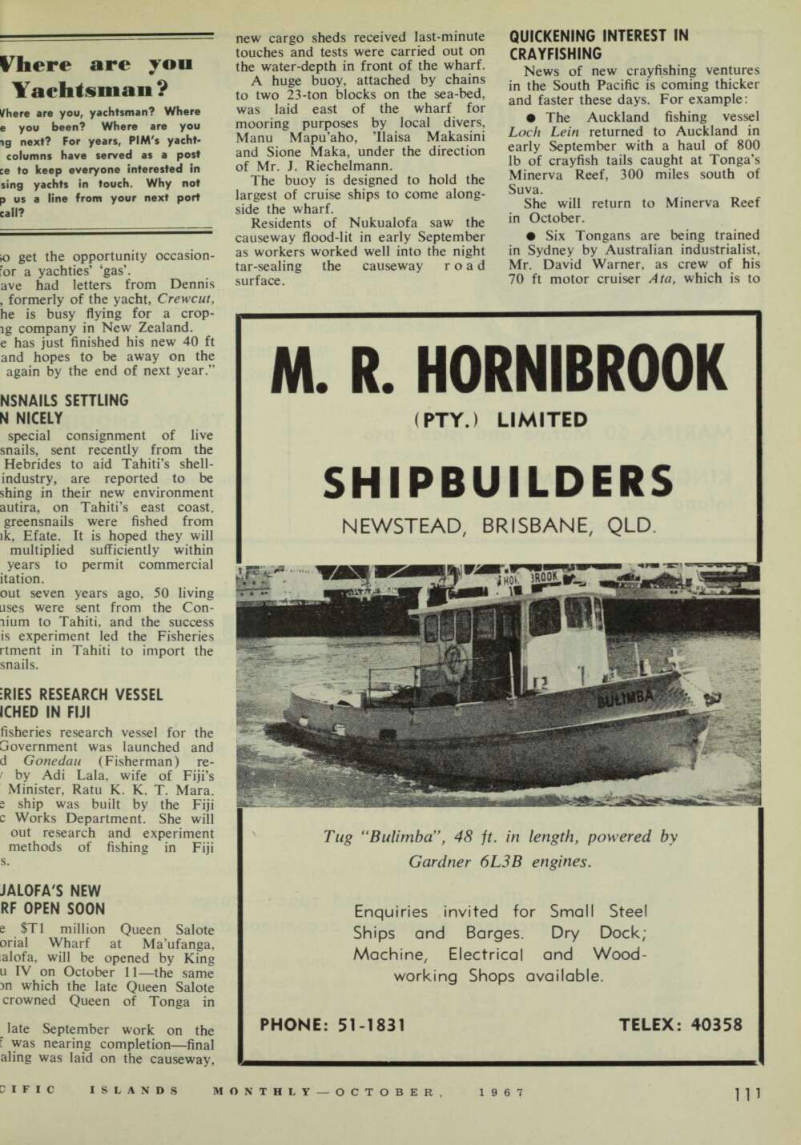 115
115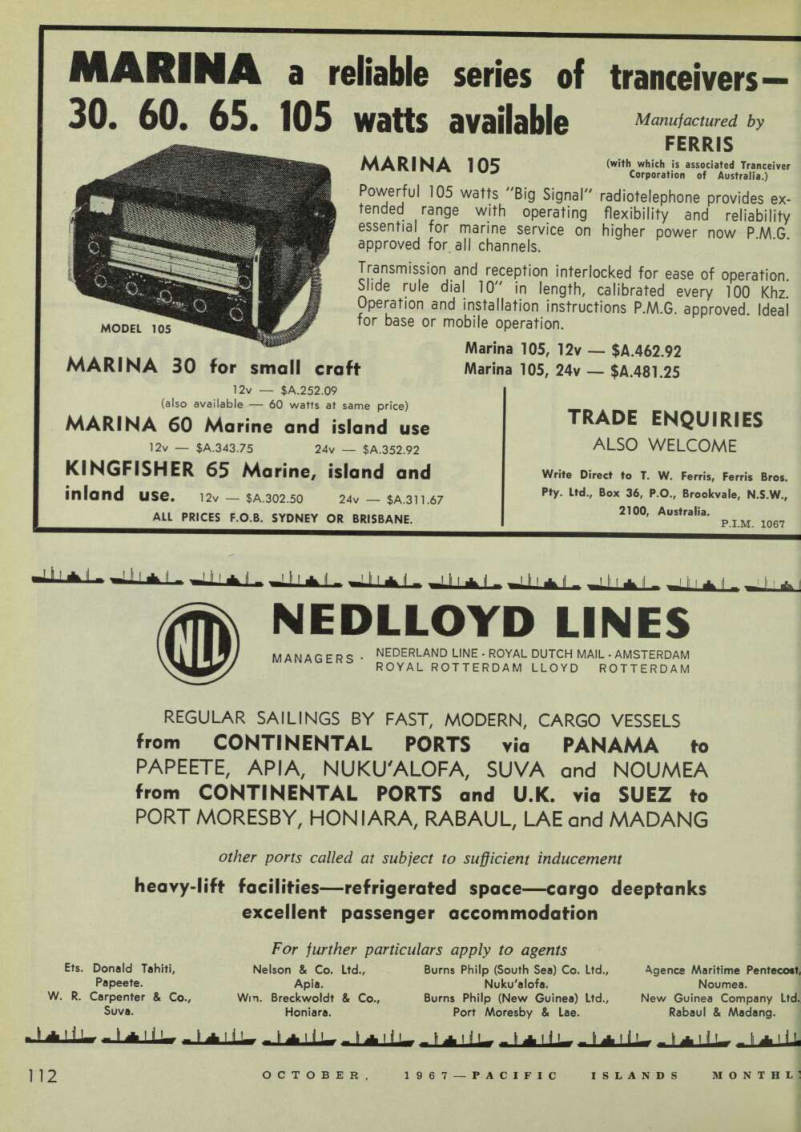 116
116 117
117 118
118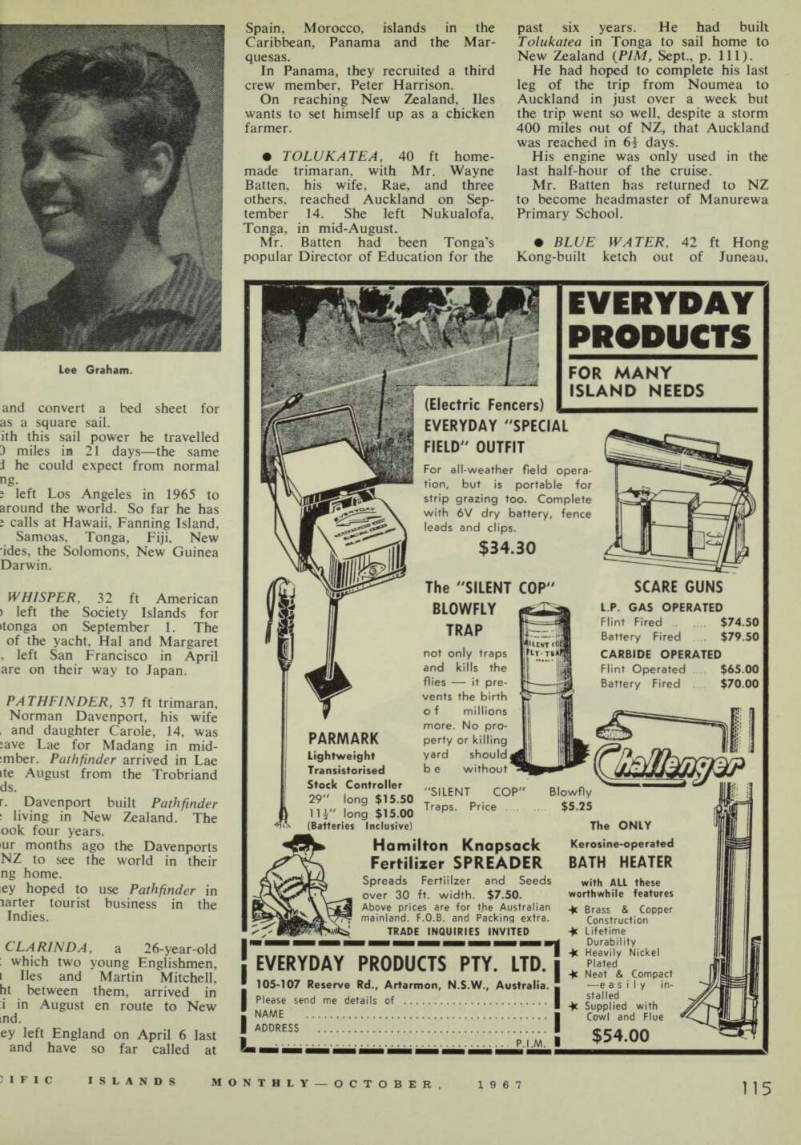 119
119 120
120 121
121 122
122 123
123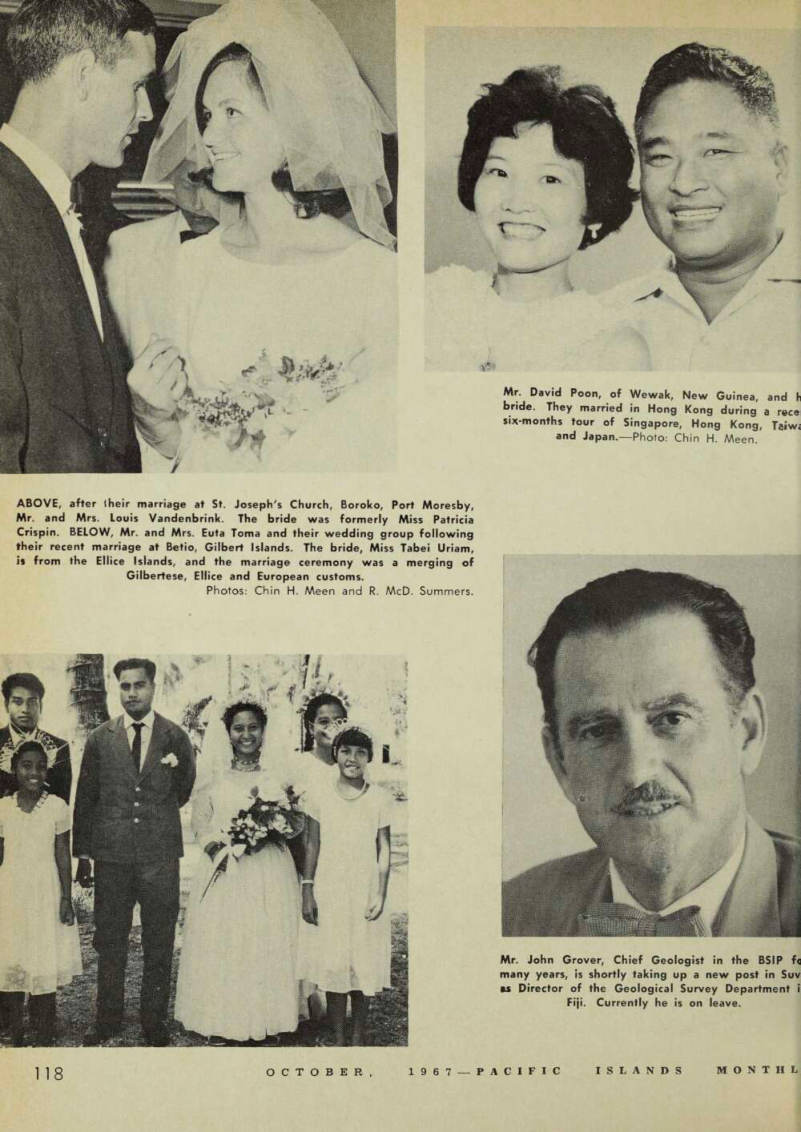 124
124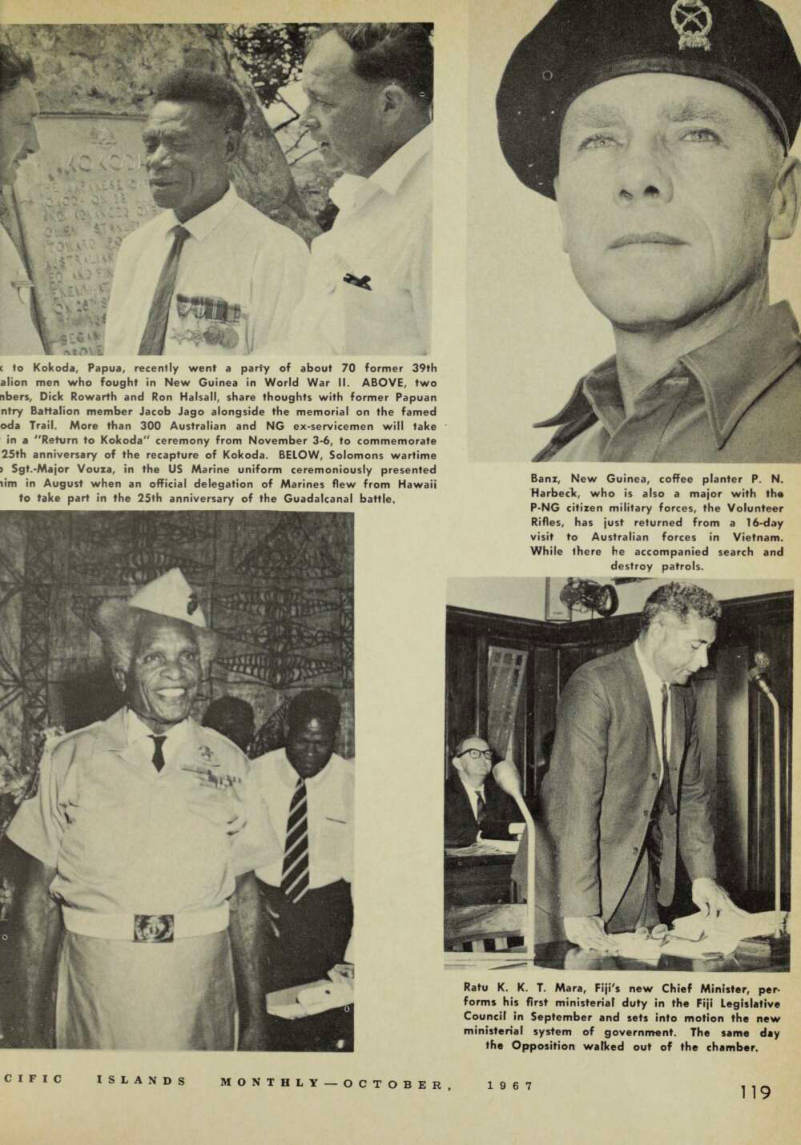 125
125 126
126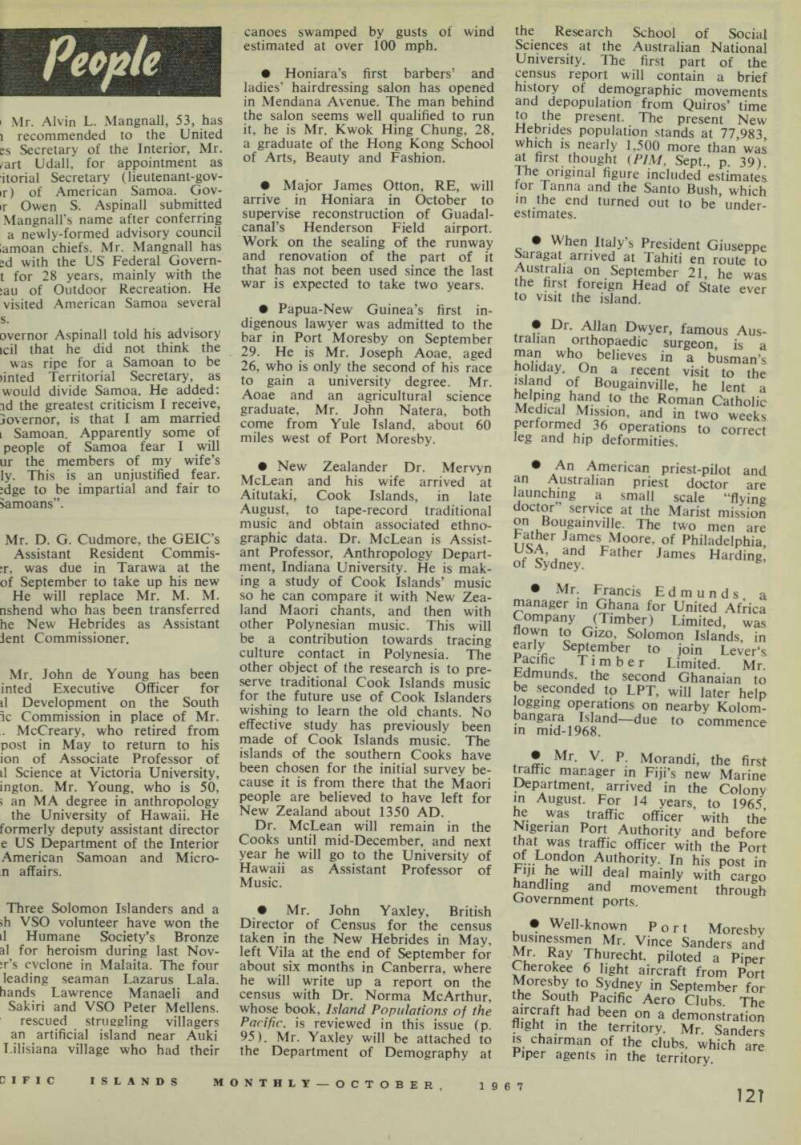 127
127 128
128 129
129 130
130 131
131 132
132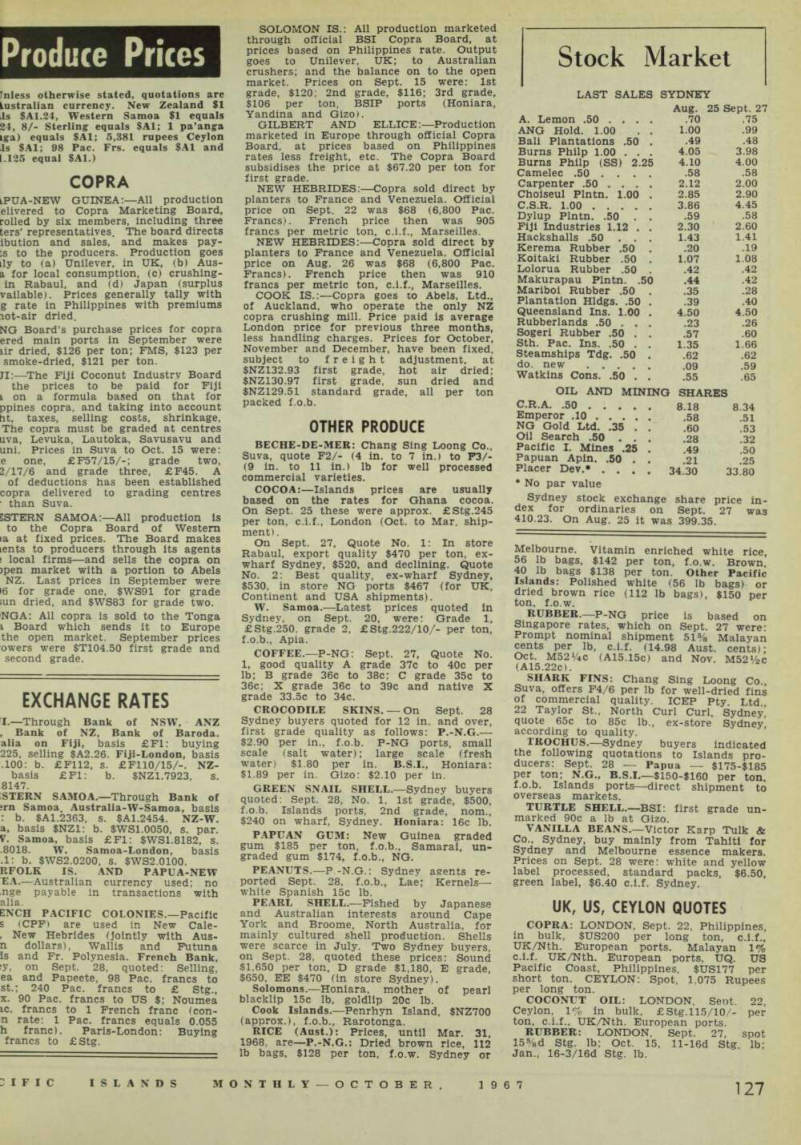 133
133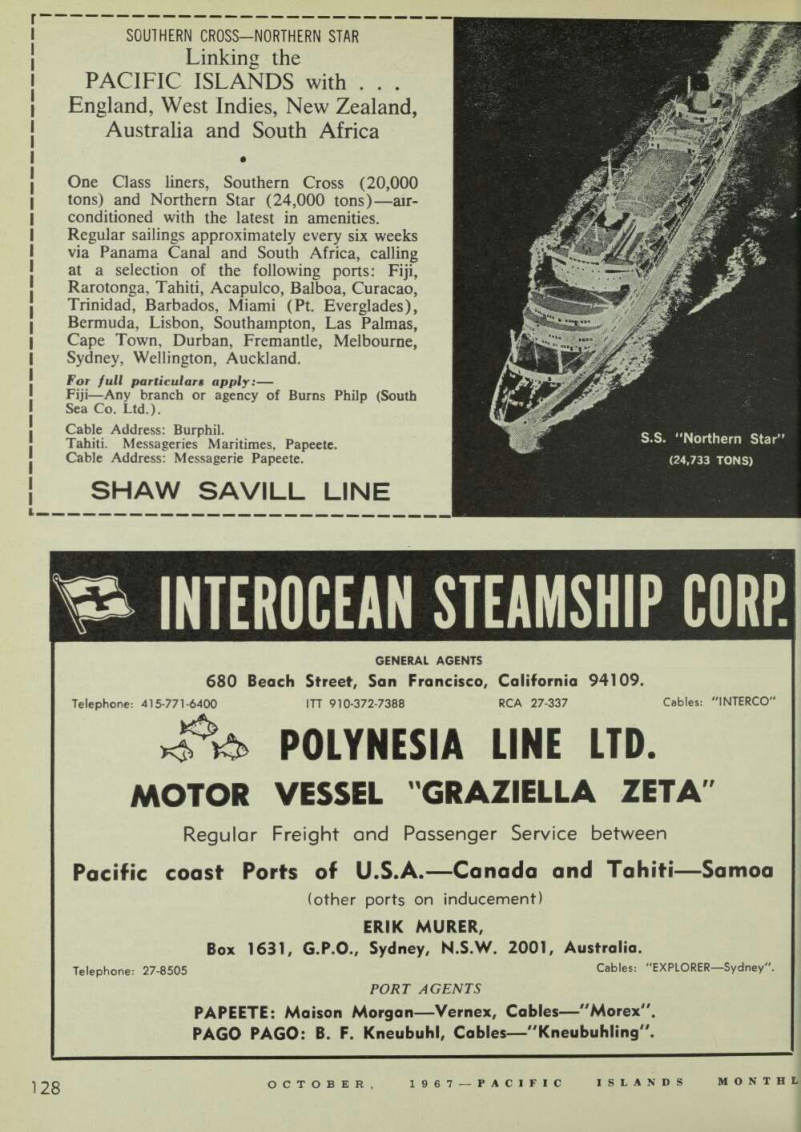 134
134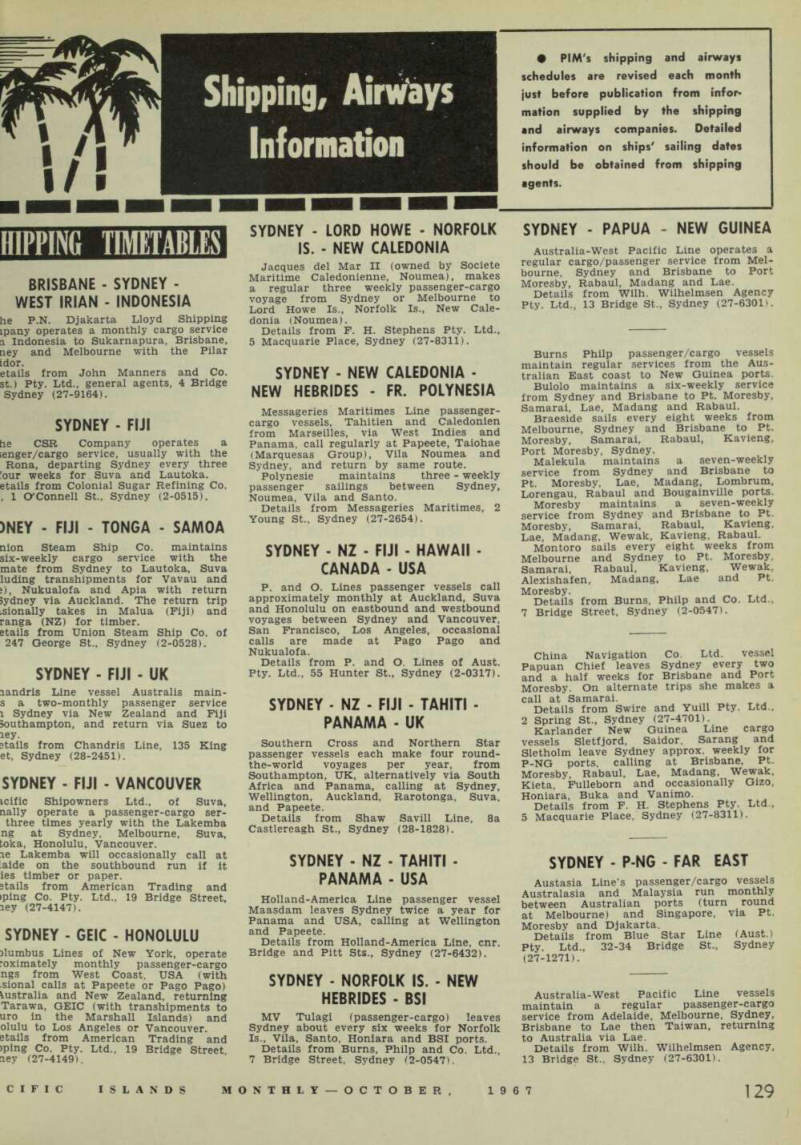 135
135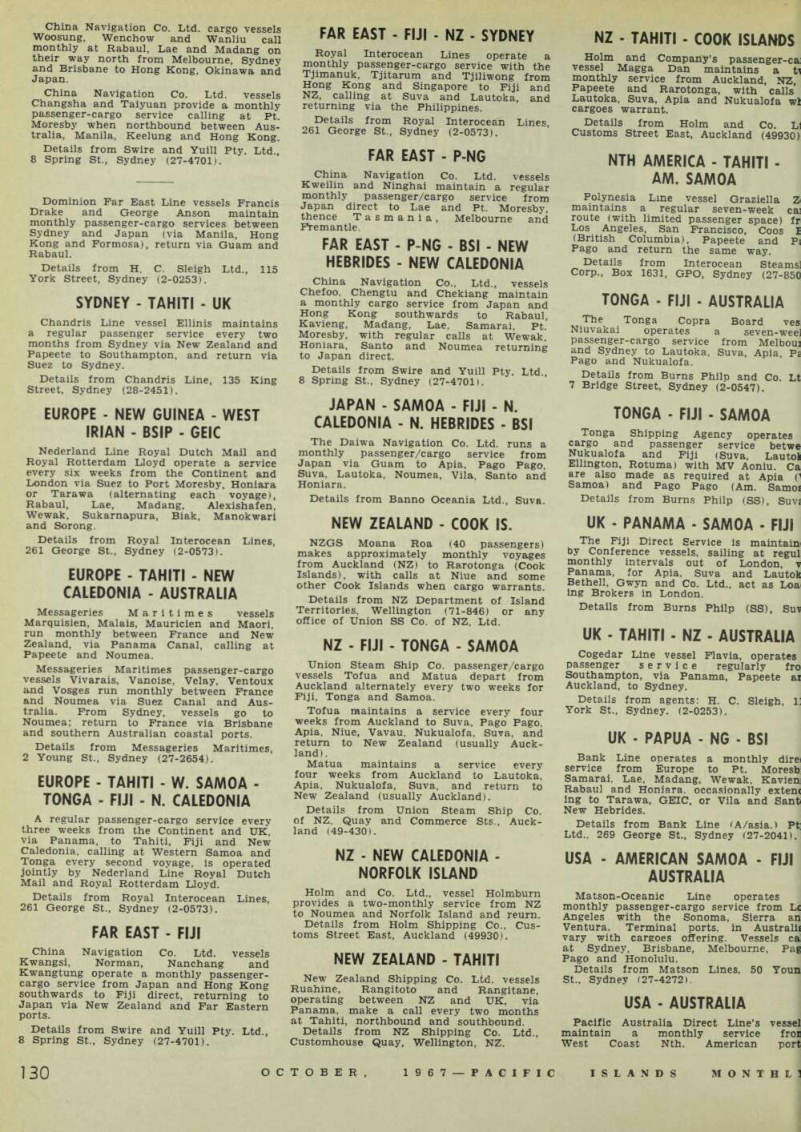 136
136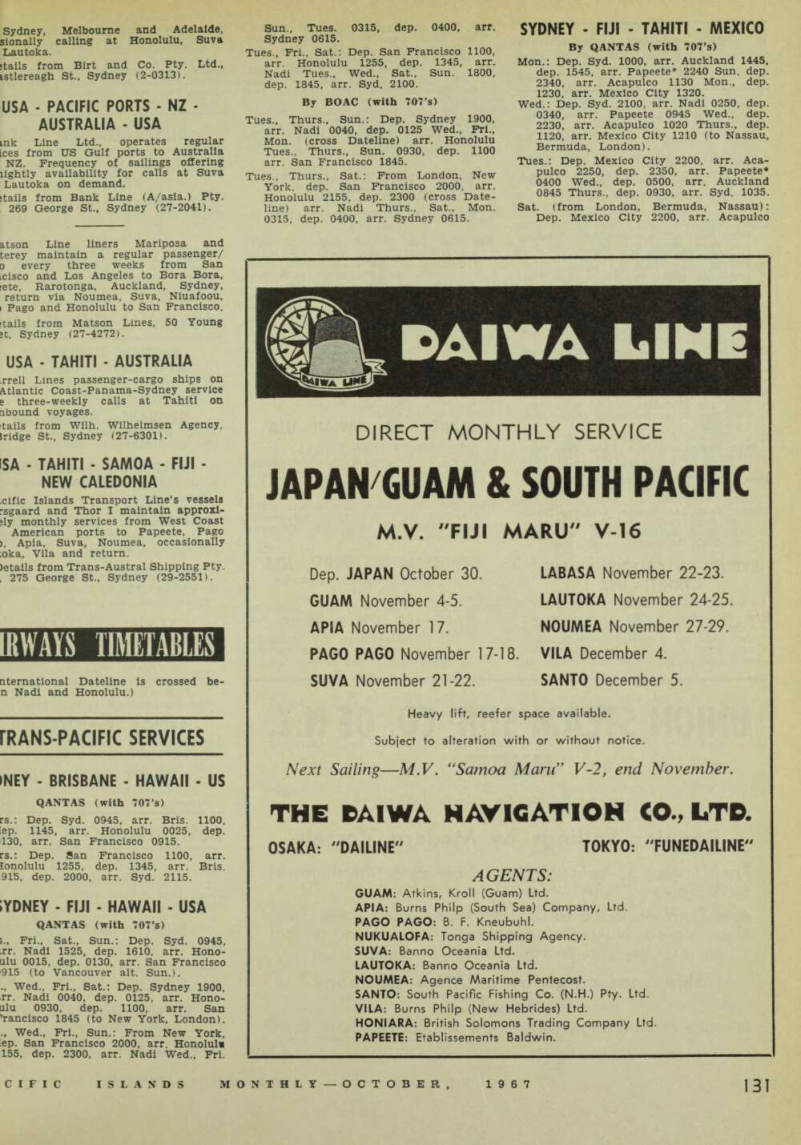 137
137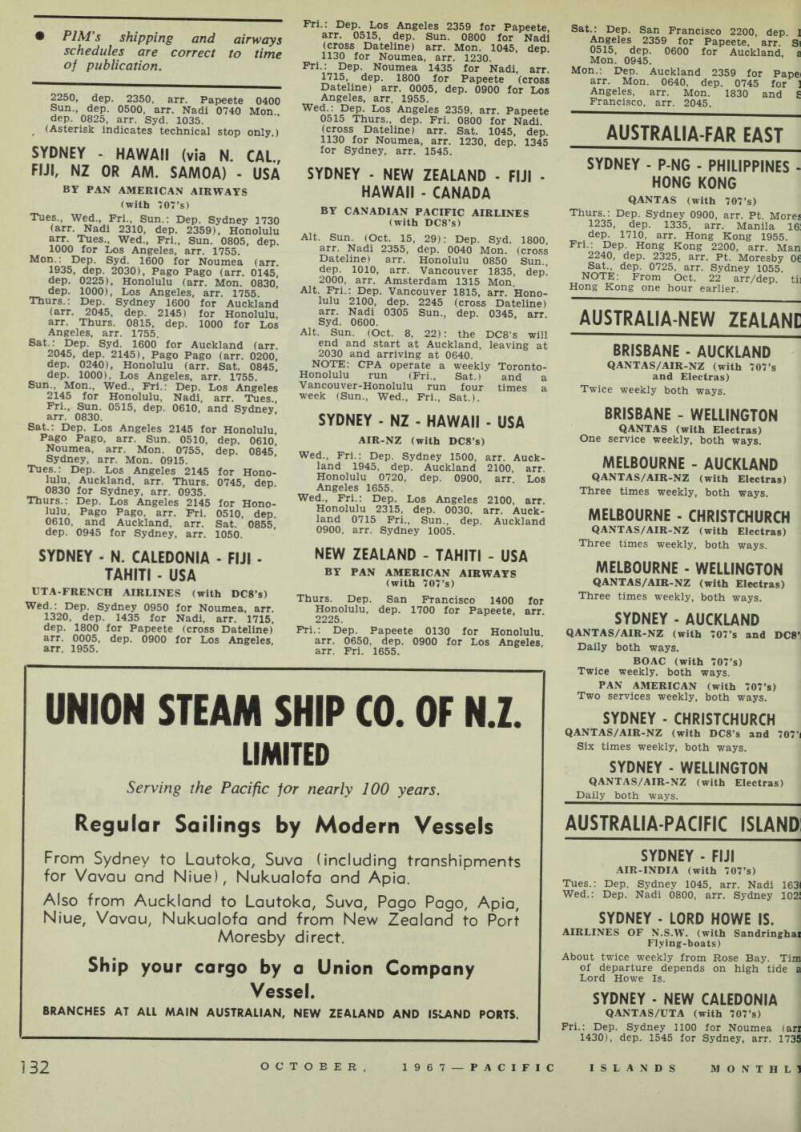 138
138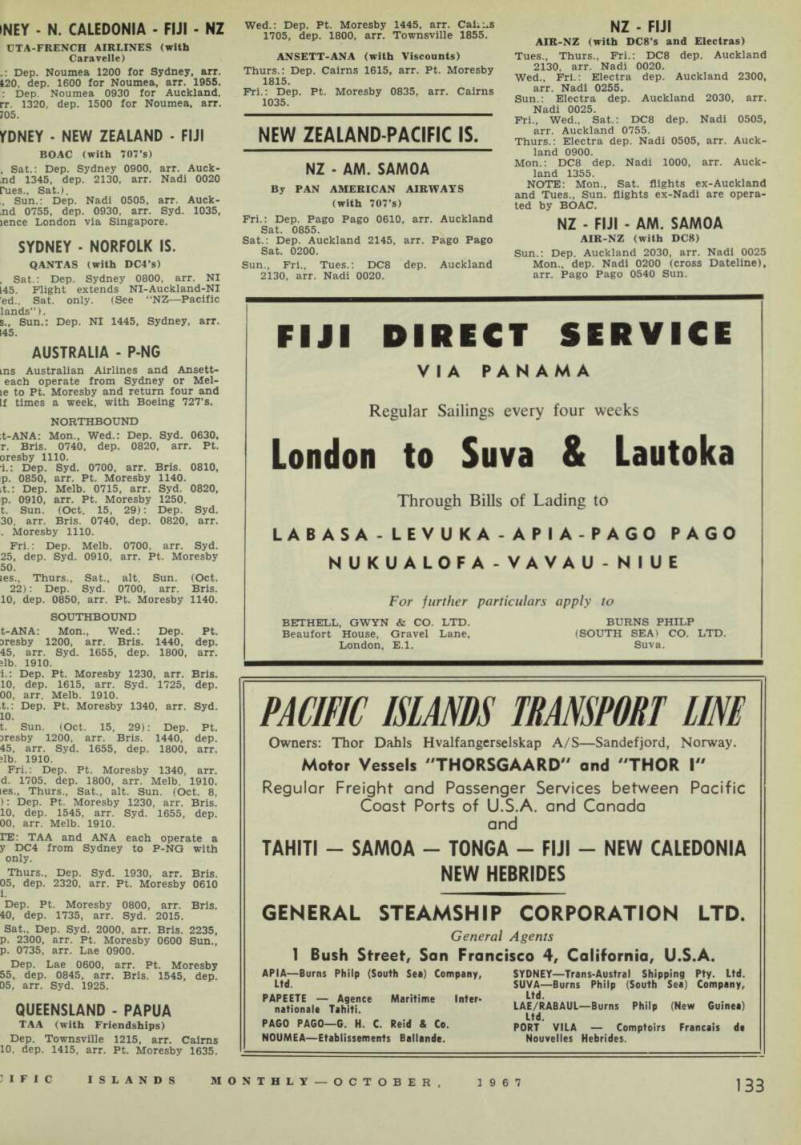 139
139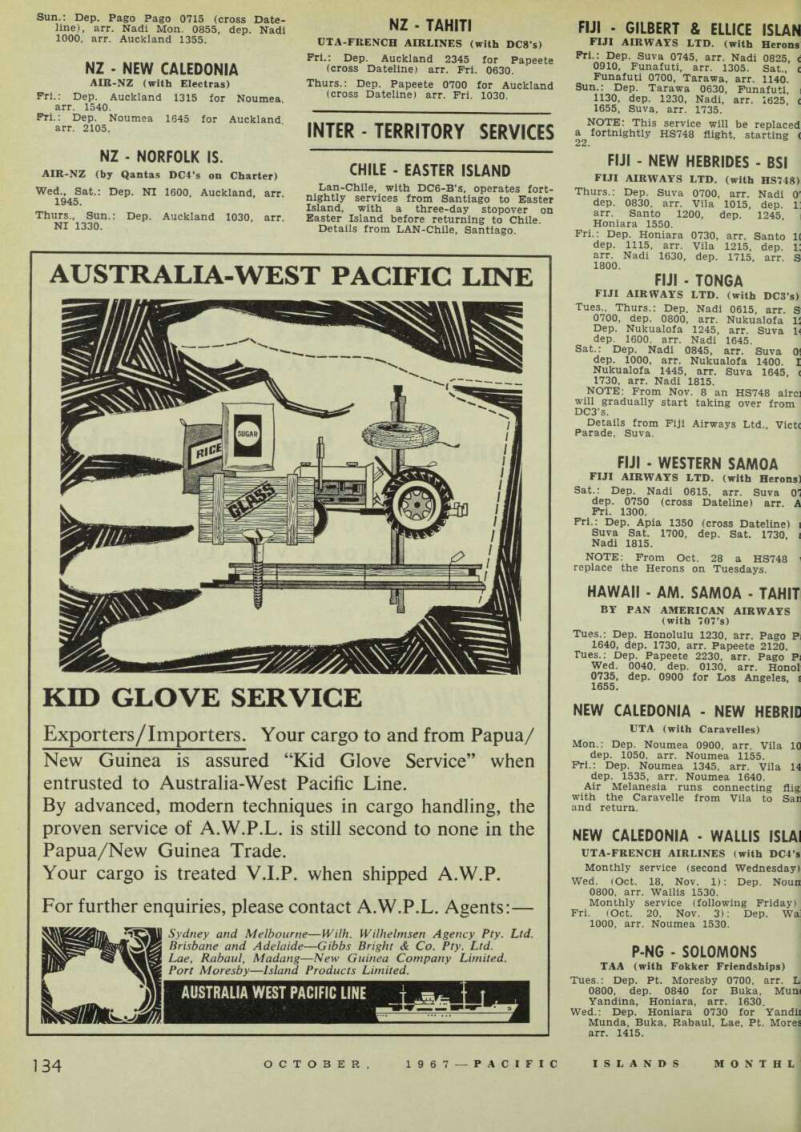 140
140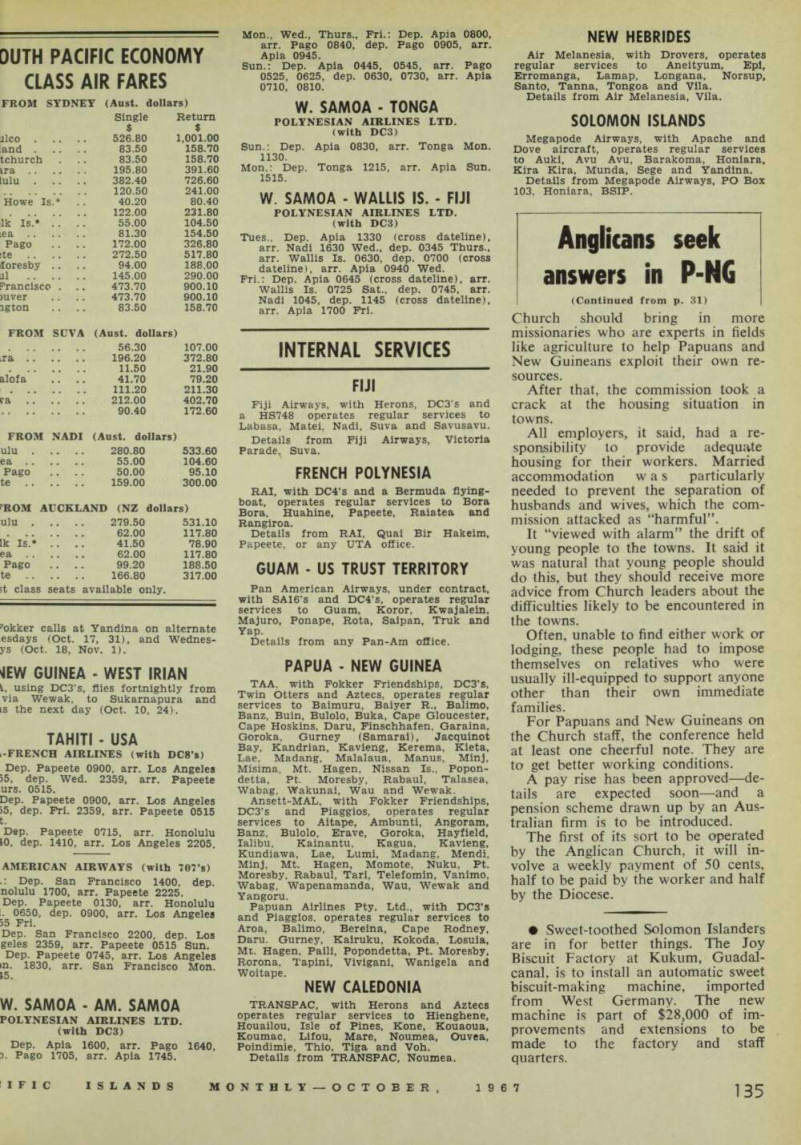 141
141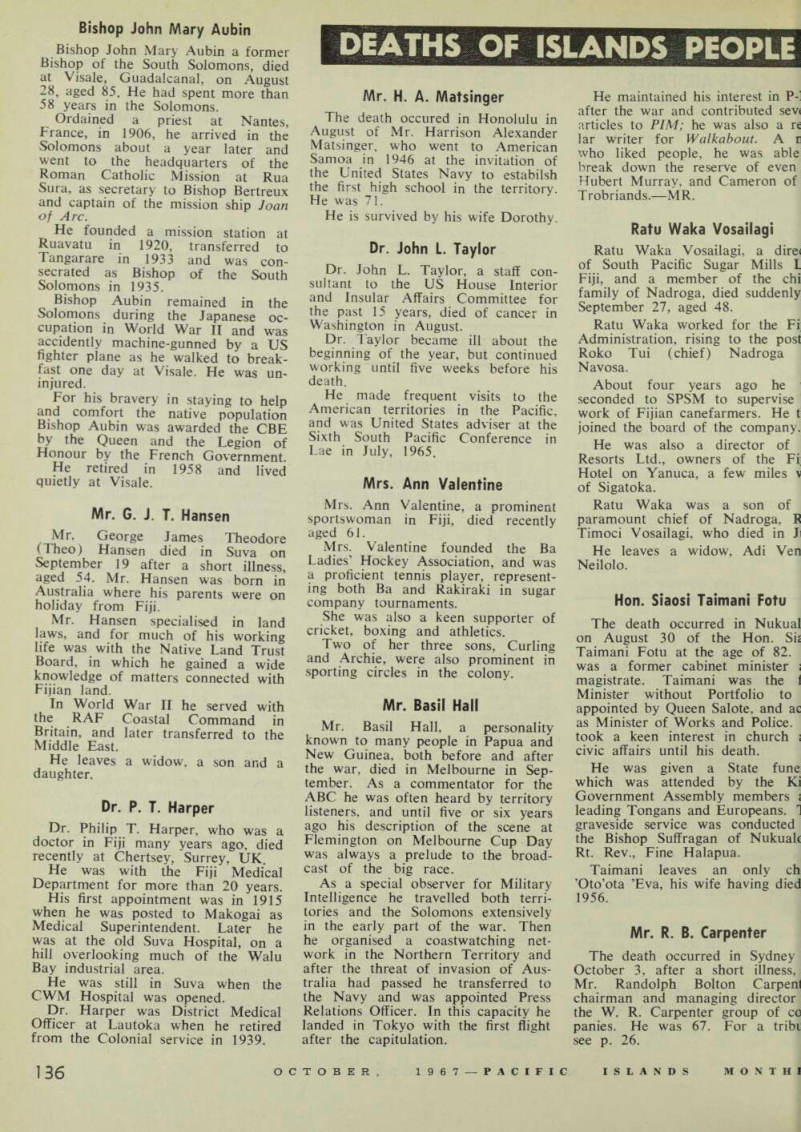 142
142 143
143 144
144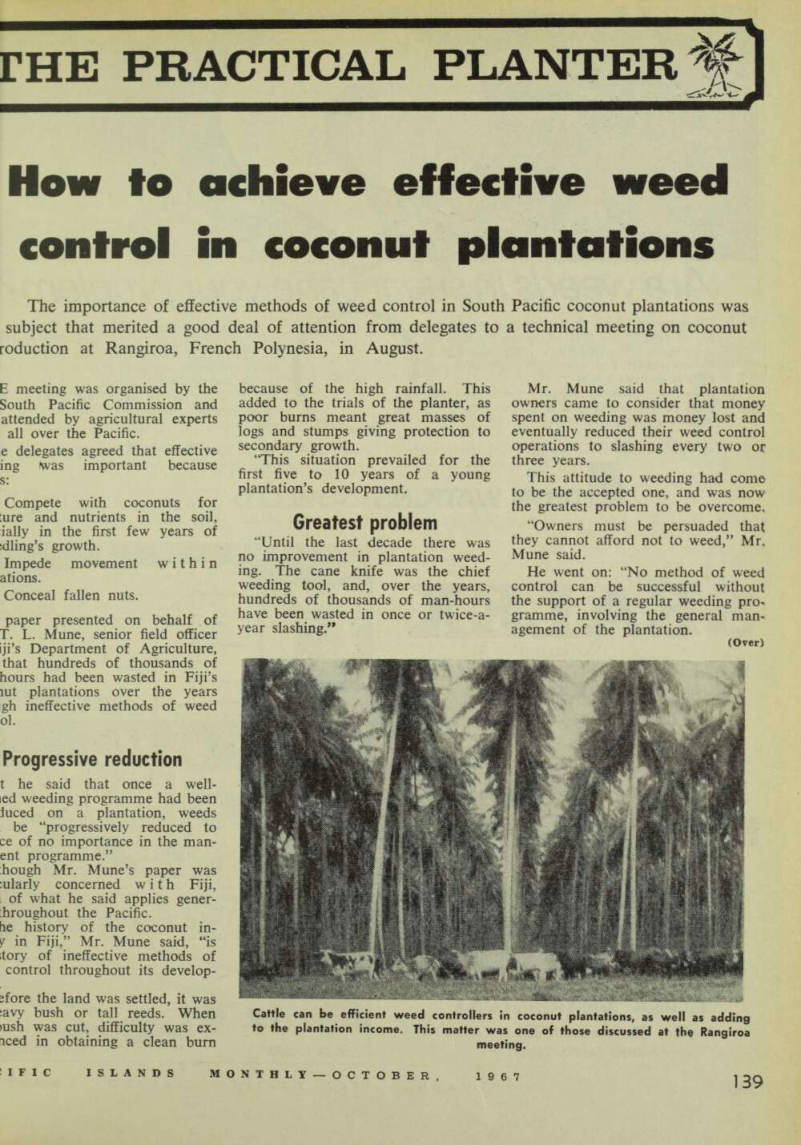 145
145 146
146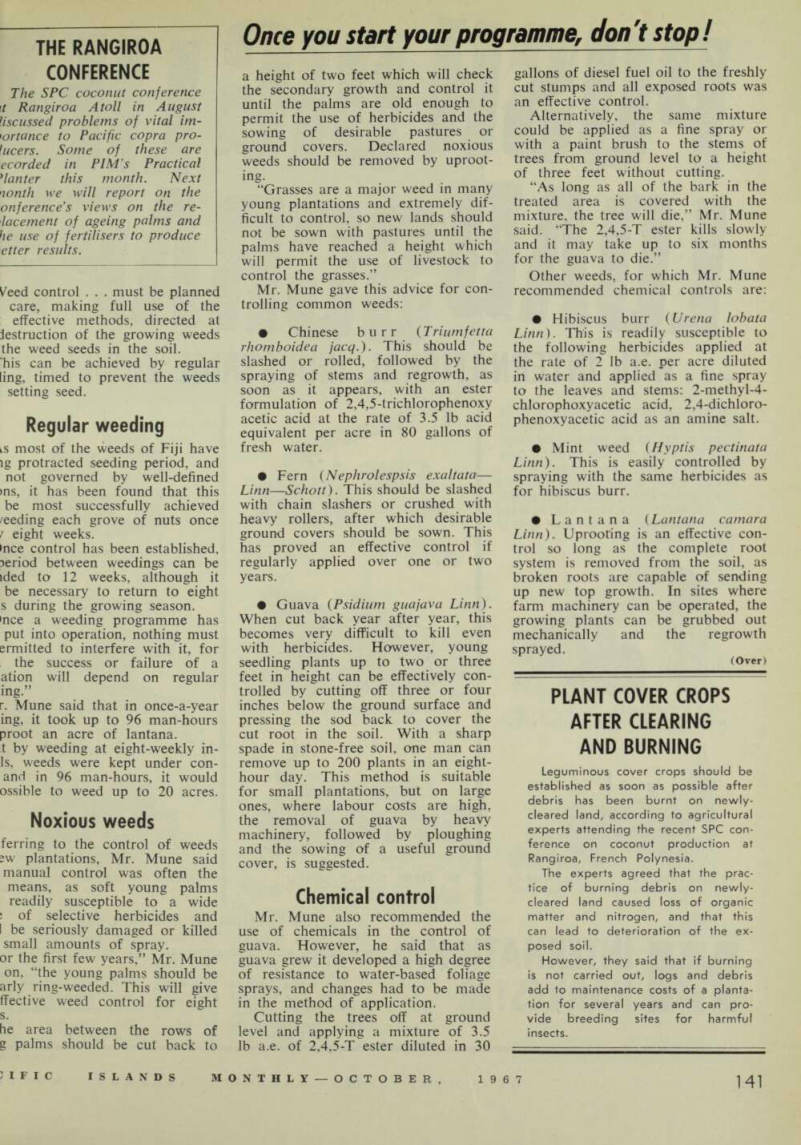 147
147 148
148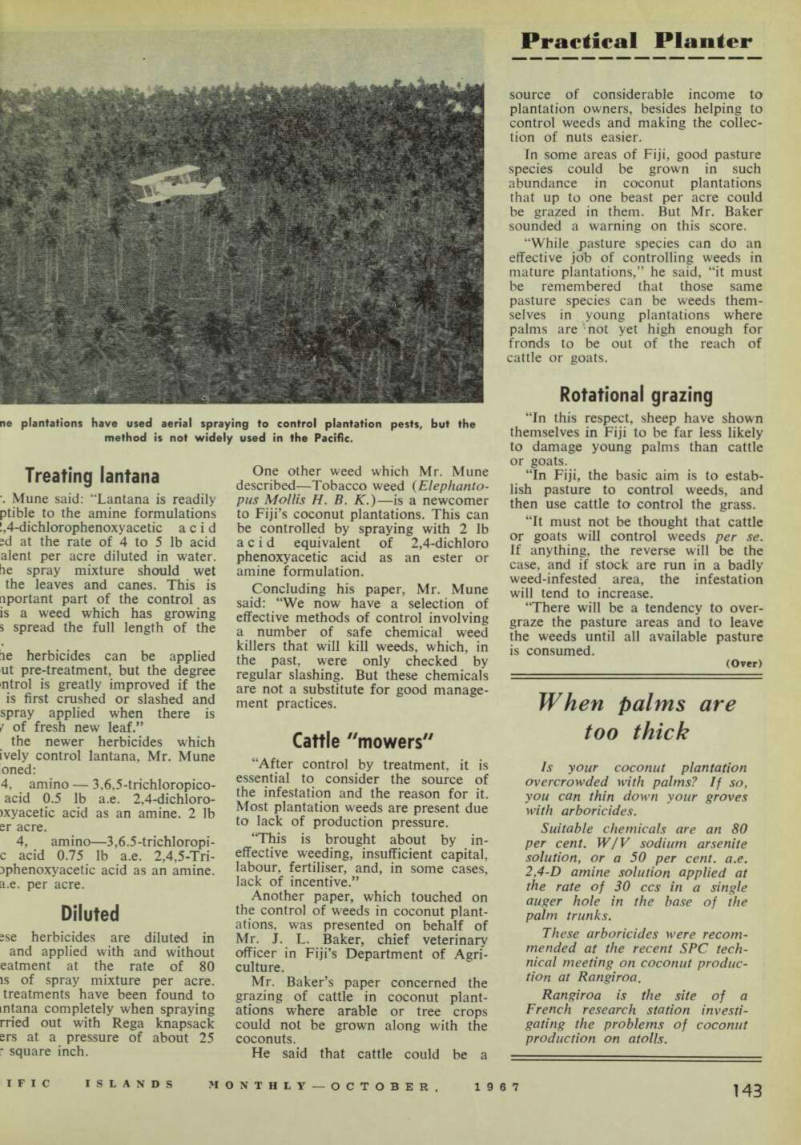 149
149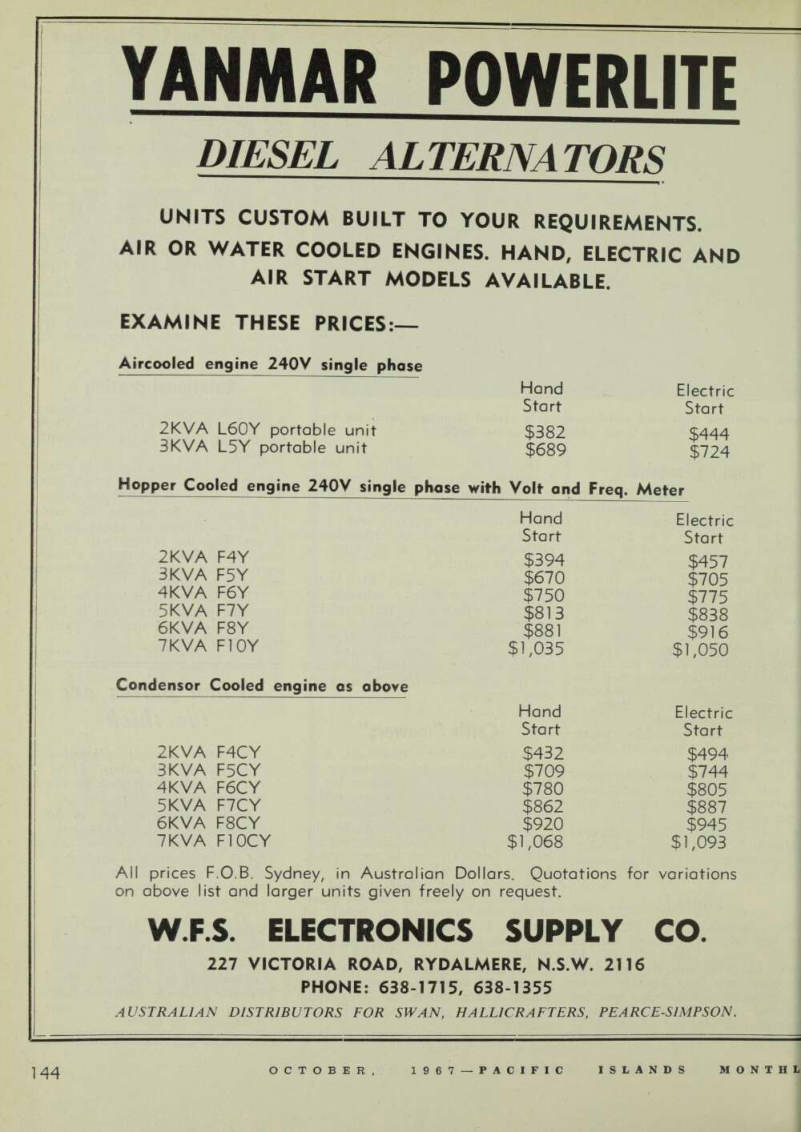 150
150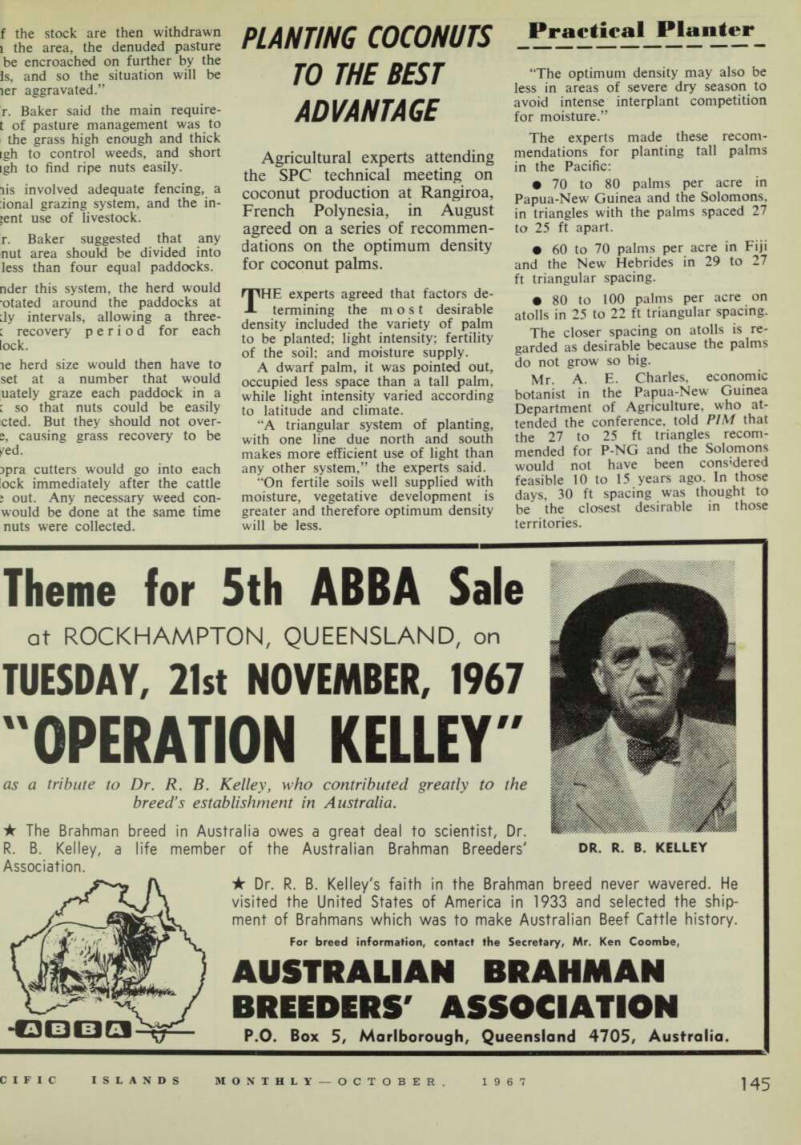 151
151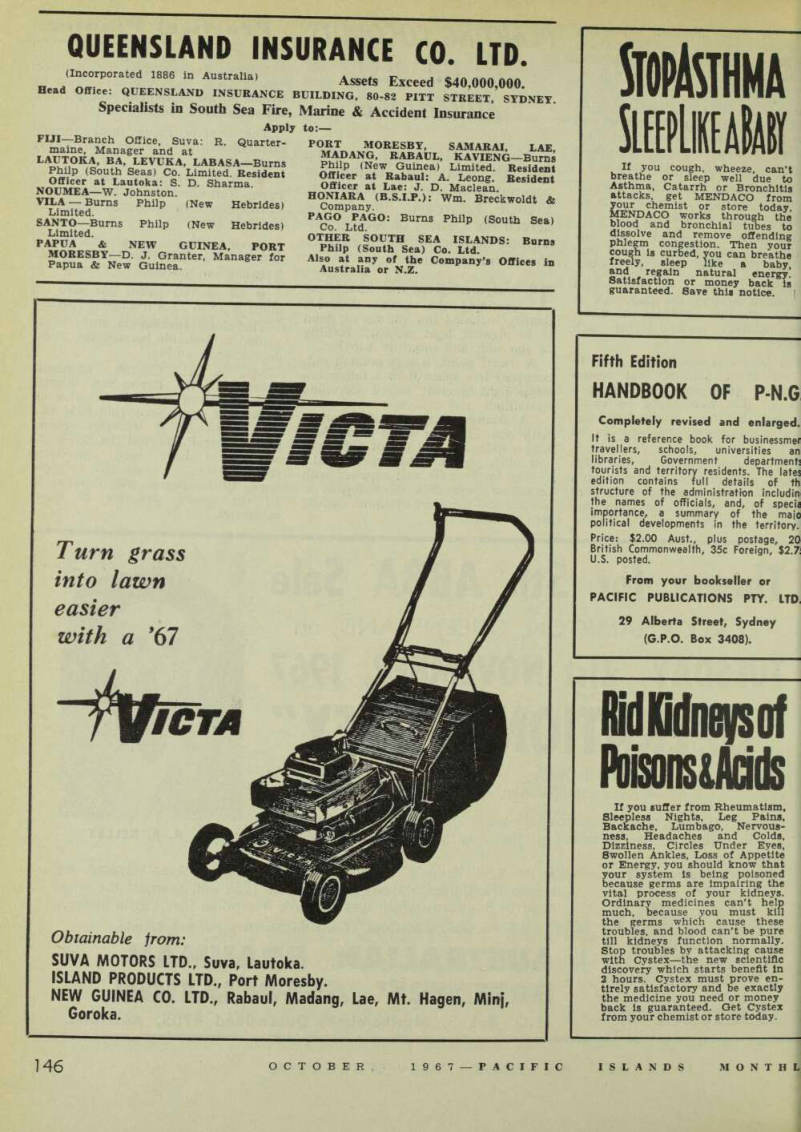 152
152 153
153 154
154 155
155 156
156 157
157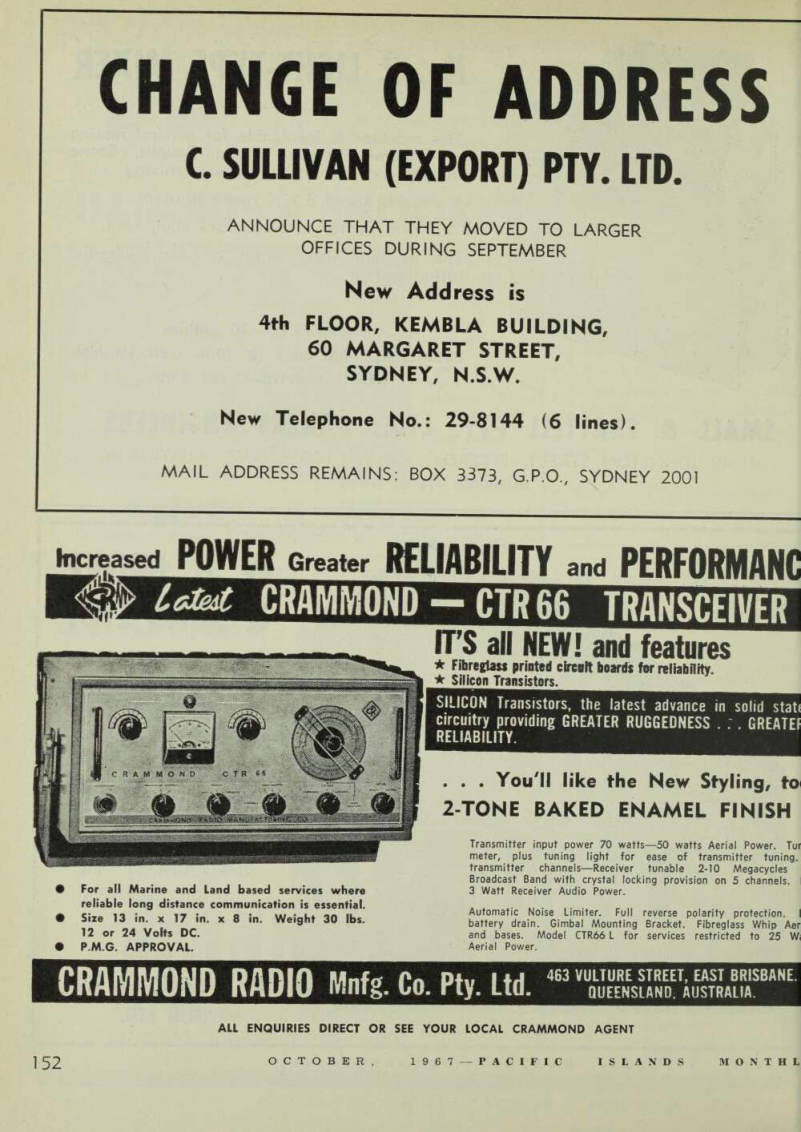 158
158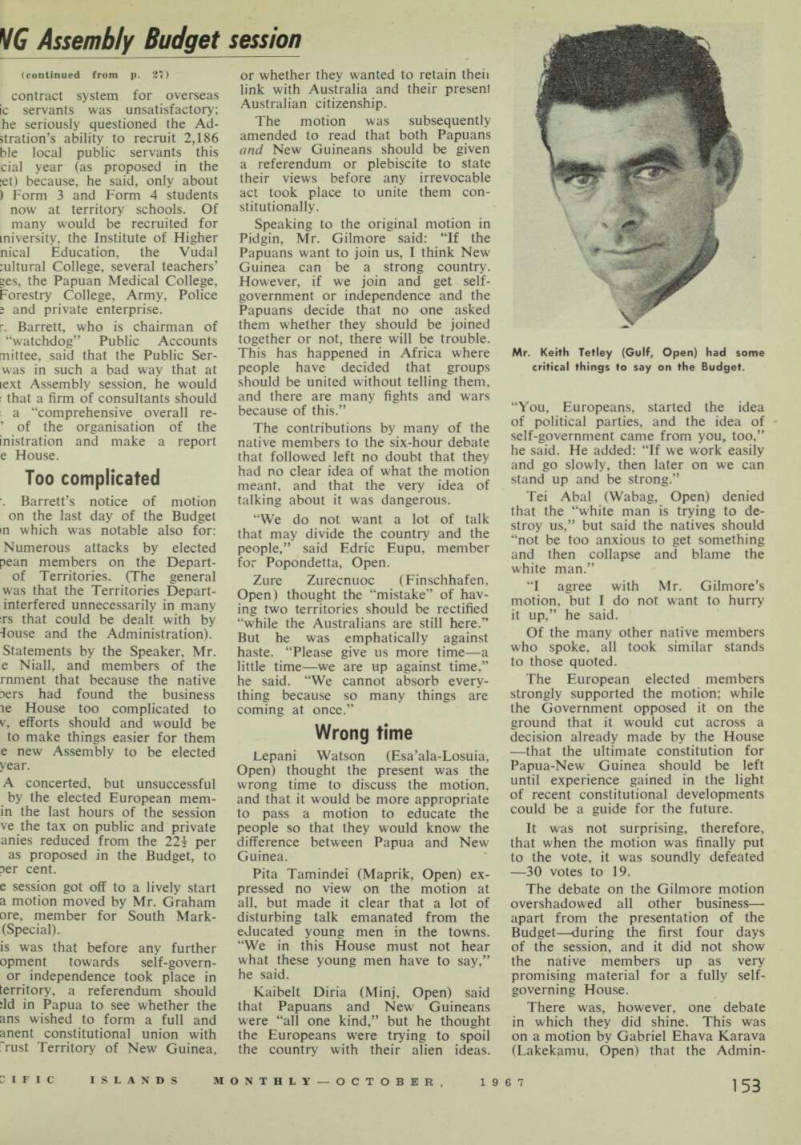 159
159 160
160 161
161 162
162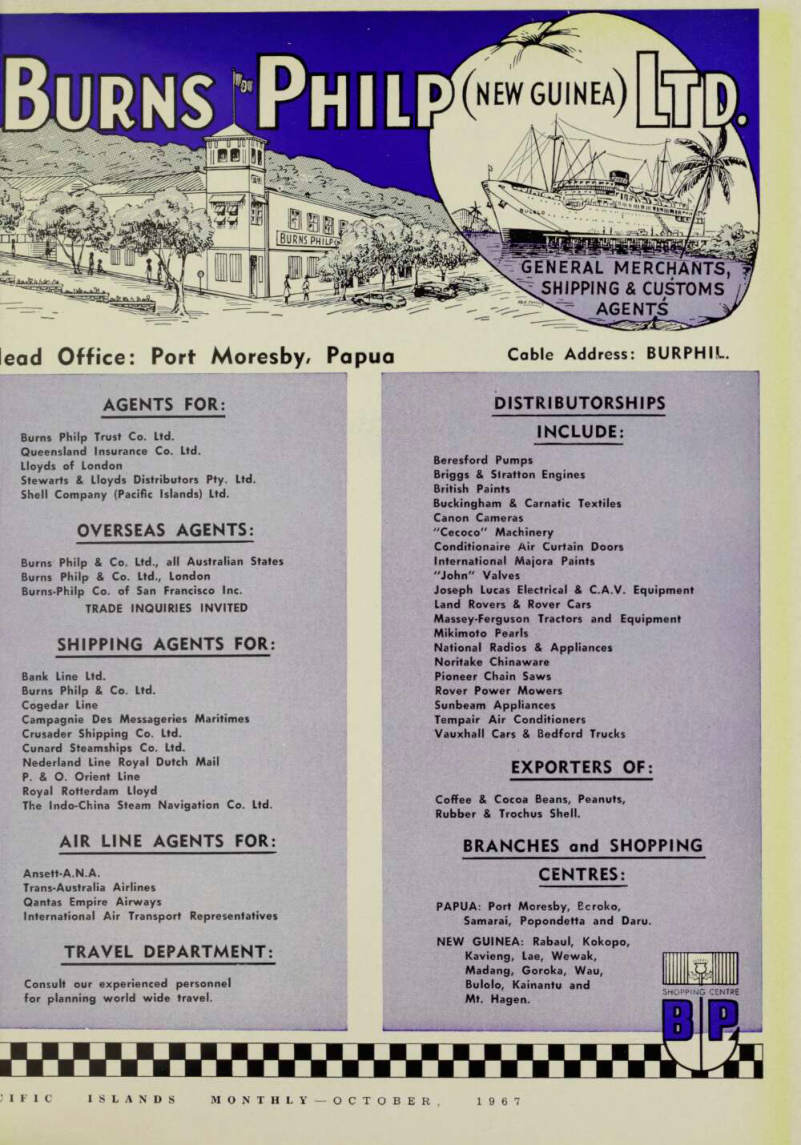 163
163 164
164