Monthly
Pacific Islands Monthly
October, 1966
30 Aust. cents Three shillings 70 US cents 50 French Pac. frcs.
The News Magazine Of The South Pacific
Established 1930
registered at G.P.O., Sydney, for transmission by post as a newspaper.
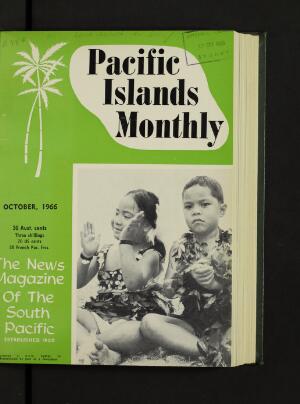
OUR COVER: These two young Tongan children made a charming picture as they performed a dance of the hands at the feast held to inaugurate Tonga's first hotel, the Dateline, in Nukualofa early in September. The hotel was officially opened by King Taufa'ahau Tupou IV. (See also p. 117). —Photo: Courtesy of Qantas.
Advertisements & other items, p. 2 (1 item)
January 19-
To Australia -
DAILY
TAA Electras
and special
pure jet flights
November 24-
December 25
January 19-
February 14
Book now
To meet your heavy travel requirements before Christmas and early in the New Year, TAA is increasing services to Australia. You’ll be able to fly on our Mark II Electra B.O.P. {‘Bird of Paradise’) service every day during these periods.
And — wait for it — there will be some additional flights by Whispering T-Jet. How’s that for a real travel bonus to add to your holidays?
Naturally demand will be heavy, so we suggest you book early to make sure of the flight you want.
Remember that cargo capacity will be increased too — because every TAA flight carries Air Express and Air Cargo.
So contact your nearest Travel Agent or TAA.
Port Moresby 2101 ■ Lae 2311 ■ Rabaul 2567 Madang 78, 268 ■ Goroka 8 ■ Mt. Hagen 4 ■ Wewak 103 Fly TAA the Friendly Way
T AA839/66
Pest Proof Your Home This Summer
Survival of insect pests is not possible with the new powerful safe Pea-Beu Insecticide.
PACIFIC Islands homes are continually confronted by the irritating menace of cockroaches, mosquitoes and flies. These annoying insect pests invade the home to present a dangerous threat to the family’s good health and clean living habits and it is in the interest of Public Health to ensure that homes are effectively proofed against flies and mosquitoes this summer.
THE cockroach, one of the most common and detestable of household insect pests has his favourite refuge in your home behind the workings of your refrigerator, stove or radio set. The reason for this, is that the electricity and motor affords him the heat he desires. He also lives in wardrobes and cupboards and eats clothing, particularly parts where are are food stains. The cockroach can survive on glue from bookbacks, toothpaste, soap, rubber and most anyything on which he can lay his feelers. He will even steal from the n of your milk bottle or sugar sin.
One of the major reasons cock roaches are so prevalent in the world today is due to the very cautious approach they make to any suspicious object they encounter. They will even nd back a little to “sniff” succulent id and make inquisitive prods with their feelers before feeding. Because this over-emphasised caution by cockroaches, it is an easy matter to >e them out with a harmless, odour * and non-poisonous powder which does not arouse their suspicions.
Pea-Beu cockroach powder is the modern, quick and easy method exterminating the roach population your home. Cockroaches un :ingly walk into the odourless Pea-Beu powder without fear and are destroyed. mosquitoes are the second most prevalent summer pest in the Pacific, though the male is generally harmthe female of the various species known throughout the world for spreading malaria, yellow fever, dengue and other diseases. In order propagate the species, the female must obtain a blood meal with the It that the incessant droning and ’ that accompanies sleepless nights are often experienced.
Flies are recognised by leading entomologists as the carriers of such dread diseases as typhoid, dysentry, tubercolosis, cholera and possibly hepatitis. The germs of these diseases may be carried into your home on their hairy bodies or through their digestive systems.
Simply by walking over a surface or using the proboscis like a straw, a fly deposits or transfers bacteria onto uncovered food or drink.
Because mosquitoes and flies are particularly active during the hot summer months, housewives should take special care at this time.
Recent Development of Powerful Insecticides Fortunately, the discomforts of insect invasion can now be controlled and eliminated, thanks to the development by A.N.I. Chemical Research of a new powerful safe insecticide that destroys on contact all insect pests, yet as it does not contain any of the poisonous hydro-carbons such as D.D.T., B.H.C. and Lindane, it is guaranteed safe to use in the home in the presence of children and pets as it cannot harm the lungs.
The wide umbrella-spreading fume action of the Pea-Beu insecticide penetrates deep into every corner of the room, searching out and killing all insect pests. No insect can survive its lethal killing action described by one observer “as if by an electric shock”. and, because of its safety factor, Pet-Beu can be sprayed into cupboards where food is stored. In some countries where insecticide laws are stringent, Pea-Beu is the only insecticide classified by the authorities as “safe”.
Pleasantly perfumed to leave a refreshingly clean aroma in the home, powerful Pea-Beu insecticide is now available through leading stores and chemists and is the safe, positive way to ensure your home is pest-free this summer.
No cockroach (not even the small hardy 'German') is im mune to the lethal power of either Pea-Beu aerosol spray or to the everlasting non-poisonous Pea-Beu cockroach powder.
Advertisements & other items, pp. 3-8 (4 items)
1
C I F I C ISLANDS MONTHLY- O C T O B E R , 1966
2
OCTOBER. 1966 PACIFIC ISLANDS MONTHL
Page 4
BUY ON
FACTS!
Let your Ford tractor dealer show you why new Ford engines work longer, require less servicing!
FACTS! New Ford “square” engines have wide bores and short piston strokes.
Result? Less wear on cylinder walls and pistons. Less side thrust. Better fuel economy. Standard on all four tractor engines: 39, 46, 56, and 67 hp.* FACTS! New Ford engines are easier to service. Save you time and costs. There are fewer parts to service. Many are interchangeable between all four models.
FACTS! Get top operating efficiency and economy. Match PTO option to your job requirements. Live PTO ... fully independent ... independent combined with ground drive ... transmission drive.
FACTS! Match Ford power to your load requirements. Choose from these modern transmissions: six-speed, eight-speed, or Select-O-Speed (the exclusive Ford ten-speed shift-on-the-go transmission).
Ford ploughs, like all other Ford implements, match Ford tractors on quality of performance, durability and operating economy. manufacturer's S.A.E. rating
PROVE IT TO
YOURSELF
with a demonstration
TRACTORS
EQUIPMENT
O'Brien
AUSTRALIA'S LARGEST
GLASS MERCHANTS
& MIRROR
MANUFACTURERS
• Sheet, Figured Rolled and Plate
Glass: Cut-to-size or in Case lots.
• “Armourplate” Glass. • Structural Glass.
• Spandrel Glass.
• Solar Insulation Glass.
• Glare Reducing Glass.
• Anti-Glare and Heat Absorbing
Glass.
• Multiple Glazing Units.
• Safety Glass.
★ We cut to any size, shape or design.
GLASS DIVISION
• Laminated & Toughened Glass.
• Diffuse Reflection Glass.
• Glass Blocks.
• Glass Louvre Blades.
• Brilliant Cutting.
• Sandblast Decoration.
• Stone Engraving.
• Glass Bending.
• Roof Lights.
• Glazing Bars.
• Mirror Fitting Sundries.
• “Copperbak” Mirror cut-to-size
and in stock sizes. • Gold framed Wall Mirrors.
• Unframed Wall Mirrors.
• Cheval and Vanity Mirrors.
• “Golden Ray” and “Platnum”
Mirrors.
• “Triple Tone” Mirrors.
• “Glitterlite” Flexible Mirrors.
• Antique Mirror.
• One-Way Vision Mirrors.
• Mirror for Industry.
design.
SHOPFITTING DIVISION
• Shop Fronts and Interiors • Club, Hotel & Cafe Interiors • Architectural Metalwork • Detailed Joinery • “Permalock” Partition Component Parts • “Penciline” Partitioning • Crush Bars and Kick Plates • Counter Screens and Grilles • Show Cases and Counters • Metal Mouldings Shopfronts and Interiors can be supplied prefabricated for installation by others • “Kawneer” Aluminium Sections • Entrance Doors and Screens • “Armourplate” Doors • Metal Nosing • Metal Letters • “U-rect-it” Store Equipment • “System Abstracta" Display Fittings • Glass & Shop Fitting Trade. Tools, Hardware & Supplies
BUILDING MATERIALS DIVISION
• “Formica” Decorative Laminate • “Formica” Engraving Material • “Bangor” Sliding Door Tracks • “Masonite” and “Masonite” Products • “Cowdroy” Track and Accessories for sliding glass doors and windows • “Cowdroy” Cupboard and Door Tracks • “Lidco” Track for sliding glass doors and windows • “Lidco” Multiframe aluminium extrusions and accessories • “Pyneboard” and “Caneite” • “Vinlon” Rigid Vinyl Roofing and Sheeting • “Blu-line” Insect Gauze • “Clip-on” Stainless Steel Fly Screens • “Naco” Adjustable Louvres • “3M” Contact Adhesives.
ORDERS AND ENQUIRIES THROUGH THE GENERAL MERCHANTS IN YOUR AREA.
CATALOGUES AND PRICE LISTS AVAILABLE.
MIRROR IN STOCK SHEETS
We carry a range of sheets up to 72" wide for you to cut to size. Can be processed after cutting, Electrolytically copper backed. Available in loose sheets or packed in 250 ft. or 500 ft. cases.
Laminated (clear and tinted) and “Armourplate” windscreens for most makes of cars and trucks can be cut to your template.
Full details and prices on application.
Laminated windscreens provide maximum driving safety.
The “sandwich” plastic holds the glass fragments.
FRANK G. O'BRIEN LTD.
223-231 BOTANY ROAD, WATERLOO, SYDNEY, AUSTRALIA
AQUALITE SHOWER SCREENS
17 types to select from, clear, obscure, coloured and “Armourplate” glass with sandblast, colour filled or brilliant cut designs in chrome plated brass or aluminium frames.
F 0113.94
Code Address: "BURNSOUTH"
REGISTERED OFFICE: SUVA, FIJI
FORMALITIES — INSURANCE.
TRAVEL — SHIPPING — FORWARDING — CUSTOMS EXPERT ADVICE ON WORLD AND LOCAL TOURS —
SPECIALISED SERVICES
CORRIE & CO. LTD • NARAIN FURNITURE CO. LTD.
AUTOMOTIVE SUPPLIES CO. LTD.
BURNS PHILP (NEW HEBRIDES) LTD.
ASSOCIATED COMPANIES
PAN AMERICAN AIRWAYS
ALITALIA
UNION DE TRANSPORTS AERIENS
QANTAS EMPIRE AIRWAYS LTD. ⸬ AIR NEW ZEALAND
INTERNATIONAL AIR TRANSPORT ASSOCIATION REPRESENTATIVES for
SUNBEAM APPLIANCES
PENTAX CAMERAS
REVLON COSMETICS
ROLEX WATCHES
JOHNSON'S WAXES
HOLDEN VEHICLES
HITACHI ELECTRONICS
HELENA RUBENSTEIN
EXCLUSIVE DISTRIBUTORSHIPS INCLUDE
FERGUSON TRACTORS
EPIGLASS PRODUCTS
DUNLOP PRODUCTS
AKAI TAPERECORDERS
Lines • Nederland Line Royal Dutch Mail/Royal Rotterdam Lloyd. des Messageries Maritimes • British India Steam Navigation Co. Ltd. • Royal Interocean Line Ltd. • General Steamship Corporation Ltd. • Blue Star Line • Cunard Line • Compagnle The New Zealand Shipping Co. Ltd. • Shaw Savill & Albion Co. Ltd. • Port Line Ltd. • Bank
SHIPPING AGENCIES
BURNS PHILP CO. OF SAN FRANCISCO
BURNS PHILP & CO. LTD., London.
BURNS PHILP & CO. LTD., Sydney.
OVERSEAS AGENTS
SHELL COMPANY (P.I.) LTD.
BURNS PHILP TRUST CO. LTD
QUEENSLAND INSURANCE CO. LTD.
AGENTS FOR:
NIUE ISLAND.
NORFOLK ISLAND.
VAVAU.
HAAPAI.
NUKUALOFA.
TONGA:
PAGO PAGO.
APIA.
SAMOA:
BRANCHES
TAVEUNI.
ROTUMA ISLAND.
TAVUA.
SIGATOKA.
BA.
SAVU SAVU.
LABASA.
LAUTOKA.
LEVUKA.
SUVA.
FIJI:
SHIPPING, CUSTOMS AND FORWARDING AGENTS
GENERAL MERCHANTS AND SHIPOWNERS
BURNS PHILP (SOUTH SEA) CO. LTD.
THE
CRISP
DRY ONE
A taste as clear and crisp as diamonds— that’s the reason why Gilbey’s Gin makes some of the world’s most notable martinis and some of the most refreshing long drinks that ever cooled off a long hot afternoon. 6737
Cific Islands Monthly- O C T O B E R. 1966
Pacific Islands
Monthly
Owned And Published By
Pacific Publications Pty. Ltd.,
29 ALBERTA ST. (G.P.O. BOX 3408), SYDNEY.
Telephones: 61-9197, 61-7101, 61-4369.
Telegraphic Address: PACPUB, Sydney.
Chief Executives
Managing Director: R. W. Robson.
General Manager: Selwyn Hughes.
Book Publishing Division
Editor: Judy Tudor.
Pacific Islands Monthly
Editor: Stuart Inder.
Assistant Editor: Robert Langdon.
Branch Offices
Melbourne: Newspaper House, 247 Collins St.
Tel.: 63-7053.
Fiji; Pacific Publications (Fiji) Ltd., Fiji Times Building, 20 Gordon Street, SUVA, Tel.: 25601.
Fiji Times Office, Vidilo Street, LAUTOKA.
Tel.: 60-422.
Papua-New Guinea: Pacific Publications (N.G.) Pty. Ltd. Representatives: Mrs. Joan Carter.
P.O. Box 16, PT. MORESBY (Tel.: 2504); Miss Pat Robertson, P.O. Box 227, LAE; Mr. Steve Simpson, P.O. Box 154, RABAUL (Tel.: 2547).
Representatives
New Zealand: J. D. Whitcombe, C.P.O. Box 2229, Queen Street, Auckland. Tel.: 76056.
Hawaii: C. C. Spencer, 203 Yap Bldg., 3465 Waialae Ave., Honolulu. Tel.: 775538.
United States; Mrs. A. L. Craib, 1631 80th Avenue, Oakland 21, California.
Tel.: LOckhaven 8-1201.
United Kingdom: S. R. Warman, Candlewick House, 116-126 Cannon Street, London, E.C.4.
Tel.: Mansion 3674/7.
H. A. Mackenzie, 4A Bloomsbury Square, London, W.C.I. Tel.: Holborn 3779.
Agents
All main trading firms and stores in the Pacific Islands.
Pacific Publications Pty. Ltd. is the Australian agent for THE FIJI TIMES.
Subscription Rates:
Australia: 30 cents Aust. or 3/- ($3.60 Aust. or 36/- for 12 months). New Zealand, all, British Commonwealth South Pacific Territories, Tonga, New Hebrides and Western Samoa: 3/local currency (36/- local currency per annum).
Elsewhere in the South Pacific; 50 French Pacific francs or 70 US cents (600 French Pacific francs or $8.00 US posted per annum).
Posted to USA, $8.00 US per annum. Posted to the UK and all other countries: £Stg.2.
"Pacific Islands Monthly" is air-freighted to all subscribers and agents in the South Pacific copies to other areas go by surface mail.
In This Issue
General
Getting Tomorrow's News Today 18 Pacific Games Idea 45 New Idea for Copra Industry 142
American Samoa
New Hotel Manager 133
Cook Islands
House of Arikis Opened 15 Big Public Service 18 Many Yachts at Rarotonga 115 Inquiry Into Bank Needs 141
Fiji
Legislative Council Elections 9 More Money Likely for Banabans 12 Australian Commissioner on Aid 17 lotuman Girl in Europe 19 lotuma Postage Stamps 33 Indigenous Literature 49 Japanese Squadron in Suva 105 Joyita" Museum Plan 105 olony Joins AMVER 107 Hotels Association Formed . 131 ow Sugar Industry Survives 141 Decimal Currency 143
French Polynesia
Visit by General de Gaulle 11 New Postage Stamps 33 oorea's Old Church 47 Royal Palace Demolished 92 Dok on Gauguin Museum 99 New UTA Air Service 133 Ist Makatea Phosphate 142
Gilbert And Ellice Islands Colony
Athletes Shape Up for Games 12 Ocean Island Phosphate 12 Trip to Gilberts in 1902 85 Replacement Sought for "Moana Raoi" 107 North Tarawa Causeways 109 Tarawa-Micronesia Air Link Idea ... 131
Nauru
On Chong Men Going Strong ... 87
New Caledonia
General Strike in Nickel Mines 11 Visit by General de Gaulle 11 UTA Service from Auckland 133
New Hebrides
Visit by General de Gaulle ... 11, 45 New British Agency on Malekula 18 WHO Postage Stamps 33 Survey of Conditions .. 57 Vanua Lava's Sulphur Deposits 72 Lamap Airfield Opened 133
Niue
Member System Inaugurated 15
Norfolk Island
Tourist Promotion 131
Papua-New Guinea
1969 South Pacific Games Rebuff 13 House of Assembly Session 14 Toni Voutas, MHA 14 Gambling on Golf 18 Hahalis Leader Studies in Sydney 18 Japanese Regret Over War 19
Housing Project Under Fire 19 Development Bank Almost Ready 19 Public Service Salaries 20 Percy Chatterton's Column 25 Assembly Hansard Reports 29 Clam Shell Chisel 45 Death of Gordon Thomas 45 Japanese Interests 45 Constitutional Development 53 1968 Elections 53 Noumea Games Prospects 61 Young Footballers in Australia 65 Papuan Jewellery 67 Duty Free Goods Not Wanted 71 Madang's New Wharf 105 Formosan Clam Poachers 105 New Kieta Wharf 109 Western Highlands for Tourists 121 Malarial Suppressives Needed 131 Aropa Plantation .. 142 Milne Bay Pearl Farm 143 Lae Paint Factory 143
Solomon Islands
Politicians Visit UK 12 Mrs. Hill's Pet Bina 89 Rice Factory for Honiara 142
Tonga
'Ata Castaways 17, 101 King's Coronation 18 Captain Tippett's Tortoise 45 Dateline Hotel Opened 117
Wallis And Futuna
New Administrator 136
Western Samoa
Request for US Aid Rebuffed 20 Low-Cost Housing Plan 35 Economic Planning Criticised 35 Painters in Public Eye 41 New UN Representative 136
DEPARTMENTS: Tropicalities, 17; To the Point, with Percy Chatterton, 25, Planters' Digest, 37; News in Pictures, 41; Letters to the Editors, 45; From the Islands Press, 76; Magazine Section, 85; New Books, 97; Shipping, 101 - Cruising Yachts, 111; Travel, 117; People, 135; Business and Development, 141 Produce Prices, 145; Shipping, Airways Schedules, 146; Deaths of Islands People, 154.
Advertisements & other items, p. 10 (1 item)
arnott's
famous
Biscuits
TRIPLE
arnott's Biscuits
SAO
WRAPPED
PACKS
arnott's Biscuits
SAO
Serve simply
with Sao...
There is no Substitute for Quality
Militant Indians Active As
Fiji Goes To The Polls
From a Suva Correspondent SUVA, Sept. 28 By air, land and sea; in bullock carts, launches, punts and rafts, Fiji’s electoral officers now are penetrating to every nook and cranny of the 300-odd islands which make up Fiji, to rattle the ballot boxes under the noses of 156,683 voters.
FIJI’S general elections are on— September 26 to October 8— and, in a last frenzy of activity, the 70-plus candidates are pleading their causes to the electorate.
Six candidates (all Alliance men) can sit back and take their ease.
They were elected unopposed—Ratu Edward Cakobau (Central cross-vot ing), Dr. W. L. I. Verrier (Northern and Eastern cross-voting), Jonati Mavoa (Fijian Lau-Rotuma), Solomoni Momoivalu (Lomaiviti- Kadavu), R. G. Kermode and R. H.
Yarrow (General, West Viti Levu).
In all the other constituencies (7 Fijian, 9 Indian, 3 General and 7 cross-voting constituencies) there are contests; but, although voting began on September 26, no results will be known until about October 10.
There have been no riots, no very exciting meetings, no large-scale demonstrations. But, allege the Alliance supporters, there has been some foul play.
Biggest talking point of the whole campaign has been the verbal lashing that Ratu K. K. T. Mara, Alliance president, gave A. D. Patel’s Federaion Party in the last election broadcast over the FBC, on September 23.
Anti-European
Mr. Patel and the other Federation andidates have urged Indian voters to ignore and “informalise” the ballot papers of the European candidates in the cross-voting.
This makes strange listening against the background of Patel’s campaign or an entente cordial among all races in Fiji.
At the opening of the campaign, all candidates were offered space in The Fiji Times for policy statements; and the Fiji Broadcasting Commission offered similar amenities. All responded except Federation candidates, they were ordered by the party leaders to boycott both The Fiji Times and the FBC.
They ignored The Fiji Times offer and demanded from FBC carte
blanche for their candidates. No one was to see the speeches in advance, and the tapes would be prepared by the party itself. The FBC refused the demand. Hence the boycott.
The non-Federation candidates made their speeches—all courteous and restrained—until the final one, that of Ratu Mara.
In all their meetings, the Federa tion candidates have had little to say on policy, or on how they would govern. But they attacked their opponents, the electoral system, the Europeans, the Civil Service and “colonialism”, and they demanded immediately —as did the United Nations Committee of 24—an elec tion based on a common roll (one man, one-vote).
Then, his patience exhausted, Ratu Mara hit back. For months, he has been pleading for racial unity.
“There is no place in Fiji for those who create discord and ill-will among our various communities, for those who substitute lies and abuse
for responsible leadership, for those who would sow seeds of resentment and violence in this peaceful land,”
Ratu Mara said.
He charged that the Federation Party had produced no semblance of a constructive policy for the future well-being of Fiji.
Instead, he alleged, they had said venomous things at their meetings.
He described the advice given to their supporters to invalidate the European and Fijian ballot-papers as “this disgraceful attempt to interfere with the expression of the wishes of the voters of Fiji, and to distort the results of the elections”.
It was an example of their irresponsibility and, unfortunately, was characteristic of the attitude they had displayed throughout the election campaign.
“They have concentrated on personal abuse and vilification of other candidates and their supporters and, worst of all. they have made racial hatred and ill-will a dominant feature of their campaign,” he said.
"Racial Hatred"
Was he exaggerating? Many who attended his meetings said he did not speak strongly enough. They declared there was incitement to racial hatred in many speeches at Federation Party meetings.
Even today there comes news of the election posters of the Alliance and of independent candidates being torn from walls and hoardings at Ba.
Organised gangs of hecklers, some of them threatening violence, have tried to break up meetings of anti- Federation Party candidates.
The party itself has been using old political tricks to give an impression of importance and wide support to meetings, by transporting in cars and buses large numbers of vociferous supporters and cheer-leaders.
Several car-owners, thought by the
Ratu K. K. T. Mara
Federation to be their well-wishers, have been asked to bring their cars to meetings. When one pointed out that the meeting was only a few yards from his house, he was told: “Yes, but we want to get as many cars at the meeting as we can. It adds to the importance”.
The Government allowed a wide interpretation of the definition of “postal voter”. An elector who thought he would be more than 10 miles from the polling station on election day could have a postal vote.
Some candidates jumped at this, and at the electoral offices organised queues of people who said they would be many miles from home on polling day.
Some candidates, also, are “wit nessing officers”, who may help a voter to record his vote. It was noticed at Nausori, for instance, where more than 1,200 voters had been issued with postal ballot papers, that one Federation candidate, who was also a “witnessing officer”, was actively assisting his supporters. His opponents woke up to it, and they
also organised a similar service, and soon had large queues.
Then the Federation man suggested a compromise—that they should work together to render assistance to those who said they needed it.
The Fiji Times then pointed out the danger of allowing candidates to be “witnessing officers” in this way.
The Government replied that it didn’t think there was any danger— the officials were sure the candidates were too jolly decent to do anything unethical like that —or words to that effect.
Federation Prediction
The Federation Party says it will win all the nine Indian seats which it is contesting, but that is sheer speculation.
Whatever the results, the Alliance will be the strongest body in the new Legislative Council. Already they have six men in. They are sure they will have another dozen.
If the Federation wins every Indian seat they will have only nine, and they are contesting in addition only four of the nine cross-voting seats.
They have also one Fijian candiate, Penaia Rokovuni, who is tipped to lose his £5O deposit.
Thus, if the Federation could win every Indian seat available to it, the new council could comprise; Federation 12 Non-Federation 24 Official 4 But this is unlikely. It seems possible at this stage that from three to six Federation men will get in.
With the Federation Party forming a small opposition in the Legislative Council, what would the future bring?
The guess of this writer is that Mr. Patel and his followers will be far more active outside the council chamber than in it.
They are expected to fight tooth and nail against the new Constitution.
Even “c i v i l disobedience” is threatened.
One could take these words, which appeared in the Federation paper, Jagriti, as those of the Federationn and its leader, Mr. Patel; “Political rights are never obtained by begging. . . Some people use weapons, etc... for the struggle, but India is an ideal example for us. Under the leadership of Gandhiji, the leaders of India mounted a Satyagraha (civil disobedience) campaign and obtained independence for their country without any weapons or tumult”.
New Column Is
“To The Point”
Turn to p. 25 for “To The Point”, first of a regular series of topical commentaries on Papua-New Guinea affairs by Percy Chatterton. With a career behind him of 40 years in Papua as an LMS mis sionary specialising in educat ional and translation work, Lancashire-born Percy Chat terton writes with insight, and what he has to say is as valuable as it is entertaining.
He lives in Port Moresby with his wife, and is an elected member of the House of Assembly. You'll find “To The Point” in PIM every month from now on.
The Fiji Electoral Scene
Fiji’s population is approximately 480,000. The total of voters enrolled is 156,680. For electoral purposes, the voters have been divided between three communal rolls, thus:
Legislative Council
To consist of 40 members, constituted thus: 12 Indians—nine elected on the Indian roll, and three on the common roll; 14 Fijians—nine elected on the Fijian roll, three on the common roll and two by the Great Council of Chiefs; 10 who are neither Fijians nor Indians—seven elected on the miscellaneous roll, and three on the common roll; Four officials, nominated by the Governor.
The Constitution
Fiji’s new Constitution, based on the agreement reached at the London conference in July, 1965, was promulgated only on September 23, and voting on the above system commenced on September 26, and will cease on October 8. The system was designed to give the new, self governing nation as much “common roll” rule as possible, but to prevent any one race from swamping the governmental machinery.
Political Parties
There are no political parties, as such. Organisations of Europeans, Fijians, Indians, part-Europeans, and Chinese have formed an “Alliance , which plans racial unity and progressive development under British direction, and is supporting a team of selected candidates. Its leader, Ratu K. K. T. Mara, has been an outstanding figure in the electoral campaign, and could become Fiji’s first Premier.
Opposing the Alliance is an Indian minority group, called the “Federation”. It is anti-European, is led by Messrs. A. D. Patel and S. M. Koya, is opposing the new Constitution and demands the common roll (under which, apparently, the country would be governed by the Indians).
The chief issue of this election is to what extent will the new council be influenced by the anti-Constitution, anti-European Indians?
There must be 12 Indians in the new council—and how many of them will carry the Federation label?
To Represent Approx.
Population Voters Enrolled
Indian Roll . . .
Indians only 240,000 75,768
Fijian Roll . ..
Fijians and Rotumans 206,000 74,575 GENERAL (or miscellaneous) ROLL .
Europeans 10,000; Part-Europeans 10,000; Chinese 6,000; Other Islanders 7,000. 33,000 6,340
Common Roll . .
The three rolls, above, treated as one roll are brought together and for the purpose of “cross voting”.
New Caledonia's
General Strike At
Nickel Mines
Workers at the New Caledonian nickel mining centres of Thio, Poro and Kouarou went on strike in late September following a breakdown in negotiations be tween trades union leaders and the Societe le Nickel, which has a monopoly in the country’s
nickel industry.
THE strike immobilised shipping between the mining centres and the Noumea smelters, and if it con tinues, it will result in the shut-down of the smelters.
Trouble started at Thio several months ago when a couple of chief engineers of Societe le Nickel de clared that they wanted no unionism among their employees.
“We will take care of any dispute,” they are reported to have said, “and those who don’t like it will be thrown out.”
Union delegates later protested to the Societe’s head office in Noumea by letter, telegram and in person about the “continued provocative actions and words” of the two en gineers, and when no action was forthcoming, a 24-hour stoppage was called at the Thio mines in late August.
"Appalling Relations"
Three union delegates were stood down following the stoppage. But these men were reinstated for the visit of General de Gaulle, as the societe feared that the whole nickel industry would go on strike.
Later, another 24-hour stoppage oc curred at Thio when the company efused to transfer the two engineers.
Result: Nine union delegates were stood down.
When a compulsory conference be ween the company and union dele gates, presided over by the Inspector of Labour, broke down without result, the general strike was called at Thio, Poro and Kouaro.
The main bone of contention at the conference was the reinstatement at Thio of a union leader.
PIM’s Noumea correspondent says: relations with the Societe le Nickel have always been appalling but at present they are at the lowest level ever.”
French President
In Historic
Visit To Pacific
General Charles de Gaulle became the first French Presi dent to visit the South Pacific while in office when he spent just over a week in New Caledoma, the New Hebrides and
French Polynesia early in Sep
tember.
THE general arrived in Noumea on September 3, flew to Vila for a one-day visit to the New Hebrides on September 6; and left for Tahiti from Noumea's Tontouta Airport on September 7.
He remained in French Polynesia until the 11th, during which he watched the explosion of a nuclear device at France’s nuclear testing centre, Mururoa Atoll from the French warship de Grasse.
The explosion, the fourth in France’s current nuclear series, took place in a device suspended below a balloon at an altitude of 1,600 ft.
General de Gaulle was warmly received wherever he went, although the crowds were not always as big as they might have been.
In his public speeches, he usually stressed the fact that although France's Pacific Territories were a
long way from France, their people were Frenchmen in heart and spirit, with a French duty to perform in the Pacific.
The general said little that was new or positive apart from the fact that, on his return to France, the French Government would “do every thing necessary” to build a road across Tahiti’s rugged, lofty and seldom-penetrated interior. General de Gaulle said that the road would be a ‘“peaceful, useful and magnific ent work” to commemorate for ever the nuclear testing centre at Mururoa.
During General de Gaulle’s visit the New Hebrides, the French Government announced awards to several senior British officials in the Pacific.
An award was also made to Mr.
Reece Discombe, a New Zealand resident of Vila, for his discovery of the wreck of La Perouse's flagship Boussole at Vanikoro several years ago. Mr. Discombe became an Officer of the Order of Merit.
General de Gaulle renewed acquaintances with some old comrades-in-arms during his visit to Noumea in September. He is seen here with 2nd Lieutenant Raymonde Beer, nee Roly, who was the first woman to volunteer from New Caledonia in World War II. She went to London in 1940 as a chauffeur, and finally served as a secre tary at the Free French HQ. A school teacher, she is married to a Norwegian doctor, and they have a family of two girls and two boys. To her right is Lieutenant Thomas Hagen (now a reserve captain), who served in the Pacific Battalion. He is a nephew of the late "Tibby" Hagen.—Photo: Fred Dunn.
Gilbertese, Ellice
Athletes Shape
Up For Noumea
From a Tarawa Correspondent The performances of men in sport are often quite unpredictable. On many occasions an athlete with some talent and a ton of guts will upset an over confident or temperamental favourite. Thus the essence of select ing a Games team is to pick re presentatives with the right mental attitude and determination. The GEIC’s team will be announced on October 15.
LET’S look at our Noumea chances.
First, it’s worth noting that it is highly unlikely any women will represent the colony this year.
Tennis does not look hopeful at this stage. Despite the natural abilities of our tennis team at Suva in 1963 they failed to win a match and were tenth in the final placings.
This was our biggest disappoint ment at Suva. We found that good judgment, together with natural and graceful styles, do not produce tournament winners. Unless our players develop the essential winning drive, power to force the game, and the ability to scramble out of tight spots, they may not fare any better at Noumea. Our likely team of three will probably include Wiram Tarawa, who competed at Suva.
Table Tennis
A bronze medal for table tennis at Suva was heartening, no doubt partly attributable to our lucky draw.
Kokea Malua, who competed at Suva and should be selected again, believes that our general standard of play has lifted.
But unlike athletics, table tennis is not a measurable sport until you reach the Games and meet the op position. No doubt other teams are showing improved form too. We are hoping for at least a bronze medal from our three-man team.
The colony did not send a basket ball team to Suva, but it is hoped that a Gilbertese and Ellice team (from Nauru) will represent us at Noumea. This team has been play ing together for several years now and has beaten the Nauru team at their two meetings. (Nauru was fourth at Suva). We thus expect our basketball team will prove to be formidable opponents.
In athletics, the big question mark is can coach Peter Barker (who is teaching the boys by his own example) bring these lads to the peak of their potential by November?
Half-miler Kiali needs only to build up his stamina for the final 220 yards, and he will produce a time of around 2 mins flat (Suva record 2m 2.4s).
Mile runner Tion also lacks strength for the last part of the journey. By November he should be able to produce 4 mins 25 secs for the 1,500 m. (Suva record 2m 23.4s).
Our sprinters are unlikely to reach the Games standard, although, one lad, Flailiva, who has recently turned to jumping, is showing some promise in that field. He cleared 20ft 8 ins in his early attempts.
Flailiva and the other two already mentioned are students at King George V School.
It was reported from Ocean Island recently that their high jumper had cleared 5ft 9 ins; and from Nauru that several boys are training in high jump, discus, sprint and distance track events.
Robbie Morgan-Morris, who coaches colony athletes at Nauru, will himself compete in all distance track events, and will represent Nauru. His efforts on behalf of this colony are surely in the true spirit of sports manship.
BSIP Politicians
To Visit UK
Two members of the BSIP Legislative Council left Honiara by air in late September for a visit to Britain as guests of the British Government. They are Mr. Eric Lawson, member for Honiara, and Mr. David Kausimae, member for South Malaita.
During their stay in the UK, which will end in London about October 17, they will be shown a cross section of British life.
Neither has been to the UK previously.
A BSIP Government an nouncement says that the object of such visits is to create further opportunities for strengthening the bonds of friendship between Great Britain and territories overseas. They also help to spread a full understanding of the achievements and problems of Great Britain.
This is the first time that any one from the BSIP has gone to Britain under such a scheme.
More Phosphate
Monies Likely For Banabans, GEIC
Both the Gilbert and Ellice Islands Colony Administration tion and the Banaban people of
Rabi Island, Fiji, expect to re
ceive more money from Ocean
Island phosphate following talks
in Wellington, New Zealand, in
late August and early September.
BUT the division of the money is likely to be in much the same proportion as it is now, as the Banabans failed to get anywhere with their claim that they have been receiving an unfairly small share.
The talks took place between re presentatives of the British Govern ment, the Banabans and the GEIC.
The Banaban representatives were officially part of the UK delegation; but the talks, in fact, were mainly a two-way affair between the GEIC and the Banabans, with the UK delegation acting as referee.
Heavy Tax
At present, the Banabans (who own Ocean Island, but who have lived in Fiji since 1945) receive a royalty of 3/8 a ton on all phosphate exported from the island; and the GEIC (of which Ocean Island is a part) imposes a tax of 25/- a ton.
The phosphate is exploited by the British Phosphate Commissioners on behalf of the British, Australian and New Zealand Governments.
At the talks, there was general agreement that the GEIC and the Banabans should get more from the phosphate; but no agreement could be reached on how the money shoulc be divided.
The Banaban view was that the tax of 25/- a ton, compared with their royalty of 3/8 a ton, was so high as to represent virtual ex propriation of the phosphate industry They pointed out that more than 50 per cent, of the normal revenue of the GEIC came from Ocean Island phosphate; and claimed that it was unjust that the British Governmen should run the GEIC so largely at their expense.
The stand of the GEIC delegation was so far apart from the Banaban viewpoint as to be irreconcilable; and it was decided that the question of how the phosphate monies should be divided should be left to the Colonial Secretary.
P-Ng Should
Think Again!
If New Guinea decides it can’t afford to hold the Third South Pacific Games then it probably deserves never to hold them at all.
If New Guinea, with a Budget more generous by far than that of any other South Pacific terri tory, backed by one of the most prosperous nations of the Pacific basin, can’t do in 1969 what New Caledonia is doing in 1966 and what Fiji did in 1963, then it’s a pretty poor outlook for South Pacific sport.
New Guinea’s present situation is ignominous. The territory gave notice of its intention to seek the 1969 Games as early as 1963.
Its eleventh hour reversal is merely the result of a domestic political wrangle which should never have been allowed to involve consideration of the Games. Gov ernment leaders in the House of Assembly’s Budget session used the cost of the Games as a political stick with which to beat over the heads elected members who attacked the territory’s Budget.
The Government said in effect: “If you think we are not spending our money wisely, then you needn’t expect we’ll find the cash for any South Pacific Games!”
The harrowing picture of costs painted by the Administration was an exaggeration, which did not take account of the many facilities, including accommodation, which in the normal course of events will be available in Port Moresby by 1969. It panicked the members into a hasty decision.
Why should the P-NG budget have to meet the bill on its own?
Can’t the Commonwealth be ex pected to lend a hand with a prestige event like this? Of course it can.
The Assembly debate was not only lopsided in view of the serious shortage of real facts, it was quite unnecessary.
It's made New Guinea look ridiculous. And more faces will be red before the situation is re solved, as it will have to be, by the Assembly reversing its decision.—THE EDITOR.
Next South Pacific Games
New Guinea 'Can't Afford' The Next South Pacific Games
From Don Barrett, in Rabaul
AT SUVA in 1963 when New Caledonia’s bid to hold the 1966 Games was accepted, P-NG’s representatives on the South Pacific Games Council gave notice of New Guinea’s intention to bid for the Games in 1969. The P-NG Admin istrator, Sir Donald Cleland, in late 1963 appointed a committee to in vestigate possible sites and advise him.
The committee considered three possible sites only—Port Moresby, Lae and Rabaul. The recommenda tions of the committee were never made public, but last March Sir Donald announced that he had decided, after considering the com mittee’s report and all other factors, that Port Moresby should be the venue.
There the matter rested —or seemed to rest, for some months.
But recently as the time came close for a final bid to be made, doubts arose in the minds of some members of the P-NG South Pacific Games Association as to how the New Guinea Games were to be financed.
Since the British Government had assisted Suva, and it was widely claimed that metropolitan France was heavily subsidising Noumea this year, most people in P-NG associated with the Games organisation assumed that the Australian Government would heavily underwrite the third Games in P-NG in 1969.
But the P-NG Treasurer, Mr.
Newman, in answer to a question in the House of Assembly at its Sep tember meeting was unable to give
Will Papua and New Guinea stage the 1969 South Pacific Games. There's a lot of interest in that question, and a big question mark after it.
any assurance that Australia would in fact come to the party. Nor could he say that if aid were forthcoming it would be in the form of a special grant or would have to come out of the annual budgets.
Evidently sensing that some sup port from the House of Assembly would be necessary if the territory had to do its own financing, the Assistant Administrator, Mr. L.
Johnson, put the following motion on September 8; “That this House requests the Administrator to extend an invitation to the South Pacific Games Council to hold the 1969 South Pacific Games in Port Moresby”.
Speaking to the motion, Mr.
Johnson made it clear that there was no indication from Canberra that Australia would make a special grant for assistance in preparing for the Games. Members, he said, must face the fact that it was highly probable that the finance—up to $500,000 for the barest needs in sporting arenas—would have to come from an already overstrained local budget.
Try For Rabaul
A move made in the House to move the locale from Port Moresby to Rabaul because the cost in Rabaul would be less was lost. And so was Mr. Johnson's motion, after several members, official and elected, had decried the spending of so much on such a venture at this stage. Speaker claimed it would be fitting for P-NG to be host country; but major developmental works demanded all available finance at present.
Dr. John Gunther, who is president of P-NG’s South Pacific Games As sociation, spoke to the council of that association on September 11, and has since seen Sir Donald Cleland. By late September no official statement had been made and the result was awaited of last-minute attempts to get New Guinea into the Games picture again.
Only one point was clear. It does cost a lot of money to stage the Games, and any thought of doing it "on the cheap” is bound to fail.
Dr. John Gunther.
Advertisements & other items, p. 15 (1 item)
13
PACIFIC ISLANDS MONTHLY— O C T O B E R , 1966
From Kaindi
The New Man From Kaindi
Prom a Staff Writer in Port Moresby Anthony Constantine Voutas was the man they were watching at the September session of the P-NG House of Assembly. Aged 23, with one of tjie best educations of any of the 54 elected members, Toni Voutas had “gone native ”, and his fellow members were trying to discover for themselves whether he was a new messiah, some kind of a nut, or an honest man.
VOUTAS, who won the Kaindi by-election in August following the death of Bill Bloomfield, is certainly an honest man, and might turn out to be a messiah. He’s not a nut, although some of his earlier colleagues say he was “a strange lad .
Voutas, an Australian, went to the territory in 1961 as a cadet patrol officer. In 1963 he was granted leave to attend the Australian National University, where last December he graduated with an Arts degree, specialising in Indonesian studies.
During his course he spent three months at Indonesian universities, and is a fluent Indonesian speaker.
Back in the territory this year, his Indonesian experience resulted in his appointment to the Administra tion’s Mt. Hagen listening post as a monitor of Indonesian broadcasts from West New Guinea. He resigned to stand for the bi-election.
He has since lived, native-style, m
(Continued on p. 153)
Toni Voutas, as the electors saw him on his posters.
his electorate which includes Wau, Bulolo and Menyamya—home town of the famed Kukukukuku tribesmen.
For his campaign he visited every one of 85 polling places in his rugged domain, distributing “Vote Toni” badges to his supporters. His election tactics were completely opposite to those of Bloomfield, who told the electors to vote first for the man of their choice and second for him —and won on preferences after the eighth count.
Voutas suspects that some electors still believe that both Bloomfield and “the man of their choice” got into parliament, and that this was dishonest of Bloomfield.
Voutas asked his electors for the number-one vote, and told them to vote for no other man—and thus he turned the election into a first-past the-post race. He got an outright majority, of 12,333, with a 70 per cent, poll on a roll of 28,588 electors.
His four native rivals divided the rest between them.
Voutas does not consider he is anti-European, as some Europeans have already claimed. He says that he tries to see things the native way, and that this is neither pro- nor anti- European.
“There is some anti-European feel ing in my electorate,” he says. “But you can’t ignore the fact that the New Guineans become submissive and feel inferior because the whites have so much. There is a way of getting people together, and this must be done, but you don’t do it by ignoring issues that hurt.”
Whether he is politically wet behind-the-ears remains to be seen.
He’s dedicated, and not afraid of work, and his speeches in the Budget session show he has no illusions that the House of Assembly has any power or that most of his work needs to be done outside the House.
The big problem ahead of him is whether, because of a forthcoming change in electoral laws, he will have the residential qualifications to enable him to stand for parliament in 1968.
Some elected members who already see in Toni Voutas a future threat to their leadership of the House are also interested in the outcome of his dilemma.
Not Much Science, But
Ng's Message Was Clear
By Stuart Inder
Any attempt to appraise the results of the Budget session of New Guinea’s House of Assembly from the standpoint of whether it was the Government or the elected members who were defeated, seems to me to be the way to miss the vital message.
AS an exercise in parliamentary one-upmanship, the September session did little for the political reputations of members on any side of that House of many mansions.
But then, the Assembly as a body has never been strong on political science.
The theme of the session was plain.
It was a protest against too much Canberra control of New Guinea affairs.
The entire session had the anti- Canberra bias; there was not a real issue raised throughout the nine sitting days that did not have some where in it the Canberra blight.
The attacks on the Budget which highlighted the session were not a protest at how the territory’s $l2O million should be spent so much as a demand for Canberra generally to ease up on the reins.
Mr. Barnes' Comment
Even an especially blunt personal attack by Mr. Don Barrett (West Gazelle) on the secretary of the Department of Territories, Mr. G.
Warwick Smith, was precipitated more by the anti-Canberra at mosphere than by the particular sin of omission of which Mr. Smith was accused.
When the smoke cleared the Administration indicated it had got the message and that it would try to bring elected members into the kitchen when the next Budget is being prepared. Visiting Port Moresby later, the Minister for Territories, Mr. C. E. Barnes, referring to the Budget protest as “a reflection of healthy attitudes”, assured territorians that Canberra didn’t really intend to pre-cook all the Assembly’s victuals.
But the proof will be in the eating.
A palatable receipe may well be in the hands of the Administrator-elect, Mr David Hay, who takes over from Sir Donald Cleland in January.
Nobody knows for sure just how much of the territory’s growing impatience with Canberra has been due to Sir Donald’s handling at the Moresby end.
In September, when the new man bravely made a private tour of the territory, some territorians thought they saw the man who might assuage both the territory’s impatience for political progress and Canberra’s recent predilection for the Hasluck days of unhurried “uniform develop ment”.
Trouble Came Early
The first sign of trouble at the Budget session came out of a blue sky as the Treasurer, Mr. A. P. J Newman, was blithely answering members’ questions on the effects o] a bill designed to tax New Guinean: who earn a minimum yearly income of 5416, or $8 weekly (P/M, Sept.
P- 9).
Bringing up the rear end of th< questioners came Mr. Don Barrett who coolly explained to a puzzle* Speaker H. L. R. Niall that h didn’t want to ask a question, bu merely to move that “this bill b adjourned and made an order o the day for the first sitting of th next meeting of this House”.
Before the Government couL ponder this cheeky move, a divisio had been forced, with a 45-15 resu] for Mr. Barrett, and the tax bill wi now have to be approved at th November session if it is not to b lost completely.
Mr. lan Downs (Highlands) ne? day launched the Budget debate wit a strong attack on the expansion c the Public Service, and on the fa< that the Administrator’s Coimcil, c which he is a member, received tl Budget “in printed form a few before it was seen in the House and thus could not advise on i preparation.
“There is a very importai
principle here which I think has to be put to the test before this debate is over,” said Mr. Downs, “I believe we have to decide whether we are mere rubber stamps for propositions in which we are not consulted or whether we are here to do the job the best way we can for the terri tory.”
Downs’ attack set the pattern for the remainder of the session.
It was now common knowledge that the elected members were out to embarrass the Administration. On the floor of the House criticism grew, especially on the issue of Public Service recruitment. Why shouldn’t most clerks be New Guineans, the Government was asked?
It was thus surprising that the Gov ernment permitted Mr. Keith Tetley (Gulf) to get through the House, on a vote of 39-16, what amounted to a censure motion on Canberra for not allowing the House a greater say in the Budget. Although the Government leader, Mr. Frank Henderson, had an inkling that some thing was afoot and moved the adjournment, he was defeated on a point of order by Mr. Don Barrett, who knows his standing orders.
Members Aroused
When the debate resumed a day later after this sorry show, the Gov ernment members were finally aroused. Mr. Newman fiercely asserted that members of the Ad ministrator’s Council had indeed on two occasions during the year been invited to advise on the Budget.
This direct attack resulted in violent warfare, with Mr. Newman being called “despicable” by Mr Downs, and being “offered” a right hook, presumably to the jaw, by the fiery Sepik trader John Pasquarelli.
But the exchange was notable more for its lack of real information and the House was left little the wiser as to whether the Administrator’s Council does or does not have an opportunity to advise on the Budget.
Members of the council are under oath not to reveal what goes on there, A clue as to one root of the trouble was the comment by Mr.
Downs during the exchange that if Mr. Newman would like to see the Administrator’s Council play a real >art in the preparation of the Budget, he should make representations to the Administrator.
Sir Donald Cleland doesn’t suffer gladly the Administrator’s Council.
It is an advisory body whose advice he doesn t want, and its members have never been left in any doubt of
Its seven elected members have not been encouraged to advise on the Budget.
But could the elected members of it have altered this situation by standing up to the Administrator for the way he runs it? It’s an interesting point which requires light.
As the debate continued, elected members indicated that in the com mittee stages they would seek to re duce some items of expenditure as a protest against Canberra control. Mr.
Downs said specifically he would move that $50,000 be knocked off the Public Service recruiting figure.
But when the time came it was Mr. John Guise (Milne Bay) and not lan Downs who moved that the item be reduced, and no other member sought any other reductions.
The division on Guise’s motion was tense, with a 28-26 decision for the elected members. One more vote for the Government and it would have won, for Government member Mr.
I. K. McCarthy was in the chair, with a casting vote.
Direction From Canberra
It was left finally for Mr. Newman to admit that the $50,000 reduction could be used elsewhere, perhaps in training local public servants as Mr.
Guise had suggested, but only if Canberra so directed. Everything depended on Canberra, which was just what the members had been com plaining about for nine days.
During the entire exercise the main point of public speculation was on the degree of political organisation behind the various moves.
Organisation varied. As usual it was better on the Government
benches than among the unwieldy elected group, which still has no leaders, and which works from crisis to crisis.
The original move by Mr. Barrett was made on his own initiative. Mr.
Tetley also acted on his own, with Messrs. Downs and John Stuntz (East Papua) helping to keep his plan from the knowledge of the Speaker and the official members. Mr. Tetley himself as usual did little lobbying for support, and his convincing win was due to the fact that the Government was off guard, and most elected members were unaware of the significance of his motion.
Showdown
It was a different story when the showdown came with Guise’s key challenge. Elected members had held no meetings and the organisation on that side involved lobbying of in dividual members. But the Govern ment did more lobbying, working particularly on the Under-Secretaries and gaining their full support.
The important Highlands vote was swung for the Government after some hard work by Western District Com missioner Tom Ellis, which probably hurt lan Downs. It was significant that the Government had more New Guineans voting for it than had the elected whites.
Both sides later saw missed oppor tunities—men they think would have given their vote—but this was merely the parliamentary one-upmanship at work, and in the present dis organised state of the House it is of little importance against the simple fact that elected members “did the job the best way they could”
Advertisements & other items, p. 16 (1 item)
October. 1.966 Pacific Islands Monthl
Niue, Cooks Take New Steps
A MEMBER system of government was inaugurated on Niue and a House of Arikis was officially opened in the Cook Islands in September.
Under Niue's member system, the four members of the island’s Executive Committee (who are elected by the 14-member Niue Assembly) nave been placed in charge of some government departments. , ,• R f x > t^le Leader of Government Business, has the port foJ l ° Of Public Works and Electricity; Mr. P. Talipule, the Post Office- Mr. Siakisom, Police and Prison Affairs; and Mr. A. Strickland Radio and Telephone Services.
The Cook Islands House of Arikis was officially opened on Raro tonga on September 23 The High Commissioner, Mr. L. J. Davis ad ministered the oath. The House then unanimously chose Vakatini Tepo of Rarotonga, as president-elect. ’ fho Th f e H ° use . of Arikis, consisting of 10 chiefs from Rarotonga and tne outer islands, will consider matters referred to it by the Cook Islands „f,* IS JZ tlVe a AS ?f mb J? a , nd r recomme ndations to the Assembly on any question affecting Cook Islands customs.
Advertisements & other items, pp. 17-18 (3 items)
15
PACIFIC ISLANDS MONTHLT- O C T O B E R . 1966
16
OCTOBER, 1 9 6 6 -PACIFIC ISLANDS MONTH
Hedstrom
MORRIS
LIMITED
HEAD OFFICE; SUVA, FIJI
LONDON OFFICE
Morris Hedstrom Limited Candlewick House, 116/126 Cannon St.,
LONDON, E.C.4.
AUSTRALIAN REPRESENTATIVE
W. R. Carpenter Gr Co. Ltd. (Merchandise Division) the A.&N.Z. Building 68 Pitt Street, Sydney
REGISTERED CABLE ADDRESS:
DEUMBA—SUVA, AAORRISHED—LEVUKA, CAMOHE
SYDNEY, SUVAAAARK—LONDON, AAORRISCO
NUKUALOFA, DEUBA—APIA, CODES: ALL
For Friendly Service and complete satisfaction it's Morris Hedstrom Ltd. in General Merchants
Produce Buyers
Importers and Exporters
Ship Owners
Plantation Owners Commission and Insurance Agents
AGENTS & DISTRIBUTORS FOR:
I Adhesive Tapes, Ltd.
Bush Radios, Ltd.
Bowater—Scott Corporation, Ltd I China Navigation Co.
John Dewar Gr Sons, Ltd.
Electrolux Limited.
Evinrude Outboard Motors.
I Ford Motor Co. General Electric Co. Ltd.
Goodyear Tyre & Rubber Co.
Guinness Exports, Ltd.
I Medley, Thomas & Co. Ltd.
Imperial Chemical Industries, Ltd Matson Navigation Company.
Mobil Oil Australia Pty. Ltd.
Max Factor & Co. Inc. Napier Bros. Ltd.
Parker Pen Company Ransomes, Simms & Jefferies, Ltd Rootes, Ltd.
Smiths English Clocks, Ltd.
Tanqueray Gordon & Co. Ltd.
Taubmans, Ltd.
Yorkshire Imperial Metals Ltd.
Morris Hedstrom Limited arc
LLOYD'S AGENTS
in Fiji and Samoa
FIJI — SAMOA — TONGA
Tropicalities
When Australia’s Commissioner in Fiji, Mr. Bob Hamilton spoke at a dinner at Vatukoula recently, was it Mr.
Hamilton speaking, or the Australian Government with its great big foot firmly stuffed into his mouth? A number of senior Fiji Government officials are wondering.
MR. HAMILTON, not noted for his verbal reticence, was in full flood about what Australia had done, and wanted to do, and couldn’t do for Fiji. With him as guests at the Emperor Goldmine dinner were Messrs. Dirona Abe and Tei Abal, : two members of the P-NG House of Assembly, en route home from a UN meeting in New York.
What Australian private invest ment had done to transform the barren hills of Vatukoula, said Mr.
Hamilton, so it had done in other sectors of Fiji’s economy, to the colony’s social and economic benefit.
“It is my firm belief that, while giving our investors a fair return on their capital, and on the risks they take, this overseas contribution will continue to enrich Fiji far more than it will enrich Australia,” said the Australian Commissioner. He added; “One might ponder how it is that it is sometimes argued that the existence of Australian private in vestment in Fiji itself gives rise to an obligation on the part of the Aus tralian Government to give major financial aid to Fiji,
Flow Of Investment
“I hope that this particular argu ment will not gain credence here or be taken too seriously elsewhere.
“Should this happen, it could perhaps prejudice the flow of over seas investment into this country, rather than procure a net enlarge ment of your international capital receipts.”
Then came the punch lines.
There was no doubt in Australia, said Mr. Hamilton, that Fiji was in need of additional capital for develop ment, but there were similar needs shared by others, and while Fiji might have preferred that Australia spare her “a million or so”, Australia had some profoundly difficult problems in allocating its resources.
But he was not, he said, implying any decisions on Australian aid to Fiji.
Then why say anything?
Because at the time Mr. Hamilton
Australia's Official View - Or Just Talk?
was speaking, Australia was still considering Fiji’s pressing request for a Government-to-Government loan of £F3.54 million to bridge an embarrassing gap in the colony’s new five-year development plan. By the end of September Fiji officials were still anxiously awaiting a decision.
In view of Mr, Hamilton’s critical timing, was he—despite his disclaimer —primed by the Australian Govern ment to let Fiji down lightly, or was he just talking? Who knows?
Friendly, Feudal
Tonga
A ND on the subject of Pacific bumble-footedness, the Tongan Government is awarded PlM’s Rasp berry Cluster for its handling of the six castaway youths after their return to Nukualofa on September 13.
The lads had “borrowed” a whale boat 15 months ago, and had drifted to isolated ’Ata Island where the boat broke up under them and they were lucky to reach the island after a swim of nearly 24 hours (see story p. 101).
They came back from the dead, to be greeted by their families on the wharf—and by the police, who arrested and charged them with the theft of the boat.
Tonga’s Government newspaper, the Chronicle, reported that after being charged “they were released
to join their families pending further inquiries by the police”—which is the least one would have expected for compassionate reasons.
But it didn’t happen that way. They weren’t released to their families They were held in custody for those inquiries, and released a full week later.
It all looked rather feudal in the overseas Press reports, alongside stories of the official opening of the Government’s new Dateline Hotel and of King Taufa’ahau’s hopes for a flow of tourists to the “Friendly Isles”.
Ingenious Guitar
After the six Tongan youths who were marooned on isolated Ata Island for 15 months (see also p. 101) had solved the problem of staying alive, one of the first things they did was to make them selves a guitar to provide accompaniment for the sing-songs they had each night.
The guitar was a masterpiece of ingenuity.
Its sound boxes were the halves of coco nuts, and its strings were made from wire salvaged from the planks they had used as supports in swimming ashore. With the help of the guitar, the Tongans composed five songs. Holding the guitar in this picture is Peter Currie, of the Australian fishing boat "Just David", which rescued the Tongans and took them to Nukualofa on September 13.
Photo: Dorothy Lavin.
Pay Your Money,
Take Your Putt
RECENT Papua-New Guinea laws outlawing card games have not had much effect in parts of the Highlands. There they have their own gambling game. It’s called golf.
The New Guineans first began to take an interest in golf some years ago, but these days it has developed into a real craze in some areas.
Champions like Peter Thompson might not recognise the New Guinea version.
About eight to ten players make up a golf team, and there is only one hole on the course —a fish tank set in the green. Each player puts about 20c into kitty. Using “golf sticks” made of old pieces of iron, or carved from wood and looking rather like hockey sticks, each player has two putts from a distance of about 20 feet from the hole. The “ball” is made from the soft pith of a tree.
The golfer who sinks his ball in two putts claims the kitty. If by some miracle two players or more manage this feat then the kitty is divided.
Graham Pople, MHA, who has trade stores at Gumine, in the High lands, was telling us the other day that by popular request he has on order cheap golf sticks and golf balls from Hong Kong, which it is hoped may help to improve the standard of golf in the Highlands.
New Site For Some
Rugged Colonialism
A FACET of life that particularly struck a friend of ours while visiting the New Hebrides recently was that, whereas British colonial stations are being abandoned in most places, they’ve just built a new one at Lakatoro, on Malekula.
The station is the headquarters of Mr. Darvall Wilkins, British Dis trict Agent for the Northern Central District, who is an Australian.
Mr. Wilkins, who was born in Dubbo, New South Wales, was ap pointed to his post, which covers Malekula and adjacent islands, m 1962, but was forced to administer it from Santo, which is outside his area, because there was no suitable place to live within the area.
However, in 1963, the British Government bought 34 hectares of land from M. Lamoureux, a planter, and by August, 1964, a residency and two other buildings were almost
complete when an earthquake razed them to the ground.
With typical dedication and energy, Mr. Wilkins started again. He and his family moved into the completed residency last July.
At Lakatoro there are also admin istrative offices, a court house, school, soccer oval, officials’ homes, an agricultural research station, workshop and police headquarters.
Our friend tells us that he ac companied Mr. Wilkins to a local council meeting which was “typical of the kind that the British Govern ment is fostering to guide the New Hebrideans into democratic institu tions”.
They walked more than half a day through difficult Malekula hills in trying heat. The meeting got under way at 4 p.m. With understanding and patience, Mr. Wilkins guided the president and the 20 members through the difficult agenda.
At 7.30 p.m. they set off again for Lakatoro and arrived in time to get a few hours sleep before a government official arrived from Vila early the next morning.
This kind of performance, our friend says, no doubt helped Mr.
Wilkins to win an MBE in the last Queen’s Birthday Honours List.
Parkinson’s Law
In Rarotonga
THE New Zealand Government may be asked to investigate the Cook Islands Public Service with a view to reducing expenses and increasing efficiency, according to a Rarotonga correspondent.
We are not surprised. It seems as
if Parkinson’s Law has been run ning riot over there in recent years.
Of Rarotonga’s population of about 10,000, some 1,800 are employed by the Government.
The salaries and wages bill for these people has risen to almost $BOO,OOO a year, and the triennial subsidy received from New Zealand is insufficient to cover the cost of them.
Cult Leader Is
“Doing Well”
Francis hagai, one of the leaders of Bougainville’s cargo cultist Hahalis Welfare Society, is doing well with his extra-curricula studies at Sydney’s Transby College, Glebe. He has been down for several months now, on a scholarship, and expects to return in December. Hagai is studying secretarial work, including bookkeeping, and the history of trade union links with the co-operative movement.
Transby College is run by the Co operative for Aborigines Ltd., whose general secretary is the Rev. W. A.
Clint. He spent two years with the Anglican Mission in Papua from 1948-50, where he was director of co-operatives for the diocese. He has been running the college since 1952 and much of his time these days is spent raising money to keep it going.
Hagai is one of three Islanders now attending the college; the other two being from Papua and the Solomons. The others were recom mended to the college by their local bishops, but Hagai himself applied for his scholarship, Mr. Clint tells us. Scholarships provide travelling expenses to Sydney, food, clothing, accommodation and $5 a week spend ing money.
Getting Tomorrow’s
News Today
ONE of the difficulties —and one of the interesting challenges of running a monthly news magazine is that you have to get your news about two months ahead of your daily and weekly newspaper com petitors to still be ahead by the date
of publication.
This thought occurred to us in September when an official announce ment was made confirming news that had already been reported in PIM.
The announcement, from the Tonga Premier’s Department, con firmed our story {PIM, Aug., _p. 36) that the coronation of King Taufa’ahau Tupou IV would be held
Graham Pople
on July 4, 1967, the king’s 49th birthday.
Two other notable examples of our clairvoyance that we remember from this year’s reporting are: • Dr. John Gunther’s resignation as Papua-New Guinea’s Assistant Administrator (Services) to become Vice-Chancellor of the territory’s new university. (We reported this in our issue for February, which was on sale in New Guinea at least two days before the official announcement). • The Roman Catholic Church’s decision to create a separate hierarchy for Oceania. (This was re ported in our issue for July, which was out for nearly a fortnight before the Vatican officially confirmed it).
Incidentally, in July we predicted that Sir Gawain Bell, a rank outsider, would become the next secretary general of the South Pacific Com mission, and we expect to have that one confirmed any day now.
Rotuma Was Never
Like This
DRIVING through snow 7 ft deep, having to wear two pairs of long warm underpants plus woollen slacks, a heavy overcoat, etc., falling off the ski lifts in Austria and Switzerland and tasting Vorarlberger cheese were a few of the experiences of a Rotuman girl, Elizabeth Moana Benz, during a visit to Europe recently.
With her husband, an Austrian, Elizabeth spent six months visiting England, Germany, Sweden, Den mark, Holland, France, Italy, Yugoslavia, Switzerland and Austria.
Elizabeth, whose maiden name was Gibson, was married in Australia nearly 10 years ago and has lived there ever since.
She left Rotuma nearly 20 years ago to go to school in Levuka, Fiji.
She later worked for Burns Philp in Suva, then went to Sydney to study nursing. It was in Sydney that she met her husband, an office machine technician, who has lived in Australia for 11 years.
Mrs. Benz has visited Rotuma only once since she left there for school in Fiji; but her mother visited Sydney a couple of years ago, and Mrs. Benz and her husband are planning to visit Rotuma next time they can manage a long vacation. Mrs. Benz still takes a keen interest in Islands affairs.
NG Housing Project
Under Fire
Papua-new guinea’s much publicised and much criticised, special housing project has been under fire again. A $7,500,000 contract was let to Dow sett Engineering Ltd. for the erection of a large number of multiple housing units in main terri tory towns.
Smaller contractors in Lae and Rabaul have been most critical of the Administration’s decision to call such a large tender, asserting that they could have handled the work— especially as the contract is spread over three years.
Latest growls have come from territory timber producers, following news that Dowsett planned to import several million super feet of timber from Malaya. The P-NG Sawmillers’
Association has asked the Administra tor to invoke the recently passed anti
dumping law, and the Administration has announced that the Departments of Trade and Industry, and Forests are investigating.
Almost Ready: NG’s
Development Bank
Dapua-New Guinea Has A
Development Bank at last. The setting up of such a body was long recommended by elected members of the old Legislative Council, but it was not until the World Bank made a similar recommendation that Aus tralia’s Federal Cabinet agreed.
In the last few weeks it has been given $1 million and a board of directors headed by Mr. L. K.
Cameron as managing director. Mr.
Cameron was formerly a senior executive of the Bank of NSW in Sydney. There are six territorians on the board. The bank will become a going concern as soon as the new board decides on the date.
Main aim of the new bank is to stimulate private development and provide a new source of credit for commerce. Its role is similar in some ways to that of the Common wealth Development Bank, and it will work with established bank in the territory, doing things that the other banks can’t (at least, that is what territorians fondly hope).
The bank will take over functions now performed by the Ex-Service men’s Credit Board and Native Loans Fund. One speculation is whether the bank will liberalise loans for New Guinean settlers which now have a limit of sl,soo—considered too little to allow efficient development of the average 20-30 acre block.
Mrs. Elizabeth Benz, formerly of Rotuma, was well wrapped up when this picture was taken in one of Vienna's attractive parks.
Sincere Japanese Regret Over NG War
The Anglican Church in Japan has given $5OO to the Diocese of New Guinea to build a memorial to the 11 native and European Anglicans who were martyred in the territory during the war by the Japanese.
The Bishop of New Guinea, the Rt. Rev. David Hand, has invited the presiding Bishop of the Japanese Church, the Rt. Rev. Michael Yashiro, to come to New Guinea to bless the memorial when it is completed.
It will probably be built at Popondetta, in the Northern District of Papua, as most of the martyrs were executed in that area.
Bishop Yashiro said in a message that the Japanese Church has raised the money because they wanted to express sincere regret for their responsibilities during the war, especially in New Guinea.
As a token of regret they have already given a special plaque, which hangs in the Anglican cathedral at Dogura in the Milne Bay District.
Thanking the Japanese Church for their donation, Bishop David Hand welcomed the building of a memorial as “a further expression of Christian brotherhood and forgiveness”. —SUSAN YOUNG.
Ng's New Salary
Plan Is Pea And
Thimble Trick
From Stuart Inder, in Port Moresby New Guineans working for the Administration could be heard giving loud raspberries from one end of the territory to the other in September following the an nouncement that the P-NG Pub lic Service was to have a single line of service. For them it was a thimble and pea trick —now you see it, now you don’t.
A SINGLE line service means that the present system of different salary classifications for local (New Guinean) officers and for overseas officers will be abolished and only one line of salaries will be shown.
This will be the lower salary range at present paid to the local officers.
But it doesn’t mean that the over seas officers—the Australians em ployed in the Administration—will receive the wages that the New Guineans do. There will be no re duction in overseas salaries, and the present whopping salary difference between local and overseas men will be preserved in the form of separate allowances for overseas officers.
Different Bookkeeping
In other words, the bookkeeping, not the money, will be different.
The territory’s Treasurer, Mr. A.
P. Newman, in announcing that the new salary structure would be intro duced as soon as legislation could be prepared, admitted that the primary reason for the change was to “recognise the need to express the salaries in a less discriminatory way”.
Although he did not specifically say it, it is embarrassing to the Gov ernment to see two sets of salaries for the same job appear side-by-side in the Government Gazette.
The new recommendation, which is the result of the work of a special Public Service Committee established in August last year to consider ways of integrating the Public Service, wasn’t—extraordinarily enough—re ceived any better by the Public Service Association.
The association has protested to the Minister for Territories, Mr.
Barnes, that local officers are not
deceived, and that overseas officers will not accept lowering of basic salaries, whatever they might get in allowances.
The new move is in line with the trick played by the NG Admini strator in 1964 when it put up the rents of Administration houses, but then reduced them for overseas officers only, by paying a special expatriate housing allowance.
The gentlemen who arranged that three card trick, and who are also behind the latest fiddle, obviously never heard of a former Resident Commissioner of the Gilbert and Ellice Islands, Mr. E. C. Eliot, and of his fight against a two-price system which operated in the trade stores on Ocean Island more than 50 years ago.
The Pacific Phosphate Company, which had a monopoly on trading rights, at that time charged one price for natives and a lower one for
Europeans. After Mr. Eliot finally got a protest through to the Colonial Office, the trade stores made reduc tions in prices on things the natives seldom if ever bought, and raised the white man’s price to one slightly below the old native rate on all articles most in demand by the natives.
And for good luck the company announced that all white men would in future buy on the “book system”, and a discount would be allowed at the end of each month to bring their prices down to exactly what they were before.
Mr. Eliot finally resigned from the Colonial Service, because among other things he couldn’t get Colonial Office support in his fight against this kind of discrimination.
He’s dead now, otherwise you can be sure he would have had some blistering things to say about the New Guinea Administration!
"Bewildered" By US
Western Samoa's PM "Bewildered" By US Aid Rebuff
The cold, hard reality of indepen dence hit Western Samoa with a cold, hard wallop in September when Prime Minister Mataafa announced that the United States had refused his recent personal request for
financial aid.
WESTERN SAMOA has been independent for nearly five years, but it has grown accustomed to re ceiving substantial financial aid from outside sources, notably the United Nations (of which it is not a member nation) and New Zealand (which formerly administered it).
It has also become used to seeing the United States pouring millions of dollars into neighbouring Ameri can Samoa, and it seems to have developed the belief that you only have to put your hand out for aid and someone will give it to you.
Mataafa said he was “deeply hurt” and “bewildered” at the US refusal to give him the money his country needed, and he added that he would now try to obtain it from Japan or West Germany.
If those two countries also turned him down, he would “have no option but to seek help from the Communist bloc”.
Mataafa told a news representa tive: “We are asking for a million dollars to complete the Asau harbour project [on Savai’i] and we also need bulldozers and heavy engineering equipment for access roads, and at least another million dollars for general development”.
The Prime Minister’s threat about seeking aid from the Communist bloc was more bluff than anything.
But it happened to coincide with an announcement that a Russian journalist, Mr. Vadin Kassis, deputy editor of the foreign section of Isvestia, had been granted permission to visit Western Samoa. He was due to leave Moscow on September 30.
Prime Minister Mataafa
Advertisements & other items, pp. 23-26 (1 item)
Nescafe
THE OISE THAT TASTES SO GOOD
because there are 43 beans in every cup!
Si
Nescafe
I * MS M • instant coffee
The big two are Here!
powdebe?
SSa
N[t AUSTRALIA TS
*TEB-J E,GHT 3 MAKES 16 L to
ERs CREAMERIES (GRAFTON) p
Peters Famous Full Cream Powdered Milk —delicious for drinking —ideal for cooking.
Yes! The fresh taste of Peters Powdered Milk will delight you.
The most economical milk money can buy. i
POWD
STR A l '*
AU 10“'
PeleFS
Dutch Jug
Both from the rich dairying area of Northern N.S.W. m
P *ot
LOW
Turn water into NON-FAT skim milk with Dutch Jug Crystals. Dissolve instantly in cold water —high in protein, vitamins and minerals. Also available . . . 56 lb. bags of Peters Full Cream Milk. 28 lb. bags of Dutch Jug Crystals.
C. SULLIVAN, C. SULLIVAN.
Queensland Pty. Ltd.. New Guinea Ltd.,
G.P.O. Box 1697 V, BRISBANE. RABAUL.
JifnTf
& P'
CKotgje."
FLOUR
Here’s why Mother’s Choice
Self Raising Flour should
be your choice
lt contains a special raising ingredient perfected for the tropics. lt has been famous for its quality for over 60 years in Australia.
There is a delicious pictured recipe on every pack, which is changed regularly, as well as basic baking recipes.
Buy Mother’s Choice Self Raising Flour in 2 lb. packs and tins and 4. lb. polythene jars.
Ra isin
I i
eating Jellies ever!
made in minutes—
they’re (( fast dissolving!”
ITlotJteM Choice,
Just watch the kids go for these fresh fruity flavours of Mother’s Choice jellies. You’ll love them too. Mother’s Choice Jellies are Superfine for fast dissolving. They mix in minutes - make a whole pint from every pack.
True fruit flavours . . . Raspberry, Strawberry, Lime, Lemon, Orange, Pineapple, Port and Tropical Fruit.
Which one would you like today?
Enjoy these wonderful Mother's Choice Jellies with all your desserts.
And be sure to try Mother’s Choice Spanish Delight and Mother’s Choice Flummery too.
They’re delicious!
OHANCf M
FAVOUR I I
in
SUPtHHNt
Mb
THE GREATEST NAME
IN CIGARETTES
ROTHMANS KING SIZE
really satisfies
WORLD COPYRIGHT
To The Point
With Percy Chatterton
A few weeks after I arrived in Papua in 1924, I was taken by a senior colleague to call on the Lieutenant- Governor, Sir Hubert Murray, then at the height of his career of prestige and power.
LfY colleague was already well known to him, and for a while le two chatted away on matters of mtual interest, leaving me to con mtrate on the task of controlling ly trembling hand sufficiently to it my teacup to my lips without nlling its contents over my spotless id highly starched white drill suit.
Suddenly the great man turned » me.
“Written your book yet?” he irked.
“Your Excellency,” I replied, [’ve been here only a few weeks”.
Less gruffly, and with a twinkle his eye, he said: “Write it in iur first year or you never will!” nd I never have.
Since writing was first invented it is been true that of the making of ioks there is no end. And latterly is seems to have become true of )oks on New Guinea, too. Good, id and indifferent, they pour off the esses.
As far as my personal reaction to em is concerned, they fall into f o categories—those of which I y “I wish I had written that”, and ose which provoke me to exclaim, fhank God I never tried to write book!”
Several Categories
Looked at more objectively, they 11 into a number of categories.
First, there is the record of ex oration. This can be either fascinat g or incredibly dull, according to e style in which it is written. It n also be either plain truth or abellished truth, and the embel hed variety is not necessarily the ore acceptable to the discerning ader.
Then there is the journalist’s hat’s-New Guinea-that-was” book, lis generally features a “Sanders the River” type kiap, whom the ithor touched for bed-and-break st, and who is described as a stern it kindly paternalist, adored by e simple tribesmen over whom he
Five Books For
A Pacific
Raft Journey
rules. A few tribesgirls are often thrown in to add a touch of romance and to justify the inclusion of some of the illustrations.
The advantage of writing this kind of book is that the stern but kindly kiap is sure to have a number of admiring relatives and friends in Australia who will purchase the book however pricy it may be; and he probably has a number of ribald colleagues in New Guinea who will buy it to gloat over.
At the other end of the scale there is the old-timer’s book. When the old-timer is of the quality of Keith McCarthy, (Patrol Into Yesterday ) this may be a very worthwhile effort. But all too often it degenerates into a series of re miniscences of picturesque pioneers with exotic nicknames, whose feats
of elbow lifting in club-land were only exceeded by their prowess among the dusky damsels of the villages.
One could go on indefinitely.
There is the author in whose eyes the Administration never does any thing right, and the author in whose eyes Paul Hasluck never did any thing wrong.
There is the book which attempts an historical survey of the territory from the first arrival of Europeans to the present day, and the book which takes some particular aspect of life in some particular part of the territory and examines it in detail.
Finally, there are the books written by missionaries. But as I have been a missionary myself, the less I say about these the better.
If I were asked to name five books about New Guinea that I would like to have with me on a raft journey across the Pacific, I think that the following might be my choice.
From the earliest days of contact I would choose Captain John
Keith McCarthy.
Sir Hubert Murray.
loresby’s account of the voyage □ring which he discovered the reat land-locked harbour now amed after him. The passage irough the reef by which it is ap roached bears the name of his ship, [MS Basilisk.
Moresby’s lucid style places his discoveries and Surveys in New uinea and the D’Entrecasteaux lands on a level with A. R.
Wallace’s Malay Archipelago.
My second choice from the past ould be Romilly’s From my erandah in New Guinea.
Hugh Hastings Romilly, styled cting Special Commissioner for ew Guinea, was in effect the first dministrator of the then infant >lony of British New Guinea; and s simple and unpretentious account, iblished in 1889, of the first con cts between white man and brown an in Port Moresby makes pleasant ading, in spite of the occasionally )rid Victorian style in which it is ritten.
Recent Books
Incidentally, what a lot of Duble we should have been saved the 1960 s if Australia had been •ntent to substitute “Australian” for British” in the colony’s name, stead of re-naming it “Papua”.
From the middle years I would oose without hesitation Ivan lampion’s Across New Guinea 9m the Fly to the Sepik. I am ry glad to learn that this plain and aracteristically modest account of very great achievement is shortly be reprinted.
From the spate of more recent »oks I would choose C. D. Rowley’s te New Guinea Villager and Peter iwrence’s Road Belong Cargo; the st an outstandingly penetrating and [biased general survey, and the cond a study of great insight of
one particular facet of New Guinean life.
One noticeable feature of most books of the general survey type is that they seem to take it for granted that the history of New Guinea began with the arrival of Europeans here. This is the kind of attitude which has latterly caused Africans to pull down statues of Livingstone, protesting angrily that he didn’t “discover” Africa.
A salutary corrective to this point of view was recently given to a meeting of Port Moresby’s Papua and New Guinea Society by an archaelogist, Mr. Jack Golson, in a lecture which he called “Fifty Thousand Years of New Guinea History”.
He suggested that the real “dis coverers” of New Guinea were the Stone Age people who migrated to it from Indonesia about 50,000 years ago, and he traced what archaelogists conjecture to have been their sub sequent history, including their transition from a food-gathering to an agricultural economy.
He concluded by suggesting that present-day Papuans and New Guineans might do well to look back to times before the coming of the white man in their search for a basis for national unity.
“In the common history of the
New Guinea peoples,” he said, “there is a unifying principle that could be appealed to, to support the concept of a single New Guinea, not as a result of European politics, but as the culmination of cultural developments shared by the people of this area over the last fifty thousand years.”
One hopes that these words may have rung a bell in the minds of at least a few of the many Papuans and New Guineans who were present.
But to get back to books, the book on New Guinea which I am really looking forward to reading is one written by a New Guinean.
The time may not be far off when some young Papuan or New Guinean will do for New Guinea what Camara Laye, in his book The African Child, has done so brilliantly and beautifully for old Guinea.
Reading "Explosion"
From the writing of books to the reading of books.
Some time ago, I was driving into town from my home on the out skirts of Port Moresby when I over took two young Papuans foot-slog ging it along the hot, dusty road.
“Where are you going?” I called.
“We’re going to the library to change our books,” they replied.
They had already walked a mile from their village, and the public library was still two miles ahead of them, I picked them up and deposited them at the door of the library. They probably had to walk home.
There is a reading “explosion” nowadays in New Guinea. Young people particularly are avid to read books in English, and fortunately
C. D. Rowley.
Hugh Hastings Romilly.
Ivan Champion.
here is an ever-increasing supply of yell-illustrated books in reasonably imple English for them to read.
This was not always so. In pre yar days, when I was engaged in caching young Papuans English, it yas very difficult indeed to find uitable reading matter for them yhen they had learned to read.
Books written in simple enough inglish were too childish in con ent; books with the right sort of ontent were in too difficult English, "his is no longer a problem.
In Port Moresby, at the low-cost ousing settlement of Hohola, there i now a cool, airy library built in con rete brick, which owes its existence lainly to the enthusiasm and hard rork of a District Administration fficer, Bill Driver, and its success ) the understanding and patience of Welfare Officer, Constance Fair all.
Here there is a good supply of ooks, most of them donated, in Inglish, suited to all ages and iterests. There are tables laden with lagazines, and there is a special orner for the 6 to 9-year-olds, ipprentices from the neighbouring apprentices’ Hostel find shelves evoted to technical and craft books.
Maps and brightly coloured travel posters decorate the walls. Between 100 and 150 people mainly children and young people—use this library daily on week days.
Older folk, whose ability to read English is limited or non-existent, read whatever is available in Pidgin, Police Motu or their mother tongue, as the case may be. The Department of Information and Extension Serv ices prints its fortnightly news sheet, Our News, in Pidgin and Police Motu editions as well as in English.
Die publisher of our two English language newspapers also publishes a weekly newspaper in Pidgin, Nu Gini Tok Tok, with a circulation of about 9,000.
During the first six months of this year, the British and Foreign Bible Society sold 24,000 vernacular scriptures, ranging from single Gospels to whole Bibles, in 40 different languages, as well as 12,000 in English.
This enthusiasm for the printed word offers a wonderful opportunity to educators, and an equally wonder ful one to propagandists, dissidents and cranks.
As a member of the House As sembly I periodically find my mail box stuffed up with free “literature”, ranging from the Communist Tribune at one end of the scale to a periodical sponsored by the Govern ment of Mr. lan Smith at the other. (Over)
[ believe that indigenous MHAs are treated with similar generosity; Fortunately only a minority of them :an read English!
The demand for and prestige value [>f English is enormous. Some of it is, to put it bluntly, snob value. [ Some of it, particularly among students who have received a secondary education and hope to go >n to tertiary education or vocational ;raining, is an intelligent apprecia ;ion of the unique value of English is a tool of learning.
Some of it, I’m afraid, has a con siderable flavour of cargo cult.
Somewhere, it is thought, amidst the ntricacies of the white man’s anguage are hidden the magic words >f power, the “open sesame”, which vill enable the brown man to achieve he white man’s prosperity without ictually working.
People whose mother tongue is inglish and who have never under gone the discipline of learning and ising another language often don’t ealise what a difficult language inglish is, and how many traps it sontains for those who are learning t as a foreign language.
Idiomatic Expressions
It is chock full of idiomatic ex iressions, like “What a pity”, the leanings of which cannot be deduced rom the meanings of the individual pords of which they are made up.
Then there are the words like get”, which can mean almost any hing.
One afternoon, away back in 1943, had just dismissed my class for the lay when I was approached by one if my pupils.
“Taubada,” she said, “Is the war inished?”
“I don’t think so,” I replied. “It ertainly wasn’t finished this morning yhen I listened to the news. But vhy do you ask?”
“Well,” she said, “look at this icncil I bought in the store this norning.”
I took the pencil from her. It was ertainly an austerity model—no •rightly coloured enamel. And on ts plain, unvarnished wood were uprinted the name of the manufac iirer and the words “Wartime ? inish”.
Advertisements & other items, pp. 27-30 (5 items)
25
ACIFIC ISLANDS MONTHLY OCTOBER. 1966
26
OCTOBER, 1966 PACIFIC ISLANDS MONTHL
Brayboit Bros
may we give
you a quote?
3 K.V.A. BRAYBON/LISTER
$796.00 Sroybon Bros, are manufacturing electrical engineers and specialists in the HOME LIGHT- NG AND INDUSTRIAL POWER field. We have a complete range of both PETROL AND DIESEL driven generating sets from 1 K V.A. to 15 K.V.A, ex stock, and manufacture alternators to 200 K.V A.
★ FULLY AUTOMATIC
★ REMOTE CONTROL
★ ELECTRIC START
★ MANUAL START
All Australian made keenly priced.
May we give you a quote?
Brayboit Bros
Pty. LIMITED
27-33 Washington Street, Sydney.
DISTRIBUTORS—T.PN.G. Steamships Trading Coy ltd.
Marmie says:
Young lions roar
for Marmite,
the appetite builder
Finicky eaters soon become hearty eaters when you give them Marmite. On toast. As a hot drink. Blended into your cooking. Marmite is an excellent source of Vitamin B, helps to build vitality while it sharpens their appetites. It’s the little extra something Marmite has.
THE WONDERFUL FAMILY OF
SANITARIU M HEAUH FOODS
0 iii i y .i* - i M 3.6
27
ACIFIC ISLANDS MONTHLY OCTOBER, 1966
28
OCTOBER, 1966 PACIFIC ISLANDS MONTHI
The Record, Faster
New Guinea Is On The Record, Faster
THE Hansard reports of Papua- New Guinea’s House of As sembly, already available to the general public more quickly than those of any other Pacific territory, are now being produced even more swiftly, A new system of printing which got a trial run at the June session was in full operation at the September Budget session.
The New Guinea debates are reported by teams of 10 Hansard writers —all women. The debates are typed immediately and the typed sheets passed on to members for correction. Most members return their corrected proofs within a day.
After correction the sheets are edited by the editor of debates, Mrs.
Roberta Buscombe, set in type by a special staff from the Government Printing Office working in the House )f Assembly chambers, re-checked, md then sent off to the presses.
The Government Printer gives the lebates second priority after the government Gazette, and thus the complete record is available to the mblic within a fortnight, solid eading value at 75c!
Advertisements & other items, pp. 31-34 (5 items)
29
ACIFIC ISLANDS MONTHLY OCTOBER, 1966
S. E. Tatham & Co. Pty. Ltd.
ttMC ( 1114 S. E. Tatham & Co. Pty. Ltd.
414 COLLINS STREET, MELBOURNE, AUSTRALIA
Cables: “SET” Telephone; 60-1125 Australian Buying fir Shipping Agents for Gilbert fir Ellice Islands Colony Wholesale Society
Pacific Islands Agents
For many leading Australian Manufacturers of
• CONFECTIONERY • BISCUITS
• CANNED MEATS • FLOUR & RICE
• MILK PRODUCTS • SOAP PRODUCTS
etc., etc.
Resident Representatives in
PAPUA and NEW GUINEA
FIJI, TONGA and SAMOA
BRITISH SOLOMON ISLANDS
GILBERT & ELLICE ISLANDS
FRENCH TERRITORIES
Associate Company
S. E. TATHAM (Fiji) LTD.
Suva G.P.O. Box 671 Lautoka P.O. Box 366 Our watchword is SERVICE!
OUTFIT YOUR BOAT
WITH ONLY THE FINEST GEAR
From Australia's Leading Marine
Specialists
The most
experienced in
the Marine game
.W.KOPSLN
[ < CO. f*TV. LTD.
I '-.if Jv J
SINCE
1878
"SEKURA"
LIFEBUOYS
(Germany) Conventional round shape in white. 24 in. : $13.28 28 in. : $19.00 Horse shoe shape in air-sea rescue orange. 25* in. : $14.49 29* in. : $23.97
"VORTEX"
PUMP
(Aust.) Capacity 30 gallons per min.
Easily operated by hand.
"A BIG MOVER"
Price $64.65 'Kopsen Foot Pump' only $B.OO.
Capacity 4 gal. per min. uy ■// Single anodised Double anodised New Shape in Nylon With 4 ft Alloy Staff: $4.68; 8 ft: $6.76.
TRITON"
BOATHOOK
HEADS
$2.86 $2.38 $1.86 6 ft: $5.70;
VIRE
The Ideal Yacht Auxiliary, Fishing Boat
Engine or Runabout Unit
6 H.P, FROM FINLAND:—
'BV" Direct Drive Mod. $214.00 'BVK" Clutch Model $230.00 'BVR" Red & Rev. Gear Mod. $272.00 The most popular small boat engine in Australia and Pacific.
WHAT'S NEW?
Our New Marine Catalogue will be released from Sept. Over 150 pages, fully priced, plus illustrated & interesting editorial included.
Price: $1.75 plus postage. Book now!
New "SL4OO" Toilets available soon from Scotland weighing only 21* lb in colours fully porcelain bowl. 3 in 1 "Paddle-Pump-Boathook" in one unit. Just arrived from the U.S.A. Write for brochure.
"HENDERSON"
BILGE PUMPS
Made in Cowes, England.
Model "K" (12 gals per min.) ; $33.02 Model "A" (21 gals per min.) : $51.40 Model "T'A" (14 gals per min.) : $41.72 Now Nylon Coated to stop corrosion.
"C.Q.R."
ANCHORS
"The anchor with the best holding capacity" $ 5.82 $ 8.80 $15.72 $19.80 $24.98 $31.10 $42.55 60, 5 lb 10 lb 15 lb 20 lb 27 lb 35 lb 45 lb 80, 140, 170 lb.
WIND SOCK
"TRITON"
$3.15
RACING PENNANTS
in colours 5" x 3"—51.63 6" x 4"—52.21 8" x 6"—52.21 State Colour New nylon inspection port only $1.14 ea.
W> A i\
<EE=d
SODA WITH A SPARKI F
□ Fill a Sparklets syphon with water, add a pinch of bicarb., screw in a Sparklets bu!b...now you're ready to go! You've got enough fresh tingling soda for everyone's drinks, both long and short. Try Sparklets soda with fruit squash. When you run out, just make some more soda on the spot —always keep a spare box of bulbs handy. And Sparklets soda is bubbling fresh, costs so little.
Sparklets syphons
Available at all good stores THE BRITISH OXYGEN CO. LTD., LONDON N. 17.
■NSEC
KILLE
) M< mm
IEBOSOI
FOR A SURE
KILL OF ALL
HOUSEHOLD
INSECT PESTS,
COCKROACHES.
A product of: Scotts Detergents (A'asia.) Pty. Ltd., Botany, N.S.W., Aust.
Trade Enquiries:
TILLOCK & CO. PTY. LTD.
LOCK UP WITH
9
for top security ••
Don’t take risks when your valuable
and often irreplaceable possessions are
at stake. Invest in a first class padlock—
a Lockwood —for “top security”.
Up to 78,000 different key combinations
ensures that only your key will open your padlock. The shackles are of casehardened steel or all brass, and are
available in various lengths. Most
Lockwood pin-tumbler padlocks can be
“master-keyed”.
ST.s.. i ,. C y UNDE|(MonTici
LOCKS.
dependsecurity!
Moving parts solid brass Over 30 applications in all Available «, . master-key' system.
No D 100 No 201 Q 206 307 screen door Latch.
Just P u *b door to PsVv ° pen - puli it to closol f asy to install and features strong , n ib.
NO'. 300. 300/101 LATCH
Sturdy. Attract- H iv .. e .- Can be night latches.
Sturdy, reliable mechanism. Avan able with or without stub. Nos. 10fl 201 and 206 illustrated. stubbed from in- *'de. 300/Wl P a » exterior lever handles M
STREAM LATCHES.
Many popular &msjja.
No. 21' ifmstrated. No. 200 N«r rostile" also available.
NO’s 403
PNEUMATIC CLOSER NO
401. For all doors up to 40 lbs. weight.
404 HYDRAULIC
CLOSERS.
For all doors. Brackets and arms for every install ion.
OGDEN INDUSTRIES PTY. LIMITED
Edward Street, Huntingdale, Victoria.
Largest manufacturers of cylinder locks in the Southern Hemisphere.
30
OCTOBER, 1966 PACIFIC ISLANDS MONTHL
Percy Chatterton
31
•ACIFIC ISLANDS MONTHLY OCTOBER, 1966
To The Point, with Percy Chatterton (Continued from p. 29)
32
OCTOBER, 1966 PACIFIC ISLANDS MONTHL
Stamps Make And
Fiji's New Rotuma
Record History
: The three Fiji stamps pictured here record and make history. They are the first ever issued especially for Rotuma, the far-flung island outpost that has been administered as part of Fiji since 1881; and they com memorate the 175th anniversary of 'he European discovery of that island yy Captain Edward Edwards in HMS ‘Pandora” on August 8, 1791. rHE Pandora was searching for Fletcher Christian and other nutineers of the Bounty when she irrived at Rotuma, having already :aptured 14 of them in Tahiti 4\ nonths earlier.
The 3d stamp shows the Pandora pproaching Split Island at Rotuma.
"he lOd depicts Rotuman chiefs gainst a background of the Pacific )cean, showing the geographical iosition of Rotuma and the Pandora t anchor. The 1/6 stamp is from drawing of Rotumans signalling a assing ship, made by a French rtist aboard the Coquille (Captain Juperrey), which called at Rotuma i 1824.
The first day of issue was originally itended to be August 8 but was ostponed to August 29. A large atch of stamped first-day covers r ere dropped by parachute over otuma (which has no airstrip) for ostmarking and dispatch to the utside world by ship.
Each design, in multi-colour photo gravure, appears as if on an old parchment scroll, the bases of which are printed in “weathered” yellow.
Other new stamps issued recently in the South Pacific include: • Six from French Polynesia depicting ships of the Islands. Issued on August 30, they show an outrigger paddling canoe (10 francs), a cruis ing yacht (11 francs), a sports fish ing boat (12 francs), an outrigger sailing canoe of the Leeward Islands (14 francs), a trading schooner (19 francs) and a modern coastal motor vessel (22 francs). • Four from the New Hebrides to commemorate the completion of
the World Health Organisation’s headquarters building. Two of the stamps are in the English series and two in the French. Their values are 25 and 60 gold centimes.
Advertisements & other items, pp. 35-36 (3 items)
33
ACIFIC ISLANDS MONTHLY OCTOBER. 1966
Scta
Turn grass into lawn easier with a ’66
Obtainable from: SUVA MOTORS ITD., Suva, Lautoka.
ISLANDS PRODUCTS LTD., Port Moresby.
NEW GUINEA CO. LTD., Rabaul, Madang, Lae, Kavleng, Kokopo.
GUARANTEED
for total eradication of
MOULD, FUNGI AND BACTERIA GROWTHS
“DENTOLITE” BACTERICIDAL AND
FUNGICIDAL PAINTS
Dentolite and Fungi-Check
proved effective in hospitals,
food factories, breweries, freezing works and private homes throughout New Zealand. (Testimonials on request.) Unique fungicidal action is guaranteed effective for three years thoroughly tested as effective after seven years. Write for free information.
Member Paint From all leading Advisory Service Paint Stores Group.
DEnToNS PAiRIS NZ) [fp
727 Great South Road, Penrose, P O Box 22-146, Auckland.
Distributed throughout
the SOUTH PACIFIC by
Messrs. W. H. GROVE &
SONS LTD., AUCKLAND.—
In FIJI—W. H. GROVE
& SONS (FIJI) LTD.—In
COOK ISLANDS—J. & P.
INGRAM LTD., RARO-
TONGA.
DENTON'S PAINTS LTD., BARKING, ESSEX, ENGLAND.
DJ
FOR SALE
COFFEE PLANTATION
Comprising 99 and 50 year leases
GA13271/51 (N.G.) and GAIOOB/50 (N.G.)
being part of the estate of the late Brian Johnson situated adjacent GOROKA Airfield within township boundary of GOROKA, Eastern Highlands, New Guinea.
Area of 67 acres is fully planted of which approximately 50 acres fully mature. Modern two (2) bedroom house with additional dwelling. Wet and dry stage processing machinery, adequate labour accommodation with own power plant additional to town power, tools, etc.
This property has outstanding real estate potential in addition to its established income from current coffee production.
Vacant possession.
For further details contact either D. J.
Leahy, of Collins & Leahy, Goroka, N.G., or K. J. Johnson, 30 Lucretia Avenue, Longueville, N.S.W., Sydney Phone 42-1731.
Sealed Registered Tenders, with envelope marked "GENAUKA", delivered to D. J.
Leahy, c/- Collins & Leahy, Goroka, New Guinea, close at the offices of Collins & Leahy, Goroka, New Guinea, on Tuesday, November 15, 1966, at 4.30 p.m.
Neither the highest nor any tender need necessarily be accepted. Terms of payment are to be included in Tenders.
C. Sullivan
66 PITT STREET
(Export) Pty. Ltd
SYDNEY BOX 3373, G.P.O.
BUYERS OF
NON-FERROUS SCRAP METAL
As agents for "Metal Traders Pty. Ltd.", we have become one of the largest buyers of non-ferrous scrap metals in the Pacific.
Many tons of valuable scrap which could be turned into cash, lie abandoned and forgotten throughout the Pacific Islands.
Our branches and agents throughout all the bigger Islands will discuss terms, and arrange shipment with you.
Compare our offer before sending your next shipment.
34
OCTOBER. 1966 PACIFIC ISLANDS MONTHL
Low-Cost Housing
Programme For
Western Samoa
From R. F. Rankin in Apia Following the lead of other Pacific territories, the Western Samoa Public Works Depart ment has begun to formulate a low-cost housing programme.
THE programme is being directed by two experienced UN tech nical experts working in association with local PWD architect, J. Lee Lo.
The UN men are Z. M. Wolak from Poland, whose town-planning pro posals have drawn high praise from visitors, and V. Jorgensen, recently arrived from Denmark.
Mr. Wolak has had experience with low-cost housing in Indonesia and North Africa. Mr, Jorgensen was engaged in similar work in Greenland and has also studied the problem widely in North Africa.
Extensive research is being under taken by Mr. Jorgensen through questionnaires and interviews on the sort of house that is wanted by the Samoans. Later research into various building materials and designs will be conducted.
When standard low-cost designs are completed, information will be avail able to the public through the Public Works Department, which will pro vide plans and advice for prospective home builders.
At first the programme will be restricted to the Apia area, but if successful it will be extended through out the country. ☆ ☆ SHORTLY after his return to Apia with a diploma from the Institute of Economic Development Planning in Italy, Western Samoa’s only trained economist had a lot to say about economic planning in Samoa, little of which was complimentary.
The economist is Pita Alailima, 26, who holds a bachelor’s degree in economics from Drew University, New Jersey, and has just completed a year’s study in Italy under an Italian Government scholarship.
He blasted Samoa’s much-vaunted five-year development plan presented by the Department of Economic Development under UN economist A.
Gerakas and approved last year by Parliament,
“Samoa has no development plan,” said Mr. Alailima. “You can only have a development plan when you have specific goals such as per capita income, etc., and critieria to check the progress towards these goals.”
He claimed that in Samoa the many experts had pushed the interests of their own particular fields, and there had been no flow of information between all parties necessary to arrive at public approval. Nor had the views of various experts been properly correlated into one overall plan.
“All information about planning must be open to the public for dis
cussion, criticism and improvement,” he said. “Economic planning is an education of the different depart ments involved, the general public, the leaders of the country and the planners themselves. Without the interchange of information and opinion, this education is impossible.”
He said that experience in develop ing countries had shown that the greatest pitfall lay in planners decid ing policy rather than presenting plans.
“The planners should merely pro pose alternatives. It is up to the leaders and the people to decide what course is adopted,” he said.
Advertisements & other items, pp. 37-38 (1 item)
From The Forest
TO THE USER...
only the most modern methods of production and processing are used.
These factors ensure that top quality building and moulding timbers are available to you from:—
THE PACIFIC LUMBER CO. LTD.
P.O. Box 161, Suva. Cables "Padum", Suva
D apua new guinea printing co. pty. ltd.
All Types Commercial Job Printing and Paper Ruling Stationery Requirements Mail Orders Invited Rubber Stamp Suppliers Papua New Guinea Printing Co. Pty. Ltd.
P.O. Box 633, Port Moresby Cables & Telegrams: Printer Port Moresby
COCONUT
PROCESSING
YOUR LOCATION DECIDES THE MOST ECONOMIC FUEL THERE'S 1 "CHULA” TO DO TOE JOO “CHULA” COPRA DRYERS are the result of 60 years experience in the building of coconut processing machinery.
The range meets the needs of most sizes and types of plantation • produces good quality hotairdried Copra • free from interruption by weather • without risk of fire • operated by a minimum labour force. ALL “CHULA” DRYERS AND MACHINES are well constructed of only top grade material, inspected during manufacture, tested before despatch, protected in transit and delivered in crates of readily portable sizes. “Chula” Dryers and machines normally give 30-40 years efficient service with a very small need tor replacements.
“CHULA” OIL FIRED DRYERS
Require no attendance during the drying period. Additional chamber units can be fitted to increase capacity. Available in 9 sizes.
“CHULA” SOLID FUEL DRYERS
Burns wood, Coconut Shell, Coconut Husk. Careful Stoking and Air Damper Controls maintain a steady temperature. No smoke contamination of Copra. Available in 2 sizes. i!l
“CHULA”NATURAL
DRAUGHT DRYER Requires no Prime Mover and uses Solid Fuel.
Dries other produce such as Cocoa and Coffee. Operates in practically any location.
“CHULA" DESICCATED COCONUT MACHINERY. The range
comprises a Dryer, Parer, Disintegrator, and a Sifter or Grader.
The Dryer is available for Solid Fuel or oil. All can be driven separately or from a form of Line Shafting by any type of Prime Mover. The “Chula" Desiccated Coconut Producing Plant meets the modern demand for hygiene. The process is continuous in its operation and produces Dried Desiccated Coconut Please write for full details and the name of your at the rate of 150 lb per hour. nearest agent.
TYNESIDE FOUNDRY (1953) LTD.
ST. PETER’S FOUNDRY, WALKER ROAD, NEWCASTLE UPON TYNE, ENGLAND.
Digest
Pacific
Planters '
Treating Pig Mange
PIG mange is as common in the tropics as in piggeries elsewhere.
It is a disease often confused with parakeratosis, which causes pigs to develop a rough, scaly skin. The best way to distinguish between the two is to remember that pigs with para keratosis do not rub against fences and buildings to relieve the itch the way they do with mange. If possible, a laboratory examination of skin scrapings is the best way to identify the complaint.
Serious loss of condition and slow growth will be encountered if mange is allowed to go unchecked. The dis order is caused by a microscopic mite which lays its eggs under the pig’s skin. On hatching, the mites cause considerable irritation by burrowing through the skin.
BHC spray is the best means of controlling mange. All pigs should be sprayed thoroughly at 10-day in tervals once the disease breaks out in a piggery. Spraying should be con tinued until it disappears.
The strength of the BHC spray is 0.1 to 0.25 per cent, of the gamma isomer of the preparation. Thin or very young pigs should be treated with the weaker spray, but strong pigs can stand the 0.25 per cent, solution.
If pigs are sprayed in their pens, precautions should be taken to pre vent the spray from getting into their troughs. If the troughs are movable, it is best to take them out of the pens.
Cram the pigs into a comer of the pen and wet them thoroughly with the spray, taking special care with the head and face. Sheds and bedding should also be sprayed.
Fiji's Ginger Exports
GINGER can be an export earner.
In Fiji, exports of ginger have climbed to an annual £16,803.
The fastidious American and Canadian markets take most of it.
If planted in October each year, ginger begins to mature from the fol lowing May. To prevent immature, or overmature, ginger leaving the country and so spoiling the reputa tion for standard, Fiji shipments are
normally only permitted between May 1 and December 31. Shipment dates vary according to season and some year’s first shipments have not been until July.
A minimum size of five inches is required for each piece, which must also be fresh, dry and washed abso lutely free of soil or other matter.
Ginger with soil adhering to it is likely to be refused entry in the States.
Ginger is very brittle so care is necessary with packing. Crates of 50 lb and boxes of 25 lb are used, sometimes with paper lining.
Scale is ginger’s biggest pest. Since it is easy to overlook small scale all ginger is fumigated before shipment.
Methyl bromide is the fumigant used, the actual fumigation taking from two to three hours.
Nematodes are becoming more and more apparent in Fiji’s ginger, and so far the chemical fumazone has kept them in control.
Watch For Cattle Blight
CATTLE blight responds quickly to antibiotics in all its stages, and in general the new drugs have sup planted the once-favoured silver nitrate, boric acid and zinc sulphate solutions.
Chloromycetin and temamycin are among the most effective anti biotics and the powder puffer-pack preparations are widely used, as they are so convenient to handle.
Ophthalmic ointments tend to give better results. Treatment of infected cattle is difficult because of the fre quent applications necessary when the increased flow of tears from the eyes washes out any drug used.
Cattle blight is a highly infectious disease, and flies and dust play im portant parts in promoting epidemics.
Irritation of the eye membrane by dust may also predispose to infection.
Previous exposure will confer an immunity from further attacks for up to a year and will play some part in determining the spread of the disease.
The disease affects all breeds of cattle but it has been suggested that the Brahman breeds may be relatively resistant to the disease.
The earliest signs of cattle blight are a copious watery discharge from one or both eyes, the cheek becoming tear-stained and the hair matted. The cattle have a tendency to continu ally blink or to keep the eye partly or completely closed.
A slight temperature may be noticed and also a poor appetite.
There may be a reduced milk supply in dairy cattle.
A few days after infection occurs
an opacity may appear at the centre of the cornea which may become elevated and eventually ulcerate.
Some mild cases clear up within weeks but mostly blight takes a more serious form.
If the disease is severe the opacity is usually white to yellow, and the cornea and conjunctiva will be covered with a granular inflammation and appear very congested. The eye colour tends to become white or pink depending on degree of cloudiness and inflammation. The discharge from the affected eye usually shows the presence of pus in the later stages.
Recovery occurs in three to five weeks and blindness is common in the recovery stage but is usually only temporary. The great majority of animals recover, but a small per centage remain blind.
In severe chronic cases there are more extensive changes due to secondary bacterial infection. There may be bulging of the eyeball with ulceration which may lead to rupture, and permanent blindness will re sult.
In beef herds the disease would appear to take from eight to 10 weeks to run its course through the herd.
In severe outbreaks up to 10 per cent, of young cattle are affected at one time.
The incidence is highest in young cattle, decreasing with age.
Attack The Taro Attackers
IT’S not only Islanders who relish taro or dalo, but leaf eaters, stem cutters and leaf suckers hop in for their share, which too often con stitutes the major portion of the feast. No growers need lose out to the insects, for they are quite easy to control if early action is taken.
Of the leaf eaters, the cluster caterpillar and hawkmoth caterpillar cause large holes in the leaves and can even eat the whole leaf away, leaving only the veins.
The caterpillars vary in size when fully grown, from H inches to four inches, and may be found feeding singly or in groups. The cluster caterpillar prefers the underside of the leaves.
At the first sign of caterpillar damage a 20 per cent DDT emulsifi able concentrate spray should be used, using one ounce in one gallon of water. As an alternative leaves can be dusted with five per cent.
DDT powder. In both cases the underside of the leaf must be treated as well as the top.
Stem cutters are cutworms which,
as likely as not, are difficult to find for they have a habit of lying in the soil or in the lower part of the stems during daylight hours.
Stem cutters work according to their name, cutting the leaf stems at ground level. DDT emulsifiable con centrate is very effective also against the cutters but it is recommended the emulsiable concentrate be sprayed on the surface of the soil around the plant and at the base of the plant itself. Spraying of the leaves will have no effect.
Under the heading of leaf suckers come leafhoppers, aphids, whiteflies and mites, all minute in size—the largest being the leafhopper, which
may measure up to i inch in length.
The suckers cause damage by sucking plant juices, causing small wounds, and wilting and subsequent shrink ing around wounds may lead also to discolouration of the leaves.
Again it is DDT which is the answer.
But with whiteflies and mites it is necessary to use Diazinon 15 per cent, emulsifiable concentrate at one ounce in three gallons of water. If both kinds of pests are present it is necessary to mix the two sprays to gether.
Since most of the leaf suckers are to be found on the undersides of the leaves care should be taken with these.
Advertisements & other items, pp. 39-42 (2 items)
Tropica!
Experts in
Agriculture
Use ...
FUMAZONE
TO CONTROL
NEMATODES
IN BANANAS,
GINGER, ETC.
and
DOWFUME
(methyl bromide)
TO PREVENT
DAMPING-OFF,
KILL DISEASES,
WEEDS AND
SOIL INSECTS.
Available from — p.o. BOX 59,
BANKSTOWN,
AUSTRALIA.
P.O. BOX 89,
SUVA, FIJI.
Attn.; A. CATES.
* Trademark of The Dow Chemical Company.
10 top reasons
whv a wise man buys
INTERNATIONAL
a-414 Hv*v • / *- - 1- Comes complete and ready for work and
includes as regular equipment: Lights,
swinging drawbar, large 13.6 28
rear tyres, self sealing coupling and
IH Differential Lock.
Eight forward speeds and two reverse.
“Vary-Touch” automatic draft and
position control. It saves you time.
Dual category linkage.
545 r.p.m. Power take off.
Self-energising disc brakes.
Four cylinder 40 h.p. diesel engine.
The most modern design and driver
comfort in the Pacific.
9. Simple maintenance and servicing.
10. Spare Parts readily available throughout
the Pacific.
ONLY THE INTERNATIONAL A-414 40 H.P.
TRACTOR OFFERS YOU SO MANY
MONEY-SAVING ADVANTAGES IN THE ONE
ALL-ROUND MACHINE.
iok
\ • VA* • •••%•*
•’ ;XXv
.t •.». v#V ,*• • • *■ mm *.* N •* » • ••• .. m *
A. Xv .•//*.
/ •• • • •t f i
Jill
L\ *•••* • • • :.v. *•• • • * 7 * • '• .V *1 li# mm • • • .• • • • • • v • • . «•;••• av« • • • • * .
.• ■Xv.N ;:>-•••. •; o $
r.-Sx-:-
|:!:.y VERSATILE '
/ V *• * #• • • » • ••• T V: •W V/ A-414 • • kVr •»
THE FARMER’S
FRIEND
*.7 •• • • v. • m ■i ••• • • For further information contact SOLOMON ISLANDS; Solomon Motors Ltd., Honiara.
NEW GUINEA; N.G.G. Trading Co., Lae.
Steamships Trading Co. Ltd., Rabaul.
New Guinea Goldfields Ltd., Wau.
Goroka Motors Pty. Ltd., Goroka.
B & G Motors, Wewak.
TAHITI: Hintz & Company, Papeete.
PAPUA: Steamships Trading Co. Ltd., Port Moresby.
NEW HEBRIDES: Kerr Bros. Pty. Ltd., Sydney.
NEW CALEDONIA: Agency Automobile, Noumea.
FIJI: Nirajan's Service Station, Suva.
HI636EPIM
THE STEEL TUBE AGE
Steel tube is, almost without exception, the best way to convey things. Oil, gas, chemicals, wires, voices and water —all can be carried equally well.
Steel tube is, also, a most versatile structural medium, especially suited to humid climates with its resistance to corrosion when ends are properly sealed.
Stewarts and Lloyds are also distributors for galvanised Iron, electrodes and welding equipment—John Valves and Saunders Diaphragm Valves.
STEWARTS AND LLOYDS
(DISTRIBUTORS) PTY. LIMITED
For enquiries and supplies, contact any of the following merchanti; New Guinea: Burns Philp, Steamships Trading, Island Products Ltd., New Guinea Co., Rabaul Metal Industries.
Fiji Agent: Burns Philp (S.S.) Co. Ltd., Suva.
TURNERS & GROWERS LTD.
AUCTIONEERS FRUIT & PRODUCE MERCHANTS
AUCKLAND, NEW ZEALAND
WE SPECIALISE IN THE EXPORT TO THE TROPICS
OF NEW ZEALAND PRODUCE, POTATOES, ONIONS,
APPLES AND FRUITS IN SEASON
All Inquiries to our Export Organisation;
Turners Supply Company Limited
Box, 1370 Cables Auckland, N.Z. “Tusco”, Auckland
ANNOUNCING NEW RELEASE
OF THE
“FORESTMIL” PORTABLE SAW
For production Hitching in the forest or log yard The "Forestmil" is portable and completely selfcontained including saw teeth sharpener.
Two inserted tooth saws cut at right-angles removing the flitch in one operation, maintaining extreme accuracy.
Any size timber up to 12 in. x 6 in. including boards can be cut from logs any diameter.
S3 1 m s Illustration shows the machine cutting a flitch. The four support corner posts are fitted with winches for raising and lowering to desired cutting depth. The operator is holding the power feed lever which is variable speed.
Standard machine cuts from logs up to 16 ft. long. Special un are available for cutting longer than 16 ft. The cutting head ai boom are moved sideways for desired width of cut by means synchronised chain and sprockets. Graduated dial face indicates exe width of cut.
The "Forestmil" will cut a 12 in. x 6 in. flitch at 40 F.P.M. ai remove the cut flitch at 50 F.P.M.
Illustration shows the cut flitch being removed along the log during the return direction of the power unit. The operator has moved the power feed lever in the return position.
Manufactured by:
MACQUARRIE BOUNDY PTY. LTD.
111-115 BAKERS ROAD, NORTH COBURG, VICTORIA—Phone: 35-4012, 35-612
38
OCTOBER. 1966 PACIFIC ISLANDS MONTHL
News In
Pictures
PEOPLE in and from Western Samoa seem to have taken to paint brushes and canvas in a big way lately.
In New Zealand, Miss Momoe Malietoa (right), 21-year-old daughter of Western Samoa’s Head of State, has been attracting attention with her oil paintings which have been likened to those of the French artist Paul Gauguin.
Critics have praised the brilliance of her flowers, the luxuriance of her greenery and her portrayal of the serenity of the Samoan people.
Momoe, a third-year student at Wellington Teachers’ College, began painting only after she went to New Zealand. She is seen here with a picture entitled “O Fafine”.
Below are half-a-dozen of Apia’s spare time painters, who recently staged their second annual display in the Nelson Memorial Public Library.
They are students of an art class con ducted by Father George.
The students, pictured with Father George, are (from left) Mesdames M.
Onyschak, B. Catley, J. Burns, C.
Betham, F. Paul and M. Church.
Photos: New Zealand Information Service and “Samoana”.
RADIO MAN: Fuiono A. T. Faauiaso, senior programme officer with Western Samoa's broadcasting station 2AP, came to Aus tralia in mid-May to attend a course in Rural Broadcasting conducted by the ABC and sponsored by the Australian Govern ment. Before returning to Apia, he said he regretted to see that ideas and ideals in America Samoa were diverging ever further from those of Western Samoa.
Telephotos.
FILM STARS: Fiji's well-known policeman turned-actor, Leone Lesi, passed through Port Moresby recently with Miss Sue Haworth, of Sydney, after completing the filming of the TV series, "Adventures of the 'Seaspray'" in Mt. Hagen and Madang.
Photo: Chin H. Meen.
ELLICE ISLANDERS: Misses Bwena Kofe and Tiebane Teaeki, two pretty Ellice Islands girls, enjoyed an evening at the Polynesian Association of Sydney recently. Both girls, selected for outstanding ability, are in Sydney to extend their education. Miss Kofe is studying nursing; her friend is a secondary school student. Telephotos.
MODEL: People who attended the Suva Amateur Swimming Club's recent manne quin parade of beach wear were of the opinion that such parades ought to be held more often. And not surprisingly, con sidering the number of eye - pleasing models! The beauty seen here is Julie Bannatyne.
Photo: Stinsons.
POLICEMAN HONOURED: After 50 years' service with the New Guinea Police Force, Sergeant First Class Bagita was recently presented with the British Empire Medal by the Administrator, Sir Donald Cleland.
Sergeant Bagita was awarded the medal in the last Queen's Birthday Honours List.
His wife is seen here admiring it, along with the 1939-45 Star, the Pacific Star, the Defence Medal, the Police Long Service and Good Conduct Medal.
Photo: Chin H. Meen.
AT LIBRARY COURSE: Students from various Pacific islands gathered at Apia in September to attend a six-week library assistants training course sponsored by the South Pacific Commission at the Nelson Memorial Public Library. The students—Western Samoans unless other wise stated—are (seated at rear, from left) Jacienta Li Hong, Aveiao So'osemea (American Samoa), Katulina Vito, Fane Cama (Fiji), Maiketoe Hekau (Niue), Mary Tanielu, Tina Ah Kuoi, Epi Enari; front— Tereu Kaitiu (Cook Islands), Pitolua Toe- Iupe, Teariki Tautau (Cook Islands), Sakaria Sakaria, Lealava'a Tupuola (American Samoa). Behind are tutor Sandra Golding, SPC documentalist, and course director Bruce Turner, senior librarian, Nelson Memorial Library.—Photo "Samoana".
MORE BEACHWEAR: Another beauty who took part in the Suva Amateur Swimming Club's recent mannequin parade of beach wear was Teresa Fong (left), who looked relaxed and comfortable in this casual item. —Photo: Stinsons.
SAMOAN SYDNEYSIDER: The pretty Samoan girl at right (Lote in her home island, Savai'i; but Lottie to her many Australian friends) is now Mrs. Louie Dubuc. Her husband, a Frenchman, is an electronics engineer at Sydney's Kingsford- Smith Airport. In his spare (?) time he helps his wife to run a mixed business in Bexley, a Sydney suburb. Hers is one of the many examples of Polynesian inte gration which go unnoticed for the very reason that they are so successful.
Telephotos.
Advertisements & other items, p. 46 (1 item)
Remploy is
known the
world over
for quality
products
Luxurious Divan Sets and Spring Interior Mattresses.
Deep, durable comfort.
'* rt Satchels and Brief Cases.
Hardwearing inexpensive leathergoods for millions of people the world over.
The spacious Gladstone Bag.
One of many fine Remploy Travel Bags.
Remploy also make a wide range of Industrial Protective clothing, and such commercial and household products as Tubular Furniture and Ironing Tables.
They are represented in the South Pacific by:
DEMKA PTY. LTD.
SHELL HOUSE 2-12 CARRINGTON ST SYDNEY NEW SOUTH WALES AUSTRALIA
The Editors' Mailbag
A Pacific Games?
Sir, —I have been a subscriber to PIM for twelve months and during that time have found the contents to be very educational and informative.
With the staging of the Second South Pacific Games in Noumea, New Caledonia, in December, and the slow disintegration of the British Commonwealth and Empire, it has occurred to me that some thought could be given by people in the right places to the inauguration of a Pacific Games which would embrace all those countries and islands which have a seaboard to the Pacific Ocean.
These games could be held in the year prior to the Olympic Games.
The staging of such a Games alternately in the Southern and Northern Hemispheres has untold possibilites when a study is made of the surrounding lands of the Pacific Ocean.
Any persons interested in the idea could communicate with me c/- City Hall, Newcastle, N.S.W. I hope that you will in some way be able to further this idea.
R. Trowbridge.
Newcastle,
Nsw.
Captain Tippetts Tortoise
Sirs, Captain Tippett’s tortoise Algie (referred to in PIM for July, p. 89) was taken to Nukualofa, Tonga, in the early 1920’s by a Mr.
Guiness who was travelling around the Pacific in his yacht. Mr. Guiness brought Algie from the Galapagos Islands. He sold his yacht in Nukua lofa, and gave Captain Tippett the tortoise. The yacht was re-named Feituaho.
Mr. Guiness told Captain Tippett that Algie was three years old. His back measurement, half circum ference, was 13 inches. He later grew very large, much larger than Tui Malila, the palace tortoise. Algie died in the 1950’s from neglect.
Captain Tippett remained in Tonga until his death on November 5, 1964.
Mrs. A. Tippett,
(Widow of Captain Tippett) Lautoka, Fiji.
Editors' Note: Mrs. Tippett’s letter throws further doubt on the reliability of the Tongan tradition that Tui Malila, which died in May ( PIM, June, p. 23), was brought to Tonga by Captain Cook. When we pub lished a picture of Captain Tippett’s
tortoise in July (p. 89), we stated that a caption on the back, dated August 9, 1932, said that Algie was reputed to be more than 100 years old. However, as Mrs. Tippett says that Algie was said to be only three years old in the early 1920’5, it is evident that it was not more than 15 years year old in 1932! Our guess is that Tui Malila’s age was similarly exaggerated somewhere along the line, particularly as a Sydney Uni versity zoologist tells us that a good age for a tortoise would be 40 years.
De Gaulle's Visit
Sir, —Since you will no doubt be swamped with other jottings about President de Gaulle’s visit to Vila, in September, you might like the Santo viewpoint.
A UTA plane took a full load of people Santo-Vila return, the same day, to participate in the many functions to honour the French President’s one-day visit to the New Hebrides.
The French Government gave free passages to Europeans and New Hebrideans representing various organisations, and others who held invitations to cocktails at the Residency in Vila were invited to make up the full load. The selected ones were deeply honoured, yet sorry there was not more space so everyone could have gone.
Although newspaper pictures often portray a hard-looking President, de Gaulle is soft spoken, kindly and gentle. Madame de Gaulle, who was with him, is motherly and most charming.
Although some Vila residents said that organisers were “flustered and muddled” this did not appear so to the Santo tourists, and from an outsider’s point of view the proceed ings ran smoothly and efficiently and a happy day was had by all.
"Madam X"
Santo, New Hebrides.
Clam Shell Age
Sir, —I am sending you a relic of what you might call The Clam Shell Age in New Guinea. It is a hand chisel fashioned from a clam shell, and it could be a hundred years old.
It came from a small island called Awin in the Ninigo Group, or
Western Islands, west of Manus and perhaps 200 miles north of the Madang coast.
I suggest you might find it useful as a paperweight or as a tool by which you can attack one of Sydney’s poker machines.
Doug Askew.
Samarai, Papua. • Thanks. Since not even a New Guinea clam shell chisel is likely to defeat a Sydney poker machine, the artifact is now PlM's paperweight.
Death Of Gordon Thomas
Sir, —I have just heard of the death of Gordon Thomas (Tolala). I knew he wasn’t very well, even though I didn’t know him personally. I called him a few times when I was visiting Sydney. It would have been so nice to have really known him. I, for one, will miss his monthly “Terri tories Talk-Talk”, but most of all I will miss the letters he took time to write me, for it was a great pleasure to hear from him.
Gertrude Baker.
Palos Verdes Estates, California, USA.
Japan In New Guinea
Sir, —It is our pleasure to inform you that we enjoy your magazine about happenings around the Pacific Islands.
We, however, have to call your attention to the article by Judy Tudor in your August issue on “Japan
The chisel made from a clam shell.
Takes The Long View In New Guinea”, which includes some in correct information.
The first thing to be clarified, and the most important to us, is that our firm, the Nissho Co. Ltd,, is not a shareholder of the South Pacific Development Co. Ltd., Jap a n, although it is a shareholder of the Southern Trade & Industry Co Ltd., Japan, which is connected with the New Guinea Lumber Development Co. Ltd., Rabaul.
Such being the case, you are kindly requested to make the cor rection in your next issue, so that it would not misguide your readers.
Some other parts of the article are also not according to our knowledge, but they seem to involve many parties, for which we cannot ask for your correction.
In the meantime, generally speak ing, your articles are well read by us, and we like to subscribe to your magazine.
H. Yamasaki,
General manager. Lumber Dept.
The Nissho Company Ltd.
Tokyo.
Moorea's Old Church
Sirs, —I have just received your July, 1966, issue and have enjoyed reading Mr. Robert Langdon’s article on the Moorea church, pp. 85-87.
As I collect books and journals on French Polynesia, I am interested in learning from what published journal or book the drawing on page 86 comes from. Also, mention is made on the same page of a Captain Waldegrave who attended service at that church in 1830. What published journal does this information come from?
Jean-Jacques Laurent.
Km. 16, Punaauia, Tahiti. • The drawing came from Conway Shipley's “Sketches in the Pacific”, London, 1851; and the information about Captain Waldegrave came from pp. 73-79 of the “Christian Keepsake and Missionary Annual”, London, 1836.
Whale-Sized Whale Shark
Sirs, —The picture of Ben Cropp riding a 35 ft whale shark {PIM, June, p. 57) has given me the solu tion to an argument 53 years ago between Joni Jackka, myself, an old
man named Miller, and the captain of the old ship Manapouri.
The Manapouri was taking a trial shipment of bananas to Melbourne from Fiji. About half-way there one calm morning, a huge spotted shark came quite close to the ship (about 10 feet) and kept with us for about half a mile or more, Jackka, Miller and myself esti mated its length at around 40 to 50 feet. I said it was a white shark and I could not be shifted from my opinion. Miller said it was a whale and nothing but a whale, as sharks do not grow that size.
Jackka was emphatic the large white spots were barnacles, although I argued that barnacles have never been known to attach themselves to live fish, sharks or whales.
Later the captain got into the
argument. He had two opinions— that it was a white shark and that perhaps the white spots were barnacles. No one really won the argument, but after seeing that spotted whale shark in PIM, I feel that I won.
I have always been doubted when I tell of that huge shark that we saw. I get hit-back answers such as “There’s no such thing as a spotted shark”, or “what brand were you drinking aboard the old Manapouri?”
Believe me what we saw was a whale-sized whale of a whale shark and then some, and after seeing the white spots on the whale shark pub lished in PIM, I may be able to con vince friends that there is such a thing.
Arthur Robinson
Levuka, Fiji.
Advertisements & other items, pp. 48-50 (1 item)
Look at a Ronson and you’ll see sophistication
Light it and you’ll see more
We spend seven weeks building every Ronson to stand out in the crowd. The deep gloss finish (we put on a thicker coating of chrome than is really necessary), the smooth, precision action. They show at once.
There’s sophistication, too, in the way a Ronson lights first time. Every time. And in its adjustable flame height. For cigarettes, cigars and pipes. Just twist the Varaflame wheel.
You’ll find 3,000 lights per filling (5second filling) a welcome improvement over your old lighter, too. Look at the Ronson range soon.
Recognised round the world for lighters and electrical products of quality.
Ipfona
AUSTRALIA'S
CHOICEST
CANNED FRUITS
Peaches, Pears, Apricots, Fruit Salad, Two Fruits. fie® cling reaches^
BURNS PHILP (New Hebrides) LTD.
REGISTERED Office: VILA, NEW HEBRIDES
Branch office at SANTO
Exporters, Importers and General Merchants
Commission, Shipping and Custom Agents
Representatives for BURNS PHILP TRUST CO. LTD., QUEENS- LAND INSURANCE CO. LTD., and LLOYD’S OF LONDON, Agents for SOCIETE DES PETROLES SHELL DES ILES FRANCAISES DU PACIFIQUE, and numerous overseas manufacturers of all classes of merchandise.
Sydney Agents: BURNS, PHILP & CO. LTD., 7 Bridge St.
San Francisco Agents: BURNS-PHILP CO. OP SAN FRANCISCO INC., 311 California St.
London Agents: BURNS, PHILP & CO. LTD., 35 Crutched Friars, E.C.3.
YOU MIGHTN'T
SEE US ON
ISLANDS
BOOKSTALLS
But after receiving your first copy of Power Farming you'll probably write to us —because we've found that 50 per cent, of our readers do.
The reason is that Power Farming—Australia’s only magazine specialising m farm and plantation mechanisation—enjoys a unique relationship with its 20,000 readers.
It s a relationship that has built up during our 60 years of publication; fanners tell us of machinery they have designed and built, and our editorial staff answers questions and reviews the latest developments in farm machinery and allied equipment.
You’ll find a better farming digest section dealing with the latest advances made by science to help the farmer, plus helpful articles on tropical pastures, livestock and crops.
As we said—you mightn’t see us on the bookstalls—so write to us for a free sample copy. The chances are, once you start reading you’ll keep writing. - q SEND THIS COUPON FOR A FREE COPY. I I POWER FARMING and Better Farming Digest, Box 1813, G.P.0., Sydney, N.S.W., Australia.
NAME j
ADDRESS I
I I It you would like to start your subscription immediately, tick this space □ - Subscription I rate is $A4.00 in Australian territories and $A4.60 elsewhere, including postage.
- PIM 9/66
Fijian Literature?
What's Happened
To An Indigenous
From a Suva Correspondent Compiler of the official Fijian
language dictionary, Dr. A.
Capell, returned to Fiji recently
and took his first look for a quarter of a century at current Fijian and those who speak it.
DR. CAPELL, who is Reader in Oceanic Linguistics in the De partment of Anthropology at the University of Sydney, found the lan guage had changed, as all languages keep on doing, but, he said, “It isn’t changing in an encouraging direction.
“What I would have liked to have seen was the beginnings of an in digenous Fijian literature. The only answer to that would be the en couragement of the Fijians to develop their own language as a school sub ject, and to encourage possible writers to make literary use of it. The only literature coming out in the Fijian language are abbreviated translations of English works.
“While some African languages are producing literature, the Pacific lan guages are not, and I think it boils down to the fact that they are too busy following the European and haven’t got enough pride in their own cultures.”
Dr. Capell had been studying the vernacular newspapers and he found both the Fijian and Hindustani Press wanting.
English Words
“I noticed,” he said, “that the adaptation of English words is going on apace in both the Fijian and Hindi languages. One poor adaptation was the use on a poster of the English idiom ‘for saving money’. That had been translated as vakabula-i-lavo which really means ‘to give life, to rescue’ and is used in the religious sense of saving.
“Another which is commonly seen outside shops advertising a sale is lutu sobu, which literally means ‘to fall down’ and was used in the sense that prices were cheaper. When you combine that with levu (big) and make it lutu sobu levu —a big sale— it rather reminds me of Humpty Dumpty.”
He produced several examples of Fijian sentences which, he said,
seemed to him to be slavish imita tions of the English structure of sentences. That was also true of Hindi. One never saw the use of interjectory words which could not be translated but which added to the life of the thing.
Dr. Capell said he had also noticed the au sound had become ou and although there was a certain amount of that when he was last in Fiji it was now much more noticeable.
The introduction of English words was also changing the phonetic pat tern, he pointed out. He quoted the
word jabeni (champion) as one example. The “J” was never before used in the Bauan Fijian but it was in the West though the Nadroga speech is really a different language, “If the dictionary I compiled were being brought up to date you would have to have the letter ‘l’ with words starting with a ‘J’,” he said, and added. “But, of course, they are growing-pains which affect most lan guages influenced by other races and foreign surroundings.”
He pointed to another development he had come across—the building up
of elaborate words with prefixes and suffixes which would not be used in ordinary Fijian life but which were necessary because of the European development of the colony.
“I was asked by the Methodist Church for a word for ‘stewardship’,” he said. “I have made a word for them which is Veivakadauniyautaki which literally means ‘having full dealings with each other’s money’.
That word will have to find its own way into the language just as a word I saw the other day will have to do —Veivakavaletaki which is based on the word vale (house) which is used with the same prefixes to mean ‘hous ing’ for Housing Authority.”
Dr. Capell, who is an ordained Anglican priest as well as anthro pologist and linguist, has to deal with languages in the Pacific and Australia.
Racial Origins
Languages, he explained, aid investi gation into racial origins and at the moment there was a good deal of discussion and research into the rela tionship between Melanesia and Poly nesia. Radically new ideas had been put forward, some of them quite un tenable.
“One American in particular has put forward the idea that there was a population explosion somewhere in Melanesia, and that Indonesian, in stead of being generally regarded as ancestral to languages further east, is no longer so in his particular theory, a theory running counter to the one that the Polynesians all came from South-East Asia.
“My theory, from my knowledge of what is called the pidginisation of language, is that all the Melanesian languages represent the pidginised forms of the original incoming lan guage—the language which first came out from South-East Asia. It is rather like the spread of English all over the world.”
From the point of view of retracing history through languages. Dr. Capell thought Fijian was interesting because there were several dialects which were, basically, different forms of Melanesian and had come in at dif ferent times and in different ways.
“I would mention first of all the Western languages, Nadroga and others, which, I think, are earlier stages of Melanesian and were prob ably here before the others arrived.
“The official Fijian language is Bauan, and it owes its prominence partly to the fighting prowess of the warriors of Bau, but mainly to the combined influences of the mission
aries and the government of the last century. It actually springs from an area which is no bigger than 21 acres.”
Dr. Capell pointed to another tangle in the skein—Vanua Levu, which, he said, had dialects whose special vocabularies are hard to trace in other parts of Melanesia at all.
They sometimes agreed with Western Fijian but not altogether.
The big mystery, however, was Rotuma. “Rotumans stand apart,” added Dr. Capell. “Of two leading authorities last century, one classified Rotuman as Melanesian, the other as Polynesian.”
Dr. Capell
Advertisements & other items, pp. 51-54 (1 item)
Sydney's Leading Sports Store
MICK SIMMONS
“The Home of Sport”
Everything for the • Surfing and Spearfishing Equipment • Guns and Accessories • Baseball O Body Building • Boxing Apparel • Football (all codes) Headquarters: 720 George Street, Sportsman . . . • Golfing Requirements 9 Hockey • Ski Wear o Judo @ Squash • Tennis 9 Cricket
HAYMARKET, SYDNEY, N.S.W.
For over 80 years Australia's leading supplier of
BILLIARDS & SNOOKER
T
TABLES &
EQUIPMENT
• • • Heiron & Smith are suppliers of Milliards and Snooker Tables in various sizes and accessories t o Australia's leading clubs and private homes.
For further particulars write to:
HEIRON 6l SMITH
The Billiards People. 122-4 LIVERPOOL ST., SYDNEY, N.S.W.
Electrolux
Kerosene
Deep
Electrolux kerosene-operated deep freezer conserves up to 100 lb. dry weight of pre-frozen packaged foods for many weeks in tropical ambient temperatures as high as 100 deg. Fahr. (38 deg. Cent.) or even higher, provided there is a drop at night. Even fresh foods (meat, game, fish, vegetables, butter, etc.) may be kept for several weeks or many times longer in C 80 than in an ordinary refrigerator.
Uses no ice or electricity. The Electrolux C 80 operates anywhere by kerosene, economically and with high efficiency. 9
Anywhere
in the
Tropics . .
I n k n 4 M v NEW GUINEA CO. LTD. ISLAND PRODUCTS LTD, Rabaul, Madang, Lae, Kavieng, Kokopo.
BURNS PHILP (N.H.) LTD.,
Vila, Santo.
Port Moresby
E. V. LAWSON LTD.
Honiara.
on
ZEISS
Fight Glare Strain
and Eye Strain
with ZEISS UMBRAL
ZEISS SUNGLASSES
"ZEISS UMBRAL" sunglasses absorb irritating rays (infrared and ultraviolet).
They protect and soothe the eyes in conditions of extreme glare strain.
Their sherry-like lens tint goes particularly well with sun tan. They do not distort colour values. They increase the visual sharpness of the eyes in glare conditions. Latest style Ladies' and Gents' Frames.
Ask for “ZEISS UMBRAL”
Suncastle Brand r^CARL^i
ZEISS
Distributing Agents for CARL ZEISS PTY. LTD., Sydney.
WM. BRECKWOLDT & CO.
RABAUL • PORT MORESBY • LAE • MADANG
• APIA • SUVA.
HONIARA
Advertisement
Lemons
For Beauty
TO keep your skin clear and fair you need the natural cleansing and bleaching tonic of lemons. Ask your chemist for a bottle of lemon Delph, the latest type skin freshener used by beautiful women throughout the world. Lemon Delph makes the complexion. neck and shoulders fair and lovely as it melts out plugged pores, closes them to a beautifully fine texture. Lemon Delph freshener is excellent for a quick cleanse or to quell a greasy nose. A little brushed on the hair after your shampoo will give it the glamour of sparkling diamonds.
This is a luxury skin freshener, cleanser and tonic.
i "... * •••;. ; mm.
Wife
Cadbury’s famous factory
BY MOUNTAIN AND SEA
Wonderful setting for wonderful chocolate!
Surrounded by lawns, trees and gardens, on a 246-acre promontory near Hobart, Tasmania, the Cadbury factory rests in a curve of the lovely River Derwent. Behind it, cloud-capped Mt. Wellington soars into the sky. The clear, pure air of this beautiful setting combines with tne finest ingredients, the most modern methods and machines to produce a host of products with traditional Cadbury quality. Not the least of these is Dairy Milk — the biggest-selling block chocolate in Australia. o mdii/2fc/5
PLANTERS!
For an up-to-date coverage of new and current plantation equipment. 1966-67 Edition
"POWER FARMING TECHNICAL ANNUAL"
Price: $2.50 post free.
Available from: "POWER FARMING", Box 1813, G.P.0., Sydney, Aust.
Safe Mosquito Spray
HO H-TVt
Non-Toxic Hadabug Hadabug kills mosquitoes, flies . . . all insects, yet is safe to use around children, food, and pets. Pleasantly scented, it is perfect for the bedroom,
JOHNSTON’S HADABUG
BURNS PHIIP CO. LTD.
Madang, Pt. Moresby, San Francisco.
Skirts The Vital Issues
P-Ng’S Constitutional Report
From Stuart Inder in Port Moresby The prospect of a 94-member House of Assembly in Papua-New Guinea in 1968 has caused hardly a ripple of in terest in the territory. The most significant facet of the pro posal so far is seen as merely where to seat the extra 30 mem bers in Port Moresby’s air-conditioned Assembly building.
THE new composition of the House has been proposed by the House of Assembly select committee on constitutional development, in a re port introduced into the House in September, and approved un animously.
The recommendations will now go :o Federal Parliament, where they should receive automatic approval, md changes will then be made in the Papua-New Guinea Act—the terri ory’s constitution—in time for the lew elections of February, 1968.
As about 12 months of prepara ions will be needed for the elections 'see panel) all these legal measures vill have to be cleared up by about February, 1967.
The House of Assembly at present :omprises 10 official members, 44 nembers elected from “open” lectorates, which are open to all, md 10 Europeans from “special”
electorates in which Europeans only may nominate.
The new proposals are for the same number of 10 official members, 69 members from “open” electorates, and 15 from a revised type of special electorate, to be called a “regional” electorate.
As now, members will be elected from a common roll, and the mini mum voting age will be 21.
Confusion
The only other recommendations affecting electorates are that elec torates be contained wholly within administrative district boundaries, as the division of boundaries causes confusion; and that candidates not born in the territory should have lived in the territory for five years before nominating.
The committee doesn’t want to see any changes in the present system
of voting; or the period between general elections (four years); or the residential qualifications for electors (who now don’t have to possess any educational qualifications, or be re quired to speak, read or write any specified language).
The recommendations affecting the new regional electorates were the only ones that drew any real comment during the debate, which was under standable because these most affect European members of the House.
Special or regional electorates have been a debating point since they were introduced in 1964. The critics, mostly in the UN, or in the uni versities, have been against Europeans holding reserved seats, but it has. not been a real issue in the territory, or in the House. Without European members the present House un doubtedly could never have got off the ground.
Special Electorates
In its report the select committee said it was opposed in principle to any form of representation based on racial grounds, and that in any case its re:ent inquiries did not show an overwhelming demand by the people for a special form of non-indigenous representation such as existed at the time the select committee of the old Legislative Council had got to work.
Nevertheless, the role of the special electorate members was “primarily in the House, and they should be in a position to bring broader experience into the House”.
The committee reported: “Having in mind this important function of a special electorate member, and the undesirability of maintaining a racial qualification, your committee thinks
Mr. John Guise, chairman of the select committee on constitutional development.
that the functions of this type < member could be carried out I persons of any race with some tyj of educational qualification. ...
“The committee considers that tl possession of the territory Inte mediate Certificate or an equivale educational qualification sho u 1 ensure that the House will contim to contain men, both indigenous ai non-indigenous, with the necessa: skills to carry out the work of special electorate member.”
This was the crux of the coi mittee’s views on special electorate Candidates for special or region electorates may be of any race long as they have at least the ter tory Intermediate Certificate.
But if the previous qualificatio for special electorates were regard as discriminatory, then the ne proposals are no less so.
As there will be 15 region electorates taking in the same ar as 69 open electorates, it stands reason that candidates will have v< areas in which to campaign, and tl will require much time and travel ai often involve them in contact! many different tribal groups.
"International" Approach
It will require money, shre\ political campaigning and plannii and an “international” approach, gain a seat in one of these el< torates, and at this stage of the ter tory’s development it’s a safe bet tl most if not all of the 15 new regior electorates will be filled by Eui peans.
Some close observers here dor whether it was necessary to ha applied the educational qualificatioi because they think the result wor be the same anyhow. They suggest might have been shrewder to ha done away with the qualificatio and thus what might appear to discrimination.
The regional electorates, under t new proposals, vary in populati from 53,000 electors (in the Northe district) to 296,000 (in the Weste Highlands). Morobe will ha 220,000. Most of the electorates w have over 100,000.
The new 69 open electorates v, average about 30,000 electors p member—Manus being the best < with about 19,000, and Bougainvi being at the other end of the scj with 33,700. At present the numb of people to each member in op electorates is about 49,000.
The committee recommended increase in the number of open el< torates because it said the ov<
Report On Constitutional Development
I whelming majority of people it spoke ito felt 64 were not enough. The [large size of electorates prevented members from visiting all parts, and the people expected members to visit 4hem often, informing them of pro ceedings in the House. The new five-year residential [qualification for expatriate election [candidates is likely to affect only one member at present sitting in the House—the new member for Kaindi, Tony Voutas, although Voutas him self hopes he might scrape around it (see elsewhere).
Budget Argument
One aspect of the committee’s re port which turned out to have un expected significance in the September Budget session of the House was its view on the control of internal revenue.
The committee in its tour of the territory had sought opinions on whether the House of Assembly should have control over New Guinea’s internal revenue (as distinct from the Australian grant).
The committee said it regarded it as desirable that the elected members should, “as far as practicable”, assume some control over locally raised revenue. But it was not at the moment prepared to say how this should be done. It would, in its own time, go into the question of whether controls should be exercised by way of a separate budget (a split budget) or by way of a budget com mittee working in conjunction with the Administration,
Written With Care
This section of its report was obviously written with great care, for members knew they were getting on to delicate ground.
The fierce budget debate in the same session indicated clearly enough that the House wants greater financial control, but most members of the select committee know this can’t be done by making recommendations on a sheet of foolscap and expecting Federal Parliament to rubber stamp it.
Control of the territory’s $ 120billion budget is closely allied with political responsibility, and nowhere in the select committee’s report are ;here any proposals for added respon sibility.
There are no suggestions for putting teeth into the moribund under-secretaryship system, or of re placing it with a cabinet whose members will make real decisions and take responsibility for them, in cluding the responsibility for making the territory meet recurring expendi ture from its own revenue.
This report has attracted little interest simply because it avoids the vital issues of constitutional reform.
Obviously it is keeping these for a further report, and in the meantime
the Government may have sorted out its own proposals for a cabinet system, and it is possible that a compromise will be reached so that the committee will in fact propose what the committee and the Govern ment both want.
Australia is prepared to change the Papua-New Guinea Act to appoint a small number of ministerial “repre sentatives”, giving them more respon sibility than the under-secretaries have. Something of the sort will have to be got working in the House of 1968, and the question of just what it will be is the only big question left which requires New Guinea’s attention this side of the elections.
Big New Election Task Ahead In NG
New Guinea electoral officers will require at least 12 months’ preparation for the elections of February, 1968. This means the new composition of the House, and new electoral boundaries, need to be finalised by next February.
The common rolls for Papua-New Guinea’s one million electors will all have to be revised. This is a gigantic task, but fortunately not as large as the original compilation of the rolls for the 1964 elections as officers then had no rolls to work on.
In Australia it is an offence for voters not to inform electoral officers of their change of address, but this system has not been adopted in the territory because of the impossibility of getting unsophisticated electors to co-operate. Special patrols will, as before, have to check each electoral district, and in addition without doubt thousands of To r n?!n tercd VO ! ers J V U stiU turn up on election day. In the 1964 elections 18,000 voters had their names put on the roll at the polling booths.
Only one New Guinea electoral roll has been revised since 1964, that of Kaindi where there was a by-election in August, following the death of the sitting member Bill Bloomfield.
Advertisements & other items, pp. 55-58 (4 items)
53
ACIFIC ISLANDS MONTHLY OCTOBER. 1966
54
OCTOBER, 1966 PACIFIC ISLANDS MONTHL
caroma
Super silent Caroma cisterns, proven in over 150,000 homes carry the seal of approval of the Design Council of Australia. Approved by Authorities in every State.
Elegantly b
@nmfedhj
for Ijoineb cf Jtetinetion
% ■fe
MATCHING TOILET SEATS
TOILET ROLL HOLDERS
SHOWER HEADS
caroma
SAN ITARYWAR E
Trade Enquiries to: —
CAROMA SALES PTY. LTD.
83 Sydenham Rd., Marrickville, Sydney, N.S.W. 51 1341 cti-sa
MILLERS
SUVA £ LAUTOKi
For all your Canvas Goods Made to measure —made to last
FREE QUOTATIONS AND ADVICE
MILLERS LIMITED, Suva & Lautoka, Fiji
G.P.O. Box 296, Suva. Cables: "lumba", Suva.
you can look with confidence to
UNLITE
for the very
finest in electric
power equipment
Whatever your property power needs there is a Dunlite unit rated to exactly suit . A.C. and D.C., single and three-phase engine driven power plants, with manual, remote control or automatic starting, Wind-driven power plants, Brushless alternator power plants, Belt-driven alternators, Battery chargers in a full range of types, Generators, D.C. Motors.
For over 30 years Dunlite have been Australia's leaders in the design and development of power plants—both stationary and mobile. The dependability and economical operation of the Dunlite unit is borne out by the long list of exacting users demanding utmost efficiency: P.M.G., Fighting Forces, Antarctic expeditions, Government Departments, Radio Stations, etc. Dunlite equipment is in continuous supply to the Administration of the Territory of Papua and New Guinea.
The Dunlite brochure "10 Essentials" shows you how to choose the correct power plant for your needs. Ask your nearest distributor for a free copy.
DUNLITE ELECTRICAL
COMPANY PTY. LTD.
21-27 Frame Street, Adelaide, S.A.
Cables/Telegrams: "DUNLITECO", Adelaide.
Distributed by Rural Services Pty. Ltd., 65 Ipswich Road, Woolloongabba, Brisbane.
Steamships Trading Company Ltd., Port Moresby.
N.G.G. Trading Company Ltd., Lae.
New Britain Electrical Co., Rabaul.
Colyer Watson (N.G.) Ltd., Goroka.
October. 1966 Pacific Islands Monthl
Despite Differences, The New
Hebrides Are On The Move
From a Special Correspondent Most people in the New Hebrides are agreed that, over the past five years, relations between the British and French Administrations have been much better than formerly, and that there has been more economic and social activity there than in any other similar period in the Condominium’s existence.
BUT it would be wrong to say that there are not differences—and this is particularly true in the fields Df health and education.
Unlike agriculture, mining, the post office, public works and Customs, svhich are administered by the joint Condominium Government, health and education continue to be the responsibilities of each national ad ministration although the various British and French religious bodies Jo a large part of the work. There are some unfortunate results.
The French Government has its own hospitals and gives medical supplies free to Roman Catholic missions throughout the group. They have done this for some years.
Some months ago, the British Gov ernment took over supplying and paying Presbyterian dressers.
The Condominium Government allocates about $140,000 for medical supplies, which makes up about 5 per cent, of what is required by the
other five missions scattered through out the group. For the remainder they do the best they can. This creates a most inequitable distribution of the available medical supplies.
The position is made worse by the fact that the two national govern ments and the Condominium find it necessary to distribute through the missions.
Two Reasons
A mission goes into an area for two reasons. It has been invited to do so by the New Hebrideans in the area or it wishes to extend its sphere of influence.
Usually a dispensary or a medical centre, let’s call it, is the instrument used by the mission to feel its way into an area. Hence dispensaries are scattered across the Condominium with no regard whatever for popula tion density.
In 1961, a dispensary was built
A mission dispensary in the New Hebrides.
of permanent materials on th rugged, inaccessible west coast c Malekula and manned by a Frenc Roman Catholic nurse. It was costly and, at first sight, commend able achievement.
Unfortunately, it was built betwee two villages which professed Presby terianism, which were not more tha 500 yards apart, and which alread received medical supplies regularl from the mission close by at Sout West Bay!
Five miles the other way wa Leviamp with 180 people and anothe dispensary. When Brenway, one c the two villages nudging the R( dispensary grew to 280 people, native dresser and his dispensary wer put there.
So now there are three dispensarie along five miles of Malekulan coa: serving only 610 people.
To complicate the problem furthe] the Roman Catholic dispensary wa built on land belonging to the astut Viahumbut, the chief of the Bi Nambus bush people.
Viahumbut, anxious to get th best of two worlds, agrees to certai proposals put to him by the differer missions and governments separately
No Permission For Church
I asked him about the dispensar on his land when I visited him in hi bush home in August. He though fully adjusted his nambus, scratche himself and looked at the new pi fence he had been building roun his vegetable garden. His seven wive sitting close by waited for him t answer.
It appears that he gave permissio for the dispensary on his land bi not the church which followec Nevertheless, the determined, ou spokenly anti-British Father Loupp< who had tenaciously kept the R< dispensary where it is, remair adamant.
Herein lies the problem. Missior are not primarily concerned with th equitable distribution of medics supplies. Nor are they concerne with the even distribution c dispensaries. Their dispensaries ai chiefly weapons with which to gai entry to an area where their fait is not represented.
The chaotic situation in the ac ministration of health services duplicated many times under th heading of education.
Here the French and Britisl mainly through the missions, are als locked in a struggle for influence with the French making the greate headway.
At the end of 1962, there wer
■ 274 British mission schools with 7,700 pupils and 38 French schools 1(23 run by missions) with 2,260 pupils.
Now there are 9,000 pupils in the British schools and about 5,000 at the French.
The trend towards French school ing is despite the British Admini stration’s increased interest in educa tion in the past five or six years.
This has resulted in the completion of Kawenu Teachers’ College at Vila which injects 35 new teachers each year into English-speaking schools.
Short refresher courses at Kawenu for teachers already in the English school system have relieved a serious shortage of qualified teachers.
A co-educational secondary school for 150 boarders started classes this year. The first stage cost $350,000.
The completed school is expected to cost double that amount.
The French Government entered the education field before the British.
They built schools and subsidised Roman Catholic building pro grammes, so long as the church con tinued to teach French.
Better Appearance
French schools have a better appearance generally speaking than the British and are built of permanent materials. Attendance at French schools is free. These factors, together with a population explosion, are the main reasons for the big increase in attendances at the French schools in the last few years.
Meanwhile, the haphazard distri bution of British and French schools is turning the New Hebrides into a multi-lingual community with few clear-cut divisions.
In the main centres English is taught in one school and French in the other. The British missions plan to make the best of this problem by inviting Roman Catholics to teach French at their schools.
This year, the British Administra tion sent 70 New Hebrideans abroad on various scholarships, A similar number went abroad last year.
Some French-speaking students are in New Caledonia, and the number is expected to increase as education standards improve.
One of the few joint efforts in education so far was the establish ment of a £35,000 agricultural train ing institute at Tagabe, outside Vila, last year.
Plans for technical education—a weakness everyone seems to recognise —are still being discussed.
Despite the divisive influences of education, the New Hebrides is buzz ing with progress in many ways.
During the last two years there has been a phenomenal growth in the number of co-operatives.
Thirty-six have now been estab lished and 34 are preparing for their opening day.
The co-operatives are coming into being on a wave of enthusiasm which is going from post to post.
But they are facing difficulties, too.
Their greatest opposition comes from those who are hurt most by them— the traders.
Questions were asked by the traders’ representative at a recent meeting of the Advisory Council.
And not without cause.
In 1965, the co-operatives did
business worth £65,713 which previously would have been put through the traders.
The annual report on co-operatives put out by the British Administration in 1965 on the co-operatives under its control said; “There are signs that commercial opposition to established [co-operative] societies is stiffening and it is too early yet to be certain whether membership loyalty and commonsense will continue to over come the temptation of immediate gains offered by competing traders”.
One factor limiting the growth of co-operatives at present is the lack of New Hebrideans with sufficient qualifications to take on the task of co-operatives secretary or supervising officers.
Also, many co-operatives have invested dividends on behalf of members unwisely. For example, some have purchased launches, spent up to £8 a week on overall running and depreciation costs, without getting a fraction of that amount back.
Some are heavily in debt on launch accounts.
Some co-operatives are badly sited.
The new British Secondary School in Vila is co-educational and fully residential. Fees of $A204 per term cover board, uniform and all books.
The school buildings are light and airy. They are situated on high ground overlooking the bay at the northern end of Vila harbour. The area of land around the school is to be cleared for playing fields.
Others are poorly organised, have only a small range of goods, are poorly lit, display goods badly, employ primitive methods of account ing, and have virtually no security measures.
However, co-operatives have given the New Hebrideans a feeling of pride and achievement in many villages, and this is indicative of a new spirit being felt through the Condominium.
Meanwhile, there is a new sense of confidence throughout the New Hebrides that beef cattle may replace ailing copra as a money earner.
On Santo and Efate, beef has grown from an infant industry supplying only domestic needs into one earning significant export in come.
There are promising prospects for the future.
Both Vila and Santo have meat packing works. Vila’s works, opened earlier this year, are producing about 18,000 cans each month. The longer established works in Santo are pro ducing about 30,000 cans a month.
In 1965, their total production was worth £A211,468.
"Lawn Mowers"
Cattle were formerly used as lawn mowers on plantations. Now grazing areas are being opened up, and villages keep a herd of cows as well as pigs.
Beef breeding was stimulated by the fact that, under certain conditions, cattle in the New Hebrides can do entirely without drinking water.
On Tongoa there are 600 head of cattle without water. In 1964, despite a three-month drought, these cattle remained in good condition.
In an effort to get some homogenity into New Hebridean herds, the Condominium agricultural research stations have tried to arrive at a breed which will supply modern food requirements (more tender muscle, less separate fat).
To do this, the Agriculture Depart ment has decided to encourage Shorthorns through intensive selective breeding and to admix Charollais.
An order for three bulls and six heifers arrived from France earlier this year with funds supplied by the Joint Development Plan. Bulls suit able for serving cows will be avail able to growers at the beginning of 1968.
The department no doubt has strong arguments to support the selection of the Charollais, but it does not seem to have considered some other breeds too carefully.
The most successful beef cattle in
Australia in recent years, for example, has been the Australian-bred Aberdeen Angus. This animal has achieved the reputation of being one of the hardiest prime beef producers capable of withstanding extremes in climatic and soil conditions.
It is the choice of the Agriculture Departments of Japan and some South American countries, and ship ments of stud beasts are leaving Aus tralia for those countries regularly.
Yet a report of the Condominium Agriculture Department says the Aberdeen Angus “has never been tried in the New Hebrides which is a good reason for not considering it”.
The developments in the cattle industry have gone on side by side with advances in other directions.
Both Vila and Santo (Luganville), the two main settlements in the Group, have been putting on a new face, and have been attracting an increasing number of tourists.
The Polynesie and Tulagi are booked out months ahead, and the
number of air travellers has doubled since 1960.
In Vila, the modern Hotel Vate completed in 1964, provides first class accommodation, New Hebridean decor and fine French cuisine.
The waterfront has been cleanec up. Lawns replace rocky uneven ground, tin sheds are disappearing stores are putting on good displays.
Fountains, trees, beach umbrella! and typically French side-walk cafe: replace dingy shops.
Vila is currently providing £ sparkling night life for locals anc tourists alike with two new out-of town night clubs. One-day tours giv* visitors trips to local beaches, wit! food, custom dancing and native songs.
Another takes the more ad venturous by air right to the moutl of Yasur, the Tanna Island volcano
Clean-Up Campaign
Luganville, which elected its firsi local council in August, made up o: British, French and New Hebridear representatives, has embarked on ai intensive clean-up campaign.
At the beginning of 1966, forme] Flick representative, Mr. Ken Car penter, was invited to rid The Channe of its vicious mosquitoes, plan storrr water channels and wage war or those guilty of unhygienic practice: in the town.
The main street is to be kerbec and some of the old familiar land marks—wooden and tin sheds in th« main street—have five years to hi pulled down or replaced.
Some of the dynamic entrepreneur: of the post-war era have forsaker Luganville for new pastures, but the enterprising spirit remains. Business men are exploring ways by whict the empty freezers can be filled wit! beef for Japan when there is noi enough fish. Others are looking oui ways of making oil from copra locally.
A plan to harness the waterfal behind the town for hydro-electric power is still being discussed. There is also a move to have the existing beef freezer extended.
In short, the New Hebrides are on the move—and with a cleai declaration of policy and sound co operation between the two admini strations, there could be a period oi growth and prosperity as yet un known.
Members of the Advisory Council asked for such a declaration in Sep tember, 1965.
A year has now elapsed. It seems that Britain and France should now be able to give the council a reply.
The headmaster of the new British Secondary School in Vila is Mr. G. A. E.
Longmore, who is seen at right in the top picture with Mr. J. E. H. Carter, who teaches arts subjects. Below is one of their pupils, Merilyn Rose Leo, of Pentecost Island.
Be Quitting
Britain Won’t Be Quitting
TN the New Hebrides one day in August, everybody with ears had their radios tuned in for the inaugural broadcast from Radio Vila, to hear the visiting British Secre tary of State for the Colonies, Mr. F. Lee, make a state ment. The rumour was that Mr. Lee would announce that because of economic difficul ties in Britain, the UK would withdraw from the British- French Condominium and let France have control.
It was impossible to know whether British or French residents were the more worried about the outcome.
But it didn’t matter. Mr.
Lee quite firmly killed the rumour that Britain was plan ning to quit the New Heb rides.
“On the contrary,” he said, “our policy continues to be to work with our French col leagues and with the people of the territory for the peace ful progress of all who live in these islands.”
He said that despite Britain’s drastic cuts on expenditure at home she could maintain her re sponsibilities to her dependent territories, and the New Heb rides was not likely to suffer from Britain’s present diffi culties.
Now, in the report on the following pages, a special PIM
correspondent gives the latest
picture of developments in the condominium, and comes to the conclusion that despite the many problems faced by an inefficient system of dual control the New Hebrides is making progress.
Advertisements & other items, p. 60 (1 item)
Help Nature to Make
Advertisement
You Lovelier
Margaret Merril Beauty Skin Care Consultant Retain a flawless, petal-soft complexion throughout your life by observing simple basic beauty-care. Nature always appreciates a helping hand and will readily co-operate in making you look more beautiful, irrespective of the years. Here are some suggestions that will assist in the attainment of that dearly prized perfect complexion.
Beautify Your Complexion
For sheer loveliness in complexion beauty there is one simple but important rule to follow. Every day, before making up, smooth a film of tropical moist oil over the face and neck to beautify the skin at depth and ease away all trace of wrinkle dryness and ageing lines.
Besides beautifying and protecting your skin, oil of Ulan will give your make-up a perfect matt finish and a lovely line-free complexion.
A Smooth Beautiful Neck A beautiful face deserves a beautiful neck . . . routine toning is of immense value for it prevents the neck and throat from becoming slack and lined. Soak a pad of cotton wool in lemon Delph freshener and briskly pat both neck and throat in an upward direction, whipping up the circulation so that sluggish skin cells are re-activated, and any tendency to sallowness is corrected. Follow this with a smoothing of moist oil of Ulan to give the neck clear, smooth beauty. mest your skin for signs of roughness by gliding your fingertips X lightly over your face and neck as you apply your daily base of moist oil. Any dry or rough patches which may be evident should be gently massaged with a little extra oil of Ulan to cherish and smooth the skin. This will also insure that your make-up will blend evenly to give your complexion an exquisite, youthful appearance.
End Dry Skin
New Guineas Women Could
Shine At Noumea Games
From a Port Moresby Correspondent The outstanding development in New Guinea sport since the First South Pacific Games in Suva in 1963 has been the terrific interest in athletics by territory girls. Only two women athletes took part at Suva, and these were selected from no more than a dozen who took an interest at that time.
IN the Gazelle Peninsula alone there are now 300 registered women athletes and the standard of competition is high.
The success of Fiji’s women athletes in Suva fired the imagination of New Guinea girls, and there has also been, since Suva, great en couragement for athletics in the schools here.
New Guinea will send a young athletics team—of both men and women—to the Second Games in Noumea opening on December 8.
The final team will be selected after the territory’s athletics championships to be held in Rabaul on October 22 and 23.
New Guinea has been concentrat ing on preparing a young team following the lead of French Poly nesia, which took youngsters to Suva to gain experience for the 1966 Games.
There will be an athletics team of 40 representing P-NG in Noumea, comprising 24 men and 16 women.
They will be the main body of a contingent of 140 competitors and 27 officials almost double New Guinea’s 1963 team of 80 competitors and nine officials.
The Team
Other contestants are expected to be; Association football, 16; basket ball, 9 men, 9 women; boxing, 6; Union football, 19; swimming, 5 men, 5 women; lawn tennis, 4 men, 4 women; table tennis, 4 men, 4 women; women’s netball, 9; weight lifting, 6.
Mr. Kevin Atkinson, secretary of the territory branch of the South Pacific Games Council, speaking in Port Moresby in September stressed that nobody would be included in the team who was not up to standard, so that the final figure could vary.
The team, under manager Reg Johnstone, will fly direct to Noumea from Port Moresby by chartered
Electra aircraft in three flights, on December 4,5, and 6 returning on December 19, 20, and 21.
The New Guinea team members will be wearing grey trousers or (Over)
skirts and white shirts, but no blazers.
Blazers were worn at Suva and were found to be unnecessary.
The shirts will carry the New Guinea Bird-of-Paradise insignia, on bottle-green and gold pockets.
The territory is planning to raise $42,000 to send the team to Noumea, of which $5,000 had been raised by early September. The Administration is making a grant of $12,000.
Papua-New Guinea was second, after Fiji, in the points table at Suva, with nine gold medals, 12 silver and 11 bronze. At Suva French Polynesia and New Caledonia generally excelled in all ball games, the Polynesian terri tories made the best showing in the boxing ring, and Fiji and New Guinea were the main contestants on the athletics field.
Athletics
New Guinea athletics official Mr.
Don Barrett (who managed New Guinea's athletes at the Suva Games) said here in September that athletes’ times recorded at Rabaul recently (it is the only centre to have a recog nised measured ground) have been surprisingly good.
He said New Guinea’s athletes were working up gradually and were not, naturally, right at their top at this stage. More work would be done on this after the territory champion ships in Rabaul in October.
“Despite these times, there’s noth ing to say that other territory athletes could not do better. We
won’t know until the championships,” said Mr. Barrett.
A panel on the previous page gives an indication of how Papua-New Guinea’s athletes are shaping. The figures are up to early September.
Swimming
New Guinea’s swimming team will be chosen in Port Moresby in late October.
Swimming officials are aware that the French have since bettered every swimming time at the Suva Games except one, that by Tovi Jovel in the 110 yds butterfly event (1m 16.45).
Jovel, aged about 23, has recently changed his stroke to the dolphin kick, and it looks as if he will be taking part in the Noumea Games.
Another likelihood is Pia Mae, who has considerably improved on the time (3m 455) that won her the bronze medal for 220 yd breastroke in Suva. But one of the best of the new swimmers is Pia’s sister Tiko, aged about 13, who has an excellent freestyle.
New Guinea selectors at the moment are combing schools in Aus tralia for territory children who have been putting up good times. They remember the lesson of Suva-born
Mr. Don Barrett.
The Lesson Of Carl Bay
Carl Bay, who came from school in New Zealand to take five gold swimming medals for Fiji (and who was the record gold medal winner at the Games).
Tennis
Reaction of those following New Guinea tennis is, “Thank Heaven I’m not a selector”. The New Guinea team is likely to be composed of Europeans only and will include Arthur Marks who never lost a set at Suva.
Team work will be the answer to those seeking medals at Noumea. It was a strong team combination which won the gold medal for Fiji at Suva, although some other territories, in cluding New Guinea, often played more brilliant tennis. This was especially true of the French. New Guinea selectors feel the territory have a good chance of again collect ing a medal at Noumea. At Suva the territory took the bronze.
Papua-New Guinea made its final selections for the tennis team after trials at Port Moresby on Sep tember 17-19. Soccer, basketball, netball, and table tennis selections were also to be made following trials in various areas the same weekend.
Final union football trials will be in October, as also will be the weightlifting. It is too early yet to know much about New Guinea’s chances in these sports and also box ing, although close followers are pleased with progress.
Basketball
The bulk of men’s basketball players will very likely come from Lae which won the territory championships this year. A certainty for the team is Henry Maher, of Madang, who is one of the territory’s outstanding players.
The Port Moresby women won the territory’s women’s basketball championships and it seems certain that most of the women’s team will come from there. Most of them will be New Guineans, and officials say the women players have an excellent chance of obtaining at least a bronze medal.
Territory women at this stage will be playing five-a-side basketball (net ball) for the first time at Noumea, but territory enthusiasm is keen, with a big roll-up at practices.
Selection of the team will be difficult because of the high general standard.
The State Of New Guinea Athletics At A Glance
Men
Women
* Awaiting recognition.
Event South Pacific Games Record
P-Ng
Record Best P-NG Performance 1966 100m 10.6s. 10.7s. 11.0s.
S. Tita 200m 22.0s. 22.1s. 22.9s.
A. Kaumata 400m. 49.7s. 49.3s. 50.9s.
D. Midi 800m. 2m. 2.4s. 1m. 55.4s. 1m. 58.4s.
W. Wellbourne 1,500m. 4m. 23.4s. 4m. 5.1s. 4m. 8.4s.
D. Keating 5,000m 17m. 16.6s. 15m. 43.9s. 18m. 29.4s.
I. Varula 10,000m. 36m. 39.8s. 35m. 24.1s. 35m. 56.2s.
D. Ngain 3,000 debase 110m. hurdles 10m. 23.8s. 15.6s. 16.6s. 15.7s.
F. Dori 400m. hurdles 4x 100m. relay 59.5s. 42.8s. 44.0s. 56.2s. 45.5s.
W. Wellbourne Keravat 4 x 400m. relay 3m. 24.3s. 3m. 26.5s. 3m. 32.5s.
Malabunga high jump long jump triple jump 6ft. 3in. 6ft. 3in. 6ft. 3in.
L. Kramer 23ft. 6in. 22ft. 7in. 21ft. Oin.
S. Tita 46ft. lOin. 44ft. lin. 42ft. 2Hn.
G. Lepping pole vault lift. 6in. 12ft. Oin. lift. Oin.
S. Baining javelin 205ft. lOMn. 210ft. 9in. 174ft. Oin.
H. Posu discus 161ft. 1 lin. 123ft. 4in. 114ft. 1 lin.
M. Masun shot 47ft. 6iin. 42ft. Ofin. 39ft. Oiin.
R. Kamara
100m 12.2s. 13.1s. 13.1s.
M. Wika 200m 25.9s. 27.4s. 27.3s.
N. Taraingal 400m. 64.1s. 65.0s.
N. Anisa 800m 2m. 28s. 2m. 31s. 2m. 34.2s.
E. Matavut 80m. hurdles 12.8s. 14.6s.
R. Pui Pui 4 x 100m. relay 50.0s. 53.9s.* 53.9s.
Malabunga long jump 18ft. Oiin. 15ft. 8in.* 15ft. Sin.
R. Navaly high jump discus 4ft. lOin. 4ft. Sin. 4ft. 7in.
N. Anisa 117ft. liin. 93ft. 9in. 92ft. 4Mn.
T. Kolias javelin 120ft. Oiin. 109ft. lOin. 117ft.* 111ft. 6in.
S. Bilur shot 37ft. 7in. 27ft. lin. 26ft. 2in.
I. Takei
Advertisements & other items, pp. 64-66 (1 item)
lough! Reliable!
Nissan —Datsun
Roomy, luxuriously appointed . . , and such styling!
Sleek . . . smart. . . sensational . . . The elegant DATSUN combines compact design with large car convenience; provides spacious seating. The newly designed engine with a full synchro gearbox develops 67 b.h.p-top speed is over 87 m p h
DATSUN
S(i Japan’s Largest Exporter of Automobiles NISSAN MOTOR CO., LTD./Tokyo, Japan DISTRIBUTORS-Territory of Papua & New Guinea: Papua: Boroko Motors & Transport Pty. Ltd. P.O.
Box 102, Port Moresby. New Guinea; New Guinea Co., Ltd. Lae, Madang, Goroka & Mt. Hagen. New Britain, New Ireland area: Rabaul Garage Ltd. Rabaul. Fiji: Suva Motors Ltd. P.O. Box 34, Suva.
KINKELDER Spraying Equipment
Produced by Leading European Specialists in Plant Protection
PLANTATION,
CROP,
BUDGET and Most makes of Tractors With the "KINKELDER" LOW VOLUME mist blowing system you can SAVE UP TO 40% on your Spraying Costs— Write for free brochure describing this system to: Sole Distributors for Pacific Islands —
KERR BROTHERS PTY. LIMITED
4 O'Connell Street, Sydney.
P.O. Box 3838, G.P.0., Sydney. Cable Address: "Carefulness".
There is a model for
EVERY
for
Runt
at
its
best
v " v ifricjatp
it’s Mended Overproof, underproof, in quarts, pints & 5 oz. flasks.
BLENDED AND BOTTLED BY JOHN WALKER AND SONS LTD.
S 3 m
P2OIM
what’s
meme
e
and o
i /* m WR 293 The fact that it's MADE in the Territory makes all the difference. Walpamur has developed its paints in the Territory especially for Territory conditions with a powerful mould-resisting fungicide additive which ensures troublefree finish and outstanding durability.
WALPAMUR QUALITY PAINTS INCLUDE
Walpamur Coloramic Gloss Enamel Walpamur Coloramie Satin Enamel Walpamur Lata Flat Wall Finish Quick-drying Treadwell Floor and Paving Paint Neva rust Roof and Structural Paint—Exterior and Interior Undercoats Sealers—Primers for Wood and Metal —Anti Fouling Paint Made in New Guinea by
THE WALPAMUR CO. (N.G.) LTD.
LAWES ROAD, KONEDOBU, PORT MORESBY Phone 4420. P.O. Box 106, Pert Moresby *U COtOUftS
Young New Guineans
Show 'Em How!
By Jim Huxley
Although Papua-New Guinea will be fielding a young and strong Union football team at the Noumea Games in December, it is a New Guinean Rugby League team that Australian crowds are talking about following a recent Australian tour.
THE youngsters from Papua-New Guinea, playing barefoot, thrilled crowds in Brisbane, Sydney and New South Wales country centres, and the tour was such an over whelming success that other territory schoolboy teams will be invited on similar visits.
The highlight of the recent tour came at the Sydney Cricket Ground, when more than 62,000 spectators saw the New Guineans play a curtain raiser to the third and deciding “Test” match between Great Britain and Australia. It was also the third and deciding Test between the under-eight stone schoolboys from New Guinea and a team from New South Wales.
New Guinea won the game—l 3 goals to five, and then Australia went on to complete a satisfying day for the Sydney fans with a con vincing 19-14 victory over the British visitors.
The New Guineans lost only two of the 10 games they played in Australia—and the scoring was often
something remarkable. They crushed a combined Brisbane eight-stone side 31-0. At Tam worth they beat north west New South Wales 21-8. They accounted for a Newcastle combina tion 14-8. At Wollongong they won 13-5, and at Forbes they thrashed the locals 19 to 0.
Everywhere they gave an out standing display of clean, entertaining football, running and handling intel ligently, kicking with good results and tackling around the legs in copy book manner.
The Australian crowds were especially fascinated with the way the visitors successfully kicked at goal at long range, barefoot.
The young New Guineans were selected after a series of trial matches in Port Moresby among teams from Goroka, Rabaul, Lae and Moresby.
The territory combination then went into camp at Sogeri, above Port Moresby, for a week’s coaching before heading south to earn their laurels.
The barefoot New Guineans pass the ball during a "Test" against NSW at the Sydney Cricket Ground.
Advertisements & other items, p. 68 (1 item)
Nchor
He'd do better with a
handi
KERO-PET
Stormproof
LANTERN !
Twice as bright as electric light!
Don't put up with dim, eye-straining light get a HANDI Pressure Lantern for brilliant 300 candle-power lighting in your home, caravar for fishing, boating ANYWHERE! gives you approximately 12 hours of brilliant lighting.
The HANDI is completely stormproof, easy, safe to use and one filling Beautifully finished, rustproofed. You can pay a lot more for a lantern, but you can't buy better.
AVAILABLE IN KEROSENE AND PETROL MODELS
Other HANDI quality products include: The HANDI Portable Twin- Burner Stovette and the HANDI Pumpless Petrol Iron. Ask for HANDI) § \ \ / \ I I I \ / \ / N
HANOI WORKS,
Compo Road, Rocklea, phone 47 2121
BRISBANE QUEENSLAND AUSTRALIA
50 TR
for
CILLE S P I E S
Gillespie’s Anchor Flour is milled from selected high quality Australian wheats and is entoleted for purity. Its consistent high quality has made it the best-known, most asked-for brand of flour in the Islands. (Entoletion is a special purifying process which reduces the risk of insect infection.)
NCHOR
FLOUR
GILLESPIE BROS. PTY. LTD., ANCHOR FLOUR MILLS, SYDNEY. Cable Address: Gillespie, Sydney.
GILLESPIE BROS. (Q'LD.) PTY. LTD., Albion, Brisbane.
Jewellery Business
A Papuan Craftsman Goes Into The Jewellery Business
From a Port Moresby Correspondent A Papuan craftsman of the old school, and an Australian woman —working as a business team —are producing Islands jewellery with a difference. They have stimulated enthusiastic local demand for jewellery made of tortoiseshell, silver, New Guinea stone and shells. Business is so good they can’t keep up the supply of some items.
Patricia Bryant Became
fascinated with the craftsman ship of Oala Reva last year when she saw some of his work at a local show. Oala is a former smallships’ engineer, who retired in 1941 and now lives in a tiny house over the water at Port Moresby’s Hanuabada village.
Oala has always worked local tortoiseshell, and during the war made a few shillings by selling to the troops such trinkets as carved hearts, inlaid with such words as, “Souvenir of Papua”.
In recent years he has been attempting to make financial ends meet by producing similar items, cutting up teaspoons to obtain silver for the inlays. He has also made bracelets, watch bands and rings, buying some of the raw materials needed at retail prices from Moresby shops. Often he had to hawk around the streets for sale the items he had just finished, to obtain enough money to go ahead with the next.
New Designs
Mrs, Bryant set Oala up with new equipment, including power tools, but more importantly she gave him new designs for his tortoiseshell ware.
He now produces go-go earings and bangles for the teenage set, and cuff links and tie tacks for mens-wear.
His necklaces, which have the same superb craftsmanship as before, now are better designed and threaded on silver chains. Drop earings of tortoiseshell are now set on rolled gold for pierced ears. Sterling silver
is now imported in sheets; teaspoons aren’t needed.
Oala, on a 50-50 deal with Mrs.
Bryant, does not now have to hawk his own wares because Mrs. Bryant has created a wholesale organisation which handles it all. New Guinea
Jewellery, as the company is called, supplies wholesale only to shops and hotels throughout the territory.
And as well as tortoiseshell, Mrs.
Bryant supplies a line of jewellery
Oala Reva in his workshop.
Some of the New Guinea jewellery being produced in Port Moresby. At left are two bracelets, one of New Guinea stones, the other of tortoiseshell. In the centre of the tortoiseshell necklace are key rings ornamented with a carved galip nut and a rubber nut, and at right is a cone shell necklace.
she herself has created from the hobby of her husband, New Guinea’s Chief Electoral Officer, Mr. Bob Bryant, who for years has been a confirmed rock-hound. Bob Bryant collects and polishes territory gem stones, which his wife now mounts is bracelets, necklaces, brooches, and jarrings.
To these she has added such things is cone shell and cowrie pendants md necklaces, and bracelets of nuts Tom the Papuan rubber trees. The libber nuts also make popular orna nents for key rings, as do galip nuts, vhich have been carved with faces )y the people of the Madang district.
New Guinea Jewellery can’t pro luce enough rubber nut necklaces 'or teenagers, each comprising about [6 rubber nuts on a bulky 28 inch diain, and wholesaling for 52.50. The musual New Guinea green snail has >een turned into a bracelet which is vora with sports clothes by teen igers.
Mrs. Bryant has also begun to set frobriand Island pearls in sterling ilver as earrings and pendants, and s currently interested in mother-of ►earl shell. She is also pondering >ver ideas for setting carved dogs’ eeth, which are common native tossessions all over New Guinea.
Patricia Bryant comes from Tas nania, and has been in the territory or 12 years. The Bryants have four laughters. Mrs. Bryant is aware that ither territories are producing local swellery, and she is anxious that »Jew Guinea shall establish a reputa lon for quality right at the begin ling.
“We’re lucky to start with,” she says, “because tortoiseshell from Celebes and New Guinea waters is the best in the world. It is thick and rich in colour.”
Gala’s skill without doubt enhances the local material. A painstaking craftsman, every facet of his work is finished off to a high polish, whether or not it is likely to be seen in the finished article. Tortoiseshell work available to tourists at the Suva markets or in Tonga is shoddy in comparison.
One of Gala’s necklaces has 45 separate tortoiseshell pieces. Twenty three of these are small beads, each with 12 faces.
With his share of the profits Oala has now repaid the cost of all his new equipment, he has a healthy bank balance and a pile of orders he can’t keep up with. He is now training his son.
On the business side Mrs. Bryant has learned many things, including the fact that territory customs laws were not designed to encourage a local jewellery industry. She pays 40 per cent, duty on all materials such as chains, jump rings and clasps she imports from Australia, and this is exactly the amount of duty that is paid by those territory firms which import costume jewellery already made up, and put it on sale just as, it comes out of its wrappings.
Carved galip nut key ring. The Madang people do the carving.
Advertisements & other items, pp. 70-72 (1 item)
“Hd” Pattern Pumpheads
Install it then forget it
SOUTHERN CROSS
Totally Enclosed, Self-Oiling
“HD” PATTERN PUMPHEADS
deliver full capacity for months
on end without supervision
12 H.P. SOUTHERN CROSS
Air-cooled Diesel driven "HD" Pumping Unit Electric motor driven "HD" Pumping Unit iiiiiiii sm. Mark HD-D Pumphead The sturdy, compact SOUTHERN CROSS “HD” Pumphead is highly efficient and totally dependable—saving power costs and service time. There are thousands of these low level discharge, high-capacity pumpheads at present operating in all parts of Australia and overseas —a tribute to their quality and dependability.
A BRISBANE: Cnr. Ipswich £r Ashover Roads, Rocklea, Qld.
SYDNEY: 1 Grand Avenue, Granville, N.S.W.
NEW GUINEA DISTRIBUTORS:
LAE: V. Bryant, Cnr. 15th & 17th Avenue.
MADANG: J. Duncan.
POPONDETTA: F. S. Maynard.
PORT MORESBY: T. F. Leonard, Lawes Road.
RABAUL: J. L. Chipper & Co.
€ c* m
Jistss/573
HELLABY’S
CANNED MEATS
ff
CROWN
PACIFIC
*RO ff
ARROW
h
HEUAfiP
m 99 min
mm m mmz mmms m
W. H. GROVE
& SONS LTD.
Established 1896
P.O. BOX 490, AUCKLAND,
NEW ZEALAND.
ISLAND
MERCHANTS
REPRESENTING
MANUFACTURERS
THROUGHOUT THE
PACIFIC ISLANDS
In Fiji as
W. H. GROVE & SONS
(FIJI) LTD.
Increased POWER Greater RELIABILITY and PERFORMANCE
iV’*
Lom CRAMMOND CTR 66 TRANSCEIVER
IT’S all NEW! and features
-9. • For all Marine and Land based services where reliable long distance communication is essential. ★ Fibreglass printed circuit boards for reliability. ★ Silicon Transistors.
SILICON Transistors, the latest advance in solid state circuitry providing GREATER RUGGEDNESS . . . GREATER
RELIABILITY.
, . . You'll like the New Styling, too!
2-TONE BAKED ENAMEL FINISH
Transmitter input power 70 watts —50 watts Aerial Power. Tunini meter, plus tuning light for ease of transmitter tuning. 5 transmitte channels—Receiver tunable 2-10 Megacycles and Broadcast Band wit crystal locking provision on 5 channels. Full 3 Watts Receiver Audi' • Size 13 in. x 17 in. x 8 in., Weight 30 lbs. 12 or 24 Volts DC.
• P.M.G. APPROVAL.
Power.
Automatic Noise Limiter. Full reverse polarity protection. Low batter drain. Gimbal Mounting Bracket. Fibreglass Whip Aerials and bases.
Model CTR 66 L for services restricted to 25 Watts Aerial Power.
CRAMMOND
Mil
Mnfg. Co. Pty. Ltd.
463 VULTURE STREET, EAST BRISBANE,
QUEENSLAND, AUSTRALIA.
ALL ENQUIRIES DIRECT OR SEE YOUR LOCAL CRAMMOND AGENT
New Guinea
Doesn't Want It
Duty-Free
The Papua-New Guinea com mercial world generally has ; received with a notable lack of
enthusiasm proposals that duty
[free shops be introduced to the
? territory as an encouragement to
tourists.
THE territory Administration agrees with commerce, and it is not likely that the territory will get these facilities for the present.
A report outlining attitudes was tabled in the September session of the House of Assembly on behalf of a Government committee.
The seven-page report is a useful document for any other Islands ter ritory interested in the problems of duty-free shopping.
The committee said that if duty free ports were set up in P-NG revenue amounting to $10,530,000 out of an estimated internal revenue of $34,180,000 for the 1965/66 financial year, would be lost to the territory, and it was questionable whether the removal of duty would generate extra business generally.
It was not practicable that one or two ports only should be declared duty-free in isolation, as this would lead to problems of smuggling.
Duty-Free Concession
It was practicable to introduce duty-free concessions on tourist goods, such as transistors, watches and binoculars—as Fiji had done. The revenue lost (about $300,000 during the 1965/66 financial year) could be compensated for in several ways, such as imposition of a port and customs charge; imposition of a stamp duty for every import and export entry lodged; the raising of duty on other items in the tariff schedule; the raising of company and personal income tax; or the intro duction of an ad valorem statistical tax of, say, one per cent., on the value of export and import entries.
However, a considerable section of the community might regard this as an unwarranted imposition.
It said the idea of duty-free shops was also “not welcomed” by territory businesses because these would create a monopoly resented by other retailers. If they had to have anything,
business people preferred the lower ing of duty on tourist items, as sug gested, rather than complete removal of duty on everything, as it was thought that such a move “might attract too many people into merchandising and render established traders’ operations uneconomical”.
The committee was in agreement with general business opinion in the territory that the problems of tourist accommodation and transport would first have to be overcome before the territory worried about duty-free con cessions as an inducement to tourists.
The report for the first time throws
some light on the refusal of the Australian Government to make duty free facilities at Sydney’s airport available to travellers to the territory.
The same ban also applies to travel lers to Norfolk Island, The report explains that it is the New Guinea Administration which has “not encouraged” the Australian Government to make duty-free facilities available to travellers to the territory, “because this would affect the trade of territory businesses sell ing this class of goods”. So the problem is in the territory’s own backyard.
Advertisements & other items, p. 73 (1 item)
Potatoes & Onions
Drambuie
D RINCE CHARLES EDWARD’S LIQUEUR
More and more people are asking for the historic liqueur from Scotland.
The ancient recipe for Drambuie includes old Scotch whisky, heather honey and delicate herbs 4 M drambuie
Established Cable Address:
1870 “WEYSEAS, SYDNEY ”
Place yourselves in the hands of Specialists for your requirements in
FRESH FRUIT & VEGETABLES
POTATOES & ONIONS
★ We invite your inquiries WEYMARK & SON (Overseas) Pty. Ltd.
14-18 STEAMMILL STREET, SYDNEY, N.S.W.
Vanua Lava's Sulphur Deposits
With the price of sulphur soaring . . .
Vanua Lava's Sulphur Deposits Should Be Worth A New Look
By a Staff Writer
A world shortage of natural sulphur that has developed over the past 12 months suggests that the time may again be ripe to investigate the commercial possibilities of sulphur de posits on Vanua Lava Island in the Banks Group of the New Hebrides.
THE existence of the Vanua Lava deposits has been known for more than 80 years, A French company made an attempt to exploit them at the turn of the century; and there were several enthusiastic re ports on the deposits in the 1930’5.
But the deposits appear to have been forgotten in the past 30 years, and they still await the arrival of a company that can turn them into money.
The deposits could well be of interest to Australian fertiliser com panies today, for sulphur is an essential ingredient in the manufac ture of single superphosphate, of which about three million tons were used in the Australian agricultural and pastoral industries last year. (Sulphur is not used in the less bulky, and increasingly popular double and triple superphosphates, but continuous use of these fertilisers results in the soil becoming sulphur deficient).
Big Price Rise
Australia’s bill for sulphur has in creased spectacularly in the last 12 months or so. In 1964-65, it imported 374,459 tons of sulphur at a cost of $6,391,000. In 1965-66, it imported 407,000 tons worth $9,231,000 —an increase in price of about 30 per cent, per ton over the figure for the previous year.
Most of the sulphur imported to Australia comes from the United States and Canada; and it is all brought in by the British Phosphate Commissioners, who operate the phosphate industries at Ocean Island, Christmas Island and Nauru.
The high cost of the imported sulphur is partly due to the high freight rates for the long ocean haul from the US and Canada, and partly to the high wage structure in those two countries.
If the Vanua Lava deposits could be exploited, it should be possible to effect a considerable saving in wage costs by the use of Islands labour; and there would undoubtedly be a big reduction in freight costs, as the distance from Vanua Lava to Sydney is less than 2,000 miles, compared with nearly 7,000 miles to Seattle, for example.
Vanua Lava is about 85 square miles in area. It lies about 50 miles north-east of the big New Hebridean island of Espiritu Santo, and is of volcanic formation. It has two rugged mountain ranges traversing it from north to south.
The highest points are Mt.
Tauesurhlava (3,120 ft), about two miles inland from the south coast, and Mt. Suretamati (3,000 ft) in the
centre of the island. There are fumaroles and hot springs charged with sulphuric acid in the Mt.
Suretamati region.
Good Anchorages
Unlike any of the islands which the British Phosphate Commissioners exploit for phosphate, Vanua Lava has several good anchorages distri buted round its coast.
Port Patteson, on the south-east side of the island, provides anchorage in 18 fathoms in its southern half, and six fathoms in its northern half.
There is also good shelter, with depths of 10 to 15 fathoms, in Vureas Bay at the south-west corner of the island.
The commercial value of Vanua Lava’s sulphur seems to have been
This photograph of a heap of sulphur on Mt. Suretamati, Vanua Lava, was taken by the French geologist Dr. Edgar Aubert de la Rue in the 1930's. It was first published in RIM in September, 1937.
first recognised in the early 1880’s by a German planter called Zoeppfel.
Zoeppfel discovered a deposit on the River Ngusin, about four miles from its mouth, while recruiting labour for a banana plantation, which he had in Vila in partnership with F. A. Chevillard, Vila’s first mayor.
Zoeppfel bought the deposit from a local chief and registered the pur chase in Noumea—the Anglo-French Condominium of the New Hebrides not having been established at that time.
£45,000 Spent
After Zoeppfel was killed at Santo in 1882, Chevillard sold the deposit to the Societe Francaise des Nouvelles Hebrides, the successor of a company formed by the celebrated promoter, John Higginson.
Towards the end of the century, the Societe Francaise decided to exploit the deposit, employing con victs or ticket-of-leave men from New Caledonia.
The convicts were landed on Vanua Lava from the ship La Perouse, together with a lot of machinery, tram rails, trucks, and so on.
The French company expended more than £45,000 before their attempt to export the island’s sulphur was abandoned. Much of this capital was spent on building concrete
barracks near the beach and on a large terminal for an aerial ropeway on the reef at Nalglatac Bay.
Lines of concrete blocks, in groups of four for pylons, were built from Nalglatac beach back into the hills —and so solidly that they were re ported to be still standing some 40 years later.
The construction work was ac companied by much drunken revelry among the convicts and frequent knife duels. These excesses, plus illnesses, claimed the lives of some 40 workmen.
Only one shipment of sulphur ever got away from Vanua Lava, and this was carried down the mountains by the Islanders—not by the aerial ropeway. However, the shipment never reached its destination.
The schooner that was carrying it, skippered by a Captain Morin, caught fire off Meralav (or Star Peak) Island, about 30 miles south east of Vanua Lava, and the crew had to abandon ship. They rowed for 14 hours before reaching Hog Harbour, Santo.
It was not long after this—in the year 1900—that the convict labourers were taken off Vanua Lava and repatriated to Noumea. A settler in the New Hebrides, who saw them on the way home, recorded that they
Sulphur Analysis Showed 97 p. c. Purity
looked as yellow as the sulphur they had been mining, and more like living corpses than humans.
Two years later, the Societe Francaise went into voluntary liquida tion, and much of the machinery and tram tracks were abandoned on Vanua Lava, although the aerial ropeway was taken to Paagoumene in New Caledonia, and was still in use many years later.
New Interest In 1930
No one seems to have thought again about exploiting the Vanua Lava sulphur deposits until 1930 when Mr. B. Dunstan, chief geologist with the Queensland Government, and Mr. F. C. Richards, a Brisbane metallurgist, surveyed them on behalf of Queensland mining interests.
On his return to Australia, Mr.
Dunstan was reported as saying that there were thousands of tons of pure sulphur on Vanua Lava; that he had investigated a deposit in the centre of a volcanic crater (presumably Suretamati); and that he had brought many samples back to Australia for further investigation.
Hot springs, forcing their way through the sulphur deposits, at an elevation of between 1,000 and 2,000 feet, formed a remarkable sight, he said.
Mr. Dunstan indicated that the terrain was pretty rugged, but he apparently did not think the sulphur deposits would be too difficult to exploit, as he said that Australian apathy in not developing the mineral resources of the area was “greatly to be regretted”.
About two years after Mr.
Dunstan’s visit, a party of Aus tralians. including Mr. Doug Askew, now of Papua, went to Vanua Lava and spent eight months investigating the sulphur deposits for the Pacific Mineral Development Company.
Transport Problems
Mr. Askew told PIM on his return that the deposits were extensive, and that analysis had proved them to be about 97 per cent. pure. About 15,000 tons of sulphur were lying on the surface, he said, but it was impossible to estimate what lay underground until a proper survey was made.
Difficult transport problems would have to be overcome before any of the sulphur could be shipped, as the deposits lay about three miles from the beach, and nearly 3,000 ft above
sea level, at the summit of a semi active volcano.
Between the summit and the beach was some of the roughest country Mr. Askew had ever seen. The deposits were still hot, and the atmosphere rusted tinned meats, rotted clothes, and discoloured silver money.
On the other hand, Mr. Askew described Vanua Lava as “a thermal wonderland”, and he said it could become “one of the great holiday resorts of the Pacific”.
Not long after the departure of Mr. Askew’s party from Vanua Lava, a French geologist, Dr. Edgar Aubert de la Rue, investigated the sulphur deposits and reported favourably on them, in the course of a geological survey of the New Hebrides for the French Government.
Nothing ever came of this survey nor of those of Dr. Aubert de la Rue’s predecessors—possibly because sulphur had become a drug on the market by the mid-thirties.
The market is certainly not glutted with it now. So why doesn’t some one in the sulphur business have a look at the Vanua Lava deposits again?
Sulphur "Everywhere And Illimitable"
“One huge mass of pure sulphur from ocean shores to summit” was how a Fellow of the Royal Geographical Society, T. J. McMahon, described Vanua Lava in an article in the “Sydney Mail” for March 2, 1921.
“It is a series of sulphur terraces,” he said, “the golden yellow in vivid contrast to green vegetation, plants, shrubs, ferns and creepers and clusters of gorgeously-coloured flowers.
“At 900 feet is the source of a sulphur river which runs through the island, emptying into Port Patteson. This is one of the most sublime of natural scenes. It may truly be described as a ‘river of gold’.
“It is a series of waterfalls, one above the other, with sands and boulders, some of giant size, all of golden colour, caused by the sulphur.
A golden mist pervades the air, and the waters as they fall are like flashing gold . . .
“At the height of 1,700 feet on one side of the mountain is a wall of sulphur, and this, seen away out at sea, resembles, as the sun shines on it in the afternoon, a slab of burnished gold. Near this slab are innumerable sulphur springs, and the air is so laden with fumes of sulphur as to have for a few minutes a very distressing effect on explorers, making all feel as if seized with colic pains. This quickly passes off after a short rest.
“It is here that the French company began operations. Sulphur is everywhere, and seems illimitable.”
Mr. McMahon said that when the French company had abandoned its operations it had been given out that malaria, of a malignant form, had undermined the health of its employees. However, this was “not substantiated in the present-day experience of white settlers, who know nothing of any tropic ailment likely to interfere with white settlement or any enterprise”.
Advertisements & other items, pp. 75-77 (2 items)
73
ACIFIC ISLANDS MONTHLY OCTOBER. 1966
Insurance
Advertisement
Hair
That Sparkles
FAIR hair becomes even more beautiful, clearer, cleaner and youthful, sparkling with the brilliance of diamonds to reflect its loveliness at depth, when shampooed with the modern “Peek-In” glow shampoo by Delph.
THE
YORKSHIRE
INSURANCE
CO. LTD.
(Incorporated in England)
ALL CLASSES OF
INSURANCE
Including
Fire Accident Guarantee —Motor Workers Marine
PAPUA AND NEW GUINEA BRANCH
James Arcade, Cuthbertson St., Port Moresby.
Manager, J. L. Walters.
CHIEF ISLAND REPRESENTATIVES
Port Moresby . . . E. A. James & Co.
Rabaul A.S.P. (N.G.) Ltd.
Lae W. J. Smyth Madang . . , Rabaul Trading Co. Ltd.
Manus ... Edgell & Whiteley Ltd.
Honiara, 8.5.1. P. . . P. V. Lawson, Ltd.
Suva ... Williams & Gosling Ltd.
Noumea R. Laubreaux Norfolk Island . . . Martin's Agencies Apia E. A. Coxon & Co.
■ «| ■ ■ If I : W : ' i '"- •<. i
Player’s
GOLD LEAF
indisputably
the top
selling
cigarette...
nothing
I succeeds
like Quality
j The same exclusive blend of j the world’s finest Virginia j tobaccos that has made 1 Player’s GOLD LEAF a top selling cigarette in England, has been matched right here to make Player’s GOLD LEAF j the top selling cigarette in the Territory. Buy a pack today and discover the difference Player’s GOLD LEAF makes to your smoking enjoyment.
one of the great,
cigarettes
X215c-1/6<
ELECTRO MOTION (export) LTD.
Can Solve Your Heating and Power Problems at a Fraction of the Manufacturers' Original Cost NEW AND UNUSED, 18.75 KVA PERKINS/CROMPTON PARKINSON DIESEL ALTERNATING SETS. Completely self contained. Electric start, 400/440/3/50, AC. 26 amps per phase. With control panels built in. £550 each, packed, insured and shipped to your nearest port.
WE OFFER IMMEDIATE SHIPMENT
Write for stock lists and photographs covering our extensive range of diesel lighting sets, single and three phase, also compressors, welders, machine tools, etc.
ELECTRO MOTION (EXPORT) LTD.
161 BARKBY ROAD, LEICESTER, ENGLAND
Cables: "ELMOTION", Leicester, England.
Iron in comfort without fatigue
with the new . . .
Kerosene Self-Heating Iron
• Pre - heats with • Built-in pump and • Heat is evenly apmethylated spirits large filler opening. plied over basein 90 seconds. plate. • Burns for 2 hours • Easily dismantled on one filling. for servicing.
Representatives for the Pacific Islands: Robert Gillespie (N.G.) Ltd. Robert Gillespie (N.G.) Ltd. Pearce & Co., Ltd. 22 Young St. f Sydney Rabaul, Port Moresby, Suva 334 Queen St., Brisbane Lae, Madang Cable: "Robergill".
Coleman
Form the Islands press
THE tremendous interest gener ated by the marathon race on Saturday; the record number of entries in the annual tennis championships; the proposed cricket and rugby tours to New Zealand and the fund-raising acti vities to send a Samoan team to the South Pacific Games are all symptomatic of the rapidly-grow ing interest and activity in all fields of sport in this country [Western Samoa].
The remarkable thing about this upsurge of sporting activity is that it is occurring in spite of the dismal facilities available.
There is not one sport, be it rugby, soccer, tennis, hockey, athletics or even golf that has anywhere near adequate facilities for play, let alone dressing rooms, showers or toilets that players have a right to expect and that without which it is only insulting to invite teams from overseas.— Editorial in “Samoana”, Apia, Western Samoa.
IT is clear from reading and hearing statements by some of the election candidates [for Fiji’s new Legislative Council] that they do not understand the nature and extent of the constitutional change which is to occur as a result of the agreement reached at last year’s London constitutional con ference.
Their policy declarations are studded with such things as, “I will get the Government to do this,” or “The Government must build more roads,” or “I will demand that the Government in troduce free and compulsory education.”
The impression conveyed is that “the Government” is some remote being which can be ordered about and which controls a bottomless cornucopia from which money and services and trained men women can be drawn at will and without limit.
It has apparently not yet dawned on these candidates (or on many of those whom they address) that the Government will in future be recruited almost wholly from the elected members of the Legislative Council. . . .
The candidates now presenting themselves to the electors should be saying not, “I will get some
body else, called the Government, to do this,” but, “I have the ability and qualifications and a proven record of integrity and admini strative skill which fits me to be part of a group, called the Government, which will direct and control your affairs, as citizens of Fiji, and affect your lives and those of your children.— Editorial in “The Fiji Times”, Suva. 1 THINK that we should change the name of our country because many people do not think of Papua and New Guinea as one whole country. If there was one name instead of two names, there would be no division of the people.
There would be no reason for people to say “1 am a Papuan” or “1 am a New Guinean”. There is often fighting between Papuans and New Guineans over silly things. . . .
If we do not change the name, this fighting between Papuans and New Guineans might go on for ever. It is like a bad habit, and, unless we get rid of it, our country will not grow strong in the future. —Letter from James Ketengnu, Goroka, in “Our News”, Port Moresby.
IT was reported on the radio [in Papua-New Guinea] re cently that the first prosecutions in the playing card ordinance were brought against some natives playing a game known as “Lucky”.
Allow me to point out that the game of “Lucky” is essentially a game of gambling. Consequently it was covered by previous ordinances.
The present ordinance intro duced in the House of Assembly banning all card playing is a dictator’s idea on the rights of the people. Only the other day, a Methodist minister’s wife said to me, “Does that mean that my children cannot play Grab?” I had to assure her that this was indeed the case. —Letter from Lance H. Wilkinson, Samarai, in the “South Pacific Post”, Port Moresby.
THE noise during the pictures, mainly on Saturday nights, has to be heard to be believed.
At times it is impossible to fol low the dialogue.
Is it not possible to stop the pictures, turn on the lights, and refuse to continue the filming until those responsible (mainly children) either leave the theatre or undertake to be quiet?— Reader's letter in “Pinnacle Post”, Nauru.
NORFOLK Island is fortunate in having what must be some of the most beautiful coastal scenery in the world. Norfolk Island is also fortunate in that up until now, access to any part of the coast has been available to all—no one has ever objected to what in other places would be called trespassing.
With the advent of so many land transactions, are we now to be confronted with fences and “keep out” signs?
Access to some of the most popular fishing grounds is through private property. As Council is currently discussing land sub division, can it, by legislation, preserve for all time the freedom of access to these fishing and picnic spots—freely enjoyed by all since 1856? —Editorial in the “Norfolk Islander”.
THE Treasury Department has often noticed marks, words and even names of people written or printed on currency notes. The public are hereby advised that it is illegal to deface currency notes and action will be taken against any person knowing to have done so. —Public notice in “Tohi Tala Niue”, a Niue newsletter.
WHEN are the people who make rules about burning the watersheds which are the life of [Rarotonga] going to enforce these rules? When will burning become an offence so serious that every citizen will understand its consequences? When will both parents and schools educate children to the waste and danger of watershed fires, and punish those that cause fires so that it won’t be repeated?
Year after year, as erosion progresses and the forest recedes alongside the burned hillsides, the water supply becomes more en dangered, the soil less and less.
Education and strict controls will be the only measures that can save the receding watersheds.— Editorial comment in the “Cook Islands News”, Rarotonga.
Advertisements & other items, pp. 79-86 (1 item)
fern
Department Stores Wholesale & Retail Merchants idotor Vehicle Distributors Automotive & Engineering Supplies Suilders’ Hardware Dffice Supplies & Equipment Shipowners Shipping Agents Stevedores Customs & Forwarding Agents nsurance Agents f ravel Agents Slipway Proprietors Marine Engineers General Engineers Refrigeration Engineers Sheet Metal Fabricators ndustrial Gas Manufacturers 'old Stores 'artage Contractors Quarry Masters Rubber Planters loffee Planters 'opra Planters Socoa Planters Soffee Processors awmillers 'imber Merchants )owelling Manufacturers Lerated Water Manufacturers lotel Proprietors bel Exptrs. & Imptrs. Pty. Ltd.
Velding Equip.) san D'Albret/Orlane (Cosmetics). . V. Appleton Pty. Ltd. laco Louvres). • R C. Engineering Pty. Ltd. (Mesh), ustralian Hardboard Export Co. ty. Ltd.
Jim Paints Limited.
TRADING COMPANY LTD
s Tc
fern
3$ if * Ms : m fl - * u B.A.S.F. (Fertilizers).
Beaufort (Air Sea) Equipment Ltd.
Bonds-Wear Pty. Ltd.
Braemar Engineering Co. (O'ld.) Pty. Ltd.
James Buchanan &. Co. Ltd.
Butterick & Vogue Patterns.
Center Products Ltd. (Door Equip.) Chivas Brothers Ltd. (Chivas Regal).
Cottees Ltd.
Cyclax (Australia) Pty. Ltd.
Cyclone K-M Products Pty. Ltd.
Dexion (Australia) Pty. Ltd.
Dinmore Pottery Pty. Ltd.
Email Ltd. (Electrical Appliances).
Eterna S.A. (Swiss Watches).
Fesq & Co. Pty. Ltd. ("Red Mill" Rum).
Hanimex Pty. Ltd. (Photographic).
Thomas Hardy & Sons Ltd. (Wines).
Hawker De Havilland Marine.
Honda Motor Co. Ltd.
John Lysaght (Aust.) Ltd.
National Art Metal Co. Pty. Ltd.
Oliver Sportsgoods Ltd.
Outboard Marine (Australia) Pty. Ltd.
Peters Arctic Delicacy Pty. Ltd.
Petersville (Export) Pty. Ltd.
Phoenix Biscuit Co. Pty. Ltd.
Pioneer Chemical Pty. Ltd.
Prince Motors.
Ramset Fasteners (Aust.) Pty. Ltd.
Revel Industrial Products Ltd. (Furniture).
R. J. Reynolds Tobacco Co. (U.S.A.).
Rolls Royce of Australia Pty. Ltd.
Rootes Motors Overseas Ltd.
Ruston & Hornsby (Aust.) Pty. Ltd.
Sher Power Tools Pty. Ltd.
S. Smith & Sons (Australia) Pty. Ltd.
Spartan Paints Pty. Ltd.
Tecalemit (Australasia) Pty. Ltd.
Victa (Export Division) Pty. Ltd.
Villiers (Aust.) Pty. Ltd.
Sidney Williams & Co. (Pty.) Ltd.
Wormald Bros. (Aust.) Pty. Ltd.
Wunderlich Limited.
HEAD OFFICE: PORT MORESBY, PAPUA
CABLE “STEAMSHIPS” ALL PORTS
TELEX 115 PORT MORESBY, P.O. BOX 74
RANCHES IN: MADANG*POPONDETTA»LAE»RABAUL»SAIVIARAI»GOROKA*MOIINT HAGEN
TRADE ENQUIRIES: AUSTRALIA GREAT BRITAIN
STEAMSHIPS TRADING COMPANY LTD.
A S.L HOUSE 171-175 CLARENCE STREET, SYDNEY PORTMAN (WHOLESALE & OVERSEAS) LTD TELEPHONE 29-6166 40 DUKE STREET, LONDON W.l
CABLE “STEAMIES” SYDNEY TELEX 20076
EVAPORATED
MIL
m
in its most convenient form
Here’s the liquid milk you can use for cooking and drinking, for creaming coffee, and as a topping on desserts. Carnation Evaporated Milk is simply country-fresh milk with over half the water removed, leaving pure, double-rich milk with the texture of finest dairy cream.
V!
AS MILK
Dilute creamy-rich Carnation with water for pure milk.
One 14i oz. can makes 1§ pints.
Wherever a recipe calls for milk, use diluted Carnation.
AS CREAM
Pour creamy-rich Carnation straight from the can.
Delicious with coffee, fruits and favourite desserts.
Carnation is pure and safe
Carnation Evaporated Milk is sterilised not once, but twice — the second time after the milk has been sealed in the can. Unopened it keeps indefinitely. No other form of milk is so safe . . . none so nourishing and digestible.
EVAPORATE!
MIL
• t m i* » ns 32 -n *6
Flour that s
MILLED
FRESH
HNnu ?*>' T
OMNW
3r "n >ir ; • n-,
when called for by
your shipping agent
* ■ ■ i 1 ♦ V Milled fresh—when called for—then packed in clean, strong sacks or drums. That’s the reason why Mungo Scott’s have the largest output of any mill in Australia.
Mungo Scott’s skilled laboratory staff put to practice, every modern method to ensure you receive the finest quality entoleted flour.
Since 1894 . . . Mungo Scott “a good firm to do business with.”
We pride ourselves on documentation.
Bakers Flour Sharps Meals Cake Flour Biscuit Flour Sponge Flour
MUNGO SCOTT PTY. LTD
EMEI
Summer Hill, NS.W., Australia Cable & Telegraphic SUPERB Sydney R8A948
s\> ■v o* w* v*
r tr^*
./I V°' <tP v „b.O. ► 6 t^f EZ Length sorted bundles &> ■ 6* save tallying costs ★ Monthly deliveries ' V '^N3;
THE CHINA NAVIGATION <o.,ltd
OFFERS
TWO WAYS TO SEE THE EAST
I I m m.s. “YOCHOW” sailing from Hong Kong. 1. From Port Moresby —m.s. “Changsha” and “Taiyuan” call each month at Port Moresby, on the way from East Australia (Melbourne, Sydney, Brisbane) to Manila, Keelung and Hong Kong.
Start your leave, or business trip to the East, with a relaxing sea voyage—returning to Australia by sea or air.
Accommodation to suit all tastes and pockets:— • All single/ double cabins, dining room and bar are air-conditioned, © Cabins with private bathrooms are available. • Relax in the Mandarin Bar. • Loaf in the swimming pool. 2. From ports in Papua/New Guinea, Honiara, Noumea, Santo and Vila — this monthly South Pacific service offers Territorians a unique way of visiting Japan (approximately 14 days/ 7 ports) and Hong Kong (4 days).
Three cargo liners are on this service. The Yochow” and “Yunnan” (5 single and 3 double staterooms) and the “Ninghai” (2 single-berth cabins).
PAPUA and NEW GUINEA: Steamships Trading Co. Ltd., Port Moresby, Samarai, Lae, Madang, Rabaul.
WEWAK: Burns Philp (New Guinea) Ltd.
KAVIENG: New Guinea Co. Ltd.
NEW CALEDONIA: Etablissements Ballande. Rue de L’Alma, Boite Postale 18, Noumea.
B.S.I.P.: British Solomons Trading Co. Ltd., Honiara.
NEW HEBRIDES: Les Comploirs Francais des Nouvelles-Hebrides, Vila and Santo.
FIJI: Morris Hedstrom Ltd., Suva, Lautoka, etc.
WESTERN SAMOA: Morris Hedstrom Ltd., Apia.
TONGA: Morris Hedstrom Ltd., Nukualofa and Vava’u.
TAHITI: Etablissements Donald, Papeete.
JAPAN: Butterfield & Swire (Japan) Ltd., Tokyo, Yokohama. Osaka. Kobe and Nagoya.
EASTERN MANAGERS; Butterfield & Swire, 9 Connaught Rd., Central, Hong Kong.
General Agents in Australia
SWIRE & YUILL PTY. LTD.,
8 Spring Street, Sydney. 27-4701
2C1
♦ ■ • %f . ; m m-SM $ ■ K ■ m ■ ■ ■ .V* 3 r\ - Robert Hutchinson has a name for making the very best flours, sharps and meals Robert Hutchinson has many years of know-how in producing quality flours, sharps and meals.
These products are brought to you in jute, calico and hessian sacks, flour and meal also being available in drums. An important feature of Hutchinson flours and sharps is that they are entoleted, a process ensuring outstanding keeping qualities even under the most adverse conditions.
Write Robert Hutchinson for full details: ■ Baker's Flour ■ Wheaten Sharps ■ Wheaten Meal ■ Biscuit Flour ■ Cake Flour ■ Hutmill Stock & Poultry Food.
Robert Hutchinson Limited
Hartington Street, Glenroy, Victoria, Australia. Telephone 306-7261. Telegraph “Hutmiir
NYLEX-WAVELOCK’
REINFORCED VINYL
a remarkable new protective covering that outlasts conventional materials 1 * •• Boat coverings, awnings, hatch covers, sailbags, sea anchors.
There’s no limit to the marine uses of Nylex-'Wavelock’ the revolutionary covering material that simply shrugs off salt and spray, and outlasts conventional coverings every time. ‘Wavelock’ is rot-proof, shrink-proof, and won’t mildew under the worst conditions. ‘Wavelock's’ unique construction-super-tough Nylon mesh laminated between / m 2 layers of vinyl is the reason why it is so strong, yet so light in weight. And nothing sets off your small craft as smartly as ‘Wavelock’s’ attractive range of colours! Easy to keep clean, too —just wash it over.
Available in 4 grades, with a strength to suit every application.
Moulded Products (Australasia) Limited Export Division, 165 Cremorne Street, Richmond, Victoria, Aust.
V u * t r 23 mJ .* % n >w : * Distributed by
W. H. GROVE & SONS LTD.
PO BOX 3718, AUCKLAND, N.Z.
W. H. GROVE & SONS (FIJI) LTD.
PO BOX 281, SUVA. FIJI
S. 0. SVENNSON (N.G.) LTD.
PO BOX 508
PORT MORESBY
NEW GUINEA
Tiinitg (Grammar Primal
SUMMER HILL and STRATHFIELD (Sydney, New South Wales) A Church of England boarding and day school for boys 0 A 5» I r m v ■ Trinity Grammar School, one of the Associated Schools of N.S.W., is a Church of England foundation. Boys of all denominations are accepted.
It has three separate establishments, namely, the Senior School (at Summer Hill) and the Primary and sub-Primary Schools (both at Strathfield). The curriculum ranges from Kindergarten to Matriculation.
Boarders are accepted from ten years of age upwards.
Scholarships: There is a number of Scholarships offering and the major Scholarships range in value from $4BO to $756 per annum.
Games and other activities: The School has 24 acres of playing fields, two swimming pools (with filtration plants) and a fully equipped gymnasium. Apart from games, numerous activities, interests and hobbies are encouraged and pursued.
PRESIDENT OF THE SCHOOL COUNCIL: HIS GRACE, THE ARCHBISHOP OF SYDNEY.
HEADMASTER: J. WILSON HOGG, M.A. (OXON), F.A.C.E.
A Trip To The Gilbert
Islands At The Turn
Of The Century
By Neville Chatfield
In 1901, when I was 16 years old, I started work as a junior clerk in the Islands Department of Bums Philp and Com pany in Sydney, at a salary of £24 a year, less 10 per cent, for superannuation.
A YEAR or so later, I was “shanghaied” out of that departnent and made assistant supercargo ■f BP's steamer Ysabel (524 tons H-oss), which, in March, 1902, had •egun a service between Sydney and he Gilbert and Ellice Islands Proectorate On mv first trin Vcnh*i coMori rom Sydney on December 1 1902 Tie passengers included Mr ’ Teller 'ampbell the British Resident Com
lissioner *in the wife*
Miss Jeffries,who was a* comanion to Mrs. Campbell and nurselaid to baby William Camobelliree fathers of the Sacred Heart lission; and Robert Candle a •ader on the island of Little Makin We arrived at Betio, Tarawa, on )ecember 19, having spent a couple f days on the way at Vila New
lebrides. ’
The Resident a
entered Tarawa lagoon and was lowered when the Commissioner and his family boarded the Government boat, which came off from the Residency, manned by Fijian police, and took them ashore in formal style. c , TT , , , , T* l6 . a cred Heart fathers left m p l - ™. lss * on boat f° r tbe i r station at 5? and after we - had ? u PP lied G °yernment station with the StOl ?u re£ * mred ’ we Proceeded T™' „ ° ur 11 , first „ call was at Captain KusteP B —a fine old American sea cap i am who had lost one hand in a dynamiting accident some years earl,er We next proceeded to Peter Grant’s station—Peter being an Irishman Wlth two small daughters. .. u „ When the tide was high, we moved
lander, and Russian Tom traded— in bitter opposition.
Russian Tom had a hole in his side, which he said was caused by a copper bullet fired by the English at Balaclava, when he was a young Russian soldier.
Two Chinese
There were also two Chinamen trading on this island. One was Ah Chew; the other name I have forgot ten, Both of them traded on stations owned by On Chong and Co., of Sydney.
On Chong had shops all over NSW, and those who fell by the wayside and could not pay their accounts were shipped off to the Gilberts to work “off the dead horse”.
Later on we used to get quite a lot of copra from different Chinese in the group, but always on the night tide.
We paid them in sovereigns and got them to buy as much as they could from our traderoom. When they went ashore, they used to put their money in pickle bottles.
Some of them used to say, “One sovereign belong me, and one belong On Chong”.
Having finished trading in Tarawa Lagoon we hove up and proceeded to Abaiang, anchoring at Koinawa off Arthur Hitchfield’s station, which Hitchfield had leased to Frank High land while he was in the Carolines.
Also on Abaiang were Peter Garrick; George Hugill, a Yorkshire man; Albert Thomas a fine old
There was no Burns Philp store on Butari tari when Mr. Chatfield, the author of the accompanying article, visited that island in the BP ship "Ysabel" in 1902, But there was later on. Standing in front of it in this old picture is the storekeeper, Mr.
Tom Redfern, a member of a once-famous Sydney family; sitting on the verandah is the late Mr. Fred Wallin, BP's Islands manager, who was visiting the islands; and Mr. Chatfield, himself, is standing on the right. Burns Philp continued trading on Butaritari until the Pacific became in volved in World War II.
Norwegian whose correct name I never knew; and Peter Nakoko, a Hawaiian.
Peter was a character who. like a ot of other traders, loved his gin, vhich we used to sell at 2/- per arge squarefaced bottle, Peter Garrick was a fine boat milder, who, with George Murdoch, lad taken Gilbertese labour to the :offee plantations in Guatamala in he 1890’s.
Peter Garrick had a native wife, ind a daughter, Katie, who married Geisig, engineer on the German chooner Hercules.
George Hugill was a long, thin forkshireman with a straggly beard, /hose one son was also called jeorge.
Knowledge Of Astronomy
At Abaiang, there were also two toman Catholic priests and a brother /hose company I enjoyed. They were r ather Lebeau, of Liege, Belgium, /ho was Father Superior of the Jilbert and Ellice mission; Father 'ochet a lovable, cultured French man, who would go a mile out of is road to help anybody; and Brother mzoller who was a well-educated arpenter and builder, whose hobby /as astronomy.
Brother Fuzoller’s astronomical nowledge paid a big dividend everal years later when Father -ebeau had to go to France and telgium on mission work.
Before leaving Abaiang, Father -ebeau laid the foundations of a new hurch, which was to be built out of me made from coral.
Little progress was made on this hurch during Father Lebeau’s bsence until Brother Fuzoller told le natives that, if they did not nish the church quickly, God would ut out the sun and cover the island dth water.
Not much notice was taken at rst of this threat. But towards a.m. on January 3, 1908, towards ic top of a spring tide, the sun ■arted to “black out” and the tide ept rising.
From that day onwards, the natives ied with one another to see who puld bring the most lime, and the [lurch was finished before Father ebeau returned.
But to get back to our trading oyage. . . .
On the afternoon of December 24, 1902, we saw a boat coming up the lagoon. It turned out to be a police boat with an invitation from the Resident Commissioner to the captain, engineer, supercargo and assistant supercargo to have Christmas dinner with him and his family at the Residency the following day.
The invitation was, of course, ac cepted, and we sailed for Tarawa next morning, taking the police boat with us.
It is only some 40 miles from Koinawa to Betio, so even at six
knots an hour we made it in good time for dinner.
In those days there was a wall built out about 100 yards from the beach to a landing spot in the Residency ground; but there was no gutter, so that one came ashore clean at high water and told the launch boy—we had a 26 ft launch with a 21 h.p. Union engine— to go and anchor below high water mark and to expect to hear us call out to him at midnight.
When midnight came the four of us walked along the top of the rough coral wall and hollered to the boy in the launch. There was no answer.
We could see the launch in the distance and the tide was beginning to rise again.
Being the youngest I was told to strip, swim out to the launch and wake the boy—which I did; but I don’t mind admitting that I was mighty scared of sharks.
Fortunately, Sir Arthur Grimble’s Pattern of Islands, with its stories of sharks and their habits in Tarawa lagoon had not then been written, or I miglit have refused duty.
From Tarawa, we proceeded to Marakei where Harry Halderson, a Scandinavian, was the trader at the north end, and one Schumacher traded at the south end. Father Hoogstraaten was the Roman Catholic priest-in-charge.
Our next call was at Butaritari, where On Chong had their head station. A Chinaman known as Louie was in charge.
On Chong’s inter-island steamer was the Fernmount, skippered by Captain Menmuir (afterwards in
This picture, taken by Rob Wright 22 years ago, shows descendants of Tem Binoka, king of Abemama, who is re ferred to on p. 89. The people are Tem Tekenaiti and his sister (children of Agnes Murdoch). They are standing beside the tomb of Tem Binoka, who was their great-grand-uncle.
[charge of the Kulambangra for Levers), (The Fernmount, by the way, sank at its moorings in the inner lagoon in front of On Chong’s during the night of Christmas Eve, 1904).
Fritz Muller had the biggest privately-owned station on the island.
After his death, this was taken over by Burns Philp and Co. and leased to D.O’N. Flood. After Flood’s death BP used it as their own station and a depot. It was a nice store, near the Roman Catholic Cathedral and convent, where a fine Belgian woman, Mother Isabel, was in charge. Bishop Leray had his headquarters there.
So did the Jaluit Gesellschaft, which was headed by Captain Janke.
Whistling Of Porpoises
From Butaritari, we sailed to Little Makin where we landed Robert Capelle. A few miles to the south of Little Makin, but on the same reef is the Islet of Kuup.
Ah Moon was the trader there; and it was at Kuup that I heard about the alleged power of certain natives to whistle the porpoises to come ashore. (Grimble wrote about this many years later, but I, person ally, never saw it happen).
From Little Makin we went direct to Abemama, arriving there on the morning of New Year’s Day, 1903.
A westerly gale started that day and we lay there for six days with two anchors down and unable to work copra.
The Government officer in charge was George McGee Murdoch, about whom much has already been written.
He probably understood the native mind better than any other white man.
This was the home of Tern Baul who succeeded his father Tern Binoka as king of the Island.
It was Tern Binoka who, in 1892, negotiated with Captain Davis of HMS Royalist for his island to come under the protection of Great Britain.
The chief magistrate was Ten Teinoa, one of the most lovable natives I have ever met. Next to him was Benuakai. They were fine men who controlled their people well and were respected by both natives and whites.
On Abemama, I saw the remains of an old Gilbertese war canoe. It was the only one I ever saw.
As may be gathered from the fore going, the Gilberts had had plenty of contact with the Western world by the time I knew them, and many of the old Gilbertese customs and ways of doing things were already dead.
Advertisements & other items, pp. 87-88 (3 items)
85
ACIFIC ISLANDS MONTHLY OCTOBER, 1966
86
OCTOBER, 1966 PACIFIC ISLANDS MONTHL
Heinz peak-nutrition Baby Foods
ISi 4
PROTEIN
VITAMINS
(i) Other cooking methods lose vital nourishment (2) Heinz peak-nutrition process (3) All Heinz Baby Foods are cooked holds vitamins and protein by this exclusive process
Heinz peak-nutrition Baby Foods
give your baby
more to grow on -
more vital nourishment!
♦ (AUSTRALIAN PATENT No. 2101361
IWEIN2
f BABY
[FOODS
■M-HmnfoM-i ■ .
Going Strong
On Chong Men Still Going Strong
The On Chong company in the Gilbert Islands, referred to in the accompanying article, was sold many years ago to W. R.
Carpenter and Co. Ltd., of Sydney, which traded in the Gil berts until the outbreak of the Pacific War. However, there are still numerous “descendants ” of the On Chong company in the Islands.
On Nauru, there is a store keeper, Ben Kum Kee, whose father used to be manager of the On Chong company in the Gil berts. Another brother, Hang, is an electrician in BPC’s Nauru workshops. And several other brothers are partners in Kum Kee Bros, store on Tarawa. Most of the Kum Kees have married Gil bertese women.
Advertisements & other items, pp. 89-90 (2 items)
87
ACIFIC ISLANDS MONTHLY OCTOBER. 1966
Dairy Frost Pty. Ltd.
"s r These fully automatic high volume continuous Dairy Frost freezers can now dispense both Extra Thick Frosty Shakes and Dairy Frost soft serve from the one machine. This is achieved with the new Super Pasteurised Twin Mix. Minimum effort is required with these machines, as they have been designed for rush trading turnover. New Creamy Super Pasteurised Canned Mix is available in half gallon cans ... ready for use. Because of super pasteurisation, refrigeration is not necessary until the can is opened. New and slightly used machines obtainable at reasonable prices.
Above: Famous Ml00 Counter Model.
Does not require 3-phase wiring, and can be plugged into normal 3-pin power point.
Right: Large 4” floor model for greater output.
Both machines can be used for either Extra Thick Frosty Shake or Soft Serve. n
'NO REFRIGERATION NECESSARY
r DAIRY FROST PTY. LTD., 13 South Street, Rydalmere, N.S.W. Phone 638 0401.
Please send me full details of the extra profits 1 can earn with an Extra Thick Frosty Shake installation.
NAME
(BLOCK LETTERS)
ADDRESS
STATE.
78.030
Islands Birds
Bsip "Bina" Was
A Celebrity Among
By a Staff Writer
Among people from the Solo mons who arrived in Sydney in August in the Tulagi was Mr.
Henry Hill, formerly of
Tenamba Plantation, Guadal canal, who has “gone finish” after 27 years in the BSIP.
MR. HILL has sold his plantation to the Melanesian Mission and has rejoined his wife in a house they have bought at St. Ives, a Sydney suburb. Mrs. Hill moved to Sydney about 18 months ago.
Soon after his arrival in Sydney, Mr. Hill dropped into our office with an interesting album of pictures.
Among the pictures that particu larly caught our eye was the ac companying one of the Hill’s pet cat and pet bina (Papuan hornbill), taken a couple of years ago by Honiara photographer Ted Marriott, The bina is something of a celebrity, in that it appears on the twopenny Solomons stamp (since overprinted 4c) that was first issued in May last year. It was also a contributory cause of some Solomon
Islands legislation, and the subject of a broadcast on one occasion by a top Colonial Office official.
The bina, a male, was given to Mrs. Hill when it was only a few months old by a Solomon Islander from a catechists’ school on the adjoining property.
The bird then had only a few feathers, and for the first five or six months, it stayed mainly on a perch on the Hill’s verandah.
When fully grown, it stood about 2i ft high and had a wing span of five to six feet. Its wings were never clipped, and it was never shut up, but it seldom flew far from home.
When the Hills went on a picnic in their Land-Rover, the bina would fly at eye-level beside the driver, and perch on the top of the vehicle when it wanted a rest.
Breakfast Companion
It remained with the Hills for four years or so—its only drawback as a pet being its propensity to swoop down into the house and steal keys, packets of cigarettes and aspirin, bottles of eye drops, lumps of butter, and so forth. It had break fast with the Hills every morning, sitting on the verandah rail.
With wings rustling like brown paper being crumpled, it would fly through the Hills’ house; and if it found someone asleep in bed, it would alight on their mosquito net and shake it until they woke up.
The bina’s passport to philatelic
The bina, or Papuan hornbill, which Mr. and Mrs. Henry Hill, of Tenamba Plantation, Guadalcanal, kept as a pet for several years, was apt to swallow almost anything in sight—cotton reels, pieces of meat, bottles of eye drops, etc. However, it would later regurgitate these morsels; and it is here seen feeding the Hills' cat with some regurgitated meat. Binas normally live on fruit.— Photo: Ted Marriott.
fame was a Christmas card, depicting it, which the Hills sent to the former Western Pacific High Commissioner, Sir David Trench.
This produced an official request for permission to hand over the photograph to an artist so that he could do the art work for a postage stamp.
Meanwhile, the Hills had noticed a decided decline in the bina popula tion of Guadalcanal, due, they had no doubt, to the islanders’ relish for them in the stew pot.
Afraid that their own bina might finish up in the pot, and thinking that binas generally might eventually be eaten out, Mrs. Hill wrote to the Chief Secretary to see if legislation could be passed to protect the binas.
Such legislation was passed not long afterwards. At the same time, protection was removed from the white cockatoo, which had proved a menace to planters.
The Hills’ bina subsequently dis appeared after it had been on a picnic with them. The islanders told them that it had probably gone off to mate.
Last year, two binas perched in a tree outside the Hills’ house where the pet one had formerly roosted.
When Mr. Hill called them, he thought he got a familiar-sounding reply.
But if one of them was the former pet, it did not renew its former
close acquaintanceship.
Footnote: Mr. Hill first went to the Solomons for Lever Pacific Plantations Pty. Ltd. in 1934. In 1941, he joined the AIF, but returned to Levers in 1947. He remained with them until buying Tenamba Plantation in 1958.
Sir David Trench.
Advertisements & other items, pp. 92-93 (1 item)
Simple Snack Idea!
—with Kraft Cheddar Cheese
Pan Fried Sandwich Just put thick slices of Kraft Cheddar Cheese between two slices of bread. Then butter the outside of the sandwich and place it in a frying pan which you’ve heated for three or four minutes. Fry both sides and serve.
A wholesome, hearty snack you can make in minutes, and you know it’s good because it’s made with Kraft Cheddar Cheese.
KRAFT
for good food and good food ideas. *Reg’d. Trade Mark.
It takes a whole gallon of fresh, creamy m ; !k to make every pound of KRAFT Cheddar Cheese!
Dissolve away
your headaches
with Disprin
I ft] » TO
relieve
PAIN
Disprin dissolves completely and enters the bloodstream faster to bring prompt relief from pain with far less risk of stomach upset.
Get relief with Disprin ... the soluble aspirin.
For Trade Enquiries: Reckitt & Colman Pty. Limited, Wharf Road, West Ryde, N.S.W., Australia
A RECKITT & COLMAN PRODUCT
HP672R
Relic Of Tahiti’s Royal Past
Falls A Victim To Progress
By Robert Langdon
A two-storey palace in Papeete, that was begun for Tahiti’s Queen Pomare IV more than 100 years ago, has become a victim of the Jack-and-the-beanstalk development that has changed the face of the Tahitian capital since it became the supply centre for France’s nuclear testing base three years ago.
WORKMEN began demolishing the palace in August to make way for a new building for the Ter ritorial Assembly, French Polynesia’s parliament.
But their bulldozers and jack hammers did not swing into action against the palace’s august walls and balustrades without a protest.
The Papeete daily, Le Journal de Tahiti, described the demolition as “a deplorable act,” which was anni hilating a unique relic of the past.
“It is too late now, alas, to do anything about the situation,” the newspaper said, “but how much more preferable it would have been to have conserved those antique walls, to have surrounded them with a beautiful lawn, and to have created a public garden under the huge trees that surrounded the palace.
“All that would, perhaps, have been costly; but in a world where concrete has become king, where aesthetic, beautiful and natural things give way to the utilitarian, we would have saved at least one small corner where tourists and residents could come and dream at leisure of the marvels of the old times . .
Distant Origins
The origins of the Royal Palace dated back to the beginning of the 19th century when visiting European ships first began regularly to use the protected port of Papeete rather than the open roadstead of Matavai Bay.
To be on hand to trade with, and receive presents from, these ships, King Pomare II built a house for himself and family in the vicinity
of the now demolished palace. The building was erected in 1815.
After King Pomare II died ir 1821, the building remained the home of his children, one of whom reigned as King Pomare 111 until an influenza epidemic carried him off in 1827.
The sovereignty of Tahiti then passed to the young king’s 14-year-old sister Aimata, who took the title of Queen Pomare IV.
Queen Pomare occupied her father’s house until January, 1844, when —having annoyed the French, who had seized Tahiti and established a protectorate in 1842—she was forced to flee for protection to a British warship then in the harbour, Later, another British warship took her to the island of Raiatea.
Begun In 1860
Following the Queen’s flight, the French commandant, Captain Bruat, coolly appropriated her residence for himself, and he remained there until a prefabricated house was shipped out to him from France in 1845.
Captain Bruat had the prefabrica ted house erected alongside that of the Queen; and he ceremoniously offered the Queen the keys to this when—relations having been patched up—the Queen returned to Tahiti in February, 1847.
However, the Queen preferred to return to her own house; and so the prefabricated house remained the residence of the French commandant.
By this time, the Queen’s house was falling into disrepair; but it was
Queen Pomare IV, for whom the Royal Palace was begun, never saw its com pletion even though work on it started 17 years before her death.
The building of the Royal Palace origi nated in 1815 when King Pomare II (above) transferred his family's seat fronr the district of Pare to a family property called Vai-ete, the original name for Pape ete, Tahiti's present-day capital.
King Pomare V, the bibulous son of Pomare IV, made the completion of the Palace one of his terms when he ceded Tahiti to France in 1880.
(not until about 1857 that she ex pressed interest in having a new [palace built for her. » Material for the construction of a f new palace—the one that has just been demolished—was sent to Papeete Trom the districts, and a building fund ‘was opened by order of the Imperial (as the French com mandant had come to be called). A tax of one or two francs per person was levied on the people, according to their circumstances.
The construction of the palace began in 1860, but it dragged on year after year, and it was still not completed when Queen Pomare died in 1877. However, the Queen used the palace for parties occasionally in its unfinished state.
In his novel The Marriage of Loti, Pierre Loti, the French novelist, described one such party, a musical evening, which took place at the palace in November, 1872.
“The old queen,” Loti said, “sat at one end of the salon, underneath her own portrait painted some 30 years ago ... on a golden throne upholstered in red brocade. She held in her arms her little granddaughter, who was dying [of tuberculosis]. She wore a crimson velvet gown and her fat feet were more or less stuffed into satin boots. Next to the throne was a salver full of pandanus cigarettes...”
Delicious Perfume
Loti said that among the ladies of the Court were seated the princesses related to the queen. There was Princess Ariitea, Pomare’s gentle, dreamy daughter-in-law, who had Bengal roses in her hair which fell to her shoulders. There was the dowager queen of Bora Bora, an old savage with pointed teeth, in a velvet dress. And there was Queen Moe in a dark dress, whose beauty was classical and mysterious, whose strange eyes were half-closed, and whose expression turned inward as in old portraits.
“Behind these groups,” Loti said, ‘brightly illuminated by the indoor ighting, lay the transparent depth 3f the Pacific night, the mountain-tops silhouetted against the starry sky, in front of which were the gigantic leaves and huge bunches of fruit of i cluster of banana trees. . . . The ur was filled with the delicious perfume of gardenias and orange olossom; the deep silence broken Dnly by the murmuring and rustling Df insects in the grass, and those ypical sounds of a Tahitian night wepared one to enjoy the enchanting lowers of music.”
In 1880, when Queen Pomare’s bibulous son, Pomare V, ceded Tahiti to the French Government, the com pletion of the palace was one of the terms of the deed of cession, (The other terms were that the French should pay him an annual pension of 60,000 gold francs, and similar pensions to his divorced wife and two brothers).
The palace was completed and handed over to the king on May 21, 1883. It provided ample space for the boisterous dinners and entertain ments that were a feature of the king’s last dissipated years.
It was in this palace that the king suddenly expired in June, 1891; and it was from there that the French artist Paul Gauguin, then newly arrived in Papeete, saw his funeral procession leave for his last resting place at Arue—“the troops and the authorities in white helmet and black dress-coat; the natives in their mourn ing costume”.
After the king’s death, his heirs offered the building to the French colonial government. But this legacy was refused in 1897 because of legal difficulties.
Three years later, a Papeete merchant bought it for 60,050 francs; but he immediately sold it again for 64,136 francs to the Caisse Agricole.
Exactly nine months later again— on August 23, 1901—the colonial government acquired it and converted it to office use. During the next 60odd years, it housed the Administra tion Treasury and the territorial archives, among other things.
Needless to say, the house built by Pomare II near where the palace stood has long been demolished. It came down in 1880.
But the prefabricated house erected by Captain Bruat 120 years ago still stands—or at least it provides the basic framework of the building which is still the residence of the French Governor.
The Royal Palace, as it was three or four years ago.
Advertisements & other items, pp. 95-96 (3 items)
93
ACIFIC ISLANDS MONTHLY OCTOBER, 1966
94
OCTOBER, 1966 PACIFIC ISLANDS MONTHL
Resch’S
BABY NEEDS THIS HELP
TO KEEP HAPPY & WELL!
Unhappy babies can’t tell you what makes them cry with pain and discomfort. Even the most attentive mother sometimes is at a loss to know how to comfort her little one. So frequently it’s teething trouble that causes crankiness, feverishness and other distressing symptoms. You can relieve these troublsome upsets by giving your baby Fisher’s Teething Powders. Since 1876 mothers all over Australia have found Fisher’s leething Powders the most effective and soothing aid to baby’s sore gums, digestive disturbances and intestinal upsets due to teething. The original Formula is further improved in accordance with the latest medical knowledge.
Another great virtue of Fisher’s Teething Powders is their safety. They do not contain Calomel, Opiates, Bromides or any harmful substances. Even if the babe by mischance should eat several, they could do no harm.
By giving your baby a Fisher’s Teething Powder as needed, you not only keep the little one happy and well, but save yourself all those upsets and nervous tensions that beset a mother when her baby suffers distress. Be sure to get a supply of Fisher’s Teething Powders from your chemist or store. Only 2/6 or 25c. for 20. If you have any difficulty buying Fisher’s Teething Powders, write direct to Fisher & Co. Manufacturing Chemists, 17 May Street, St. Peters, N.S.W., Australia.
fresh ... sparkling ,.. cooling
RESCH’S
SPECIAL EXPORT
PILSENER
Specially brewed for tropical climates ... never affected by even the hottest temperatures . . . refreshing . . . cooling . . . invigorating.
Yesterday
The October, 1946, issue of the “Pacific Islands Monthly” was notable in at least one respect—it con tained the first on-the-spot report from New Guinea from a PIM staff writer since the beginning of World War 11.
THE staff writer in question was Mrs. Judy Tudor, whose report said New Guinea had a “depressing present” and a ‘‘curiously uncertain future”. In Port Moresby, she said, “the administration centre is at Kone dobu . . . separated from the township by about two miles of road and an ocean of doubt, distrust and plain misunderstand ing”. Mrs, Tudor found that the biggest needs in the territory were shipping and “someone to stop planning long enough to fill in the holes in the roads, keep the power stations functioning, the water services running, transport on the roads and the temporary housing and quarters from entirely disintegrating”.
Other items in that issue of PIM of 20 years ago were:— 'THE Western Samoan Admini **■ stration was planning to create a Samoan Broadcasting Service and to install receiving sets with loud-speakers in all Samoan villages. The receiving sets were to be paid for by the villages but the Administration was to install and maintain them.
A CONFERENCE was to be “Cl held in early 1947 to set up a South Seas Regional Com mission. Australia and New Zea land had invited the Governments of the United Kingdom, the United States, France and the Netherlands to send representa tives.
THE Fiji Department of Mines . was planning a survey of iron deposits in Nadroga and Navosa Provinces. Samples of large boulders of magnetite ore and ochre had been treated before World War II and revealed good percentages of iron ore.
OEVERAL landslides were caused by a severe earth quake which struck Rabaul, P-NG on September 29. A bad slide was visible on the side of Mount Vulcan and there were large cracks in the surrounding area.
The road from Kokopo to Rabaui was also put out of commission.
NIUAFOOU (Tin-can) Island in Tonga was devastated by volcanic eruption in mid-Sep tember. The eruption was first reported by the pilot of an RNZAF aircraft flying between Auckland and Samoa. The erup tion caused serious damage along the north coast of the island. All Government buildings, the radio station, stores, copra sheds, boats and mission buildings were des troyed.
But there was no loss of life and the main food crops were undamaged.
W. R. Carpenter & Co. Ltd.
had inaugurated a new trans pacific shipping service between Western Canada, the South Pacific and the Orient with two 10,000ton ships, Rabaul and Lautoka.
THOR outstanding courage in the ■1 cause of freedom during the war, the King’s Medal had been awarded to Mr. C. H. Meen, a Chinese resident of Rabaul, and formerly employed by the Admin istration there. His citation stated that he had been interned with a small group of Chinese in Japanese-occupied Rabaul, that “in 1943, at great risk, he sent detailed information and maps by runner to the Australian Intel ligence Bureau which enabled Allied forces to make successful
air attacks on Japanese installa tions”; and that he had assisted in hiding two stranded American airmen at Sumsum and to have them taken to an Australian camp.
Mr. Meen was described as a keen photographer and a frequent con tributor to PIM. He still is.
ABEMAMA Atoll was reported to have been chosen as the post-war headquarters of the Gilbert and Ellice Islands Colony ahead of Ocean Island, Tarawa and Butaritari, and plans were said to be in hand for the erection of 30 houses for Europeans.
AMERICAN Samoa had been suffering from a severe food shortage, mainly due to the non arrival of the steamer Matua.
Canned meats, flour, rice and native foodstuffs were extremely scarce.
Although Tonga has jealously guarded and preserved many of its old customs, there is one, which was still in use before the war, that now seems to have disappeared. In the old days, it was a custom among the Tongans to have the "pet" of the family grow a pigtail. This picture of a pigtailed Tongan boy was taken by Mr. August Hettig and first pub lished in PIM for October, 1939.
Advertisements & other items, pp. 97-98 (3 items)
95
ACIFIC ISLANDS MONTHLY OCTOBER, 1966
96
OCTOBER, 1966 PACIFIC ISLANDS MONTHL
are treated like beauty queens-
It i / :v I m Wm *
In Australia - dairy cows
that is why Australian Butter and Cheese are famous for goodness, energy and flavour Selective breeding and scientific feeding of Australia’s dairy herds, plus the golden sunshine and rich pastures of an ideal dairying climate make the big difference in the flavour and food value of Australian dairy foods. Australian Butter and Cheese are processed by modern, hygienic equipment and strict controls ensure perfect quality.
Australian butter is full of energy, flavour and vitamin A goodness. It is a health food that only Nature can provide, Australian cheese is a concentrated food—full of protein, rich in calcium.
It is available in many types, to suit every taste.
For energy, goodness and flavour, buy Australian Butter and Cheese.
Trade enquiries to; Australian Dairy Produce Board, 406 Lonsdale Street, Melbourne, Victoria, Australia.
AUSTRALIA
The Month's Mew Reading
The World As It Was
160 Years Ago
Great Britain had declared war on Spain and was pre pared for a possible invasion from France; Napoleon Bonaparte had proclaimed himself emperor of the French and the Pope had agreed to crown him; King George lIFs state of health had caused the British Parliament to be prorogued; Lord Nelson was thought to have vanquished a French squadron in the Mediterranean; and thousands of people were dying of starva tion in Spain . . .
[N the newspapers of Europe of 1805-1806, these were the affairs }f the day that people were reading ibout.
Twelve thousand miles away and nany months later, people in the nfant colony of New South Wales vere also reading about them in heir weekly newspaper, the Sydney jazette, which had begun publica ion in March, 1803.
But to the people of Sydney, the vars and affairs of Europe were a ong way off. What interested them nost were the problems of their ►wn harsh, alien Australian environ nent, where hostile, spear-throwing Aborigines roamed, where strange mimals were discovered from time o time, where convicts escaped from :ustody and became lawless bush angers, where deadly snakes oc :asionally bit people, and where he arrival of a ship from the out ide world was still a more or less lotable event.
The Sydney Gazette gave its eaders a good coverage of these natters.
Facsimile Edition
Now, 160 years later, the Public dbrary of New South Wales has mbarked on the laudable project of eproducing the early volumes of he Gazette in facsimile, thanks to . bequest from the late Sir William )ixson which provided money for the reprinting of books and locuments relating to Australasia .nd the Pacific which have become o scarce that they are not available o students . . .”
Two volumes have already been ssued. The latest covers the period rom March 3, 1805, to March 9, 806, when the printer, George Howe,
was faced with an extreme shortage of paper. Because of this shortage, most of the issues comprised only two pages, and on two occasions there was no issue at all.
But by dint of using his worst and smallest type, by reducing the size of his masthead, and by publishing an occasional supplement, Howe managed to disseminate most of the news that mattered—and a good deal that didn’t, but which was interesting nevertheless.
Among the most interesting news items were those concerning the Pacific islands.
In the issue for March 10, 1805, for example, there was a story about the simultaneous arrival at Norfolk Island of nine large ships—an event that has possibly never been duplicat ed since.
“The appearance of nine large ships standing in regular order for the island . . . occasioned some doubts respecting what nation the ships were of, or their errand,” the Gazette reported. “However, every active preparation was made by the Commandant, Captain Piper, to defend the island by every means in his power, which became unnecessary, as a boat was sent from the ships, in which Lieutenant Little of the Royal Navy landed, and informed Captain Piper that the ships were the China Fleet, under convoy of L’Athenien 64, commanded by Cap tain Fayerman, had sailed from England in June last, touched at Rio
Janeiro . . . that they came through Bass’s Straits, were ordered to touch at Norfolk Island, and proceed to the Philippine Isles . . .”
Tahiti, Tonga News
In the same issue of the Gazette , there was also news from Tahiti and Tonga. That concerning Tahiti stated that the island had continued in peace since the death of Pomare, but that if Pomare’s son Otoo should be “taken off’ [i.e. killed or removed] the island would be in a “convulsed state” as there seemed to be “none of sufficient authority to supply his place”.
The Gazette added that Otoo was building a vessel of about 60 or 70 tons, and that he had some thoughts of sending her to Sydney when finished.
The item about Tonga described how Captain William Campbell of the brig Harrington had called there en route to Sydney from Peru, and that he had “observed a strong in clination for attack from the natives”.
The Gazette said that two Tahitians in Captain Campbell’s crew had been “invited, or rather decoyed on shore”, but as Captain Campbell had doubts of the Tongan’s designs, he “adopted
such precautions as appeared nece sary for the safety of the ship ar crew”.
The paper added: “The Otaheitar after a detention of two days, we permitted to return; and as th( informed that the chief had th morning arrived, in all probability plan of treacherous operation wou have been entered upon, had tl vessel not left the place.”
Although Captain Cam p b e managed to escape the treachery the Tongans, he found himself hot water with Governor King, New South Wales, when Kii learned that Campbell had captun two Spanish ships off the coast Peru while Britain and Spain, as f as was known, were not at war.
The result of this discovery w that Governor King issued a pr clamation ordering the commande of His Majesty’s ships and vesse or Colonial vessels belonging to tl Crown, or any officer or magistra of the territory “to take the me efficient measures for the captun Spanish vessels to be sent to Sydm whether it be by taking possessn of them, or otherways”.
Proclamation
Captain Campbell’s action in ma ning his own and the two Spani ships with Islanders from Tahiti ai Hawaii was also a factor which lat caused Governor King to issue proclamation—the first of its kin probably—for the protection of tl Pacific Islanders, Governor King’s proclamation w dated May 26, 1805, and was pu lished in the Sydney Gazette of th day.
A month or so later, the Gazei reported that Governor King h; had all the Pacific Islanders in Sydn assembled at Government Hous where he personally and separate interrogated them on the treatme they were receiving from their er ployers.
“Not one, we are rejoiced to adc the newspaper said, “murmured his present condition; and all retin sensibly delighted with those £ surances of protection, which f our own credit as well as for t! advantage of our countrymen visith their hospitable shores, we sincere hope none will be obliged to claim There are a thousand other iter that one could quote to illustrate tl interesting material to be found the old Gazette. But it is mu< more fun to find them for onese and, considering the price of tl volume, it is cheap enough.—RL.
(The, Sydney Gazette. The Truste
of the Public Library of New South Wal< in association with Angus and Robertso Sydney. $6.30.)
How To Go-Go
If you should be living on some isolated Pacific Island, remote from discotheques, and not know how to go-go, here is your chance to learn: "Go-Go —a Guide to 12 Discotheque Dances". It's mostly in pictures.
According to the illustrations, pro fessionals go-go in the bottom half of a bikini and a bit of silk fringe.
But don't let that put you off. Dress is as varied as the variations of the dance—Traffic Cop, The Monkey, Blue Beat, The Swim, The Jerk, Watusi, Lasso, The Dog, The Duck, The Pony, The Pony and Hitch-Hiker.
As well as telling you how, the booklet tells you where. There are 45 recommended discotheques in Sydney and 21 in Melbourne.
Also from the same publishers, "The Business of Pop", a paperback in which Jim Oram, who writes about show-business in a Sydney magazine, "takes a searching look at the fantastic world of Australian teenage entertainment". (Published by Horwitz Publications Inc. Pty. Ltd., Sydney: $1 and 50c respectively.)
Advertisements & other items, pp. 99-100 (3 items)
97
ACIFIC ISLANDS MONTHLY OCTOBER, 1966
98
OCTOBER. 1966 PACIFIC ISLANDS MONTHL
Under $5!
HAVE AN
AUSTRALIAN
HOLIDAY FOR
UNDER $5!
Subscribe to Walkabout. Walkabout, Australia’s way of life magazine, takes you all round Australia and its territories — 12 times a year. And, wherever you live, a year’s subscription costs under $5.
Walkabout makes an endlessly interesting gift for your friends (and we’ll enclose a gift card for you). [ To WALKABOUT, 18 Collins Street, i Melbourne, Victoria, Australia. i i Please send Walkahout to: i i i
j Name '
PLEASE PRINT »
« Address ■ i Commencing date: j SUBSCRIPTION RATES: New Zealand and Fiji: $3.85; I other British Commonwealth countries: $4.35; other ■ ■ overseas countries: $4.75 (all including postage). 1 Pay by cheque or international money order. (All [ I rates quoted in Australian Dollars.) mssu I L J
Gauguin Museum
Elegant Book To Mark Opening Of Gauguin Museum
On June 15 last year, in the
district of Papeari, Tahiti, the
Governor of French Polynesia,
Mr. Jean Sicurani, officially
opened a museum to perpetuate :he memory of the French jainter Paul Gauguin, who lived n Tahiti for two periods be ween 1891 and 1901. rHE idea of building the museum had been first suggested in 1959 )y Father Patrick O'Reilly, the well mown historian of the French Father O’Reilly (who is French lespite his name) felt that, with an ncreasing number of tourists visiting fahiti following the then-projected »pening of the international jet air •ort at Faaa, it would be regrettable f the island could not show them ny memorial dedicated to Gauguin.
Father O’Reilly put his idea to the •■ondation Singer-Polignac, which greed to sponsor it.
The fondation was able to buy a ite for the museum at Papeari, A Parisian architect, Claude Bach, fas engaged to design the museum, diich is strikingly modern in style, ts most notable feature is the library, fhich has a tall, pyramidal roof.
Although the museum contains no aintings by Gauguin, a large amount f Gauguiniana in the shape of ooks, letters, photographs, reproduc ons of paintings, etc., has been athered together.
Among the books in the museum library there is no doubt a copy of one called Le Musee Gauguin. This is an elegant production of 60 pages or so that was issued in Paris in an edition of 1,000 copies last December as a souvenir of the inauguration of the museum.
The book contains an account of the genesis and building of the museum, the text of speeches made at its opening by Professor Roger Heim, president of the Fondation Singer-Polignac, and Governor Sicurani; and a couple of dozen
photographs.
The book is an attractive collector’s item; but one which few collectors appear likely to get their hands on, because, as far as we know, it has not been issued for sale. Our copy was sent to us by Professor Heim.— RL.
Pictorial Australia
Australia ’67—The Colourful Continent is a portfolio of 50-odd pages of colour pictures with the minimum of letterpress. Indigo skies, with not a raindrop in sight, blue seas, wild orange, green and red produce a caco phony of colour.
Obviously designed for send ing to friends overseas it will reinforce the myth that Australia is a continent on which the sun never sets.
It is published by Ure Smith, Sydney, at 52.25.
Off-Beat Cleric
Graham Jeffery is Brother Graham of the Anglican Bush Brotherhood of St. Barnabas, in North Queensland. About 18 months ago, when he badly needed a holiday, so he says, Barnabas began to disturb his sleep. He put him down on paper—and another cartoon character was born.
Barnabas is a somewhat irreverent cleric and his creator has an off-beat sense of humour.
The above illustration is from a modest little 60c worth, published by Ure Smith, Sydney, showing Barnabas at his best, or worst. The title of the hook is “Barnabas”.
"Actually, I'm a lapsed atheist".
Tragic Account
Of The Plot Of July 20
If July 20, 1944, had not been a warm day at Rastenburg, in East Prussia, World War II may have ended nine months before it did and a million lives may have been saved.
ON July 20 a plot to kill Adolf Hitler failed because he moved from his underground bunker, where the air-conditioning system had failed, to a lightly-built hut, where much of the force of an exploding brief-case bomb was dissipated.
It failed also because of the ineptitude of the plotters, of whom one historian has said, “they were officers and gentlemen, and therefore totally unfit to be conspirators”.
They paid dearly. Not one of the principals, who included some of Germany’s top-ranking military officers, liberals and clerics, escaped Hiker’s vengeance. More than 5,000 people died either by suicide or execution for their part in the plot.
The plotters killed only four people—none of them important to the sucess of the coup. Hitler was so lightly injured he was able to meet Mussolini the same after noon and to prolong the war (and his life) another nine months, during which an estimated 500,000 Germans died along with about the same number of Allies.
Now Hans Kirst, best known as the author of the Gunner Asch series, has turned the bomb plot into a thrilling novel. Much of the dialogue has been taken from detailed official documents.
It is a tragic account of officers and gentlemen who tried to apply their own standards in dealing with a war machine created by a monster.
The lesson is, if you organise a plot, go at it boots and all.—Rob W. (THE 20th OF JULY. Published by Collins. $3.15.)
Advertisements & other items, pp. 101-102 (3 items)
99
ACIFIC ISLANDS MONTHLY OCTOBER 1966
100
OCTOBER, 1966 PACIFIC ISLANDS MONTHL
Only Interlux Marine Gloss
ill m iiig Hi . i ■ m m t
GIOS
MA
INE
wm
Only Interlux Marine Gloss
is good enough for your boat
When maintenance takes a big slice out of your boating pleasure that’s the time to change to a marine paint that outlasts all others. Interlux Marine Gloss. Only Interlux Marine Gloss k good enough to protect over 90% of Australian shipping. Craft of all designs and sizes, subjected to all conditions. Interlux Marine Gloss is right for your boat. The tougher, more durable gloss withstands the ravages of salt air and sea. The brilliant lustre and beauty of your boat stays for years.
So International Paints give you two things: the world’s best marine gloss, and more time to spend on the water boating and having fun. Makes sense? tIG.
INTERNATIONAL MAJORA PAINTS PTY. LTD.
PHILLIP STREET, CONCORD, N.S.W.
AUSTRALIAN UNIT OF INTERNATIONAL PAINTS LTD., THE WORLD’S LARGEST SUPPLIER OF MARINE PAINTS AVAILABLE FROM: Burns Philp (New Guinea) Ltd., Papua and New Guinea • Burns Philp (New Hebrides) Ltd„ Vila, Santo • Burns Philp (South Seas) Ltd., Fiji, and all leading merchants in these areas.
IMP.S.PIM
Cruising Yachts
Pacific Shipping And Cruising Yachts
Tongan Robinson Crusoes Gaoled After 15 Months On Lonely Isle
From Dorothy Lavin in Nukualofa.
Echoes of Minerva Reef reverberated around the King dom of Tonga in September when six Tongan youths were rescued from the isolated, usually uninhabited island of ’Ata after being marooned there for 15 months.
THE youths, whose ages range from 16 to 18, drifted to ’Ata from Nukualofa after “borrowing” a 24 ft whale boat for a night’s fishing and being caught in a storm.
They were found on ’Ata by the crew of the 46 ft Australian fishing boat Just David, which brought them to Nukualofa on September 13.
The reunion on the wharf with their families, who had long ago given them up for lost, was a moving experience for all, including those who saw it. But there was some bitter irony afterwards when the youths, who had suffered many priations, were arrested by the police and remanded in custody on a charge of having stolen the whale boat.
The youths are: Sione Fataua, 17, Sione Filipe Totau, 17, Luke Veikoso, 18. Tevita Fefita Siola’a, 16, who claims relationship with Tevita Fefita of Minerva Reef fame, and Tevita Fatai, 18.
The youths were attending school in Nukualofa last year when they
took the whaler for a night’s fishing.
They dropped anchor five miles north of Tongatapu, fished for a while, and dropped off to sleep.
A sudden squall broke their anchor rope, and as the boat drifted out to sea, they awoke to gale force winds and wild seas. Land was visible no where, and the boat was taking in water at an alarming rate.
Boat Breaks Up
For eight days, despite constant bailing, the boat just barely kept afloat. During this time, the youths kept up their strength by eating the fish, raw, they had caught on the first night.
Their boat was beginning to break up when the island of ’Ata was sighted, although the boys had no idea what island it was. ’Ata is the southernmost island in the Tongan group—a volcanic cone about 1,200 ft high, with bush covered slopes that reach down to
rocky cliffs plunging sheer into the Pacific. It is about 85 miles south west of Nukualofa, and has had no permanent inhabitants since a Peruvian slave raider carried off many of its 200 people about 1862, and King George Tupou I ordered the survivors to move to ’Eua.
With the aid of planks, the boys took to the water and reached the island after swimming all day and half the next night. They were washed up on a rocky ledge, exhausted and battered.
At first, the youths were too ex hausted to attempt the climb up the
The six Tongan youths who were rescued from isolated 'Ata Island in September are seen here with some of the crew of the "Just David" shortly before they were landed at Nukualofa. Standing (from left) are: Sione Fataua, 17, Barry Hall, Tevita Fatal, 18, Peter Warner, Peter Cary and Howard Neumann. In front (from left) are: John Derrick, Tevita Siola'a, 16, Luke Veikoso, 18, Kolo Fekitoa, 18, and Sione Filipe Totau, 17.
Photo: Paua Manu'atu.
cliff face to shelter, so they burrowed out a small cave with their hands.
It was a month before they had gathered strength to claw their way to higher levels.
During this time they caught sea birds with their hands, drinking the blood and eating the raw flesh. They also ate young coconut shoots growing from the cliff face.
After having found and negotiated the only possible route to the crater, the boys built a Tongan-style shelter of woven coconut leaves.
Each day was carefully planned in a routine aimed at improving their conditions and providing food.
After morning prayers, the boys planted out young banana shoots, as the existing trees were bearing little fruit.
Fishing lines were fashioned from vines, and fire was produced by rubbing two sticks together.
Food was never a major problem as coconuts, bananas, chickens, fish and papaws were plentiful, but water was. Little rain fell during the 15 months they were marooned.
Until they were able to climb for drinking nuts, the boys tapped the trees for water and found a few pools of stagnant water to eke out their supply.
Until they found two old rusty knives, their only tool was a piece of iron sharpened by a stone.
Guitar
With this they fashioned a guitar, using two halves of coconuts as sound boxes and wire salvaged from the planks they brought ashore, as strings.
This gave them the incentive to compose five songs, and their evenings were spent in the traditional Tongan style.
They kept a daily log which proved to be only two days out when they were rescued.
Escape from their island was never far from their minds, and to effect this, they built a log raft with a ough cabin on top. They stocked it with what food they could carry and set off in high hopes for home.
However, about a mile from shore, the raft broke up and they were forced to swim back to their Robinson Crusoe existence.
Although the boys lit signal fires whenever they saw a ship, four vessels passed by before the Just David rescued them.
Just David, with John Derrick skipper), Peter Warner (owner), Peter Currie, of Sydney, and Ralph Johnson, Harold Neumann and Barry Hall, all of Tasmania, was looking into the possibility of commercial
crayfishing in Tongan waters when ’Ata was sighted. (Mr. Warner, son of the late Sir Arthur Warner, had visited Tonga last year in the luxury yacht Bali Hai.) Just David’s crew knew that ’Ata was usually uninhabited, and when they saw that a patch of bush had been burnt, they decided to investigate.
As they moved in to the island, they saw smoke rising, and next a naked figure waving frantically.
Pulling in as close as possible to the rocky shoreline, they hove to while the figure swam out to them.
On being told that five other youths
were ashore, Barry Hall swam back to the island, and returned with six wild-looking, long-haired, exuberant Tongans.
After the boys were brought back to Nukualofa, they were medically examined and were found to be re markably fit.
There was more than a little criticism when they were taken into custody pending court proceedings for stealing the whale boat.
But on September 20 they were released so that they could return to ’Ata to take part in a TV documentary to be filmed by an Australian crew, which arrived in Nukualofa on that day.
Iadang's New Wharf
Eady Soon
jMadang’s new $1 million wharf is [pected to be completed on schedule {December, according to a spokes lan for the contractors, Delta Con ructions Ltd., in late August.
IThe wharf will be capable of pro iding berthing facilities for the rgest vessels which enter Papua few Guinea waters. Work on the roject began in May, 1965, The new wharf, located on the innen Harbour approach, will be 50 ft long with a 44 ft wide con rete deck which will involve far iss maintenance than the existing 30 ft long all-timber wharf.
The new wharf scheme .will in ude a main 300 ft x 80 ft storage led, a block of four offices, a bond ore, modern toilet facilities, a quor store, a broken cargo shed, a ;rtiliser store, an open 240 ft x 30 ft storage area surrounded by sealed road, security fence and oodlights, a 150,000-gallon water ink to serve vessels, and a Customs ispector’s office on the wharf en ance approach.
The District Commissioner, Mr.
I Clifton-Bassett, said in August lat the additional wharf facilities ere being eagerly awaited, not only y Madang District people, but by lousands of Highlands people who t present relied heavily on cargo ir-freighted from Madang after harf clearance.
00D Was Not To
Oachers' Liking
Several Formosan fishermen, rrested in August for entering apua-New Guinea waters illegally, amplained about the food given to lem while awaiting trial in Rabaul rison.
The fishermen said they did not ke European or native foods, so the blice Department arranged for Chinese meals to be prepared for lem.
The men were from the Heng heong.
The prosecution alleged in New iritain District Court that the ship fas engaged in pirate activities in the 'ead Islands.
The Magistrate, Mr. A. Germaine, ealing with 12 men, including the laster, said the ship was on a eliberate expedition to poach or •irate clams from territory waters, liregarding the rights of the tern ary or individuals.
He described evidence given by he captain as an “ingenious concoc ions of part-truth and fiction”.
The captain, Tan Chin Cheng,
claimed the engine of his ship had broken down.
He said he was unable to return to Formosa because of a typhoon, and currents had carried the ship into a bay in the Fead Islands.
His crew had left the ship to check the hull from a reef and had resisted arrest because they thought the inhabitants of the islands were cannibals.
Fines totalling 5A2,130, were guaranteed by the Formosan Embassy in Canberra.
Twelve seamen from another Formosan ship, the Gin Shin Yik, were deported from the territory in August by special order of the Ad ministrator, Sir Donald Cleland.
The master, Shar Tsu, was fined Si 00 on each of 11 charges of permitting the crew to land in the Fead Islands, and each of the 11
members of the crew was sentenced to three weeks’ imprisonment with hard labour.
The fines and the costs of pro visioning were paid by the Formosan Embassy in Canberra.
"Joyita" To Become
A Museum
The world-famous Islands trading vessel Joyita, which was found abandoned, waterlogged and partly submerged off the coast of Fiji in November, 1955, is to be renovated and turned into a museum.
The ship has been lying on the beach at Levuka, Fiji, for several years.
She was bought by Viscount Maugham when he visited Fiji four years ago; and was recently acquired by Major Casling-Cottle, who, with
his wife and daughter, has established a tourist and publicity bureau at Levuka.
The major, who was badly wounded during World War 11, in tends to preserve the vessel as a historic relic.
The Joyita, of 70 tons, left Apia, Western Samoa, on October 3, 1955, for the Tokelaus, but failed to reach her destination. Five weeks later she was found 90 miles from Fiji, but there was no trace of her 25 passen gers and crew.
Replacement Sought
For "Moana Raoi /#
The Moana Raoi, which belongs to the GEIC Wholesale Society, will be replaced when her owners find a siutable replacement.
The society has found that the Moana Raoi is inadequate for the increasing work she is required to do because she is getting old and lacks speed.
Tenders for a new ship have been invited. The society is also looking at second-hand ships.
Fiji Joins Ships
Reporting System
Fiji has joined AMVER (Auto mated Merchant Vessel Reporting System), an international communi cations system with headquarters in New York, designed to give a com plete picture of movements of merchant ships throughout the world.
AMVER is an international mari
time mutual assistance programme which had its origins in the United States Coast Guard.
New Zealand has agreed to join AMVER, Australia is expected to join some time this year when final details have been worked out, and Japan is also expected to join.
Information collected about move ments of ships is fed into a com puter which can give the position, speed and course of merchant ships at sea in any part of the world within a matter of minutes.
Regular reports of shipping move ments are fed to the headquarters of AMVER in New York.
Other information includes what
facilities a ship may have for search rescue work, and whether there is a doctor on board.
In the case of Fiji, Radio Suva, VRO, reports movements.
Information from Australia will be collected from ships at sea by the Overseas Telecommunications Com mission, and passed to the Depart ment of Civil Aviation at Mascot.
This information will then be re layed to Honolulu for transmission to New York, The present system stems from a manual plot, maintained by the US Coast Guard, which included ships in American coastal waters.
In 1958, when the first electronic
The "Joyita" photographed at Levuka by Stan Whippy in 1962.
computer was installed in the AMVER centre, the area of the plot was expanded to mid-Atlantic.
I As the participation and communi cation capability increased, it became feasible to expand the area again, until now it embraces the entire world for countries which wish to join.
The New York computers give out information in 13 languages—Danish, Dutch, English, French, German, Greek, Italian, Japanese, Norwegian, Portuguese, Russian, Spanish and Swedish. r The objective of AMVER is to facilitate maximum efficiency in co ordinating assistance offered by mer chant ships to save life and property at sea.
The information available from the computer gives an immediate picture of the most appropriate, nearby and early assistance.
Ships which respond to emergency calls are able to continue their voyages with a minimum of delay.
It is not compulsory to join AMVER. Voluntary reporting of positions by ships does not infer any special obligation.
Participation in the programme is not a prerequisite for a ship requiring help.
Benefits
The AMVER organisation claims benefits to shipping include: • Improved chances of aid in emergencies; • Reduced number of calls for assistance to ships not favourably located; • Reduced time lost for ships re sponding to calls for help.
An AMVER participant is under no greater obligation to render assistance luring an emergency than a ship not participating.
One example of how AMVER fitted nto a search-rescue operation was in Vl ay, when a Greek cargo ship, the Aurora, started to take in water in the Atlantic.
At 12.5 p.m. (GMT) on May 18, :he Halifax rescue co-ordination :entre advised the New York Coast Guard of the plight of the Aurora.
Fifteen minutes later an AMVER surface picture containing the names md positions of 12 ships within a 200-mile radius was passed on to Halifax.
Additional information, as it be :ame available, was passed on to ;he ships, and to aircraft taking part n the operation.
The Aurora was abandoned at 10 p.m. (GMT) and the master and 26 of the crew were picked up by two ships which had reached the Aurora and were standing by.
"Adi Keva" To Become
"Tovata"
Island Transport Ltd., of Fiji, a Carpenter subsidiary, plans to per petuate the name of Tovata in its fleet.
The managing director, Mr. W. G.
Johnson, has applied to the board of trade for permission to change the name of the Adi Keva to Tovata.
The Adi Keva, previously operated by Morris Hedstrom, a Carpenter subsidiary, now sails under the Island Transport flag.
The earlier Tovata was condemned several years ago and Mr. Walter Whippy, of Charles Whippy and Co., Suva boatbuilders, bought the hull.
Tovata is the name of the con federacy of the Fijian provinces of Macuata, Bua, Cakaudrove and Lau, an area in which the Island Trans port ships operate.
New Kieta Wharf
Ready In January
A $250,000 steel and concrete wharf being constructed at Kieta, Bougainville, is expected to be com pleted by January. The wharf is being built by Delta Construction Limited. Work began eight months ago.
The wharf is 200 ft long, and when completed it will be capable of ac commodating ocean-going vessels.
Annual Survey For
"Waimate"
The USS Co.’s Waimate was scheduled to go into dock at the end of the September-October
Sydney-Pacific Islands trip, for annual survey.
Her next trip out of Sydney for Suva, Lautoka, Apia, Nukualofa and Auckland has tentatively been fixed for November 4.
Japanese Ship For
Logging Trade
A former Japanese ship, the Eisha Maru, was undergoing refit at Rabaul recently for carrying timber from the Cape Hoskins logging area to other centres. The ship is to be renamed River Dagi.
She is capable of carrying 180,000 super ft of timber, and will be operated by South Pacific Lines, an amalgamation of three Rabaul com panies.
Causeways System In
North Tarawa Completed
A causeway and bridge south of Abaokoro in North Tarawa was opened for motor traffic on Septem ber 1, and it is now possible to travel from Tabonibara to Buariki without getting wet.
Seven causeways have been built in North Tarawa since early 1965.
The system of causeways has now been completed.
Villagers Build Wharf
A native society in the Milne Bay District of Papua-New Guinea has built a 225 ft stone jetty and timber wharf facilities on Ware Island at a cost of $1,007 and by the use of voluntary labour.
All the stone, 400 cubic yards of it, was carried by hand and canoe for more than a mile.
FOR NEW HEBRIDES TRADE: Captain Athol Rusden, of Vila, now has a fleet of six ships engaged in the New Hebrides trade following the recent acquisition of the 500ton motor vessel "Holmbrae", formerly "Rivercity", from the Holm Shipping Co. Ltd., of Wellington. Captain Rusden has renamed his new purchase "Paulmarkson" (PIM, Sept., p. 105). She is 150 ft long and has a speed of 9½ knots. The other ships in Captain Rusden's fleet are the motor vessels, "Altaic", "Darnley", "Tuvalu", "Tui Cakau" and "Darega".
In The News This Month
Adi Keva Autu Awahnee Bali Hai Corsair II Corsaro II Crewcut Eilander Eisha Maru Gin Shin Yik Golden Crest Heng Sheong Joyita Just David La Belle Sole Matatua Moana Raoi Naomi Nomad
Paulmarkson Princess Privateer Pm Rebel River Dagi Strider Ta Aroa Seeteufel Taurangi Te Matangi Tovata Treasure Trekka Trendaway Valiant Waimate Youth
Advertisements & other items, pp. 104-106 (3 items)
Hong Kong
TAIKOO DOCKYARD
SHIP AND ENGINE BUILDERS AND REPAIRERS
LEFT:—
M.T. "PANGKOR"
BUILT FOR THE
KRIS SHIPPING CO.
OF MALAYSIA.
RIGHT:—
M.S. "KAREPO"
ONE OF TWO CARGO
SHIPS BUILT FOR
UNION STEAM SHIP
COMPANY OF NEW
ZEALAND LTD.
AUSTRALIA:
SWIRE & YUILL PTY. LTD.
"Swire House", 8 Spring St.,
SYDNEY
General Representatives:
NEW GUINEA
BURNS PHILP (NEW
GUINEA) LTD.
PORT MORESBY
NEW ZEALAND:
C. W. F. HAMILTON & CO. LTD.
Lunns Road, Middleton,
CHRISTCHURCH
Enquiries welcome—either direct or through our representatives.
From Ocean Liner to Outrigger Canoe:
Through Our World Contacts We Can Arrange the Sale or Purchase of Most Types of Vessels.
• SALVAGE CONTRACTORS
• SHIP AND CARGO SURVEYORS
• NAUTICAL ADVISORS, COMPASS ADJUSTERS
• ADMIRALTY CHART AGENTS
• SHIP, LAUNCH AND YACHT BROKERS
• NAVIGATION TUITION!
We Arrange Delivery of Vessels and Sell NAUTICAL BOOKS,
SEXTANTS, COMPASSES, and LIFESAVING EQUIPMENT.
“Anything to do with Ships and Shipping”
NAVIGATION FOR YACHTSMEN
This correspondence course by Captain G. W. Dunsford, AA.I.N. (Master Mariner —Square Rigged) has been completely revised. It teaches Ocean and Coastal navigation. Quick, accurate and simple methods, an interesting course beautifully bound and complete with chart instruments, etc. Special Australian Supplement on local coastal navigation. ☆
TRANS PACIFIC MARINE LTD.
P.O. Box 3269, Auckland, C.l. N.Z.
Cables: "PACMARINE" Auckland.
More profit for you with a
CUMMINS
DIESEL
in your craft
18 MODELS AVAILABLE
72 to 825 b.h.o.
In Australian waters the trend is to CUMMINS
CUMMINS
EDEN STAR, repowered with a Cummins Turbodiesel NTO-6-M, logged 9000 hours using only 3.7 gallons per hour.
PROLIFIC, famous Sydney Harbour tug, one of Nicholson Bros.' Cummins-powered fleet, uses Model NT-335-M, 235 b.h.p. at 1800 r.p.m.
HIRI, with a Cummins NH-220-M engine— also used to drive refrigeration compressor— records an average fuel consumption of only 4.8 gallons per hour.
Australian Distributors
CUMMINS DIESEL SALES & SERVICE
(AUSTRALIA) PTY. LTD.
Head Office: Ferndell Street, South Granville, N.S.W. 6320231 Melbourne 5468691 Brisbane 682146 j Adelaide 62 1936 Perth 65 1314 Launceston 6 2326 Townsville 9 3287 Grafton, South Grafton 255 Cfi
103
ACIFIC ISLANDS MONTHLY OCTOBER, 1966
104
OCTOBER, 1966 PACIFIC ISLANDS MONTHL
Japanese Destroyers Visit Suva
UR Japanese destroyers of the training squadron of the Japan L Maritime Self-Defence Force paid a three-day goodwill visit to Suva, Fiji, in early September.
The squadron is under the command of Rear-Admiral Hidesumi Mizutani. The Rear-Admiral and officers paid a courtesy call on the Acting Governor, Mr. P. D. MacDonald, at Government House, and the Mayor of Suva, Councillor C. A. Stinson, at the Civic Centre.
A guard of honour, with the squadron band, attended a wreath laying ceremony at the Suva Military Cemetery. Rear-Admiral Mizutani and officers also attended a Trooping of the Colour ceremony by the 2nd Battalion of the Fiji Military Forces.
Ships of the squadron were thrown open to the public and attracted a large crowd of visitors.
The squadron, which had previously visited Australia and New Zealand, later sailed for Guam. • Photo shows the Acting Governor of Fiji taking the salute during a visit to the Japanese squadron. Both the National and the Japanese anthems were played by the squadron band.
Photo: Rob Wright.
Advertisements & other items, pp. 107-112 (3 items)
105
ACIFIC ISLANDS MONTHLY OCTOBER, 1966
106
OCTOBER, 1966 PACIFIC ISLANDS MONTHL
Hongkong And Whampoa Dock
COMPANY LIMITED
Cable Address: Kowloondocks, Hong Kong.
(Founded 1863)
KOWLOON DOCKS, HONG KONG
SHIPBUILDERS
SHIP REPAIRERS
FIVE BUILDING
BERTHS
FOUR DRY DOCKS
O ?*•**»’ » Twin Screw Harbour Oil Tanker for Hong Kong
"Esso Tsuen Wan"
The Hongkong & Whampoa dock Company has built and delivered to Esso Standard Oil (Hong Kong) Ltd. a harbour oil tanker which will commence employment at once in her local service.
The vessel was constructed to the Builder's design, to Owners specification, and to the requirements of Lloyd's Register of Shipping Class + 100 A.l. The following are the main particulars:— Length Overall 170 feet 3 ins.
Breadth Moulded 36 feet 0 ins.
Depth Moulded 12 feet 0 ins.
Draught 9 feet 9 ins.
Deadweight 890 tons The hull is of all welded construction. The hull is shotblasted and pointed and the internals of the cargo tanks are shotblasted and treated with epoxy resin paints. Mounted on deck are five 4,000 gallon tanks for the carriage of special fuels or oil. The interior of these tanks being treated in the same manner as the cargo tanks.
Main propelling machinery comprises two Cummins LTR-6-M Marine Oil Engines, each 325 B.H.P. @ 900 r.p.m. coupled to 3.04:1 reduction gearboxes to give a propeller speed of 300 r.p.m.
A trial speed of knots was obtained in the fully loaded condition.
Two identical marine auxiliary sets are installed, each compri! a Gardner 6LX marine oil engine directly coupled to a 35 K 100 volts D.C. Generator, arranged for operation as single u only.
Cargo Pumps comprise two horizontal Hamworthy pumps, each 150 T.P.H. at 80 p.s.i. when operating a cargo of "Bunker oil at 90 deg. Fahr. Pumps are driven by the main engii In addition two centrifugal electric driven Lee Howl Cargo Pun each having a capacity of 200 A.G.P.M. against a head of feet, and suitable for "Low Flash Point" oil fuel and gaso cargo, are fitted.
Other machinery and fittings include Emergency Lighting equipmi fresh and sanitary water pumping set, COo system to protect machinery space and cargo oil tanks, fire and ballast pun compressed air system, and the usual navigational and d fittings.
The electrical installation and wiring is specially constructed suit a tanker carrying low flash point cargo.
Steering is by an electric-hydraulic steering gear manufactured Frydenbo, Bergen, capable of operating twin rudders from h over to hard over in 30 seconds. It includes automatic i immediate change over arrangement at helm for emergency tram to hand hydraulic operation.
Representatives in
AUSTRALIA: GOLLIN & CO., LTD., 40-50 Clarence NEW ZEALAND: PLUNKET & FALCONER LTD., 64 Fc
Street, Sydney, N.S.W. Street, Auckland, C.l.
ENQUIRIES WELCOME—either direct or through our Representatives.
M. R. HORNIBROOK
(PTY.) LIMITED
SHIPBUILDERS
NEWSTEAD, BRISBANE, QLD.
IfL T I* I r m Ztorge 'Tom Welsby” built for Islands Transport Pty. Ltd.
Enquiries invited for Small Steel Ships and Barges. Dry Dock; Machine, Electrical and Woodworking Shops available.
PHONE: 51-1831
TELEX: 40358
MILLERS LIMITED
MARINE & GENERAL ENGINEERS
BOILERMAKERS
BOAT-BUILDERS
FOUNDRYMEN
SHIP-REPAIRERS
IB VESSELS UP TO 500 TONS GROSS CAN BE FITTED OUT AND OVERHAULED AT OUR WHARF AND
OUR SHIPWAY CAPABLE OF ACCOMMODATING
VESSELS UP TO 100 FT. IN LENGTH AND 70
TONS DEADWEIGHT.
Modern Machinery Largest Work Shops in Colony Providing Efficient' Service
MILLERS LIMITED
P.O. BOX 296, SUVA, FIJI
The Rolls-Royce range of Marine Diesel
Choose from 30 Different Horsepower
Ratings when you specify Rolls-Royce Marine Diesels From fishing vessels to pleasure craft, from tugs to floating cranes . . . Rolls-Royce has the engine, the power and the performance you specify. (Only the reliability remains the same — unequalled).
PURSUIT RATINGS
Reserved for customs vessels, police launches, pleasure vessels and light high speed craft. The maximum power available for one hour in twelve. Not suitable for V.P. Propeller installations.
CONTINUOUS RATINGS
Maximum power available for workboats, fishing vessels and oceangoing yachts. The maximum power recommended for continuous running provided the engine is maintained in good operating condition and that fuel is to B.S. 2869 Class A.
HEAVY DUTY RATINGS
The maximum power available for coi tinuous running under arduous ar adverse conditions such as tow boa and tug applications. N.B. These ra ings are gross power at 29.5 in Hg 85°F.
I rollsi
IROYCEI
Diesels
ROLLS-ROYCE OF AUSTRALIA PTY. LIMITED,
68-70 MARIGOLD STREET, REVESBY, N.S.W.
74 FLETCHER STREET, ESSENDON. W.5, VIC.
Queensland. Evans Deakin & papua/new guinea b.s.i.p. Quan Hong Ply. Ltd., Box Co. Pty. Ltd., Ryan House, Charlotte Steamships Trading Co. Ltd., Ship- B.15, P.O., Honiara.
St. Brisbane. yard/771, Port Moresby, PAPUA, N.G.
RR.1763.P.
Cruising Yachts
• CORSARO 11, 66 ft Italian laval yacht, commanded by Lt.- 2mdr. Mario di Giovagni, visited Nukualofa in September. . Corsaro II was built in 1960 ipecially for sail training and oceanic lavigation, and carries 14 officers md ensigns of the Italian Navy. \iter a week’s stay in Nukualofa, forsaro II left on September 7 to continue her training cruise in the *acific. • PRIVATEER, 36 ft trimaran, eft Brisbane on August 16 for Los Angeles via Tahiti, carrying owner kipper Hedley Nicol, and E. Van lommell and Gus Baldwin as crew.
Nicol is vice-commodore of the Queensland Multi-hull Yacht Club, md manager of H. Nicol Trimarans *ty. Ltd.. Brisbane. • TAURANGI, 35 ft Lodestar rimaran. with Frank Melhop, an mgineer. Lester Stock, a jockey, and fony Ledwidge, a London barman, cached Honiara on September 6 rom Vila, New Hebrides.
Taurangi is owned by Melhop md Paul Braithwaite, both New Zealanders. Braithwaite left the yacht ecently to get married in New Zealand. Stock is expected to leave ;oon for national service.
Taurangi is en route to England,
via Manus, the Philippines and Hong Kong—if Melhop can find crewmen for the voyage. Plans were to sail for Manus on September 19. • SEETEUFEL, 32 ft schooner, which Rolf Ohvak is sailing single handed round the world, arrived in Honiara on September 2 and anchored off the Point Cruz Yacht Club.
Rolf, who is German-born, has worked in New Zealand for the past two years.
He built Seeteufel in Canada, then visited the United States, Mexico, Hawaii and Tahiti.
From the Solomons, he intends to visit New Guinea. • PRU, 25 ft yacht, sailed by Albert Rallies, 36, of Hamburg, Germany, arrived in Auckland on September 12.
Rallies, who is sailing round the world, has visited England, Spain, Portugal, the West Indies and Tahiti in the course of an 18-month voyage.
He will work in New Zealand before continuing. • VALIANT, 40 ft ketch from Los Angeles with Trix and Bill Hoving, was in Papeete in July with plans to visit Bora Bora, Raiatea, Huahine and Moorea after the Bastille celebrations.
Valiant is due to return to Hono lulu in the northern autumn. • EILANDER, 34 ft ketch, called at Lord Howe Island in August en route from Sydney.
Eilander has a crew of four men
and two women (all novices) and is sailing to England via Noumea, New Guinea, Malaysia and the Indian Ocean. • TE MATANGI, Jack Ferguson’s 35 ft ketch, was reported to be aground on Matahiva Atoll, Tuamotus, early in July.
Ferguson, sailing solo, was en route from Papeete to Hilo, Hawaii.
No further details have come to hand. • MATATUA, 36 ft cutter from Auckland, arrived in Pago Pago early in August for a fortnight’s stay.
Matatua had just come from Bora Bora in Hi days, having previously visited Raivavae, Tahiti, Huahine and Raiatea. From Pago Pago she was to go on to Vavau and Suva.
The yacht is crewed by David Fletcher (skipper), Kathleen Fletcher, George Fletcher and Nigel King, all of Auckland. She left Auckland on a South Seas cruise on April 30. • CREWCUT, 23 ft yacht, with Whangarei yachtsman Peter Norgate, returned to Whangarei from Fiji in
late August after an absence of three months.
Norgate, who sailed the yacht solo to Fiji, was accompanied on the re turn trip by a Fijian, Karai Roago.
His most disturbing experience on the cruise was when two whales swam around his boat off Kadavu. • AWAHNEE, 52 ft ferro-cement cutter, with Dr. Robert Griffith, his wife Nancy, and son Reid, aged 11, were due to sail from Guayacan, Chile, on August 24 for Callao, Peru; the Marquesas; possibly Tahiti; Pago Pago (to complete a circumnaviga tion) and Honolulu.
Mrs. Griffith gave details of Awahnee’s plans in a note to PIM from Guayacan on August 23.
The Griffiths have been cruising the world since October, 1961, when they left their home in Honolulu in another yacht called Awahnee. This vessel was wrecked in the Tuamotus in January. 1964, and the Griffiths subsequently built their present vessel in New Zealand.
From New Zealand, they sailed to Niue, Samoa. Wallis Island, Futuna, Fiji, New Hebrides, Port Moresby, Darwin, Christmas Island, Cocoes, the Cha g o s Archipelago, the Seychelles, Madagascar, Durban, East London, Capetown, St. Helena and Montevideo (Uruguay).
They left Montevideo on May 12 to enter the Pacific again by sailing round Cape Horn.
In a newsletter to friends written in Ushuaia, in Argentine Tierra del Fuego, on June 3, the Griffiths said; ‘We rounded the Horn in snow squalls in a rising gale. . . . We entered the shelter of the Beagle
Channel on the south coast of Tierra del Fuego and holed up in one snug anchorage after another each night under snow-covered mountains, with pine and cypress forests to the water’s edge, and penguins, ducks and geese all around. A two-man outpost of the Chilean Navy on Picton Island gave us some real southern (55 deg.
S) hospitality: a stoked fire in their cabin, hot coffee, aguardiente, home baked bread and roast meat. A few miles further on we met our southern most civilisation at Puerto Williams, a Chilean Navy base”.
Across the channel from Puerto Williams, the Griffiths visited Ushuaia, the world’s southernmost town, consisting of a few blocks of muddy streets, a collection of corrugated iron buildings, and charm ing people. The last yacht to visit it was Les Quatres Vents, sailed single handed by Marcial Bardieux, a Frenchman.
“It has snowed every day since we rounded the Horn,” the Griffiths’ newsletter continued, “and we’ve had ice on the deck in the morning.
“Our voyage round the Horn com pletes the first east to west passage south of all continents by yachtsmen.”
From Ushuaia, the Griffiths sailed into the Strait of Magellan to the Chilean town of Punta Arenas, then up the coast of Chile to Valparaiso and “the old pirate port of Guayacan”.
The Griffiths expect to be home in Honolulu for Christmas. Their address for the time being is: Poste Restante, Pago Pago. • NOMAD, 50 ft steel yawl arrived in Pago Pago for a two-week visit on August 19. The owner and builder, Bryan Williams, was on board with his family, including his wife Pauline, son Mark, 12, and two daughters, Suzanne, 11, and Jannice, 9. Their home is Auckland, New Zealand. The yawl arrived from Tahiti and Bora Bora and plans to sail for Fiji next. • NAOMI, 45 ft yawl, arrived at Niue from Whangarei, New Zealand, in August after a 13-day voyage, with owner Mr. D. J. Gilberd, and a crew of three—Messrs, Keith Jobbitt, Owen McGregor and M. Fleming.
Mrs. Gilberd, who was to have sailed in the yacht as navigator, but had to withdraw because of illness, hopes to fly to Pago Pago on October 2 with other women to join the yacht for the homeward voyage.
Naomi will return home via Tonga. • TREND AW AY, 35 ft ketch owned and skippered by Mr. Norman
"Awahnee" off Tierra del Fuego.
Baylay, a Canadian, of Oakland, California, is expected to sail to Fiji soon after being refloated from Black Rock Reef at Rarotonga last February.
The ketch has been repaired at Avatiu with local timber.
• .La Belle Sole, 64 Ft
German-built luxury ketch, sailed from Rarotonga on September 6 for Samoa, Fiji and possibly Tonga, with owner Mr. R. Franson, his wife and family. Also on board were Mr. A.
Hare, from the UK, and Teppy Angermeyer, an Ecuadorian from the Galapagos Islands.
The yacht, a beautiful vessel, is kept in immaculate condition and is registered in Los Angeles. She reached Rarotonga from Bora Bora on September 2. • STRIDER, a reverse-sheer sloop built in Maine, USA, arrived in Raro tonga with skipper-owner Bob Hea :ock and his wife on August 23 after visiting Tahiti and Bora Bora.
Mr. Heacock, an aircraft engineer, :laims that the rather unusual ■everse-sheer design gives his vessel he qualities of a dry ship and good ouoyancy in addition to an extra foot of headroom amidships.
The Heacocks found Papeete prices ;xorbitant and Tahiti teeming with French troops, but thoroughly en oyed their stay at Bora Bora. They sailed from Rarotonga on September 5 for Tonga, Fiji, and New Zealand. • AUTU, a New Zealand tri maran with only 2 ft 6 in. draft,
arrived at Rarotonga on August 26 from Tahiti, Bora Bora and Raiatea.
On board were skipper Pat J. Duggan and Mr. D. Morgan, and three other men who joined the vessel in Tahiti.
Messrs. Duggan and Morgan are English emigrants who arrived in New Zealand in 1963 and together built their trimaran in 12 months.
Their Pacific cruise took them to Rarotonga some months ago, and they plan to return to Auckland via Tonga and Fiji.
Like the Heacocks of the Strider they found Tahiti disappointing, and for the same reasons. • GOLDEN CREST, 187 ft 6 in. luxury yacht, arrived off Avarua, Rarotonga, on August 24 from Pago Pago. A converted US Naval vessel, the yacht has a beam of 37 ft. 6 in., a draft of 14 ft and a range of 14,500 miles. The owner, General Johnson, head of Johnson and Johnson Products and about 60 sub sidiary companies, was on board.
The vessel left the same night for Tahiti, the Marquesas, Galapagos Islands, Panama, and Aruba in the Caribbean. • YOUTH, a 35 ft Australian steel-hulled sloop from Adelaide, with skipper-owner Allan Quigley and four crew members, arrived at Rarotonga on September 5. Youth spent some time cruising in northern Queensland waters before crossing the Tasman to Nelson, New Zealand. She reached Rarotonga from Russell in only 12 days.
Mr. Quigley, who built the sloop himself, planned to visit Tahiti, Tonga and Fiji on leaving Rarotonga. • REBEL, 35 ft trimaran of San Francisco, arrived at Rarotonga in early September with skipper-owner Marvin Glenn and his wife on board.
Mr. Glenn built his vessel himself and is on a world cruise.
Rebel sailed from San Diego, California, and visited the Marquesas and the Society Islands. It is under stood that Rebel will sail for Samoa. • TREASURE, 45 ft cutter from Southampton, England, arrived at Rarotonga in early September with skipper-owner John Guzzwell, his wife, and their two small sons on board.
Treasure crossed the Atlantic, passed through the Panama Canal and visited the Society Islands before arriving at Rarotonga.
The Guzzwells intend to visit Tonga, and then New Zealand where thev plan to settle.
Mr. Guzzwell and his Australian
wife built the Treasure themselves in three years.
John Guzzwell is a yachtsman of considerable experience. In 1957-58. he sailed single-handed round the world via cape Horn in the 20 ft yawl Trekka. His experiences provided material for a book, • TA AROA, 50 ft gaff-rigged ketch on a world cruise, reached Rarotonga in early September.
Skipper-owner Jack Sederlund and four others were on board.
Ta Aroa is a beautifully appointed vessel which sleeps seven and is powered with an 85 hp diesel. She carries 300 gallons of fresh water, a deep freeze and a refrigerator, and her home port is Newport Beach, California.
Three months were spent cruising down the Mexican coast before leav ing Acapulco for the Marquesas and the Society Islands. To Aroa called at Tahiti, Moorea, Bora Bora, Raiatea and Huahine before arriving at Rarotonga.
Her next island-of-call will be Samoa. • PRINCESS, 36 ft ketch from California with skipper-owner Bill Barnes, his wife, their four and 5-year-old sons, and a Siamese cat, arrived at Rarotonga on September 9.
The Barnes had spent some time in Hawaii before sailing to the Marquesas, the Tuamotus and Society Islands.
After leaving Rarotonga they plan to visit T»'nga, Samoa, Fiji, and New Zealand.
"La Belle Sole" ties up at Avatiu wharf, Rarotonga. Photo: H. Pemberton.
Advertisements & other items, pp. 113-116 (2 items)
"Piver"
Where Are You ?
Where are you, yachtsman? Where have you been? Where are you going next? For years, PIM's yachting columns have served as a post office to keep everyone interested in cruising yachts in touch. Why not drop us a line from your next port of call?
CAPTAIN W. L KENNEDY
(Established 1931)
SHIPBROKERS, BUSINESS & REAL ESTATE
32-34 Bridge Street, Sydney
’Phone: 27 3797. Cables: “CAPKEN”, Sydney.
CARGO VESSEL. Built 1952, about 300 tons dwt., cubic 14,200 bale, diesel aft, 2 sets gear, one hold, one hatch, 5 tons refrigerated space. Lloyds special class just completed. Owners inviting best offers.
TWIN SCREW DIESEL CARGO VESSEL. Carry around 200 tons. Large hatch, single hold. Well maintained, good accommodation, £23,000.
PASSENGER VESSEL. 107 ft. x 22 ft., 330 h.p. H.D. Diesel,, 10/11K, licensed 310 passengers, winch and derrick available. Vessel would readily convert to Island Trader, £25,000. Owners will charter.
We can offer a new 66 FT. WOODEN VESSEL, under construction. Suitable accommodation or passengers. Builders could quote to finish to buyers requirements.
CARGO VESSEL. About 60 ft., wooden, copper sheathed, good deck accommodation, trade store, winch and derrick, 6L3 Gardner diesel, £6,300.
WELL CONSTRUCTED STEEL TRADING VESSEL. 56 ft. x 18 ft., L 3 Gardner machinery, cubic capacity about 3,000, winch and derrick, trade store. Accommodation to yacht standard. Maintained new condition, £14,750.
FLUSH DECK WORKBOAT, 31 ft. x 10 ft., 65 h.p. diesel, radio and echo sounder, £3,000.
HEAVILY BUILT WORK LAUNCH. 32 ft. x 12 ft., H.D. Lister diesel, large cockpit, 3 berths, toilet, galley, E.S., radio, £4,000.
We shall be pleased to obtain independent surveys of any craft we offer and subsequently arrange delivery either on ship’s deck or sea as desired.
"PIVER"
{the only truly ocean tested and proved)
TRIMARAN - YACHTS
SAFE COMFORTABLE FAST
UNSINKABLE
Write for valuable free book on sailing, handling, amateur building, loading, rigging, 100 illustrations, etc., and brochure on designs and price lists. (End. 75c mailing expenses.) $1.50 Airmail.
INTERNATIONAL TRIMARAN
INDUSTRIES (AUSTRALASIA)
"Rysdylc House", Pacific Highway, Gosford, N.S.W.
Sole Builders for S.E. Asia — Pacific —A ustralasia (Covered by International Copyrights and Patents)
M, V. LAHARA
X Administrative vessel operating in Papua , I\ew Gui
\ Powered by
A GARDNER BL3 Marine Diesel Engine
S Cylinders. #\ Fitted with 2:1 Reducing Gear
at even
port . • Economy, reliability and exclusive power-to-weight, power-tospace design of Gardner Marine Diesel Engines puts them in the forefront in ports throughout the world. Below, another Marine Diesel Engine from the Gardner Rang*. * (E) The Gardner 6LX Marine Propulsion Diesel Engine. 110 B.H.P. at 1,300 R.P.M., 485 Ib/ft. torque at 1,100 R.P.M. Fuel consumption .324 pints per 8.H.P,/HR.
MARINE PROPULSION
fir
MARINE AUXILIARY
DIESEL ENGINES
For Immediate Delivery.
A wide range of engines for marine applications.
Ratings from 28 to 230 B.H.P.
Choose from: FIVE LW SERIES Engines rWO L3B Series Engines The 6LX Series Engine Gardner Marine Diesel Engines never grow old —latest designs and operating features can be incorporated in existing engines. Up-dates your old engine to modern design for only a fraction the cost of a new engine. Complete replacement parts always available.
Gardner offers a range of engines virtually custom built for every type of craft —new or old. Full specifications are available from: Sole Agents for N.S.W., Papua, New Guinea and South West Pacific Islands
FERRIER & DICKINSON
PTY. LTD.
Telegrams: "FERREOUS", Sydney
SALES SERVICE SPARE PARTS:
Herbert Street, ARTARMON, N.S.W., Australia Telephone: 43-1215
POSTAL ADDRESS:
P.O. Box 21, Artarmon, N.S.W., Australia.
A
AUTHORISED
f
MOST
EXPERIENCED
FIBERGLASS
FIRM IN THE
SOUTHERN
HEMISPHERE!
We have everything in Fiberglass—and the know how!
Write for FREE pamphlets on Fiberglass sheathing and
"ARMOURGLASS"!
We are at present appointing local agents in the South Pacific and would welcome enquiries.
THOUSANDS OF SATISFIED
CUSTOMERS
(A/asla.) Pty. Ltd., Willoughby, N.S.W., Australia Fiberglass is here for GOOD!
WILD
HEERBRUGG
A NEW PRISMATIC COMPASS
SWISS MADE
Light weight with unbreakable glass.
Precision made.
Liquid sealed for quick reading.
Moderate cost.
• Complete with leather case.
Feature: The needle capsule can be easily replaced in the field no delays or costly repair bills.
Literature available from
WILD (AUSTRALIA) PTY. LIMITED
291-295 SUSSEX STREET, SYDNEY
Phone: 26-6945 (3 lines)
65 FLEMINGTON ROAD, NORTH MELBOURNE
Phone: 30-4451 sts Sir
TWO-WAY MADIO COMBUNICATSOM
air
VR 60 TM RADIO TELEPHONE
A powerful and efficient two-way telephone for Ship to Ship and Ship to Shore communication; also for Coastal Radio, Weather and Navigation Reports, Island and Project Communication, Outpost Radio, Broadcast Programmes, etc.
The powerful transmitter has 60 watts input to the anode of the power amplifier and an RF output of at least 40 watts. The receiver is fully transistorised resulting in minimum battery consumption, has tuning coverage of the broadcast and shortwave bands also provision for receive channel crystal locking (up to 5 channels). Steel cabinet in double-depth baked enamel over heavy cadmium plating protects against tropical atmospheres.
Specificationai literature available FREE. & t tf y o *2
PAPUA & NEW GUINEA ENQUIRIES
R. A. SUTHERLAND,
P.O. Box 405, Port Moresby, Papua.
Other areas—mail coupon PIAA-3
TO: WESTON ELECTRONICS PTY. LTD.
376 Eastern Valley Way, Roseville, N.S.W., Australia.
NAME
ADDRESS
112
OCTOBER, 1966 PACIFIC ISLANDS MONTHL
Mid-Pacific-And
Calm Anchorage In
No Land In Sight!
The 53-ft South African ketch "Corsair II", which reached Russell, NZ, in July from Fiji (RIM, Sept., p. Ill) in the course of a round-the world cruise, chalked up an unusual and eerie experience on her trans pacific crossing.
Before reaching Niue, "Corsair II" called at Beveridge Reef, about 125 miles south-east of that island. The ketch had difficulty in locating an entrance but finally managed to sail into the shark-infested "lagoon".
No part of the reef is above the surface of the water, and it was an eerie experience for the crew to find themselves anchored in calm water in the middle of the Pacific without any land in sight.
Advertisements & other items, p. 118 (2 items)
116
OCTOBER. 1966 PACIFIC ISLANDS MONTHLI
A/R-India
: Forgive us for popping champagne corks these days. You see we’re rather jubilant.
It’s the 10th Anniversary of our first service to Australia, and we’re in our 34th experienced year.
We like to think now that we’re as Aussie as the Outback, while being as international as any airline. And on the business side, we still fly to 22 countries around the world and treat you like a Maharajah.
As ever. Be with us in this party mood!
We want you to enjoy life with us.
A/R-INDIA
The Airline that treats you like a Maharajah—worldwide In association with BO AC and Qanlas Air India flies to Aden, Bahrein, Bangkok, Beirut. Bombay, Cairo, Calcutta, Frankfurt, Geneva, Hong Kong, Kuwait, London, Madras, Moscow, Nairobi, Nandi, New Delhi, New York, Paris, Perth. Prague, Rome, Singapore, Sydney. Teheran, Tokyo, Zurich. 13835
travel
A Regular Rim Department
Reporting News Of South
Seas Tourism And Travel
From The Inside
King Opens
Tonga’S
First Hotel
From Dorothy Lavin in Nukualofa The International Dateline Hotel in Nukualofa was officially
opened by King Taufa’ahau of
Tonga on September 16 in the presence of about 250 guests.
IN a short speech, the king expressed the hope that the success of the Dateline would lead to further ventures in the same field.
A light touch was added to the occasion when the king bestowed the name Tuimalila II on a female Madagascar tortoise which had just arrived in the kingdom as a gift from Mr. Luis Marden of the National Geographic Society.
Tuimalila II was originally in tended to be a mate for the famous tortoise Tuimalila, which was reputed to have been brought to Tonga by Captain Cook. However, Tuimalila died earlier this year—in the same week that Tuimalila II arrived in Washington from Madagascar.
After the official opening of the hotel, the Royal party and official guests made a leisurely inspection.
Then cocktails and a cold buffet were served. Three bands provided con tinuous music, and three groups of dancers demonstrated all types of Polynesian dancing.
Although built on modern lines, the Dateline has a definite Tongan flavour. Much of the beauty of the surroundings can be attributed tc Joe Rapadas, of the Tonga Construc tion Company, who was responsible for most of the decor, including the magnificent map of Tongatapu in coloured mosaic tiles inset in the floor of the foyer.
Gifts From Royal Family
Gifts from the Royal family have further enhanced the Tongan atmosphere.
King Taufa’ahau presented a priceless ancient kava bowl for the private lounge.
On the wall of the dining room hangs a finely woven mat depicting Tuimalila, which was a gift from Queen Mata’aho.
In the lounge is another large mai with a. woven Tongan fale scene a gift from Princess Melenaite.
Amenities at the hotel include
swimming pools and a large recrea tion hall where indoor bowls, table tennis and darts may be enjoyed.
An air-conditioned bus provides free transport to and from the air port, transport to town and daily trips out to the coastal beaches and scenic spots.
Glass-bottomed boats are under construction for sight-seeing on the coral reefs, and boats are available for visiting the outer small islands.
Although Tonga is off the jet routes, she can now offer tourists ac commodation of international stan dards.
The picture on page 117 shows Tongan dancers performing at the feast to mark the opening of the new hotel.
Opposite (top) is a Tongan girl in a tapa dress serving food at the feast, and (below) young members of the Royal family trying out the hotel's swimming pool for the first time.
On this page (top) is a view of the hotel from the sea; the middle picture shows King Taufa'ahau cutting the ribbon to open the hotel; and (below) is the hotel chef, Mr. E. Bateman, and Mrs. Bateman, with the kitchen staff.
Mr. Bateman is fourth from the left in the back row; Mrs. Bateman is in the black dress. The man in the black tie is Mr. Masaso, of the Department of Agriculture.
Photos: Qantas and Hettig.
Advertisements & other items, pp. 120-122 (2 items)
118
OCTOBER, 1966-PACIFIC ISLANDS MONTHLI
Now A.N.Z Bank Has Opened Another New Branch!
M /
ANZ
OJ X
PORT MORESBY 900m.
■7 M lT O Q
UPC
O <* <T“ <5> <7 Distances in Statute Miles
NOW A.N.Z BANK HAS OPENED ANOTHER NEW BRANCH! . : :- • ¥ '• •: ••• -:v •:¥¥,¥ .¥! r'.x x'x-xx-x-x xx *m Wmi tmmk ..
H ' v '
BRITISH SOLOMON ISLANDS PROTECTORATE
Complete trading and savings bank facilities are available at this new branch where the Manager, Mr. A. J. BARKER, invites your enquiries on all banking needs.
For overseas trade enquiries, contact your nearest branch of A.N.Z. Bank.
Australia’s most
ANZ
Cheque Accounts
progressive bank :W Savings Accounts
A NZ2055.32
AUSTRALIA AND NEW ZEALAND BANK LIMITED
New Guinea's Stone Age World
From a Mi. Hagen Correspondent ■ . Il f IS h . ardly sur P ri sing that the tourist industry is booming in New Guinea’s Western High- P 3068 “ 1116 WOrld where a tourist can come into intimate contact
F countr y / istr ibuted 1 000 f [u m be l ow 1,000 to over 12,000 ft, the visitor accustomed to driving on nothing
hiaW^ Bged
roads. But even the most timhTwould breathtaking lll ? ' lt 18 v U h lly mo - st th^ a m ta f kl vl g i ri A WhlCh res . u , ts “} worth the reatbtak - ng y ieWS> 11 • well
“wl-TT TT'
J!a y u ca r se ’ l^ ey usually end acceptmg the fact that you can t expect tarmac bordered at regular intervals by flush toilets in KfLf „° n .t ° f “15 m ° St primi,ive regions in the world.
Twice As Many
„ * 7 •
r-°r, for that's Oufaffi
Jact diat^^ $ territory 11 norfed L „m w y . newspap fr r !‘ woman as fL
roadside “itii
oadside Devonshire teas , they
were not designed to attract the tourist trade, being plain flour cakes and cups of tea or coffee for sale to passing natives!) Those tourists looking for neon signs and Devonshire teas go either to Surfers Paradise or to Devon.
The others come to the Western Highlands.
And they are coming in larger numbers. Last year something like 300 tourists visited this district, but in the first half of 1966 this figure was more than doubled. This increase is in a large part due to a growing belief in the value of the tourist industry to Papua-New Guinea’s economy, with a consequent stepping up of publicity, and the Western Highlands is not the only area to find that the number of tourists is on the increase.
Easy To Reach
Nevertheless, today the Western Highlands has the largest turnover of tourists in the territory; and part of the Eastern Highlands’ tourist trade has gone over to the Western Highlands.
One of the reasons for the High land’s growing attraction is that it is easy to get there! Both of the territory’s main airlines provide frequent passenger flights to and from
Mount Hagen airport which is the seventh busiest in the Southern Hemisphere In the past two vears the number of scheduled services operated
fisssr %&£
d be S nex^sk months include Fokker Friendships Short Skyvans (15 passenger) and a new light twin aircraft (7-8 messenger) ,he A - c
Air Services
At present MAL operates flights Hagen/Lae and return on Mondays, Tuesdays, Wednesdays, Fridays and Saturdays, connecting with the Electra service to and from the Australian mainland. Three flights a week
sssMJsfg
service to Brisbane, Sydney, etc., and the Friday service with the Fokker easy to Friendship service to Cairns and Townsville.
TAA also provides regular service
The head-dress and appearance of many of the people in the spectacular Stone Age Highlands areas of New Guinea remind many visitors of pictures in an illustrated Bible, and it is not unusual to hear visitors say: "These people must be the lost tribe of Israel".
flights to and from Hagen, connect ing with the Electra Bird of Paradise services to and from Australia.
If a tour party is too large to be accommodated on a scheduled flight, an additional aircraft uplifts the party. Depending on the number of passengers, the party may choose either to charter an aircraft or to travel on the special flight.
It is also fairly easy to get to Hagen by road from Lae, but the condition of this road depends on the weather, and 340 miles of rugged driving doesn’t appeal to every tourist. For those prepared to put up with a bit of discomfort, there are firms who will arrange hire cars or buses for this trip.
What about transport within the district, accommodation, conducted tours, etcetera? Some tourists like to take pot-luck, but most prefer to make some kind of advance arrangements, and this latter group should leave it all to the experts.
TAA, for instance, will arrange all aspects of a tour, including accom modation, road tours, charter flights and even native “sing-sings”. A tour can be arranged for an individual or for a group, by any TAA agent in Australia. TAA are well-known for their “Ann Travaire” tours, con ducted by specially-trained girls, generally ex-hostesses, who are familiar with the area. Each tour comprises about 16 people and lasts for two weeks, concentrating mainly on the Western Highlands.
Ansett will also arrange tours— either 5,7, 10 or 14-day “package deals”, or tours tailored for in dividuals, and any Ansett/ANA agent in Australia can make the arrange ments.
Recently Ansett organised for
visitors to the Western Highlands such diversions as a boat trip down the Sepik River and a mountain climb —and came to the rescue with an interpreter for a party of Italians who could not speak any English.
In arranging their Western High lands tours both Ansett and TAA make use of the services of a young and enterprising Mount Hagen Company, Central New Guinea Tours, Pty., Ltd. This organisation has proved its worth to the tourist industry and deserves the pioneer’s certificate for tourism it is hoping for. As well as working with the air lines, Central New Guinea Tours will also deal directly with the prospective tourist, who has only to write to manager Steve Brady to be sure of a trouble-free holiday.
Police Escort
Mr. Brady will arrange transport for those wishing to make the road trip from Lae to Hagen, and within the Western Highlands the tourist has a‘ choice of various day trips, by plane, bus or car—or even on foot. (Incidentally, all walking tours are accompanied by a police escort).
Central New Guinea Tours has a fleet of buses and cars, and employs only experienced driver-guides, in cluding a number of very attractive girls. There are self-drive cars avail able.
This organisation aims at showing the tourist as much as possible of the native way of life, and sing-sings are arranged on request.
Mr. Brady stresses that because of heavy demand on accommodation he needs at least two months’ notice of large tours, and it is advisable for all tourists to make arrangements as far ahead as possible.
Some tourists blanch at the idea
This is main street, Mt. Hagen, centre of the Western Highlands.
of having everything cut and dried, and Central New Guinea Tours is also at the service of those who prefer to arrive in an area before deciding what they want to see.
This “pot-luck” approach is not, however, recommended for large parties, and every tourist (even if travelling solo) would be wise to at least make advance bookings for accommodation.
Regular PIM readers may have gathered that some territory lodging houses leave a lot to be desired.
However, tourist accommodation in the Western Highlands is of a high standard, and these days the visitor to Mount Hagen has at least some choice.
The Mount Hagen Hotel, built in 1961, has recently been extended and renovated, and is to be extended even further. Although some people preferred the place when it was true to a travel writer’s description of “the rustic Mount Hagen Hotel”— that is, before they replaced the log tables and cowhide chairs by con temporary furniture, and the LADIES and GENTS by “Guys” and “Dolls” —there is no doubt that in its modernised state it has more to offer the tourist, A new accommodation block of 16 double rooms, each with private toilet, adjoins the original accom modation of eight double rooms fitted with hand basins. There are, of course, ample common toilet facilities serving these rooms.
All bedrooms are well-furnished.
The tourist should perhaps be warned at this point that he may have to share a room with a complete stranger—a practice which is not peculiar to this hotel, but is fairly common throughout the territory.
An Australian actor who recently visited this country complained about having to share a room with a young man who, in his somewhat inebriated slumber, “emitted every conceivable
noise from every part of his body except his navel”. However, this was in a Lae hotel. The worst that has happened to a tourist at the Hagen Hotel is to be sprayed with fire extinguisher foam by an exurberant party paying a midnight call on his room-mate.
Food at the Hagen Hotel may not be a gourmet’s delight, but it is good, and while several young Administra tion officers have been heard to say, “God help you if you ask for seconds!”, these fellows probably make a habit of asking for seconds of everything, and the tourist with a reasonably normal appetite will get a better deal! Prices here are as reasonable as you can expect in the territory.
The Hagen Park Motel, owned and managed by Mr. and Mrs. Bob Wilson, and licensed to sell liquor, is in pleasant pine-wood surroundings.
Not yet completed, this motel has present accommodation of 16 double rooms, each with its own private toilet, comfortable furnishings and wall-to-wall carpets. Tourists ought not to be blase about those carpets, for only a few years ago in the High lands the traveller would be lucky to see wall-to-wall floors.
Reasonable Tariff
The completed motel will consist of at least 30 double rooms, with a central administration block in cluding public and private dining rooms, lounge and artifacts shop.
Again, the tariff is reasonable.
Since Hagen’s second motel —out at Kagamuga, three minutes drive from the airstrip and nine minutes from town—is only in its early stages of construction, very limited accom modation is now available. But the restaurant side of the business is well under way, and superb food can be had there for a moderate cost.
The meals are personally cooked by Frank Mollinger and his wife. Frank is one of the directors of the com pany owning the motel; the other is John Colman, a young Hagen busi nessman.
An attractive feature of the com pleted motel will be its native round house styling. The fact that each unit will have modern furnishings and private toilets will appeal to the tourist looking for “native” atmosphere without the accompany ing discomforts.
The one complaint about the food is that there is too much of it. The
cook frequently offers seconds of all four courses. You may order your meal, and your wine, in nine languages, as the Mollingers between them have a command of that many.
The restaurant has become by far the most popular place in Hagen for a meal, so it is advisable to book in advance, at least for dinner.
Kimininga Hostel, about half a mile outside Mount Hagen, is owned by the Hagen Local Government Council, and efficiently run by a European manageress. While not for the tourist looking for luxury accom modation, the hostel is ideal for those with a limited budget, the maxi mum tariff being $4.75 per day, inclusive of three good meals.
Rooms have either two or three beds; the rate for a room shared with two others is $4.25. Bookings can be made either by phone (165) or through the council offices in Hagen.
Trips Restricted
At present the only facilities for tourists wishing to stay elsewhere in the Western Highlands are at Minj, 57 miles from Hagen, The Minj Hotel, which has eight twin and five single units, provides very good accommodation these days, and there is some talk of erecting a second hotel or motel at Minj, and a motel at nearby Banz.
However, since there are no facilities at all on any of the out stations, all tours within the Western Highlands at present are restricted to day trips. For those tours cross ing over the border into the Southern or the Eastern Highlands excellent accommodation is provided at the Mendi Guesthouse and the Kundiawa Hotel.
But even if the tourist must return to base at Mount Hagen each night, he still manages to take in a great deal on these trips. And he doesn’t really need to move out of the town area to see “native life”.
The twice-weekly market (Wednes days and Saturdays) provides heaps of local colour, and visitors have only to walk through Hagen’s main shop ping centre on a Saturday morning to rub shoulders with any number of fierce-looking warriors clad in little more than a layer of grease and a few leaves and feathers.
As Mr. David Newman said re cently, this is the unique attraction of Mount Hagen. Here the tourist is able to see people directly out of
the Stone Age mingling with those of the 20th century. Mr. Newman, of Vancouver, who is making an extensive study of tourism for the Uni-
hTLTI™ ,£ e
com ( . n H t (.ottt n ,^vLw raCt l° n t 0 h same degree anywhere else m the rr ’ koionm „ or j an[ ,
d-h|? r d a« Z
club welcomes visitors. The town also boasts some good tennis courts, and the bowling green is expected to be completed shortly.
Mount Hagen also possesses Australasia’s only pyrethrum extraction plant. While, of course, the manager does not make it a general practice to run conducted tours of the factory, he will always welcome those visitors having an introduction.
The same applies to the district’s first commercial tea factory at Kurumul, and to its numerous tea and coffee plantations.
No tourist wo « h his fare leaws the Western Highlands without several pounds excess luggage in the form of artifacts, and it is not even neces- S'”-- — " 5 “ Wally Smith s artifacts shop in Mount Hagen stocks—in addition to ? selection of local artifacts includ *nS f am °us Hagen axe—a large ran 8 e of weapons, carvings, pottery a^ d basket-work from the islands, and other areas, Prices range from 13 cents and upwards for arrows, to S 3 and upwards for Hagen axes and $6 and
upwards for the grotesque Sepik masks.
Incidentally, it is no longer neces f sary for the tourist to have artifacts f sprayed by the Department of Agri , culture before taking them out of the territory.
Mr. Smith’s artifacts business shares the same premises as Central New Guinea Tours. This building, known as the Mount Hagen Tourist Bureau, also includes an art gallery and a camera shop. While this build ing aims at providing a comprehensive service for visitors to the area, the tourist should not expect the whole of the town to be similarly geared to his requirements.
Hagen gets on with its normal business. There are a few postcards and souvenirs on sale in some of the stores, but Hagen is far from be ing tourist-conscious to the extent of over-commercialisation. Which is a fact appreciated by those visitors who come to see the natural attractions of the area rather than to purchase articles emblazoned with the legend, “A Gift from Mount Hagen”.
What does need to be done is to extend the accommodation at present available. There must be more of it, and there is a real need for tourist facilities to be extended to other parts of the Western Highlands district.
There has for some time been talk of building “safari villages” through out the Highlands, and the sooner this is done the better.
Visitors planning to see the Western Highlands in the next 12 months might like to have then visit coincide with the next Hagen Show, August 19-20, 1967. It will be well worth it.
Some details of transport costs in the Western Highlands are:
Aircraft Charters
Territory Airlines and Ansett-MAL have light aircraft available for charter at Mount Hagen, and the local mission sometimes has a light aircraft at limited periods. DC3 air craft can be chartered through TAA and Ansett-MAL. Travellers can arrange payment through the Admini stration Treasury for a seat on the regular Administration and charter and freezer runs to outstations not served by regular transport. The Hagen Park Motel operates the Mount Hagen taxi services.
Charter rates for aircraft are: Three-passenger Cessnas, 544 per
flying hour; four/five passengers, $53; five-passenger twin Cessnas, $65; nine-passenger twin Piaggios, $110; 24-30 passenger DC3’s, $l6O.
Road Tours
Following are the schedules and prices of coach and car tours of the area, arranged by Central New Guinea Tours, Mount Hagen. Coach trips are based on $95 a day, excluding driver’s accommodation. Coaches take 17 passengers with luggage, and 21 on day tours without luggage.
A nine-seater Toyota bus is available for day tours at $65.
Organised coach tours are: Hagen- Minj, one day, $95; Hagen-Kundiawa-
Goroka, two days, $305; Hagen- Kundiawa - Goroka - Kainantu, three days, $505; Hagen-Kundiawa-Goroka- Kainantu-Lae, four days, $620.
Car trips are based on $5O a day, excluding the driver’s accommoda tion. The details of these are: Hagen-Minj, one day, $5O; Hagen- Kundiawa-Goroka, two days, $170; Hagen - Kundiawa - Goroka - Kainantu, three days, $230; Hagen- Kundiawa - Goroka - Kainantu - Lae, four days, $350.
Hire of a car with a European driver, for the Hagen area, costs $4O a day and $2O a half-day. Self drive cars are $l5 a day, with the client providing the petrol.
Advertisements & other items, pp. 124-126 (2 items)
122
OCTOBER. 19 6 6 -PACIFIC ISLANDS MONTHLI
Instamatic Cameras
Kodak
are a great
gift idea
d Kodak Instamatic 25 Camera. Lowestpriced Instamatic Camera yet. Just drop in the film and it’s loaded. Accepts a range of films to give black-and-white prints, colour prints or colour slides.
Takes flash pictures with Instamatic Flasholder (available separately).
Kodak Instamatic 104 Camera Outfit. Has everything you need for fast flashcube photography. Just drop in the film and it’s loaded. For indoor pictures, pop on a flashcube ... and flash! flash! flash! flash! Four flashes without changing bulbs. Contains Instamatic 104 camera, black-and-white film, flashcube, batteries and instructions. 9 Kodak Instamatic 204 Camera. All you do is drop in the film cartridge, pop on a flashcube and . . . flash! flash! fiash! flash! Take four flash pictures without changing bulbs. Has a special “Weather Guide’’ that shows correct exposures for all conditions—ideal for colour. (Camera price does not include flashcube.) Kodak Instamatic 250 Camera. It’s the smart Kodak Instamatic 250 Camera.
Features the benefits of instant loading with drop-in film cartridges, high-quality 38mm f/2.8 Schneider Lens, and fast Compur Shutter to 1/250 sec. Has builtin flash as well as a “Weather Guide to simplify exposure settings. With case.
Kodak
KM 1383 From Kodak dealers throughout the Islands KODAK (Australasia) PTY. LTD. 379-381 George Street, Sydney
Planning a trip to Honiara, Solomon Islands?
CONTACT BLUMS HOMETEL
Self contained modern flats with private toilet, shower, refrigerator and all modern facilities in each room. Low daily, weekly and monthly rates.
Cable or write: Blum's, Honiara, for bookings. Tours arranged.
AIRVIEWS OF
NEW ZEALAND
Photographs of every district . . . also pictorial ground scenes. Representative views of South Pacific Islands.
Pictures supplied for use in books or feature articles—send for price list.
WHITES AVIATION LTD.
C.P.O. Box 2040, Auckland, New Zealand.
PLAN YOUR
LEAVE
Let our experts show you how to include interesting stopovers on your next visit by air to U.K. — Westward via Hong Kong, Bangkok, Athens, Rome and Paris or eastward via Papeete, Acapulco, Mexico City, Nasau and Bermuda.
Our complementary services include: • Air & Sea reservations throughout the world. • Hotel bookings. • Compilation of itineraries. • Obtaining Visas. • Sightseeing tours. • Personal & baggage Insurance. • Hire or Rent-a-Car bookings. • Rail and bus reservations. • Supplies of brochures.
Write now to
AMTRACO
TRAVEL CENTRE
a division of American Trading and Shipping Co. Pty. Ltd.
17/19 BRIDGE STREET,
SYDNEY.
Travel Manager: D. B. JONES.
Telegraphic Address: "Amtraco", Sydney.
The Company with the world wide connections.
“Enjoying your stay in Paris, monsieur?’
"/t's beaut!"
“You have visited the Louvre, Place de la Concorde, les Tuileries, the Bourse—non?”
"Yes —and the Lido, Crazy Horse Saloon, Folies-Bergere. Beaut little town, Paris!"
“You have seen Notre Dame, Place Vendome, Champs-Elysees, Rue de la Paix, non?”
"Yes —and Lapin Agile, Monseigneur, and the Moulin Rouge. A real beaut little town, Paris."
“You have visited the left bank, non?”
"No — I’m sticking with the right bank."
“The right bank, monsieur?”
"Yes — the Commonwealth Trading Bank.
“Ah yes—we know it well. As you say—a beaut bank.”
% 5
Only Qantas offers
so many good times
to the Orient
Only Qantas offers you so many jet flights a week to the Orient. And it’s only with Qantas that you can fly to Manila, Hong Kong and Tokyo direct from Australia. (Continue on with Qantas from Hong Kong to London, if you wish.) Start enjoying that immense Qantas sense of hospitality, as wide as the world Qantas flies to. Consult your local Qantas Travel Agent or Qantas.
AUSTRALIA'S ROUND-WORLD AIRLINE
GEEEEO
45 YEARS OF DEPENDABLE SERVICE
QANTAS EMPIRE AIRWAYS LIMITED, with AIR INDIA. AIR NEW ZEALAND, 8.0.A.C. and S.A.A.
Q 22.44.86
Hints For Hagen
Visitors
Don’t ask for transport from Administration offices, as Gov ernment vehicles can’t carry private passengers.
Don’t complain about high prices in Mt. Hagen stores with out first taking into account that prices generally are higher be cause of air freight.
But do take warm clothes to the Western Highlands, where the nights can be chilly.
Advertisements & other items, pp. 127-132 (2 items)
Your Next
LEAVE
Modern up to the minute homes at Palm Beach, Whale Beach, Avalon, Newport, Church Point, Mona Vale, etc., available to Island Residents for Holidays. Write for information to:—
J. T. STAPLETON
PTY. LTD.
ESTATE AGENTS ,
133 PITT STREET, SYDNEY.
25 5305, 25 1737 or any of the Branch Offices located at Mona Vale, Newport, Avalon, Palm Beach.
ENGLAND - U.S.A. - EUROPE
CANADA - SOUTH AMERICA -
SOUTH AFRICA - JAPAN
AUSTRALIAN INTERNATIONAL
Travelcentre Pty. Ltd. will arrange steamer and air reservations on all principal services for travel anywhere.
BOOK NOW FOR 1966 AND 1967
No service fees charged.
STEAMER AIR RAIL MOTOR
COACH RESERVATIONS
COMPLETED
Individual itineraries a specialty prepared FREE.
Tour Planning, Maps and Brochures Supplied.
Book Now With
AUSTRALIAN INTERNATIONAL
Travelcentre Pty. Ltd.
Formerly Bramair International Pty. Ltd.
Carlton Centre, 55-63 Elizabeth Street, Sydney, N.S.W.
Phone 25-6875 (six lines) Cables: "TRAVAUST".
OFFICIAL PASSENGER BOOKING AGENTS
'# m A ' ■
Linking the
PACIFIC
ISLANDS
with...
EUROPE, WEST INDIES,
NEW ZEALAND, AUSTRALIA and STH. AFRICA
f One Class liners, Southern Gross (20,000 tons) and Northern Star (24,000 tons) air-conditioned with the latest in amenities.
Regular sailings approximately every six weeks via Panama Canal and South Africa,’ calling at a selection of the following ports: Fiji, Rarotonga, Tahiti, Acapulco, Balboa, Curacao, Trinidad, Barbados, Miami (Pt. Everglades), Bermuda, Lisbon, Southampton, Las Palmas, Cape Town, Durban, Fremantle, Melbourne, Sydney, Wellington, Auckland.
For full particulars apply: — Fiji—Any branch or agency of Burns Philp (South Sea Co. Ltd.) Cable Address: Burphil Tahiti Messageries Maritimes Papeete.
Cable Address; Messagerie Papeete.
SHAW SAVILL LINE
5555555
m I
Sole Distributors
Wm. Breckwoldt & Co.
RABAUL
P.O. Box 222.
Tel: 2143
MADANG
P.O. Box 85.
PORT MORESBY
P.O. BOX 409.
SUVA
P.O. Box 369.
Tel: 3254
HONIARA
P.O. Box C 5.
Tel: 84
APIA
P.O. Box 47.
Tel: 76-3 R
(gntinenfal
Famous throughout the World for Troublefree Service - High Mileage Outstanding Quality - Superior Comfort - Maximum Safety
SYDNEY
G.P.O. Box 5027.
Tel: 61-7110 Proved under all climatic conditions on every kind of road in more than a hundred countries Continental Gumini Werke Akliengesellschaft Hannover Largest and Leading Tyre Manufacturers in the Federal Republic of Germany One of the World’s Oldest, but Most Modern Tyre Factories for New Hebrides contact: H. M. S. Wright.
NOUMEA
B.P. 352.
Tel: 3506
don't be vague
• • • ask for
Haig
the oldest name
in SCOTCH WHISKY
HaigJ famous since 1627 PM64
PLAIN AND
SiLP RAISING
FLOUR,
CidJc fob*#/
ESTABLISHED 1868
Agents for Fiji, Tonga and Samoa; C. SULLIVAN (PACIFIC ISLANDS) LTD., Suva, Fiji
MANAGERS :
MANAGERS • NEDERLAND UNE ' ROYAL DUTCH MAIL • AMSTERDAM
' ROYAL ROTTERDAM LLOYD ROTTERDAM
NEDLLOYD LINES
AMSTERDAM
REGULAR SAILINGS BY FAST, MODERN, CARGO VESSELS
from CONTINENTAL PORTS via PANAMA to
PAPEETE, APIA, NUKUALOFA, SUVA and NOUMEA
from CONTINENTAL PORTS and U.K. via SUEZ to PORT MORESBY, HONIARA, RABAUL, LAE and MADANG
heavy-lift facilities —refrigerated space—cargo deeptanks
excellent passenger accommodation
other ports called at subject to sufficient inducement Ets. Donald Tahiti, Papeete.
W. R. Carpenter & Co., Suva.
Nelson & Co. Ltd., Apia.
Wm. Breckwoldt & Co., Honiara.
For further particulars apply to agents
son & Co. Ltd., Burns Philp (South Sea) Co. Ltd., Agence Maritime Pentecost, Noumea.
New Guinea Company Ltd., Rabaul & Madang.
Nukualofa.
Burns Philp (New Guinea) Ltd., Port Moresby & Lae.
0$ & £ o 'p -A <o CO -J o Over 60 Years Experience as
SHIP OWNERS - ISLAND MERCHANTS -
IMPORTERS & EXPORTERS
Merchandise purchased For Clients From All Parts Of The World At Best Factory & Wholesale Prices.
Original invoices supplied—Quotations on request.
Cocoa Beans, Coffee, Trocas Shell and All Island Produce Sold On World Markets At Best Prices.
SOLE AGENTS FOR:
Skandia Diesel Engines.
Archimedes Outboard Motors.
Aster Canned Fish.
El Trust Shot Guns.
Avrika Axes.
New Hudson Bicycles.
DISTRIBUTORS OF:
• Trade Blankets. • Bush Knives. • Cotton Piece Goods. • Rayon Piece Goods. • Copra Sacks. • And All Trade Requirements.
Take Advantage of Our Branch Office: NELSON & ROBERTSON PTY. LIMITED, Stanley Street, South Brisbane—Cables: “Ivan”, Brisbane. or our N.G. Representatives RABAUL TRADING CO. LIMITED, Rabaul and Lae, New Guinea—Cables: “Ivan”, Rabaul; “Ivan”, Lae.
NELSON and ROBERTSON PTY. LTD
PLANTATION HOUSE, 197 CLARENCE ST. SYDNEY. BOX 5316 G.P.O.
Cables: “Ivan”, Sydney. gs^gsgasszasgamagzaasazagai
Prouds , Suva. Offers Free
Shopping by Mail
Single Slone Diamond Engagement Ring 0 6 Diamond Eternity Ring Omega Seamasiet Automatic Watch At Prouds, Suva, you will see the finest collection of watches and jewellery in the Pacific. At Duty Free and low duty prices.
Famous Swiss watches including Patek Philippe, Omega, Tissot, Hamilton, and Prouds own Envoy at almost half mainland prices. Fine jewellery including Diamond Engagement and Eternity Rings and Opals. A beautiful Mikimoto Cultured Pearl Collection at reduced duty prices. Binoculars from Zeiss and Spectator. Also Opera Glasses. French Perfumes from Christian Dior, Lanvin, Caron, Balenciaga and Le Galeon at reduced duty prices. Now at Prouds, Suva.
Safe delivery guaranteed, write for further information.
„ Prouds
The Triangle, Suva , Fiji. Telephone 2-2619 P.O. Box 180, Suva
S'RILKM^
T: m Jtiit fcste»e« the Jwe 8f Hi i The Yellow Rose of Texas Beautiful Queensland; She Came Rolling Down the Mountain, etc. SEGO— -70048 15/6 ($1.55 Aust.) Country and Western Sing-along. A Collection of 32 Songs, including: You Are My Sunshine, etc. 33-OSX-7731 52/6 ($5.25) m w Songs of the Carter Family. Dixie Darling; A Faded Coat of Blue; Worried Man Blues, etc. 33-
OSX-7716—52/6 ($5.25)
The Pub With No Beer A Pub With No Beer; Losin’ My Blues Tonight; The Answer To a Pub With No Beer; Rusty, It’s Goodbye. 5EG0.70024—15/6 ($1.55) Slim Dusty Answer to the Silvery Moonlight Trails; I Bet You Feel the Same; Whisky Blues; You Made Me Live, Love and Die. SEGO—7OO36—IS/6 ($1.55) My Pal Alcohol My Pal Alcohol: The Pub Rock; Sequel to the Pub With No Beer; Whisky Blues. SEGO—7OOB2—IS/6 ($1.55). oi m n Connie Francis and Hank Williams, Jnr., Sing Great Country Favourites —Blue, Blue Day; Bye Bye Love; If You’ve Got the Money, I’ve Got the Time; Making Believe; Mule Skinner Blues; No Letter Today: Please Help Me, I’m Falling; Send Me the Pillow You Dream On; Singing the Blues; Wabash Cannonball; Walk On Boy: Wolverton Mountain.
E—4251—52/6 ($5.25). . „ _. .
Born Free Cattle Call; Cold, Cold Heart; Daybreak; Funny How Time Slips Away; Half As Much; He’ll Have To Go; I Can't Get Enough of Your Kisses; A Legend in My Time; Love Song of the Waterfall: My Kind of Girl: Please; Riders in the Sky; Scarlet Ribbons; Wolverton Mountain. 33— OS $5.25) Greenback Dollar Everglades; Greenback Dollar; The Reverend Mr. Black; Tom Dooley.
EAP—l—2osl3—!s/6 ($1.55) ni .. , Country Music Greats The Blue Velvet Band; Mississippi Delta Blues; My Old Canadian Home; Wedding Bells. SEGO—7OO75 —15/6 ($1.55) Wild Colonial Boy The Overlander; The Crocodile; Stockman’s Last Bed; The Dalby Ram; Jabbin Jabbin; Ten Thousand Miles; Wild Colonial Boy; On the Banks of the Condamine- Old Bark Hut; Brisbane Ladies; Dust in the Sun; Black Velvet Band; A Nautical Yarn; Fools Fold. 33—05X—7674—52/6 ($5.25). L „ e . . , Nina and Frederik I Would Amor Her; O, Sinner, Man; Listen to the Ocean; Sippm Cider. 5EG0—7926—15/6 ($1.55) .. r , A Best of Buck Owens Above and Beyond; Act Naturally; Excuse Me; Foolm Around; High as the Mountains: I Can’t Stop (My Lovin' You); Kickin’ Our Hearts Around; Love s Gonna Live Here; Nobody's Fool But Yours; Second Fiddle; Under the Influence of Love; Under Your Spell Again. T—2105—52/6 ($5.25) The Highway Hobo She Was Happy Till She Met You; I’ll Never Be Fooled Again; The Highway Hobo; I Wasn’t There. SEGO—7OO38 —15/6 ($1.55) Requests Don’t Leave Your Mother, Son; Heaven; Rusty Goes Home; Standing at the End of My World. SEGO—7OO9O—IS/6 ($1.55) . T . u Tex Ritter High Noon; Green Grow the Lilacs; I’m Wastm My Tears On You; Jealous of Cards Deck of Cards; Conversation With a Gun; High Noon; Green Grow the The C Best A of Slim "whitman China Doll; Indian Love Call; Rose Marie; When I Grow Too Old to Dream. LEP—4OI0—15/6 ($1.55).
Buddy Williams Sings Jimmy Rodgers Moonlight and Skies; Mother Was a Lady; For the Sake of Days Gone By; Gambling Polka Dot Blues; Daddy and Home; My Old Pal; Dear Old Sunny South By the Sea; Hobo Bill’s Last Ride; Mother Queen of My Heart; When the Cactus Is In Bloom; She Was Happy Till She Met You; Nobody Knows But Me. 33—05X—7665—52/6 ($5.25).
MAIL ORDER PLEASE ADD POSTAGE
Specialising in Pacific
Islands Insurances
FIRE—MOTOR VEHICLE-
MARINE—HULLS AND CARGO-
EMPLOYER’S LIABILITY.
Bonds —in accordance with Administration Ordinance —COPRA insured from drier to buyer—and all other classes arranged at lowest current rates.
Established Agencies throughout the Territory of Papua and New Guinea.
RABAUL, T.N.G.
Managing Agents; New Guinea Co., Ltd.
Island Representative; J. V. Harten, Rabaul Branch.
SUVA, FUI
Colony of Fiji Branch Office; McGowan’s Building, Margaret St., Suva.
Branch Manager: L. M. Rolls.
Southern Pacific Insurance
Co., Ltd.
Head Office: The Wales Honse, fi6 Pitt St., Sydney.
OlaisMaoeYDuno
Vioour Renewed
WITHOUT OPERATION
If you feel old before your time or suffer from nerves, brain and physical weakness, you will And new happiness and health In an American medical discovery which restores youthful vim and vigour quicker than gland operation. It is a simple home treatment in tablet form, discovered by an American doctor. Absolutely harmless and easy to take, but the newest and most powerful Invlgorator known to science. It acts directly on your glands, nerves and vital organs, builds new, pure blood, and works so fa#t that you can see and feel new body power and vigour In 24 to 48 hours. Because of Its natural action on glands and nerves, your power and memory often Improve amazingly.
And this amazing new gland and vigour restorer, called vl- Stim, has been tested and proved by thousands In America, and is now available at all chemists here. Get Vi-Stlra from your chemist to-day. Put It to the test. See the Mg Improvement in 24 hours. Take the full bottle under the guarantee that it must make you full of vlm, vigour and energy, and feel 10 to 20 years younger, or money back.
Vi-Stim
To restore Ylm and
travel
127
PACIFIC ISLANDS M O N T H L Y O C T O B E R , 1986
Suppressives
New Guinea Visitors Need Malarial Suppressives
During the past 10 years, the Papua-New Guinea Department of Public Health has been engaged in a Territory-wide campaign to pro gressively control and finally eradi cate malaria. But visitors should be warned that there is a long way to go before New Guinea is malaria free.
A SENIOR official of the Depart ment of Public Health said in Port Moresby recently: “Only in small isolated areas has malaria been eradicated, and even in these there is a danger of its re introduction from other areas. Thus, the whole of Papua-New Guinea re mains malarious or potentially malarious.
“The risk of illness or death from malaria is negligible provided prophy lactic drugs are taken regularly.
“Despite the virtual absence of malaria from some areas of Papua- New Guinea, the Department of Public Health strongly recommends all overseas officers and their families living permanently or temporarily in the Territory to take prophylactic drugs regularly.”
The official added: “It is particu larly important that visitors to the Territory take appropriate drugs for the duration of their stay and for 28 days after departure. Airlines, or shipping lines, will advise travellers abon* the names of malarial sup pressives that are on the market.”
ONE result of the recent New Zealand currency restrictions applied to New Zealanders travelling overseas has been that Norfolk Island is now spending less on tourist promotion in New Zealand and more in Australia, A $2,000 grant recently received by the Norfolk Island Tourist Bureau from the Norfolk Island Administra tion, will be spent on advertising in Australia. From the same source the bureau has also been promised $30,000 over five years, subject to submission of a tourist development plan.
After years of effort and heart break, tourism is now established as the island’s leading industry, and it is receiving support from both the Administration and the Norfolk Island Council.
THIRTEEN representatives of the hotels industry in Fiji have decided to form a Hotel Association.
One of the objects is to maintain and promote standards within the tourist industry.
A SUGGESTION that Tarawa, headquarters of the Gilbert and Ellice Islands Colony, may be linked in future by air with the United States Trust Territory (Micronesia) to the north to provide a novel route for tourists will be brought up at the Pan-Pacific tourism con fere n c e, organised by the Fiji Visitors’ Bureau, to be held at the Korolevu Beach Hotel in October.
The idea will be raised by a repre sentative of the Gilbert and Ellice Islands. Representatives of other Pacific Islands territories and New Zealand will also attend.
Although the theme of the con ference will be “Tourism and Fiji”, the question of closer tourist re lationhips between Fiji and her neighbouring territories will also be discussed.
The GEIC newsletter, Colony Information Notes, said recently:
“Although the colony has, as yet, only limited facilities for tourists, an expansion of the tourist industry outwards from Fiji could have a marked effect on the development of our own tourist potential.
“With larger aircraft likely to be operating in the near future between Suva and Tarawa, it is probable that the colony will attract tourists in the region who have already visited the larger islands and would like to see something different. ‘Tourism would also be en couraged with the development in the future of an air link between Tarawa and the Trust Territory of the Pacific Islands to the north which would permit tourists to encircle the Pacific on a novel route.
“This could result in Tarawa be coming an important tourist station on a trans-Pacific airway rather than a terminal as is now the case.
These and other possibilities will be examined at the tourism conference.”
A CROWD of people from Lamap (Malekula) and the Maskelyne Islands of the New Hebrides made their first contact with aviation re cently when an aeroplane landed at Lamap airport. The airport was con structed by an enthusiastic Public Works team, and regular flights will soon connect Lamap with other islands in the New Hebrides group.
THE French airline UTA will start a weekly service between Auck land and New Caledonia on De cember 14.
A return flight starting from Noumea will be made every Wed nesday using twin-engined Caravelle jet planes.
Another new weekly service that UTA will inaugurate soon will be
from Auckland to Los Angeles via Tahiti with a Caravelle. This service will begin on November 14. There will then be five overseas airlines call ing at Auckland.
CHARLES F. Klemes has taken over as general manager of the Hotel Pago Pago Inter-Continental, American Samoa. Mr. Klemes was most recently night manager of Inter- Continental’s Southern Cross Hotel in Melbourne, Australia. He was born in Czechoslovakia.
Between 1963 and 1965 he was executive assistant manager in charge of food and beverages for the Clift Hotel and the Plaza Hotel in San Francisco.
Advertisements & other items, pp. 133-136 (1 item)
Karlander New
mm
GUINEA LINE LTD.
MILFORD HAVEN ROAD, LAE, N.G. TELEPHONE 2381
Regular cargo vessels trading between
Australia, Papua, New Guinea and
Solomon Islands.
T- - ■ ■• • • r.
SPECIALISING IN CONTAINER SERVICES
Agents:
PORT MORESBY—STEAMSHIPS TRADING CO. LTD.
RABAUL—RABAUL TRADING CO. LTD.
WEWAK—KARLANDER NEW GUINEA LINE LTD.
MADANG—STEAMSHIPS TRADING CO. LTD.
LAE—N.G.G. TRADING CO. LTD.
HONIARA—E. V. LAWSON LTD.
Managing Agents:
F. H. STEPHENS PTY. LTD.
LINER HOUSE, 13-15 BRIDGE ST., SYDNEY, NEW SOUTH WALES,
AUSTRALIA. TELEPHONE 27-8311
Advertisement
To Cherish Your
Complexion
For the woman who cherishej her complexion, there is nothing more rewarding than a filn of moist oil smoothed lightl) over the skin. This moist oil o!
Ulan is vital to every type o: complexion because it bring: beauty as it nourishes the skh tissues against the drying wrinkle-making effects of wim and weather. Used as a powder base oil of Ulan will give you make-up a matt finish and en sure a lovely, line-free com plexion for all the years ahead.
. . . Margaret Merril
First Aid-first
DETTOL
Dettol is the chosen antiseptic to help you guard against the risk of septic infection For cuts or scratches you need something more effective than household disinfectants. Nothing you can buy will safely kill germs in wounds like the classic germicide— ‘‘Dettol”. No wonder, Dettol is the antiseptic recommended in more than 450 medical text books and papers.
For Trade Enquiries: Reckitt & Colman Pty. Limited, Wharf Road, West Ryde, N.S.W.. Australia
A RECKITT & COLMAN PRODUCT
HP67SR
QUEENSLAND
INSURANCE
CO. LTD.
(Incorporated 1886 in Australia)
Assets Exceed $40,000,000.
Head Office:
QUEENSLAND INSURANCE
BUILDING, 80-82 PITT STREET,
SYDNEY.
Specialists in South Sea Fire,
Marine & Accident Insurance
Apply to:— FIJI—Branch Office, Suva: R.
Quartermaine, Manager and at
LAUTOKA — BA — LEVUKA —
LABASA
Burns Philp (South Seas) Co.
Limited.
Resident Officer at Lautoka* S. D. Sharma.
NOUMEA—W. Johnston.
VILA—Burns Philp (New Hebrides* Limited.
SANTO—Burns Philp (New Hebrides) Limited.
PAPUA & NEW GUINEA
PORT MORESBY—D. J. Granter,
Manager for Papua & New Guinea.
PORT MORESBY—SAMARAI—LAE
—MAD ANG—RABAUL—
KAVIENG.
Burns Philp (New Guinea) Limited.
Resident Officer at Rabaul: R. P. Hiley.
Resident Officer at Lae; J. D. Maclean.
HONIARA (B.S.I.P.):
Wm. Breckwoldt & Company.
PAGO PAGO:
Burns Philp (South Sea) Co. Ltd.
OTHER SOUTH SEA ISLANDS;
Burns Philp (South Sea) Co. Ltd.
Also at any of the Company’s Offices in Australia or N.Z.
A-N-Z
ANZ.4537 A
v A
NZ BANK CHEQUE ACCOUNTS
SAVINGS ACCOUNTS
AUSTRALIA ftND NEW ZEALAND BANK LIMITED —AUSTRALIA AND NEW ZEALAND SAVINGS BANK LIMITED - V. i V
A COMPREHENSIVE AND PROGRESSIVE SERVICE
THROUGHOUT THE SOUTH WEST PACIFIC
IS PROVIDED AT THE FOLLOWING A.N.Z. BANK BRANCHES . P ?r RT o MORESBY ’ ? ham W° n Parade - BOROKO (Sub-branch), Hubert Highway, Port Moresby.
LAE, Cnr. Coronation Drive and 7th Street. BANZ (Agency), Highland Farmers’ and Settlers’ Association Clubrooms MADANG, Kasagten Road. MOUNT HAGEN, Main Street. RABAUL, Mango Avenue. LAUTOKA, Naviti Street.
NADI (Agency), Queen's Road, Lautoka. SUVA, Victoria Parade. HONIARA, British Solomon Islands Protectorate.
Advertisement
To Beautify
Your Neck
A smooth, elegant neck is soon attained by using vitalizing cream every night. Cream nightly and once a week wrap a towel, wrung out in hot water, round the neck for a few minutes before creaming. This will help the Ulan vitalizing night cream to add moist nourishment and a lovelier milky bloom to the skin.
ALL SOULS' SCHOOL
Charters Towers, North Queensland.
Church of England boarding school for boys from Grade 3 to Matriculation.
Sound religious and moral training under the care of the Brotherhood of S. Barnabas.
Excellent scholastic results under the guidance of a staff of university graduates and trained teachers.
Individual attention; classes average 25 boys each.
Modern brick classrooms opened 1964, Science Block 1965.
Ample provision for games: 6 ovals, 4 tennis courts, gymnasium and swimming pool.
Healthy climate: 1,000 feet above sea-level.
Fees and other particulars may be had on application to the Headmaster.
The Bro. M. A. P. Matting ley, M.A. (Tas.), Dip.lnst.Ed.(Lend.),
M.A.C.E.
First Term begins 31st January, 1967; boarders return by 30th. (Telephone 43 Charters Towers)
Holidays in Sydney?
Before you visit Sydney contact us about buying a near-new Holden. We’ll have the Holden you want ready when you arrive. When you leave we’ll BUY
BACK AT A PRE-
ARRANGED PRICE.
Why not write us now and get full details. You’ll find it’s cheaper than hiring a car,
SUTTONS MOTORS - homebush
112 Parramatta Road, Homebush, N.S.W. Phone: 76-0333 SB*
RAMBLER'S GUIDE TO
NORFOLK ISLAND
78c at bookstalls or from Pacific Publications Pty. Ltd., Box 3408, G.P.0., Sydney (plus 7c postage).
HEMESSY BRANDY
ESTABLISHED IN COGNAC SINCE 1765
Over 200 years of experience and the finest stocks of aged Cognac in the world.
People
• The University of Papua and New Guinea has announced the appointment of Dr. R. Gerard Ward as Foundation Professor of Geography. Dr. Ward, who is a graduate of the University of New Zealand and the University of Lon don, has been Lecturer in Geography at University College, London, since 1961. • The District Officer for the Ellice Islands, Mr. Peter Jackson, was married at Funafuti recently to a Funafuti girl, Miss Samoala Kofe. • A Papua-New Guinea Admin istration patrol has made contact for the first time with a group of people —ll6 of them—living in the isolated Om Valley area of the West Sepik District. Led by the Assistant Dis trict Officer at Oksapmin, Mr. L.
Bragge, the patrol was heading north to Eriapmin and the head of the Leonard Schultze River in early Sep tember. • Mrs. Betty Evans, popular secretary and receptionist in the Syd ney office of the Fiji representative in Australia, returned to Fiji in Sep tember. Mrs. Evans, Fiji-born, came to Sydney two years ago when the office was established by Colonel Basil Rogers, and continued in the post for the present representative, Mr. R, M. Major. After a holiday in Fiji, Mrs. Evans hopes to take up work in the travel business. Ellen Allan has taken over Mrs. Evans’ post in Sydney. Mrs. Allan was formerly Miss Ellen Heffernan, of Suva. • Mr. Reid Cowell, in charge of the South Pacific Office in Suva for many years, and a British Com missioner on the South Pacific Com mission, has accepted a post as assist ant to the registrar at the Australian National University. The registrar is Mr. Ross Hohnen. The South Pacific Office has been responsible for British liaison with Pitcairn, and until changes were made a few years ago it was also responsible for liaison with Tonga. • After 19 years’ service in the Cook Islands, and upon completing 40 years’ superannuation service, Mr.
W. H. Ryan, Director of the Cook Islands Public Works Department, retired on September 2.
Mr. Ryan, a much-decorated Army officer of World War 11, went to the Cooks as Resident Agent on Mangaia
in September, 1947. In February, 1951, he became Superintendent of Public Works and he remained with that Department until his retirement.
He did much to assist the progress of the Cook Islands by building roads, schools and other buildings and im proving boat harbours and reef passages.
Mr. Ryan has now accepted the position of Harbour Project Engineer for a two-year term, when further harbour development work will be carried out at Avatiu and Mangaia.
Mr. F. M. Borrell, who has had many years experience in construc tion work in the Cook Islands Public Service, became Acting Director of Works upon Mr. Ryan’s retirement.
• The Venerable C. W. Whonsbon- Aston, Archdeacon of Polynesia, de parts from Fiji on November 11 on retirement leave. He is 67, still a good-looking man with an alert in terest in his church and public life, and it is unlikely that his future years will be spent in idleness. He was a law student, a civil servant, and then a school housemaster, before he underwent theological training and became a curate in Sydney about 1928.
By 1931 he was vicar of the Anglican Church in Levuka, Fiji, and since then he has served his church in Papua, Samoa and again in Fiji.
He had some lively experiences in the war as a chaplain with the Fiji Terri
torials, and liaison officer with the American forces.
In the next few months, the Arch deacon is going to look up old friends and examine old missionary stamp ing-grounds in Australia, New Guinea, the Solomons, New Hebrides, and New Caledonia, before he returns to Suva in 1967 to live in retirement in that bustling South Pacific metro polis.
The fact that, despite his “dog collar” and the burden of his double barrelled name, he has friends and well-wishers all over the South Pacific, is sufficient testimony to the character and tolerance of this de voted officer of the Anglican Church in the South Seas. • Mr. Lindsay M. Buick-Constable, for seven years a NZ education officer in charge of radio education in Fiji, has been appointed to the newly-created post of Information Officer to the Office of the High Commissioner for Canada, Welling ton, NZ. For the past two years Mr.
Buick-Constable has been NZ secre tary-organiser of the Leadership Training Committee of the NZ National Council of Churches. • Mr. R. H. Regnault, Deputy Director of Lands, Mines and Surveys in Fiji, is to become Director of the department. He will take up his new post when the Director, Mr. D. T.
Lloyd, leaves Fiji in mid-November after serving in the Colony for about 12 years. • The associate editor of The Fiji Times, Mr. John Stone, began a 30day tour of the United States in Sep tember with journalists from 20 Asian and Pacific countries. The tour is be ing made at the invitation of the United States Government. Mr. Stone will also visit Saigon to observe the war in Vietnam. • Te Tabunawati Takoa, formerly District Officer for the Central Gilberts, left Tarawa on September 4 for the British Solomon Islands Protectorate where he will spend a tour on secondment to the Adminis tration. He was accompanied by his wife, Faasaleleanga, and four chil dren. Tabunawati will be posted to the Western District headquarters at Gizo where there is a large Gilbertese settlement. • Ratu Laione Qorere Vuki, after training at St. John’s Theological College in Suva, was admitted into the Holy Order of Deacons by the Bishop in Polynesia, Rt. Rev. John Charles Vockler, in Holy Trinity Cathedral, Suva, on September 18.
Ratu (an hereditary title of prince dom handed down from the first chiefs to land in Fiji centuries ago) Laione Vuki is the first Fijian to be admitted into Orders in the Anglican Communion. • Miss Evelyn Bingham, a great granddaughter of Dr. Hiram Bing ham (who became the first Christian missionary in the Gilbert Islands when he settled at Abaiang in 1857) arrived in Tarawa on September 3 for a week’s visit. Miss Bingham planned to travel to Abaiang to see the mission station at Morikao where Dr. and Mrs. Bingham lived and worked. e Mr. J. H. Terrey has been appointed to the board of Burns Philp and Co. Ltd., replacing the former general manager, Mr. Joseph Mitchell, who has retired. Mr. Terrey is the manager of the plantation section of Burns Philp. • Mr. Alexander Hixon has been appointed Regional Representative of the United Nations Development Programme in Western Samoa. He replaces Mr. Harry L. Spence, who has retired. Mr. Hixon, who was bom in Pasadena, California, served as Deputy Resident Representative of the Technical Assistance Board in Ghana. 1964-65. Since then he has been Acting Resident Representative of UNDP in Accra. • Mr. Lamodiere, former French District Agent at Santo and Vila, New Hebrides, has been appointed to succeed Mr. Andre Due Dufayard as Administrator of Wallis and Futuna.
Ratu Laione Qorere Vuki.
Advertisements & other items, pp. 137-142 (1 item)
Better Prepared
Means
Better Off
Men and women who avoid needless risks with their assets are people who deliberately avoid unnecessary worries. They safeguard everything they possess by appointing a professional Executor, Trustee or Attorney as the circumstances require. Because they are prepared, they—and their families—will be infinitely better off in the long run.
It is very easy to find out how Burns Philp Trust can serve you and your family. Full information about the Company’s services is given in a 20-page brochure.
Ask for your complimentary copy at any B.P. office.
Trust Officers at Head Office are responsible for the affairs of Islands clients, and a senior Trust Officer visits Papua-New Guinea at regular intervals. Write for free advice if you have a problem; there’s no obligation when you consult Burns Philp Trust.
BURNS PHILP TRUST
COMPANY LIMITED
Executor • Administrator • Trustee Attorney • Agent.
Head Office: 7 Bridge Street, SYDNEY.
Telegrams: “BURNSTRUST”, SYDNEY.
Also Registered Offices at Melbourne, Brisbane, Port Moresby (Papua), and Vila (New Hebrides).
Canberra Agent: BURNS PHILP TRUSTEE COMPANY (CANBERRA) LIMITED Suite 11. Landtrust Building, East Row, CANBERRA CITY, A.C.T.
TH AT
9
The
Introducing
CORRASCOPE FILMS
in Beautiful Colour!
50 ft. (8 mm.) 100 ft. (16 mm.)
200 DIFFERENT SUBJECTS
Japan Hong Kong Philippines Veitnam Bangkok Singapore Borneo Ceylon India Teheran Greece France Italy Spain Switzerland Netherlands England U.S.A. Panama Peru Bolivia Honolulu Tahiti Fiji; Etc Catalogues Upon Request
FILMO DEPOT
313 Marina House, Hong Kong.
The Pacific Islands Society
Box 2434, G.P.0., Sydney.
Phone: 59-1778.
A social and cultural centre for those interested in the Pacific Islands.
Regular meetings and social gatherings, with lectures, are held at the Feminist Club Rooms, 7th Floor, 77 King St., Sydney, on the last Thursday of each month, at 8 p.m.
The UNITED
Insurance Co. Ltd.
(Inc. in New South Wales) m / SHl§
FIRE, MARINE AND ACCIDENT
INSURANCES EXPERTLY
ARRANGED
PAPUA AND NEW GUINEA
Lae Branch: 18a Central Ave., Lae.
G. V. Spurrier, Manager.
Port Moresby Office: Cuthbertson Street.
J. A. V. McVean, Resident Inspector.
FIJI
Branch: McGowan Building, Cnr. Margaret and Gumming Sts., Suva.
N. B. Goodall, Manager.
i *
TOYOTA
Iff
don’t believe everything you hear
An artist’s model? Immortalized in paint? At least a few Corona owners will say it’s inevitable, if only half in jest. But then, understandable pride of owner ship often expresses itself in extremes.
Motor Trend magazine called the Corona a “real eye-catcher." And that, we think, is a more realistic approach.
The lines are simple and uncluttered - m a word, functional A small, but not tiny, sedan gone aerodynamic l But no matter how good a car looks from afar, it’s the finishing touches that really count. And this is where the Corona comes into its own.
Here, for example, is what another well-known automotive publication has to say: “Our manufacturers could get an education by examining closely the detail work on these cars and trying to do as well.’’ And from the same magazine came these words; “Quality of workmanship, both inside and out is high. . and better than the French, British and Italian cars in its price class."
CORONA
JAPAN'S LARGEST AUTO MAKER
TOYOTA MOTOR
JISTRIBUTORS: NEW GUINEA & PAPUA; THE PORT MORESBY FREEZING CO.. LTD . MARY ST.. PORT MORESBY, PAPUA /FIJI ISLAND; AUTOMOTIVE SUPPLIES CO.. LTD., P.O. BOX 143. LAUTOKA AMERICAN SAMOA; BURNS PHILP (SOUTH SEA' CO.. LTD., PAGO PAGO WESTERN SAMOA; BURNS PHILP SOUTH SEA CO., LTD . APIA GUAM; RICKY'S AUTO CO., P.O. BOX 1458, AGANA
Choose your
size from
the
a \ o \ '\
Electrolux
new economy line
Full range of model* Low priced Economic fo run Luxuriously equippec Efficient Renowned for relia bility
NEW COMPRESSOR REFRIGERATORS
For homes with electricity. These elegant models are fitted with extremely economical cooling units which compress electricity costs to the minimum.
KEROSENE REFRIGERATORS
For perfect cooling in non-electrified areas. Electro lux kerosene refrigerators are completely silent anc have no moving parts to wear out. n IS n &) ¥ The iiew Electrolux economy line offers you a full range of refrigerators which caters for everybody—with both compressor model that really economise on electricity and kerosene models.
There's a wide range of sizes, all beautifully equipped, with plenty of space for food and large bottles. You'll find exactly wha you need—in the size that you want —in the Electrolux new economy line.
Distributed by:
W. R. CARPENTER & CO. LTD
and their agents,
NEW GUINEA CO. LTD.
RABAUL, MADANG, LAE, KAVIENG, KOKOPO.
BURNS PHILP (N.H.) LTD., Vila, Santo
ISLAND PRODUCTS LTD.
PORT MORESBY.
E. V. LAWSON, Honiara
LACTOGEN’S NEW COMPLETE FORMULA
supplies all the nourishment your baby needs every day.
jna
c
ACTOGEN
*LE
TRADE Vn MARK
* formula for infant feedin
AOOED vit AMINS a, b, c and d and ORGANIC 180 m feeding •NS A, B, C AND D AND ORGANIC 180
net WEIGHT IVi LB.
for infant 4 :■ iess than
FLUID
NET
OZ,
STRALiA
m m .
Get to know the Pacific
better - with the Airline
that knows it best...
AIR NEW ZEALAND enlarges its compass, now invites you to U.S.A. and the Orient as well as all the exciting playlands in its extensive South Pacific network. See new places, meet new faces . . . jet AIR NEW ZEALAND throughout the Pacific.
Full details from your travel agent or
AIR NEW ZEALAND.
■ ■ n 0 & P m I V' iJL < fit
AIR NEWZEAIAND
★★★the five star JETUNE
IN ASSOCIATION WITH QANTAS AND BOAC
I
ANZ66I
\ 4 K
The Sugar Economy: How Fiji's
Business and Development
The Sugar Economy: How Fiji's Major Industry Survives
From a Suva Correspondent Being a British colony under British protection, Fiji enjoys many privileges that it certainly would not have if it were the “free and independent nation” envisaged recently by the United Nations’ Committee of Twenty-Four. Nothing shows this more clearly than the conditions under which Fiji sells the product of its chief industry, sugar-growing.
INHERE is enormous world over- L production of sugar, and the irrent quotation for sugar, an >unced daily in London, is around >tg.ls per ton. That is much less an the cost of production in any mntry. Then how do the economics ; the industry work?
British sugar-growers survive be luse, to protect their sugar-produc g industries, the Commonwealth »untries maintain a form of control rer imports and distribution.
Fiji gets a guaranteed £F47/10/- ;r ton for about one half of its mual exportable production of ound 280,000 tons. For the other ilf, the price is very much catch -catch-can—being the daily world arket quotation, plus whatever else ,n be gained by keen selling. The ice varies with market fluctuations.
Main Sources
Here it is in more detail, presented ith the help of Judge C. C. Marsack, e chairman of the Fiji Sugar Board: There are two main sources of gar—sugar-cane, grown in tropical iuntries, and sugar-beet, in colder imates. Production from maize, aple and some palms is insignificant.
Although the process of preparing gar from cane is entirely different 3m that of beet, the resultant sugar identical. The total world produc >n of sugar from these two sources somewhat in excess of 60,000,000 ng tons —approximately 57 per cent.
Dm cane, and 43 per cent, from gar-beets.
For 12 to 18 months now the arid market price has been sub antially less than the cost of pro iction in any country in the world.
On average figures the price on the open world market has for that period represented little more than one-half the average cost of pro duction.
The most important of the various factors which help keep the world sugar industry on a financial footing are: • Local Consumption: In some sugar-producing countries, such as Australia, there is a very large local market in which sugar can be sold at a price ensuring an adequate return. This is not avail able to Fiji, as the local market in the colony and surrounding islands is only some 15,000 to 18,000 tons, out of a total annual production of over 300,000 tons. • Government subsidies, such as those paid in some countries to support primary industries, mainly the growth of agricultural pro ducts. No Government subsidy is available to the sugar industry in Fiji. • An International Sugar Agree ment, among all importing and exporting countries who subscribe to it, under which production of sugar for export is limited by what may be called the “inter national quota” fixed under the
agreement. As a result of the world sugar shortage obtaining at the time, the quotas formerly fixed under the International Agreement were lifted in 1962.
They have not yet been re imposed; but negotiations for an International Sugar Agreement to replace the former one are now taking place among the member countries.
When the international quotas applied, Fiji’s total production of sugar, including local markets, was limited to 199,000 tons.
Since those quotas were lifted, the production has expanded until it exceeds 300,000 tons; and a target has been set for the future at a substantially higher figure than that. • Agreements between importing and exporting countries, whereby importers agree to purchase a stated quantity of sugar at a price based, not upon the world market price, but upon the cost of production. These constitute the factor now operating to Fiji’s benefit.
The agreements which give Fiji the protection without which her in dustry could not carry on are the Commonwealth Sugar Agreement, and the United States Sugar Act.
The latter has allocated to Fiji a quota of approximately 30,000 long tons in the United States market.
By the terms of the Commonwealth Sugar Agreement—aptly described by Lord Silsoe as “the very life-stream of the Fiji sugar industry and of
Judge Marsack
the country”—Fiji has what is known as an “overall quota” of 225,000 tons. Under that quota Fiji is entitled to export to preferential markets within the Commonwealth 225,000 tons of sugar annually.
Of this total of 225,000 tons, 140.000 tons represent what is known as the negotiated price quota; the price being fixed by negotiation in London between the Ministry and delegates from the exporting countries. It is assessed on a basis which will render a reasonable return to the efficient producer.
The present negotiated price is £Stg.43/10/- per long ton, f.o.b. stowed bulk. To this is added further sums for the benefit of less developed countries such as Fiji; with the final result that for the present 1966 season the negotiated price to be paid for 140,000 tons of Fiji sugar exported to the United Kingdom will be £Stg.47/10/- per ton.
The price paid for the balance of the overall quota (225,000 tons less 140.000 tons) represents an increase over the price paid for sugar sold on the open world market and reflected in the London daily price, though this latter is the basis upon which the Commonwealth preference price is calculated.
For the United States quota the price paid is also one which can be said to render a reasonable return to the efficient producer. This price has not been made public.
Market Prospects
With the balance of Fiji’s produc tion, to be sold in markets not covered by the Commonwealth Sugar Agreement or the United States Sugar Act, the price received is based on the world market price. On that market, supply has for a long period greatly exceeded demand; with the inevitable result that prices have crashed.
There has been no price improve ment, because a number of countries have preferred to sell their exportable sugar surplus at substantially less than the cost of production merely for the sake of foreign exchange.
While world production of sugar remains greatly in excess of world consumption these surpluses will con tinue to exist. While the countries concerned are prepared to sell at a loss, there is little likelihood of any material improvement in the world market price, unless a new Inter national Sugar Agreement operates.
The Commonwealth Sugar Agree ment is meanwhile Fiji’s protection —the one factor which makes it worthwhile growing sugar in the colony.
Last Shipment Of
Makatea Phosphate
THE last shipload of phosphate from Makatea, French Poly nesia, was due to leave that island for New Plymouth, NZ, about September 17 in the 7,798-ton Norwegian phosphate carrier Utsira.
Makatea has been one of three important sources of phosphate in the Pacific in the 20th century. The others are Ocean Island and Nauru.
For the past 53 years, Makatea’s phosphate has been mined by a French company, Compagnie Francaise des Phosphates de I’Oceanie, and shipped out at the rate of about 300,000 tons a year.
About 2,000 people on Makatea will be returned to their home islands, mainly Tahiti; but most of the build ings will be left there, as it would be too expensive to dismantle and take them away.
There will still be a small amount of phosphate on the island, but in sufficient to be commercially work able.
New Idea For
Copra Industry
THE Philippines, the world’s largest producer of copra, expects to increase its annual income from this product by more than 10 per cent, soon by the adoption of a dip treat ment to cut down spoilage and losses caused by mould.
The dip treatment is simple and inexpensive. Fresh kernels are loaded into baskets and dipped into metal drums filled with a chemical solu tion.
The solution protects the coconut flesh from moulds, which cause up to 15 per cent, losses in the wet season.
The dip treatment has been worked out by several Filipino scientists in association with Dr, V. Subrahmanya, an FAO food technologist.
Reporting this recently, the Manila Bulletin quoted Godofredo Reyes, chairman-general manager of the Philippine Coconut Administration, as saying that the dip treatment in creased the oil yields of copra and improved its quality.
Field studies showed that a pro ducer normally making 18 tons of oil a month increased his production to 21 tons from the same number of coconuts, while another increased his production from 15 tons to 17 tons a month.
Manila oil milling firms reported that treated copra yielded oil of the best edible quality, with practically no colour and a low free fatty acic content.
A trial shipment of treated copra to San Francisco recorded a free fatty acid content of only 0.1 per cent The shipment earned more dollar: because copra with less than three per cent, free fatty acid content wa: entitled to a two per cent, premium The Manila Bulletin said severa solutions had been developed by the scientists to treat coconuts. Soda ash solution was extensively used foi copra products.
A mixture of dilute acetic anc sulfuric acids treated kernels to b< manufactured into flour and protein
Rice Factory In
The Solomons
A RICE-HULLING and polishin] factory is being established ii Honiara, British Solomon Island Protectorate, which will process th 200 tons of rice being harvested a Metapona on the island of Guadal canal.
The entire crop will be sold oi the local market at a price estimate* to be SA2O to SA24 per ton cheape than imported rice. The new cro] to be planted later this year will hav double the present acreage. Austra lian irrigation experts will survey th land for the possible development o an irrigated rice scheme.
It is hoped to export rice withii five years.
The Solomons have been describe* as the “potential rice-bowl of th South-West Pacific”.
Plantation With
A Difference
NEW GUINEA’S “plantation will a difference”, Aropa, near Kiet; on Bougainville, earned $39,000 net profit for its new owners in th financial year just ended, despite th low price for cocoa, its main crop The owners, the New Guine: Biological Foundation, in their lates annual report, say they are prepare* to offer this year a special sum o $20,000 which will be used as i grant to promote “some idea o useful and practical purpose” o benefit to the territory.
The New Guinea Biologica Foundation is a limited compan; registered in P-NG in January, 1964 A group of nine people subscribe* a total of $484,904 for the founda tion, which then bought Aropa fron Mr. Robin McKay. Aropa was i
German experimental plantation prior to 1914.
The foundation was created through the belief that the world’s equatorial zone holds latent and unexploited potential, capable of improving the welfare of mankind at large.
The board operates Aropa for profit and uses the profit for research ‘in the interests of human welfare”.
On the plantation profits side, the mnual report says that since the igures were taken out cocoa produc ion is now attractively profitable.
The gross profit from sale of 157 ;ons of cocoa was $30,000.
Copra earned $28,000 gross from 104 tons, which was 30 tons lower han the previous year.
There was $lO,OOO gross profit from sale of 841 bales of smoked ■ubber, an increase of 41 bales over he previous year. Rubber was not particularly profitable because of severe competition with synthetics, [lubber under cultivation would not pe increased, but new varieties with greater yield would be examined.
The report says there is “intense puilding activity” during the year, with new native quarters and staff lousing and a visitors’ house for esearch scientists and others.
A native welfare officer would probably be appointed. Of him, the ■eport says:
Welfare Officer
“The man chosen to be a Papuan pr New Guinean, will control lygiene, sporting activity and other ispects of our native employees’ lives issociated with their health and elaxation. A simple educational programme is envisaged to help lative employees better able to read, vrite and enjoy their surroundings, poth aesthetically and socially.
“We desire to set an example of luman understanding of our em ployees, and to use our labour dficiently and wisely; in addition, o improve things which they enjoy ind to introduce them to concepts vhich will enlarge their interests and lappiness.
“An area planted to coconuts near he dormitories and mess hall has peen cleared, and will be converted o a playing field. Soccer and basket pall fields are planned, and the lative welfare officer will help prganise sporting activities which we lope will bring into increasing parmony with local surroundings he 260 men from the Sepik area vorking under a two-year agreement vith us, who are a group of New Tuineans far away from their native /illages.
(Continued on p. 153)
“It is hoped through sport, enter tainment, etc., to open the minds of Dur indentured set to enjoying life ogether with local Bougainville latives. This has been anything but he case up to the present, as neither jroup likes or trusts the other, and he hope is easier to express than to iccomplish.
“The native welfare officer will je chosen as a man of strong character, a keen sportsman and of jood intelligence.”
On the matter of the $20,000 grant 'or an idea, the report says sug gestions will go before a committee leaded by Dr. John Gunther, vice ;hancellor of the P-NG University, br selection. The money would be ised for some scheme not likely to ittract a normal grant.
Proposals must be in writing and :an be in English, Pidgin or Motu. fhe ideas may come from inside or mtside the territorv but thev should >e for the benefit of the wider welfare of the people of the territory.
Needs In Cook Is.
Inquiry Into Bank Needs In Cook Is.
Mr. I. Pullar, a senior official of the National Bank of New Zealand, arrived in Rarotonga in August at the invitation of the Cook Islands Government to study the feasibility of estab lishing a trading bank in Raro tonga.
Lack of banking and credit services have retarded the pro gress of economic development in the Group for many years, “PI M’s” Rarotonga corres pondent says. It is hoped that a trading bank will be estab lished.
Advertisements & other items, p. 143 (1 item)
141
ACIFIC ISLANDS MONTHLY OCTOBER, 1966
Nutshell
In A Nutshell
SYDNEY pearl consultant C. D.
George, who earlier this year was interested in the possibilities of establishing a pearl industry in the Cook Islands, is now establishing himself in the Milne Bay area of Papua, He is attempting to arrange a co-operative pearl farm with Papuans near Samarai and has enlisted the support of Messrs. John Guise and Lepani Watson, MHAs for the area.
Lae Paint Factory: Balm
Paints (New Guinea) Pty. Ltd., a subsidiary of ICIANZ, is to build a paint factory at Lae. The initial investment, including housing, will be more than $280,000. The new factory is expected to go into pro duction about the middle of 1967, and will be able to supply about 90 per cent, of the Dulux products now sold in Papua-New Guinea.
Another Good Year; Fiji
Industries Ltd., cement manufacturer, lifted net profit by $A43,254 to $166,103 in the latest financial year.
Dividend will be lifted from 10 per cent, to 14 per cent. After a loss of $5,932 in 1962, its first year of operation, the company has turned in profits of $45,119, $90,051, $122,849 and $166,103. CSR Co.
Ltd., W. R. Carpenter, and Burns Philp (SS) are among its share holders.
PROFIT UP; Sogeri Rubber Plantations Ltd. had a net profit of $41,817 in the year ended June 30, an increase of $1,563 compared with 1964-65. The dividend is held at 12i per cent., including a final of 7 per cent.
PROFIT STEADY: The profit of Makurapau Estates Ltd., New Guinea planter, was almost steady in the latest financial year at $36,992. In 1964-65 the profit was $54 lower. A final dividend of 4 per cent, makes the total payout an unchanged 9 per cent. Cocoa production fell sharply during the year; but copra production rose by 35 tons to 467 tons.
Kinjibi Reorganises: Kinjibi
Holdings Ltd., New Guinea coffee planter, had a net profit of $2,062
in 1965, compared with $14,332 in the previous financial year. Narikori Coffee Ltd., a subsidiary, in which Kinjibi Holdings has an 84 per cent, interest, had a net profit of $14,552 in the year, compared with a loss of $2,562 in 1964.
A new board took over the com pany after the annual meeting in September, 1965, and started a programme to reorganise financial and managerial control. The chair man, Mr. R. E. Corben, in a state ment printed with the annual report and accounts, said the board had started progress which it hoped would result in a steady income to shareholders on their investments, and a realistic and available market for their shares.
PROFIT DOWN: A shortage of copra in Fiji, causing loss of pro duction in the crushing mills, and less buoyant trading conditions in Fiji, were among factors in a lower net profit for Hackshalls Ltd. in 1965-66. Hackshalls, Fiji copra crusher, soap maker, etc., and Sydney baker and flour miller, etc. had a group net profit of $225,237 for the year, compared with $253,226 in the previous financial year.
The directors reported there was every indication that trading con ditions would continue to be difficult, both in Fiji and Australia.
Csr Director: Mr. T. J. N.
Foley has been appointed a director of the CSR Co. Ltd. in place of Mr. C. G. Crane, who did not seek re-election at the annual meeting.
Mr. Foley is chairman of British Tobacco and is a director of a number of British Tobacco subsidiary companies and associates, including the Fiji Tobacco Co. Ltd. and of the Bank of NSW.
Burns Philp Changes: Mr.
G. R. (Ross) Simpson, manager of the Suva branch of Burns Philp (SS) Co. Ltd, and a director of the com pany, will retire on October 31 after 31 years’ service with the company.
He was shipping manager before taking up his present post late in 1964. Mr, G. D. Murray, of the company’s head office staff in Suva, will succeed Mr. Simpson.
FIJI DECIMALS: The date foi Fiji’s change over to decimal currency is Monday, January 13, 1969, subject to confirmation that all arrangements can be completed by then.
A decimal currency board will be set up soon to plan the changeover.
The new system will be based on a major unit of a dollar, which will be equal to the present 10s.
Advertisements & other items, p. 146 (1 item)
Coffee
FOR
IMPROVED
CROPS
High coffee yields depend on correct supplies of nutrients to the plant, and Complete Fertilizer RUSTICAIS-15-15 is especially recommended to ensure fruitful trees on potash-rich soils. It provides simultaneously nitrogen, phosphoric acid, potash and important trace elements. RUSTICAIS-15-15 promotes uniform fruit growth and ripening, thus improving quality. RUSTICA 15-15-15 is climate-proof packed, easily stored and spread, and its highly concentrated nutrients make it economical in transport, storage, and spreading. r
RUSTICA
RUSTICA MEANS MORE PROFIT
For supplies of fertilizers manufactured by RUH R-STICKSTOFF AG, Bochum, West Germany, and for information, write to: Theo Thomas & Co. Pty. Ltd., Rainau Plantation, P. O. Box 84, Kokopo, T. P. & N. G.
Produce Prices
(Unless otherwise stated, quotations are a Australian currency. Aust. $ equals pproximately 8/- Stg., NZ, or W. Samoa; /- Fiji; 10/- Tonga; 5.381 Ceylon lupees; 98 Pac. Frs.; 5U51.125.)
Copra
PAPUA-NEW GUINEA:—AII production i delivered to Copra Marketing Board, ontrolled by six members, including three lanters’ representatives; and the board irects distribution and sales, and makes ayments to the producers. Production oes mainly to (a) Unilever, in UK, (b) .ustralia for local consumption, (c) rushing-mill in Rabaul, and (d) Japan surplus as available). Prices generally illy with ruling rate in Philippines, with remiums for hot-air dried.
P-NG Board’s tentative purchase rices for copra delivered main ports are: [ot-Air Dried, $143 per ton; FMS, $l4O er ton; Smoke-Dried, $138.98 per ton.
FIJI:—The Fiji Coconut Industry Board ixes the prices to be paid for Fiji opra on a formula based on that for hilippines copra, and taking into account reight, taxes, selling costs, shrinkage, tc. The copra must be graded at centres i Suva, Levuka, Lautoka, Savusavu and 'aveuni. Prices in Suva to Oct. 16 were; irst grade, £FSI/15/-; second grade, iF4B/17/6; third grade, £F39. A scale f deductions has been established for opra delivered to grading centres other ban Suva.
WESTERN SAMOA: Official Copra loard takes all production, sells same nd makes payments to producers. It oes mainly to Abels Ltd., NZ crushers, nd the open market. Local price re ently was £56/12/6 Samoan, first grade.
TONGA; Sales are under Government ontrol. Part of production goes to lurope, under arrangement with Unilever ontrolled by Philippines prices, and part n to open market.
SOLOMON IS.: All production marketed
through official BSI Copra Board, at prices based on Philippines rate. Output goes to Unilever, UK; to Australian crushers: and the balance on to the open market. Prices, in Sept., were; Ist grade, $130; 2nd grade, $126; 3rd grade, $ll6 per ton, f.0.b., BSIP ports (Honiara, Yandina and Gizo).
GILBERT AND ELLlCE:—Production marketed in Europe through official Copra Board, at prices based on Philippines rates less freight, etc. The Copra Board subsidises the price at: First Grade $29.36 per ton. Second Grade $18.16 per ton.
NEW HEBRlDES:—Official price on Sept. 7 was approximately $72 (7,200 Pac. Francs). French price in Sept, was 835 francs per metric ton, c.i.f., Marseilles.
COOK IS.:—Copra goes to Abels, Ltd., of Auckland, who operate the only NZ copra crushing mill. Price paid is average London price for previous three months, less handling charges. Prices for last quarter, Oct.-Dec., 1966, were £NZS6/6/l Ist grade, £NZSS/1/1 standard grade— both per ton, f.0.b., Rarotonga.
Other Produce
COCOA: —Islands prices are usually based on the rates for Ghana cocoa.
On Sept. 23 these were approx. £ Stg. 187/10/- per ton, c.i.f., Sydney.
On Sept. 26, Quote No. 1: In store Rabaul, export quality $365 per ton, ex wharf Sydney, $412. Quote No. 2; Best quality, ex-wharf Sydney, $430, in store N.G. ports $377-$384 (for UK, continent and USA shipments).
W. SAMOA: —Current prices quoted in Sydney, on Sept. 7 were; Grade 1, £ Stg.29o; grade 2, £ 5tg.256/10/- per ton, f.0.b., Apia.
COFFEE. —P.-N.G.: Sept. 26, Quote No. 1, good quality A grade 40c per lb; B grade 38c; C grade 35c. c.i.f., Sydney.
Quote No. 2, A grade 43c per lb; Plantation X 39c; Native X 37c, c.i.f., Sydney.
Approximate overseas f.o.b. coffee prices were reported on September 15 as: Uganda Robusta (Std. Grade) £ Stg.24o per ton, f.0.b., Mombasa, Oct.-Dec.; Spread shipment £ 5tg.236 per ton, f.0.b.; B.H.P. type, average quality, Oct., £ Stg.2ls. Arabian, Ethopian and Sumatran coffees were unquoted.
PEANUTS. —P.-N.G.: Sydney agents re ported Sept. 26, f.0.b., Lae; Kernels— white Spanish 15c lb.
RUBBER.—P.-N.G. price is based on Singapore rate, which on Sept. 22 was: Oct. shipment 58% Straits cents per lb, c.i.f. (17.04 c Aust.); Prompt, nom. 58V2 Straits cents per lb (16.97 c Aust.); Nov. shipment 59% Straits cents per lb (17.33 c Aust.).
VANILLA BEANS.—Victor Karp Tulk & Co., Sydney, reported on Sept. 26: Prices are; white and yellow label processed, standard packs, $5.40, green label, $5.30, c.i.f., Sydney.
RICE (Aust.): Prices, until May, 1967, are—P.-N.G.: Dried brown rice, 112 lb bags, $l2l per ton, f.o.w. Sydney or Melbourne. Vitamin enriched white rice, 112 lb bags, $134 per ton, f.o.w. Other Pacific Islands: Polished white or dried brown rice, $142 per ton, f.o.w.
PEARL SHELL.—Quotations for Aus tralian M.O.P. Shell on Sept. 26 by Sydney independent shell agents were: Sound $1,650 per ton, D $l,lBO, E $670, EE $470 (in store Sydney). Cook Islands: Penrhyn £NZ32O (approx.), f.0.b., Raro tonga.
TROCHUS. —Sydney buyers indicated the following quotations to Islands pro ducers: Sept. 26 Papua $l6O-$lBO per ton; N.G., 8.5.1.—5150-$l7O per ton, f.o.b.
Islands ports.
GREEN SNAIL SHELL.—Sydney buyers quoted: Sept. 26, No. 1, Ist grade, $490, f.o.b. Islands ports, 2nd grade, nom., $240 on wharf, Sydney. No. 2, $440 (best quality), on wharf, Sydney.
Crocodile Skins. On Sept. 26
Sydney buyers quoted for 12 in. and over, first grade quality as follows; P.-N.G.— $2.90 per in., f.o.b. P-NG ports, small scale (salt water); large scale (fresh water) $l.BO per in. 8.5.1. $2.90 (small scale) del. Sydney.
PAPUAN GUM: $l9O per ton, del.
Sydney; New Guinea graded gum $2lO per ton, f.0.b., New Guinea ports.
BECHE-DE-MER: Chang Sing Loong Co., Suva, quote F 2- (4 in. to 7 in.) to F3/- (9 in. to 11 in.) lb for well processed commercial varieties.
SHARK FINS: Chang Sing Loong Co., Suva, offers F4/6 per lb for well-dried fins of commercial quality. ICEP Pty. Ltd 22 Taylor St., North Curl Curl, Sydney] quote 65c to 85c lb., ex-store Sydney, according to quality,
London and US Quotations
COPRA: LONDON, Sept. 23, Philippines, in bulk, SUSI 74 (equal to £Stg.62/7/2) per long ton, c.1.f., UK/Nth. European ports. Malayan 1% c.i.f. UK/Nth. Euro pean ports, UQ. NEW YORK: Sept. 23 Philippines, c.i.f., Pacific Coast ports nom. SUSISB. CEYLON: Spot, 900 Rupees per ton.
Coconut Oil: London, Sept.-Oct.
shipment, Ceylon, 1% in bulk, £Stg.lo3 per ton, c.i.f., UK/Nth. European ports.
Rubber: London, Sept. 26, Spot
17-15/16d Stg. lb; Oct. shipment 17%d Stg. lb; Dec. shipment 18-9/16d Stg. lb.
Exchange Rates
Fiji.—Through Bank Of Nsw, Anz
JANK, BANK OF NZ and THE BANK >F BARODA LTD. Australia on Fiji, asis £F100: Buying, $A221.73; Selling, A226. Fiji-London, basis £Stg.lOO: 5. £F112; S. £F110/15/-. NZ-Fiji, basis ENZ100; B. £Flll/ll/9; S. £P110/4/3.
Western Samoa. — Through Bank
)F WESTERN SAMOA. Australia on V. Samoa basis £WS100: B. $A246.67; i. £ A249.08. W. Samoa-NZ, basis
Enz100: B. £ Ws99/11/3; S.
EWS100/10/-. Fiji-W. Samoa, basis
Ews100: B. £F109/17/6; S. £F111.
V. Samoa-London, basis £Stg.lOO: B.
Ews100/1/3; S. £Ws101/10/-.
Norfolk Is. And Papua-New
JUINEA. —Australian currency used; no sxchange payable in transactions with Australia.
French Pacific Colonies.—Pacific
rancs (CPF) are used in New Cale lonia, New Hebrides, and Fr. Polynesia. rRENCH BANK (Comptoir National J’Ecompte de Paris, Sydney, in Sept., .966, quoted; Selling, Noumea, 98 Pac. rancs to $ Aust.; Papeete 98 (nom.) *ac. francs to $ Aust.: 247 Pac francs o £ Stg., approx. 90 Pac. francs to US $: Noumea 18 Pac. francs to 1 French ranc (conversion rate: 1 Pac. franc squals 0.055 French franc), Paris-London; Jelling 13.732 francs to £Stg.
Stock Market
Sydney
Oil And Mining Shares
August 25 Sept. 23 Seller Seller Bali Plantations . . .52 3.80 .48 Burns Philp ...
Burns Philp (SS) Camalec b 3^90 .52 2.50 3.55 b 3.95 Carpenter, W. R. . . b 49 Choiseul Plntn. . .
C.S.R. Co
Dylup Plantations . 5.36 2.85 .61 2.46 5.40 2.86
Fiji Industries . . .
2.05 .60 2.10 1.20 .25 1.45 .43 .45 Hackshall’s ... 1.13
Kerema Rubber . .
.25
Koitaki Rubber . .
1.50 Lolorua Rubber .50
Makurapau Plntn.
.45 Mariboi Rubber . .41 34 Plantation Holdings . .45 .42 Queensland Insurance 4.20 4.20 Rubberlands . . .28 .28 Sogeri Rubber . . . .65 .62 Sthn. Pac. Insurance 1.85 1.85 Steamships Trading 1.06 1.09 Watkins Consolidated .46 .43
August 25 Sept. 23 Emperor . b .58 b .46 N.G.G. Ltd. ! s .63 s .65 Oil Search s .19 s .17 Pac. I. Mines s .48 s .43 Papuan Apln. s .20 s .16 Placer Dev.
S23.80 S23.10 (Quotations are in Australian Dollars
Sa2 = £A1.)
Sydney Stock Exchange share price index for “Ordinaries" on Sept. 23 was 314.70; on Aug. 25, it was 320.10.
Shipping, Airways
Information
Shipping Timetables
• PIM's shipping and airways schedules are revised each month just before publication from infor mation supplied by the shipping and airways companies. Detailed information on ships' sailing dates should be obtained from shipping agents.
Brisbane - Sydney -
West Ng - Indonesia
The P.N. Djakarta Lloyd Shipping Company operates a monthly cargo service between Indonesia, West New Guinea and East Australian ports, with the Pilar Regidor, Gunung Guntur and Gunung Tambora.
Details from John Manners and Cos. (Aust.) Pty. Ltd., general agents, 4 Bridge St., Sydney (27-9164).
Sydney - Fiji
The CSR Company operates a passenger/cargo service, usually with the MV Rona, departing Sydney every three to four weeks for Suva and Lautoka.
Details from Colonial Sugar Refining Cos.
Ltd., 1-7 Bent St., Sydney (2-0515).
SYDNEY - FIJI - TONGA - SAMOA Union Steam Ship Cos. maintains a six-weekly cargo service with the Waimate from Sydney to Lautoka, Suva (including transhipments for Vavau and Niue), Apia and Nukualofa.
Details from Union Steam Ship Cos. of NZ Ltd., 247 George Street, Sydney (2-0528); or other branches and agents.
Sydney - Fiji - Uk
Chandris Line vessel Australis main tains a two-monthly passenger service from Sydney via New Zealand and Fiji to Southampton, and return via Suez to Sydney.
Details from Chandris Line, 135 King Street, Sydney (28-2451).
Sydney - Fiji - Vancouver
Pacific Shipowners Ltd., of Suva, normally operate a passenger-cargo ser vice three times yearly with the Lakemba calling at Sydney, Melbourne, Suva, Lautoka, Honolulu, Vancouver.
Details from American Trading and Shipping Cos. Pty. Ltd., 19 Bridge Street, Sydney (27-4147).
Sydney - Geic - Honolulu
Columbus Lines of New York, operate approximately monthly passenger-cargo sailings from Sydney or Brisbane to Tarawa, Gilbert and Ellice Islands Colony, continuing via Honolulu to Los Angeles.
Details from American Trading and Shipping Cos. Pty. Ltd., 19 Bridge Street, Sydney (27-41491.
Sydney - New Caledonia -
New Hebrides - Fr. Polynesia
Messageries Maritimes Line passenger cargo vessels, Tahitien and Caledonien from Marseilles, via West Indies and Panama, call regularly at Papeete, Taiohae (Marquesas Group), Vila Noumea and Sydney, and return by same route.
Polynesie maintains three - weekly passenger sailings between Sydney, Noumea, Vila and Santo.
Details from Messageries Maritimes. 2 Young St., Sydney (27-2654).
SYDNEY - NZ - FIJI - HAWAII -
Canada - Usa
P. and O. Lines passenger vessels call approximately monthly at Auckland, Suva and Honolulu on eastbound and westbound voyages between Sydney and Vancouver, San Francisco, Los Angeles, occasional calls are made at Pago Pago and Nukualofa.
Details from P. and O. Lines of Aust.
Pty. Ltd., 55 Hunter St., Sydney (2-0317).
SYDNEY - NZ - FIJI - TAHITI -
Panama - Uk
Southern Cross and Northern Star passenger vessels each make four round the-world voyages per year, from Southampton, UK, alternatively via South Africa and Panama, generally calling at Sydney, Wellington, Rarotonga, Papeete and Fiji (Southern Cross only).
Details from Shaw Savill Line, 8a Castlereagh St., Sydney (28-1828).
Sydney - Nz - Tahiti -
Panama - Usa
Holland-America Line passenger vessel Maasdam leaves Sydney twice a year for Panama and USA, calling at Wellington and Papeete.
Details from Europe-Canada Line, cnr.
Bridge and Pitt Sts., Sydney (27-6432).
Sydney - Norfolk Is. -
New Caledonia
Jacques del Mar (owned by Societe Maritime Caledonienne, Noumea), makes a regular three weekly passenger-cargo voyage from Sydney or Melbourne to Lord Howe Is., Norfolk Is., New Cale donia (Noumea).
Details from P. H. Stephens Pty. Ltd., 13-15 Bridge St., Sydney (27-8311).
Sydney - Norfolk Is. - New
Hebrides - Bsi
MV Tulagi (passenger-cargo) leaves Sydney about every six weeks for Norfolk Is., Vila, Santo, Honiara and BSI ports.
Details from Burns, Philp and Cos. Ltd., 7 Bridge Street, Sydney (2-0547).
Sydney - Papua - New Guinea
Burns Philp passenger/cargo vessels maintain regular services from the Aus tralian East coast to New Guinea ports.
Bulolo maintains a six-weekly service from Sydney and Brisbane to Pt. Moresby, Samarai, Lae, Madang and Rabaul.
Braeside sails every eight weeks from Melbourne and Sydney to Pt. Moresby, Samarai, Rabaul, Kavieng, Wewak, Madang and Lae.
Malekula maintains a seven-weekly service from Sydney and Brisbane to Pt. Moresby, Lae, Madang, Lombrum, Lorengau, Kavieng, Rabaul and Bougain ville ports.
Moresby maintains a seven-weekly service from Sydney and Brisbane to Pt.
Moresby, Samarai, Lae, Madang, Wewak, Lobrum, Kavieng and Rabaul.
Montoro sails every eight weeks froi Melbourne, Sydney and Brisbane to P Moresby, Samarai, Rabaul, Kavien* Wewak, Alexishafen, Madang and Lae.
Details from Burns, Philp and Cos. Ltd 7 Bridge Street, Sydney (2-0547).
China Navigation Cos. Ltd. vessel Soochow and Shansi provide a regula fortnightly passenger-cargo service froi Sydney to Brisbane. Pt. Moresb] Samarai and Sydney, sailing from Sydne every second Monday.
Details from China Navigation Cos. Lt< (Swire and Yuill Pty. Ltd., genen agents), 8 Spring St., Sydney (27-4701).
Karlander New Guinea Line carg vessels Sletta, Sletfjord and Sarang leav Sydney approx, weekly for P-NG port: calling at Brisbane, Pt. Moresby, Rabau Lae, Madang, Wewak, Kieta and Honiar
(Bsip).
Details from Karlander NG Line (I H. Stephens Pty. Ltd., agents), 13 Bridg Street, Sydney (27-8311).
Austasia Line’s passenger/cargo vess( Makati runs monthly between Australia: ports (turn round at Melbourne) an Papua-New Guinea, calling at Pi Moresby, Rabaul, Madang and Lae.
Details from Blue Star Line (Aust.) Pt 3 Ltd., 32-34 Bridge St., Sydney (27-1271]
Sydney - P-Ng - Far East
Austasia Line’s passenger/cargo vessel Australasia and Malaysia run monthl between Australian ports (turn roun at Melbourne) and Singapore, via P 1 Moresby.
Details from Blue Star Line (Aust.
Pty. Ltd., 32-34 Bridge St., Sydne (27-1271).
Australia-West Pacific Line vessel maintain passenger-cargo services fror Japan and Hong Kong to Australia callin fortnightly at Pt. Moresby, Rabaul, La and Madang, on northbound trips am monthly on southbound trips.
Details from Wilh. Wilhelmsen Agencj 13 Bridge St., Sydney (27-6301).
China Navigation Cos. Ltd. cargo vessel Woosung, Wenchow Wanliu cal monthly at Rabaul, Lae and Madang oi their way north from Melbourne, Sydne; and Brisbane to Hong Kong, Okinawa an* Japan.
China Navigation Cos. Ltd. vessel Changsha and Taiyuan provide a monthl; passenger-cargo service calling at Pt Moresby when northbound between Aus tralia, Manila, Keelung and Hong Kong Details from China Navigation Cos. Ltd (Swire and Yuill Pty. Ltd., genera agents), 8 Spring St., Sydney (27-4701).
Dominion Far East Line vessels Franci Drake and George Anson maintaii monthly passenger-cargo services betweei Sydney and Japan (via Manila, Honi Kong and Formosa), return via Guam an< Rabaul.
Details from H. C. Sleigh Ltd., 11!
York Street, Sydney. Tel. (2-0253).
Sydney - Tahiti - Uk
Chandris Line vessel Ellinis maintains 1 regular passenger service every two months from Sydney via New Zealand and Papeete to Southampton, and return via 3uez to Sydney.
Details from Chandris Line, 135 King Street, Sydney. Tel. 28-2451.
Europe - New Guinea -
Bsip, Geic
Nederland Line Royal Dutch Mail and Eloyal Rotterdam Lloyd operate a service •very six weeks from the Continent and London via Suez to Port Moresby, Honiara jr Tarawa (alternating each voyage), Rabaul, Lae. Madang, Alexishafen, DVewak, Sukarnapura. Biak, Manokwarl md Sorong.
Europe - Tahiti - New
Caledonia - Australia
Messageries Maritimes vessels Marquisien, Malais, Mars, Mauricien and Maori, run monthly between France and ffew Zealand, via Panama Canal, calling it Papeete and Noumea.
Messageries Maritimes passenger-cargo vessels Vivarais, Vanoise, Velay, Ventoux ind Vosges, run monthly between France uid Noumea via East Africa and Aus tralia. From Sydney, vessels go to Noumea; return to France via Brisbane uid southern Australian coastal ports.
Details from Messageries Maritimes, 2 Young St., Sydney (27-2654).
EUROPE - TAHITI - W. SAMOA -
Tonga - Fiji - N. Caledonia
A regular passenger/cargo service every three weeks from the Continent and UK, Ida Panama, to Tahiti, Fiji and New Caledonia, calling at Western Samoa and ronga every second voyage, is operated lointly by Nederland Line Royal Dutch Mail and Royal Rotterdam Lloyd.
Details from Royal Interocean Lines, 261 George St., Sydney (2-0573).
Far East - Fiji
China Navigation Cos. Ltd. vessels Kwangsi, Norman, Nanchang and Kwungtung operate a monthly passenger cargo service from Japan and Hong Kong southwards to Fiji direct, returning to Japan via New Zealand and Far Eastern ports.
FAR EAST - FIJI - NZ - SYDNEY Royal Interocean Lines operate a monthly passenger-cargo service with the Tjimanuk, Tjitarum and Tjiliwong from Hong Kong and Singapore to Fiji and NZ, calling at Suva and Lautoka, and returning via the Philippines.
Details from Royal Interocean Lines, 261 George St., Sydney (2-0573).
Far East - P-Ng
China Navigation Cos. Ltd. vessels Kweilin and Chekiang maintain a regular monthly passenger/cargo service from Japan direct to Lae and Pt. Moresby.
FAR EAST - P-NG - BSI - NEW
Hebrides - New Caledonia
China Navigation Cos., Ltd., vessels Yochow, Yunnan and Chefoo maintain a monthly cargo service from Japan and Hong Kong southwards to Wewak, Rabaul,
Kavieng, Madang, Lae, Samarai, Pt.
Moresby, with regular calls at Honiara, Santo, Vila and Noumea returning to Japan direct.
Details from China Navigation Cos. Ltd. (Swire and Yuill Pty. Ltd., general agents), 8 Spring St., Sydney (27-4701).
JAPAN - SAMOA - TONGA - FIJI - N. CAL - N. HEB. - BSI The Daiwa Navigation Cos. Ltd. runs a monthly passenger/cargo service from Japan via Guam to Apia, Pago Pago, Nukualofa, Suva, Lautoka, Noumea, Vila, Santo and Honiara.
New Zealand - Cook Is.
NZGS Moana Roa (40 passengers) makes approximately monthly voyages from Auckland (NZ) to Rarotonga (Cook Islands), with calls at Niue and some other Cook Islands when cargo warrants.
Details from NZ Department of Island Territories, Wellington (Tel. 45-117) or any office of Union SS Cos. of NZ, Ltd.
NZ - FIJI - TONGA - SAMOA Union Steam Ship Cos. passenger/cargo vessels Tofua and Matua depart from Auckland alternately every two weeks for Fiji, Tonga and Samoa.
Tofua maintains a service every four weeks from Auckland to Suva, Pago Pago, Apia, Niue, Vavau, Nukualofa, Suva, and return to New Zealand (usually Auckland).
Matua maintains a service every four weeks from Auckland to Lautoka, Nukualofa, Apia, Suva, and return to New Zealand (usually Auckland).
Details from Union Steam Ship Cos. of NZ, 247 George St., Sydney (2-0528).
New Zealand - Tahiti
New Zealand Shipping Cos. Ltd. vessels Ruahine, Rangitoto and Rangitane, operating between NZ and UK, via Panama, make a call every two months at Tahiti, northbound and southbound.
Details from NZ Shipping Cos. Ltd., Customhouse Quay, Wellington, NZ.
Tonga - Fiji - Australia
The Tonga Copra Board vessel Niuvakai operates a six-weekly passenger cargo service from Melbourne and Sydney to Lautoka, Suva, Apia and Nukualofa.
Details from Burns Philp and Cos. Ltd., 7 Bridge Street. Sydney (B 0547),
Tonga - Fiji - Samoa
Tonga Shipping Agency operates a cargo and passenger service between Nukualofa and Fiji (Suva, Lautoka, Ellington, Rotuma) with MV Aoniu. Calls are also made as required at Apia (W.
Samoa) and Pago Pago (Am. Samoa).
Turn-round in Suva is usually two days, and the agents there are Morris Hedstrom, Ltd.
UK - PANAMA - SAMOA - FIJI The Fiji Direct Service is maintained by Conference vessels, sailing at regular monthly intervals out of London, via Panama, for Apia, Suva and Lautoka.
Bethell, Gwyn and Cos. Ltd., act as Load ing Brokers in London.
Uk-Panama-Tahiti-Australia
Cogedar Line vessel Flavia, operates a passenger service regularly from Southampton, via Panama and Papeete to Sydney.
Details from agents: H. C. Sleigh, 115 York St., Sydney. Tel. B 0253.
UK - PAPUA - NG - BSI Bank Line operates a monthly direct service from Europe to Pt. Moresby, Samarai, Lae, Madang, Wewak, Kavieng, Rabaul and Honiara, occasionally extend ing to Tarawa, GEIC, and other Pacific Islands.
Details from Bank Line (A/asia.) Pty.
Ltd., 269 George St., Sydney (27-2041).
USA ■ AMERICAN SAMOA - FIJI -
Australia
Matson-Oceanic Line operates a monthly passenger-cargo service from Los Angeles with the Sonoma, Sierra and Ventura. Terminal ports, in Australia, vary with cargoes offering. Vessels call at Sydney, Brisbane, Melbourne, Fiji, Pago Pago, Papeete (occas.) and Hono lulu.
Details from Matson Lines, 50 Young St., Sydney (27-4272).
USA - PACIFIC PORTS - NZ -
Sydney - Usa
Matson Line vessels Mariposa and Monterey maintain a regular service every three weeks from San Francisco and Los Angeles to Bora Bora, Papeete, Rarotonga, Auckland, Sydney, and return via Noumea, Suva, Niuafoou, Pago Pago and Honolulu to San Francisco.
Details from Matson Lines, 50 Young Street, Sydney (27-4272).
Usa - Tahiti - Australia
Farrell Lines passenger-cargo ships on US Atlantic Coast-Panama-Sydney service make three-weekly calls at Tahiti on southbound voyages.
Details from Wilh. Wilhelrasen Agency, 13 Bridge St., Sydney (27-6301).
USA - TAHITI - SAMOA - FIJI -
New Caledonia
Pacific Islands Transport Line’s vessels Thorsgaard and Thor I maintain approxi mately monthly services from West Coast Nth. American ports to Papeete, Pago Pago, Apia, Suva, Lautoka, Noumea, and return.
Details from agents: Birt and Company (Pty.) Ltd., 2 Castlereagh Street, Sydney (2-0313).
Advertisements & other items, pp. 148-149 (2 items)
146
OCTOBER. 1966 PACIFIC ISLANDS MONTHLI
Daiwa Line
DIRECT SERVICE
JAPAN SOUTH PACIFIC
M.V. "FIJI MARU" V-ll
Dep. JAPAN October 31.
GUAM November 6.
APIA November 17-18.
PAGO PAGO November 19-20.
SUVA November 23-24.
LAUTOKA November 25-28.
NOUMEA December 1.
VILA December 10.
SANTO December 11-13.
Heavy lift, reefer space and passenger accommodation available.
SUBJECT TO ALTERATION WITH OR WITHOUT NOTICE.
Next sailing — M.V. “Tahiti Mam”, late November, 1966.
The Daiwa Navigation Co., Ltd.
OSAKA: "DAILINE" TOKYO: "FUNEDAILINE"
AGENTS:
GUAM: Atkins, Kroll (Guam) Ltd.
APIA: Burns Philp (South Sea) Company, Ltd.
PAGO PAGO: B. F. Kneubuhl.
NUKUALOFA: Tonga Shipping Agency.
SUVA: Banno Oceania Ltd.
LAUTOKA: Banno Oceania Ltd.
NOUMEA: Agence Maritime Pentecost.
SANTO: South Pacific Fishing Co. (N.H.) Pty. LH- VILA: Burns Philp (New Hebrides) Ltd.
HONIARA: British Solomons Trading Company Ltd.
PAPEETE: Etablissements Baldwin.
Airways Timbtables
Trans Pacific Services
Sydney - Brisbane - Honolulu -
North America
By QANTAS (with 707’s) Sun.; Dep. Sydney 0900, arr. Brisbane 1015, dep. 1100, arr. Honolulu Sat. 2340, dep. Sun. 0045 for San Francisco, arr. 0825.
Sun.: Dep. San Francisco 1000, arr.
Honolulu 1200, dep. 1300, arr. Nadi Mon. 1715, dep. 1745, arr. Brisbane Mon. 1930, dep. 2015 for Sydney, arr. 2125.
SYDNEY - FIJI - HAWAII - USA By QANTAS (with 707’s) Thurs., Sat.: Dep. Sydney 0900, arr. Nadi 1440, dep. 1525, arr. Honolulu Wed., Fri. 2330, dep. Thurs., Sat. 0045, arr.
San Francisco 0825.
Tues., Thurs., Fri., Sun.: Dep. Sydney 1900, arr. Nadi 0040, dep. 0125, arr.
Honolulu 0930, dep. 1040, arr. Sar Francisco 1820. (Extends to Vancouvei alt. weeks Oct. 7, 21, Nov. 4, 18, etc.) Mon., Wed., Sat.: Dep. Sydney 1900, arr Nadi 0040, dep. 0125, arr. Honolulv 0930, dep. 1040, arr. San Pranciscc 1820 (to New York, London).
Mon., Wed., Fri.: Prom New York, dep San Francisco 2000, arr. Honolulv 2200, dep. 2300, arr. Nadi Wed., Fri.
Sun. 0315, dep. 0400, arr. Sydney 0615 Tues., Thurs., Sat., Sun.: Dep. Sar Francisco 2000, arr. Honolulu 2200 dep. 2300, arr. Nadi Thurs., Sat.
Mon., Tues. 0315, dep. 0400, arr Sydney 0615. (From Vancouver vis San Francisco alt. weeks Oct. 8, 22 Nov. 5, 19, etc.).
Thurs., Sat.; Dep. San Francisco 1000 arr. Honolulu 1200, dep. 1300, arr Nadi Fri., Sun. 1715, dep. 1800, arr Sydney 2015. (International Dateline is crossed be tween Nadi and Honolulu.)
Sydney - Fiji - Tahiti -
Mexico
By QANTAS (with 707’s) Thurs.: Dep. Sydney 2000, arr. Nad: 0145, dep. 0230 for Papeete, arr. Wed 0840, dep. 2230 for Acapulco, arr Thurs. 1035, dep. 1135 for Mexico City arr. 1225 (to Nassau, Bermuda London).
Sat. (from London, Bermuda, Nassau): Dep. Mexico City 2145 for Acapulco arr. 2235, dep. 2335, arr. Papeete Sun 0345, dep. 0445 for Nadi, arr. Mon 0725, dep. 0815 for Sydney, arr. 1035, SYDNEY - HAWAII - USA via FIJI.
Nz Or Am. Samoa
By Pan American Airways
(with 707’s) Tues., Sat.: Dep. Sydney 1730 (arr. Nad: 2310, dep. 2359), Honolulu arr. Tues., Sat. 0805, dep. 1000 for Los Angeles! arr. 1755.
Mon.: Dep. Sydney 1730 for Pago Page (arr. Mon. 0130, dep. 0210), Honolulu arr. 0815, dep. 1000 for Los Angeles, arr. 1755.
Thurs.: Dep. Sydney 1600 for Auckland (arr. 2040, dep. 2145) for Honolulu arr. Thurs. 0815, dep. 1000 for Los Angeles, arr. 1755.
Sun., Thurs.; Dep. Los Angeles 2145 foi Honolulu, Nadi, arr. Tues., Sat. 0515, dep. 0615, and Sydney, arr. 0830.
Sat.: Dep. Los Angeles 2145 for Honolulu, Pago Pago, arr. Sun. 0510, dep. 0610, and Sydney, arr. Mon. 0915.
Tues.: Dep. Los Angeles 2145 for Honolulu, Auckland, arr. Thurs. 0745, dep. 0830 for Sydney, arr. 0945.
Sydney - N. Caledonia - Fiji
Tahiti ■ Usa
Uta-French Airlines (With Dcs’S)
Wed.: Dep. Sydney 0940 for Noumea, arr. 1320, dep. 1435 for Nadi, arr. 1720, dep. 1805 for Papeete (cross Dateline) arr. 0010, dep. 0900 for Los Angeles, arr. 2010.
Sat.: Dep. Los Angeles 0100 for Papeete, arr. 0620, dep. Sun. 0700 for Nadi (cross Dateline) arr. Mon. 0950, dep. 1035 for Noumea, arr. 1135, dep. 1250 for Sydney, arr. 1450.
Fri.; Dep. Noumea 1435 for Nadi, arr. 1720, dep. 1805 for Papeete (cross Dateline) arr. 0010, dep. 0900 for Los Angeles, arr. 2010.
Thurs.: Dep. Los Angeles 0100 for Papeete, arr. 0620, dep. Fri. 0700 for Nadi -cross Dateline) arr. Sat. 0950, dep. 1035 for Noumea, arr. 1135. (NOTE: Flights from Sydney to Noumea and return are operated in association with Qantas.)
Sydney - New Zealand - Fiji
BOAC (with 707’s) Mon., Fri.: Dep. Sydney 0900, arr. Auck land 1345, dep. 2130, arr. Nadi 0020 (Tues., Sat.), rues., Sat.: Dep. Nadi 0505, arr. Auck land 0755, dep. 0930, arr. Sydney 1035, thence London via Singapore.
SYDNEY - NEW ZEALAND - FIJI -
Hawaii - Canada
By Canadian Pacific Airlines
(with DCS’s) ?ri.: Dep. Sydney 1535, arr. Nadi 2130 Fri., dep. 2230, cross International Dateline, arr. Honolulu 0640 Fri., dep. 0800 for Vancouver, arr. 1625, dep. 1800 for Amsterdam. sun., Mon., Wed., Fri.: From Amsterdam, arr. Vancouver 1740 Wed., dep. 1910, arr. Honolulu 2155 Wed., dep. 2355, cross International Dateline, arr. Nadi 0410 Fri., dep. 0520 for Sydney, arr. 0735 (alt. Fri. to Auckland, arr. 0810).
New Zealand - Tahiti - Usa
By Pan American Airways
(with 707’s) Ved.: Dep. Los Angeles 1300 for Honolulu, dep. 1700 for Papeete, arr. 2225. rhurs.: Dep. Papeete 1700 for Honolulu, arr. 2220, dep. 2330 for Los Angeles, arr. Fri. 0725. lat.: Dep. San Francisco 2200, dep. Los Angeles 2359 for Papeete, arr. Sun. 0515, dep. 0600 for Auckland, arr.
Mon. 0950. 40n.: Dep. Auckland 2359 for Papeete arr. Mon. 0655, dep. 0800 for Los Angeles, arr. Mon. 1850 and San Francisco, arr. 2105.
Australia-New Zealand
Because days and frequencies of trans i’asman services change at short notice, t is impossible to give reliable detailed nformation on the services outlined ielow. Intending passengers are advised o check timetables with the airlines or ravel agents.
Brisbane - Auckland
QANTAS/AIR-NZ (with 707’s and DCS’s) Twice weekly, both ways.
Brisbane - Wellington
AIR-NZ (with Electras) One service weekly, both ways.
Melbourne - Auckland
QANTAS/AIR-NZ (with Electras) Three times weekly, both ways.
Melbourne - Christchurch
QANTAS/AIR-NZ (with Electras) Three times weekly, both ways.
Melbourne - Wellington
AIR-NZ (with Electras) Twice weekly, both ways.
Sydney - Auckland
lANTAS/AIR-NZ (with 707’s and DCS’s) Daily, both ways.
BOAC (with 707’s) Twice weekly, both ways.
PAN AMERICAN (with 707’s) Once weekly, both ways.
Sydney - Christchurch
QANTAS/AIR-NZ (with DOS’s and 707’s) Five times weekly, both ways.
Sydney - Wellington
QANTAS/AIR-NZ (with Electras) Daily, both ways.
Australia-Pacific Islands
Sydney - Fiji
AIR-INDIA (with 707’s) Tues.: Dep. Sydney 1010, arr. Nadi 1555.
Wed.: Dep. Nadi 0730, arr. Sydney 0955.
Sydney - Lord Howe Is.
AIRLINES OF N.S.W. (with Sandringham Flying-boats) Frequent services from Rose Bay Base each week. Departure time is depen dent on time of high tide at Lord Howe Island.
Sydney - New Caledonia
QANTAS/UTA (with 707’s) Fri.; Dep. Sydney 1100 for Noumea (arr. 1430), dep. 1545 for Sydney, arr. 1735.
Sydney - Norfolk Is.
QANTAS (with DC4’s) Wed., Sat.; Dep. Sydney 0800, arr. NI 1445. Flight extends NI-Auckland-NI. (See “Inter-Territory Services’’).
Thurs., Sun.: Dep. NI 1445, Sydney, arr. 1845.
Sydney - Papua - New Guinea
Trans Australia Airlines and Ansett-ANA operate from Sydney to Lae and return with Electras.
Northbound
TAA; Daily (exc. Tues., Sun.): Dep.
Sydney 2340, arr. Brisbane 0110, dep. 0155, arr. Pt. Moresby 0600, dep. 0650, arr. Lae 0740.
Ansett-ANA: Daily, exc. Wed., Sat., dep.
Sydney 2345, arr. Brisbane 0115, dep. 0200, arr. Pt. Moresby 0605, dep. 0655, arr. Lae 0745.
Southbound
TAA: Daily (exc. Mon. Wed.): Dep. Lae 0930, arr. Pt. Moresby 1020, dep. 1100, arr. Brisbane 1455, dep. 1530, arr.
Sydney 1705.
Ansett-ANA: Daily, exc. Thurs., Sun., dep.
Lae 0925, arr. Pt. Moresby 1015, dep. 1055, arr. Brisbane 1450, dep. 1525, arr. Sydney 1700.
NOTE: The Ansett-ANA service from Sydney to Lae and return will operate daily to the above schedule from Nov. 28 to Dec. 25.
Qld. - Papua-New Guinea
TAA (with Fokker Friendships) Mon.: Dep. Townsville 1300, arr. Cairns 1355, dep. 1500, arr. Pt. Moresby 1720.
Wed.: Dep. Pt. Moresby 1445, arr. Cairns 1705, dep. 1800, arr. Townsville 1855.
Cairns-Pt. Moresby-Cairns
ANSETT-ANA (with Fokker Friendships) Fri.: Dep. Cairns 1330, arr. Pt. Moresby 1545.
Fri.: Dep. Pt. Moresby 1625, arr. Cairns 1840, dep. 1920, arr. Townsville 2015.
New Zealand-Pacific Is.
Nz - Fiji
AIR-NZ (with DCB’s and Electras) Mon., Tues., Thurs., Fri., Sun.: Dep.
Auckland 2130, arr. Nadi 0020.
Wed.: Electra dep. Auckland 1000, arr.
Nadi 1355.
Wed., Sun.; Electra dep. Auckland 1000, arr. Nadi 1355. (Sun. service commences Oct. 15) Wed., Sat.: Electra dep. Auckland 2030, arr. Nadi 0025. (Sat. service commences Oct. 15) Tues., Wed., Fri., Sat.: Dep. Nadi 0505, arr. Auckland 0755.
Sun., Thurs.: Electra dep. Nadi 0505, arr. Auckland 0900.
Mon.; Dep. Nadi 0930, arr. Auckland 1220.
Mon., Fri., flights ex-Auckland and Tues., Sat. flights ex-Nadi are operated by
Boac.
Sun., Wed.: Electra dep. Nadi 1500, arr.
Auckland 1855. (Sun. service commences Oct. 15)
Nz - Fiji - Am. Samoa
AIR-NZ (with DCS’s) Sun.: Dep. Auckland 2130, an. Nadi 0020 Mon. Dep. Nadi 0200, cross Inter national Dateline, an. Pago Pago Sun. 0445.
Sun.; Dep. Pago Pago 0715, cross Inter national Dateline, arr. Nadi Mon. 0815.
Dep. Nadi 0930, arr. Auckland 1220.
Nz - Hawaii - Usa
AIR-NZ (with DCS’s) Wed., Fri.: Dep. Sydney 1500, arr. Auck land 1945, dep. Auckland 2100, an.
Honolulu 0720, dep. 0900, an. Los Angeles 1655.
Wed., Fri.: Dep. Los Angeles 2100, an.
Honolulu 2315, dep. 0030, an. Auck land 0715 Fri., Sun., dep. Auckland 0900, arr. Sydney 1005.
Nz - New Caledonia
AIR-NZ (with Electras) Fri.: Dep. Auckland 1315 for Noumea, an. 1540.
Fri.: Dep. Noumea 1645 for Auckland, an. 2105.
Nz - Norfolk Is.
AIR-NZ (by Qantas DC4’s) (Charter) Sat.; Dep. NI 1600, Auckland, arr. 1945.
Wed.: Dep. NI 1600, arr. Auckland 1945.
Sun.: Dep. Auckland 1030, an. NI 1330.
Thurs.: Dep. Auckland 1030, an. NI 1330.
Inter ■ Territory Services
Fiji - Gilbert & Ellice Islands
FIJI AIRWAYS LTD. (with Herons) Fri.: Dep. Suva 0745, an. Nadi 0825, dep. 0910, Funafuti, an. 1305. Sat., dep.
Funafuti 0700, Tarawa, an. 1140.
Sun.: Dep. Tarawa 0630, Funafuti, an. 1130, dep. 1230, Nadi, an. 1625, dep. 1655, Suva, an. 1735.
Fiji - New Hebrides - Bsi
FIJI AIRWAYS LTD. (with Herons) Mon., Thurs.: Dep. Suva 0900, Nadi, an. 0940, dep. 1025. Vila. an. 1300. Next day (Tues. or Fri.) dep. Vila 0900, Santo, an. 1015, dep. 1045, Honiara, an. 1440.
Wed., Sat.: Dep. Honiara 0630, Santo, an. 1025, dep. 1055. Vila, an. 1205, dep. 1235, Nadi, arr. 1705, dep. 1735.
Suva, an. 1815.
Fiji - Tonga
Fiji Airways Ltd. (With Dcs’S)
Tues., Thurs.; Dep, Nadi 0615, an. Suva 0700, dep. 0800, an. Nukualofa 1200.
Dep. Nukualofa 1245, an. Suva 1445, dep. 1600, arr. Nadi 1645.
Details from Fiji Airways Ltd., Victoria Parade, Suva.
Fiji ■ Western Samoa
FIJI AIRWAYS LTD. (with Herons) Sat.: Dep. Nadi 0615, arr. Suva 0700, dep. 0750, cross Dateline, an. Apia Fri. 1300.
Fri.: Dep. Apia 1350, cross Dateline, an.
Suva Sat. 1700, dep. Sat. 1730, an.
Nadi 1815.
Hawaii - Am. Samoa - Tahiti
By Pan American Airways
(with 707’s) Tues.; Dep. Honolulu 1000, an. Pago Pago 1410, dep. 1500, an. Papeete 1850.
Tues.: Dep. Papeete 2230, an. Pago Pago Wed. 0040, dep. 0130, an. Honolulu 0735.
New Caledonia - New Hebrides
Uta-French Airlines (With Dc4’S)
Tues.: Dep. Noumea 0900, an. Vila 1055, dep. 1230, arr. Santo 1345, dep. 1415, arr. Noumea 1655.
Sat.; Dep. Noumea 0800, arr. Santo 1040, dep. 1110, arr. Vila 1225, dep. 1400, an.
Noumea 1555.
New Caledonia - Wallis Island
Uta-French Airlines (With Dc4’S)
Monthly service (second Wednesday) Wed. (Oct. 12, Nov. 9): Dep. Noumea 0800 for Wallis Is., an. 1430.
Monthly service (following Friday) Fri. (Oct. 14, Nov. 11): Dep. Wallis Is. 0900 for Noumea, an. 1530.
P-Ng - Solomons
TAA (with Fokker Friendships and DCS’s) Alt. Tues.: Dep. Lae (DCS) 0600 for Rabaul, Buka. Munda, Yandina, Honiara, arr. 1620 (Oct. 4, 18, etc.).
Alt. Wed.; Dep. Honiara (DCS) 0730 fo: Yandina, Munda, Buka. Rabaul, Lae arr. 1545 (Oct, 5, 19, etc.).
Alt. Tues.: Dep. Lae (Fokker) 0845 fo: Rabaul, Buka, Munda, Honiara, arr 1630 (Oct. 11, 25, etc.).
Alt. Wed.; Dep. Honiara (Fokker) 0715 foi Munda, Buka, Rabaul, Lae, arr. 123 E (Oct. 12, 26, etc.).
P-Ng - West Ng
TAA and Garuda Indonesian Airways using DOS’s, run services between La« and Sukarnapura Both services an fortnightly.
Tahiti - Honolulu
Uta-French Airlines (With Dos’S)
Sat.: Dep. Papeete 1000, arr. Honoluh 1525, dep. Sat. 1700, arr. Papeeti 2220.
Tahiti - Usa
Uta-French Airlines (With Dos’S)
Wed.: Dep. Papeete 0900, arr. Los Angelei 2010, dep. Thurs. 0100, arr. Papeeti 0620.
Fri.: Dep. Papeete 0900, arr. Los Angelei 2010, dep. Sat. 0100, arr. Papeeti 0620.
Pan American Airways (With 707’S)
Wed.: Dep. Los Angeles 1300, dep. Hono lulu 1700, arr. Papeete 2225.
Thurs.; Dep. Papeete 2359, arr. Honoluh Fri. 0520, dep. 0900, arr. Los Angele 1655 Fri.
Sat.: Dep. San Francisco 2200, dep. Lo; Angeles 2359, arr. Papeete 0515 Sun, Mon.: Dep. Papeete 0800, arr. Los Angele; Mon. 1850, arr. San Francisco Mon 2105.
W. Samoa - Am. Samoa
Polynesian Airlines Ltd.
(with DCS) Sun.; Dep. Apia 0300, 0530, 0800, 1900 Mon. 0800; Tues. to Thurs. 0600 Fri. 0930, 1600; Sat. 1430.
Sun.: Dep. Pago Pago 0415, 0645, 0915 2015; Mon. 0915; Tues. to Thurs. 0715 Fri. 1045, 1715; Sat. 1545.
W. Samoa - Fiji
Polynesian Airlines Ltd.
(with DCS) Tues.: Dep. Apia 1000, Thurs. 0900, an Nadi 1315 Wed. and 1215 Fri.
Wed.: Dep. Nadi 1445, Fri. dep. 1330, an Apia 2015 Tues. and 1900 Thurs.
W. Samoa - Tonga
Polynesian Airlines Ltd.
(with DCS) Alt. Sun. (Oct. 2, 16, etc.): Dep. Apii 1030, arr. Tonga Mon. 1345.
Alt. Mon. (Oct. 3, 17, etc.): Dep. Tongi 1445, arr. Apia Sun. 1800.
Internal Services
Fiji
FIJI AIRWAYS (with Herons, Drovers, and DC3’s) Suva-Nadi-Suva: Daily.
Suva-Ura-Suva: Wed., Sun.
Suva-Labasa-Suva: Mon., Wed., Thurs.
Sun.
Suva-Savusavu-Matei-Suva: Mon.
Suva-Matei-Savusavu-Suva: Sat.
Suva-Labasa-Matei-Labasa-Suva: Tues.
Fri.
Suva - Labasa - Savusavu - Labasa Suva: Sat.
Suva - Savusavu - Labasa - Savusavu Suva: Wed., Thurs., Sun.
Details from Fiji Airways Ltd., Victoru Parade, Suva.
French Polynesia
RAI (with DC4 and Bermuda Flying-boats) apeete-Moorea-Papeete: Mon., Tues., Thurs., Sat. apeete - Raiatea - Bora Bora: Mon., Tues., Wed., Thurs., Fri., Sat., Sun. apeete - Huahine - Raiatea - Bora Bora: Thurs. ora Bora - Raiatea - Papeete: Mon., Tues., Wed., Sat., Sun. ora Bora - Raiatea - Huahine - Moorea - Papeete; Thurs. ora Bora-Rangiroa-Papeete; Thurs.
Details from RAI, Quai Bir Hakeim, apeete, or any UTA office.
Guam - Us Trust Territory
Trust Territory Air Service
(with SAl6’s and DC4’s)
Guam-Marianas
uam - Saipan - Rota - Guam: Mon., Wed. (DC4). ■uam - Rota - Saipan - Guam; Tues., Sat. (DC4). •uam - Saipan - Guam; Thurs., Fri. (DC4).
Guam-Carolines
uam-Yap-Koror: Thurs. (DC4). bror-Yap-Guam: Fri. (DC4). ■uam - Yap - Koror - Yap - Guam: Sun. (DC4).
Guam-Carolines-Marshalls
uam-Truk-Kwajalein: Tues. (DC4). wajalein - Majuro - Kwajalein - Truk - Guam: Wed. (DC4). ruk - Ponape - Kwajalein: Tues. (SAI6). wajalein - Ponape - Truk: Wed. (SAI6).
New Caledonia
FRANSPAC (with Heron and/or Aztec) bumea-Mare-Noumea; Mon., Tues., Fri.
Noumea-Lifou-Noumea: Tues., Wed., Fri., Sat.
Noumea-Ouvea-Noumea: Mon., Thurs., Sat.
Noumea-Isle of Pines-Noumea: Daily.
Noumea - Houailou - Poindlmie Houailou-Noumea: Sat., Sun.
Noumea - Kone - Koumac - Kone - Noumea: Mon., Wed., Fri.
Noumea - Kouaoua - Houailou Kouaoua-Noumea: Daily except Sun.
Noumea - Poindimie - Hienghene - Poindimie-Noumea: Daily except Sun.
Noumea-Thio-Noumea: Daily.
Noumea - Thio - Kouaoua - Thio - Noumea; Wed., Sat., Sun.
Noumea - Houailou - Noumea: Daily exc.
Sun.
Noumea - Tontouta - Noumea: Connecting with UTA, and Qantas flights. (Charter only).
New Hebrides
Air Melanesia
(with Drovers and Dornier)
Vila-Southern Islands
Mon.: Vlla-Tanna-Vila.
Wed.: Vila - Tanna - Vila - Erromanga (optional), Fri.: Vila-Tanna-Vila.
Alt. Fri.: Tanna-Aneityum-Tanna.
Fri. (monthly): Tanna-Futuna-Tanna.
Vila-Northern Islands
Mon.: Vila - Norsup (Malekula) - Santo - Aoba - Pentecost (optional) - Aoba - Santo.
Tues.: Santo-Norsup-Vila.
Vila-Tongoa-Vila.
Wed.: Vila-Tongoa (optional)-Pentecost (optional) -Aoba-Santo.
Thurs.: Santo - Aoba - Pentecost - Aoba- Santo.
Santo - Aoba - Tongoa (optional) - Vila.
Vila - Norsup - Vila - Santo (optional).
Fri.; Vila-Norsup-Santo.
Sat.: Santo-Norsup-Vila.
Vila-Tongoa-Vila.
Details from Air Melanesia, Vila, or local agents.
Papua - New Guinea
Operated by TAA
Lae-Rabaul-Lae (Fokker
Friendships and DCS) Mon., Tues., Wed.: Lae-Rabaul.
Mon., Wed.: Rabaul-Lae.
PORT MORESBY-DARU (Beechcraft) Mon., Fri., Sat.: Pt. Moresby - Daru - Balimo - Pt. Moresby.
Pt. Moresby-West Papua (Aztec)
Mon., Wed., Fri.: Pt. Moresby-Kerema- Baimuru - Kerema - Pt. Moresby.
Reservations beyond Kerema subject to administration requirements.
PT. MORESBY-EAST PAPUA (Beechcraft) Tues.: Pt. Moresby - Gurney - Misima - Gurney-Pt. Moresby.
Wed.; Pt. Moresby-Gurney*-Pt. Moresby. • Launch connects at Gurney to and from Samarai on Wed. only.
Lae-Madang-Wewak-Manus
Kavieng-Rabaul (Dcs)
Mon., Thurs.: Lae - Madang - Wewak - Manus-Kavieng-Rabaul.
Mon.: Rabaul-Kavieng-Manus-Wewak.
Sat., Tues.: Lae-Madang-Wewak.
Sat.: Wewak-Lae.
Sat., Sun., Tues.: Wewak-Madang-Lae.
Mon., Wed., Thurs.: Kavieng-Rabaul.
Mon., Tues., Fri.: Rabaul-Kavieng.
RABAUL-NEW IRELAND (Beechcraft) Fri.; Rabaul-Namatanai-Rabaul.
Central Highlands (Dcs)
Mon.: Madang - Baiyer R. - Hagen - Banz-Minj-Goroka-Lae.
Tues.: Lae - Goroka - Minj - Banz - Mt. Hagen - Baiyer R. - Madang.
Wed.: Madang - Wabag - Hagen - Banz - Minj-Goroka-Lae.
Fri., Sat.: Lae-Goroka-Madang-Wewak.
Thurs.: Lae - Goroka - Minj - Banz - Hagen-Wabag-Madang.
Tues., Sat.: Mt. Hagen-Goroka-Lae.
Sun.; Lae - Goroka - Minj - Banz - Mt. Hagen-Madang.
Pt. Moresby-Popondetta-Lae
(Dcs)
Sat.: Pt. Moresby-Kokoda (opt.)-Popon detta-Garaina-Lae.
Sat.: Lae - Garaina - Popondetta Kokoda (opt.)-Pt. Moresby.
Pt. Moresby-Bulolo-Lae (Dcs)
Thurs., Sun.: Pt. Moresby-Bulolo-Lae.
Thurs., Sun.; Lae-Bulolo-Pt. Moresby.
Pt. Moresby-Wau-Bulolo
(Beechcraft) Sat.: Pt. Moresby-Wau-Bulolo-Pt. Moresby.
Madang-Goroka-Lae (Dcs)
Tues.: Lae - Goroka - Minj - Banz - Hagen - Baiyer R. - Madang.
Mon.: Madang - Baiyer R. - Hagen - Banz-Minj-Goroka-Lae.
Pt. Moresby-Goroka-Madang (Dcs)
Fri., Sat., Tues., Thurs.: Madang-Goroka- Pt. Moresby-Goroka-Madang.
Lae-Rabaul-Lae (Dcs)
Tues., Thurs., Fri., Sat., Sun.: Lae-Rabaul.
Fri., Sat., Sun., Tues., Thurs.: Rabaul-Lae.
Thurs.: Lae - Finschhafen - Cape Gloucester - Talasea - Hoskins - Jacquinot Bay-Rabaul.
Sat.: Rabaul - Jacquinot Bay - Hoskins - Talasea - Kandrian - Cape Gloucester - Finschhafen-Lae.
Rabaul-Buin-Rabaul (Dcs)
Mon., Wed., Fri.: Rabaul - Nissan Is. (optional Fri. only) Buka-Wakunai- Kieta - Buin - Kieta - Buka - Nissan Is. (optional Mon. only) - Rabaul.
Rabaul-Talasea-Rabaul (Dcs)
Sat.: Rabaul - Jacquinot Bay - Hoskins - Talasea.
Sun.: Talasea-Hoskins-Rabaul.
Tues.; Rabaul-Hoskins-Talasea.
Thurs.: Talasea - Hoskins - Jacquinot Bay-Rabaul.
Papuan Airlines Ptt. Ltd.
(with DCS’s and Piaggios) Mon.: Dep. (DCS) Pt. Moresby-Popon detta-Kokoda-Pt. Moresby. (Piaggio) Pt. Moresby-Rorona (opt.)- Aroa (opt.)-Kairuku (opt.)-Bereina- Woitape - Tapini - Bereina - Kairuku (opt.)-Aroa (opt.)-Rorona (opt.)-Pt.
Moresby. (Piaggio) Pt. Moresby - Tapini - Woitape (opt.)-Pt. Moresby.
Tues.: (DCS) Pt. Moresby - Popondetta - Kokoda-Pt. Moresby. (DCS) Pt. Moresby - Daru - Balimo - Daru-Pt. Moresby. (Piaggio) Pt. Moresby-Cape Rodney- Paili (opt.)-Pt. Moresby. (Piaggio) Pt. Moresby - Woitape - Tapini-Pt. Moresby. (Piaggio) Pt. Moresby-Rorona (opt.) Aroa (opt.) - Kairuku - Bereina - Pt.
Moresby. (DCS) Pt. Moresby-Mt. Hagen-Pt.
Moresby. (DCS) Pt. Moresby - Gurney (Samarai) - Pt. Moresby.
Wed.; (DCS) Pt. Moresby - Kokoda - Popondetta-Pt. Moresby. (Piaggio) Pt. Moresby - Tapini - Woitape-Pt. Moresby. (Piaggio) Pt. Moresby-Rorona-Aroa- Kairuku-Pt. Moresby. (DCS) Pt. Moresby - Bereina - Pt.
Moresby.
Thurs. (Piaggio): Pt. Moresby - Woitape - Tapini-Pt. Moresby. (Piaggio) Pt. Moresby-Rorona (opt.)- Aroa (opt.) - Kairuku - Bereina - Kairuku (opt.)-Pt. Moresby.
Alt. Thurs. (Oct. 6, 20, etc.): (DCS) Pt.
Moresby - Popondetta - Wanigela - Vivigani - Losuia - Popondetta - Pt.
Moresby.
Alt. Thurs. (Oct. 13, 27, etc.): (DCS) Pt.
Moresby - Popondetta - Losuia - Vivigani-Popondetta-Pt. Moresby.
Fri.: (DCS) Pt. Moresby - Popondetta - Pt.
Moresby. (DCS) Pt. Moresby - Gurney (Samarai)-Pt. Moresby. (Piaggio) Pt. Moresby-Cape Rodney- Paili-Pt. Moresby. (Piaggio) Pt. Moresby - Tapini - Woitape-Pt. Moresby. (Piaggio) Pt. Moresby-Rorona-Aroa- Kairuku-Pt. Moresby. (DCS) Pt. Moresby - Bereina - Pt.
Moresby.
PIM's airways schedules are arrange alphabetically from point of departur under five main headings: Tran: Pacific Services, Australia-New Ze. land, Australia-Pacific Islands, intei Territory Services and Internal Sei vices.
Sat.: (DC3) Pt. Moresby - Popondetta Kokoda-Pt. Moresby. (Piaggio) Pt. Moresby - Woitape Tapini-Pt. Moresby.
ANSETT-MAL (with DCS’s and Piaggios Mon.: Rabaul-Lae-Rabaul.
Madang-Lae.
Lae-Goroka-Madang.
Goroka-Lae-Bulolo-Pt. Moresby.
Pt. Moresby - Bulolo - Lae - Goroka Mt. Hagen-Madang.
Lae-Wewak-Vanimo-Wewak.
Madang-Momote-Kavieng-Rabaul.
Lae-Mt. Hagen.
Mt. Hagen-Banz-Lae.
Mt. Hagen - Wapenamanda - Wabag Mt. Hagen.
Mt. Hagen-Goroka-Mt. Hagen.
Mt. Hagen-Madang.
Mt. Hagen-Mendi-Mt. Hagen.
Tues.: Rabaul-Lae-Rabaul.
Wewak - Madang - Lae - Goroka Madang-Wewak.
Rabaul - Kavieng - Momote - Wewak Madang-Goroka-Lae.
Madang - Mt. Hagen - Banz - MinJ Goroka.
Mt. Hagen - Erave - Kagua - lalibu Mt. Hagen.
Mt. Hagen-Lae-Mt. Hagen.
Wewak - Lumi - Nuku - Wewak Hayfield-Yangoru-Wewak.
Wewak-Telefomln-Ambunti-Wewak.
Wewak-Angoram-Wewak.
Mt. Hagen - Goroka - Kainantu Goroka-Mt. Hagen.
Mt. Hagen-Mendi-Mt. Hagen.
Wed.: Rabaul-Lae-Rabaul.
Lae-Madang-Wewak.
Madang-Lae.
Lae-Goroka-Madang.
Lae - Goroka - Madang - Wewak Momote-Kavieng-Rabaul.
Goroka - Lae - Bulolo - Pt. Moresby Bulolo-Lae-Goroka-Madang.
Wewak-Lae.
Mt. Hagen - Kainantu - Lae - Kainantu Goroka-Mt. Hagen.
Mt. Hagen-Mendi-Mt. Hagen.
Mt. Hagen - Wapenamanda - Wabag Mt. Hagen.
Thurs.: Rabaul - Kavieng - Momote Wewak-Madang-Goroka-Lae.
Madang - Goroka - Bulolo - PI Moresby-Bulolo-Goroka.
Mt. Hagen-Mendi-Mt. Hagen.
Wewak - Hayfield - Yangoru - Wewafe Mt. Hagen-Goroka-Mt. Hagen.
Wewak-Aitape-Dagua-Wewak.
Wewak-Vanimo-Wewak.
Wewak-Angoram-Wewak.
Wewak-Ambunti-Wewak.
Fri.: Rabaul-Lae-Rabaul.
Madang-Lae.
Lae - Goroka - Madang Wewak Momote-Kavieng-Rabaul.
Goroka - Lae - Bulolo - Pt. Moresby Bulolo-Lae-Goroka.
Wewak - Lae - Goroka - Minj - Banz Mt. Hagen.
Madang - Mt. Hagen - Banz - Minj Goroka-Madang.
Mt. Hagen-Pt. Moresby.
Mt. Hagen - Erave - Kagua - lalibu Mt. Hagen.
Mt. Hagen-Tari-Mt. Hagen.
Mt. Hagen - Lae - Mt. Hagen • Wapenamanda - Wabag - Mt. Hagen Mt. Hagen-Lae.
Lae - Madang - Wewak - Vanimo - Wewak, Rabaul-Kavieng-Rabaul.
Mt. Hagen-Mendi-Mt. Hagen.
Mt. Hagen-Goroka-Mt. Hagen.
Wewak - Lumi - Nuku - Wewak - Hayfield - Yangoru - Wewak - Angoram-Wewak. at.: Rabaul-Lae-Rabaul.
Wewak-Madang-Lae-Madang.
Rabaul - Kavieng - Momote - Wewak - Madang-Goroka-Lae.
Goroka-Lae-Goroka.
Pt. Moresby-Mt. Hagen.
Mt. Hagen - Kainantu - Lae - Kainantu- Goroka-Mt. Hagen.
Mt. Hagen - Mendi - Mt. Hagen.
Mt. Hagen-Goroka-Mt. Hagen.
Solomon Islands
MEGAPODE AIRWAYS (with Dove) NOTE: See P-NG-Solomons timetable under Inter-Territory Services for connecting flights.) [oniara-Auki (Malaita)-Honiara: Tues., Fri. [oniara-Yandina (Russell Is.)-Honiara: Thurs. (Fortnightly, Oct. 13, 27, etc.) [oniara - Yandina (Russell Is.) - Sege - Munda, and return: Wed. (Fortnightly, Oct. 12, 26, etc.). :oniara-Kira Kira-Honiara: Wed. (Fort nightly, Oct. 5, 19, etc.). [oniara-Munda (New Georgia)-Barakoma (Vella La Vella)-Munda-Honiara: Fri. (Fortnightly, Oct. 14, 28, etc.). [oniara - Yandina - Munda - Barakoma - Munda-Yandina-Honiara: Mon. and every second Fri. (Oct. 7, 21, etc.). !oniara-Avu Avu-Honiara: Thurs., Sat. (Three times monthly) Oct. 6, 20, 22, etc.).
Details from Megapode Airways, PO ox 103, Honiara, BSIP.
Advertisements & other items, pp. 150-155 (7 items)
148
OCTOBER, 1966 PACIFIC ISLANDS MONTHL
149
ACIFIC ISLANDS MONTHLY OCTOBER, 1966
Pacific Islands Iranspori Line
Owners: Thor Dahls Hvalfangerselskap A/S —Sandefjord, Norway.
Motor Vessels "THORSGAARD" and "THOR I"
Regular Freight and Passenger Services between Pacific
Coast Ports of U.S.A. and Canada
and
TAHITI - SAMOA - TONGA - FIJI - NEW CALEDONIA
NEW HEBRIDES
GENERAL STEAMSHIP CORPORATION LTD.
1 Bush Street, San Francisco 4, California, U.S.A.
APlA—Burns Philp (South Sea) Company, SYDNEY—Birt & Co. (Ply.) Ltd.
General Agents Ltd.
PAPEETE Agence Maritime Inter- SUVA —Burns Philp (South Sea) Company, Ltd.
LAE/RABAUL—Burns Philp (New Guinea) Ltd. nationale Tahiti.
PAGO PAGO—G. H. C. Reid & Co.
NOUMEA—Etablissements Pallande.
PORT VILA Comptoirs Francais de Nouvelles Hebrides.
UNION STEAM SHIP CO. OF N.L
UNITED
Serving the Pacific for nearly 100 years.
Regular Sailings by Modern Vessels
From Melbourne and Sydney to Lautoka, Suva (including transhipments for Vavau and Niue), Apia and Nukualofa.
Also from Auckland to Lautoka, Suva, Nukualofa, Vavau, Niue, Pago Pago, Apia and from New Zealand to Port Moresby direct.
Ship your cargo by a Union Company Vessel.
BRANCHES AT ALL MAIN AUSTRALIAN, NEW ZEALAND AND ISLAND PORTS.
WEST
AUSTRALIA
J*. ■
PACIFIC
LINE
■■■l 4 I * * * ■ ' 5 '' ; ' 1 I ■■
with the FAR EAST and AUSTRALIA
Linking
PACIFIC ISLANDS
M.V. “ SAMOS’
lANAGING AGENTS IN AUSTRALIA: WILH. WILHELMSEN AGENCY PTY. LTD., 13-15 Bridge St., Sydney. Phone: 27-6301.
Iranch Office at Melbourne: 51 William St. Phone: 61-3031.
LUSTRALIAN AGENTS; Brisbane & Adelaide —Gibbs, Bright & Co.
SLAND AGENTS: Madang, Lae and Rabaul (New Guinea) —New Guinea Co. Ltd. Port Moresby (Papua)—lsland Products Ltd f AR EASTERN AGENTS: Japan—Dodwell & Co. Ltd. Hong Kong and Manila—Everett Steamships Corporation.
FIJI DIRECT SERVICE
VIA PANAMA
Regular Sailings every four weeks
London to Suva & Lautoka
Through Bills of Lading to LABASA - LEVUKA - APIA - PAGO PAGO
NUKUALOFA - VAVAU - NIUE
For further particulars apply to BETHELL. GWYN & CO LTD. BURNS PHILP Beaufort House, Gravel Lane. (SOUTH SEA) CO. LTD.
London. E.l. Suva
Rid Kidneys of
PoisonsiAcids
If you suffer from Rheumatism, Sleepless Nights, Leg Pains, Backache, Lumbago, Nervousness. Headaches and Colds, Dizziness, Circles Under Eves, Swollen Ankles, Loss of Appetite or Energy, you should know that your system is being poisoned because germs are impairing the vital process of your kidneys.
Ordinary medicines can’t help much, because you must kill the germs which cause these troubles, and blood can’t be pure till kidneys function normally.
Stoo troubles by attacking cause with Cystex—the new scientific discovery which starts benefit In 2 hours. Cystex must prove entirely satisfactory and be exactly the medicine you need or money back is guaranteed. Get Cystex from your chemist or store today.
Mm
MIM
If you cough, wheeze, can’t breathe or sleep well due to Asthma, Catarrh or Bronchitis attacks, get MENDACO from your chemist or store today.
MENDACO works through the blood and bronchial tubes to dissolve and remove offending phlegm congestion. Then your cough is curbed, you can breathe freely, sleep like a baby, and regain natural energy.
Satisfaction or money back is guaranteed. Save this notice.
Fiery Eczema
QuigklyCurbeo
Don’t let ugly, disfiguring Pimples, Eczema, Acne, Ringworm, Psoriasis, Blackheads or Itching, Cracking, Peeling, Burning Skin Troubles make life miserable and spoil your fun.
Don’t be embarrassed and feel inferior because of a bad skin.
Now every chemist has a new American Hospital Discovery called Nixoderm that stops the itch in 7 minutes, kills germs and fungus and in 24 hours begins to heal the skin clear, soft and smooth. No matter how long you have suffered or what you have tried, get Nixoderm from your chemist to-day under positive guarantee to return your money if not entirely satisfied
150
OCTOBER, 1966 PACIFIC ISLANDS MONTHLI
151
’ ACIFIC ISLANDS MONTHLY OCTOBER, 1966
152
OCTOBER, 1966 PACIFIC ISLANDS 3IONTHLI
Kaindi
153
New Man From Kaindi (Continued from p. 14)
ACIFIC ISLANDS MONTHLY OCTOBER. 1966
TIMETABLES (Cont.)
4 ropa Plantation (Continued from p. 143)
Deaths Of Islands People
Mr. P. J. McDonald Mr. P. J. McDonald, the “grand old man” of Port Moresby and one of the heroes of the Kokoda Trail, died in hospital at Port Moresby on September 4. He was 75, “P.J.”, as he was known locally, became famous during the World War II when he refused to be evacuated from his rubber plantation, 11010, the last staging point for troops moving up the Kokoda Trail to the front line.
The Japanese advance was halted only a few hundred yards from his front door, about 20 miles from Port Moresby.
Mr. McDonald was commissioned by the Australian Army when it became clear that he would not leave his home.
He often boasted that he was the oldest man ever to receive a com mission in the Australian Army.
In World War I he had served with the Australian Hight Horse at Gal lipoli and in France.
Mr. McDonald went to Papua in the early 1920’s as a carpenter and built the first store in Port Moresby for the Steamships Trading Com pany.
He started 11010 Plantation in the 1930’5. Mr. McDonald was born near Melbourne in 1891—on the day Carbine won the Melbourne Cup.
He used to boast that he had been going like a winner ever since, Mr. H. 0. Wright Mr. Henry Oscar Wright, one of Fiji’s most colourful “characters”, died suddenly at the Mocambo Hotel, Nadi Airport, on September 8, aged 52. He had had an adventurous career both in Fiji and abroad.
In Fiji, one of his first enterprises was a restaurant —“Oscar’s Place”— which specialised in sea food and local dishes.
He served in the Fiji Labour Corps during World War II and was demobilised with the rank of captain.
When the war ended he joined the late Harold Gatty in a marine research enterprise, South Sea Marine Products.
Leaving Fiji in the early 1950’s on travels which were to take him all over the world, Mr, Wright tried his hand (once) at bullfighting in Spain; he was associated with Errol Flynn in a skin-diving enterprise; he spent some years developing a lobster fishing industry in the Persian Gulf; and he worked for a New York
company which ran a shrimping fleet.
His overseas travels ended in late 1963, when he returned to Fiji, to become associated with the tourist industry.
He was master of the cruise yacht Stardust for some time, and then started deep sea game fishing from the launch Kingfisher. From there he moved over to the cruise ship Sayandra as master.
Mr. Wright joined the staff of the Mocambo Hotel early this year.
Mr. Wright had two daughters by his first marriage—Mrs. L. White side, of Suva, and Mrs. Betty Jones, of Hayward, California.
His second wife Constance and their two sons, Henry and Alexander, live in Fiji.
Mr. Rob Wright, Fiji Government Public Relations Office photographer, is a brother.
Mr. L. H. Storck Mr. Ludwig Henry Storck, the last surviving son of Mr. Jacob Paul Storck, the “original Storck” of Fiji, died on September 8, aged 83.
Mr. Storck worked for the CSR Cos. Ltd. for many years, and was chief engineer at Labasa when he retired.
Rev. R. Jones The Rev. Robert Jones, who built the cathedral of St. Peter and St.
Paul, at Dogura, New Guinea, died in Townsville in September, aged 70.
He enjoyed a distinction, believed unique in Christendom. He was ordained a priest in the cathedral which he built.
He was a layman during his build ing days in New Guinea, but later he became one of North Queens land’s Anglican priests.
Mrs. S. E. Waugh Mrs. Sarah (Sally) Waugh, former resident of New Guinea, died at a convalescent home in Sydney on July 31 at the age of 79.
Mrs. Waugh married Mr. Donald Waugh who went to NG with the Australian Expeditionary Forces dur ing World War I and later joined the Administration. Mrs. Waugh joined him some years later. Don (Skipper) Waugh became a District Officer and was stationed at Madang, Kavieng, Kieta and Rabaul. In 1939 he retired and left the Territory for Australia— where he died in 1940. Mrs, Waugh returned to Australia in 1936.
She leaves two daughters and a son.
Mr. A. H. Affleck Mr. Arthur H. Affleck, the firs Flying Doctor pilot in Australia am a pioneer aviator in Papua-Ne\ Guinea, died aboard the passenge liner Orsova off Vancouver on Sep tember 12. Mr. Affleck, who was 63 was on a Pacific cruise recoverin, from an illness.
He joined the Civil Aviatioi Branch of the Defence Departmen in 1936. In 1959 he went to P-NC as Regional Director of Civ; Aviation—retiring in 1963 at th age of 60.
After the entry of Japan int World War 11, Mr. Affleck organise an air evacuation of 732 women an children from the territory to Cairn: Mr. Affleck was the author of th book The Wandering Years.
R. J. Coe Robert Jonas Coe, a link with tw well-known figures of Pacific histor died at Matauta-uta, Western Samoj on August 21 at the age of 80.
Mr. Coe was the son of Jonas to Coe, American consul in Wester Samoa in the latter part of the 19t century, and the last surviving hal: brother of Emma Eliza Coe (“Quee Emma”) of New Guinea fame.
Jonas M. Coe had 18 children b three of his six wives—“Queen Emma being a daughter of his first wife, member of the Malietoa family, an Robert Jonas being a son of the sixt] the daughter of a Tongan Methodi; missionary. There is now only or survivor of the 18 children—Mr Nellie Lydia Davidson, of Wellingtoi New Zealand.
The late Mr. Robert Jonas Cc was employed by the Copra Board ( Western Samoa for many years. E resigned last year because of il health.
Mr. Coe is survived by his wif Nui, three daughters, four sons, A grandchildren and 60 great-gram children.
Dr. T. A. U. Clunie Dr. Thomas Anderson Urquha Clunie, who held a number of seni( appointments in the Fiji Medical Di partment, died in the CWM Hospita Suva, on September 14, aged 71.
He leaves a widow and seve children.
Kondom Agundo
Tribute was paid in P-NG’s Hous of Assembly on the first day of ii Budget meeting to the memory c Kondom Agundo, of Chimbu, wh (Continued next page)
ad been an elected member of the Id Legislative Council. Agundo was tiled in a vehicle accident near the 'alau Pass in the Eastern High inds at the end of August.
Though lacking any formal educa on he had been a council president >r many years and more latterly lairman of the Kundiawa Coffee Dciety—the country’s biggest co perative.
Always keen for the advancement E his people, Agundo was unique in lat his influence spread far outside ic clan limits usual in Highlanders, wo sons are serving with 1st and id Battalions of the Pacific Islands egiment and two are members of ic Royal Papua and New Guinea onstabulary. From Port Moresby, aurama, Wewak and Rabaul the ►ns flew home to Kundiawa to pay leir last respects to their father.
Advertisements & other items, pp. 156-157 (3 items)
154
OCTOBER, 1966 PACIFIC ISLANDS MONTHL
stands Deaths (Cent.)
155
ACIFIC ISLANDS MONTHLY—-OCTOBER, 1966
Classified Advertisements
TENDERS
TENDER Schedule No. N. 731. Sale 26 ft chine built launch and Chrysler “Crown” marine enine. Lord Howe Island. Closing date: October 27, 1966. Details of tender and copies of schedule may be obtained from the Secretary, Regional Contract Board, Department of Civil Aviation, Carrington Road, Marrickville, N.S.W. (LL-0433, Ext. 225).
WANTED TO BUY
BUYERS of Ambergris. Lockwood Magrath Pty. Ltd., P.O. Box 50, Botany, N.S.W., Aust. Cable: “ELLEMCO”, Sydney.
NATIVE ARTIFACTS, shields, masks, figures. Primitive and ceremonial objects.
H. M. Lissauer, 17 Burns St., Elwood, Melbourne, Australia.
TRADITIONAL art works from all islands.
Wood carvings, masks, weapons, musical instruments, curios and shell ornaments.
Send your price list or samples to; Andrew Ferrario, 243 Bourke St., Sydney, Aust.
CATCHERS OF INSECTS. I want to come into contact with catchers or collectors from all Islands in the Pacific. I buy all species of insects (butterflies, coleopters, etc.) in perfect condition. Please write full information to: Richez, 2 ch. de Binche, Mons (Belguim).
COLLECTORS
WHATEVER you collect, advertise your wants at 2c per word. Researchers, writers, etc., information section 1c per word. ‘Collectors Advertiser”, P.O. Box 269 Penrith, N.S.W. 20c Aust. airmailed.
BOOKS, MAGAZINES, ETC.
ALL BOOKS AND JOURNALS ON AUS-
TRALASIA AND THE PACIFIC BOUGHT
AND SOLD. Catalogues issued and sent free on application. Correspondence invited. Berkelouw, 114 King St., Sydney.
Telephone: 28-7874.
CHRISTMAS CARDS. $1.20 to $4 per
doz., plus postage. Large select range. All occasions and invitations, etc. Enquiries invited. Challis Books & Magazines, 12 Challis Ave., Potts Point, N.S.W.
BOOKS FOR ALL. Let me know your requirements. My terms are the best and you will get prompt and personal service.
Highest prices paid for any Pacific literature. Specialist in library supply.
Bryan Hood, 8.A., Dip. N.Z.L.S., International Bookseller, 29, Corn St., Witney, Oxon, England.
NURSERY
LIMBERLOST NURSERIES. Specialising in Dendrobium Orchids —Hibiscus and unusual exotic plants. Free lists posted on inquiry:—Limberlost, P.O. Freshwater, Cairns, N.Q., Australia. Fully illustrated 40 page catalogue. Air Post—7sc.
POSITION WANTED
AUSTRALIAN gent, single, 26, seeks interesting position Islands. Carpenter by trade, world travelled. Write: T. Cranny, 27 Anfield St., Glenorchy, Tas.
TRADE ENQUIRIES
MAIL ORDER. Whatever you might want from Hong Kong (Photographic and Cine Equipment, Transistor Radios, Household Appliances, Chinese Brocades, Plastic Flowers, Cultured Pearls, etc.) we can supply you. Right prices and personal care assured. Please write us for quotations. Filmo Depot Ltd., 313 Marina House, Hong Kong. Established in Hong Kong since 1936.
EXPORT SURPLUS STOCK. Price 30 per
cent, below par suits, clothing, footwear, radios, umbrellas, watches, rattanware.
Import Sharkfin, fungus shell. Johnson Young Co., Box 432, Hong Kong.
INVESTMENTS
THE GROWING TOURIST INDUSTRY in
the New Hebrides offers opportunities for rewarding investments in particular in Santo. Please write to the New Hebrides Chamber of Commerce, Vila, New Hebrides, for full report.
STAMPS & COINS
WANTED TO BUY. Used Stamps of Pacific Islands in any quantity cash by return mail. Petterd’s Stamp Depot, Box 221 C, G.P.0., Hobart, Tasmania.
STAMPS & COINS purchased at highest prices: Lists available—Aust., N.Z., FIJI & Pacific, Papua-N.G., Australian States.
Send 1/- Postal Note. P. Downie, 94 Elizabeth St.. Melbourne. Vic.
TOP PRICES PAID FOR ISLAND
STAMPS. Current issues, old accumulations (used or unused), covers, collections.
Seven Seas Stamps Pty. Ltd., Sterling Street, Dubbo, N.S.W., Aust.
EDUCATIONAL
LEARN SAILING. I.C.S. Home Study
Course “Small Boat Sailing for Beginners” will teach you all you need to know.
Write now for details: 1.C.5., Dept. 929, 400 Pacific Highway, Crows Nest, N.S.W., Aust.
OBITUARIES
BOILEAU, May Agnes of 39 Bellevue Avenue, Gaythorne. Dearly beloved Mother of John, Prank and George Boileau and Mrs. Irene Metcalf (Eagle Junction).
Widow of John G. Boileau (late of Territory of Papua) and dearly beloved Grandmother of Leigh, Margaret Boileau and Paul Metcalf. Passed away in Carrington Private Hospital, Brisbane. September 10th, 1966.
Classified Advertisements
Per line, 5/- or 50c Aust.; Minimum rate, 4 lines.
FOR SALE
'LEETS. Fast 26 ft cruiser, twin Volvo •enta inboards-outboards, good accom., adio, sounder, £2,750. 40 ft diesel rorkboat, built 1965, in survey, radio, ounder, £5,250. 50 ft luxury cruiser, uilt to highest standards 1960, twin -cyl. Gardner diesels, aux. diesel, deepreeze, auto pilot, radio, sounder, 2 ailets, hot and cold shower, fully found nd rigid inspection invited, £20,000. leets, Rowe’s Bldg., Edward St., Brisbane, able; “Fleets, Brisbane”.
HORNYCROFT complete diesel generatig set. 50 K.V.A. Further details write: .O. Box 59, Ryde, N.S.W.
SAMOAN SONGS OF LOVE AND
iANCING”. 33-1/3 LP record containing I of the most melodic Samoan songs— jcorded in Apia. £2/10/- Samoan nrrency, post paid. Samoa Records, P.O. ox 139, Apia, Western Samoa.
HIPBROKERS (AUCKLAND) LIMITED,
ale & Purchase Brokers for Island assenger and Trading Craft, Tugs, ighters, and Pleasure Draft. Cables: Shipsales”, Box 1679, Auckland.
ODEN’S BOAT DESIGNS. The well
tiown Naval Architect, Cecil E. Boden, as compiled two excellent Boatbuilding ooks for the amateur builder. One is manual on Boatbuilding, the other a esign Book describing and pricing over ae hundred boats to build. These books in be yours for £1/7/- including astage. 3 Rawson Place, Sydney, N.S.W., ustralia.
index to Advertisers
Adams Industries . 1, 46, 52, 58, 73, 134 Air India International .. 116 Air New Zealand 140 All Souls School 46 Amtraco Travel Centre .. 123 A. N.Z. Bank Ltd. . .. 120,133 Arnott, Wm. Pty. Ltd. ... 8 Australian Dairy Produce Board 96 Aust. International Travel Centre Pty. Ltd 125 Aust. Walkabout Magazine . 98 Bethell, Gwyn & Co. Ltd. 152 Blum's Hometel 123 Fraybon Bros. Pty. Ltd. .. 26 Breckwoldt & Co. Wm. .. 126 British Oxygen Co. Ltd. .. 31 British Tobacco Co. Aust.
Ltd 74 Brunton & Co 127 B. ... 5, 47, 135, cov. iii Cadbury-Fry-Pascall Pty. Ltd. 52 Carlton & United Breweries Ltd 157 Carnation Company Pty. Ltd. 78 Carpenter, W. R. & Co. Ltd. 50, 138, cov. iv Classified Advertisements .. 155 Commonwealth Bank .. .. 124 Crammond Radio Co 70 Cummins Diesel Sales & Service (Aust.) Pty. Ltd. 104 Cystex 153 Dairy Frost Pty. Ltd 88 Daiwa Shipping Line . . . . 147 Denton's Paints (N.Z.) Ltd. . 34 Oewars Scotch Whisky . ..159 Drambuie Liqueur Co. Ltd. . 71
Dunlite Electrical Co. Ltd. .. 56 Electro Motion Export Ltd. . 75 Ferrier & Dickinson Pty.
Ltd H 2 Fibreglass (A/asia.) Pty. Ltd. 113 Filmo Depot Ltd 136 Fisher & Co 94 Ford Motor Company 2, 3 Foremost Consolidated Pty.
Ltd 22 Frigate Rum 63 Gaston Johnston Corp. .. 52 Gilbey, W. & A., Ltd. .. 6 Gillespie Bros. Pty. Ltd. .. 66 Gillespie, R„ Pty. Ltd. . . 75 Grove, W. H. & Sons Ltd. 70 Haig, J„ & Co. Ltd 127 Handi Works Pty. Ltd. . . 66 H. J. Heinz Co. (Aust.) Ltd. 86 Heiron & Smith 49 Hellaby, R. & W., Ltd. . . 69 Hongkong & Whampoa Dock Co. Ltd 106 Hornibrook, M. R. (Pty.) Ltd 109 Hutchinson, Robert Ltd. .. 82 Industrial Enterprises Ltd. . 68 Industrial Products Pty.
Ltd 54 International Harvester Co. 38 International Majora Paints Pty. Ltd 100 Kennedy, Captain W. L. ..113 Kerr Bros. Pty. Ltd 63 Kodak (A/asia.) Pty. Ltd. .. 122 Kopsen & Co. Pty. Ltd. .. 30 Kraft Foods Limited . . . 90
Lane's Pty. Ltd 37 Leeton Co-operative Cannery Ltd 47 Macquarie Boundy Pty. Ltd. 40 Marrickville Holdings Ltd. . 23 Mendaco 153 Mick Simmons 49 Millers Ltd 55, 108 Morris Hedstrom Ltd 16 Moulded Products (A'asia.) Ltd 83 Mungo Scott Pty. Ltd. . . 79 Nederland Line & Royal Rotterdam Lloyd .. ..128 Nelson & Robertson Pty. Ltd. 128 Nestle Co. (Aust.), The 21,139 N.G. Aust. Line 81 Nicholsons Pty. Ltd 130 Nissan Motor Co. Ltd. .. 62 Nixoderm 153 N.S.W. Timber Industries Pty. Ltd 113 N.Z. Forest Service .. .. 80 O'Brien, Frank G. Ltd. . . 4 Ogden Industries Pty. Ltd. 32 Pacific Lumber Co. Ltd., The 35 Pacific Islands Transport Line 149 Pacific Publications Pty.
Ltd 156, insert P.-N.G. Printing Co. Pty. Ltd. 35 Prouds Pty. Ltd 129 Qantas 124 Qld. Insurance Co. Ltd. .. 132 Reckitt & Colman Pty.
Ltd 91, 132 Remploy Pty. Ltd 44 Ruhr-StickstofF AG .. ..144 Rolls-Royce of Aust. Ltd. .. 110 Ronson Products Ltd 46 Rothmans of Pall Mall (Aust.) Ltd 24 Sanitarium Health Food Co. 28 Scotts Detergents (A/asia.)
Pty. Ltd 3 Shaw Savill & Albion Co.
Ltd 12 Southern Pacific Insurance Co. Ltd 13 Stapleton, J. T„ Pty. Ltd. . 12 Steamships Trading Co.
Ltd 7 Stephens, F. H., Pty. Ltd. .. 13 Stewarts & Lloyds (Dist.) Pty. Ltd 3 Sullivan (Export) Ltd. . . . 3 Suttons Motors A Sydney & Melbourne Publishing Co. Pty. Ltd. .
T.A.A cov.
Taikoo Dockyard 1C Tait, W. S. & Co. P/L .. 1£ Tatham, S. E., & Co. P/L 2 Tooth & Co. Ltd S Toyota Motors Sales Co. Ltd. 13 Trans Pacific Marine Ltd. .. 1C Trinity Grammar School .. £ Turners Supply Co. Ltd. .. 3 Twiss & Browning & Hallowes (Export) Ltd. .. A Tyneside Foundry and En gineering Co. Ltd 3 Union Steam Ship Co. of N.Z. Ltd If United, The Insurance Co.
Ltd 13 Victa Mowers 3 Vi-stim 13 Walpamur Co. (NG) Ltd., The 6 Weston Electronics Pty. Ltd. 11 Weymark Pty. Ltd 7 Wild (Aust.) Pty. Ltd. . ..11 Whites Aviation 12 Wilhelmsen, W., Agency P/L If Wunderlich Limited ..16 Yorkshire Insurance Co. Ltd. 7 Zeiss, Carl, Pty. Ltd £
Advertisements & other items, pp. 158-164 (3 items)
Poor Fellow, He Forgot To Renew!
You, too, might end up doing something like this if you forget to renew your subscription to "PIM".
To: Pacific Publications Pty. Ltd., Box 3408, G.P.0,,
SYDNEY.
Please send me air-speeded copies of "Pacific Islands Monthly" for □ 1 year □ 2 years.
I enclose my remittance of For subscription rates, please see page 6.
NAME
(Block letters please)
ADDRESS
Please tick this space if you are a new subscriber □
VB Ml
ORILD FAMIOUS
£ *5 J* m * < * .«* * o „
Victoria
Bitter
Drink a beer that’s really beer Victoria Bitter. Enjoy its clean, keen, cold taste. Linger over its full-bodied sparkle and get a lift that makes you glad you’re thirsty. Victoria Bitter is a man’s drink which refreshes like nothing else can. Try it. You’ll understand, at once, why Australians and people the world over who know good beer drink “Vic”.
BREWED BY THE FAMOUS CARLTON & UNITED BREWERIES LTD., MELBOURNE.
ITS AUSTRALIA’S
INDEED THE WORLDS BEST BEER.
C.B 437-48
W. S. TAIT &
Established 1890
22 JAMISON ST., SYDNEY
G.P.O. Box 5315, Sydney Telegraphic: "Success", Sydney.
FOR PROMPT, CAREFUL AND EXPERT ATTENTION
TO REQUIREMENTS OF MERCHANTS AND TRADERS
THROUGHOUT THE PACIFIC
W
SOLE DISTRIBUTORS IN THE PACIFIC
'NOBEL" Intercom Telephones SEBEL" Steel Furniture 'FAIRWAY" Fibreglass, Lifebuoys etc.
'PLASTEVIC" Vinyl Antifouling Paint.
"BREVILLE" Elec. Hair Clippers & Curlers, etc.
"WALTER GREGORY" Aerosol
Insecticidal toiletry, etc.
"SAWMASTER" Woodworking Machinery "FULDA" Tyres Canned Fish Biscuits Groceries Sacks S.S. Sinks Lawnmowers Cookers all types Fish Lines
AND
Torches Paper Products Pharmaceuticals Furniture Toys Textiles Blankets
WE SELL ON WORLD MARKETS
Coffee Cocoa Shell Copra etc.
Address
22, JAMISON STREET, SYDNEY
G.P.O. Box 5315, Sydney.
Telegraphic "TAITCO" Sydney.
S PTY. LTD
Specialists in
Hong Kong Clothing
Dewar’s
—it never vanes
the
scotch to
be
seen
with
5 J **s(»d> Wn
Iks 1
50 Gold Pr.it s -
I P[ NE 0
WHIS^
ld Scotch Whit ■I * o bn DewcKso^J " °' S sill < ' li’EtZ Ipgi 'SCJJTL M iv ||§|s Ne S Uy msmuo, v r 5 Ltd m I 1 i in tCH;
:SCO^
m
Wunderlich is doing wonderful things with
ALUMINIUM WINDOWS
m It ■
Rooms have a better view!
Horizontal. Sliding Picture . . all self-mating!
ALUMINIUM WINDOWS
Wunderlich has introduced the widest standard size range ever, to meet all wanted requirements in Aluminium Windows. These windows are now self-mating—are easier to erect—are rattle free—weatherproof —and never need painting!
These are just some of the wonderful things Wunderlich is doing with Aluminium Windows.
Re-building or re-modelling? Then write for free colourful literature—it could be that Wunderlich Windows will do wonderful things for you!
LTD
Head Office: 393 Cleveland Street, Redfern, Sydney, Australia. 69-0366 available from: HARDWARE STORES, TIMBER AND
GLASSWARE MERCHANTS
Head Office: Port Moresby, Papua
Cable Address: BURPHIL.
AGENTS FOR:
Burns Philp Trust Co. Ltd.
Queensland Insurance Co. Ltd.
Lloyds of London Stewarts & Lloyds Distributors Pty, Ltd.
Shell Company (Pacific islands) ltd.
OVERSEAS AGENTS:
Bums Philp & Co. Ltd., all Australian States Burns Philp & Co. Ltd., London Burns-Phiip Co. of San Francisco Inc.
TRADE INQUIRIES INVITED
SHIPPING AGENTS FOR:
Bank Line Ltd.
Burns Philp & Co. Ltd, Cogedar Line Campagnie Des Messageries Maritimes Crusader Shipping Co. Ltd.
Cunard Steamships Co. Ltd.
Nederland Line Royal Dutch Mail P. & O. Orient Line Royal Rotterdam Lloyd The Indo-China Steam Navigation Co. Ltd.
AIR LINE AGENTS FOR:
Ansett-A.N.A.
Trans-Australia Airlines Qantas Empire Airways International Air Transport Representatives
TRAVEL DEPARTMENT:
Consult our experienced personnel for planning world wide travel.
DISTRIBUTORSHIPS
INCLUDE;
Beresford Pumps Briggs & Stratton Engines British Paints Buckingham & Carnatic Textiles Canon Cameras "Cecoco" Machinery Conditionaire Air Curtain Doors international Majora Paints "John" Valves Joseph Lucas Electrical & C.A.V. Equipment Land Rovers & Rover Cars Massey-Ferguson Tractors and Equipment Mikimoto Pearls National Radios & Appliances Noritake Chinaware Pioneer Chain Saws Rover Power Mowers Sunbeam Appliances Tempair Air Conditioners Vauxhall Cars & Bedford Trucks
EXPORTERS OF:
Coffee & Cocoa Beans, Peanuts, Rubber & Trochus Shell.
BRANCHES and SHOPPING
CENTRES:
PAPUA: Port Moresby, Boroko, Samarai, Popondetta and Daru.
NEW GUINEA: Rabaul, Kokopo, Kavieng, Lae, Wewak, Madang, Goroka, Wau, Bulolo, Kainantu and Mt. Hagen. mi
SHOPPING CENTRE
ASSOCIATED
COMPANIES:
GENERAL MERCHANTS
Fifty years of Development and Service in the Pacific Islands
NEW GUINEA:
New Guinea Co. Ltd., Rabaul, Madang, Lae, Kavieng.
Coconut Products Ltd., Rabaul.
PAPUA:
Island Products Ltd., Port Moresby.
FIJI:
W. R. Carpenter & Co. (Fiji) Ltd.
Morris Hedstrom Ltd., Suva.
Suva Motors Ltd., Suva.
Island Industries ltd., Suva.
Established 1914 Wholesalers and Retailers.
Buyers for Island trade of all classes of merchandise from World Markets.
Buyers of Island Produce: Copra, Cocoa and Coffeebeans, etc.
BUYING ENQUIRIES
Agents for Australia European and America Manufacturers includin
Jlectrolux, Chrysler, Fore
McCallums Whisky, Viet Mowers, Enfield Engines LONDON: Morris Hedstrom Ltd., Candlewick House, 116/12 Cannon Street, London.
SYDNEY: W. R. Carpenter & Co. Ltd., The A.N.Z. Building, 68 Pii Street, Sydney.
CARPENTER & CO. LTD
the A.N.Z. Building, 68 Pitt Street, Sydney, Australi Cable Address:
"CAMOHE"
Telephone: BL 5421 Postal Address: G.P.O. Box 168, Sydne
Published by PACIFIC PUBLICATIONS PTY. LTD., 29 Alberta Street. Sydney. (Telephone: 61-9197). Wholly set up and Publishing Co
Publishing Co. Pty. Ltd., 29 Alberta Street, Sydney.
Kcific Islands Monthly October. 1966
Page scans (164)
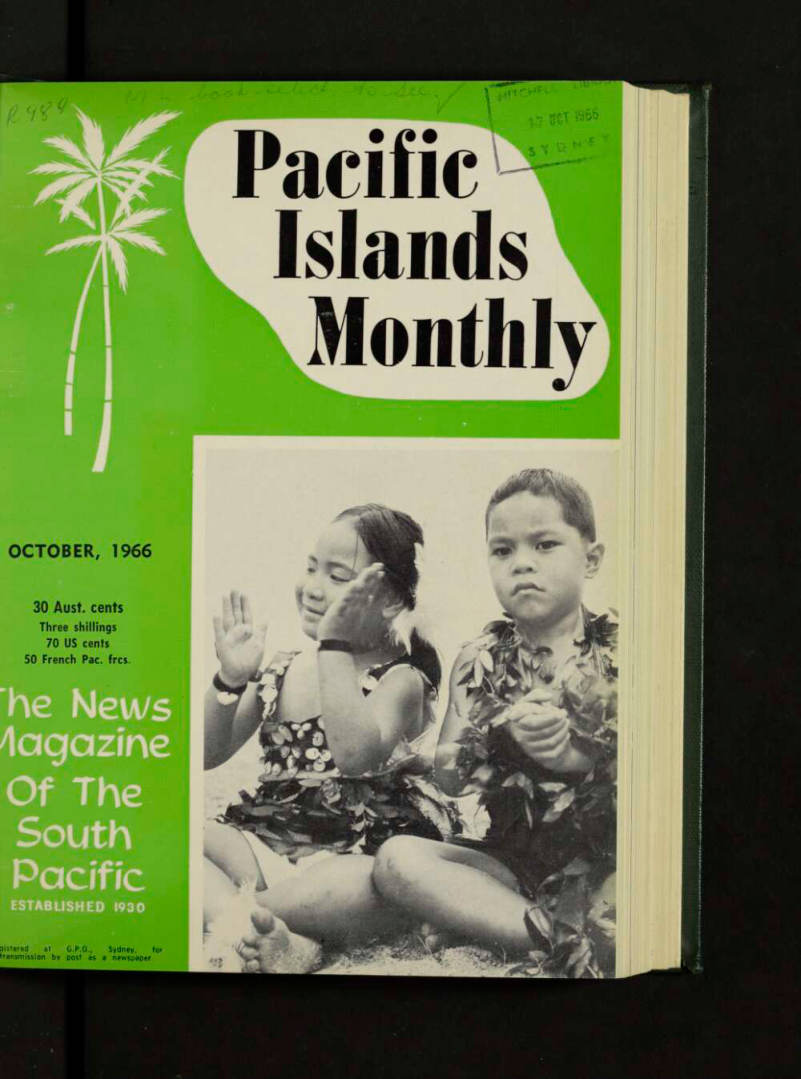 1
1 2
2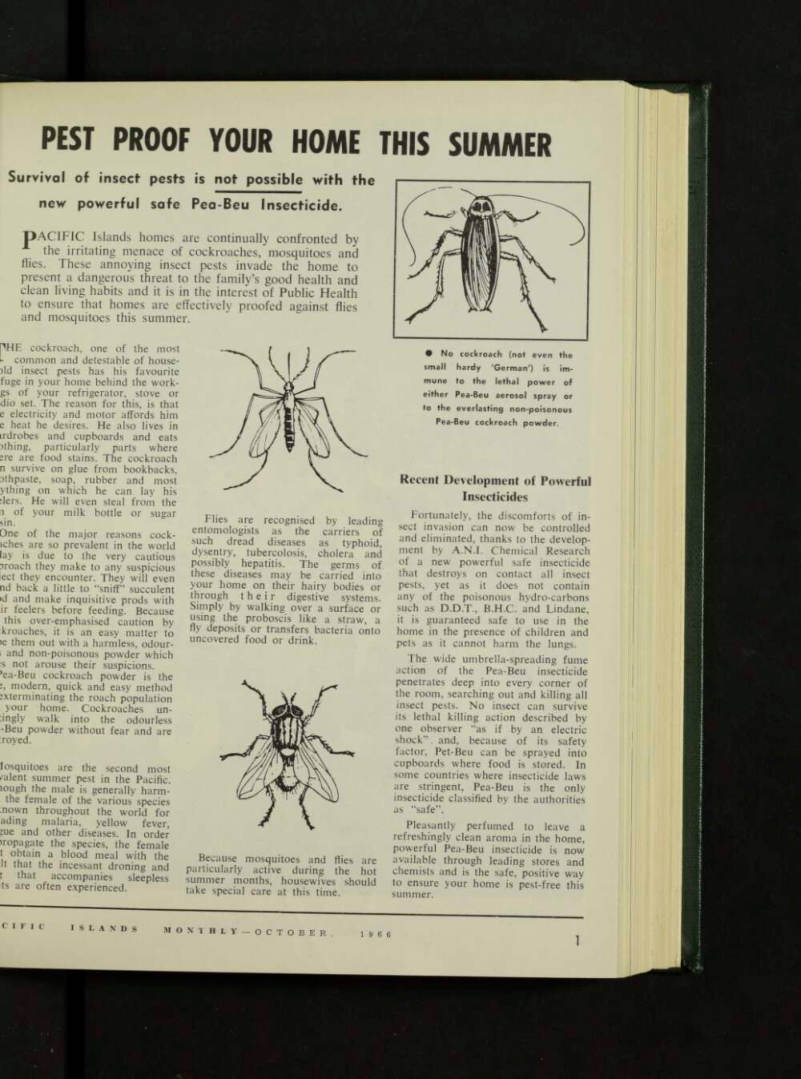 3
3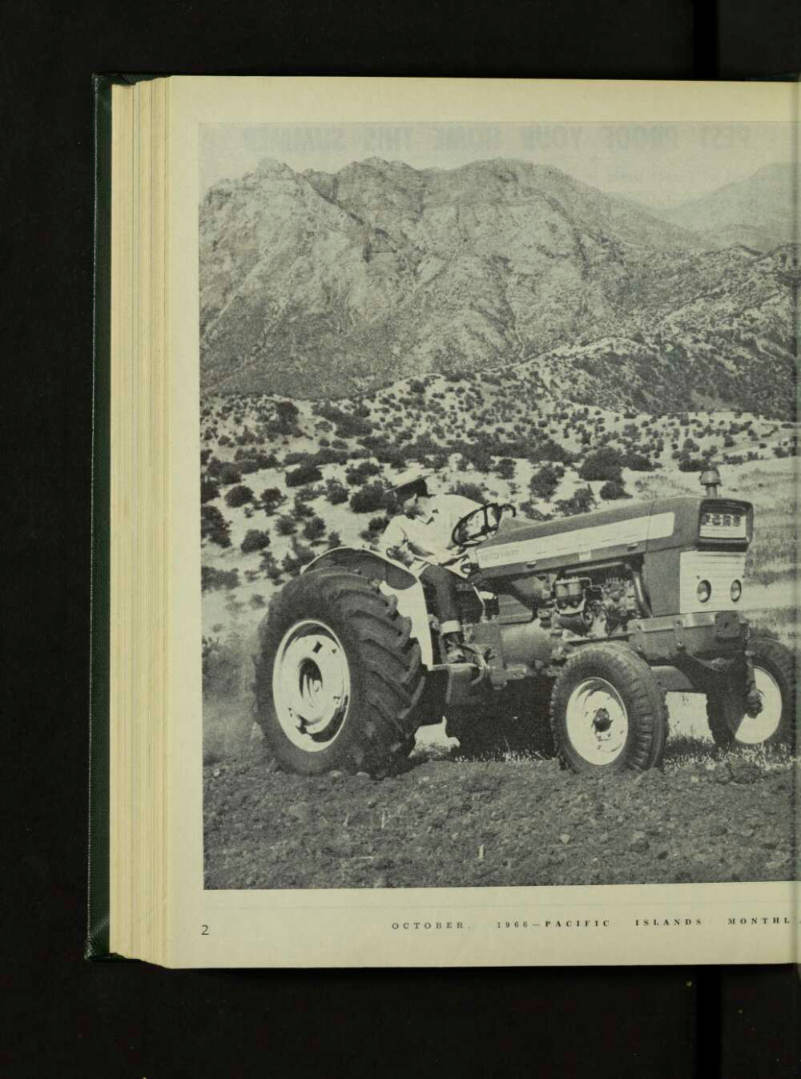 4
4 5
5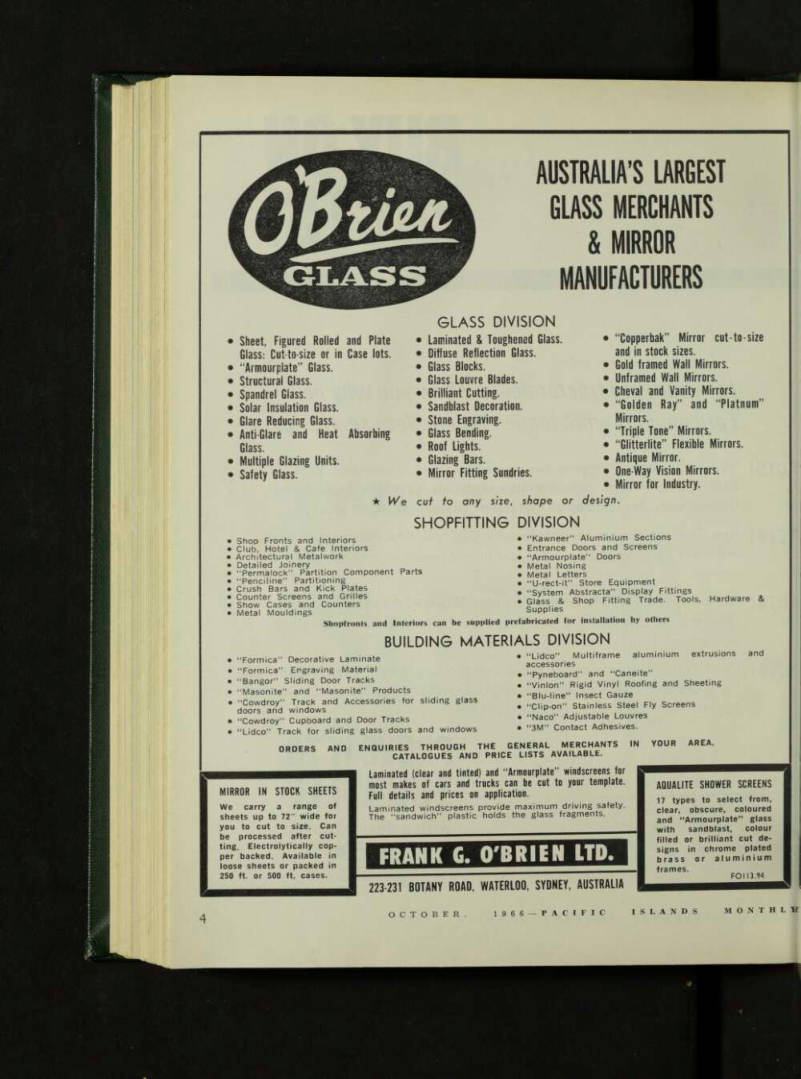 6
6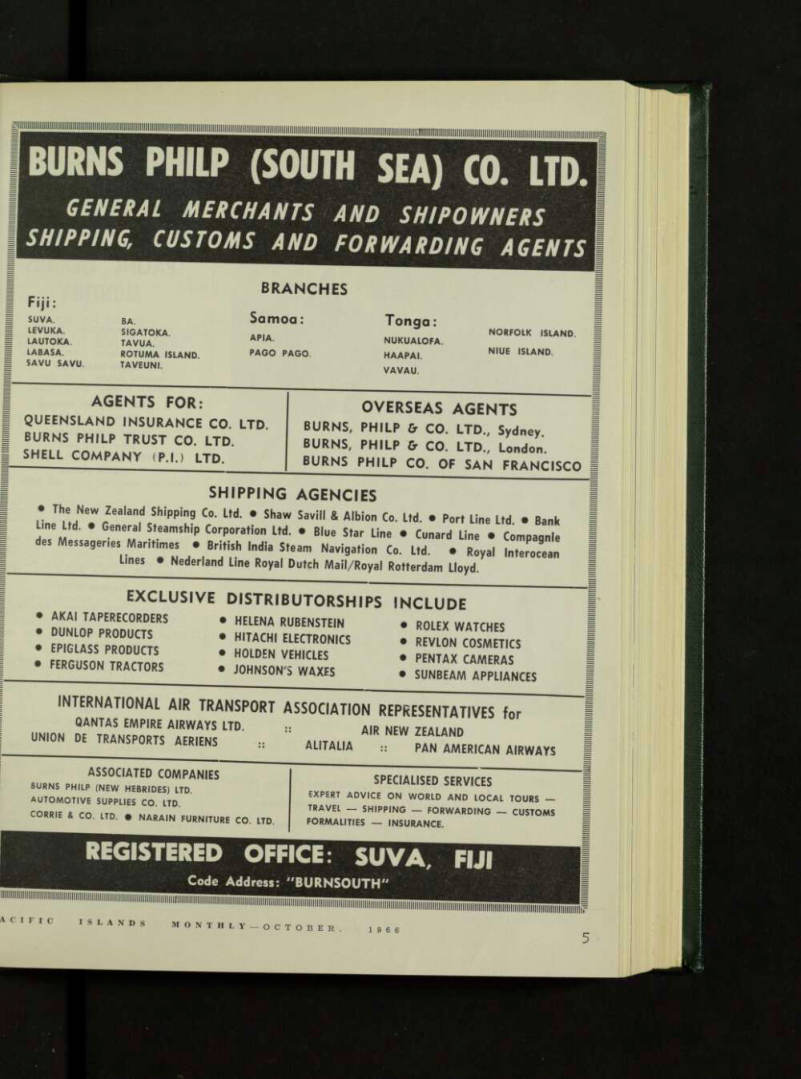 7
7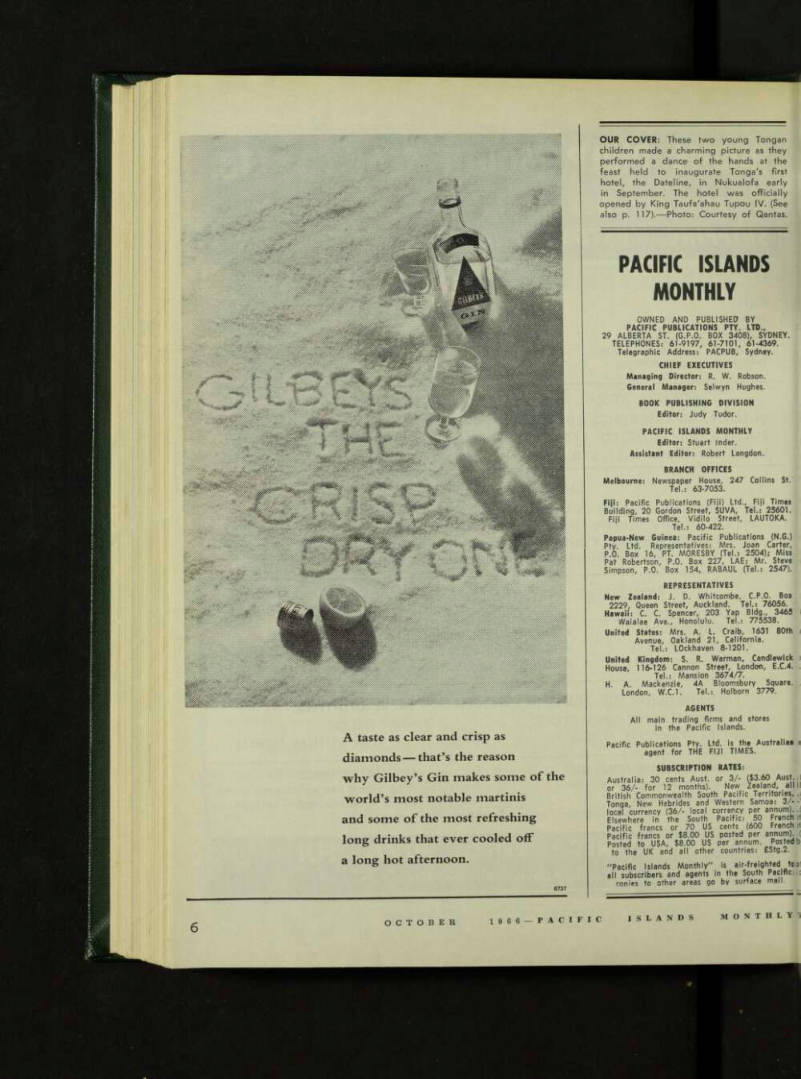 8
8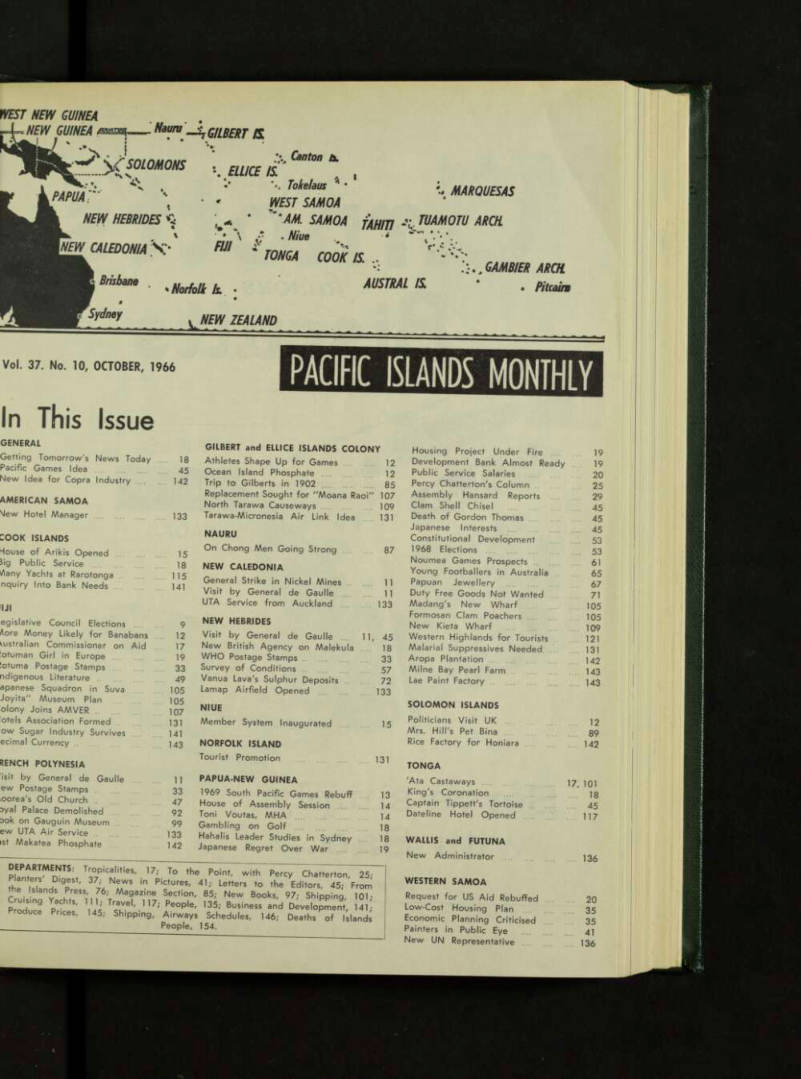 9
9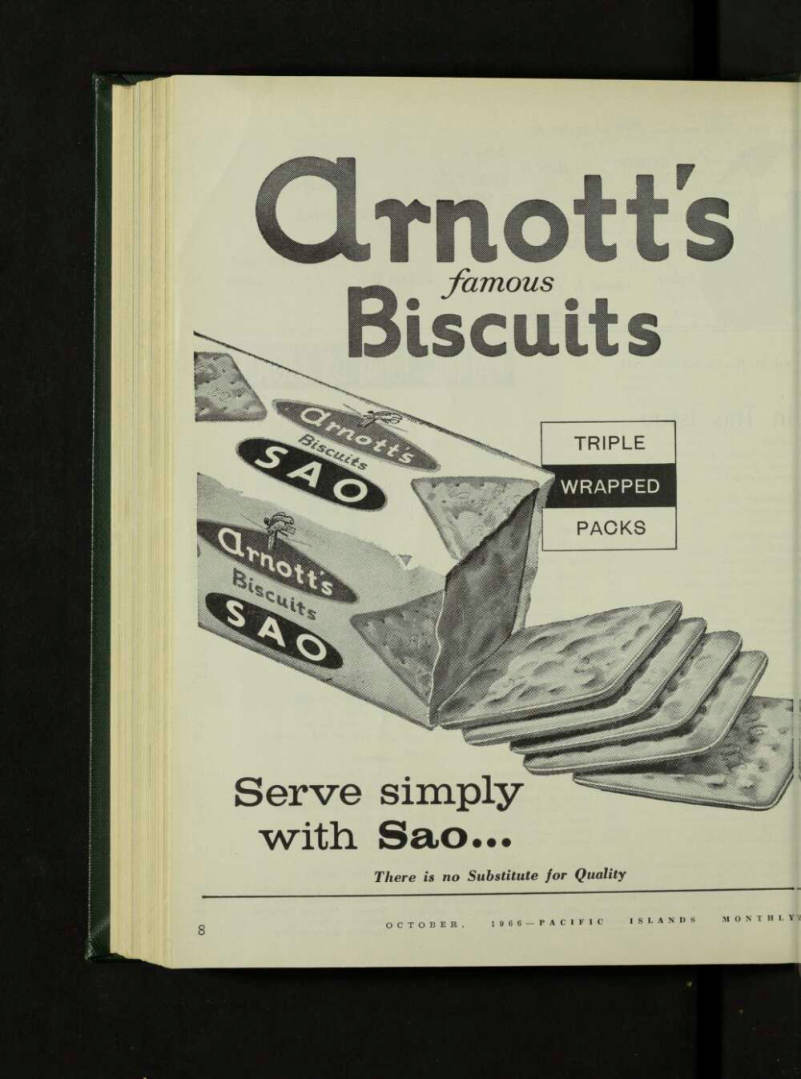 10
10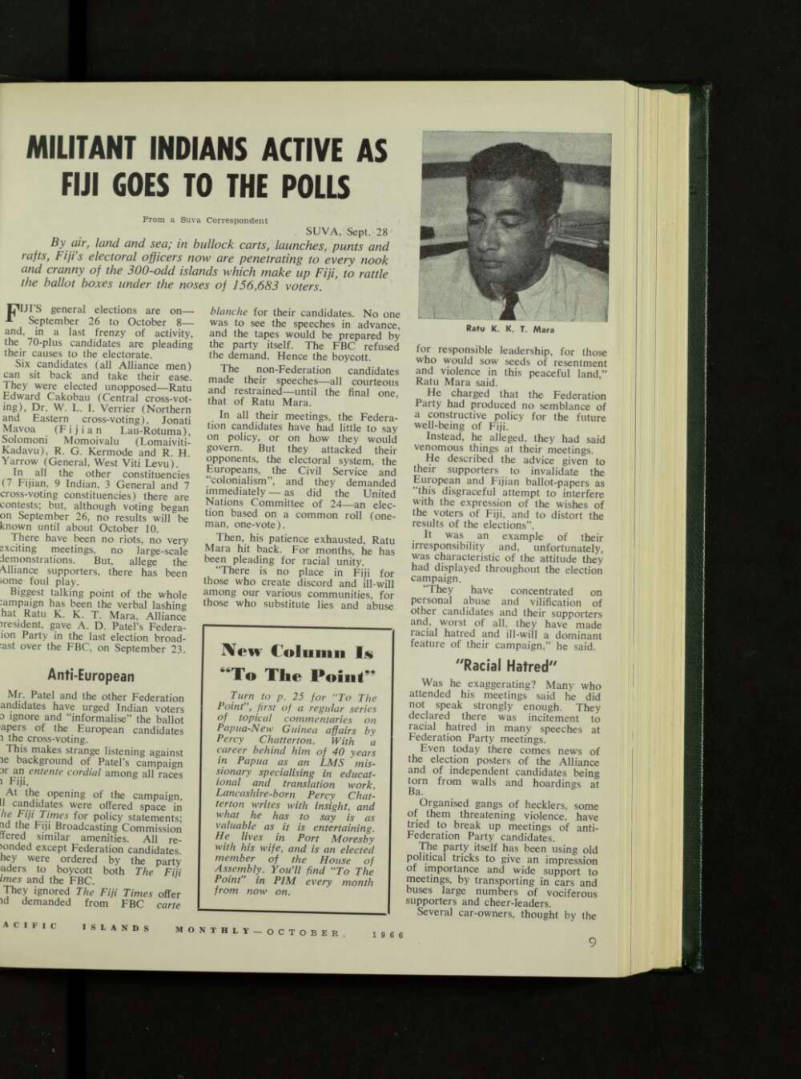 11
11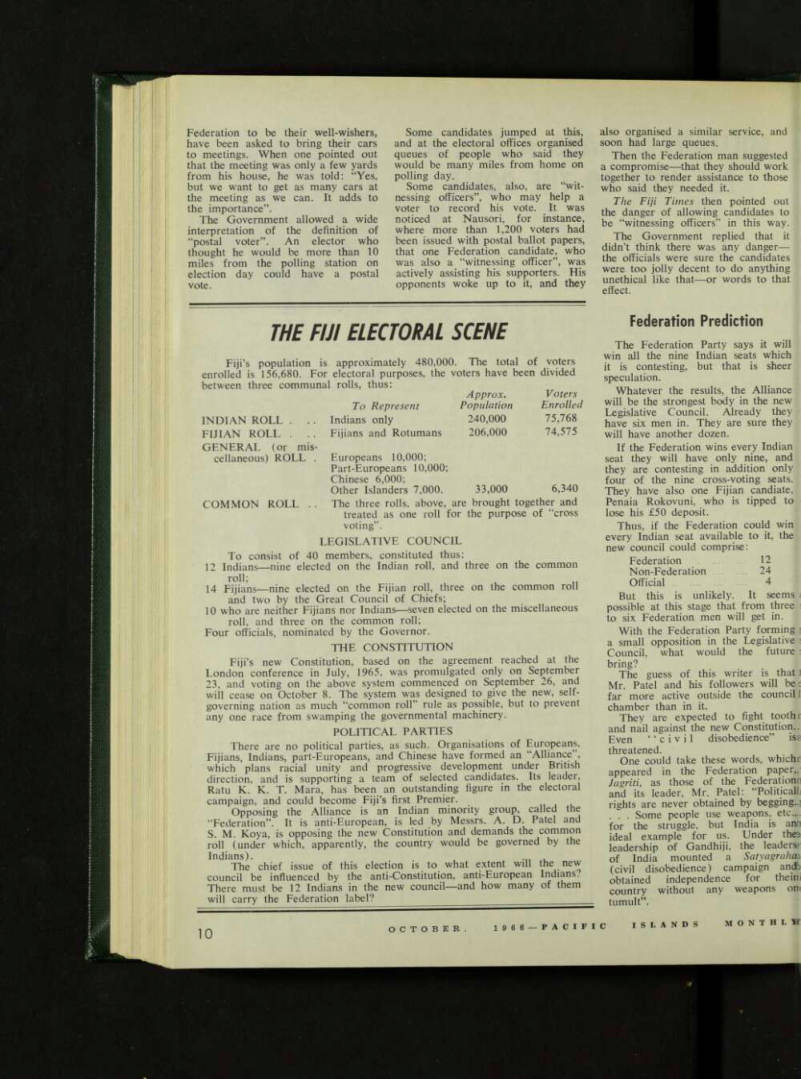 12
12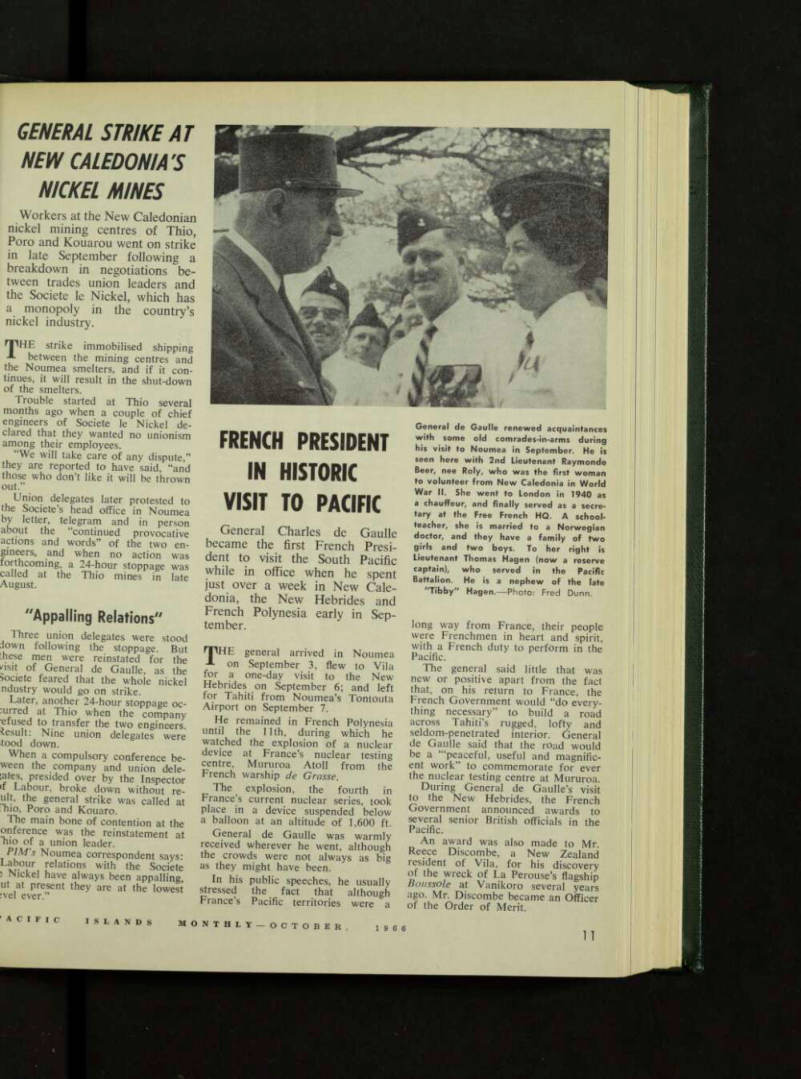 13
13 14
14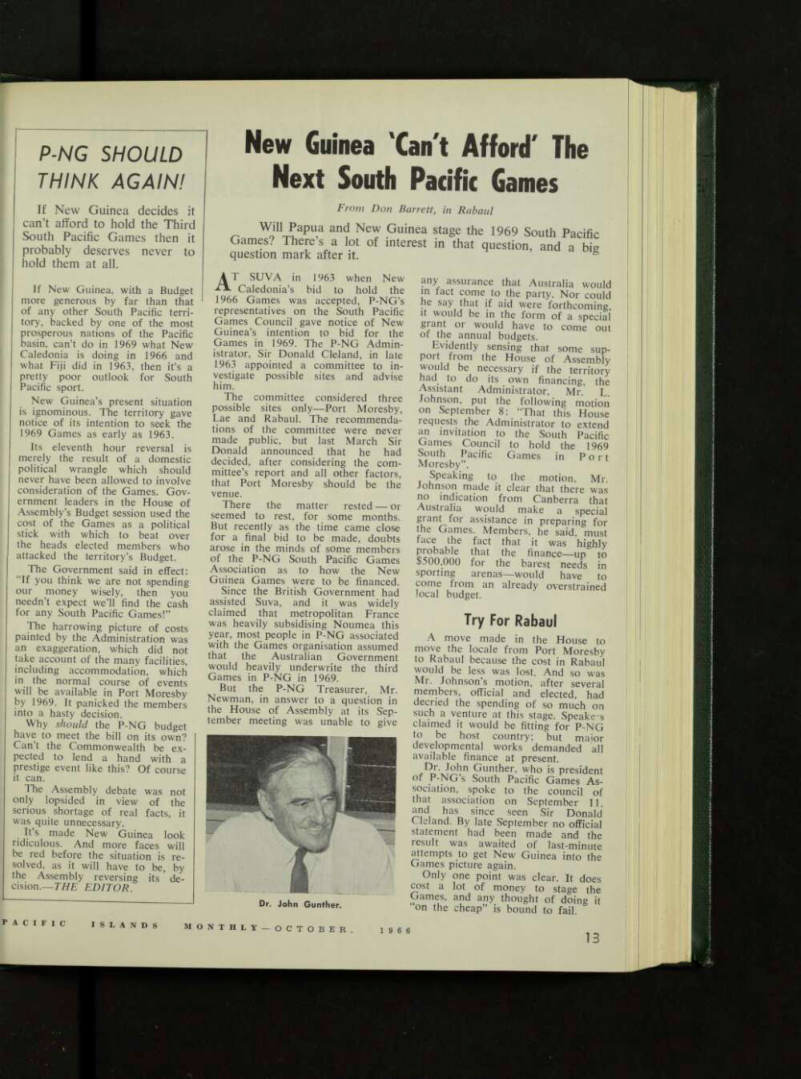 15
15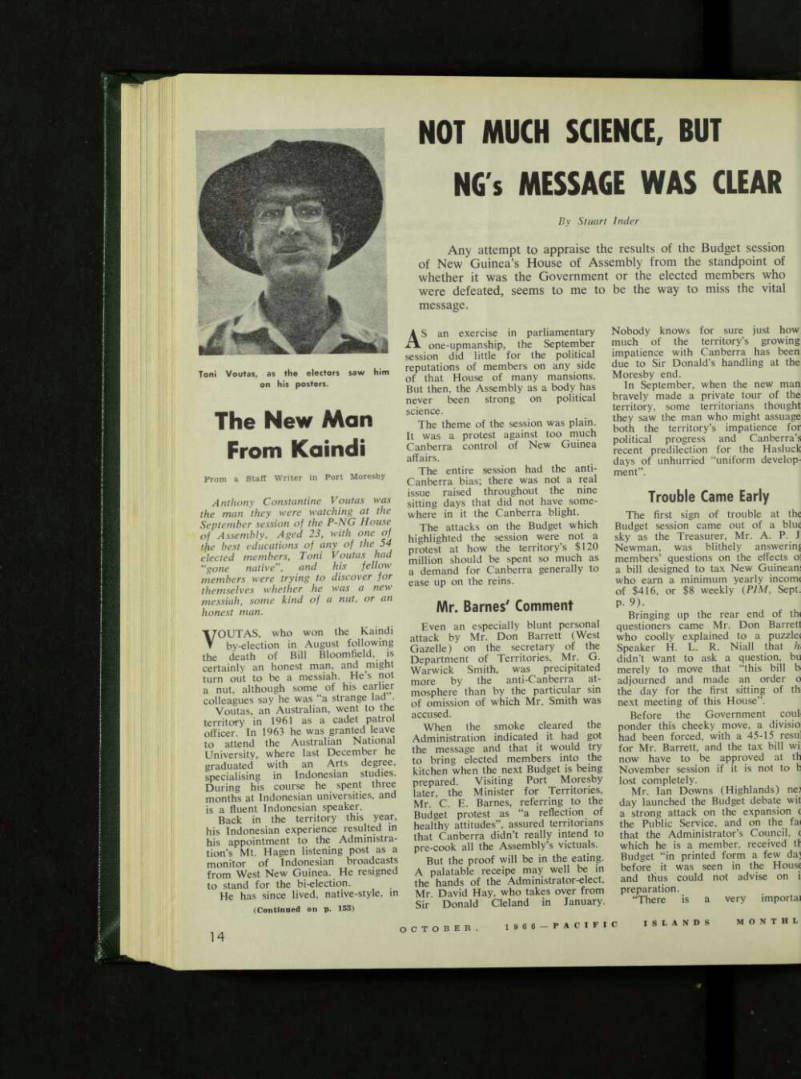 16
16 17
17 18
18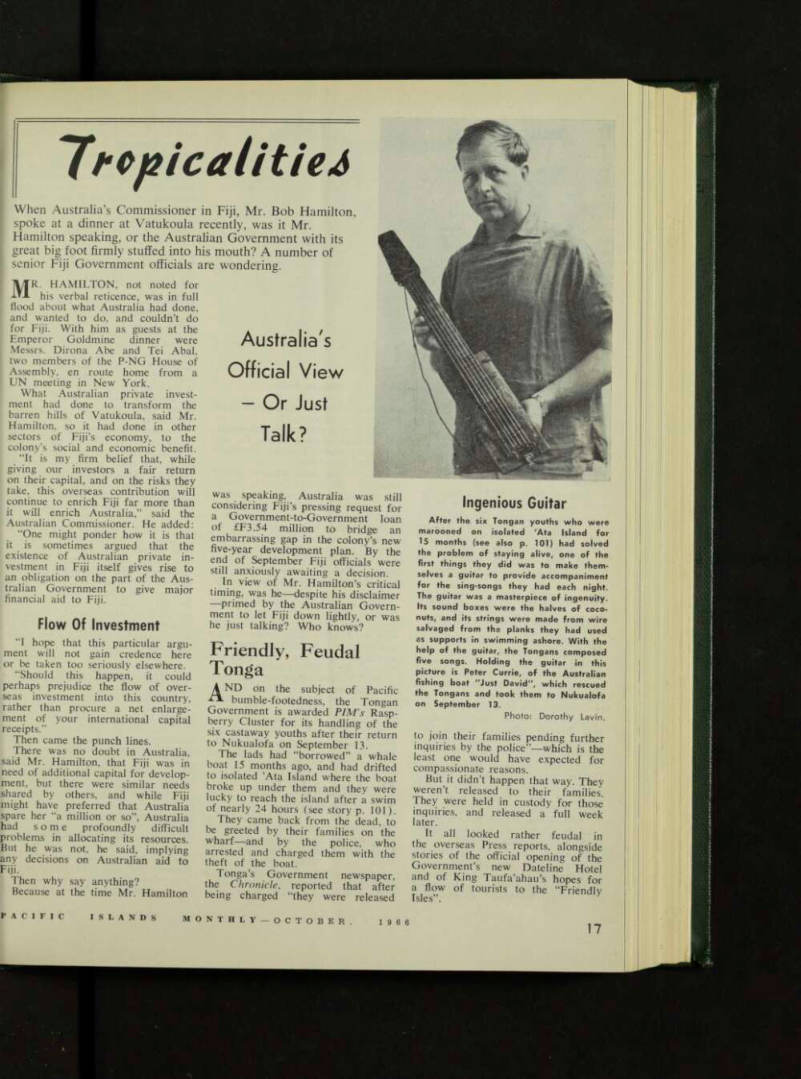 19
19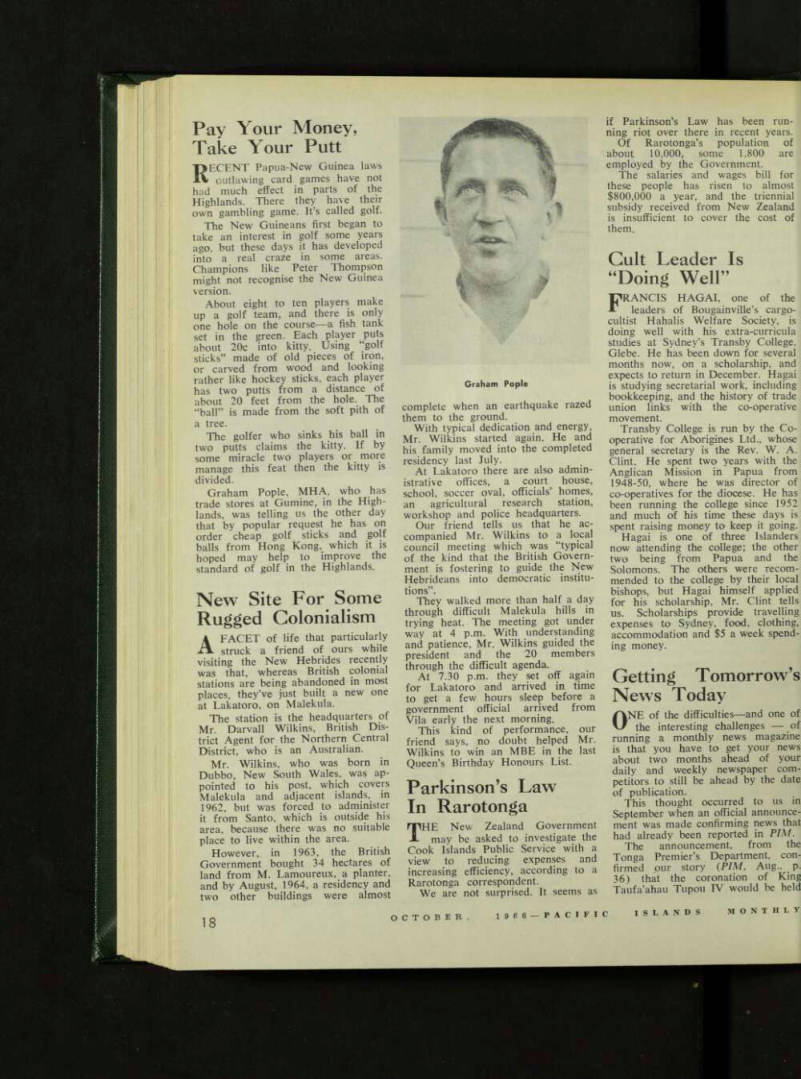 20
20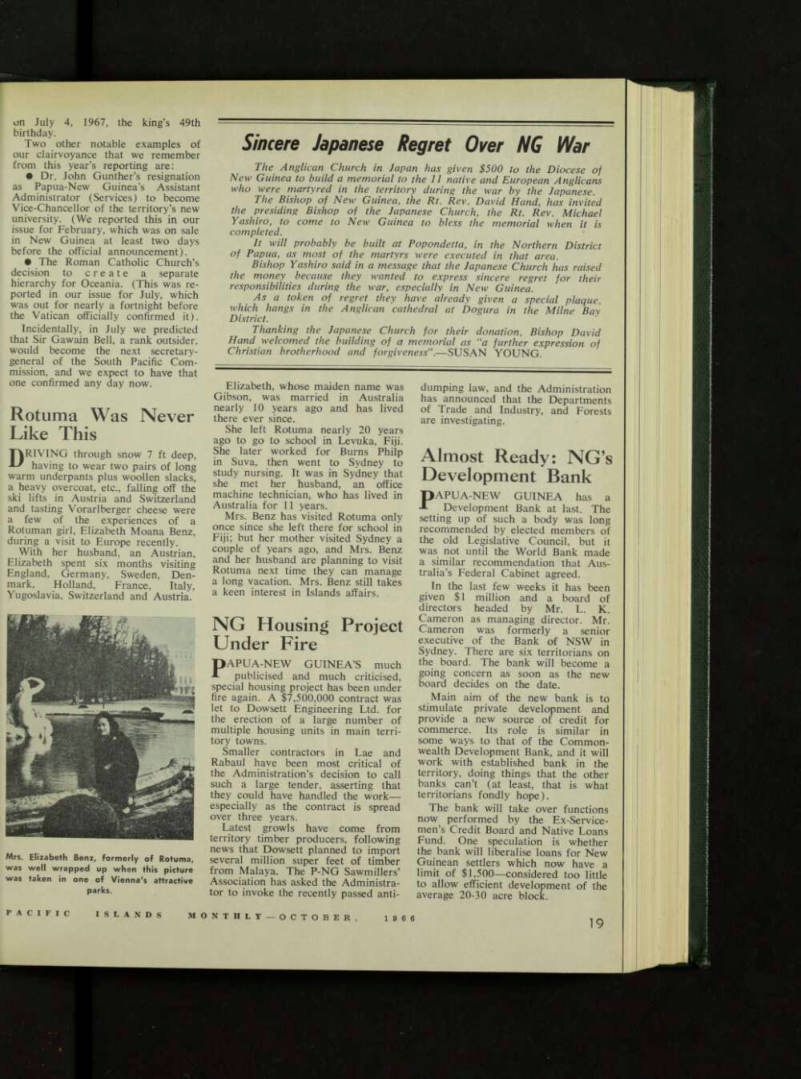 21
21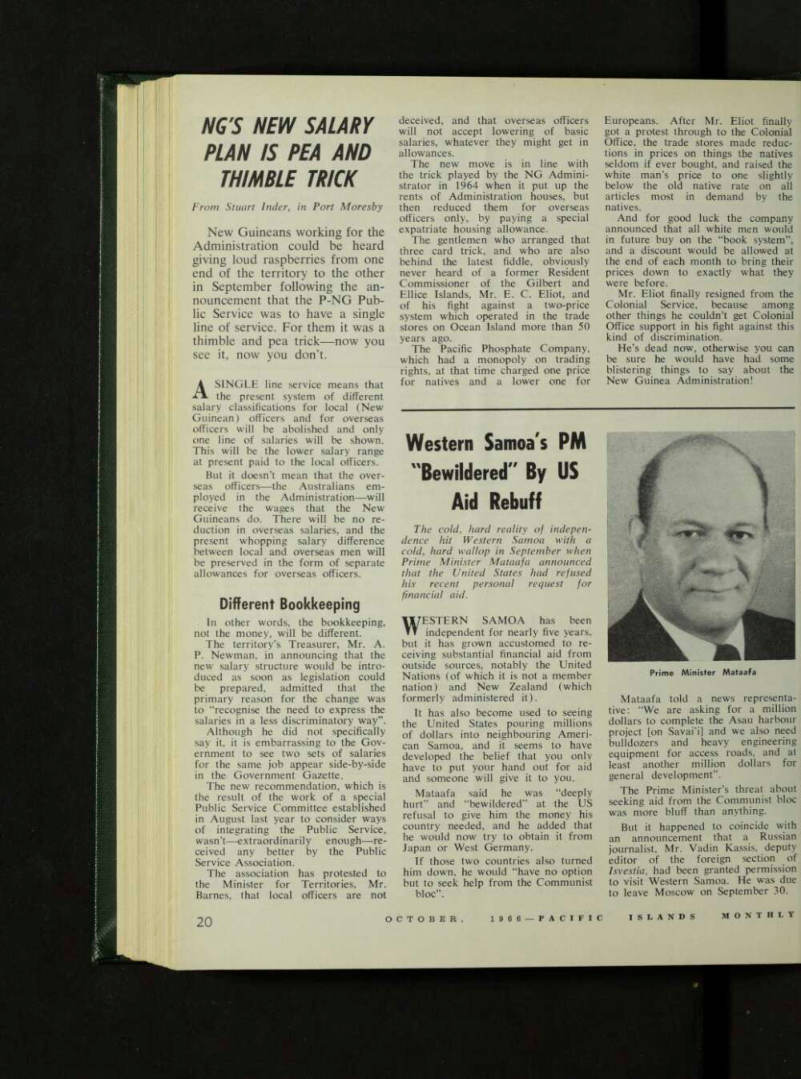 22
22 23
23 24
24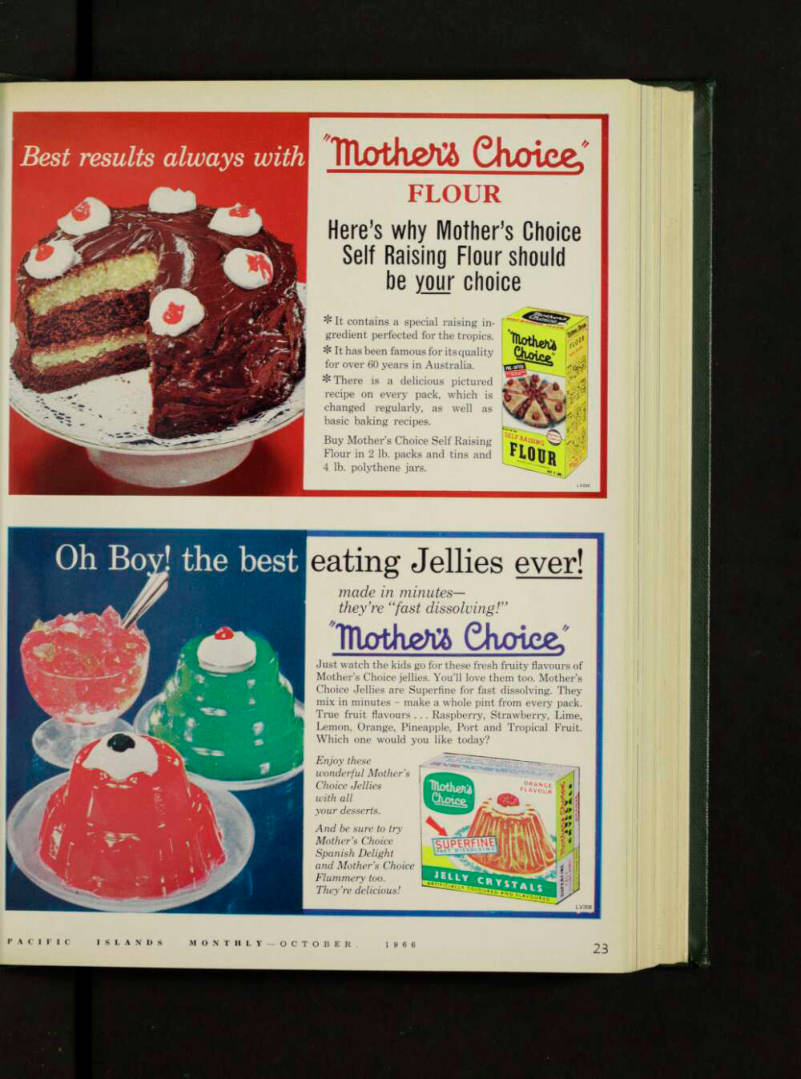 25
25 26
26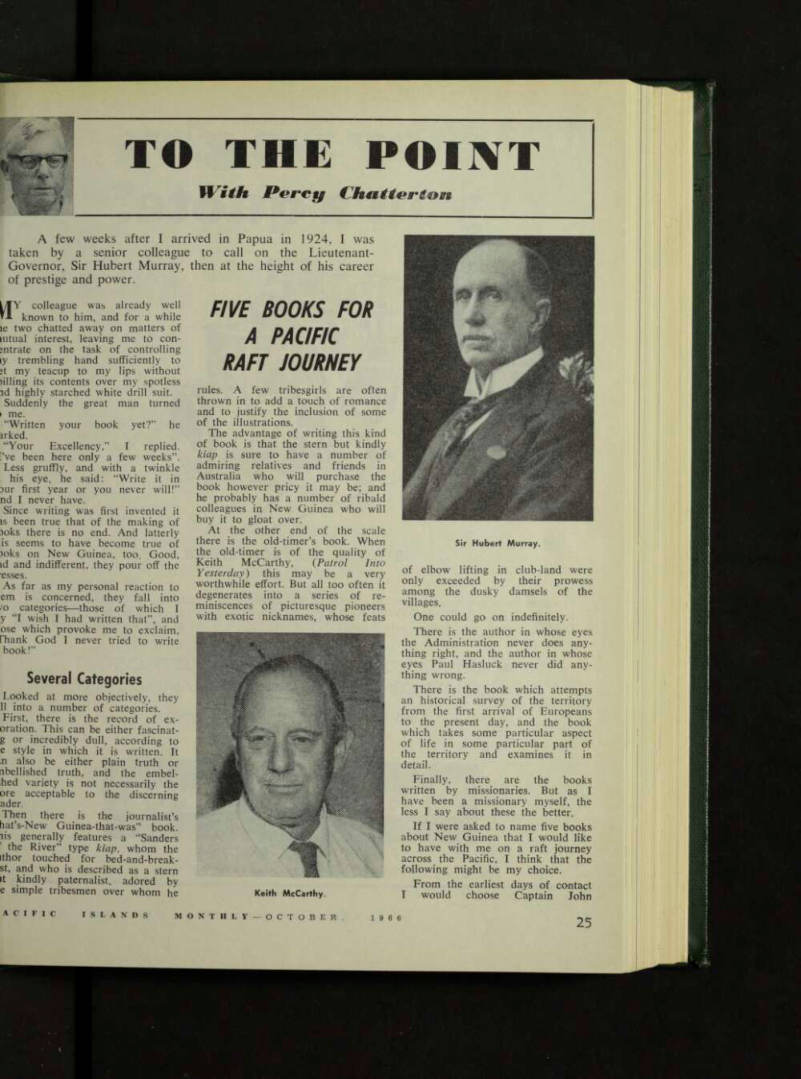 27
27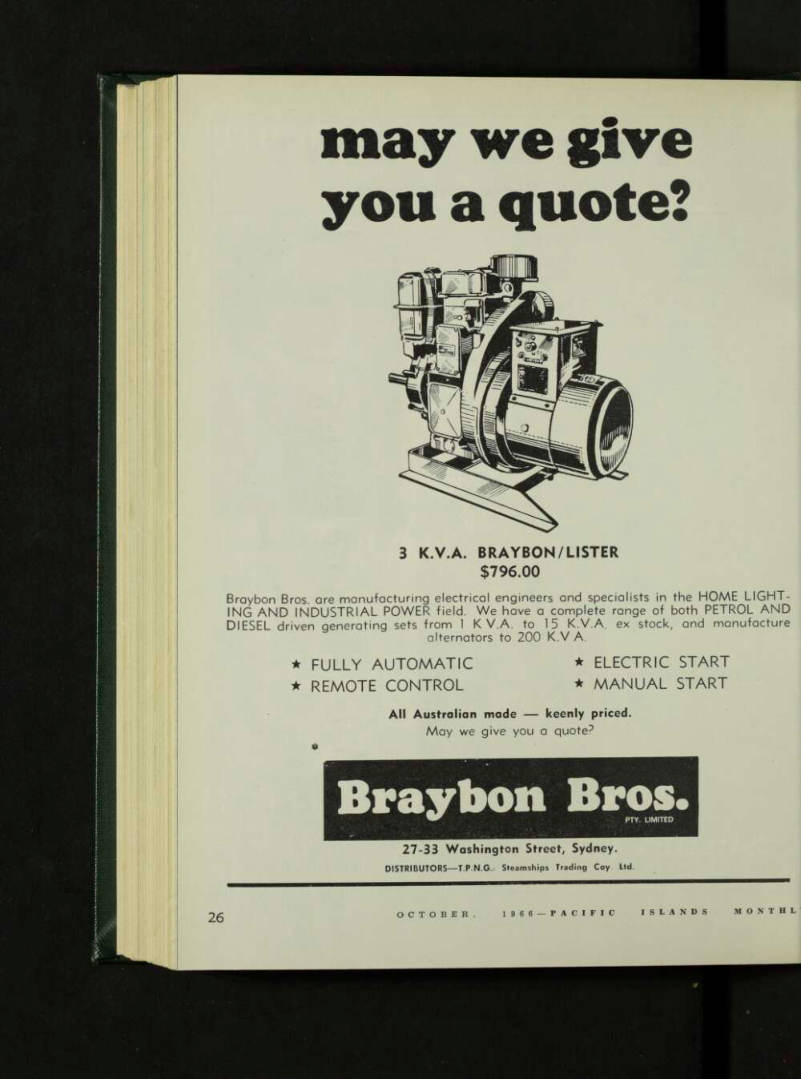 28
28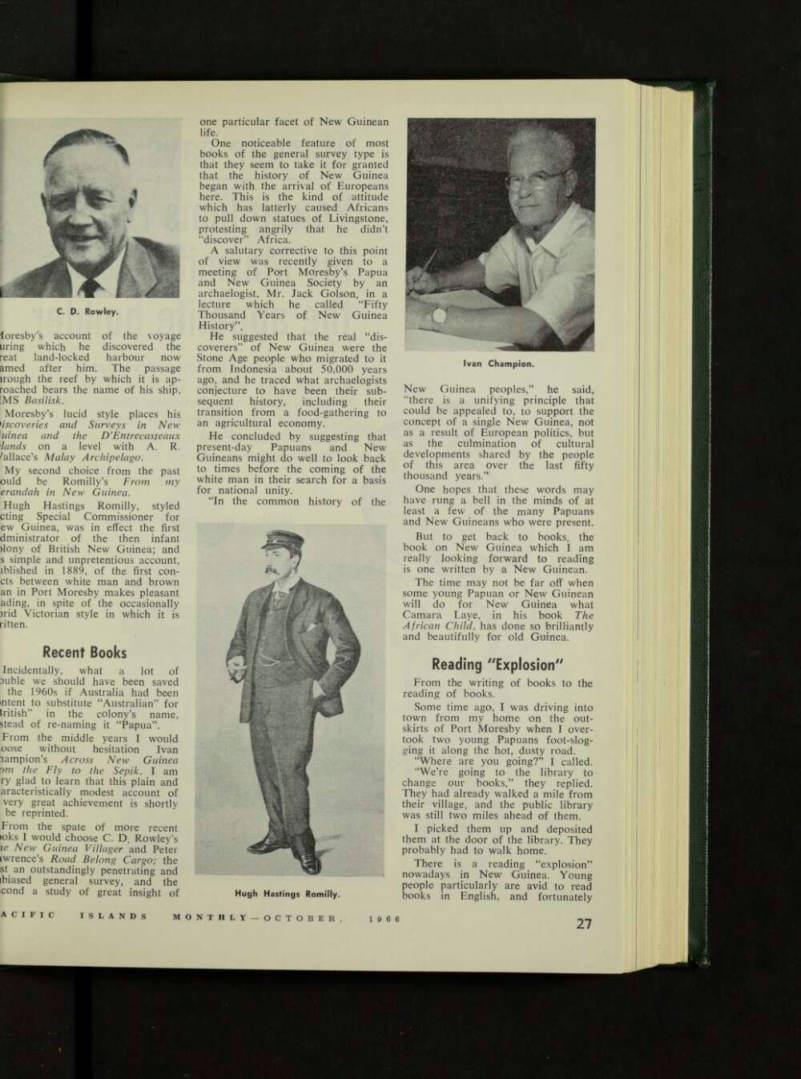 29
29 30
30 31
31 32
32 33
33 34
34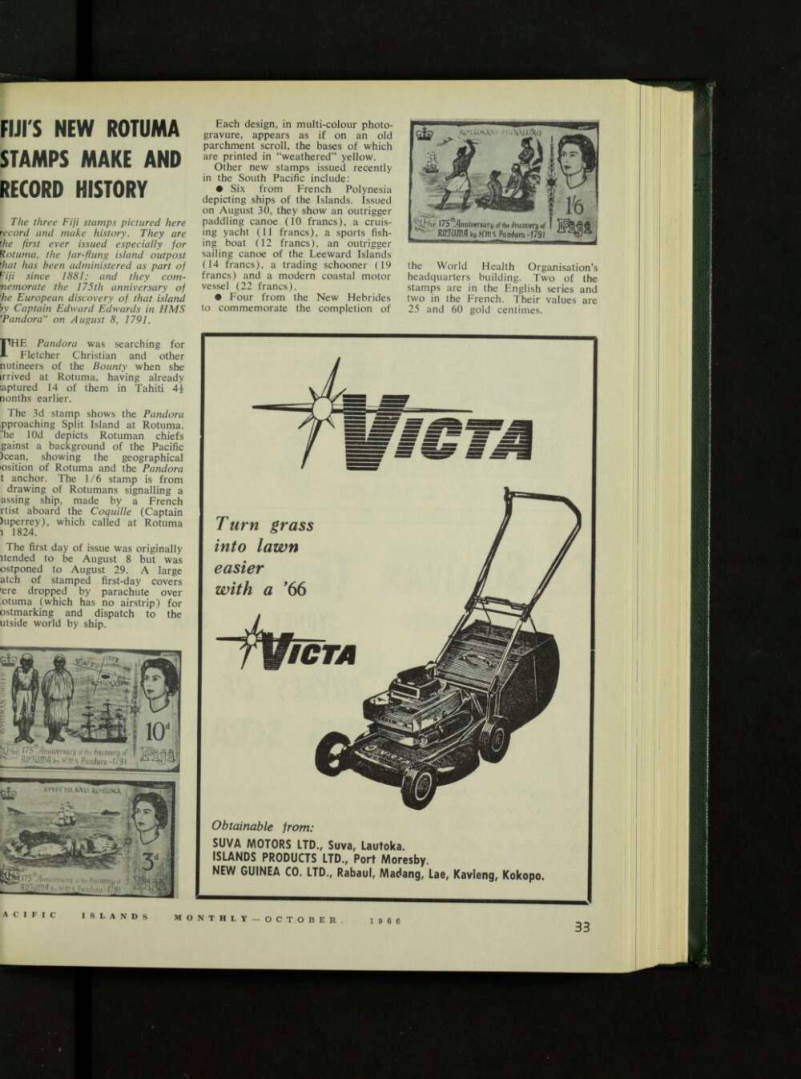 35
35 36
36 37
37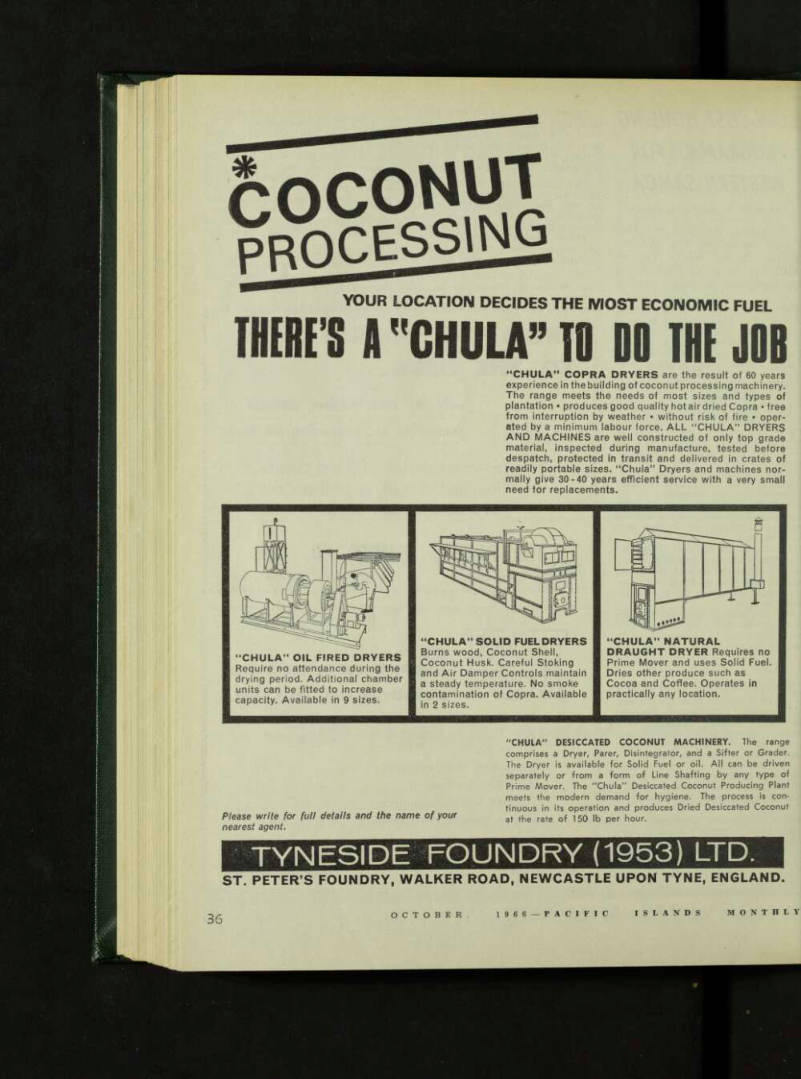 38
38 39
39 40
40 41
41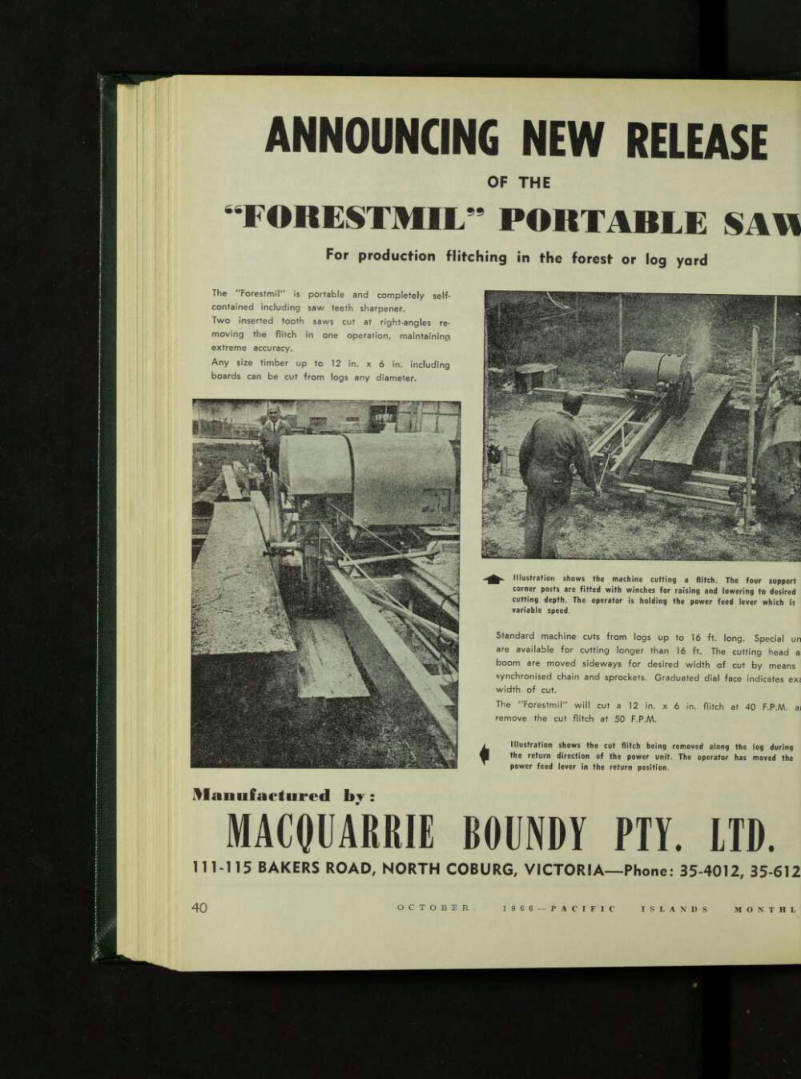 42
42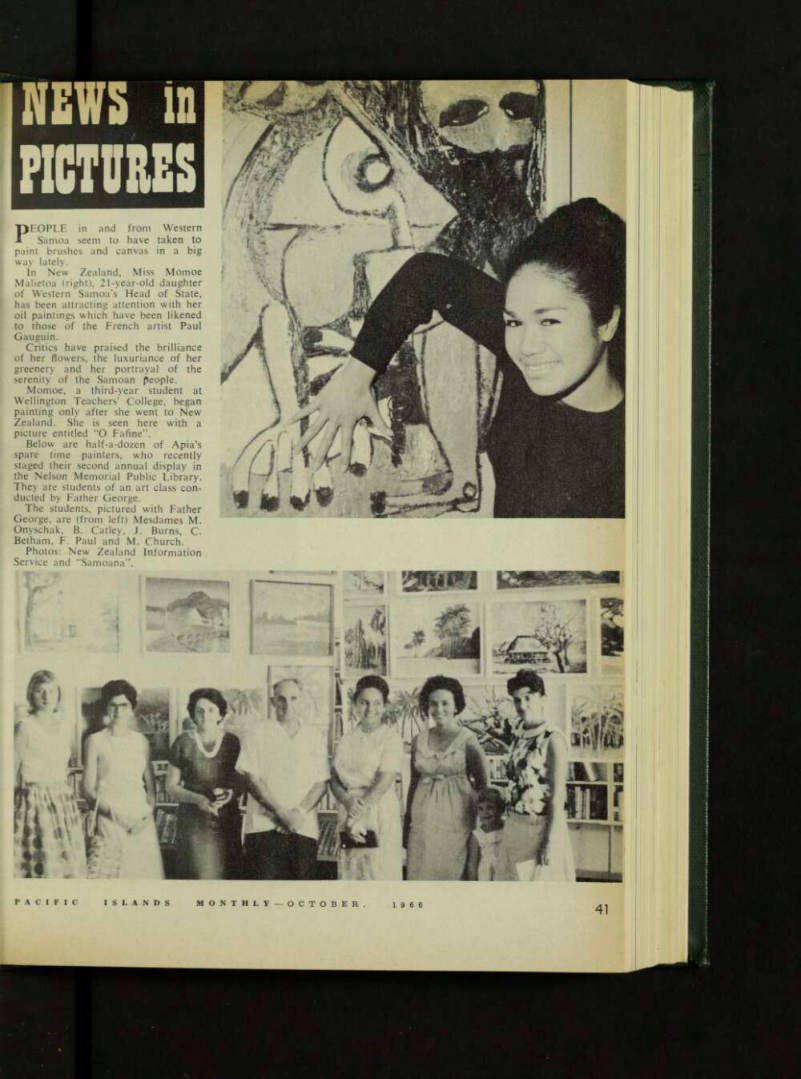 43
43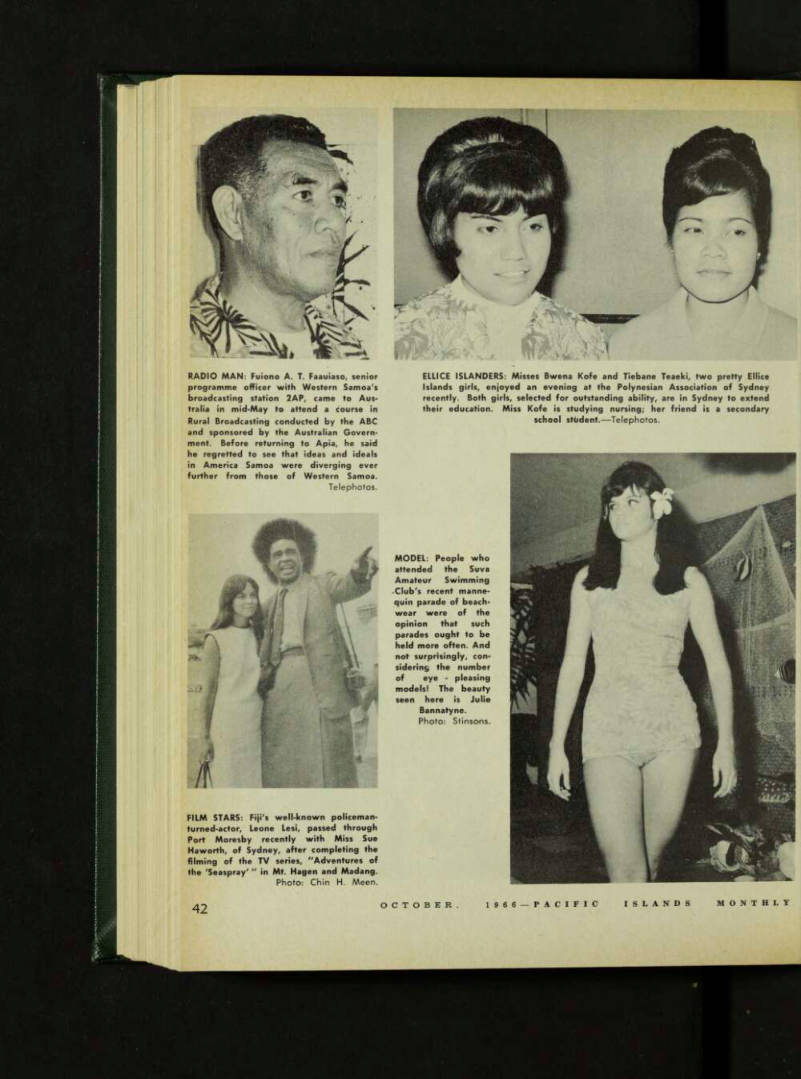 44
44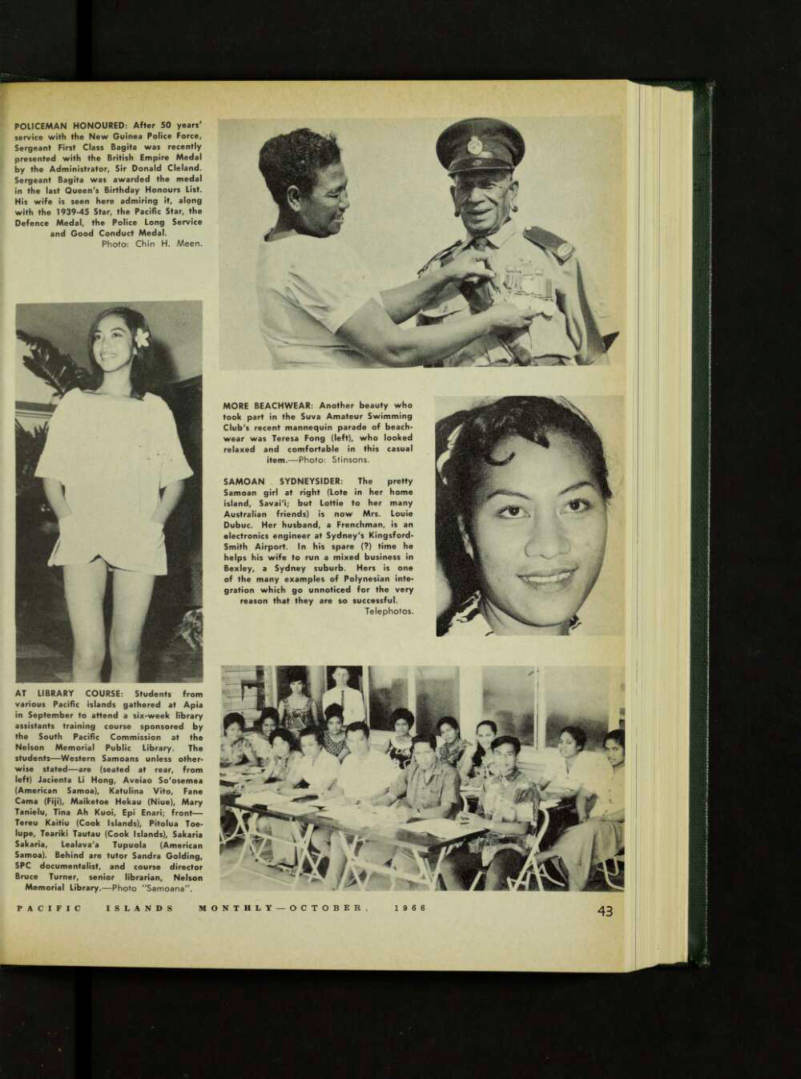 45
45 46
46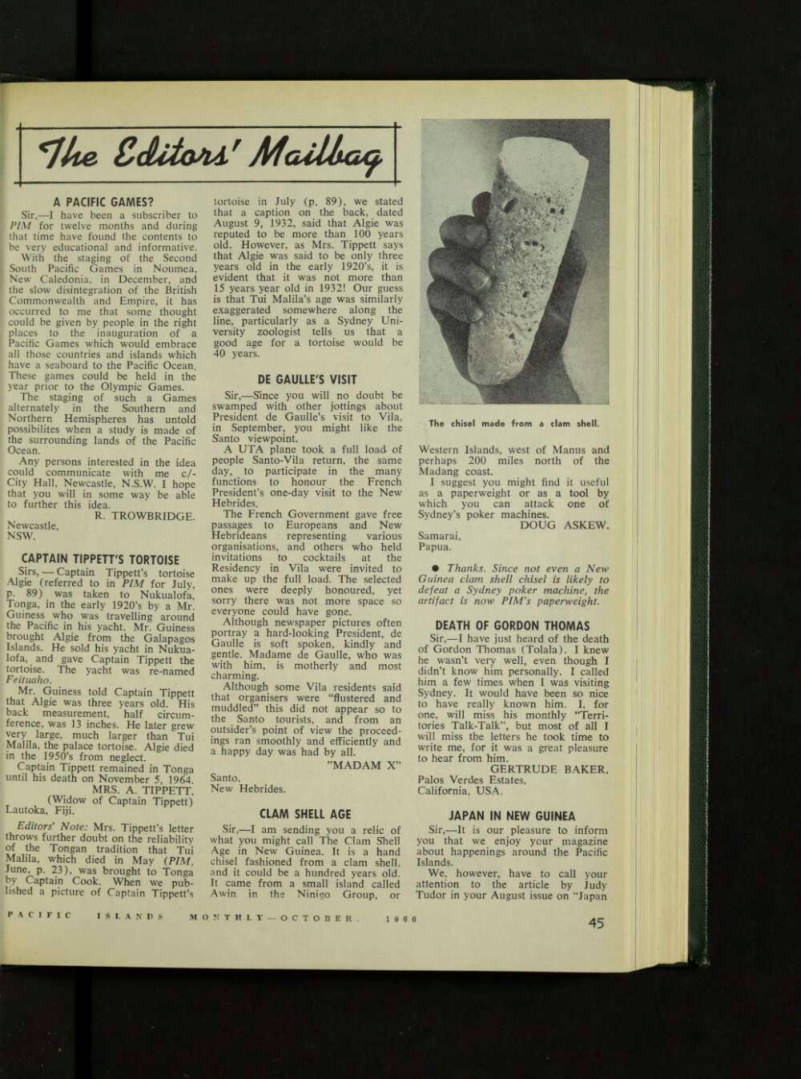 47
47 48
48 49
49 50
50 51
51 52
52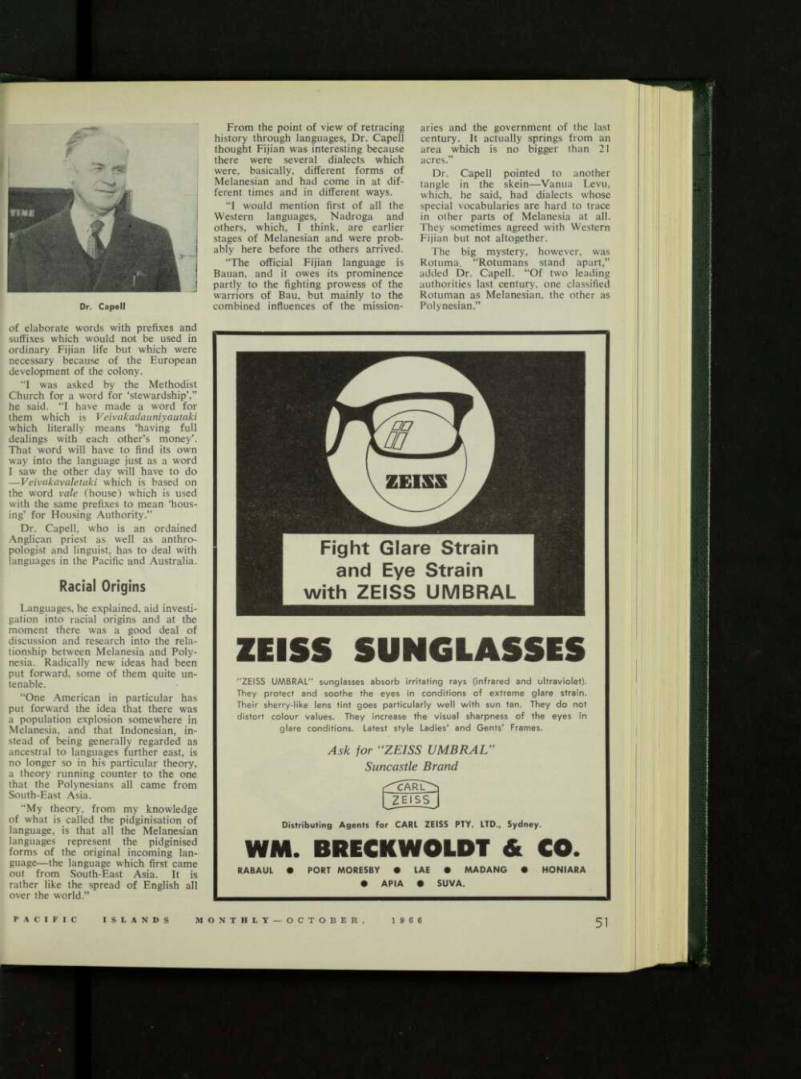 53
53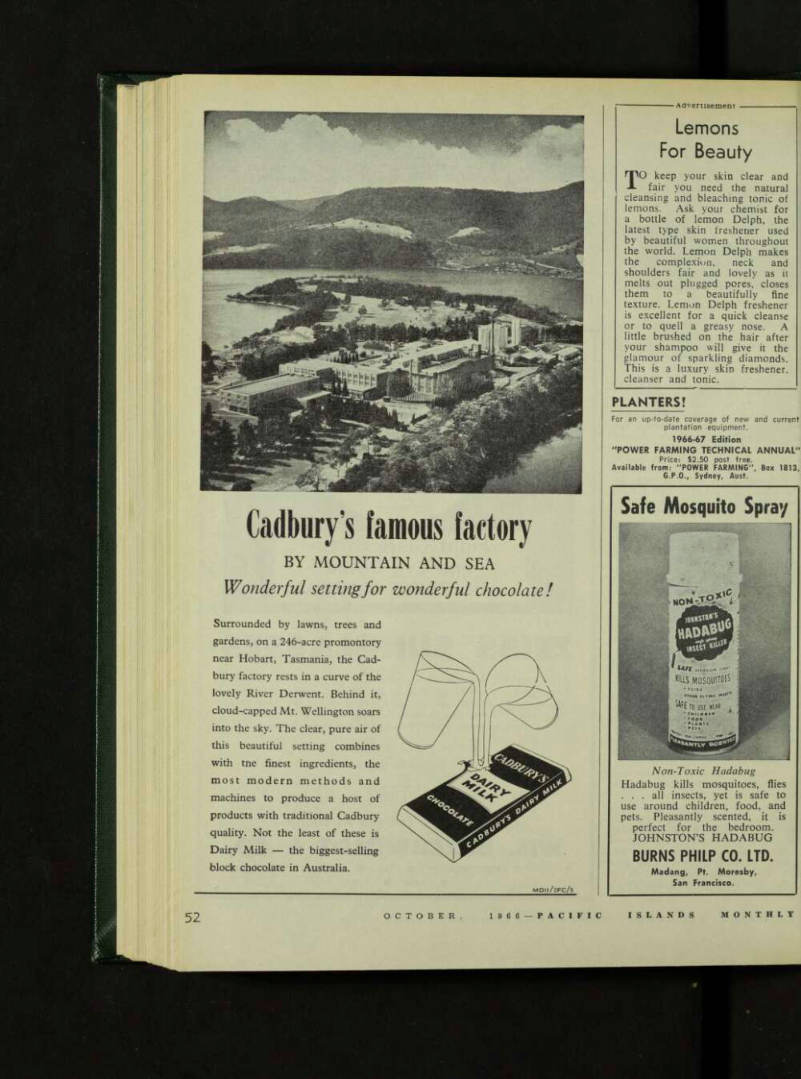 54
54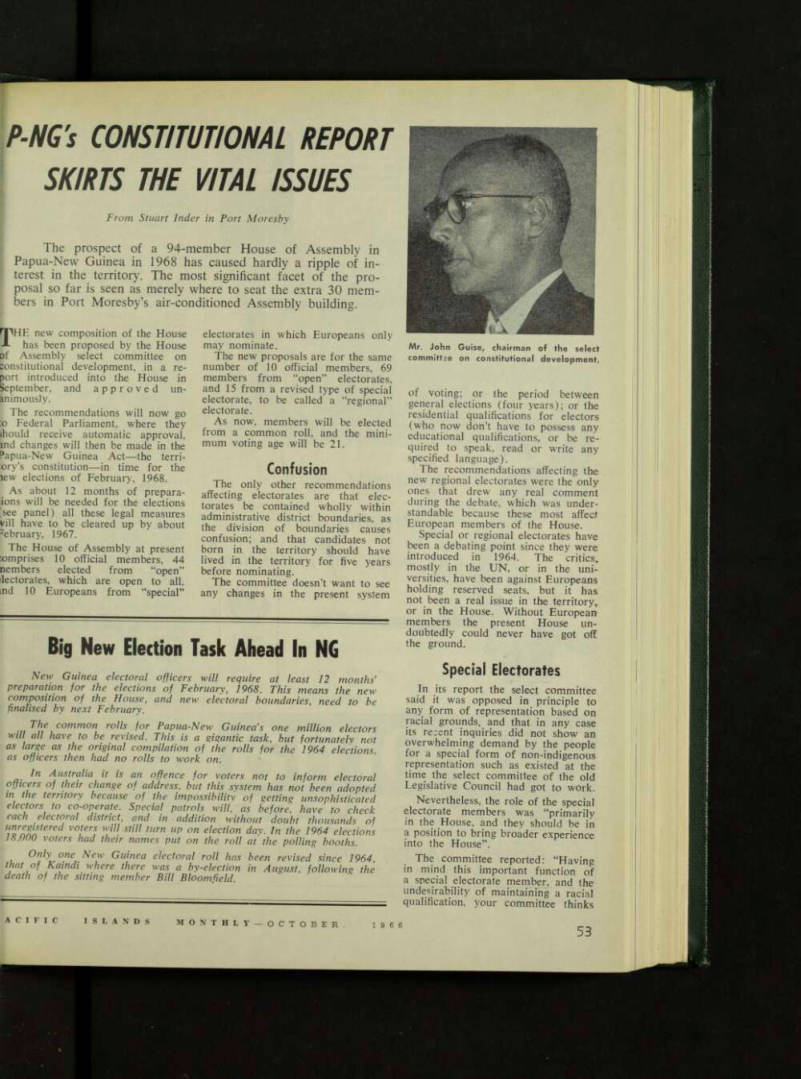 55
55 56
56 57
57 58
58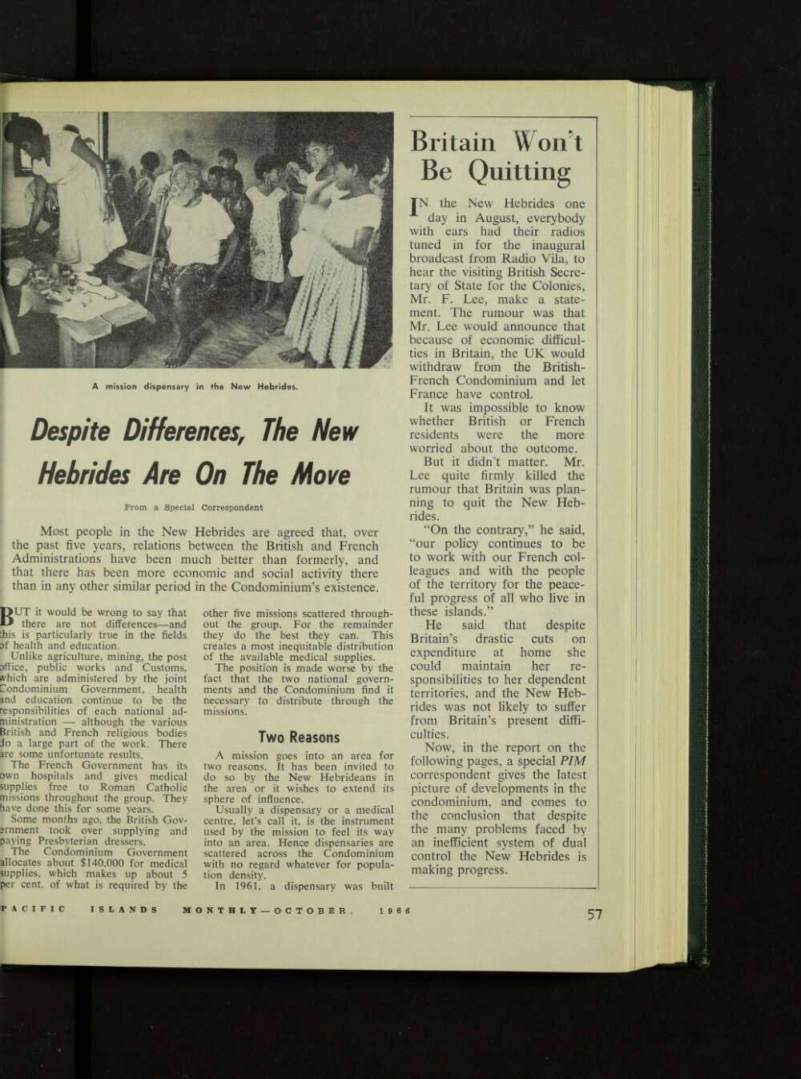 59
59 60
60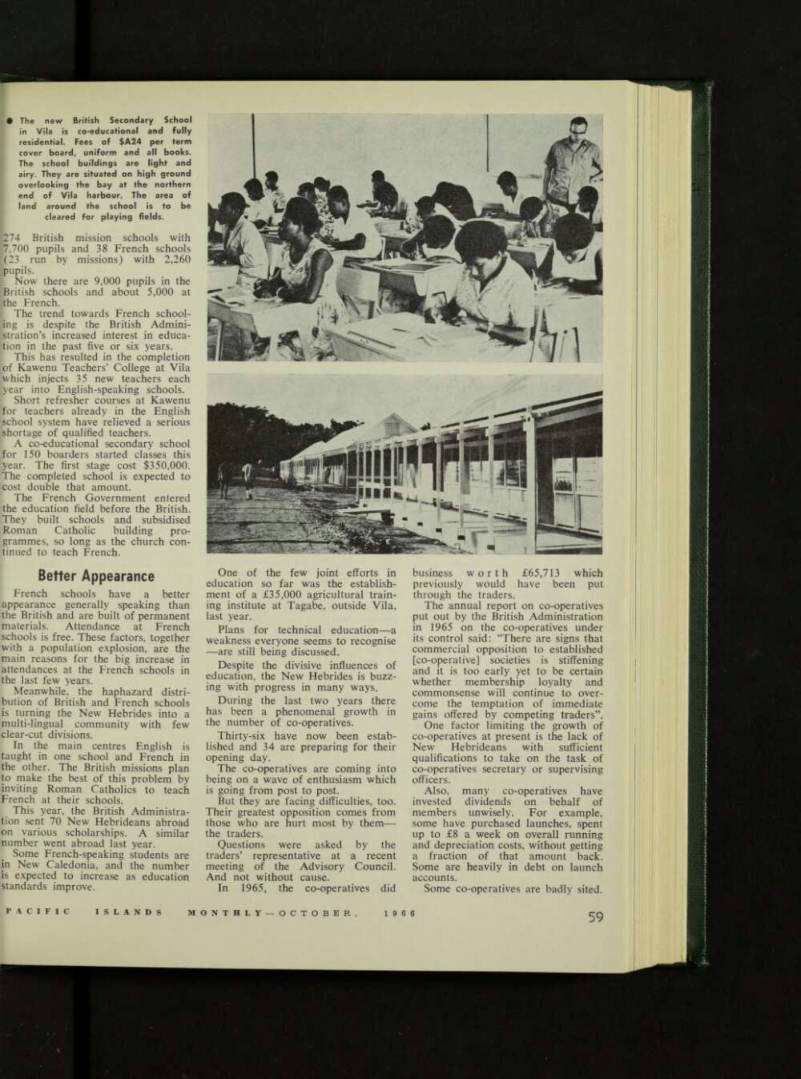 61
61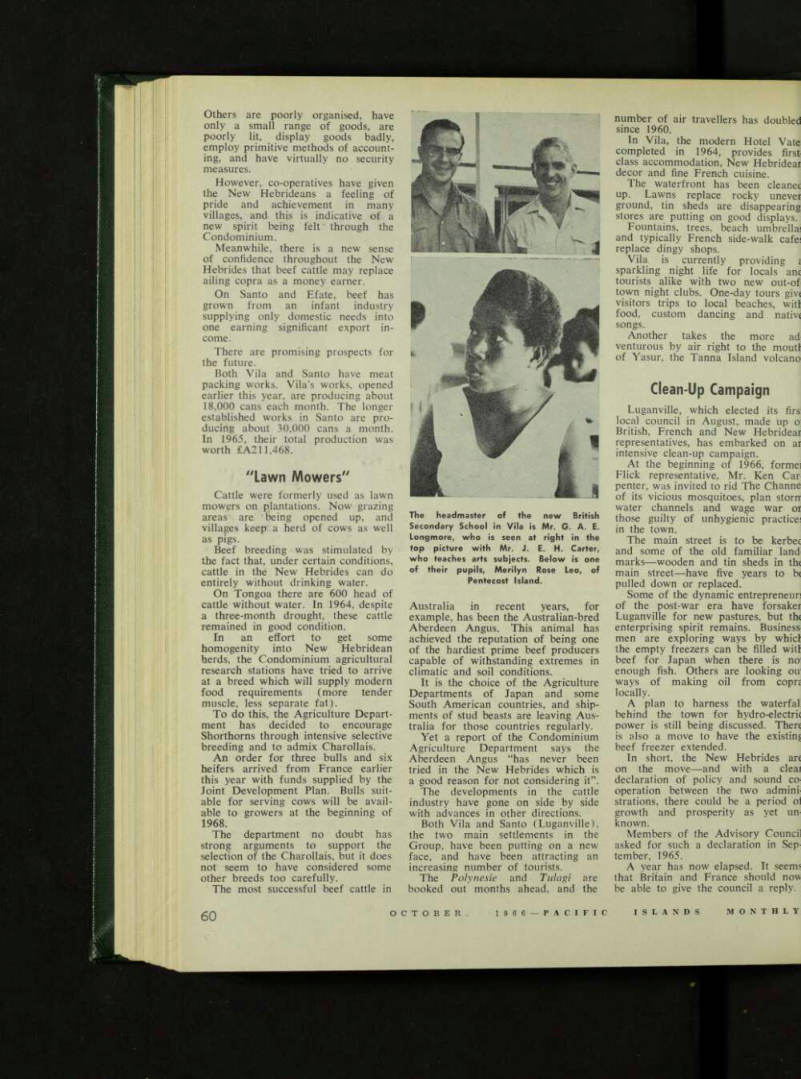 62
62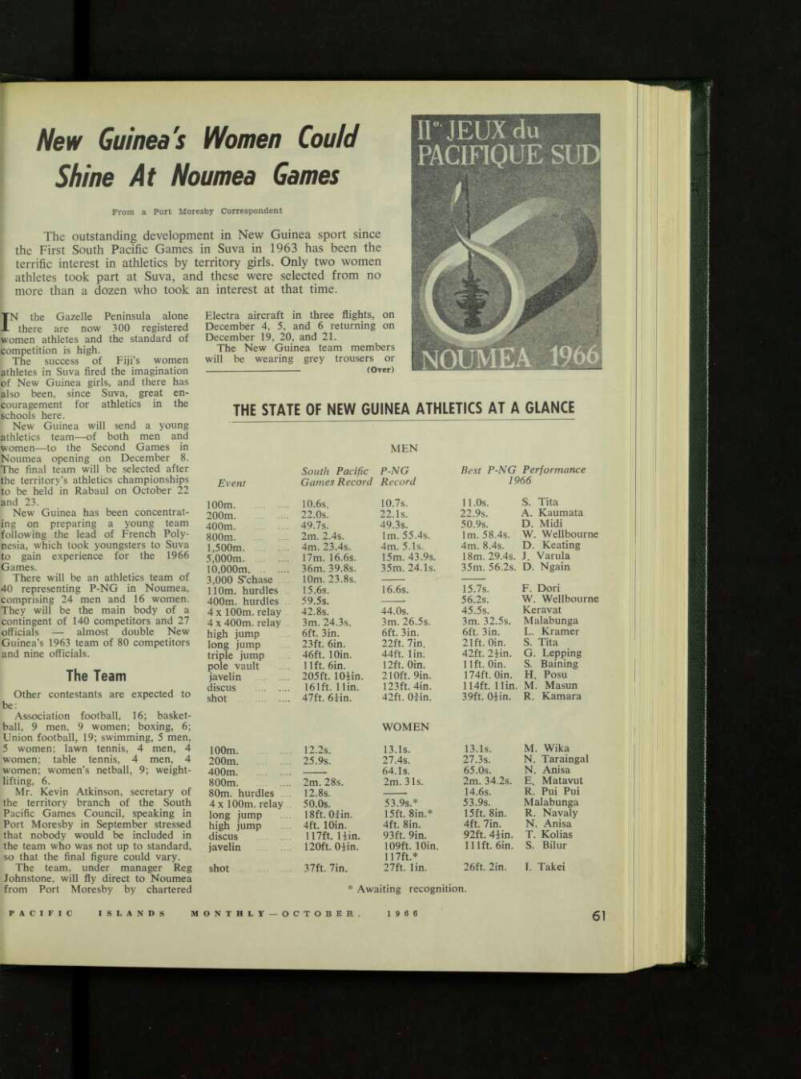 63
63 64
64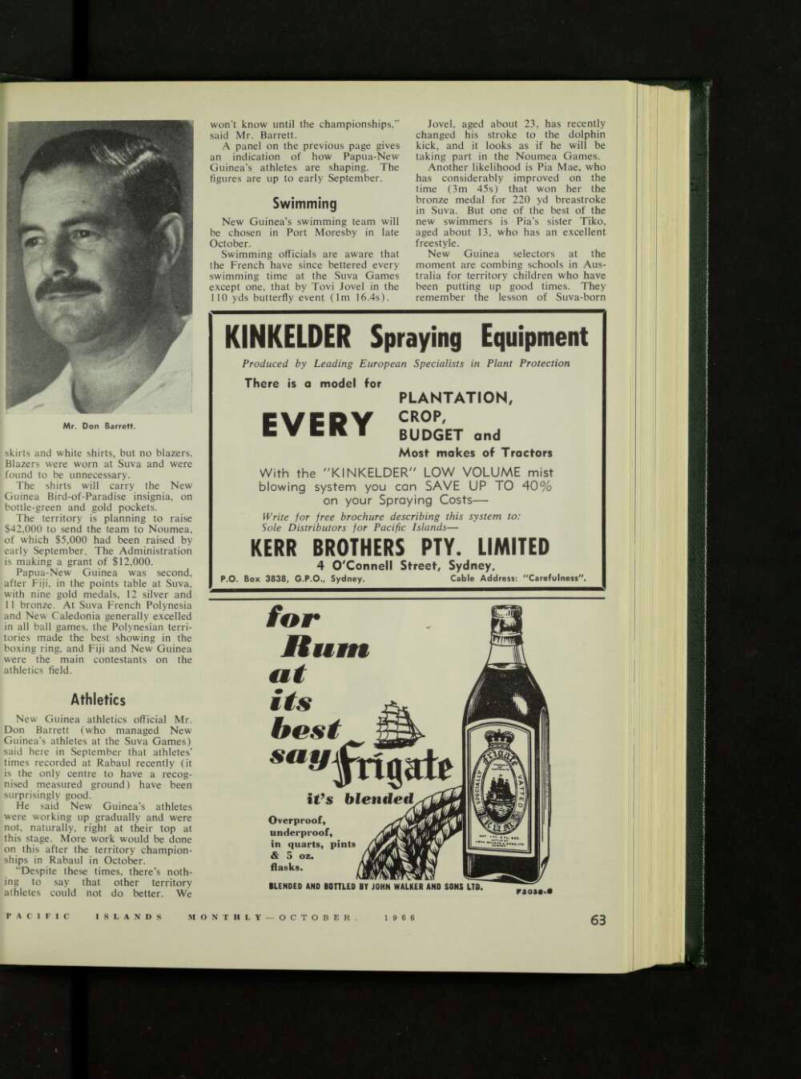 65
65 66
66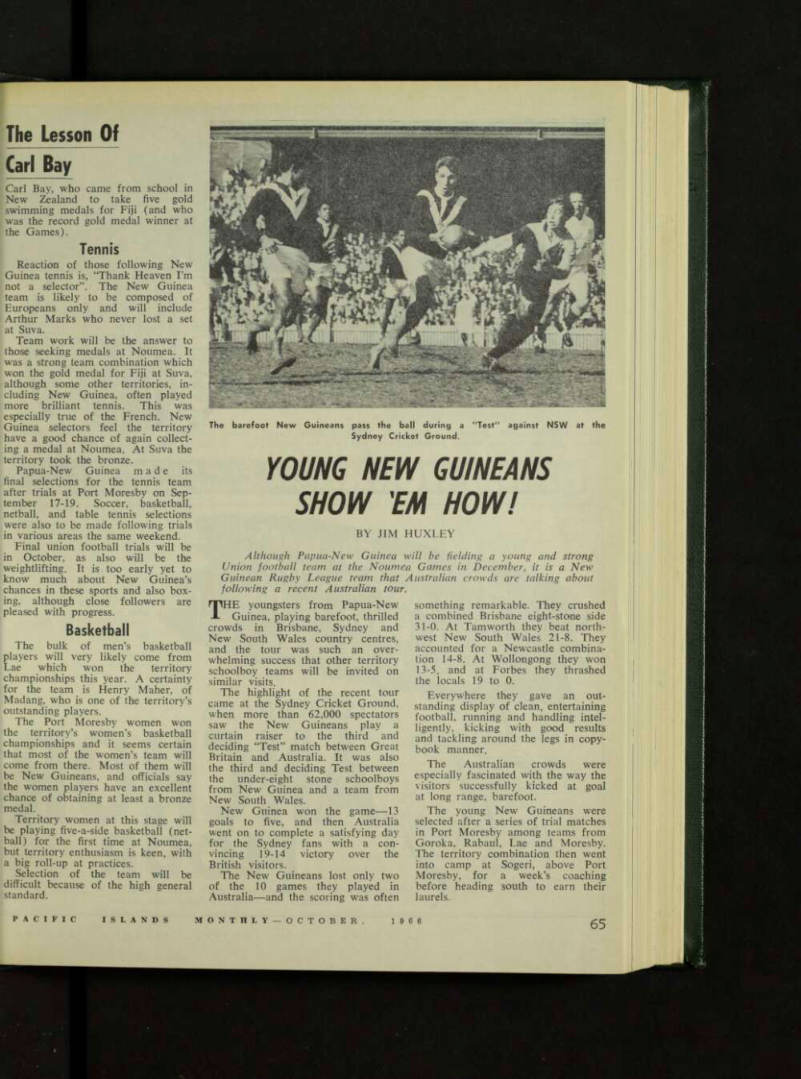 67
67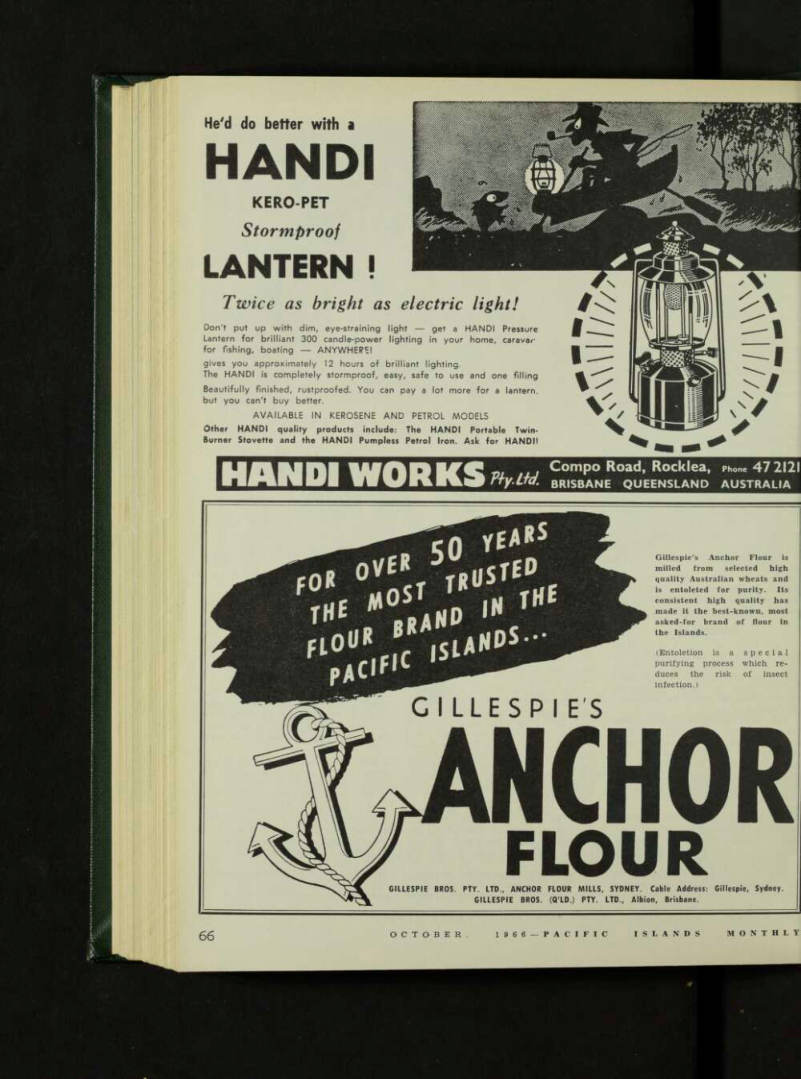 68
68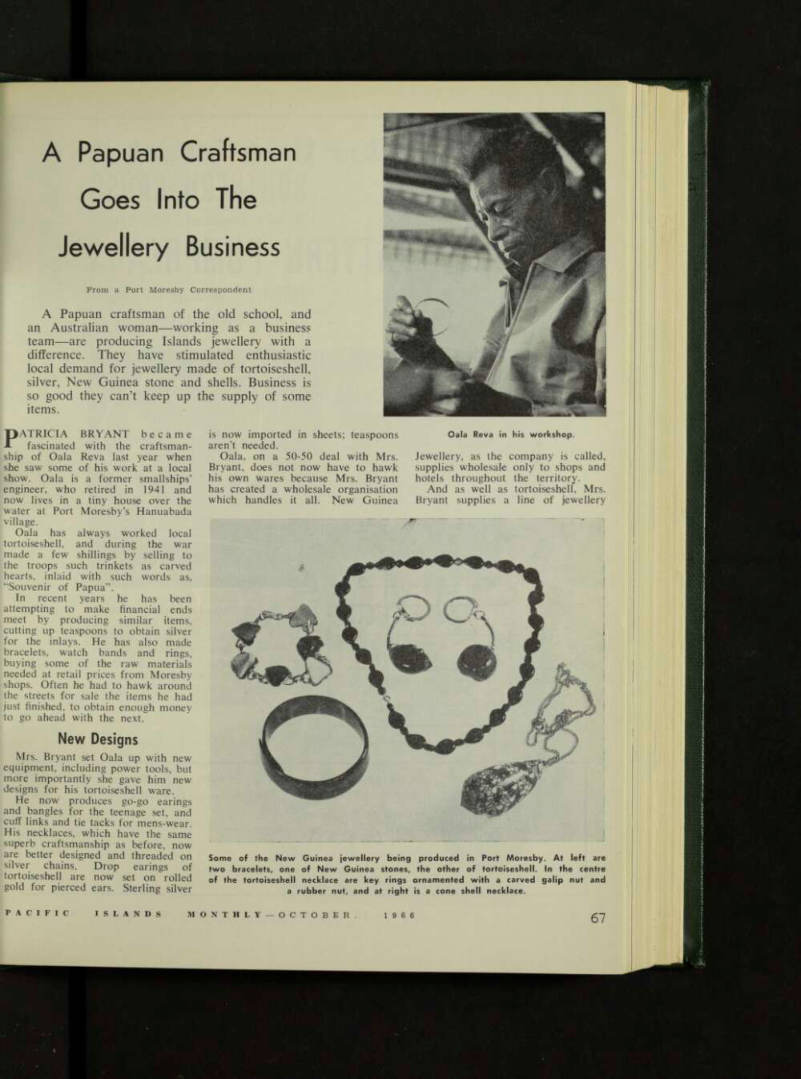 69
69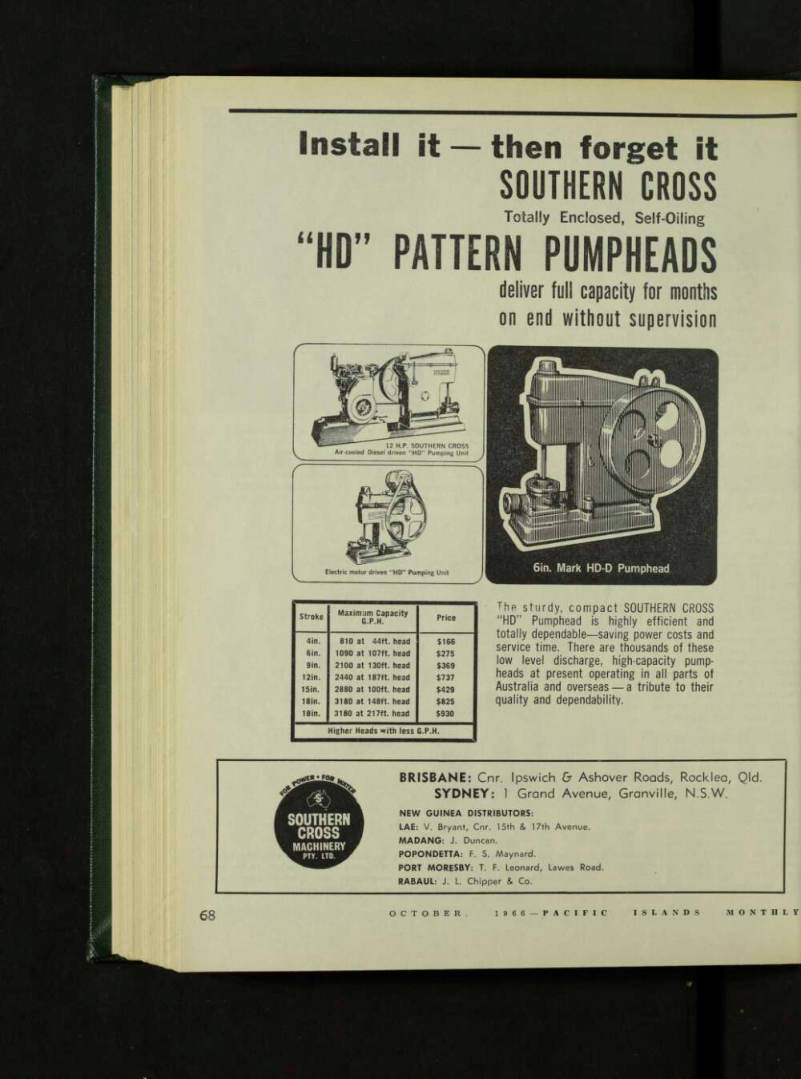 70
70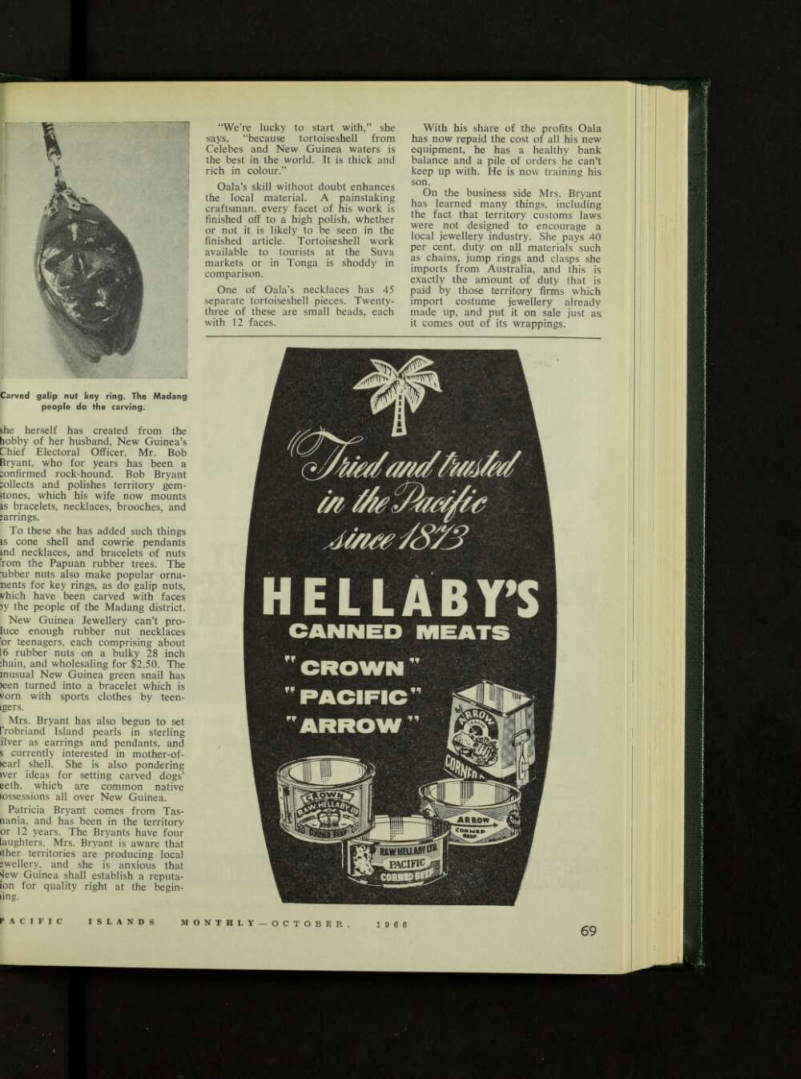 71
71 72
72 73
73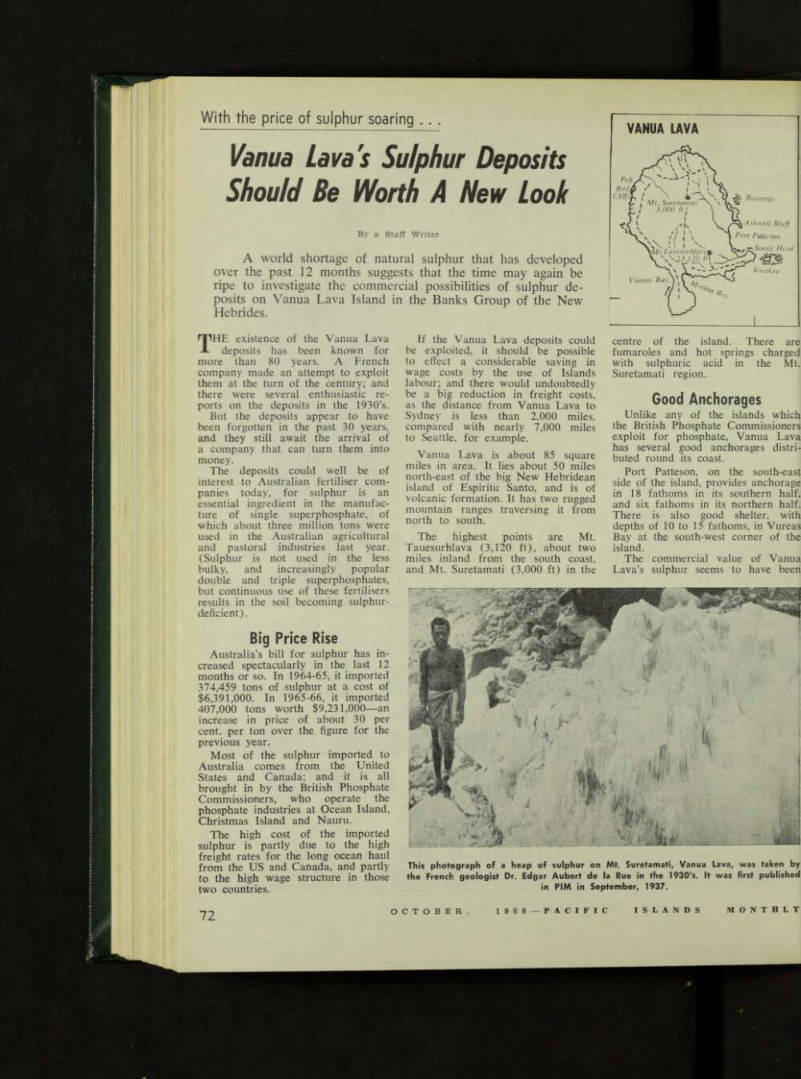 74
74 75
75 76
76 77
77 78
78 79
79 80
80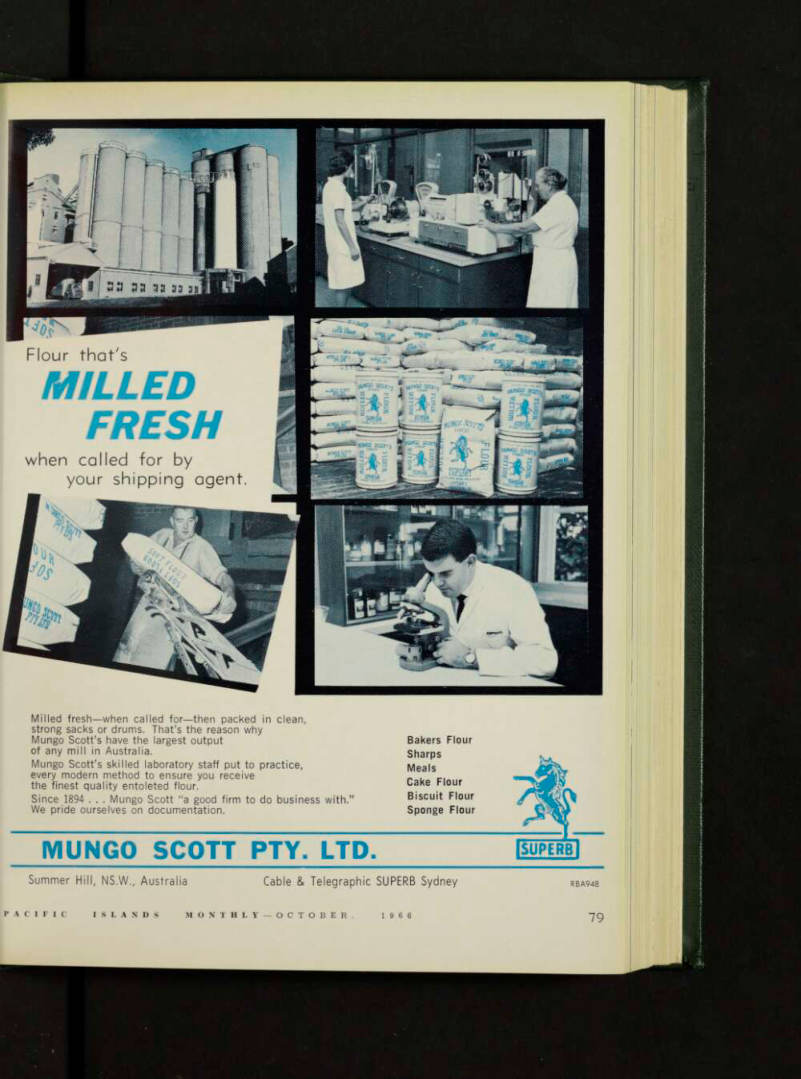 81
81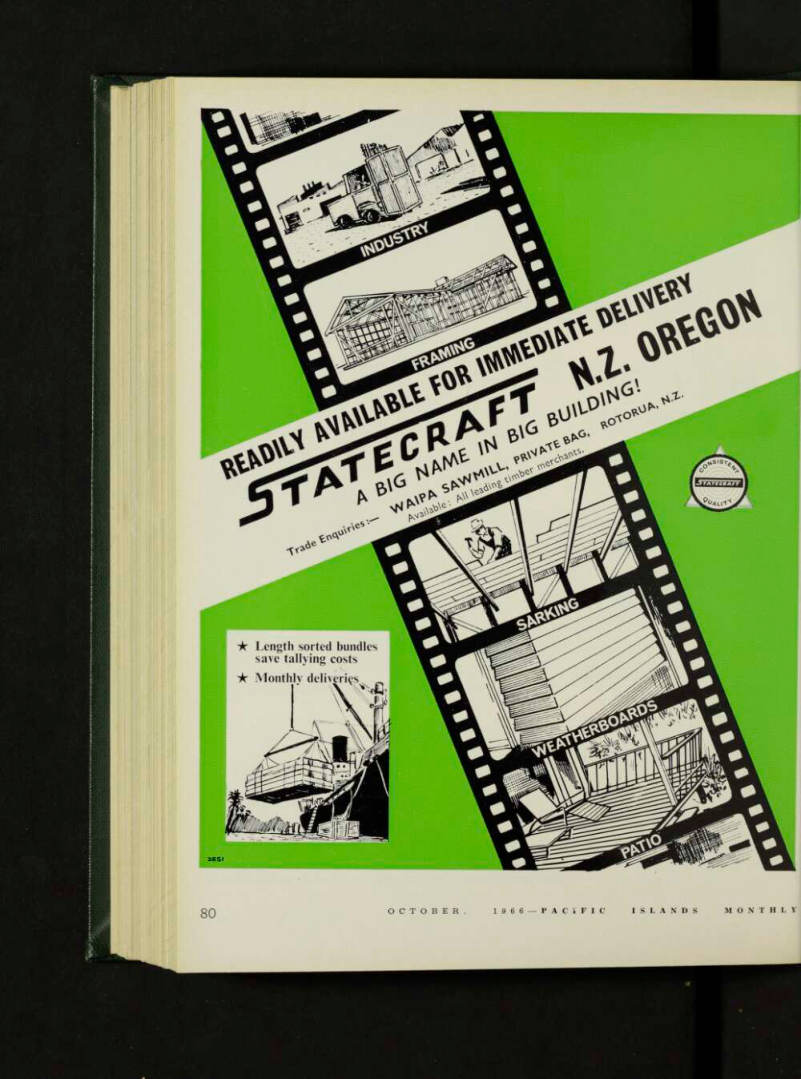 82
82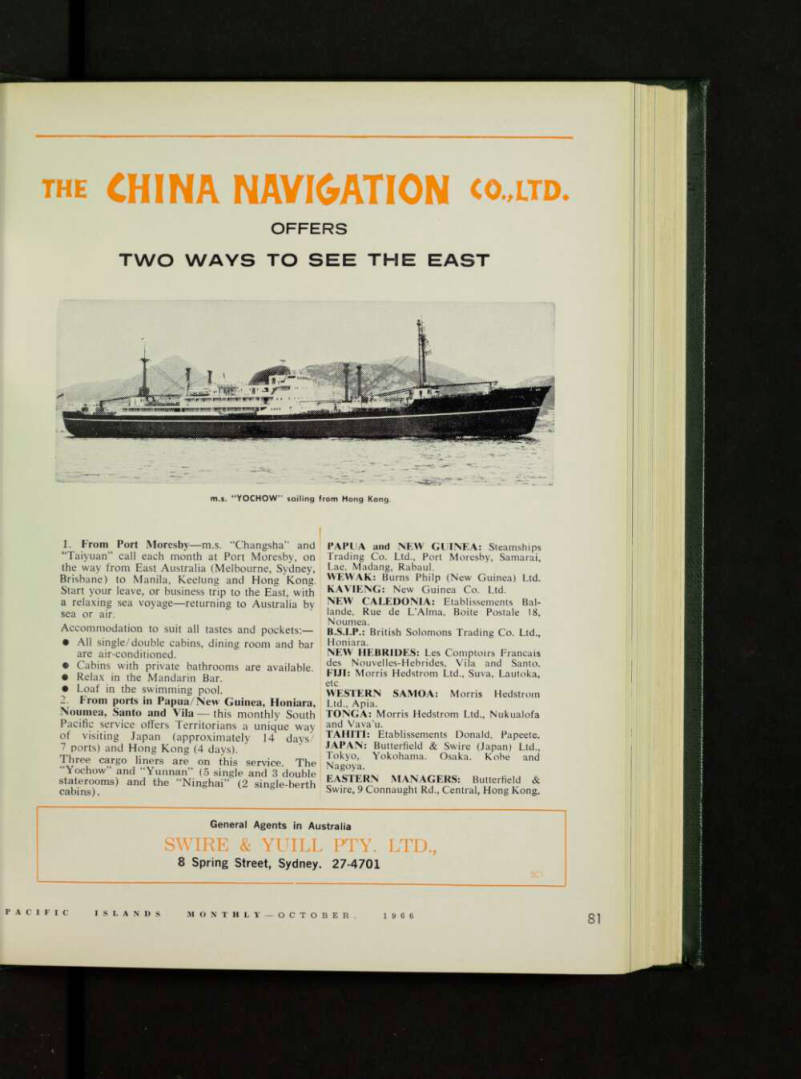 83
83 84
84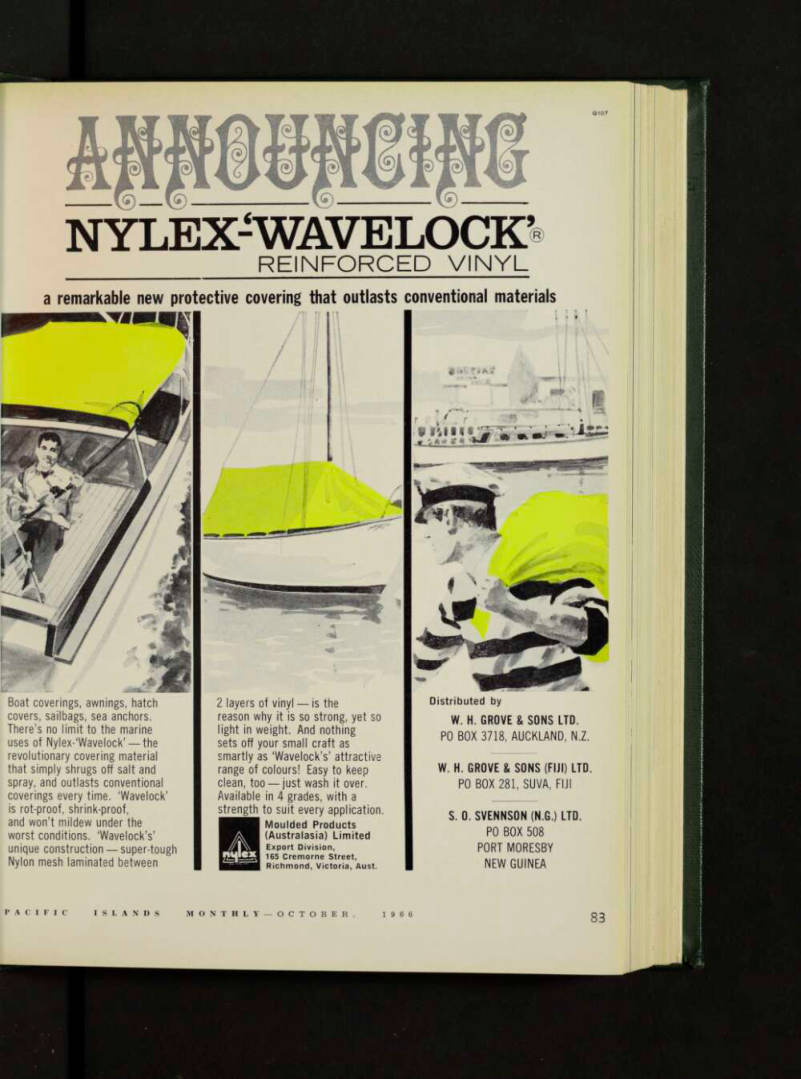 85
85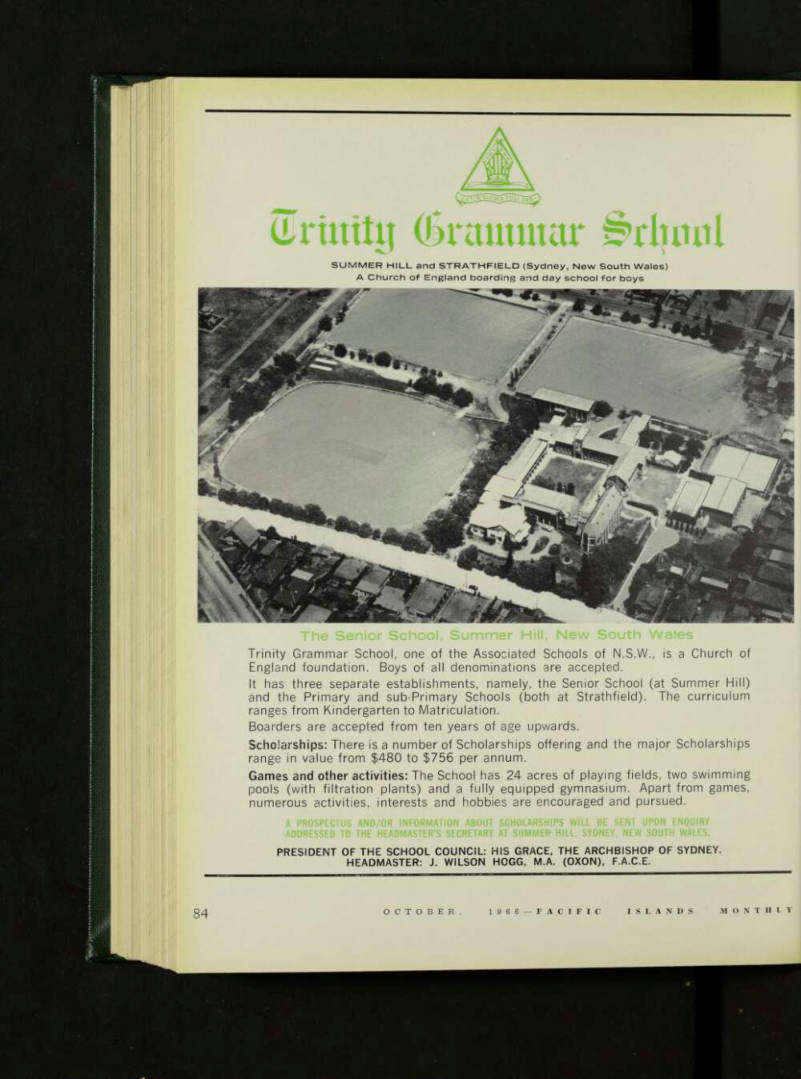 86
86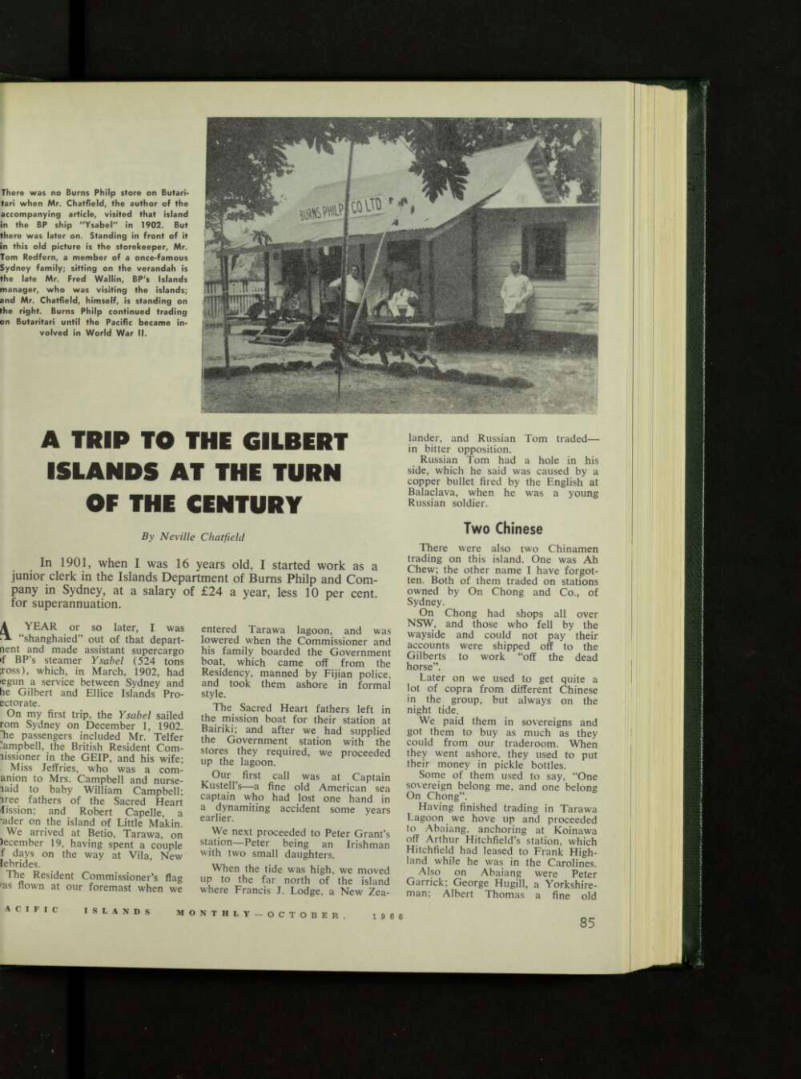 87
87 88
88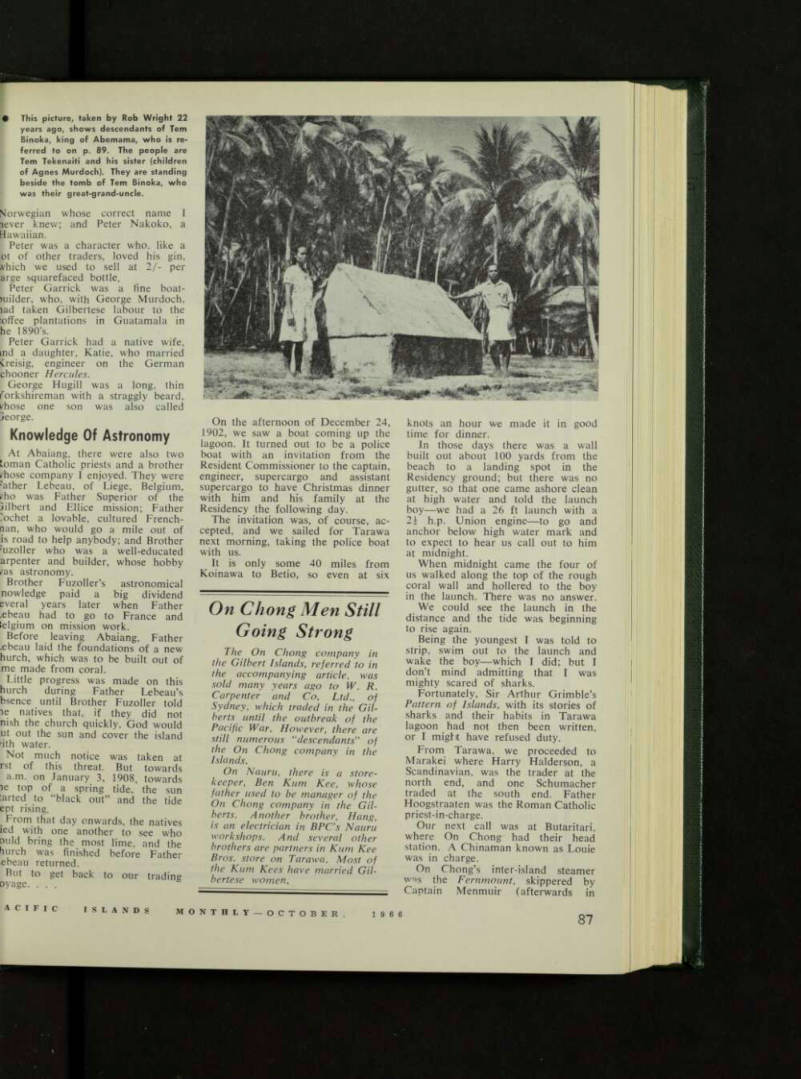 89
89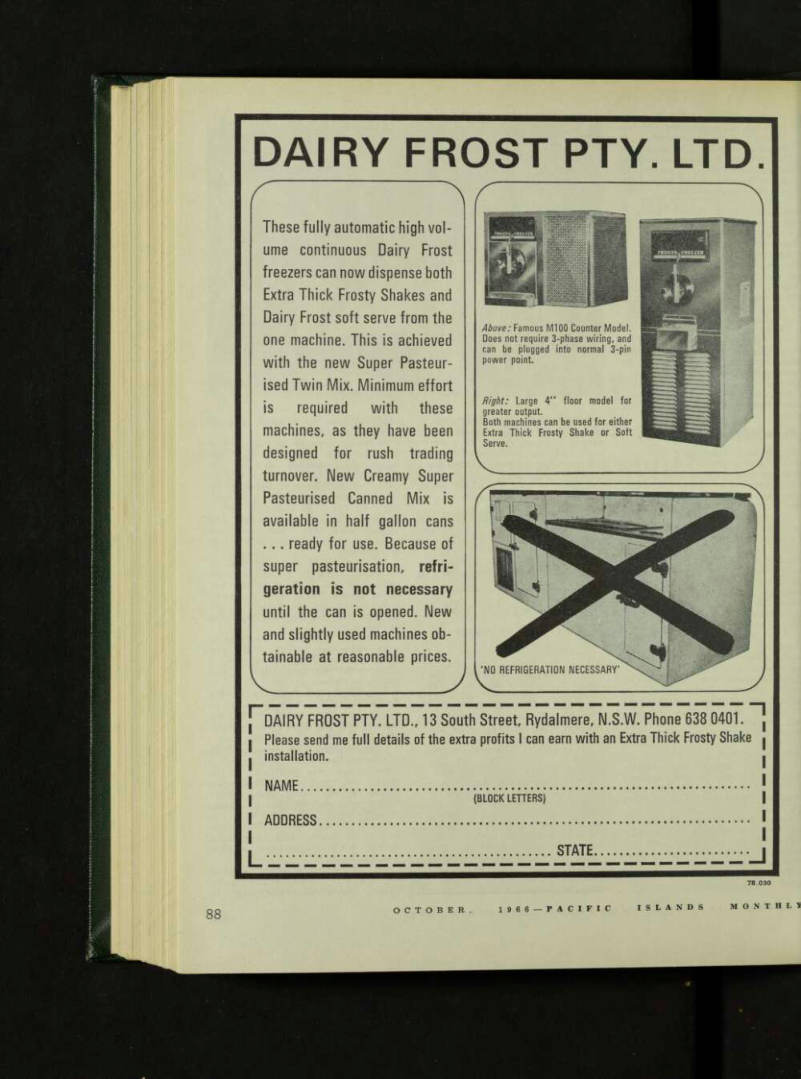 90
90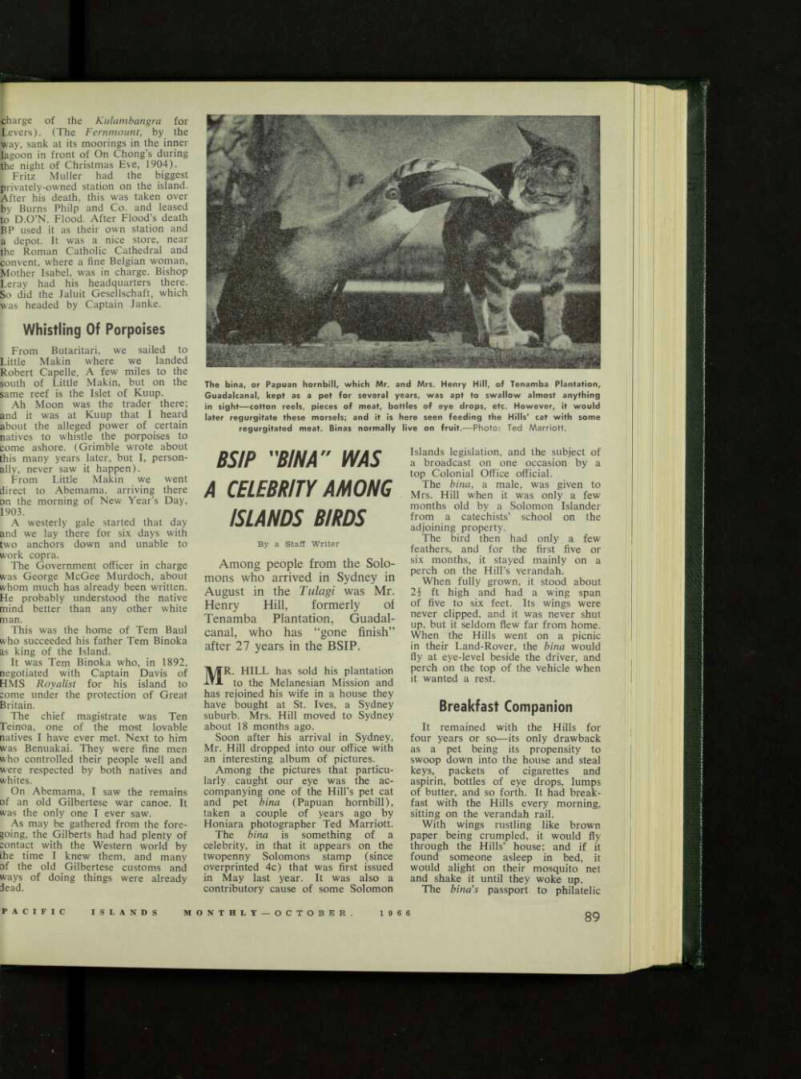 91
91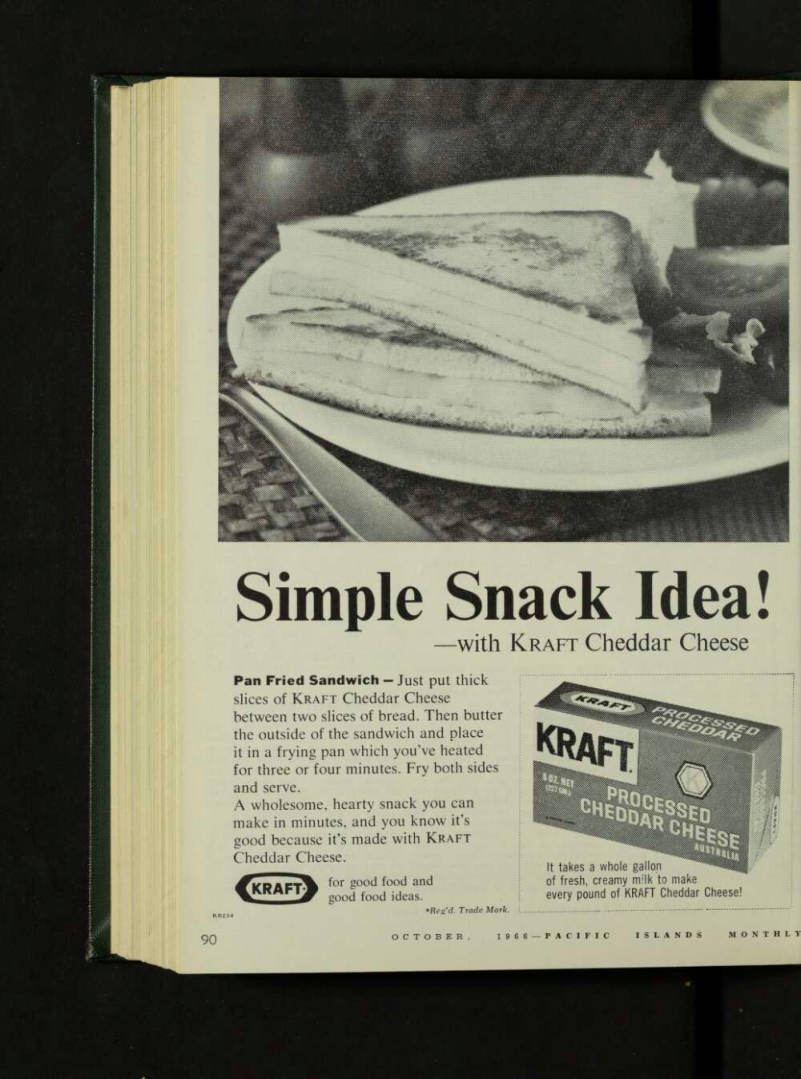 92
92 93
93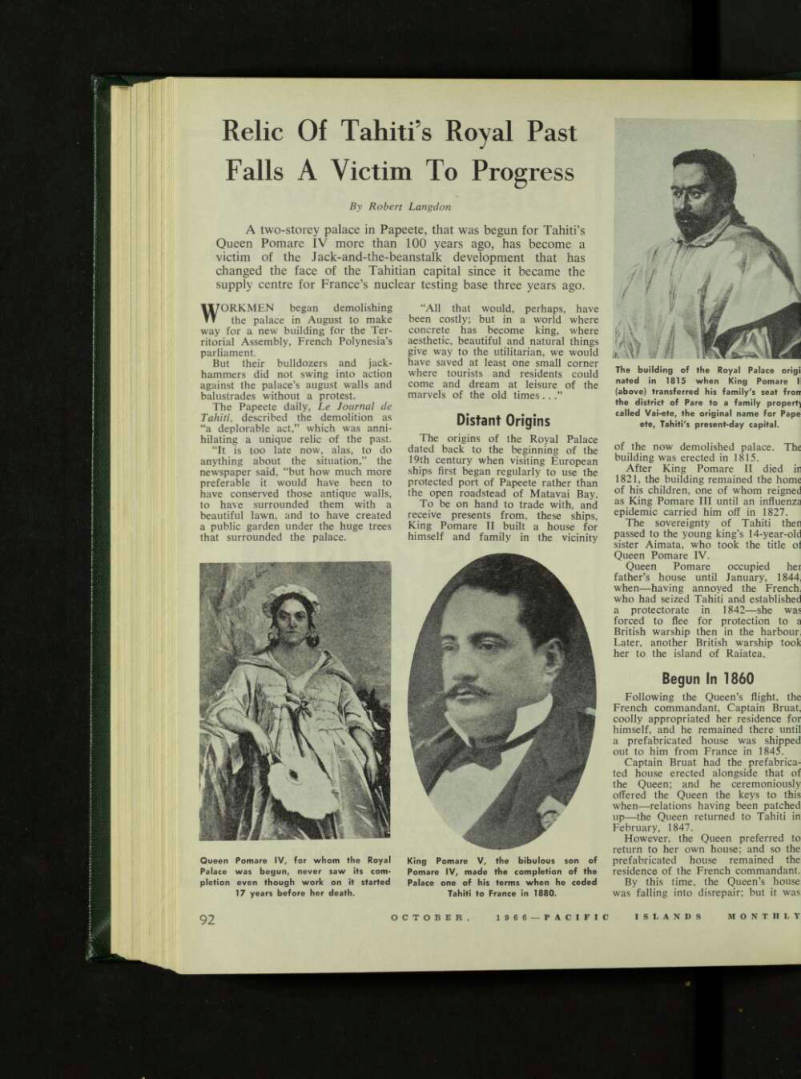 94
94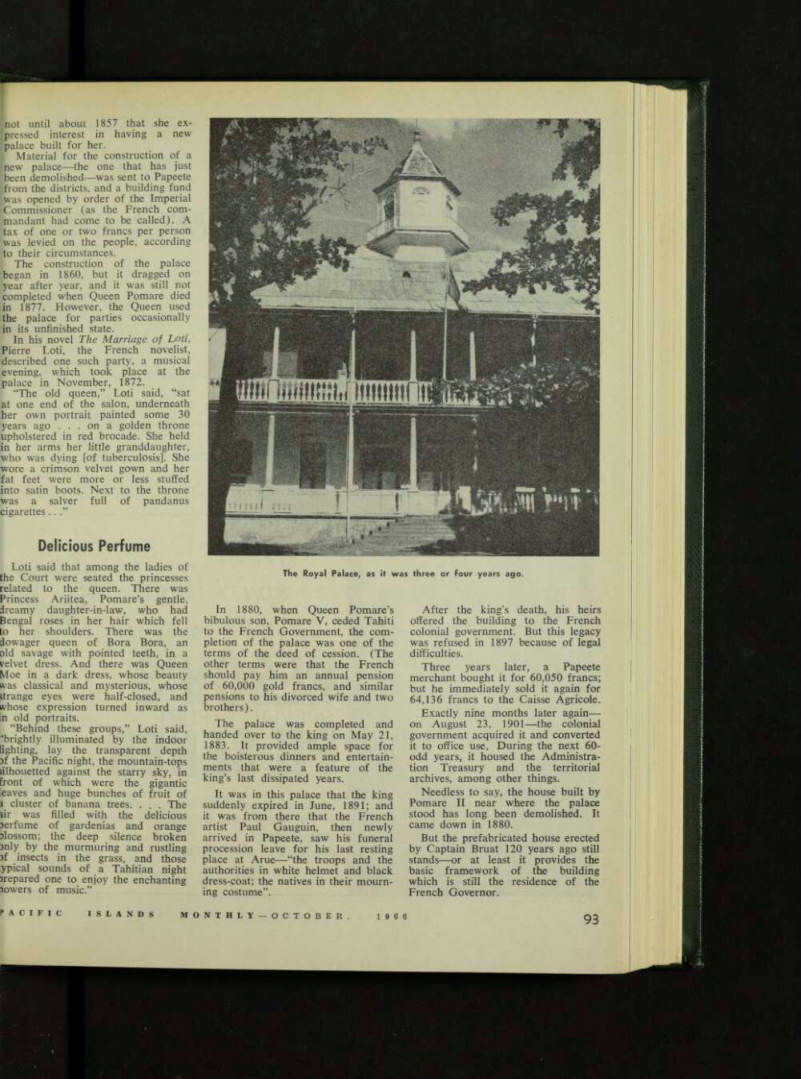 95
95 96
96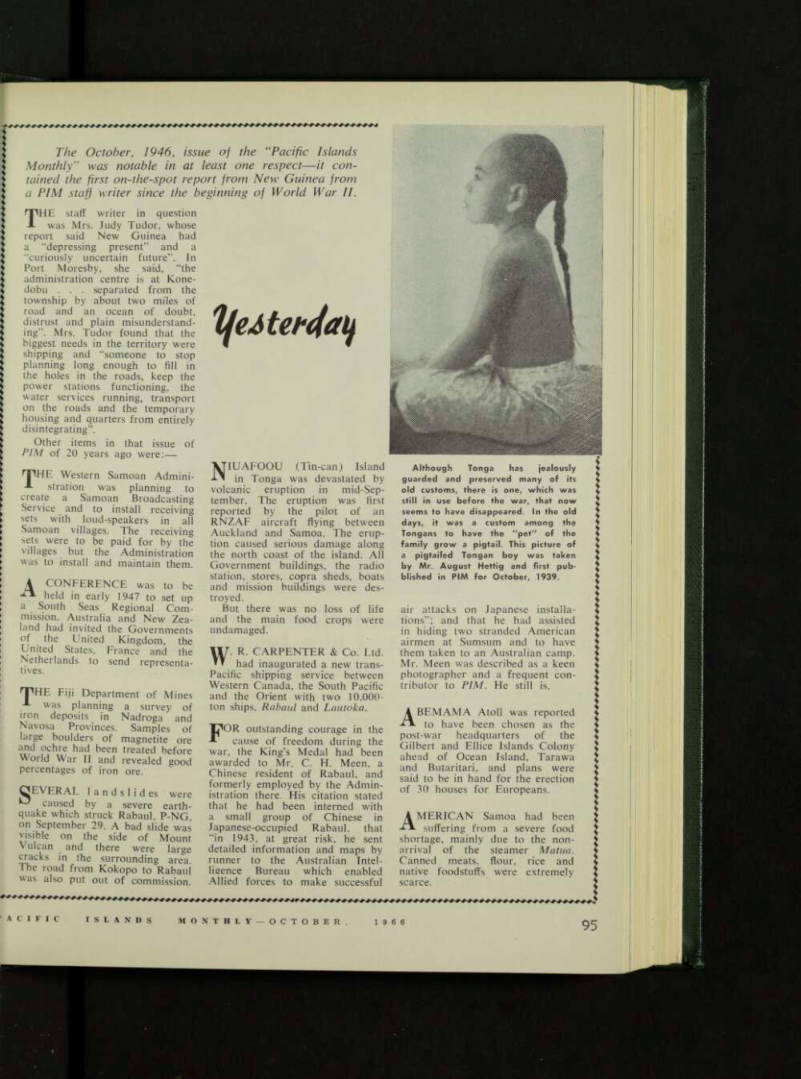 97
97 98
98 99
99 100
100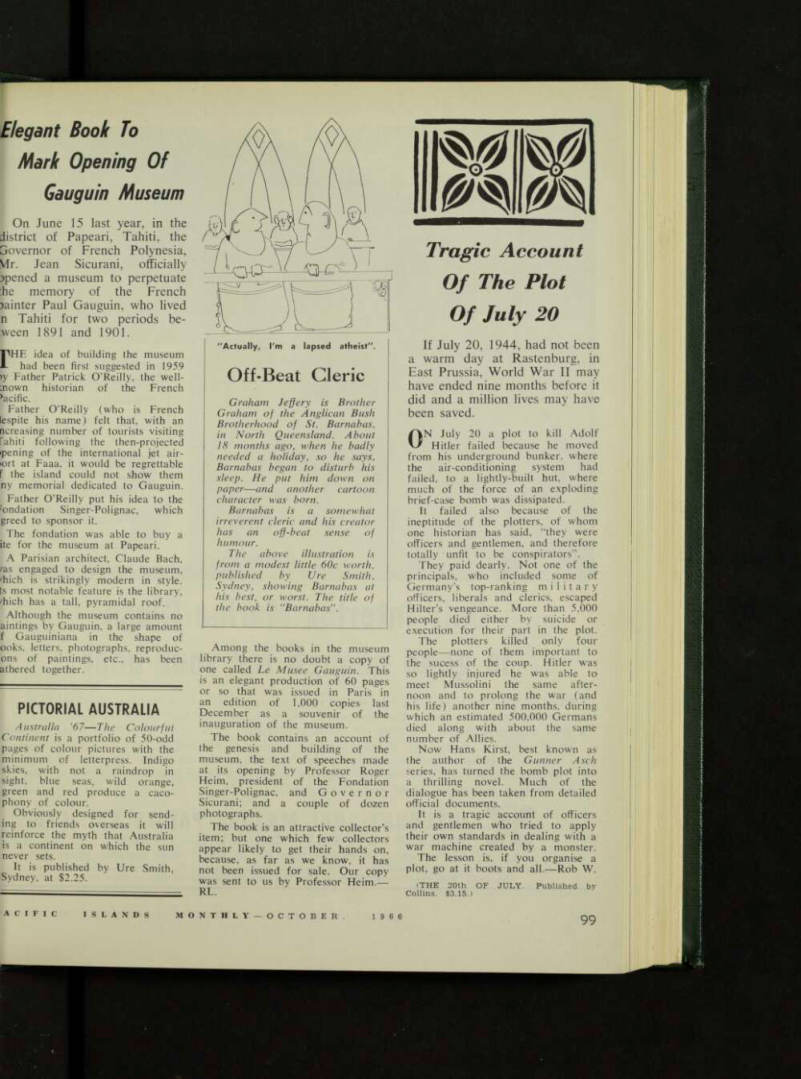 101
101 102
102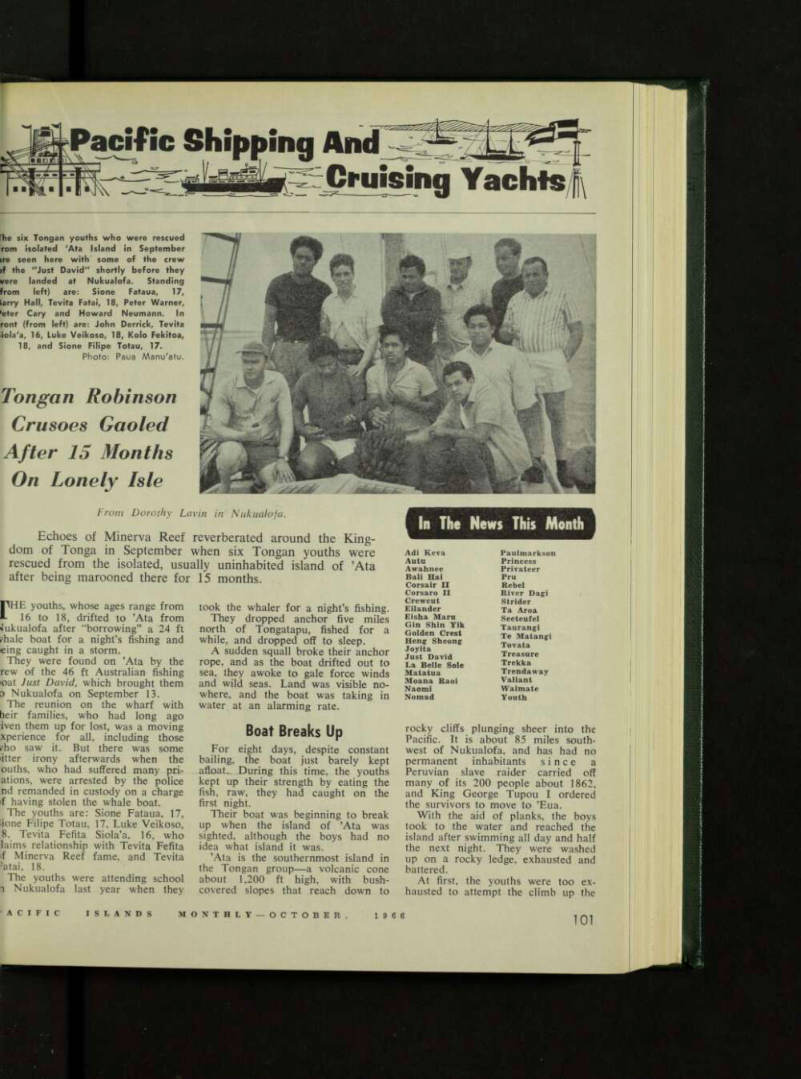 103
103 104
104 105
105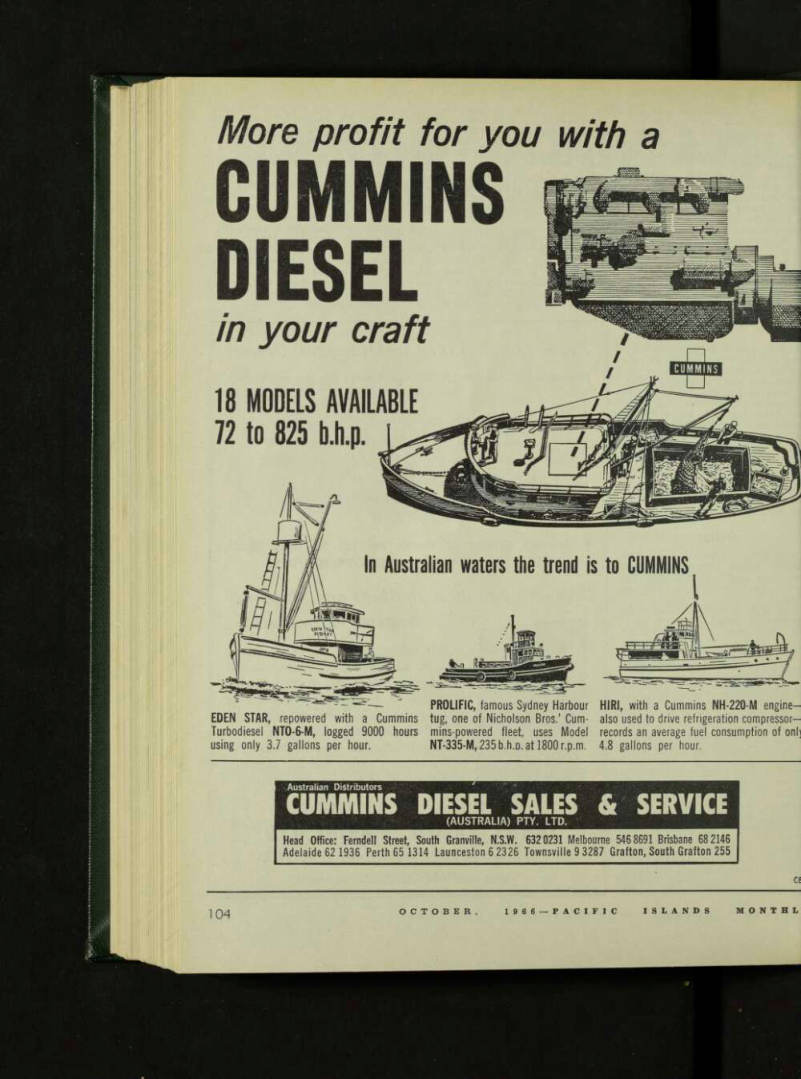 106
106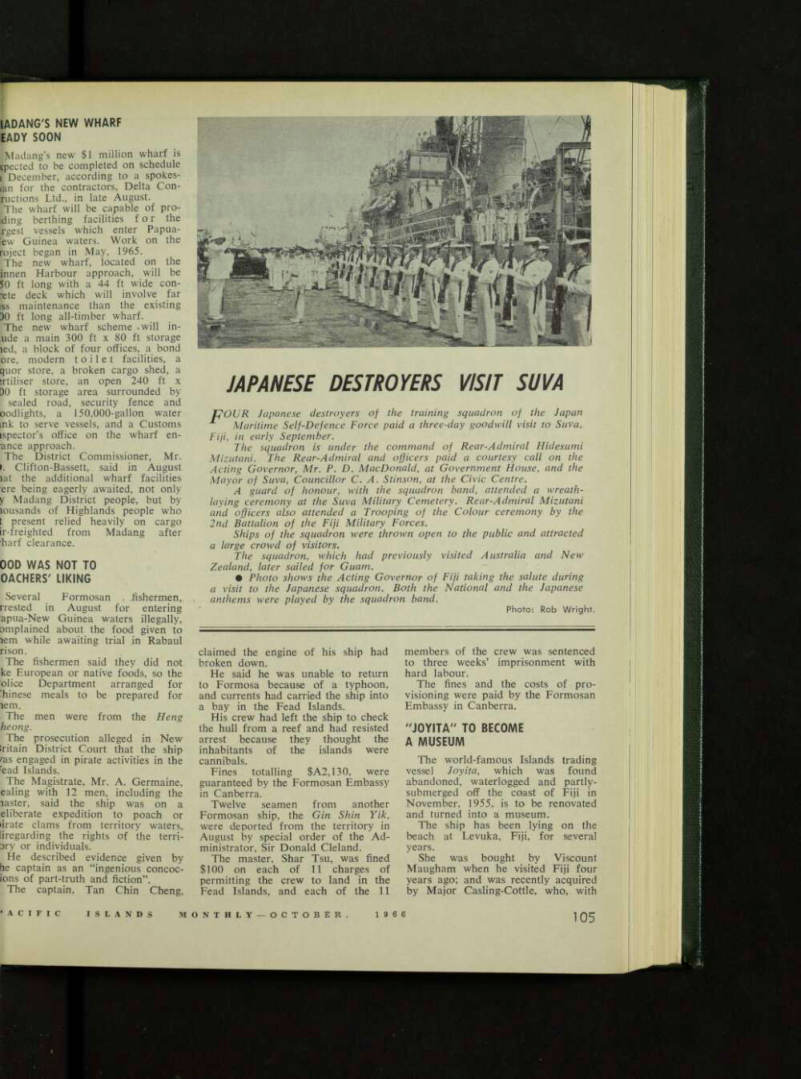 107
107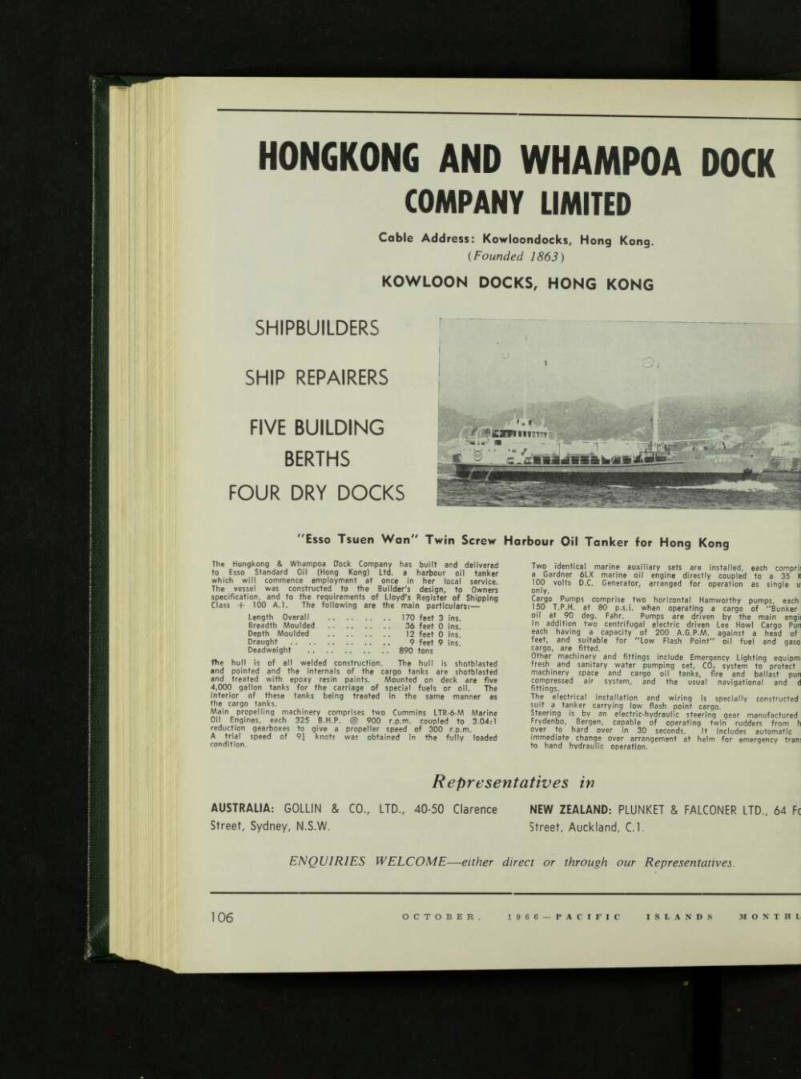 108
108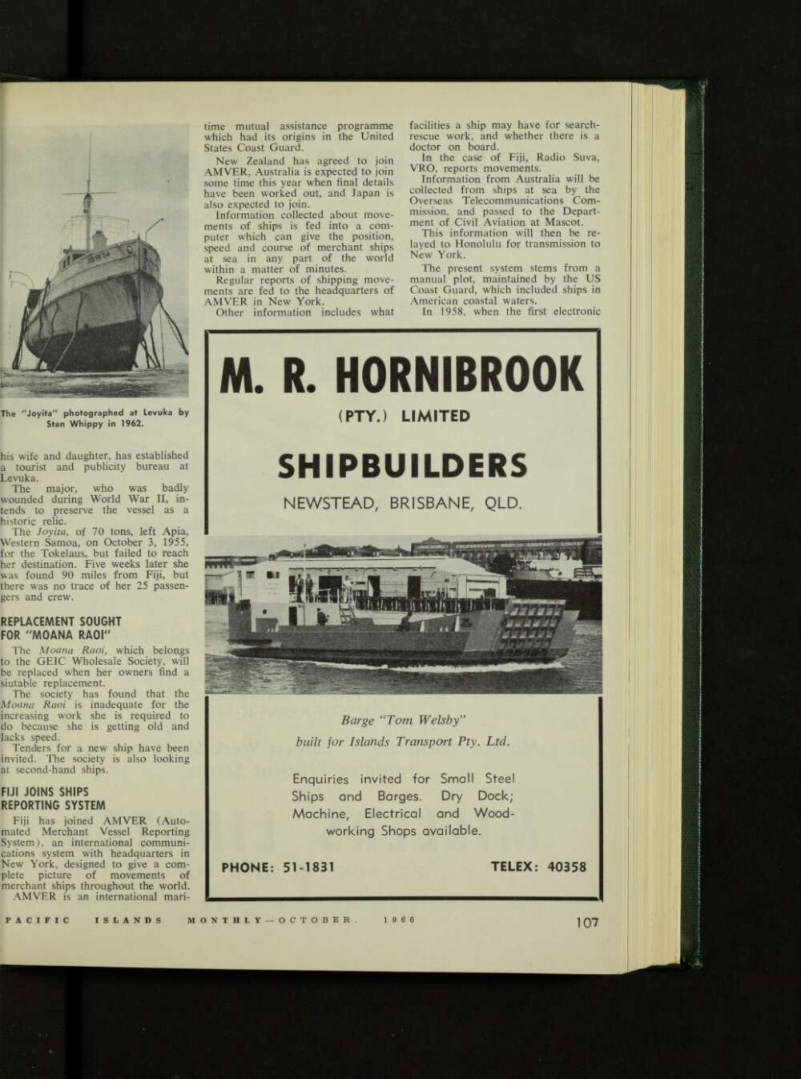 109
109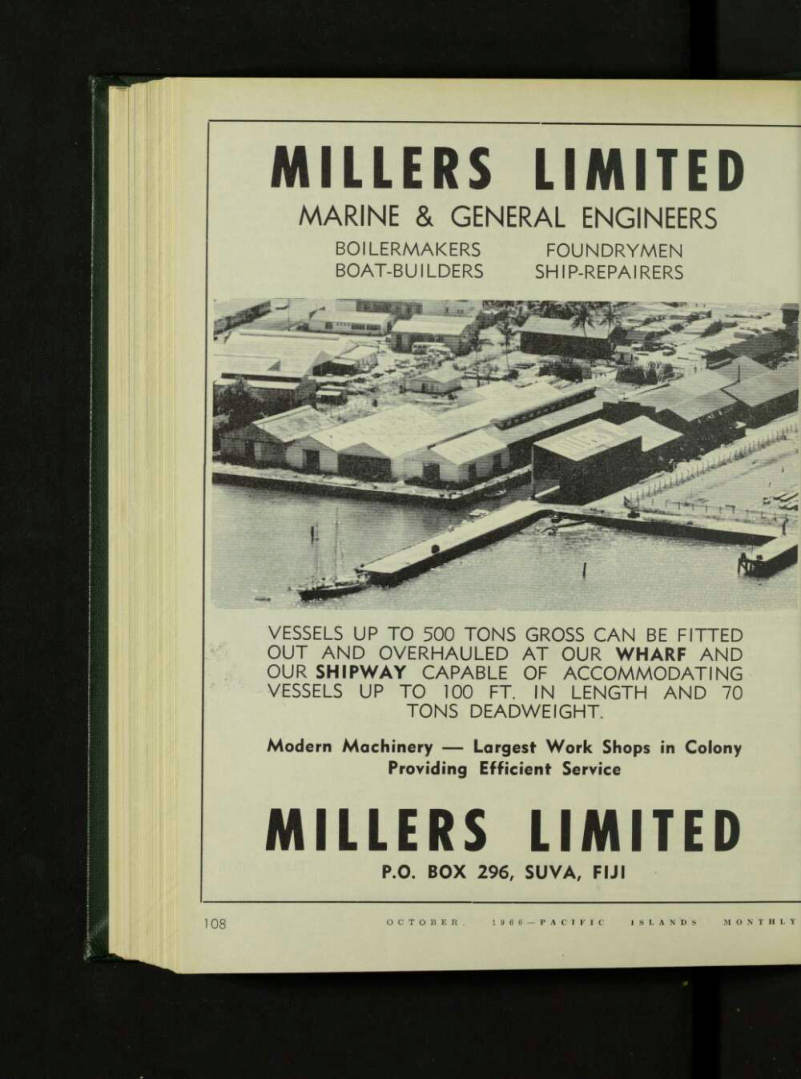 110
110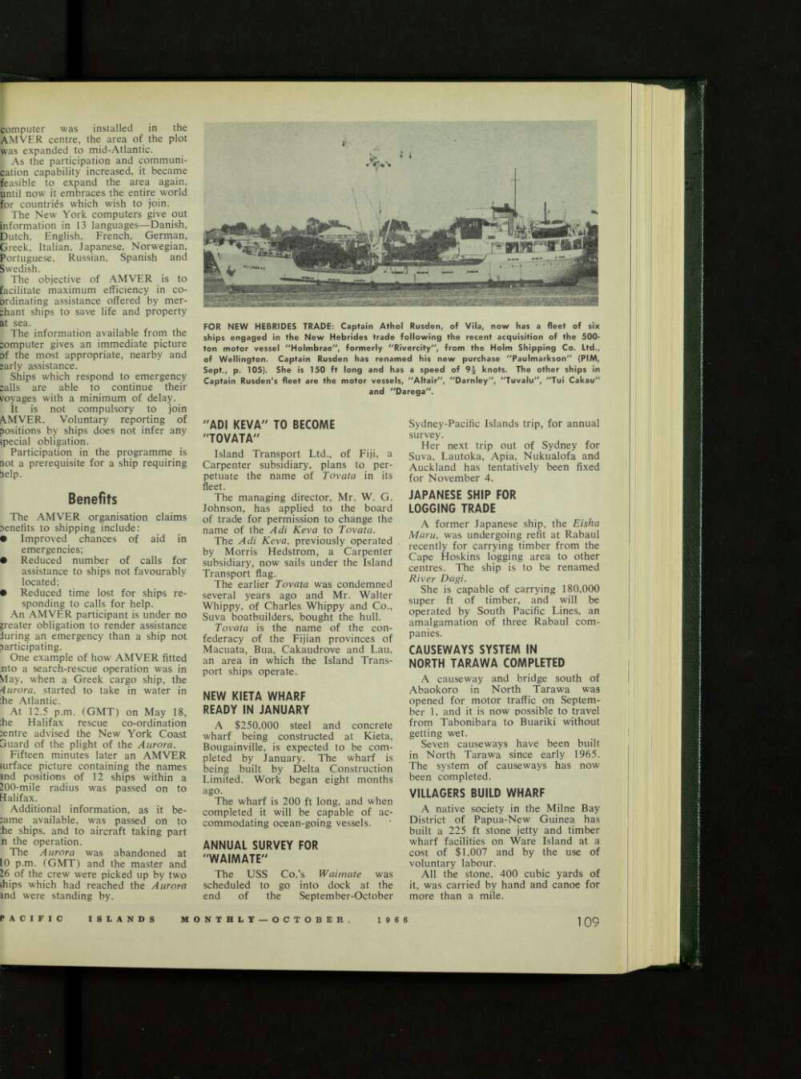 111
111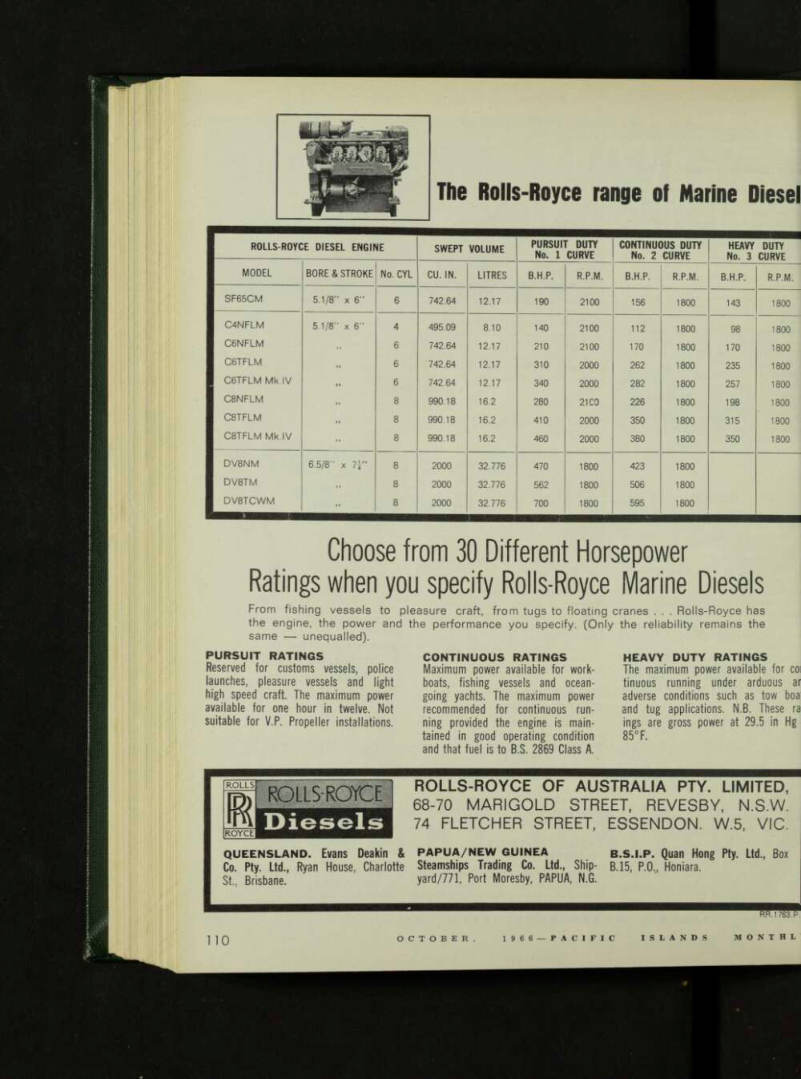 112
112 113
113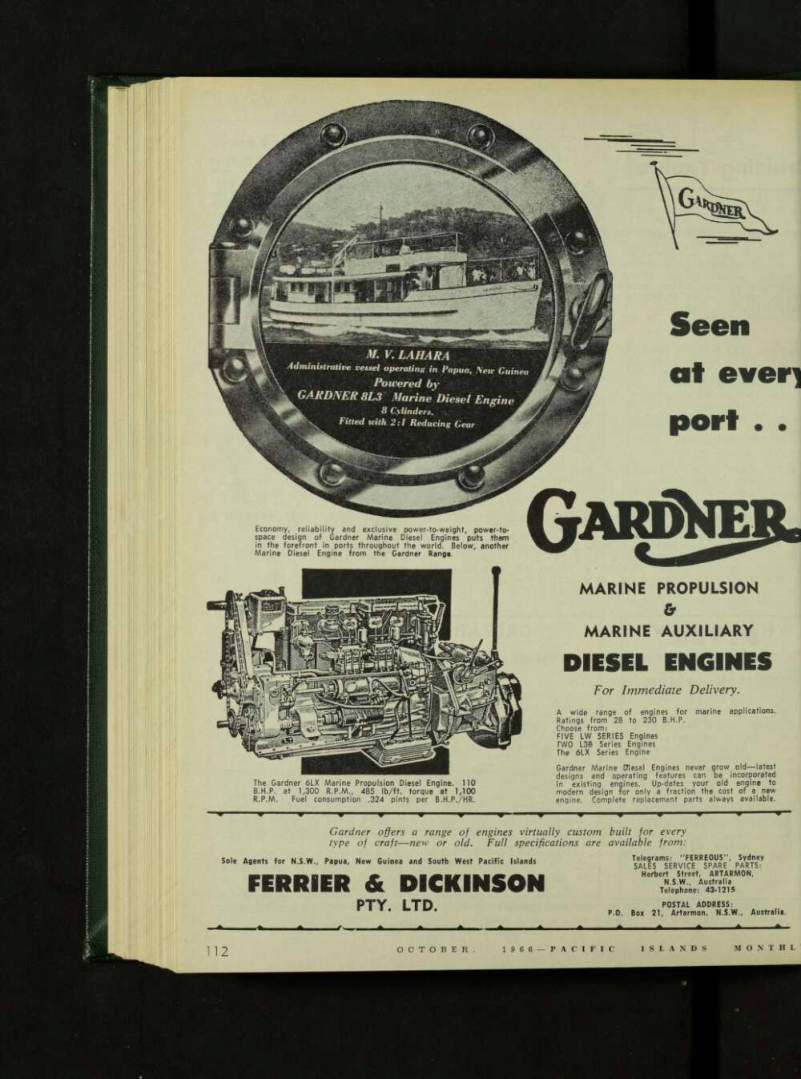 114
114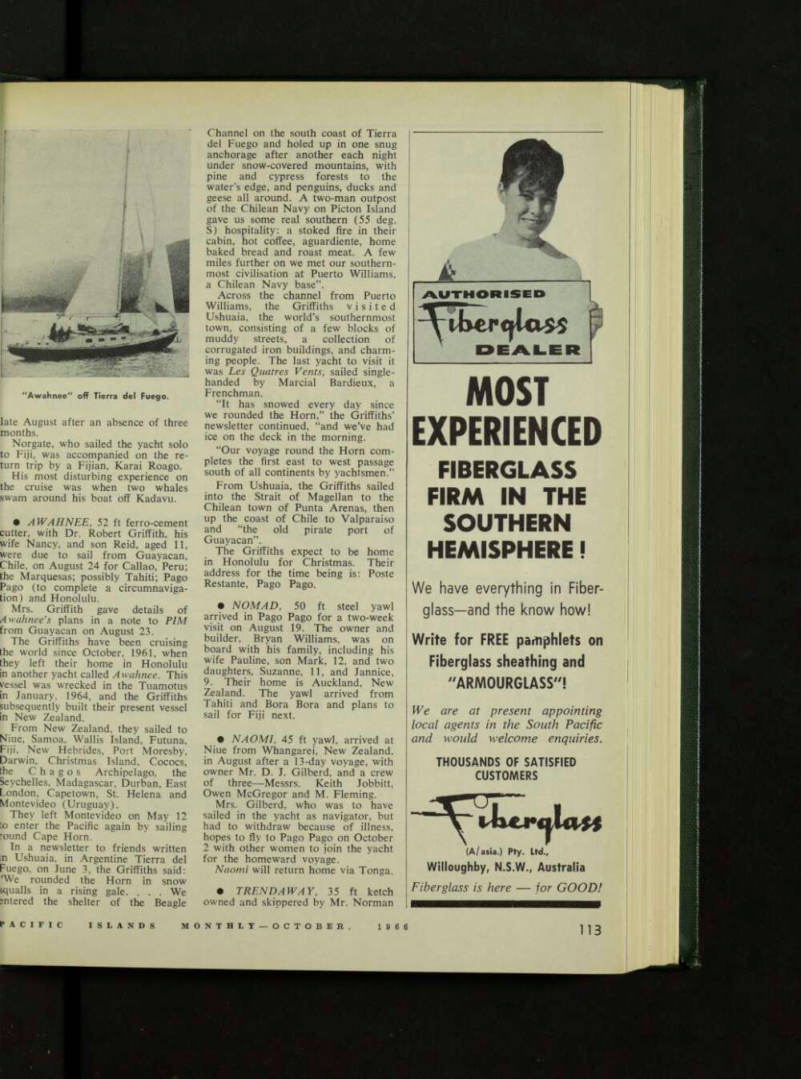 115
115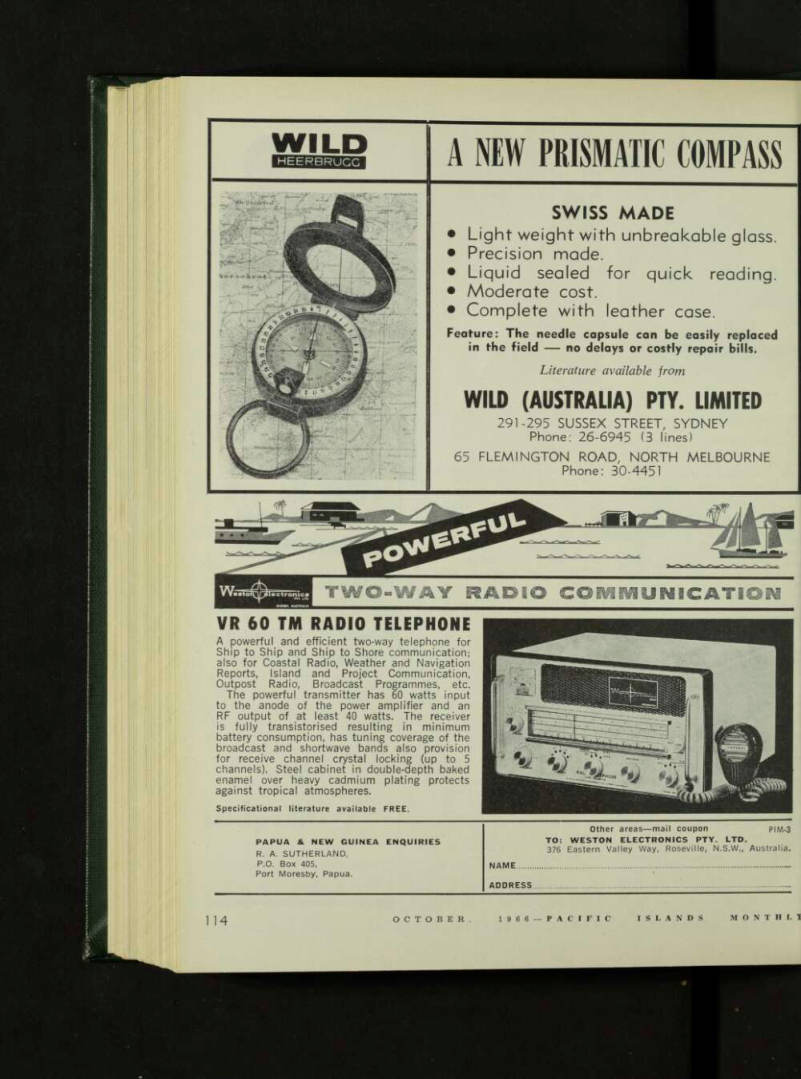 116
116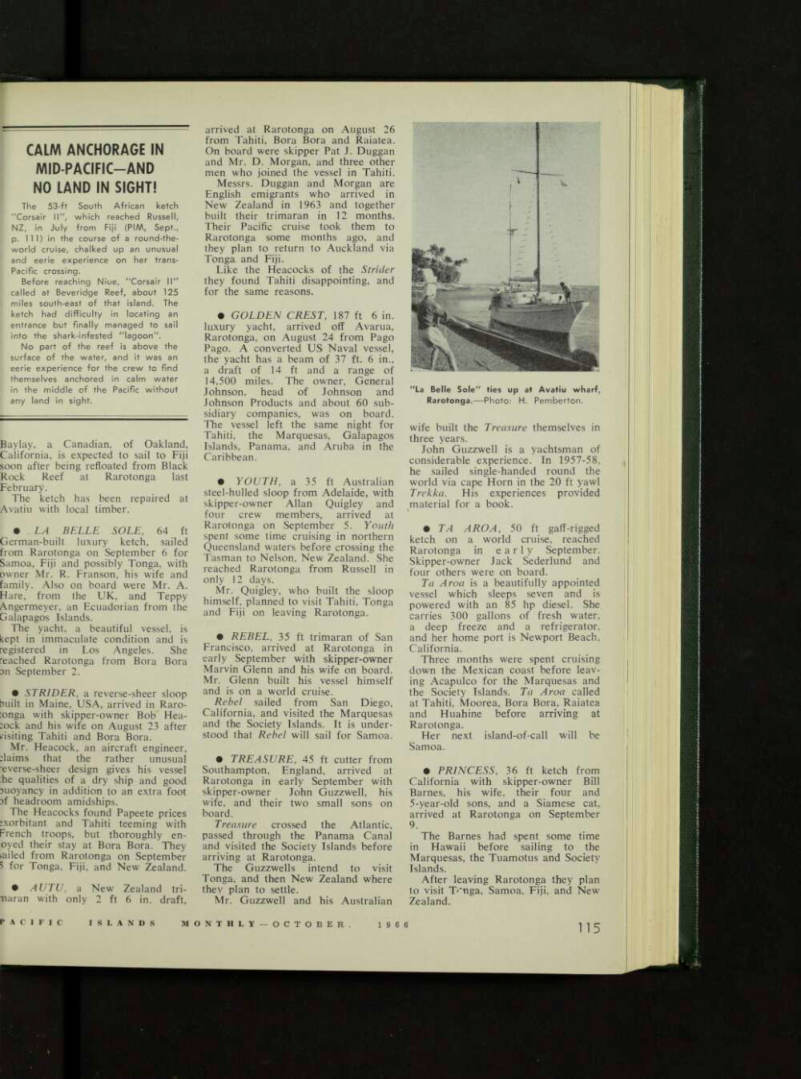 117
117 118
118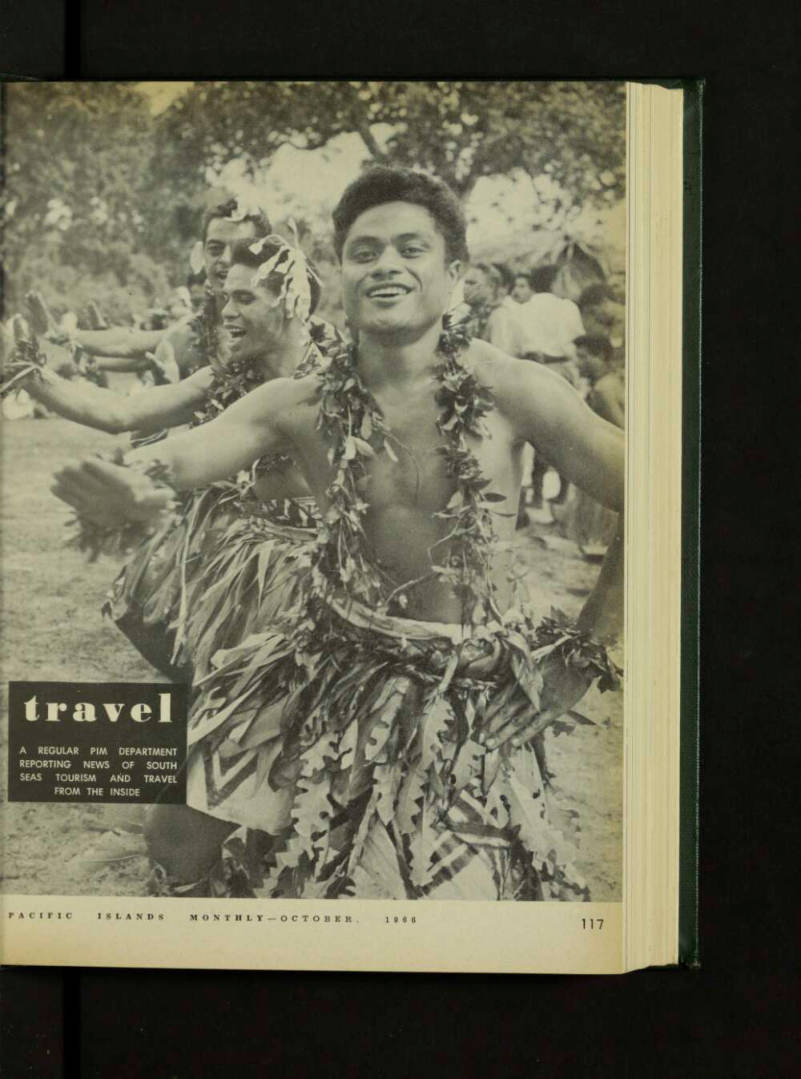 119
119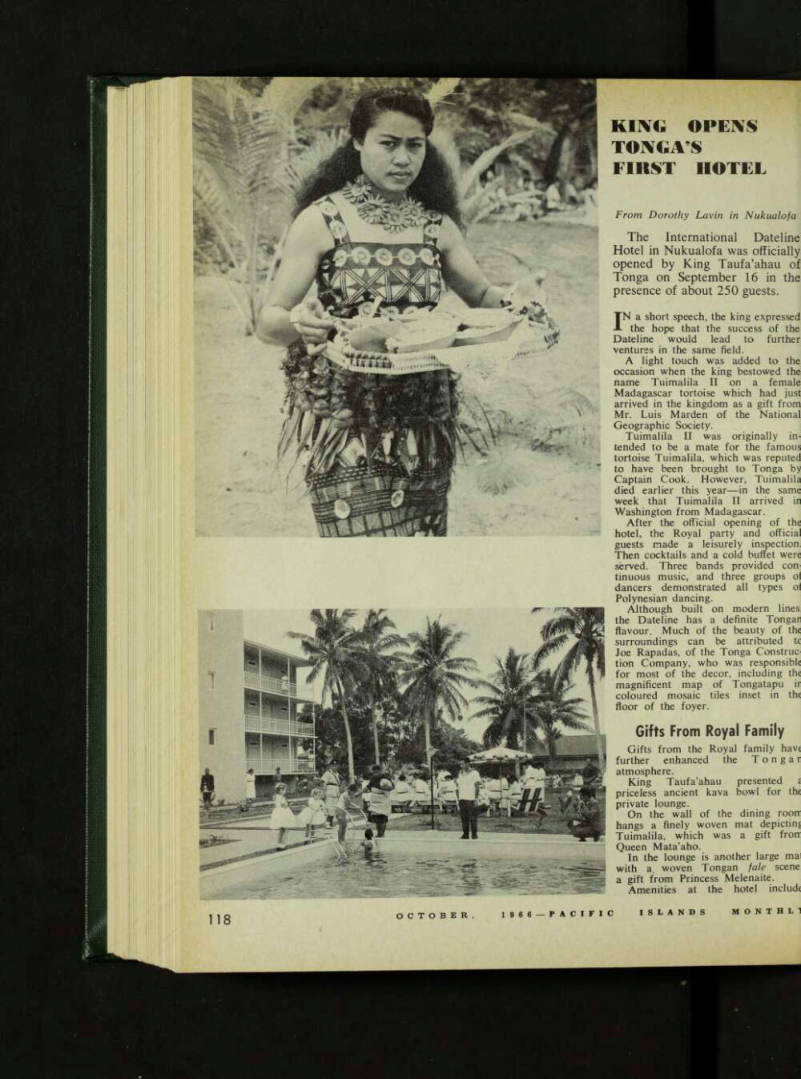 120
120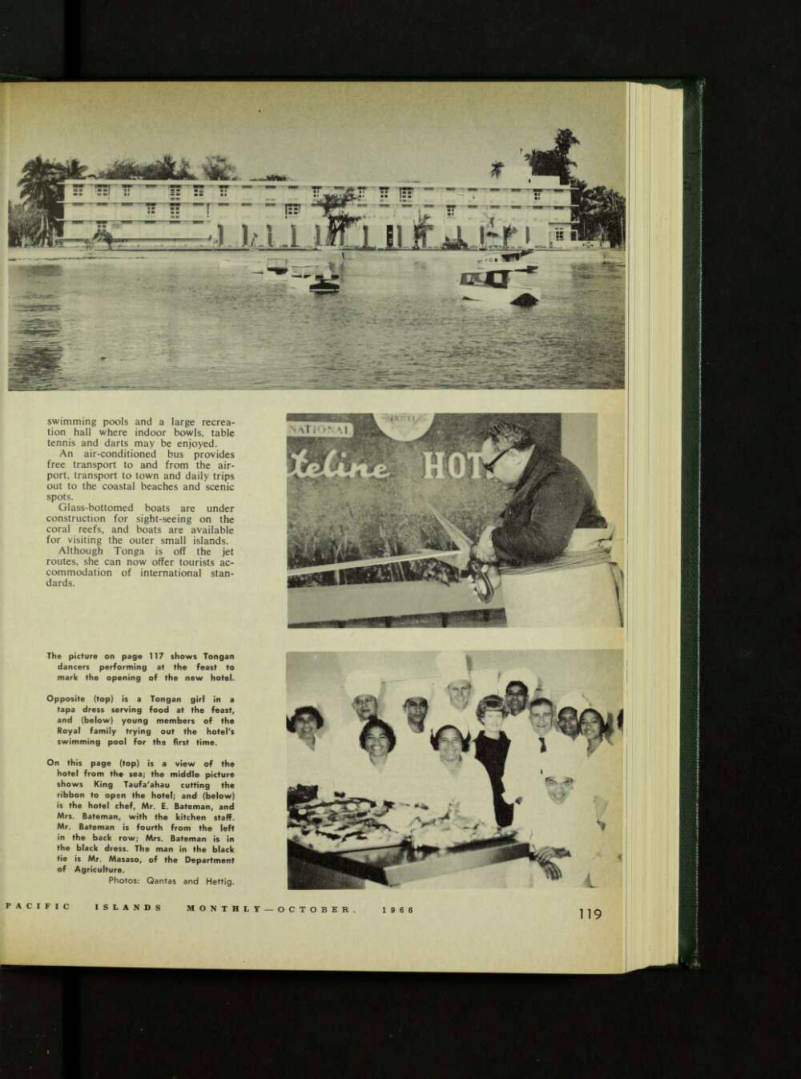 121
121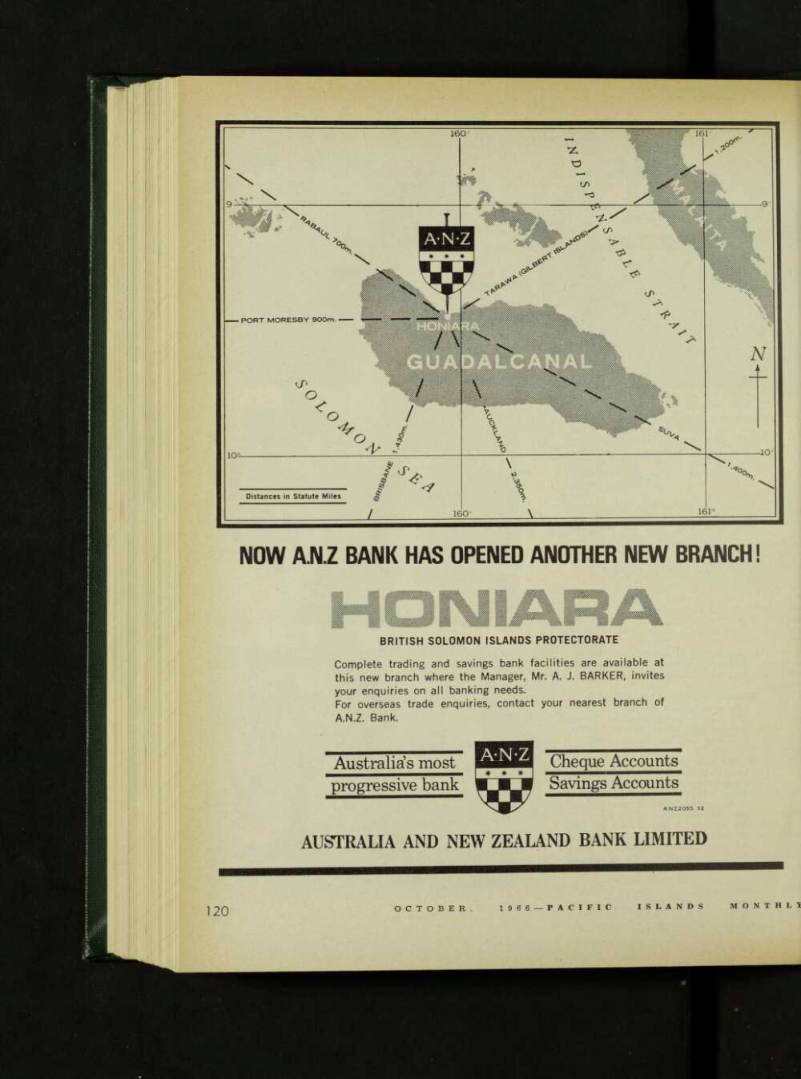 122
122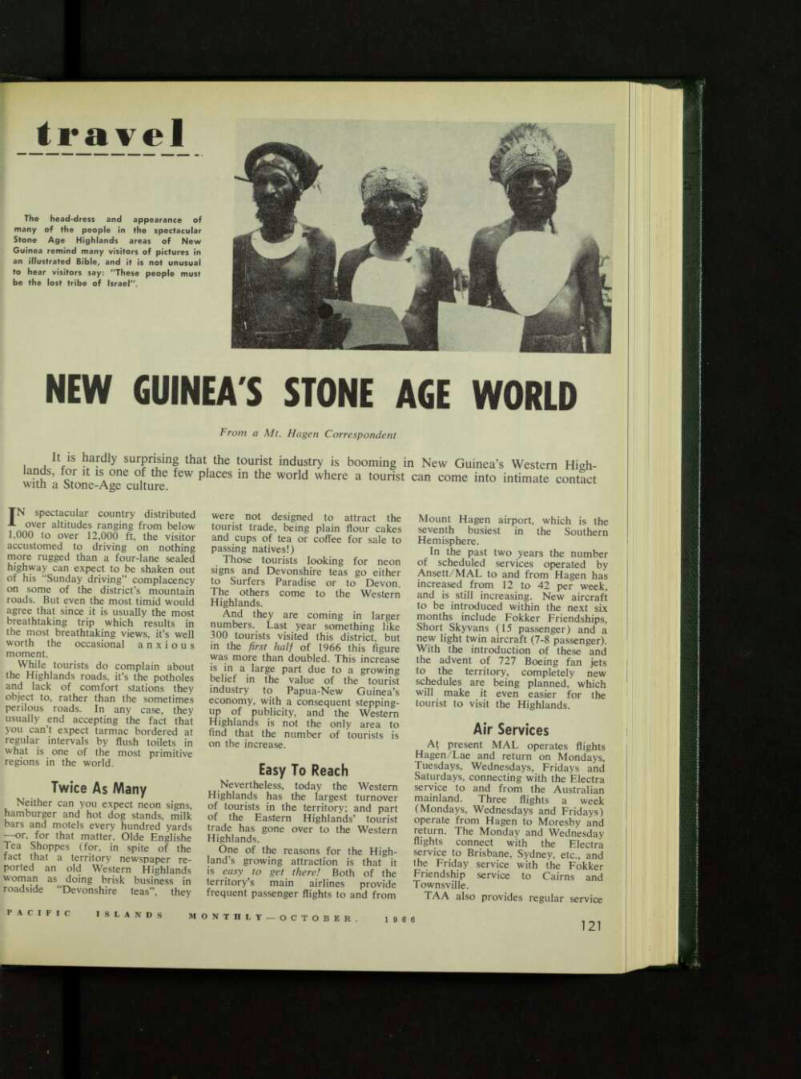 123
123 124
124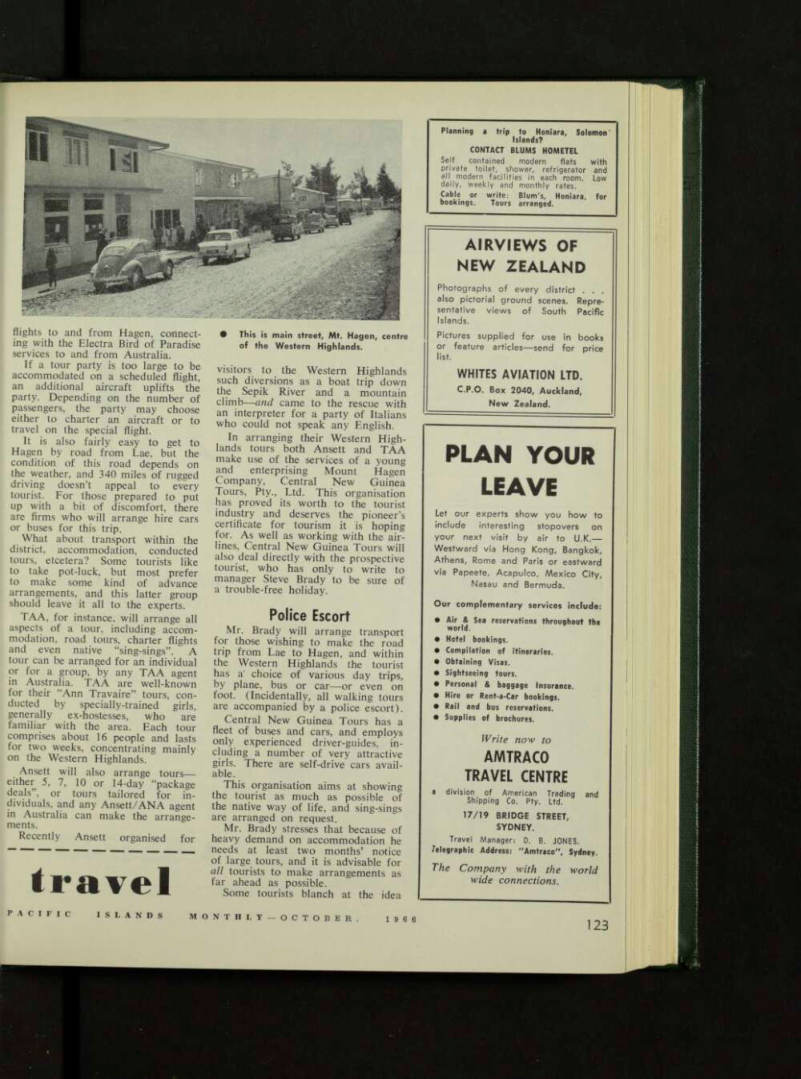 125
125 126
126 127
127 128
128 129
129 130
130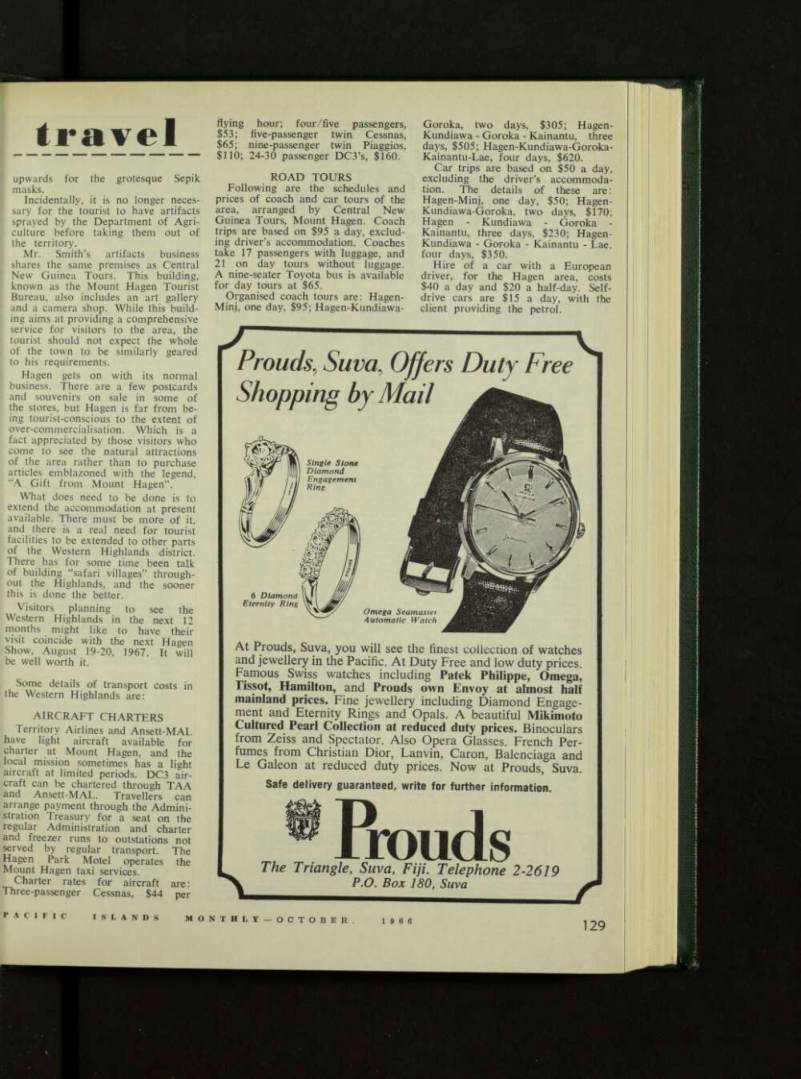 131
131 132
132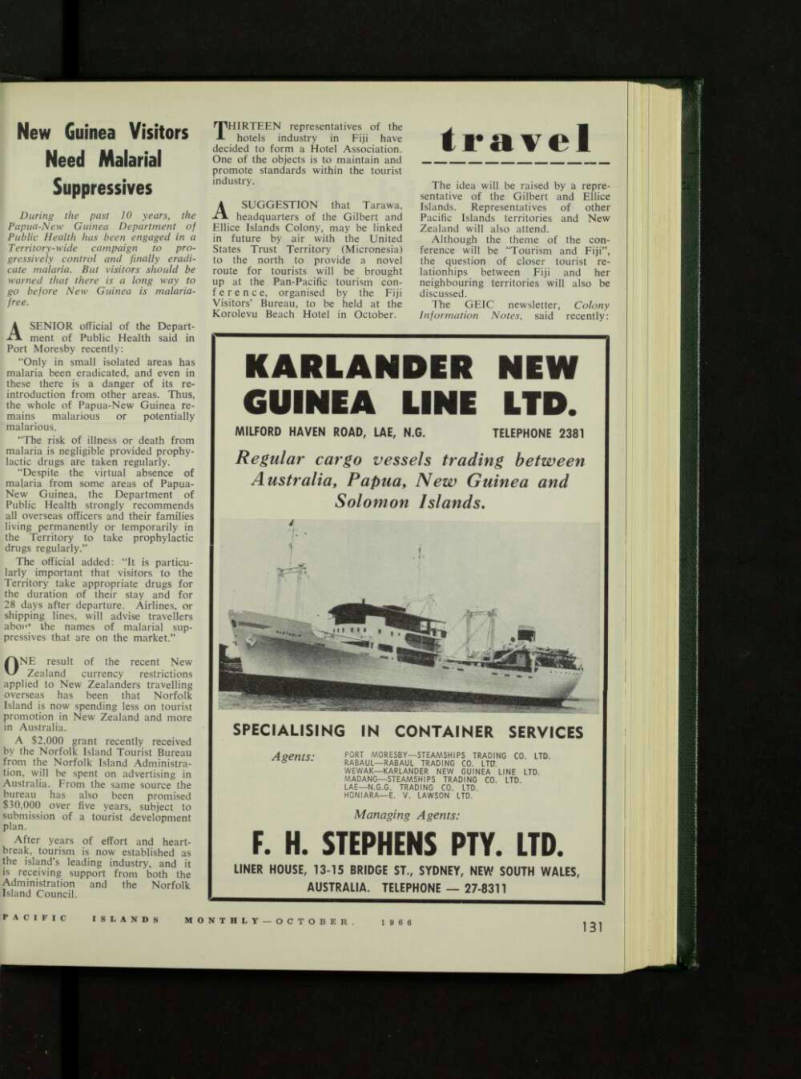 133
133 134
134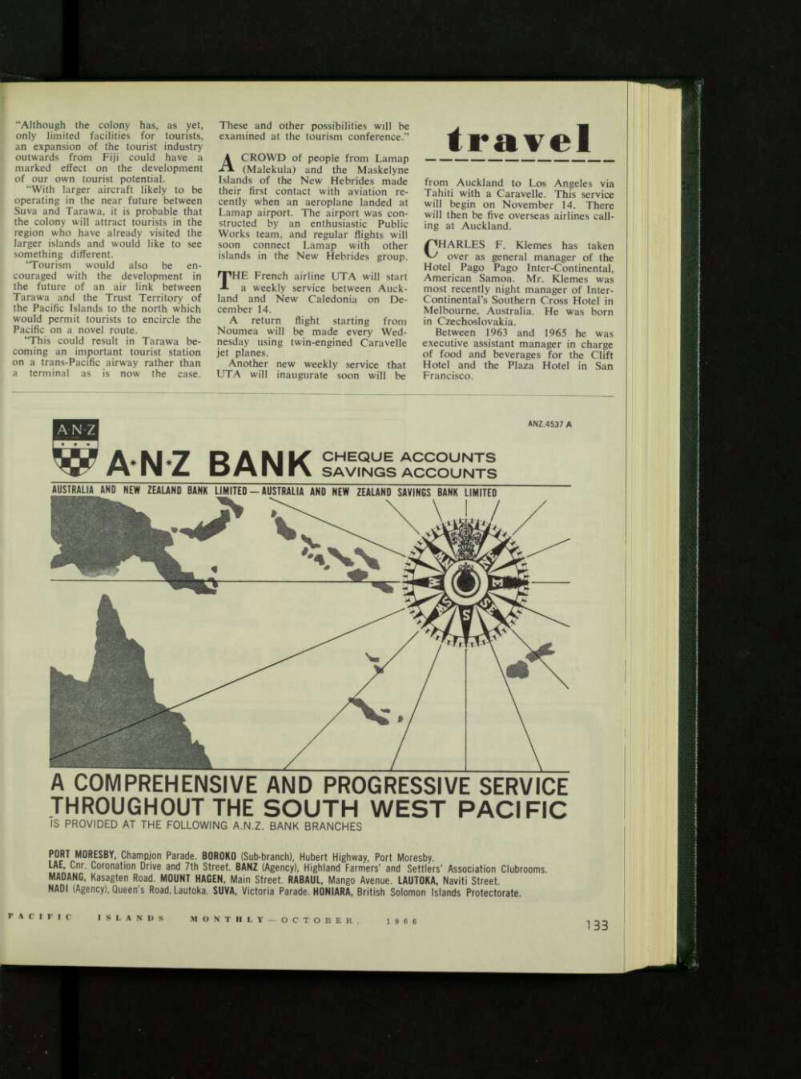 135
135 136
136 137
137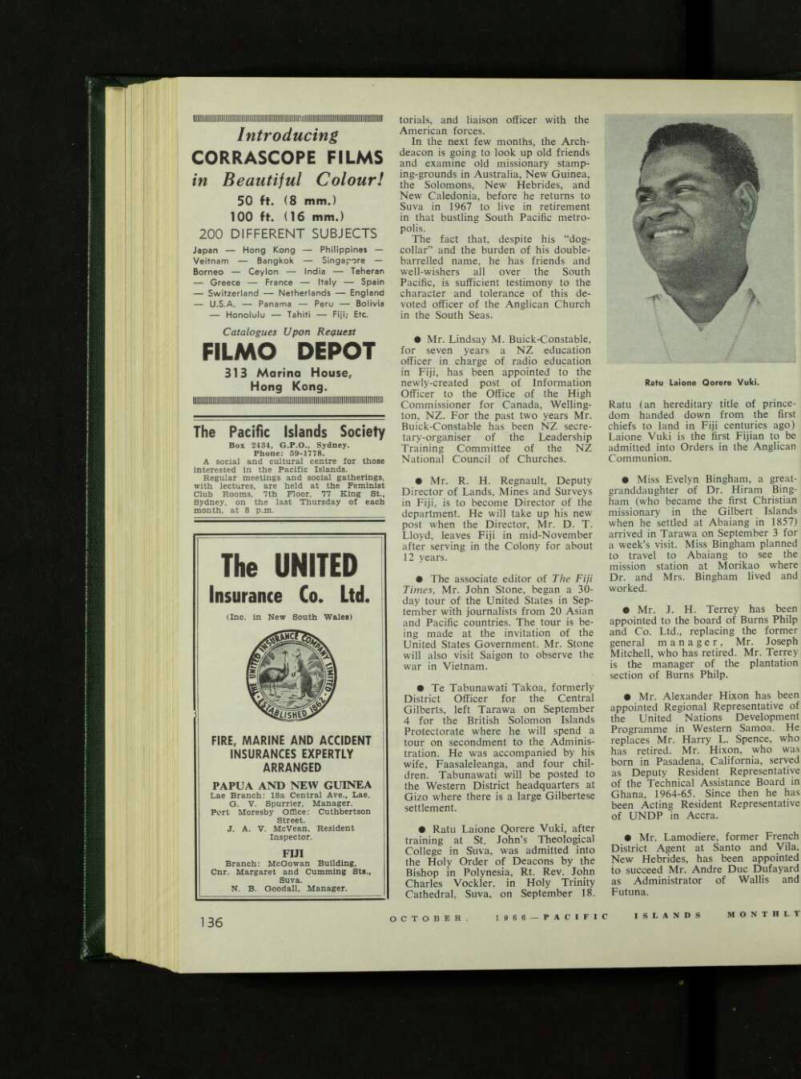 138
138 139
139 140
140 141
141 142
142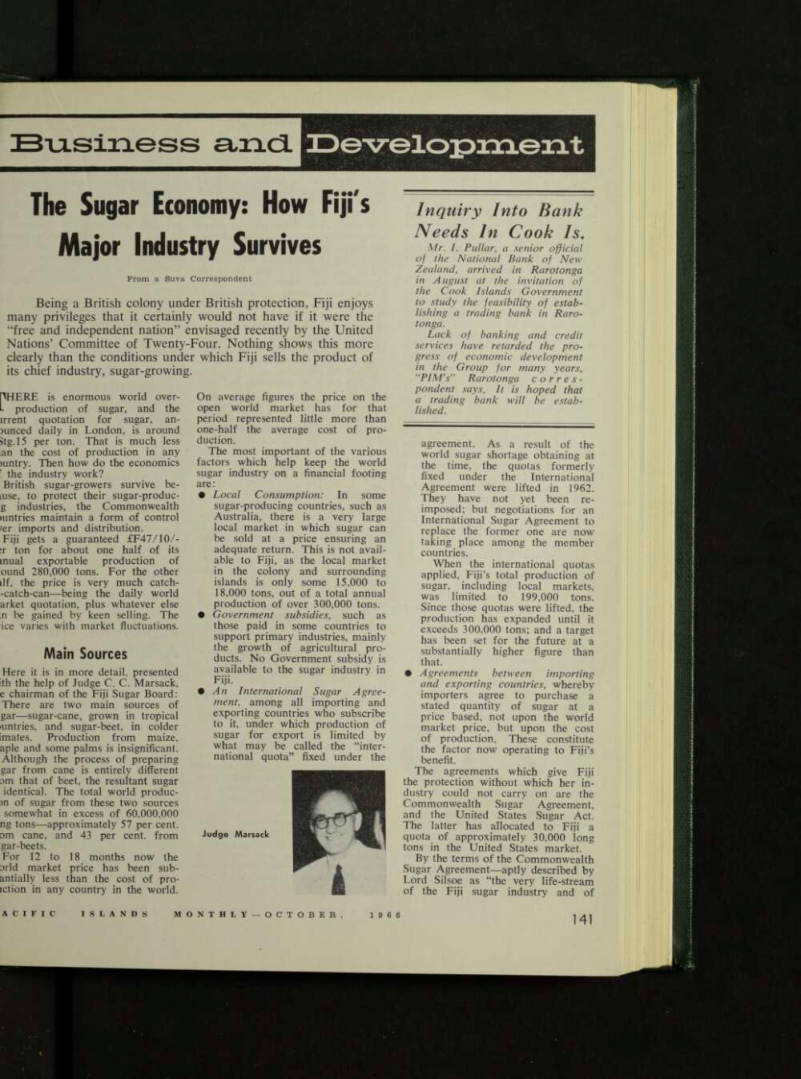 143
143 144
144 145
145 146
146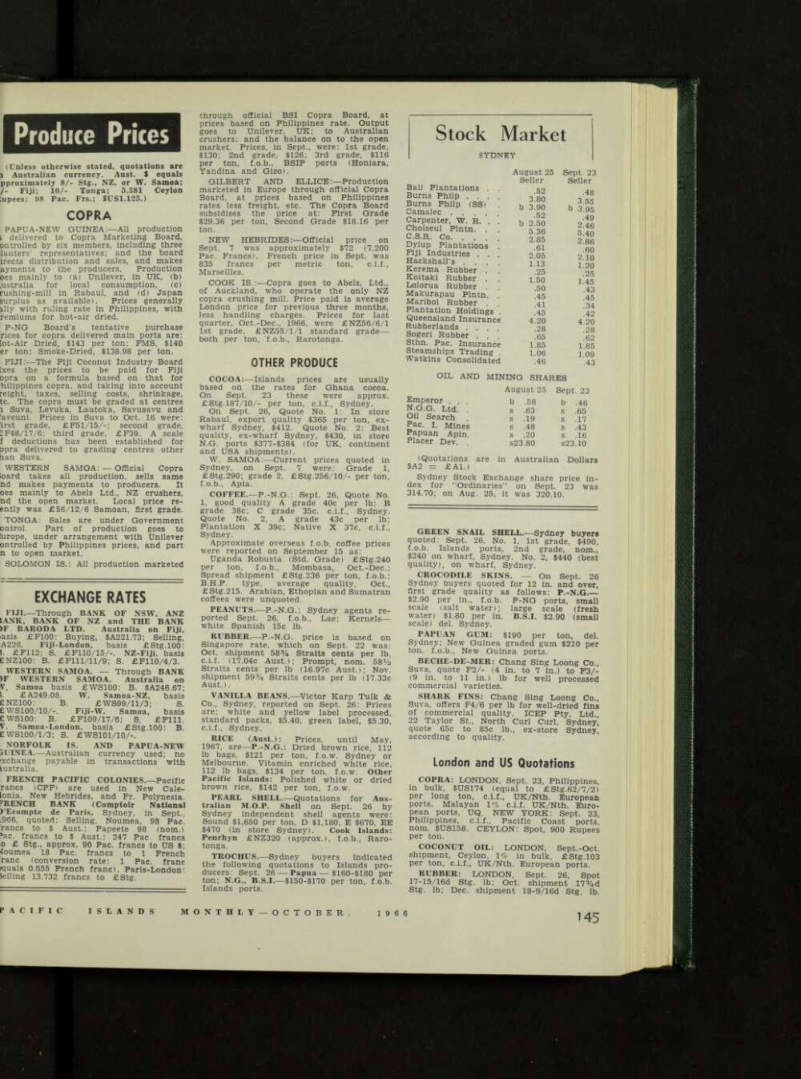 147
147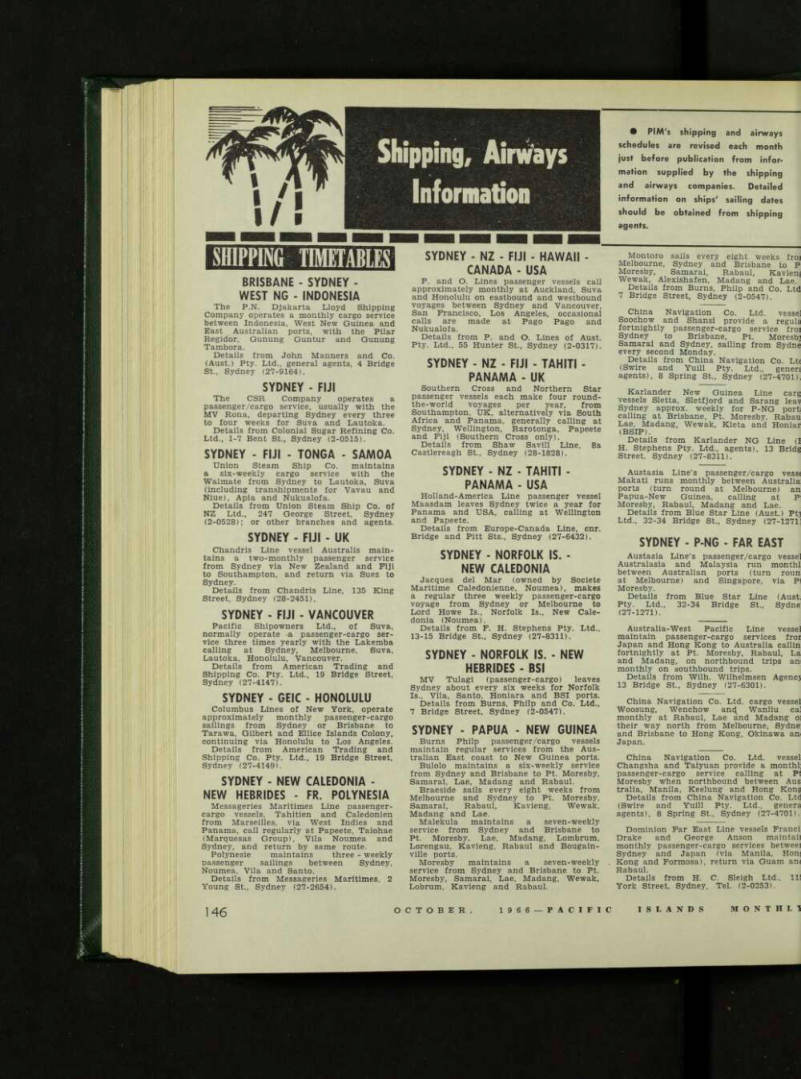 148
148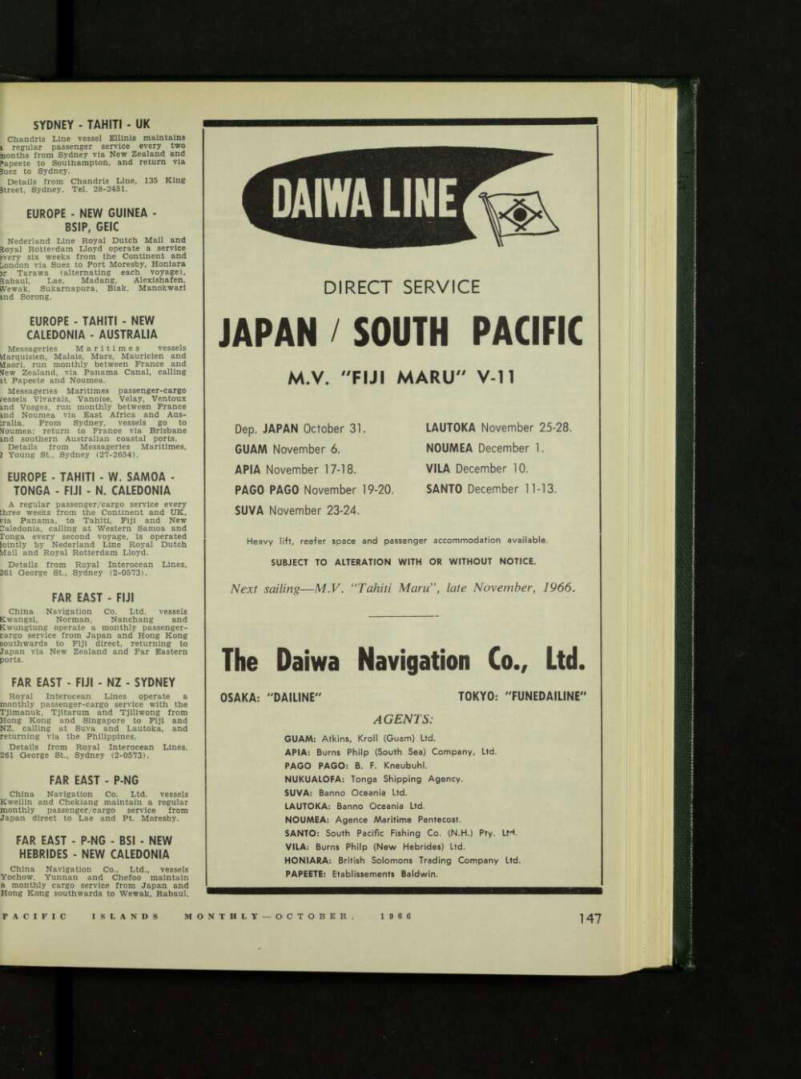 149
149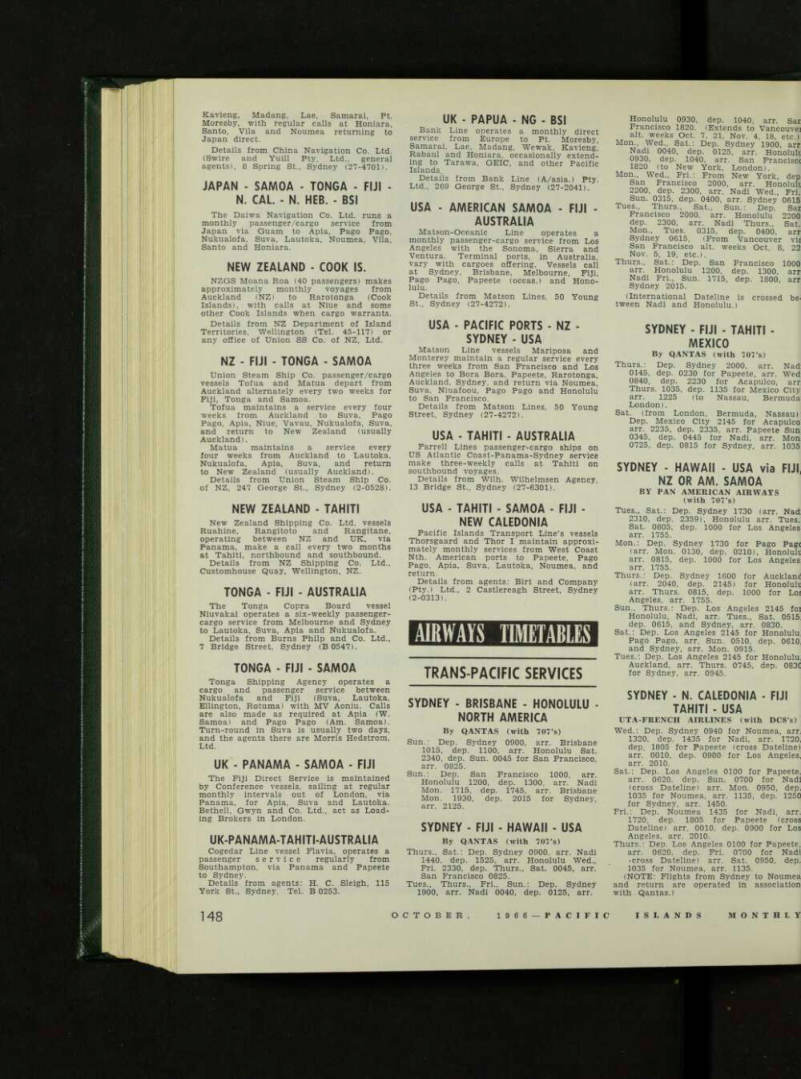 150
150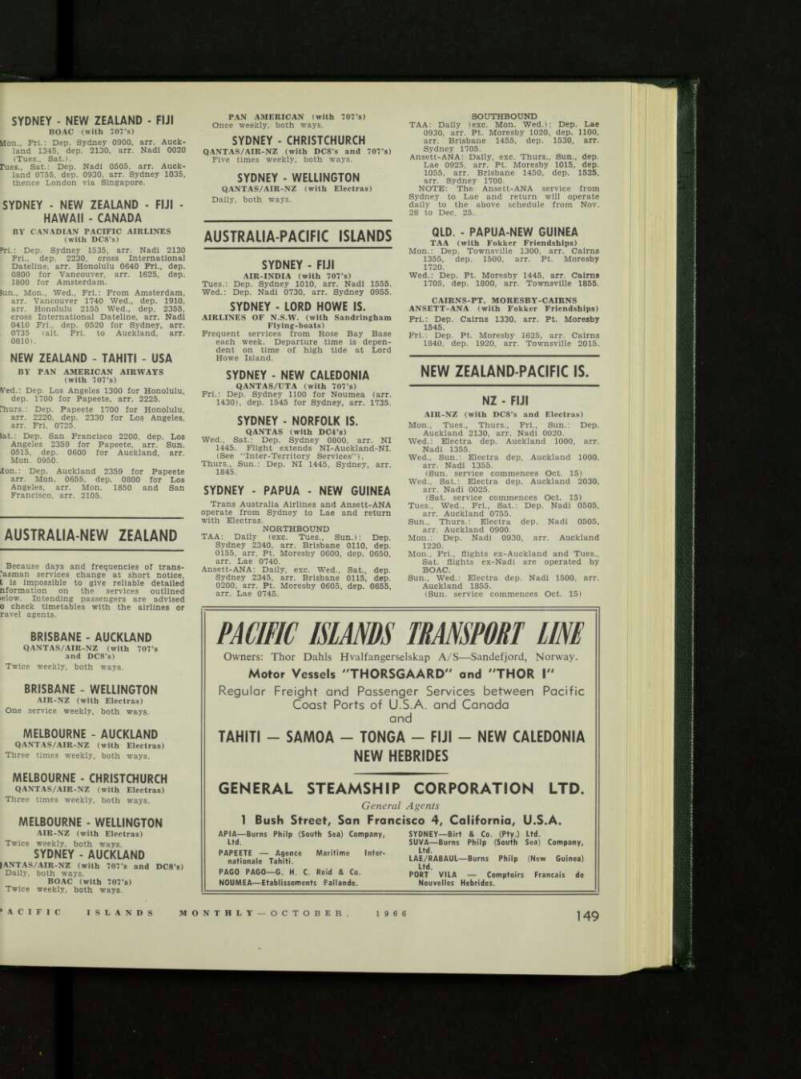 151
151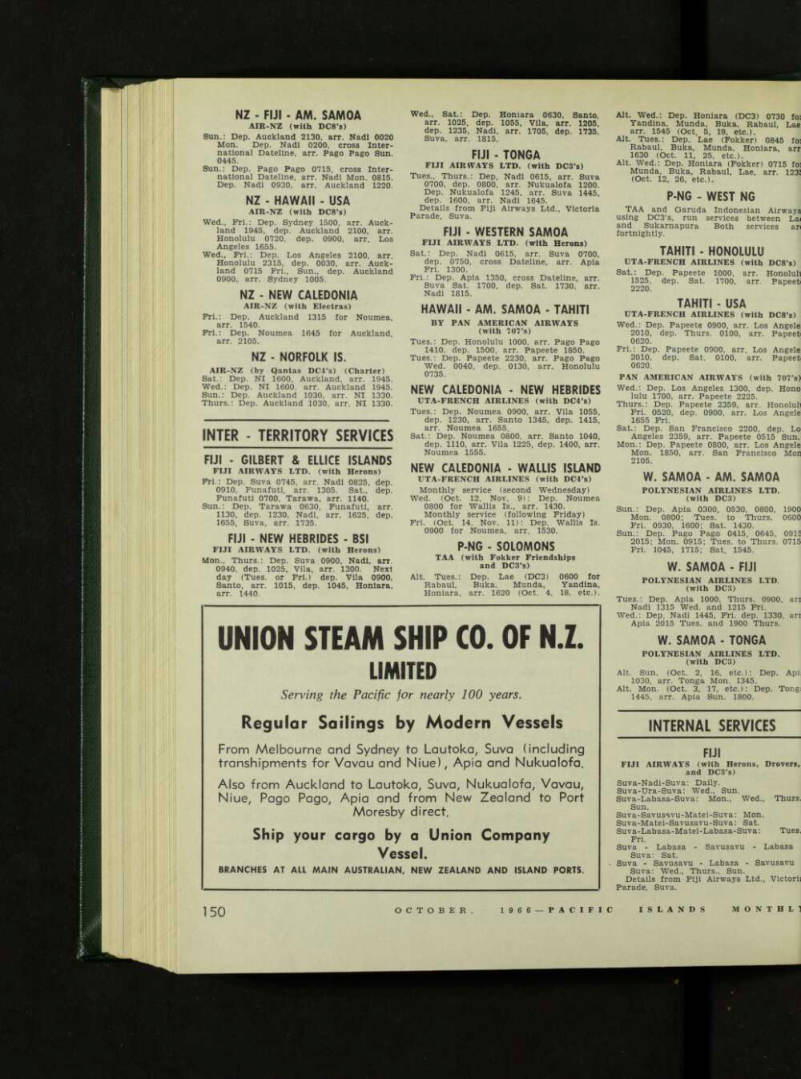 152
152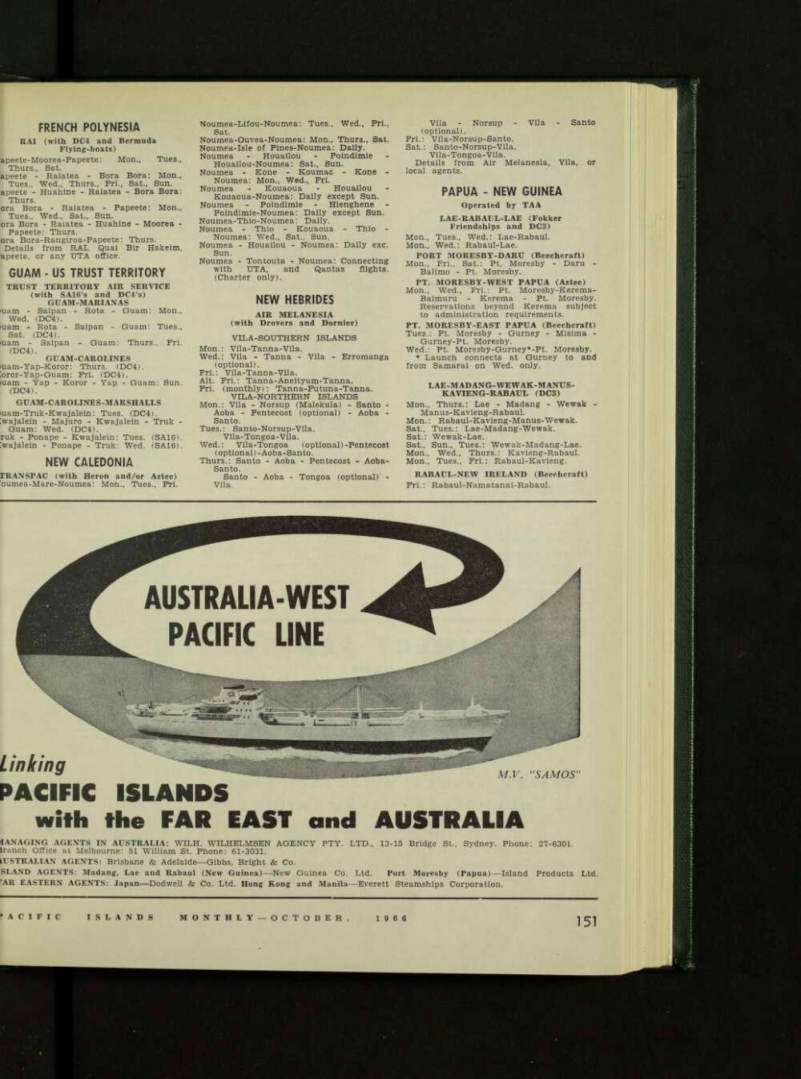 153
153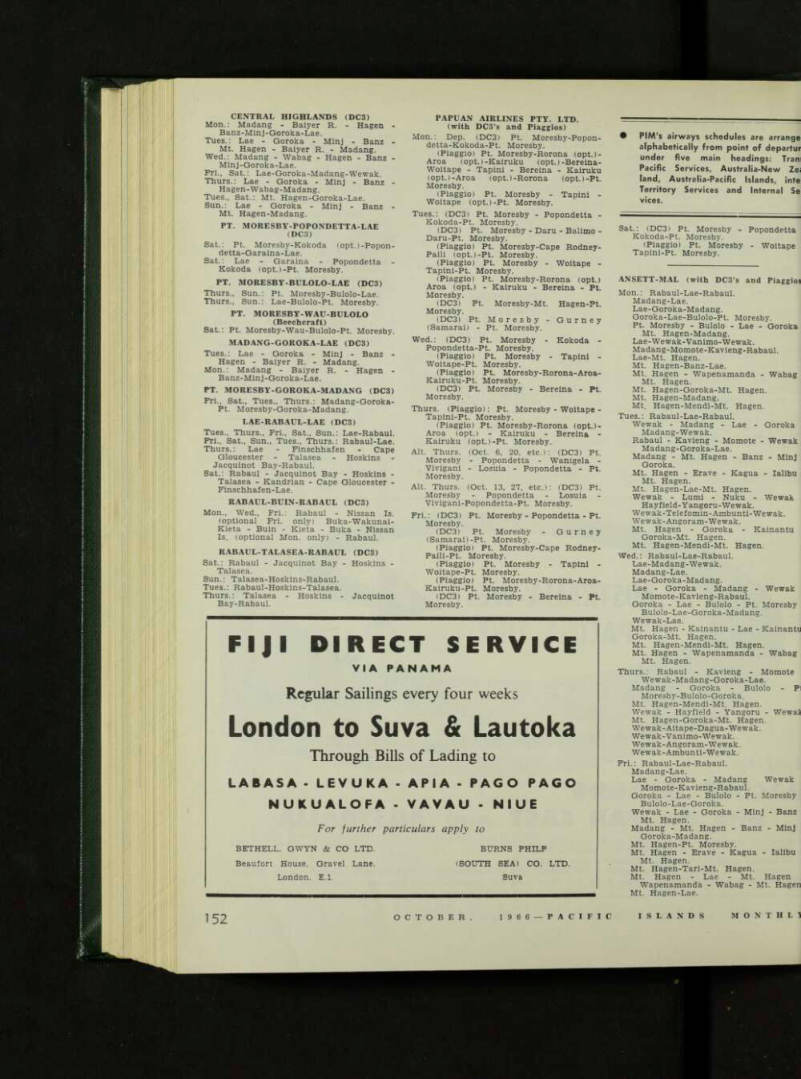 154
154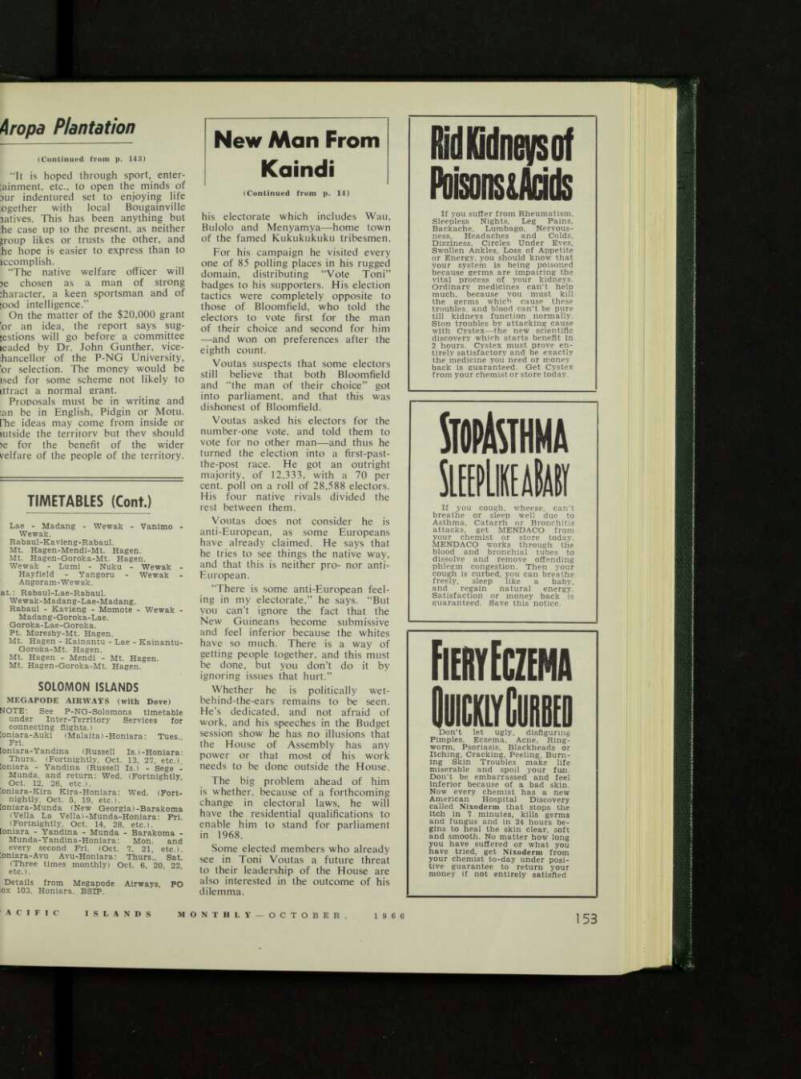 155
155 156
156 157
157 158
158 159
159 160
160 161
161 162
162 163
163 164
164