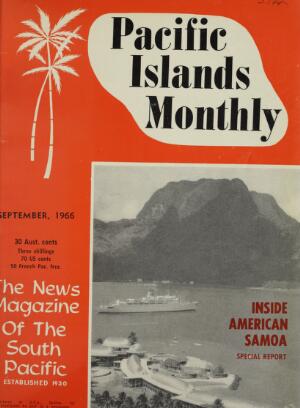
Pacific
Islands Monthly
Leptember, 1966
30 Aust. cents Three shillings 70 US cents 50 French Pac. frcs.
he News Magazine Of The South Pacific
Established 1930
istered at G.P.0., Sydney, for ansmission by post as a newspaper.
Inside
American
Samoa
Special Report
OUR COVER: American Samoa, of whic! spectacular Pago Pago Harbour is th centre, has been the scene of rapi< development and change during the paj five years, under the leadership o Governor H. Rex Lee. Views differ o whether the changes have been fc the better or worse. For a PIM writer' view, see page 31.
Advertisements & other items, pp. 2-8 (4 items)
September, 1966—Pacific Islands Monthl
Taa*T
To Australia -
DAILY
TAA Electras
and special
pure jet flights
November 24-
December 25
January 19-
February 14
Book now
To meet your heavy travel requirements before Christmas and early in the New Year, TAA is increasing services to Australia. You’ll be able to fly on our Mark II Electra 8.0. P. (‘Bird of Paradise’) service every day during these periods.
And wait for it there will be some additional flights by Whispering T-Jet. How’s that for a real travel bonus to add to your holidays?
Naturally demand will be heavy, so we suggest you book early to make sure of the flight you want.
Remember that cargo capacity will be increased too because every TAA flight carries Air Express and Air Cargo.
So contact vour nearest Travel Agent or TAA.
Port Moresby 21U1 ■ Lae zjii ■ «aoaui Madang 78, 268 ■ Goroka 8■ Mt. Hagen 4 ■ Wewak 103
TAA*t
'he Friendly Way -
TAAB39
Throughout the Islands . . .
mmmmm it ' . ■ Wf , Vm if-’-' 111 'AAi •*» - Vf 5 * :^lvi
.proven quality tor demanding conditions
When conditions get tough, the experienced shooter chooses ICI sporting ammunition.
He knows that for reliability, power packed economy and consistent accuracy there’s none better than ICI.
There’s an ICI cartridge for every shooter whether it be ICI shotgun shells for dense, even patterns and economy; Rimfires for hard-hitting accuracy and reliability Centrefire for heavier game; or air rifle slugs and pellets for lots of fun at low cost.
Your local dealer stocks and recommends
£Si SPORTING A
MFI3S with MFS6O Toolbar t £ Y1F175 with MF6S Disc Plough MFI6S with MF3S Loader
THE RUGGED NEW BREED
Today’s most advanced
tractors.
One is ideal for you!
You can expect a lot from these tractors. They have a lot to give. Such as 42.9 PTO HP from the MFl3s’s 3 cyl. diesel engine —55.6 PTO HP from the MFl6s’s and 63.9 PTO HP from the MFl7s’s 4 cyl. diesel engines. Plenty of lugging power here at rock-bottom operating costs.
All have the increased capacity Ferguson system that gives more hydraulic power for greater implement lift and fast, accurate response. When you need more traction, weight is automatically transferred from the implement to the rear wheels. Multi-power 12 forward speed shift on the move, spring-suspension comfort diff. lock, power steering . . . everything you need is available to these tractors. What's more they’re matched with the biggest range of equipment in the business. So don’t settle for an ordinary tractor. See your MF distributor and test drive the rugged new breed, now!
MASSEY-FERGUSON
World's Largest Manufacturer of Tractors
if 111 MFI6S with MFS Earth Scoop m MFI3S with MFS2I Blade MFI3S with MFSI2 Transporter New Hebrides Condominium Agence Pentecost Santo and Vita
See your Massey-Ferguson Distributor
Fiji, Tonga, Western Samoa and other Sth. Pacific territories Burns Philp (Sth. Sea) Co. Ltd.
New Caledonia Papua and New Guinea Meto, Noumea Burns Philp (New Guinea) Ltd.
British Solomon Islands R. C. Symes Pty. Ltd.
Honiara, Guadalcanal Tahiti Ets. Donald, Papeete E6l
SIMPLE! SAFE! SILEHT! FOOLPROOF!
K r ,
AGENTS
WANTED!
We are very pleased to invite enquiries from established houses for the representation of this popular and fast-selling range.
All enquiries will be received without commitment, and in confidence.
MON*
PUMPS & AUTOMATIC
WATER PRESSURE SYSTEMS
★ MONO the simplest and most efficient positive displacement pum your money can buy. GUARANTEED SELF-PRIMING, with positive an powerful suction lifts of up to 27 ft.!
Only one moving part: no valves or gears to cause stoppages or delay Handles all liquids, sludges, wastes and solids in suspension. No troubl when sand, silt, light weed, etc., enters the line. Special types for edibi fluids, syrups, pastes, etc. The range covers industrial, food processin; agricultural, domestic, marine and mining applications. Details, price
etc. free on application.
MONO “M” SERIES PUMP,
165 to 860 g.p.b.
MONO "D" SERIES PUMP, TOO to
13,100 g.p.h.
RIGHT Mono "M"
Series Pressure System. 150 to 300 g.p.h.; 30 p.s.i.
EXTREME RIGHT—Mono
"D" Series Pressure System. 450 to 13,100 g.p.h.; 50 to 100 p.s.i. m
MONO PUMPS (Australia) PIY. LTD,
HEAD OFFICE: Lower Dandenong Road, Mordialloc, Victoria. CABLES & TELEGRAMS: “Monoaust” Melbourr Branches and Agencies throughout Australia, New Zealand, Papua and New Guinea.
MPA4/148
illllllllllllllllllllllllllllllllllllllllllllllllllllllllllltlllllllliillllllllllllllllllllllllllllllllllliliiiiiiiiiiiiiiiiiitiimiiiiiiiiiiiiiiiiiiiiiiiiiiiiinii 11 11 n% 11 11 11n 11 11 1 11 1 11 1 11 11 1 11 11 1 1
BURNS PHILP (SOUTH SEA) CO. LTD.
GENERAL MERCHANTS AND SHIPOWNERS
SHIPPING, CUSTOMS AND FORWARDING AGENTS
Fiji:
SUVA.
LEVUKA.
LAUTOKA.
LABASA.
SAVU SAVU.
BA.
SIGATOKA.
TAVUA.
ROTUMA ISLAND.
TAVEUNI.
BRANCHES
Samoa: Tonga:
APIA. NUKUALOFA.
PAGO PAGO. HAAPAI.
VAVAU.
NORFOLK ISLAND.
NIUE ISLAND.
AGENTS FOR:
QUEENSLAND INSURANCE CO. LTD.
BURNS PHILP TRUST CO. LTD.
SHELL COMPANY (P. 1.) LTD.
OVERSEAS AGENTS
BURNS, PHILP Cj CO. LTD., Sydney.
BURNS, PHILP Cr CO. LTD., London.
BURNS PHILP CO. OF SAN FRANCISCO
SHIPPING AGENCIES
• The New Zealand Shipping Co. Ltd. • Shaw Savill & Albion Co. Ltd. • Port Line Ltd. • Bank Line Ltd. • General Steamship Corporation Ltd. • Blue Star Line • Cunard Line • Compagnle des Messageries Maritimes • British India Steam Navigation Co. Ltd. • Royal Interocean Lines • Nederland Line Royal Dutch Mail/Royal Rotterdam Lloyd.
EXCLUSIVE DISTRIBUTORSHIPS INCLUDE
• AKAI TAPERECORDERS • HELENA RUBENSTEIN • ROLEX WATCHES • DUNLOP PRODUCTS • HITACHI ELECTRONICS • REVLON COSMETICS • EPIGLASS PRODUCTS • HOLDEN VEHICLES • PENTAX CAMERAS
YOU
NAME IT
You name it and Smirnoff Vodka does wild things with it.
Like? Orange juice (Smirnoff makes it a swinger) tomato juice (watch it kick up its heels). Cocktails proper? With Vermouth it makes a martini that’s more of a martini than a martini is. It’s called a Vodkatini.
SMIRNOFF
DOES IT
to-:... . .■ww. c s . •. >.w 6728
Acinc Islands Monthly_S E P T E M B E R , 1966
4
SEPTEMBER, 1966 PACIFIC ISLANDS MONTHL
Pacific Islands
Monthly
Owned And Published By
Pacific Publications Pty. Ltd.,
29 ALBERTA ST. (G.P.O. BOX 3408), SYDNE’
Telephones: 61-9197, 61-7101, 61-4369.
Telegraphic Address: PACPUB, Sydney.
Chief Executives
Managing Director: R. W. Robson.
General Manager; Selwyn Hughes.
Book Publishing Division
Editor: Judy Tudor.
Pacific Islands Monthly
Editor: Stuart (nder.
Assistant Editor: Robert Langdon.
Branch Offices
Melbourne: Newspaper House, 247 Collins S Tel.: 63-7053.
Fiji: Pacific Publications (Fiji) Ltd., Fiji Tim< Building, 20 Gordon Street, SUVA, Tel.: 2560' Fiji Times Office, Vidilo Street, LAUTOKA.
Tel.: 60-422.
Papua-New Guinea: Pacific Publications (N.G Pty. Ltd. Representatives: Mrs. Joan Carte P.O. Box 16, PT. MORESBY (Tel.; 2504); Mi!
Pat Robertson, P.O. Box 227, LAE; Mr. Ste\ Simpson, P.O. Box 154, RABAUL (Tel.: 2547
Representatives
New Zealand: J. D. Whitcombe, C.P.O. Be 2229, Queen Street, Auckland. Tel.: 76056, Hawaii: C. C. Spencer, 203 Yap Bldg., 346 Waialae Ave., Honolulu. Tel.; 775538.
United States; Mrs. A. L. Craib, 1631 801 Avenue, Oakland 21, California.
Tel.: LOckhaven 8-1201.
United Kingdom: S. R. Warman, Candlewic House, 116-126 Cannon Street, London, E.C.- Tel.: Mansion 3674/7.
H. A. Mackenzie, 4A Bloomsbury Squan London, W.C.I. Tel.: Holborn 3779.
Agents
All main trading firms and stores in the Pacific Islands.
Pacific Publications Pty. Ltd. is the Australia agent for THE FIJI TIMES.
Subscription Rates:
Australia: 30 cents Aust. or 3/- ($3.60 Aus or 36/- for 12 months). New Zealand, a British Commonwealth South Pacific Territorial Tonga, New Hebrides and Western Samoa: 3/ local currency (36/- local currency per annum Elsewhere in the South Pacific: 50 Frenc Pacific francs or 70 US cents (600 Frenc Pacific francs or $B.OO US posted per annum Posted to USA, $B.OO US per annum. Poste to the UK and all other countries: £Stg.2.
"Pacific Islands Monthly" is air-freighted 1 all subscribers and agents in the South Pacifli copies to other areas go by surface mail.
Advertisements & other items, p. 8 (1 item)
6
SEPTEMBER. 1966 PACIFIC ISLANDS MONTHLI
In This Issue
General
Visit of Colonial Secretary 10 Origin of South Pacific Games 19 Joe Pachernegg Naturalised 19 Australia's, NZ's Responsibility 54 Pacific Flag Lore 81 Judy Tudor's New Book 91 "Containerisation" in Shipping 97 "Thorsisle" Withdrawn 107
American Samoa
Survey of Conditions by R. Langdon 31 Local Views on Progress 40 Across Pago Harbour by Cable Car .. 116
Cook Islands
NZ Prime Minister Denies Conspiracy 61 Nine People Against Government ... 63 Direct Shipping Service from UK . .. 101 Survey by Economist .. 137
Fiji
Legislative Council Elections 14 Fish Bite Better for Bob Dyer 20 HMS "Ajax" to Visit 108 Japanese Student Fishermen 108 Popular Port for Yachts 109 Pictorial Series 113 New Motel Projected .. 125 New Series of Tours 125 Pressure for Australian Loan 137
French Polynesia
Testing Time for de Gaulle 18 Marlon Brando Buys an Island 57 Decline in Tourist Industry 129
Gilbert And Ellice Islands Colony
Advisory Council Session 12
Games Fever 17 Jobs Mix-up 27 Three New Ships 101
Line Islands
Vostok —Island With Little History ... 87
Lord Howe Island
Plan for Amphibian Plane 20
Nauru
Census Figures 12
New Caledonia
Watriama, of the Loyalties 85 Port Improvements Likely 103 Ore Carrier Sold 108 South Pacific Games Developments .. 153 Games Hostesses' Outfits 153
New Hebrides
British Commissioner Dies 20 Oliver Stephens Leaves Santo 27 Vila's Bauer Field 27 British Withdrawal Denied 75 New Ship for Athol Rusden 105
Niue
Winds of Change 67 Future Outlined to UN 67
Norfolk Island
Population Figures 12 Christmas Stamp 18 New Fishing Industry 139
Papua-New Guinea
New Budget 9 New Games Stamps 17
Gamblers Take a Gambol 18 Sub-normal Children 19 Church Approves Birth Control 29 Johnson Cult Persists 45 Peter Hastings' View 55 Trade Union Activities 59 Close Look at Primitive Hewas 71 Academics' Views on Development .. 95 New Freighter ... 97
Trading Ship Lost 101
Formosan Fined for Illegal Entry . .. 103 Seamen Seek Award 105 First Tourist Board 127 American Interest in Oil 138 Copra Price Decline 138 Good Price for Highlands Tea 139 Talks on New Shipping Link 141
Solomon Islands
Progress on Wharf 107 Air Services Inadequate 117
Tokelau Islands
NZ Resettlement Scheme 25 "Reader's Digest" Statement Denied 37 Future Outlined to UN 67
Tonga
Japanese Master for "Pakeina" 103 Progress on Wharf 107
United States Trust Territory
New Name Desired 73 Ship for Sale 105
West New Guinea
Indonesian Development Plan Fails .. 15 New Book by Maslyn Williams 92
Western Samoa
Government Secretary Retires 12 Traditional Politeness 18 First Year Book 91 Blasting Tests at Asau 107 View on Airport Needs 127 Handicrafts Corporation 129 Details of Timber Deal 139 Heavy Demand for Loans 140
DEPARTMENTS: Tropicalities, 18; Letters to the Editor, 27; People in Pictures, 41; Planters' Digest, 51; From the Islands Press, 76; Magazine Section, 81; Yesterday, 89; New Books, 91; Shipping, 97; Cruising Yachts, 109; Travel, 113; People, 130; Business and Development, 137; Produce Prices, 143; Shipping, Airways Schedules, 144; Deaths of Islands People, 157.
Advertisements & other items, p. 10 (1 item)
Qrnotts
Triple-wrapped packets
FAMOUS
Biscuits
SIU V: V::UV::r.:
\ \ A OS & A *7 <> o <c s; S- :
. for extra energy
There is no Substitute for Quality
P-Ng's New Budget Seeks
To Wean Territory From
Australia's Purse-Strings
From Stuart Inder in Port Moresby
An awareness of constitutional changes to come seeps through all pores of New Guinea’s 1966-67 Budget. Although the figures are still of the astronomical variety that have long been envied by other Pacific territories desperate to find more money to keep their sluggish economies moving, a bigger proportion of the Budget will be raised within New Guinea than at any time since the war.
FURTHERMORE, Australia’s grant will comprise the smallest pro portion of the total figure since the war.
Thus the first perceptible moves are being made to get New Guinea on to an economy of its own and wean it away from the massive Australian handouts which have increased yearly.
P-NG’s Treasurer, Mr. A. P. J.
Newman, in his Budget speech in the House of Assembly on August 30, said publicly what the Australian Treasurer, Mr. W. McMahon said privately earlier this year to members of the Constitutional Reform Com mittee—that New Guinea’s demands cannot be financed indefinitely by Australia, Efficiency and production have to be improved and costs lowered, Mr.
Newman said, or New Guinea would “fail to prosper in this competitive world”.
Government's Duty
Mr. Newman said New Guinea could not afford to have land and natural resources lying idle or man power unemployed or not producing to capacity, and he warned that Australia, particularly, was not going to continue to finance “increased wages and conditions in New Guinea”.
If the economy could not become more efficient, then it was the duty of the government to impose savings through increased taxation and other economic policies.
As a sample of what he meant, Mr. Newman announced new taxes aimed at bringing in another $1.2 million locally.
They comprise an increase of $1 per lb duty on imported cigarettes; 85 cents per lb on local cigarettes;
and 27i cents per lb on native twist —to yield a total of $830,000.
An increased duty of $2 per gal lon on spirits is estimated to yield $200,000.
There is also a new income tax on low income earners, to be effective from January 1 and to yield $150,000 the first year.
The price of imported cigarettes will rise by five or six cents for 20, local cigarettes five cents for 20, and spirits about 40 cents a bottle.
None of this will hurt people’s pockets much, especially as local cigarettes currently sell for the low price of 25 cents for 20.
A Surprise
These measures were a surprise, although some relief was felt when rumours that the purchase tax on cars would be increased proved un true.
The last has not been heard of the new income tax measures, which are designed to get at the pockets of New Guineans never before taxed, except by head tax.
This measure was first announced last June when it was indicated that New Guineans earning $2OB yearly or $4 weekly would be taxed.
But following protests, the Treasurer has had second thoughts and the minimum taxable income will be $416 and $8 weekly—thus letting houseboys out of the net.
The tax has a number of anomalies, and it is yet to be seen whether it will get through unscathed.
New Guinea this year is budgeting for $l2O million, comprising a Commonwealth grant of $7O million, internal revenue of $43 million, and loan raising of $7 million.
This compares with last year’s
figures of $lO3 million, comprising a grant of $62 million, a loan of $6 million, and internal revenue of $35 million.
Departments this year will take $78,873,000 (last year $67,389,000), works and services $32,415,000 ($28,400,000) and special appropria tions $4,281,000 ($3,301,000).
Further Pointer
The final distribution of the money is a further indication of how political awareness of the future has affected the budget.
The stress is on new works of economic value, a speedy build-up in education such as the new university ($l.B million), and the new tech nical institute and administrative training college.
The New Guinea Development Bank gets $1 million, and a bigger slice this year goes to the neglected police, who have been making a politically embarrassing fuss at pay and conditions. Even the newly formed Tourist Board gets its first grant.
The money will be spent to attract an economic return this year, as the World Bank Report advocates, and such departments as Health do com paratively poorly.
Yet nowhere, as usual, is there recognition by the government that it should include itself in its entreaties for “all sections of the community to co-operate to fully utilise resources”, and there is no real restraint on huge departmental expenditures that are unproductive and even wasteful.
The Administration continues to let its financial belt out a few notches for the benefit of thousands of Aus tralian public servants.
Mr. Newman
Britain's Colonial Secretary
Looks Over His Pacific Empire
From R. W. Robson, in Suva
Many people in the South Pacific Islands in late August were trying to see Frederick Lee as a new Messiah, competent and authorised to lead them out of a wilderness of political un certainty and economic doubt.
THIS courteous, quiet-spoken British Secretary of State for the Colonies does inspire confidence by his eagerness to learn all he can about the problems of Britain’s South Pacific territories, and by his sincerity in seeking practicable answers.
Yet the day he left by air for Canberra, to discuss some of the angles of Britain’s South Pacific responsibilities with a so far un responsive Australia, a few of the more cynical commentators were ex pressing doubt about the overall value of the Ministerial tour. But the tour has by no means been a write-off.
There appears to be a clear indica tion of British policy in some of Mr. Lee’s more positive statements (see panel), and some of the hints
he gave of probable British planning are comforting.
We may assume there is a possibility of using Fiji’s surplus labour and Fiji-Indian technical skills in the establishment of new industries in the Solomons and New Hebrides.
Mr. Lee was deeply impressed, for example, with the possibilities of rice production on Guadalcanal’s vast, rich plains, and of unearthing rich mineral deposits in the hitherto neglected Solomons if money and skilled labour can be found.
Fiji and Australia
His eminently practical mind fastened on the potential of the New Hebrides, provided by co-operation already seen in British, French and Japanese enterprise and with a pos sibility of investment capital from Australia and America.
Mr. Lee has been encouraged by what he has seen and sensed in Fiji, to believe that the administrative system now slowly taking shape under the proposed constitution, will solve the more acute political and economic problems which have bedevilled a line of governors.
When he left Fiji on August 25 for talks in Canberra with Aus tralia’s Ministers, it seemed likely that he would have some interesting things to say.
It seemed that he might point out that, while Britain had borne most of the heat, burden and expense of Fiji’s administration, most of the sweets of Fiji’s trade were trickling away—rather unfairly—to Australia through the Australian trading corporations, which own 80 or 90 per cent, of Fiji’s economic organisa tion, Mr, Lee was also expected to make the point that, henceforth, control of Fiji’s trade, commerce and develop ment would be mostly the respon sibility of Fiji’s own elected govern ment, which would also be mainly
responsible for Fiji’s relations with Australia and New Zealand, So Mr. Lee’s wink in Canberra seemed likely to be as good as a nod 'to those blind horses, which, in the past, have failed to see that the profits they drew from Fiji carried some obligations.
Mr. Lee also seemed likely to talk tourism to Australia. It was pointed out to him in Suva that, if Australia could buy from Fiji only a tithe in value of the goods she sold to Fiji, tourism was one Fiji product which Australia could buy lavishly, if only Canberra would co-operate in the field with private enterprise.
Comfortless Tour
So when the Minister left for Australia and London, the tides of speculation ran freely in Fiji. This speculation was mixed with sympathy, because, on the eve of his departure, he was really ill.
Little wonder.
Someone should be pole-axed for planning a tour which was packed with far too many meaningless engagements and receptions, plus comfortless travel in small boats on a boisterous South-East Trades sea.
The cynics join all classes in sing ing his praises, as an amiable, approachable, sensible gentleman.
He was surrounded at all stages with Colonial Office Brass—the local officials of the various territories, plus the highly qualified and übiquitous Mr. Trafford Smith (a Colonial Office Under-Secretary with a wide knowledge of the now dis integrated Colonial Empire), and, as private secretary, Mr. Gumming Bruce, who filled important posts in many former colonies.
It is a part of the bureaucrats’ jobs to keep the feet of a touring
Mrs. Lee, wife of the Colonial Secretary, "signs in" at a mayoral reception in Suva in August.— Photo: Nitin.
Speaking over Vila's new radio station, Mr. Lee killed the rumour that Britain was planning to quit the New Hebrides.
Minister-politician on the paths so well and conscientiously trodden by themselves.
Mr. Lee obviously enjoyed official dom’s company. Equally obviously, while he accepted historical back ground and guidance so willingly supplied, he was out to hear and see for himself, and form his own conclusions. Unlike most politicians, he is a very good listener.
Since his visit, less impressionable observers have been looking beyond the local pictures, shaped in the pleasant atmosphere of official recep tions and native ceremonies and endless hospitality.
They have been surveying the big and generally menacing factors which must govern this British Ministerial tour. How can those factors be ignored?
Bigger Than Mr. Lee
For the most part, they are bigger than Mr. Lee. Here are some of them: • Britain, trying to ease an in tolerable financial strain, is getting rid of all obligations east of Suez, including the remaining remnants of her once great colonial empire.
Fiji, the Gilberts, the Solomons and the New Hebrides are among the remnants. Whitehall’s needs could transcend the conclusions arrived at by Mr. Lee in his personal tour. • Some sort of administrative and commercial union, embracing Australia, New Zealand, Papua-New Guinea, and the British Pacific Islands remnants, seems a natural and logical development. But Aus tralia and New Zealand will run away from it—Australia, because of her huge financial commitments in New Guinea, and her unwillingness to enter a partnership with the French in New Hebrides; and New Zealand, because of her unhappy financial experiences in Western Samoa and the Cook Islands. • To a degree that is not suffi ciently recognised by South Pacific commentators, the problem of defence against a thrusting, over populated and increasingly Red Asia looms over all the South Pacific, blotting out many urgent matters of purely local concern. “How can we make long-range political plans for the future of the South Pacific countries while that war is going on in South-East Asia?” was the gist of an argument heard in Suva during Mr. Lee’s visit. “The United States must have some say in what is happening down here. These Euro pean countries in the South Pacific were the southern bastion of America’s defence against Asia in World War 11. They still are”.
The history of the South Pacific Commission is a clear demonstration of the difficulties in the way of political changes in the South Pacific.
The Commission has achieved much in the fields of economic, social and health development. But what might be regarded as its primary purpose—namely, political develop ment directed towards self-govern ment and some sort of administrative and commercial union over the lot— has been hamstrung by the jealous and stubborn attitude of the French.
Even in the three permitted fields of development social, economic and health—they have insisted on all published records being in French as well as English. The French tail (New Caledonia, half of the
New Hebrides, and commercially un important French Polynesia) has wagged the whole English-speaking dog.
Mr. Lee was told how the South Pacific Commission plan has been virtually wrecked by French stub bornness and Australian dilatoriness.
He made no comment, but it seemed likely that he would ask some questions in Canberra.
Summing up, it is probable that Mr, Lee will initiate some important minor changes, directed to economic and social development, following his tour.
But, with the international sky so overcast it is unlikely that anything of major importance will emerge from it.
What Mr. Lee Said
Britain’s Secretary of State for the Colonies, Mr. Frederick Lee, made several forthright public statements about the future of Britain’s four South Pacific territories — Fiji, the Solo mons, the New Hebrides and the Gilbert and Ellice Islands Colony—during his Pacific tour in August,
IN a radio broadcast from Suva, Mr. Lee said that Britain would not permit the rate of constitutional progress in Fiji to be determined by voices outside Fiji, however well-intentioned they might be.
Referring to the United Nations Committee of 24, which has repeatedly demanded indepen dence for Fiji, Mr. Lee said: “We are not in any way bound to honour the committee’s resolu tions. We think they lack ex perience and knowledge and, therefore, because we think they are not doing any particularly good service, we rather believe the thing to do is to go on in the way we are doing—proposing a new constitution whenever our friends in the dependencies feel they would like to make further progress.”
Mr. Lee also assured the people of Fiji that the British Govern ment had no further constitu tional changes in mind. All it wanted to do at present was to see what success was made of the new constitution. • Speaking in a radio inter view in Honiara, Mr. Lee said there were reasonable prospects of economic viability for the Solomons, based on forestry, agriculture and minerals, but
large doses of outside capital would have to be attracted, and existing private enterprise would have to be mobilised.
Mr. Lee also said that his visit to the Pacific—the first by a Colonial Secretary while in office—was the first step in deter mining the British Government’s policy in the area over the next 10 years. • In Vila, Mr. Lee denied a rumour that Britain was planning to pull out of the New Hebrides (see also p. 75). • On Tarawa, Mr. Lee told an informal meeting of the GEIC Advisory Council that his govern ment was willing to continue to assist the GEIC in every possible way, and to promote advance ment to eventual self-government when the people of the colony thought they were ready and equipped for it. • In Sydney, on the morning of his departure from Australia, Mr, Lee gave a PIM staff writer a personally hand-written note denying a Canberra report that he had come to Australia to launch the idea of a Melanesian Federation. Mr. Lee said he had come “simply to advocate the need for some process of consultation about economic and political development in the western and southern Pacific”.
Advertisements & other items, p. 13 (1 item)
11
PACIFIr ISLANDS MONTHLY—S E P T E M B E R , 1966
Back, And Bows Out,
Mr. Levestam Looks
After 14 Years
From K. F. Rankin, in Apia.
Samoanisation of the Western Samoan Public Service moved another step forward on August 1 when the retiring Secretary to the Government, Mr. H. A.
(“Ash”) Levestam, was suc
ceeded by 36-year-old Tofa
Lauofo Meti, a part-Samoan.
A KEY figure in the crucial years during the changeover to inde pendence in 1961, Mr. Levestam came to Samoa from New Zealand in 1952 as Assistant Secretary to the Government, and succeeded Tom Smith as Secretary in 1959.
He was a keen sportsman, was president of the RSA, and was popu lar and very competent.
Mr. Levestam married a local girl, nursing sister Pat Moore, in 1958 and they now have four children. They left Apia in mid-August for a holiday for awhile before “Ash” seeks a new job, perhaps in the international field.
In an interview with Samoana be fore he left, Mr. Levestam said he was convinced that efficiency within the Public Service had improved and that services had been expanded and were being provided reasonably well without an equivalent expansion in staff.
He attributed the improvement at lower levels to the steadily rising
standard of education; and at upper levels to the scholarship and staff training schemes.
Mr. Levestam thought much good had come out of expert advice, par ticularly in the fields of constitution and law, health and education. On the other hand, expert advice had not received the attention it warranted in the field of economics.
Expert Advice
“Sometimes advice does not take into sufficient account the political facts of life,” he said.
Mr. Levestam said he did not agree with recent critics that Cabinet had been usurping the authority of, or disregarding, Parliament.
“I think Cabinet has been acutely conscious of the fact that it is answerable to Parliament,” he said.
He was critical, however, of the lack of publicity given to prospective legislation.
Mr. Levestam saw possible pitfalls in the future in the continued neglect of agricultural development, and in pushing young educated Samoans, with little actual experience, into positions of responsibility too quickly.
He was confident, however, that the country would eventually prosper.
“With its abundance of natural resources and the natural prudence of its leaders, Samoa would seem to have a very bright future,” he said.
O The population of Nauru in creased from 4,613 to 6,056 between June 30, 1961, and June 30 this year.
Norfolk Island’s population is now 1,152. These figures are shown in a bulletin issued by the Commonwealth Statistician, Mr. K. M. Archer, which gives preliminary figures from the June 30 census.
• Members of the GEIC Advisory Council study papers at the seventh meeting of the council in August
G.E.I.C Sees Big
" Break-Through "
In Jobs Quest
The poor and overcrowdec Gilbert and Ellice Islands Colony may be “on the verge of i major break-through” to the ex tensive employment of its mei in the merchant navies of th< world, according to the GEIC Resident Commissioner, Mr. V J. Andersen.
SPEAKING at the opening of the seventh meeting of the GEIC Ad visory Council in August, Mr. Ander sen said that one Hong Kong-basec shipping company and one based or Hamburg had confirmed their interesi in employing trained crews from the
Geic.
“This is a new development of the utmost significance to the economic future of the Colony and a heavj responsibility will rest on the shoulders of the men making up the first few trained crews,” he said. “II they work well and cheerfully, anc establish a sound reputation, there will be a demand for more crews If they fail in any way, the door tc a lucrative field of employment will be closed, perhaps for ever.”
Mr. Andersen said that a scheme for the purchase and staffing of £ training establishment for crews had been approved.
"Black Future"
Mr. Andersen warned members of the council that their country had a “black future” once the phosphate deposits on Ocean Island were mined out in 14 years’ time, but if the people of the colony worked really hard for the next 14 years, the effect of the loss of phosphate revenues and employment, would be greatly softened.
Mr. Andersen said that the re settlement of the Gilbertese from the Phoenix Group on Wagina Island in the Solomons could be counted a success.
“I visited Wagina last January and
(Continued on p. 151)
was impressed by the interest and energy of the settlers by making something of their new homeland,” he said.
“Extensive groves of coconuts were being planted along the foreshore, and inland on the hills considerable acreages of gardens have been estab lished.
“A very small trickle of migrants goes to the Protectorate on every direct ship. This trickle does virtually nothing to ease our population pres sure, and ways and means of increas ing the flow are under constant examination.
“The snag is that the inhabitants of other countries do not want out siders coming in to take up their land and their employment opportunities.
We would be deluding ourselves if we thought that resettlement overseas was ever going to solve our popula tion problems, “On the other hand I, for one, am optimistic enough to think that the
present trickle of migrants will in crease slightly and that every now and again a major resettlement pro ject will come into being.”
Phosphate Revenues
Reviewing the Colony’s economy, Mr. Andersen said that phosphate ex ports in 1965 totalled 360,800 tons.
For 1966, the figure would be in the vicinity of 340,000 tons.
As a result of negotiations in late August and early September between the UK, Australian and New Zealand Governments, it was hoped that the GEIC would obtain a substantial in crease in revenues from the Ocean Island phosphate industry.
Referring to copra, Mr. Andersen said that thanks to an above average rainfall and reasonable prices over seas, the high production figure of 9,733 tons was recorded in 1965.
With rainfall continuing to be good and overseas prices not too bad, production was again expected to be high. The estimated forecast for the year was 8,000 tons, but after seven months, there was reason to believe that this would be surpassed.
Mr. Andersen said that the Colony’s attractive postage stamps continued to make an appreciable contribution to the economy.
Revenue from the sale of stamps in 1965 totalled $123,788, and a similar figure was expected this year.
Mr. Andersen said that, despite greatly increased traffic on Fiji Air ways’ weekly Suva-Tarawa air ser vice, the airline had been unable to cover costs, and it had asked the Colony Government for a subsidy of up to $28,000 for the 1966 calendar year.
Constitutional Proposals
On the question of the proposed constitution for the colony (PIM, July, p. 12), Mr. Andersen said that this represented “a very real devolu tion of power” to the elected repre sentatives of the people; that it pro vided a flexible structure which could develop in a number of directions when the territory as a whole wished to progress further; and it did not saddle the colony with an expensive political machine at a time when there was a cryine need for develop ment in many fields.
In a subsequent debate on the constitutional proposals, the general view was that the proposals required further and detailed study before they could be accepted.
A select committee was appointed to make this study and report back to the council.
Fiji's Biggest Election
79 At The Barriers For Fiji's Biggest Election
From a Suva Correspondent
The hustings are on in Fiji. With loins girded, and some of them probably with staff in hand, 79 candidates are preparing to descend on the colony’s electorate, and with honeyed tongues and the usual promises, to persuade the electors to put their tick opposite their names on the ballot paper.
BY the time these notes are read the patterns of the campaign in Fiji’s biggest-ever elections will have been clearly defined, and, no doubt, the majority of the electors will have decided whom to champion. This will have happened long before the voting stations are opened on Sep tember 26. There are 36 seats avail able—34 to be filled in the general
election and two by nominations by the Fijian Council of Chiefs.
The candidates have a six-weeks’ campaign in which to get their messages across. Some people think this is too long and that the new Legislative Council will be born too late to give sufficient thought to the Budget at the end of November.
Nevertheless, the elections are dead ahead, and most of Fiji’s population of half a million are concentrating on first things first.
It is probably over-simplifying it to say the political issue is clear-cut, but to the Fiji man-in-the-street the thing is a straight fight between the Alliance (that conglomeration of newly-formed political parties of Fijians, Europeans and moderate Indians), and the Federation Party of Mr. A. D. Patel (which began life in the canefields as an organisa tion of cane farmers during the 1960 troubles).
Improvisation, Muddle
During the two hours on Nomina tion Day, August 12, 84 candidates handed in their nominations. In Suva, particularly, there was a bit of a scramble by officials to get the nomination papers processed in time, with some hasty improvisation and a deal of muddle. It had been forgotten that there were twice as many seats to fill as in the previous election.
One would-be candidate, Mr. J. A.
Campbell, a fitter and turner at the Rarawai sugar mill, didn’t get past the starting gate. He was disqualified on a ruling by Attorney-General Justin Lewis that his nomination came in too late.
He had intended to stand as an independent in West Viti Levu and make a three-cornered fight of it, for two General seats, with Alliance candidates Mr. Ron Kermode (a member of the old council), and Mr. R. H. Yarrow, safety and welfare officer at Vatukoula.
His disqualification meant a walk over for Messrs. Kermode and Yarrow, two candidates with the General Electors’ Association’s tickets.
Drama stalked on to the election stage only a few hours after nomina tions closed.
Mr. Abdul Lateef, Suva lawyer and an Alliance candidate for the cross voters’ seat in the Central Consti tuency, collapsed at his home with a stroke, which left him unconscious and partially paralysed.
He is recovering and his nomina tion was not withdrawn, but it is too early to say whether he will adhere to his intention to fight for the seat, for which there are six contenders.
Four candidates got their seats without a fight.
Ratu Edward Cakobau was un opposed in the Central Fijian cross voting seat, and Dr. Lindsay Verrier, retired medico and popular among the Fijians, was unopposed for the Northern and Eastern General seat.
In two Fijian communal con stituencies, Solomoni Momoivalu
Among the 79 candidates at the election are two European women, Mrs. Margaret Bain (top), and Mrs. L. Livingstone, both of the Alliance.
An unfortunate starter in the election is Mr. Abdul Lateef (top), an Indian lawyer, who collapsed with a stroke just after nominations closed. Mr. Ayodhya Prasad (below) is opposing the leader of the Federation Party, Mr. A. D. Patel, in the South-West Viti Levu Indian communal seat.
(Lom,aiviti-Kadavu) and Jonati Mavoa (Lau-Rotuma) have also saved the taxpayers’ money by get ting themselves elected without op position.
All four unopposed candidates sup ported the Alliance which, there fore, enters the list with a plus-4 handicap.
The Federation had to scrape the barrel hard to find someone to fight the non-Indian seats. One of their propaganda organs boasted after nomination day that their party was truly representative, because it had candidates for each of the Indian seats, communal and cross voting, and for a General cross voting seat and a Fijian cross-voting seat.
They neglected, however, to com pare the position of the Alliance which has Indians, Fijians and “General” candidates.
Their General candidate, Mr. Billy Wilson, a part-European who is described as a retired fitter and turner, and who used to do a certain odd job at Suva Gaol some days at 8 a.m., let them down. He failed to turn up with his £5O deposit.
Their other non-Indian candidate is Penaia Rokovuni, a Ba farmer, who has been connected with the Federation Party for some time. He is contesting the Fijian Western cross voting seat, against Ratu Josua Toganivalu, of Lautoka, and cane farmer Isikeli Nadalo, secretary of the Nadroga Fijian Cane Farmers’
Association.
Two-Way Fight
The leader of the Federation Party, Mr. A. D. Patel, has a straight fight with one of his bitterest op ponents for the South-West Viti Levu Indian communal seat. He opposes Mr. Ayodhya Prasad, Lautoka farmer and president of the Kisan Sangh, the biggest of the cane farmers’ unions.
Mr. Prasad, one of the founders of the Alliance, announced his candidature a couple of days before the Federation Party chose its candidates. He challenged Mr. Patel to fight him. Mr. Patel accepted.
The Patel-Prasad fight will pro bably be the most news-worthy of the 32 fights, but if anybody makes a book on the elections he will probably offer 2 to 1 on Mr. Patel.
For the first time in Fiji’s history, women—three of them—are fighting the elections. They are Mrs. Margaret Bain, an Alliance candidate at Suva, who is wife of Mr, K. R. Bain, the Secretary for Social Services; Mrs.
Irene Narayan, the Federation’s choice to fight Mr. Andrew Deoki,
member of the last council and an independent Indian communal candidate at Suva; and Mrs. L.
Livingstone, the well-known artist, who is an Alliance choice in the General cross-voting seat in the Western Constituency.
All has not gone smoothly behind the front door of the General Elec tors’ Association. The association chose three candidates for Suva— Mr. John Falvey, the present Member for Communications and Works (the Colony’s Executive Council still operates), Mrs. Bain and Chinese Mr.
H. W. W. Yee.
Some people thought the associa tion had made a bad decision in leaving out Mr. Charles Stinson, Mayor of Suva, and a “willing horse” on several roads.
He had announced some time previously—no doubt with the elec tions in mind—that he would be relinquishing the chance to serve another year as Mayor and as a member of the City Council.
After the association’s list of candidates was announced, several prominent citizens got together, and were bitter in their criticism of the association’s omission of Mr. Stin son’s name.
They asked him to stand as an independent. Mr. Stinson agreed, although he has said he would sup port the Alliance’s policies. He will probably win a seat.
The Federation created a piquant situation with the nomination of an accounts clerk from the Nausori area called Vijay Rajeshwar Singh as its Indian cross-voting candidate for the Northern and Eastern Con stituency.
Earlier, the opposition Alliance
had announced the candidature of lawyer Mr. Vijay Raghubar Singh for the same seat.
Coincidence?
The background is that before the electoral regulations were finally drafted, the Federation attempted to persuade the Government to adopt, for Indian candidates, symbols instead of names on the ballot papers, as is done in elections among Indian com munities elsewhere.
The Government, would have none of it. In other countries politicians have wreaked havoc in elections where symbols have been used, be cause opposition candidates have deliberately adopted a similar symbol.
The Federation Party’s argument was that is would be difficult for the electorate to differentiate between candidates of the same name if, by a coincidence, candidates of the same name were nominated for a particular constituency.
And so the coincidence happened.
Identification, however, will be by father’s name and here there was slight confusion. At first it was thought accounts clerk Mr. Vijay Rajeshwar Singh had not registered as a voter, which would have auto matically disqualified his candidature.
In the constituency in which he lives the only registration of a Vijay Singh was one who had given his father’s name as Narain Singh.
Mr. Singh, however, had signed other documents with his father’s name as Dhir Singh, once a well known soccer player in Fiji.
Questioned about the names, he said that his father’s name was Narain Singh and also Dhir Singh, so that he was registered and his nomination was therefore valid.
Fellow Travellers
There are 13 Federation Party candidates in the field, and 30 candidates nominated by the Alliance, or who are supporting the aims of the Alliance.
Thirteen, however, is not the full strength of the Federation Party.
There are, without doubt, several fellow travellers, who will declare their sympathies if and when they manage to win a seat.
Whatever the results of the election, Mr, Patel’s party will be in the minority in the council, and it’s a sound forecast that his opponents would never agree to his being given a portfolio in the next Government.
He, however, expects—he has said so—that within two years there will be another consitutional conference in London, with Fiji’s future as the subject.
Mrs. Irene Narayan, one of the three women candidates in the election.
Indonesian Plan Fails: West
New Guinea In Sorry Plight
From a Canberra Correspondent
LUCK, who is based in Port Moresby, said in a report broad cast over the ABC throughout Aus tralia, that West New Guinea was in economic difficulties, that its ex port and import figures had never been so low for many years, that the current budget had been pruned, and that there were shortages of food and clothing.
There was considerable evidence to indicate that shipments of food and clothing, destined for West New Guinea, were being trans-shipped to other parts of Indonesia, and that most of them never got past the wharf.
During the visit to WNG of the Indonesian Foreign Minister, Mr.
Adam Malik, in August, troops and police with loaded rifles and auto matic weapons were posted at all vantage points.
This was something that had never been seen before—even for the visit of President Soekarno in 1963.
Visit Curtailed
The ABC report said that Mr.
Malik’s tour had been cut from eight to five days—his proposed visits to Wamena in the Central Highlands and Waris on the border (to see the joint border survey) being cancelled.
Pressure of business in Djakarta was given as the reason for the can cellations, the report said.
It added that Mr. Malik was guest of honour at official ceremonies at Sukarnapura’s Mandala Oval on August 17 to celebrate the 21st an niversary of the proclamation of the Indonesian Republic, and he later laid a wreath at the Heroes’ Cemetery on the Sentani Road, where men who fell in the fight to liberate West New Guinea from the Dutch are buried.
He then flew by Fokker Friendship to Merauke, and returned to Djakarta on August 19, without returning to Sukarnapura.
Observers in Canberra on Indo nesian affairs said the ABC story
Indonesia’s ambitious, three-year development plan for West New Guinea has failed, according to Geoffrey Luck, director of ABC news services in Papua-New Guinea, who visited the Indonesian territory in August.
highlighted a deteriorating situation in West New Guinea, few details of which were known in Australia, and which the Indonesians were not willing to have examined too closely.
It was known, for example, that West New Guinea had become an economic derelict since the Indo nesian withdrawal from the UN in January, 1965.
The chief result, for the area, of this decision, was to cut off access to the US$3O million in aid which would have flowed into West New Guinea through the special UN Fund for West Irian. (FUNDWI). This cash was put up as a parting gesture by the Dutch, $lO million a year for three years.
The UN imposed the condition that it must be met by a similar Indonesian grant, as counterpart finance, and Indonesia undertook to invest 91 million Rp. (about US$25 million) to match it.
It is known that not one cent of the Dutch money has been made available, and the brash bravado of Dr. Subandrio—that Indonesia would “go it alone” in West New Guinea— rings pretty hollow today. Not one of the 27 projects designed to provide a springboard for ordered develop ment has started. Schemes ranging from the provision of a basic tele communications network and air liners, ships, construction machinery, wharves, sawmills, coconut oil fac tories, TB and malaria eradication to printeries, abattoirs, and mobile health units are still in the planning books.
No Projects Started
However, if Indonesia returns to the fold of the UN, as Mr. Malik has promised, international funds could provide the much-needed es sentials for progress. This would be the only hope for development of the area.
It is known that Indonesia main tains more than 10,000 troops in West New Guinea, from all armed services—about the same as the maximum figure reached by the Netherlands at the height of their defence of the area.
There is no doubt that their role is principally one of maintaining internal security, and that the risk of subversion, antagonism and even revolt rises continually as a direct result of economic conditions.
Canberra observers say that every recent traveller through the area has commented on the empty shops of the towns. There are neither food stuffs nor stocks of clothing, and
Geoffrey Luck, with West New Guineans in the Baliem Valley during a visit to the Indonesian territory in 1964.
apparently only rations of rice stave off hunger for town workers. The Indonesian promise to make West New Guinea independent of imported food supplies within three years has almost been made to come true!
Some attempt to grapple with development has been made. Japan ese. Dutch and Filipino businessmen have been invited to prospect the forestry and mineral potential for possible development, either on the basis of payment, or profit-sharing.
The job of improving agricultural techniques, never easy with sub sistence farmers, is being tackled through importation of Javanese migrant farmers, but the peasant transmigration programme is slow, and the task of cultivating around Merauke or along the Sepik border is discouraging.
Development Proposals
There is talk of more oil prospect ing in the “Birds’ Head”, where the small Sorong wells are slowly peter ing out, and of adventuresome hunting for diamonds and crocodile skins along jungle-fringed rivers.
Some road-building is projected, but these are local feeder roads on Biak and Semi, and along the coast from Manokwari, rather than any ambitious trunk routes opening areas of economic potential.
Thus the inland remains, as ever, the domain of the missionary and the recalcitrant, warring highlanders.
Perhaps one of the only changes in recent years has been that ill-con trolled Papuan policemen have used their firearms to indulge in wars of their own, killing for pigs or women, or placing their superior weaponry at the disposal of this chief, or that, as suited them. The men of the Baliem Valley still run naked, despite hor rified Indonesian protests a few years ago, and a Presidential “operation” to send trousers and shirts to clothe them.
From all reports, the Indonesian civil service is still a dedicated band of superior public servants. Some travellers have even commented wryly that their devotion would benefit Papua-New Guinea, if applied there.
However, lack of money and the bureaucratic obfuscation of Indonesia is beating them. They are slowly strangling in a hopeless, leaderless, insoluble economic morass.
• For a review of Maslyn Williams 7 new book on Indo nesia, including West New Guinea, see p. 92.
Continues
NG Border Work Continues
Observations were completed in August for the site of a third marker along the border of Papua-New Guinea and West New Guinea, and a clearing party went to a fourth site, about 43 miles south of the north coast, near Waris village.
The border marking began at the end of June, with a com bined Indonesian and Papua- New Guinea team.
Six markers are to be erected in the first part of the border scheme, extending from Wutong, on the north coast, to the Green River. Marking of the southern section of the border will follow.
Advertisements & other items, p. 18 (1 item)
Morris
HEDSTROM
LIMITED
HEAD OFFICE: SUVA, FIJI
LONDON OFFICE
Morris Hedstrom Limited Candlewick House, 116/126 Cannon St.,
LONDON, E.C.4.
AUSTRALIAN REPRESENTATIVE
W. R. Carpenter & Co. Ltd. (Merchandise Division) the A.&N.Z. Building 68 Pitt Street, Sydney
REGISTERED CABLE ADDRESS:
DEUAABA—SUVA, AAORRISHED—LEVUKA, CAMOHE
SYDNEY, SUVAAAARK—LONDON, MORRISCO
NUKUALOFA, DEUBA—APIA, CODES: ALL
For Friendly Service and complete satisfaction it's Morris Hedstrom Ltd. in General Merchants
Produce Buyers
Importers and Exporters
Ship Owners
Plantation Owners Commission and Insurance Agents
AGENTS & DISTRIBUTORS FOR:
I Adhesive Tapes, Ltd.
Bush Radios, Ltd.
Bowater—Scott Corporation, Ltd. China Navigation Co.
John Dewar & Sons, Ltd.
Electrolux Limited.
Evinrude Outboard Motors.
Ford Motor Co.
General Electric Co. Ltd.
Goodyear Tyre & Rubber Co.
Guinness Exports, Ltd.
Medley, Thomas & Co. Ltd.
Imperial Chemical Industries, Ltd Matson Navigation Company.
Mobil Oil Australia Pty. Ltd.
Max Factor Gr Co. Inc.
Napier Bros. Ltd.
Parker Pen Company Ransomes, Simms & Jefferies, Ltd.
Rootes, Ltd.
Smiths English Clocks, Ltd, Tanqueray Gordon & Co. Ltd Taubmans, Ltd.
Yorkshire Imperial Metals Ltd.
Morris Hedstrom Limited are
LLOYD'S AGENTS
in Fiji and Samoa
FIJI - SAMOA - TONGA
Start In The Gilberts
The Noumea Games Build-Up
Games Fever Follows Slow Start In The Gilberts
From a Tarawa Correspondent
After a slow start, enthusiasm has now built up in the Gilbert and Ellice Islands for the Second South Pacific Games in December. The Colony’s team for Noumea will be more ex perienced and better trained than in 1963 when the GEIC won one silver medal and one bronze.
WHEN the Suva Games finished, most Pacific territories began to lay the foundations for greater sports achievements for 1966, but it didn’t happen that way here in the Gilbert and Ellice. The Games became not a thing of the future but an event of the past. Enthusiasm dropped until it was non-existent.
There were picnic athletics com petitions during the Queen’s Birthday celebrations in 1964 and 1965, but apart from those days field and track events were forgotten. Tennis and table tennis returned to their earlier place as social sports.
The new enthusiasm was rekindled less than 12 months ago, when it was suddenly realised the Noumea Games were close and the colony govern ment also began to give support.
All this enthusiasm was given a further boost when in March of this year a new recruit reached the colony, Peter Barker, a young man
Papua-New Guinea was to issue the above Second South Pacific Games commemora tive stamps in the denominations of sc, 10c and 20c at the end of August. They show three of the sports to be contested at the Games, and were designed by Mr. G. Hamori, of Sydney.
who had been a student of Aus tralia’s Percy Cerutty. He glowed with eagerness and determination to make up for lost time. With Peter Barker at the spearhead, both on and off the track, a comprehensive programme was launched, aimed not only for preparation of our athletes for the Games, but to benefit them for the future.
Now, four months later, we are beginning to see the light. We have a reasonable 440 yard regulation training track with provision for field events; daily self-supervised training schedules for the individual aspirants; organised free transport to Bairiki for weekly coaching sessions; plans for a weekend training camp when the squads have been pruned to those with real chance of selection. There are weekly training sessions at King George V School and the Teachers’
Training College to pave the way for the future; a regular sports column in the Colony Information Notes, supported by a sporting ses sion over Radio Tarawa each Wed nesday; $4,800 in the kitty as a result of contributions and fund-raising efforts of many kinds (though funds of
(Continued on p. 153)
at least this much again have to be raised).
Small disappointments have naturally occurred —such as the limited response to the offer by the Amateur Sports Association to pay fares to Tarawa and to billet any promising athletes from the outer islands.
On the other hand there are little things which make the effort worthwhile—such as the young lad who made a three-hour journey one Sunday to seek Mr. Barker and apologise for not having attended training the previous day; the efforts of members of the Betio Youth Club who slaved to make fund-raising dances a success, later held a dance to raise something for their own depleted funds and then donated a big percentage of these profits to the Games appeal!
The 1966 colony team will probably be no larger than the one in 1963 and despite their better training they may have no greater success than in 1963. But they will be at Noumea proudly, honestly and with genuine determination, and that surely is in the spirit of the South Pacific Games.
Samoan Tennis Squad
Games fund raising activities of sporting bodies has been stepped up in Apia. Western Samoa hopes to send to Noumea about 40 repre sentatives in athletics, weightlifting, women’s basketball, table tennis, boxing and tennis.
First team member has already been selected. He is part-Samoan Curtis Wallwork, a heavyweight weightlifter living in Auckland and who appears to have every chance of winning a gold medal.
Team manager and Games Council representative will be Tufuga S. Atoa.
Tennis manager will be R. H.
Carruthers and basketball manager Mrs. To’oto’to Pulotu.
The most active of local sports associations is the Western Samoa Lawn Tennis Association, which for most of the year has been fund raising.
Early in August a training squad of 10 men and six women was announced. It is likely that the six men and two women who will represent Samoa will be picked from this group.
Those selected were (men): M.
Westerlund, L. Purcell, R. Rankin and J. Loi On, of the champion Apia team; D. Betham, H. Betham and A. Lam Sam, of Apia Protestant; Fr. Leamy and T. Faai’uaso, of Hospital, and P. Faalogo, of SCOPA (Samoa College Old Pupils Associa tion).
Ladies picked were: M. Lam and N. Rasmussen, of Hospital; B.
Palmer and A, Chan, of Apia; and S. Skipps and C. Betham, of Apia Protestant.
Criticism Of Expenses
Noumea’s newspaper, Journal Cale donian, has recently been very critical of the expenses incurred by the or ganising committee of the Noumea Games.
The newspaper specially criticises the sum of 700,000 francs ($A7,000) for an organising secretary, due from France soon. The paper claims the sum is excessive because it is to pay for the fares and costs of the secre tary’s family as well while staying in Noumea. His salary will be paid by a metropolitan organisation.
Criticism has also been levelled at orders placed in France for such ordinary articles as basketball panels, referee seats for volley ball and a host of other things which, the paper claims, could be manufactured at a lower cost in New Caledonia.
The paper also commented that there was sure to be a rush of French councillors, technical experts and a “heavy contingent of political per
sonalities”, all of whom ignored the last Suva Games, but who have “suddenly discovered the Noumea Games”.
The article concludes, “The tax payer will have to take up the bill . . . and as usual will say nothing”.
Island Night
Among the many activities de signed to attract and entertain visitors to the Noumea Games, is a collection of local artifacts to be displayed in the New Caledonian Museum.
The Games Committee also hopes to hold an exhibition of handicrafts from other territories. To date the Solomons, Gilberts and New Hebrides have asked to be repre sented in the display.
The South Pacific Commission is organising an “island night” at which traditional songs and dances will be performed by various Games teams.
These colourful nights have been a feature of the regular three-yearly South Pacific Conferences in the Pacific and there was such a night at the First Games in Suva.
A lottery which was organised in New Caledonia to raise funds for the South Pacific Games was drawn in late June.
This was the first lottery with cash prizes to be held for many years in New Caledonia. Lotteries generally have prizes of cars or other goods.
Ttopicalities
The way we see and hear things , General de Gaulle will need to turn on all his Gallic charm when he visits Tahiti in September—to persuade the Tahitians that they are as happy and as well-off in the bosom oj Mother France as they used to be.
FOR the Tahitians, the history of their country is now divided into two periods—before and after the establishment of the atomic testing centre; and many of them are of the opinion that the centre has made their island “un terre maudite” (a cursed place).
The decision to build the centre three years ago took up the slack in a failing economy in both the agri cultural and industrial fields. But if there has been an expansion in the
A Testing Time
For General
de Gaulle
economy since then, it has been almost entirely artificial.
In 1962, for example, the port of Papeete was visited by 146 com mercial ships and 24 warships. In 1965, the figures were 202 com mercial ships and 194 warships.
The new port, which was recently opened by the Minister for Overseas Territories, General Billotte, cost 52 million francs, of which one-third was from the Armed Forces budget.
Between February, 1965, and 1966, the cost of living rose officially by 16 per cent. There was an adverse balance of trade of 478 million francs last year against 55 million in 1962.
The advent of the testing centre has wrecked the agricultural industry in Tahiti and surrounding islands, for the men deserted the plantations in droves to work for higher wages on the various building projects as sociated with it.
Meanwhile, the phosphate industry at Makatea, 120 miles from Tahiti, which has helped to prop up French Polynesia’s economy for the past 50 years, has been on its last legs; and it was officially announced recently that it would close down completely in September.
The loss of revenue from the phosphate industry is being made all the harder to bear by a decline in Tahiti’s tourist industry, which, in recent times, has been worth 56 per cent, of the value of the country’s “exports”.
There was a fall of 8 per cent, in tourist business in 1964 compared with the previous year; and although there was a slight rise in 1965, busi ness has since declined again (see p. 129).
As the Tahitians have found it harder and harder to cope with circumstances, there has been rising discontent among them and increasing anti-French sentiment.
This seems scarcely likely to lessen for the time being. In fact, the position has now been reached when the slightest incident could be made a cause by those who feel that Tahiti ought to be for the Tahitians.
General de Gaulle, it seems, will need to tread warily to ensure that he does not become the centre of an incident himself.
General de Gaulle will arrive in Tahiti on September 6 after brief visits to New Caledonia and the New Hebrides, He is due to witness the explosion of a “hotted up” atomic bomb at Mururoa Atoll about September 10.
Road Casualty:
Samoan Politeness
A FRIEND of ours who, for a great number of years has known and respected the Samoans, came away from Apia on his most recent trip, wondering what had happened to the traditional Samoan politeness.
An old lady of more than 70, just off the boat for the day, caught her heel while crossing the road and fell on some jagged stones, blacken ing her eye and badly cutting her face and knee.
Streaming with blood, she looked up to see herself surrounded by Samoan taxidrivers, shouting “Two
Own Design This Time. The Norfolk
Island Administration will issue its own Christmas stamp this year. Previous Christ mas stamps have featured the same design as their Australian counterparts, though their colour schemes have been different.
The new stamp, valued at 4c, was de signed by a Norfolk Islander, Baker McCoy. It will be issued on October 24.
First day covers will be available from the Norfolk Island Post Office at a total cost of 9 cents.
shillings taxi to hospital!” This per sisted until a policeman finally drove them away and helped her up.
She was so terrified that all she wanted to do was to get back to the boat in case she missed it. Apart from the policeman, nobody offered any assistance.
In recounting the incident later she said that she was having nightmares night after night, and in her dreams she could see faces leaning over her, calling out, “Two shillings to the hospital!”
Tracking A Link
With Subnormality
A MAJOR cause of mental sub normality in young children may be wiped out if experiments due to start in September among villagers in the Jimi River area of New Guinea’s Western Highlands prove successful.
The experiments will start as a result of work by an Anglican Mis sion nurse—Olive Robin, sister-in charge at Koinambe in the Western Highlands, and wife of Canon Peter Robin, priest-in-charge there.
The tests will be carried out by a joint research team from Adelaide University and the territory’s Public Health Department.
“When I first started doing baby clinics in the area last October,”
Mrs. Robin told us, “I was struck by the fact that there were few children under five years old and by the enormous number of mentally subnormal children around.”
The report Mrs. Robin made interested Dr. lan Buttfield, research fellow in medicine at Adelaide University, who was visiting the ter ritory in June.
He discovered that 18 per cent, of the people in the villages of Koinambe and Yimbugema were mentally sub normal, and all of those affected were under five years old.
The subnormality is probably due to iodine deficiency in pregnant mothers, which affects the unborn babies, for this has been noticed among children in mountainous areas all over the world. But while iodine deficiency has long been suspected, there has never been the opportunity to prove it definitely by controlled experiments.
Now the researchers hope to prove their case in the short period of about two years. Pregnant mothers will be given iodised oil injections to see if this has any effect on the number of mentally subnormal children born in the villages.
Mrs. Robin says the subnormality is something which has been going
on in that area for a long time.
Medical aspects apart, she is worried about the future of those mentally subnormal children growing up or being born now.
“In the past, perhaps, their strange ness didn’t matter very much in their communities,” she says. “But now, with the pressures of civilisation growing steadily, these children need special schooling.”
How The Games
Got Started
OUR story in these pages in July (p. 27) on the origin of the South Pacific Games did not exactly amuse Dr. A. H. Sahu Khan, a Fiji-Indian, who now has a practice in Sydney, and we’re not surprised.
Our story stated that, although Dr. Sahu Khan had always pre viously been acclaimed as the “father” of the Games, a newsletter put out recently by the organising committee of the Second Games, to be held in Noumea in December, claimed that the first man to put forward the idea of a South Pacific sports tournament was a New Caledonian, Mr. Pierre Issamatro.
The newsletter said that Mr.
Issamatro had suggested the Games at the 4th South Pacific Conference in Rabaul in 1959—which is where Dr. Sahu Khan is always stated to have originated them.
As we pointed out in July, the records of the Rabaul conference do actually indicate that Mr. Issamatro got in first.
However, Dr. Sahu Khan has told us most emphatically that the records are not a true mirror of what actually took place—and he feels sure that if Mr. Issamatro were asked, he would immediately acknowledge that he (Dr. Sahu Khan) was the real and only begetter.
Dr. Sahu Khan told us that he proposed the holding of a triennial South Pacific sports tournament during discussions which followed the delivery of a paper by the Fiji delegation (of which he was a
Olive Robin, sister in charge at Koinambe in the Western High lands District, on patrol with her husband, Canon Peter Robin. With them are their two young children, Alice (3) and David (18 months).
member) on “The Place of Recrea tion, including Sport and Youth Activities in the Community”.
But before the discussions took place, Dr. Sahu Khan privately can vassed delegates from other ter ritories to get their support for the Games idea.
Dr. Sahu Khan admits that, fol lowing these private talks, Mr.
Issamatro may have been the first to mention the Games idea in the conference rooms. But he won’t have a bar of the idea that Mr.
Issamatro thought of it first—and he believes that every delegate at that conference will bear him out on this.
As this is a matter we (and Dr.
Sahu Kahn) would like to get settled once and for all, would those delegates who were at the conference please step forward?
They Bite Much
Better In Fiji
AUSTRALIAN radio and TV star Bob (Pick-a-box) Dyer would probably have boasted a world-record fish or two during a recent Fiji holiday, had it not been cut to two days so that he could rush his in separable Dolly back to a Sydney ear specialist.
Angler Bob had intended spending a week chasing Fiji’s big ’uns, yet left the colony well satisfied with results obtained from Mr. Graham Wallace’s game-fishing Sereniwai, having landed a 116 lb sailfish, a 60 lb bull-nose dolphin and seven jack crevalle (wahoo) ranging from 40 to 62 lb.
Bob and Dolly had called at Korolevu to try to compensate for a dull five days at the international game fishing tournament in Hawaii, where they had caught absolutely nothing. Both Bob and Dolly have world record catches.
Dolly Dyer developed an ear infection which worsened after ar riving in Fiji. At Nadi Airport, before catching the first available aircraft to Sydney, Bob met the Fiji Visitors Bureau chairman, Mr. C. A.
Stinson, and guaranteed him teams from Hawaii, Australia and New Zealand if someone would sit down and organise a game fishing tour nament in Fiji.
“We had a ball,” Bob told Mr.
Stinson, “and you have the potential to attract the finest and keenest anglers in the world.”
Obviously the fish bite better than at the Kona grounds, anyway.
Gamblers Take
A Gambol
Russell Lamb and Fred Bartu and a couple of their mates have enjoyed a lunch hour game of five hundred out the back of the Port Moresby Post Office for the past three and a half years. But on August 19 they played hop scotch and marbles.
The reason was Papua-New Guinea’s controversial new play ing card legislation, which came into force the previous day.
The law forbids the playing of cards without a police licence— and pipe-smoking, ginger-bearded Post Office technician Russell Lamb is hot about missing his daily game.
“This ban on cards is serious,” he said. “And the law is ridi culous.”
So Lamb organised his fellow office workers at the Department of Posts and Telegraphs into gay games of marbles and hopscotch to pass away the lunch hour.
It was a protest demonstration, and more than 100 townspeople turned out to watch.
“We want to make people laugh at this piece of legislation, and maybe if enough people laugh the parliamentarians wiV see how stupid their law is and repeal it,” said Russell.
A "Dinkumisation"
First A Wedding, Then A "Dinkumisation"
Wandering yachtsman Joe Pachernegg, who has been sailing through PlM’s pages since about 1958, when he bought the staysail schooner Okeanos in Suva and took her to New Guinea, became a “dinkum”
Australian in Sydney on August 23.
Joe, an Austrian, swore the oath of allegiance to Australia in a naturalisation ceremony aboard Okeanos in Sydney Harbour. His Australian wife Benita, and a yachtload of good friends later drank his health in a rum punch. The ceremony (his first on a yacht) was per formed by Mr. C. H. Smith, of the Department of Immigration, Sydney, who was fascinated to know that Joe and Benita had been married aboard Okeanos, off Valparaiso, in May, 1963.
Okeanos is now up for sale, as Joe and Benita plan to buy a larger vessel for Islands chartering.
Top U.K. Official
In New Hebrides
Dies At Sea
Mr. A. M. Wilkie, British Resident Commissioner in the New Hebrides for the past four years, died aboard the liner Achille Lauro, en route from Sydney to the UK on August 13. He is believed to have had a heart attack. jl/fR. WILKIE, who was 49, was taken ill with a strained heart during a visit to Honiara in mid- April. He remained there until July 20, when he flew to Sydney to join his family for a sea voyage to, and leave in, the United Kingdom.
The French Resident Commis sioner, Mr. J. Mouradian, and the Acting British Resident Commis sioner, Mr. C. H. Allan, announced the news of Mr. Wilkie’s death in a special broadcast over Radio Vila on August 16.
Special memorial services were held at the Roman Catholic Church and the Margaret Whitecross Paton Memorial Church in Vila next morn ing, attended by both Resident Com missioners, members of the National and Condominium Services, and many people from the British, French and New Hebridean communities.
In his radio broadcast, Mr. Moura dian described Mr. Wilkie as “a cultured man with a lucid intellect”.
“His mastery of the French lan guage, his knowledge of our literature, his understanding of our customs and our ways of thinking had straight away put the French colony in the
New Hebrides at their ease and he enjoyed great popularity amongst our fellow-countrymen,” he said.
Mr, Allan, in his radio address, recalled that Mr. Wilkie—Alexander Mair Wilkie—was born in Scotland in 1917 and was educated at Billhead
High School, Glasgow University and
Christ’s College, Cambridge, He began his career in the British Colonial Service as a cadet in Kenya in 1940, During the war, between 1940 and 1943, he served in the East Africa forces. He was promoted to Assistant Financial Secretary in Kenya in 1950 and was seconded to the British Treasury in London in 1953.
Mr. Wilkie went to the Solomons as Development Secretary in 1955, becoming Financial Secretary to the Western Pacific High Commission in 1957.
He was appointed British Resident Commissioner, New Hebrides, in 1962, having been appointed CMG the same year.
Mr. Allan said: “During his service as British Resident Commissioner, Mr. Wilkie entered into his task with untiring energy and determination and brought to all problems which came before him that shrewd Scottish judgment which we all came to know so well.
“He travelled widely in the New Hebrides, visiting all islands and com munities and never spared himself in his service to its peoples,”
Mr. Wilkie left a widow, Margaret, and three young children, Alison, Gordon and Malcolm.
Mr. Wilkie, photographed in Honiara in July by Ted Marriott, shortly before he left for Sydney and London.
Lord Howe Air Plan
Airlines of NSW, which operates a Sandringham flying-boat service from Sydney to Lord Howe Island, has a plan to introduce fast amphibians to the service by 1968, according to Captain S. C. Middle miss, manager of the airline.
He told the Sydney Press in August that Canadair Company, Canada, had completed plans for a 30passenger prop-jet, high-winged amphibian. It was a twin-engined aircraft, capable of 220 knots. Such an amphibian could alight on Lord Howe Island's lagoon and taxi up to a concrete ramp on the shore.
Advertisements & other items, pp. 23-26 (1 item)
WlLx
EKENCE!
V., / Q
C #o Cn **
The big two are Here!
POWDEHE?
nft AUSTRALIA TS
PETnjc WEIGHT 3LB MAKES I 6 yL I
ERs CREAMERIES (GRAFTON) p
Peters Famous Full Cream Powdered Milk—delicious for drinking—ideal for cooking.
Yes! The fresh taste of Peters Powdered Milk will delight you.
The most economical milk money can buy.
U
POWX>
V.B »* c
PeleFS
Dutch Jug
Both from the rich dairying area of Northern N.S.W.
caa
Si //p *or
LOVy
°Ri^ Turn water into NON-FAT skim milk with Dutch Jug Crystals. Dissolve instantly in cold water —high in protein, vitamins and minerals. Also available . . . 56 lb. bags of Peters Full Cream Milk. 28 lb. bags of Dutch Jug Crystals.
C. SULLIVAN, C. SULLIVAN,
Queensland Pty. Ltd., New Guinea Ltd..
G.P.O. Box 1697 V, BRISBANE. RABAUL.
Jhefol
oil.
gari lic-onion Imonds smokehouse >5 salted Imc
FINE
OR ca */» N' e IP
mayonnaise
Peanut butter
12 02 NtT "5?
I Jf Cook with Chefol Peanut Oil and seal in all the food’s natural juices. Choose Chefol for baking, frying and as a base for salad dressings.
The fresh-roasted Peanut flavour of ETA Peanut Butter makes it a real family favourite.
And it’s packed full of fresh, health-giving nourishment.
Smooth, creamy ETA Mayonnaise dresses up your salads, makes them taste delicious. Every time you serve salad, be generous with ETA Mayonnaise.
Anytime’s the time to enjoy top quality selected ETA Nuts. They’re so fresh, crisp and crunchy. ETA Salted Cashew ETA Salted Peanuts, and many other fascinating varieties.
Product of ETA Foods Division of The Marrickville Holdings Limited Group an all-Australian Company.
Look for the ETA label —
and find top quality foods.
408/66
get away from the everyday... swing over to cool clean Consulate for that surprising extra it gives you
CONSULATE
THE ONLY VIRGINIA MENTHOL CIGARETTE
ANOTHER FINE PRODUCT OF ROTHMANS OF PALL MALL (AUSTRALIA) LIMITED
Tokelau People
Will Be Helped
In Move To Nz
The New Zealand Govern ment has now released detailed plans for the resettlement of the Tokelau Islanders in New Zea land over the next few years.
MORE than 200 of them will be assisted to come to New Zea land in the next two years, and larger numbers in following years, after a special group of houses is built near Taupo. There are about 2,000 Tokelauans.
The Minister for Island Territories, Mr. Hanan, said in July that in his discussions with the people of the Tokelaus last January, when he visited the group, he had confirmed that a large number of them wanted to move to NZ, where there is already a community of about 300.
Mr. Hanan said the Tokelauans had emphasised that it was their “fervent wish” to continue their as sociation with NZ, and they had described this relationship “as that between father and son”.
Mr. Hanan said the 200-odd arrivals in the first two years would come in under a pilot scheme.
Twenty-eight had already arrived, another 68 would be brought this financial year, and a further 122 in 1967-8. Most of these would be single people.
The single women would be placed in domestic employment. Work was shortly to begin on 12 houses near Taupo, to house families. Twelve families would be housed at Taupo for a year, and the men given work in nearby forestry projects. At the end of the first year they could seek other work if they wished, for another year, and then the original 12 families would be replaced by a further 12.
The Government would meet the fares of Tokelauans under the re settlement scheme, and would also outfit the new settlers.
The unmarried people would be expected to repay the cost of their outfitting from their wages. Married settlers would receive about £l2O worth of kitchen equipment and household linen, and this money would be recovered from them during their two years’ bonded service.
• See also p. 37, "NZ Denial On 'Reader's Digest 7 Statement".
Advertisements & other items, pp. 27-28 (1 item)
£cuth £eaJ?
peeking the teal
Too many peregrinating writers, racing to tight schedules through the colourful South Seas, provide pictures that are out of focus. To them, palm-fringed shores and smiling brown islanders conform to a well-known pattern, and nothing emerges of the real
Islands atmosphere.
Now, in Many a Green Isle, experienced Pacific editor and traveller Judy Tudor, whose “beat” has been the South Pacific for 25 years, presents a different survey —diverting, light-hearted, packed with incident, embellished with dry humour and cynical insight, in places a valuable contribution to Pacific history—but, above all, different because it is authentic.
For those who already know the Islands, or for those who for the first time are seeking the real South Seas, there is fascination on every page of Many a Green Isle as it makes real-life journeys from New Guinea to Tahiti, from Fiji to the Gilberts, and entertaining sidetrips off beaten paths in the Cooks, the Samoas and Nauru. Fine photographs add to the book’s attractions.
3fAXY I
GWEKX E
MANY A GREEN ISLE sells for $3.50, plus postage, 12c British Commonwealth, 34c Foreign; or SUS4.SO posted. Order from the publishers, or of course you may buy it direct from Islands or Australian booksellers.
Pacific Publications Pty. Ltd.
Box 3408, G.P.0., Sydney.
BRAYBON - GENERATING SETS
• » v ***->
PORTABLE BATTERY
CHARGER
12 Volt 50 Amp, 24 Volt 36 Amp, 32 Volt 20 Amp. $230.
DIESEL ELECTRIC SET
4 K.V.A. Ruston powered air cooled 240/1/50 $956.
DIESEL HOME LIGHTING
SET
3 K.V.A. 240/1/50 Electric Start. $796.
DIESEL ELECTRIC SET
K.V.A. Ruston powered air cooled 240/1/50 $1,140.
PORTABLE DIESEL SET
2 K.V.A. 240/1/50 200 lbs. $530.
DIESEL ELECTRIC SET
15 K.V.A. Ruston powered air cooled 415/240/1 /50 $1 ,584.
I. f
• MANUAL START
• ELECTRIC START
• REMOTE CONTROL
• AUTOMATIC
Quotations gladly given.
BRAYBON BROS. PTY. LTD.
Manufacturing Electrical Engineers
27-33 WASHINGTON STREET, SYDNEY
Distributors: Steamships Trading Co. Ltd., PAPUA/N.G.
L. P. Jensen, 110 Roma Street, BRISBANE.
L. F. Masters Pty. Ltd., 260 City Road, SOUTH MELBOURNE.
Boscaini & Sons, DARWIN.
Also available: • Voltage regulators. • Rheostats. • Governors. • Switchboards. • D.C. Battery Chargers. • Vulcanisers. • Electrical Motors and Starters, etc.
The Editors' Mailbag
Jobs In The G.E.I.C.
Sir, —The article entitled “Life Has Its Problems—Even In The GEIC” (PIM, July, p. 45) intrigued me.
Last year I applied for a job in the Gilbert and Ellice Islands Colony.
The position was widely advertised and drew many applicants. I was among the half-dozen finalists who emerged after some two months of form-filling and interviews. Then followed a two-month wait, during which I was offered two good jobs in New Guinea. As I was particularly keen on going to the GEIC, I decided to wait, and let those go.
A letter advising that the job had gone to another applicant, thank you for your interest, etc., finally arrived, and I left for New Guinea where I was able to secure employment.
During the next six months I was advised on no less than three oc casions that a change of decision had been made and that I was again being considered for the position. Was I still interested?
Although still keen on the GEIC, I was loth to make another move so soon after returning to New Guinea.
However, after the third letter arrived, stating that the position was still open and that the employer con cerned was most interested in me, I wrote saying that I was available subject to serving a satisfactory period of notice and provided the cost of the move was borne by the prospective employer.
Two months later, a fourth and final letter arrived announcing that as I seemed well settled in New Guinea it would be a pity to uproot me, and the job had been given to someone else.
My friends say I am callous be cause I refer to the GEIC as the “Gilbert and Sullivans”. Are they right?
John Fowke.
Mamai Estate, Port Glasgow, Papua.
Vila's Bauer Field
Sir,—As a frequent traveller to the South Pacific Islands of World War II, I find it a dismaying com mentary on the durability of history to read (PIM, June, p. 129) that Bauer Field, Vila, is being corrupted to Bauerfield Airport.
Bauer Field was built by US forces and named for Marine Major Harold
W. “Joe” Bauer who was killed in the air battle over Guadalcanal in 1942. Major Bauer earned the Con gressional Medal of Honour for his part in turning back the Japanese enemy’s drive to conquer still other South Pacific Islands.
If Vila’s prestige will be enhanced by calling it an “airport” instead of a “field”, let’s call it Bauer Airport.
Joe wouldn’t mind. But, please, not Bauerfield Airport. (Honiara please note: When the 25th anniversary of the Guadalcanal landing is observed next August, let’s have someone defile the memory of Marine Major Lofton R. Henderson and rename it Hendersonfield Air port.)
Robert C. Hayes,
Lieut-Col., US Marines (Retired). 2414 West Mercer Way, Mercer Island, Washington, USA.
Departure Of Oliver Stephens
Sir, —Oliver Stephens is soon to re tire in NSW with his Australian wife and daughter. Oliver has sold his south Santo property but still retains a plantation which he carved out of the jungle on Maevo Is. As a youth he was a solid worker with a staunch heart.
Oliver’s English father and Tongan mother migrated in an open boat to the New Hebrides almost 60 years ago and settled on Urelepa Is., south Santo, where they raised several sons and daughters.
This wonderful family grew up during tough times when refrigerators, wireless and other mod. cons, were non est. Yet they were happy and proud, weathered all storms, made their own fun and were known to be good guitarists with natural sing ing ability.
Most of the Stephens families ap pear to be gradually selling out and moving on to Australia to retire.
This exodus bears a tinge of sadness, as it closes another chapter on a way-of-life these islands have known and sometimes sadly miss.
The Stephens, without exception, made life bearable for British District Agents and their families when the Agency was situated on Venue Is., South Santo, for many years. To help official parties these good people pulled together and went fishing, caught lobsters and prawns and gave
so much of themselves to make official visitors welcome.
Their graciousness, generosity and and unwavering British patriotism are to be commended, and some of us hope they will not be forgotten in the “good books”. Oliver, bless him, never fails to sing at the close of a gathering: “There’ll always be an England . . !”
(Mrs.) C. M. Ratard.
Santo, New Hebrides.
Death Of Gordon Thomas
Sir, —As one of the many overseas friends of the late Gordon Thomas I would like to add my humble tribute to the doubtless finer ones that will be paid to him, for his passing will be a loss felt by a great number of us.
I knew him in Rabaul in the late twenties and early thirties, and his writings could always bring back to me with vivid nostalgia the sights, and sounds, and scents of the Rabaul of those days. During the past years he was a faithful and (for me), a re warding correspondent. With his death an era has passed.
He was a modest man and a dedicated journalist whose memory reached back through the years with remarkable accuracy. His monthly feature was an asset to your fine publication, and it will be greatly missed.
(Mrs.) Agnes Pfleuger.
Silver Creek, New York, USA.
Oliver Stephens
Advertisements & other items, p. 30 (1 item)
Nchor
CATTLEMEN!
LIVESTOCK PARASITES
ARE YOUR PROBLEM
WORMOLAS
IS YOUR ANSWER!
Six years of extensive trials have earned new By sterilizing the parasite eggs, it reduces the risk Wormolas the reputation of an approved stock of further contamination to other livestock in the medicine. Formulated by Dr. G. P. Kauzul, who pasture. Made in block form, as a lick, Wormolas spent 20 years studying The Parasite Problem in contains molasses and vitamins, evenly dispensed Livestock, at Sydney University, Wormolas nourishes with anthelmentics, and thus ensures regular, even the animal, and by building up its resistance, it dosing, eliminating the necessity of drenching, subsequently protects.
C. SULLIVAN (Export) PTY. LTD.
66 Pitt Street, Sydney, N.S.W. Box 3373, G.P.0., Sydney.
Gillespie’s Anchor Flour is milled from selected high quality Australian wheats and W is entoleted for purity. Its consistent high quality has made it the best-known, most asked-for brand of flour in the Islands. (Entoletion is a special purifying process which reduces the risk of insect infection.)
GILLESPIES
NCHOR
FLOUR
GILLESPIE BROS. PTY. LTD., ANCHOR FLOUR MILLS, SYDNEY. Cable Address: Gillespie, Sydney.
GILLESPIE BROS. (Q'LD.) PTY. LTD., Albion, Brisbane.
A* s ED r«E
EChurch Relaxes
Birth Control Restrictions
From a Port Moresby Correspondent Restrictions on birth control were relaxed by the Anglican Church in Papua-New Guinea in August. The decision came out
of synod meetings held by the
church at Dogura, Papua, in con nection with the mission’s 75th
anniversary.
THE church decided to approve limited use of birth control in cases of ill-health or extreme poverty.
Previously the Anglican Church has opposed the use of birth control methods in the territory.
The synod said that many people throughout the Pacific were con cerned with the problem of birth control. It was something which Christians could only view against the background of the Christian understanding of marriage. Nothing ought to be done to weaken the traditional Christian standards of sexual morality.
Possible Abuses
Synod recognised that sometimes birth control was needed. However, as some methods of birth control were not acceptable to the Christian conscience, these matters should be discussed with Christian doctors, nurses and pastors, “so that God’s will might be known and done in each case”.
Synod also urged Pacific govern ments, when advocating family plan ning, to beware of abuses by un married people which might be en couraged through widespread birth control campaigns.
The delegates hoped that there would be continuing talks on these matters with other churches in the Pacific.
About 80 native and European clergy spent five days discussing a wide variety of subjects including education, Christian unity, liturgy and a new constitution for the diocese, which is expected to come into force next year.
One of their other important de cisions was to implement a large-scale stewardship scheme, aimed at making the church self-supporting.
The scheme will be based on a
system already successfully introduced in one of the Papuan mission areas, where this year the community has raised enough to support itself, give away $l,OOO and still have something left over.
Synod discussions gave way to celebrations on St. Laurence’s Day —August 10—the 75th anniversary of the landing of the first Anglican missionaries in the territory.
Among the guests at the celebrations were official representatives from the Roman Catholic, Lutheran, Methodist and Papua Ekelesia churches. The Archbishop of Brisbane and acting Primate of Australia, the Most Rev. Philip Strong (who
was Bishop of New Guinea for 26 years) preached at a special service when four New Guinean deacons were ordained.
Later he led a pilgrimage to the shrine at Kaieta, a couple of miles from Dogura, where the pioneer mis sionaries landed. Appropriately, the sermon there was given by 87-year old Canon Peter Rautamara, the last remaining Papuan who can remember those first missionaries and who later became the first Papuan to become an Anglican priest.
On his return to Port Moresby Archbishop Strong dedicated the foundation plaque for the new St.
John's Church being built there.
Advertisements & other items, pp. 31-32 (1 item)
Exporters
to the Pacific Islands!
BREWO-ITALIA S.R.L.
Exporters General Merchants
via Cappuccio 19 Milano, Italy
Cable Address: Brewomil.
Pacified Branches:
P.O. Box 222, RABAUL/New Guinea
P.O. Box 409, PORT MORESBY/T.P.N.G.
P.O. Box 185, MADANG/T.N.G.
P.O. Box C 5, HONIARA/8.5.1.P.
P.O. Box 47, APIA/Western Samoa P.O. Box 352, NOUMEA/New Caledonia Mr. H. M. S. Wright Head Office:
BRECKWOLDT b CO., HAMBURG/GERMANY.
Offices at: London, Antwerp, Kuala Lumpur, Bangkok, Hong Kong.
All Italian goods available.
WM. BRECKWOLDT & CO.
i TR*«n
israiviii
You too can join the proud owners of the famous Datsun Bluebird, now a popular favorite in over 60 countries of the world.
It gives you much more in dependable transportation because it incorporates the finest automotive engineering and craftsmanship of Nissan... largest passenger car maker and exporter in the Orient.
DATSUN
Bluebird
4* V JaP 3l " 1 ’ 5 Largest Exporter of Automobiles IWbbANI NISSAN MOTOR CO., LTD./Tokyo, Japan DISTRITUTORS—Territory of Papua & New Guinea: Papua: Boroko Motors & Transport Pty. Ltd., P.O. Box 102, Port Moresby. New Guinea: New Guinea Co. Ltd., Lae, Madang, Goroka & Mt. Hagen. New Britain, New Ireland area: Rabaul Garage Ltd., Rabaul.
Fiji: Suva Motors Ltd., P.O. Box 34, Suva.
America's South Seas 'Showplaee '
All That Glitters Isn't Gold In America's South Seas 'Showplaee '
BY ROBERT LANGDON, Assistant Editor, “Pacific Islands Monthly”
When you arrive in American Samoa for the first time, it is easy for you to get the im pression that—thanks to the territory’s tireless, dynamic, much-publicised Governor H. Rex Lee— the place has been converted from a Pacific slum to a Polynesian paradise in the past five years.
AGAINST a backdrop of romantic, jagged mountains, your aircraft touches down on an up-to-the-minute airport at Tafuna, on the main island of Tutuila.
Your passport is “processed” in a modern terminal building, construeted to resemble a group of Samoan fales.
A fleet of modern taxis and reasonably contemporary buses awaits without to whisk you from the airport to your hotel The road you ’ travel on, which hugs the coast for the most part, is new, smooth and bitumenised, with a line down the middle. , , , . , The houses along the way, mainly Western-style, have electricity laid on, and none of the unsightly over-water toilets that are a feature of the coastline in neighbouring Western a i?, oa ' , 4l n °r V ant * Jhen, you Pass a , jf, 8 “T)i Um tbe roadside * P „ Keep American moa Clean . You look around you, an e place is clean.
At the “village” of Utulei, you pass the modern, two-storey, Michael J. Kirwan Educational Television Center, which is the hub of American Samoa’s much-publicised TV system.
A little further along, dominating
Pago Pago’s celebrated harbour, you see the transmission towers for the TV system, perched astonishingly on the top of what appears to be an almost perpendicular mountain.
Then your bus drops you off at the vast > modern, 100-room Pago Pago Intercontinental Hotel, and you un pack your bags in handsomely furnished, air-conditioned comfort, ° n th e surface, everything seems to be pretty much as Clarence W.
Hall, a senior editor of the Reader’s D ‘ ges '.’ described a recent issue bls ourna ‘ , be . SLlrdac 2’ 5? moa , does . se f m ,° V 6 A in the South with bursting new life and prosperity .
No StTlllGS
But after you begin to move about a bit more? talk to people, and inspect a few of the expensive things in the shops, you start asking yourself whether American Samoa is as much like paradise as Hall told the world it was j n a magazine with the world’s largest circulation of more than 26 million copies, One of the first things you notice is that the Samoans, unlike Poly nesians elsewhere, never seem to laugh or smile very much.
You can hardly help noticing that
when you go for a drive, boys in the villages are apt to pick up stones and hurl them at you!
If you happen to go into the Government Executive Office and Courthouse, you see that the court room is always full of unhappy looking people. In the local news paper, Samoa Times, there are an unusually large number of stories of violent crime for such a small place.
Conversations with the local people often seem to turn into solemn, head shaking affairs, in which the same subjects—the dizzying speed of change and the de-Samonisation of American Samoa—continually crop up.
I got involved in a number of such conversations during a visit to American Samoa in July.
One man, a part-Samoan, who was visiting Samoa for the first time in 20 years, said angrily: “This place will just be another Hawaii in another 10 years.”
Another, an American, said: “Un
Governor Lee.
less something is done soon to record all the old songs, chants and traditions, it will be too late. The Samoans are losing their own culture so fast that there will soon be no one left who knows them”.
A third person, a Samoan woman, said: “The way things are going, we’ll soon have to employ experts from the Bishop Museum to teach us our own language—just like the Hawaiians have done in Hawaii. I hope not, though”.
Remarks of this kind set me probing even deeper. And by the time I had spent a few days in Samoa, I had come to the conclusion that the explosive development that Governor Lee had brought to Samoa over the last five years had certainly not created the Polynesian paradise that the Reader’s Digest article claimed.
This opinion was confirmed and reinforced after I returned to Sydney and made a close study of Govern ment reports, bulletins, newspaper articles, newspapers and books on American Samoa of recent years, and discussed matters with RIM colleagues who had visited Samoa over the years, pre-Lee and cum- Lee, in the course of their regular Pacific beat.
In brief, my findings were that the explosive development of the past five years has caused a violent break down in the archaic, but efficient social system that has served the Samoans for centuries. It has also played havoc with the primitive, communal economic system.
As a result, many of the finer
aspects of the Samoan way of life and culture are being destroyed, and the people are being confused and irritated by the many changes that are continually forced upon them.
Because of the many millions of dollars that the US Government has poured into American Samoa since the advent of Governor Lee, the people have developed a taste for many amenities of Western civilisa tion that their own limited resources can never allow them to afford.
They have developed an irrespon sible attitude towards money—that others will pay their bills.
Side by side with all this, there is galloping inflation, increasing in debtedness, unprecedented adult and juvenile delinquency, a soaring crime rate, and a bulging prison.
SPC Conference
Governor Lee’s schemes to give American Samoans a better life originated in May, 1961, when he was sent to American Samoa as Governor, to clean the place up for the Fifth South Pacific Conference.
During the 60 preceding years of US control, little had been done in the way of development. The place was shabby, dirty and unkempt.
Governor Lee had a large grant from Congress to build accommoda tion and put a new face on the terri tory for the benefit of the Conference delegates.
Having done that, he wanted to do more; and he was able to convince Congress of the desirability of open ing its purse-strings for a whole series of projects aimed at improving health, education, public works, and the economy generally.
Governor Lee seems to have been
One of the most important chiefs in American Samoa is High Chief Tuli Le'iato, who is Secretary for Samoan Affairs. In his "Reader's Digest" article, Clarence W.
Hall quoted Le'iato as saying: "If we lose any of our old ways, it will be because we choose to, not because changes are being forced upon us." Hall, however, could equally well have stated that Le'iato was one of two chiefs who strongly opposed a plan by Governor Lee to buy Samoan land (or even condemn it if neces sary) for recreation parks on Tutuila.
Le'iato argued that Samoa would need all the inches of soil it had to support its rapidly-growing population.
genuinely anxious that the Samoans should be encouraged to build up confidence to do things for them selves. But he appears to have taken no heed of a warning from his part-Samoan predecessor, Governor Peter Coleman, that, in Samoa, it was necessary for the Administration to be “constantly on the alert to pace political and social growth with economic growth”.
He also seems to have given little thought to what would happen if changes were brought too quickly to an intensely conservative people, with an archaic social system, little formal education, and extremely limited natural resources.
Having decided what he thought was good for American Samoa, he got things moving at full blast.
For centuries before the advent of
One of the few American public servants in American Samoa with more than a year or two of service in the territory is the Territorial Secretary, Mr. Owen S. Aspinall, seen here with a Samoan chief. Mr.
Aspinall, who is 38, went to American Samoa nearly five years ago as Attorney- General. He has occupied his present post since late 1962. The fact that most State siders in Samoa are just "trippers" on short-term contracts means that they have little time or inclination to study Samoan customs and see things the Samoans' way.
Governor Lee, the Samoans had a subsistence economy and a system of government known as the matai system.
The unit of society under this system is the aiga or family group (perhaps 200 people) who acknow ledge allegiance to a matai, or chief.
All land belongs to the aiga in common, and is worked under the direction of the matai, who is elected by the adult members of the clan.
The matai allots tasks to his sub ordinates, collects the fruits of their labours (fruit, fish, vegetables) and divides them among the families.
The matai also maintains order and discipline; and adjudicates in inter family disputes.
Each aiga lives in a village; and the villages are grouped into counties and districts, over which high chiefs and talking chiefs have higher authority. Ceremonial and oratory forms an important part of life, and nothing is ever done in a hurry.
Perfect System
In a subsistence economy, the matai system is probably as perfect as any that can be devised. It ensures fair shares for all; and care for the aged and sick.
Even if some members of the aiga work for wages (as some did when the US Navy controlled American Samoa), the matai system still works, provided the wage earners hand their earnings over to the matai for distribution.
However, things begin to get out of hand when whole aigas, including the matai, begin working for wages, and there is no one left to catch Hsh and work in the plantations.
This is what began to happen when the numerous projects initiated by Governor Lee got under way, and, in addition, the American canning company, Star Kist, joined Van Camp in canning tuna in Pago Pago caught by Asian fishermen.
As the Samoans moved out of the plantations, local foodstuffs got scarcer and dearer. Eventually the stage was reached when American Samoa was not even self-sufficient in local foods.
So long as the money kept rolling in, no one cared. And once it started, it seemed as if it would never stop.
In the four financial years, 1961- 1964, Congressional grants to
American Samoa totalled more than $37 million, or about $440 per head per year for the territory’s 20,000-odd people.
These figures compare with only s6i million, or an annual average per head of $67, for the five preced ing years.
Needless to say that, with un precedented wealth flowing into their country, the Samoans developed tastes for amenities of civilisation which they cannot continue to afford without the continuance of Con gressional munificence, of the dis covery of some startling new ways of making money.
While the boom was on, they bought cameras, television sets, radios and indoor toilets. They took holi days in Hawaii. Some even installed two cars in the garage.
In the full flush of their prosperity, they also became investors.
Anxious that they (and not out siders) should share the profits of a tourist industry, which he saw as their best hope for the future, Governor Lee persuaded them to form the American Samoan Develop ment Corporation, and put in $350,000 in payroll deductions to build a new hotel. (The existing hotel at that time was small and primitive).
In any other South Seas territory, $350,000 would probably have been enough to give tourism a trial run.
But not in American Samoa.
American Samoa’s hotel must needs be the biggest and most luxurious in the whole of the South Seas.
Huge Loan
So the Samoans, who, five years ago, had little more than a few fish and coconuts to bless themselves with, were talked into taking on a 20-year loan of $1,500,000 at 5 per cent, interest or thereabouts, repayable from 1968.
The hotel was opened last December and has been operating at a loss ever since, even though its tariffs are much higher than travellers will find anywhere else in the South Seas, French Polynesia excepted.
I, personally, cannot see how such a massive hotel is ever likely to pay for itself, far less be made sufficiently profitable for its shareholders to make money out of it. My reasons for this view are: • The Samoans know nothing about hotel management, and have had to put the running of the hotel in the hands of Intercontinental Hotels Ltd., which presumably collects a handsome commission for its services, ® Intercontinental Hotels has had
• It would be hard to find a better picture than this to illustrate the point that the Samoans are built for comfort and not for speed. It is hardly sur prising that they find the pace of development in their country be wildering.
to import expensive expatriate man agers, but so far it has not been able to keep them for long. Two have so far come and gone; a third is now in office, • Tourists, including Americans, have shown that they are not pre pared to pay exorbitant prices to see even Tahiti, the most glamorous island in the Pacific (see p. 129). • The hotel is so big that the cost of its upkeep, even with no one in it, will be enormous. ® American Samoa is not suffi ciently well known to attract a con tinuous stream of visitors; and its main island, Tutuila, is so small and has so few attractions —apart from spectacular scenery—that those who do come are unlikely to stay much longer than two days.
The failure of the hotel to return handsome profits right from the start has surprised many of the un sophisticated Samoan shareholders, and they are already impatient for dividends.
Meanwhile, most of Governor Lee’s major construction jobs have petered out; and the huge flood of money that was flowing in from Uncle Sam’s coffers has shrunk to a much smaller stream.
There have been several ominous signs of recession in recent weeks. ® On July 12, 60 out of the 89 men in the territory’s police force went on strike for more pay (among other things), but 160 young men immediately applied to replace them and so get on the Government pay roll. • In June, the Government cracked down on some 30 businesses which owed it about $48,000 in un
paid bills. It denied any further credit to some of the firms, and announced that from October 1, it would give credit only to businesses and individuals who had filed an acceptable “application for credit” with the Department of Administra tive Services.
O In late July, the Government announced that between 150 and 200 individuals and businesses had failed to pay their electricity bills since February, despite several warnings to do so, and said that their electricity would be cut off unless they paid up within three days. Early in August, people who had not paid their bills to the end of June were given similar warnings.
It would appear from all this that the Samoans are constantly finding it harder and harder to keep paying for the magnificent amenities that Governor Lee has brought them.
Meanwhile, the dense jungle that grows so quickly on an island with 200 inches of rain a year has over run many of the village plantations; the labour force that once looked after them has been dispersed; and even those who no longer have jobs are reluctant to return to them.
The exodus from the plantations
The man with overall responsibility for the administration of American Samoa is the US Secretary of the Interior, Mr.
Stewart L. Udall.
that occurred while things were really booming has weakened the sway that the matais previously had in their villages and parents had over their children.
This has been further weakened by the advent of TV education, which has resulted in Samoan teachers being taught how to teach by imported teachers from the United States who have no know ledge of the Samoan language and little time to interest themselves in Samoan customs.
The loss of authority of the matais and of parents has resulted in a startling upsurge in social problems.
Crime Figures
Official figures for the last two years are not available, but a com parison of those published in the annual reports for the year ended June 30, 1960 (the last full year before the advent of Governor Lee) and June 30, 1964, gives some idea of the trend.
In 1960, the number of people convicted of crimes was 294. In 1964, it was more than twice that figure—7o9.
In 1960, 30 people were sentenced to prison by the courts. In 1964, the number was 83; but in addition, 673 people were detained in prison for a period of not more than 24 hours either for their own safety or that of the public.
There has been a corresponding
increase in the juvenile delinquency rate. By November, 1964, this had become so bad that the Government had to impose a curfew on all children under 16 unaccompanied by adults after 9 p.m.
The curfew is still in force, but there are complaints from time to time that it is not strictly enough policed.
One of the worst aspects of American Samoa’s brand of juvenile delinquency is that children and teenagers hurl stones at passing cars.
This is bad enough when done in broad daylight (it happened to me twice in two days), as the motorists have some chance of dodging or shielding themselves. They have no chance of such evasive action at night when the stones are flung by teen agers hiding in dark corners.
The high incidence of juvenile delinquency in American Samoa is a sad commentary on the real value of the TV educational system which Governor Lee introduced to the terri tory with much fanfare on October 5, 1964.
This system now covers all but three or four schools in the whole territory, so that more than 5,000 children are receiving their lessons by TV.
The total capital cost of the system to the end of January this year was $2,3 81,000, but this figure does not include the cost of new school build ings, or school buses and jeeps. The operating cost of the system for
the 1966 fiscal year was about $1,200,000.
The idea of introducing the TV education system occurred to Governor Lee soon after his arrival in Samoa, when he found difficulty in understanding the English spoken by the local Samoan teachers.
He was also shocked by the teachers’ low academic standards, and decided that “an explosive upgrading” was necessary.
It does not seem to have been put to Governor Lee that it would have been more reasonable for him to address the Samoans in Samoan.
Nor, apparently, did he pause to consider that when you live on a small island in the midst of a vast ocean, academic education may not be the be-all and end-all of every thing.
He decided that an “explosive up grading” was necessary, and that the use of TV was the way to obtain it.
Before six months were out, he had persuaded Congress to grant him $40,000 for a feasibility study.
A four-man study team from the National Association of Educational Broadcasters went to Samoa in late 1961. returned to Washington a month later, and reported that educa tional TV was the answer to Samoa’s problems regardless of the fact that such a system had never been tried anywhere else.
The ETV system, as it now operates, provides only about two hours of television teaching over five
channels on each school day. But all instruction revolves around the TV lessons.
The lessons are prepared at the TV studios by Stateside teachers (who are imported on two-year contracts) and are sent to the Samoan classroom teachers several days be fore being telecast.
Mainly English
Stateside principals, who live at each school, advise the classroom teachers on how to prepare for tele casts, what to watch for, and how to follow up the telecast lessons.
Except in the lowest grades, where some Samoan lessons are given, all lessons are in English—i.e., a foreign language.
Thus the Samoan children are not only being subjected to a method of education whose efficacy has never been proved elsewhere; they are being weaned away from their own language which is the very enshrine ment of their culture.
After nearly two years of such
teaching, there is some evidence that the knowledge of English among the Samoans is somewhat better than it used to be. But it is still far from certain that the Samoans will not grow up to be only semi-literate in both English and Samoan.
Certainly, the alienation of the young Samoans from their own language (and therefore their own culture) has already caused a rift between them and their elders, and this, in turn, has created some of the social problems already mentioned.
Meanwhile, it is interesting to note that while American Samoa has be come beset with social problems aris ing out of the “explosive upgrading” of its education system and the millions of dollars pumped into its economy, political developments in the territory have been almost non existent.
A constitutional review committee composed of Samoan leaders, which began considering revisions to the 1960 Constitution last year, has thrown out virtually every proposal to change the existing set-up.
It rejected, for example, a proposal that Senators should be required to be able to read and write Samoan or English; it rejected a proposal (suggested by Governor Lee) that a move should be made towards an elected Senate.
Neither the committee nor the Legislature has done anything to try to overhaul the archaic system of land ownership, even though land owner ship was described by the Samoa News last year as “the number one dispute among families in American Samoa today” and the cause of a “daily schedule of cases” in the Office of Samoan Affairs.
It is obvious that Samoa’s leaders have become afraid to make even minor changes in the constitution for
• The Post Office of American Samoa still looks the same as it did when this picture was taken several years ago. But the dress of the people is different. Nowadays barefootedness is most unusual except among children; trousers are worn by almost all men except chiefs and oldsters; and the dress of the women is apt to be more modern —even toreador pants and "mini" skirts being some times seen.
The terminal buildings at American Samoa's Tafuna jet airport have been constructed to give the impression of a complex of Samoan "fales". They are of concrete pre-cast beam construction with shingle roofs —the shingles being imported from the US.
fear of making things even more chaotic than they are now.
High Talking Chief Fofo I. F.
Sunia explained this outlook in an article in the Samoa News last year when he said: “American Samoa is going through a period of change like it has never seen before. Conditions are beginning to change in most things even before you begin to get used to them. . . . When one is not certain, it is always best to hold on to at least a part of what he has”.
There is no doubt that because of their confusion over the goings on around them, the Samoans are less capable of governing themselves now than they used to be.
They are certainly a long way behind their brethren in Western Samoa, who have adhered to traditional Samoan ways, and who became independent in 1962.
This, incidentally, brings up a matter that is a sore point with the Samoans in both Samoas —that Gov ernor Lee has introduced immigra tion laws and travel restrictions that have cut off the American Samoans from their Western neighbours, who are related to them by blood, history and tradition.
The restrictions came into effect in June, 1964. The Samoa Times said recently that they seemed to “heap contempt on all Samoans”, that they were “not in the public or national interest of the territory”, and that they were “splitting the two Samoas further and further apart”.
All in all, it is pretty plain that, although Governor Lee has brought much material progress to American Samoa, the place is not exactly a “Polynesian paradise”, to use the Readers Digest’s phrase.
Governor Lee’s programmes have undoubtedly originated from the best of motives; and it is a tribute to his enormous capacity for work, his organising ability, and his per suasiveness that he has been able to accomplish so much so quickly.
But material progress is not every thing. There was material progress on Mangareva, French Polynesia, a century or so ago, when an over zealous band of missionaries pushed, prodded and persuaded the local Polynesians into building massive churches, schools, roads, fish traps, etc., for what they thought was the Mangare vans’ own good—and destroyed the Mangare vans’ own culture in the process.
Mangareva’s buildings are all in ruins today, and the once thriving Mangarevans are a broken remnant of their former selves. The moral is, I think, that you can push the Poly nesians too far too fast, and in a direction they don’t really want to go.
Advertisements & other items, pp. 34-36 (1 item)
whatm
di
the
re
and other
■ m The fact that it’s MADE in the Territory makes all the difference. Walpamur has developed its paints in the Territory especially for Territory conditions with a powerful mould-resisting fungicide additive which ensures troublefree finish and outstanding durability.
WALPAMUR QUALITY PAINTS INCLUDE
Walpamur Coloramic Gloss Enamel Walpamur Coloramie Satin Enamel Watpamvr Latex Flat Wall Finish Quick-drying Treadwell Floor and Ravine Paint Nevarust Roof and Structural Paint Exterior and Interior Undercoats Sealers Primer* for Wood and Metal Anti Fouling Paint Made in New Guinea by
THE WALPAMUR CO. (N.G.) LTD.
LAWES ROAD, KONEDOBU, PORT MORESBY Phone 4420. P.O. Box 106, Port Moresby
AU COtOURS
THE STEEL TUBE AGE
Steel tube is, almost without exception, the best way to convey things. Oil, gas, chemicals, wires, voices and water —all can be carried equally well.
Steel tube Is, also, a most versatile structural medium, especially suited to humid climates with its resistance to corrosion when ends are properly sealed.
Stewarts and Lloyds are also distributors for galvanised Iron, electrodes and welding equipment—John Valves and Saunders Diaphragm Valves.
STEWARTS AND LLOYDS
(DISTRIBUTORS) PTY. LIMITED
For enquiries and supplies, contact any of the following merchants: New Guinea: Burns Philp, Steamships Trading, Island Products Ltd., New Guinea Co., Rabaul Metal Industries.
Fiji Agent: Burns Philp (S.S.) Co. Ltd., Suva.
Advertisement
Lemons
For Beauty
TO keep your skin clear and fair you need the natural cleansing and bleaching tonic of lemons. Ask your chemist for a bottle of lemon Delph, the latest type skin freshener used by beautiful women throughout the world. Lemon Delph makes the complexion, neck and shoulders fair and lovely as it melts out plugged pores, closes them to a beautifully fine texture. Lemon Delph freshener is excellent for a quick cleanse or to quell a greasy nose. A little brushed on the hair after your shampoo will give it the glamour of sparkling diamonds.
This is a luxury skin freshener, cleanser and tonic.
KEEP FOOD and DRINKS COLD and FRESH WITH A ...
CcUmaH
"Snowlite" Coolers
Coleman's range of plastic-lined coolers are now available through Robert Gillespie's. Solid Therma Lock styrene insulation all round keeps food colder . . . longer. The exclusive "Royalite" plastic-base covering prevents rust, scuffing, leaks or stain . . . adds strength and resists dents. Wipes clean instantly. The plastic "Royalite" interior is strong and smooth and has no joins. All coolers are constructed from heavy gauge steel, welded and riveted for extra strength and longlife. Deep tray for dry food storage. Choose from three attractive baked enamel colours; green, patio pink, or aqua. Coolers are available with the Mag- Lock latch or Bail handle. The Mag-Lock latch is a magnetic device which is popular on many modern refrigerators. The Bail handle locks upright in an easy-to-carry position.
Represenatives for the Pacific Islands: a Robert Gillespie Pty. Ltd. Robert Gillespie Pty. Ltd. Pearce & Co., Ltd 22 Young St., Sydney Rabaul, Port Moresby, Suva 334 Queen St., Brisbane Lae, Madang Cable; "Robergill".
BURNS PHILP (New Hebrides) LTD.
REGISTERED Office: VILA, NEW HEBRIDES
Branch office at SANTO
Exporters, Importers and General Merchants
Commission, Shipping and Custom Agents
Representatives for BURNS PHILP TRUST CO. LTD., QUEENS LAND INSURANCE CO. LTD., and LLOYD’S OF LONDON, Agents for SOCIETE DES PETROLES SHELL DES ILES FRANCAISES DU PACIFIQUE, and numerous overseas manufacturers of all classes of merchandise.
Sydney Agents: BURNS. PHILP & CO. LTD., 7 Bridge St.
San Francisco Agents: BURNS-PHILP CO. OP SAN FRANCISCO INC.. 311 California St.
London Agents: BURNS, PHILP & CO. LTD., 35 Crutched Friars, E.C.3.
PLAIN AND
SELF RAISING
FLOUR,
Ci&kfob*#/
ESTABLISHED 1868
Agents for Fiji, Tonga and Samoa: C. SULLIVAN (PACIFIC ISLANDS) LTD., Suva. Fiji
Statistics Dept.
American Samoa comprises seven tropical islands with a total area of 76 square miles. About seven-eighths of the population of 20,000-odd lives on the main island of Tutuila — 50 square miles, much of which is mountainous and uninhabitable.
Most of the people are pure Poly nesians. They are nationals of, and have free access to, the United States.
Many of them emigrate there. A section of their constitution states: "It shall be the policy of the Govern ment of American Samoa to protect persons of Samoan ancestry against alienation of their lands and the destruction of the Samoan way of life and language, contrary to their best interests."
Advertisements & other items, p. 38 (1 item)
Hanoi
/ / 7.
*uctr~
PmPt£Wpe/ro/
Australia's best selling non-electric Iron! For reliability, ot handling, and excellence of quality at a low price, you can t beat the HANOI 1 It's simplicity itself to operate—NO PUMPING 15 REQUIRED. IT'S IMPOSSIBLE TO OVERFILL THE FUEL TANK and one filling does approximately 2 hours effortless ironing. Attractively finished in nickel plate. Spare parts always available.
The PORTABLE OUTDOORS COOKER at a sensible price!
Twin independent burners for fast cooking. Twin tanks for double capacity. Steel case, when opened, acts as triple-wind shield. Rust oroof Noisy or silent burners as required. Small or large porcelain enamel ovens also available separately. HANOI the lowest priced QUALITY Twin Burner Portable!
Better buy HAND!! A\ailable at leading stores or direct from manufacturers:
I!M'T7
WORKS n y .M
Compo Road, Rocklea, phone 47 2121
BRISBANE QUEENSLAND AUSTRALIA
NZ Denial On "Reader's Digest" Statement
A statement in a recent issue of the Reader’s Digest that people in the New Zealand-administered Tokelaus were so impressed by develop ments in American Samoa that they wished to cede their islands to the United States has brought a denial from Mr. O. P. Gabites, the NZ High Commissioner in Western Samoa, who is responsible for the administration of those islands. , The statement was made by Clarence W. Hall, a senior Reader s Digest” editor, in an article on American Samoa in the February issue of his magazine (American edition ) and July issue (Australian Hall said: “Two delegations came recently \to American Samoa ] from New Zealand’s Tokelau Islands, nosed about for days, then sought out Governor Lee to say, ‘We are sent by our council of chiefs, who decided that we would like to cede our islands and become a part of the United States’."
Questioned on Hall’s statement by PlM’s Apia correspondent in July, Mr. Gabites said that although the United States had an unrenounced sovereignty claim over the Tokelaus, he knew nothing of a Tokelau request for cession.
Mr. Gabites said he was present on Fakaofo Atoll at a full fono ( parliament ) of elders, doctors and head teachers from the three atolls of the Tokelaus at the end of June, when a formal resolution was passed for continued association with New Zealand.
Mr. Gabites added that he had never heard of any desire by the Tokelauans for association with the United States.
Advertisements & other items, pp. 39-40 (1 item)
More Beautiful
Advertisement
How to be
A BEAUTIFUL complexion retains its exquisite texture and youthful smoothness when it is cherished with basic beautycare. Here is some advice to 1 help you preserve a soft, dewy complexion and to gain greater loveliness than you ever thought possible.
Achieve a flawless make-up that remains matt for hours by using this simple beauty make-up plan. First dab your complexion, especially your nose, liberally with lemon Delph freshener to clear and refresh the skin surface, and then smooth a film of moist tropical oil over your face and neck. Tropical moist oil of Ulan will insure that throughout the day your skin is beautiful and protected against the drying effects of wind and weather, so that your complexion reflects a fine bloom and a smooth, peaches-and-cream beauty.
A youthful neck will retain its smooth beauty if it is given constant care and protection with the same moist type of beauty oil you use on your face. Because the skin in this area is particularly dry and tends to develop ‘bracelet lines’, lavish double quantities of oil of Ulan on the neck and throat to protect their petal-soft loveliness.
The jet is fairly common.
The airline is one of a kind.
You see Jets just about everywhere these days.
Big airlines have them. Small airlines have them.
And with good reason: the Jet is the modern way to go places.
But there’s more to running an airline than having a fleet of the finest aircraft.
And there’s more to choosing an airline than comparing timetables or menus. What you want more than anything else is confidence, peace of mind, assurance. Call it what you will, it means everything.
And it’s yours when you fly the World’s Most Experienced Airline.
Come fly with us soon.
You can board a Pan Am Jet Clipper® in any one of 128 cities ’round the world. You can plan atrip to any one of 88 lands ’round the world.
And, wherever you go, you’ll have the good feeling that comes from flying the very best there is.
There’s nothing like it in all this world.
World’s most experienced airline First on the Pacific First 'Round the World First on the Atlantic First in Latin America Call your Pam Am Travel Agent or Pan Am
PA4BIDR
Samoans Say
What The Samoans Say About Progress
THE number of sex violations —the very high percentage compared to other offenses—is a sign of the times. The fact that it involves young people points out the section of our population that is most acutely affected by the transitional period that we are going through. There is great disorder in the manners and morals of our young people. —Editorial in the “Samoa News”, on August 20, 1965.
PEOPLE are more important than gadgets. Granted that television sets, fancy hotels, elec tric bulbs, your Telex System, paved roads, and whatnots are essential to a growing nation, but they will not make Samoa a truly great nation. . . .
The advent of these material wonders has also brought with it much grief, juvenile and adult delinquencies, a flagrant disregard of law, and total neglect of individual initiative.
This planet is littered with ruins of magnificient temples and relics of great nations. But they all crumbled for lack of a strong moral fiber. —Letter from Poro tesano M. Fa’apouli Fitiuta in the “Samoa News”, July 23, 1965.
OVER the past four years, we have to a very alarming degree placed our everyday affairs in the hands of one man, the Governor, to decide by his own personal opinion as to what is good and what is bad for us. . . .
Anyway, let’s hope that we all don’t wake up some fine morning and find that instead of having a name, we find our heads shaved and a GAS [Government of American Samoa] serial number stamped thereon, or perhaps a feather stuck in our hair and required to perform a war-dance for tourists. —Letter from D. C.
Spencer in the “Samoa News”, October 22, 1965.
THE number one dispute among families in American Samoa today is the argument over land rights. The Office of Samoan Affairs which handles the disnutes now operates a daily schedule of cases. . . .
The current boom in the build ing of residences has brought with it the sudden outburst of disnutes. One out of every two houses now under construction
has been subject of a dispute. A number of houses now stand in complete because one or more family members objected to the building after it was put up.— News item in the “Samoa News”, July 30, 1965.
THEY [the teenagers] might be right that they are receiving better education nowadays which is very good, and their parents are fooled by them, but as long as they don’t know the meaning of the rule of law, and they don’t have any respect for it, then the education they are receiving now is worthless. —Editorial in the “Samoa News”, July 16, 1965.
DO we need pencilled parks from experts who mark out areas of destruction in one of our largest sea food and clam grounds? The once-attractive air port fishing area should be an example. . , . Are we to create more disaster where disaster has already been? Are playgrounds for tourists more important than homes for citizens and taxpayers?
The GAS pays alien agents large sums of money per acre to produce land [by reclamation] while taking Samoan land at prehistoric money values. —Letter from Marvyn Cox in the “Samoa Times”, March 28, 1966.
A BALANCE must be main tained between the political, economic and social development of the territory. No part of the Samoan life should outstrip its other component parts. We have learned that in some under developed areas there are often tendencies for economic develop ment to outstrip the political and social development to the detri ment of the whole society. . . .
At this time . . . conditions of stability exist in the territory, partially because of the sensitivity of the administration to the hopes and aspirations of the people, and partially because of the inner strength of the Samoan system.— 1960 Annual Report of Governor Peter Tali Coleman.
Catching
Them
Alive
By Fishing...
THE lass in the tomboy rig is Abigail Craig, of Melbourne, who was on Norfolk Island recently with a party of 26 fellow architect students from Melbourne University, mapping and measuring the convict ruins. The fishing is good on Norfolk, although Abigail doesn’t mind admit- ‘ ting she didn’t catch all these her self.
...And A Dragnet
LEARNING to fish, in their own way, are Constables Leslie Rex, of Niue Island, and Fetalaiga Kirisome, of Western Samoa, here discussing fingerprints at Police Headquarters in Wellington, NZ.
The two young policemen have been undergoing training in New Zealand.
Photos: Qantas and NZ Information Services.
People In Pictures
Pictures
This attractive Indian dancer, pictured at a concert in Suva, is Suva-born girl Shalima Vuibau, who is married to a Fijian and now lives in New Zealand. —Photo: Nitan.
Possibly interested
more in the camera than in his soup is 18-months-old Bharat Bhindi, the son of Suva jeweller Chandu Lai Bhindi. He was photographed in Suva by Nitan.
Western Samoa's Secretary to the Govern ment, New Zealander H. A. Levestam (above) retired from the post on August 1, being succeeded by 36-year-old part- Samoan Tofa Lauofo Meti (below). A popular figure, Mr. Levestam had been in Samoa since 1952, when he took over as Assistant Government Secretary.
He is confident the independent State will eventually prosper.
Seen at a recent meeting of the Polynesian Association of Sydney were Sele Maivaluvou and his wife, of Rewa, Fiji. They had been attending a Methodist Mission conference. —Tele-photos.
Currently in Wellington, NZ, but hoping soon to return to Western Samoa is Herbert Clark, of Apia, who recently gained his LL.B. degree.
Engaged recently in New Guinea, Mr.
Stanley Hui, of Port Moresby, and Miss Susan Morgan, of Sohano, Bougainville.
Photo: Chin H. AAeen.
Among others at an evening function of the Polynesian Association of Sydney recently were Western Samoans Toieafoa Fa'asau and his wife. —Tele-photos.
A wedding of Solomon Islands interest took place in Salinas, California, recently when Mr. William Lawson was married to Miss Wendy Gaye Crews. Mr. Lawson is the son of Mr. and Mrs. Eric Lawson, of Honiara. He and his bride met at Fresno State College where Mr. Lawson is on leave of absence from his teaching post at Knox Grammar School, Sydney.
Mrs. Eric Lawson attended the wedding.
Miss Tebikeiti Rabwena may possibly be seen at the South Pacific Games in Noumea in December. She is a long distance runner from the Gilbert and Ellice Islands, and she is here photo graphed on Tarawa. —Photo; Tomasi Tarau.
Advertisements & other items, p. 46 (1 item)
People %
Picture*
Johnson Cult
No Swift End To
New Guinea's Odd
By Leslie Murphy, Reuters Correspondent, on New Hanover.
Thousands of natives on this beautiful tropic island still be lieve that America’s President Johnson will lead them into a
taxless, idyllic future.
THEY cling to this belief despite strenuous efforts by the Papua- New Guinea Administration to con vince them that they must take their part in building for the future.
The Johnson Cult, as it is known, still flourishes on this small island, 30 miles off the eastern tip of New Ireland, in Papua-New Guinea.
The natives believe that when President Johnson comes to rule them (there is no if, they are sure he will come) they will receive great wealth.
They believe he will give them planes, ships, cars, money and fine clothes.
New Hanover measures 30 miles long by 20 miles across, has a popu lation of 8,000, and between 3,000 and 4,000 of them are active fol lowers or sympathisers of this strange cult.
The leaders of the cult, Oliver, 40, and Robin, 28, have lived in hiding on Tsoi Island, six miles away, for two years and are still at large despite Administration attempts to hunt them down. Their followers know where to find them. There are 300 natives on Tsoi.
Cult Not Violent
The cultists are non-violent. There have been no riots or killings on New Hanover for several years. But on any day of the year you can find 50 to 100 cultists in the island’s gaol.
Most of them are there for tax evasion. The cultists refuse to co operate with Australian officials and claim they will recognise only Presi dent Johnson as their leader.
They are refusing to pay a head tax of $7.50 each to their local government council because the council system was sponsored by Australian policies on the island.
They say they have made a promise to God that they will never pay tax to Australia, Almost all of them are Christians and they say they cannot go back on their word.
Administration officials find it hard to talk to them.
“You think you are getting to them,” says the District Commissioner for the area, Mr. H. P. Seale, “then you mention the word tax and that is the finish.”
Perhaps the reason for the absence of violence among the cultists is the number of police on the island. There are 15 at Taskul alone, and when tax patrols move through the island, squads of riot police are brought across from New Ireland.
They are also present during the court hearings while tax evaders are being tried.
New Hanover people have always
had a reputation for being trouble some and uncooperative, right from the days of the first German settlers on the island.
Now they have adopted a sullen attitude to Administration officials and show little sign of dropping their cargo cult beliefs, District Officer on the island, Mr.
Bob Hoad, says the people seem to regard themselves almost as martyrs, “They will accept anything we do.
They don’t try to stop us. But they won’t do anything themselves. They will not participate in any community project,” he says, “Their attitude is one of passive political resistance.” (Over)
As the only non-cultist who can talk to the two fugitive leaders Robin and Oliver, at their island hideout. Mr. Stephen Taong has be come one of the key figures in the battle to overcome the Johnson Cult.
Mr. Taong, 29, is president of the Lavongai local government council.
Much of his time is spent in travel ling to the villages where the cult is most active. He always goes alone.
When Taong wants to talk to Robin and Oliver he passes a message to some of the other villagers on Tsoi. A meeting place in the bush is then arranged. Taong is taken there alone and sits down tO' wait for Robin or Oliver, whichever one he is to see. Sometimes he is away for two days.
“I have given them my word I will not tell anyone where we meet,” he says. “Our meetings are always friendly. We usually have dinner then sit down and have long talks about the cult, the government and the council. Sometimes some of Robin’s or Oliver’s followers come to listen too.”
An Improvement
Taong says he feels sure Oliver will pay his tax next year and join the local council, but Robin still re tains his very strong cult beliefs.
“But the people are much better now than they were before,” he says.
“They are good people but they just have these bad ideas in their minds.
I am trying to change their thinking and bring them into our council so we can work together.”
The reputed founder of the John son Cult. Bos Mailik, 22, now lives and works on the Administration patrol post at Taskul, on New Hanover.
Bos served four months in gaol earlier this year for his part in cult activities and since his release three months ago he has renounced all cult beliefs.
The handsome Mailik is a black Marlon Brando. There is a facial resemblance and Mailik has a similar way of speaking and some of the same mannerisms.
Bos shows none of the characteristic shyness of the typical native, whose only answer to questions often is only a shrug or a grin.
When I met him at Taskul, Bos said: “I suppose they have told you about me: That I was the man who started the Johnson Cult and that I have been in gaol for four months.
“But I did not start it off. I was just one of a whole group of people who decided we wanted to be ruled by President Johnson.”
Bos said this decision had been
made at the time of the 1964 elec tions for the territory’s first House of Assembly.
“We were given the names of six native men and told we must vote for one of them.
“But then we thought maybe we don’t want to elect a black man, maybe we should vote for a Euro pean. Then we thought maybe we would like a European from America.
We thought we would like the American leader to rule us too.
“We knew about President Ken nedy, but we knew he was dead so we thought President Johnson would be the man,” Bos said.
Bos said at that time his people had known a lot about America. The priest at the Roman Catholic mission at Lavongai, where the cult started, was an American and a group of Americans working on a geodetic survey had just spent several weeks in the area.
Several of the older men, includ ing Oliver, had fought beside the Americans during the war. Bos said it had not been his idea that instead of paying tax the people should save up their money to buy President Johnson.
Bos cannot see the cargo cult being broken down swiftly.
Advertisements & other items, pp. 47-52 (1 item)
Turn grass
into lawn easier with a ’66
3CTA
A Obtainable from: SUVA MOTORS LTD., Suva, Lautoka.
ISLANDS PRODUCTS LTD., Port Moresby.
NEW GUINEA CO. LTD., Rabaul, Madang. Lae, Kavteng, Kokopo.
DAIRY FROST PTY. LTD
These fully automatic high volume continuous Dairy Frost freezers can now dispense both Extra Thick Frosty Shakes and Dairy Frost soft serve from the one machine. This is achieved with the new Super Pasteurised Twin Mix. Minimum effort is required with these machines, as they have been designed for rush trading turnover. New Creamy Super Pasteurised Canned Mix is available in half gallon cans ... ready for use. Because of super pasteurisation, refrigeration is not necessary until the can is opened. New and slightly used machines obtainable at reasonable prices.
Above: Famous Mloo Counter Model.
Does not require 3-phase wiring, and can be plugged into normal 3-pin power point.
Right: Large 4" floor model for greater output.
Both machines can be used for either Extra Thick Frosty Shake or Soft Serve.
'NO REFRIGERATION NECESSARY'
DAIRY FROST PTY. LTD., 13 South Street, Rydalmere, N.S.W. Phone 638 0401. n Please send me full details of the extra profits I can earn with an Extra Thick Frosty Shake installation.
NAME...
ADDRESS
(BLOCK LETTERS)
STATE,
(INCt Itl4 S. E. Tatham & Co. Pty. Ltd.
414 COLLINS STREET, MELBOURNE, AUSTRALIA
Cables: “SET” Telephone: 60-1125 Austrian Buying & Shipping Agents for Gilbert & Ellice Islands Colony Wholesale Society
Pacific Islands Agents
For many leading Australian Manufacturers of
• CONFECTIONERY • BISCUITS
• CANNED MEATS • FLOUR & RICE
• MILK PRODUCTS • SOAP PRODUCTS
etc., etc.
Resident Representatives in
PAPUA and NEW GUINEA
FIJI, TONGA and SAMOA
BRITISH SOLOMON ISLANDS
GILBERT & ELLICE ISLANDS
FRENCH TERRITORIES
Associate Company
S. E. TATHAM (Fiji) LTD.
Suva G.P.O. Box 671 Lautoka P.O. Box 366 Our watchword is SERVICE!
' * ■ 4 - •> ? & % i t i ... * * **. 4 m W\ u i ; K 1 > mm ** i & r*. fl ft M » 1: y|: * ■ *§**N6i f A * - •*. , 4.i" -•*> 1 m < i ■ * A
BUY ON
FACTS!
L et your Ford tractor dealer show you why new Ford engines work longer, require less servicing!
FACTS! New Ford “square” engines have wide bores and short piston strokes.
Result? Less wear on cylinder walls and pistons. Less side thrust. Better fuel economy. Standard on all four tractor engines: 39, 46, 56, and 67 hp.* FACTS ! New Ford engines are easier to service. Save you time and costs. There are fewer parts to service. Many are interchangeable between all four models.
FACTS ! Get top operating efficiency and economy. Match PTO option to your job requirements. Live PTO ... fully independent... independent combined with ground drive ... transmission drive.
FACTS! Match Ford power to your load requirements. Choose from these modern transmissions: six-speed, eight-speed, or Select-O-Speed (the exclusive Ford ten-speed shift-on-the-go transmission).
PROVE IT TO
YOURSELF
with a demonstration
TRACTORS
EQUIPMENT
• Ford ploughs, like all other Ford implements, match Ford tractors in quality of performance, durability and operating economy. * Manufacturer's S.A.E. rating
YOUR LOCATION DECIDES THE MOST ECONOMIC FUEL IHIOE'S 1 "CHULA” ID 10 THE JIB “CHULA” COPRA DRYERS are the result of 60 years experience in the building of coconut processing machinery.
The range meets the needs of most sizes and types of plantation • produces good quality hotair dried Copra • free from interruption by weather • without risk of fire • operated by a minimum labour force. ALL “CHULA” DRYERS AND MACHINES are well constructed of only top grade material, inspected during manufacture, tested before despatch, protected in transit and delivered in crates of readily portable sizes. “Chula” Dryers and machines normally give 30-40 years efficient service with a very small need tor replacements.
“CHULA” OIL FIRED DRYERS
Require no attendance during the drying period. Additional chamber units can be fitted to increase capacity. Available in 9 sizes.
“CHULA” SOLID FUEL DRYERS
Burns wood, Coconut Shell, Coconut Husk. Careful Stoking and Air Damper Controls maintain a steady temperature. No smoke contamination of Copra. Available in 2 sizes. •••
“CHULA”NATURAL
DRAUGHT DRYER Requires no Prime Mover and uses Solid Fuel.
Dries other produce such as Cocoa and Coffee. Operates in practically any location.
“CHULA" DESICCATED COCONUT MACHINERY. The range
comprises a Dryer, Parer, Disintegrator, and a Sifter or Grader.
The Dryer is available for Solid Fuel or oil. All can be driven separately or from a form of Line Shafting by any type of Prime Mover. The "Chula" Desiccated Coconut Producing Plant meets the modern demand for hygiene. The process is continuous in its operation and produces Dried Desiccated Coconut Please write for full details and the name of your at the rate of 150 lb per hour. nearest agent.
TYNESIDE FOUNDRY (1953) LTD.
ST. PETER’S FOUNDRY, WALKER ROAD, NEWCASTLE UPON TYNE, ENGLAND.
Digest
Pacific
Planters'
Treating Parasites
In Horses
TWO main types of internal para sites cause trouble in horses everywhere, but horse owners in warm, humid areas of the Pacific complain that worm eradication is well nigh impossible.
Horses pick up worms and bots in warm and moist conditions and the animals have their greatest prob lem with the parasites when grazed continually over the same ground.
The continual grazing can be avoided by maintaining two horse paddocks and resting one while the other is being used. The rest period should be at least three months, but preferably 12.
Horses should always be drenched before they go into a clean paddock.
Cattle can be grazed in the resting horse paddock, since the worms from one do not affect the other.
The most common worms in horses are pin or whip worms (Osyuris) and strongyles. Strongyles are the most important parasites and the large type are about 1 inch (more or less) in length. They suck large quantities of blood and irritate the bowel; and sometimes they migrate through various organs and blood vessels, causing untold damage and sickness.
Small strongyles are almost as serious as the large strongyles, but they do not migrate and hence con fine their damage to the bowel. They are about i inch to \ inch.
Pin worms come up to 4 inches in length. Their presence may be suspected when the horse continually rubs its tail against posts, rails and trees. Large numbers of pin worms help to aggravate a red worm infes tation.
Round worms in horses are not as common as red worms or strongyles, but they can be a problem in young animals. Stomach worms nestle close to the lining of the stomach and one type forms a big fibrous nest. They are not as serious as the strongyles, but may reduce a horse’s appetite quite seriously.
Bots are large red grubs that cling m clusters to the wall of the stomach
and are the larvae of the hot fly.
Adult flies lay their eggs on the hairs of the horse’s legs and chest, which hatch when licked, and the tiny larvae enter the mouth and tongue. They slowly make their way to the stomach, where they grow and remain for about a year before passing out to pupate and complete their cycle.
Worm control is possible, even in the tropics, although surveillance must be constant to maintain control.
The best possible period for treat ment is winter, with follow-up treat ments in early summer for horses in heavily infested areas.
Tests have shown the most effective chemicals against worms as pheno thiazine, thiabendazole and pipera zine. For bots Neguvon (50 per cent, powder), Nuguvon (62 per cent, liquid) and carbon bisulphide (in flammable liquid) are excellent.
Phenothiazine (green powder) is an efficient and cheap means of worm eradication, and is especially good for stockhorses. It is not suitable for mares heavy in foal or for horses in training. Stockhorses should be rested for four days after treatment.
Phenothiazine is not palatable in feed and should be administered by tube, ball or drenching gun.
Thiabendazole (white powder) is very efficient, very safe, but more ex pensive. It is excellent for mares in foal, valuable animals and youngsters.
It has the added advantage of being palatable in feed and iust as efficient by tube or ball.
Piperazine (white powder) is very safe, fairly expensive and not as efficient against the large strongyles.
However, mixed with phenothiazine or thiabendazole the result is improved.
It is taken fairly well in feed and it is advisable to get a chemist to weigh single doses.
Neguvon (50 per cent.) is not only effective against bots, but it also re moves some worms. It is taken well in feed or given as a ball. If a tube or drenching gun is being used Neguvon (62 per cent, liquid) is pre ferable. Horses must not be drenched within 10 days of dipping or spraying in an organic phosphate preparation.
Carbon bisulphide is effective against bots only and can cause colic in some animals. It should not be given to horses in poor condition or to mares in foal. It should be used only by tube or ‘bot bomb’, and it should be remembered that it is inflammable and hard to carry.
Carbon bisulphide has the added disadvantage of being effective if ad ministered only after the horses have been starved for 24 hours. Starving
is not necessary with any of the other chemicals.
Local agricultural officers will ad vise on dosages and on chemical com binations to treat both worms and bots together. Dosages vary accord ing to the animal’s size, age, con dition and value.
Keep An Eye On
Stored Grain
STORED grain becomes much more susceptible to insect attack when stored under moist conditions. Moist conditions are difficult to avoid in some areas during certain periods of the year.
If bulk storage is not available, and it is necessary to store grain in bags, there is a greater danger of infestation by insects. If the bags are to be stored in barns, the barns should have a boarded or concrete floor, and be as weathertight as possible. The bags should be stacked on pallets, one foot away from the walls. New grain should not be stacked near older grain.
Grain subjected to too much moisture may heat, resulting in moulding and rotting. It is usually accepted as unsafe to store grain that has above 12 per cent, moisture. An exception to this is shelled maize, which can be safely stored at moisture levels up to 14 per cent. Grain in this condition is known as “prime dry”.
Grain can be protected from insect attack with dusts which are mixed with the grain before bagging or stor ing in bulk. Some insecticidal dusts will give varying periods of protec tion, and will not affect the germina tion of sound, dry grain if the recom mended rates are followed.
Stored grain should be inspected often, and during the warmer periods of the year inspection should take place every month.
Look first for living insects in the grain; a suitable sieve can help such examinations. Insects, however, are often active in grain without there being outward signs of heavy infesta tion. The most satisfactory way to check this is to determine the tem perature inside the grain mass. Insert a thermometer in the grain attached to a suitable probe, or lower it down a hollow tube inserted in the grain.
No absolute critical level can be given: But temperatures above 70 deg. Fahr. favour development of in sect pests, and temperatures above 80 deg. Fahr. in sound dry grain almost certainly indicate insect activity.
Fumigation is the only really satis factory way to control an infestation of insects in stored grain. Several different fumigants are available and
it should be remembered fumigants will not affect germination of sound dry grain if the recommended rates and exposures are followed. How ever, do not fumigate grain with an excessive moisture content if it is wanted for seed purpose.
It should also be borne in mind that all fumigants are toxic to man as well as to insects and precautions should be observed.
Improvement Hopes
For The Coconut
WORK of importance to all South Pacific coconut planters is now proceeding at the Pacific Islands Farm Institute, at Metalanim, in the Ponape district of the US Trust Territory of Micronesia. There, the South Pacific Commission’s tropical agriculturist, Mr. K. Newton, has organised research aimed at improv ing the coconut.
No overnight results are expected from the experiments, which are in fact variety trials. The coconut is notorious for its wide variation, en compassing the entire range of Pacific environments, from rich volcanic soil to nutrient-deficient coral atolls.
At Metalanim, some 12 acres have been prepared to receive the flow of seed coconuts Mr. Newton has ar ranged from all over the Pacific.
Eight varieties have been selected from the Trust Territory itself, and from Fiji, the Solomons, the New Hebrides, Papua-New Guinea and French Polynesia. The selection, treatment, packing and airfreighting are being financed by the SPC, and the first shipments reached Metalanim in July.
One hundred seednuts of each variety will be flown into the Farm Institute to be germinated by tech niques developed as a result of recent experimentation with favourable en vironments for high germination rates. It is anticipated that about 60 seedling palms of each variety will be planted out late in 1966, to a systematised layout designed with assistance from the CSIRO Division of Mathematical Statistics, Canberra.
When the palms come to maturity, the nut size, copra yield and quality, disease resistance, etc,, can be com pared among the eight varieties repre sented in the Metalanim trial, and with the results of similar trials estab lished in recent years in Jamaica, the Solomons and New Guinea.
On the basis of these results, large seed gardens can then be established to provide high grade seedlings for re-planting schemes in existing plan tations and for the establishment of new ones.
Advertisements & other items, pp. 53-55 (1 item)
Maneb
Experts in
Tropical
Chemicals
Advise ...
MANEB
PLUS
KARATHANE
For control of Leaf Spot and Mildew on melons.
These and other fungicides, insecticides, weed killers and fertilisers Available from-
imM
P.O. BOX 59,
BANKSTOWN,
AUSTRALIA.
P.O. BOX 89,
SUVA, FIJI.
Attn.: A. CATES.
/ 4:. -V,
They're all better off...under
w ■■ Ml
W|M«l|
rfiu
JU
BMS
Brownbuilt
MOROBE CONSTRUCTIONS LIMITED
Saraga Street, Six Mile, Port Moresby, PAPUA.
D. C. WATKINS LIMITED
Angau Drive, Boroko, T.N.G.
LIMITED ■■
METAL SECTIONS DIVISION
JOHN STUBBS & SONS (PAPUA) LIMITED
Lawes Road, Port Moresby, PAPUA.
RABAUL METAL INDUSTRIES
Malaguna Road, Rabaul, T.N.G.
FIJI: REDDY CONSTRUCTION CO. LTD.
Box 80, G.P.0., SUVA.
a Brown-
built
roof
—toughest, most durable,
most economical roof in
the country!
It stands to reason you get a better roof with versatile Brownbuilt Decking!
EXCLUSIVE Closely-Spaced Vertical Rib Design gives Brownbuilt extra strength and rigidity. Allows broad, unsupported spans wherever necessary. Keeps installation costs down! UNIQUE "Button- Punch" Fixing locks decking sections firmly together in one permanent weathertight unit. And Brownbuilt comes factorycut to your own length requirements for quick, easy installation—with no wasteful left-overs!
For every rural roofing need — roof better for a lifetime . . . with Brownbuilt Decking!
Australia And Nz Must Look
Two Angles on Pacific Responsibility
Inwards - To The New World
Says OLAF RUHEN, author of "Minerva Reef", "Harpoon in My Hand", etc.
The lack of any official recognition doesn’t detract from Sydney’s status as a functioning metropolis and social capital of the South Pacific. Perhaps this was more obvious a few years ago; it has been true since the first whaler slipped round Cape Horn, since the first Europeans found profit in the products of the area. But it is still valid.
FROM one boundary of this ocean to the other, a variety of like minded people, domiciled under several different flags, look affec tionately to Sydney.
It’s sad that Canberra feels no sympathetic vibration with the city’s romantic pride in her Pacific ties; such a sentiment might have halted or slowed the official urge to count Australia as a South-East Asian country.
The urge is puzzling, but not in comprehensible. The bureaucrats now look like gaining their objective of having Australia counted one of the smallest potatoes in the South-East Asian bag.
If they do, the new assessment may mask or even seem to justify our hasty flight from responsibility in the Pacific area, where Australian strength could bolster a lot of friendly developing nations and be repaid with the practical reward of toughened fibre in the network of Pacific trade.
Not Part Of Asia
The scramble for a minority status in the company of nations seems both illiberal and time-serving. There is no geographical, commercial, ethnic or mutually-beneficial reason for count ing Australia a part of Asia.
Indeed, with the exception of South America, the Australian continent is further than any other from Asia, the Asian mainland, the Asian com plex, or Asian attitudes.
It is possible, indeed, to walk from Asia to North America, and some aborigines of both regions came from the same stock. The same applies to Africa; the Semitic nations near the juncture are much more closely related to each other than to the peoples of either hinterland; their trade is co-related, and their frontier easily negotiated.
Even more spectacularly this is true of the Europe-Asia relationship,
In August, Malaysia and Indonesia officially ended “confrontation”. With Soe karno now in the back ground, Indonesia has pledged herself to devoting her energies to improving her economy. Thus the Pacific picture is again changing. How does Aus tralia fit herself into the scene? On these pages two well-known writers on Paci fic affairs give forthright views on two aspects of what they say are Austra lia’s responsibilities.
to the degree that today it is im possible to maintain that a true political boundary separating the continents does not lie west of Berlin.
In this matter the political Aus tralian mind seems to be influenced or inhibited by memories of school room maps in which the presentation and projection give a false picture of natural relationships. If it were not, Australia might well find reward ing alliances in the Pacific.
It is easy to see that Australia and New Zealand have a need of each other; and we have long been callous of the need of the newly-independent island groups for a strengthening of fraternal ties.
Fiji and the British Solomons have looked this way in vain; New Guinea has had scant assurance as to its future prospects. We are beginning to accept the desirability of increased commerce with Japan and con sequently improving relationships; and I feel that it is at this point that we should evaluate the direction and meaning of the movements that
intensify our relationships with the rest of the world as the ancient alliances weaken.
For it is only a convention that rates Japan an Asian nation. Japan and the Philippines are Pacific nations, and a new assessment of values should establish this. Only the labels need changing; and “Asia” is too large and unwieldy a label to do justice to all the territories it is supposed to cover.
Taking this matter a step further, the Pacific complex itself is part of the New World. The Old World con sists of the continents grouped about the Mediterranean: Asia, Africa and Europe; the New World is reckoned to be the continents of the Americas plus the Caribbean complex to which the name was first applied.
It seems against all reason that Australia should swamp its emer gent national personality in the line up of the Old World; and for this and other reasons a larger view of the New World would see it inclusive of Australia, New Guinea, New Zealand and the independent island power groups of the Philippines and Japan.
This is a “co-prosperity sphere” that makes sense.
Trade Frontier
Japan long ago forged links with the western coasts of both Americas; and the Pacific provides her natural trade frontier. Her increasing de pendence on Australia, for example, is matched by a compensating move ment here. Recently Japan proposed providing direct shipping between Mexico and Australia, a prime example of the sort of development that would increase with official encouragement. Shipping of ore and coal from Australia has been step ped up, and Australia is increasingly looking to Japan rather than tradi-
tional sources for certain imports of manufactures.
Closer Japanese-Australian relations promise a number of rewards, not least in the field of oceanic ex ploitation—whaling, fishing, and the provision of new basic materials.
Our relations with the Philippines could be gratifying too, given a little less bureaucracy at our end. And it may well be that other islands, particularly those of Indonesia, may later see their destiny in an ocean alliance.
This New World concept deals with an entity, a cohesive hemisphere, and that not merely in the physical sense. For in general the Pacific nations have interrelated needs and pressures; the defence problems of sea-based territories differ in many essentials from those of countries whose boundaries are held in com mon with neighbouring aliens. Simi larly the transport systems and problems of sea-based territories are interdependent. There is much practical basis for closer under standing.
Friendships and alliances are, in general, good; but they will last the longer and establish a higher degree of security if they are friendships and alliances between like-minded people.
Conversely a friend who responds to other pressures can draw you into trouble not of your own seeking. In all her foreign dealings Australia has commanded the most respect and been most at home within the boundaries of the Pacific Ocean.
It is within this area too that she can do the most good to less fortunate people, and in this area that such efforts will be best-known, understood and appreciated.
Mr. Olaf Ruhen
But Remember, New Guinea
Is Everybody’s Business
Says PETER HASTINGS, Editor of the "New Guinea Quarterly"
One of the greater problems with New Guinea has been the tendency for Australians both on the mainland and within the territory to regard New Guinea as primarily an Australian domestic affair.
1T is an expectable attitude deriving from our own isolationism, the self-congratulatory government pro paganda manufactured in past years and, reasonably enough, from the fact that it was Australian money, skills and capacity which developed New Guinea.
Even the UN debates and visiting missions of the past few years haven’t significantly impinged on the consciousness of mainland Austra lians.
There is a sense of vague menace (“The UN will drive us out of New Guinea one day”), of irritation (“Why don’t they mind their own business?”) and even of resignation (“Well let them see if they can do the job any better!”).
While reactions of this sort are understandable, they obscure realities.
New Guinea not only faces us with a long, intractable, expensive, pro bably thankless and certainly un avoidable task, it is going to involve us with our near Asian neighbors as well as the Afro-Asian world at large.
Race Relations
Despite encouraging changes in Indonesian attitudes, despite our alliance with Malaysia, our relations with the Philippines and our emerg ing links with Thailand, all of these countries will inevitably take notice in the future of the emerging politics of New Guinea, especially where these politics involve race relations.
It won’t necessarily be an un friendly interest, but it will be critically responsive to the experiences of their own colonialist past, to their own hyper-sensitivity on the colour question and, for that reason, to our restrictive immigration provisions.
White Australia is significant news in South-East Asia and no less so in countries like Malaysia, where we have official support for our im migration problems deriving not so much from approval of White Aus tralia as such, but from the fact that Malaysia has its own multiracial problems.
Nevertheless, any incidents con cerning immigration are given con siderable play in all Peninsular newspapers. The Straits Times, for instance, gave a whole broadsheet column on page one to the recent resolution of the NSW annual Country Party conference that New Guinea be incorporated as Austra lia’s seventh state.
The story carried no comment but the point of interest was obvious— immigration. It was assumed, justi fiably, that seventh statehood for New Guinea meant unfettered im-
Mr. Peter Hastings
migration, which inferentially meant a change in Australian official and public attitudes (which in fact have not occurred).
Asian opinion needs defining, of course. There is no such thing as mass opinion. The farmers of central Java or northern Thailand or the Chinese workers of Singapore have no conception of Australia, no knowledge of its geographical position, its industrial capacity or its problems.
It is the intellectual, the student, the politician, the middle-class merchant, the schoolteacher, the
bureaucrat, the army officer, the police inspector and the professional man who make up the elites of Asian countries. But it is also this class which influences government, and which propagates ideas and eventually influences the uninformed attitudes of the masses, By and large this class throughout South-East Asia has two reservations about Australia. It regards Austra lia as colonialist and colour-con scious.
We are colonialist in New Guinea and colour-conscious in relation to our immigration provisions, to our
administration of New Guinea and in relation to the aborigines. We are suspect.
Educated Asians are frankly sceptical of any arguments we may raise in our defence about the cultural and social difficulties of integrating a primitive and nomadic people such as the aborigines.
While I was talking to an Indo nesian student recently in an Austra lian-owned house in Djakarta he idly picked up an Australian publication containing a picture of an aboriginal full-blood with spears and womera.
“This shows exactly what your at titudes are,” he said, pointing to another picture, an aerial shot of Sydney. “This is your European technology. After 150 years you have big cities and you still have primitive people like this for whom you have done nothing.”
Integration Query
Another student asked me why we didn’t solve our aboriginal pro blem my marrying all aborigines and integrating them into our Australian culture. In vain I explained the problems were not merely and simply those of colour but those created by the social and cultural differences between white and black Australia.
The explanation fell on deaf ears.
One meets the same attitudes over New Guinea. Indonesians, in parti cular, are quick to point out that while there is plenty of discrimina tion in Indonesia against minorities it is based more on social grounds than colour and that the West New Guineans, for instance, who are regarded by the Javanese as bush primitives, are accepted once they are educated and socially accul turated.
The particular problems posed by these attitudes have yet to be felt in Papua-New Guinea, which has by reason of its geographical fragmenta tion, its cultural primitivity, its lack of communications and its sub sistence economy remained one of the world’s greatest human back waters.
This is now rapidly changing. The young Papua-New Guinea students emerging from the schools and entering the new Port Moresby university are like young students anywhere else in the world—avid of new ideas and values and eager to question old ones.
New Guinea is no more immune to the free currency of ideas than any other country and its students will prove no less susceptible to them.
It is inevitable that New Guinea’s elite of the future, better educated and more sophisticated than the first wave politicians and students of the
last few years, will look not only to Australia but to surrounding countries for political inspiration.
It is inevitable that sooner or later, perhaps sooner, students from Port Moresby will make contact with students in Sukarnapura and later with those in Djakarta, Singapore, Manila and Bangkok. Why not?
What will be crucial in those contacts is the attitude of New Guineans to Australia and to Aus tralians and that attitude in the final event will be determined by the sum of race relations in the territory.
It is idle to deny that territory race relations on the whole are bad and are deteriorating. The reasons are many. Substantially they are bad because the majority of the Aus tralians in the territory, not always with deliberate ill will, have deli berately avoided meaningful social contact. The Australian attitude has been one of conscious racial super iority.
This in itself has, perhaps, been unavoidable. It is easy to preach racial equality and acceptance. It is another to practise it in a country where the realities of the cultural gap between white and black are enormous and determine the course of everyone’s daily life.
Have-Nots
Nevertheless it remains sadly true that with the emergence of ever in creasing numbers of New Guineans who are culturally at least approx imate in skills and capacities with the European there has been on the part of the Australian not acceptance but a further withdrawal.
There is a sad and now familiar inexorability about it all.
Perhaps, in the long run, despite conscience or effort, a primitive, backward race of brown “have nots” can only look with despair and envy on the white representatives of a technologically advanced civilisation.
For these reasons, with the passage of time the emerging New Guineans will inevitably come into contact with Asian civilisations which are not only old in themselves, but politically dynamic and which have long, and usually resentful, memories of the white man.
In the end New Guinean attitudes towards Australians will have con siderable influence on South-East Asian attitudes to us. This need not be calamitous, but it will involve us in new problems and in new considerations.
Far from being a domestic Aus tralian problem, New Guinea is more likely to prove an eventual and uncertain catalyst of our relations with our near-Asian neighbours.
Advertisements & other items, p. 58 (1 item)
A Professional
Your Will Deserves
Executor
that rA The If your Will is going to achieve its purpose, everything hinges upon your choice of Executor. His knowledge of probate, taxation, finance and management must be complete and up-to-date. No Executor can afford to be too busy, grow old, become ill, or meet with an accident; he may be required to drop everything else at a moment’s notice.
As you will agree, Executorship is a most demanding task. Frankly, it is no job for anyone whose hands are full already. The wisest move is to appoint a Professional Executor, Bums Philp Trust. This step ensures that experienced, tireless Trust Officers will, one day, handle all your assets.
Ask for a free, 20-page brochure at any B.P. Branch.
Trust Officers at Head Office are responsible for the affairs of Islands clients, and a senior Trust Officer visits Papua-New Guinea at regular intervals.
Write for free advice if you have a problem. There’s no obligation when you consult B.P. Trust.
BURNS PHILP TRUST
COMPANY LIMITED
Executor • Administrator • Trustee Attorney • Agent.
Head Office: 7 Bridge Street, SYDNEY.
Telegrams: “BURNSTRUST”, SYDNEY.
Also Registered Offices at Melbourne, Brisbane, Port Moresby (Papua), and Vila (New Hebrides).
Canberra Agent: BURNS PHILP TRUSTEE COMPANY (CANBERRA) LIMITED, Suite 11, Landtrust Building, East Row, CANBERRA CITY, A.C.T.
Buys An Island In
Another Film Star Buys An Island In The South Pacific
By a Staff Writer
If you happen to own a small, isolated island somewhere in the South Pacific—hold on to it.
One of these days, you may be able to sell it or lease it to a wealthy American, even a film star.
THIS, at any rate, seems to be the lesson to be learned from recent developments in the South Pacific where small, isloated, get-away from-it-all islands are concerned.
Early this year, Hollywood actor Raymond Burr (TV lawyer Perry Mason) bought Naitauba, an island of three square miles in the northern part of Fiji’s Lau Group (PIM, Feb., p. 33), and he is now reported to have moved into his new domain.
In late June, a wealthy Los Angeles furniture manufacturer, Mr. Eric Schiff, asked the American Samoan Government if he could lease tiny, uninhabited Rose Atoll, 140 miles east of Tutuila, so that he could build a Polynesian-style retreat for himself and family (PIM, Aug., p. 85).
And in early August, the Tahiti newspaper Les Nouvelles reported that film star Marlon Brando had bought a two-thirds share in Tetiaroa
Marlon Brando
Atoll, 26 miles from Tahiti, where he intended to establish a haven for “thinkers, writers and artists seeking peace”. .
Brando has spent a lot of his time in Tahiti since he made the film Mutiny on the Bounty there in 1961, and PIM reported as far back as January, 1964 (p. 71) that he was negotiating to buy Tetiaroa.
Tetiaroa is the only atoll in the vicinity of Tahiti. Its 13 islets have a land area of about 1,600 acres, most of which have been planted with coconuts. The largest islet is about two miles long.
Tetiaroa once belonged to Tahiti’s royal Pomare family. They sold it to Dr. W. J. Williams, a Canadian dentist, who was British consul in Tahiti from 1916 to 1935. Dr.
Williams died at Tetiatora in June, 1937.
Ownership of the atoll passed after Dr. Williams’ death to his step daughter. Mrs. Marjorie Doran, and to other relatives.
Brando is now reported to have bought out Mrs. Doran’s interests, and is said to expect to buy out the
other shareholders in the atoll by the end of the year, According to Les Nouvelles, one of the conditions in Brando’s contract allows for the possibility of a French pearl oyster industry being established on the atoll.
Tetiaroa’s lagoon, which has no access from the open sea, was once noted for its fine pearls, but as far as PIM knows, no diving has been carried out there in recent years.
In the days of the Pomares, female members of the family used to go to Tetiaroa for fattening before marriage and to live in the shade of the tuu trees so that their skins would become fair.
A number of the early explorers
visited the atoll and left descriptions of it; but since it passed into Euro pean hands visitors of literary bent have been few.
Among the few who have visited and written about it in the last 50 years are Frederick O’Brien ( Atolls of the Sun), Somerset Maugham (A Writer’s Notebook) , Dr. Kenneth Emory ( Stone Remains in the Society Islands) and Captain J. R. Grey ( World’s End).
Captain Grey was engaged to man age a coconut plantation that Dr.
Williams established on the island, But he arrived there just after the doctor’s death and did not stay long, He thought the plantation could be extremely profitable if properly run.
Advertisements & other items, pp. 59-60 (1 item)
That Sparkles
Prices are cheapest
in Hong Kong
NEW!! BELL & HOWELL
"ELECTRIC EYE" Cameras avallabla 8 m.m. and 16 m.m. Cine AND Photo Models!
BELL & HOWELL 8 mm . and 16 m . m .
Silent and Sound Projectors and latest models.
Slide-projectors, etc.
GAMI 16 m.m. Subminiature Cameras.
RADIANT PROJECTION SCREENS
CASTLE— Home Movie Films.
Please write for catalogue and prices.
Sole Agents
FILMO DEPOT
313 Marina House, Hong Kong.
PLANTERS?
For an up-to-date coverage of new and current plantation equipment. 1966-67 Edition
"POWER FARMING TECHNICAL ANNUAL"
Price: $2,50 post free.
Available from: "POWER FARMING", Box 1813, G.P.0., Sydney, Aust.
'Advertisement
Hair
That Sparkles
FAIR hair becomes even more beautiful, clearer, cleaner and youthful, sparkling with the brilliance of diamonds to reflect its loveliness at depth, when shampooed with the modern “Peek-In” glow shampoo by Delph.
Dewar’s
it never vanes 50C 4 300»li Prize Mf* B** 8 ** *8
the
scotch to
be seen
with
>LD SCGTCHWIII^Uj
“Whlto^r^eT
Dew(!^S22 s
s^S ONT ENrs\ \s 'seen-. ft
Too Much Help
From Inside
There must be few countries where public servants are per mitted to engage in trade union activites outside their own public service associations. But Papua- New Guinea is one of them — according to a statement by the NG Highland Farmers and Settlers' Association.
The association views with con cern the degree to which Ad ministration servants (i.e., native public servants) are engaged as office holders, organisers or members of industrial unions having nothing to do with the Public Service at all. Nearly every industrial union in the territory, the association believes, has office-bearers employed in Administration departments and this does not include the members of the Department of Labour, who are in a special category.
It could lead to Administra tion servants, who should be neutral and above such disputes, organising or supporting a strike in industry when they, as em ployees of government, would not suffer any loss of money or em ployment.
The HSFA does not like it; nor do a lot of other people.
Advertisements & other items, pp. 61-62 (1 item)
Hellaby’S
€ m
CANNED MEATS
CROWN
ff ff ff
PACIFIC
*KO ff rT
ARROW
m lii
HELLA&C
CORRtO
r
what are the
power / lighting
needs off your
property ?
CAN SUPPLY PLANTS
TO SUIT EVERY WANT
J With the largest range of power plants in Australia, Dunlite can supply the exact model necessary for your plantation, workshop, coffee machinery, household appliances. Every Dunlite plant offers an economical, trouble-free power supply, and incorporates the 'Single Unit' design—proven by years of tests and service under all conditions to offer the most simple, trouble free method of power plant construction while providing extreme reliability, accurate regulation, greater efficiency, and ease of maintenance by unskilled personnel. Every unit is thoroughly load tested, run in and tropic proofed. OVER 200 MODELS 1 to 75 KVA—Single fir 3-phase Dunlite power plants are regularly supplied to the Administration of the Territory of Papua and New Guinea.
DUNLITE
DUNLITE
DUNLITE
WIND DRIVEN POWER PLANTS BELT DRIVEN
ALTERNATORS BATTERY CHARGERS D.C.
MOTORS GENERATORS
NEW!
DUNLITE BRUSHLESS ALTERNATORS
• Self exciting • Self regulating • Self protecting • Tropic proofed Years ahead in design—the first brushless alternator designed and manufactured in Australia! Completely maintenance freeeliminates all the usual wearing electrical surfaces. With the absence of contact brushes the only wearing parts in the alternator are the large, heavy-duty ball races. Simple in design, ruggedly constructed, completely self contained.
Ask for free literature on any power requirement direct from factory or your nearest distributor.
Manufactured by Distributed by IVPI mm M ■ A -__ Rural Services Pty. Ltd., 65 Ipswich Road, DUNLITE ELECTRICAL CO PTY LTD woolloongabb., Brisbane W* File LI !/• Steamships Trading Company Ltd., Port Moresby. 21-27 Frome Street, Adelaide, S.A. n.g.g. iradin, company ltd ue.
New Britain Electrical Co., Rabaul.
Cables/Telegrams: "DUNLITECO", Adelaide. Colyer Watson (N.G.) Ltd., Goroka.
Conspiracy Claim
Repercussions Over Stolen Documents
N.Z. Prime Minister
Denies Cook Islands
Conspiracy Claim
The New Zealand Prime Minister, Mr. Holyoake, denied in the New Zealand Parliament in August that New Zealand public servants, employed in the Cook Islands, had been in volved in a conspiracy to unseat the Cook Islands Government.
MR. HOLYOAKE was replying to a charge made by members of the Opposition. They had alleged that a number of Europeans had been involved in a plot to distribute copies of a stolen document which would discredit the Cook Islands Government, and that the copies had been made on a photostat machine in the office of the New Zealand High Commissioner in the Cook Islands, Mr. L. J. Davies.
The document in question was a letter allegedly written by a former Cook Islands Cabinet Minister, Mr.
Julian Dash wood. The letter was stolen from Dashwood’s room at the Hotel Rarotonga, and photostatic copies of it were subsequently dis tributed on Rarotonga.
The distribution of these copies led to Dashwood being charged in May with corruptly attempting to obtain a bribe of £l,OOO “on account of undertaking to advise Cabinet to accept an offer from an Australian firm for the issue of a comme morative crown coin”.
Fined £5O
In the Cook Islands High Court on June 2, Dashwood pleaded guilty to the charge and was fined £5O.
Later that month, Albert C. Dawson, who had been suspended as manager of the Hotel Rarotonga, was acquit ted in the High Court of a charge of stealing various documents belong ing to Dashwood, or, alternatively, of receiving stolen documents.
Dawson later left the Cooks.
Following Dawson’s acquittal, the Cook Islands Government asked the New Zealand Government to appoint a commission to inquire into the operation of the High Court, and to make “such recommendations as are deemed necessary to ensure an im partial course of justice” (PIM, July, P- 15).
The stolen document case was raised in the New Zealand Parlia ment on August 2 by a member of
the Labour Opposition, Mr. N. J.
King, during discussion on the Estimates for the Department of Island Territories.
Mr. King, quoted from an article in the July issue of the New Zea land Monthly Review, which stated that about 20 photostat copies of the document had been distributed; that these copies had not been made in New Zealand; and that a copying machine capable of producing the photostats was in the New Zealand High Commissioner’s Office in Raro tonga.
The High Commissioner had stated, according to the article, that the work was done without his know ledge.
“It seems pretty clear that the whole plot to distribute the stolen document involved quite a number of Europeans,” the Monthly Review article added.
Mr. King said that the Minister of Island Territories, Mr. J. R. Hanan, had stated on May 31 that he could not comment on affairs in the Cook Islands until he received a report from the High Commissioner.
He asked if the report was avail able yet, and said there should be a full commission of inquiry if the Government could not satisfy the House.
The Under-Secretary for Finance, Mr. Muldoon, branded the Monthly Review, from which Mr. King had quoted, as “violently Left-wing” and “unreliable”; while the Minister for Internal Affairs, Mr. Seath, who was temporarily in charge of the Islands Territories portfolio in the absence of Mr. Hanan, said the House “should not get too excited” over the Cook Islands affair.
Questions Unexplained
Referring to the photostated document, Mr. Seath said it was pos sible the High Commissioner did not know the letter had been copied.
“I understand that the copies were made by photographers visiting the islands,” he added.
At this point, the Leader of the Opposition, Mr. Kirk, claimed that several questions had not been ex plained.
“It is true that two photographers were asked to photograph the documents,” he said, “but the photo
Mr. J. R. Hanan, NZ Minister of island Territories.
New Zealand's High Commissioner in the Cook Islands, Mr. L. J. Davies.
graphs are again separate from the photostats.
“The Commissioner has gone so far as to say that if these copies were made in his office, they were done without his knowledge.
“Another unexplained aspect of this is that the Cook Islands Prime Minister said there were nine people in a conspiracy and that these nine had access to officials, some of whom were seconded from New Zealand [see panel].
“One can scarcely accept that the Prime Minister or his Government was satisfied with that when two [Cook Islands] Government Ministers resigned and there is a possibility of another resignation.”
Mr. Kirk said that if there was any suggestion of a conspiracy by any seconded officer he should be brought home.
“How can a government survive if it does not have complete con fidence in the officers who serve it?” he asked.
Replying to the Opposition charges, Mr. Holyoake said he did not have
the “vaguest idea why the question has been raised”.
He said the Cook Islands Premier had not written to him of any con spiracy. and he knew of no New Zealand Government officer who was working against him.
“The whole question hinges on the Opposition’s completely lunatic sug gestion that an officer sent out from New Zealand has involved himself in a conspiracy,” he said. “I would have thought Mr. Hanan would have told me about it if he had heard of it.”
Mr. Holyoake added that New Zealand’s High Commissioner would have told him if there had been
something which could disrupt re lations between New Zealand and the Cook Islands.
Mr. Muldoon claimed that the Op position had raised a “mare’s nest”.
“All it is about,” he said, “is that there has been an alleged use of a photo-copying machine in the High Commissioner’s office. We could deal with it by repatriating the photostat machine. This is about all the charge is worth.”
Two days later, Mr. Holyoake interrupted proceedings in Parlia ment to tell the House of an exchange of cables between himself and the Cook Islands Premier.
He said that because of the
seriousness of the Opposition charge, he had cabled Mr. Henry asking if he would care to comment on it, Mr. Henry had replied, saying:' “Good relations with the people of New Zealand are and always will be of paramount importance for the people of the Cook Islands. Most certainly any matter capable of affecting relations between our res pective Governments would have been brought to your attention.
“My relationship with the High Commissioner is harmonious and I know of no conspiracy among seconded officers, or reason to suspect one.”
Mr. Holyoake said that Mr.
Henry’s cable had “completely con firmed” statements he had made to the House two days earlier.
In a letter to the Christchurch Star on August 6, the chairman of the New Zealand Monthly Review Society, Mr. R. A. Hill, said that the Government had been unable to deny any of the charges made in the New Zealand Monthly Review on the illegal use of the photostat machine in the New Zealand High Commissioner’s office.
Mr. Hill added; “Whether or not the behaviour of expatriate New Zealand civil servants has been tactless or even hostile to the new self-government of the Cook Islands may be brought out by an inquiry which the Cook Islands Government has requested from the New Zealand Government. The fact is, however, that amongst the people of the Cook Islands, a growing feeling of hostility is being reported towards those who believe that the pre-independence conditions of New Zealand pater nalism can continue after inde pendence.”
Mr. Albert Henry.
Advertisements & other items, p. 64 (1 item)
OlardsMadeYbund
'J^S. *'s
Specialising in Pacific
Islands Insurances
FIRE—MOTOR VEHICLE-
MARINE—HULLS AND CARGO-
EMPLOYER’S LIABILITY.
Bonds—in accordance with Administration Ordinance—COPßA insured from drier to buyer—and all other classes arranged at lowest current rates.
Established Agencies throughout the Territory of Papua and New Guinea.
RABAUL, T.N.G.
Managing Agents; New Guinea Co., Ltd.
Island Representative: J. V. Harten, Rabaul Branch.
SUVA, FIJI
Colony of Fiji Branch Office: McGowan’s Building, Margaret St., Suva.
Branch Manager: L. M. Rolls.
Southern Pacific Insurance
Co., Ltd.
Head Office: The Wales House, 66 Pitt St., Sydney.
HOLBROOKS
WORCESTERSHIRE
SAUCE
Just a drop or two of Holbrooks Worcestershire Sauce gives zest to tomato juice, adds wonderful taste to your meats, fish, soup, and all your cooking.
You’ll probably use sauce tonight. When you do, remember Holbrooks.
For Trade Enquiries: Reckitt & Colman Pty. Limited, Wharf Road, West Ryde, N.S.W., Australia
MAOf IN AUSTRALIA
A RECKITT & COLMAN PRODUCT
HP6BO
OlardsMadeYbund
Vigour Renewed
WITHOUT OPERATION
If you feel old before youi time or suffer from nerves, brain and physical weakness, you will And new happiness and health In an American medical discovery which restores youthful vim and vigour quicker than gland operation. It Is a simple home treatment In tablet form, discovered by an American doctor. Absolutely harmless and easy to take, but the newest and most powerful Invlgorator known to science. It acts directly on your glands, nerves and vital organs, builds new. pure blood, and works so fast that you can see and feel new body power and vigour In 24 to 48 hours. Because of its natural action on glands and nerves, your power and memory often Improve amazingly.
And this amazing new gland and vigour restorer, called VI- Stim, has been tested and proved by thousands In America and Is now available at all chemists here. Get VI-8 tiro from your chemist to-day. Put It to the test. See the big Improvement In 24 hours. Taks the full bottle under the guarantee that It must make you full of vim, vigour and energy, and feel 10 to 20 years younger, or money back. w T • C* a • ro restore
Vi-Stim^s 4
Cook Islands
Nine Against The Cook Islands Government
Judging from reports pub hlished in the “Cook Islands News” issued by the Cook Islands Government, the Cook Islands Premier, Mr. Albert Henry, seems never to have said—as the Leader of the New Zealand Labour Opposition alleged in Parliament in August—that there was a conspiracy against his government.
But he did say, in a radio broadcast on May 20, that there were people in the community who had “not stopped at doing everything they could to under mine the Government, and the whole political stability of our country”.
On the previous day, at a public meeting which he ad dressed as head of the Cook Islands Party, not as Premier, Mr. Henry said that there were some people in the community who were against his govern ment and who wanted to “cause trouble”.
“There are nine of them / know about, only nine,” he said.
“But we have many European friends who are working for us and who are faithful friends.”
Advertisements & other items, pp. 65-68 (1 item)
There’S An Apex Belt
n R apua new guinea printing co. ply. ltd.
All Types Commercial Job Printing and Paper Ruling Mail Orders Invited Rubber Stamp Suppliers Papua New Guinea Printing Co. Pty. Ltd.
P.O. Box 313, Port Moresby Cables & Telegrams: Printer Port Moresby
THERE’S AN APEX BELT
FOR EVERY PURPOSE
For obligation-free Advisory
Service contact: —
APEX BELTING (N.S.W.) PTY. LTD.
APEX HOUSE, 496 KENT STREET, SYDNEY.
Phone: 26-6938.
Apex Products are available from leading stockists throughout New Guinea and Papua,
> OPERATING COMPANY <
FOR HOPKINS ODLUM LTD.
Branches and representatives throughout Australia.
Electrolux
Kerosene
Deep Freezer
Electrolux kerosene-operated deep freezer conserves up to 100 lb. dry weight of pre-frozen packaged foods for many weeks in tropical ambient temperatures as high as 100 deg. Fahr. (38 deg. Cent.) or even higher, provided there is a drop at night. Even fresh foods (meat, game, fish, vegetables, butter, etc.) may be kept for several weeks or many times longer in C 80 than in an ordinary refrigerator.
Uses no ice or electricity. The Electrolux C 80 operates anywhere by kerosene, economically and with high efficiency.
Anywhere
in the
Tropics . . 9 ( ssCs // \v. w/M k H 4 M NEW GUINEA CO. LTD. ISLAND PRODUCTS LTD.
Rabaul, Madang, Lae, Kavieng, Kokopo.
BURNS PHILP (N.H.) LTD.,
Vila, Santo.
Port Moresby
E. V. LAWSON LTD.
Honiara.
LOCK UP WITH
t&p/iw&ocC
DEV
No u 100 No 201 :t] 206
for top security..
Don’t take risks when your valuable
and often irreplaceable possessions are at stake. Invest in a first class padlock—
a Lockwood—for “top security’’.
Up to 78,000 different key combinations
ensures that only your key will open your padlock. The shackles are of casehardened steel or all brass, and are
available in various lengths. Most
Lockwood pin-tumbler padlocks can be
“master-keyed’’.
night latches.
Sturdy, reliable mechanism. Available with or without smb. Nos. IW. 201 and 206 illustrated.
STREAM LATCHES.
Many popular durable &mshja.
No. 2D ifmstrated. No. 200 Nar rostile" also available. ”*?•"" CVL| NOE B mobtk mni D locks.
Precision. depen
ability, security Moving parts 10 l brass Over 30 at Plications in
Available (
master-key* system
PNEUMATIC CLOSER NO
401. For all doors up to 40 lbs. weight.
NO. 300, 300/101 LATCH
Sturdy. Attract- CH * v * • Can be stubbed from infj** 3 00/10l P a * exterior lever handles.
NO's 403, 404 HYDRAULIC
CLOSERS.
For ail doors. Brackets and arms for every install ion.
OGDEN INDUSTRIES PTY. LIMITED
Edward Street, Huntingdale, Victoria.
Largest manufacturers of cylinder locks in the Southern
Mothers I
Give your children the B Group Vitamins
they need for eneryy - every
Give them VEGEMITE! It’s absolutely delicious spread on toast or in sandwiches. And just one teaspoonful supplies half their daily requirement of the B Group Vitamins, the energy vitamins their bodies can’t store up. It's so easy to ensure that your family stays happy, healthy and bouncing with vitality, when you give them VEGEMITE every day!
VEGEMITE is pure concentrated yeast extract, the richest natural source of the B Group Vitamins. for good food and good food ideas f ßeg d Trade Marks niiinwssnnnnniuji I
KRAFT
KRAFT*
K R 239 m m <V* V-. m. y# *■
SSIKf
mm m. mm fm m w H m 4m <s■ AvXvv. *•
Winds Of Change Blow
"The Taro Law Hinders A
Man's Freedom Of Thought"
Across Little Niue
From a Niue Correspondent Most mornings on Niue, except Sundays of course, people in the island’s main town of Alofi are awakened around dawn by the roar of outboard motors echoing off the cliffs of the steep island. These outboard motors are attached to canoes or boats and some people complain because they are so noisy.
But the sight of a speeding outrigger canoe driven by an out board motor is a symbol of the changes in life that have occurred on Niue Island in recent years.
THE petrol engine is everywhere, so much so that a bulk storage depot, is being built to hold enough fuel for all the trucks, cars, motor cycles and outboards on the island.
There are so many cars on the island now that on Fridays it’s hard to find a place to park a car close to the stores in Alofi, Comparatively speaking, of course!
There are still just as many bicycles, for Niue is famous for its bikes. But trucks now bring Public Works labourers to work from the villages, many ride their own motor cycles, and senior public servants who have been doing training courses in New Zealand have invariably brought back a second-hand car with them, and they drive proudly to work.
No Parking!
Buses pound ponderously down the roads; there are speed limit signs— even “no parking” signs—and there is talk of sealing the dusty coral roads!
There are other changes, too, on this tiny island that Captain Cook discovered. There’s more and more mail on “boat days”.
At one time, just a few short years ago, all the letters and newspapers were sorted for delivery the morning the monthly ship arrived and all the parcels were sorted in the afternoon.
Nowadays we are lucky to get our letters before the ship departs in the late afternoon and parcels take two days to sort because there are so many of them.
Many of the changes have hardly been noticed. Government offices are staying open during the lunch hours now to cater for people who can’t get in at any other time. A few years ago everything closed firmly for
the lunch hour. Housing has changed, mainly as the result of the 1959 and 1960 hurricanes. There are hardly any punga walled houses with rusty corrugated iron roofs left standing, they are all new neat concrete and fibrous cement buildings.
At one time, everybody in the European community knew everybody else, and on the monthly boat day a new arrival met just about everybody else. But now it’s not uncommon, weeks after the boat, to see a strange white face on the island, and wonder who he is.
There are two children’s play centres, an expanded public library, a film society.
It’s possible to buy fresh meat in the stores, whereas only a few years ago, unless you ordered it specially from New Zealand, you lived on bully beef. Sales of tinned butter have slumped because you can now buy fresh butter without having to order it.
The Niuean people look better dressed than they used to be, probably
Because Niue has only a jetty and no wharf, freight has to be unloaded into surf boats. This truck required three boats. In the background are some of the build ings of Alofi, the island's principal centre.
because there is more money around and because the stores sell a far greater range of materials and ready made clothes than they once did. At one time, about all that could be bought were khaki shorts and white shirts for men, and lengths of faded material for the women. Now the latest men’s shirts are available.
Although none of the stores sells ready-made dresses as yet, it probably won’t be long before they do. We have a Leader of Government Busi ness and an elected Assembly, so that the local people have more power over their own affairs.
More publicity is being given to the Niuean’s way of thinking. This has been speeded up by the con version of the Niue Daily News— which was a sheet of New Zealand and world news issued by the radio station—into a local paper called Tohi Tala Niue and published by the recently-established Community Development Office.
I
Freedom To Plant
Among one of the recent letters to the editor was one about the Planting of Land Ordinance. This came into force nearly 40 years ago to make sure that every head of a family planted sufficient food crops to feed his family and, indirectly, to stop theft of food crops and to in crease banana and copra exports.
Under this ordinance taro plots are inspected regularly and those who have not planted enough of it are prosecuted.
A Niuean, writing to the editor, wanted to know if this ordinance was
now justified. He wondered if a Niuean was not entitled to the free dom to plant what he felt was suf ficient for the good of his family, and not be forced to plant what some body else wanted.
He made the points that times have changed, that people nowadays eat a lot of bread and other types of imported foodstuffs.
He said that while it was true that taro is the staple vegetable, that people ate bananas, breadfruit, tapioca, yams and kumaras, and these did not, in law, have to be planted.
There was no law compelling a man to catch so many fish in a week or
raise so many fowls and pigs in a year, so why a law compelling a man to plant taro?
The correspondent ended by say ing that personally he felt the law should be abolished, because it hindered a man’s freedom of thought and action; it prevented him from feeling completely responsible for the welfare of his family; and because in the eyes of the outside world it implied that the Niuean was lazy and had to be pushed to feed himself.
A few years ago such a letter would never have been written, and certainly not published. Niue has changed.
A Niue girl makes a basket from pandanus fibre. Such baskets are popular with visitors to the island.
Outlined To U.N.
N.Z. Aim For Niue Outlined To U.N.
New Zealand intends to pro mote a greater measure of self- Government for the Pacific islands of Niue and Tokelau, the chief New Zealand delegate to the United Nations, Mr. Frank Corner, said in New York in A ugust.
He told a sub-committee of the Special Committee on Colonialism that with some initial reluctance, New Zealand had agreed to the islanders’ desire for greater association with New Zealand.
It was the islanders them selves, he said, who “have put the brakes on to some degree over the past 18 months” in the advance towards self-govern ment.
Mr. Corner said New Zea land believed that in the long run, because of geographical factors, the islands should he linked with Western Samoa or the Cook Islands.
Advertisements & other items, pp. 70-72 (1 item)
OuicklyCurbed
RidKidneysof
Poisons&Adds
If you suffer from Rheumatism, Sleepless Nights, Leg Pains.
Backache, Lumbago, Nervousness, Headaches and Colds, Dizziness, Circles Under Eyes, Swollen Ankles, Loss of Appetite or Energy, you should know that your system is being poisoned because germs are impairing the vital process of your kidneys.
Ordinary medicines can’t help much, because you must kill the germs which cause these troubles, and blood can’t be pure till kidneys function normally.
Stop troubles bv attacking cause with Cystex—the new scientific discovery which starts benefit in 2 hours. Cystex must prove entirely satisfactory and be exactly the medicine you need or money back is guaranteed. Get Cystex from your chemist or store today.
jJVPOOJCEDA
'SL <• Q./ ■■:{?/■ t-' ■ /;::v:,vC- \ \hl o c & TO oo^
What is the sound? PATERSON
Since 1927 you've known us as Candy Filters (NZ) Ltd., and your confidence in our service and ability has made us the country's leaders in the water and fluid treatment industry.
BUT WE STRIVE TO IMPROVE!
The four divisions of Paterson Candy International Ltd., London (Waterworks, Industrial, Pre-Coat and Swimming Pool) form one of the world's largest groups in water and fluid treatment, unrivalled in its resources and experience. i|||J r ;
PCI2
PATERSON CANDY
INTERNATIONAL (N.Z.) LTD
3-5 Eden Street, Newmarket. P.O. Box 9065, Auckland, S.E.I.
Telephone 50-173. Telegrams; Patcandy, Auckland.
New Zealand Associates cf: Paterson Candy International Ltd. Chlorination Equipment Ltd.
Bell Brothers (Manchester) Ltd. Metering Pumps Ltd.
Stella-Meta Filters Ltd. British Berkefeld Filters Ltd.
Mm
ilfflMß
If you cough, wheeze, can’t breathe or sleep well due to Asthma, Catarrh or Bronchitis attacks, get MENDACO from your chemist or store today.
MENDACO works through the blood and bronchial tubes to dissolve and remove offending phlegm congestion. Then your cough is curbed, you can breathe freely, sleep like a baby, and regain natural energy.
Satisfaction or money back is guaranteed. Save this notice.
Fiery Eczema
OuicklyCurbed
Don’t let ugly, disfiguring Pimples, Eczema, Acne, Ringworm, Psoriasis, Blackheads or Itching, Cracking, Peeling, Burning Skin Troubles make life miserable and spoil your fun.
Don’t be embarrassed and feel inferior because of a bad skin.
Now every chemist has a new American Hospital Discovery called Nixoderm that stops the itch in 7 minutes, kills germs and fungus and in 24 hours begins to heal the skin clear, soft and smooth. No matter how long you have suffered or what you have tried, get Nixoderm from your chemist to-day under positive guarantee to return your money if not entirely satisfied
etona
AUSTRALIA'S
CHOICEST
CANNED FRUITS
Peaches, Pears, Apricots, Fruit Salad, Two Fruits.
Established Cable Address:
1870 “ WEYSEAS, SYDNEY "
Place yourselves in the hands of Specialists for your requirements in
FRESH FRUIT & VEGETABLES
POTATOES & ONIONS
★ We invite your inquiries WEYMARK & SON (Overseas) Pty. Ltd.
14-18 STEAMMILL STREET, SYDNEY, N.S.W.
W. H. GROVE & SONS LTD.
Established 1896
Islond Merchants
16-18 FANSHAWE STREET, AUCKLAND
Telegraphic and Cable Address: “Grove”, Auckland. P.O. Box 490, Auckland, New Zealand Entrust your requirements to the firm with more than 60 years' practical experience in the Island trade.
REPRESENTING MANUFACTURERS
THROUGHOUT FIJI, SAMOA, TONGA, NEW HEBRIDES, NEW CALEDONIA, SOLOMON ISLANDS, SOCIETY ISLANDS, COOK ISLANDS, NIUE, PAPUA,
NEW GUINEA, ETC.
SHIPPERS OF ALL CLASSES OF NEW ZEALAND MANUFACTURES AND PRODUCE SPECIALLY PREPARED FOR THE ISLAND TRADE WE HANDLE ALL KINDS OF ISLAND PRODUCE IN FIJI as: W. H. GROVE & SONS (FIJI) LIMITED
fresh ... sparkling ... cooling
RESCH’S
SPECIAL EXPORT
PILSENER
Specially brewed for tropical climates ... never affected by even the hottest temperatures . . . refreshing • . . cooling . . . invigorating.
A Closer Look
At New Guinea's Primitive Hewas
From a Mt. Hagen Correspondent An Administration patrol which recently entered the last restricted area in the Western Highlands of New Guinea was forced to undergo a rather chilly experience on its first contact with the primitive people of the
region.
EACH member of the patrol was washed (all over!) by the local people, who used branches of a tree, dipped in the waters of the Lagaip River. This ritual was to ward off evil spirits and malaria in this “dangerous” country north of the river.
Although the Administration has been in touch with these primitive hill people—the Hewas—for the past 15 years, this was the first time a proper patrol had entered their country.
This “contact and influence” patrol, led by ADO Ross Henderson, left Porgera, in the Lagaip sub-district of the Western Highlands, on July 1.
The party entered Hewa country on July 7 by crossing the Lagaip River over a 90-yard cane suspension bridge from the Paiela area, south of the river.
Ritual Washing
This was a difficult operation, as most of the carriers were not water men and required considerable help with the crossing. After getting across, the patrol felt it somewhat ironic that they had to be ritually washed with the same dirty water they had tried hard not to fall into!
Up to the time of reporting, the party has contacted about 200 of the Hewa people, who live in sparse and widely scattered extended family groups. The reception of the govern ment party by these people has been, on the whole, friendly but wary.
This wary attitude is only natural, when it is considered that fighting is still prevalent among many groups.
This is evident in the construction of the houses, which are built on stilts at least 15 ft above the ground, and often up to 25 ft. The locals live on the top floor, which is loop holed to facilitate the firing of arrows
at would-be attackers. The bottom part of the construction, which is enclosed, houses the family livestock.
On the centre post inside the living quarters the Hewa people hang a skull decorated in yellow and black, surrounded by the bones of pig, cassowary and other game. The skull is that of an ancestor revered for his hunting skill, and its function is to ensure good hunting for his descendants.
The Hewas seem to have a well balanced diet. In addition to the plentiful supply of game, each group has about three gardens in various stages of development. These gardens produce sweet potato, taro, bananas and sugar-cane.
As a result of the friendly relations established with the local people, the patrol has so far been able to buy enough food for one meal a day. The rest of the patrol’s supplies have had to be airdropped from a Cessna aircraft. There has been an approximate 75 per cent, recovery, which is good in this rug ged country.
Amazed By Helicopter
When Western Highlands District Commissioner Tom Ellis flew into the area by helicopter to meet the patrol at one stage of its progress the helicopter was a source of amazement to the Hewas. The helicopter later took Mr. Henderson on a survey of the area ahead of his patrol, which he thought would require at least another month of arduous travel to cover adequately on foot. Fortunately the patrol was in good physical condition for the stretch ahead—in better condition, in fact, than its boots. All police had to be supplied with new boots, since their first issue disintegrated after only a short spell in this rugged country.
It now seems unlikely that there are more than 1,200 of the semi-nomadic
Hewas living in this area of several hundred square miles. For this reason, the District Commissioner considers that the Hewa region along the Lagaip River would be ideally suited for land resettlement schemes.
The country appears very fertile— carrying large tracts of forest con taining at least an average of twenty mature hoop pine to the acre and extensive hardwood—and appears relatively healthy.
The District Commissioner did not return from his trip to the Hewa country empty-handed. In the area known as Waura, on the slopes of Mt. Kuruba, ADO Henderson dis covered a stone carving under the roots of a recently uprooted tree in red clay soil. The portion of the figure recovered, which is about 11 inches in height, seems to be only half the original figure of a man or more possibly a cassowary.
The figure, which has been broken across the middle, has two legs joined to a rounded base, a smooth round protruberance which is surmounted by a ring of carefully marked squares, and topped by a wing-like carving.
The Hewa people denied all know ledge of the figure’s origin, and were only too happy to sell it to the patrol.
District Commissioner Ellis took the figure back to District Head quarters at Mount Hagen for further examination. He also took back a live hornbill, captured in the area by a member of the patrol, who presented it to him for the Mount Hagen Zoo.
Hagen residents wish that Mr.
Ellis could find some way of utilising the amazing number of honey bees he reported were widespread through out the Hewa region. There’s been no honey on sale in the local stores for weeks!
District Commissioner Tom Ellis.
Advertisements & other items, pp. 73-74 (1 item)
Carnation
T»AO€ MASK «eotST(«c o
Condensed
: M
Tt&v
eam
SWEE
NEW
CARNATION
PRODUCT!
Now you can enjoy Peacock Full Cream Sweetened Condensed Milk... a top quality condensed milk made by the producers of Carnation Evaporated Milk. It’s on sale at your local store at a value-for-money price.
BABY NEEDS THIS HELP
TO KEEP HAPPY & WELL!
Unhappy babies can’t tell you what makes them cry with pain and discomfort. Even the most attentive mother sometimes is at a loss to know how to comfort her little one. So frequently it’s teething trouble that causes crankiness, feverishness and other distressing symptoms. You can relieve these troublsome upsets by giving your baby Fisher’s Teething Powders. Since 1876 mothers all over Australia have found Fisher’s Teething Powders the most effective and soothing aid to baby’s sore gums, digestive disturbances and intestinal upsets due to teething. The original Formula is further improved in accordance with the latest medical knowledge.
Another great virtue of Fisher’s Teething Powders is their safety. They do not contain Calomel, Opiates, Bromides or any harmful substances. Even if the babe by mischance should eat several, they could do no harm.
By giving your baby a Fisher’s Teething Powder as needed, you not only keep the little one happy and well, but save yourself all those upsets and nervous tensions that beset a mother when her baby suffers distress. Be sure to get a supply of Fisher’s Teething Powders from your chemist or store. Only 2/6 or 25c. for 20. If you have any difficulty buying Fisher’s Teething Powders, write direct to Fisher & Co. Manufacturing Chemists, 17 May Street, St. Peters, N.S.W., Australia.
m
TROPICAL BUILDINGS
for PERSONNEL, PRODUCE
and PUBLIC UTILITIES
.0 simple
construction
minimum
f maintenance
easier to
transport
improved hygiene
TULLOCH Kingstrand buildings with their flexible modular design are readily adaptable to a wide variety of tropical building requirements. Their simple, economical method of construction, by local labour, and their immunity to corrosion, fire and insect attack are also advantages in tropical areas.
The inherent strength of the construction method used and the minimum maintenance requirements make a TULLOCH Kingstrand building a proposition well worth investigating to meet your needs.
Write for comprehensive literature and technical information.
TULLOCH
building products division
TULLOCH LIMITED, Concord Rd., Rhodes, N.S.W. 73 0477 TULLOCH Kingstrand aluminium sheets reflect sun’s rays and tests show interior room temperatures are up to 10% cooler than buildings constructed of other materials.
Precision fabrication and standardisation of parts, together with step by step instructions and provision of all necessary tools, ensure minimum finishing cost.
The smooth surface finish of TULLOCH Kingstrand aluminium sheets will not harbour vermin or fungus; will not accumulate grease or dust; can be wiped clean with a damp cloth . . . ensure an easily maintained standard of hygiene.
'Je
HOUSES
STORES
SB "I 3
HOSPITALS
SPECIALISTS IN METAL BUILDING MATERIALS
Other Things)
In Micronesia, They Want A New Name Too (Among Other Things)
In the vast expanse of ocean to the north and east of New Guinea, the idea of changing names seems to be catching.
FIRST, the Gilbert and Ellice Islands Colony’s Administration announced that it was seeking a new name for the colony because the existing one was not entirely accurate, rather cumbersome and too indicative of dependency ( PIM, July, p. 12).
Now, the people of the Caroline, Mariana and Marshall nrp in of thefr govern ment changed from ‘‘Government of the Trust Territory of the Pacific Islands" to “Government f iii • • of Micronesia . . , , . .
The territory s legis 1 a 1 1 v e council, the Congress of Micronesia, passed a resolution at its session m Smpan m July asking the US High Commissioner to take the matter up with the US Secretary of the Interior.
The resolution said that the islands of the territory were popularly and traditionally known as Micronesia; that their status as a trust territory was deemed transitional until the people decided on their ultimate political status; and that the suggested change of name would be “a step toward welding and fusing the islands of Micronesia into a viable political entity”.
The Congress of Micronesia
also passed a resolution asking the High Commissioner to make a thorough study of ways of pro moting tourism in the territory.
This resolution said that the “majestic islands of Micronesia” had been “richly endowed by mother nature with graceful coconut palms, captivating climate, sun-kissed maidens, pure-white sand, turquoise waters and rare shells” and that Micronesia was “one of the few remaining exotic places in the world” that was “blessed with abundant resources for a thriving tourist industry”.
A third resolution asked the High Commissioner to find ways and means whereby athletes of the territory could take part in future South Pacific Games.
The resolution said that Micro nesia would be unable to send athletes to the Second South Pacific Games in Noumea this year because of lack of funds. (It was not represented at the first Games in Suva, either).
Advertisements & other items, p. 76 (1 item)
Erinmore
Nothing
quite
Mcr 4V •S’
There really is nothing quite like Erinmore’s rich, satisfying flavour.
It comes from a century-old blending process SECRET to the makers of Erinmore.
Treat yourself to a tin of Erinmore today - taste the rich flavour of this cool, slow-burning tobacco!
ERINMORE
FLAKE AND MIXTURE IN VACUUM TINS
EF2
Hebrides Plan
Minister Denies
Rumour On New
A rumour that Britain pro posed to withdraw from the New Hebrides was “quite without foundation”, the British Secre tary of State for the Colonies, Mr. Fred Lee, said in Vila on
August 2.
“/\N the contrary, our policy con- Vf tinues to be to work with our French colleagues and with the people of this territory for the peaceful progress of all who live in these islands,” he said, Mr. Lee was speaking at the inauguration of a joint radio service provided by the British and French Administrations, which, initially, will broadcast news, information and entertainment for 90 minutes each day from Tuesday to Friday.
He was apparently referring to newsagency reports from London and Paris in July which said that British and French officials intended to discuss a British plan soon to hand over its half-interest in the New Hebrides to the other partner, France ( PIM, Aug., p. 17).
Mr. Lee said that although the Colonial Office had ceased to exist as a separate ministry, and although the New Hebrides would pass to the control of the Commonwealth Office, this did not mean that the interests of the people of the Condominium would be forgotten or that people unfamiliar with their difficulties would take over.
"Positive Discussions"
“I shall continue to be Secretary of State for the Colonies for the time being,” Mr. Lee said, “and many of the experienced staff of the Colonial Office are continuing to man the new office.
“This change does not mean any change in Britain’s policy towards the New Hebrides.”
Mr. Lee said he had recently had “the most friendly and positive discussions” with General Billotte, the French Minister for Overseas Territories, and he was sure that these would result in Britain and France continuing to work in har mony and in “developing new initiative for the advantage of all”.
Co-operation between British, French and New Hebrideans on every
level was an indispensable condition of progress in the New Hebrides.
The broadcasting service was a symbol of this partnership.
“In a territory composed of islands, the radio can be a link to join you all together,” Mr. Lee said. “It can also serve as a teacher in bringing new ideas and new information to old and young alike.
“It will thrive on friendly criticism and will need the support of all listeners. It will provide opportunities for local musicians and writers, and I hope it will start straightaway to build up a library of recordings,
for these will be of the greatest historical interest to future genera tions.”
Mr. Lee also laid the foundation stone for a British secondary school in Vila which is being built with British Colonial Development and Welfare funds.
At this function he said that despite the British Government’s “drastic and sometimes grievous cuts on planned expenditure”, it believed it could still maintain her responsibi lities to her dependent territories, and the New Hebrides was not likely to suffer from present difficulties.
Advertisements & other items, p. 77 (1 item)
Eaig
FROM THE FOREST
TO THE USER...
only the most modern methods of production and processing are used.
These factors ensure that top quality building and moulding timbers are available to you from: —
THE PACIFIC LUMBER CO. LTD.
P.O. Box 161, Suva. Cables "Paclum", Suva
don't be vague .
• • ask for
Eaig
the oldest name
in SCOTCH WHISKY
famous since 1627
IAICj
0M64
From the Islands Press
YOU can’t have one without the other—sunshine and water rationing, that is. The price of the sunny days we’ve been having recently will be felt in the [Pago Pago] bay area starting tonight; water will be shut off from 11 p.m. until 5 a.m.
The rationing will continue until further notice—“at least until more rain can fill our reservoirs up again,” says Jim Lee, manager of maintenance and operations.— News item in the “Daily Bulletin”, Pago Pago, American Samoa.
THIS fair town of Goroka — prosperous and up to date in many respects —has four large mercantile establishments serving the needs of its citizens. Yet it has not been possible for at least the past month to purchase any other variety of shoe laces than white ones. . . .
My need is urgent—my present laces are so knotted that they no longer go through the eyeholes of my shoes. I have been advised to use binder twine suitably coloured with either dark tan or black shoe polish, but I consider this aestheti cally displeasing, and moreover I am told supplies of binder twine are also in short supply.— Letter from M. B. Orken, Goroka, in the “South Pacific Post”, Port Moresby.
FIJI is blessed with so much natural beauty that it is a shame that this should be so frequently marred by man.
Grass is allowed to grow un checked in front of houses, rub bish accumulates at roadsides, and empty cases and cartons are left outside shops and factories.
The colony’s motor traffic has not yet grown to the point where vehicle junkyards stud towns with eyesores, but derelict vehicles are only too often left to offend the eye along road edges. . . .
In the Walu Bay area at Suva there is a sharp distinction between owners with pride in their surroundings and their city, and those who are content to have their names on grimy, mildew-covered buildings whose
exteriors have not known fresh paint for years.
The situation is not improved by the Lands Department’s un kempt wilderness and the Govern ment Stores and Public Works Department’s derelict areas.— Editorial in “The Fiji Times”, Suva.
THE Economic Development Department has lately started a campaign aimed at impressing upon the public the desirability of ■ buying goods produced in Samoa rather than competing products from overseas.
No one could reasonably deny that it is in the best interests of this country’s economy for the people to follow this advice. The only fault about the campaign is that while the Economic Development Department is doing its best to promote local industry, local industry is doing virtually nothing to itself promote the sale of its products.
The reluctance among local businessmen to push their sales by advertising is a fault of long standing, and if local enterprises are ever to succeed, entre preneurs must realise that while the Department of Economic Development might provide tax incentives and duty free imports of raw materials, this department should not be expected to also sell the new products.— Editorial in “Samoana”, Apia, Western Samoa.
IT is hereby notified for the information of the public that the foreshore opposite the “Date line” Hotel must be cleared of boats, derelicts and articles of general refuse. Unless the afore mentioned articles are cleared away within the next 14 days, official action will be taken to remove them. Public notice, signed by the Acting Secretary to Government, in the “Cronicle”, Nukualofa, Tonga.
Following on the report from the Russell Islands of a boy being carried out to sea on the back of a turtle ( PIM, Aug., p. 45), there comes news from the islands of a young man riding a dugong.
A dugong is a mammal which, because of the shape of the upper part of its body, was thought by ancient mariners to be a mermaid.
A report from Marulaon says that a group of people using the kuarao method of fishing on Butata Island found they had caught a shark and a dugong when they hauled their leaf net in to the shore.
One man called out to a young man named James Nepolo to catch the dugong. But the mammal proved to be stronger than James, and he carried him some distance out to sea before he finally let go. —News item in the “BSIP News Sheet”, Honiara.
IT is well known that breakfast is considered to be the most important meal of the day by doctors and health experts in most countries. Yet all too many people ignore this meal, and as a result may run low on energy later on in the day.
Here in Rarotonga, it is a com mon sight to see school children dashing into a shop before school to have a breakfast of white bread downed with lemonade.
A variation is bread with two ice-cream scoops downed with lemonade.
Such a breakfast can hardly be expected to contribute towards the health, energy and proper growth of school children.— Editorial comment in the “Cook Islands News ”, 1 PROPOSE we in the New Hebrides should use a language that the majority of the islanders use. For instance, Ngunese, which stretches from North Efate to the east of Epi. Of course Pango, Erakor, Eton and Epau are included because their speech is more or less the same as Ngunese.
This does not mean that I want my own language (I am Tongoan) to be destroyed, but we want to teach the people a language which will be easy to learn.
My second suggestion is that if there is argument between islanders who do not want their languages destroyed, then we had better use a new kind of Pidgin which would include new words to enable people to talk about machinery and other technical subjects.— Reader’s letter in the “British Newsletter”, Vila, New Hebrides.
Advertisements & other items, pp. 79-82 (1 item)
Steamships Trading Company Ltd.
General Merchants, Wholesalers and Retailers, Shipowners, Shipping, Customs, Insurance Agents, Stevedores, Sawmillers Shipwrights and Engineers, Aerated Water Manufacturers, Cold Stores, Rubber, Coconut and Cocoa Planters.
HEAD OFFICE : PORT MORESBY. PAPUA
BRANCHES IN:
MADANG POPOMDtTTA LAE RABAUI
SAMARA! GOROKA MOUNT HAGEN
REPRESENTING
SHIPPING:
The China Navigation Co. Ltd.
The Karlander Line
AIRWAYS:
Ansett-A.N.A.
Trans-Australia Ansett-AA.A.L.
Airlir
INSURANCE:
National Mutual Life Association of Australasia Harvey Trinder (N.G.) Ltd. (Insurances at Lloyd's of London)
AUTOMOTIVE & MACHINERY DIVISION:
Armstrong-Holland Pty. Ltd.
British Seagull Co. Ltd.
Carrier Air Conditioning Pty. Ltd.
Crosley Brothers Ltd.
Deutz Plant & Equipment (Aust.) Pty. Ltd.
International Harvester Co. of (Aust.) Pty. Ltd.
Mono Pumps (Aust.) Pty. Ltd.
Outboard Marine International Prince Motors Ltd.
Rootes Ltd. (Export Division) Villiers Engineering Co. Ltd.
Willys-Overland Export Corp.
SHIPYARD & ENGINEERING DIVISION:
Beaufort (Air-Sea) Equipment Ltd.
Hong Kong Steel Ropes Ltd.
Matthews Fire Alarm Pty. Ltd.
Orange Steel Tank Co. Pty. Ltd.
Rolls-Royce of Australia Ltd.
Sidney Williams & Co. (Pty.) Ltd.
FREEZER & COLD STORE:
Farbwerke Hoeghst A.G.
J. C. Hutton Pty. Ltd.
International Canners Pty. Ltd.
Peters-Arctic Sales Division
MERCHANDISE DIVISION
A.R.C. Engineering (N.S.W.) Pty. Ltd.
Burnie Board & Timbers Pty. Ltd.
Braemar Engineering Co. (Q'ld.) Ltd.
Black & Decker Power Tools Central Agencies —Coates Cottons Cyclax Cosmetics Cyclone Company of Aust.
Dinmore Pottery Daymond Rotary Hoists Email Westinghouse Electrical Eterna Watches Fesq & Co. Red Mill Rum Gillespie Bros. Flour Glenloth Wines, South Aust.
Hanimex Photographic Equipment Hecla Electrical Products Henry York Fertilisers 1.C.1. Plantation Requirements Julius Marlow Shoes James Buchanan's Whiskey John Lysaght (Aust.) Ltd.
Lightburn & Co. Ltd.
Mildura Wines Minnesota Mining & Manufacturing (Aust.) Ltd.
Mobil Oil Aust. Ltd.
N. V. Appleton Louvres Oliver Sportsgoods Ltd.
Phoenix Biscuits Pope Products Ltd.
Reynolds Tobacco, Camel Cigarettes Ramset Engineering Spartan Paints Ltd.
Swift & Co. Ltd., Heatane Gas Taubmans Exports Pty. Ltd.
Turnbull Distributors, Water Sports Goods Taikoo Sugar Thomas Hardy Tintara Wines United Chemical Weedicides Wunderlich Ltd.
AERATED WATER FACTORY:
Jusfrute Ltd.
COFFEE & COCOA MACHINERY:
E. H. Bentall & Co. Ltd.
SYDNEY BRISBANE LONDON
BUYING ENQUIRIES : Nelson & Robertson Pty, Ltd., Nelson & Robertson Pty. Ltd., Whiteaway, Bickley & Bell Ltd., 197 Clarence Street. Sydney. Stanley Street, South Brisbane. 4-7 Chiswell St., London, E.C.I.
THE
CHINA NAVIGATION COMPANY LTD.
OF LONDON
* - ■ wr: " m ♦t •s. “CHANGSHA” departing Hong Kong
PROVIDES A COMPREHENSIVE
PACIFIC ISLANDS SERVICE
© Regular service from Japan DIRECT to Lae and Port Moresby by “Kweilin” and “Chefoo.” • Monthly service from Japan and Hong Kong to New Guinea and Papuan ports, Noumea and Honiara by “Yochow,” “Yunnan” and “Ninghai,” with regular calls at Santo and Vila, returning to Japan direct. • Monthly service from Japan and Hong Kong to Fiji DIRECT by “Kweichow,” “Kwangsi,” “Norman” and “Nanchang” returning to Japan via New Zealand, Manila, Hong Kong and Shanghai. • Fortnightly service Sydney, Brisbane to Port Moresby and Samarai by “Shansi” and “Soochow.”
Monthly service from Melbourne, Sydney and Brisbane DIRECT to Port Moresby, then Manila, Keelung and Hong Kong by “Changsha” and “Taiyuan,” • Monthly service from main Australian ports to Rabaul, Lae and Madang DIRECT, then Hong Kong, Okinawa, Japan by “Woosung,” “Wenchow” and “Wanliu.” • Passages available on all sailings except “Wenchow,” “Wanliu” and "Woosung.”
PAPUA and NEW GUINEA: Steamships Trading Co. Ltd., Port Moresby. Samarai, Lae, Madang, Rabaul.
WEWAK: Burns Philp (New Guinea) Ltd.
KAVIENG: New Guinea Co. Ltd.
NEW CALEDONIA: Etablissements Bal* lande, Rue de L’Alma, Boite Postale 18, Noumea. 8.5.1. P.; British Solomons Trading Co. Ltd., Honiara.
NEW HEBRIDES: Les Comptoirs Francais des Nouvelles-Hebrides, Vila and Santo.
FIJI: Morris Hedstrom Ltd., Suva, Lautoka, etc.
WESTERN SAMOA: Morris Hedstrom Ltd., Apia.
TONGA; Morris Hedstrom Ltd., Nukualofa and Vava’u.
TAHITI: Etablissements Donald, Papeete.
JAPAN: Butterfield & Swire (Japan) Ltd., Tokyo, Yokohama. Osaka, Kobe and Nagoya.
EASTERN MANAGERS: Butterfield & Swire, 9 Connaught Rd., Central, Hong Kong.
General Agents in Australia
SWIRE & YUILL PTY. LTD.,
8 Spring Street, Sydney, 27-4701.
Robert Hutchinson has a name for making the very best flours, sharps and meals Robert Hutchinson has many years of know-how in producing quality flours, sharps and meals.
These products are brought to you in jute, calico and hessian sacks, flour and meal also being available in drums. An important feature of Hutchinson flours and sharps is that they are entoleted, a process ensuring outstanding keeping qualities even under the most adverse conditions.
Write Robert Hutchinson for full details: ■ Baker’s Flour ■ Wheaten Sharps ■ Wheaten Meal ■ Biscuit Flour ■ Cake Flour ■ Hutmill Stock & Poultry Food.
Robert Hutchinson Limited
PHBT
Hartington Street, Glenroy, Victoria, Australia. Telephone 306-7261. Telegraph “Hutmill”
m wm n 13 32 iO **B®-
Flour that's
MILLED
“if K *w 1 3£ t
FRESH
slj Up o 1 a;
iiraMt- 1
when called for by
your shipping agent.
X ‘i* % V > * Milled fresh—when called for—then packed in clean, strong sacks or drums. That’s the reason why Mungo Scott’s have the largest output of any mill in Australia.
Mungo Scott’s skilled laboratory staff put to practice, every modern method to ensure you receive the finest quality entoleted flour.
Since 1894 . . . Mungo Scott “a good firm to do business with.”
We pride ourselves on documentation.
MUNGO SCOTT PTY. LTD.
Bakers Flour Sharps Meals Cake Flour Biscuit Flour Sponge Flour m Summer Hill, NS.W., Australia Cable & Telegraphic SUPERB Sydney R8A948
South Seas
An Expert Looks At Pacific Flag Lore, or . . .
Vexillology In The South Seas
By John J. Hurley.
Just as the “winds of change” swept over Asia during the post-war era and then hit Africa with a chaotic fury, they are undoubtedly blowing in the direction of the South Seas. Hence we can expect that this area of the world will experience more self-government within the next 20 years.
ONE of the major symbols of independence is a national flag.
This sometimes tells the story of a people’s struggle for the attainment of their national destiny, or it might reflect the customs, culture and history of a state. Thus it flies supreme over any other representa tion of the nation.
The only two South Pacific terri tories that are already independent— Tonga and Western Samoa—have, of course, flags of their own. But this is also true of the islands terri tories of the United States, although the Stars and Stripes is usually seen alongside them. In the British Commonwealth territories, the Union Jack or the flags of Australia and New Zealand are the official emblems, but in some cases the terri
lories have badges or coats of arms of their own, or even unofficial flags.
The French territories fly only the famous Tricolor.
Dating from 1866, the flag of the
Kingdom of Tonga is probably the oldest South Seas flag in continuous use.
The country’s strong Christian influence is evidenced by a red cross superimposed on a white background while the other three-quarters consist of a red field.
In an article on Pacific Islands flags, the Flag Bulletin for winter 1963-64 quoted its designer, King George Tupou I, as saying; “It is my wish that our flag should have the cross of Jesus, for we are saved because of the sacrifice made by Jesus on the Cross of Calvary. Every Tongan should remember the Cross and the flag should be red in colour to repre sent the blood shed on the Cross of our salvation”.
Western Samoa’s flag was adopted 14 years before she became indepen dent of New Zealand in 1962. This banner is based on the red, blue and white colours of Samoan flags used long before German colonisation.
Officially, the blue stands for loyalty and the Pacific Ocean, and the red symbolises the blood of Christ, thus reflecting the deeply religious character of the Samoans.
In the upper left hand corner, is the Southern Cross. This is a popu lar symbol among Southern Hemisphere countries, especially in the South Pacific. It is found in both the Blue and Red Ensigns of Australia and New Zealand, whose settlers are said to have considered these stars valuable guideposts.
American Samoa combines both
These two examples of Tonga's flag, which is a century old this year, hang behind the king's throne in Tonga's Parlia ment House in Nukualofa. The Tongan monarch also has a personal standard.
This picture of Western Samoa's flag was first published in PIM for De cember, 1948, soon after its official adoption.
the traditional American and Samoan colours in its territorial flag which was adopted in April, 1960, when a constitution for the territory was approved.
This flag consists of a blue field bearing a large white triangle, bordered in red and containing a white-headed eagle. This American national bird grasps in its claws a yellow uatogi and fue. A uatogi is a war club representing the state’s power, while the fue signifies wisdom and the traditional Samoan council.
The United States Trust Territory of the Pacific Islands (Micronesia) has officially had a flag of its own since August 19 last year.
The flag was designed by a Micro
The newest flag in the Pacific is that of the United States Trust Territory of the Pacific Islands (above). Below, with the Stars and Stripes, is the flag of American Samoa. This was first raised by Mr. Fred A. Seaton, US Secretary of the Interior, and Governor Peter Coleman of American Samoa at the opening ceremonies of the Flag Day celebration in Pago Pago on April 27, 1960. The occasion honoured the 60th anniversary of the first raising of the United States flag in American Samoa in 1900 and was also the date of the promulgation of the first Constitution of American Samoa.
nesian, Gonzalo Santos, in a com petition sponsored by the US Administration to help instil a spirit of nationalism into the population.
The flag has six white stars in a circle on a medium blue field.
The six stars represent the six political divisions of the Trust Terri tory Marshall Islands, Mariana Islands, Ponape, Yap, Truk and Palau—and white symbolises peace.
Interestingly, there is a re semblance between the general layout of this banner and that of the United Nations.
The neighbouring US territory of Guam uses the Governor’s standard as the territorial flag. Basically a dark blue field bordered in red, it displays the island’s seal—a vertical elliptical figure, edged in red and showing an outrigger canoe which approaches a coconut tree growing beside an estuary.
As mentioned above, Great Britain’s Union flag is the official emblem of her colonies. Yet each dependency is permitted to use its own distinctive shield or badge in the fly of a British ensign (a blue or red flag containing the Union design in the upper left hand corner).
Fiji Badge
Fiji’s intricate badge is a good advertisement for the colony’s natural products. It depicts a British lion holding a coco-pod between its fore paws, below which is the cross of St. George. In the quarters of the cross are three sugar canes, a coconut palm, a dove carrying a sprig of olive, and a bunch of bananas. The shield is supported by two Fijians.
Above it is an outrigger sailing canoe; and below, inscribed in Fijian, is the national motto which reads: “Fear God and honour the king”.
The emblem of the British Solomon Islands symbolises the protectorate’s natural, geographical and political characteristics.
The lion signifies British protection; the Sandfordi eagle in the upper left hand quarter of the shield represents Malaita and parts of the Eastern District; the turtle stands for the Western District; the Melanesian dancing shield and spears (with points down as a token of peace) symbolise the Eastern and Central Districts; and the two frigate birds represent the outer islands.
A frigate bird is also depicted in the Gilbert and Ellice Islands Colony’s shield. The bird flies over a sea of blue and white wavy lines, with a gold sun and red sky in the background.
Two other British Commonwealth territories have found it necessary
occasionally to use distinctive banners other than their official flags. One such occasion was the First South Pacific Games in Suva in 1963 when Papua-New Guinea’s athletics squad flew a dark green flag bearing a multi-coloured bird-of-paradise, and New Hebrides athletes used a blue, white and yellow vertical tricolor con taining the British and French national flags on the centre stripe.
Incidentally, blue, white and yellow are the colours of the sporting organisation that sponsored the New Hebrides team.
Of the remaining South Pacific territories, there are two—the Cook Islands and Nauru—which one might expect to have adopted flags or badges of their own by now.
The Cook Islands, which became internally self-governing last Sep tember, still uses the New Zealand flag and coat of arms. Yet the Cook Islands have had at least three flags of their own in the past— one for the Kingdom of Rarotonga
(c. 1850-1880), one for the British protectorate (1888-1893), and one for the Cook Islands Federation (1893-1901).
Nauru, an island that has recently demanded her independence and speaks legitimately about her right to preserve her national character, has never adopted a banner which could serve as a rallying point for the Nauruan people.
Footnote: According to an article in the winter 1963-64 issue of the Flag Bulletin , published by the Flag Research Center, the first national flag to be adopted in the South Pacific was that of the Leeward Islands Federation (Society Group) in 1820. The article said the federation comprised the islands of Bora Bora, Toopua (?), Tupai, Maupiti, and Mopelia. The flag was red with five white stars in a horizontal line in the middle. Other early Pacific flags were for the king dom of Tahiti (1822-29) and (1829-42).
Fiji, the British Solomon Islands Pro tectorate and the Gilbert and Ellice Islands Colony have no flags of their own, but they may use their own dis tinctive badge in the fly of a British en sign. The badges seen here are Fiji (top), BSIP (lower left) and GEIC (lower right).
About The Author
The author of this article, the Rev. Mr. John J. Hurley, OSFS, of Wilmington, Delaware, USA, has been a vexillologist (flag collector) since 1952. His collec tion of well over 500 flags from all over the world is one of the world’s largest. He is associated with the Flag Research Center of Winchester, Massachusetts, pub lishers of the authoritative “Flag Bulletin”.
Advertisements & other items, pp. 84-85 (1 item)
are treated like beauty queens-
' ■ Ipffii
In Australia - dairy cows
that is why Australian Butter and Cheese are famous for goodness, energy and flavour Selective breeding and scientific feeding of Australia’s dairy herds, plus the golden sunshine and rich pastures of an ideal dairying climate make the big difference in the flavour and food value of Australian dairy foods. Australian Butter and Cheese are processed by modern, hygienic equipment and strict controls ensure perfect quality.
Australian butter is full of energy, flavour and vitamin A goodness. It is a health food that only Nature can provide. Australian cheese is a concentrated food —full of protein, rich in calcium.
It is available in many types, to suit every taste.
For energy, goodness and flavour, buy Australian Butter and Cheese.
Trade enquiries to; Australian Dairy Produce Board, 406 Lonsdale Street, Melbourne, Victoria, Australia.
AUSTRALIA
Add that “something extra”
to your meals with ...
KEEN'S
MUSTARD
KEEN’S
CURRY
jm Wm.
iti
m Keen’s Curry is an expert blending of spices that gives True Indian Flavour and you can vary it from mild to “red-hot” curry made with Keen’s never loses that True Indian Flavour.
Keen’s Mustard gives food that added tang men really go for. Put Keen’s Mustard on the table for every meal.
For Trade Enquiries: Reckitt & Colman Pty. Limited, Wharf Road, West Ryde, N.S.W., Australia
A RECKITT & COLMAN PRODUCT
HP6BI
Watriama, The Man Who
Wanted Britain To Take
Over The Loyalties
By Lew Friday
The Loyalty Islands of New Caledonia, which have long been under the control of France, might now be a colony or protectorate of Great Britain if the British Colonial Office, in the latter part of last century, had taken serious notice of the petitions and pretensions of a tireless Loyalty Islander, W. J.
Watriama.
WATRIAMA claimed to be the paramount chief of the Loyalties. But although he pressed his claims in France, Britain and Australia, he could get no govern ment to recognise them.
Watriama had grown up with a fierce dislike of French administra tion. This was in the days when several of his relatives and Islands followers were exiled to the Isle of Pines, Indo-China or Tahiti for supporting the English Protestant missionaries (who had established themselves in the Loyalties a couple of years before France annexed New Caledonia) in their bitter protests against French “outrages” and “aggression”.
Frustrated, Unhappy
In declarations seeking support for his claim to be paramount chief, Watriama stated that he was born at Ete, on Mare.
His father, Eaupo, and his mother, Wakanude, who were both dead at the time of his claim, had come from Auuarawedre on Lifou. They had received hospitality at Mare from chief Jeuvene, grandfather of grand chief Naisseline, whose line has con tinued to this day as suzerain chief of that enchanting isle.
Like most “pretenders”, Watriama seems to have been a frustrated and unhappy man, although entirely sincere.
He had been well educated by the English missionaries, notably by the leading one on Mare, the sterling Mr. Jones, whom the present grand chief Naisseline extolled to me in wartime days, when I visited his chiefly house at Netche, as an honest and upright man who had taught the Mareans many a useful trade.
The French, however, after a vain attempt to convert the Protestants to Catholicism—an attempt which re sulted in confusion and bloodshed—
sent along a shipload of soldiers and brought Mr. Jones to Noumea, where the local newspapers labelled him “an English Tartuffe”.
Later Mr, Jones went to Australia, where he received much sympathy.
I gave an account of this happen ing in my book Cannibal Island, pointing out that the English were replaced by French Protestant missionaries, and that schools con ducted in the English and Marean languages were closed down by decree and replaced by French language schools.
At the same time I gave the view accepted today, that the replacement of English by French influence in the Loyalties was needed to stabilise the situation and put an end to fratricidal disputes which were caus ing bloodshed.
The change was political rather than religious, as most Loyaltians did not desert their Protestant faith.
The year of the change was 1884.
It was not long afterwards that Watriama, in his teens, quarrelled with his father, because, he said, he had allowed the French to establish their dominion over the islands “at a time when I was 11 years old”.
Hostility
A Sydney church, of which he was long a member, took a keen interest in the young islander. And when the French met with much hostility from the Presbyterian Church in Australia in their efforts to take over the New Hebrides, they always insisted that the Presbyterians were keeping Watriama’s claim alive to stir up political trouble.
As long as she lived, Watriama’s mother used to send him money, and when his father, whom he always claimed to be rightful “king of the Loyalties”, died, he is reported to have become comparatively rich.
It was then that he tried to enter
into official negotiations with the British and the French to have his title recognised.
He reiterated that Naisseline was his brother, but said he was acting as regent in the interests of France.
Watriama claimed that he, himself, had large property rights in the group; and, that he feared the Japanese would be allowed entry to the detriment of the natives.
Settling in Paddington, a suburb of Sydney, Watriama is known to have worked for a time as a gardener and then as a coachman.
But the strangest part of his odyssey began when he decided to go to London to press his claims.
There, finding that the Boer War was on, he joined the Army and fought as a corporal in South Africa under Lord Methuen, who was his colonel.
French Invitation
All the time he was protesting—to the Australia Prime Minister, to the President of the French Republic, and to the British Foreign and Colonial Offices—that he was being denied his birthright.
In London he put his case before Sir Edward Grey, who was Minister for Foreign Affairs. He afterwards
Although the English missionaries were expelled from the Loyalty Islands more than 80 years ago, their influence lingers on. Every feast in those islands concludes with plum pudding. Serving the pudding in this picture, which was taken some years ago, is Grand Chief Naisseline, para mount chief of the Loyalties.
claimed that President Loubet had invited him to Paris, and that he had been given audience by this sympathetic head of the Republic, who had done something to restore the world image of France by revers ing the reactionary and dishonest attitude of his immediate predecessor in the Dreyfus case.
But seeing the President did Watriama no good, and he returned to Australia.
Two or three times he tried to get back to Mare or Lifou, but each time the French refused to allow him to get further than Noumea.
He is reported to have arrived there in 1911, and again in 1914.
On each occasion the French said it was a manoeuvre of the Protestant missionaries to regain their influence and set the Loyalty Islanders against them.
Expelled by order of the Governor of New Caledonia, he returned to Sydney on the second occasion and joined the AIF, It was as an Australian soldier that he seems to have seen London again.
After World War I he was back in Sydney, and, in 1920, still calling himself “grand chief of the Loyalties”, he turned up in Noumea again, arriving secretly on board the Noorebar —his passage having been paid by “a wealthy Australian sympathiser”. He was still talking of property in the Loyalties which he claimed to be rightfully his.
"Mysterious Affair"
The British Consul, Mr. Johnston, and a Captain Mackenzie, presum ably the ship’s master, went to see the Governor about what a Noumea paper called “this mysterious affair”.
But by then the French were keeping a close watch on the Noorebar to see that Watriama did not take off in some small craft for the isles he had not seen for so long.
This was his final attempt to claim his alleged birthright, which in his earlier days he had so fruit lessly petitioned the Colonial Office to place under British protection.
At that early stage leading figures in Australian Governments had pre tended to give his claim a serious hearing.
Undoubtedly, in the true interests of his people, that fine old chief Naisseline chose the right and reasonable course in making peace with the French.
Like Greek drama, Watriama’s was one of those struggles against a relentless fate which could only be resolved by death.
Vostok Island’s History
Is Yet To Be Made
By a Staff Writer
If a prize should ever be awarded to the South Sea island with the least human history, the judges will be hard put to find one with a better claim to the award than Vostok Island in the Eastern Pacific,
VOSTOK is one of the few islands in the Pacific on which no one neither Polynesians nor Euro peans—is ever known to have lived.
And the number of people who have gone ashore there is so small that they can virtually be counted on two hands.
Situated in 10 deg. 5 min. south latitude and 152 deg. 23 min. west longitude, Vostok is one of the five Southern Line Islands. These islands come under the jurisdiction of the British High Commissioner for the Western Pacific, whose office is in Honiara 3.000 miles away.
Vostok is a low island of coral formation, about 1,400 yards long in a north-south direction, and roughly triangular in shape. It has no lagoon, but is surrounded by a fringing reef 100 yards or so wide, with sunken reefs extending north and south of it for 400-500 yards.
The other islands in the group— if you can call five islands scattered over about 200,000 square miles of ocean a “group”—are Malden, Star buck, Caroline and Flint.
Malden and Caroline were both inhabited by Polynesians in pre- European times; and with Starbuck and Flint, they were exploited for their guano in the latter half of last century.
Malden and Starbuck are now uninhabited; while Caroline and Flint, which were planted in coconuts years ago, are leased by an American, Captain Omar Darr.
Vostok was so named by the Russian explorer Captain Thaddeus von Bellingshausen, who sighted it in the ship Vostok on August 3, 1820.
During the next few years, it was sighted by a number of whalers, all of whom appear to have thought that it had not been seen before. As a result it also acquired the names of Stavers, Reaper, Leavitts and Anne.
The first close examination of the island was made on February 8, 1841, when the brig Porpoise, of the United States Exploring Expedition, reported that landing was impossible because of heavy surf.
This report, published in the nar rative of the expedition of Com modore Charles Wilkes, seems to have discouraged other people from trying to land on the island during the next two decades or so.
However, a landing was made there on December 1, 1879. when the 800-ton, three-masted British vessel Tokatea was wrecked on it— the crew escaping shortly afterwards in the shin’s boats to Tetiaroa Atoll. 26 miles from Tahiti, and from there to Tahiti.
Meanwhile, in 1874, Mr. J. T.
Vostok Island (also written Vostock, Wostok, Wostock and Bostock) is about 325 miles from Penrhyn Island, 86 miles from Flint Island, 125 miles from Caroline Island, 385 miles from Malden Island, and 800 miles from Rarotonga.
Captain Andy Thomp son, of Rarotonga, one of the few people ever to have landed on Vostok Island.
Arundel, who had extensive guano interests in various parts of the Pacific, had obtained a licence to occupy it from the British Colonial Office; and in 1883, he visited the island to survey its potential.
A map which Mr. Arundel drew on that occasion has since been the basis for the British Admirality chart of the island.
As no landing place is shown on this, it would appear that Mr.
Arundel did not get ashore. Certainly no action was even taken to remove the island’s guano, either by Mr.
Arundel or anyone else—as is erroneously stated in some publica tions.
The year after Mr. Arundel’s visit.
Lieutenant J. R. H. MacFarlane, of HMS Constance, managed to get ashore there and it is on record that he collected specimens and eggs of a small black-cheeked noddy.
Lapse Of 40 Years
The next known landing did not take place for another 40 years— until June 15, 1924, when Captain Andy Thompson (now nearly 80 and living in retirement on Rarotonga) called there in the schooner Avarua.
Although Captain Andy’s crew were from Manihiki and Penryhn Island in the Northern Cooks —a few hundred miles to the west of Vostok —none of them knew a native name for the place, and, until seeing it, many even doubted its existence, as their fathers had never spoken of it.
Captain Andy described his visit to Vostok in a recent issue of the Cook Islands News.
He said that the Avarua hove to off the island to permit the ship’s longboat to be launched; and the crew then pulled for the island’s reef, which they found channelled in many places with deep, sandy rifts running clear to the beach.
The main boat passage lay on the south-west side of the island, facing a steep-to landing on a sand beach, which reached inland some 60 ft.
The reef flat surrounding the island was similar to that of Nassau, south of Penrhyn.
While rowing in, the crew were amazed by the enormous number of black sharks ( papera ) which swam about the longboat.
“The sharks were so numerous and so voracious,” Captain Andy said, “that they leapt for the oars and bit at them savagely.
“I did a bit of fishing in one of the sandy channels near the beach, and one of the papera went for me and forced me to get out of the water
in a hurry. They were the most ag gressive sharks I’ve ever seen.”
Captain Andy and his men found that Vostok’s vegetation was limited to only a handful of plants—beach vines and coarse grasses above the littoral strip, followed by a grassy strip from 40 to 60 ft wide, and then giant pukatea or pisonia trees, which covered the entire interior of the island.
The pisonias had grown so big and their branches had interlocked to such a degree that the grove resembled a huge green cathedral.
Under the trees, the soil was a rich, deep black, heavily loaded with guano from the thousands of gannets in the trees, of which three distinct kinds were seen.
The visitors also saw thousands of native brown rats which scurried in all directions as they approached, and numerous coconut crabs.
After planting 52 sprouting coco nuts that they had brought with them, Captain Andy and his men returned to the Avarua.
Exactly 10 years later—on June 15, 1934—Captain Andy visited the island again.
In the interval, a violent storm had apparently swept the island, for many of the huge trees had been uprooted and knocked down, and others were leaning against their fellows.
No Rats
There were other changes, too.
Whereas on the first visit, no frigate birds had been seen, there were now hundreds of them. On the other hand, the numerous rats of 1924 had completely disappeared.
Captain Andy and his men looked all over the island for traces of the coconut trees they had planted, but not one remained—the coconut crabs had apparently accounted for them all.
In the following year, Captain William Greig Anderson visited Vostok Island and collected a speci men of a pisonia tree for the Bishop Museum and made a sketch map of the island.
Since then, if Vostok Island has had any human history, only the gannets, coconut crabs and native rats (if any) appear to have heard about it.
Advertisements & other items, pp. 89-90 (1 item)
Experienced
A
AUTHORISED
jju
MOST
EXPERIENCED
FIBERGLASS
FIRM IN THE
SOUTHERN
HEMISPHERE ■
We have everything in Fiberglass—and the know how!
Write for FREE pamphlets on Fiberglass sheathing and
"ARMOURGLASS"!
We are at present appointing local agents in the South Pacific and would welcome enquiries.
THOUSANDS OF SATISFIED
CUSTOMERS
(A/asia.) Pty. Ltd., Willoughby, N.S.W., Australia Fiberglass is here for GOOD!
I O C/V>' 1r
MVI
Qq New uses for Asbestos- Cement . . . available In mm Ilatest1 latest designs. s:
WUNDERLICH
is doing wonderful things with
ASBESTOS-CEMENT
Rebuilding—renovating—then thanks to the wonderful things Wunderlich is doing with Asbestos-Cement—renowned products such as corrugated roofing, walling, flat and profile sheeting are available —for fast and economical construction.
Wunderlich Asbestos-Cement products contribute to the protection of your home —in a most efficient, economical —and unobtrusive manner.
Free wallet of exciting Home Plans available 0
LTD
Visit Showrooms: 393 Cleveland Street, Redfern. 69-0366.
WUNDERLICH ASBESTOS-CEMENT PRODUCTS—AVAILABLE FROM AUTHORISED HARDWARE STORES AND TIMBER MERCHANTS THROUGHOUT NEW SOUTH WALES.
ACB34
Yesterday
There was plenty of talk, but not too much action in the South Pacific this time 20 years ago, if one may judge from the issue of PIM for September, 1946. Much of the talking was being done in New Guinea where European planters were complaining that industry was paralysed through lack of labour and transport, and public servants were indignant over the Administration’s failure to provide them with “reasonable amenities of life”, BUT among all the talk, there was a lot of material that is still of interest today.
The main news items were:
TWO new industries which pro mised economic benefits to the Tongans had been established in the kingdom by two New Zealand companies. A juice-ex tracting station had been set up at Vavau, a major orange-pro ducing area, and was expected to absorb the large annual surplus formerly left to rot on the ground.
A shark-fishing depot had been set up at Haapai. Over fifty full size sharks were taken during the first two days of fishing from the depot’s launch.
IN Papeete, Tahiti, two Chinese schools had been closed by order of Governor Haumant be cause not enough pupils had pre sented themselves for the French examinations. Two Chinese traders had also had their shop licences withdrawn because of over charging.
FIJI’S candlenut oil factory, which had been established about a year previously, was crushing about 16 tons of nuts a week. New machinery was on order from Australia and when installed in the Suva factory, it was expected that all the candle nuts in Fiji, Tonga and Samoa could be treated.
Candlenut oil is valuable as a drying agent in the manufacture of paint, the nut pulp is a useful stock food, and the shell makes good “wood flour”, a base in the manufacture of plastics.
THE first regular post-war air service from Lae to the goldfields settlement at Wau, in the New Guinea Highlands, was launched by Mandated Air Lines on August 28, 1946. Services
were weekly, but it was expected that traffic would soon warrant an increase.
THE first shipment of Ocean Island phosphate to arrive in Australia since the Pacific War began had reached Melbourne in the vessel Triona. Unloading of the 9,000-ton shipment began immediately as supplies of phosphate from Makatea, French Polynesia, on which Victoria had depended during the war, were almost exhausted.
THE New Zealand Air Force was operating regular air services from Suva to Nadi; Suva to Auckland; Fiji to the Cook Islands via Tonga and Samoa; and Fiji to New Zealand via Norfolk Island and New Cale donia, with Dakota, Sunderland and Dominie aircraft. The fare from Fiji to New Zealand by flying boat was £F2S/5/2.
THE British Solomon Islands Administration was ex perimenting on a large scale with rice-growing at Tenaru, on Guadalcanal. Lack of rice ship ments from Malaya and Indo nesia, the sources, of large supplies to the Pacific before the war, had prompted the experiments, THE United States Army and Navy officially withdrew from New Caledonia in August with the departure of the vessel
Lubbock from Noumea. However, a small force of about 400 mixed ranks from the Navy and Army remained to wind up affairs. The Americans first arrived in New Caledonia in March, 1942, when the Pacific War was at its most critical stage.
PAN American Airways had resumed their weekly trans pacific air service with Douglas Clipper aircraft. The service had been interrupted in July, 1946 when all Constellation aircraft, which had previously been used, were grounded following a crash in the USA. British Common wealth Pacific Airways were also operating trans-Pacific serv ices on a fortnightly basis, with DC-4 Skymaster aircraft from Melbourne to Fiji. Hawaii, and San Francisco.
A FORMER Tongan govern ment official, T. T. Toutaio lepo, had been convicted of embezzling £152 of government funds. He had been an official interpreter and translator. Many hundreds of people had signed a petition asking for his release under probation. He had been imprisoned for 18 months.
This photograph was sent to PIM more than 30 years ago by Mrs. D.
Seagoe, of Vila. It shows the Bouffa Cascades, one of the beauty spots of the New Hebrides, within half an hour's drive from Vila. Mrs. Seagoe said: "There are delightful bathing pools above and below the falls, and one may go into a large cavern directly beneath the lower Cascade".
Advertisements & other items, p. 92 (1 item)
gaydec
n JAUBMANS •
DUO-PLASTIC
Taubmans
Gaydec is at home in the tropics
because Gaydec resists fungus
Taubmans remembered the tropics when they and brushes wash clean in water. In just a few made Gaydec. The result? A flat inside or out- hours your home will have a fresh, new look— side housepaint to effectively resist fungus. protected by Gaydec for many years.
Because Gaydec is plastic, all painting is See the exciting range of Gaydec colours at quick and easy; Gaydec dries in just twenty your local paint store. Gaydec is the ideal minutes without paint odour; and your hands paint for tropical conditions.
Gaydec Flat Plastic Paint for walls and ceilings, inside or outside, from well known distributors in Fiji, Tonga, Samoa, British Solomon Islands, New Guinea, Papua, New Hebrides.
TIHM
Divertingly frank journey through
The Month's New Reading
Divertingly frank journey through many a green isle
Anyone who has admired Judy Tudor’s shrewd and some what wry reporting in Pacific Islands Monthly will be sure to enjoy this wider view of the many green isles which have been her journalistic province for the last 25 years.
MANY A GREEN ISLE ranges in time from the late 1930’s to the present day, and in space from West New Guinea to French Poly nesia. It is a broad conspectus from a firmly personal point of view. Mrs.
Tudor writes as she speaks, and is never afraid to say what she thinks —whether her opinions are currently fashionable or not.
“Every Pacific Islands territory has its occasional agony,” she writes. “All are now in a mad commotion of change, at the top. But it is still never necessary to look far beneath the surface to have one’s sense of the ridiculous tickled. This un consciously zany element—call it South Seas magic if you must—is still the common denominator of all the islands, which, politically, ethno logically and physically are very dif ferent indeed.”
Mrs. Tudor now seems to have transferred her personal allegiance from New Guinea (where she and her husband prospected for gold im mediately before World War II) to Fiji (which she came to know and love after the war), but I for one found her six chapters on Papua-New Guinea the most rewarding section of the book.
Fair-Minded
As Mrs. Tudor remarks, the history of Papua-New Guinea was cut in two by World War 11, and nothing has been the same since. Having spent four years in the territory before the Pacific war, mostly in the mountains behind Wewak (“In my time I must have cried several gallons of smoky tears while leaning over camp-ovens suspended over reluctant New Guinea fires; and burned acres of skin from my hands juggling the lid full of coals”), Mrs. Tudor is in dubitably a “Before”.
This is her unique advantage as a reporter of postwar events in the
territory. It could have been a dis advantage. But although Mrs. Tudor’s view of postwar events is naturally coloured by her before-the-war ex periences, she is too fair-minded to allow those days of uncomplicated colonialism (“We laughed about be ing Empire Builders but, secretly, felt that we should be congratulated on being just that”) to warp her under standing of what has happened since.
She does not approve of all that has happened. . . the individual Papuan or New Guinean needs self government as much as he needs two heads . . . The question that history is going to ask, and only I imagine when we have long passed out of this anti-colonialism phase, is whether Australia could have helped the Papuans and New Guineans more if it had ignored world pressures in the 1960’s and allowed Papua-New Guinea nationalism to develop before
it started the political yeast—rather than, as Australia has done, gambled on the yeast producing the national ism.”
She admits, however, that such con siderations are now purely academic, and to her credit she has retained the ability to look objectively at the fermentation caused by the yeast.
As she says herself, “the role of observer sits far more easily these days than that of the totally in volved”. In this more comfortable capacity, she records not only political developments but also such non-political titbits as Mick Leahy’s belated reception of an MBE (her account of this, incidentally, is not quite as picturesque as the version I have heard); landing on Omkalai air strip (“This is the one that runs up hill,” explained the pilot), and the glamour girls of Kundiawa hotel.
So-Brief Briefs
“One of them wore skin-tight, flesh pink stretch-pants; another blue jeans; the third, short-shorts that turned out, on closer inspection, to be men’s cotton under-briefs. They had these garments on when I arrived, still wore them at midnight, and appeared in them the next day. At least two of them did—Short-Pants did not appear on the second day. It was said that she was ‘completely exhausted’, but I couldn’t imagine what from.”
Mrs. Tudor has been with the Pacific Islands Monthly organisation since 1942. Her first roving jour nalistic assignment was Fiji—in 1945.
Since then, and more particularly since 1956 when Pacific Publications Pty. Ltd. bought The Fiji Times, she
Judy Tudor, on one of her Pacific tours.
has seen a good deal of the colony.
She writes about it bluntly, but with affection.
“Although the British gifts to the Fijian have been incalculable,” she writes, “the regard between the indi vidual European and the individual Fijian is often based on nothing more than the fact that the Fijian is a wonderful soldier and a ‘hell of a good bloke at a party’.
“All too often chiefs are renowned for the amount of hard liquor they can drink, rather than for deep political thought. Far too few, either in the chiefly or non-chiefly ranks, seem capable of charting a steady course through the shoals and cur rents of life, away from the com munal restrictions of the village.
They become hopelessly complicated by debt, drunkenness or the social troubles which they inevitably en counter by trying to live both a tribal and a sophisticated, democratic life.”
Mrs. Tudor hastens to except from this generalisation such chiefs as Ratu Mara—the tall, craggy-faced “Mem ber” for Natural Resources who is an MA (Oxon.) and both an Oxford athletics Blue and a cricket Blue from Otago University.
There are many pages of photo graphs in the book. In addition to New Guinea and Fiji, Mrs. Tudor takes her readers to Tahiti, the Cook Islands, the Gilbert and Ellice Islands and Nauru combining history, political development and personal experience as she goes. It is always
a diverting journey.-
Gavin Souter.
(MANY A GREEN ISLE. Pacific Pub lications Pty. Ltd., Sydney. $3.50.)
Western Samoa Plans
First Year Book
THE Government of Western Samoa plans to bring out an official year book from next year containing statistics and a review of events since the territory became independent in January, 1962.
The year book will have about 200 pages. It will be the first such publi cation on Western Samoa since the former New Zealand administration made its last annual report to the United Nations for the year 1961.
Wishful-Thinking?
“Because the Indian Federation Party failed in its attempt to get what it wanted in London, it found itself somewhat in eclipse in 1966 with many of the more conservative Indians joining opposition, multi-racial parties. . . . This new approach by conservative Indian elements has led some people in Fiji to believe that Fiji could now develop multi-racially, but to out side observers this view seems steeped in wishful-thinking. By the very nature of things, the Indian community is exposed to the chilliest of Fiji’s economic winds, and this, plus its numerical superiority, is almost certain to have a profound effect on the political thinking of the younger, less conservative Indians.” —Judy Tudor, in “Many a Green Isle”.
through Indonesia
And a thoughtful journey through Indonesia
Politically Maslyn Williams’ new book, Five Journeys from Jakarta, is already out of date. Fundamentally the book is probably of even more importance now, in this period of kiss-and-make-up, than when he wrote it.
Maslyn williams, by his public utterances, is anti-in volment-in-Vietnam. Perhaps, in the larger sphere, he is even a pacifist.
I don’t know. But he is certainly a Western-hands-off-Asia man. In his new book he says . . the West can achieve nothing in Asia and Africa unless it locks up its weapons and approaches the coloured world with love and justice.
“There is, for instance, no way for America to win the war in Viet nam (whatever the morality or the politics of the matter). There is simply no way for a Western power to win an Asian war except by be coming an occupying power—by con tinuing colonisation . . .”, etc.
Colonial Period a "Sin"
He does not apparently count Japan as Asian and there are plenty of people who would disagree with him on the love-justice-no-weapons approach. Moreover, he obviously believes that the colonial period everywhere was a sin in its own right and not, as historians 500 years from now might well class it, a phase of development. He seems over-in clined to allow the Indonesians to mesmerise him into the same frame of mind as themselves—that all their
troubles stem from 300 years of Dutch rule.
But even for those who might disagree with Mr. Williams pretty nearly all along the line on the above subjects, there is much to learn from this very excellent account of his several months in Indonesia. There is much also to entertain.
The author, a fastidious man and timid, according to himself, is determined to live “among the people” and, indeed, except in the international Hotel Indonesia in Djakarta (our spelling), there is virtually no other way to do it.
The bed-bugs, the squalor, the inefficiency, the waiting around for officialdom to put stamps on documents, the run-down state of public utilities, all hit him like a blow in the face and he reacts like any other Westerner. It all repels and horrifies him—just as he is ir ritated to the point of despair at the everlasting clap-trap of propa ganda.
Although, in a sense, he is an apologist for Asia and his desire is to be sympathetic to Indonesians in particular, he is always honest in his reactions whatever they might be.
His five journeys from Djakarta were to Sulawesi (which we still call Celebes); Bali; Sumatra; Java (out side Djakarta) and, finally, to West New Guinea (Irian).
In Sukarnapura ex-Kota Baru ex-Hollandia, the author interviewed the then Governor, E. J. Bonay, a Papuan, who subsequently has been kicked upstairs and is now adviser to the Co-ordinator of West Irian Affairs, resident in Djakarta.
At the time of Indonesia’s take over in West New Guinea, Bonay was the surprise choice for Governor of what became the 17th province of Indonesia—a surprise, that is, to the Western world. According to what he told Maslyn Williams, from 1945 he had known where his road lay. He knew, he says, when the Dutch came back to New Guinea in 1945 that they would never quit except under international pressure and that there was no help except that from Soekarno; and no possible future for the people of West New
E. J. Bonay, former Governor of WNG.
Guinea except as part of the Re public of Indonesia.
He made contact with Soekarno using the crewmen of inter-island trading ships to carry messages to and from Djakarta. In the meantime, he worked for the Dutch, who con tinued to promote him. He was Native Assistant to the Dutch Direc tor of Home Affairs in 1962 and was a member of one of the first political delegations to visit Djakarta from WNG in the same year.
There he met the President—his inspiration.
How Bonay Was Inspired
“When I saw him,” says Bonay, “my heart jumped. I walked towards him in a dream. I whispered ‘Father’.
I told him of my loyalty to him and to the cause of Indonesian unity and the inclusion of West Irian within the republic. One nation from Sabang to Merauke. I said, ‘We are your lost children, come for us, join us again with our brothers and sisters. We embraced and wept' together’.”
So much for E. J. Bonay. Williams also flew into Wamena, in the Central Highlands, with Humum Jiri, “paramount chief of 60,000 West Irian savages”. Jiri had been to Djakarta to see the President, also, and was on his way back full of high resolve to get the people to stop fighting and become civilised.
He had asked the President to send clothing for this purpose—the order of civilisation in these Highlands being clothing first, the planting of potatoes and tomatoes next.
I don’t know who was being kidded over this little lot—Williams,
Soekarno or the Indonesian resident at Wamena, but the day any “Para mount Chief” in the land of New Guinea—where there are no heredi tary leaders—can control 60,000 savages—or sophisticates for that matter—is really going to be a day to be reckoned with.
The author was in Sukarnapura for Independence Day celebrations at which a general from Djakarta
was the visiting dignitary. As with everyone else he met, from the general he got friendliness interlaced with a diatribe on Indonesian political aspirations, the decadence of the West, Crush Malaysia and so forth.
“You say you have no claims on East Irian,” Williams said to him, “but you say also that you must oppose colonialism in all its forms and will feel free to interfere in any colonial situation. So, if a single Papuan from across our border asks you to help liberate East Irian from Australia, you will consider it a sacred duty to begin the same tactics of infiltration in New Guinea as you have in Malaysia, and where will that end?”
Can Be Misleading
According to Williams the general was thoughtful for a moment, and silent. Then he said: “Partly you are right but you must take care that no New Guinean becomes ashamed of his status and so dis gusted with your rule that he asks us to help him find his self-respect.”
The whole section on West New Guinea is misleading to the unin formed reader in that it takes the current superficial view with Indo nesia in command. In giving so much space to Bonay and his political
An aerial view of part of Sukarnapura. The Dutch built it.
background and thinking, the casual reader could scarcely escape the im pression that all West Papuans were pro-Indonesian before the Dutch were forced out.
This is far from the truth. The Bonays were in the minority, as Williams knows himself, and I think, in leaving his story in the way that he does, he does less than justice to the other Papuan nationalists who were extremely anti-Indonesian; and no justice at all to the Dutch whose motives were pretty far removed from those that come out of Bonay’s mouth.
However, West New Guinea is only a very small part of this story of a colourful, exasperating and interesting people whose shadow must be cast over the SW Pacific.
The book was written at the height of Indonesia’s Crush Malaysia hysteria—the Communist plot of September 30, 1965 is brought in only at the end of the book. It is, there fore, a very interesting exercise to read Williams’ story at this time, only short months afterwards, when Malaysia and Indonesia have made a peace pact, when Soekarno is pushed into the background and the Western world, with Australia to the fore, is trying to forgive and forget.
Which is the true Indonesia, readers will ask themselves?. And perhaps they will read again the passage in the book which describes an occasion when Soekarno makes an unexpected visit by helicopter into a small town where Williams happens to be. Accompanied by his beautiful second wife, the Bung gathers 10,000 worshipping people around him in minutes. He makes no political speeches, sets them to folk singing instead. It appears that he has just dropped in to inquire whether a few Chinese storekeepers who had had their premises ransacked in the course of one of the periodic campaigns against them, had been recompensed.
Maslyn Williams sometimes has a slightly mannered way of writing but he writes very well. He likes the people and sees their point of view, while at the same time being very much prone to the irritations of Western man at the irrational Asian.
Although one may not share his basic concepts of the Indonesian or the South East Asian situation, there is a great deal of thought-provoking material in his book; and finally, there is the pleasure of reading it for its prose alone—unusual in a
political-travel book.-
JT.
(Five Journeys Prom Djakarta.
Collins; $4.50).
Advertisements & other items, pp. 95-96 (2 items)
Is lands Life
WITH ROB WALSH
"All I said was, 'The Japs are coming and—bingo!—no labour line!"
& want Ccu(6mcfJi
No other chocolate can possibly give you
THAT CREAMY, CREAMY
CADBURY TASTE!
F Nothing else has got that Cadbury taste because there’s a glass and a half of pure, fresh, full-cream milk in every half-pound of Cadbury’s Dairy Milk Chocolate. Another good reason for saying
& want Ccu(6mcfJi
MDB/2FC/5
HE BIGGEST-SELLING BLOCK CHOCOLATE IN AUSTRALIA
New Guinea On
The Threshold
An Islands book that gets well away from the travel class of material presented by Judy Tudor and Maslyn Williams is “New Guinea on the Threshold”. It is a symposium of academics’ views on aspects of social, political and economic development in emerging Papua-New Guinea, pub lished by the Australian National University Press, Canberra.
THIS is both a guide to the specialist and to the intelligent man wanting a factual, overall view of the territory. As a reference book it will be more useful than most, for its information is presented in a fashion that won’t result in the volume being outdated overnight; in discussing the present state of the territory most of the contributors also manage to look into the past and' make predictions for the future.
Eleven Writers
There are 11 contributors. F. J.
West takes a refreshingly new look at the territory’s historical back ground; E. K. Fisk (who is also editor of the volume) outlines the main features of the economy and examines their implications for the next 10 years; H. C. Brookfield explains the apparent contradictions faced by a people who might on the one hand have no means of making ready money but who have a wealth of natural resources; R. T.
Shand examines rural development prospects, including timber and fish ing industries, in an assessment which will be valuable for anybody with business interests in the territory; Norma McArthur outlines the demo graphic situation.
O. H. K. Spate, in discussing education, manages as usual to be entertaining as well as informative; S. A. Wurm explains why P-NG is one of the most complex regions of the world linguistically; Paula Brown looks at social movements, and Marie Reay at women in a country that originally was a man’s world; R.
S. Parker examines the growth of territory administration and the advance to responsible government; D. G. Bettison’s sympathetic view of the expatriate community will surprise a lot of people who would have expected him to be more fiercely critical.
The book is a handsome produc
tion, worthy in all respects of a place in the New Guinea bookshelf. —SI. (new guinea on the threshold.
Australian National University Press.
Distributed by Jacaranda Press. $3.95.»
Sailor In Steam Has An
aura of nostalgia about it that once was reserved for books on vi 1 When its author. J.
M. Lindsay Glasgow-born and now living m Western Australia, first went to sea in 1915, sail was just giving way to steam and he, like other sailors, sniffed at the new steamships as being mere tin kettles.
But the future was obviously in
steam, whether any of them liked it or not, and after joining the British India Steam Navigation Company as a junior officer, and eventually working up to chief officer, he came to realise that while the steamship required a different kind of skill it lacked none of the excitement of sail.
His recollections of ships on the Far Eastern runs before the wars, and particularly of his days on the Indian coast, present a short, slight yet strangely fascinating glimpse of empires and ships that have passed
in the night.-
SI.
(sailor in steam. Rigby Ltd. $3.50.>
Advertisements & other items, pp. 97-98 (1 item)
New Guinea
S Tj
ON SALE NOW!
Don’t Miss Reading . . .
Education and The Missions . . . David Hand Race Relations Albert Maori Kiki Sukarno—An Appraisal Ron Witton
ALL IN THE LATEST ISSUE OF
NEW GUINEA
and Australia, The Pacific and South-East Asia $2 PER ANNUM (50 CENTS PER COPY) At Your Bookstall, or from the Distributing Agents: THE SYDNEY & MELBOURNE PUBLISHING CO. PTY. LTD. 29 Alberta Street, Sydney (Box 1813, G.P.0.),
INTERNATIONAL CHAOS
The international scene presents a picture of doubts, fears and uncertainties as mankind lives in dread of global war.
WHAT IS THE FUTURE FOR MANKIND?
GOD HAS CLEARLY DECLARED IN THE BIBLE THAT: In the last days there will be a time of great trouble (Joel 3:9-17).
Men's hearts will fail for fear (Luke 21:25-26).
Send coupon for FREE booklet:
"GOD'S PLAN WITH MAN"
Name: Address: Post to: BIBLE MISSION, P.O. Box 40, SEVEN HILLS, N.S.W., AUSTRALIA, (A Free Bible Study Course is also available.)
M.V. FAUABU TWOMEY
Leper Mission vessel operating in the Solomon Islands
Powered by
GARDNER 6L38 Marine Diesel Eng 6 Cylinders. 150 B.H.P. at WOO R.P.M. n, Fitted with 2:1 Reducing Gear
at every
port • • • Economy, reliability and exclusive power-to-weight, power-tospace design of Gardner Marine Diesel Engines puts them in the forefront in ports throughout the world. m m The Gardner 6LX Marine Propulsion Diesel Engine. 110 B.H.P. at 1,300 R.P.M., 485 Ib/ft. torque at 1,100 R.P.M. Fuel consumption .324 pints per 8.H.P./HR.
MARINE PROPULSION
MARINE AUXILIARY
ENGINES
For Immediate Delivery
A wide range of engines for Ratings from 28 to 230 B H.P.
Choose from: FIVE LW SERIES Engines TWO L3B Series Engines The 6LX Series Engine marine applications.
Gardner offers a range of engines virtually custom built for every type of craft —new or old. Full specifications are available from: Sole Agents for N.S.W., Papua, New Guinea and South West Pacific Islands
& DICKINSON
PTY. LTD.
Telegrams: "FERREOUS", Sydney
SALES SERVICE SPARE PARTS:
Herbert Street, Artarmon, N.S.W., Australia.
Telephone: 43-1215
POSTAL ADDRESS;
P.O. Box 21, Artarmon, N.S.W., Australia.
Cruising Yachts
Pacific Shipping And
Containerisation-It's On
The Way For The Pacific
Plans to establish containerisation (the ugliest word ever coined?) on the major shipping routes of the world are now well under way in the United Kingdom, Europe, Japan and North America. But shipping authorities say that, on a large scale, it is still a fair way off for the Pacific Islands, although it will eventually come. There is a limited service now.
CONTAINERISATION is a revolu tionary way of handling cargoes.
In its simplest form it means pack ing goods into a container, sealing the container, and transporting it to its destination.
Containers may be made of light gauge steel, aluminium, fibre glass or 5 or 7-ply timber with steel rein forcing.
The containers that are made of aluminum have steel corner posts and fittings. Preferably they are lined with plywood and have a timber floor.
Refrigerated containers have their own machinery attached. All that is necessary is to plug a lead into a power system. Cost of a 20 ft x 8 ft
x 8 ft container would be about $2,000 and double that for a refrigerated one. Two of these con tainers can be fitted together to make a 40 ft-long load for road transport.
In their ultimate form they have been described by a leading United States authority, Mr. Keith W.
Tantlinger, as “being used as mobile warehouses at the end of assembly lines to prevent the necessity of transferring the assembled com modity into a warehouse, and then being rehandled into other forms of transport vehicles. The contents of these mobile warehouses can be dis charged directly into the user’s facility at the exact point of use”.
Ideally, containerisation gives optimum results by the marriage of two or more transport services, rail, road, air or sea.
Too Expensive
The Pacific Islands in the present state of their economies cannot hope for the early establishment of large scale containerised services, similar to those which will operate elsewhere.
No Pacific Islands port has the facilities required for such a service, and no Pacific Islands government or administration has the money to provide them.
Apart from such essentials as huge marshalling areas and fleets of big trucks, better wharf facilities than most Pacific ports offer, are needed.
These facilities include adequate storage space and, if possible, cranes capable of lifting the containers.
When containerisation does come to the Pacific Islands, it will be on a small scale, with a number of
modifications compared with con tainer services in metropolitan countries.
Australian firms which operate shipping services to the Islands have been looking closely at the subject.
One or two other lines which service the Islands already have limited container services, while others are considering a start with wooden pallets.
Advantages
Some of the advantages of con tainerisation are: • Ships spend less time in port loading and unloading, so wharfage charges are reduced. • Insurance charges are reduced
because of the smaller likelihood of damage to cargo and pilferage. • Stevedore handling charges are reduced. • Less handling of cargo between consignor and consignee. • Less documentation of cargo.
All these advantages mean money saved, so that goods should eventu ally reach consumers at lower prices.
In Australia, work has already started on building berths to cater for specially-built container ships, the first of which is expected to arrive in 1968.
The cost of such berths would be well beyond the resources of most Islands group. For example, the special crane required to unload a container 20 ft by 8 ft by 8 ft costs 5A500,000.
Such cranes can load or unload a container every three or four minutes, and 20,000 tons of cargo in 24 hours or less.
At this stage the Pacific Islands could expect only small containers, carrying three to five tons of cargo, which could easily be handled by most ships’ cranes, and off loaded on to suitable trucks.
South Seas Situation
A PIM survey in Sydney in August of shipping companies which operate services in the Pacific showed that: CSR Co. Ltd., which operates the Rona between Australia and Fiji, is thinking about containerisation. The Rona’s derricks are capable of lifting containers and depositing them on wharves or trucks.
Messageries Maritimes has ordered seven small containers which may be carried in the Polynesie between Aus tralia and Noumea, Vila and Santo.
Present plans are to use them for valuable cargo to reduce pilferage.
P. and O-Orient have no immediate plans to carry containerised cargo in the Pacific.
Burns Philp, on the other hand, is investigating the possibility of carrying such cargo when storage space and wharf space facilities are improved in Papua-New Guinea and other Islands ports. Burns Philp operate services to P-NG and the BSIP with the Malekula, Bulolo, Moresby, Montoro, Braeside and Tulagi.
The Karlander Line has been using 3-ton containers between Sydney and P-NG ports for the last two years.
As it was not possible to run a full container service to any P-NG port, the line decided on a modified service. The ships carrying the con tainers are the Sletta, Sletfjord, Sletholm and Slitan.
The Farrell Line has carried 20 ft by 8 ft by 8 ft containers with cargo each way between the US Atlantic coast and Sydney, but has not yet carried container cargo for Pacific ports en route. However, the line is closely watching developments in the container field and in time will be ready to start a service to Pacific ports between the United States and Australia, should there be such a demand.
The Australia-West Pacific Line which operates the Tenos, Milos, Samos and Delos between the Far East and Australia, with calls at P-NG ports, has between 70 and 80 containers of three to five tons
capacity, which are used whenever suitable container cargo is offering.
The Matson Line no doubt will go into the container traffic between the United States Pacific coast and the east coast of Australia with the Sierra, Sonoma and Ventura. These ships call at Samoan and Fiji ports, which could expect to gain some of the benefits the service offers.
The China Navigation Co. is watching developments and consider ing the many problems to be solved.
China Navigation operate a number of cargo and cargo-passenger ships on a number of Pacific routes, and between Far East ports and Australia and South Pacific Islands. (Over)
The Austasia Line, whose ships call at New Guinea ports, has made no decision about containerisation.
The Dutch line, Royal Interocean, will not use containers in the Pacific for the time being, but is going into the container traffic in Europe.
The Union Steam Ship Co., which operates between New Zealand and Tonga, Western Samoa and Fiji, is understood to be making prepara tions for containerisation.
The company operates the Matua (to be replaced soon) and the Tofua from New Zealand to Fiji, Tonga, Niue and Samoa, and return. Other USS Co. services in the Pacific are operated with the Waimate, from Sydney to Fiji, Samoa and Tonga, and the Moana Roa (for the NZ Government) from Auckland to the Cook Islands.
Much of the cargo carried by these ships is perishable, and would require special containers—mesh con tainers for the carriage of bananas, for example.
Direct Service From
Uk To Rarotonga
The Shaw Savill ship Persic was due in Rarotonga on August 15 from the United Kingdom with a consign ment of tin plate for the Islands Foods factory and other cargoes.
The Persic’s voyage is the first direct one between the UK and Raro tonga for many years, apart from that of the Government-owned ship Moana Roa on her maiden voyage in 1960.
Three New Ships For
Gilbert And Ellice Islands
The GEIC Resident Commissioner, Mr. V. J. Andersen, has approved names for three new vessels which are expected to join the Colony fleet late this year or early 1967. The names are Tabuariki, Tautunu and Te Ebaeba.
The Gilbert Islands District touring vessel will be named Tabuariki , after the ancient Gilbertese god of thunder and lightning. Tautunu, the son of the sun and a great fisherman in Ellice Islands mythology, will be the name for the Ellice Islands District touring vessel.
Te Ebaeba will be the name of a landing craft, which will be used for cargo in Tarawa lagoon and for transporting heavy equipment for
development work in the outer islands.
The name Te Ebaeba was widely used for landing barges in the Gilbert Islands during the Pacific War.
The craft is being built in the United Kingdom and is expected to arrive at Tarawa later this year.
The two new touring vessels are being built in Singapore.
New Guinea Trading
Ship Lost On Reef
The 85 ft motor vessel Mainiro became a total loss after she struck a reef off Cape Metlik, New Ireland, on July 27. The ship was skippered by Captain Martin Kappu, and was carrying 10 passengers, including six small children.
A part-owner, Mr. Alan Tong, of Rabaul, said early in August that her cargo of cocoa and copra from plantations in New Ireland was also expected to be a total loss.
A passenger said in Rabaul that he woke up to find huge breakers rolling over the ship and the master calling out that the ship had struck a rock.
Captain Kappu rigged a searchlight and a rope, and with the help of two of the crew lowered himself over the bow to inspect the damage.
A huge wave carried the captain away, but he got a handhold on the rock and pulled himself out of the water.
He grabbed the rope again and climbed over the rock, lashed all the time by the waves, and used his life line to make a monkey bridge from a clump of trees on a cliff face to the Mainiro.
The passengers and crew, with the crew carrying the six children, made
One of the ships already using con tainers in the Pacific is the Karlander Line's "Sletholm", which carries 3-ton containers between Sydney and P-NG ports.
The ill-fated "Mainiro", which was lost off New Ireland in July (see this page).
their way through heavy surf along the rope to the cliff face and then down to the beach.
They stayed at a plantation for a week before a rescue boat was able to make its way through heavy seas to take them to Rabaul. No personal possessions were saved from the wreck.
An assessor’s party made an un successful attempt to board the Mainiro.
Formosan Master Fined
For Illegal Entry
The Formosan captain of the fish ing vessel Gin Shin Yik, which entered the Fead Islands illegally on July 15 (PIM, Aug., p. 107) was fined $lOO in the District Court at Sohano on August 2.
Captain Shar Tsu was fined $lOO on each of 11 counts of permitting members of the crew to land on the Feads, 100 miles north-east of Rabaul, NG.
In default of payment, the captain could go to gaol for four months.
The crew members have been gaoled for three weeks each.
The Stipendiary Magistrate, Mr.
Anthony Germaine, was flown to Sohano from Rabaul specially for the trial.
Japanese Fishing Master
For Tongan Ship
A Japanese fishing master for the Tongan fishing boat Pakeina was due to arrive in Nukualofa in August on a three-year contract. The boat ar rived in Suva in late July for slipping.
The Tongan Government hopes she will become the nucleus for a deep-sea fishing fleet.
The ship is commanded by Captain George Walkers, who has a crew of seven other Tongans, all previously trained as fishermen in Japanese ships.
The Pakeina will fish mainly for tuna for Tonga’s domestic market.
Any surplus catch will be exported.
She has a deep freeze capacity for 25 tons of fish and a normal range of about 2,000 miles.
The Pakeina is 74 feet long.
Two Mishaps Narrowly
Averted At Port Moresby
Two ships narrowly avoided crash ing into the wharf at Port Moresby early in August while the Harbour Master, Captain W. Gibson, was at the helm.
In one instance the ship’s telegraph failed to operate, and in the second the engine failed.
Captain Gibson, describing the incidents later, said he was piloting the Australasia, 10,800 tons, into the
outer berth when the ship failed to respond to a signal to reverse engines.
He immediately gave the order to drop the starboard anchor, which pulled the liner up 100 feet from the wharf.
An hour later Captain Gibson was piloting the Komei Maru, a 3,200ton Japanese freighter, into the inner berth when the engines failed.
As the ship headed straight for the access bridge between the wharf and cargo sheds, Captain Gibson dropped the port anchor, and then the starboard anchor as an added
precaution.
The Komei Maru was only 20 feet from the wharf as the anchors held.
Hope For Noumea
Port Improvements
Something may finally be done about the lamentable port situation in Noumea, according to a letter from the Secretary-General of the Administration addressed to the Chamber of Commerce.
The letter says a plan for improve ments has beeen sent to the Ministry of Overseas Territories, who will submit it to the European Develop ment Fund (six Common Market countries). It is hoped the plan will be financed by that organisation.
The main point of the plan is the construction of a berthing quay in deep water. The new quay would
be built at right angles to the present waterfront quay. It would provide berthing space for two 40,000-ton vessels with water depths of 33 ft.
Construction of such a quay would necessitate the acquisition of one or two powerful tugs to handle big vessels.
Completion of the plan would be of enormous benefit to Noumea.
Tourist ships would be able to berth in the middle harbour, instead of remaining anchored in the roadstead with consequent inconvenience for tourists going ashore.
Noumea newspapers have attacked the existing port situation for years, without much result until now.
Marshall Islands
Ship For Sale
The MIECO Queen, which belongs to the Marshall Islands Import- Export Co., arrived in Suva in July for overhaul, and has tentatively been offered for sale. The MIECO Queen, of 228 tons, is too small for the company’s work.
The company is looking for a ship of 800 to 1,200 tons as a re placement.
The MIECO Queen was built for the company in Hong Kong in 1956. In 1964 she underwent a refit in Japan, when her engine was re placed by a new 280 hp Yanmar motor.
Port Moresby Seamen
Seek Award
The Port Moresby Workers’ As sociation has submitted a log of claims to the Employers’ Federation on behalf of seamen on ships work ing out of Port Moresby.
At present there is no agreement regulating the terms and conditions of employment of Port Moresby seamen.
The log covers pay, annual and sick leave, notice of dismissal, the issue of bedding and other materials, first aid kits and refrigerators for crew men.
Another New Ship
For The New Hebrides
New Hebrides ship owner Captain Athol Rusden has bought the New Zealand coaster Holmbrae from the Holm Shipping Co. Ltd. of Welling ton.
Captain Rusden sent a crew of 11 to Auckland in his 48-ton trader Darnley early in August to man the new ship, which will carry copra, fuel and general cargo between the New Hebrides and Fiji.
Captain Rusden has renamed the ship Paulmarkson. This was the name he gave to a former Japanese
fishing boat, Asahi Maru No. 8, which he bought from a salvage syndicate in Fiji in 1964 and sold to Conzinc Rio Tinto last year at a handsome profit ( PIM , May, 1965, p. 107).
The Paulmarkson sailed from Auckland on August 7. The Darnley will remain there for about 2i months for an extensive refit.
Blasting Tests For
Channel At Asau
Royal New Zealand Navy divers recently carried out trials to blast a channel to a new wharf at Asau in Savaii, Western Samoa.
The wharf is nearly finished, but the channel is not deep enough for ships to get to it.
The channel is 4,000 ft long, and 200 ft wide. It may eventually be deepened to 40 ft.
The RNZN divers estimated that it would take about 10 months to blast the channel.
"Thorsisle" Withdrawn
From Pacific
The Pacific Islands Transport Line’s Thorsisle, which has been operating bulk cargo services in the Pacific for several years has been withdrawn and replaced by a bigger ship, the Thorsgaard.
The Thorsgaard was previously used on a service between Singapore and Australia.
The Thorsgaard and the Thor I maintain services from the west coast of North America to Papeete, Pago Pago. Apia, Suva, Lautoka, Noumea, occasionally New Guinea, and the Australian east coast.
The main cargo carried on the outward journeys from America is timber.
Progress On Bsip,
Tonga Wharves
Work is progressing on the con struction of two new South Seas wharves —at Tulagi, BSIP, and Nukualofa, Tonga.
Two hundred tons of sheet piles recently arrived in Tonga for the Queen Salote wharf at Nukualofa.
The piles, in 50 foot lengths, are to be driven along the face of the reef to eliminate the possibility of sections of the reef crumbling in bad weather. The piles to carry the wharf will be driven in front of these.
Dew and Co. of Oldham, England, are building the wharf.
Meanwhile, at Tulagi, work is nearing completion on 150 feet of the $BO,OOO wharf.
The final length of the wharf will be decided when it is determined how deep new steel piles on order from Japan will have to be driven.
When the new wharf is completed several vessels at a time will be able to berth. The present wharf is made of timber and is in a poor condition.
New Ireland Co-Operatives
To Buy $Loo,Ooo Ship
A New Ireland transport society, being formed by co-operatives, plans
Captain Rusden.
to buy a ship for $lOO,OOO to carry copra from outlying islands.
The directors have decided on a 100-ton trading ship, 70 ft long, with a 22 ft beam. Delivery is expected by February, 1967.
After delivery it will be equipped with bulk fuel tanks to supply fuel and kerosene to consumers round the New Ireland coast.
The directors consider the present commercial shipping services are un reliable, and have caused unnecessary losses.
New "Ajax" To Show
The Flag In Fiji
A Royal Navy warship bearing a famous name is expected to spend five days in Fiji in September on a showing-the-flag cruise. She is HMS Ajax, a general purpose frigate.
The latest Ajax was commissioned in 1962, and has a complement of about 200 officers and men.
Her predecessor, a cruiser, took part in the battle of the River Plate in December, 1939, when, with
HMNZS Achilles and HMS Exeter, she took on the German pocket battleship, Graf Spec.
Although the three British ships were outgunned they forced the Graf Spec into the river estuary, where she was scuttled.
Japanese Student
Fishermen In Suva
A visitor to Suva late in July was the Shonan Maru, a Japanese research and training ship, which had been at sea since May 16. She carried 50 students who were learning how to fish.
The students and crew caught between four and five sharks a day on their way to Fiji, and 90 tons of tuna.
The Shonan Maru, 399 tons, has a cruising speed of lOi knots and carries a crew of 24.
Societe Ie Nickel
Sells Ore Carrier
The New Caledonian nickel com pany, Societe le Nickel, has sold the ore carrier Tayo. The vessel left New Caledonia to return to France in late June. The crew of the Tayo is expected to go to Japan from France to take delivery of a new ore carrier of about 15,000 tons.
A second carrier is also on order from Japan and is to be delivered in 1967.
The Tayo was constructed in Britain. She took up service in New Caledonia in 1952, and until this year was constantly engaged in carrying nickel ore from the coastal mining sites to the smelters in Noumea.
Science To The Aid
Of Fishermen
The United States fishing research ship, Townsend Cromwell, left Hawaii recently carrying scientists and technicians who were to study newly-installed equipment designed to track sub-surface schools of tuna.
It was the second cruise the ship had made to the Pacific.
Scientists agree that one of the major tuna resources consists of skipjack tuna (aku) which are not caught by standard methods, and which probably cannot be located by surface signs.
On the first cruise observers worked primarily with surface aku schools as the chief purpose was to train them to recognise schools on the ship’s sonar equipment.
One aku school was located by sonar 150 ft beneath the ship and tracked for 56 minutes as it rose to the surface, sounded, rose, and sounded again.
In The News This Month
Ajax, HMS Asahi Maru No. 8 Australasia Corsair II Corsaro II Delos Eilander Gin Shin Yik Gipsy Moth IV Golden Crest Highlight Holmbrae Komei Maru Kopara Lady Stirling Mainiro Mamari Maraval Matua MIECO Queen Milos Moana Roa Naomi Pakeina Paulmarkson Persic Polynesie
Porpoise Rehu Moana Rona Samos Sans Souci Sarang Shonan Maru Sierra Sletfjord Sletholm Sletta Slitan Sonoma Tabuariki Taurangi Tautunu Tayo Te Ebaeba Tenos Thor I Thorsgaard Thorsisle Tofua Townshend Cromwell Ventura Waimate
New Freighter
The Karlander Line freighter “Sarang”, formerly the New Zealand coaster “Kopara”, re cently began a monthly service from Sydney and Brisbane to Honiara, Kieta and Rabaul. She is manned by a New Guinean crew under Captain C.
McDonald, of Sydney.
The “Sarang” carries general cargo and supplies for Conzinc Rio Tinto’s copper mining opera tions at Kieta. She has a carry ing capacity of 1,400 tons, and her gear can handle 10-ton deadweight lifts.
Advertisements & other items, pp. 100-110 (2 items)
With Only The Finest Gear
i
OUTFIT YOUR BOAT
From Australia sLeading Marine
Specialists
The most
experienced in
the Marine game
SINCE
1878
"SEKURA"
LIFEBUOYS
(Germany) Conventional round shape in white. 24 in. : $13.28 28 in. : $19.00 Horse shoe shape in air-sea rescue orange. in. : $14.49 in. : $23.97
"VORTEX"
PUMP
(Aust.) Capacity 30 gallons per min.
Easily operated by hand.
"A BIG MOVER"
Price $64.65 Kopsen Foot Pump" only $B.OO.
Capacity 4 gal. per min.
"VI RE"
The Ideal Yacht Auxiliary, Fishing Boat
Engine or Runabout Unit
6 H.P, FROM FINLAND:—
'BV" Direct Drive Mod. $214.00 'BVK" Clutch Model $230.00 'BVR" Red & Rev. Gear Mod. $272.00 The most popular small boat engine in Australia and Pacific.
"HENDERSON"
BILGE PUMPS
Made in Cowes, England.
Model "K" (12 gals per min.) Model "A" (21 gals per min.) Model "T'A" (14 gals per min.) Now Nylon Coated corrosion.
"C.Q.R."
ANCHORS
"TRITON"
BOATHOOK
WHAT'S NEW?
be
HEADS
Single anodised Double anodised New Shape in Nylon $2.86 $2.38 $1.86 With 4 ft Alloy Staff: $4.68; 6 ft: $5.70; 8 ft: $6.76.
Our New Marine Catalogue wil released from Sept. Over 150 pages, fully priced, plus illustrated & interesting editorial included.
Price: $1.75 plus postage. Book now!
New "SL4OO" Toilets available soon from Scotland weighing only lb in colours fully porcelain bowl. 3 in 1 "Paddle-Pump-Boathook" in one unit. Just arrived from the U.S.A. Write for brochure.
The anchor with the best holding capacity" $ 5.82 $ 8.80 $15.72 $19.80 $24.98 $31.10 $42.55 140, 170 lb. 60 5 lb 10 lb 15 lb 20 lb 27 lb 35 lb 45 lb 80,
WIND SOCK
"TRITON"
$3.15
RACING PENNANTS
in colours 5" x 3"—51.63 6" x 4"—52.21 8" x 6"—52.21 State Colour New nylon inspection port only $1.14 ea. $33.02 $51.40 $41.72 stop (IP 4
<jHr>
33 r rush orderl IP w. KOPSEN & CO. PTY. LTD.
376-382 KENT STREET,
SYDNEY. PHONE: 29-6331
NAME
ADDRESS
CITY-TOWN
PIM/SEPT
T J
From Ocean Liner to Outrigger Canoe:
Through Our World Contacts We Can Arrange the Sale or Purchase of Most Types of Vessels.
• SALVAGE CONTRACTORS
• SHIP AND CARGO SURVEYORS
• NAUTICAL ADVISORS, COMPASS ADJUSTERS
• ADMIRALTY CHART AGENTS
• SHIP, LAUNCH AND YACHT BROKERS
• NAVIGATION TUITION!
We Arrange Delivery of Vessels and Sell NAUTICAL BOOKS,
SEXTANTS, COMPASSES, ™d LIFESAVING EQUIPMENT.
“Anything to do with Ships and Shipping”
TRANS PACIFIC MARINE LTD.
P.O. Box 3269, Auckland, Cl. N.Z.
Cables: "PACMARINE" Auckland.
This correspondence course by Captain G. W. Dunsford, M.I.N. (Master Mariner —Square Rigged) has been completely revised. It teaches Ocean and Coastal navigation. Quick, accurate and simple methods, an interesting course beautifully bound and complete with chart instruments, etc. Special Australian Supplement on local coastal navigation.
NAVIGATION FOR YACHTSMEN
MILLERS LIMITED
MARINE & GENERAL ENGINEERS
BOILERMAKERS
BOAT-BUILDERS
FOUNDRYMEN
SHIP-REPAIRERS
r mm VESSELS UP TO 500 TONS GROSS CAN BE FITTED OUT AND OVERHAULED AT OUR WHARF AND
OUR SHIPWAY CAPABLE OF ACCOMMODATING
VESSELS UP TO 100 FT. IN LENGTH AND 70
TONS DEADWEIGHT.
Modern Machinery Largest Work Shops in Colony Providing Efficient Service
MILLERS LIMITED
P.O. BOX 296, SUVA, FIJI
TAIKOO DOCKYARD
HONG KONG
SHIP AND ENGINE BUILDERS AND REPAIRERS
..?-<■ ■ H iU ■ a m m V.- "■ i&4 'jzjs i «# - 1 3m mm 1 **~ Imp PimjX* oP . ' - * ■" •' •' " :< -7 *ca * i ■ I a m ■ : X . ■■■l ■ ■ *
AUSTRALIA:
SWIRE & YUILL PTY. LTD.
"Swire House" 8 Spring St.,
SYDNEY
R epresen tati ves:
NEW GUINEA
BURNS PHILP (NEW
GUINEA) LTD.
PORT MORESBY
NEW ZEALAND:
C. W. F. HAMILTON & CO. LTD.
Lunns Road, Middleton,
CHRISTCHURCH
Enquiries welcome—either direct or through our representatives.
KARLANDER NEW
GUINEA LINE LTD.
MILFORD HAVEN ROAD, LAE, N.G. TELEPHONE 2381
Regular cargo vessels trading between
Australia, Papua, New Guinea and
Solomon Islands.
ti »
SPECIALISING IN CONTAINER SERVICES
Agents:
PORT MORESBY—STEAMSHIPS TRADING CO. LTD.
RABAUL—RABAUL TRADING CO. LTD.
WEWAK—KARLANDER NEW GUINEA LINE LTD.
MADANG—STEAMSHIPS TRADING CO. LTD.
LAE—N.G.G. TRADING CO. LTD.
HONIARA—E. V. LAWSON LTD.
Managing Agents:
F. H. STEPHENS PTY. LTD.
LINER HOUSE, 13-15 BRIDGE ST., SYDNEY, NEW SOUTH WALES,
AUSTRALIA. TELEPHONE 27-8311
BRITISH SOLOMONS TRADING CO. LTD.
P O. BOX 94, HONIARA. GIZO AUKI.
GUADALCANAL. WESTERN SOLOMONS. MALAITA.
Wholesale and Retail Merchants, Shipowners, Airline,
Shipping, Customs and Insurance Agents. Importers and Exporters of all Island Commodities and Produce.
CABLES: 'TRADE"
AUSTRALIA:
D. A. Gubbay Pty. Ltd., 149 Castlereagh Street,
SYDNEY.
OVERSEAS AGENTS:
JAPAN:
Mitsui & Co., P.O. Box 822,
TOKYO.
U.S.A.:
Burns Philp Company,
311 California Street,
SAN FRANCISCO.
UNITED KINGDOM:
Morris Hedstrom, Candlewick House, Cannon Street, LONDON.
INTERNATIONAL AIR TRANSPORT ASSOCIATION REPRESENTATIVES FOR:
Qantas T.A.A. Ansett-A.N.A. Fiji Airways U.T.A. 8.0.A.C. Alitalia Lufthansa
AGENTS FOR THE FOLLOWING:
British Motor Corporation Shell Oil Co.
British Solomons Forestry Co.
Ltd.
Messageries Maritime British Phosphate Commission Honda Scooters and Motorcycles Pacific Islands Transport Line Shaw Savill & Albion Co. Ltd.
Philips Electrical Co.
Royal Interocean Lines Canon Cameras Johnson Outboard Motors B. Copra Board China Navigation Co. Ltd.
Burns Philp & Co. Ltd.
Bank Line Ltd.
Time and Life International Karlander Line (Gizo) P.O. Orient Line Daiwa Line Holland Australia Line C. Building Materials Lloyds (Sub-Agents) Mikimoto Pearls Toshiba Radios, etc.
Rolex Watches Noritake China Coseley Prefab. Buildings Alfred Grant (Real Estate) EMAIL Limited Longines Watches Fordson Tractors A.M.P. Society McCulloch Chain Saws A.M.P. (Life Insurance) Yorkshire Insurance (Sub-Agents) Weston Electronics Sitmar Line Lloyds Triestino Black & Decker Pty. Ltd.
MMM (Aust.) Pty. Ltd.
Hoover Ltd.
Hawker De Havilland Fitwear Knitwear Cyclone Products Tooheys Klinkii Plywood Dewars Whisky Gordons Gin Little Ships Boat Finishes
Selleys Products
Lloyds Agents for the 8.5.1. P.
Increased POWER Greater RELIABILITY and PERFORMANCE
llii m
Mat CRAMMOND CTR 66 TRANSCEIVER
m
IT’S all NEW! and features
★ Fibreglass printed circuit boards for reliability. ★ Silicon Transistors.
SILICON Transistors, the latest advance in solid state circuitry providing GREATER RUGGEDNESS . . . GREATER
RELIABILITY.
. . . You'll like the New Styling, too!
2-TONE BAKED ENAMEL FINISH
• For all Marine and Land based services where reliable long distance communication is essential. • Size 13 in. x 17 in. x 8 in., Weight 30 lbs. 12 or 24 Volts DC.
• P.M.G. APPROVAL.
Transmitter input power 70 watts —50 watts Aerial Power. Tuning meter, plus tuning light for ease of transmitter tuning. 5 transmitter channels—Receiver tunable 2-10 Megacycles and Broadcast Band with crystal locking provision on 5 channels. Full 3 Watts Receiver Audio Power.
Automatic Noise Limiter. Full reverse polarity protection. Low battery drain. Gimbal Mounting Bracket. Fibreglass Whip Aerials and bases.
Model CTR 66 L for services restricted to 25 Watts Aerial Power.
liMi
Mnfg. Co. Pty. Ltd.
463 VULTURE STREET, EAST BRISBANE,
QUEENSLAND. AUSTRALIA.
ALL ENQUIRIES DIRECT OR SEE YOUR LOCAL CRAMMOND AGENT
DO
ZEISS
Fight Glare Strain
and Eye Strain
with ZEISS UMBRAL
ZEISS SUNGLASSES
"ZEISS UMBRAL" sunglasses absorb irritating rays (infrared and ultraviolet).
They protect and soothe the eyes in conditions of extreme glare strain.
Their sherry-like lens tint goes particularly well with sun tan. They do not distort colour values. They increase the visual sharpness of the eyes in glare conditions. Latest style Ladies' and Gents' Frames.
Ask for “ZEISS UMBRAL”
Suncastle Brand
r^CARL^j
'TeTssi
Distributing Agents for CARL ZEISS PTY. LTD., Sydney.
WM. BRECKWOLDT & CO.
RABAUL • PORT MORESBY • LAE • MADANG • HONIARA
• APIA • SUVA.
LEN HEDGES BOAT DESIGNS
Offer a range of well designed, easy to build, boats. All boat plans are complete with full size patterns and detailed building instructions. We are suppliers of best quality boat building materials including plywoods, frame kits, steering equipment, engine conversions and all sundry materials to customers throughout Australasia and the Pacific Islands. Your orders will receive expert and immediate attention.
Our designs for yachts and workboats built in ferro-concrete offer the ultimate in economy and durability. Please ask for further details.
Send stamp for free catalogue to:
LEN HEDGES (Naval Architect)
60 Caringbah Road, Caringbah, N.S.W., Australia.
W. S. TAIT &
Established 1890
22 JAMISON ST., SYDNEY
G.P.O. Box 5315, Sydney Telegraphic: "Success", Sydney.
FOR PROMPT, CAREFUL AND EXPERT ATTENTION
TO REQUIREMENTS OF MERCHANTS AND TRADERS
THROUGHOUT THE PACIFIC
SOLE DISTRIBUTORS IN THE PACIFIC
NOBEL" Intercom Telephones SEBEL" Steel Furniture FAIRWAY" Fibreglass, Lifebuoys etc.
PLASTEVIC" Vinyl Antifouling Paint.
"BREVILLE" Elec. Hair Clippers & Curlers, etc.
"WALTER GREGORY" Aerosol
Insecticidal toiletry, etc.
'SAWMASTER" Woodworking Machinery "FULDA" Tyres Canned Fish Biscuits Groceries Sacks S.S. Sinks Lawnmowers Cookers all types Fish Lines
AND
Torches Paper Products Pharmaceuticals Furniture Toys Textiles Blankets Coffee
WE SELL ON WORLD MARKETS
Cocoa Shell Copra etc.
Address
22, JAMISON STREET, SYDNEY
G.P.O. Box 5315, Sydney.
Telegraphic: "TAITCO" Sydney.
S PTY. LTD
Specialists in
Hong Kong Clothing
TURNERS & GROWERS LTD.
AUCTIONEERS FRUIT & PRODUCE MERCHANTS
AUCKLAND, NEW ZEALAND
WE SPECIALISE IN THE EXPORT TO THE TROPICS
OF NEW ZEALAND PRODUCE, POTATOES, ONIONS,
APPLES AND FRUITS IN SEASON
All Inquiries to our Export Organisation:
Turners Supply Company Limited
Box, 1370 Cables Auckland, N.Z. “Tusco”, Auckland
KINKELDER Spraying Equipment
Produced by Leading European Specialists in Plant Protection There is a model for
EVERY
PLANTATION,
CROP,
BUDGET and Most makes of Tractors With the "KINKELDER" LOW VOLUME mist blowing system you can SAVE UP TO 40% on your Spraying Costs — Write for free brochure describing this system to: Sole Distributors for Pacific Islands —
KERR BROTHERS PTY. LIMITED
4 O'Connell Street, Sydney.
P.O. Box 3838, G.P.0., Sydney. Cable Address; "Carefulness".
See and Try Them for Yourself!
THE NEW, IMPROVED
ANCHOR
MILK POWDERS
■ gg|ii ** "“ANT H«l t«LT
milk
m
I??WT of NEW I
NOR
ss?
I*ODUCT
NEW
OF These new Anchor milk powders in the attractive, NEW containers are now available. Try them and you will agree they are easier, quicker, better!
NEW ANCHOR FULL CREAM MILK POWDER
and NEW ANCHOR SKIM MILK POWDER
SOLE DISTRIBUTORS AMALGAMATED DAIRIES LTD., AUCKLAND, N.Z.
102
SEPTEMBER, 1966 PACIFIC I S I A N D S MONTHLY
Cruising Yachts
ORE HU MO AN A, 40 ft catamaran, arrived in Port Moresby in late July from the New Hebrides and Fiji. Skippered by a New Zealander, Dr. David Lewis, Rehu Moana is on a world tour. This began in Plymouth, UK, in 1964 when Dr. Lewis took part in a trans- Atlantic yacht race for solo naviga tors.
In the United States, he was joined by his wife and two young daughters; and in Chile, by a friend, Miss Priscilla Cairns.
Dr. Lewis created considerable interest in New Zealand by navigating from Tahiti to Auckland without the use of instruments.
In an article on this voyage in the latest (March) issue of the Journal of the Polynesian Society, Dr. Lewis said he believed he had demonstrated that the methods used by the old Maoris were “accurate enough to render the major traditional voyages navigationally quite feasible”.
From Port Moresby, Rehu Moana will sail to Darwin, Durban, the Congo, Azores, and back to England. • PORPOISE, 38 ft ketch, arrived in Suva late in July on a Pacific cruise from Honolulu. She had previously called at Apia and Niuafo’ou, The ketch is owned and skippered by Mrs. Louise Myers. Also on board are Mrs. Myers’ 11-year-old son Charles and Peter Quackenbush and Gordon Hooper, of California.
From Suva, Porpoise will visit various islands in the Fiji Group.
She will then head for Pago Pago where Charles Myers will leave the ketch to return to school in Hawaii.
Mrs. Myers and Co. will go on to Tonga, New Zealand, Tasmania, the Australian mainland, New Guinea, the Philippines, Japan and back to Honolulu.
The voyage is expected to take about two years. • SANS SOU Cl, 91 ft auxiliary ketch, arrived in Suva in July in the course of a Pacific cruise. She sailed from Los Angeles to Hawaii, then down to Tahiti and across to Samoa before reaching Suva.
After two weeks cruising in Fiji, Sans Souci was to sail to the New
Hebrides, New Guinea, Canton Island and Honolulu.
On board on reaching Suva were Captain Eric Schiff, his wife and five children, who live in Los Angeles. A daughter was scheduled to leave the ketch in Suva to return to a secretarial school at Oxford.
Captain Schiff hopes to be back in Los Angeles by December 15.
In Pago Pago in June, he expressed interest in leasing uninhabited Rose atoll to build a Polynesian-style re treat ( PIM, Aug., p. 87). • CORSARO 11, 68 ft Italian naval training yawl, sailed from Sydney on August 9 for the United States via South Pacific Islands and Hawaii. She is on the second stage of a world voyage.
Corsaro II arrived in Sydney on December 7 after a two-month cruise from Hawaii, having called at Fanning Island, Pago Pago, Suva, the New Hebrides and Brisbane. She then took part in the annual Sydney- Hobart yacht race (PIM, Jan., p. 112).
Noumea was her first scheduled port of call after leaving Sydney. • HIGHLIGHT, 35 ft Lodestar trimaran which left New Zealand for a Pacific cruise in May, 1965, has been in Noumea, New Caledonia, since last November.
The owners David and John Glennie, of NZ, decided to stay in Noumea for the hurricane season, and both found work locally.
They were in the news last year (PIM, Nov., p. 9) after leaving an Englishman on Suwarrow Atoll, Cook Islands.
Shortly after arriving in Noumea, Kalo Morrison left the yacht to take up a position as waitress with the Noumea Hotel.
John Bracegirdle (ex-Mamari), who recently joined Highlight, will sail with the Glennies to the Great Barrier Reef. The Glennies plan to work in Australia to build up funds for more cruising. • NAOMI, 45 ft yawl, was due to leave Whangarei, New Zealand, for Raoul Island (Kermadecs) and Niue on July 28.
Her owners, Mr. and Mrs. D. J.
Gilberd, of Whangarei, have dedi cated themselves to improving the standard of living at Niue, according to a report in the Taranaki Herald.
The report said that Naomi’s cargo included a hundredweight of fish hooks given largely by the public at Whangarei, an echo-sounder to help the Niueans find fish shoals and establish their feeding grounds, and a 12 ft aluminium boat with a jet engine.
If the boat is a success under island conditions, several more may be built in Whangarei for the islanders.
“In the past the islanders have not had boats capable of landing decent fish,” Mr. Gilberd told the Taranaki Herald.
“We have already taken up a couple of Z-class yacht hulls which are proving excellent.
“The islanders spend the whole night fishing and their catch is con sidered good if they get six little flying fish.”
Mr. Gilberd said that at present the islanders were using hooks made from wire, or hand spears.
A retired contractor, Mr. Gilberd will design two water schemes for the Department of Island Territories while he is at Niue.
He will also erect windmills to pump water and design a slipway for surfboats.
Later Naomi will sail for Pago Pago. She will probably return to New Zealand by way of the Tongan group early in November. • TAURANGI, 35 ft Lodestar tri maran from New Zealand, was in Vila, New Hebrides, in mid-August,
after a cruise from Auckland via Fiji and New Caledonia.
Taurcingi is owned by New Zea landers Paul Braithwaite and Frank Melhop, who are looking for an extra crew member to join them in their travels.
From Vila they plan to head for Rabaul, leaving there in late Septem ber for Hong Kong and other Far Eastern ports. Britain via the Suez Canal is their ultimate destination.
O MARAVAL, yacht sailed by Neil Brown and Don Brewer arrived at Honiara, BSIP, on July 22 from Vila and Santo, New Hebrides, and San Cristobal, Eastern Solomons.
During a six-day stopover in Honiara, they attended a com modore’s night at the Point Cruz Yacht Club.
Maraval came eighth in the Auck land-Suva yacht race in May, and since then has been cruising the Pacific.
After leaving Honiara, Brown and Brewer planned to visit Tulagi, Gizo, Buin, Samarai, Port Moresby and Cooktown. • CORSAIR 11, 53 ft ketch from South Africa, arrived at Russell, New Zealand, in late July after a voyage of six days from Fiji.
On board were: Mr. S. H. Jeffrey, owner-skipper, Mr. J. Hargraves and Miss M. Clayton, of NZ, who joined the vessel at Rarotonga; and Mr. B.
Ross-Murphy, of Dublin, who signed on in Fiji.
O Lady Sterling, 48 Ft
Auckland schooner owned and skippered by Des Elliott, made a brief call at Whangarei, New Zealand, in early August, to have a radio fault rectified.
Elliott and a crew of seven were just starting a cruise to New Cale donia and Fiji. The radio fault developed after leaving Auckland, and it was decided to have repairs made before leaving New Zealand.
Lady Sterling, built 45 years ago, has been used for escort duty in the Auckland-Noumea and Auckland- Suva yacht races. She has a 65 hp diesel auxiliary engine. • GIPSY MOTH IV, 53 ft yacht owned and sailed solo by veteran yachtsman and pioneer aviator, Francis Chichester, aged 64, sailed from Plymouth, in late August, to attempt a 230-day circumnavigation along the routes of the old clipper ships. Chichester was the first airman to land a plane on Norfolk and Lord Howe Islands—in 1931.
He will sail non-stop through the Atlantic into the Roaring Forties, passing about 300 miles south of the
Cape of Good Hope, then due east for 7,000 miles to Tasmania and up the Australian east coast to Sydney.
This, he hopes to accomplish in 100 days.
He plans to spend about 30 days in Sydney before embarking on the return journey. This will take him about 5,000 miles through the Roaring Forties to Cape Horn, then a further 8,000 miles north through the Atlantic. This leg is also to be non-stop.
Gipsy Moth IV has been specially built for the voyage and is fitted with a watertight bulkhead about nine feet aft of the stemhead to increase the chances of surviving a collision with an iceberg.
In 1960, 26 months after he had been told he had advanced lung cancer, Chichester won a single handed yacht race across the Atlantic in 40i days in his yacht Gipsy Moth 111. Not satisfied, although he finished eight days ahead of his nearest rival. He made a second crossing in mid-1962 in a record of 33 days 15 hours.
Chichester was the second man to fly a plane solo from England to Australia—in a Gipsy I Moth. In the same aircraft he made the first solo Tasman crossing from west to east, and landed on Norfolk and Lord Howe Islands.
His autobiography, The Lonely Sea and Sky, was reviewed in PIM for September, 1964 (p. 87). © EILANDER , 34 ft ketch, sailed by four men and two women, left Sydney on August 12 for England via the Pacific, New Guinea, Indo nesia, Malaysia, India and the Red Sea (see also PIM, July, p. 111).
The ketch was built in Tasmania in 1890 and was extensively rebuilt in 1930.
The crew expects to take about 18 months to reach England. ® GOLDEN CREST, a former minesweeper and now a pleasure yacht owned by an American, General R. W. Johnson, was due to leave Auckland, New Zealand, on August 10 for a trans-Pacific cruise.
She will call at Tonga, Rarotonga and Tahiti, then cruise down the west coast of South America,
Popular Port
For Yachts
Fiji was visited by 688 yachts men from 142 yachts in the 3\ years from the start of 1963 to mid-1966, according to official figures. Two of the 688 had to he repatriated to their homelands at a cost of £4OO to the Govern ment.
The arrivals for each year were: 1963, 22 yachts and 83 crew; 1964, 29 yachts, 127 crew; 1965 , 43 yachts, 213 crew; 1966, (first half), 48 yachts, 265 crew. (This year’s figures include 23 yachts in the Auckland-Suva yacht race in May.) Government policy for some time has been that crew mem bers, on their arrival in the Colony, must have return air tickets.
At a recent sitting of the Legis lative Council, Mr. C. D. Aidney asked if the record of repatriation at the Government’s expense justified this policy.
The Acting Colonial Secretary, Mr. J. S. Thomson, replied that it did.
Advertisements & other items, p. 112 (1 item)
Weet-Bix
« -i it S&-
Men of tomorrow need
(that goes for all the family, too) Every minute they’re awake, they’re on the go.
Where do they get the energy? From the honest-to-goodness, natural foods they eat.
Foods like Weet-Bix at breakfast time. Every golden Weet-Bix flake is a whole wheat grain, mellowed by the sun and loaded with the energy that growing youngsters need.
Pour on icy cold milk. Top with fruit.
Breakfast’s ready a breakfast that helps to build men of tomorrow. mm . m
Weet-Bix
MALTED WHOLE WHEAT BISCUITS
Where Are You?
Where are you, yachtsman? Where have you been? Where are you going next? For years, PlM's yacht ing columns have served as a post office to keep everyone interested in cruising yachts in touch. Why not drop us a line from your next port of call?
Advertisements & other items, pp. 113-114 (1 item)
Insurance
"PIVER"
(the only truly ocean tested and proved)
TRIMARAN - YACHTS
SAFE COMFORTABLE FAST
UNSINKABLE
Write for valuable free book on sailing, handling, amateur building, loading, rigging, 100 illustrations, etc., and brochure on designs and price lists. (Enel. 75c mailing expenses.) $1.50 Airmail.
INTERNATIONAL TRIMARAN
INDUSTRIES (AUSTRALASIA)
"Rysdyk House", Pacific Highway, Gosford, N.S.W.
Sole Builders for S.E. Asia — Pacific —A ustralasia (Covered by International Copyrights and Patents)
from Craft
BUILD YOUR OWN BOAT
a J. H. YOUNG Easily Built BOAT PLAC of all types and sizes. 2/- 12 pagi catalogue from:
J. H. YOUNG BOATS LTD.,
P.O. Box 8, Birkenhead, N.Z.
THE
YORKSHIRE
INSURANCE
CO. LTD.
(Incorporated in England)
ALL CLASSES OF
INSURANCE
Including
Fire Accident Guarantee —Motor Workers Marine
PAPUA AND NEW GUINEA BRANCH
James Arcade, Cuthbertson St., Port Moresby.
Manager, J. L. Walters.
CHIEF ISLAND REPRESENTATIVES
Port Moresby . . . E. A. James & Co.
Rabaul A.S.P. (N.G.) Ltd.
Lae W. J. Smyth Madang . . . Rabaul Trading Co. Ltd.
Manus ... Edgell & Whiteley Ltd.
Honiara, 8.5.1. P. . . E. V. Lawson, Ltd.
Suva ... Williams & Gosling Ltd.
Noumea R. Laubreaux Norfolk Island . . . Martin's Agencies Apia E. A. Coxon & Co.
times a week
and twice on Wednesdays
is I i ■ ■ m ■ j f w 3 i ,:v. m ■ ■ tii /: ■: Rome! It’s not unnatural that AIR-INDIA jets should be seen there so often. There are two reasons. People like to see Rome ... and they like to fly AIR-INDIA—at least we conclude they do because of our increasingly frequent flights not only to Rome but other places, such as Paris, London, New York, Moscow 27 cities in 22 countries.
Perhaps it is our particularly high reputation for dependability, our multi-million-mile pilots, or our superb international cuisine. Certainly our elegant hostesses in silk saris are quite unique. Probably it’s a combination of all these things that makes what our passengers call the
“AIR-INDIA DIFFERENCE”.
Come fly with us across the world. And enjoy this Maharajah service. Ask your travel agent about AIR-INDIA’s international air routes. Ask him anything about AIR-INDIA.
You’ll find he’s an expert.
A/R-iND/A
the airline that treats you like a Maharajah—worldwide AIR-INDIA flies to Aden, Bahrein, Bangkok, Beirut, Bombay, Cairo, Calcutta, Frankfurt, Geneva, Hong Kong, Kuwait, London, Madras, Moscow, Nairobi, Nadi, New Delhi, New York, Paris, Perth, Prague, Rome, Singapore, Sydney, Teheran, Tokyo, Zurich.
Suva Office; Victoria Parade, Suva (Tel. 25561 also 25646). Nadi Office; Terminal Building, Nadi Airport (Tel. 72344). 12610 with BOAC and Qantas A182.84.1003c
Custom
Old Fiji Custom
t
Regular Piaa Department
Ng'; - 'News Of South
)Pps :^, Tourism And Travel
£k\ *
QNE of the rarest of treats in Fiji is the ceremony of “cere” —a recognised custom of the past which is not seen much these days.
But there was a performance recently when the newly-named Morris Hedstrom vessel Ai Sokula arrived on her maiden voyage at Somosomo, on Fiji’s Taveuni Island, and Rob Wright was there to record the event.
The cere is an ancient cere mony which requires that when a canoe or ship reaches an island port for the first time, sailors from it must jump overboard and race ashore.
The island womenfolk usually gather on the beach to taunt the sailors into their dive, and wave long banners of masi at the men,
Screaming with delight and waving their masi banners at the swimmers, these Somosomo women were soon in full flight across the village rara (green), pursued by the sailors seen below plunging into the sea from the bows of "Ai Sokula".
shouting derisively. They flee only when the men race up the beach from the water.
The sailors have to catch the fleeing females, who then happily swathe their captors in the masi banners, and annoint them with oil. The banners the men will take to the ship as souvenirs.
Cere is always a memorable occasion for both sides, although sometimes the cere doesn’t turn out exactly as planned. On one previous occasion at Somosomo the ship remained so far out that the enthusiastic swimmers be-
The seamen land on the beach at Somosomo after their vigorous swim (left). Vanua Levu is seen in the back ground, across Somosomo Straits. B.low, swathed in tapa, the seamen return happily to shore to sort their spoils, escorted by the women they chased.
came exhausted. They had to be picked out of the water by a launch.
The islands of the Somosomo area are among the most beauti ful scentically in all of Fiji. The area is not far from Savusavu, on the big island of Vanua Levu, a town which is attracting travellers who are looking for real Islands atmosphere. From Savusavu visitors can reach the colourful Hibiscus Highway, along whose length views like some of those on these pages may be seen.
Travellers to Fiji are inclined to spend all their time around the Nadi and Suva areas of the main island of Viti Levu, and thus miss out on the unspoiled atmos phere to be found in the outer islands. When planning a visit, see to it your travel agent in cludes such places as Taveuni, Savusavu, Labasa and Levuka in your itinerary.
Part of the business section at Nakama, Savusavu (above). At left is Morris Hedstrom's store, and the double story building is Burns Philp's store. The Hot Springs Hotel is up the hill. Below, some of "Ai Sokula's" cargo comes ashore on the beach at Taveuni, on a platform placed across two of the ship's boats.
Advertisements & other items, p. 115 (1 item)
113
PACIFIC ISLANDS MONTH L Y SEPTEMBER, 1966
Across Pago
Harbour By
Cable Car
One of the most exciting jaunts in the South Pacific is the
trip by cable car across spectacu
lar Pago Pago Bay on the island
of Tutuila.
THE trip begins at Solo Hill near the new Pago Pago Inter continental Hotel, and ends at the top of Mt. Alava, a 1,700 ft peak, on which the transmission towers for American Samoa’s educational tele vision system are situated. The cable spans a distance of one mile. The cable car takes 6i minutes to cross it. And the return fare is SUS2.SO.
A look-out on Mt. Alava com mands a magnificent view of a large part of Tutuila’s steep, green, volcanic slopes, including the northern side of the island. On a clear day, it is also possible to see Western Samoa’s main island, Upolu, which is about 90 miles to the west, as well as the Manu’a Islands of American Samoa to the east.
The three pictures of Pago Pago Bay, reproduced here, were all taken on a cable car jaunt—the top and bottom ones from the car itself.
The top picture shows Fagatogo, the centre of what is commonly (but incorrectly) known as Pago Pago.
Fagatogo is the site of the main wharf, Government offices, stores and business agencies.
The centre picture shows the cable car nearing the top of Mt. Alava.
The point in the middle distance is the site of another wharf and the Intercontinental Hotel. The expanse of flat land to the right of the hotel is Utulei, site of the ETV studios.
The bottom picture is a view of the innermost end of Pago Pago Bay, with the village of Pago Pago in the background, A national park of four or five acres is being created at the end of the bay by dredging sand and mud from the harbour bed beyond.
Air Services Key To Urgent Tourist
Needs Of The Solomons
By a Special Correspondent
The inadequacy of air services to the Solomons has emerged as a decisive barrier to the government’s plans for developing the protectorate.
ABOUT 50 per cent, of the gov ernment’s funds are derived from the United Kingdom in the form of grant-in-aid and other allocations.
Now, however, Britain’s efforts to reduce overseas financial commit ments is putting pressure on the gov ernment to speed up its plans for mak ing the protectorate’s economy self supporting.
The government has recognised that its chief hope of reversing the chronic unfavourable balance of pay ments lies in attracting overseas de velopment capital and tourist traffic.
As a result there is a growing awareness, shared also by the Euro pean business community and the educated islanders, that the present in ternational air services are inadequate.
Few seats of government in similar small territories in the world nowa days have such limited air links with other countries as Honiara has.
The present services provide for only a maximum of 56 people to enter the protectorate by air each
week—36 on the TAA Friendship which flies in once a fortnight from Sydney via P-NG and 20 at the most on the twice-weekly flights of Fijian
Airways’ Heron services from Suva via the New Hebrides.
This maximum declines every second week when a DC-3 with a lower passenger capacity than the Friend ship is used on the TAA service.
Moreover, the infrequency of the services, the need for passengers from Australia to make connections with
An impressive view of Point Cruz, Honiara, with a copra vessel loading from the new wharf in the background, and a Shell tanker discharging fuel. In the distance is Cape Esperance, and in the foreground a portion of the Central Hospital.— Photo: Ted Marriott.
A Fiji Airways Heron being serviced on Henderson Airport, Honiara. Besides the Herons, Henderson is regularly used by TAA aircraft from Sydney and smaller planes from the local Megapode Airways.— Photo: Rob Wright.
New Guinea-mainland services, and the long hours of flying this involves, combine to deter the most determined businessman and the most enthusi astic tourist.
Honiara is only 1,200 miles from Brisbane, as close as the increasingly well-served Port Moresby, but most visitors from the great metropolitan centres of Sydney or Melbourne must make a long looping trip up through New Guinea and New Britain amounting to 3,000 to 3,500 miles.
One of the most serious setbacks to the Solomons’ progress occurred earlier this year when the protect orate inadvertantly became a victim of Australia’s two-airline policy.
Air Services Inadequate
TAA, which operates the Lae- Rabaul-Honiara service under charter to Qantas because of its international rating, had been providing a weekly Friendship service until March when a successful protest was made by Ansett-Mandated Airlines.
The subsidiary of Ansett-ANA, which operates DC-3s between Lae and Rabaul, objected to TAA’s air craft superiority with its Friendship on this route.
A compromise resulted in the Friendship service being reduced to a fortnightly frequency.
The BSIP Superintendent of Civil Aviation, Mr. E. Nielsen, concedes that the air services are not adequate to cope with the demand and there is room for improvement.
“Traffic has kept pace with the services as they have been provided,” he told me.
International air traffic, though tiny by New Guinea standards, has been steadily increasing. In 1964, passengers totalled 3,454 —an increase of 1,019 over 1963, and cargo in creased to 46,412 lb from 29,498 lb.
The potential demand, however,
appears to be rising at a faster rate within the protectorate, largely be cause of the expansion of Honiara’s population, which at nearly 7,000 has doubled in six years.
Strong hopes are now held in Honiara that the international ser vices will be considerably improved by this time next year.
Fiji Airways has ordered a twin engined turbo-prop Hawker Siddeley 748, and is expected to introduce it into the Nadi-Honiara service next August.
The 748, which has a cruising speed of 274 miles an hour and can carry between 40 and 60 passengers, prob ably will be operated once a week.
This will meet mainly the needs of tourists and of civil servants go ing to Europe on leave, but will do little to accelerate the development of trade and other links between Aus tralia and the Solomons.
More Friendships?
The cost of travelling between Syd ney and Honiara via Fiji by air rules out the possibility of a growth of heavy volume traffic on this route.
The fare is 5634 return, by com parison with $360 on the TAA ser vices through New Guinea.
There are sound grounds for hop ing, however, that the weekly Friend
A section of Honiara's Chinatown, where tourists may buy anything from Jade to liquor.— Photo: Rob Wright,
Typical of the new generation of youth in the Solomons is this healthy school girl, educated at the Melanesian Mission school of St. Helda's, on Florida Island. She comes from Gela Island.— Photo: Rob Wright.
ship service will be restored early next year.
Ansett-ANA this year is taking de livery of seven Friendships which will be progressively fed into its subsidiary airlines and its feeder routes.
The expected replacement of DC-3s on the Lae-Rabaul route with Friendships should remove any barrier to TAA resuming its former services to Honiara.
Growing dissatisfaction with the air services has brought to the sur face a variance of opinion on the future needs of the Solomons.
The consensus of opinion in Honiara is that a direct Brisbane- Honiara service, preferably by jet, is needed, and a precedent has already been set for this in the special DC-4 flights that have been operated in recent years by TAA during school holidays.
Mr. K. Dalrymple-Hay, one of Honiara’s leading businessmen, be lieves efforts should be made to bring Honiara into the world jet pattern by establishing a service from Sydney to Hong Kong via Honiara and Manila.
Captain Lionel Thrift, TAA man ager for Papua-New Guinea, says that, although traffic between New Guinea and Honiara is growing steadily, it is not enough to warrant more fre quencies or a Brisbane-Honiara ser vice.
“I can’t see more services coming for a long time,” he says.
The protectorate government, in planning for the future, faces a nroblem compounded of great dif ficulties in projecting likely demand, lack of decisive influence over the outside-managed airlines, and limited financial resources.
Development Plan
In its three-year $l2 million de velopment plan announced last January, it is providing $570,000 for the re-surfacing of Henderson Airport at Honiara and the provision of air fields at Santa Cruz and the Reef Islands.
The re-surfacing at present planned for Henderson—black topping of the runway after grass-cropping—will enable DC-6Bs to land.
Already, however, the government is having second thoughts about this project.
Mr. Nielsen explained: “Planning for DC-6Bs is a waste of time be cause they are on their way out. ‘The next aircraft should be an Electra, and we are examining the
problem of finding sufficient finance to lengthen and improve the runway to take it.
“We cannot afford better development.”
The final decision on Henderson Airport improvements will be influenced by the forthcoming radical reorganisation of the Australian domestic airline fleets.
Each airline will take delivery of a fourth Boeing 727 and three twinengined DC-9 aircraft later this year and a further three DC-9s over the next three years.
With the spread of jet travel to all the main centres in Australia— and to New Guinea next year—older aircraft will be disposed of or re deployed to routes now served by smaller aircraft.
Ansett-ANA already has its DC-6Bs up for sale and TAA is expected to follow shortly.
Both airlines also are known to be considering the sale of their Electras —each has three—over the next few years because of the cost of main taining them when jets have taken over the trunk routes. (Over)
Aviation observers in Australia, in any case, are predicting that the country’s feeder routes by the early 1970’s will be served by a third type of jet with a carrying capacity of 50 to 60 passengers.
These trends strongly suggest that long-term planning for Honiara needs to take account of the possibility that a jet service should be provided for.
In contrast with the external aviation picture, fortunately, the in ternal air services of the BSIP are steadily improving with the in crease in Megapode Airways’ activ ities and the development of more airstrips by the government and local councils.
Megapode Objects
Megapode is now operating scheduled services almost every week day, involving nine island centres— Honiara, Yandina, Munda, Bara koma. Auki, Kira Kira, Mono, Sege, and Avu Avu.
Its two twin-engined aircraft—a seven-seater De Havilland Dove and a five seater Piper Apache—can also be chartered.
Megapode began operations in De cember, 1963, as a pioneer service.
The government is understood to have guaranteed the airline five years free of competition.
The continuance of the service was briefly threatened last March when a dispute arose between Megapode Airways and the government over an application by the Mission Aviation Fellowship for a licence to operate in the Solomons.
The Fellowship planned to offer limited commercial services in addi tion to transporting missionaries and supplies to and from mission stations.
Megapode’s manager, Captain L.
Crowley, of Lae, objected strongly to the application.
It is understood that Mr. Nielsen did in fact grant the application after a hearing but withdrew it with in 24 hours when Captain Crowley threatened to withdraw his airline’s services. Nobody will admit to the facts, as it suits both sides to draw a veil over just what did happen.
Certainly the BSIP was without an internal air service for 24 hours.
Ten airstrips are now in use in the islands following the completion of one at Sege Point in the New Georgia group.
The recent building of a strip at Avu Avu on the weather coast of Guadalcanal has reduced travelling time from Honiara from 16 hours (by sea) to 20 minutes.
The government’s air development plan calls for a main domestic aero drome in each of the main island groups and provides for the construc tion of two strips in the eastern outer islands—Santa Cruz and the Reef Islands.
Mr. Nielsen says the government will build strips on Santa Ysabel, Choiseul, and the Shortland Islands, and local councils, assisted by gov ernment finance, also will put in more strips.
Mr. E. V. Lawson, the member for Honiara in the Legislative Council, has been battling—so far without suc cess—to persuade the government to build an airfield on Gizo, the second biggest centre in the group and the main town of the Western Solomons.
“I have been well and truly beaten in trying to get a strip there,” he ad mits.
He is now advocating shifting the centre of operations in the Western Solomons to Hathorne Sound, on the tip of New Georgia near Munda airfield.
These huts of the coastal Malaita people are built on a man-made island of coral rock in Langa Langa Lagoon, Malaita. —Photo: Rob Wright.
Advertisements & other items, pp. 120-126 (1 item)
Nedlloyd Lines
% *1 m v :v a
Only Qantas offers
so many good times
to the Orient
Only Qantas offers you so many jet flights a week to the Orient. And it’s only with Qantas that you can fly to Manila, Hong Kong and Tokyo direct from Australia. (Continue on with Qantas from Hong Kong to London, if you wish.) Start enjoying that immense Qantas sense of hospitality, as wide as the world Qantas flies to. Consult your local Qantas Travel Agent or Qantas.
AUSTRALIA'S ROUND-WORLD AIRLINE
45 YEARS OF DEPENDABLE SERVICE
QANTAS EMPIRE AIRWAYS LIMITED, with AIR INDIA, AIR NEW ZEALAND, 8.0.A.C. and S.A.A.
Q 22.44.86
NEDLLOYD LINES
MANAGERS
NEDERLAND LINE - ROYAL DUTCH MAIL ■ AMSTERDAM
ROYAL ROTTERDAM LLOYD ROTTERDAM
REGULAR SAILINGS BY FAST, MODERN, CARGO VESSELS
from CONTINENTAL PORTS via PANAMA to
PAPEETE, APIA, NUKU'ALOFA, SUVA and NOUMEA
from CONTINENTAL PORTS and U.K. via SUEZ to PORT MORESBY, HONIARA, RABAUL, LAE and MADANG other ports called at subject to sufficient inducement
heavy-lift facilities—refrigerated space—cargo deeptanks
excellent passenger accommodation
Ets. Donald Tahiti, Papeete.
W. R. Carpenter & Co., Suva.
For further particulars apply to agents
Nelson & Co. Ltd., Burns Philp (South Sea) Co. Ltd., Apia. Nukualofa.
Wm. Breckwoldt & Co., Burns Philp (New Guinea) Ltd., Honiara. Port Moresby & Lae.
Agence Maritime Pentecost, Noumea.
New Guinea Company Ltd., Rabaul & Madang.
M nr m I m
Look at
a Ronson and you’ll see sophistication
Light it and you’ll see more
We spend seven weeks building every Ronson to stand out in the crowd. The deep gloss finish (we put on a thicker coating of chrome than is really necessary), the smooth, precision action. They show at once.
There’s sophistication, too, in the way a Ronson lights first time. Every time. And in its adjustable flame height. For cigarettes, cigars and pipes. Just twist the Varaflame wheel.
You’ll find 3,000 lights per filling (5second filling) a welcome improvement over your old lighter, too. Look at the Ronson range soon. lighters and electrical products of quality.
Recognised round the world for
r r
Drambuie
°RI NC E CHARLES EDWARD’S LIQUEUR
More and more people are asking for the historic liqueur from Scotland.
The ancient recipe for Drambuie includes old Scotch whisky, heather honey and delicate herbs
The safe way to carry money
WALES TRAVELLERS’ CHEQUES
m <??
aMIMM:
SPECIMEN
WH 5i r» o**ol Of P*»SOJ> CWtk
BmK of New South Wales
AKY 9RASCH OR ASSKCY IM AU9TRAUA
payscif tcki nmiwnc AUSTRALIAN
ORORDSR I C.N HUUfNUO CURRENCY
**»k or myt 9owt« CuftNUCf m a* 1
SPECIMEN
and before you make any travel bookings, consult... the specialists in travel. the y, BANK OF NEW SOUTH WALES ▼ TXmUU kU 22 BRANCHES AND AGENCIES IN PAPUA, NEW GUINEA, AND FIJI 8NT11260
PNG/F6502
mm
iJTf E R All
US
FAM
OR £
Victoria
Bitter
Drink a beer that’s really beer Victoria Bitter. Enjoy its clean, keen, cold taste. Linger over its full-bodied sparkle and get a lift that makes you glad you’re thirsty. Victoria Bitter is a man’s drink which refreshes like nothing else can. Try it. You’ll understand, at once, why Australians and people the world over who know good beer drink “Vic”.
BREWED BY THE FAMOUS CARLTON & UNITED BREWERIES LTD., MELBOURNE.
ITS AUSTRALIA’S
INDEED THE WORLD’S BEST BEER.
C.B 437-48
Planning a trip to Honiara, Solomon Islands?
CONTACT BLUMS HOMETEL
Self contained modern flats with private toilet, shower, refrigerator and all modern facilities in each room. Low daily, weekly and monthly rates.
Cable or write: Blum's, Honiara, for bookings. Tours arranged.
AIRVIEWS OF
NEW ZEALAND
Photographs of every district . . . also pictorial ground scenes. Representative views of South Pacific Islands.
Pictures supplied for use in books or feature articles —send for price list.
WHITES AVIATION LTD.
C.P.O. Box 2040, Auckland, New Zealand.
The Pacific Islands Society
Box 2434, G.P.0., Sydney.
Phone: 59-1778.
A social and cultural centre for those interested in the Pacific Islands.
Regular meetings and social gatherings with lectures, are held at the Feminist Club Rooms, 7th Floor, 77 King St..
Sydney, on the last Thursday of each month, at 8 p.m.
YOUR NEXT
LEAVE
Modern up to the minute homes at Palm Beach, Whale Beach, Avalon, Newport, Church Point, Mona Vale, etc., available to Island Residents for Holidays. Write for information to:—
J. T. STAPLETON
PTY. LTD.
ESTATE AGENTS,
133 PITT STREET, SYDNEY.
25 5305, 25 1737 or any of the Branch Offices located at Mona Vale, Newport, Avalon, Palm Beach.
t
Linking the
PACIFIC
ISLANDS
with
EUROPE, WEST INDIES,
NEW ZEALAND, AUSTRALIA and STH. AFRICA
One Class liners, Southern Cross (20,000 tons) and Northern Star (24,000 tons) air-conditioned with the latest in amenities.
Regular sailings approximately every six weeks via Panama Canal and South Africa,’ calling at a For full particulars apply: — selection of the following ports: Fiji, Rarotonga, Tahiti, Acapulco, Balboa, Curacao, Trinidad, Barbados, Miami (Pt. Everglades), Bermuda, Lisbon, Southampton, Las Palmas, Cape Town, Durban, Fremantle, Melbourne, Sydney, Wellington, Auckland.
Fiji—Any branch or agency of Burns Philp (South Sea Co. Ltd.) Cable Address: Burphil Tahiti Messageries Maritimes Papeete, Cable Address; Messagerie Papeete.
SHAW SAVILL LINE
jSBgSSSSSSSSSBSBji
New Names,
New Ideas
Motels of Australia ltd. plan to take advantage of an expected boom in the tourist industry in the South Pacific in the next decade with a programme of expan sion extending to Fiji from its present base in Australia. NZ will also be included.
For its Fiji project, a multi-storeyed motel with possibly 200 rooms, on reclaimed land near the Grand Pacific Hotel in Suva, it has formed a part nership with Trust Houses Ltd., of London.
At this stage a final decision has not been made because negotiations over the project are still going on be tween the partners and the Fiji Gov ernment. In Sydney in August Motels of Australia told PIM it had very little to add.
A recent survey of the Australian tourist potential by Harris, Kerr, Forster and Co. and Stanton Robbins and Co. Inc., of New York, indicated that Australia will need another 46,000 beds for tourists in the next nine years.
With many of the tourists arriving in Australia via Tahiti, Fiji and New Zealand, it is logical to expect that those countries will share in the boom.
This has prompted Motels of Aus tralia to get into the accommodation, etc., field in Fiji at a comparatively early date.
Mr. R. G. Millensted Will On
September 19 succeed Mr. J. B.
Wisdom as Air New Zealand’s manager in Fiji—a post which is also responsible for the airline’s represen tation in Western and American Samoa, Tonga, the Gilbert and Ellice Islands, the New Hebrides and the British Solomons.
Mr. Wisdom, after many years in Fiji, has been promoted to the new post, in Auckland, of manager of the Pacific and North American ser vices.
Mr. Millensted has been Tahiti manager since August last year, and before that was at Nadi as Western Fiji manager. He has been with Air NZ since 1948.
The Tahiti post will be filled by Mr. R. J. Withers, agency advisory officer in Christchurch, who has been with Air NZ since 1957. His wife, the former Jacqueline Boubee, was born in Tahiti, daughter of a former French Administration official.
THE Union Steam Ship Co. in association with Qantas in August launched a new series of tours of Fiji for Australian tourists.
The tours which will operate from Australia to Fiji, known as Union Tours of Fiji, will be based on experi ence gained with similar tours from
Mr. R. G. Millensted, Air NZ's new manager in Fiji. He takes over from John Wisdom.
Mr. R. J. Withers, Air NZ's new manager in Tahiti.
New Zealand to Fiji in the last three years.
The tours will fall into three categories—ll days for two people at SA26B each; 17 days for two at $341 each ($314 each for four); and 21 days at $463 each ($437 each for four).
The cost includes air travel at ex cursion fares.
Tourists stay at hotels in the Northern Hotels chain.
The USS Co. manager in Fiji, Mr.
David Graham, paid a visit to Sydney in August to outline the proposed tours to Australian travel agents.
With Mr. Bob Hewlett, former secretary of the Fiji Visitors’ Bureau, and now a Sydney travel consultant, he addressed 90 travel agents on Fiji tourist attractions.
He said that by 1975 it was ex pected that Fiji would receive 160,000 tourists annually.
By 2000, the number of visitors was expected to be one million annually.
THE names of 14 prominent Papua- New Guinea men who will form P-NG’s first Tourist Board were an nounced in Port Moresby on August 18. The names were selected from a list of nominations received from various organisations throughout the territory. The board consists of Government and commercial repre sentatives and its aim will be to de velop a tourist industry for the terri tory, using money from both Govern ment and commercial sources.
The names are, from Port Moresby, Messrs. G. D. Cannon (chairman), D. N. Harvey (deputy chairman), H.
I. Godfrey, N. F. Maloney.
From Lae, Captain L. J. Thrift and Mr, A. N. Bartsch.
From Goroka, Messrs. Stephenson Fox and R. H. Gibbes. From Madang, Mr. Jon Bastow. From Maprik, Mr. Ulisimbi Sumbia.
From Rabaul, Messrs. Vin Tobain ing and S. G. C. Simpson.
The chief of the Division of In dustrial Development in the territory’s Department of Trade and Industry is the Administrations representative on the board, and the board’s execu tive director when he is appointed, will become a member ex-officio.
A MEETING of civil aviation representatives held in Apia in the first week of August concluded that unless Western Samoa has an airport that can be used by aircraft more modern than DC3s, the de velopment of air services in that area will be seriously handicapped. Fiji
Airways is already planning to use Pago Pago when it gets a bigger air craft next year, because Western Samoa couldn’t handle the type.
In addition to Western Samoan representatives the meeting was at tended by Mr. T. Paris, Civil Aviation Adviser to the British High Commis sioners in Wellington and Canberra; Mr. R. N. Atkinson, Secretary for Communications and Works for the Government of Fiji; and M. U.
Tupouniua, Tonga’s Deputy Premier and Minister of Finance. The meet ing discussed the general development of air services in the area.
Plans for the future development of Apia include the reclaiming of Vaiusu Bay for an airport. This is not popular with Samoan Parliamen tarians for it would probably mean planes zooming over the Parliament building every time they took off or landed. It has also, reportedly, now fallen into disfavour with town planners as it would utilise too much land valuable for urban and industrial development on the fringes of Apia.
Latest proposals envisage putting the airport on reclaimed land inside the lagoon five-10 miles from town, rather like Papeete’s Faaa Airport and Pago Pago’s.
THE Samoan Handicrafts Corpora tion opened early in August for the purchase, sale, and later produc tion of Samoan handicrafts. Like many another project in Western Samoa, the corporation got under way almost a year later than officially predicted. The corporation has been established under Samoa’s five-year plan.
Its purpose, according to manager I. Hunter, is to foster the handicrafts industry; set standards of production; and build up sales, especially for export.
It will also, obviously, establish a price pattern for village producers and because of this, and because it is operating in direct competition with individuals and firms already engaged in selling village-produced handi crafts, there has been some predict able criticism of the government for having entered the field of private enterprise.
But of course private enterprise is not blameless. One Samoan woman who was paid 8/- for a set of baskets saw the set for sale in a shop window the next day priced at 42/-.
Before the end of the year, the corporation hopes to be employing up to 50 people in a handicrafts factory, to be established in the old wharf shed near the middle of town.
Mr. Hunter is currently preparing an illustrated catalogue listing all the items available to overseas buyers.
Advertisements & other items, pp. 127-130 (2 items)
Aggie Grey's
WESTERN SAMOA
for an unforgettable South Pacific holiday
Famous Hotel Write or cable: "AGGIE", Apia, Western Samoa
RAMBLER'S GUIDE TO
NORFOLK ISLAND
AAerval Hoare's book takes the historic island road by road, hill by hill, and ruin by ruin, and breathes warmth and colour into its history for the benefit of visitors, residents and ramblers-ingeneral.
Illustrated by numerous maps and an isometric view of Kingston in 1856. 78c at bookstalls or from Pacific Publications Pty. Ltd., Box 3408, G.P.0., Sydney (plus 7c postage).
ENGLAND - U.S.A. - EUROPE
CANADA - SOUTH AMERICA -
SOUTH AFRICA - JAPAN
AUSTRALIAN INTERNATIONAL
Travelcentre Pty. Ltd. will arrange steamer and air reservations on all principal services for travel anywhere.
BOOK NOW FOR 1966 AND 1967
No service fees charged.
STEAMER AIR RAIL MOTOR
COACH RESERVATIONS
COMPLETED
Individual itineraries a specialty prepared FREE.
Tour Planning, Maps and Brochures Supplied.
Book Now With
AUSTRALIAN INTERNATIONAL
Travelcentre Pty. Ltd.
Formerly Bramair International Pty. Ltd.
Carlton Centre, 55-63 Elizabeth Street, Sydney, N.S.W.
Phone 25-6875 (six lines) Cables: "TRAVAUST".
OFFICIAL PASSENGER BOOKING AGENTS
Nothing beats a Kodak Instamatic Camera for value -and fun-making!
Kodak Instamatic 25 Camera Outfit. The lowest-priced Instamatic outfit designed for those who want a simple flash camera outfit that gives good results. Contains Instamatic 25 camera, Instamatic flasholder, cartridge of black-and-white film, batteries, flashbulbs and instructions.
Kodak Instamatic 104 Camera Outfit. Has everything you need for fast flashcube photography. Just drop in the film and it’s loaded. For indoor pictures, pop on a flashcube ... and flash! flash! flash! flash!
Four flashes without changing bulbs. Contains Instamatic 104 camera, black-andwhite film, flashcube, batteries and instructions.
m Kodak Instamatic 304 Camera. Takes excellent pictures under any light conditions.
Built-in electric eye measures the light and sets the correct exposure. Signal in viewfinder tells you when the light is too dim so you then pop-on a flashcube.
Just aim and shoot. rarooseJS Kodak Carousel ‘S’ Projector. Dependable as gravity, simple as the wheel that’s the new, improved Kodak Carousel ‘S’ Projector. Up to 80 slides ride on a circular tray and are gravity fed automatically.
New quartz-iodine lamp gives brighter light, lasts longer. Operates on 240-250 volts A.C. Has extra-sharp 100 mm Schneider Lens. Synchronised for sound tape.
From Kodak dealers throughout the Islands.
KODAK (Australasia) PTY. LTD. 379-381 George Street, Sydney.
Kodak
A-N-Z
ANZ.4537 A
A-NZ BANK
CHEQUE ACCOUNTS
SAVINGS ACCOUNTS
AUSTRALIA AND NEW ZEALAND BANK LIMITED - AUSTRALIA AND NEW ZEALAND SAVINGS BANK LIMITED V an m 9hH
A COMPREHENSIVE AND PROGRESSIVE SERVICE
THROUGHOUT THE SOUTH WEST PACIFIC
TS PROVIDED AT THE FOLLOWING A.N.Z. BANK BRANCHES PORT MORESBY, Champion Parade. BOROKO (Sub-branch), Hubert Highway, Port Moresby.
LAE, Cnr. Coronation Drive and 7th Street. BANZ (Agency), Highland Farmers’ and Settlers’ Association Clubrooms.
MADANG, Kasagten Road. MOUNT HAGEN, Main Street. RABAUL, Mango Avenue. LAUTOKA, Naviti Street.
NADI (Agency), Queen’s Road, Lautoka. SUVA, Victoria Parade.
SODA WITH A SPARKLE
Fill a Sparklets syphon with water, add a pinch of bicarb., screw in a Sparklets bulb... now you're ready to go! You've got enough fresh tingling soda for everyone's drinks, both long and short. Try Sparklets soda with fruit squash. When you run out, just make some more soda on the spot —always keep a spare box of bulbs handy. And Sparklets soda is bubbling fresh, costs so little.
Sparklets syphons
Available at all good stores THE BRITISH OXYGEN CO. LTD., LONDON N. 17.
travel
In Tahiti
Fewer Hotels, But More Empty Rooms In Tahiti
The number of tourists visit ing Tahiti has been falling off in the last 12 months, accord
ing to the Papeete daily, Le
Journal de Tahiti.
THE newspaper said this recently in reply to a statement by the French Minister for Overseas Terri tories, Mr. Pierre Billotte, who claimed that Tahiti was getting more tourists than last year.
The newspaper said it had checked with a number of establishments that were closely linked with the tourist industry, and all had expressed astonishment at the Minister’s state ment.
“Three years ago,” it went on, “Papeete had a score or so of hotels, and there was a shortage of rooms, even in the off-season.
“As July approached, it was not unusual to see tourists lodging with private people, and it was customary to take rooms anywhere you could find them.
“Since 1965, tourism has begun to show signs of a decline, and foreign tourists are a little more rare.”
Reasons For Decline
Le Journal de Tahiti said there seemed to be four reasons for this decline: • The cost of living, which had risen spectacularly. • The state of Papeete, which left much to be desired. • A lack of friendliness on the part of people involved in the tourist business. • The hotel service, which always left much to be desired.
The newspaper said that, before 1965, the people who were employed in the hotel business were tried and trusted, but these had left the hotels for better paid jobs.
The present employees were not adapted to the exigencies of hotel work, they were too young, and were difficult to recruit.
Overseas tourist agencies were now finding it very difficult to form travel groups of 15 persons to visit the territory.
The newspaper said that although five or six hotels had closed their doors to tourists during the year, the remainder still had rooms available.
“Thus there are not more tourists now than in 1965, but less—unless the Minister, in his statement, was referring to visitors in transit, who stay one, or two days at the most, or just long enough to take 10 photographs and spend as little as possible,” the paper said.
“Everything is so dear that even the Americans have become niggardly spenders, and leave for more clement skies.”
Footnote: A visitor to Tahiti, who returned to Rarotonga recently, told the Cook Islands News that tourists and the 28,000 military and con struction personnel based in Tahiti had created such a demand for food that prices were “verging on the ludicrous”. The visitor quoted the following sterling equivalents for prices at the Papeete market: Oranges (small), 1/- each; tomatoes, 14/- lb; bundle of three or our bananas, 2/9; grapefruit, 3/- to 6/- each; mangoes, 6/- each; papaws, 5/- each. The cheapest available breakfast cost 16/and consisted of one poached egg on toast, fruit and a beverage.
Advertisements & other items, pp. 131-132 (1 item)
Famous author sails P&O-Orient
r
World’s best way to travel
Famous author Nicholas Monsarrat recently travelled P & O - Orient and, in a log of his journey, wrote: “It’s the only way to travel. One should never think of a sea voyage simply as a way to get from A to B, but rather as a perfect way to spend part of your life (or your vacation).” Take a voyage to adventure with P & O - Orient for sea travel in its finest form. That part of your life - be it a few days or several weeks - will be perfect indeed, thanks to their vast experience, learned in more than a century of carrying travellers all over the world.
Nine big, fast, comfortable ships (all stabilized and fully air-conditioned) sail regularly from Australian ports to Europe, via Suez and Panama; to Canada and the United States; the Far East; on holiday cruises. In fact, with P& O - Orient, you can sail right round the world!
PsO - ORIENT
9
smK# 6
h mr J#St Ssttt*eB }>K tw 6f 85 The Yellow Rose of Texas Beautiful Queensland; She Came Rolling Down the Mountain, etc. SEGO— -70048 15/6 ($1.55 Aust.) Country and Western Sing-along. A Collection of 32 Songs, including: You Are My Sunshine, etc. 33-OSX-7731 52/6 ($5.25) Songs of the Carter Family. Dixie Darling; A Faded Coat of Blue; Worried Man Blues, etc. 33-
OSX-7716—52/6 ($5.25)
The Pub With No Beer A Pub With No Beer; Losin' My Blues Tonight; The Answer To a Pub With No Beer; Rusty, It’s Goodbye. 5EG0.70024—15/6 ($1.55).
Slim Dusty Answer to the Silvery Moonlight Trails; I Bet You Feel the Same; Whisky Blues; You Made Me Live, Love and Die. SEGO—7OO36—IS/6 ($1.55) My Pal Alcohol My Pal Alcohol: The Pub Rock; Sequel to the Pub With No Beer; Whisky Blues. SEGO—7OOB2—IS/6 ($1.55).
Connie Francis and Hank Williams, Jnr., Sing Great Country Favourites —Blue, Blue Day; Bye, Bye, Love; If You’ve Got the Money, I’ve Got the Time; Making Believe; Mule Skinner Blues; No Letter Today; Please Help Me, I’m Falling; Send Me the Pillow You Dream On; Singing the Blues; Wabash Cannonball; Walk On Boy; Wolverton Mountain.
E—4251—52/6 ($5.25).
Born Free Cattle Call; Cold, Cold Heart; Daybreak; Funny How Time Slips Away; Half As Much; He’ll Have To Go; I Can’t Get Enough of Your Kisses; A Legend in My Time; Love Song of the Waterfall: My Kind of Girl; Please; Riders in the Sky; Scarlet Ribbons; Wolverton Mountain. 33—05X—1534—52/6 $5.25) Greenback Dollar Everglades; Greenback Dollar; The Reverend Mr. Black; Tom Dooley.
EAR—l—2osl3—ls/6 ($1.55) Country Music Greats The Blue Velvet Band; Mississippi Delta Blues; My Old Canadian Home; Wedding Bells. SEGO—7OO7S—IS/6 ($1.55) Wild Colonial Boy The Overlander; The Crocodile; Stockman’s Last Bed; The Dalby Ram; Jabbin Jabbin; Ten Thousand Miles; Wild Colonial Boy; On the Banks of the Condamine; Old Bark Hut; Brisbane Ladies; Dust in the Sun; Black Velvet Band; A Nautical Yarn; Fools Fold. 33—05X—7674—52/6 ($5.25).
Nina and Frederik I Would Amor Her; O, Sinner, Man; Listen to the Ocean; Sippin’
Cider. 5EG0—7926—15/6 ($1.55) Best of Buck Owens Above and Beyond; Act Naturally; Excuse Me; Foolin’ Around; High as the Mountains; I Can’t Stop (My Lovin’ You); Kickin’ Our Hearts Around; Love’s Gonna Live Here; Nobody’s Fool But Yours; Second Fiddle; Under the Influence of Love; Under Your Spell Again. T—2105—52/6 ($5.25) The Highway Hobo She Was Happy Till She Met You; I’ll Never Be Fooled Again; The Highway Hobo; I Wasn’t There. SEGO—7OO3B—IS/6 ($1.55) Requests Don’t Leave Your Mother, Son; Heaven; Rusty Goes Home; Standing at the End of My World. SEGO—7OO9O—IS/6 ($1.55) Tex Ritter High Noon; Green Grow the Lilacs; I’m Wastin’ My Tears On You; Jealous Heart: EAP—l—43l—ls/6 ($1.55) Deck of Cards Deck of Cards; Conversation With a Gun; High Noon; Green Grow the Lilacs. EAP—l—l323—ls/6 ($1.55) The Best of Slim Whitman China Doll; Indian Love Call; Rose Marie; When I Grow Too Old to Dream. LEP—4OlO—l5/6 ($1.55).
Buddy Williams Sings Jimmy Rodgers Moonlight and Skies; Mother Was a Lady; For the Sake of Days Gone By; Gambling Polka Dot Blues; Daddy and Home; My Old Pal; Dear Old Sunny South By the Sea; Hobo Bill's Last Ride; Mother, Queen of My Heart; When the Cactus Is In Bloom; She Was Happy Till She Met You; Nobody Knows But Me. 33—05X—7665—52/6 ($5.25).
MAIL ORDER PLEASE ADD POSTAGE
RN82.46
People
• Mr. L. E. Ravenscroft, deputy general manager of the British Phos phate Commissioners, became general manager on August 13 following the retirement of Mr. James Bissett. Mr.
Ravenscroft enjoys great personal popularity in the Gilbert and Ellice Islands and Nauru. • Professor Sir John Crawford, Director of the Research School of Pacific Studies at the Australian National University, Canberra, and a director of the Papua-New Guinea Development Bank, is to become vice-chancellor of the National Uni versity at the end of next year, when Sir Leonard Huxley retires. • Goya Henry, long-time small ship master in New Guinea and a pioneer pilot, is a patient in Manly District Hospital (NSW) following an accident in Sydney in which he broke some bones in his left arm and injured his thigh. He growled to some of his many friends in August that he was “cabined, cribbed and confined with enough weights and pulleys to rig a schooner”. • The Mayor of Suva, Mr. C. A.
Stinson, has announced that he will retire at the end of this year. He has been a member of the Suva City Council for 15 years and mayor for seven. He is standing for the Legislative Council. • Fiji’s Director of Lands, Mines and Surveys, Mr. D. T. Lloyd, will leave Fiji in November on retire ment leave. He came to Fiji from Sierra Leone in 1954 as Deputy Director and was appointed Director in the following year. • Mr. George Francis Robbins has become group secretary of W. R.
Carpenter Holdings Ltd., following the retirement from the post of Mr.
C. A. M. Adelskold. Mr. Adelskold will carry out administrative functions in a consultative capacity pending his final retirement from the group. • Departing from the family tradition of politics and administra tion, 21-year-old Ratu George Coka nauto Tu’uakitau has been appointed an executive cadet with Hotel Ser vices, Ltd., Fiji—the operating com pany of the Fiji Mocambo and the Skylodge. Ratu George is the youngest son of Ratu Edward
Cakobau and nephew of Ratu George Cakobau, the paramount chief of Fiji.
He will spend three months at the Mocambo and then go overseas to study hotel management at the com pany’s expense. Ratu George was educated at Levuka and at the Wanganui Technical College, NZ. • Lt.-Col. Frank Rennie, MBE, MC, has been appointed commander of the Fiji Military Forces and rep resentative of the New Zealand Chiefs of Staff in Fiji. He succeeds Lt.-Col.
W. R. K. Morrison, who will return to New Zealand at the end of Sep tember to go on leave before taking up a new appointment.
Lt.-Col. Rennie commanded the New Zealand Special Air Service Squadron in Malaya during the Emergency and was mentioned in dispatches and awarded the Military Cross. He is at present commandant of the NZ Army School at Waiouru. • Mr. E. J. Williams has arrived in Fiji to take up an appointment as secretary of the Decimal Currency Board, which will be set up soon to pave the way to the changeover from pounds, shillings and pence in January, 1969. He was seconded from the Australian Decimal Currency Board. • Mr. Peter Plowman, a former Royal Australian Navy officer and now one of the biggest poultry farmers in Apia, has been appointed Harbour Administrator for Western Samoa. Mr. Plowman, a long-time resident of Samoa, was a member of
the pre-independence Legislative As
sembly, and was the Cabinet Member responsible for marine and transport. • The librarian of Fiji’s Western Regional Library, Mr, R. Pearce, has been appointed Lecturer in Com parative Librarianship at the College of Librarianship at Aberystwyth, Wales. He will be succeeded at Lautoka by Mr. Dennis Edwards, acting director of training at the
National Library School, Canberra.
• At a public ceremony at Apia’s Nelson Memorial Library in mid- August, the Swedish Ambassador to New Zealand, Mr. O. Kaijser, pre sented to the library a microfilm reader as a gift from the citizens of Kalmar, in Sweden.
The gift was to mark historical links between the Swedish city and Samoa. Subscriptions to the gift were organised by the Kalmar newspaper Barometer and the Kalmar Savings Bank.
The father of the Samoan patriot O. F. Nelson left Kalmar for Samoa at the age of 13 in 1851, and Baron Cedercrantz, who was also born near Kalmar and who was later Governor there, was Chief Judge in Samoa after the Berlin Treaty in the 1880’s.
Under the dynamic direction of Senior Librarian Bruce Turner, the library’s use has grown dramatically over the past few years. Member ship of 11,067 last year was almost double that of the previous year. • Professor P. G. Nash in August took up his appointment as the Foundation Professor of Law at the University of Papua-New Guinea, in Port Moresby. Professor Nash was previously sub-dean of the Faculty of Law at Monash University, Mel bourne. The new registrar of the university, Mr. Edwin George Kedgley, took up his new job the previous week. He is a former registrar of the University of New
Zealand, Wellington,
• Captain John Graham de Coverley Veale has been appointed shipping inspector for Rabaul, NG.
An Englishman, he was previously employed by the Moller Line, Hong Kong and London. Captain Ken Edwards, master of Burns Philp’s Montoro (on the New Guinea service) has left Burns Philp to join the New South Wales Pilot Service, thus adding to the roll of former Islands skippers now in that service.
They include Captains Dunn, Edwards and F. Sadler, formerly of Burns Philp, and O’Keefe from the Australia-New Guinea line. Captain
C. MacDonald, former senior sea pilot in Port Jackson (he retired last December after 20 years as a Sydney pilot) has gone in the other direction.
He is now master of Karlander’s new Port Moresby-registered Sarang. • Dr. J. L. Jameson, acting Assistant Director of Preventative Medicine with the P-NG Department of Health, has left Port Moresby for 12 months post graduate study with the University of Minnesota. He is accompanied by his wife. • Mrs. L. M. Foxcroft, who has done remarkable work as president of the New Guinea Women’s Club in Sydney, since 1946, has re linquished the presidency. In pre senting her annual report in August she paid warm tribute to the support she had received over the years. © Mr. Dudley McCarthy, Aus tralian Minister to the United Nations
Ratu George Tu'uakitau
and a former New Guinea man, was named in August as Australian Ambassador to Mexico. For several years Mr. McCarthy has ably defended Australian territories against political attacks launched in the UN, and the grind has been wearing.
PIM predicted in February (p. 151) that sometime this year it was ex pected he would be recalled for a new appointment. Mr. McCarthy was with the Australian Territories Department before being appointed to New York, and he worked very closely in Territories with the then Minister, Mr. Paul Hasluck, who is now Australia’s Minister for External Affairs. • Dr. Jacques Barrau in mid- August was in New Guinea’s Upper Ramu Valley on his preliminary Pacific-wide survey of medicinal plants that may help modern medicine. He has already been to Tahiti and New Caledonia. Dr.
Barrau’s survey is for the SPC.
BACK AFTER 40 YEARS: Holidaying in Tonga with his wife recently was Mr.
Alfred Sanft, of Rotorua, New Zealand.
Mr. Sanft was born 55 years ago in Vavau, Tonga, where his family have been traders for almost a century. He is an Islander who has made good in New Zealand as a radio personality. As chief announcer and presentation officer for the NZBC at Rotorua, he established and compered the 1YZ Tuesday night "Request Programme" which has had wide acclaim throughout the area. Mr.
Sanft left Tonga over 40 years ago.
Photo: Hettig.
Advertisements & other items, pp. 133-138 (1 item)
To Beautify
Advertisement
Your Neck
A smooth, elegant neck is soon attained by using vitalizing I cream every night. Cream nightly and once a week wrap a towel, wrung out in hot water, round the neck for a few minutes before creaming. This will help the Ulan vitalizing night cream to add moist nourishment and a lovelier milky bloom to the skin.
Hints to Keep Your Home
Free of Insect Pests
I>ACIFIC ISLANDS homes are continually confronted by the A irritating menace of flies, mosquitoes, cockroaches and innumerable other insects which invade the home to present a dangerous threat to your family’s good health. It is in the interests of public health to ensure that homes are effectively proofed against disease-carrying insect pests.
Flies are proven disease carriers Flies which are attracted by the smell of food at the table can be quickly eliminated with safe, powerful, Pea-Beu insecticide. The wide ‘umbrella’ spreading action of Pea-Beu quickly clears the room of all flies, does not contaminate food and is pleasantly perfumed.
Safe near your pets Powerful high-potency Pea-Beu insecticide should be regularly sprayed into dog baskets and kennels to kill off all harbouring fleas and other insects. The ‘umbrella’ spreading action of Pea-Beu penetrates every crack and crevice. Pea-Beu can be used with complete safety in the presence of animals.
Kill annoying mosquitoes
As mosquitoes prefer shadowed and darkened areas, always spray towards pelmets, curtains and dark room corners. Pea-Beu has a rapid killing action, yet is completely safe and non-poisonous and can be used even when children are present without harming or irritating the lungs.
Cockroach control The prolific cockroach life often found in garages, tool-sheds and outhouses can be easily controlled by spraying with high-potency Pea-Beu aerosol. Direct a few bursts of the Pea-Beu spray into corners and crevices where cockroaches harbour. Pea-Beu has a wide ‘umbrella’ spreading action ensuring deep penetration. Insects cannot escape death where it is sprayed, even if they hide in remote corners.
Moth-proof your cupboards
A useful hint to prevent damage to clothes and stored linen by moths and other insect pests is
NillWr
. m to spray into cupboards and wardrobes where clothes are stored with powerful safe Pea-Beu. After a few short bursts, close doors to seal in the powerful insecticide to eliminate pests and larvae.
Pea-Beu is non-staining and its high safety factor comes especially as a boon to Territorian housewives.
The powerful, safe, easy-to-use 'ea-Beu insecticide is now availble at most leading chemists and tores.
0. 3 C© <3 9 3H ( r. n
TOYOTAS
LOVE
TROUBLE...
BECAUSE THEY'RE SO TOUGH!
Hauling hippos may not be for everyone, but if you expect rugged cargos, take a load off your mind and use a Toyota Stout.
The 85 HP engine develops fantastic torque.
Has the kind of brute strength to give you a gamey performance even with heaviest loads through mud, sand or worse.
And if you’re carrying eggs, don’t worry your
STOUT
DISTRIBUTORS. NEW GUINEA & PAPUA; THE PORT MORESBY FREEZING CO., LTD., MARY ST., PORT MORESBY, PAPUA/FIJI ISLAND; AUTOMOTIVE SUPPLIES CO LTD P 0 BOX 143 LAUTOKA AMERICAN SAMOA; BURNS PHILP (SOUTH SEA. CO.. LTD., PAGO PAGO/WESTERN SAMOA; BURNS PHILP (SOUTH SEA. CO., LTD., APIA/GUAM; RICKY'S AUTO CO.’, P.d. BOX 1458, AGANA cargo has ample protection. But if you carry lead instead, be assured you have a steel frame like a bridge.
The body is ail steel, too . . . heavy guage.
Add outstanding agility for so much might and there you have it .. . the Toyota Stout, happiest when the going is too tough for others.
Try one.
JAPAN’S LARGEST AUTO MAKER
TOYOTA MOTOR
Choose your
size from
the
Electrolux
new economy line
a \ o Full range of models Low priced Economic to run
Luxuriously equipped
Efficient Renowned for relia-
bility
NEW COMPRESSOR REFRIGERATORS
For homes with electricity. These elegant models are fitted with extremely economical cooling units which :ompress electricity costs to the minimum.
KEROSENE REFRIGERATORS
For perfect cooling in non-electrified areas. Electrolux kerosene refrigerators are completely silent and have no moving parts to wear out.
D The .iew Electrolux economy line offers you a full range of refrigerators which caters for everybody—with both compressor models that really economise on electricity and kerosene models.
There's a wide range of sizes, all beautifully equipped, with plenty of space for food and large bottles. You'll find exactly what you need—in the size that you want —in the Electrolux new economy line.
Distributed bv:
W. R. CARPENTER & CO. LTD
and their agents.
NEW GUINEA CO. LTD.
RABAUL, MADANG, LAE, KAVIENG, KOKOPO.
BURNS PHILP (N.H.) LTD., Vila, Santo
ISLAND PRODUCTS LTD.
PORT MORESBY.
E. V. LAWSON, Honiara
SUNSHINE FULL CREAM POWDERED MILK
gives you fresh, full cream milk! for cooking! for cereals!
H • m m a
FULL
n ‘s m v f AS JrV If iP * v
Get to know the Pacific
better - with the Airline
that knows it best...
AIR NEW ZEALAND enlarges its compass, now invites you to U.S.A. and the Orient as well as all the exciting playlands in its extensive South Pacific network. See new places, meet new faces . . . jet AIR NEW ZEALAND throughout the Pacific.
Full details from your travel agent or
AIR NEW ZEALAND.
/ \ A.
ur new warn
FIVE STAR JETLINE
IN ASSOCIATION WITH QANTAS AND BOAC
Development
Business and
Fiji Puts Pressure On
Australia For A Loan
By a Staff Writer
Shortly before Britain’s Secretary of State for the Colonies, Mr. Frederick Lee, was in Canberra in August, suggesting to Australia that it do more to help British interests in the Pacific, Fiji’s Financial Secretary, Mr. H. P. Ritchie, paid a visit to Canberra to propose the same thing.
MR. RITCHIE, however, had a specific request—that Australia grant Fiji a government-to-govern ment loan (with the usual interest) to cover an embarrassing financial gap in the colony’s new five-year plan.
The plan started in January and calls for a total expenditure of £F20.5 million over the next five years.
Fiji hopes to fund it with £3.6 million from local revenue over the period, £5.5 million from new loan raising, £7.7 million from CWD funds—leaving a gap of something like £3.65 million to be raised. This is where Australia comes in.
If Australia won’t come up with the money then it will probably mean a more expensive exchequer loan from Britain.
But Mr. Ritchie is “hopeful”, especially as Fiji got Britain to put in a word for her in Canberra be fore Mr. Ritchie arrived.
One of the difficulties is that Aus tralia hasn’t been offering govern ment-to-government loans to any body and new ideas naturally are hard to sell in Canberra.
While Mr. Ritchie was in Aus tralia he also arranged for a Mel bourne firm of stockbrokers to under write, as usual, the annual Fiji loan to be launched in September.
At a news conference Mr. Ritchie went to some pains to correct the general misapprehension in Australia that loan money comes from Aus tralia.
It doesn’t, he said. The Sep tember loan would be Fiji’s ninth since 1957, and only the first two or three had had Australian money in them—money that was in Fiji anyhow.
The Fiji loans are filled by banks, life-assuring societies, the Fiji Development Fund, and such organi sations as the Tonga Copra Board.
The September one will have, for the first time, three maturity dates— -6-7 years, 12-15 years and 17-20 years.
Radio Broadcast
Not long after Mr. Ritchie’s departure, and before the arrival of Mr. Lee in Canberra, PlM’s editor, Stuart Inder, commented on the situation in a national radio broad cast over the Australian Broadcasting Commission.
“Fiji in recent years,” Inder said, “has made constant requests to Aus tralia for help of various sorts, without any significant result, and Australia’s handling of the latest
request, especially at this particular time, with a vital election to be held next month in Fiji, is going to be watched very closely.
“It seems to many people in Fiji that we Australians are not un sympathetic to Fiji’s constant requests, so much as reluctant to give them proper consideration because of our preoccupation with New Guinea and South-East Asia.
“Mr. Ritchie told a news con ference in Suva the other day, after returning from Canberra, that he thought the Australian Government really was beginning to take more interest in Fiji, and that he was hopeful that something at last would come from the latest approaches.
“Australian business interests have always done very well in Fiji—the largest and most prosperous of busi nesses in the colony are Australian.
Yet there is a big imbalance of trade which has been an irritation for many years.
“Last year Australia sold to Fiji
Mr. Ritchie
four times what it bought, and what it did buy was largely in the form of gold from the Australianestablished mines.
“There is also some Fiji irritation over the fact that Fiji gives Australia greater tariff concessions than Australia gives to Fiji. Attempts to alter this situation, so that Fiji may export to Australia goods that will help her economy and yet not damage Australia’s, haven’t met with any suecess , “In my view, Fiji Government leaders have been most patient and fairminded in pressing the colony’s claims upon Australia in recent years, and there are times when they
must have been at screaming point with frustration, “I’ve met these leaders as they have come and gone—cap in hand, as it were—attempting once again to sell the message that Fiji’s 500,000 people have economic problems that will be serious for Australia and for Austra lian investment if the colony can’t solve them.
“The colony has been working hard to solve them, but it can’t do the job without some help.
“The Fiji Government view is that help is needed before the colony gets into real trouble—not as a rescue operation afterwards, “What disturbs many observers,
me included, is how long Australia can afford to postpone real considera tion of Fiji’s problems before a change in the political situation in the colony makes it impossible for us to repair our broken image, “The new Fiji Legislative Council will have, for the first time, a majority of elected members, and no doubt we are going to get some plain speaking by Fiji politicians on Australia’s responsibility in this part of the world.
Australia is looked to for leader ship by the emerging territories of the South Seas, and the time is overdue for us to stop um-ing and ah-ing and to pitch in and lend a hand.”
US Oil Interests
In New Guinea
AMERICAN interests are seeking to expand oil operations in New Guinea.
Continental Oil Corporation of America, already exploring for oil at Lae, Madang, Central and West Papua, has made an application for a permit to extend its search to New Ireland and New Britain.
The company has specified an area of 10,000 square miles in its ap plication. The area covers the north ern half of New Ireland, the south and west coasts of New Britain and part of the northern end of the island.
The P-NG Petroleum Board is con sidering the application.
Slight Decline
In Copra Prices
PRESSURE from nearby supplies of Indonesian copra resulted in a slight decline in price for Philip pine FM copra during August.
Reporting this, Mr. lan McDonald, chairman of the P-NG Copra Marketing Board, said in Port Moresby on August 23: “The Philippine market has been ranging fairly steadily around £Stg.66/7/6 per ton this month, which has been slightly disappointing as the month opened at £Stg.67/15/per ton.
“Soyabeans, despite the fact of the growing price disparity in price relationships with other oilseeds, are still exercising the greatest influence on the market and as soyabean prices, c.i.f. Europe, have been declining somewhat over the last few weeks the rest of the market appears to have followed the same line.
“With the competitive position of soyabean oil somewhat unfavourable
at present the demand for more favourably priced competitive pro ducts such as the lauric oils, sun flower oil and groundnut oil should increase with prices at least holding firm, if not showing an increase.”
The P-NG Copra Marketing Board’s final price distribution for copra deliveries in 1965 will be more than 53.7 million or $32.90 per ton.
This will give producers a total price for 1965 copra of $175.90 for hot air copra, $172,90 for FMS copra and $170.90 for smoked copra.
New Fishing Industry
For Norfolk Island
THE Norfolk Island Council in July approved the establishment of a new fishing industry for the island.
The principals are two Sydney busi ness men, Mr. L. A. Semple and Mr.
R. Davis, who submitted their plans to the previous council in April.
The site then proposed for the fishing factory was on Crown land west of the Kingston Pier. Since then a site at Cascade has been considered, and it is understood that the area now favoured is the Cockpit, not far from the Cascade Pier. The factory is expected to cost about $24,000.
The Council has approved a quota of 400,000 lb of fish a year.
A large freezer will be installed, and surplus vegetables grown on the island will be processed for local consumption. The waste-products from the fish factory will be con verted into fertiliser which will be sold to the Islanders at wholesale rates. No nets or traps will be used in catching the fish—Council having limited fishing methods to hand-lines.
The labour force will be confined to local fishermen.
First Highlands Tea
Fetches Good Price
T*HE first commercially-grown tea to be shipped to London from the Western Highlands of New Guinea has been assayed at 58d Sterling a pound.
This was 16d more than the aver age price paid on the London market sarly in August.
The tea was grown in the Wahgi Valley by Kurumul Plantations Pty.
Ltd., a subsidiary of F. W. Williams Holdings Ltd., of Sydney.
It was processed in the company’s factory at Banz.
Mr, R, G. Bradshaw, of the London issayers, Wilson Smithett and Co., de
scribed the tea as “most impressive in quality”. It could be most closely compared with Kenya tea.
Mr. Bradshaw made an on-the-spot inspection of the young New Guinea tea industry in March.
Details Of Samoan
Timber Deal
NEGOTIATIONS on a deal that could have tremendous impact on Western Samoa’s economic development are nearing the final stages.
Executives of Potlatch Forests Inc., the third largest timber producer in the United States, are to have in formal discussions with the Samoan Parliament when they visit Apia in mid-October.
This will climax 18 months of investigation by Potlatch into the potential of the Samoan timber industry, and could lead to the investment by Potlatch of some SUSB milion on the island of Savaii over the next five years, PlM’s Apia correspondent R. F. Rankin reported in August.
Final proposals by Potlatch for discussion in October were made public in Apia in mid-August.
Plans envisage the setting up of a Forest Service, headed by a Director of Forests, and a high level inden pendent Land Use Board. The board would be responsible for the con trol, management and exploitation of all forest land through the Forest
Service. In this way, Potlatch, and any other timber firm, would deal with a Government body instead of with individual land-holders, thus avoiding the endless complications which would arise out of the tradi tional system of land tenure.
Potlatch states that it believes “Western Samoa’s timber resources are sufficient to justify a major ex penditure in plant and equipment, if mutually satisfactory conditions can be arranged”.
Potlatch wants: • The granting by the Government of Western Samoa of sufficient leases on timber lands to assure permanent operation. Leases of a minimum of 20 years with right of renewal would have to assure log supplies necessary to operate a mill of eventual capacity of 50 million board feet per year. • The granting by the government of adequate leases on property at seaports sufficient to cover plant needs as well as for neces sary and auxiliary needs of the operation. • Concessions permitting full use of the harbour facilities to be con structed for export purposes. (In this connection, as the largest user of the almost completed wharf at Asau, Potlatch has offered to consider a contract to manage the port facility). • Incentives such as those recently established by Parliament to encourage industrial develop ment. These include income tax moratorium; customs duty exemp
tion on plant, equipment and supplies necessary to operate a major milling plant; rights of repatriation of capital and profits with necessary foreign exchange privileges; freedom of entry and residence for overseas employees; and tax credits for reinvestment of earnings within the country.
In return Potlatch would agree to: O Prepare and make available to the government a detailed plan for forest management and utilisation based on sustained yield scien tific management, • Establish a programme for train ing Samoan personnel. • Enter into a basic timber con cession agreement of sufficient volume and length of time to support an eventual operation on the island of Savaii using 50 mil lion board feet of logs per year. • Establish an initial installation in Asau of a sawmill and logging facilities costing an estimated SUS2.S million with an expansion programme over the next few years at an estimated cost of from $4 million to $6 million additional, • In co-operation with Public Works Department develop power and water supplies for a proposed new city of Asau. • Develop a roading system in Savaii at an estimated cost of over 52.5 million.
Heavy Samoan
Demand For Loans
SINCE April, when New Zealand announced grants and loans total ling £lOO,OOO to be used for planta tion restoration following the hurri cane of January 29, more than 1,000 planters have applied to the Bank of Western Samoa for loans totalling £1 million.
The supervisor of the bank’s develop ment department, Mr. D. Phineas, said in August: “The applications, which have come from individual planters and village groups, include many feasible and ambitious schemes, but the bank does not have enough money to provide anywhere near enough of the finance needed.
“I believe that if the bank had £1 million available for agricultural de velopment loans, it could be profit ably used.”
The £lOO,OOO from New Zealand is restricted to rehabilitation projects; and the Development Branch is still struggling along with an insignificant capital of £lO,OOO.
There is a growing demand among the public and politicians that another
bank should be invited to set up busi ness in Western Samoa.
At the moment, the only one is the bank of Western Samoa owned by by the Bank of New Zealand (55 per cent.) and the Government of Western Samoa (45 per cent.).
Talks On New NG
Cargo Ship Link
NEWS reports in New Guinea and Australia in August linking the Bougainville Trading Company with proposals to start a new cargo ship ping link “as a challenge to the Burns Philp domination of the Aus tralia-New Guinea shipping trade”, seem to have caused some embar rassment in the Bougainville Com pany.
The company is not one of the promoters of the new plan, and its board has not discussed it.
Promoters include the Townsville Chamber of Commerce and other development organisations in Towns ville. They have been conducting a survey to see what support could be got for a monthly shipping service between P-NG and Northern Queensland, at freight rates cheaper than those being charged by Burns Philp between Australia and the ter ritory. They believe many products could be shipped to New Guinea more cheaply from Queensland than from the southern States, particularly produce.
There seems no doubt that there would be good support for such a service provided it could be done economically and cargo guaranteed.
Inquiries made by the promoters in Papua-New Guinea have shown this.
The Bougainville Company, which now operates three inter-island ships between Bougainville and Rabaul, was approached by the promoters during their inquiries, but the Bougainville board of directors, by late August, had not received or discussed any report on these talks and apparently were in the dark as to what they meant.
The company is currently looking for one new shipping run, and its present plans are to extend from Rabaul to Port Moresby, via Lae.
Lower Profit Likely
T»Ali Plantations Ltd. Ex
** pects the results for the last financial year to be lower than those for 1964-65, but reasonably satisfac tory in the circumstances.
The directors report that dry weather resulted in lower production of copra and cocoa for the half year to February 28.
To Work In Cooks
Mr, V. D. Stace, a senior economist with the Reserve Bank of New Zealand, has been invited to prepare a development pro gramme for the Cook Islands by the Cook Islands Government.
Mr. Stace is a New Zealander, and has made a special study of the Pacific area. He has already done surveys in Samoa (1957), Tonga (1958) and the Cook Islands (1955).
Advertisements & other items, pp. 140-142 (2 items)
Millers
R-E-L-A-X
in Big City Comfort
( Wherever you are in the Pacific)
IN INVITING FOAM-RUBBER UPHOLSTERED
LOUNGE CHAIRS FROM
MILLERS LIMITED
From their headquarters in Suva Millers are constantly shipping to islands in the Pacific, items of furniture ranging from expertly - sewn cushions to luxurious lounge suites. Convertible divans, cupboard units . . . whatever you require can be made to order by Millers 7 experienced craftsmen. And don't forget MILLERS stock a delightful range of Fijian raintree in tables, trays, bowls and novelties
MILLERS
SUVA f LAUTOKJ
G.P.O. Box 296, Suva.
#or ».j
Hum
ut
i is
best
say
it’s blended & Overproof, underproof, in quarts, pints & 5 oz. flasks.
BLENDED AND BOTTLED BY JOHN WALKER AND SONS LTD.
F 2035.0
HOT WATER
FOR
BATHS & SHOWERS
WITH
KEROSINE-OPERATED
BATH HEATER
The Challenger, kerosine-operated, bath heater gives you gas or electric hot water luxury, for low cost installation and operation.
For full details contact:
EVERYDAY PRODUCTS PTY. LTD.
105 Reserve Road, Artarmon, N.S.W.
I NAME
1 ADDRESS
I - The Illustration shows one round perforation greatly magnified.
When stretched it becomes an elongated massage cup as shown.
•TEST THE SAMPLE
and visualise how our Belts, with hundreds of perforations, function.
REDUCE YOUR WAIST AND
ABDOMEN UP TO 3 INCHES
* Stand erect—be two inches taller. * Young men retain your youthful appearance. * Matured men—remedy your figure defects, take pounds off your weight with the
“RENIC MASSAGE”
SAMPLE OF HOMOGENEOUS
ALL-WAY STRETCH
PERFORATED
N > MATERIAL
FROM WHICH
OUR BELTS ARE MADE
EXCLUSIVE TO US
Actual size of
perforations
BELT
HEALTH
SUPPORT
which gives continuous massage with every movement of the body
MASSAGE, THE DOCTORS SAY,
is the safe way to reduce and build healthy tissue.
ASK YOUR DOCTOR
* Write for free sample and full details of how we send anywhere in Australia on
7 DAYS’ FREE TRIAL
under plain cover no obligation.
RENIC PTY. LTD., Dept. PMI 228 Pitt Street, Sydney
139
PACIFIC ISLANDS MONTHLY-s E P T E M B E R . 1966
Nutshell
In A Nutshell
Insurance Company Pro
FIT: Southern Pacific Insurance Co.
Ltd., a partly-owned subsidiary of W. R. Carpenter Holdings Ltd., had a net profit of $202,147 for the year ended March 31. The profit was $11,055 higher than in the previous financial year. The dividend has been held at 12i per cent., including a final of 6i per cent.
GINGER EXPORTS: Fiji has been building up a small, but useful, trade in .ginger in recent years. The last
shipment, exported to the United States on July 24, was worth £7,000, and weighed 74 short tons. The previ ous highest shipment was 68 short tons, exported in July, 1962.
LOLORUA’S PROFIT: The profit of $7,342 for Lolorua Rubber Estates Ltd., Port Moresby, for the year to April 30 was the lowest earned by the company for 10 years, and was down 22 per cent, on the 1964-65 profit. There will be a final dividend of 2Jc a share.
Apia Newspaper: Messrs.
Aitken L. Fruean and Rudolf Ott will take over the management in October of the Samoan Printing and Publish ing Co. Ltd., publishers of the Samoa Bulletin, according to a newsletter of Western Samoa’s Public Relations Department. The newsletter said that negotiations for the purchase of the company {PIM, Aug., p. 145) had been completed.
Advertisements & other items, pp. 143-144 (1 item)
Offers Invited
For assets of two companies operating conjointly as Island Merchants and Indent Agents in New Guinea and Pacific Islands with offices in Sydney and Brisbane.
Retail Stores and Managers’ Residences at Lae, Madang, Rabaul and Port Moresby are valued at £75,000, Stocks £BO,OOO. Current debts owing to the Companies approximately £200,000, principally on Drafts, are available at the option of a purchaser.
Sales from Indenting are in excess of £1,000,000 per annum, and from merchandising in New Guinea £300,000. Profits before tax are currently at a rate of £25,000 and are capable of substantial improvement.
Preference will be given to offers for the assets of the two Companies conjointly, including Company structures carrying the benefit of some Tax Losses as yet unrecouped and goodwill represented by Agencies, tenancies, and services of experienced employees. Estimated capital required to acquire Assets and finance current and future operations £200,000.
Alternatively, negotiations may be limited to the assets of the New Guinea Company either in one lot or for its four Branches separately.
An excellent opportunity is afforded to acquire on going concern basis this profitable and expanding business, established for 25 years.
Further details are available to prospective purchasers upon application to: —
“ ISLAND TRADER ”
Box 3369, G.P.0., SYDNEY.
fct&n
/x£e&4c.
PALM
1 * e
PALM” and “SALISBURY”
CANNED MEATS ARE SPECIALLY PACKED FOR THE PACIFIC ISLANDS
CORNED BEEF
CORNED MUTTON
MEATREAT
SHEEP AND LAMB TONGUES
BRAISED STEAK
PAT DRIPPING
PAT LARD
SANDWICH PASTES
LAMB & GREEN PEAS
STEAK & KIDNEY PUDDING
Also KEGGED MEATS
FROZEN MEATS
SMALLGOODS
BULK DRIPPING AND LARD
Price Lists: We will be pleased to forward price lists on application
WESTFIELD FREEZING CO. LTD.
Postal Address: Private Bag, C.P.0., Auckland, New Zealand. Cables: "FILALORA", Auckland
Produce Prices
(Unless otherwise stated, quotations are In Australian currency. Aust. $ equals approximately 8/- Stg., NZ, or W. Samoa; 9/- Fiji; 10/- Tonga; 5.381 Ceylon Rupees; 98 Pac. Frs.; 5U51.125.)
Copra
PAPUA-NEW GUINEA: —All production is delivered to Copra Marketing Board, controlled by six members, including three planters’ representatives; and the board directs distribution and sales, and makes payments to the producers. Production goes mainly to (a) Unilever, in UK, (b) Australia for local consumption, (c) crushing-mill in Rabaul, and (d) Japan (surplus as available). Prices generally tally with ruling rate in Philippines, with premiums for hot-air dried.
P-NG Board’s tentative purchase prices for copra delivered main ports are: Hot-Air Dried, $143 per ton; FMS, $l4O per ton; Smoke-Dried, $138.98 per ton.
FIJI:—The Fiji Coconut Industry Board fixes the prices to be paid for Fiji copra on a formula based on that for Philippines copra, and taking into account freight, taxes, selling costs, shrinkage, etc. The copra must be graded at centres in Suva, Levuka, Lautoka, Savusavu and Taveuni. Prices in Suva to Sept. 18 were: First grade, £FS4/2/6; second grade, £F49/5/-; third grade, £P4I/7/6. A scale of deductions has been established for copra delivered to grading centres other than Suva.
WESTERN SAMOA; Official Copra Board takes all production, sells same and makes payments to producers. It goes mainly to Abels Ltd., NZ crushers, and the open market. Local price re cently was £56/12/6 Samoan, first grade.
TONGA: Sales are under Government control. Part of production goes to Europe, under arrangement with Unilever controlled by Philippines prices, and part on to open market.
SOLOMON IS.: All production marketed
through official BSI Copra Board, at prices based on Philippines rate. Output goes to Unilever, UK; to Australian crushers; and the balance on to the open market. Prices, in July, were: Ist grade, $130; 2nd grade, $126; 3rd grade, $ll5 per ton, f.0.b., BSIP ports (Honiara, Yandina and Gizo).
GILBERT AND ELLlCE:—Production marketed in Europe through official Copra Board, at prices based on Philippines rates less freight, etc. The Copra Board subsidises the price at: First Grade $12.42 per ton, Second Grade $4.21 per ton.
NEW HEBRIDES: —Official price on Aug. 3 was approximately $76 (7,600 Pac. Francs). French price in Aug. was 840 francs per metric ton, c.i.f., Marseilles.
COOK IS.:—Copra goes to Abels, Ltd., of Auckland, who operate the only NZ copra crushing mill. Price paid is average London price for previous three months, less handling charges. Prices for third quarter, July-Sept., 1966, were £NZS7/14/9 Ist grade, £NZS6/9/9 standard grade—both per ton, f.0.b., Rarotonga.
Other Produce
COCOA: —Islands prices are usually based on the rates for Ghana cocoa.
On Aug. 29 these were approx. £ Stg.2lo per ton, c.i.f., Sydney.
On Aug. 29, Quote No. 1: In store Rabaul, export quality $4lO per ton, ex wharf Sydney, $440. Quote No. 2: Best quality, ex-wharf Sydney, $475, in store N.G. ports $450 (for UK, continent and USA shipments).
W. SAMOA: —Supplies scarce, however, nominal prices quoted in Sydney, in July were: Grade 1, £Stg.3oo; grade 2, £ 5tg.265 per ton, f.0.b., Apia.
COFFEE. P.-N.G.: Aug. 29, good quality A grade, per lb. 40c; B grade 38c; C grade, 35c, c.i.f., Sydney.
Approximate overseas f.o.b. coffee prices were reported on Aug. 29 as: Uganda Robusta (Std.) £Stg.23B per ton, BHP £Stg.22s; Indonesian Robusta API Special £Stg.267, API £ 5tg.259, AP2 £Stg.24s, APIO Stg.2sl; Kenya, Bugisu and Tanzania coffees were un quoted.
PEANUTS.—P.-N.G.: Sydney agents re ported Aug. 29, f.0.b., Lae; Kernels— white Spanish 15c lb.
RUBBER.—P.-N.G. price is based on Singapore rate, which on Aug. 27 was: Sept, shipment 6778 Straits cents per lb c.i.f. (23.75 c Aust.); Oct. shipment 63% Straits cents per lb (21.94 c Aust.); prompt shipment, nom., 62% Straits cents per lb (21.59 c Aust.).
VANILLA BEANS.—Victor Karp Tulk & Co., Sydney, reported on Aug. 29: Prices are; white and yellow label processed, standard packs, $5.40, green label, $5.30, c.i.f., Sydney.
RICE (Aust.): Prices, until May, 1967, are—P.-N.G.: Dried brown rice, 112 lb bags, $l2l per ton, f.o.w. Sydney or Melbourne. Vitamin enriched white rice, 112 lb bags, $134 per ton, f.o.w. Other Pacific Islands: Polished white or dried brown rice, $142 per ton, f.o.w.
PEARL SHELL.—Quotations for Aus tralian M.O.P. Shell on Aug. 29 by Sydney independent shell agents were: Sound $1,650 per ton, D $l,lBO, E $670, EE $470 (in store Sydney). Cook Islands: Penrhyn £NZ32O (approx.), f.0.b., Raro tonga.
TROCHUS. —Sydney buyers Indicated the following quotations to Islands pro ducers: Aug. 29 Papua $l6O-$lBO per ton; N.G., 8.5.1.—5150-$l7O per ton, f.o.b.
Islands ports.
GREEN SNAIL SHELL.—Sydney buyers quoted: Aug. 29, No. 1, Ist grade $490, f.o.b. Islands ports, 2nd grade, nom., $240 on wharf, Sydney. No. 2, $440 (best quality), on wharf, Sydney.
Crocodile Skins. On Aug. 29
Sydney buyers quoted for 12 in. and over, first grade quality as follows: P.-N.G.— $2.90 per in., f.o.b. P-NG ports, small scale (salt water); large scale (fresh water) $l.BO per in. 8.5.1. $2.90 (small scale) del. Sydney.
PAPUAN GUM; $l9O per ton, del.
Sydney; New Guinea graded gum $2lO per ton, f.0.b., New Guinea ports.
BECHE-DE-MER: Chang Sing Loong Co., Suva, quote F 2- (4 in. to 7 in.) to P3/- (9 in. to 11 in.) lb for well processed commercial varieties.
SHARK FINS: Chang Sing Loong Co., Suva, offers F4/6 per lb for well-dried fins of commercial quality. ICEP Pty. Ltd., 22 Taylor St., North Curl Curl, Sydney, quote 65c to 85c lb., ex-store Sydney, according to quality.
London and US Quotations
COPRA: LONDON, Aug. 29, Philippines, in bulk, SUSIB7 (equal to £Stg.67/l/5) per long ton, c.i.f., UK/Nth. European ports. Malayan 1% c.i.f. UK/Nth. Euro pean ports, UQ. NEW YORK: Aug 29, Philippines, c.i.f., Pacific Coast ports, nom. SUSI 67. CEYLON: Spot, 975 Rupees per ton.
Coconut Oil: London, Aug.-Sept.
shipment, Ceylon, 1% in bulk, £Stg.loo per ton, c.i.f., UK/Nth. European ports.
Rubber: London, Aug. 27, Spot
18-13/16d Stg. lb; Sept, shipment 18%d; Dec. shipment 19-7/16d Stg. lb.
Exchange Rates
FlJl.—Through BANK OF NSW, ANZ BANK, BANK OF NZ and THE BANK OF BARODA LTD. Australia on Fiji, basis £F100: Buying, $A221.73; Selling, $A226. Fiji-London, basis £Stg.loo: B. £FII2; S. £FIIO/15/-. NZ-Fiji, basis
£Nz100: B. £Flll/11/9; S. £Fiio/4/3.
Western Samoa. Through Bank
OF WESTERN SAMOA. Australia on W. Samoa basis £WS100: B. $A246.67; S. £ A 249.08. W. Samoa-NZ, basis
£Nz100; B. £Ws99/11/3; S.
£ WSIOO/10/-. Fiji-W. Samoa, basis
£ Ws100: B. £Fio9/17/6; S. £Fiii.
W. Samoa-London, basis £Stg.loo: B
£Wsioo/1/3; S. £Wsioi/10/-.
Norfolk Is. And Papua-New
GUlNEA.—Australian currency used; no exchange payable in transactions with Australia.
French Pacific Colonies.—Pacific
francs (CPF) are used in New Cale donia, New Hebrides, and Fr. Polynesia.
FRENCH BANK (Comptoir National D’Ecompte de Paris, Sydney, in Aug., 1966, quoted; Selling, Noumea, 98 Pac. francs to $ Aust.; Papeete 98 (nom.) Pac. francs to $ Aust.; 247 Pac. francs to £ Stg., approx, 90 Pac. francs to US $; Noumea 18 Pac. francs to 1 French franc (conversion rate: 1 Pac. franc equals 0.055 French franc), Parls-London; Selling 13.675 francs to £Stg,
Stock Market
Sydney
(Quotations are in Australian Dollars
Sa2 = £Ai.)
Sydney Stock Exchange share price in dex for “Ordinaries” on Aug. 25 was 320.10, on July 26, it was 330.09.
July 26 August 25 Seller Seller Bali Plantations . .51 .52 3.80 Burns Philp . . . 4.10 Burns Philp (SS) Camalec ... b 3.95 .50 b 3.90 .52 Carpenter, W. R. . 2.50 b 2.50 Choiseul Plntn. . 5.30 5.36
C.S.R. Co. . . .
3.06 2.85 Dylup Plantations .62 .61 Fiji Industries . . 2.10 2.05 Hackshall’s . . . b 1.11 1.13 Kerema Rubber . .33 .25 Koitaki Rubber . b 1.26 1.50 Lolorua Rubber . .54 .50 Makurapau Plntn. .44 .45 Mariboi Rubber . .35 .41 Plantation Holdings .35 .45 Queensland Insurance 4.12 4.20 Rubberlands . . . b .23 .28 Sogeri Rubber . . .65 .65 Sthn. Pac. Insurance 2.00 1.85 Steamships Trading 1.05 1.06 watkms Consolidated .48 .46
Oil And Mining Shares
July 26 August 25 Emperor . , . s .59 b .58 N.G.G. Ltd. . s .61 s .63 Oil Search . s .15 s .19 Pac. I. Mines s .48 s .48 Papuan Apin. s .17 s .20 Placer Dev. .
S24.00 S23.80
Shipping, Airways
Information
Shipping Timetables
Brisbane - Sydney -
West Ng - Indonesia
The P.N. Djakarta Lloyd Shipping Company operates a monthly cargo service between Indonesia, West New Guinea and East Australian ports, with the Pilar Regidor, Gunung Guntur and Highland Venture.
Details from John Manners and Co. (Aust.) Pty. Ltd., general agents, 4 Bridge St„ Sydney (27-9164).
Sydney - Fiji
The CSR Company operates a passenger/cargo service, usually with the MV Rona, departing Sydney every three to four weeks for Suva and Lautoka.
Details from Colonial Sugar Refining Co.
Ltd., 1-7 Bent St., Sydney (2-0515).
SYDNEY - FIJI - TONGA - SAMOA Union Steam Ship Co. maintains a six-weekly cargo service with the Waimate from Melbourne and Sydney to Lautoka, Suva (including transhipments for Vavau and Niue), Apia and Nukualofa.
Details from Union Steam Ship Co. of NZ Ltd., 247 George Street, Sydney (2-0528); or other branches and agents.
Sydney - Fiji - Uk
Chandris Line vessel Australis main tains a two-monthly passenger service from Sydney via New Zealand and Fiji to Southampton, and return via Suez to Sydney.
Details from Chandris Line, 10 Martin Place, Sydney (28-2451).
Sydney - Fiji - Vancouver
Pacific Shipowners Ltd., of Suva, normally operate a passenger-cargo ser vice three times yearly with the Lakemba calling at Sydney, Melbourne, Suva, Lautoka, Honolulu, Vancouver.
Details from American Trading and Shipping Co. Pty. Ltd., 19 Bridge Street, Sydney (27-4147).
Sydney - Geic - Honolulu
Columbus Lines of New York, operate approximately monthly passenger-cargo sailings from Sydney or Brisbane to Tarawa, Gilbert and Ellice Islands Colony, continuing via Honolulu to Los Angeles.
Details from American Trading and Shipping Co. Pty. Ltd., 19 Bridge Street, Sydney (27-4149).
Sydney - New Caledonia -
New Hebrides - Fr. Polynesia
Messageries Maritimes Line passenger cargo vessels, Tahitien, Oceanien and Caledonien from Marseilles, via West Indies and Panama, call about every six weeks at Papeete (with occasional calls at Taiohae. Marquesas Group), Vila, Noumea and Sydney, and return by same route Polynesie maintains three - weekly
passenger sailings between Sydney, Noumea. Vila, Pt. Sandwich (occasion ally), and Santo.
Details from Messageries Maritimes, 2 Young St., Sydney (27-2654).
SYDNEY - NZ - FIJI - HAWAII -
Canada - Usa
P. and 0.-Orient Lines passenger vessels call approximately monthly at Auckland, Suva and Honolulu on eastbound and westbound voyages between Sydney and Vancouver, San Francisco, Los Angeles, occasional calls are made at Pago Pago and Nukualofa.
Details from P, and 0.-Orient Lines of Aust. Pty. Ltd., 55 Hunter St. Sydney (2-0317).
SYDNEY - NZ • FIJI - TAHITI •
Panama - Uk
Southern Cross and Northern Star passenger vessels each make four round the-world voyages per year, from Southampton. UK, alternatively via South Africa and Panama, generally calling at Sydney, Wellington, Rarotonga, Papeete and Fiji (Southern Cross only).
Details from Shaw Savill Line, 8a Castlereagh St., Sydney (28-1828).
Sydney - Nz - Tahiti -
Panama - Usa
Holland-America Line passenger vessel Maasdam leaves Sydney twice a year for Panama and USA, calling at Wellington and Papeete.
Details from Europe-Canada Line, cnr.
Bridge and Pitt Sts., Sydney (27-6432).
Sydney - Norfolk Is. -
New Caledonia
Jacques del Mar (owned by Societe Maritime Caledonienne, Noumea), makes a regular three weekly passenger-cargo voyage from Sydney or Melbourne to Lord Howe Is., Norfolk Is., New Cale donia (Noumea).
Details from F. H. Stephens Pty. Ltd., 13-15 Bridge St., Sydney (27-8311).
Sydney - Norfolk Is. - New
Hebrides - Bsi
MV Tulagi (passenger-cargo) leaves Sydney about every six weeks for Norfolk Is.. Vila, Santo, Honiara and BSI ports.
Details from Burns, Philp and Co. Ltd., 7 Bridge Street, Sydney (2-0547).
Sydney - Papua - New Guinea
Burns Philo passenger/cargo vessels maintain regular services from the Aus tralian East coast to New Guinea ports.
Bulolo maintains a six-weekly service from Sydney and Brisbane to Pt. Moresby, Samarai, Lae, Madang and Rabaul.
Braeside sails every eight weeks from Melbourne, Sydney and Brisbane to Pt.
Moresby, Samarai, Rabaul, Kavieng, Wewak, Madang and Lae.
Malekula maintains a seven-weekly service from Sydney and Brisbane to
PlM's shipping and airways schedules are revised each month just before publication from infor mation supplied by the shipping and airways companies. Detailed information on ships' sailing dates should be obtained from shipping agents.
Pt. Moresby, Lae, Madang, Lombrum, Lorengau, Kavieng, Rabaul and Bougain ville ports.
Moresby maintains a seven-weekly service from Sydney and Brisbane to Pt.
Moresby, Samarai, Lae, Madang, Wewak, Lombrum and Rabaul.
Montoro sails every eight weeks from Melbourne and Sydney to Pt. Moresby, Samarai, Rabaul, Kavieng, Wewak, Alexishafen, Madang and Lae.
Details from Burns, Philp and Co. Ltd., 7 Bridge Street, Sydney (2-0547).
China Navigation Co. Ltd. vessels Soochow and Shansi provide a regular fortnightly passenger-cargo service from Sydney to Brisbane, Pt. Moresby, Samarai and Sydney, sailing from Sydney every second Monday.
Details from New Guinea Australia Line (Swire and Yuill Pty. Ltd., agents), 8 Spring Street, Sydney (27-4701).
Karlander New Guinea Line cargo vessels Sletta, Sletfjord, Sletholm and Slitan, leave Sydney weekly for P-NG ports, calling at Brisbane, Pt. Moresby, Rabaul, Lae, Madang, Wewak, Kieta and Honiara (BSIP).
Details from Karlander NG Line (F.
H. Stephens Pty. Ltd., agents), 13 Bridge Street, Sydney (27-8311).
Austasia Line’s passenger/cargo vessel Makati runs monthly between Australian ports (turn round at Melbourne) and Papua-New Guinea, calling at Rabaul, Madang and Lae.
Details from Blue Star Line (Aust.) Pty.
Ltd., 32-34 Bridge St., Sydney (27-1271).
Sydney - P-Ng - Far East
Austasia Line’s passenger/cargo vessels Australasia and Malaysia run monthly between Australian ports (turn round at Melbourne) and Singapore, via Pt.
Moresby.
Details from Blue Star Line (Aust.) Pty. Ltd., 32-34 Bridge St., Sydney (27-1271).
Australia-West Pacific Line vessels maintain passenger-cargo services from Japan and Hong Kong to Australia calling fortnightly at Pt. Moresby, Rabaul, Lae and Madang, on northbound trips and monthly on southbound trips.
Details from Wilh. Wilhelmsen Agency, 13 Bridge St., Sydney (27-6301).
China Navigation Co. Ltd. cargo vessels Woosung, Wenchow and Wanliu call monthly at Rabaul, Lae and Madang on their way north from Melbourne, Sydney and Brisbane to Hong Kong, Okinawa and Japan.
China Navigation Co. Ltd. vessels Changsha and Taiyuan provide a monthly passenger-cargo service calling at Pt.
Moresby when northbound between Aus tralia, Manila. Keelung and Hong Kong.
Details from Swire and Yuill Pty. Ltd., agents, 8 Spring St.. Sydney (BU-4701).
Dominion Far East Line vessels Francis
Drake and George Anson maintain monthly passenger-cargo services between Sydney and Japan (via Manila, Hong Kong and Formosa), return via Guam and Rabaul.
Details from H. C. Sleigh Ltd., 115 York Street, Sydney, Tel. (2-0253).
Sydney - Tahiti - Uk
Chandris Line vessel Ellinis maintains a regular passenger service every two months from Sydney via New Zealand and Papeete to Southampton, and return via Suez to Sydney.
Details from Chandris Line, 10 Martin Place, Sydney. Tel. 28-2451.
Europe - New Guinea -
Bsip, Geic
Nederland Line Royal Dutch Mail and Royal Rotterdam Lloyd operate a service every six w ;eks from the Continent and London via Suez to Port Moresby, Honiara or Tarawa (alternating each voyage), Rabaul, Lae, Madang, Alexishafen, Wewak, Sukarnapura, Blak, Manokwarl and Sorong.
EUROPE - TAHITI - W. SAMOA -
Tonga - Fiji - N. Caledonia
A regular passenger/cargo service every three weeks from the Continent and UK, via Panama, to Tahiti, Fiji and New Caledonia, calling at Western Samoa and Tonga every second voyage, is operated jointly by Nederland Line Royal Dutch Mail and Royal Rotterdam Lloyd.
Details from Royal Interocean Lines, 261 George St.. Sydney (2-0573).
Europe - Tahiti - New
Caledonia - Australia
Messageries Maritimes vessels Marquisien, Malais, Mars, Mauricien and Maori, run between France and New Zealand, via Panama Canal, calling at Papeete and Noumea.
Messageries Maritimes passenger-cargo vessels Vivarais, Vanoise, Velay, Ventoux and Vosges, run monthly between France and Noumea via East Africa and Aus tralia. From Sydney, vessels go to Noumea; return to France via Brisbane and southern Australian coastal ports.
Details from Messageries Maritimes, 2 Young St., Sydney (27-2654).
Far East - Fiji
China Navigation Co. Ltd. vessels Kwangsi, Norman, Nanchang and Kweichow operate a monthly passenger cargo service from Japan and Hong Kong southwards to Fiji direct, returning to Japan via New Zealand and Far Eastern ports.
FAR EAST - FIJI - NZ - SYDNEY Royal Interocean Lines operate a monthly passenger-cargo service with the Tjimanuk, Tjitarum and Tjiliwong from Hong Kong and Singapore to Fiji and NZ, calling at Suva and Lautoka, and returning via the Philippines.
Details from Royal Interocean Lines, 261 George St., Sydney (2-0573).
Far East - P-Ng
China Navigation Co. Ltd. vessels Kweilin and Chefoo maintain a regular monthly passenger/cargo service from Japan direct to Lae and Pt. Moresby.
FAR EAST - P-NG - BSI - NEW
Hebrides - New Caledonia
China Navigation Co., Ltd., vessels Yochow, Yunnan and Ninghai maintain a monthly cargo service from Japan and Hong Kong southwards to Wewak, Rabaul, Kavieng, Madang, Lae, Samarai, Pt.
Moresby, with regular calls at Honiara, Santo, Vila and Noumea returning to Japan direct.
Details from China Navigation Co. Ltd. (Swire and Yuill Pty. Ltd., agents), 8 Spring St., Sydney (27-4701).
JAPAN - SAMOA - TONGA - FIJI - N. CAL - N. HEB. - BSI The Daiwa Navigation Co. Ltd. runs a monthly passenger/cargo service from Japan via Guam to Apia, Pago Pago Nukualofa, Suva, Lautoka, Noumea, Vila!
Santo and Honiara.
New Zealand - Cook Is.
NZGS Moana Roa (40 passengers) makes approximately monthly voyages from Auckland (NZ) to Rarotonga (Cook Islands), with calls at Niue and some other Cook Islands when cargo warrants.
Details from NZ Department of Island Territories, Wellington (Tel. 45-117) or any office of Union SS Co. of NZ, Ltd.
NZ - FIJI - TONGA - SAMOA Union Steam Ship Co. passenger/cargo vessels Tofua and Matua depart from Auckland alternately every two weeks for Fiji, Tonga and Samoa.
Tofua maintains a service every four weeks from Auckland to Suva, Nukua lofa, Vavau, Niue, Pago Pago. Apia, Suva and return to New Zealand (usually Auckland).
Matua maintains a service every four weeks from Auckland to Lautoka, Nukualofa, Apia, Suva, and return to New Zealand (usually Auckland).
Details from Union Steam Ship Co. of NZ, Quay and Commerce Sts., Auck land. (Tel.; 49-430).
New Zealand - Tahiti
New Zealand Shipping Co. Ltd. vessels Ruahine, Rangitoto and Rangitane operating between NZ and UK, via Panama, make a call every two months at Tahiti, northbound and southbound.
Details from NZ Shipping Co. Ltd., Customhouse Quay, Wellington, NZ.
Tonga - Fiji - Australia
The Tonga Copra Board vessel Niuvakai operates a six-weekly passenger cargo service from Melbourne and Sydney to Lautoka, Suva, Apia and Nukualofa.
Details from Burns Philp and Co. Ltd., 7 Bridge Street, Sydney (B 0547),
Tonga - Fiji - Samoa
Tonga Shipping Agency operates a cargo and passenger service between Nukualofa and Fiji (Suva, Lautoka.
Ellington, Rotuma) with MV Aoniu. Calls are also made as required at Apia (W Samoa) and Pago Pago (Am. Samoa).
Tu s n :^ ound in Suva is usually two days, and the agents there are Morris Hedstrom.
Ltd.
UK - PANAMA - SAMOA - FIJI The Fiji Direct Service is maintained by Conference vessels, sailing at regular monthly intervals out of London via Panama, for Apia, Suva and Lautoka.
Bethell, Gwyn and Co. Ltd., act as Load ing Brokers in London.
Uk-Panama-Tahiti-Australia
Cogedar Line vessel Flavia, operates a passenger service regularly from Southampton, via Panama and Papeete to Sydney.
Details from agents: H. C. Sleigh, 115 York St., Sydney. Tel. B 0253.
UK - PAPUA - NG - BSI Bank Line operates a monthly direct service from Europe to Pt. Moresby, Samarai, Lae, Madang, Wewak, Kavieng, Rabaul and Honiara, occasionally extend ing to Tarawa, GEIC, and other Pacific Islands.
Details from Bank Line (A/asia.) Pty.
Ltd., 269 George St., Sydney (27-2041).
USA - AMERICAN SAMOA - FIJI -
Australia
Matson-Oceanic Line operates a monthly passenger-cargo service from Los Angeles with the Sonoma, Sierra and Ventura. Terminal ports, in Australia, vary with cargoes offering. Vessels call at Sydney. Brisbane, Melbourne, Fiji, Pago Pago, Papeete (occas.) and Hono lulu.
Details from Matson Lines, 50 Young St., Sydney (27-4272).
USA - PACIFIC PORTS - NZ -
Sydney - Usa
Matson Line vessels Mariposa and Monterey maintain a regular service every three weeks from San Francisco and Los Angeles to Bora Bora, Papeete, Rarotonga, Auckland, Sydney, and return via Noumea, Suva, Niuafoou, Pago Pago and Honolulu to San Francisco.
Details from Matson Lines, 50 Young Street, Sydney (27-4272).
Usa - Tahiti - Australia
Farrell Lines passenger-cargo ships on US Atlantic Coast-Panama-Sydney service make three-weekly calls at Tahiti on southbound voyages.
Details from Wilh. Wilhelmsen Agency, 13 Bridge St., Sydney (27-6301).
USA - TAHITI - SAMOA - FIJI -
New Caledonia
Pacific Islands Transport Line’s vessels Thorsgaard and Thor I maintain approxi mately monthly services from West Coast Nth. American ports to Papeete, Pago Pago, Apia, Suva, Lautoka, Noumea, and return.
Details from agents: Birt and Company (Pty.) Ltd., 2 Castlereagh Street, Sydney (2-0313).
Advertisements & other items, p. 147 (1 item)
Daiwa Line
DIRECT SERVICE
JAPAN SOUTH PACIFIC
M.V. "DAISEI MARU" V-27
Dep. JAPAN September 30.
GUAM October 6.
APIA October 18-19.
PAGO PAGO October 20-21.
SUVA October 24-25.
LAUTOKA October 26-28.
NOUMEA November 1-2.
VILA November 4.
SANTO November 5-7.
* SUBJECT TO CARGO INDUCEMENT.
Heavy lift, reefer space and passenger accommodation available.
SUBJECT TO ALTERATION WITH OR WITHOUT NOTICE.
A I ext sailing — M.V. “Fiji Mam”, late October, 1966.
The Daiwa Navigation Co., Ltd.
OSAKA: "DAILINE" TOKYO: "FUNEDAILINE"
AGENTS:
GUAM: Atkins, Kroll (Guam) Ltd.
APIA: Burns Philp (South Sea) Company, Ltd.
PAGO PAGO: B. F. Kneubuhl.
NUKUALOFA: Tonga Shipping Agency.
SUVA: Banno Oceania Ltd.
LAUTOKA: Banno Oceania Ltd.
NOUMEA: Agence Maritime Pentecost.
SANTO: South Pacific Fishing Co. (N.H.) Pty. LH VILA: Burns Philp (New Hebrides) Ltd.
HONIARA: British Solomons Trading Company Ltd.
PAPEETE: Etablissements Baldwin.
Airways Timetables
Trans Pacific Services
Sydney - Brisbane - Honolulu -
North America
By QANTAS (with 707’s) Sun.; Dep. Sydney 0900, arr. Brisbane 1015, dep. 1100, arr. Honolulu Sat. 2340, dep. Sun. 0045 for San Francisco, arr. 0825.
Sun.: Dep. San Francisco 1000, arr.
Honolulu 1200, dep. 1300, arr. Bris bane Mon. 1830, dep. 1915 for Sydney, arr. 2035.
SYDNEY - FIJI - HAWAII - USA By QANTAS (with 707’s) Thurs., Sat.: Dep. Sydney 0900, arr. Nadi
1440, dep. 1525, arr. Honolulu Wed., Fri. 2330, dep. Thurs., Sat. 0045, arr, San Francisco 0825.
Tues., Thurs., Fri., Sun.: Dep. Sydney 1900, arr. Nadi 0040, dep. 0125, arr.
Honolulu 0930, dep. 1040, arr. San Francisco 1820. (Extends to Vancouver alt. weeks Sept. 9, 23, Oct. 7, 21, etc.).
Mon., Wed., Sat.: Dep. Sydney 1900, arr.
Nadi 0040, dep. 0125, arr. Honolulu 0930, dep. 1040, arr. San Francisco 1820 (to New York, London).
Mon., Wed., Fri.: From New York, dep.
San Francisco 2000, arr. Honolulu 2200, dep. 2300, arr. Nadi Wed., Fri., Sun. 0315, dep. 0400, arr. Sydney 0615.
Tues., Thurs., Sat., Sun.; Dep. San Francisco 2000, arr. Honolulu 2200, dep. 2300, arr. Nadi Thurs., Sat., Mon., Tues. 0315, dep. 0400, arr.
Sydney 0615. (From Vancouver via San Francisco alt. weeks Sept. 10, 24, Oct. 8, 22, etc.).
Thurs., Sat.: Dep. San Francisco 1000, arr. Honolulu 1200, dep. 1300, arr.
Nadi Fri., Sun. 1715, dep. 1800, arr.
Sydney 2015. (International Dateline is crossed be tween Nadi and Honolulu.)
Sydney - Fiji - Tahiti -
Mexico
By QANTAS (with 707’s) Thurs.: Dep. Sydney 1000, arr. Nadi 1545, dep. 1630 for Papeete, arr. Wed. 2240, dep. 2359 for Acapulco, arr.
Thurs. 2240, dep. 1305 for Mexico City, arr. 1355 (to Nassau, Bermuda, London).
Sat. (from London, Bermuda, Nassau); Dep. Mexico City 2145 for Acapulco, arr. 2235, dep. 2335, arr. Papeete Sun. 0345, dep. 0445 for Nadi, arr. Mon. 0725, dep. 0815 for Sydney, arr. 1035.
SYDNEY - HAWAII - USA via FIJI,
Nz Or Am. Samoa
By Pan American Airways
(with 707’s) Tues., Sat.: Dep. Sydney 1730 (arr. Nadi 2310, dep. 2359), Honolulu arr. Tues., Sat. 0805, dep. 1000 for Los Angeles, arr. 1755.
Mon.; Dep. Sydney 1730 for Pago Pago (arr. Mon. 0130, dep. 0210), Honolulu arr. 0815, dep. 1000 for Los Angeles, arr. 1755.
Thurs.: Dep. Sydney 1600 for Auckland (arr. 2040, dep. 2145) for Honolulu arr. Thurs. 0815, dep. 1000 for Los Angeles, arr. 1755.
Sun., Thurs.: Dep. Los Angeles 2145 for Honolulu, Nadi, arr. Tues., Sat. 0515, dep. 0615, and Sydney, arr. 0830.
Sat.: Dep. Los Angeles 2145 for Honolulu, Pago Pago, arr. Sun. 0510, dep. 0610, and Sydney, arr. Mon. 0915.
Tues.: Dep. Los Angeles 2145 for Honolulu, Auckland, arr. Thurs. 0745, dep. 0830 for Sydney, arr. 0945.
Sydney - N. Caledonia - Fiji
Tahiti - Usa
Uta-French Airlines (With Dcb’S)
Wed.: Dep. Sydney 0940 for Noumea, arr. 1320, dep. 1435 for Nadi, arr. 1720, dep. 1805 for Papeete (cross Dateline) arr. 0010, dep. 0900 for Los Angeles, arr. 2010.
Sat.: Dep. Los Angeles 0100 for Papeete, arr. 0620, dep. Sun. 0700 for Nadi (cross Dateline) arr. Mon. 0950, dep. 1035 for Noumea, arr. 1135, dep. 1250 for Sydney, arr. 1450.
Fri.: Dep. Noumea 1435 for Nadi, arr. 1720, dep. 1805 for Papeete (cross Dateline) arr. 0010, dep. 0900 for Los Angeles, arr. 2010.
Thurs.: Dep. Los Angeles 0100 for Papeete, arr. 0620, dep. Fri. 0700 for Nadi
(cross Dateline) arr. Sat. 0950, dep. 1035 for Noumea, arr. 1135. (NOTE; Flights from Sydney to Noumea and return are operated in association with Qantas.)
Sydney - New Zealand - Fiji
BOAC (with 707’s) Mon., Pri.: Dep. Sydney 0900, arr. Auck land 1345, dep. 2130, arr. Nadi 0020 (Tues., Sat.).
Tues., Sat.: Dep. Nadi 0505, arr. Auck land 0755, dep. 0930, arr. Sydney 1035, thence London via Singapore.
SYDNEY - NEW ZEALAND - FIJI -
Hawaii - Canada
By Canadian Pacific Airlines
(with DCB’s) Pri.: Dep. Sydney 1535, arr. Nadi 2130 Fri., dep. 2230, cross International Dateline, arr. Honolulu 0640 Fri., dep. 0800 for Vancouver, arr. 1625, dep. 1800 for Amsterdam.
Sun., Mon., Wed., Fri.; From Amsterdam, arr. Vancouver 1740 Wed., dep. 1910, arr. Honolulu 2155 Wed., dep. 2355, cross International Dateline, arr. Nadi 0410 Fri., dep. 0520 for Sydney, arr. 0735 (alt. Fri. to Auckland, arr. 0810).
New Zealand - Tahiti - Usa
By Pan American Airways
(with 707’s) Wed.: Dep. Los Angeles 1300 for Honolulu, dep. 1700 for Papeete, arr. 2225.
Thurs.: Dep. Papeete 1700 for Honolulu, arr. 2220, dep. 2330 for Los Angeles, arr. Fri. 0725.
Sat.: Dep. San Francisco 2200, dep. Los Angeles 2359 for Papeete, arr. Sun. 0515, dep. 0600 for Auckland, arr.
Mon. 0950.
Mon.: Dep. Auckland 2359 for Papeete arr. Mon. 0655, dep. 0800 for Los Angeles, arr. Mon. 1850 and San Francisco, arr. 2105.
Australia-New Zealand
Because days and frequencies of trans- Tasman services change at short notice, it is impossible to give reliable detailed information on the services outlined below. Intending passengers are advised to check timetables with the airlines or travel agents.
Brisbane - Auckland
QANTAS/AIR-NZ (with 707's and DCB’s) Twice weekly, both ways.
Brisbane - Wellington
AIR-NZ (with Electras) One service weekly, both ways.
Melbourne - Auckland
QANTAS/AIR-NZ (with Electras) Three times weekly, both ways.
Melbourne - Christchurch
QANTAS/AIR-NZ (with Electras) Twice weekly, both ways.
Melbourne - Wellington
AIR-NZ (with Electras) Twice weekly, both ways.
Sydney - Auckland
QANTAS/AIR-NZ (with 707’s and DCB’s) Daily, both ways.
BOAC (with 707’s) Twice weekly, both ways.
PAN AMERICAN (with 707’s) Once weekly, both ways.
Sydney - Christchurch
QANTAS/AIR-NZ (with DCB’s and 707’s) Five times weekly, both ways.
Sydney - Wellington
QANTAS/AIR-NZ (with Electras) Daily, both ways.
Australia-Pacific Islands
Sydney - Fiji
AIR-INDIA (with 707’s) Tues.: Dep. Sydney 1010, arr. Nadi 1555.
Wed.: Dep. Nadi 0730, arr. Sydney 0955.
Sydney - Lord Howe Is.
AIRLINES OF N.S.W. (with Sandringham Flying-boats) Frequent services from Rose Bay Base each week. Departure time is depen dent on time of high tide at Lord Howe Island.
Sydney - New Caledonia
QANTAS/UTA (with 707’s) Pri.: Dep. Sydney 1100 for Noumea (arr. 1430), dep. 1545 for Sydney, arr. 1735.
Sydney - Norfolk Is.
QANTAS (with DC4's) Wed., Sat. (Mon., Sept. 5, only); Dep.
Sydney 0800, arr. NI 1445. Flight extends NI-Auckland-NI. (See “Inter- Territory Services”).
Thurs., Sun. (Tues., Sept. 6, only); Dep.
NI 1445, Sydney, arr. 1845.
Sydney - Papua - New Guinea
Trans Australia Airlines and Ansett-ANA operate from Sydney to Lae and return with Electras.
Northbound
TAA: Daily (exc, Tues., Sun.): Dep.
Sydney 2340, arr. Brisbane 0110, dep. 0155, arr. Pt. Moresby 0600, dep. 0650, arr. Lae 0740.
Ansett-ANA; Daily, exc. Wed., Sat., dep.
Sydney 2345, arr. Brisbane 0115, dep. 0200, arr. Pt. Moresby 0605, dep. 0655, arr. Lae 0745.
Southbound
TAA: Daily (exc. Mon. Wed.); Dep. Lae 0930, arr. Pt. Moresby 1020, dep. 1100, arr. Brisbane 1455, dep. 1530, arr.
Sydney 1705.
Ansett-ANA: Dally, exc. Thurs., Sun., dep.
Lae 0925, arr. Pt. Moresby 1015, dep. 1055, arr. Brisbane 1450, dep. 1525, arr. Sydney 1700.
Qld. - Papua-New Guinea
TAA (with Fokker Friendships) Mon.: Dep. Townsville 1300, arr. Cairns 1355, dep. 1500, arr. Pt. Moresby 1720.
Wed.: Dep. Pt. Moresby 1445, arr. Cairns 1705, dep. 1800, arr. Townsville 1855.
Cairns-Pt. Moresby-Cairns
ANSETT-ANA (with Fokker Friendships) Pri.; Dep. Cairns 1330, arr. Pt. Moresby 1545.
Pri.: Dep. Pt. Moresby 1630, arr. Cairns 1845, dep. 1930, arr. Townsville 2025.
New Zealand-Pacific Is.
Nz ■ Fiji
AIR-NZ (with DOS’s) Daily: Dep. Auckland 2130, arr. Nadi 0020.
Wed.: Electra dep. Auckland 1130, arr.
Nadi 1525.
Daily (except Mon., Thurs.); Dep. Nadi 0505, arr. Auckland 0755.
Thurs.; Electra dep. Nadi 0505, arr.
Auckland 0900.
Mon.: Dep Nadi 0930, arr. Auckland 1220.
Mon., Fri., flights ex-Auckland and Tues., Sat. flights ex-Nadi are operated by
Boac.
Wed.; Electra dep. Nadi 1630, arr. Auck land 2025.
Nz - Fiji - Am. Samoa
AIR-NZ (with DCS’s) Sun.: Dep. Auckland 2130, arr. Nadi 0020 Mon. Dep. Nadi 0200, cross Inter national Dateline, arr. Pago Pago Sun. 0445.
Sun.: Dep. Pago Pago 0715, cross Inter national Dateline, arr. Nadi Mon. 0815.
Dep. Nadi 0930, arr. Auckland 1220.
Nz - Hawaii - Usa
AIR-NZ (with DCS’s) Wed., Fri.: Dep. Sydney 1500, arr. Auck land 1945, dep. Auckland 2100, arr.
Honolulu 0720, dep. 0900, arr. Los Angeles 1655.
Wed., Fri.: Dep. Los Angeles 2100, arr.
Honolulu 2315, dep. 0030, arr. Auck land 0715 Fri., Sun., dep. Auckland 0900, arr. Sydney 1005.
Nz - New Caledonia
AIR-NZ (with Electras) Fri.: Dep. Auckland 1315 for Noumea, arr. 1540.
Fri.: Dep. Noumea 1645 for Auckland, arr. 2105.
Nz - Norfolk Is.
AIR-NZ (by Qantas DC4’s) (Charter) Sat.: Dep. NI 1600, Auckland, arr. 1945.
Wed.; Dep. NI 1600, arr. Auckland 1945.
Sun.; Dep. Auckland 1030, arr. NI 1330.
Thurs.: Dep. Auckland 1030, arr. NI 1330.
Inter - Territory Services
Fiji - Gilbert & Ellice Islands
FIJI AIRWAYS LTD. (with Herons) Fri.: Dep. Suva 0745, arr. Nadi 0825, dep. 0910, Funafuti, arr. 1305. Sat., dep.
Funafuti 0700, Tarawa, arr. 1140.
Sun.: Dep. Tarawa 0630, Funafuti, arr. 1130, dep. 1230, Nadi, arr. 1625, dep. 1655, Suva, arr. 1735.
Fiji - New Hebrides - Bsi
FIJI AIRWAYS LTD. (with Herons) Mon., Thurs.: Dep. Suva 0900, Nadi, arr 0940, dep. 1025, Vila, arr. 1300. Next day (Tues. or Fri.) dep. Vila 0900, Santo, arr. 1015, dep. 1045, Honiara, arr. 1440.
Wed., Sat.: Dep. Honiara 0630, Santo, arr. 1025, dep. 1055, Vila, arr. 1205, dep. 1235, Nadi. arr. 1705. dep. 1735, Suva, arr. 1815.
Fiji - Tonga
Fiji Airways Ltd. (With Dcs’S)
Tues., Thurs.: Dep. Nadi 0615, arr. Suva 0700, dep. 0800, arr. Nukualofa 1200.
Dep. Nukualofa 1245, arr. Suva 1445, dep. 1600, arr. Nadi 1645.
Details from Fiji Airways Ltd., Victoria Parade, Suva.
Fiji - Western Samoa
FIJI AIRWAYS LTD. (with Herons) Sat.: Dep. Nadi 0615, arr. Suva 0700, dep. 0750, cross Dateline, arr. Apia Fri. 1300.
Fri.: Dep. Apia 1350, cross Dateline, arr.
Suva Sat. 1700, dep. Sat. 1730, arr.
Nadi 1815.
Hawaii - Am. Samoa - Tahiti
By Pan American Airways
(with 707’s) Tues.: Dep. Honolulu 1000, arr. Pago Pago 1410, dep. 1500, arr. Papeete 1850.
Tues.; Dep. Papeete 2230, arr. Pago Pago Wed. 0040, dep. 0130, arr. Honolulu 0735.
New Caledonia - New Hebrides
Uta-French Airlines (With Dc4’S)
Tues.: Dep. Noumea 0900, arr. Vila 1055, dep. 1230, arr. Santo 1345, dep. 1415, arr. Noumea 1655.
Sat.: Dep. Noumea 0800, arr. Santo 1040, dep. 1110, arr. Vila 1225, dep. 1400, arr.
Noumea 1555.
New Caledonia - Wallis Island
Uta-French Airlines (With Dc4’S)
Monthly service (second Wednesday) Wed. (Sept. 14, Oct. 12): Dep. Noumea 0800 for Wallis Is., arr. 1430.
Monthly service (following Friday) Fri. (Sept. 16, Oct. 14): Dep. Wallis Is. 0900 for Noumea, arr. 1530.
P-Ng - Solomons
TAA (with Fokker Friendships and DCS’s) Alt. Tues.: Dep. Lae (DCS) 0600 for Rabaul, Buka, Munda, Yandina, Honiara, arr. 1620 (Sept. 6, 20, etc.).
Alt. Wed.: Dep. Honiara (DC3) 0730 for
Yandina, Munda, Buka, Rabaul, Lae, arr. 1545 (Sept. 7, 21, etc.).
Alt. Tues.; Dep. Lae (Fokker) 0845 for Rabaul, Buka, Munda, Honiara, arr. 1630 (Sept. 13, 27, etc.).
Alt. Wed.: Dep. Honiara (Fokker) 0715 for Munda, Buka, Rabaul, Lae, arr. 1235 (Sept. 14, 28, etc.).
P-Ng - West Ng
TAA and Garuda Indonesian Airways, using DC3’s, run services between Lae and Sukarnapura Both services are fortnightly.
Tahiti - Honolulu
Uta-French Airlines (With Dos’S)
Sat.: Dep. Papeete 1000, arr. Honolulu 1525, dep. Sat. 1700, arr. Papeete 2220.
Tahiti - Usa
Uta-French Airlines (With Dcs’S)
Wed.: Dep. Papeete 0900, arr. Los Angeles 2010, dep. Thurs. 0100, arr. Papeete 0620.
Fri.: Dep. Papeete 0900, arr. Los Angeles 2010, dep. Sat. 0100, arr. Papeete 0620.
Pan American Airways (With 707’S)
Wed.: Dep. Los Angeles 1300, dep. Hono lulu 1700, arr. Papeete 2225.
Thurs.: Dep. Papeete 1700, arr. Honolulu 2220, dep. 2330, arr. Los Angeles 0725 Fri.
Sat.: Dep. San Francisco 2200, dep. Los Angeles 2359, arr. Papeete 0515 Sun.
Mon.: Dep. Papeete 0800, arr. Los Angeles Mon. 1850, arr. San Francisco Mon. 2105.
W. Samoa - Am. Samoa
Polynesian Airlines Ltd.
(with DCS) Sun.: Dep. Apia 0300, 0530, 0800, 1900; Mon. 0800; Tues. to Thurs. 0600; Fri. 0930, 1600; Sat. 1430.
Sun.: Dep. Pago Pago 0415, 0645. 0915, 2015; Mon. 0915; Tues. to Thurs. 0715; Fri. 1045, 1715; Sat. 1545.
W. Samoa - Fiji
Polynesian Airlines Ltd.
(with DCS) Tues. and Thurs.: Dep. Apia 0900, arr.
Nadi 1215, Wed. and Fri.
Wed. and Fri.: Dep. Nadi 1330, arr. Apia 1900, Tues. and Thurs.
W. Samoa - Tonga
Polynesian Airlines Ltd.
(with DCS) Alt. Sun. (Sept. 4, 18, etc.): Dep. Apia 1030, arr. Tonga Mon. 1345.
Alt. Mon. (Sept. 5, 19, etc.): Dep. Tonga 1445, arr. Apia Sun. 1800.
Internal Services
Fiji
FIJI AIRWAYS (with Herons, Drovers, and DC3’s) Suva-Nadi-Suva: Daily.
Suva-Ura-Suva: Wed., Sun.
Suva-Labasa-Suva: Mon., Wed., Thurs., Sun.
Suva-Savusavu-Matei-Suva: Mon.
Suva-Matei-Savusavu-Suva: Sat.
Suva-Labasa-Matei-Labasa-Suva: Tues., Fri.
Suva - Labasa - Savusavu - Labasa - Suva: Sat.
Suva - Savusavu - Labasa - Savusavu - Suva: Wed., Thurs., Sun.
Details from Fiji Airways Ltd., Victoria Parade, Suva.
French Polynesia
RAI (with DC4 and Bermuda Flying-boats) Papeete-Moorea-Papeete: Mon., Tues., Thurs., Sat.
Papeete - Raiatea - Bora Bora; Mon., Tues., Wed., Thurs., Fri., Sat., Sun, Papeete - Huahine - Raiatea - Bora Bora: Thurs.
Bora Bora - Raiatea - Papeete: Mon., Tues., Wed., Sat., Sun.
Bora Bora - Raiatea - Huahine - Moorea - Papeete: Thurs.
Bora Bora-Rangiroa-Papeete; Fri.
Details from RAI, Quai Bir Hakeim, Papeete, or any UTA office.
New Caledonia
TRANSPAC (with Heron and/or Aztec) Noumea-Mare-Noumea: Mon., Tues., Fri.
Noumea-Lifou-Noumea: Tues., Wed., Fri., Sat.
Noumea-Ouvea-Noumea: Mon., Thurs., Sat.
Noumea-Isle of Pines-Noumea: Daily.
Noumea - Houailou - Poindimie Houailou-Noumea: Sat., Sun.
Noumea - Kone - Koumac - Kone - Noumea: Mon., Wed., Fri.
Noumea - Kouaoua - Houailou Kouaoua-Noumea: Daily except Sun.
Noumea - Poindimie - Hienghene Poindimie-Noumea: Daily except Sun.
Noumea-Thio-Noumea: Daily.
Noumea - Thio - Kouaoua - Thio - Noumea: Wed., Sat., Sun.
Noumea - Houailou - Noumea: Daily exc.
Sun.
Noumea - Tontouta - Noumea; Connecting with UTA, and Qantas flights. (Charter only).
Guam - Us Trust Territory
Trust Territory Air Service
(with SAl6’s and DC4’s)
Guam-Marianas
Guam - Saipan - Rota - Guam: Mon. (DC4).
Guam - Rota - Saipan - Guam: Sat. (DC4).
Guam - Saipan - Guam: Thurs., Fri. (DC4).
Guam-Carolines
Guam-Yap-Koror; Thurs. (DC4).
Koror-Yap-Guam: Fri. (DC4).
Guam-Carolines-Marshalls
Guam-Truk-Ponape: Tues. (SAI6).
Ponape - Kwajalein - Majuro - Kwaja lein: Wed. (SAI6).
Kwajalein - Ponape - Truk - Guam: Thurs. (SAI6). (alternate weeks) Guam-Truk-Ponape: Mon. (SAI6).
Ponape-Truk: Tues. (SAI6).
Guam-Truk-Kwajalein: Tues. (DC4).
Kwajalein - Majuro - Kwajalein - Truk - Guam; Wed. (DC4).
Truk - Ponape - Truk - Guam; Thurs.
(Sai6).
(alternate weeks)
New Hebrides
Air Melanesia
(with Drovers and Dornier)
Vila-Southern Islands
Mqn.: Vila-Tanna-Vila.
Wed.: Vila - Tanna - Vila - Erromanga (optional).
Fri.: Vila-Tanna-Vila.
Alt. Fri.: Tanna-Aneityum-Tanna.
Fri. (monthly): Tanna-Futuna-Tanna.
Vila-Northern Islands
Mon.: Vila - Norsup (Malekula) - Santo - Aoba - Pentecost (optional) - Aoba - Santo.
Tues.: Santo-Norsup-Vila.
Vila-Tongoa-Vila.
Wed.: Vila-Tongoa (optional)-Pentecost (optional) -Aoba-Santo.
Thurs.: Santo - Aoba - Pentecost - Aoba- Santo.
Santo - Aoba - Tongoa (optional) - Vila.
Vila - Norsup - Vila - Santo (optional).
Fri.; Vila-Norsup-Santo.
Sat.: Santo-Norsup-Vila.
Vila-Tongoa-Vila.
Details from Air Melanesia, Vila, or local agents.
Papua - New Guinea
Operated by TAA
Lae-Rabaul-Lae (Fokker
Friendships and DCS) Mon., Tues., Wed.: Lae-Rabaul.
Mon., Wed.: Rabaul-Lae.
PORT MORESBY-DARU (Beechcraft) Mon., Fri., Sat.: Pt. Moresby - Daru - Balimo - Pt. Moresby.
Pt. Moresby-West Papua (Aztec)
Mon., Wed., Fri.: Pt. Moresby-Kerema- Baimuru - Kerema - Pt. Moresby.
Reservations beyond Kerema subject to administration requirements.
PT. MORESBY-EAST PAPUA (Beechcraft) Tues.: Pt. Moresby - Gurney - Misima - Gurney-Pt. Moresby.
Wed.: Pt. Moresby-Gurney*-Pt. Moresby. * Launch connects at Gurney to and from Samarai on Wed. only.
Lae-Madang-Wewak-Manus
Kavieng-Rabaul (Dcs)
Mon., Thurs.: Lae - Madang - Wewak - Manus-Kavieng-Rabaul.
Mon.: Rabaul-Kavieng-Manus-Wewak.
Sat., Tues.: Lae-Madang-Wewak.
Sat.: Wewak-Lae.
Sat., Sun., Tues.: Wewak-Madang-Lae.
Mon., Wed., Thurs.: Kavieng-Rabaul.
Mon., Tues., Fri.: Rabaul-Kavieng.
Central Highlands (Dcs)
Mon.: Madang - Baiyer R. - Hagen - Banz-Minj-Goroka-Lae.
Tues.: Lae - Goroka - Minj - Banz - Mt. Hagen - Baiyer R. - Madang.
Wed.: Madang - Wabag - Hagen - Banz - Minj-Goroka-Lae.
Fri., Sat.: Lae-Goroka-Madang-Wewak.
Thurs.: Lae - Goroka - Minj - Banz - Hagen-Wabag-Madang.
Tues., Sat.: Mt. Hagen-Goroka-Lae.
Sun.: Lae - Goroka - Minj - Banz - Mt. Hagen-Madang.
Pt. Moresby-Popondetta-Lae
(Dcs)
Sat.: Pt. Moresby-Kokoda (opt.)-Popon detta-Garaina-Lae.
Sat.: Lae - Garaina - Popondetta - Kokoda (opt.)-Pt. Moresby.
Pt, Moresby-Bulolo-Lae (Dcs)
Thurs., Sun.: Pt. Moresby-Bulolo-Lae.
Thurs., Sun.: Lae-Bulolo-Pt. Moresby.
Pt. Moresby-Wau-Bulolo
(Beechcraft) Sat.; Pt. Moresby-Wau-Bulolo-Pt. Moresby.
Madang-Goroka-Lae (Dcs)
Tues.: Lae - Goroka - Minj - Banz - Hagen - Baiyer R. - Madang.
Mon.; Madang - Baiyer R. - Hagen - Banz-Minj-Goroka-Lae.
Pt. Moresby-Goroka-Madang (Dcs)
Fri., Sat., Tues., Thurs.: Madang-Goroka- Pt. Moresby-Goroka-Madang.
Lae-Rabaul-Lae (Dcs)
Tues., Thurs., Fri., Sat., Sun.: Lae-Rabaul.
Fri., Sat., Sun., Tues., Thurs.: Rabaul-Lae.
Thurs.: Lae - Finschhafen - Cape Gloucester - Talasea - Hoskins - Jacquinot Bay-Rabaul.
Sat.: Rabaul - Jacquinot Bay - Hoskins - Talasea - Kandrian - Cape Gloucester - Finschhafen-Lae.
Rabaul-Bdin-Rabaul (Dcs)
Mon., Wed., Fri.: Rabaul - Nissan Is. (optional Fri. only) Buka-Wakunai- Kieta - Buin - Kieta - Buka - Nissan Is, (optional Mon. only) - Rabaul.
Rabaul-Talasea-Rabaul (Dcs)
Sat.: Rabaul - Jacquinot Bay - Hoskins - Talasea.
Sun.: Talasea-Hoskins-Rabaul.
Tues.; Rabaul-Hoskins-Talasea.
Thurs.: Talasea - Hoskins - Jacquinot Bay-Rabaul.
Papuan Airlines Pty. Ltd.
(with DOS’s and Piaggios) Mon.: Dep. (DCS) Pt. Moresby-Popon detta-Kokoda-Pt. Moresby. (Piaggio) Pt. Moresby-Rorona (opt.)- Aroa (opt.)-Kairuku (opt.)-Bereina- Woitape - Tapini - Bereina - Kairuku (opt.) -Aroa (opt.) -Rorona (opt.) -Pt.
Moresby. (Piaggio) Pt. Moresby - Tapini - Woitape (opt.)-Pt. Moresby.
Tues.: (DCS) Pt. Moresby - Popondetta - Kokoda-Pt. Moresby. (DCS) Pt. Moresby - Dam - Balimo - Daru-Pt. Moresby. (Piaggio) Pt. Moresby-Cape Rodney- Paili (opt.) -Pt. Moresby. (Piaggio) Pt. Moresby - Woitape - Tapini-Pt. Moresby. (Piaggio) Pt. Moresby-Rorona (opt.) Aroa (opt.) - Kairuku - Bereina - Pt.
Moresby. (DCS) Pt. Moresby-Mt. Hagen-Pt.
Moresby. (DCS) Pt. Moresby - Gurney (Samarai) - Pt. Moresby.
Wed.: (DCS) Pt. Moresby - Kokoda - Popondetta-Pt. Moresby. (Piaggio) Pt. Moresby - Tapini - Woitape-Pt. Moresby. (Piaggio) Pt. Moresby-Rorona-Aroa- Kairuku-Pt. Moresby, (DCS) Pt. Moresby - Bereina - Pt.
Moresby.
Thurs. (Piaggio): Pt. Moresby - Woitape - Tapini-Pt. Moresby. (Piaggio) Pt. Moresby-Rorona (opt.)- Aroa (opt.) - Kairuku - Bereina - Kairuku (opt.)-Pt. Moresby.
Alt. Thurs. (Sept. 8, 22, etc.): (DCS) Pt.
Moresby - Popondetta - Wanigela - Vivigani - Losuia - Popondetta - Pt.
Moresby. (Sept. 1, 15, etc.): (DCS) Pt.
Moresby - Popondetta - Losuia - Vivigani-Popondetta-Pt. Moresby.
Fri.: (DCS) Pt, Moresby - Popondetta - Pt.
Moresby. (DCS) Pt. Moresby - Gurney (Samarai) -Pt. Moresby. (Piaggio) Pt. Moresby-Cape Rodney- Paili-Pt. Moresby. (Piaggio) Pt. Moresby - Tapini - Woitape-Pt. Moresby. (Piaggio) Pt. Moresby-Rorona-Aroa- Kairuku-Pt. Moresby. (DCS) Pt. Moresby - Bereina - Pt, Moresby.
• PlM's airways schedules are arranged alphabetically from point of departure under five main headings: Trans pacific Services, Australia-New Zea land, Australia-Pacific Islands, inter- Territory Services and Internal Ser vices.
Sat.: (DC3) Pt. Moresby - Popondetta - Kokoda-Pt. Moresby. (Piaggio) Pt. Moresby - Woitape - Tapini-Pt. Moresby.
ANSETT-MAL (with DOS’s and Piaggios) Mon.; Rabaul-Lae-Rabaul.
Madang-Lae.
Lae-Goroka-Madang.
Goroka-Lae-Bulolo-Pt. Moresby.
Pt. Moresby - Bulolo - Lae - Goroka - Mt. Hagen-Madang, Lae-Wewak-Vanimo-Wewak.
Madang-Momote-Kavieng-Rabaul.
Lae-Mt. Hagen.
Mt. Hagen-Banz-Lae.
Mt. Hagen - Wapenamanda - Wabag - Mt. Hagen.
Mt. Hagen-Goroka-Mt. Hagen.
Mt. Hagen-Madang.
Mt. Hagen-Mendi-Mt. Hagen.
Tues.: Rabaul-Lae-Rabaul.
Wewak - Madang - Lae - Goroka - Madang-Wewak.
Rabaul - Kavieng - Momote - Wewak - Madang-Goroka-Lae.
Madang - Mt. Hagen - Banz - MinJ - Goroka.
Mt. Hagen - Erave - Kagua - lalibu - Mt. Hagen.
Mt. Hagen-Lae-Mt. Hagen.
Wewak - Lumi - Nuku - Wewak - Hayfield-Yangoru-Wewak.
Wewak-Telefomin-Ambunti-Wewak.
Wewak-Angoram-Wewak.
Mt. Hagen - Goroka - Kainantu - Goroka-Mt. Hagen.
Mt. Hagen-Mendi-Mt. Hagen.
Wed.: Rabaul-Lae-Rabaul.
Lae-Madang-Wewak.
Madang-Lae.
Lae-Goroka-Madang.
Lae - Goroka - Madang - Wewak - Momote-Kavieng-Rabaul.
Goroka - Lae - Bulolo - Pt. Moresby - Bulolo-Lae-Goroka-Madang.
Wewak-Lae.
Mt. Hagen - Kainantu - Lae - Kainantu- Goroka-Mt. Hagen.
Mt. Hagen-Mendi-Mt. Hagen.
Mt. Hagen - Wapenamanda - Wabag - Mt. Hagen.
Thurs.: Rabaul - Kavieng - Momote - Wewak-Madang-Goroka-Lae.
Madang - Goroka - Bulolo - Pt.
Moresby-Bulolo-Goroka.
Mt. Hagen-Mendi-Mt. Hagen.
Wewak - Hayfield - Yangoru - Wewak.
Mt. Hagen-Goroka-Mt. Hagen.
Wewak-Aitape-Dagua-Wewak.
Wewak-Vanimo-Wewak.
Wewak-Angoram-Wewak.
Wewak-Ambunti-Wewak.
Pri.: Rabaul-Lae-Rabaul.
Madang-Lae.
Lae - Goroka - Madang Wewak - Momote-Kavieng-Rabaul.
Goroka - Lae - Bulolo - Pt. Moresby - Bulolo-Lae-Goroka.
Wewak - Lae - Goroka - Minj - Banz - Mt. Hagen.
Madang - Mt. Hagen - Banz - Minj - Goroka-Madang.
Mt. Hagen-Pt. Moresby.
Mt. Hagen - Erave - Kagua - lalibu - Mt. Hagen.
Mt. Hagen-Tari-Mt. Hagen.
Mt. Hagen - Lae - Mt. Hagen - Wapenamanda - Wabag - Mt. Hagen.
Mt. Hagen-Lae.
Lae - Madang - Wewak - Vanimo - Wewak.
Rabaul-Kavleng-Rabaul.
Mt. Hagen-Mendi-Mt. Hagen.
Mt. Hagen-Goroka-Mt. Hagen.
Wewak - Lumi - Nuku - Wewak - Hayfield - Yangoru - Wewak - Angoram-Wewak.
Sat.: Rabaul-Lae-Rabaul.
Wewak-Madang-Lae-Madang, Rabaul - Kavieng - Momote - Wewak - Madang-Goroka-Lae.
Goroka-Lae-Goroka.
Pt. Moresby-Mt. Hagen.
Mt. Hagen - Kainantu - Lae - Kainantu- Goroka-Mt. Hagen.
Mt. Hagen - Mendi - Mt. Hagen.
Mt. Hagen-Goroka-Mt. Hagen.
Solomon Islands
MEGAPODE AIRWAYS (with Dove) (NOTE; See P-NG-Solomons timetable under Inter-Territory Services for connecting flights.) Honiara-Auki (Malaita)-Honiara; Tues., Fri.
Honiara-Yandina (Russell Is.)-Honiara; Thurs. (Fortnightly, Sept. 1, 15, etc.).
Honiara - Yandlna (Russell Is.) - Sege - Munda, and return: Wed. (Fortnightly, Sept. 14, 28, etc.).
Honiara-Kira Kira-Honiara; Wed. (Fort nightly, Sept. 7, 21, etc.).
Honiara-Munda (New Georgia)-Barakoma (Vella La Vella)-Munda-Honiara: Fri. (Fortnightly, Sept. 2, 16, etc.).
Honiara - Yandina - Munda - Barakoma - Munda-Yandina-Honiara: Mon. and every second Fri. (Sept. 9, 23, etc.).
Honiara-Avu Avu-Honiara: Thurs., Sat. (Three times monthly) Sept. 1, 15, 17, etc.).
Details from Megapode Airways, PO Box 103, Honiara, BSIP.
Advertisements & other items, pp. 149-154 (2 items)
Pacific Islands Transport Une
Owners: Thor Dahls Hvalfangerselskap A/S —Sandefjord, Norway.
Motor Vessels "THORSGAARD" and 'THOR I"
Regular Freight and Passenger Services between Pacific
Coast Ports of U.S.A. and Canada
and
TAHITI - SAMOA - TONGA - FIJI - NEW CALEDONIA
NEW HEBRIDES
GENERAL STEAMSHIP CORPORATION LTD.
1 Bush Street, San Francisco 4, California, U.S.A.
APlA—Burns Philp (South Sea) Company, SYDNEY—Birt S Co. (Pty.) Ltd.
General Agents Ltd.
PAPEETE Agence Maritime Inter- SUVA—Burns Philp (South Sea) Company, Ltd.
LAE/RABAUL—Burns Philp (New Guinea) Ltd. nationale Tahiti.
PAGO PAGO—G. H. C. Reid & Co.
NOUMEA —Etablissements Ballande.
PORT VILA Comptoirs Francais de Nouvelles Hebrides.
UNION STEAM SHIP CO. OF N.Z.
LIMITED
Serving the Pacific for nearly 100 years.
Regular Sailings by Modern Vessels
From Melbourne and Sydney to Lautoka, Suva (including transhipments for Vavau and Niue), Apia and Nukualofa.
Also from Auckland to Lautoka, Suva, Nukualofa, Vavau, Niue, Pago Pago, Apia and from New Zealand to Port Moresby direct.
Ship your cargo by a Union Company Vessel.
BRANCHES AT ALL MAIN AUSTRALIAN, NEW ZEALAND AND ISLAND PORTS.
WEST
AUSTRALIA
PACIFIC
LINE
i Linking
PACIFIC ISLANDS
with the FAR EAST and AUSTRALIA
M.V. “ SAMOS’’
MANAGING AGENTS IN AUSTRALIA: WILH. WILHELMSEN AGENCY PTY. LTD., 13-15 Bridge St., Sydney. Phone; 27-6301.
Branch Office at Melbourne: 51 William St. Phone: 61-3031.
AUSTRALIAN AGENTS: Brisbane & Adelaide —Gibbs, Bright & Co.
ISLAND AGENTS: Madang, Lae and Rabaul (New Guinea) —New Guinea Co. Ltd. Port Moresby (Papua)—lsland Products Ltd FAR EASTERN AGENTS: Japan—Dodwell & Co. Ltd. Hong Kong and Manila—Everett Steamships Corporation.
FIJI DIRECT SERVICE
VIA PANAMA
Regular Sailings every four weeks
London to Suva & Lautoka
Through Bills of Lading to LABASA - LEV U KA - APIA - PAGO PAGO
NUKUALOFA • VAVAU ■ NIUE
For further particulars apply to BETHELL, GWYN & CO LTD. BURNS PHILP Beaufort House, Gravel Lane, (SOUTH SEA) CO. LTD.
London, E.l. Suva
Advertisement-
To Cherish Your
Complexion
For the woman who cherishes her complexion, there is nothing more rewarding than a film of moist oil smoothed lightly over the skin. This moist oil of Ulan is vital to every type of complexion because it brings beauty as it nourishes the skin tissues against the drying, wrinkle-making effects of wind and weather. Used as a powderbase oil of Ulan will give your make-up a matt finish and ensure a lovely, line-free complexion for all the years ahead.
. . . Margaret Merril.
QUEENSLAND
INSURANCE
CO. LTD.
(Incorporated 1886 in Australia) Assets Exceed £20,000,000.
Head Office;
QUEENSLAND INSURANCE
BUILDING, 80-82 PITT STREET,
SYDNEY.
Specialists in South Sea Fire,
Marine & Accident Insurance Apply to:— FIJI —Branch Office, Suva: R.
Quartermaine, Manager and at
LAUTOKA BA LEVUKA
LABASA
Burns Philp (South Seas) Co.
Limited.
Resident Officer at Lautoka* S. D. Sharma.
NOUMEA—W. Johnston.
VlLA—Burns Philp (New Hebrides) Limited.
SANTO—Burns Philp (New Hebrides) Limited.
PAPUA & NEW GUINEA
PORT MORESBY—D. J. Granter,
Manager for Papua & New Guinea.
PORT MORESBY—SAMARAI—LAE
—MADANG—RABAUL—
KAVIENG.
Burns Philp (New Guinea) Limited.
Resident Officer at Rabaul: R. P. Hiley.
Resident Officer at Lae?
J. D. Maclean.
HONIARA (8.5.1. P.);
Wm. Breckwoldt & Company.
PAGO PAGO:
Burns Philp (South Sea) Co. Ltd.
OTHER SOUTH SEA ISLANDS:
Burns Philp (South Sea) Co. Ltd.
Also at any of the Company’s Offices in Australia or N.Z.
10 top reasons
w hy a wise man buys
INTERN^ION/^-
A-4J& 1. Comes complete and ready for work and
includes as regular equipment: Lights,
swinging drawbar, large 13.6 28
rear tyres, self sealing coupling and
IH Differential Lock.
2. Eight forward speeds and two reverse.
3. "Vary-Touch” automatic draft and
position control. It saves you time.
4. Dual category linkage.
5. 545 r.p.m. Power take off.
6. Self-energising disc brakes.
7. Four cylinder 40 h.p. diesel engine. 8. The most modern design and driver
comfort in the Pacific.
9. Simple maintenance and servicing.
10. Spare Parts readily available throughout
the Pacific.
ONLY THE INTERNATIONAL A-414 40 H.P.
TRACTOR OFFERS YOU SO MANY
MONEY-SAVING ADVANTAGES IN THE ONE
ALL-ROUND MACHINE.
• • t • • • ••%•••<
•HuC'k..v.v.
irj!*Z*y‘V va .v.%% ///.*, * .v.v.v.v#/.
'* •• % • •* » •• • • a • • • J» • • .«t ••• .■>«a a , • • » a «*i a a a > . a • aa * T* a a a a a a • a a a a aa aaa , Tl, aa a a a a aaaa a a a at. „ •?’ r .aa, aa a aa a a * aaa . ■_% a a a a aa , « aaa aaa a \ a a a a a a a.a a a a .
A • a a aa ■ a-a a a •aaa• • * a a a ;»/• • a a. 7. * a * N*a • !• a a a ,1 al^a 4
(:%>' VERSATILE ':5
V A-414
THE FARMER’S
• a a ■ a • a r a •- ’v a»a»a a V
::SSf
W.N a a *.*, ‘ * a y r aa a* aa-a • For further information contact PAPUA: Steamships Trading Co. Ltd., Port Moresby.
SOLOMON ISLANDS; Solomon Motors Ltd., Honiara.
NEW GUINEA; N.G.G. Trading Co., Lae.
Steamships Trading Co. Ltd., Rabaul.
New Guinea Goldfields Ltd., Wau.
Goroka Motors Pty. Ltd., Goroka.
B & G Motors, Wewak.
TAHITI: Hintz & Company, Papeete.
FIJI: Nirajan's Service Station, Suva.
NEW HEBRIDES: Kerr Bros. Pty. Ltd., Sydney.
NEW CALEDONIA: Agency Automobile, Noumea.
HI636EPIM
GEIC Advisory
151
PACIFIC ISLANDS MONTHLY SEPTEMBER, 1966
TIMETABLES (Cent.)
GEIC Advisory Council Meeting (Continued from p. 12)
Hostesses Have No Problem Now
From Fred Dunn in Noumea fAIR heads and dark—there are no red ones among the student hostesses for the South Pacific Games in Noumea in December— have recently been studying their most interesting problem. What to wear? The girls will be clothed by Noumea, shod by Paris, and “millinered” by Sydney.
The dress will be turquoise blue, short-sleeved (it wilt be the hot season), but it will take a bolero if the weather turns chilly.
Special shoes have arrived from Paris and samples shown to the girls brought cries of delight. The caps to be worn are the Qantas hostess caps and will be supplied by Qantas, at no cost to the organisers.
A gesture, by the organising committee, which has immensely pleased the young ladies is a beautiful shoulder-slung, black leather bag.
It is not yet known if the hostesses will retain possession of their uniforms and shoes after the Games, but they will keep the bags. They are of an exquisite design and extremely costly.
Uniform material will be supplied to the girls and they will be free to have it made up by their regular couturiers. The committee will foot the bills.
The design of the uniform, not yet released to the public, is the w.ork of an anonymous craftsman or woman in Noumea.
Advertisements & other items, p. 155 (1 item)
South Pacific
153
PACIFIC ISLANDS MONTHLY SEPTEMBER, 1966
GAMES
(Continued from p. 17)
Deaths Of Islands People
Mr. Brian Johnson One of Australia’s greatest Rugby Union footballers, Brian Johnson, who retired from the game at 25 to run a coffee plantation at Goroka in the New Guinea highlands, died at Chuave, about 30 miles from Goroka, in July.
Mr. Johnson, who was 36, had entered the trucking field as a second business in recent months. It was while on a haulage job that he took ill and died.
Brian Johnson was educated at St.
Mary’s Cathedral School in Sydney where he played Rugby League, but it was to Rugby Union that he turned his sights when he left school.
He joined the Gordon club, quickly made first grade, and it was not long before he was playing representative football.
He represented Australia for the first time in 1952 against the first Fijian side to visit Australia. Later in the same season, he made the first of two trips to New Zealand with a Wallaby combination. He went with the Wallabies to South Africa the following year, where South Africa’s “Mr. Rugby”, Dr. Danie Craven, named him one of the two best Rugby Union lock forwards of all time.
Johnson toured New Zealand again in 1955, then went to Goroka as a coffee planter.
In Goroka, he resumed playing Rugby League, and led New Guinea on a number of occasions against Papua. He also led a combined Papua-New Guinea team against Cairns.
Brian Johnson left a lot of friends in the Territory. He was one of the reasons why many young native people are fanatics for Rugby. They all want to be Brian Johnsons. —Jim Huxley.
Dr. H. A. Tucker Dr. Harold A. Tucker, 50, Medical Services Director in American Samoa for the past year, died of a cerebral haemorrhage on July 23. He left a widow, Amelia, and four children: Valerie, 15; Pamela, 12; Beverly, 11; and Rex, 5.
Mrs. M. F. Southey Mrs. Myra Frontein Southey, a member of an old Fiji family, died at Hamilton in New Zealand on August 17, aged 84.
She was born at Levuka and married Mr. C. W. Southey, of the CSR Co. Ltd., Rarawai, where she spent her married life.
Mr. A. G. Giovanelli Mr. Arthur Gioseppe Giovanelli, licensee of the Hot Springs Hotel, Savusavu, Fiji, died on August 17, aged 61. He had been in indifferent health for some time.
Mr. Giovanelli went to Fiji in 1957 from Queensland to work for Burns Philp, and he later moved over to Cathay Hotels (Fiji) Ltd. as manager of the Grand Pacific Hotel.
In November, 1961, he took over the Hot Springs Hotel. Mr. Giovanelli took a keen interest in local affairs, and was active in the promotion of the tourist industry.
He is survived by a daughter in Australia.
Mr. Gordon McGeady Mr. Gordon McGeady, a member of an old Fiji family, died in New Zealand recently.
He was a launch and punt-owner for many years, supplying the build ing trade and local bodies with coral sand and coral blocks for building and road-making.
Mr. H. E. Berwick Mr. Harry Eyre Berwick, a des cendant of the high chiefs of Bau, Fiji, died at Levuka on August 24, aged 72.
His grandfather, an American, who had fought on the side of Ratu Cakobau before Cession, was given the liberty of choosing a wife from the royal court.
Mr. Harry Berwick was an • uncle of Ravuama Vunivalu, a prominent Fijian political figure and civil servant, who died in London in 1963.
He leaves a son, Samuel.
Mrs. Mary N. Lloyd
Mrs, Mary Nelmes Lloyd, of Norfolk Island, died in Norfolk Island Hospital on July 30. She had been ill for some time.
Her son Tom is editor and pub lisher of the Norfolk Islander.
Mrs. Catherine Cowie Mrs. Catherine Elizabeth Cowie, a former resident of Rotuma, Fiji, died in Devonport, New Zealand, on June 30. She was 93.
Mrs. Cowie spent her youth in Tonga, Fiji and Rotuma. She was first married to Mr. Henry E. Leefe, Resident Commissioner on Rotuma.
After Mr. Leefe’s death, she re turned with their infant son to New Zealand where she married the late Mr. Arthur Preston Cowie, youngest son of the late Bishop Cowie of Auckland.
Several stories on the Pacific written by Mrs. Cowie have appeared in PIM.
She leaves a sister, Mrs. Barring ton-Snow, and a brother, Mr. J. D.
Whitcombe—both of New Zealand.
Mr. E. M. Bastard Mr. Edwin Montague Bastard, a former Resident Magistrate in Papua, died at Wahroonga, NSW, on August 2. Aged 80, Mr. Bastard had been ill in hospital for some months.
He was an Englishman and first went to Papua in 1912 as a clerk for Burns Philp at Samarai. In 1913 he entered the Papuan Public Service as a clerk in the Magistrate’s Office in Port Moresby. He transferred to the “outside” service as a patrol officer about a year later.
In 1915 he was appointed Assistant Resident Magistrate for the East Central Division of Papua, with head quarters at Abau.
After World War I, Mr. Bastard was lent to the New Guinea Admini stration to instruct the “outside” officers in Papuan patrolling methods.
He resumed service in Papua a
Brian Johnson
year or two later; retired from the Public Service in 1932; and moved to Australia.
“Monty” Bastard was a well-known old-timer, who took an interest in New Guinea affairs up to his death and who had many friends.
He is survived by his wife.
Margaret.
Mrs. Margaret Jennings
Mrs. Margaret Jennings, head of the Jennings family which has owned Swains Island, American Samoa, for more than a century, died in the Hospital of American Samoa, Pago Pago, on August 2, She was 62.
Mrs. Jennings suffered a stroke on July 31 and was brought to Pago Pago the following day by the Coast Guard cutter Cape Providence.
Mrs. Jennings was born on November 21, 1903, in the Tokelau Islands. She was the widow of the late Alexander Eli Jennings, a des cendant of Eli Jennings, a whaler from New York, who sailed to Swains Island from Apia in 1856 with his Samoan wife.
Most of the 130 people now living on Swains Island are Tokelauans.
Mrs. Jennings is survived by four children—Eliza, of Guam; Wallace and Lily, of California; and David, of Pago Pago. Wallace and David run the family copra business on the island.
Papuan Interpreter
Death Of Well-Known
Kabua Cairo, a Papuan who served the Papua-New Guinea Administration for 65 years, died at Hanuabada (Port Moresby) on July 26. He was 82.
Kabua retired from the Adminis tration in 1963 after 65 years' service.
Kabua was awarded the BEM in the New Year Honours in 1963, the year of his retirement from the Ad ministration.
For 38 years he was an interpreter in the Supreme Court for Mr. Justice Gore.
He is survived by three daughters and two sons, one of whom has been a Supreme Court interpreter for 28 years.
Advertisements & other items, p. 157 (2 items)
Islands Deaths
155
PACIFIC ISLANDS MONTHLY SEPTEMBER, 1966
(Continued from previous page)
Classified Advertisements
WANTED TO BUY
URGENTLY. Cash buyer requires 60-85 ft. steel hulled vessel. Must be in good condition. Replies, with full details, accommodation, plan and photographs to: Mr. G. A. M. Alcorn, Box 1701, G.P.0..
Sydney.
NATIVE ARTIFACTS, shields, masks, figures. Primitive and ceremonial objects.
H. M. Lissauer, 17 Burns St., Elwood, Melbourne, Australia.
TRADITIONAL art works from all islands.
Wood carvings, masks, weapons, musical Instruments, curios and shell ornaments.
Send your price list or samples to; Andrew Ferrario, 243 Bourke St., Sydney, Aust.
POSITION WANTED
ARTIFICIAL Stock Breeding Officer, over 12 years practical experience collecting and processing of semen, insemination, and organisation, desires interesting position anywhere within Pacific Islands.
Please reply: “AAM”, c/- Box 3408, G.P.0., Sydney.
AUSTRALIAN gent, single, 26, seeks interesting position Islands. Carpenter by trade, world travelled. Write: T. Cranny, 27 Anfield St., Glenorchy, Tas.
EDUCATIONAL
LEARN SAILING. I.C.S. Home Study
Course “Small Boat Sailing for Beginners” will teach you all you need to know.
Write now for details: 1.C.5., Dept. 929, 400 Pacific Highway, Crows Nest, N.S.W., Aust.
NURSERY
LIMBERLOST NURSERIES. Specialising in Dendrobium Orchids —Hibiscus and unusual exotic plants. Free lists posted on inquiry:—Limberlost, P.O. Freshwater.
Cairns, N.Q., Australia. Fully illustrated 40 page catalogue. Air Post—7sc.
INVESTMENTS
THE GROWING TOURIST INDUSTRY in
the New Hebrides offers opportunities for rewarding investments in particular in Santo. Please write to the New Hebrides Chamber of Commerce, Vila, New Hebrides, for full report.
TRADE ENQUIRIES
MAIL ORDER. Whatever you might want from Hong Kong (Photographic and Cine Equipment, Transistor Radios, Household Appliances, Chinese Brocades, Plastic Flowers, Cultured Pearls, etc.) we can supply you. Right prices and personal care assured. Please write us for quotations. Film© Depot Ltd., 313 Marina House, Hong Kong. Established in Hong Kong since 1936.
HAND MADE FISH NET. Giving nylon size mesh, depth length. Price quote, other goods supplied. Mercantile Co., Box 131, Hong Kong.
FOR SALE
FLEETS, fast 20 ft Inboard Runabout, built 1964, £5OO. 28 ft Carvel Workboat. built 1964, Marine Diesel, £3,000. 70 ft Diesel Refrigerated General Purpose Boat, £22,000. Steel Diesel Cargo ship, carries 350 tons on 8 ft 10 in. draft, common hold. 2 hatches plus 420 cu. ft. refrig, space, accommodation and machinery aft, £15,000. Fleets, Rowe’s Bldg., Edward St., Brisbane.
ALTERNATING SETS, owing to availability of power in the locality. 2 only 75 KVA Meadows, £B5O each. 1 only 92.5 KVA MacLaren, £B5O. 1 only 187 KVA Vivian, £4,000. All plant in first class working order. For further particulars write to the Secretary, P.O. Box 80, Suva, Fiji.
BODEN’S BOAT DESIGNS. The well
known Naval Architect, Cecil E. Boden, has compiled two excellent Boatbuilding Books for the amateur builder. One is a manual on Boatbuilding, the other a Design Book describing and pricing over one hundred boats to build. These books can be yours for £l/7/- including postage. 3 Rawson Place, Sydney, N.S.W., Australia.
500 H.P. MARINE DIESEL ELECTRIC
SET. Also 400 K.W. and Exciter. Details: Box 59, P. 0., Ryde, N.S.W.
"SAMOAN SONGS OF LOVE AND
DANCING”. 33-1/3 LP record containing 14 of the most melodic Samoan songs— recorded in Apia. £2/10/- Samoan currency, post paid. Samoa Records, P.O.
Box 139, Apia, Western Samoa.
DIESEL ELECTRIC. Generating Sets.
New and Excellent 2nd Hand Sets available. Further details, write: Box 59, Post Office. Ryde, N.S.W.
SHIPBROKERS (AUCKLAND) LIMITED,
Rale & Purchase Brokers for Island Passenger and Trading Craft, Tugs, Lighters, and Pleasure Craft. Cables: “Shipsales”, Box 1679, Auckland.
STAMPS & COINS
STAMPS & COINS purchased at highest prices: Lists available —Aust., N.Z., Fiji & Pacific, Papua-N.G., Australian States Send 1/- Postal Note. P. Downie, 94 Elizabeth St.. Melbourne, Vic.
TOP PRICES PAID FOR ISLAND
STAMPS, Current issues, old accumulations (used or unused), covers, collections.
Seven Seas Stamps Pty. Ltd., Sterling Street, Dubbo, N.S.W., Aust.
WANTED TO BUY. Used Stamps of Pacific Islands in any quantity cash by return mail. Petterd’s Stamp Depot, Box 221 C, G.P.0., Hobart, Tasmania.
COLLECTOR, 25, wishes to exchange new issues of U.S. and United Nations stamps for stamps of the Islands. Write; Sgro, 226 9th. St., Pallisades Park, N.J.
07650, U.S.A.
ANYONE interested exchanging stamps please write: R. Levis, 62 Alfriston Rd., Manurewa, N.Z.
Classified Advertisements
Per line, 5/- or 50c Aust.; Minimum rate, 4 lines.
BOOKS, MAGAZINES
ALL BOOKS AND JOURNALS ON AUS-
TRALASIA AND THE PACIFIC BOUGHT
AND SOLD. Catalogues issued and sent free on application. Correspondence invited. Berkelouw, 114 King St., Sydney.
Telephone; 28-7874, PAPERBACKS, magazines, books. Parcels of six best sellers $A3.60; five best sellers SA4, both plus postage. Australian and overseas fashion and sporting magazines.
Single copies supplied. Large range of children’s and cook books. Special attention to Islands customers. Inquiries invited: Challis Books & Magazines, 12 Challis Ave., Potts Point, N.S.W., Aust.
BOOKS FOR ALL. Let me know your requirements. My terms are the best and you will get prompt and personal service.
Highest prices paid for any Pacific literature. Specialist in library supply.
Bryan Hood, 8.A., Dip. N.Z.L.S., International Bookseller, 29, Corn St., Witney, Oxon, England.
Index to Advertisers
Adams Industries . 33, 37, 57, 131, 132, 151 Aggie Grey's Hotel .. .. 125 Air India International .. 112 Air New Zealand 136 Amalgamated Dairies Ltd. .. 108 Apex Belting (Aust.) Pty.
Ltd 63 Arnott, Wm. Pty. Ltd. . . 8 Aust. Christadelphian Bible Mission 95 Australian D’airy Produce Board 82 Aust. International Travel Centre Pty. Ltd 125 Aust. & N.Z. Bank Ltd. .. 127 Bank of N.S.W 121 Bethell, Gwyn & Co. Ltd. 150 Blum, A. J. & G 123 Braybon Bros. Pty. Ltd. .. 26 Breckwoldt & Co. Wm, .. 29 British, The Oxygen Co. Ltd. 128 British Solomons Trading Co.
Ltd 104 Brownbuilt Pty. Ltd. .. 52, 53 Brunton & Co 34 B.P. 5, 34, 56, cov. iii Cadbury-Fry-Pascall Pty. Ltd. 94 Carlton & United Breweries Ltd 122 Carnation Company Pty. Ltd. 71 Carpenter, W. R, & Co. Ltd. 64, 134, cov. iv Classifed Advertisements .. 155 Crammond Radio Co 104 Cystex 68 Dairy Frost Pty. Ltd. .. 46
Daiwa Shipping Line .. .. 145 Dewars Scotch Whisky . . 58 Drambuie Liqueur Co. . .. 121 Dunlite Electrical Co. Ltd, .. 60 Everyday Products Pty. Ltd. 140 Ferrier & Dickinson Pty.
Ltd 96 Fiberglass (A/asia.) Pty. Ltd. 87 Filmo Depot Ltd 57 Fisher & Co 72 Ford Tractor Division . . 48, 49 Foremost Consolidated Pty.
Ltd 22 Frigate Rum 139 Gilbey, W. & A., Ltd. . . 6 Gillespie Bros. Pty. Ltd. .. 28 Gillespie, R., Pty. Ltd. . , 34 Grove, W. H. & Sons Ltd. 70 Haig, John, & Co. Ltd. .. 75 Handi-Works Co 36 Hedges, L 105 Hellaby, R. & W., Ltd. .. 59 Hutchinson, Robert Ltd. . . 79
1.C.1.A.N.Z. Ltd 1
International Harvester Co. . 152 "Island Trader" 141 Kerr Bros. Pty. Ltd 107 Kodak (A/asia.) Pty. Ltd. .. 126 Kopsen & Co. Pty. Ltd. . . 98 Kraft Foods Limited . .. 66 Lane's Pty. Ltd 51 Leeton Co-operative Cannery Ltd 69
Marrickville Holdings Ltd. . 23 Massey-Ferguson (Aust.) Ltd 2, 3 Mendaco 68 Millers Ltd 100, 138 Mono Pumps (Aust.) Pty.
Ltd 4 Morris Hedstrom Ltd 16 Mungo Scott Pty. Ltd. .. 80 Murray Sons & Co. Ltd. .. 74 Nederland Line & Royal Rotterdam Lloyd .. .. 118 Nestle Co. (Aust.), The 21, 135 N.G. Aust. Line 78 Nicholsons Pty. Ltd 130 Nissan Motor Co. Ltd. .. 30 Nixoderm 68 N.S.W. Timber Industries Pty. Ltd m Ogden Industries Pty. Ltd. . 65
P. A. A 38
Pacific Lumber Co. Ltd., The 75 Pacific Islands Transport Line 147 Paterson Candy International (N.Z.) Ltd 68 P.-N.G. Printing Co. Pty. Ltd. 63 P. & O-Orient Lines of Aust.
Ltd 129 Qantas 118 Qld. Insurance Co. Ltd. .. 151 Reckitt & Colman Pty.
Ltd 62, 83 Renic Pty. Ltd 140 Ronson Products Ltd 120 Rothmans of Pall Mall (Aust.) Ltd 24 Sanitarium Health Food Co, 110 Shaw Savill & Albion Co.
Ltd 124
Southern Pacific Insurance Co. Ltd 62 Stapleton, J. T., Pty. Ltd, . 123 Steamships Trading Co.
Ltd 77 Stephens, F. H., Pty. Ltd. .. 103 Stewarts & Lloyds (Dist.) Pty. Ltd 33 Sullivan (Export) Ltd. . .. 28 T.A.A cov. ii Taikoo Dockyard 102 Tait, W. S. & Co. P/L ..106 Tatham, S. E., & Co. P/L 47 Taubmans Industries Ltd. .. 90 Tooth & Co. Ltd 70 Toyota Motors Sales Co. Ltd. 133 Trans Pacific Marine Ltd. .. 99 Tulloch Ltd 72 Turners Supply Co. Ltd. .. 107 Tyneside Foundry and En gineering Co. Ltd 50 Ulinga Pty. Ltd 124 Union Steam Ship Co. of N.Z. Ltd 148 Victa Mowers 45 Vi-stim 62 Walpamur Co. (NG) Ltd., The 32 Westfield Freezing Co. Ltd. 142 Weymark Pty. Ltd 69 Wilhelmsen, W., Agency P/L 149 Wunderlich Limited .. .. 88 Yorkshire Insurance Co. Ltd. 11l Young, J. H. Boats Ltd. 11l Zeiss, Carl, Pty. Ltd 105
Advertisements & other items, pp. 158-160 (2 items)
Published by PACIFIC PUBLICATIONS PTY. LTD., 29 Alberta Street, Sydney. (Telephone: 61-9197). Wholly set up and printed
printed in Australia by the Sydney and Melbourne Publishing Co. Pty. Ltd., 29 Alberta Street, Sydney.
Poor Fellow, He Forgot To Renew!
/4 You, too, might end up doing something like this if you forget to renew your subscription to "PIM".
To: Pacific Publications Pty. Ltd., Box 3408, G.P.0.,
SYDNEY.
Please send me air-speeded copies of "Pacific Islands Monthly" for □ 1 year □ 2 years.
I enclose my remittance of For subscription rates, please see page 6.
NAME
(Block letters please)
ADDRESS
Please tick this space if you are a new subscriber □
D D
(new GUINEA
> D IB i V general merchants
SHIPPING & CUSTOMS
V AGENTS
Head Office: Port Moresby, Papua
Cable Address: BURPHIL.
AGENTS FOR:
Burns Philp Trust Co. Ltd.
Queensland Insurance Co. Ltd.
Lloyds of London Stewarts & Lloyds Distributors Pty. Ltd.
Shell Company (Pacific Islands) Ltd.
OVERSEAS AGENTS:
Bums Philp & Co. Ltd., all Australian States Burns Philp & Co. Ltd., London Burns-Philp Co. of San Francisco Inc.
TRADE INQUIRIES INVITED
SHIPPING AGENTS FOR:
Bank Line Ltd.
Burns Philp & Co. Ltd.
Cogedar Line Campagnie Des Messageries Maritimes Crusader Shipping Co. Ltd.
Cunard Steamships Co. Ltd.
Nederland line Royal Dutch Mail P. & O. Orient Line Royal Rotterdam Lloyd The indo-China Steam Navigation Co. Ltd.
AIR LINE AGENTS FOR:
Ansett-A.N.A.
Trans-Australia Airlines Qantas Empire Airways International Air Transport Representatives
TRAVEL DEPARTMENT:
Consult our experienced personnel for planning world wide travel.
DISTRIBUTORSHIPS
INCLUDE:
Beresford Pumps Briggs & Stratton Engines British Paints Buckingham & Carnatic Textiles Canon Cameras "Cecoco" Machinery Conditionaire Air Curtain Doors International Majora Paints "John" Valves Joseph Lucas Electrical & C.A.V. Equipment Land Rovers & Rover Cars Massey-Ferguson Tractors and Equipment Mikimoto Pearls National Radios & Appliances Noritake Chinaware Pioneer Chain Saws Rover Power Mowers Sunbeam Appliances Tempair Air Conditioners Vauxhali Cars & Bedford Trucks
EXPORTERS OF:
Coffee & Cocoa Beans, Peanuts, Rubber & Trochus Shell.
BRANCHES ond SHOPPING
CENTRES:
PAPUA: Port Moresby, Boroko, Samarai, Popondetta and Daru.
NEW GUINEA: Rabaul, Kokopo, Kavieng, Lae, Wewak, Madang, Goroka, Wau, Buioio, Kainantu and Mt. Hagen.
SHOPPING CENfRE
fl i i i p if I i
jffP
APITAL £10,000,000
ASSOCIATED
COMPANIES:
NEW GUINEA;
New Guinea Co. Ltd., Rabaul, Madang, Lae, Kavieng.
Coconut Products Ltd., Rabaul.
PAPUA:
Island Products Ltd., Port Moresby.
RAL MERCHANTS
dp Fifty Development ond Service in the 21 JUL 1967 1 Pacific Islands trade of all classes of merchandise from World Markets.
Buyers of Island Produce: Copra, Cocoa and Coffeebeans, etc.
Agents for Australian European and American Manufacturers including Electrolux, Chrysler, Ford, McCallums Whisky, Victa Mowers, Enfield Engines.
FIJI:
W. R. Carpenter & Co. (Fiji) Ltd.
Morris Hedstrom Ltd., Suva.
Suva Motors Ltd., Suva, Island Industries Ltd., Suva.
BUYING ENQUIRIES
LONDON: Morris Hedstrom Ltd., Candlewick House, 116/126 Cannon Street, London.
SYDNEY: W. R. Carpenter & Co. Ltd., The A.N.Z. Building, 68 Pitt Street, Sydney.
Established 1914
CARPENTER & CO. LTD.
the A.N.Z. Building, 68 Pitt Street, Sydney, Australia Cable Address;
"CAMOHE"
Telephone: BL 5421 Postal Address: G.P.O. Box 168, Sydney.
Page scans (160)
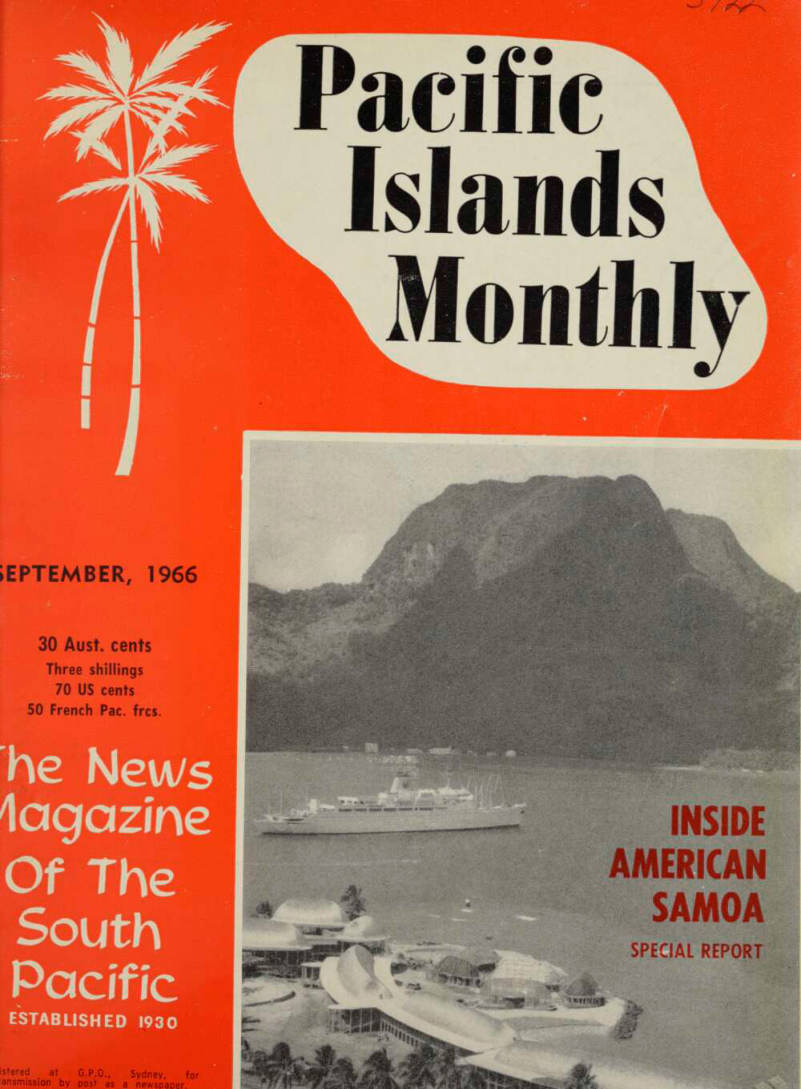 1
1 2
2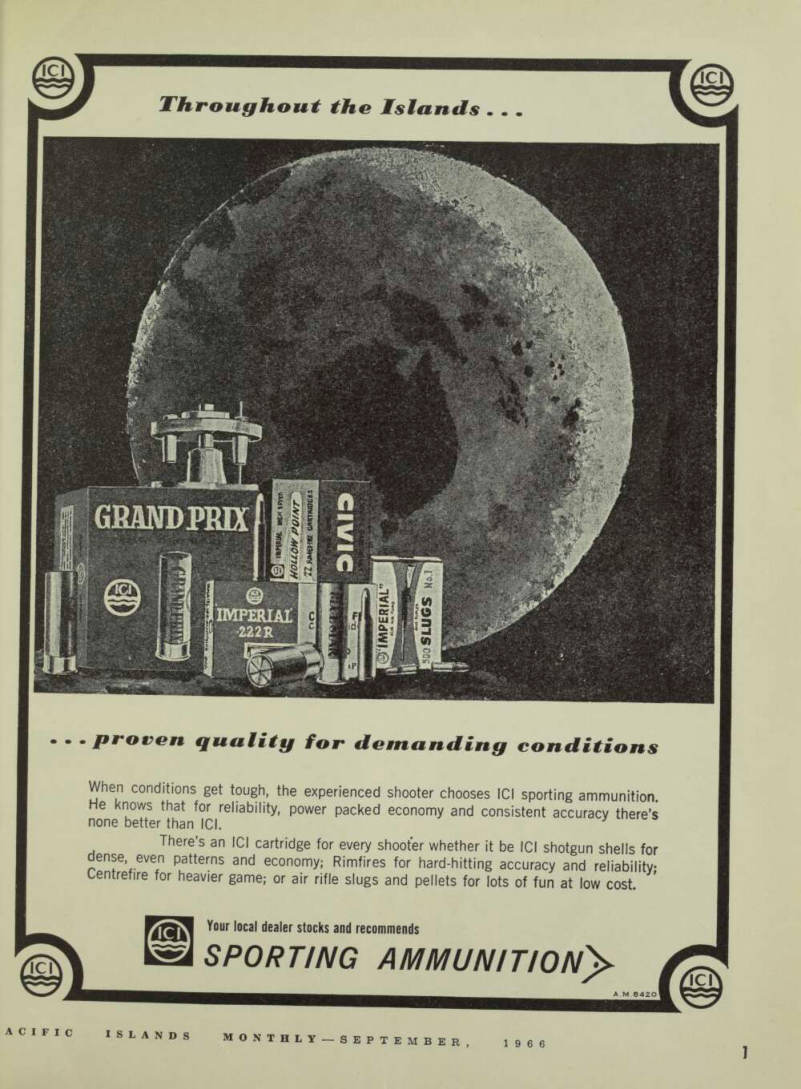 3
3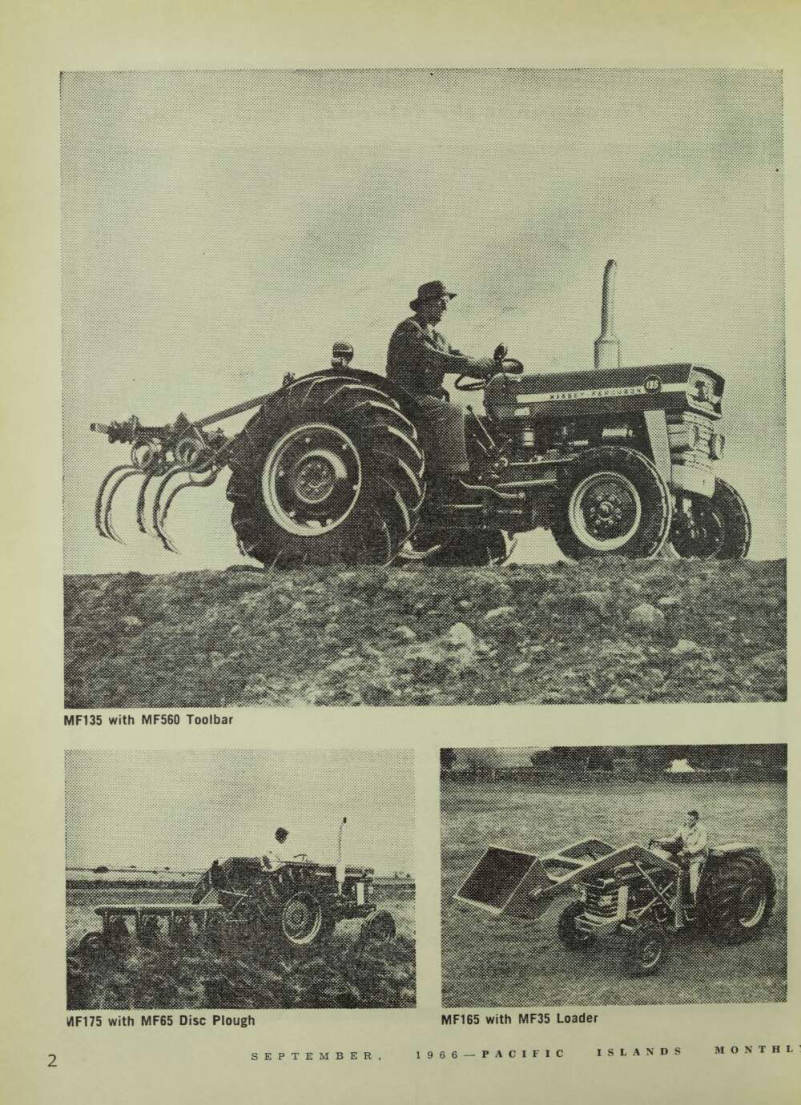 4
4 5
5 6
6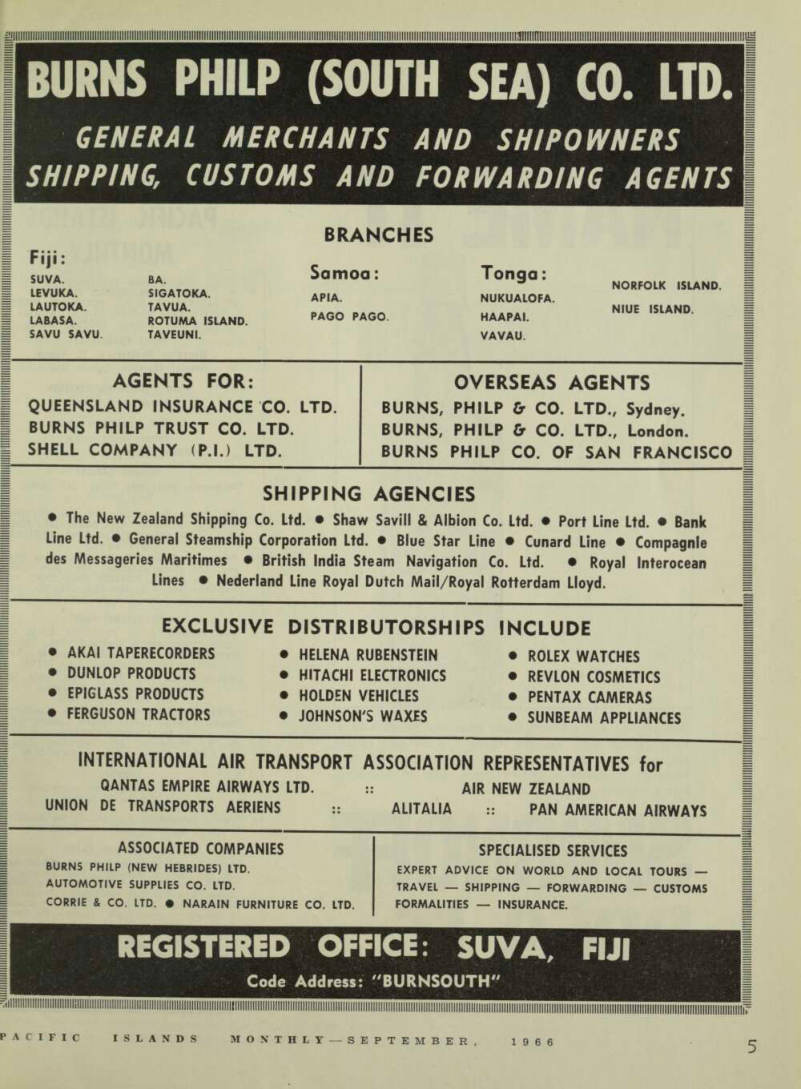 7
7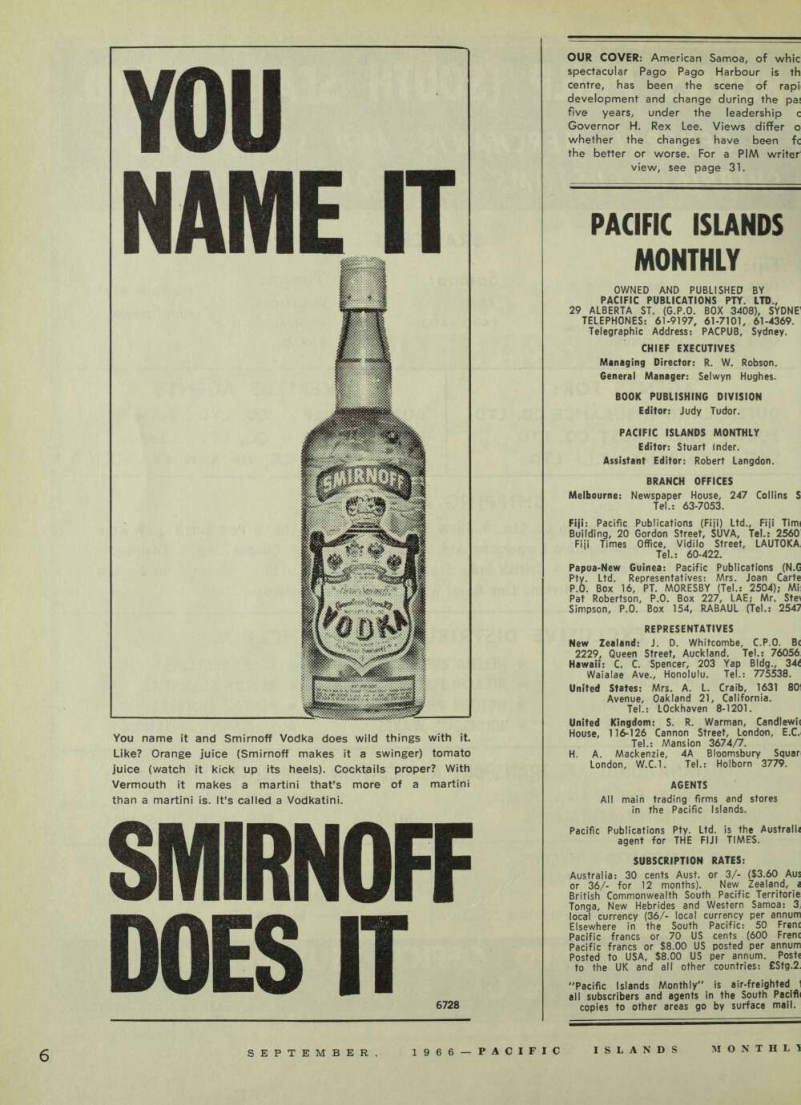 8
8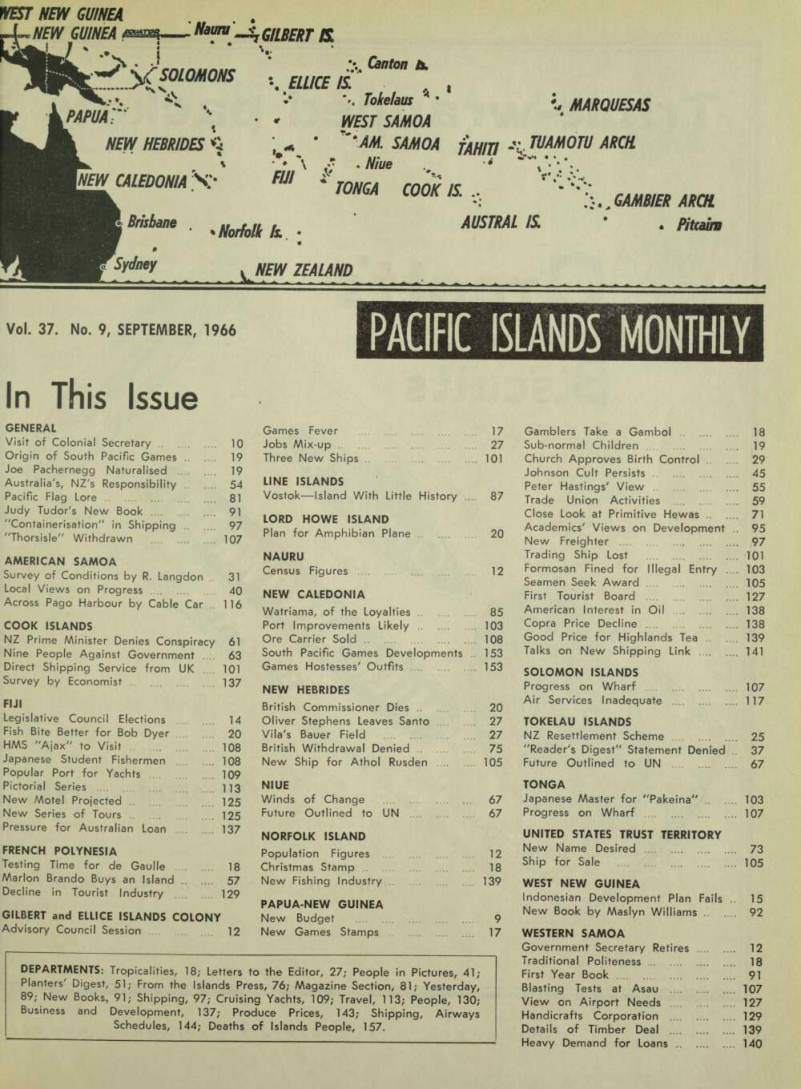 9
9 10
10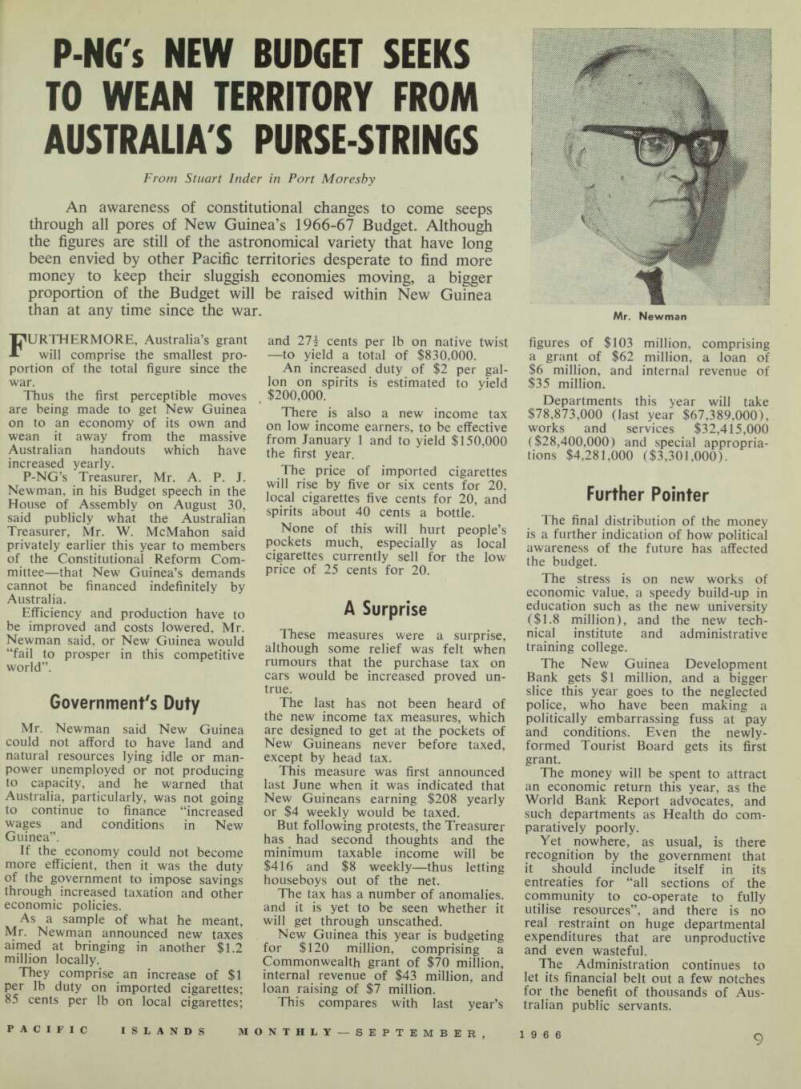 11
11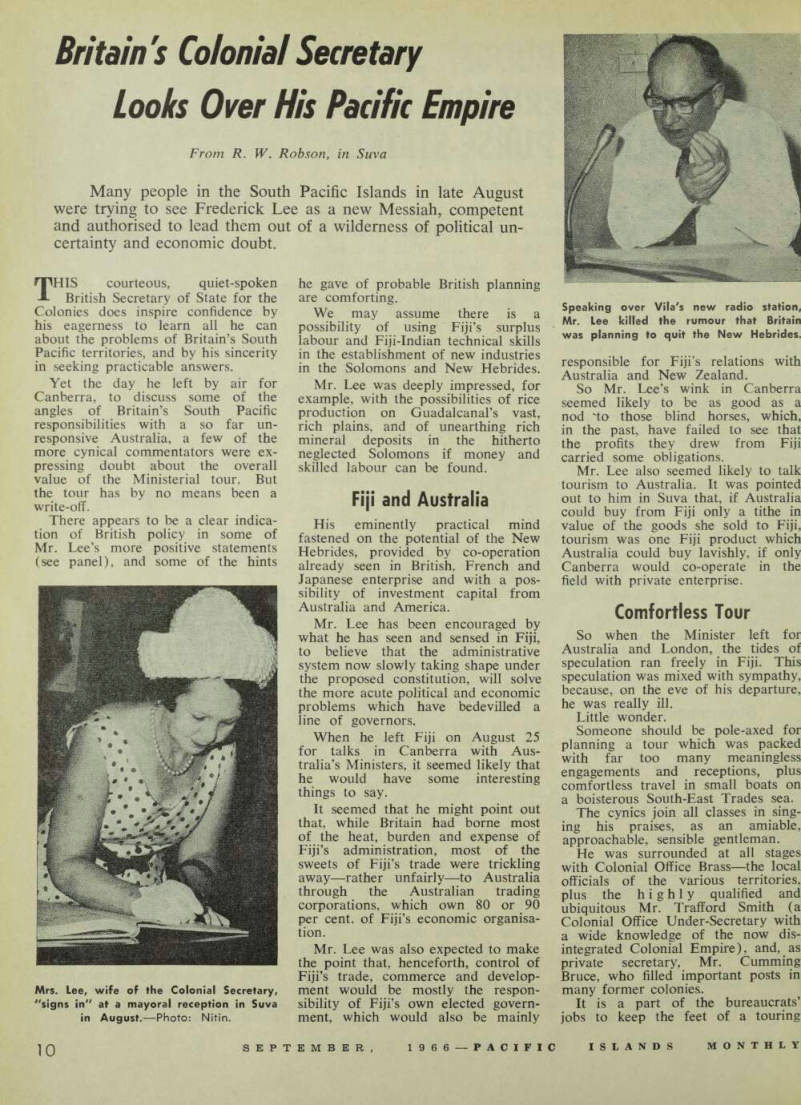 12
12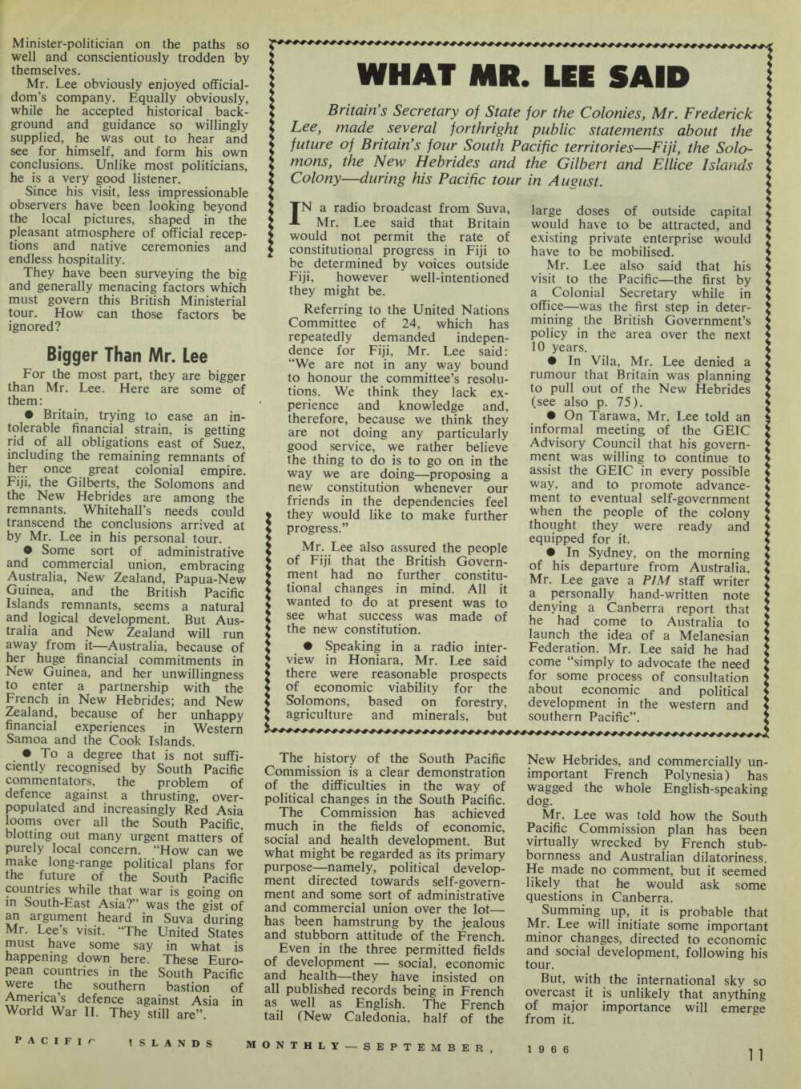 13
13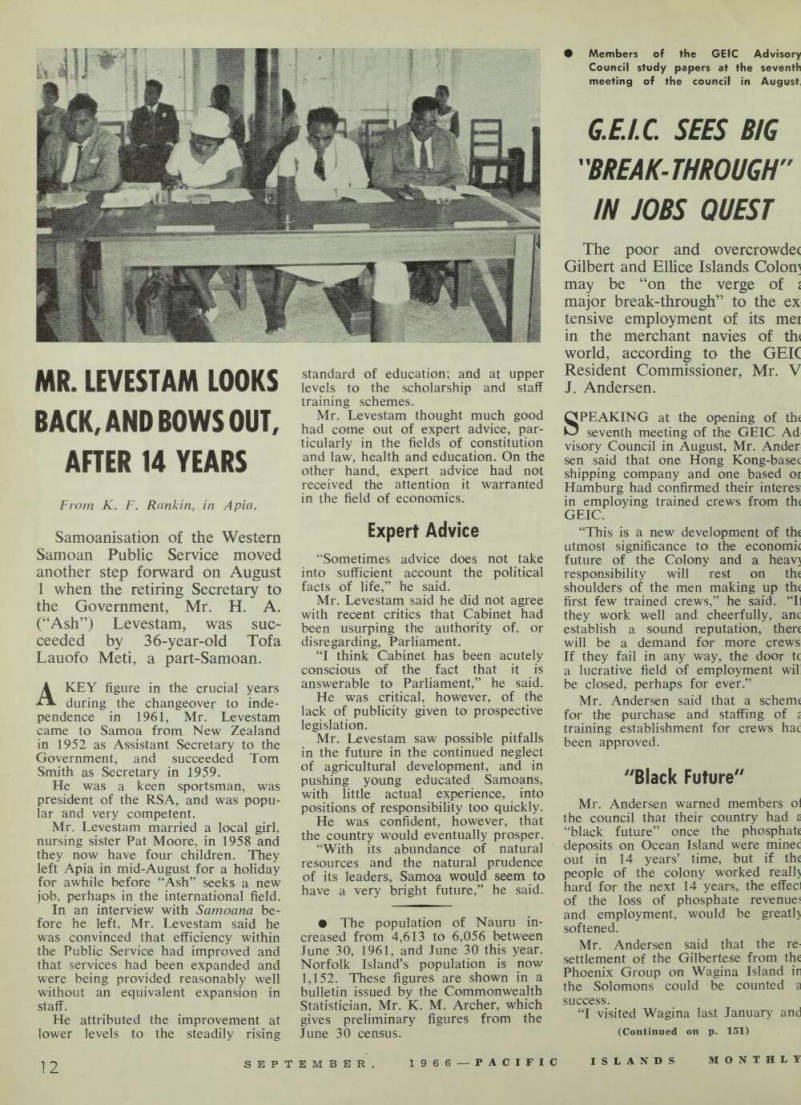 14
14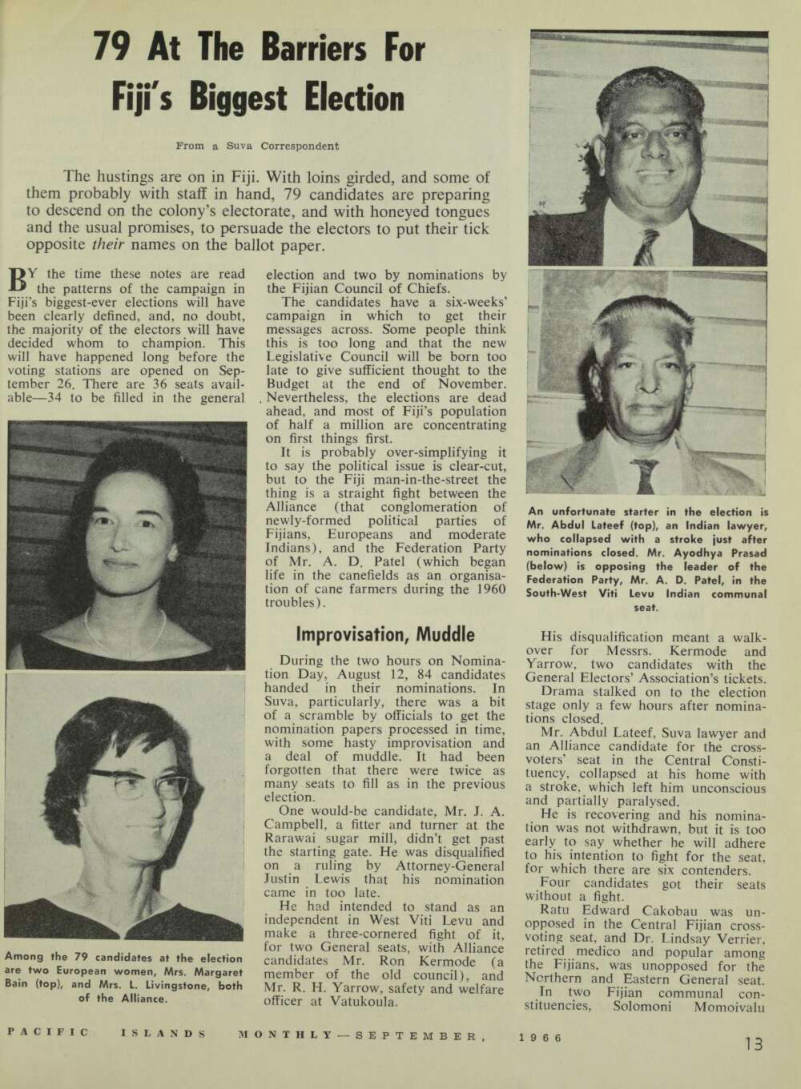 15
15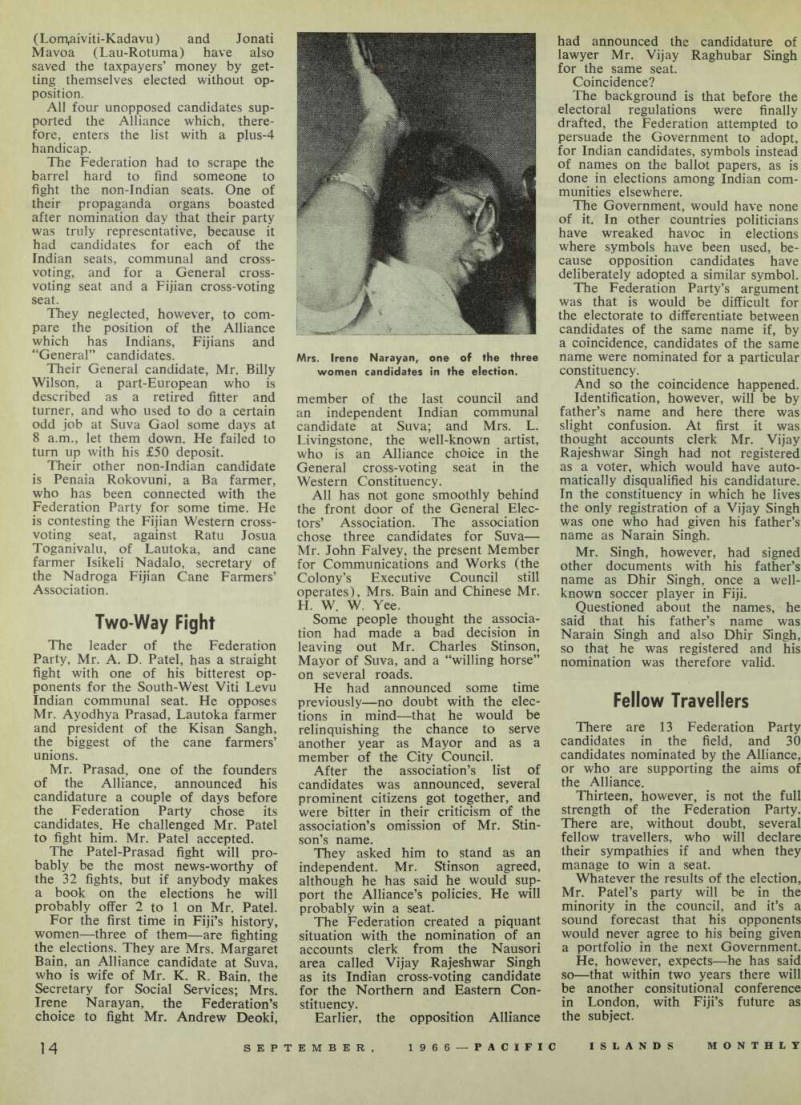 16
16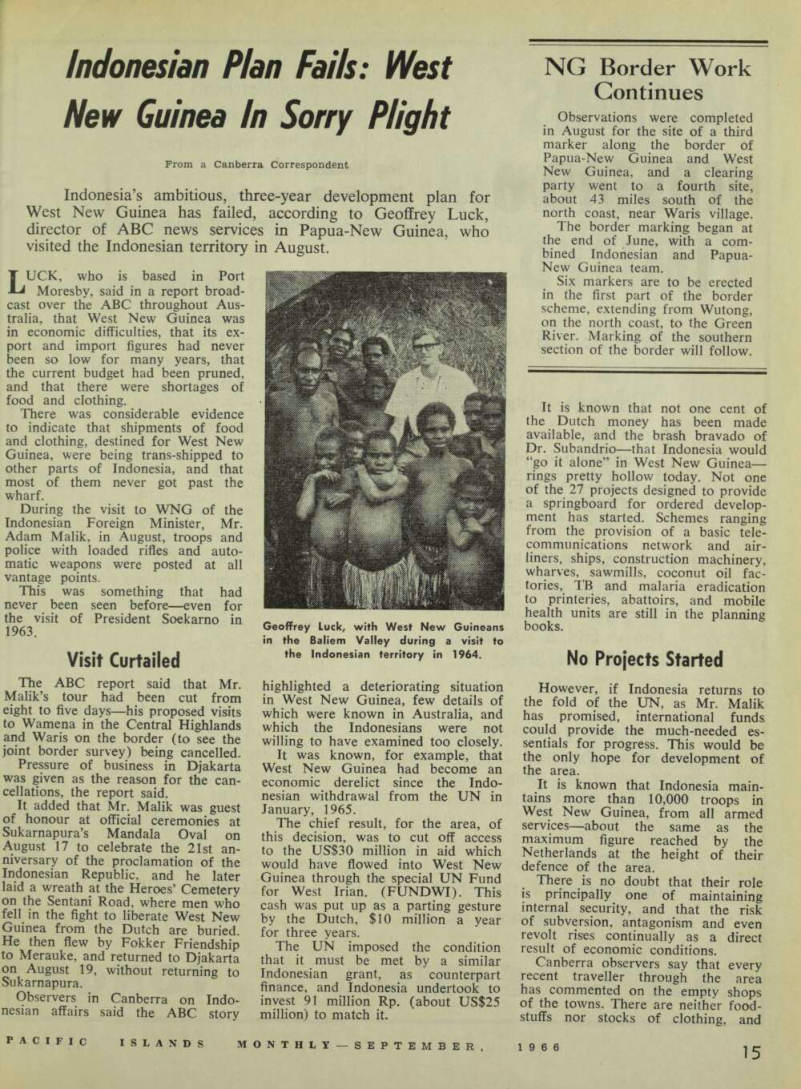 17
17 18
18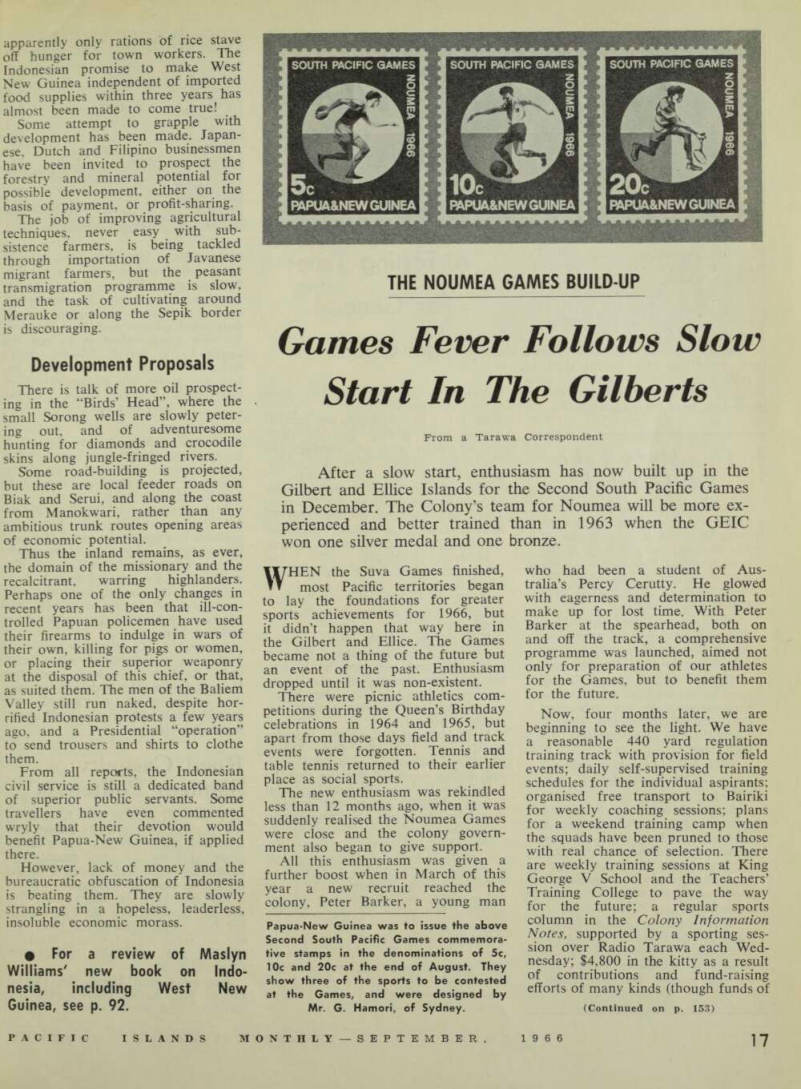 19
19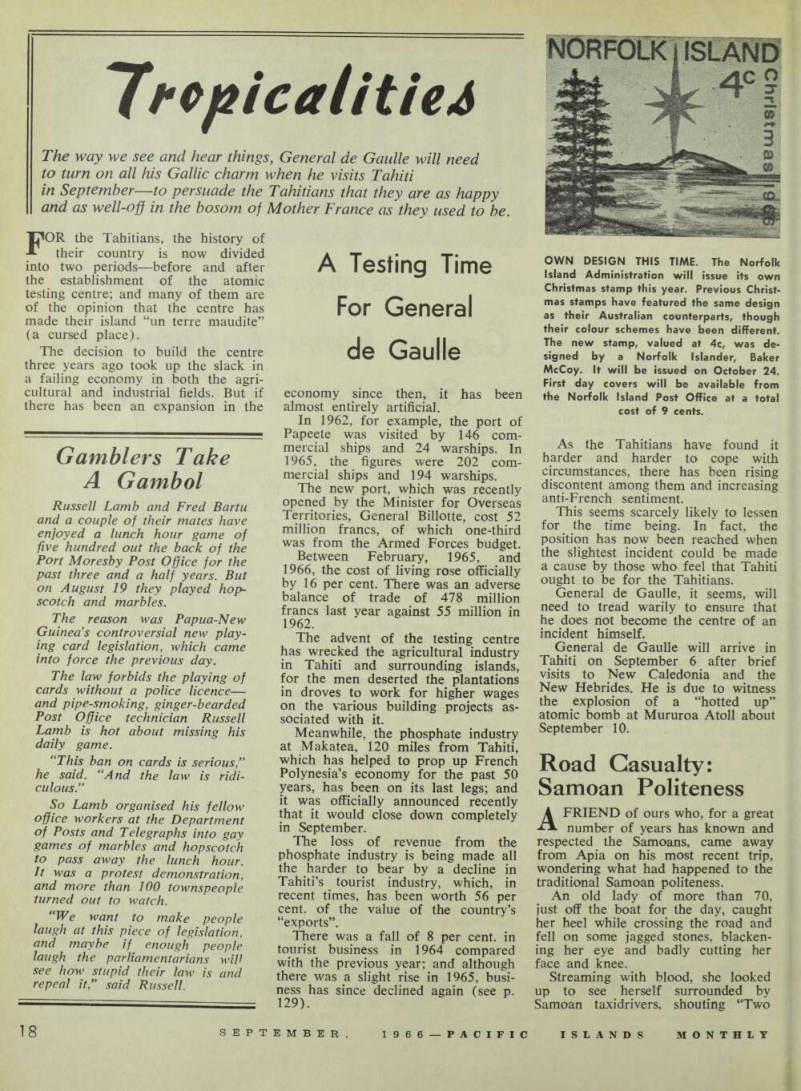 20
20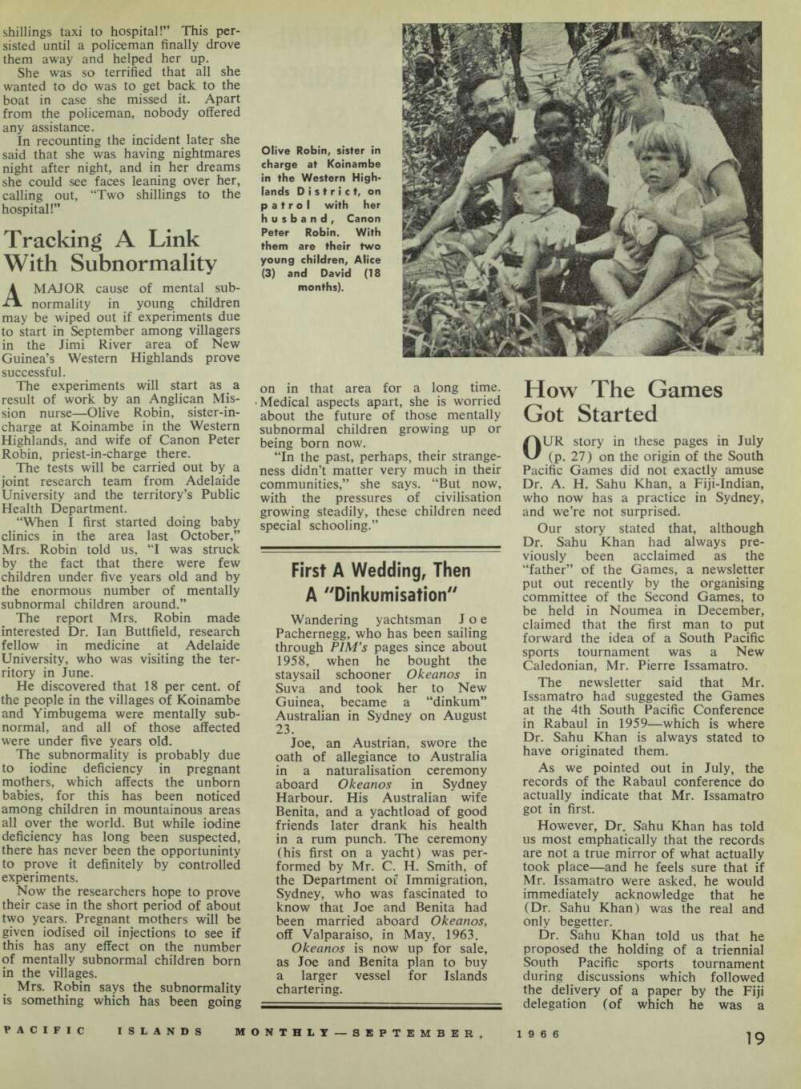 21
21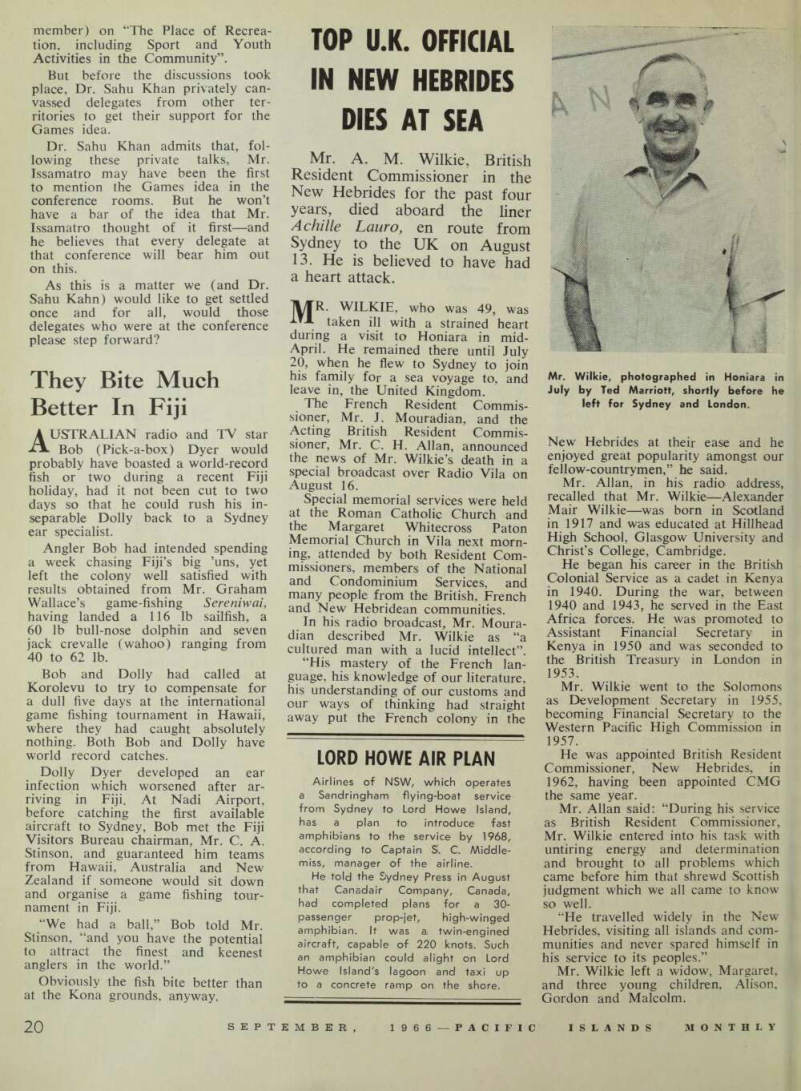 22
22 23
23 24
24 25
25 26
26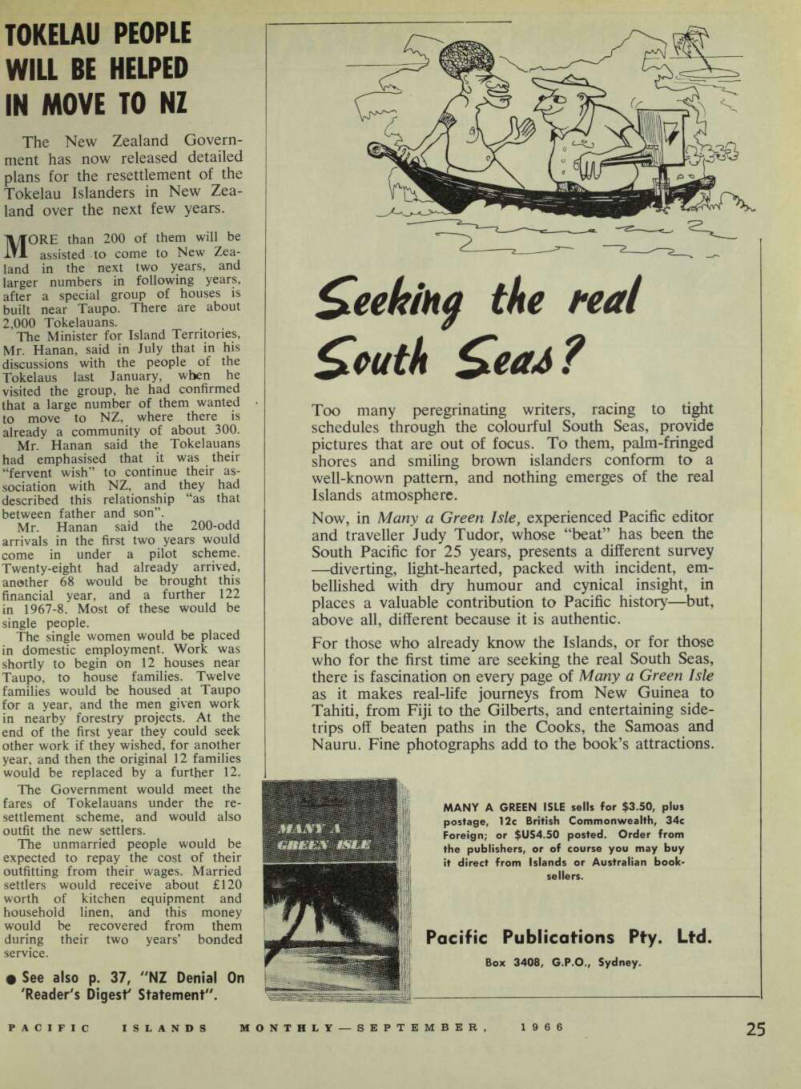 27
27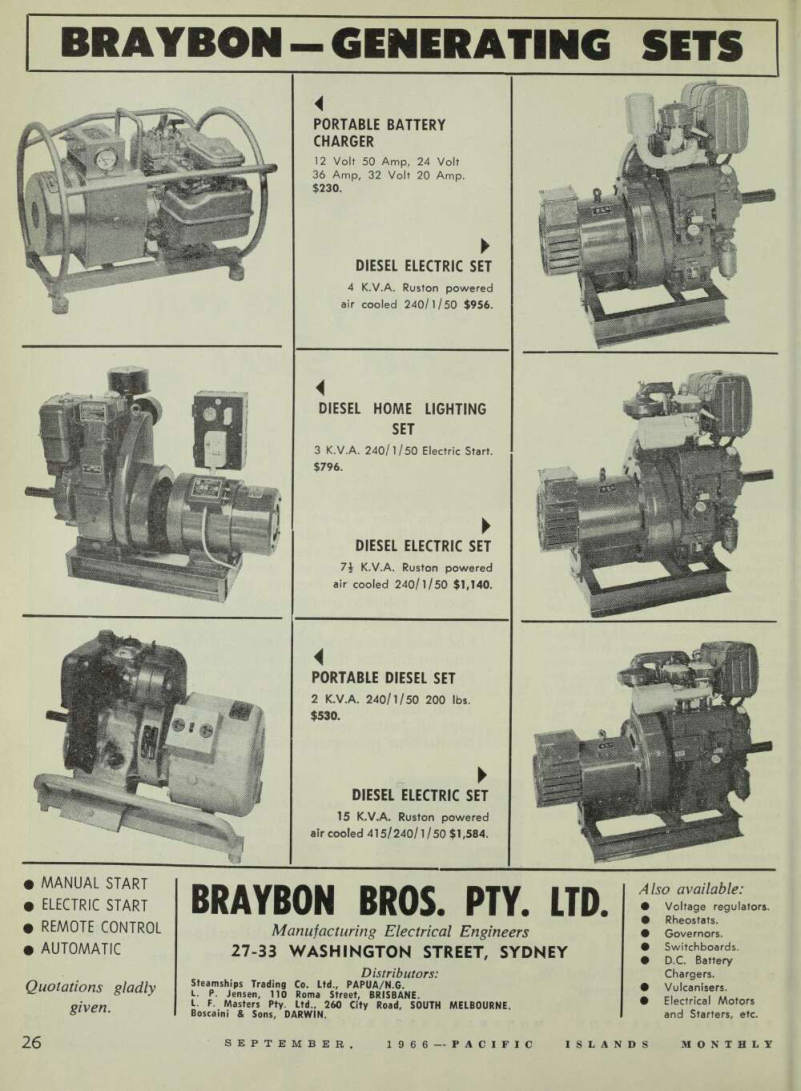 28
28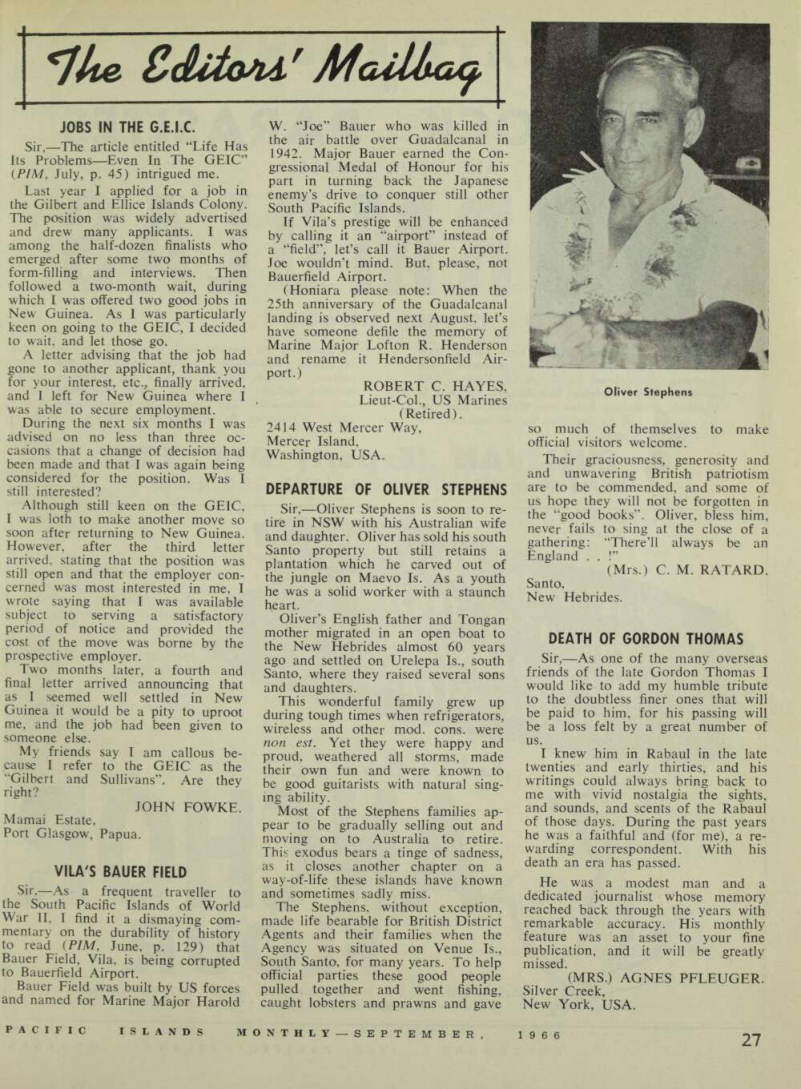 29
29 30
30 31
31 32
32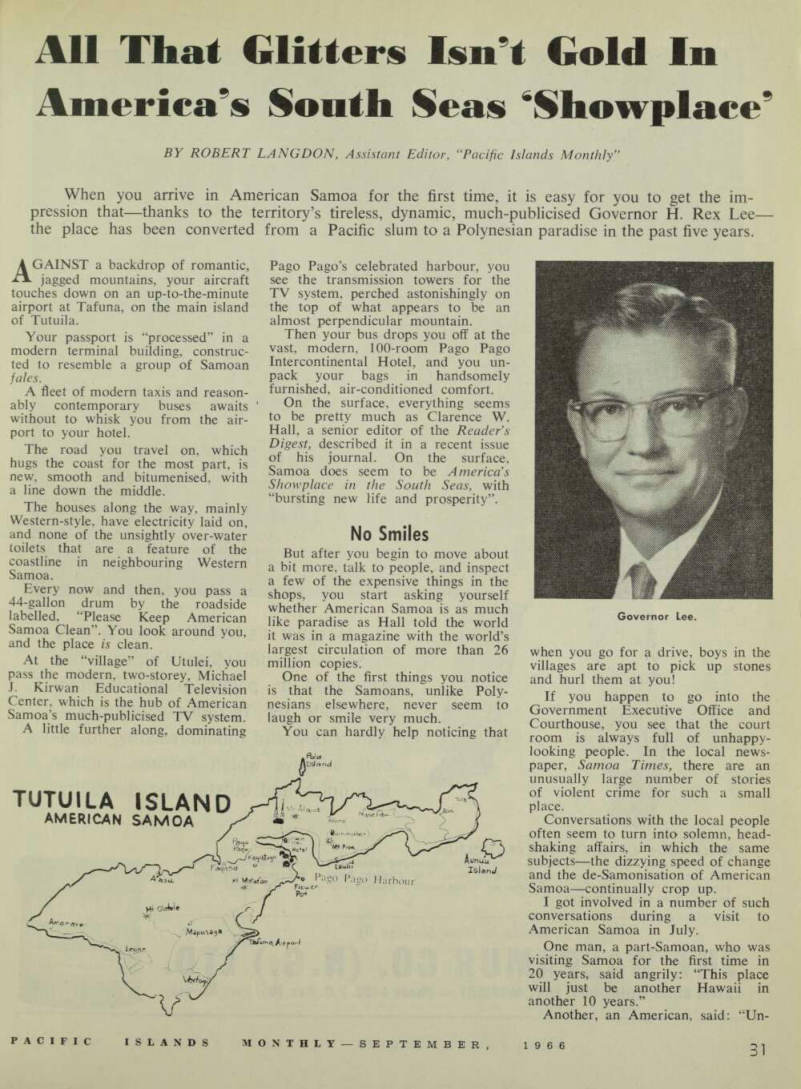 33
33 34
34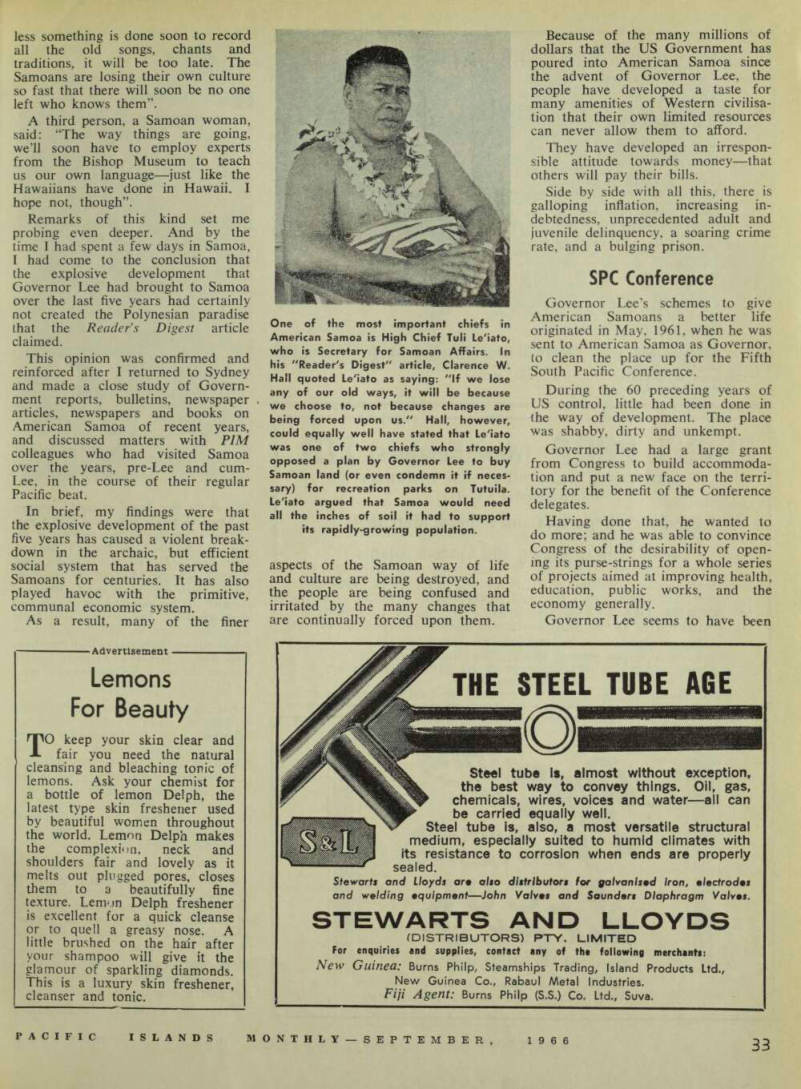 35
35 36
36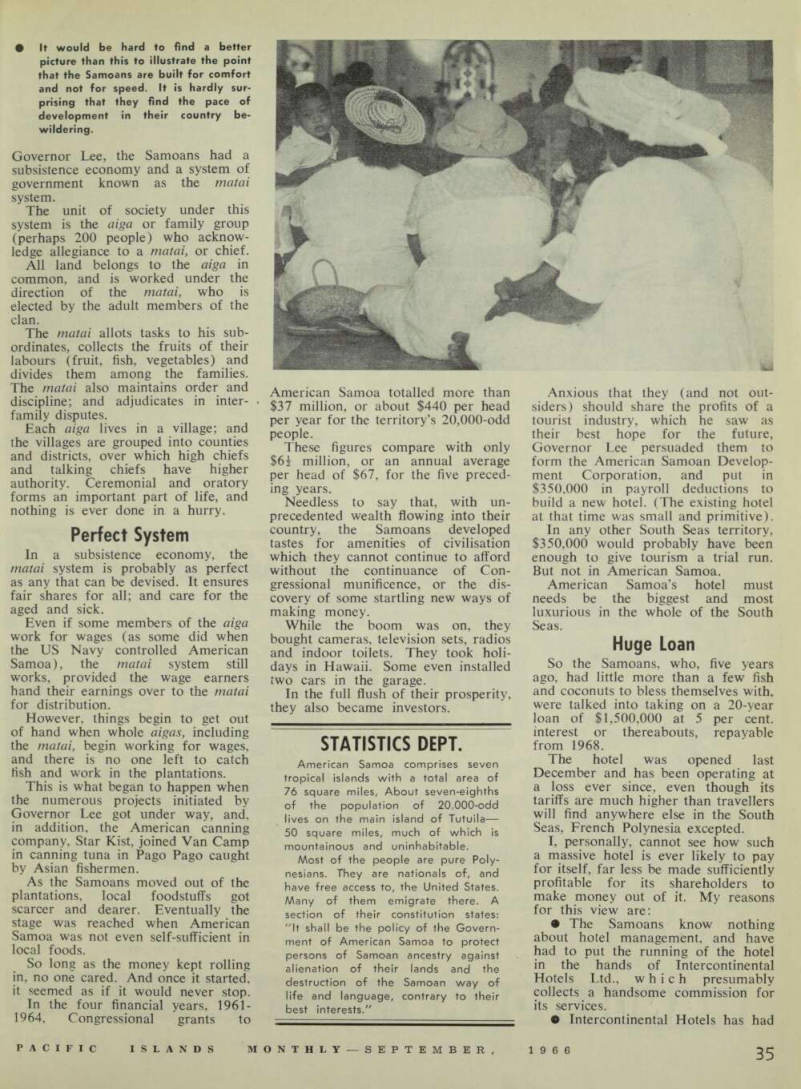 37
37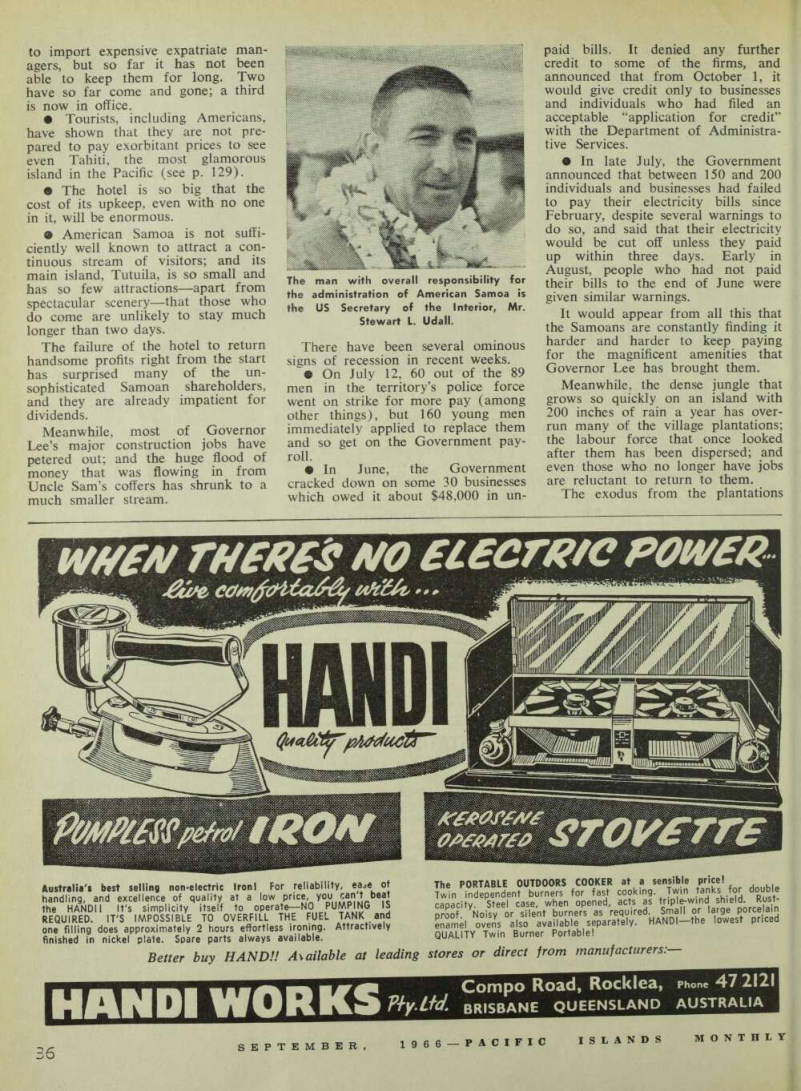 38
38 39
39 40
40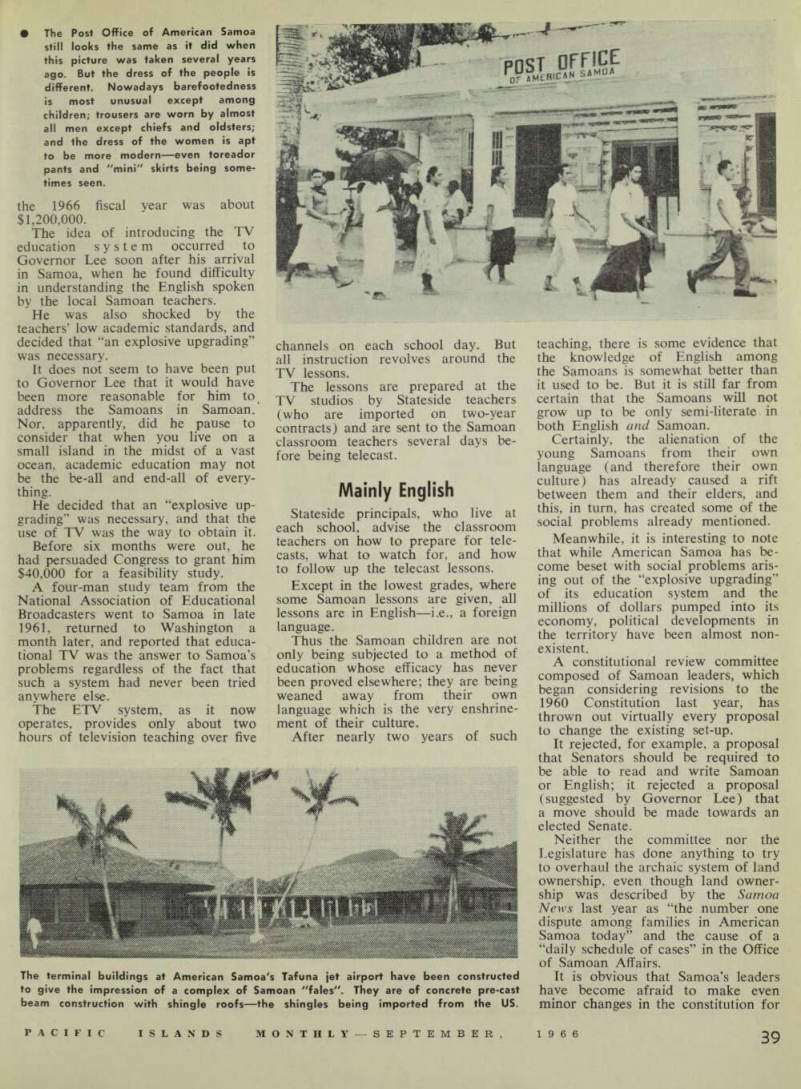 41
41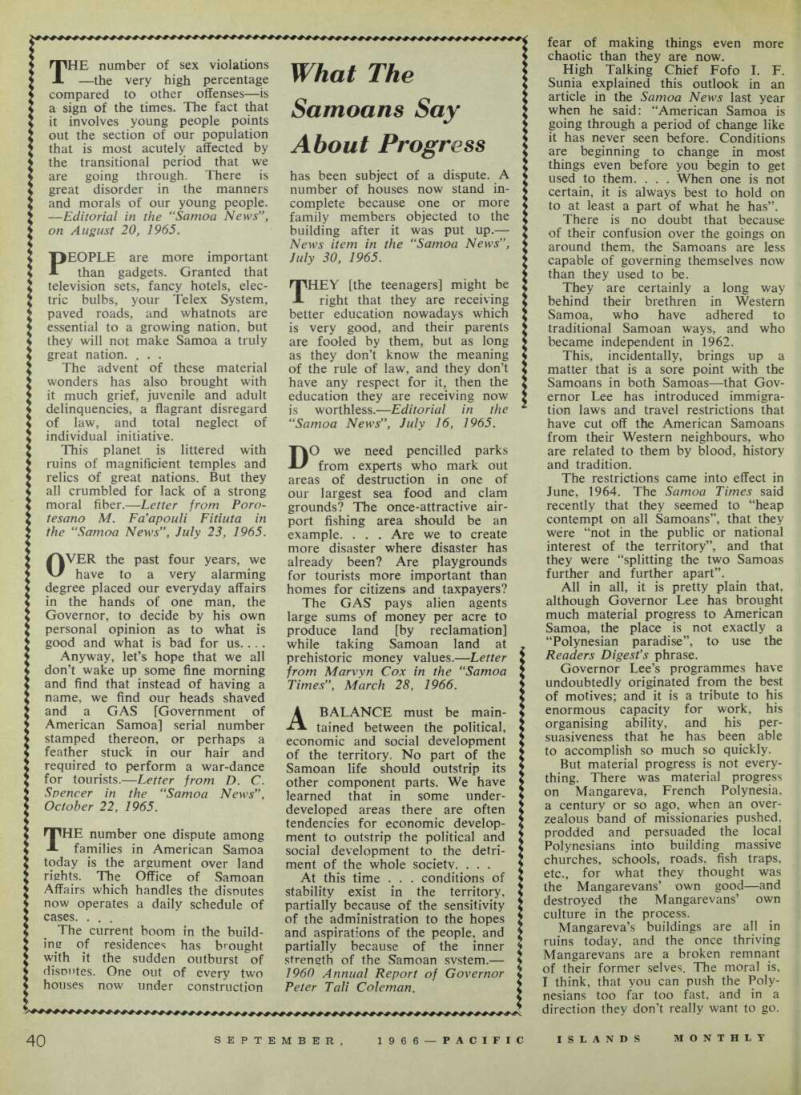 42
42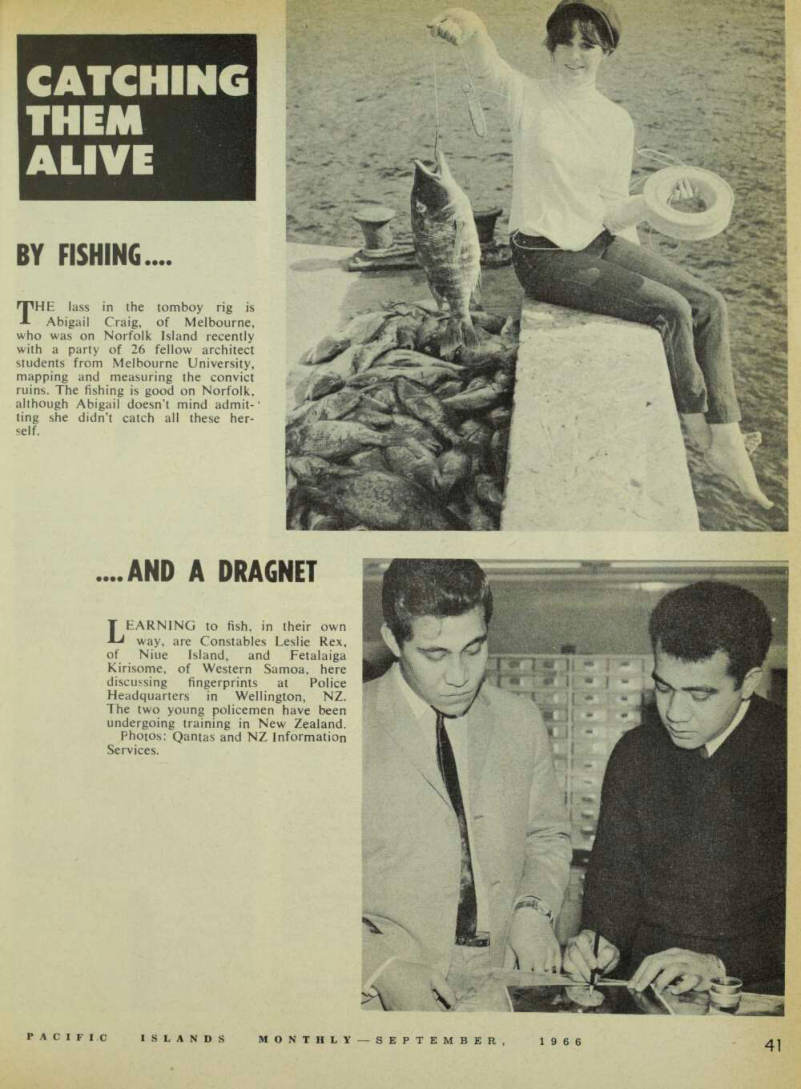 43
43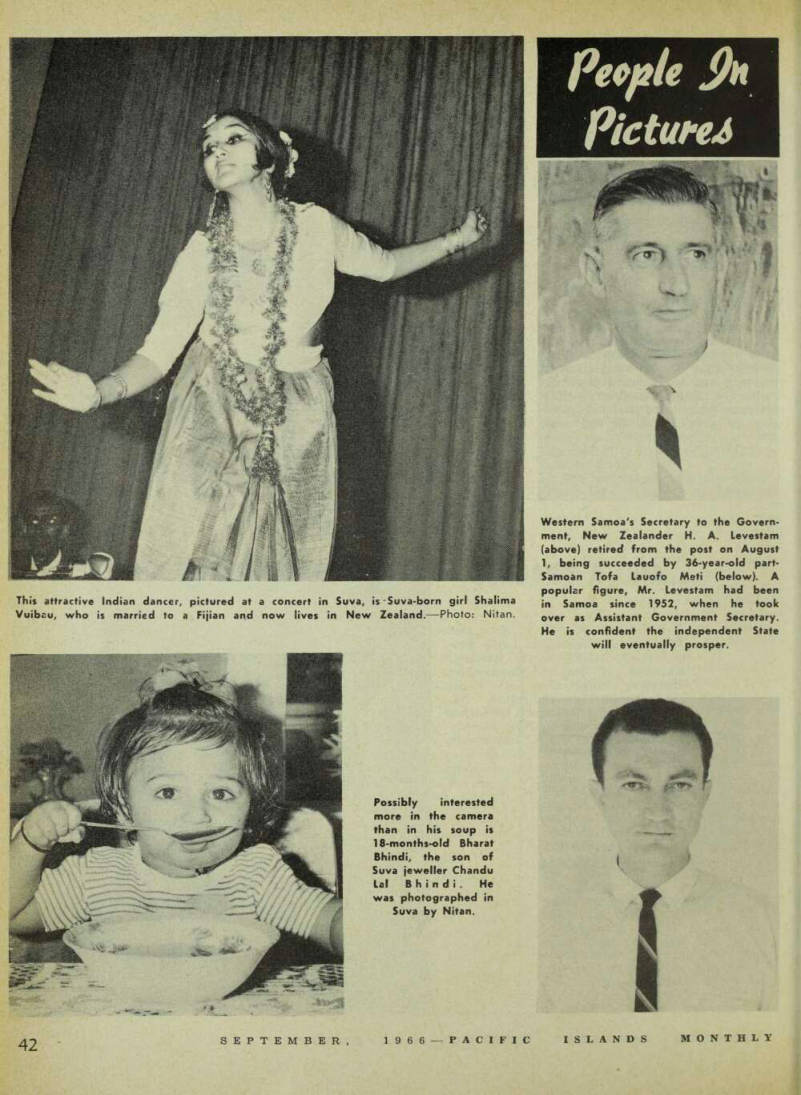 44
44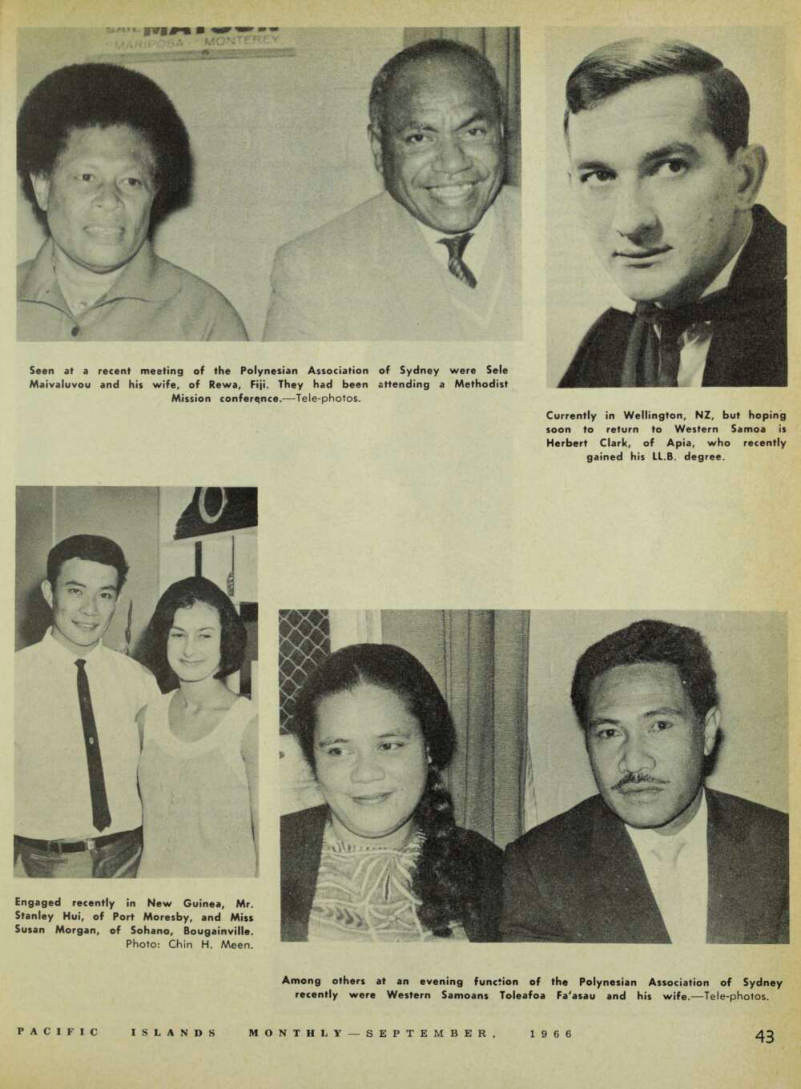 45
45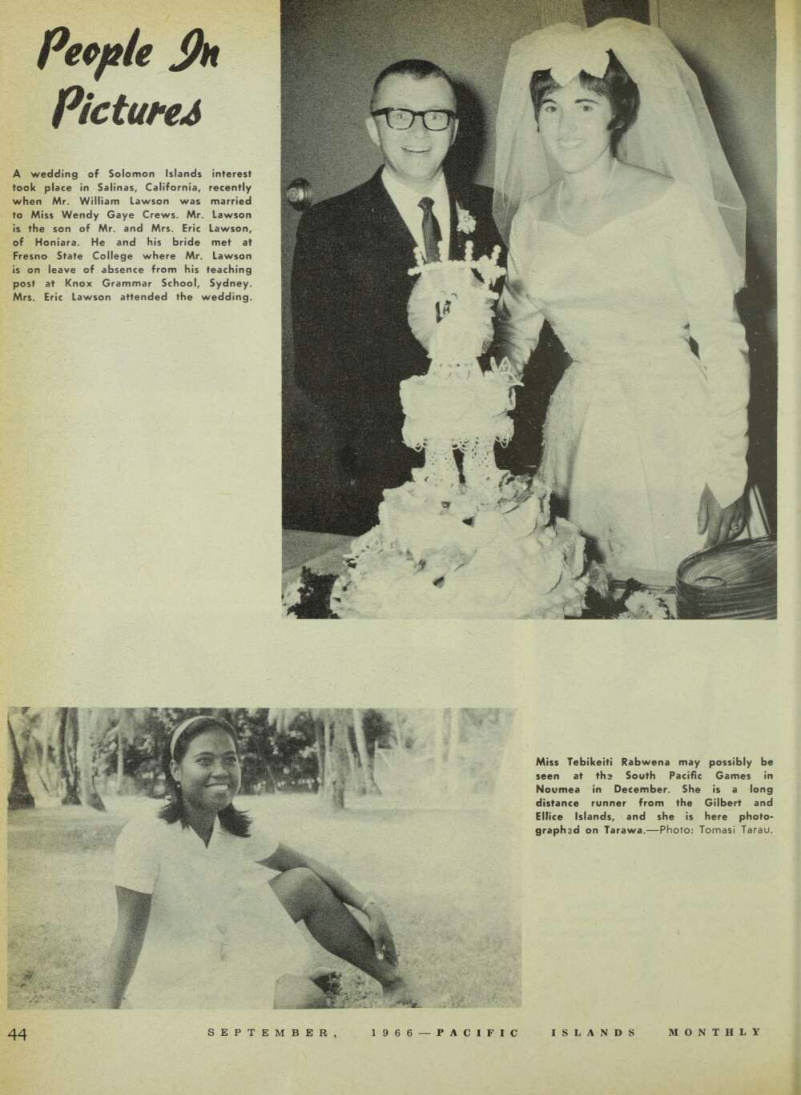 46
46 47
47 48
48 49
49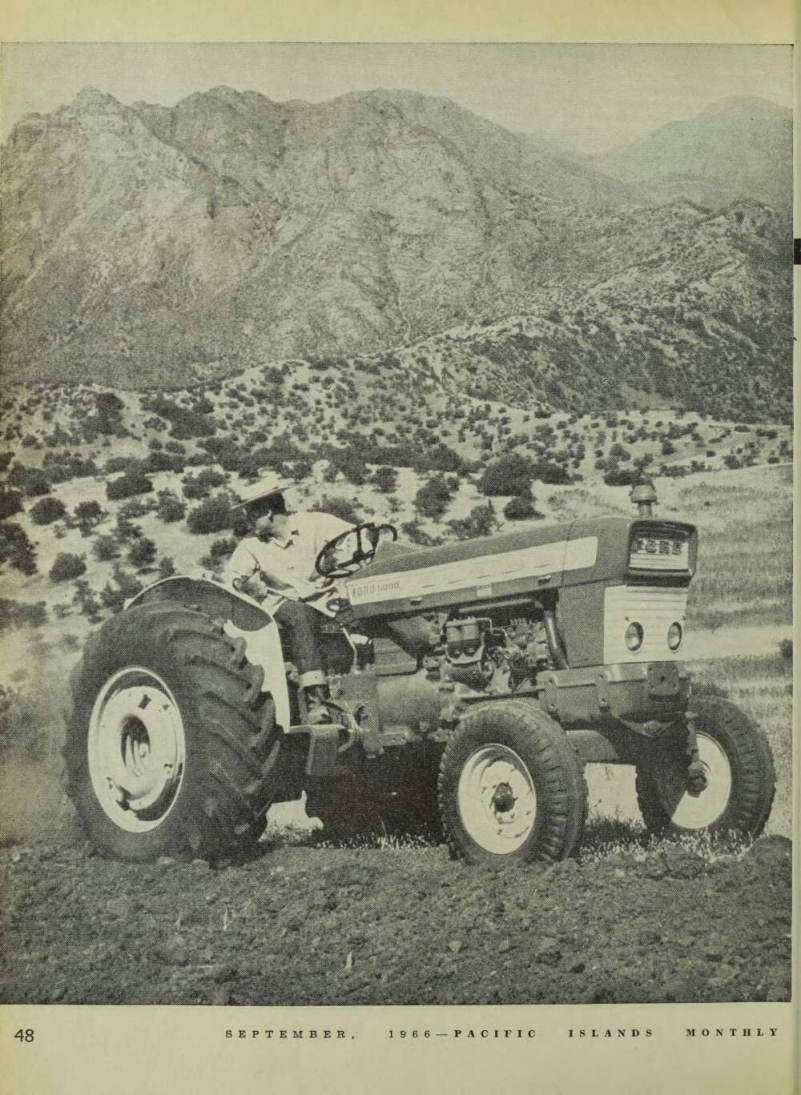 50
50 51
51 52
52 53
53 54
54 55
55 56
56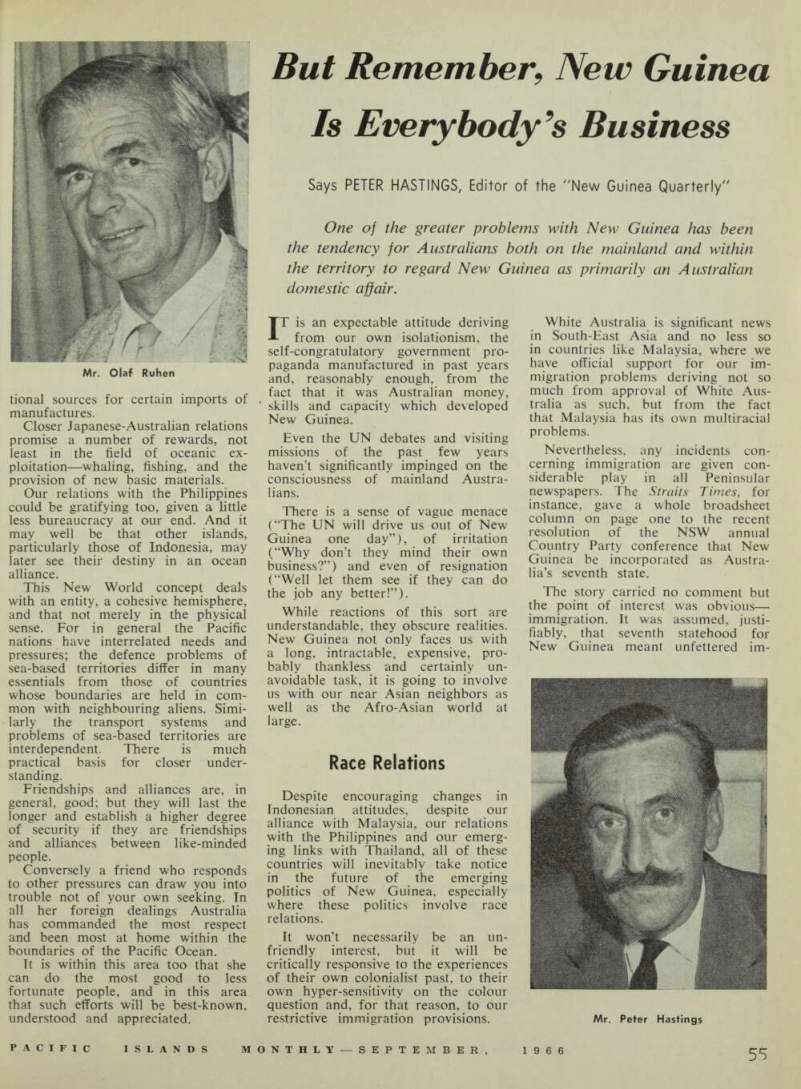 57
57 58
58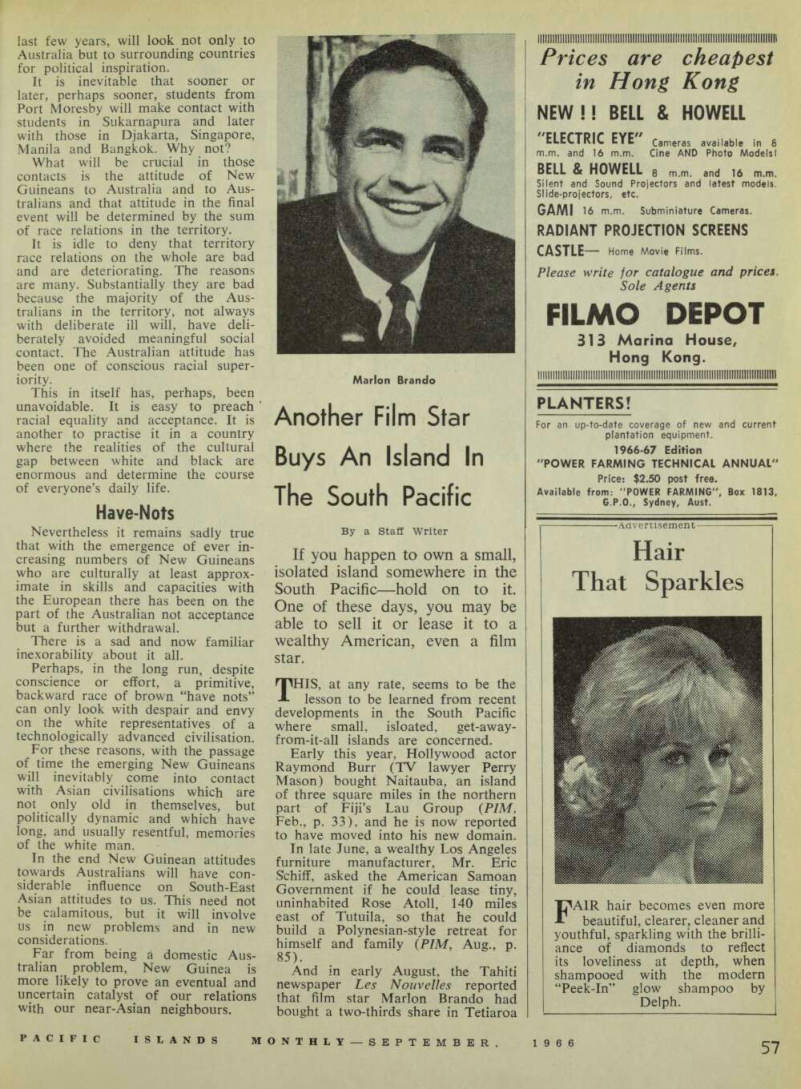 59
59 60
60 61
61 62
62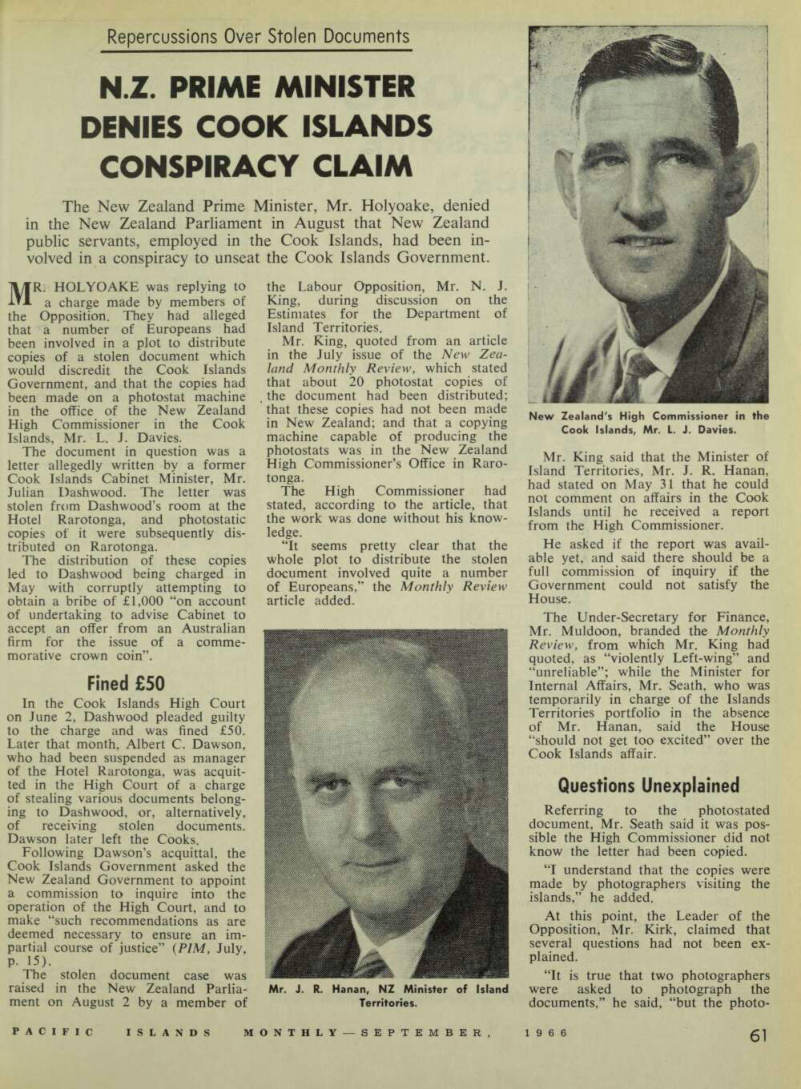 63
63 64
64 65
65 66
66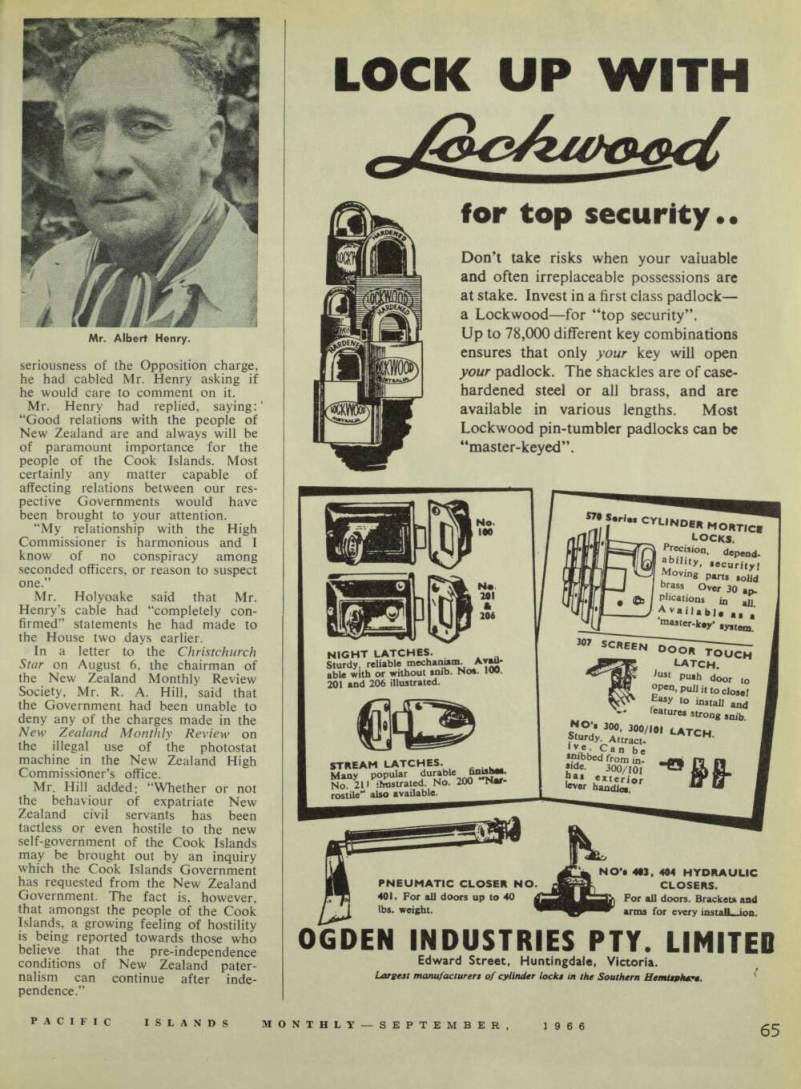 67
67 68
68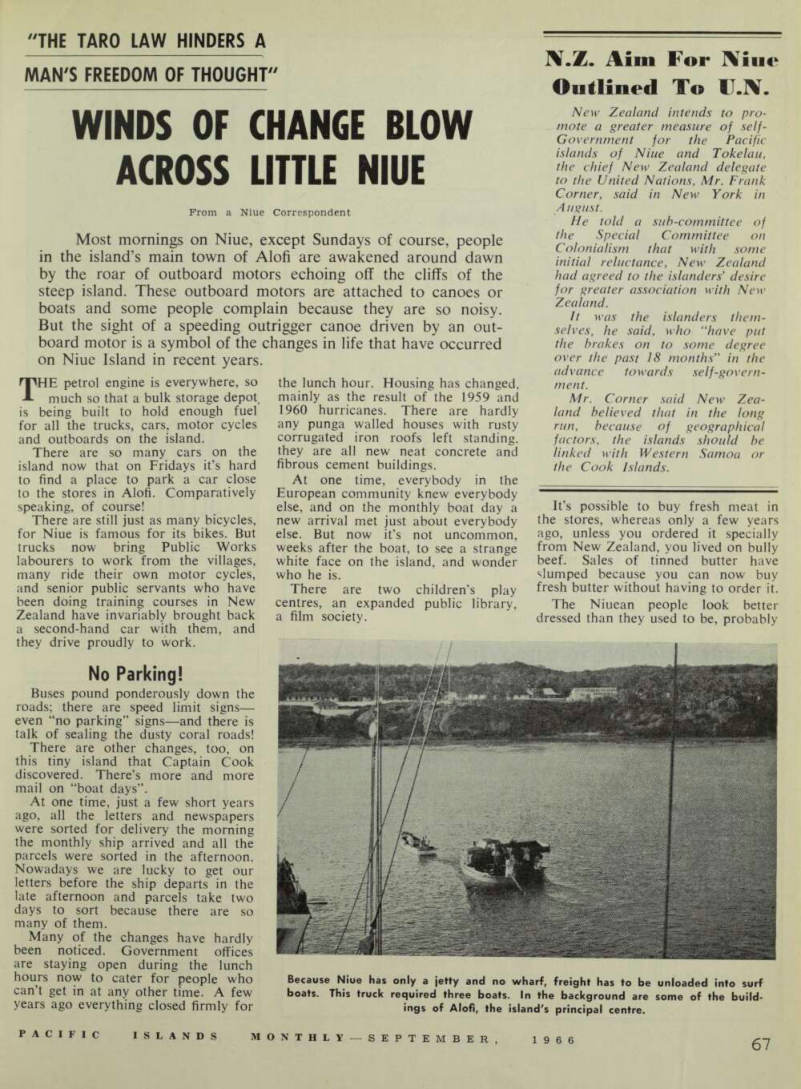 69
69 70
70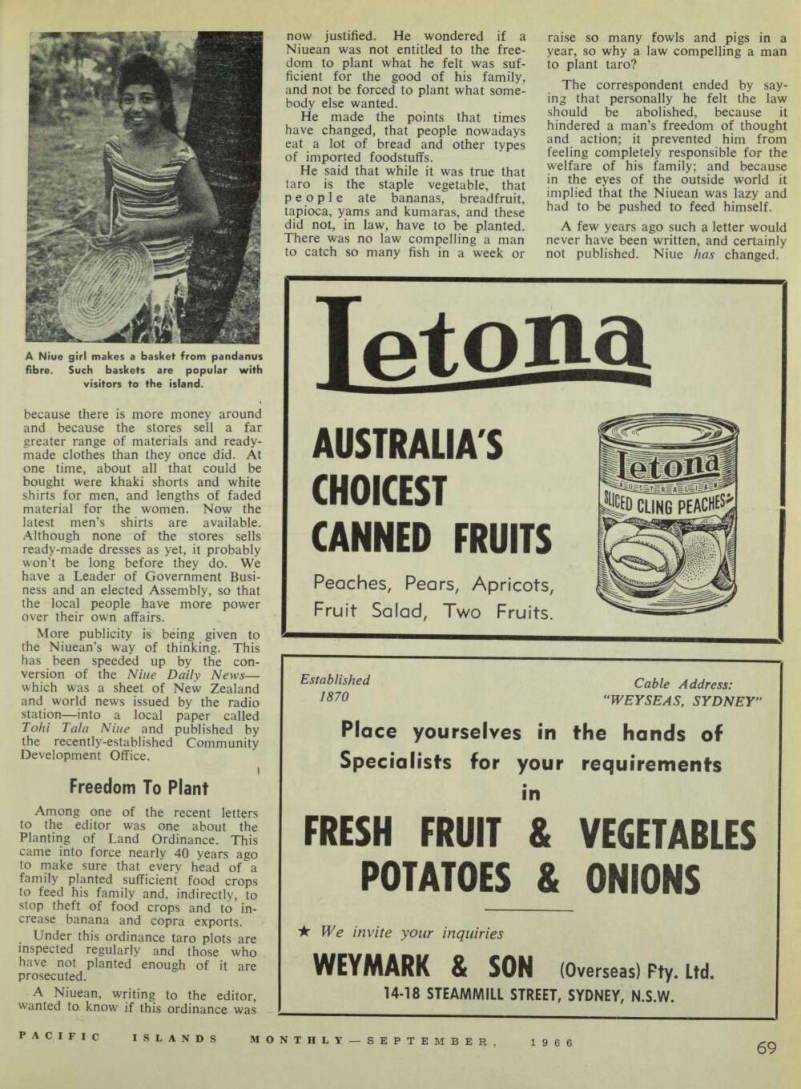 71
71 72
72 73
73 74
74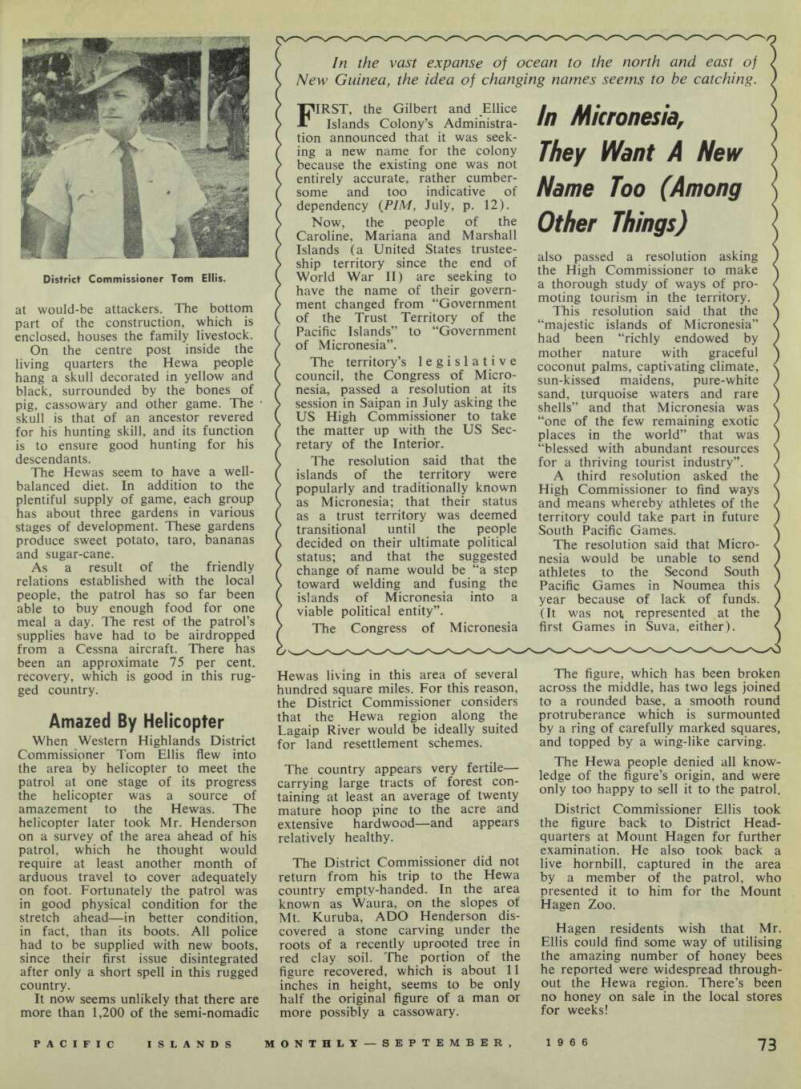 75
75 76
76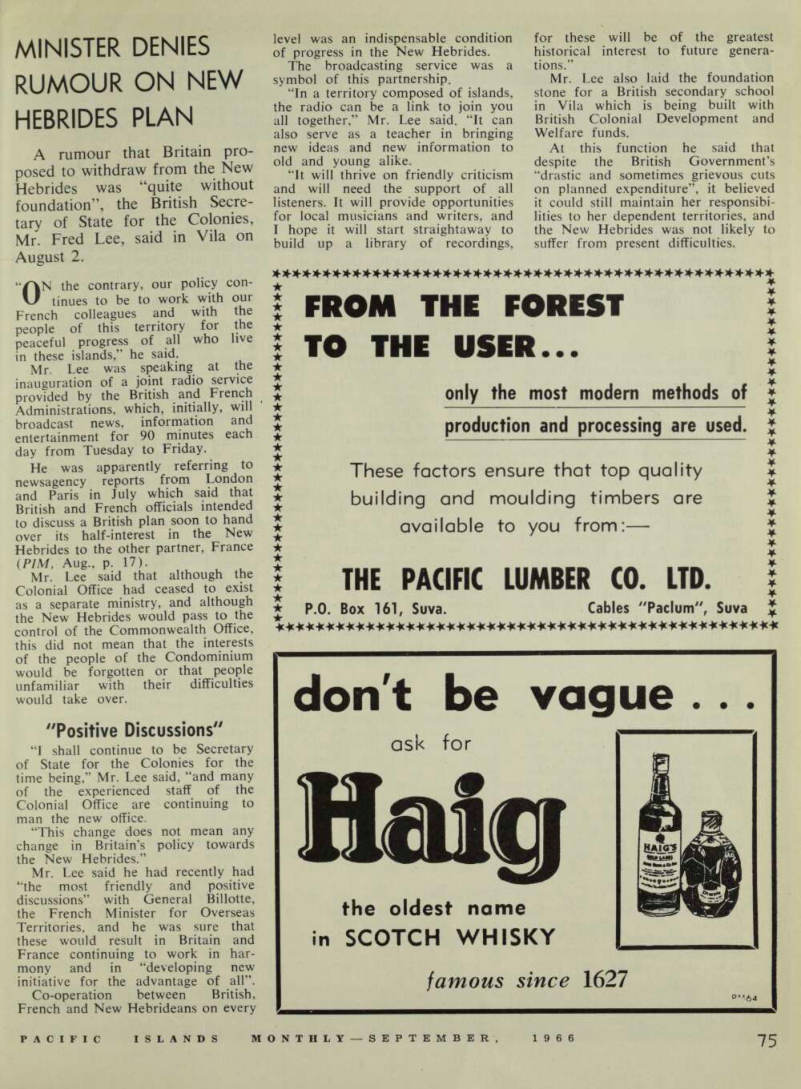 77
77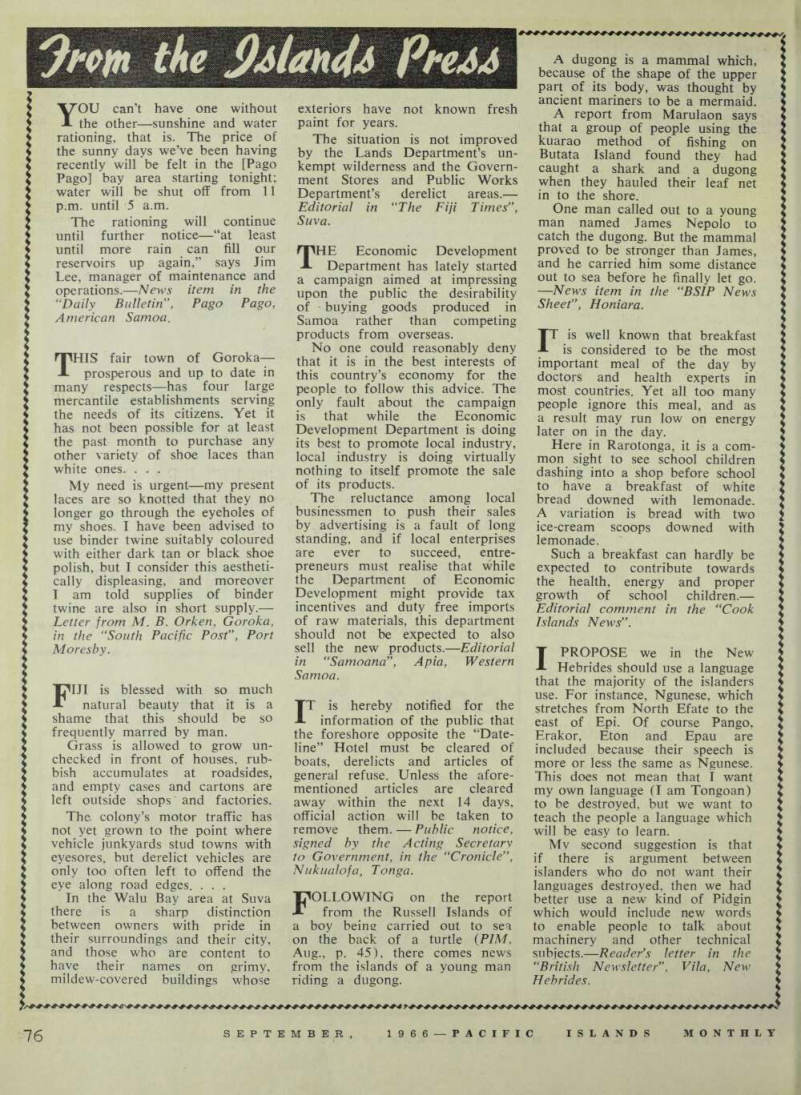 78
78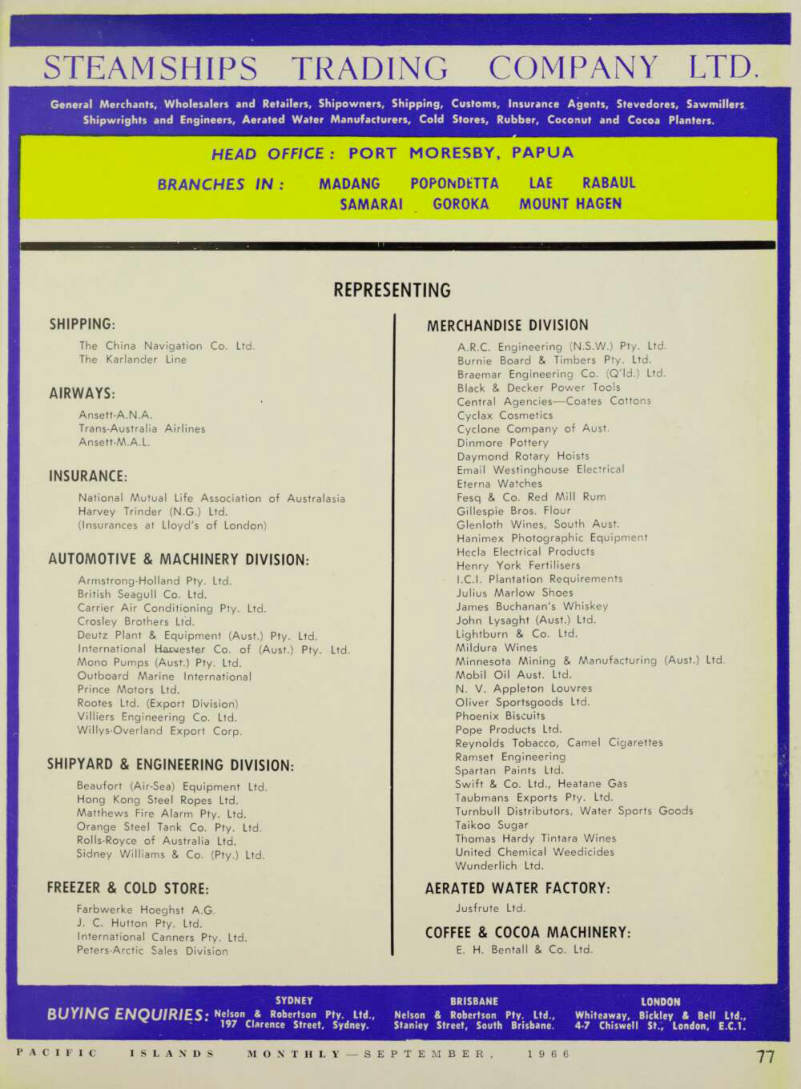 79
79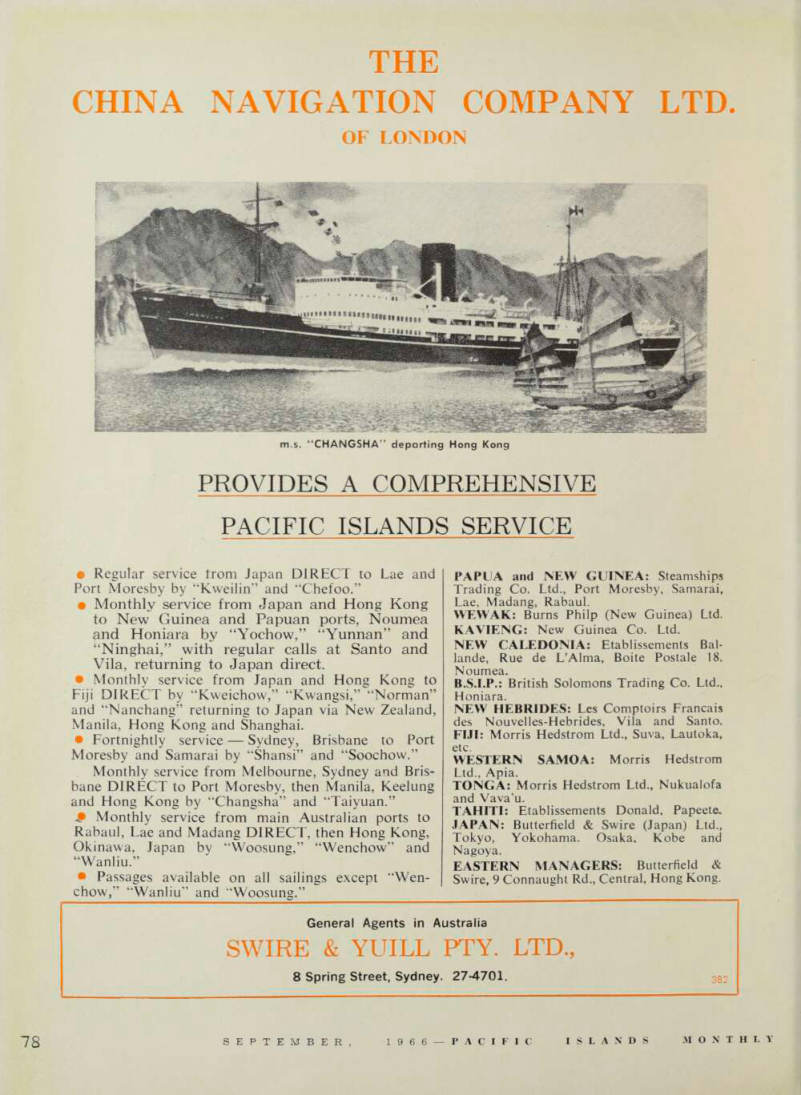 80
80 81
81 82
82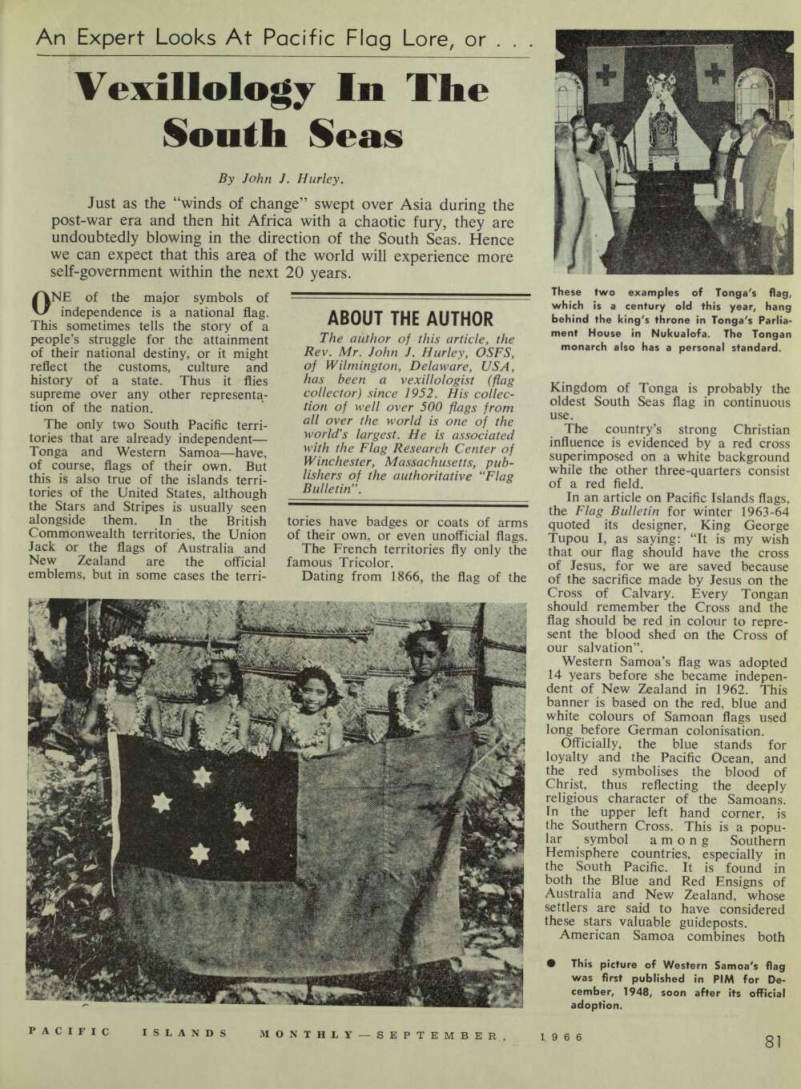 83
83 84
84 85
85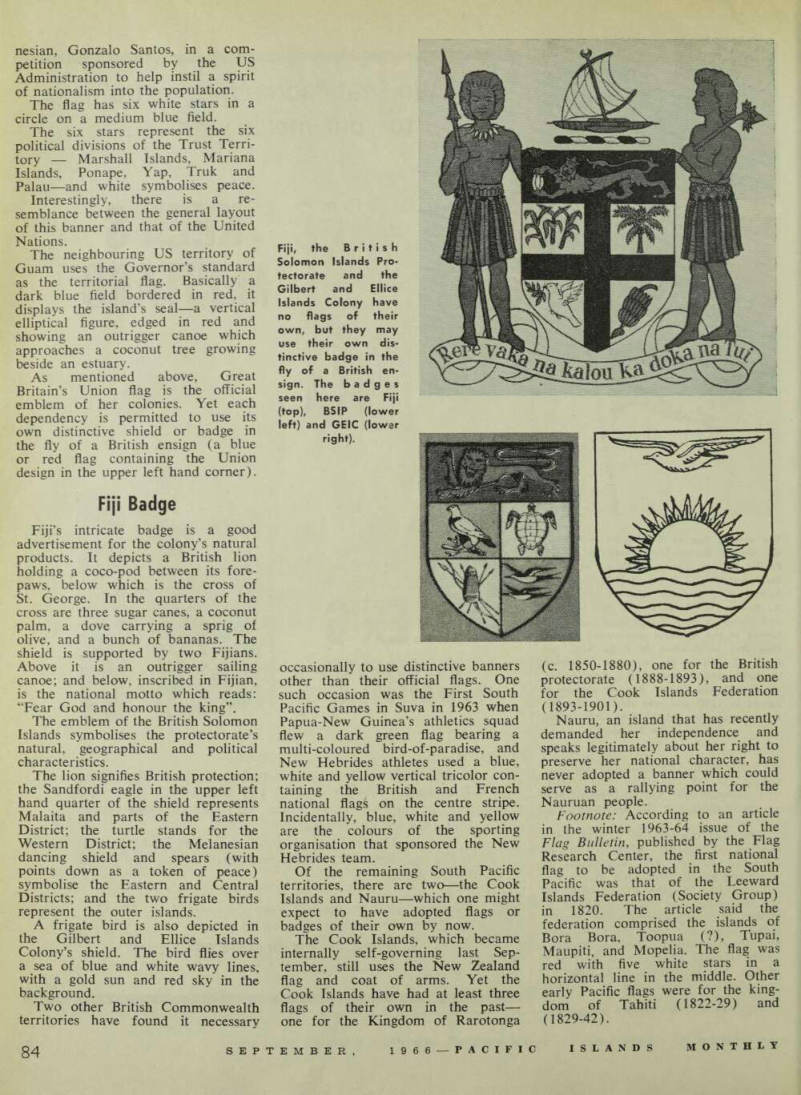 86
86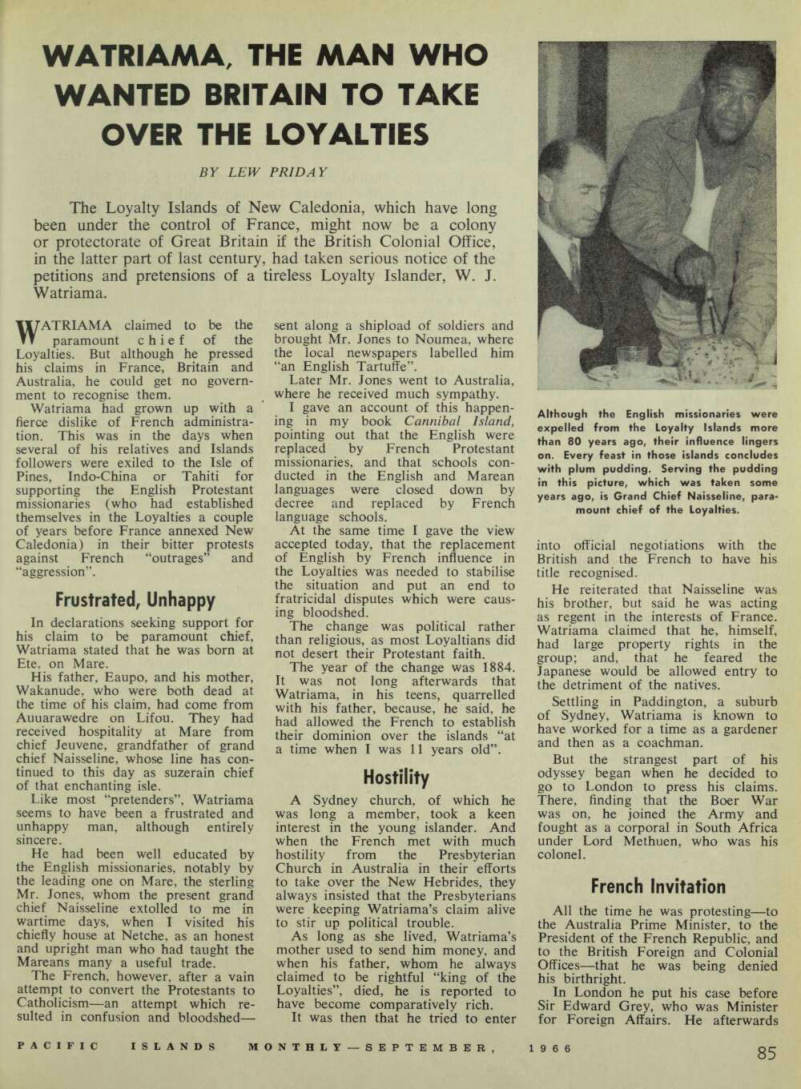 87
87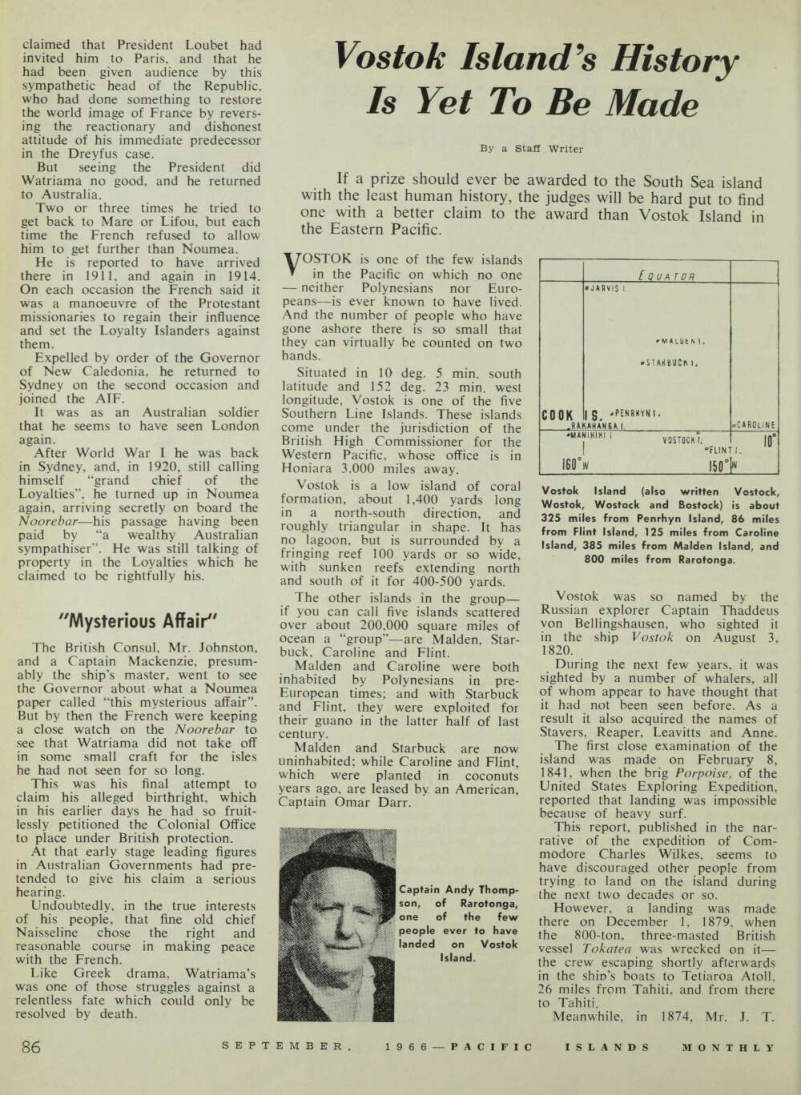 88
88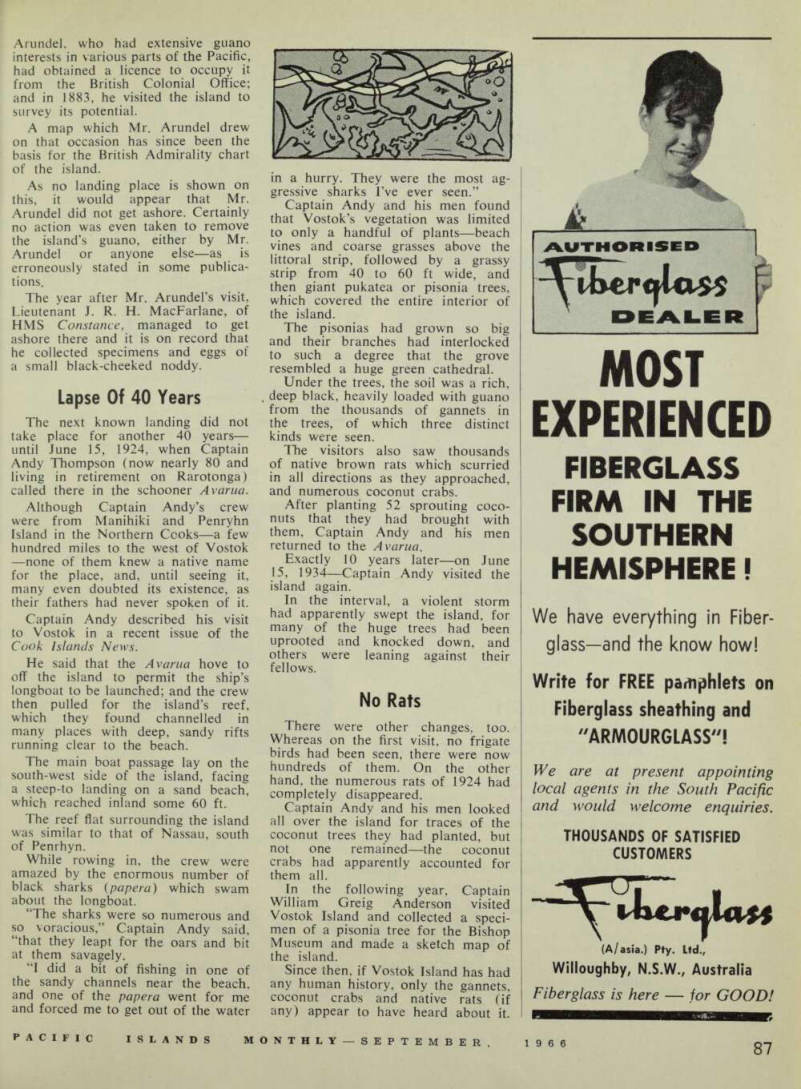 89
89 90
90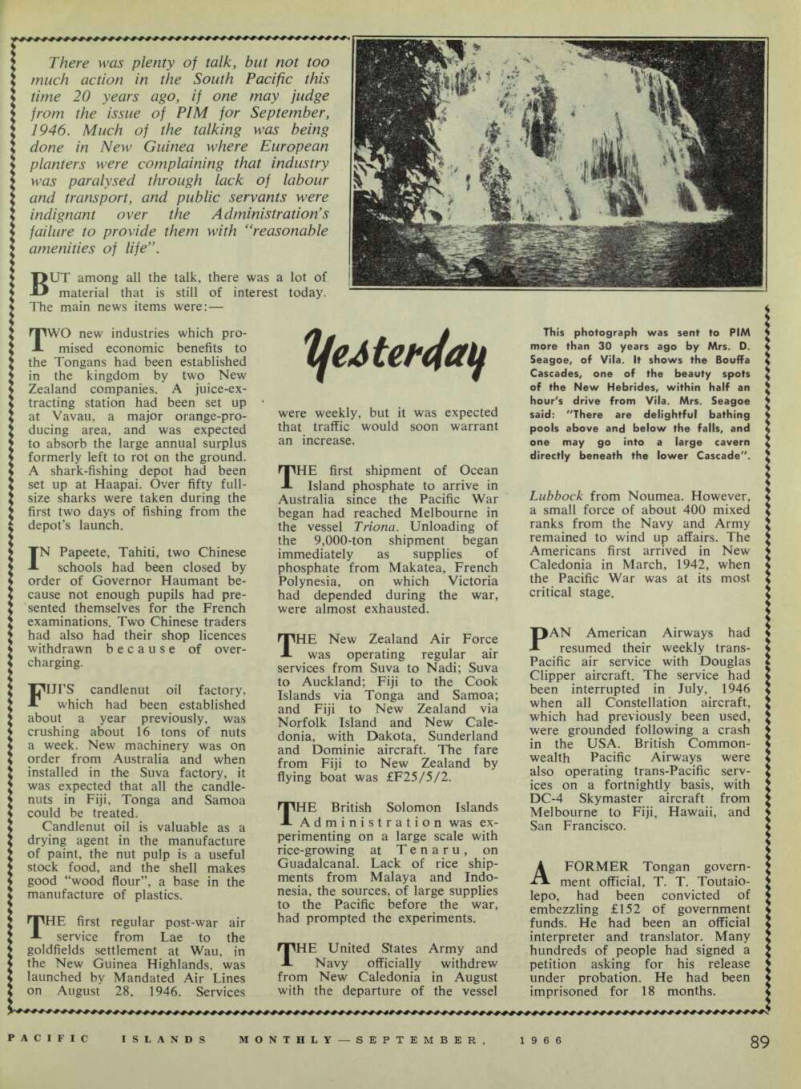 91
91 92
92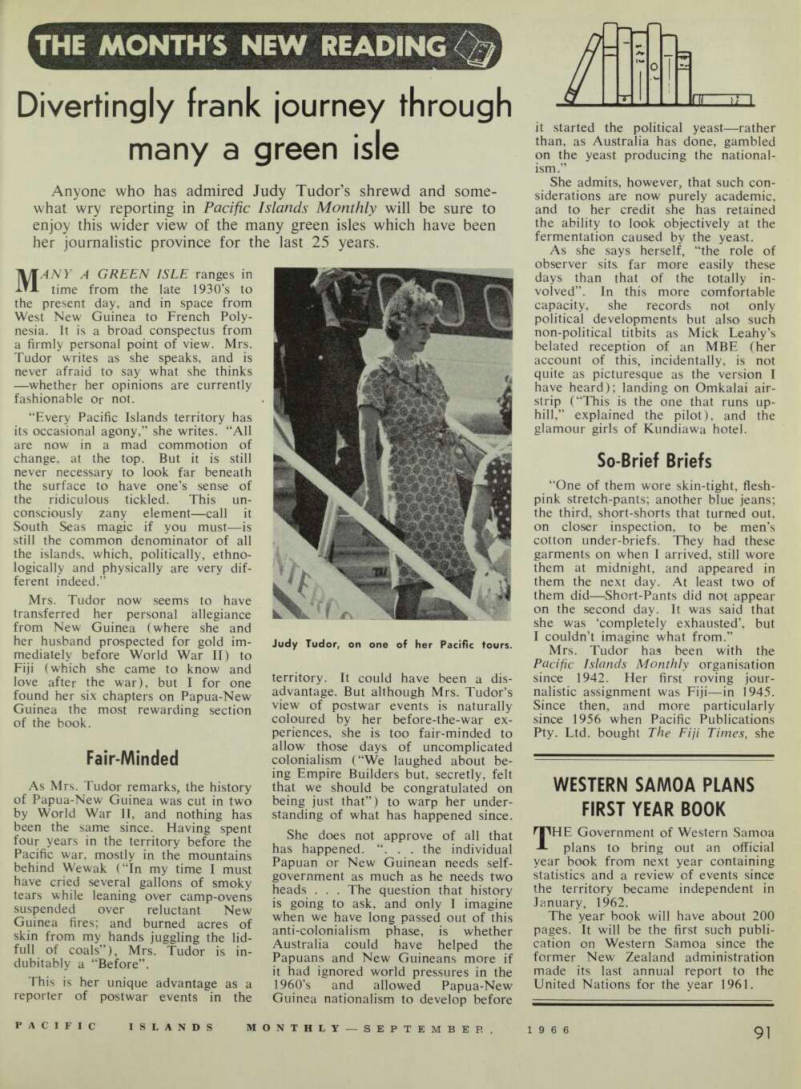 93
93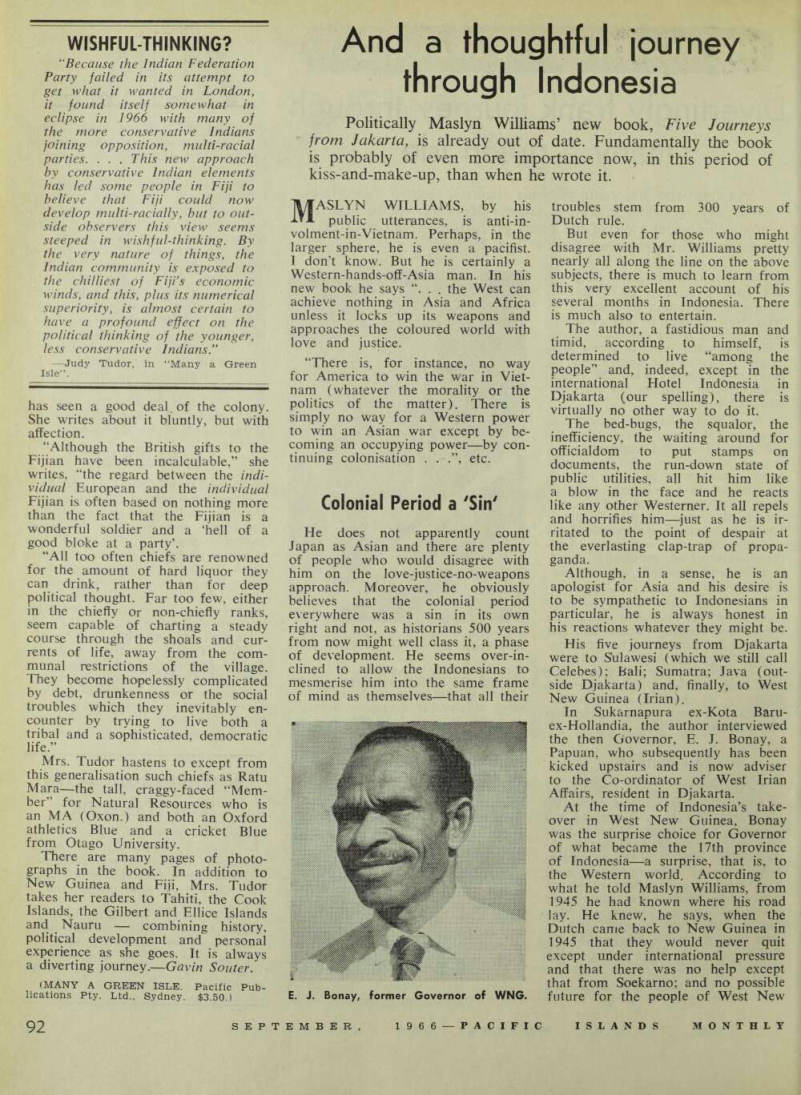 94
94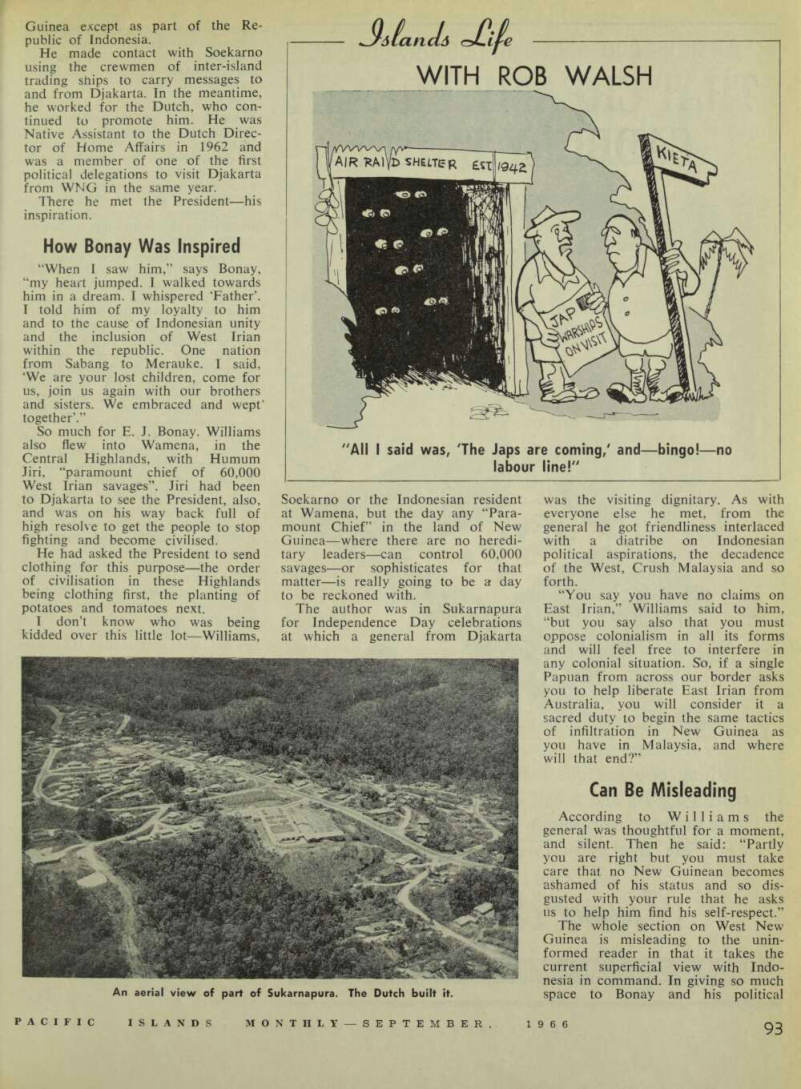 95
95 96
96 97
97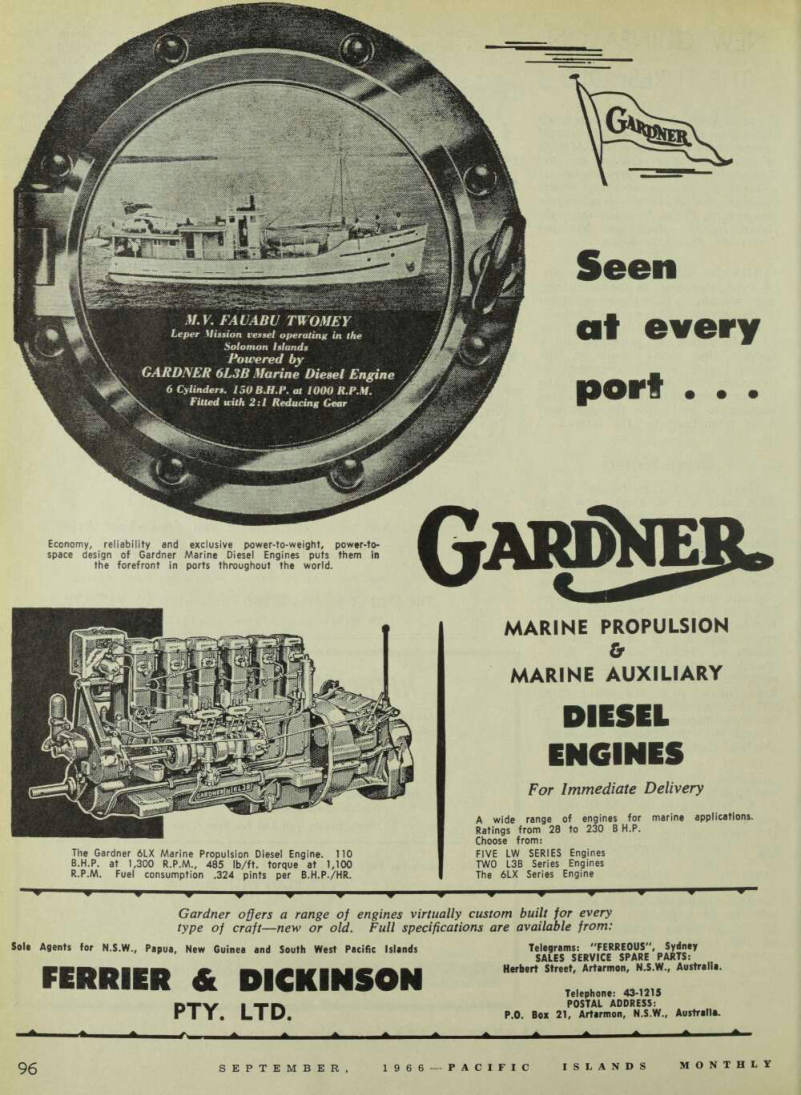 98
98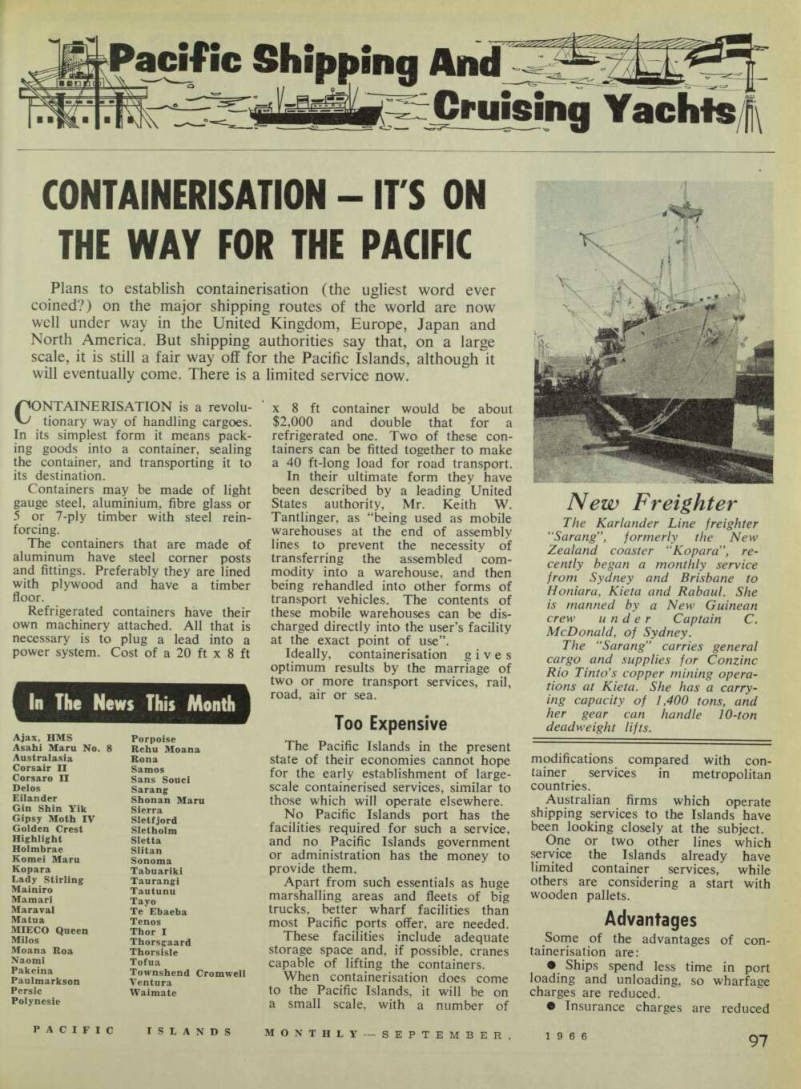 99
99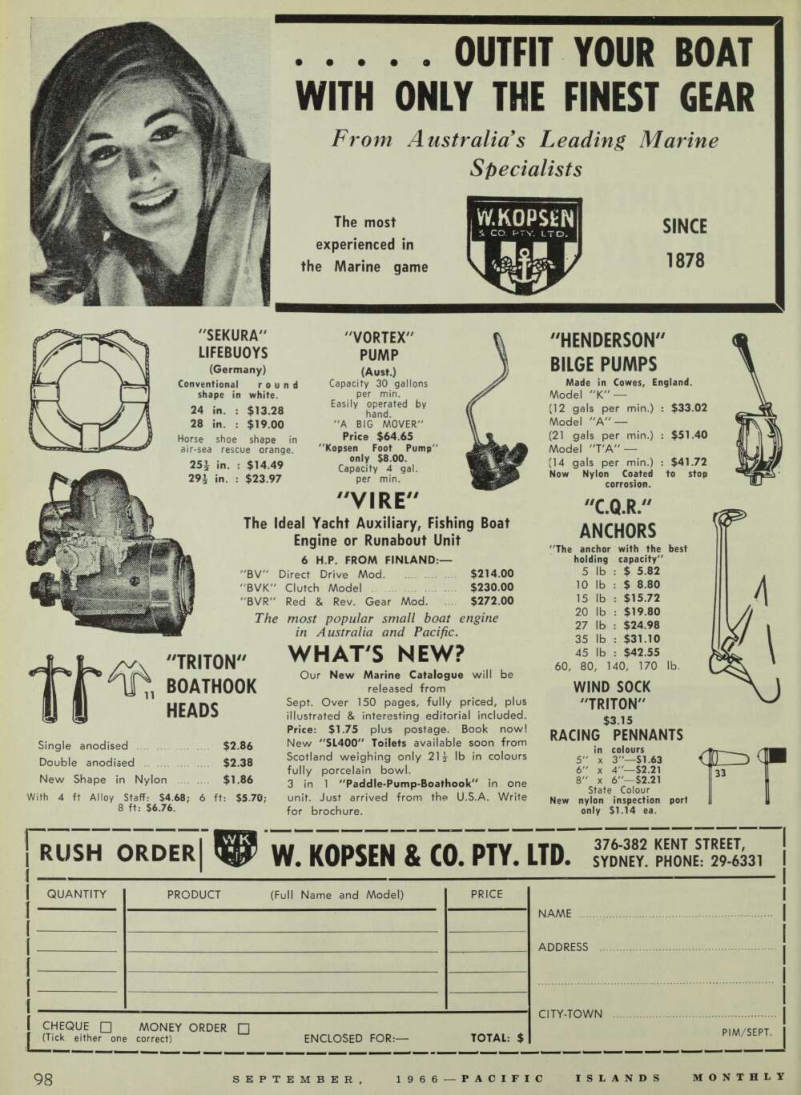 100
100 101
101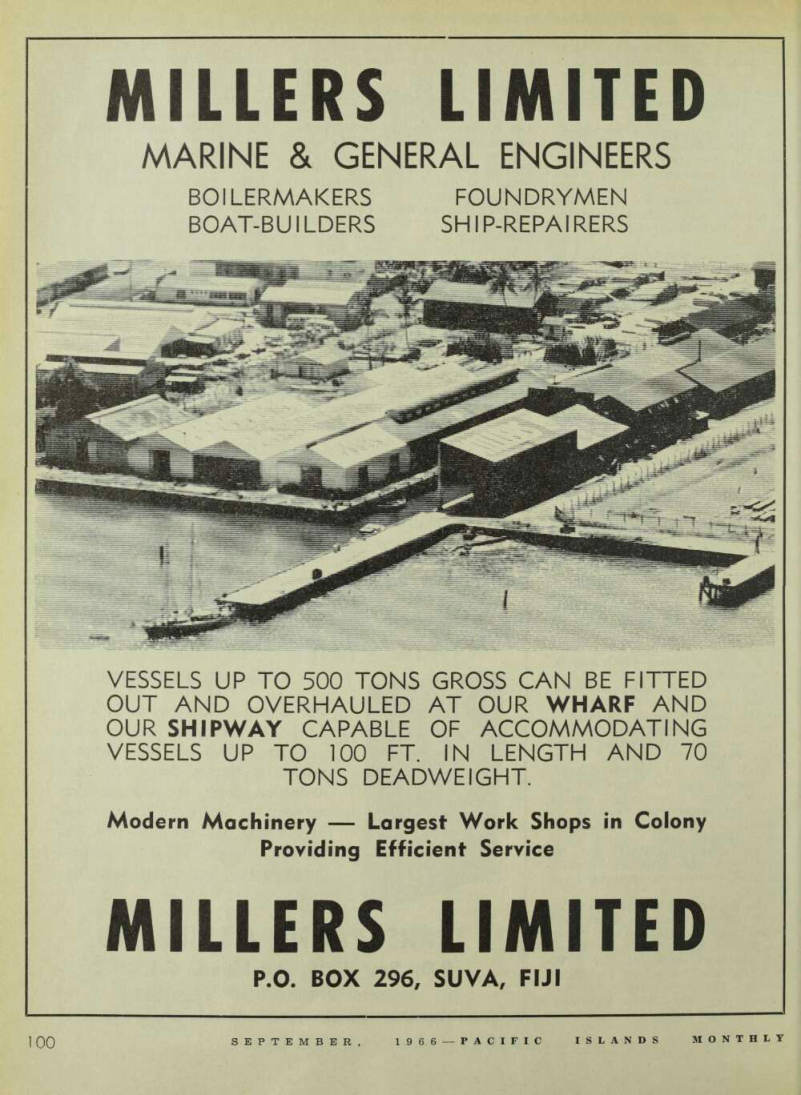 102
102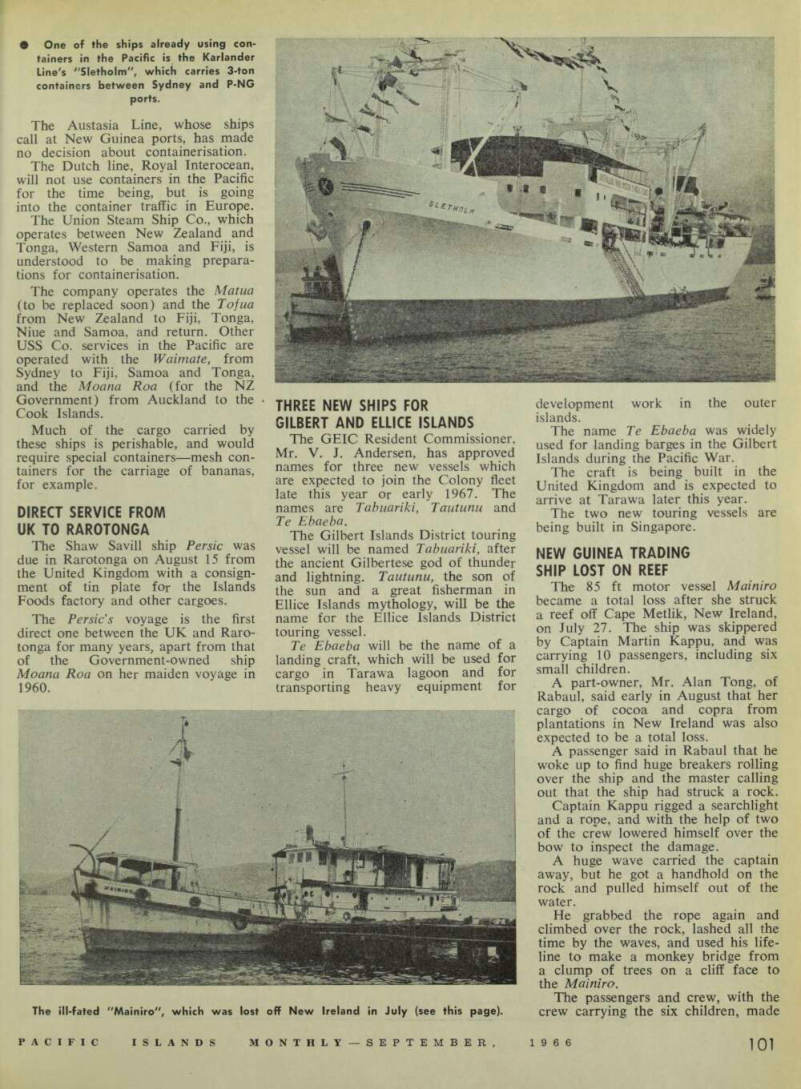 103
103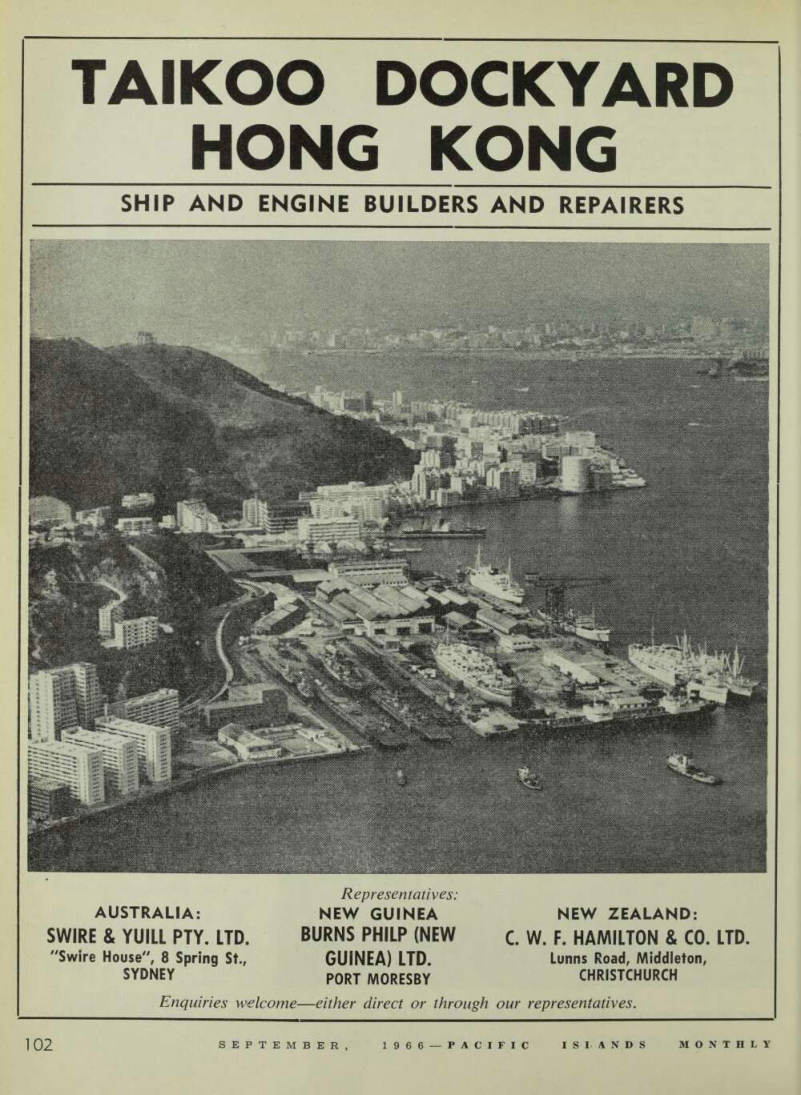 104
104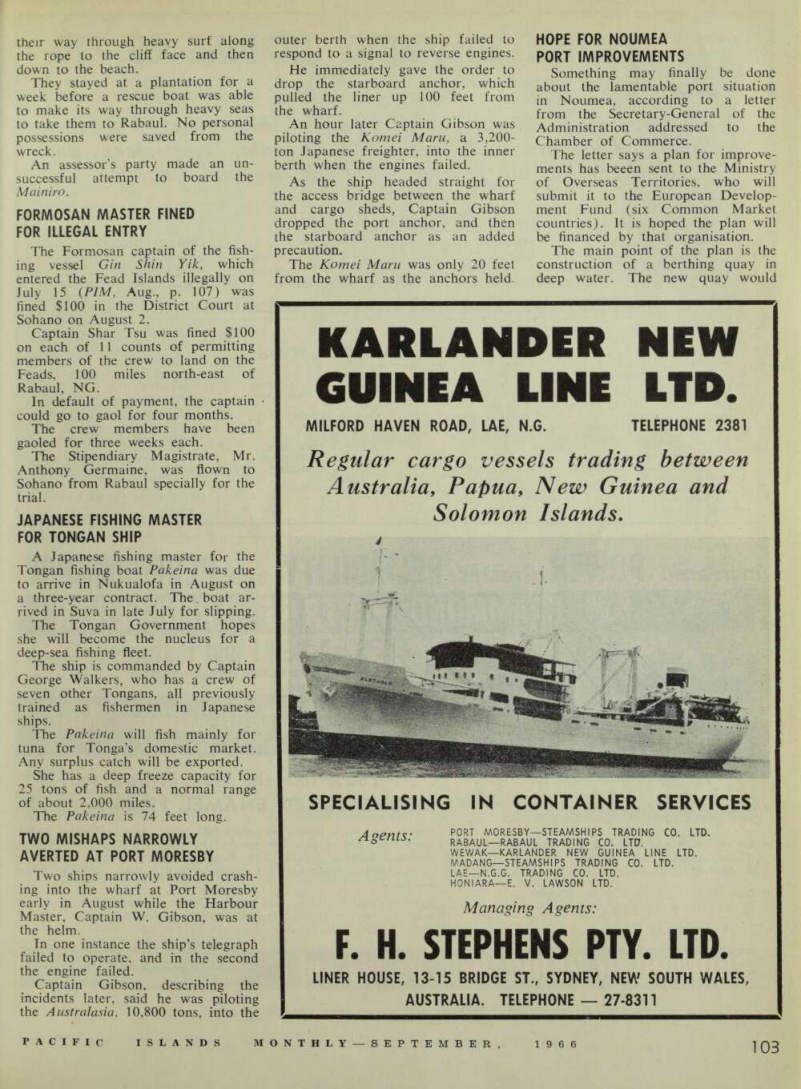 105
105 106
106 107
107 108
108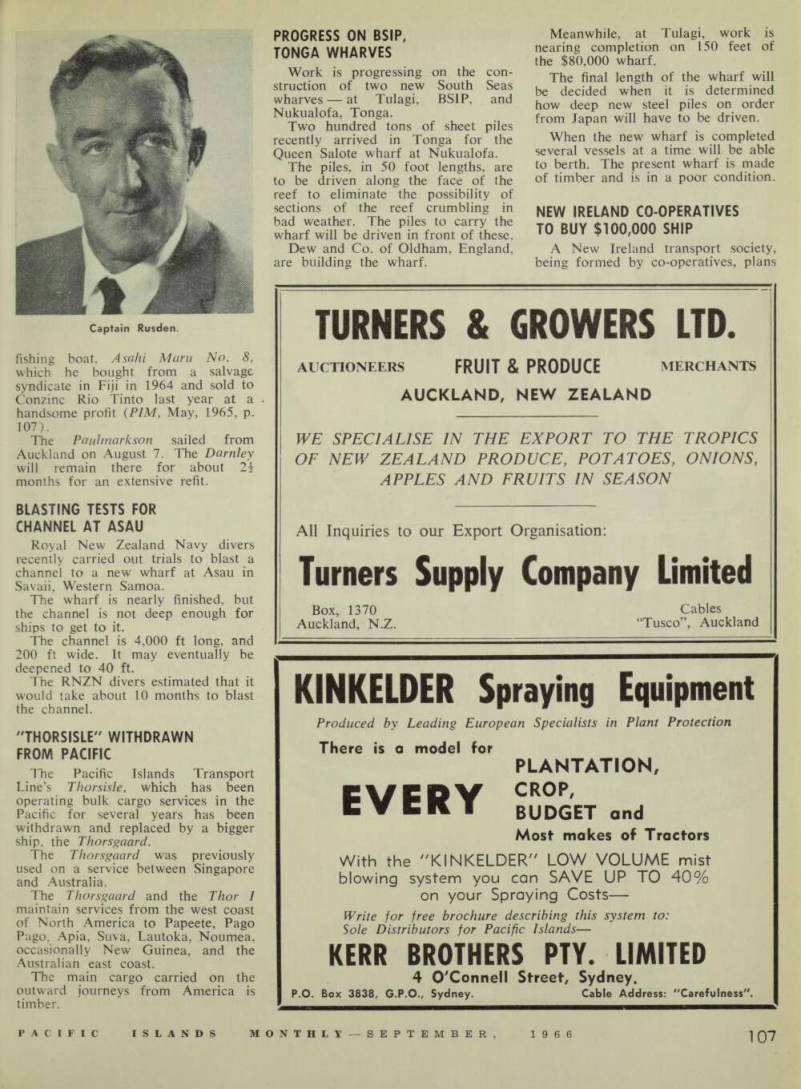 109
109 110
110 111
111 112
112 113
113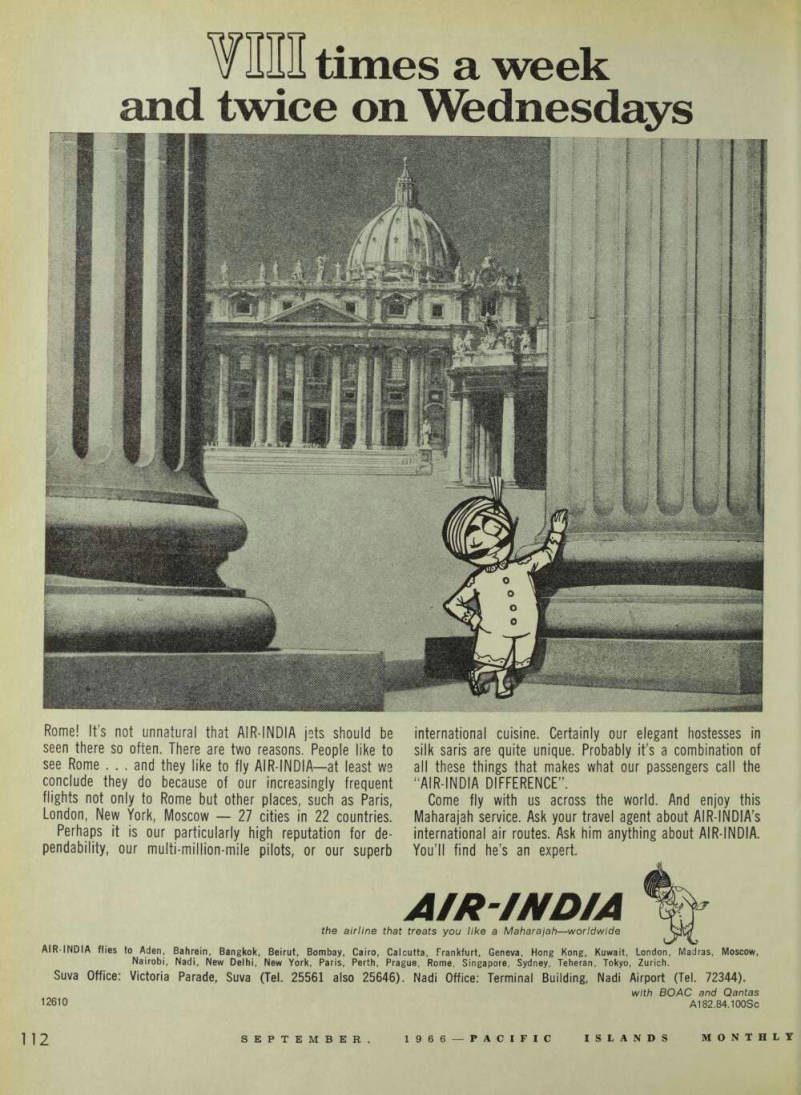 114
114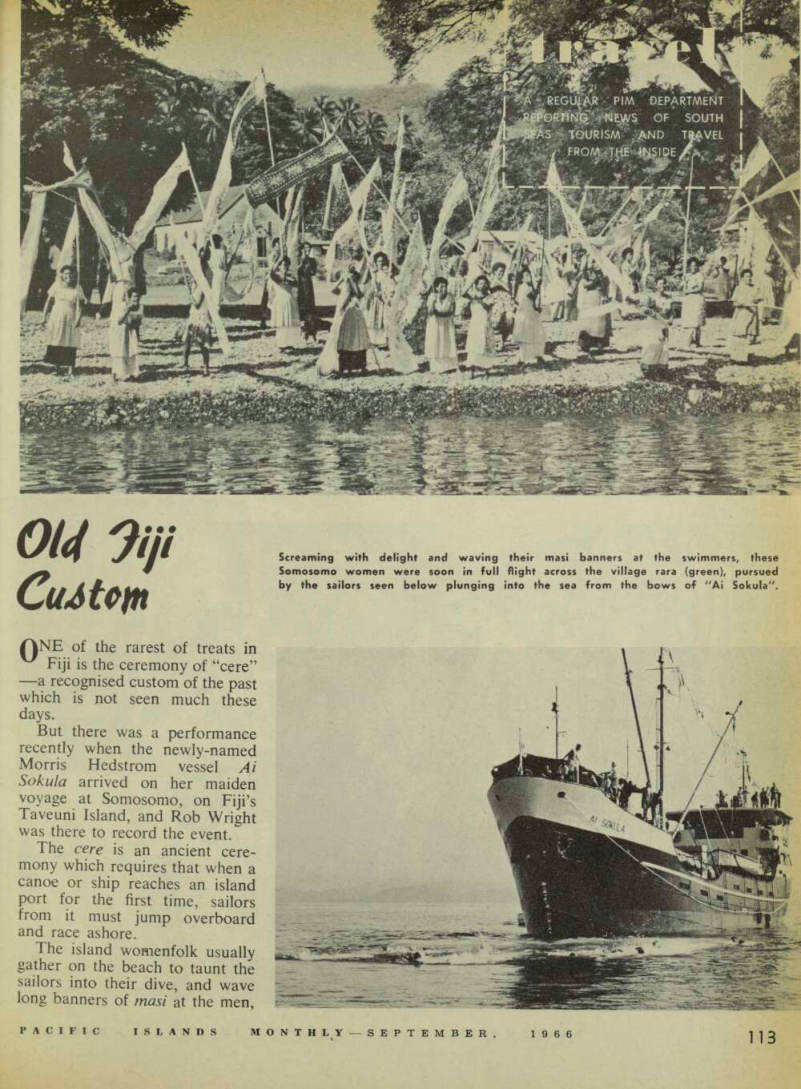 115
115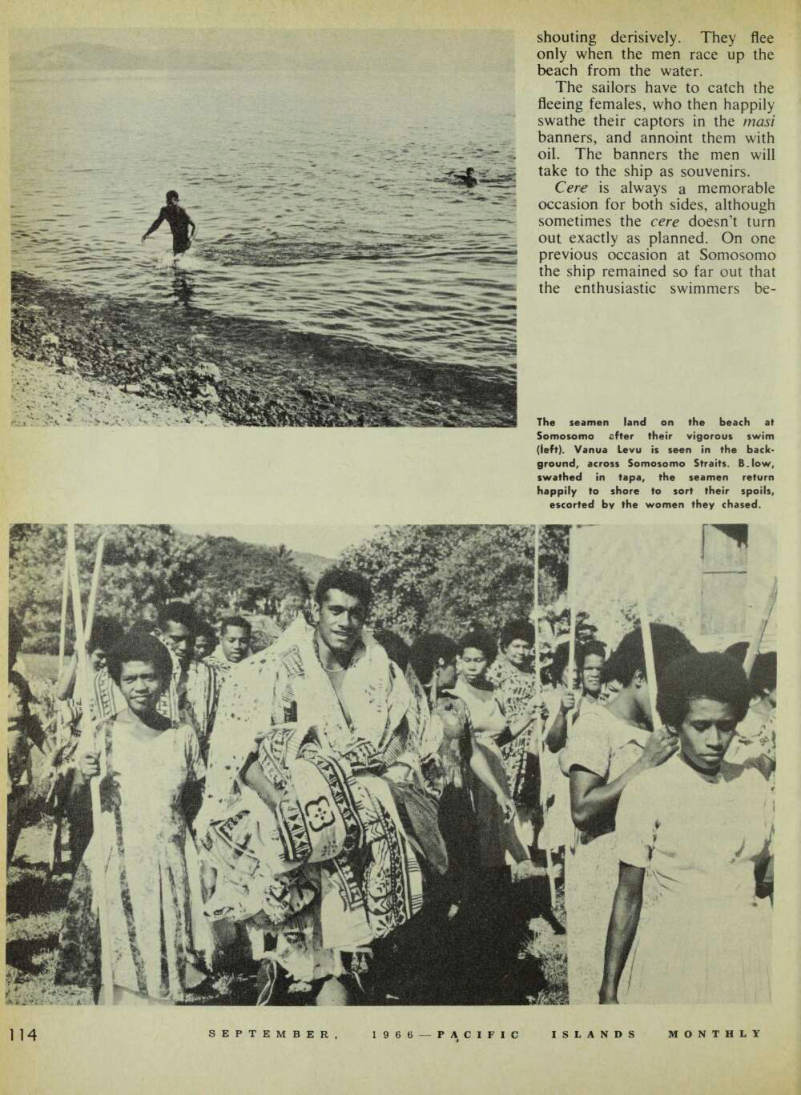 116
116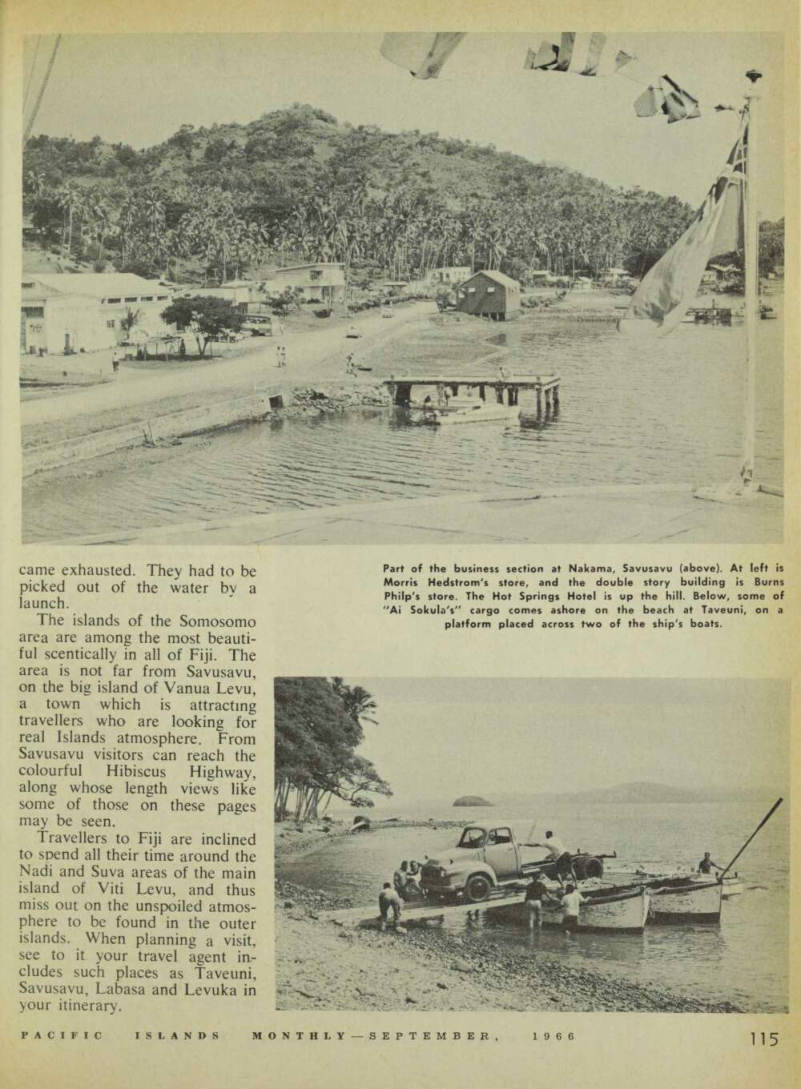 117
117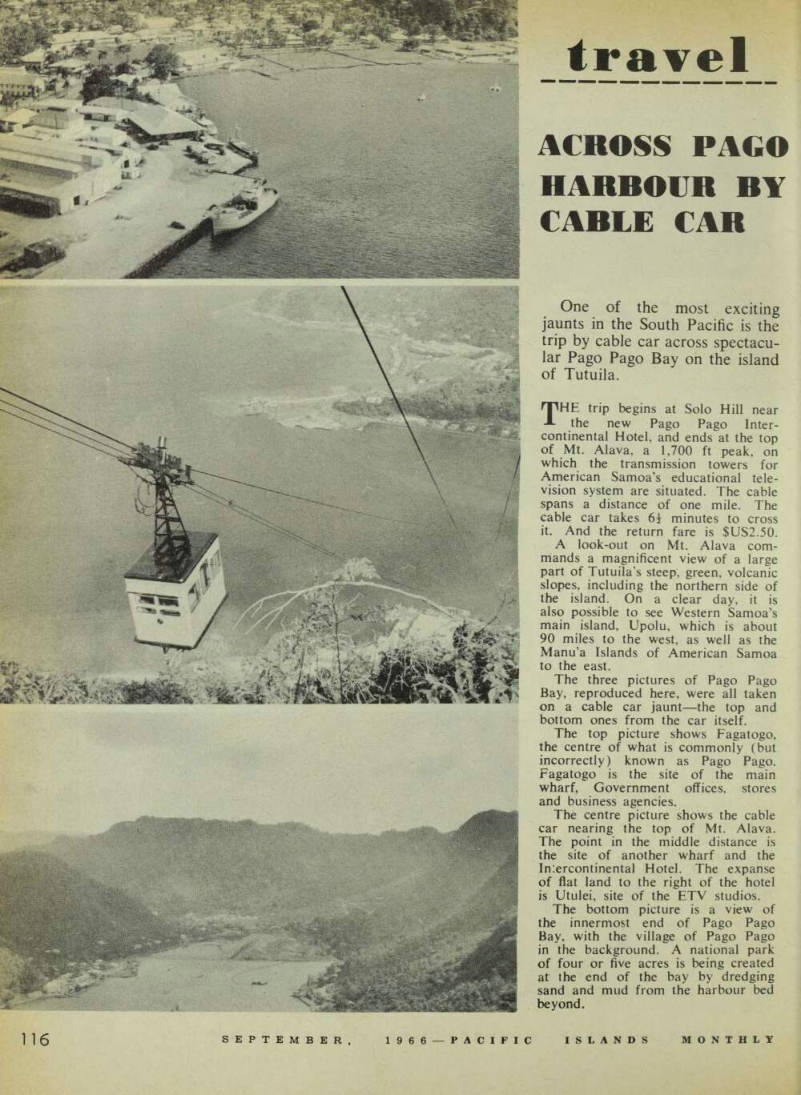 118
118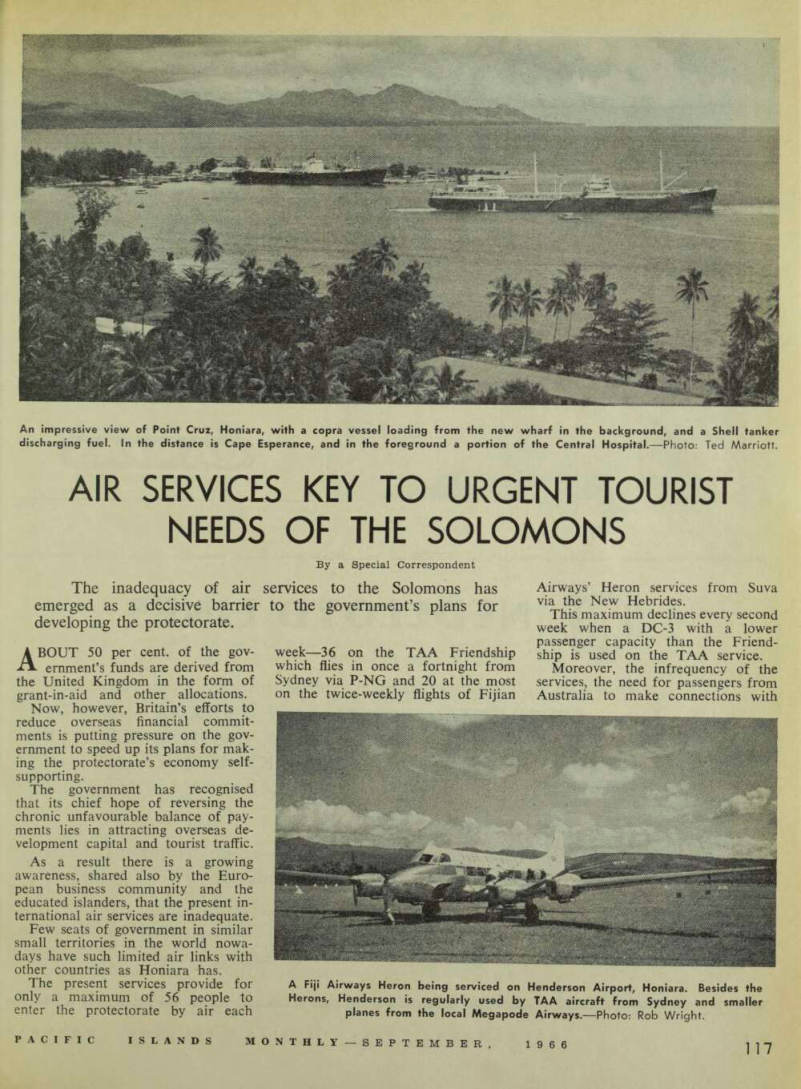 119
119 120
120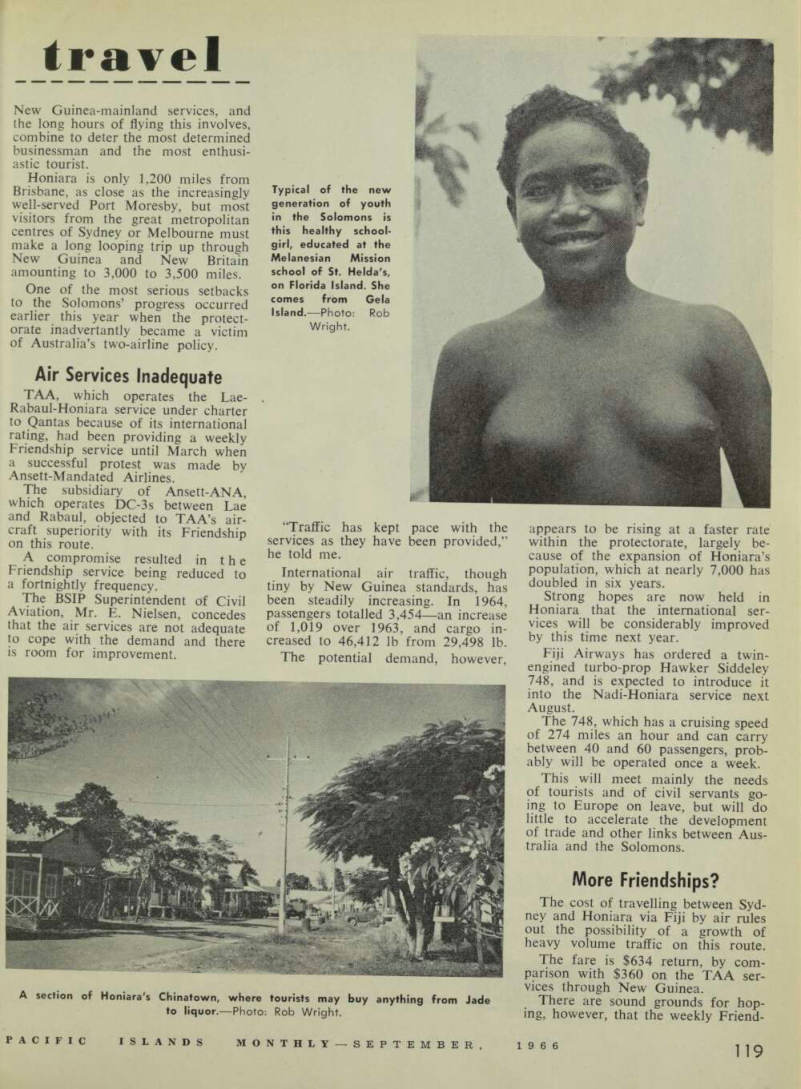 121
121 122
122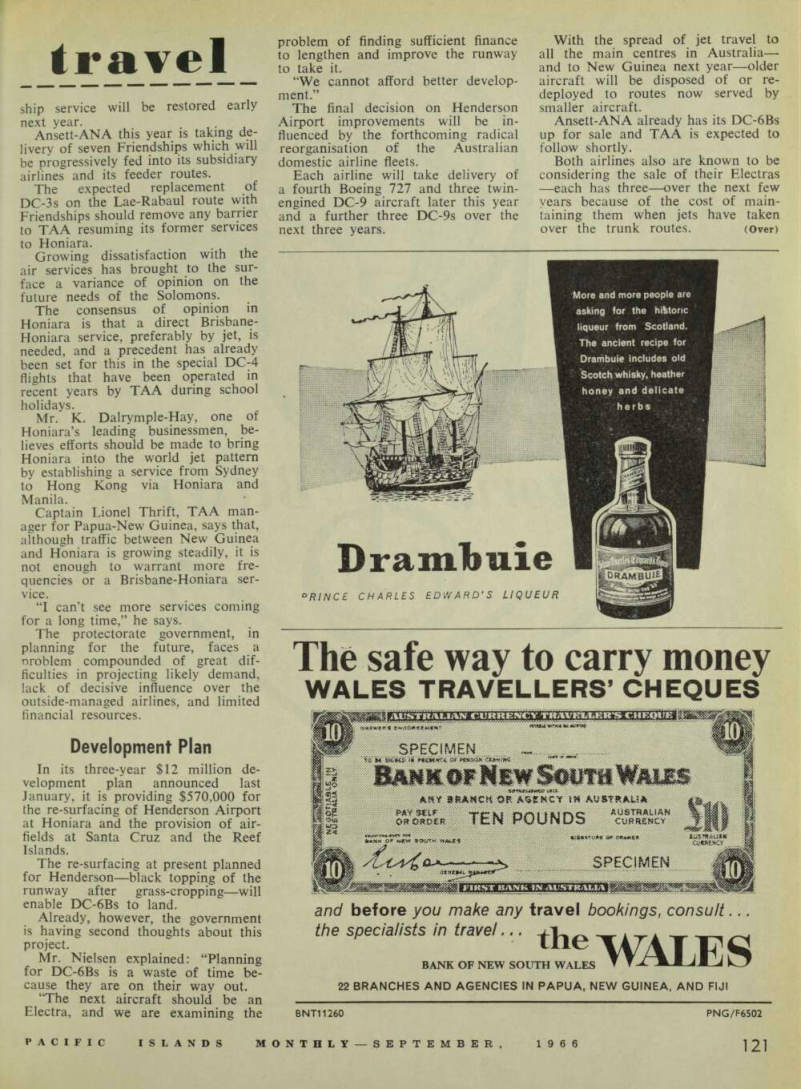 123
123 124
124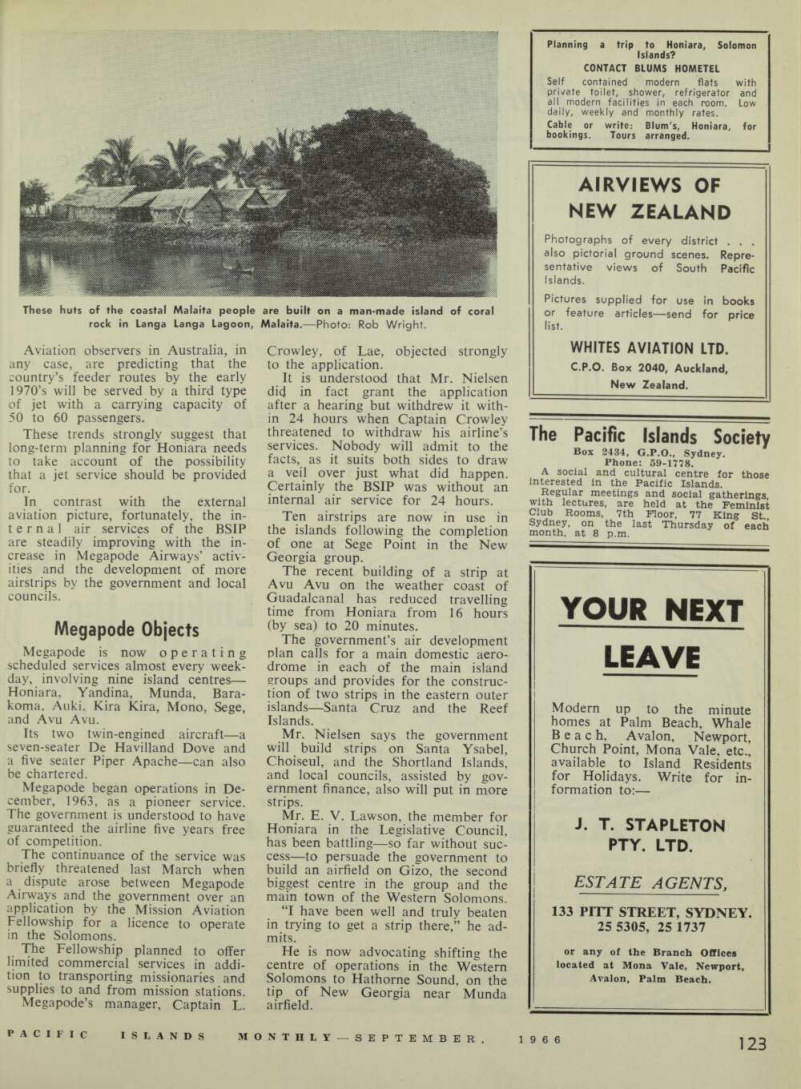 125
125 126
126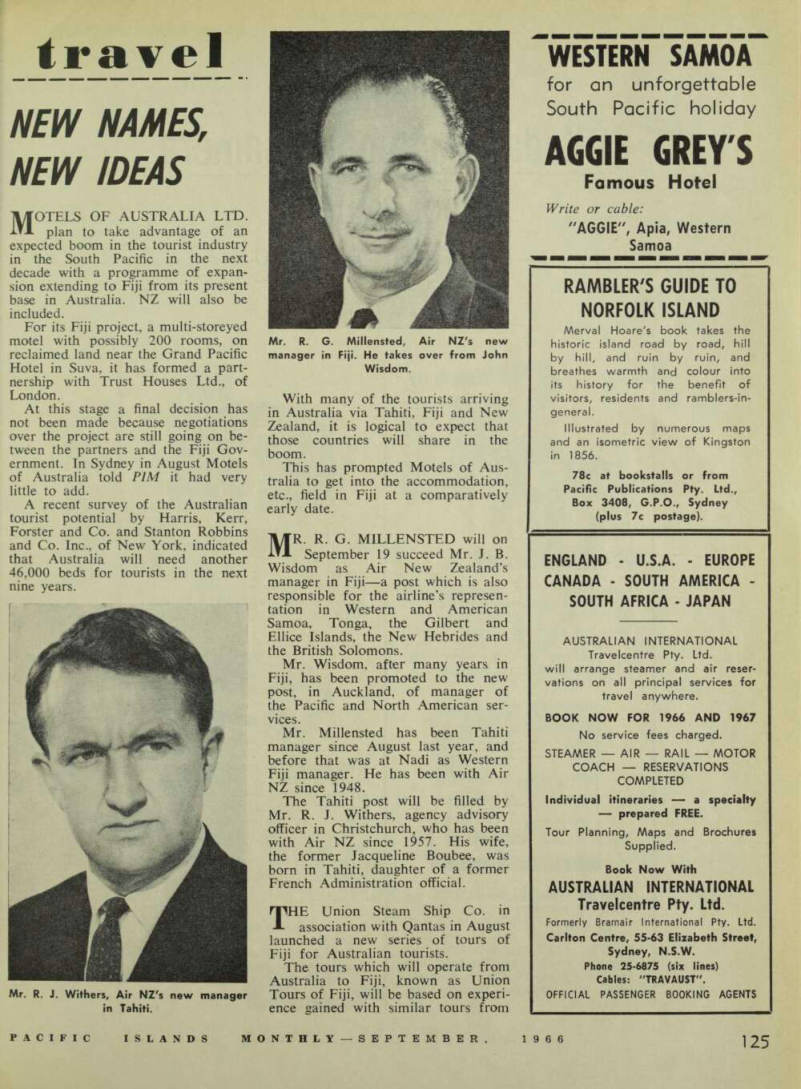 127
127 128
128 129
129 130
130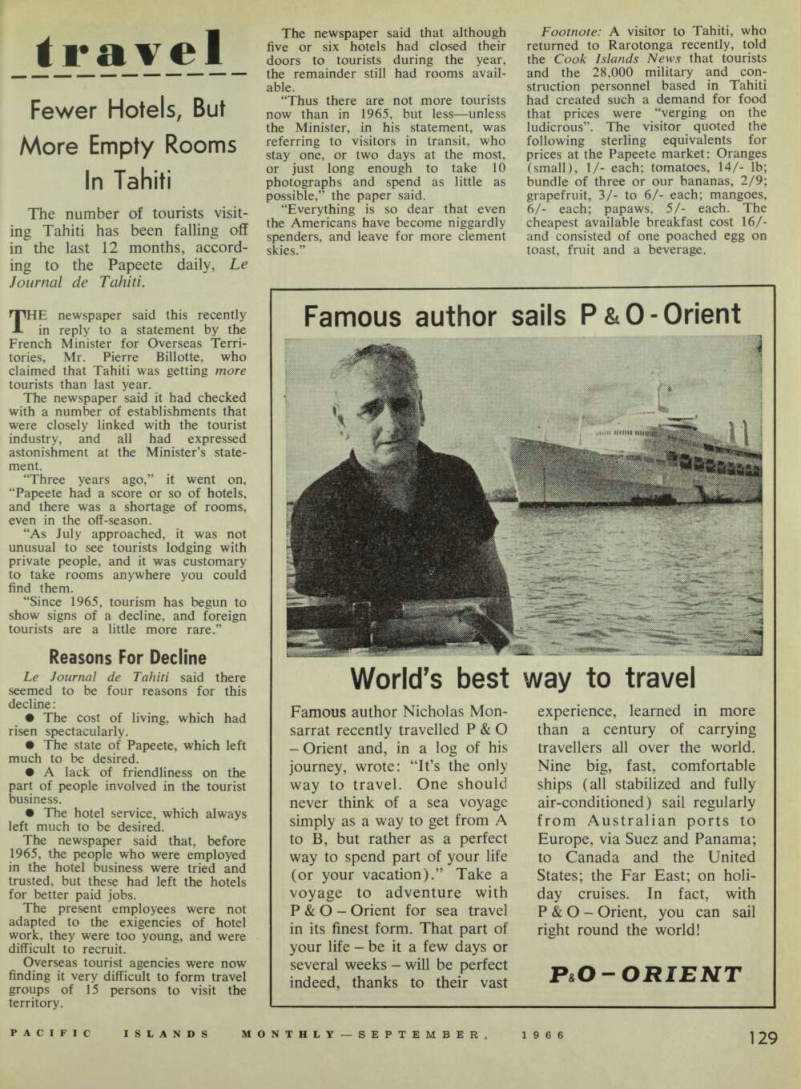 131
131 132
132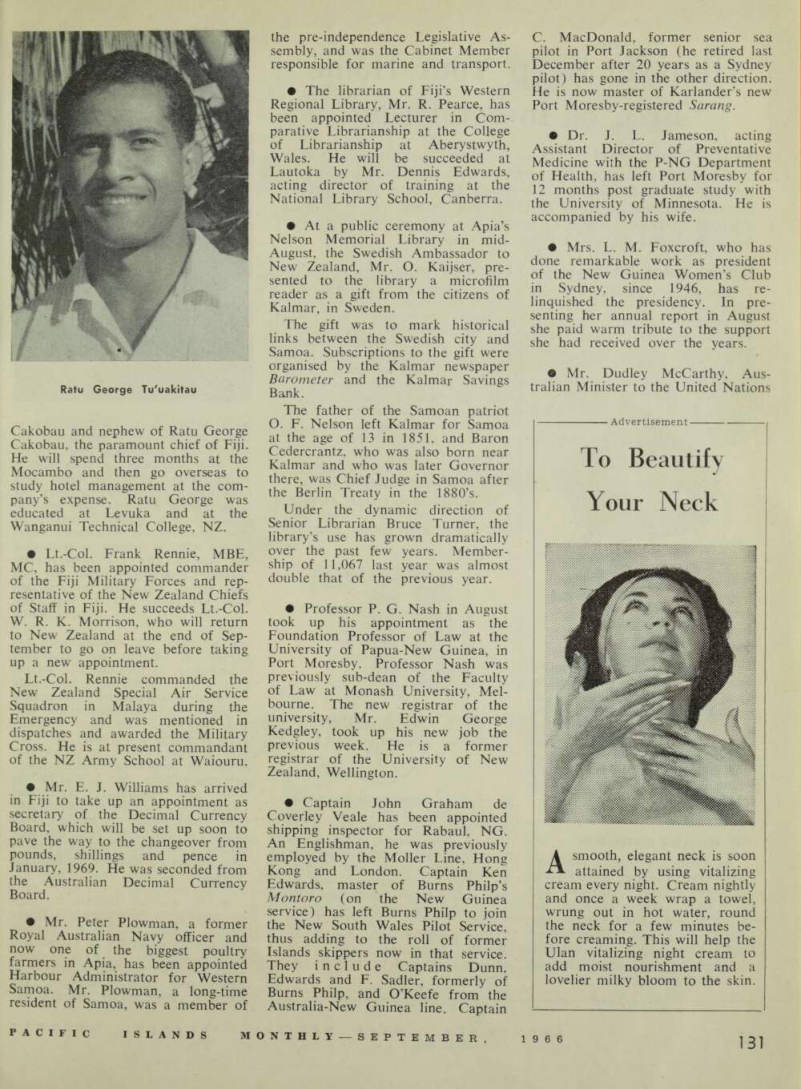 133
133 134
134 135
135 136
136 137
137 138
138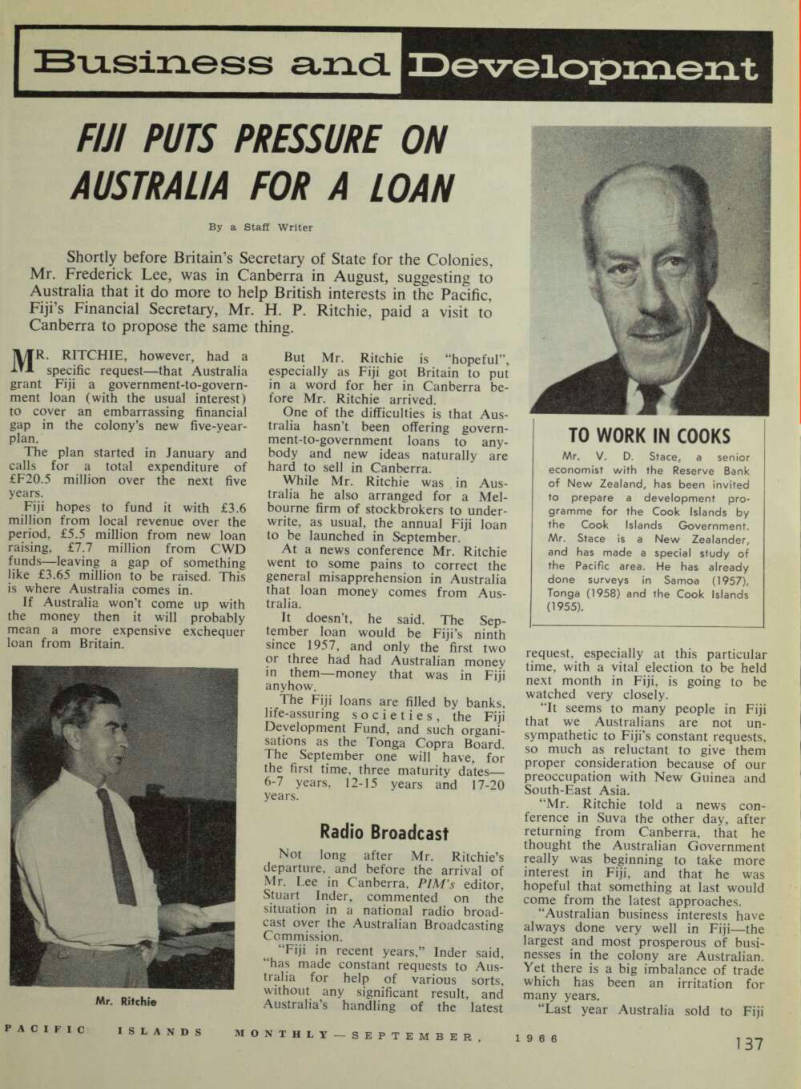 139
139 140
140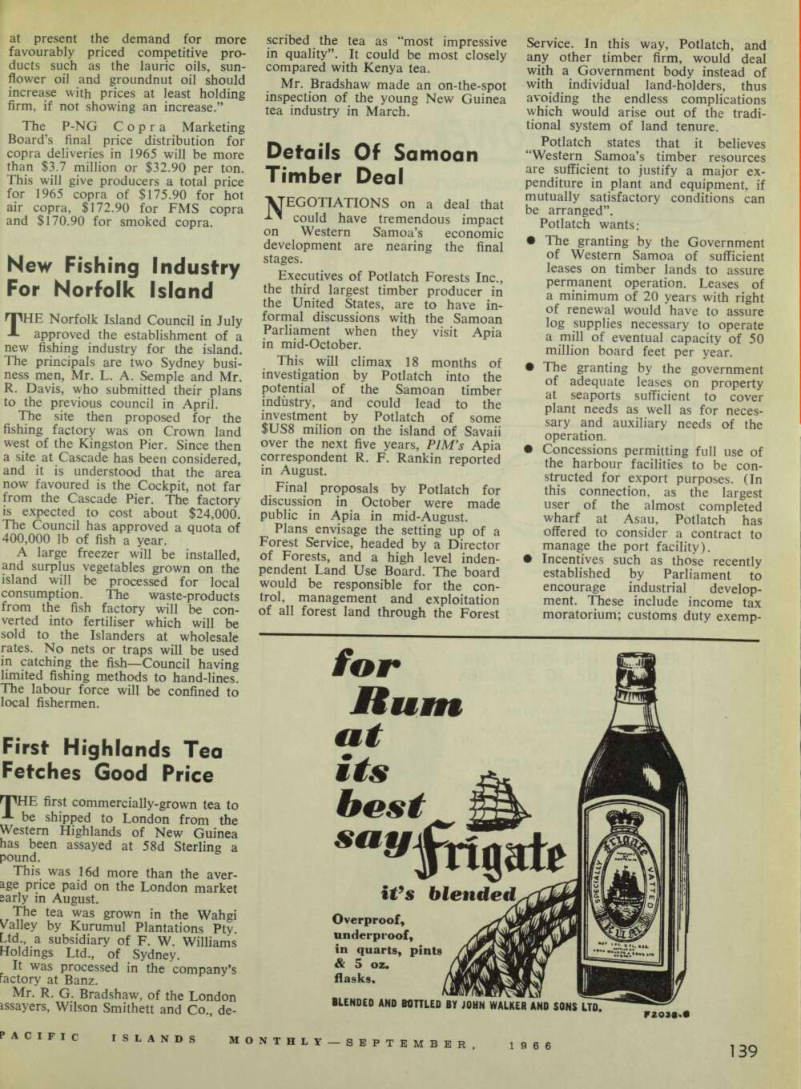 141
141 142
142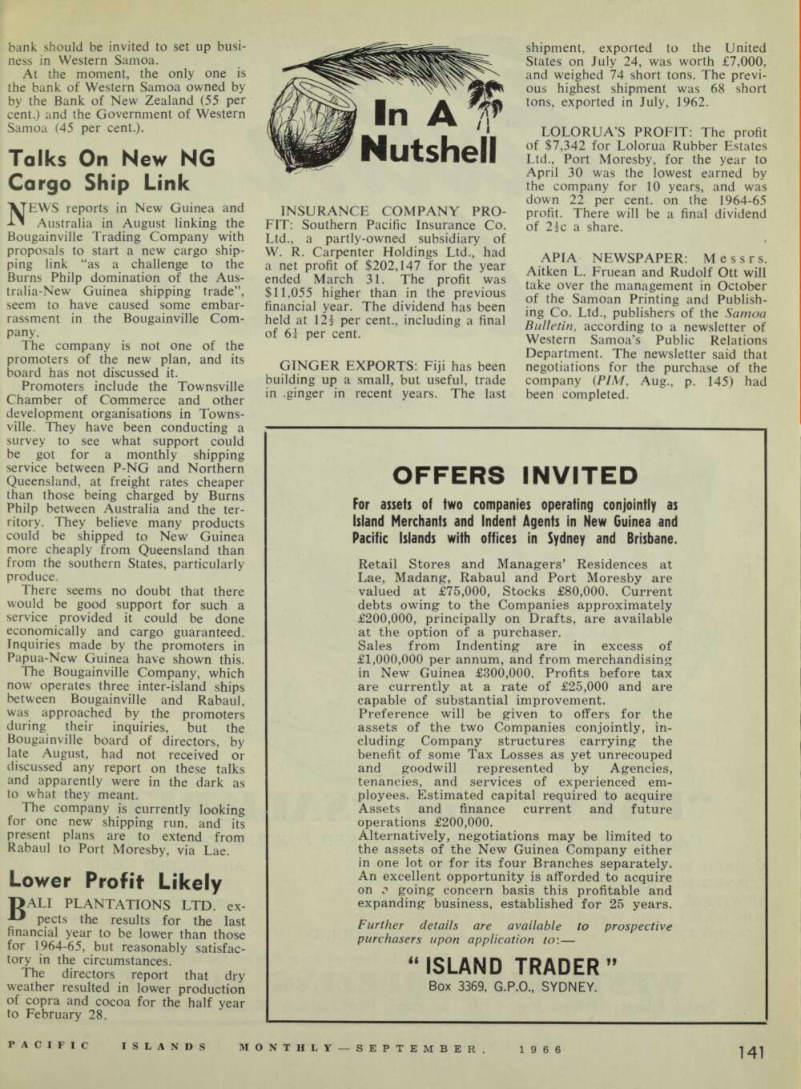 143
143 144
144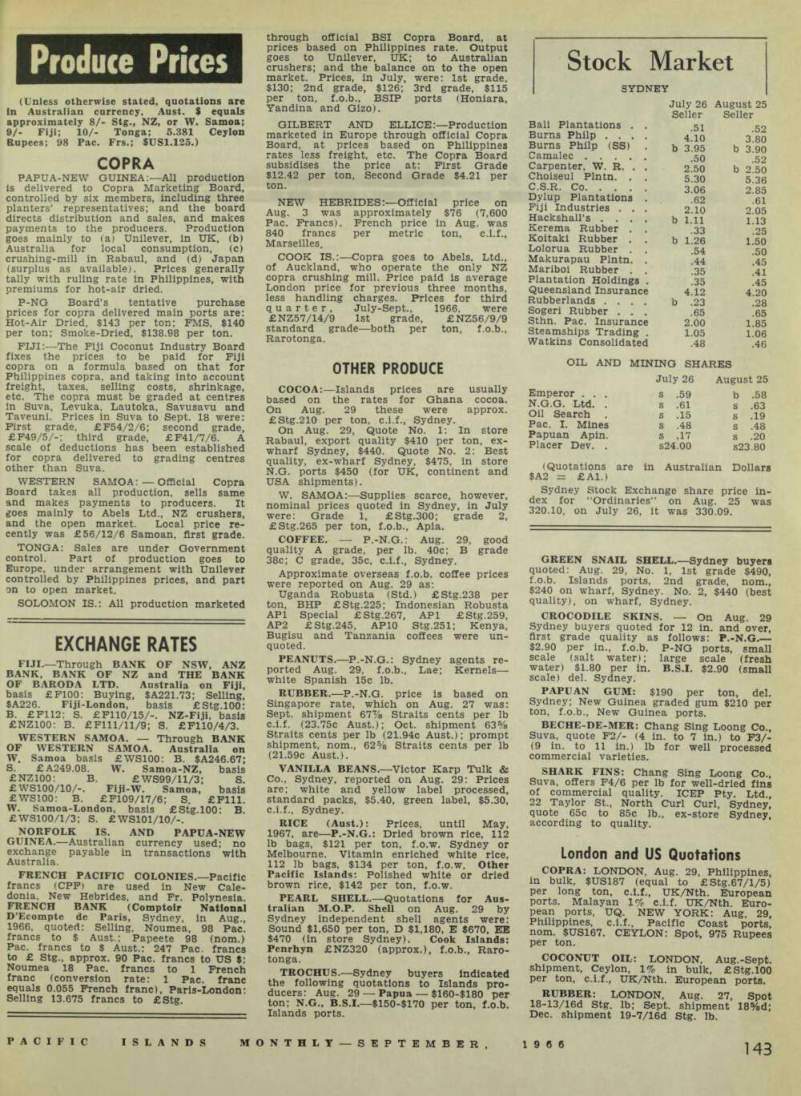 145
145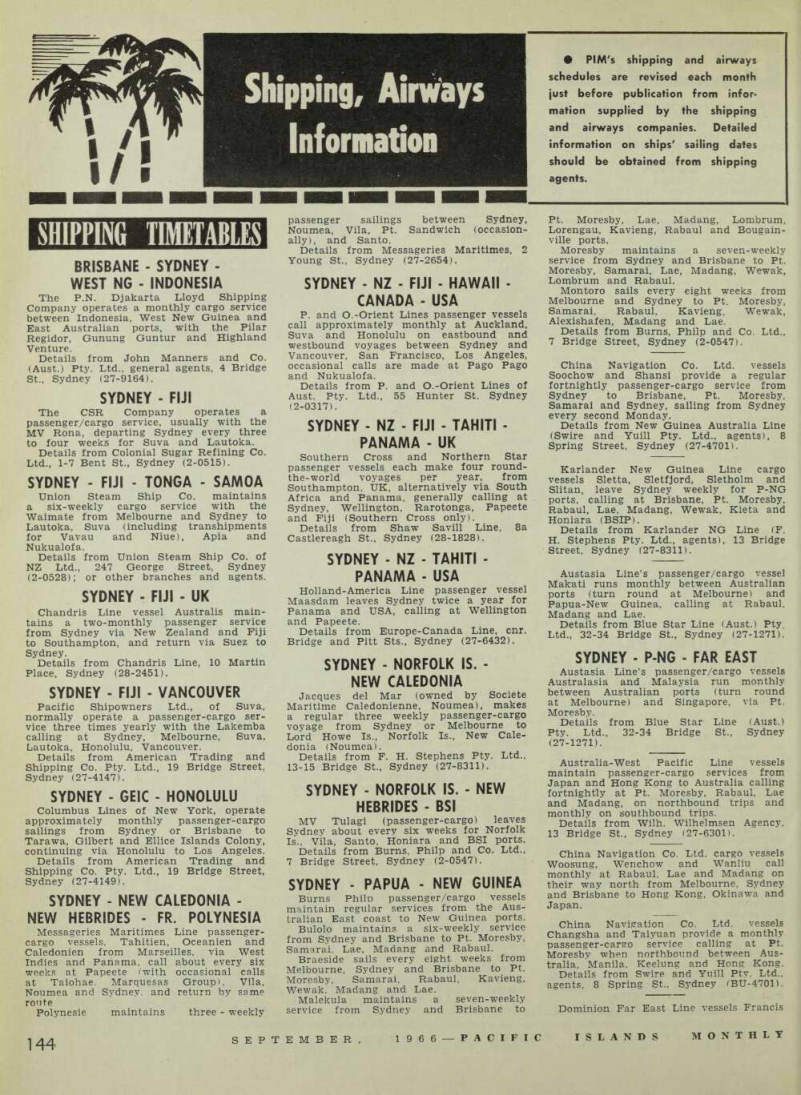 146
146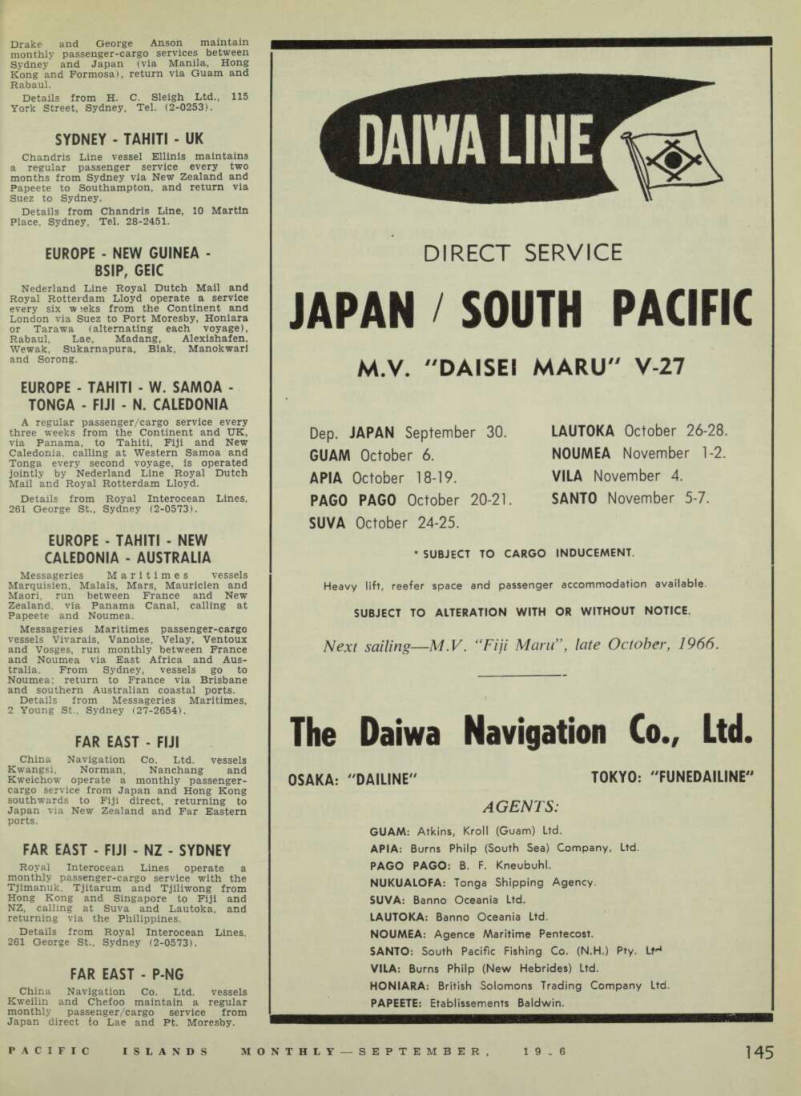 147
147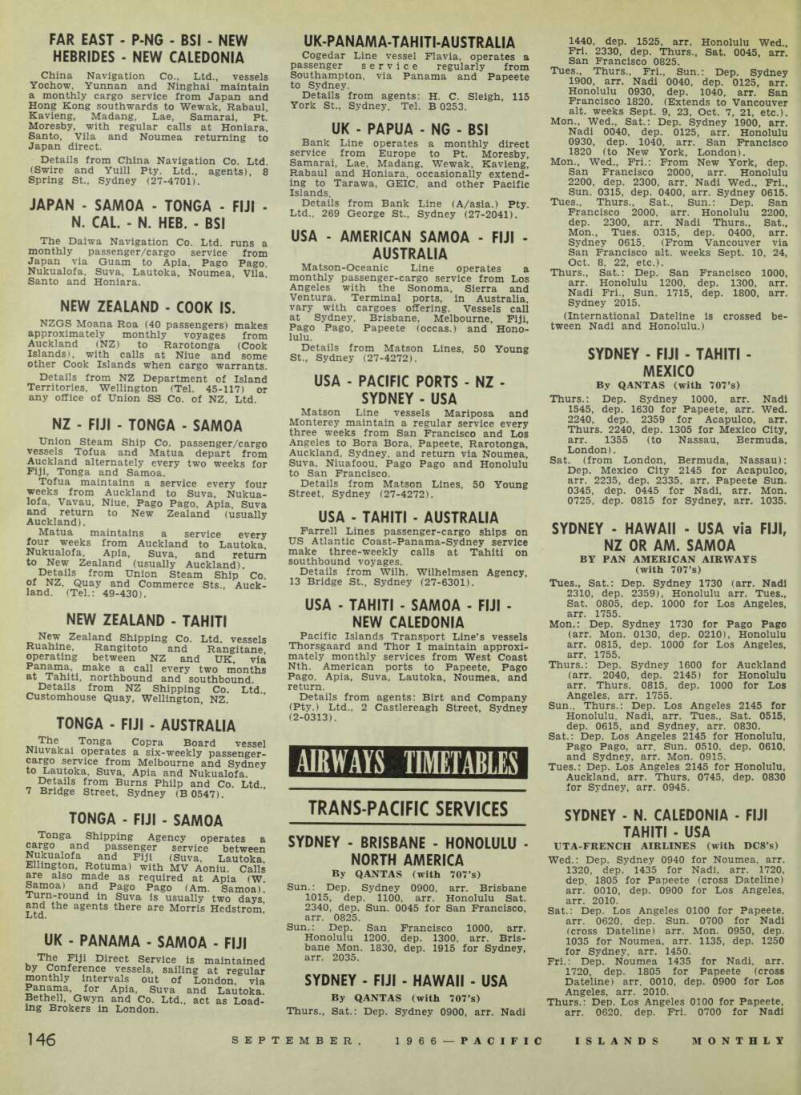 148
148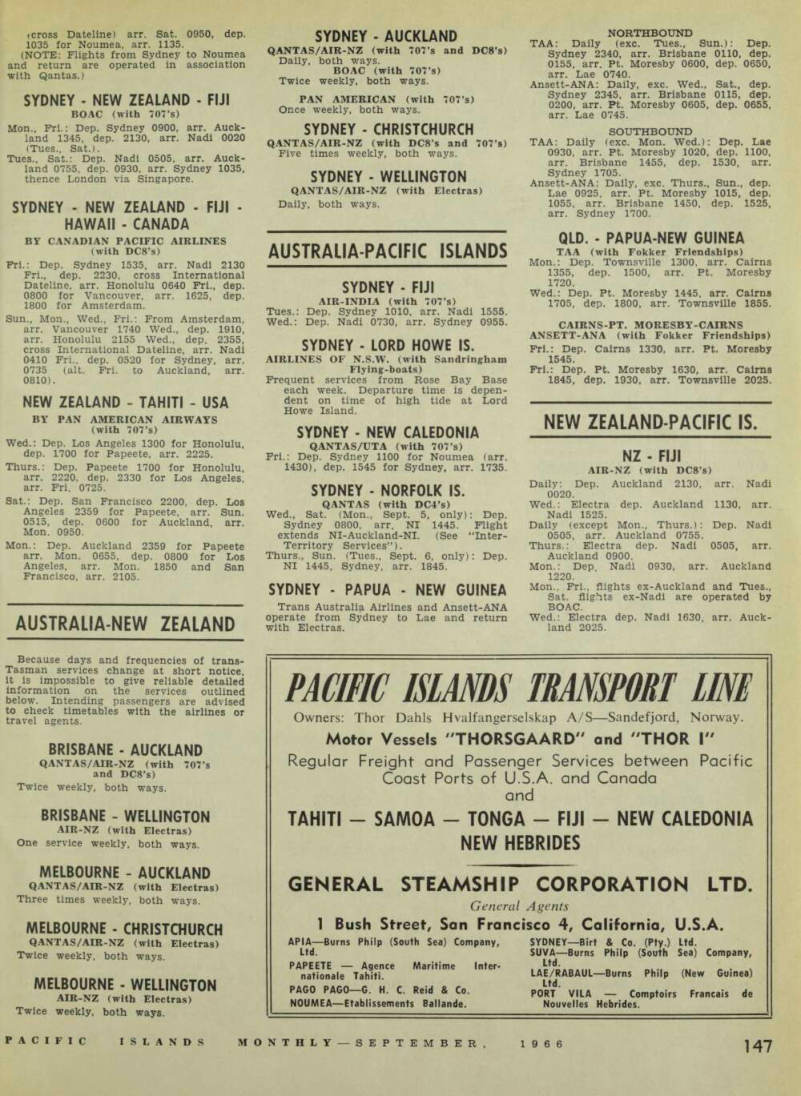 149
149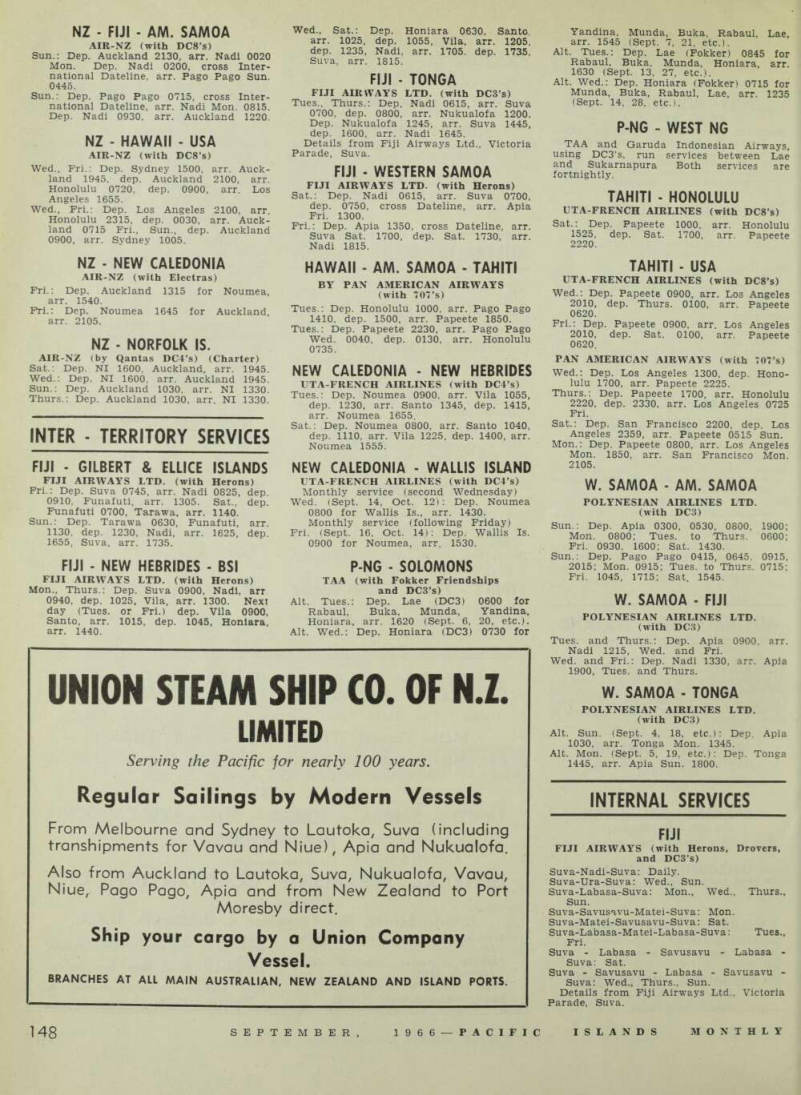 150
150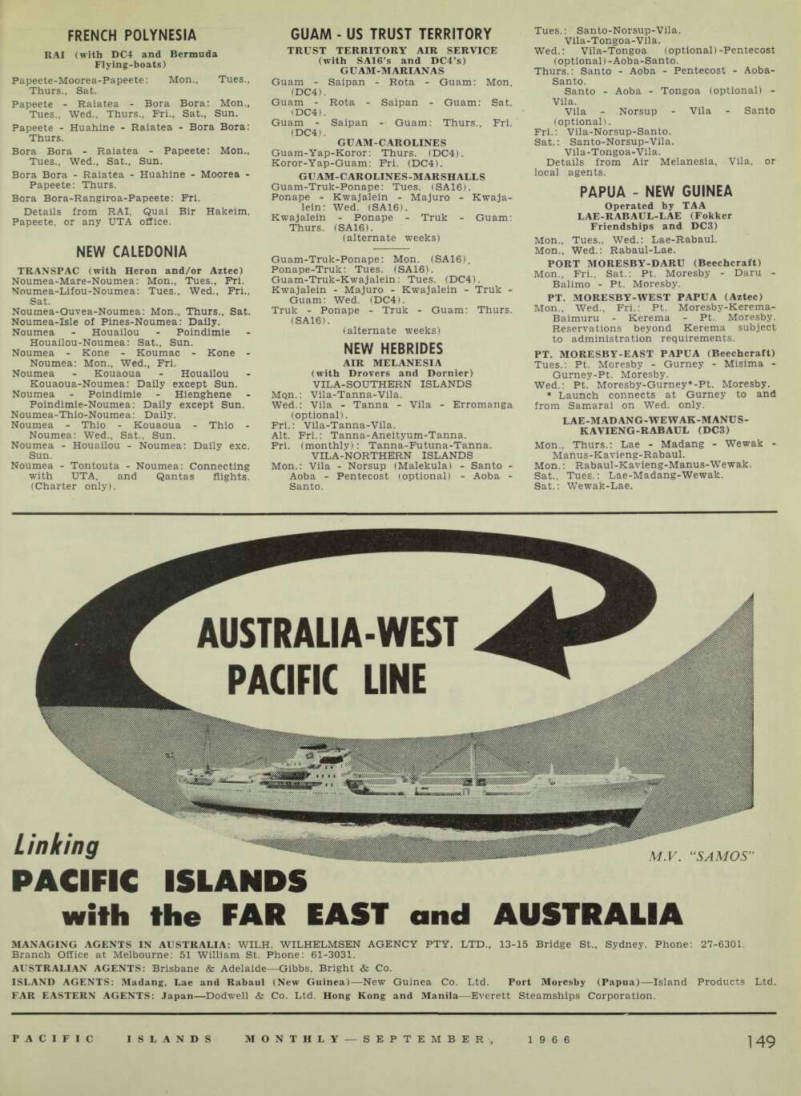 151
151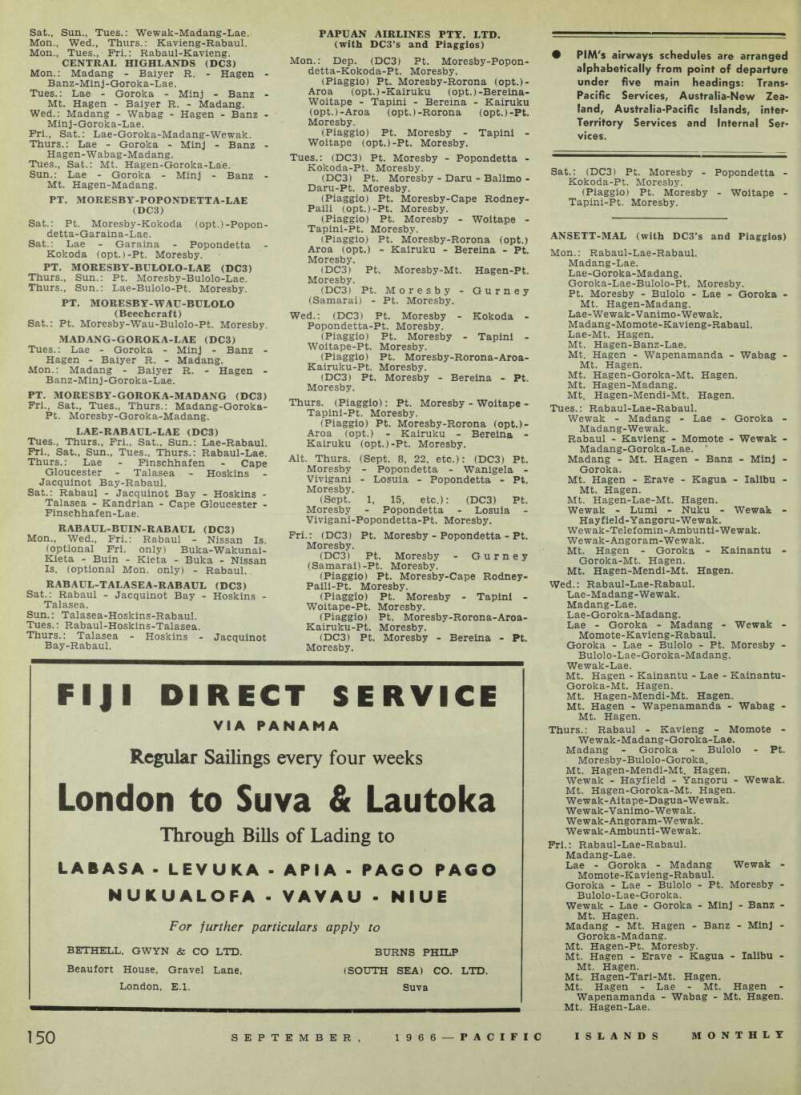 152
152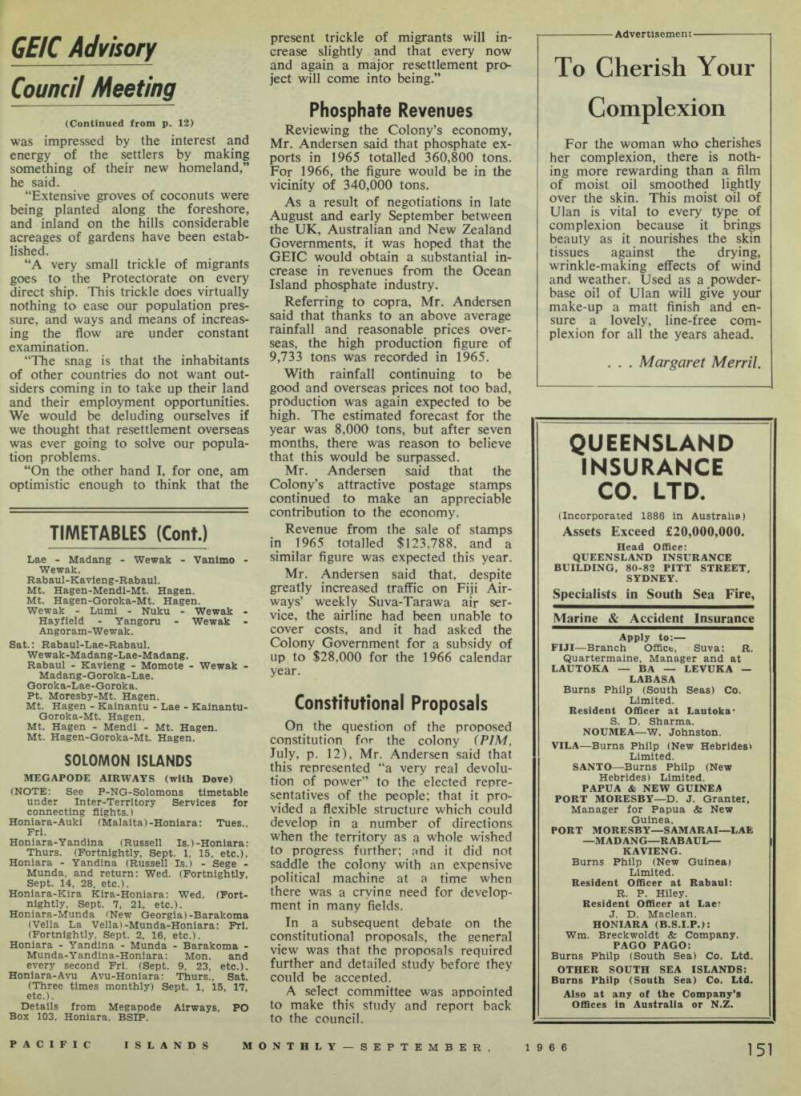 153
153 154
154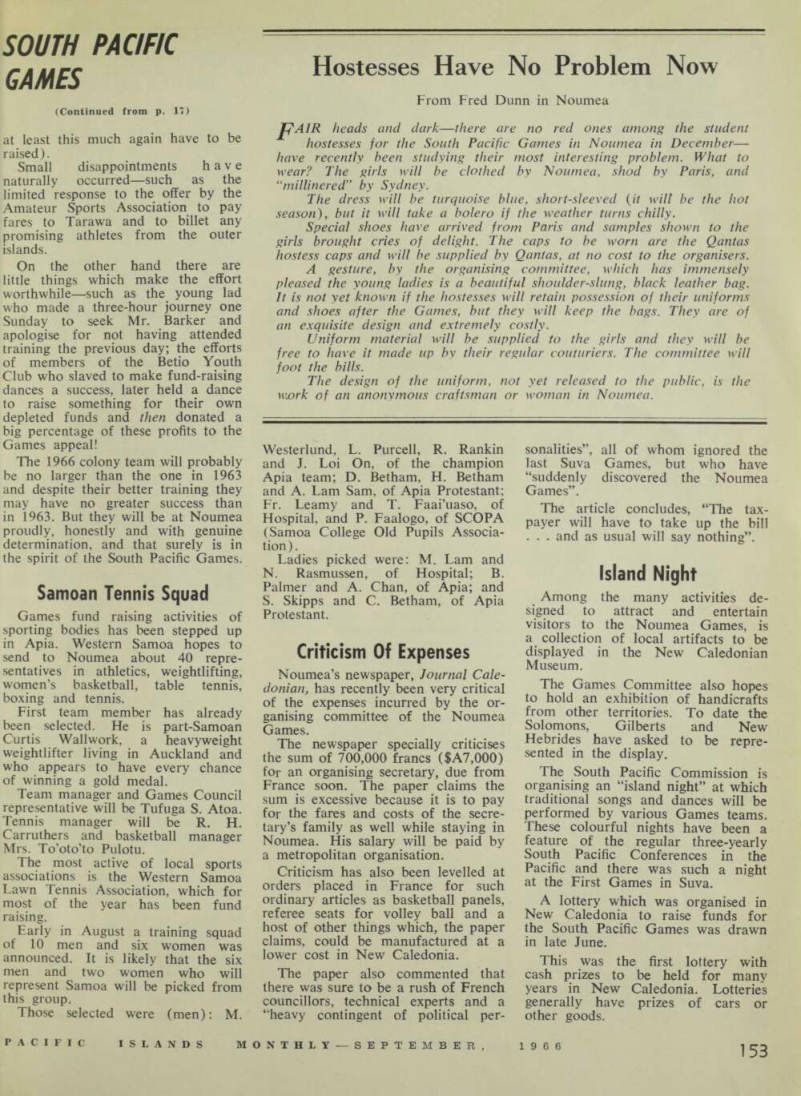 155
155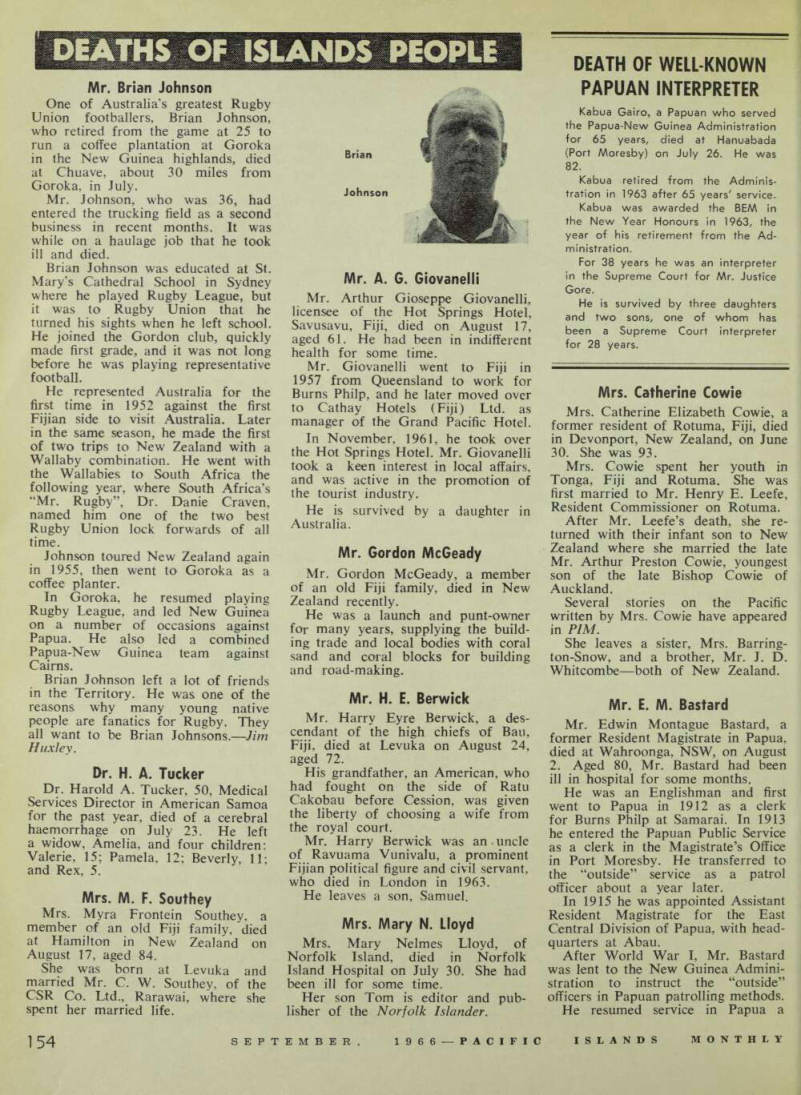 156
156 157
157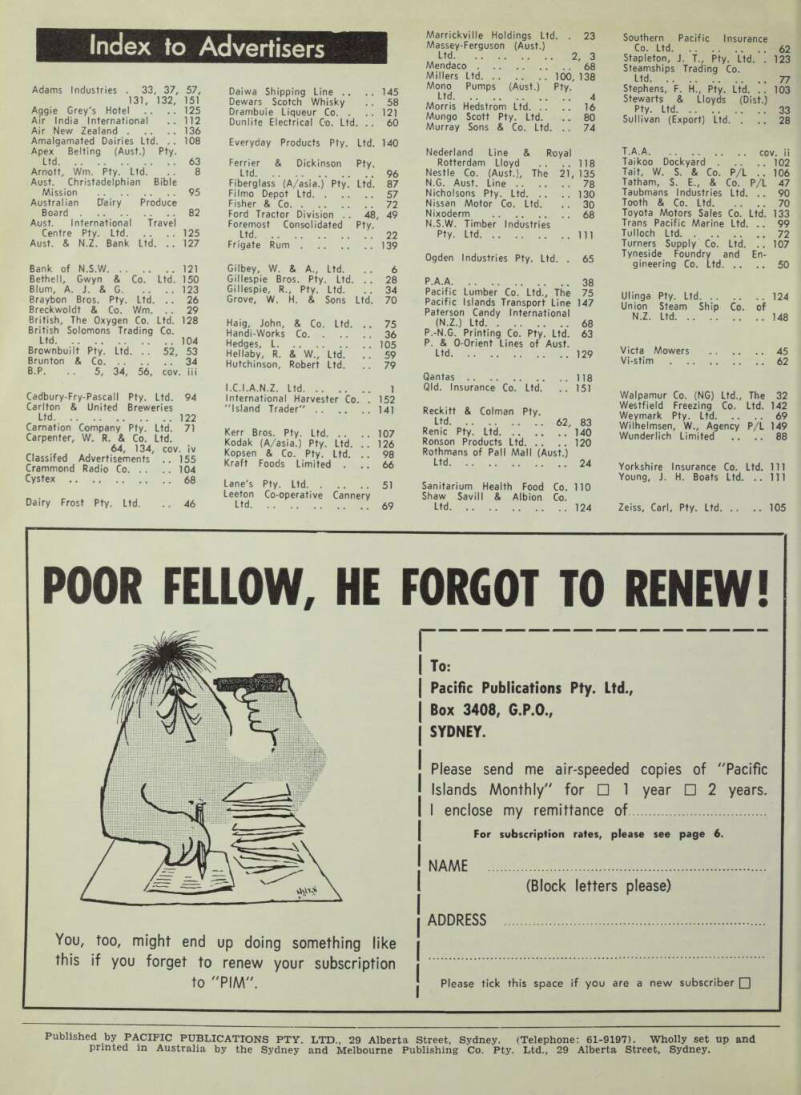 158
158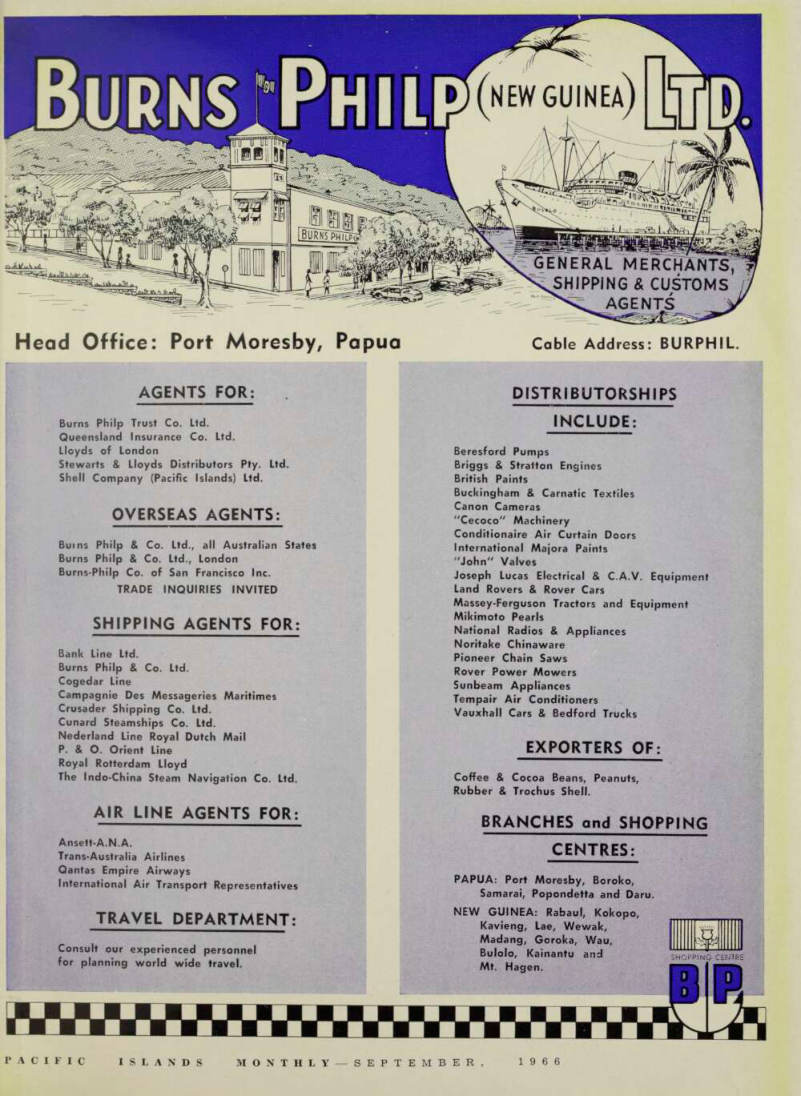 159
159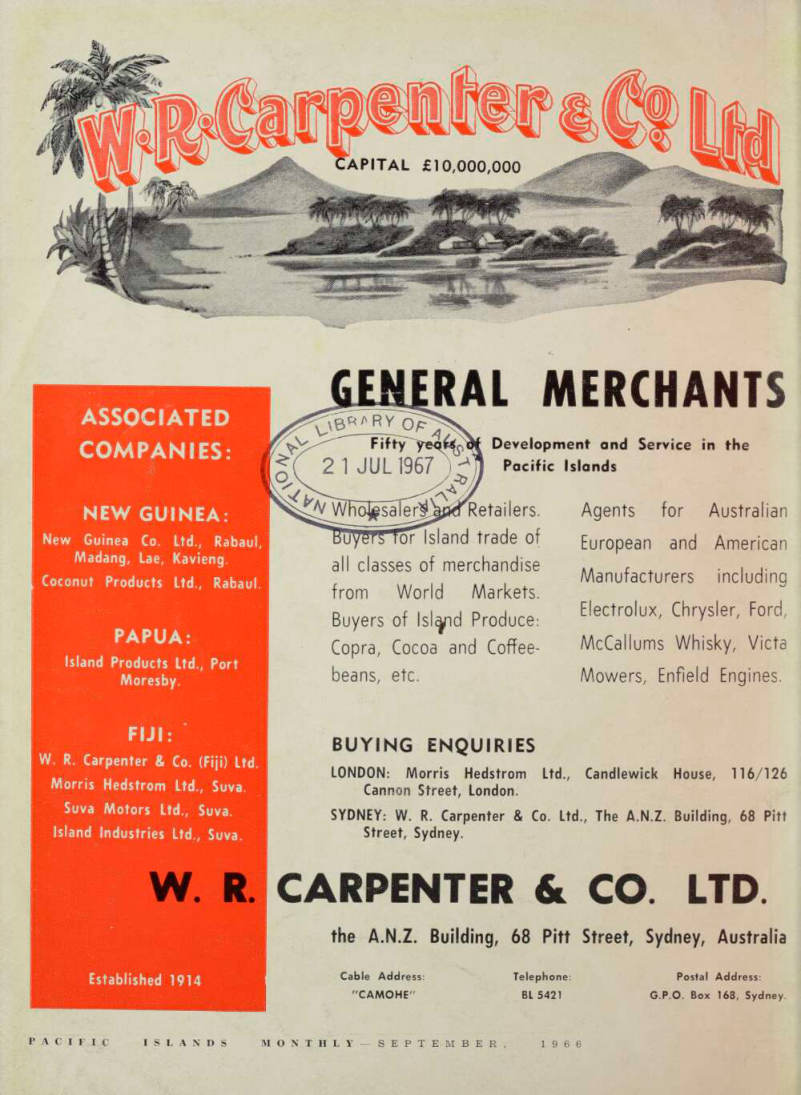 160
160