Monthly
Pacific Islands Monthly
March, 1966
30 Aust. cents Three shillings 70 US cents 50 French Pac. frcs.
he News lagazine Of The South Pacific
Established 1930
istered at G.P.0., Sydney, and at P. 0., a, for transmission by post as a newspaper.
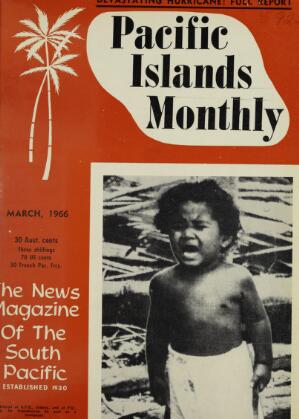
OUR COVER: Four South Pacific territories were laid waste at the end of January by the most destructive hurricane to strike the South Seas for 75 years. This dramatic radio picture shows a small Samoan boy crying his eyes out amid the rubble of his wrecked home. Full report, p. 45.
Advertisements & other items, pp. 2-10 (4 items)
Six days a week (our normal schedule)
TA A p Bird of Paradise’
Six days a week (our normal schedule) TAA ‘Bird of Paradise’ services (apart from the Wednesday Friendship via North Queensland) are all Mark II Electras. And go every day except Monday. Interested?
Electras. Big. Powerful. Fast. Smooth. Slice two hours from the Territory/Australia trip.
And the comfort. Ever flown ‘Bird of Paradise’? Like being in a luxury hotel. (At about four hundred miles an hour.) And the pampering. Like roasted breast of chicken, for example. And vintage wines. Tropical fruit salad and cream. Coffee. Liqueurs. And extra-special hostess service.
You want a book or magazine to read? Fine. Or maybe get your head down for a while?
Our aircraft are very easy to nap in.
You can spoil yourself like this six times a week in both directions.
So go on. Indulge yourself on our ‘Bird of Paradise’. Life is for living.
Talk to your nearest Travel Agent. Or TAA: Port Moresby 2101 ■ Lae 2311 ■ Rabaul 2567 Madang 78, 268 ■ Goroka 8 ■ Mt. Hagen 4 ■ Wewak 103
the Friendly Way
TAA9BI9/66
Throughout the Islands
IliM
Gmmmx
■ ■ U m m , & :*» ■ m& : mm T »■ ■■■'*■ >i i!r%j ’ -i IT • • - proven quality for demanding conditions When conditions get tough, the experienced shooter chooses ICI sporting ammunition.
He knows that for reliability, power packed economy and consistent accuracy there’s none better than ICI.
There’s an ICI cartridge for every shooter whether it be ICI shotgun shells for dense even patterns and economy; Rimfires for hard-hitting accuracy and reliability Centrefire for heavier game; or air rifle slugs and pellets for lots of fun at low cost.
Your local dealer stocks and recommends
is SPORTING
For vitality choose VEGEMITE*
—the pure concentrated yeast extract
Enjoy VEGEMITE on toast . . . spreads more easily and smoothly than any other extract.
VEGEMITE sandwiches taste so much better and give more vitality. 7^ Add VEGEMITE to soup for extra flavour . . . extra Vitamin B.
VEGEMITE makes a delicious hot drink . . . mixes so easily.
VEGEMITE is the pure concentrated yeast extract, and yeast is the richest known natural source of the essential Vitamin B complex. No other yeast or vegetable extract can give you so much vitality. You need VEGEMITE daily.
Every ounce of VEGEMITE yeast extract contains 1.7 mgm.
Vitamin 81, 1.8 mgm. Riboflavin and 15.0 mgm. Niacin.
MADE BY
VEGEMITE
kraft: *Reg’d Trade Marks.
I BURNS PHILP (SOUTH SEA) CO. LTD.
GENERAL MERCHANTS AND SHIPOWNERS
SHIPPING, CUSTOMS AND FORWARDING AGENTS
I Fiji:
SUVA.
LEVUKA.
LAUTOKA.
I LABASA.
= SAVU SAVU.
BA.
SIGATOKA.
TAVUA.
ROTUMA ISLAND.
TAVEUNI.
AGENTS FOR:
QUEENSLAND INSURANCE CO. LTD.
BURNS PHILP TRUST CO. LTD.
SHELL COMPANY (P. 1.) LTD.
OVERSEAS AGENTS
BURNS, PHILP & CO. LTD., Sydney.
BURNS, PHILP & CO. LTD., London.
BURNS PHILP CO. OF SAN FRANCISCO
SHIPPING AGENCIES
• The New Zealand Shipping Co. Ltd. • Shaw Savill & Albion Co. Ltd. • Port Line Ltd. • Bank Line Ltd. • General Steamship Corporation Ltd. • Blue Star Line • Cunard Line • Compagnle des Messageries Maritime* • British India Steam Navigation Co. Ltd. • Royal Interocean Lines • Nederland Line Royal Dutch Mail/Royal Rotterdam Lloyd.
EXCLUSIVE DISTRIBUTORSHIPS INCLUDE
• AKAI TAPERECORDERS
• DUNLOP PRODUCTS
• EPIGLASS PRODUCTS
• FERGUSON TRACTORS
• HELENA RUBENSTEIN
• HITACHI ELECTRONICS
• HOLDEN VEHICLES
• JOHNSON'S WAXES
• ROLEX WATCHES
• REVLON COSMETICS
• PENTAX CAMERAS
• SUNBEAM APPLIANCES
INTERNATIONAL AIR TRANSPORT ASSOCIATION REPRESENTATIVES for
QANTAS EMPIRE AIRWAYS LTD. AIR NEW ZEALAND LTD.
UNION DE TRANSPORTS AERIENS :: ALITALIA PAN AMERICAN AIRWAYS
ASSOCIATED COMPANIES
BURNS PHILP (NEW HEBRIDES) LTD.
AUTOMOTIVE SUPPLIES CO. LTD.
CORRIE & CO. LTD. • NARAIN FURNITURE CO. LTD.
SPECIALISED SERVICES
EXPERT ADVICE ON WORLD AND LOCAL TOURS
TRAVEL SHIPPING FORWARDING CUSTOMS
FORMALITIES INSURANCE.
REGISTERED OFFICE: SUVA, FIJI
Code Address: "BURNSOUTH"
—I w am ■ . :> 1 ■ < :j I ■ New 3400-46 hp* The 3400 is ideal for liqht-to-medium duty industrial applications.
Loading on plantations. Grounds keeping.
Forestry. Materials handling. Mowing.
Landscaping. Trenching with a backhoe.
Spreading and leveling. Available with the complete range of transmissions from four-by-four to 10-speed.
'Manufacturer' s S.A.E. rating.
New 4500—56 hp* Ford designed the new 4500 for “ total industrial use. Heavy-duty digging, ditching, and excavating in construction work. Comes complete with hydraulic system for big-capacity backhoeloader operation. A tough, powerful tractor for all industrial applications. Available with fast-shuttling four-by-four transmission or shift-on-the-go 10-speed transmission.
NEW FROM FORD!
Rugged new industrial tractors to dig, lift, load,
push, pull at lower costs.
Ten exciting new developments for industrial applications await you at your Ford tractor dealer.
Four tough new Ford industrial tractors —for industrial applications ranging from loading to building bridges.
Three new, deep-digging Ford backhoes. 10 ft., 13 ft., 15 ft.
Three powerful new Ford loaders.
You’ll get longer work life and less downtime from these tough new industrial Ford tractors. Stronger, nonadjustable front axle and axle supports. Larger diameter
TRACTORS
EQUIPMENT
clutches with heavy-duty facings. Stronger rear axle and rear axle housings. Heavyduty crank case. Interchangeable parts that simplify replacement.
You’ll speed up production with these fast, efficient industrial Ford tractors.
Choose from a wide range of transmissions.
Transmissions that give usable power quickly to suit your operating requirements.
Cut costs and save time with all-new Ford industrial tractors, backhoes, and loaders. See your Ford tractor dealer now.
T v 3500-46 hp* The sturdy new 3500 has a rt wheelbase for loader-backhoe operations onfined areas. Excellent for operating tiple combinations: loader-rear blade, er-scraper, loader-mower. A high-capacity hine particularly suited for the construction ket. Available with four-by-four transmission straight four-speed transmission. ■ New 4400—56 hp* This economical new industrial tractor has exceptional weight balance and low center of gravity for heavy drawbar work and loader-backhoe operation.
Handles a wide range of applications such as grading, tree removal, loading, materials handling, and towing. Available in both fast-shuttling four-by-four and shift-on-the-go 10-speed transmission.
brockhoff
Makers
wholesotn 6 ’ finest There’s a biscuit to pi *y. e occasion.
S.SSS—
CRACKER n CHEESE
Two tender crackers sandwiched together with a mellow cheese filling. An instant snack from the bright blue pack.
BROCKHOFF
TARTAN
'TK. piped edge Shortcake WOCWfOff
Mali
Milk
o su
Coconut Bar
CLIX
A tender golden crisp cracker that tastes as if it is already buttered. The cracker you can eat by itself, or with savouries or dips.
EDINBURGH
SHORTBREAD
Made in the true Scottish tradition with fresh eggs, sugar and rich dairy butter.
Onion shapes
SHAPES
These delicious, one-bite ready-made savouries are ready to serve anywhere, in the convenient tray pack. Savoury Shapes, true nutty flavour.
French Onion Shapes, real onion flavour.
Salada
BROCKHOFF
SALADA
A crisp, light, golden cracker to enjoy with all meals and snacks. The slight touch of salt brings out the full flavour of all spreads, toppings, & cheese.
Australia’s finest biscuits baked oven-crisp by Brockhoff.
Wrapped in MXXT/A, the most moistureproof ‘Cellophane* in the world.
Look for the baker on the packet.
BROCKHOFF S BISCUITS PTY. LTD.
53-71 Huntingdale Rd., Burwood E. 13, Victoria, Australia.
Cables ‘ Brockbick ’ Melbourne.
Telephone 28 0222
f.
It * A
Men of,tomorrow need Weet-Bix toda
(that goes for all the family, too) Every minute they’re awake, they’re on the go.
Where do they get the energy ? From the honest-to-goodness, natural foods they eat.
Foods like Weet-Bix at breakfast time. Every golden Weet-Bix flake is a whole wheat grain, mellowed by the sun and loaded with the energy that growing youngsters need.
Pour on icy cold milk. Top with fruit.
Breakfast’s ready - a breakfast that helps to build men of tomorrow.
mmsmKi
Weet-Bix
malted whole wheat biscuit* »«*
As the Lisbon Lemon
said to the Indian Tonic
GILBEY’S IS SUCH A GREAT INTERNATIONAL GIN
WHY MIX VV/7>y
Ol *e
2
MARCH. 1 9 6 6 -PACIFIC ISLANDS MONTHL
3
PACIFIC ISLANDS MONTHLY - M A R C H . 1966
4
MARCH, 1966 PACIFIC ISLANDS MONTHI
Pacific Islands
Monthly
Owned And Published By
Pacific Publications Pty. Ltd.,
29 ALBERTA ST. (G.P.O. BOX 3408), SYDNEY.
Telephones: 61-9197, 61-7101, 61-4369.
Telegraphic Address: PACPUB, Sydney.
Chief Executives
Managing Director: R. W. Robson.
General Manager: Selwyn Hughes.
Book Publishing Division
Editor: Judy Tudor.
Pacific Islands Monthly
Editor: Stuart Inder.
Assistant Editor: Robert Langdon.
Branch Offices
Melbourne: Newspaper House, 247 Collins St Tel.: 63-7053.
Fiji: Pacific Publications (Fiji) Ltd., Fiji Timei Building, 20 Gordon Street, SUVA, Tel.: 25601.
Fiji Times Office, Vidilo Street, LAUTOKA.
Tel.: 420.
Papua-New Guinea: Pacific Publications (N.G.) Pty. Ltd., P.O. Box 16, Port Moresby. Tel.: 2504. Representative: Mrs. Joan Carter.
Representatives
New Zealand: J. D. Whitcombe, C.P.O. Box 2229, Queen Street, Auckland. Tel.: 76056.
Hawaii: C. C. Spencer, 203 Yap Bldg., 3465 \N aialae Ave., Honolulu. Tel.; 775538.
United States: Mrs. A. L. Craib, 1631 80th Avenue, Oakland 21, California.
Tel.: LOckhaven 8-1201.
United Kingdom: S. R. Warman, Candlewick House, 116-126 Cannon Street, London, E.C.4.
Tel.: Mansion 3674/7.
H. A. Mackenzie, 4A Bloomsbury Square London, W.C.I. Tel.: Holborn 3779.
Agents
All main trading firms and stores in the Pacific Islands.
Pacific Publications Pty. Ltd. is the Australian agent for THE FIJI TIMES.
Subscription Rates:
Australia: 30 cents Aust. or 3/- ($3.60 Aust. or 36/- for 12 months). New Zealand, all British Commonwealth South Pacific Territories, Tonga, New Hebrides and Western Samoa: 3/local currency (36/- local currency per annum).
Elsewhere in the South Pacific; 50 French Pacific francs or 70 US cents (600 French Pacific francs or $B.OO US posted per annum).
Posted to USA, $B.OO US per annum. Posted to the UK and all other countries: £Stg.2.
"Pacific Islands Monthly" is air-freighted to all subscribers and agents in the South Pacific; copies to other areas go by surface mail.
In This Issue
General
Six Territories "Go Decimal" 12 South Pacific Arts Festival 13 Devastating Hurricane 45 Royal Society "Bigwigs" 71 Captain Cook's Yorkshire 85 Four Books on Pacific History 92 "Bligh" Launch in Long Drift 105 W. R. Carpenter Dividend Steady 141
American Samoa
Handyman, James F. Flannery 23 Heavy Hurricane Damage 47 New Job for Governor Reported 135
Cook Islands
Lucky Escape for Ketch 16 For Administrative Convenience 21 Hurricane Misses Main Islands 49 "Small Town" Rumour and Gossip 76
Fiji
Council Members' Salaries 14 New Representative in Sydney 14 Banabans to Seek Higher Royalties ... 15 Ana Ramacake, Athlete 21 New Political Awareness 29 Union Leader Acquitted of Arson 35 Digging Up the Past at Sigatoka 61 Molestation in Streets 76 New Ship for Inter-Island Trade 101 Bay of Islands Development 121 "Big Hair" Policeman Leaves Force .. 133 New Development Projects ... 141 Suva's Highest Building 141
French Polynesia
Atomic Tests 16 Tahiti (Picture Series) 117
Gilbert And Ellice Islands Colony
Ocean Island Phosphate Payments 15 Aviation Idea of 40 Years Ago 25 Another Strange Reptile at Nanumea 73
Nauru
Action on Independence 16 New Moves on Phosphate Industry .. 16 "Human Torch" Deaths 21 Legislative Council Opened 37
Shipping Hold-Ups 97
New Caledonia
Port of Noumea Criticised . 103
New Hebrides
"Tui Cakau" in Service 103 Visit by Survey Ship 109 Upsurge in Commercial Aviation 137 Copra Exports Down 141
Niue
Disappearance of Local Customs 76
Papua-New Guinea
Crisis in Administration 11 Rabaul Fire 16 University Appointments 16 Development at Kieta 17 Native Problems on Bougainville 19 Bougainville Rat Problem 23 Inquiry into Police Force 51 Goroka Show, VIP Visits 55
Land Handed Back 59 Tolai Local Govt. Councils 65 Watom Island Pottery 69
Stanley Library for New University 91
"Roll-On, Roll-Off" Ship 105 Last Catalina Up for Sale 123 Hotel with Native Capital for Rabaul 129 Mt. Hagen Hotel Improvements ... 129 TAA Travel Lodge, Lae 129 Study of Land Snails 133 More Money Needed for Misima 137 New Guinea Women's Club 142
Pitcairn Island
Trouble with Goats 75
Solomon Islands
Acquittal in Murder Case 16 Onedownmanship at PWD Office 23 New "Island" Sinks Again 99 Ketch for Charter Work 107 First Marine Pilot 109 Discrimination at Hotel Mendana 125
Tokelaus
Severe Hurricane Damage 48
Tonga
Strange Sea Creatures Caught 13 Mourning Slows Kingdom 16 "Niuvakai" Breaks Down at Sea 99 Laws to be Consolidated 133 Traders Hard Hit 137
United States Trust Territory
Deputy High Commissioner Resigns .. 133
Wallis And Futuna
Night of Terror in Hurricane 48
Western Samoa
Mountaineering on Savaii 25 Heavy Hurricane Toll 45 Lessons from Hurricane 76 Historic Vailima Badly Damaged 81 Book by J. W. Davidson ... 135
38 w*t ENTS ' A 6 16; Tro P icalities ' 21; People in Pictures, 73- !11p Ta k 'l a J k, AA SS; Letters t 0 the Editors ' 65 '- Pacific Planters' Digest, 73, Islands Press, 76; Magazine Section, 81; New Books, 91; Shipping, 97- Cruising Yachts ,111; Travel, 117; Cruise Ship Schedules, 129; Peoplef 133- Commerce, 137; Shipp,ng, Airways Schedules, 145; Deaths of Islands People. 153^
Advertisements & other items, p. 12 (1 item)
Tongue&
NOW
1/2" Cane ite
ACOUSTI-TILES
ARE
TONGUE&
GROOVED
to ensure accurate alignment and a flat, even surface for added beauty and sound control on new or existing surfaces. FIX WITH STAPLES to battens or direct to Hardboard, Timber Lining Boards or existing flat ceilings that are true and even.
Actual size of tile: 12%" x 12 5 / 8 ".
Visible surface after fixing: 12" x 12".
Choose from Constellation, Random, Standard Punched and Ivory Plain patterns. All tiles have an attractive, durable, matt-white finish on the face and bevel edges. Fast, easy fixing saves time and money.
Put a ceiling on noise with Cane-ite Acousti-tiles in homes , offices, auditoriums and public buildings. m jf v m Otid
AVAILABLE AT LEADING
ISLAND MERCHANTS
Made in Australia by CSR Building Materials Division of The Colonial Sugar Refining Co. Ltd.
4 Uf\>mU
EXP.ATI49
Crisis At The Top In Papua-New Guinea
Calls For Vigorous New Broom
By Stuart Inder, Editor of PIM.
The big Australian territory of Papua-New Guinea is undergoing a serious adminis nhnT.£ r ' SIS W ,. lth tHe tO P men variously apprehensive, confused, irritable or uninterested to be corrected m ° V6S ' The Sltuatlon needs a strong hand in the next six months if it is
T HE crisis has been precipitated A . . • The imminent retirement of the Administrator, Sir Donald Cleland. • Vacancies in the two top posts of Assistant Administrator and in other senior departmental posts. • Changes in the Territories Department in Canberra. • A period of flux and low morale m the Territory Public Service, which is resulting in a largescale waste of time at administrative headquarters, Port A ; Moresby.
At the end of February Canberra, aware of the crisis, was pressing for an early appointment of a new Admmistrator, to help right the situatl 2?' ... , The man in line for the post is an architect, Mr. John Overall, 52, Commissioner, National Capital Development Commission, Canberra.
If he finally takes the top job he will have on his hands the biggest set of problems he has yet tackled.
Not in the 13 years that I have taken a close interest in New Guinea have I seen the territory so confused at the administrative level as it is now * r . .
Sir Donald Can t Stay
Here are the mile posts in detail: Sir Donald Cleland turns 65 in June. Canberra wants him to retire at 65, and won’t agree to his request to be allowed to remain until the end of the year.
The main reason for the rejection is that Canberra thinks it important that the new Administrator should have a say in the selection of his two new Assistant Administrators and of the heads of several departm rvi S wbose P° sts are now vacant.
Admin, tW £ P ° StS ° f Assistant Administrator became vacant in H n H r ßeeTe The n. n. Keeve. the second, filled since
1957 by Dr. John Gunther, will be vacant in March when Dr. Gunther resigns to become vice-chancellor of the new University of Papua-New Guinea.
Dr. Gunther’s new £6,100 job was announced officially in Port Moresby on February 7, several days after PIM had revealed it (Feb., p. 11) The vice-chancellorship, which is not a Government appointment, was sought by Dr. Gunther after he had realised he was not going to be offered the post of Administrator, Although it was fortunate for the independent selection committee that Dr. Gunther happened to be avail able just at this time, for he is an excellent choice for the university post, his departure from New Guinea’s administrative and political scene has added considerably to the difficulties of the present crisis A i M rU« o A *- han g e In The System?
There is speculation in the Terri torY as to who will get the new Assistant Administrator posts, but it seems to me to be idle because the new Administrator may draw a new set of names out of the hat, or may change the system. .1 personally doubt if the new men will get the same authority as Dr.
Gunther and Mr. Reeve. , 1116 names so far mentioned, *°se W. Johnson, Director °* Education, and Mr. Frank Hender son ’ Direc tor of Agriculture, have, I suspect, been inspired by Dr.
Gunther’s wants and desires— although good choices in themselves, The filling of top departmental posts, such as Labour and Trade, and of various senior positions in a hig number of departments, will be no less vital than the Assistant Ad ministrator posts.
Vacancies have been growing in the last 12 months and the Pnhlir Serv “2 e ha * been losin 8 far too many experienced men, especially at the
middle level, which is the backbone of any service.
This has been caused by retire ment of many of the first postwar officials, and by resignations. Many of the resignations have been due to general dissatisfaction and un certainty over the future of their careers because nobody knows where the Territory is headed politically.
P-NG suffers from lack of target dates in this as in many other ways.
Resignations and retirements have altered the whole pattern of Public Sendee recruitment, with contract officers on two-year terms taking over from permanent officers. Of the 30 resignations in January, 24 were overseas officers, including permanent men.
Although the number of public servants is rising, the permanent officers are diminishing, and, as well, are being watered down by the ad dition of people on two-year con tracts. The hard core of experienced men is thus decreasing.
The long, and, at times, bitter fight between the public servants and the Commonwealth over the need for a compensation scheme has helped lower morale to its present poor state.
Compensation Approved
A scheme has now finally been approved by Cabinet and should be announced any day, and it will be important to see how it is accepted.
Despite this, more discipline and a new enthusiasm at the top are needed if public servants at adminis trative headquarters in Port Moresby are to give value for money. With Port Moresby merely going through the motions, Australia is certainly not getting value now.
The key to all these New Guinea problems is at present held by Canberra. And there, too, new working arrangements are being formed.
After two years in the post, the
Minister, Mr. C. E. Barnes, is only now beginning to translate his think ing into practical terms. He still relies to a great extent on the Secre tary of the department, Mr. G.
Warwick Smith.
Territories Short-Staffed
The department is generally short staffed —and short of good men par ticularly. It is beset with some of the problems of the New Guinea administration; too much staff turn over, lack of sufficient sound men on the middle levels and lack of drive caused by the fact that many public servants with ambition don’t consider the Territories Department has a future, and seek elsewhere.
Mr. Barnes, sincere, and more astute than he is given credit for, does not enjoy the challenge of authority, or of politics, as Mr.
Hasluck did —probably because Mr.
Barnes is less egocentric than Mr.
Hasluck.
He took over many Hasluck-made problems and has had to work them around the edges to get them into a satisfactory shape, and this has taken time.
His current weakness, and, I feel, the weakness of the Territories De partment generally, is lack of real awareness of the Territory’s political
problems. They are increasing in p P ace and complexity, but Canberra is concentrating most of its effort on pushing through the recommendations of the World Bank report on economic development ?
For following a recent visit to Canberra, I think Canberra genuinely believes that: • New Guinea needs a strong Ad diffiS°S&°DonaTdl who was dominated by Mr. • Morejecismns should be made • There should be faster moves towards Cabinet government, and more authority given the Under Secretaries and the House of Assembly. . . .
What disturbs me is that the desire to do the right thing in New Guinea may not be good enough, so fast are the problems multiplying and so few are the people experienced enoußh (q them Will Canberra in fact let go or will it dominate the new Administration too?
There can be no argument about the need for more decisions to be taken on the spot in New Guinea.
One of the strengths of Britain s system of colonial administration is the authority given to colonial ad
ministrators. A good man is able to obtain the room for manoeuvre that he needs.
This system developed because in the old days distance precluded colonial administrators from seeking frequent guidance from Whitehall.
New Guinea’s main weakness still is that Port Moresby and Canberra are too accessible to each other.
Another is that because New Guinea still depends on huge financial handouts it is being made to sing to Canberra’s tune. Any British colonial administrator knows that even his authority will come under more fre quent challenge from home if his territory is dependent on aid funds.
What, it seems to me, is badly needed now is a compromise between what Canberra thinks it ought to do for the Territory’s own good and what the New Guinea House of Assembly, with its local majority, feels that Australia ought to do for New Guinea’s good.
Also, the time has ended when the Territory can be administered through some mysterious and vulnerable system of personal alignments, loyal ties and ambitions. We need an efficient, no-nonsense colonial service in New Guinea and Canberra. • See "New Guinea's Despondent Police Force" p. 51.
Advertisements & other items, p. 13 (1 item)
11
PACIFIC ISLANDS MONTHLY - M A R C H . 1966
Decimal Currency Comes
To The South Seas
SIX South Pacific Territories “went decimal” on February 14 —all with the minimum of difficulty. The territories are Papua-New Guinea, Nauru and Norfolk Island (all Aus tralian); the British Solomon Islands Pro tectorate; the Gilbert and Ellice Islands Colony (British) and the British-French Condominium of the New Hebrides, all of which use Aus tralian currency and therefore changed over to dollars and cents simultaneously with Australia.
Although Tonga will not go decimal until next year the Kingdom also started using Aus tralian decimal coins on February 14, “just for practice”.
There was some confusion in the Islands over the unfamiliar new 50c coin which some people mistook for 20c or 2/-. For some older New Guineans it was just another money change. They could remember German, Aus tralian. Japanese and more Australian cur rency, in that order. • At right is C-Day in New Guinea, as PIM artist Rob Walsh saw it.
"Two German marks, a cowrie and a holey shilling—and you want your change in new Aussie dollars!"
South Seas Arts
Festival May Be
A Reality Soon
From John Carter in Suva The first combined display of the performing arts and Island cultures of the peoples of the South Pacific—along the lines of the arts festivals now held in such cities as Edinburgh, Adel aide and Perth—may be held in Suva in the next two or three years.
THE idea of such a festival was put forward last year by Mr. Ken Bain, chairman of the newly-formed Fiji Arts Council, who is Secretary for Social Services in the Fiji Ad ministration.
Mr. Bain thought that an exhibition of Polynesian, Melanesian and Micro nesian art could be as attractive as the enormously successful South Pacific Games, the first of which was staged in Suva in 1963.
Mr. Bain put his idea to Fiji’s Governor, Sir Derek Jakeway, who immediately saw its possibilities, and who took it up at a meeting of the South Pacific Commission in Noumea last October.
The Commission also thought that a South Pacific Arts Festival would be a good idea, and asked its Secretary-General, Mr. W. D. For syth, to ascertain the extent of interest in such a plan throughout the South Pacific.
Organising Council
At the same time, Mr. Forsyth was asked to find out whether the territories would be willing to par ticipate in an exhibition of handi crafts in Noumea to coincide with the Second South Pacific Games in December. The idea of this exhi bition was suggested by Mrs. O. T.
Henrion, of Tahiti, at the Sixth South Pacific Conference in Lae last July.
Since the October meeting of the SPC, Mr. Bain has suggested to it that a central organising council should be set up for the Arts Festival along the lines of the South Pacific Games Council.
As it has been suggested that the first festival should be held in Fiji, Mr. Bain thinks that the council should be based in Fiji and that
regional meetings should be held early in 1967 to consider the tentative programme and organisation methods.
“A likely target date for the festival,” Mr. Bain told me, “would seem to be during the first half of 1968.
“Then there would be a great possibility of co-operation between ourselves, the Auckland Festival Society, the Pan-Pacific Festival at Christchurch and the Adelaide and Perth festivals, all of which are being held in March or April, 1968.
“The Auckland Festival Society has already written to the Fiji Arts Council expressing considerable in terest in the proposal and suggesting some reciprocal arrangements.”
Mr. Bain believes it may be pos sible to co-ordinate the dates for the South Pacific Arts Festival with those of festivals in Australia and New Zealand.
“A great opportunity would arise for adding overseas artists to the festival and of sending groups from Pacific territories taking part in the festival in Fiji to the festivals in Australia and New Zealand,” he told me.
Where could a South Pacific Arts Festival be held in Suva?
Mr. Bain suggested the new audi torium in the Suva Civic Centre, which is expected to be completed by the first half of 1968.
Mr. Bain says: “The success of the South Pacific Games has already shown what can be done to bring the South Pacific peoples closer to gether.
“The Games must now be regarded as a permanent part of Pacific life and there seems no reason why the South Pacific Festival could not in crease the goodwill which the Games have already created.”
Strange Marine
Creatures
THE two strange marine creatures pictured here were caught recently in fish traps at Tongatapu, Tonga’s main island.
Above is a species of eel, which is only seen in Tongatapu’s lagoon.
Known locally as “toke”, it measured 11 ft 1 in. and weighed 29i lb.
The other creature, also a species of eel, is known to the Tongans as “tuna”. It measured 5 ft 6 in. and weighed 17± lb.
It was one of the largest ever seen in Nukualofa, and was presented to King Taufa’ahau at the Royal Palace soon after the picture was taken. Such eels are thought in Tonga to breed in fresh water and reach the sea via the lagoon.
Photos: Courtesy of Tonga Govern ment Printer.
Fiji's Reluctant
Politicians Get Into
The Salaries Act
From a Suva Correspondent
February’s meeting of the Fiji
Legislative Council would have been completely unremarkable had it not been for a debate on whether or not members should fix their own salaries.
THE debate began after the Colonial Secretary, Mr. P. D.
Macdonald, moved a motion to ap point a Select Committee to “collect and hear evidence, and consider, what emoluments and/or other allowances should appropriately be paid to members . . . after the intro duction of the new Constitution. . .
The motion seemed straight forward enough. After all, every where else in the world, politicians get paid, and have a big say in how much they should get.
But Fiji’s Legislative Councillors— the unofficial ones, anyway—are still modest and scrupulous; and they became quite hot under their collec tive collar at the idea of serving on the Select Committee.
"Should Have Voice"
Speaking to the motion, Mr.
Macdonald said it was right that the elected representatives of the people should have a voice in the remunera tion they should receive as members.
It was done in the House of Commons and it was desirable that people thinking of standing for election under the new constitution should be aware of where they were likely to stand financially.
Unofficial members agreed that prospective members should know their prospective financial status; but except for Semesa Sikivou (Fijian), none of them favoured the idea of being a party to the salary-fixing. In fact, Mr. Andrew Deoki (Indian) revealed that the 18 unofficial members had agreed last December that the Government should do the job.
Eventually, the Speaker, Mr.
Maurice Scott, decided on a 15minute break so that members could try to reach a compromise over the yaqona bowl.
But no compromise was reached, and when the House reassembled, the Government put up the four unofficials on the official side, who,
presumably, were among the 18 unofficials who—according to Mr.
Deoki—had agreed that the Government should do the job.
These four members, Mr. R. G.
Kermode (Member without Portfolio), Ratu K. K. T. Mara (Member for Natural Resources), Mr. A. D. Patel (Member for Social Services) and Mr. John Falvey (Member for Communications and Works) demolished the arguments of their colleagues. , T , , , Mr. Kermode said that no other parliament that he knew of delegated the question of salaries to an outside body; while Ratu Mara, although confessing to some sympathy for the unofficials’ view, said he felt that salary-fixing was “a buck which this House will not be able to pass”.
“If we pass the buck to a body outside this House, it still has to
come back here for our final decision,” he said.
Mr. Patel said members would be shirking a very important duty if they refused to serve on the Select Com mittee; while Mr. Falvey said: “I strongly urge that we grasp this nettle now” (which was perhaps the first time that anything to do with money had been called a nettle).
The Colonial Secretary wound up the debate by stating that no one who did not know the inner work ings of the House could satis factorily fix the remuneration and allowances of members; and that, as far as he knew, all parliaments fixed their own.
That clinched the matter. The motion was passed on the voices.
And Fiji’s politicians moved a little nearer to being like politicians every where else.
Representative
New Fiji Govt.
In Sydney
A Fiji-bom public servant,
Mr. R. M. (Bob) Major, arrived in Sydney with his American-born wife on Feb ruary 21 to become the Fiji Government Representative in Australia.
MR. MAJOR succeeds Mr. Basil Rogers, who relinquished the job in December to take up a new post in Aden. After Mr. Rogers’ de parture, Mr. B. J. (Barney) Smith, Fiji’s Deputy Accountant - General, took over the job until a permanent appointment was made.
Mr. Major, who is 45, has had a long career in the Colonial Service.
His latest post was Secretary for Natural Resources in Fiji.
This was a key post in the con stitutional set-up of July, 1964, when Fiji started the Member system. The Member for Natural Resources, Ratu K. K. T. Mara, is reported to have been sorry about Mr. Major’s trans fer to Sydney, because the Natural Resources Department is still in its formative period.
Mr. Major spent much of his time in the Colonial Service in Fiji in the office of the Financial Secretary. He twice acted as Financial Secretary.
Mr. Major is a grandson of Mr.
H, T. Milne, who was present at the signing of the Deed of Cession in 1874 as secretary to King Cakobau.
He is a second cousin of the Speaker of the Fiji Legislative Council, Mr. Maurice Scott. Mr.
Scott’s grandmother, a Mrs. Garrick, was a sister of Mr. Milne.
Mr, Major was educated at Suva Grammar School, Ardingly College and London University.
He was in England when World War II started and he joined the Royal Corps of Signals.
He later transferred to the Fiji Military Forces and became a mem ber of the Defence Force in the
Geic.
When the war ended Mr. Major stayed on in the GEIC as a District Officer till 1948, when he returned to Fiji to enter the Colony’s Civil Service.
In 1956 he went to British Hon duras as Development Commissioner, but went back to his homeland in 1961 as Deputy Financial Secretary.
Mr. Major.
Phosphate Islanders Hope
For New Successes
By a Staff Writer
The leaders of the twin phosphate islands of Ocean Island and Nauru are to press for substantially higher payments on the phosphate exported from their islands at talks with Govern ment officials in the next few months.
THE Nauruans, whose island is a United Nations trusteeship terri tory administered by Australia, will ask for a payment of 68/- a ton on all phosphate exported from their island. This compares with the 17/6 a ton royalty they now receive, and the 3/8 a ton they received on phos phate exported before 1964-65.
The Nauruans, who will regotiate with Australian Government officials in Canberra in April, will also renew ;heir claim—made in Canberra last i^ear —that they are the legal owners ?f their island’s phosphate, and that he British Phosphate Commissioners should be regarded only as managing igents for them.
The Nauruan view is that the phos phate should be sold at the prevailing vorld price and that the BPC should ;et an “attractive” management fee or running the industry.
They believe that an “attractive ee” for the BPC would be 20 per :ent. of the world price for phos >hate, which would leave them with m income of 68/- a ton.
In presenting their demands, the Nauruans will be assisted by their conomic advisers, Messrs. Philip •hrapnel and Co., of Sydney.
Reports from Canberra and Mel bourne indicate that the Nauruans hould achieve some success in their lew negotiations, as their case is now sgarded as “politically hot”.
Banaban Case
Shrapnel & Co. has also been en aged to advise the Ocean Islanders Banabans) in their efforts to obtain larger share of the “spoils” from leir island. The Suva law firm of /illiam Scott and Co. will also give le Banabans legal advice.
The Banabans’ case is more com licated than that of the Nauruans i that Ocean Island is not a single ntity like Nauru, but part of the filbert and Ellice Islands Colony of rreat Britain, which has also re rived a “royalty” on the phosphate Dr many years.
Another difference is that the
Banabans no longer live on their island, but on Rabi Island, Fiji.
However, as on Nauru, the phos phate industry of Ocean Island is run by the British Phosphate Commis sioners (i.e., the British, Australian and New Zealand Governments).
Until now, the Banabans have never been permitted to have outside experts to advise them, and in the 20 years they have lived on Rabi, they have not been consulted in any negotiations over the island’s phos phate.
Negotiations in the past have been conducted between representatives of the three BPC powers, with the British delegates (assisted by repre senatives from the GEIC Adminis tration) trying to get as much as possible to run the poverty-stricken Gilbert and Ellice Islands.
The Banabans’ situation was de tailed for the first time in a series of articles in PIM last year.
Under a five-year agreement reached in 1960, the GEIC received a royalty of 23/- a ton on Ocean Island phosphate while the Banabans receive 2/8.
When this agreement expired in February last year, new negotiations were begun in Canberra in May, but no agreement could be reached, and the negotiations were continued at diplomatic levels.
Interim Agreement
The three BPC Governments finally came to a new interim agree ment early this year, the details of which were announced at a meeting of the GEIC Advisory Council in Tarawa on February 4.
Under this interim agreement, the payment to the GEIC has been in creased by 2/- to 25/- a ton on all phosphate exported from Ocean Island from February 6, 1965.
Meanwhile, the British Govern ment (which, under the agreement, accepts “the exclusive responsibly” for the “allocation of benefits to the Banabans”) has agreed to increase the Banabans’ royalty by 1/- to 3/8 a ton.
Other conditions of the interim agreement are: • The annual rate of export of phosphate from Ocean Island will be increased from 310,000 tons to 340,000 tons from February 6 last year. • The present exemption of the BPC and its employees for normal taxation (including cus toms duties, income tax and licence fees) has been abolished from January 1, 1966. • The BPC will pay an additional sum of 4/- per ton on phosphate exported into GEIC revenue in lieu of normal taxation for the period from February 6, 1965, to December 31, 1965.
Further negotiations, with the Banabans taking part, will be held at a place to be fixed after the negotiations in Canberra in April between the Australian Government and the Nauruans are completed.
I understand that the Banabans will first seek to know the total amount of royalty that should be available on their phosphate, assum ing it was sold at the world price.
They will then seek to negotiate on how this royalty should be divided between themselves and the GEIC.
A representative of their economic advisers, Mr. K. E. Walker, was due to fly to Rabi early in March to confer with Banaban leaders on the approaching talks.
Independence Move
By Nauruans
The Nauruan-dominated Nauru Legislative Council at its first meeting in February decided to appoint a select committee “to report upon the most suitable means by which the people of Nauru can achieve complete in dependence by 1968”.
It was pushed through by the nine Nauruan members despite opposition of the five official members, who said the request was premature and in any case the council was hardly the place for discussion of such a delicate matter.
The leader of the elected members, Hammer Deßoburt, who introduced the motion, said he considered it a reflection on the dignity of the council to suggest a select committee could not discuss independence.
Mr. A. Bernicke, a Nauruan member, said, “Independence is the birthright of any nation”.
Advertisements & other items, p. 17 (1 item)
15
ACIFIC ISLANDS M O N T H L Y M A R C H . 1966
The Month
In Review
For the people of American and Western Samoa, the Tokelaus, Wallis and Futuna, and parts of the Cook Islands, the month of February was clean-up month following the de vastating hurricane that roared through the Central Pacific at the end of January (see p. 45).
ELSEWHERE in the Pacific, life went on at a fairly placid pace, with two territories, New Caledonia and the New Hebrides, particularly quiet. The main events of the month were: American Samoa: Governor H.
Rex Lee asked President Johnson to declare the territory a major disaster area.
Cook Islands: Apart from the clearing up after the hurricane, the main talking point in Rarotonga in February was the lucky escape from Rarotonga’s reef of the 35 ft ketch Trendaway, skippered and owned by Norman Baylay of Oakland, California. The yacht drifted about 100 ft over the reef on February 19, and was rolled off with trees and old masts, Fiji: The Rescue Co-ordination Centre at Nadi supervised an un successful search, lasting more than a fortnight, for the 38 ft ketch Marinero, which left Wallis Island for Apia on January 27, but did not reach her destination.
The ketch, which was apparently caught in the hurricane, has a crew of five.
February was also notable in Fiji for the number of decisions made for the development of the Colony. (See pp. 121, 141.) Mr. R. M. Major, was appointed to the Colony’s important Sydney post. Other events were the acquittal of union leader Apisai Tora in the Korolevu arson case after a trial lasting 45 days, and the formation of a European political party, the General Elec tors’ Association.
French Polynesia: The French Minister of the Army, Mr. Pierre Messmer, made his third visit to France’s atomic testing installa tions in the Tuamotus, Gilbert and Ellice Islands Colony: A special meeting of the Advisory Council on February 3 was told of an interim agreement on Ocean Island phosphate which will give the Colony 2/- more a ton on all phosphate mined from February 6, 1965.
Papua-New Guinea: A hearing began in Lae on February 2 of a
claim by Butibum natives that the land on which Lae is situated is their property. The hearing was adjourned after the natives said they had not been able to get legal guidance.
As reported by PIM several days beforehand, the appoint ment was announced of the Assistant Administrator, Dr. John Gunther, to the vice-chancellorship of the Territory’s new university.
Other appointments are: Professor K, S. Inglis, 36, of the Australian National University to the Chair of History, and Dr. F. C. Johnson, 31, chief of division of Secondary Education in P-NG, to the Chair of English Language.
On February 19. six stores in Rabaul’s “Chinatown” were gutted by fire and a 10-year-old Chinese boy was burnt to death.
On February 21, a wage claim hearing, which began in Port Moresby last October, was re sumed. It is the first arbitration case to be held in the Territory.
Solomon Islands: The High Court of the Western Pacific, sit ting in Honiara, acquitted a Solomon Islander, Faari Susu, on February 22, of the murder of a British missionary, Brian Mans field Dunn {PIM, Jan,, p. 9). A murder charge against a second man, Andai Tariuta, was pro ceeded with.
Western Samoa: The hurricane and its after-effects preoccupied Samoa throughout February, but lack of effective local government and national planning and co ordination were shown up by the fact that three weeks after the event, the Prime Minister’s Hurri cane Relief Committee still could not get an accurate assessment of the damage.
February 12 saw the last con crete poured in Apia’s new £500,000 deenwater wharf.
Queen Slows
Opening Of Hotel Delayed
Mourning For
Tongan Life
Affairs in the Kingdom of Tonga are still very much dominated by the six months period of mourning for Queen Salote, who died in December.
THE coronation of King Taufa’ahau won’t be held until the mourning period has ended, and unofficial sources indicate it may be about August.
Tonga’s tourist plans have been delayed by the mourning period and the big new Government-owned Dateline Hotel at Nukualofa is not now expected to open before August.
Much of the delay is due to the lag in ordering furnishings.
It is possible the hotel will be partly occupied in May, when a WHO meeting takes place in Nukualofa, but entertainment at the hotel would be curtailed. Feasts would be allowed, and local string bands could play provided they per formed no national music or dancing.
No Traditional Dances
It has been feared in Nukualofa that the ban on all traditional danc ing and music could discourage the many cruise ships due to call during the next few months, but no concella tions have been received and there is still much to interest the tourist.
Tours of sight-seeing spots are available and a large selection of Tongan handicrafts are offering at exceptionally low prices.
The King’s coronation will certainly be a big tourist draw.
King Taufa’ahau has meanwhile announced the appointment of his brother, Prince Tu’ipelehake, as Premier and Minister of Foreign Affairs, Education, Agriculture and Works.
Mahe U. Tupouniua, in addition to being Minister of Finance, is now also Deputy Premier, S. A. Laufili tonga Tuita has been appointed Minister of Lands and Health. A new Governor of Vava’u, to replace Laufilitonga Tuita, has yet to be named. • See "Tonga's Traders Hard Hit/ 1 p. 137.
sags
Kieta Looks
Forward To
Bigger And
Better Things
From Stuart Inder in Kieta.
While it wouldn’t be true to say that Bougainville’s east coast town of Kieta has reached the stage of being a metropolis, it certainly is happily conscious that it is destined for larger things in life.
TJISTORY is at last catching up with Kieta. Within the next two years it will recover the glory it had before the war, and in the German days, as it becomes again the administrative headquarters for Bougainville.
The tiny island of Sohano, headquarters since World War 11, is reluctantly counting its days.
Six years ago when I was last on Bougainville, Kieta was nothing but a pretty, sleepy little South Seas backwater with a few native-type houses among the giant old raintrees; a wobbly copra store of pitpit where the local planters stored their produce between the six-weekly visits of the Tulagi; Wong You’s branch store (headquarters at Buka Passage); and the Kieta Club, which stirred to beery life on boat days and at Christmas.
Onp RiillrlnTPr
une Bulldozer The only “road” was a wheel track which took you a desperate 14 miles to the airstrip down by Robin Me- Kays Aropa Plantation, and there Kieta was so much out in the sticks, and Bougainville so far out of the ken of the rest of the Territory, that when I wrote a piece for PIM
suggesting that some of suburban Port Moresby’s kerbing and guttering be shipped down Kieta way, I was set upon as a shocking bore, disloyal to what was once my home town i was reminded that many thousands of honest, hard-working citizens lived in Port Moresby, and weren’t they, too, entitled to the use of real roads and not dirt tracks for !jj eir Pe f u B eots and Mercedes Benz? f as *? * 11 a case B reatest good for the B reatest number?
Development A/loneV
r ' The World Bank has now come in °n Bougainville’s side. The rule is that development money should go to the areas with the greatest poten tial for economic development, That rule, coupled with the fact that as new district headquarters it can be guaranteed a larger share of money from the inevitable empire builders, means that Kieta is not sleepy now—and may never be again, The first month of this year brought some electrifying changes to Kieta
sags
vat, near Rabaul, who has 15 police men under him (although not so much as a bicycle to move around on).
Young lan Duncan has just arrived from Sydney to take charge of the 17 European children at Kieta’s brand-new A school. (Last year the European children took corres pondence courses.) The hospital has just been given electricity (so that Dr. Jim Watson doesn’t have to operate with the aid of seven-cell torches, and the X-ray people don’t have to borrow the power plant from somebody else’s welding outfit).
A bulldozer is whining away on the foreshores among great piles of steel bars in readiness for a pile driver which will sink the piles for Kieta’s new overseas wharf. This wharf will enable big Bank Line vessels in, as well as the Malekula, which has taken the place of the Tulagi.
New Houses
New houses are going up on the moist green hills around Kieta.
Another 30 are on the works pro gramme for this year.
Already district headquarters for Public Health and Public Works have moved from Sohano. Helmut Kroen ing’s friendly 10-room Hotel Kieta frequently bursts at the seams, and it looks like having to expand again.
Helmut, with his stevedoring, haulage and plantation interests is a busy man.
There is an active native ex
Kieta is beginning to spread along the foreshores and up into the hills, but it is no metropolis yet, as this photograph shows. It was taken from the air in February. The new overseas wharf will be built at the top left of the picture.
servicemen’s club in addition to the Kieta Club.
The new wharf will mean Customs officials and copra inspectors, and perhaps even tourists in what now is one of the most off-the-beaten track beauty spots in all of the South Seas.
At Sohano they are wondering what life will be like down on the east coast, and in Kieta they are wondering how the town will with stand the invasion to come.
But the biggest changes have been in the roads, and in the presence of a get-up-and-go organisation called CRA, which is never out of the local conversation.
The road to the airstrip is now somewhat broader than the wheel tracks of old, and it carries far more traffic.
Robin McKay’s large figure is not now to be seen behind the wheel of a flying Land-Rover, for Aropa has been sold, for about $360,000, to the P.NG Biological Foundation and Robin and Laurie live in a two-storey house with swimming pool in Killara, Sydney. The Foundation is interested in experimenting with tropical crops.
In the other direction, past “Kip”
McKillop’s Arawa plantation, there is now a fine eight-mile stretch of PWD road skirting the coral fore shores, and bulldozers are tearing hunks out of the 4,000 ft ranges be hind Kieta as a further 18-mile stretch is driven into the clouds.
Present Works boss Henry Traczyk and former roadmaster Denzil (“Hairy Mac”) McLellan are men who enjoy the challenge of road making.
The cloud-piercing stretch is a CRA road. Some of it is an improve ment on a native-made road, put in under the direction of the Kieta kiap.
Assistant District Commissioner M.
J. Denehy, but for the most difficult part of its length it is new.
CRA stands for Conzinc Riotinto Australia, and the local organisation, CRA Exploration Pty, Ltd., is a tightly-knit group of about 60 drillers, geologists, pilots, support men and labourers under chief geologist Ken Phillips.
For two years now they have been digging into the mountains behind
(Continued on p. 156)
Kieta, attempting to prove the value of low-grade copper deposits.
On their work will depend whether there will be established a valuable industry for Bougainville—an in dustry which could mean, at its best, an initial treatment works for the copper, and wharves and shipping with which to export it—presumably to Japan.
It appears to me that the CRA work here is at a transition stage, with the administrators and more per manent developers beginning to take over from the initial geological parties.
This, presumably, is promising for Bougainville, and for Kieta in par ticular.
Base headquarters for CRA are at Kobuan Bay, within a few miles of Kieta, where some excellent per manent buildings have been erected, including a hangar for a big Sikorsky helicopter.
CRA helicopters have brought the “big time” to Kieta. The Sikorsky whirls and roars regularly into the ranges, doing the heavy chores of delivering fuel and equipment. Three smaller Bell’s chop around the area, taking men and materials to all kinds of places.
Each morning of my stay they have been putting down practically on the front porch of the Hotel Kieta to pick up aerial survey teams billeted there. The locals hardly turn a hair, so familiar is the sight and sound of the whirleybirds.
The new road being pushed up into the ranges will be a supply route, to enable trucks to take over the job of the expensive Sikorsky.
The fact that the road will also open up native plantations is a bonus for the Administration, for which it is duly grateful.
Six years ago this area was in the grip of a cargo cult. Crosses had been cleared from the cemeteries, and gardens had been destroyed in readiness for the cargo that was to come.
The reputation of the Government men was low, for they were humbugs who had no materials or machinery, who could offer the Bougainville people nothing.
TTie new activity, the growing signs of prosperity in Kieta, have created a bright new image which has con fined the cargo cult to the south.
For Kieta, the future looks good.
Advertisements & other items, p. 20 (1 item)
Morris
HEDSTROM
LIMITED
HEAD OFFICE: SUVA, FIJI
LONDON OFFICE
Morris Hedstrom Limited Candlewick House, 116/126 Cannon St.,
LONDON, E.C.4.
AUSTRALIAN REPRESENTATIVE
W. R. Carpenter & Co. Ltd. (Merchandise Division) the A.&N.Z. Building 68 Pitt Street, Sydney
REGISTERED CABLE ADDRESS:
DEUMBA—SUVA, MORRISHED—LEVUKA, CAMOHE
SYDNEY, SUVAMARK—LONDON, MORRISCO
NUKUALOFA, DEUBA—APIA, CODES: ALL
For Friendly Service and complete satisfaction it's Morris Hedstrom Ltd. in General Merchants
Produce Buyers
Importers and Exporters
Ship Owners
Plantation Owners j Commission and Insurance Agents
AGENTS & DISTRIBUTORS FOR:
Adhesive Tapes, Ltd.
Bush Radios, Ltd. 1 Bowater—Scott Corporation, Ltd.
China Navigation Co.
John Dewar £r Sons, Ltd.
Electrolux Limited.
Evinrude Outboard Motors.
Ford Motor Co.
General Electric Co. Ltd.
Goodyear Tyre Gr Rubber Co.
Guinness Exports, Ltd.
Medley, Thomas & Co. Ltd.
Imperial Chemical Industries, Ltd.
Matson Navigation Company.
Mobil Oil Australia Pty. Ltd.
Max Factor & Co. Inc.
Napier Bros. Ltd.
Parker Pen Company Ransomes, Simms & Jefferies, Ltd.
Rootes, Ltd.
Smiths English Clocks, Ltd.
Tanqueray Gordon & Co. Ltd.
Taubmans, Ltd.
Yorkshire Imperial Metals Ltd.
Morris Hedstrom Limited are
LLOYD S AGENTS
in Fiji and Samoa
FIJI - SAMOA - TONGA
Native Complaints
Pose Problems
From Stuart Inder in Port Moresby.
Some of the difficulties faced by companies such as Conzinc Riotinto in operating in Papua- New Guinea were underlined by the Minister for Territories, Mr.
C. E. Bames, in Port Moresby
in February.
SOME of his revelations must have sent shudders down the sensitive spines of CRA executives in Aus tralia.
Mr, Barnes was returning to Can berra after a quick helicopter inspec tion of CRA activities on Bougain ville and of the 107,403-acre Tonolei timber project being undertaken by the Development Finance Corpora tion in southern Bougainville.
In a general Press interview, Mr.
Barnes frankly discussed complaints by the Tonolei people that they wouM not get a fair share of timber royalties, and complaints by the natives in the CRA area that they would not get any money, apart from compensation, from copper mined there.
Crown Property
Under Australian law, said Mr.
Barnes, minerals beneath the earth were the property of the Crown and not of the owners or occupiers of the land, as was American practice.
The Bougainville people wanted the American principle adopted and were agitating for a share of the proceeds.
Mr. Barnes indicated it would be dangerous to interfere with a well established Australian principle, and
he said he had told the Bougainville people that CRA might decide to pull out unless they dropped their claims to royalties.
Mr. Barnes’ forthright announce ment of Government thinking is re freshing, but if it means—or even if it creates a widespread impression— that genuine compromise is out, then the CRA and Bougainville will not be helped much.
It’s my impression that CRA would be unhappy at being forced into a “confrontation” on the issue, and that they are far more amenable to com promise than apparently the Govern ment is.
Will Need Goodwill
No doubt they are conscious of the fact that if their mining investi gations prove positive, then they will need the goodwill of the locals to develop the area, and that it would be wrong to get off on the wrong foot merely to support a Government principle.
Development Finance Corporation has probably already been put into a rather similar position. Whatever the rights and wrongs of the Tonolei royalty issue, public relations in that area are now at rock bottom and this won’t help the timber operations.
The UN trusteeship agreement may give the administering powers the right to administer trusteeships in accordance with their own laws.
But New Guinea is not Australia and New Guineans don’t necessarily think as we brainwashed Australians do.
Canberra’s view apparently is that the Bougainville people are not going to get the opportunity of “thinking Nauruan”—that is, claiming they own the deposits. This is reasonable. The Nauruan situation has unique elements, and is not comparable with the Bougainville situation.
But there are other ways of hand ling Bougainville’s claims.
Three of the four helicopters at the CRA base camp, behind Kieta, pre pare for the day's work in February.
In the distance a small Bell has just taken to the air, while another Bell and a big Sikorsky (nearest the camera) warm up. The Sikorsky does
the heavy donkey work.
Advertisements & other items, p. 22 (1 item)
Qrnotts
Triple-wrapped packets
Biscuits
j&sa ■ ■ M O :;:v SB S \ YA N H, o* & * O O ijk <Z v
... for extra energy
There is no Substitute for Quality
K 304
Tropicalities
The death by burning of pretty , 17-year-old Zinnia Edetang on Nauru in January—here reported for the first time—was a macabre incident with an even more macabre background.
ZINNIA was interested in a young Australian, employed on Nauru on contract work for the British Phosphate Commissioners by J. F.
Thomson Pty. Ltd., of Melbourne.
One night Zinnia poured kerosene over herself and her clothing, knocked on the door of the Aus tralian’s quarters, and, when he came out, lit a match. She burst into flames.
The Australian attempted to put out the flames, and in so doing burned his hands seriously.
Man and girl were taken to hos pital, where Zinnia died several days later. The man was sent to Australia for medical treatment and won’t be going back to Nauru.
It was a horrible death, and on Nauru there has been sympathy for all concerned in it.
But in some quarters there is also some serious head-shaking and puzzlement over the incident—be cause Zinnia’s death was the ninth suicide by burning on the island since 1948.
All who have died have been women, and all have been young.
Daisy Scotty was the first, in 1948.
She was 25.
Police Baffled By "Human Torch"
Deaths On Nauru
The next death was in 1954.
Others followed within a year or two.
In 1958 there were two such deaths in the one year.
“I don’t know why this sort of thing started, or why it should con tinue,” Nauru’s police chief, Jim McConnachie, said to us recently.
“It is extraordinary,”
Since then, Mr. McConnachie has retired to Sydney, so it’s unlikely that he will shed any more light on the problem of Nauru’s “human torches”.
She's Out To Break
More Records
PUTS outstanding woman athlete, A Ana Ramacake, has set her sights on the women’s world long jump record, which is 2ft in., more than her own Fiji record of 19 ft 4i in.
Ana also holds the women’s Fiji records for 100 metres (12.2 sec.) and 200 metres (24.9 sec.).
Ambitious and persevering, she is out to better all three efforts, and for that reason she has gone to New Zealand to find competition to extend herself.
Sports authorities generally predict that with keener competition and a cooler climate, Ana could well find herself with times and distances of international standing.
Ana, 28, is the daughter of a retired army sergeant-major and one of a family of five. She has been sports minded since school days when she first began collecting cups and cer tificates for athletics.
Since she left school at 16, Ana has viewed her career with great serious ness. She trains every day except Friday, and not even Christmas or Easter holidays break the rigid routine she has kept up for years.
Her coach, M. J. D’Ath, accom panies her on her daily training work-
outs and even on the long Sunday afternoon walk which completes her week’s training schedule.
She begins training each afternoon at 5 o’clock at Suva’s Buckhurst Park.
Two laps jogging, three laps wind sprints (short sprints alternated with walking), and practice starts are the order of each day, with added practice runs of varying lengths, long jumps, and, if a hurdling competition is com ing up, hurdling.
During periods of no competitions, Ana continues training, but throws herself enthusiastically into such games as squash, indoor and outdoor basketball and so on.
She has recently “discovered” water skiing and now takes to the water whenever she has a chance.
She follows no special diet, but admits to a ravenous appetite with a natural preference for vegetables. She drinks plenty of fluids but never touches alcohol. She does not smoke.
Slim, attractive and intelligent, her smiling face is known not only to her thousands of fans, but to the hundreds of visitors and patients who arrive daily at Suva’s Colonial War Memorial Hospital where she has been a re ceptionist for the past nine years.
Her work behind the inquiry desk inside the doors of the main hospital building requires tact and unfailing good humour, which she never lacks.
There is no indication of her
Ana Ramacake.
muscular strength either in her white receptionist’s uniform or in the soft feminine clothes she prefers after work and after training hours.
Being well known all over Fiji, Ana constantly finds herself greeted by strangers as a friend and congratulated on her efforts.
After the South Pacific Games in Suva in 1964, when she romped home with five medals, a carload of people came from Nadi just to shake her by the hand.
Raf Lovers Of The
World, Unite!
THE world’s cat lovers will be relieved to learn that Bougain ville’s rat problem is being solved not with cats but with biscuits. What the world’s rat lovers have to say about it is probably another story.
Bougainville’s rat plague hit the headlines about 18 months ago following an announcement that Bougainville officials planned to press-gang about 2,000 stray alley cats from Sydney wharves, ship them to Bougainville and turn them loose on the thousands of rats which had been making hay with the local kaukau, tapioca and coconuts.
The rats, a cross between bush rats and ships’ rats, were so hungry that they were even pulling the cocoa pods from the trees and break ing them open. Native cocoa planters in the Kieta area were in a desperate state.
The cat proposal brought fierce de nunciations from all over the world.
Little old ladies wrote, wired and sent message sticks from distant places to protest about the fate of the cats after they had eaten the rats.
In Bougainville everybody pulled in their heads.
While we were there the other day, Kieta agricultural officer Robert Teylin told us that it had never seriously been planned to bring the cats to Bougainville. It had merely been mentioned as a possible solu tion.
“But we still had the rat plague,” he said, “although it has become less acute than it was. And now it might be beaten.”
Into the attack since Christmas have come three Australian agricul tural science students—George Reeves and Peter Lawrence, of Adelaide, and Douglas Small, of Melbourne.
They have been placing thousands of baits in the area, which, when taken, cause the rats to bleed to death if they start bleeding for any reason, such as if they receive a scratch.
The baits are “biscuits” of wheat meal, sugar, rice and paraffin wax, laced with poison.
The results so far look good, al though the students are still evalu ating their campaign.
What they are attempting to find out for the benefit of the P-NG Agricultural Department is whether it is economical to poison rats in the field on a large scale.
Even if it isn’t, cats are out.
A Handy Man
To Have Around
Mr. James F. Flannery,
Special Assistant to the Governor in American Samoa, is a handy man to have around the place.
While Mr. Flannery was a bachelor he was noted as a fine host and also outstanding for his culinary skill. Now
happily married, he is still in demand for work of all kinds.
Seven years ago he was American Samoa’s Auditor. Later, as Treasurer with the Finance Department, he was in time to receive the inrush of funds and attendant problems connected with educational expansion, road and building construction, and readying American Samoa quickly for the South Pacific Conference of 1962. He did all of this and left the Treasury much richer in funds than when he took over.
He was then assigned as Special Assistant to the Governor. This has involved him in handling executive problems, supervising the administra tion of Swains Island, and establish ing the American Samoan Develop ment Corporation.
A few months back he took over as American Samoa’s Director of Agriculture when Mr. Shiraishi was temporarily absent; and more recently
he became Acting Governor of Ameri can Samoa when Governor H. Rex Lee was in India for the annual con ference of the Pacific Area Travel Association.
Mr. Flannery was doing the guber natorial chores when American Samoa was hit by the hurricane in late January, and he had the unhappy task of having to declare a state of emergency.
GEIC Aviation As
It Might Have Been
OUR story last month (p. 50) about the plan to start an internal air service in the Gilbert and Ellice Islands Colony within four years was of more than ordinary interest to our old friend, Mr. Neville Chatfield, of Sydney.
Mr. Chatfield, who was supercargo in the Gilberts for Burns Philp from 1902 to 1914, suggested the idea of linking the Gilbert and Ellice Islands by air just after World War I! He has, moreover, some interesting correspon dence to prove it.
One letter, dated February 15, 1920, and addressed to the then GEIC Resident Commissioner, Mr. Carlyon Eliot (with whom he had often pre viously discussed the matter), sug gested that the ideal plane for Islands service was a 504 K-type Avro sea plane.
“This is a beautiful little machine,”
Mr. Chatfield said, “only 28 ft long, seating two passengers and capable of the run across from Ocean Island to Tarawa, Abemama or Butaritari in from 3i to four hours at a steady, comfortable flying speed of about 70 miles an hour against the easterly winds which prevail throughout the greater portion of the year in your parts. The return journey, wind abaft the beam, would be done in about two hours.
“The cost of a 504 K, fitted with floats, is about £l,BOO. The life of the engine is a sure 1,000 hours, and the cost of running about 1/3 to 1/6 a mile, which is no more expensive than running a Cadillac or a Rolls Royce motor car. . . .”
Mr. Chatfield’s letter contained many other interesting details. But as Resident Commissioner Eliot left the Colony early in 1920, it is pos sible that he never even read them.
However, the Chatfield letter was found in the files by Mr. Eliot’s successor, H. R. McClure, and he immediately wrote to Mr. Chatfield asking him to get further informa tion for him from the Australian Air craft Company.
“The purchase of a seaplane was one of the first things that struck me
on my arrival here,” Mr. McClure wrote. “The one drawback is the parlous condition to which pilot and passenger would be reduced in the event of engine trouble and forced landing. They would have little chance of survival in this part of the Pacific. It seems to me that to avoid the possibility of this, it would be necessary for two planes always to fly in company. That is one of the particular points on which I should like expert opinion. . .
Mr. Chatfield went to considerable trouble to obtain the information that Mr. McClure wanted. But the idea of a seaplane for the GEIC Resident Commissioner came to
naught; and it looks as though his idea of an internal air link for the GEIC will be at least 40 years old before it becomes a reality.
Nearly, But Not
Quite On Savaii
HAS anyone ever climbed Western Samoa’s highest mountain, the 6,094 ft peak Sili-Sili on Savaii?
Two people who are curious to know this just now are George A.
Wray, an American attorney from Washington, and Lee Graham, a 17year-old American yachtsman, who
had a go at climbing it late last year, but didn’t quite make the top.
Mr. Wray was in Samoa to set up a branch of his law firm in Pago Pago when he ran across Graham, who is sailing round the world in his 24 ft sloop Dove.
Mr. Wray, who has climbed many mountains in the South American Andes, plus Kilimanjaro in Africa, thought Sili-Sili would make an in teresting climb, even though aerial photographs of it taken in 1952 showed its top to be covered in forest; and he persuaded Graham to join him in the attempt.
“Lee and I set out on a Wednesday from Pago and finally got to the village of Aopo on the north-west side of Savaii,” Mr. Wray tells us in a note from Washington.
“Despite heavy rains we went up.
We scrambled up a barely visible trail to a height of about 3,500 ft; but from there on we had to break our own way through the brush.
“The forest cover was fantastic.
The trees rose to heights of from 70 to 90 ft and were often 10 ft in diameter.
“We got to about the 5,000 ft level, and then had to traverse a plateau to reach the promontory which is Sili-Sili.
“The going got to be incredibly slow. The bush was thick and the ground was broken into small hills.
“As I had a paternity suit to handle back in Pago for the following Wed nesday, we had to turn back when we were still at least three miles short of, and 600 ft below, the top of the mountain.
“Then it was a shocking surprise to discover that the trail we had care fully hewed out of the bush was barely discoverable 100 yards behind us because the white ends of the sticks we had cut had darkened quickly.
“With no hope of finding our way
back the way we had come, and not wishing to cut through the bush, which would have taken about three days, we did the next best thing.
“We found a stream gully cours ing off in the general direction we wished to go and followed that. We started down about five o’clock in the morning, and almost 12 hours later we made it to the sea.
“We came to waterfalls 200 and 300 ft in depth, and we had to cut back into the bush to the bottom of them.
“I’m certain that no one has ever
run down that stream bed before, and I’m certain that no one should ever try it again.
“Meanwhile, we haven’t seen the top of Sili-Sili; but if we had, I’m sure we would not have definitely known it. The foliage was so dense.”
Sili-Sili, incidentally, is by no means the highest mountain in the South Pacific, or even in Polynesia.
Tahiti’s 7,339 ft Mt. Orohena (first climbed by Europeans in 1953) easily takes the palm in Polynesia, while New Guinea has mountains that are twice as high as that.
George Wray.
For Administrative
Convenience
Like people in a lot of other places, they have realised in the Cook Islands (population: 19,000) that the modern world runs on paper.
The Cook Islands News re ported recently that last year some £ll,OOO worth of stationery was imported into the Cooks.
“It would be a safe bet to say,” the News went on, “that a good £3,000 worth of this paper found its way into local wastebaskets one way or another . . . and some of it went for even less descriptive purposes, to wit—letterheads entitled ‘Gov ernment of the Cook Islands’, were seen in one of the Admin istrative public conveniences.”
Advertisements & other items, p. 24 (1 item)
pains
Advertisement
Hair
That Sparkles
FAIR hair becomes even more beautiful, clearer, cleaner and youthful, sparkling with the brilliance of diamonds to reflect its loveliness at depth, when shampooed with the modern “Peek-In” glow shampoo by Delph.
For severe
headaches and
pains
1 Severe pain demands an exceptionally strong pain reliever. That’s why you should take Codis it contains a strong formulation of soluble aspirin and other pain relievers including an approved measure of codeine.
Codis relieves pain quickly. It is especially recommended for severe pains and those pains which occur periodically. However, if pain persists, you should consult your doctor. (He may well prescribe Codis.) For Trade Enquiries: Reckitt & Colman Pty. Limited, Wharf Road, West Ryde, N.S.W., Australia
A RECKITT & COLMAN PRODUCT
HP674R
1 YOUR NEXT
LEAVE
Modem up to the minute homes at Palm Beach, Whale Beach, Avalon, Newport, Church Point, Mona Vale, etc., available to Island Residents for Holidays. Write for information to: —
J. T. STAPLETON
PTY. LTD.
ESTATE AGENTS,
133 PITT STREET, SYDNEY.
25 5305, 25 1737 or any of the Branch Offices located at Mona Vale, Newport, Avalon, Palm Beach.
Onedownmanship In The BSIP
People working on the first-floor of Honiara’s PWD Office have recently been living in the half-expectation that a leg or a foot may appear through the ceiling at any minute.
Above their heads, workmen have been installing a new second floor to house the offices of the Director and Deputy Director of Works and also the departmental engineers.
Recently the bottom half of a workman DID burst through the ceiling of the architects’ office on the first floor, after he stepped off a concrete beam on to the thin roof —and through it—while carrying two heavy coils of electrical cable.
The new floor for the PWD office will make room for accountants on the ground floor and for achitectural staff on the first floor. The department’s electrical and mechanical superintendents will then move from the ground to the first floor.
Advertisements & other items, pp. 26-30 (1 item)
Braybon - Power Plants
AVAILABLE WITH HEAVY DUTY DIESEL ENGINES OR LIGHT WEIGHT
PETROL ENGINES WR
1,000 Watt 240 Volt Petrol Set. £ll5 (74 lbs.)
TE FOR QUOTATIONS
h 750 Watt 12 Volt 50 Amp 24 Volt 36 Amp Battery Charging Set. (180 lbs.) £ll5 M- i 2,000 Watt 240 Volt Petrol Set. £175 (126 lbs.) 3,750 Watt 240 Volt Petrol Set. £235 (226 lbs.)
PORTABLE PETROL
SETS:
BRIGGS & STRATTON
ENGINE POWERED
Write for leaflet on plants illustrated or larger units if required. % I® wp 2 K.V.A. 240 Volt Diesel Set. £265 (220 lbs.)
PORTABLE DIESEL
SET:
POWERED BY PETTER
AIR-COOLED DIESEL
ENGINE
Diesel sets manufactured to 150 K.V.A. capacity.
Quotations given.
Manufactured by: BRAYBON BROS. PTY. LTD., 27-33 WASHINGTON ST., SYDNEY. Phone No. 61-6853 DISTRIBUTED BY: STEAMSHIPS TRADING COY. LTD.; ALL BRANCHES PAPUA AND NEW GUINEA
AUSTRALIAN DISTRIBUTORS—QueensIand
Street, Leaderville, Perth. Victoria Melbourne. nsland: L. P. Jensen, 110 Roma Street, Brisbane. West Australia: Hugh B. W. Brown Pty. Ltd-, 80 Oxford ia: L. F. Masters & Co., 618 St. Kilda Road, Melbourne; Farm & Pastoral Supplies Pty. Ltd., 575 Collins Street,
EXPORTERS
to the Pacific Islands!
BRECKWOLDT & CO. PTY. LTD.
EXPORTERS GENERAL MERCHANTS
324 Pitt St., Sydney, N.S.W.
Box 5027, G.P.0., Sydney, N.S.W. Telephone: 61-7110.
Cable Address: Brewo. ; P.O. Box 222, RABAUL/New Guinea
P.O. Box 409, PORT MORESBY/T.P.N.G.
P.O. Box 185, MADANG/T.N.G.
P.O. Box C 5, HONIARA/8.5.1.P.
P.O. Box 47, APIA/Western Samoa P.O. Box 369, SUVA/Fiji Islands P.O. Box 352, NOUMEA/New Caledonia Mr. H. M. S. Wright Head Office:
BRECKWOLDT Cr CO., HAMBURG/GERMANY.
Offices at: London, Antwerp, Milan, Kuala Lumpur, Bangkok, Hong Kong, Taipei/Taiwan.
Enquiries invited from Australian Manufacturers.
WM. BRECKWOLDT & CO.
.V. vs i ■a
T RM|
10 top reasons
why a wise man buys
1. Comes complete and ready for work and
includes as regular equipment: Lights,
swinging drawbar, large 13.6 28
rear tyres, self sealing coupling and
IH Differential Lock.
2. Eight forward speeds and two reverse.
3. “Vary-Touch” automatic draft and
position control. It saves you time.
4. Dual categofy linkage.
5. 545 r.p.m. Power take off.
6. Self-energising disc brakes.
7. Four cylinder 40 h.p. diesel engine. 8. The most modern design and driver
comfort in the Pacific.
9. Simple maintenance and servicing.
10. Spare Parts readily available throughout
the Pacific.
ONLY THE INTERNATIONAL A-4T4 40 H.P.
TRACTOR OFFERS YOU SO MANY
MONEY-SAVING ADVANTAGES IN THE ONE
ALL-ROUND MACHINE.
a % .V* • • « * • • « *•i• • • • * #9•»9• 9 % • • • 'iLjy ».*-» •*» o • B « a a•»•aaa a - a a f % • * •* ••• ® 9 »>••• t O . 9 . •?*' P f » ««• • a. a a a «./ar*aaaa-.i ® • • • • « •••( ** a •• « • * 6 * • ••*••( t ’ a ae * 9 » a . . 9 . ».••• » a e*t a a a v . a a aa • .t • a a a a • a a a a a a. a aia a. f••»• • . a . *aai•• > i im • ■«V •• • a a *a aa a « •a••• -a a a a . .V.
H SE£» StSt x< • a a >v a a» X
VERSATILE
S v T* a • A-414 aa a a W-N For further information contact NEW GUINEA: N.G.G. Trading Company, LAE.
Steamships Trading Co. Ltd., RABAUL.
New Guinea Goldfields Ltd., WAU.
Hagen Auto Port, MT. HAGEN.
PAPUA: Steamships Trading Company Ltd.,
PORT MORESBY.
SOLOMON ISLANDS: Solomon Motors Ltd., HONIARA.
FIJI: Niranjan's Service Station, SUVA.
TAHITI: Hintze & Company, PAPEETE.
NEW HEBRIDES:
SYDNEY.
NEW CALEDONIA;
NOUMEA.
Kerr Bros. Pty. Ltd., Agence Automobile,
HI636EPIM
See and Try Them for Yourself!
THE NEW, IMPROVED
ANCHOR
MILK POWDERS
I
jSIjSSii FOOD OBIT WBfB ȣ*K* uT
s:: 1
NEW
J:.A
J^HODuct
ealaNP
OF NEW Z
CT
NEW
OF These new Anchor milk powders in the attractive, NEW containers are now available. Try them and you will agree they are easier, quicker, better!
NEW ANCHOR FULL CREAM MILK POWDER
and NEW ANCHOR SKIM MILK POWDER
SOLE DISTRIBUTORS AMALGAAAATED DAIRIES LTD., AUCKLAND, N.Z.
M A H t»
I Corned Beef Corned Mutton Meatreat Sheep and Lamb Tongues Braised Steak Pat Dripping Pat Lard Sandwich Pastes Lamb and Green Peas Steak and Kidney Pudding Kegged Meats Frozen Meats Smallgoods Bulk Dripping and Lard
THE CHOICE
OF THE ISLANDS
‘PALM’
AND
Salisbury
CANNED MEATS
SPECIALLY PACKED FOR THE PACIFIC ISLANDS
WESTFIELD FREEZING CO. LTD.
Postal Address ; Private Bag, C.P.0., Auckland, N.Z. Cables "FILALORA , Auckland.
PRICE LISTS FORWARDED ON APPLICATION
Become Alive To Politics
In Fiji, They've Suddenly
From John Carter, in Suva.
Now that independence, or some measure of it, is on Fiji’s horizon, the people of the Colony are displaying a political awareness which would have been unthinkable a few years ago.
THE explanation is simple and twofold.
Bearing in mind the maelstrom into which the peoples of newly independent countries were thrown when independence came, the people of Fiji are beginning to organise to protect their interests. This, hitherto, has been the burden of the Crown— and still will be, the majority hopes.
The new atmosphere in Fiji has resulted in the emergence in the past couple of years of several political parties—more, in fact, than exist in Great Britain or Australia.
The Indian community has, of course, been politically aware for years—it’s a racial trait—and the Europeans have several centuries of political background.
With the Fijians, however, politics are something entirely new, but they are beginning to catch on, mainly through those who have been educated overseas.
In the welter thrown up by con stitutional change, the Fijians now recognise that, as demonstrated in other countries, liberties can be lost and privileges disappear. Hence the growth of political consciousness among the Fijians, They are beginning to recognise that the old traditional system which is perpetuated in the Fijian Admini stration and behind which they shelter—or are kept in thrall, as some think—could be swept away overnight in a political upheaval or by a motion in a council chamber from an independent government not pledged to the Deed of Cession.
Hopes For Future
Another reason for the appearance of political parties, both Indian and Fijian, is that some people, with a little learning, fancy their chances as leaders. These people create nominal parties, hoping eventually to sell their ideas to those who will listen to them.
Among the Fijians, such people meet with a certain amount of success—at the outset.
Fijians feel more and more the old order must be modernised, that
the chiefly system is outmoded. The majority, however, are still firmly wedded to the old order, though the thinkers among them are wondering how long it can hold its own as the modern world encroaches.
But the man who offers them something new and something which will protect their rights and liberties will be listened to—at first.
The Fijians’ first political party was formed in 1956 with the name of the Fijian Association. Its moving spirit was the late Ravuama Vuni valu, but, politically, it did little until about two years ago.
Then, with more of the chiefs throwing their weight into it, it became more active; and at the crucial elections later this year under the new constitution the association no doubt will field several candidates.
Trade Union Leader
The next party to appear was the Fijian Democratic Party, left-wing body, fathered by trade union leader Apisai Tora, whose strength has lain mainly in his own Western Viti Levu. It arrived in 1961.
At one time the party boasted a membership of 4,000 —a formidable number when one considers that it was entirely opposed to Fijian traditions. But it took a hiding at the 1963 elections when the people demonstrated their adherence to chiefly tradition or to those who had the support of the chiefs.
It will probably do better at the next elections, though another new party, the Fijian Advancement Party —also outside Fijian tradition—may steal some of its votes.
The Fijian Advancement Party emerged just over two years ago, but little was heard of it until re cently when it came out as the champion of the Fijian Sabbath and organised the march at Suva against Sunday trading ( PIM , Jan., p. 21).
That might earn it a few votes if it puts candidates into the field, though voters have notoriously short memories.
Now, the Fijians have created a fourth party. Its guiding lights are
Suva barrister-solicitor Ratu Noa Nawalowalo; a former Assistant Medical Officer, Dr, Afatariki Waqabaca; and Mataiasi Lutu, of Lau.
They called a meeting in Suva on January 22 but only about 30 Fijians and three Indians turned up.
The new party is called the National Independent Party, and it is open to people of all races. It looks as if its creators, particularly Ratu Noa, are putting their shirt on the cross-voting side of the elections, Ratu Noa hopes it “will be the closest link between the people and those who represent them in Legislative Council”, but my forecast is that it will get nowhere.
Indian Parties
Among the Indians there are three main parties—the Indian Associa tion, the Federation Party and the National Congress of Fiji.
The Indian Association was born nearly 30 years ago. It is strongly opposed to the Federation Party which is led by its creator, Mr. A. D.
Patel, and which came out of the 1960 cane strike.
The National Congress was sired early in 1965 by Mr. Ayodhya Prasad, one of the cane farmers’ leaders, out of his strenuous fight to keep the farmers out of the control of Mr. A. D. Patel.
Its other purpose—so its memor andum claims—is to secure internal self-government for Fiji.
At birth, its cry was a loud one—
Apisai Tora, founder of the Fijian Demo cratic Party, was recently acquitted of five charges connected with the burning of 27 "bures" at the Korolevu Beach Hotel last August. For report, see p. 35.
a memorandum which was sent to the Parliament of Great Britain, the “Colonial Government of Fiji”, the United Nations, the Chiefs of Fiji and the general public, and which castigated the Fiji Government and the “colonialists”.
Now, probably for expediency, Mr.
Prasad has moved closer to the Fijians and Europeans and supports the loose alliance of Fijians, Euro peans and Indians who have one common platform—independence for Fiji, but not now; and are opposed to the Federation Party.
Not surprisingly, this alliance is called the Alliance (see below).
The Muslims, who do not regard themselves as Indians, have formed their own parties. They have two at the moment, the Fiji Minority Party and the Fiji Muslim Front.
The Muslim Front represents the political aspirations of the Fiji Muslim League, the members of which want to keep their politics separate from their religion.
As for the Europeans, they have had no need of political parties until now.
Legislative Council elections have been fought, where they have been fought, on personalities, and no one has had to fight for a European seat on the Suva City Council for years.
Now, however, even the Europeans are beginning to feel the need to organise for strength, to retain some thing in the forthcoming welter.
400 Present
On February 1, they brought a party into being. It has the somewhat unpretentious name of General Electors’ Association.
In this context, however, Euro pean means something different from the usual euphemism to describe a white man, which is a term heartily disliked by everyone in Fiji. Here it means a voter who does not qualify to register on the Indian or Fijian electoral rolls, but does qualify for the General roll.
This roll caters for Europeans (ethnological), part-E uropeans, Chinese and anyone else who has a vote and is not on the Fijian or Indian roll.
Thus, when more than 400 people turned up for the birth of the General Electors’ Association on February 1, there was a fair re presentation of the Colony’s 5,000odd Chinese as well as Europeans and part-Europeans.
Mr. John Falvey, a member of the Legislative Council, Member for Communications and Works, bar rister-solicitor, and the acknowledged leader of the European voters, acted as midwife for the new baby. He
was assisted by Suva businessman, Mr. Charles Cheng, who is one of the leaders of the Chinese community, a supporter of the Kuomingtang of Chiang Kai Shek, and a naturalised Australian.
Another barrister and member of Legislative Council, Mr. R, A.
Kearsley, had, for the most part, drawn up the constitution which was adopted with few changes.
There was little of the aura of history in the making about the occasion. Only a few people aired their views on the association’s constitution, and most of those who did bother to speak possibly had an eye to a future role, as a candidate
for the general elections about next October.
Mr. Falvey quietly explained the “compelling” reasons for creating an electoral association or political party, Under Fiji’s new constitution, he said, a majority of unofficial members would hold the balance of power in the Legislative Council and would be able to influence and even to dictate the policies of the Govern ment.
Those on the General roll wanted to be part of that Government and wanted to do all they could to ensure that the Members were fortified by the right policies deter mined by the association. (Over)
In that way, they could be sure that Government action would reflect the views of the electors who belonged to the association.
“Normally,” Mr. Falvey declared, “one community cannot, and must not, be allowed to dominate the Legislative Council.
“It follows, therefore, that the as sociation’s policies must be re conciled as far as possible with the policies adopted by representatives of other communities in the Legislative Council.
“For that reason, one of the as sociation’s objects is to affiliate with any other association or alliance of associations having objects com patible with the association’s objects and policies.”
When it came to appointing a council to run the association, every one wanted everyone else to be on the bandwagon.
There were 20 seats to be filled and nearly 40 nominations, including the Old Guard. It took the scrutineers till 2 a.m. to count the votes.
Hotelier David Ragg, son of the late Sir Hugh Ragg, was appointed president, with Messrs. Charles Cheng, Alec Muir and E. Ashley as vice-presidents, Mrs. K. R. Bain is the temporary secretary and Mr. Harry Kiss the treasurer. (Mrs. Bain is the wife of Mr. Ken Bain, Secretary for Social Services in the Fiji Government under the Member, Mr. A. D. Patel).
On the council are three Chinese.
Although the women were keen to play their part in running the as sociation, only Mrs. Bain obtained election.
More will be heard of her because, so far, she looks like being the first woman to stand as a candidate in the Legislative Council elections.
A formal meeting to bring the Alliance into being was held a few days after the inauguration of the General Electors’ Association. More than 60 men and women, represent
ing all the major races of Fiji, un animously approved action forming a political alliance “of organisations in the Colony concerned with the welfare of the people of Fiji”.
Ratu K. K. T. Mara, leader of the Fijians’ political organisation, the Fijian Association, called the meeting with the support of a multi-racial committee. Mr. Vijay Singh, of Nadi, was chairman.
A Rotuman leader, A. F. Varea, moved the formal resolution asking for the formation of an alliance between the various political organisa tions in Fiji.
One of the declared purposes of the Alliance is to “put up suitable candidates for election to the Legislative Council”.
This new body is thus likely to produce most of the candidates in the cross-voting.
One of the undeclared purposes of the Alliance, of course, is to fight A. D. Patel’s Federation Party But it is to be hoped the Alliance adopts a much more positive ap proach to Fiji’s politics than just opposition to this party, although if it can curb the extremists, it will save Fiji a lot of future grief.
Mr. Falvey.
Advertisements & other items, pp. 32-36 (2 items)
Dunlite
NEED ELECTRIC POWER J
FOR YOUR PLANTATION i
Whether your power needs are small or large there is a Dunlite power plant to exactly suit your requirements. Dunlite "Single Unit" design plants powered by world famous diesel and petrol engines provide extreme reliability, accurate voltage regulation and ease of maintenance. They offer an economical, trouble-free power supply under all conditions. The single-unit principle eliminates all belts and coupling worries—is safer in use, and permits maintenance by unskilled labour. Every unit is fully run-in, tropic proofed, and thoroughly load tested prior to dispatch.
DUNLITE
POWER
PLANTS
AUSTRALIA'S FINEST
OVER 200 MODELS-AC Cr DC
SINGLE Cr 3-PHASE-1 TO 50 KVA
DIESEL POWERED-PETROL AND
KEROSENE OPERATED - WIND
DRIVEN-MANUAL, REMOTE,
AUTOMATIC CONTROLS
Manufactured by:
DUNLITE
ELECTRICAL CO. PTY. LTD.
21-27 Frome Street, Adelaide South Australia Cables/Telegrams: "DUNLITECO" Adelaide.
Distributed by: Rural Services Pty. Ltd., 65 Ipswich Road, Woolloongabba, Brisbane. . . . . .
Steamships Trading Co. Ltd., Port Moresby.
N.G.G. Trading Co. Ltd., Lae.
New Britain Electrical Co., Rabaul.
Colyer Watson (N.G.) Ltd., Goroka.
DUNLITE ALTERNATORS
Can be connected to existing stationary engine to provide economical 240 V AC power supply.
Easy to install and easy to maintain. Available 1-30 KVA single phase—l 2-50 KVA 3-phase.
DUNLITE
BATTERY
CHARGERS
A full range of heavy duty chargers available. Portable — easy to operate completely safe —robust. Charge from 2 to 12 volt.
Who's going to
Look after
Your assets ?
THAT-
Assuming that you have made a Will to protect your family—-and it’s most unwise to even delay taking precaution—have you appointed an Executor who can t fail them? You cannot depend on an old friend; illness, accident or pressure of business could prevent him from acting, even if he did possess some of the specialised knowledge and wide experience essential to Executorship.
Executorship is rightly a task for professional Trust Officers—men who can devote all their time to the job, and whose ability and energy are beyond challenge. Full information about Burns Philip Trust’s services as Executor is given in a 20-page brochure. Ask for your complimentary copy at any B.P. Office.
Trust Officers at Head Office are responsible for the affairs of Islands clients, and a senior Trust Officer visits Papua-New Guinea at regular intervals. Write for free advice if you have a problem; there’s no obligation when you consult B.P. Trust.
BURNS PHILP TRUST
Also Registered Offices at Melbourne, Brisbane, Port Moresby (Papua), and Vila (New Hebrides).
COMPANY LIMITED
Executor • Administrator • Trustee Attorney • Agent.
Head Office: 7 Bridge Street, SYDNEY.
Telegrams: “BURNSTRUST”, SYDNEY.
Canberra Agent: BURNS PHILP TRUSTEE COMPANY (CANBERRA) LIMITED Suite 11, Landtrust Building, East Row, CANBERRA CITY, A.C.T.
Unequalled quality for seven generations
[HENNESSYI
J*HENHESSY*C*
HENNESSY
the name that means most
in brandy
MUNGO SCOTT PTY. LTD.
Established 1894
AUSTRALIAN
cc w M
SYDNEY
AUSTRALIA
FLOUR MILLERS
SUMMER HILL, NEW SOUTH WALES
Cables & Telegraphic Address: SUPERB, Sydney
NON-IRRITANT Aerosol!
niitrax
Kills flies, mosquitoes, fleas, carpet beetles, silverfish, ants, etc., and resistant cockroaches.
INSECT
KILLER
qj& das Flick Niitrax is a new, more effective insecticide with a fast fumigating vapour action. There’s more power m Niitrax because the vapour spreads throughout the room, even killing insects not exposed to the direct spray. .
Flick Niitrax is non-irritating—it will not affect even me most sensitive nose or throat. Use it in the bedroom, nursery, living room, kitchen, etc., without fear of residues or irritating odours.
Inspections are free, treatments guaranteed. For your nearest RESIDENT Flick Man enquire through: NEW GUlNEA—Steamships Trading Co.; P L. James & Rabaul: A. Woodward. Wewak: New Guinea Co., Lae and Madang. FIJI—W. A. Flick & Co., Bank of N.S.W.
Building, Phone 3425 NEW CALEDONIA—Societe Havralse Caledonienne, Noumea. And BURNS PHILP BRANCHES everywhere.
NUVAN(R) —trade mark of CIBA Ltd., Basle, Switzerland.
"Remember—one Flick and they're gone!"
Contact Flick Pest Control for expert personal attention. r
R-E-L-A-X
in Big City Comfort
(Wherever you are in the Pacific)
IN INVITING FOAM-RUBBER UPHOLSTERED
LOUNGE CHAIRS FROM
MILLERS LIMITED
From their headquarters in Suva Millers are constantly shipping to islands in the Pacific, items of furniture ranging from expertly - sewn cushions to luxurious lounge suites. Convertible divans, cupboard units . . . whatever you require can be made to order by Millers' experienced craftsmen. And don't forget MILLERS stock a delightful range of Fijian raintree in tables, trays, bowls and novelties. i
SUVA t LAUTOKA
G.P.O. Box 296, Suva.
Ml . 1 '*r , - .f * -7- I; p IP? > -f > ♦ t > .m 4 11 i n * i* ■a*
is the symbol
*•> to seek
6 3 ***?' t *■* P * **■■<■** r fx%gmsm f ■' ■ > ■ s»e » sMI •$»* v »* « ><«♦* » »* r Mil • -:s, ; * * ■a for plastics with quality only years of use can prove In factories, at home, on the land, wherever you turn . . . Nylex plastics are busy decorating, protecting, communicating, insulating, covering, containing, channelling, upholstering, entertaining: performing a thousand and one diverse tasks with the same high regard for quality. Nylex has built quite a reputation on a firm foundation of strict quality control. It means to keep it. That’s why you needn’t worry about quality when you purchase Nylex plastics. Nylex does that for you.
Nylex plastics are manufactured in Australia by Moulded Products (Australasia) Limited Export Division: 165 Cremorne Street, Richmond, Victoria, Australia A
w|lex
Stands for quality
plastics... why stand
for anything less?
33
PACIFIC ISLANDS MONTHLF MARCH, 1966
Acquitted In
Fiji Union Leader
Hotel Arson Case
After a trial in the Fiji Supreme Court in Suva lasting 45 days, trade union leader Apisai V. Tora walked out a free man on February 16.
TORA had faced, and was acquitted of, five charges connected with the burning of 27 bures at the Koro levu Beach Hotel last August. He had been in custody since September 9.
Tora was charged on three counts of attempting to procure the com mission of arson by inciting Isimeli Tubutubu on three separate occas ions; on one count of inciting Simione Caqusau; and on one count of arson, the substantive charge.
His trial was rather like the song, “Ten green bottles standing on the wall”, with the Chief Justice, Mr.
Justice Mills-Owens, knocking the charges down almost one by one.
No Case To Answer
After the prosecution’s case, led by Crown Counsel, Mr. Bruce Palmer, had been presented, the Judge ruled on February 2 that Tora had no case to answer on three counts alleging incitement. That left two.
Then, at the beginning of his summing-up on February 15, the Chief Justice skittled the other charge of incitement, leaving only the sub stantive charge of arson—the law being that anyone who incites others to commit arson shall be considered to have committed the act also, whether present or not.
Three of the five assessors—who give an opinion, and not a verdict, and whose opinion can be completely disregarded by the trial judge—said Tora was guilty on the sole count left for them to consider.
Those assessors were two Europeans and a Fijian, The other two assessors, both Fijians, said Tora was not guilty.
The Chief Justice accepted the findings of the minority on that count and acquitted Tora.
“In my view the evidence is not of the high quality required on which to find a verdict,” he said.
Footnote: Seven Fijians, former workers at the Korolevu Beach Hotel, each went to gaol for three years for burning the hotel. All were sentenced within a few days of the fire.
Advertisements & other items, pp. 37-38 (1 item)
a Lovely Complexion
■Advertisement
How to Cherish
Mrs. M. Reynolds Beauty Skin Care Consultant A beautiful complexion retains its exquisite texture and youthful smoothness when it is cherished with basic beauty-care. Here is some advice to help you preserve a soft, dewy complexion and to gain greater loveliness than you ever thought possible.
A Beauty Facial Probably the most popular of all inexpensive face-packs for a dry and delicate skin is the one made with an egg. All that is needed is to beat the egg well until it is fluffy and looks like lightly whipped cream. Then add a dessertspoon of tropical moist oil of Ulan. Spread this pack evenly over your face and neck, leave for fifteen minutes and rinse off with cold water. You will be amazed how your complexion will reflect a new, youthful loveliness.
Beauty Tonic
To keep your skin clear and fair and to tone and condition your complexion to a new clarity and fine grained texture, saturate a cotton wool pad in lemon Delph skin freshener and gently press to the face and neck. The beautifying properties of lemons in the Delph freshener help stimulate the surface cells, clean out stubborn blemish-inducing and pore-clogging particles, smoothing and refining the complexion to a new beauty. To protect and nourish the new milky loveliness, smooth on a film of moist Ulan oil.
Beauty for the Mature Years rpowards maturity, cherish your skin with special nourishment and A moisture to smooth away wrinkle-dryness and keep facial lines at bay. Each evening work a layer of rich Ulan vitalizing night cream into the face and neck, massaging it with the fingertips in small, circular movements that spiral upwards and outwards. For daytime care give your skin the nourishing and beautifying benefits of isotonic oil of Ulan.
Smooth Elbows Smooth and lovely elbows will enhance the beauty of our arms.
Combine a teaspoon each of white sugar, lemon Delph freshener and oil of Ulan and rub the mixture well into the elbows until the skin becomes pink and clean. Remove pack with warm water, dry thoroughly and then smooth in a rich film of oil of Ulan to nourish and promote a silky smooth surface.
FOR
IMPROVED
COFFEE
CROPS
High coffee yields depend on correct supplies of nutrients to the plant, and Complete Fertilizer RUSTICAIS-15-15 is especially recommended to ensure fruitful trees on potash-rich soils. It provides simultaneously nitrogen, phosphoric acid, potash and important trace elements. RUSTICAIS-15-15 promotes uniform fruit growth and ripening, thus improving quality. RUSTICA 15-15-15 is climate-proof packed, easily stored and spread, and its highly concentrated nutrients make it economical in transport, storage, and spreading.
RUSTICA
RUSTICA MEANS MORE PROFIT
For supplies of fertilizers manufactured by R U H R-STICKSTOFF AG, Bochum, West Germany, and for information, write to: Theo Thomas & Co. Pty. Ltd., Rainau Plantation, P. 0. Box 84, Kokopo, T. P. & N. G.
Nauru Council Opened
IT was pomp and ceremony, plus informality, at the inauguration of Nauru’s Legislative Council on January 31. Two plane loads of VIPs flew from Aus tralia to take part in it all, including the Australian Minister for Territories, Mr. C. E. Barnes, who declared the council open. The council, seen above at the opening session, with the Administrator, Mr. R. S.
Leydin, in the chair as council president, has a Nauruan majority—nine Nauruans to five official members, plus the president. Leader of the elected members is Nauru’s Head Chief Hammer Deßoburt, right, who is a dominant personality in Nauruan affairs. At the con clusion of the inaugural ceremonies he announced that the “first responsibility of the elected members will be to prepare and implement a programme which will
ensure attainment of independence for Nauru by January 31, 1968”.
An important prerequisite for self-government for Nauru will be control of the rich phosphate industry, and there will be talks in Canberra in April at which a final solution is expected to be hammered out. The three-day festivities to mark the council opening ended with an open air barbecue (below) of Nauru’s famous flying fish. It was staged by the Nauruan people for their guests.
Advertisements & other items, p. 39 (1 item)
37
PACIFIC ISLANDS MO'NTHLY MARCH, 1966
People In Pictures
Pictures
SOLOMONS WEDDING: Miss Lily Ogatina, the first woman member of the BSIP Legislative Council, made an attractive picture when she signed the register after her marriage to Mr. Aubrey Poz nanski in All Saints' Cathedral, Honiara, in January. Photo: Ted Marriott.
GILBERTESE TYPIST: Miss Reneta Tebaubau, a Gilbertese from the Solomon Islands, recently flew from Honiara to Lae to attend a course in typing and business at the Lae Technical School. Miss Tebau bau is employed in the Secretariat, Honiara. Photo: Ted Marriott.
AT CLUB: Mr. and Mrs. J. Stolting (left), of the Sydney suburb of Cronulla, were in a happy mood at a recent gathering of Sydney's Polynesian Association. Mrs.
Stolting is from Tipaerui, Tahiti, but it was in Raiatea that her husband met her in the course of extensive travels.
—Telephotos.
MATRON HONOURED: There was feasting and custom dancing at Lolowai, Aoba, New Hebrides, on January 26, when Sister E. L. Pyatt, matron of the Diocese of Melanesia's Godden Memorial Hospital, was presented with the insignia of MBE by the British Resident Commisioner, Mr.
A. M. Wilkie (centre), in recognition of her work at the hospital over the last 17 years. Sister Pyatt is from Dunedin, New Zealand. Also in the picture is the Rt.
Rev. A. T. Hill, Bishop of Melanesia.
Service Recognised: Sgt. 2/C Nabura
(below), formerly from Bogia Sub-District, Madang, now of Kerevat Police Station, near Rabaul, received the Queen's Good Conduct and Long Service Medal recently from the New Britain District Commis sioner, Mr. H. West. Sergeant Nabura has been in the police force since 1940.
INDIAN HOSTESS: Miss Syed A. Nisha, daughter of Mr. S. A. Mohammed, of Suva, who has been an air hostess with BOAC for four years, spent her holidays in Suva recently. While there she became the first woman to speak at a Suva Lions Club luncheon. Photo: Stan Whippy.
FROM SAMOA: Thousands of Australian TV viewers have glimpsed the bare back and grass-skirted hips of Julie Bruce (above) as she sways rhythmically in the background of a soft drink commercial.
Julie came from Upolu, Western Samoa, a few years ago and now lives in Sydney with her Australian husband, Ron Bruce.
They visited Apia last year. —Telephotos.
Advertisements & other items, pp. 42-46 (1 item)
Erinmore
m
HSR
£
There's more of both in ERINMORE
Erinmore makes friends in any company. Smokers welcome its good rich flavour.
Others; womenfolk especially, enjoy its distinctive aroma.
This comes from the century old blending process, secret to the makers of Erinmore. No other tobacco can give you so cool and sweet a smoke.
ERINMORE
MIXTURE
ERINMORE
FLAKE OR MIXTURE
TOBACCO
IN VACUUM TINS
MADE IN NORTHERN IRELAND BY MURRAY, SONS & CO. LIMITED, BELFAST
MANUFACTURERS OF FINE TOBACCO SINCE 1810
LACTOGEN’S NEW COMPLETE FORMULA
supplies all the nourishment your baby needs every day. - ' Z"-
NptE
TRAD* A mam
for infant feei
ADDEO V| TAMINS a, b. c and d and organic
NgSPiJ
a formula for Infant feeding -qj| Ito 0 WMtm *■ »■ e AHO O AND ORGANIC «• PrMuc t containing not low than t% M ||k flt
NET WEIGHT 2% LB.
11 FLUID 02. NET
STRALiA
. - ' ... i :
m i mt 4 m B mS A £t .* 4 :' ; **■ 4 m n **
Big Brother act
Inside the cab you’ll find plenty of comfort.
Plenty of safety, too-the panoramic windshield and sweeping rear window provide unobstructed vision fore and aft.
And with the Stout’s powerful engine, husky frame and unquestioned durability, you’ll be driving a pickup that will set an example wherever it goes. At your Toyota dealer now.
Distributors; NEW GUINEA & PAPUA; THE PORT MORESBY FREEZiNG CO. LTD., MARY ST., PORT MORESBY, PAPUA. FIJI ISLAND: AUTOMOTIVE SUPPLIES CO. LTD., P.O. BOX 143, LAUTOKA. AMERICAN SAMOA: BURNS PHILP {SOUTH SEA) CO LTD., PAGO PAGO.
WESTERN SAMOA; BURNS PHILP (SOUTH SEA) CO. LTD., APIA. GUAM: RICKY'S AUTO CO., P.O. BOX 1458, AGANA.
Other pickups are bound to feel overshadowed when working in the presence of the Stout 1900. The Stout does everything so well that it’s kind of like following in the footsteps of a big brother who’s never done wrong.
The Stout carries 11 tons of anything rocks, boulders, fragile bric-a-brac—with incredible ease. The all-steel rear deck is practically indestructible, and it's lower for easier loading.
JAPAN’S LARGEST AUTO MAKER
MOTOR
CASTS OASTS OASTS
I m S pA #KUNG
ItMONADt
Lemonade
Orange drink
s
fin.ffWv.fc
Cola
OASTS
4 ft
SPARKLING
iemon drink
BP
Hagemeyer
Trading Co.
have discovered
the most refreshing
Oasis of all.
Oasis, the newest, most refreshing soft drink of all.
Drink them icy cold in handy, fast chilling cans. Your thirst will be glad you found Oasis!
Lemon drink Ginger Beer
Distribution Sole agents and distributors for the range of Oasis canned drinks are Hagemeyer Trading Co. (Aust.) Pty. Ltd. through the following offices:— New Guinea Import&ExportCo. (Nigimy) Ltd., P.O. Box 90, LAE (Telephone: 2178) New Guinea Import&ExportCo. (Nigimy) Ltd., P.O. Box 63 RABAUL (Telephone: 2633) New Guinea Import&ExportCo. (Nigimy) Ltd., P.O. Box 371
PORT MORESBY (Tel.; 2428)
New Guinea Import & Export Co. (Nigimy) Ltd., Motibhai Building Ist Floor, 58 Gumming St., SUVA.
THE GREATEST NAME
IN CIGARETTES
ST
ROTHMANS KING SIZE
really satisfies
Four Territories Devastated In Worst
South Seas Hurricane For 75 Years
Four South Pacific territories—Western and American Samoa, the Wallis and Futuna Islands and the Tokelaus—were devastated in late January by the worst hurricane to rip across the South Seas for three-quarters of a century. The hurricane also wreaked havoc in parts of the Cook Group.
THE hurricane, with winds reaching more than 125 miles an hour, tore through the Central Pacific on January 29, 30 and 31, causing hundreds of thousands of dollars worth of damage and the loss of nearly 40 lives.
In Western Samoa, where damage was estimated at £3 million, the Government sent out appeals for help to New Zealand, Australia, Canada, the United States, the Inter national Red Cross and the United Nations.
American Samoa was declared a disaster area by President Lyndon B.
Johnson of the United States who authorised relief of $US500,000.
The French Minister of Overseas Territories, Mr. Pierre Billote, ordered immediate help to be given to the French islands of Wallis and Futuna which were desolated.
The poor and overcrowded Tokelau Islands were so badly hit that the New Zealand Government, which administers them, had to fly in emergency supplies.
In the Cook Islands, only a change of course of the hurricane centre at the seemingly last possible moment
Western Samoa's
Food Crops
Hard Hit
saved Mangaia and Rarotonga from disaster.
Reporting from Apia on the situation in Western Samoa, R. F.
Rankin said that the hurricane, which struck that territory on January 29, had done more damage than any in living memory.
In the past, hurricanes had caused heavy damage in certain districts of Samoa, but this one had devastated the length and breadth of Savaii and Upolu for the first time.
It killed 10, mostly from falling trees, and cost the country an estimated £3 million in damage and loss of earnings over the next 12 months.
Not one banana tree escaped damage and pretty well every mature tree was blown down; three quarters of the breadfruit trees were destroy ed; about a fifth of the cocoa trees were blown down, and although only about 5 per cent, of the coconut trees were felled, the rest were severely battered and copra pro duction over the next year or so will show a drastic fall.
Banana exports last year earned £600,000. For the rest of this year they are expected to be non-existent.
Economic planners estimate that export earnings for 1966 will be £860,000 down compared with the £2 million earned last year.
Damage to roads, public buildings, and power and telephone lines has so far been estimated at hundreds of thousands of pounds.
Damage to the telephone system was so great that expert communica tions advice is being sought as to the advisability of scrapping the 40-year old system and installing a modern one.
First warnings of an approaching tropical storm were issued on the morning of Saturday, January 29.
Gale force winds began at about 1 p.m. that day and continued until 4 o’clock next morning with an average strength of about 55 m.p.h.
A maximum gust of 93 m.p.h. was recorded by Apia Observatory at 8 p.m. on the Saturday. Just over three inches of rain fell during the 24-hour storm period.
Electric power was cut off in the early afternoon of the 29th to prevent accidents. Before long both electric and telephone lines were broken in hundreds of places by falling trees.
Local radio station 2AP remained on the air from early Saturday afternoon to 1 p.m. on the Sunday, broadcasting recorded music inter spersed with weather progress reports
The picture shows high seas break ing over the beach at Apia, Western Samoa, about 4 o'clock on January 29.
Photo: K. J. Marschall, courtesy South Pacific Commission Publications Bureau.
from their transmitter in the h: at Afiamalu.
Risking death or injury from falli trees, PWD Transport Pool driv took up to two hours to make 1 six-mile trip to Afiamalu to delr the latest weather reports from 1 observatory at Mulinuu.
Although many houses W( damaged or destroyed, there was panic or breakdown in commun organisation The police, radio, put works, post office, observatory a hospital rose to the occasion. Af the storm villagers got to work w a will and the debris was deal from roads and villages very quid In Apia, however, officials f the worst is to come. With staple food crop, bananas, aim entirely destroyed and not able produce more fruit for at least 1 months, and the secondary sta food, breadfruit, 75 per ce destroyed, authorities predict serious food shortage in the next months.
With plantations not producing £ labour being laid off, and the regu cash income from bananas no lon available, villagers furthermore \ not have any cash with which to t food to supplement their diet.
Food Needed
In an official report to the N Zealand High Commissioner O.
Gabites, Prime Minister Mata estimated that over the next months the country would be a to produce only enough food 35.000 people, roughly one third the population.
He calculated that to avoid si vation, Samoa would have to imp an extra 20,000 tons of fish, 10,( tons of meat, 20,000 tons of flour, i 15.000 tons of rice. He said t because of Samoa’s limited finam much of this would have to come an outright gift.
Despite this grim outlook, th was no immediate evidence of wo among the villagers.
A member of Prime Mink Mataafa’s Hurricane Relief Cc mittee, formed to co-ordinate i distribute aid, was shocked to f villagers playing cricket wherever went.
“The people just don’t realise h serious the position is,” said IV Mataafa, president of the Red Cr and Women’s Committees, and a a member of the Relief Commitl “In all their lives they have ne known what it is to be hungry.”
Meanwhile, Mataafa issued directive forbidding village cric to be played except on Wednesd and Saturdays, but many villag ignored it.
Despite the devastation, the hur ricane could, in some ways, prove to be a blessing.
It could provide a shot in the arm for the Agriculture Department’s coconut replanting programme, and the devastation of the banana planta tions has provided a golden op portunity in the bunchy top cam paign to eradicate diseased plants and replant healthy ones.
Heavy Property
Damagejn
American Samoa
ON Ameiican Samoa, winds of up to 125 m.p.h. brought death and destruction throughout the territory, including isolated Swains Island, and in the surrounding seas.
The hurricane was the first to damage property on Tutuila since 1936, although that island has had some near misses in recent years, one of which did damage in the Manu’a Group in 1959.
Property damage in the latest hurricane was estimated at SUS 2 million.
Scores of fales and Western-style houses were destroyed, Government
facilities were extensively damaged, phone and power lines were brought down, and as much as 95 per cent, of the taro, bananas and breadfruit crops on Tutuila and Manu’a was wiped out.
For several days, Tafuna Inter national Airport was out of use or open only during daylight hours.
Acting Governor James F. Flan nery, who was in change of the Administration when the hurricane struck, declared a state of emergency; and when Governor H. Rex Lee, who had been overseas for a tourism conference, returned to Pago a few days later, he immediately asked the US Governmment to declare the ter ritory a disaster area.
Emergency food and other sup plies began arriving in Pago from a number of sources within a few days of the hurricane.
Meanwhile, a top-level team of US Federal disaster experts, under Mr. Ralph D. Burns, arrived in Pago Pago to prepare a large scale rehabili tation programme.
Ed Johnson reported from Pago
Pago on February 2 that the hur ricane “came on January 29 and reluctantly left the following day after striking practically every village in Tutuila”. He went on: “Houses along Leone’s waterfront were demolished and the road from Leone into the Bay area of Pago is a scene of wrecked or partially-wrecked buildings.
“Laulii, Alao and Tula to the east took considerable punishment and property damage. Houses on the Fagasa Road in Pago Pago were smashed or partially caved in as were many homes in Fagatogo and Utulei.
“The hills around the Bay area look as if they have undergone heavy artillery shelling. All large trees are either down entirely or savagely rip ped, with remnants of limbs clinging to smashed trunks. Breadfruit, banana and fruit crop trees are nearly all wiped out.
“Numerous Government buildings have torn roofs and electric wiring is completely out of commission.
“Hundreds of families are without homes and are sharing crowded conditions with friends and relatives.
“Heavy seas today are pounding the coast and warnings have been sent out to use the roads only at a minimum for boulders are being thrown up on them by the waves.”
On February 3, an RB 50 aircraft from the US Air Force Mapping Wing on Tutuila flew a mercy mis sion to Swains Island to drop 14 parachute loads of food for the 136 residents of that island who had
This European-style school building in Western Samoa, which was only re cently constructed by village labour, was completely demolished in the hurricane. Villagers who had taken shelter inside the building miraculously escaped injury. Dozens of school buildings throughout the country were damaged. The district school at Faga malo in Savaii was destroyed by waves and almost covered with sand.
Photo: Samoana.
Not one banana tree escaped damage in Western Samoa, and pretty well every mature tree was blown down.
This plantation near Apia shows typical after effects of the hurricane.
Photo: K. J. Marschall, courtesy South Pacific Commission Publications Bureau.
been without supplies since the storm.
Among the victims of the hur ricane were 20 seamen from the 97 ft Korean fishing vessel, Atu E, which foundered about 7.10 a.m. on January 31 while trying to get into Pago Pago.
The only survivors were two men who escaped on a raft made of bamboo, timber and float balls.
One of the men was admitted to hospital in Pago to be treated for what appeared to be shark bites.
Before the two survivors of the Atu E had been found, and before that ship’s fate was known, three other Korean fishermen were lost as their ship, Nam Hi 209, set out from Pago to search for the Atu E.
The three men and one other, Kim Tung Wan, were swept off the decks of Nam Hi 209 when she was hit by heavy swells off Breakers Point and forced over to a 45-degree angle.
Wan managed to grasp a glass float from a fishing net when he went overboard, and he drifted back into Pago Harbour and was rescued.
Two other people who lost their lives in the hurricane were an old man at Aunu’u and a young girl who was apparently hit by a falling tree.
Night Of Terror
On Wallis
And Futuna
ON the two French islands of Wallis and Futuna, 300 houses and most of the food crops were destroyed, and most administrative and school buildings damaged.
No such calamity had occurred in the two islands since 1889—the year of the famous hurricane which wrecked six warships in Apia, Western Samoa.
The hurricane’s full force began to be felt at 8 o’clock on the night of January 29. Most of the damage had been done by 2 o’clock next morning by winds reaching speeds of 80 to 100 m.p.h.
It was a night of terror for the natives, most of whom had never previously had such an experience.
In the villages, the natives ran from house to house as the buildings came down one ofter another — until they became a mass of humanity sheltering under whatever offered. Dawn presented a picture of utter desolation.
On the west coast of Wallis Island a tidal wave did great damage.
damage” in the hurricane, although no casualties had been reported.
He said that on Fakaofo, the re cently-completed breakwater had been damaged and possibly destroyed.
The hospital, pastor’s house and main copra shed had all been destroyed and the people were sheltering in the church from high winds and seas.
On Nukunono, a bridge leading to the small islet of Aiga was destroy ed but the population had been evacuated. The main copra shed and some houses were destroyed.
On Atafu a report of “much damage” had been received, Mr.
Hanan said. The population had gone into the bush for safety and possible shelter at an abandoned American wireless station established during the war.
Later reports said that swamp taro plantations on Fakaofo had been flooded and most of the banana and breadfruit crops had been washed away.
On Nukunono, bread fruit, papaw and banana crops had been ruined, and 15 per cent, of the coconut trees had been destroyed.
Food and medical supplies for the islanders were flown to the Tokelaus on February 7 in an RNZAF Sunder land aircraft from Fiji.
On the flight were the New Zealand High Commissioner in Western Samoa, Mr. O. P. Gabites, and the District Officer for the Tokelaus, Mr. H. L. Webber who returned from leave to assist in the emergency.
Forty outrigger canoes were destroy ed or carried out to sea. Many people were flooded out of their homes and at least 100 houses col lapsed.
The French Minister of Overseas Territories, Mr. Pierre Billote, ordered immediate help to be given to the stricken islands, and food and other necessities were sent by ship from New Caledonia.
The Red Cross in Noumea also organised an appeal for gifts and money to help the Islanders.
Tokelau Damage
May Speed Up
Resettlement
IN the Tokelaus, all three atolls of Nukunono, Fakaofo and Atafu were hard hit by the hurricane. The resultant damage may cause the New Zealand Government to speed up its plans to resettle the Tokelauans in New Zealand.
New Zealand’s Minister of Ter ritories, Mr. J. R. Hanan, visited the Tokelaus in mid-January to discuss resettlement plans with the islands’ leaders, and he returned to Auckland with the news that about half of the Tokelauan population of about 2,500 were already prepared to move.
A few days later, on January 31, the Minister announced that the Tokelaus had suffered “considerable
Within days of the hurricane, emergency shipments of food and clothing were on their way to the affected islands from many sources. Here, Luse Tapusoa (left) and Nepal Tapusoa are shown at the Polynesian Cultural Centre in Honolulu getting a consign ment of rice and clothing for Samoa
ready for shipment.
The cargo was car ried free by Pan American Airways.
Cook Islands
Lucky To Ms
Worse Battering
THE Cook Islands began to feel the “breath” of the hurricane on January 31 when Palmerston Island, home of the famous Marsters clan, reported heavy seas and winds up to 70 m.p.h.
W, H. Percival reported from Rarotonga that the Palmerston people carried portable effects inland as invading seas and roaring wind uprooted trees and destroyed nine boatsheds.
As the storm continued, three houses and six outdoor cookhouses were washed away and there was constant danger from falling coco nuts. An estimated 12,000 nuts fell on the atoll’s only inhabited islet where about 80 people live, and about 60,000 others fell on the five major islets. (However, this hurricane was mild compared with that of 1926 when all the buildings except the fort-like house of the original William Marsters and the heavily timbered church were destroyed. The result was that many of the Islanders had to be resettled elsewhere).
A radio report from Pukapuka stated that seas whipped up by the hurricane did extensive damage to taro and puraka plots, and that previous heavy rains had flooded the taro swamps, so that much of the taro will probably rot before it can be used.
Taro Inundated
About 50 termite-ridden coconut trees were blown down, two houses, a kitchen and a boatshed were swept away on the main island of Wale; and the causeway connecting the villages of Yato and Roto, both on the permanently inhabited island of Wale, was destroyed.
The inundated taro swamps are not expected to produce again for between six and 12 months.
The small atoll of Rakahanga reported that most of the taro and puraka swamps near the sea had been destroyed by flooding, that the Roman Catholic church had been damaged, and that a new road to the wharf was washed away.
Rarotonga sustained some damage on the northern coast where heavy seas pounded the Union Steamship Company’s wooden wharf, snapping
piles and buckling the entire struc ture.
A section of the concrete sea wall near the USS company’s cargo sheds was reduced to rubble, and the fore shore and main road in front of Hotel Rarotonga, the office of the Agriculture Department, and Mr.
D. C. Brown’s trading store, were cluttered with coral rocks.
Trees were uprooted and some power poles fell. The coastal road was blocked at Black Rock until hard-working PWD gangs cleared the obstruction, then went on to clear the coral-cluttered main road in the heart of Avarua.
The seas carried the wrecked Yankee further on to the reef. Salt spray, carried by a 70 m.p.h. wind, reached a quarter of a mile inland at Nikao, withering grass, plants and tree foliage.
Many banana trees were blown down, and at least one grower lost over 1,000 young trees.
People Too Calm
A few native dwellings were blown down at Nikao, but there was little other property damage and no casualties.
Radio Rarotonga remained on the air throughout the period of the two days and nights emergency period, reporting on local conditions and the progress of the storm.
Most Rarotongans took the situation calmly— too calmly per haps, leaving the standard precautions of nailing up shutters and roping down roofs until the last moment.
Before the “final warning” had been lifted groups of young men and women strolled nonchalantly along Avarua’s coastal road. Other young men took advantage of the rough seas to surfboard in the shallow lagoon, and the more practical minded went beachcombing, picking up shell fish torn from the reef and washed ashore.
Rarotonga had experienced only gale force winds and slight damage, but at one stage of the emergency the hurricane was headed directly for Mangaia and Rarotonga.
Only a meteorogical fluke—a change of course of the hurricane centre at the seemingly last possible moment, saved Mangaia and Raro tonga from disaster.
The destructive hurricane, which covered a vast area, swung away to the south-east and missed Rarotonga by about 100 miles.
The last hurricane to strike the Cook Islands with major force was in 1942, when Suwarrow, Pukapuka and Palmerston Islands were badly damaged. The last “big blow” at Rarotonga was in 1935.
Advertisements & other items, pp. 48-52 (2 items)
46
MARCH. 1966 PACIFIC ISLANDS MONTH!
Dettol
First Aid-first
Dettol is the chosen antiseptic to help you guard against the risk of septic infection For cuts or scratches you need something more effective than household disinfectants. Nothing you can buy will safely kill germs in wounds like the classic germicide— “Dettol”. No wonder, Dettol is the antiseptic recommended in more than 450 medical text books and papers.
For Trade Enquiries: Reckitt & Colman Pty. Limited, Wharf Road, West Ryde, N.S.W., Australia
A RECKITT & COLMAN PRODUCT
THE
YORKSHIRE
INSURANCE
CO. LTD.
(Incorporated in England)
ALL CLASSES OF
INSURANCE
Including
Fire Accident Guarantee —Motor Workers Marine
PAPUA AND NEW GUINEA BRANCH
James Arcade, Cuthbertson St., Port Moresby.
Manager, J. L. Walters.
CHIEF ISLAND REPRESENTATIVES
Port Moresby . . . E. A. James & Co.
Rabaul A.S.P. (N.G.) Ltd.
Lae W. J. Smyth Madang . . . Rabaul Trading Co. Ltd.
Manus ... Edgell & Whiteley Ltd.
Honiara, 8.5.1. P. . . E. V. Lawson, Ltd.
Suva ... Williams & Gosling Ltd.
Noumea R. Laubreaux Norfolk Island . . , Martin's Agencies Apia E. A. Coxon & Co.
(jIfIHDSMfIOfYOUHD
Vigour Renewed
WITHOUT OPERATION
If you feel old before your time or suffer from nerves, brain and physical weakness, you will find new happiness and health In an American medical discovery which restores youthful vim and vigour quicker than gland operation. It Is a simple home treatment in tablet form, discovered by an American doctor. Absolutely harmless and easy to take, but the newest and most powerful invlgorator known to science. It acts directly on your glands, nerve* and vital organs, builds new. pure blood, and works so fast that you can see and feel new body power and vigour in 24 to 48 hours. Because of its natural action on glands and nerves, your power and memory often Improve amazingly.
And this amazing new gland and vigour restorer, called VI- Stim, has been tested and proved by thousands In America, and is now available at all chemists here. Get Vl-Sttra from your chemist to-day. Put it to the test. See the big improvement In 24 hours. Tak* the full bottle under the guarantee that it must make you full of vim, vigour and energy, and feel 10 to 20 year*? younger, or
money back*
W T« nV* Ta restore
Vi-Stim v^s d
★ SULLIVAN EXPORT SERVICE *
C. SULLIVAN (EXPORT) PTY. LTD.
66 PITT STREET, SYDNEY
(Corner of O'Connell and Pitt Streets) Telephone: 8L5071 (6 lines). Telegrams and Cables: CHASULL, Sydney.
C. SULLIVAN (Q'LAND) PTY. LTD.
318 Adelaide Street, Brisbane Telephone: 84958. Telegrams and Cables: CHASULL, Brisbane.
C. SULLIVAN (N.Z.) LTD.
Windsor House, Queen Street, Auckland Telephone: 43*307. Telegrams and Cables: CHASULL, Auckland.
Offices at: LONDON, SAN FRANCISCO, HONG KONG,
AND AT SUVA AND LAUTOKA, FIJI;
RABAUL AND LAE, NEW GUINEA.
V m m m
WILD
HEERBRUGG
Write for descriptive literature:
WILD (AUSTRALIA) PTY. LTD.
291-295 Sussex Street, Sydney. 'Phone: 26-6945 65 Fleminqton Road, North Melbourne. 'Phone: 304451
Your level
under a jeep!
Don't worry, it is still ready for use. The new elegant plastic container can withstand pressure of up to 1,400 kg. (over U ton).
Thus the small Wild Levels NKOI and N 10 are now even better protected against possible damage, especially on construction sites.
For the highest requirements specify WILD surveying instruments with Swiss precision.
The small tilting level Wild NlO, fully protected in Its modern plastic container.
Hard Cash Needed To
Buck Up New Guinea's
Despondent Policemen
From a Rabaul Correspondent The Royal Papua-New Guinea Constabulary are not noted for being a merry lot of souls, especially over recent years, and the current inquiry into their problems has not made them any
happier.
THIS is somewhat surprising, as most people cheer up at being given the opportunity of saying what they think, as has been the case with the police in recent weeks.
In the inquiry, a committee has been criss-crossing the territory, taking evidence in all sorts of places, inspecting barracks, tasting food, prodding at police station walls, listening to complaints from saints and sinners alike (for the public, too, have been invited to get things off their heaving chests).
All evidence is being taken in private so that witnesses may feel free to say what they think, or what they are game to put into words.
Mixed Bag
What is said probably depends on which members of the committee happen to be listening at the time, because they are a mixed bag, and they are not all travelling together.
They break into groups and head in different directions from time to time.
The chairman is Mr. W. W.
Watkins, roly-poly Secretary for Law. With him are the Police Com missioner, Mr. R. R. Cole, who took over as Commissioner after Mr. C.
Normoyle was eased out about a year ago; Mr. J. K. McCarthy, Director of District Administration (which has had its name changed, inexplicably, from that of Native Affairs); Mr. J. E. Ritchie, Acting P-NG Treasurer; Mr. D. Parrish, Acting Secretary for Labour; Mr.
Pita Simogun, MHA and Under secretary for Police; Inspector J.
Feeny, representing the Police As sociation; and Sub-Inspector W.
Tiden and Senior Constable Saun, both New Guineans in the force.
The committee is not likely to put in its report before the end of March. But enough is leaking out around the edges of the inquiry to indicate that members of the com mittee are not being told anything they hadn’t heard before.
Enough police witnesses have in dicated, outside the committee hear ings, that they don’t hold out much hope that the inquiry will do them any good, because the Administration is not really interested in building a better police force if it is going to cost money.
It is better prepared, they say, to spend time and money investigating the possibilities of TV in the ter ritory than in consolidating law and order.
Morale Low
This despondent, defeatist police attitude, which one meets with in police posts and stations throughout the country, is indicative of the state of current morale in the force. It has never been lower.
The police have been starved of money, imagination and men for years. Health and Education have taken millions, and so have Johnny come-lately departments such as Information and Extension Services (which appears, to the police, to have produced little but an occasional well-illustrated booklet extolling the virtues of the police force for out side consumption).
Hundreds and thousands have been
spent on such trappings of law and order 1 as fancy courthouses with peculiarly-constructed roofs.
But the police still remain with inadequate transport, poorly serviced because of the lack of money, a shortage of modern crime-busting equipment and technical aids, poor wages and particularly poor con ditions.
The conditions of the men are far inferior to those of the Army, whose men are better quartered, better fed (on European rather than native scales) and better clothed. This is one of the main causes of discontent, despite the Administration’s previous insistence that conditions between Army and police should not be regarded as comparable.
The police do regard them as comparable, and this has resulted in the stop-works and threatened strikes of the last year or two.
Main Hope
It is this potentially explosive situation—which is worse in such towns as Port Moresby, where costs are higher and living conditions in ferior—that finally and tardily drove the Administration to the establish ment of the current committee of inquiry.
Some things have already been done to improve the force, although it is too early for their full effects to be felt, but others will have to await the committee’s report.
The Police College, which trains
The Police Commissioner, Mr. R. R. Cole.
Four members of the Royal Papua-New Guinea Constabulary.
native police as officers, is a main hope for the future. The college has already produced a handful of officers to take their places among the Europeans who have held the monopoly of officer positions for so long, but the mistake was that the college wasn’t established six years ago. If it had been, the force today would have had the experience of local officers, some of whom are already displaying a refreshing keeness.
Even the first intake of the col lege was somewhat of a disappoint ment because of the number of old hands who were accepted on the basis of seniority and loyalty.
This was right and proper, but these men needed to be mixed in with a greater proportion of keen young blood with better education, who will still be on their feet, leading, when the old dependables retire to their well-earned rest in a few short years.
There is an officer problem in the force, but one hesitates to decide which came first, the chicken or some of the eggs who still staff the police stations in officer uniform.
They do not know their men— hardly bother to look at their living conditions, or satisfy themselves that they have real complaints and not imagined ones—and their knowledge of crime prevention is sometimes such that New Guinea must surely be the ideal place to pull a Great Train Robbery.
Too Urban
Other problems include the dis tinct difference between urban and country work. The constabulary is too much an urban force. Too many European police keep to the towns, but with the current shortage of officers (and with some men banking lucrative sums in overtime as a result) this won’t be easy to solve.
According to at least one of the witnesses before the committee, Mr.
Barry Holloway, MHA representing Kainantu and a former patrol officer, what the police needs is an auxiliary division for the outback.
The division would be a corps of men similar to the old village policemen, and with statutory authority only in their own areas.
They would be selected mainly be cause of their traditional qualifica tions of leadership rather than educational attainments. They would be paid, put in uniform and dis tributed one for every 200 to 500 of the population.
Holloway’s submission particularly stressed the qualities of leadership, for his point was that in the bush
the people still fail to comprehend law and order as the townspeople know it.
He told the story of the Kainantu councillors who punished an assault on a female by some local youths, by having their backsides bared and getting the locals to cane them publicly.
This settled the matter, except that the youths complained to the first fulltime local police officer and thus gained a victory when the Admini stration took the matter up. The councillors lost their new-found prestige.
Holloway suggested that the auxiliary would not be a con
tinuation of the system of direct rule, but would be an agency of law and order. This would be the best way of handling the problem at the present stage of development, he felt.
Meanwhile the inquiry goes on, and its importance is not so much in what it hears, or even in what it reports eventually, but in what action the Administration will finally be forced into taking to get the Queen’s New Guinea constabulary on its feet.
The Administration should make up its mind now that it is going to have to spend a packet, and prepare its budget accordingly.
Advertisements & other items, pp. 54-56 (2 items)
hat’s
I: ■ The fact that it’s MADE in the Territory makes all the difference. Walpamur has developed its paints in the Territory especially for Territory conditions with a powerful mould-resisting fungicide additive which ensures troublefree finish and outstanding durability.
WALPAMUR QUALITY PAINTS INCLUDE
Walpamur Coloramic Gloss Enamel Walpamur Coloramic Satin Enamel Walpamur Latex Flat Wall Finish Quick-drying Treadwell Floor and Paving Paint Neva rust Roof and Structural Paint—Exterior and Interior Undercoats Sealers—Primers for Wood and Metal Anti Fouling Paint.
Made in New Guinea by
THE WALPAMUR CO. (H.G.) LTD.
LAWES ROAD, KONEDOBU, PORT MORESBY Phone 4420. P.O. Box 106, Port Moresby
THERE’S AN APEX BELT
FOR EVERY PURPOSE
For obligation-free Advisory
Service contact: —
APEX BELTING (N.S.W.) PTY. LTD.
APEX HOUSE, 496 KENT STREET, SYDNEY.
Phone: 26-6938.
Apex Products are available from leading stockists throughout New Guinea and Papua.
> OPERATING COMPANY * O
FOR HOPKINS ODEUM LTD.
Branches and representatives throughout Australia.
KINKELDER Spraying Equipment
Produced by Leading European Specialists in Plant Protection There is a model for
EVERY
PLANTATION,
CROP,
BUDGET and Most makes of Tractors With the "KINKELDER" LOW VOLUME mist blowing system you can SAVE UP TO 40% on your Spraying Costs— Write for free brochure describing this system to: Sole Distributors for Pacific Islands —
KERR BROTHERS PTY. LIMITED
4 O'Connell Street, Sydney.
P.O. Box 3838, G.P.0., Sydney. Cable Address: "Carefulness".
BRITISH SOLOMONS TRADING CO. LTD.
P.O. BOX 94, HONIARA. GIZO. AUKI.
GUADALCANAL. WESTERN SOLOMONS. MALAITA.
Wholesale and Retail Merchants, Shipowners, Airline,
Shipping, Customs and Insurance Agents. Importers and Exporters of all Island Commodities and Produce.
CABLES; "TRADE"
OVERSEAS AGENTS:
AUSTRALIA:
D. A. Gubbay Pty. Ltd., 149 Castlereagh Street,
SYDNEY.
JAPAN;
Mitsui & Co., P.O. Box 822,
TOKYO.
U.S.A.;
Burns Philp Company, 311 California Street,
SAN FRANCISCO.
UNITED KINGDOM;
Morns Hedstrom, 73 Cheapside,
LONDON, E.C.2.
INTERNATIONAL AIR TRANSPORT ASSOCIATION REPRESENTATIVES FOR;
Ansett-A.N.A. Fiji Airways U.T.A. 8.0.A.C.
AGENTS FOR THE FOLLOWING:
Qantas T.A.A.
British Motor Corporation Shell Oil Co, British Solomons Forestry Co.
Ltd.
Messageries Maritime British Phosphate Commission Honda Scooters and Motorcycles Pacific Islands Transport Line Shaw Savill & Albion Co. Ltd.
Philips Electrical Co.
Royal Interocean Lines Canon Cameras Johnson Outboard Motors 8.5.1. P. Copra Board China Navigation Co. Ltd.
Burns Philp & Co. Ltd.
Bank Line Ltd.
Time and Life International Karlander Line (Gizo) P.O. Orient Line Daiwa Line Holland Australia Line C.S.R. Building Materials Lloyds (Sub-Agents) Mikimoto Pearls Toshiba Radios, etc.
Rolex Watches Noritake China Cpseley Prefab. Buildings Alfred Grant (Real Estate) EMAIL Limited Longines Watches Fordson Tractors Alitalia Lufthansa A.M.P. Society McCulloch Chain Saws Seiko Watches A.M.P. (Life Insurance) Yorkshire Insurance (Sub-Agents) Weston Electronics Sitmar Line Lloyds Triestino Black & Decker Pty. Ltd.
MMM (Aust.) Pty. Ltd.
Hoover Ltd.
7 / / S' / / 4 r
Hiii'fl!
f uctr~
m Ar£SoS£A'£
Ofi£/?/}r£o SfTOff£TT^B
Australia's best selling non-electric Iron! For reliability, of handling, and excellence of quality at a low price, you can't beat the HANOI 1 It's simplicity itself to operate—NO PUMPING IS REQUIRED. IT'S IMPOSSIBLE TO OVERFILL THE FUEL TANK and one filling does approximately 2 hours effortless ironing. Attractively finished in nickel plate. Suare parts always available • The PORTABLE OUTDOORS COOKER at a sensible price!
Twin independent burners for fast cooking. Twin tanks for double A capacity. Steel case, when opened, acts as triple-wind shield. Rust 9 proof. Noisy or silent burners as required. Small or large porcelain enamel ovens also available separately. HANOI —the lowest priced • QUALITY Twin Burner Portable!
Better buy HAND!! A\ailable at leading stores or direct from manufacturers: — ■I W%m mnij Compo Road, Rockica, ; Phone. 472121
WU K Imd BRISBANE QUEENSLAND UuSTRAUA
Pacific Islands M O N T H L Y M A R C H . 1966
Territories TALK-TALK
With Tolala
The cinerama, “Progress in New Guinea”, rolls on. .. .
Each week depicts new facets of that gem called Progress, the mimicry of Western civilisation by an “undeveloped country.”
AND how successful that mimicry has become can easily be gauged by glancing at our daily newspapers.
The headlines in the Territory’s papers have a similarity to those of Australian metropolitan dailies now. And that, presumably, is precisely what is required to prove that the people of Papua and New Guinea are being adequately pro jected and have reached the ne plus ultra towards t/nodependence, which must bring them into line with all civilised nations whose inhabitants “enjoy” the freedom of human rights.
The result, currently, is not too happy. We have over the last few months depressing headlines about rape by Black of White in urban areas, murder and rape in district areas, forgeries, thefts, drunkenness, and speeding.
Union Conditions
Industrially, there are strikes and a general build-up of trade union conditions a I’Australien.
And when you think of this and realise that the most primitive people in the world are adopting similar trade union procedures to those of a country which has the highest standard of living (and ever-increasing labour unrest), you wonder how these people are going to fare when they get their “in dependence” and, later, the goose stops laying the golden egg. . . .
“Oh, she’ll be jake,” says the worker.
Politically, of course, the people (or the elite, anyway) are beginning to stick their chests out and some have become vocal in a realistic manner, which does not always line up with government policy.
But we do hear (despite the silken censorship that exists) that there is jockeying for top-level government jobs; that the territorv should become the seventh State of Australia.
And then we read such AAP- Reuter messages from Washington as: “Two New Guinea legislators
arrived in Washington yesterday for a two-day visit during which they will confer with US State Depart ment officials. . . . They are Mr.
Robert Tabua, Under-Secretary for Works and member for the Fly River electorate, and Mr. James Meanggarum, who represents the Ramu electorate”.
Surely such messages, transmitted half-way round the world, should tickle the vanity and satisfy the ambition of the most demanding politician, primitive or otherwise.
And then there is the “clash” over Under-Secretaries.
They were only busy playing with the ink or doodling on the blotting pads of their polished desks, said some. Others, when discussing the potentials of the Under-Secretaries as trainees for Cabinet rank, are reported to have said the Territory had no indigenous leaders capable of taking ministerial rank, and even so they would be “yes men” sway ing between their loyalty to their constituents or the Administration.
Qualifications for potential poli ticians are really an unknown quality. So far none has been laid down. (You must have a licence to drive a car, run a boat or steam engine or be a surgeon or physician.
But a politician? . . , Bless my heart, nothing so drastic; hop in for your cut!)
Course For Politicians
Here is an idea for the new vice chancellor of the Papuan University —start a course for future politicians and arrange things so that a diploma must be held by every candidate at an election.
As I said, “Progress in New Guinea” rolls on. But it would be nice to see the people retain some of their own individual characteris tics and not become submerged in our own particular culture of money grubbing ethics, too often fostering a hatred—detrimental to both—of worker and employer.
I suppose, Time will tell.
A Close Look At
"Queen Emma"
MONTHS ago now—five to be exact—came to me a copy from author R. W. Robson of his book Queen Emma, the result of many years’ research, checking and re-checking. And, believe me, ’tis no easy task to check up on these Islands characters—even those of today. Facts are so intermingled with fiction that you just don’t know where you are.
I have waited awhile, therefore, before venturing my own personal opinion of the story of this unique woman; I have read carefully what has been written; and I have got some indication of the opinions of old New Guinea residents, who were contemporaries of Emma Kolbe and knew her personally.
I find that any criticism has been
of a minor nature, and I think—in fact, I am sure—that RWR well deserves an orchid in his lapel, con sidering that old-time Germans of the NG vintage were personalities, for the most part, who crossed every “t” and dotted every “i” and expected others to do likewise.
Despite Peter Hansen’s tactics, as described on page 202 of Queen Emma, the only reaction I noticed when I asked the worthy Peter in the early ’twenties about his days with Emma was that his reply was un printable.
Somewhere along the line antagonism had sprung up and he related to me how, when Emma’s ships passed Peter Haven (Witu), there was always an exchange of abusive flag signals.
Incidentally, and it is quite appropriate to mention it here, for some reason the natives of Garove (in the Witu Group where Peter Haven is located) had an argument with Peter in later years and decided to give him the works. Only the loyalty of his native wife saved him. He made his escape from Witu.
Years later, in the ’thirties, the Australian Administration introduced a regulation that only Europeans who were legally married could live with native women.
First To Conform
Peter was the first white man in the Territory to conform with this edict and married the woman who had saved him from the infuriated natives of Witu.
I liked Peter; I liked the little tear-drop that always hung on the lower lid of his right eye when he became emotional about the past.
And I liked his diffidence about having another drink—but he always had it.
But back to Queen Emma. One of my German friends remarks that RWR’s description of Dr. Hahl as “one of the last governors sent to New Guinea” is hardly adequate. He says that Dr. Hahl was the Governor of German New Guinea who held office for more than 20 years. His only predecessor was v. Bennigsen who acted for only a few years and his successor was Dr. Haber who was only four months in office.
Another takes issue on whether von Hansemann, head of the New Guinea Kompagnie, was the superior of von Oertzen as stated by the author, or not. von Oertzen was not Lands Commissioner but Imperial Commissioner and probably re ported independently to Berlin; A couple of things I noticed myself when going through the book; On page 197 there are references
to “Paraparatoma natives”. That is a new name to me. The area around Varzin plantation, and also another name for the plantation itself, is Paparatawa. In an old land map of mine, which I have beside me, issued by the German Government in 1908, the name Paparatawa appears several times, but not the other name. (Paparatawa in the Blanche Bay dialect means “opening of the water”, i.e., head of the water).
On page 222 Roger Barry is
credited with having translated Parkinson’s Dreissig Jahre in der Sudsee. It was Noel Barry who did the job. He was for many years a translator in the Government Lands Department, then accompanied Judge Phillips on his Land inquiries. After resigning from the Administration he was trading and also had a small store in Rabaul. Roger Barry, I have an idea, could be the name of Noel’s father, who acted for a while as rector of St. George’s Church in Rabaul in the ’thirties. (Over)
I was interested in the photo graph, opposite page 96, of the Queen and some of her friends and relatives taken about 1895. Among them is Mrs. Mirow. Not presuming to paint the lily, but merely for general information: Mrs. Mirow was a New Zealander who came up to the Colony in the early ’nineties as a sister for the Methodist Mission Society; later she married Wilhelm Mirow who became H. R, Wahlen’s No. 1 plantation man when Emma sold out. He survived deportation after World War I and later was employed by W.R.C. Ltd. His son, Hermann, managed a copra planta tion in the Madang district for several years. He died in Sydney in 1964.
Among the men in the photo is Mainka (standing on tip-toe to avoid Parkinson’s hat). He was postmaster in Rabaul in 1914 and also owned Londip plantation in the Kokopo district. He escaped expropriation (on appeal) after World War I, as, owing to the map of Europe being doddled about, he was pleased to find he was not a German but a Pole.
Bradke, also in the picture, came out to worship the sun through the coconut with August Englehart on Kabakon, but cut the painter, defected, or whatever you like to call renouncing a religious faith. He concentrated on planting and started the big Kalili estate on New Ireland.
Next to him stands Carl Diercke who married Helen, daughter of Phoebe Parkinson. Carl owned Tinputz plantation in Bougainville.
Mental Fatigue
ON page 69 of this issue is a letter from an archaeologist, I.
R. Specht, indicating his annoyance and disapprobation concerning re marks of mine in January Talk-Talk (p. 55) about prehistoric pottery on Watom Island.
He seems principally concerned because I am “badly informed” and also have “a bad memory”. Let me say how much I appreciate his concern, and if I have embarrassed him in his research work, let me apologise.
Only too well do I realise that my mental machinery is wearing out. It is not uncommon for such mental fatigue to develop after one has passed the allotted span, and one realises then that one is not infallible. . . . My memory has served me quite well in the past, as I think some of the readers of Talk-Talk over the past 20 years will agree.
Bits And Pieces
AN old time missionary’s wife of the German days, Mrs. Wenzel, has been on a visit to the Territory recently and made a special trip to the Namatanai district where she lived with her husband, Rev. H. P.
Wenzel, before and during World War I.
Friends of John Lewis Froggatt, now of Campbelltown (NSW), previously of Rabaul and Port Moresby Department of Agriculture, will be interested to know he is marrying again. The lady is an old friend, originally from Moree.
Lord Casey To Open
Goroka Show
Australia’s Governor-General, Lord Casey, will open the spectacular Highlands Show at Goroka on May 15 during a fortnight’s visit to Papua-New Guinea from May 9-23. Lord Casey (pictured) is one of several VlP’s who will visit P-NG in the next three months.
Others are the American Ambassador to Australia, Mr.
Ed Clark, who will arrive in Port Moresby in his private aircraft on April 6 and will stay about three weeks in the Terri tory; and Mr. Dudley McCarthy, the Australian Minister to the United Nations. Mr. McCarthy was due in Port Moresby on February 25 for a three-week tour.
Advertisements & other items, pp. 58-60 (1 item)
Coat-and-a-half-in-one
‘Spring’ is a plastic paint by DULUX. ‘Spring’ looks like a coat-and-a-half of any other paint you’ve ever tried. If you’re painting light colour over light, or dark over dark, chances are your first coat of ‘Spring’ will do.
We don’t call ‘Spring’ a one-coat paint: just the nearest thing to it ever made.
On a new wall you don’t need a special sealer or undercoat. All you need is ‘Spring.’
Creamy ‘Spring’ won’t drip, spatter, sag or run as ordinary paints do. And it won’t run down the brush handle when you’re painting a ceiling. ‘Spring’ brushes or rolls on easily. Dries in 20 minutes to a tough, mould-resistant finish. Brushes or rollers wash clean in water.
And it comes in hundreds of colours.
Now you know why we call it ‘Spring/
WHEN
TRADE-PROBLEMS
STACK UP
use the mLES
The WALES is the best-equipped bank in Australia, Papua-New Guinea, and Fiji to give advice and information on trade opportunities.
Consult the trade specialists at the Wales.
™ WALES
BANK OF NEW SOUTH
22 BRANCHES AND AGENCIES IN PAPUA, NEW GUINEA, AND FIJI
BNTI 1263
i m
PNG/F6501
Iron in comfort without fatigue
with the new . . .
Kerosene Self-Heating Iron
• Pre - heats with • Built-in pump and • Heat is evenly apmethylated spirits large filler opening. plied over basein 90 seconds. plate. • Burns for 2 hours • Easily dismantled on one filling. for servicing.
Representatives for the Pacific Islands: Robert Gillespie (N.G.) Ltd. Robert Gillespie (N.G.) Ltd. Pearce & Co., Ltd. 22 Young St., Sydney Rabaul, Port Moresby, Suva 334 Queen St., Brisbane Lae, Madang Cable: "RobergiH".
Coleman
Condensed
Mil
|C T gf|EP cream
SWEE
NEW
CARNATION
PRODUCT!
Now you can enjoy Peacock Full Cream Sweetened Condensed Milk... a top quality condensed milk made by the producers of Carnation Evaporated Milk. It’s on sale at your local store at a value-for-money price.
QUEENSLAND
INSURANCE
CO. LTD.
(Incorporated 1886 in Australia)
Assets Exceed £20,000,000.
Head Office:
QUEENSLAND INSURANCE
BUILDING, 80-82 PITT STREET,
SYDNEY.
Specialists in South Sea Fire,
Marine & Accident Insurance
Apply to:— FlJl—Branch Office, Suva; R.
Quartermaine, Manager and at
LAUTOKA BA LEVUKA
LABASA
Burns Philp (South Seas) Co.
Limited.
Resident Officer at Lautoka: S. D. Sharma.
NOUMEA—W. Johnston.
VlLA—Burns Philp (New Hebrides) Limited.
SANTO —Burns Philp (New Hebrides) Limited.
PAPUA & NEW GUINEA
PORT MORESBY—D. J. Granter,
Manager for Papua & New Guinea.
PORT MORESBY—SAMARAI—LAE
—MADANG—RABAUL—
KAVIENG.
Burns Philp (New Guinea) Limited.
Resident Officer at Rabaul: R. P. Hiley.
Resident Officer at Lae: J. D. Maclean.
HONIARA (8.5.1. P.):
Wm. Breckwoldt & Company.
PAGO PAGO:
Burns Philp (South Sea) Co. Ltd.
OTHER SOUTH SEA ISLANDS:
Burns Philp (South Sea) Co. Ltd.
Also at any of the Company’s Offices in Australia or N.Z.
Prices are cheapest
in Hong Kong
NEW!! BELL & HOWELL
"ELECTRIC EYE" Cameras availabla e m.m. and 16 m.m. Cine AND Photo Models!
BELL & HOWELL 8 m . m , ancl 16 m . m .
Silent and Sound Projectors and latest models.
Slide-projectors, etc.
GAMI 16 m.m. Subminiature Cameras.
RADIANT PROJECTION SCREENS
CASTLE— Home Movie Films.
Please write for catalogue and prices.
Sole Agents
FILMO DEPOT
313 Marina House, Hong Kong.
P Ng Land Handed Back
Two small islands —Botull, of 30 acres, off Manus and an even smaller one off Kar Kar Island —have been handed back to New Guineans cur rently living on them.
These islands were alienated during the German regime but apparently their recording in the German Ground-Book was not as clear as it might have been.
With the addition of these two islands, the Administration, in the past two years, has now handed back to the natives 70,000 acres of land which it considered was of doubtful ownership.
Advertisements & other items, p. 61 (1 item)
don't be vague
ask for the oldest name
in SCOTCH WHISKY
hakts famous since 1627
Douglas Kenrick (Aust.) Pty. Ltd.
283 Elizabeth St., SYDNEY Cables: "KENRICKWALES", Sydney.
SUPPLIERS OF:
VEIL AUTOMATIC DEODORIZER
and VEIL DEODORANT FLUID (can also be used in spray) for SEWERED and SEPTIC AREAS.
Veil Deodorizer is economical —one fill lasts over 2,500 flushes. No plumbing necessary.
QD
• OFFICES
• MISSIONS
• PLANTATIONS
9 HOSPITALS
• SCHOOLS
• HOTELS
• CLUBS
• HOMES, Etc.
EXPORTERS OF
"Triplite" Luggage, Travel Goods, Beauty Cases.
Kangaroo Leather Wallets and Billfolds, Toy Koala Bears, Kangaroos. Kangaroo Fur Handbags, Purses.
Leather and Plastic Handbags in fashion and evening styles. Casual Bags.
Men's Business and Sports Shirts, Shoes, Ties, Shorts, Trousers.
Ladies Blouses, Knitwear, Sportswear; Skirts, Dresses, Cocktail Wear.
Merino Wool Dusters and Dontra Chamois.
Mosquitoes
facts and fads about
A look at the haunts, habits and control methods of one of the world’s most prevalent and dangerous insects.
OINCE time immemorial, man has been plagued by the tiresome and, often dangerous, nocturnal activities of the mosquito, a pest recognised as the carrier of such dreaded diseases as malaria, yellow fever and dengue; and whose persistent attacks have had a hand in the winning of wars, de posing of monarchs and the digging of canals.
As a direct contrast to his blood sucking mate, the innocuous male mos quito is content to while away his days sucking the juice of fruit or vege tables.
Research has revealed that the female adult must obtain a “blood seal” before she is able to propagate the species—and as a result there are few people in the world today (for the mosquito is as much at home within the Arctic Circle as she is in the Tropics) who can claim that they have not suffered a night of repeated buzzing, irritating attacks resulting in lack of sleep and itchy, bumpy skin in the morning.
Mosquitoes thrive in stagnant water, from which the larvae obtain bacteria, protozoa, etc., to feed upon, and it is quite likely that there are several pockets of still water near your home that are the breeding grounds to several thousand mosquitoes. Water in old cans, blocked gutters, disused drains, old motor tyres, as well as stagnant pools are the main breeding places. Although, by utilizing favour-
able wind currents, female mosquitoes are sometimes able to cover 25 miles in a night, it is the breeding ground of still water close to your home from which you suffer “the bite at night”.
Generally, mosquitoes locate their blood meals by “homing in” on a victim, in much the same way that an aircraft employs radar or radio beams for navigation. One method is
by body heat, which results in con vection currents fanning upwards and outwards from the subject, and which prove ideal “home aids” for the female.
Vibration is the other “homing aid”.
In the female adult’s antennae there exists an organ termed “Johnston’s organ” and its function is to register and record vibrations. This unique characteristic present in the female allows her to “home in” on vibrations radiated by the human body. It is totally impossible to avoid attracting a mosquito as we continually send out impulse waves (talking, snoring, breathing), which act as a magnetic force to the bloodseeking female adult.
Yet if simple remedial steps are followed, your family can avoid the bite at night.
Firstly, eliminate all stagnant water pockets around your home, and then kill off mosquitos in your home by directing a few bursts of safe and effective wide “umbrella spreading”
Pea-Beu into curtaining and dark or shadowed areas of the room where female mosquitoes lurk.
Finally, to enjoy undisturbed sleep, close the windows and doors of the bedroom and direct a few bursts of Pea-Beu aerosol into curtainings and shadowed areas, prior to retiring.
Keep the room sealed for a few minutes and mosquitoes, flies, moths, etc., present are wiped out.
Powerful Pea-Beu, although killing insects pests “on the pattern as if the premises had been fumigated”, is per fectly safe and non-poisonous as it does not contain poisons such as D.D.T., 8.H.C., Chlordane. Thus it is safe to use even with children and food in the room. Supplies of the “safe” Pea-Beu liquid aerosol insecti cide are now available in the Pacific Islands mainly through Chemists and Stores. Trade inquiries can be directed to P.O. Box 112, Brookvale, N.S.W.
* Condensed from a research re report issued by A.N.I. Chemical Research , ( Australia, United Kingdom, America and South Africa).
Sigatoka Sand Dunes Yield
Secrets Of Fiji's Past
From a Suva Correspondent Reaching out as a long finger at the mouth of the Sigatoka River on Viti Levu, about 80 miles from Suva, are great sand dunes rising sharply and impressively to almost 150 ft above sea-level.
THIS great mass of sand—an area of interest to industrial concerns in Japan not long ago, is a well-known landmark to travellers along the Queen’s Road as they motor from Nadi to Suva.
Small boats going from Vatulele Island about 20 miles away, also use the dunes as a landmark on their journey to the mainland as the white seaward face can be seen a long way off, even at night.
Swept by the trade winds, with ever-shifting sand greeting the hiker and heavy surf pounding the reefless beach, the Sigatoka dunes are a lonely place today. Fragments of ammuni tion and sand-blasted bottles are. a reminder of the American forces who trained there in the war years.
Closer inspection, however, reveals more fragments—of pottery and stone, silent witnesses of a vanished popula tion who hauled up their canoes, fashioned their pottery and made their homes amid the dunes more than 2,000 years ago.
The long stretch of sand and the relics hidden in it conceal a stop' of migration and settlement in Fiji in times too remote for tradition to record.
Now it has become a detective story and a kind of jigsaw game, with the
spade and glue combining with the latest in scientific know-how to wrest from the sands the bits and pieces which will tell the unknown story of the past.
Tracing this story and uncovering the mysteries beneath the shifting sands is the Fiji Museum’s Director, Bruce Palmer.
He is leading a team of investigators in an extensive project made possible by generous help from the National Science, Foundation in the United States and the Bishop Museum in Hawaii.
For three and a half months, the arduous job of excavating the dune deposits has been borne by Mr. and Mrs. Lawrie Birks, of Auckland, who had previously excavated in Tonga,
Trays, Water Jars
Hundreds of tons of sand have been painstakingly dug by Mr. and Mrs.
Birks and their two Fijian assistants, lone and Ratuva, of Yadua Village.
Despite the extremely difficult con ditions, the Birks have at last re vealed the complicated story of early settlement groups who brought with them a refined pottery technique with quite distinctive forms of decoration.
The earliest horizon lies a little above high-water mark and contains
pottery similar to Tongan fragments dated at 590 BC and to similar ones from Lapita in New Caledonia which go back to 800 BC.
Finely decorated flat trays and massive water jars are among the types of pottery vessel found there.
Partial reconstruction of some pots has so far been possible, and Mrs.
Birks hopes that others may be com pletely restored.
Strangest of all are the pottery cylinders which have assymetrical wings or projections rising from them. What was their purpose?
Utilitarian? Religious ceremonial?
Decorative? Even Mr. Palmer is puzzled, but he inclines to the view that the mysterious objects—never be fore found in Fiji—were some form of stand for pots.
Also recovered from this early layer are several stone adzes which will enable the Museum team to draw comparisons with similar types from other areas.
Lying above this early layer and separated from it by several feet of sterile sand is a very rich layer of entirely different pottery, some of it decorated by having had carved paddles pressed into the damp clay while other crude dishes still bear, surprisingly, the clear impressions of the leaves which the ancient potters placed on the sand to form a working area for their pottery.
A New Zealand archaeological student, Rosalie Lambert, from Canterbury University, is busy work
The pottery-making that is still carried on in parts of the Sigatoka area is a matter of great interest, for comparison's sake, to the scientists who are piecing together Sigatoka's pottery fragments of the distant past.
These are the sand dunes at Sigatoka where Mr. Bruce Palmer and his team of investigators have made some rich archaeological finds.
ing on the local flora trying to trace the trees from which the potters took their leaves for the working floor.
While all this work is going on, other members of the Museum team have concentrated on recording traditional pottery-making still carried on in several Sigatoka villages so that the archaological pottery may be com pared with that of the present day.
In this work, Mr. Palmer has been aided by Elizabeth Shaw, of Auckland University, and Meredith Sykes and Peggy Dickinson, both graduates from the United States.
Besides the work on pottery, the Fiji Museum has begun the long job of locating and surveying the dozens of fortified sites on alluvial flat and high ridges along 50 miles of the Siga toka Valley.
When this work is done, it will enable the team to tie in the dune site with other sites up the valley, and in this way it will be possible to tell a lot more about the story of Sigatoka from the sea to the high land areas of the interior.
Local Interest
The Fijian people of Sigatoka have shown great interest in the work go ing on around them.
Some day, they are told, the history dug out of the sand may dovetail with their own versions of history re corded in their songs and dances.
They feel happy that their part of Fiji is receiving the attention it de serves from the archaeologist.
Certainly, says Mr. Palmer, they have been most helpful to the Fiji Museum parties in the field. In their turn, the Museum people are pleased to be able to investigate this part of Fiji and make so many friends among the local people.
Much remains to be done, but a promising start has been made with much achieved in a short time.
Several more months of concen trated work should clear up some of the puzzles which remain, but there will be a lot of hard digging and much laboratory and library work before the full story can be told with any clarity and continuity. • Artifacts obtained from Nukuleka and a site near Atele College on Tongatapu, Tonga’s main island, have been dated by the radio-carbon method to the fourth century AD—not to the 14th century AD, as stated in PIM for January, p. 71. Mr. Jens Poulsen, a Danish archaeologist at the Australian National University, in Canberra, excavated the artifacts in 1963-64.
Advertisements & other items, pp. 64-66 (1 item)
Ssss B®L* 8 ® 1 *
The Meco PEE 500 C conversion unit is a revolutionary machine. Today your requirements for fresh water —purer than tap water —can be met. Operated entirely by 240 volt electricity, this model produces 400 gallons per day of pure, sparkling drinking water from the sea, or any saline, brackish lake or bore water source. This remarkable development means private residences, hotels, sea going yachts—can now have fresh water constantly The cost is very reasonable, and there’s a machine size for every need Because it is purer than tap water. Meco water is ideal for boiler feed For further details contact:
Mauri Brothers & Thomson Ltd.
Sydney 2 0227 Melbourne 64 2011 Brisbane 4 1041 Adelaide 512916 Perth 28 2451 Hobart 3 3749 Auckland. N.Z. 594 442
fresh . ..
sparkling ...
cooling
RESCH’S
SPECIAL EXPORT
PILSENER
Specially brewed for tropical climates ... never affected by even the hottest temperatures . . . refreshing . . . cooling ... invigorating.
No other chocolate can possibly give you
THAT CREAMY, CREAMY
CADBURY TASTE!
Nothing else has got that Cadbury taste because there’s a glass and a half of pure, fresh, full-cream milk in every half-pound of Cadbury’s Dairy Milk Chocolate. Another good reason for saying
Sa/axt CadSu/ufA
MDB/2FC/5
THE BIGGEST SELUNG BLOCK CHOCOLATE IN AUSTRALIA
ep £ 4
This is the
symbol of the finest
AUSTRALIAN BUTTER
AND CHEESE...
LOOK FOR IT ON THE BOX WHEN YOU BUY DAIRY FOODS.
Australian Dairy products are known throughout the world for their quality and high food value.
From sunny Australia’s richest pastures, Australian butter and cheese bring health and energy to your whole family. Rich, country milk is processed in modern, wellequipped factories to make the finest butter and cheese. Strict control ensures that only the finest quality products are exported. Buy Australian Dairy products for nutrition and delicious flavour. Look for the Kangaroo and the word “Australia” on the box!
Trade enquiries to: Australian Dairy Produce Board, 406 Lonsdale Street, Melbourne, Victoria, Australia.
AUSTRALIAN DAIRY PRODUCE BOARD
The Editors' Mailbag
Sir, —I do not know whether educationist Father O'Hanlon has a specialty subject, but his letter, “Toliman and the Mission” ( PIM, Nov,, p. 69) on “Gorohauve’s” article indicates a bent towards fiction rather than history. Not parti cularly good fiction at that.
BUT if it is assessed as an attempt to rewrite history, the O’Hanlon commentary, while lacking the es sential ingredient of verisimilitude, must be regarded more seriously.
In the New Guinea of 1966 the native policy dogfights of the early 1950’s seem almost as remote as Dewars at 10 bob a bottle. Nowadays, most of the religious missions have learnt to be flexible in adapting to rapidly changing native situations— situations which call for more re straint and subtlety in the exercise of both spiritual and temporal authority than was fashionable in the past.
Nowadays, Mission/Administration relations are generally cordial.
Opening Old Wounds
It is therefore to be regretted that Father O’Hanlon, in trying to justify some pretty unscrupulous rearguard actions by sundry members of his own parent organisation, should have succeeded in scarifying old healed wounds.
Since he has done so, it seems only fair to the handful of greying field officers who, against heavy odds, suc cessfully pioneered the Local Gov ernment policy on the Gazelle Pen insula, and whom he has libelled, to recapitulate a few small points.
It may be that “the prophets of the new order were poorly equipped for their tasks,” but subsequent history indicates that they were more far-sighted than those missionaries (I would specifically exclude some of the old Germans) who tried to white ant them.
The new-look kiaps were not all exactly new boys, either. Having learnt their trade the hard way, in cluding war years in the bush, they were constantly surprised at what the veteran Tolai-speaking missionaries did not know about their Tolai flocks.
The charge that these brash officials riled the missionaries by their “tact less and omniscient attitudes” is a tired old defensive gimmick.
In fact, being well aware of the probability of mission opposition and of the importance of winning mission
Genesis Of Tolai
Local Government
Councils
co-operation, the early practitioners of native local government went to considerable pains to enlist mission support. Herewith, some historical facts.
At the time the new policy was launched, the then New Britain Dis trict Commissioner (J. K. McCarthy) organised a public conference designed to explain Administration intentions, to resolve doubts and to enlist non native support for the area council approach.
Of the missions, only Father O’Hanlon’s headquarters saw fit to boycott this meeting. The then Secre tary of Vunapope (who was not ad verse to councils) later privately in formed the writer that his superiors regarded the new-fangled policy as simply another bit of post-war liberal froth that would soon blow away.
Mau-Mau
Father O’Hanlon is correct in stat ing that Bishop Scharmach once publicly commended the local govern ment policy to Tolai leaders. He might also have added that the Bishop later wrote (or at least signed) letters to the Administrator and to various members of the House of Represent atives, accusing the officer immedi ately responsible for organising councils of having introduced Mau- Mau into the Tolai area from Kenya.
These libellous documents still exist.
It is correct that on numerous occasions various missionaries accepted invitations to attend council functions and sat in on council meet ings. It is equally true that at other times the same missionaries mounted scurrilous attacks on councils and criticised elected leaders and officials from their pulpits.
During the period 1951-55 there
were numerous incidents where missionaries attempted to interfere in the conduct of council elections (e.g., Kuraip, 1952), forebade their flock to attend council-built schools (even in localities where no other education was offering), organised a “Catholic Kivung” as an anti-council body (some of the “Kivung” minutes make interesting reading), dissuaded some village groups from entering councils (the current Taviliu situation is a memorial to the zeal of one little fanatic) and fomented resistance to the payment of council tax.
If Father O’Hanlon was around at the time he must recall the extra ordinary antics of one of his col leagues in the Vunadadir-Toma area —behaviour which ultimately led to this missionary’s removal.
I do not recall any “untoward cir cumstances” warranting mission de nunciation, in the establishment of the Tolai Cocoa Project.
I do recall that at Ramalmal, in the heart of the Reimber council area, the mission, while endeavouring to remain in the background, took the initiative in organising a central cocoa fermentary financed by a Rabaul firm, in direct opposition to the two exist ing Project units already operating in that area.
Surely Father O’Hanlon must know Mr. Lawrence, the former manager of the “Ramalmal Advancement Society (Catholic Division) Fermentary” who is now living at Malaguna.
Hahalis Riots
It has never been suggested that the missions were directly responsible for fomenting the Raluana situation which ultimately led to the Navuneram and Hahalis riots.
But they played along with it, and many Methodist mission teachers—to the embarrassment of the MOM leadership—were active in peddling this local independence movement’s wares.
The Raluana “movement” developed from a mission-sponsored “young men’s kivung” which had got out of control during the war and whose subsequent activities, including subversion of council villages, were aided and abetted by some sections of the Administration itself, par ticularly certain police officers who were opposed to the area council policy.
The resulting messy situation was gleefully, and as events proved, un wisely exploited by some missionaries.
The letters columns of the South Pacific Post for the years 1954-55 will show that the youthful Mr. Matt
Tollman (at that time a Vuvu teacher) was used by his mission as a front man in campaigning against councils. (The Kiaps, of course, had their own front men.) He was at one stage a prominent member of the anti-council “Catholic Kivung”.
As mission opposition to Local Government withered, Tollman’s at titudes changed. He is a nice, sincere guy still very much under mission influence, and worried about his chances of re-election.
Perusal of the same South Pacific Post files, as also Hansard, will leave no doubts about the denigration of Councils and local government officers by missionaries such as the Rev, Father Dwyer.
Regarding these interdenominational statutory bodies as a threat to mission finances (annual mission collections still exceed council tax) and to clerical temporal authority he sniped continu ously.
But perhaps the most amusing touch in Father O’Hanlon’s com mentary is his claim that the Gazelle Peninsula missionaries were “always way out front” in their progressive attitudes. If the Father really believes that, he had better do a refresher course in church history.
The teething troubles of the area council policy on the Gazelle Pen insula were immensely complicated by lack of comprehension at Adminis tration headquarters, by inter-depart mental feuds, and by the reluctance of many missionaries to accept the fact that in 1952 their pre-war philosophies of native administration had become outmoded.
Ex-Kiap.
Port Moresby. 0 Editors’ Note : “Ex-Kiap’s” full name and address were supplied.
Watom Island's Pottery
Sir, —One thing that emerged clearly from Tolala’s article, “Something Belong Before” (PIM, Jan., p. 55) was that not only is he badly informed but he also has a bad memory.
His article refers to my visit last November to Watom Island, when I carried out a short archaeological sur vey of the island, and visited a site discovered by Father Otto Meyer in 1909.
Tolala was correct in assuming that the newspaper article that gave him news of my visit was an in accurate piece of reporting. 1 was not interviewed by the news paper concerned, and my first know ledge of that article was from Tolala’s reference to it. However, Tolala is far off the mark in his own comments about myself and Stanley’s report.
In the first place Stanley’s report nowhere mentions “ancient copper ware” on Watom Island, neither did Meyer’s original ones. The metal mentioned by Tolala is a figment of his own imagination.
Stanley pointed out that there was absolutely no proof of a Peruvian origin for the pottery. His own view was that the pottery might indicate the place where Grijalva’s ship was wrecked, but he preferred to leave the matter wide open.
For Tolala, however, an unproven, tentative suggestion has become un assailable fact. He obviously does not know what has been happening in Pacific archaeology since 1923.
The Peruvians and Spaniards of Stanley’s day have gone the same way as the mythical continent of Mu; they have disappeared into oblivion. Not even Tolala’s wishful thinking can bring them back to Watom.
Were Tolala in closer contact with present-day events in the Pacific, he would have heard about archaeologi cal excavations in Fiji, Tonga, New Caledonia and the New Hebrides.
In each of these island groups have been found pottery wares that are closely related to the Watom Island pottery. If Tolala reads pages 69 to 72 of the January issue of PIM, he will find out why this pottery is im portant. It seems to represent the
earliest settlement by man of many of the Pacific islands, in the sth century BC or earlier; a little before the Spanish and Peruvians enter world history! The probable area of origin of this pottery complex is South-East Asia or South China.
As yet Watom Island is the 9nly place where it occurs in New Guinea territory. Further work is needed on Watom Island, and a start will be made later this year on excavating Meyer’s site.
Tolala’s quip about archaeologists in Canberra just waking up to the fact that prehistoric pottery has been found on Watom is utter nonsense.
The first archaeologists in Canberra only arrived in 1961. So how on earth can we be criticised for not having solved every archaeological problem in the Western Pacific in less than six years! Research can only progress as fast as the archaeologists can work.
J. R. Specht.
University House, Canberra, A.C.T. • For Tolala's comments, see “Territories Talk-Talk” elsewhere.
Royal Society Bigwigs
Sir, —I would like to refer to your review of Tahiti in your January issue (p. 93). The reviewer stated that the author’s statement, that a party of Royal Society bigwigs accompanied Capt. Cook on his first voyage was incorrect, and that the only member of the Royal Society aboard ship was Joseph Banks.
Sir Joseph Banks was accompanied by quite a large staff consisting of artists, assistants and servants; some of the artists or assistants may have been members of the Royal Society.
However, one of these, one Dr.
Daniel Charles Solander, certainly was a member of the Royal Society.
Dr. Solander, who was the Keeper of the British Museum and who ac companied Cook and Banks on the first voyage, was elected to member ship of the Royal Society on June 7, 1764.
Sydney Parkinson, assistant and artist to Sir Joseph Banks on the same voyage, was sent out with Cook and Banks by the Royal Society. He died from fever in 1770 at Batavia.
Walter O. Cernohorsky.
Vatukoula, FIJI.
Editors' Note : Red-faced, our re viewer admits that he overlooked Dr. Solander’s membership of the Royal Society, and that there were, in fact, two members of the Society in the Endeavour. But that’s as far as he’ll go. According to Vol. 1 of the Hakluyt Society edition of Cook’s
Voyages, Solander was the only other member besides Banks. Although heavyweights, those two were scarcely “a party of Royal Society bigwigs,” our reviewer says.
Fiji Nuns
Sir, —I have just read your October issue and have been much interested by the article of Beryl Cates, of Suva, concerning the Fiji nuns.
I am sending you two old issues of our little paper Petites Nouvelles Missionaires which might interest you.
I am glad to have this opportunity of telling you how much I appreciate the PIM, that keeps me in touch with the Islands, especially the Fijis, where I stayed for 15 years.
I recently met a few Pacific Islanders, in London, on the occasion of the ordination to the priesthood of Rev. Father Beato Ratulow, from Solevu, Fiji.
Sister Mary JOEL.
Missionary Sisters of the Society of Mary, Sainte Foy-les-Lyon,
France.
Advertisements & other items, pp. 67-74 (2 items)
Insect
KILLER
AiftOSOl
FOR A SURE ’
KILL OF ALL
HOUSEHOLD
INSECT PESTS,
COCKROACHES.
A product of: Scoffs Detergents (A'asia.) Pty. Ltd., Botany, N.S.W., Aust.
Trade Enquiries:
TILLOCK & CO. PTY. LTD.
take a new look at Tilux
THE SMART WAY TO PLAN LUXURY BATHROOMS AND KITCHENS—AND SAVE!
Imagine your new bathroom colour-styled in Lavender or Bamboo Weave—two of the exciting and unusual fashion colours in the new Tilux “Weave” patterns.
But don’t stop there . . . imagine still further the vanity table you’ve always wanted, the large mirrors with strip lighting; those extras that go to make your bathroom a dream of comfort and convenience.
Glamorous, satin-smooth Tilux is the modern stylesetter for bathrooms that are real conversation pieces; the “just right” background in the modern “big panel” treatment for those luxury fittings.
And Tilux saves you money . . . lets you include many luxury accessories without going over the budget.
Tilux gives you more . . . more style, more long-lasting beauty . . . much more value.
For the kitchen, and the laundry, too. Tilux has a new and exciting role. Tilux is best of all for walls and matching bench tops. Put hot pots on it; cut up vegetables on it—the extremely tough surface of Tilux can take it.
Best thing is to see the new Tilux range—two patterns, eight decorator colours (Bamboo Weave, Lavender Weave, Pearl Weave, Marbletone, Willow Green, Mist Grey, Rose Pink, Sky Blue). So do send for the Tilux Plan Book, free and post free.
LOCK UP WITH
t&c/uv&oct
for top security
• • Don’t take risks when your valuable and often irreplaceable possessions are at stake. Invest in a first class padlock—
a Lockwood—for “top security”.
Up to 78,000 different key combinations
ensures that only your key will open your padlock. The shackles are of casehardened steel or all brass, and are available in various lengths. Most
Lockwood pin-tumbler padlocks can be
“master-keyed”.
SWS.ri„ CYLINDER MORTIC
,ri 1 LOCKS.
Precision, depenc security Moving parts JoI1( brass Over 30 ap fr I Pbcations in Available a. a master-key’ lyitem night latches.
Sturdy, reliable mechanism. Available with or without snib. Nos. 100. 201 and 206 illustrated.
STREAM LATCHES.
Many popular durabic No. 211 illustrated. No. 200 Nar rostile” also available. 307
LATCH.
Just push door t open, pull it to close ( Ea3y f o install an« features strong snib
NO’. 300. 300/101 LATCH
Sturdy. Attract- TCH i v «- Can be snib bed from in.
K*- 3 °o/101 bas exterior fever handle*.
PNEUMATIC CLOSER NO.
401. For all doors up to 40 lbs. weight.
NO’s 403. 404 HYDRAULIC
CLOSERS.
For all doors. Brackets and arms for every instalLJon.
OGDEN INDUSTRIES PTY. LIMITED
Edward Street, Huntingdale, Victoria.
Largest manufacturers of cylinder locks in the Southern Hemisphere.
W. S. TAIT &
Established 1890
22 JAMISON ST., SYDNEY
G.P.O. Box 5315, Sydney Telegraphic: "Success", Sydney.
FOR PROMPT, CAREFUL AND EXPERT ATTENTION
TO REQUIREMENTS OF MERCHANTS AND TRADERS
THROUGHOUT THE PACIFIC
SOLE DISTRIBUTORS IN THE PACIFIC
'NOBEL" Intercom Telephones 'SEBEL" Steel Furniture 'FAIRWAY" Fibreglass, Lifebuoys etc.
'PLASTEVIC" Vinyl Antifouling Paint.
'BREVILLE" Elec. Hair Clippers & Curlers, etc.
'WALTER GREGORY" Aerosol
Insecticidal toiletry, etc.
'SAWMASTER" Woodworking Machinery 'FULDA" Tyres Canned Fish Biscuits Groceries Sacks S.S. Sinks Lawn mowers Cookers all types Fish Lines
AND
Torches Paper Products Pharmaceuticals Furniture Toys Textiles Blankets
WE SELL ON WORLD MARKETS
Coffee Cocoa Shell Copra etc.
Address
22, JAMISON STREET, SYDNEY
G.P.O. Box 5315, Sydney.
Telegraphic: "TAITCO" Sydney.
Specialists in
Hong Kong Clothing
PTY. LTD
€ (? tst
JmwyS7J2
HELLABY’S
CANNED MEATS
JFf
CROWN
ff W
PACIFIC
*RO iT
ARROW
Pn nr* I' CO
You can Depend on CRAMMOND
CTR 25
TRANSISTOR POWERED
TRANSCEIVER
P.M.G. approved throughout Australia Papua and New Guinea Width: 17 in.
Height: 10 in.
Depth: 11 in.
Weight: 30 lbs.
Designed and Engineered by
CRAMMOND RADIO
MNFG. CO. PTY. LTD.,
463 Vulture Street,
BRISBANE, QUEENSLAND.
Territory Distributors
AMALGAMATED ELECTRONICS LTD.
PORT MORESBY
I
ARS
the
ah*> 5 "
GILLESPIES
Gillespie’s Anchor Floor is milled from selected high quality Australian wheats and is entoleted for purity. Its consistent high quality has made it the best-known, most asked-for brand of flour in the Islands. (Entoletion is a special purifying process which reduces the risk of insect infection.)
NCHOR
FLOUR
GILLESPIE BROS. PTY. LTD., ANCHOR FLOUR MILLS, SYDNEY. Cable Address: Gillespie, Sydney.
GILLESPIE BROS. (Q'LD.) PTY. LTD,, Albion, Brisbane.
TURNERS & GROWERS LTD.
AUCTIONEERS FRUIT & PRODUCE MERCHANTS
AUCKLAND, NEW ZEALAND
WE SPECIALISE IN THE EXPORT TO THE TROPICS OF NEW ZEALAND PRODUCE, POTATOES , ONIONS,
APPLES AND FRUITS IN SEASON
All Inquiries to our Export Organisation:
Turners Supply Company Limited
Box, 1370 Cables Auckland, N.Z. “Tusco”, Auckland
far
Rum
at
its
best
'"^frigate
Overproof, underproof, in quarts, pints & 5 oz. flasks. ac & it’s blended BLENDED AND BOTTLED BY JOHN WALKER AND SONS LTD
F2O3S>«
W. H. GROVE & SONS LTD.
Established 1896
Islond Merchants
16-18 FANSHAWE STREET, AUCKLAND
Telegraphic and Cable Address; “Grove”, Auckland. P.O. Box 490, Auckland, New Zealand Entrust your requirements to the firm with more than 60 years' practical experience in the Island trade.
REPRESENTING MANUFACTURERS
THROUGHOUT FIJI, SAMOA, TONGA, NEW HEBRIDES, NEW CALEDONIA, SOLOMON ISLANDS, SOCIETY ISLANDS, COOK ISLANDS, NIUE, PAPUA,
NEW GUINEA, ETC.
SHIPPERS OF ALL CLASSES OF NEW ZEALAND MANUFACTURES AND PRODUCE SPECIALLY PREPARED FOR THE ISLAND TRADE WE HANDLE ALL KINDS OF ISLAND PRODUCE IN FIJI as: W. H. GROVE & SONS (FIJI) LIMITED
0 simple
0 construction
minimum
f maintenance
easier to
transport
improved hygiene
TROPICAL BUILDINGS
for PERSONNEL, PRODUCE
and PUBLIC UTILITIES
TULLOCH Kingstrand buildings with their flexible modular design are readily adaptable to a wide variety of tropical building requirements. Their simple, economical method of construction, by local labour, and their immunity to corrosion, fire and insect attack are also advantages in tropical areas.
The Inherent strength of the construction method used and the minimum maintenance requirements make a TULLOCH Kingstrand building a proposition well worth investigating to meet your needs.
Write for comprehensive literature and technical information.
building products division
TULLOCH LIMITED, Concord Rd., Rhodes, N.S.W. 73 047 TULLOCH Kingstrand aluminium sheets reflect sun’s rays and tests show interior room temperatures are up to 10% cooler than buildings constructed of other materials.
Precision fabrication and standardisation of parts, together with step by step instructions and provision of all necessary tools, ensure minimum finishing cost.
The smooth surface finish of TULLOCH Kingstrand aluminium sheets will not harbour vermin or fungus; will not accumulate grease or dust; can be wiped clean with damp cloth . . , ensure an easily maintained standard of hygiene.
Wc m "jz
HOUSES
STORES
"I 3
HOSPITALS
SPECIALISTS IN METAL BUILDING MATERIALS
69
PACIFIC ISLANDS M O N T H L Y - M A R C H . 1966
Pacific Planters'
Digest
Analysis Of Soil
Samples
FARMERS interested in sending soil samples for analysis should contact the chemical laboratory to which the sample is to be forwarded before posting it.
Many laboratories prefer soil samples to be accompanied by in formation on reasons for requesting analysis, details of crops previously grown in the soil, livestock used, fertilisers used and so on.
Sampling should be carried out within areas of approximately uni form soil. Former tree sites, post holes, burnt stumps or areas where rubbish or timber has been burnt should be avoided.
If more than one soil type occurs within the area, each soil type should be sampled separately. This also applies to areas which appear to have
the same soil type but which show differences in the growth of plants.
Both areas should then be sampled to permit comparison of results.
Usually only the first foot of soil is sampled since this is the horizon from which the plants draw most of their nutrients, and which is most affected by fertiliser treatments.
Samples should be taken with a post-hole auger or similar implement.
At least 10 sites representative of the plot or area to be investigated should be sampled.
First remove any undecomposed plant material, then take samples from the 0-6 in. layer and mix the 10 samples together on a piece of canvas or sacking. From the mixed sample take a “grab” sample, i.e., spread the material in a layer, then take small portions at random so that the sample taken (1 to 2 lb) is repre sentative of the soil from the 10 sites.
Place in a calico bag, tin or other container. This method of sampling should then be repeated for the 6-12 in. layer, or other layers if required.
If possible, dry the samples in the sun before consigning.
The Benefits Of
Mulching
MULCHING is the application of certain materials to the soil to conserve soil moisture and it has decided benefits in tropical areas which experience long dry periods.
Mulching lowers soil temperature and reduces evaporation of moisture.
It also keeps down weed growth and maintains the soil in a loose, friable condition which, in turn, lessens the need for cultivation.
Mulches also break the force of raindrops, and steady streams of water which can be most destructive to the granular condition of the soil.
Mulches may be composed of a wide range of materials, but those of a loose, open character are generally the most satisfactory. Of these, the organic materials are the most prac ticable. Most 'of these have the added advantage of improving the condition of the soil if dug in at a later stage.
Composts, animal manures, lawn clippings, straw, wood shavings and sawdust, are but some of the
materials which may be used to good advantage for mulching. Straw, wood shavings and sawdust should be re moved at the end of the season and not incorporated with the soil.
Mulches with nutritive properties, such as animal manures and com post, enrich the soil slightly with the leaching of soluble plant food.
Most plants could be mulched to some advantage but preference might be shown for those planted wide apart, shallow-rooted plants and those which require a good deal of water.
Nutritional Deficiencies
In Coffee
A PRELIMINARY survey con ducted by the Department of Agriculture in Papua-New Guinea has shown that many coffee planta tions do not appear to have adequate or balanced nutrition. The findings of the survey are of interest to all coffee planters in the Islands.
The main conclusions are:— © Potassium deficiency is probably responsible for low yields on many plantations. • The potassium - magnesium balance is very critical. Use of too much potassium without magnesium induces magnesium deficiency, and this deficiency is quite common. • Sulphur deficiency exists in many areas and is often responsible for poor early growth. Sulphur should always be added in fertilisers at least once a year. Nitrogen added without sulphur will aggravate sulphur deficiency. ® Outstanding early growth is usually associated with a high soil phosphorus status. • Nitrogen deficiency occurs on some plantations where shade or fertiliser is not adequate. • Some trace element deficiencies probably exist. Zinc and iron deficiencies are widespread; boron deficiency has also been indicated. • Mulching is an advantage in all
areas but more particularly in the drier areas of the Eastern High lands.
Leaf analysis is accepted as being the most useful tool for the diagnosis of deficiencies in coffee and for the evaluation of fertiliser requirements, according to the P-NG Department of Agriculture. The department has equipment and facilities for carrying out comprehensive leaf analyses, and subject to staffing can provide these analyses rapidly.
Leaf analysis shows whether the essential nutrients are being absorbed in sufficient amounts for optimum growth and yield, and will indicate whether the present fertiliser pro gramme is adequate or whether it should be modified.
Value Of Copper
For Pigs
INDICATIONS are that higher than normal levels of copper, as a sulphate, carbonate or oxide, improve the growth rate and efficiency of food conversion of growing pigs.
All animals require copper at trace levels, and copper with iron is necessary for haemoglobin forma tion.
Usually sufficient copper is present in tropical soils since the amount required is very small, but more deficiencies than would be expected do occur, with the result that pig growth is affected.
For pigs, 10 parts per million of copper in the diet is considered adequate as a trace mineral require ment. This compares with the 125 or even 250 ppm (1 or 2 lb of copper sulphate per short ton) recommended as a growth stimulant for growing pigs.
In Britain research workers have almost invariably reported improved performances with high levels of copper. In trials carried out at 36 different centres, growth conversion was improved by 7,9 per cent, following the inclusion of 2 lb of copper sulphate in each ton of food.
American workers, however, stress the toxic effects that may occur at this level and suggest that 100 parts per million is the safe upper limit.
In Australia varying results have been received with copper intake experiments, and at this stage further research seems necessary before the pig farmer in the Islands will be able to gauge to what extent his stock will benefit by any copper additive.
In the meantime there may well be ways of improving performance by better husbandry and feeding which will yield greater returns.
Snake(s) Alive!
What Will It Be Next ?
If the people at Nanumea, the northernmost atoll in the Ellice Islands, keep on finding strange reptiles on their shores, they will have herpetologists from all over the world descending on them to make an investigation.
Some time back, a strange lizard nine inches long, with a hard, scaly body and long claws, was found in a hole in a log that drifted up on the island (PIM, Feb., p. 69).
Now it has been reported that a live snake was found on the ocean side of Nanumea on January 23 by a man called Taulau. The snake was 2\ feet long, black on the back and khaki on the under side. Its tail was mottled with red and white.
The snake was killed by the finder and some friends.
Nanumea is about 800 miles from Samoa and Fiji, and about 600 miles from the nearest islands in the Solomons.
Advertisements & other items, pp. 76-77 (1 item)
caroma
Ridtidneysof
PDisons&Aads
If you suffer from Rheumatism, Sleepless Nights, Leg Pains, Backache, Lumbago, Nervousness, Headaches and Colds.
Dizziness, Circles Under Eyes, Swollen Ankles, Loss of Appetite or Energy, you should know that ▼our system is being poisoned because germs are impairing the ▼ltal process of your kidneys.
Ordinary medicines can’t help much, because you must kill the germs which cause these troubles, and blood can’t be pure till kidneys function normally.
Stop troubles by attacking cause with Cystex—the new scientific discovery which starts benefit In 2 hours. Cystex must prove entirely satisfactory and be exactly the medicine you need or money back Is guaranteed. Get Cystex from your chemist or store today.
Super silent Caroma cisterns, OSL. proven in over 150,000 homes carry the seal of approval of the Design Council of Australia. Approved by Authorities in every State. 4
bhjleJ,
ijuiet—
for Ijomeb of Jtitinotion
i*Avy
MATCHING TOILET SEATS
TOILET ROLL HOLDERS
SHOWER HEADS
caroma
SAN ITARYWARE
Trade Enquiries to:
CAROMA SALES PTY. LTD.
83 Sydenham Rd., Marrickville, Sydney, N.S.W. 51 1341
MWk
MUM
If you cough, wheeze, can't breathe or sleep well due to Asthma, Catarrh or Bronchitis attacks, get MENDACO from your chemist or store today.
MENDACO works through the blood and bronchial tubes to dissolve and remove offending phlegm congestion. Then your cough is curbed, you can breathe freely, sleep like a baby, and regain natural energy.
Satisfaction or money back is guaranteed. Save this notice.
Fiery Eczema
Don't let ugly, dliflwmi Sf u yk l 2 r *»is^&. ~u 3; miserable and spot! your fun.
Don't be embarrassed and feel inferior becanee of a bad skin.
Ho» every chemist has a aew American Hospital Discovery called Nixodena that stops the tteh In T m inn tee. kills fenas tnH fungus and In 24 hours begins toheal the skin elear, soft and smooth. No matter how long you have suffered or what yea have tried, get Nlxederm from your chemist to-day under positive guarantee to return your money If not entirely satisfied
(DIRECT FROM ENGLAND
clocks
the most modern
clocks in the world
I
Smiths Gay Gordon
A 30-hour alarm clock in smartly shaped white case. The dial is blue, pink, yellow, white or black, and there is a calendar model which shows the date as well as the time. The Gay Gordon never forgets to call you in the morning because it automatically re-sets itself each time you wind the alarm.
4 Smiths Reveille
Another punctual bedside companion. Available with black figures on white dial or luminous figures on black dial. The metal case is blue, ivory or pink with gleaming polished bezel.
Smiths SECTRONic-time without wires or winding.
Transistorised Sectronic clocks run for a year from
an ordinary torch battery.
12 4 Smiths Dexter Sectronic Black, blue or red moulded case with matching dial centre. Gilt
coloured figures and chaplets.
Smiths Minwood Sectronic^ Brass and woodgrained metal case, embossed figures and chaplets and diamond polished rim.
Factory Representatives: S. Smith & Sons (Australia) Pty. Ltd., Sydney.
Morris Hedstrom Ltd., Suva • Global Agencies (New Guinea) Ltd., Port Moresby.
A PRODUCT OF
Clock & Watch Division
SMITHS INDUSTRIES
Sectric House, London, N.W.2. England
From the Islands Press
WHAT a pity it is that through lack of rain water cisterns all this rain is being allowed to go to waste. Over 120 inches last year and already 32 this year.
It may well be that when Old Sol comes north again he will chase these rain clouds away, then beat down on an again dry and parched land. Letter from “Plu V. L. De Looj”, in a Gilbert and Ellice Islands Colony news letter.
MANY years ago our island, Niue, had a lot of customs and traditions such as native songs, blessings, speeches, organ ised feasting, legends. These customary things have disap peared and present day genera tions know very little, if anything, about them.
I am personally very sad be cause we of the present genera tion have not made an effort to ensure survival of our worthy ancestors’ customs and traditions.
A lot of us know that, from time to time* visitors from other places often ask what and which are our real native songs and dances. Dear elders and friends, it is very embarrassing having to answer, “We have none”.— Letter from “Fiailoa Tala” in the “Niue Newsletter”.
PITCAIRN Island is steep and rugged, and, as well, has a high rainfall. Under these con ditions there is a delicate balance between soil-forming processes and erosion. Most of the natural vegetation has been removed for timber, more removed for fire wood and still more by fires, some of which got out of control.
Under normal conditions the forest would regenerate naturally, pro viding a continuous supply of good timber, but another factor operates—GOATS.
The goats are not living on the glorious view, they are living on what could have been millable timber or fruit trees. Not only have they destroyed useful trees as they regenerated, but they have also destroyed the delicate balance between the soil and erosion, resulting in great bare patches of red dirt and rock, which could easilv increase in size.— Editorial in “Pitcairn Miscellany”.
BEFORE World War II it used to be said, with adequate justification, that law-abiding people could travel unarmed and on foot anywhere in the Fiji Group.
It was further claimed that except in unusual cases women of any race could walk freely in streets or along country roads without fear of annoyance or molestation.
Unfortunately, times have changed.
In urban areas, particularly, in creased drunkenness is widely blamed, but there are indications that this is only part of the “youth problem”.
Admittedly it is a worldwide problem. Fiji has so far escaped much more lightly than many other countries, but this neither makes things better nor provides a solution.
Unemployment is a factor, and lack of rational discipline is another. Parents must accept a share of the blame . . And then it can hardly be said that the influence of the neurotic “pop” cult, plus pulp publications, certain “comics” and certain types of films and radio programmes could ever make a firm founda tion for mental and intellectual stability.— Editorial in “The Fiji Times”, Suva.
THE Cook Islands are a small community and our popula tion, taken as a whole, would hardly qualify as “small town” in England or the USA. Our total population, in fact, would not even qualify us to be a city in New Zealand.
But there is one way the various populated places in these islands qualify as “small town” and that is in rumour and in gossip. Small towns traditionally seethe with such talk and with the accumulated hours of public talk and speculation on issues ranging from crop productivity to local government. This is a normal part of community life.
But what is not so normal is the constant nagging criticism one hears on all sides every day. The criticism is voiced by a small group to be sure, but often the small groups are the noisiest.
We refer to the Premier’s
broadcast ... in which Mr. Henry notes that he was approached by various persons with the question, “You have told us the problems facing your Government, when are you going to start doing some thing about them?”
That such a question shows utter ignorance of what has taken place and what is taking place is an understatement. Sure, Rome wasn’t built in a day; nor will the Cook Islands be transformed into something that they struc turally and economically cannot be in the theoretical day of this Government or any other.
It’s so easy to criticise; it takes only a bit of breath to push out the words. But it is a lot harder to do something constructive.— Editorial in the “Cook Islands News”.
PERMANENT officers of the Territory public service had hoped by this time that the pro posed compensation scheme an nounced by the Minister for Ter ritories, Mr. Barnes, last October would have been worked out.
The uncertainty created over a delay in the final decision will result in many officers with long experience continuing to seek a future elsewhere.
During the last 12 months the number of permanent officers has been reduced by 250, mainly due to resignations.— Editorial in the “South Pacific Post”, Port Moresby.
ALTHOUGH the hurricane that struck Samoa [in January] may have been the worst in a hundred years, there is no guarantee that a similar one will not strike next week. With this thought in mind one can draw some valuable lessons from the experience that has just passed . . .
If nothing else the hurricane emphasises the precariousness of the Samoan economy, based as it has been on three main crops, one of which has now been wiped out and the others seriously affected; If the country is to recover quickly and avoid once more falling into this unfortunate situation, the development of other potential money earners, especially tourism, will have to be accelerated. — Editorial in “Samoana”, Apia.
Advertisements & other items, pp. 79-82 (1 item)
Steamships Trading Company Ltd
General Merchants, Wholesalers and Retailers, Shipowners, Shipping, Customs, Insurance Agents, Stevedores, Sawmillers Shipwrights and Engineers, Aerated Water Manufacturers, Cold Stores, Rubber, Coconut and Cocoa Planters.
HEAD OFFICE : PORT MORESBY. PAFUA
BRANCHES IN ; MADANG POPONDETTA LAE RABAUI
SAMARA! GOROKA MOUNT HAGEN
REPRESENTING:
SHIPPING:
The China Navigation Co. Ltd.
The Karlander Line
AIRWAYS:
Ansett-A.N.A.
Trans-Australia Ansett-M.A.L.
Airli
INSURANCE;
National Mutual Life Association of Australasia Harvey Trinder (N.G.) Ltd. (Insurances at Lloyd's of London)
AUTOMOTIVE & MACHINERY DIVISION:
Armstrong-Holland Pty. Ltd.
British Seagull Co. Ltd.
Carrier Air Conditioning Pty. Ltd.
Crossley Brothers Ltd.
Deutz Plant & Equipment (Aust.) Pty. Ltd.
International Harvester Co. of (Aust.) Pty. Ltd.
Mono Pumps (Aust.) Pty. Ltd.
Outboard Marine International Prince Motors Ltd.
Rootes Ltd. (Export Division) Villiers Engineering Co. Ltd.
Willys-Overland Export Corp.
SHIPYARD & ENGINEERING DIVISION:
Beaufort (Air-Sea) Equipment Ltd.
Hong Kong Steel Ropes Ltd.
Matthews Fire Alarm Pty. Ltd.
Orange Steel Tank Co. Pty. Ltd.
Rolls-Royce of Australia Ltd.
Sidney Williams & Co. (Pty.) Ltd.
FREEZER & COLD STORE:
Farbwerke Hoeghst A.G.
J. C. Hutton Pty. Ltd.
International Canners Pty. Ltd.
Peters-Arctic Sales Division
MERCHANDISE DIVISION:
A.R.C. Engineering (N.S.W.) Pty. Ltd.
Burnie Board & Timbers Pty. Ltd.
Braemar Engineering Co. (Q'ld.) Ltd.
Black & Decker Power Tools Central Agencies—Coates Cottons Cyclax Cosmetics Cyclone Company of Aust.
Dinmore Pottery Daymond Rotary Hoists Email Westinghouse Electrical Eterna Watches Fesq & Co. Red Mill Rum Gillespie Bros. Flour Glenloth Wines, South Aust.
Hanimex Photographic Equipment Hecla Electrical Products Henry York Fertilisers 1.C.1. Plantation Requirements Julius Marlow Shoes James Buchanan's Whiskey John Lysaght (Aust.) Ltd.
Lighlburn & Co. Ltd.
Mildura Wines Minnesota Mining & Manufacturing (Aust.) Ltd.
Mobil Oil Aust. Ltd.
N. V. Appleton Louvres Oliver Sportsgoods Ltd.
Phoenix Biscuits Pope Products Ltd.
Reynolds Tobacco, Camel Cigarettes Ramset Engineering Spartan Paints Ltd.
Swift & Co. Ltd., Heatane Gas Taubmans Exports Pty. Ltd.
Turnbull Distributors, Water Sports Goods Taikoo Sugar Thomas Hardy Tintara Wines United Chemical Weedicides Wunderlich Ltd.
AERATED WATER FACTORY:
Jusfrute Ltd.
COFFEE & COCOA MACHINERY:
E. H. Bentall & Co. Ltd.
SYDNEY BRISBANE LONDON
BUYING ENQUIRIES : Nelson & Robertson Pty. Ltd., Nelson & Robertson Pty. Ltd., Whiteaway, Bickley & Bell Ltd., 197 Clarence Street, Sydney. Stanley Street, South Brisbane. 4-7 Chiswell St., London, E.C.I.
% Linn m.s. “CHANGSHA*’ departing Kong Kong Regular service from Japan DIRECT to Port Moresby by “Kweilin,” “Chefoo” and “Cervia.”
Monthly service from Japan and Hong Kong to New Guinea and Papuan ports and Noumea by "Yochow,”
“Yunnan,' and “Ninghai," with regular calls at Santo and Vila, returning to Japan direct.
Monthly service from Japan and Hong Kong to Fiji direct and Honiara by “Sinkiang” and “Szechuen" returning to Japan direct.
Fortnightly service—Sydney, Brisbane to Port Moresby and Samarai by “Shansi” and “Soochow.”
Monthly service from Melbourne, Sydney and Brisbane to Port Moresby, then Manila and Hong Kong by “Changsha” and “Taiyuan.”
Monthly service from main Australian ports, to Rabaul DIRECT, then Hong Kong. Keelung. Okinawa, Japan by “Nanchang,” “Wenchow" and “Wanliu.”
Passages available on all sailings except "Wenchow” and “Wanliu.”
PAPUA and NEW GUINEA: Steamships Trading Co. Ltd., Port Moresby, Samarai, Lae. Madang, Rabaul.
WEWAK: Burns Philp (New Guinea) Ltd, KAVIENG: New Guinea Co. Ltd.
NEW CALEDONIA: Etablissements Ballande, Rue de L'Alma, Boite Postale 18, Noumea. 8.5.1. P.: British Solomons Trading Co. Ltd., Honiara.
NEW HEBRIDES: Les Comptoirs Francais des Nouvelles-Hebrides, Vila and Santo.
FIJI: Morris Hedstrom Ltd., Suva, Lautoka, etc WESTERN SAMOA: Morris Hedstrom Ltd., Apia.
TONGA: Morris Hedstrom Ltd., Nukualofa and Vava'u.
TAHITI: Etablissements Donald. Papeete.
JAPAN: Butterfield & Swire (Japan) Ltd., Tokyo, Yokohama. Osaka. Kobe and Nagoya.
EASTERN MANAGERS: Butterfield & Swire Ltd., 9 Connaught Rd., Central, Hong Kong.
General Agents in Australia 8 Spring Street, Sydney. 27-4701.
The great
new ideas in lift trucks
have been
IW CM
IT c—p
seven years
and more!
Buy today's
best truck
Own tomorrow's
best trade
New on HYSTER since 1958 The Hyster “no change” oil clutch has 8 years of field proof.
That’s 7 years more than any competitive lift truck oil clutch.
New on HYSTER since 1959 And still exclusive. Monotrol—the Hyster control system that puts forward, reverse and acceleration in a single foot pedal.
New on HYSTER since 1957 And still exclusive—instant accessibility to all major service points with just a flip of the hood.
Hyster leads because Hyster leads in development. When you select Hyster you select the lift truck that puts you at least 6 years ahead of obsolescence.
Hyster Australia Pty. Ltd., Ashford Avenue, Milperra, N.S.W HA77-
Choose your
size from
the
Electrolux
new economy line
\ 0 Full range of models Low priced Economic to run Luxuriously equipped Efficient Renowned for reliability
NEW COMPRESSOR REFRIGERATORS
For homes with electricity. These elegant models are fitted with extremely economical cooling units which compress electricity costs to the minimum.
KEROSENE REFRIGERATORS
For perfect cooling in non-electrified areas. Electrolux kerosene refrigerators are completely silent and have no moving parts to wear out.
MB o IS The new Electrolux economy line offers you a full range of refrigerators which caters for everybody—with both compressor models that really economise on electricity and kerosene models.
There's a wide range of sizes, all beautifully equipped, with plenty of space for food and large bottles. You'll find exactly whal you need—in the size that you- want —in the Electrolux new economy line.
Distributed by:
W. R. CARPENTER & CO. LTD.
and their agents, NEW GUINEA CO. LTD. ISLAND PRODUCTS LTD.
RABAUL, MADANG, LAE, KAVIENG, KOKORO PORT MORESBY.
BURNS PHILP (N.H.) LTD., Vila, Santo E. V. LAWSON, Honiara
Samoa's "Big Blow" Makes A Shambles Of Historic Vailima, Home
Historic Vailima, Home Of R.L.S.
By a Staff Writer
The hurricane of March 16, 1889, which wrecked three American and three German warships in Apia harbour with the loss of 146 lives, was a memory of only nine months when the famous Scottish author Robert Louis Stevenson arrived in Apia in the schooner Equator after a long cruise in the South Pacific.
NOW, 77 years later, the worst hurricane that Apia has known since Stevenson’s time has unroofed and severely damaged Vailima, the home of vice-regal splendour that Stevenson built for himself and died in in 1894.
Vailima (or what is now left of it) stands on a small plateau on the slopes of Mt. Vaea some 800 ft above sea level and about three miles from Apia.
It served as Stevenson’s home for nearly five years; later it housed the German and New Zealand Admini strators of Western Samoa; and since
Western Samoa became independent in 1962, it has been the official re sidence of that country’s Head of State.
Head of State Malietoa Tanumafili was working at his desk at Vailima when the hurricane took the roof off on January 29.
The idea of building Vailima, one of the best-known buildings in the South Pacific, seems to have been suggested to Stevenson some 18 months before he set eyes on Apia—by a former US consul in Samoa, William Churchill.
Stevenson met Churchill in Oak-
land, California, in mid-1888 while he was waiting for the fitting out of the schooner Casco, which he had chartered for a trip to the South Seas in search of health and literary material. .
Churchill told Stevenson that Mt.
Vaea’s plateau would be an ideal place for a consumptive such as himself to settle on, and Stevenson apparently bore this in mind during the 18 months he spent in roving the Pacific, first in the Casco and later in the Equator.
When he arrived at Apia in December, 1889, uncertain about his future, Stevenson, his wife Fanny, stepson Lloyd Osbourne, and Joe Strong, husband of his stepdaughter Isabel, first put up in a cottage rented from a Michigan-born Ameri can, Harry J. Moors.
But Stevenson soon made up his mind to settle in Samoa for good, and he began making inquiries about the land on Mt. Vaea.
The land—more than 300 acres of it—belonged to Thomas Trood, the British vice-consul in Apia, who agreed to sell it to Stevenson for about five dollars an acre.
Both Stevenson and his wife, it seems, believed they could turn the
At left is Vailima as it was in 1890 when it was merely a four-room cottage with an ample balcony. The figure on the balcony is thought to be Stevenson. Above is Vailima as it was a day or two after the hurricane wrecked it in January.
Photo: K. J. Marschall, courtesy South Pacific Publications Bureau.
property into a profitable plantation; and they decided to get some of the land cleared and a cottage built on it while they made a trip to England and Scotland, via Sydney.
They sailed to Sydney in the steamer Lubeck in February, 1890, leaving Harry J. Moors in charge of the clearing and building ar rangements.
The cottage that Moors was charged to get built for them was to be of two storeys, with two rooms above and two below, and an out side stairway.
Within a few months the Steven sons were back in Apia inspecting progress on their property, for RLS had taken sick in Sydney, and after cancelling his trip to England, he and his wife had taken passages in a Pacific trading steamer, Janet Nicol, for the benefit of his health.
As their cottage was still not finished on their arrival in Apia, the Stevensons continued their voyage in the Janet Nicol —to Penrhyn Island, the Gilberts and New Caledonia, where RLS left the ship and stayed for a while.
Still Bare
Rejoining his wife in Sydney in August, 1890, Stevenson was again taken sick, and the pair returned to Apia as soon as they could.
Vailima, by this time, was ready for occupation—but only just. Its only furniture was a deal table, two chairs and a kerosene lamp brought from Apia, plus two boards nailed on a brace in the sitting room to serve as a couch.
Mrs. Stevenson made the house a bit more homely by spreading laufala rugs on the pine floors, tacking huge pieces of siapo (tapa) on the walls,
and curtaining the windows with bright calico.
But Vailima was still pretty bare when the famous American historian Henry Adams and his painter friend John La Farge called on the Steven sons towards the end of 1890.
Adams, indeed, condemned Vailima as “an Irish shanty” set in “a clearing dotted with burned stumps” and as squalid as “a navvy’s board hut”.
Stevenson, who was wearing dirty striped pyjamas tucked into odd socks when Adams and La Farge met him, was described as being “so thin and emaciated” that he “looked like a bundle of sticks in a bag”. His wife, in a dirty “mis sionary nightgown” and without stockings, seemed to Adams to resemble “a half-breed Mexican”.
Embarrassed
Later after Stevenson had written several valuable letters of introduc tion for Adams to members of Tahiti’s royal family, Adams felt somewhat embarrassed for having described the Stevensons’ “squalor” in letters to his friends.
But he still thought their mode of living was “far less human than that of the natives, and that compared with their shanty a native house is a palace”.
Adams, however, was not being quite fair. The “burned stumps” he spoke of were the harbingers of a beautiful lawn that grows in front of Vailima, and the Stevensons’ clothes were inelegant and dirty be cause they were in the throes of weeding, planting and cleaning, and supervising the widening of the track from Apia.
Meanwhile Lloyd Osbourne, with
the help of an Apia resident, A. A.
King, was in England arranging for furnishings to be sent to Vailima from Skerryvore, a house that the Stevensons owned in Bournemouth.
In January, 1891, Stevenson left Vailima briefly to go to Sydney to fetch his Aunt Maggie, who was to join his Samoan household. While there he wrote to a friend: “Our place promises to be most beauti ful .. . All is in forest. We can see the ships entering and leaving the port of Apia at our feet; if they lie far out and have tall spars, we can even see them rolling at anchor in the roads; some fifty miles of blue Pacific lies outspread in front of us; and on the left the view is enclosed by some green montains six or eight miles to the eastward. When I left, my wife and I had been for months toiling very hard and living very meagrely in a sort of shanty; a very resonant place in rains, and very draughty one in wind, of both of which we had plenty.”
Aunt Maggie
When Stevenson returned to Apia with Aunt Maggie, Vailima was still too primitive for Aunt Maggie’s taste, so she went off to visit relatives in New Zealand until better quarters were built for her.
A special room for Aunt Maggie, furnished with things brought from Skerryvore, was built in a wing which the Stevensons added to their original cottage.
Fireplaces, the first in Samoa, were built for warming the con sumptive author’s sheets; and Aunt Maggie paid for a bath house and the concrete work and pipes to bring a copious water supply down from the mountain.
All in all, the new wing gave the lower floor of Vailima a hall 60 feet long by 40 feet wide, with polished walls of California redwood. There were five airy bedrooms and a library upstairs.
But the library where Stevenson had planned to work was darkened by the wide verandah, so he had half the balcony enclosed, with wide windows on two sides.
This served as his bedroom as well, and there, in the morning,
At left is Vailima after Stevenson had added a second wing to it in 1891- 92. Opposite is Vailima as it was before the hurricane struck it on January 29. The middle section was the first part of the building to be constructed. Then followed the wing on the left. The right wing and the centre porch were both built after Stevenson's time.
secluded from the rest of the house hold, he did his writing, propped up in bed with his writing pad on his knees. Talolo, a Samoan servant, brought tea and toast at daybreak, and Stevenson remained undisturbed until lunch time.
By the end of 1892, when the new wing had been completed to Steven son’s satisfaction, Vailima was re nowned throughout the Pacific.
Every nail, sheet of iron, pane of glass and sliver of wood had been imported, and the house was filled with the contents of Skerryvore— mahogany and rosewood furniture, family portraits, shelves of books, chests of silver and linen, wine glasses, decanters, mirrors and a piano.
"Landed Baron"
Dinner at Vailima, for which every one had to dress, became the great show of the island. Stevenson, ac cording to one of his biographers, “looked the traditional landed baron when he came downstairs in evening dress”.
Sometimes, he wore black trousers and white dress jacket; sometimes, if the weather was humid, his dress was all white; while a short dress jacket, white tie and light coloured cummerbund was the order of the day if the occasion was especially formal.
A small troupe of Samoan servants with flowers in their hair waited on the diners; fuming braziers under the table kept the mosquitoes away from their ankles; and shaded lights reflected the varnished redwood of the great hall.
Originally, the Stevensons employed only European servants at Vailima as the Samoans were thought to be untrustworthy.
But after Lloyd Osbourne and his
sister Isabel had made a promising cook out of a handsome young Samoan called Taalolo, Mrs. Steven son embarked on a consistent pro gramme of employing Islanders for everything.
By Christmas 1891 Vailima had five Samoans indoors and out. A year later there were 19 Islanders in the household.
Title Transferred
On March 28, 1892, in the Lands and Titles Office in Apia, Stevenson transferred his title to the Vailima property to James Baxter, his busi ness manager in Edinburgh. This was apparently a precaution follow ing rumours that officials in Apia would like to have Stevenson de ported for siding with certain Samoans in political matters.
Two years or so later, on being released from prison, the Samoans repaid Stevenson for what he had done for them by building a road for him from the main highway to Vailima. They called this the Road of Gratitude or Road of Loving Hearts, The road was finished by early October, 1894, after which Steven son staged a great feast of acceptance for those who had participated in the work.
Two months later, Stevenson col lapsed while having dinner at Vailima and died before a doctor could be fetched.
The Samoans who had built the Road of Gratitude were summoned by High Chief Tuimaleali’ifano to cut another track to the top of Mt.
Vaea. Stevenson was buried there next day.
After Stevenson’s death, his wife felt she could no longer stay at Vailima. So she bought three acres of land half way down the slope
towards Apia, where she intended to build a house in which she and other members of her family could live quietly. But there was little heart in this plan, and eventually the family packed up and moved to San Francisco.
Mrs. Stevenson, to whom the title in Vailima was transferred in 1895, sold the property to a German, Gustav Kunst, through her San Francisco attorney in 1899. The sale price was something over £2,000, compared with the £3,000 to £4,000 that Stevenson had spent on the property. An acre of land at the summit of Mt. Vaea and the road leading up the mountainside were excluded from the sale.
Gustav Kunst did not live at Vailima, but rented it to the German Government as the residence for the administrator. In 1907, Governor Solf was reported to have obtained authority to buy the property for the German Government. But the sale was not completed until 1911, after Gustav Kunst’s death. The sale price was 150,000 marks (about USS3O,OOO). A further wing was added to Vailima around this time; and other improvements were sub sequently made. But, basically, Vailima remained much as it was in Stevenson’s day.
After New Zealand troops oc cupied Western Samoa in World War I, Vailima was confiscated from the Germans as war reparations, and from then until Western Samoa be came independent on January 1, 1962, it was the official residence of successive New Zealand Administra tors.
The full damage to Vailima had not been assessed when this was written; but the building is not beyond repair, and a suggestion has been made that the Stevenson Society should be approached for help in renovating it.
Advertisements & other items, p. 86 (1 item)
Kraft
Appetising Cheese Grill
A quick, nourishing light meal—with the extra goodness of KRAFT* Cheddar Here’s the simple way to serve appetising, light meals or a nourishing breakfast, and know you’re giving the family the goodness they need. Cheese Grills with KRAFT Cheddar are rich in proteins and vitamins. For each serving: Lightly butter a piece of toast.
Cover with slices of KRAFT Cheddar Cheese, and grill until melted. Top with grilled tomato and bacon.
KRAFT
for good food and good food ideas *Reg’d. Trade Mark.
KRAFT
» KRAFT Cheddar is rich in protein, vitamins and minerals because it takes a whole gallon of creamy milk to make every pound of this fine cheese. Available in the familiar blue 8 oz. and 1 lb. cartons.
KRIIOA
Captain Cook's Yorkshire
Has Many Mementoes Of
Famous Explorer
By G. Bernard Wood
The historic voyages of Captain James Cook to the Pacific in the 18th century are common knowledge, but a great deal of interest can be derived from reversing the process, as it were, and seeking out some of the places that served young Cook as his springboard to world fame.
COOK was born in a two-bedroomed thatched cottage at Marton-in-Cleveland, near Middlesbrough, Yorkshire, on October 27, 1728.
Unfortunately the cottage was demolished when Marton Hall was built nearby, but amends have recently been made by the erection in the village of a school to Cook’s memory.
Shipped To Australia
* , ,T r , . • An £. a hhcHigh Marton s old church, in which Cook was baptised, has been rebuilt, it still contains medieval sculptures that must have caught the eye of the future explorer.
In 1736 Cooks father, also named James, took employment on the manor farm at Great Ayton, five miles away.
The cottage which the family occupied (some say it was actually built by Cook senior) was taken down in 1934 and shipped to Australia. (Faithfully rebuilt to the original design, it stands in the Fitzroy Gardens, Melbourne. In exchange, Great Ayton received an obelisk hewn from that part of the Australian coast first sighted by Cook and his crew in 1769),
Another memorial obelisk stands on the crest of Easby Moor nearby.
Most Yorkshiremen still mourn the loss of the humble cottage at Great Ayton, but the village school remains and here one can see the bench, horn cup, and iron lantern used by the brilliant young scholar who, it is said, was never known to make a mathematical mistake, After leaving school at the age of 13 Cook helped his father on the f , arm : Mr. Thomas Skottowe the lord of the manor, who had pa j d f or Cook’s schooling, doubtless expected him to become a prosperous merchant when, at 17 years of age, forsook agriculture and moved to staithes as assistant to William Sanderson, a grocer and draper. But a very different career was in store f or . p.
UangGT
Although Sanderson’s shop has since been engulfed by the sea, Staithes is essentially the same quaint fishing village that Cook knew.
Today, its renowned inn, the Cod and Lobster, seems continually in danger of following Sanderson’s shop into the waves—rough seas in-
variably drench this old smuggling rendezvous, and visitors’ cars have to run the same gauntlet.
Little wonder that in such sur roundings Cook’s thoughts soon drifted from shopkeeping to naviga tion.
But he did not run away to sea, as is often stated. In fact it was Sanderson himself who took the youth to Whitby, 10 miles down the coast, and introduced him to John Walker, a Quaker shipowner.
Cook’s three-years’ apprenticeship with Walker was served on his master’s collier-brigs, and in between the voyages of that period he lived with the Walker household in Grape Lane. Consequently, this 17th-century house has long been known as “Captain Cook’s”.
Grape Lane is a narrow thorough fare near the harbour bridge. “Cook’s House” has some amusing porthole windows, and visitors are sometimes shown the attic where Cook slept and studied. Here it will be pointed out, the roof-timbers include old ships’ masts adapted for the purpose.
His apprenticeship completed, Cook
Captain Cook.
The fishing village of Staithes is 11 miles north of Whitby. It was here that James Cook served an ap prenticeship as a draper before moving to Whitby. The shop in which he served has since been washed away by the sea. The white building seen at the end of the wall (left centre) is the old Cod and Lobster Inn.
served on many sea-going vessels, first as seaman and later as master.
He began to study astronomy and was later entrusted with several im portant coastal surveys. In 1768 he was given command of a scientific expedition to the South Seas and this is now referred to as his first voyage.
Mary Prowd, the motherly house keeper who had formerly kept young Cook supplied with candles for his nightly studies, was advised that, as he was now a naval officer of high repute, he should be treated with becoming dignity.
But at the sight of him m his grand uniform she forgot all the instructions, greeted him like a son, and still called him “James, honey”.
Worth Exploring
Many changes are occurring in this part of old Whitby. The Tin Ghaut, a picturesque landing place adjoining Cook’s House, disappeared a few years ago, and Bridge Street has been widened at the expense of other old-established features.
Nevertheless, this quarter is still well worth exploring for surviving relics of Cook’s days—for example Abraham’s Bosom (a stretch of harbour frontage near Cook’s House), the delightfully-named Arguments Yard, and the fantastic 14th-century cliff-buttress that supports Church Stairs. The latter are the famous 199 steps leading from Church Street to St. Mary’s Church at the cliff-top.
St. Mary’s was transformed in the 18th century by the insertion of cabin-like windows, mast-like pillars, galleries that resemble quarterdecks, and exterior staircases clearly derived from ships’ companionways.
The craftsmen responsible were local shipwrights—the very men who built the sturdy wooden vessels that Cook was to sail round the world.
Other neighbouring sights at Whitby include strange little jetties; backyards that are redolent of bygone smuggling, and ancient hostelries—notably the White Horse in Church Street, where seamen once foregathered to discuss Cook’s latest adventures.
In fiction, old Whitby is nowehere better described than in Sylvia's Lovers, by Mrs. Gaskell. Several of the incidents which she relates, especially those about Press gangs’ activities, are authentic and were passed on to her by a local banking family who had known Captain Cook and had helped to finance the ship ping enterprises of his day.
From the back windows of Captain Cook’s House one can look across the harbour to what remains of the shipyards where his famous
vessels were built. These were the Endeavour (first voyage, 1768-71), the Resolution and Adventure (second voyage, 1772-75), and the Discovery (third voyage, 1776-80).
In the surviving shipyard, near the present railway station, Captain Alan Villiers is having a replica of Cook’s Endeavour built in readiness for a voyage to Australia to mark the bi-centenary of Cook’s visit in 1770.
Mementoes
Whitby Museum, which adjoins ii a f it • t} the Pannett Art Gallery in Pannett Park, has a wonderful section devoted to Captain Cook and his discoveries We see first the Munster Rolls as once kept by local shipowners. Some of these record Cook’s early employment on the collier-brigs Freelove and Three Brothers; also his periodic twopenny subscriptions “for the relief and support of maimed and disabled seamen, and the widows and children of such as shall be killed, slain or drowned in the merchant service” —an early form of marine insurance.
Scale models of the Endeavour and the Resolution stand near the explorer’s Davis backstaff (used for taking nautical measurements), while all around are some of the souvenirs Cook brought home from his memorable voyages.
There is a remarkable display of Maori bric-a-brac including curious dresses, shields and clubs, and a native model of a war canoe.
Australia is represented by another fine display; boomerangs and stone axes as used by the Aborigines to provide a valiant background for a coral pool, which can be taken to reflect the Great Barrier Reef.
From the South Sea Islands there are attractive ornaments made from seashells, teeth, and mother-of-pearl; coconut scrapers; queerly-shaped fish hooks, and some richly-coloured birds’ feathers which were made into a cape for Captain Cook’s wife Elizabeth.
Other personal tokens of Captain Cook displayed in the museum are the silver medal struck in his honour by the Royal Society, and a fine Wedgwood medallion.
A replica of Cook’s head, fashioned in Whitby jet by a local craftsman, went to Australia a few years ago, but the life-size bronze statue made by John Tweed in 1912, is never likely to be taken away. Standing on the West Cliff above Whitby harbour, it shows Captain Cook holding chart and compass; below him, on the stone plinth, is a carved replica of the Resolution facing out to sea.
The oldest part of Whitby, Yorkshire, clusters round the extensive harbour at the mouth of the River Esk, which flows down from the moors. Above the harbour are the ruins of Whitby Abbey. The original abbey, founded by St. Hilda in 657, was destroyed by the Danes. The present ruins are those of its successor, dating from the 12th and 13th centuries.
Advertisements & other items, pp. 88-90 (1 item)
Deep Freezer
Electrolux
Kerosene
Electrolux kerosene-operated deep freezer conserves up to 100 lb. dry weight of pre-frozen packaged foods for many weeks in tropical ambient temperatures as high as 100 deg. Fahr. (38 deg. Cent.) or even higher, provided there is a drop at night. Even fresh foods (meat, game, fish, vegetables, butter, etc.) may be kept for several weeks or many times longer in C 80 than in an ordinary refrigerator.
Uses no ice or electricity. The Electrolux C 80 operates anywhere by kerosene, economically and with high efficiency.
Anywhere
in the
Tropics .
9 i mm v 4 m i i Vs.
S' NEW GUINEA CO. LTD. ISLAND PRODUCTS LTD, Rabaui, Madang, Lae, Kavieng, Kokopo.
BURNS PHILP (N.H.) LTD.,
Vila, Santo.
Port Moresby
V. LAWSON LTD.,
Honiara.
SIMPLE! SAFE! SILENT! FOOLPROOF!
m r
homo
PUMPS ft AUTOMATIC
WATER PRESSURE SYSTEMS
m
AGENTS
WANTED!
We are very pleased to invite enquiries from established houses for the representation of this popular and fast-selling range.
All enquiries will be received without commitment, and in confidence. ★ MONO the simplest and most efficient positive displacement pump your money can buy. GUARANTEED SELF-PRIMING, with positive and powerful suction lifts of up to 27 ft!
Only one moving part: no valves or gears to cause stoppages or delays.
Handles all liquids, sludges, wastes and solids in suspension. No trouble when sand, silt, light weed, etc., enters the line. Special types for edible fluids, syrups, pastes, etc. The range covers industrial, food processing, agricultural, domestic, marine and mining applications. Details, prices,
etc. free on application.
MONO “M” SERIES PUMP,
165 to 860 g.p.h.
RIGHT Mono “AT
Series Pressure System. 150 to 300 g.p.h.j 30 p.s.i.
EXTREME RIGHT—Mono
“D” Series Pressure System. 450 to 3000 g.p.h.; 50 to 100 p.s.i.
Up to 8000 g.p.h. to special order. rasa MONO “0” SERIES PUMP, 100 to 8000 g.p.h
MONO PUMPS (Australia) PTY. LTD.
HEAD OFFICE: Lower Dandenong Road, Mordialloc, Victoria. CABLES & TELEGRAMS: "Monoaust” Melbourne.
Branches and Agencies throughout Australia, New Zealand, Papua and New Guinea.
LIEUTENANT-Colonel Georges
yes te rday
The 167 natives of Bikini Atoll were being transferred to Rongerik Island, Marshall Islands, in preparation for the explosion of America’s first post-war atomic test in March, 1946. The test was scheduled to be held on Bikini in May.
THIS was one of the news items in the issue of PIM for March, 1946. Other items in that issue of 20 years ago were: —
LIEUTENANT-Colonel Georges
Orselli, who had been Gov ernor of Tahiti since September, 1941, was recalled to France. He was to be succeeded by Monsieur Haumant, France’s Administrator in-Chief of the Colonies.
WAR damage insurance claims lodged by the Methodist Overseas Mission for damage to mission property in Papua-New Guinea amounted to £83,000.
FIJI was recovering from a severe hurricane which, although passing south of the Colony, brought torrential rain and subsequent flooding to the north-east districts of Viti Levu.
Sugar cane crops suffered flood and silt damage and roads and bridge approaches were washed out.
ANEW anti-malarial drug had been discovered by a team of ICI chemists and biologists.
Known as paludrine, the new drug was first administered to human patients by the Liverpool School of Tropical Medicine. It was said to be more effective and considerably less toxic than either mepacrine or quinine.
THE Rev. C. F, Gribble, who served with the Methodist Overseas Mission in Tonga for many years, and who was Tonga’s Director of Education, had been appointed Assistant Secretary- General of Overseas Missions in Australia.
THE Australian Minister for Territories, Mr. E. J, Ward, announced that it was hoped to extend civil administration to New Britain, New Ireland and Bougain ville in March and April.
A SYDNEY correspondent said in a letter to PIM that after a steady diet of the magazine’s Papeete correspondent’s views on
Europeans in general and tourists in particular, he would be ashamed to show his face in L!" 11 . £ the Government of French Oceania has appointed your correspondent Chief of the Anti-Tourism Bureau then it has chosen well, he said.
Ixt1 Xt , , , ,
N an article headed Treasure Trove on Mangaia Mangaia correspondent said that he had acquired a number of non- Polynesian museum treasures during his residence on the island. These treasures, he said, included two of the original “Berliner” gramophone records, issued in 1908, and still in playing order; a ship’s watch-lantern of solid brass, formerly owned by the famous Captain Bully Hayes; and a two-century-old copy of Culpeper’s Horbed (a medical work that the writer thought
must have come from either one of Captain Cook’s ships or the Bounty. The natives said it was acquired on board a “papaa ship like a garden” in pre-mission days, T7MCURES released on the Fiji f Military Forces showed that more 11 000 men had served during the war ears peak stre B th was 8 y , 513 men on August 29, 1943. Casualties were: killed in action, 38, died rf woundSj five; wounded> 135; PIM s d j ed Q f sickness or accident, 84.
IV/JR- LYONS, Papua-New TrX Guinea’s Director of Public Works, was busy with plans for the reconstruction of war-torn Port Moresby. Although many millions of dollars worth of development had been given to the former war-base, it was found that nearly all of this was useless for civil purposes and the plan ners would have to start from scratch.
Most people these days
don't usually think of the waters around Tahiti as a big game fishing area. But things were dif ferent 30-odd years ago when Zane Grey, the noted American author of Western novels, made some outstanding catches in the area and wrote a book about them called "Tales of Tahitian Waters". Among Zane Grey's catches was this record marlin of 1,040 lb, which was taken off the south end of Tahiti. It was 14 ft 2 in. long, with a tail spread of 5 ft 2 in. and a girth of 6 ft 9 in.
It was estimated that the monster would have weighed at least 200 lb more had not sharks torn huge chunks from its tail end before it could be landed.
Advertisements & other items, p. 92 (1 item)
Baby Needs This Help
TO KEEP HAPPY & WEIL!
Unhappy babies can't tell you what makes them cry with pain and discomfort. Even the most attentive mother sometimes is at a loss to know how to comfort her little one. So frequently it’s teething trouble that causes crankiness, feverishness and other distressing symptoms. You can relieve these troublesome upsets by giving your baby Fisher’s Teething Powders. Since 1876 mothers all over Australia have found Fisher’s Teething Powders the most effective and soothing aid to baby’s sore gums, digestive disturbances and intestinal upsets due to teething. The original Formula is further improved in accordance with the latest medical knowledge.
Another great virtue of Fisher’s Teething Powders is their safety. They do not contain Calomel, Opiates, Bromides or any harmful substances. Even if the babe by mischance should eat several, they could do no harm.
By giving your baby a Fisher’s Teething Powder as needed, you not only keep the little one happy and well, but save yourself all those upsets and nervous tensions that beset a mother when her baby suffers distress. Be sure to get a supply of Fisher’s Teething Powders from your chemist or store. Only 2/6 for 20. If you have any difficulty buying Fisher’s Teething Powders, write direct to Fisher & Co. Manufacturing Chemists, 17 May Street, St. Peters, N.S.W., Australia.
FOR CLEAN-UP JOBS LIKE: OPEN-
ING UP NEW PASTURES; TREATING
NOXIOUS WEEDS; CUTTING FIRE-
BREAKS; STUBBLE MULCHING;
PASTURE TOPPING, etc. NO OTHER
IMPLEMENT IS SO VERSATILE OR
PAYS FOR ITSELF SO QUICKLY, AS
NORWOOD BAGSHAW...
mm.
THERE’S A MACHINE FOR EVERY
PURPOSE . . . FROM LOW-COST
LIGHT SLASHING TO REMOVAL OF
THE THICKEST AND TOUGHEST
REGROWTH! 3 pt. LINKAGE OR
TRAILED MODELS AVAILABLE.
“ARTHUR” MODEL 20
Unmatched for hillside work. 7 ft. swathe. Normal speed 5-6 m.p.h. For tight-medium tractors, 3 pt. linkage. Chains f (0
ARTHUR” MODEL 30
Ruggedly built for m heavier type tracf tors. 9 ft. swathe, operating speed 4- 5 m.p.h. Choose drawbar or 3 point C linkage. Chains or I i f knives.
“IDEAL”
ENCLOSED
MODEL
3 pt. linkage or trailed, 4'6" cut, working speeds U-12 m.p.h. 16-50 h.p. requirement. Safety clutch on all models. Blade for fine cutting available. Built-in front and rear deflector plates. m Please address all enquiries to:
EXPORT DIVISION,
NORWOOD BAGSHAW LTD.
Box 381 D, G.P.O. ADELAIDE,
SOUTH AUSTRALIA.
Four Books For Students
The Month's New Reading
Of Pacific History
Until a few years ago, university dons and duennas seldom wrote books about the South Pacific —probably because the area was looked on as too insignificant to bother about.
NOWADAYS, all that has changed.
The academic world has dis covered the South Seas in a big way, and there is a constant stream of books from the world’s university presses embodying scholarly re searches into all manner of South Seas subjects.
Four such books, totalling 1,264 pages and covering historical aspects of the Pacific, arrived in PlM’s reviewing department recently. They are: • French Explorers in the Pacific (Vol. 1), by John Dunmore, of the Massey University of Manawatu, Palmerston North, New Zealand. (Oxford University Press. 82/6). • New England and the South Seas, by Ernest S. Dodge, director of the Peabody Museum, Salem, Massachusetts. (Harvard University Press. 67/-. Distributed in Australia by Oxford University Press). • New Zealand Aspirations in the Pacific in the Nineteenth Century, by Angus Ross, formerly of Cambridge but now with one of the NZ Univer sities, (Oxford University Press. 67/6). • Merchant Campbell, 1769-1846, by Margaret Steven, of the Australian National University, Canberra. (Oxford University Press. 75/-).
Dunmore’s book, which will be completed in two volumes, is the first attempt to tell the story of French exploration in the Pacific up to, but excluding, the period of colonisation. Much of it is based on unpublished manuscript material in the French Naval archives. When completed, it will be an essential reference work in every Pacific library.
Volume I deals with the explorers of the 18th century—Bougainville, de Surville, Marion du Fresne, Kerguelen, La Perouse, D’Entre casteaux and Marchand. There is also an introduction of nearly 60 pages reviewing the factors, extend ing over several hundred years, that led to the development of French interest in the Pacific. This is as interesting as anything in the book.
Dunmore describes how, in 1503, a 120-ton vessel, Espoir, under the command of a man named Gonne ville sailed from Normandy on a commercial venture to southern seas.
Six and a half months later, Gon neville reached an unknown land, where he was well treated by the natives, but where there were ap parently no commodities of com mercial importance.
On the way back to France, Gonneville was attacked in the English Channel by an English pirate, and his ship and all his papers were stolen. Thus, knowledge of the whereabouts of Gonneville’s unknown land became lost; but for the next 2i centuries, a legend grew up that it was a land of fabulous riches, and Frenchmen looked on the rediscovery of it as one of the most desirable feats they could perform.
It was one of the achievements of
the explorers from Bougainville to Marchand, Dunmore says, that the French “cleared their minds of the Gonneville pipe-dream”, while the southern continent was “erased from its tentative position on maps of the Pacific and Indian Oceans”.
Meanwhile, the mirage of the Antarctic continent —which several of the 18th century explorers sighted —was born.
A lesser achievement, but one of the most lasting, was the creation of the Tahiti legend. This occurred in 1768 when Bougainville’s men were lowering the anchor of their ship off Tahiti’s Hitiaa district, while more than 100 canoes, with a good proportion women aboard, were hovering round the ship.
Like Venus Herself
“In spite of all our precautions,”
Bougainville wrote, “one young woman came aboard on to the poop, and stood by one of the hatches above the capstan. This hatch was opened to give some air to those who were working below. The young girl negligently allowed her loin cloth to fall to the ground, and appeared to all eyes such as Venus showed herself to the Phrygian shepherd. She had the Goddess’s celestial form. Sailors and soldiers hurried to get to the hatchway, and never was capstan heaved with such speed.”
An interesting aspect of France’s 18th century explorers—but one that Dunmore has not especially stressed —is the high incidence of tragic ends among them. De Surville, who made a voyage from India to South America via the Solomons and New Zealand, was drowned while going ashore at Chilca, Peru. Marion du Fresne was murdered and eaten by
La Perouse, one of the seven French navigators dealt with in John Dunmore's new book.
Maoris in New Zealand. La Perouse and his two ships Astrolabe and Boussole were lost on a reef at Vanikoro, and their fate was not discovered for nearly 40 years. And D’Entrecasteaux, who headed an ex pedition to search for La Perouse, died of scurvy, and his expedition ended in confusion in the East Indies.
One of the few criticisms that one can make of Dunmore’s work is that he has not made use of in formation published in the past few years, particularly in the Pacific Islands Monthly, concerning Reece Discombe’s discovery of the remains of La Perouse’s Boussole at Vanikoro in 1962.
Ernest s. dodge’s New England and the South Seas was originally a series of eight lectures given before the Lowell Institute in Boston in 1962, As such, it is not surprising that it does not have the depth of Dunmore’s book nor its value as a work of reference.
However, it is an excellent curtain raiser for anyone interested in finding out what New Englanders did, and what influence they had, in the Pacific in the 19th century; and what influence the Pacific had on them.
The author deals with such things as the quest for whales, sea otters, sandalwood, beche de mer and Islanders’ souls, and his chapters are filled with interesting anecdotes from all manner of ancient tomes, and are illustrated with reproductions of more than 60 striking drawings, paintings and photographs.
However, by far the most interest ing chapter to this reviewer was the last one in which the author outlined the extraordinary amount of literary and anthropological material that the New Englanders brought home from the South Seas, and which has since found its way into libraries and museums.
ANGUS ROSS’ New Zealand Aspirations in the Pacific in the Nineteenth Century is another es sential reference book for Pacific libraries. But it is the sort of re ference book that few people are likely to read from beginning to end, as the story the author has chosen to tell is nowhere a story of exciting action. Indeed, it is mainly a story of what people thought and what they said to other people in official dispatches, private letters, missionary reports, and in parliament, rather than of what they did.
Between 1870 and 1901, New Zealand politicians, particularly the Prime Minister, Richard Seddon,
never tired of advocating the idea that New Zealand should be “the Britain of the South”.
But for all their talk, New Zealand’s aspirations in the Pacific never came to very much. Hopes of a federation with Fiji, control over Samoa, and influence of one sort and another in Hawaii, Tonga and the New Hebrides came to little or naught; and all NZ got was control of the unprepossessing Kermadecs and the far-flung, but poor and sparsely-populated Cook Islands.
In short, Angus Ross’ book could equally well be called Much Ado
About Not Very Much, but no one could say that the subject has not been covered with tooth-comb thoroughness.
Margaret steven’s book Merchant Campbell is a study of a Scottish merchant, Robert Campbell, who came to New South Wales in 1798 to investigate the commercial possibilities for his firm, Campbell & Co., of Calcutta, and who stayed on to become “the father of Australian commerce”.
Here again is a book to refer to rather than to read.
It is of interest to students of South Seas history because Campbell was the owner of, or had an interest in, many of the ships that pioneered trade between Australia, India and the South Pacific. This included trade in arrowroot, whale oil, coconut oil, pearl shell, pork, sandalwood and
beche-de-mer.-
RL.
Stanley Library For
P Ng University
The University of Papua-New Guinea has purchased the G. A. V.
Stanley collection of New Guinea books for almost £1,700. The books will be the nucleus of a collection to be built up by the university. They have been placed in an air-con ditioned room in the Administration until the library is established. The university expects to spend a further £BOO in purchasing the late Mr.
Stanley's collection of newspapers,
pamphlets, reports, photographs and
personal papers. Mr. Stanley died last October.
Gardeners
A Guide For
In The Tropics
Are you troubled by hippo
potami, monkeys or antelopes
in your garden? Probably not, if you live on a South Pacific
island. Nonetheless, gardeners
there will have many of the problems and many of the
pleasures described by Dr.
Arthur Thomas in Gardening in Hot Countries.
MUCH of the author’s own ex perience of tropical gardening was in East Africa where conditions shade back from the hot wetness of the coastal regions to the cool and dry plateaus and highlands.
Most of the variations have their counterparts in the Pacific, from the semi-arid atoll to the lushness of the equatorial rain forest or the High lands of New Guinea.
Only in the matter of pests is there any great difference. If you garden in New Guinea you won’t have to dig a two-feet-wide, 18-inch deep trench to keep out a hippo potamus (but you may have trouble with the giant snails that are a legacy of the war with Japan).
There is a chapter on climates and soils of hot countries and what you can do to improve the latter, if not the former. Trees and shrubs for
hot wet, hot dry, hill stations and beach sites are listed and described.
There is a chapter on pot plants and ferns and another on orchids.
For people who like to eat what they grow, there is a lot of com monsense advice on producing local fruits and another on vegetable growing—both suitable “European” varieties and those indigenous to the tropics.
There are over 50 pages of pic tures that show what can be done in hot country gardens if you pul your mind to it, most of them taker by the author in Africa or on visits to India, Malaya, Spain and else where.
For keen gardeners just setting out for a new life in the tropics this book would be invaluable. Foi gardeners who have already spenl most of their lives there, it still con tains a wealth of information and is worthy of a place on the bookshelf It distinctly is not a book foi expatriates who pine to create ar English country garden in the midst of a tropical rain forest; or whc have ambitions to grow a plum tree on an equatorial atoll.
It will show you, however, how best to adapt your urge for a garder to your environment; how best tc settle for hibiscus when you have been raised to Scottish bluebells; 01 for chinese-cabbage instead of brus
sels-sprouts.
JT.
(Gardening In Hot Countries
Faber & Faber. 30/- Stg.)
O Unless otherwise stated, ah prices quoted in this section are ir Australian currency.
Advertisements & other items, p. 94 (1 item)
92
MARCH, 1966 PACIFIC ISLANDS MONTHL
New Zealand's
National Parks
-In Colour
In New Zealand a lot of scenery has been compressed into a small area and few countries have done more to preserve this natural heritage.
National Parks of New Zea land describes the 10 areas— three in the North Island, seven in the South Island—that have the status of perpetual reserves.
THE National Parks described in the book are: • Urewera in the wild mountain country between the Bay of Plenty and Hawke’s Bay, with big Lake Waikaremoana as its focal point.
O Tongariro, which encloses the volcanic peaks of Mt. Tongariro, Mt. Ruapehu and Mt. Ngauruhoe in 163,000 acres, just south-west of Lake Taupo. • Egmont, of 82,000 acres, sur rounding the symmetry of Mt.
Egmont, which itself dominates the western Province of Taranaki and supplies the watersheds of 31 rivers that nourish the pastoral lands of this rich area. • Abel Tasman, at the tip of the South Island and across Tasman Bay from the provincial city of Nelson. With about 44,000 acres this is the smallest of the parks and its speciality is unspoilt golden beaches. • Nelson Lakes of 140,000 acres, equidistant from the western, eastern and northern coastlines of the South Island. Its highest peak is Mt.
Travers, 7,671 ft. and its main at tractions are the Lakes Rotoroa and Rotoiti, fed by or the source of half a dozen important rivers in cluding the Buller. • Arthur’s Pass which straddles both sides of the main divide of the Southern Alps and provides some of the most beautiful if hair-raising scenery. • Mt. Cook, of 173,000 acres, in which there are 27 peaks of over
10.000 ft including 12,349-ft Mt.
Cook itself. The Mt. Cook Park abuts on: ® Westland National Park of 210.000 acres of rain forest, mountain peaks, and glaciers. • Fiordland, the last but largest of them all, taking up over three million acres of waterways, peaks and rivers and the whole south-west corner of the South Island.
The history, geography and special attractions of each of the Parks is described in detail; there is an excellent map of each area; but the biggest selling point of all in this book is the illustrations. The 70 or so colour plates are magnificently done and as tourist lure have never been bettered.
Perhaps this is why the book is priced at a modest 35/- NZ. For a large art book of this type, it is ridiculously cheap, but strategically distributed about in places where it will do most good, it should pay New Zealand dividends in an in creased flow of tourists.
The book has been written and produced under the direction of the Government Printer, Wellington, NZ.
All concerned in its appearance are to be congratulated.
(National Parks Op New Zealand.
Government Printing Office, Wellington, NZ. 35/-).
Timely Book On Australian Stamps
JJ/ITH the change in Australia to decimal currency on February 14, all Australian pre-decimal stamps are expected to increase in value. The 1966 edition of “The Australian Stamp Catalogue” is there fore timely. All issues of the Commonwealth of Australia are listed, illustrated and priced.
Although Australia’s States federated in 1901, it was not until 1913 that the Commonwealth issued its first stamp —and only after long wrangling as to whether the Sovereign’s head should appear on it.
Finally, the anti-royalists won the day and the first Australian stamp appeared with a kangaroo superimposed on a map of the Common wealth.
The design was used for 32 years for all denominations, although each value came in a different colour. However, in 1914 there was a change of government in Australia and a series of stamps showing the head of George V was issued —in the same denominations as the kangaroo stamps —and both were used in successive issues until the death of King George V in 1936.
Since. 1914 various other Australian birds and animals, historic events, flowers, sporting events, etc., have been the motifs for Australian stamps.
The last stamp issued in £sd was the Christmas stamp of 1965.
On February 14, a new set of 19 stamps came into use. Their values extend from 1c to $4 and each design is different. The designs range from the Queen’s portrait on the one cent stamp through birds, fish and crabs to Abel Tasman (40c) Captain Cook (75c) and Phillip Parker King ($4). (THE AUSTRALIAN STAMP CATALOGUE. Review Publications Pty. Ltd. $l.)
Advertisements & other items, p. 95 (1 item)
Attention
LIBRARIES AND
COLLECTORS!
Are Your Files Of The
“PACIFIC ISLANDS
MONTHLY”
Complete?
We Can Still Supply Most Back Issues From January, 1950, To Date. But Stocks Are Limited.
Write To Us Promptly For Any Back Copies You Need.
Prices, including surface postage, are: 1950-1959 issues: 4/- (40c) Aust., or 80 US cents each. 1960 to date: 3/- (30c) Aust., or 70 US cents each.
PACIFIC PUBLICATIONS
PTY. LTD.,
Box 3408, G.P.0., Sydney,
N.S.W.
Best of the Paperbacks
Factual:
Renoir My Father, By Jean
Renoir. The author is the second son of the famous Impressionist, Pierre Auguste Renoir, Unlike some other artists of his time, Renoir— although he had long years of strug gle—did not have to die to be dis covered. His biographer, born in 1894, knew his father as a success ful and reasonably affluent man.
He was “sober in his habits, he went to bed early, he was happy with his wife and his children and his friends”.
He died in 1919 at the age of 78, his reputation firmly established. The biography is illustrated with family portraits and reproductions of Renoir’s work. (Fontana; $1.30).
Cockleshell Heroes, By
C. E. Lucas Phillips. An account of the raid on German shipping in Bordeaux harbour in 1942, carried out by a party of Royal Marines using two-man canoes. Of the 12 who set out only two survived but six enemy warships were blown up. This story has already sold 250,000 copies in the paperback edition. (Pan; 60c).
The Many Facets Of Love,
by Barbara Cartland. With sex such a big thing these days it is interest ing, if surprising, to find that it was discovered a long time ago. This ac count of sexual customs through the ages kicks off with Eve and pro gresses through ancient Greece, Rome, the Renaissance, Victorian prudishness to our own century. (Pan; 60c).
Towards Socialism, Ten
experts contribute essays to this volume—all of them being either editors of political publications or university professors. Each in hjs own way tries to equate socialistic theory and practice to the affluent society of today. (Fontana; $1.60).
Everywoman’S Book Of
Health And Medical Care
in which Maxine Davis, an authority on the subject, describes the health hazards of being female. (Fontana; 60c).
The Agony And The
ECSTASY, a biographical novel of Michaelangelo by Irving Stone, was first issued in Fontana Books in 1963—after becoming a world bestseller in the bound version. This is its fifth impression as a Fontana,
brought out to coincide with the MGM film version starring Charlton Heston and Rex Harrison, (Fontana; 51.15).
I. Michaelangelo, Sculp
TOR. This is, more or less, an autobiography through actual let ters, translated and edited by Irving Stone and his wife, Jean. (Fontana; 90c).
Italian Women Confess.
Any subject is good enough for a book these days and this one proves it. It is a selection from 8,000 let ters written to Italian magazines by lovelorn females. (Pan; 80c).
My Early Life And Great
CONTEMPORARIES, by Winston S. Churchill. The first of these has appeared in paperback form since 1959. The second appears now for the first time. It was originally pub lished in 1937 but covers such con temporaries as Trotsky, George V, Hitler, Lawrence of Arabia and Roosevelt. (Fontana; each 90c).
Fiction:
Whiteoak Harvest And
Variable Winds At Jalna,
by the late Mazo de la Roche. At the time this writer died in 1961 about 12 million copies of her books had been sold. Probably a few mil lion more have been sold since, to the benefit of her heirs. The first of the two current paperbacks was written in the 1930’5; the second was one of her last novels of the post-war Whiteoaks period. Consider ing that the first of the Jalna books was published in 1927 they have dated very little and the style has varied even less. For this reason alone, the Jalna series must be regarded as a publishing phenomenon. (Pan; 60c each).
Going Tp The River, By
Constantine Fitz Gibbon. The story of two women, their loves and Europe as it was between 1914 and 1940. (Pan; 80c).
THE MEN, by Angelika Schrobs dorff. Translated from the German, it says on the cover blurb that promiscuity was an itch and it demanded to be scratched. It was Eveline, from the age of 16, who itched and she had no lack of men willing to do the scratching. (Fon tana; 80c).
Toads For Supper, By Chuk
wuemeka Ike, a new African writer.
He takes the somewhat farcical situation of a Nigerian undergraduate who becomes engaged to three girls at once and is sent down from the University but endows it with some thing of his own. African writing, like African politics, is different and something of an acquired taste. (Fontana; 60c),
Sara Dane And The Tilsit
INHERITANCE, by Catherine Gaskin. The author is Australian and the first of these two novels— her first bestseller, first published in 1955—is about Australia and its beginnings as a convict settlement.
The other novel, first published in 1963, indicates something of the author’s travels since. The story begins and ends in the Dutch West Indies with a large part in the
middle having a background of Dorset. (Fontana; 80c each).
The Herb Of Grace, By
Elizabeth Goudge, another whose writing has gone on for a very long time and who has managed to retain a public without wholesale conversion to the form of the modern novel.
Usually she writes about Cornwall, Devon and the south of England.
This story, written just after the war, shifts slightly north-east, into Hamp shire. (Hodder; 80c), Thrillers And Crime:
Sergeant Cluff Stands
FIRM, by Gil North. This dour sleuth with the thick county accent has become better known to thriller addicts since the TV series of the same name has been shown around the English-speaking world. (Hodder; 40c).
DEADLINE, by Patrick Macnee is also based on a TV series—the sophisticated “Avengers” in which the author plays the star role of John Steed. (Hodder; 60c).
The Case Of The Daring
DECOY, by Erie Stanley Gardner is the usual formula writing. (Pan; 60c).
To Bed At Noon, By Val
Gielgud. Murder with sex at a guest house in Sicily amongst a group of with-it British Bohemians. (Fon tana; 60c).
Mr. J. G. Reeder Returns,
by Edgar Wallace. One of the 40 thrillers left by the author when he died over 30 years ago—and still going strong. (Hodder; 40c).
The Saint To The Rescue
And The Saint In Europe, By
Leslie Charteris. (Hodder and Pan respectively; each 60c).
Stories For Late At Night,
NO. 2, collected by Alfred Hitch cock. These “chillers” are said to be designed for readers with strong nerves and plenty of curiosity. (Pan; 60c).
The Giant Stumbles, By
John Lymington who asks that, if the world must end some day, why not tomorrow? The old theme of nuclear fission gone mad and destroy ing the balance of nature. For those of weak fibre, let us assure them that the hero averts the catastrophe in the end in a modern version of the Ark. (Hodder; 40c).
Two With A Difference
Difference
Two paperbacks that don’t fit into any of the regular categories are “The Cantbeworried Tales” by David Swain; and “Over Andes and Amazon” by Alan Hadfield.
The first is a piece of non sense-reading, a commentary on curious types in today’s society written in Chaucerian verse.
Thus the Model who . . there did stande On legges ful long and grace ful, and one hande Most elegantlee posed uponne hir hippe.
When othre folke wolde drinke shee colde but sippe . . . etc etc”
The advertising agent, real estate man, social worker and a dozen other contemporary figures also come in for the treatment.
Together the verses make a good hour’s fun.
Mr. Hadfield’s booklet describes an eight-weeks holiday he had in South America during a period when he was living in Jamaica.
Recently he arrived in Fiji where he is now principal of the Vivekananda College at Tailevu.
He covered several thousands of miles in his eight weeks and his story comments on most aspects of local life from piranha fish to Inca relics.
(Cantbeworried Tales. Ure
Smith. 75C. Over Andes And
AMAZON. Northern Light Press Harrogate, Yorks. 5/- St'g.)
Advertisements & other items, pp. 97-98 (1 item)
Tuo Veu> Socks
about the Pacific
mm “This book does much to revive the memory of one of the Pacific’s most colourful characters. . . — Sydney Morning Herald.
These stories were written by people who know the South Seas intimately. They first appeared in the Pacific Islands Monthly and subjects range through adventure, history, amusing personal experience, travel.
A front-row view of the Pacific Islands!
PRICE: 27/6, $A2.75,
SUJS.4.OO
(Please add postage to other than U.S. orders; 1/6 per book British; 2/8 Foreign.) Illustrated; 224 pages, cloth bound.
Order from: The true story of the life, loves and commercial enterprise of Emma Coe, the part- Samoan woman who created an empire in late 19th century New Guinea. It covers, also, the history of the European era of expansion and annexation in the Pacific,
By R. W. ROBSON
PRICE; 30/- SA3, 5U.5.4.25
(Please add postage to other than U.S. orders; 1/6 per book British; 2/8 Foreign.) Illustrated; 240 pages, cloth bound. , . . As varied a crowd of itchy footed adventurers, beachcombers and rolling stones as you are likely to meet with in print. . . . Thank you for rounding up these nomadic authors and their off-beat stories. . . .” —Sydney Daily Telegraph
PACIFIC PUBLICATIONS PTY. LTD,
G.P.O. BOX 3408, SYDNEY, N.S.W.
or from Islands agents.
HONGKONG AND WHAMPOA DOCK
COMPANY LIMITED
Cable Address: Kowloondocks, Hong Kong.
{Founded 1863 )
KOWLOON DOCKS, HONG KONG
SHIPBUILDERS
SHIP REPAIRERS
FIVE BUILDING
BERTHS
FOUR DRY DOCKS
limn Esso Tsuen Wan" Twin Screw Harbour Oil Tanker for Hong Kong The Hongkong & Whampoa [Jock Company has built and delivered to Esso Standard Oil (Hong Kong) Ltd. a harbour oil tanker which will commence employment at once in her local service.
The vessel was constructed to the Builder's design, to Owners specification, and to the requirements of Lloyd's Register of Shipping Class 4- 100 A.l. The following are the main particulars:— Length Overall 170 feet 3 ins.
Breadth Moulded 36 feet 0 ins.
Depth Moulded 12 feet 0 ins.
Draught .9 feet 9 ins.
Deadweight 890 tons The hull is of all welded construction. The hull is shotblasted end pointed and the internals of the cargo tanks are shotblasted and treated with epoxy resin paints. Mounted on deck are five 4,000 gallon tanks for the carriage of special fuels or oil. The interior of these tanks being treated in the same manner as the cargo tanks.
Main propelling machinery comprises two Cummins LTR-6-M Marine Oil Engines, each 325 B.H.P. @ 900 r.p.m. coupled to 3.04:1 reduction gearboxes to give a propeller speed of 300 r.p.m.
A trial speed of 9| knots was obtained in the fully loaded condition.
Two identical marine auxiliary sets are installed, each comprising a Gardner 6LX marine oil engine directly coupled to a 35 K.W. 100 volts D.C. Generator, arranged for operation as single units only. , , .
Cargo Pumps comprise two horizontal Hamworthy pumps, each of 150 T.P.H. at 80 p.s.i. when operating a cargo of "Bunker C" oil at 90 deg. Fahr. Pumps are driven by the main engines.
In addition two centrifugal electric driven Lee Howl Cargo Pumps, each having a capacity of 200 A.G.P.M. against a head of 80 feet, and suitable for "Low Flash Point" oil fuel and gasoline cargo, are fitted. ...
Other machinery and fittings include Emergency Lighting equipment, fresh and sanitary water pumping set, C0 2 system to protect the machinery space and cargo oil tanks, fire and ballast pumps, compressed air system, and the usual navigational and deck fittings.
The electrical installation and wiring is specially constructed to suit a tanker carrying low flash point cargo.
Steering is by an electric-hydraulic steering gear manufactured by Frydenbo, Bergen, capable of operating twin rudders from hard over to hard over in 30 seconds. It includes automatic and immediate change over arrangement at helm for emergency transfer to hand hydraulic operation.
Representatives in
AUSTRALIA: GOLLIN & CO., LTD., 40-50 Clarence NEW ZEALAND: PLUNKET & FALCONER LTD., 64 Fort
Street, Sydney, N.S.W.
Street, Auckland, C.l.
ENQUIRIES WELCOME—either direct or through our Representatives.
Cruising Yachts
Pacific Shipping And
Weather Plays Havoc With Nauru Phosphate Shipments
i-pi . , , . , „ , Ine most prolonged period of bad weather that anybody on Nauru can remember has played havoc with phosphate cargoes over the last 12 months.
IN January and early February some ships had been waiting three weeks to take on phosphate, and one, the Olga Topic, bound for Brisbane, had waited more than a month.
More than 450,000 tons of phosphate were stockpiled on the island, waiting for the weather to clear, and 10 ships were drifting about Nauru. The record hold-up over the last 12 months was in mid -1965, when one ship waited 65 days for her cargo.
Because of the great depth of water around the mid-Pa c i f i c phosphate isle, ships have to steam and drift while waiting for the weather. The two cantilevers built over the reef have room at the moorings for only the ship being loaded.
“Bad weather” usually means heavy westerlies, which drive the ships on to the reef and set up a heavy swell, making it dangerous for ships to remain under the cantilever arm. Only one of the arms has been working recently because of servicing needs, and this has added to the delays.
Some of the drifting ships have had to send ashore for extra rations.
Nedlloyd Line Begins
New Pacific Services
The Nedlloyd Line, which has been running a shipping service for some time from the Continent via the Panama Canal to various ports in the Pacific area, has introduced a number of changes in its itineraries.
In mid-February, the MV Bengkalis left Hamburg on the first six-weekly service to the Pacific via the Suez Canal. This service includes calls at Antwerp, London, Amster dam, Genoa, Sabah (Borneo), Port Moresby, Honiara or Tarawa (alter nating each voyage), Rabaul, Lae, Mada n g , Alexishafen, Wewak, Sukarnapura, Biak, Manokwari and Sorong. These ports were formerly served via Panama.
On the homeward run, ships on this service will begin loading in New Guinea, thus providing regular six-weekly homeward sailings from that area. After completing their loading at Tg. Mani and Bangkok the vessels will return to Europe via the Suez Canal.
To replace the old Pacific-New Guinea service, a new six-weekly service has been inaugurated to
Papeete, Noumea and Suva. Direct calls will be made at Apia and Nukualofa alternately (i.e., every 12 weeks) subject to inducement, Xhe first sailing in this new service was that of the Schie Lloyd, which left Bremen on February 21, and was due to call at Rotterdam, Dunkirk and Le Havre. She is due in Papeete in late March, and after calling at Suva and Noumea, will sail home wards via New Zealand and the Suez Canal.
Cargo from London to Papeete and Noumea will be accepted with transhipment at Rotterdam on
Phosphate at Nauru is loaded aboaro ships by means of the two cantilever arms seen here. One of the arms has been out of action recently for servicing. This has added to the already serious delays caused by the most prolonged period of bad weather anyone on the island can re member.
through bills of lading at direct rates of freight.
Cargo from Apia, Nukualofa and Suva will be accepted from Con tinental ports only and rates of freight will be quoted on applica tion.
The ports of Apia and Nukualofa, if not called at directly, will be served with transhipment at Suva at direct rates of freight.
Mr. B. de Vlaming, manager for Nedlloyd Line’s New Zealand and Pacific services, was to visit Aus tralia, New Zealand and the Pacific Islands in late February and March.
His headquarters are in Holland.
Tongan Ship Breaks
Down At Sea
The Tonga Copra Board ship, Niuvakai, broke down south-west of Fiji on February 17, while on the way to Australia carrying 150,000 super feet of timber and a quantity of desiccated coconut.
An ocean-going tug, the Carlock, left Brisbane at 6 p.m. on February 20 to tow the Niuvakai to Brisbane.
The Carlock was expected to reach the Niuvakai about February 24, and it was expected it would take another 10 days to tow it to Brisbane.
It was reported in Sydney that the stern tube was fouled. Repairs will be made in Brisbane.
"Mariposa" Captain
On Final Trip
Captain Mervyn C. Stone, who first sailed to the South Pacific as an able seaman 46 years ago, made his last voyage as master of the Matson liner Mariposa in February.
Captain Stone has retired, and intends spending part of his retire ment at his home on Rarotonga, Cook Islands.
Captain Stone joined Matson Lines in 1930 as a junior third officer of the old Ventura. Much of his service with Matson was aboard the former Mariposa. Then he sailed on various freighters in the fleet.
He was master of the Hawaiian Craftsman when he was named master of the new Monterey in 1956.
Later he switched to the present Mariposa (built in Portland, Oregon, in 1956) where he remained until he took over the freighter Californian in 1963.
He returned to the Mariposa in April, 1965, when Captain H. R.
Gillespie, senior passenger ship master in the fleet, retired.
Captain Stone, born in England, is well known throughout the Pacific, but especially in Australia where he
first sailed on the four-masted barquentine George U. Hind in 1920.
The Hind was owned by the late James Rolph, then Mayor of San Francisco.
Captain Stone was master of the Matson freighter Olopana when she was torpedoed and sunk by a Nazi submarine on the Murmansk run on July 6, 1942. The Olopana, one of 24 Allied vessels lost in a 35-ship convoy, lost six crew members, but the rest of the officers and crew were rescued after three days on life rafts.
Navy records say the Olopana’s convoy “suffered the most severe attack experienced by any convoy which made the perilous passage to and from North Russia”.
New Island In The
Solomons Sinks Again
The new “island” which was added to the Solomon Islands in December when a submarine volcano erupted about 20 miles south of Vangunu, off New Georgia ( PIM, Feb., p. 21), is disappearing again.
Captain Harry Moss, chief pilot of Megapode Airways, first saw the volcano erupting on December 13 when it was about one foot above sea level. He flew over it again on January 14, but saw no volcanic activity or steam.
“The crater appeared to be sink ing with its rim only just awash,” he said.
Mr. John Grover, the BSIP’s Chief Geologist, said later he ex pected the crater rim to settle down as much as 30 feet below sea level.
He said it was the tip of a sub
Captain Stone.
marine volcano rising 6,000 feet from the sea floor.
Mr. Grover added that the erup tion of the submarine volcano was linked with a series of seismic shocks which originated deep below the New Hebrides and first reached the Solomons last July.
More recently—between January 28 and 30—the islands of Tongoa, Tongariki and Buninga, in the Shepherd Islands of the New Hebrides, were struck by a force 5-6 (Mercalli scale) earthquake.
No casualties were reported, but the walls of houses and churches in three villages collapsed.
It was the first major earthquake in the New Hebrides since the force 7-8 tremors of August, 1965, which did serious damage particularly in the Santo area.
Meanwhile, in New Guinea, the 160 people of Budua Village on Manam Island were evacuated to Dugulaba village, about three miles away, as a result of increased activity of the island’s volcano.
The volcano began erupting in late January after several months of mild activity.
An AAP-Reuter report on January 27 said that a new crater had broken through the south-western wall of the volcano and boulders and lava were being ejected from it and were flowing down both sides of the valley above Budua Village.
The Vulcanologist-in-Charge of the Rabaul Observatory, Dr. G. W.
D’Addario, inspected the volcano on January 28, and reported that a major eruption seemed unlikely in the near future. However, the volcano would be closely watched to ensure that other villages were not in danger.
The Budua people would probably not be alllowed to return to their village until the authorities were satisfied that there was no danger of an avalanche from material built up in the valley above Budua.
Dutch Ship Bought
For Fiji Trade
Island Industries Ltd., of Suva, has bought a 399-ton Dutch ship to join the Komaiwai and the Adi Keva in the Fiji inter-island trade. The ship will be operated by Island Transport Ltd. under charter.
Island Industries and Island Transport are subsidiary companies of W. R. Carpenter and Co. (Fiji) Ltd.
The latest acquisition, the Boezem singel, was built in Holland in 1961.
She will be altered to suit tropical conditions, and is expected to go into service in May or June.
The Boezemsingel has an overall
length of 159 ft, a beam of 27 ft, and a draught of 10 ft 8 in. She is powered by a 450 hp Industrie engine. Her service speed is about 10 knots.
She has a capacity for about 6,000 sacks of copra.
The Boezemsingel will be given a Fijian name.
"Tamata" In Newcastle
r np pep A IRC run kctmikj The Noumea-based ship Tamata (formerly Colorado del Mar), has been tied up in the Newcastle dockyard recently, pending a decision from the underwriters on necessary repairs.
The Tamata arrived in Newcastle from Fremantle in November. She had struck a reef near Airlie Island, off north-west Western Aus tralia in September, 1965, en route from Suva to Fremantle with about 700 tons of timber.
After being reversed off the reef, she sailed to Fremantle to discharge her cargo, and then went on to New castle for repairs to maintain her classification. a tender for repairs has been sub mitted to the ship’s underwriters, The repairs involve, basically, a new bottom.
The crew, with the exception of one, was paid off when the Tamata arrived at Newcastle. (Over)
The Tamata, built in 1934, was originally known as the Wyrallah.
She then became the Colorado del Mar, and received her present name when Mr. J. Helme, of Noumea, bought her in 1964,
Serious Allegation Over
Fiji Stranding
The Fiji Marine Board has recom mended that a formal inquiry into the stranding of the auxiliary ketch, Tainatoba, is both requisite and expedient.
If the recommendation is accepted a tribunal consisting of a magistrate as chairman and two assessors, will conduct the inquiry.
The Fiji Marine Board held a preliminary inquiry. The Tainatoba, an auxiliary ketch, ran on a reef just after 5 a.m. on November 5 while on a trip from Suva to Kadavu.
Evidence was given that a mem ber of the crew had purposely caused the ketch to ground.
"Tui Cakau" In Service
In The New Hebrides
The Islands trading vessel Tui Cakau, which Captain Athol Rusden, of Vila, New Hebrides, bought from Morris Hedstrom Ltd., of Fiji, late last year, arrived in Vila on January 14 and is now in service in the New Hebrides.
The Tui Cakau was prefabricated in England in 1937 and assembled in Suva by Millers Ltd. She is a steel hull weld job and is powered with a Deutz diesel which gives her a speed of eight and a half knots.
The Tui Cakau was the third former Morris Hedstrom vessel to be acquired by Captain Rusden. The athers are the Altair and the Tuvalu.
The Tuvalu is skippered by Captain Albert Visser, formerly Morris Hedstrom’s shipping manager in Suva.
Captain Rusden tells us in a friendly note that Captain Visser is not in partnership with him, as was stated in this section in January.
“This error gives a false impression Df my business,” Captain Rusden says. “Captain Visser is employed oy me only as master of the MV Tuvalu”
Port Of Noumea
Under Fire Again
Conditions in the port of Noumea, which have been the subject of criticism in the local Press several times in recent years, were again under fire in February. The trouble is that the depth of water in the harbour is not sufficient for some of the ships that call there.
Recently, for example, the Messageries Maritimes ship Oceanien, en route to France from Sydney, had
to anchor in the roadstead for load ing operations.
The policy of Messageries Mari times is that their passenger ships on the Sydney-Marseilles run load at Vila after touching Sydney, then double back to Noumea to avoid having to carry passengers from Noumea and feeding them during the stay in Vila.
An unusually large cargo for the Oceanien at Vila early in February settled the ship too low in the water
for her to be able to approach Noumea’s wharf or even the inner port. The result was that 180 tons of cargo, including 60 tons of metallic frames for a new drive-in cinema in Tahiti, had to be ferried out to the ship in the roadstead.
Sixty passengers went aboard in the same manner an uncomfortable journey because of the choppy seas.
Noumea’s Bulletin du Commerce commented: “It is regrettable that the port of Noumea is not yet in a state to assure arriving ships of easy facilities to carry out normal operations. Its condition and lack of equipment is giving it a sad reputa tion in maritime circles”.
FOOTNOTE: Some 18 months ago, in criticising Noumea’s port conditions, one of Noumea’s news papers said that there had been no serious dredging of the port for 25 /ears and that the maximum depth of water in the harbour was only 27 ft (PIM, Nov., 1964, p. 105).
"Bligh" Launch Found
After Seven Months
Mr. Edward Barnett, an Australian fisherman, found the 18 ft launch Bird of Juno floating partly sub merged off the coast at Wollongong, NSW, in early February, seven months after it had been abandoned n the Pacific, 150 miles off the south Queensland coast.
Bird of Juno was abandoned last iune by Douglas Olifent, a former Australian navy officer, who had loped to retrace the 3,600-mile open 3oat voyage of Captain Bligh ( PIM, hily, 1965, p. 105).
Olifent set off from Surfers Paradise, 50 miles south of Brisbane,
on June 2, with the object of reach ing the Tongan island of Tofua, then turning about and retracing Bligh’s voyage to Timor.
However, after battling heavy seas almost continually for two and a half days, he abandoned the launch with all its valuable equipment, and was taken back to Brisbane in the freighter Waikare.
Olifent’s adventure was financed by a wealthy American, Mr. Gerald Peacock.
Certificate Refused
For Tourist Vessel
The Fiji Marine Board has refused to issue a certificate of seaworthiness
for the Havanah, 200 ton twin-screw motor vessel, which was to enter the Fiji tourist trade.
Mr. R. Smith, of Stardust Cruises Ltd., had intended to lease the Havanah from her Australian owner, Mr. Trevor Doctor, for economy class cruises in the Mamanuca and Yasawa Islands.
The Havanah was slipped at Suva and inspected by Marine Board officials soon after she arrived in Fiji last year. A certificate of seaworthiness was refused unless certain work was done.
Mr. Smith said that after the survey, the surveyor declined to give a list of defects, and no reply had been received to early February, to a letter to the Marine Board.
Mr. Doctor said he had learned unofficially that to bring the Havanah to standards demanded by the Fiji Marine Board could cost more than £5,000.
The work was excessive, and un economical, and he had decided to send the Havanah back to Aus tralia.
"Roll-On, Roll-Off"
Ship For P-Ng
The Karlander New Guinea Line plans to build a new “roll-on, roll off” type of ship for service in Papua-New Guinea. Tenders to build the ship will be called in Australia, Japan, Hong Kong and Europe, It will be a revolutionary move for inter-island shipping in the Terri tory, and it will make working of many of the beach ports much easier.
The “roll-on, roll-off” ships used
Douglas Olifent.
on the Australian coast have proved successful, and the Karlander New Guinea Line considers they would be equally successful in P-NG.
The Karlander ship will be different from those on the Australian coast, for it will have “doors” in the bow which open out, whereas ships on the Australian coast open at the rear, with the stern dropping to make a ramp.
Vehicles will drive into the ship to deposit cargo in the hold.
Similarly vehicles will be able to drive in to unload the ship’s cargo.
Cargo which cannot be driven in will be handled by a special crane.
Hydraulically-operated, adjustable ’tween decks will enable this area to be expanded or contracted as re quired.
The ship will handle such cargo as earth-moving equipment, cement piles, logs, sawn timber, copra, etc.
Ketch Arrives For
Charter Work In 8.5.1. P.
WELLINGTON, an 80 ft Tas manian-built ketch with owner skipper Lyall Price, arrived in Honiara at the end of January from Brisbane.
Price plans to base her in Honiara and undertake charter work around the Solomons. Price is well-known in the Pacific as the skipper of the 22 ft CEst La Vie.
With him on the Wellington venture are Don Brug, mate (who cruised in the Mistress in 1962-63) and Carl Greenstreet.
John Fenn, Errol Wright and lan Smith were also aboard the Welling ton when she reached Honiara, as delivery men.
Wellington is registered in Ade laide, and is a stout craft which should be suitable for hard work around the Islands,
Little Hope Held For
Missing Yachtsman
Publicity in the Australian Press in January has failed to throw any light on the disappearance of lone handed yachtsman, William Proctor, who has not been heard from since he left Honiara, Solomon Islands, on July 8 for Port Moresby in his 21 ft sloop Popeyduck. There now seems to be little hope that he is safe.
Proctor, an Englishman, was sail ing solo round the world from his home in Portsmouth and planned to be back in England by June, 1966, to start building a larger craft. He figured in PlM’s yachting columns several times last year during his passage of the Pacific.
He is reported to have high blood pressure, for which he needs a con tinual supply of drugs, and also poor
eyesight, although he had only one pair of spectacles on board Popeyduck.
The only possible clues to Proctor’s disappearance have been small pieces of wood and some tattered seat covers washed up on small islands in the Laughlan Group, 450 miles east of Port Moresby.
The P-NG Marine Superintendent, Captain G. A. Hawley, said in late January that natives of Bodi Bodi Island in the Laughlans claimed that they had seen a small vessel wrecked on a reef off Bodi Bodi, and a white man disappear over the side.
The small pieces of wreckage were found when Trevor Voigt, skipper of
a small Islands vessel, investigated the Bodi Bodi reports. However, the wreckage could not be positively identified, A theory that Proctor may have by-passed Port Moresby has been discounted by Geoffrey Matthews, skipper of the yacht Dida (see p.
Ill), who said on his arrival in Durban; “I made inquiries at all the places he planned to stop and he had not been to any of them. He had not been to Thursday Island, which is only 300 miles from Port Moresby and which he would have reached in two or three days; nor in Mauritius; nor at Cocos; nor at Christmas Island.”
First Solomon Islands
Marine Pilot
Captain Paul Frey has arrived in Honiara to take up the post of pilot for the BSIP Ports Authority. He is the first man to hold this job.
Captain Frey was a cadet in a Polish merchant navy training ship on the outbreak of World War 11.
During the war he sailed in Polish ships in British trans-Atlantic convoys and to Africa and the Mediterranean.
One ship was torpedoed and sunk under him near the English coast.
Captain Frey, who became a British subject after the war, is married to an English girl and they have three children.
A Whale Of A Story
From Jim Shortall
Latest news from Jim Shortall, who originated this section of PIM, shows that he is still afloat, but expects to have a change of venue in March when his ship is sub chartered to the Salen Co., of Sweden, one of the biggest refrigera ted shipowners and fruit-carriers in the world.
When this happens the MV Banador, on which he is radio officer, could go anywhere in the world—to Antarctica to pick up whale meat, Tasmania for apples for Northern Europe, or the Caribbean for bananas for the United Kingdom.
Jim wrote from Guayaquil, Ecuador, where the Banador, a Japanese K-Line ship, was loading bananas for Toyko. He had his usual adventures to report.
“We received a big Christmas present last voyage,” he wrote. “At 10 p.m. on Christmas Eve we were passing the northernmost of the Galapagos Islands when our engines suddenly slowed to about three knots.
The engineers ran around all night, trying to figure out what was wrong because everything seemed all right down below.
“Then, at daybreak on Christmas morning, we got the answer. A 30-ft whale had wrapped itself around our bulbous bow and we had been push ing the damn thing all night.
“It was quite dead by this time, of course, but we had to stop and go astern to get clear of it.
“I’ve heard of this happening before—with a Union SS Co. ferry in Cook Strait, NZ, about 20 years ago—but it doesn’t happen too often.”
Jim said that on their current voyage to Guayaquil in late January, in calm conditions about 275 miles SSE of Midway Island, they sighted an aircraft in the water dead ahead.
It had no recognisable inter
national markings on it, but looked like a small jet, either the carrierbased type with its wings broken off, or some sort of target “drone” carrying no pilot, but controlled by radio.
The front portion was below the water, but its tail was painted orange with black trimmings. In big black letters on the high tail were “UF” and on the fuselage “VU-3”. On the top of the fuselage there was a triangular-shaped fitting which looked as though it could be used for hoisting the plane with a crane. No one was in the craft.
A message with full details was sent to the US Navy at Pearl Harbour.
Some Russian ships were within a few hundred miles, doing radar
tracking work in connection with rockets. The general opinion on board Banador was that the aircraft might have had something to do with them.
Survey Ship To
w |CIT M|;VA/ ucDpincc
Visit New Hebrides
The Royal Navy survey ship, HMS Dampier was scheduled to visit the New Hebrides in late February after a trip to New Zealand for docking, Dampier is continuing the ocean survey work carried out over several years by HMS Cook, which was badly damaged in October, 1963, when she struck a coral reef off Ellington, Fiji.
Advertisements & other items, pp. 99-112 (2 items)
Isss?
in The News This Month
Adi Keva Altair America Awahnee Banador Bengkalis Bird of Juno Boezemsingel Bounty Californian Carlock C.A.36 C’Est La Vie Colorado del Mar Cook Cosa Nostra Dampier Dante Deo Dida Easterling Elsie Endeavour Geneve George U. Hind Hawaiian Craftsman Havanah Bella
Komaiwai Mariposa Mistress Monterey Sf u W vakaf eavour Oceanien Olga Topic
JJL
sandefjord schie Lloyd seafari
iSSS?
Tamata Thiaioca
tSSSua
Si Cakau
Tuvalu v a ikyrie Ventura Waikare Wellington Wyraiiah
Hong Kong
TAIKOO DOCKYARD
SHIP AND ENGINE BUILDERS AND REPAIRERS
I—i yy y-* ■>.■■■ ■■ -m - f »*» • , * . , & ’ ■ i l -. ~,, ■"* ... •■■■"■■ Vm mi
IBr*
If nI I
i* T* S;. •■ -•••- « ma
AUSTRALIA:
SWIRE & YUIIL PTY. LTD.
''Swire House", 8 Spring St.,
SYDNEY
General Representatives:
NEW ZEALAND:
C. W. F. HAMILTON & CO. LTD.
Lunns Road, Middleton,
CHRISTCHURCH
REPAIRS
Associated Precision
Equipment Engineers
TAPE RECORDERS
ALL MAKES OF CAMERAS
ELECTRONIC FLASHES AND
PHOTOGRAPHIC EQUIPMENT
BINOCULARS—TELESCOPES
THEODOLITES—DUMPY LEVELS
COMPASSES—SEXTANTS—LOGS
CHRONOMETERS—ECHO SOUNDERS
COMMUNICATION RECEIVERS
OSCILLOSCOPES—TEST EQUIPMENT
MICROSCOPES—LENSOMETERS
OPTICAL, MECHANICAL AND
ELECTRONIC—SCIENTIFIC-
MEDICAL AND DENTAL EQUIPMENT
APEE
198 QUEEN ST., AUCKLAND,
N.Z. PHONE; 30874.
The Pacific Islands Society
Box 2434, G.P.0., Sydney.
Phone: 59-1778.
A social and cultural centre for those Interested in the Pacific Islands.
Regular meetings and social gatherings, with lectures, are held at the Feminist Club Rooms, 7th Floor, 77 King St., Sydney, on the last Thursday oi each month, at 8 p.m.
"Vs %
Specialising in Pacific
Islands Insurances
FIRE—MOTOR VEHICLE-
MARINE—HULLS AND CARGO-
EMPLOYER’S LIABILITY.
Bonds —in accordance with Administration Ordinance —COPRA insured from drier to buyer—and all other classes arranged at lowest current rates.
Established Agencies throughout the Territory of Papua and New Guinea.
RABAUL, T.N.G.
Managing Agents: New Guinea Co., Ltd.
Island Representative: I. M. Nash, Rabaul Branch.
SUVA, FIJI
Colony of Fiji Branch Office; McGowan’s Building, Margaret St., Suva.
Branch Manager: L. M. Rolls.
Southern Pacific Insurance
Co., Ltd.
Head Office: The Wales House, 60 Pitt St., Sydney.
Si i
\ M. V. LA
Administrative vessel operating in Papua, New Guinea \
\ Powered by
GARDNER BL3 Marine Diesel Engine i
at every
port
8 Cylinders.
Fitted with 2:1 Reducing Gear jjU m • • Economy, reliability and exclusive power-to-weight, power-to- ' space design of Gardner Marine Diesel Engines puts them in the forefront in ports throughout the world. Below, another Marine Diesel Engine from the Gardner Range. 9. 6 The Gardner 6LX Marine Propulsion Diesel Engine. 110 B.H.P. at 1,300 R.P.M., 485 Ib/ft. torque at 1, 00 R P.M. Fuel consumption .324 pints per 8.H.P./HR.
MARINE PROPULSION
MARINE AUXILIARY
DIESEL ENGINES
For Immediate Delivery.
A wide range of engines for marine applications.
Ratings from 28 to 230 B.H.P.
Choose from: FIVE LW SERIES Engines TWO L3B Series Engines The 6LX Series Engine Gardner Marine Diesel Engines never grow old—latest designs and operating features can be incorporated in existing engines. Up-dates your old engine to modern design for only a fraction the cost of ? ne engine. Complete replacement parts always available.
Gardner offers a range of engines virtually custom built for every type of craft—new or old. Full specifications are available from’
Sole Agents for N.S.W., Papua, New Guinea and South West Pacific Islands
FERRIED &. DICKINSON
PTY. LTD.
Telegrams: "FERREOUS", Sydney
SALES SERVICE SPARE PARTS:
Herbert Street, ARTARMON, N.S.W., Australia Telephone: 43-1215
POSTAL ADDRESS:
KARLANDER NEW
GUINEA LINE LTD.
MILFORD HAVEN ROAD, LAE, N.G
TELEPHONE 2381
Regular cargo vessels trading between
Australia, Papua, New Guinea and
Solomon Islands.
SPECIALISING IN CONTAINER SERVICES
l\M DnU L IxnDnU L IKMUinO LU. LIU.
WEWAK—KARLANDER NEW GUINEA LINE LTD.
MADANG—STEAMSHIPS TRADING CO. LTD.
LAE—N.G.G. TRADING CO. LTD.
HONIARA—E. V. LAWSON LTD.
Managing Agents:
F. H. STEPHENS PTY. LTD.
LINER HOUSE, 13-15 BRIDGE ST., SYDNEY, NEW SOUTH WALES,
AUSTRALIA. TELEPHONE 27-8311
r. f Agents:
PORT MORESBY—STEAMSHIPS TRADING CO. LTD.
RABAUL—RABAUL TRADING CO. LTD.
Go Boating with . . .
VI RE
... The Ideal Marine Engine for
FISHING BOAT - RUNABOUT OR
YACHTS AUXILIARY
This lightweight husky power package comes to you from Finland at 6 H.P. weighing from only 86 lbs. {easily lifted) and will power boats up to 30 ft. long. Used the world over. Now in Australia and the Pacific. 3
MODELS
j "BV" MODEL SHOWN HERE
"KOPSEN" WORKBOATS
20 FT. 22 FT. 24 FT.
Practically any size to order © 2 ton storage space. © Plus 10 passengers. © Beam approximately 8 ft., draft 2 ft. © Only the best materials used —Many now in service in Pacific. © Diesel or petrol engine installed, to your choice.
PRICES: (For Pacific Is. Area Only) • "BV" Direct Drive Model (86 lbs) £lO7 or $214. • "BVK" Clutch Model (97 lbs) £ll5 or $230. • "BVR" Red. and Rev. Gear Model £136 or $272.
VlRE"—the lightweight power unit for your boat at 6 h.p.
TRY ONE YOURSELF (for boats up to SO ft.)
• Write for Colour Brochure
THE NEW LOOK "KOPSEN" WORKBOAT
© A rugged workboat superbly built especially for Island conditions.
LIFEBUOYS BY "SEKURA" of Germany.
In Poly Foam, lightweight strong construction in two sizes, colour white. ALSO AVAILABLE, new horseshoe shape "SEKURA" Lifebuoys in Air/Sea Rescue Orange colour.
Plus: —largest range of marine gear Australia at:
"AUSTRALIA'S LEADING MARINE SPECIALISTS"
W. KOPSEN PTY. LTD.
376-382 Kent St., Sydney, N.S.W. w Phone: 29-6331 (11 lines).
Cables: "KOPSEN" SYDNEY.
COUPON
Please post further details on I
NAME
ADDRESS
P.I.M. 3
Where Are You ?
Where are you, yachtsman? Where have you been? Where are you going next? For years, PlM's yachting columns have served as a post office to keep everyone interested in cruising yachts in touch. Why not drop us a line from your next port of call?
/< * V
A HEALTHY CHILD . . .
THANKS TO QLAXO BABY FOOB
Glaxo milk-food gave me the right start to a healthy, happy childhood.
It’s pure, nourishing and easily digested. There’s no check to baby’s steady progress with Glaxo.
PERFECT MILK-FOOD FOR BABY
1.8 & Ml* GLAXO LABORATORIES (N.Z.) LTD., PALMERSTON NORTH, N.Z.
INTERNATIONAL MARINE PAINTS
KEEP HER SHIP SHAPE wantatough ' ,ong - ,asting anti - ■ 3 i mr i» fouling? International have three —one is just right for your boat. Want a highly protective decorative finish that lasts for years?
International have it in a large range of contemporary colours.
International have paints for every marine purpose. Quality paints that last years longer and protect more effectively than others. “Tropex,” for example. It’s a special anti-fouling for craft confined to heavy fouling waters.
“Tropex,” the world’s strongest, longest-lasting anti-fouling, doubles the time between slipping and saves you real money. And “International Yacht Racing” anti-fouling in black, green, red and grey, the choice of yachting enthusiasts throughout the world for its maximum protection with minimum drag.
For both inside and outside your boat, “Interlux Marine Gloss,” a sparkling, durable gloss that keeps its lustre for years.
If you own a boat, any boat, you need International Marine Paints. Look for them at any Marine Stockist.
INTERNATIONAL MAJORA PAINTS PTY. LIMITED
PHILLIP STREET. CONCORD, N.S.W.
AUSTRALIAN UNIT OF INTERNATIONAL PAINTS. THE WORLD’S LARGEST SUPPLIER OF MARINE PAINTS.
HD \ 'S I 3 / as P* & & V
Advertisement
Lemons
For Beauty
TO keep your skin clear and fair you need the natural cleansing and bleaching tonic of lemons. Ask your chemist for a bottle of lemon Delph, the latest type skin freshener used by beautiful women throughout the world. Lemon Delph makes the complexion, neck and shoulders fair and lovely as it melts out plugged pores, closes them to a beautifully fine texture. Lemon Delph freshener is excellent for a quick cleanse or to quell a greasy nose. A little brushed on the hair after your shampoo will give it the glamour of sparkling diamonds.
This is a luxury skin freshener, cleanser and tonic.
JOHN ILLINGWORTH & ASSOC.
36, North Street, Emsworth, Hants, ENGLAND
YACHT DESIGNERS, SURVEYORS, BROKERS,
EXPORT AGENTS
There is nothing better than the best British yacht equipment and we maintain an Export Department under the personal supervision of Commander J. G.
Batchelor which will be glad to act as buying Agent for items of equipment, alloy masts and sails for individual yachtsmen and builders. All items invoiced at U.K. List prices ex-works and every order, large or small, will receive personal attention.
We have an extensive library of stock designs and are always glad to design to order.
More profit for you with a
CUMMINS
DIESEL
in your craft
18 MODELS AVAILABLE
72 to 825 b.h.p.
In n
CUMMINS
u I Australian waters the trend is to CUMMINS fey -- — PROLIFIC, famous Sydney Harbour HIRI, with a Cummins NH-220-M engine— EDEN STAR, repowered with a Cummins tug, one of Nicholson Bros.' Cum- also used to drive refrigeration compressor— Turbodiesel NTO-6-M, logged 9000 hours mins-powered fleet, uses Model records an average fuel consumption of only using only 3.7 gallons per hour. NT-335-M, 235 b.h.p. at 1800 r.p.m. 4.8 gallons per hour.
Australian Distributors
CUMMINS DIESEL SALES & SERVICE
(AUSTRALIA) PTY. LTD.
Head Office: Femdell Street, South Granville, N.S.W. 6320231 Melbourne 546 8691 Brisbane 68 2146 Adelaide 62 1936 Perth 65 1314 Launceston 6 2326 Townsville 9 3287 Grafton, South Grafton 255
CBB
BISH LIMITED
(.Established 1906 )
ENGINEERS
• • T : t f • m ** S/zva Slipway —S/i/ps slipped up to 1,000 tons SHIP REPAIRS, ALL FORMS OF MARINE AND
GENERAL ENGINEERING
Steel Fabrication, Iron and Brass Founding by
BISH LIMITED
MANAGER: C. G. Wood, M.I.Mar.E., R.E.A. Residence 'Phone 25943.
ASSISTANT MANAGER: A. M. Bennett, R.E.A. Residence 'Phone 28152.
Agents for: DEUTZ Marine and Stationary Diesel Engines G.P.O. Box 172, Walu Bay, Suva. Cable Address: "Bishlimited", Suva.
WORKS PHONE: 23021 and 23022.
FOR SALE
■ilk
TWIN SCREW
MOTOR YACHT
"KUDU"
Length; 63 ft. Breadth: 16 ft. 3 ins.
Draft: 6 ft. 3 ins.
Engines: Twin Rolls Royce 6 Cylinders 137 H.P. each.
Accommodation: 2 Luxurious Staterooms, Forward Cabins, Large Saloon, 3 Bathrooms.
Equipment is of superb quality and this vessel has a comprehensive range of auxiliary equipment.
To be sold fully found and upon completion of present refit.
This magnificent Twin Screw Motor Yacht built in U.K. in September, 1964, under Lloyds Supervision, is being offered for sale in N.Z. after completing a 20,000 mile cruise during the last 14 months.
For appointment to view (principals only ) apply to sole agents:
TRANS PACIFIC MARINE LIMITED
29-31 FORT STREET, AUCKLAND. Box 3269. PHONE; 41-873 (3 lines).
NEDLLOYD LINES
Managers; ROYAL ROTTERDAM LLOYD—Rotterdam. NEDERLAND LlNE—Amsterdam.
Regular service by Fast, Modern, Cargo Vessels between European 7 U.K. Ports and the South Pacific Area Regular Ports of call: — PORT MORESBY, RABAUL, LAE, MADANG, WEWAK, HONIARA,
PAPEETE, NOUMEA, SUVA, APIA and NUKUALOFA.
Other ports of call subject to sufficient inducement.
Vessels are equipped with refrigerated and (deep) freezing cargo space. Also equipped with facilities for self-loading and discharge of heavy cargo of up to 240 tons.
Most vessels are equipped with comfortable, air-conditioned, passenger accommodation.
For further particulars apply to Agents — PORT MORESBY and LAE—Burns Philp (N.G.) Ltd. RABAUL, MADANG and ALEXISHAFEN—New Guinea Company Ltd. WEWAK—J. A. Corrigan Wewak (1963) Ltd. HONIARA—Wm. Breckwoldt & Co. TARAWA—The Wholesale Society.
SUKARNAPURA, BIAK and MANOKWARI—P. N. "Pelajaran" Nasional Indonesia. PAPEETE—Ets. Donald Tahiti.
NOUMEA—Agence Maritimes Pentecost. SUVA —Burns Philp (S.S.) Co. Ltd.
*«WC f i»J« S. E. Tatham & Co. Pty. Ltd.
414 COLLINS STREET, MELBOURNE, AUSTRALIA
Cables: “SET” Telephone: 60-1125 Australian Buying & Shipping Agents for Gilbert & Ellice Islands Colony Wholesale Society
Pacific Islands Agents
For many leading Australian Manufacturers of
• CONFECTIONERY • BISCUITS
• CANNED MEATS • FLOUR & RICE
• MILK PRODUCTS • SOAP PRODUCTS
etc., etc.
Resident Representatives in
PAPUA and NEW GUINEA
FIJI, TONGA and SAMOA
BRITISH SOLOMON ISLANDS
GILBERT & ELLICE ISLANDS
FRENCH TERRITORIES
Associate Company
S. E. TATHAM (Fiji) LTD.
Suva G.P.O. Box 671 Lautoka P.O. Box 366 Our watchword is SERVICE!
' 0 m
EVERY
WELDING JOB
ABEL
FAST, SURE
EASY TO USE
Abel are the best known, biggest selling range of Arc Welders in Australia. Abel Welders braze, weld and solder better, quicker, more economically than any others. « MARK 4: A.C. Arc Welder 400 Amps, down to 75 Amps, continuous welding. Designed for continuous production requirements of light and heavy industry. Use of large gauze and iron powder maximum size electrodes reduces welding time, cuts costs. Primary voltage 380- 480 volts. Electrode range 12 S.W.G. to 5/15 S.W.G. Nett weight 200 lbs.
MARK 3: A.C. Arc Welder 75 Amps, to 275 Amps, continuous welding. A portable dual volt welder, 240/415 volts, the Abel Mark 3 is ideal for use by factory, light industry, tradesmen and garages. Electrode range 4 to 16 gauge. Nett weight 180 lbs.
MARK 1: A.C. Arc Welder 130 Amps, down to 30 Amps, continuous welding. A portable unit heavy transformer equipped for continuous welding with smooth arc stability. For use by tradesmen or in the home workshop, 220-250 volt operation. Electrode range 16 to 10 S.W.G. Nett weight 89 lbs.
JUNIOR: A.C. Arc Welder. 130 Amps, and 80 Amps, continuous welding from 220-250 volts. Ideal for home workshop, garage, factory or plantation. All Abel Welders are 100% insulated, weather and shockproof. Electrode range 12 and 10 S.W.G.
Nett weight 50 lbs.
PAINTS AT TODAY’S PACE
COMPLETELY AIRLESS
JUST PLUG INTO THE NEAREST POWER POINT Electromiser paints anything quickly, expertly with a perfect finish. Does many other jobs, too. Electromiser is just as effective with insecticides, weed killers and garden
sprays. Attractively low priced.
5
TIMES
FASTER
w For further information and prices, write to ABEL EXPORTERS & IMPORTERS, 363 Pitt St., Sydney, Australia
Cruising Yachts
•AW AH NEE, 52 ft ferro cement cutter with Dr. Robert Griffith, his wife Nancy, and son Reid, aged 10, arrived in Durban on January 26.
The Griffiths have been on a world cruise since they left Honolulu in October, 1961, in a different Awahnee. This vessel was wrecked on Vahanga Atoll, French Polynesia, in January, 1964. Dr. Griffith then returned to Hawaii, and purchased the yacht America, in which he sailed to New Zealand.
In New Zealand, Dr. Griffith built the new Awahnee and continued his cruise via Niue, Samoa, Wallis Island, Futuna, the New Hebrides and Port Moresby.
Awahnee left Port Moresby on October 22 for Darwin via Thursday Island, and then went on to Christmas Island, Cocos, Chagos Archipelago, Seychelles, Madagascar and Durban.
The Griffiths plan to return to their home in Hawaii, via Capetown and Panama. • TREKKA, 20 ft yawl, well known to “yachties” through a book by her former owner, John Guzzwell, has been in Durban recently with Marian and Cliff Cain, of California.
The Cains bought her in June, 1963.
They crossed the Pacific via Honolulu and Fanning Island in 1965 on the first leg of a voyage round the world. • VALKYRIE, 31 ft ketch with 70-year-old American John Goetzche sailing solo, arrived unharmed in Singapore in early February after spending 39 days as a captive of Indo nesian pirates. Mr. Goetzche, who is on a voyage round the world from Charlotte Amalie, Virgin Islands, spent about a year in the Pacific in 1963-64.
Mr. Goetzche was sailing from Manila to Singapore when five men in an Indonesian vessel fired shots at Valkyrie. They came alongside and took him to the islet of Pulau Linang. close to Singapore, where he was held prisoner from January 7 until February 15.
Mr. Goetzche said in Singapore that while he was held on the islet, the Indonesians stole SUS3OO in currency from the ketch, plus a camera, two alarm clocks, food and cutlery.
• SEAFARI, 40 ft fibreglass trimaran, now in Europe, will be seen in the Pacific later this year with New Zealanders Roy and Betty Milford.
The Milfords arrived in Southamp ton, England, just in time to see Seafari launched. They immediately set out for Holland, Germany, Denmark, Norway, Sweden and Scotland where Mrs. Milford has relatives.
From Scotland, they plan to con tinue south to Cornwall, Spain, the Canary Islands, Caribbean, Panama and across the Pacific to NZ via Tahiti.
The Milfords plan to be back in New Zealand by Christmas, 1966. • DID A, 52 ft ketch, arrived at Durban on December 13 from Timor, single-handed by Geoffrey Matthews, who is well known in the New Hebrides and Solomons for his crocodile-hunting exploits.
Considering Dida’s size and the fact that the canvas mainsail alone weighs 300 lb when wet, Matthews” solo cruise from Timor was quite a feat.
Geoff, an Englishman, bought Dida in the New Hebrides in 1963-
from Mrs, Frazer, who had sailed her from Jamaica.
He left the New Hebrides in June last year with a crew of two. One left him in the Solomons and one at Portugese Timor. He then decided to build self-steering gear and carry on single-handed.
On October 31, he arrived in Mauritius where he stayed for a month before continuing to Durban.
He hopes to earn his living with the boat, sailing first to the Amazon to explore the possibility of croco dile-shooting and then to the West Indies to look into the possibilities of charter work.
• Sundowner, 24 Ft Aus
tralian ketch, skippered by Tom Harrison, left Durban recently after a stay in Africa of 21 months.
Harrison bought the ketch with the proceeds from crocodile hunting in New Guinea.
During his African sojourn, Harrison is reported to have spent eight months fighting rebels in the Congo, where he was a captain in charge of the navy.
When he returned to Durban, he spent several months changing Sundowner’s rig from a sloop to a ketch and making the interior roomier.
On leaving Durban, Harrison planned to explore the west coast of Africa, then continue to Europe and Panama. © THLALOCA, 20 ft sloop, sailed by a naturalised Canadian couple, Heinz and Sigrid Zenker, left Durban on January 19 to con tinue a round-world cruise.
The Zenkers, who were in the Pacific last year, hope to be back in Canada by August. • EASTERLING, 33 ft sloop,
single-handed by American Bruce Cutter, arrived at Durban in late December after an 18-day trip from Reunion Island. Easterling, which is on a voyage round the world, spent many months in the Pacific.
Easterling’s voyage began in October, 1962, when she left New York for Tahiti with Cutter and two crew members, Alan Forsythe and Richard Anderson. Easterling spent a year in Tahiti, during which her between the Marquesas and Tahiti, was repaired.
From Tahiti, Cutter continued alone. He plans to be home in Minnesota by Christmas, 1966. • GENEVE, 25 ft sloop, with 29-year-old Swiss sociology student Michel Mermod, arrived in Durban on January 18. Mermod left Peru in 1962 and has since single-handed his craft to the Galapagos, French Polynesia, Cook Islands, Tonga, Fiji, New Caledonia, the New Hebrides, the Solomons, Carolines, Philippines, Borneo, Singapore, Celyon, Chagos Archipelago, Madagascar and Mozambique.
He has been writing articles for Swiss newspapers since he left Peru.
He plans to be back in Switzerland in August. © SANDEFJORD, 51-year-old South African yacht, which is making a circumnavigation from Durban, reached Tahiti on January 24 from Panama, the Galapagos and Nuku hiva, Marquesas Islands.
On board are Mary Clayton, a New Zealand schoolteacher, Wally Stright, an American, Fanie Lauw, of Johannesburg, Tim Magennis, of Ireland, and owners Pat and Barry Cullen, of Durban.
Sandefjord, an ex-Norwegian life-
boat, is well known to the yachting fraternity around the world because of a complete somersault she once survived in the Atlantic.
At Isabella, in the Galapagos, Sandefjord’s crew met that of Dante Deo, an 87 ft American schooner skippered by Jack Hargreaves, formerly of the New Zealand yacht T uarangi.
Also at Isabella was the New Endeavour, a 105 ft topsail schooner skippered by Captain Keeble. New Endeavour was on her way to the Great Barrier Reef for charter work.
She had a crew of 20 and a BBC TV team aboard.
The schooner has since called at Rarotonga and Nukualofa (Feb. 16).
New Endeavour left Ramsgate, Kent, last August to follow in the wake of Captain Cook’s Endeavour in 1768-70 ( PIM, Sept., p. 101). • HELL A, 45 ft Bermuda-rigged sloop, owned by a naturalised Aus tralian, Mr. G. Jakubenko, arrived in Whangarei, New Zealand, in January from Melbourne on the first leg of a trip to the Pacific Islands.
Mr. Jakubenko, a boatbuilder by trade, was accompanied on the voyage by his wife and daughter, Hella, after whom the sloop was named.
Hella, aged 17, took two 16-week navigation courses at night school last year and put her navigation knowledge into practice during the crossing of the Tasman. Following her navigation the yacht made first landfall right on target—the Three Kings Islands, just north of New Zealand’s North Island.
The sloop took Mr. Jakubenko eight years to build, working at week ends and at night.
The Jakubenkos plan to spend six months in Whangerei before embark ing on a cruise of the Pacific taking in Fiji and Tahiti. • ELSIE, 30 ft cutter sailed single-handed by a 60-year-old American, Frank Casper, left Durban for the West Indies and the US on January 13 after a 10 weeks’ stay.
Elsie spent about 18 months in the Pacific in 1964-65.
© Cos A Nostra, 30 Ft
trimaran, which visited Rabaul in 1964, left Durban on January 18 after a 10-week stay, to continue her trip to the United States. On board were two of her original crew of three: Peter Wetzel, 28, of Germany, and Tom Schultz, 22, of California. The third crew member, Douglas Bartlett, 22, of Los Angeles, flew back to the States from Durban for military service.
"Dida" was in Paopao Bay, Moorea, when this picture was taken several years ago.
"Sandefjord".
Advertisements & other items, pp. 113-118 (1 item)
Fresh Fruit & Vegetables
THE STEEL TUBE AGE
Steel tube Is, almost without exception, the best way to convey things. Oil, gas, chemicals, wires, voices and water —all can be carried equally well.
Steel tube is, also, a most versatile structural medium, especially suited to humid climates with its resistance to corrosion when ends are properly sealed.
Stewarts and Lloyds are also distributors for galvanised Iron, electrodes and welding equipment—John Valves and Saunders Diaphragm Valves.
STEWARTS AND LLOYDS
(DISTRIBUTORS) PTV. LIMITED
For enquiries and supplies, contact any of the following merchants; New Guinea: Burns Philp, Steamships Trading, Island Products Ltd., New Guinea Co., Rabaul Metal Industries.
Fiji Agent: Burns Philp (S.S.) Co. Ltd., Suva.
Established Cable Address:
1870 “ WEYSEAS, SYDNEY ’
Place yourselves in the hands of Specialists for your requirements in
FRESH FRUIT & VEGETABLES
POTATOES & ONIONS
★ We invite your inquiries WEYMARK & SON (Overseas) Pty. Ltd.
14-18 STEAMMILL STREET, SYDNEY, N.S.W.
dIPR
TTlothieW CJiaiee.
FLOUR
Here’s why Mother’s Choice
Self Raising Flour should
be your choice
lt contains a special raising ingredient perfected for the tropics. lt has been famous for its quality for over 60 years in Australia.
There is a delicious pictured recipe on every pack, which is changed regularly, as well as basic baking recipes.
Buy Mother’s Choice Self Raising Flour in 2 lb. packs and tins and 4. lb. polythene jars. a
TEA TIME
Enjoy the fresher, livelier flavour!
There’s nothing so refreshing as a cup of Kinkara Tea! Kinkara has a fresher livelier flavour ... and you can enjoy it often because Kinkara gives you more cups to the pound. Kinkara has been preferred in Australia for over 60 years... try it and you’ll see why so many families "start the day well with Kinkara”, Look for the delicious tea time recipes on every pack.
There are 80 in a 11... so start your recipe collection now!
the fresher
livelier tea
ti
& P nz.
V ' vV/'iOo V o Ct * o % » r* % N %SSss «*n s s*4l °a ?yw ssau
Robert Hutchinson has a name for making the very best flours, sharps and meals Robert Hutchinson has many years of know-how in producing quality flours, sharps and meals.
These products are brought to you in jute, calico and hessian sacks, flour and meal also being Write Robert Hutchinson for full details: ■ Wheaten Meal ■ Biscuit Flour ■ C; available in drums. An important feature of Hutchinson flours and sharps is that they are entoleted, a process ensuring outstanding keeping qualities even under the most adverse conditions. ■ Baker’s Flour ■ Wheaten Sharps i Flour ■ Hutmill Stock & Poultry Food.
Robert Hutchinson Limited
— , MH: Hartington Street, Glenroy, Victoria, Australia. Telephone 306-726 t. Telegraph “Hutmill’'
0 f * 0/' ; . ■: -' ,- - : .. - ■ -' -•---■ ‘■ -^ w A
to the
A *K « ■ ■
(and 49 other
states)
We’ve spread our wings . . . westward to the U.S.A.! We’re blazing a new trail, too, by being the first South Pacific airline to fly fun-lovers to wonderful Los Angeles!
This is the new way to the U.S.A. . . . and we make it new right through with the newest version of the luxurious DC-8 jetliner, customised specially for AIR NEW ZEALAND and South Pacific travel. Add the DC-8 to our famous hospitality and friendliness and you get travel happiness that’s second to none!
Fly with us soon! Services ere twice weeklv.
Tuesday and Saturday. On the way we call at glamorous Hawaii stop over for no extra fare. See your travel agent or nearest AIR NEW ZEALAND office soon. b
J et m new mum a
* ★the five star jetline
in association with OANTAS and BOAC
Jet Age
Tahiti—In The Jet Age
travel
A Regular Pim Department
Reporting News Of South
Seas Tourism And Travel
From The Inside
gEFORE the New Zealand airline TEAL (now Air New Zealand) pioneered an air service from Auckland to Tahiti after World War 11, Tahiti was a long way away from any where, and not easy to get to. Now, with Pan American, Qantas and UTA-French Airlines pro viding frequent jet services from Sydney, Hono lulu and Los Angeles, the island has more plane connections with the outside world than any other in the South Pacific after Fiji, and is less than half a day away from both Australia and the United States.
Despite the jet age, there is still much in Tahiti that has scarcely changed in the 200 years that the Western world has known it. The dances
and dancing costumes, for ex ample, are still much as they were in the days of Wallis, Bougainville and Cook; and, although the musicians have added the guitar to their instru ments, they still play the ancient “toere”, made from a hollowed log (see picture, p. 117).
Visitors to Tahiti who arrive by air, will, if the weather is good, have a spectacular view of the island and of neighbouring Moorea as their plane ap proaches the island’s jet airstrip at Faaa, a few miles from Papeete. The airstrip, which is 10,000 ft long, was built on re claimed land over the fringing reef.
As the French have governed Tahiti since 1842, it is not sur
prising that some pleasant French aspects of life have been transplanted to the island. One of these is the open air cafe, a number of which are now to be found in Papeete. But the Poly nesian way of doing things is still much in evidence, particu larly where food is concerned— witness, the picture at right.
Another aspect of Tahiti that airborne travellers, particularly, find of great interest is the yacht haven, where half a dozen yachts, going round the world the slow way, are usually to be found at any one time.
Photos: Australian Photographic Agency, Rob Wright and Qantas.
Advertisements & other items, p. 122 (1 item)
Air-India
TOOT ™tl M®D3[LE) f IT'S YOURS!
4 f G’*: v o«6B^T^Tst3i 5 . • \
wmm
F!y direct through Sydney and Perth and onwards across the world AIR-INDIA flies to 27 great cities in 23 countries. But with a difference! In the sumptuous comfort of AIR-INDIA’S Intercontinental Boeing jets, manned by multi-million-mile pilots, you discover the pleasures of Maharajah-style flight: the delightful decor, beguiling music . . . the thoughtful attention of charming sari-clad hostesses and expert cabin-crew . . . the connoisseur cuisine, fit for— you . This is air travel fashioned for sophisticates.
AIR-INDiA
%r the airline that treats you like a Maharajah Over 33 years’ flying experience In association with BOAC and Qantas Suva Office: Victoria Parade, Suva (Tel. 25561). Nadi Office: Terminal Building, Nadi Airport (Tel. 4344)
10179 A 156.86. IOOSc
Of Islands For Tourists
Plan To Develop Suva's Bay Of Islands For Tourists
After years of talk and pipe-dreaming on the part of those interested in the growth of tourism in Fiji, the Suva City Coun cil has finally approved a plan to develop Suva’s Bay of Islands as a tourist resort.
THE Bay of Islands is a quiet stretch of water inside the reef, ornamented with four islands. One of the islands is commonly known as Mosquito Island, but its official, Fijian name is Nukumarorika (“Happy Jumping Sands”).
The first stage of the Bay of Islands scheme which is the brain child of the Mayor, Councillor Charles Stinson, is to develop Nuku marorika as a bathing lido cum picnic spot.
Initially, the council will spend £2,200 on putting up toilets, bringing fresh water and electricity to the island, and raising its level.
Other plans to develop the area are:— • A waterfront hotel, costing £200,000, on the shore opposite the island, where the Queen’s Road runs.
This will be built by a company re cently formed by an architect, Mr.
Colin Philp, and others. • Two motels along the road nearer Suva and the village of Lami.
One of these will be built by Mr.
Martin Summers, creator of Nasilai Tropicana, near the mouth of the River Rewa. The other will be built by Suva businessman Mr. John
Williams, solicitor-barrister Miles Johnson, and others.
For years Mr. Stinson has kept his eye on Mosquito Island, favourite picnic spot at weekends for Suva residents and a calling place for Vince Storck’s 00100100 and Ooloola cruises.
Now he has a chance to carry out his plans and, as he himself puts it, “preserve it for all time as a public amenity.”
“It is the only stretch of land in easy reach of Suva that has a white sand-forming beach,” he says. “With a certain amount of development it will be possible to lengthen the beach to three times its present stretch of 100 yards.
“The reclamation required for the lengthening of the beach would in crease the area of the island consider ably and the present mangrove swamp would be turned into an open area with mown lawns and garden seats.
“Already it is popular with local residents and it is not uncommon to see at weekends some 20 or more
craft anchored off, or pulled up to, the main swimming beach.”
Mr. Stinson has plans for a boat harbour on the northern side of the island. The fill taken out to make the harbour will be used to raise the level of the island by about 18 ft so that grass lawns will form more readily.
A diving platform will be anchored off the swimming beach and the whole area will be roped off at weekends for swimming.
“Linked with this plan will be a tourist promotion scheme which, in my opinion, is badly needed,” Mr.
Stinson says.
“Too often at Suva we hear visitors complain that there is nothing to do after shopping.
Service To Island
“Storck Brothers already operate an efficient service to the island, and the Union Steam Ship Company use the service often when P and O-Orient ships are in.
“We plan to improve facilities for visitors by providing an entertainment shell of some form, a kiosk with light refreshments and a covered area for the serving of a Fijian-type magiti or even for barbecues.
“In addition, there will be toilet facilities and shower rooms. Special lighting will be a feature and this will enable the island to be used at night.
But nothing will be done which would annoy the people living on the shore opposite.”
Mr. Stinson also envisages Fijian dances on the lawns, a hire service of small row boats and water ski boats,
Suva's Bay of Islands, with Mosquito Island on the left. Photo: Stinsons.
Mr. Stinson.
nd facilities for rod and line anglers n the reef.
According to Mr. Stinson, the coun il does not intend to impose a harge on anyone using the island for leasure. But those using it commerci lly will be required to pay a landing se of a shilling a head for tourists n an organised package tour.
“In addition, people with con essions on the island will pay rents d the council.
“The income from commercial entures should provide sufficient in ame to service the development loan,”
Ir. Stinson says.
Before the Government squashed lem, Mr. Colin Philp also had ideas bout Mosquito Island. He wanted 3 build a £350,000 hotel on it, and y reclamation increase the island’s rea to three times its present size.
Company Floated
But these plans were knocked on le head because the Government re used to lease the island for develop icnt by private enterprise on the rounds that it must remain public roperty.
So Mr. Philp has turned his atten on to the mainland opposite and has oated a company, the Bay of Islands 'ompany, to build a hotel which, Mr. ’hilp expects, will be called the Bay f Islands Hotel.
Mr. Philp knows quite a lot about uilding hotels. He designed much f the Fiji Mocambo at Nadi with his
brother, Barry. He was also responsible for the Reef Lodge Hotel plans and the Tubakula Beach Hotel develop ment taking shape at Korotogo.
Part of the Bay of Islands Hotel will be over the water. There will be floating pontoons along the front as berths for the fleet of yachts, cabin cruisers and other vessels which Mr.
Philp expects will be attracted to it.
It will be the first hotel in Fiji where an approach can be made from the sea, and where skippers can “park” their boats and step straight into the bar.
The first stage of development will include accommodation for 84 people.
Each room will have its own bath, sleeping and sitting areas and its own balcony over the water. There will also be a swimming pool and extensive outdoor roofed areas.
Mr. Philp promises that the hotel will be “specially attractive at night” —which is really something for Fiji, as too many tourists complain that Suva has no night life.
“Everything is now ready to go,” says Mr. Philp, “except for official notification that the liquor licence has been granted and the acceptance of the scheme for a grant under the Hotel Aids Ordinance.”
The motel planned by Messrs. John Williams, Miles Johnson and others will be barely a stone’s throw from the Bay of Islands.
Advertisements & other items, pp. 123-126 (3 items)
121
PACIFIC ISLANDS M O N T H L T M A R C H . 1966
B, B* * I
Lufthansa
A m > . * *r 4 if* ...
On your way to the Thames: the Rhine.
Why not?
Something new! A four-day Rhine River cruise.
A great way to take a rest recharge the batteries—before tackling business in London.
Thursday, depart Sydney with Lufthansa; Friday, arrive Frankfurt. Join the ship at Basle, or Mainz near Frankfurt. Then, four wonderful days to Rotterdam from which, refreshed, you can fly on to London.
Aboard ship, you relax whilst ancient, cliff-top castles, opulent and famous vineyards, fairytale villages, cosmopolitan cities go gliding by. You anchor overnight at some; like Cologne. To sight-see if you wish, and enjoy exciting night-life.
And your Rhine River cruise-ship is as luxury laden as the newest ocean-going liner.
As well-equipped, too. First class cabins; shipto-shore telephone (overseas calls are easy); cable service; radio; television; swimming pool.
Everything to be gay. Or to be quiet.
We’ve literature if you’d like it. So has your travel agent. He can make all the arrangements, too. It’s not cheap; nor expensive. Just a good-value great idea!
So—why not?
FOR EXPERT PLANNING AT NO EXTRA CHARGE.
SEE YOUR TRAVEL AGENT
Lufthansa
German Airlines GENERAL SALES AGENTS: AUSTRALIA, T.A.A.; NEW ZEALAND, AIR NEW ZEALAND; AND REMEMBER: LUFTHANSA SUPERCARGO LH.3832
- -;V ■ - ft]
! ■ m . I
* *V-mPHPI
wrr r ■'?■•: f‘
Last Of The Big Cats
IJp For Sale
SITTING on the concrete at Port Moresby marine base is the last of the wartime Catalina flying boats still on the Australian register.
From what we hear, that Cat (pictured here in its more active days) might soon have a new lease of life on a newly proposed tourist charter venture in Fiji—operated by Sir Gordon Taylor and Captain Brian Monckton.
The Catalina is owned by Trans-Australia Airlines, which last operated it in January along the Papuan coast. Smaller aircraft such as Beechcraft now do that job, and the Cat is up for sale. Sir Gordon and Captain Monckton have their eyes on it.
PLAN YOUR
LEAVE
Let our experts show you how to include interesting stopovers on your next visit by air to U.K.— Westward via Hong Kong, Bangkok, Athens, Rome and Paris or eastward via Papeete, Acapulco, Mexico City, Nasau and Bermuda.
Our complementary services include: • Air & Sea reservations throughout the world. • Hotel bookings. • Compilation of itineraries. • Obtaining Visas. • Sightseeing tours. • Personal & baggage Insurance. • Hire or Rent-a-Car bookings. • Rail and bus reservations. • Supplies of brochures.
Write now to
AMTRACO
TRAVEL CENTRE
a division of American Trading and Shipping Co. Pty. Ltd.
17/19 BRIDGE STREET,
SYDNEY.
Travel Manager: D. B. JONES, Telegraphic Address: "Amtraco", Sydney.
The Company with the world wide connections.
What a wonderful way to see
fascinating, friendly
FIJI!
All year round you'll find Fiji a wonderful holiday resort, and where better to enjoy it to the fullest than as a special guest of NORTHERN HOTELS! Tariffs are planned to fit your budget—luxury suites, self-contained "Bures" or comfortable rooms—they're yours to choose.
At fabulous KOROLEVU BEACH HOTEL— the resort that made Fiji famous—at the air-conditioned CLUB HOTEL, Suva, or
at NANDI, LAUTOKA, TAVUA, BA, RAKI
RAKI and SIGATOKA, wherever you travel around Viti Levu, the main Island in the Fiji Group, you'll find a warm welcome at a NORTHERN HOTELS hotel.
Discuss your tour with your travel agent, he will be happy to make all arrangements, of if you prefer, write to us direct—
NORTHERN HOTELS LTD., BOX 285
SUVA, FIJI
Dewar’s
it never varies
r the i
scotch to
be seen
l with
5 500,14 M
Ik" J
300»U Prized ? /A /Si
I^OldScotchß!^
j
J °l)t)Dew(tesoE sl,td jj
I %’^ rt SWL llLs - j
IS.?' V7EV »®
ss2 J HBU » DISTILLED, v- : -
UN °ER COM M |^g^^gj
I ■V m Mi n
travel
123
ACIFIC ISLANDS MONTHLY MARCH, 1966
New Cash, New Owners-
But The Same Old Policy For Honiara's Mendana
From Stuart Inder, in Honiara Honiara's celebrated Hotel Mendana has new money and new shareholders, but there is to be no change in its policy of dis crimination against Solomon Islanders.
SOLOMON Islanders may not book accommodation there, nor may they eat or drink in the main lounge or dining room.
“I’m still managing director,” says Ken Dalrymple-Hay, the man who established the hotel’s policy and who polices it. ‘There are no difficulties about it with the shareholders, and I can visualise none.”
This Australian who has spent 38 years in the British Solomons clearly means what he says, and he makes no apologies for his opinions. He is not concerned that his is the last hotel in the South Pacific which keeps a closed-door against some sections of the community.
“You run a hotel as a business, not to please people who might have ideas,” he says. “I keep out the Solomon Islanders because I don’t want to lower my standards.”
Established In 1948
The Hotel Mendana was established by Mr. Dalrymple-Hay in 1948, first as the Woodford Hotel. It was later rebuilt on the same site, and re named the Mendana after the Spaniard who discovered the Solomons in 1568.
Last year the hotel, together with a number of other interests, was sold for $480,000 to a newly-formed com pany with Australian backing called Guadalcanal Plains Ltd.
Other directors of the new company are: Messrs. W. F. B. Moses (vice chairman), a member of a well known grazing family in New South Wales; E. L. Sly, a grazier and farmer of Gunnedah, NSW, and adviser to the United Nations’ FAO, and David Thompson, a partner of the stockbrok ing firm of Ord, Minnett and Thomp son, of Sydney.
The Mendana is Honiara’s only residential hotel. There is one pub in Chinatown, not much more than a bar, and a small accommodation motel uptown, owned by Mr. A. C.
Blum, The Mendana is where everybody stays. It has 15 rooms, and 15 more are to be built soon. Tenders for the
additions, which will give every room a separate bath, closed in February.
Air transport through the Solomons has increased in recent years from one aircraft a fortnight to something like five a week, and there will be more increases when Fiji Airways takes delivery of Hawker Siddeley 748 aircraft to replace its Herons. This will speed up its Fiji-New Hebrides- Solomons service, which connects with New Guinea.
The Mendana has a high occupancy rate, and the planned extensions will hardly keep pace with the planned traffic increases.
A new hotel might do well in Honiara, and the many local people who object to the Mendana’s policy on Solomon Islanders say that one ought to be established just to take Mr. Dalrymple-Hay’s clients from him.
Mr. Dalrymple-Hay remains un moved. He says a new hotel would be a good idea, and that it wouldn’t worry him if somebody started one and allowed all the Solomon Islanders in. ‘They accuse me of discrimination but they are talking rubbish,” he says. (Over)
Mr. Dalrymple-Hay.
“Solomon Islanders can’t stay at my hotel because they are not all at the stage where they are fit to stay here.
“Certainly some of them are, but if I let some in and keep most of them out then that would be discrim ination. I don’t discriminate.
“You can’t ask Europeans to wait on some of these people. My Chinese cook wouldn’t cook for them, Euro peans wouldn’t be able to use the same bed linen.
“They have their own bar to drink at. I added a lounge a couple of years ago, but it has been a failure.
The Islanders smash the furniture.
You have to hose the place out. You give them glasses, and they smash them, or pinch them for spite. [The Islanders now drink beer out of paper cups].
“The liquor regulations say I have to supply food and drink to everybody, and I do. But there is nothing to say I have to serve them in the same places.
“New Guinea people passing through have congratulated me. They say, Thank God you have enough guts to keep out the rabble!’ ”
Mr. Dalrymple-Hay says any Solomon Islander drinking in the lounge, no matter with whom, would be asked to leave.
He makes his own decision on other Islanders. He has had Fijians stay there, and also, last year, a plane load of Nauruan students en route to Australia.
The Nauruans, he says, were not a success, and next time he will be “booked out” to them.
Against Policy
Mr. Dalrymple-Hay is well aware that there is a solid core of local Europeans against his policy, and that many Melanesians are especially hostile.
“I hear them talking in the bar about what they are going to do to me one day,” he says. But he says he cannot see that he will ever have to change his views. Europeans will want to keep their preserves.
Some local people have agitated for anti-discrimination legislation of the type introduced into Papua-New Guinea (where hotels are open to all), but the Government believes that such legislation is unwise because once on the books it may some day be used unfairly.
Ken Dalrymple-Hay, now 69, was born at Chatswood, Sydney, but spent much of his early years in the bush.
His father, who died in 1923, was
NSW Commissioner of Forestry for many years, and his name is perpetu ated in Dalrymple-Hay Forest, at St.
Ives, Sydney.
The Mendana’s boss fought in World War I and afterwards went on a property at Yass with his brother.
The property is still in the family, but Ken Dalrymple-Hay sold his share to go stockdealing in Queensland.
“I made a lot and lost a lot,” he says.
To get away from the debt col lectors, he went to the Russell Islands, BSIP, as junior plantation assistant for Lever’s, soon became a senior manager, and retired from Lever’s after World War II with the post of
general manager. There are still many stories told of his wartime exploits as a coastwatcher.
The Woodford, started in Honiara in 1948, was nothing but a couple of bars and a lounge—what was left of an American installation. Drinking was not a problem in those days for the Melanesians, for only in recent years have they been legally allowed to have liquor.
How long the Mendana’s descrim ination policy can continue is a mat ter for conjecture. It must, of course, collapse. It has survived so far be cause it is a personal thing—with one man against the crowd, and nobody game to take him on.
Advertisements & other items, pp. 127-130 (2 items)
Western Samoa
ENGLAND - U.SA. - EUROPE
CANADA - SOUTH AMERICA -
SOUTH AFRICA - JAPAN
AUSTRALIAN INTERNATIONAL
Travelcentre Pty. Ltd. will arrange steamer and air reservations on all principal services for travel anywhere.
BOOK NOW FOR 1966 AND 1967
No service fees charged.
STEAMER AIR RAIL MOTOR
COACH RESERVATIONS
COMPLETED
Individual itineraries a specialty prepared FREE.
Tour Planning, Maps and Brochures Supplied.
Book Now With
AUSTRALIAN INTERNATIONAL
Travelcentre Pty. Ltd.
Formerly Bramair International Pty. Ltd.
Carlton Centre, 55-63 Elizabeth Street, Sydney, N.S.W.
Phone 25-6875 (six lines) Cables: "TRAVAUST".
OFFICIAL PASSENGER BOOKING AGENTS
Planning a South Pacific Holiday?
Don’t Forget
WESTERN SAMOA
and
AGGIE GREY'S
Famous Hotel on the Beach Front, Apia Write or cable: "AGGIE", Apia, Western Samoa.
AIRVIEWS OF
NEW ZEALAND
Photographs of every district . . . also pictorial ground scenes. Representative views of South Pacific Islands.
Pictures supplied for use in books or feature articles —send for price list.
WHITES AVIATION LTD.
C.P.O. Box 2040, Auckland, New Zealand.
Now-you can fly
the inspired VC 10,
Singapore to London
M ..-■m W iHi It’s simple. Fly BOAC from Sydney to shop and sleep in Singapore.
Then join BOAC’s morning VC 10 and that night you’re in London. (Or, if you prefer, stopover along the way.) Discover the VC 10’s inspired swiftness and luxury. Stretch your legs right out in the world’s most comfortable economy-class seat. Make sure you’re booked by BOAC VC 10. Have a word with your Travel Agent, or TAA (BOAC’s General Sales
Agents in Papua/New Guinea).
ALL OVER THE WORLD BOAC TAKES GOOD CARE OF YOU 10970 BRITISH OVERSEAS AIRWAYS CORPORATION with Air India. Qantas & Air New Zealand
A57.AU.87.1005C
Prouds. Suva , Offers Duty Free
Shopping by Mail
Single Stone Diamond Engagement Ring. 6 Diamond Eternity Ring \ '= r \ Omega Seamastet Automatic Watch At Prouds, Suva, you will see the finest collection of watches and jewellery in the Pacific. At Duty Free and low duty prices.
Famous Swiss watches including Patek Philippe, Omega, Tissot, Hamilton, and Prouds own Envoy at almost half mainland prices. Fine jewellery including Diamond Engagement and Eternity Rings and Opals. A beautiful Mikimoto Cultured Pearl Collection at reduced duty prices. Binoculars from Zeiss and Spectator. Also Opera Glasses. French Perfumes from Christian Dior, Lanvin, Caron, Balenciaga and Le Galeon at reduced duty prices. Now at Prouds, Suva.
Safe delivery guaranteed, write for further information.
Prouds
The Triangle , Suva , Fiji. Telephone 2-2619 P.O. Box 180, Suva
QANTAS EMPIRE AIRWAYS LIMITED, with AIR INDIA, AIR NEW ZEALAND,
Great Scot!
Only Qantas offers four jet routes around the world . . . there’s the Singapore-Bangkok way ... and the Honolulu-U.S.A. way . . . the Hong Kong-Orient way . . . and the Tahiti-Mexico way. And wherever in the five continents you fly with Qantas you’ll feel at home with Qantas’ unique Australian blend of friendliness and efficiency.
Start talking it over today with your Qantas Travel Agent or Qantas.
Australia's Round-World Airline 45 years of dependable service
QANTAS
• All rooms air-conditioned, private baths, ample hot water. • 24-hour food and beverage service, barber and beauty salons. Swimming pool, golf, bowling, tennis and horseback riding. • Our Hostesses will arrange one- to three-day tours to outer islands or through the native villages.
Tariff: Contact your Travel Agent or P.O. Box 195, Nadi Airport, Fiji.
FIJI
tHocaptbc
HOTEL
Located on Namaka Hill, overlooking the Pacific Ocean with its coral islands and colourful valleys of sugar cane.
travel
Capital Planned
Hotel With Native
For Rabaul
From a Rabaul Correspondent A tourist hotel with local Guinea capital is well on
he way to becoming a reality
iere in this volcano-ringed New Britain town.
A NOTHER 12 to 18 months should C*. see the hotel built and working —the only Territory hotel with native capital and with native direction.
The idea was conceived last year >y a Rabaul European who wants to emain anonymous until certain per onal arrangements are adjusted.
Vith three other Europeans, who are imilarly placed, he approached a lumber of native leaders and sug ;ested that a company be formed to >uild the hotel, offering £1 shares vith a minimum holding of 10 per •erson.
Land Problem
The Europeans made no secret of be fact that Tolai participation was lecessary because of the difficulties if Europeans acquiring land in the xea, and because the future political ituation was uncertain for a purely European venture.
The Tolais, who are shrewd lusiness heads, conceded the idea vas good, and at a well-attended neeting late in 1965 village leaders iromised support.
A board of management compris ng five natives and four Europeans 5 now ironing out the details and effecting money. There have been ►remises of £20,000 of the initial !50,000 required. One village gave ! 1,000 and another £1,400.
The hotel will be built in sections, nd enlarged as money becomes vailable. Three sites, all native ►wned, are being studied. One is iear the airport, one on the harbour oreshores and a third on Namanula fill.
The management committee plans hotel with an Islands flavour, after he style of some of the newer hotels n Fiji. Tourist tours would be or anised in conjunction with it.
There would be regular Islands
nights in the restaurant. These are not yet seen in New Guinea, although they are standard practice in the eastern Pacific.
“The hotel will be nothing spec tacular—but will be smart, neat and clean, with good service,” explained one of the committee.
“In Rabaul these days it is a case of take it or leave it, and that’s not good enough.
“We believe Rabaul has a real tourist future, especially with a quickening of the air services from Fiji through Honiara.
“Rabaul will be an important staging point for people going in either direction.”
Nearly Finished
Mt. Hagen Hotel Improvements Nearly Finished
Renovations and extensions to the Mt. Hagen Hotel costing
£BO,OOO were nearing comple
tion in February. The hotel is
owned by Steamships Trading
Company Ltd.
AMONG the extensions is a two storey block of 16 twin rooms, each with its own shower, toilet, etc., and with carpeted floors. This is now open.
A new dining room-kitchen block and guest lounge have also been opened. The dining room can seat 60 people; the kitchen has new, all-gas equipment.
Renovation work on the bar lounge, which will be twice its old size, is nearly finished. This lounge will have completely new furniture and modern fittings. Meanwhile the saloon bar is being more than doubled in size and renovated.
The old accommodation blocks are being renovated as best they can, and the number of beds in each room is being reduced.
The main reception area is also be ing altered.
Managing the hotel are Mr. and Mrs. A. W. (Bill) Nimmo, who have previously run hotels in Western Aus tralia and Victoria.
Improvements At
Lae's Taa
Travel Lodge
From a Lae Correspondent The TAA Travel Lodge at
Lae—already considered by
most travellers as supplying among the best standards of accommodation in a Territory where high standards come
rarely—is being improved.
BUT it is doubtful if the people who most need to use the lodge will get the chance to sample the im provements.
The fact is that the lodge is taking a decreasing number of travellers and an increasing number of TAA staff, and the staff have first priority.
I understand that TAA would like to increase the number of rooms, but pressure from private enterprise has prevented this.
Narrow Attitude
Accommodation in Lae is scarce, but new hotels are planned and the view is that if TAA is allowed to give adequate service, then the lodge might take away future custom.
It is a narrow attitude which does not take any account of the travel ling public—and no account of a developing tourist industry.
Certainly TAA is not in the hotel business, but there is a difference between running a hotel for profit (and the bar trade) and supplying needed accommodation for genuine travellers as TAA attempts to do— and like Qantas did before it.
New Orient Service
Air New Zealand, formerly TEAL, will extend its services to Asia on March 3 with a twice-weekly flight from Auckland through Sydney and Darwin to Hong Kong.
This will be followed on April 6 by a second new service, weekly through Sydney to Singapore. DCS jets will undertake the new flights.
The new Orient services will com plete Air New Zealand's current route expansion programme, which began with the inauguration of a twice weekly Auckland-Los Angeles service on December 14.
Advertisements & other items, pp. 131-132 (2 items)
travel
129
* A C I F I C ISLANDS MONTHLY MARCH, 1966
Victoria
IS
All
Utter
OR LD
FAM
US $
Victoria
Bitter
Drink a beer that’s really beer Victoria Bitter. Enjoy its clean, keen, cold taste. Linger over its full-bodied sparkle and get a lift that makes you glad you’re thirsty. Victoria Bitter is a man’s drink which refreshes like nothing else can. Try it. You’ll understand, at once, why Australians and people the world over who know good beer drink “Vic”.
BREWED BY THE FAMOUS CARLTON & UNITED BREWERIES LTD., MELBOURNE.
IT’S AUSTRALIA’S
INDEED THE WORLD’S BEST BEER.
C.B 437-48
The Islands
Schedules For Cruises In The Islands
A regular service for travellers in search of South Seas tours, and for Islands residents and traders who need advance in
formation on shipping move
ments.
P and 0-orient
1966 “Orsova”, March-April; Sydney Mar. 27, Nukualofa Mar. 31-Apr. 1, Suva Apr. 2-3, Noumea Apr. 5-6, Hayman Island Apr. 9, off Lord Howe Is. and Ball’s Pyramid Apr. 11, Sydney Apr. 12.
“Chusan”, May-June: Sydney May 25, Auckland May 28, off Rarotonga May 31, Papeete June 2-4, passing Bora Bora June 4, Lautoka June 9, Suva June 10-11, passing Norfolk Is.
June 13, passing Lord Howe Island and Ball’s Pyramid June 14, Sydney June 15.
“Himalaya”: Sydney July 21, off Norfolk Island July 23, Pago Pago July 25, off Niuafoou July 27, Suva July 28-29, Nukualofa July 30, off Kadavu July 31, off Balls Pyramid and Lord Howe Island Aug. 3, Sydney Aug. 4.
“Arcadia”: Sydney Aug. 30, off Balls Pyramid and Lord Howe Island Aug. 31, Honiara Sept. 3, Lautoka Sept. 6, Suva Sept. 7, Noumea Sept. 9, Sydney Sept. 12.
“Arcadia”, December-January (1967): Leaves Sydney Dec. 20, off Lord Howe Dec. 21, off Norfolk Dec. 22, Suva Dec. 24, Bay of Islands Dec. 27, Auckland Dec. 28, Picton Dec. 30, Sydney Jan. 3.
Toyo Yusan Co.
“Oriental Queen”; Leaves Sydney Mar. 9, Suva Mar. 15-16, Nukualofa Mar. 18, Bay of Islands Mar. 21, Auckland Mar. 22-23, Sydney Mar. 27. Leaves Sydney Mar. 28, Auckland Apr. 1-2, Vavau Apr. 6, Pago Pago Apr. 6, Apia Apr. 7, Suva Apr. 10-12, Auckland Apr. 16, Sydney Apr. 20.
Leaves Sydney July 13, Auckland July 17, Noumea July 20-21, Suva July 23-25, Auckland July 29, Sydney Aug. 2. Leaves Sydney Aug. 4, Rabaul Aug. 10, Hong Kong Aug. 18-20, Tokyo Aug. 25-Sept. 14, Hong Kong Sept. 19-20, Rabaul Sept. 28-29, Sydney Sept. 30.
Leaves Sydney Oct. 15, Auckland Oct. 19, Suva Oct. 23-24, Vavau Oct. 26, Auckland Oct. 30, Sydney Nov. 3.
Leaves Sydney Nov. 13, Auckland Nov. 17, Suva Nov. 21-22, Auckland Nov. 26, Sydney Nov. 30.
China Navigation Co.
1966 “Kuala Lumpur”: Leaves Sydney Aug. 2, Wellington Aug. 6-8, Noumea
Aug. 12-14, Vila Aug. 15-17, Suva Aug. 19-21, Auckland Aug. 25. Leaves Auck land Aug. 26, Noumea Aug. 30-Sept. 1, Vila Sept. 2-4, Suva Sept. 6-8, Auckland Sept. 12. Leaves Sydney Nov. 9, Auckland Nov. 13-14, Suva Nov. 18-20, Nukualofa Nov, 22-23, Auckland Nov. 27.
Sitmar Line
1966 “Fan-star”; Sydney Apr. 2, Suva Apr. 6-7, Pago Pago Apr. 9-10, Sydney Apr. 15.
Lloyd-Triestino Line
1966 “Marconi”: Sydney Apr, 7, Nukua lofa Apr. 11, Suva Apr. 12-13, Noumea Apr. 14-15, Sydney Apr. 17.
Cogedar Line
1960 “Flavia”: Sydney July 13, Port Moresby July 18, Darwin July 21-22, Cairns July 26-27, off Whitsunday Passage July 28, Brisbane July 29-30, Sydney Aug. 1.
“Flavia”: Sydney Aug. 1, Melbourne Aug. 3, Auckland Aug. 8, Papeete Aug. 13-14, Bora Bora Aug. 15, Pago Pago Aug. 18, Suva Aug. 21-22, Lautoka Aug. 23. Auckland Aug. 26, Sydney Aug. 30.
“Flavia”; Melbourne Aug. 31, Sydney Sept. 1-2, Brisbane Sept. 4, Noumea Sept. 7-8, Lautoka Sept. 10, Suva Sept. 11-12, Auckland Sept. 15, Sydney Sept. 18-19, Melbourne Sept. 21.
Advertisements & other items, pp. 133-134 (1 item)
Linking the
» i> m
PACIFIC
ISLANDS
with...
EUROPE, WEST INDIES,
NEW ZEALAND, AUSTRALIA and STH. AFRICA
selection of the fallowing ports: Fiji, Rarotonga, Tahiti, Acapulco, Balboa, Curacao, Trinidad, Barbados, Miami (Pt. Everglades), Bermuda, Lisbon, Southampton, Las Palmas, Cape Town, Durban, Fremantle, Melbourne, Sydney, Wellington, Auckland.
One Class liners, Southern Gross (20,000 tons] and Northern Star (24,000 tons) • air-conditioned with the latest in amenities.
Regular sailings approximately every six weeks via Panama Canal and South Africa,’ calling' at a For full particulars apply: — Fiji—Any branch or agency of Borns Philp (South Sea Co. Ltd.) Cable Address: Burphil Tahiti Messagerles Ma"ritimes Papeete.
Cable Address; Messagerie Papeete.
SHAW
ss
SAVILL.
SSKSSSSS
LINE
/ / / / o
BREAKTHROUGH FROM KODAK...
Gj) INSTAMATIC MOVIE CAMERAS
m : ** mm m
OPEN..
DROP 1N...
SHOOT
The world-renowned Instamatic Camera idea now comes to movies!
Just drop a Kodapak movie cartridge into a Kodak Instamatic Movie Camera and shoot a complete roll of brilliant Super 8 colour movies. No threading. No need for halfway reel change. No winding electric motor drives the film for you. You can shoot indoors, outdoors on the same roll of film. You can take a full 50-foot roll without stopping, if you wish. No chance of double exposures. No edge-fogging.
The movies you make with factory-loaded Kodachrome 11 Super 8 Movie Film are 50% larger in area than regular Bmm film and they’re brighter, sharper, more colourful than before. They can be shown only on Super 8 type projectors.
And Kodak Instamatic Movie Projectors make film showing so easy the film actually threads itself. Everything is simple to operate.
Kodak Instamatic M 2 Movie Camera just one of the three new Instamatic Movie Cameras.
Kodak Instamatic Movie Projectors have automatic threading; nothing’s complicated.
See your Chemist or Kodak dealer and ask for a demonstration.
KODAK
INSTAMATIC MOVIES
-A COMPLETE
NEW SYSTEM OF
MOVIE MAKING
KM 1088 From Kodak Dealers throughout the Islands KODAK (Australasia) PTY. LTD. 379-381 George Street, Sydney.
Kodak
People
• Sir Campbell Wylie, who re unify retired from Her Majesty’s Overseas Service, is due to arrive in Nukualofa on March 14 to tackle the iob of consolidating Tonga’s laws.
With the present law book written up >nly to 1947, there will be 19 years )f laws to be included. The job is ex pected to take Sir Campbell at least 12 months. • Dr. Francisco J. Dy has been appointed regional director of the World Health Organisation for the Western Pacific, with headquarters in Suva. Dr. Dy will take up his new lost on July 1. He will succeed Dr. . C. Fang. Dr Dy was born in Tanila, Philippines, in 1912. • After 21 years with the Fiji Police Force, Sub-Inspector Leone Lesi, the man with the “big hair”, has •esigned to take up a film contract !.esi left Fiji early in February for vork in New Zealand, Australia and America. Lesi was the only policeman tllowed to retain the famous Fijian lair style when an order went out o the rest of the force several years igo to have their hair cut. Last year le acted in a television series which in Australian company made in Fiji. • Mr. A. W. Blow, until recently nerchandising manager for Morris iedstrom Ltd. in Suva, has arrived n Rarotonga to become general man iger of the Cook Islands Trading Co.
Ad. • A former Liberal member of Australia’s House of Representatives, At. Malcolm McColm, has taken up esidence in Rabaul, NG, as general nanager of Rabaul Investments. The ompany’s interests include a book hop, shoe store and small plantation, dr. McColm said in February he had >een anxious for some time to live n the Territory. His father, Mr.
V. E. McColm, aged 85, and brother.
At. Don McColm, live in the Sogeri irea, outside Port Moresby. Mr.
Malcolm McColm plans to marry a Brisbane girl in April. • Comings and goings in the Jolomons missions in February in luded Sister Mary Bernadette, SMSM, >f Queensland, who has been teaching or the last two years at Vaimoso, Vestem Samoa, and who has been re issigned to the South Solomons; lister Mary Jovita, SMSM, of Massa ihusetts, USA, who returned to the fetere Leprosarium after completing
a midwifery course at the Mater Hospital, Sydney; and Sister Mary Therese, SMSM, also of Massachusetts, who returned to the States on her first home leave in 35 years.
For 22 years Sister Mary Therese has been at Visale training college.
She says the Solomons are now mov-
ing “very fast, perhaps too fast in some things”. There is a great de mand for education, with most people anxious to learn English. Before the war they didn’t want to learn, she says, “because it was the white man’s language”. • Mr. Richard F. Taitano has resigned as Deputy High Commis sioner of the United States Trust Territory of the Pacific Islands after nearly two years in the post. Mr.
Taitano, a Guamanian, was the first island-born incumbent of the post.
The Assistant Commissioner for Public Affairs, Mr. John E. deYoung, has been named Acting Deputy High Commissioner pending the appoint ment of a new Deputy High Com missioner. • Dr. Yoshio Kondo, a scientist from the Bishop Museum, Honolulu, arrived in Port Moresby in early February, to make a six-month study of land snails in various Territory areas and the Solomon Islands. He is accompanied by a research asso ciate, Mr. George Arnemann, Dr.
Kondo is continuing the work of the late Dr. Montague C. Cook, an American scientist, who started re search into land snail families in the Pacific in 1902. He died in 1942 be fore his work was completed. • Mr. C. A. M. Adelskold, secre tary of W. R. Carpenter Holdings Limited since its formation in 1957, is to retire soon after many years of service with the Carpenter organi sation in New Guinea and Australia.
He will go on pre-retirement leave on July 1. His successor as secretary
TO BE MARRIED: Mr. William Lawson, son of two well-known Honiara residents, Mr.
E. V. Lawson and his wife Gabrielle, will be married in Northminster Presbyterian Church, Salinas, California, to Miss Wendy Gaye Crews on June 11. The couple met at Fresno State College, California, where both are studying. Mr. Lawson, a teacher at Knox Grammar School, Wahroonga, NSW, is on leave of absence to study physical education. His fiancee, a Cali fornian, is doing graduate work for her secondary teacher's credential. The couple will live in Sydney after Mr. Law son has completed his studies.
will be Mr. George Francis Robbins, who, until recently, was divisional sales manager in Brisbane for City Mutual Life Assurance Society Ltd.
Fie has also been financial adminis xator of Queensland United Foods Ltd. and secretary of the Hornibrook ?roup of companies. • Mr. Wilhelm F. Breckwoldt, 'ounder of the German firm of Wm.
Breckwoldt and Company, arrived in Jydney from Germany on February *5. He will spend most of March dsiting his company’s agencies in J ort Moresby, Madang, Rabaul, ioniara and Lae. Mr. Breckwoldt’s irm has had South Pacific interests or more than 30 years. • Mr. W. J. H. Pincott arrived n Nukualofa recently to take up he post of Financial Adviser. His iuties will involve superintending the mplementation of the Tonga De elopment Plan. Mr. Pincott’s ap iointment was made by the British Minister of Overseas Development inder the United Kingdom-Tonga technical Assistance Programme. • Seventeen year-old Bob Howlett, /ho spent some of his earlier years t the Suva Grammar School, re ently entered Australia’s Duntroon Military College, Canberra, on a cholarship he won in Sydney in 964. Bob is the son of Bob Howlett, lr., a popular former secretary of the uji Visitors Bureau, who now runs is own public relations business in iydney. Bob, Jr., was born at .autoka. • The long-awaited book on the mergence of the independent State f Western Samoa, by Professor J.
V. Davidson, of the Australian National University, will be pub shed by Oxford University Press y the end of the year. Called amoa mo Samoa, Jim Davidson’s ook discusses Samoan history, poli cal matters before the arrival of tie Europeans, and analyses the love towards independence from le point of view of the Samoans.
Tie author has had access to files n the Mau troubles from both the Western Samoan and New Zealand nds, and his book uses unpublished laterial on this aspect of Samoa’s lodern history.
O Another Canberra author nown in the Islands is Ronald Lose, of the Department of Terri fies, whose new children’s book, noke Sails the South Seas, will be leased soon by William Collins, t has many pictures in colour of le Yasawas, in the Fiji Group, 'here the story was set by Rose
following a visit there a year or two ago. • Dr. C. M. Churchward, a missionary who served in Fiji and Rotuma many years ago, returned to those parts in late January to trans late texts from the Old Testament into Rotuman for the British and Foreign Bible Society. Dr. Church ward, who is 80, will live on Rotuma for about a year. • Washington reports in Feb ruary suggested that Governor H.
Rex Lee, of American Samoa, was in line for a new job as an assistant secretary with the US Department of the Interior. The department is
responsible, among other things, for the administration of American Samoa and the US Trust Territory of the Pacific Islands. • Passing through Sydney in mid- February was Dr. Jan Saave, senior specialist (malariology) in the Public Health Department of Papua-New Guinea. Dr. Saave was returning from an overseas tour, during which he attended WHO conferences. • Mr. Keith Chambers, Chief Collector of Customs for Papua- New Guinea until his retirement last year, is currently in the market for a permanent house in Sydney, to replace a rented flat he has there.
Advertisements & other items, pp. 135-138 (3 items)
133
'ACIFIC ISLANDS MONTHLY MARCH, 1966
C. V. Holland Pty. Ltd.
Australian Holidays . . .
Next time you are in Sydney for your leave let
C. V. HOLLAND'S USED CARS OF
ROCKDALE
solve your transport problems We have an extensive range of at least 150 models to choose from, all thoroughly prepared and warranted vehicles which we will guarantee to buy back at the termination of your holidays.
For further information please contact: Geoff Bowen, Used Car Manager.
C. V. HOLLAND PTY. LTD.
Authorised General Motors Dealers 601 Princess Highway, Rockdale, SYDNEY.
Phone: 59.3711.
FACTORIES OFFICES FIATS EXTRA
SMARTNESS
STRENGTH
ECONOMY
m a* & l k
with Brownbuilt
ROOF DECKING
best for all industrial and commercial applications!
Consider these big Brownbuilt benefits in commercial and industrial building; unique vertical rib design gives greatest strength. Exclusive Button-Punch fixing ensures permanent stability. Strong, light weight, Brownbuilt needs less structural framework. Keeps installation costs down. Allows broad, unsupported spans, wider purlin spacings. Shops, offices, factories, schools, fiats, halls, churches. You name it—Brownbuilt roofs it. And does a better job everytime!
Brownbuilt Roof Decking is the perfect choice for every roofing need.
Brownbuilt
h limited™
METAL SECTIONS DIVISION
MOROBE CONSTRUCTIONS LIMITED
Saraga Street, Six Mile, Port Moresby, PAPUA.
D. C. WATKINS LIMITED
Angau Drive, Boroko, T.N.G.
JOHN STUBBS & SONS (PAPUA) LIMITED
Lawes Road, Port Moresby, PAPUA.
RABAUL METAL INDUSTRIES
Malaguna Road, Rabaul, T.N.G.
FIJI REDDY CONSTRUCTION CO. LTD.
Box 80, G.P.0., SUVA.
BMs l^Tc Ro f mote T*l % i
BB.PB
Turn grass into lawn easier with a ’66
lOTA
Obtainable from: SUVA MOTORS LTD., Suva, Lautoka.
ISLANDS PRODUCTS LTD., Port Moresby.
NEW GUINEA CO. LTD., Rabaul, Madang, Lae, Kavieng, Kokopo.
YOU’RE ON THE TOUGHEST JOB
FAST hm INTERNATIONAL ID-5B
“ * v. i.w -v .• x ;»>.•. •,*. & i ••• » I 8k $ I W 5 HS JK * Two things save you time and money first, TD-sB’s size and weight (it’s easily transported by road or air) and, secondly 3-point linkage ... you hook up your standard 3-point implements and go! TD-5B is the ideal crawler tractor for the tropics, with the power and versatility for clearing, or for general use on plantation and farm.
TD-5B FEATURES INCLUDE
0 37.5 B.H.P. Diesel Engine • Torque amplifier—lo forward, 2 reverse speeds 5 Roller Track Frame Q 3-Point Linkage Transmission drive power take-off % 2 Spool Hydraulic Valve for independent control of blade and linkage • T 4" wide matched Angledozer available.
Join the many satisfied operators who are already profitably using the International TD-5B in the Islands.
Powerful TD-58, another International workmate.
INTERNATIONAL
HARVESTER
For further information contact:— SOLOMON ISLANDS: Solomon Motors Ltd., HONIARA.
NEW GUINEA: N.G.G. Trading Company, LAE.
Steamships Trading Co. Ltd., RABAUL.
New Guinea Goldfields Ltd., WAU.
Hagen Auto Port. MT. HAGEN.
PAPUA: Steamships Trading Company Ltd., PORT MORESBY.
INTERNATIONAL HARVESTER COMPANY OF AUSTRALIA PTY. LTD.
HI6B6EPIM
NEW CALEDONIA: Agence Automobile, NOUMEA.
FIJI: Niranjan's Service Station, SUVA.
TAHITI: Hintze & Company, PAPEETE.
NEW HEBRIDES: Kerr Bros. Pty. Ltd., SYDNEY.
135
ACIFIC ISLANDS MONTHLY— MARCH, 1966
Pacific Commerce and Produce
Tonga's Traders
Hard Hit By
Money Troubles
Pacific Commerce and Produce
After 12 months of import jstrictions combined with
Dreign currency exchange con
•ols, Tonga appears to have liminated its overdraft over
las. But Tonga’s trading stores
re still in serious difficulties.
ITHEN the controls and restrictions » were brought in at the begin ing of 1965, Tonga had an un ivourable balance overseas of 150,000 Sterling, and the trading ores were prohibited from sending leir profits out of the kingdom.
However, they were assured that ly monies needed to cover their yerseas buying would be made avail :>le.
The exceptional increase in the (port of bananas to New Zealand as enabled the Government to fulfil s undertaking as far as that country concerned.
But suppliers in Australia and Fiji ave had to be content each month ith only a fraction of their out anding accounts, although the trad g stores concerned have ample inds to meet them.
Embarrassed
The trickle of funds released from ic Tongan Treasury to pay these :counts has embarrassed the trad ig stores, to say the least; and the iji and Australian firms affected— articularly the smaller ones—will "obably refuse to continue shipping Dods to Tonga if the position does at improve.
Meanwhile, the small Tongan orekeepers have been hard hit. reviously, these storekeepers bought om the big trading stores at whole ile prices. So they were not con dered for import licences when the aport restrictions were introduced.
Now that the large stores can no inger supply them with wholesale aods, many are forced to buy at ;tail prices and sell at black market rices, or to shut up shop.
The big trading stores are not in happy position, either.
Sales have dropped and they will )on be forced to cut overhead to ffset their smaller returns. This auld be done by importing more of ie higher margin profit goods and Jtting out others, which would
further reduce the range of goods now available; by discontinuing the importation of all perishable goods, thus saving on freezing costs; or by reducing their staff.
It has been stated officially in Nukualofa that the import restric tions and monetary controls are solely to correct an unfavourable balance of payments and to conserve overseas funds—not to create undue difficulties or hardships.
However, the controls and restric tions are doing just that, and it seems that until the Coconut Rehabilitation Scheme begins to bear fruit in seven years’ time, the Tongans will have to pull their belts in another notch and plant a few more bananas.
Rising Prices
The fact is that the community is faced with a greatly restricted variety of foods at increasingly high prices.
Onions and potatoes have now been added to the list of prohibited imports—to encourage local growers to produce more of them.
However as potatoes and onions have never been produced all the year round in Tonga, it is certain that for some months they will be completely off the menu.
The ban on these commodities has already caused the prices to soar.
The mid-February price for onions was 2/6 to 3/- a lb compared with 9d to 1/- a lb last year for imported onions. Potatoes were selling at 1/to 1/3 a lb compared with 9d last year.
As tinned meat imports have now been reduced, and with insufficient fresh meat available locally, con sumers have had to fall back on imported fresh meat from New Zealand. Here the prices range from 5/6 lb for chops and £l/10/- for a shoulder of mutton.
As for eggs, they are virtually un procurable at 8/- a dozen. Fresh fish has also nearly disappeared from the menu.
More Money Needed
For Misima
FUNDS provided by Cultus Explora tion Ltd., of Canada, for the development of the Umuna lode on Misima Island, Papua, will not be sufficient to establish a mill, but they may go as far as getting the mill
started, according to Mr. G. W. Noe chairman of Pacific Island Mines Ltd.
Mr. Noe said this at the annual meeting of PI Mines shareholders in Sydney on February 15.
Cultus, under an agreement with PI Mines, is required to spend SCI million on exploration on Misima Island, and to the date of the annual meeting it had spent about 5C225,000.
Mr. Noe said the Cultus money would develop the adit to intersect the Umuna lode and would be sufficient for other work up to starting the mill.
The capital involved in establishing the mill would be greater than the funds immediately available to either Cultus or PI Mines.
Asked how the company proposed
finance the mill, Mr. Noe replied lat the question could not be iswered at present.
The money could be raised by loans; :eanic Minerals Development Pty. ;d. (the development company) might s invited to join Cultus and PI ines on a joint venture basis; or ere might even be an approach to areholders.
“But until we know more about it id how much it is going to cost it is ipossible to say how we are going fund it,” Mr. Noe said.
He said the aim of the board was water down shareholders’ funds as tie as possible.
PI Mines would not be called on r additional funds in any form till iltus had spent its SCI million.
A final decision on the mill to be stalled for treatment of ore re vered had to await more detailed formation about the composition the ore body in depth.
That information would not be ailable till the adit programme was ;11 advanced.
If the adit was started, say, on pril 1, it would be well towards the d of this year before a start could made on designing the mill.
Mr. Noe said he thought the period 18 months for getting into pro iction after February, 1966, men med last year, was too short.
It could well be two years after pril 1 before a mill went into pro motion. It would take about 18 anths to establish the mill on the and.
opra Outlook "Not
uite So Bright"
*HE present outlook for copra is not quite as bright as it was flier in the year, although there is reason to anticipate any serious iling off in price, according to a sort by the chairman of the P-NG >pra Marketing Board, Mr. lan cDonald.
In the report, released on February , Mr. McDonald said: “Philippines FM copra prices have en falling steadily over the past ■ee weeks, from around SUS22O at J beginning of the month, to IS 212 on February 18, the date which our latest price information is available.
“It thus looks as though the erage price for February will be 3und £Stg.76/10/- per ton c.i.f., livered weights, UK/Continent.
“Generally the edible oil market in irope has been somewhat dull over 5 past week, with prices in all :tions dropping back more or less sympathy with soya bean oil and
coconut oil. Surprisingly, soya bean oil prices have been buoyant on the US market, hence it appears that European-grown rapeseed and sun flowerseed is providing some heavy competition for the import of edible oils.
“Cheaper butter may also have had an effect on the edible oil market, particularly in respect of coconut oil.
“World production of oils and fats in 1966 is estimated to be at a record 36.8 million short tons. Most of the estimated increase over and above 1965 production is expected to be in edible oils, although the 1966 fore cast is only 17 million tons against the estimated 1965 production of 16.8 million tons. This means, of course, that there will still be a fairly close balance between produc tion and consumption.”
New Appointments
For W. R. Carpenter
THE W. R. Carpenter Holdings group had satisfactory sales, and profits were maintained in the half year to December 31, the directors reported in February.
They said that present copra pro duction from associated and sub sidiary companies in New Guinea had been affected by drought con ditions, and in Fiji, production had been affected both by drought and a hurricane.
The interim dividend has been held at 7i per cent.
Mr. John Maynard Hedstrom has been elected to the chairmanship of Morris Hedstrom Ltd. and to the board of W. R. Carpenter Holdings Ltd. following the death of Mr. H. E.
Snell (see p. 153). Mr. Hedstrom, who is 57, is the son of the late Sir Maynard Hedstrom, co-founder of Morris Hedstrom Ltd., a member company of the W. R. Carpenter group.
Mr. David Crowe has been ap pointed managing director of Morris Hedstrom Ltd. Mr. Crowe, who is 55, joined Morris Hedstrom’s in 1936 as a shipping clerk, and has been a director since 1958 and general manager since 1959.
Copra Exports Down
In New Hebrides
NEW HEBRIDES export statistics for 1965 show that while the total tonnage of all exports was marginally higher than in 1964, copra exports in 1965 fell by some 9.000 tons. Exports of manganese, how-
ever, rose by 9,000 tons and fish by 500 tons.
The fall in copra exports was largely the result of the 1964 hurri cane which, followed by unusual climatic conditions, caused great damage to coconuts especially in the north of the Group.
The main products exported from the New Hebrides last year were: Copra, 28,725 metric tons (37,666 metric tons in 1964); manganese, 79,384 tons (70,174); frozen fish, 3,365 tons (2,872).
Other exports included 117 tons of frozen meat to Tahiti; 58 tons of sandalwood to France; and 514 tons of cocoa.
New Project's To
Develop Fiji
PROJECTS and suggestions for the development of Fiji have been announced in Suva at a dizzying rate in recent weeks.
Two projects which will be proceeded with soon are: • The appointment of a business consultant in the United States at a fee of £F 12,000 a year in an effort to attract new industries to the Colony. • A survey of the Colony’s trans
port system to establish a high priority transport plan for 1966- 1975, and similar plans for the needs of 1976-1985, and 1986-1995.
Fiji is also seeking assistance from the United Nations Special Fund for a large scale forestry development project; and an Australian banker has suggested in a report to the Government that Fiji’s Agricultural and Industrial Loans Board should be converted into a Development Bank to cope with an expected upsurge in the demand for finance.
The plan for a business consultant in the United States was put forward by the Government and approved by the Legislative Council in February.
The Financial Secretary, Mr. H. P.
Ritchie, said that Fiji had begun to industrialise over the last few years but needed to move very much faster.
“The Government considers that there is need to develop industry to cater for the steadily expanding local market and to develop Fiji as far as possible as the industrial centre of the South-West Pacific, as well as exporting industrial products outside this area,” he said.
Mr. Ritchie said the business consultant would promote an interest in investment in Fiji. Fie would make contact with American business men
SUVA'S HIGHEST BUILDING: Suva's most modern and highest office building (above) was opened officially in mid-December by Sir Derek Jakeway, Governor of Fiji. It is the Colonial Mutual Life Assurance Society's five-storey structure which has been erected on the site formerly occupied by the old Central Buildings in central Suva. The building represents an investment of £F250,000. It is air conditioned and in addition is fitted with aluminium sun-breakers to further reduce heat and glare. The building includes a modern lift. Photo: Rob Wright.
and industrialists and try to interest them m specific projects in Fiji.
Mr. Ritchie also announced that the British Government had been asked to engage a firm of consultants to carry out a survey of industrial possibilities in Fiji.
A grant of about £F224,000 by the United Nations Special Fund has been made for a pre-investment survey of the Fiji transport system.
Fiji will provide about £F30,000, and during the three years the survey will take, the Colony will also contribute about £F 166,000 in technical work, office space, staff and transport.
Some of the main points to be considered are the best combination of land, air and sea transport; roads; airstrips; inter-island commerce; coastal Hovercraft services; and the financing of proposals recommended.
The first stage of the survey will be a study of the existing transport system. The next stage will be a high priority transport plan for 1966-1975. The forestry development project for which Fiji is seeking assistance from the United Nations Special Fund could become a major employer of labour, bring in massive export earnings and use extensive areas of land unsuitable for other cro P s -
The Fund is being asked for a team of experts to prepare and initiate a long-term plan for the development of a fully integrated forest industry. This envisages not only a rapid expansion of planting but the development of local in dustries to process forest products both for local consumption and for export.
The cost to the Special Fund over four years is tentatively estimated at about £400,000. Fiji would have to make a cash contribution of about £33,000.
Fiji has suitable land for forestry, a favourable climate and quick growing species of trees which have been thoroughly tested under local conditions. It is estimated that there are up to 3,000 square miles (about two million acres) of land which have no competing agricultural demands and which could support a planting programme of up to 50,000 acres a year of softwoods and hardwoods.
Produce from such a massive planting programme could ultimately bring in export earnings, even at present day prices, of £2O million a year if shipped overseas as round woods and £lOO million a year if exported as processed products, The conversion of Fiji’s Agri cultural and Industrial Loans Board
into a Development Bank with an initial capital of more than £1 million, has been recommended in a report prepared for the Fiji Gov ernment by Mr. W. A. Buettel, Queensland manager of the Common wealth Development Bank of Aus tralia.
Mr, Buettel forecasts that with a rising population and an increasing level of individual prosperity, a climate will be set up over the com ing years sufficient to attract new secondary industries and to lead to the expansion of existing ones. The board could then expect an upsurge in the demand for finance.
He strongly recommends that a Development Bank should be given the widest possible charter. However, he envisages that for the coming years at least, the bank would con fine its activities to those at present undertaken by the board.
Gloomy Outlook For
Mining Company
THE annual report of Enterprise of New Guinea Gold and Petroleum Development NL is a gloomy docu ment and so is a circular issued with it. The odds are that the company will go into voluntary liquidation.
The directors consider that if the company does not do this, there is no alternative but to seek further funds from shareholders to enable the company to carry on its present port folio and to secure further invest ments in leading mining companies, and/or to seize opportunities in mineral ventures which might become available.
At the last balance date, August 31, 1965, the company held shares worth SA 19,846 at cost, but the market value was less than half that sum—s9,34o.
New Hebrides Takes
To The Air
The number of flights by com mercial aircraft in the New Hebrides last year was more than seven times the number in 1959, according to figures published recently in the Bulletin d'lnformation of the French Residency in Vila.
Flights last year totalled more than 3,400 compared with 444 in 1959 and just over 2,000 in 1964.
Eighteen airfields are now in use in the New Hebrides compared with four in 1959. The most frequently used airfields last year were Bauer field at Vila (2,206 movements), Santo (1,488), Norsup, Malekula (681), Tongoa (608), Lenakel, Tanna (453), Walaha, Aoba (427), Longana, Aoba (392), Lonore, Pentecost (168), and Erromanga (144).
Advertisements & other items, pp. 139-144 (3 items)
137
ACIFIC ISLANDS MONTHLY MARCH, 1966
Queensland
Settling or Investing in
We offer our Services to all Islands Folk wishing to Settle or Invest in Queensland.
HOMES, LAND, FARMS, FLATS
OR SHOPS.
We have contacts throughout the State —allow us the privilege of assisting or advising you.
SAUNDERS REAL ESTATE
R.E.I.Q.
34 Anzac Avenue, Redcliffe.
On Moreton Bay, just 20 miles Brisbane G.P.O.
DGM6I 3.32
I I mm.
B
STOP GETTING
STEAMED UP
ON YOUR TRACTOR
keep cool on the job with this great new idea!
I I Z
UNIVERSAL CANOPY
lake shade with you on the job with DGM’s Universal Tractor Canopy Models also available for some types of Headers. Whatever the weather conditions, you can work in complete comfort . . . cool in summer months, warm and dry in winter. (£23/10/0)
F.O.R. SYDNEY
FOR TRACTORS
AND HEADERS
Fits all makes of Tractors.
Unbreakable robust construction.
SPECIAL REDUCED PRICE $47.00
• Adjustable for height and width.
OPTIONAL EXTRAS
Windscreen and Fittings $36.75 (£lB/7/6) Sunvisors $ 2.10 (£ 1/1/0) yf*.
G
DANGAR, GEDYE & MALLOCH
SOUTH STREET, RYDALMERE, N.S.W. P.O. BOX 19. PHONE 638 0111 Branches at Wagga, Lismore, Young. Tamworth, Moree, Dubbo I I |b |i l
BURNS PHILP (New Hebrides) LTD.
REGISTERED Office: VILA, NEW HEBRIDES
Branch office at SANTO
Exporters, Importers and General Merchants
Commission, Shipping and Custom Agents
Representatives for BURNS PHILP TRUST CO. LTD., QUEENS- LAND INSURANCE CO. LTD., and LLOYD’S OF LONDON, Agents for SOCIETE DES PETROLES SHELL DES ILES FRANCAISES DU PACIFIQUE, and numerous overseas manufacturers of all classes of merchandise.
Sydney Agents: BURNS, PHILP CO. LTD., 7 Bridge St.
San Francisco Agents: BURNS-PHILP CO. OF SAN FRANCISCO INC., 311 California St.
London Agents: BURNS, PHILP & CO. LTD., 35 Crutched Friars, E.C.3.
PLAIN AND
'SELF RAISING
FLOUR,
Ci&k fob 4#/
ESTABLISHED 1868
Agents for Fiji, Tonga and Samoa: C. SULLIVAN (PACIFIC ISLANDS) LTD., Suva, Fiji
Drambuie
PRINCE CHARLES EDWARD'S LIQUEUR
Drambuie includes old Scotch whisky, heather honey and delicate
g ■
ISCKanafiH
Jast fcStWMB l!» f»c rt Hi The Yellow Rose of Texas Beautiful Queensland; She Came Rolling Down the Mountain, etc. SEGO— -70048 15/6 ($1.55 Aust.) Country and Western Sing-along. A Collection of 32 Songs, including: You Are My Sunshine, etc. 33-OSX-7731 52/6 ($5.25) Songs of the Carter Family. Dixie Darling; A Faded Coat of Blue; Worried Man Blues, etc. 33-
OSX-7716—52/6 ($5.25)
The Pub With No Beer A Pub With No Beer; Losin’ My Blues Tonight; The Answer To a Pub With No Beer; Rusty, It’s Goodbye. 5EG0.70024—15/6 ($1.55).
Slim Dusty Answer to the Silvery Moonlight Trails; I Bet You Feel the Same; Whisky Blues; You Made Me Live, Love and Die. SEGO—7OO36—IS/6 ($1.55) My Pal Alcohol My Pal Alcohol: The Pub Rock; Sequel to the Pub With No Beer; Whisky Blues. SEGO—7OOB2—IS/6 ($1.55).
Connie Francis and Hank Williams, Jnr., Sing Great Country Favourites —Blue, Blue Day; Bye, Bye, Love; If You’ve Got the Money, I’ve Got the Time; Making Believe; Mule Skinner Blues; No Letter Today; Please Help Me, I'm Falling; Send Me the Pillow You Dream On; Singing the Blues; Wabash Cannonball; Walk On Boy; Wolverton Mountain.
E—4251—52/6 ($5.25).
Born Free Cattle Call; Cold, Cold Heart; Daybreak; Funny How Time Slips Away; Half As Much; He’ll Have To Go; I Can’t Get Enough of Your Kisses; A Legend in My Time; Love Song of the Waterfall: My Kind of Girl: Please; Riders in the Sky; Scarlet Ribbons; Wolverton Mountain. 33—05X—1534—52/6 $5.25) Greenback Dollar Everglades: Greenback Dollar; The Reverend Mr. Black; Tom Dooley.
EAP—l—2osl3—ls/6 ($1.55) Country Music Greats The Blue Velvet Band; Mississippi Delta Blues; My Old Canadian Home; Wedding Bells. SEGO—7OO7S—IS/6 ($1.55) Wild Colonial Boy The Overlander; The Crocodile; Stockman’s Last Bed; The Dalby Ram; Jabbin Jabbin; Ten Thousand Miles; Wild Colonial Boy; On the Banks of the Condamine; Old Bark Hut; Brisbane Ladies; Dust in the Sun; Black Velvet Band; A Nautical Yarn; Fools Fold. 33—05X—7674—52/6 ($5.25).
Nina and Frederik I Would Amor Her; O, Sinner, Man; Listen to the Ocean; Sippin’
Cider. 5EG0—7926—15/6 ($1.55) Best of Buck Owens Above and Beyond; Act Naturally; Excuse Me; Foolin' Around; High as the Mountains; I Can't Stop (My Lovin’ You); Kickin’ Our Hearts Around; Love’s Gonna Live Here; Nobody’s Fool But Yours; Second Fiddle; Linder the Influence of Love; Under Your Spell Again. T—2105—52/6 ($5.25) The Highway Hobo She Was Happy Till She Met You; I’ll Never Be Fooled Again; The Highway Hobo; I Wasn't There. SEGO—7OO3B—IS/6 ($1.55) Requests Don’t Leave Your Mother, Son; Heaven; Rusty Goes Home; Standing at the End of My World. SEGO—7OO9O—IS/6 ($1.55) Tex Ritter High Noon; Green Grow the Lilacs; I’m Wastin’ My Tears On You; Jealous Heart; EAP—l—43l—ls/6 ($1.55) Deck of Cards Deck of Cards; Conversation With a Gun; High Noon; Green Grow the Lilacs. EAP—l—l323—ls/6 ($1.55) The Best of Slim Whitman China Doll; Indian Love Call; Rose Marie; When I Grow Too Old to Dream. LEP—4OlO—l5/6 ($1.55).
Buddy Williams Sings Jimmy Rodgers Moonlight and Skies; Mother Was a Lady; For the Sake of Days Gone By; Gambling Polka Dot Blues; Daddy and Home; My Old Pal; Dear Old Sunny South By the Sea; Hobo Bill’s Last Ride; Mother, Queen of My Heart; When the Cactus Is In Bloom; She Was Happy Till She Met You; Nobody Knows But Me. 33—05X—7665—52/6 ($5.25).
MAIL ORDER PLEASE ADD POSTAGE
416 GEORGE ST. SYDNEY • 251641
Advertisement
Beautify Your
Complexion
**r i I YOUTHFUL, line-free loveliness is restored to the complexion when it is generously nourished at night. After removing your make-up, massage gently with Ulan vitalizing night cream, paying particular attention to the crows feet area where ageing lines and wrinkles first appear. This skin nourishment should be maintained during the day by smoothing in a film of oil of Ulan before making-up.
Kerosine-Operated
BATH HEATER
gives you gas or electric
HOT WATER
LUXURY
for Low Cost Installation and Operation For full details Phone JF2014
EVERYDAY PRODUCTS PTY. LTD.
105 Reserve Road, Artarmon, N.S.W.
For your health's sake drink
REWA dairy milk oV
REWA
STERILISED
HOMOGENISED
MILK
STERILISED to retain that farmfreshness months after it’s bottled . . . keeps indefinitely (unopened) without refrigeration, because it’s germ-free.
HOMOGENISED for the same constant purity, quality and flavour from first drop to last!
Export Inquiries to P.O. Box 237, Suva, Fiji
139
ACIFIC ISLANDS MONTHII MARCH, 1966
Donations To New Guinea
Women's Club
Donations totalling £l9O/19/- were made to the New Guinea Women’s Club, 77 King Street, Sydney, for its children’s Christmas party last year. Donors were: W. R. Carpenter & Co., £100; NG Club, Rabaul, £lO/10/-; Steamships Trading Co., Rabaul, £10; Mrs. Coote, Rabaul, £9; Mr. and Mrs. V. Pennefather, £6/6/-; Mrs. U. Adams, £5/5/-; Mrs.
E. Good, Capt. and Mrs. J. Thomson, Mrs. G. Thomas, Mrs. L. Roberts, each £5; Mrs. R. Allan, Burns Philp & Co., Mr. and Mrs. E. Wauchope, each £3/3/-; “Pacific Islands Monthly”, Mrs. M.
Costello, Mrs. H. H. Page, Mrs. J. Ross, Mr. and Mrs. J. Dunbar Reid, Burns Philp, Port Moresby, each £2/2/-; Mrs.
C. Perichon, £2; Mr. and Mrs. R.
McKay, Mr. and Mrs. C. Normoyle, Mrs.
G. Sturgeon, each £l/1/-; Mr. and Mrs.
Whiteman, Mrs. Watt, each £1; Mrs. P.
Muller, 10/-; Mrs. Hallsworth, 4/-.
Produce Prices
(Unless otherwise stated, quotations are in Australian currency. Aust. $ equals approximately 8/- Stg., NZ, or W. Samoa; 9/- Fiji; 10/- Tonga; 5.381 Ceylon Rupees; 98 Pac. Frs.; $U51.125.)
Copra
PAPUA-NEW GUINEA:—AII production is delivered to Copra Marketing Board, controlled by six members, including three planters’ representatives; and the Board directs distribution and sales, and makes payments to the producers. Production goes mainly to (a) Unilever, in UK, (b) Australia for local consumption, (c) crushing-mill in Rabaul, and (d) Japan (surplus as available). Prices generally tally with ruling rate in Philippines, with premiums for hot-air dried.
P-NG Board’s Tentative Purchase Prices for Copra delivered main ports are: Hot-Air Dried, $143 per ton; FMS, $l4O per ton; Smoke-Dried, $138.98 per ton.
FIJI:—No Government control—pro ducers sell where they wish. Bulk of copra goes to crushing-mills in Suva.
Feb. 21 prices were; HAD £F6O/2/6, M £FS7/12/6.
WESTERN SAMOA: Official Copra Board takes all production, sells same and makes payments to producers. It goes mainly to Abels Ltd., NZ crushers, and the open market. Local price re cently was £56/12/6 Samoan, first grade.
TONGA: Sales are under Government control. Part of production goes to Europe, under arrangement with Unilever controlled by Philippines prices, and part cn to open market.
SOLOMON IS.; All production marketed through official BSI Copra Board, at prices based on Philippines rate. Output goes to Unilever, UK; to Australian crushers; and the balance on to the open market. These prices, in Feb., were: Ist grade, $160; 2nd grade, $156; 3rd grade, £146 per ton, f.0.b., BSIP ports (Honiara, Yandina and Gizo).
GILBERT AND ELLlCE:—Production marketed in Europe through official Copra Board, at prices based on Philippines rates less freight, etc. The Copra Board subsidises the price at: First Grade 512.42 per ton, Second Grade $4.21 per ton.
NEW HEBRIDES:—Last official price was approximately $95 (9,500 Pac. francs). French price in Feb. was 1,040 francs per metric ton, c.i.f., Marseilles.
COOK IS.: —Copra goes to Abels, Ltd., )f Auckland, who operate the only NZ copra crushing mill. Price paid Is average London price for previous three months, less handling charges. Prices for first luarter, Jan.-Mar., 1966. are £NZ67/0/4 Ist grade, £NZ6S/15/4 standard grade— 30th f.0.b., Rarotonga.
Other Produce
COCOA:—lslands prices are usually aased on the rates for Ghana cocoa.
Dn Feb. 24 these were approx. £Stg.lBs per ton, c.i.f., Sydney.
On Feb. 24. Quote No. 1; In store Rabaul, export quality $360 per ton, ex wharf Sydney, $4OO. Quote No. 2: Best luality, ex-wharf Sydney, $430, in store *.G. ports $374 (for UK, continent and [JSA shipments).
W. SAMOA:—Nominal prices quoted in Sydney, Feb. 23. were: Grade 1,
£ 5tg.227; grade 2, £Stg.l9o, f.0.b., Apia.
COFFEE, P.-N.G.: Feb. 24, good quality A grade, per lb. 43c; B grade 42c; C grade, 36c-38c, c.i.f., Sydney.
Approximate overseas c.i.f. coffee prices were reported on February 25 as: Kenya A £Stg.4lo, B £Stg.39o, C £ Stg.3Bl; Uganda Robusta (standard) f.a.q. £ Stg.29o; Mataari £Stg.4ls; Harrari £ Stg.3Bo; Singapore Robusta API Special £Stg.27o, API Stg.26o, AP2 £ 5tg.237.
PEANUTS. P.-N.G.: Sydney agents reported Feb. 24 —f.0.b., Lae; Kernels— white Spanish 17c lb.; Virginia bunch 18c lb.
RUBBER.—P.-N.G. price is based on Singapore rate, which on Feb. 23 was: Mar. shipment 70‘A Straits cents per lb (20.60 c Aust.), Apr. shipment 70V2 Straits cents per lb (20.76 c Aust.).
VANILLA BEANS.—Victor Karp Tulk & Co., Sydney, reported Feb. 23: White and yellow label processed, standard packs, $5.15, green label $5.05, c.i.f., Sydney.
BICE (Aust.); Prices until May, 1966, are—P.-N.G.: Dry brown and dressed, 112 lb bags, $ll7 per ton, f.o.w.
Vitamised and enriched white, 112 lb bags, $l3O f.o.w. Other Pac. Islands: Dry, white or brown, etc., $136 (any quantity), f.0.w., Sydney or Melbourne.
PEARL SHELL. —Quotations for Aus tralian M.O.P. Shell on Feb. 23 by Sydney independent shell agents were: Sound $1,650, D $l,lBO, E $670, EE $470 (in store Sydney). Cook Islands: Penrhyn £NZ4OO (approx.), f.0.b., Raro tonga.
TROCHUS. —Sydney buyers indicated the following quotations to Islands pro ducers: Feb. 23, Quote No. 1, nominally $l4O per ton, f.0.b., Islands ports. No. 2 —-Papua—sl6o-$lBO per ton; N.G., 8.5.1. —slso-$l7O per ton.
GREEN SNAIL SHELL. —Sydney buyers quoted; Feb. 23, No. 1, Ist grade, $470 on wharf, Sydney, 2nd grade, $240 on wharf, Sydney. No. 2, $440 (best quality), on wharf, Sydney.
Crocodile Skins. On Feb. 23
Sydney buyers quoted for 12 in. and over, first grade quality as follows; P.-N.G.— $2.80 per in., f.o.b. P-NG ports, small scale (salt water); large scale (fresh water) $1.70 per in. 8.5.1. $2.80 (small scale) del. Sydney.
PAPUAN GUM: $165.50 f.o.b. Islands port, $l9O del. Sydney or Melbourne.
BECHE-DE-MER: Chang Sing Loong Co., Suva, quoted F 2- (4in. to 7 in.) to P3/- (9 in. to 11 in.) lb for well processed commercial varieties.
SHARK FINS: Chang Sing Loong Co., Suva, offers F4/6 per lb for well-dried fins of commercial quality. ICEP Pty. Ltd., 22 Taylor St., North Curl Curl, Sydney, quote 65c to 85c lb., ex-store Sydney, according to quality.
London and US Quotations
COPRA: LONDON, Feb. 22, Philippines, in bulk, SUS2O6 (equal to £Stg.73/10/10) per long ton, c.i.f., UK/Nth. European ports. Malayan 1% c.i.f. UK/Nth. Euro pean ports, UQ. NEW YORK: Feb. 22, Philippines, c.i.f., Pacific Coast ports, nom. SUSI9O. CEYLON: Spot, 1,170 Rupees per ton, f.o.b.
Coconut Oil: London, Feb. Ship
ment, Ceylon, 1% in bulk, £Stg.llB.
Rubber: London, Feb. 24, Mar.
shipment c.i.f., 21d Stg. lb; Spot 20-3/16d Stg. lb; June shipment 21V4d Stg. lb.
Quotations
Stock Market Quotations
Sydney Stock Exchange share price in dex for “Ordinaries” on Feb. 23 was 323.89, on Jan. 24, it was 325.39.
[pl
';.'| Sydney
I Jan. 24 Feb. 23 Seller Seller Ball Plantations . . .50 .48 Burns Philp ... 9.95 4.00 Burns Philp (SS) b 3.95 4.23 Carpenter. W. R. . . 2.70 2.66 Choiseul Plntn. . . b 4.98 5.60
C.S.R. Co
6.30 3.11 Dylup Plantations . .62 .62 FIJI Industries . . . b 1.88 1.90 Hackshall’s ... 1.40 1.35 Kerema Rubber . . .32 .33 Koitaki Rubber . . 1.29 b 1.25 Lolorua Rubber . . .65 .65 Makurapau Plntn. . .48 .41 Mariboi Rubber . . .42 b .40 Pacific Is. Timbers . .44 Plantation Holdings . .38 .38 Queensland Insurance b 8.45 4.58 Rubberlands ... b .12 b .15 Sogeri Rubber . . . b .58 b .60 Sthn. Pac. Insurance 2.18 b 2.07 Steamships Trading . 1.01 .94 Watkins Consolidated .30 b .30
Oil And Mining Shares
Jan. 24 Feb. 23 Emperor . . . s .47 s .49 Loloma . . . s 1.30 s 1.95 Bulolo G.D. . b 7.50 s 9.80 N.G.G. Ltd. . s .42 s .43 Oil Search s .15 Vz s .16 Ent. of N.G. . s .01 Va s .03 Pac. I. Mines s .42 s .40 Papuan Apln. s .12 s .16 Placer Dev. .
S24.80 S25.50 (Quotations are in Australian Dollars; $A2 = £ Al.)
Exchange Rates
FlJl.—Through BANK OF NSW, ANZ BANK, BANK OF NZ and THE BANK OF BARODA LTD. Australia on Fiji, basis £F100: Buying, $A221.73; Selling, $A226. Fiji-London, basis £Stg.lOO: B. £FII2; S. £FIIO/15/-. NZ-Fiji, basis
£Nz100: B. £Flll/11/9; S. £Fiio/4/3.
Western Samoa. Through Bank
OF WESTERN SAMOA. Australia on W. Samoa, basis £WS100: B. $A246.67; S. £ A 249.08. W. Samoa-NZ, basis
£Nz100: B. £Ws99/11/3; S.
£WSIOO/10/-. Fiji-W. Samoa, basis
£ Ws100: B. £Fio9/17/6; S. £Fiii.
W. Samoa-London, basis £Stg.lOO; B
£Wsioo/L/3; S. £ Wsioi/10/-.
Norfolk Is. And Papua-New
GUlNEA.—Australian currency used; no exchange payable in transactions with Australia.
French Pacific Colonies.—Pacific
francs (CPF) are used in New Cale donia. New Hebrides, and Fr. Polynesia.
FRENCH BANK (Comptoir National D’Escompte de Paris, Sydney, in Feb., 1965, quoted: Selling, Noumea, 98 Pac. francs to $ Aust.; Papeete 98 (nom.) Pac. francs to $ Aust.; 247 Pac. francs to £ Stg., approx. 90 Pac. francs to US $; Noumea 18 Pac. francs to 1 French franc (conversion rate; 1 Pac. franc equals 0.055 French franc), Paris-London: Selling 13.727 francs to £Stg.
Advertisements & other items, p. 146 (2 items)
144
MARCH. 1966- PACIFIC INLANDS MONTHLY
Klinkii
no» «« ou "*" *
.v.v.*.* *.• r^.^x^r-x^v-rX:.::c •, £ •% , ,*v*.'v rr.xjf
ft*:*
PLYWOOD
.‘••V
THE WORLD’S FINEST PLYWOOD
Klinkii has a beautiful luxurious softness, light weight with a straight even grain. Available in standard sizes up to 8' x 4' and from i" to 1" thick. May be used internally or externally.
Klinkii is easy to work, glues well, saws cleanly., and bends easily. It is completely free from’’’ defects making it easy to polish or paint.
Klinkii Marine and Waterproof grades are the world’s best for all types of boat-building, being
unsurpassed where strength for weight factor
is vital.
AUTHORISED
DISTRIBUTORS
► PAPUA: Burns Philp (N.G.) Ltd.all branches. Steamships Trading Co. Ltd.—all branches. Island Products Ltd., Port Moresby.
NEW GUINEA: Burns Philp (N.G.) Ltd. all branches. Steamships Trading Co. Ltd.—all branches.
New Guinea Co. Ltd.—all branches.
A. H. Bunting—Goroka; Peter England—Angoram. Robert Gillespie (N.G.) Ltd.—Madang.
BOUGAINVILLE: Steamships Trading Co. Ltd., Rabaul. New Guinea Co.
Ltd., Rabaul. Burns Philp (N.G.) Ltd., Rabaul.
PACIFIC ISLANDS: Morris Hedstrom Ltd., Suva. Morris Hedstrom Ltd., Apia. Burns Philp (South Sea) Co.
Ltd., Fiji. Burns Philp (New Hebrides) Ltd., Vila. W. S. Tait & Co. Pty. Ltd., Santo.
KPW-PAC
Shipping, Airways
Information
• PIM's shipping and airways schedules are up to the minute. They are revised each month just before publication from information supplied by the shipping and airways com panies.
Shipping Timetables
All sailings are approximate and may rary by as much as two week* - .
Brisbane - Sydney -
West Ng - Indonesia
The P.N. Djakarta Lloyd Shipping Company operates a monthly cargo service letween Indonesia, West New Guinea and Australia.
Next voyage: Antonio Regidor, dep.
Jrisbane Mar. 5 (approx, i, Sydney Mar. .1 (approx.), Melbourne Mar. 15 approx.l, thence West New Guinea and hdonesian ports subject to inducement.
Details from Mcllwraith McEacharn jtd., Union House, 247 George Street, Sydney (27-1481).
Sydney - Fiji
The CSR Company operates a >assenger/cargo service from Sydney, leparting every three weeks for Suva and l.autoka. Next Sydney sailing; SS Tambua £ar. 22.
Details from Colonial Sugar Refining Co. .ltd., 1-7 Bent St., Sydney (2-0515).
SYDNEY - FIJI - TONGA - SAMOA Union Steam Ship Co. maintains nonthly cargo services from Melbourne ind Sydney (periodically from Adelaide) ;o Lautoka, Suva (including tranship nents for Vavau and Niue), Apia and Nukualofa.
Next Sydney sailing: Waimate, Mar. 28.
Details from Union Steam Ship Co. of Ltd., 247 George Street, Sydney [2-0528 1 ; or other branches and agents.
Sydney - Fiji - Vancouver
Pacific Shipowners Ltd., of Suva, lormally operate a passenger-cargo ser vice three times yearly with the Lakemba ilong the above route.
Next sailing from Sydney: Early May.
Details from American Trading and Shipping Co. Pty. Ltd., 19 Bridge Street.
Sydney (27-4147).
Sydney - Geic
Columbus Lines of New York, operate i regular passenger-cargo service from Sydney to Tarawa, Gilbert and Ellice Islands Colony.
Next Sydney sailing: Cap Colorado, Apr. 15.
Details from American Trading and Shipping Co. Pty. Ltd., 19 Bridge Street, Sydney (27-4149).
Sydney - New Caledonia -
New Hebrides - Fr. Polynesia
Passenger-cargo vessels of Messageries Maritimes Line, from Marseilles, via West Indies and Panama, call about every six weeks at Papeete (with occasional calls
at Taiohae, Marquesas Group), Vila, Noumea and Sydney, and return by same route.
Next inwards voyages, ex-Marseilles: Caledonien; Taiohae Mar. 10, Papeete Mar. 12-16, Vila Mar. 24-25, Noumea Mar. 26-30, Sydney Apr. 2.
Oceanien: Taiohae Apr. 27, Papeete Apr. 29-May 3, Vila May 11-12, Noumea May 13-17, Sydney May 20.
Next outwards voyages, ex-Sydney: Caledonien: Dep. Sydney Apr. 5, New Hebrides Apr. 9-17, Noumea Apr. 18, Papeete Apr. 24-27, Taiohae Apr. 30.
Oceanien: Dep. Sydney May 23, New Hebrides May 27-June 4, Noumea June 5, Papeete June 11-14, Taiohae June 17.
Polynesie maintains monthly passenger sailings between Sydney. Noumea. Vila Pt. Sandwich * occasionally!, and Santo Next Sydney sailings: Mar. 18, Apr. 15.
Details from Messageries Maritimes, 2 Young St., Sydney (BU 2654).
SYDNEY - NZ - FIJI - TAHITI -
Panama - Uk
Southern Cross and Northern Star passenger vessels each make four round the-world voyages per year, calling at Fiji and Papeete every trip.
Northern Star: From Southampton (UK) via South Africa, at Sydney Mar. 3-5, Wellington Mar. 8-10, Rarotonga Mar. 13, Papeete Mar. 15-16, thence via Panama to Southampton, arr. Apr. 11.
Southern Cross; From Southampton (UK) via Panama, at Papeete Apr. 2-3, Fiji Apr. 8, Wellington Apr. 12-14, arr.
Sydney Apr. 17.
Details from Shaw Savlll Line. 8a Castlereagh St., Sidney (28-1828).
Sydney - Nz - Tahiti -
Panama - Usa
Holland-America Line passenger vessel Ryndam leaves Sydney Mar. 17, Welling ton Mar. 21, Papeete Mar. 27, thence via Panama to USA.
Details from Europe-Canada Line, cnr.
Bridge and Pitt Sts., Sydney (27-6432).
Sydney - Norfolk Is.
New Caledonia
Jacques del Mar (owned by Societe Maritime Caledonienne, Noumea), makes a regular three weekly passenger-cargo voyage from Sydney or Melbourne to Lord Howe Is., Norfolk Is., New Cale donia (Noumea).
Next sailings; Jacques del Mar from Sydney Mar. 4, 25.
Details from F. H. Stephens Pty. Ltd., 13-15 Bridge St., Sydney (27-8311).
AUSTRALIA - NZ - FIJI - CANADA - USA
Orsova will leave Los Angeles for Sydney on March 1. calling at San Francisco on March 2-3, Vancouver on March 5-6, Honolulu on March 11. Suva on March 18.
Auckland on March 21, arriving Sydney on March 24.
Details from P. and 0.-Orient Lines of Aust. Pty. Ltd., 55 Hunter St., Sydney (2-0317) USA - EASTERN PACIFIC - NZ - SYDNEY - CENTRAL PACIFIC - HAWAII
Oriana Canberra Oriana Canberra
SYDNEY depart Mar. 6 Apr. 4 June 9 June 28 AUCKLAND arr/dep Mar. 9 Apr. 7 June 11-12 July 1 SUVA arr/dep Mar. 12 June 14 July 3 HONOLULU arr/dep Mar. 16 Apr. 14 June 18 July 8 VANCOUVER arr/dep Mar. 20-21 Apr. 19 June 22-23 July 13 SAN FRANCISCO arr/dep Mar. 23-24 Apr. 21-22 June 25-26 July 15-16 LOS ANGELES arrive Mar. 25 Apr. 23 June 27 July 17
Mariposa
Monterey
Mariposa
Monterey
San Francisco
depart Mar. 3 Mar. 24 Apr. 17 May 8
Los Angeles
arr/dep Mar. 4 Mar. 25 Apr. 18 May 9
Bora Bora
arr/dep Mar. 12 Apr. 2 Apr. 26 May 17
Papeete
arr/dep Mar. 13-15 Apr. 3-5 Apr. 27-29 May 18-20
Rarotonga
arr/dep Mar. 16 Apr. 6 Apr. 30 May 21
Auckland
arr/dep Mar. 21-22 Apr. 11-12 May 5-6 May 26-27
Sydney
arr/dep Mar. 25-28 Apr. 15-18 May 9-12 May 30-June 2
Noumea
arr/dep Mar. 31 Apr. 21 May 15 June 5
Suva
arr/dep Apr. 2 Apr. 23 May 17 June 7
Niuafoou
arr/dep Apr. 3 Apr. 24 May 18 June 8
Pago Pago
arr/dep Apr. 3 Apr. 24 May 18 June 8
Honolulu
arr/dep Apr. 14 Apr. 29-30 May 23-24 June 13-14
San Francisco
arrive Apr. 8-9 May 5 May 29 June 19 Details from Matson Lines, 50 Young Street, Sydney (BU4272)
Sydney - Norfolk Is. - New
Hebrides - Bsi - Bougainville
MV Tulagi (passenger-cargo) leaves Sydney about every six weeks for Norfolk Is., Vila, Santo, Honiara and BSI ports Next Sydney sailings: Mar. 10, Apr 19 Details from Burns, Philp and Co. Ltd.,’ 7 Bridge Street, Sydney (2-0547),
Sydney - Papua - New Guinea
Burns Philp passenger/cargo vessels make regular voyages to New Guinea ports Next vessels: Malekula sails from Sydney for Bris bane, Pt. Moresby, Lae, Madang, Wewak, Lombrum, Lorengau, Rabaul, Soraken Teopasino, Numa Numa, Arigua, Kieta, Sydney. Next Sydney sailing: Mar. 11, Braeside sails from Melbourne for Sydney, Brisbane, Pt. Moresby, Samarai Rabaul. Kavieng, Wewak, Madang, Lae!
Pt. Moresby, Sydney, Melbourne. Next Sydney sailing: Mar. 19.
Bulolo sails from Sydney for Brisbane, Pt. Moresby, Samarai, Lae, Madang!
Rabaul, Samarai, Pt. Moresby, Brisbane, Sydney. Next Sydney sailing; Apr. 1.
Montoro sails from Melbourne for Sydney, Pt. Moresby, Samarai, Rabaul, Kavieng, Lombrum, Wewak, Alexishafen.
Madang, Lae, Pt. Moresby, Sydney!
Melbourne. Next Sydney sailing: Apr.
Details from Burns, Philp and Co. Ltd. 7 Bridge Street, Sydney (2-0547).
Soochow and Shansi provide a regular fortnightly passenger-cargo service from Sydney to Brisbane, Pt. Moresby.
Samarai and Sydney, sailing from Syd ney every second Monday.
Next Sydney sailings: Soochow Mar. 28, Apr. 25; Shansi Mar. 14, Apr. 11.
Details from New Guinea Australia Line (Swire and Yuill Pty. Ltd., agents). 8 Spring Street, Sydney (27-4701).
Karlander New Guinea Line cargo vessels leave Sydney at regular intervals for New Guinea ports. Next vessels: Slitan: Dep. Sydney Mar. 11, Brisbane Mar. 15, arr. Honiara Mar. 20, Kieta Mar. 23, Rabaul Mar. 26, Sydney Apr. 3.
Sletholm: Dep. Sydney Mar. 15, Bris bane Mar. 19, arr. Pt. Moresby Mar. 24, Lae Mar. 30, Madang Apr. 2, Wewak Apr. 5, Brisbane Apr. 18, Sydney Apr. 23.
Details from Karlander NG Line (F.
H. Stephens Pty. Ltd., agents), 13 Bridge Street, Sydney (27-8311).
Austasia Line’s passenger/cargo vessel Makati runs between Australian ports (turn round at Melbourne) and Papua- New Guinea.
Next voyage: From Melbourne, departs Sydney Mar. 16, Brisbane Mar. 19, due Rabaul Mar. 24, Madang Mar. 27, Lae Mar. 29.
Details from Blue Star Line (Aust.) Pty.
Ltd., 32-34 Bridge St., Sydney (27-1271).
Sydney - P-Ng - Far East
Austasia Line’s passenger/cargo vessels Australasia and Malaysia run between Australian ports (turn round at Mel bourne) and Singapore, via Pt. Moresby.
Next voyage: Australasia, dep. Mel bourne Mar. 11, Sydney Mar. 19, Brisbane Mar. 22, due Pt. Moresby Mar. 26, thence to Singapore and Malaysian ports.
Details from Blue Star Line (Aust.) Pty. Ltd., 32-34 Bridge St., Sydney (27-1271).
Australia-West Pacific Line’s Motor vessels maintain passenger-cargo services from Australia to Hong Kong and Islands ports.
Milos: From Melbourne, dep. Sydney Mar. 15, at Brisbane Mar. 17-18, Pt.
jresby Mar. 21-23, Lae Mar. 25-27, idang Mar. 28-29, Rabaul Mar. 30- •r. 1.
Tenos: From Adelaide and Melbourne, p. Sydney Apr. 4, Brisbane Apr. 6-7, Moresby Apr. 10-12, Rabaul Apr. -16, Lae Apr. 17-19, Madang Apr. 20-24.
Details from Wilh. Wilhelmsen Agency, Bridge St., Sydney (27-6301).
China Navigation Co. Ltd. cargo vessels veilin, Wenchow and Wanliu call mthly at Rabaul and Lae on their way rth from Melbourne, Sydney and Bris ne to Hong Kong.
Next vessel; Wanliu, dep. Sydney Mar. , Brisbane Mar. 29, arr. Rabaul Apr.
Lae Apr. 5, thence Hong Kong.
China Navigation Co. Ltd. vessels angsha and Taiyuan provide a monthly ssenger-cargo service calling at Pt. >resby when northbound between Aus ilia, Manila and Hong Kong. Next ssel: Changsha: Dep. Sydney Mar. 16, Bris ne Mar. 19, arr. Pt. Moresby Mar. 23, snce Hong Kong.
Details from Swire and Yuill Pty. Ltd., ents, 8 Spring St., Sydney (BU4701).
Dominion Navigation Co. Ltd. (UK) ssels maintain monthly passenger-cargo •vices between Sydney and Japan (via mila, Hong Kong and Formosa), return l Guam and Rabaul.
Francis Drake: Dep. Sydney Mar. 23, isbane Mar. 26, Cairns Mar. 29, thence Far East, returning Guam Apr. 29, haul May 4, Sydney May 11.
Details from H. C. Sleigh Ltd., 115 rk Street, Sydney. Tel. (2-0253).
Sydney - Tahiti - Uk
Chandris Line vessel Ellinls maintains regular passenger service from Sydney i Papeete to Southampton, and return i Suez to Sydney.
Ellinis: Leaves Sydney Mar. 12, arr. filington Mar. 15, Papeete Mar, 20-21, uthampton Apr. 12.
Details from Chandris Line, 10 Marti" ice, Sydney. Tel. 28-2451,
Europe - New Guinea
Bsip, Geic
Nederland Line Royal Dutch Mail and yal Rotterdam Lloyd operate a service 3ry six weeks from the Continent and ndon via Suez to Port Moresby, Honiara Tarawa (alternating each voyage), haul, Lae, Madang, Alexishafen, jwak, Sukarnapura, Biak, Manokwari d Sorong. Next vessel: Bengkalis, at , Moresby Apr. 14.
Europe - Tahiti - W. Samoa
Tonga - Fiji - N. Caledonia
A regular passenger/cargo service from 3 Continent and UK, via Panama, to hiti, Fiji and New Caledonia, calling Western Samoa and Tonga every ;ond voyage, is operated jointly by derland Line Royal Dutch Mail and yal Rotterdam Lloyd.
Schie Lloyd: From Continent and ndon, at Papeete Mar. 29-31, Apia* ir. 3, Suva Apr. 6, Noumea Apr. 8-12, ence New Zealand. • Subject to inducement.
Details from Royal Interocean Lines, 1 George St., Sydney (2-0573).
PlM's shipping and airways timetables are correct to time of publication.
EUROPE - TAHITI - NEW HEBRIDES -
New Caledonia - Australia
Messageries Maritimes passenger-cargo vessels run monthly between France and Noumea via East Africa and Australia.
From Sydney, vessels go to Brisbane and Noumea; return to France via Australian coastal ports.
Next sailings from Sydney: Ventoux Mar. 16 (Noumea Mar. 19); Vosges Apr. 10 (Noumea Apr. 18).
Other MM vessels run between France and New Zealand, via Panama Canal and Pacific ports.
Next vessel: Marquisien: due Papeete Mar. 16, Noumea Mar. 28, arriving New Zealand Apr. 3.
Details from Messageries Maritimes, 2 Young St., Sydney (27-2654).
Far East - Fiji - Bsi
China Navigation Co. Ltd. vessels provide a monthly passenger-cargo ser vice from Japan and Hong Kong south wards to Fiji direct and BSI returning to Japan direct.
Szechuen: From Japan and Hong Kong, due Suva/Lautoka Mar. 13, Honiara Mar. 23, returning to Japan Apr. 5.
Sinkiang: From Japan and Hong Kong, due Suva/Lautoka Apr. 13, Honiara Apr. 23, returning to Japan May 6.
FAR EAST - FIJI - NZ - SYDNEY Royal Interocean Lines operate a passenger-cargo service from Singapore to Fiji, NZ and Australia, calling periodically at Suva and/or Lautoka.
Tjimanuk at Suva/Lautoka Mar. 23-25; Tjitarum at Suva/Lautoka Apr. 26-28; Tjiliwong at Suva/Lautoka June 6-8.
Details from Royal Interocean Lines, 261 George St., Sydney (2-0573).
FAR EAST - P-NG - BSI - NEW
Hebrides - New Caledonia
China Navigation Co., Ltd., vessels maintain a monthly cargo service from Japan southwards through P-NG, BSI, New Hebrides and New Caledonia, usually return to Japan direct.
Yunnan; From Japan and Hong Kong, due Wewak Mar. 11, Rabaul Mar. 13, Madang Mar. 16, Lae Mar. 20, dep. Pt.
Moresby Mar. 29, arr. Noumea Apr. 3, thence to Japan, arr. Apr. 11.
Yochow: From Japan and Hong Kong, due Rabaul Apr. 6, Kavieng Apr. 10, Madang Apr. 12, Lae Apr. 15, Samaral Apr. 19, leaves Pt. Moresby Apr. 24, arr.
Noumea Apr. 29, thence to Japan, arr.
May 9.
Details from China Navigation Co. Ltd. (Swire and Yuill Pty. Ltd., agents), 8 Spring St., Sydney (27-4701).
JAPAN - SAMOA - TONGA - FIJI ■ N. CAL. - N. HEB. - BSI The Daiwa Navigation Co. Ltd. runs a regular passenger/cargo service from Japan to Pacific ports.
Current voyage; Daisen Maru, dep, Japan Mar. 14, Guam Mar. 20, Apia Apr. 3, Pago Pago Apr. 5, Nukualofa Apr. 8, Suva Apr. 11, Lautoka Apr. 13, Noumea Apr. 17, Vila Apr. 20, Santo Apr. 23, Honiara* Apr. 26. • Subject to inducement.
New Zealand - Cook Is.
NZGS Moana Roa (40 passengers) makes approximately monthly voyages from Auckland (NZ) to Rarotonga (Cook Islands), with calls at Niue and some other Cook Islands when cargo warrants.
• PlM's airways schedules are arranged alphabetically from point of departure under five main headings: Trans* Pacific Services, Australia-New Zea land, Australia-Pacific Islands, Inter- Territory Services and Internal Ser vices.
Details from NZ Department of Island Territories, Wellington (Tel. 45-117) or any office of Union SS Co. of NZ, Ltd.
NZ - FIJI - TONGA - SAMOA Tofua maintains a service from Auck land to Suva, Nukualofa, Vavau, Niue, Pago Pago, Apia, Suva and return to Auckland. Next Auckland sailing Mar. 8.
Maiua maintains a service from Auckland to Lautoka, Suva, Nukualofa, Apia, Suva, and return to Auckland.
Next Auckland sailing: Mar. 22.
Details from Union Steam Ship Co. of NZ, Quay and Commerce Sts., Auck land, (Tel.: 49-430).
New Zealand - Tahiti
New Zealand Shipping Co. Ltd. vessels, operating between NZ and UK, via Panama, make a call every two months at Tahiti, northbound and southbound.
Next southbound voyage: Rangitoto from London, due Papeete Apr. 26.
Next northbound voyage: Ruahine, dep. Wellington Apr. 16, due Papeete Apr. 21.
Details from NZ Shipping Co. Ltd., Customhouse Quay, Wellington, NZ.
Tonga - Fiji - Australia
The Tonga Copra Board vessel Niuvakai operates a four to five-weekly passenger-cargo service between Aus tralia and Tonga via Fiji. Next Sydney sailing: Late Mar.
Details from Burns Philp and Co. Ltd., 7 Bridge Street, Sydney (B 0547).
Tonga - Fiji - Samoa
Tonga Shipping Agency operates a cargo and passenger service between Nukualofa and Fiji (Suva, Lautoka, Ellington, Rotuma) with MV Aoniu. Calls are also made as required at Apia (W.
Samoa) and Pago Pago (Am. Samoa).
Turn-round in Suva is usually two days, and the agents there are Morris Hedstrom, Ltd.
UK - PANAMA - SAMOA - FIJI The Fiji Direct Service is maintained by Conference vessels, sailing at regular monthly intervals out of London, via Panama, for Apia, Suva and Lautoka.
Bethell, Gwyn and Co. Ltd., act as Load ing Brokers in London.
Next sailing: Ex-London, Mar. 24.
Uk-Panama-Tahiti-Australia
Cogedar Line operates a passenger ser vice regularly from Southampton, via Panama and Papeete to Sydney. Next vessel: Flavia: Dep. Tilbury Mar. 20.
Details from agents: H. C. Sleigh, 115 York St., Sydney. Tel. B 0253.
UK - PAPUA - NG - BSI Bank Line operates a direct service from Europe to P-NG and BSI, vessels going on to Australia for cargo-loading and returning to UK via Suez. Next vessels: Cedarbank: From Continent and
London, due Pt. Moresby Mar. 26, Samarai Mar. 30, Lae Mar. 31, Madang Apr. 4, Wewak Apr. 7, Kavieng Apr. 9, Rabaul Apr. 10, Honiara Apr. 14.
Weybank: From Continent and London, due Pt. Moresby Apr. 21, Samarai Apr. 25, Lae Apr. 26, Madang Apr. 29, Wewak May 2, Kavieng May 5, Rabaul May 6, Honiara May 11.
Details from Bank Line (A/asia.) Pty.
Ltd., 269 George St., Sydney (27-2041).
Australia - Am. Samoa - Usa
Matson-Oceanic Line operates a five weeks passenger-cargo service from Los Angeles with the Sonoma, Sierra and Ventura. Terminal ports, in Australia, vary with cargoes offering. Vessels call at Sydney, Brisbane, Pago Pago, etc.
Next trans-Pacific sailings: From Brisbane, Ventura Mar. 30; Sierra Apr. 20.
Details from Matson Lines, 50 Young St.. Sydney (8U4272).
Usa - Tahiti - Australia
Farrell Lines passenger-cargo ships on US Atlantic Coast-Panama-Sydney service make periodical calls at Tahiti on south bound voyages.
Details from Wilh. Wilhelmsen Agency, 13 Bridge St., Sydney (BU6301).
USA - TAHITI - SAMOA - FIJI -
New Caledonia
Pacific Islands Transport Line’s vessels Thorsisle and Thor I maintain service from West Coast Nth. American ports to Pacific Islands.
Details from General Steamship Cor poration Ltd., 1 Bush St., San Francisco.
USA and Islands Agents.
Advertisements & other items, p. 148 (1 item)
Daiwa Line
DIRECT SERVICE
JAPAN SOUTH PACIFIC
M.V. "DAISEN MARU" V-8
Dep. JAPAN March 14, GUAM March 19-20.
APIA April 2-3.
PAGO PAGO April 4-5.
NUKUALOFA April 8.
SUVA April 10-11.
LAUTOKA April 12-13.
NOUMEA April 16-17.
VILA April 20.
SANTO April 22-23. *HONIARA April 26.
* SUBJECT TO CARGO INDUCEMENT.
Heavy lift, reefer space and passenger accommodation available.
SUBJECT TO ALTERATION WITH OR WITHOUT NOTICE.
Next sailing — M.V. “Tahiti Mam” V-7.
The Daiwa Navigation Co., Ltd.
OSAKA: "DAILINE" TOKYO: "FUNEDAILINE"
AGENTS:
GUAM: Atkins, Kroll (Guam) Ltd.
APIA: Burns Phiip (South Sea) Company, Ltd.
PAGO PAGO: B. F. Kneubuhl.
NUKUALOFA: Tonga Shipping Agency.
SUVA: Banno Oceania Ltd.
LAUTOKA: Banno Oceania Ltd.
NOUMEA: Agence Maritime Pentecost.
SANTO: South Pacific Fishing Co. (N.H.) Pty. Ltd.
VILA: Burns Phiip (New Hebrides) Ltd.
HONIARA: British Solomons Trading Company Ltd.
PAPEETE: Etablissements Baldwin.
Airways Timetables
Trans Pacific Services
Sydney - Brisbane - Honolulu ■
Nth. America
By QANTAS (with 707 Jets) Sat.: Dep. Sydney 1700, arr. Brisbane 1815, dep. 1900, arr. Honolulu 0740 Sat., dep. 0900, arr. San Francisco 1540.
Fri.: Dep. San Francisco 1045, arr Honolulu 1345, dep. 1445, arr. Brisbane Sat., 2015, dep. 2100, arr. Sydney 2220.
SYDNEY - FIJI - HAWAII - USA By QANTAS (with 707 Jets) Wed.. Thurs.: Dep. Sydney 1700, arr.
Nadi 2250, dep. 2340, arr. Honolulu 0740, dep. 0900, arr. San Francisco 1540.
Tues., Thurs., Sun.: Dep. Sydney 1900, arr. Nadi 0050, dep. 0135 for Honolulu arr. 0935, dep. 1050 for San Francisco, arr. 1730.
Mon., Wed., Sat.: Dep. Sydney 1900, arr.
Nadi 0050, dep. 0135 for Honolulu, arr. 0935, dep. 1050 for San Francisco, arr. 1730 (to New York, London).
Fri.: Dep. Sydney 1900, arr. Nadi 0050, dep. 0135 for Honolulu, arr. 0935, dep. 1050 for San Francisco, arr. 1730 (extends to Vancouver alternate weeks from Sydney: Mar. 11, 25, Apr. 8, 22, May 6, 20, etc.).
Mon., Wed., Fri.: From London, New, York, dep. San Francisco 2000 for Honolulu, arr. 2300, dep. 2359 for Nadi, arr. 0410, dep. 0455 for Sydney, arr. 0700.
Tues., Thurs., Sat., Sun.: Dep. Sani Francisco 2000 for Honolulu, arr 2300,, dep. 2359 for Nadi, arr. 1410’ dep.' 0455 for Sydney, arr. 0700.
Sat.: Dep. San Francisco 1045 for Honolulu, arr. 1345, dep. 1445 for Nadi, arr. 1855 (Sun.), dep. 1940 for Sydney, arr. 2145. (International Dateline is crossed be tween Nadi and Honolulu.) SYDNEY - HAWAII - USA via FIJI,
Nz Or Am. Samoa
By Pan American Airways
(with 707 Jets) Tues., Sat.: Dep. Sydney 1730 (arr. Nadii 2320, dep. 2359), Honolulu arr. Tues., Sat. 0805, dep. 1000 for Los Angeles, arr. 1655.
Mon.: Dep. Sydney 1730 for Pago Pagoi (arr. Mon. 0140, dep. 0210), Honolulu arr. 0815, dep. 1000 for Los Angeles, arr. 1655.
Thurs.: Dep. Sydney 1530 for Auckland (arr. 2010, dep. 2115) for Honolulu arr. Thurs. 0745, dep. 0930 for San Francisco, arr. 1655.
Sun., Thurs.: Dep. Los Angeles 2000 for Honolulu, Nadi, arr. Tues., Sat. 0445, dep. 0530, and Sydney, arr. 0745.
Sat.: Dep. Los Angeles 2000 for Honolulu, Pago Pago, arr. Sun. 0440, dep. 0530, and Sydney, arr. Mon. 0820.
Tues.: Dep. Los Angeles 2000 for Honolulu, Auckland, arr. Thurs. 0715, dep. 0800, for Sydney, arr. 0915.
IYDNEY - NEW ZEALAND - FIJI -
Hawaii - Canada
By Canadian Pacific Airlines
(with DCS Jets) •i.; Dep. Sydney 1535, arr. Nadi 2130 Fri., dep. 2230, cross International Dateline, arr. Honolulu 0640 Fri., dep. 0800 for Vancouver, arr. 1525, dep. 1600 for Calgary, Edmonton and Amsterdam. ■i.: From Amsterdam, Edmonton and Calgary, arr. Vancouver 1650 Wed., dep. 1830, arr. Honolulu 2215 Wed., dep. 2355, cross International Date line, arr. Nadi 0415 Fri., dep 0520 for Sydney, arr. 0735 (alt. Fri to Auckland, arr. 0810).
New Zealand - Tahiti - Usa
By Pan American Airways
(with 707 Jets) on.: Dep. Los Angeles 0900 for Honolulu, dep. 1345 for Papeete, arr. 1910. ies.: Dep. Papeete 0810 for Honolulu, arr. 1330, dep. 1500 for Los Angeles, arr. Tues. 2155. it.: Dep. San Francisco 2200, dep. Los Angeles 2359 for Papeete, arr. Sun. 0615, dep. 0745 for Auckland, arr.
Mon. 1135. xes.; Dep. Auckland 0045 for Papeete arr. Mon. 0740, dep. 0840 for Los Angeles, arr. Mon. 1840 and San Francisco, arr. 2050.
New Zealand - Usa
By AIR-NZ (with DCS Jets) ies., Sat.; Dep. Auckland 1015, arr.
Nadi 1305, dep. 1400, arr. Honolulu 2200 Mon. and Fri., dep. 2330, arr.
Los Angeles Tues. and Sat. 0625. it., Tues.: Dep. Los Angeles 0930, arr.
Honolulu 1245, dep. 1400, arr. Nadi 1810 Sun., Wed., dep. Nadi 1900, arr.
Auckland 2150.
Hawaii - Am. Samoa - Tahiti
By Pan American Airways
(with 707 Jets) xes.; Dep. Honolulu 1430, arr. Pago Pago 1840, dep. 1930, arr. Papeete 2320. ed.: Dep. Papeete 0100, arr. Pago Pago 0310, dep. 0400, arr. Honolulu 1005.
YDNEY - FIJI - TAHITI ■ MEXICO By QANTAS (with 707 Jets) burs, (to Mar. 17): Dep. Sydney 1030, arr. Nadi 1625, dep. 1710 for Papeete, arr. Wed. 2325, dep. Thurs. 0030 for Acapulco, arr. 1220, dep. 1320 for Mexico City, arr. 1410 (to Nassau, Bermuda, London), burs, (from Mar. 24): Dep. Sydney 1030, arr. Nadi 1615, dep. 1710 for Papeete, arr. Wed. 2310, dep. Thurs. 0015 for Acupulco, arr. 1220, dep. 1320 for Mexico City, arr. 1410 (to Nassau, Bermuda, London). (From London, Bermuda, Nassau) it. (to Mar. 19): Dep. Mexico City 2140 for Acapulco, arr. 2230, dep. 2330, arr.
Papeete Sun. 0345, dep. 0445 for Nadi, arr. Mon. 0725, dep. 0810 for Sydney, arr. 1015. (From London, Bermuda, Nassau) at. (from Mar. 26): Dep. Mexico City 2145 for Acapulco, arr. 2235, dep. 2335 for Papeete, arr. Sun 0345, dep. 0445 for Nadi, arr. Mon. 0730, dep. 0815 for Sydney, arr. 1035.
) PlM's shipping and airways timetables are correct to time of publication.
Sydney - N. Caledonia - Fiji
Tahiti - Usa
Uta-French Airlines (With Dcs Jets)
Wed.: Dep. Sydney 0940 for Noumea, arr. 1325, dep. 1435 for Nadi, arr. 1720, dep. 1805 for Papeete (cross Dateline) arr. 0020, dep. 1000 for Los Angeles, arr. 1950.
Sat.; Dep. Los Angeles 0100 for Papeete, arr. 0705, dep. Sun. 0700 for Nadi (cross Dateline) arr. Mon. 0945, dep. 1030 for Noumea, arr. 1125, dep. 1240 for Sydney, arr. 1435.
Fri.: Dep. Noumea 1435 for Nadi, arr. 1720, dep. 1806 for Papeete (cross Dateline) arr. 0020, dep. 1000 for Los Angeles, arr. 1950.
Thurs.: Dep. Los Angeles 0100 for Papeete, arr. 0705, dep. Fri. 0700 for Nadi (cross Dateline) arr. Sat. 0945, dep. 1030 for Noumea, arr. 1125.
Alt. Sat. (Mar. 12, 26. Apr. 9, 23); Dep. Sydney 1000 for Noumea, arr. 1555.
Alt. Fri. (Mar. 11, 25, Apr. 8, 22); Dep.
Noumea 1730 for Sydney, arr. 2200.
Note; Noumea’s international airport is at Tontouta, which is about 50 miles from Noumea itself. The New Caledonian airline Transpac provides a service between Ton touta and Noumea on Wednesdays to con nect with UTA’s service from Sydney.
There is also a bus service from the airport.
Sydney - New Zealand - Fiji
BOAC (with 707 Jets) Mon., Fri.: Dep. Sydney 0900, arr. Auck land 1345, dep. 2130, arr. Nadi 0020 (Tues., Sat.).
Tues., Sat.: Dep. Nadi 0505, arr. Auck land 0755, dep. 0930, arr. Sydney 1035.
Australia-New Zealand
Because days and frequencies of trans- Tasman services change at short notice, it is impossible to give reliable detailed information on the services outlined be low. Intending passengers are advised to check timetables with the airlines or travel agents.
Brisbane - Auckland
QANTAS/AIR-NZ (with 707’s and Electras) Three times weekly, both ways.
Brisbane - Wellington
AIR-NZ (with Electras) One service weekly, both ways.
Melbourne - Auckland
QANTAS/AIR-NZ (with Electras) Four times weekly, both ways.
Melbourne - Christchurch
QANTAS/AIR-NZ (with Electras) Five times weekly, both ways.
Melbourne - Wellington
AIR-NZ (with Electras) Three times weekly, both ways.
Sydney - Auckland
QANTAS/AIR-NZ (with 707’s and DOS’s) Twice daily, both ways.
BOAC (with 707’s) Twice weekly, both ways.
PAN AMERICAN (with 707’s) Once weekly, both ways.
Sydney - Christchurch
QANTAS/AIR-NZ (with DOS’s and 707’s) Daily, both ways.
Sydney - Wellington
QANTAS/AIR-NZ (with Electras) Daily, both ways.
Australia-Pacific Islands
Sydney - Fiji
AIR-INDIA (with Boeing 707) Tues.: Dep. Sydney 1000, arr. Nadi 1555.
Wed.: Dep. Nadi 0730, arr. Sydney 0945.
Sydney - Lord Howe Is.
AIRLINES OF N.S.W. (with Sandringham Flying-boats) Frequent services from Rose Bay Base each week. Departure time is depen dent on time of high tide at Lord Howe Island.
Sydney - New Caledonia
QANTAS (with Boeing 707) Alt. Thurs. (Mar. 3, 17, Apr. 14, 28, etc.): Dep. Sydney 1100 for Noumea (arr. 1430), dep. 1545 for Sydney, arr. 1735. (See note page 149 for connections between Noumea and the airport at Tontouta.)
Sydney - Norfolk Is.
QANTAS (with DC4’s) Wed., Sat.; Dep. Sydney 0800, arr. NI 1445. Flight extends NI-Auckland-NI. (See “Inter-Territory Services”).
Thurs., Sun.: Dep. NI 1445, Sydney, arr. 1845.
Sydney - Papua - New Guinea
Trans Australia Airlines and Ansett-ANA operate from Sydney to Lae and return with Electras.
Northbound
TAA; ‘Daily, dep. Sydney 2340, arr. Bris bane 0110, dep. 0155, arr. Ft. Moresby 0600, dep. 0645, arr. Lae 0740.
Ansett-ANA: Daily, exc. Wed., Sat., dep.
Sydney 2345, arr. Brisbane 0115, dep. 0200, arr. Pt. Moresby 0605, dep. 0655, arr. Lae 0745.
Southbound
TAA; tDaily, dep. Lae 0930, arr. Pt.
Moresby 1015, dep. 1055, arr. Brisbane 1445, dep. 1525, arr. Sydney 1655.
Ansett-ANA: Daily, exc. Thurs., Sun., dep.
Lae 0925, arr. Pt. Moresby 1015, dep. 1055, arr. Brisbane 1450, dep. 1525, arr. Sydney 1700. * Daily exc. Tues., Sun., from Feb. 15. t Daily exc. Mon., Wed., from Feb. 16.
Old. - Papua-New Guinea
TAA (with Fokker Friendships) Mon.: Dep. Townsville 1330, arr. Cairns 1425, dep. 1530, arr. Pt. Moresby 1750.
Wed.: Dep. Pt. Moresby 1445, arr. Cairns 1705, dep. 1800, arr. Townsville 1855.
Cairns-Pt. Moresby-Cairns
ANSETT-ANA (with Fokker Friendships) Prop-Jet Fri.: Dep, Cairns 1330, arr. Pt. Moresby 1545, Fri.: Dep. Pt. Moresby 1630, arr. Cairns 1845, dep. 1930, arr, Townsville 2025.
New Zealand-Pacific Is.
Nz - Fiji
AIR-NZ (with DOS’s) Daily except Tues.): Dep. Auckland 2130, arr. Nadi 0020.
Daily (except Mon., Wed.): Dep. Nadi 0505, arr. Auckland 0755.
Mon.: Dep. Nadi 0930, arr. Auckland 1220.
Mon., Fri., flights ex-Auckland and Tues., Sat. flights ex-Nadi are operated by
Boac.
Nz - Fiji - Am. Samoa
AIR-NZ (with DCB’s) Sun.: Dep. Auckland 2130, arr. Nadi 0020 Mon. Dep. Nadi 0200, cross Inter national Dateline, arr. Pago Pago Sun. 0445.
Sun.: Dep. Pago Pago 0715, cross Inter national Dateline, arr. Nadi Mon. 0815.
Dep. Nadi 0930, arr. Auckland 1220.
NZ - FIJI - HAWAII - USA AIR-NZ (with DCB’s) Tues., Sat.: Dep. Auckland 1015, arr, Nadi 1305, dep. Nadi 1400, cross Inter national Dateline, arr. Honolulu Mon., Wed. 2200, dep. Honolulu 2330, arr, Los Angeles Tues., Sat. 0625.
Tues., Sat.: Dep. Los Angeles 0930, arr.
Honolulu 1245, dep. Honolulu 1400, cross International Dateline, arr. Nadi Wed., Sun. 1810, dep. Nadi 1900, arr.
Auckland 2150.
Nz - New Caledonia
AIR-NZ (with DC6B’s) Sat.: Dep. Noumea 1030 for Auckland, arr. 1630.
Fri.: Dep. Auckland 1100 for Noumea, arr. 1455.
Uta-French Airlines (With Dc6B’S)
Thurs. Dep. Noumea 1030 for Auckland, arr. 1630.
Fri.: Dep. Auckland 1100 for Noumea, arr. 1500.
Nz - Norfolk Is.
AIR-NZ (by Qantas DC4’s) (Charter) Sat.; Dep. NI 1600, Auckland, arr. 1945.
Wed.: Dep. NI 1600, arr. Auckland 1945.
Sun.: Dep. Auckland 1030, arr. NI 1330.
Thurs.: Dep. Auckland 1030, arr. NI 1330.
Inter - Territory Service
Fiji - Gilbert & Ellice Islands
FIJI AIRWAYS LTD. (with Herons) Sun «A,? ep - Suva 0745 - arr - Nadi 0825, depi 0910 Funafuti, arr. 1305. Mon., depi Funafuti 0700, Tarawa, arr. 1140 Tue , s ; : «« Dep - Tarawa 0630, Funafuti, arr 1130, dep. 1230, Nadi, arr. 1625, dep< 1655, Suva, arr. 1735.
Fiji - New Hebrides - Bsi
FIJI AIRWAYS LTD. (with Herons) Mon., Thurs.: Dep. Suva 0900, Nadi, arr 0940, dep. 1025, Vila, arr. 1300. Next day (Tues. or Fri.) dep. Vila 0900, Santo, arr. 1015, dep. 1045, Honiara arr. 1440.
Wed., Sat.: Dep. Honiara 0630, Santo, arr. 1025, dep. 1055, Vila, arr. 1205 dep. 1235, Nadi, arr. 1705, dep. 1735 Suva, arr. 1815.
Fiji - Tonga
Fiji Airways Ltd. (With Dos’S)
Tues., Thurs.: Dep. Nadi 0615, arr. Suva 0700, dep. 0800, arr. Nukualofa 1215 Dep. Nukualofa 1300, arr. Suva 1515' dep. 1600, arr. Nadi 1645.
Details from Fiji Airways Ltd., Vlctorlai Arcade, Suva.
Fiji - Western Samoa
FIJI AIRWAYS LTD. (with Herons) Sat,: Dep. Nadi 0615, arr. Suva 0700,, dep. 0800, cross Dateline, arr. Apiai Fri. 1310.
Prl.: Dep. Apia 1450, cross Dateline, arr., Suva Sat. 1800, dep. Sat. 1830, arr.
Nadi 1915.
New Caledonia - New Hebrides!
UTA (with DC4’s) Tues.: Dep. Noumea 0930, arr. Vila 1125 dep. 1300. arr. Santo 1415, dep. 1445 arr. Noumea 1725.
Fri.: Dep. Noumea 0800, arr. Santo 1040 dep. 1110, arr. Vila 1225, dep. 1400, arr.
Noumea 1555.
New Caledonia - Wallis Island
UTA (with DC4’s) Monthly service (second Saturday) Sat. (Mar. 12, Apr. 9): Dep. Noumea 0800 for Wallis Is., arr. 1530.
Monthly service (following Monday) Mon. (Mar. 14, Apr. 11); Dep. Wallis Is 1000 for Noumea, arr. 1530.
P-Ng - Solomons
TAA (with Fokker Friendships and DOS’s) Alt. Tues.: Dep. Lae (DCS) 0600 for Rabaul, Buka, Munda, Yandina, Honiara, arr. 1620 (Mar. 8, 22, etc.).
Alt. Wed.: Dep. Honiara (DC3) 0730 for Yandina, Munda, Buka, Rabaul, Lae, arr. 1545 (Mar. 9, 23, etc.).
Alt. Tues.: Dep, Lae (Fokker) 0845 for Rabaul, Buka, Munda, Honiara, arr. 1630 (Mar. 1, 15, etc.).
Alt. Wed.: Dep. Honiara (Fokker) 0715 for Munda, Buka, Rabaul, Lae, arr. 1235 (Mar. 2, 16, etc.).
P-Ng - West Ng
TAA and Garuda Indonesian Airways, using DC3’s, run services between Lae and Sukarnapura. TAA’s services are weekly; Garuda’s are fortnightly.
Tahiti ■ Honolulu
Uta-French Airlines (With Dos’S)
Sat.: Dep. Papeete 1000, arr. Honolulu 1530, dep. Sat. 1700, arr. Papeete 2240.
Tahiti - Usa
Uta-French Airlines (With Dcs’S)
7ed.: Dep. Papeete 1000, arr. Los Angeles 1950, dep. Thurs. 0100, arr. Papeete 0705. ri.: Dep. Papeete 1000, arr. Los Angeles 1950, dep. Sat. 0100, arr, Papeete 0705.
PAA (with 707’s) [on.: Dep. Los Angeles 0900, dep. Hono lulu 1345, arr, Papeete 1910. ues.: Dep. Papeete 0810, arr. Honolulu 1330, dep. 1500, arr. Los Angeles 2155, at.: Dep. San Francisco 2200, dep. Los Angeles 2359, arr. Papeete 0615 Sun. [on.: Dep. Papeete 0840, arr. Los Angeles Mon. 1840, arr, San Francisco Mon. 2050.
W. Samoa - Am. Samoa
Polynesian Airlines Ltd.
(with DCS’s) an.: Dep. Apia 0415, 0445. 0730, 1700; Mon.-Sat. incl.: 0800, 1700. an.: Dep. Pago Pago 0545, 0615, 0845, 1815; Mon.-Sat. incl.: 0915, 1815.
W. Samoa - Cook Islands
Polynesian Airlines Ltd.
(with DCS’s) an.: Dep. Apia 1030, arr. Rarotonga 1650 (direct). ri.: Dep. Apia 0830, arr. Aitutaki 1415, dep. 1445, arr. Rarotonga 1550. on., Sat.: Dep. Rarotonga 0900, arr.
Aitutaki 1005, dep. 1045, arr. Apia 1530.
W. Samoa - Fiji
Polynesian Airlines Ltd.
(with DCS’s) aes.: Dep. Apia 1400, arr. Nadi Wed. 1730. burs.: Dep. Apia 1130, arr. Nadi Fri. 1445. burs.: Dep. Nadi 0900, arr. Apia Wed. 1430. it.: Dep. Nadi 0200, arr. Apia Fri. 0730.
W. Samoa - Tonga
Polynesian Airlines Ltd.
(with DCS’s) in.: Dep. Apia 0800, arr. Mon. 1115. on.: Dep, Tonga 1215, arr. Sun. 1530.
Internal Services
Fiji
'IJI AIRWAYS (with Herons, Drovers, and DCS’s) iva-Nadi-Suva: Daily. iva-Ura-Suva: Wed., Sun. iva-Labasa-Suva: Mon., Wed., Thurs. iva-Savusavu-Matei-Suva: Mon. iva-Matei-Savusavu-Suva; Sat. iva-Labasa-Matei-Labasa-Suva: Tues., Fri. iva - Labasa - Savusavu - Labasa - Suva: Sat, iva - Savusavu - Labasa - Savusavu - Suva: Tues., Thurs., Sun.
Details from Fiji Airways Ltd., Victoria •cade, Suva.
French Polynesia
RAI (with DC4 and Bermuda Flying-boats) ipeete-Moorea-Papeete: Mon., Thurs., Sat. ipeete - Raiatea - Bora Bora: Mon., Tues., Wed., Fri., Sat., Sun. ipeete - Huahine - Raiatea - Bora Bora: Thurs. ira Bora - Raiatea - Papeete: Mon., Tues., Wed., Sat., Sun, ira Bora - Raiatea - Huahine - Moorea - Papeete; Thurs. ira Bora-Rangiroa-Papeete: Fri.
Details from RAI, Quai Bir Hakeim, Papeete, or any UTA office.
New Caledonia
TRANSPAC (with Heron and/or Aztec) Noumea-Mare-Noumea: Mon., Tues., Fri.
Noumea-Lifou-Noumea: Tues., Wed., Fri., Sat.
Noumea-Ouvea-Noumea: Mon., Thurs., Sat.
Noumea-Isle of Pines-Noumea; Daily.
Noumea - Houailou - Poindimie Houailou-Noumea: Sat., Sun.
Noumea - Kone - Koumac - Kone - Noumea: Mon., Wed., Fri.
Noumea - Kouaoua - Houailou Kouaoua-Noumea: Dally except Sun.
Noumea - Poindimie - Hienghene - Poindimie-Noumea: Daily except Sun.
Noumea-Tontouta-Noumea: Mon., Wed., Thurs., Fri., Sat., connecting with UTA, and Qantas flights.
Noumea-Thio: Daily except Thurs., Sun.
New Hebrides
New Hebrides Airways
(with Drovers)
Vila-Southern Islands
Vila-Lenakel-Vila: Mon., Fri.
Vila - Erromanga* - Lenakel - Erro manga*-Vila; Wed.
Lenakel-Aneityum-Lenakel: Alt. Fri. (Mar. 4, 18, etc.).
Lenakel-Futuna: Fri. (monthly).
Vila-Northern Islands
Vila-Tongoa-Santo-Tongoa-Vila: Tues.
Vila - Tongoa - Lonore* - Sara* - Longana-Walaha-Santo: Wed.
Santo - Walaha - Longana - Sara* - Longana-Walaha*-Santo: Thurs.
Vlla-Tongoa-Vila: Sat. (NOTE: Asterisk represents optional stop. Lonore and Sara are on Pentecost: Walaha and Longana are on Aoba; Lenakel is on Tanna.) Details from New Hebrides Airways, Vila.
Papua - New Guinea
Operated by TAA LAE-RABAUL-LAE (with Fokker Friendships and DCS) Mon., Tues., Wed.; Lae-Rabaul.
Mon., Wed.: Rabaul-Lae.
PORT MORESBY-DARU (Beechcraft) Mon., Fri.; Pt. Moresby - Daru - Balimo - Pt. Moresby.
Pt. Moresby-West Papua (Aztec)
Wed., Fri.: Pt. Moresby-Kerema-Baimuru- Kerema - Pt. Moresby. Reservations beyond Kerema subject to administra tion requirements.
PT. MORESBY-EAST PAPUA (Beechcraft) Tues.: Pt. Moresby - Gurney - Misima - Gurney-Pt. Moresby.
Wed.: Pt. Moresby-Gurney*-Pt. Moresby. • Launch connects at Gurney to and from Samarai on Wed. only.
Lae-Madang-Wewak-Manus
Kavieng-Rabaul Service (Dcs)
Mon., Thurs.: Lae - Madang - Wewak - Manus-Kavieng-Rabaul.
Mon.: Rabaul-Kavleng-Manus-Wewak.
Sat., Tues.: Lae-Madang-Wewak.
Sat.: Wewak-Lae.
Sun., Tues.; Wewak-Madang-Lae.
Wed., Fri.: Kavieng-Rabaul.
Tues., Thurs.: Rabaul-Kavieng.
Central Highlands (Dcs)
Mon.; Madang - Baiyer R. - Hagen - Banz-Minj-Goroka-Lae.
Tues.: Lae - Goroka - Mlnj - Banz - Mt. Hagen - Baiyer R. - Madang.
Wed.; Madang - Wabag - Hagen - Banz - Minj-Goroka-Lae.
Fri.; Lae-Goroka-Madang-Wewak.
Sat., Sun.: Madang-Goroka-Lae, Thurs.: Lae - Goroka - Mlnj - Banz - Hagen-Wabag-Madang.
Sat.: Mt. Hagen-Banz (opt.)-Lae.
Sat.: Lae-Goroka-Madang.
Tues.: Mt. Hagen-Goroka-Lae.
Sun.: Lae - Goroka - Minj - Banz - Mt. Hagen-Madang.
Pt. Moresby-Popondetta-Lae
(Beechcraft) Sun.; Pt. Moresby-Kokoda (opt.)-Popon detta-Garaina-Lae.
Sun.: Lae - Garaina - Popondetta - Kokoda (opt.)-Pt. Moresby.
Pt. Moresby-Wau-Bulolo-Lae (Dcs)
Thurs., Sun.: Pt. Moresby - Wau - Bulolo - Lae.
Thurs., Sun.: Lae - Wau - Bulolo - Pt.
Moresby.
Madang-Goroka-Lae (Dcs)
Tues.; Lae - Goroka - Minj - Banz - Hagen - Baiyer R. - Madang.
Mon.: Madang - Baiyer R. - Hagen - Banz-Minj-Goroka-Lae.
Sat., Sun.: Madang-Goroka-Lae.
Sat.: Lae-Goroka-Madang.
Pt. Moresby-Goroka-Madang (Dcs)
Fri., Sat., Tues., Thurs.: Madang-Goroka- Pt. Moresby-Goroka-Madang.
Lae-Rabaul-Lae (Dcs)
Tues., Thurs., Fri., Sat., Sun.: Lae-Rabaul.
Fri., Sat.. Sun., Tues., Thurs.: Rabaul-Lae.
Thurs.: Lae - Finschhafen - Cape Gloucester - Talasea - Hoskins - Jacquinot Bay-Rabaul.
Sat.: Rabaul - Jacquinot Bay - Hoskins - Talasea - Kandrian - Cape Gloucester - Finschhafen-Lae.
Lae-Finschhafen-Lae (Dcs)
Tues.: Lae-Finschhafen-Lae.
Rabaul-Buin-Rabaul (Dcs)
Mon., Wed., Fri.: Rabaul - Buka Wakunai - Kieta - Buin - Kieta - Buka-Rabaul.
Rabaul-Talasea-Rabaul (Dcs)
Mon.; Rabaul - Jacquinot Bay - Hoskins - Talasea-Hoskins-Rabaul.
Tues.: Rabaul-Hoskins-Talasea.
Sun.: Talasea-Hoskins-Rabaul.
Thurs.: Talasea - Hoskins - Jacquinot Bay-Rabaul.
Papuan Airlines Pty. Ltd.
(with DCS’s and Piaggios) Mon.: Dep. (DC3» Pt. Moresby-Pondon detta-Kokoda-Pt. Moresby. (Piaggio) Pt. Moresby-Rorona (opt.)- Aroa (opt.)-Kairuku (opt.)-Bereina- Woitape - Tapini - Bereina - Kairuku (opt. i-Aroa (opt.)-Rorona (opt.)-Pt.
Moresby. (Piaggio) Pt. Moresby - Tapini - Woitape (opt.)-Pt. Moresby.
Tues.: (DC3) Pt. Moresby - Popondetta - Kokoda-Pt. Moresby. (DC) Pt. Moresby - Daru - Balimo- Daru-Pt. Moresby. (Piaggio) Pt. Moresby-Cape Rodney- Paili (opt.)-Pt. Moresby. (Piaggio) Pt. Moresby - Woitape - Tapini-Pt. Moresby. (Piaggio) Pt. Moresby-Rorona (opt.) Aroa (opt.) - Kairuku - Bereina - Pt.
Moresby. (DCS) Pt. Moresby-Mt. Hagen-Pt.
Moresby.
Wed.: (DCS) Pt. Moresby - Kokoda - Popondetta-Pt. Moresby. (Piaggio) Pt. Moresby - Tapini - Woitape-Pt. Moresby. (Piaggio) Pt. Moresby-Rorona-Aroa- Kairuku-Pt. Moresby. (DCS) Pt. Moresby - Bereina - Pt.
Moresby.
Thurs. (Piaggio): Pt. Moresby - Woitape- Tapini-Pt. Moresby. (Piaggio) Pt. Moresby-Rorona (opt.)- Aroa (opt.) - Kairuku - Bereina - Kairuku (opt.)-Pt. Moresby.
Alt. Thurs. (Mar. 10, 24, etc.); (DCS) Pt Moresby - Popondetta - Wanigela - Vivigani - Losuia - Popondetta - Pt.
Moresby. (Mar. 3, 17, etc.): (DCS) Pt.
Moresby-Popondetta-Pt. Moresby.
Fri.: (DCS) Pt. Moresby-Popondetta-Pt.
Moresby. (DCS) Pt. Moresby - Gurney - Pt.
Moresby. (Piaggio) Pt. Moresby-Cape Rodney- Paili-Pt. Moresby. (Piaggio) Pt. Moresby - Tapini - Woitape-Pt. Moresby. (Piaggio) Pt. Moresby-Rorona-Aroa- Kairuku-Pt. Moresby. (DCS) Pt. Moresby - Bereina - Pt.
Moresby.
Sat.; (DCS) Pt. Moresby - Popondetta - Kokoda-Pt. Moresby 1010. (Piaggio) Pt. Moresby - Woitape - Tapini-Pt. Moresby.
ANSETT-MAL (with DC3’s and Piaggios) Mon.: Rabaul-Lae-Rabaul.
Madang-Lae.
Lae-Goroka-Madang.
Goroka-Lae-Wau-Pt. Moresby.
Pt. Moresby - Bulolo - Lae - Goroka - Mt. Hagen-Madang.
Lae-Wewak-Vanimo-Wewak.
Madang-Momote-Kavieng-Rabaul.
Lae-Mt. Hagen.
Mt. Hagen-Madang.
Mt. Hagen-Banz-Lae.
Mt. Hagen - Wapenamanda - Wabag - Mt. Hagen.
Mt. Hagen-Goroka-Mt. Hagen.
Mt. Hagen-Mendi-Mt. Hagen.
Tues.: Rabaul-Lae-Rabaul.
Wewak - Madang - Lae - Goroka - Madang-Wewak.
Rabaul - Kavieng - Momote - Wewak - Madang-Goroka-Lae.
Madang - Mt. Hagen - Banz - Minj - Goroka.
Mt. Hagen - Erave - Kagua - lalibu - Mt. Hagen.
Mt. Hagen-Lae-Mt. Hagen.
Wewak - Lumi - Nuku - Wewak - Hayfield-Yangoru-Wewak.
Wewak-Telefomin-Ambunti-Wewak.
Wewak-Angoram-Wewak.
Mt. Hagen - Goroka - Kainantu - Goroka-Mt. Hagen.
Mt. Hagen-Mendi-Mt. Hagen.
Wed.; Rabaul-Lae-Rabaul.
Lae-Madang-Wewak.
Madang-Lae.
Lae-Goroka-Madang.
Lae - Goroka - Madang - Wewak - Momote-Kavieng-Rabaul.
Goroka - Lae - Wau - Bulolo -Pt.
Moresby - Bulolo - Lae - Goroka - Madang.
Wewak-Lae.
Mt. Hagen - Kainantu - Lae - Kainantu- Goroka-Mt. Hagen.
Mt. Hagen-Mendi-Mt. Hagen.
Mt. Hagen - Wapenamanda - Wabag - Mt. Hagen.
Thurs.: Rabaul - Kavieng - Momote - Wewak-Madang-Goroka-Lae.
Madang - Goroka - Wau - Pt.
Moresby-Wau-Goroka.
Mt. Hagen-Mendi-Mt. Hagen.
Wewak - Hayfield - Yangoru - Wewak.
Mt. Hagen-Goroka-Mt. Hagen.
Wewak-Aitape-Dagua-Wewak.
Wewak-Vanimo-Wewak.
Wewak-Angoram-Wewak.
Wewak-Ambunti-Wewak.
Fri.: Rabaul-Lae-Rabaul.
Madang-Lae.
Lae - Goroka - Madang Wewak - Momote-Kavieng-Rabaul.
Goroka - Lae - Wau - Pt. Moresby - Bulolo-Lae-Goroka.
Wewak - Lae - Goroka - Minj - Banz - Mt. Hagen.
Madang - Mt. Hagen - Banz - Minj - Goroka-Madang.
Mt. Hagen-Pt. Moresby.
Mt. Hagen - Erave - Kagua - lalibu - Mt. Hagen.
Mt. Hagen-Tari-Mt. Hagen.
Lae - Kainantu - Goroka - Mt.
Hagen - Wapenamanda - Wabag - Mt. Hagen.
Mt. Hagen-Kainantu-Lae.
Lae - Madang - Wewak - Vanimo - Wewak.
Rabaul-Kavieng-Rabaul.
Mt. Hagen-Mendi-Mt. Hagen.
Mt. Hagen-Goroka-Mt. Hagen.
Wewak - Lumi - Nuku - Wewak - Hayfield - Yangoru - Wewak - Angoram-Wewak.
® PlM's shipping and airways timetables are correct to time of publication.
Sat.: Rabaul-Lae-Rabaul.
Wewak-Madang-Lae-Madang.
Rabaul - Kavieng - Momote - Wewak - Madang-Goroka-Lae.
Goroka-Lae-Goroka.
Pt. Moresby-Mt. Hagen.
Mt. Hagen - Lae - Mt. Hagen - Mendi-Mt. Hagen.
Mt. Hagen-Goroka-Mt. Hagen.
MEGAPODE AIRWAYS (with Dove) (NOTE: See P-NG-Solomons timetable under Inter-Territory Services for connecting flights.) Honiara-Auki (Malaita)-Honiara: Tues., Fri.
Honiara-Yandina (Russell Is.)-Honiara: Tues., Thurs (Fortnightly, Mar. 1, 15, etc.).
Honiara-Kira Kira-Honiara: Wed. (Fort nightly, Mar. 9, 23, etc.).
Honiara-Munda (New Georgia)-Barakoma (Vella Lavella)-Munda-Honiara: Fri. (Fortnightly, Mar. 4, 18, etc.).
Honiara - Yandina - Munda - Barakoma - Munda-Yandina-Honiara: Mon. and every second Fri. (Mar.. 11, 25. etc.).
Details from Megapode Airways, PO Box 103, Honiara, BSIP.
Advertisements & other items, pp. 150-153 (3 items)
Australia-West
PACIFIC LINE
»n
Unking
PACIFIC ISLANDS
with the FAR EAST and AUSTRALIA
M.V. “SAMOS"
Further 'particulars may he obtained from: MANAGING AGENTS IN AUSTRALIA: WILH. WILHELMSEN AGENCY PTY. LTD., 13-15 Bridge St., Sydney. Phone: 27-6301.
Branch Office at Melbourne: 51 William St. Phone: 61-3031.
AUSTRALIAN AGENTS: Brisbane & Adelaide—Gibbs, Bright & Co.
ISLAND AGENTS: Madang, Lae and Rabaul (New Guinea) —New Guinea Co. Ltd. Port Moresby (Papua)—lsland Products Ltd.
Wewak (New Guinea) —J. A. Corrigan Wewak (1963) Pty. Ltd.
FAR EASTERN AGENTS: Japan—Dodwell & Co. Ltd. Hong Kong and Manila —Everett Steamships Corporation.
PACIFIC ISLANDS TRANSPORT UNE
Owners: Thor Dahls Hvalfangerselskap A/S Sandefjord, Norway
Motor Vessels "THORSISLE" and "THOR I"
Regular Freight and Passenger Services between Pacific
Coast Ports of U.S.A. and Canada
and
TAHITI - SAMOA - TONGA - FIJI - NEW CALEDONIA
NEW HEBRIDES - NEW GUINEA*
* Transhipment via Noumea.
GENERAL STEAMSHIP CORPORATION LTD.
General Agents 1 Bush Street, San Francisco 4, California, U.S.A.
APlA—Burns Philp (South Sea) Company, Ltd.
PAPEETE Agence Maritime Rationale Tahiti PAGO PAGO—G. H. C. Reid & Co.
NOUMEA—Etablissements Ballande.
Inter- SYDNEY—Birt & Co. (Pty.) Ltd.
SUVA—Burns Philp (South Sea) Company, Ltd.
LAE/RABAUL—Burns Philp (New Guinea) Ltd PORT VILA-Comptoirs Francais des Nouvelles Hebrides.
FIJI DIRECT SERVICE
VIA PANAMA
Regular Sailings every four weeks
London to Suva & Lautoka
Through Bills of Lading to LAB AS A • LEVUKA ■ APIA - PAGO PAGO
NUKUALOFA - VAVAU - NIUE
For further particulars apply to BETHELL, GWYN & CO LTD. BURNS PHILP Beaufort House, Gravel Lane, (SOUTH SEA) CO. LTD.
London, E.l. Suva
UNION STEAM SHIP CO. OF N.Z.
LIMITED
Serving the Pacific since 1875.
Regular Sailings by Modern Vessels
From Melbourne and Sydney (periodically Adelaide) to Lautoka, Suva (including transhipments for Vavau and Niue), Apia and Nukualofa.
Also from Auckland to Lautoka, Suva, Nukualofa, Vavau, Niue, Pago Pago, Apia and from New Zealand to Port Moresby direct.
Ship your cargo by a Union Company Vessel.
BRANCHES AT ALL MAIN AUSTRALIAN, NEW ZEALAND AND ISLAND PORTS.
149
ACIFIC ISLANDS MONTHLY MARCH. 1966
151
ACIFIC ISLANDS MONTHLY MARCH, 1966
Death Severs Link
With Queen Emma
After a long period of ill-health, Mrs. Alan Ross (better known to old New Guinea residents as Tilly Rondahl ) died in Brisbane on February 17.
TILLY’S mother was Grace Forsavth Coe. a half-sister of Emma Kolbe (“Queen” Emma).
Grace Coe arrived in New Guinea in 1888. when she was 19. and married Capt. Rondahl. They lived at Kabakaul in the Kokopo area. Four children were born: Eric (deceased), Oscar (now living in South Aus- Australia), Rieka (Mrs. Campbell- Smith. of Chatswood) and Matilda (Tilly).
Tilly married Alan Ross, then an officer in the Administration Field Service, and they settled down on a plantation in the Kokopo district.
At the outbreak of World War 11, Alan enlisted for service overseas. He spent some years as a ROW in Germany. After the war the couple lived in the Brisbane area, where they always held open house for any old New Guinea visitors who passed that way.
Tilly will long be remembered for her pleasing personality, her in exhaustible hospitality and her friendliness to all.
So passes another link with the “Queen” (there are not many left now), and a dear friend to many.— GT.
Mr. W. J. Bloomfield
Mr. William John Bloomfield, member of the Papua-New Guinea House of Assembly for Kaindi Open Electorate, died in a Brisbane hospital on February 12. A widower, Mr.
Bloomfield was 53.
Mr. Bloomfield was born in the Cooktown district of Queensland. He worked as a driller in many mining areas of Australia before making his home in the Morobe District of New Guinea where he became a well-known personality.
He worked for several years at Wau as a driller and tester and was a former representative of the Wau branch of the Public Service Associa tion.
Bill Bloomfield—he was never known as William—was a shrewd politician, with a great regard for the New Guineans of his area, who fre quently turned to “Masta Bill” for advice.
He campaigned for the 1964 elections on the basis that he could not be elected on a straight count but would win on the preferences.
He campaigned widely with the aid of tape recordings of speeches in English and Pidgin. At a village meeting a local interpreter would translate the tape into the local language.
In the House, Bill Bloomfield spoke infrequently but always to the point, and could be depended upon to take a strong view on what he regarded as matters of principle.
He was a defender of the under dog, and gathered around him in the House a growing group of New Guinean members who saw in him experienced and wise leadership during the formative years of the House. The problems the House will have to face will be made more difficult for the remainder of this session because of the untimely death of Bill Bloomfield after almost 20 years in the Territory.
A by-election for Kaindi will be held in July.
Mr. H. E. Snell Mr. Harold Emley Snell, chairman of Morris Hedstrom Ltd., Fiji, and a director of W. R. Carpenter Hold ings Ltd., died on February 24, aged 78.
He had a noted career in both the Fiji Civil Service and the com mercial life of the Colony, Mr. Snell graduated as Bachelor of Arts from Wadham College, Oxford, before joining the Colonial Service in Fiji shortly before World
War I. While in that service he became a District Commissioner (Western) and a magistrate.
He entered private enterprise in 1921 as a branch inspector for Morris Hedstrom; became secretary of that firm in 1925; and in 1937 was appointed general manager and secretary. Ten years later, in 1947, he became managing director.
Morris Hedstrom’s made steady progress under his guidance, and in 1956 he saw that firm accept an offer, then worth 5A5.4 million on the market, from W. R. Carpenter and Co. Ltd.
Mr. Snell remained at the helm of Morris Hedstrom’s after the take over, and joined the Carpenter board. In 1957, when W. R.
Carpenter Holdings Ltd. came into existence, he became a member of the board of that company.
Between the takeover and his death Mr. Snell piloted Morris Hedstrom’s in a big expansion move in Suva, and he also saw a new store built at Ba to replace one destroyed by fire.
There was also expansion in other areas of Fiji and in Samoa and Tonga.
He is survived by two sons—John 8., London; and Harold, a student at King’s College, Otahuhu, New Zealand.
Rev. Father Boileau The death occurred in Noumea in mid-February after a long illness of the Rev. Father Boileau, who was in charge of Noumea cathedral for many years.
He was born in France in 1874 and took his vows in 1899. As Father Boileau he arrived in New Caledonia in 1901, and served the Catholic Church in many capacities for 57 years.
Captain C. A. Stokes Captain C. A. Stokes, Supervisor of Fiji’s Coconut Pests and Diseases Board, died in Suva recently. He was in charge of the campaign against the rhinoceros beetle.
Captain Stokes, who was 71. studied languages at Emmanuel College, Cambridge, later went to Sandhurst and subsequently joined British Intelligence. He served in Persia, was in Russia during the revolution and was a major in the Bengal Lancers. He was mentioned in dispatches several times and was invalided out of the Army with the substantive rank of captain after being injured.
He moved to Fiji shortly after World War I.
Mr. E. Twysden Forbes Mr. E. Twysden Forbes, a well known Norfolk Island resident, died on February 9, at the age of 63.
Misieli Ramacake Misieli Ramacake, one of the first Fijians to play Rugby football, died at Tamavua, near Suva, in February, aged 74.
His daughter. Ana Ramacake. is one of the outstanding athletes in the South Pacific.
Mr. L. Palmer Mr. Len Palmer, formerly in charge of the Overseas Tele communications Commission in Rabaul, died in Leura, NSW. late in January, aged 65, He was in the Territory for 17 years, and retired in March. 1965.
Vani Aditukana Vani Aditukana, who died in Fiji on February 2, was the widow of Methodist missionary. the Rev.
Aminisitai Tora.
They started their ministry work together in 1913 and retired in 1941.
The Rev. Aminisitai died in 1949, after which his widow carried on the church work they had done together.
Mr. L. Lyndon Mr. Laurie Lyndon, trader in the Chimbu district, New Guinea, died early in February, aged 69.
He lived in the Highlands for many years, and was associated with the construction of the road between Goroka and Kundiawa, and also many of the roads in the Chimbu district.
He leaves a widow and a daughter.
Mr. H. Tennant Mr. Harry Tennant, who lived in Fiji from 1951 to 1965, died in New Zealand in February, aged 59.
He went to Fiji as chief inspector for the Colonial Mutual Life Assurance Society Ltd., and in 1959 he set up business in Suva as a com mission agent.
Mr. Tennant leaves a widow and a son.
Mr. J. S. L Bell Mr. John Selwyn Lyndon Bell, who was in Fiji for two terms with the Bank of New Zealand, died at Martinborough, NZ, on February 23 after a heart attack.
On his first tour of duty he was at Suva, from 1938, till just after World War 11.
He returned to the Colony in 1952 as manager of the Bank of NZ at Labasa, and he went back to NZ in 1956.
Advertisements & other items, pp. 156-157 (2 items)
Patsyw
You too can join the proud owners of the famous Datsun Bluebird, now a popular favorite in over 60 countries of the world.
It gives you much more in dependable transportation because it incorporates the finest automotive engineering and craftsmanship of Nissan... largest passenger car maker and exporter in the Orient.
Bluebird
INI&AN Japans Lar gest Exporter of Automobiles NISSAN MOTOR CO., LTD./Tokyo, Japan DISTRIBUTORS—Territory of New Guinea: Rabaul Garages Ltd., P.O. Box 63, Rabaul. Fiji: Niranjans Auto Port Limited, P.O. Box 450, Suva. American Samoa: B. F. Kneubuhl, Pago Pago, Tutuila. Western Samoa: H. & J. Retzlaff, P.O. Box 195, Apia. New Zealand: Wilton Motor Body Co. Ltd., P.O. Box 1072, Auckland.
REAL ESTATE
QUEENSLAND GOLD COAST. For your
Real Estate requirements, Houses, Land, Investments on Queensland’s Gold Coast and for personal attention contact: Kilner Real Estate, 3661 Gold Coast Highway, Gold Coast, Qld., Aust.
BUILDING CONTRACTORS
QUEENSLAND GOLD COAST. Kilner
Constructions Pty. Ltd., builders of Quality Homes, Flats and Motels. We will build to your own plan or design a home for you. Quotations free. Write for Catalogue to: Kilner Constructions Pty. Ltd., 3661 Gold Coast Highway, Main Beach, Gold Coast, Qld., Aust.
BOOKS, MAGAZINES
— ALL THE LATEST BOOKS! Libraries, schools, Government Departments, supplied. Discounts for bulk orders.
Personal attention to Islands customers.
Free catalogues: Write to: The Salon Bookshop, 26 Eddy Road, Chatswood, N.S.W., Australia.
ALL BOOKS AND JOURNALS ON AUS-
TRALASIA AND THE PACIFIC BOUGHT
AND SOLD. Catalogues issued and sent free on application. Correspondence invited. Berkelouw, 114 King St., Sydney.
Telephone: 28-7874.
POSITIONS VACANT
BRITISH PETROLEUM (SOUTH-
WEST PACIFIC) LTD. Applications are invited for the post of District Accountant at our Suva Office. This is an executive position carrying the full resnonsibility of the Accounts Department. Only fully or partly qualified people with experience should apply within the 27 to 35 years age bracket. In keeping with our localisation policy only persons with permanent residential status will be considered. Salary will be commensurate with experience and ability. There is a Pension Scheme in operation as well as other benefits. Applications in writing should be addressed to: “Confidential”, District Accountant, P.O. Box 118, Suva, Fiji Islands.
ACQUIRE A BOOK-KEEPING DIPLOMA
in three months by our Simplified Postal Study Course. Thousands of students have already qualified by this unique guaranteed method. Reasonable fees.
Write for details: Gordon Arlen College, Dept. B/290, 63/69 New Oxford Street, London, W.C.1., England.
TRADE ENQUIRIES
MAIL ORDER. Whatever you might want from Hong Kong (Photographic and Cine Equipment, Transistor Radios, Household Appliances, Chinese Brocades, Plastic Flowers, Cultured Pearls, etc.) we can supply you. Right prices and personal care assured. Please write us for quotations. Filmo Depot Ltd., 313 Marina House, Hong Kong. Established in Hong Kong since 1936.
WANTED TO BUY
COLOUR SLIDES, 35 mm. originals, of Papua and N.G., Fiji, N.Z., New Caledonia, Antarctic, Pacific Islands. Pay well. Box 917, P. 0., Canberra City, Australia.
Classified Advertisements
Per line, 5/- or 50c Aust.; Minimum rate, 4 lines.
FOR SALE
SHIPBROKERS (AUCKLAND) LIMITED,
Sale & Purchase Brokers for Island Passenger and Trading Craft, Tugs, Lighters, and Pleasure Craft. Cables: “Shipsales”, Box 1679, Auckland.
“SAMOAN SONGS OF LOVE AND
DANCING”. 33-1/3 LP record containing 14 of the most melodic Samoan songs— recorded in Apia. £2/10/- Samoan currency, post paid. Samoa Records, P.O.
Box 139, Apia, Western Samoa.
DIESEL ELECTRIC. Generating Sets.
New and Excellent 2nd Hand Sets available. Further details, write: Box 59, Post Office, Ryde, N.S.W.
FLEETS, 25 ft diesel workboat, built 1956, £1,500. 36 ft twin diesel cruiser, built 1965, £5,480. 43 ft diesel workboat, built 1956, £3,500. 55 ft diesel general purpose boat, built 1965, 2 holds available, £ll,OOO. Also cargo ships all tonnage.
FLEETS, Rowe’s Bldg., Edward St., Brisbane.
EX-RAN AIRCRAFT LANDING BARGE.
Length—6s ft. Beam—l 9 ft. Engines— -2x Grey Marine Diesel —165 H.P. each.
Vessel has been slipped, and hull in reasonable condition to give a few years service without further attention. Both engines recently fully reconditioned (including new bearings and re-sleeved).
Fitted with 3:1 reduction boxes. Vessel ready to work immediately with all renewed steering gear. Price, as is ex- Newcastle £12,000 ($24,000). A. J.
Semple & Sons Pty. Ltd., 35 Watt St., Newcastle.
MILNE BAY AREA. Coconut Plantation, fully productive, trade store, Island site, large house, healthy, walk in, walk out £5,000 including T.S. stock. No encumbrances. Whalley, Bolu Bolu Bag Service, C/- P. 0., Port Moresby.
STAMPS Cr COINS
STAMPS & COINS purchased at highest prices; Lists available—Aust., N.Z., FIJI & Pacific, Papua-N.G., Australian States.
Send 1/- Postal Note. P. Downie, 94 Elizabeth St.. Melbourne, Vic.
TOP PRICES PAID FOR ISLAND
STAMPS. Current issues, old accumulations (used or unused), covers, collections.
Seven Seas Stamps Pty. Ltd., Sterling Street, Dubbo, N.S.W., Aust.
WANTED TO BUY. Used Stamps of Pacific Islands in any quantity cash by return mail. Petterd’s Stamp Depot, Box 221 C, G.P.0., Hobart, Tasmania.
RAMBLER'S GUIDE TO
NORFOLK ISLAND
78c at bookstalls or from Pacific Publications Pty. Ltd., Box 3408, G.P.0., Sydney (plus 7c postage).
Bigger Things
155
PACIFIC ISLANDS MONTHLY MARCH, 1966
AHEAD FOR KIETA
(Continued from p. 19)
Index to Advertisers
Abel Arc Industries Pty. Ltd. 110 Adams Industries . 22, 35, 60, 105, 140 Aggie Grey's Hotel ..125 Air India International .. 120 Air New Zealand ..116 Amalgamated Dairies Ltd. .. 27 Amtraco Travel Centre . . 123 Apex Belting Pty. Ltd. .. 53 Arnott, Wm. Pty. Ltd. . . . 20 Associated Precision Equipment 99 Australian Dairy Produce Board 64 B.A.L.M. Paints Ltd. . .. 56 Bank of New South Wales 57 Bethell, Gwyn & Co. Ltd. 150 Bish Ltd 107 80.A.C 126 Bramair International Pty.
Ltd 125 Braybon Bros. Pty. Ltd. . . 24 Breckwoldt & Co. Wm. . . 25 British Solomons Trading Co.
Ltd 54 Brockhoff Biscuits Pty. Ltd. 6 Brownbuilt Ltd 134 Brunton & Co 139 B. 3, 31, 139, cov. iii Cadbury-Fry-Pascall Pty. Ltd. 63 Carlton & United Breweries Ltd 130 Carnation Company Pty. Ltd. 58 Carpenter, W. R. & Co. Ltd. 80, 86, cov. iv Classified Advertisements .. 155 Commonwealth New Guinea Timbers Ltd 144 Crammond Radio Co 70 C. Co. Ltd 10
Cummins Diesel Sales & Service (Aust.) Pty. Ltd. . 106 Cystex 74 Daiwa Shipping Line . . . . 146 Hangar Gedye & Malloch Pty. Ltd 138 Dewars Scotch Whisky .. 124 Drambuie Liqueur Co. Ltd. 139 Dunlite Electrical Co. Ltd. .. 30 Everyday Products Pty. Ltd. 140 Ferrier & Dickinson Pty.
Ltd 100 Fiji Macambo Hotel .. .. 128 Filmo Depot Ltd 58 Fisher & Co 90 Flick, W. A. & Co. Pty. Ltd. 32 Ford Motor Co 4, 5 Frigate Rum 71 Gilbey, W. & A., Ltd. . . 8 Gillespie Bros. Pty. Ltd. . . 70 Gillespie, R., Pty. Ltd. . . 57 Glaxo Laboratories N.Z. Ltd. 103 Grove, W. H. & Sons Ltd. 72 Haig, John & Co. Ltd. . . 59 Handi-Works Co 54 Hallaby, R. & W., Ltd. 69 Hardie, James & Co. Pty.
Ltd 66 Hongkong & Whampoa Dock Co. Ltd 96 Horwood Bagshaw Ltd. . . 90 Holland, C. V., Pty. Ltd. .. 133 Hutchinson, Robert Ltd. .. 115 Hyster (Aust.) Pty. Ltd. . . 79
1.C.1.A.N.Z. Ltd 1
Illingworth, John & Associates .. .. ..105
Industrial Products Ltd. . . 74 International Harvester Co 26,136 International Majora Paints Pty. Ltd 104 Kendrick, Douglas, Pty. Ltd. 59 Kerr Bros. Pty. Ltd 53 Kodak (A'asia.) Pty. Ltd. .. 132 Kopsen & Co. Pty. Ltd. . . 102 Kraft Foods Ltd. ... 2, 84 Lufthansa German Airlines . 122 Marrickville Holdings Ltd. . 113 Mauri Bros. & Thomson Ltd. 62 Mendaco 74 Millers Ltd 33 Mono Pumps (Aust.) Pty.
Ltd 88 Morris Hedstrom Ltd 18 Moulded Products (A'asia.) Ltd 34 Mungo Soott Pty. Ltd. . . 32 Murray Sons & Co. Ltd. .. 40 Nederland Line & Royal Rotterdam Lloyd . . . . 108 Nestle Co. (Aust.), The 41,114 N.G. Aust. Line 78 Nicholsons Pty. Ltd 140 Nissan Motor Co. Ltd. .. 154 Nixoderm 74 Northern Hotels Ltd 123 Ogden Industries Pty. Ltd. 67 Pacific Islands Society . ..155 Pacific Islands Transport Line 149 Prouds (Fiji) Ltd 127 Qantas 128 Old. Insurance Co. Ltd. . . 58 Reckitt & Colman Pty.
Ltd 22, 46 Rewa Dairy Co 142
Ruhr-Stickstoff AG ... 36 Rothmans of Pall Mall (Aust.) Ltd 44 Sanitarium Health Food Co. 7 Saunders Real Estate .. .. 137 Scotts Detergents (A/asia.) Pty. Ltd 74 Shaw Savill & Albion Co. p Ltd 131 Smith & Sons (England) Ltd. 75 Stapleton, J. T., Pty. Ltd. . 22 Steamships Trading Co.
Ltd 77 Stephens, F. H., Pty. Ltd. . . 101 Sthn. Pacific Ins. Co 99 Stewarts & Lloyds (Dist.) Pty. Ltd in Sullivan (Export) Ltd. . 50 T.A.A cov. ii Taikoo Dockyard 98 Tait, W. S. & Co. P/L . . 68 Tarax Drinks Pty. Ltd. . . 43 Tatham, S. E., & Co. P/L 109 Tooth & Co. Ltd 62 Toyota Motor Sales Co. Ltd. 42 Trans Pacific Marine Ltd. .. 108 Tulloch Ltd 72 Turners Supply Co. Ltd. . . 71 Twiss & Brownings & Hallowes (Export) Ltd. .. 32 Union Steam Ship Co. of N.Z. Ltd 151 Victa Mowers 135 Vi-stim 49 Walpamur Co. (NG) Ltd., The 52 Westfield Freezing Co. Ltd. . 28 Weymark Pty. Ltd 11l Whites Aviation 125 Wild (Aust.) Pty. Ltd. . . . 50 Wilhelmsen, W., Agency P/L 148 Yorkshire Insurance Co. Ltd. 49
Advertisements & other items, pp. 158-160 (2 items)
Published by PACIFIC PUBLICATIONS PTY. LTD., 29 Alberta Street, Sydney. (Telephone: 61-9197). Wholly set up and printed
printed in Australia by the Sydney and Melbourne Publishing Co. Pty. Ltd., 29 Alberta Street, Sydney.
Don't Let This Happen To You!
-X You, too, might end up doing something like this if you forget to renew your subscription to "PIM", or fail to take out a new one.
To: Pacific Publications Pty. Ltd., Box 3408, G.P.0.,
SYDNEY.
Please send me copies of "Pacific Islands Monthly" each month, for which I enclose my remittance of
NAME
ADDRESS
(Block letters please) For subscription rates, please see page 8.
D D
(new guinea)
I PE 9*
GENERAL MERCHANTS,
& CUSTOMS
AGENTS
Head Office: Port Moresby, Papua
Cable Address: BURPHIL.
AGENTS FOR
Burns Philp Trust Co. Ltd.
Queensland insurance Co. Ltd.
Lloyds of London Stewarts & Lloyds Distributors Pty. Ltd Shell Company (Pacific Islands) Ltd.
OVERSEAS AGENTS
Burns Philp & Co. Ltd., all Australian States Burns Philp & Co. Ltd., London Burns-Philp Co. of San Francisco Inc.
TRADE INQUIRIES INVITED
SHIPPING AGENTS FOR:
Bank line Ltd.
Burns Philp & Co. Ltd.
Cogedar Line Campagnie Des Messageries Maritimes Crusader Shipping Co. Ltd.
Cunard Steamships Co. ltd.
Nederland Line Royal Dutch Mail P. & O. Orient Line Royal Rotterdam Lloyd The Indo-China Steam Navigation Co. Ltd.
DISTRIBUTORSHIPS
INCLUDE
Beresford Pumps Briggs & Stratton Engines British Paints Buckingham & Carnatic Textiles Canon Cameras "Cecoco" Machinery Conditionaire Air Curtain Doors International Majora Paints "John" Valves Joseph Lucas Electrical & C.A.V. Equipment Land Rovers & Rover Cars Massey-Ferguson Tractors and Equipment A'ikimoto Pearls National Radios & Appliances Noritake Chinaware Pioneer Chain Saws Rover Power Mowers Sunbeam Appliances Tempair Air Conditioners Vauxhali Cars & Bedford Trucks
EXPORTERS OF
Coffee & Cocoa Beans, Peanuts, Rubber & Trochus Shell.
AIR LINE AGENTS FOR:
Ansett-A.N.A.
Trans-Australia Airlines Qantas Empire Airways International Air Transport Representatives
BRANCHES and SHOPPING
CENTRES
PAPUA: Port Moresby, Boroko, Samarai, Popondetta and Daru
TRAVEL DEPARTMENT
Consult our experienced personnel for planning world wide travel.
NEW GUINEA: Rabaul, Kokopo, Kavieng, Lae, Wewak, Madang, Goroka, Wau, Buioio, Kainantu and Mt. Hagen.
SHOPPING CENIPE
ns n i n i r ii i i i 1
CAPITAL £1 0,000,000
ASSOCIATED
COMPANIES:
NEW GUINEA:
New Guinea Co. Ltd., Rabaul, Madang, Lae, Kavieng.
Coconut Products Ltd., Rabaul.
PAPUA:
Island Products Ltd., Port Moresby.
GENERAL MERCHANTS
and Service in the && V Islands
Sj7NMIIH(
and Buyers all classes of merchandise from World Markets.
Buyers of Island Produce: Copra, Cocoa and Coffeebeans, etc.
Agents for Australian, European and American Manufacturers including Electrolux, Chrysler, Ford, McCallurrTs Whisky, Victa Mowers, Enfield Engines.
FIJI:
W. R. Carpenter & Co. (Fiji) Ltd Morris Hedstrom Ltd., Suva.
Suva Motors Ltd., Suva.
Island Industries Ltd., Suva.
BUYING ENQUIRIES
LONDON: Morris Hedstrom Ltd., Candlewick House, 116/126 Cannon Street, London.
SYDNEY: W. R. Carpenter & Co. Ltd., The A.N.Z. Building, 68 Pitt Street, Sydney.
CARPENTER & CO. LTD.
the A.N.Z. Building, 68 Pitt Street, Sydney, Australia Cable Address
"CAMOHE"
Telephone: BL 5421 Postal Address: G.P.O. Box 168, Sydney
Page scans (160)
 1
1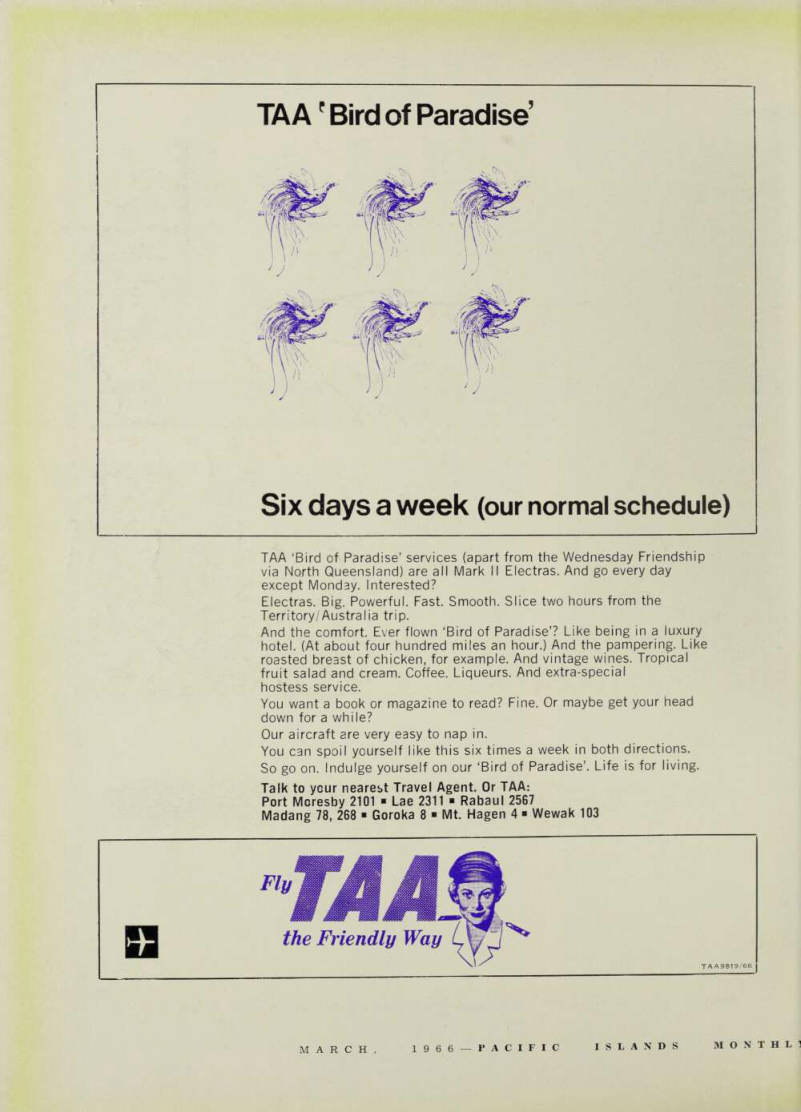 2
2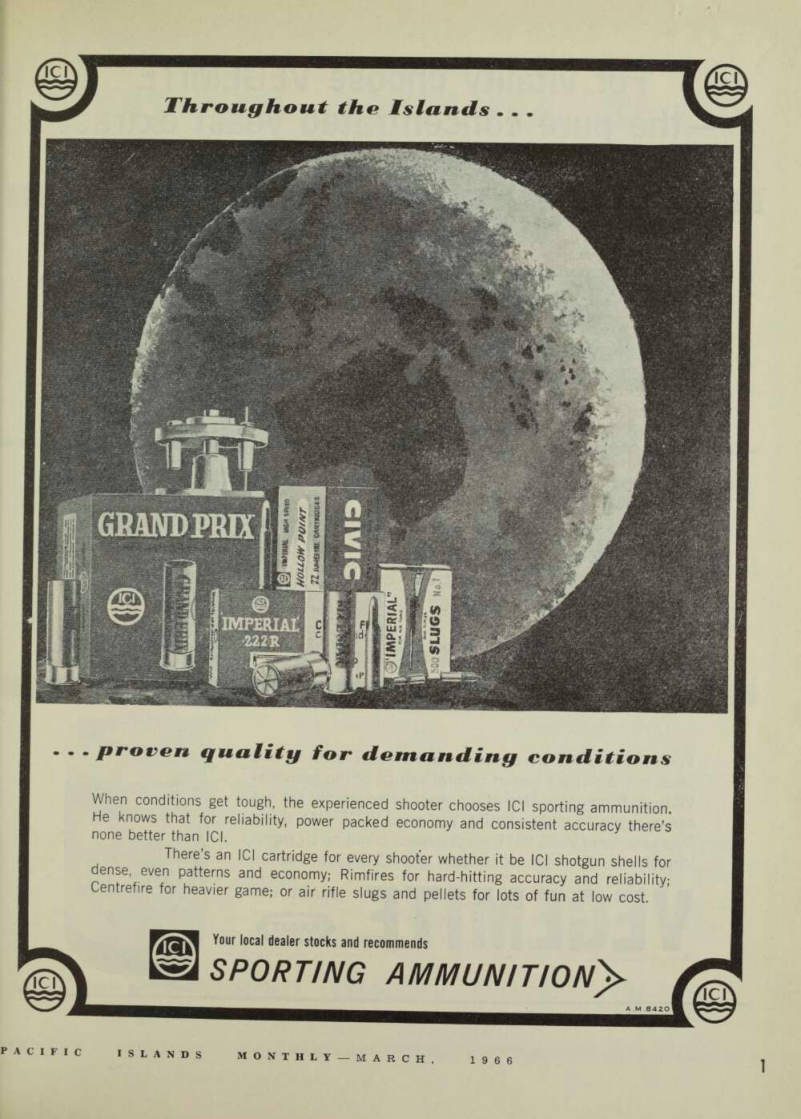 3
3 4
4 5
5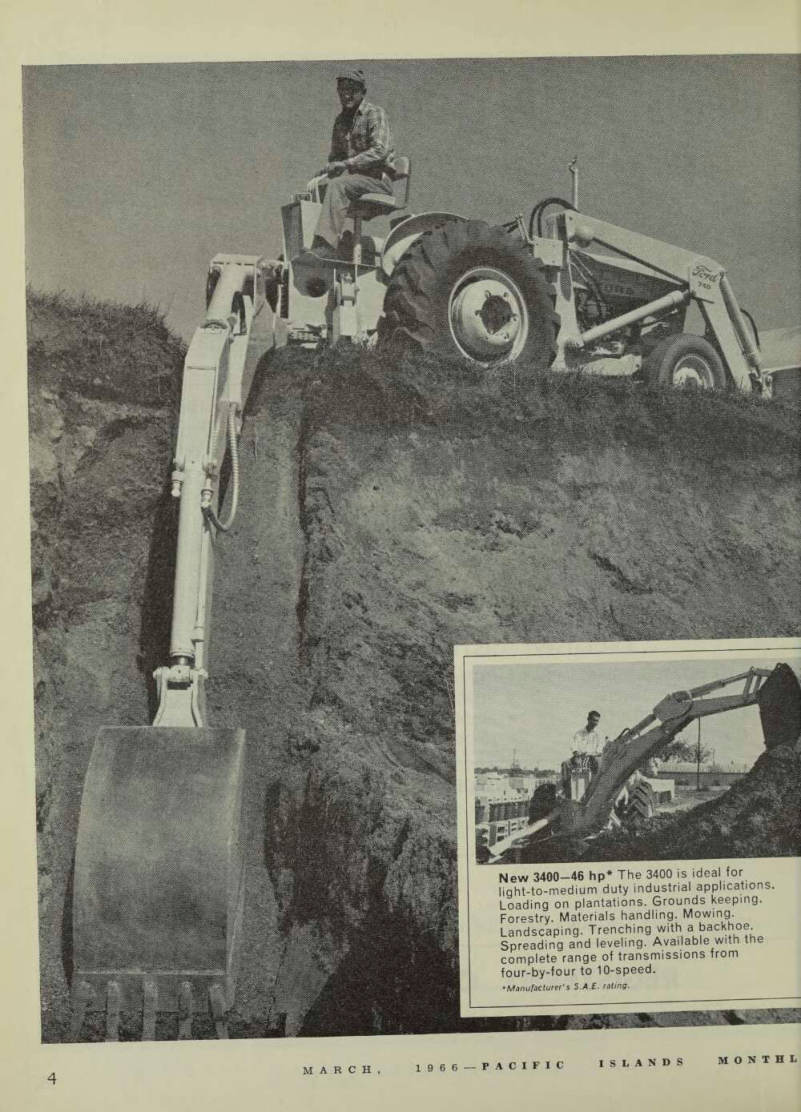 6
6 7
7 8
8 9
9 10
10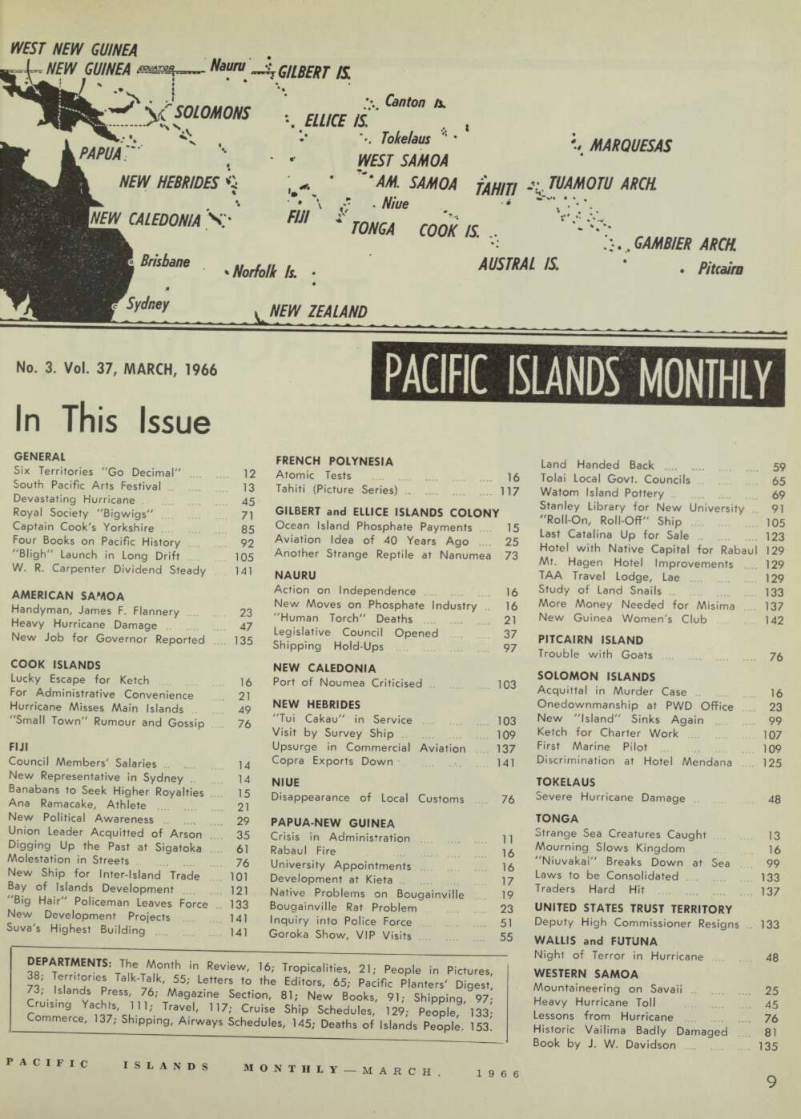 11
11 12
12 13
13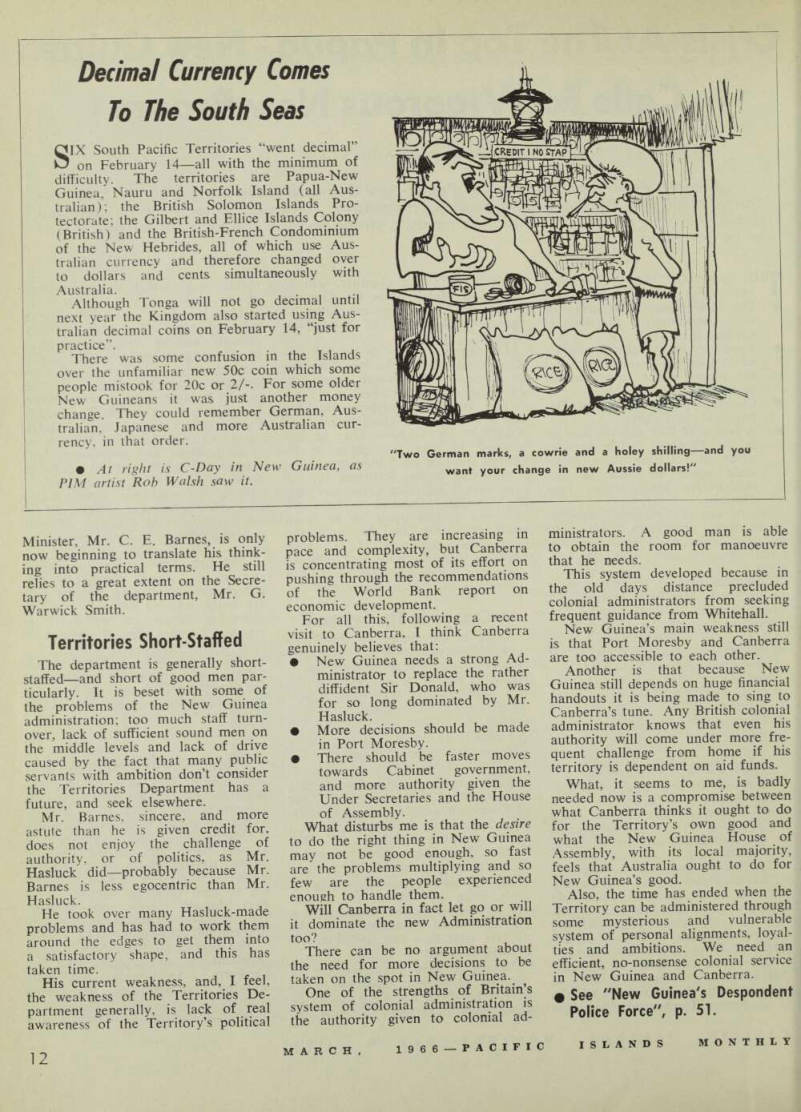 14
14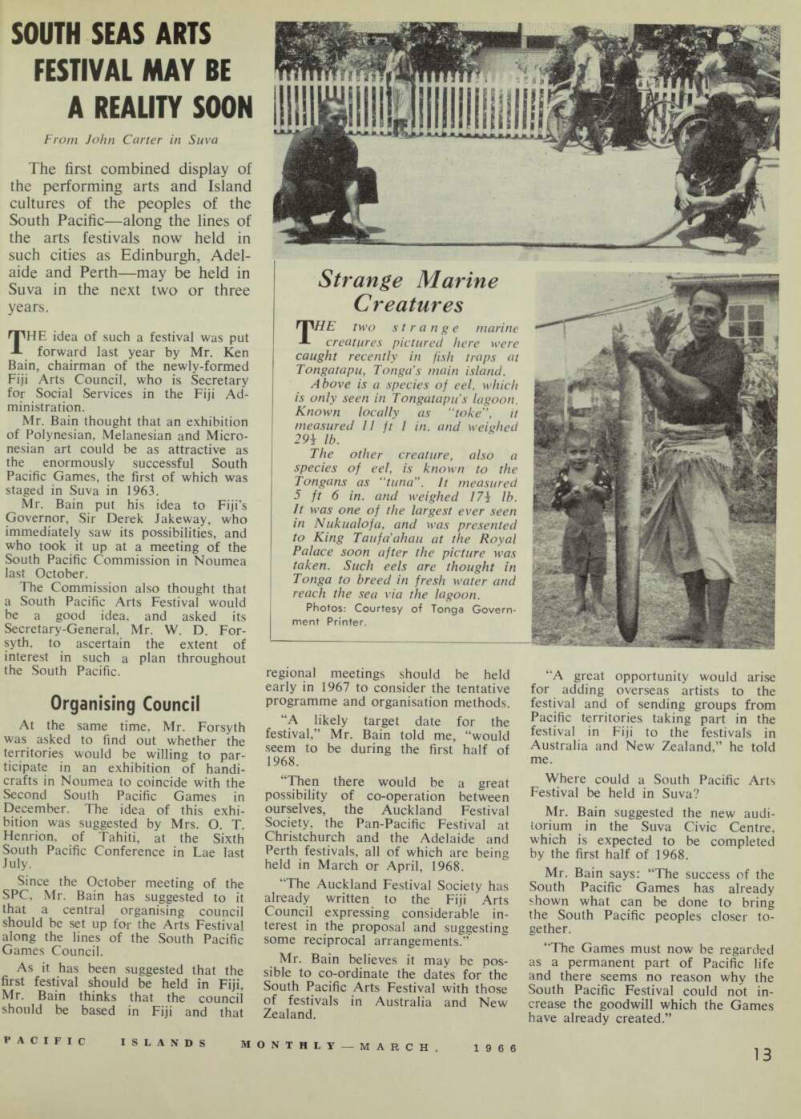 15
15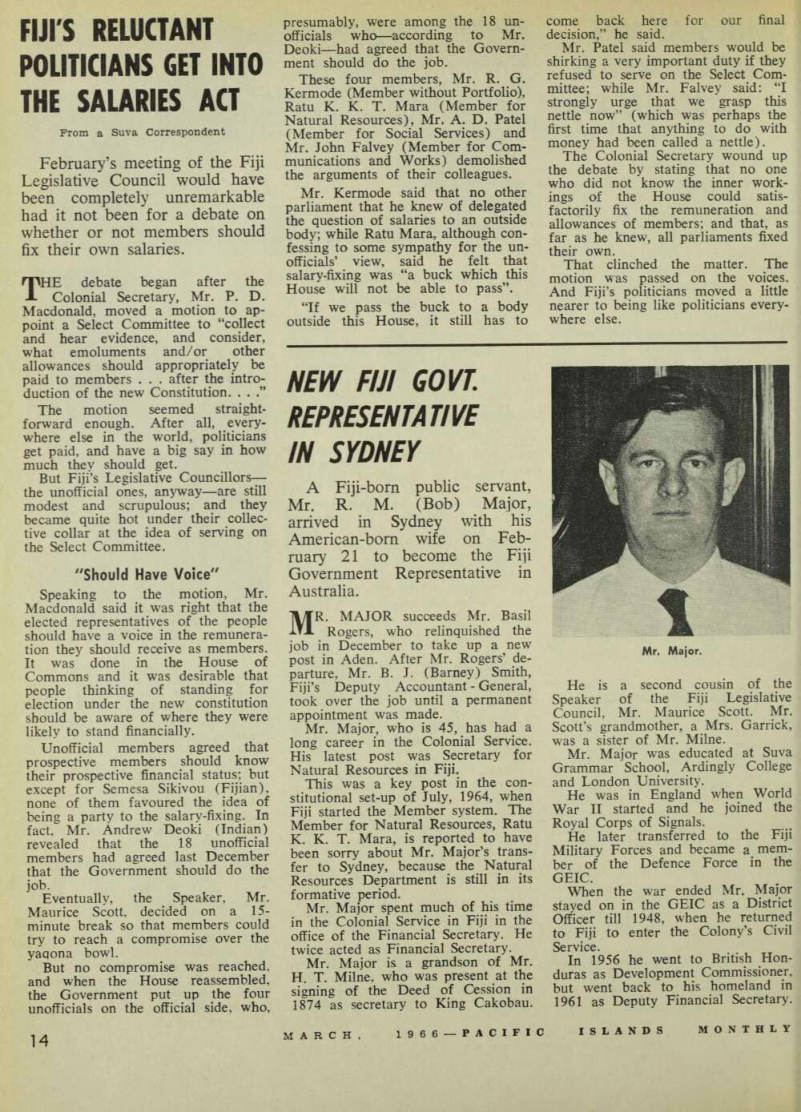 16
16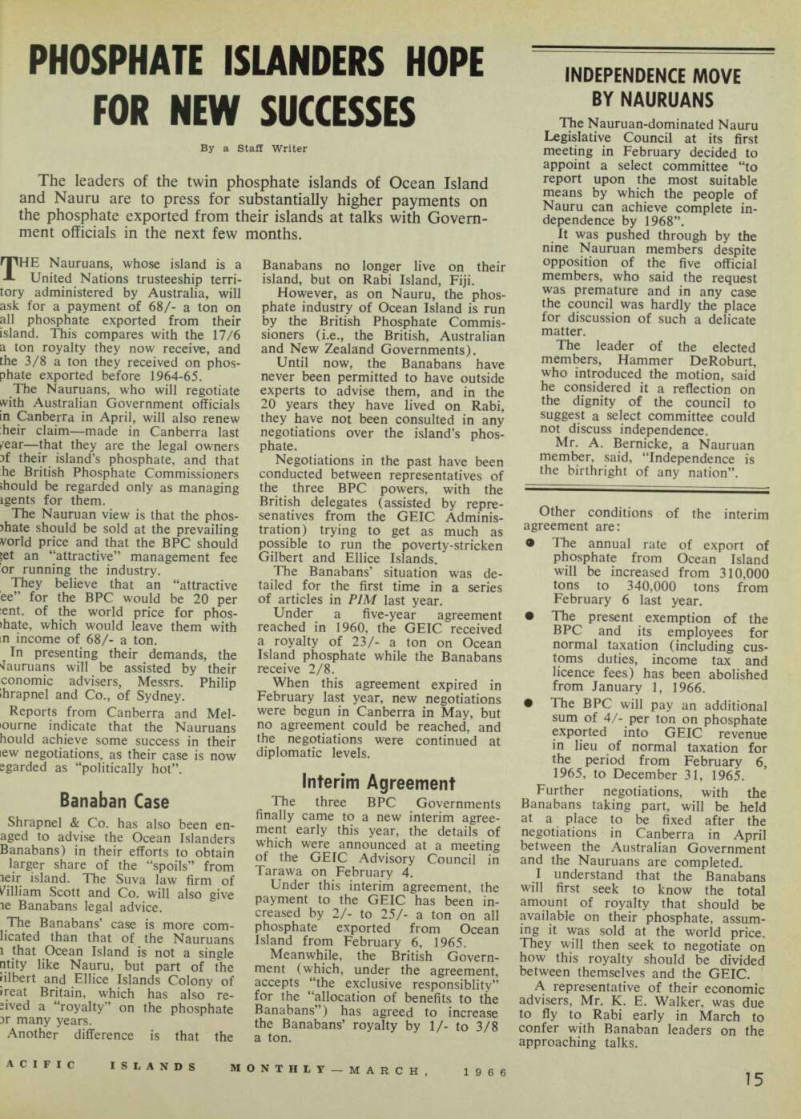 17
17 18
18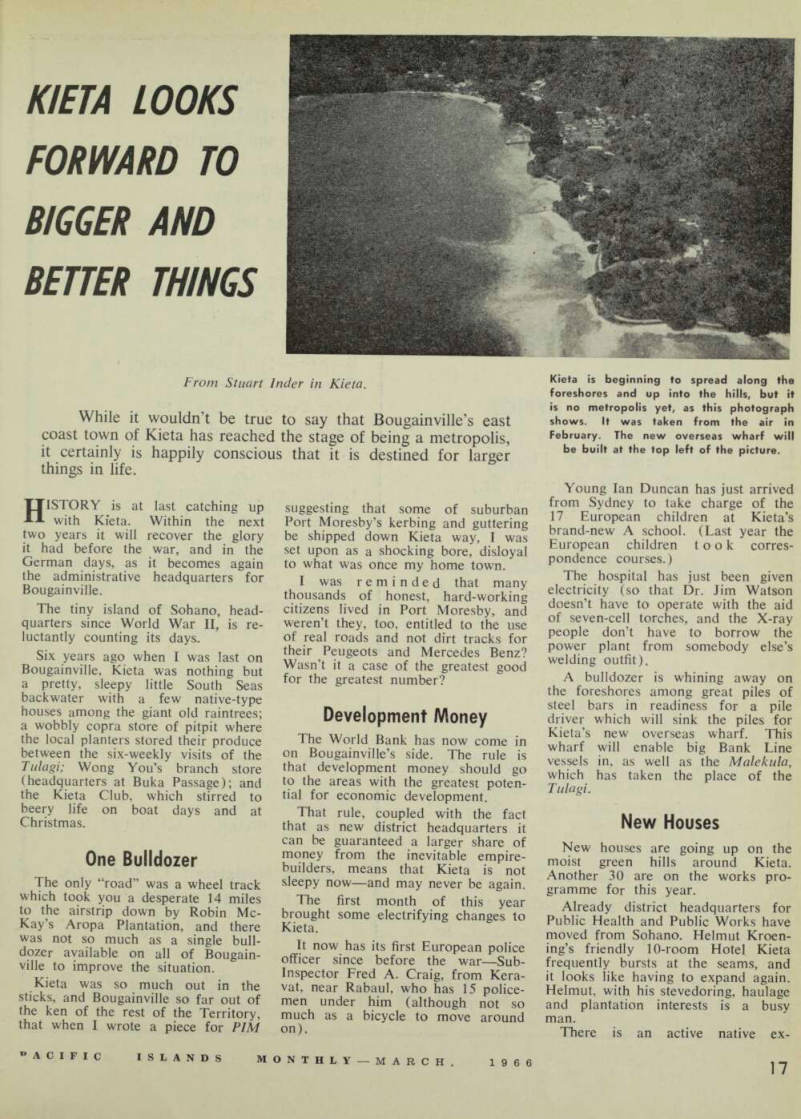 19
19 20
20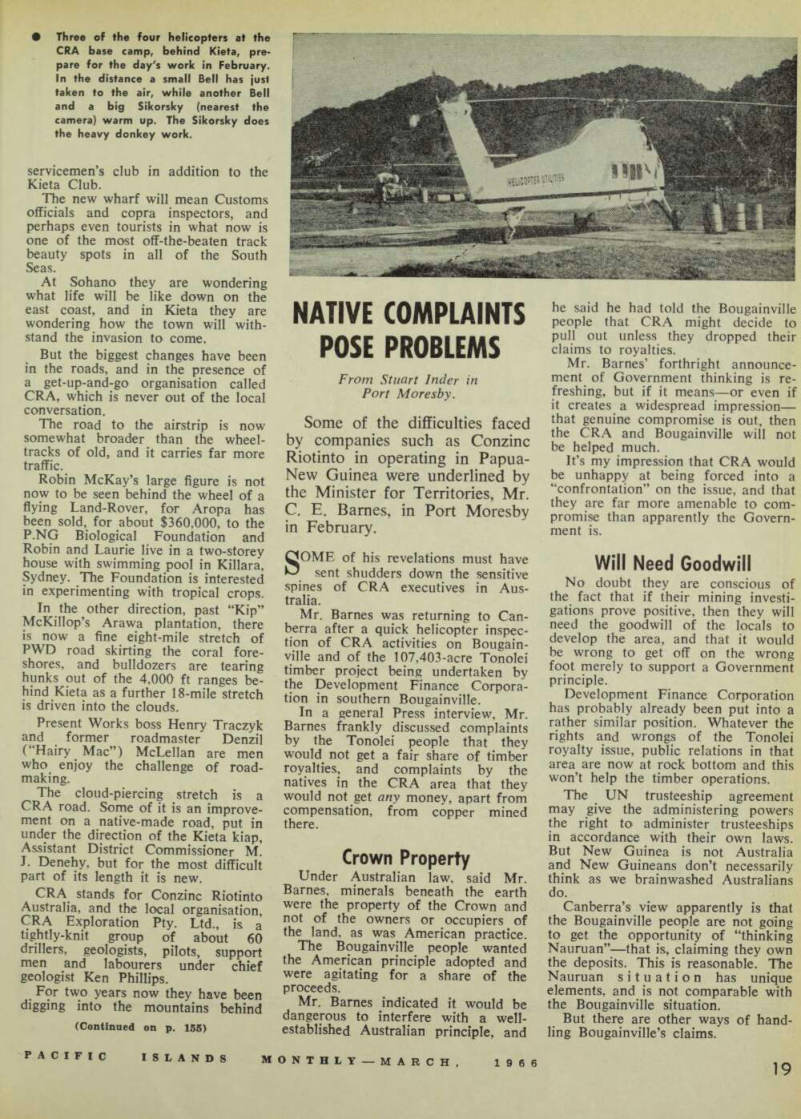 21
21 22
22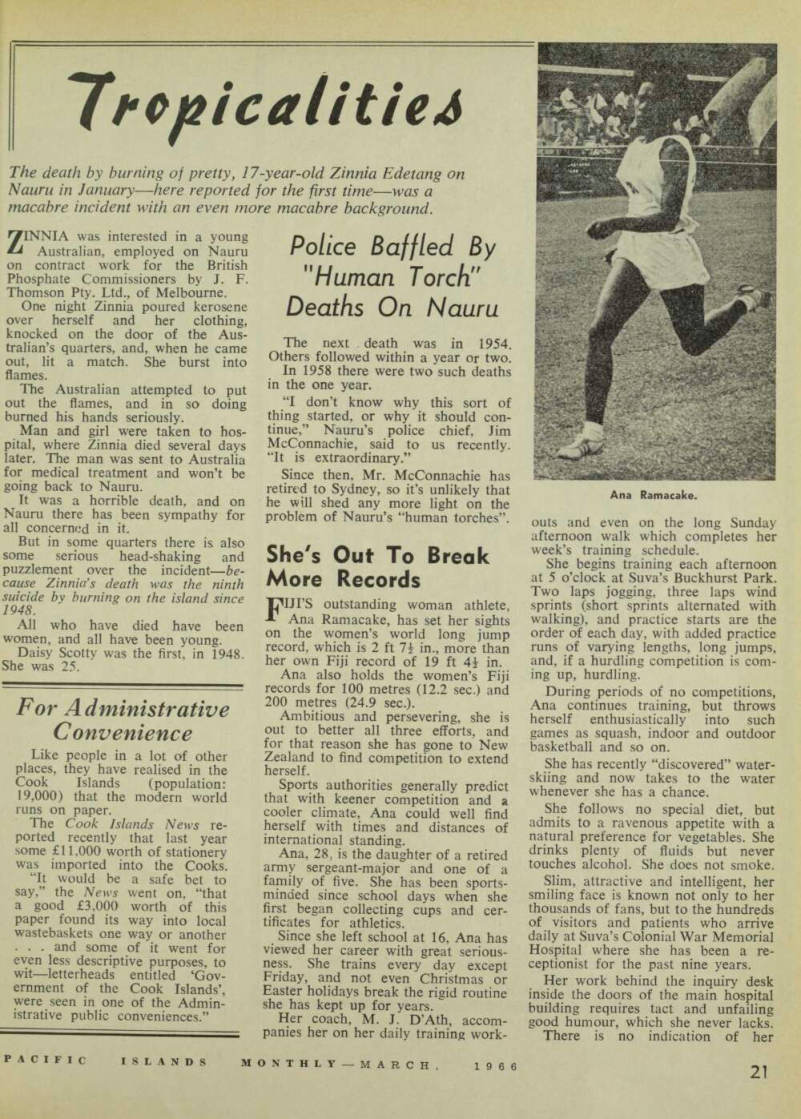 23
23 24
24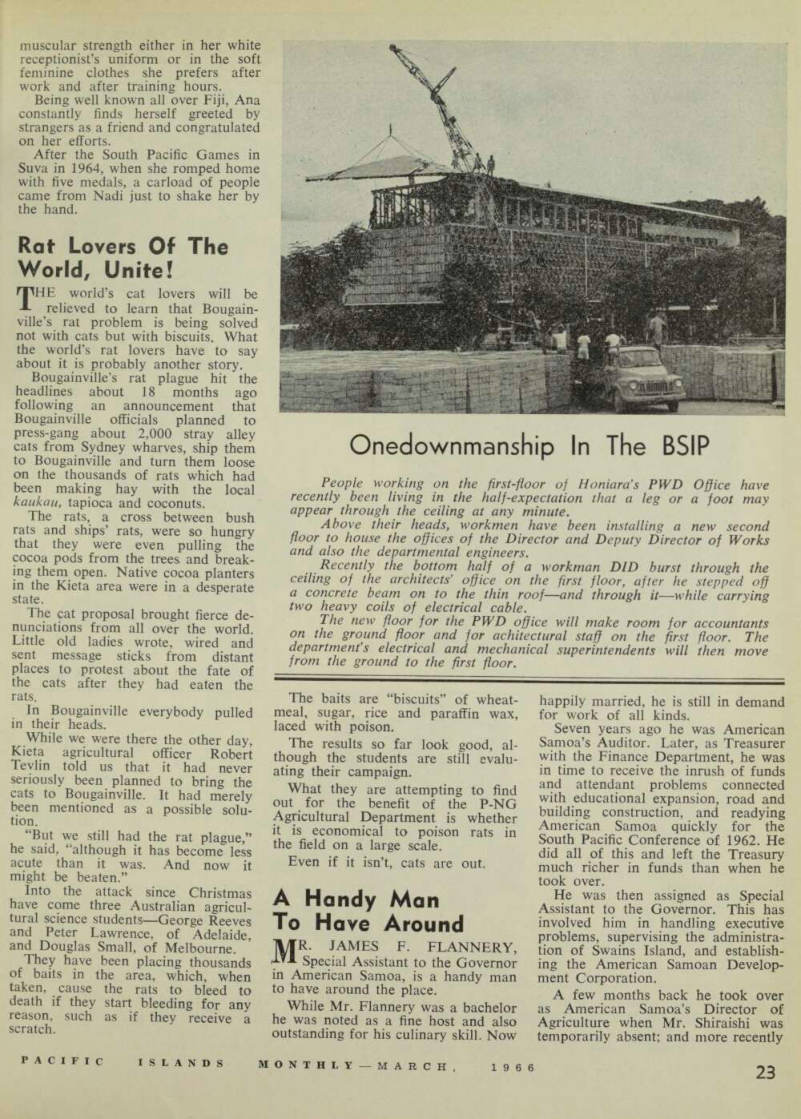 25
25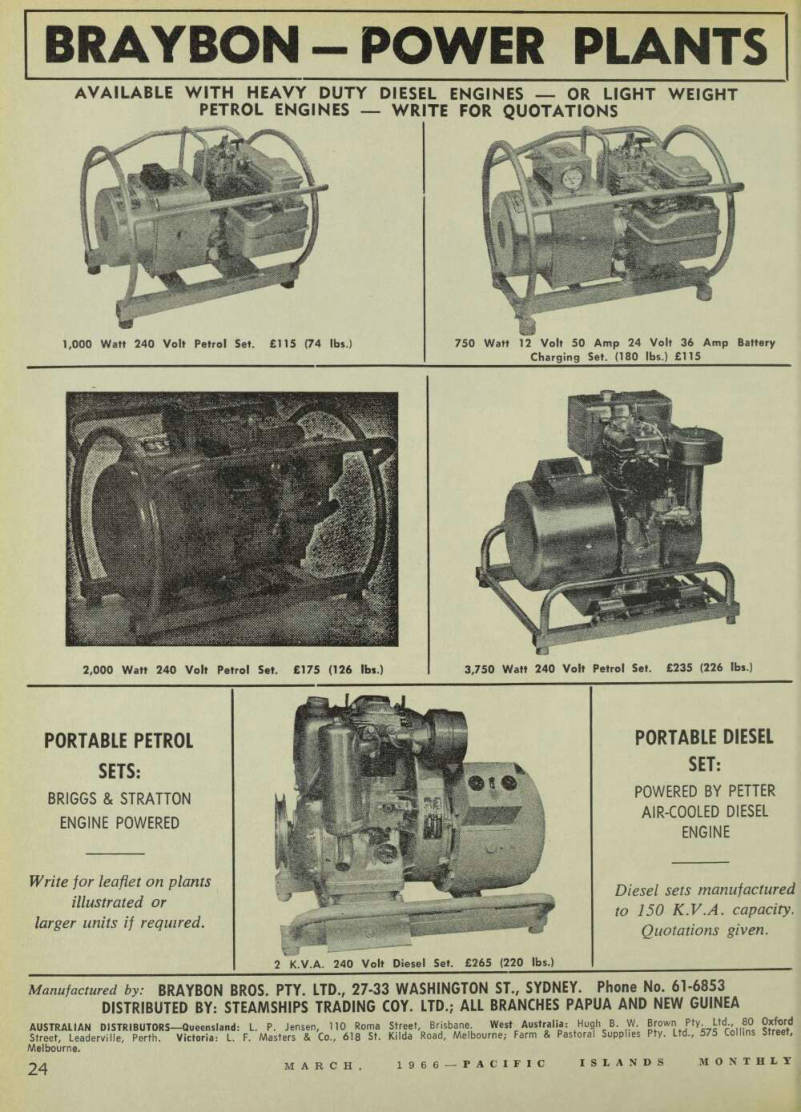 26
26 27
27 28
28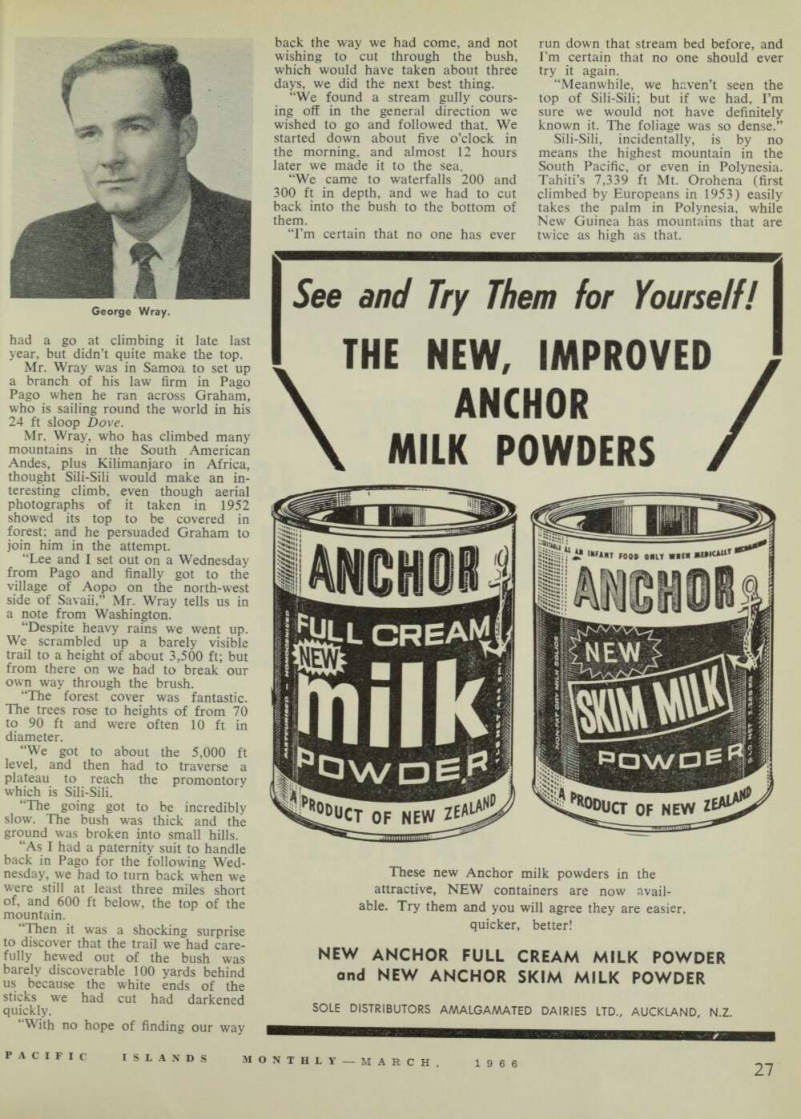 29
29 30
30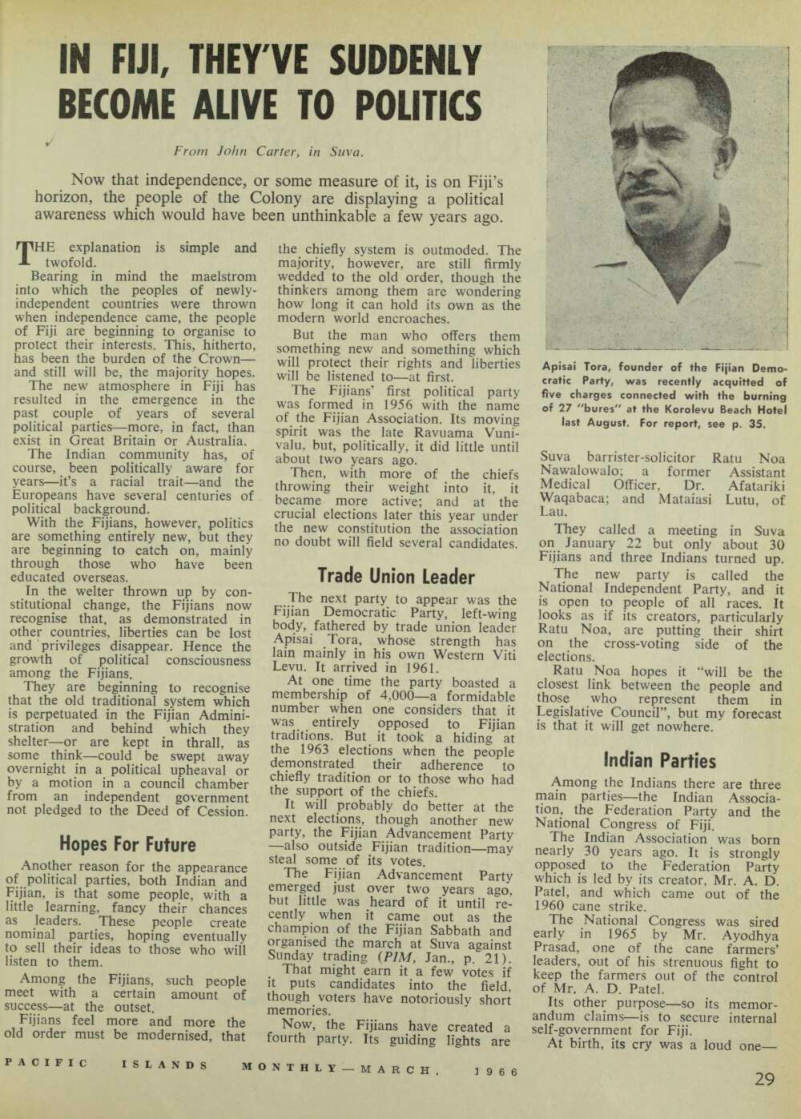 31
31 32
32 33
33 34
34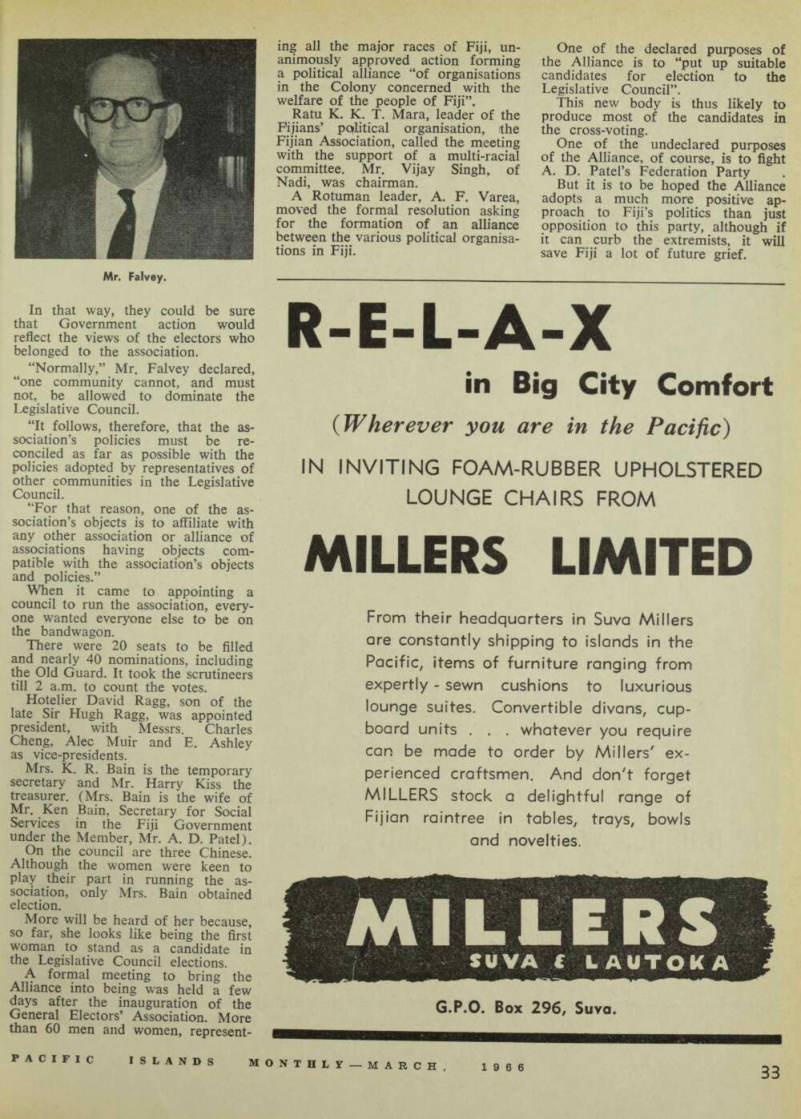 35
35 36
36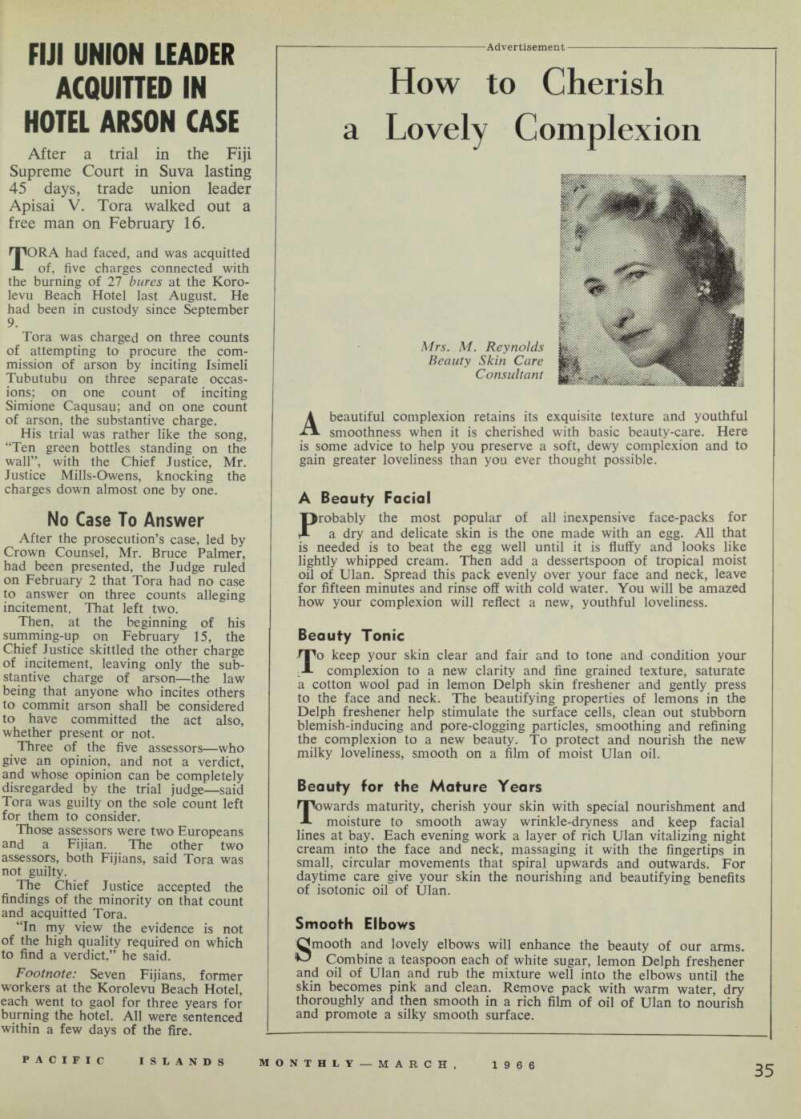 37
37 38
38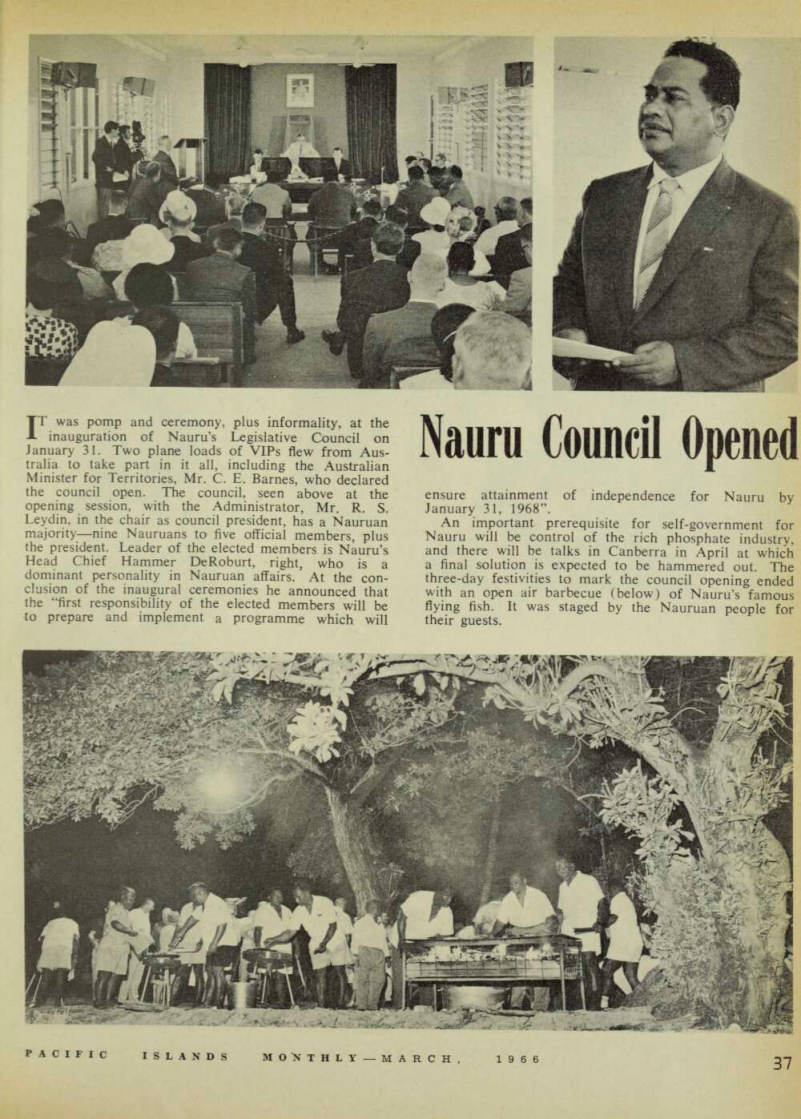 39
39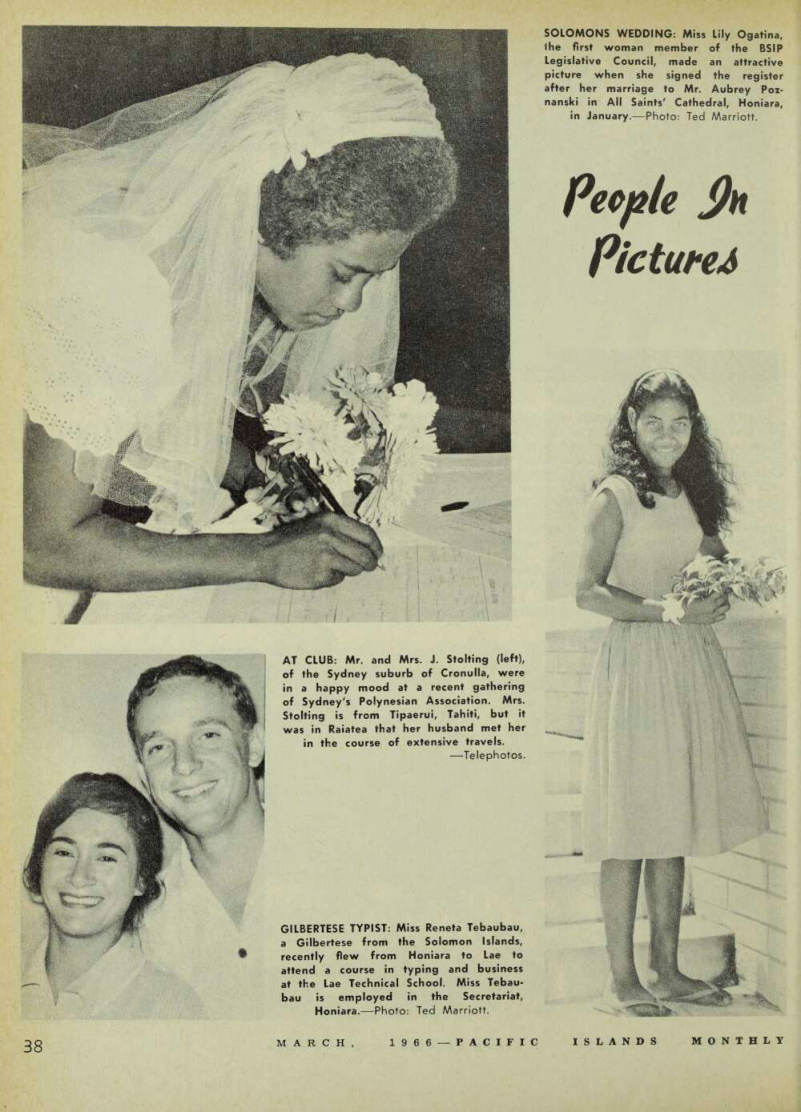 40
40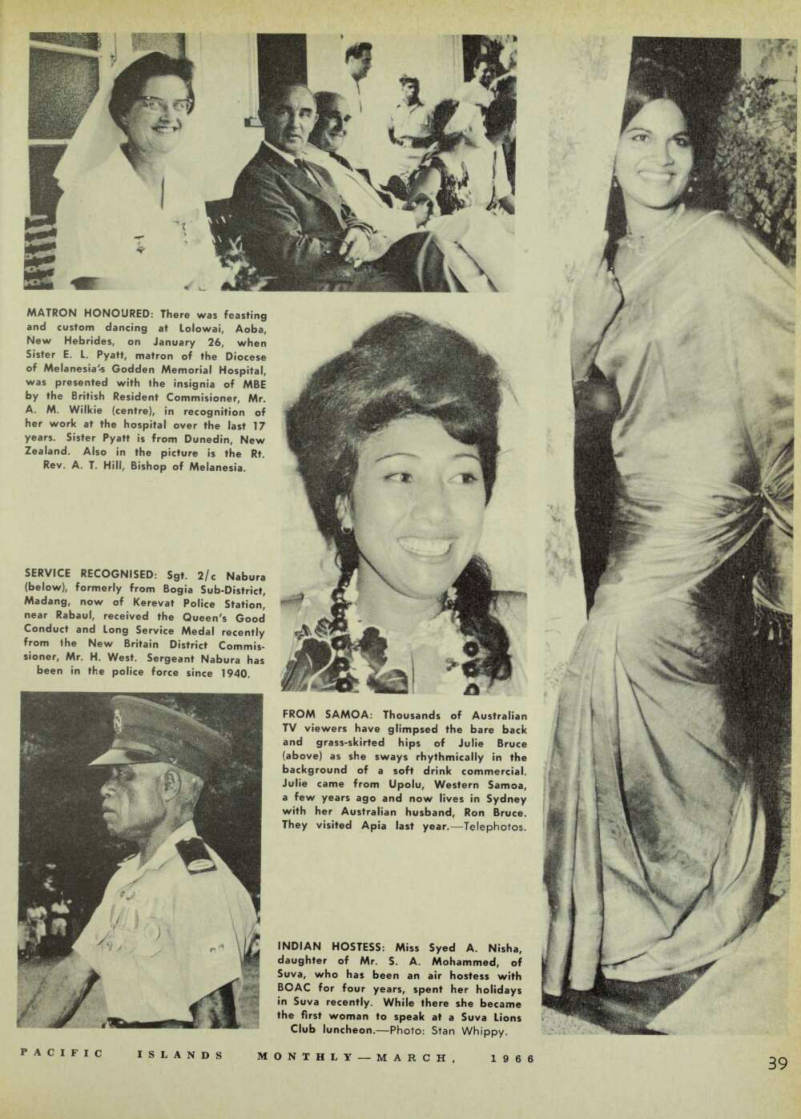 41
41 42
42 43
43 44
44 45
45 46
46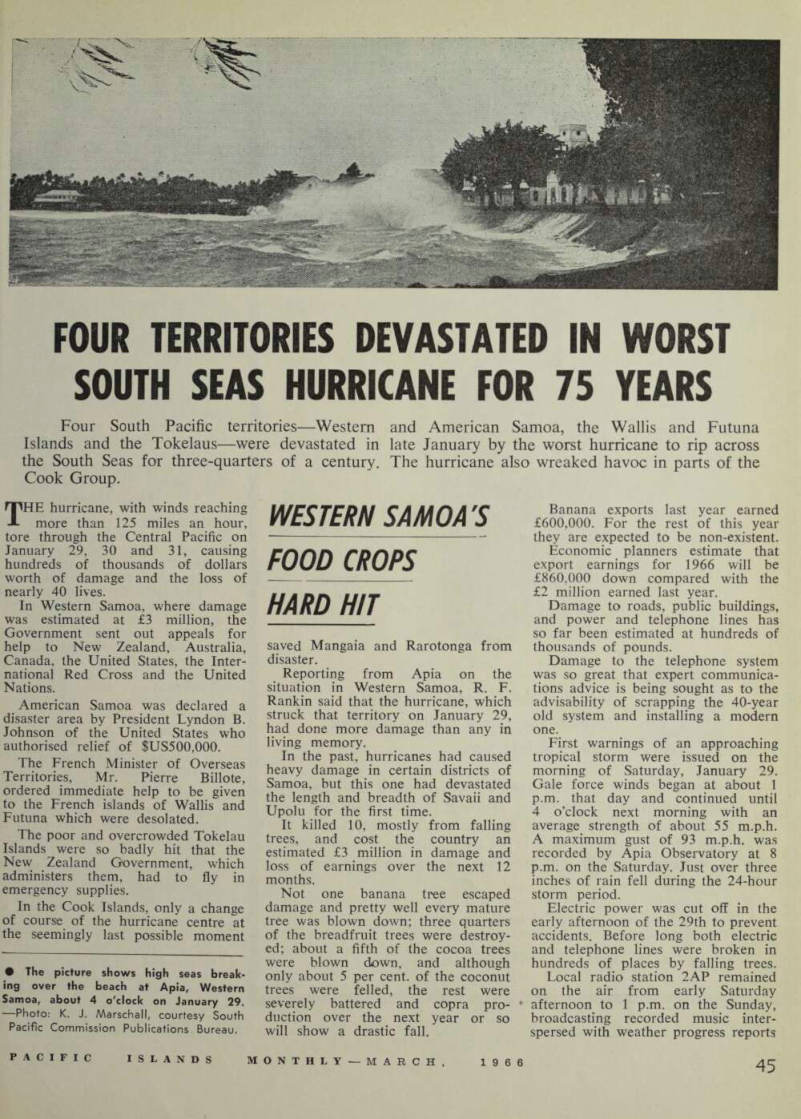 47
47 48
48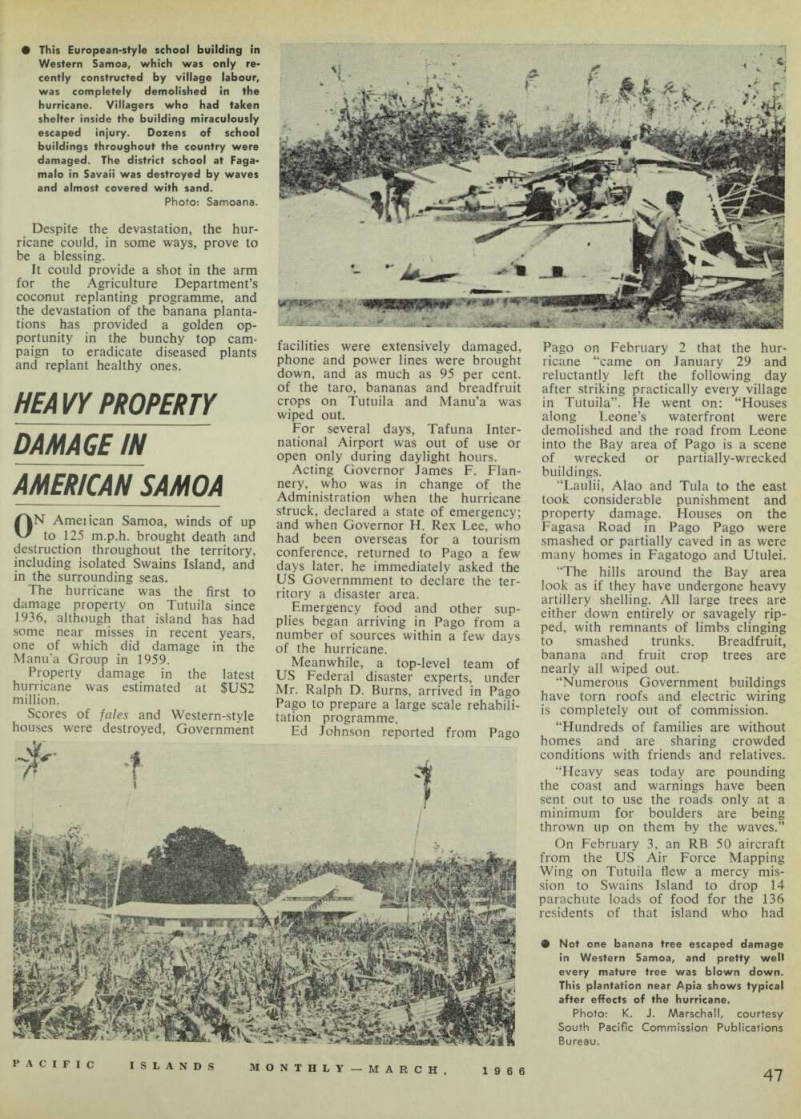 49
49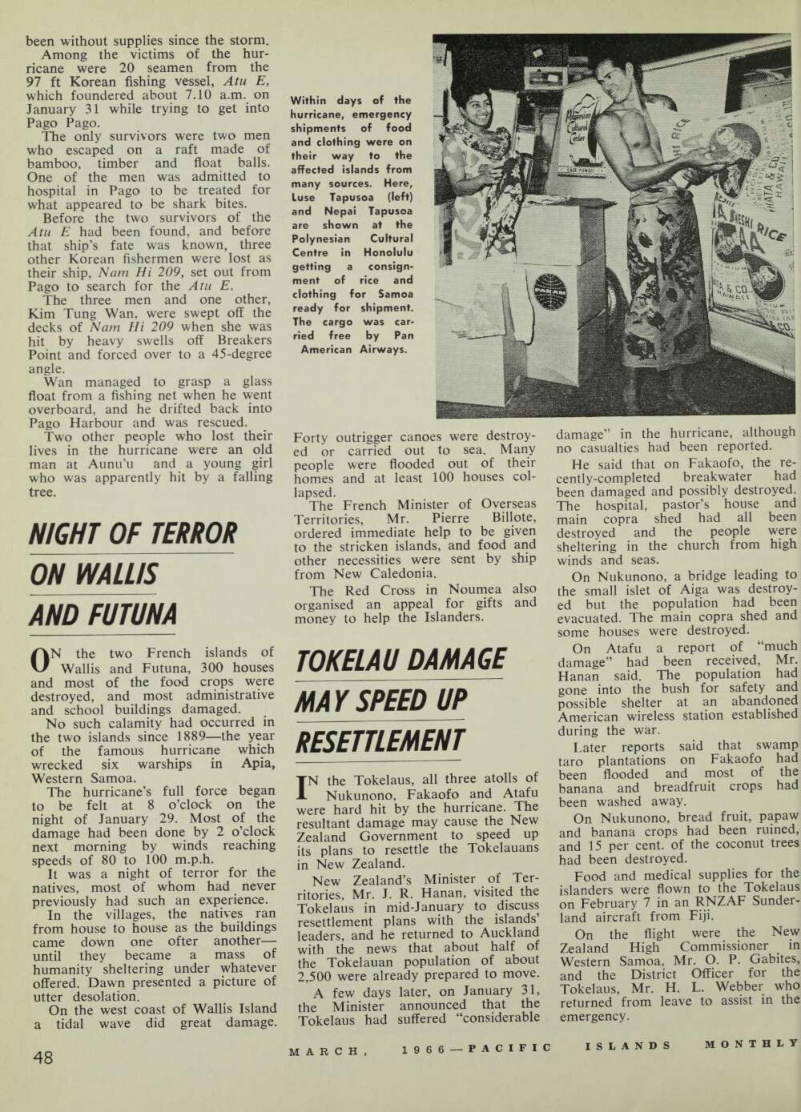 50
50 51
51 52
52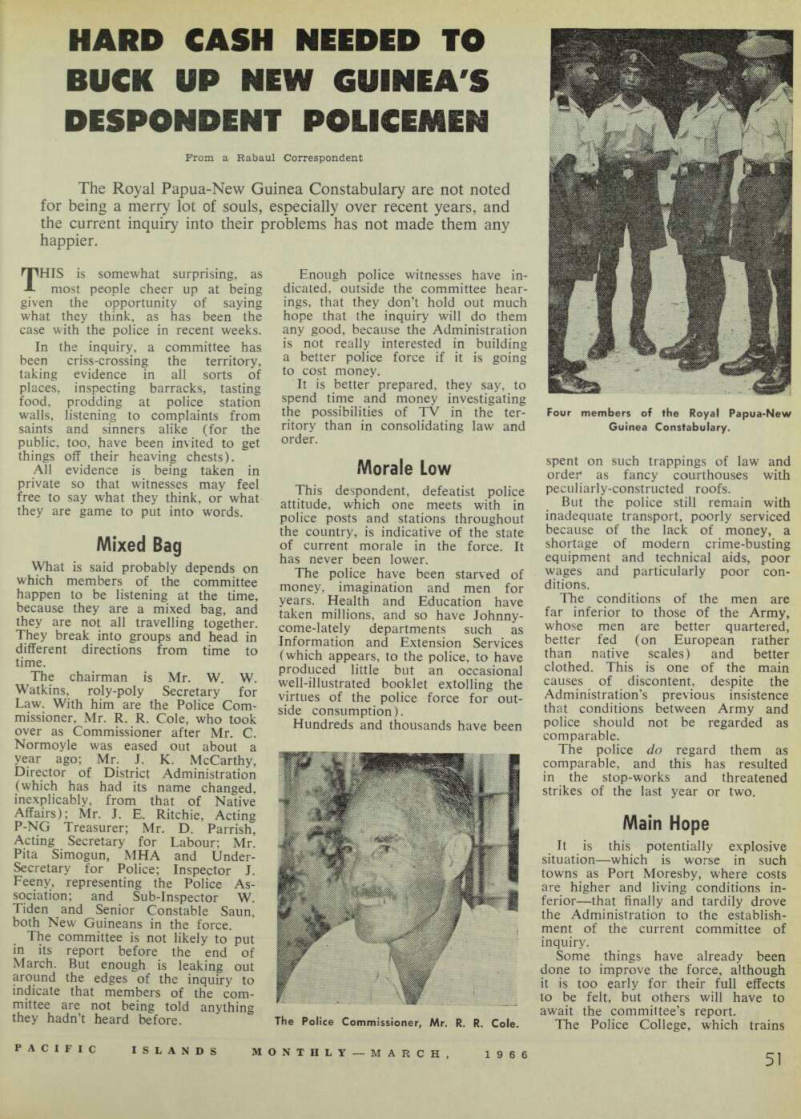 53
53 54
54 55
55 56
56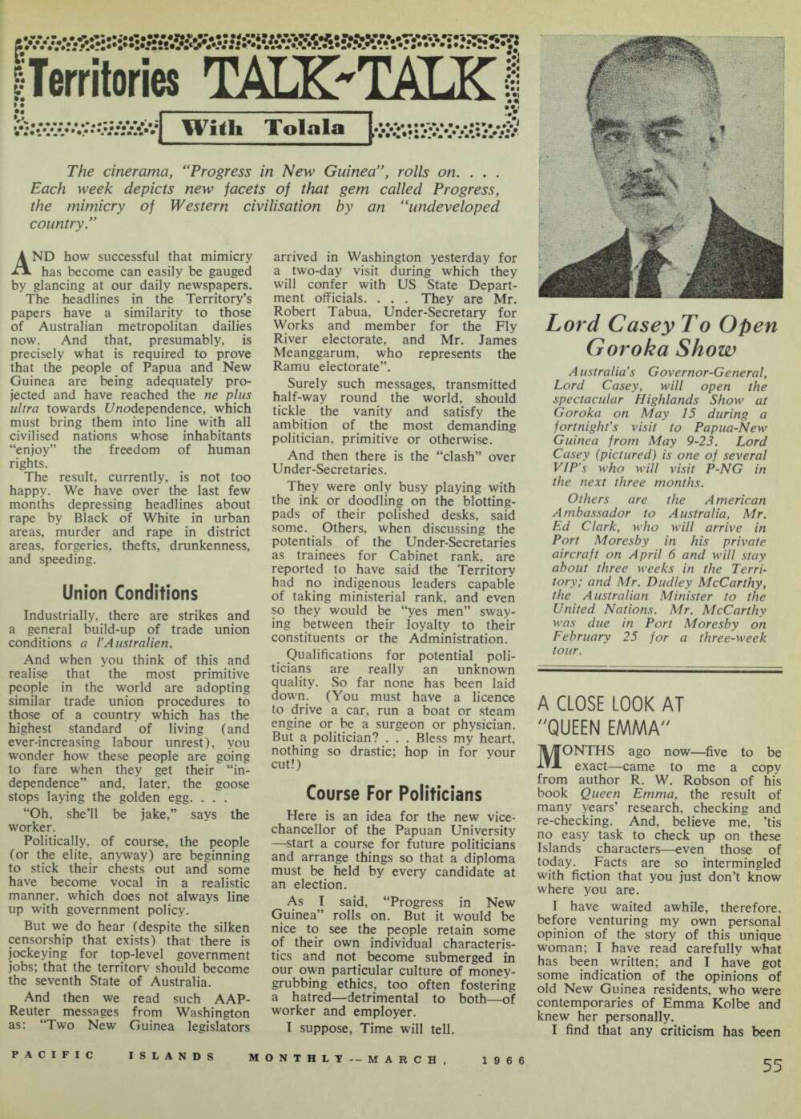 57
57 58
58 59
59 60
60 61
61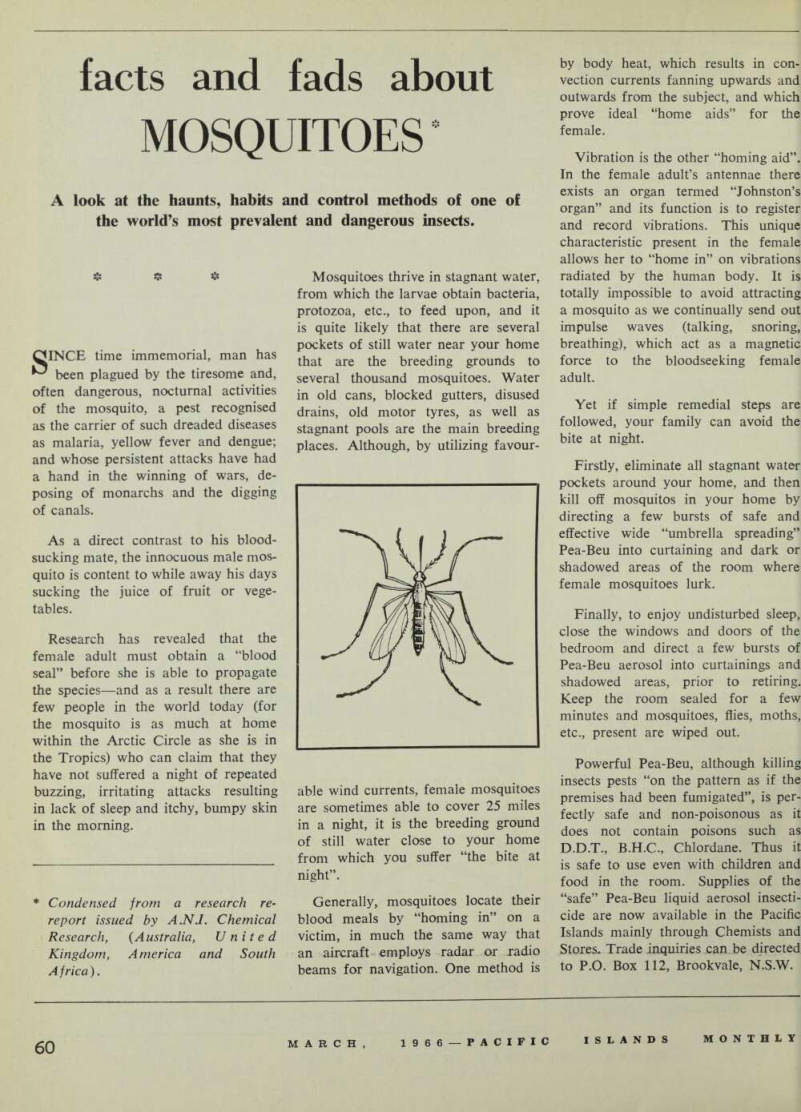 62
62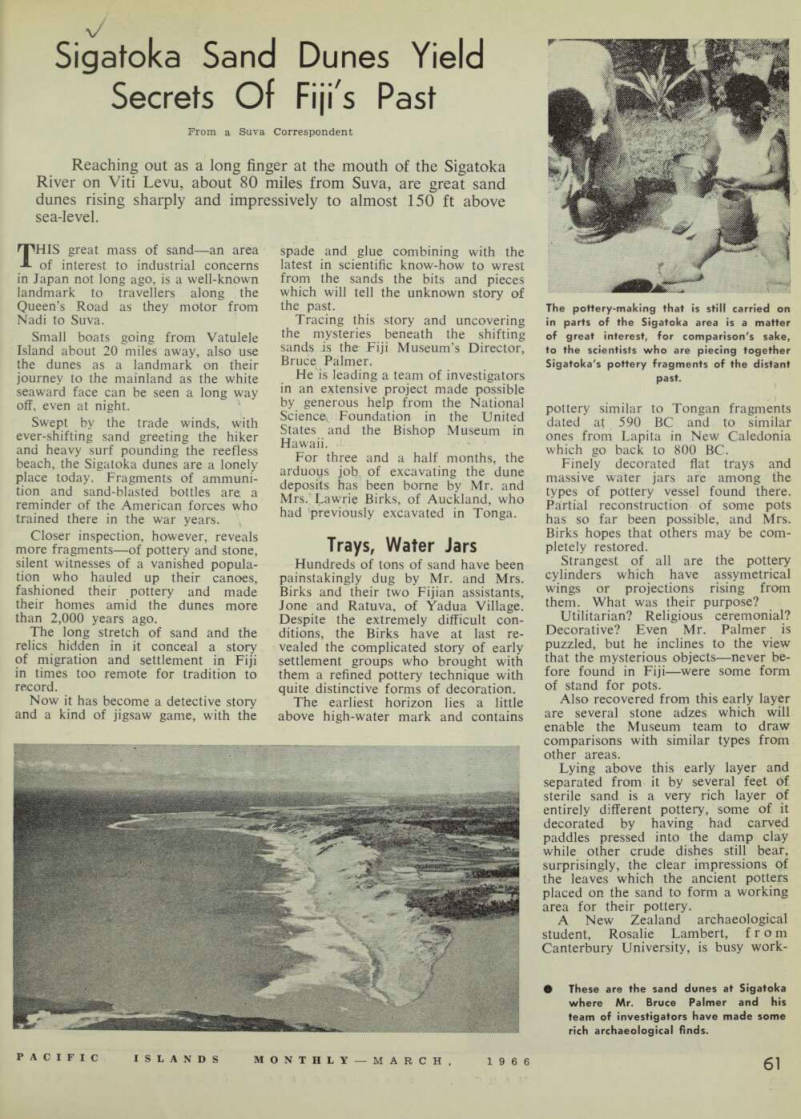 63
63 64
64 65
65 66
66 67
67 68
68 69
69 70
70 71
71 72
72 73
73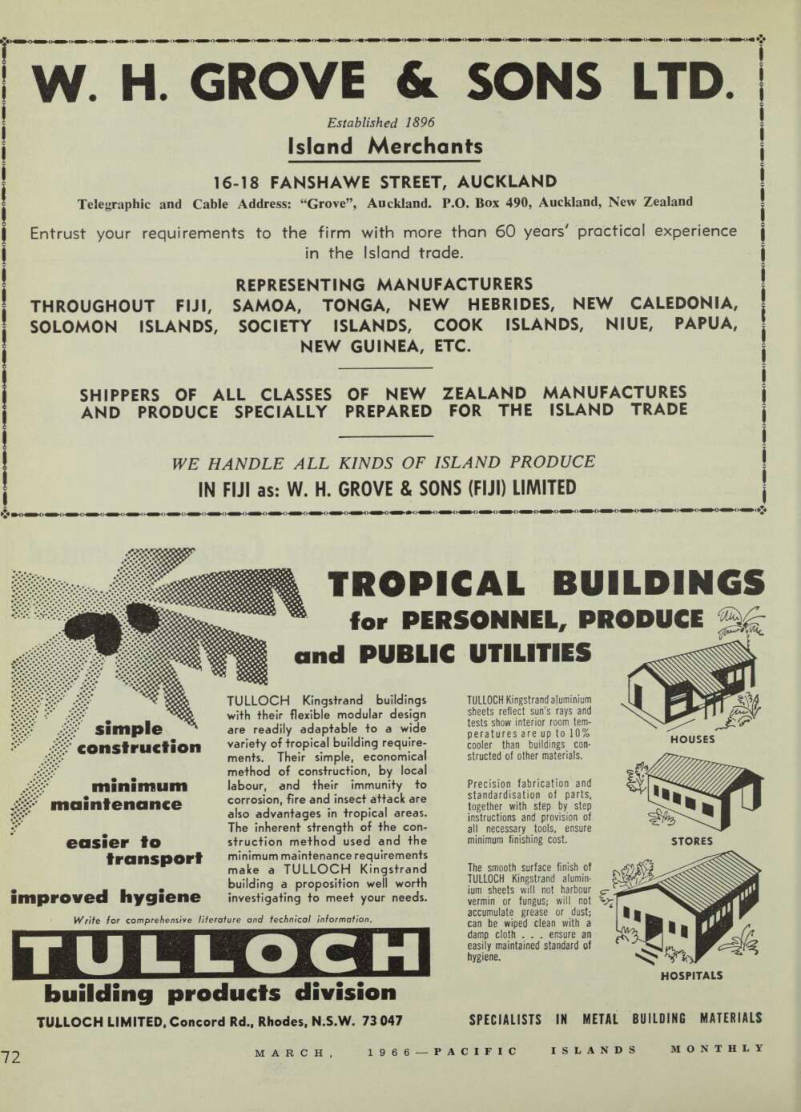 74
74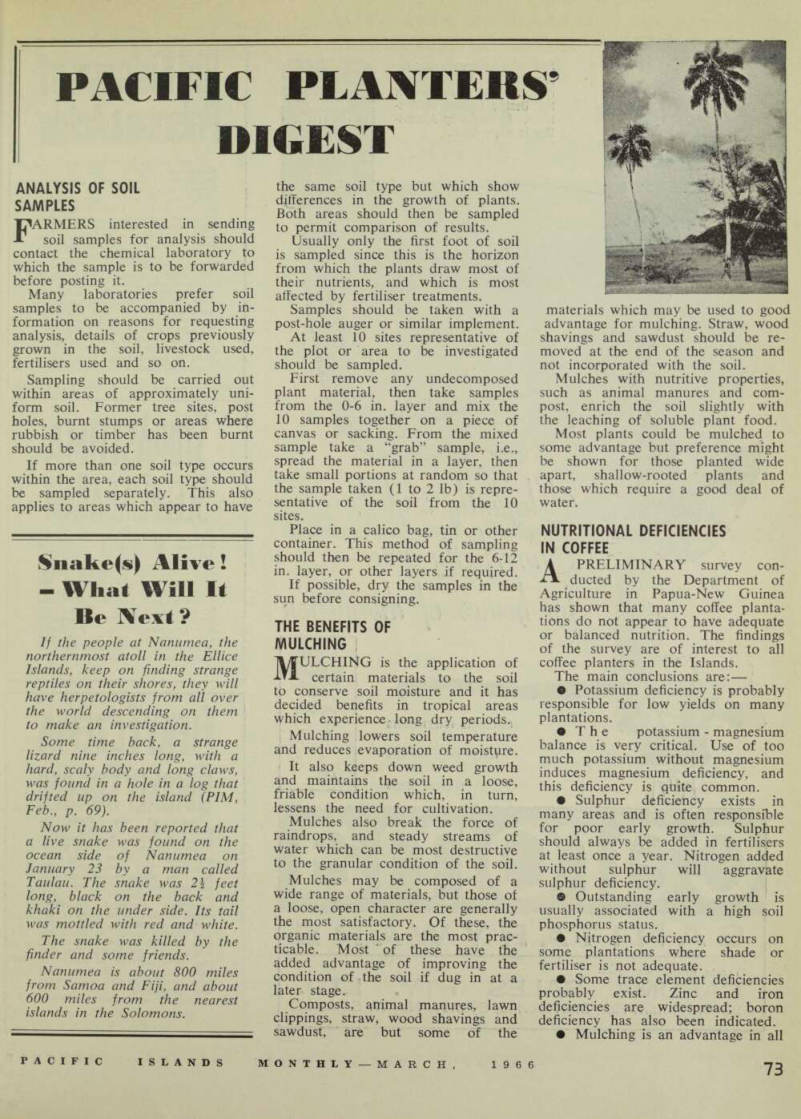 75
75 76
76 77
77 78
78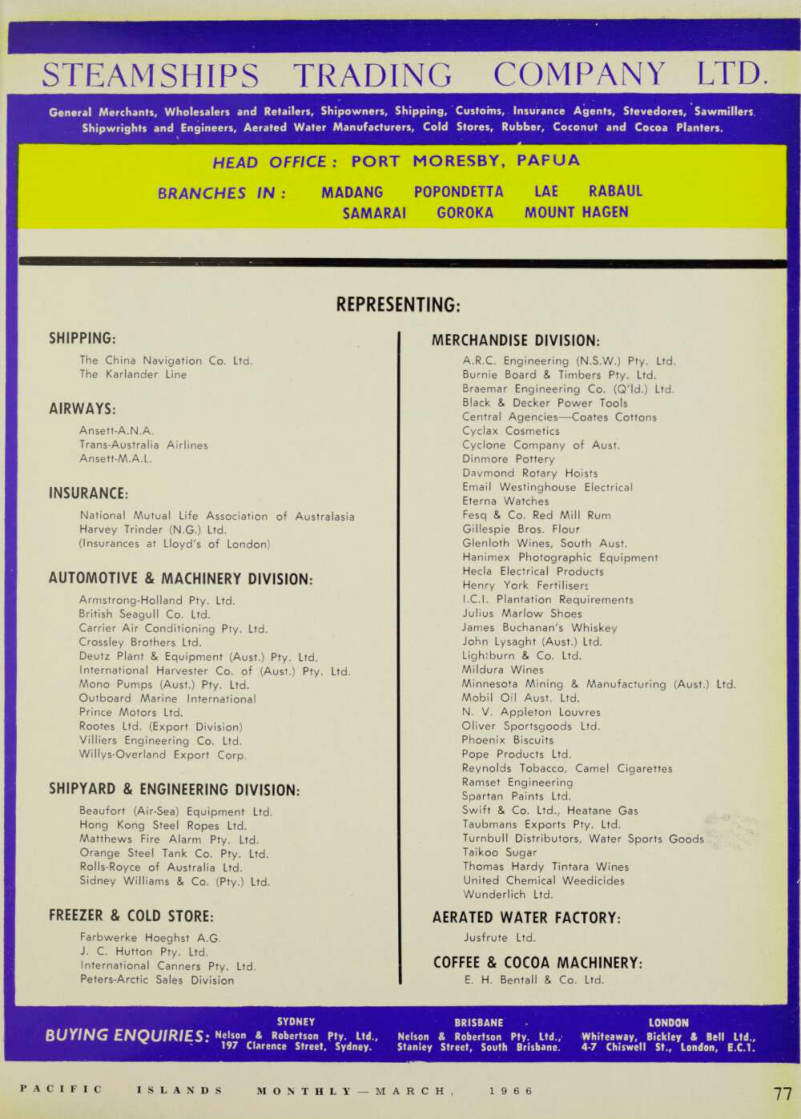 79
79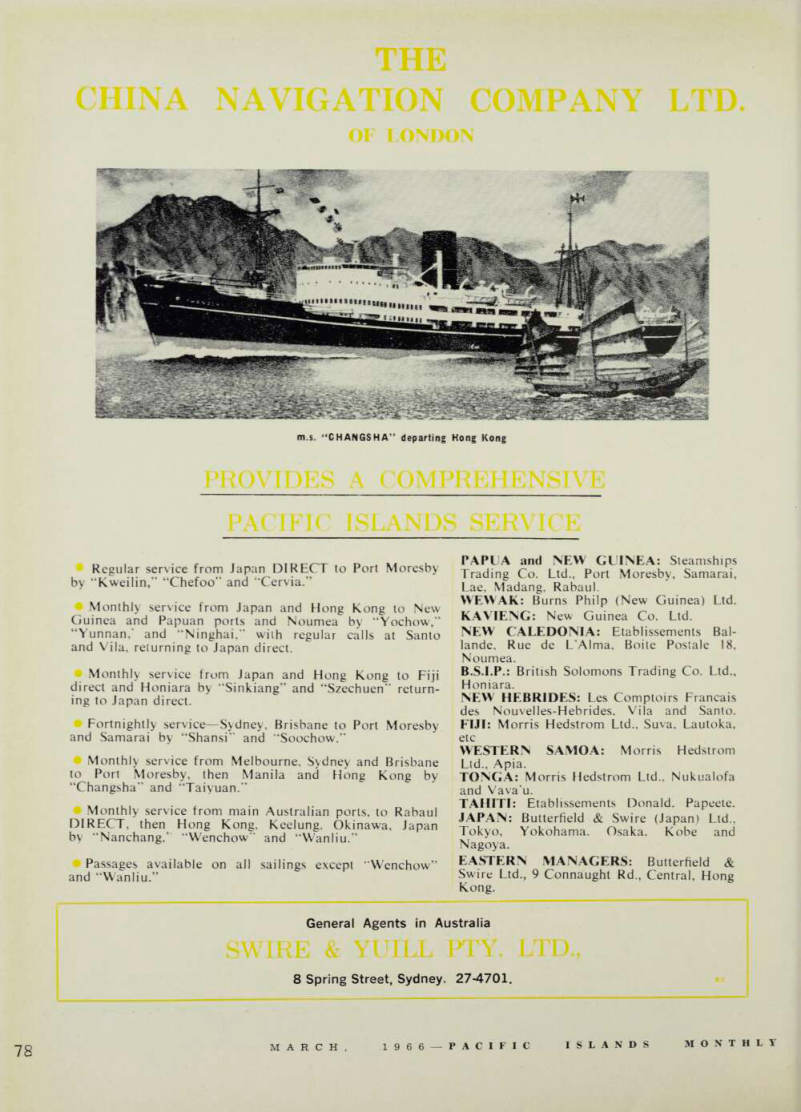 80
80 81
81 82
82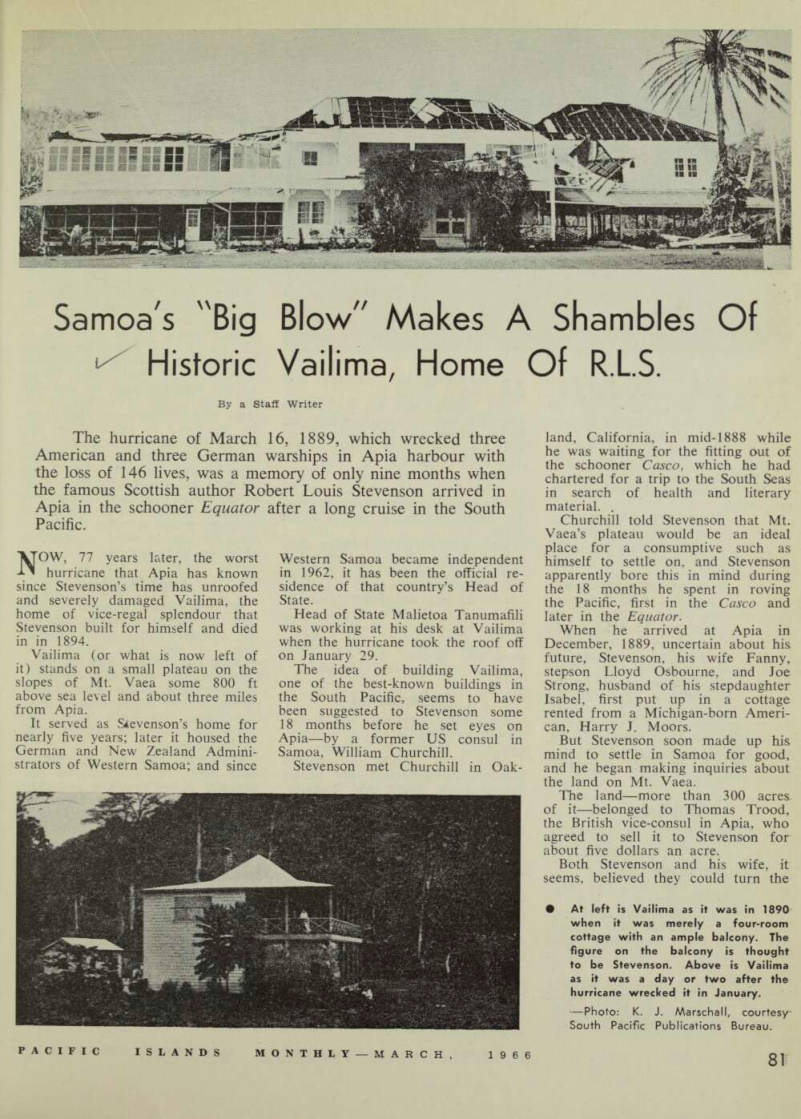 83
83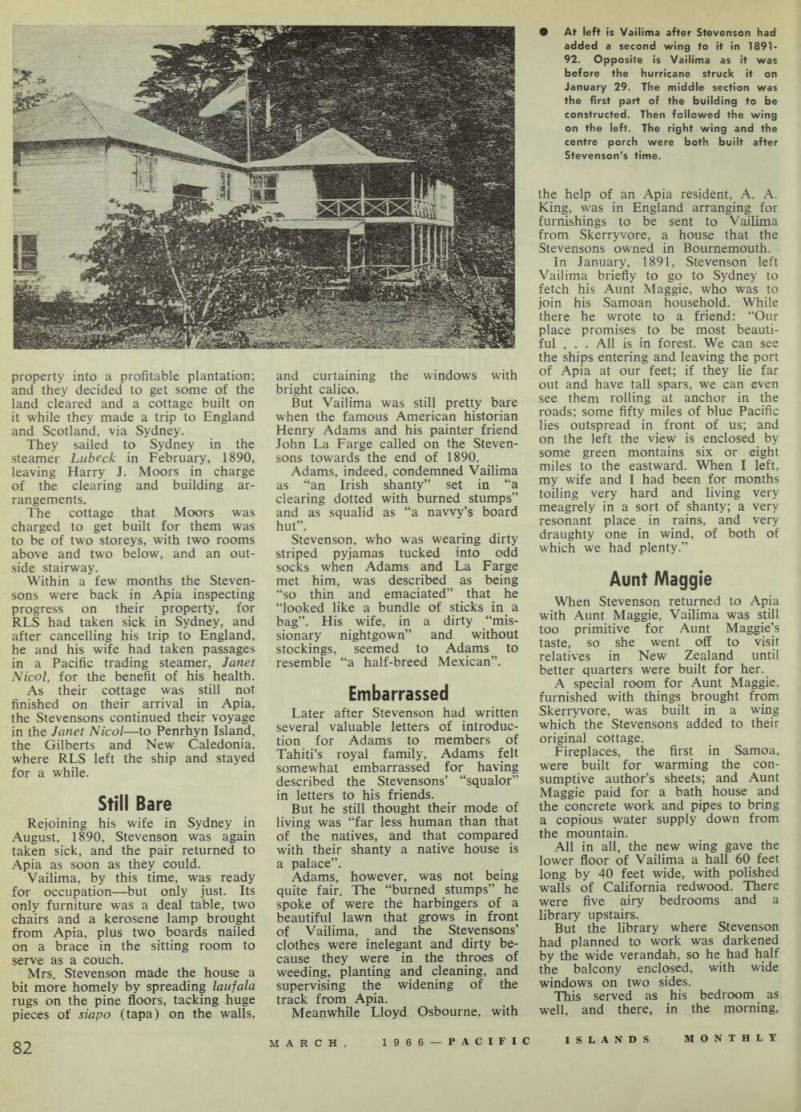 84
84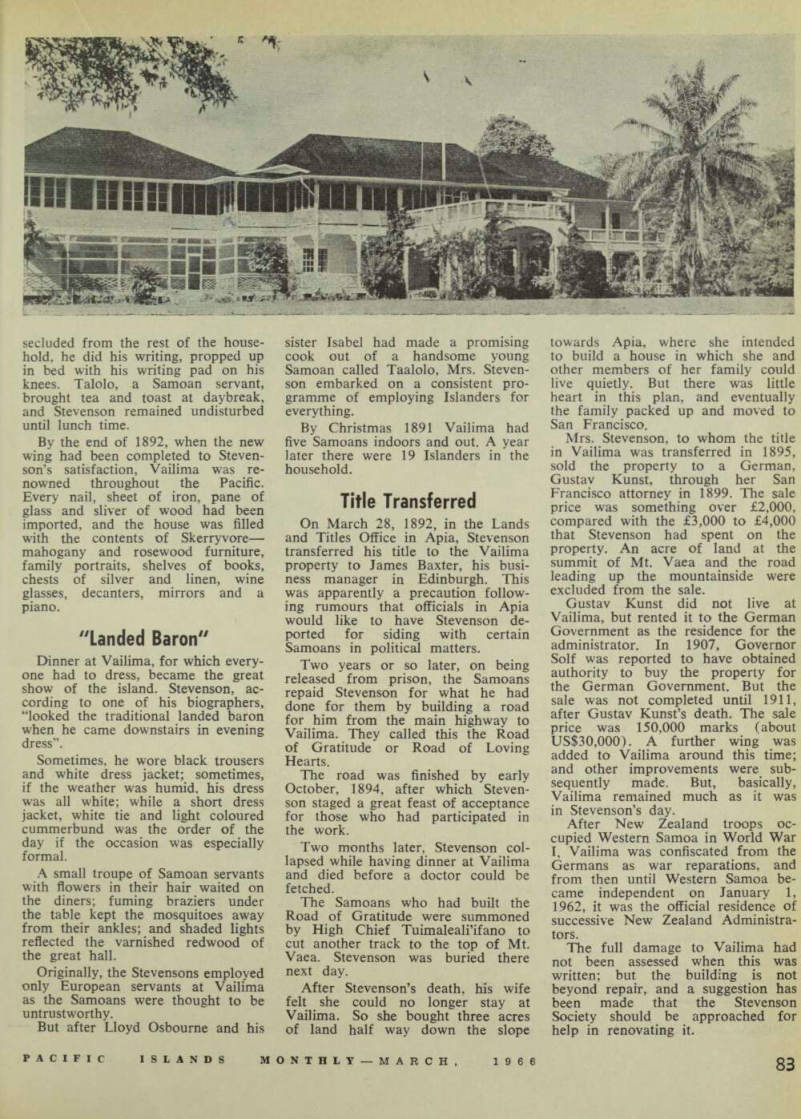 85
85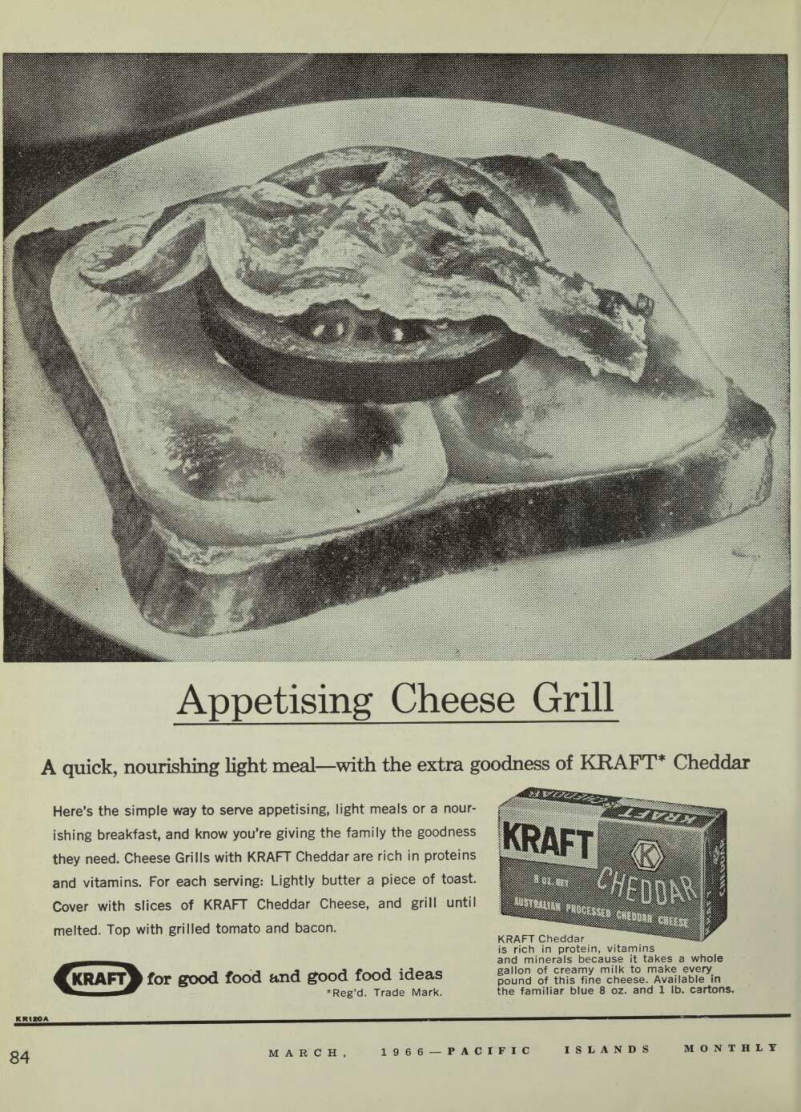 86
86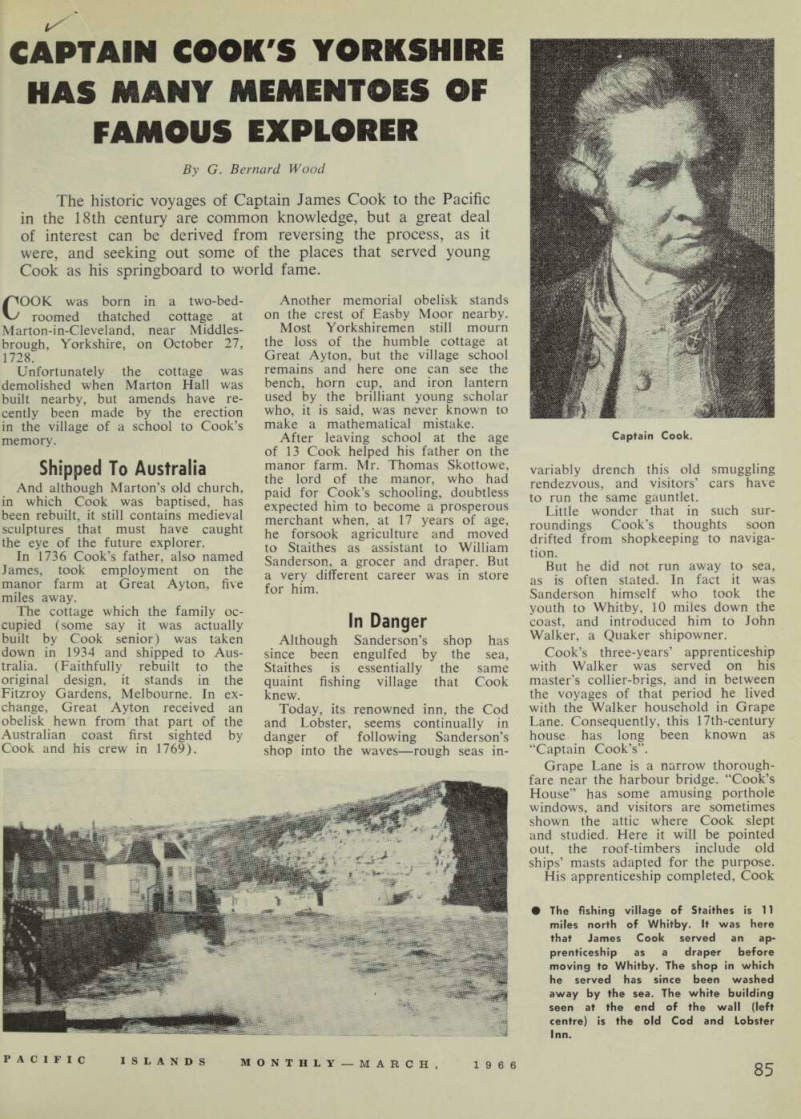 87
87 88
88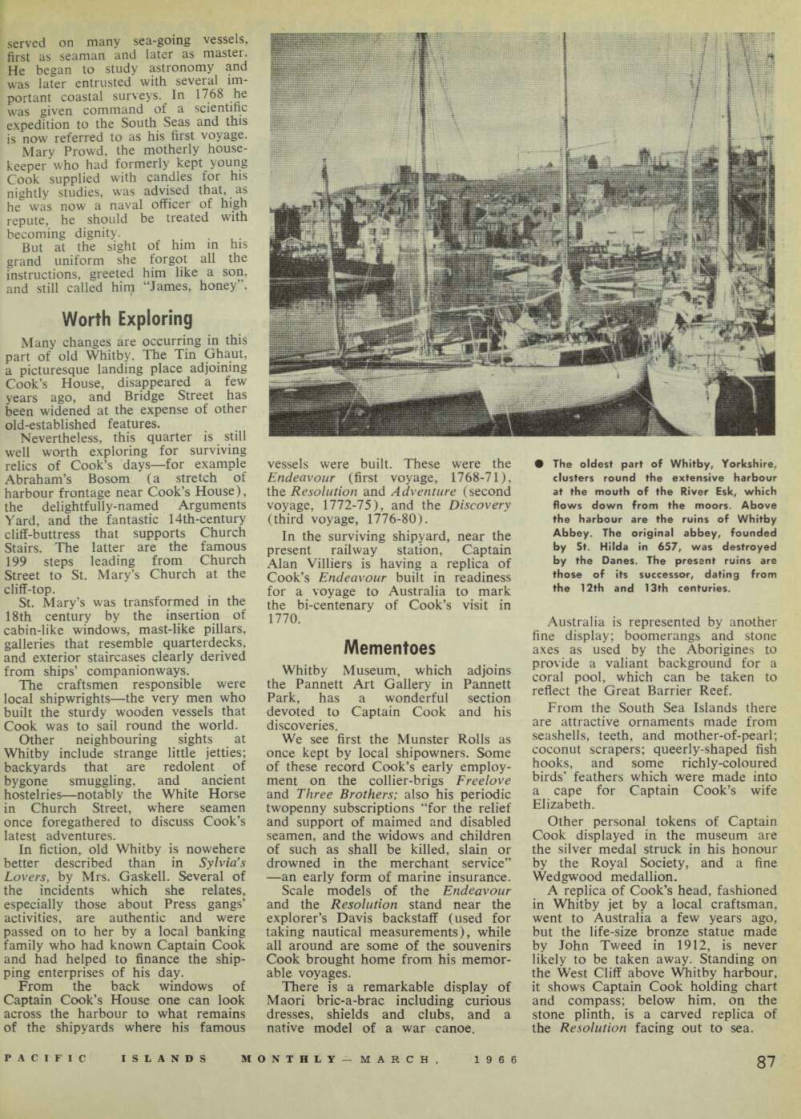 89
89 90
90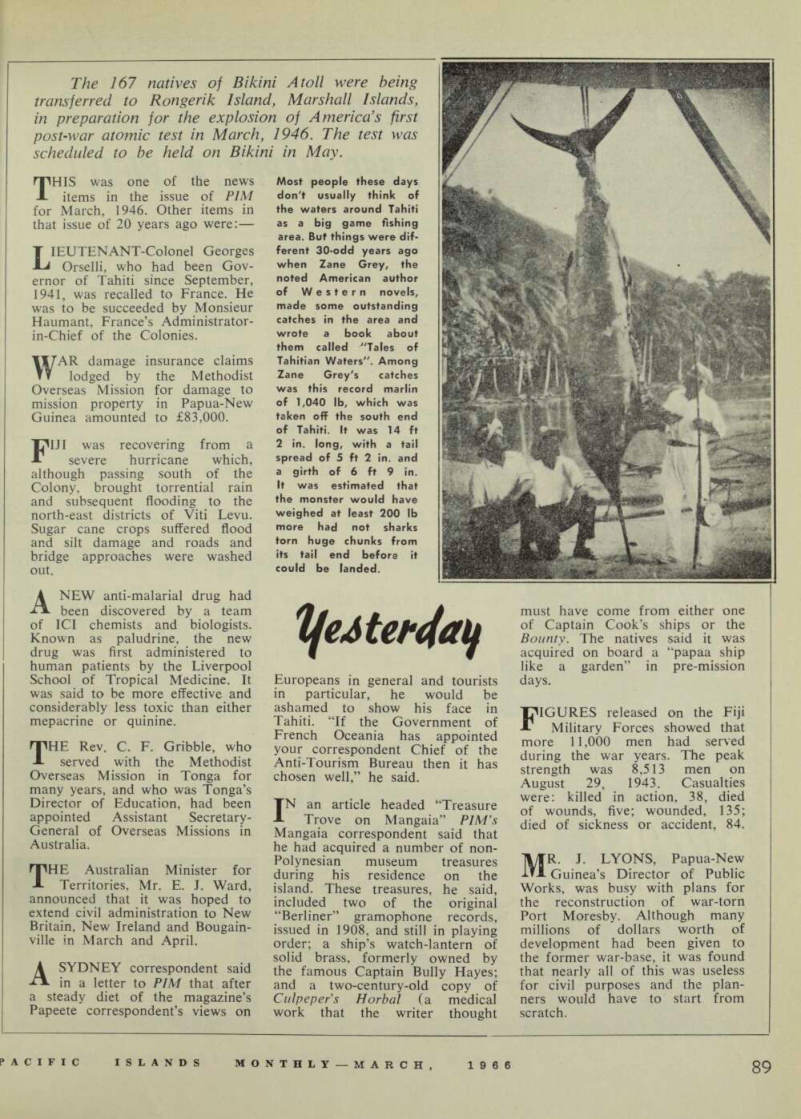 91
91 92
92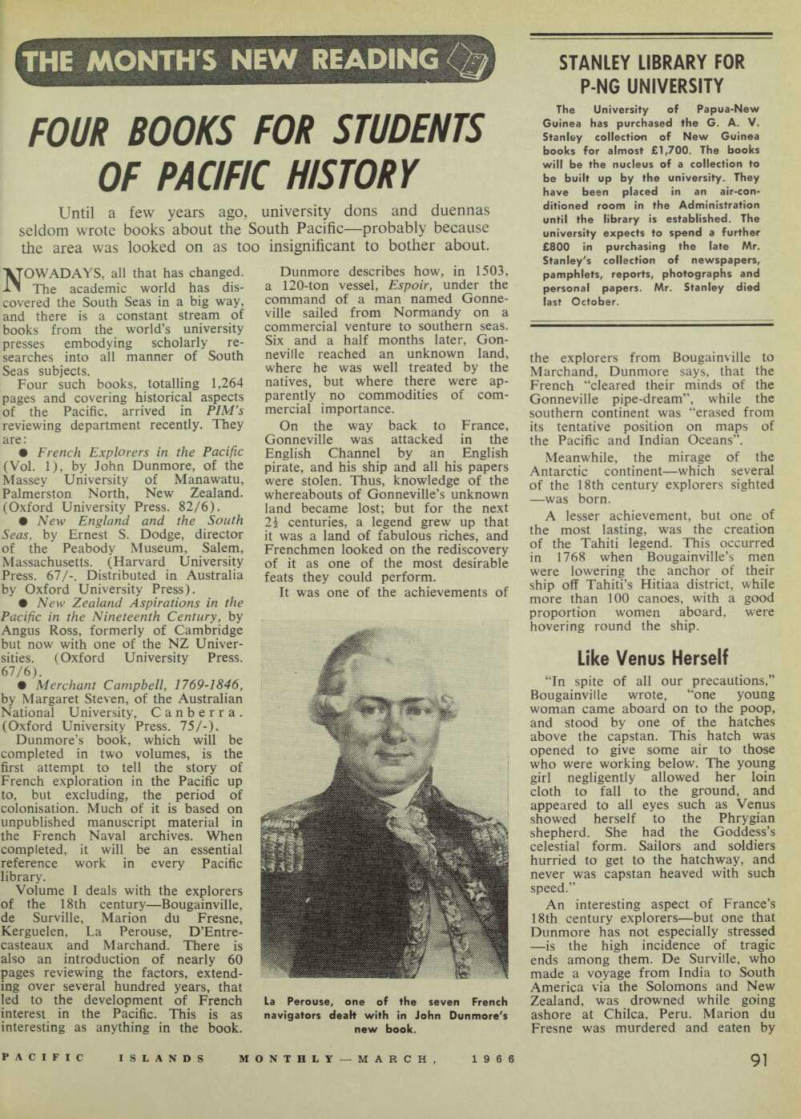 93
93 94
94 95
95 96
96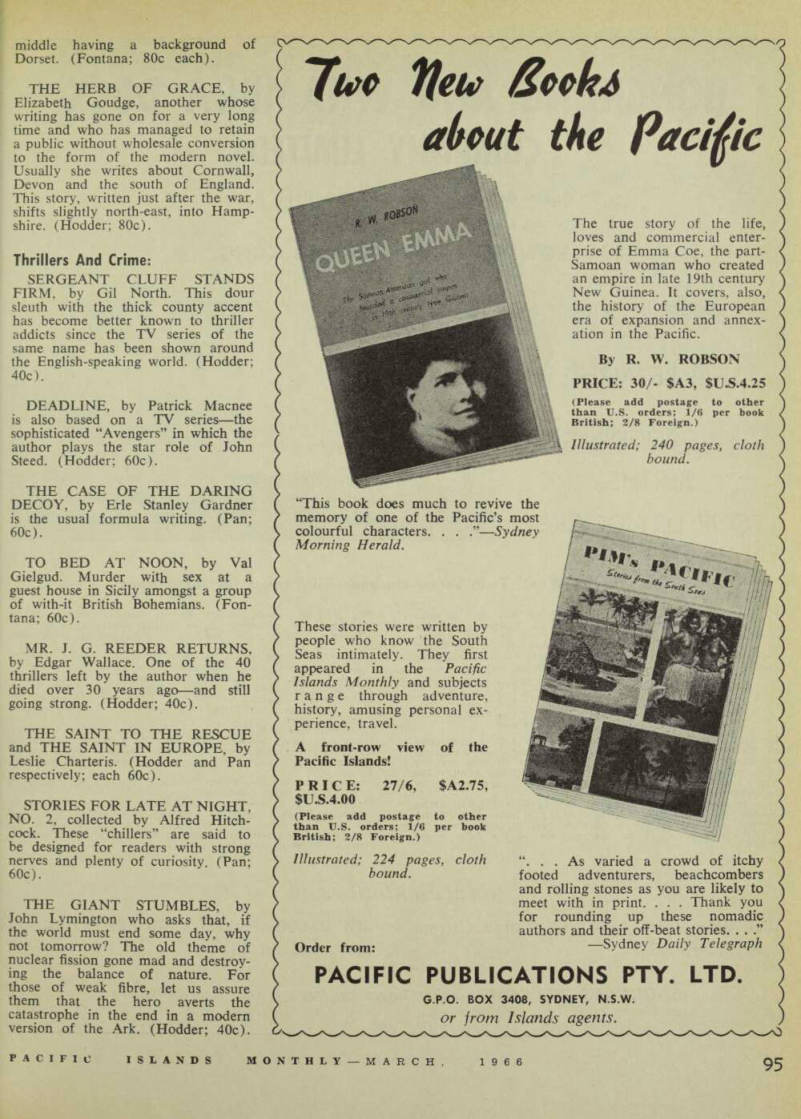 97
97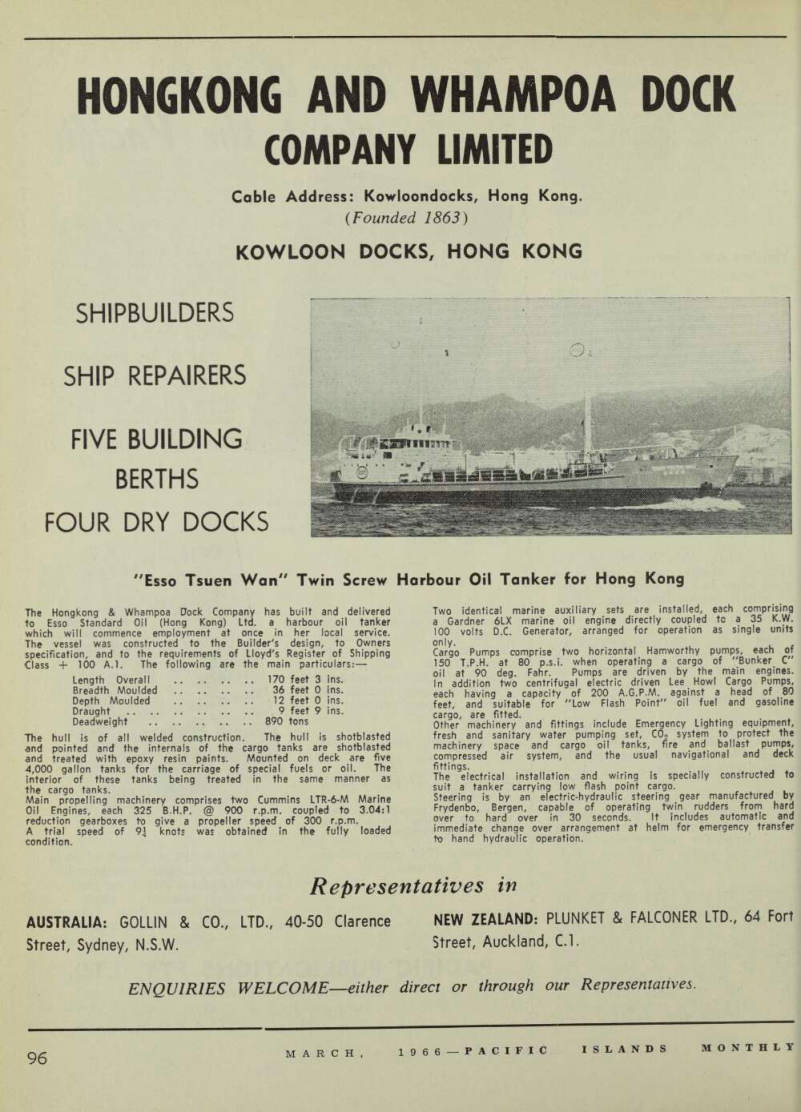 98
98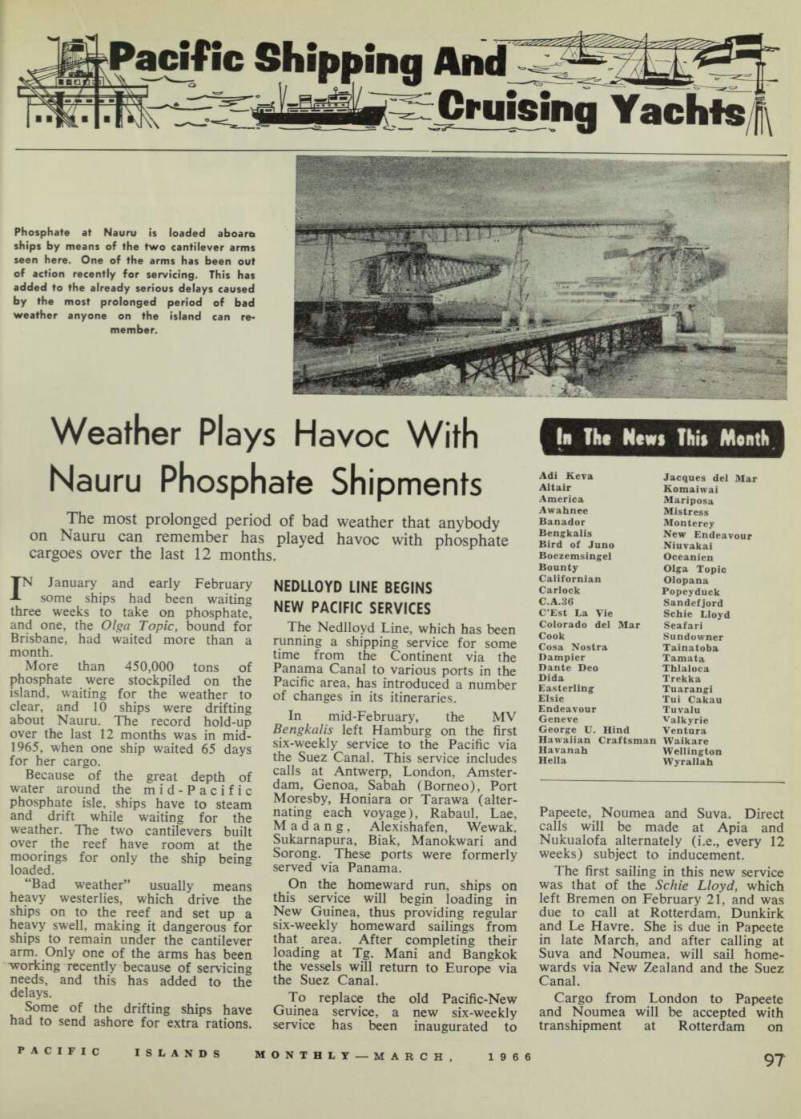 99
99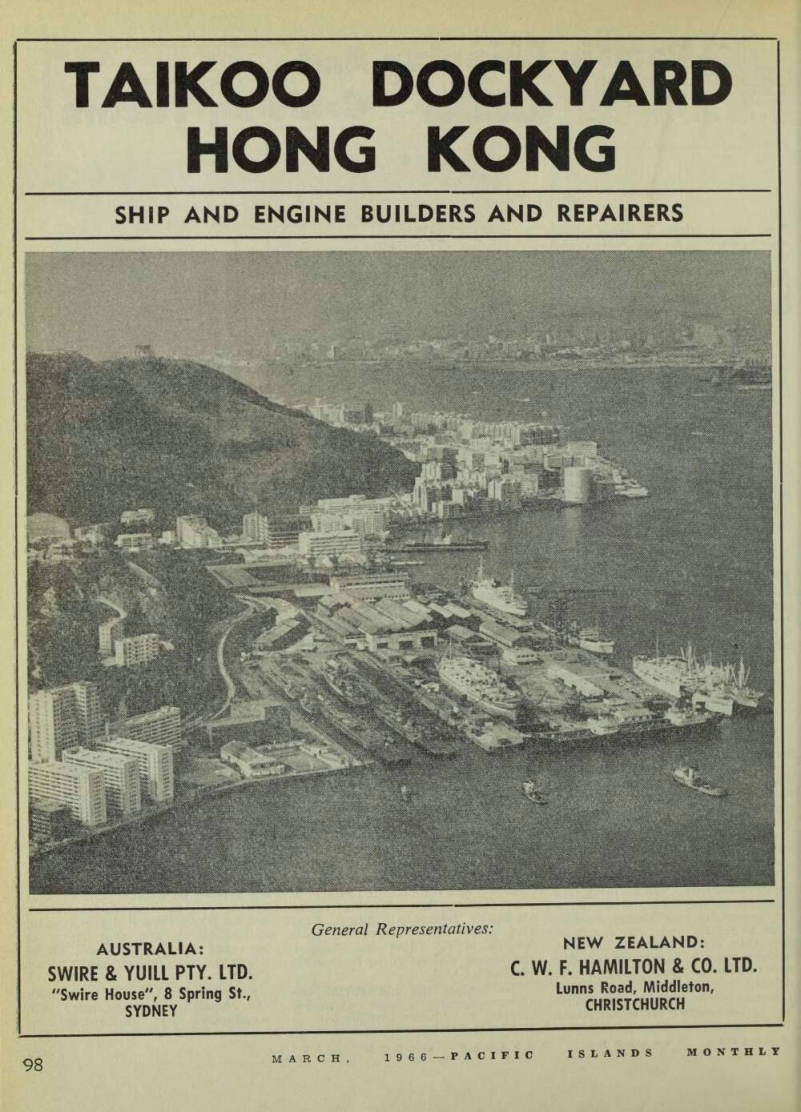 100
100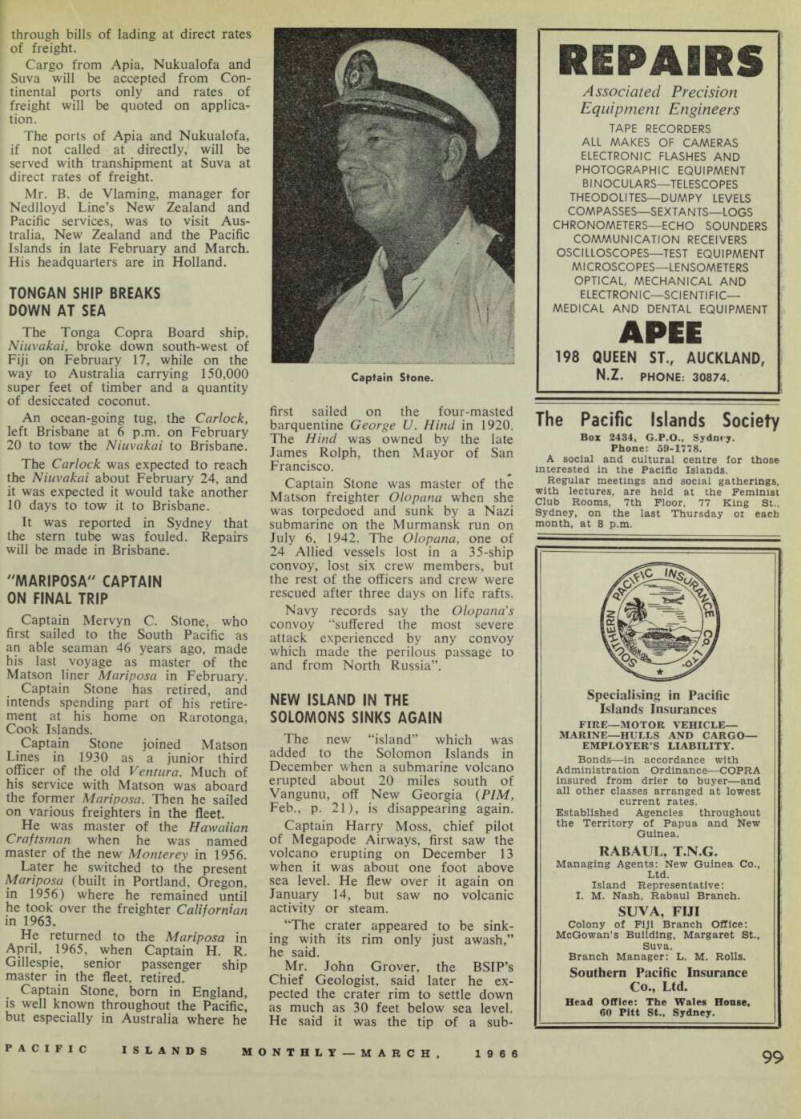 101
101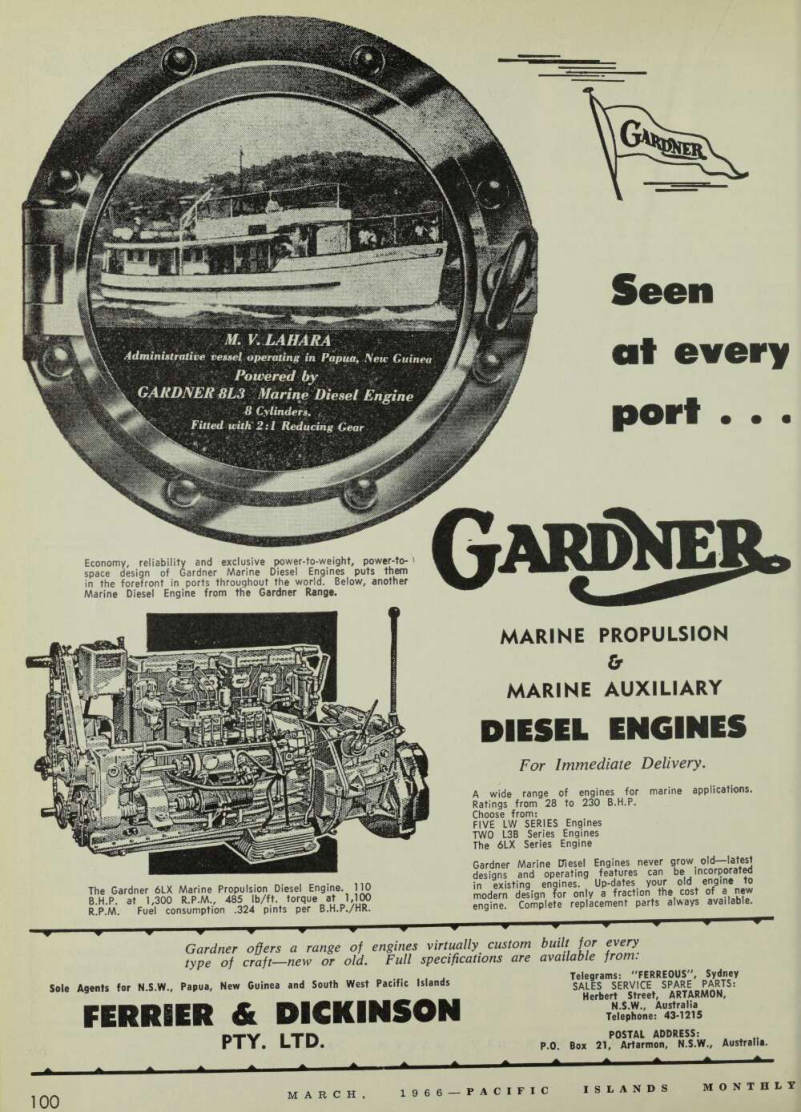 102
102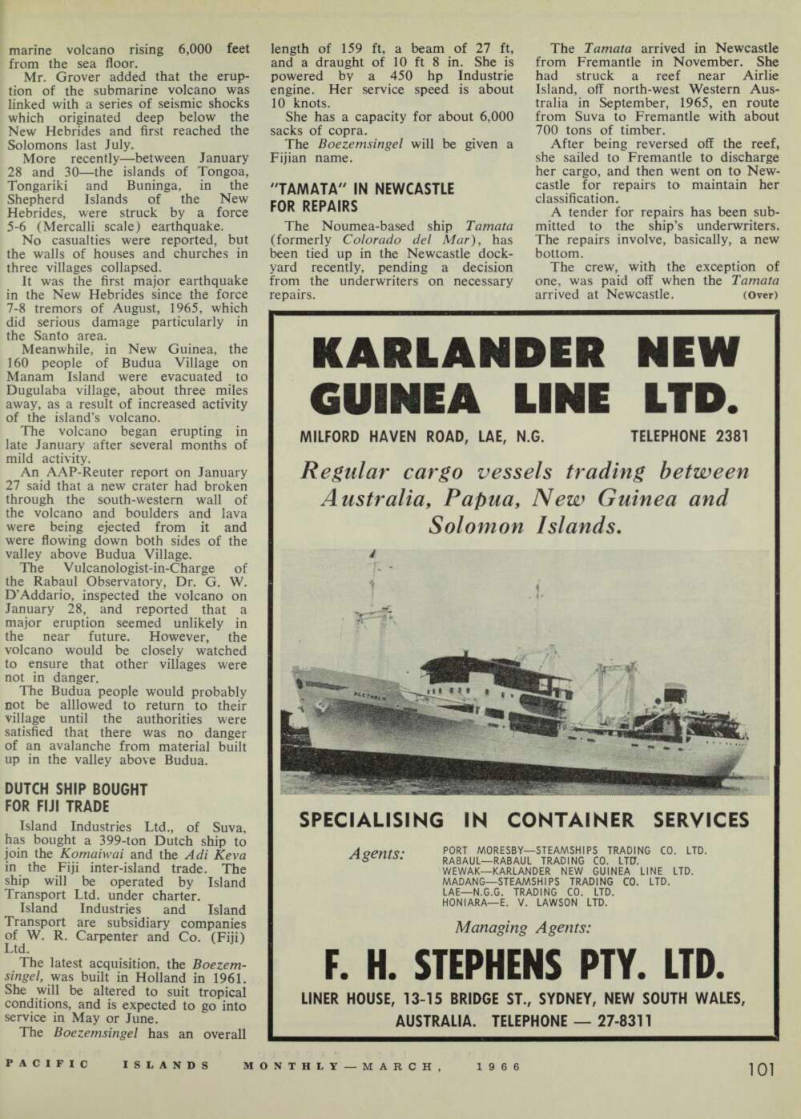 103
103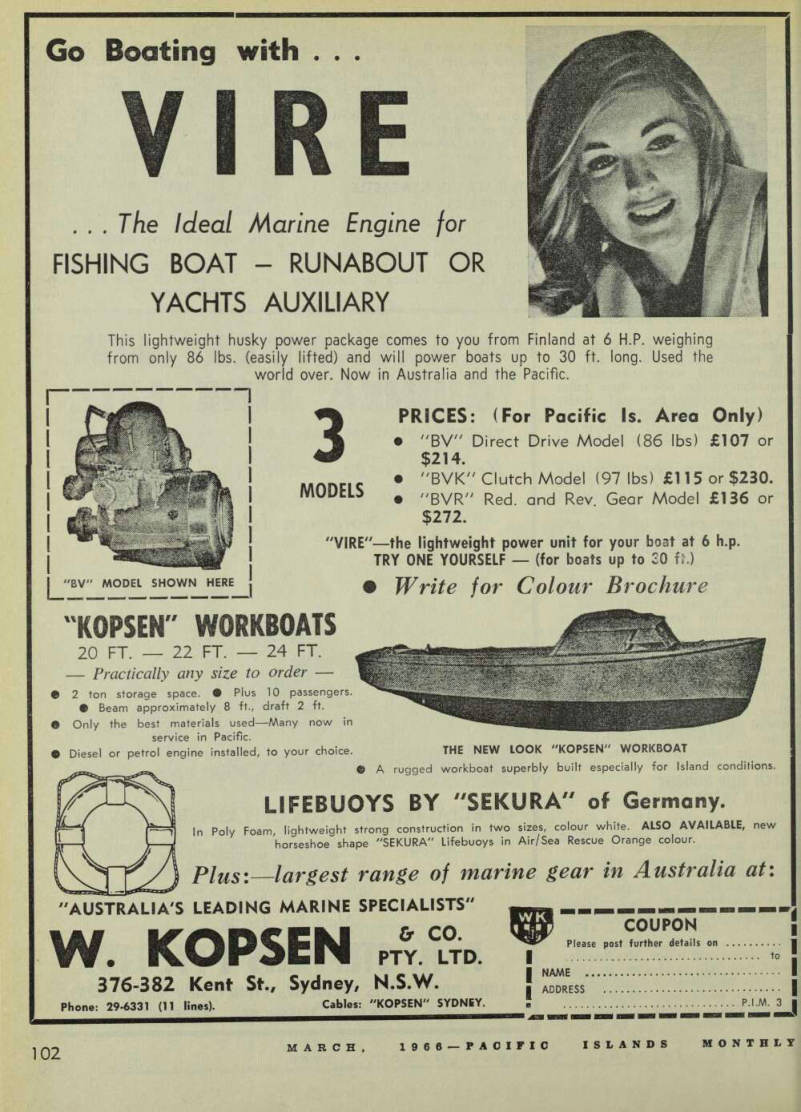 104
104 105
105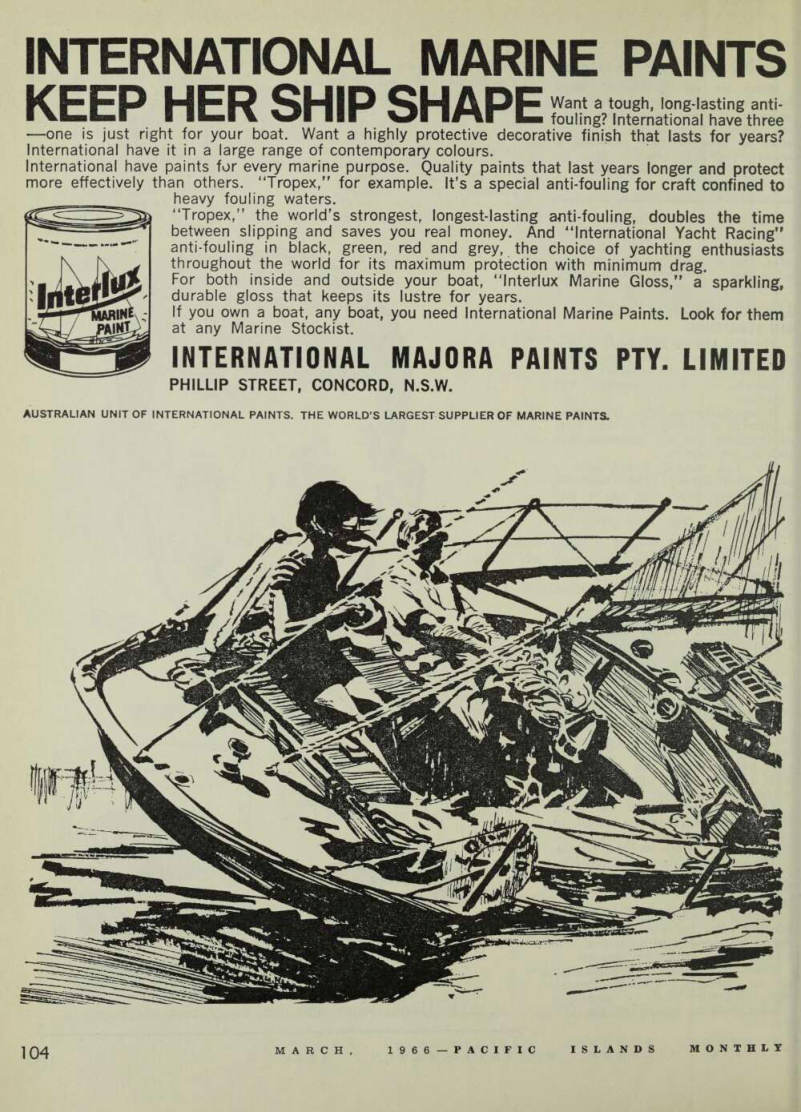 106
106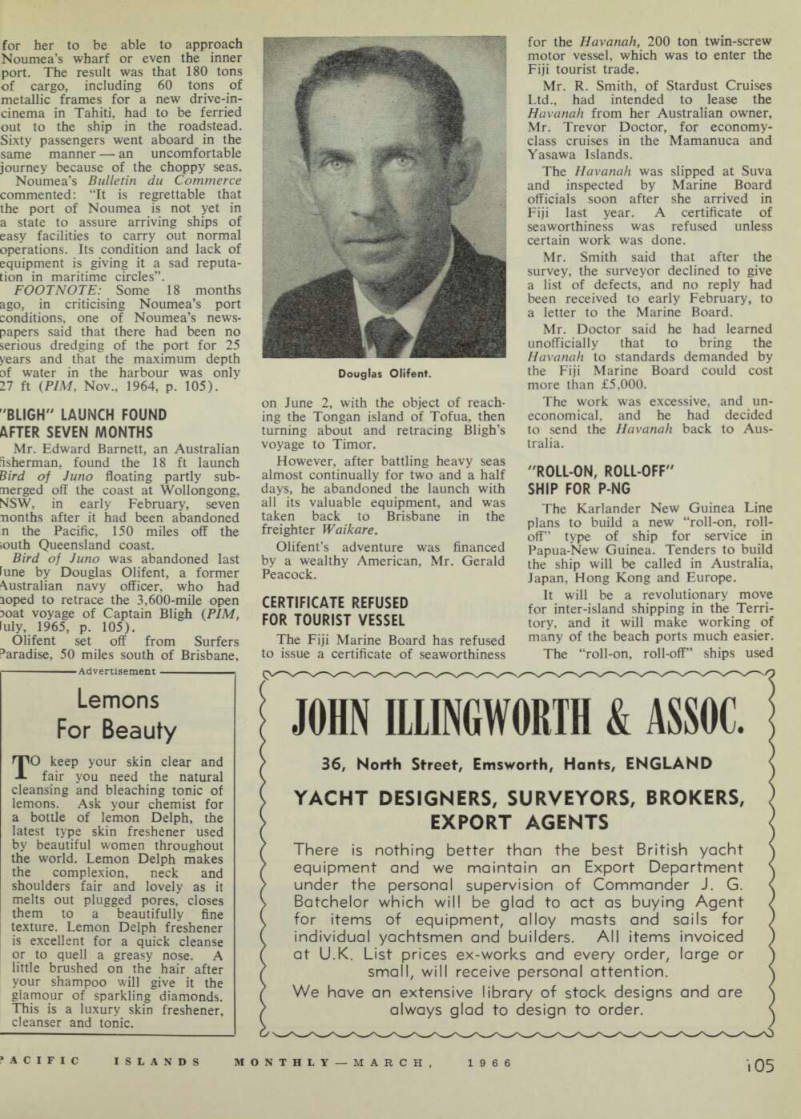 107
107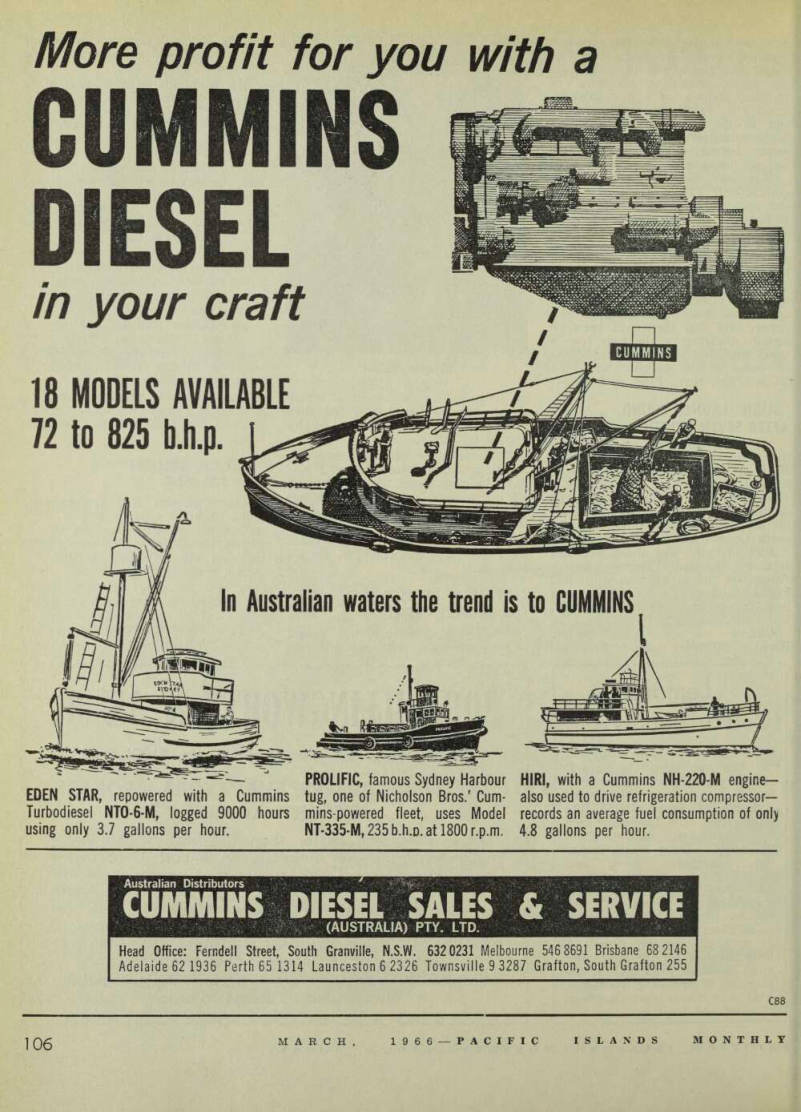 108
108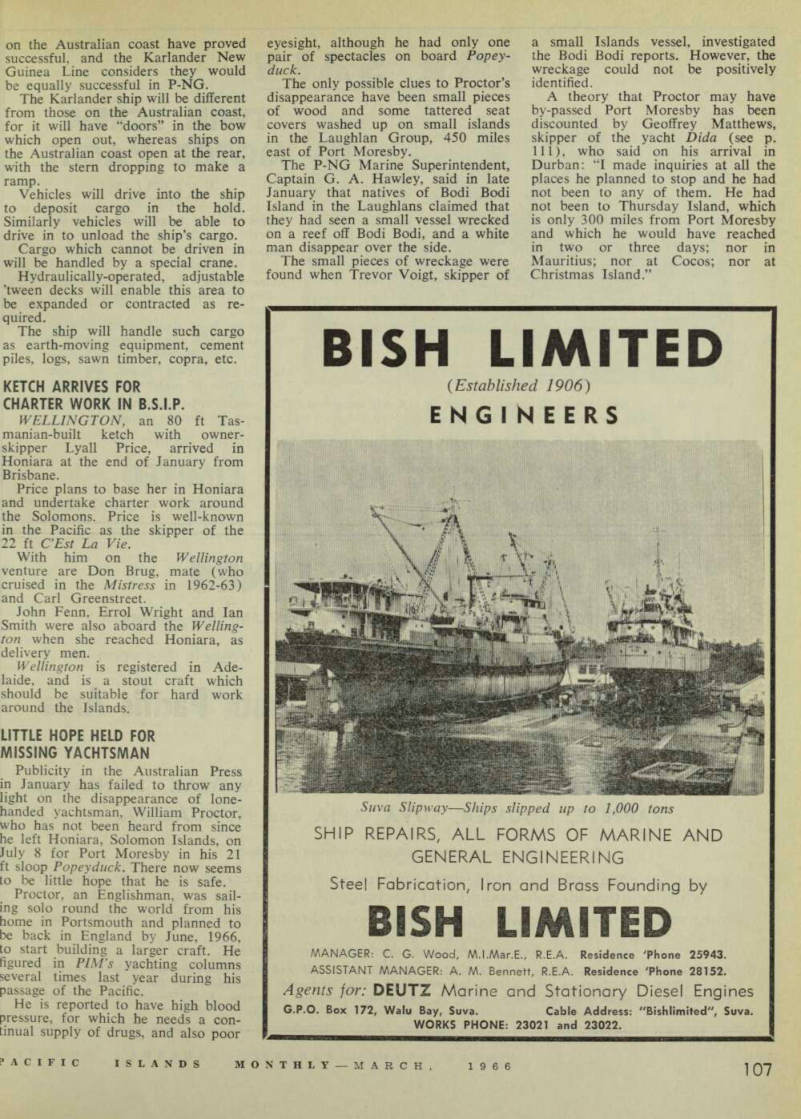 109
109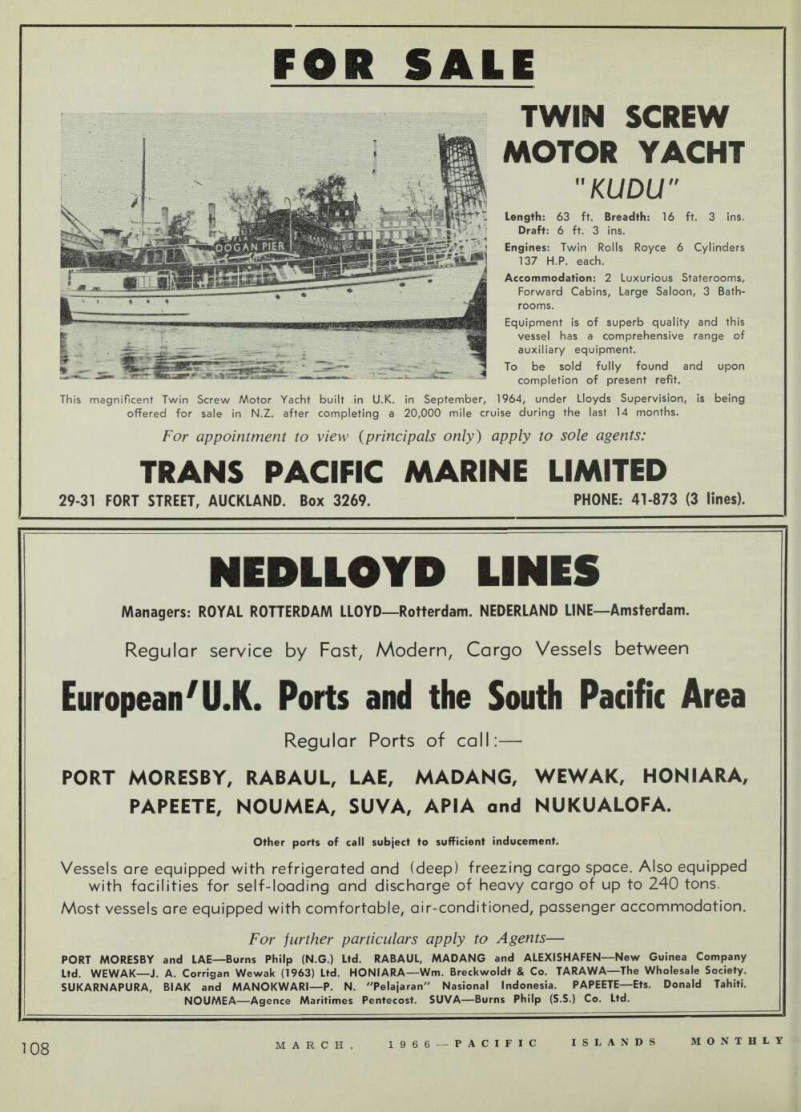 110
110 111
111 112
112 113
113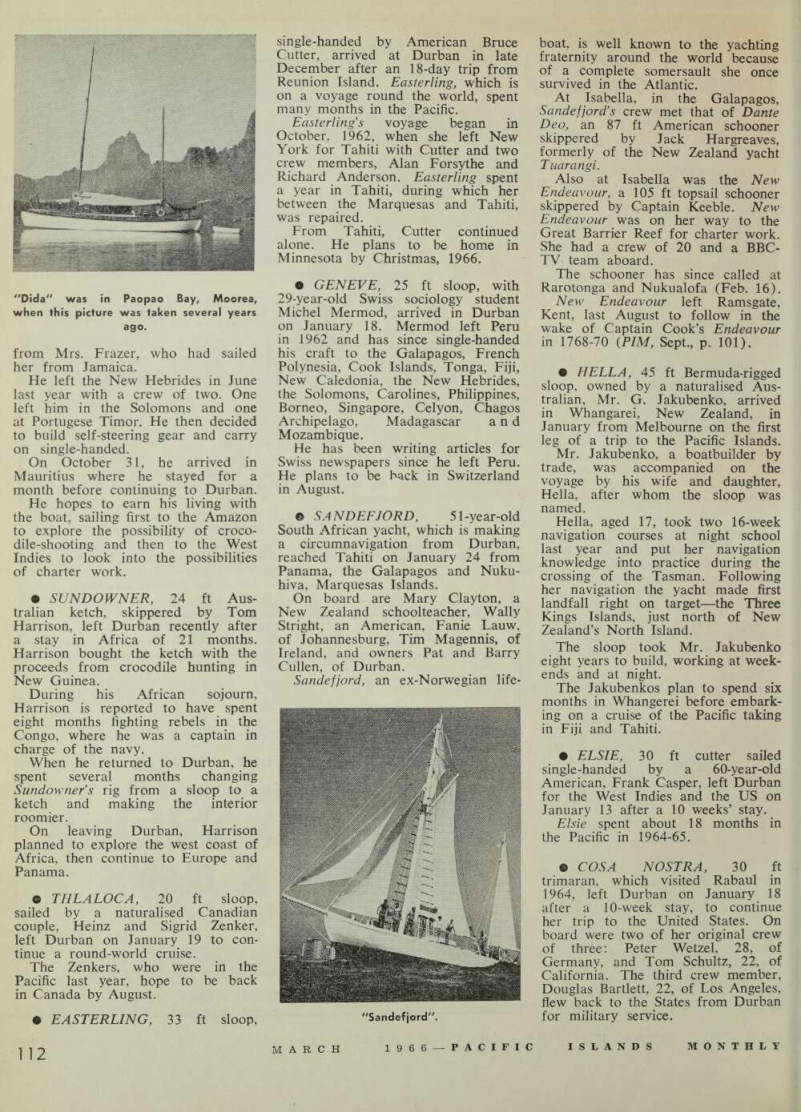 114
114 115
115 116
116 117
117 118
118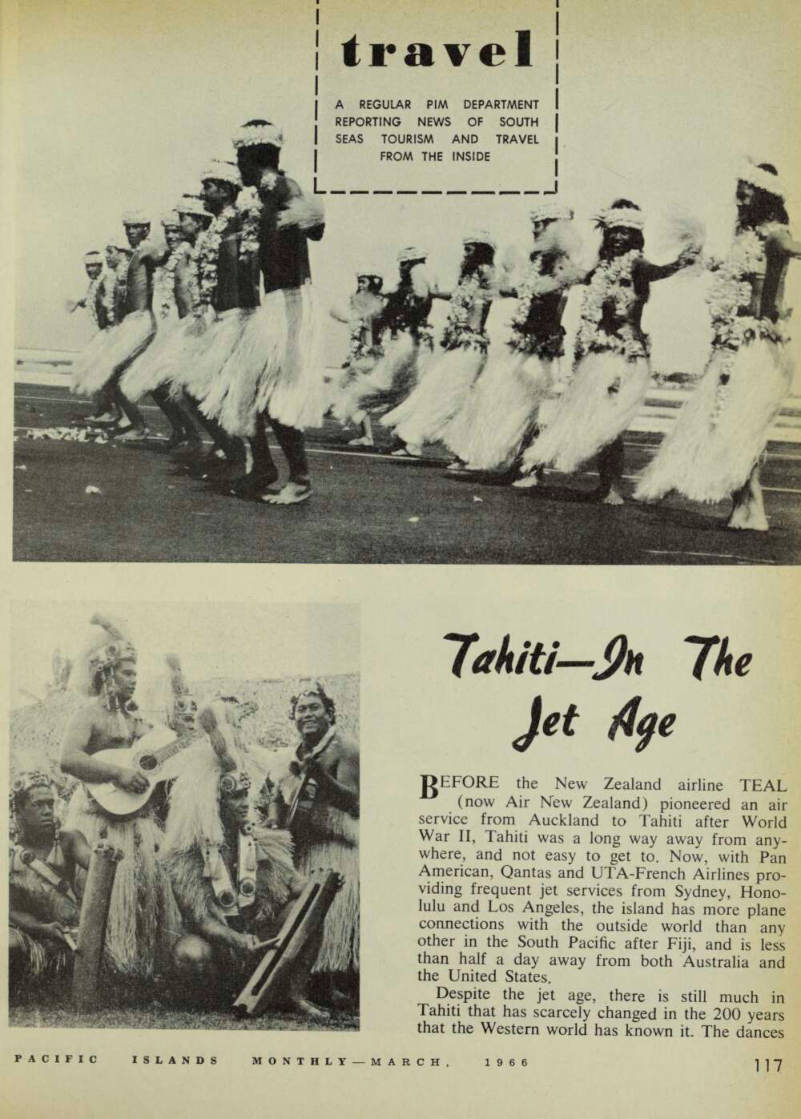 119
119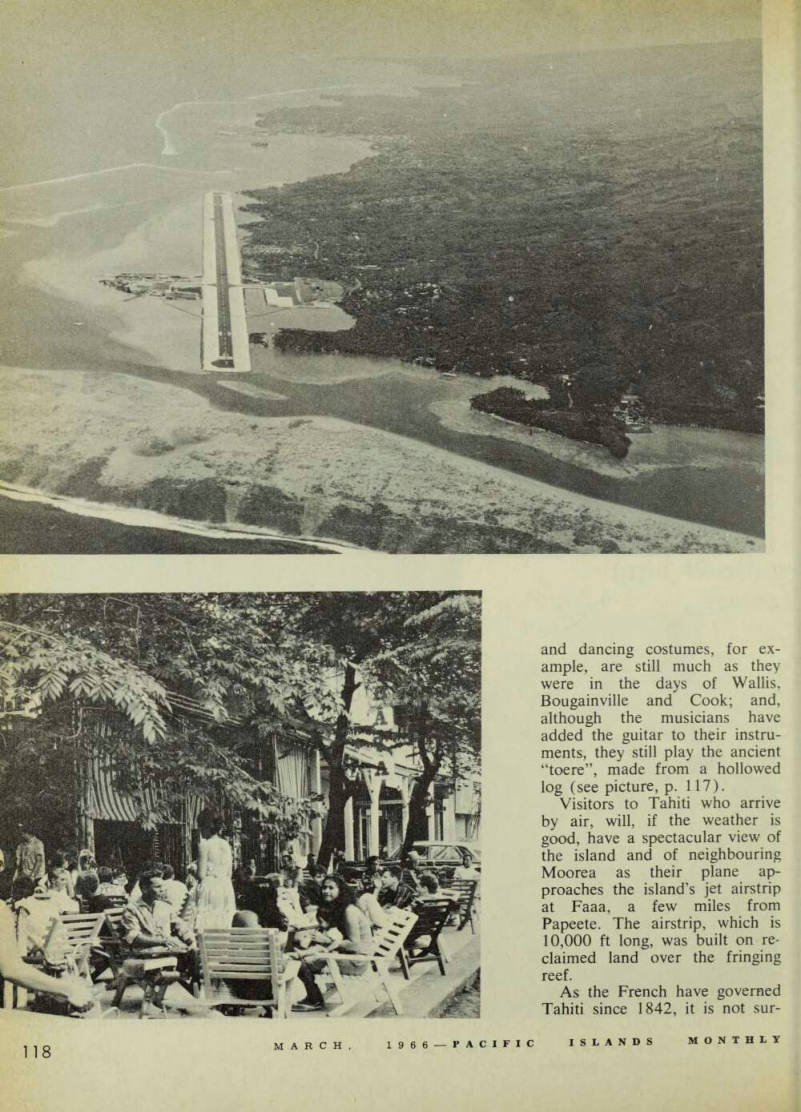 120
120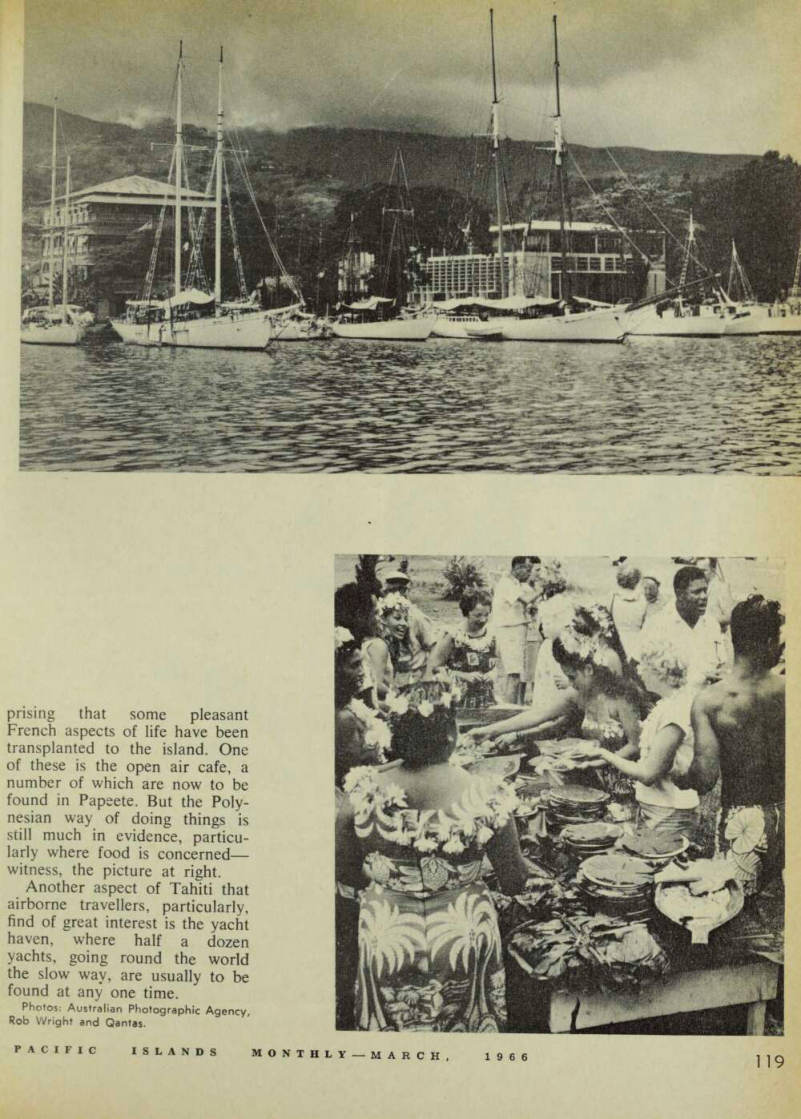 121
121 122
122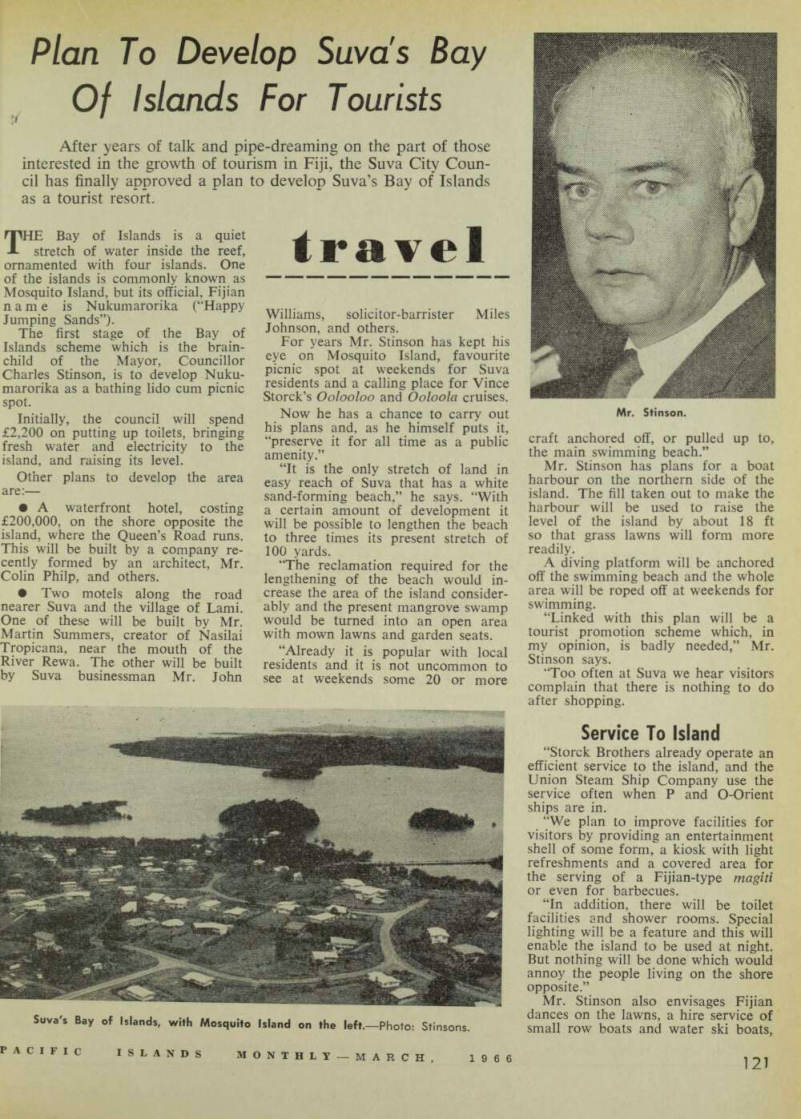 123
123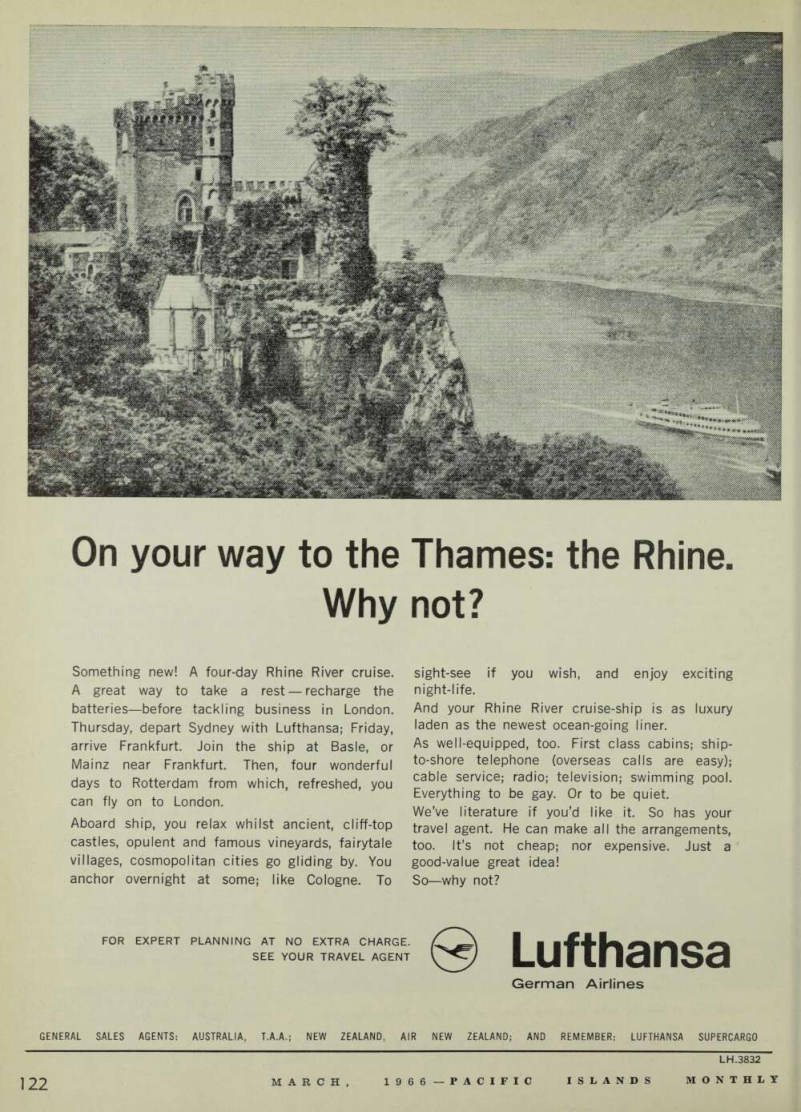 124
124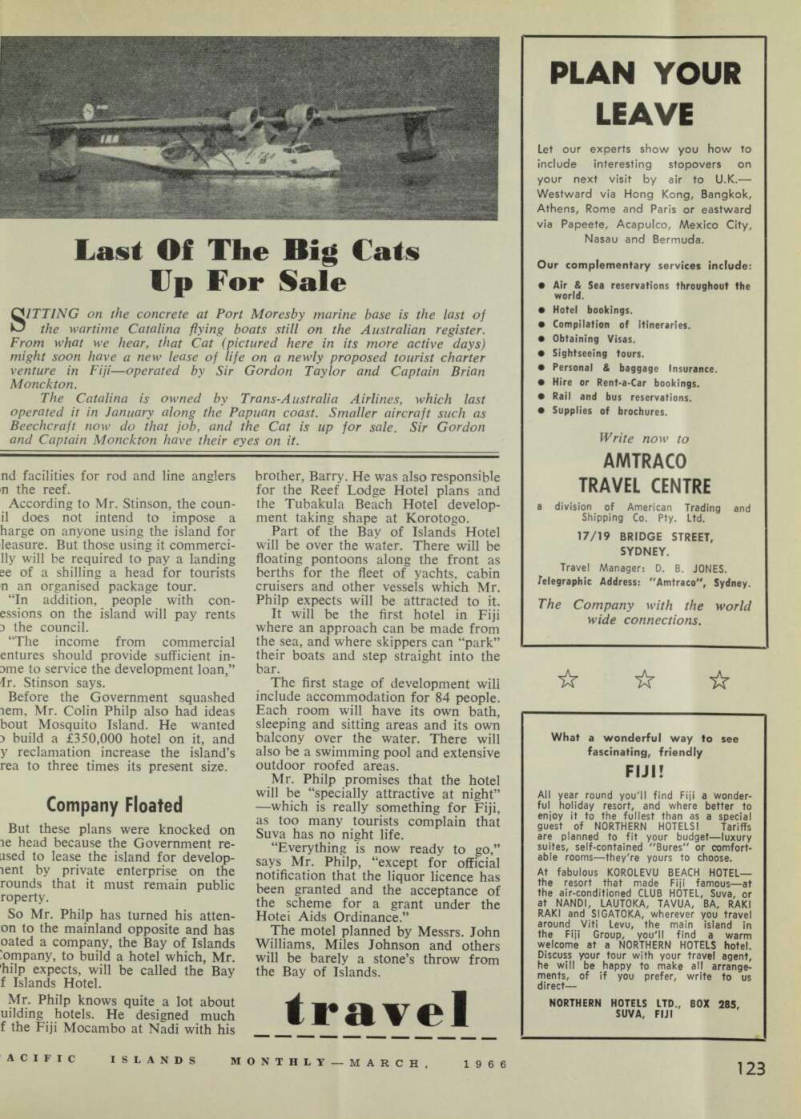 125
125 126
126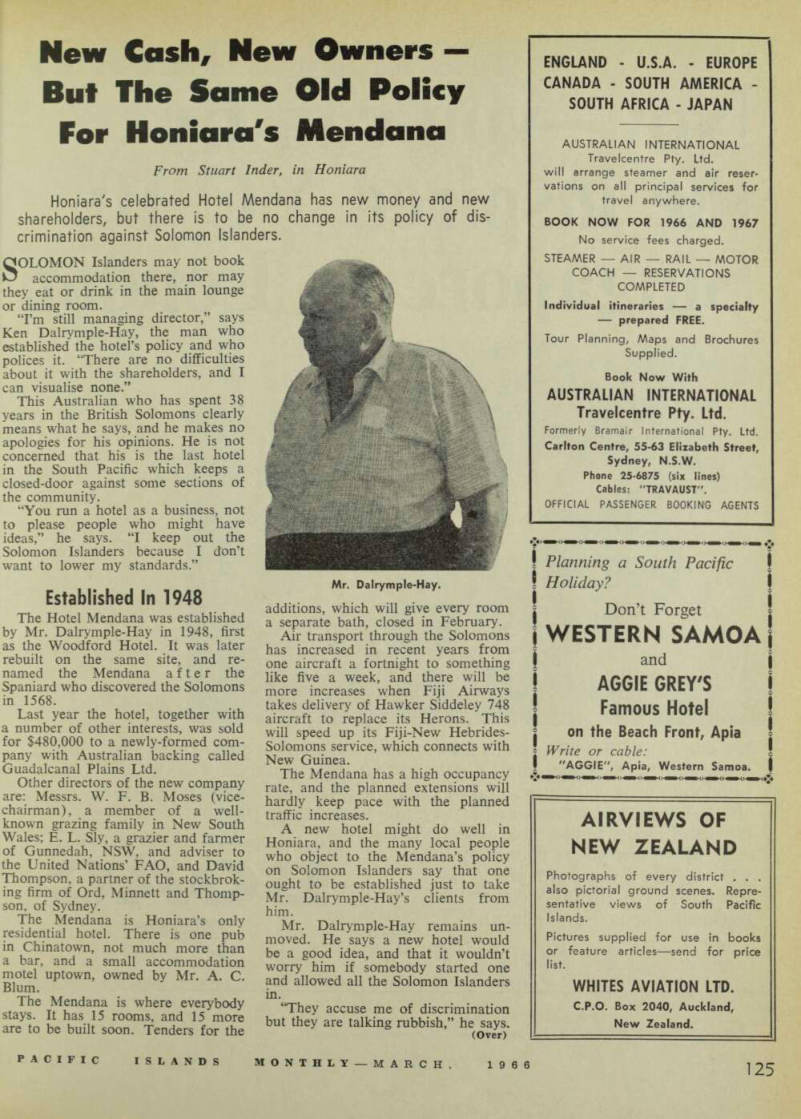 127
127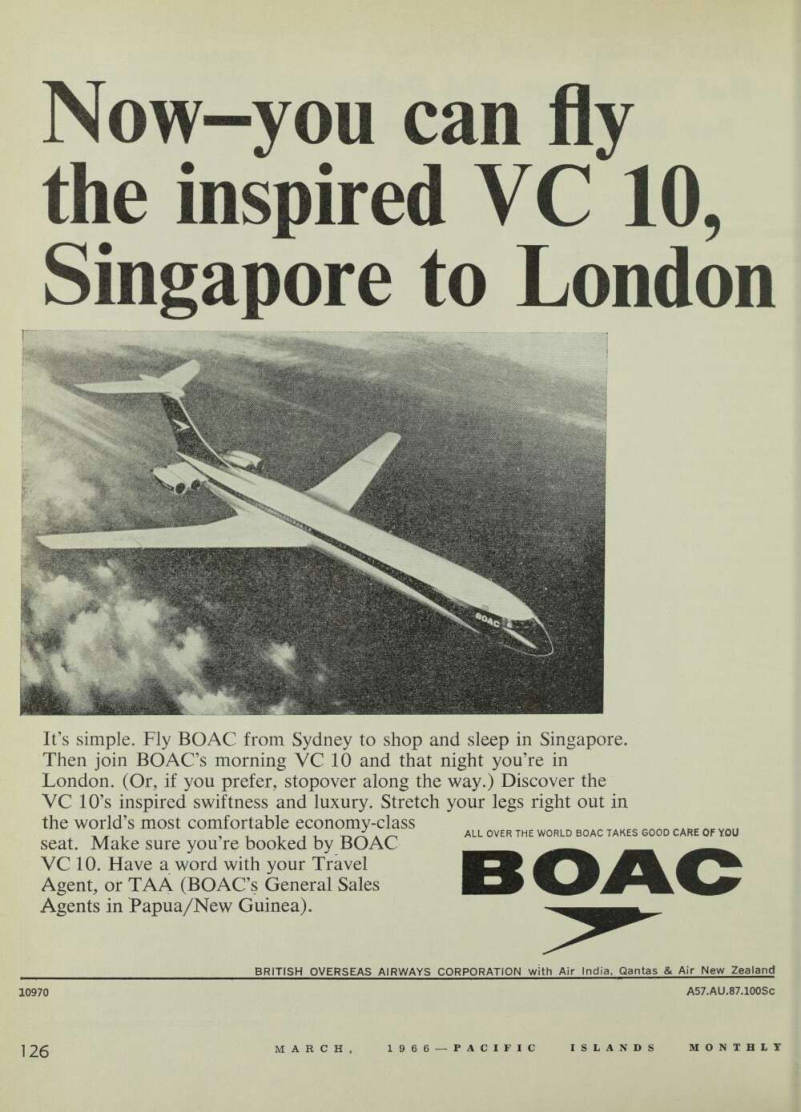 128
128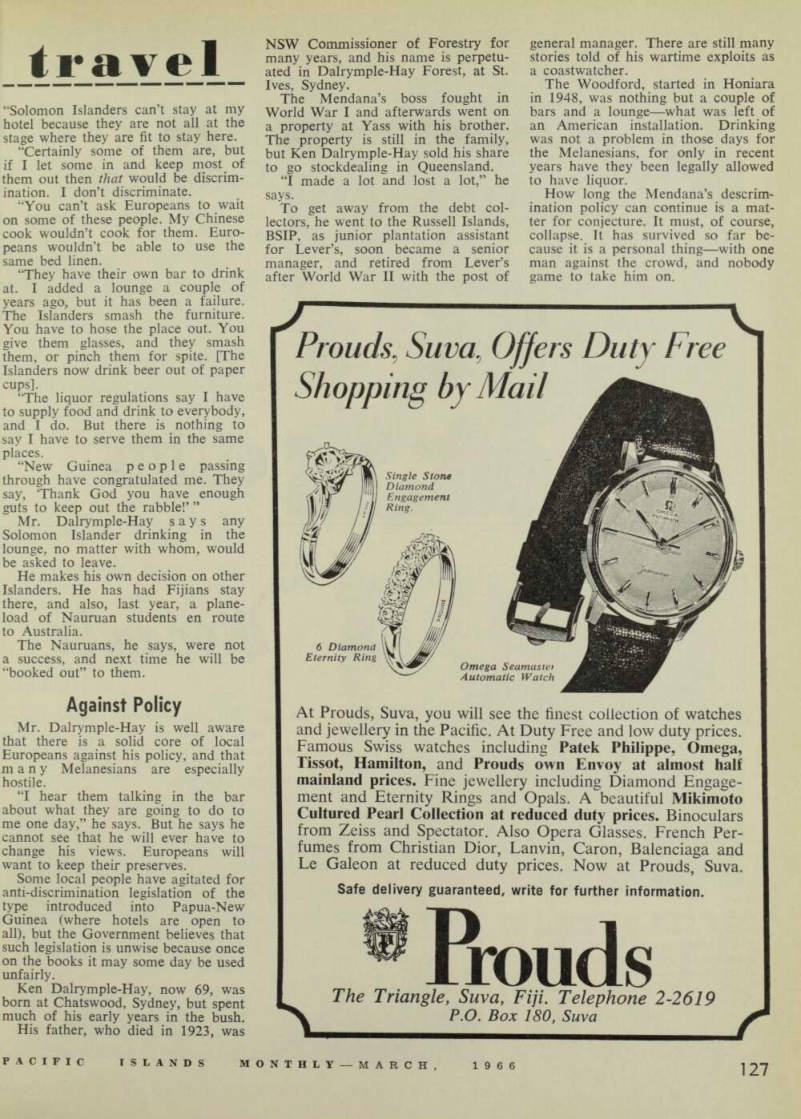 129
129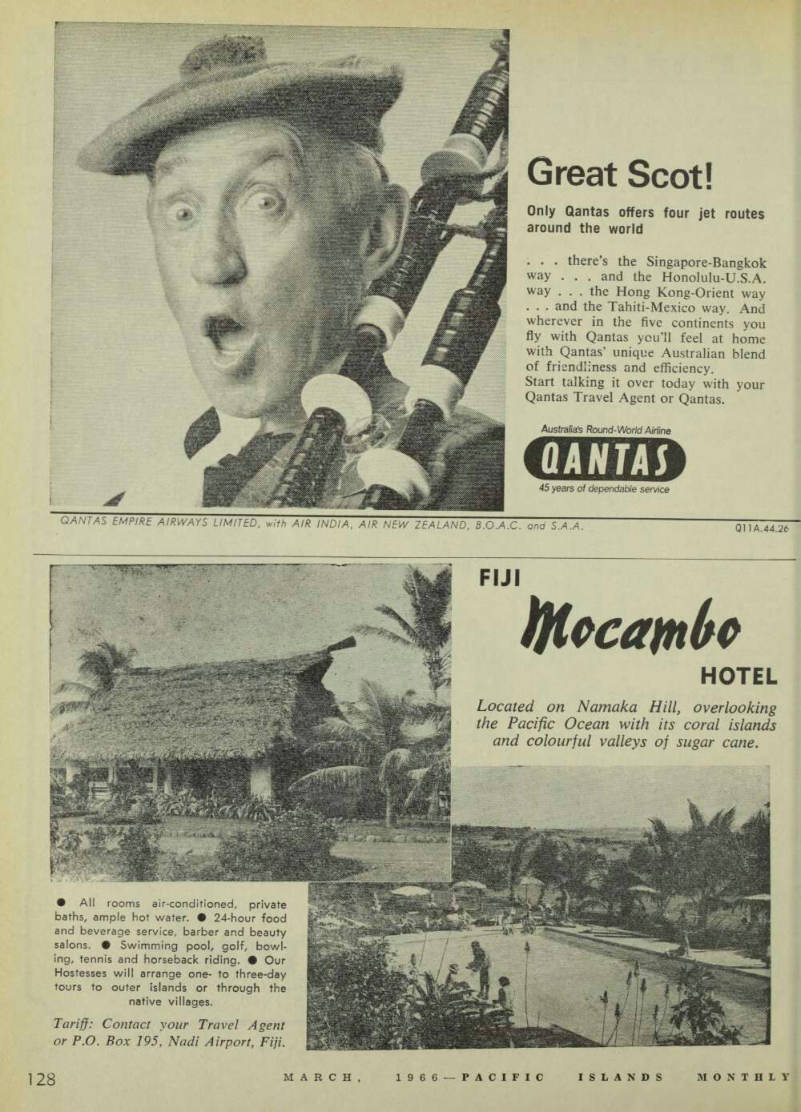 130
130 131
131 132
132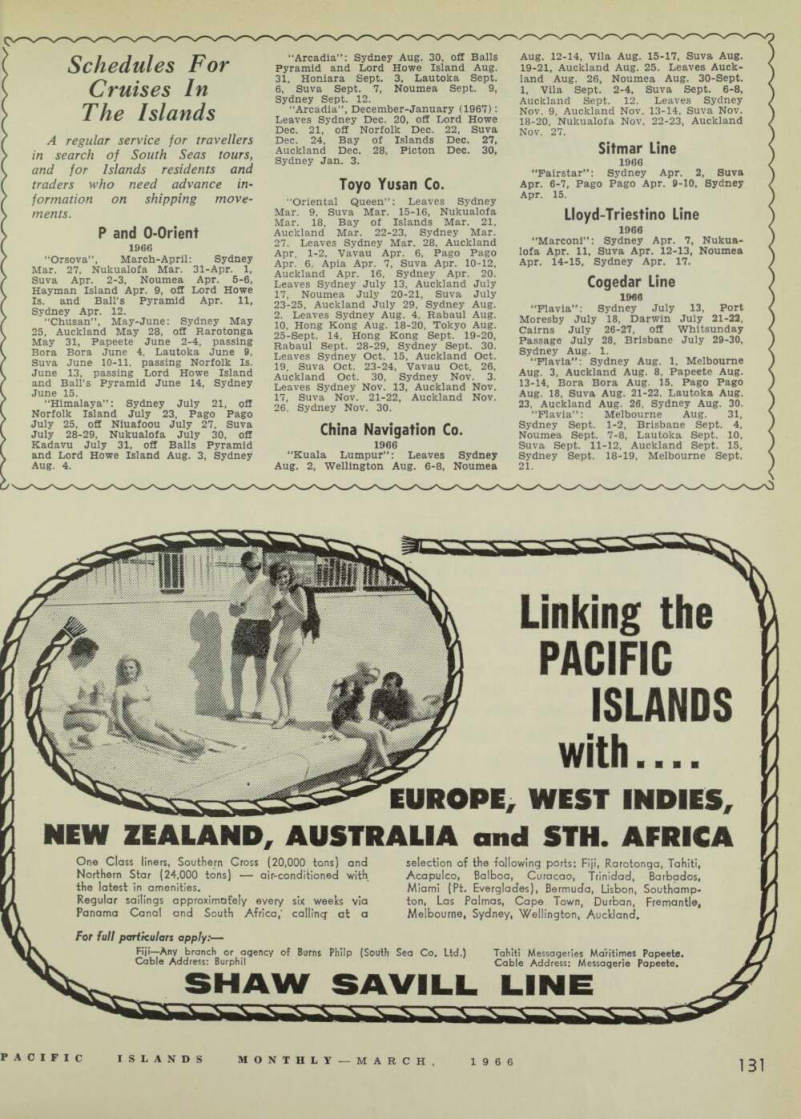 133
133 134
134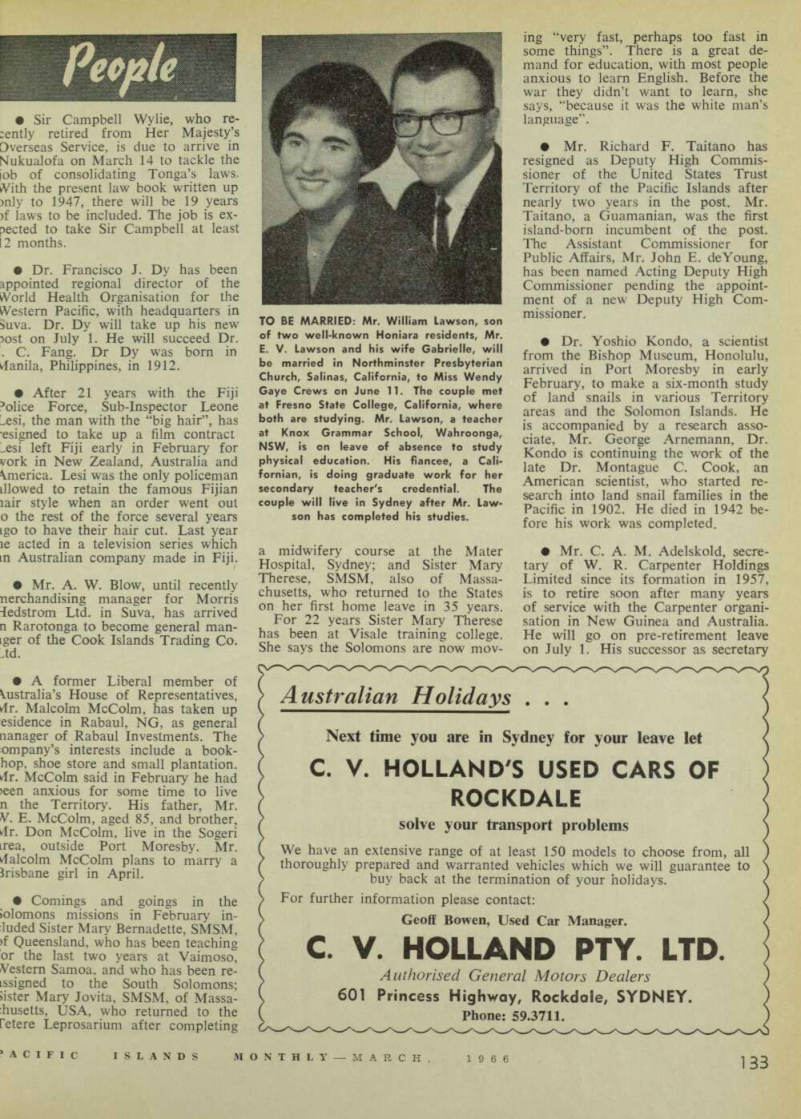 135
135 136
136 137
137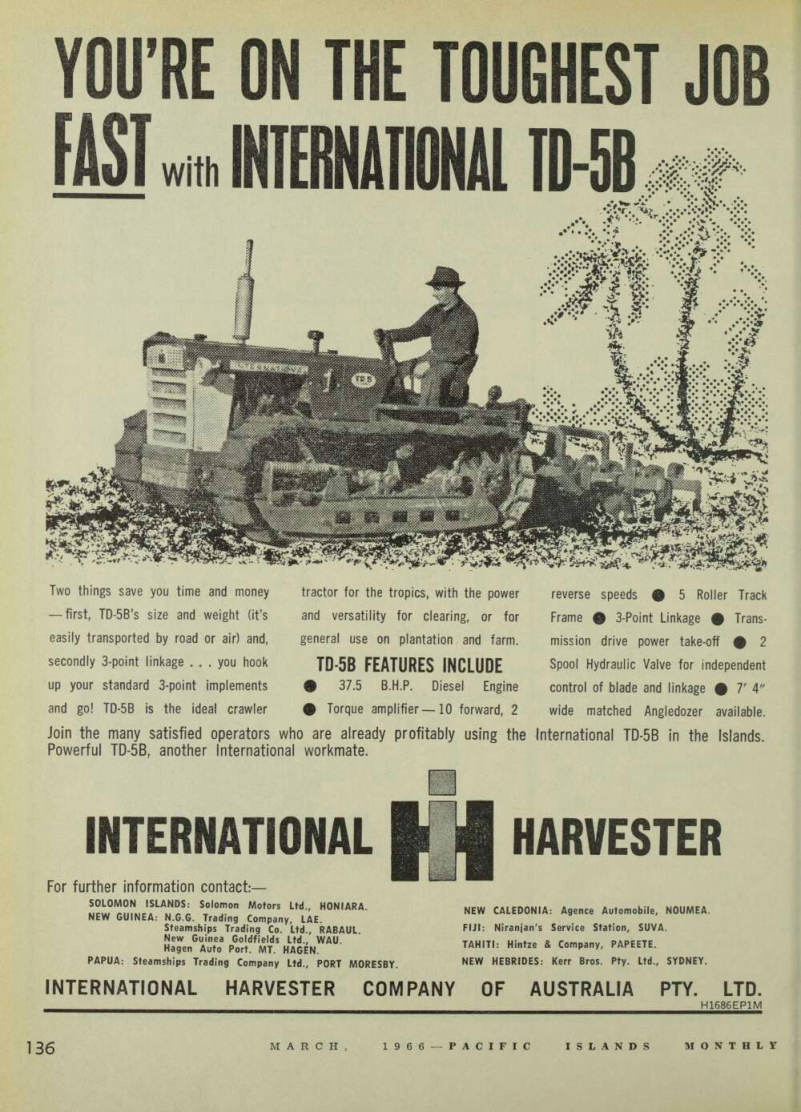 138
138 139
139 140
140 141
141 142
142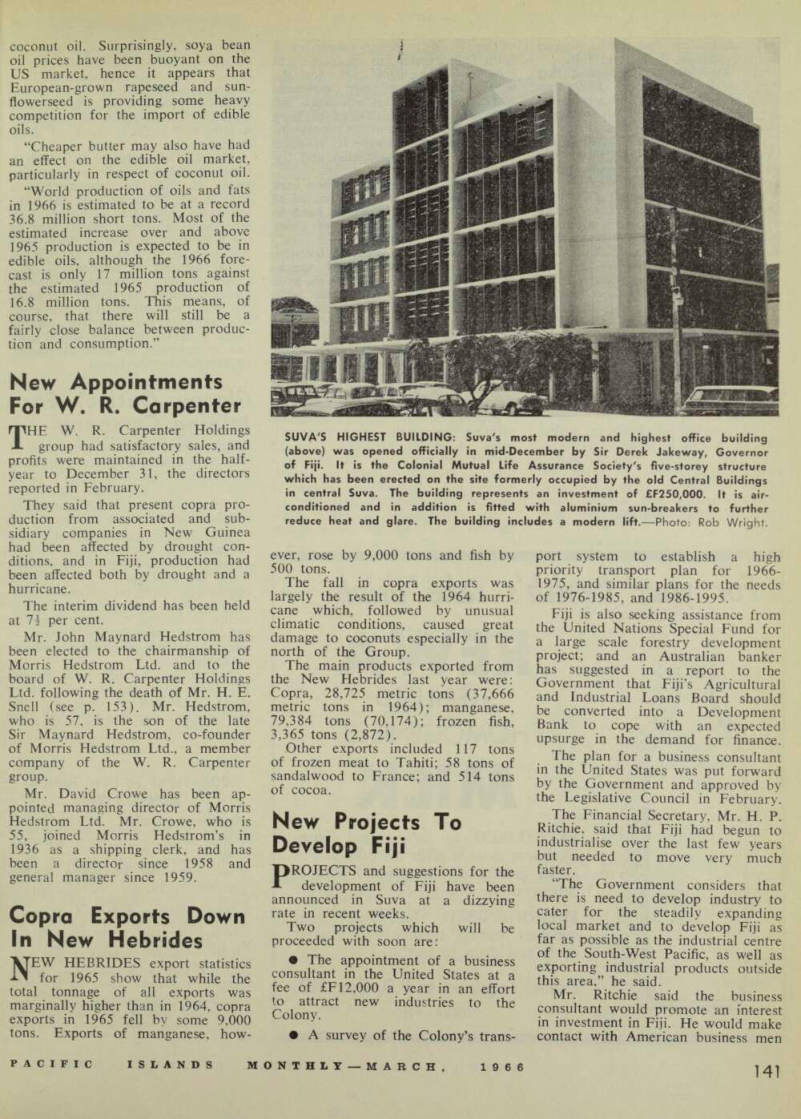 143
143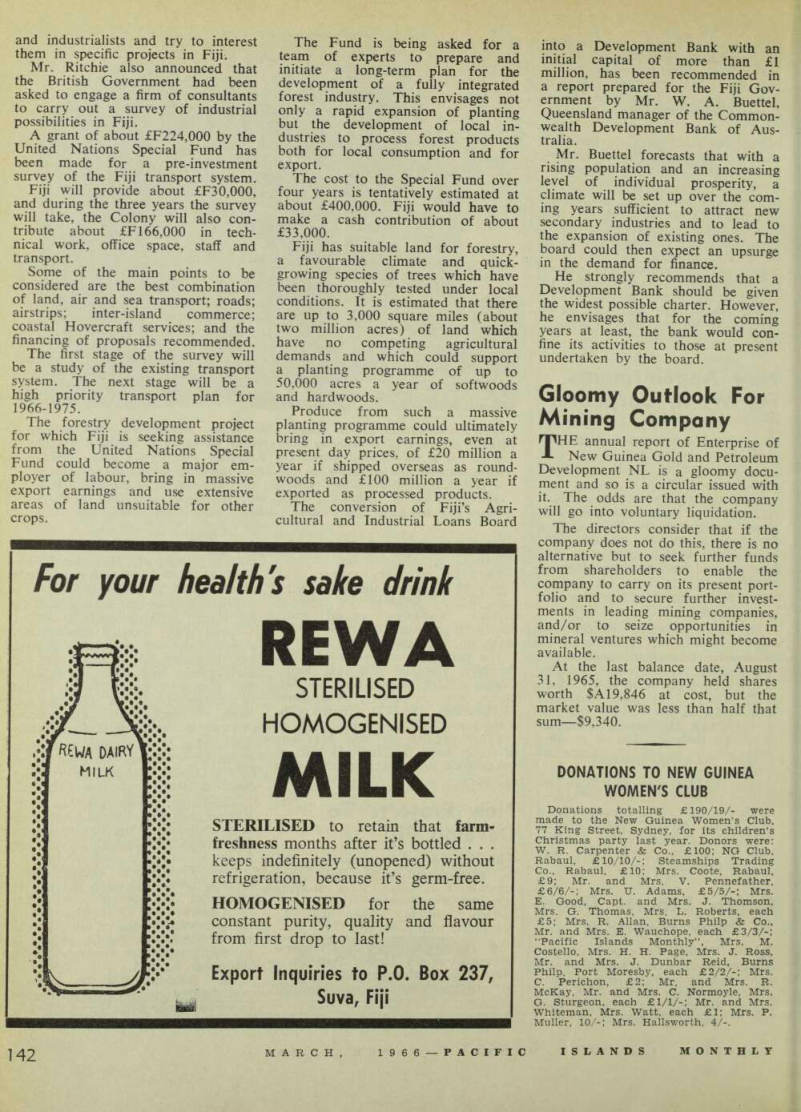 144
144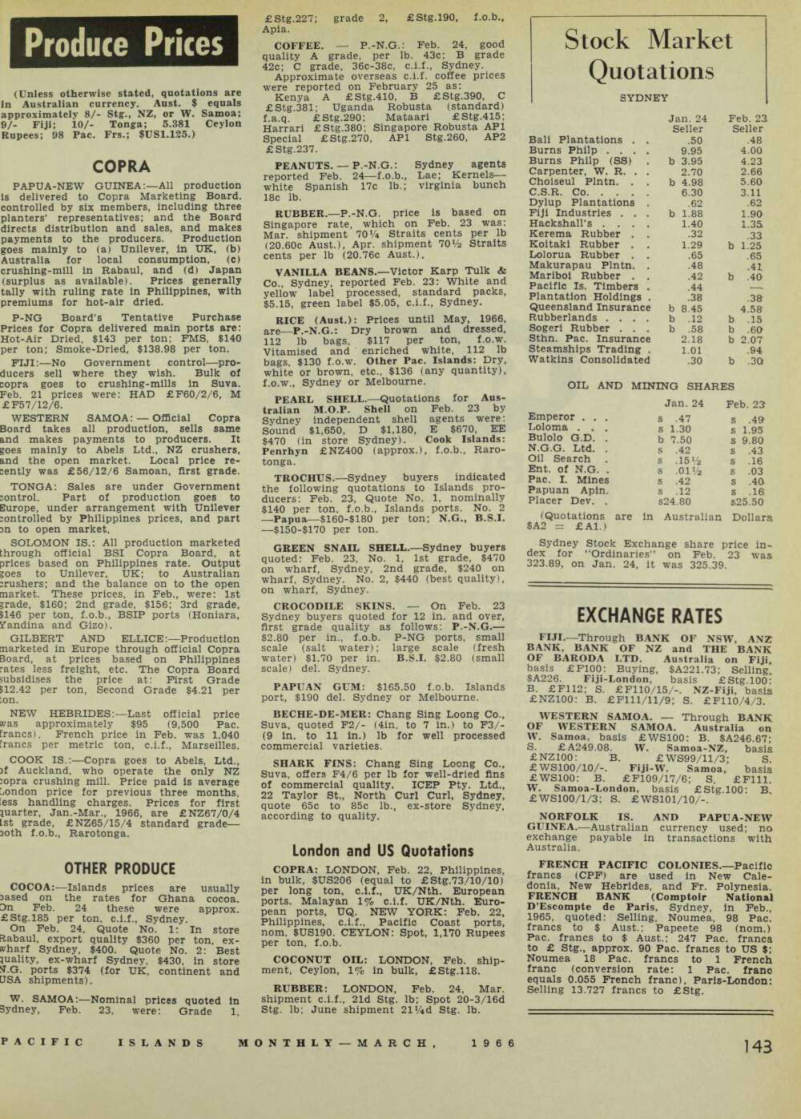 145
145 146
146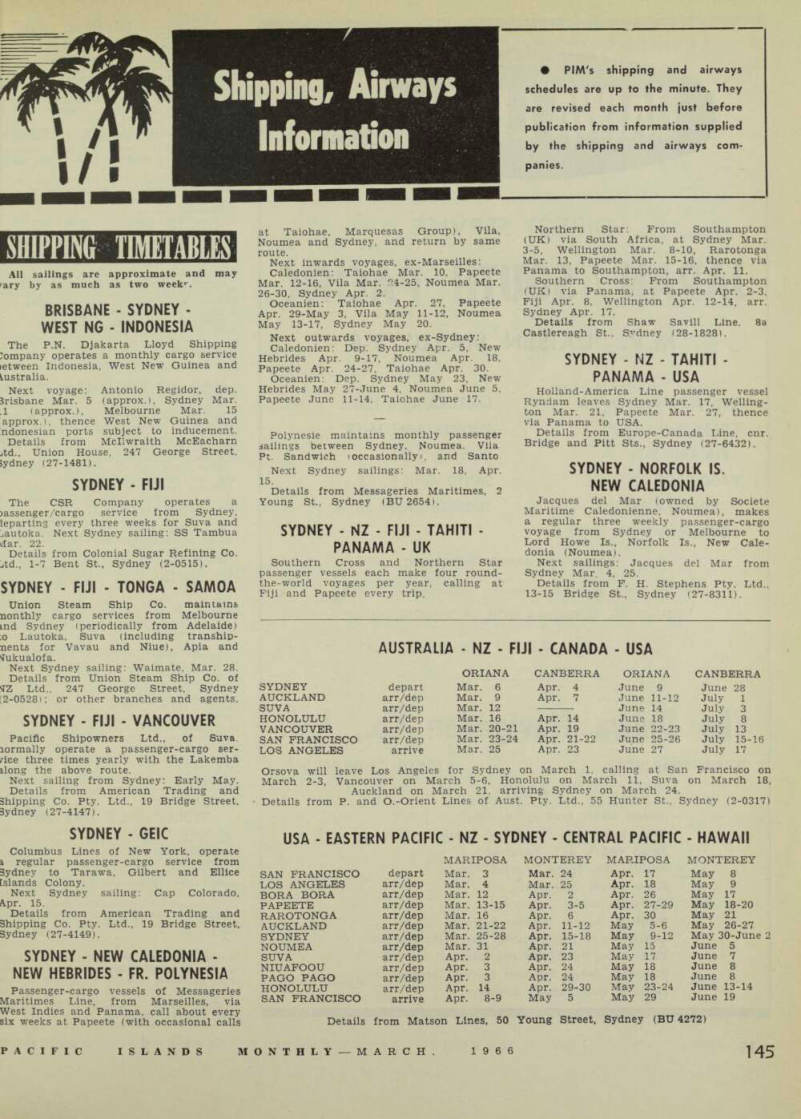 147
147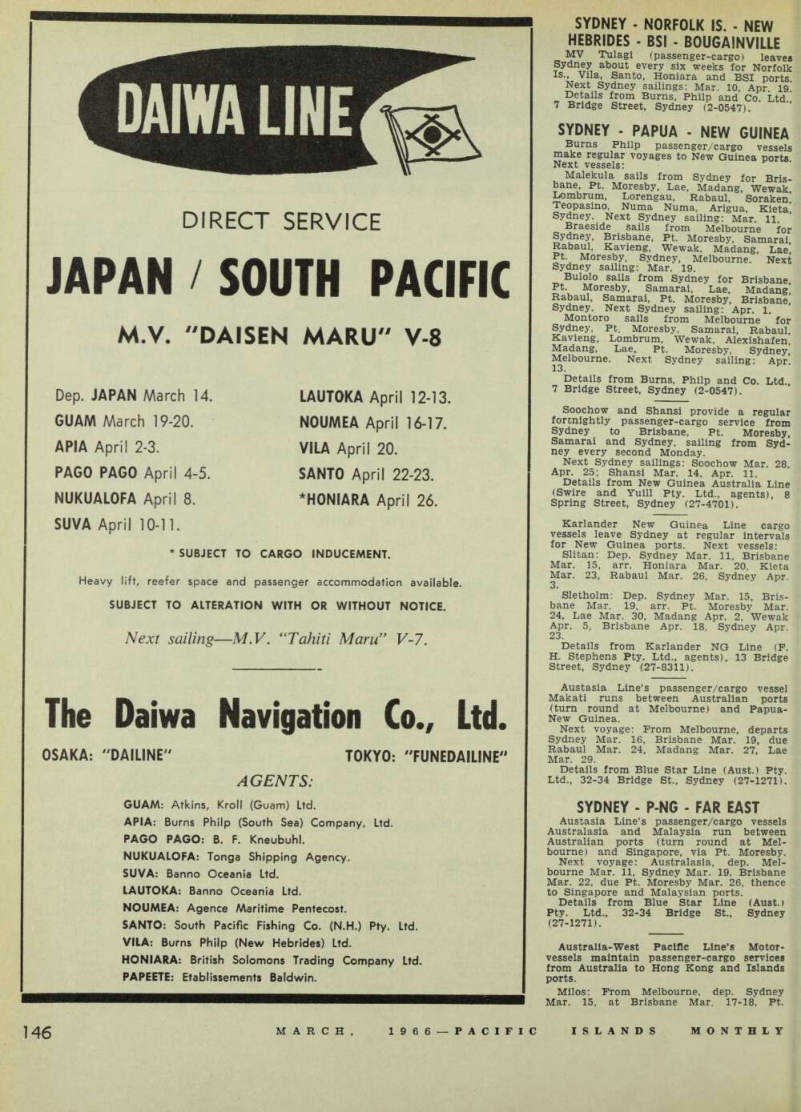 148
148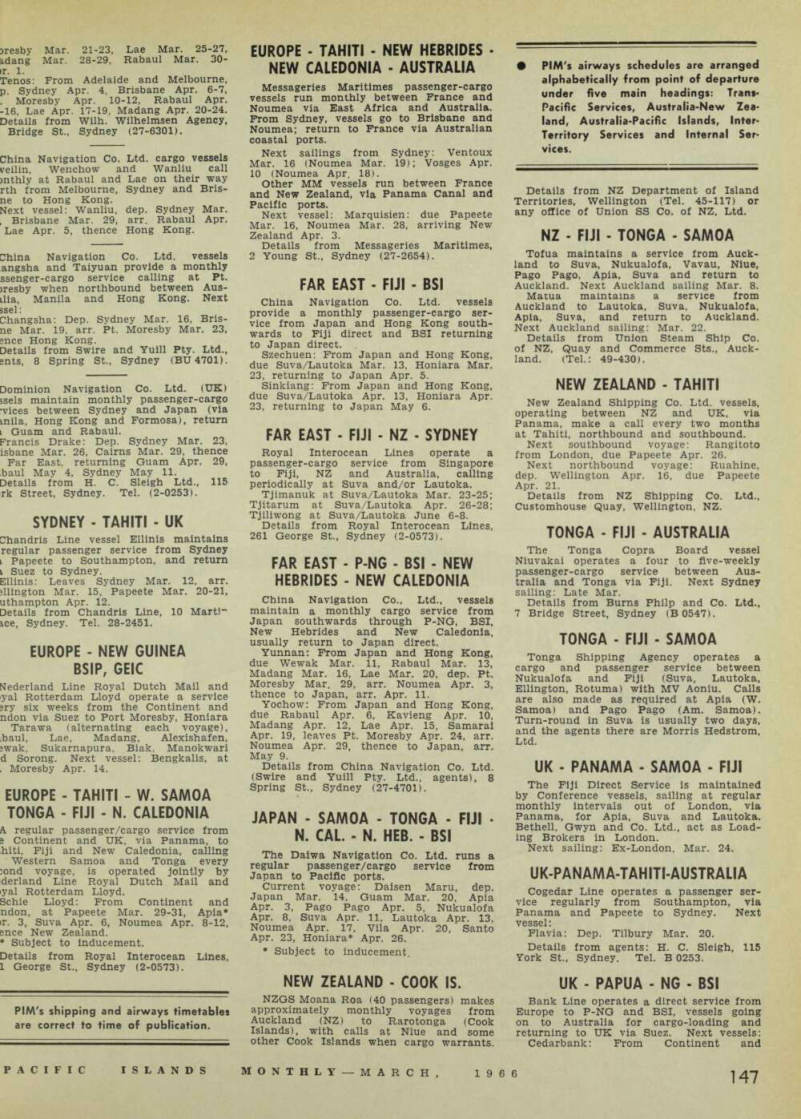 149
149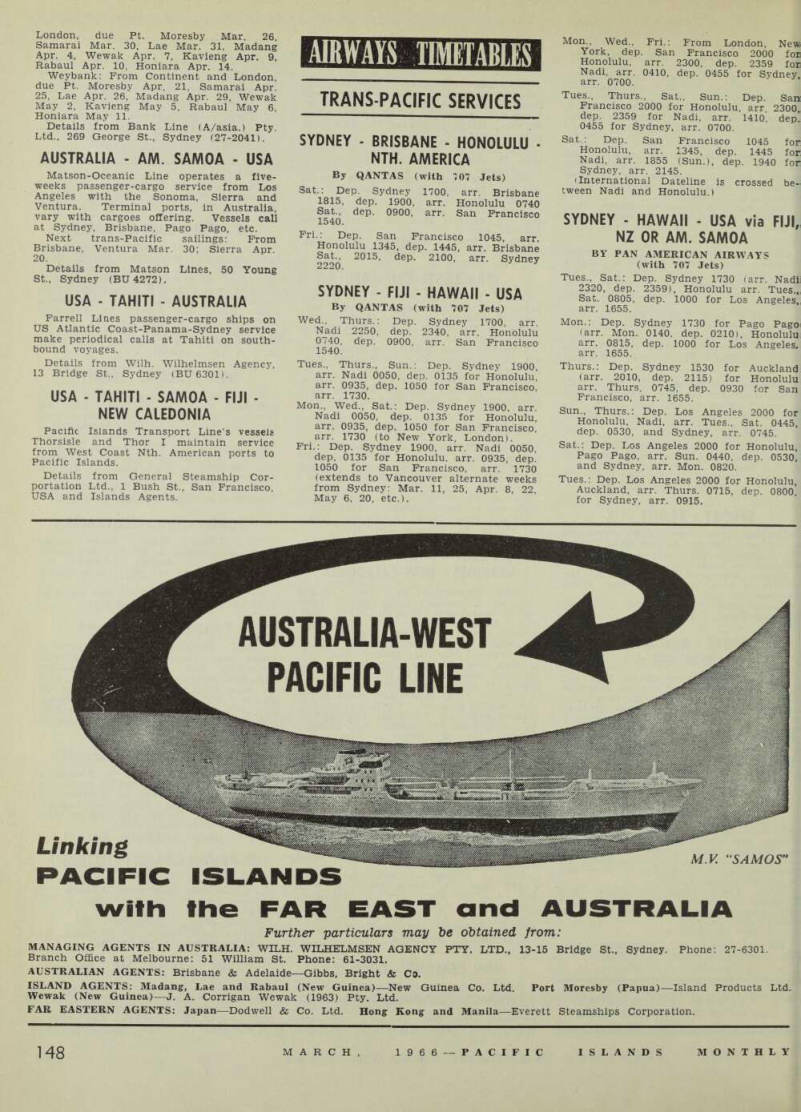 150
150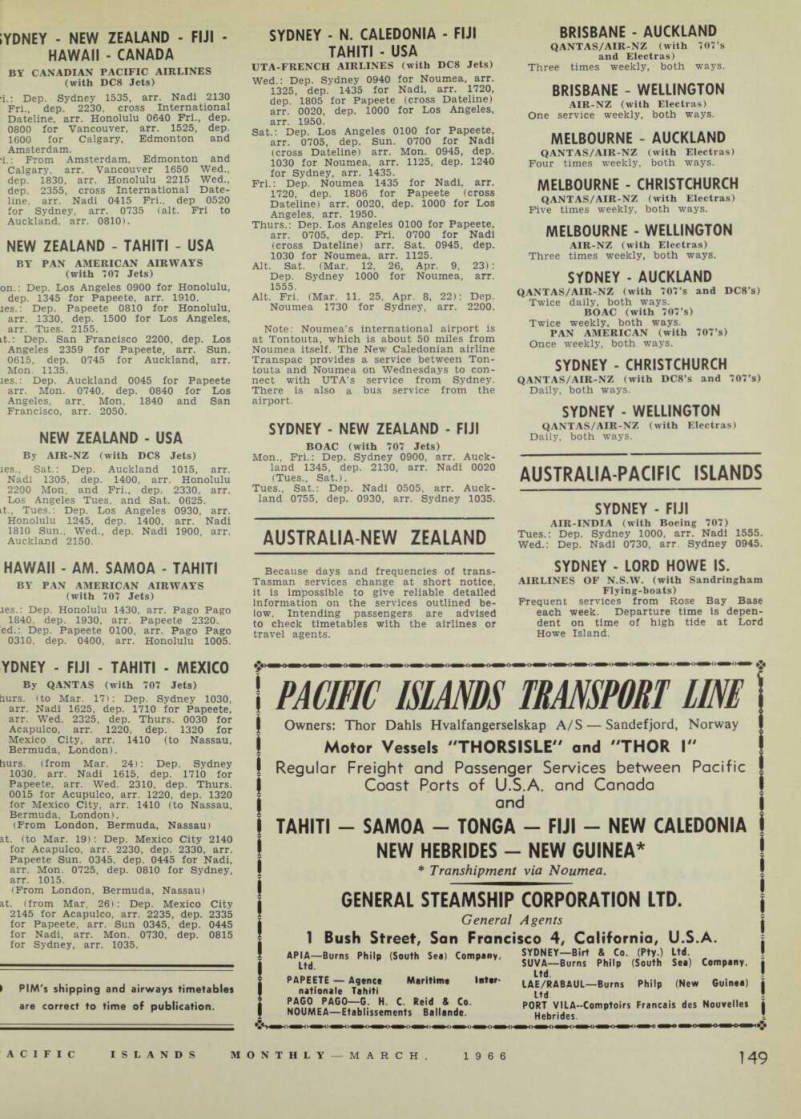 151
151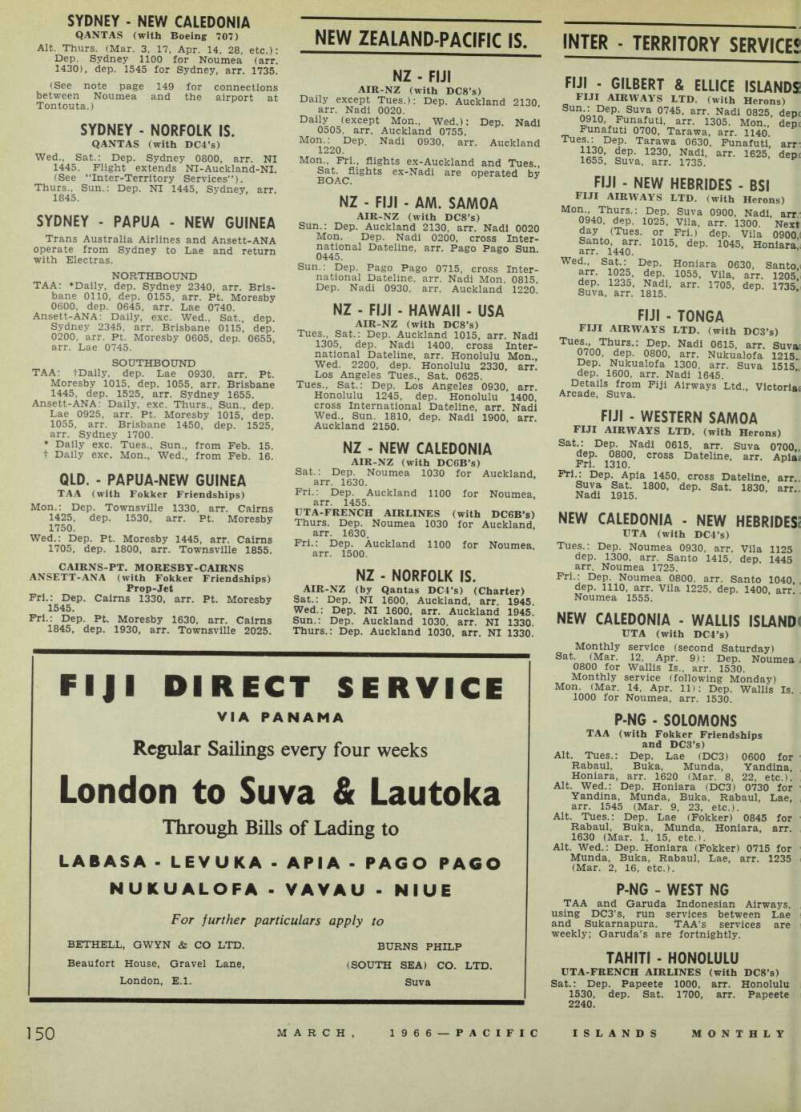 152
152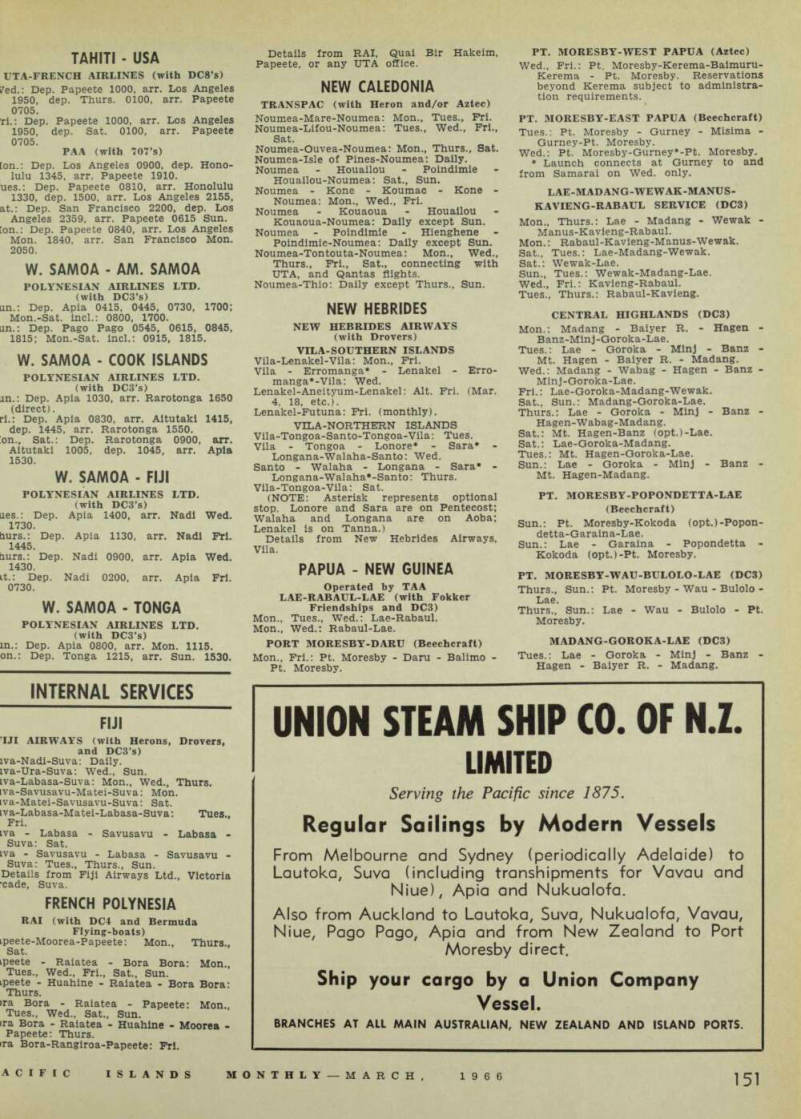 153
153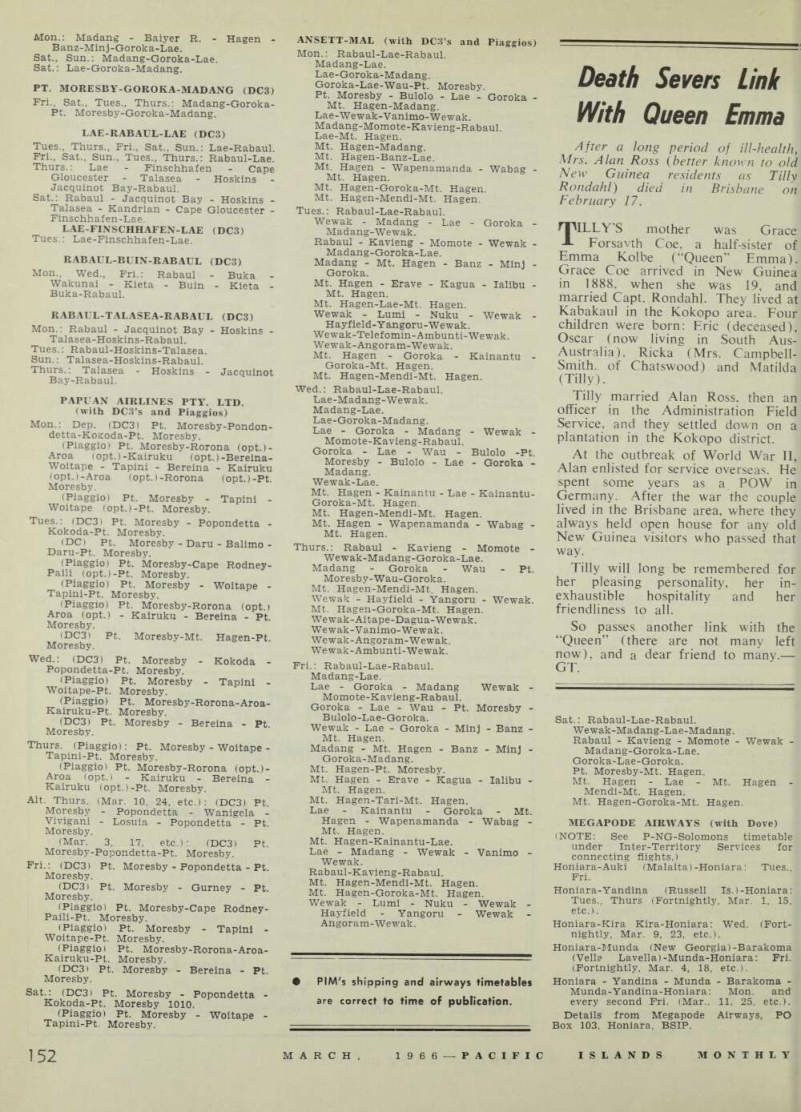 154
154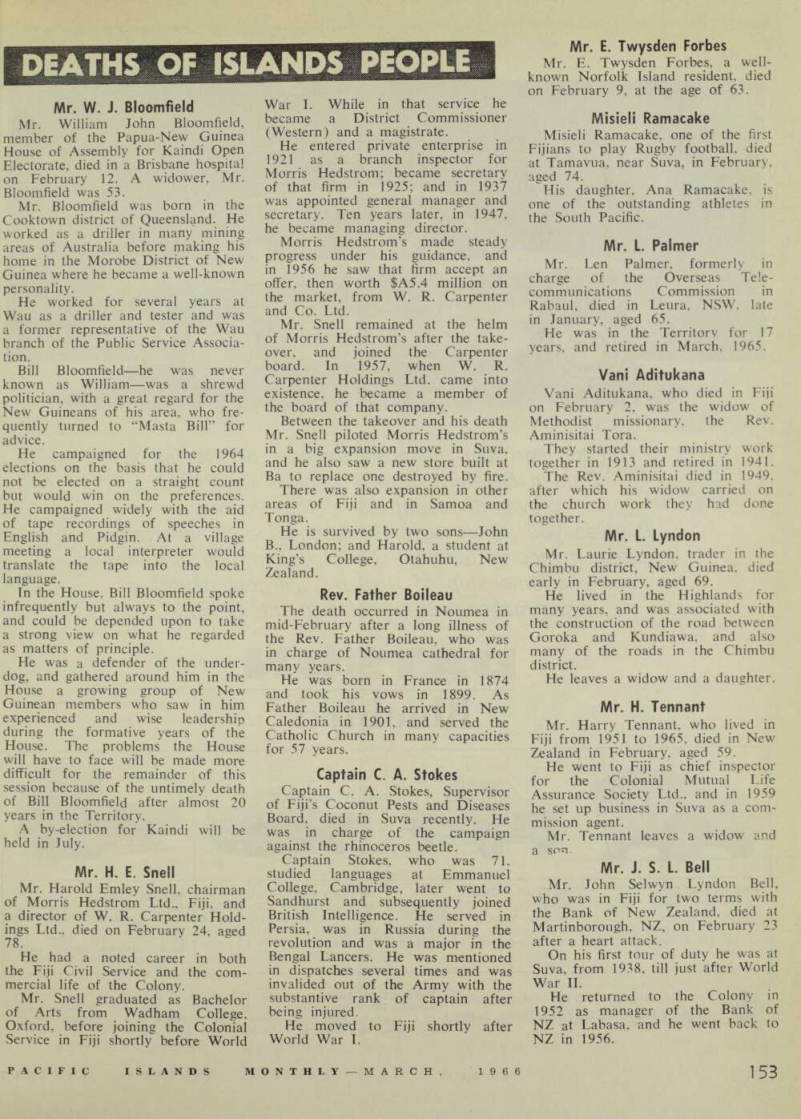 155
155 156
156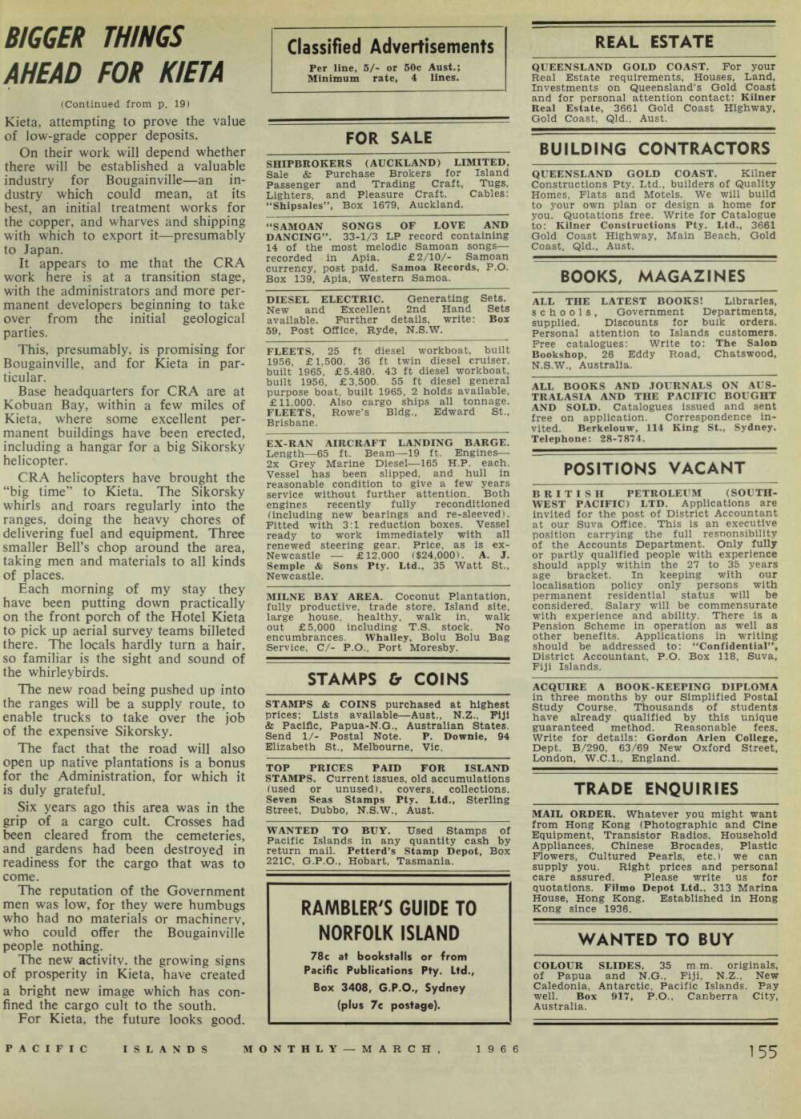 157
157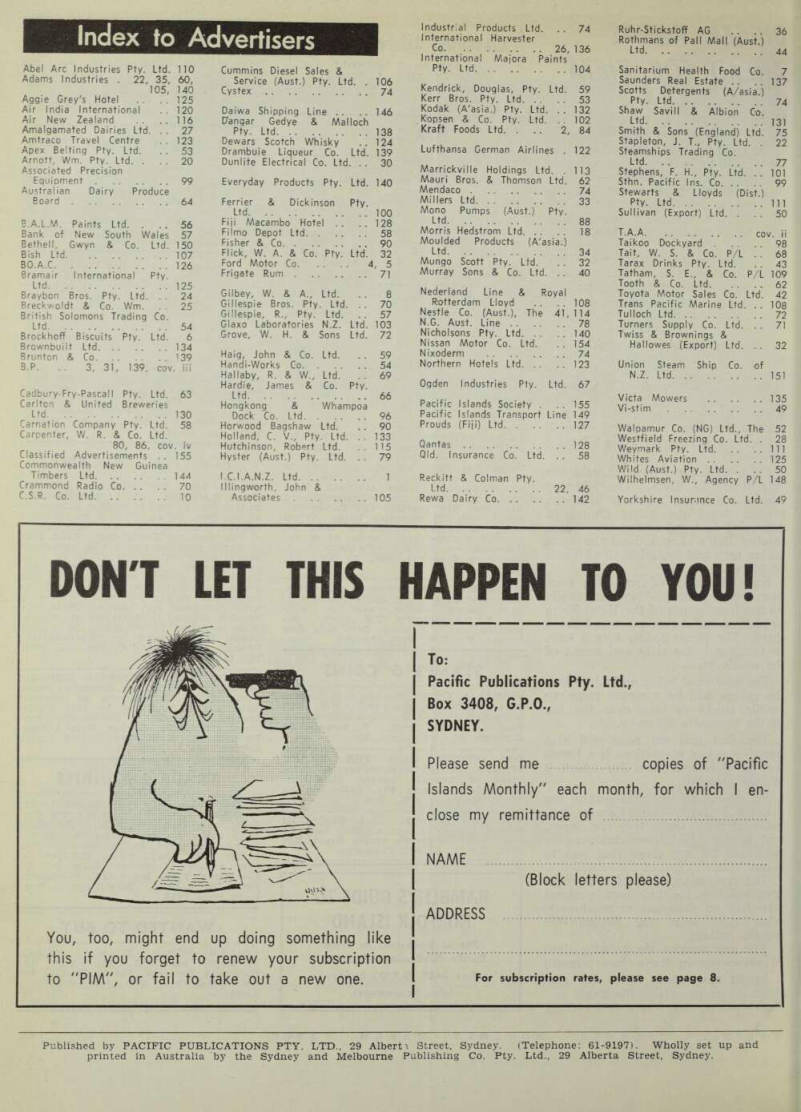 158
158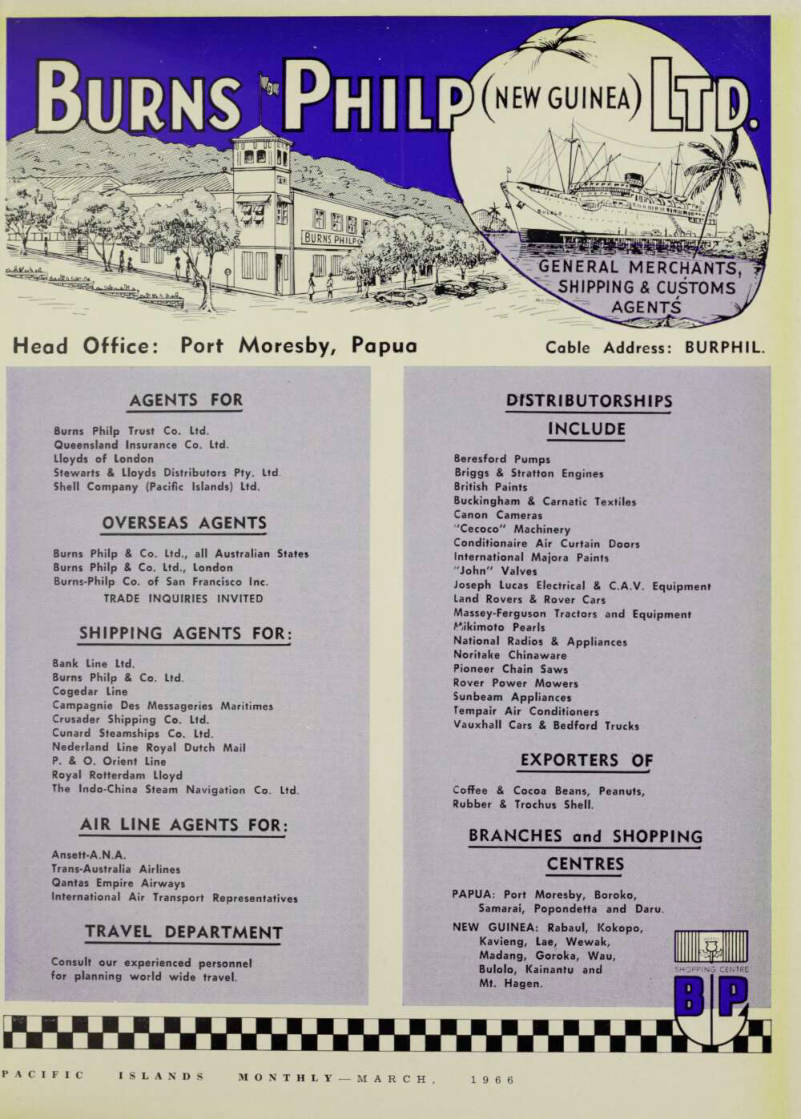 159
159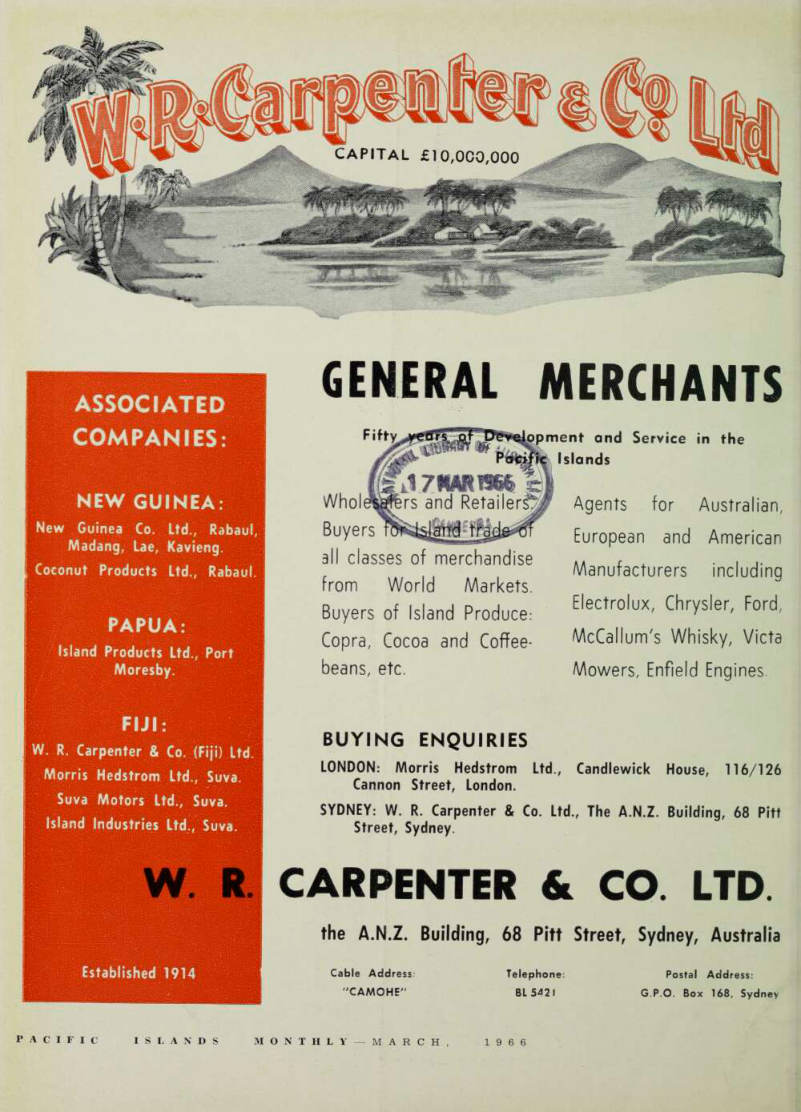 160
160