Monthly
Pacific Islands Monthly
April, 1965
3/- 60 US cents 50 French Pac. frcs.
'he Neu/s Magazine Of The South Pacific
Established 1930
ered at G.P.0., Sydney, and at P. 0., for transmission by post as a Newspaper
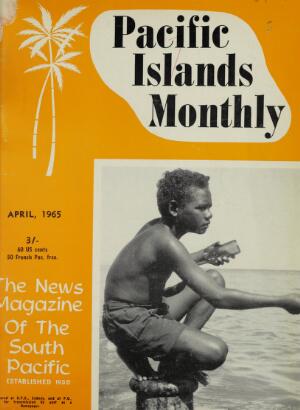
OUR COVER: "Young fisherman from the Western Solomons" was the only caption that photographer Ted Marriott, of Honiara, gave us with this picture—and there's scarcely need to say more, except, perhaps, that the Western Solomons take in the islands of New Georgia, the Short lands and Choiseul.
Advertisements & other items, pp. 2-6 (1 item)
When In Australia Fly Taa
m m L n»
Trans-Australia Airlines operates the largest single domestic airline network in the British Commonwealth, serving 140 cities and centres throughout Australia and Papua/New Guinea.
TAA’s modern aircraft connect with all incoming and outgoing international flights. TAA provides the speed and comfort of pure jet travel within Australia with the introduction of Boeing 727 T-Jets.
TAA Fly-away Holidays. TAA offers a huge range of packaged Holidays to the most popular holiday resorts throughout Australia and Papua/New Guinea.
And TAA takes care of everything travel bookings by air, road, rail or sea, accommodation, sight-seeing tours even theatre tickets!
Contact your nearest Travel Agent or Trans- Australia Airlines Office.
FLY
THE FRIENDLY WAY
Trans-Australia Airlines
TAA72B9/64
FIATISOO
with“Tropico” equipment
FIAT 1500 the car you will drive to success Going to Europe or to Australia for holidays ?
Ring or write for details of our wonderful money-saving schemes, which enable you to tour Europe in the comfort of your own car:
FACTORY REPRESENTATIVE, 167 KENT ST., SYDNEY
more: streamlined panoramic comfortable silent speedy elegant performance
taubmams ,
Juo-flastic
gaydec
i win m i
Taubmans
Gaydec is at home in the tropics
because Gaydec resists fungus
Taubmans remembered the tropics when they made Gaydec. The result? A flat inside or outside housepaint to effectively resist fungus .
Because Gaydec is plastic, all painting is quick and easy; Gaydec dries in just twenty minutes without paint odour; and your hands and brushes wash clean in water. In just a few hours your home will have a fresh, new look— protected by Gaydec for many years.
See the exciting range of Gaydec colours at your local paint store. Gaydec is the ideal paint for tropical conditions.
Gaydec Flat Plastic Paint for walls and ceilings, inside or outside, from well known distributors in Fiji, Tonga, Samoa, British Solomon Islands, New Guinea, Papua, New Hebrides.
T8994A
BURNS PHILP (SOUTH SEA) CO. LTD.
GENERAL MERCHANTS AND SHIPOWNERS
SHIPPING, CUSTOMS AND FORWARDING AGENTS
Fiji:
SUVA.
LEVUKA.
LAUTOKA.
LABASA.
SAVU SAVU.
BA.
SIGATOKA.
TAVUA.
ROTUMA ISLAND.
TAVEUNI.
BRANCHES
Samoa: Tonga:
APIA. NUKUALOFA.
PAGO PAGO. HAAPAI.
VAVAU.
NORFOLK ISLAND.
NIUE ISLAND.
AGENTS FOR;
QUEENSLAND INSURANCE CO. LTD.
BURNS PHILP TRUST CO. LTD.
SHELL COMPANY (P. 1.) LTD.
OVERSEAS AGENTS
BURNS, PHILP Cr CO. LTD., Sydney.
BURNS, PHILP & CO. LTD., London.
BURNS PHILP CO. OF SAN FRANCISCO
SHIPPING AGENCIES
• The New Zealand Shipping Co. Ltd. • Shaw Savill & Albion Co. Ltd. • Port Line Ltd. • Bank Line Ltd. • General Steamship Corporation Ltd. • Blue Star Line • Cunard Line • Compagnle des Messageries Maritimes • British India Steam Navigation Co. Ltd. • Royal Interocean Lines • Nederland Line Royal Dutch Mail/Royal Rotterdam Lloyd.
EXCLUSIVE DISTRIBUTORSHIPS
• AKAI TAPERECORDERS
• DUNLOP PRODUCTS
• EPIGLASS PRODUCTS
• FERGUSON TRACTORS
• HELENA RUBENSTEIN
• HITACHI ELECTRONICS
• HOLDEN VEHICLES
• JOHNSON'S WAXES
INCLUDE
• ROLEX WATCHES
• REVLON COSMETICS
• PENTAX CAMERAS
• SUNBEAM APPLIANCES
INTERNATIONAL AIR TRANSPORT ASSOCIATION REPRESENTATIVES for
QANTAS EMPIRE AIRWAYS LTD. :: TASMAN EMPIRE AIRWAYS LTD.
UNION DE TRANSPORTS AERIENS ALITALIA PAN AMERICAN AIRWAYS
ASSOCIATED COMPANIES
BURNS PHILP (NEW HEBRIDES) LTD.
AUTOMOTIVE SUPPLIES CO. LTD.
CORRIE & CO. LTD. • NARAIN FURNITURE CO. LTD.
SPECIALISED SERVICES
EXPERT ADVICE ON WORLD AND LOCAL TOURS
TRAVEL SHIPPING FORWARDING CUSTOMS
FORMALITIES INSURANCE.
REGISTERED OFFICE; SUVA, FIJI
Code Address: "BURNSOUTH"
HAVE YOU
NOTICED
HOW MUCH
BETTER
GILBEY’S
f GIN
IS!
GILBEY’S
GIN
So why mix with others?
Pacific Islands
Monthly
Owned And Published By Pacific
Publications Pty. Ltd., 29 Alberta
St. (Box 3408, G.P.0.), Sydney.
Telephones: 61-9197, 61-7101, 61-4369.
Telegraphic Address; PACPUB, Sydney.
Chief Executives
Managing Director: R. W. Robson.
General Manager: Selwyn Hughes.
Book Publishing Division
Editor: Judy Tudor.
Pacific Islands Monthly
Editor: Stuart Inder.
Assistant Editor: Robert Langdon.
Branch Offices
Melbourne: Newspaper House, 247 Collins St.
Tel.: 63-7053.
Papua-NG: Pacific Publications (NG) Ltd., Theatre Building, Fourth St., LAE. Tel.: 2577.
Fiji: Pacific Publications (Fiji) Ltd., Fiji Times Building, 20 Gordon Street, SUVA. Tel.: 5601.
Fiji Times Office, Vidilo Street, LAUTOKA.
Tel.: 420.
Representatives
New Zealand; J. D. Whitcombe, C.P.O. Box 2229, Queen Street, Auckland. Tel.: 70409.
Hawaii: C. C. Spencer, 203 Yap Bldg., 3465 Waialae Ave., Honolulu. Tel.: 775538.
United States: R. G. Craib, 153 Laidley St., San Francisco 31, California. Tel.; Mission 8-1075.
United Kingdom: S. R. Warman, 73 Cheapside, London, E.C.2. Tel.: City 2355.
H. A. Mackenzie, 4A Bloomsbury Square, London, W.C.I. Tel.: Holborn 3779.
Agents
AH main trading firms and stores in the Pacific Islands.
Pacific Publications Pty. Ltd. is the Australian agent for THE FIJI TIMES.
Subscription Rates:
Australia, New Zealand, all British Common wealth South Pacific Territories, Tonga, New Hebrides and Western Samoa: 3/- local currency (36/- local currency for 12 months).
Elsewhere in the South Pacific: 50 French Pacific francs or 60 US cents (600 French Pacific francs or $7.00 US posted for 12 months). Posted to the UK, US and all other countries: £Stg.2 or $7.00 US.
"Pacific Islands Monthly" is air-freighted to all subscribers and agents in the South Pacific; copies to other areas go by surface mail.
In This Issue
General
Bright Copra Situation 10 Long Voyage to the Marquesas ... 11 New Era for Coconut Producers 23 Australia Should Be More Interested 32 "Pandora" Logbook Turns Up 33 "Bird of the Islands" (New Book) 93 In the Wake of Captain Bligh 101 Holidays in Tasmania 123 Schedules for Cruises 129 Australian Trade Drive 131 W. S. Tait Anniversary 135
American Samoa
Longest "Fale" Comes Down 24 Historical Society Formed 32 "They've Never Had It So Good" 59
Cook Islands
Preparations for Big Election 12 Stamps to Mark Solar Eclipse 13
Fiji
Racial Distrust Menaces Reforms ... 7 Old Fijian Resident 21 Dental Training Course 27 Tourism Survey 39 Guava Puree Exports 51 Pioneer Fiji Flying Boat 53 Prison Riot 57 Setback for Development Scheme 61 Balancing the Budget 83 Hotels in Expanding Mood 119 Unkind Cooks 121 Sugar Income 132
New Newspaper Company 133 Record Trade Year 135
French Polynesia
Mysterious Painter of Tahiti 85 Spearfishing Championship 127 Tourist Trade Improving 127
Gilbert And Ellice Islands Colony
Future of Line Islands 41 Alarm Over Census 65 Copra Production Higher 132
Nauru
Curtis Island Scheme Abandoned 15
New Caledonia
Narrow Escape from Shark 9 Labour for Nickel Centre 23 1966 Games Plans 39 Former Liberty Ship Wrecked 99
New Hebrides
£126,000 for Secondary School 16 British Newsletter 16 French Resident Commissioner Leaves 16 Thaw In The Air War 21 Winston Churchill's Role 25 Students Overseas 49 Stock-Breeding Plans 134
Norfolk Island
Constitutional Status 27 Chief Magistrate 87 "Cythera" Theft Sequel 99
Papua-New Guinea
United Nations Mission 9 New Highlands Airport 10 New Quarterly Journal 21 Journalists Leaving 22, 23 Plans for University 26 Port Moresby Harbour Plans 29 Power of Parish Pump Political Party 45 Kuru Causes Women Shortage 75 Mysterious "Little Men" 81 Sea-Slugging in the Trobriands .. 87 Cargo Cult 91 Book on Coastwatching 97 Brewery Deal Confirmed 132
Coffee Industry Inquiry 133
Jap Interest in Timber Co. 134 Fishing Plan for Papua 134
Pitcairn Island
American Visitor 107
Solomon Islands
Attempt to Buy Freedom 7 Legislative Council Election 8, 72 Mood of Optimism, Progress 67 Copra Price Stabilised 132 Rice Trials Encouraging 133 Vanikoro's Kauri 135 Honiara Deep-Water Berth 135
Tonga
Import Restrictions Introduced 11 Gold Coin Stamps on Sale Aga in 13
United States Trust Territory
First "Congressmen" Elected 16
Western Samoa
Development Plans 37 Another Protest March 37 New Apia Wharf 135
DEPARTMENTS: Tropicalities, 21; Pacific Planters' Round-Up, 51; From the Islands Press, 55; Magazine Section, 81; New Books, 91; Shipping, 99; Cruising Yachts, 109; Territories Talk-Talk, 113; Travel, 119; Commerce, 132; People, 141; Deaths of Islands People, 144; Shipping and Airways Schedules, 145.
Advertisements & other items, p. 8 (1 item)
Braybon - Power Plants
AVAILABLE WITH HEAVY DUTY DIESEL ENGINES OR LIGHT WEIGHT
PETROL ENGINES WRITE FOR QUOTATIONS
1,000 Watt 240 Volt Petrol Set. £ll5 (74 lbs.) 2,000 Watt 240 Volt Petrol Set. £175 (126 lbs.) I r- * 3,750 Watt 240 Volt Petrol Set. £235 (226 lbs.) « W 1,650 Watt 240 Volt Diesel Set. £265 m 2,000 Watt 240 Volt Diesel Set. £367
Manufactured by:
BRAYBON BROS. PTY. LTD. 27-33 Washington st„ Sydney, phone No. 61-6853 DISTRIBUTED BY: STEAMSHIPS TRADING COY. LTD.; COLYER WATSON (NG) LTD ; TUTT BRYANT (PACIFIC) LTD.
Fiji's Plans For Political
Reforms Menaced By Inter-Racial Distrust
From a Suva Correspondent
Difficulties are developing in Fiji which could threaten the success of the constitutional conference to be held in London on July 28. The conference has been called by the Colonial Office so that it may introduce changes in the constitution of Fiji, aimed at making progress towards self-government.
ALL the 18 unofficial members of Fiji’s Legislative Council have been invited to the conference—six Fijians, six Indians and six Euro peans.
Fiji now has a population of nearly half a million and is qualified and competent to exercise self government. But the procedure to achieve this is open to criticism.
Efforts now being made in Fiji to work out a satisfactory procedure have themselves caused added difficulties, because much of what is going on has not been passed on to the man in the street, and while
developments remain a mystery to him they naturally raise suspicions in his mind.
The really troublesome factors are the determination of the Fijians to resist any change which may undermine their inalienable land rights; the formulation of some system under which the limited amount of agricultural land in Fiji may be made available for the use of any race so long as it does not interfere with titles; and a voting system for future elections.
Possibilities On the voting system the extreme possibilities are a common roll giving one man one vote—a system which would load the dice heavily in favour of the numerically superior Indians—or a continuation of the present communal roll system with each race voting separately for a candidate of its own.
But there are many variations in between, and about these there has been little discussion in Fiji, and little knowledge.
The Indians appear to favour a common roll, with most people ap pearing to want communal rolls at this stage of the Colony’s develop ment.
Another franchise problem is how to ensure representation of minority groups such as Chinese, Rotumans and other Pacific Islanders in Fiji, who are not at present re presented.
These matters of land and voting procedures dominate all present dis cussions and obviously are filled with explosive material.
The need for constitutional reform has been apparent for many years but Governor after Governor did little or nothing about it.
With the departure of the last Governor, however, the Fiji Admini stration began to apply itself
seriously to the long-delayed task.
Mr. P. D. Macdonald, while Acting- Governor, went to some pains to bring together the political leaders of the several communities with a view to ironing out their differences and preparing something tangible for a plan of constitutional reform.
When the new Governor, Sir Derek Jakeway arrived in Fiji early in 1964, he carried on from there, and has done some very effective work.
Discussions between the Governor and Legislative Council members have been going on—behind closed doors—but the Governor’s plan to get the unofficial members to decide what should be discussed in London has been defeated because of the reluctance of the Indians to give any definite undertakings and the refusal of the Fijians to give any undertakings unless the Indians do so.
At one of these closed meetings it was agreed that all races wanted to see a continuing link with the Crown and continued UK respon sibility for defence and external affairs. But the vital matters of land ownership and the common roll were left for further discussion.
In early March there was a further meeting with the Governor,
Bagita Goes To Town
Papua-New Guinea's most famous cop, Sergeant-Major Bagita, will visit Australia for the first time on April 8 when he attends Sydney's Royal Easter Show.
Bagita, with 49 years' service in the Royal P-NG Constabulary, was the 26th man to join the force. And although he thinks he is 70 he is probably older. He re members as a boy, living in the then fierce Dobu area of Papua, that he once cried at a cannibal feast because his mother wouldn't let him eat anybody.
One of Bagita's sons. Jack Bagita, was one of the first Papuans to graduate as a patrol officer.
which was expected to last two days during which the members were expected to get down to these basic constitutional details. But the meeting broke up early when Mr. A. D.
Patel, Member for Social Services, stated that he would contribute nothing to the discussion and would express his views only in London.
He said he had not been able to discover the views of his Indian followers.
The Fijians said that if the Indians would not talk, neither would they.
Something based on undertakings by leaders of the communities ob viously will have to be shaped up before the Colonial Office proceeds with its plans to transport the 18 non-official Legco members to London. If it is not possible to get some measure of agreement before July there would appear to be little chance of the London conference agreeing to the plan of reform which the Colonial Office wants to get into early operation.
Another conference with the Governor has been fixed for early April. Efforts are being made to bring Mr. Patel into a more reasonable frame of mind and if nothing is achieved at the April discussion the whole plan for a London conference could be in jeopardy.
Mr. Patel is recognised as one of the most able Fiji-Indian leaders in sight and he could do a great deal for the Colony. He is at present in a position where he could wreck the Colonial Office plan.
Meanwhile, at the end of March, the Fijians were taking the initiative.
They called a meeting and obtained agreement from the unofficial members of Legco that ownership of land, and the use of land, were not matters for the London discus 1 sion, because land ownership was beyond question, and the use of it was something to be discussed by the people concerned.
It must be said that the Govern ment and the Colonial Office certainly have made some of the problems for themselves. One of their errors is the decision to send the Legislative Council to London, for when this Legco was elected in 1963 the important issues involved in constitutional reform were not
prominent. If Fiji’s communities had then been asked to select men com petent to express in London the varying views on the structure of a future Fiji Government different people might have been elected to that Legco, It is most important that the Indian community as a whole be adequately represented in London, but as things are at present the meeting will be dominated by Mr.
A. D. Patel and his supporters, who certainly do not represent the great majority of Indians in Fiji in relation to constitutional reform.
There is also the fear that Mr.
Patel, if allowed to go to London in his present mood, and un committed, will use the occasion to express distrust of the Europeans in Fiji and gain glorification at the hands of Afro-Asian sympathisers.
He would be able to put his views on all subjects without the handicap of having them discussed in Fiji, where the people of Fiji would possibly put another complexion on things.
Right Course
If the Government had taken what obviously was the right course in preparing for this London discussion it would have organised a constitu tional convention of some kind for the whole of Fiji, where the issues could have been thrashed out, where the minor communities could have had a voice, and where the people might have had a chance to elect at least some of the representatives to go to the London conference and submit recommendations.
If, in that way, Mr. A. D. Patel, and people who think with him, should still have been sent to London as the representatives of public opinion in Fiji, then nothing more could be said.
Mr. Patel has made the excuse, as one reason why he will not talk before he goes to London, that any thing that he or his supporters say in these discussions behind doors sooner or later is published in The Fiji Times to his embarrassment.
The Fiji Times has reported that in the peculiar circumstances, and as an organ of public opinion, it has the strongest objection to vital decisions covering the future govern ment of Fiji being made in “private” and that it will publish whatever details of these conferences it can obtain.
If there is to be harmony in Fiji in the future, there must be com plete honesty now by all the com munities in these discussions—and a fair amount of compromise.
Among Fiji's
Warriors
The Archbishop of Canterbury, the Most Rev. Dr. Michael Ramsey, exchanged greetings with a group of painted Fiji warriors during his visit to Fiji in March, en route to New Zealand and Aus tralia. Dr. Ramsey was accompanied by his personal chap lain, the Rev. John Andrew. Photo: Stan Whippy.
Money Cant Buy
Me Love —And Freedom, Either
Do you know that Beatles’ song, “Money Can’t Buy Me Love”? Well, here’s a story from the Islands with a somewhat similar refrain . . .
The District Commissioner of the BSIFs Central District has issued a special edition of the “Central News” to clear up some misunderstandings about the Moro Custom Movement, or “Moro Company”, in Eastern Guadalcanal.
Moro and some of his fol lowers came to Honiara in February with £2,000, which they offered to the District Commissioner to buy their freedom from the Jaw, so that they could live by custom.
The money was refused, and the people who brought it were told to take it away. They were also told that any other amount offered could not be accepted.
BSIP Candidates
Nominations for the bsip’s first elected Legislative Council were announced in March. They are: Honiara: Mr. E. V. Lawson, Mr.
C. H. Cheng.
Guadalcanal: Mr. J. Bryan, Mr.
M. Rapasia.
Central Solomons: Mr, C. Fagita vemu, Mr. P. A. Kakaluae, Miss L.
Ogatina, Mr. J. P. Hoka, Mr. S.
Niavuni.
North Malaita: Mr. L. Liolae, Mr.
A. Atomea, Mr. M. Kelesi, Mr. J.
Dick.
Central Malaita: Mr. J. P. Vailua, Mr. L. Noi, Mr. A. Baeanisia, Mr.
P. Taloni.
South Malaita: Mr. R. H. Gordon, Mr. J. Warahimae, Mr. D. Kausimae, Mr. E. Ahikau, Mr. J. G. George, Mr. J. Fifi, Mr. P. Mamani and Mr.
A. Laealaha.
Western Solomons: The Rev. E.
Buadromo, the Rev. I. Vila, the Rev.
L. Boseto, Mr. R. Kimisi, Mr. W. G.
Paia, Dr. J. W. Kere, Mr. A. Viva, Mr. S. Kana, Mr. J. MacDonald.
Eastern Solomons: Mr. J. Melanoli, Mr. J. Campbell, Mr. B. Tunale, Mr.
A. Letade, Mr. W. lamalo, Mr. S. G.
Sade, Mr. M. Bolam, Mr. B. Bonie, Mr. O. Loanu, Mr. P. Boninga, Mr.
R. Suiga, Mr. E. Nokali.
Mixed Reaction To UN's
Mission To New Guinea
From a Special New Guinea Correspondent
Every tourist knows that the way to get the most out of a visit to a country is to swot up on it beforehand. In New Guinea, as the visiting mission of inspection from the United Nations Trusteeship Council got into its stride in late March, people were asking why all the four members hadn't done their home work before they came.
TERRITORIANS were justifiably annoyed to find that the team, whose report could have the widest international repercussions on Aus tralia’s trusteeship, contained at least one member who did not know that Japan had occupied most of the area during the last war.
As the itinerary unravelled, Admi nistration officers who attended the boring succession of public meetings in council houses throughout the Highlands became more and more amazed at the naivete of the questions some of the Mission members asked.
With only an hour to an hour and a half at each stop, much time was taken up, asking, and translating questions seeking basic information on such things as the composition and function of councils, respon sibility for road construction, and produce prices.
Much of the information probed for so laboriously was in the latest New Guinea annual report, proof copies of which were specially pulled for the Mission’s tour, and which travelled safely around in the special zipper brief cases, gold-embossed with the proclamation “United Nations Visiting Mission to New Guinea and Nauru, 1965”, and the member’s name.
But not all the fault for the
Mission’s ignorance could be laid at the door of the individual members.
A supposed briefing session in Port Moresby had been devoted almost entirely to discussion of administra tive detail, and the Mission arrived in the field pretty well unbriefed on Australian policy and its application.
And the crisis of the United Nations itself has cast its shadow on the Mission. Although the member nations of the party—Britain, the
United States, Liberia and France— were nominated in the first week in December last, ratification had to wait for the General Assembly’s session.
Due to the argument over voting rights, this session did no business, and the Mission’s visit was finally approved only three weeks before it landed in New Guinea. Two members, Mr. Andre Naudy, France, and Mr. Dermot J. Swan, England, were last-minute replacements for the original nominees.
The Mission was travelling to a very tight budget—s2s,ooo US had to take it to New Guinea and back to New York again—another result of the international financial crisis.
United Nations missions are sup posed to work as a team, with members sublimating personal in terests to the international weal.
However, despite strenuous attempts by members and secretariat to stress the cohesion of the group, it quickly became apparent that Mr. Andre Naudy was going to have a difficult job to keep his team together.
Mr. Nathaniel Eastman, of Liberia, carrying a large anti-colonial chip, very early set about gathering in formation to support his thesis that Australia had been deliberately pro crastinating in her task of leading New Guinea to independence. Mr.
Dwight Dickinson of America worked assiduously to counter his efforts.
And England’s Mr. Swan, ap pearing urbane and ineffectual, followed them around, apparently enjoying New Guinea immensely.
Goroka Rotarians received pro bably the biggest snub of the tour.
The club, seeking to impress the Mission with its sense of equality, invited the Mission to dine with it, and Mr. Eastman to address it. Mr!
Eastman declined, “on general prin ciples,” he said.
He had found that the Goroka Rotary Club had no native members, and that three local New Guineans, invited to window-dress the dinner]
The 1965 United Nations Visiting Mission to New Guinea photographed in Port Moresby in March. Left to right are—Mr. Nathaniel Eastman (Liberia), Mr. Dwight Dickinson (USA), Mr. Dermot J. Swan (United King dom), and the chairman, Mr. Andre Naudy (France). P-NG Official.
were the first to attend a Rotary dinner there A meeting with Madang Rotary was eliminated, on advice, to avoid a similar situation.
The Visiting Mission will end its New Guinea inspection on April 15 with final discussions in Port Moresby, and will present its report to the Trusteeship Council in about four months time. r rnrises "
Obviously the report will not be a classic signpost to New Guinea progress in the fashion of: the Foot report -tress 4 ’ d P the ticularly adult edl ucatioin 1 need to deveiop a sense ofßational
responsibility amongtheNewGumea
people may well prove to be among its salient recommendations.
Yet it may contain some surprises too. Government officers, concentrating on the private discussions, rather than the public meetings of
the tour, already believe that pressure for accelerated political development will come from an unexpected quarter-France, not Liberia, Andre Naudy has been quietly comparing New Guinea with former French colonies in which he served from 1932 onwards. He has the widest political and administrative experience of any Mission member, As a member of the French delega tion which negotiated the indepen dence of the Cameroons, his know ledge and judgment can be expected t o play a decisive role in formulating recommendations, And Mr Eastman? Well> obse rvers are thinking that perhaps he is more realistic than he would like to appear, Privatel he has already to ld some Australian§ that a too-early in d d would lead on i y to gkSdshed and chaos. . x , But what, many people m New Guinea are wondering, will too early” prove to be for the Territory.
Was Bit
The Biter
A young Wallis Islander had a narrow escape from death in Noumea in March when, at about 5.30 p.m., he was laying a fishing net in knee-deep water at one of the local beaches, and a 4 ft shark fastened its jaws on his thigh.
By reflex the man seized the jaws of the shark, preventing it from tearing his flesh.
Companions who heard his cries went to his assistance and choked the shark to death.
The victim had to have more than 40 stitches inserted in his wound.
Advertisements & other items, p. 11 (1 item)
9
PACIFIC ISLANDS M O N T H L Y A P R I L , 1965
Soldiers Meet A Sailor
And he's a famous sailor, too-Lord Mountbatten of Burma, and uncle of Prince Philip—who paid a flying visit to New Guinea in late February in his capacity of Chief of the British Defence Staff. Here he meets members of the Pacific Islands Regiment in Port Moresby before flying to Mt. Hagen, in the Western Highlands, to officially open the new 5,400 ft all-weather Kagamuga airport.
The Kagamuga project to date has cost £lOO,OOO and further extensions are planned to enable it to take the largest aircraft.
A satellite township is expected to spring up alongside the airport, which replaces the Hagen airstrip.
South Pacific
Copra Situation
Bright
World copra prices are cur rently at their highest level for five years.
THE contributing factors are a strong consumer demand from Europe, damage to palms in Fiji, and increased political tension in South- East Asia.
Mr. lan McDonald, chairman of the P-NG Copra Marketing Board, reported in March that the average March price was likely to be about £Stg.B6 a ton —the highest price since 1960, when prices ranged through J anuary £Stg.92/17/6, February £Stg.9o/2/6 to March £Stg.Bs. The price went down to £Stg.s6/2/6 in May, 1962.
Mr. McDonald said the reason for the increases could probably be found in the dealers’ market, with some short covering, and thus current prices were probably very vulnerable.
World exports of copra had slipped somewhat by 1964 and this trend might continue into 1965, and so buyers might be feeling some con cern. But there was no real reason for their concern for any fall in quantity had been more than made up by an increase in coconut oil from the Philippines and Ceylon. The im port total of copra and coconut oil, in terms of oil, had shown an in crease on 1962 and 1963 imports.
Hence, whatever might be the reason for the present higher prices, it did not seem to be supply.
“It is felt that copra prices have now reached their peak and we might expect a gradual falling away to 1964 levels,” Mr. McDonald added.
Today’s copra situation is not analagous with the record prices of 1958-59, for then there was a definite shortage of copra and coco nut oil.
Although today there is not enough copra and coconut oil to satisfy all requirements, the world supply position is much better than it was six years ago. • See also Commerce, Produce p. 131. • A bulldozer being used in phosphate mining on Ocean Island recently uncovered the remains of a human skeleton, revealing the site of a prehistoric Banaban village.
Their Belts
The Tongans Tighten
By a Staff Writer
The Kingdom of Tonga has embarked on a period of belt tightening, made necessary by a gloomy financial situation.
Exchange controls have just been introduced, making it virtually impossible to import a wide range of goods including cigarettes and tobacco, tinned meats, biscuits, flour and electrical equipment.
TONGA’S man-in-the-street is going to feel it badly, for the restric tions are aimed at him. He is to be made to work for his food—to grow it rather than buy it in a tin from the local store.
Unfortunately, while he is the man who is going to feel the real pinch, he is not the man who has brought the situation to its present crisis— that must be laid at the door of the Government.
The import restrictions have be come necessary because the Kingdom has been spending money on various schemes without as yet getting much back.
And it is probably no coincidence that the announcement of the con trols followed closely on the first visit to Tonga in late January of Mr. Trafford Smith, principal adviser to the British Colonial Office on
South Pacific affairs. Mr. Smith made a return visit in March, Although Tonga is independent— and Tongans are proud of that fact— it still has close ties with Britain through a Treaty of Friendship, and there is a British consul in Tonga.
There has recently been talk of ap pointment of a Tongan representative in London.
The South Pacific Office in Suva also keeps a general eye on how things are progressing in Tonga and uses its influence where it can, for Britain has no wish to lose face itself by allowing Tonga to drift into serious difficulties. Obviously it already has lost some face because of the present crisis.
From a practical point of view Britain would be glad enough to cut adrift completely if somebody else would taken the responsibility —such as the United Nations or the United States. Tonga itself has lately been showing interest in the US in various business matters.
Export Fall
One of Tonga’s difficulties in main taining true independence is its lack of natural resources. Copra is its main export, and while much good work has been done to improve its quality (it has risen from being one of the Pacific’s lowest grades to one of the highest), there has been an alarming fall in the export figures in the last 12 months.
Several reasons can be traced for this fall in production. Possibly the most important is that the last census taken on coconut plantations proved that a large percentage of trees are too old—are, in fact, past bearing age—and there is desperate need of replanting.
The 1963 drought and hurricanes took a further toll of Tonga’s coconuts.
Price incentive is possibly another important reason for the fall in pro duction, as the price offered the grower through the Tonga Copra
(from previous page)
Board is based on the minimum market price.
Many productive acres are lost through the system of leaving land to lie fallow for three to five years, whereas with more agricultural knowledge and the use of fertilisers this land could be kept in produc tion.
The Copra Board has had con siderable success in experimenting with coconut by-products, and has supplied many products for the local market, but shortage of money to enlarge machinery has prevented an export trade from building up.
Tonga holds a major interest, with an American group, in the Pacific Coconut Processing Corpora tion, formed to process coconuts in Pago Pago, American Samoa, and to export the results to the US, but this project has been haunted by delays.
No Action Yet After three years there is still no action, and it has not been an nounced just what the processing will involve anyhow. Meanwhile Tonga has bought another ship, to service the factory with fresh coconuts.
The same American promoters have recently taken an interest in developing the island of Palmyra south of Hawaii (see p. 41), of which they have taken a long lease from the private owners, Americans.
It was to have been developed as a tourist resort, with construction of a huge hotel, offices and convention hall, and Tonga’s Premier, Prince Tungi, hoped that the Government owned Tonga Construction Company would win the contract for the erection of the buildings. This, ap parently, was to be Tonga’s part in the plan.
Fishing Plan
But the plan has been changed and the promoters have suggested a holiday resort combined with a plantation and fishing industry.
Tongans would work the plantation and Japanese would operate the fishing industry.
What will now happen to this plan remains to be seen, although there appears to be little hope of a lucrative planting industry there, and probably less hope of a tourist resort. Efforts were made two or three years ago by another American group to
promote Palmyra as a luxury resort but the scheme never got off the ground.
Latest report is that the harbour at Palmyra is to be dredged.
But there has been no work there yet for the Construction Company.
Tonga has probably put no money into Palmyra, but it has been spending money lately on a tourist scheme of its own, right at home in Nukualofa. After many years of dithering with the problem it has now decided to go all-out for the tourists and it is building a luxury hotel on the waterfront and a new overseas wharf. Again, however, money is going out without any coming in, and much more will have to be spent if a healthy tourist trade is to be built up.
Already there have been searches for suitable surfing beaches that could be developed, yet no action has been taken to improve the roads to existing attractions—and these are in desperate need of attention.
The Blow Holes on Tongatapu are an attraction, but during the wet season the road to them is often impassable—axle deep in mud.
In creating import restrictions to conserve exchange, it remains to be seen whether Tonga will gain to any great extent—for there must be an accompanying drop in import duties collected.
Stores Feel Finch The big stores will feel the pinch by the drop in sales —although the smaller stores will feel it first, for they, generally, rely on the European stores for their supplies.
In some ways the restrictions will do Tonga’s man-in-the-street good.
He has for years been content to plod along, putting only as much effort into living as it seemed to require, and putting nothing aside for a rainy day. Now he will have to work harder to get what he needs, and this will require more attention to agriculture and more attention to the various trades and businesses.
Better training in business manage ment and in agriculture might well follow, and better production figures.
Tongans have been as proud of being free of a national debt as they have been of being independent, and it seems that now they are going to learn that both situations require energy and sacrifice to maintain.
Restricted
Many Goods Now
Imports In Tonga
Under Tonga's 1965 Foreign Ex change Control Regulations, a total of about three dozen goods have become restricted imports in the Kingdom, and cannot be imported without a licence.
The goods are: Brushware, biscuits, chinaware, crockery, glassware, cigarettes, clocks, watches, cordage, rope, electrical appliances, dried and tinned fish, flour, furniture, gal vanised manufactures, ice cream, confectionery, jewellery, frozen and tinned meat, motor vehicles and parts, motor cycles, motor scooters, bicycles, perfume, shocks, soaps, alcoholic spirits, beers, wines, tex tiles, timber, tobacco, tyres and tubes for motor vehicles, fresh vege tables and aerated water.
The Long, Long
Way To The Marquesas
For the second time in less than six months, an American trimaran trying to get to the Marquesas has finished up at an island thousands of miles from its destination and almost —but not quite—in the opposite direction.
The trimaran is called—appro priately perhaps—“ Pipe Dream”, and is owned and skippered by an American missionary, Alvar Wolfsen, who has a Japanese born wife, Yashiko.
On October 8 last year, 56 days out from Hawaii, “Pipe Dream” arrived at Bern, Gilbert Islands, although Mr. Wolfsen had actually been heading for the Marquesas, some 3,500 miles away (PIM, Dec. p. 83).
On March 13, “Pipe Dream” turned up from the Gilberts in Lautoka, Fiji, although Mr.
Wolfsen again claimed that he had been heading for the Marquesas.
Lautoka’s position on the map means that Mr. Wolfsen is still about the same distance from the Marquesas as he was when he left Bern, and despite a cruise of more than 3,000 miles, he is still about a thousand miles further away from his destina tion than he was before he left Hawaii.
Mr. Wolfsen was accompanied on his latest voyage by his wife and two Gilbertese.
Advertisements & other items, p. 13 (1 item)
11
PACIFIC ISLANDS M O N T H L Y A P R I L . 1965
Cook Islands
Prepare For
Big Election
The 15 far-flung islands of the Cook Group have been ex
periencing unprecedented activity
and excitement lately as the date draws near for the election of a new 22-member Legislative As sembly, which will begin a new era in Cook Islands history.
THE election will be held on April 20 and will be observed by six United Nations representatives—a Sudanese, a Pole, a Togolese, a Spaniard, an American and an Indian.
The new Assembly—the first with powers of full internal self-govern ment, provided it accepts the Consti tution Act passed by the New Zea land Parliament last October —will hold its first meeting on June 7.
New Zealand’s Governor-General, Sir Bernard Ferguson; the Prime Min ister, Mr. Holyoake; the Leader of the Opposition, Mr. A. H. Nordmeyer; and the Minister of Island Territories, Mr. J. R. Hanan, are among the pro minent people from New Zealand
The Leader of Government Business in the Cooks, Mr. D. C. Brown (left) and the Resident Commissioner, Mr. A. O. Dare (with "ei") returning to the Cook Islands from New Zealand recently, after having had discussions about the elections in April. Photo: J. A. Meers.
who are expected to attend the As sembly’s inauguration and the accom panying celebrations to mark the at tainment of limited self-government.
A delegation of leaders from Western Samoa is also expected.
In late March a list of election candidates was publicised by Raro tonga’s Press and radio. The list shows that 66 people from Rarotonga and the outer islands will contest the 22 seats. Fifteen of the 66 are members of the Cook Islands Party, led by Mr. Albert Henry, who is debarred from standing as a candidate by the three-year residen tial clause which has been in force since 1958 and was kept in the proposed Constitution by the present Legislative Assembly.
Other candidates belong to a political party formed in Rarotonga last November—the Cook Islands Labour Party. A spokesman for this party says it is formed of working people and will do its best for working people, growers, and those with little or no income.
A third party, the Unity Party, is also rumoured to exist, but if so, it has issued no information to the public.
About half of the election candida tes appear to be people who are not known to belong to any Cook Islands political party and who are not members of the present Legislative Assembly, New To islanders The party system is brand new to the Cooks. In the past Cook Islanders voted for persons they liked and knew something about, and it seems probable that they will do so again in the April elections. Persona lities will probably influence more votes than the broad ideals of party platforms.
Mr. Mel Taylor, a Maori-speaking public relations officer in NZ’s Maori Affairs Department and Department of Island Territories, arrived in Rarotonga early in March to explain the whys and wherefores of the election to the people.
After a few days in Rarotonga he flew to Aitutaki, and then accom panied an RNZAF Sunderland to the outer islands for air-drops of information pamphlets. This was filmed by New Zealand’s National Film Unit.
Landings were made at Manihiki and Penrhyn, where Mr. Taylor found the islanders apprehensive about changes, and anxious to know if the New Zealand subsidy would be continued under internal self government and whether they would continue to be New Zealand citizens.
Throughout the Group, Mr. Taylor found that the degree of understand ing of the proposed Constitution and the new system of government seemed to vary widely.
The six United Nations represent atives who will observe the election are due to arrive in Rarotonga on April 8 with Mr. G. Hensley, head of the Pacific Desk in the NZ De partment of External Affairs.
Their leader is Mr. Omar Adeel, of Sudan, who is a former chief delegate of his country to the United Nations. The other UN represent atives are Messrs. L. Stembach (Poland), H. F. A. Pradas (Spain), B O. Dormeno, (Togo), C.
Sivasankar (India) and J. Lewis (United States), Messrs. Adeel, Lewis and Sivasankar will stay on Rarotonga for the election; Mr. Stembach will go to Aitutaki; Mr. Pradas will go to Mangaia; and, if shipping permits, Mr. Dormeno will go to Atiu.
Four members of the mission are expected to stay in the Cook Islands for the first meeting of the Legis lative Assembly, whose only business will be to debate a motion asking the Government to bring the Constitution Act into force.
This Act provides for full self-Gov ernment, but allows for continued association with New Zealand and
(Continued on page 144)
a common citizenship—that of New Zealand.
Other features are that the control of foreign affairs and defence will be vested in New Zealand; that the Cook Islands Cabinet will consist of a Premier and four other Ministers; and that a candidate for election to the Assembly must reside in the Cook Islands for three years before the election.
There is no certainty that the in coming Assembly will accept the Constitution Act as it stands. It could reject it in toto or it could demand amendments of one sort and another.
The impossibility of predicting the attitude of the new Assembly towards the Constitution Act no doubt prompted the present Cook Islands Executive Committee, headed by the Leader of Government Business, Mr.
D. C. Brown, to choose June 7 as the date for the new Assembly’s first sit ting.
June 7 is the Queen’s Birthday, so if the Assembly should reject the Con stitution Act in toto or should de mand amendments, which would de lay bringing the Act into force, the team of dignitaries coming from New Zealand for the opening of the As sembly will still have something to celebrate, even if it is not internal self-government in the Cook Islands
Solar Eclipse
Island Goes Into
The Stamp Game
Stamp collectors who like to get first day covers from the
really out-of-the-way places of
the world will be interested in the Cook Islands Administration's plan to send first day covers from a special post office on Manuae on May 30. j|/fANUAE is 124 miles north-east of Rarotonga. It is an atoll about a mile long by 600 yards wide, which, with another atoll, Te-Ao-o-Tu, encloses a lagoon and makes up the Hervey Islands.
On May 30, between 9 a.m. and 10 a.m., it will be the scene of intense scientific interest because of a total solar eclipse which will be better seen from there than from anywhere else in the world.
Scientists from New Zealand, Great Britain. Australia, Germany, Russia, Japan, the United States and Canada will be based on the island to observe the eclipse; and with this unprecedented influx of people, a post office will be opened for the first time.
Two Stamps
Its main business will be to sell a 6d. stamp depicting a green coconut tree in the foreground, the moon passing in front of the sun, a map of the two islands, and the inscription: “Manuae, 1965”. The background— the sky—will be blue. A 1/9 stamp, similar in design, may also be issued.
The Manuae Development Co operative Society Ltd., which leases Manuae on a 99-year lease from the Crown to produce copra, is the sole agent for the proposed special post office.
This co-operative is now receiving applications for first day covers con taining the stamps in question. Those interested should send the equivalent in New Zealand currency of the value of the stamps (sixpence or 1/9) plus threepence for the cover to: S. D. Heather, Secretary, Manuae Development Co-operative Society Ltd., P.O. Box 100, Rarotonga, Cook Islands.
Meanwhile, on March 18, the remainder of Tonga’s gold coin stamps, which were withdrawn from circulation on August 31, 1963, went on sale again. The stamps are countermarked to give them new denominations.
Australia, P-Ng Tour. Mr. R. G.
Gerard, NZ Minister of Lands, who in March-Aprit was heading a party of NZ parliamentarians on a goodwill tour of Australia and Papua-New Guinea. The party includes Mr. P. A. Amos, who de feated the former Minister for Island Territories, Sir Leon Gotz, at the last elections.
Advertisements & other items, pp. 15-16 (2 items)
13
PACIFIC ISLANDS M O N T H L Y A P R I L , 1965
Morris
HEDSTROM
LIMITED
HEAD OFFICE: SUVA, FIJI
LONDON OFFICE
Morris Hedstrom Limited Barclay's Bank Buildings, 73 Cheapside,
LONDON, E.C.2.
AUSTRALIAN REPRESENTATIVE
Morris Hedstrom (Aust.) Pty. Limited Wales House, 27 O'Connell Street,
SYDNEY
REGISTERED CABLE ADDRESS:
DEUMBA—SUVA, MORRISHED—LEVUKA, MORSTROM
SYDNEY, SUVAAAARK—LONDON, MORRISCO
NUKUALOFA, DEUBA—APIA, CODES: ALL
For Friendly Service and complete satisfaction it's Morris Hedstrom Ltd. in General Merchants
Produce Buyers
Importers and Exporters
Ship Owners
Plantation Owners Commission and Insurance Agents
AGENTS & DISTRIBUTORS FOR:
Adhesive Tapes, Ltd.
Bush Radios, Ltd.
Bowater—Scott Corporation, Ltd.
China Navigation Co.
John Dewar Gr Sons, Ltd.
Electrolux Limited.
Evinrude Outboard Motors.
Ford Motor Co.
General Electric Co. Ltd.
Goodyear Tyre & Rubber Co.
Guinness Exports, Ltd.
Medley, Thomas & Co. Ltd.
Imperial Chemical Industries, Ltd.
Matson Navigation Company.
Mobil Oil Australia Pty. Ltd.
Max Factor & Co. Inc.
Napier Bros. Ltd.
Parker Pen Company Ransomes, Simms & Jefferies, Ltd.
Rootes, Ltd.
Smiths English Clocks, Ltd.
Tanqueray Gordon & Co. Ltd.
Taubmans, Ltd.
Yorkshire Imperial Metals Ltd.
Morris Hedstrom Limited are
LLOYD'S AGENTS
in Fiji and Samoa
FIJI - SAMOA - TONGA
Nauruans, Where Now ?
By a Staff Writer
Australia has finally accepted the refusal of the Nauruans to be resettled on Curtis Island, off Queensland, when Nauru's phosphate supplies are worked out.
IT has officially discarded the Curtis Island scheme and has informed landholders that it won’t continue with negotiations to acquire the land there.
The Government’s action means that Australia now has no specific Nauruan resettlement scheme before it.
The only proposal at present in front of it is the proposal of the Nauruans themselves that they be allowed to remain on Nauru and become independent. This proposal will be discussed in Canberra soon at a meeting between the Government and Nauruan leaders.
The Government’s action on Curtis Island has finally spelled finish to a huge and detailed development scheme which the Nauruans themselves regarded as very generous.
The 200-square mile island, about the same size as Singapore, was to have been developed by Australia with roads, houses, shops, schools, harbour facilities and a commercial fishing industry, at an initial cash outlay of at least £ll million. The freehold of all this was to be presented to the Nauruan community, at present numbering 3,000.
Because of the present and planned industrial expansion of the nearby city of Gladstone, on the mainland, some observers predicted that Curtis
Island, after development, would one day “be worth the value of another Singapore”.
The Nauruans were to move to their new home over a period of years, and were to be given local government powers and become Aus tralian citizens.
The many details of the scheme were put in the hands of a special Nauru Resettlement Officer with the Department of Territories, Mr. Reg Marsh, who was appointed early in 1962 to that position.
They Want Independence
The scheme broke down following a conference in Canberra in mid -1964 when the Nauruans said that both Curtis Island and the scheme itself were good, but that they wouldn’t accept Curtis unless they were promised full sovereign rights there. They did not want to lose their identity and become Aus tralians.
Australia replied that it was un able to give sovereignty.
After this conference, Australia thought the Nauruans might change their minds but it soon became obvious that they were adamant and that their nationalism was extremely strong. The recent decision on Curtis was taken so that Curtis landowners would not have their holdings frozen any longer than was necessary.
The Administrator of Nauru, Mr.
R. S. Leydin, and the Head Chief, Hammer Deßoburt, will attend the Canberra talks, probably in May.
Representatives of an Australian firm of economic advisers retained by the Nauru Council will attend.
Also in Canberra will be public relations consultants who have been retained by the Council.
The agenda includes phosphate royalties, the rate of phosphate extraction, the ownership of the deposits (the Nauruans wish to con trol them), establishment of a Legislative Council “and subsequent independence”, and rehabilitation of Nauru by importing soil to fill the worked out phosphate fields.
In late , April Nauru was to be visited by the UN Mission at present touring New Guinea. Its report no doubt will be read with great interest by Australia before the Government decides what step to take next— whether to agree with the Nauruans’ request for an independent Nauru or whether to search for yet another resettlement island.
Whoosh!
To anyone not in the know, it must have looked as if the war in the Solomons was on again, and that a torpedo had just done its work. It was, in fact, only a charge of explosives going off behind the keel of the RCS "Coral Queen", to free her from Papari Reef, Isabel, where she went aground recently. The explosives did the trick, and the ship was floated off and towed to Tulagi.
Photo: Ted Marriott.
Post-Primary
New Hebrides Round-Up
£126,000 For New Post-Primary School In Vila
The Secretary of State for the Colonies has approved a grant of £Stg. 126,000 for the first stage of a new English-language, co educational boarding school at Vila, New Hebrides.
THE eventual capital cost of the school, which will be for post primary students, is estimated at £240,000.
Tenders have already been called from approved contractors for building stage I. The consulting architects are Messrs. Warren and Mahoney, of Christchurch. New Zealand.
When completed, the school will be the largest complex of buildings in the New Hebrides.
It is hoped that the main building will be ready for the first intake of 30 boys and girls in February next year. On completion the school will provide secondary education for 150 students.
Recruitment will start soon in the United Kingdom for a headmaster and two masters, and it is hoped they will arrive before the end of 1965. Their first duty will be to prepare a syllabus for the first year.
The children will spend the first year consolidating their primary education and preparing for four years of secondary education, during which the Cambridge Overseas School Certificate syllabus will be followed.
The school will eventually have a staff of eight—the headmaster, five masters, and two women teachers. * THE assorted Britons, Australians, New Zealanders and “opters” who make up the British community in the New Hebrides were cheered recently when the British Newsletter, the roneoed news sheet of local news issued by the British Residency in Vila, announced that in future it would appear every two weeks.
Previously, the Newsletter had been a monthly, and sometimes bi monthly, publication—in contrast to the weekly Bulletin d’lnformation
issued by the French Residency, which, besides covering the local scene, also contains a round-up of overseas news.
The more frequent appearance of the Bulletin, plus its wider coverage, had been one of the things that helped give New Hebridean Britishers the feeling that in most things, the French Administration could put on a much better show than the British. * * * WORK is expected to be com pleted at the Hotel Vate at the end of April on the construction of a terrace over the present dance floor. The terrace will be used as a dining room, as the existing dining room has been taken over by the New Hebrides Club. * * *
Anew Hebridean, George
Marakia, of Fila Island, re cently caught a dugong while fishing behind Iririki, the small island op posite Vila in Vila Harbour. Dugongs are seldom seen in Vila, or in any part of the central New Hebrides.
Popular Man Leaves
Mr. Maurice Delauney, French Resident Commissioner in New Hebrides since the end of 1960, was due to leave Vila on March 30 to become France's representa tive in Gabon, a republic that formerly formed part of French Equatorial Africa.
Mr. Delauney (pictured) has been a popu lar figure among all communities in the New Hebrides, and genuine regret at his departure was expressed at the farewell parties given in his honour. Before his appointment was announced, Mr. Delauney made a quick trip to Paris, where he was received by General de Gaulle.
First "Congressmen"
Elected In U.S.
Trust Territory
The High Commissioner of the United States Trust Territory of the Pacific Islands, Mr. M. W. Coding, has announced the names of the successful candidates in the general election on January 19 for the first Congress of Micronesia.
THE election was the first ever held in the territory for a territory-wide legislative body.
Elected candidates to the House of Delegates are: Olympic T. Borja and Jose R. Cruz (Mariana Islands District), Amata Kabua and Isaac Lanvi (Marshall Islands District), Roman Tmetuchl and John O.
Ngiraked (Palau District), Bailey Olter and Eliuel Pretrick (Ponape District), Tosiwo Nakayama and Andon Amaraich (Truk District), and Francis Nunnan and Joseph Tamag (Yap District).
Winners of the 21 seats in the General Assembly are: Benjamin T.
Manglona, Manuel D. Muna, and Juan A. Sablan (Marianas); Namo Hermios, Henry Samuel, Dwight Heine, and Atlan Anien (Marshalls); Lazarus Salii, Sadang Ngiraeherang, and Jacob Sawaichi (Palau); Elias Robert. Bethwel Henry, Max Iriarte, and Olter Poll (Ponape); Smart Lampson, Petrus Mailo, Soukichi Fritz, Mitaro Danis, and Chutomu Nimues (Truk); and Luke M. Tman, and John Rugulmar (Yap).
First Session The first session of the new Congress will be held in July.
A Secretarial Order issued last year by the US Secretary of the Interior, Mr. Stewart L. Udall, provides that regular sessions of the Congress are to be held annually on the second Monday of July at the provisional capital of Micronesia in Saipan, Marianas District.
Special sessions may be called by the High Commissioner as necessary.
Mr. Coding has described the creation of the Congress of Micro nesia as the culmination of the growing sense of unity in the Ter ritory, and the most significant achievement in the political history of Micronesia.
“Through their respective ‘con gressman’, the people of the Territory will exercise more internal self government,” he says.
Advertisements & other items, pp. 19-22 (1 item)
Fob, Strength And Energy
It’s marvellous what a difference Milo makes!
THothena CKolcg.'
FLOUR
p UiN
f Lob h
tact, Mother’s Choice Plain Flour ~. vitamin enriched, and entoleted for purity. Makes smoother, creamier sauces, batters and gravies. Mother’s Choice Plain Flour is marvellous for pancakes, too! In 2 lb. & 4 lb. packs.
Mother’s Choice Pure Semolina Suji... best for making Halua!
Available in 2 lb. packs and 7 lb, plastic bags. j?
Me
K
eating Jellies ever!
made in minutes—
they're “fast dissolving!”
ITlathgM CKmee,
Just watch the kids go for these fresh fruity flavours of Mother’s Choice jellies. You’ll love them too. Mother’s Choice Jellies are Superfine for fast dissolving. They mix in minutes - make a whole pint from every pack.
True fruit flavours . . . Raspberry, Strawberry, Lime, Lemon, Orange, Pineapple, Port and Tropical Fruit.
Which one would you like today?
Enjoy these wonderful Mother’s Choice Jellies with all your desserts.
And be sure to try Mother’s Choice Spanish Delight and Mother’s Choice Flummery too.
They’re delicious! vJ i
SUPERfINt
m
A
moment
while
we
change
On April 1 TEAL changed its name to AIR NEW
ZEALAND.
It is an important date in the history of New Zealand's International Airline. In April, 1940 25 years ago TEAL carried its first passengers. Today, the change of name marks our further development into an international airline in the fullest sense not only serving New Zealand, Australia, Fiji, Samoa, New Caledonia and Norfolk Island, but soon to link these traditional areas with North America and the Orient.
But only the name has changed.'Alß NEW ZEA- LAND offers the same brand of friendly, helpful hospitality and service which since 1940 has befriended TEAL to millions of travellers.
Welcome aboard!
T 240
AIR NEW lEAIANO
In association with QANTAS and 8.0.A.C.
PArf r t n
THE GREATEST NAME
IN CIGARETTES
ROTHMANS KING SIZE
really satisfies
Tropicalities
A new journal devoted to affairs in New Guinea, the Pacific and South-East Asia will appear in April. Known as New Guinea, it is a quarterly published by the Council on New Guinea Affair^/
NEW GUINEA, a 96-page quality magazine illustrated with line drawings by prominent Australian artists, is obviously designed to provide a vehicle for intelligent, literate debate on the problems of New Guinea.
The Council, which has this aim as one of its projects, secs New Guinea’s problems not only as internal ones of political, economic and social development, but as external ones which now face Australia with a major task.
What are New Guinea’s future relations with Australia to be? How are they likely to be affected by White Australia? What is New Guinea’s place in the context of developments in Asia, or in the Pacific? What is it in the emerging interest shown in New Guinea by Africans with whom, as the Guise delegation to Nairobi last December showed. New Guineans already feel a marked affinity?
We’ve seen early copies of New Guinea and it is not an academic magazine, although academics are prominent contributors. Others in clude top journalists, politicians, native leaders, and businessmen.
The first issue of New Guinea contains articles by Tom Mboya (Kenya’s Development Minister) on the future of New Guinea, Oala Oala-Rarua on “Wage Cuts and Racial Discrimination,” F. M. Hewitt on “Problems of Private Investment,”
Charles Rowley on “The Debate That Wasn’t,” John Kerr on the new university, Tom Millar on “Defending New Guinea” and Keith Levy on the Madang-Hagen Road.
Other articles deal with the Press, the World Bank report, the Pacific and China in South East Asia.
Other contributors include Neil Mclnnes, Peter Hastings, O. H. K.
Spate, Kevin Martin, Henry Mayer, P. W. E. Curtin, Ric Shand and Gavin Souter.
According to its editor, Peter Hastings, former editor of The Bul letin, future issues will include articles on Labour Party thinking on New
Guinea, the position of the Chinese in the Territory, Indonesian admini stration in outlying territories, pro files of indigenous and European leaders in the Territory, profiles of South-East Asian leaders, articles on South-East Asia and the Pacific, New Guinea and the UN, the future of rubber, coffee, cocoa and timber in the Territory, education and the elite, book reviews and a discussion section.
The quarterly will be on sale in Papua-New Guinea and Australia and will cost 5/- for single copies.
Sign Of A Thaw
In The Air War?
IT is not usual for the Bulletin d’lnformation, the weekly news letter of the French Administration in the New Hebrides, to include editorial comment in its reportage of the local scene.
But some crept into the issue for March 19 in a report on local aviation.
The report said that on March 13, a Drover aircraft of New Hebrides Airways made a trip from Vila to Norsup, Malekula, and back, carrying five passengers and urgent mail.
It was the first time that an NHA plane had landed at Norsup—the Drover being under charter to Hebridair, whose Dornier 28 (which usually serves Norsup), was in Noumea for an overhaul.
Commented the Bulletin : “At a time when the need for some sort of association between the two local airline companies is becoming more and more obvious, the facts de monstrate the value of an aerial pool in the archipelago.”
The point of the Bulletin’s remarks is that a minor war has been going on in the New Hebrides for some time over internal air transport.
While business has been expanding, New Hebrides Airways, a British company with New Hebridean share holders, and the first in the field, (Over)
has resisted attempts by Hebridair, a French company, to move into areas that it pioneered.
Mr. Bob Paul, the head of New Hebrides Airways, indicated in an interview with The Fiji Times last year that Hebridair was not easy to co-operate with, when he said: “The French will not meet anyone half way. They want everything for them selves.”
However, the fact that Mr. Paul’s company has now done the Vila- Norsup-Vila charter flight for Hebridar could be a sign that there is a more friendly feeling between the rivals,
“Veejay" Hits The
Home Trail
rpHE thousands of words that have . been pouring out of New Guinea in recent weeks about the activities of the visiting United Nations Mission are a kind of journalistic swan song for the Territory’s principal informa tion officer, and best known reporter, Miss K. Vellacott-Jones.
She is travelling throughout the Territory with the mission and re porting her last big story after 16 years in the Territory as a journalist —l2 of them as PRO for the Admin istration.
In May, “Veejay” (she is also known as “Helicopter”, “Apricot- Jones” and “Kate”) packs her battered portable and sets off for a European vacation before heading for Canada, where she will settle down to some radio writing.
Born in Somerset, England, but reared in Saskatchewan, Canada, “Veejay” found her way to Port Moresby in 1949 after a journalistic career which had already taken her to many out of the way places, and after a wartime and post-war Army career with the British Women’s Auxiliary Service which took her to India and Burma, Sumatra, Java and Japan.
In the Territory she organised the present radio news service for the Australian Broadcasting Commission and for four years was the ABC’s only journalist in New Guinea. She achieved a reputation for going any where after a story, and in that era of transport shortages she would thumb a lift by jeep, canoe or plane to collect the facts. For several days she was the only reporter on the scene of the big 1951 Mt. Lamington
eruption which killed 3,000, including about 35 Europeans. For days she had little or no sleep as she sent out to the world the first detailed messages on the carnage.
She was the first woman to march over the famed Kokoda Trail—travel ling with a PNGVR party which was the first group after the war to make the journey, taking six days and five hours. She carried a 50-lb pack like everybody else. She sent her dispatches ahead by native runner and as the weary party reached Kokoda the members could hear a bulletin on their arrival coming over the ABC national news from Australia.
“Veejay’s” reports for the New Guinea Administration have been re nowned for their accuracy and a decade of journalists has come to rely on them—whether they have involved the opening of a new local council or a murderous attack by primitive bushmen on Australian patrol officers.
With her departure the Territory loses another colourful personality.
And Two More
Bow Out
fIWVO other journalistic departures A from the Territory soon are those of John Blair, editor of Port Moresby’s South Pacific Post, and Jim Huxley, managing editor of Lae’s New Guinea Times-Courier.
Blair is off to London along the overland route via Red China and Moscow, before returning to work in Australia. Huxley is returning to Sydney after 25 years in the Ter ritory.
Their departure has nothing to do with the takeover of the Post and Courier by the Melbourne Herald
group in February, for their resigna tions were made some time ago.
We owe it to Blair to make this clear, because we cheekily com mented in this column in March that under the Yaffa regime the Post was never much of a newspaper and there probably would be editorial changes in the new era.
Although Blair doesn’t agree with our view of the Post, he has plenty of friends, including us, to wish him bon voyage and journalistic success.
Labour From Fiji?
THE Noumea newspaper Journal Caledonien asked in a recent issue: Is it true that attempts are to be made to recruit foreign labour (especially Fijian) for work in the new nickel mining centre of Poro on the east coast [of New Cale donia]? If true, why?
Is it true? There have certainly been suggestions, unofficial, that Fiji labour could be used out of Fiji.
New Era Ahead For
Coconut Producers
THE coconut industry is on the verge of a revolutionary break through in technology that will eliminate much of the present tedious labour and greatly increase the value of production, according to the general manager of the W. Samoa Trust Estates Corporation, Mr. P. W. Kelly.
As chief executive officer of a £1 million corporation controlling over 10,000 acres of coconuts, and
a principal figure in research co operation with an American firm, Mr. Kelly speaks with some authority.
Mr. Kelly claims that the new pro cess eliminates the necessity of mak ing copra; yields oil of “incomparably the best quality”; and leaves a residue, not of animal fodder, but of coconut flour ideal for human consumption.
“The process will greatly increase the value of our coconuts, and as a result of giving much better returns to producers will also provide an in centive to greatly increased produc tion,” he says.
The break-through has been achieved by research since 1957 by the Nutralite Foundation in the United States under the direction of Dr. Stefan Tenkoff, in co-operation with the Western Samoa Trust Estates Corporation.
As soon as patent formalities have been completed it is likely that a pilot plant will be set up in Western Samoa. The process is an industrial operation quite within the capacity of Western Samoa to operate.
Mr. Kelly says that research into the process started after a visit to Samoa in 1957 by American million aire and founder of Nutralite Pro ducts Corporation, Mr. Carl Rehmborg.
Mr. Rehmborg’s company manu factures vitamins and food supple ments in which no synthetics or artificial fertilisers are used.
He was particularly impressed by the fact that atoll-dwellers in the Pacific, with a diet mainly of fish and coconuts, showed no dietary de ficiencies. He was also struck by the
Miss Vellacott-Jones.
Sleepy
Head
Lillian Dennis, who has a shop in Mendana Avenue, Honiara, noticed a crowd of boys out side her shop re cently and on going outside saw this little chap fast asleep with an empty bottle of "lolly water". When he woke up he casu ally looked up, rub bed his eyes, picked up his bottle and walked off as if no thing had happened.
lack of technological advances in pro cessing the coconut.
It is still in the horse and buggy days,” he said. “The labour and re turns associated with copra will never get the people out of grass huts.”
As a result, both out of scientific interest and a genuine desire to help Islands people, he instituted research by the Nutralite Foundation, a philanthropic organisation, into the properties and processing possibilities of the coconut.
Research last year culminated in the perfection of a process yielding the purest coconut oil ever produced, leaving the residue of coconut flour.
Samples of the oil have already been sent to leading buyers and have brought enthusiastic reports, Mr.
Kelly says.
He adds; “It is now over to the engineers to design the factory. There is no question that this is a break through that should immeasurably improve the lot of coconut producers throughout the world.”
Churchill's Role In
The New Hebrides
THE recent death of Sir Winston Churchill and the subsequent publicity campaign to raise money for scholarships in his memory has reminded old Pacific hand, Lew Friday, who now lives in Sydney, that as a young man Churchill played an important role in the establish ment of the Condominium Adminis tration in the New Hebrides, The Condominium was set up by a convention between Britain and France on October 20, 1906, and was officially proclaimed in Vila on December 2, 1907.
Friday writes: “Winston Churchill, as Under secretary of State for the Colonies, played a big part in helping to create this compromise solution to a problem which had caused much bad blood between the French and British settlers in the New Hebrides.
“Australian observers commended the part he played in the complicated and tedious business of setting up the Joint Administration, whose aim was to assure the better protection of life and property by establishing a region of joint influence, in which the subjects and citizens of the two Signatory Powers should enjoy equal rights of residence and personal pro tection and trade, while each of the two Powers retained jurisdiction over its subjects or citizens, without exercis ing a separate control over the Group.
“To a man, the Presbyterian missionaries, who swayed Australian opinion from their headquarters in Victoria, gave Winston Churchill high praise for his ‘remarkable knowledge of New Hebridean affairs’.
“ ‘There are few things concerning the Group that he does not seem to know,’ the Rev. M. Prater, a missionary at Paama and one of their spokesmen, wrote at the time. T have been corresponding with the young Minister for some months and am astonished at his wide knowledge of the affairs with which we are so much occupied. Mr. Dale, of the Colonial Office, also knows the New Hebrides to his finger tips, and another who shows genuine interest is Lord Elgin.’ ” • The population of Oceania is likely to double by the year 2,000 AD., according to the United Nations Department of Economic and Social Affairs. The world population, ap proximately 3,000 million in 1960, may also double by the end of the century.
Fiji’s Oldest?
One of the oldest women in Fiji, possibly the oldest, is Eta Vakanawa, of the village of Nakaile, on the Rewa River.
Eta has no idea of her age, but the villagers think she is well over the century. Her father, Sakiusa Balewai, was a lay missionary in the time of Baker, the famous mis sionary who was killed and eaten by Fijians in 1867.
Eta’s 68-year-old daughter Mere claims that her grand father was present at Baker’s murder and fled horrifield into the bush, but other members of the large family are in clined to treat it as a legend.
Eta’s only brother, Eneri, now dead, was a constable who was present at the signing of the Deed of Cession at Levuka in 1874, an event which Eta is fond of relating.
She also remembers the ter rible measles epidemic of the late 1870’s which decimated the Fijian race.
Eta is still in reasonably good health, and eats well, sleeps well and talks well.
She was among the Fijians who had to be evacuated from their homes during the February floods. She treated the evacuation as fust another event in her long life. After all, she has known many floods.
Photo: Stan Whippy.
Advertisements & other items, pp. 24-26 (1 item)
Mungo Scott Pty. Ltd.
ELECTRIC MOTION (Exp.*) LIMITED
Suppliers of New and Reconditioned Power at a Fraction of Original Cost offer: 2.5 KW Lister Start-O-Matic Diesel Sets, 230/1/50 AC, complete. Immaculate
PRICE £l7O EACH
The price quoted includes packing, insurance and delivery to your nearest port.
Write for photographs and stock lists of our diesel alternating sets 1-512 KVA, horizontal diesel engines, machine tools, compressors, pumps, electric motors, etc., to: —
ELECTRO MOTION (EXPORT) LIMITED
BARKBY ROAD, LEICESTER, ENGLAND
Cables: "ELMOTION", Leicester, England.
MUNGO SCOTT PTY. LTD.
Established 1894
AUSTRALIAN
£X Lm mm
SYDNEY
AUSTRALIA
FLOUR MILLERS
SUMMER HILL, NEW SOUTH WALES
Cables & Telegraphic Address: SUPERB, Sydney
HOLBROOKS
WORCESTERSHIRE
SAUCE
Just a drop or two of Holbrooks Worcestershire Sauce gives zest to tomato juice, adds wonderful taste to your meats, fish, soup, and all your cooking.
You’ll probably use sauce tonight. When you do, remember Holbrooks.
For Trade Enquiries: Reckitt & Colman Pty. Limited, Wharf Road, West Ryde, N.S.W., Australia
SHAKE THE BOTTI^
MAPI IN AUSTRALIA
A RECKITT & COLMAN PRODUCT
HP6BO
American Samoa's
Longest "Pale"
Comes Down
The old Navy Library at Fagatogo, near Pago Pago, the longest build ing in American Samoa and a much
photographed landmark for nearly
30 years, has recently been dis mantled.
The building, 85 ft long and 30 ft wide, was built entirely in the Samoan fashion, except for its cement floor and cinder roof. It was completed by government workers in December, 1937.
After the US Navy pulled out of American Samoa in 1951, the library was moved to the high school at Utulei and the Congregational Church of Jesus petitioned the government to be allowed to use the building as a church. The government handed it over for this purpose in 1956 for $250.
Now, the Congregational Church is to put up a new church on the library site, so the old building has been dismantled to make way for it. The parts have been handed over to the government, and as they are in good condition, the building may be re-erected elsewhere as a tourist attraction.
The "Samoa News" says the new church will also be a Samoan-style building, following the lines of the government's new schools and the Tafuna air terminal.
Advertisements & other items, p. 27 (1 item)
P-Ng Handbook
rOUITH
EDITION
THE HANDBOOK
PAPUA and NEW GUINEA
NEW AND REVISED
P-NG HANDBOOK
PACKED WITH
INFORMATION
The 4th Edition of The Handbook of Papua and New Guinea is completely revised and contains many new features not included in the 1961 edition, in over 400 pages of text.
It is an essential reference book for officials, businessmen, commercial enterprises, libraries, tourists and residents.
The latest edition, like the previous ones, contains full details of the structure of the administration and, of particular importance, a summary of the major political changes in the Territory.
Each of the Districts of Papua and New Guinea are treated separately and in detail. 15/000 Names An important addition to the latest Handbook of Papua and New Guinea are the names, addresses and occupations of more than 15,000 non-native residents of the Territory.
Tourist’ Section A tourist guide, introduced in the 3rd Edition, has been revised and enlarged. There is a full range of maps and an attractive full colour cover.
PRICE: 18/6, plus 1/9 postage, packing, etc., in the British Commonwealth (3/- foreign) or $2.50 U.S. posted. * Available from the Publishers:
Pacific Publications Pty. Ltd.
TECHNIPRESS HOUSE, 29 ALBERTA STREET (G.P.O. BOX 3408),
SYDNEY, AUSTRALIA.
Or from Islands Stores and Booksellers.
A University - But
New Guinea Will Have
What Of The Money?
By O. H. K. Spate
I think my reaction to the announcement by the Minister for Territories of the proposals for a university in New Guinea will be shared by most people interested in New Guinea affairs —better late than never.
IT is a year since the report of the Currie Commission was pre sented, and this is, after all, rather longer than the normal period of gestation. But it is a big step forward, and it will take a great effort if the university is to start work, even in a modest way, by the date of 1966 mentioned by Mr.
Hasluck, then Minister for Terri tories, in the House of Representa tives as long ago as 1962.
The need for a university in the Territory cannot be overstressed.
Now that we have a House of Assembly with an elected indigenous majority, political advancement is well ahead of economic and educa tional development, and this could be very dangerous.
At present we have only one indi genous graduate, who took his degree in agriculture at the end of last year; by the end of this year there will be a few more, including very probably one with an honours degree.
It is not that the indigenous people lack the intelligence for higher educa tion. On my last night in Port Moresby, I spent four solid hours in very solid argument—over the beer—with half-a-dozen Papuans, who kept me pretty much on my toes. I have no hesitation in saying that at least three of them were good university material.
But so far only a trickle of people have had even a full secondary course. Perhaps it seemed 10 or 12 years ago as if there was plenty of time before us; but time is the scarcest commodity in this world of new nationalisms.
Urgent
It is, then, of urgent importance to give New Guineans access to higher education. Even from an economic point of view, it will be cheaper in the long run to enable them to do many of the jobs now done by expatriates, who are costly and may even be needed here at home.
This is true of all sectors —agriculture, public health, commerce, eventually secondary industry, and above all, in the range of admini strative tasks needed for running the country. And this can be much better done in institutions, both academic and higher technical ones, on the spot and adapted to the real needs of the country and the people.
In saying this I do not mean to imply that the University of New Guinea should be just a narrowly utilitarian technical college; far from it.
But there is no doubt that it is very wasteful to train New Guineans
on Australian syllabuses, which con tain much that is irrelevant or even sheer mental cruelty—the language of King Lear, for example.
On the other hand, much that is not stressed in Australian courses should be added to meet New Guinea conditions. In field sciences like geology, for example, there would be a good deal of difference in emphasis: the study of recent volcanoes, for example, is not of great significance here, but it is vital to New Guinea.
Staffing, of course, will be a crucial problem. To some extent we will have to appeal to people who have a sense of mission. But New Guinea is not without its attractions. In all the field and social sciences—geology, zoology, botany, anthropology, sociology, geography—the island is
SUVA WEDDING: Mr. Lawrence Seeto and Miss Anastasia Loo were married in the Secred Heart Cathedral, Suva, recently.
They are now living in Sydney. Mrs.
Seeto is the daughter of Mr. and Mrs.
Chew Jahn Loo, of Suva. Mr. Seeto is the son of Mr. and Mrs. B. S. Seeto. Mr.
Seeto, Sr., is the managing director of Wing On Tiy and Co. Ltd., Suva.
Photo: Stany Whippy.
The Minister’s
Announcement
The Australian Minister for Territories, Mr. C. E. Barnes, announced on March 19 that a university would be established in Port Moresby. Capital and operating costs to the end of 1969 were estimated at more than £6 million, and it seemed probable that the first students would enrol in 1966 in a pre liminary year, preparatory to taking Education or Arts degrees and that a Civil Engineering course at the associated technical institute would commence in 1967.
Other courses would follow rapidly, and it was estimated that by 1970 enrolments would reach 575 in the university and 150 in the technical institute.
By 1976 there would be more than 200 graduates from the university each year.
Mr. Barnes added that interim councils would be appointed for the university and the technical institute, and establishment details would rest with these.
Professor O. H. K. Spate, of Canberra, who wrote the ac companying article, was one of the members of the Currie Commission which recommended establishment of a university.
The article is an elaboration, for PIM, of a commentary broad cast nationally over the ABC by Professor Spate on March 22, and used here by permission.
Men To Be Feared
Trainee dentists from several Island territories were in Suva recently for a World Health Organisation training course. Seen here are (front row, from left): Moi Tapealava (Tonga), Dr. K. K. Wong (Hong Kong), course director, Philo Jennings (American Samoa); back row: Sin Laumalili (Western Samoa), Ruben Kila (P-NG), Manoa Masi (Fiji), Gabriel Gris (PNG).
The course was opened by Fiji’s Member for Social Services, Mr. A. D. Patel.
Photo: Stan Whippy.
Ng University
(from previous page) a magnificent laboratory, one of the best in the world, simply swarming with research topics.
While I therefore welcome the Minister’s announcement as a great advance I do confess to some con cern over its apparent vagueness on the financial side. It is not at all clear whether there is to be special financial provision or whether the university must just take a place in the departmental queue.
All that is said, virtually, is that the World Bank Mission did not in clude it in its budget projections.
Well, with the Currie Commission already working in the field at the time, the World Bank Mission may well have thought that wasn’t its job.
Nothing is said about the vital matter of relations with the Aus tralian Universities Commission; this is extremely important, since the New Guinea University should receive at least parity with those of Australia in fiscal matters; and it would be disastrous if it were not closely as sociated with Australian universities.
It must not be a poor relation, left out in the cold.
It will not be easy to set up a reasonably well-found and decently run state in New Guinea; it would be all too easy to let it slide into a messy anarchy on our very door step.
This university could be our greatest gift to New Guinea —and very much of an investment in our own interests. But everything depends on whether it is carried out resolutely and wholeheartedly.
It is certainly a very tough proposition; but, like most tough pro positions, it is also a great oppor tunity.
Norfolk Island's
Status Comes Up For A New Airing
From Merval Hoare on Norfolk Island A long-held belief that, con stitutionally, Norfolk Island is in dependent of Australia was given a new airing on Norfolk in late March in a Supreme Court hear ing before Mr. Justice Eggleston.
MR. H. S. NEWBERY, of Norfolk Island, used the constitutional question as argument in unsuccess fully seeking leave to appeal against his conviction in the Court of Petty Sessions last August of failing to enrol, as required by the Norfolk Island Ordinance, 1960-64.
Mr. Newbery conducted his own case. He based it on a statement by a constitutional expert, Lord Chief Justice Halsbury, that the Crown (in its Administrator) had no power to amend or repeal the constitution of a people who had a representa tive legislature before the passing of the British Settlements Act of 1887.
According to Mr. Newbery, Norfolk Island, in 1887, was a self governing community with its own set of 39 laws which had been proclaimed by Sir William Denison, Governor of New South Wales and Governor of Norfolk Island, on October 30, 1857.
Mr. Newbery cited laws 2, 15, and 16 of this code as giving Norfolk its own government.
He said Sir William Denison had previously —by proclamation on November 1, 1856—severed Norfolk Island from the Colony of Van Diemen’s Land and made it “a
distinct and separate settlement”.
This state of being “a separate settlement” had not been changed by later legislation.
Mr. Newbery said a proclamation at Norfolk Island by the Governor of NSW, Viscount Hampden, on November 14, 1896, repealing all existing laws and bringing in new ones was invalid because Viscount Hampden had no power to amend the Norfolk laws. Consequently, all Norfolk legislation from 1896 on wards was invalid.
Mr. A Neaves, who appeared for the Crown, said it was clearly not Queen Victoria’s intention that the island should be self-governing.
Subordinate Legislation
The 39 laws were not a constitu tion but merely subordinate legisla tion; they did not establish a re presentative government to be dealt with in the terms of the British Settlements Act, 1887; and they con templated merely an advisory body, the action of the Governor being necessary to bring laws into opera tion.
Mr. Neaves added that since 1914, when Norfolk was made a Commonwealth territory, the Com monwealth had exercised authority over the island without intervention by the British authorities.
In refusing Mr. Newbery leave to appeal against his conviction, Mr.
Justice Eggleston did not require him to pay costs.
Footnote : In 1960 the Norfolk Island Council sent a letter from Mr. Newbery to Australia’s Gover nor-General seeking an investiga tion of the constitutional question.
This resulted in a detailed study, by Australian experts, but the Commonwealth Solicitor-General informed the Council that the constitutional authority of the Com monwealth Parliament to enact legislation for Norfolk Island was clear beyond doubt.
Advertisements & other items, p. 30 (1 item)
Philips Philishave
Whatever’s
happened to
shaving?
Something wonderful - the ’Philishave’ De Luxe! It has the superb combination of ’Philishave’
Rotary Action and unique Floating Heads. The ’Philishave’ De Luxe, in fact, is the finest shaver ever.
f\oat/ n
He& 9 You’re ahead of the others with the Philips Philishave Standard SC 7920. Built for speed and efficiency.
Two large rotary action shaving heads.
Philips Philishave Battery Shaver SC 7970 means shaving comfort everywhere. Four simple pen light batteries give a whole month of shaving.
PHILIPS
PHILIPS PHILISHAVE
(For Philip's Agents/Distributor, see page 40.)
for modern shaving
New Guinea's Ports May Soon
Burst At The Seams
From a Port Moresby Correspondent
Although the “Baruni Plan” is nothing more than just another plan at the moment, there is every chance that one day it will blossom forth as an exciting development.
BARUNI is not a person, but a place—or at least a name on a map. You’ll find it, if you look carefully enough, on the charts of Port Moresby harbour, and you can reach it by driving along the dirt road that skirts the harbour past Hanuabada and eventually ends at Napa Napa.
Baruni is the proposed site of a big new port development scheme aimed eventually at giving Port Moresby a new and more efficient harbour and docks area.
The spinners of this dream hope that wharves can be built over the reefs off Baruni and that the eroded hills and flat stretches immediately behind will be the site of wharf installations and a new and expanding industrial area.
The area would be served by roads leading directly inland, so that raw materials and labour could get in and out without having to follow the present torturous route through the main town area and swarming Koki.
Port Moresby’s present docks area is outstripping itself. The main wharf (now 700 ft) needs lengthening so that two ships can berth, and
storage already is inadequate. Re cently a scheme for a flour mill on the docks area met with strong local opposition, mainly on the ground that there was insufficient space, and the scheme was withdrawn.
The Baruni plan was taken a step further a few weeks ago with the completion of a hydrographic survey of the area. The results are now awaited.
Wartime Causeway
There should be fairly good sea approaches to Baruni. During World War II the harbour was frequently filled with ships and the Americans built a dock on Tatana Island and used it to good effect. The dock is not now in use—native housing is built on it—but the island itself is still connected with the mainland by a wartime causeway. The island is in the area of the proposed plan and thus could have a new lease of life.
The old Burns Philp ship Macdhui, bombed during the war, is another landmark in this general area —her rusting bones may be seen pro truding from the sea right on the edge of the reef.
Further round, almost in Port
Moresby and well out of range of the Baruni scheme, work is expected to begin soon on a brand new Army small ships operation which will add to the congestion of the existing harbour. The Army is taking over the flying-boat marine base and will turn it into headquarters for a fleet of small ships to be used on defence work up and down the New Guinea coasts.
Flying boats still land in this part of the harbour, but activity at the base does not compare with the activity of 10 years ago when Qantas operated a regular Sandringham flying boat service between Australia and New Guinea.
Despite the pressures behind the Baruni plan, the harbour problems of Port Moresby are no worse—and in fact are much better—than in most of the other nine overseas ports in the Territory.
The Territory’s major overseas ports are at, Moresby, Samarai, Lae, Kavieng, Madang, Rabaul and Daru.
Other ports are at Wewak, Lorengau and Kieta. Rabaul, Lae and Madang are the most congested—Rabaul worst of all—and according to the World Bank mission report last
These two photographs of Port Moresby harbour, taken in March, show the general area of proposed new port plans. Photo at left, taken from Government House looking to wards Fairfax Harbour, shows Elevala peninsula in the foreground with Elevala village clinging to its shores.
Hanuabada is also near there, centre.
The spot in the sea above Elevala is the wreck of the "Macdhui". To the right of the wreck and in the distance is Tatana Island, joined to the mainland at Baruni by a cause way. The smaller photograph shows native housing on Tatana built around the now disused wartime wharf (top of picture). For detailed map of the area see p. 31.
year, Port Moresby, Samarai and Kavieng overseas port facilities are the only ones adequate to handle present traffic.
Territory ports have just growed.
The Territory after the war found itself with no installations of any importance anywhere and the erection of them in the next few years was a stopgap affair designed to take the pressure off particular areas but with no real planning for the future.
None of the wharves was
adequate. Rabaul still makes do with a wharf built by filling a sunken ship with concrete. Port access every where is generally poor, thus bring ing about congestion and inefficiency.
Yet wharves and efficient harbours are vital to the Territory, for they handle the exports and imports, on which the country depends, Rabaul is the principal port of export, handling the copra and cocoa of New Britain and most of that produced in New Ireland and
Bougainville. Madang serves the north coast and is the main port for the Highlands. Most of the Terri tory’s processed forest products pass through Lae. Rubber and copra from Papua are shipped through Port Moresby and Samarai.
More than 90 per cent, of the imports pass through the four major ports of Moresby, Rabaul, Madang and Lae, with Moresby handling more than a third of the import total.
In addition, coastal shipping transports almost half of all the exports to the overseas ports —the rest goes by road.
Air transport is important to the Territory’s export trade only because of the coffee movements from the Highlands via Madang, but this is comparatively small. The main role of air transport in the Territory is to move passengers and passenger traffic by ships is comparatively small.
Deficient Facilities The World Bank mission’s report pin-pointed port facilities and coastal shipping services as the major trans port deficiencies in the Territory, out weighing either road or air deficien cies.
It considered that top priorities in the development of all transport facilities over the next five years should be expansion of major ports and the modernisation and re organisation of coastal shipping.
The mission pointed out that the main factors influencing shipping rates are operating costs, imbalance
The main points of Port Moresby har bour and industrial area proposals are on this map. The new port and industrial area would be at Baruni, at the main land end of the causeway to Tatana island. A proposed new road would go inland. The only road out at present fol lows the foreshores via Ela beach.
A helicopter carrying a survey team from the P-NG Lands Department, which is making a detailed survey of the Port Moresby harbour foreshores, alights on Idumava Point, not far from Napa Napa. The headland in the distance is Paga Point, marking the entrance to Port Moresby harbour. Moresby itself nestles on the flat below. All this portion of the harbour could one day be part of an extended port and industrial area for Moresby.
Port Moresby Harbour
of traffic (due to there being no backloadings), the state of port facilities and the efficiency of stevedoring services.
It supported the proposal by the Administration to establish a Harbours Board in the Territory, which would work autonomously, and said this could lead to increased efficiency.
The Board has in fact been formed since the report was released, but it is not yet operating. Its members are currently investigating methods of port control and development.
Undoubtedly the existence of the Harbours Board will mean that the Territory’s ports will be put on a
proper commercial basis, for the Board’s revenue will come from wharfage and berthing charges, storage charges and rents for land vested in the Board. The Board seems to be agreed that it will avoid increases in fees.
Port Advisory Committees, repre senting users at each port, will be established.
Since the Board will have its own staff and organisation and be re sponsible to the Administrator it can be expected to concentrate entirely on the growing problems of the Territory’s ports—and added effort is obviously needed if a port crisis is one day to be avoided.
Advertisements & other items, pp. 32-34 (1 item)
Pacific \N
Advertisement
New Hair Beauty
with the
'Peek - in' Glow
m Beautiful, silk-soft hair with the exquisite jewellike translucence of amber or a precious stone, is reflected in your hair when shampooed with the modern “Peek-In” Glow Shampoo by Delph.
CAPTAIN W. L. KENNEDY
(Established 1931)
SHIPBROKERS, BUSINESS Cr REAL ESTATE
32-34 Bridge Street, Sydney
Phone: BU 3797. Cables: “CAPKEN,” Sydney.
CARGO VESSEL, 750 tons deadweight on 12’ 8” draft, diesel, machinery aft, 2 hatches, 6 winches/derricks, Lloyds class. £45,000 Stg.
STEEL CARGO VESSEL, 110 x 22 x 8, draft, 350 h.p. diesel, cubic capacity 10,500 cubic ft. hydraulic winch, in full survey, £26,500.
CARGO VESSEL, 107 x 24 x 7.6 loaded, carry 140 tons dwt., twin screw Gardner diesels aft, 2 winches/derricks, 2 hatches. In survey, £10,500. 106 FT STEEL TWIN DIESEL VESSEL, speed 14 knots, suitable administration purposes, towing, etc. Well kept. £12,000.
WORKBOAT, 40 x 12.6, 4L3 Gardner diesel 2/1 reduct, radio & E.S. £6,850.
WORKBOAT, 36 x 11.6, strongly built of hardwood 1951, copper sheathed, 40 h.p. Ruston diesel installed 1960. £3,500.
WORK LAUNCH, 32 x 11.6 x 4, 30 h.p. Lister diesel, 2/1 reduct, 3 berths, toilet, galley, 2 way radio, echo sounder, large cockpit. £4,200.
NEAR NEW WORK LAUNCH, 26 x 9.6, built by Fisher, Twin cyl., 40 h.p. diesel, large cockpit. £2,200. 18 FT. HALF CABIN LAUNCH, twin cylinder marine engine. Near new. £525 We shall be pleased to obtain independent Surveys of any craft we offer and subsequently arrange delivery either on ship’s deck or sea as desired.
SOUTH
WEST
PACIFIC \N
•> ■» 'V "W - ' 4' r m Port
I A*N*Z
CH&QOE ACCOUNTS
SAVINGS ACCOUNTS
ANZ.I922A
AUSTRALIA AND NSW BANK MMlTfiO *
The UNITED
Insurance Co. Ltd.
(Inc. in New South Wales)
FIRE, MARINE AND ACCIDENT
INSURANCES EXPERTLY
ARRANGED
PAPUA AND NEW GUINEA
Lae Branch; 18a Central Ave., Lae.
G. V. Spurrier, Manager, Port Moresby Office: Cuthbertson Street.
J. A. V. McVean, Resident Inspector.
FIJI
Branch: McGowan Building, Cnr. Margaret and Gumming Sts., Suva.
N. B. Goodall, Manager.
Are You
A Husband
Who Cares?
m /■Si The husband who cares makes a Will to protect his family. He believes in doing the job properly. To make certain that his instructions will be carried out efficiently, he appoints a professional Executor, Burns Philp Trust.
He also reviews the terms of his Will at regular intervals.
Nothing is left to chance.
If you have yet to take similar precautions, you need full information about Burns Philp Trust’s Services. A 20-page brochure, available at any B.P. Branch, explains the advantages of securing experienced Trust Offices to handle your affairs on a fulltime basis.
Trust Officers at the Sydney Office, however, are solely responsible for the affairs of Islands clients. If you live in Papua-New Guinea, you can see a Trust Officer on his next visit. Or write to Sydney for free advice on your problem; you cannot place yourself under any obligation by consulting B.P. Trust.
BURNS PHILP TRUST
COMPANY LIMITED
Executor • Administrator • Trustee Attorney • Agent.
Head Office: 7 Bridge Street, SYDNEY.
Telegrams: “BURNSTRUST”, SYDNEY.
Also Registered Offices at Melbourne, Brisbane, Port Moresby (Papua), and Vila (New Hebrides).
Canberra Agent: BURNS PHILP TRUSTEE COMPANY (CANBERRA) LIMITED, Suite 11, Landtrust Building, East Row, CANBERRA CITY. A.C.T.
Australia Should
Take Closer Interest in S. Seas
By K. P. Mishra, Editor of the weekly Indian-language paper “Jai Fiji”, Lautoka, who recently made a brief visit to Sydney and Canberra.
Australia should take more interest in the Pacific Islands.
THE winds of change which have swept across Asia and Africa are now blowing through the Pacific and all islands—big and small— are feeling it.
Changes will come to many of them in the near future.
Some of the Powers which govern the South Seas do not appear to be much interested in them, for the Islands need much development and their defence obligations may prove costly.
The important point is that Britain, for one, may not be much affected by whatever turns the Islands may take in the future, for her position is much the same as was the position of the Netherlands, which lost West New Guinea to Indonesia.
But Australia’s position is much different.
Whatever happens in the South Seas will affect Australia most. To obtain peace, progress and security on this side of the world Australia will have to take more interest in the South Seas. The Islands will have to come nearer Australia, politically and economically.
Nor should it be forgotten that there is always the possibility that other Powers might try to gain a foothold on the South Pacific sea board, so as to create tensions of the kind that exist in other parts of the world.
While it is true that the people of the Pacific Islands look to Aus tralia for guidance and leadership, this will continue only if Australia takes a little more interest in the Islands and in their people. • A Samoan Historical Society has been formed in Pago Pago to preserve manuscripts, books and other materials concerning local and Polynesian culture and history, and to locate and mark historic sites and points of interest. Chief Nikolao Tuiteleapaga Pula is the first president.
Lost "Pandora" Logbook Turns
New Light On The "Bounty" Mutiny
Lost "Pandora" Logbook Turns Up In U.K. After 170 Years
By Robert Langdon
The logbook of the commander of HMS Pandora, an important document in the mutiny on the Bounty story, has recently come to light in London after having been “lost” for more than 170 years.
THE logbook has been presented to the Admiralty Library, along with other documents of the Pan dora’s commander, Captain Edward Edwards.
The Pandora was the ship that was sent to the Pacific in 1790-91 to find and arrest the Bounty mutineers following the return to London of the Bounty’s commander, Captain Bligh, after his famous open boat voyage.
The Pandora arrived in Tahiti in March, 1791; arrested the 10 mutineers who were there; confiscated a handsome, 33 ft schooner they had built; and then set off westwards— with the schooner as a tender —in search of the nine mutineers, who, it was found many years later, had settled on Pitcafrn Island.
After becoming separated from
the schooner off Samoa, the Pandora headed for the Dutch East Indies.
But on August 28, 1791, she was wrecked near the northern tip of Australia while trying to find a passage through the Great Barrier Reef.
The survivors of the shipwreck, including Captain Edwards and six mutineers, reached Timor in the ship’s boats, and from there they went on to Batavia by other vessels.
From Batavia, Captain Edwards wrote a long report to the Admiralty on the Pandora’s voyage which duly reached the Admiralty, and which, in accordance with the regulations, was eventually passed on to the Public Record Office, London, where it now is.
Until now, this report and a small book written by the Pandora’s
surgeon, George Hamilton, were the only major sources of information available on the Pandora’s voyage.
However, because of many precise details in Captain Edwards’ report, historians of the Bounty affair always felt that the Pandora’s log book must have been preserved, and it now appears that the logbook re mained in the possession of Edwards’ descendants until it was given to the Admiralty Library.
A microfilm of the logbook and accompanying documents has since been acquired by Sydney’s Mitchell Library, and I believe I am the first writer to have studied the papers for 120 years. The only other writer known to have seen them was Admiral W. H. Smyth, who, it was discovered recently, borrowed them from the Edwards family and wrote about them briefly in the United Services Journal in 1843.
At first sight neither the logbook nor the accompanying papers seem to throw any sensationally new light on the Bounty story, but comparison of some of the material in them with that from other sources reveals plenty of “meat” for the experts to chew over.
For example, the papers ac companying the logbook include extracts from the journals of two Bounty midshipmen, Peter Heywood and George Stewart, which will
This model of HMS "Pandora" is preserved in the Pandora Inn, at Restronguet Creek, Cornwall. The inn is reputed to have been bought by Captain Edwards after his return to England from the Pacific in 1792. An article on the inn appeared in PIM for April, 1961.
make it necessary to re-appraise the reliability of the so-called journal of lames Morrison, the Bounty’s boat swain’s mate.
Morrison’s journal is the main arsenal for the many attacks that various, writers down the years have made on Bligh.
Most writers until now have assumed that all of its pages, or at least many of the contentious ones, were written up from notes made contemporaneously with the events described.
However, the extracts from the journals of Heywood and Stewart—• the journals themselves were ap parently lost in the Pandora —prove that this was certainly not the case during the period immediately after the mutiny.
So the reliability of Morrison’s journal as a whole is now called in question.
Midshipman's Narrative
Similarly, information in Edwards’ logbook will make it necessary for historians to reassess the reliability of the recently-discovered narrative of Midshipman David Thomas Renouard of the Pandora (PIM, Aug., 1961, p. 29), which is an important document in Fiji’s history.
Renouard was one of nine men from the Pandora who were detailed to sail in the Bounty mutineers’ schooner after Captain Edwards fitted it out in Tahiti as a tender to the Pandora.
After the Pandora and the tender became separated off Samoa, the tender headed southwards for Nomuka in the Tonga Group, which was the appointed place of rendez vous in case of separation.
However, as the schooner had no
charts and no means of fixing longitude, it finished up at some other island, which was apparently in Fiji.
There, a month was spent waiting fruitlessly for the Pandora; then the schooner made for, and reached, the Dutch East Indies.
Over the past half-century or so, several historians have speculated on the identity of the island at which the schooner spent its month, for if this was, in fact, in Fiji, the schooner’s crew would have been the first Europeans to live in close contact with the Fijians.
The latest historian to tackle the problem is Mr. H. E. Maude, of the Research School of Pacific Studies at the Australian National University in Canberra, who pub lished a paper on it last August ini the Mariner’s Mirror. Mr. Maude used Renouard’sl narrative as the main basis for hisl paper, in which—with the help ofi various vague clues which Renouardl gave—he plotted a course for the* Pandora’s tender and came to the conclusion that the island at which Renouard & Co. spent their month was Ono-i-Lau (see map).
However, the discovery of Captain Edwards’ logbook now shows that Renouard’s narrative is wrong in one most important particular—the start ting point for the tender’s voyage towards Nomuka.
Whereas Renouard said that the
Pandora and her tender became separated off Tutuila (the main island of what is now American Samoa), Edwards’ hour-by-hour log book shows that the separation actually occurred off Upolu, Western Samoa, at a point about 100 miles further west.
Proven Error Mr. Maude, of course, may still be right in his conclusions despite the proven error of his principal informant.
But my opinion is that in view of this error, more attention must now be paid to a statement about the tender’s voyage which Captain Edwards made to the Admiralty in his report from Batavia, and which -Mr. Maude virtually ignored. This statement was that, after ■becoming separated from the Pandora land sailing south, the tender “fell in ito the westward of Annamooka l[Nomuka] and then steered two days *to the westward nearly in its 1 latitude and fell in with an island which I suppose must be one of the Fiji Islands. . . .”
A glance at a map will show that two days’ sail to the westward from Nomuka, with the trade winds in its tail, could have taken the tender to Matuku or perhaps Kadavu, both of which appear to fit the descriptions given in Renouard’s narrative better than that of Ono-i- Lau.
This map, adapted from the one pub lished with Mr. Maude's "Mariner's Mirror" article, shows the travels of HMS "Pandora" in the Samoan and Tongan Groups, plus the possible route of the "Pandora's" tender, "Matuavai". The "Pandora" made two cruises through Tonga in search of her tender after the separation off Upolu, the discovery of her com mander's logbook making it possible to plot these for the first time. The first cruise is shown on the map as a light line, and the second (begin ning to the east of Tutuila) as a heavy one. On the second cruise, the "Pandora" sailed south to the vicinity of isolated Ata Island, be fore heading north again. The route of the tender, shown as a broken line, is as plotted by Mr. Maude, ex cept that it has been amended to begin off Upolu (as per the logbook) rather than Tutuila.
Logbook Find Ended Long Quest
My discovery of a microfilm of the “Pandora” logbook in the Mitchell Library recently ended a quest which really began in 1951 when I started gathering material for a book on Tahiti.
I then noticed that, according to the bibliography of Dr. George Mackaness’ “Life of Vice-Admiral Bligh” (published in Sydney in 1931), the logbook was in the possession of a Mrs. Edwards-Dent, of Worthing, Sussex About nine years later, when PlM’s publisher, R. W. Robson, was visiting England, I asked him to visit Mrs. Edwards-Dent on my behalf to see if she did, in fact, have the logbook.
Mr. Robson found that Mrs. Edwards-Dent had died in the 1940 s but was told of a niece of hers who lived at a village in northern Wales might know the logbook’s whereabouts. Mr. Robson made a special trip to Wales, only to find the niece had moved. She later responded to an appeal Mr Robson made in a Worthing newspaper, and said she had often heard her aunt speak of the logbook, and that it could be in the National Maritime Museum at Greenwich, as her aunt had said it should be placed in such an institution.
But inquiries there proved fruitless, as did inquiries to every other likely institution in Britain that I could think of.
The Admiralty Library happened to be one institution that I over looked. —ROBERT LANGDON.
Advertisements & other items, pp. 36-38 (1 item)
Interlux Marine Gloss Keeps Her Ship Shape
The fun of boating disappears when you must spend more time at maintenance than out on the water t s just one reason why you need a marine paint that lasts, really lasts. One reason why you need Interlux Marine Gloss. Although it's used by over 90% of Australian Shipping, Interlux Marine Gloss ,s n °t exclusive to large ships. It’s been designed for all boats of all sizes working under all conditions.
International Paints have made it with a more durable gloss. So, when you paint with Interlux Marine Gloss, it stands up to the harsh, corrosive action of the salt and sea to retain its gleaming lustre for years.
For the ultimate in marine paint protection and beauty, choose Interlux Marine Gloss.
INTERNATIONAL MAJORA PAINTS PTY. LTD.
PHILLIP STREET, CONCORD, N.S.W.
AUSTRALIAN UNIT OF INTERNATIONAL PAINTS. THE WORLD'S LARGEST SUPPLIER OF MARINE PAINTS
GLO
INE
DISTIBUTO ; S:
Bums Philp (New Guinea) Ltd., Papua and New Guinea Burns Philp (New Hebrides) Ltd., Vila, Santo.
Burns Philp (South Seas) Ltd., Fiji, and all leading merchants in these areas. 5> y\ \ \ \ i/o / >r /A ,A w
HAVE YOU ALL THE POWER YOU NEED FOR YOUR PROPERTY?
UNLITE
MAKE A RANGE OF
POWER PLANTS TO
SUIT EVERY
POSSIBLE NEED
OVER 200 MODELS AC & DC - SINGLE & 3 PHASE 1 TO 50 KVA - PETROL/KEROSENE/DIESEL -
STATIONARY - MOBILE - PORTABLE
With the largest range of power and lighting plants in Australia, Dunlite (Australia's acknowledged leader in this field) can supply the exact model to suit your plantation, workshop, coffee machinery, household requirements. Every Dunlite plant offers an economical, trouble free power supply every plant is expertly designed, conservatively rated and robustly constructed for longer life and greater efficiency— and every plant is safer in use because there are no exposed terminals, wires or belts. Each unit is thoroughly run-in, fully load tested and tropic proofed.
DUNLITE WIND
DRIVEN PLANTS
Power free from the wind!
Dunlite geared wind driven lighting plants are suitable for all climates and conditions —operate even in a 7 m.p.h. breeze. Generators are totally enclosed, dust and water proof. Available in 12, 32, 50, 110 Volt capacity 300 to 1,500 watts. 1 Simple to operate Completely safe.
Portable Robust
DUNLITE HI-RATE BATTERY CHARGER
For 6 and 12-volt batteries.
Plugs into any 240 V AC supply and charges at trickle, normal or high rate. Special design transformer and tapping gives complete control of charging currents without use of resistors.
Ask for a copy of the Dunlite brochure
7 10 ESSENTIALS'
which shows step by step what features to look for in a power plant, the required size needed, the application possible from each plant.
DUNLITE BELT DRIVEN ALTERNATORS
The easiest and best way to convert your present engine plant to 240 AC.
Absolute reliability —no intricate wiring simple to install —easy to maintain. Can run off existing engine permits operation of radiogram, movie projector, etc.
Ideal too, for theatres, garages, etc. 1-30 KVA single phase. 12-50 KVA 3-phase.
Manufactured by:
DUNUTE ELECTRICAL CO. PTY. LTD.
21-27 FROME STREET, ADELAIDE, SOUTH AUSTRALIA
Telegrams/Cables; "Dunliteco", Adelaide.
Distributed by:
RURAL SERVICES PTY. LTD., 65 Ipswich
Road, Woolloongabba, Brisbane.
STEAMSHIPS TRADING CO. LTD., Port
Moresby.
N.G.G. TRADING CO. LTD., Lae.
NEW BRITAIN ELECTRICAL CO., Rabaul.
COLYER WATSON (N.G.) LTD., Goroka.
Development Plans
Tourism To Play Part In Western Samoa's Development Plans
From an Apia Correspondent Made public at the end of February in a radio broadcast by Minister of Finance and Economic Development Hon.
G. F. D. Betham, the Develop emnt Plan for 1965 contains 11 projects. Main surprise was a switch in policy by Cabinet towards acceptance of tourism as a major source of revenue.
MR. BETHAM said that plans this year were aimed at increasing job and income opportunities. They include the building of a big Govern ment hotel on the site of the Casino Hotel, land development in Savaii, development of the handicraft in dustry, and an agricultural incentive scheme aimed at increasing quantity and quality of production.
Development expenditure, includ ing the hotel, will amount to more than £400,000 Samoan (equivalent to sterling).
“Without the additional funds ac cruing from recent increases in in come tax and import duties, the de velopment efforts which are so vital to the progress of Western Samoa would not be possible,” said Mr.
Betham.
Order of priority of the main schemes is:
• Land Development At
ASAU. In developing 6,035 acres of Government land at Asau, the new deep water port of Savaii, lots of about 20 acres each will be leased to qualified planters. The Govern ment will subsidise each farmer by providing a 5,000 gallon water tank and materials for roof catchment.
No rent will be charged for the first three years; half rent will be paid during fourth and fifth years, and full rent plus repayment for water catchment costs will begin during sixth year of occupancy. It is planned to settle 20 families there this year.
By 1970, 189 families will be settled. • TOURIST HOTEL. It is pro posed to build on the site of the present Casino Hotel, “a first class 100-room Government - controlled
hotel which will reflect in its archi tecture the culture and spirit of Western Samoa.”
Finance will be obtained by a national development loan, contribu tions from Government general funds, and private investment.
• Tourist Study. A Study
will be made of planned develop ment of the tourist industry and Savaii. Finance for this study will be sought from the United Nations Special Fund. It is also planned that Western Samoa will join the Pacific Area Travel Association.
• Handicrafts Industry:
A National Cottage Industries De velopment Association will be formed, which will operate a small handicrafts factory and buy and sell handicrafts for export.
• Agricultural Incen
TIVES. Six prizes, ranging from £4OO down to £5O, in five contests, will be given to villages clearing bunchy top; planting the most disease free banana trees; having the least banana rejects; planting the most coconuts; and planting the most Lafi 7 cocoa trees.
• Supply Of Planting
MATERIALS. Six nurseries will be established in Upolu, and four in Savaii, to step up the propagation of coconut and Lafi 1 seedlings and cut tings.
After 14 years it is estimated that (Over)
this will lead to exports of 41,800 tons of copra, almost three times present exports.
• Overseas Trade Office.
As New Zealand takes 41i per cent, of Samoa’s exports it is planned to set up there an Overseas Trade and Development Office. Its purpose will be to obtain the best possible prices and to establish new markets for Samoan products, and to encourage investment of capital and knowhow in Samoa.
• Food Processing
LABORATORY. A laboratory to investigate possibilities of processing local food products will be set up at Nafanua,
• Coconut Tree Banding.
Experiments will be carried out into the effectiveness and increased re turn possible from banding coconut trees against rats. Some estimates put rat damage to nuts at over £lOO,OOO annually.
Other plans include income tax relief and import duty concessions to encourage investment in new in dustries.
Public reaction to the overall plan has generally been favourable—main criticism being that the plans do not show sufficient imagination or are not comprehensive enough to make the country really boom.
But there is general relief that after three years of talking at last something looks like actually being done.
Main points of disagreement will be centred on the question of tourism. There seems to be a general feeling that some encourage ment of tourism is needed, but there is considerable difference of opinion as to whether the big tourist hotel is needed, and if it is needed, whether this should be a project for govern ment or for private enterprise.
The plan has been tabled in the Assembly for approval and dis cussions are likely to go through the final two weeks of March. Approval has already been given in principle to the Asau land settlement scheme.
Another Protest
March In Apia
Hundreds of spectators lined the main street of Apia on March 2 when about 600 demonstrators marched to Western Samoa's Par liament House at Mulinu'u to protest against the high cost of living. It was the second such protest march in four weeks—the first being held on February 2.
At Mulinu'u on the second oc casion, about 1,000 members of a political body called the Organisa tion of Peace picketed parliament, demanding that it consider a petition presented by them at the previous demonstration calling for relief from the high cost of living.
Prime Minister Mataafa, who came out and spoke to the demon strators, urged them to rely on their parliamentary representatives to voice grievances. He assured them that if an MP moved a motion to consider the petition, parliament would discuss it on the next sitting day. This satisfied the demonstrators, who moved off good-humouredly.
A parliamentary committee has now been set up to consider the petition and report back to the House. Committee members are G. F. D. Betham, Galuvao Farani, Leutele Poutoa, Asiata Lagolago, Polataiivao Fosi, Fuimaono Moa sope, Tuaopepe Tame, Ulu Lui and Amituanai Vili.
Photo: "Samoana".
Advertisements & other items, p. 40 (1 item)
Junior
m «ss You may find yourself gripping the wheel more firmly when you push the Nissan Junior to its top speed of 110 km an hour.
Hauling loads at such a speed would be rare even in today's highly competitive business world. But it shows what the Nissan Junior Pickup can do in an emergency. To its speed and fast pickup, add the small turning radius of 5.9 meters and you get the maximum mobility for increased payload trips in downtown hauling.
Sturdy, easy-hading 2000-kg capacity deck rides on resilient but tough suspension system that is easy on the most fragile loads.
And for dependability and operating economy, MjCC M it's powered by the 92 HP, 1883 cc Nis
Junior
DATSUN BLUEBIRD
Engine: 4-cylinder, 60-HP, 9.3 rti-kg, In-line.
Performance: top speed 128 km/h, 5-meter turning radius, 5 passengers.
NISSAN PATROL
Engine; 145-HP, 3956 cc, 6-cylinder, 32.5 m-kg.
Performance: top speed 125 km/h, minimum turning radius 5.5 meters, 6 passengers.
DATSUN PICKUP
Engine: 4-cylinder, 60-HP, 1189 cc, 9.3 m-kg, 8.2:1 compression Performance: top speed 110 km/h, 5.2meter turning radius, payload 1000 kg.
NISSAN CABALL
Engine: 4-cylinder, 1883 cc, 8.0:1 compression, 92-HP, 16.2 m-kg. torque.
Performance; top speed 110 km/h, minimum turning radius 5.3 meters, payload 2000 kg.
Japan's Largest Exporter of Automobiles
[NISSAN) NISSAN MOTOR CO., LTD./Tokyo, Japan
DISTRIBUTORS: Territory of New Guinea; Rabaul Garage Ltd., P.O. Box 63, Rabaul. Fiji: Niranjans Auto Port Limited, P.O. Box 450, Suva. American Samoa; B.F. Kneubuhl, Pago Pago, Tutuila. Western Samoa: H & J Retzlaff, P.O. Box 195, Apia. New Zealand: Wilton Motor Body Co., Ltd., P.O. Box 1072, Auckland.
Noumea Games Plans
It has been officially announced that the Second South Pacific Games in Noumea next year will be held from Thursday, December 8, to Sun day, December 18. It was originally intended to hold the Games in Sep tember, 1966, and when the change in date was first announced it was stated that the opening day would be December 5. (PIAA, March, p. 86.)
Experts To Survey Fiji Tourism
The Fiji Government has
engaged Harris, Kerr, Forster
orl j and Co., an American firm of consultants, to make a survey of the tourist industry in Fiji.
THE firm recently made a survey of the Australian tourist industry under the auspices of the Australian National Travel Association.
The object of the Fiji survey, whic h will cost about £F2,875, is to provide essential information on which a practical and comprehensive programme for expansion of the in dustry in Fiji can be based to benefit the Colony economically.
The consultants will be asked to make specific recommendations about what can be done both inside and outside Fiji to attract more tourists, to induce them to stay longer, and to spend more money.
Advertisements & other items, pp. 41-42 (2 items)
39
PACIFIC ISLANDS M O N T H L Y A P R I L , 1965
Exporters To South Pacific Islands
Pareu Cloth, Irregular Pieces, Rents, Mosquito Nets, Rubber Beach Sandals, Bamboo Ware, Toys, Sun Glasses and General Merchandise.
Enquiries solicited. Please write :
JIRO MITSUZUMI & CO. LTD.
Kobe Port P.O. Box 479, Kobe, Japan
Advertisement- BEAUTIFUL shoulders are smooth, supple and either have a gorgeous golden glow from the sun or else are classically, dazzling milk white. It is important that you care for them constantly so any spots or blemishes should be treated by patting with lemon delph skin freshener and then smoothed over with a film of oil of ulan.
This moist oil is isotonically balanced to nourish the skin so that your shoulders quickly acquire a lovely, velvet-textured bloom.
Margaret Merril.
WHITES PICTORIAL REFERENCE
OF NEW ZEALAND
A superb complete visual reference of New Zealand of over 400 pages of whole page representative aerial views of cities, towns and counties, with informative and useful text and
maps. DE LUXE PRESENTATION
BINDING ENZ7/7A.
Coloured enlargements of New Zealand views available in all sizes —send for full price list.
WHITES AVIATION LTD.
C.P.O. Box 2040, AUCKLAND,
New Zealand.
SURVEYORS
ANGEL & WEATHERLEY
Registered and Authorised Surveyors
N.S.W., QLD., PACIFIC ISLANDS
Land, mining and engineering surveys Box 376, P. 0., 'Phones:
INVERELL, N.S.W. 786 and 1774.
Cables: ANGSURVEY. Irverell, N.S.W.
NEW GUINEA:
P.O. Box 93, Mt. Hagen.
Advertisement- EVERY drawer in the home can be effectively cockroachproofed. Sprinkle Pea-Beu Cockroach Powder freely in drawers, line with crinkled crepe paper to allow roaches easier access to powder. Roaches walk unsuspectingly over the odourless powder and die. Pea-Beu remains lethal to roaches indefinitely, yet is non-staining and harmless to humans and pets.
BURNS PHILP (New Hebrides) LTD.
REGISTERED Office: VILA, NEW HEBRIDES
Branch office at SANTO
Exporters, Importers and General Merchants
Commission, Shipping and Custom Agents
Representatives for BURNS PHILP TRUST CO. LTD., QUEENS- LAND INSURANCE CO. LTD., and LLOYD’S OF LONDON, Agents for SOCIETE DES PETROLES SHELL DES ILES FRANCAISES DU PACIFIQUE, and numerous overseas manufacturers of all classes of merchandise.
Sydney Agents: BURNS, PHILP & CO. LTD., 7 Bridge St.
San Francisco Agents: BURNS-PHILP CO. OF SAN FRANCISCO INC., 311 California St.
London Agents; BURNS, PHILP & CO. LTD., 35 Crutched Friars, E.C.3.
The Pacific Islands Society
Box 2434, G.P.0., Sydnry.
Phone: 59-1778.
A social and cultural centre for those interested in the Pacific Islands.
Regular meetings and social gatherings, with lectures, are held at the Feminist Club Rooms, 7th Floor, 77 King St., Sydney, on the last Thursday of each month, at 8 p.m.
PHILIPS
quality products designed for your country,
your home, your family.
Representatives in the South Pacific area:
Br. Solomon Islands Cook Islands Christmas Island Eastern Samoa Fiji Islands Guam Marshal! Islands Nauru Island New Caledonia New Guinea and Papua New Hebrides Norfolk Island Ocean Island Tahiti Tarawa Atoll Tonga Islands §■; British Solomon Trad Co. Ltd; Honiara, Gizo J.and P. Ingram & Co.; Rarotonga The British Phosphate Commissioners Max Haleck; Pago Pago Fiji Trading Co Ltd.: Suva Thaw & Weaver Ltd,, Duty Free Shop: Nandi Airport Kirby Co. of Guam; Agar)a W Geo rge Bo inland Co: Agana Marshall isl. Imp. & Exp Co.; Majuro The British Phosphate Commissioners Etahhssements Baflande; Noumea .
B.N.G Trading, Co Lite Sums Phttp (New Guinea) Ltd.
Burns Philp (New Hebrides) Ltd.; Vila and Loganvilfe Comptoirs Franoais des Nouvelies Hebrides; Vila and LuganviHe K, A. Prentice & Co.
Burns Philp (South Sea) Co. Ltd The British Phosphate Commissioners Society Franco Ocean ten ne; Papeete Libert & Elilee Islands Colony Wholesale Society: Bello ■ iovernment Stores Department. Nuku Aiofa )ums Philp (South Sea) Co. Ltd.,|foko Alois, Haapai and Vavau land Imports Ltd. h*lp (South Sea) Co. Ltd. ; PHILIPS FOR: LAMPS • RADIO • TELEVISION • RADIOGRAMS • RECORD PLAYERS • ELECTRONIC VALVES • MEASURING APPARATUS • ELECTRIC,PRY SHAVERS • HOUSE- HOLD APPLIANCES • X-RAY APPARATUS • H.F. GENERATORS • WELDING MACHINES • FLUORESCENT LAMPS •AMPLIFIERS • CINEMA EQUIPMENT • TELECOMMUNICATION EQUIPMENT • AUTOMATIC AND LINE TELEPHONY INSTALLATIONS • TAPE RECORDERS See advertisement on page 28.
ftWIMM
Vigour Renewed
WITHOUT OPERATION
If you feel old before your time or suffer from nerves, brain and physical weakness, you will find new happiness and health in an American medical discovery which restores youthful vim and vigour quicker than gland operation. It is a simple home treatment in tablet form, discovered by an American doctor. Absolutely harmless and easy to take, but the newest and most powerful Invigorator known to science. It act* directly on your glands, nerves and vital organs, builds new, pure blood, and works so fast that you can see and feel new body power and vigour in 24 to 48 hours. Because of its natural action on glands and nerves, your power and memory often improve amazingly.
And this amazing new gland and vigour restorer, called VI- Stim, has been tested and proved by thousands in America, and is now available at ail chemists here. Get Vi-Stim from your chemist to-day. Put it to the test. See the big Improvement in 24 hours. Take the full bottle under the guarantee that it must make you full of vim, vigour and energy, and feel 10 to 20 years younger, or money back. w y «. • To restore
Vi-Stim w
United States May Take Over Line
Islands From Britain
By a Staff Writer
There is a possibility that three islands in the northern Pacific—Fanning, Washington and Christmas—which have been under British sovereignty for three-quarters of a century, may be transferred to United States sovereignty.
IT is understood that the Australian company, Burns Philp, which is the only commercial organisation with interests in the three islands, has already been asked if it could handle its business, where necessary, through US channels.
London and Washington have re cently been looking at the possibility of the US taking control of the area, which is close to US territory, and a decision is likely to be made soon.
Britain annexed Fanning and Christmas Islands in 1888 and Washington Island in 1889 because they lay in the path of the then proposed trans-Pacific cable from Bamfield, Canada, to Southport, Queensland.
Cable and Wireless Ltd. opened a repeater station on Fanning Island in 1902, which continued to function until December, 1963, when the Bamfield-Southport cable was super seded by COMPAC. (COMPAC spans the Pacific from Honolulu to Suva without an island “hop.”).
Since the cable station on Fanning Island was closed, Britain’s original reason for wanting to control that island and the others has, of course, disappeared; and at present there appears to be no other reason why it should want to continue its control.
Strategic Value
It would not be surprising, there fore, if sovereignty over the three islands were transferred to the United States, particularly as the US is in a much better position to maintain it than Britain is, and because the islands are of considerable strategic value to the US, while they are useless in that respect to Britain.
The United States already does have sovereignly over two neighbour ing islands, Kingman Reef and Palmyra Island. TTiese islands, with Washington, Fanning and Christmas, form a chain stretching from north west to south-west over about 380 miles of ocean.
Kingman Reef and Palmyra Island
are 925 miles and 958 miles res pectively south by west of Honolulu.
Washington Island is 120 miles south east of Palmyra; Fanning is 75 miles south-east of Washington; and Christmas is 153 miles south-east of Fanning.
All five islands are atoll forma tions, but much of Kingman Reef is awash at high tide. With several other islands further south, they are all known as the Line Islands.
Washington Island, with a total land area of three square miles, is held in fee simple by Fanning Island Plantations Ltd., a subsidiary of Burns Philp & Co. Ltd.
Ownership
Fanning Island has a land area of 13 square miles, which, except for the 40-acre site of the former cable station, is also owned entirely by Fanning Island Plantations. The cable station site is Crown land.
The entire area of Christmas Island, variously stated to be from 160 to 250 square miles, has been vested in the British Crown since a private company surrendered owner ship several years ago.
Washington, Fanning and Christ mas are administered by the Gilbert and Ellice Islands Colony Admini stration, through a District Com missioner on Christmas Island, who is also in charge of a Government coconut plantation on that island.
None of the islands has an indigenous population—an important matter where sovereignty is at issue—but imported Gilbertese copra workers make up a semi-permanent population of about 700. The only Europeans are the DC on Christmas Island, and BP’s manager and sub manager on Fanning.
The average annual copra pro duction of the three islands—the only crop—is about 2,120 tons. Of this about 1,700 tons come from Washington and Fanning, which have about 180 inches and 75 inches of rain a year respectively.
Christmas Island, by far the biggest
island, has only 7 inches. This ac counts for the extremely low Christmas Island output.
The copra from the two Burns Philp islands is an important source of revenue for the GEIC Govern ment, as an export tax of 25 per cent, ad valorem of the f.o.b. value is charged on it.
In 1961, the tax yield from this copra was about £lOO,OOO (out of a total revenue of £662,491), while in the previous year it was about £175,000 (out of £743,853).
Such sums as these are not to be sneezed at while Britain is burdened with the expensive responsibility of administering the economically poor Gilbert and Ellice Islands, where the population is increasing rapidly (see p. 65), Guano Act So if a transfer of sovereignty is being considered, Britain, presumably, would press for some financial com pensation. It would have to be agreed Burns Philps’ interests would be protected in the transfer.
Actually, the transfer of sovereign ty to the United States would only give that country physical possession of two tracts of land it has claimed to own for more than a century, plus a few square miles more.
The fact is that under the Guano Act passed by the US Congress in 1856, Americans were entitled to claim any unoccupied islands in the Pacific in the name of the United
States for the purpose of removing guano.
Forty-eight islands —15 of which do not exist —were claimed in this way, and among them were Washington and Christmas. Some American maps still show some of the existing islands as “claimed by US, administered by UK”.
American guano interests are not known to have made any use of Washington Island; but they did work Christmas Island for guano for several years from 1857—the year in which Captain J. L. Pendleton, of the US ship John Marshall, took formal possession of the island for his country.
However, American interest in Christmas Island lapsed in the early 1860’s, and in 1865 a British lease to the island was granted to the Anglo- Australian Guano Co. This lease was cancelled four years later at the com pany’s request, and when another British guano prospector, armed with a British lease, arrived at the island in 1871, he found it occupied by three men from Honolulu. Moreover, the USS Narrangansett had just been there and had taken formal possession again.
But the Narrangansett’s act cut no ice with Great Britain, for in 1888, Captain William Wiseman, of HMS Caroline, was sent to the island to annex it to Great Britain to make it safe for the proposed trans-Pacific cable.
The Americans protested strongly at the time, but Christmas Island has remained British ever since, although Britain had to send a
warship there in 1937 when the Americans cast covetous eyes on it for an air base.
The British company, Lever’s Pacific Plantations Ltd., was granted a 99-year lease in 1902, and this company planted nearly 73,000 coconut palms.
A French Catholic priest, Father Emile Rougier, of Fiji, took over the lease from Lever’s in 1913; and in the following year, Central Pacific Coconut Plantations—an organisation in which Father Rougier had a large interest—acquired the island.
In 1937, when the price of copra was very low, this organisation offered to sell its Christmas Island property to Burns Philp, But BP’s were not interested, and ownership of the island subsequently passed to the GEIC Administration.
There has been no change in ownership since then, but the island has seen many human comings and goings.
Many Troops
During the war, 30,000 American and New Zealand troops were stationed there at one time; while in 1956 and 1958, Great Britain used the island for nuclear tests; and in 1962, the United States also con ducted nuclear tests there.
Now, the only residents are the British District Commissioner and about 60 Gilbertese copra workers.
All men connected with the nuclear base were withdrawn last June following the signing of the test ban treaty by Russia, the United States, Great Britain and many other countries.
The remaining two islands, Washington and Fanning, have been owned by Burns Philp since 1935.
Their histories have been similar.
Fanning was settled some time
before 1855 by Captain Henry English and 150 Manihiki Islanders, who began producing copra there.
In 1855, Captain W. H. Morshead of HMS Dido placed the island under British protection.
A couple of years later, a Scots man, George Greig, and an Ameri can, George Bicknell, settled on the island, married, and bought the copra plantation from Captain English.
About 1870, the two men also acquired Washington Island from Captain English, who had occupied it some 10 years earlier.
The next important events were the British annexation of Fanning in 1888 and of Washington in 1889.
In 1892, William Greig died on Fanning, and somewhere around the same time George Bicknell also died there.
However, whereas Greig’s three sons remained on the island, Bicknell’s descendants gradually moved away.
Bicknell’s heir sold his share of Fanning and Washington Islands to a man in Suva, and this was then acquired by Father Emile Rougier.
Later, Father Rougier also acquired the Greig’s interests, and worked the two islands for copra through a company called Fanning Island Ltd.
This company passed into the control of Father Rougier’s nephew, Emmanuel Rougier, after his death in 1932; and in 1935, its assets were sold to the present owners.
The Rougier era was a colourful chapter in South Seas history, the full details of which have yet to be revealed.
Father Rougier.
Mr. P. F. D. Palmer, Burns Philp's manager on Fanning Island.
Advertisements & other items, pp. 43-44 (1 item)
20 deg
HAWAIIAN
.KINGMAN REEF
-PALMYRA ISLAND
* WASHINGTON ISLAND
- FANNING ISLAND
CHRISTMAS
ISLAND
Equator
w \ V * ' x mam '7*7* m ms f I -4 -m w. n* / »a*i mm as m % ¥
F E XlO6/H892/D P S/PIM
Fruitful Talks
The GEIC Resident Commis sioner, Mr. V. J. Andersen, and the Assistant Resident Commis sioner, Mr. R. Angeloni, returned to Tarawa from Honiara on February 16 after eight days of talks with the High Commis sioner for the Western Pacific, Sir Robert Foster, and Mr. Traf ford Smith, Pacific affairs specialist at the Colonial Office.
Mr. Andersen said in Tarawa that as a result of the discus sions, it should now be possible to complete proposals for de velopment within the colony within the next few years.
Advertisements & other items, p. 46 (1 item)
International
m wm *1 Mm * m ■■■:'■' 4
tefeS;
% f MN ■n* : mi -i >■ *£ *l*. #*• -
WORLD'S MOST MODERN 4-WHEEL DRIVE ...
INTERNATIONAL
This powerful, good-looking four-wheel-drive has
been used and proven in the world’s toughest
conditions. It is a high-quality, general-purpose
runabout, rugged and strongly built. Its more
DISTRIBUTORS
il powerful engine means it can go anywhere... easily, quickly. Scout is a hard-working, allpurpose vehicle. Contact your nearest International Distributor for further information.
NEW GUINEA: New Guinea Goldfields Ltd.. Wau.
N.G.G. Trading Company, Lae.
Colyer Watson (New Guinea) Ltd., Rabaul.
NEW HEBRIDES: Kerr Bros. Pty. Ltd., Sydney.
PAPUA: Steamships Trading Company Ltd., Port Moresby and Samarai.
NEW CALEDONIA: Agence Automobile, Noumea.
FIJI: Niranjan's Service Station, Suva.
TAHITI: Hintze & Company, Papeete.
SOLOMON ISLANDS: Solomon Motors Ltd., Honiara.
INTERNATIONAL HARVESTER COMPANY OF AUST. PTY. LTD., SOUTH MELBOURNE. WORKS: DANDENON6, GEELONG, PORT MELBOURNE
FEXI 15/H997/FP/PIM
The Parish Pump Political
Party Is A Force To Be Reckoned With
The New Guinea Political Scene, by Stuart Inder Whatever the fate of New Guinea’s Public Service Amend ment Bill—and it looks very much as if Canberra will topple it on technical grounds —you should make no mistake that its stormy passage through the House of Assembly marked a crucial milestone in New Guinea politics.
WHETHER or not the bill should have been passed, whether or not it was introduced for the wrong reasons, whether or not it was an example of mob rule, aren’t the most significant points. The fact that it happened at all is the fact that should be pasted in your hat for future reference.
And having got that fact firmly established, only then is it worth while examining in detail the reasons why it happened.
The fact that it happened is fair
warning that the New Guinea elec torate cannot be controlled by any body with any certainty. And that goes for the elected members them selves, for there is not unanimous support, by any means, for the Leader of the Elected Members, Mr. John Guise.
It is a stage that had to be reached, once Australia agreed to establish an Assembly with a big elected majority.
Sir Hugh Foot knew this when his Visiting Mission recommended the step. Sir Hugh knew better than anybody, with his British colonial experience, that once such a legisla ture had been established the pres sure would really be on, from the in side as well as the outside. The fact that pressure from the inside is not called pressure at all —it is euphemistically known as “ex perience”—seems to blind people to its existence.
Too Fast
My personal view is that things are going too fast in New Guinea in many ways, yet I don’t think there is any likelihood of a political blow-up, certainly not in the life of this parliament.
It would take several head-on collisions with the Minister before tempers would rise high enough to blow any lids off, and there are currently not enough issues, not enough principles, in the offing for any real collisions to develop.
The principle behind the February argument was that the time had come for Canberra to ease up on the reins—to ease up, mind you, not to give the horse its head in a run away gallop. P-NG wants to have some local control of the Public Service.
If Canberra, or Port Moresby, believe there was any other prin-
ciple at stake then they are deluding themselves. They are deluding them selves if they believe it was a few elected members leading the blind, or if they believe that one or two European elected members engineer ed the situation, and then were led by the ignorant mob.
These are delusions that could be dangerous if they are allowed to persist. If Canberra believes them then it is completely out of touch with what is really developing in the House of Assembly.
Simply, the elected members do not trust Canberra. (Over)
Dr. John Gunther, Assistant Administrator of P-NG, and Government Leader in the House, made a most forceful address in an effort to get the elected members to postpone the Public Service Bill until June. A fine speaker at any time, he used all his eloquence, to no avail. Even a last-minute attempt by him to upset the bill on a technicality failed. Dr. Gunther appears to be taking more and more of the responsibility for Administration off the shoulders of the Administrator, Sir Donald Cleland, who these days keeps in the background.
Mr. lan Downs, a planter and former District Commissioner, who represents the Highlands special electorate, introduced the amendments to the Public Service Bill. He found himself unpopular in some quarters —although unpopularity, he said, he was used to —and made it clear that the bill was not his but was the work of many people. Nevertheless, Mr. Downs is still unpopular in Canberra.
The February bill is designed to trans fer control of New Guinea Public Service salaries, recruitment and new departments from Canberra to a Public Service Board in the Territory. The Minister would be able to give directions to the board. The idea of a board was first suggested three years ago by a Visiting UN Mission to New Guinea headed by Sir Hugh Foot.
All the other main points of the Foot report, including the establishment of the House of Assembly itself, have been followed by Canberra—but not this point.
The bill as passed in February was the result of a compromise by the elected members, following news that the Minister wouldn't tolerate an earlier pro posal that Public Service matters be put in the hands of the NG Administrator's Council, which has a majority of elected members.
If the Public Service bill is thrown out, as apparently it will be because technically it is wobbly, then in a dozen different other ways the House will snap at Canberra —and keep on snapping until it sees some of Canberra’s powers handed over.
If Canberra is wise it will now proceed to use some ingenuity to devise ways of satisfactorily handing over at least a token of its powers to the developing parliamentary gov ernment in the Territory.
The French in the Pacific for years have used a great deal of ingenuity in controlling their pos sessions—not the least result being that they have kept the UN out of their hair, and a lot of local politicians, too.
Growing Up
The House of Assembly is growing up, and Canberra has got to realise it.
Not surprisingly, it is becoming conscious of its position.
It did not appreciate the blunt information from the Minister in February that he would not counte nance any change in the Public Service system. Nor did it appreciate Mr. Barnes for having announced in
January—before the meaure was in troduced to the House—the main details of the Pioneer Industries Bill, together with an assumption that the bill would be passed.
It did not appreciate the secret, almost underhand, way in which economic rentals were introduced— especially as this measure was certain to bring an outcry from the electorate, as it did.
It seems to me that the gaps between the people and the Admini stration, and the Administration and Canberra, are wider now than at any time, when in fact Port Moresby and Canberra should be thinking together now more than at any time. Politically, you cannot now do the things in New Guinea that you could do five years ago.
The biggest change is that there is an electorate and that it has developed a voice of sorts. The 54 elected members really are feeling the warm breath of their electors — or what they take to be the warm breath of their electors, and for all practical purposes this amounts to the same thing in politics.
There is even a unity in New Guinea —the unity of the parish pump. They want roads, bridges, airstrips, more schools, councils.
Each area wants something different but overall they all want the same thing—local development and the money from Port Moresby to finance it.
Local development is the main platform of what might be called the Parish Pump Party of Papua-New
Rev. Percy Chatterton, a missionary of many years experience in Papua, who represents the Central special electorate, spoke in support of the Public Service amendment. He made the point that it was nonsense the Administration suggest ing that local control of the Public Service was wrong because it would be "political control". The Minister for Territories, who at present controls the P-NG Public Service, was a politician—and what was the difference? he said.
Guinea. And make no mistake, it’s a truly national party with virtually the entire elected membership of the House of Assembly on its executive.
Its platform transcends the barriers of language, yet every day the February meeting was in session I saw the official members of the House add to the strength of the Parish Pump Party, by the simple expedient of neglecting to put on thedr earphones when the parish pump politicians were addressing the House in Pidgin.
Resented
With two exceptions the official members know no Pidgin, a fact which is known to the Pidgin speakers and thus they resent not being heard by the people they want to reach.
The parish pump men equally resent the actions of some of the elected Europeans, especially from the special electorates, who make a practice of wandering around the corridors when native members are speaking, usually on the adjourn ment, in Pidgin, Some of the Europeans elected from open electorates are, naturally enough, more aware of the real
strength of feeling in the House than anybody and it is the influence of these men which has helped crystal lise the present strong anti-Canberra attitude in the House.
Many elected members, of both races, are honestly frightened of losing their seats unless they toe the line their electorates have drawn.
Is there anything wrong with that?
Is there any reason why they should be accused of “bowing to the mob” when they are reacting as any politician anywhere is expected to react? That is another fact that Canberra must learn to swallow.
Canberra, being remote, is blamed for some things it is probably not responsible for, but it certainly deserves much of the blame —or credit for the rise of the Parish Pump Party. The Party’s complaints are very real, for they have developed over a long period.
Pressure Now
For many years in the old Legislative Council, elected or nominated members would rise to complain that too much money was being spent in Port Moresby and not enough in other areas; that too much was being wasted on un-essentials, such as grand court houses, when it could have been spent on roads and bridges that could develop the Ter ritory.
The Administration, secure in its majority, seldom took any notice.
There was no pressure from Canberra to make it do the right thing; there was no pressure from the electorate.
Development of Port Moresby was assured; development of areas out side Moresby was left to the dedica tion or personality of a particular District Commissioner or ADO.
If your district had a live-wire at the top who could cut corners and argue with the shiny-bums in Port Moresby on their own terms, then your district went ahead.
If you had a time server, more interested perhaps in developing the local golf course, then you stagnated.
Luck Of The Draw
But why should you have to depend on the luck of the draw in the DC Stakes for your district to get a fair deal? Why shouldn’t a government that claims it is a govern ment see to it that everybody gets a fair deal?
These are questions that have been exercising New Guinean minds for some time—it is delusion to
suppose otherwise. Even if the Ad ministration did not now have the proof right there in front of it!
One of the Territory’s difficulties is that a legislature with a greater say in affairs wasn’t established years earlier than it was, so that the parish pump pressure that has now built up to something approaching a national issue could have been relieved.
As it is, Australia’s problems are still ahead, and how Canberra chooses to solve them will be a vital consideration. • Fifty-one New Hebridean students are being educated overseas in British territories this year, and two of them are at universities, one hoping to become a lawyer and the other a teacher. Missions are financ ing 12 of the students; the university students have scholarships under the Commonwealth Scholarship and Fellowship Plan; and the other students have scholarships paid for from Colonial Development and Wel fare Funds.
Mr. John Pasquarelli, crocodile skin dealer who represents the Sepik open electorate of Angoram, spoke up forcefully in the House in February against the bill aimed at making it unlawful to sell small croco dile skins. He said he would be skinned alive by the people of his electorate, who survived economically by catching and selling crocodiles of all sizes. Particularly it was a woman's work. The Sepik people used crocodiles for food. The bill was lost.
Mr. John Stuntz, a planter and former patrol officer who represents the East Papua special electorate, supported the amendment bill, although he did not agree that it should have been passed in February. He wanted it held over until June for more detailed study on technical grounds. In view of the fact that the bill
will probably be rejected because of
technical faults, his was reasonable ad vice. But the general opinion was that as the Administration had so far made no offer to compromise then its motives were suspect. It could have the bill in its lap and then clean it up. Stuntz is a clear thinker and his views carry in fluence among the elected members. They did not overlook the fact that he sup ported the principle of the bill.
Advertisements & other items, pp. 48-52 (1 item)
How John Surtees became
1958: World Motor-Bike Champ. ■ 1960: Began Motor Racing. * 1963-64: Twice Won German GP. 1964: World Champion Driver.
King of the Wheel—on Shell
It took British racing driver John Surtees just four years to hit the top.
In the late Fifties he won a string of world motor-cycling championships, for which he was awarded the 0.8. E. Surtees switched to car racing in 1960, and was immediately successful. He was signed as No. 1 Ferrari driver in 1963. Last year, in a brilliant season of Grand Prix performances, he scored 40 points to become World Champion Racing Driver.
Surtees races exclusively on Super Shell for top performance. He relies on it. So can you.
GO WELL—GO SHELL
SHELL
t&W/si
RUIN AND
SELF RAISING
FLOUR.
Gak fc*c ii?/
ESTABLISHED 1868
Agents for Fiji, Tonga and Samoa: C. SULLIVAN (PACIFIC ISLANDS) LTD., Suva, Fiji
TURNERS & GROWERS LTD.
AUCTIONEERS FRUIT & PRODUCE MERCHANTS
AUCKLAND, NEW ZEALAND
WE SPECIALISE IN THE EXPORT TO THE TROPICS
OF NEW ZEALAND PRODUCE, POTATOES, ONIONS,
APPLES AND FRUITS IN SEASON
All Inquiries to our Export Organisation;
Turners Supply Company Limited
Box, 1370 Cables Auckland, N.Z. “Tusco”, Auckland
What’s
WALPAMUR
mm WP 291
and o
The fact that it’s MADE in the Territory makes all the difference. Walpamur has developed its paints in the Territory especially for Territory conditions with a powerful mould-resisting fungicide additive which ensures troublefree finish and outstanding durability.
WALPAMUR QUALITY PAINTS INCLUDE
Walpamur Coloramic Gloss Enamel Walpamur Coloramic Satin Enamel Walpamur Latex Flat Wall Finish Quick-drying Treadwell Floor and Paving Paint Nevarust Roof and Structural Paint Exterior and Interior Undercoats Sealers Primers for Wood and Metal Anti Fouling Paint.
Made in New Guinea by
THE WALPAMUR CO. (N.G.) LTD.
LA WES ROAD, KONEDOBU, PORT MORESBY Phone 4420. P.O. Box 106, Port Moresby AU
THE
YORKSHIRE
INSURANCE
CO. LTD.
(Incorporated in England)
ALL CLASSES OF
INSURANCE
Including
Fire Accident Guarantee —Motor Workers Marine
PAPUA AND NEW GUINEA BRANCH
James Arcade, Cuthbertson St., Port Moresby.
Manager, K. S. Ewing.
CHIEF ISLAND REPRESENTATIVES
Port Moresby . . . E. A, James & Co.
Rabaul A.S.P. (N.G.) Ltd.
Lae Paul Hyman Madang . . . Rabaul Trading Co. Ltd.
Manus ... Edgell & Whiteley Ltd.
Honiara, 8.5.1. P. . . E. V. Lawson, Ltd.
Suva ... Williams & Gosling Ltd.
Noumea R. Laubreaux Norfolk Island . . . Martin's Agencies Apia E. A. Coxon & Co.
r»AOf MARK
Condensed
N IL K
p l'lL Y 0& c ßeam
SWEE
NEW
CARNATION
PRODUCT!
Now you can enjoy Peacock Full Cream Sweetened Condensed Milk... a top quality condensed milk made by the producers of Carnation Evaporated Milk. It’s on sale at your local store at a value-for-money price.
Safe Mosquito Spray
*> c , to
HON
Un mat* Non-Toxic Hadabug Hadabug kills mosquitoes, flies . all insects, yet is safe to use around children, food, and pets. Pleasantly scented, it is perfect for the bedroom.
JOHNSTON’S HADABUG
BURNS PHILP CO. LTD.
Madang, Pt. Moresby, San Francisco.
Planters’
Pacific
Round-Up
Guava Problems
IN season now almost everywhere in the Islands is the guava.
Popular with youngsters as a succulent in-between meals snack, the guava causes headaches rather than tummyaches to harassed farmers and planters.
The shrub-like weed —declared noxious in most Pacific islands — competes successfully with crop plants and pasture grasses for essential plant foods, light and water, and, as many a pastoralist knows, it takes no time at all to smother livestock’s grasses. In all types of plantings where guava appears yields are reduced and production costs increased.
Main disadvantage to manual control of the pest is the care needed to destroy all the weed’s root system when uprooting. Broken roots left underground die, but if exposed to the air send up new shoots or suckers even more rapid in growth and more difficult to destroy.
Experiments
Following the lead taken by other Islands groups, particularly Fiji, a Guadalcanal planter is experiment ing with the use of the chemical 245 T, which can effectively control guava if care is taken in its use.
There are several ways of using the selective weed-killer 245 T. 1, One to three cuts with a bush knife are made to guava trees as close to ground level as possible, and a mixture of two pints of 245 T to 4i gals, of diesel fuel are poured into the cuts by means of an oil can or else swabbed in With a brush. 2. The same mixture may be applied by painting individual guava trees completely around the circum ference from a height of two ft down to ground level.
It has been found that the above methods are suitable for small areas, and for large acreage the use of a misting machine is ideal. Five oz of 245 T per gallon of diesel fuel are used through the misting machine and the trunk of the guava sprayed from ground level to a height of two ft.
If the guava is growing in pasture and there is a risk of grass being
injured water should be used rather than diesel fuel. Under tropical con ditions where the rate of evapora tion is high a small amount of a wetting agent is advised.
There are on record cases where spraying with 245 T in mature plantations has resulted in heavier cropping but considerable care should be taken in spraying in the vicinity of palms under two years of age.
The Use Of Misting Machines
WHILE it’s difficult to assess the amount of business agricultural chemical firms are doing in the Islands, there is no doubt that in the past six years or so the Islands’ plantation and farm owners have become increasingly chemical-con scious.
The cane knife continues to play its own peculiarly large part in the land owners’ farming activities, lend ing itself still for use as hoe, garden fork, axe or secateurs.
But, as more modern methods of agriculture are being proven more rewarding, farmers are thinking less of their cane knives and more of the means by which chemical weed killers and fertilisers may be applied.
Sprays and misting machines have lost their novelty value in many areas of the Pacific. Their appearance is by no means commonplace, but they are enough in evidence, and are be coming increasingly more so, so that it is safe to surmise they have established themselves in this part of the world.
Several misconceptions are held about misting applicators. One is that they enable a reduction in the amount of material used per acre, and another, that they allow a superior coverage to that gained by good high volume hand spraying.
Advantages
To make the facts clear on the advantages as well as disadvantages of misting machines one large agri cultural chemical firm operating in the Islands has set out the follow ingl The advantage of the mist applica tor lies in ease of application, with cheaper labour cost. It enables rapid spraying of crops, two to three acres being covered per man hour.
It is ideal, for example, for bananas in hilly country where terrain is difficult, for the commercial vege table growers and for the dairy farmer who desires to clean up lantana on his property.
With a mist applicator coverage of a crop could well be equal, but not superior, to good high volume hand spraying.
Mist applicators are not recom mended for general orchard use.
Mist applicators do not enable a re duction in amount of chemical applied, when compared with high volume spraying. This has been demonstrated not only by general experience but in Government trials.
The amount of mixture needed to spray an acre varies with the type of crop and the stage of growth, as with high volume spraying. Six to eight gallons of water can be taken as an average for most crops.
For oil misting of bananas, only two gallons are used, whereas if water is used instead of oil, six gallons of water are used per acre.
If using hormone sprays such as 24D and 245 T, avoid the risk of drift to adjacent crops such as tomatoes and bananas. Be careful in all situations.
If it is desired to use fungicides or insecticides after using hormone weed killers, the tank and all filings should be flushed with water and rinsed well. Rinsing with kerosene is advisable, especially if ester 24D is used. Then fill tank with warm water containing trisodium phosphate (li ozs to 2 gallons), or washing soda (3 ozs to 2 gallons). Spray out a small amount and leave the remainder in the tank overnight.
Drain and rinse with hot soapy water.
Replace any packing or material likely to absorb hormone type weed killers.
Optimism On
Tonga's Bananas
AFTER ll days touring banana producing areas in Tongatapu, Ha’apai and Vavau recently, Dr. K.
Graham, Fiji plant pathologist, was optimistic about the future of the banana industry in Tonga.
Fiji Exports
Guava Puree
Fiji in March started to export guava puree to the United States.
The first shipment of 1,600 gallons, frozen, was sent by South Pacific Foods Pty. Ltd.
Sigatoka Valley people are supply ing ripe guavas to the company at 2d a pound.
The guavas are processed into a puree and are then quick-frozen in 4-gallon tins for export.
The company expected to send 2,400 gallons in the second ship ment.
Advertisements & other items, p. 54 (1 item)
Offttt S
EXPORTERS . . . Catering to the South Pacific
C. SULLIVAN (EXPORT) PTY. LTD.
66 PITT STREET, SYDNEY
(Corner of O'Connell and Pitt Streets) Telephone: BL 5071 (6 lines). Telegrams and Cables: CHASULL, Sydney.
C. SULLIVAN (Q'LAND) PTY. LTD.
318 Adelaide Street, Brisbane Telephone 15 4958. Telegrams and Cables: CHASULL, Brisbane.
C. SULLIVAN (N.Z.) LTD.
Windsor House, Queen Street, Auckland Telephone: 43-307. Telegrams and Cables: CHASULL, Auckland.
Offices at: LONDON, SAN FRANCISCO, HONG KONG,
AND AT SUVA AND LAUTOKA, FIJI;
RABAUL AND LAE, NEW GUINEA.
OffTTT S
ViiVili
... / Low initial cost, running costs, labour cost and fuel consumption.
Strong construction, excellent design, for dependable running in any tropical weather. © Easy to erect, operate and maintain. • Runs on oil or solid fuel, with either natural or power driven draught. o ms m There’s a CHULA COPRA DRYER TO SUIT YOUR PLANTATION Please write for full details and the name of your nearest agent.
S 3) LTD.
ST. PETER’S FOUNDRY, WALKER ROAD, NEWCASTLE UPON TYNE
Pioneer Fiji Flying Boat
May Come Out Off "Mothballs" After 34 Years
A three-seater Dornier Lipelle flying boat, which was one of the pioneer aircraft of Fiji aviation, may soon be re-purchased by its manufacturer in Germany if its owner, Mr. Alf Marlow, a Suva building contractor, can bring himself to part with it.
THE flying boat has been in storage in Suva since early 1931 when Mr. Marlow had it dis mantled following a Fiji Govern ment decision to shelve plans to de velop aviation in the Colony because of the depression. Mr. Marlow had brought the plane to Fiji the previ ous year.
Recently, Mr. Marlow considered re-assembling the aircraft and putting it on display in the Fiji Museum.
But when, with this idea in view, he sent details and photographs of the plane to the Dornier Aircraft Company in Munich, Mr. Claude Dornier of that company offered to buy it and present Mr. Marlow and the Museum with scale models in its place.
This offer has put Mr, Marlow in a “spot” because, after keeping the plane for more than 30 years, he has become attached to it and even keeps parts of it—the dual controls— in his office.
The plane, which is built of duralumin, has an open cockpit with a perspex shield. It was the 117th aircraft off Dornier’s production line.
It has clover leaf seating, with dual control on the front seat, and a high wing, 34 ft across, with a Cirus mark IV engine cn top.
The propeller is of laminated wood, metal-sheathed on the leading edge.
Mr. Marlow says: “My plane was
one of two Dornier flying boats im ported from Germany by a man in Auckland who crashed the first one, losing his life in the process.
“My machine was in bond in Auckland and I had her shipped to Suva. I also bought the other engine and a quantity of the parts as spares.
“I had been a member of the Auckland Aero Club for several years and I bought the Dornier to help me get around the north-west of Viti Levu.
“In those days it took two and a half days by steamer to get to Lautoka and three days to get back.
My Dornier did it in one and a half hours, and the first time I did the journey I thought Christmas had come.
Own Forecasts “There was little meteorological in formation available in those days.
You figured out your own weather forecasts.”
Some of the flavour of aviation at that time is contained in a report on “a series of accidents” to Mr.
Marlow’s plane in PIM for November, 1930 (the magazine’s fourth issue).
PIM said that while taxi-ing along the south coast of Viti Levu with Captain W. Man at the controls, the Dornier hit a coral patch, tear ing two rivets out of the bottom
Mr. Marlow's Dornler, ready for flight 30-odd years ago.
and blowing the cylinder head gaskets.
“After a lot of bother and hard travelling,” PIM went on, “the spare parts were taken overland to the flying boat, and repairs were effected.
“Captain Man flew to Sigatoka, where the plane was fully tested, but the revolutions again dropped below the minimum in the air, and further investigations showed that the valves required regrinding, copper from the blown cylinder head gaskets having been deposited in the valve seatings.
“Again this was remedied, and after a test of an hour in the air, passengers were taken up for joy rides.
“After a while, when the revolu tions again dropped, a forced land ing became necessary, so the plane made for the river, and safely landed upon the water.
“It was slackening speed when the pilot suddenly saw several natives bathing in the river, right in front of the machine. All would probably have gone well, but the passenger got ‘the wind up’, and in his trepida tion, kicked or hit the throttle wide open, and to avoid killing the natives, Captain Man had to make straight for the bank.
“Happily no one was hurt, but the luckless plane came home to Suva in a cutter in pieces. . .”
End Of Career After the flying boat was repaired in Suva, she took to the air again.
But it was not long before her fly ing career came to an end.
Her last flight was in a hurricane that devastated part of Viti Levu in early 1931.
In May, 1931, PIM reported that Mr. Marlow’s pilot, Captain Man, had returned to Auckland, and that Mr. Marlow had dismantled the Dornier and had stored it “until times improved.”
Captain Man was quoted as telling the Auckland Press that conditions in Fiji were “almost ideal” for fly ing, as “land-locked water abounded on every coast, and many of them contained beaches of good hard sand upon which a flying boat or seaplane could be hauled up.”
Captain Man said he did not find hurricanes a drawback to aviation in the Colony as there was “always fairly good warning of their approach”; and he was convinced that when the depression lifted fly ing boats and seaplanes would be widely used.
Advertisements & other items, pp. 55-56 (1 item)
Mihmi
RidKidneysof
Poisons&Acids
If you suffer from Rheumatism, Sleepless Nights, Leg Pains.
Backache, Lumbago, Nervousness, Headaches and Colds.
Dizziness, Circles Under Eyes, Swollen Ankles, Loss of Appetite or Energy, you should know that your system Is being poisoned because germs are impairing the vital process of your kidneys.
Ordinary medicines can’t help much, because you must kill the germs which cause these troubles, and blood can’t be pure till kidneys function normally.
Stop troubles by attacking cause with Cystex—the new scientific discovery which starts benefit In 2 hours. Cystex must prove entirely satisfactory and be exactly the medicine you need or money back Is guaranteed. Get Cystex from your chemist or store today.
MIHMI
MUM
If you cough, wheeze, can’t breathe or sleep well due to Asthma, Catarrh or Bronchitis attacks, get MENDACO from your chemist or store today.
MENDACO works through the blood and bronchial tubes to dissolve and remove offending phlegm congestion. Then your cough la curbed, you can breathe freely, aleep like a baby, and regain natural energy.
Satisfaction or money back la guaranteed. Save this notice.
f i ery Eczema
Quickly Curbed
Don't let ugly, disfiguring Pimples, Eczema, Acne, Ringworm, Psoriasis, Blackheads or Itching, Crackln*. Peeling, Burning Skin Trouble* make life miserable and spoil your fun.
Don’t be embarrassed and feel Inferior because of a bad skin.
Now every chemist has a new American Hospital Discovery called Nixoderm that stops the itch In 7 minutes, kills germs and fungus and In 24 hours begins to heal the skin clear, soft and smooth. No matter how long you have suffered or what you have tried, get Nixoderm from your chemist to-day under positive guarantee to return your sioney If not entirely satisfied
mmz
W. H. GROVE
& SONS LTD.
Established 1896
P.O. BOX 490, AUCKLAND,
NEW ZEALAND.
ISLAND
MERCHANTS
REPRESENTING
MANUFACTURERS
THROUGHOUT THE
PACIFIC ISLANDS
In Fiji as
W. H. GROVE & SONS
(FIJI) LTD.
He'd do better with a
HANOI
KERO-PET
Stormproof
LANTERN !
Twice as bright as electric light!
Don't put up with dim, eye-straining light get a HANOI Pressure Lantern for brilliant 300 candle-power lighting in your home, caravar for fishing, boating ANYWHERE! gives you approximately 12 hours of brilliant lighting.
The HANOI is completely stormproof, easy, safe to use and one filling Beautifully finished, rustproofed. You can pay a lot more for a lantern, but you can't buy better.
AVAILABLE IN KEROSENE AND PETROL MODELS
Other HANOI quality products include: The HANOI Portable Twin- Burner Stovette and the HANOI Pumpless Petrol Iron. Ask for HANOI!
U ■ \ \ / I I I / \ N / / V
HANOI WORKS P+y.M
Compo Road, Rocklea, pt.one 47 212
BRISBANE QUEENSLAND \aUSTRALIA
From the Islands Press
IF FIJI were subject to the dreadful plague of malaria, people might be more easily made aware of the dangers of mosquito borne disease.
Filariasis, dengue and other afflictions are spread by the mosquito, and the same inde fatigable little brute is under suspicion of spreading the in fluenza-type illness that has per sisted at epidemic level in many parts of Fiji for many months.
The pest could be drastically reduced if everybody set about a drastic clean-up. Surely that is a very low price to pay?— Editorial in “The Fiji Times”, Suva.
IN these days of baton charges, tear gas, fire hoses, occasional fusillades of shots over and into the crowd, and sundry brutality by protectors of the peace in many of the so-called advanced countries of the world, the spectacle of the leader of a demonstration against unpopular legislation congratulating the police [as happened in Apia on March 2] for their contribution to the success of a peaceable and enjoyable demonstration must be unique to Samoa.
Indeed, the whole cordial atmosphere of the parade, start ing from the music of a brass band and culminating in the good humoured conciliatory remarks by the Prime Minister, reflects a political maturity far beyond that expected from so young a country. —Editorial in “Samoana”, Apia.
WE welcome letters which convey the merits or demerits of any proposal or subject of interest to the island.
However, we will not publish any letter which indulges in person alities.—Public notice in “Norfolk News”.
MANY inquiries have been received following an article in a recent issue of the Nauru News concerning repayment for lost and broken dentures.
The Administration Dental Officer says that where dentures are fractured or broken ac cidentally, they will be repaired
as a normal part of the free service provided by the Admini stration Hospital. However, the new arrangements (recently pub lished in the Government Gazette ), which require payment for new replacement dentures, will apply in all cases where dentures are lost or wilfully destroyed.— Public notice in the “Nauru News”.
ON a recent Saturday afternoon two well-known Territory doctors, medical graduates from Suva and Port Moresby, invited me to have a drink with them in the “lounge” of a Port Moresby hotel, a hotel, which, incident ally, I have patronised since it first opened.
When I ordered the first round of beers I was told that I could be served but my friends could not. The reason given was that they were wearing thongs . . .
These two men were refused service depite the fact that there were already in the lounge drinking, expatriates in thongs and Papuans and New Guineas wear ing no footwear at all.— Letter from Colin De’Ath in the “South Pacific Post”, Port Moresby.
ALL who have made their homes in Fiji . . . have a contribution of great value to make to the present and future prosperity and well-being of the Colony . . .
But one thing they cannot claim is the right to political domination over the Fijian people in their ancestral homeland.
It seems odd that anybody should challenge or find object ionable a straight-forward de claration that Britain, in her position of trust under the Deed of Cession, will never permit such domination. Editorial in “The Fiji Times”.
THERE’S a startling notice in the Rabaul police station these days. It’s headed WANTED
—Dead Or Alive.
But the picture above the in scription is innocent enough. Just a £6OO Gloria maris shell.
Columnist's item in the “New Guinea Times-Courier”, Lae.
Advertisements & other items, p. 58 (1 item)
Now! 3 steps
to cut down saturated fats
in your family’s diet
H
miracle
tommm
PRAISE
0 :Wt* *5 $
Stepl
(MIRACLE)
poly-unsaturated spread
on bread, in your cooking; natural tasting, spreads straight from the ’fridge.
Step 2
(miracle)
poly-unsaturated
Safflower Oil for deep frying, pan frying, and tossed salads.
Step 3
PRAISE
poly- unsaturated Mayonnaise for dressings on cold dishes and a garnish on savouries and sandwiches.
If medical advice says “cut down on saturated fats,” this no longer means cutting down on good eating. Here are three steps to let you eat as well as you’ve ever done and cut down on saturated fats as you do it. How does it work? By substituting poly-unsaturated fats for the saturated fats in all your present eating and cooking: So, for good health’s sake, and good eating, too, start the whole family enjoying the benefits of poly-unsaturated ‘‘ Miracle’ ’and ‘ ‘Praise’ ’right away.
Fiji Prison
Behind The
Troubles
From a Suva Correspondent The lid came off Suva Gaol on March 1 when police and warders cleaned up a recalcitrant crowd of mutinous prisoners in
the biggest gaol upset Fiji has
ever had.
THE short sharp battle resulted in 61 out of the 154 striking prisoners receiving not-so-very serious injuries, and all sorts of rumours fly ing around the Colony. The rumours were soon killed by the timely re lease of a statement by the Superin tendent of Prisons, Mr. Wally Morgan.
The action taken by the Superin tendent in calling in the police riot squads effectively squashed what might have become a very serious situation, and more important still, might have foiled a plan which is being hatched by criminal elements in the Colony to destroy confidence in the Government’s ability to main tain law and order.
Doubtless, there will be an inquiry into the riot, and the same tedious lies voiced by many prisoners at the last gaol inquiry repeated all over again.
What caused the riot?
Suddenly, early on the morning of
March 1, 154 prisoners out of the prison’s population of 269, obviously acting on a prearranged plan, refused to go to work and made several de mands.
The demands included free cig arettes, more free cinema shows and payment for work done.
They forgot to ask for free beer!
Already the prisoners have radio, free cinemas and smoking time, and the public can be forgiven for think ing that prison life is pretty good.
The Superintendent asked them to go to work or to their cells. They were cajoled and commanded but still they refused to move.
Eventually, the police moved in and tear gas bombs were lobbed among the mutineers. Many prisoners rushed to the kitchen and armed themselves with cutlery and other makeshift weapons.
Police dogs, powerful Dobermans, got to grips with the prisoners, and before long all were hustled back to their cells.
Some Injured
Policemen and warders did not escape unscathed, and a few were in jured, but a plot was nipped in the bud.
According to the coconut wireless there were two plots.
Fiji’s gaols at the moment contain almost all the Colony’s really vicious crooks and killers, thanks to the suc cessful operations of the CID over the last three years. Never before has there been such a clean-up, but the clean-up has drawn attention to the lack of gaol space. Prisons are overcrowded.
Discipline in some of them has been slack, due sometimes to modern
Policemen equipped with batons and gas masks stand by out side Suva Gaol dur ing the disturbances on March 1.
Photo: Stan Whippy.
Advertisements & other items, pp. 59-60 (1 item)
Filmo Depot
QUEENSLAND
INSURANCE
CO. LTD.
(Incorporated 1886 in Australia)
Assets Exceed £20,000,000.
Head Office:
QUEENSLAND INSURANCE
BUILDING, 80-82 PITT STREET,
SYDNEY.
Specialists in South Sea Fire, Marine & Accident Insurance Apply to:— FlJl—Branch Office, Suva: R.
Quartermaine, Manager and at
LAUTOKA BA LEVUKA
LABASA
Burns Philp (South Seas) Co.
Limited.
NOUMEA—W. Johnston.
VILA —Burns Philp (New Hebrides) Limited.
SANTO—Burns Philp (New Hebrides) Limited.
PAPUA & NEW GUINEA
PORT MORESBY—R. D. Kennedy.
Manager for Papua & New Guinea.
PORT MORESBY—SAMARAI—LAE
—MADANG—RABAUL—
KAVIENG.
Burns Philp (New Guinea) Limited.
Resident Officer at Rabaul: R. P. Hiley.
Resident Officer at Lae: K. J. Clark.
HONIARA (8.5.1. P.):
Wm. Breckwoldt & Company.
PAGO PAGO:
Burns Philp (South Sea) Co. Ltd.
OTHER SOUTH SEA ISLANDS:
Burns Philp (South Sea) Co. Ltd.
Also at any of the Company’s Offices in Australia or N.Z.
Introducing
CORRASCOPE FILMS
in Beautiful Colour!
50 ft. (8 mm.) 100 ft. (16 mm.)
175 DIFFERENT SUBJECTS
Japan Hong Kong Philippines Veitnam Bangkok Singapore Borneo Ceylon India Teheran Greece France Italy Spain Switzerland Netherlands England U.S.A. Panama Peru Bolivia Honolulu Tahiti Fiji; Etc.
Catalogues Upon Request
FILMO DEPOT
313 Marina House, Hong Kong.
Specialising in Pacific Islands Insurances
FIRE—MOTOR VEHICLE—
MARINE—HULLS AND CARGO-
EMPLOYER’S LIABILITY.
BONDS—in accordance with Administration Ordinance—COPßA insured from drier to buyer—and all other classes arranged at lowest current rates.
Established Agencies throughout the Territory of Papua and New Guinea.
RABAUL, T.N.G.
Managing Agents: New Guinea Co., Ltd.
Island Representative: I. M. Nash, Rabaul Branch.
SUVA, FIJI
Colony of Fiji Branch Office; McGowan’s Building, Margaret St., Suva.
Branch Manager: L. M. Rolls.
Southern Pacific Insurance
Co., Ltd.
Head Office: The Wales House, 60 Pitt St., Sydney.
LOCK UP WITH
{CLc/uO&Oct
for top security
• • Don’t take risks when your valuable
and often irreplaceable possessions are
at stake. Invest in a first class padlock—
a Lockwood—for “top security”.
Up to 78,000 different key combinations
ensures that only your key will open your padlock. The shackles are of casehardened steel or all brass, and are
available in various lengths. Most
Lockwood pin-tumbler padlocks can be
“master-keyed”.
NIGHT LATCHES.
Sturdy, reliable mechanism. Available with or without snib. Nos. iw. 201 and 206 illustrated.
STREAM LATCHES.
Many popular durable finishes.
No. 211 illustrated. No. 200 N*r rostile” also available.
cvunowhoww
■■ LOCKS.
Precision, depend * bll,t y. security Moving pans solic brass Over 30 ap.
Plications in AvaiJabU a. a
'master-key' system.
DOOR touck latch.
Just push door t 0 open, pull it to close!
Easy to install and features strong snib.
NO’* 300, 300/101 LATCH
Sturdy. Attract- -1 V -l." C a n be snibbed from inf de - 300/JOl has exterior lever handles.
PNEUMATIC CLOSER NO.
401. For all doors up to 40 lbs. weight.
NO’a 403 . 404 HYDRAULIC
CLOSERS.
For all doors. Bracket* and arms for every instal, ion
OGDEN INDUSTRIES PTY. LIMITED
Edward Street, Huntingdale, Victoria.
Largest manufacturers oj cylinder locks in the Southern Hemisphere.
WILL PURCHASE
At Full Market Price:
SPECIMEN NATURAL RED AND PINK
CORAL—Fans and branches, any size with minimum breakage and preferably with base attached.
NATURAL PEARLS—In any size and in all shapes and colours.
HINGE PEARLS, BLISTER PEARLS and
other pearl-like formations cut from shells in all sizes and colours.
SPECIMEN MINERALS —Natural formations with minimum damage or breakage and preferably in the matrix rock.
GEMSTONE MINERALS Coloured stones of any size or shape (identification of samples at no charge).
Airmail postage plus sample value promptly returned. Sender, please place name and return address on package.
SWOBODA, INC.,
672 No. La Peer Drive, Los Angeles, California 90069, U.S.A.
Samoans Have
Never Had It
So Good, He
Says
Pago Pago businessman
Mr. Gus Annesley, who re cently visited Sydney, is a man with some very definite views on American Samoa.
ONE of them is that the American Samoans have “never had it so good” as they have it now.
Mr. Annesley was born in Pago Pago, but lived for about 20 years in New Zealand, where he prospered and became the proprietor of an apartment house.
In 1961 he and his wife visited Pago and found conditions so buoyant that they decided to sell their New Zealand assets and settle there.
Now the couple jointly conduct a retail business, Ho Ching, Annesley & Co., which Mr.
Annesley says has succeeded beyond their wildest hopes.
Mr. Annesley is an ardent sup porter of the present Governor, Mr. H. Rex Lee, and his policies.
He says that to attract tourist spending, Mr. Lee has made Pago Pago a free port, and that the decline in copra production has been more than offset by the in come from the fish-canning in dustry, fed by fish brought in by Japanese fleets.
All this has brought a wave of unprecedented prosperity, yet the Samoans themselves, especially the older folk, look on the changing face of their islands with less than unqualified enthusiasm.
Mr. Annesley says they wonder whether they are losing their racial identity and even integrity; and the remark is often heard that soon you will have to go to Western Samoa to find the true Samoan way of life.
"Embarrassment"
Mr. Annesley says that Ameri can Samoa, once valuable to the US as a naval base, is becoming an increasing embarrassment be cause, in an age when colonialism is almost a dirty word, it is hard to present Pago Pago on the international stage as anything but a colony.
He says Uncle Sam would like the people of American Samoa to decide either that they would like to become re-united with Western Samoa and thus be part of an independent country, or become part of the State of Hawaii. But their answer in variably is that they are quite
happy to go along under the present set-up, thank you very much.
This, Mr. Annesley says, is not as flattering to America as it might seem, because Uncle Sam is now spending five times as much money in Samoa a year as a few years ago. In addiiton, much American capital is going into the island.
It is Mr. Annesley’s opinion that Washington’s present policy is to build up Pago Pago to rival Tahiti and Hawaii as a tourist
centre.
G. B. Bowman.
Mr. Annesley.
lengthy £&
Behind Fiji's Prison Troubles
ideas about rehabilitation. Some people think that these ideas are rapidly transforming Fiji gaols into homes from home.
More than a year ago a similar situation was avoided by what !sonic people regarded as a weakening of authorny-a parley with the men, Wh ThN ad nariev Sed was followed *bv a
lengthy £&
toTvel P mme ner th n an 0 *0 "ccusattom against the then Acting Gaoler. It seems he was “unkind” to them. Only several minor complaints were eventually found to have any substance.
One of the good things which came out of the inquiry was an admirable report by the magistrate, Mr. Moti Tikaram, which pinpointed several
weaknesses m the system, and led to the new Prisons Bill. what it failed to do, however, was to discover the real reason for the pr isoners’ complaints.
They were based on rac i a ii sm? and rac i a ii S m is one of the causes of the latest outburst . It is no secret t 0 those who haVe Cared ‘° lo ° k beneath Mixed Race The Acting Gaoler on whom the prisoners vented their spleen, and the present Superintendent of Prisons, are both of mixed race—part-Europeans.
Fijian and Indian prisoners have, in side and outside the prisons, expressed their opposition to being governed by a part-European.
An avowed aim of the criminal element is to force the Government to change the men at the top of the Prisons Department.
A second and more distant one, the aim of persons not usually bracketed with the criminal element, is a political one.
Attempts are being made and will be made to cause trouble and violence in the Colony as the various races and political groups tackle the problems associated with an emergent country, especially a country like Fiji which, racially, has many hurdles to jump.
There are elements who plan for active intervention by the United Nations in the affairs of Fiji. And for people such as these what better excuse than the excuse that the Colony, when it achieves self-govern ment, is not able to maintain law and order?
Advertisements & other items, p. 62 (1 item)
Profits
POWER
THAT
BUILDS
PROFITS
SOUTHERN CROSS
world standard air-
cooled power units
save you money to
buy and operate
• All Australian manufacture with every advantage of local manufacturer's service. • More power for less weight—gives faster handling, reduces freight costs. • Savings in lower fuel needs. • A choice of five models to meet a wide range of
applications.
H.P. £l7l 6 H.P. £227 12 H.P. £342 24 H.P £420 50 H.P. £897 Prices C.I.F. Bougainville and main New Guinea ports.
ENGINES ON EASY TERMS
n.p When you buy SOUTHERN CROSS you can enjoy the manufacturer's own generous finance terms. In addition, all SOUTHERN CROSS engines are backed by Warranty. Replacement parts are readily available from any SOUTHERN CROSS Sales office. And the SOUTHERN CROSS Free Advisory Service is readily available to help you choose the correct power unit for your future needs. ... 3a ft * M
BRISBANE: Cnr. Ipswich & Ashover Roads,
ROCKIEA, QTD.
SYDNEY: 1 Grand Avenue, GRANVILLE,
N.S.W.
NEW GUINEA DISTRIBUTORS;
LAE: V. Bryant, Cnr. 15th and 17th Avenues.
AAADANG: J. Duncan.
POPENDETTA: F. S. Maynard.
PORT MORESBY: T. F. Leonard, Lawes Road.
RABAUL: J. L. Chipper & Co.
WESTERN HIGHLANDS DIVISION: L. D. Pryde, Banz.
Development Scheme
Setback For Fiji’s Largest Development Scheme
From Beryl Cates, in Suva
Among the devastation caused by the hurricane in the Fiji Group from February 7 to 10 was that suffered on the 600-acre land resettlement scheme at Lomaivuna. An estimate of the damage indicates that 50 per cent, of the plantings will be out of production for about a year, while the remainder will take six to nine months to be brought into production again.
THIS is a tremendous setback, not only to the scheme, but to the banana industry as a whole, since nearly half the Colony’s export of bananas to New Zealand came from Lomaivuna.
The scheme is in Naitasiri Province about 30 miles by road from Suva.
A great deal of the province is under virgin bush, and much of the topography of the area is highly inter sected.
Before the establishment of Lomai vuna, the main development along this section of the country was that done by the many Fijian villages pro ducing crops for subsistence and the Suva market.
Today the Lomaivuna farmer settlement scheme has the greater part of its 600 acres planted with bananas as the main crop.
Since last November, regular ex ports of fruit have been made to New Zealand and to date a total of 18,828 cases, worth nearly £27,000, have been exported.
Scheme's Design
The scheme was designed to bring into cultivation unproductive land under virgin bush to provide employment and a remunerative standard of living for people from over-populated areas of the Colony.
The first stage has catered for 100 settler units each with approximately 10 acres of land. Each farmer settler now has five acres under cultivation and the remaining five acres still under bush as reserve land. This reserve land at a later stage will be planted to a longer term perennial crop, possibly rubber, if an associ ated proving trial is successful.
The 600 people, including families, were settled on the scheme from various parts of the Colony. None had previously any experience of banana production but all were will ing to learn.
Today the atmosphere everywhere,
on the farms, in the homes, central amenities and managerial offices, is one of industrious activity, pride in the various accomplishments, and, de spite the recent destruction, general confidence in the future of the scheme.
The scheme has 5f miles of metalled roads, first class wooden workers’ cottages, an 11 kva elec tricity unit, a school, dispensary and playing fields. As well, the Suva Co operative Society operates a new branch store on the site in which all of the workers are shareholders; and the PMG’s Department has a post office and savings bank to which latter all workers contribute regularly.
This is operated for the PMG by the scheme’s administrative staff.
Settlers Live Well The settlers work hard, eat and live well, growing the bulk of their food requirements on their acre subsist ence crop area.
The settlement scheme is operated under the aegis of the Fiji Govern ment’s Land Development Authority and the Fiji Development Company (a wholly owned subsidiary of the Commonwealth Development Cor poration) manages it.
The managers were responsible for selection of the site, framing the scheme plans and implementing it in line with the LDA policy. Finance for the entire scheme was provided by the Fiji Government through the Land Development Authority which is under the chairmanship of Ratu K. K. T. Mara, Member for Natural Resources.
The manager of the Fiji Develop ment Company Ltd., Mr. S. Hunter, has been intimately associated with the scheme since its inception, carry ing out the initial investigations and site selection.
A native of Scotland, Mr. Hunter, apart from having every detail of the Lomaivuna project at his fingertips, administers the Commonwealth De-
velopment Corporation’s interests in a wide variety of projects in the SW Pacific. These projects embrace agri cultural enterprises producing bananas, as well as pilot scheme trials on long-term perennial crops, including oil palms and rubber, plus irrigated rice in the Solomons.
The company has also investments in housing and timber, including the Pacific Lumber Company, whose mill supplies clean-cut, treated timber to both local and overseas markets.
A graduate in Agricultural Science from Edinburgh University, and the holder of a degree in Tropical Agri culture from the University of Trinidad, Mr, Hunter had wide ex perience with tropical development work in the West Indies, West Africa and Malaya before he made a three-month trip to Fiji in 1961 to carry out investigation work for the Colonial Development Cor poration.
He returned to Fiji in 1962 to begin the task of implementing the large-scale development scheme, and in mid-1963 bulldozers, tip trucks and graders began the task of road construction at Lomaivuna.
At the same time felling the bush on the 600 acres began, with Fijian labour under contract. A contribut ing factor to the success of the land clearance operations was the ready
A settler who came from Lau proudly displays the beginnings of a big bunch of bananas at Lomaivuna.
Photo: Stan Whippy.
co-operation of the Fijian Affairs Board which interested itself in every detail of the contract and ensured the co-operation of the Fijian land owners.
The important post of scheme man ager was undertaken by Mr. R. F.
Burness, who was seconded from the Fiji Agriculture Department for the purpose. Mr. Burness is a graduate of the Gatton Agriculture College, with much previous agricultural ex perience in Queensland. He had had 12 years’ experience with the Fiji Agriculture Department before tak ing up the post of Lomaivuna scheme manager.
The assistant manager is Mr. J.
Kingdon, who puts in long hours in the interests of the settlers whom he knows well.
The human relationships and social aspects of such a large scheme of this type are all important, and from the start it was necessary for the man agement to be of the right calibre.
Incorporated in the scheme is a 10-acre rubber trial planting which was established in mid-1963 with clonal seed imported from Sabah. To date, progress is encouraging and growth is described by Mr. Hunter as being “marginally less good to that of similar material age for age in Malaysia. This difference results from the fact that the Pacific climate has a distinctly hot and cold season.”
Nursery
The year before the arrival of the settlers, a nursery had been estab lished on the site and initially the farmers worked communally on the holdings planting with stock from the nursery.
Plantings completed, farmers be came responsible for their own in dividual holdings, working in accord ance with the mind of the manage ment, which follows the best modern methods of agriculture.
The “Black Leaf Streak” disease, which has caused havoc in other banana growing areas in Fiji, is kept in strict control at Lomaivuna by regular two-weekly sprayings of banana misting oil. Malayan leaf spot disease is effectively controlled by regular applications of copper in oil.
Settlers themselves do the spraying and dusting necessary for the con trol of scab moth.
Under the watchful eye of Mr.
Burness detailed control action is taken against all disease and the re sult is good quality clean fruit for market.
Rush periods are encountered dur ing banana packing periods, and at these times it has been the policy
to recruit outside labour. To date, farmers have undertaken their own packing on their own holdings with outside help which has not proved entirely satisfactory.
A central packing shed is envisaged in which skilled packers will be used to ensure all fruit is graded to a uniform size. Bunches harvested by the settlers themselves will be trans ported to the central packing shed and payment to the farmer calcu lated on a bunch basis in relation to the number of hands it contains.
Consideration is now being given to an extension of the scheme. This would provide holdings for 100 more settlers and their families after which time the population on the settlement could be close to 1,000.
The Lomaivuna land settlement scheme has come a long way since its establishment 18 months ago, and it is a fine example of what can be achieved where a high level of co operation exists, particularly between management and settlers working to a clear, agreed plan with a common ultimate objective. Demonstrated has been a pattern of development to serve as a blueprint for future schemes of this scale.
Great credit is due to the settlers for their enthusiasm and co-opera tion and their willingness to adapt themselves to a new way of life. They have shown, too, their ability to learn quickly new agricultural methods.
Keen interest in Lomaivuna is be ing taken in the Pacific and the methods of agriculture being used there for this, the largest land de velopment scheme yet undertaken in Fiji, has already shown itself to be a worthwhile venture.
BIG JOB; After a year's training in England, Lusiana Daucakacaka (left) has been appointed Acting Women's Interests Officer in Fiji. Her department comes under the Fiji Education Department. She will look after 818 women's clubs. With her is Litiana Rika, her typist.
Photo: Stan Whippy
Advertisements & other items, pp. 64-66 (1 item)
Mar Mite
If he’s not eating as well as he
should try a little
the appetite
builder
yeast and vegetabie Erma
MAKES YOUNGSTERS HUNGRY AS YOUNG LIONS
Finicky eaters soon become hearty eaters when you give them Marmite on toast ... as a hot drink . . . blended into soups and gravies. Out on its own for sparking tired appetites, making youngsters hungry as young lions! Saves money, too, because you use much less. At good grocers everywhere.
H'
The new look for an old friend
EXPORT SPECIAL
A>* Wat »*V*
PACIFIC BREWERY U*\
SOUTH
PACIFIC
The Territories’ finest
LAGER
Brewed just right for your taste
BREWO BUSH KNIVES No. 625
TWO LION BRAND
exclusively sold by:
SUPERIOR
Qi/Miry
7 INSUPERABLE
Wm. Breckwoldt &
RABAUL
P.O. Box 222.
Tel: 2143
SUVA
P.O. Box 369.
Tel: 3254
HONIARA
P.O. Box 136.
Tel: 84
APIA
P.O. Box 47.
Tel: 76-3 R
PORT MORESBY, P.O. Box 409.
For New Caledonia and New Hebrides please contact: H. M. S.
WRIGHT, B.P. 352.
Tel: 3506, Noumea, New Caledonia.
fresh ...
sparkling .
cooling
RESCH’S
SPECIAL EXPORT
PILSENER
Specially brewed for tropical climates . . . never affected by even the hottest temperatures . . . refreshing . . , cooling . . . invigorating.
RESCHS
SPECIAL EXPORT
PILSENER
RP.4389.8FA
Population Control
Alarm Over Census
"Urgent Ne ed" For Population Control In The Gilberts
Results and projections from a population census held in the Gilbert and Ellice Islands Colony on April 30, 1693, have emphasised the urgent need for large-scale and effective palliative measures, such as emigra tion and birth control, according to the Census Commissioner, Mr. J. B.
MacCaig.
A REPORT on the census, which has just been published, shows a 38.55 per cent, increase in the population since the last census was taken in 1947, and projections indicate that the 1963 population could double within another 23 i years. , .
The 1963 census population was 48,780, made up of 23,927 males and 24,853 females. If Colony citizens temporarily living on Nauru are included, the total census population is 49,879 (24,809 males and 25,070 females).
The report says that the population increased at an annual rate of 2.07 per cent in the 16 years since the last census, and that this figure could rise to 3 per cent, annually over the next 15 years, assuming no migration takes place.
These figures compare with an annual rate of increase of only 0.41 per cent, between the 1931 and 1947 censuses.
Projections
Projections of the indigenous population at five-yearly intervals to 1978 are:
By 1978, therefore, the indigenous population enumerated in 1963 may have increased by 53.4 per cent, if no migration takes place; and further projections show that the 1963 population will have doubled within 23i years.
For the next 10 years, the report says, it seems that there will be an annual increase of between 500 and 550 of all ages to the total school going population. Meanwhile, the number of males of employable age —l5 to 59—will also be increasing steadily.
The number of employable males
is expected to rise from 12,000 in 1963 to 19,500 by 1978, and assum ing employment opportunities in other industries do not expand, probably 16,000 males will be dependent on coconut production for their livelihood in 1978 compared with 8,000 in 1963.
The Census Commissioner says: “The census report shows a projected increase in population which may not be as dramatic as in some other Pacific territories, but which is sufficiently alarming when the limited land, economic and employment re sources of the Colony are taken into consideration.”
FOOTNOTE : The Gilbert and
Ellice Islands Colony has a total land area of only 376 square miles spread over an enormous expanse of ocean. It has only two important industries, copra and phosphate. The value of copra exports for 1962 was about £450,000; the value of phosphate exports has not been pub lished since before the war. • New Caledonia’s Conseil du Gouvernement has granted permission to the Compagnie Francaise du Petrole to search for oil on the marine plateau surrounding the Chesterfield Islands, between New Caledonia and Australia. The permit is subject to French Government approval.
Year Males Females Total 1968 28.194 28,414 56,608 1973 32,581 32,672 65,253 1978 37,858 37,817 75,675
Advertisements & other items, pp. 67-68 (1 item)
Lota
Turn grass into lawn easier with a ’65
Obtainable from: SUVA MOTORS LTD., Suva, Lautoka.
ISLANDS PRODUCTS LTD., Port Moresby.
NEW GUINEA CO. LTD., Rabaul, Madang, Lae, Kavieng, Kokopo.
Qrnotts
famous
BiSCIiltS
TRIPLE
PACKS
■ % r % m -
Serve simply
with Sao...
There is no Substitute for Quality
Optimism, Progress
Come To The Solomons After 50 Years Of Stagnation
By R. W. Robson, who recently visited the Solomons.
For 50 years until the end of 1950 or there abouts, the Solomon Islands were at the un coveted end of the British colonial world. They were overlooked by officialdom and virtually ig nored by private enterprise.
NOW, because of US thinking, United Nations pressures, and the loss of much of Britain’s old colonial empire, this Cinderella ter ritory has assumed considerable importance in the eyes of the Colonial Office, and private enter prise is beginning to discover its riches.
Where there used to be a few government departments each housing a few pale and shrinking Englishmen, who seemed convinced that they were suffering punishment in banish ment, now there are large staffs of enthusiastic, jolly men from Africa and other countries that have re jected the Union Jack, who are putting into Agriculture, Public Works, Health and Education a know-how and drive that is being felt throughout the archipelago.
In a social sense, Honiara, with its comfortably and expensively-housed public servants, has become one of the most delightful places in the South Seas.
Independence
The aim of these officials appears to be to prepare the 130,000 Melane sians of the Protectorate for in dependence.
Given time, there seems no reason why this cannot be accomplished— so long as Britain continues to provide the Protectorate with the same generous developmental funds as in 1963 and 1964, so long as the Administration is not harried by political pressures, and so long as capital is forthcoming to exploit the many natural resources.
But with the growing population threat from Asia, I am one who fears that time will run out long before the present generation of capable British officials can really
get stuck into the job of nationbuilding to which they are applying themselves with such enthusiasm.
Meanwhile, the Solomons are still peaceful, pleasant and politically uncomplicated. Nationalist agitators do not appear to have arisen there yet, and the Melanesians generally are quiet and well-disposed towards their British mentors and rulers.
Economically, the Solomons are pulsing with a spirit of optimism and progress. The Old Country, one way and another, is pouring in millions of pounds; and private enterprise, although inclined to be scared off at first, is putting its questing nose more and more into this rapidlydeveloping world. .. , £ , ...
Already, four big timber-getting organisations, with plenty of money from all over the world, are at work, and more are coming in. — e .. . j -pv The Southern Mining and Development Company, an offshoot of the world-wide corporation known as INCA, has been prospecting for nickel, and although it will not say a word about its activities, the Government and public insist on being optimistic. The company has recently been working on Isabel, after finding substantial but in-
sufficiently rich nickel ore on Choiseul.
There could be rich minerals in the Solomons. That financial genius and one-time Queensland Premier, the late E. G. Theodore, a quarter century ago earmarked a large sum of Fiji goldmines money for pro specting the gold indications in the Guadalcanal hills. But he withdrew Jh e whole enterprise soon after World War II with solemn curses upon the Socialist laws brought in by the new British Labour Govern ment to ensure that a large part of any gold produced m the Solomons should f° directly into the Exchequer. (p llB ’ **l? way, iv° u * who knew the political history of Queensland s former Premier, had £ f side) y ’, , . man 18 c 9 nvm . ce d that th e Solomons are rich m minerals is the Protectorates Chief Geologist, T h r , mupr ‘.. . , , Be has not only insisted that there is gold in them thar hills he has tirelessly produced evidence of mineral wealth in many places.
Now, at long last, he has managed to arrange for an aerial geophysical survey to be held in the Protectorate, which, he says, will help to achieve
Age is no barrier when it comes to dancing in the BSIP.
These are Islands grandmothers danc ing at the consecra tion feast of St.
Luke's, at Kia, Ysabel, a few months ago. Photo: Ted Marriott.
inside 10 years what would ordinarily take 50 years or more.
The survey may reveal that Cinderella does, indeed, wear a slipper of gold, or, if not gold, of nickel or copper or something equally stimulating to the country’s economy.
Hitherto, it has been coconuts, coconuts all the way, with the Lever Plantations in the Russells at the heart of the planting. Now, a score of real experts (“best lot of agri cultural fellows I’ve ever seen” was one description given me) are cruising around the Protectorate, encouraging growers of coconuts and cocoa. The general idea is to establish a race of Solomons peasant farmers.
Why Not Food Crops?
Myself, I could get no real ex plantation of why the abundant talents of these agriculture men are kept in the two watertight com partments of coconuts and cocoa.
Why don’t they encourage food crops in some of these fertile islands, so they can at least feed a popula tion that each year buys about £200,000 worth of foreign rice?
I travelled for hours across the extraordinarily fertile, well-watered plains of Guadalcanal, and there I found good roads and bridges, a very few scattered native villages and, outside the plantations of Lever and of a Catholic institution, only one farmer —Ken Dalrymple Hay, a leading businessman of Honiara.
On Mr. Hay’s farm I saw acres of soya beans, acres of experimental rice, sorghum, maize—everything the mind of a tropical farmer could covet—all growing healthily, without menace of pests.
And I saw a herd of 60 cattle, rolling fat—and not another beast in all those hundreds of square miles which are lushly covered with native vegetation.
“Must have cost you a pretty penny to get those animals in here,”
I said.
Guadalcanal’s lonely farmer grin ned.
"Mongrels"
“They’re a lot of mongrels,” he said. “Bought ’em cheap from the Administration. They were a Govern ment experiment—left to forage for themselves, I think. Anyway, they began to die off. Lumps of rubbish in their stomachs.
“We cleared the ground a bit, let them feed on the shoots that come after this coarse stuff is burned off.
And look at ’em now.”
Someone said that all cattle here abouts —there are pitifully few in
the places I visited—have TB.
Well, I never saw healthier and livelier animals than those on Guadalcanal.
Mr. Hay has a queer moaning thing on his car—sounds like the roar of a concupiscent bull —and at its sound all the cows began to twist and caracole, and the males came racing up offering fight—and a dozen native children shrieked in delight.
Hay and his bull-roarer are well known along this road.
So much for the economic side.
The picture there is attracive, and full of promise.
One is not quite so impressed with the social side. There are 130,000 Melanesians more or less. What little literacy there is has been introduced by the Christian Missions. It is New Guinea over again.
The British, like the Australians, plan eventual self-government—but seem to have ignored the obvious fact that in a country of many languages (there are scores, in the Solomons) native education must be planned far back. Suitable natives first must be found and educated and trained as village school teachers, before officialdom can even approach the vast problems of providing a medium through which it can instruct an indigenous race in the principles and methods of self-government.
Perhaps the Australian-New Guinea and British-Solomons administration officials sometimes talk to each other, and exchange experiences about native primary education in relation to the pressures upon them to organise self-government.
If so, the BSIP officials will know that the idea of introducing self government to a mostly illiterate society is sheer foolishness. In this field, as in most spheres of human endeavour, the cart may not travel before the horse.
Among the 130,000 people in the Solomons, there are estimated to be between 30,000 and 40,000 children suitable for education. Up to mid -1963, primary education was being provided by 12 Government or Local Council schools, and 487 Mission schools.
There appeared to be some 17,000 children “receiving instruction”; but of the 880 teachers employed only some 180 were classified as “qualified”.
However, in the last year or two, the Administration has made more money and more skilled teachers available for a herculean task, and so the outlook for the future is some what rosier.
• See also "Strenuous Work Be hind New Political Step", p. 72.
Advertisements & other items, pp. 70-74 (1 item)
Vegemite
For vitality choose VEGEMITE*
—the pure concentrated yeast extract
Enjoy VEGEMITE on toast . . . spreads more easily and smoothly than any other extract.
J Add VEGEMITE to soup for extra flavour . . . extra Vitamin B.
VEGEMITE sandwiches taste so much better and give more vitality.
Hi VEGEMITE makes a delicious hot drink . . . mixes so easily.
VEGEMITE is the pure concentrated yeast extract, and yeast is the richest known natural source of the essential Vitamin B complex. No other yeast or vegetable extract can give you so much vitality. You need VEGEMITE daily.
Every ounce of VEGEMITE yeast extract contains 1.7 mgm.
Vitamin 81, 1.8 mgm. Riboflavin and 15.0 mgm. Niacin.
VEGEMITE
MADE BY
ff(RAFT>
*Reg’d Trade Marks.
For severe
headaches and
pains
I m Severe pain demands an exceptionally strong pain reliever. That’s why you should take Codis it contains a strong formulation of soluble aspirin and other pain relievers including an approved measure of codeine.
Codis relieves pain quickly. It is especially recommended for severe pains and those pains which occur periodically. However, if pain persists, you should consult your doctor. (He may well prescribe Codis.) For Trade Enquiries: Reckitt & Colman Pty. Limited, Wharf Rd., Ermlngton, N.S.W., Australia.
HP674
Perma-Sharp
stainless steel shaving is here!
Perma Sli
TRIPLE-lif $
arp
3 times more good shaves
guaranteed from every Perma-Sharp blade
How many good shaves do you get from an ordinary blade? 2- men get at least 6 good shaves with Perma-Sharp 3- men get at least 9 good shaves with Perma-Sharp 5-shave men get at least 15 good shaves with Perma-Sharp 1 Only Perma-Sharp guarantees you 3 times more shaves —because Perma-Sharp stainless steel has already proved its triple-life performance in Britain and U.S.A.
Everywhere men are talking numbers. “I get 9 shaves with one Perma-Sharp blade.” “13 for me.” “17 —all close, all comfortable!”
Why Perma-Sharp STAYS sharp It's friction that causes the painful drag with ordinary steel blades.
Perma-Sharp stainless steel edge slides through bristles —with no more friction than wet ice sliding on wet ice. It's a new exoerience in shavine comfort and ease!
Australia’s top quality unsweetened evaporated milk
BEAR BRAND
MILK
FUII - CREAM EVAPORAT*®
% ** ii.+ n % r# 4 i *7T*
IS* nnk -
Tongala
flip
CHOCOLATE
FLAVOUR
fa Qdy \ffSto dn^
FULL CREAM
FLAVOURED
MILK
IN CANS
4 favourite flavours
CHOCOLATE STRAWBERRY
PINEAPPLE BANANA
DISTRIBUTING AGENTS:
W. ANBLISS i CO. (AUST.) PTY. LTD. 6585
You can enjoy the luxury * of pure, safe sparkling water . . .
WITH
CANDY
TREATMENT
UNITS
For all purposes...
Drinking Household
Swimming Pool Farm
Industrial Municipal
Chlorination, etc. * also a necessity. i » <*> For the most up-to-date and the best in water treatment from the smallest Sterasylt (registered trademark) candle filter to the largest complete plant, consult Candy Engineers. tSTERASYL Self sterilising filtering candles utilize the remarkable properties of silver as a safe, non-toxic, tasteless sterilising agent which remains effective for the life of the candle.
E/65A
CANDY
FILTERS',
PCI
5 EDEN STREET, NEWMARKET. P.O. BOX 4065 AUCKLAND, S.E.I
TELEPHONE: 50-173 (3 LINES)
N.Z. Associates of: PATERSON CANDY INTERNATIONAL LTD., LONDON
CHLORINATION EQUIPMENT LTD.
METERING PUMPS LTD.
Strenuous Work
Behind New
Political Step
From a Special Correspondent in Honiara District Commissioners and Administrative staff in the BSIP
are working through strenuous
days and often well into the
evening organising the Protec
torate’s first Legislative Council
elections, to take place on April
rPHE new Council, which follows a A new Constitution effective since February, will have 11 officials and 10 non-officials. Eight of the non officials will be elected for the first time—seven of them by the electoral college method and one on adult franchise, who will represent Honiara.
The other two remaining unofficials will be nominated by the Govern ment.
The old Council was fully nomin ated. It was inaugurated in 1960.
The new arrangement, of course, leaves the Government firmly in con trol—and it is expected that the Gov ernment will still be in control after the next step, which will probably be full adult franchise for the election of all unofficial members. The electoral college system used for these elections is expected to give voters the experience needed for this step.
Representatives for the electoral colleges are being elected by Local Government Councils throughout the Colony, who have themselves been elected from a common roll by secret ballot. The councils have been meet ing for this purpose since January, and the work is expected to be com pleted by the end of March.
It has meant considerable organis ing, and in many cases regular Gov ernment duties have been postponed while shipping and other schedules have been rearranged to get councils and candidates together.
Electorates contain about 17,000 electors each, with the result that Malaita will get three members, the Central District will get two and the Western and Eastern Solomons will get one each.
Some people in the Western Solomons have not been particularly happy about this arrangement, be cause they point out that the West is a geographically scattered and ideologically varied group of islands
and that it really needs two members.
They also point out that commerci ally the West is important for the
Bsip.
It could happen that the High Commissioner will adjust this by nominating one of the two unofficial members from this district.
When the new Council has its first meetings its members will be invited to vote on their own remuneration — which, according to proposals already made by the Government in a White Paper, will be an allowance of £A36O a year, plus a travelling allow ance for unofficial members outside Honiara of £lOO a year and a sub sistence allowance during meetings.
There will be other minor allowances, such as free postage. The main allowance will be payable to officials and non-officials.
If a Government officer is elected he will be granted unpaid leave.
Term of office for the members is two years.
There has been increased interest in this important constitutional step in recent weeks, especially since the visit of Mr. Trafford Smith, adviser from the British Colonial Office.
The Colony’s future might well de pend on constitutional planning made in the next year or two by Britain, when it looks at the BSIP in relation to its other South Seas interests.
It is probable that Britain still feels that some kind of a Melanesian link up with Papua-New Guinea is feasible, so that an infant BSIP won’t have to stand on its own.
Unfortunately there does not appear to be any interest in such a link by the Australian Government, but this might come in time. ,
The British High Commissioner for the Western Pacific, Sir Robert Foster.
Advertisements & other items, pp. 75-76 (1 item)
Cadbury’s famous factory
BY MOUNTAIN AND SEA
Wonderful setting for wonderful chocolate!
Surrounded by lawns, trees and gardens, on a 246-acre promontory near Hobart, Tasmania, the Cadbury factory rests in a curve of the lovely River Derwent. Behind it, cloud-capped Mt. Wellington soars into the sky. The clear, pure air of this beautiful setting combines with the finest ingredients, the most modern methods and machines to produce a host of products with traditional Cadbury quality. Not the least of these is Dairy Milk the biggest-selling block chocolate in Australia.
O mdii/2fc/s
BABY NEEDS THIS HELP
TO KEEP HAPPY & WELL I
Unhappy babies can’t tell you what makes them cry with pain and discomfort. Even the most attentive mother sometimes is at a loss to know how to comfort her little one. So frequently it’s teething trouble that causes crankiness, feverishness and other distressing symptoms You can relieve these troublesome upsets by giving your baby Fisher’s Teething Powders. Since 1876 mothers all over Australia have found Fisher’s Teething Powders the most effective and soothing aid to baby's sore gums, digestive disturbances and intestinal upsets due to teething. The original Formula is further improved in accordance with the latest medical knowledge.
Another great virtue of Fisher’s Teething Powders is their safety. They do not contain Calomel Opiates, Bromides or any harmful substances. Even if the babe by mischance should eat several’ they could do no harm.
By giving your baby a Fisher’s Teething Powder as needed, you not only keep the little one happy and well, but save yourself all those upsets and nervous tensions that beset a mother when her baby suffers distress. Be sure to get a supply of Fisher’s Teething Powders from your chemist or store. Only 2/6 for 20. If you have any difficulty buying Fisher’s Teething Powders write direct to Fisher & Co. Manufacturing and Pharmaceutical Chemists, 554 George Street’
Sydney, Australia.
L
IVe have been providing efficient:
• nr WE specialise in the requirements of the Pacific Islands.
The experience of 70 years blended with the vigour of youth offers YOU a world-wide buying and selling network which cannot be excelled.
riNG
I SELLING
W. S. TAIT & CO
PTY. LTD.
22 Jamison Street, Sydney Cables: "SUCCESS
SERVICE
Since 1890
Among The Fore, Women Are
Now On Pedestals
From a Port Moresby Correspondent The men of Fore, in the Eastern Highlands of New Guinea wistfully recall the time when a man could find three or four wives to labour for him in his gardens and care for his many pigs and children. Today a polygamist is a rarity, for there is a grave shortage of women among the Fore.
THE shortage is due mainly to the effects of kuru, a mysterious disease of the central nervous system peculiar to the Fore people and to those of their immediate neighbours with whom they intermarry.
Although world scientists have been working on kuru since it was first identified as a disease (and not as a cargo movement) by Drs.
V. Zigas and D. C. Gajdusek in 1957, no cure has yet been found.
The disease continues to take a devastating toll of the women of the area, and the motherless family is a common domestic unit among the Fore. , One recent patrol report gave the death roll among the South Fore (where the incidence is higher than among the North Fore) as 160 in 18 months, 50 of them women of child-bearing age. The disease, which ends with the victim losing control of her actions so that she simply wilts away, affects one per cent, of the Fore population at any one time, and mainly occurs in grown women.
Most Men Affected The tragic effects of the disease on Fore life are poignantly outlined in an article by Shirley Glasse, in the December issue of the Papua- New Guinea Medical Journal, which was published in Port Moresby at the end of February. This issue of the Journal is the first to appear since July, 1962.
Mrs. Glasse reports that it is difficult to find an adult male who has not been affected by the loss of immediate kin from kuru.
The luluai (headman) of one clan has lost his mother, half-sister, three wives, one son, and a step-son.
Pago, another man, has lost three wives and three daughters. Anagu has lost his mother, four wives, one sister, one daughter and one son.
In an extreme case, a man named Poraka has lost three wives, two sisters, two sons, one son’s wife and three daughters.
Many men perform the roles of mother and father for their families, and as a result there are social changes.
Men without wives but with children to care for do the digging, plant crops, weed and cook— traditionally women’s work. If a father is fortunate to have a daughter she will try to compensate for the loss of the wife by carrying home enormous loads of firewood and sweet potatoes each evening, until she marries at 14 or 15.
Acted The Jester One evening, Tusukei, who cares for three children, was seen by several old men carrying home sweet potatoes in a string bag on his head, and the men tried to provoke him by claiming this was women’s work.
Tusukei merely deflected the ridicule by acting the jester, swaying
his hips like a well-padded woman.
As recently as 1947, when the first European patrols went through that district and made contact with the people, the Fore were warriors and violence was the main orientation of their culture. Men guarded their
[?] [?] Dr. Vincent Zigas, one of the discoverers of kuru, which is having a tragic effect on the Fore people of P-NG's Eastern Highlands District.
superior status and the opposition of men and women was regarded as essential.
Today the men recall the battles they fought, the enemies they shot or maimed. And today it is possible to see, on Government roadwork day, men clearing the clay with a child balanced on the hip.
"Men Of The Past"
It is only the old men who now say they still prefer to live apart from their wives because they are afraid of them. They refer to them selves as “men of the past”.
Women, as a result of the change, have more freedom and can pick and choose a husband.
Men constantly lament the woman shortage, in private and in public speeches, and the women are aware that they are scarce.
Fore divorce rate is low compared with other highlands societies, but there has been an increase in sexual offences particularly concerning interference with young children.
Meanwhile, the orators at the death payment ceremonies extol the value of women and direct their hostility against male sorcerers—for kuru, say the Fore men, is not a disease but sorcery.
Kuru is the visible result of the work of the sorcerer, they say. A victim’s recovery is merely evidence that the sorcerer has relented or that his work has been counteracted.
It is understandable that the sorcerer himself should hide because the victim’s kin would kill him if he didn’t.
It is a measure of their anxiety and frustration that the Fore so often consult dreamers and curers, and when each magical cure fails they try the next with renewed hope.
Suave, a man of 36, has been the most famous of the curers.
In one five-month period, more than 70 victims walked or were carried to him for treatment, and he and his kinsmen had to build three large houses, which they called “hospitals” to house the influx.
At the height of the activity Suave gave a licence to cure to a friend so that he could help him handle the crowd.
Suave charged for the treatment, which in one instance was seen to consist of shooting the patient’s feet, legs, arms, shoulders and scalp with a bow and arrow until the blood flowed. The victim was then given a special meal and was pre scribed sexual restraint for the next few weeks.
Suave gave up all work in his gardens and became a full-time kuru specialist. But it soon became ap parent that his cures weren’t work ing and he was spoken of as a hoaxer, and his flow of patients ceased.
Targets For Criticism Medical orderlies, as the main dispensers of European medicine in the society, are the targets for criticism among the Fore. Kuru cures become a rallying point for the expression of a belief in tradi tional knowledge in opposition to the knowledge of the European.
Medical orderlies are upstarts.
Mrs. Glasse believes that the Fore gain relief from anxiety by their belief in sorcery. It gives them a course of action when faced with catastrophe. Yet their inability to counteract it gives rise to further stress which they meet by re affirming their belief in sorcery.
She adds: “The Fore are not likely to modify this cyclic behaviour by discarding their belief in sorcery. Faced with repeated failure they are more likely to alter the solution to the problem and take actions which they consider more appropriate.
“At the moment they resort mainly to cures; this phase may give way to an eruption of physical violence directed against sorcerers; or to the growth of religious enthusiasm with even greater con formity to mission teaching and the injunctions of the Administration.”
Advertisements & other items, pp. 77-82 (1 item)
Drambuie
PRINCE CHARLES EDWARD'S LIQUEUR
More and more people are asking for the historic liqueur from Scotland.
The ancient recipe for Drambuie includes old Scotch whisky, heather honey and delicate ■ ' 'I HI ■ ■ : i I m
DRAMBUic
(TO n 6oue i
FOR
vici A mk m* ** Couldn’t you go for a ‘Vic’ right now?
VICTORIA BITTER
BREWED BY CARLTON & UNITED BREWERIES LIMITED MELBOURNE
STEAMSHIPS TRADING COMPANY LTD.
General Merchants, Wholesalers and Retailers, Shipowners, Shipping, Customs, Insurance Agents, Stevedores, Sawmillers Shipwrights and Engineers, Aerated Water Manufacturers, Cold Stores, Rubber, Coconut and Cocoa Planters.
HEAD OFFICE : PORT MORESBY, PAPUA
BRANCHES IN
MADANG POPONOETTA LAE RABAUL
SAMARAI GOROKA MOUNT HAGEN
COLVER W ATSON (NEW GLTNEA)
a wholly
JMITED
REPRESENTING:
SHIPPING:
The China Navigation Co.
The Karlander Line Ltd.
AIRWAYS:
Ansett-A.N.A.
Trans-Australia Airlines Ansett-M.A.L.
INSURANCE:
National Mutual Life Association of Australasia Harvey Trinder (N.G.) Ltd. (Insurances at Lloyd's of London)
AUTOMOTIVE & MACHINERY DIVISION:
Armstrong-Holland Pty. Ltd.
British Seagull Co. Ltd.
Carrier Air Conditioning Pty. Ltd.
Crossley Brothers Ltd.
Deutz Plant & Equipment (Aust.) Pty. Ltd.
International Harvester Co. of (Aust.) Pty. Ltd.
Mono Pumps (Aust.) Pty. Ltd.
Outboard Marine International Prince Motors Ltd.
Rootes Ltd. (Export Division) Villiers Engineering Co. Ltd.
Willys-Overland Export Corp.
SHIPYARD & ENGINEERING DIVISION:
Beaufort (Air-Sea) Equipment Ltd.
Hong Kong Steel Ropes Ltd.
Matthews Fire Alarm Pty. Ltd.
Orange Steel Tank Co. Pty. Ltd.
Rolls-Royce of Australia Ltd.
Sidney Williams & Co. (Pty.) Ltd
FREEZER & COLD STORE:
Farbwerke Hoeghst A.G J. C. Hutton Pty. Ltd.
International Canners Pty. Ltd.
Peters-Arctic Sales Division
MERCHANDISE DIVISION:
A.R.C. Engineering (N.S.W.) Pty. Ltd.
Burnie Board & Timbers Pty. Ltd.
Braemar Engineering Co. (Q'ld.) Ltd.
Black & Decker Power Tools Central Agencies —Coates Cottons Cyclax Cosmetics Cyclone Company of Aust.
Dinmore Pottery Daymond Rotary Hoists Email Westinghouse Electrical Eterna Watches Fesq & Co. Red Mill Rum Gillespie Bros. Flour Glenloth Wines, South Aust.
Hanimex Photographic Equipment Hecla Electrical Products Henry York Fertilisers 1.C.1. Plantation Requirements Julius Marlow Shoes James Buchanan's Whiskey John Lysaght (Aust.) Ltd.
Lightburn & Co. Ltd.
Mildura Wines Minnesota Mining & Manufacturing (Aust.
Mobil Oil Aust. Ltd.
N. V. Appleton Louvres Oliver Sportsgoods Ltd.
Phoenix Biscuits Pope Products Ltd.
Reynolds Tobacco, Camel Cigarettes Ramset Engineering Spartan Paints Ltd.
Swift & Co. Ltd., Heatane Gas Taubmans Exports Pty. Ltd.
Turnbull Distributors, Water Sport Goods Taikoo Sugar Thomas Hardy Tintara Wines United Chemical Weedicides Wunderlich Ltd.
AERATED WATER FACTORY:
Jusfrute Ltd.
COFFEE & COCOA MACHINERY:
E. H. Bentall & Co. Ltd.
Ltc
THE CHINA NAVIGATION «utd.
OFFERS Monthly passenger service from Port Moresby to Australia and/or Manila/Hong Kong with the well known cargo/passenger liners. % a m nmt Him € m.s. “CHANGSHA” and m.s. “TAIYUAN”
“Changsha” and “Taiyuan” have replaced “Anking” and “Anshun” on C.N. Co’s Australia/Hong Kong service from the beginning of 1965 and this service (monthly in each direction) will in future call regularly at Port Moresby, both Southbound and Northbound offering Territorians a unique new way of enjoying their holidays.
Travel to Australia via Manila and Hong Kong, and return to Port Moresby the same relaxing, comfortable C.N. Co. way—after a break in Australia.
Or —do a round trip Port Moresby/Hong Kong/Port Moresby (slip a ship if you like and spend a whole month in Hong Kong).
Or—simply jump aboard (with a ticket and reservation of course!) for a pleasant relaxing trip straight to Sydney or Melbourne.
Accommodation to suit all tastes:- • All single and double cabins are air-conditioned. • Cabins with private bathrooms are available. • Or low, low fares (as low as A£loo to Hong Kong) in the economical 3 and 4 berth cabins (but still enjoying the full benefit of the public facilities and superb meals in the air-conditioned dining room). • Relax in the Mandarin Bar. • Loaf in the swimming pool.
AND LEAVE YOUR WORRIES BEHIND
BOOK NOW WITH
MESSRS. STEAMSHIPS TRADING CO. LTD., PORT MORESBY
OR WITH YOUR LOCAL TRAVEL AGENT.
THE
CHINA NAVIGATION COMPANY LTD.
w OF LONDON
R 10- >V j t s^ 23&K w
IHi
tSi
r¥TP
a*
PROVIDES A COMPREHENSIVE
PACIFIC ISLANDS SERVICE
• Fortnightly service Sydney, Brisbane to Port Moresby and Samarai by “Shansi” and “Soochow.” • A new monthly service from Japan and Hong Kong to Fiji direct and Honiara by “Sinkiang” and “Szechuen” returning to Japan direct. • A monthly service from Japan and Hong Kong to New Guinea and Papuan ports and Noumea by “Chunking”, “Chengtu” and “Chekiang” with regular calls at Santo and Vila returning to Japan direct. • A monthly service from main Australian ports, including Hobart, to Rabaul direct thence Manila, Hong Kong, Keelung, Okinawa, Japan by “Nanchang”, “Wenchow” and “Wanliu.” • A monthly service from Melbourne to Port Moresby by
“Changsha” and “Taiyuan” (see opposite page).
PAPUA; Steamships Trading Co. Ltd., Port Moresby and Samarai. Cables: ‘Steamships’.
NEW GUINEA: Colyer Watson (N.G.) Ltd.. Lae.
Madang and Rabaul. Cables: ‘Colyeram’.
NEW CALEDONIA: Etablissements Ballande. Rue de L’Alma, Boite Postale 18, Noumea. Cables; ‘Ballande’. 8.5.1. P.: British Solomons Trading Co. Ltd., Honiara. Cables: ‘Trade’.
NEW HEBRIDES: Les Comtoirs Francais des Nouvelles-Hebrides, Vila and Santo. Cables: ‘Comptoirs Francais’.
JAPAN: Butterfield & Swire (Japan) Ltd., Tokyo, Yokohama, Osaka and Kobe. Cables: ‘Swire’.
FIJI; Morris Hedstrom Ltd., Suva, Lautoka, etc.
Cables: ‘Deuba’.
WESTERN SAMOA: Morris Hedstrom Ltd., Apia. •Cables: ‘Deuba’.
TONGA; Morris Hedstrom Ltd., Nukualofa and Vava’u. Cables: ‘Morrisco’.
TAHITI: Etablissements Donald, Papeete. Cables: ‘Donald’.
EASTERN MANAGERS: Butterfield & Swire Ltd., 9 Connaught Road Central, Hong Kong. Cables: ‘Swire’.
General Agents in Australia
SWIRE & YUILL PTY. LTD.
8 Spring Street, Sydney. 27-4701. Cables; ‘Swireship’
" ' P1M2.A.65
N £ & x. p s> fl m r /
Hutchinson
BAKER’S FLOUR • WHEATEN SHARPS
WHEATEN MEAL • BISCUIT FLOUR
CAKE FLOUR • HUTMILL STOCK & POULTRY FOOD Robert Hutchinson Limited offer you the above products in jute, calico and hessian sacks, and flour and meal in drums. All Hutchinson flours and sharps are entoleted, a process which guarantees maximum keeping qualities, even under the most adverse conditions.
WRITE NOW FOR FULL DETAILS
ROBERT HUTCHINSON LIMITED
HARTINGTON ST., GLENROY, VICTORIA, AUSTRALIA
Telephones 306-7261 Telegraph “Hutmill” fjOA&m&it ntune in tytauA MdleM
The Mysterious
"Little Men" Of
Buna And
Bougainville
By R. J. Giddings
In July, 1963, there was a rumour among the Buin people in the south of Bougainville Island that the patrol officer at Wakunai on the east coast had captured a pygmy native.
IT was said that the “little man” was being held in the Wakunai prison for safekeeping and—what was of far greater interest —that he would be brought to Buin and dis played at the opening of the Bum Local Government Council a month later.
As a patrol officer in the Bougain ville District at that time, I was asked by many village leaders and other natives whether the rumour was true.
I told them that it was not, but quite a few people still believed it, and they were therefore disappointed when the Council opening day arrived and the influx of dignitaries and official visitors did not include the “little man” from Wakunai!
Speculation
This incident reminded me that when I was a newcomer to Bougain ville some seven years earlier, I had heard Europeans—plantation men in the main—talk of the pos sibility of primitive pygmies living in the mountainous, jungle-covered interior of the island, in the vicinity of the active volcano, Mt. Balbi.
It seemed that speculation about their existence —among Europeans at least—had carried on since the German naturalist Richard Parkin son first heard tell of them from local natives when he visited Arawa Bay during the 1880’s.
The information available from European sources was vague.
Plantation labourers had reported
‘‘others” as having contacted pygmies in times past. Unnamed natives had said that their ancestors had seen them at a distance near Mt. Balbi.
The pygmies were said to be short, fair-skinned people with long, straight hair. They were intensely shy of all but their own kind, and rarely left any traces of their move ments which could betray their whereabouts.
Anecdotes In the north of Bougainville, many natives can recall some anecdote about the ‘‘little men”. Some claim to have found strands of their hair in village gardens after the pygmies had made a midnight raid for food.
Evidence to substantiate their existence seems, on initial inquiry, to be readily available. But the inquirer is soon baffled and misled as his findings blend from the seemingly real to the ridiculous, from the seemingly factual to the fantastic.
My opinion now is that there are definitely no pygmies on Bougain ville.
Futhermore, there is no archaeo logical evidence available to suggest that pygmies ever did inhabit the island.
There is some evidence to sug gest that Polynesians inhabited Buka Island before the Melanesian invasion took place undetermined ages ago.
So it could be that on Buka, as a result of the corrupting influence of
time and the unreliability of verbal tradition, that these Polynesians are now remembered as fair-skinned, long-haired pygmies, so timid as to confine their roamings to the dead of night.
But while this may be so for Buka, a different set of circum stances exists on mainland Bougain ville.
The belief that pygmies inhabited the rugged interior of that island, especially near Mt. Balbi, seems to have its origins in traditional religious beliefs common in basic theme to the ethnic groups which share common borders in that region.
Among the Rotokas people (east coast) and the Keriaka people (diagonally opposite on the west coast) a common belief was that the spirits of the dead dwelt in the volcano.
In pre-European times when these people visited each other to trade, they passed within a mile of the volcano. (Over)
A recent report that a party of Japanese anthropologists was to search an isolated part of the Eastern Highlands District of central New Guinea for a tribe of pygmies that may live there has prompted MR. R. J. GIDDINGS, an assistant district officer at Goroka, to write about . . .
Although the author of the accom panying article is probably right in stating that there are no pygmies on Bougainville, there are certainly pygmies in other parts of New Guinea. The four "little men" in this photograph belong to the Tapiro tribe of West New Guinea.
They were photographed in 1910 by Dr. Eric Marshall, a member of a British scientific expedition to WNG which discovered them.
Local tradition has it that spirits could be seen from the track as small figures moving about among the fumaroles.
Undoubtedly, after frequent re telling and some reinterpretation, this tradition has been used to give credence to the pygmy belief.
There are many quaint myths and anecdotes concerning the “little men” peculiar to the native people of North Bougainville and Buka islands.
In the Hahon language of North- West Bougainville they are named Tukis a name now common throughout most of the area.
Fear of the “little men” is a factor to be reckoned with in native administration. For example, in the interests of village hygiene, con veniences must be built close to the villages with the jungle cleared well away from them; otherwise they will not be visited at night for fear of encountering a Tukis.
It is often difficult to have native householders make windows in their houses, as those who would sleep in them want neither ghosts nor “little men” to get in. However, the excuse for lack of windows is often given as a precaution against thieves.
Footnote ; Just in case my views on the non-existence of pygmies on Bougainville should prove to be wrong, here is the recipe of the Taiof people of North-West Bougain ville for what you should do if you should come across an offensive one; Grab him by the scruff of the neck and cut off his long tresses. Then he will surely die!
This pygmy, one of the hundreds still to be found in the New Guinea Highlands, was photographed by Pat Robertson with Sir Giles Chippendall in 1960.
Advertisements & other items, p. 84 (1 item)
With Australian
GAIN GOOD HEALTH
ENERGY AND VIGOUR
DAIRY FOODS
The Finest Dairy Foods Have This Symbol Or the Word "Australia" on the Label From Australia’s lush pastures, ample rairiall and year-round sunshine come choice dairy foods—rich in energy, body-building protein and calcium for strong teeth and bones. Everyone who eats for health and energy, as well as for enjoyment, will welcome the news that these fine foods are now arriving regularly from Australia. The latest methods of packaging, refrigeration and transport ensure that they reach you in perfect condition.
Foods Available: Look for top-quality Australian Butter, and Full Cream Milk Powder .
Trade Enquiries:
AUSTRALIAN DAIRY PRODUCE
BOARD
406 Lonsdale Street, Melbourne, Victoria, Australia.
Life In A Ctesiphon
Would Be Easier
Living in Suva, one needs to be something of a juggler to balance one’s budget.
ONE is particularly vulnerable to the numerous appeals— and how poignant they are!— which keep one in a state of chronic insolvency. No sooner have each Christmas and New Year disappeared into the limbo of things forgotten than the lament begins anew.
The calls of religious denomin ations have to be answered accord ing to one’s belief and conscience.
There is an apparently in exhaustible list of sporting bodies requiring public support. There are Clubs of many types—the one serious omission, being, in my opinion, a Club for Home-Lovers —all of which are in dire need □f cash, excepting those which have installed drinking bars in their premises.
Extra Thousands Education needs are important, naturally, and, at least once a year, parents and citizens are asked to support a Fair to raise an extra few thousand pounds.
At regular intervals, eager Scouts and Guides come bob-a jobbing to one’s door, and must be satisfied with a suitable job.
There are, at a rough guess, about 20 other organisations to which one is expected to donate. Almost every day sees a Special Appeal launched to aid some worthy cause, and, of course, there are the sick, the poor and the needy, to whom we are asked to give our money, our reading material, our food, etc.
Having attended to all these items of expenditure, we now look at the pitiful remainder of our income to decide what we can apportion to income tax, rent, electricity, the telephone, the butcher, baker, grocer, milkman, newspapers, insurance, the car and various licences.
And, after giving them some thought, we decide that we really cannot afford any of them, and that it would be easier, in the long run, if we sold everything, lived in a tub or a ctesiphon and
ate grass. (NB. I only mention “ctesiphon” because it is a fascinat ing word to spell, and impossible to pronounce, but sounds more important than a tub.) Another item I forgot to in clude, is clothing—but we must have clothes, so that we shall have something to donate to the Old Clothes Stall. We also need food —to give us the strength to attend the many functions in aid of the aforementioned Good Causes.
Wild Extravagances
I know it’s awful, but we do go to the movies occasionally, and also buy stamps for our letters, and hope that nobody will notice, and criticise, these wild extravag ances.
Honestly, though, balancing the household budget is a real head ache. In my opinion, the time is ripe for establishing a properly controlled Community Chest, to which each citizen shall contri bute, according to his income, and from which needy organisations may draw, according to their needs.
I have a fellow feeling for the Financial Secretary, or whoever manages Fiji’s monetary affairs.
Balancing the country’s Budget must be even worse than balanc ing its household counterpart.
However, the Financial Secre tary has one tremendous consola tion. If he has over-spent his estimates by a few thousand pounds, he can draw up a new heading, and push them nimbly into the column marked “Miscellane ous”, where nobody (except per haps a suspicious taxpayer) would ever think of looking for them.
But just try to fool an inquisitive husband like that!
And now, alas! I find that I have completely overlooked the demands of South Pacific Games (1966), Hibiscus Week, Bula Week, Sugar Week, Banana Week, Coco nut Week, Rhinoceros Beetle Week. . . . Pardon me, I must
retire.-
Lema Low.
Advertisements & other items, p. 86 (1 item)
E Ft. Inmob:
Nothing
quite
like
Erinmore
V*..
Mcr : v nr* *** '‘KC There really is nothing quite like Erinmore’s rich, satisfying flavour.
It comes from a century-old blending process SECRET to the makers of Erinmore.
Treat yourself to a tin of Erinmore today - taste the rich flavour of this cool, slow-burning tobacco!
E ft. INMOB:
FLAKE AND MIXTURE IN VACUUM TINS
EF2
Tahiti
He Painted Tahiti - But Who Was He ?
By Robert Langdon
FOR the past 10 or 15 years, Mr.
John Earnshaw, a Sydney engineer and spare-time historian, has had a mysterious painting hanging on one of the walls of his home.
The painting (pictured above) de picts the residence on the Papeete waterfront just over a century ago of the Rev. William Howe, superin tendent of the London Missionery Society mission to Tahiti from 1847 to 1863. At right is a present-day view of virtually the same spot, taken by the Australian Photographic Agency.
Mr. Earnshaw’s painting, on a piece of tapa cloth 17 in. wide by 13i in, deep, was done in Tahiti in 1862, and is signed “I. C. Cassell, Pinx ”
Below the painting, but still on the tapa, is the inscription: “Revd. Mr.
Howe’s Residence, Papeete, Tahiti, Georgian Group,” and a scroll in which are the initials IHC, and the date, 1862.
Mr. Earnshaw bought the painting in a Sydney secondhand bookshop.
The mystery of the painting is that although it was done by a highly competent artist, Mr. Earnshaw has not been able to find out a single fact about him—despite a good deal of effort to do so.
The artist does not figure in any of a number of biographical dictionaries and books on art that Mr. Earnshaw has consulted, nor was he connected with the London Missionary Society.
I, myself, have ascertained that Cassell is not mentioned in Tahitiens, the mammoth biographical dictionary of French Polynesia published a couple of years ago by the Societe des Oceanistes, of Paris, and which contains some 10,000 names.
Mr. Earnshaw was prompted to bring his puzzle-painting to PlM’s attention by the publication in our February issue (p. 89) of a photo graph of the Papeete waterfront be tween 1859 and 1862, which also appears to depict the Rev. William Howe’s home.
Original Frame
Mr. Earnshaw says the painting is still in its original, old-fashioned gilt frame, and it can be seen that the painter put a heavy layer of paint over the tapa to form the base for his work.
He adds: “The fact that the paint ing is on tapa seems to indicate that the artist did it on the spot in Tahiti, and not elsewhere from a photograph or drawing.”
Although Mr. Earnshaw has been unable to learn anything about the artist, he thinks he knows how the painting came to turn up in a Sydney bookshop.
It is on record that the Howes (who appear to have been childless) left Tahiti in 1863 —the year after the painting was done—because of Mr.
Howe’s ill-health. They were accom panied by a niece, Miss Stonier, who had lived with them in Tahiti.
The Howes and Miss Stonier were apparently bound for Sydney; at any rate, Mrs. Howe and Miss Stonier went on to Sydney after Mr. Howe died in Rarotonga.
Mrs. Howe lived in Sydney until her death in 1882; and it seems likely that her possessions, including the Cassell painting, then passed to Miss Stonier, who may by that time have married. From her, the painting was probably passed on to her children and grandchildren, or other relatives, until, its significance forgotten, it was sold to the Sydney bookshop.
Mr. Earnshaw says that he paid only a few pounds for the painting, and that although it is pleasant to look at, he would much rather have bought a “lost” Gauguin for the same price.
However, having acquired the Cassell painting, he would very much like to know who Cassell was, and he hopes that a PIM reader may be able to tell him.
Advertisements & other items, p. 88 (1 item)
David Brown
m 3
IMHEMATH DIESEL TRACTORS
* 990-52 h.p. ★ 880-42} h.p.
* Fullest specification in ANY tractor class * Highest quality in ANY tractor class
CHECK
THESE
IMPLEMATIC
FEATURES
Multi-speed live P.T.O.
Differential lock Live all-purpose hydraulics with draft control and linkage lock Exclusive anti-wheelslip device (TCU) Extra-high front axle clearance Adjustable drawbar Full range tractormeter Full field and road lighting Category 1 and 2 linkage Hand parking brake Deluxe fully adjustable seat Extra high lift linkage 49-51 Derby Street, Lidcombe, N.S.W.
David Brown Implematic tractors are designed and built in the United Kingdom for better, easier farming under tropical condition* David Brown owners in Pacific centres may rely upon the David Brown factory in Sydney, Australia, for a complete technical advisory and replacement parts service.
Ask your nearest David Brown dealer for details of the full range of David Brown Implematic tractors— Or write to:
DAVID BROWN TRACTORS SI
SOLE DISTRIBUTORS FOR THE FIJI GROUP
AAILLERS LIMITED SUVA, LAUTOKA
Magistrate Holds
Norfolk Island's Magistrate Holds High Maori Honours
Norfolk Island’s Chief Magis trate, Mr. Thomas Jackson, OBE, has had an interesting career in public life in New Zea land and Norfolk Island.
BORN in England he migrated as a young man to New Zealand and settled at Rotorua, in the heart of the thermal area.
There he held office as mayor for 13 years, established the first dental clinic in the district, and founded the Rotorua Aero Club. He also took a prominent part in the activities of the St. John’s Ambulance As sociation and the Red Cross Society.
For his services to the Maori people Mr. Jackson, in 1936, was adopted “as a worthy member of the Ngati-Whakaue community,” being the first European to receive this honour. At the same time he was given the Freedom of Te Papa-i -ouru.
When Mr. and Mrs. Jackson retired to Norfolk in 1949, Mr.
Jackson had served as a Justice of the Peace in New Zealand for 20 years.
Some time after his arrival on Norfolk, he was appointed Senior Justice, a position he held until the establishment of the Court of Petty Sessions. He was later appointed Chief Magistrate; and he is also chairman of the Licensing Board.
Last year, Mr. Jackson and his wife visited Tahiti. MERVAL
Hoare.
Mr. and Mrs. Jackson.
Sea-Slugging
Days In The
Trobriands
By Basil Hall
Not long ago, I noticed quan tities of trepang lying in the few inches of water covering reefs
surrounding Stephens Island in
Torres Strait.
NO one bothers to collect them i now, for the Stephens family (30 adults and 34 children), headed by that virile personality, Ned Stephens, are more interested in their lugger and the price of gold-lip MOP.
But to me those sea slugs brought back memories of a launch boy who steered by a sense of smell—back before the War.
We were feeling our way across the lagoon at Kiriwina (Trobriand Islands) in the middle of an early morning mist that reduced visibility to a few yards. It felt and looked like cotton wool, and all the helms man could do was to point the launch towards a smell that grew more and more unpleasant all the time. It was at its worst when we hit the beach down Sinaketta way.
Iron Troughs
The source of the smell was half a dozen shallow iron troughs in which trepang were being boiled in salt water.
The diving boys were bringing trepang in from the three-fathom lagoon in flat-bottomed punts.
It was easy work, and the prepara tion of the catch didn’t amount to much either. But smoked and bagged, the finished article was likely to bring £lOO a ton in any Chinese port, and it was only second grade stuff at that.
More than 30 varieties of trepang (also known as beche de mer) are found in the South-West Pacific, and of these, the Deep Water Black was then worth £l6O a ton.
Regarded as prime quality, it was all of 20 in. long, and lived only at depths exceeding five fathoms where few skindivers cared to work.
The reefs at the eastern end of Papua seldom produce anything like that, but, whatever the size, the shape is similar, while colours vary from pink to greenish black.
Size is what counts, colours were sometimes faked; for a common trick was to add mangrove bark to the
water in which the catch was boiled, to turn the whole lot black.
For centuries the Chinese bought trepang wherever they could find it.
A good deal of it came from the northern coast of Australia, where fishermen from the Malay archipelago worked as far eastwards as the Great Barrier Reef.
Once cooked, trepang are split and cleaned before being stacked upright over a brisk fire of coconut husks, and allowed to shrivel to about one third of their original size.
What was once a cucumber be comes a breakfast sausage, well on the road to adding zest to a rich Chinaman’s shark fin soup, or to garnishing the kind of curry that is best washed down with beer.
The Chinese fondness for trepang, by the way, is based on the belief that it postpones the impotence that comes with old age.
Trobriand Islands diving boys (top picture) bring in trepang in a flat bottomed boat, and (below) the trepang are cooked in shallow iron troughs.
Advertisements & other items, p. 90 (1 item)
Nafier
The New
'C TJ 3 & 4-Furrow Model
MOUNTED DISC PLOUGHS
7-Furrow Model For Greater Penetration under Hard Ground Conditions Flexibility is the keynote with the Napier DA Mounted Disc Ploughs. Lateral and width of cut adjustments can be made quickly and simply to suit all ploughing conditions. The Rear Furrow wheel is quickly adjustable vertically and horizontally as well as for angle of track.
Napier Mounted Disc Ploughs are available in 2,3, 4, 6 and 7 disc units, with 24 in., 26 in. and 28 in. discs.
Distributors in the Pacific Islands—
MORRIS HEDSTROM LIMITED, SUVA
ISLANDS PRODUCTS LIMITED, PORT MORESBY
NEW GUINEA CO. LTD.—ALL BRANCHES
implements
yesterday
Japanese resistance on Iwo lima had just collapsed, bringing the US Air Force within effective range of Japan; the German western front was falling apart ; American troops had occupied Okinawa; the British 14 th Army had smashed the Japanese Armies in central Burma; and Russia had formally denounced the Soviet-Japanese neutrality pact of 1941 when PIM went to press in April, 1945.
AS a result, the South Seas were beginning to prepare for the return of peace—as some of the following items from PIM of 20 years ago show: In the belief that the end of the war would bring increased air and sea travel to the South Pacific and that New Caledonians would have much more to spend, three Noumea businessmen, Edouard Trubert, Clement Brunelet and de Rouvray, were promoting a New Caledonian tourist and hotel company. * $ Because of ill-health, Mr. J. W.
Liston, owner of the Western Samoa Mail printing and pub lishing works in Apia had sold his holdings to a new company, the Samoa Printing and Publish ing Company Ltd., formed by Mr. E. F. Paul, of Apia. The Western Samoa Mail, the only weekly newspaper in Apia, had ceased publication a few years earlier. * * * The air service between Port Moresby and Sydney, which was suspended when Japan came into the war, was resumed on April 2, 1945. The service was run by Qantas. It had formerly been run by W. R. Carpenter Ltd., who had sold it to Qantas.
For censorship reasons, Le Neo- Hebridais, a French weekly newspaper which had circulated in the New Hebrides for 35 years, had been temporarily sus pended. [As it turned out, the suspension proved to be per manent]. * * Tonga was experiencing a crime wave. Within a few months it had had robberies, man slaughter, rape, indecent assault and gaol breaking. The most recent crime was a brutal attack on two Europeans, Mr. and Mrs.
O. Brahne, at their plantation home a few miles from Nukua lofa. •fc Mr. E. A. James, owner and editor before the Japanese war of the Papuan Courier, had been appointed by the Australian Government to the War Damage Commission to investigate claims in Papua-New Guinea. * * ♦ Fiji’s Governor, Mr. A. W. G.
H. Grantham had returned to Fiji from a comprehensive visit to the Gilbert and Ellice Islands Colony. * * An American scientist had invented a “love lure” for mos
quitoes, which consisted of records of the female mosquito’s love call to her mate. “When Mr.
Mosquito hears same,” a PIM writer said, “he heads for it promptly and falls into a trap.” * * * Tortoiseshell for use in jewel lery and other oddments was fetching nearly £7 a lb compared with the top pre-war price of 35/- a lb. ❖ sf: ❖ The Presbyterian Overseas Mission had decided to allow unmarried women to be appointed for service as missionaries in the New Hebrides. Previously, the only single women allowed to work on the mission field were nurses. * * * The death had occurred in Suva of Mr. A. E. Cornish, who spent 23 years on Rotuma, six of them as District Officer. * * * The first two Western Samoan teachers to be brought to New Zealand under a scheme to raise the standard of education in Western Samoa had arrived in Auckland. They were Fiamanu Taeao and Lisi Leota.
When the Japanese invaded some of the South Pacific Islands dur ing the war, they brought with them big stocks of worthless occupation currency, such as this half-shilling note. The idea was to seize all the silver in circula tion and issue the notes in its place. This photograph first ap peared in PIM in November, 1942.
Advertisements & other items, p. 92 (1 item)
Heating Equipment
SPEEDWAY INDUSTRIAL AND DOMESTIC
★ Available in many sizes not requiring electric power supply.
FOR ALL YOUR HEATING
REQUIREMENTS
Take advantage of our long experience in the field of industrial and domestic heating.
We can offer expert service in the design and manufacture of heating equipment for every possible purpose. You can save time, worry and expense by letting us make a recommendation for your particular needs.
DRYING EQUIPMENT
We are one of New Zealand’s largest engineering manufacturing companies and specialise in the manufacture of all gas or electrical drying equipment for every industrial purpose. We will be pleased to supply information on any equipment you may be requiring.
STEAM AND HOT WATER BOILERS
Vertical and horizontal for all purposes, 20,000 to 5,000,00( BTU’s fired with light oil, heavy oil, coal gas or natural gas fo agricultural and commercial application. m m
COOKING EQUIPMENT
Oil burning cooking equip ment for all types of cooking Illustrated is a stove for hote or construction camp caterin with capacity for 100 to 12' persons.
DOMESTIC AND
COMMERCIAL HEATINC
EQUIPMENT
Fully automatic central heal ing or manually controller space heaters. A wide rang of products to suit all appli cations. . . • ' •• '■ . ' 5 - V ■ :-r: ■/ ■
SPEEDWAY PRODUCTS LTD
GREAT SOUTH ROAD, PENROSE, AUCKLAND, NEW ZEALAND P.O. BOX 12024 PENROSE. CABLE ADDRESS: "SPEEDWAY" AUCKLAND NEW ZEALAND
The Rough And Devious
The Month's New Reading
The Rough And Devious Road To Cargo
Hardly a month passes without, somewhere in the vastness of New Guinea, another prophet rising amongst its two million people to preach the cult of cargo.
AND this has been the situation in at least one district of New Guinea—that of southern Madang— for 80 years, so that in that time the cult of cargo has developed into an elaborate and consistent intel lectual system, with revolutionary and nationalist potential.
Cargo cult is not, according to Dr. Peter Lawrence, in Road Belong Cargo, a mere native absurdity, as he says many New Guinea Admini stration officers and European re sidents believe. He says there is no use attributing all forms of unrest to unscrupulous prophets, for the problems of cargo cult cannot be dismissed, and cannot even be ap preciated without a full study of the history of the different cargo beliefs.
Anthropologist Lawrence does a fascinating job—and a valuable one —in presenting here the history of the Madang cargo movements, for what he reveals gives an insight into the whole cargo cult problem, which is widespread in Melanesia. His is a book which should be read by anybody with any close contacts with developing New Guinea.
Ya!i Movement A better understanding, and pro bably a better solution, to the Yali movement in Madang after World War II would have been possible if this book had been available at that time. As it is, Lawrence’s exhaustive account of the Yali movement sheds even stronger light on the wider cargo problem—for Yali was a man with European support.
Lawrence traces five distinct cargo movements in the Madang area, since the arrival in 1871 of the earliest foreign visitors—N. N.
Mikloukho-Maclay and the first German settlers, who were identified mainly as pagan deities. The natives saw these people at a source of both wealth and super-human know ledge.
Lawrence traces the effects of
different political periods—German Australian, Japanese and Australian 3gain —on the native beliefs. He shows how they embraced Christ ianity in the belief that it would grant them control over its essential ingredient—the cargo—and how they were able to pass through periods of apparent friendship with Euro peans. of frustration, of hatred, co operation again and resentment, as they attempted to explain to them selves what was happening to their world, relating it all the while to their basic pagan beliefs. Meanwhile they became increasingly dependent on Western goods, of which there were never enough.
Contempt
After the Germans left, says Lawrence, “relations with the Aus tralians were no better, the people realising that most Europeans still held them in the greatest contempt”.
The people of the Madang area had a sense of common identity that was now intensified and “the arrogance of employers, poor conditions of work and the shortage of money with which to buy Western goods were causing deep resentment against the Europeans.”
At various times, Lawrence ex plains, missionaries were suspect be cause they held back information on the cargo secret. It was believed that some missionaries were moved to new stations by their superiors before they got to know the native people too intimately and so were likely to reveal the truth to them.
The Japanese were generally wel comed because they would rid the country of the dishonest Europeans and reveal the road to the cargo.
But the Japanese, too, eventually fell from grace, for they had no cargo secret, and as the war pro gressed they began to ill-treat the natives.
Lawrence says the cargo move ment’s revolutionary and nationalist potential has never been fully realised—it is a movement of a people attempting to advance but given too little help.
The movement has helped bridge sectional cleavages in Madang and given rise to a form of nationalism, but the Administration’s problem for the future is really one of a battle for men’s minds.
Lawrence feels the movement’s ideology will be strong enough to
undermine the Administration’s at tempts to introduce a cultural and socio-political order.
There are three main require ments needed, he thinks, to help the position; • Race relations must be im proved, and there must be a better liaison with the people. There is a danger at present in increasing “bureaucratisation”, which is making the Administration more remote.
It would be useless to pour in aid from air-conditioned offices without going outside to see what effect it was having. • Cargo cult must be recognised as a carefully integrated intellectual system which is extremely durable. • Its weakest point must be selected as the spearhead of attack.
And this point is the need for economic changes; radical changes should be introduced.
Lawrence believes that once native pride and self confidence are assured there is hope for the future.
Logical Roots
Whether or not there will be general agreement on Lawrence’s arguments and proposals—for in such a complicated subject there must still be much to be discovered and recorded—the fact is that Lawrence shows conclusively to the general reader that the cult has deep and logical roots and that it is something to be regarded seriously.
Repeatedly he reveals how over the years it has been possible for natives and Europeans to discuss together the same set of facts and go away, unknowingly, with completely dif ferent solutions. Relations, remarks Lawrence, have generally been based on “complete mutual misunder standing”.
Many of the facts he is con stantly turning up for our inspection are thought-provoking in themselves.
There is no ex-servicemen who could read without interest Lawrence’s accounts of the affect on Yali and others of the various wartime pro mises made them about “a wonderful new country” after the war—pro mises which were not kept and which could not have been kept.
Today development resources are beginning to pour in, but now the political situation is moving so rapidly that the chances of proper consolidation appear to be coming daily more remote. And the facts in Road Belong Cargo help show why. (ROAD BELONG CARGO. Melbourne University Press, by arrangement with Manchester University Press. 50/-).
Surfing
All About Surfing
When anyone becomes a world champion at anything—whether tiddlywinks, roller-skating back wards, or pushing peanuts with his nose —it is a pretty safe bet that sooner or later he will pro duce a book telling (a) how he became a champion, and (b) how you can be one, too.
This is what Australia's Midget Farrelly, world champion surfer in 1964, has done in This Surfing Life, an attractively pro duced book written in associa tion with Craig McGregor, a Sydney journalist, and selling at 39/6.
The book tells briefly and modestly of Farrelly’s rise to championdom, and, with the aid of many dramatic photographs and a few drawings, has some thing to say about every aspect of surfing from “waveology” and board manufacture to stunt riding and surfing's history.
The only point we could find to quibble about was a historical howler of the first water—that the first white man to see surf board riding was Captain Cook who “discovered Hawaii in 1778, on the same voyage as he discovered Australia”.
Someone at Rigby Ltd. (the publishers) ought to be severely caned for letting this hcrwler through, for as every Australian schoolboy knows, Cook dis covered Australia in 1770; Hawaii in 1778; and the two events occurred on his first and third voyages to the Pacific res pec ti vely. — RL.
Advertisements & other items, p. 94 (1 item)
Electrolux
Choose your
size from
the
Electrolux
new economy line
\ 0 \ rj Full range of models Low priced Economical to run Luxuriously equipped Efficient Renowned for reliability
NEW COMPRESSOR REFRIGERATORS
For homes with electricity. These elegant models are fitted with extremely economical cooling units which compress electricity costs to the minimum.
KEROSENE REFRIGERATORS
For perfect cooling in non-electrified areas. Electrolux kerosene refrigerators are completely silent and have no moving parts to wear out. rr rr a The new Electrolux economy line offers you a full range of refrigerators which caters for everybody—with both compressor models that really economise on electricity and kerosene models.
There's a wide range of sizes, all beautifully equipped, with plenty of space for food and large bottles. You'll find exactly what you need—in the size that you want —in the Electrolux new economy line.
Distributed by:
W. R. CARPENTER & CO. LTD.
and their agents,
NEW GUINEA CO. LTD.
RABAUL, MADANG, LAE, KAVIENG, KOKOPO.
BURNS PHILP (N.H.) LTD., Vila, Santo
ISLAND PRODUCTS LTD.
PORT MORESBY.
E. V. LAWSON, Honiara
Bird Of The Islands
Sir Gordon Taylor has had in the last few years so many books to get off his chest about his early adventures that it is only now he has had time to produce one about the South Seas flying boat cruise service he operated for a few years from 1955.
BUT he has done it in Bird of the Islands, and the story is filled with names of islands and Islanders, and will bring back memories to many who helped keep him in the air.
The service was a failure—or, more accurately, it wasn’t the success that Sir Gordon had hoped for— because it was before its time.
When Sir Gordon planned the idea of operating his giant Bermuda Sandringham from Sydney through the islands of the South Seas, landing in out-of-the-way spots, the South Seas were still a fascinating dream for most of the world’s travellers.
Certainly they all wanted to go there, but when it came to actually taking a holiday they headed in their droves to Europe, where they saw Paris again, and bibbed wine in Spain, and drove along the great German autobahns. The coconut palms they visited were in Bermuda —the place, not the flying boat.
Last Bastion Today, of course, the Pacific has been “discovered”, for Europe has lost its novelty long since, and the prices there are going up anyhow.
The Pacific now has the largest tourist increase per capita than any area in the world and the trend looks like continuing.
Meanwhile, although Taylor’s Ber muda is still in service in French Polynesia, the era of flying boats has pretty well had it. Their last bastion, the RNZAF headquarters at Laucala Bay, Fiji, has all but closed down.
Lord Howe Island still uses the flying boat for tourist travel, but even there they have been talking for some time about an airstrip.
Although just published, Sir Gordon’s new book, thus reads almost like an historical record.
How Sir Gordon kept his cruise service going as long as he did is still something of a mystery, even after reading his book. But he certainly did confound his critics of the time by keeping the service flying without financial disaster, and with first-class maintenance to the aircraft—it was never in any dif ficulty at any time.
Muted Key
Sir Gordon felt, near the end, that had it been possible to base his aircraft in Suva rather than Sydney, he could have had a pro sperous operation, but this was not possible for family reasons. In view of the tourist traffic that has since been centred in Fiji, this was a pity.
As one has come to expect with Sir Gordon’s books his story is told in muted key—with the facts all neatly marshalled in his orderly, almost prim, mind—written with care to get just the effect he wants the reader to have. There is no wild adventure, no risks.
Sir Gordon prefers always to smooth the way for his enterprises by going to the top men first—and consequently frequently finds him self plagued with irksome and an noying pinpricks from the lesser fry down the line. It’s probably indicative of Sir Gordon’s single minded interest in aviation that it never seems to occur to him that the lesser-fry probably resent his approach to the Brass.—Sl.
(Bird Of The Islands. Cassell. 39/6).
Sir Gordon Taylor's Bermuda flying boat is still atoll-hopping for RAI in French Polynesia, but the RNZAF Sunderlands, such as this one, are almost things of the past.
Advertisements & other items, p. 96 (1 item)
Nchor
You can Depend on CRAMMOND
CTR 25
TRANSISTOR POWERED
TRANSCEIVER
P.M.G. approved throughout Australia Papua and New Guinea Width: 17 in.
Height: 10 in.
Depth: 11 in.
Weight: 30 lbs.
Designed and Engineered by
CRAMMOND RADIO
MNFG. CO. PTY. LTD.,
463 Vulture Street,
BRISBANE, QUEENSLAND.
Territory Distributors
AMALGAMATED ELECTRONICS LTD.
PORT MORESBY
GILLESPIE S
Gillespie’s Anchor Flour is milled from selected high quality Australian wheats and is entoleted for purity. Its consistent high quality has made it the best-known, most asked-for brand of flour in the Islands. (Entoletion is a special purifying process which reduces the risk of insect infection.)
NCHOR
FLOUR
GILLESPIE BROS. PTY. LTD., ANCHOR FLOUR MILLS, SYDNEY. Cable Address: Gillespie, Sydney.
GILLESPIE BROS. (Q'LD.) PTY. LTD., Albion, Brisbane.
Ones About
Two New Ones About Hawaii
If the story presented in Richard A. Pierce’s book “Russia’s Hawaiian Adventure, 1815-1817” had had a different outcome, it is pretty safe to say that Dr. A. Grove Day would not have gathered together any “Stories of Hawaii” by Jack London.
These books on the islands at the top end of the Polynesian triangle happened to reach “PlM’s” reviewing desk together.
THE first book—or, rather, collec tion of previously unpublished documents—reveals the little known story of how George Anton Schaffer, a German surgeon working for the Russian-American Company, got a foothold in the Hawaiian archipelago 150 years ago which could easily have led to political control there today by the Russians.
In 1815, Schaffer was sent to Hawaii from Alaska to regain possession of the cargo of a Russian- American Company ship which had been wrecked on the island of Kauai.
This island was ruled by Kaumualii, a rival of the famous Kamehameha, who eventually be came “king” of the whole Hawaiian group.
Antagonism
Schaffer went first to Hawaii (the largest island in the group) and then to Oahu (site of Honolulu), arousing in the course of his travels the suspicions of Kamehameha and the antagonism of the American shipmasters, who didn’t want any foreigners horning in on their trad ing arrangements.
On Kaui, however, Schaffer got a friendly welcome from Kaumualii, who said he would swear allegiance to Russia if the Russians would help him otherthrow Kamehameha and get control of the other islands.
Although he had no authority to come to such terms, Schaffer accepted Kaumualii’s offer and thereby obtained some land grants and trad ing monopolies.
But not long after he had laid out some plantations and built a fort or two, Kaumualii was frightened into throwing Schaffer out by an American rumour that the United States had declared war on Russia, Most of the documents in Pierce’s book were copied in St. Petersburg
about 90 years ago, but it was not until fairly recently that they were all translated into English.
Pierce, by the way, is a member of the Department of History at Queen’s University, Canada, and is the author of Russian Central Asia, 1867-1917: A Study in Colonial Rule.
(Russia’S Hawaiian Adventure,
1815-1817. University of California Press, Berkeley 4, California. $5.50.) DR. DAY, the editor of Jack London’s Stories of Hawaii, is Professor of English at the Uni versity of Hawaii and an old hand at compiling anthologies and turn ing out books on the Pacific.
His excuse (anthologists should
always have excuses) for his latest effort is that although London wrote some of his best stories about Hawaii, these are often overlooked by his readers.
The main reason for this, of course—although Dr. Day does not say so—is that many of London’s 50 or so books have not been re printed for years, so they are not readily available to the general reader.
London’s stories on Hawaii were the result of two visits to that archipelago—the first one in the Snark in 1907, and the second in less adventurous circumstances in 1915-16. (STORIES OF HAWAII. Appleton- Century, New York. $4.95.)
The Secrets Of Woomera
WOOMERA is one of the biggest rocket ranges in the world—perhaps the biggest. It runs from South Australia northwest across the Australian continent for about 1,250 miles to the Indian Ocean. It then goes a further 1,200 miles across the Indian Ocean to Christmas Island. The land section of the range is indicated on this map, the shaded parts being prohibited areas under the operational control of the rocket authorities. Woomera started building in 1947 and fired its first rockets in 1949, with Britain and Australia sharing the cost. Australia has spent something like £l2O million and the cost to Britain has been greater. In the 1950’s the Americans became interested in Woomera for space research and they, too, poured money into equipment there, which Australia also uses for its own experiments, so today Woomera is the most advanced space research centre of its kind on earth. The answers to just how Woomera was planned and built, how it works and what it does, are to be found in Rockets in the Desert, a well illustrated volume by Ivan Southall designed for younger readers, but of interest to all. It is published by Angus and Robertson for 25/-. The map above is one of the illustrations from the book.
Advertisements & other items, p. 98 (1 item)
Australia’S Largest
w p
GLASS MERCHANTS
& MIRROR
MANUFACTURERS
GLASS DIVISION
• Sheet, Figured Rolled and Plate Glass: Cut-to-size or in Case lots. • “Armourplate” Glass. • Structural Glass. • Spandrel Glass. • Solar Insulation Glass. • Glare Reducing Glass. • Anti-Glare and Heat Absorbing Glass. • Multiple Glazing Units. • Safety Glass. ★ fVe • Laminated & Toughened Glass. • Diffuse Reflection Glass. • Glass Blocks. • Glass Louvre Blades. • Brilliant Cutting. • Sandblast Decoration. • Stone Engraving. • Glass Bending. • Roof Lights. • Glazing Bars. • Mirror Fitting Sundries. cut to any size, shape or • “Copperbak” Mirror cut-to-size and in stock sizes. • Gold framed Wall Mirrors. • Unframed Wall Mirrors. • Cheval and Vanity Mirrors. • “Golden Ray” and “Platnum”
Mirrors. • “Triple Tone” Mirrors. • “Glitterlite” Flexible Mirrors. • Antique Mirror. • One-Way Vision Mirrors. • Mirror for Industry.
design.
SHOPFITTING DIVISION
• Shop Fronts and Interiors • Club, Hotel & Cafe Interiors • Architectural Metalwork • Detailed Joinery • “Permalock” Partition Component Parts • “Penciline” Partitioning • Crush Bars and Kick Plates • Counter Screens and Grilles • Show Cases and Counters • Metal Mouldings Shopfronts and Interiors can be supplied • “Kawneer” Aluminium Sections • Entrance Doors and Screens • "Armourplate" Doors • Metal Nosing • Metal Letters • "U-rect-it" Store Equipment • "System Abstracta" Display Fittings • Glass & Shop Fitting Trade. Tools, Hardware & Supplies prefabricated for installation by others
BUILDING MATERIALS DIVISION
• "Formica" Decorative Laminate • "Formica” Engraving Material • “Bangor” Sliding Door Tracks • "Masonite” and "Masonite” Products • "Cowdroy” Track and Accessories for sliding glass doors and windows • "Cowdroy” Cupboard and Door Tracks • "Lidco” Track for sliding glass doors and windows • “Lidco” Multiframe aluminium extrusions and accessories • "Pyneboard” and "Caneite” • “Vinlon" Rigid Vinyl Roofing and Sheeting • “Blu-line” Insect Gauze • "Clip-on” Stainless Steel Fly Screens • “Naco” Adjustable Louvres • "3M” Contact Adhesives.
ORDERS AND ENQUIRIES THROUGH THE GENERAL MERCHANTS IN YOUR AREA.
CATALOGUES AND PRICE LISTS AVAILABLE.
Best of the Paperbacks
JT looks as though the people at Fontana Books, i.e. William Collins Ltd., have been working overtime lately as all our paperbacks this month are from that publishing house.
Thrillers
Death Of A Sardine And
Malice Matrimonial Are Two
from the sparkling pen of Joan Fleming. The first is set in Portugal.
The publishers warn potential readers that the story “cannot stand up to the usual examination of alibis and clues, since at the moment the murder was committed, the principal suspects were all blind drunk on Portuguese hooch”. (Both 6/-).
Suddenly At Singapore
And Dead Man Calling Are
both by Gavin Black, who seems to specialise in thrillers with Far Eastern settings. The first concerns Jeff Harris, who, with his brother Paul, fights Communism under the cloak of their rich trading company until Jeff collects a fatal bullet in Singapore. Paul immediately heads to that city from Kuala Lumpur and gets involved in international intrigue in trying to track down his brother’s killer. In DEAD MAN CALLING, Paul is in the thick of another murder or two in exotic Tokyo. (Both 4/-).
They Came To Baghdad, A
1951-vintage Agatha Christie set in the Middle East, is now in its fifth impression with Fontana. (6/-).
Death And The Dancing
FOOTMAN, by Ngaio Marsh, first came off the presses in 1942. It concerns, among others, Jonathan Royal, of Highfold Manor, Cloudy fold, Dorset, who, in one weekend, aims to reconcile a rejected lover both to his late love and to his successor; a business woman to her detested rival; a ruined beauty to an artist who made a gruesome effigy of her face; and a mother to a girl who had rejected her favourite son for his brother. (6/-), General:
How To Win At This And
THAT is a handbook for gamblers by Midas, of the London News of the World, who has been described as “one of the best mathematicians in the country”. With the aid of
diagrams and tables, Midas describes the mathematical possibilities of winning in football pools, on racing of various kinds, at cards, roulette, dice, dominoes, etc. (6/-).
HAROLD WILSON, by Leslie Smith, is described by the publishers as “the first authentic biography” of Britain’s new Prime Minister. The author, a former producer of the BBC’s Current Affairs Department, has known Wilson for 12 years. (6/-).
The Turn Of The Tide And
TRIUMPH IN THE WEST, by noted historian Arthur Bryant, are books on World War II based on the diaries and autobiographical notes of Field-Marshal Alanbrooke. The first covers the years 1939-43, the second 1943-46. When The Turn of the Tide was first published in 1957, Lord Attlee described it as “the most im portant publication on the Second World War that has appeared”. (Both 9/-).
Fiction:
The Crowthers Of Bank
DAM, by Thomas Armstrong, is one of those mammoth novels— -640 pages—which, before the days of TV, were beloved by women sub scribers at the circulating libraries.
The novel, which first appeared in
1940, tells of the rise of a Yorkshire mill-owning family in the years
1854-1921. Sue Crowther’S
MARRIAGE is a sequel in 574 pages. (Both 8/-).
DEAD AND ALIVE, a Hammond Innes novel set in Italy and its underworld around 1945, is an ex citing tale which will remind you— if you were of that generation— how it felt to be a young man after six years of war. (6/-).
The Dark Crusader, By
Alistair Mac Lean (otherwise lan Stuart) is now in its sixth impression as a Fontana book. It’s about a Secret Service agent’s search for eight scientists who disappear after taking highly-paid jobs as fuels ex perts in Australia. The trail leads to a remote Polynesian island peopled by odd-bod. archeologists and their Chinese henchmen. Also by Alistair Mac Lean is THE SATAN BUG, concerning scientists and skullduggery in Wiltshire. (Both 6/-).
Harry, The Rat With
WOMEN, by Jules Feiffer, is about an irresistible cad for whom women want to die. Then one does ... (6/-).
Coastwatchers
With The New Britain
Australian readers in September will have some more full-length Coastwatching adventures when Lansdowne publishes “If I Die ”, the story of a group of Coastwatchers on New Britain between March, 1943, and April, 1944. Author of the first-person account is Malcolm Wright, now of Melbourne.
IF I DIE reports the exploits of Wright, Leslie Williams (now DC at Popondetta), Peter Figgis, a 2/22nd officer who escaped from Rabaul, Sgt/Major Simogen, who is now a P-NG MHA and Under Secretary for Police, and three New Britain villagers who deserted from Japanese carrier lines on the Kokoda Trail.
The party was landed by submarine for intelligence work, which was carried out with the aid of the famous paramount luluai Golpak.
But when US forces later landed on
the coast the Coastwatcher party turned itself into a guerilla force and armed 300 villagers with shot guns, rifles and captured weapons.
Jn (wo months , he band had ac . counted for more than 250 Japs for the ]oss of only two guerillas. They had b this time be 6 en joined b ’
Coastwatcher reinforcements.
Malcolm Wright lives in Caul field these days, not far from old timers Geoffrey Bliss, Dal Chambers and John Milligan, and all of them get together regularly.
Advertisements & other items, p. 100 (1 item)
Rolls-Royce
Maritime Services Board chooses
power for VI.P. launch
mua jrm ■ The Rolls-Royce powered "Governor Phillip” enters service shortly as the Maritime Services Board new V. LP.
Launch. Rolls-Royce Marine Diesels were chosen because of their reliability, low operating costs and proven performance. Being lightweight and compact... easy starting... with low fuel consumption... Rolls-Royce Diesels give trouble free continuous running under all climatic conditions. For the exacting requirements of marine propulsion Rolls-Royce offer the best value. y i
ROLLS
IR
ROYCE
ROLLS-ROYCE OF AUSTRALIA PTY. LTD
NEW SOUTH WALES:
Smith Markwell Pty. Ltd. 22 King Street, Sydney.
VICTORIA :
Smith Markwell Pty. Ltd. 58 Tope Street, South Melbourne.
QUEENSLAND :
Evans Deakin & Co. Pty. Ltd.
Ryan House, Charlotte St. Brisbane. papua-new guinea: Steamships Ti 68-70 Marigold St. Revesby, N.S.W. Phone 77-0641
SOUTH AUSTRALIA:
Taylors Marine & Sports Centre Pty. Ltd. 153 Grenfell Street. Adelaide.
WEST AUSTRALIA:
David Bell Pty. Ltd. 136-138 Eastern Highway, South Guildford,
TASMANIA :
C. H. Smith & Co Pty. Ltd. 16-22 Charles Street, Launceston, iding Co. Ltd., Port Moresby.
ROLLS-ROYCE PERFORMANCE PROVED DIESELS PAY DIVIDENDS
Cruising Yachts
Pacific Shipping And Cruising Yachts
£1,625 Damages To Salvors In Yacht Theft Case
In March, almost two years after their 50 ft yacht Cythera was stolen from Lord Howe Island, Mr. and Mrs. Peter Fen ton, of Sydney, were at the losing end of a court case in volving the recovery of the
yacht.
Mr. Justice Macfarlan, In
the Admiralty Division of the NSW Supreme Court, awarded £1,625 to a French shipping com pany, Societe Maritime Caledonienne, in an action listed as against “the ship Cythera and her cargo”.
The £1,625 was made up of £l,lOO as the cost of repairs to the Colorado del Mar, £2OO as the value of the time rendered in salvage services, £225 as the value of the time lost in having the repairs made, and £lOO as salvage.
Mr. Justice Macfarlan dismissed a counter claim for damage to the Cythera.
The Cythera was stolen by two of the crew, Derrick Brewin and Daniel James Barrie, while Mr. and Mrs. Fenton were at a dance.
Several days later, the Colorado
del Mar and Cythera were involved in a collision near Norfolk Island, while the Colorado del Mar was trying to capture the yacht.
Brewin and Barrie were arrested; and in June, 1963, in Sydney Quarter Sessions, they were each sentenced to four years’ imprison ment for having stolen the yacht.
Brewin told Mr. Justice Marfarlan that the Colorado del Mar would not have hit the Cythera if the Colorado del Mar had not changed course.
He said he and Barrie had out manoeuvred the Colorado del Mar for about an hour, and had then tried to trick their pursuers into thinking they had surrendered by taking the sails down.
Barrie then saw the Colorado del Mar coming towards them and altered course 90 degrees.
The Colorado del Mar hit Cythera, but would not have done so if she had kept on her course after Cythera changed hers.
During the hearing of this case the Tamata (formerly Colorado del Mar ) was on the slip as Suva for repairs estimated at £F25,000.
More than 40 dented plates were to be removed and replaced.
The Tamata was damaged when she went aground on Beqa Reef, Fiji, on December 15 while on a voyage from Suva to Vila.
The ship’s name was changed from Colorado del Mar several months ago when she was sold by the Societe Maritime Caledonienne to another company for use on the Noumea-Wallis Island-Suva run.
Ship Wrecked On New
Caledonian Reef
A 1,000-ton former Liberty ship, the Ever-Prosperity, struck a reef about four miles off La Foa, New Caledonia, on February 26 and became a total loss.
The Ever Prosperity was in ballast and on her way to Noumea to lift nickel ore for Japan.
She was flying the Liberian flag, was commanded by an Englishman, had a Chinese crew, and was under charter to a Japanese firm.
The Ever Prosperity was wrecked near the spot where the world’s biggest sailing ship, the France, came to grief many years ago.
New Burns Philp
Ship Launched
The new Burns Philp ship Moresby was launched at the New South Wales State Dockyard at Newcastle on March 6 by Mrs.
P, T. W. Black, wife of a director of the company.
The ship is expected to go into service about July, and if she is a success. Burns Philp hope to improve any further tonnage they build by increasing the speed and perhaps adding some passenger accommoda tion.
Stating this at the launching ceremony, BP’s chairman, Mr. James Burns, reaffirmed the company’s policy of gradually replacing its ships as they grow older with vessels of suitable carrying capacity and greater speed.
But to do that and carry Austra lian crews, the company would require some assistance from the Australian Government, he said.
Mr. Burns said that the Moresby, although not a passenger ship, would
The new BP ship "Moresby" goes down the slipway at Newcastle on March 6 just after her launching.
be faster than any other ship in the BP fleet except the Bulolo, and would be capable of carrying about 4,000 tons of cargo.
It was intended to replace one of the five ships at present engaged in the Australian P-NG trade with the Moresby.
Mr. Burns did not name the ship to be replaced, but it is expected it will be the Malaita.
New Fiji Ship Gets
An Old Name
The Governor of Fiji, Sir Derek Jakeway, named Fiji’s newest ship, the Vuniwai, on February 27. The Vuniwai, a motor ship designed and built by the Fiji Public Works Department for the Medical Depart ment, will be used for transferring patients and medical staff from island to island.
The ship took her name from another Fiji-built vessel which had been renamed Kapa-i-Wai the pre vious day by the Member for Natural Resources, Ratu K. K. T. Mara.
Kapa-i-Wai (which apparently can also be written Kapaiwai) was a name given by the late King George Tupou I of Tonga to the grandfather of the late Ratu Sir Lala Sukuna because of his great skill as a navigator. In Tongan it means “sea raider” or “conqueror from across the sea”, Ratu Mara was also named after this chief—the two K’s in his initials standing for Kamisese Kapaiwai.
The new Vuniwai was launched in August last year. She is 75 ft long with a beam of 20 ft and a draught of 7 ft 6 in. She can carry up to 30 tons of cargo. She is powered with two Gardner 6LX engines and her cruising speed is 10 knots.
The Vuniwai left Suva on her maiden voyage on March 3 when she carried the Deputy Director of Medical Services Dr. D. W. Book less, to the Makogai Leper Station.
Two Fined For Carrying
Too Many Passengers
Two ships’ masters were fined in Fiji recently for carrying more passengers in their ships than they were licensed to do. In each case, the magistrates recalled the Kada vulevu disaster of March, 1964, in which about 90 people lost their lives when the heavily overloaded ship overturned.
In the first case, in February, the master was charged with carrying 43 passengers without a certificate from the Fiji Marine Board and was
fined £lOO in the Magistrate’s Court at Lautoka.
The master, Saimone Naivalu, of Nacula, in the Yasawas, pleaded guilty to the charge, after some witnesses had given evidence. He had earlier pleaded not guilty.
Prosecution witnesses said that the Adi Beta, of which Saimone was the master, was intercepted near Bekana Island in Lautoka Harbour with 43 passengers on board.
In a statement to the police, Saimone was alleged to have ad mitted that he had made arrange ments to take 20 working men from Lautoka to Bua in Vanua Levu, and that for the voyage the men would
buy six drums of oil valued at £4O for the engine. He did not charge any fare.
The police said in court that an investigation revealed that there were 11 women, 27 men and five children on board, besides the crew of 10.
The cargo consisted of suitcases and mats, 32 4-gallon drums of kerosene in the stem and another 21 4-gallon drums on the foredeck.
A further investigation revealed that Saimone was paid £7O by the passengers, and Saimone admitted that during an interview with a police officer.
Saimone told the court he was not aware of the regulations and wanted
to know why the police had not stopped him from sailing at the wharf.
Fining Saimone, the magistrate, Mr. Arthur Jeddere-Fisher, said that with the “awful warning” of the Kadavulevu disaster not 12 months old, it was “the duty of a captain to see what number of passengers is in his vessel, and not to sail until the surplus has left the vessel.”
In the second case of overloading, Samisoni Ulitu, master of the Fiji auxiliary cutter, Tui Vunilagi, was fined £8 for carrying eight passengers in excess of the permitted loading.
The magistrate, Mr. I. R. Thomp son, imposing the fine, said that since the loss of the Kadavulevu, it was expected that masters of ships would be careful to ensure that the pas sengers or loads did not exceed what was allowed by the certificate.
"Floating Classroom"
In Rabaul
Te Vega, Stanford University’s “floating classroom” and oceano graphic research vessel, called at Rabaul in March on the homeward leg of a three-year cruise extending from California to the east coast of Africa.
Te Vega last called at Rabaul in September, 1963, and has since taken part in the International Indian Ocean Expedition and has taught students as far as Mombasa, Kenya.
The ship’s complement is 16 crew, four professors and 12 students who return to the US after three months study in marine biology. An Aus tralian student recently was Paulette McWilliams.
Te Vega is a 135 ft schooner, which, before being modified for scientific purposes, used to carry tourists between Honolulu and Tahiti.
Ship Explosion And
Mercy Dash
An explosion in the engine room of the Swedish freighter Lake Ontario, 6,750 tons, when she was about 720 miles south of Noumea on March 2, resulted in her being towed 800 miles to Brisbane. The Lake Ontario was bound for the US from Brisbane when the explosion occurred, followed by fire. She was taken in tow by the Dutch freighter Van Cloon. During the tow the RAN anti-submarine frigate Yarra dashed from Sydney to take off a badly burnt engineer.
Rarotonga Harbour
Obstruction To Go
The wreck of the well-known Cook Islands trader, Taveuni, is being demolished in Rarotonga’s Avarua Harbour by the owners, Island Merchants Ltd., to free the harbour of a navigational obstruction.
The Taveuni was stranded more than a year ago after she broke her moorings in a high wind while lying in the harbour with a faulty engine.
Better Harbour
Wanted At Aoba
An engineer attached to the French Navy in New Caledonia re cently made a preliminary survey of Lolowai Bay, on the east coast of Aoba, New Hebrides, to see if the channel into the bay could be im
proved for the benefit of inter island shipping.
At present the bay is navigable for many ships for only a few hours near the high tides.
It is the only safe anchorage in the Maewo-Aoba-Pentecost area.
Fiji Cutter Adrift
For Two Days
The master and eight crewmen of the 30-ton Fiji cutter Tui Vunilagi, lived on biscuit and water for two days while she was adrift for four days in March.
She was on her way to Suva from Nairai in Lomaiviti—under sail be cause her batteries were flat. She
made steady progress until she was becalmed.
A strong current swept the Tui Vunilagi past Batiki and as far south as Kadavu.
The tide then carried her towards Nasilai, at the south-east corner of Viti Levu, where the Tuvalu took her in tow to Suva.
The Tui Vunilagi was without radio-telephone, and attracted the attention of the Tuvalu by flashing a torch.
Fatality In Ship
Explosion
Peter Nago, a senior mechanic, died in the Moli Mission Clinic, Choiseul, BSIP, on February 4 from burns and shock suffered in an explosion in the New Baruku on February 3.
The New Baruku, owned by Kwan How Yuan Pty. Ltd., was off Vurago on the Choiseul coast when there was an explosion in the engine room.
Carrying a full load of copra, she burned all night and drifted ashore at Vurago, burning out on the beach about midday on February 4.
All that remains are her machinery, some copper-sheathing and a few charred pieces of wood.
A second mechanic in the engine room was also badly burned, but he was later reported to be making a slow recovery in the Gizo hospital.
The remaining eight members of the crew were unhurt.
Big Barge To Be
Built In Fiji
The Fiji Public Works Department is to construct the largest ship ever built in the Colony to carry earth moving equipment and vehicles between the islands.
The vessel, a landing barge, will be 110 ft long, with a 26 ft beam, and drawing 4 ft 6 in. She will be powered by twin engines, each of 250 hp., and will be equipped with a ramp, similar to those on war time invasion barges, to facilitate loading and unloading of equipment.
Overseas Wharves
For Madang
The first stage of a project to provide the New Guinea port of Madang with two new overseas wharves is expected to cost about £575,000.
Tenders called last year are now being considered.
These cover the construction of the first wharf, which will be 450 ft long and 40 ft wide, and will have
a concrete deck and steel tubular piles.
The contract for this wharf will also include a cargo shed 300 ft by 80 ft, a shed for fertiliser 80 ft by 40 ft, two concrete approach ramps, a fenced open-storage area, a fire-protection sprinkler system, sealed approach roads, and cathodic protection for the wharf piles.
The wharf is expected to be finished in 1966.
Tenders for a second wharf of the same specifications will be called later.
The new wharves are needed to handle the big volume of freight passing through Madang to and from the Highlands.
New P-Ng Ship For
Service In Sepik
The P-NG Administration general purpose ship, Barena, was launched at the Toboi shipyard, Rabaul, on February 10, and will go into service in the Sepik District.
She is the second of four such 64 ft vessels for the Administration.
The other two are due for delivery this month and in August.
Sixteen apprentices learning ship building worked on the construction of the Barena.
French Firms Expected
To Win Contract
French firms are expected to win a contract to build two 15,000-ton ships needed by Societe le Nickel in New Caledonia, even though
Japanese interests could build the ships much more cheaply, according to PlM’s Noumea correspondent, The company needs the ships to carry ore between coastal mines in
The new P-NG ship "Barena".
Photo: Chin H. Meen.
New Caledonia and the Noumea smelters.
New Caledonian opinion is that France will get the contracts because the French shipbuilding industry is in the doldrums.
Two representatives of a Japanese shipbuilding firm were recently in Noumea seeking orders to build the ships.
Service From Australia
To Malaysia Started
The Austasia Line introduced a new service from Australia to Malaysia, via Port Moresby, in February with the 8,206-ton Malaysia, a combined passenger cargo ship.
The ship was formerly the Hubert and belonged to the Booth Line, operating from England to the Caribbean and South America.
She carries 77 passengers in first class, and 82 in tourist class.
The round voyage, which originates in Melbourne, takes about 50 days.
After Melbourne, the Malaysia calls at Sydney, Brisbane, Townsville (optional). Port Moresby, Singa pore, Malacca, Penang and Pt.
Swettenham.
She then returns to Singapore, to sail for Melbourne, via Sydney.
U.S. Visitor To
Pitcairn
The United States Navy supply ship, USNS Wyandot, called at Pit cairn Island in March to deliver and collect mail, and unload 20 drums of diesel oil.
The South Pacific Office last year asked the United States Government to allow US Navy ships in the South Pacific to call at Pitcairn whenever possible to maintain the islanders’ link with the outside world, and also provide a market for Pitcairn handicrafts and curios.
The US Government agreed, and it is likely that other US ships will call at Pitcairn in future.
The number of ships calling at Pitcairn in recent years has dropped appreciably.
There are now 77 Pitcairners on the island, plus 14 “non-Pitcairners”.
New Master For
"Soochow"
Captain J. F. Pook, of the China Navigation Co., flew to Papua on March 14 to take command of the Soochow. The previous master, Captain Frank Hindle, had died earlier that day while berthing the ship at Samarai. (See “Deaths of Islands People”).
British Ship On
New Guinea Reef
The Lord Gladstone, 11,299 tons, owned by Ships Finance and Management Co. Ltd., London, went aground on Tingwon Reef, about 160 miles NW of Rabaul on March 6.
The first, second and third tanks were holed, and the bottom was buckled.
After six unsuccessful attempts in four days to refloat the ship, a salvage expert was sent up from Australia. A Japanese tug, Hayashio Maru, was later engaged in Japan to try to salvage the ship.
The master reported to Lloyds soon a^ter the stranding that the Position was not dangerous and he no mtentlon of disembarking
tiie crew
Damaged In Hurricane
Beacons at the mouth of the Vunivadra and Navuloa Rivers in the Rewa Delta of Fiji were damaged in .the hurricane which swept past Fiji in February, Four beacons were blown down on the north-east side of Laucala Bay at the entrance to Vunivadra Canal.
In The News This Month
Adi Beta Aegaen America Astor Awahnee Barena Bounty Bulolo Colorado del Mar Cythera Ever Prosperity Heather Hubert Kadavulevu Kahutata Kapa-i-Wai Lake Ontario Lord Gladstone Malaita
Malaysia Matangoro Moresby New Baruku Okeanos One Step Sandefjord Soochow Takabora Tamata Taveuni Te Vega Tuarangi Tui Yunilagi Tuvalu Vunlwai Wanderjahr Wyandot
Advertisements & other items, p. 102 (1 item)
S. G. White Pty. Limited
-.--HS5=S^
S' a ■Hi I s ■ ii > 2i ~*V' '3 M ■ B 81 : ■ i ?■ ■; - - ■% m mm <Xmm w ■ v- ■l H
ill
a H i * , -A ;,: Bl --> r 1 H • "jf :/v .., * B 7 :-'< s IS; . sag a : u K ' in i -
lv gra«j
'.. ■ V, -'. siiHiisil e life ■ : s - -- I I
Ballina, Richmond River, N.S.W.
WOOD AND STEEL SHIP BUILDING
SHIP REPAIRS
AND ALL FORMS OF MARINE
AND GENERAL ENGINEERING
Cargo Copra, island vessels, fishing boats and yachts, cargo
winches and windlasses, etc.
QUOTATIONS INVITED
Ships slipped up to 300 tons
Owned by:
S. G. WHITE PTY. LIMITED
WORKS:
10 Lookes Ave., Balmain, N.S.W.
Phones: W 82170, W 82171, W 82119.
Diesel and General Engineers
SYDNEY
CITY OFFICE:
30 Grosvenor St., Sydney Phone; BU 5062
In The Wake Of Captain Bligh
A former ship’s officer, Mr. Douglas Olifent, of Brisbane, plans to follow in Captain William Bligh’s wake by retracing the route the Bounty castaways took in 1789.
Mr. Olifent is building an open boat in which he will be cast adrift near Tofua Island, Tonga, on April 28. This is where Bligh and 18 companions started their epic voyage of 44 days and 3,700 miles on April 28, 1789, following the mutiny in the Bounty led by Fletcher Christian.
On their voyage, Bligh and his companions landed on Tofua, then passed through the Fiji Group, the New Hebrides, the Great Barrier Reef and Torres Strait before reaching Koepang, Timor. Bligh’s launch was 23 ft long, with a 6 ft 9 in. beam.
Mr. Olifent has set the masts well forward in his craft, like those of Bligh’s boat.
He plans to make only one landing—on Restoration Island, near Torres Strait, “Bligh went ashore there on May 29 and I hope I will also land there then for it will be my birthday,” he says.
Mr. Harry Harper, secretary of the Royal Australian Historical Society, says Mr. Olifent’s adventure will be one of the most exciting ever undertaken by an Australian; while Mr. K. C. Cameron, secretary of the Queensland Historical Society, says historians throughout the world will be watching Mr. Olifent’s progress with “immense interest.” • Our illustration is Robert Dodd’s famous painting of Captain Bligh and his companions being cast adrift.
Advertisements & other items, pp. 104-111 (1 item)
Seen
40*
fcJ
si m
d M. V. ARON A
Patrol vessel operating in Papua & New Guinea for the Territory Administration
Powered by
\ GARDNER 6LX Marine Diesel Engine A 6 c y linders - 110 b.h.p. at isoo r.p.m. /Jm J N. Fitted with 2:1 Reducing Gear Economy, reliability and exclusive power-to-weight, power-tospace design of Gardner Marine Diesel Engines puts them in the forefront in ports throughout the world. *
rJM
Seen
MARINE PROPULSION
MARINE AUXILIARY
For Immediate Delivery Tiie Gardner 6LX Marine Propulsion Diesel Engine. 110 B.H.P. at 1,300 R.P.M., 485 Ib/ft. torque at 1,100 R.P.M. Fuel consumption .324 pints per 8.H.P./HR.
A wide range of engines for Ratings from 28 to 230 B.H.P.
Choose from: FIVE LW SERIES Engines TWO L3B Series Engines The 6LX Series Engine marine applications.
Gardner offers a range of engines virtually custom built for every type of craft —new or old. Full specifications are available from: Sole Agents for N.S.W., Papua, New Guinea and South West Pacific Islands
6. DICKINSON
PTY. LTD.
Telegrams; "FERREOUS", Sydney
SALES SERVICE SPARE PARTS:
Herbert Street, Artarmon, N.S.W., Australia.
Telephone: 43-1215
POSTAL ADDRESS;
P.O. Box 21, Artarmon, N.S.W., Australia.
■ Advertisement
Lemons
For Beauty
TO keep your skin clear and fair you need the natural cleansing and bleaching tonic of lemons. Ask your chemist for a bottle of lemon delph, the latest type skin freshener used by beautiful women throughout the world. Lemon delph makes the complexion, neck and shoulders fair and lovely as it melts out plugged pores, closes them to a beautifully fine texture. Lemon delph freshener is excellent for a quick cleanse or to quell a greasy nose. A little brushed on the hair after your shampoo will give it the glamour of sparkling diamonds.
This is a luxury skin freshener, cleanser and tonic.
CAPTAIN VAN GELDER & CO.
Ship Brokers • Marine Charters Neutral Bay Yacht Basin, Neutral Bay, Sydney.
PHONE: 92-4387
72 ft x 18 ft x 5 ft H.D.M.L in A 1 condition, twin diesels, cruising speed 12 knots, tender & dinghy, ideal charter or survey vessel— £l4,ooo. 65 ft x 15 x 8 ft 9 in., DIESEL SCHOONER John Alden design— £l2,soo, offers invited. 48 ft CHARTER VESSEL in survey, twin diesels, £13,500. 40 ft Twin Diesel Cruising vessel—£ll,soo.
TAIKOO DOCKYARD
HOMO KONG
SHIP AND ENGINE BUILDERS AND REPAIRERS
- ' : m
LEFT:—
M.T. "PANGKOR"
BUILT FOR THE
KRIS SHIPPING CO.
OF MALAYSIA,
UNDERGOING TRIALS
PRIOR TO BEING
HANDED OVER TO
OWNERS.
RIGHT:—
M.S. "KAREPO"
ONE OF TWO CARGO
SHIPS BUILT FOR
UNION STEAM SHIP
COMPANY OF NEW
ZEALAND LTD.
* ■'* * J*/ 3m Mi
AUSTRALIA:
SWIRE & YUILL PTY. LTD.
"Swire House", 8 Spring St.,
SYDNEY
General Representatives:
NEW ZEALAND:
C. W. F. HAMILTON & CO. LTD.
Lunns Road, Middleton,
CHRISTCHURCH
KINKELDER Spraying Equipment
Produced by Leading European Specialists in Plant Protection There is a model for
EVERY
PLANTATION,
CROP,
BUDGET and Most makes of Tractors With the "KINKELDER" LOW VOLUME mist blowing system you can SAVE UP TO 40% on your Spraying Costs— Write for free brochure describing this system to: Sole Distributors for Pacific Islands —
KERR BROTHERS PTY. LIMITED
4 O'Connell Street, Sydney P O. Box 3838, G.P.0., Sydney. Cable Address: "Carefulness''.
HONGKONG AND WHAMPOA DOCK
COMPANY LIMITED
Cable Address: Kowloondocks, Hong Kong.
(Founded 1863 )
KOWLOON DOCKS, HONG KONG
SHIPBUILDERS
SHIP REPAIRERS
FIVE BUILDING
BERTHS
FOUR DRY DOCKS
.o
VVITOf
Esso Tsuen Wan 1 ' Twin Screw Harbour Oil Tanker for Hong Kong The Hongkong & Whampoa Dock Company has built and delivered to Esso Standard Oil (Hong Kong) Ltd. a harbour oil tanker which will commence employment at once in her local service.
The vessel was constructed to the Builder's design, to Owners specification, and to the requirements of Lloyd's Register of Shipping Class + 100 A.l. The following are the main particulars:— Length Overall 170 feet 3 ins.
Breadth Moulded 36 feet 0 ins.
Depth Moulded 12 feet 0 ins.
Draught 9 feet 9 ins.
Deadweight 890 tons The hull is of all welded construction. The hull is shotblasted and painted and the internals of the cargo tanks are shotblasted and treated with epoxy resin paints. Mounted on deck are five 4,000 gallon tanks for the carriage of special fuels or oil. The interior of these tanks being treated in the same manner as the cargo tanks.
Main propelling machinery comprises two Cummins LTR-6-M Marine Oil Engines, each 325 B.H.P. @ 900 r.p.m. coupled to 3.04:1 reduction gearboxes to give a propeller speed of 300 r.p.m.
A trial speed of knots was obtained in the fully loaded condition.
Two identical marine auxiliary sets are installed, each comprising a Gardner 6LX marine oil engine directly coupled to a 35 K.W, 100 volts D.C. Generator, arranged for operation as single units only.
Cargo Pumps comprise two horizontal Hamworthy pumps, each of 150 T.P.H, at 80 p.s.i. when operating a cargo of "Bunker C" oil at 90 deg. Fahr. Pumps are driven by the main engines.
In addition two centrifugal electric driven Lee Howl Cargo Pumps, each having a capacity of 200 A.G.P.M. against a head of 80 feet, and suitable for "Low Flash Point" oil fuel and gasoline cargo, are fitted.
Other machinery and fittings include Emergency Lighting equipment, fresh and sanitary water pumping set, C0 2 system to protect the machinery space and cargo oil tanks, fire and ballast pumps, compressed air system, and the usual navigational and deck fittings.
The electrical installation and wiring is specially constructed to suit a tanker carrying low flash point cargo.
Steering is by an electric-hydraulic steering gear manufactured by Frydenbo, Bergen, capable of operating twin rudders from hard over to hard over in 30 seconds. It includes automatic and immediate change over arrangement at helm for emergency transfer to hand hyydraulic operation.
Representatives in
AUSTRALIA: GOLLIN & CO., LTD., 40-50 Clarence
Street, Sydney, N.S.W.
NEW ZEALAND: PLUNKET & FALCONER LTD., 64 Fort
Street, Auckland, C.l.
ENQUIRIES WELCOME —either direct or through our Representatives.
Established Cable Address:
1870 “WEYSEAS, SYDNEY"
Place yourselves in the hands of Specialists for your requirements in
FRESH FRUIT & VEGETABLES
POTATOES & ONIONS
★ We invite your inquiries WEYMARK & SON (Overseas) Pty. Ltd.
14-18 STEAMMILL STREET, SYDNEY, N.S.W.
THE STEEL TUBE AGE
Steel tube is, almost without exception, the best way to convey things. Oil, gas, chemicals, wires, voices and water —all can be carried equally well.
Steel tube is, also, a most versatile structural medium, especially suited to humid climates with its resistance to corrosion when ends are properly sealed, Stewarts and Lloyds are also distributors for galvanised Iron, electrodes and welding equipment—John Valves and Saunders Diaphragm Valves.
STEWARTS AND LLOYDS
(DISTRIBUTORS) PTY. LIMITED
For enquiries and supplies, contact any of tha following merchants: New Guinea: Burns Philp, Steamships Trading, Colyer Watson, New Guinea Co., Rabaul Metal Industries.
Fiji Agent: Burns Philp (S.S.) Co. Ltd., Suva.
Why use three
different paints ?
Metal Weatherboard r Stone Fibro /m. i
when you can do it all
with one?
This one with Lo-Gloss there are no interruptions. You just keep on painting over timber, fibro, metal, masonry.
There’s just that elegant low sheen; rich, not gaudy. And because its acrylic, it lasts at least two years longer than any other exterior gloss paint.
This means better protection, too. Painting a house in Lo- Gloss takes roughly half the time you would need with an ordinary paint. And afterwards you just wash the brush in water. There’s only one problem: how to make people believe us when we tell them how wonderful Lo-Gloss is.
19 G LOSS
KOTOS
best way to beat mould?
m
SUPER
SATIN
S£ «l-StOSs
make it look beautiful,
If you’ve come to think you can’t beat mould, you’re right to a degree. But what you can do is inhibit its growth for as long as possible. dulux Super Satin has special mould resistors added to inhibit fungus growth. Because they’re so good, dulux keeps them secret. But what we can say is that Super Satin stays mould-resistant longer than any other wall paint.
It brushes or rolls on smoothly without runs.
Covers any interior surface, old or new, with an elegant sheen. And the colour you use stays that exact colour for the life of the paint (finger and scuff marks wash off easily).
That’s why we say the best way to beat mould is to make it look beautiful.
Why not pick your beautiful Super Satin colour now.
«3E&
814137LG.5S
J J J / / I JJ J J J / / j j J~i /T
For
RUM
at its best...
say
frigate
9td S&nded,
Overproof, underproof. In quorts, pints & Sox. flosks.
ONy BLENDED AND BOTTLED BY JOHN WALKER AND SONS LTD. i fs 'JJ li i f rYY/ r /v 7 r/~y /
Brilliant light in
all weathers . . .
Coleman
Kerosene LANTERNS
Robert Gillespie's bring to the Pacific Islands Coleman's lightweight lanterns. These popular brand-name lanterns maintain a steady, dependable light in high winds and torrential rains. Triple nickel-plated with brass founts.
Two models available: No. 237 —up to 500 c.p.; No. 249 —up to 300 c.p. . . . both tested to 200 lb. pressure.
Quick to light . . . just preheat with methylated spirits.
No need to repump each time lantern is lit . . , the positive shut-off valve keeps pressure in the fount. Easily serviced and spare parts readily available.
Representatives for the Pacific Islands:
ROBERT GILLESPIE PTY. LTD.
22 Young St., Sydney. 334 Queen St., Brisbane.
Cable: "Robergill".
ROBERT GILLESPIE (N.G.) LTD.
Rabaul, Port Moresby, Lae, Madang.
PEARCE & CO., LTD., Suva.
t«*i L
Col
Auckland-Suva Yacht
Race Planned For
Next Year
The Royal Akarana Yacht Club, of Okahu Bay, Auckland, NZ, will con duct a race to Suva, starting on April 30, 1966. Entries will close on January 30 next year, and the entry fee will be £5/5/-.
The race will be sailed under the ocean racing rules recently drawn up by the club in conjunction with Onerahi Yacht Club. Copies of the rules are available at both clubs.
Already 10 owners have signified that they will enter for the race, and as all major yacht clubs will be informed of the event, the club's officials expect that the field will be a large one.
Advertisements & other items, p. 109 (1 item)
107
THLY APRIL, 1965
ACIFIC ISLANDS MON
Cruising Yachts
• SANDEFJORD, 51-year-old ex-Norwegian lifeboat, which is well known to yachtsmen throughout the world because of a complete somer sault she once survived in the South Atlantic, is off on a two-year round the world cruise.
Sandefjord, a 47 ft ketch, left Durban on February 22 and will sail via Cape Town, St. Helena and Ascension Island to Barbados, arriv ing in the beginning of May.
After about a month cruising in the West Indies, she will go on to Miami, Jamaica, the Panama Canal and various islands in the Pacific, including Tahiti. From there she will sail to New Zealand, Australia, the Great Barrier Reef, Christmas Island, Cocos, Mauritius and back to Durban.
The crew comprises a blonde, 25-year-old schoolteacher, Mary Clayton, of New Zealand; Tim Magennis, of Ireland, Wally Stright, an American, and brothers Pat and Barry Cullen, who own the craft, and who are South Africans.
The Cullen brothers are planning to shoot 16,000 ft of colour film to pay for the trip. • AWAHNEE, 52 ft cutter, is expected to be ready to sail to Australia from Auckland in April to continue a world tour which Dr.
Robert Griffith, his wife Nancy, and 10-year-old son Reid began last year in the yacht America.
Awahnee is being built near Westhaven, Auckland. She is a re plica of a cutter of the same name which was wrecked at Vahanga Atoll in the Tuamotu Archipelago in January last year ( PIM , April, 1964, p. 111).
America is a yacht which the
Griffiths bought in Honolulu after the loss of the first Awahnee and which they sailed to Auckland last July.
The Griffiths have been living aboard the America during the construction of the new Awahnee.
They will sell the America when the new vessel is completed.
A somewhat sensational feature of the new Awahnee is that the hull has been constructed of concrete (between 7/8 and one inch thick).
Dr, Griffith says: “There have been a number of boats built by this method which have proven a great success in New Zealand, and, in addition to getting over the difficulty of obtaining enough suitable timber, this is definitely cheaper.
“This new development in yacht construction has brought us as many as 40 or 50 visitors a day, and has slowed us up quite a bit.”
The new Awahnee will have a 30 hp auxiliary engine and will be
[?]r. Griffith and wife Nancy who will [?]e leaving New Zealand for Australia [?]oon in their new 52 ft cutter "Awahnee'.' Photo: F. N. Robson.
itted with most of the gear salvaged Tom her ill-fated namesake.
Over five years, the Griffiths had ;ailed more than 80,000 miles in he first Awahnee, including two visits to New Zealand and one drcumnavigation. • ASTOR, 72 ft Australian chooner, sailed from Tasmania for he United States in mid-March, via Zealand, Tahiti and Hawaii.
Mr. Peter Warner sold her to an American doctor soon after taking ine honours in January’s Sydney- Jobart yacht race.
Astor’s owner-to-be is multi-mil ionaire Dr. William Adolph, of dalibu, California, who will join he yacht at Tahiti.
The skipper, Mr. Berne Cuthbert on, expects the voyage to take about 0 days. • AEGEAN, 38 ft Bermuda-rigged etch, with Dale and Betty Nordlund nd their daughters, Shelley, 5, and ule, 10, left Rabaul for Japan in larch after a stay of three months.
After Japan, the Nordlunds will ;turn home to Vancouver. They ave been cruising the Pacific for 1 years so far.
• TUARANGI, 40 ft double ender ketch, which began a round the-world cruise in New Zealand in January, 1963, will probably be back in New Zealand at the end of this year.
The ketch reached Durban in December, 1963, via Australia, Indonesia and Mauritius, and the crew liked it so much that they only recently (January 14) con tinued their voyage towards the West Indies, Panama, and Eastern Pacific.
The crew is Jack Crooks, Jack Hargreaves and Peter Baxter, of New Zealand, and Hank Pauloo, an American, who joined the ketch in Durban.
• ONE STEP, an 85-ton Chinese junk, was scheduled to sail from Sydney on March 20 with eight young Sydney men seeking adventure in the South Seas.
The skipper, Noel Stroud, says One Step will visit Noumea, Fiji, Tonga, Samoa and Tahiti.
The crew is made up of photo graphers, divers, engineers and an artist, who will film underwater adventure documentaries, etc.
One Step has sails and twin diesel engines, and sails at 13 knots. She was brought to Brisbane from Hong Kong last year by Mr. Dudley Shuter, a Queensland grazier, who paid £lO,OOO for her. (Over)
• HEATHER, 28 ft cutter, which 34-year-old Larry Nilsen sailed single handed from New Zealand to Durban, South Africa, a year ago ( PIM, March, 1964, p. 107) is heading back to New Zealand with Larry and a 21-year-old Durban girl, Verona Wallace.
Larry, who bought the cutter in New Zealand, hopes to sell her there.
Heather left Durban on February 12 to sail via the West Indies and the Panama Canal. • MATANGORO, 24 ft trimaran, which Mr. J. Neilsen, of Auckland, has built for himself on his back lawn, will sail for Rarotonga about the end of April.
Mr. Neilsen, an electrican and engineer on TEAL’s ground staff, lived in the Cook Islands some years ago, where he worked as an electrician with the Administration.
In 1952, he worked on the clothing factory in Rarotonga for the Watson Manufacturing Co. • OKEANOS, 39 ft staysail schooner with Joe and Benita Pachernegg, will probably be in Tahiti by the time this issue of PIM is in circulation.
In a note dated January 27 from Academy Bay, Galapagos Islands, Joe told us he would be leaving that group in a few days for Pitcairn, Mangareva and Tahiti, en route to Sydney. He and his wife hope to be in Sydney in August.
The Pacherneggs, who have fre quently figured in PlM’s yachting columns in the last few years, re cently spent a year in the Caribbean after a long cruise in the Pacific. (PIM, Jan. p. 105).
“After we departed the Isthmus of Panama,” Joe’s note said, “we headed for Cocos Island [the re nowned treasure island] to check on our treasure. Another reason was that Benita wanted to do her washing in plenty of fresh water.
“Another fortnight’s tedious sail and work to windward brought us to the Galapagos and among old friends again as it was on Santa Cruz, one of these islands, that in 1956 I lost my first boat, the ketch Sunrise, on the rocks.
“In Academy Bay, we met several boats, all of them bound for Poly nesian waters. There was a single handed Dutchman on a boat called the Takabora, who was in too much of a hurry for us to find out his name.
“The American ketch Wanderjahr, out of Miami, with owner John Slaven and a New Zealander on board, left a few days after the Flying Dutchman for Tahiti.”
Advertisements & other items, pp. 111-114 (2 items)
109
ACIFIC ISLANDS MONTHLY— APRIL, 1965
Steamships Trading Company Ltd.
SHIPYARD DIVISION OF
PORT MORESBY, PAPUA
■ iA
sssa
.‘V* A view of Port Moresby showing the Company's shipyards at Paga Point (enclosed within white line).
All Classes of Ship Repairs—Slipping to 500 Tons
GENERAL ENGINEERING
STEEL FABRICATION
SHIPS' CHANDLERY
SHEET-METAL WORK
ELECTRICAL REWINDS
ENGINEERING SUPPLIES
Representing :
BEAUFORT (AIR-SEA) EQUIPMENT LTD.
HONG KONG STEEL ROPES LTD.
SIDNEY WILLIAMS & CO. (PTY.) LTD.
MATTHEWS FIRE ALARM PTY. LTD.
ORANGE STEEL TANK CO. PTY. LTD.
CROSSLEY BROTHERS LTD.
DEUTZ PLANT & EQUIPMENT AUST.
ROLLS-ROYCE OF AUST. LTD.
SINCE 1974
S. E. Tatham & Co. Pty. Ltd.
414 COLLINS STREET, MELBOURNE, AUSTRALIA
Cables: “SET” Telephone: 60-1125 Australian Buying & Shipping Agents for Gilbert & Ellice Islands Colony Wholesale Society
Pacific Islands Agents
For many leading Australian Manufacturers of
• CONFECTIONERY • BISCUITS
• CANNED MEATS • FLOUR & RICE
• MILK PRODUCTS • SOAP PRODUCTS
etc., etc.
Resident Representatives in
PAPUA and NEW GUINEA
FIJI, TONGA and SAMOA
BRITISH SOLOMON ISLANDS
GILBERT & ELLICE ISLANDS
FRENCH TERRITORIES
Associate Company
S. E. TATHAM (Fiji) LTD.
Suva G.P.O. Box 671 Lautoka P.O. Box 366 Our watchword is SERVICE!
LONG-PLAYING RECORDS
* POLYNESIAN GUITAR The
Guitars Of Bill Wolfgramme, Trevor Edmondson and Bill Sevesi Island Rhythm, Hula Blues, Hawaiian Hotel March, Vikings On The March, Meama Chimes, Kohala March, Kalina Waltz, Hula Love, How Do You Do,Tiger Shark, etc. VP 126 ★ TOMI TOMI Bill Wolfgramme and His Islanders Tomi Tomi, Hawaiian Love, Kohala March, Beyond The Reef, Kalina Waltz, On The Beach At Waikiki, In The Royal Hawaiian Hotel, Hula Love, I Found A Little Grass Skirt, Farewell Blues, etc VP 115
★ RHYTHM OF THE ISLANDS
Daphne Walker, George Tumahai and Bill Sevesi's Islanders Rhythm Of The Islands, Sweet Hawaiian Chimes, On A Honolulu Hula Holiday, Vikings On The March, A Flower Lei, Nothing Else To Do In Ma-La-Ka-Mo- Ka-Lu, Honolulu, Moana, Island Rhythm, I'd Like To See Samoa of Samoa, etc. VP 114
* SOUTH SEA AFFAIR
Daphe Walker, George Tumahai and Bill Sevesi's Islanders Hawaiian Harmony, The March To Diamond Head, Honolulu Tomboy, South Sea Affair, Hawaiian Hotel March, Pretty Kehulani, Song Of Old Hawaii, My Tahitian Diary, Aloha Means Quite A Lot, Pagan Moon, Hula Breeze, Hawaiian Affair, etc. ... VP 111 m J-i P« ! s
EXTENDED-PLAY RECORDS
* SONGS OF THE ISLANDS
Daphne Walker and Bill Sevesi and His Islanders Honolulu, A Flower Lei, Pretty Kehulani, I’d Like To See Samoa Of Samoa 1. VE 137
* FAREWELLS OF THE PACIFIC
Band Of The Fiji Military Forces Australia: Waltzing Matilda; N.Z.: Now Is The Hour; Hawaii: Aloha Oe; Fiji: Isa Lei VE 108
* ISLAND FAVOURITES Daphne
Walker and George Tumahai with Bill Sevesi's Islanders Lani Jo, Lovely Hula Girl, Analani E, Beyond Desire VE 53
* POLYNESIAN FAVOURITES
Daphne Walker and George Tumahai with Bill Sevesi's Islanders Kaahi, Ukelele Lady, Little Brown Gal, Sophisticated Hula, Malihini Mele, Isa Lei VEEP 6
★ THE BEAT OF TAHITI—Eddie Lund
and His Tahitians Papio, Papai Mai Ta'u Rata, Mama Iti E, Puhi Puhi Te Avaava VE 144 LA TAHITIENNE Nat Mara and His Tahitians—Ma Loulou Ma Belle, Tiare Tipanie, Vahine Veve Au, Moana Pacifica VE 122
iznnffl
338 GEORGE ST., SYDNEY • 252331
Rarotonga Bound
This Russell (NZ) family—Mr. and Mrs. [?]. R. Kershaw and eldest daughter Dale [?]front) and Lisa 9, Brent 12, and Forrest [?]6 —was due to sail from Russell to [?]arotonga in March in their new 45 ft [?]teel ketch Kahutara.
But a fire which broke out in the [?]etch's cabin in mid-February, causing [?]bout £3OO worth of damage, may delay [?]he departure date until April.
From Rarotonga, the Kershaws will go [?]o Japan, Hawaii and the mainland US.
Photo: F. N. Robson.
Advertisements & other items, p. 113 (1 item)
111
ACIFIC ISLANDS MONTHLY APRIL, 1965
Territories TALK-TALK
With Tolala
Last month I mentioned receiving word from “Blue” Allan about Bulominski’s grave at Kavieng. What I did not mention was that the same “Blue” Allan had sent me a photograph, taken in the 1930’5, of a cricket team in Kavieng.
IT is little actions like this which appeal to my retrospective soul. (Yes, I know; I live in the past—and I like it. So what?) Other oldm t ers , s £" d me ., ol< V newspapers: Rabaul Times, Morobe News and even sometimes an eruption copy of the Times and other odds and ends present with the past.
Behind readers m 30 years time W . lll I nfc JUS i aS I ? ter f ted m the events of 1965, if, and when recorded.
Blue Allan’s photo, reproduced here, shows a few of the men who “played the game’’ in more ways than one. Some of them helped the Territory’s future.
Taking the players seriatim: The first, happy, smiling face is that of Handsome Harry Hugo, a man who even today is—or was a few days ago, anyway—one of the strongest supporters of sport for all sections of the community. So far as I know he is still going strong in Rabaul.
Then comes G. C. (“Josh”) Holmes, a well-known and very popular identity with the NG public in the 20’s and 30’s; he was store manager for the Exproboard and WRC, eventually going to London as WRC representative. It is not so
very long since he retired to a rural home in England. He is the father of Heather Seale, wife of the present DC of Kavieng.
Next in line is J. H. (“Bert”) Jones, one of the oldest of Administrative officials in length of service and ex perience. In the early ’twenties he served as a medical assistant with the PHD. Transferring to District Services he soon rose to ADO, and DO and after World War II was an Australian representative at the United Nations in New York. He has now retired.
Club manager Comes then Vic Maxwell, who, at the time of the photo, was manager of the Kavieng Club, but, nonethe less, an experienced planter both in Papua and New Guinea. Vic has passed on.
Next are Bill Mosman —hefty, stolid Bill, an early-1920 arrival for the Exproboard and in coconuts ever since; and Frank Boisen, the well known school teacher and one of the pioneer members of the Education Department, who is still doing good work.
The bald-headed chappie is Con Page, Snr., manager for WRC in Rabaul and Kavieng at various times.
He was the father of Con, Jr., sitting at his feet in the photo. The padded batsman is Jack Comerford, manager of the Bank of NSW in Kavieng.
Seated are, first, a player whose name 1 think was Ashby; next is A.
M. {“Mick”) Ryan, one-time post master at Rabaul. 1 saw him last, post-war in Canberra with the Department of Territories.
The lad with the book and pencil is unidentified and then comes the inimitable Les Corbett, whom I remember so well on the baseball field in Rabaul at one time. For many years he was with the WRC firm and then, post-war, switched to Colyer, Watson. I did hear that, after long years of good service up there, he has at last retired.
The last of the row on the grass is C. L. {“Con”) Page, Jr., the Coastwatcher—the man to whom Rabaul owes the mostest for the timely warnings he gave, before the
Kavieng cricket team of the 1930'5. See above for details.
NEWLY WED: Two weddings of interest to people in Rabaul which took place a long way from Rabaul recently were those of (top) Mr. Chee Tin-Shee, of Cape Hoskins, near Rabaul, and Miss Woo Yin-Mui, of Hong Kong, who were married in Hong Kong, and (below) Mr.
Eddie Yun, of Talasea, and Miss Helen Cheong, of Rabaul, who were married in Sydney. Both photos were taken by Mr.
Chin H. Meen, of Rabaul, during a recent overseas tour.
Jap occupation, from the island of Tabar in 1941-42. The Jap bombers were then on their way to Rabaul from their northern bases. Time and again Con’s warnings sent residents to their slit-trenches or funk-holes.
He was executed in Kavieng.
Drum Talk
A little while back “Drums For Bush Telegraph” received some publicity in the South Pacific Post, concerning an officer for Radio Wewak reporting that natives of the Lumi area (Sepik) sent messages by qaramut (drum) from village to village.
I was always under the impression that most folk realised that native peoples of the world tick-tacked to one another over various distances by means of smoke, drum or voices. I think it was in Rider Haggard’s books when, as a boy, I first read of the primitive communications; but it was not until I was down in Buka some 50 years ago that I saw and heard the svstem working.
I was living on Pororan Island, off the west coast of Buka, trading.
A strong south-easter one day made it impossible for me to cross the lagoon in my mon to reach the main island, where I had arranged a bung at Gagan Village.
How could I send a message to Gagan? I conferred with my trusty aide the local Tultul, Sakwan.
Nothing easier, he told me, and be fore I realised it the big wooden drum (tui) was beating out a message for the Gagan people that I was delayed and would be there as soon as the wind stopped.
Later on I was to hear of messages received from the Buka mainland advising the arrival of the Kiap at leta on the Buka highway with so many police-boys and carriers, together with all details of his trip of inspection.
This information naturally sent the whole district agog. Brooms were made, roads were swept, rubbish burned (or “swept under the carpet”) and villages cleaned; kukurais and tultuls dusted their caps and the former polished their sticks of office.
Twenty years later—in the early 30’s—I was again in Buka. The signalling was still in vogue and, having by now learned the value of recording Things Native, I noted some of the drum signals and they appear in Oceania for December, 1931.
So Mr. Baskett, the Wewak radio man, has ample support for his views.
Fashion Change
“Rabaul Talk-Talk” in the New Guinea Times-Courier has a par about the “funny laws on our statute books”, citing the penalty for wear ing a wet shirt. Says the par: “It dates back to the old days when natives first started wearing shirts. »> Twas in the middle ’twenties (really, not so long ago) that a con ference of Administration officers
and missionaries was held to decide whether male natives should wear shirts during their normal employ ment as taxi-drivers, chauffeurs or special work.
The decision was in the affirma tive, with the wet shirt proviso. The Sabbath was an exception for the males while attending Lotu.
“Cocky” Cardew, Protector of Natives at the time (a title which was later changed to Director of
Native Affairs) and who, incident ally, was on loan from the Papuan Service, plugged for topless dresses for women (as it was in Papua in those days) but the Methodists wouldn’t come at that.
The current Federal Minister look ing after the Territory was one, George Pearce, a potential knight and a PC, as well as an enthusiastic Methodist.
So the dirty, crumby mary’s blouses remained, but there was no regulation telling the ladies not to wear wet top covering.
A few decades ago in NG the European men in the towns were particularly careful of their attire; they tucked their shirt tails inside their pants; the Chinese then, mostly, wore the tails outside; the native had none.
In more recent years, with the Declaration of Human Rights and a tendency for the Greater Freedoms, the European (especially if a tourist) wears his shirt-tails, such as they are these days, outside his pants and the Asian, for the most part, is careful to tuck his in, while the native follows suit.
An Experiment
“Granny” in her column in The Sydney Morning Herald recently ran a par with the heading “Coals to Newcastle” about some coconuts from Ceylon being sent to NG and the BSIP by air as “part of a Department of Territories and Unilever experiment to discover the best species of coconuts for planting in these areas.”
I am inclined to the belief that “Granny” has worked up her par from a hand-out from the D. of TVs effective public relations officer, desiring some impressive window dressing—possibly for impending visits by UN Trusteeship Council members, or the like.
It might be of interest to more recent planters that a fair number of foreign coconuts were imported into NG, to my knowledge, 50 to 60 years ago as seed nuts from the Dutch East Indies, Ceylon, Philip pines and BSIP.
A few of the German planters on the Madang-Aitape coast—more dis criminating, perhaps, than some others—obtained seed nuts from Java and some from the Philip pines. I did hear that Emma Forsayth (“Queen Emma”) brought in some Samoan nuts from time to time and they were planted on Matanata plantation (Kokopo area).
Later on, some Ceylonese nuts came in through official channels.
Choiseul Plantations estates in
Bougainville received many thousands of selected nuts from Lofung and, I think, Berande (in the BSIP) for planting at Arigua and Teopasino in particular. This I do know, for many a thousand I counted at Lofung (Shortland Islands) when I was there in 1916. Nor was there a lot of red tape to unravel over import forms, permits and quarantine restrictions from the
Bsip To Ng.
Parkinson’s Law was not then born and inter-island governments worked more in harmony.
As for the Ceylonese nuts, from my own observations they appeared little different from NG palms of the
same age. The production may be a bit higher, but one must remember there is intensive fertilising in Ceylon as compared with NG, also the nuts there are picked from the palms, and not allowed to fall as in NG.
And don’t forget that NG is not always on the receiving end. It also gives. „ Sugar experts from Hawaii found the best sugar cane from up around the Madang district many a year ago, and every so often they return for NG cane for booster purposes.
Or they did up to a few years ago.
Advertisements & other items, pp. 115-120 (2 items)
113
PACIFIC T S L A N D S MONTHLY APRIL, 1965
Nylex*
-Advertisemen REVEAL the full beauty of your eyes. Blend a faint haze of eye shadow that matches the eye colour along the lids.
Now use liner to draw a discreet line along the upper >ash roots and extend it slightly at the outer sides. Two light applications of mascara on the lashes complete the eye make-up. Keep the skin around the eyes as smooth as a child’s by patting a film of oil of ulan lightly into the dedicate tissues with your finger-tips.
This moist tropical oil provides the ideal nourishment for the sensitive skin surrounding the eyes. . . . Margaret Merril
r / r. f . \ rrri —r .. -— j. // « Ny.ex Garden Hose and Polyethylene Water Pipe Nylex Vinyl Print Curtaining T7\\ r Nyiex Floor Tiles
NYLEX*
PLASTICS
for the Home, Industry
and Agriculture
You’ll find hundreds of uses for Nylex plastics in the home and on the plantation! Many industries benefit from the greater efficiency and economy of Nylex Plastics . . . and the workmanship and materials are guaranteed. See how Nylex Plastics can help you!
Nylex Garden Hose Nylex Housewares Nylex Vinyl Print Curtaining Nylex Pressure Hose Nylex Furniture Fabric Nylex Styrene Foam Insulation and Building Material Nylex Super-Vinyl Floor Tiles Nylex Toilet Seats Nylex Playmate Toys Nylex Polyethylene Water Pipe Nylex Reinforced Vinyl Nylex P.V.C. Coffee Covering Film
Note —the name is
NYLEX
Manufactured by
MOULDED PRODUCTS
(Australasia) Limited
Australia’s largest and most experienced plastics organisation For further information write to Export Division Moulded Products (Australasia) Limited 165 Cremorne St., Richmond, VICTORIA
For Export
MILK
REWA
Homogenised for the same for months (in unopened bottles) without refrigeration!
Sterilised to keep it farm-fresh constant quality and flavour from first drop to last!
P.O. BOX 237, SUVA, FIJI
Address your inquiries to
2-4 HOUR
till
ir,
SUPER
GLOSS
WHITE
USE U/C NO 32
NEW VALSPAR SUPER GLOSS
Gives you (aster, easier painting-lor a tougher, brighter finish How smart everything looks when you paint with Valspar Super Gloss!
And this famous paint not only goes on easier and stays brighter, but it protects your woodwork, walls, and metal pieces as well. Use Valspar Super Gloss around your home, your boat, everywhere. Try also; Valspar High Gloss Wood Stain, Valspar Clear Varnish, Valspar Yacht Varnish.
Pacific Agents: Morris Hedstrom Ltd., Fiji—Tonga—West Samoa British Solomons Trading Co. Ltd., Solomon Islands Gilbert & Ellice Islands Colony Wholesale Society, Gilbert & Ellice Islands.
AUSTRALIA'S LEADING MARINE SPECIALISTS
SINCE 1878
* PRESENT THE AMAZING NEW MARINE ENGINE FROM FINLAND
“VIRE”
For a long time now the boating fraternity have been waiting for a quality 6 h.p. 2 stroke petrol marine engine ideal to power small yachts, pleasure craft, runabouts or fishing boats.
Here it is now from FINLAND the “VIRE” (pronounced “VEEREE”) • COMPACT • LIGHT WEIGHT • POWER PACKED • RELIABLE • QUALITY
tej/
it
"VIRE" MODEL "BV" "VIRE" MODEL "BVR"
• Direct Drive Model. • Clutch Model. • Weight 86 lbs. • Weight 97 lbs. • Price £92/-/- • Price £97/10/- EVERYMAN'S BOAT MOTOR: An ideal yacht's auxiliary engine for boats up to 35 ft. long including bluebirds, YW. Keelboat, Thunderbirds, Folkboats, etc. Also fishing craft, runabouts with speeds up to 20 knots in fast planing hulls. Write for details (coupon below).
"VIRE" MODEL "BVK"
Red and Rev. Gear Model.
Weight 117 lbs.
Price £136/-/-.
NEW PACIFIC ISLANDS AGENT FOR
BRITISH 'SEAGULL' OUTBOARDS
W. Kopsen Gr Co. Pty. Ltd., Sydney.
“The best outboard motor for the world”
SIZES: 1 TO 5 H.P.—SPECIAL EXPORT PRICE, WRITE FOR DETAILS, COUPON BELOW.
BRITISH
SEAQULL
Ls^z
"KOPSEN"
WORKBOATS
20 22 24 FT The New Look "Kopsen" Workboat • A rugged workboat superbly built especially for Island conditions. • Only the best materials used.
O Diesel or petrol engine installed.
Practically any size to order • 2 ton storage space. • Plus 10 passengers. • Beam approximately 8 ft., draft 2 ft.
New Marine Catalogue Available
BIGGEST RANGE OF MARINE GEAR
COUPON
Please post further details on:
"VIRE" [ ] "SEAGULL" [ ]
"KOPSEN" Work Boats [ ]
NAME
ADDRESS
P.I.M. 4
Available in the Southern Hemisphere at
W. KOPSEN
Cr CO.
PTY. LTD.
mm mm
376-382 KENT STREET, SYDNEY.
PHONE: 29-6331.
Cables: "Kopsen" Sydney.
t/t
jiweySTZ
HELLABY’S
CANNED MEATS
ff
CROWN
PACIFIC
ARROW
ff ff i i-S
HELLA^y
m
cv
Only Matson Provides
'Exclusively First Class
Service to America
i?are words... for only Matson’s MARIPOSA and MONTEREY offer exclusively First Class service to and from America an exacting service that is unusually personal, prompt, perceptive. Your name is important. Your comfort, an imperative. Your wish becomes our pleasure. Kur Matson ships - completely air-conditioned and gyro-stabilised - are the only luxury liners especially designed for this tropic route.
Shipboard appointments are elegandy American. Public rooms embody the artistry of prominent designers.
The aura of South Seas openness is especially appealing. Staterooms -each with private facilities - are unusually spacious. Tastefully furnished and decorated, they provide charming and gracious living. Cuisine is unsurpassed. Each day’s lavish menus total more than 150 delicious selections. Matson’s wine list is distinguished. As unique as Matson’s ships are the enchanting ports of call: Noumea, Suva, Niuafo’ou (Tin Can Island), Pago Pago, Honolulu (almost two full days here: a paradise for fun-lover, sight-seer or ardent shopper) and San Francisco. Return departure can be made from either San Francisco or Los Angeles, then via Bora Bora, Tahiti and Rarotonga to Auckland and Sydney. A Matson voyage, featuring American service, cuisine and exquisite comforts, is designed and priced to please demanding travellers accustomed to the finest. Isn’t it time for you to enjoy this incomparable experience? Be sure to book early. See your travel agent soon, or contact us. In Sydney, 50 Young Street, Phone 27 4272. In Melbourne, 454 Collins Street, Phone 67 7237.
travel
Fiji Hotels In An Expanding Mood To Deal With The Increasing Tourist Flood
A Regular Piaa Department
Reporting News Of South
Seas Tourism And Travel
From The Inside
From a Suva Correspondent
Fiji tourism in March was still suffering some post hurricane blues but there were signs that the Hotels Aids Ordinance, which came into force in 1964, is beginning to bear some fruit with additions and renovations to existing establishments. It is obvious, however, that what is on the stocks in 1965 will barely cope with the increasing flood of tourists to Fiji.
THE only wholly new tourist hotel that will open its doors in 1965 will be the Hotel Tanoa, built by Reddy Construction Co. and managed by Mr. John Beresford.
This is on a hilltop overlooking the Nadi River, on one side, and the Nadi international airport on the other. It is about half a mile away from the Mocambo Hotel.
The hotel management expects to be in business by the end of March or early in April with 20 of its bedrooms and all of its public rooms. The other wing of 20 bedrooms will be completed within the next month or so.
Single and twin-bedrooms will be available, each with toilet and shower. The rooms are of good size, tastefully furnished and decorated and initially 11 of the first 20 will be individually air-conditioned. Air conditioning will be installed in all bedrooms eventually.
The layout of the hotel is roughly triangular. The public rooms, in cluding the dining room and terrace, with a very pleasant view out over the Nadi River Valley, canefields and mountains, is the base of the triangle; the two bedroom blocks lead off from it, forming the sides but not quite meeting at the apex.
The triangle layout encloses an interior garden-court in which a swimming pool is to be built.
The Tanoa is a worthy addition to first-class Fiji hotels and more than welcome. Occupancy rate at hotels in other localities in Fiji fluctuates considerably but the hotels in the area around the Nadi airport are constantly bursting at the seams.
New bedrooms, rearrangement of public rooms and a swimming pool
are planned for the Nadi Hotel in Nadi township. The Nadi Hotel, one of the Northern Hotels chain, went into business in the early 1950’s long before any of the present tourist hotels around the international air port were built.
It has attracted a steady clientele from those who prefer a smaller hotel closer to the shopping facilities of the town and with its additions will undoubtedly attract more. (Over)
Fiji's Korolevu Beach Hotel, which has a new swimming pool, patio, lounge and bar (top picture) still retains its popularity against keen competition from Fiji's growing resort areas. Be low is the entrance to the new Hotel Tanoa, as it was in early March when construction was entering its final stage. Hot water tanks are stacked under the portico, and palm trees, for replanting in the court-yard, are seen at left. The hotel should be open for business before Easter.
The Fiji Hotel Scene
(Continued from previous page) The Mocambo, the largest of the Nadi area hotels was still without the roof to its block of luxury apartments in mid-March. The roof went with the hurricane in February and as a result of the floods of rain that accompanied it, the whole of the interior fittings and furnishings had to be taken out and renovated or replaced.
Swarms of workmen are on the job and the rebuilding is expected to be completed in April.
The older bedroom blocks suffered some superficial damage from water driven in by 100 mph winds. But now that the hurricane season is over, the owners plan large-scale repainting and redecorating of the hotel (see picture, p. 128).
In March, the United States owners of the Mocambo were also re examining their plan for a tourist hotel near Cuvu on the Sigatoka coast. The idea is to site the hotel on Yanuca Island and build a bridge or causeway over the narrow channel of tidal water to join it to Queen’s Road on the mainland.
Renovation In Suva, at the moment, the only activity on the hotel front is renova tion work at the Grand Pacific Hotel. The whole top floor of the original building is being torn about to provide new bedrooms with bathrooms. At the same time, the back half of the wide verandah which once encircled the building and was a feature of the old hotel has been closed in to provide more bedroom space.
The GPH has enlarged its dining room again and this now extends within a few feet of the sea wall.
A large swimming pool with a tiled patio area is now in operation in the garden.
The GPH was the southern limit of the reclamation work along Suva foreshore that has gone on, in fits and starts, for the last half century. But a new area of reclamation has now been started just south of the hotel and will provide several acres of new land in the next year or so. At present it consists only of an outer perimeter wall but this has been welcomed by local fishing enthusiasts who find it a good spot from which to cast a line. • “Fijian Escapade”, a 26-minute colour film just produced by Hewlett, Keeling Associates for Northern Hotels Ltd., Fiji, shows the travel pattern around Viti Levu. It will be available to the travel trade and for TV showing.
Advertisements & other items, p. 122 (1 item)
Boac Rolls-Royce H Jets
% f *■ il J bZ k ♦
Your easiest way to
BRITAIN
' %* f M
BOAC ROLLS-ROYCE H JETS
ROYCE
ALL OVER THE WORLD
MM
DAILY FROM AUSTRALIA
Whether you join BOAC at Sydney, Melbourne, Brisbane or Darwin, when you fly to Britain by BOAC Rolls-Royce jets 707 or Comet you enjoy a wide choice of departure days and stopover points.
For full details of frequent BOAC services and the facilities offered by BOAC’s world-wide network, see your Travel Agent.
TAKES GOOD CARE OF YOU
BRITISH OVERSEAS AIRWAYS CORPORATION with Air India, Qantas and Teal.
A38.AU.86. IOOSc.
Travellers
Fiji's Cooks Are . . .
Unkind To
In the last 20 years Fiji has gone a long way towards providing international travellers with the kind of accommodation they need but the same thing can't be said of efforts on behalf of international stomachs.
TO my mind, the food in Fiji hotels in 1945 was a great deal better than it is in 1965.
Then it was plain, Colonial fare; today it is too often a sloppy mish-mash that sounds grandly international on the menu and tastes like hell on the palate.
There are, of course, the inevit able exceptions to this generalisa tion but they are unfortunately too infrequent.
In a recent 10 days in the Colony I drank numberless cups of tea that had been stewed until they tasted as though concocted from Senna leaves; I ate curry that seemed to be composed of hard, bouncy little rubber balls instead of meat; and I had “grilled Walu steak” so dry it could have been made from papier mache and had probably been out of the sea for at least 10 years.
And British, Too!
All these things, you might imagine—in a place that has been British since 1874, where fish is part of the native diet and where most cooks are curry-eating Indians—would turn out to be f.a.q., even if such exotica as American hot-cakes must of necessity be a calculated risk.
While some of the last that I’ve sampled would not cause Aunt Jemima to blush, others are noth ing but poor relations of crepes suzettes —but all crepe and no suzette. What’s more, instead of the specified maple-syrup there was that good old by-product of the sugar-cane industry, known in Australia as Bullocky’s Delight and in more refined circles as golden-syrup.
American tourists who like hot
cakes for breakfast should try to see a sample before risking it.
As far as I can find out there are no imported chefs in Fiji and probably the Immigration Depart ment would refuse them entry even if hotels were willing to employ them; at the same time, few if any of the hotel cooks in the Colony have ever been sent abroad for training.
Not Surprising
In these circumstances it is not surprising that the general level of cooking is as bad as it is.
In a country that is trying to make tourism its second or third industry it is absurd that there are no facilities for training hotel cooks. Dozens of Fijians and Indians are sent overseas each year to universities and technical institutions to learn economics, law, agriculture, medicine or how to be better policemen. No one yet has thought of sending budding cooks to London or Paris —or even Noumea, New Cale donia, or Papeete, Tahiti —so that they can learn how not to murder the excellent raw material with which the Good Lord has seen fit to bless Fiji.
Places like Suva are also lack ing in high class coffee-shops and tea-rooms which serve light re freshments and cool drinks in pleasant, air-conditioned and even elegant surroundings.
The snack bar in Victoria Arcade and similar places in some of the big stores these days can barely cope with office workers taking coffee and lunch breaks and these are, in any event, closed at night and over week ends.— JUDY TUDOR.
Advertisements & other items, p. 124 (1 item)
Fan M*Jets
■ M i- -2122 HAVE YOU NOTICED HOW SMOOTH OUR NEW 111 FAN JETS FLY?
ANSETTANA
Once upon a time, vibration was a major cause of travel fatigue. Not anymore.
Ansett-ANA 727 Fan Jets are vibration-free.
You feel no sensation of flying whatsoever, even cruising at well over 600 mph.
You arrive wonderfully fresh and relaxed, ready to enjoy yourself. Nice thought to remember next time you fly anywhere, isn’t it?
\NSETT-ANA —A MEMBER COMPANY OF
ANSETT TRANSPORT INDUSTRIES LTD.
SYSTEM OF THE GOLDEN JETS
the Complete Fan Jet / Prop Jet Service
Easy-To-Get-To Tasmania
For A Cool Holiday, Try Easy-To-Get-To Tasmania
Islands residents usually try to visit Australia in the summer months when the heat can be worse than what they left behind. Those who really want a change of climate and a cooling-off period can, however, try the island State of Tasmania.
THE new, so-called Searoad to Tas mania from Sydney now makes getting there pleasanter and easier and you can take the family car with no more trouble than it takes to drive into a parking station.
The Australian-built, 10,000-ton motor-vessel Empress of Australia went into service in January for the Australian National Line. She makes three voyages to Tasmania a fort night—the first to Hobart and the second and third to Bell Bay (the aluminium refinery at the mouth of the Tamar River) and Burnie on the NW coast.
She carries 250 passengers in single, double and four-berth cabins and 1,200 tons of cargo in passengers’ vehicles, freight vehicles or bulk con tainers.
Quick Turn-Around A feature of the new service is that the vessel is turned around within 12 hours—the crew of over 100 has three months of duty and then a month off.
A passenger can simply drive his :ar on to the vessel over the big item ramp about li hours before the vessel leaves port, park it as directed and forget it until he is ready to disembark. Vehicles are deared from the ship at journey’s md in short order—usually within 10 or 40 minutes.
The voyage between Sydney and Hobart takes about 37 hours; be ween Burnie and Sydney a couple )f hours less. The Empress is itabilised and air-conditioned—al hough on this run, even in summer veather, it doesn’t much need the alter.
Intending travellers would be well idvised to take something warm to )ut on in the public rooms, most of vhich (when a PIM representative ravelled to and from Tasmania in he vessel in February) were posi
ively frigid.
The cabins are on the small side but adequate for a voyage that takes only two nights and one full day.
Only the single de luxe cabins, the double de luxe cabins and the two suites have private showers and toilets. This type of accommodation is very limited, so if you are a discriminating traveller who likes the best available, it is necessary to book long in advance.
Decor in cabins and public rooms is modern, if slightly on the severe side.
The only matter on which the in terior decorators have really let their heads go is on curtains—or as they say in the US, drapes. Some of these are quite spectacular.
Undoubtedly the most pleasant public room is the huge smoke-room and, strangely for Australian travellers who usually have very long thirsts, it frequently has only half a dozen passengers rattling around in it. The air-conditioning might have something to do with this. If it were allowed to warm up a little, longer thirsts might be the outcome.
Invisible Stewards If you are used to the kind of cabin steward who becomes part of the cabin fixtures, you will probably be amazed at those on the Empress.
In fact it is possible (as in our case) to travel to Hobart and back from Burnie and not sight the cabin steward once.
The bed is made up and the cabin cleaned some time when you are out of sight and, if you are the type who apportions part of your travel budget to a tip for your steward, you will likely have to leave it on the dressing table on the morning of departure.
Your steward is off somewhere struggling with the mountains of luggage carried by non-vehicle owning passengers. (If you have brought a vehicle, the drill is to
leave your luggage packed in it and bring into the cabin only a small bag, with the amount of equipment you’ll need for the short voyage.) Nonetheless, all members of the crew are obliging, courteous and helpful.
Against the general excellence of the vessel and its service, there are a few minor irritations that will probably be ironed out in time.
There is a shop which sells souvenirs, paperback books and postage stamps —but there is (or was, in February) no post box, although the purser would take letters for posting.
The decks outside some of the cabins have fluorescent lighting, but as no shades, other than lined cur tains, are provided for the windows, it is impossible to adequately darken the cabins. Probably the fluorescent lights should be turned out some time through the night, but they aren’t.
Or at least, weren’t.
Finally, there is the ever-lasting piped music that issues from hun dreds of loudspeakers in every nook and cranny of the ship, from break fast time until late supper. It is im possible to escape from it even in your cabin because there are speakers attached to thie bulkheads in corri dors and even to the outside tleck.
Even those who appreciate “Over the Sea to Skye” or the late Nat King Cole in small doses might quail when these things are repeated ad nauseam. People who treasure an occasional moment of complete silence are almost driven to attacking the sound outlets with a hatchet.
Costs
(All single voyages; no discount for return.) The costs of taking cars, which must be accompanied by a passenger are: Up to 11 ft. long, £27; special return concession, £36. 11 ft.-13 ft. long, £32; special return concession, £42. 13 ft. 6 ft.-15 ft. 6 in. long, £36; special return concession, £4B.
Over 15 ft. 6 in., £4l; special return concession, £54. (A VW 1200, for example, is in the 11 ft.-13 ft. 6 in. category.) There are other charges for caravans (from £35 return); and for cycles (£6 return).
Tasmania has a history almost as long as New South Wales and the relics of its early colonial and penal settlement period are far better preserved. Beautiful old country homes, built in the English manner 100 to 140 years; ago, are still being lived in—sometimes by descendants of the original family.
The old penal establishment ruins (some of them being restored), at Port Arthur on the Tasman Peninsula are interesting, and" Port Arthur, itself, and indeed the whole Tasman Peninsula, are scenically beautiful in any man’s language.
The whole South East corner of
Tasmania is fretted with waterways and is a yachtsman’s paradise. The island possesses some of the best pastoral property in the Common wealth, lush farms on its north coast, thousands upon thousands of acres of apples and pears (all for export). and some extraordinarily large secondary industries attracted by abundant hydro-generated electricity, Tasmania’s main roads are good and, for a mainlander. surprisingly free of traffic. There are first-class hotels in Hobart and Launceston and good, modern hotel-motel type of accommodation in the main tourist afbasJ
The cost of passages in the Empress are: Berth in a 4-berth cabin £17 0 0 Berth in a 2-berth cabin £18 10 0 Berth in a double de luxe cabin £22 10 0 Berth in suite . . £24 0 0 Single cabin £20 0 0 Single cabin de luxe . . £22 10 0
Advertisements & other items, pp. 125-128 (2 items)
123
PACIFIC ISLANDS M O N T H L Y A P R I L , 1965
Your Next
LEAVE
Modem up to the minute homes between Dee Why and Palm Beach available to Island Residents for Holidays. Write for information to:—
J. T. STAPLETON
PTY. LTD.
ESTATE AGENTS,
133 PITT STREET, SYDNEY.
BL 5305, BL 1737
or any of the Branch Offices located at Dee Why, Narrabeen, Mona Vale, Avalon or Palm Beach.
ENGLAND - U.S.A. - EUROPE
CANADA - SOUTH AMERICA -
SOUTH AFRICA - JAPAN
Bramair will arrange steamer and air reservations on all principal services for travel anywhere.
BOOK NOW FOR 1965 AND 1966.
No service fees charged.
STEAMER AIR RAIL
GREYHOUND RESERVATIONS
COMPLETED.
Individual itineraries—a specialtyprepared FREE.
Tour Planning, Maps and Brochures Supplied.
Book Now With
BRAMAIR INTERNATIONAL
PTY. LTD.
Incorporating James Burness (Travel) Pty. Ltd. 188 Goulburn Street, Sydney, N.S.W.
Phone: 26-1601.
OFFICIAL PASSENGER BOOKING AGENTS
FLY fiM'WU
TO THE WORLD
QANTAS EMPIRE AIRWAYS LIMITED, in association with Air India 8.0. A C., S.A A. and TEAL Q 48.44.94
TRAVEL -ITS GREAT!
Australia has everything to offer the traveller—from tropics to snow, from magnificent coast-line to primitive culture, from lush pasture to stony desert.
And everywhere you travel, whether to a coastal resort or Canberra, there’s a simple, free and convenient way of obtaining money through your Commonwealth Savings Bank account.
You tell us where you’re going. We arrange for you to draw money there.
What could be easier?
And confidentially, there’s only one Bank that has offices EVERYWHERE.
BANK COMMONWEALTH
Australia’s Most Helpful Bank
i. ssaiw mmi
f■ iSSS ( •'jj^'jiiiimi
MfIB
Travel in Big Ship Comfort
In the big stabilized and fully air-conditioned P & O - Orient liners— the largest and fastest ships operating from Australia to Europe via Suez and to the Far East and North America—there’s every facility to have a good time. To bask quietly and comfortably under the priceless therapy of sea air and sunshine. Good food, splendid service—and bright company whenever you feel like it. Experienced travellers know the advantage of P & O - ORIENT liners in size, space, speed, service and safety—and the many extras available free of charge in these palatial ships.
PsO- ORIENT LINES
Consult any Authorized Travel Agent (VORLD-WIDE SERVICES VIA SUEZ - VIA THE PACIFIC AND THE FAR EAST
SPCB
NEDLLOYD LINES
Managers: ROYAL ROTTERDAM LLOYD—Rotterdam. NEDERLAND LlNE—Amsterdam.
Regular sailings by Fast, Modern, Cargo Vessels from
EUROPEAN PORTS and UK. via PANAMA
to
PAPEETE, NOUMEA, HONIARA, PORT MORESBY, RABAUL
LAE and MADANG
other Ports called at subject to sufficient inducement.
Vessels are equipped with refrigerated and (deep) freezing cargo space.
Also equipped with facilities for self-loading and discharge of heavy cargo of up to 240 tons.
Most vessels are equipped with comfortable, air-conditioned, passenger accommodation.
For further particulars apply to Agents — ETS. DONALD TAHITI, AGENCE MARITIME PENTECOST, BURNS PHILP (NEW GUINEA) LTD., Papeete. Noumea. Port Moresby and Lae.
WM. BRECKWOLDT & CO., NEW GUINEA COMPANY LTD., Honiara. Rabaul and Madang.
Holidays in Sydney?
Before you visit Sydney contact us about buying a near-new Holden. We’ll have the Holden you want ready when you arrive. When you leave we’ll BUY BACK AT
A PR E-ARRANGED
PRICE. Why not write us now and get full details. You’ll find it’s cheaper than hiring a car.
TOW
-'f
mu.m
SUTTONS MOTORS HOMEBUSH
112 PARRAMATTA ROAD, HOMEBUSH, N.S.W. Phone: 76-0333
French Polynesia
To Be Site Of World Spearfishing Championship
Leading spearfishermen from
most of the 38 countries affiliated with the International Federation of Underwater Sports are expected to go to French
Polynesia in September for
the 1965 World Spearfishing
Championship.
THE exact site of the championship had not been decided on at the end of February, but it is expected to be either in the Tuamotu Archi pelago or at one of the Leeward Islands of the Society Group (i.e.
Raiatea, Tahaa, Huahine, Bora Bora, Maupiti, Tupai or Mopelia).
Tupai seems to have the best chance of being chosen, as it is re nowned for its fishing and is only eight miles from Bora Bora, which already has enough hotel accommo dation to cater for at least some of the 60 or so contestants and 40 officials expected.
Earlier, it was announced that the championship would be held in New Caledonia (PIM, Jan., p. 124).
The French Government will pro vide 2,700,000 Pacific francs (about £A 13,500) towards the organisation of the championship, and the local government will provide the equiva lent of £4,000.
The influx of contestants and officials for the championship will be welcomed by everyone connected with Tahiti’s tourist industry, as the visitors will undoubtedly stay a few days on that island either before or after the championship, and possibly both.
Meanwhile, Tahiti’s tourist industry
THE TAHITI SCENE: After going through a period in the doldrums last year follow ing the cancellation of TEAL's (now Air New Zealand) and Qantas' landing rights, Tahiti's tourist industry in perking up again and more and more people are becoming familiar with (top) the rapidly-expanding town of Papeete; (centre) the town's casual, open-air, Parisian-style cafes; and (below) the new terminal building at Faaa Airport, where two large murals of Tahitian subjects are an attractive feature.
Photos: Top. by courtesy of Qantas; lower two, Rob Wright.
appears to be prospering again, following the 12-month period in the doldrums that succeeded the cancella tion of Air New Zealand’s and Qantas’ landing rights on the island ( PIM, Aug., 1964, p. 5).
When French Polynesia’s new Governor, Mr. Jean Sicurani, made his first tour of the island’s hotels recently, he found that most hoteliers were either making or planning ex tensions.
At the Hotel Moana Nui, run by Mr. Ripley Gooding, the building of a jetty, miniature golf course and white sand beach were under way.
At the Bel Air, which now has 20 rooms accommodating 46 people, two buildings were going up on the seafront to house Qantas personnel.
At the Hotel Tahiti, Mr. Sicurani was told that the accommodation would be increased from 82 to 106 rooms by the end of the year, and that an annexe to the hotel would later be built on the other side of the road.
At the Hotel Taaone, which was burned down in 1963, but which has since been rebuilt to the extent of 42 rooms and 36 bungalows, the management spoke of plans to in crease the accommodation to 170 rooms. Meanwhile, work on a swim ming pool, sports facilities and a big restaurant is expected to be com pleted about mid-April.
At Mr. Sicurani’s last “port” of call, the Hotel Royal Tahitien, the manageress, Mrs. Winkelstrotter, out lined plans to put up two new build ings containing 20 rooms each. Work on these buildings is to begin in April.
Advertisements & other items, p. 130 (1 item)
Eagers
For your stay in Australia
Eagers offer economical motoring
While you’re here, have all the convenience of motoring in completely reliable cars, without the unnecessary expenses of long-drawn-out hiring, or outright purchase. Our Re-purchase Plan puts a fine car in your hands, on a cash basis, or on a low-deposit arrangement. Details of our One-Payment 90-day plan will interest you, too For full details, write to: The Manager, Eagers Used Cars, Breakfast Creek Rd., Newstead, Brisbane, Queensland.
Phone 5-0140.
EAGERS
USED /
CARS!
PTY. L.TD. M
Distributors of New Holden
Linking the PACIFIC ISLANDS with
i m'
EUROPE, WEST INDIES, NEW ZEALAND,
AUSTRALIA and SOUTH AFRICA
One Class liners, Southern Cross (20,000 Tons) and Northern Star (24,000 Tons) air-conditioned with the latest in amenities.
Regular sailings approximately every six weeks via Panarr Canal and South Africa, calling at a selection of the follov ing ports: Rarotonga, Fiji, Tahiti, Acapulco, Balboa, Curaca< Trinidad, Barbados, Miami (Pt. Everglades), Bermuda, Lisboi Southampton, Las Palmas, Cape Town, Durban, Fremantl Melbourne, Sydney, New Zealand.
For full particular* apply: — Fiji—Any branch or agency of B»ma Philp (South Sea Co. Ltd.) Cable Address; Burphil.
Tahiti Messageries Maritimes Papeete.
Cable Address; Messagerie Papeete.
SHAW SAVILL LINE
Hurricane-Damaged
The two-storey section of luxury bedrooms at the AAocambo Hotel at Nadi, Fiji, lost its roof in the hurricane in early February, and carpenters were still putting a new roof on when this photograph was taken in mid-AAarch. The hurri cane also uprooted trees, and turned the grounds into a lake. It was just as well that it did. Flying sheets of iron cut power lines and for 24 hours the hotel was with out electricity and therefore with out pumps to keep up the water supply. The hotel staff, with buckets from "Lake AAocambo", formed a constant patrol to flush lavatories in the undamaged part of the hotel.
Schedules For Cruises
Cruises In The Islands
A regular service for travellers in search of South Seas tours, and for Islands residents and traders who need advance in
formation on shipping move
ments. For full details of
regular shipping and airways
timetables, see p. 145.
P and 0-orient
“Chusan”, May-June: Sydney May 25, Auckland May 28, Rarotonga (no landing) May 31, Bora Bora June 2, Papeete June 3-5, Suva June 10, Lautoka June 11, Sydney June 15.
“Orcades”, July-August; July 23, Lord Howe (no landing) July 24, Norfolk (no landing) July 25, Nukualofa July 28, Pago Pago July 29, Suva Aug. 1-2, Sydney Aug. 6.
“Oronsay”, Aug.-Sept.: Sydney Aug. 26, Lord Howe (no landing) Aug. 27, Norfolk Aug. 28, Savusavu Aug. 31, Suva Sept. 1, Noumea Sept. 3-4. Sydney Sept. 6.
“Arcadia”: Sydney Oct. 25, Auckland Oct. 28, Bay of Islands (NZ) Oct. 29, Suva Nov. 1, Lautoka Nov. 2, off Norfolk Is. Nov. 4, off Lord Howe Is. Nov. 5, Sydney Nov. 6.
Toyo Yusan Co.
“Oriental Queen”, Apr. 28-May 12, Sydney Apr. 28. Rabaul May 4, Guam May 8, Tokyo May 12. June 28-July 25, Sydney June 28, Auck land July 2-3, Papeete July 9-11, Rarotonga July 13, Nukualofa July 17, Auckland July 20-21, Sydney July 25. July 27-Aug. 11, Sydney July 27, Brampton Island July 30-31, Cairns Aug. 1-3, Noumea Aug. 7-8, Sydney Aug. 11. Sept, 23-Oct. 15, Sydney Sept. 23, Auckland Sept. 27,
Nukualofa Oct. 1, Pago Pago Oct. 2, Suva Oct. 5-7, Auckland Oct. 11, Sydney Oct. 15. Oct. 16-30, Sydney Oct. 16, Noumea Oct. 19-21, off Norfolk Island Oct. 22, Bay of Islands Oct. 24, Auckland Oct. 25-26, Sydney Oct. 30. Nov. 18-Dec. 9, Sydney Nov. 18, Lauktoka Nov. 24, Suva Nov. 25-27, Vavau Nov. 29, Nukualofa Nov. 30, Bay of Islands Dec. 3, Auck land Dec. 4-5, Sydney Dec. 9. Dec. 19-Jan. 12 (1966), Sydney Dec. 19, Auckland Dec. 23-24, Nukualofa Dec. 28, Pago Pago Dec. 29, Apia Dec. 30, Suva Jan. 2-4, Auckland Jan. 8, Sydney Jan. 12.
China Navigation Co.
“Kuala Lumpur”; Leaves Welling ton Oct. 15, Noumea Oct. 20-21, Vila Oct. 22-24, Suva Oct. 26-28, Auck land Nov. 1. Leaves Auckland Nov. 3, Nukualofa Nov. 7, Haapai Nov. 8, Vavau Nov. 9, Pago Pago Nov. 9-10, Suva Nov. 14-16, Auckland Nov. 20.
Leaves Auckland Nov. 21, Suva Nov. 25-27, Pago Pago Nov. 29-30, Vavau Dec. 2, Haapai Dec. 3, Nukualofa Dec. 4, Auckland Dec. 8.
Sitmar Line
“Fairsky”: Sydney Apr. 17, Noumea Apr. 20-21, Suva Apr. 23-24, Nukualofa Apr. 25-26, Sydney May 1.
“Fairsky”: Sydney July 17, off Hayman Island July 20, Cairns July 21-23, Noumea July 27-28, Brisbane July 30, Sydney Aug. 1.
“Castel Felice”: Sydney Oct. 26, Auckland Oct. 29-30, Suva Nov. 2-3, Noumea Nov. 5-6, Auckland Nov. 9, Auckland Nov. 13.
“Fairstar”; Sydney Dec. 22, Noumea Dec. 25-26, Suva Dec. 28-29, Sydney Jan. 2 (1966). 1966 “Fairstar”: Sydney Jan. 3, Papeete Jan. 10-14, Suva Jan. 20, Sydney Jan. 24.
“Castel Felice”: Sydney Jan. 27, Auckland Jan. 30-31, Suva Feb. 3-4, Noumea Feb. 6-7, Auckland Feb. 10, Sydney Feb. 14.
Advertisements & other items, p. 132 (2 items)
130
APRIL, 1965 f 4 C I F I C ISLANDS MONTHLY
British Solomons Trading Co. Ltd.
P.O. BOX 94, HONIARA.
GUADALCANAL.
GIZO.
WESTERN SOLOMONS.
AUKI.
MALAITA.
Wholesale and Retail Merchants, Shipowners, Airline,
Shipping, Customs and Insurance Agents. Importers and Exporters of all Island Commodities and Produce.
CABLES: "TRADE"
OVERSEAS AGENTS:
AUSTRALIA:
D. A. Gubbay Pty. Ltd., 149 Castlereagh Street,
SYDNEY.
JAPAN:
Mitsui & Co., P.O. Box 822,
TOKYO.
U.S.A.:
Burns Philp Company, 311 California Street,
SAN FRANCISCO.
UNITED KINGDOM
Morris Hedstrom, 73 Cheapside,
LONDON, E.C.2.
INTERNATIONAL AIR TRANSPORT ASSOCIATION REPRESENTATIVES FOR:
QanTas T.A.A. Ansett-A.N.A. Fiji Airways
AGENTS FOR THE FOLLOWING:
T.A.I.
Austin Motor Export Corp. Ltd.
Shell Oil Co.
British Solomons Forestry Co. Ltd.
Kauri Timber Co, Ltd.
British Phosphate Commission.
Messageries Maritime.
Honda Scooters and Motorcycles.
Pacific Islands Transport Line.
Shaw Savill & Albion Co. Ltd Philips Electrical Co.
Royal Interocean Lines.
Canon Cameras, lohnson Outboard Motors. 8.5.1. P. Copra Board.
China Navigation Co. Ltd.
Burns Philp & Co. Ltd, Bank Line Ltd.
Australia West Pacific Line.
Time and Life International.
Karlander Line (Gizo).
P.O. Orient Line.
Daiwa Line.
Holland Australia Line C.S.R. Building Materials.
Lloyds (Sub-Agents).
Mikimoto Pearls.
Toshiba Radios, etc.
Tarax Soft Drinks.
B.M.C. (Aust.).
Noritake China.
Coseley Prefab. Buildings.
Megapode Airways (Auki).
Alfred Grant (Real Estate).
EMAIL Limited.
Longines Watches.
Os 2a * O 'P <S> CO o 2 Over 60 Years Experience as
SHIP OWNERS - ISLAND MERCHANTS -
IMPORTERS & EXPORTERS
"Q Merchandise purchased For Clients From All Parts Of The World At Best Factory & Wholesale Prices.
Cocoa Beans, Coffee, Trocas Shell and All Island Produce Sold On World Markets At Best Prices.
Original invoices supplied—Quotations on request.
DISTRIBUTORS OF:
SOLE AGENTS FOR:
Skandia Diesel Engines.
Archimedes Outboard Motors.
Aster Canned Fish.
El Trust Shot Guns.
Avrika Axes.
New Hudson Bicycles. • Trade Blankets. ® Bush Knives. ® Cotton Piece Goods. • Rayon Piece Goods. • Copra Sacks. • And All Trade Requirements.
Take Advantage of Our Branch Office: NELSON & ROBERTSON PTY. LIMITED, Stanley Street, South Brisbane—Cables: “Ivan”, Brisbane. or our N.G. Representatives RABAUL TRADING CO. LIMITED, Rabaul and Lae, New Guinea—Cables; “Ivan”, Rabaul; “Ivan”, Lae.
NELSON and ROBERTSON PTY. LTD.
PLANTATION HOUSE, 197 CLARENCE ST. SYDNEY. BOX 5316 G.P.O.
Cables: “Ivan”, Sydney.
Pacific Commerce and Produce
Australian Trade
Drive To SIN Pacific
Begins In May
More than 80 companies are expected to book display space in the Australian trade ship Slet holm, which will leave Sydney for the Western Pacific on May 4. The Sletholm will attempt to improve Australian trade figures in Papua-New Guinea, the British Solomons, New Hebrides, New Caledonia, and Fiji.
SINCE the announcement of the ship’s visit there has been com ment in Western Samoa and Tonga suggesting that the vessel should also visit those territories, but the fact is that Australian performance on that side of the Pacific is better than in the Western Pacific, where there has been a steady increase in the purchase of goods from Japan and Asia. This is why the May drive intends to concentrate on the West.
Australia’s income from the Western Pacific has shown a steady increase in recent years but this is merely a reflection of the market growth, and Australia obtains about only 36 per cent, of the business available in the Western Pacific.
Ports of call for the Sletholm will be Port Moresby, May 11-15; Lae, May 18-20; Madang, May 21-23; Rabaul, May 25-27; Honiara, May 30-June 1; Vila, June 4-5; Lautoka, June 7-8; Suva, June 8-11; and Noumea, June 14-17.
Company representatives will not sail with the Sletholm but will fly ahead of the ship and meet it in each port. Within New Guinea the businessmen will be travelling by DC3, but from Honiara, through the New Hebrides, Fiji and New Caledonia, they will travel in a chartered DC4.
The exhibition has been sponsored and organised by Australian Export Promotions in conjunction with the Australian Department of Trade.
AEP is a non-profit company, formed by the Associated Chambers of Manufactures of Australia and the Associated Chambers of Commerce of Australia, to undertake export promotion ventures for Australian products overseas. The Sletholm has been chartered from the Karlander NG Line.
Some Hints For
"Sletholm" Visitors
A PORT MORESBY correspondent reports that many Territory businessmen are ready to give Aus tralian exporters visiting P-NG with the Sletholm first hand information about at least one of the reasons why the Australian share of the New Guinea market has been dropping.
They say it is because of insufficient care by Australian businessmen in providing quotes.
One Territory importer says: “Frequently you send to Australia inquiring about goods and your letter doesn’t get answered. You chase them up a second time and finally you get back a pretty vague acknowledgement giving you half the information you want. And the quote is usually FOB anyhow. I have known Australian exporters to be rude in replying to orders—adopting a take-it-or-leave-it attitude.
“While this sort of thing is going on in Australia, the Japanese and
Hong Kong Chinese exporters are right on the ball. Send an inquiry to them and back comes an im mediate letter confirming your in quiry, giving full details of the goods, with shipment dates, and frequently even naming a vessel.
They quote CIF and if they have to quote FOB they give shipping measurements so that freight can be calculated.
“With this kind of service it is simply a matter of wiring your ac ceptance in a couple of words and your business is done.
“It’s time that many Australian manufacturers woke up to the fact that competition is hard in New Guinea these days and that the company that gives the service gets the order.”
P-NG traders also point out that many Australian manufacturers treat New Guinea as a domestic market instead of formulating a special export price. Most other countries, on the other hand, set a special price for New Guinea—and especially so if they are attempting to break in.
New Guinea importers suspect that some of Australia’s big firms do formulate special prices for Fiji and some of the eastern Pacific territories, but do not give New Guinea the advantage of them.
The agency situation is also an occasional bone of contention in the Territory. Smaller trading firms say the big Territory stores hold too many agencies for Australian goods.
They claim that manufacturers would frequently sell more goods if the agency were given to a smaller organisation ready to concentrate on pushing a particular line. They say that if the line is a good one the big stores would have to stock it anyway.
Seeking New Plane
Mr. Eugene Paul, chairman of directors of Polynesian Airlines, was due to travel from Apia to San Francisco in March to acquire a second DCS aircraft for his company. He was to be accompanied by the company's operations manager, Captain J. D. Washington, and the chief engineer, Mr. J. R. Best. Although in terested in DC4 aircraft, Polynesian Air lines is limited at present to DC3's be cause of facilities at Western Samoa's Faleolo Airport.
Captain P. H. Oldereid, commander of the "Sletholm".
Fiji's Sugar Income
Likely To Be Lower
A WARNING that Fiji could not hope to continue to receive the high incomes she obtained from sugar in 1963 and 1964 was made by the independent chairman of the Colony’s sugar industry, Mr. Justice Marsack, in his report for 1964.
However, he said that within Fiji itself the outlook was distinctly encouraging and indications were that this year’s target production of 330,000 tons would be achieved.
Mr. Justice Marsack’s report was written before the February hurricane which damaged cane areas, but not to the extent that was at first feared.
The production for 1965, provided there are no more natural disasters, is now expected to be several thousand tons below the target.
To offset depressed world prices Fiji has an assured market for 140,000 tons at a fixed overall price of £stg46/4/l 1 under the British Commonwealth Sugar Agreement and a quota of 42,000 short tons in the United States.
Indications are that the US quota may be increased slightly, and about
120,000 tons will have to be sold at world prices—about £stg23 a ton early in March.
Mr. Justice Marsack said it was clear that many difficulties lay ahead in disposing of production over and above the quotas.
In 1964 there had been substantial development in the industry, although the sugar produced was only 9,000 tons more than in 1963.
Two factors which contributed to the expansion were the policy of South Pacific Sugar Mills Ltd. to expand mill capacity, improve crushing facilities and enlarge storage space, and continued harmony in all branches of the industry.
The tonnage of sugar produced was 308,000 tons, the highest figure ever recorded in Fiji.
New Guinea Brewery
Deal Confirmed
SOUTH Pacific Brewery Ltd., Port Moresby, officially confirmed in March that it had completed negotia tions to take a controlling interest in Guinea Brewery Ltd., of Lae.
The general manager of South Pacific, Mr. W. H. Johns, stated that the directors of Guinea Brewery “had proposed to South Pacific Brewery Ltd., that it would be in the interests of Guinea Brewery Ltd. if the two could be joined, and to this end they offered to sell their hold ings to South Pacific Brewery Ltd”.
BSIP Copra Price
Stabilised
COPRA prices in the BSIP will be stabilised at the March level for at least six months unless there is a considerable fall ‘in overseas market prices.
This was decided by the standing committee of the BSIP Copra Board when it fixed the March prices at first grade £64 a ton, second grade £62 a ton, third grade £57 a ton.
These prices were an increase of £2 a ton on the previous month for first and second grades and £1 a ton on third grade. The standing com mittee made the decision “in view of the very buoyant overseas market during the last few months”.
GEIC Copra
Production Higher
THE first shipment of copra this year from the Gilbert and Ellice Islands Colony will exceed 1,200 tons and there is every indication that, with a big effort from every one, 1965 could be a bumper year for exports, according to a GEIC newsletter.
Production figures just released for 1964 show increases over those for the preceding year in every district except the Southern Gilberts, which was affected by drought. The total production was 6,345 tons compared with 5,649 tons in 1963.
Production figures for the districts last year, with those for 1963 in brackets, were: Northern Gilberts, 1,183 tons (1,071); Central Gilberts, 2,458 (2,128); Southern Gilberts, 320 (674); Ellice Islands, 540 (179) and Line Islands, 1,844 (1,597).
A total of 5,716 tons was exported in 1964, This figure included that loaded in the Southbank and lost when that ship was wrecked at Washington Island in December. The Southbank's copra was fully insured and the Copra Board has been paid in full for all possible loss.
New Fiji Newspaper
Company
A COMPANY registered at Suva in March plans to carry on business as newspaper proprietors and publishers, etc. The company is the Pacific Daily Ltd.
The nominal capital is £lO,OOO in £1 shares.
The shareholders are all from North-West Viti Levu, and are: H. M. Lodhyia, accountant, Nadi; Chinnaiya, cultivator, Nadi; Shan karbhai, merchant; Sarju Prasad, merchant, Cuvu; H. K. Patel, merchant, Sigatoka; H. Khan, culti vator; C. A. Patel, merchant, Lautoka; Kallappa, cultivator, Lovu, Lautoka; K. S. Jaswal, merchant, Tavua; M. T. Khan, solicitor, Tavua; R. D. Patel, solicitor, Ba; Dr. M. S.
Amin, medical practitioner, Ba; R. C. Patel, merchant, Ba; P. Patel, director, Ba; K. Naidu, cultivator, Sigatoka; Narayan, cultivator, Nadi.
The witness of the signatures was Swami Rudrananda, monk, of Nadi.
BSIP Rice Trials
Encouraging
THE Commonwealth Development Corporation has completed its second season of wet rice trials in the BSIP at Ilu, Guadalcanal. The yields obtained were most en couraging.
Approximately 83,000 lb of paddy, or between 30 and 40 tons, were harvested from 26 acres, which is an average yield per acre of 3,200 lb.
Six acres were partially abandoned owing to wet weather in January.
The CDC representative in the Solomons, Mr. R. H. W. Johnson, said recently that control of insect pests had proved to be the most serious problem in the rice trials so far, and further research was needed to find out the best method of control.
The CDC sold its first five tons of soya beans last month on the Australian market.
Trials of wet and dry rice and soya beans will be continued this year.
Inquiry Into P-NG
Coffee Industry
THE Australian Tariff Board will open a public inquiry on April 22 into possible protection for the Papua-New Guinea coffee industry.
Under the terms of reference the board will be required to bear in mind: The Commonwealth’s re
sponsibility for P-NG; and the effect ot imports of coffee on sales in Australia of coffee produced in P-NG.
If the board finds for assistance through Customs tariff, it will be required to suggest the rate of duty.
The board will comprise Messrs.
G. F. Gill (sitting member) and E J L Tucker (member).
Evidence will be given on oath.
Hearings will be held in Dalton House, Sydney, on April 22 and June 10, and at Port Moresby and Goroka in the week beginning on
M ? y i O, ,
In Goroka on March 16 the chairman of the P-NG Coffee Marketing Board, Mr. A. L. Hurrell, said the inquiry was of vital interest to the coffee industry. A share of the Austrahan market had to be retained by P-NG because of the limit on non- Australian imports imposed by the International Coffee Agreement and the fact that current and future crops will exceed this limit.
He said the 1962 Tariff Finding provided an incentive, which had proved effective, for 30 per cent, of the Australian requirement to be purchased from P-NG.
The P-NG Board was making detailed studies of ways to improve marketing and had directed its new executive officer, Mr. N. Bluett (who
assumed duties in February) to take all steps necessary Mr. Hurrell added that Mr.
Bluett’s arrival coincided with the Board’s need to prepare a well docu mented case to present to the Tariff Board inquiry.
StOck-BreedlM PlotlS
i ji UL J
’** Ing «Mgw Rigdmdgs
fpHE Condominium Agricultural Department in the New Hebrides recently imported six beef short-horn heifers, one Illawarra bull, and two Illawarra heifers. The short-horns are to form the basis of a beef cattle herd which will breed stock for sale At first heifers, and later—as the herd increases—young bulls will be sold to improve other herds of cattle in the New Hebrides. The Illawarra cattle are being reared for the dual purpose of giving both beef and milk, To establish a pure-bred flock of sheep the Agricultural Department has imported six Corriedale sheep— five ewe lambs and one ram lamb, Initially, only the surplus rams wili be sold, but when the flock has grown ewes will also be offered for sale.
About half a dozen flocks of sheep are kept on plantations in the New Hebrides; the two largest are on Efate.
Big Jap. Interest
In Timber Co.
THE New Guinea Lumber Develop ment Co, Ltd., of Rabaul (a joint Australian-Japanese venture) has acquired a 55 per cent, interest in Thompson and Wright Ltd,, an Australian company which has been exporting timber from the Cape Hoskins area of New Britain since 1960.
New Guinea Lumber Development is a subsidiary of the Southern Trade and Industry Co. Ltd., of Tokyo, which, in turn, is a subsidiary of the Japan Line, established in April last year through the con solidation of Nitto Shosen and the Daido Line.
Thompson and Wright is a partly owned subsidiary of Clarke Bros.
Holdings.
Mr. Max Wright, the company’s managing director, told PIM in March that the company hoped soon to be exporting three million super feet of logs a month from the Cape Hoskins area. All of the timber would go to Japan.
“We will have a staff of about 15 Europeans and 150 New Guineans getting the timber away,” he said.
“Three Japan Line ships, the Shinkai Maru, Shinei Maru and Austral Maru will carry the timber to Japan. Two of the three will call at Cape Hoskins each month.
“Meanwhile, our sawmill will be expanded to increase our production of sawn timber for the local trade.
Machinery for the mill is due from Japan in late March,”
Fishing Plan
For Papua
A BRISBANE businessman hopes to set up a £250,000 fishing industry in Papua-New Guinea employing Japanese labour and capital, accord ing to AAP-Reuter.
The businessman, Mr. Angelo A.
Efstathis, has been surveying the fish ing potential of Territory waters for the past few weeks.
If he gets approval from the Aus tralian Government Mr. Efstathis plans to bring three 60-ft Japanese fishing trawlers to work in Papua’s Gulf District.
The boats would be manned entirely by Japanese crews, who would live on board while in Territory waters.
Mr. Efstathis says 45 per cent, of the capital invested in the venture would be Japanese.
He hopes to build wharves in Port Moresby and freezing and processing sheds for the catch, and later a cannery.
New Hopes For
VoilikorO S Kauri
THE BSIP’s Chief Forestry Officer, Mr. K. W. Trenaman, who visited Vanikoro from February 23 to March 2 said in Honiara in mid- March that he hoped it might be possible to arrange for the exploitation of the small amount of kauri timber remaining on Vanikoro before the kauri and other forests on Santa C™ 2 were worked.
Vanikoro s kauri has been unworked since last August when the Kauri Timber Company of Melahmu e 4o e ve e a l OPerat ' OnS aDout 4U years.
During his visit to Vanikoro, Mr. koro and neighbouring Tevai about arrangements that would be necessary between them and the Government, and a basis of agreement was reached verbally.
Mr. Trenaman said he hoped that the arrangements might be taken a stage further in May or June, at about the same time that a timber survey was made at Vanikoro by the British Solomons Forestry Company Limited.
work on the regeneration of the kauri pines in areas where the original timber had been exploited was mak ing excellent progress. This consisted basically of poisoning weed trees and pulling out some smaller weeds by hand so that young kauri were helped to survive and to grow rapidly with out heavy branching. About 5,000 acres had been treated since the work began in 1957, and good new crops of kauri were expected to be pro duced. r\L
Tcots Wi
\A/ C T rt lf rtnA C*r\ 1 a,r ana V-O.
TtfORE than 140 people attended ita a dinner in Sydney on March 27 to celebrate the 75th anniversary fir Ve £ y W wer S e welcomed by Mr. C. E. Tait, chair man and governing director. Leading New Guinea businessman Mr. R. F.
Bunting said in an address that the Tait company had built up a “stag gering reputation” for honesty and service throughout the Pacific and its personal attention to clients was very much appreciated.
W. S. Tait and Co. was founded in 1890 by the late William S. Tait.
R eco rd Trade Year
For Fiji
Ttt , . . .
F IJI had , a record overseas trade year in 1964, and an adverse trade balance, which is nothing un usual.
The total trade was about £53 million, £ll million more than the previous record set in 1963, according to figures released by the Commerce and Industries Officer.
Exports totalled £25,35 million, compared with £22 million in 1963, while imports of £27.36 million left an adverse trade gap of £2.1 million.
However, the figures do not take into acrni]nt “invisible” exnnrts such tourist snendimr which was he “ Sugar shipments rose to £16.7 million in 1964, compared with £14.375 million in 1963. The 1964 figure would have been much higher or a felling away in prices in fe e l a ft er h a lf °f the year, The sugar exported totalled 311,265 tons, at an average of £53.79 a ton, compared with 271,462, at an aver age of £52.95 a ton in 1963.
New Islands Wharves
Work on two new wharves in the Islands was well under way in March. At left a pile goes into place for the new £A144,000 deep-water berth for the BSIP Ports Authority in Honiara. The new wharf will provide an additional length of 210 ft with a width of 76 ft. Above, second from right, Mr. A. Collins, project manager for the new deep-water wharf at Apia, Western Samoa, supervises preparations for pouring the first concrete for the wharf. Officials expect the whole job to be completed according to schedule by October this year. Photos: Ted Marriott (left) and "Samoana".
Trading Notes
SHARE ISSUE: Loloma Mining Cor poration NL plans to make a l-for-4 issue of 2/- shares at a 13/- premium.
This will raise £464,062 to finance an extensive tin mining programme in North Queensland.
Loloma operated in the Fiji gold min ing industry for many years, but its activities are now confined mainly to Australia.
Mr. M. J. Cody, the chairman, retired from the Loloma board in March, and also from the Emperor Mines Ltd. board.
He was succeeded as chairman of Loloma by Mr. N. B. Theodore, son of the late Mr. E. G. Theodore, former Federal Treasurer, and one of the founders of the Fiji gold mining industry at Vatukoula.
Fiji Branch Wanted: The Habib
Bank (Overseas) Ltd., of Pakistan, has applied to open a branch in Fiji. An official of the bank who visited Suva in mid-March said an answer was expected from the Government by the end of the month, and if the applica tion was approved, a branch could be opened in six weeks.
Fiji Industries Raise Dividend:
Fiji Industries continues its prosperous way with the interim dividend for 1964-65 advanced from 4 per cent, to 5 per cent.
This indicates a final 10 per cent., com pared with 9 per cent, last year. The directors reported that both sales and profits for the December half-year were higher. Shareholders in this cement manufacturing company, which has its works at Lami, near Suva, include the CSR Co. Ltd., Burns Philp (SS) Co. Ltd. and W. R. Carpenter.
Advertisements & other items, pp. 134-136 (1 item)
Gold, Silver
ASSAYERS & PURCHASERS
OF
and PLATINUM
In Bullion, Scrap, Mining By-Products, and Trade Residues.
MANUFACTURERS of
Precious metals in all forms for industry, research, dentist, jeweller.
SILVER BRAZING ALLOYS AND
SOLDER
ELECTRICAL CONTACTS AND
BIMETAL
SILVER NITRATE AND CYANIDE
GOLD SILVER RHODIUM PLATING
SALTS AND SOLUTIONS
MATTHEY GARRETT PTY. LTD.
824 George Street, Sydney.
Works: Kogarah, N.S.W.
Assayers to the Bank of N.S.W. and the Reserve Bank of Australia.
LANCE GRAHAM & CO.
SIXTH FLOOR, 56 HUNTER ST., SYDNEY.
LANCE GRAHAM Telephone; BW 5721 Member of The Sydney Telegrams and Cables: Stock Exchange “LAGRAM,” Sydney.
“ACNE &
PIMPLES
With ACNEEAN Latest Home Treatment. Satisfactory results in 2 weeks. Hundreds of genuine letters testify to quick scientific results. *7 have found it to be the only cure.” —Miss J.B.
“. . . They just disappeared!” — Mrs. C.T. . . Three days after commencing treatment with ACNEBAN , improvement was visible.” — Mr. B.K.L.
Write for Brochure (no obligation) to SELECTED PRODUCTS Dept. u , Box 5189, G.P.0., SYDNEY.
Overseas inquiries welcome
For all your Canvas Goods Quality Canvas and Workmanship Made to measure —made to last
FREE QUOTATIONS AND ADVICE
MILLERS LIMITED, Suva & Lautoka, Fiji
G.P.O. Box 296, Suva.
Cables: "Lumba", Suva.
PETER HAINS £r COMPANY
MEMBER OF THE SYDNEY STOCK EXCHANGE
BLIGH HOUSE,
4 BLIGH STREET, SYDNEY
PHONE 28-4385 TELEGRAMS & CABLES HAINSCO SYDNEY
VENTURA TRADING CO. PTY. LTD.
247 GEORGE STREET, SYDNEY
Island Merchants and Buying Agents
SOLE AGENTS FOR:
• ARMSTRONG SIDDELEY DIESEL ENGINES
• AJAX LIQUID ALARM RELAYS
• NORMAN PETROL ENGINES
• DUNEDIN ENGINE TESTING EQUIPMENT
• HOLLANDIA CANNED FISH
Distributors for all plantation, farm, trade requirements and merchandise.
Highest Prices obtained for Cocoa, Coffee, Shell and other produce handled on consignment.
Write direct to our Islands Export Manager with over 35 years experience in the Islands.
CABLES: VENTURA SYDNEY
Produce Prices
(Unless otherwise stated, quotations are in Australian currency. Aust. £ equals approximately 16/- Stg., NZ, or W.
Samoa; 18/- Fiji; 20/- Tonga, Solomons & WPHC areas; 196 Pac. Frs.; $U52.25.)
Copra
PAPUA-NEW GUINEA:—AII production is delivered to Copra Marketing Board, controlled by six members, including three planters’ representatives; and the Board directs distribution and sales, and makes payments to the producers. Production goes mainly to (a) Unilever, in UK, (b) Australia for local consumption, (c) crushing-mill in Rabaul, and (d) Japan (surplus as available). Prices generally tally with ruling rate in Philippines, with premiums for hot-air dried.
P-NG Board’s Tentative Purchase Prices for Copra delivered main ports are: Hot-Air Dried. £6l/10/- per ton; FMS, £6O/-/- per ton; Smoke-Dried, £59/-/- per ton.
FIJI: —No Government control—pro ducers sell where they wish. Bulk of copra goes to crushing-mills in Suva.
Mar. 22 prices were: HAD £F7O/12/6,
M £F6B/2/6.
WESTERN SAMOA: —Official Copra Board takes all production, sells same and makes payments to producers. It goes mainly to Abels Ltd., NZ crushers, and the open market. Local price re cently was £56/12/6 Samoan, first grade.
TONGA; Sales are under Government control. Part of production goes to Europe, under arrangement with Unilever controlled by Philippines prices, and part on to open market.
SOLOMON IS.: All production marketed through official BSI Copra Board, at prices based on Philippines rate. Output goes to Unilever, UK; to Australian crushers; and the balance on to the open market. Local price in March was: Ist grade, £64/-/-; 2nd grade, £62/-/-; 3rd grade, £57/-/- per ton, f.0.b., BSIP ports (Honiara, Yandina and Gizo).
These prices, fixed in March, will remain stable for six months from that date.
GILBERT AND ELLlCE:—Production marketed in Europe through official Copra Board, at prices based on Philippines rates less freight, etc. The Copra Board subsidises the price at; First Grade £6/4/2 per ton, Second Grade £2/2/1 per ton.
NEW HEBRIDES:—Price on Feb. 10 was approximately £ASO/-/- (10,000 Pac. francs), and Sydney dealers report that there has been a rise in the price since then but they were unable to supply a definite quote. French price on Mar. 19 was 1,115 francs per metric ton, c.i.f., Marseilles.
COOK IS.: —Copra goes to Abels, Ltd., of Auckland, who operate the only NZ copra crushing mill. Price paid is average London price for previous three months, less handling charges. Prices for second quarter, April-June, 1965, is £NZ6B/4/3 Ist grade, £NZ66/19/3 standard grade— both f.0.b., Rarotonga.
Other Produce
COCOA; —Islands prices are usually based on the rates for Ghana cocoa.
Mar.-May shipment is £ Stg,l3o/-/- per ton, c.i.f., Sydney.
P.-N.G.: Sydney buyers on Mar. 26 re ported: Quote No. 1: In store, Rabaul, export quality £l2O per ton, ex-wharf Sydney, according to quality; £150; quote No. 2: Best quality, on wharf Syd.,
£135/-/-, in store, N.G. ports £lll/-/- (for UK, continent and USA shipments).
W. SAMOA:—Nominal prices quoted in Sydney, March 12, were: Grade 1, UQ; grade 2, £Stg.l67/10/-, f.0.b., Apia.
COFFEE:—P.-N.G.; March 26, good quality A grade, per lb, 4/5; B grade 4/3; C grade, 3/7 to 3/10, c.i.f., Sydney.
Overseas c.i.f. coffee prices were re ported on March 23 as: Kenya A £Stg.36o-380, B £Stg.36s - C £ Stg.36o; Tanganyika AA £Stg.37B, A £Stg.367, B £Stg.36o, C £ 5tg.354; Uganda Robusta (standard) f.a.q. £ Stg.2oB, cleaned and washed £Stg.2l2; Bukoba cleaned and washed £Stg.2lo; Mataari £Stg.43o; Sannani £Stg.42o.
PEANUTS. P.-N.G.: Sydney agents reported Mar. 26—f.0.b., Lae; Kernels — white Spanish 1/5 lb.; Virginia bunch 1/7 lb.
RUBBER.—P.-N.G. price is based on Singapore rate, which on Mar. 24 was: No. 1 RSS, Spot (April shipment) 72 7 / a Straits cents per lb (23.96 d Aust.).
VANILLA BEANS.—Victor Karp Tulk & Co., Sydney, reported Mar. 26: White and yellow label processed, standard packs, 42/-, green label 40/-, c.i.f., Sydney.
RICE (Aust,): Prices until May 1, 1965 —P.-N.G.: Dry brown and dressed, 112 lb bags, £59/10/- per ton, f.o.w.
Vitamised and enriched white, 112 lb bags, £65/15/- f.o.w. Other Pac. Islands: Dry, white or brown, etc., £6B/-/- (any quantity), f.o w., Sydney or Melbourne.
PEARL SHELL.—Quotations for Aus tralian M.O.P. Shell on March 26 by Sydney independent shell agents were: Sound £B5O, D £625, E £335, EE £235 (in store Sydney). Cook Islands: Penrhyn £NZ42S (approx.), f.0.b., Raro tonga.
TROCHUS.—Sydney buyers on Mar. 26 indicated the following quotations to Islands producers: No. 1 Papua nominally £9O per ton, f.0.b., Papuan ports; N.G. and 8.5.1.—£85-£9O. f.0.b., Islands ports. No. 2 —Papua—£80-£9O per ton; N.G., 8.5.1. £75-£B5 per ton.
GREEN SNAIL SHELL.—Sydney buyers quoted on Mar. 26: No. 1; Ist grade only, £235 on wharf, Sydney. No. 2: £220 (best quality), on wharf, Sydney.
Crocodile Skins.—On March 26
Sydney buyers quoted for 12 In. and over, first grade quality as follows: P.-N.G.— 24/- per in., f.o.b. P-NG ports, small scale (salt water); large scale (fresh water) 14/6 per in. 8.5.1, 24/- (small scale) del. Sydney.
PAPUAN GUM: £B2/15/- f.o.b. Islands port, £95 del. Sydney or Melbourne.
BECHE-DE-MER: Chang Sing Loong Co., Suva, quoted F 2- (4in. to 7 in.) to F3/- (9 in. to 11 in.) lb for well processed commercial varieties.
SHARK FINS: Chang Sing Loong Co., Suva, offers F4/6 per lb for well-dried fins of commercial quality. ICEP Pty. Ltd., Sydney, quote 6/6 to 8/6 lb., ex-store Sydney, according to quality.
London and US Quotations
COPRA: LONDON, Mar. 25, Philippines, in bulk, $239.50 US (equal to £ Stg.Bs/16/8) per long ton. c.i.f., UK/Nth. European ports. Malayan 1% nominal c.i.f. UK/Nth. European ports, UQ. NEW YORK: Mar. 25, Philippines, $213 US c.i.f., Pacific Coast ports.
CEYLON; 1,325 Rupees per ton, f.o.b.
Coconut Oil: London, Mar. 25,
Ceylon, 1% in bulk, £Stg.l3B.
Rubber: London, Mar. 24, April
shipment 21V2d Stg. lb; Spot nominal 24V 2 d Stg. lb; June shipment c.i.f. 22d Stg. lb. (£1 Australian is equal to about 2.2 US Dollars or lOV2 Rupees.)
The Stock Market
Sydney
Feb. 25 Mar. 26 Seller Seller Bali Plantations . . 9/6 5/9 Burns Phllp ... 83/9 78/6 Burns Phllp (SS) 54/b46/ - Carpenter, W. R. . . 34/9 33/6 Choiseul Plntn. . . 97/6 93/-
C.S.R. Co
65/3 63/6 Dylup Plantations . 7/6 6/9 Fiji Industries . . . 19/6 18/6 Hackshall’s ... 16/3 15/3 Kerema Rubber . . b2/9 3/3 Koitaki Rubber . , 13/9 15/- Lolorua Rubber . . 5/6 5/- Makurapau Plntn. . 4/2 4/- Mariboi Rubber . . 4/9 4/6 Pacific Is. Timbers . 4/4 4/- Palgrave 2/2 2/8 Plantation Holdings . b3/- 3/- Queensland Insurance 81/b73/- Rubberlands ... 2/11 3/- Sogerl Rubber . . 6/9 5/9 Sthn. Pac. Insurance 26/b21/6 Steamships Trading . 12/- 11/1 Watkins Consolidated 2/3 bl/6
Oil And Mining Shares
Dec. 4, Feb. 25, Mar. 26. 1958 1965 1965 Emperor . . b9/b5/b5/- Loloma . . b30/b23/bl6/9 Bulolo G.D. b32/b63/s65/- N.G.G. Ltd. b2/3 b3/ll b3/10 Oil Search . b9/9 b2/bl/llVfe Ent. of N.G. slid slVfed s3d Pac. I. Mines — b3/2 b3/- Papuan Apln. b4/6 b2/6 b2/7 Placer Dev. b91/b240/b220/- Sydney Stock Exchange share price index for “Ordinaries” on March 26 was 323.67, on February 25, it was 344.49.
Exchange Rates
FlJl.—Through BANK OF NSW, ANZ BANK and BANK OF NZ. Australia on Fiji, basis £lOO FIJI: Buying, £Alll/2/6; Selling, £ All 3. Fiji-London, basis £lOO London: B, £llO/15/-; S. £ll2. NZ-FiJi, basis £lOO NZ; B. £lll/11/9; S. £llO/4/3.
SAMOA.—Through BANK OF NZ. Aus tralia on Samoa, basis £lOO Samoa: T.
T. B. £AI23/12/6; S. £AI24/10/9. Samoa- London, basis £lOO London: B. £99/7/6; S. £lOl/10/-. Samoa-NZ, basis £lOO NZ; B. £100; S. £lOO/10/-. Samoa-Flji basis £lOO Samoa; B. £111; S. £llO.
NORFOLK IS. —Commonwealth Bank quotes exchange rate Australia-Norfolk Island: 5/- per £AIOO.
Papua-Ng. Commonwealth Bank
(Pt. Moresby, Lae, Rabaul, Goroka, Bulolo, Kavieng, Madang, Wewak), BANK OF NSW (branches: Port Moresby, Lae, Bulolo, Rabaul, Madang, Samaral, Goroka, agencies: Wau, Boroko, Kokopo), ANZ BANK (Port Moresby, Lae, Rabaul) and
National Bank Of A/Asia. Port
Moresby, Lae) quote exchange rate Australia-Papua-NG: 10/- per £AIOO.
French Pacific Colonies.—Pacific
francs (CPF) are used in New Cale donia, New Hebrides, and Fr. Polynesia.
FRENCH BANK (Comptoir National D’Escompte de Paris, Sydney), in Mar., 1965, quoted: Selling, Noumea, 196 Pac. francs to £ Aust.; Papeete 196 (nom.) Pac. francs to £ Aust.; 247 Pac. francs to £ Stg., 96.5 Pac. francs to US $; Noumea 18 Pac. francs to 1 French franc (conversion rate: 1 Pac. franc equals 0.055 French franc), Parls-London: Selling 13.660 francs to £Stg.
Advertisements & other items, pp. 139-142 (2 items)
137
ACIFIC ISLANDS MONTHLY— APRIL, 1965
Cheese and Pineapple Salad!
f i \ 4
Cool and nourishing with the extra goodness of KRAFT* Cheddar.
Here’s a simple sustaining meal that gives your family
the goodness they need.
Cheese and Pineapple Salad: Ingredients: 1 lettuce; 8 oz. KRAFT Cheddar Cheese, cut into cubes; 4 medium tomatoes, cut into wedges; 6 slices of pineapple; French dressing.
Method: Tear lettuce into bite-size pieces, and place in a salad bowl with tomato, pineapple and cheese. Chill. Just before serving, pour over French dressing and toss lightly. 4 servings. for good food and good food ideas *Reg’d. Trade Mark. m
Wx^m
- A 91 KRAFT Cheddar is rich in protein, vitamins and minerals because it takes a whole gallon of creamy milk to make every pound of this fine cheese. Available in familiar blue 8 oz. and 1 lb. cartons.
Electrolux
Kerosene
Deep Freezer
Electrolux kerosene-operated deep freezer conserves up to 100 lb. dry weight of pre-frozen packaged foods for many weeks in tropical ambient temperatures as high as 100 deg. Fahr. (38 deg. Cent.) or even higher, provided there is a drop at night. Even fresh foods (meat, game, fish, vegetables, butter, etc.) may be kept for several weeks or many times longer in C 80 than in an ordinary refrigerator.
Uses no ice or electricity. The Electrolux C 80 operates anywhere by kerosene, economically and with high efficiency.
Anywhere
in the
Tropics . . 9 U f. f! i 3* % A p
NEW GUINEA CO. LTD.
Rabaul, Madang, Lae, Kavieng, Kokopo 5.C.1.E., Noumea
BURNS PHILP (N.H.) LTD
Vila, Santo
ISLAND PRODUCTS LTD.
Port Moresby
E. V. LAWSON LTD.,
Honiara
NEW! NESTLES BABY EOOBS
Baby’s favourite varieties of Fruits, Custards, Broths and Dinners! j-g jfTu u
CHICKE
VEGETA
tr WEIGHT 4 OZ PRCPAStO
CHICKEN & CEREAL
dinner
ket 5 oz.-prepared in ausim^
Whatever happened to down" time?
Don't ask us how long the exclusive Hyster Oil Clutch will last. We don't know yet! But we do know that operators are getting well in excess of 10,000 hours of service life We know, too, that operators don't keep a spare as they would with conventional clutch plates. We know that the Oil Clutch gives smoother inching and positive engagement. We know that this is the biggest breakthrough in lift truck design since Hyster's still-exclusive "Monotrol."
HYSTER -the line that sets the engineering pace tor all lift trucks.
HYSTER AUSTRALIA PTY. LTD.
Ashford Avenue, Milperra, N.S.W. Telephone: 77.0511
HA.S4FI
DEALERS
N.S.W.: Lawrence Tootill Pty. Limited STH. AUST.: Hy-Litt Limited QLD., N.T., N.G.: Hastings Deering Pty. Limitec VIC.: William Adams Tractors Pty. Limited W.A.: William Adams & Company Limited TAS.: William Adams Tractors Pty. Limitec ] 4C APRIL, 1965 PACIFIC ISLANDS MONTHLY
People
• Mr. M. D. Irving Gass, Chief Secretary, Western Pacific High Com mission, in Honiara, BSIP, has been appointed Colonial Secretary in Hong Kong, where the Governor is Sir David Trench, High Commis sioner in the Western Pacific until a year or so ago. Mr. Gass, who is 48, served in Ghana, formerly Gold Coast, for 19 years before being appointed to the Western Pacific as Chief Secretary in 1958. Mr. Gass is expected to leave Honiara on April 28 for leave in England before taking up his new ap pointment. • The Gilbert and Ellice Islands Colony’s Chief Police Officer, Mr.
C. A. Williams, recently spent two weeks with the Fiji Police to study their training methods with a view to improving the training of the 120 men in the GEIC Constabulary. • Mr. Richard Barrett Lowe, a former Governor of American Samoa and Guam, is currently writing a book at his home at 508 Cameron Street, Alexandria, Virginia, which deals with his experiences in the Pacific during the war and his later governorships. Mr. Lowe’s home is a reconstructed version of George Washington’s town house, which stood on the same site until a century or so ago. Mr, Lowe built the replica of the house following his return to the US from Guam in 1960. Since then he has also served as a UN observer for the National Education Association. • Dr. L. O. Roberts, who went to Suva on January 5 to supervise the transfer of the World Health Organisation’s South Pacific Office from Sydney, has been transferred to Africa, to establish a permanent WHO office in Zambia. He will be temporarily replaced in Suva by Dr.
H. M. C. Poortman, of the Nether lands, until a permanent representa tive is appointed. • Queen Salote of Tonga, who is staying in Auckland, celebrated her 65th birthday on March 13. o Professor J. W. Davidson, who is Professor of Pacific History at the Australian National University, Canberra, recently visited the New Hebrides. He spent two days on Tanna in connection with a book he is writing on Captain Peter Dillon,
whose discovery of sandalwood on Tanna in 1825 brought the first European settlers to the New Hebrides. Dillon also discovered the fate of La Perouse at Vanikoro. • Many tributes were paid to the work of Mr. J. B. Wright, New Zealand’s High Commissioner in Western Samoa, when he was given a farewell dinner in Apia in mid- March by the New Zealand Trade Commissioner, Mr. K. Davies. Mr.
Wright, who will retire at the end of March, will settle in Western Samoa. His successor, as predicted in PIM last month, will be Mr. O. P.
Gabites, New Zealand’s Consul- General in New York. Mr. Gabites, who is 51, joined the NZ Department of External Affairs in 1947 and has served in Canberra, Ottawa and Paris. He is married with three daughters. • Secretary-General of the South Pacific Commission, Mr. W. D.
Forsyth, left Noumea in March for a tour of North America and Europe, where he will discuss a wide range of SPC activities with Commis sioners, senior officials of Territories, member Governments and scientific and university bodies.
He will return to Noumea via Australia where he will have talks on the forthcoming Sixth South Pacific Conference to be held at Lae, New Guinea, in July.
Dr. Richard Seddon, Executive Officer for Social Development, is acting as Secretary-General. • Mr. James Smith, Director of Public Works in Bermuda, has been appointed Deputy Director of Public Works in Fiji. He fills a position which has been vacant since Mr.
James Barron was promoted Director of Public Works on the retirement of Mr. John Common. • Mr. Bob Paul, managing director of New Hebrides Airways and a prominent planter on Tanna, New Hebrides, was admitted to hospital in NSW recently for treatment for a back complaint. • Mr. Harold Richards, Con dominium Postmaster in the New Hebrides since 1947, has resigned
RABAUL WEDDING: Recently married at Rabaul's Memorial Church by the Rev. lan Pardon were well-known police officer Eric Hastings and Miss Narelle Lyme. Eric is a popular footballer and cricketer and has represented New Guinea in inter territory matches.
GONE FINISH: Two well-known Rabaul identities, ten and Beb Palmer, "went finish" recently to settle at Leura in the Blue Mountains of NSW. Len spent 47 years in telecommunications, including 17 in Rabaul. He retired as manager of OTC.
from his post and will settle in Aus tralia after a trip around the world.
Mr. Richards and his family left Vila in the Caledonien on March 24. • Captain T. S. Withers, famous in the South Pacific for his “Blue Lagoon” tourist cruises to the Yasawa Islands, Fiji, has announced his semi retirement and the formation of a new company to take over his opera tions. He will retain an interest in the company and be one of the initial directors. His 56-ft motor yacht is to be replaced by a 112-ft Fairmile, “Sayandra”, and well-travelled Cap tain Oscar Wright, local-bom mariner, experienced host and professional skindiver will be master. • Mr. T. P. Smith, a retired Queensland grazier, has bought the Oceanic Private Hotel in Suva. • Visiting Fiji in March on his way to Australia and New Guinea was Mr. G. Coleridge-Taylor, the Sierra Leone delegate on the UN’s Committee of 24 on Colonialism. He told interviewers that his Govern ment felt that Fiji needed early in dependence. He said the indigenous people of Sierra Leone had accepted the fact that other communities, mainly Indian and Lebanese, had an
important place in the country. He surprised his interviewers by adding that not one of the indigenous people had a place in the Sierra Leone Gov ernment. • A Fijian fisherman, Menusi Nasorowale, who lives in a village near Labasa, won a fight with a huge 400-lb groper in March by jumping on its back and driving it to shallow water after having speared it. • Elwyn Christian, Pitcairn’s self taught dentist who has been extracting teeth and making dentures on Pitcairn for years, arrived in Suva in March to take a dental course at the Fiji School of Medicine. He will go back to Pitcairn in six months as a full time government dentist. • A member of the P-NG House of Assembly, Zure Zurenuoc, will rep resent New Guinea at a promotion of Territory products at the Tokyo In ternational Trade Fair from April 11 to May 6. Mr. Zurenuoc, who is Under-Secretary for the Treasury, has wide commercial interests of his own.
The Tokyo stand has been built entirely of New Guinea timbers and will display cocoa, coffee, coconut oil and crocodile skins, among other things.
STUDENT NURSE: Miss Sahodra Tikaram, of Suva, seen here at a social evening of the Polynesian Association in Sydney, is doing an advanced course of obstetrics at Sydney's Crown Street Women's Hos pital. On graduating, she plans to travel extensively before returning to Fiji to practise her profession. Miss Tikaram al ready holds a general nursing certificate.
—Telephotos.
Advertisements & other items, pp. 143-145 (1 item)
-Advertisement-
-Advertisementm A SMOOTH elegant neck is soon attained by using vitalizing cream every night.
Cream nightly and once a week wrap a towel, wrung out in hot water, round the neck for a few minutes before creaming. This will help the Ulan Vitalizing Night Cream to add moist nourishment and a lovelier milky bloom to the skin.
TOP SELLIN6 CIGARETTE
IN THE TERRITORY
PLAYER’S
GOLD LEAF
KING SIZE FILTER
cleaner... fresher... more enjoyable
aiifii mm
KING SIZE
ONG SIZE FILTER
FOR
20
FILTER
THE CLEAN CIGARETTE... WITH THE FRESHER FLAVOUR C194-4/64
Nsvm
RAIDER
This wonderful new residual
pest killer is available now from
all Flick Agents.
Contact Flick Pest Control for expert personal attention. Inspections are free, treatments guaranteed. For your nearest RESIDENT Flick Man enquire through: NEW GUlNEA—Steamships Trading Co.; P. L. James & Co., Rabaul; A. Woodward, Wewak; New Guinea Co., Lae and Madang. FIJI—W. A. Flick & Co., Bank of N.S.W. Building, Phone 3425. NEW CALEDONIA —Societe Havraise Caledonienne, Noumea. And BURNS PHILP BRANCHES everywhere.
"N
“Remember —one Flick and they’re gone!”
Deaths Of Islands People
Mr. H. F. Waters Mr. Harold Foss Waters, who died at the Concord Repatriation Hospital on January 10, aged 70, was well known as a plantation manager in the BSIP and New Ireland. He was born in Victoria and served in the two World Wars.
As a member of the 22nd Battalion, Ist AIF, he served at Gallipoli and in France, and was wounded at Pozieres in 1916. He was later in valided home.
In 1923, Mr. Waters joined Levers Plantations, BSIP, as a plantation manager. Later he took over the man agement of a Burns Philp plantation in New Ireland.
In World War II he was one of a party which made a dramatic escape from New Ireland after the Japanese invasion. The party reached Port Moresby during the Coral Sea battle.
In Sydney, Mr. Waters joined the new-formed Solomon Islands Labour Corps, with the rank of captain, and spent two years with that corps in the Solomons, before joining the Allied Intelligence Bureau at Torokina, working in conjunction with the US Navy. He remained with that bureau till the end of the war.
Mr. Waters returned to Australia in 1946 and settled at St. Mary’s, near Sydney.
His widow survives him.
Mr. R. McGinley Mr. Roy McGinley, a former resident of Fiji, died in Auckland on March 10. He went to Fiji from New Zealand after World War I as a Public Works engineer.
Later he set up business as a garage proprietor, and became manager of Suva Motors Ltd. When he retired he and Mrs. McGinley, the former Miss Viti Corbett, went to Auckland to live.
He was an enthusiastic fisherman, and was active among Suva launch owners and yachtsmen.
Dr. H. S. Evans Dr. Humphrey Silvester Evans, who died in Fiji in March at the age of 75, had a distinguished career in British Colonial territories as a doctor, entomologist and administrator.
He spent much of his career in Fiji. As a doctor he served in many parts of the Colony; as an entomo logist he became well known for his collections.
Dr. Evans reached the post of
Deputy Director Medical Services in Fiji, and on his retirement was re-employed as Commissioner and Medical Officer on Rotuma.
Captain F. Hindle Captain Frank Hindle, commodore of the China Navigation Co. fleet, collapsed and died while berthing his ship, the Soochow, at Samarai, on March 14.
Captain Hindle, who was 56, became commodore of the China Navigation Co. fleet late in 1961.
He served his apprenticeship in the Atlantic with Canadian Pacific Steamships, and was once fifth officer of the Empress of Britain.
He joined the China Navigation Co. as second officer in 1930 and served throughout World War II as a chief officer in Eastern and New Guinea waters.
Captain Hindle was promoted to master in 1949, and took over the Sinkiang in Hong Kong in 1954.
He is survived by Mrs. Hindle and three children who live at the Sydney suburb of Seaforth.
Chief Mutu A Samoan who represented Ameri can Samoa at the World’s Fair of 50 years ago died on February 24.
He was Chief Mutu, of Fagatogo, who was one of a troupe of 20 to leave Samoa in 1915 and remain away ten months entertaining visitors at the Pan Pacific Exposition in San Francisco, commemorating the com pletion of the Panama Canal. He is survived by two daughters, one of whom is Mrs. Oilau Payes, wife of Captain Robert Payes, and a son, Pastor Panama, who is now on a scholarship in New Zealand.
Mr. Udrek Singh Mr. B. R. Udrek Singh, a well known member of the Indian com munity in Fiji, died in March at the age of 71.
Mr. Singh, a piano-tuner, is survived by a son, Mr. B. R.
Karan Singh, a former Suva City Councillor.
M. N. B. Casey Mr. Norman Brandreth Casey, a former Fiji Superintendent of Prisons, died in Sydney in February, aged 83.
He joined the staff at Suva Gaol as an overseer in 1908, and retired 20 years later as head of his department.
One of his most notable achieve-
ments was the establishment of a bakery at the Suva Gaol.
After his retirement he and Mrs.
Casey went to Australia, where Mrs.
Casey died several years ago.
Captain Hindle.
Advertisements & other items, p. 146 (1 item)
Cook Is. Elections
144
Cook Is. Elections (Continued from page 13)
APRIL. 1965 PACIFIC ISLANDS MONTHLY
Information
Shipping and Airways Information
Shipping Timetables
All sailings are approximate and may vary by as much as two weeks.
Sydney - Fiji
MV Rona (4,500 tons) leaves Sydney approximately every three weeks for Suva and Lautoka with cargo and passengers.
Next Sydney sailings; Apr. 16, May 15 (approx.).
Details from Colonial Sugar Refining Co.
Ltd., 9 Bent St., Sydney (B 0151).
SYDNEY - FIJI - TONGA - SAMOA Union Steam Ship Co. maintains monthly services from Melbourne and Sydney (periodically from Adelaide) to Lautoka, Suva (including transhipments for Vavau and Niue), Apia and Nuku alofa.
Next Sydney sailings: Waiana Apr. 17, May 27 (approx.).
Details from Union Steam Ship Co. of NZ Ltd., 247 George Street, Sydney iB 0528); or other branches and agents.
Sydney - Fiji - Vancouver
Pacific Shipowners Ltd., of Suva, normally operate a service three times yearly with the Lakemba along the above route.
Next sailing from Sydney: Late April (approx.).
Details from American Trading and Shipping Co. Pty., Ltd.. 19 Bridge St..
Sydney (8U4147).
Sydney - Geic
Columbus Lines, of New York, sail regularly from Sydney to Tarawa, Gilbert and Ellice Islands Colony. Next voyages from Sydney: Cap Frio Apr. 7; Cap Delgado May 12 (approx.).
Details from American Trading & Shipping Co. Pty. Ltd., 19 Bridge Street, Sydney (27-4149).
Sydney - New Caledonia -
New Hebrides • Fr. Polynesia
Vessels of Messageries Maritimes Line, from Marseilles, via West Indies and Panama, call about every six weeks at Papeete (with occasional calls at Taiohae, Marquesas Group), Vila, Noumea and Sydney, and return by same route.
Next inwards voyages, ex-Marseilles: Oceanien; Taiohae Apr. 23, Papeete Apr. 25-28, Vila May 5-6, Noumea May 7-11, Sydney May 14.
Tahitien: Papeete June 10-13, Vila June 20-21, Noumea June 22-26, Sydney June 29.
Next outwards voyages, ex-Sydney; Caledonien: Dep. Sydney Apr. 1, New Hebrides Apr. 5-13, Noumea Apr. 14, Papeete Apr. 20-24, Taiohae Apr. 27.
Oceanien: Dep. Sydney May 17, New Hebrides May 21-29, Noumea May 30, Papeete June 5-9.
Polynesie maintains monthly passenger sailings between Sydney, Noumea, Vila, Pt. Sandwich (occasionally), and Santo.
Next Sydney sailings: Apr. 16, May 7.
Details from Messageries Maritimes, 36 Grosvenor St., Sydney (BU 2654).
SYDNEY - NZ - FIJI - TAHITI -
Panama - Uk
Southern Cross and Northern Star each make four round-the-world voyages per year, two west-bound, then two east bound, calling at Fiji and Tahiti every trip.
Northern Star: From Southampton (UKi via South Africa at Sydney May 27-29. Wellington June 1-3, Fiji June 7, Tahiti June 11-12, thence via Panama to Southampton, arr. July 5.
Southern Cross; From Southampton (UK* via Panama, at Tahiti June 20-21, Fiji June 26, Wellington June 30-July 2, arr. Sydney July 5.
Details from Shaw Savlll Line, 8a Castlereagh St., Sydney (BW 1828).
Sydney - Nz - Tahiti -
Panama - Usa
Europe-Australia Line wssel Seven Seas leaves Sydney May 21, arr. Welling ton May 25, Auckland May 27, Papeete June 3.
Details from Europe-Australia Line, 291 George Street, Sydney (29-3477).
Sydney - Norfolk Is.
New Caledonia
Jacques del Mar and Milos del Mar (owned by Societe Maritime Caledonienne, Noumea), make a regular three weekly voyage from Sydney or Melbourne to Lord Howe Is., Norfolk Is., New Cale donia (Noumea).
Next sailings: Jacques del Mar from Sydney Apr. 10, May 1, (approx.).
Details from F. H. Stephens Pty. Ltd., 13 Bridge St., Sydney (27-8311).
Sydney - Norfolk Is. - New
Hebrides - Bsi - Bougainville
MV Tulagl leaves Sydney about every six weeks for Norfolk Is., Vila, Santo, Honiara and BSI ports.
Next Sydney sailings: Apr. 24, May 28.
Details from Burns, Philp and Co. Ltd., 7 Bridge Street, Sydney (B 0547).
Sydney - Papua - New Guinea
Malekula sails from Sydney for Brisbane, Pt. Moresby, Samarai, Rabaul, Kavieng, Wewak, Alexishafen, Madang, Lae, Pt. Moresby, Brisbane, Sydney.
Next Sydney sailing: May 1.
Malaita sails from Sydney for Bris bane, Lae, Madang, Wewak, Lombrum, Lorengau, Kavieng, Rabaul, Bougainville ports, Sydney. Next Sydney sailing: May 14 (approx.).
Bulolo sails about every six weeks
AUSTRALIA - NZ - FIJI - CANADA - USA
USA - EASTERN PACIFIC - NZ - SYDNEY ■ CENTRAL PACIFIC - HAWAII
PIM's shipping and airways schedules are up to the minute. They are revised each month just before publication from information supplied by the shipping and airways com panies.
Oriana Orsova Oriana Oronsay
SYDNEY depart Apr. 9 June 4 June 22 Sept. 9 AUCKLAND arr/dep Apr. 12 June 7 June 25 Sept. 12 SUVA arr/dep Apr. 15 June 10 June 28 Sept. 16 HONOLULU arr/dep Apr. 19 June 15 July 2 Sept. 22-23 VANCOUVER arr/dep Apr. 23-24 June 20-21 July 6-7 Sept. 28 SAN FRANCISCO arr/dep Apr. 26-27 June 23-24 July 9-10 Sept. 30-Oct. 1 LOS ANGELES arrive Apr. 28 June 25 July 11 Oct. 2-3 Details from P. and O.-Orient Lines of Aust. Pty., Ltd., 55 Hunter St.. Sydney (2-0317)
Monterey
Mariposa
Monterey
Mariposa
San Francisco
depart Mar. 26 Apr. 15 May 6 May 30
Los Angeles
arr/dep Mar. 27 Apr. 16 May 7 May 31
Bora Bora
arr/dep Apr. 4 Apr. 24 May 15 June 8
Papeete
arr/dep Apr. 5-6 Apr. 25-27 May 16-18 June 9-11
Rarotonga
arr/dep Apr. 7 Apr. 28 May 19 June 12
Auckland
arr/dep Apr. 12 May 3-4 May 24-25 June 17-18
Sydney
arr/dep Apr. 15-17 May 7-10 May 28-31 June 21-24
Noumea
arr/dep — May 13 June 3 June 27
Suva
arr/dep Apr. 21 May 15 June 5 June 29
Niuafoou
arr/dep Apr. 22 May 16 June 6 June 30
Pago Pago
arr/dep Apr. 22 May 16 June 6 June 30
Honolulu
arr/dep Apr. 27 May 21-22 June 11-12 July 5-6
San Francisco
arrive May 2 May 27 June 17 July 11 Details from Matson Lines. 50 Young St., Sydney. (BU 4272)
Sydney, Brisbane, Pt. Moresby. Samaral, Lae, Madang, Rabaul, Samaral, Pt Moresby, Brisbane, Sydney. Next Sydney sailings: Apr. 9, May 18.
Montoro sails from Melbourne for Sydney, Brisbane, Pt. Moresby, Samaral, Rabaul, Kavieng, Wewak, Madang, Lae, Pt. Moresby, Sydney. Next Sydney sail ing: Apr. 20 (approx.).
Braeside sails about every six weeks: Melbourne, Sydney, Brisbane, Rabaul, Kavieng (opt.), Wewak, Madang, Lae, Pt.
Moresby, Sydney, Melbourne. Next Sydney sailing: May 5 (approx.).
Details from Burns, Philp and Co. Ltd., 7 Bridge Street, Sydney (B 0547).
Soochow and Shansi provide a regular fortnightly service from Sydney to Bris bane, Pt. Moresby, Samarai and Sydney, sailing from Sydney every second Monday.
However, the second April sailing has been brought forward owing to the Anzac Day holiday.
Next Sydney sailings: Shansi Apr. 12; Soochow Apr. 24.
Details from New Guinea Australia Line (Swire and Yulll Pty., Ltd., agents), 8 Spring Street, Sydney (BU4701).
Slitan: Leaves Sydney approximately every five weeks for Brisbane, Pt.
Moresby, Lae, Madang, Wewak, Brisbane, Sydney. Next Sydney sailing: Apr. 12 (approx.).
Sletta: Leaves Sydney approximately every five weeks for Brisbane, Rabaul, Wewak, Madang, Lae, Sydney. Next Sydney sailing: Apr. 2 (approx.).
Details from Karlander NG Line (P.
H. Stephens Pty., Ltd., agents), 13 Bridge Street. Sydney (BU8311).
Austasia Line’s vessel Makati runs be tween Australian ports (turn round at Melbourne) and Papua-New Guinea.
Next voyage: Dep. Melbourne Apr. 15, Sydney Apr. 23, Brisbane Apr. 26, Pt.
Moresby Apr. 30, Rabaul May 4, Madang May 8, Lae May 10.
Details from Blue Star Line (Aust.) Pty., Ltd., 17-19 Bridge St., Sydney (BU 1271).
Sydney - P-Ng - Far East
Australia-West Pacific Line’s Motor vessels maintain services between Aus tralia and Hong Kong via Islands ports.
Southbound vessels call at: Rabaul, Madang, Lae, and Australian ports.
Northbound vessels from Sydney call regularly at NG ports.
Samos: From Melbourne, dep. Sydney Apr. 9, due Brisbane Apr. 11-13, Rabaul Apr. 17-19, Lae Apr. 20-22, Madang, thence to Hong Kong. Returning to Madang May 30-31, Lae June 1-3, Rabaul June 4-5, Sydney June 10, thence Adelaide and Melbourne.
Tenos: From Manila and Hong Kong, due Madang Apr. 24-25, Lae Apr. 26-28, Rabaul Apr. 29-30, Brisbane May 4-7, Sydney May 9-14, thence Adelaide and Melbourne.
Rhodes: From Adelaide and Melbourne, dep. Sydney May 7, due Brisbane May 9-11, Rabaul May 15-17, Lae May 18-20.
Madang May 21-23, thence to Manila.
Details from Wilh. Wllhelmsen Agency, 13 Bridge St., Sydney fBU 6301).
China Navigation Co. Ltd. vessels Nanchang, Wenchow and Wanliu call monthly at Rabaul on their way north from Melbourne, Sydney and Brisbane to Hong Kong.
Next vessel: Wenchow, dep. Sydney Apr. 28, due Brisbane Apr. 30-May 1, Rabaul May 5, thence Manila.
China Navigation Co. Ltd. vessels Changsha and Taiyuan provide a monthly
service calling at Pt. Moresby in both directions between Australia, Manila and Hong Kong. Next vessels: Taiyuan: Dep. Melbourne Apr. 10, arr.
Pt. Moresby Apr. 28-29, thence Manila and Hong Kong.
Changsha, dep. Melbourne May 12, arr Pt. Moresby May 29, thence Manila and Hong Kong.
Details from Swire and Yuill Pty. Ltd., agents, 8 Spring St., Sydney (BU4701).
Dominion Navigation Co. Ltd. (UK) vessels maintain monthly service between Sydney and Japan (via Manila, Hong Kong and Formosa), return via Guam and Rabaul.
Francis Drake: Dep. Japan Apr. 5, arr.
Guam Apr. 9-10, Rabaul Apr. 14-15, Sydney Apr. 21-23, Melbourne Apr. 25- May 1, Sydney May 3-5, Brisbane May 7-8, Cairns May 11, Manila May 19-20, Hong Kong May 22-25. Formosa May 27-28, Japan May 31-June 7, Guam June 11-12. Rabaul June 16-17, Sydney June 23.
George Anson: Dep. Japan May 3, Guam May 7-8, Rabaul May 12-13, arr. Sydney May 19.
Details from H. C. Sleigh Ltd., 115 York Street, Sydney. Tel. (2-0253).
Sydney - Tahiti - Uk
Chandris Line vessel Ellinis maintains regular service from Sydney via Tahiti to Southampton, and return via Tahiti to Sydney.
Ellinis: Leaves Sydney June 20, arr.
Tahiti June 28 and Southampton July 21.
Details from Chandris Line, 10 Martin Place. Sydney. Tel. BL 3383.
Europe - Tahiti - New Caledonia
Bsip - Png - West Ng
A regular cargo and passenger service from the Continent and UK, via Panama, to Tahiti, New Caledonia, BSI, P-NG and West NG is operated jointly by Neder land Line Royal Dutch Mail and Royal Rotterdam Lloyd.
Borneo: From Continent and London, arr. Papeete June 7, Noumea June 16, Honiara June 22, Pt. Moresby June 26, Rabaul June 27, Lae June 30, Madang July 1, Alexishafen July 2, Wewak July 3, Sukarnopura July 4, Biak, Manokwari, Sorong.
Details from Royal Interocean Lines, 261 George St., Sydney (2-0573).
EUROPE - TAHITI - NEW HEBRIDES -
New Caledonia - Australia
Messageries Maritlmes cargo vessels run monthly between France and Noumea via East Africa and Australia. From Sydney, vessels go to Brisbane and Noumea; re turn to France via Australian coastal ports.
Next sailings from Sydney; Vanoise Apr. 5 (Noumea Apr. 12); Velay May 3 (Noumea May 101.
Other MM vessels run between France and Sydney, via Panama Canal and Pacific ports.
Next vessel: Iraquaddy (Papeete Apr. 11, Vila Apr. 22, Santo Apr. 24, Noumea Apr. 26, Sydney May 3).
Details from Messageries Maritimes, 36 Grosvenor St., Sydney (BU2645).
Far East - Fiji - Bsi
China Navigation Co. Ltd. vessels provide a monthly service from Japan
and Hong Kong southwards to Fiji direct and BSI returning to Japan direct.
Szechuen: From Japan and Hong Kong, due Suva/Lautoka Apr. 28-May 2, return ing to Japan May 15.
Sinkiang; From Japan and Hong Kong, due Suva/Lautoka May 30-June 4, thence to Honiara, returning to Japan June 20.
Details from Swire and Yuill Pty. Ltd., agents, 8 Spring St., Sydney (BU4701).
FAR EAST - FIJI - NZ - SYDNEY Royal Interocean Lines operate a service from Singapore to Fiji, NZ, and Aus tralia, with three vessels (Tjimanuk, Tjitarum and Tjlliwong) calling periodically at Suva and/or Lautoka.
Tjiliwong at Suva/Lautoka Apr. 16-18; Tjimanuk at Suva/Lautoka May 9-11: Tjitarum at Suva/Lautoka May 30-June 2.
Details from Royal Interocean Lines, 261 George St., Sydney (2-0573).
FAR EAST - P-NG - BSI - NEW
Hebrides - New Caledonia
China Navigation Co., Ltd., vessels maintain monthly service from Japan southwards through P-NG, BSI, New Hebrides and New Caledonia, usually return to Japan direct.
Chengtu: From Japan and Hong Kong, due Rabaul Apr. 15, Wewak Apr. 18, Madang Apr. 22, Lae Apr. 26, Samarai Apr. 30, Pt. Moresby May 8, Vila May 12, Noumea May 15, Honiara May 24. thence to Japan, arr. June 6.
Chekiang: From Japan and Hong Kong, due Rabaul May 12, Madang May 15, Lae May 19, Pt. Moresby June 4, Noumea June 8, thence to Japan, arr. June 30 Details from China Navigation Co., Ltd
(Swire and Yuill Pty., Ltd., agents), 8 Spring St.. Sydney (BU 4701).
JAPAN - SAMOA - TONGA - FIJI • N. CAL. - N. HEB. - BSI The Daiwa Navigation Co. Ltd. runs a regular service from Japan, calling at Guam, Apia, Pago Pago, Nukualofa (opt.), Suva, Lautoka, Noumea, Vila, Santo, Honiara, thence returning to Japan.
Current voyage: Tahiti Maru dep.
Japan Apr. 1.
New Zealand - Cook Is.
NZGS Moana Roa (40 passengers) makes approximately monthly voyages from Auckland (NZ) to Rarotonga (Cook Islands i, with calls at Niue and some other Cook Islands when cargo warrants.
Details from NZ Department of Island Territories, Wellington (Tel. 45-117) or any office of Union SS Co. of NZ, Ltd
Nz - Fiji - Honolulu -
Nth America
Crusader Shipping Co. has vessels running between NZ and North America, via Pacific ports.
Next voyage: Crusader, dep. NZ Apr. 15, due Levuka Apr. 19-20, Honolulu Apr. 28, thence North American ports, return ing to Auckland June 9.
NZ - FIJI - TONGA - SAMOA Tofua maintains a service from Auck land to Suva, Nukualofa, Vavau, Niue, Pago Pago, Apia. Suva and return to Auckland. Next Auckland sailings: Apr 13, May 11.
Matua maintains a service from Auckland to Lautoka, Suva, Nukualofa,
Apia, Suva, and return to Auckland.
Next Auckland sailing: Apr. 27.
Details from Union Steam Ship Co. of NZ, Quay and Commerce Sts., Auck land. (Tel.: 49-430).
NZ - NEW CALEDONIA - P-NG -
Far East
Crusader Shipping Co.’s cargo vessels running between NZ and the Par East call at New Caledonia and Papua, and, in some instances, Guam. Next voyages: Knight Templar; Dep. NZ Apr. 15, arr.
Noumea Apr. 18, Pt. Moresby Apr. 22, thence Singapore and Pt. Swettenham.
Port Montreal: Dep. NZ May 22, arr.
Guam May 31, thence to Japan.
Details from Shaw, Savill Line, agents, 101 Queen St., Auckland. (Tel.: 30-310)!
New Zealand - Tahiti
New Zealand Shipping Co. Ltd. vessels, operating between NZ and UK. via Panama, make a call every two months at Tahiti, northbound and southbound.
Next northbound voyage: Rangitoto, dep. Wellington May 19, due Papeete May 25.
Next southbound voyage: Rangitoto from London, due Papeete Apr. 4.
Details from NZ Shipping Co Ltd Customhouse Quay. Wellington. NZ
Tonga - Fiji - Australia
The Tonga Copra Board vessel Niuvakai operates a service about every six weeks between Australia and Tonga via Fiji.
Next voyage: Dep. Melbourne Apr. 15.
Sydney Apr. 17, Lautoka Apr. 23, Suva Apr. 26, Nukualofa Apr. 28, Vavau (opt.).
Details from Burns Philp and Co. Ltd 7 Bridge Street, Sydney (80547).
Tonga - Fiji - Samoa
Tonga Shipping Agency operates a cargo and passenger service between Nukualofa and Fiji (Suva. Lautoka Ellington, Rotuma) with MV Aoniu. Calls are also made as required at Apia (W Samoa) and Pago Pago (Am. Samoa)!
Turn-round in Suva is usually two days and the agents there are Morris Hedstrom Ltd.
UK - PANAMA - SAMOA - FIJI The Fiji Direct Service is maintained by Conference vessels, sailing at regular monthly intervals out of London, via Panama, for Apia, Suva and Lautoka, Bethell, Gwyn and Co., Ltd., act as Load ing Brokers in London.
Next sailings: ex-London: Apr. 22 May 20. ’
Uk-Panama-Tahiti-Australia
Cogedar Line operates regularly from Southampton, via Panama and Tahiti to Sydney. Next vessels: Aurelia: Dep. Southampton Mar. 15, arr. Tahiti Apr. 8-9, Sydney Apr. 20.
Flavia: Dep. Southampton June 24 arr. Tahiti July 18-19, Sydney July 30. ' Details from agents: H. C. Sleigh 115 York St.. Sydney. Tel. B 0253.
UK - PAPUA - NG - BSI Bank Line operates a direct service from Europe to P-NG and BSI. vessels going
9 PlM's airways schedules are arranged alphabetically from point of departure under five main headings: Trans pacific Services, Australia-New Zea land, Australia-Pacific Islands, Inter- Territory Services and Internal Ser vices.
in to Australia for cargo-loading and eturning to UK via Suez. Next vessels; Roybank; From Continent and London, irr. Pt. Moresby Apr. 3, Samarai Apr. i. Lae Apr. 7, Madang Apr. 10, Wewak Lpr. 13, Rabaul Apr. 15, Honiara Apr. ,9.
Willowbank: From Continent and iondon, due Pt. Moresby Apr. 28, Samarai Jay 1, Lae May 3, Madang May 7, Vewak May 10, Kavieng May 12, Rabaul Jay 13, Honiara May 20.
Details from Bank Line (A/asia.) Pty jtd., 269 George St., Sydney (BU 2041).
JSA - TAHITI - AM. SAMOA - FIJI -
Australia
Matson-Oceanic Line operates a flve reeks passenger-cargo service from Los Lngeles with the Sonoma, Sierra and Centura. Terminal ports, in Australia, ’ary with cargoes offering. Vessels call it Papeete, Pago Pago, Suva, Sydney, Jrisbane, etc.
Next trans-Pacific sailings: From Jrisbane, Ventura Apr. 13 (approx.); ionoma May 13 (approx.); Sierra May 5 ( approx.).
Details from Matson Lines, 82 Elizabeth it., Sydney (8U4272).
Usa - Tahiti - Australia
American Pioneer Line ships on US Ltlantic Coast-Panama-Sydney service nake periodical calls at Tahiti on south lound voyage. Next Papeete calls; •ioneer Star May 5; Pioneer Isle June Details from Wllh. Wllhelmsen Agency, 3 Bridge St.. Sydney (BU 6301).
USA - TAHITI - SAMOA - FIJI -
New Caledonia
Pacific Islands Transport Line’s vessels ?horsisle and Thor I maintain approxi nately six weeks service from West Coast Ith. American ports to Pacific Islands.
Thorsisle; Dep. San Francisco Apr. 17, •os Angeles Apr. 18-22, Papeete May -7. Pago Pago May 11-14, Apia May 5-16, Suva May 19-20, Noumea May 2-24, Apia (open), Pago Pago May 8-31, Los Angeles June 14-16, arr. San June 17.
Thor I: Dep. San Francisco June 3, ,rr. Los Angeles June 4-8, Papeete June 8-20, Pago Pago June 24-27, Apia June 8-29, Suva July 2-3, Noumea July 5-7, Lpia (open l. Pago Pago July 10-11, Los Lngeles July 24-26, arr. San Francisco uly 27.
Details from General Steamship Cor loration Ltd., 1 Bush St., San Francisco, JSA and Islands Agents.
• PlM's shipping and airways timetables are correct to time of publication.
Advertisements & other items, pp. 148-150 (1 item)
Daiwa Line
DIRECT SERVICE
JAPAN/SOUTH PACIFIC
M.V. "TAHITI MARU" V. 3
(D/W 7,474 Tons) Dep. JAPAN April 2.
GUAM April 7.
APIA April 18.
PAGO PAGO April 19.
SUVA April 22-23 LAUTOKA April 24-25.
NOUMEA April 29.
VILA May 1.
SANTO May 2.
HONIARA May 4.
Heavy lift, reefer space and passenger accommodation available.
SUBJECT TO ALTERATION WITH OR WITHOUT NOTICE.
Next sailing — M.V. “Fiji Maru”.
The Daiwa Navigation Co., Ltd.
OSAKA: "DAILINE" TOKYO: "FUNEDAILINE"
AGENTS:
GUAM: Atkins and Kroll (Guam) Ltd.
APIA: Burns Philp (South Sea) Company, Ltd.
PAGO PAGO: B. F. Kneubuhl.
NUKUALOFA: Tonga Shipping Agency.
SUVA: Banno Oceania Ltd.
LAUTOKA: Banno Oceania Ltd.
NOUMEA: Agence Maritime Pentecost.
SANTO: South Pacific Fishing Co. (N.H.) Pty. Ltd.
VILA: Burns Philp (New Hebrides) Ltd.
HONIARA: British Solomons Trading Company Ltd.
PAPEETE: Etablissements Baldwin.
The "Pacific's Most Modern Cargo .
Consign refrigerated and general cargo by Crusader, for fast, efficient delivery to leading Pacific Ports.
Regular services connect
NEW ZEALAND, PACIFIC ISLANDS, NEW GUINEA,
JAPAN. SINGAPORE. MALAYA. INDONESIA.
HONG KONG. MANILA.
Apply to Crusader Shipping Co. Ltd.
Branches and Agents throughout the Pacific. 9 £ CO
LTD
SHIPPING
rr □ □ 511311 Hi U *
WITT
1 * -m m*
AUSTRALIA-WEST
PACIFIC LINE
mm :
M.K “ SAMOS m
Linking
PACIFIC
with the FAR EAST and AUSTRALIA
Further particulars may be obtained from: ± DS T? A “'?;, AO««CT PTY. LTD., J3-W Bridge St., Sydney. Phone: 27-, 6301.
AUSTRALIAN AGENTS: Brisbane & Adelaide—Gibbs, Bright & C> Madang (New Guinea)—B J. &J. R. Back. Lae (New Guinea)—A. H. Bunting Ltd. Rabaul (New Britain)—Town Sd Co (New Weihriri P °o ia p 'lslands)—British Solomons Trading Co. Ltd. Espiritu Santo (New Hebrides)— D. J. Gubbay rides) Pty> Ltd - v,la < New Hebrides)—Burns Philp (N.H.) Ltd. fAB EASTERN AGENTS: Japan and Hong Kong—Dodwell & Co Ltd. Manila —Everett Steamship Corporation.
Airways Timetables
Trans Pacific Services
Sydney - Brisbane - Honolulu -
Nth. America
By Qantas Empire Airways, with Boeing 707 V-Jets
Northbound
Sat.: Dep. Sydney 1700, arr. Brisbane 1815, dep. 1900, arr. Honolulu 0730 Sat., dep. 0900, arr. San Francisco 1540.
Southbound
Sat.: Dep. San Francisco 2000, arr.
Honolulu 2250, dep. 2359 Sat., arr.
Brisbane 0515 Mon., dep. 0600, arr.
Sydney 0720.
From April 25, the arrival times at Honolulu on southbound flights will be one hour earlier than shown in the time table above.
SYDNEY - FIJI - HAWAII - USA
By Qantas Empire Airways
(Boeing 707 V-Jets)
Northbound
Tues., Thurs., Sun.: Dep. Sydney 1900, arr. Nadi 0040, dep. 0125, Honolulu, San Francisco.
Mon., Wed. and Sat.; Sydney (dep. 1900), Nadi (arr. 0040, dep. 0125), Honolulu, San Francisco, New York.
FrL: Sydney (dep. 1900), Nadi (arr. 0040, dep. 0125), Honolulu, San Francisco (extends to Vancouver alternate weeks), from Sydney (Apr. 9, 23, May 7, 21, etc.).
Southbound
Mon., Wed. and Fri.: New York, San Francisco, Honolulu, Nadi (arr. 0410, Wed., Fri., Sun., dep. 0455), Sydney (arr. 0700).
From April 25: Arr. Nadi 0325, dep. 0430, Wed., Fri., Sun., arr. Sydney 0645.
Tues., Thurs. and Sun.: San Francisco, Honolulu, Nadi (arr. 0410, Thurs., Sat., Tues., dep. 0455), Sydney (arr. 0700).
From April 25: Arr. Nadi 0325, dep. 0430, arr. Sydney 0645.
Sat.: San Francisco (service begins from Vancouver alternate Sats. (Apr. 10, 24, May 8, 22, etc.) Honolulu, Nadi (arr. 1855, Sun., dep. 1945), Sydney (arr. 2200). (International Dateline is crossed be tween Nadi and Honolulu.)
By Canadian Pacific Airlines
(Bristol Britannia and DCS Jet)
Northbound
Alt. Fri. (Apr. 2, 16, 30, May 14, 28, June 11, 25, etc.): Dep. Sydney 1255 by Britannia for Auckland (arr. 1845).
Fri.: Dep. Auckland 1930 Fri., arr. Nadi 2335 Fri., dep. 0030 Sat. arr. Honolulu 1205 Fri., dep. Sat. 0700 by DCS for Vancouver, arr. Sat. 1425, dep. 1600 Amsterdam (arr. Sun. 1220).
Southbound
Fri.; Dep. Amsterdam 1400 by DCS for Vancouver (arr. Fri. 1700, dep. 1840), Honolulu (arr. Fri. 2225, dep. Sat. 2355 by Britannia), Nadi (arr. Mon. 0745, dep. 0830), Auckland (arr. 1240).
Alt. Mon. (Apr. 12, 26, May 10, 24, etc.): Dep. Auckland 1340 for Sydney (arr. Mon. 1610).
The above timetable will be changed as from April. For details consult your travel agent.
Sydney - Fiji (Or Am. Samoa)
Hawaii ■ Usa
By Pan American Airways
(Intercontinental Jet Clippers)
Northbound
Sat.. Tues., Thurs.: Dep. Sydney 1730 for Nadi (arr. 2320, dep. 2359), Honolulu and Los Angeles, arr. Sat., Thurs., 1655.
Mon.: Dep. Sydney 1730 for Pago Pago (arr. 0135, dep. 0215), Honolulu and Los Angeles (arr. 1655 Mon.).
A further flight will be leaving at 1730, beginning March 2.
Southbound
Sun., Tues., Thurs.: Dep. Los Angeles 2000 for Honolulu, Nadi (arr. 0445, Thurs., Sat., dep. 0545), and Sydney (arr. Thurs., Sat. 0755).
Sat.: Dep. Los Angeles 2000 for Honolulu, Pago Pago (arr. 0445 Sun., dep. 0530), and Sydney (arr. 0820 Mon.). (International Dateline crossed between Nadi-Honolulu, and Sydney-Pago Pago.) The timetables above are effective to Apr. 24 only.
SYDNEY - FIJI - TAHITI - MEXICO By Qantas Empire Airways with Boeing 707 V-Jets
Northbound
Thurs.: Dep. Sydney 2000, Nadi, arr. Fri. 0140, dep. 0225 for Papeete, arr. Thurs. 0835, dep. 2300 for Acapulco, arr. Fri. 1050, dep. 1150 for Mexico City, arr. 1240 (to Nassau, Bermuda, London).
Southbound
(From London, Bermuda, Nassau) Sat.: Dep. Mexico City 2145 for Acapulco, arr. 2235, dep. 2335 for Papeete, arr. Sun. 0345, dep. 0445 for Nadi, arr.
Mon. 0720, dep. 0805 for Sydney, arr. 1020.
Sydney - N. Caledonia - Fiji
Tahiti - Usa
UTA-Air France with DCS Jet Wed.: Dep. Sydney 0840 for Noumea, arr. 1220, dep. 1420 for Papeete (cross Dateline), arr. Tues. 2240, dep. Fri. 1000, arr. Los Angeles 1955.
Sat.: Dep. Los Angeles 0100 for Papeete, arr. 0730, dep. Tues. 0100 for Nadi (cross Dateline), arr. Wed. 0340, dep. 0535 for Noumea, arr. 0630, dep. 0830 for Sydney, arr. 1025.
Alt. Mon. (Apr. 5, 19, May 3, 17, etc.): Dep. Sydney 1350 for Noumea, arr. 1730, dep. (weekly) 1930 for Nadi, arr. 2215, dep. Tues. 0130 for Papeete (cross Dateline), arr. 0745 Mon.
Sat.: Dep. Papeete 1200 for Nadi (cross Dateline), arr. Sun. 1440, dep. 1540 for Noumea, arr. 1635.
Alt. Sun. (Apr. 4, 18, May 2. 16, etc.': Dep. Noumea 1800 for Sydney, arr. 1955.
Australia-New Zealand
Auckland - Brisbane
QANTAS-TEAL with Electra Mk. ITs Fri.; Dep. Auckland 1830, arr. Brisbane 2050.
Sun.: Dep. Brisbane 1200, arr. Auckland 1755.
Wed.: Dep. Auckland 1000, arr. Brisbane 1220.
Wed.: Dep. Brisbane 1315, arr. Auckland 1910.
Auckland - Melbourne
QANTAS-TEAL with Electra Mk. IPs Thurs., Sun.; Dep. Auckland 0830, arr Melbourne 1130.
Mon., Thurs., Sat.: Dep. Melbourne 1300 arr. Auckland 1930.
Tues.: Dep. Auckland 0845, arr. Melbourne 1145.
Days and frequency of Qantas and TEAL airliners will change and ad ditional services will operate on various routes during April. For full details please consult your local Qantas office or travel agent.
Christchurch - Melbourne
QANTAS-TEAL with Electra Mk. IPs M °«o^ Thurs “ Fri - : De P- Christchurch 0900, arr. Melbourne 1140.
Wed., Thurs., Sun.: Dep. Melbourne 1230, arr. Christchurch 1840.
Days and frequency of Qantas and TEAL airliners will change and ad ditional services will operate on various routes during April. For full details please consult your local Qantas office or travel agent.
Sydney - Auckland
QANTAS-TEAL with Electra Mk. IPs 1105 D8P ' Auckland 0900 ’ arr - Sydney Dai lB4s^ eP ‘ Sydney 1300, arr - Auckland Tue n s -> Thurs - Fri., Sun.: Dep. Sydney 0030, arr. Auckland 0615.
Sat l9l? eP ’ Sydney 133 °- arr - Auckland Fri l7oo BP ’ Sydney 1115 ’ arr - Auckland Thurs., Sat., Sun.: Dep. Auckland 2000 arr. Sydney 2205.
Tue 1 s -’ Fri - Sat.. Sun.; Dep. Auckland 1000, arr. Sydney 1205.
Da y s and frequency of Qantas and T.FAL airliners will change and ad ditional services will operate on various routes during April. For full details please consult your local Qantas office or travel agent.
BOAC, with Comet IV’s Tues.. Sat.: Dep. Auckland 0830, arr Sydney 1000.
Mon Thurs.: Dep. Sydney 1015, arr.
Auckland 1515.
Sydney - Christchurch
QANTAS-TEAL with Electra Mk. IPs and Boeing 707’s Tues.. Wed., Fri., Sun.: Dep. Sydney 1215, arr. Christchurch 1800.
Tues., Wed., Fri., Sun.: Dep. Christchurch 1930, arr. Sydney 2135.
Mon., Sat.: Dep. Sydney 1215, arr.
Christchurch 1650 (707 service).
Mon., Sat.: Dep. Christchurch 1930, arr.
Sydney 2035 (707 service).
Days and frequency of Qantas and TEAL airliners will change and ad ditional services will operate on various routes during April. For full details please consult your local Qantas office or travel agent.
Sydney - Wellington
QANTAS-TEAL, with Electra Mk. IPs Daily: Dep. Sydney 1230, arr. Wellington 1825.
Daily: Dep. Wellington 1930, arr. Sydney 2150.
Wed., Fri., Sat.: Dep. Sydney 0045, arr.
Wellington 0640.
Wed., Fri., Sat.; Dep. Wellington 0800, arr. Sydney 1020.
Days and frequency of Qantas and TEAL airliners will change and ad ditional services will operate on various routes during April. For full details please consult your local Qantas office or travel agent.
Wellington - Brisbane
TEAL, with Electra Mk. II Sat.: Dep. Wellington 1800, arr. Brisbane 2050.
Sat.: Dep. Brisbane 1030, arr. Wellington 1650.
Days and frequency of Qantas and TEAL airliners will change and ad ditional services will operate on various routes during April. For full details please consult your local Qantas office or travel agent.
Wellington - Melbourne
TEAL, with Electra Mk. II Wed., Sat.: Dep. Wellington 0845, arr.
Melbourne 1145.
Tues., Fri.: Dep. Melbourne 1230, arr.
Wellington 1900.
Days and frequency of Qantas and
TEAL airliners will change and ad ditional services will operate on various routes during April. For full details please consult your local Qantas office or travel agent.
Australia-Pacific Islands
Sydney - Fiji
Air-India with Boeing 707 Tues.: Dep. Sydney 0945, arr. Nadi 1530 Wed.: Dep. Nadi 0730, arr. Sydney 0950.
Sydney - Lord Howe Is.
Airlines of N.S.W. (Sandringham Flying boats) Frequent services from Rose Bay Base each week. Departure time is depen dent on time of high tide at Lord Howe Island.
Sydney - New Caledonia
QANTAS, with Boeing 707 Alt. Thurs. (Apr. 1, 15, 29, May 13, 27, etc.): Dep. Sydney 1100 for Noumea (arr. 1430), dep. 1545 for Sydney, arr. 1735.
Sydney - Norfolk Is.
QANTAS, with Skymaster DC4 Aircraft Wed., Sat.: Dep. Sydney 0800, arr. NI 1445. Flight extends NI-Auckland-NI. (See “Inter-Territory Services”).
Thurs., Sun.; Dep. NI 1445, Sydney, arr. 1845.
Sydney - Papua - New Guinea
Trans Australia Airlines and Ansett-ANA operate from Sydney to Lae and return with DC6B’s. They usually operate on alternate days.
Northbound
TAA: Mon., Wed., Sat. dep. Sydney 2145, arr. Brisbane 2350. Dep. Brisbane 0040 next day, arr. Pt. Moresby 0610, dep.
Pt. Moresby 0700, arr. Lae 0800.
Fri.: Dep. Sydney 2130, arr. Bris bane 2335, dep. Brisbane 0025 Sat., arr. Pt. Moresby 0600, dep. Pt. Moresby 0645, arr. Lae 0745.
Ansett-ANA: Sun., Tues., Thurs., Fri. dep. Sydney 2145, arr. Brisbane 2345, dep. Brisbane 0040 next day, arr. Pt.
Moresby 0610, dep. Pt. Moresby 0700, arr. Lae 0800.
Southbound
Ansett-ANA: Dep. Lae Wed., Fri., Sat., Mon., 0915, arr. Pt. Moresby 1015, dep.
Pt. Moresby 1100, arr. Brisbane 1610, dep. Brisbane 1650, arr. Sydney 1855.
TAA: Tues., Thurs., Sun. dep Lae 0915, arr. Pt. Moresby 1015, dep. Pt. Moresby 1100, arr. Brisbane 1615, dep. Brisbane 1650, arr. Sydney 1855.
Sat.: Dep. Lae 0930, arr. Pt. Moresby 1030, dep. Pt. Moresby 1115, arr. Bris bane 1630, dep. Brisbane 1705, arr.
Sydney 1910.
Qld. - Papua-New Guinea
TAA, with Fokker Friendship Prop-Jet Mon.: Dep. Townsville 1350, Cairns, arr. 1445, dep. 1550, arr. Pt. Moresby 1810.
Wed.: Dep. Pt. Moresby, 1415, Cairns, arr. 1635, dep. 1735, arr. Townsville 1830.
Cairns-Pt. Moresby-Cairns
Ansett, with Fokker Friendship Prop-Jet Fri.: Dep. Cairns 1650, arr. Port Moresby 1910.
Sad : Dep. Pt. Moresby 0820, arr. Cairns 1040.
Inter ■ Territory Services
Fiji - Am. Samoa
PAA, with DC7C Aircraft Sun.; Dep. Nadi 1200, cross International Dateline, arr. Pago Pago 1605 Sat. lues.: Dep. Pago Pago 1600, cross Inter national Dateline, arr. Nadi 1810 Wed.
Fiji - Gilbert & Ellice Islands
Fiji Airways Ltd., with Heron Aircraft Mt. Mon. (Apr. 12, 26, May 10, 24, etc.): Dep. Suva 0745, arr. Nadi 0825, dep. 0910, Funafuti, arr. 1305. Next day (alt. Tues.) dep. Funafuti 0700, Tarawa, arr. 1140. lit. Wed. (Apr. 14, 28, May 12, 26, etc.): Dep. Tarawa 0700, Funafuti, arr. 1140, dep. 1240, Nadi, arr. 1635, dep. 1720, Suva, arr. 1805.
Fiji - New Hebrides - Bsi
Fiji Airways Ltd., with Heron Aircraft Hon., Thurs.; Dep. Suva 0900, Nadi, arr. 0940, dep. 1025, Vila, arr. 1300. Next day (Tues. or Fri.) dep. Vila 0800, Santo, arr. 0915, dep. 0945, Honiara, arr. 1340. iVed.. Sat.: Dep. Honiara 0645, Santo, arr. 1040, dep. 1110, Vila, arr. 1220, dep. 1250, Nadi, arr. 1720, dep. 1750, Suva, arr. 1830.
Fiji - New Zealand
PAA, with DC7C Aircraft 3at., Thurs.; Dep. Nadi 0615 for Auck land, arr. 1100. 3at., Thurs.: Dep. Auckland 1800 for Nadi, arr. 2245.
TEAL, with Electra Mk. IFs Daily: Dep. Auckland 2030, arr. Nadi 0015. fhurs.: Dep. Auckland 1000, arr. Nadi 1345. 3at.: Dep. Auckland 2100, arr. Nadi 0045. rhurs.: Dep. Nadi 1430, arr. Auckland 1820.
Daily (except Mon.): Dep. Nadi 0515, arr. Auckland 0905.
Hon.: Dep. Nadi 0925, arr. Auckland 1315. 3un.: Dep. Nadi 0300, arr. Auckland 0650.
Thurs., Fri., flights ex-Auckland and Pri., Sat. flights ex-Nadi are operated by Santas under charter to TEAL.
Fiji - Tonga
Fiji Airways Ltd., with Heron Aircraft 3at., alt. Thurs. (Apr. 1, 15, 29, May 13, 27, etc.): Dep. Suva 0700, arr.
Nukualofa 1115. Dep. Nukualofa 1200, arr. Suva 1415.
Details from Fiji Airways Ltd., Victoria Arcade, Suva.
Fiji - Western Samoa
Fiji Airways Ltd., with Heron Aircraft Mt. Thurs. (Apr. 8, 22, May 6, 20, etc.): Dep. Suva 0745, cross Inter national Dateline, arr. Apia 1325, Wed. (Apr. 7, 21, May 5, 19, etc.).
Mt. Thurs. (Apr. 8, 22, May 6, 20, etc.): Dep. Apia 1000, cross Inter national Dateline, arr. Suva 1340, Fri. (Apr. 9, 23, May 7, 21, etc.).
New Caledonia - New Hebrides
UTA, with DC4 Aircraft rues.: Dep. Noumea 0800, arr. Vila 0955, dep. Vila 1505, arr. Noumea 1700.
Thurs.: Dep. Noumea 0800, arr. Vila 0955, dep. 1025, arr. Santo 1140.
Fri.: Dep. Santo 0700, arr. Vila 0815, dep. 0845, arr. Noumea 1040.
New Caledonia - Nz
TEAL, with Comet 4 Jet Fri.: Dep. Noumea 1430 for Auckland, arr. 1815.
Fri.: Dep. Auckland 1100 for Noumea, arr. 1300.
New Caledonia - Wallis Island
UTA, with DC4 Aircraft Monthly service (second Tuesday) Tues. (Apr. 6, May 11): Dep. Noumea 0630 for Wallis Is., arr. 1400.
Thurs. (Apr. 8, May 13): Dep. Wallis Is. 0800 for Noumea, arr. 1330.
Nz - Fiji - Am. Samoa
TEAL, with Electra Mk. II Sun.: Dep. Auckland 2030, arr. Nadi 0015 Mon. Dep. Nadi 0215, cross Inter national Dateline, arr Pago Pago Sun. 0550.
Sun.: Dep. Pago Pago 0655, cross Inter national Dateline, arr. Nadi Mon. 0835.
Dep. Nadi 0925, arr. Auckland 1315.
Norfolk Is. - New Zealand
TEAL, by Qantas Skymaster (Charter) Sat.: Dep. NI 1600, Auckland, arr. 1945.
Wed.: Dep. NI 1600, arr. Auckland 1945.
Thurs.: Dep. Auckland 1030, arr. NI 1330.
Sun.: Dep. Auckland 1030, arr. NI 1330.
P-Ng - Solomons
TAA, with Fokker Prop-Jet and DCS Alt. Mon.: Dep. Lae (DCS) 0600 for Rabaul, Buka, Munda, Yandina, Honiara, arr. 1620 (Apr. 5, 19, May 3, 17, 31, etc.).
Alt. Wed.: Dep. Honiara (DCS) 0730 for Yandina, Munda, Buka, Rabaul, Lae, arr. 1545 (Apr. 7, 21, May 5, 19, etc.).
• PlM's shipping and airways timetables are correct to time of publication.
Alt. Tues.; Dep. Lae (Pokker) 0900 for Rabaul, Buka, Munda, Honiara, arr. 1635 (Apr. 13, 27, May 11, 25, etc.).
Alt. Wed.: Dep. Honiara (Pokker) 0645 for Munda, Buka, Rabaul, Lae, arr. 1200 (Apr. 14, 28, May 12, 26, etc.).
P-Ng - West Irian
TAA, with DCS Aircraft Alt. Tues. (Apr. 13, 27, May 11, 25. etc.): Dep. Lae 1000 for Madang, Wewak, Sukarnapura, arr. 1435.
Alt. Wed. (Apr. 14, 28, May 12, 26. etc.): Dep. Sukarnapura 1105 for Wewak, Madang, Lae, arr. 1705.
Alt. Wed. (Apr. 7, 21, May 5, 19, etc.): Dep. Lae 0915, arr. Sukarnapura 1210.
Alt. Tues. (Apr. 6, 20, May 4, 18, etc.): Dep. Sukarnapura 0935, arr. Lae 1330.
Biak (West Ng)-Lae
Garuda Indonesian Airways (DCS) Alt. Tues. (Apr. 6, 20, May 4, 18, etc.); Dep. Biak 1815, Sukarnapura, arr. 0825, dep. 0925, arr. Lae 1330.
Alt. Wed. (Apr. 7, 21. May 5, 19. etc.): Dep. Lae 0915, Sukarnapura, arr. 1215, dep. 1300, arr. Biak 1510.
Tahiti - Usa
UTA, with DCS Jet Aircraft Wed.: Dep. Papeete 1000 for Los Angeles, arr. 1955. Dep. Los Angeles 0100 Thurs., arr. Papeete 0730.
Fri.; Dep. Papeete 1000 for Los Angeles, arr. 1955. Dep. Los Angeles 0100 Sat., arr. Papeete 0730.
Pan American Airways, with Intercontinental Jet Clippers Mon.: Dep. Los Angeles 0900, dep. Hono lulu 1345, arr. Papeete 1910.
Tues.: Dep. Papeete 0745, dep. Honolulu 1430, arr. Los Angeles 2125.
Sat.; Dep. San Francisco 2000, dep. Los Angeles 2359, arr. Papeete 0615 Sun.
Sun.; Dep. Papeete 2200, arr. Los Angeles Mon. 0750, arr. San Francisco Mon. 0955.
W. Samoa - Am. Samoa
Polynesian Airlines Ltd., with DCS Aircraft Between Western Samoa and American Samoa—flight time: 45 minutes.
Dep. Faleolo (W. Samoa): Sun. 0500, 0745, 1900, Tues. 1400, Thurs. 0600, Fri., Sat. 1530.
Dep. Pago Pago (American Samoa): Sun., 0630, 0900, Mon. 0900, Tues. 1515, Thurs. 0715, Fri., Sat. 1645.
W. Samoa - Cook Islands
Polynesian Airlines Ltd., with DCS Between Western Samoa and Cook Islands (Aitutaki and Rarotonga).
Thurs.: Dep. Faleolo 0900, arr. Aitutaki 1500, dep. 1530, arr. Rarotonga 1635.
Fri,: Dep. Rarotonga 0800, arr. Aitutaki 0905, dep. 0940, arr. Faleolo 1410.
W. Samoa - Fiji
Polynesian Airlines Ltd., with DCS Wed.: Dep. Faleolo 1000, arr. Nadi Thurs. 1330.
Thurs.: Dep. Nadi 1430, arr. Faleolo Wed., 2010.
International dateline crossed between Faleolo and Nadi.
W. Samoa - Tonga
Polynesian Airlines Ltd., with DCS Alt. Sun. (Apr. 4, 18, May 2, 16, etc.); Dep. Faleolo 1030, arr. Nukualofa next day 1345.
Alt. Mon. (Apr. 5, 19, May 3, 17, etc.): Dep. Nukualofa 1445, arr. Faleolo Sun. 1800.
International Dateline crossed between Faleolo and Nukualofa.
Agents; Polynesian Booking Office Terminal, Air-Centre Buildings, Beach St., Apia: R. E. Pritchard, Pago Pago; Qantas Empire Airways Ltd., Nadi Airport.
Internal Services
Fiji
Fiji Airways Ltd., with Heron and Drover Aircraft Suva-Nadi-Suva: Two flights daily: Dep.
Suva 0730, arr. Nadi 0815, dep. Nadi 0845, arr. Suva 0935; and dep. Suva 1500, arr Nadi 1545, dep. Nadi 1610, arr. Suva 1700. Mon. only: Dep. Suva 0730, arr. Nadi 0815, dep. Nadi 1000, arr. Suva 1050 —all Heron flights.
Thurs.; Dep. Suva 1230, arr. Nadi 1315, dep. 1440, arr. Suva 1530.
Suva-Nadi: Dep. Suva daily 1600, arr.
Nadi 1650.
Nadi-Suva; Dep. Nadi daily 0615, arr.
Suva 0705.
Suva-Labasa-Suva: Dep. 1030 Tues., Wed., Thurs., Sat., Sun. and dep. 0720 Fri.
Suva-Savusavu-Matei-Suva: Dep. 1130 Mon.
Suva-Ura-Savusavu-Suva; Dep. 0830 Wed.
Suva - Savusavu - Labasa - Savusavu - Suva: Dep. 1030 Sat., Sun. Dep. 0735 Tues., Thurs.
Suva-Ura-Suva: Dep. 0830 Sun.
Suva - Labasa - Matei - Labasa - Suva: Dep. 1030 Mon., Fri.
Suva-Matei-Suva: Dep. 1030 Fri.
Suva-Savusavu-Suva: Dep. 1200 Wed.
Details from Fiji Airways Ltd., Victoria Arcade, Suva.
French Polynesia
RAI, with DC4 and Bermuda Aircraft Services to the Leeward Group (Isles Sous le Vent), Society Islands.
Mon., Wed., Thurs., Sat.: Dep. Papeete 0800, Raiatea, arr. 0855, dep. 0915, Bora Bora, arr. 0935.
Tues.; Dep. Papeete 0700, Huahine, arr. 0750, dep. 0810, Raiatea, arr. 0830, dep. 0850, Bora Bora, arr. 0910.
Fri.: Dep. Papeete 0700, Raiatea, arr. 0800, dep. 0820, Bora Bora, arr. 0840.
Mon., Wed., Sat.; Dep. Bora Bora 1600, Raiatea, arr. 1620, dep. 1640, Papeete, arr. 1730.
Tues.: Dep. Bora Bora 0930, Tikehau, arr. 1120, dep. 1515, Papeete, arr. 1630.
Thurs.: Dep. Bora Bora 1700, Papeete, arr. 1810.
Fri.: Dep. Bora Bora 0900, Tikehau, arr. 1050, dep. 1410, Rangiroa, arr. 1435, dep. 1505, Papeete 1630.
Details from RAI, Quai Bir Hakeim, Papeete, or any UTA office.
New Caledonia
TRANSPAC, with Heron and/or Aztec Noumea-Mare: Mon., Tues., Fri., dep.
Noumea 1100, 1430, 1430, resp., arr.
Mare 1140, 1515, 1515. Dep. Mare 1200, 1545, 1545, arr. Noumea 1240, 1630, 1630.
Noumea-Lifou; Tues., Wed., Fri., dep.
Noumea 0800, arr. Lifou 0845, dep. 0915, arr. Noumea 1000. Sat. dep.
Noumea 0815, arr. Lifou 0900, dep. 0930, arr. Noumea 1015.
Noumea-Ouvea: Tues. dep. Noumea 1045, arr. Ouvea 1115, dep. 1315, arr.
Noumea 1400. Sat. dep. Noumea 0800, arr. Ouvea 0845, dep. 0915, arr.
Noumea 1000.
Noumea-Isle of Pines: Daily dep. Noumea 1045, arr. Isle of Pines 1115, dep. Mon., Wed., Fri., Sat., 1130, Tues., Thurs. 1120, arr. Noumea Mon., Wed., Fri. 1200, Tues., Thurs. 1140. Sun. dep.
Noumea 0800, arr. Isle of Pines 0830, dep. 1700, arr. Noumea 1730.
Noumea-Houailou: Tues., Wed., Fri. dep.
Noumea 0815, arr. Houailou 0850, dep. 0940, arr. Noumea 1015. Sat., Sun. dep. Noumea 1330, 1530, arr. Houailou 1405, 1605, dep. 1455, 1655, arr.
Noumea 1530, 1730 resp.
Noumea-Poindimie: Tues., Wed., Fri. dep.
Noumea 0815, arr. Poindimie 0910, dep. 0920, arr. Noumea 1015. Sat., Sun. dep. Noumea 1330, 1530 resp., arr. Poindimie 1420, 1625, dep. 1435, 1635, arr. Noumea 1530, 1730.
Noumea-Kone: Mon., Wed., Fri. dep.
Noumea 0745. 1400, 1400 resp., arr.
Kone 0835, 1450, 1450, dep. 0935, 1500, 1545, arr. Noumea 1020, 1550, 1635.
Wed. service is extended to Koumac if sufficient demand.
Noumea-Koumac; Mon. dep. Noumea 0745, arr. Koumac 0900, dep. 0910, arr.
Noumea 1020. Fri. dep. Noumea 1400, arr. Koumac 1515, dep. 1525, arr.
Noumea 1635.
Noumea-Kouaoua; Mon., Wed. dep.
Noumea 0800, arr. Kouaoua 0825, dep. 0915, arr. Noumea 0940. Sat. dep.
Noumea 1335, arr. Kouaoua 1400, dep. 1450, arr. Noumea 1515.
Noumea-Tontouta: Wed. dep. Noumea 0700 and 1250, arr. Tontouta 0715 and 1305, dep. 0745 and 1335, arr.
Noumea 0800 and 1350 (to connect with UTA flights). Thurs. dep.
Noumea 1430, arr. Tontouta 1445, dep. 1530, arr. Noumea 1545 (to connect with Qantas flights).
New Hebrides
New Hebrides Airways, with Drovers
Vila-Southern Islands
Mon.; Dep. Vila 0830, arr. Tanna 0945, dep. 1100, arr. Vila 1215.
Mon.; Dep. Vila 0830, Erromanga (optional), arr. Lenakel 0945, dep. 1030, Erromanga (subject to Govern ment approval), arr. Vila 1145.
Fri.: Dep. Vila 0830, arr. Tanna 0945, dep. 1530, arr. Vila 1645.
Every second Friday a flight is made from Tanna to Aneityum, leaving at 1030 and returning at 1435. Once monthly, a Friday flight is made from Tanna to Futuna, leaving at 1030 and returning at 1445.
Vila-Northern Islands
Tues.: Dep. Vila 0830, arr. Tongoa 0905, dep. 1030, arr. Vila 1100.
Wed.: Dep. Vila 1330, arr. Tongoa 1400, dep. 1430, arr. Pentecost 1505, dep. 1510, arr. Longana 1530, dep. 1600, arr. Walaha 1615, dep. 1645, arr.
Santo 1705.
Thurs.: Dep. Santo 0830, arr. Walaha 0850, dep. 0915, arr. Longana 0930, dep. 1000, arr. Walaha 1015, dep. 1045, arr. Santo 1105. Dep. Santo 1330, arr. Walaha 1350, dep. 1405, arr. Longana 1420, dep. 1435, arr. Pentecost 1505, dep. 1515, arr.
Tongoa 1600, dep. 1630, arr. Vila 1705.
Sat.; Dep. Vila 0830. arr. Tongoa 0905, dep. 1030, arr. Vila 1100. * Calls at Pentecost are optional, if no call is made the stopover at Longana is 20 minutes longer.
Details from New Hebrides Airways, Vila.
Papua - New Guinea
Operated by TAA LAE-RABAUL-LAE (Fokker Prop-Jet) Alt. Tues.: Dep. Lae 0900, Rabaul, arr. 1055 (Apr. 13, 27, May 11, 25, etc.).
Alt. Wed.: Dep. Rabaul 1010, Lae, arr. 1200 (Apr. 7, 21, May 5, 19, etc.).
Port Moresby-Daru (Dcs)
Alt. Fri.: Dep. Pt. Moresby 0845 for Dam, returning same day via Balimo, arr. 1425 (Apr. 2, 16, 30, May 14, 28, etc.).
Thurs. (every 4th week, by Catalina Apr. 22, May 20. etc.): Dep. Pt.
Moresby 0800 for Dam, returning same day at 1420, direct arr. 1630.
Pt. Moresby-East Papua (Catalina)
Wed.; Dep. Pt. Moresby 0800 for Kerema, Baimuru, Kikori, Baimuru (on re quest), Kerema, Pt. Moresby, arr. 1525. Reservations beyond Kerema subject to administration require ments.
Thurs. (every 4th week): Dep. Pt. Moresby 0800 for Dam, Lake Murray, Dam, arr. 1500 (Apr. 8, May 6, etc.).
Fri. (every 4th week): Dep. Dam 0900 for Pt. Moresbyy, arr. 1115 (Apr. 9, May 7, etc.).
PT. MORE r BY-EAST PAPUA (Catalina) Alt. Mon.: Dep. Pt. Moresby 0800 for Samarai, Esa-Ala, Saxnarai, Pt.
Moresby, arr. 1630 (Apr. 5, 19, May 3, 17, etc.).
Fourth Mon.: Dep. Pt. Moresby 0800 for Samarai, Deboyne, Samarai, Pt.
Moresby, arr. 1630 (Apr. 26, May 31, etc.).
Fourth Mon.: Dep. Pt. Moresby 0800 for Samarai, Pt. Moresby, arr. 1630 (Apr. 12, May 10, etc.).
Lae-Madang-Wewak-Manus
Kavieng-Rabaul Service (Dcs)
Mon., Fri.: Dep. Lae 0730 for Madang, Wewak, Manus, Kavieng, Rabaul, arr. 1605.
Mon.: Dep. Rabaul 0730 for Kavieng, Manus, Wewak, arr. 1250.
Sat.: Dep. Lae 0900, for Madang, Wewak, arr. 1155.
Sun., Tues., Thurs., Sat.: Dep. Wewak 0600 for Madang, Lae, arr. 0845.
Wed.: Dep. Kavieng 0630 for Rabaul, arr. 0735. lues.: Dep. Rabaul 1245 for Kavieng. arr. 1350.
Central Highlands (Dcs)
Wed.: Dep. Madang 0800 for Wabag, Wapenamanda, Baiyer R., Hagen, Banz, Minj, Goroka, Lae, arr. 1435. rhurs.: Dep. Lae 0900 for Goroka, Minj, Banz, Hagen, Baiyer R., Wapena manda, Wabag, Madang, arr. 1540. sat.: Dep. Mt. Hagen 0650 for Banz (opt.), Lae, arr. 0830. 3un.: Dep. Lae 0900 for Goroka, Minj, Banz, Mt. Hagen, arr. 1205.
»T. Moresby-Popondetta-Lae (Dcs)
3at.: Dep. Pt. Moresby 1130 for Kokoda (opt.), Popondetta, Garaina, Lae, arr. 1405. 3at.: Dep. Lae 0740 for Garaina, Popondetta, Kokoda (opt.), Port Moresby, arr. 1015.
*T. Moresby-Wau-Bulolo-Lae (Dcs)
fhurs., Sun.: Dep. Pt. Moresby 1045 for Wau, Bulolo, Lae, arr. 1320. rhurs.. Sun.; Dep. Lae 0730 for Bulolo, Wau, Pt. Moresby, arr. 1000.
Madang-Goroka-Lae (Dcs)
rues.; Dep. Lae 0900 for Goroka, Minj, Banz, Hagen, Madang, arr. 1330.
Jon.: Dep. Madang 1010 for Hagen, Banz, Minj, Goroka, Lae, arr. 1435.
*T. Moresby-Goroka-Madang (Dcs)
Sun., Tues., Thurs.: Dep. Pt. Moresby 0800 for Goroka, Madang, arr. 1050. sun., Tues., Thurs.: Dep. Madang 0750 for Goroka, Pt. Moresby, arr. 1030.
Lae-Rabaul-Lae (Dcs)
rues., Thurs., Sat., Sun.: Dep. Lae 0930, arr. Rabaul 1205. lat., Sun., Tues., Thurs.: Dep. Rabaul 0600, arr. Lae 0835. rhurs.: Dep. Lae 0900 for Finschhafen, Cape Gloucester (on request), Kandrian, Talasea, Jacquinot Bay, Rabaul, arr. 1345. sat.: Dep. Rabaul 0900 for Jacquinot Bay, Talasea, Kandrian, Cape Gloucester (on request), Finschhafen, Lae, arr. 1345.
Lae-Finschhafen-Lae (Dcs)
rues.: Dep. Lae 0700 for Finschhafen, Lae, arr. 0830.
Rabaul-Buin-Rabaul (Dcs)
Ved., Fri.: Dep. Rabaul 0800 for Buka, Wakunai, Kieta, Buin, Kieta, Wakunai, Buka, Rabaul, arr. 1540.
Rabaul-Talasea-Rabaul (Piper)
Jon.: Dep. Rabaul 0800 for Hoskins, Talasea, Hoskins, Rabaul, arr. 1130.
Operated by Ansett-MAL (with DCS’s) Jon.: Dep. Lae 0830 for Goroka, Madang, arr. 1015.
Dep. Lae 0915 for Wewak, arr. 1125.
Dep. Wewak 1330 for Vanimo, Wewak, arr. 1630.
Dep. Lae 0920 for Rabaul, arr. 1200.
Dep. Goroka 0700 for Wau, Port Moresby, Wau, Lae, Goroka, Mt.
Hagen, Madang, arr. 1555.
Dep. Madang 0700 for Goroka, Lae, arr. 0845.
Dep. Rabaul 0545 for Lae, arr. 0825. ?ues.: Dep. Wewak 0800 for Madang, arr. 0915.
Dep. Madang 1400 for Goroka, Lae, arr. 1545.
Dep. Madang 0700 for Mt. Hagen, Banz, Minj, Mt. Hagen, arr. 0945.
Dep. (Piaggio) Mt. Hagen 1100 for Mendi, Erave, lalibu, Kagua, Mt.
Hagen, arr. 1345.
Ved.; Dep. Lae 0630 for Goroka, Madang, Wewak, Momote, Kavieng, Rabaul, arr. 1600.
Dep. Lae 0915 for Goroka, Madang, Wewak, arr. 1235.
Dep. Lae 0920 for Rabaul, arr. 1200.
Dep. Rabaul 0545 for Lae, arr. 0825.
Dep. Madang 0700 for Goroka, Lae, arr. 0845.
Dep. Mt. Hagen 0630 for Banz, Goroka, Wau, Pt. Moresby, Wau, Lae, Goroka, Madang, arr. 1545.
Dep. (Piaggio) Wewak 0730 for Telefomin, Wewak, arr. 1030.
Dep. (Piaggio) Wewak 1100 for Lumi, Nuku, Wewak, arr. 1315.
Dep. (Piaggio) Wewak 1400 for Maprik, Yangoru, Wewak, arr. 1530.
Thurs.: Dep. Wewak 0730 for Vanimo, Wewak, arr. 1230.
Dep. Rabaul 0700 for Kavieng, Momote, Wewak, Madang, Goroka, Lae, arr. 1640.
Dep. Wewak (Piaggio) 0730 for Aitape, Dagua, Wewak, arr. 0925.
Dep. Wewak (Piaggio) 1000 for Ambunti, Wewak, arr. 1110.
Dep. Wewak (Piaggio) 1200 for Angoram, Wewak, arr. 1300.
Dep. Madang 0730 for Goroka, Wau, Pt. Moresby, Wau, Goroka, arr. 1430.
Fri.; Dep. Lae 0630 for Goroka, Madang, Wewak, Momote, Kavieng, Rabaul, arr. 1600.
Dep. Lae 0920 for Rabaul, arr. 1200.
Dep. Lae 0915 for Goroka, Madang, arr. 1100.
Dep. (Piaggio) Lae 0915 for Kainantu, Goroka, Mt. Hagen, Wapenamanda, Wabag, Mt. Hagen, arr. 1335.
Dep. Wewak 0615 for Madang, Lae, arr. 0850.
Dep. Rabaul 0545 for Lae, arr. 0825.
Dep. Mt. Hagen (Piaggio) 0715 for Lae, arr. 0845.
Dep. Madang 0700 for Mt. Hagen, Banz, Minj, Goroka, Minj, Banz, Mt.
Hagen, Madang, arr. 1325.
Dep. Goroka 0715 for Lae, Wau, Pt. Moresby, Wau, Lae, Goroka, arr. 1435.
Dep. (Piaggio) Mt. Hagen 0900 for Tari, Mt. Hagen, arr. 1030.
Dep. (Piaggio) Mt. Hagen 1100 for Mendi, Kagua, Erave, lalibu, Mt.
Hagen, arr. 1340.
Sat.: Dep. Lae 0915 for Goroka, Madang, arr. 1100.
Dep. Lae 0920 for Rabaul, arr. 1200.
Dep. Madang 0700 for Goroka, Lae, arr. 0845.
Dep. Rabaul 0545 for Lae, arr. 0825.
Dep. Rabaul 0700 for Kavieng, Momote, Wewak, Madang, Goroka, Lae, arr. 1640.
Operated by Papuan Airlines Pty. Ltd. (“Patair”) Mon.; Dep. (DC3) Pt. Moresby 0700 for Popondetta, Kokoda, Pt. Moresby, arr. 1010.
Dep. (Piaggio) Pt. Moresby 0830 for Rorona, Aroa, Kairuku, Bereina, Tapinl, Woitape, Tapini, Bereina, Kairuku, Aroa (opt.), Rorona (opt.), Pt. Moresby, arr. 1330.
Dep. (Piaggio) Pt. Moresby 0820 for Tapini, Woitape (opt.), Pt. Moresby, arr. 0950 (30 min later if call made at Woitape).
Tues.: Dep. (DC3) Pt. Moresby 0830 for Kokoda, Popondetta, Pt. Moresby, arr. 1100.
Dep. (DC3) Pt. Moresby 0730 for Daru, Balimo, Daru, Pt. Moresby, arr. 1350.
Dep. (Piaggio) Pt. Moresby 1100 for Cape Rodney, Paili (opt.), Pt. Moresby, arr. 1350 (20 min. later if call made at Paili).
Dep. (Piaggio) Pt. Moresby 0830 for Woitape, Tapini, Pt. Moresby, arr. 1030.
Dep. (Piaggio) Pt. Moresby 1345 for Rorona (opt.), Aroa (opt.), Kairuku, Bereina, Pt. Moresby, arr. 1535 (35 min. later if call made at Rorona and Aroa).
Wed.: Dep. (DC3) Pt. Moresby 0730 for Popondetta, Kokoda, Pt. Moresby, arr. 1010.
Dep. (Piaggio) Pt. Moresby 0830 for Tapini, Woitape, Pt. Moresby, arr. 1030.
Dep. (Piaggio) Pt. Moresby 1345 for Rorona, (Vroa, Kairuku, Pt. Moresby, arr. 1535.
Dep. (DC3) Pt. Moresby 1115 for Bereina, Pt. Moresby, arr. 1400.
Thurs. (Piaggio): Dep. Pt. Moresby 0830 for Woitape, Tapini, Pt. Moresby, arr. 1030.
Dep. (Piaggio) Pt. Moresby 1345 for Rorona (opt.), Aroa (opt.), Kairuku, Bereina, Pt. Moresby, arr. 1535 (35 min. later if call made at Rorona and Aroa). (Over)
Alt. Thurs. (Apr. 8, 22, May 6, 20, etc.): Dep. (DCS) Pt. Moresby 0700 for Popondetta, Embi, Wanigela, Vivigani, Losuia, Popondetta, Pt.
Moresby, arr. 1345. (Apr. 1, 15, 29, May 13, 27, etc.): Dep. (DC3) Pt. Moresby 0700 for Popondetta, Pt. Moresby, arr. 0900.
Fri.: Dep. (DCS) Pt. Moresby 0730 for Popondetta, Pt. Moresby, arr. 0930.
Dep. (DCS) Pt. Moresby 1030 for Gurney, Pt. Moresby, arr. 1400.
Dep. (Piaggio) Pt. Moresby 1100 for Cape Rodney, Paili, Pt. Moresby, arr. 1310.
Dep. (Piaggio) Pt. Moresby 0830 for Tapini, Woitape, Pt. Moresby, arr. 1030.
Dep. (Piaggio) Pt. Moresby 1345 for Rorona, Area, Kairuku, Pt. Moresby, arr. 1535.
Dep. (DC3) Pt. Moresby 1430 for Bereina, Pt. Moresby, arr. 1635.
Sat.: Dep. (DCS) Pt. Moresby 0730 for Popondetta, Kokoda, Pt. Moresby, arr. 1010.
Dep. (Piaggio) Pt. Moresby 0830 for Woitape, Tapini, Pt. Moresby, arr. 1030.
Solomon Islands
Megapode Airways with a Dove
Dhio4 Mk. Vi
Tues.: Dep. Honiara 0800 and 1600, arr.
Auki (Malaita) 0825 and 1625, arr.
Honiara 0900 and 1700.
Tues., (in Fokker week): Dep. Honiara 0930, arr. Yandina (Russell Is.) 0955, dep. Yandina 1015, arr. Honiara 1040.
Wed. (DC3 week): Dep. Honiara 0800, arr. Kira Kira 0905, dep. 1300, arr.
Honiara 1405.
Thurs. (Fokker week): Dep. Honiara 0930, arr. Yandina 0955, dep. 1230, arr.
Honiara 1300.
Fri.: (in Fokker week); Dep. Honiara 0800, arr. Munda (New Georgia) 0915, dep. Munda 0925, arr. Barakoma (Vella Lavella) 0945, dep. Barakoma 1000, arr. Munda 1020, dep. Munda 1030, arr. Honiara 1145.
Fri. (in DCS week): Dep. Honiara 0800, arr. Yandina 0825, dep. 0840, arr.
Munda 0925, dep. 0945, arr. Barakoma 1015, dep. 1045, arr. Munda 1105, dep. 1125, arr. Yandina 1210, dep. 1230, arr. Honiara 1300. (Note: Fokker week and DCS week refer to TAA services from Papua-New Guinea. See timetable under Inter- Territory Services.) Details from Megapode Airways, P.O. Box 103, Honiara. BSIP.
Advertisements & other items, pp. 152-155 (2 items)
London to Suva & Lautoka
FIJI DIRECT SERVICE
VIA PANAMA
Regular Sailings every four weeks
London to Suva & Lautoka
Through Bills of Lading to LABASA - LEVUKA - APIA - PAGO PAGO
NUKUALOFA - VAVAU - NIUE
For further particulars apply to BETHELL, GWYN & CO. LTD. BURNS PHELP Beaufort House, Gravel Lane, (SOUTH SEA) CO. LTD.
London, E.l. Suva
UNION STEAM SHIP CO. OF N.Z.
LIMITED
Serving the Pacific since 1875.
Regular Sailings by Modern Vessels
From Melbourne and Sydney (periodically Adelaide) to Lautoka, Suva (including transhipments for Vavau and Niue), Apia and Nukualofa.
Also from Auckland to Lautoka, Suva, Nukualofa, Vavau, Niue, Pago Pago and Apia.
Ship your cargo by a Union Company Vessel.
BRANCHES AT ALL MAIN AUSTRALIAN, NEW ZEALAND AND ISLAND PORTS.
PACIFIC ISLANDS TRANSPORT LINE
Owners: Thor Dahls Hvalfangerselskap A/S Sandefjord, Norway
Motor Vessels "THORSISLE" and "THOR I"
Regular Freight and Passenger Services between Pacific
Coast Ports of U.S.A. and Canada
and
TAHITI - SAMOA - TONGA - FIJI - NEW CALEDONIA
NEW HEBRIDES - NEW GUINEA*
* Transhipment via Noumea.
GENERAL STEAMSHIP CORPORATION LTD.
General Agents
1 Bush Street, San Francisco 4, California, U.S.A.
APIA —Burns Philp (South Sea) Company, Ltd.
PAPEETE Agence Maritime nationale Tahiti.
PAGO PAGO—G. H. C. Reid & Co.
NOUMEA —Etablissements Ballande.
Inter- SYDNEY—Birt & Co. (Pty.) Ltd.
SUVA—Burns Philp (South Sea) Company, Ltd.
LAE/RABAUL—Burns Philp (New Guinea) Ltd.
PORT VILA-Comptoirs Francais des Nouvelles Hebrides.
153
‘ ACIFIC ISLANDS MONTHLY— APRIL, 1965
Pacific Air Fares
(Approx. First Class)
From Sydney
(Aust. currency) TO — Single Return £ s. d. £ s. d Moresby . . . 48 14 0 92 5 0 Lae ... 60 4 0 115 5 0 Rabaul . . . 70 9 0 135 15 0 Noumea . . . 56 18 0 108 3 0 Honiara 92 4 0 179 5 0 Norfolk Is. . 27 10 0 52 5 0 Lord Howe 16 9 0 32 18 0 Nadi ... 85 9 0 162 8 0 Suva ... 91 5 0 175 0 0 Auckland . . 54 10 0 103 11 0 Christchurch . 54 10 0 103 11 0 Pago Pago . . 121 4 0 278 4 0 Wellington . . 54 10 0 103 11 0 Honolulu . . . 282 12 0 536 19 0 San Francisco 350 9 0 665 18 0 Vancouver . . 350 9 0 665 18 0 Papeete . . . 181 5 0 344 8 0
From Auckland (Nz
currency) TO- Nadi ... 43 0 0 81 4 0 Norfolk Is. . . 20 15 0 39 9 0 Papeete . . . 114 10 0 217 11 0 Noumea . . . . 45 10 0 86 19 0
Advertisements & other items, p. 156 (2 items)
154
APRIL, 1 9 6 5 PACIFIC ISLANDS MONTHL
Classified Advertisements
Per line, 5/-; Minimum rate, 4 lines.
FOR SALE
FLEETS. 19 ft. fibreglass speedboat, inboard outboard drive, £1,500. 22 ft. workboat, Lister marine kero, engine, sails, anchor winch, £700. 42 ft. bridge deck carvel general purpose boat, In survey, £5,000. Modern steel 90 ton cargo ship, in survey, £30,000. FLEETS, Rowe’s Bldg., Edward Street, Brisbane.
Cable “Fleets, Brisbane”,
SHIPBROKERS (AUCKLAND) LIMITED,
Sale & Purchase Brokers for Island Passenger and Trading Craft, Tugs, Lighters, and Pleasure Craft. Cables; “Shipsales”, Box 1679, Auckland.
“SAMOAN SONGS OF LOVE AND
DANCING”. 33-1/3 LP record containing 14 of the most melodic Samoan songs— recorded in Apia. £2/10/- Samoan currency, post paid. Samoa Records, P.O Box 139, Apia, Western Samoa.
ARE YOU BUYING A CAR IN SYDNEY SHORTLY? A new Volkswagen or used car from Freshwater Motors would be your best answer. Why? Best service in Sydney. Special welcome and V.I.P. treatment for New Guinea and Island friends.
Managing Director, Doug Elphinstone (Ex- Goroka) hopes to hear from you.
Freshwater Motors, 243-259 Pittwater Road, Manly. Telephone: 92-0287.
BUSES. Four passenger buses (30 passengers each) 1954 S.B. Model Bedfords. Bodies by Commonwealth Aircraft Corporation. Used on bus route over all sealed roads and maintained regularly. Bodies in original condition. £1,150 Aust. to £1,500 Aust. Delivery in Sydney or Melbourne (Bank draft only). Inspection invited. Bell Street Bus Co. Pty. Ltd., 326 Bell St., Preston, Victoria, Australia. ’Phone: 44-0434.
DIESEL ELECTRIC, generating sets FOR SALE. 240 volt A.C. generating set, remote control and electric start, using SL1 LISTER diesel engine, brand new, delivered New Guinea, £395. 3.5 kVA ditto with SL2 LISTER diesel engine, £550. QUIRK’S, 19 Rosebery Avenue, Rosebery, N.S.W.
POSITION WANTED
GENTLEMAN —36, requires postion Pacific area, store management experience, etc., military service (weapons instructor).
Top references. Reply: “T.P.M.”, C/- Box 3408, G.P.O., Sydney.
ACCOMMODATION AND
TOURS
For your accommodation and travel requirements, and Crocodile Safari, write to: —I. E. International Travel Service, G.P.O. Box 5080, SYDNEY.
TRADE ENQUIRIES
MERCURY OUTERWEAR MILLS. Large
production of carcoat, raincoat, sportswear in various styles, fabrics. Personal service. Please write for free details, catalogue of all coats: P.O. Box 1206, Hong Kong.
MAIL ORDER. Whatever you might want from Hong Kong (Photographic and Cine Equipment, Transistor Radios, Household Appliances, Chinese Brocades, Plastic Flowers, Cultured Pearls, etc.) we can supply you. Right prices and personal care assured. Please write us for quotations. Filmo Depot Ltd., 313 Marina House, Hong Kong. Established in Hong Kong since 1936.
STAMPS & COINS
TOP PRICES PAID FOR ISLAND
STAMPS. Current issues, old accumulations (used or unused), covers, collections Seven Seas Stamps Pty. Ltd., Sterling Street. Dubbo, N.S.W.. Aust.
STAMPS & COINS purchased at highest prices; Lists available—Aust., N.Z., Fiji & Pacific, Papua-N.G., Australian States.
Send 1/- Postal Note. P. Downie, 94 Elizabeth St., Melbourne, Vic.
BUY ISLAND USED STAMPS. Pay
minimum £l/15/- per M for common low values, any quantity. Higher values more. No Aust. or N.Z. Prompt remittance, or U.S. merchandise, books, etc.
Special facilities for supplying your hardto-flnd needs. Merrick Wells, 134 E.
Esther St., Orlando, Florida, U.S.A.
NEW TONGAN PROVISIONAL GOLD
COIN STAMP ISSUE: 1 set of 8 values 1/3, 1/9, 2/6, 5/-; 2/3, 2/9 and 4/6 including Official Airmail Stamp 30/-.
Selling Price; £lO, U.S. $25.00. No F.D.C. Reduced Price for Pan Pacific Commemoration Stamps: 1 Full Set of 8 Stamps: 30/- ($4.00); 1 First Day Cover of full set 40/- ($5.00). Hettig’s Photos, P.O. Box 35, Nukualofa, Tonga.
BOOKS, MAGAZINES
ALL BOOKS AND JOURNALS ON AUS-
TRALASIA AND THE PACIFIC BOUGHT
AND SOLD. Catalogues issued and sent free on application. Correspondence invited. Berkelonw, 114 King St., Sydney, Telephone: BW 7874.
ALL THE LATEST BOOKS! Libraries, schools, Government Departments, supplied. Discounts for bulk orders.
Personal attention to Islands customers.
Free catalogues: Write to: The Salon Bookshop, 26 Eddy Road, Chatswood, N.S.W., Australia.
"A FAMILY IN FIJI"
A delightful description of life on a small, isolated coconut plantation on a beautiful island in the South Seas.
Price: 18/9, plus 1/3 posted (2/3 to foreign countries) or $2.50 U.S. (including postage).
Pacific Publications Pty. Ltd. 29 Alberta St. (G.P.O., Box 3408), Sydney, Australia.
Index to Advertisers
Adams Industries . 30, 39, 40, 103, 114, 141 Air New Zealand .. 19 Angel & Weatherly .. .. 39 Ansett-A.N.A 122 A. Bank Ltd 30 Arnott, Wm. Pty. Ltd. .. 66 Australian Dairy Produce Board 82 Ballina Slipway & Eng. Co. ICO B. Paints Pty. Ltd. .. 108 Bethel I, Gwyn & Co. Ltd. 150
J.O.A.C 120
Bramair International Pty.
Ltd 123 Braybon Bros. Pty. Ltd. .. 6 Breckwoldt & Co. Wm. .. 64 British Solomons Trading Co. Ltd 130 Jrown, David Tractors Pty.
Ltd 86 Jrunton & Co 47 5.P. .. 3, 32, 40, cov. iii ladbury-Fry-Pascall Pty. Ltd. 73 landy Filters (N.Z.) Ltd. .. 72 Carlton & United Breweries Ltd 76 tarnation Company Pty. Ltd. 50 Carpenter, W. R., & Co. Ltd. 92, 138, cov. iv Carreras (Overseas) Ltd. .. 84 ilassified Advertisements .. 154 lommonwealth Bank of Aust 124 /ammond Radio Co °4 Tusader Shipping Co. . ..147 Vstex 53
Daiwa Shipping Line . . .. 146 Drambuie Liqueur Co. Ltd. 75 Dunlite Electrical Co. Ltd. .. 36 Eagers Used Cars Pty. Ltd. 128 Electro Motion (Export) Ltd. 22 Ferrier & Dickinson Pty.
Ltd 102 Fiat Ltd 1 Filmo Depot Ltd 57 Fisher & Co 74 Flick, W. A. & Co. Pty. Ltd. 143 Frigate Rum 109 Gaston Johnston Corp. . 50 Gilbey, W. & A., Ltd. .. 4 Gillespie Bros. Pty. Ltd. .. 94 Gillespie, R., Pty. Ltd. . . 109 Graham, Lance & Co 132 Grove, W. H. & Sons Ltd. 54 Hains, Peter, & Co 134 Handi-Works Co 54 Hellaby, R. & W„ Ltd. ..117 Hongkong & Whampoa Dock Co, Ltd 106 Hutchinson, Robert Ltd. .. 80 Hyster Aust. Pty. Ltd. .. 140 Industrial Enterprises Ltd. . . 60 International Harvester Co 42, 44 International Majora Paints Pty. Ltd 34 Jiro Mitsuzumi 39 Kennedy, Capt. W. L. . ~30 Kerr Bros. Pty. Ltd 105 Kopsen & Co. Pty. Ltd. .. 116
Kraft Foods Ltd. . .. 68, 137 Lane's Pty. Ltd 156 Marrickville Holdings Ltd 18, 56 Mafthey, Garrett, Pty. Ltd. 132 Mendaco 53 Millers Ltd 133 Morris Hedstrom Ltd 14 Moulded Products (A'asia.) Ltd 114 Mungo Scott Pty. Ltd. . . 22 Napier Bros. Ltd 88 Nederland Line & Royal Rotterdam Lloyd . . . . 126 Nelson & Robertson Pty. Ltd. 130 Nestle Co. (Aust.), The 17, 139 N.G. Aust. Line . . . . 78, 79 Nicholsons Pty. Ltd 112 Nissan Motor Co. Ltd. . . 38 Nixoderm 53 O'Brien, Frank G., Ltd. . . 96 Oceanic Steamship Co. . ..118 Ogden Industries Pty. Ltd. 58 Pacific Islands Society .. 40 Pacific Islands Transport Line 153 Perma-Sharp Aust. Pty. Ltd. 70 Philips, N.V 28, 40 P & O-Orient Lines of Aust.
Pty. Ltd 125 Qantas 124 Qld. Insurance Co. Ltd. .. 57 Rewa Dairy Co 114 Reckitt & Colman Pty.
Ltd 24, 69 Rolls-Royce of Aust. Ltd. . . 98 Rothmans of Pall Mall (Aust.) Ltd 20 Sanitarium Health Food Co. 62 Selected Products . . 133
Shaw Saviil & Albion Co.
Ltd 128 Shell Co. of Aust. Ltd. . . 46 South Pacific Brewery . . 63 Speedway Products Pty. Ltd. 90 Stapleton, J. T., Pty. Ltd. . 123 Steamships Trading Co.
Ltd 77,110 Sthn. Pacific Ins. Co 58 Stewarts & Lloyds (Dist.) Pty. Ltd 107 Sullivan Ltd 52 Suttons Motors (Homebush) 126 Swoboda, E. R., Inc 58 T.A.A cov. ii Taubmans Industries Ltd. .. 2 Taikoo Dockyard 108 Tait, W. S. & Co. P/L . . 74 Tatham, S. E„ & Co. P/L 111 Tongala Milk Products Pty.
Ltd 71 Tooth & Co. Ltd 64 Turners Supply Co. Ltd. 47 Tyneside Foundry & En gineering Co. Ltd 52 United Insurance Co. Ltd. . 30 Union Steam Ship Co. of N.Z. Ltd 151 Van Gelder, Capt., & Co. 103 Valspar Supergloss Paints .. 115 Ventura Trading Co. P/L .. 134 Victa Mowers 65 Vi-Stim 40 Walpamur Co. (NG) Ltd., The 48 Weymark Pty. Ltd 107 Wild (Aust.) Pty. Ltd. . ..155 Whites Aviation 39 Wilhelmsen, W., Agency P/L 148 Wills, W. 0. & H. 0. (Aust.) Pty. Ltd 142 Yorkshire Insurance Co. Ltd. 50
Advertisements & other items, pp. 157-160 (3 items)
155
ACIFIC ISLANDS MONTHLY— APRIL, 1965
Meridian
The perfect boat's compass
ully compensated for use in the Southern Hemisphere These compasses are precision-made in Switzerland from a strong corrosion resistant anodised aluminium alloy. Special selected jewel and pivot ensure maximum accuracy. Unbreakable glass cover. • Type 1540; Small boat's compass. 360 3 card, 2° divisions, compass points. Dial 2\ in.
Weight If lbs. • Type 1543: Large boat's compass. 360° card divided in 2° with prominent cardinal point markings. Dial 3f in.
Weight 7\ lbs.
For further details, please contact /
(AUSTRALIA) PTY. LIMITED
291-295 Sussex St., Sydney. Phone: 26-6945
65 Flemington Rd., North Melbourne. 80-4451.
S.A.: E. Treliving & Son Pty. Ltd., 76 Light Square, ADELAIDE.
TAS.: J. Walch & Sons Pty. Ltd., 10 Macquarie Street, HOBART.
Q'LD.: Watson Victor Ltd., 893 Stanley Street, EAST BRISBANE.
W.A.: Henderson Inst. Co. Pty. Ltd., 309 Hay Street, SUBIACO.
N.T.: J. R. Roe & Co. Ltd., Cavenagh Street, DARWIN.
Kill weeds in cane
it #om *l* i Further information about Lane's weedkillers, fungicides, insecticides, fertilisers and disinfectants can be obtained from Mr. A. H. Cates, P.O. Box 89, Suva (telephone Suva 4867), or by writing direct to Lane's Pty. Ltd., P.O. Box 59, Bankstown, N.S.W., Australia.
Head Office: Port Moresby, Papua
Cable Address: BURPHIL.
AGENTS FOR
Burns Philp Trust Co. Ltd.
Queensland Insurance Co. Ltd.
Lloyds of London Stewarts & Lloyds Distributors Pty. Ltd.
Shell Company {Pacific Islands) ltd.
OVERSEAS AGENTS
Burns Philp & Co. Ltd., all Australian States Burns Philp & Co. Ltd., London Burns Philp & Co. Ltd. of San Francisco
TRADE INQUIRIES INVITED
SHIPPING AGENTS FOR:
Bank Line Ltd.
Burns Philp & Co. Ltd.
Cogedar Line Campagnie Des Messageries Maritime* Crusader Shipping Co. Ltd.
Cunard Steamships Co. Ltd.
Nederland Line Royal Dutch Mail P. & O. Orient Line Royal Rotterdam Lloyd The Indo-China Steam Navigation Co. Ltd.
AIR LINE AGENTS FOR:
Ansett-A.N.A.
Trans-Australia Airlines Qantas Empire Airways International Air Transport Representatives
TRAVEL DEPARTMENT
Consult our experienced personnel for planning world wide travel.
DISTRIBUTORSHIPS
INCLUDE
Beresford Pumps Briggs & Stratton Engines British Paints Buckingham & Carnatic Textiles Canon Cameras "Cecoco" Machinery Conditionaire Air Curtain Doors international Majora Paints "John" Valves Joseph Lucas Electrical & C.A.V. Equipment land Rovers & Rover Cars Massey-Ferguson Tractors and Equipment Mikimoto Pearls National Radios & Appliances Noritake Chinaware Pioneer Chain Saws Rover Power Mowers
Sunbeam Appliances
Tempair Air Conditioners Vauxhall Cars & Bedford Trucks
EXPORTERS OF
Coffee & Cocoa Beans, Peanuts, Rubber & Trochus Shell.
BRANCHES and SHOPPING
CENTRES
PAPUA: Port Moresby, Boroko, Samarai, Popondetta and Daru.
NEW GUINEA; Rabaul, Kokopo, Kavieng, Lae, Wewak, Madang, Goroka, Wau, Butoio, Kainantu and Mt. Hagen.
Ite
i i i i a
APITAL £10,000,000
T 5
ASSOCIATED
COMPANIES:
NEW GUINEA:
New Guinea Co. Ltd., Rabaul, Madang, Lae, Kavieng.
Coconut Products Ltd., Rabaul.
PAPUA:
Island Products Ltd., Port Moresby.
FIJI:
W. R. Carpenter & Co. (Fiji) Ltd.
Morris Hedstrom Ltd., Suva.
Suva Motors Ltd., Suva.
Island Industries Ltd., Suva, 5
GENERAL MERCHANTS
Fifty years of Development and Service in the Pacific Wholesalers and Retailers.
Buyers for Island trade of all classes of merchandise from World Markets.
Buyers of Island Produce: Copra, Cocoa and Coffeebeans, etc.
Islands Agents for Australian European and Americar Manufacturers including Electrolux, Chrysler, Ford McCallum's Whisky, Vietc Mowers, Enfield Engines.
BUYING ENQUIRIES
LONDON: Morris Hedstrom Ltd., 73 Cheapside, London, E.C.2.
SYDNEY: Morris Hedstrom (Australia) Pty. Ltd., 27 O'Connel St., Sydney.
CARPENTER & CO. LTD.
Established 1914 27 O'Connell St., Sydney, Australia Cable Address: Telephone: Postal Address: "CAMOHE" BL 5421 G.P.O. Box 168, Sydne
Published by PACIFIC PUBLICATIONS PTY. LTD., 29 Alberta Street, Sydney (f J e l® ph 2? e = i^ta^Jtreet^vtoey* 1 UP
printed In Australia by the Sydnev and Melbourne Publishing Co. Pty. Ltd., 29 Alberta Street, Sydney.
Page scans (160)
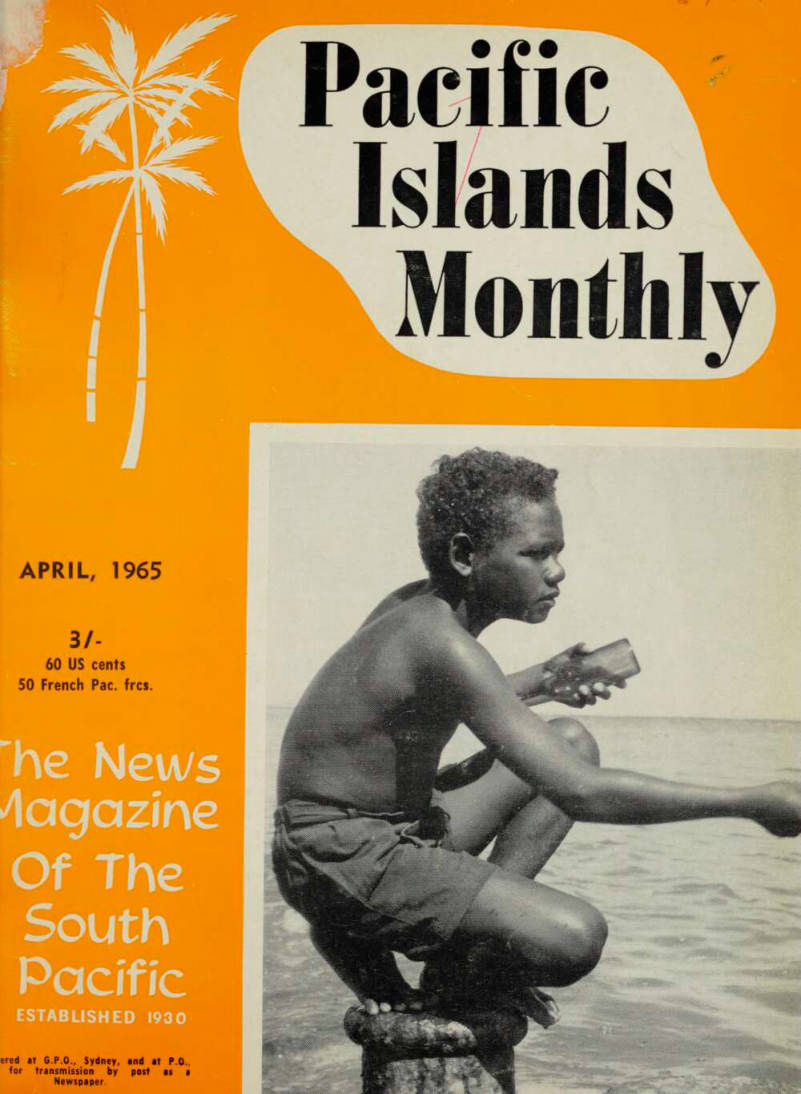 1
1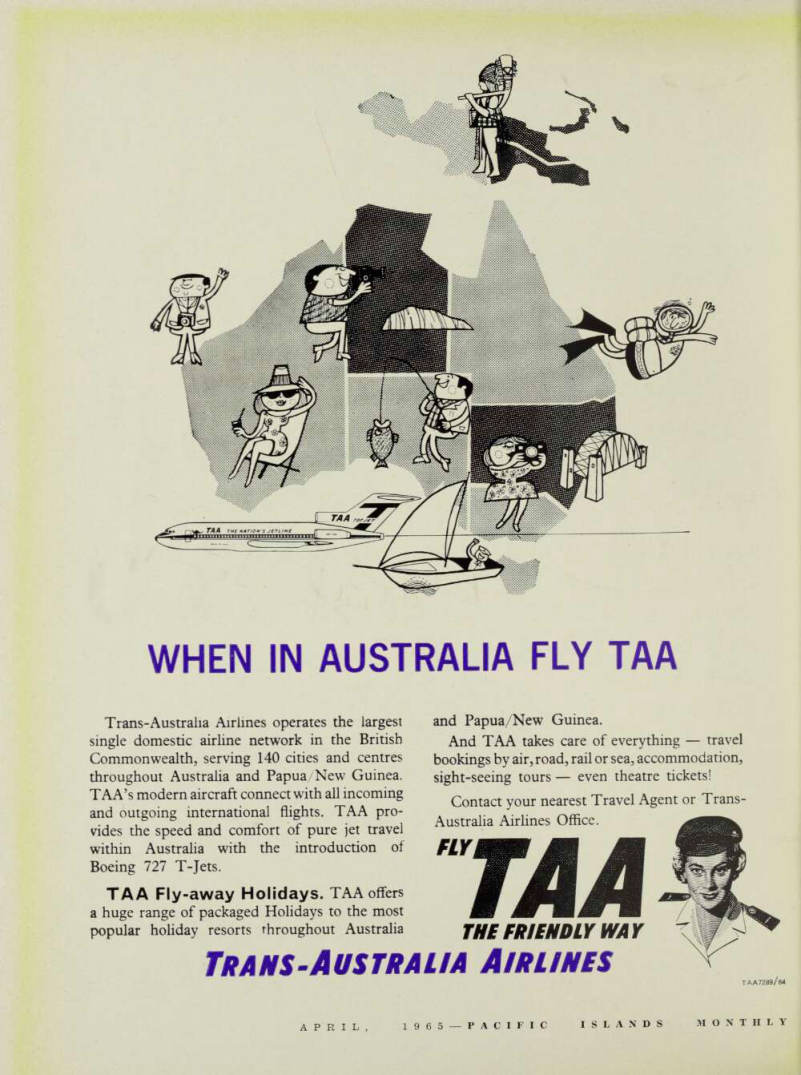 2
2 3
3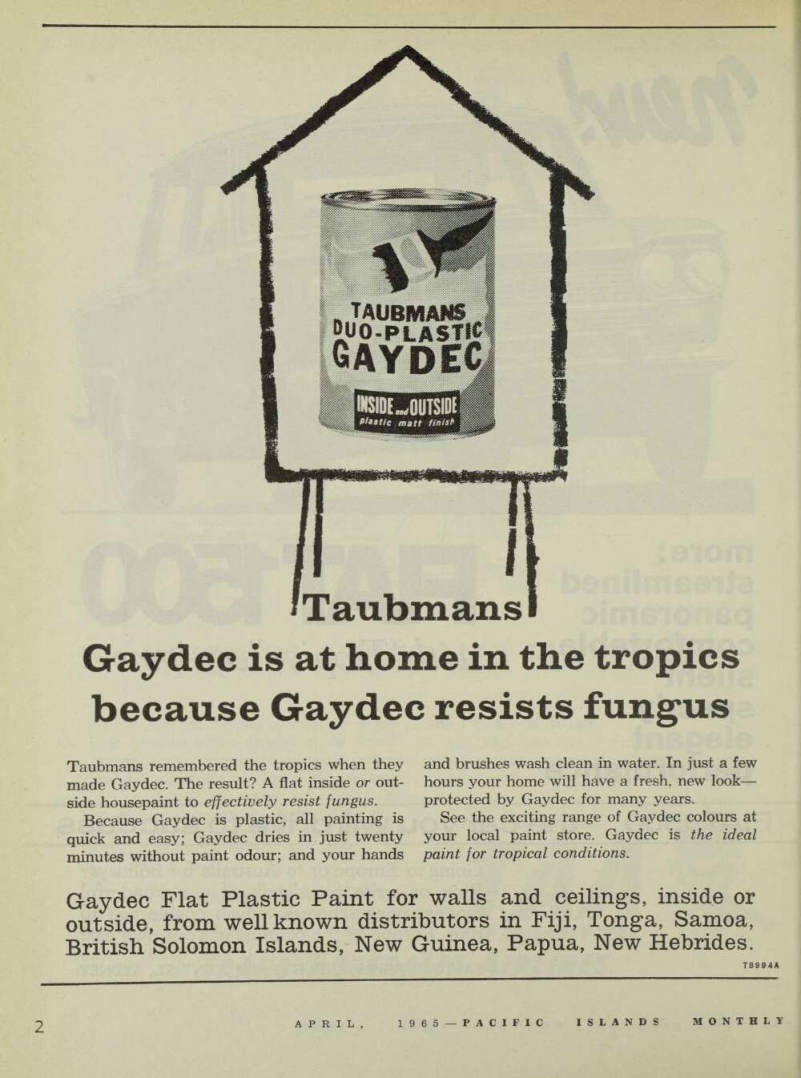 4
4 5
5 6
6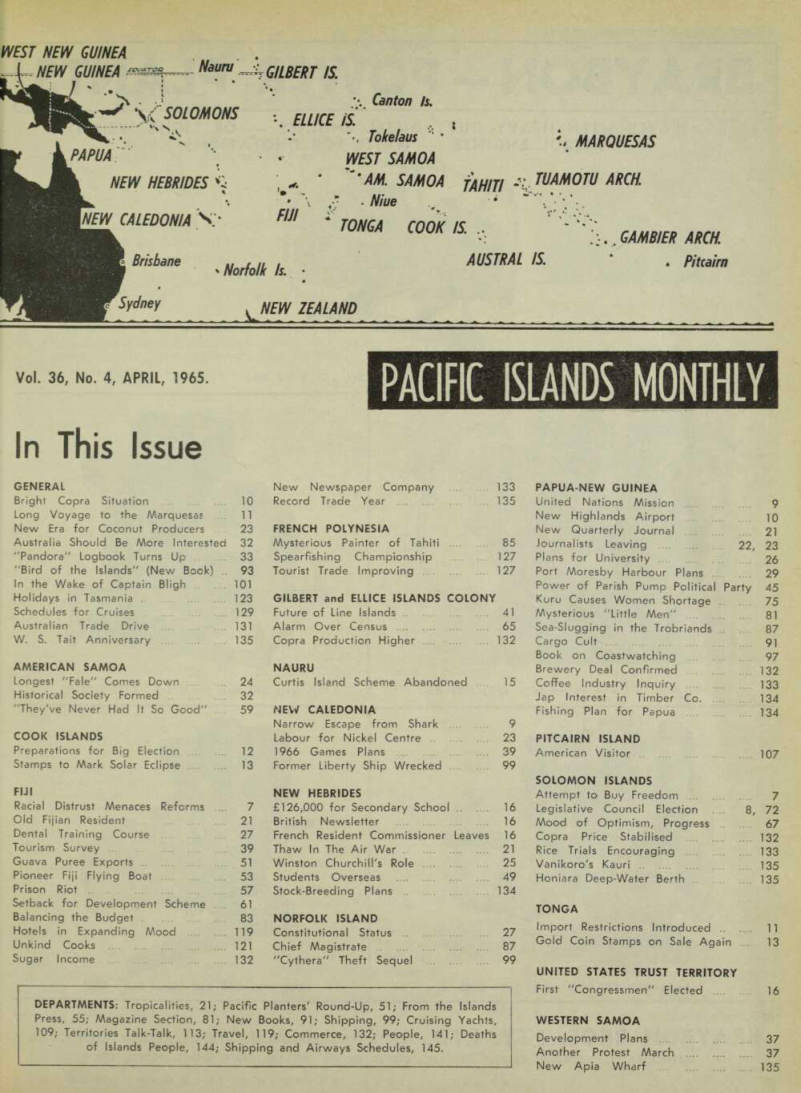 7
7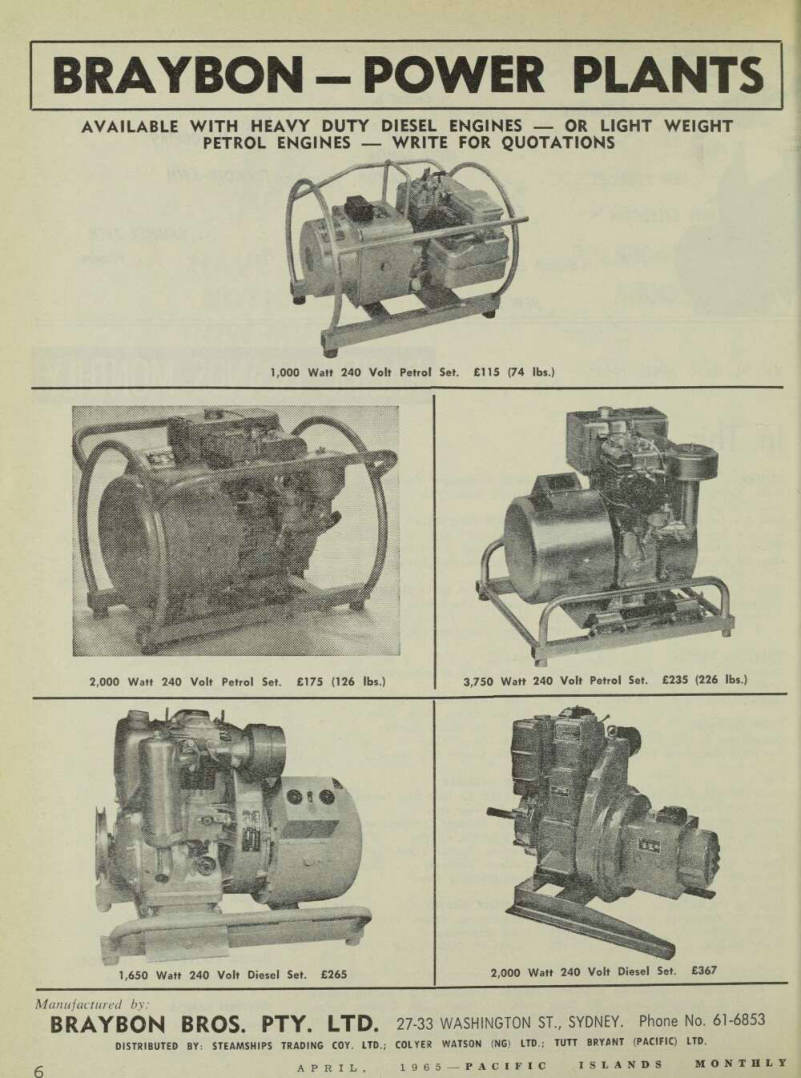 8
8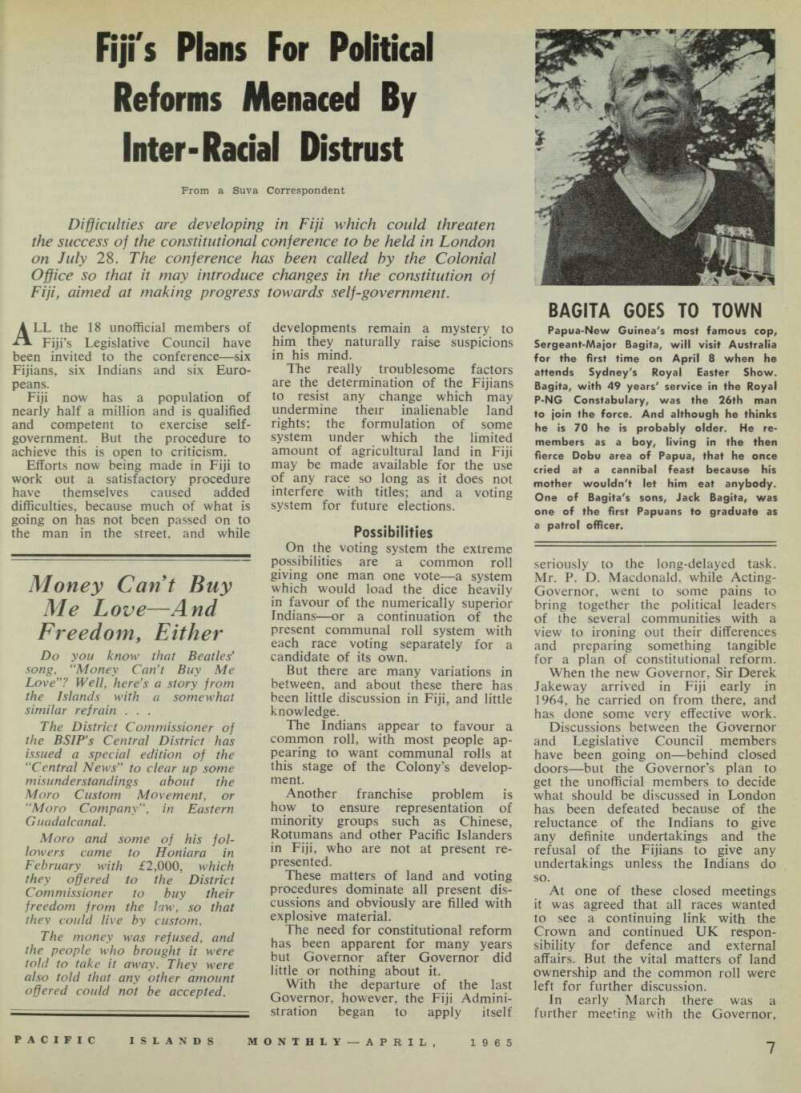 9
9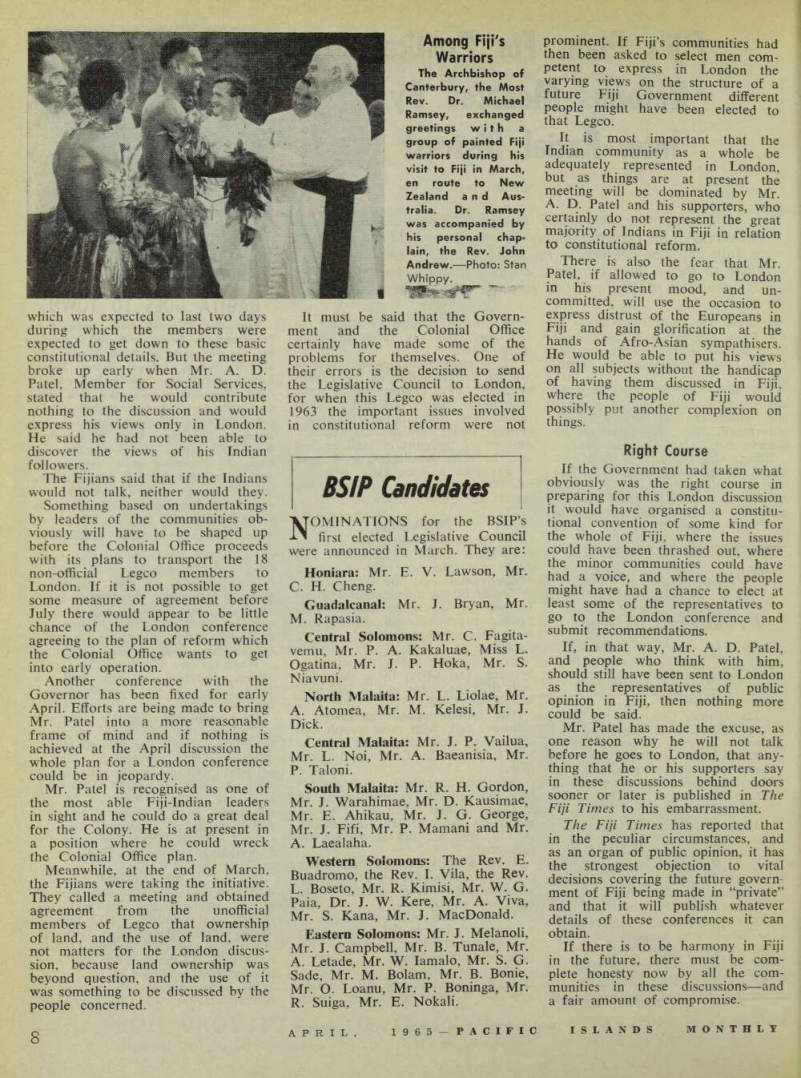 10
10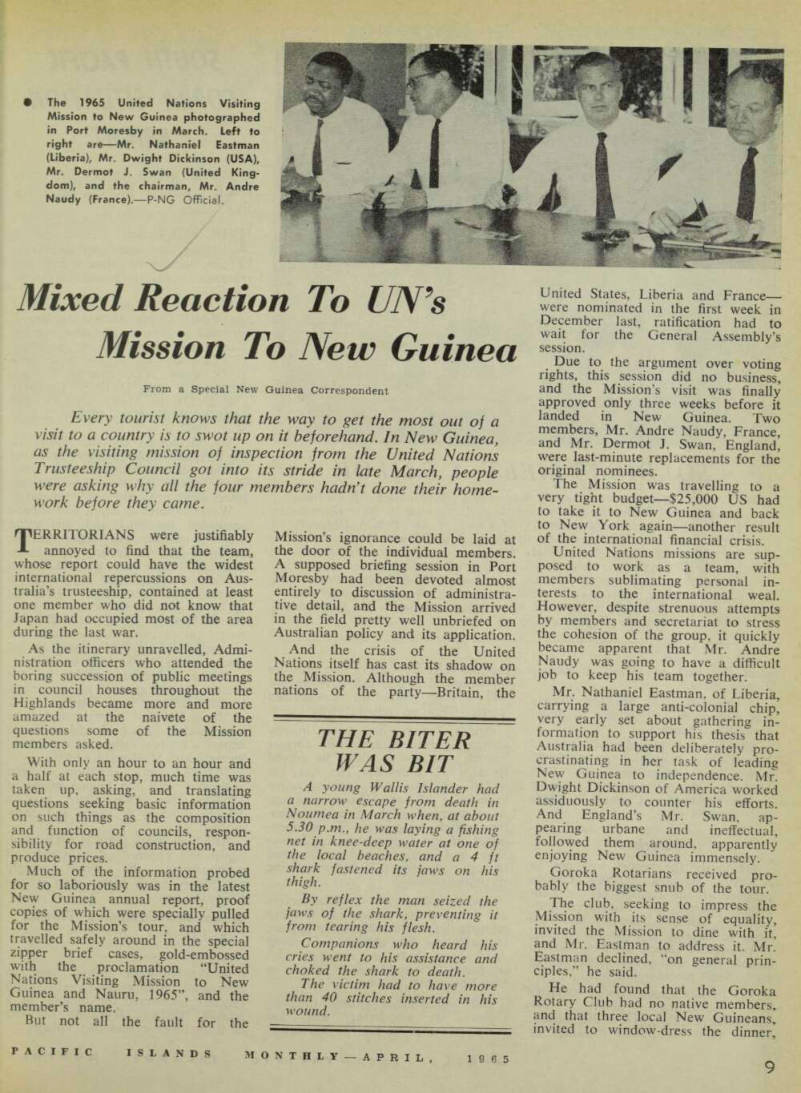 11
11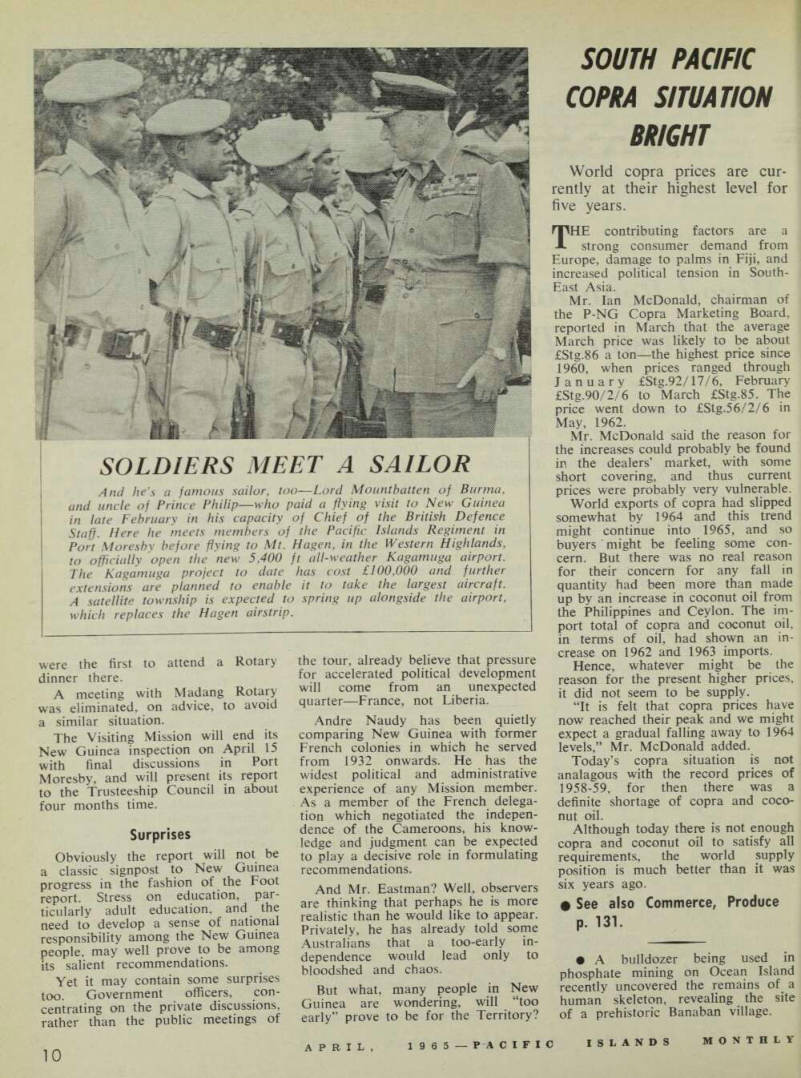 12
12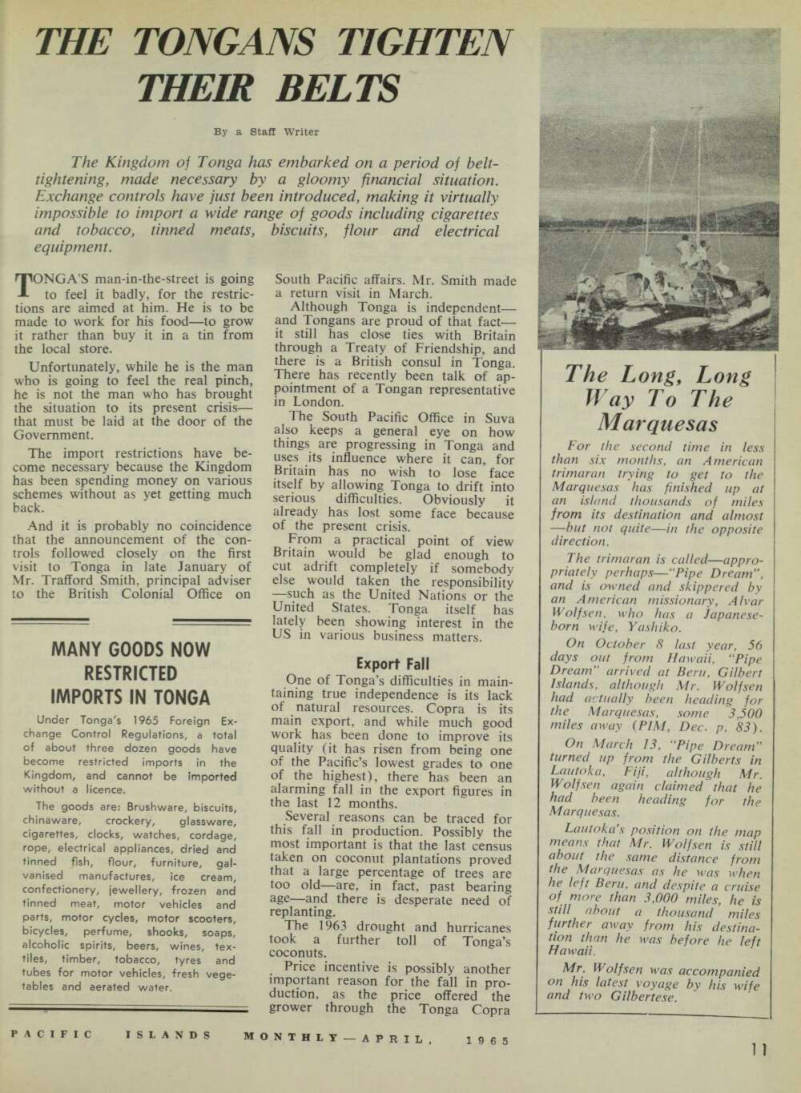 13
13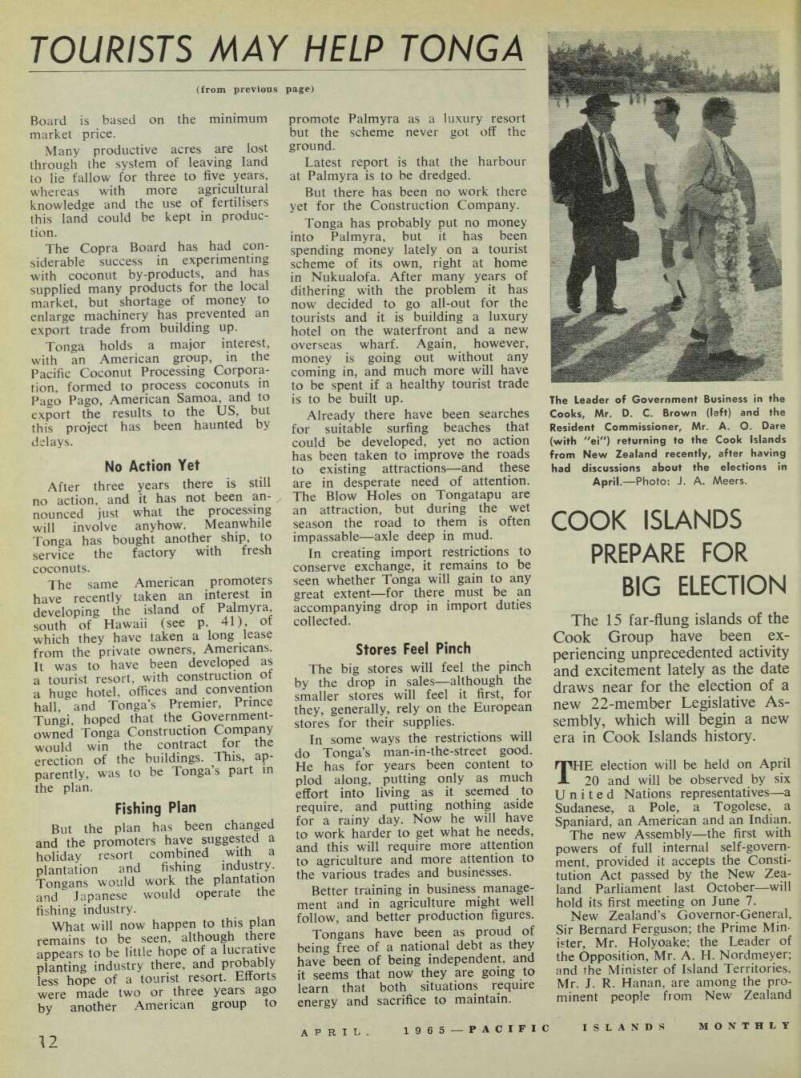 14
14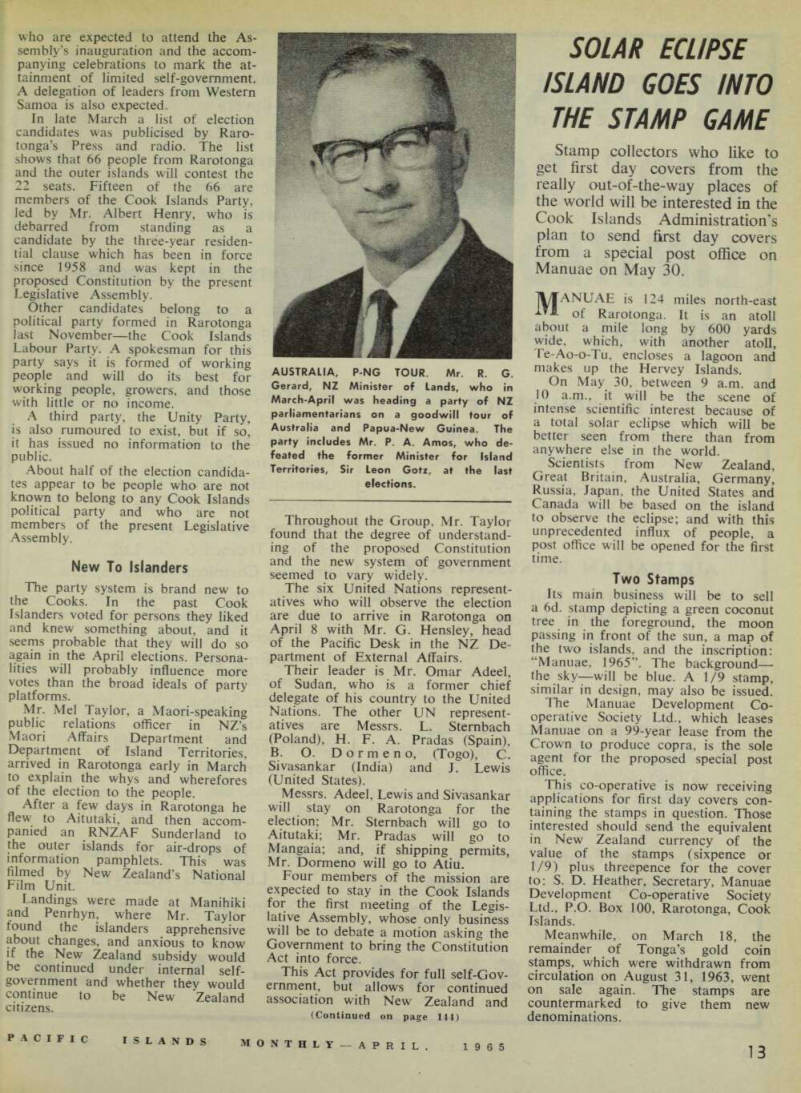 15
15 16
16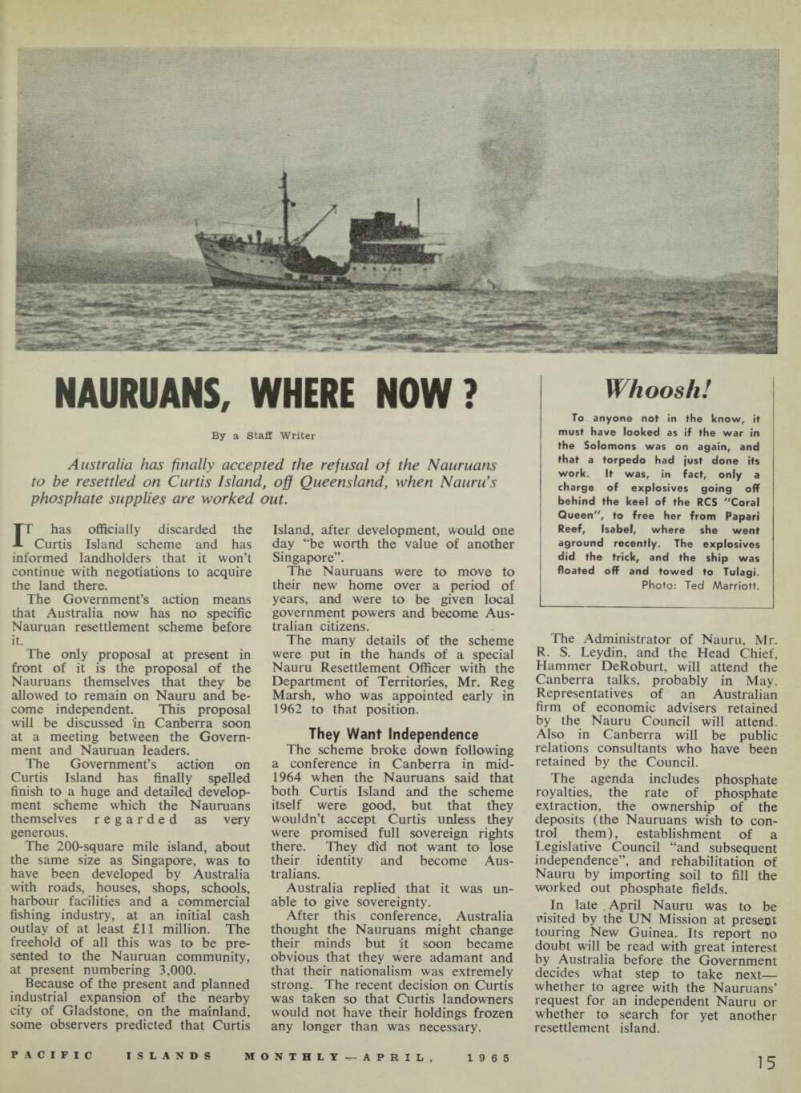 17
17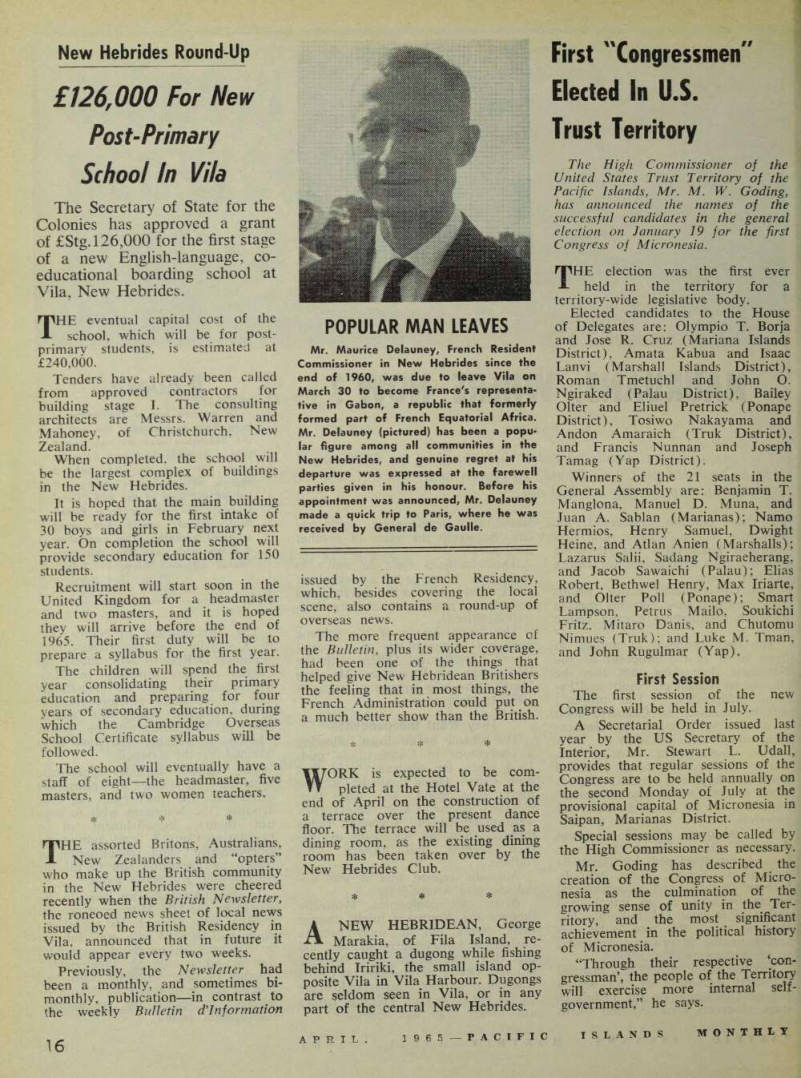 18
18 19
19 20
20 21
21 22
22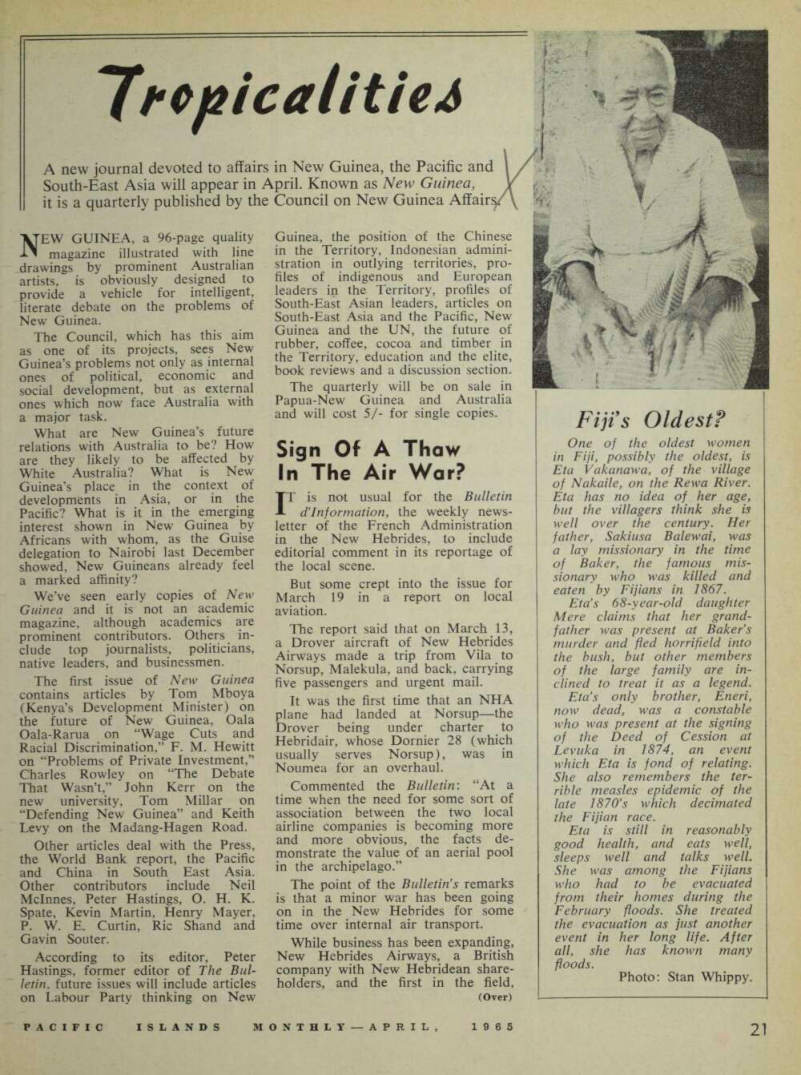 23
23 24
24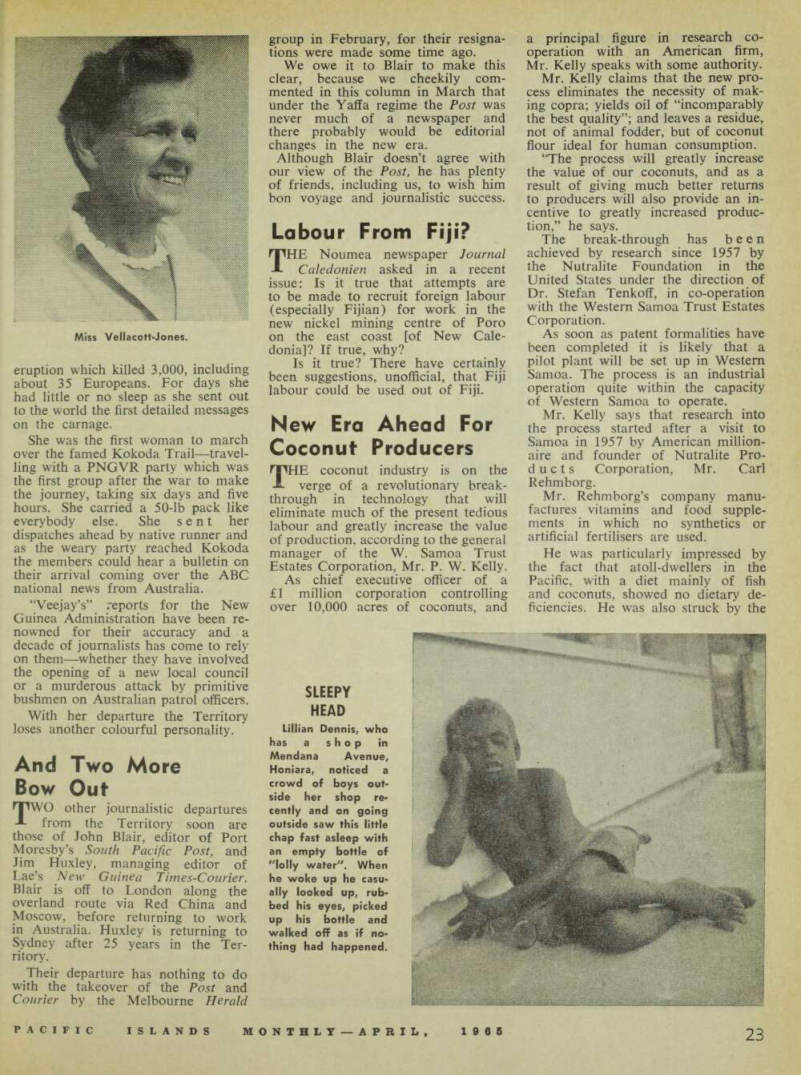 25
25 26
26 27
27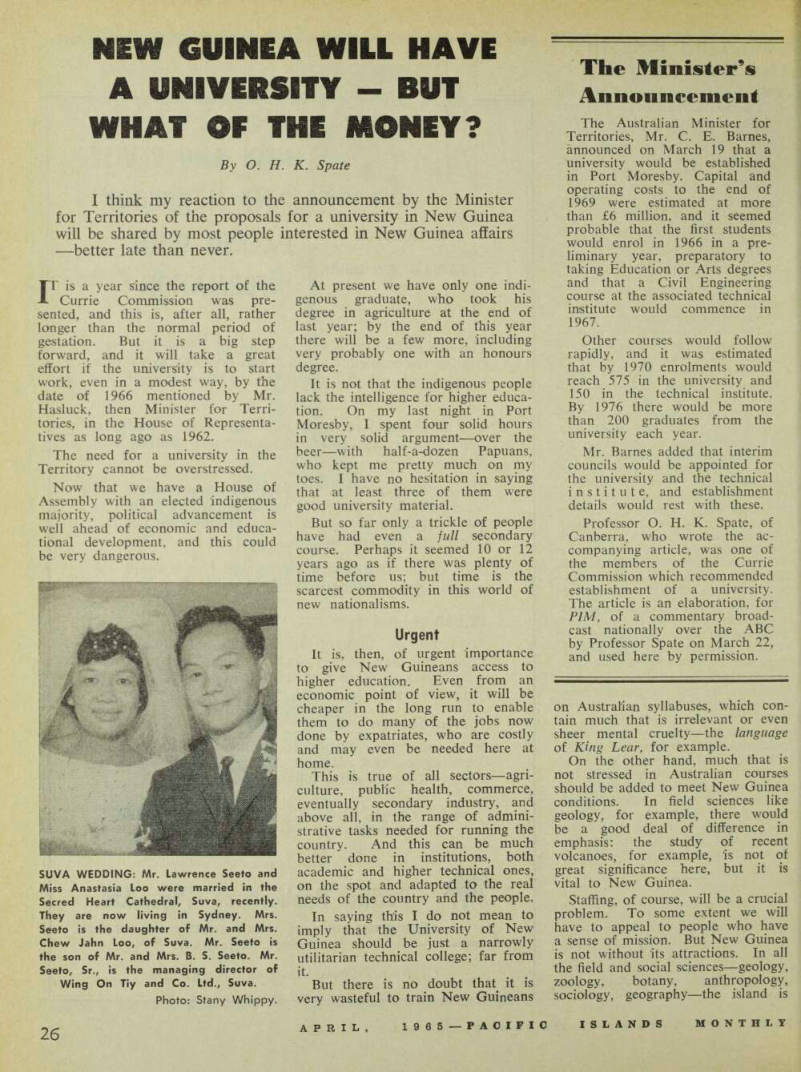 28
28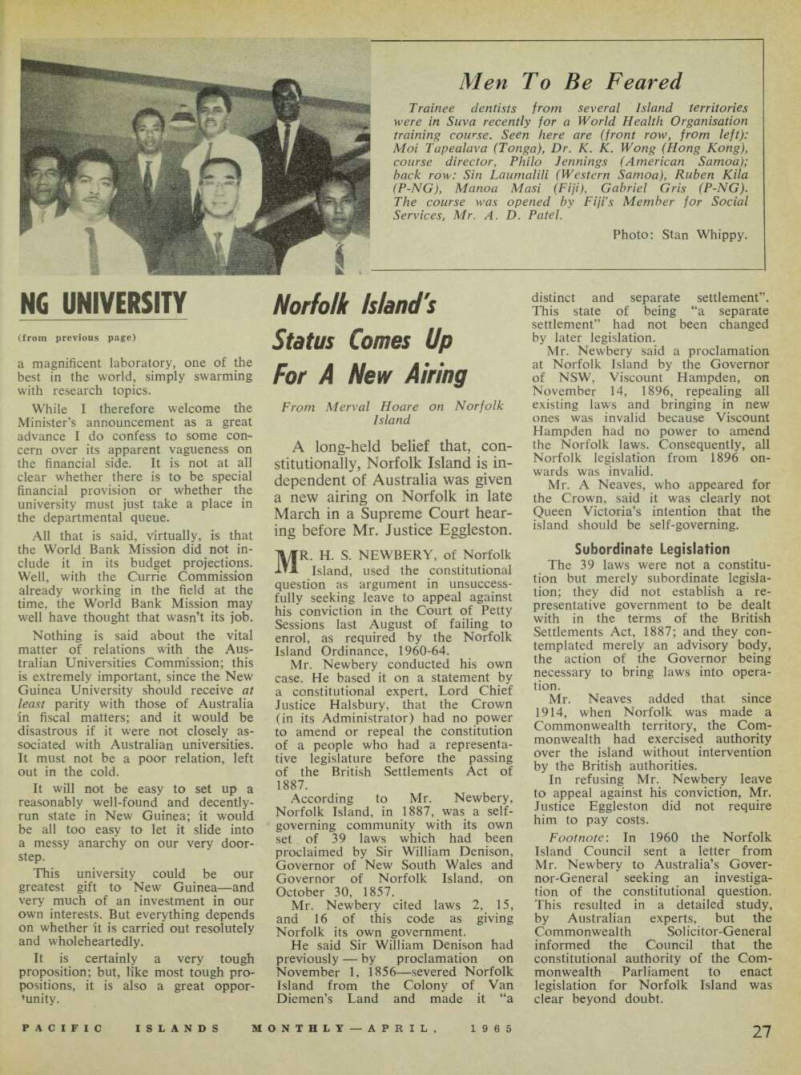 29
29 30
30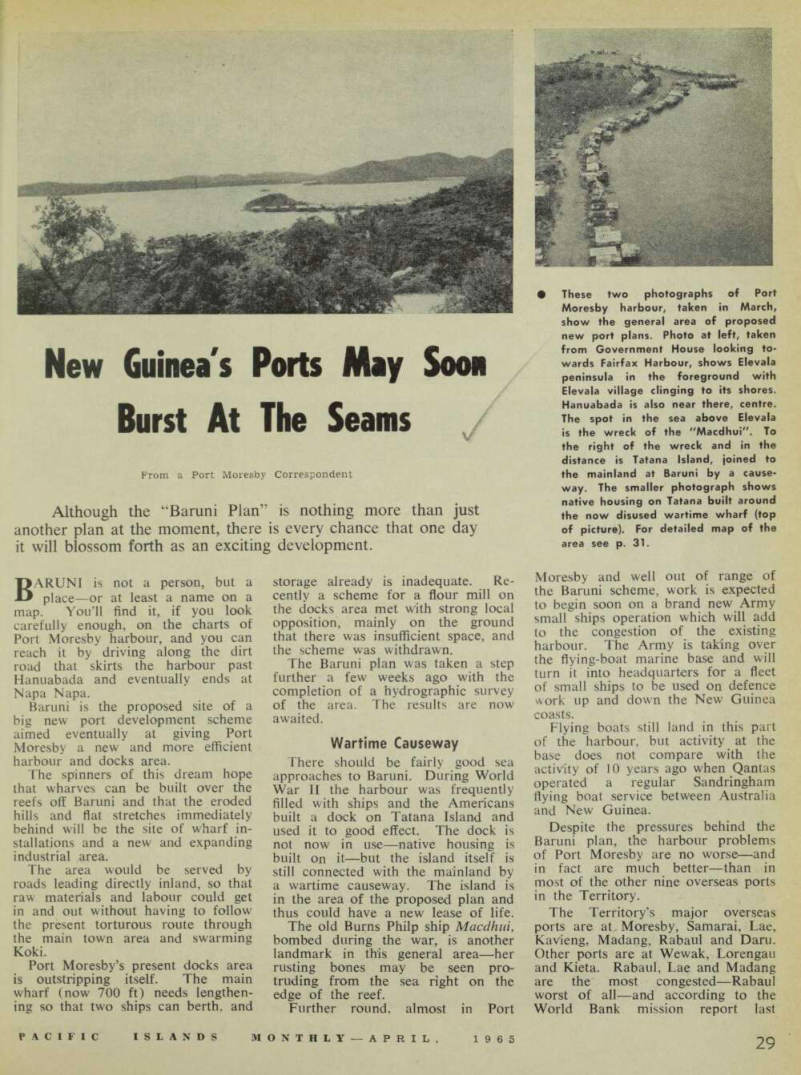 31
31 32
32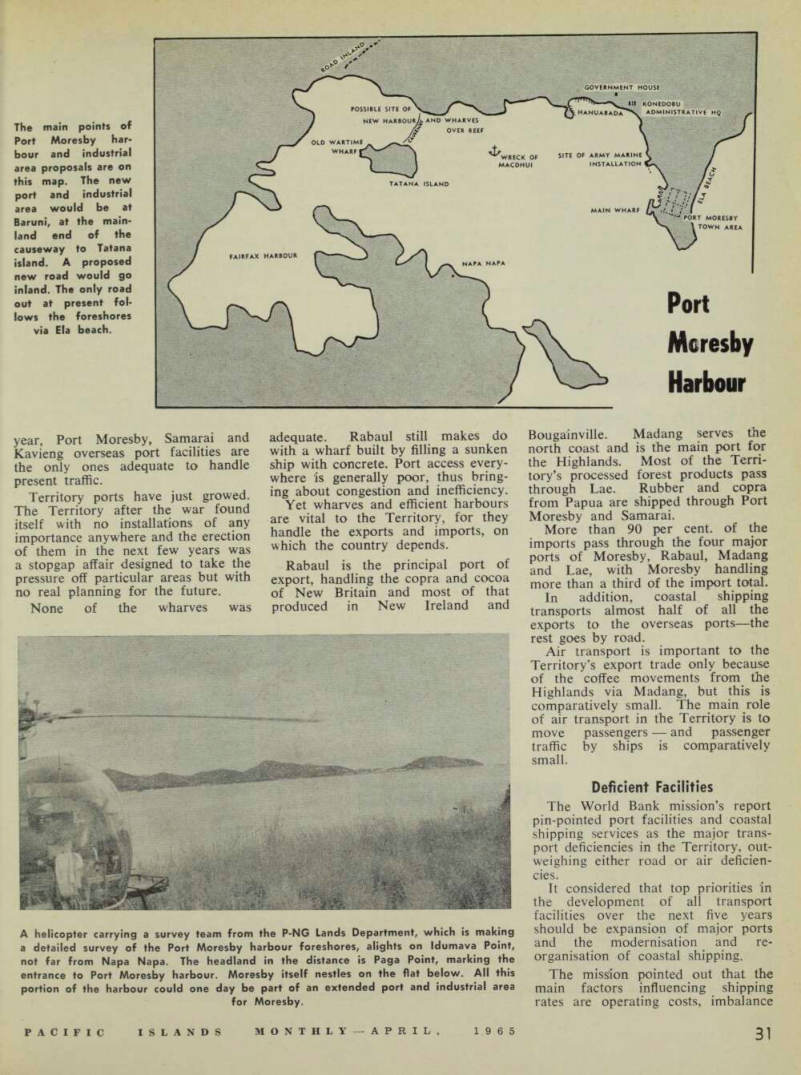 33
33 34
34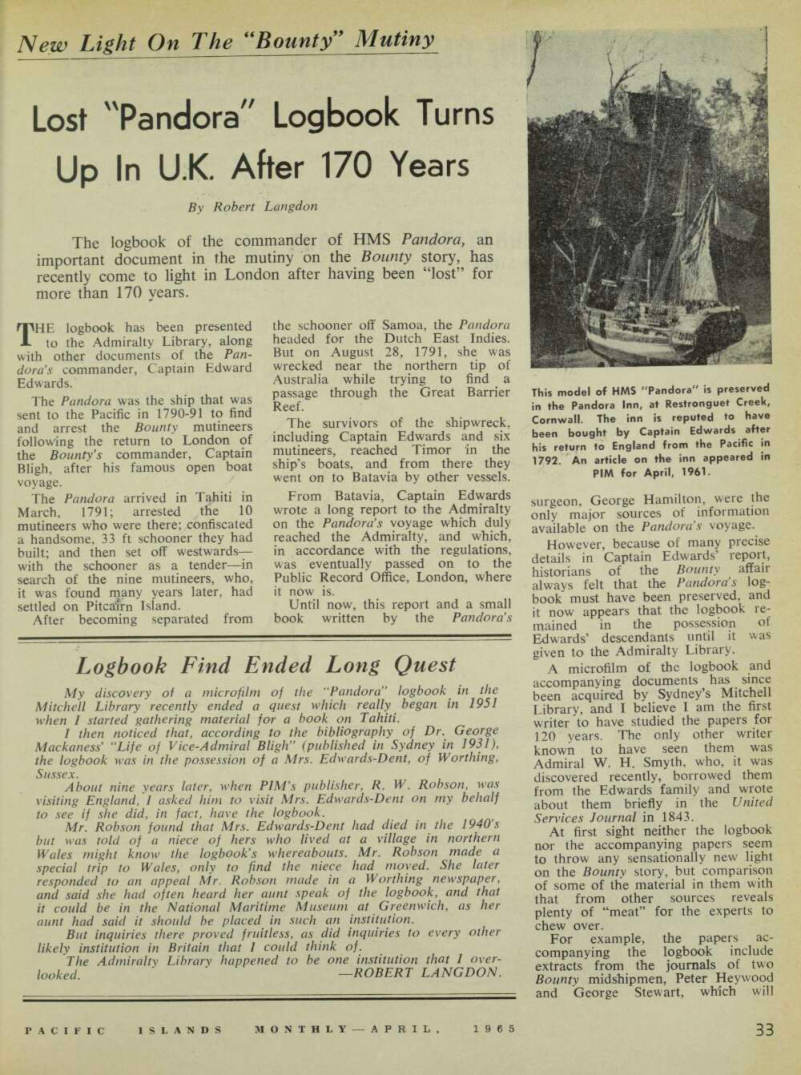 35
35 36
36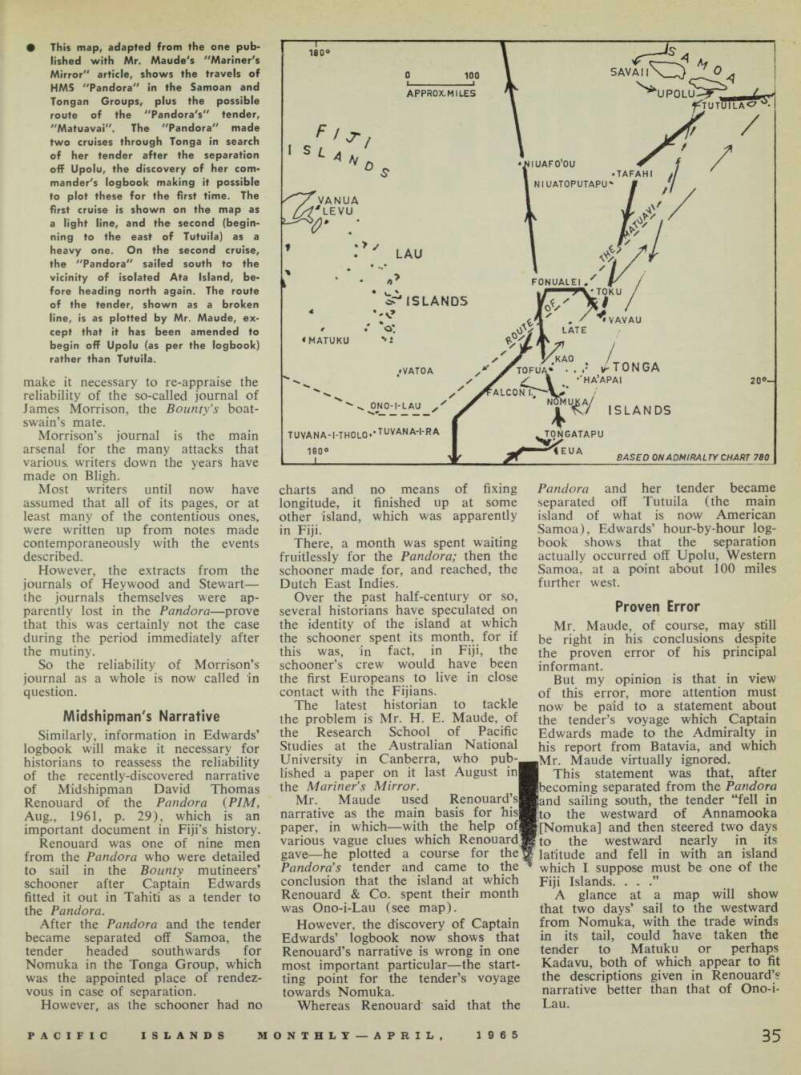 37
37 38
38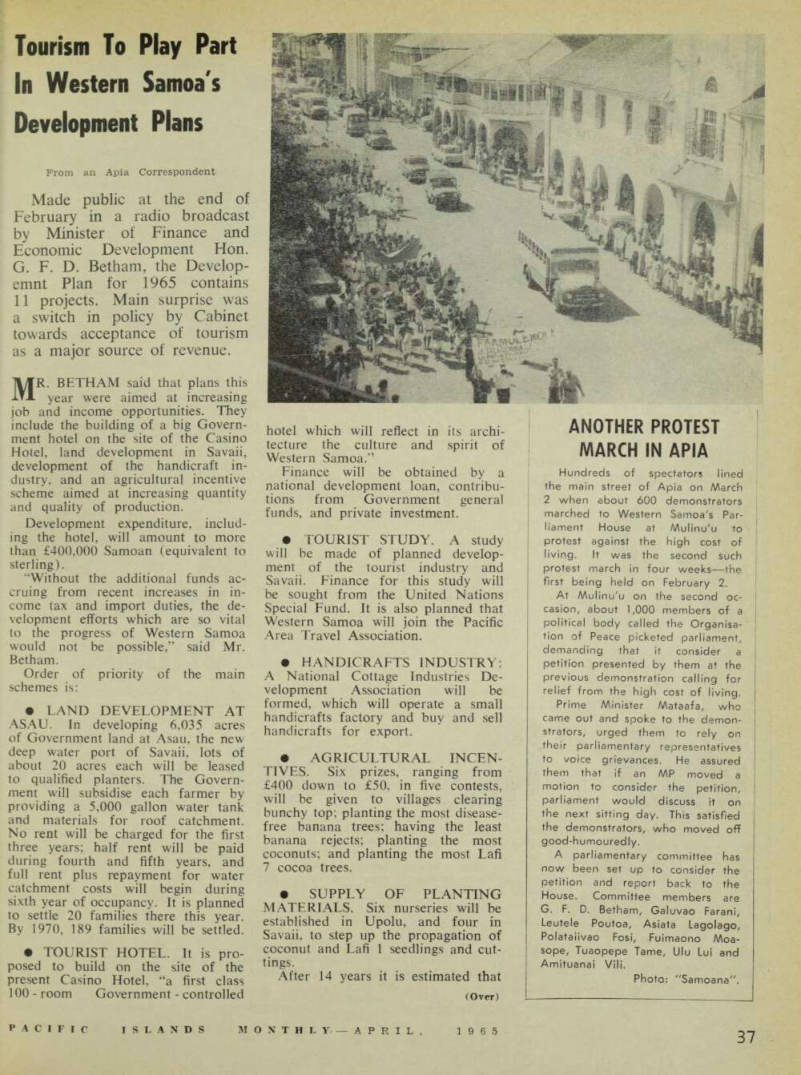 39
39 40
40 41
41 42
42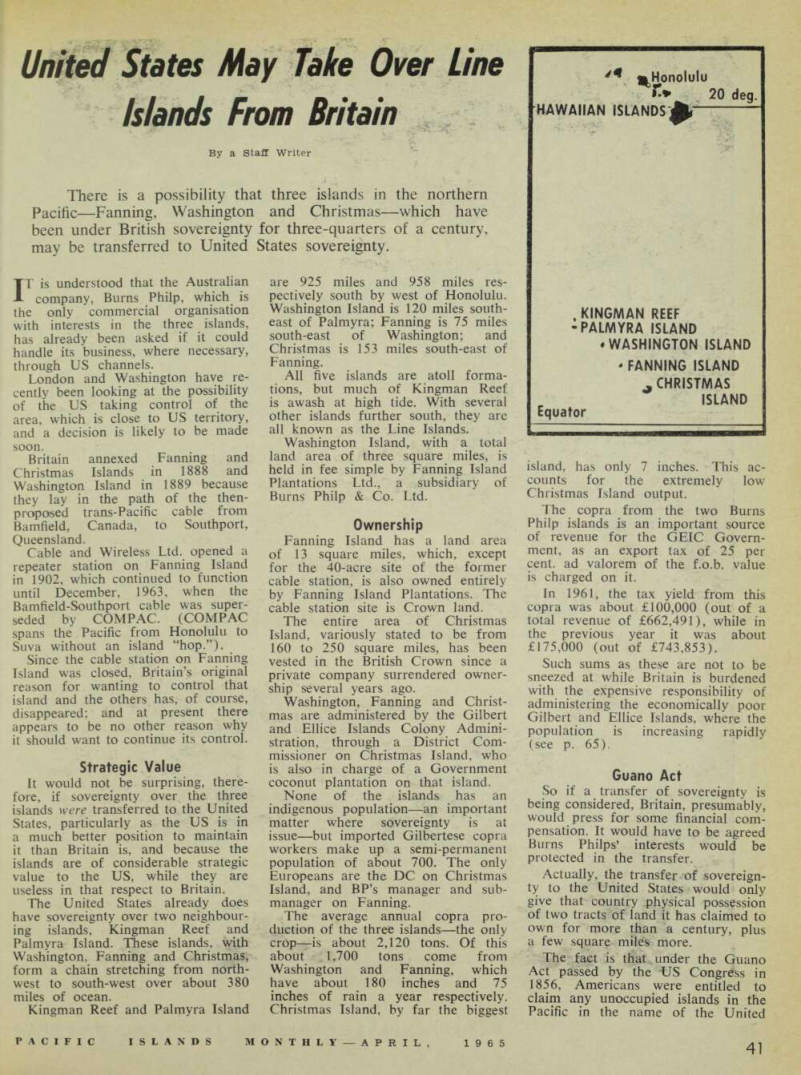 43
43 44
44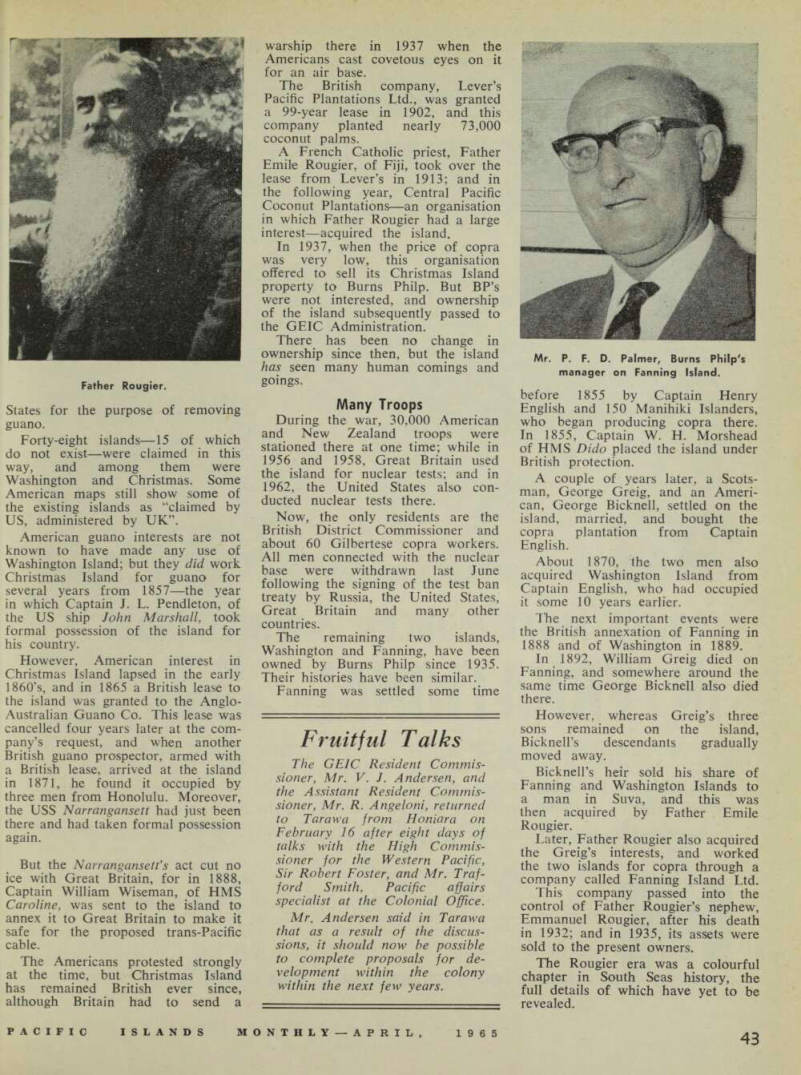 45
45 46
46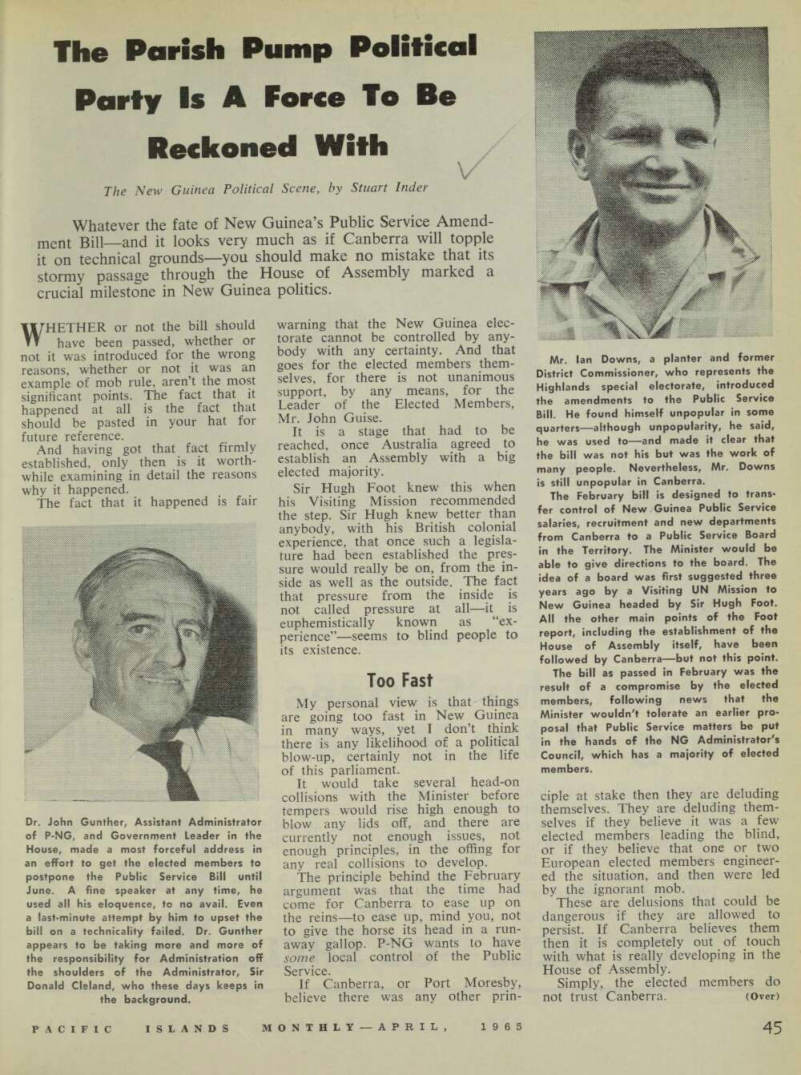 47
47 48
48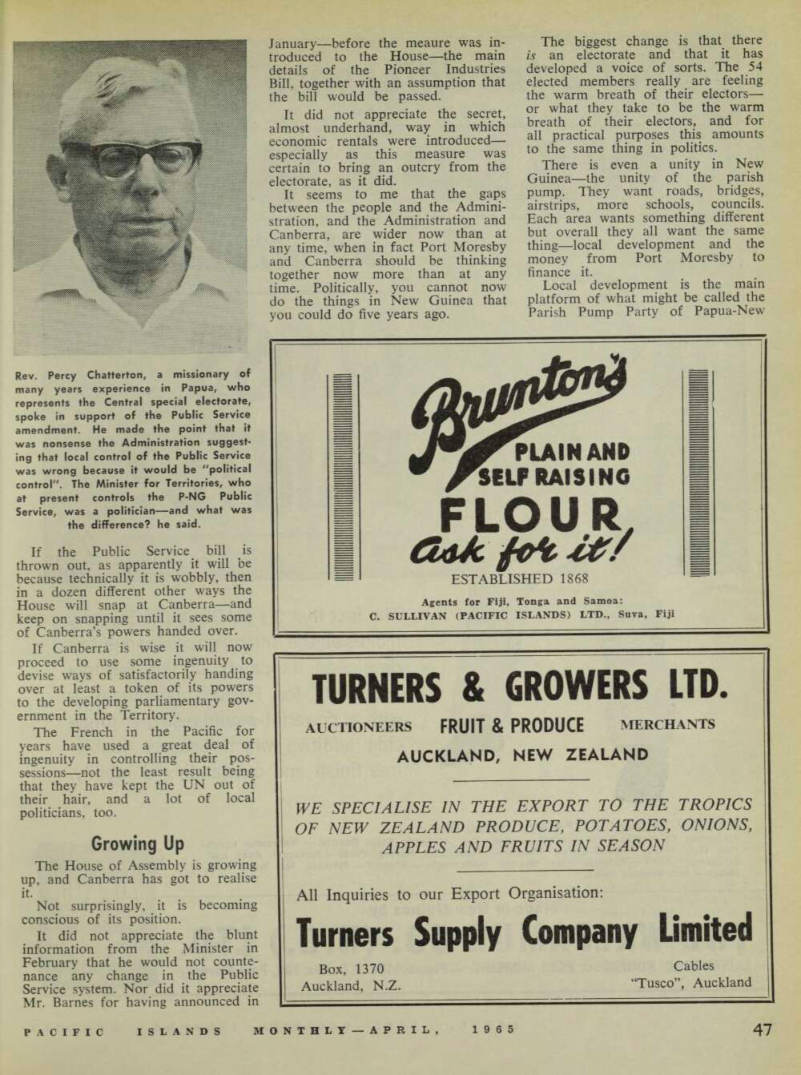 49
49 50
50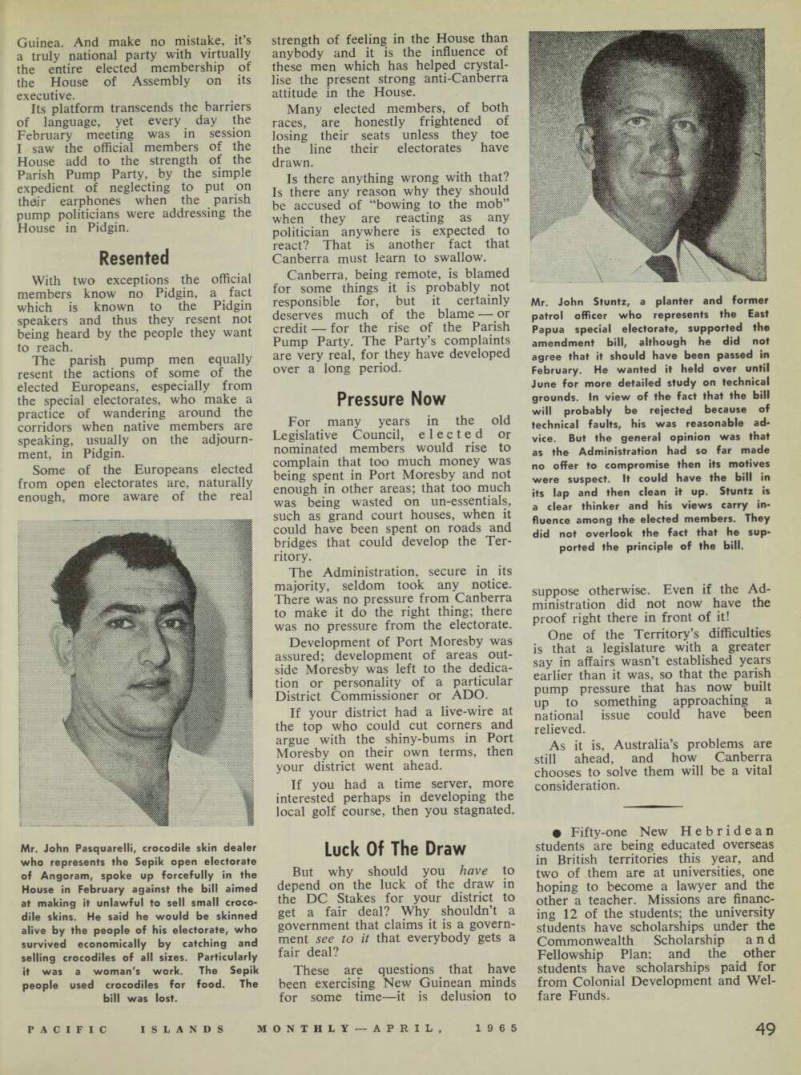 51
51 52
52 53
53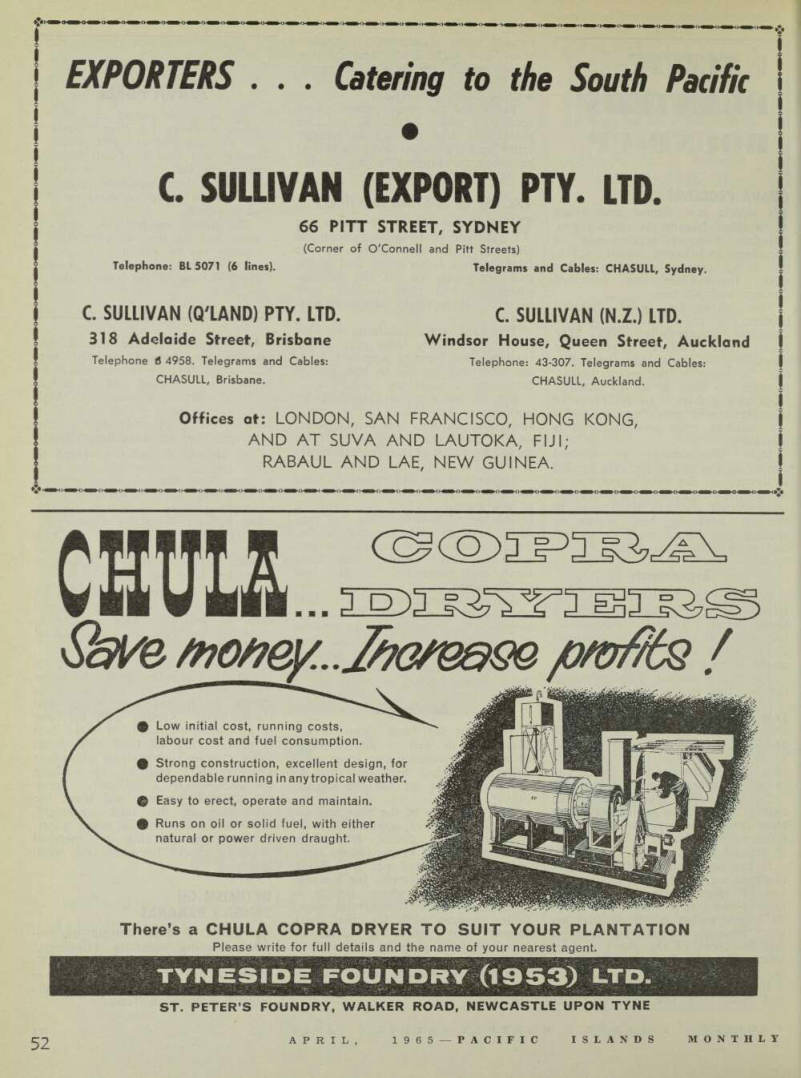 54
54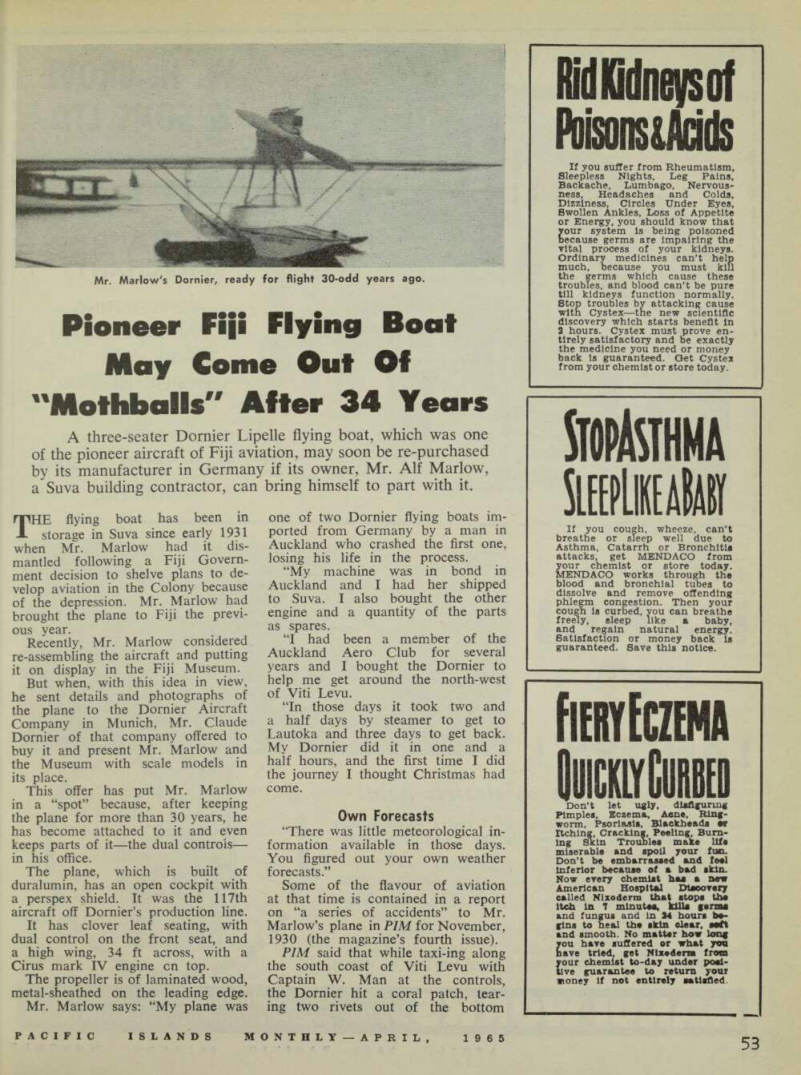 55
55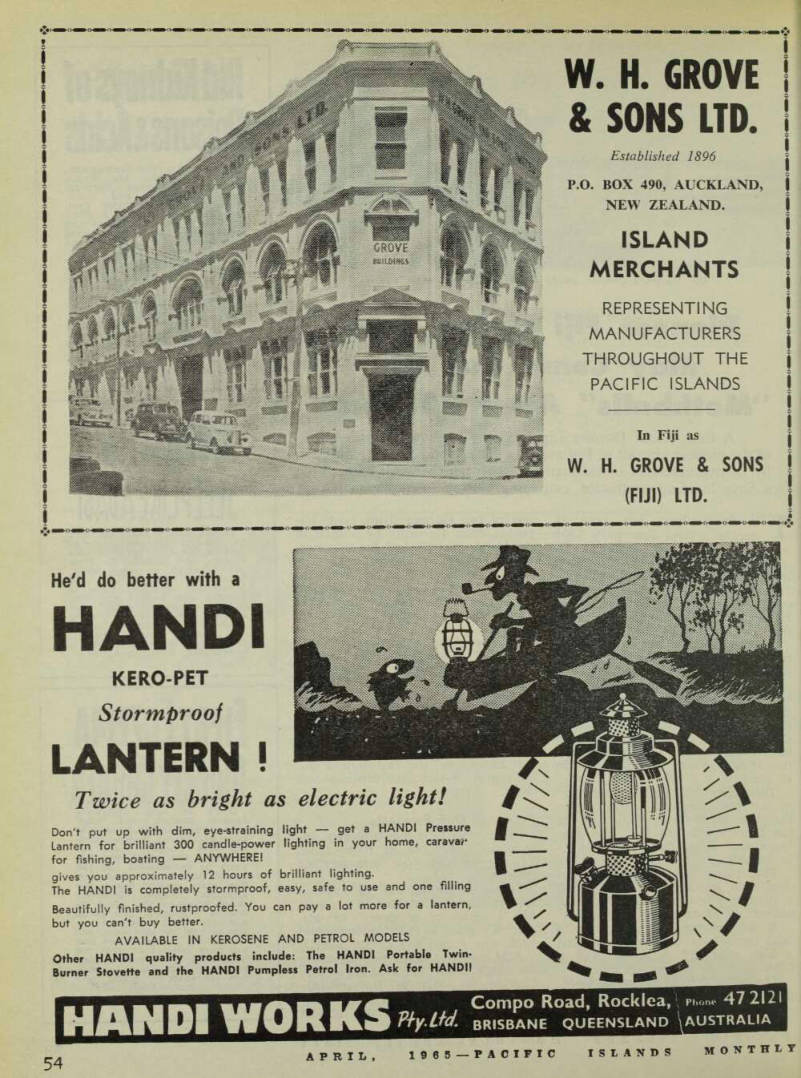 56
56 57
57 58
58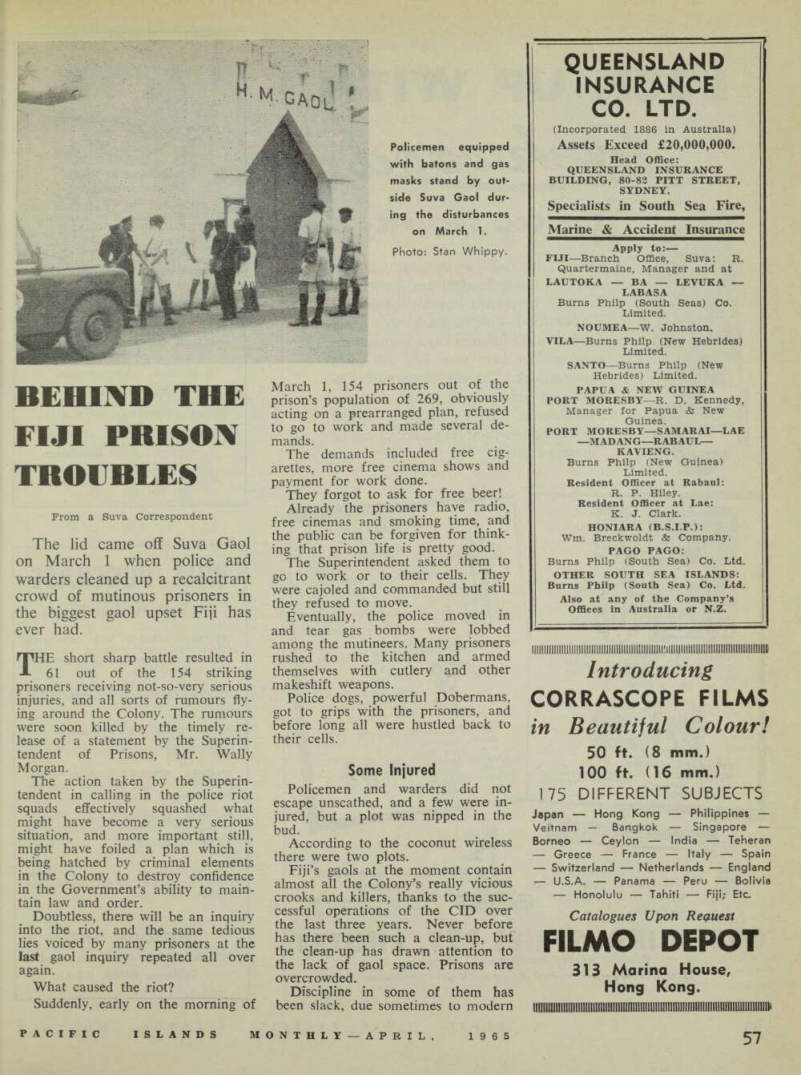 59
59 60
60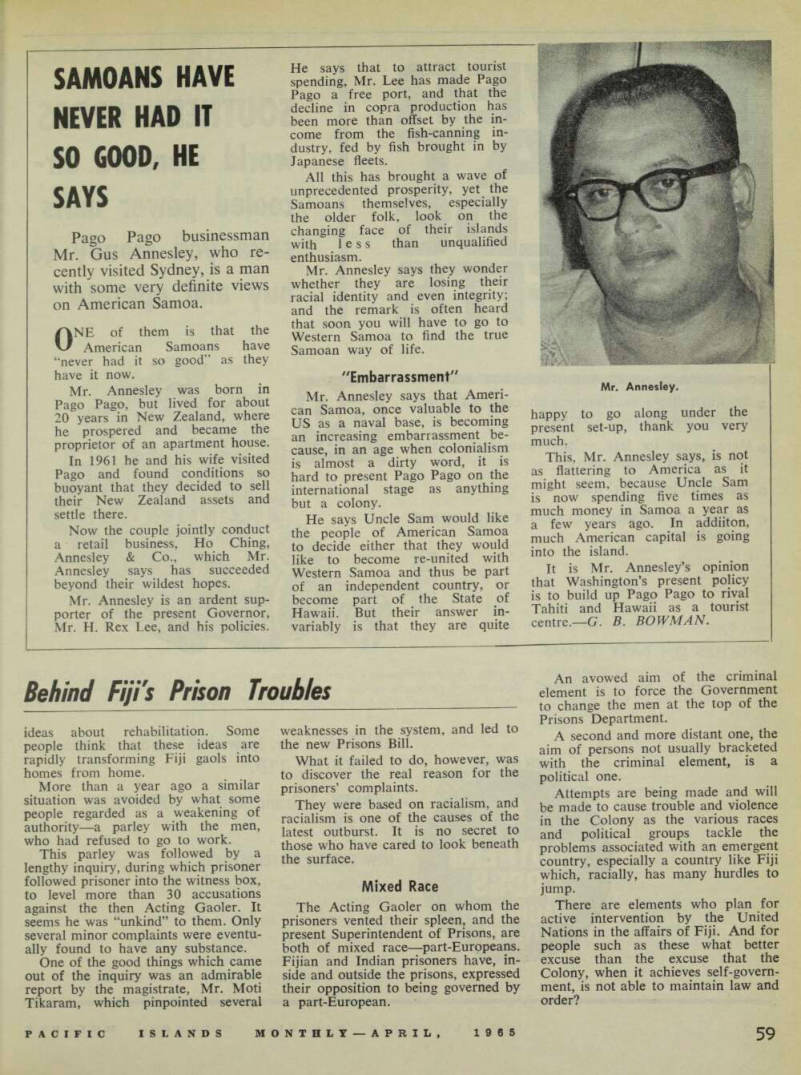 61
61 62
62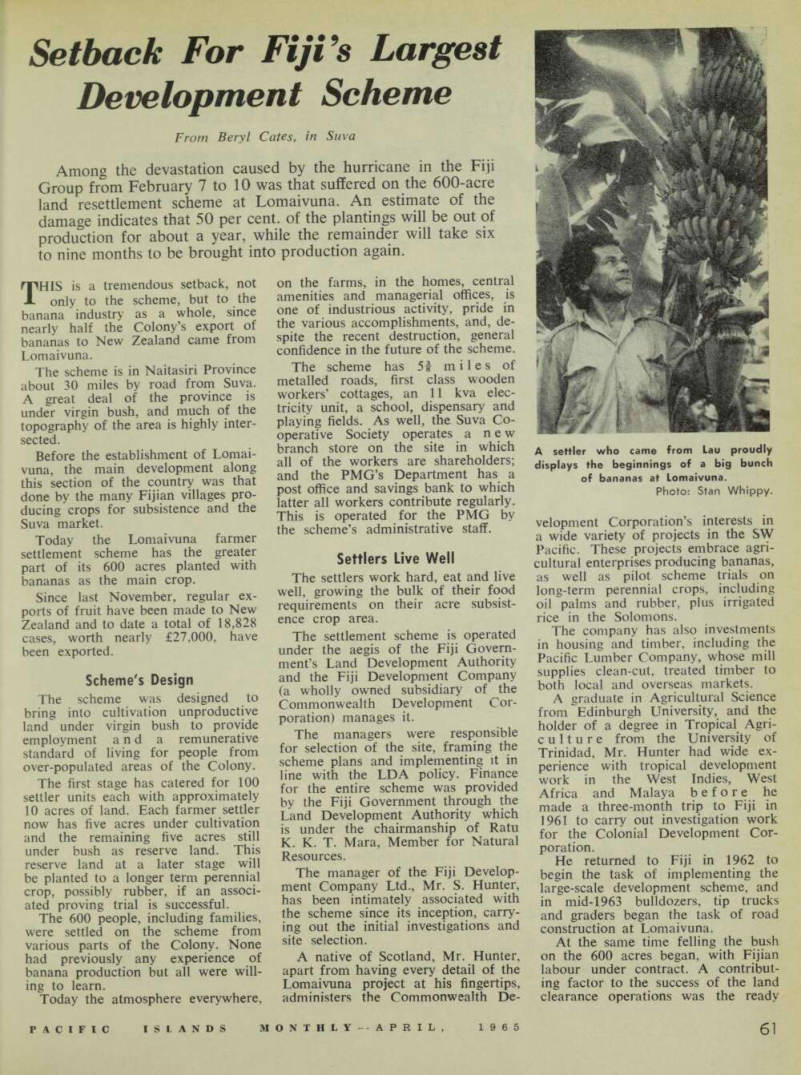 63
63 64
64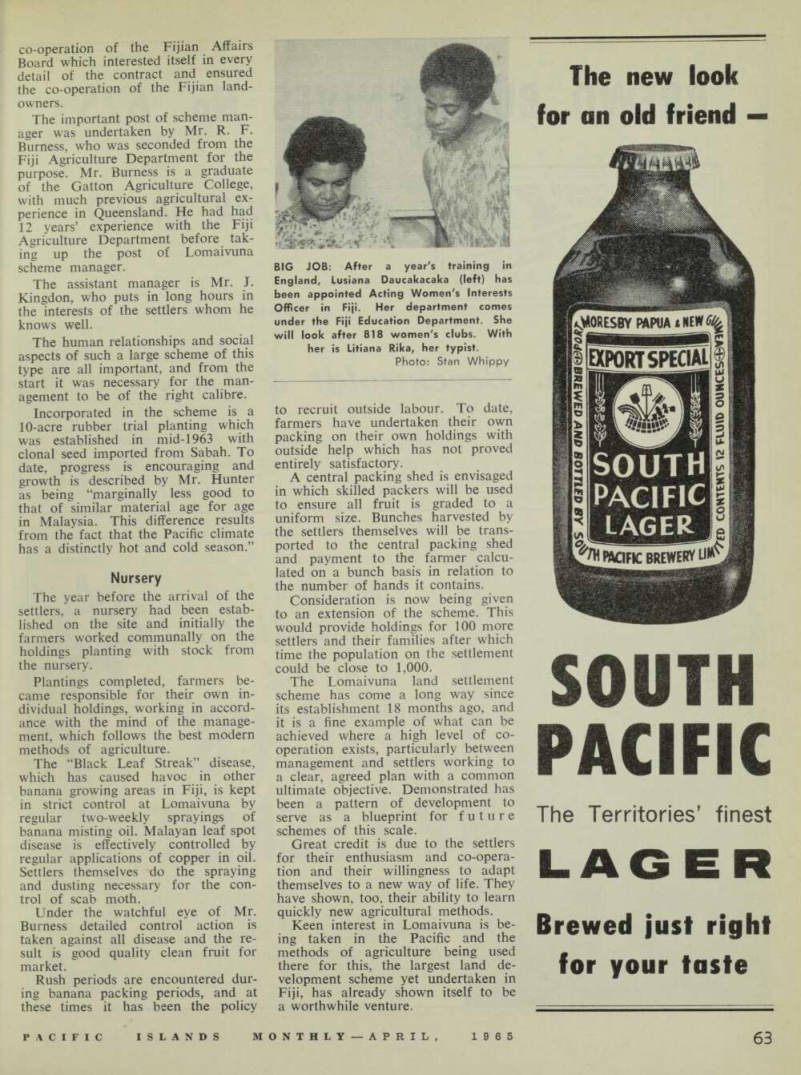 65
65 66
66 67
67 68
68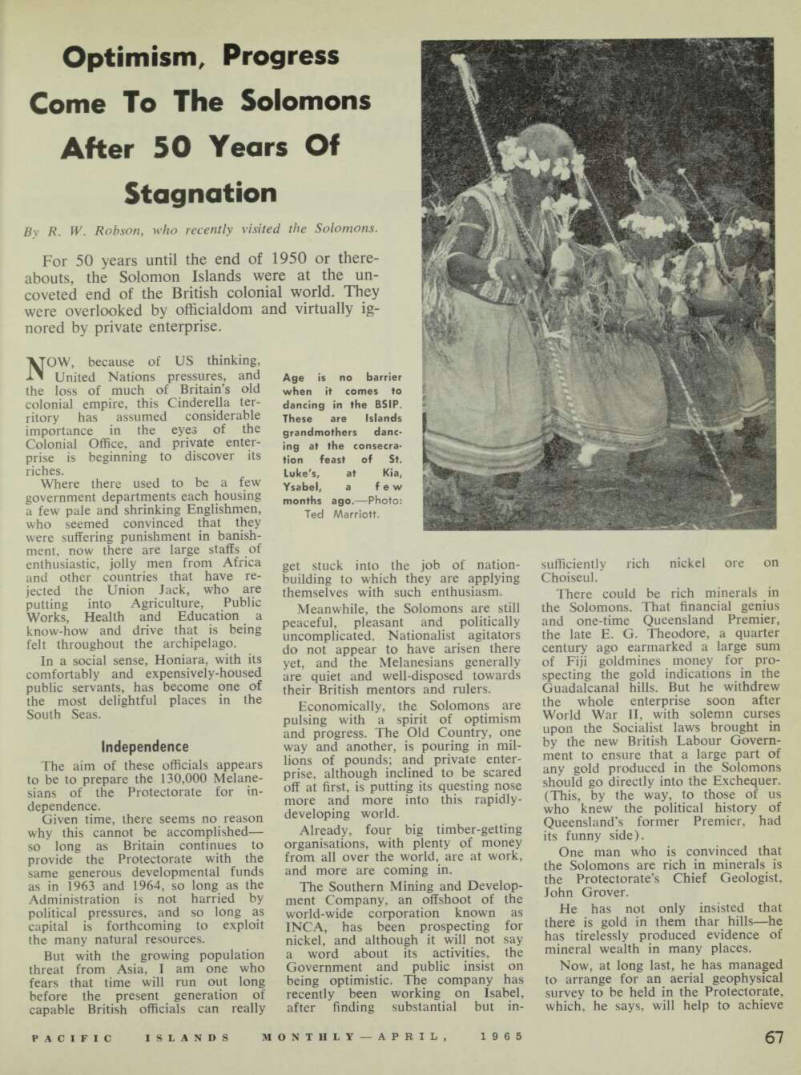 69
69 70
70 71
71 72
72 73
73 74
74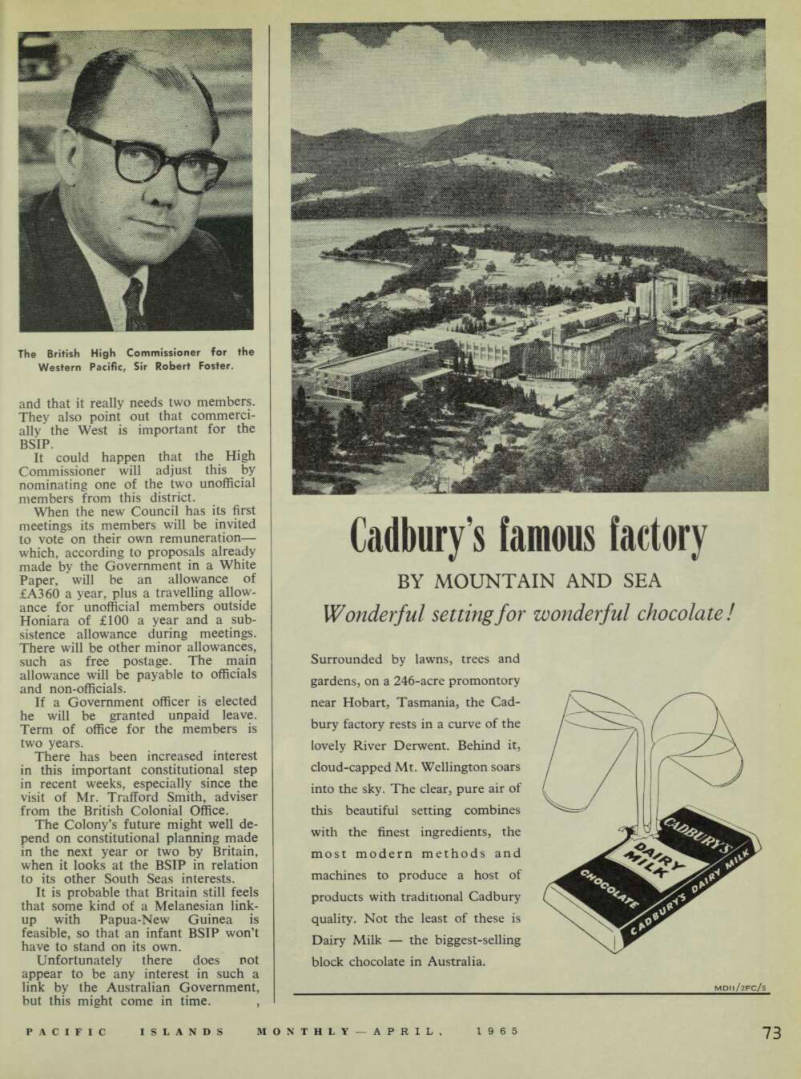 75
75 76
76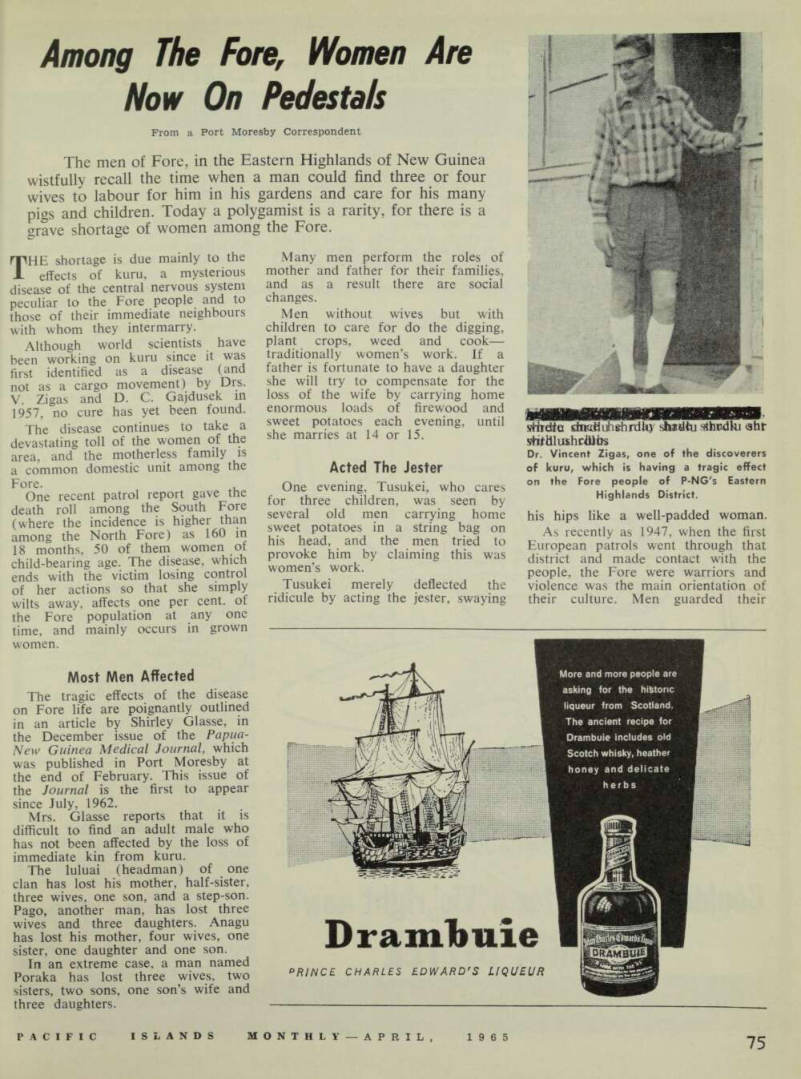 77
77 78
78 79
79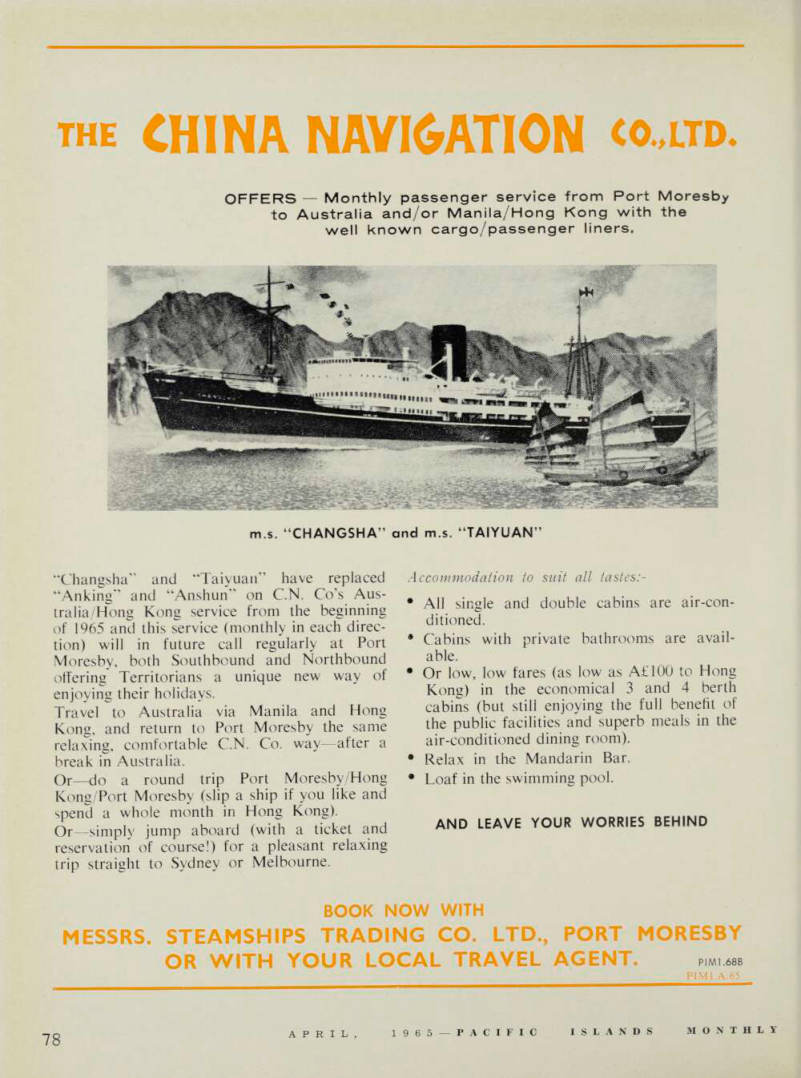 80
80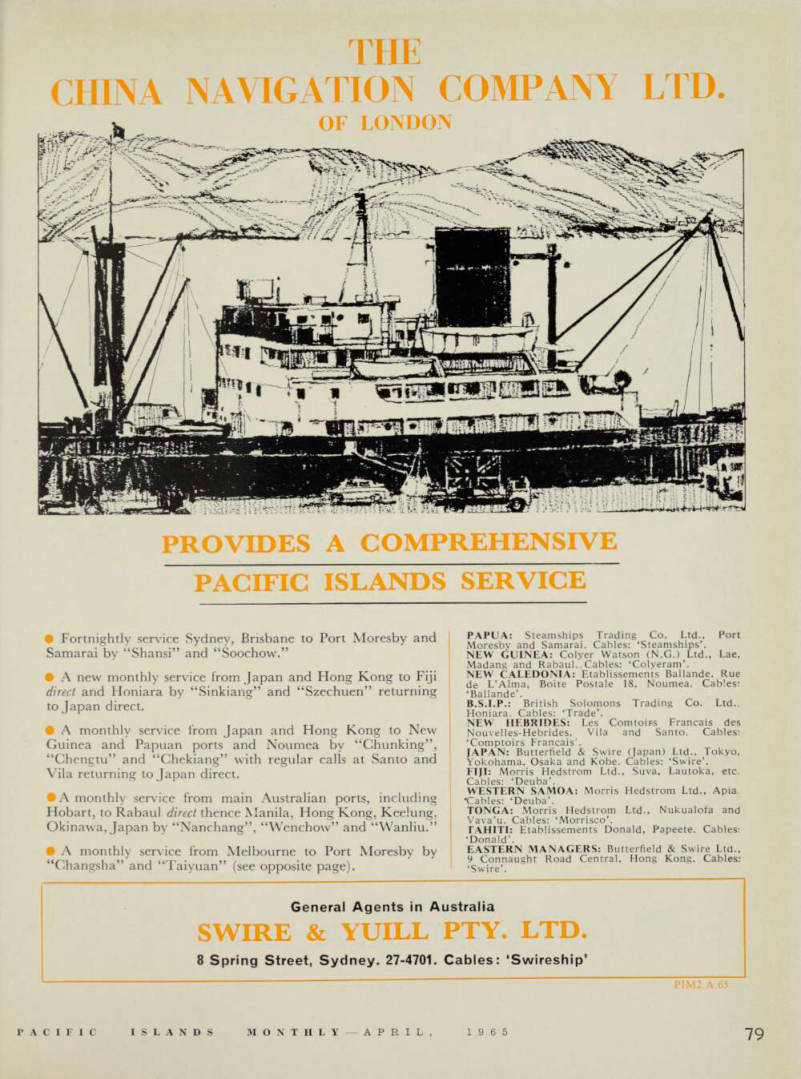 81
81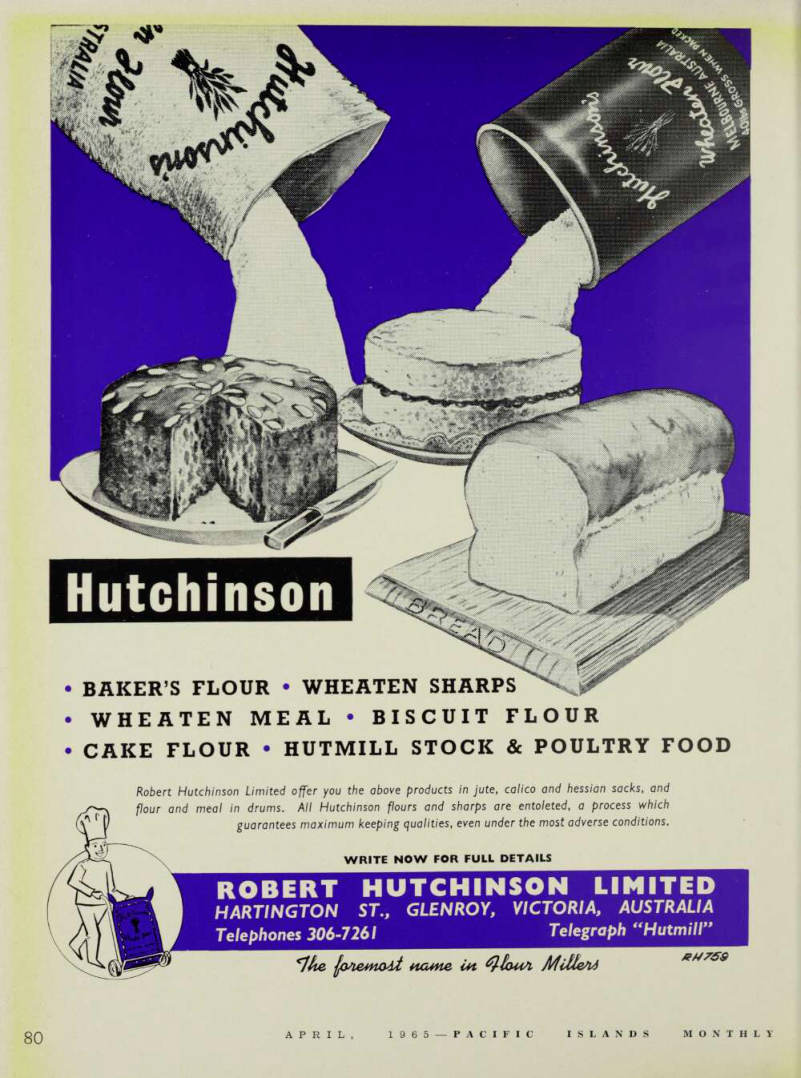 82
82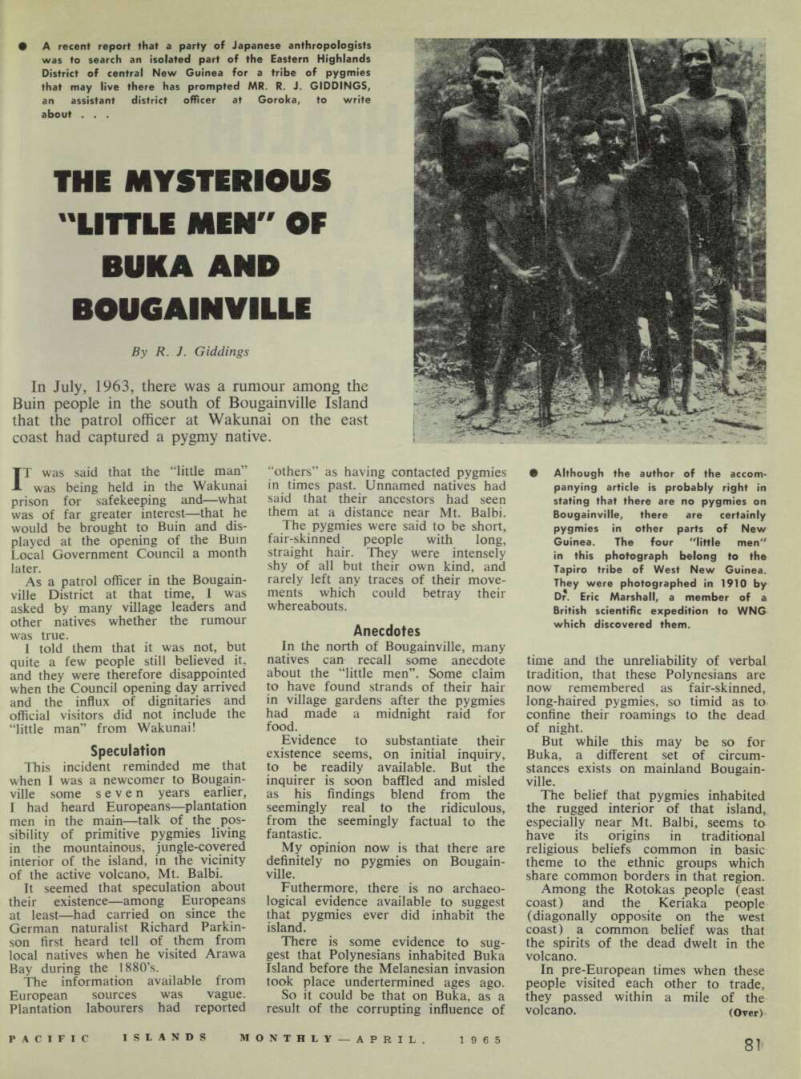 83
83 84
84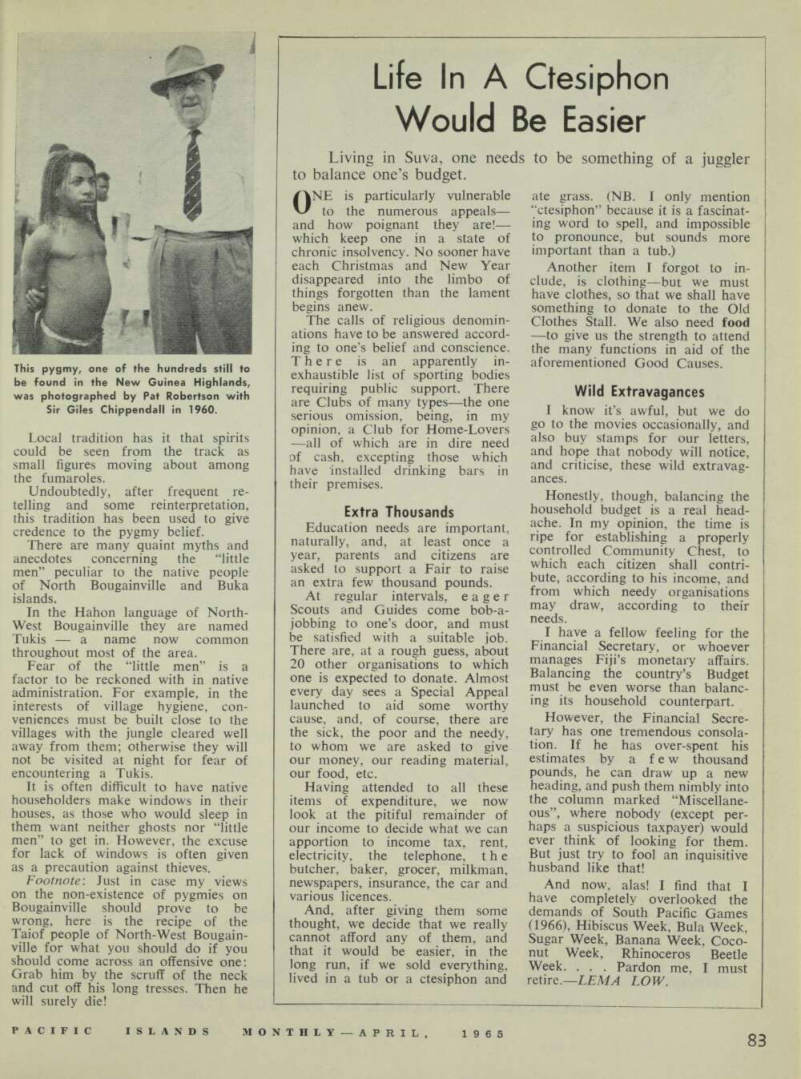 85
85 86
86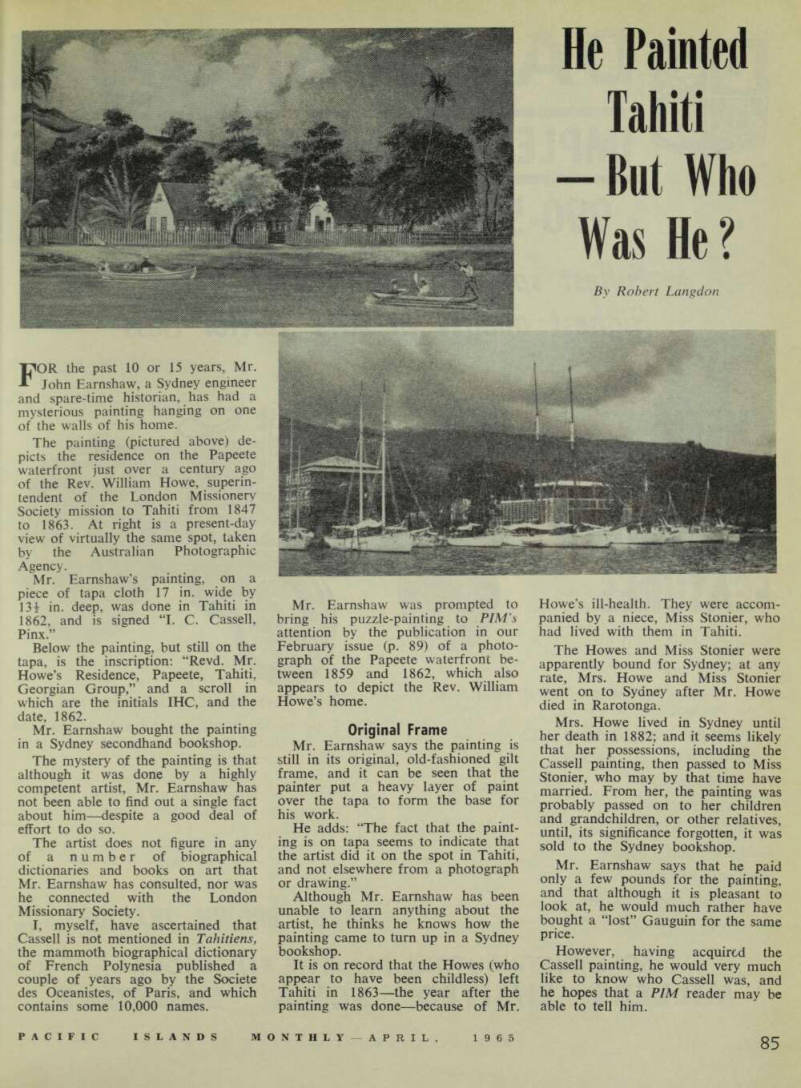 87
87 88
88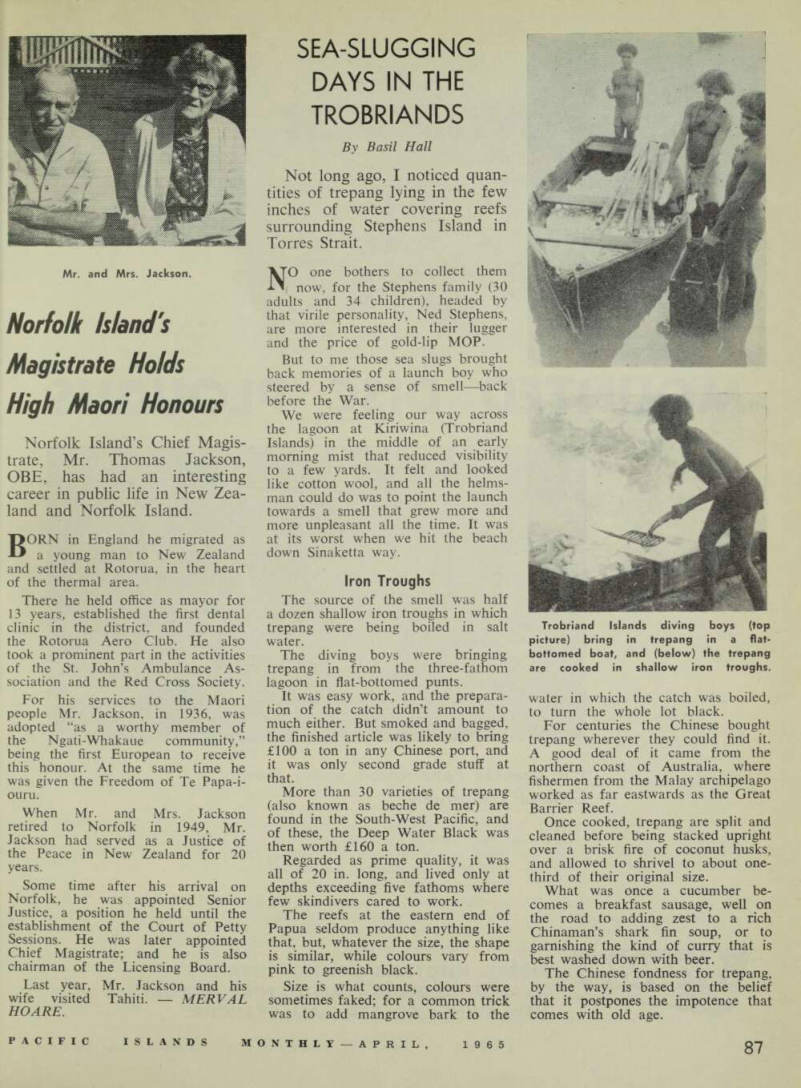 89
89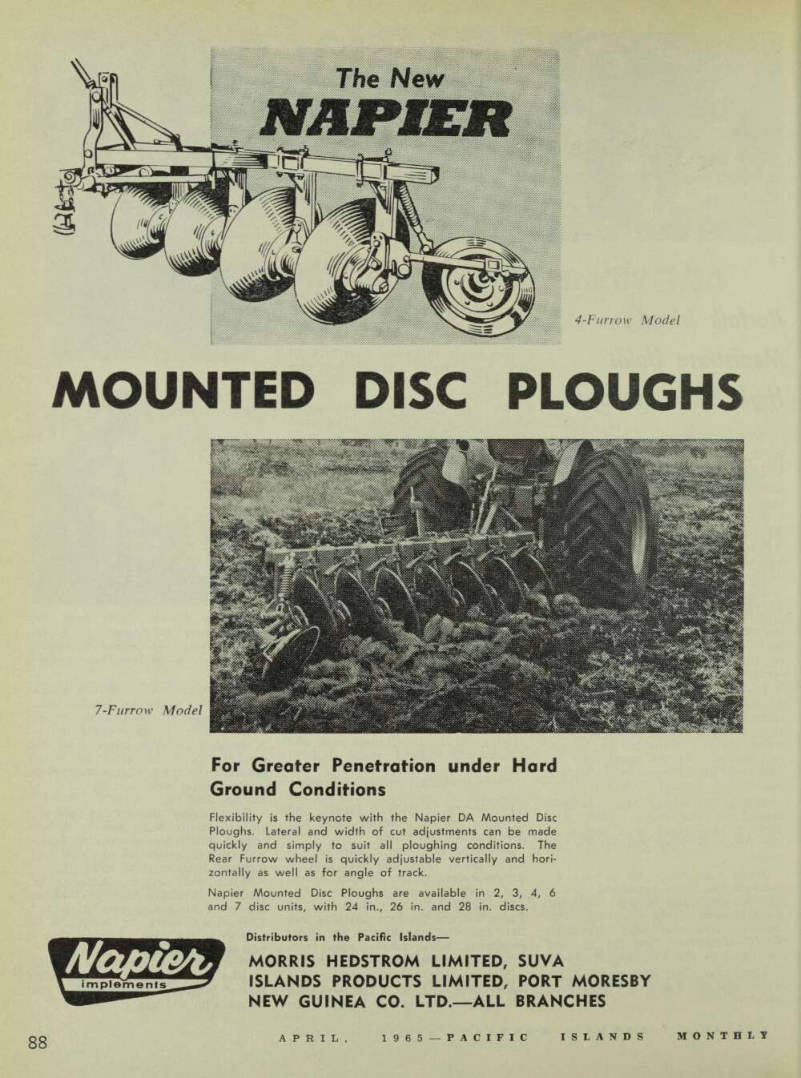 90
90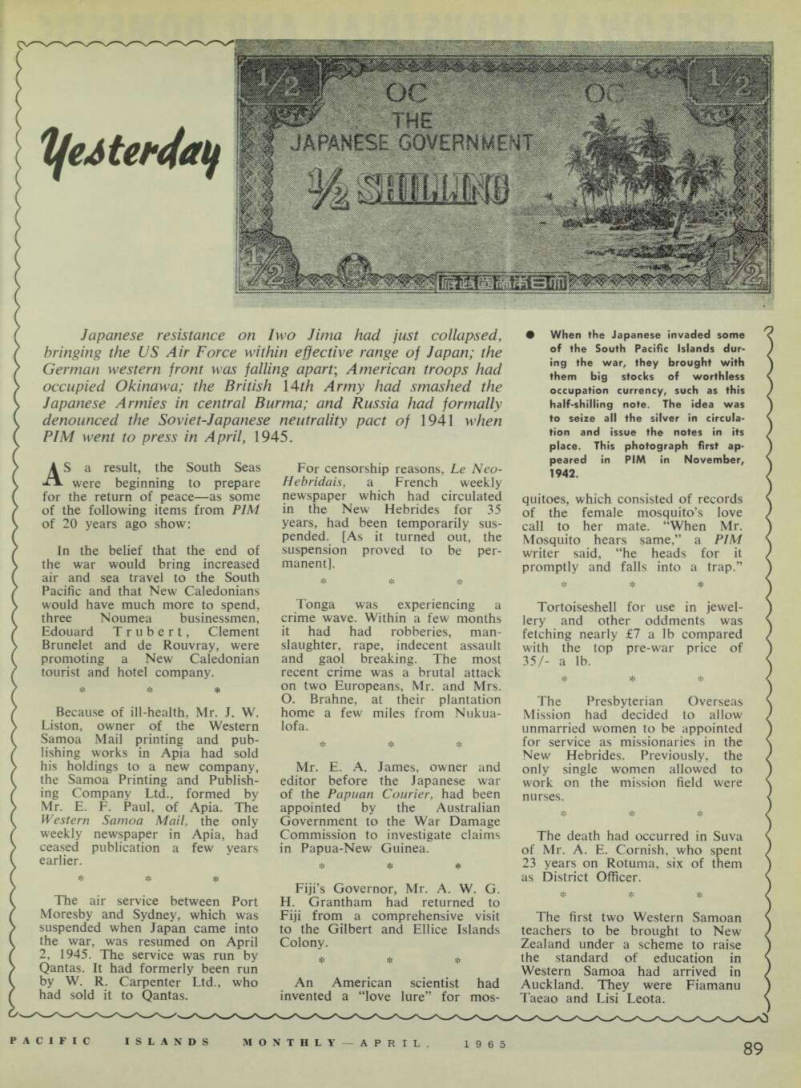 91
91 92
92 93
93 94
94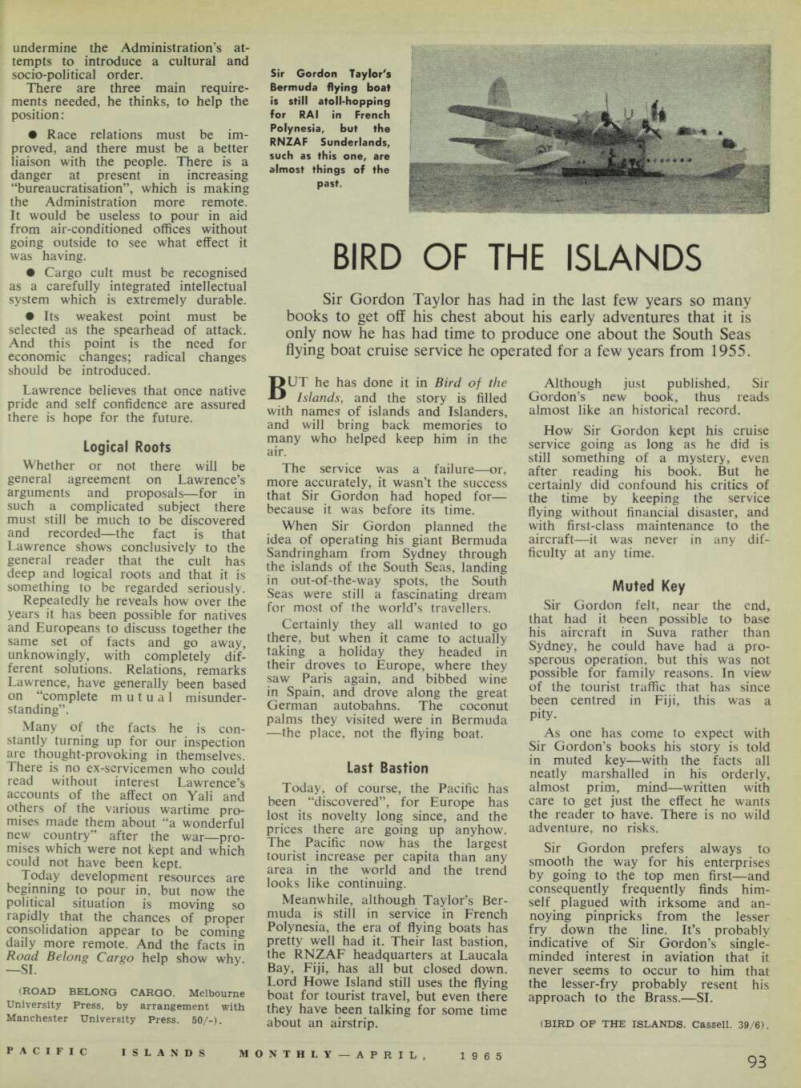 95
95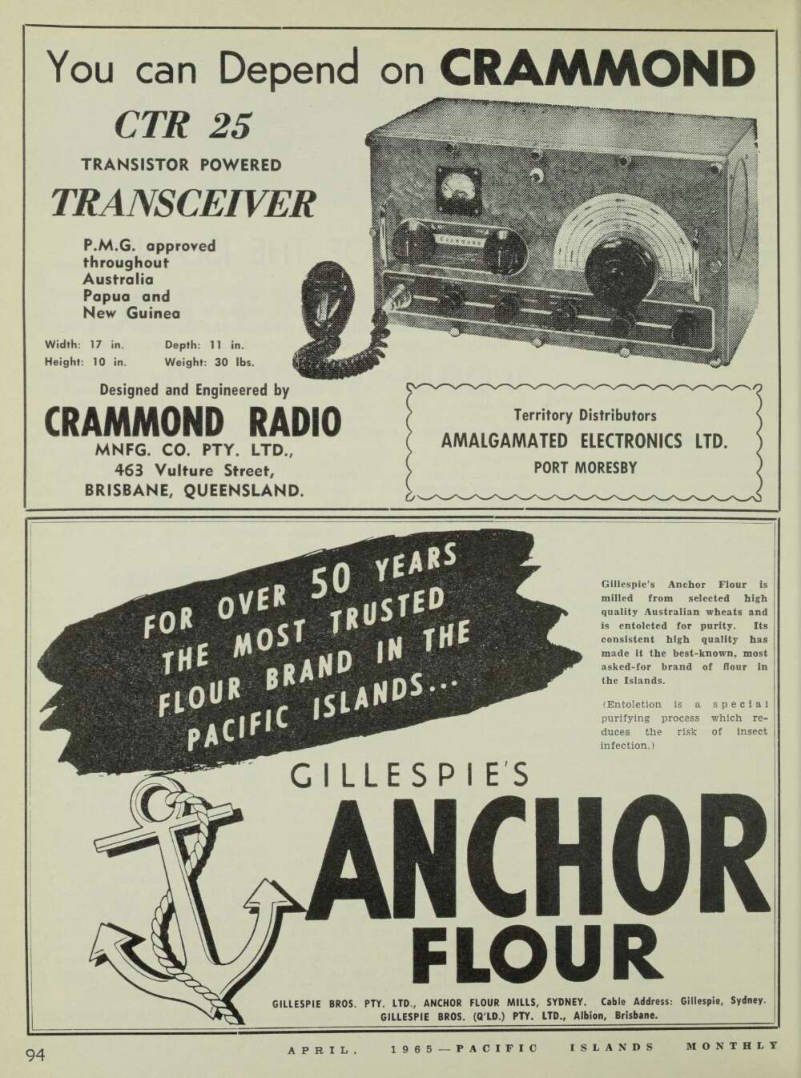 96
96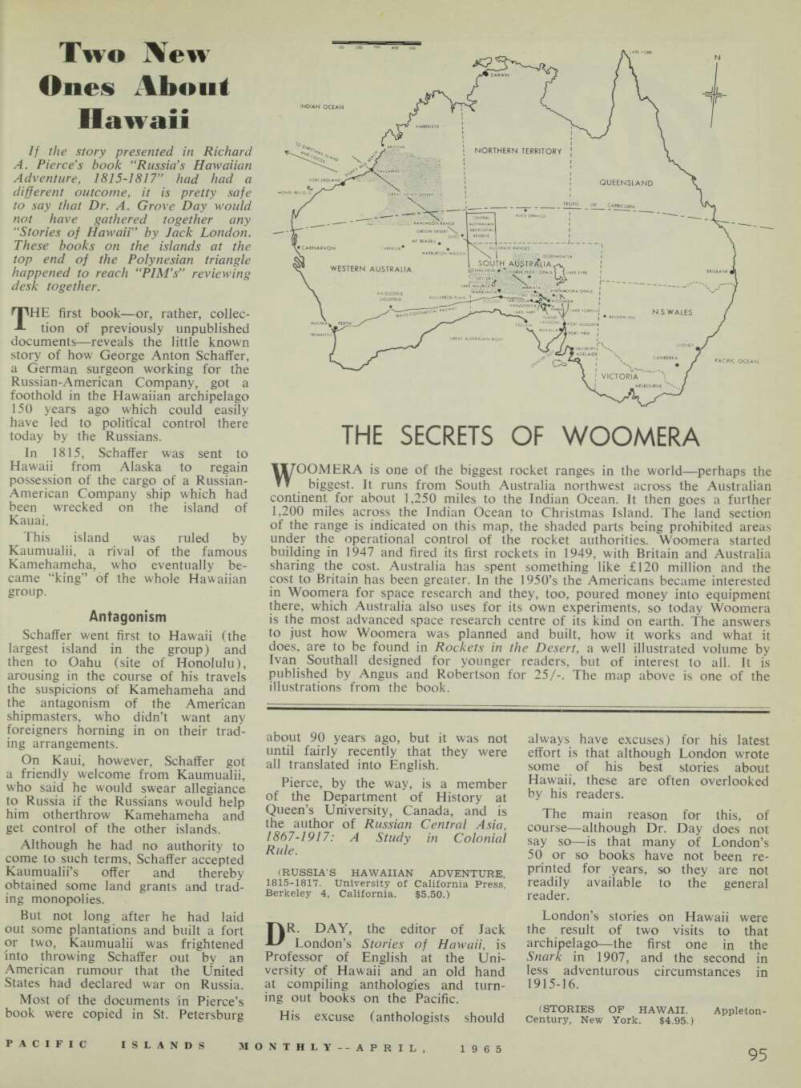 97
97 98
98 99
99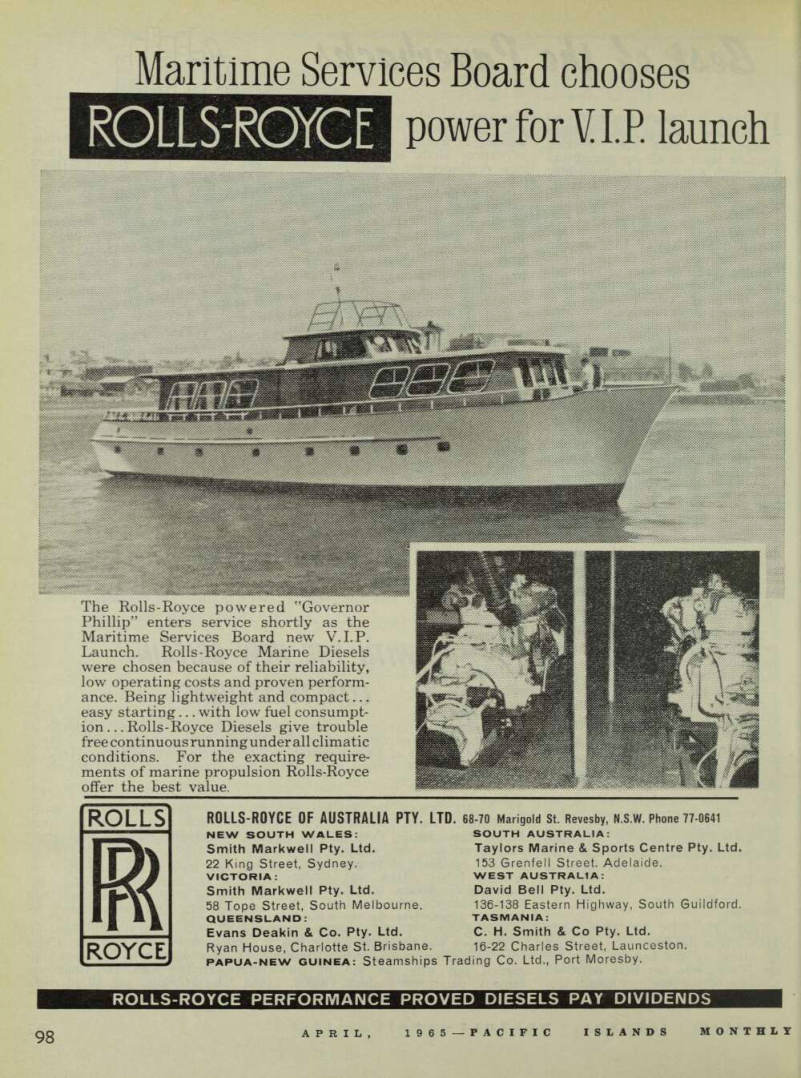 100
100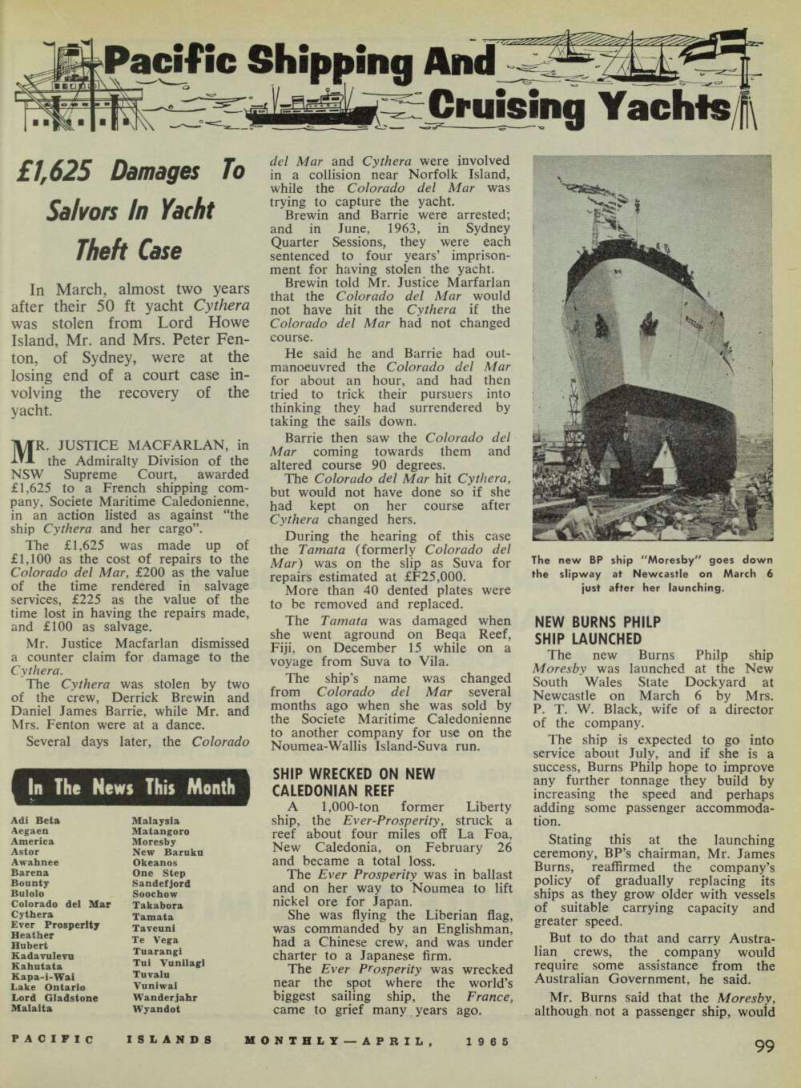 101
101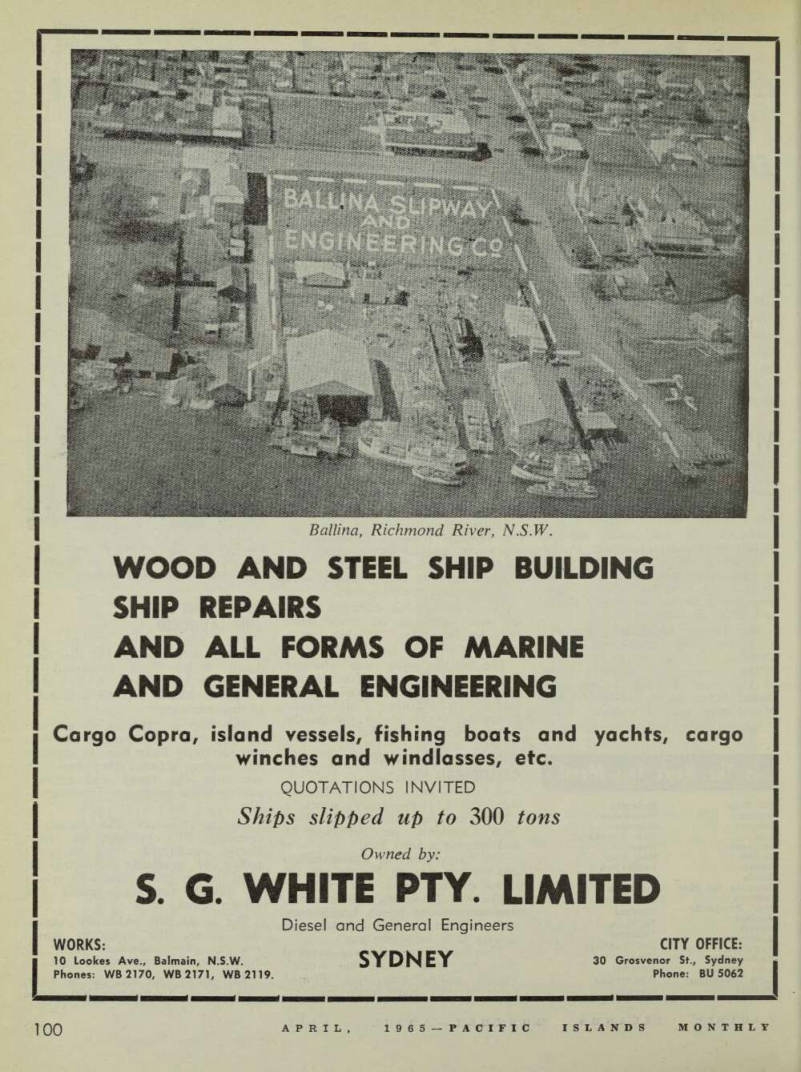 102
102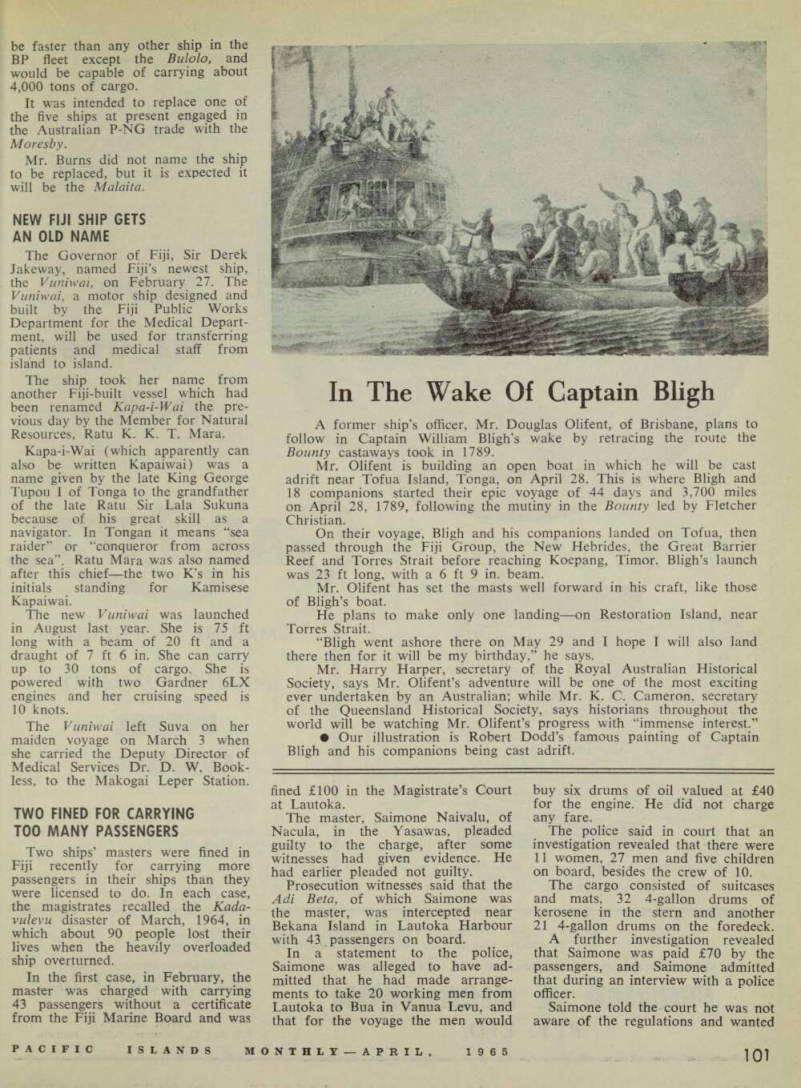 103
103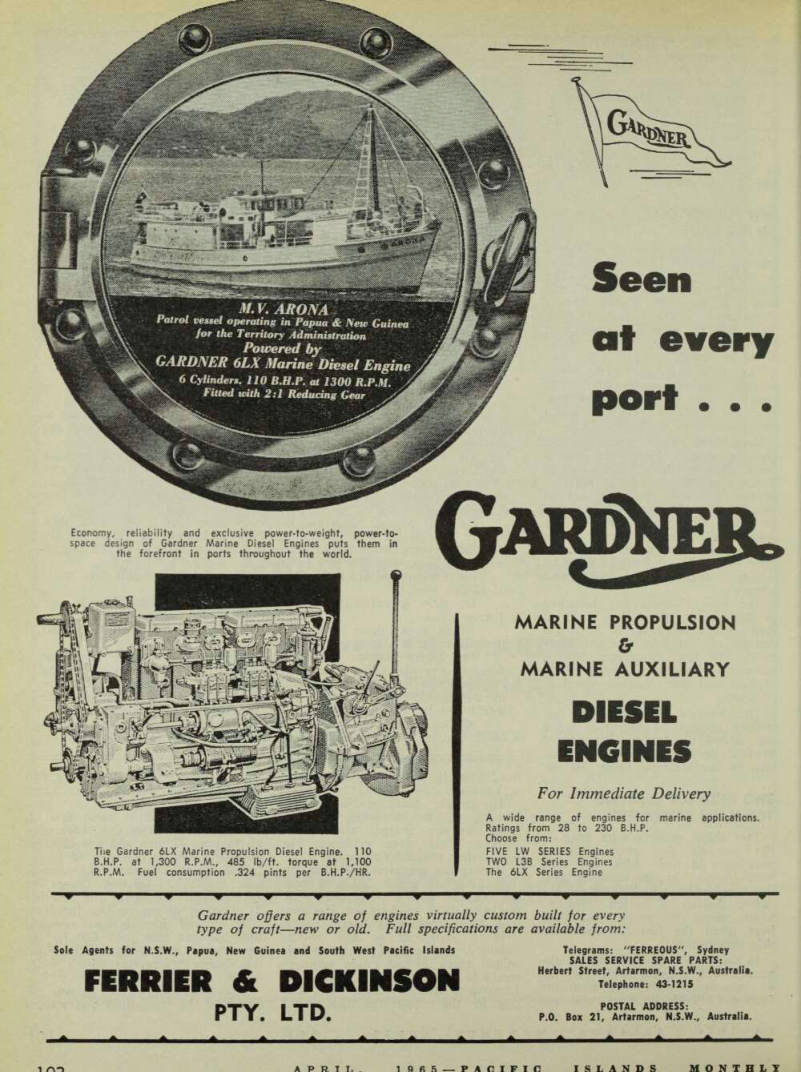 104
104 105
105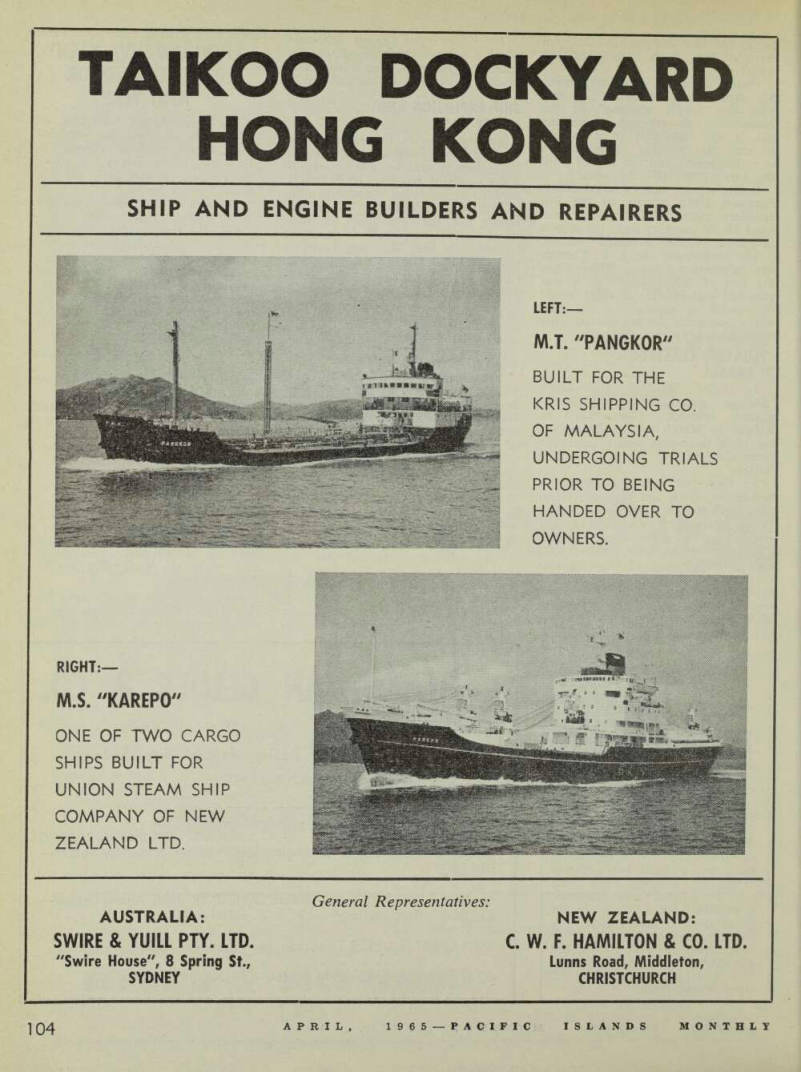 106
106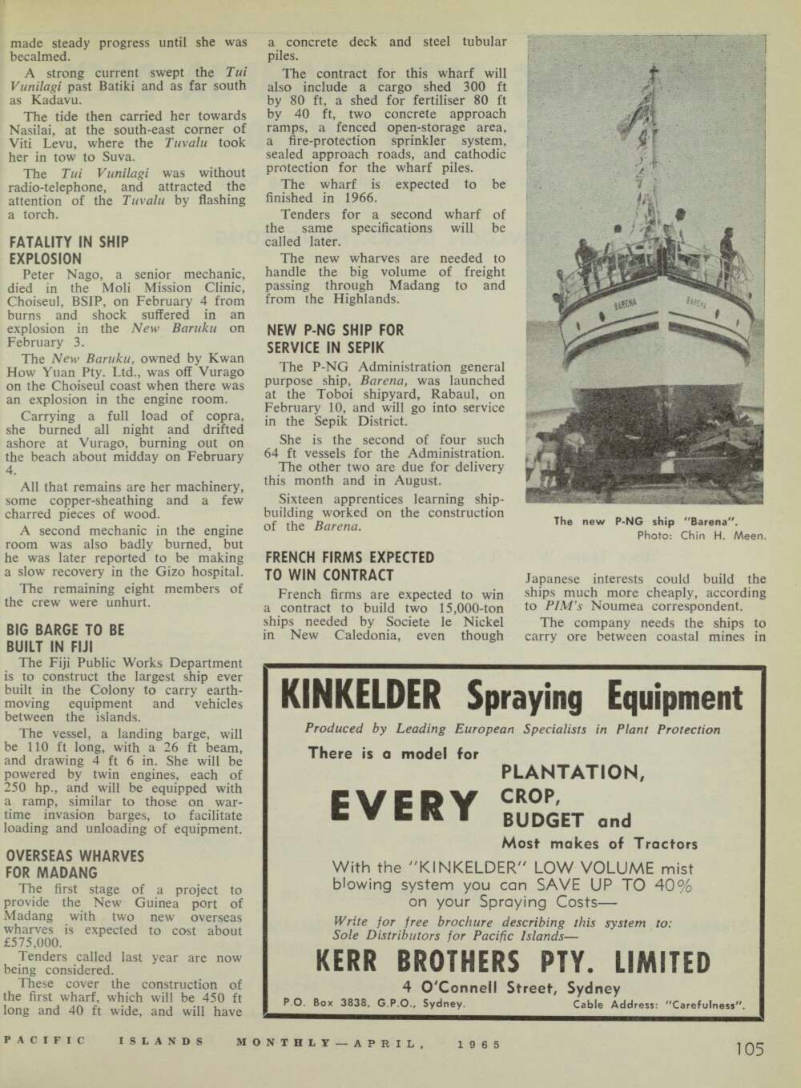 107
107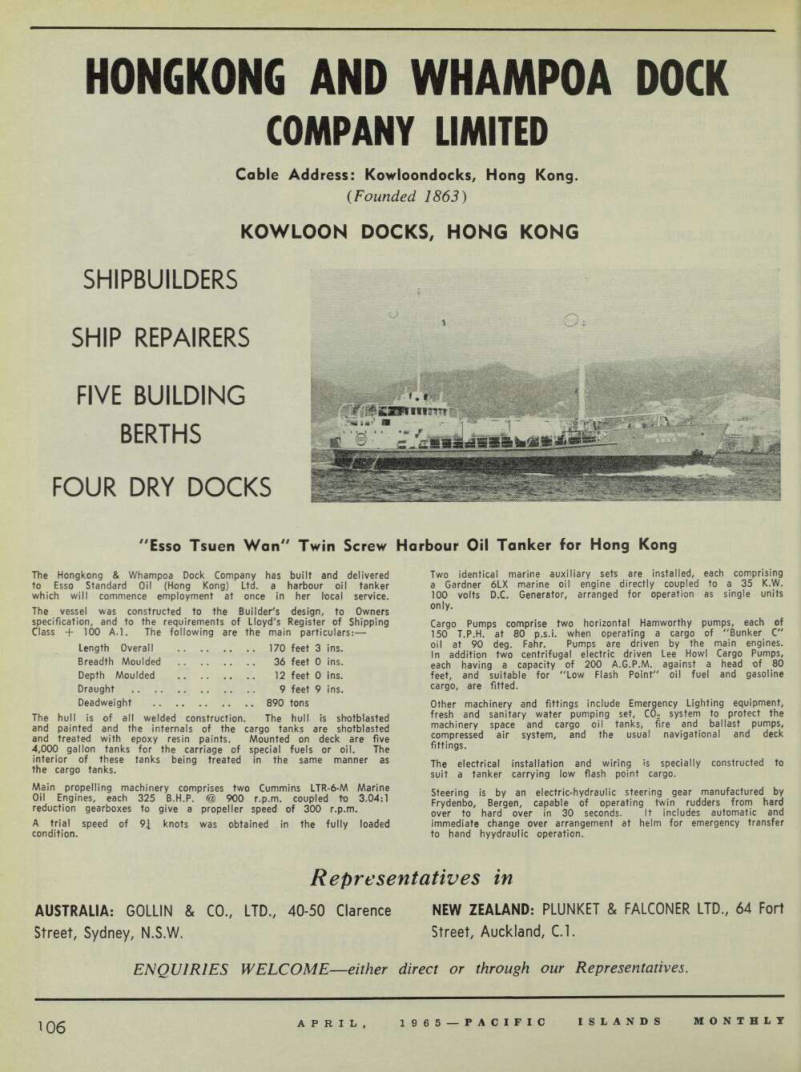 108
108 109
109 110
110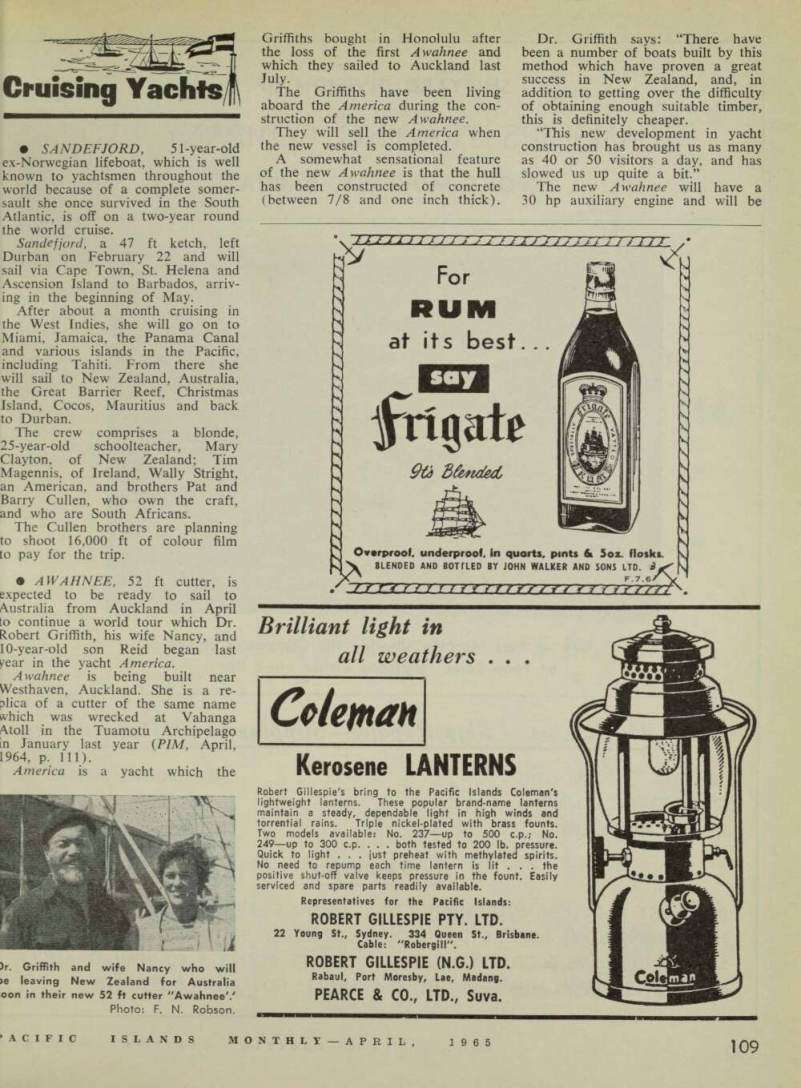 111
111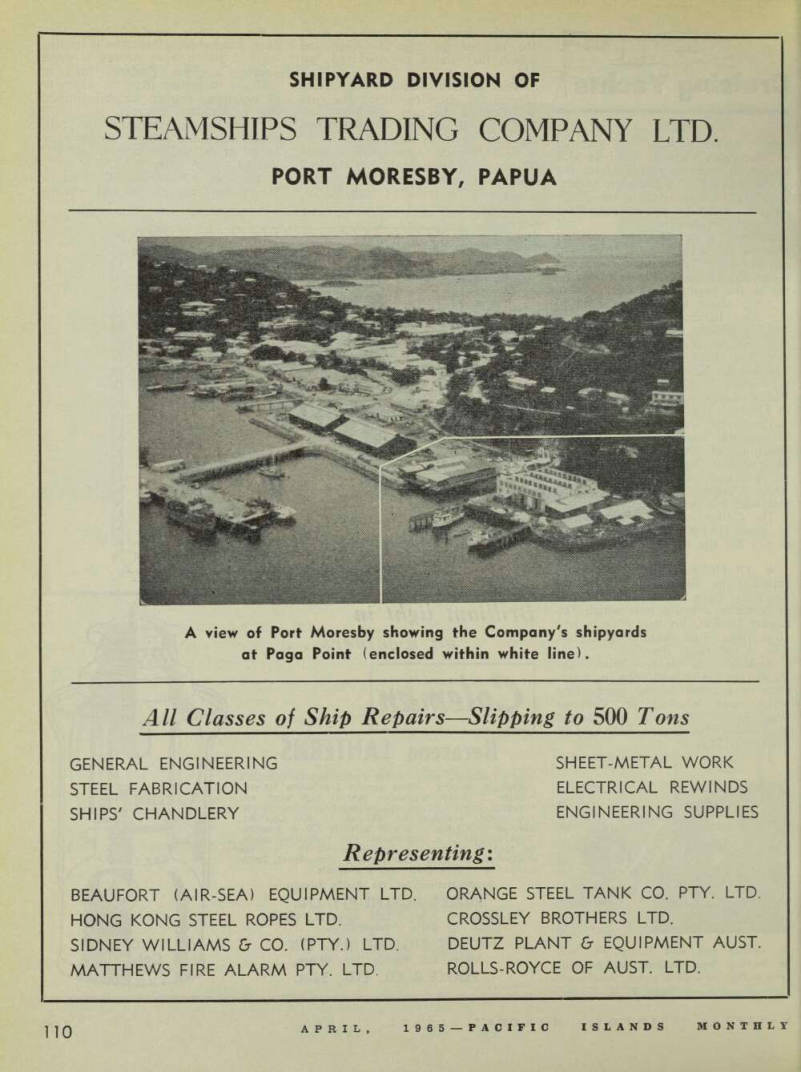 112
112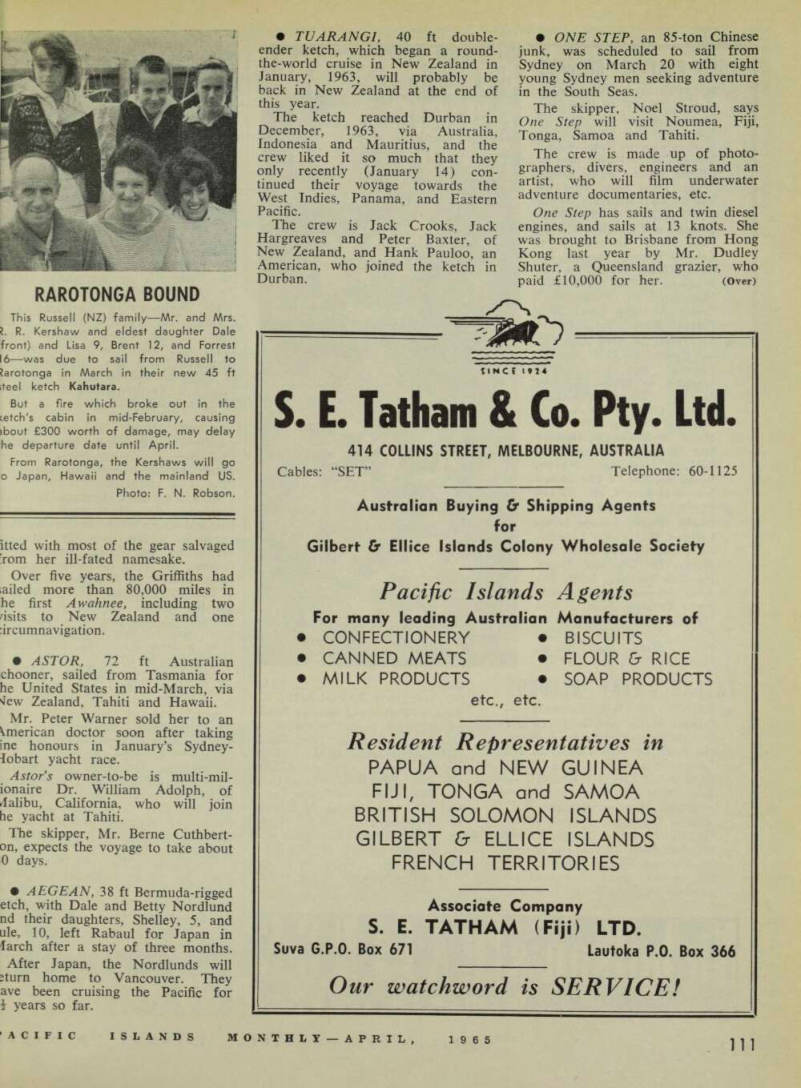 113
113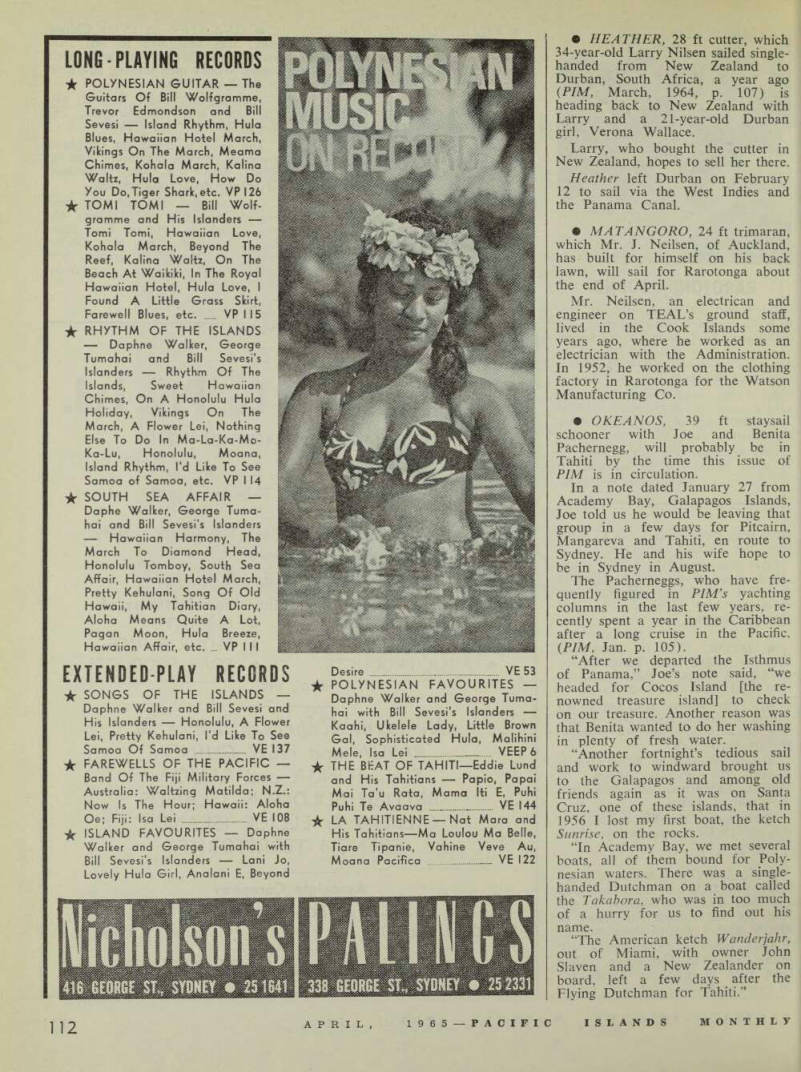 114
114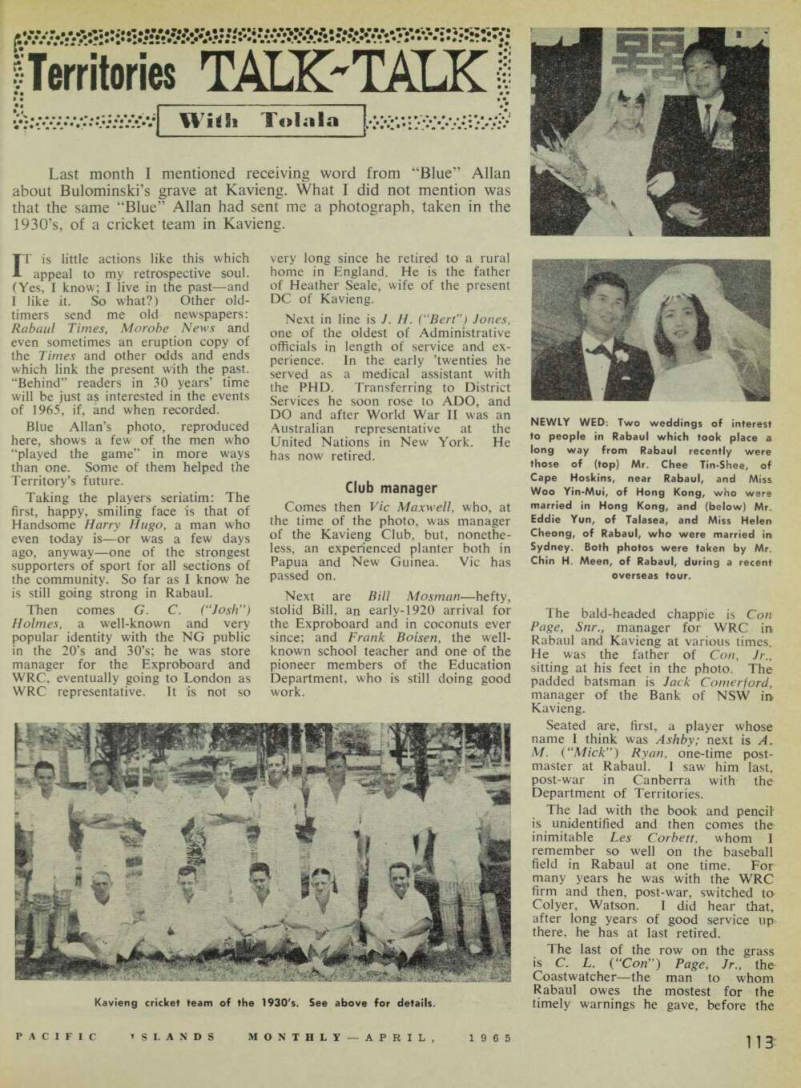 115
115 116
116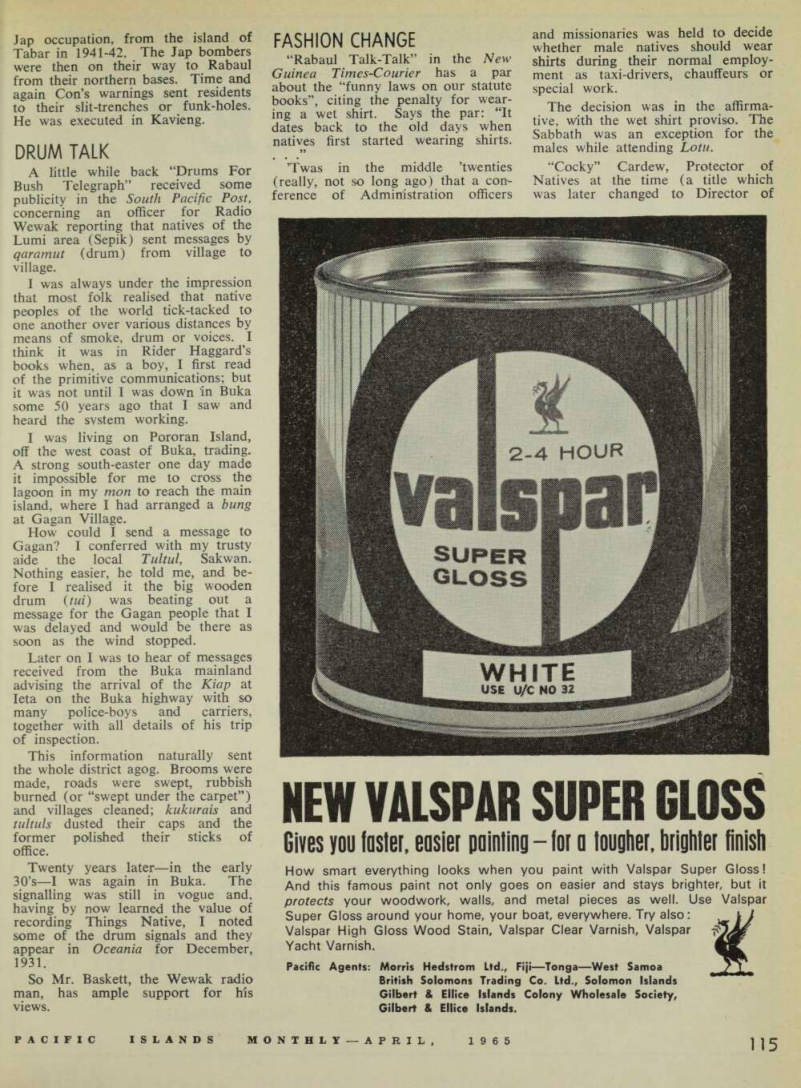 117
117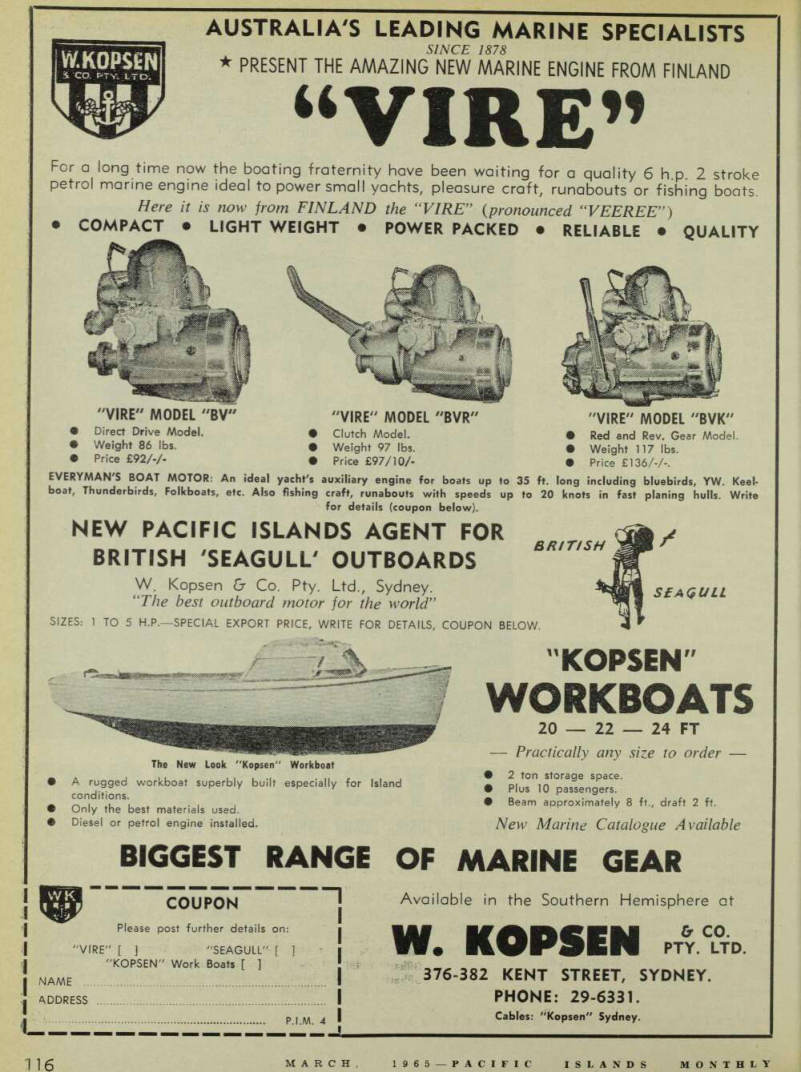 118
118 119
119 120
120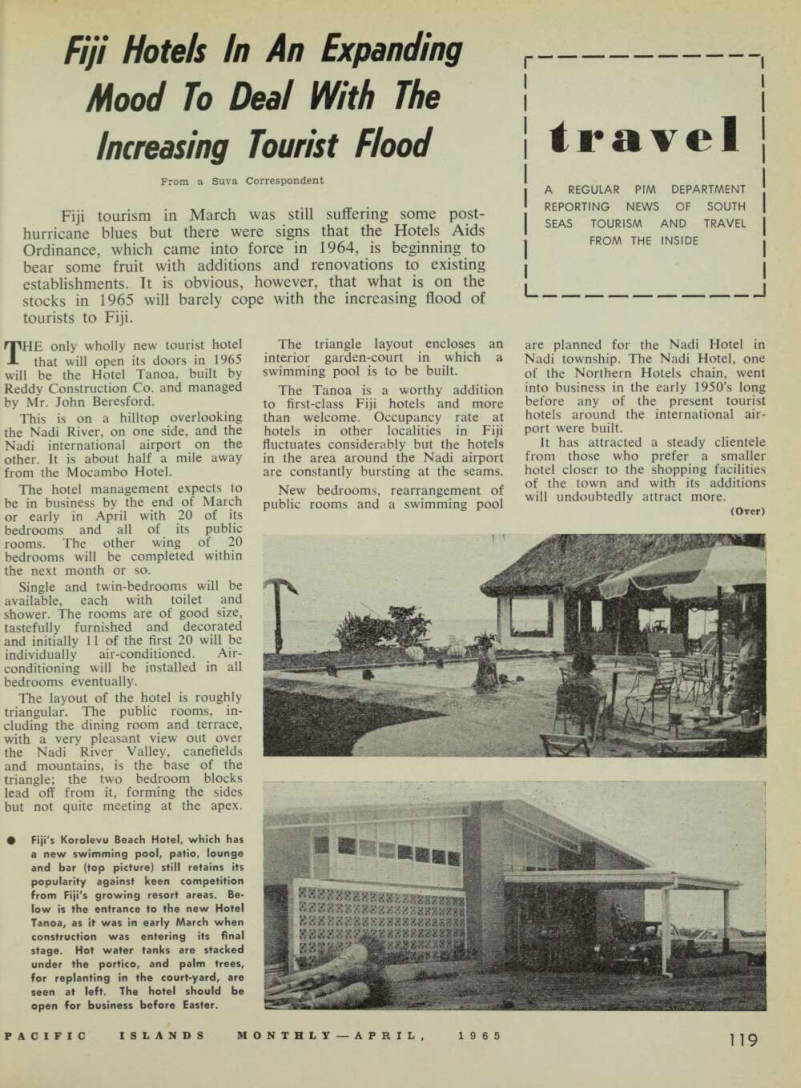 121
121 122
122 123
123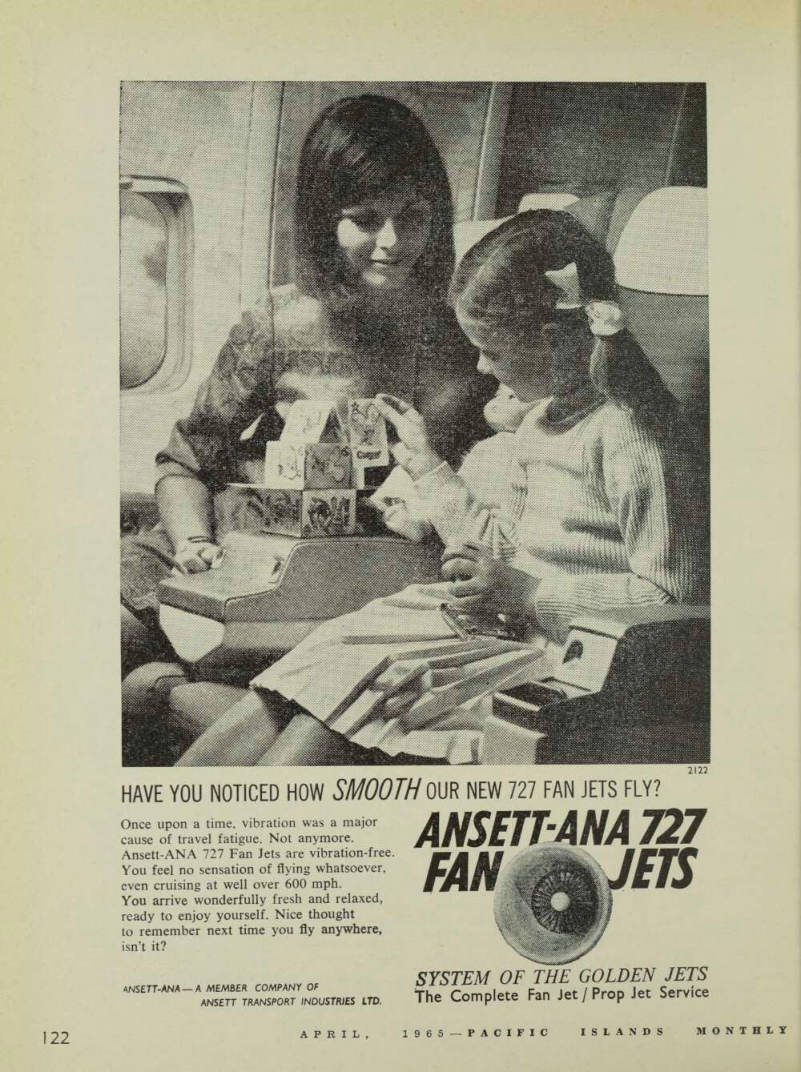 124
124 125
125 126
126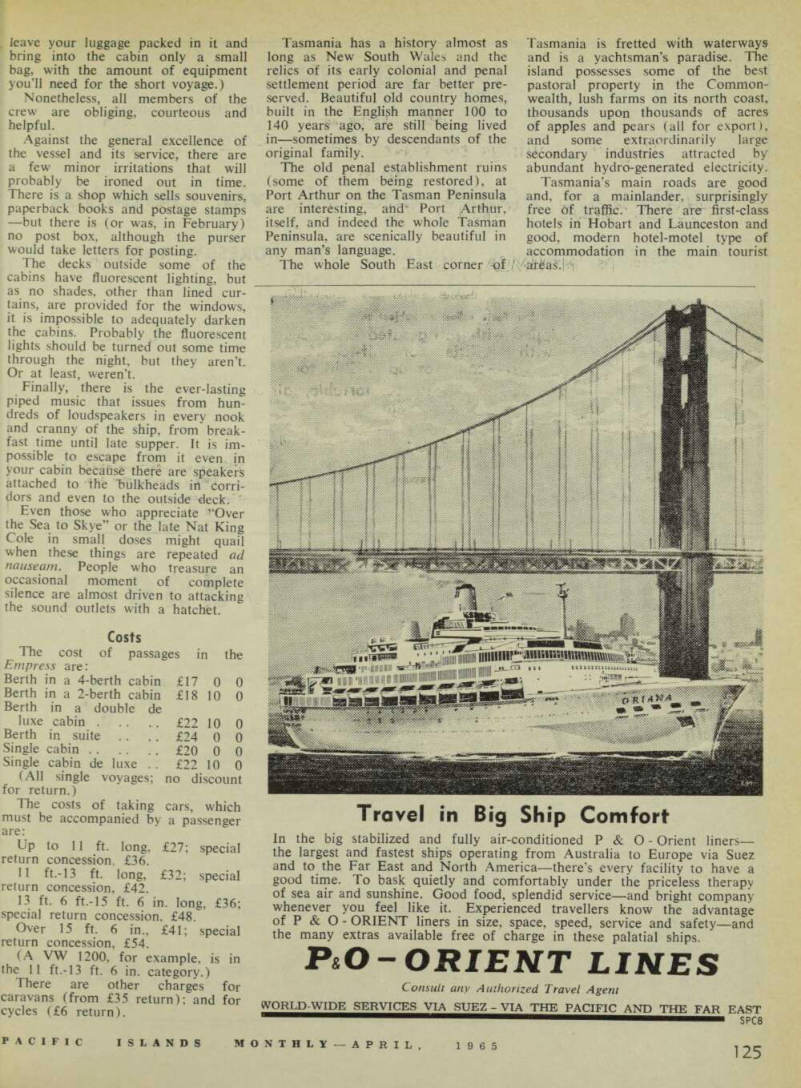 127
127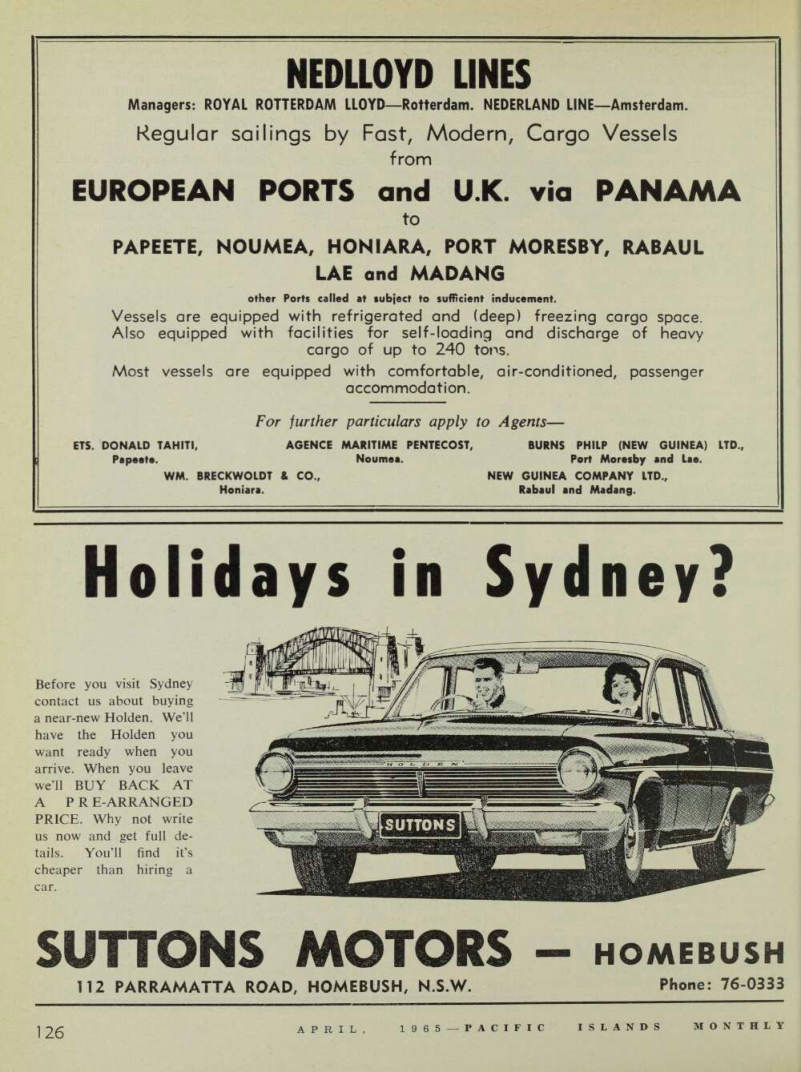 128
128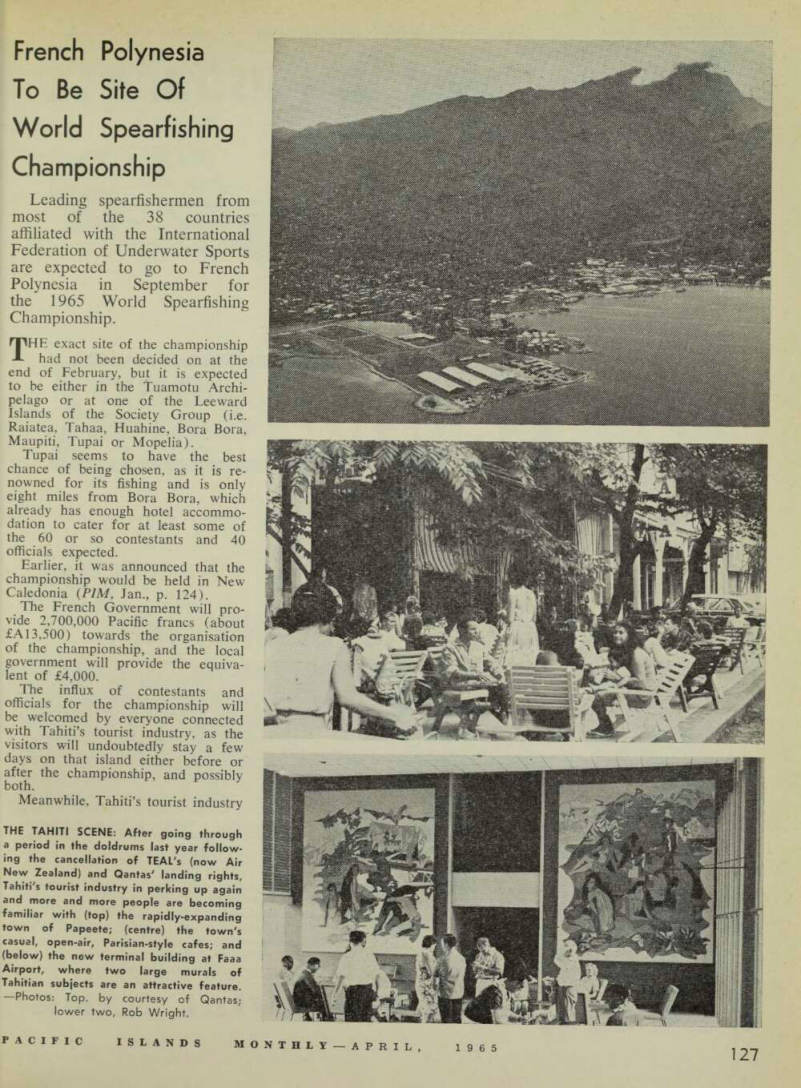 129
129 130
130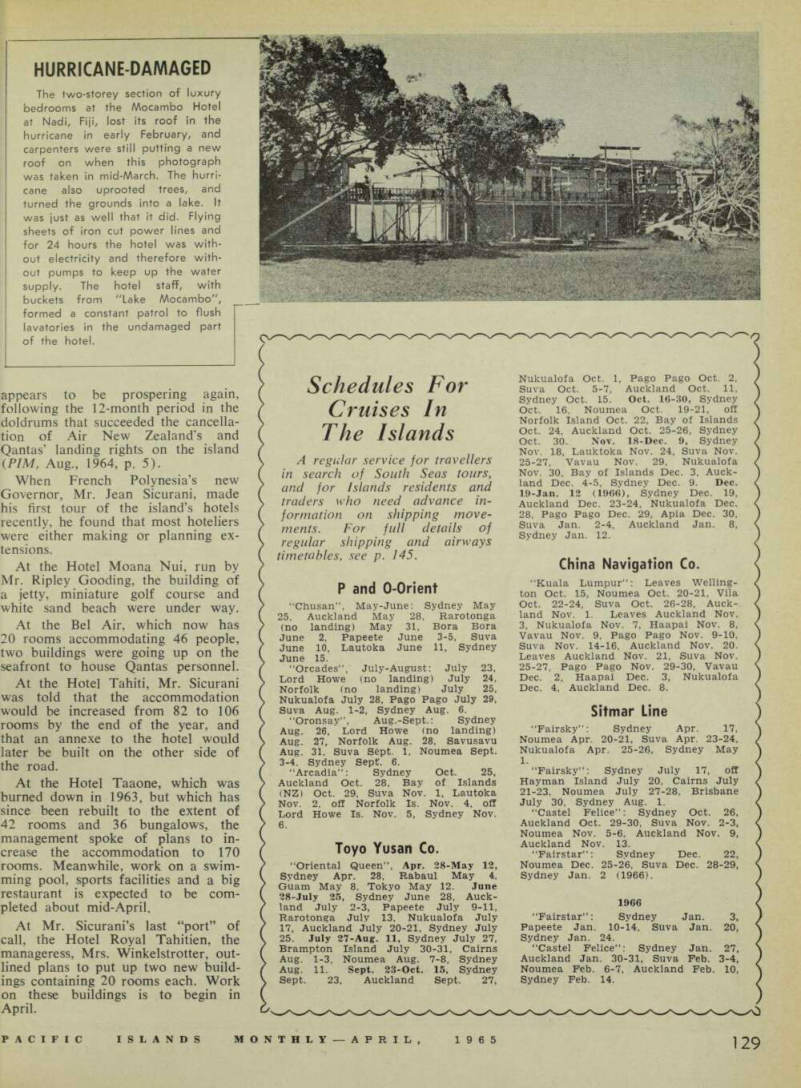 131
131 132
132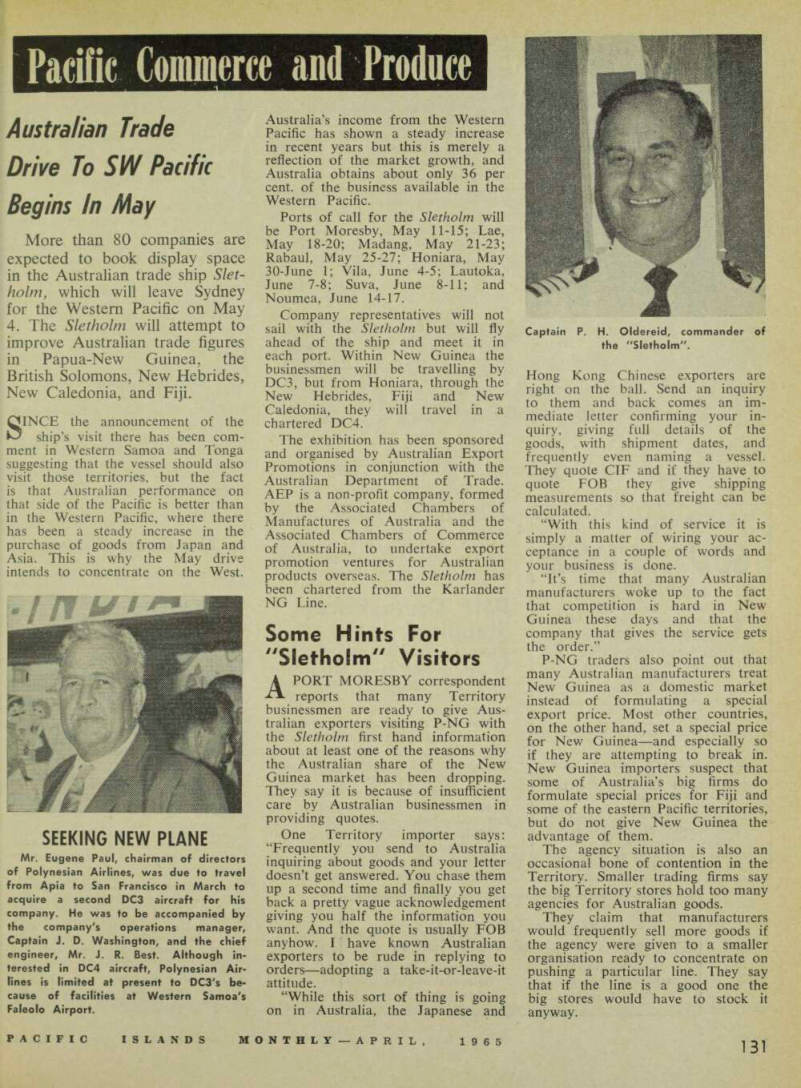 133
133 134
134 135
135 136
136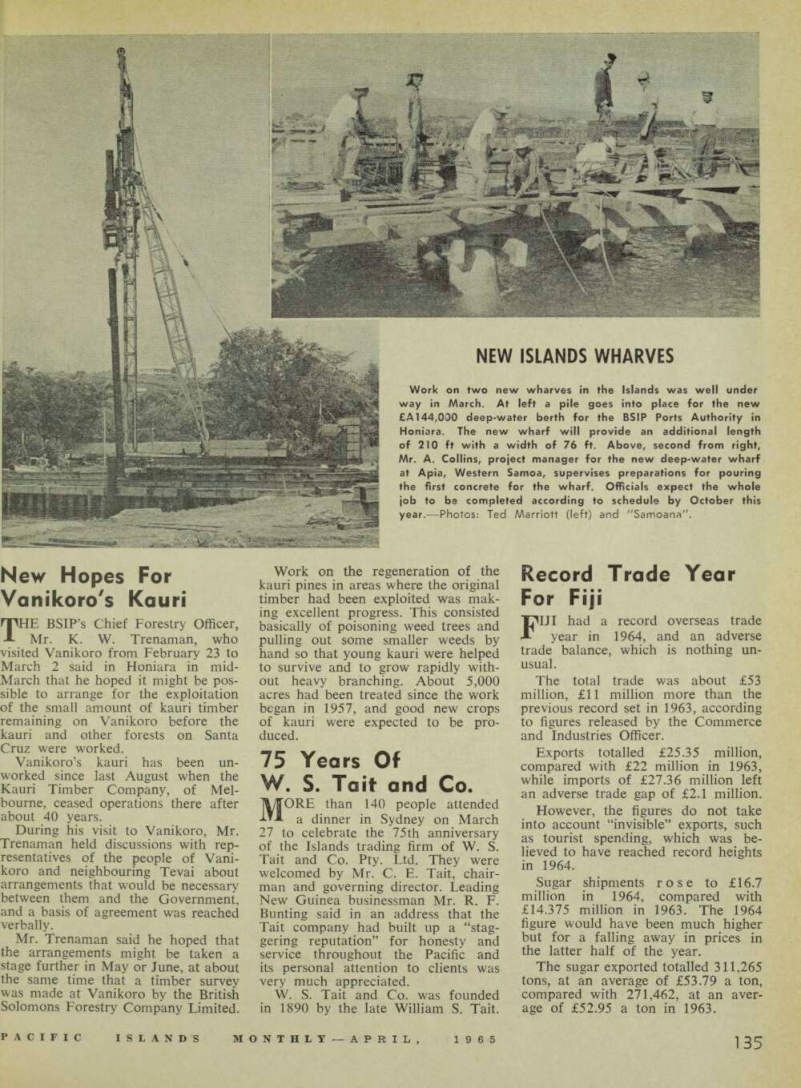 137
137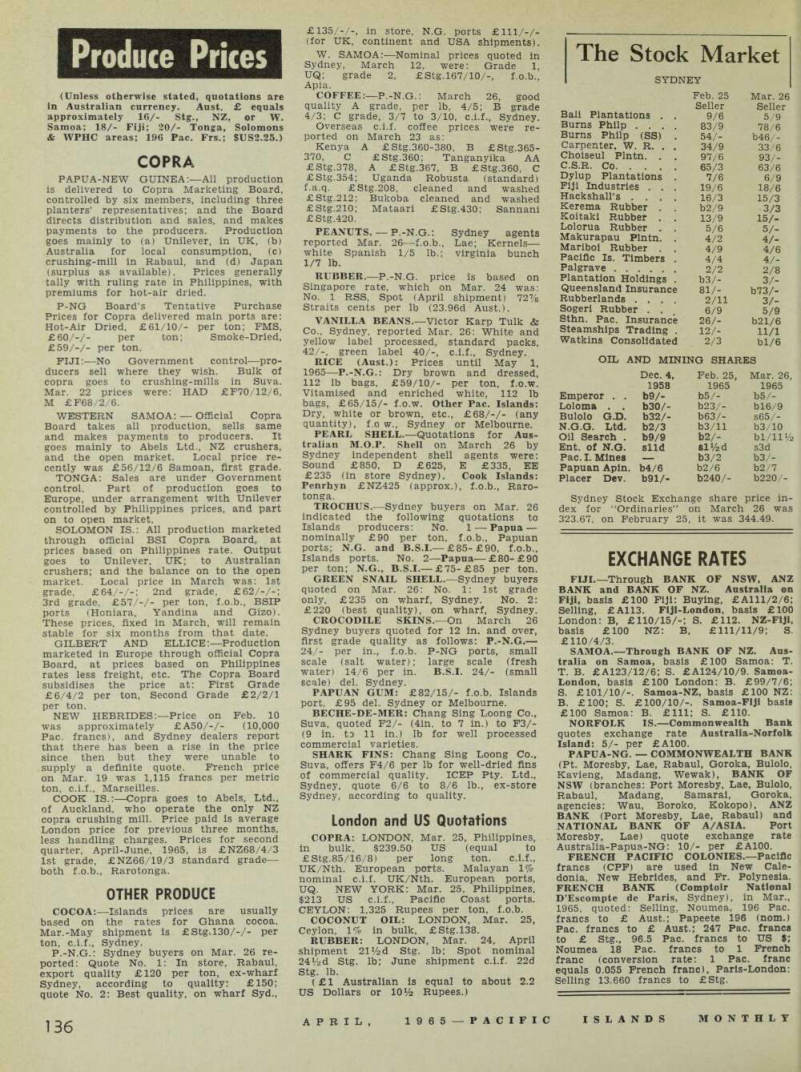 138
138 139
139 140
140 141
141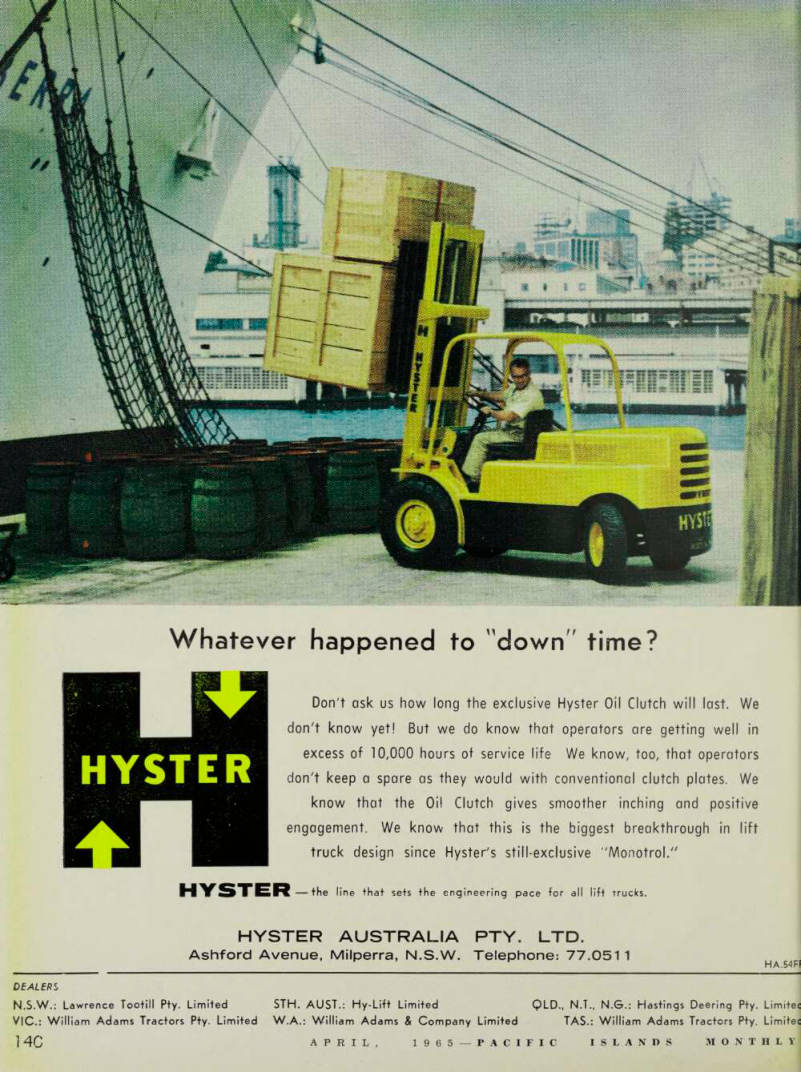 142
142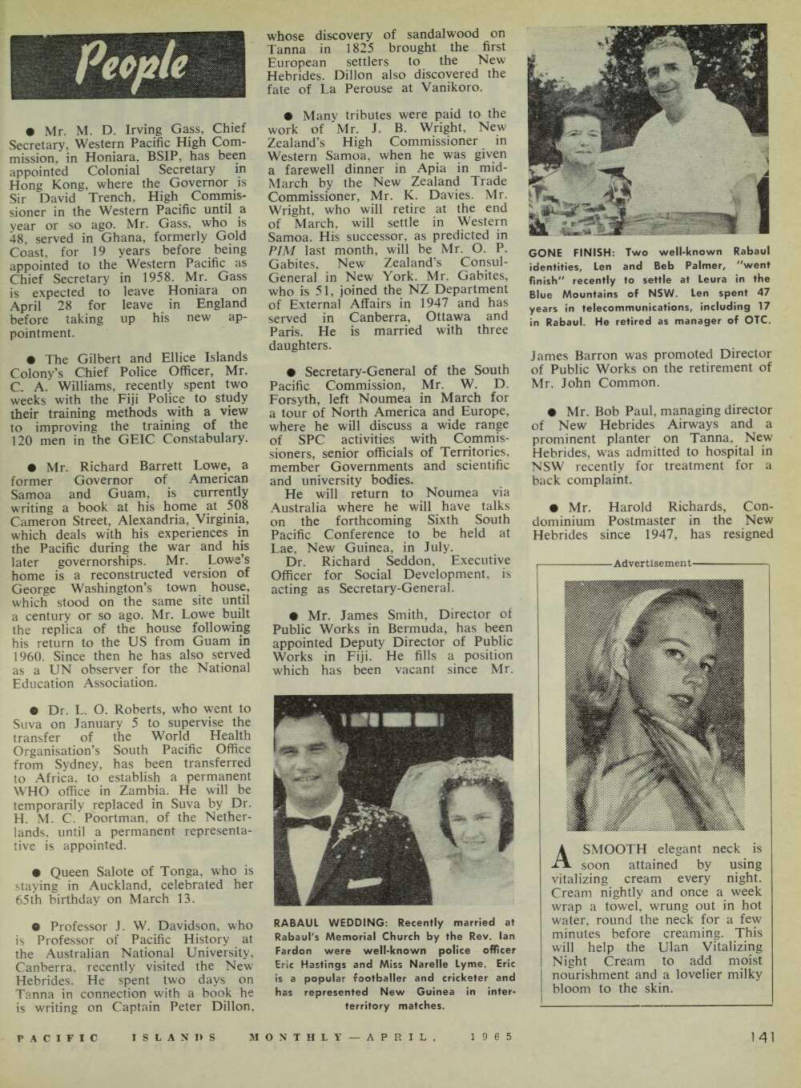 143
143 144
144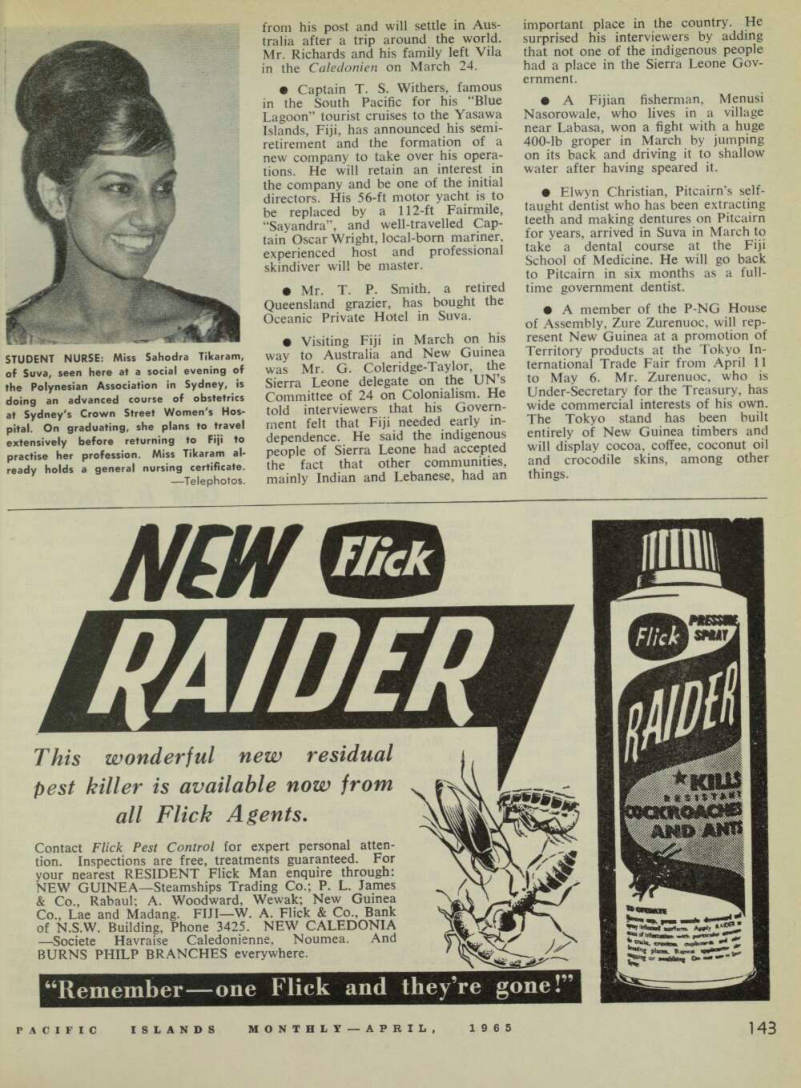 145
145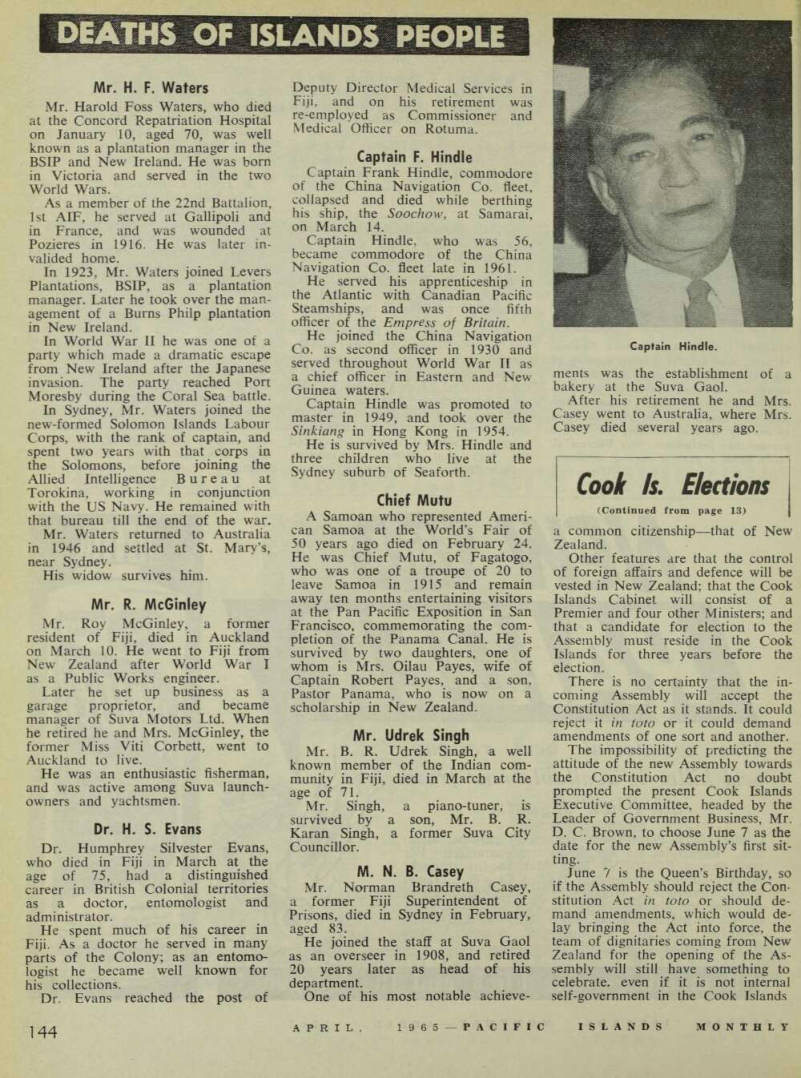 146
146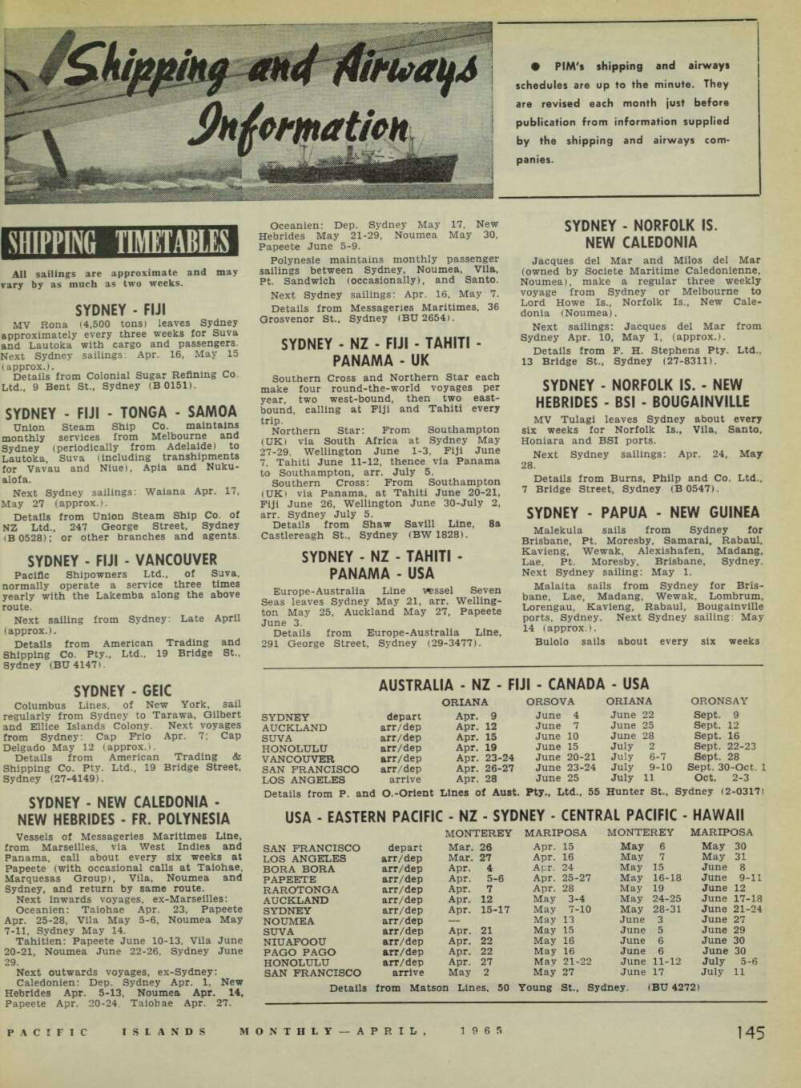 147
147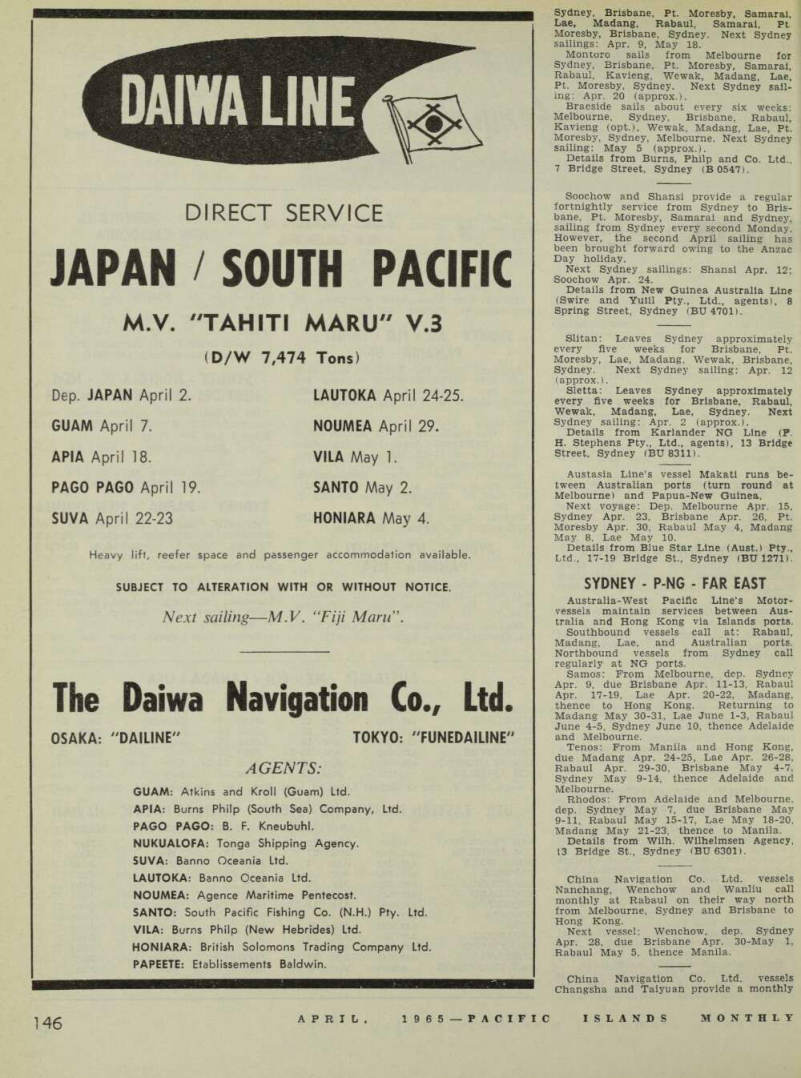 148
148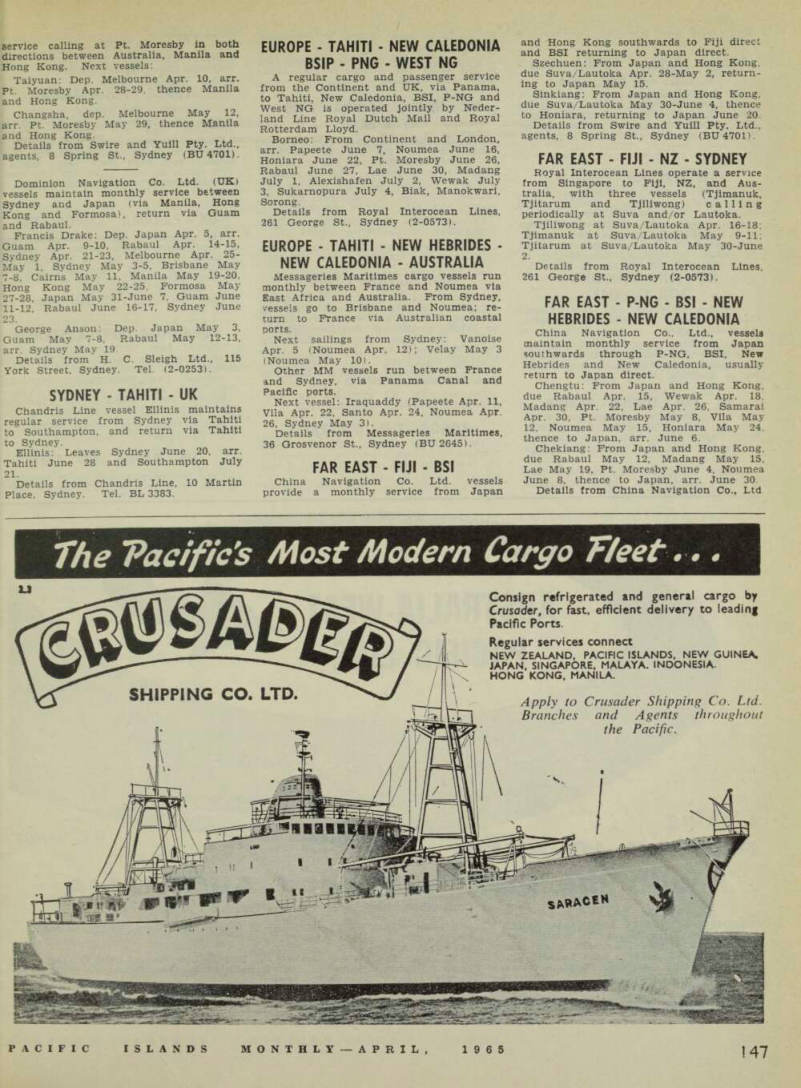 149
149 150
150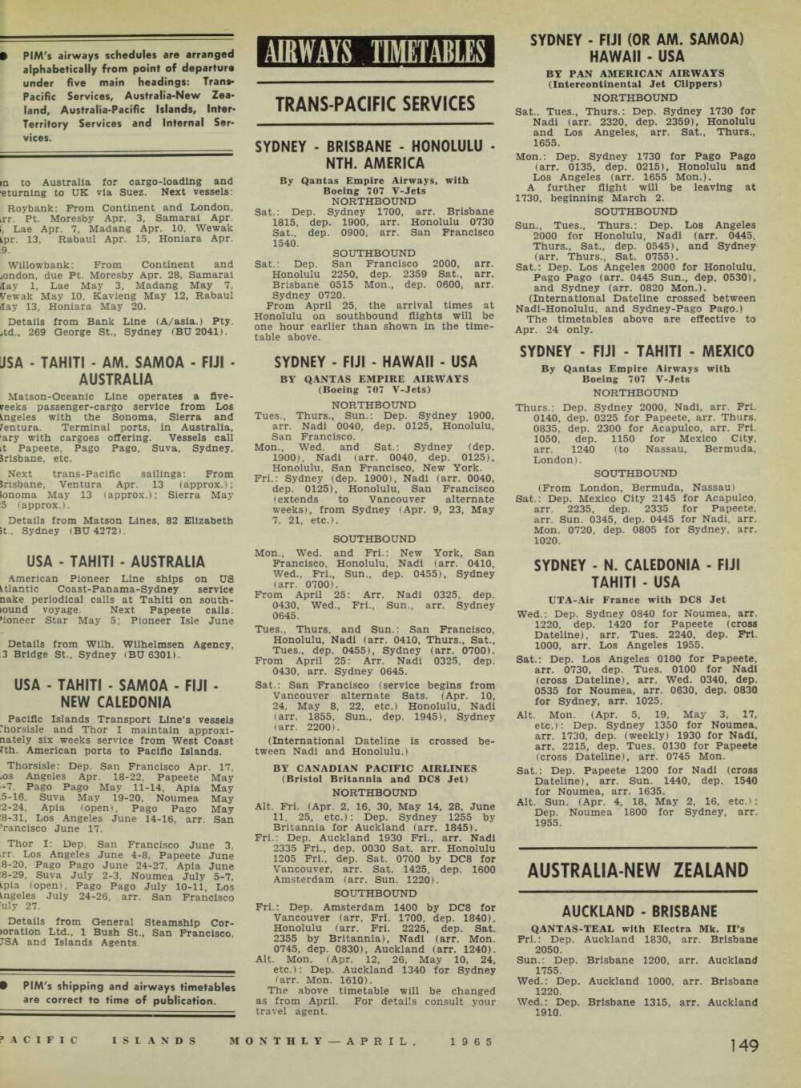 151
151 152
152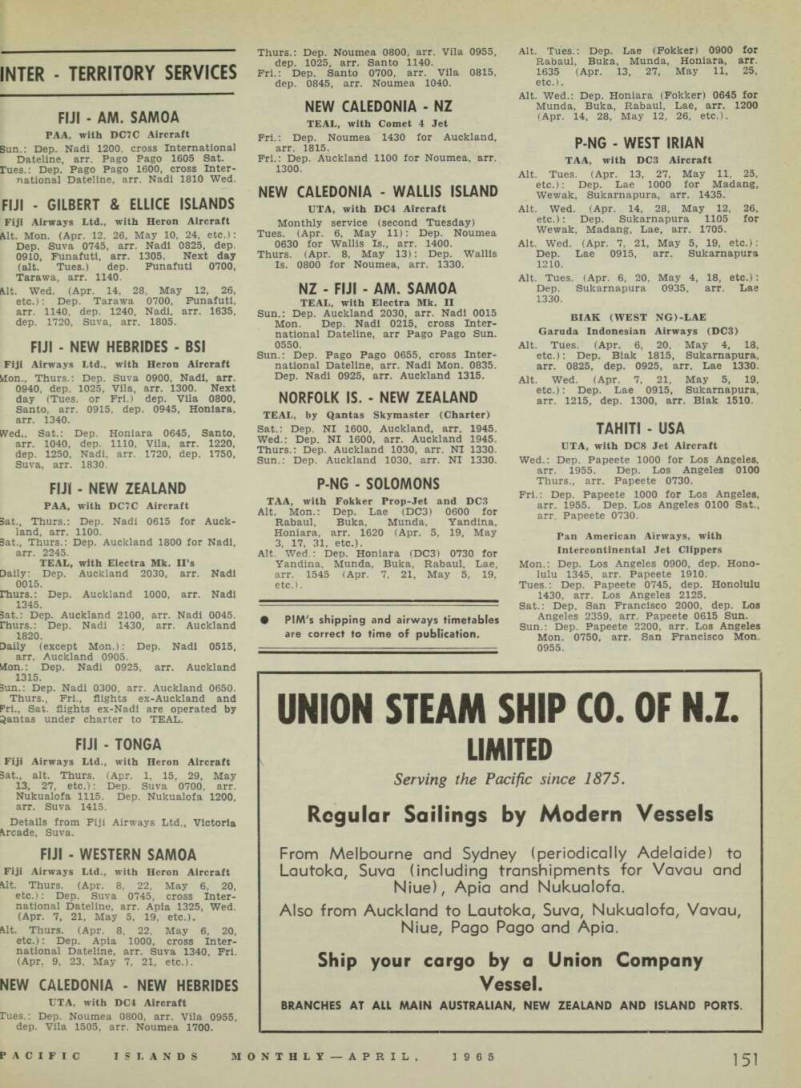 153
153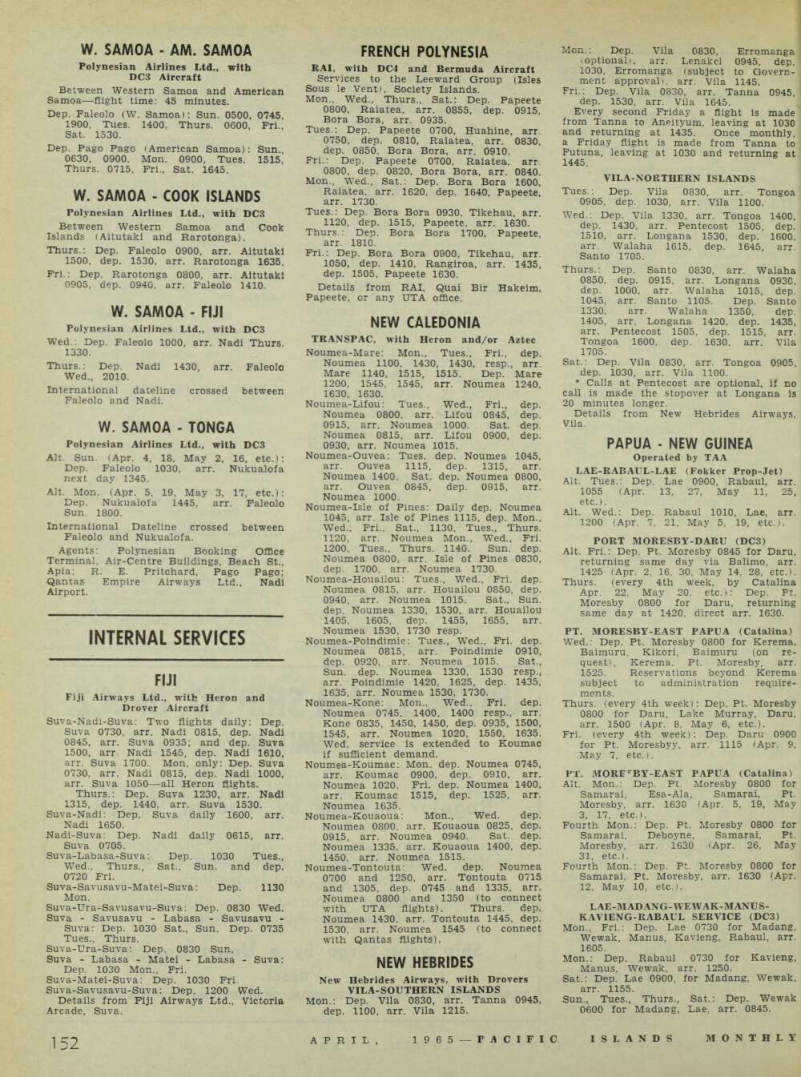 154
154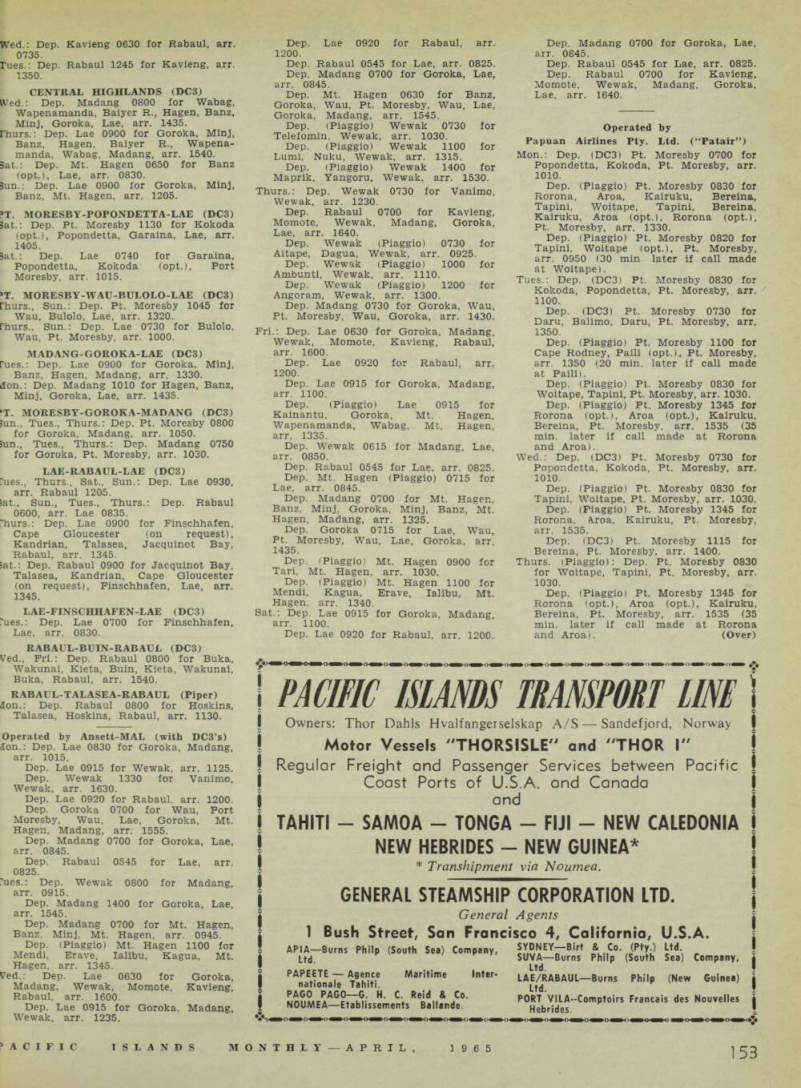 155
155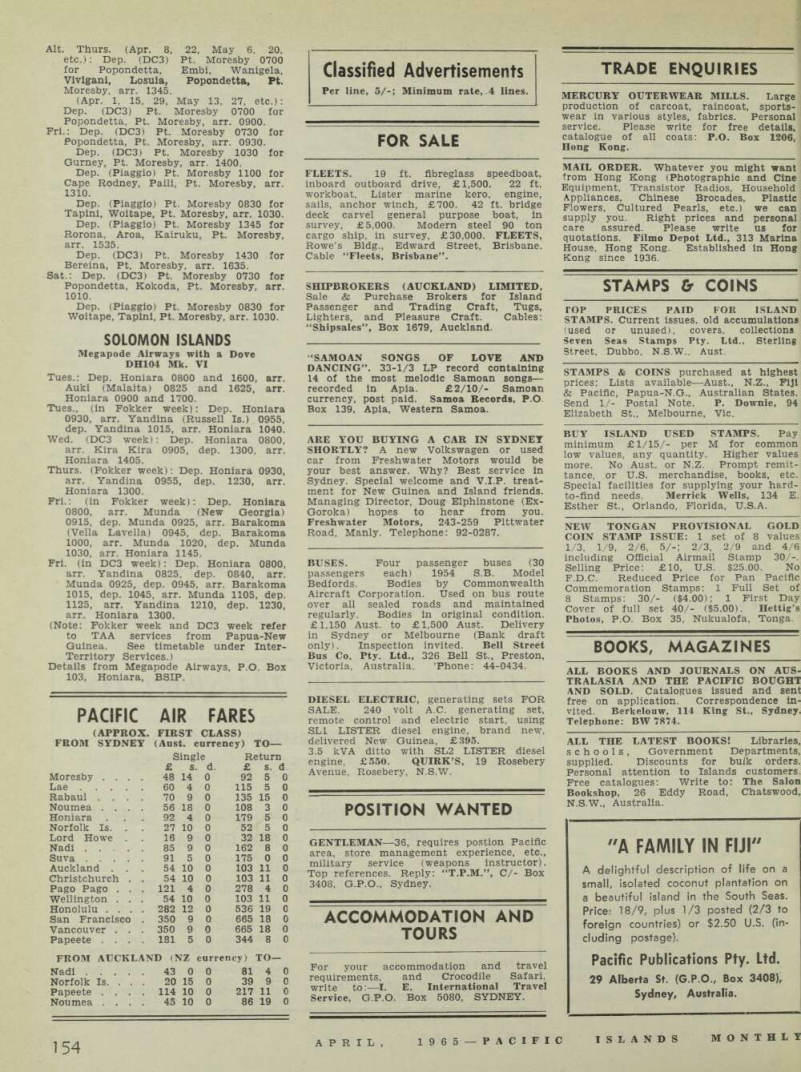 156
156 157
157 158
158 159
159 160
160