Monthly
Pacific Islands Monthly
Cember, 1964
3/- 60 US cents 50 French Pac. frcs.
he New/s lagazine Of The South Pacific
Established 1930
id at G.P.0., Sydney, and at P. 0., or transmission by post as a Newspaper,
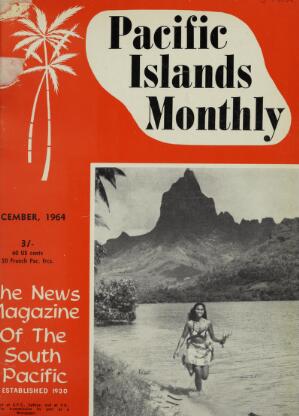
OUR COVER: AAt. AAouaroa, which rise a height of 2,887 ft on Moorea, picturesque sister island of Tahiti, is p ably the most photographed mountai the South Seas. It forms part of spectacular backdrop of both Pap< and Paopao Bays on Moorea's nort side. There's usually a handsome gii two somewhere in the foreground Photo: Studio AAackei
Advertisements & other items, pp. 2-10 (6 items)
December, 1964 Pacific Islands Monthl
When In Australia Fly Taa
V.
L TAA
<5
WHEN IN AUSTRALIA FLY TAA
Trans-Australia Airlines operates the largest single domestic airline network in the British Commonwealth, serving 140 cities and centres throughout Australia and Papua/New Guinea.
TAA’s modern aircraft connect with all incoming and outgoing international flights. TAA provides the speed and comfort of pure jet travel within Australia with the introduction of Boeing 727 T-Jets. and Papua/New Guinea.
And TAA takes care of everything travel bookings by air, road, rail or sea, accommodation, sight-seeing tours even theatre tickets!
Contact your nearest Travel Agent or Trans- Australia Airlines Office.
FLY
TAA Fly-away Holidays. TAA offers a huge range of packaged Holidays to the most popular holiday resorts throughout Australia
TAA
THI fRIEHDLYWAY
Trans-Australia Airlines
r AA6674/
FERRARI, WORLD CAR AUTHORITY, SAYS
My faith in Shell Oil springs from my experience, first as a racing driver, hen as director of Ferrari Racing Team and finally as a car manufacturer.” ignor Ferrari knows what he’s talking about. He has been an outtanding figure in international motor sport for 35 years. Beginning as n Alfa Romeo mechanic in 1918, he became a race driver in the wenties, and in 1929 formed the Scuderia Ferrari (Ferrari Stable) of rack cars and drivers. hell research teams have worked closely with Ferrari on racing engine ibrication requirements since 1926. The same experts contributed to le development of today’s finest engine lubricant for all makes of cars - Shell X-100 Multigrade Motor Oil. Get the benefit of Shell technical jadership. Make the oil change to Shell X-100 Multigrade. It’s approved y the manufacturers of all cars and is available only from Shell dealers.
SHELL
Go Well Go Shell X-100 Multigrade Oil P5645048A
□ a®
DAVID BROWIv
IMPLEMATIC DIESEL TRACTOR
* 990-52 h.p. * 880-42 J h.p. ★ Fullest specification in ANY tractor class ★ Highest I quality in ANY tractor class
CHECK
THESE
IMPLEMATIC
FEATURES
Multi-speed live P.T.O.
Differential lock Live all-purpose hydraulics with draft control and linkage lock Exclusive anti-wheelslip device (TCU) Extra-high front axle clearance Adjustable drawbar Full range tractormeter Full field and road lighting Category 1 and 2 linkage Hand parking brake Deluxe fully adjustable seat Extra high lift linkage m David Brown Implematic tractors are designed built in the United Kingdom for better, easier fa ing under tropical concunur David Brown owners in Pacific centres may upon the David Brown factory in Sydney, Austn for a complete technical advisory and replacenr parts service.
Ask your nearest David Brown dealer for details of the range of David Brown Implematic tractors — Or write to:
DAVID BROWN TRACTORS
49-51 Derby Street, Lidcombe, N.S.W
SOLE DISTRIBUTORS
MILLERS LIMITED,
FOR THE FIJI GROUP
SUVA, LAUTOKA
lllllllllllllllllllilllllllllllllllllllllllllllllllllllllllllllllllllllillllllllllllH
BURNS PHILP (SOUTH SEA) CO. LTD.
GENERAL MERCHANTS AND SHIPOWNERS
SHIPPING, CUSTOMS AND FORWARDING AGENTS
BRANCHES
Fiji:
SUVA.
LEVUKA.
LAUTOKA.
LABASA
SAVU SAVU.
BA.
SIGATOKA.
TAVUA.
ROTUMA ISLAND.
TAVEUNI.
Samoa:
APIA.
PAGO PAGO.
Tonga:
NUKUALOFA.
HAAPAI.
VAVAU.
NORFOLK ISLAND.
NIUE ISLAND.
AGENTS FOR:
QUEENSLAND INSURANCE CO. LTD.
BURNS PHILP TRUST CO. LTD.
SHELL COMPANY (P. 1.) LTD.
OVERSEAS AGENTS
BURNS, PHILP Dr CO. LTD., Sydney.
BURNS, PHILP fir CO. LTD., London.
BURNS PHILP CO. OF SAN FRANCISCO
SHIPPING AGENCIES
• The New Zealand Shipping Co. Ltd. • Shaw Savill & Albion Co. Ltd. • Port Line Ltd. • Bank Line Ltd. • General Steamship Corporation Ltd. • Blue Star Line • Cunard Line • Compagnie des Messageries Maritimes • British India Steam Navigation Co. Ltd. • Royal Interocean Lines • Nederland Line Royal Dutch Mail/Royal Rotterdam Lloyd.
EXCLUSIVE DISTRIBUTORSHIPS INCLUDE
• AKAI TAPERECORDERS
• DUNLOP PRODUCTS
• EPIGLASS PRODUCTS
• FERGUSON TRACTORS
HELENA RUBENSTEIN
HITACHI ELECTRONICS
HOLDEN VEHICLES
JOHNSON'S WAXES
ROLEX WATCHES
REVLON COSMETICS
PENTAX CAMERAS
SUNBEAM APPLIANCES
INTERNATIONAL AIR TRANSPORT ASSOCIATION REPRESENTATIVES for
QANTAS EMPIRE AIRWAYS LTD. :: TASMAN EMPIRE AIRWAYS LTD.
UNION DE TRANSPORTS AERIENS ALITALIA PAN AMERICAN AIRWAYS
ASSOCIATED COMPANIES
BURNS PHILP (NEW HEBRIDES) LTD.
AUTOMOTIVE SUPPLIES CO. LTD.
CORRIE & CO. LTD. • NARAIN FURNITURE CO. LTD.
SPECIALISED SERVICES
EXPERT ADVICE ON WORLD AND LOCAL TOURS
TRAVEL SHIPPING FORWARDING CUSTOMS
FORMALITIES INSURANCE.
REGISTERED OFFICE; SUVA. FIJI
Code Address: "BURNSOUTH" iljlllllllllllllllllliiiiiiiiiiiiiiiiiiiiiiiiiiiiiiiiiiiiiiiiiiiiiiiiiiiiiiiiiiiiiiiiiiiiiiiiiiiiiiiiiriliiiliiiliiliiiiiiiiiiiiiiiiiiiiiiiiiiiiiiiiiiiiiiiiiiiiiiiiiiiiiiiiiiiiiiiiiiiiiiiiiiiiiiiiiiiiiiiiiiiiiiiiiiiiiiiiiiiiiiiiiiiiiiiiiiiiiiiiiiiiiiiiiiiiiiiiiiiiiiiiiiiiiiiiiiintiiiitiiiiiiil
r: m ...
I 8 ■W ' I M 1 *e' m
tit*
r| m *s* .. fc; .. . .. «*
fpf
■j* • %
ifc
F E XlO6/H892/D PS/PIM
Keep too / with
Cane-ite
INSULATING BOARD FOR WALLS AND CEILINGS
Keeping cool is no problem in the snow country ... no problem in the tropics/ either. Cane-ite Insulation keeps you cooler by cutting down heat entering through walls and ceilings. You can watch the thermometer drop, and relax in cool restful comfort. Cane-ite makes air conditioners more effective, too; cuts down noise from outside and adds structural strength. Cane-ite is the key to your cooler comfort.
Sizes range: 1/2" thickness, 3' and 4' widths in 6', 7', B', 9', 10' and 12' lengths.
"wt; m *4 .. * H* ;S ;: : i>'" *r* f-.* «-1P %
WORLD'S MOST MODERN 4-WHEEL DRIVE ...
INTERNATIONAL
This powerful, good-looking four-wheel-drive has powerful engine means it can go anywhere... been used and proven in the world’s toughest easily, quickly. Scout is a hard-working, allconditions. It is a high-quality, general-purpose purpose vehicle. Contact your nearest Internarunabout, rugged and Strongly built. Its more tional Distributor for further information.
DISTRIBUTORS
PAPUA: Steamships Trading Company Ltd.
Port Moresby and Samarai.
NEW HEBRIDES: Kerr Bros. Pty. Ltd., Sydney.
SOLOMON ISLANDS: Solomon Motors Ltd., Honiara.
NEW CALEDONIA: Agence Automobile, Noumea.
NEW GUINEA: N.G.G. Trading Company, Lae.
Colyer Watson (New Guinea) Ltd., Rabaul.
New Guinea Goldfields Ltd.. Wau.
FIJI: Niranjan's Service Station, Suva.
TAHITI: Hintze & Company, Papeete.
INTERNATIONAL HARVESTER COMPANY OF AUST. PTY. LTD., SOUTH MELBOURNE. WORKS: DANDENONG, GEELONG, PORT MELBOURNE
FBXIIS/H997/FP/PIM
O L
there’s one to please
--•Sr-" vaSL to choose wholesome, finest q fine st b.seuits^ ' ' ‘ - s a biscuit to Please X whatever the occasion.
Here ate a few to choose from.
KHOTjF j
SAVoy
z
MINCE PIES
A delicious fruit mince and rich shortcake biscuit, topped with almond icing.
A wonderful dessert when heated and served with custard. m eanut
W BROCKHOFF
eap cm BP
CRESXA.
TARTAN
piped edge Shortcake
—* BROCRNOfF
MHHIi
Malt-o-Milk
§s Coconut Bar
SAVOY
A crisp, nutty-flavoured base for savouries, specially treated to ensure that savouries stay fresh for hours •
EDINBURGH
SHORTBREAD
Made in the true Scottish tradition with fresh eggs, sugar and rich dairy butter.
Onion Bhap©BM;LV
SHAPES
These delicious, one-bite ready-made savouries are ready to serve anywhere, in the convenient tray pack. Savoury Shapes, true nutty flavour.
French Onion Shapes, real onion flavour.
DUNDEE
SHORTBREAD
Traditional Scotch shortbread made from pure dairy butter and sugar and packed in a special presentation gift tin printed with attractive Tartan designs.
Australia's finest biscuits baked oven-crisp by Brockhoff.
Wrapped in MXXT/A, the most moistureproof ‘Cellophane’ in the world.
Look for the baker on the packet.
WKSSBSBtm
BROCKHOFF’S BISCUITS PTY. LTD.
53-71 Huntingdale Rd., Burwood E. 13, Victoria, Australia.
Cables ‘‘Brockbick Melbourne.
Telephone 28 0222
HAVE YOU
NOTICED
HOW MUCH
BETTER
GILBEY’S
f GIN
IS!
GILBEY’S
GINA
with others?
So why mix with others 7
2
DECEMBER. 1964-PACIFIC ISLANDS MONTH
3
ACIFIC ISLANDS MONTHLY DECEMBER, 1964
6
DECEMBER, 1 9 6 4 PACIFIC ISLANDS MONTH
7
CIFIC ISLANDS MONTHLY DECEMBER, 196
Pacific Islands
Monthly
Owned And Published By Pacific
Publications Pty. Ltd., 29 Albert
St. (Box 3408, G.P.0.), Sydney.
Telephones: 61-9197, 61-7101, 61-436'
Telegraphic Address; PACPUB, Sydney.
Pacific Islands Monthly
Editor: Stuart Inder.
Assistant Editor: Robert Langdon.
Book Publishing Section
Editor: Judy Tudor.
Chief Executives
Managing Director; R. W. Robson.
General Manager: Selwyn Hughes.
Branch Offices
Melbourne: Newspaper House, 247 Collins Tel.; 63-7053.
Papua-NG: Pacific Publications (NG) Theatre Building, Fourth St., LAE. Tel.: 2 Fiji: Pacific Publications (Fiji) Ltd., Fiji T Building, 20 Gordon Street, SUVA. Tel.: 5 Fiji Times Office, Vidilo Street, LAUTO Tel.: 420.
Representatives
New Zealand: J. D. Whitcombe, C.P.O. 2229, Queen Street, Auckland. Tel.: 70* Hawaii: C. C. Spencer, 203 Yap Bldg., I Waialae Ave., Honolulu. Tel.: 775538 United States: R. G. Craib, 153 Laidley San Francisco 31, California. Tel.: Mi: 8-1075.
United Kingdom: S. R. Warman, 73 Cheap London, E.C.2. Tel.: City 2355.
H. A. Mackenzie, 4A Bloomsbury Sqi London, W.C.I. Tel.; Holborn 3779.
Agents
All main trading firms and stores in the Pacific Islands.
Pacific Publications Pty. Ltd. is the Austr. agent for THE FIJI TIMES.
Subscription Rates:
Australia, New Zealand, all British Comi wealth South Pacific Territories, Tonga, Hebrides and Western Samoa: 3/- I currency (36/- local currency for 12 mon Elsewhere in the South Pacific: 50 Fr Pacific francs or 60 US cents (600 Fr Pacific francs or $7.00 US posted for months). Posted to the UK, US and all c countries: £Stg.2 or $7.00 US.
"Pacific Islands Monthly" is air-freightec ail subscribers and agents in the South Pac copies to other areas go by surface mai
Advertisements & other items, p. 10 (1 item)
8
DECEMBER. 1964 PACIFIC ISLANDS MONTH
In This Issue
I. 35, No. 12. December, 1964.
Yeral
I of Transistor Bonanza 12 lis Makes It 14 Committee on Colonialism .. 15, 20 al Skills Wasted 29 v Cost Housing 33 man Language-Teaching Method .. 44 re Venereal Disease 75 cient Sailing Weather 82 w RN Charting Job 83 w "Endeavour" Project 97 ora Prices Steady 145 Record Traffic Figures 146
Lerican Samoa
■few on Children 14 other New Newspaper 65 fy Free Plan 65 Iding "Boom" Goes Bust 67
Ok Islands
torists' Nightmare 20 Hon Sought on Pearl Shell 69 ve to Refloat "Yankee" 76 jrist Possibilities 113 m Plan for Rarotonga Hotel 117 port Decision 119 it Cannery's Troubles 143 I w Banana Arrangements 14 sic Tax Debate 16 nstitution Adviser 20 vernor for Australia 23 jep-Raising Plan 65 iff Snags in Australia 67 ip Abandoned in Suva 99 w Fisheries Laws 105 liters Bureau Conference 121
More Tourists 121 New Canneries 143 South Pacific Sugar Mills Shares 145 Emperor Mines Dividend 146 New Timber Company 146
French Polynesia
Trouble in Tahiti "Not Far Off" 61 "Wanderer" Wrecked 76 New Air Services 127
Gilbert And Ellice Islands Colony
UK Financial Assistance Promised 37 Development Projects Discussed 39
Kermadec Islands
Men Evacuated After Eruptions 23
Lord Howe Island
Attractive Tourist Resort 125
Nauru
Tougher Attitude on Future 15
New Caledonia
Contest for 1966 Games Emblem ... 41 New Ships for Nickel Company ... 99
New Hebrides
Air Services 19 Talks on Labour Problem 39 Ancient Adze Contaminated 61 Crocodile Caught at Malo 85
Papua-New Guinea
Defence Plans 11 Public Servants' Compensation 12
DEPARTMENTS: Tropicalities, 19; Territories Talk-Talk, 55; Letters to the Editor, 61; From the Islands Press, 71; Magazine Section, 81; New Books, 89; Shipping, 97; Cruising Yachts, 109; Travel and Transport, 113; Shipping and Airways Schedules, 133; Commerce, 143; Deaths of Islands People, 148.
Varzin Case 13 Sepik River Voyage 19 Education Seminar 20 Record Voyage on Sepik 19 Rabaul Earthquake 23 Death Plunge in Volcano 24 Low Cost Housing 33 Warning on Independence 35 1969 Games Site 43 Giant Rats Found 59 Chief Justice's Recovery 59 Visit to Tench Island 81 Legislation Likely on Life Rafts 105 Speculation Over Hotels 144 Flour Mill Plans 146
Solomon Islands
Low Cost Housing 33 Search for Airfield Sites 63 New Port of Entry 99
Tonga
Hurricane Damages Bananas 14 New Volcanic Activity Possible ... 23 Interest in TV Education 51 Search for Good Surfing Beach ... 125
United States Trust Territory
Early Koror Shipwreck 85 Tuna Fishing Plan 143
Wallis And Futuna
Airport, Harbour Improvements ... 39
Western Samoa
Sports Plan 43 Caution Over Educational TV 51 Call for Belt-Tightening 73
West New Guinea
First Visit by Western Journalist ... 45 University a Going Concern 49
Advertisements & other items, p. 12 (1 item)
Nafier
The New
'C 9 a <(l 4-Furrow Model
MOUNTED DISC PLOUGHS
7-Furrow Model m m implements
For Greater Penetration under Hard
Ground Conditions
Flexibility is the keynote with the Napier DA Mounted Disc Ploughs. Lateral and width of cut adjustments can be made quickly and simply to suit all ploughing conditions. The Rear Furrow wheel is quickly adjustable vertically and horizontally as well as for angle of track.
Napier Mounted Disc Ploughs are available in 2,3, 4, 6 and 7 disc units, with 24 in., 26 in. and 28 in. discs.
Distributors in the Pacific Islands—
MORRIS HEDSTROM LIMITED, SUVA
ISLANDS PRODUCTS LIMITED, PORT MORESBY
NEW GUINEA CO. LTD.—ALL BRANCHES
New Guinea Key Air
Link To S.E. Asia
By a Staff Writer
The defence of Papua-New Guinea became a prominent issue in Australia in November after Prime Minister Sir Robert Menzies shed his usual urbane and diplomatic approach to describe President Soekarno as “truculent”. He suggested that Indonesia probably wouldn’t have too many doubts about infil trating from West New Guinea to the Australian side of the border “if she thought it were profitable”.
HE accompanied his words with an announcement of a stepped-up defence programme, aimed at putting better airfields and more troops in P-NG, improving the Australian armed services generally and intro ducing conscription for Australian youths.
Since all these things coincided with the opening of a political cam paign for Senate seats, Australia’s Labour opposition was quick to accuse the Government of thrusting diplomacy aside for political ends, and thereby of bringing Australia to the brink of war with Indonesia.
In Papua-New Guinea however, the Government announcements were generally greeted with satisfaction that at last something was being done for P-NG defence after years of Territory agitation.
And in Melbourne and in Can
(Continued on p. 151)
[?]is line-up of RAAF aircraft on Port [?]esby's Jackson's airstrip is not normal. [?]e are no military aircraft —or RAAF [?]onnel —based in P-NG. The photo [?]h was taken earlier this year during opening of the P-NG House of [?]mbly, and shows 75 Squadron Sabres [?]he foreground and 6 Squadron Can [?]a bombers at the rear. A commercial [?] is in the background. [?]elow is cartoonist Rob Walsh's reaction the New Guinea defence measures. wartime Coastwatcher network has [?]er in fact been disbanded and Coast chers are able to report movements at time.
"Back up the bloody trees again!"
a. there were moves behind the es to bring Port Moresby’s Jack -5 airstrip quickly to a standard nable Australian commercial jets iy north through New Guinea in of a shutdown by Indonesia of air space. lould Indonesian relations de bate to such an extent that Aus an aircraft are forbidden to fly h from Darwin, the New Guinea route will be the only one out, ddly enough, Qantas Airways ials pointed this out in 1960 n the airline was pushed out of G in preference to the domestic nes of TAA and Ansett, antas was then operating a twice- Idy service through Port Moresby he Far East, but it was forced ease it in 1961 because of lack raffle. The lack of support was to the fact that Qantas wasn’t nitted to carry passengers between tralia and P-NG—although they pointed out that the service dn’t be expected to be economic ts early years without them,
Moresby Strip
'antas wanted to keep their in ations in Port Moresby to operate enlarge this route, ort Moresby strip is capable of ng 707 aircraft now but it is re led as “marginal”. Fairly in snsive work in sealing the ends ild make it fully operational, but is unlikely that Qantas would le to go back without traffic rights the sealing work, t is likely that Qantas will be wed to return under these con ans now that the Government mers have seen the vital defence siderations. f this happens it would mean that v Guinea people would benefit i a faster service than the present ibling DC6 aircraft operated by domestic airlines, ir Robert Menzies’ announce it on New Guinea defences in led an expansion of the Pacific nds Regiment to three battalions 1 supporting units totalling 3,500 June, 1968; formation of a stal security force of patrol craft adquarters in Port Moresby); Iding of Army housing and bar ks in various P-NG centres to the ue of about £l2 million; improve nt in airfields at Boram (near
Wewak); rehabilitation of the old wartime airfield at Nadzab, near Lae, for ferrying purposes; and general improvement of smaller airstrips near the West New Guinea border includ ing Daru.
There is nothing new in any of these schemes. Some of them have been planned for more than 12 months, but it seems they will at last get moving.
The Wewak strip would be de signed as a front line defence strip, for use in conjunction with the one at Port Moresby. The marine base at Port Moresby will be for the Army, will cost about £400,000 and will be finished by June, 1966.
Most of the money in Army in stallations will be spent in barracks at Lae, and the Port Moresby area, including the Goldie River, which is about 16 miles from Moresby. The Goldie camp is for recruit training but a lot of New Guinea men with local Army experience say the area is a poor choice as a recruit camp because the sparse gum country is not typical of territory conditions.
The plan is to build up each of the Army installations in the Port Moresby area Murray Barracks, Taurama Barracks and Goldie River Barracks —as a self-contained com plex. But all these installations are for the permanent military forces, and meanwhile there is still a great
deal of resentment in some areas of the Territory because the militia unit, the PGNVR, has still been given no proper role in Territory defence.
With the recent announcement that New Guineans could join there was a great rush of would-be recruits but enlistments are pegged at about 500, and hundreds of New Guineans are thus on the waiting list.
There is in New Guinea resent ment that not enough use has been made of the wonderful PNGVR potential, which proved itself behind the lines in World War II. Rightly or wrongly this is blamed on “a two Army complex”—that is, regular Army men are accused of “just tolerating” the CMF in New Guinea.
Properly organised, detachments of signals, medical, intelligence, and transport experts could be formed from the PNGVR to provide a nucleus of specialist units that one day may be needed—if Sir Robert Menzies’ views on Indonesia are correct.
Meanwhile, following pressure from the RSL, the P-NG Adminis tration has announced the appoint ment of Mr. R. I. Skinner as Con troller of Civil Defence and Emer gency Services in P-NG. He will organise a volunteer defence and emergency service in the Territory.
Mr. Skinner, currently District Com missioner of the Southern Highlands, was a wartime New Guinea Coast watcher with the rank of major. • See also, “Indonesia Makes an Effort in West New Guinea”, p. 45.
Advertisements & other items, p. 13 (1 item)
11
ICIFIC ISLANDS MONTHLY— DECEMBER, 1964
Another Blow For Bananas
ir dustr y> Freddy reeling through severe floods and black leaf streak disease in Fiji and through bunchy top disease in Western Samoa, suffered another severe blow in late November when a hurricane badly damaged banana plantations on Tongatapu the main island in the Tonga Group. * y
A MESSAGE from Nukualofa on November 25 said damage to property along the Nukualofa water front was severe and that banana exports would be affected.
About a week before the hurricane, the freighter Port Montreal left Nukualofa for Japan with a cargo of 6,854 cases of bananas —the second of a series of banana ship ments to Japan. This shipment, like the first one in October, was more than 1,000 cases below the quota of 8,000; and it would seem that the hurricane has now ruined any chance that Tonga had of meeting its quota of 15,000 cases, due to be sent to Japan in the Turakina in mid- December.
A fortnight before the Tongan hurricane, the first shipment, 20,000 cases, of Australian bananas ever
sent to New Zealand arrived in Lyttleton from Brisbane. The ship ment followed the failure of Fiji and Western Samoa to meet their banana commitments to NZ.
Although everybody connected with the shipment in Sydney and New Zealand was tight-lipped about the price paid for it, Brisbane’s Courier-Mail stated on November 5 that the shipment was worth £30,000 (i.e. 30/- a case). This compared with an average of about 26/- a case which NZ recently agreed to pay for Western Samoa’s bananas, while the Fiji price has been from 20/- to 25/- a case.
Fiji’s Member for Natural Re sources, Ratu K. K. T. Mara, left for New Zealand in mid-November for talks with Government re presentatives on banana prices and the contract under which NZ buys its bananas from Fiji.
Meanwhile, Mr. S. Hunter, managing director of the Fiji Develop ment Company, left for Japan to assess the prospects of selling Fiji bananas there.
"Sense Of Achievement"
Ratu Mara returned from NZ “not completely satisfied, but with a sense of achievement”. He had extracted from NZ an increase in the existing contract quota from 180,000 to 220,000 cases a year, with a tolerance of 1,000 cases a month, which could bring the total export to 232,000 cases a year.
“Not only did we get a better quota, but we got a better price offer,” he told The Fiji Times.
The chairman of Fiji’s Banana Marketing Board, Mr. J. A. Sandys, later announced details of the in creased prices that New Zealand has agreed to pay. The prices are; Village fruit, 24/- a case (up 1/-) from January 1 to July 31, and 28/6 (up 3/6) from August 1 to December 1, each year. The quality bonus will still be payable. The new prices became effective on November 1.
A Suva correspondent says that the increased quota to 220,000 cases a year will take some getting under present conditions, and Fiji will have to pin its faith on the Lomaivuna settlement, where black leaf streak disease is controlled.
In Transistors
End Of Bonanza
Travellers entering Australia from Fiji, Norfolk Island and other duty free territories will only be able to bring in one duty-free transistor radio per person from January 1, 1965, as a result of amendments to Australia's Customs regulations.
Until now, each traveller has been allowed to bring in £3O worth of personal effects duty free, plus £BO worth at 25 per cent. duty. Thus, a traveller with three transistors worth £45 could bring in two duty free, and one at 25 per cent. duty.
Under the amended regulations, the duty free allowance of £3O will remain, but only one transistor will be eligible for admission duty free.
All others will incur a charge of £5 each, plus a duty of 45 per cent, on the cost price and 25 per cent, sales tax. These charges will approxi mately double the price a traveller pays for each transistor after the first.
Other articles classified as per sonal effects, such as watches, cameras, battery-operated tape recorders and binoculars, will be subject to varying rates of duty if their value exceeds the £3O "gift allowance" permitted to each traveller.
Cry "Insecurity"
Public Servants Cry "Insecurity"
From a Port Moresby Corresponde:
Plans for a comprehensh compensation scheme for Eun pean public servants who loi their jobs as PNG moves u wards independence do m look like stopping the rot whic is developing at administrate headquarters in Konedobu.
ALL that the rank-and-file pu ** servants talk about now is w they expect to finish their time return to Australia. Resignat have been increasing and the fee of insecurity is worse now thai was at the last big “low”, two y« ago. Probably the only real w being done is on the out-station; The compensation scheme is yet accepted. It has merely 1: submitted to Canberra by the P- Public Service Association, which asked that Cabinet discuss it. A: ciation president, Mr. John Smith, said the compensation sche was urgently required to stop re nations by those who felt they ] better go while the going was gooc He said a scheme was not re; a matter of justice for the offk but urgent practical politics. A tralia could only retain experien government officers in the Territ by making it worth their while stay.
The association wants the sche to come into effect from Januarj for expatriate employees who are placed by New Guineans or rel because of constitutional change the Territory. In its general appli t;on it is designed to allow all p manent officers to retire at the ti of independence or when Austra gives up control of the P-NG Pub Service, The proposed scheme covers those who have been extended sup annuation and are below the age 55. The amount of compensation to be calculated in a lump sum ‘ a similar way to that instituted the British Government in resp« of many of its Territories which ha achieved independence”.
An officer shall also be entitled removal expenses; a “disturban grant” of a quarter of his annu salary; and three months retireme leave. All moneys are to be tax fr«
A BOUT this time, 1958, a group of local Tolai natives claimed that he land had never been legally alien ted by them or their ancestors, •ortion of it had been illegally sold iy one native and the rest of it had een illegally confiscated by the Im >erial German Government about 903, when New Guinea was held >y the Germans.
The Tolai claim was dismissed by he Titles Commissioner, but in 962-3 the Tolais appealed to the >-NG Supreme Court, claiming that inder the Restoration Ordinance they yere the owners of the land by irtue of native custom. Their appeal >artly succeeded, for they obtained n order from the P-NG Chief ustice, Sir Alan Mann, to the effect hat a substantial portion of the /arzin land was native-owned.
The High Court hearing was an ippeal against the Supreme Court’s lecision. The High Court allowed
the appeal and thus the decision of the Titles Commissioner stands.
The legal argument before the Full Bench of the High Court —which lasted for three days in early No vember, with three QC’s taking part —centred around whether the original German titles to the Varzin land were valid; whether the Aus tralian titles were valid after World War I; and whether the loss of the register and the duplicate title dur ing the war enabled the titles to re main valid.
NG 'Commercial Unrest 7 Mr. D. L. Mahoney, QC, and Mr.
A. B. Kerrigan, QC (for Mrs.
Richards and the Custodian of Ex propriated Property) held that the Australian titles were legal, and even though the certificate was lost it was indefeasible because nobody had at tached any claims to it at the time of its existence.
Mr. Kerrigan commented that Mr.
Justice Mann’s decision for the native claimants had been a “contributing factor to a certain amount of com mercial unrest that has occurred in New Guinea, as they seem to think the pronouncement has thrown doubt on the validity of titles.”
Mr, John Kerr, QC (for the Director of Native Affairs and the native claimants) held that since the certificate and register were destroyed the matter of the original titles could be opened up.
Under the UN Trusteeship agree ment there was an obligation on P-NG to safeguard native interests and to take into consideration their customs and usages. The native rights should have been looked at after the “dramatic destruction” of the documents.
Mr Justice Taylor: Not only the native rights.
Mr Kerr: Not only the native rights. If you are going to do that
you should look at the whole problem.
Mr Kerr submitted that in New Guinea the Torrens system of regis tration was not meant to over ride native land rights if they existed.
People took their certificates knowing that if there were native rights they would be subject to them, even though the rights had not been un covered and registered on the title.
Killed In The Rush!
The Chief Justice, Sir Garfield Barwick: The result might be most disadvantageous to the indigenous people. Introducing into this area that type of uncertainty could not make for progress at all, could it?
Mr. Kerr: It is not uncertain from their point of view. It may cause uncertainty in estates in the hands of people registered as proprietors.
Mr. Kerr said Europeans should be told that if duplicate titles were not in existence then land should be thrown open for the reinvestigation of native rights.
Chief Justice: If that was tendered to the European population you would nearly be killed in the rush, because why should my neighbour get his land back because the fire did not run in his property and I lose mine because it did?
Mr. Kerr: That is doubtless what they would say, but on the other hand the natives are entitled to say, “You have not got your certificates of title, we have a valid right and we wish to prove it”.
Mr. Justice Taylor: I do not think it would be understood by the in digenous population or by anybody else, Mr. Kerr, that it should depend on the chance of whether somebody could produce a certificate.
During the submissions, it was stated that early German documents which some counsel felt might throw more light on the leases were pre sumed now to be in East Germany and could not be reached.
In its judgment on November 30 the High Court made no mention of general New Guinea fears on the validity of titles.
Doubt On Appeal The judges said that in their view it was “open to considerable doubt” as to whether the natives had been entitled to appeal to the P-NG Supreme Court in the first place, be cause of time limits imposed. How ever no objection to the competency of the appeal had been raised at the time and it was now “neither neces sary nor desirable for us to attempt lo resolve the problem”.
The judges held that in 1924, when
the land had originally been registered in Garrett’s name, elaborate pro visions had been carried out to see that the land was not subject to native rights. No claims were made against it and Garrett remained in possession of the land until the Jap anese invasion.
His widow had resumed possession after the war, and no claim of native rights had been made until recently.
“Nevertheless the learned Chief Justice considered himself free at this late stage to embark upon an in quiry as to the validity of the claim now made,” the High Court judges said. “In our view this conclusion was demonstrably erroneous.”
Also erroneous, the judges said, was the Chief Justice’s view that the destruction of the registers and cer tain provisions of the Land Titles Restoration Ordinance entitled him to grant the native claims.
Restoration Ordinance The indefeasibility of the title did not depend upon ability to produce the register or duplicate register. It depended on the Restoration Ordin ance, and this merely provided machinery to replace, in their original condition, registers which were lost or destroyed by the Japanese in vasion. The ordinance did not as sume that by the destruction of registers all land titles in New Guinea had been destroyed.
Claimants were excluded who were not registered when the book was lost or who could not prove that they would have been entitled to register if the book had not been lost.
The judges said it had been ad vanced that section 41 of the Lands Registration Ordinance enabled native rights to be established against a registered proprietor even though the register was clear. But the Chief Justice’s conclusion that this was so was erroneous.
They said it should be observed that His Honour’s conclusions could not be supported “by any reference
to any supposed ‘policy of protectio: of native land interests’, for if thos conclusions are correct one con sequence would be the destruction o native rights created by registra tion. . . ”
Such a conclusion would als mean that all land titles subject t the Registration Ordinance would b thrown open, leaving every individua native or not, free to assert a clair not founded on registration or upo a right of registration.
The High Court judges conclude that their reasons for these decision were enough to dispose of the Varzi matter and render it unnecessary fo them to give an opinion on Chie Justice Mann’s view that there wer enough irregularities in the actions c the German administration in 190 to prevent the original Germa owner from having a good title t part of the Varzin land. They added “However, as the matter wa argued before us by the parties w would wish to say that we have th gravest doubts as to the validity o His Honour’s conclusions and as t the reasoning on which they ar founded.”
Advertisements & other items, p. 14 (1 item)
12
DECEMBER, 1964 PACIFIC ISLANDS MONTHL
High Court Protects
P-Ng Land Titles
By a Staff Writer
Natives who claim that their ancestors sold :heir land at a “give away” price, or sold it without authority, or allowed it to be confiscated, lave not much chance in New Guinea of taking iver the title at this stage. If the land was iroperly registered on behalf of new owners then lid history can’t be dug up again.
This is the effect of a decision of the High Court Df Australia, handed down in Sydney on November 30.
It’s of general interest to plantation owners everywhere, but of special significance in P-NG because of fears that land titles were open to challenge on the ground of dative custom, despite the granting of Torrens titles, which have always been held to be safe.
The High Court decision concerned Varzin, a planta tion near Rabaul. It ended a series of legal challenges igainst the plantation which were begun in 1958. The natter had been complicated by the loss of documents luring the war, Varzin has been operated since 1928 by Tom Garrett, dr by his widow, now Mrs. Norah Richards, of Rabaul.
The land title had been registered in the New Guinea titles register, but the register was destroyed by the lapanese when they occupied Rabaul in 1942, and also lestroyed was a duplicate original copy of the title, which happened to be in the registrar’s office at the ime.
After the war a new title and duplicate were issued mder the provisions of the NG Land Titles Restoration Ordinance.
He Looks Sweet, High on the Seat, Of a Bicycle Built From Two!
Feaomoeata Penitani, of Pea, Tonga, is up in the world on this unusual bicycle, built from two different bodies by the engineering staff of Liahona High School.
What its advantages are, apart from the rider's ability to see over the car in front, we are not too clear.
Photo: Tulua Bros.
Advertisements & other items, p. 15 (1 item)
13
ACIFIC ISLANDS MONTHLY DECEMBER, 1964
Curfew On Children
A spectacular increase in juvenile delinquency and rock throwing re sulted in November in the imposition of a curfew in American Samoa on children under 16 who are unaccom panied by adults after 9 p.m. The authorities have stated that the curfew will be strictly enforced.
Children are liable to a fine of $5 for a breach of a curfew and their parents may be fined $5O or imprisoned for a month.
He Makes It
American raftsman William Willis, 71, who sailed his raft, Age Unlimited 10,000 miles from Peru to Northern Aus tralia, arriving in September, was in Sydney in November, lecturing on his experiences and arranging for a lengthy film he took on his journey to be shown on Australian TV.
He had planned to sail to Sydney direct.
Willis made the last stage of his journey from Queens land to Sydney aboard a freighter, with the raft as deck cargo. He later towed her outside Sydney Harbour and sailed her in gaily—for the benefit of news cameras.
Advertisements & other items, p. 16 (1 item)
14
DECEMBER, 1964 PACIFIC ISLANDS MONTHL
Without Apologies
Nauru Digs In Its , Without Apologies
By Stuart Inder
The long period of testing the temperature of the water on the Nauruan question is now over. The temperature of the water is warmish, and a new phase has started in which the Nauruans are for the first time quietly on the offensive.
WE feel that our point of view is not listened to, although we are xpected to understand Australia’s ioint of view. Naturally, we want »ur views understood,” Head Chief lammer Deßoburt explained to me a Sydney, in November, where he rrived for discussions on the new ihase.
The Nauruans are buying the ser ices of a group of economics ex erts to advise them on the best way if obtaining a better deal on Nauruan phosphate deposits. It is ikely that the experts will brief enior legal counsel to press the Nauruans’ case for increased phos ihate royalties before the British ffiosphate Commissioners. The Com nissioners represent Australia, New Zealand and UK Government owner hip of the Nauru phosphate de »osits.
The Nauruans want an increase rom the present total of 7/- to 14/8 i ton. Another conference on oyalties and other matters affecting 4auru is likely to be held in Can ierra early in 1965.
To Remain On Nauru After the last conference, in kugust, the Nauruans announced that ince Australia had refused to grant hem sovereignty of Curtis Island, off Queensland, as a new home, they vould not proceed with resettlement proposals. They would remain on They asked that they be given in dependence by 1967 and that the ffiosphate ships returning to Nauru n ballast be allowed to carry soil ;o as to rehabilitate denuded Nauru.
They asked that the phosphate in lustry be transferred to them.
The Government replied that it considered Nauru’s political advance nent was closely tied up with a re settlement scheme, and it would dis cuss this with NZ and the UK. It would not agree to transfer the phosphate industry. It made no de cision on the soil plan.
Hammer Deßoburt, a sound and intelligent leader whose determina
tion to do what is right for his own people has never been questioned, says Nauru is united on the decision to stay put.
No Nauruan wanted to lose his national identity, and it was un necessary and unwanted paternalism for any government to suggest that it knew better than the Nauruans what was best for them.
“We have lived there a long time, and in those seas near the Equator there are other islands with popula tions no greater who manage to live happily enough with less than we’ve got now and a great deal less money than we are likely to have,” said Deßoburt. “We can grow coconuts, we can fish,”
He said the fact that the Nauruan Council had not yet worked out the details of such an existence did not mean that they couldn’t work them out, or that such a life would be impossible or even difficult for what, after all, were Islands people.
But the vital fact of the matter, he
stressed, was the Nauruans wanted to do it this way and they deserved and expected support from Australia and its trusteeship partners, NZ and the UK. Life should not be made more difficult merely because Nauru carried great phosphate deposits.
The Nauruan leader said he would expect that some young people might like to go to Australia in time, but he felt they would not be many and they * would not create any large problem. No doubt some of them would be sending money home, as many Cook Islanders did who lived in NZ, or GEIC people in Fiji.
Deßoburt is aware that the Nauruans can’t get what they feel is a fair go merely by applying to the Australian people, which is why the Nauruan Council is willing to spend money on legal help to tackle (over)
Hammer DeRoburt.
the phosphate problem at its source— the BPC.
But he does feel, personally, that the Nauruans could do with some specialised public relations help to get their sentiments across to the Aus tralian public.
He feels Australians don’t realise that Nauruans have the same national pride as themselves, and that they are willing to be closely connected with Australia but not to be swallowed up.
He doesn’t see why Nauru can’t
have a Treaty of Friendship with Australia as Western Samoa has with NZ.
While in Sydney this trip Deßoburt will be making inquiries about the possibilities of getting a public re lations organisation to look at Nauru’s problem.
As far as Hammer Deßoburt is concerned, Nauru’s 2,500 people are not talking pie-in-the-sky. They are talking in terms of nationalism—• Nauruan nationalism, and they make no apologies for it.
And That's
That!
The UN Special Committee on Colonialism had itself a ball in New York in November.
In a series of meetings it dis posed of, to its own satisfac tion if to nobody else’s, just about the whole of the South Seas territories, plus a few in the North Pacific.
The committee discussed the Australian administered Pacific territories of P-NG, and Nauru; the NZ territories of the Cooks, Niue and the Tokelau Islands; the American territories of Samoa, Guam and Micronesia; the British territories of Fiji, the Solo mons, the Gilbert and Ellice group and Pitcairn and the
British-French Condominium of the New Hebrides. This was the only French territory mentioned.
It asked the same thing of all the territories—that they be invited to express their wishes for self-determination and independence.
The committee asked that the Nauruans be given control of their phosphate; that the Cooks, Niue and the Tokelaus should not be denied in dependence on the grounds of limited resources or size; that UN assistance be given American Samoa to allow it to express itself on its future status; that “urgent steps” towards independence be taken in Guam, the New Hebrides, GEIC, BSIP and Pitcairn.
On the last four territories it was suggested that a visit by the UN would be useful.
Fiji's Sixpenny
Rocket Was
A Fizzer
Prom a Suva Correspondent The Battle of the Tanner the 6d in the £ basic tax whic the Fiji Fiscal Review Committe has recommended should be in posed on all and sundry in Fiji was joined in the Legislate Council in November and fc two days the wordy encountt ensued.
TT finished, as was expected, wit A the Government steam-rollin through the motion that the cor troversial fiscal report, which contair more than the tanner tax, should b accepted as a “general guide to Fi fiscal policy”.
“Sing a Song of Sixpence” will b on the programme again at the en of November when Financial Sec retary Harry Ritchie presents hi Budget. It goes without saying ths the basic tax of 6d in the £ will b one of the proposals, or at least on of the changes which a new Incom Tax Bill will usher in, probably i time for the Budget.
Despite the opposition of th Indian community, united in Fiji fo once, the 6d will be insisted on.
It is to be introduced in additio to income tax, to bring in low ir come earners who never pay tax.
Biggest attraction for watchers o the sidelines was the dilemma facin the Member for Social Services, Mi A. D. Patel, who was committed h collective responsibility with the re mainder of his companions, Fijiai and European, in the Executiv Council.
Out On A Limb Mr, Patel had put himself out 01 a limb by opposing the basic ta: recommendation as a member of th( Fiscal Review Committee, publishin] his own minority report on thi subject. He was thus faced with th< dilemma of either opposing it in th< Legislative Council and resigning hi position as Member, or supportinj something he opposed.
With singular adroitness, whicl marks the expert politician, Mr. Pate squared the circle and looked botl ways at once.
It had been thought at first, aftei the Indian members on the Opposi
ion side of the House had declared heir implacable opposition to the asic tax, that Mr. Patel must go with lem.
One Fijian member, Semesa K. ikivou, asked why Mr. Patel had not ;signed.
Explanation
Attorney-General Mr. Justin Lewis that Mr. Patel wrote his linority report describing the basic lx proposal as “grossly iniquitous” i a private individual, and not as member of the Government.
This was fair enough, because Mr. atel had not then accepted the asition of Member for Social ;rv'ices.
Mr. Patel’s lieutenant, Mr. S. M. oya, went to his defence and obably caused Mr. Patel more nbarrassment than would half a )zen Semesa Sikivous, Mr. Koya id Mr. Patel had not resigned, be use the Federation Party to which ey both belonged had not com anded him to do so! This clanger is eagerly seized on by Semesa 10 said he had not thought that signation depended on an outside •dy. He had thought it was a alter of conscience.
But, Mr. Patel himself later ex ained in a neat exercise in ilectics, it was a matter of con ence.
He had not resigned because he d opposed the basic tax as a private lividual, and he had supported the Dort as a Member of the Govern mt because he was helping to rmonise the different, conflicting erests of a conglomerate Govern ;nt.
He was being a statesman and [ping “to steer the ship of state ar of all rocks”.
Then he repeated his momentous tement made at the time of the
istitutional change.
‘lf it ever comes to a choice be- Jen sacrificing my community and ' interests of this country and rificing myself, I would rather rifice myself,” he said.
Hie ended with: “The day my iscience tells me I am of no use my country by occupying this seat the Government benches I will ;ate it without any hesitation”.
Mr. Patel "Eloquent" fhe Member for Natural Re trces, Ratu K. K. T. Mara, waxed te sentimental in congratulating . Patel on his “eloquent speech”, dr. Patel thus voted with the vernment, as did another member the Federation, Mr. James Mad ran, who is in the Executive
Council as a Member without port folio. A division was taken and Mr. Patel’s name now officially appears among those who voted for the 6d tax.
Mr. Patel’s opponents will no doubt circulate that list all over the Colony, but Mr. Patel will probably worry very little about it. Nowadays, the ability to somersault is part of the statesman’s stock in trade.
The battle of the tanner was not
the only interesting item in the council.
Ratu Penaia Ganilau—who may possibly be given a very important and powerful post in his country’s service when one certain retirement is announced—delivered a strong snub to the United Nations’ ram shackle Committee of 24.
Committee On Colonialism Only a few days before, this com mittee, comprising representatives from a score of cardboard states, had demanded that Britain should give immediate independence to Fiji, Ratu Penaia was scornful. He asked that the “British Government should be requested to tell these meddlers to leave us alone”. Another Fijian member, Josua Rabukawaqa, declared, obviously with the Congo and other places in mind, “We have no desire to tread in their blood stained path to independence”.
The interesting part of that par ticular debate, however, was not the indignation expressed by the Fijians or the Europeans, but the attitude of the Indian members.
Mr. Andrew Deoki said Ratu Penaia had made a most forceful and eloquent statement. Mr. Deoki didn’t say he agreed or disagreed with his views. But he asked, pertinently, when the various groups in Fiji were going to get down to the job of holding conferences to hammer out a policy before the con stitutional conference was held in London next year.
On that point, the Government, like Brer Rabbit, laid low and said nuffin. (See story, p. 21).
NO, NOT SAMMY DAVIS JR. ..The grin belongs to Theophilus Kaembo, from Popondetta, Papua, who for the past five years has been boiler attendant at the Lae hospital. He has the local reputation of being the most cheerful boiler attend ant in the country.— Photo: Pat Robertson.
Advertisements & other items, pp. 18-20 (4 items)
Coleman
TURNERS & GROWERS LTD.
AUCTIONEERS FRUIT & PRODUCE MERCHANTS
AUCKLAND, NEW ZEALAND
WE SPECIALISE IN THE EXPORT TO THE TROPICS
OF NEW ZEALAND PRODUCE, POTATOES, ONIONS,
APPLES AND FRUITS IN SEASON
All Inquiries to our Export Organisation;
Turners Supply Company Limited
Box 1370 Cables: Auckland, N.Z. “Tusco”, Auckland
Brilliant light in
all weathers . . .
Coleman
Kerosene LANTERNS
Robert Gillespie's bring to the Pacific Islands Coleman's lightweight lanterns. These popular brand-name lanterns maintain a steady, dependable light in high winds and torrential rains. Triple nickel-plated with brass founts.
Two models available; No. 237 —up to 500 c.p.; No. 249—up to 300 c.p. . . . both tested to 200 lb. pressure.
Quick to light . . . [ust preheat with methylated spirits.
No need to repump each time lantern is lit . . . the positive shut-off valve keeps pressure in the fount. Easily serviced and spare parts readily available.
Representatives for the Pacific Islands;
ROBERT GILLESPIE PTY. LTD.
22 Young St., Sydney. 334 Queen St., Brisbane.
Cable: "Robergill".
ROBERT GILLESPIE (N.G.) LTD.
Rabaul, Port Moresby, Lae, Madang.
PEARCE & CO., LTD., Suva.
!••• L
Col
17
ACIFIC ISLANDS MONTHLY DECEMBER, 1964
Bish Limited
G.P.O. Box 172, Walu Bay, Cable Address: "BISHLIMITED"
Suva - F'ii- Suva, Fiji.
ENGINEERS —SUVA
Marine, Structural & General Engineers Iron & Brass Founders
AGENTS FOR
DEUTZ Marine and Stationary Diesel Engines Manager: C. G. Wood, A.M.I.Mar.(London)R.E.A.
Residence 'Phone: 5943 Works 'Phones; 3021 & 3022
MORRIS
HEDSTROM
LIMITED
HEAD OFFICE: SUVA, FUI
LONDON OFFICE
Morris Hedstrom Limited Barclay's Bank Buildings, 73 Cheapside,
LONDON, E.C.2.
AUSTRALIAN REPRESENTATIVE
Morris Hedstrom (Aust.) Pty. Limited Wales House, 27 O'Connell Street,
SYDNEY
REGISTERED CABLE ADDRESS:
DEUMBA—SUVA, MORRISHED—LEVUKA, AAORSTROM
SYDNEY, SUVAAAARK—LONDON, MORRISCO
NUKUALOFA, DEUBA—APIA, CODES: ALL
For Friendly Service and complete satisfaction it's Morris Hedstrom Ltd. in General Merchants Produce Buyers Importers and Exporters
Ship Owners
Plantation Owners Commission and Insurance Agents
AGENTS & DISTRIBUTORS FOR:
Ltd, Adhesive Tapes, Ltd.
Bush Radios, Ltd.
Bowater—Scott Corporation, China Navigation Co.
John Dewar Gr Sons, Ltd.
Electrolux Limited.
Evinrude Outboard Motors.
Ford Motor Co.
General Electric Co. Ltd.
Goodyear Tyre Gr Rubber Co.
Guinness Exports, Ltd.
Medley, Thomas Gr Co. Ltd.
Imperial Chemical Industries, Ltd Matson Navigation Company.
Mobil Oil Australia Pty. Ltd.
Max Factor Gr Co. Inc.
Napier Bros. Ltd.
Parker Pen Company Ransomes, Simms Gr Jefferies Rootes, Ltd.
Smiths English Clocks, Ltd.
Tanqueray Gordon Gr Co. Ltd Taubmans, Ltd.
Yorkshire Imperial Metals Ltd.
Ltd.
Morris Hedstrom Limited are
LLOYD'S AGENTS
in Fiji and Samoa
FIJI - SAMOA - TONGA
18
DECEMBER. 1 9 6 4 -PACIFIC ISLANDS MONTH
Tropicalities
The war between rival aviation interests over control of internal air transport in the New Hebrides has been blowing hot and cold for some time. Lately, it has been going through one of its warmer periods.
rHE two interests concerned are New Hebrides Airways, a British :ompany with New Hebridean share tolders, headed by Mr. Bob Paul, of fanna; and Hebridair, a French ompany, run largely by Mr. Marti ict, head of the New Caledonian irline, Transpac.
A recent significant development a the air war has been the active ntry into it of the big French firm, 'omptoirs Francais des Nouvelles lebrides (CFNH) as an ally of lebridair, CFNH has been helping to build irstrips in the northern islands of le Group, and, we hear from ongoa, it has been attempting to ifluence New Hebrideans to travel y Hebridair rather than by NHA, The Rev. J. R. Hyslop, a Presby
terian missionary, who has been stationed at Tongoa since 1957, and whose letter on New Hebrides aviation was published last month (p. 51), now tells us (November 6); “This week Comptoirs Francais des Nouvelles-Hebrides, which, if not a principal shareholder in Hebridair, is apparently vitally interested in its future, sent up here a Tongoan chief and member of the local council, who happens to be working for it in Vila at the moment, with an ulti matum to the chiefs and council.
Emissaries bent on similar missions from CFNH have been many this year, but this was the first one with an ultimatum.
“The ultimatum was that if Tongoans continue to refuse to travel by Hebridair, then CFNH will dis miss all Tongoans who are employed by the firm in Vila and elsewhere.
CFNH is the largest employer of Tongoans in the New Hebrides, and, as you probably know, is the largest commercial firm also.
Disdain “As nobody here is directed to travel by any one airline, the chiefs treated this threat with the disdain it deserved, adding a dark hint that this sort of thing could boomerang, as CFNH has a large trading busi ness here that depends on the good will of the people to survive, “There can be little doubt about which airline’s resources are biggest, but there would seem to be plenty of doubt as to which are best, most desirable and most effective.”
Two other—widely divergent— views on internal aviation in the New Hebrides were expressed re cently by the New Hebrides Chamber of Commerce, Industry and Agricul ture, and by Mr. Bob Paul, of
Nha.
The Chamber of Commerce (which has eight French members to four British) expressed its view at its quarterly meeting in Santo on October 6. This was that the “activities of the aviation companies
operating in the archipelago should be co-ordinated” with a view to im proving the Condominium’s air ser vices.
Mr. Paul’s view appeared in an interview published by The Fiji Times on October 9.
He said his company had built seven airstrips in the New Hebrides with its own resources and without official backing, and now the French had convinced the British Adminis
Behind The
Times
He hasn’t heard the good news yet. This Luluai (chief) from the Wide Bay area of New Britain recently went to Rabaul wearing the old badge of the Territory of New Guinea. Since the war, of course, both Papua and New Guinea have been administered jointly.
tration that they (the French) should be permitted to use the strips.
“This,” Mr. Paul said, “has brought loud protests from the in digenous people who own the air strips and the airways. The indigenous people say, ‘We built the airstrips, we own them, and we will maintain them for our own use’.”
'“The French will not meet anyone half way,” Mr. Paul went on. “They want everything for themselves. We would like to know how we stand and what our future will be in the place.
“We started off as businessmen, and we will probably finish up as politicians.”
UN Aid For
The Pitcairners
THAT decolonise-or-else group the UN Committee of 24—sug gested in November (see p. 14) that a visit to Pitcairn Island by the UN might be useful to assess the political climate and aspirations of the people.
It seems to us that since the UN is rather short of cash, and a visit to Pitcairn, on present shipping schedules, would probably take a month, it might be more practical for the UN to send the Pitcairners a reply-paid letter each and ask ’em straight out. After all, at last count there were only 85 Pitcairners—and thd sale of postage stamps is an im portant part of local economy.
Rarotongan
Nightmare
IT can be said that the 20-mile road around the island of Raro tonga is the motorists’ Via Dolorosa.
When we were there recently, we had eight punctures during the seven days we used a hired car.
The explanation is simple. It is mostly a gravelled, bumpy road. For many years it has been used by carts and lorries carrying for shipment at Avarua nailed-up cases of oranges, bananas and tomatoes. The bumping of the load pulls the nails out of the wood of the cases, and the road is covered with nails. When conscienti ous roadmen run a grader over the road the grader stands the nails on end. Most drivers carry emergency outfits, and keep their fingers crossed.
Current report is that the Admin istration is importing a piece of road machinery with a very highly mag netised blade, and it is hoped that enough loose hardware thus will be collected to give the motorists a
chance. A simpler plan, which would make Rarotongans truly happy, would be to complete the sealing of the road.
Mysteries Behind
NG Education
ALTHOUGH our memories are pretty long, we don’t know of any one-day seminar that has ever got such a national Press coverage as one in Sydney in November which discussed the P-NG report on higher education.
The coverage was all the more remarkable for the fact that only about 60 people attended, and con siderably less than that took an active part. It just shows what can be achieved with a bit of organisation by a man who knows the ropes— in this case Sydney journalist Peter Hastings, executive officer of the Council on New Guinea Affairs.
It was the Council’s inaugural function. Its next, a seminar on New Guinea defences, is in mid- December.
A number of New Guinea people were brought down for the educa tion seminar, the main paper in which was read by Professor O. H. K.
Spate, Professor of Geography a the Australian National Universit and one of the three commissioner whose exhaustive report—in itself valuable social document on Ne> Guinea’s development pains—ha had only a tepid reception in Car berra.
The commissioners, among othe things, want work started quickly o a university for Port Moresby. (i university college by 1966 was prc mised as long ago as 1960 by th former Minister of Territories, Mi Hasluck), Professor Spate, as we have note before, is one of a number of long hairs capable of making positiv statements, and he left no doubt th; he felt bloody-minded about the lac of official response to the universit provisions of the report. He felt th; unless somebody decided to movi there could be a Congo situation i the Territory.
A university could be a unifyir force in New Guinea—if it cou] get moving before political problen developed a significant Highlanc v Coast, Port Moresby v Rabai attitude, with none trusting the othe But the professor’s appeal dre nothing but more platitudes from tl present Minister, Mr. Barnes, whe Mr. Barnes was questioned in Parli; ment the next day. Everything ha to be looked at in the light of ever thing else, said Mr. Barnes.
No doubt a number of those wh attended the seminar smiled at thi and wondered just how accurate he been the summing-up of Sydn* barrister J. H. Wootten, who had he a number of fascinating things I say at the seminar about Australia policy in P-NG.
Mr. Wootten agreed with the ma body of the report and felt that tl reaction of the Government to it < far seemed to indicate that it wou either shelve it or emasculate it.
Mr. Wootten admitted that 1 didn’t know why the Governmei should do this, but he felt that might have something to do wii Mr. Barnes, who as a man of tl land apparently was more interest* in bulls than in bards. He felt the had been a significant shift in N policy since Mr. Barnes took ove it had been a most empty year.
Were then the vigorous yea under Mr. Hasluck due to a Haslu* policy and not a Government polic and had NG now lost priority wi the Government as a result of M Hasluck’s departure? he asked.
Perhaps another explanation, su gested Mr. Wootten. was that policy was being followed—but
Bishop In Rabaul
Visiting Rabaul recently for the first time since his consecration, the Anglican Assistant Bishop of New Guinea, Rt. Rev.
John Chisholm, confirmed eight Rabaul youngsters, seen here with him and with the parish priest, Rev. Fr. A. Haley (right).
The girls (from left) are Christine Jones, Helen Goad, Julie Grimshaw, Grace Minto and Ruth Haley. The boys (from left) are David Herbert, Stephen Oliver and Mark Brooks.
Icy of Australian disengagement u NG. dr. Wootten’s suggestion of mgagement is not new—a year two ago Melbourne journalist nar White suggested this was in : a deliberate Cabinet policy, and stories received official denials, rtralia certainly wasn’t going to out of NG prematurely, the said. lut the key word here is “pre ore”. Cabinet presumably is king to some kind of rough time e in P-NG, but until it reveals nobody can say whether it is nature—if then. lo doubt the much delayed World k report—that elusive document •se contents everybody claimed to w about before its release date, :h has been announced as Decem 3—will shed some light on the r ersity mystery. Whether it will i the situation is another matter.
H, Wyndham, NSW Director eral of Education, who had just rned from a tour of P-NG, told seminar that time was against lualism in NG and an elite had >e built up. Much of the World k report’s views on education, idded, was “right off the beam”.
ter Professor
ividson?
MOTHER Canberra academic with a close interest in South politics at the moment is essor J. W. Davidson, Professor s acific History at ANU, and a tern Samoa old-hand. now seems clear that Professor idson is the man whom the n leaders have been talking to he hope that he will be their titutional adviser. le interesting thing is that not lis conversations have been with Fijians. As we reported in ember (p. 45), Indians too been in search of a champion heir own as a safeguard against -fisted Fiji Government officials would like a plan for the ny’s future to be almost entirely of their own making. ace the London constitutional erence in which these vital ers will be discussed is probably a few months off, there are bers of Fijians and Indian leaders want to get matters discussed dder circles than those of the Executive Council. After all, uture of Fiji is something of real est to the half-million people live there.
Record Voyage On
Sepik River
The Army landing ship "Brudenell White", commanded by Captain W.
M. Blumenfeld, became the first vessel of her size to navigate New Guinea's Sepik River to the junction of the May River in October. The May River junction is 355 miles up stream.
The "Brudenell White", which is 203 ft long and 1,000 tons, was on a month-long assignment to set up fuel dumps along the river for heli copters being used in survey work.
She returned to Wewak on October 26.
The last notable voyage on the Sepik was by the New Guinea Ad ministration's schooner "Hermes".
This vessel reached a point 12 to 15 miles below the October River in October, 1935, after which the voyage was continued to the Dutch New Guinea border in the launch "Osprey", which needed only 5 ft of water.
Advertisements & other items, pp. 21-24 (5 items)
19
ACIFIC ISLANDS MONTHLY DECEMBER, 1964
20
DECEMBER, 1964 PACIFIC ISLANDS MONTH L
21
I F I C ISLANDS MONTHLY— DECEMBER. 1964
Tropical
AN INVALUABLE AID
TO HEALTHY LIVING
IN THE TROPICS
TROPICAL
and other
DISEASES
COMMONLY MET WITH IN
MELANESIA and POLYNESIA
BY
CLIFFORD S. JAMES
M. 8., Ch.B. ,N Z.), D.T.M. & H. fLond.). F R.C.S Edin.)
F.R.A.C.S.
Late Medical Officer, Melanesian Mission Hospital Fauabu, British Solomon Islands.
"An indispensable aid to all people in the Tropics.
Personally found it a life-saver on many occasions when trained medical help not available." (Says REV. R. KIRKBY, late Presbyterian Missions, New Hebrides.)
NEW REVISED FIFTH EDITION
AVAILABLE FROM
Whitcombe and Tombs Ltd., Sydney Magazine Bookshop. Rabaul.
Lae News Agency. 17/6 Published by the
INSTITUTE PRINTING & PUBLISHING SOCIETY LTD
R.O BOX 5053, AUCKLAND NEW ZEAIANL
'BRAYBON" PORTABLE PETROL
ELECTRIC SETS
340 VOLT A.C. JO CYCLi j
Sr X /
BRIGGS AND STRATTON
ENGINE POWERED
/ ///' 1.000 Watts 2.000 Watts 3,750 Watts Write for Pamphlet £175 (140 lbs) £ll5 ( 74 lbs) £235 (226 lbs)
PRICES F. 0.8. SYDNEY
BRAYBON BROS. PTY. LTD.
27-33 Washington Street, Sydney.
Distributed by. Steamships Trading Co. Ltd.; Colyer Watson (N. 6.) ltd.; Tutt Bryant (Pacific) Ltd.
i
AfOVW
RAIDER
This wonderful new residual
pest killer is available now from
all Flick Agents.
Contact Flick Pest Control for expert personal attention. Inspections are free, treatments guaranteed. For your nearest RESIDENT Flick Man enquire through; NEW GUlNEA—Steamships Trading Co.; P. L. James & Co., Rabaul; A. Woodward, Wewak; New Guinea Co., Lae and Madang. FIJI—W. A. Flick & Co., Bank of N.S.W. Building, Phone 3425. NEW CALEDONIA —Societe Havraise Caledonienne, Noumea, And BURNS PHILP BRANCHES everywhere.
A £ A X N Sr
“Remember —one Flick and they’re gone!”
k
IVe have been providing efficient:
BUYING
!■ 11l WE specialise in the requirements of the Pacific Islands.
The experience of 70 years blended with the vigour of youth offers YOU a world-wide buying and selling network which cannot be excelled
I SELLING
W. S. TAIT & C<
PTY. LTD.
22 Jamison Stree Sydney Cables: "SUCCESS
SERVICE
Since 1890
22
DECEMBER, 1964 PACIFIC ISLANDS MONT
Tongan Eruptions
Meteorologists Evacuate
Raoul Island
Tongan Eruptions May Follow Series In Kermadecs
The western islands of Tonga >uld be the scene of spectacular
)lcanic activity soon because
icy are on a line of weakness in ie earth’s crust where greatly in eased volcanic activity has
jen experienced recently.
line of weakness runs from Mt. Ruapehu in the North and of New Zealand, through hite Island in the Bay of Plenty, rough the Kermadecs about 600 iles north-east of Auckland, and rough the Tongan islands of Ata, jnga Tonga, Hunga Ha’apai, ikon (Fonuafo’ou), Tofua, Kao, te and Fonualei to Savaii (West i Samoa).
Increased volcanic activity along s fault line has resulted in: • Earth tremors at the rate of out 30 a day being felt on Raoul and in the Kermadecs from wernber 10. About 10 days later, ; crater lakes on Raoul began ipting, and it was deemed advisable evacuate the nine-man team of w Zealand meteorologists stationed ;re. • Earth tremors in Tonga in ivember. • Earth tremors in Apia, Western moa, on November 11, 12 and 16.
Lhe Lecturer in Geophysics at the Jney University, Dr. A. A. Day, d PIM that the violent activity the Kermadecs “could well :sage the reopening of the fault e fissure further north,” parti arly as volcanic activity in this :a had been very low in recent irs. rhis could produce “a series of bursts northwards along the canic chain running through nga in the next few years.”
Submarine Volcano \ few weeks before the tremors Raoul Island began a lively sub rine volcano was discovered ween White Island (Bay of nty) and the Kermadecs. The cano is about 200 miles from ckland.
According to existing charts, the
seabed in this area is featureless, with a constant depth of 150 fathoms.
But Dr. A. C. Kibblewhite, deputy director of the Naval Research Laboratory in Auckland, said in early November that investigation by the New Zealand research ship Tui had revealed the presence of a lively under-sea volcano a mile high and about 10 miles long.
The underwater mountain ap peared to be the centre of a major region of volcanic activity along a ridge extending from Raoul Island in the Kermadecs to White Island, where there was continual volcanic activity.
A New Zealand Government vulcanologist, Mr. J. Healy, who flew from Auckland on November 21 to make an aerial inspection of volcanic activity at Raoul Island, reported that he was sure further activity would be experienced, but it would probably not be big.
However, the risk of leaving the weather staff there was not justified, particularly as the settlement was vulnerable.
Following this survey, the nine meteorologists on the island took shelter for the night on board HMNZS Lachlan in case the island began erupting during darkness.
The Lachlan had arrived at Raoul a short time earlier with a party of 13 ornithologists to study the island’s bird life, and another vulcanologist, Mr. E. Lloyd. The ornithologists’ visit was to mark the 25th anniver sary of the Ornithological Society of New Zealand ( PIM, Aug. p. 23).
Mr. Lloyd landed on the island on November 21 with a reconnaissance party, and after spending most of the day on the island, he recom mended that it should be evacuated for several weeks while developments were observed.
Mr. Lloyd reported that black smoke and steam were rising inter
mittently from the island’s green and blue crater lakes, and that the water in the green lake had risen 10 to 11 ft the previous day.
The level of the blue crater lake, the main one, had also started to rise, and a few hot springs had been observed at its side. This lake was rising about one inch an hour, and the bottom of the lake was ap parently being elevated.
On November 22, a report from the Lachlan said that debris had been hurled 2,000 ft into the air from the green crater lake that morning, and that an investigating party had been driven away from the blue lake by an eruption which hurled debris 500 ft into the air.
According to New Zealand reports, the last “full-scale eruption” at Raoul Island occurred in 1872, but several eruptions and earthquakes have been recorded there over the past century.
On several occasions during the century settlers have been driven away by the violence of volcanic activity. However, one family, the Bells, put up with Raoul’s disturbing conditions for 36 years—from 1878 to 1914.
Notoriously Unstable
The islands in Tonga which may suffer a chain reaction from the latest Raoul Island eruptions are notoriously unstable.
One of the islands, Falcon, which is at present submerged, is some times called Jack-in-the-Box because of its appearances and disappear ances.
Falcon was first reported as a shoal by HMS Falcon in 1867. Ten years later, another British naval vessel saw smoke rising from the spot; and in 1885 a volcanic island rose from the sea, two miles long and 250 ft high.
During the next few years, the island was rapidly eroded by the sea, and in 1898, it was reported to be only a reef, barely awash. It re emerged slightly in April, 1900, but by 1913 it had disappeared altogether.
It erupted again in October, 1927, and in May, 1928, when it was about two miles across, the Tongan Govern ment annexed it. As on the previous occasion, the sea gradually eroded it, and by early 1959 it was again submerged. It has not reappeared since.
Rabaul Earthquake
Wharf Collapses In
A wharf collapsed at Palmalmal, New Britain, on November 17 during an earthquake which rocked Rabaul at 6.45 p.m. Palmalmal is on the south coast of New Britain, about 110 miles from Rabaul.
The intensity of the earthquake was given as between seven and eight on the modified Mercalli intensity scale for the hills surrounding Rabaul. In Rabaul town the shock was given as between five and six.
More earth tremors were reported in Rabaul on November 20.
Advertisements & other items, p. 25 (2 items)
Governor's Visit
The Governor of Fiji, Sir Derek Jake way, will make an official visit to Australia in mid-February. He will be accompanied by Lady Jakeway.
23
ACIFIC ISLANDS MONTHLY DECEMBER, 1964
Death Plunge
Volcano Still "In Bounds" After Death Plunge
From AAP-Reuter and E. Frank Lyn in Rabaul.
The Town Advisory Council of Kokopo, near Rabaul, has de cided not to recommend a ban on
climbing Matupit Volcano.
BUT it will ask the P-NG Administration to obtain cliff climbing equipment to facilitate rescues and to train personnel in its use.
The Kokopo Council made these decisions at a meeting in mid- November after John Hamilton, a Sydney accountant who had been working in Rabaul for four months, fell to his death in one of Matupit’s craters on November 1.
The climbing of Matupit is a popular tourist attraction in Rabaul, and Father K. English, a member of the Kokopo Council, said a ban on climbing it would “take away the spirit of adventure”.
Taking Photographs
Hamilton’s death in Matupit was the first since 1937 when a photo grapher was blown up while standing on the crater’s rim. That was during the volcano’s last disastrous eruption, although it erupted to a lesser degree in the early years of World War 11.
Hamilton, who was with two friends, Miss Nicky Green and Bob Gregor, was also taking photographs before he was killed.
It secerns that he had moved slightly off the beaten track that follows the crater rim and began sliding in the loose volcanic shale that falls sharply away from each side of the foot-wide track.
He slid 20 ft over the shale, hit a rocky outcrop and bounced 15 ft into space, then he plunged 50 ft down to the rock-strewn base of the 1937 crater.
While Miss Green scrambled down the outer side of the volcano to raise the alarm, a 15-year-old high-schoolboy, Kevin Quick, and a native companion, who had seen Hamilton fall, went down a rope used by vulcanologists to the sricken man’s aid.
Helped
Quick applied a rough tourniquet to Hamilton’s injuries, and later had some palm fronds brought down from the outer side of the volcano to shade Hamilton from the fierce sun. The temperature inside was probably more than 110 degrees.
Later, a Rabaul insurance man, Mr. Peter Hiley, climbed down with a water bottle and vacuum flask.
Four hours after Hamilton fell a police rescue party got into the crater, gave Hamilton morphia, and then tried to get him out on an ambulance-type stretcher while the sun blazed down on them unmerci fully, the sulphur fumes sickened them, and hundreds of ants swarmed over their sweat-soaked legs and arms.
Helped by Matupit villagers, they tried 15 times to get the stretcher
out of the crater, but each time caught on a rock ledge.
Hamilton died at 2.30 p.m., ab six hours after his fall, and a furt two hours passed before it was j sible to get his body out.
A rescue party doctor said a i liminary examination showed t Hamilton had died of loss of bio shock and exposure.
A few days later, Senior Inspec Fred Towner who had led the res party, called a conference of pol vulcanologists and Health Dep ment officials to work out a plan deal with future cliff accide around Rabaul.
Meanwhile, attempts were be made to get official recognition young Kevin Quick. He was the 1 one into the crater and he sp more than six hours in there bef coming out with the last of rescue party.
Rabaul's active Matupit volcano, scene of a tragedy in November.
New Under-Secretary
Appointed
• Nicholas Brokam, member the P-NG House of Assembly the New Ireland Open Elector who was Under-Secretary to Assistant Administrator (Econoi Affairs), has accepted the post Under-Secretary for the Departm of Information and Extension J vices. He replaces John Guise, \ resigned the appointment when became Leader of the Elec Members in the House of Asseml Lepani Watson, member for Esa’ala-Losuia Open Electorate, been appointed Under-Secretary assist the Assistant Administra (Economic Affairs).
Advertisements & other items, pp. 26-30 (5 items)
24
DECEMBER, 1964 PACIFIC ISLANDS MONTHI
Bath Heater
Kerosine-Operated
gives you gas or electric
HOT WATER
LUXURY
for Low Cost Installation and £ Operation For full details Phone JF2014
EVERYDAY PRODUCTS PTY. LTD
105 Reserve Road, Arfarmon, N.S.W.
* ; vV ' * k
‘ SV f; * t ■ 0 I A o * a <4 dJ> 0 j>v 6° .«>> Wi v<?M n * x 0 0 x r ¥ '
Australian greatest name in cotton s * mm m ihp
you’ll glow with
Dri GIo
TOWELS
Deep-textured towels that make short work of drying . . . great, big beauties for bath, beach and trousseau.
There is a Dri-Glo for every purpose and every purse. Whichever Dri-Glo you choose you can be certain of longer wear, greater absorbency.
Dri-Glo towels are double checked at every stage of their making for perfect finish Available, in luscious tropical fruit colours, at leading stores throughout the Pacific Islands 8&49
How tough can you get?
Tough enough to haul tons over the worst oads imaginable. And the Stout can dispense with oads altogether should the need arise.
The Powerful 1900 cc, 85 HP engine will pull ou up the steepest grades and maintain today’s ighway cruising speeds for hours on end. Yet its ery low fuel consumption would be the envy of ny of the widely promoted economy cars.
Another outstanding feature is the Stout’s rear body. It’s lower than usual for easier loading.
Carries all kinds of cargo, from glassware to boulders, in complete safety with the vacuum booster for the extra-large brakes.
See and drive this tough one today at your nearby Toyota dealer. You’ll be glad you did.
"BUILT TOUGH FOR YOU”
TOYOTA MOTOR
JAPAN
THE GREATEST NAME
IN CIGARETTES
ROTHMANS KING SIZE
really satisfie-
26
DECEMBER, 1964 PACIFIC ISLANDS MONTHL
27
CIFIC ISLANDS MONTHLY DECEMBER, 1964
Local Skills Are Being Wasted
In The South Seas
From a Frustrated Islands Resident For years I’ve been in Government service of one sort or another, but just at the moment I feel that I’m free to prise open my sealed lips and ask an open question or two to Administration types in the Pacific. It’s a problem that’s been bothering me for a long time and maybe somebody— some Administration type even-—might be able to provide the answer.
question is quite simply this: Why do Administrations, by id large, do everything—not so uch by active measures but rather ' masterly inactivity— to throttle :al skills, methods and materials d instead, at vast expense, foist an iported “know-how” and way of e on the people?
I’ll give you some examples of rat I mean. For reasons of personal :t, shall we say, no names will be mtioned but I can assure you that mes exist, and that residents of dividual territories concerned will ow exactly what is meant.
First example: Housing in local aterials or built by local methods.
“Oh no, old boy. That kind of ilding just doesn’t pay. It isn’t onomic. Imported officers’ wives mldn’t accept it either. It may ye been alright for early mission ies or for the first Administration Seers, but it won’t do nowadays.”
Very plausible. Yet, in the very ntre where this viewpoint was pressed most strongly to me, while sat in a box of a house lacking 1 grace or interest, but which had
cost the Administration over £7,000 to build, I was looking towards another home, of equal or even greater ground area and occupied
by a European couple of fully equal cultural demands to those of my hosts, and which had cost £BOO to build.
Its interior partitions and its ceilings were of glossy, plaited sago palm stem-bark, its roof was of local thatch. It had all the civilised amenities of the Administration “boxes” and it was a house every room in which would have been
A local house on Tanna, in the New Hebrides.
This one is un usual, for most New Hebrides houses are rect angular.-Photo:
Rob Wright.
Some Administrations do experiment with housing, although, as "Frustrated Resi dent" says, not enough. These low-cost houses at the Raiwaqa Housing Estate, Suva, would probably not satisfy "Frus trated Resident". The jelly-mould at right is a ctesiphon, and the others are modi fied versions of this concrete house. Re cently a group of Noumea officials visited this estate to study the building methods.
Nearly 400 families will have been housed on it by 1965.—Photos: Rob Wright.
worthy of a coloured illustration in a glossy American publication on gracious living.
Certainly, the roof would need to be re-thatched after four or five years. But the cost of the roofing was included in the original cost of £BOO. Certainly, the roof didn’t provide water catchment. Certainly, the roof is the weak point of the whole argument for native-style building. But what about the rest?
What consideration have Administra tion officials given to a compromise solution, if thatched roofing really has to be abandoned (which I don’t believe is a proven necessity in any territory except those with an ex cessively heavy rainfall, or those in the other extreme which depend on
roof catchments for the bulk of their water supply).
In another territory where native housing is particularly aesthetic in its form and is ideally suited to the climate and gracious, cultured way
of life of the people, the local paste told me that the cool and spacioi guest-fale where I had been stayin would soon, at the instigation c European friends, be replaced by European-type house.
Why? “Oh, the fale costs too muc to keep up. The roof, you knov Every four of five years, the me and women of the village have t spend several days, maybe a wee) to prepare the thatching and r< thatch the roof.”
The homes in that territory ai built on a raised foundation of con rock, strewn with smooth fine cor; pebbles and covered with mats, th making of which is one of the gre. prides and traditions of the womei The roof is supported on gre; wooden pillars that last more tha a lifetime. There are no true wal but only coconut-leaf screens thi can be dropped if required. Thi the roof is the only part of th structure that needs maintenance.
Why Sink Capital?
“So you propose,” I said to th pastor, “to build a European hou: at a capital outlay of at least £3,OC or £4,000, sunk for ever in thi house. How much work is require to raise that sum? Or, if you lik just to pay the annual interest su] posing that the capital were mere] borrowed? How often will that ro( need to be renewed, or how ofte will it, together with all the wall have to be repainted? And at whi cost? How much work does th; represent?
“You’ll find, my friend, that th pleasant community effort represen ed by the re-thatching of yoi
One of the few signs of housing inventiv[?] ness and imagination you'll see on a dri[?] around Rarotonga, in the Cook Islands It was built by Americans. Mr. C. [?] Dillman, who came in to set up the lo[?] fruit juice processing factory and remaine[?] on to do something else, his wife a[?] two teenage children, all live there. I[?] pretty small inside but in Rarotonga whe[?] the prevailing building materials are co[?] cement and rusty iron the outside a[?] pearance stops most people in their track[?]
jautiful and dignified fale will be placed by a very different and very uch less pleasant obligation.”
Time and again, Administration pes have glibly quoted replacement pires of two or three years for iof-thatching, yet in the very same rritories the people themselves, hen questioned specifically about eir own and their neighbours’ mses, have given me figures of om five to 15 years for the life a good thatch.
In another territory the chance erecting a boarding school was Listrated 10 or 12 years ago when e local people offered to build it ith free labour and material if they iuld use the local system of burnt iral mortar on a sort of lathe-and aster construction.
The PWD boss advised the that this type of con uction was unacceptable because cost too much to maintain and Duld fall down if a real hurricane •uck the island. No boarding hool was built—and to this day ere is no boarding school. Children am 11 years upwards are obliged cycle up to 25 miles a day to get the secondary school.
Yet, when a hurricane did in fact ike the island, day schools which id been built by local labour in eal methods, stood up to it though ey were to some extent de-roofed. ue, a large proportion of badly lilt or badly maintained houses of is construction did collapse, but a ,dly built or maintained building any construction will collapse >o, especially if it is anything from i to 80 years old, as most were.
I am living at the moment in a »n-Government house in another rritory very subject to severe irricanes. It is modern and iropean in its style and has all lenities of a metropolitan bun-
galow—but the fabric of its walls is the burnt-coral mortar on wattling just mentioned, and it has emerged completely unscathed from several hurricanes.
The point is that local people know and understand this method of construction, and all the materials are to hand.
As a result they can build at a small fraction of the cost of con ventional, standardised “European” methods requiring exclusively im ported materials, and by either exclusively imported or else specially
trained local artisans under costly imported supervision.
Why then insist on it?
In yet another territory a former Resident Commissioner had evolved a style of housing which in most admirable fashion adapted European style of construction to blend with local house forms. He also roofed all houses, from the Official Residence down to a fourth grade local clerk’s, with thatch, the result being a cool and lovely style which merged into the whole landscape and way of life.
Yet now under a different RC, when the first hotel ever to be built in the group is constructed, under Govern ment sponsorship, a nondescript block building in “Cosmopolitan Airport” style is thrown up—at a time when, tourists at least, are demanding something local in their accom modation!
But why give further examples?
It’s the same story all the way along.
Why Do They Do It?
But what is the reason? Is it because Administrations want to mqke territories more and more dependent on the administering power? Is it to give work to metro politan manufacturers of building material and to artisans from the metropolitan power? Or is it just because PWD officials have their ready-made plans, their ready-made experience in European styles and
pua-New Guinea probably makes more use of the traditional European house—built great expense—than any other territory. These are at Boroko, a Port Moresby suburb. Experiments are now going on in P-NG into low-cost housing.
Traditional Fijian bures. They have done the job for generations. Some Fiji hotels make excellent use of them as accommodation for paying guests—who think they are fascinating.
materials and are too lazy or too unsure of themselves, or too overworked, to try to adapt local styles and local methods and local materials. 1 leave it to others more competent than I am to answer that. . The matter of local handicrafts is another area in which the European sticks his great foot in it.
It is easier to interest Administrators in a project to establish a furniture factory than to persuade them to encourage the maintenance of local woodcarving skills; easier to get them to move heaven and earth to persuade a manufacturer, by means of tax concessions and
loans, to set up a coir-matting factory than to get them to give some almost costless help in the form of supervision or guidance to local groups trying to build up an export market in woven mats and baskets.
The one type of undertaking, I have been told, usually requires a capital investment of some £5,000 or £lO,OOO per employee to get it going; and of the employees, all the posts will be in imported European hands.
Yet the development or encour agement of existing traditional skills requires almost no capital investment and is an almost perfect way of
introducing indigenous peop] gradually into the ways of busim and finance.
I know of one case where, aft a disastrous hurricane which entire destroyed all banana production f a year and all copra production f two or three years, there was almc no export possibility except wovi ware, a traditional skill of the t< ritory.
A market was assured and one two members of the Administrate staff, entirely in their spare time private individuals and as unpa helpers, organised an unoffici Weavers’ Association (no machine then existing for the formation of registered co-operative).
This territory needed a couple hundred pounds as working capil to give women urgently need cash for the beautiful mats ai baskets that they wove, while awa ing shipment and payment for tl first consignment. After that poi it was calculated that this workii capital could be repaid within s months to a year from a workii margin established in costing tl goods. This assistance was refusi point-blank by the Administrate
No Help
A European schoolteacher, European nursing sister and a loc woman advanced £5O each, interes free, to set the thing going; and ; had been calculated, it was possib to repay this money within a fe months.
The Administration’s help wi confined to words and to son packing-cases; and the Administn
A pretty Niue basket-weaver. Traditio[?] skills there have paid off—but w[?] follows suit?
•n’s thanks to the officer who had tablished the informal co-operative, 10 had lent some of the capital erest-free, who had drawn on yment for his assistance or even limed the cost of petrol for his ps around the island in his own insport and in his own time, was d at Jhe expiry of his contract it he “had taken too much interest matters not concerned with his n job”.
Visiting economists, presumably 'hly-paid, all too often overlook “ possibilities—or even the stark momic facts—of local housing and al handicrafts.
Why is it? Is it simply because ise things are alien to their ex •ience in a metropolitan country i therefore contrary to their nciples? Do they see the future [y in terms of mass production, ionalisation and mechanisation? [s this the reason why most ministrations (there are some eptions) give only lip service to proper development of local ources?
Do they avoid them because they i’t fit into any recognised norm procedure? - am not a newcomer to the Jth Seas. I have lived here a g time, but not so long, I hope, t I can’t cry with frustration over sted opportunities and wasted ney.
What are we going to do about m? When will we wake up?
Advertisements & other items, pp. 32-34 (1 item)
Millers
SUVA C LAUTOKA
For all your Canvas Goods Quality Canvas and Workmanship Made to measure —made to last
FREE QUOTATIONS AND ADVICE
MILLERS LIMITED, Suva & Lautoka, Fiji G.P.O. Box 296, Suva. Cables: "Lumba", Suva.
KINKELDER Spraying Equipment
Produced by Leading European Specialists in Plant Protection There is a model for
EVERY
PLANTATION,
CROP,
BUDGET and Most makes of Tractors With the "KINKELDER" LOW VOLUME mist blowing system you can SAVE UP TO 40% on your Spraying Costs— Write for free brochure describing this system to: Sole Distributors for Pacific Islands —
KERR BROTHERS PTY. LIMITED
4 O'Connell Street, Sydney P.O. Box 3838, G.P.0., Sydney. Cable Address: "Carefulness".
ALL SOULS' SCHOOL
Charters Towers,
North Queensland.
Church of England Boarding School for Boys Headmaster: Bro. M. A. P. Mattingley, M.A. (Tas.), Dip.lnst.Ed. (Lond,), JUNIOR SCHOOL: boys accepted from Grade 3 and upwards.
SENIOR SCHOOL: boys prepared for Public Examinations and the University.
Sound religious and moral training under the care of the Brotherhood of S. Barnabas.
Excellent scholastic results under the guidance of a staff of university graduates and trained teachers.
Individual attention: no class exceeds 30 boys.
Modern brick classrooms opened in March, 1964.
Ample provision for games: 6 ovals, 4 tennis courts, gymnasium and swimming pool.
Warm but healthy climate: 1,000 feet above sea-level.
Fees and other particulars may be had on application to the Headmaster.
First Term begins 2nd February, 1965. Boarders return Ist February, (Telephone 43 Charters Towers)
Of Housing
A Handy Type Of Housing
Islands Administrations facing problems of housing native staff on developing enterprises may be interested in these struc tures now being used by the Geological Survey Department in the British Solomons.
HTHEY are called geodomes, and they fold up, and are so light that a small team of men can handle them. They can be assembled by un skilled labour. They are made of i inch foam plastic between hard paper-board, and they are self-sup porting. There is no timber frame, except at the doorway and at the bottom of the walls. They have triangular windows. They are water proof, and are claimed to be hur ricane resistant.
Low-Cost Housing Tests They are supplied by the Mont santo Chemical Company of USA— the full-size geodomes cost £360; and the half-space ones, around which the BSI people put a skirt of ivory-nut leaf to keep out the sun, were installed much more cheaply.
The Building Research Station established by the Commonwealth
[?]eodomes are easily [?]rtable. This group [?] Melanesians is pre [?]ring to install this [?]e on a prepared concrete site.
This Melanesian family seems happy enough in this geo dome. Note the palm fringes, to keep off the sun, in the geodomes at the rear.
partment of Works at Port jresby, Papua-New Guinea is to iduct tests on the use of local ilding materials for the construc n of low-cost housing. The pro imme of research includes:— A survey of available native materials.
Investigations into the potential use of bush and other locally produced materials.
Sociological aspects of housing for New Guineans.
Treatment of native materials, including fire-proofing.
Investigations into earthquake resistant building techniques.
Manufacture of new type building materials from local resources. inexpensive and easy-to-operate chine is at present being used by Australian firm to make a build board from wheat straw; similar chines will be taken to the Ter iry to test manufacture of wall irds from compressed kunai grass.
V pilot project will be constructed sisting of an office for the ;arch station. It will measure feet x 16 feet, and will be mically treated to ensure ability.
Tie building will be in constant and under daily surveillance to ck efficiency of preservative hods. The framework will be of ited bamboo, the walls of nipa n from Kikori, the floor of bom palm from the Brown River, building stumps of mangrove :s from Bootless Bay, and the f of either kunai thatch or cut dhs of bamboo tiles.
Advertisements & other items, pp. 35-36 (3 items)
33
CIFIC ISLANDS MONTHLY DECEMBER, 1964
Heath (Wholesalers)
Advertisement clear and freshen the com- A plexion, ease away crow’sfeet, unwanted expression lines and to put more life into your skin, try complexion steaming.
With a towel over your head, steam the face over a basin of hot water to which add a teaspoon of lemon freshener or lemon juice. Beforehand, anoint the skin with oil of ulan so, as the hot water clears the pores, the ulan oil is able to penetrate and nourish. After steaming, pat dry, tone with lemon delph freshener and finish by smoothing in a film of the ulan oil.
Margaret Merril.
HAIRDRESSER CLIPPER
CUTTING HEADS
Precision Ground and Sharpened 5/- per set Plus Postage Post to
HEATH (WHOLESALERS)
PTY. LTD.
5 Short Street, Croydon, N.S.W., Australia
GLOSS
USE PAINT
WHITE
exterior
exterior
CONTENTS-ONE MUON
K Can it last 5 years in the tropics ?
In more temperate climates people our paint would last longer than we tion looks fresh, crisp and beautiful have come to accept the fact that do, we wouldn’t guarantee it. for the whole life of the paint, you dulux Hi-Gloss can be expected to So we only guarantee what we don’t need tests, give 5 years’ protection to a home, know from tests is true. Such as Just your eyes.
Can you expect the same kind of the staying power in Hi-Gloss that life from it in the tropics? isn’t equalled in similar paints, and It depends on many things the brilliant gloss colours, the surface you paint, the way the Hi-Gloss lasts longer than any wall faces. similar paint in the tropics.
And although we could claim But to tell you Hi-Gloss protec- «3l!s>
34
DECEMBER, 1964 PACIFIC ISLANDS MONT
Ng Women's Club
Christmas Functions
he New Guinea Women’s Club hold two Christmas functions heir clubroom at 77 King Street, ney, in December. i children’s Christmas tree will be i on December 14, from 2 to .m. and New Guinea children on in Sydney will be welcome, phone call to Mrs. Green, 5412, or Mrs. Clark, XI2193, ng the names and ages of the dren will ensure that a gift will available for every child up to age of 12. )n December 18 a cocktail party be held from 6.30 p.m., the ation being 10/6. Visitors from v Guinea who wish to attend uld contact Mrs. Foxcraft, 1778, a few days before the at.
Warning On Independence
WESTERN Samoa’s Minister of Agriculture, Haufili Time, warned the native people of Papua- New Guinea in November not to be too quick to ask for independence from Australia.
Time arrived in Port Moresby on November 3, for a five day visit, accompanied by the New Zealand High Commissioner for Western Samoa, Mr. J. B. Wright.
“It could be 50 years before Papuans and New Guineans are ready for independence,” Time said.
He added that there was a great deal of hard work yet to be done by the people of the Territory before they could expect to be self governing.
Before the New Guineans decided on independence they must be certain they were ready for it, and they needed and should be grateful for the guidance of European people working with them.
He said his people in Western Samoa had found that this was the case.
Advertisements & other items, pp. 37-38 (2 items)
35
CIFIC ISLANDS MONTHLY DECEMBER, 1964
Fresh Fruit & Vegetables
South Pacific Hibiscus Nurseries
Australian Div. (Reg.)
Specialising in Exotic Hibiscus
120 VARIETIES,
HAWAIIAN INDIAN CALIFORNIAN AUSTRALIAN
SPECIAL OPENING OFFER—6 Specially Selected Plants £5 including Packaging, Inspection.
NOTE: Although we specialise exclusively in Hibiscus, we can obtain for our Clients, Plants, Shrubs, Seedlings, Seeds of any and all varieties from the Top and Most Reputable Growers in N.S.W. and Queensland.
For Price Lists and further information, write: — Post Office Box 75, CHATSWOOD, N.S.W., AUSTRALIA
Established Cable Address:
1870 “ WEYSEAS , SYDNEY ”
Place yourselves in the hands of Specialists for your requirements in
FRESH FRUIT & VEGETABLES
POTATOES & ONIONS
★ We invite your inquiries WEYMARK & SON (Overseas) Pty. Ltd.
14-18 STEAMMILL STREET, SYDNEY, N.S.W.
Grnott
famous
Biscuits
TRIPLE
WRAPPED
PACKS
sft
% % m %
Serve simply
with Sao...
There is no Substitute for Quality
[?]ew British
[?]vernment [?]eassures GEIC
Britain assured the econo ;ally-weak Gilbert and Ellice mds Colony in November that would stick by her financially pite any constitutional nges that might come. The tish assurance, from the new
)our Government, followed
ch talk in the Colony about GEIC’s future.
IE Labour Government’s message was read to the third meeting the GEIC Advisory Council in awa on November 2. he message was authorised by Secretary of State for Colonial iirs, Mr. Anthony Greenwood, was read by the Resident Com iioner, Mr. V. J. Andersen. rhe British Government,” the iment said, “are well aware of economic difficulties that must easingly face the Colony. They lot, of course, undertake now provide any specific level of tidal assistance to the Colony to 1 in overcoming these difficulties he years to come.
Slevertheless, the people of the any can rest assured that the ish Government’s concern for r well-being and its willingness provide such financial assistance
as may be agreed to be necessary in the future would not be affected by constitutional change in the Colony.
“At the same time, the British Government will naturally expect the people of the Colony to help themselves to overcome the economic difficulties which circumstances unfortunately imposed on them.”
Mr. Andersen read this statement after saying that he had heard many opinions expressed during the previous 12 months on the political future of the Colony.
Some people, he said, believed that existing councils in the GEIC represented over-rapid progress for the people of the Colony; while others, including outside critics of British policy, thought that the Government should move faster.
A Council member, Mr. R. K.
Bowman, who moved an address of thanks to the Resident Commis sioner, said that self-help was essential in all fields of development in a colony facing economic difficulties.
Mr. Reuben Uatioa, who seconded the motion, said that while further steps might be taken towards re presentative government, the people of the Colony were not going to be forced into self-government by any one who knew nothing about the Gilbert and Ellice Islands and their conditions, In a debate on the motion, Mr, E. H. G. Blacklock, an LMS mis sionary, said that immediate steps for self-determination were not essential.
“As is seen in other territories
V. J. Andersen, Resident Commis sioner of the GEIC.
/hich were given full independence, hey gain nothing but disaster,” he dded.
In subsequent debates, members mphasised the need for increased opra production and increased in ustry.
Problems Discussed A couple of weeks earlier, the financial Secretary of the Western ’acific High Commission, Mr. L. M. >avies, visited Tarawa to discuss evelopment projects and economic roblems of the Colony.
These talks covered methods by /hich employment might be found ar Gilbertese in overseas territories, s well as possible resettlement chemes.
Full details of the recent census in he Colony are not yet available, ut Mr. Davies said on his return a Honiara that on present indica ions, the population of the islands robably numbers about 50,000, and n existing projections, it might each 75,000 in 15 years.
Mr. Davies said there was a grow ag interest in sponsoring tourist icilities in the GEIC. Investment i hotels had been suggested to him s the first requirement.
Advertisements & other items, pp. 39-41 (3 items)
37
CIFIC ISLANDS MONTHLY DECEMBER, 1964
Biackheath Coheres
BURNS PHILP (New Hebrides) LTD.
REGISTERED Office; VILA, NEW HEBRIDES
Branch office at SANTO
Exporters, Importers and General Merchants
Commission, Shipping and Customs Agents
Representatives for BURNS PHILP TRUST CO. LTD., QUEENS- LAND INSURANCE CO. LTD., and LLOYD’S OF LONDON, Agents for SOCIETE DES PETROLES SHELL DES ILES FRANCAISES DU PACIFIQUE, and numerous overseas manufacturers of all classes of merchandise.
Sydney Agents; BURNS, PHILP & CO.. LTD.. 7 Bridge St.
San Francisco Agents: BURNS-PHILP CO. OP SAN FRANCISCO INC. 311 California St.
London Agents: BURNS. PHILP & CO., LTD., 35 Crutched Friars ECS
PRESBYTERIAN AND METHODIST SCHOOLS' ASSOCIATION
THORNBURGH
AND
BIACKHEATH COHERES
CHARTERS TOWERS, NORTH QUEENSLAND
For BOYS AND GIRLS from GRADE 3-UNIVERSITY-MATRICUUTION Courses available:—mCADEMlC, COMMERCIAL, INDUSTRIAL, HOME SCIENCE MUSIC and ART OF SPEECH taught.
Excellent sporting facilities, swimming pool, good climate, First term commences on Tuesday, 26th January, 1965.
BURSARIES ARE AVAILABLE.
Prospectus from the Principal, G. E. Thomson, 8.C0m., or Secretary T. & G. Building, 137 Queen Street, Brisbane, Queensland.
.'V.
Mi i i ■ m - Lw 1:^ ,r^ All ROUND THE CLOCK, AIL ROUND THE YEAR, ALL ROUND THE COUNTRY, ALL ROUND THE CAR
WHAT DOES THIS MEAN TO YOU?
It has a good deal of meaning for you. It means that in Laboratories, on the Proving Ground and on the roads all over the country, tests are made on Holden before you buy the car. It means a better car when you buy. A better car as you drive. A lot more value to you when you come to trade in.
The new £3,000,000 Technical Centre at GMH is typical of some of the resources that are unique to Holden; for it is in this research centre that the future of Holden is planned —in styling, design and engineering.
There’s the Rig Test Laboratory, for instance. The men in here are known at GMH as ‘‘the destroyers”.
They are experts in destruction. They design machines to test components far beyond the safety zone of normal driving —even bad driving. This testing goes on all the time —with parts from current models and parts planned for models of the future.
GMH are still the only manufacturers to design and engineer a complete vehicle to suit the motoring conditions of this country. It is only constant expansion, constant improving, constant testing, and the constant provision of new resources such as the Technical Centre, that enable Holden to keep ahead as the undisputed sales leader in the sedan, station sedan and utility markets of Australia.
GMH-THE LOOK OF LEADERSHIP
I e-Le-f Le-x-
MARINE CONTROLS
TO SUIT ALL CRAFT
STEERING
SINGLE LEVER THROTTLE AND
GEARSHIFT CONTROLS
THROTTLE AND CHOKE CONTROLS
FOR POWER BOATS AND YACHTS
REMOTE CONTROLS FOR ALL USES
INCLUDING DIESEL ENGINES
Available from
NELSON & ROBERTSON PTY. LTD.
197 Clarence Street, Sydney, N.S.W.
Telephone: 29-2871
AUSTRALIAN & PACIFIC ISLAND DISTRIBUTORS
TRADE INQUIRIES WELCOME
To
NELSON & ROBERTSON PTY. LTD.
197 Clarence Street, Sydney, Aust.
Please send me without obligation or cost full particulars and details on: (Indicate with X literature required)
TELEFLEX
□ STEERING FOR INBOARD APPLICATION.
□ STEERING FOR OUTBOARD APPLICATION.
□ STEERING FOR AQUAMATICS.
□ SINGLE-LEVER THROTTLE/GEAR SHIFT CONTROL
INBOARD.
□ SINGLE-LEVER THROTTLE/GEAR SHIFT CONTROL
OUTBOARD OR AQUAMATICS.
□ THROTTLE OR STOP CONTROL.
□ DUAL STATION CONTROLS.
□ IF INTERESTED IN PACIFIC ISLAND DISTRIBUTION.
NAME
ADDRESS
December, 1964 Pacific Islands Monthl
Facelift For
Wallis And
Futuna
The French territory of Wallis and Futuna, comprising two small groups 120 miles apart north-east of Fiji, has been having something of a face lift recently.
ON Wallis Island, drainage pipes at Hihifo Airport laid 20 years ago by the Americans have been replaced, with the result that the landing strip is again well-drained and there is now a possibility of increased air traffic. (At present, UTA provides a monthly service from Noumea with a DC4 aircraft).
Work to improve harbour facilities at Wallis are also being carried out.
The sinking of piles for a landing stage and wharf at Matautu has been finished three months ahead of a target date by members of the French Maritime Services Board.
Other work is being carried out in conjunction with the Public Works Department.
Meanwhile, at Futuna, investiga tions have been made into the pos sibility of building an airstrip, and it has been found that one large enough to take DC3 aircraft could be built.
The road on the island is also being remade, and it is now said to be “in perfect condition for two thirds of its length”.
Another project is the installation of a permanent submersible dock to replace a wooden wharf at Sigave which was carried away in a flood.
Talks On Labour Problem The French Resident Commis sioner in the New Hebrides, Mr. M.
Dalauney, visited Wallis Island from October 28 to 31 at the invitation of the Administrator, Mr. Due Dufayard. The two officials discussed the possible immigration of further Wallis Islanders to the New Hebrides for work on copra plantations.
Several hundred Wallis Islanders are already employed in the New Hebrides, and, with a few hundred Tahitians, they make up the bulk of the Condominium’s non-indigenous work force now that most of the Vietnamese workers have been re patriated.
Advertisements & other items, p. 42 (1 item)
Best
Mum
CHEMICALS
Untreated Treated
Best
for
RICE
n
STAM-F34 *
NOCWEED MCPA
Kill weeds
BUGMASTER-80
EMULSANE-DDT
MALAWI ON-EX.
Kill insects and control rice yellows Father information about Lane's weedkillers, fungicides, insecticides, fertilizers and disinfectants can be obtained from Mr. A. H. Cates (Telephone Suva 4867), from W. R. Carpenter and Company (Fiji) Limited or by writing directly to Lane's Pty. Limited, P.O. Box 59, Bankstown, N.S.W., Australia. All are at your service. * Reg T. M. Rohm & Haas Co.
W. R. CARPENTER & CO. (Fiji) LTD.
Rodwell Rd., Suva, G.P.O. Box 299 Telephone: LAUTOKA 7 Telephone: SUVA 3801 Nede St., Lautoka
Pacific Games
Search For
Emblem
The Organising Committee of e Second South Pacific Games be held in Noumea in Septem ;r, 1966, is offering a first prize 15.000 French Pacific francs ibout £A7S) for the best de »n for an emblem for the ames.
WERE is also a second prize of 5.000 Pacific francs (£A.25).
The winning design may be opted as a permanent emblem for ; Games, which are the South as Olympics. The first Games were Suva in September, 1963. They i held every three years.
The conditions of entry for the iblem competition are: The Details 1. The design should embody the irds in French: “lie. Jeux du cifique Sud—Noumea, 1966.” The are II must appear in Roman ipt. 2. Entries should measure 21 x 27 itimetres (8i x 101 inches). 3. The design should be suitable ■ a postage stamp or medal.
The winning entry only will be blished and the organising com ttee will retain the right to alter ; selected designs. 5. Full copyright in respect of the ining entries will be vested in the janising committee. 5. Entries will be judged more for idea each embodies than for
artistic merit; hence, designs need not be finished to professional stan dards. 7. Entry is free and any number of entries may be submitted. Entries must reach the organising committee by January 31, 1965. The com mittee’s address is: Comite Organi sateur des Jeux du Pacifique Sud, Commission de la Publicite, Boite Postale 333, Noumea, New Caledonia. 8. Competitors wishing to have their entries returned to them should enclose a stamped addressed en velope. In the case of competitors residing outside New Caledonia and dependencies, an addressed envelope
with an international reply coupon should be enclosed. 9. All decisions made by the or ganising committee will be final.
Minister's Visit The French Secretary of State for Youth and Sports, Mr. Maurice Herzog, arrived in Noumea on November 15 to look over sporting facilities and study plans for the South Pacific Games in 1966.
After a detailed inspection, Mr.
Herzog said that the country’s sport ing facilities were outmoded, and he proposed a series of measures by which they could be improved. He
is was the emblem used for the First [?]uth Pacific Games. It was designed by woman resident of Port Moresby— [?]s. V. Prescott. The emblem for the [?]cond Games may become the permanent Games emblem.
also promised substantial subsidies Prom his ministry.
As a result, courts of the local tennis club will be reconditioned; and a new one with seating accom tnodation for 800, and a practice swimming pool at a Noumea college will be built. The local horse-riding :lub, L’Etrier, will also be subsidised.
At a Press conference before re ;urning to France, Mr. Herzog said ;hat “France would engage all its prestige in the staging of the 1966 Games”.
He said a sporting programme :osting 250 million Pacific francs [£li million) would be undertaken.
Phis would include subsidies to /arious sporting bodies, financial help :or the Organising Committee of the Games, and help in the construction jf the Olympic pool to be built by he Noumea Municipality.
Samoan Scheme The committee of the Western Samoa Amateur Sports Federation made a move in November which :ould result in that territory’s re presentatives putting up a much improved performance at the 1966 Games.
The committee resolved to seek the help of Rothmans of Pall Mall (Australia) Ltd. in arranging a visit of some top class athletes and tennis players to Samoa in 1965.
The committee’s secretary, Tufuga S. Atoa, was reported by Samoana as saying: “We feel that the ap pearance of world class athletes at Apia Park, and the visit of top tennis players would be a tremendous boost to local sport.”
He said that if the visits could be arranged, the Federation would hold a dinner at which the visitors would be the guests, and the entrance money of £2 a head would go towards a fund to send the Western Samoan team to the Noumea Games.
Samoana said the approach to Rothmans follows the formation last March of the Rothmans National Sport Foundation, a non-profit organisation supported by the com pany to the tune of £lOO,OOO. 1969 Games In NG Although there has been no official announcement on the site for the Third South Pacific Games in 1969, it seems likely that the Games will be held in Port Moresby.
A committee of five P-NG people in June were deadlocked on the decision whether to hold the Games in Moresby or Rabaul, and the decision was to be left to the Administrator, Sir Donald Cleland.
It now appears that the matter is connected with proposals to establish
a university at Port Moresby—and no firm decision has been made on the university (see TTopicalities).
The recent report of the Commission on Higher Education in P-NG points out that sporting facilities will be need for the university, and recommends that levelling of ovals and courts be undertaken on the university site in Port Moresby by 1966, that tennis and basketball courts, an oval, an athletic track with grandstand and gymnasium be
built by 1967, and that a second oval and 50 metre swimming pool be built in 1968.
Although the report does not connect this construction programme with the 1969 Games, it has ap parently been planned with the Games in mind, especially as P-NG Assistant Administrator, Dr. John Gunther, was a member of the com mision. While on commission work, Dr. Gunther attended the First Games in Suva.
Advertisements & other items, pp. 43-46 (2 items)
41
CIFIC ISLANDS MONTHLY DECEMBER, 1964
Morris Hedstrom
(AUST.) PTY. LTD.
We are Australian Agents for:
MORRIS HEDSTROM LTD., Fiji, Tonga,
West Samoa.
W. R. CARPENTER & CO. (FIJI) LTD., Suva.
MILLERS LTD., Fiji.
NEW GUINEA CO. LTD., Rabaul, Kavieng, Madang, Lae.
ISLAND PRODUCTS LTD., Port Moresby.
G.&E.I.C. WHOLESALE SOCIETY, Tarawa.
MORRIS HEDSTROM
(AUST.) PTY. LTD.
ISLAND MERCHANTS
Wales House, 27 O'Connell St., Sydney Box No. 2512, G.P.0., Sydney. Phone: 8L5421.
Cable Address: "Morstrom", Sydney.
Bank of New Zealand, Sydney; Bank of New South Wales, Sydney
TV
STRETCH YOUR
MOTORING MONEY
WITH
MOBIL SUPER
> It’s the only petrol that publicly proves its economy under the supervision of 187 private citizens Tetramel in Mobil Super puts equal power into every cylinder an important factor in the big m.p.g figures of cars in the Mobil Economy Run. Discover what you can get out of your car fill
up with Mobil Super and save!
Mobil
These are the
figures of strictly
supervised standard
models in this year’s
Mobil Economy Run.
They publicly proved
what good driving and
Mobil Super can do.
Bellett 1500 (W) Chrysler Valiant Citroen ID 19 Consul Cortina 1500 (W) Datsun Bluebird Fiat Riviera Fiat 2300 Ford Falcon 144 Ford Falcon 144 (Auto.) Ford Falcon 170 (Auto.) Hillman Deluxe Hillman Imp Holden 149 (Auto) m = m.p.g m.p.g. 42.97 Holden 149 (W) ... 34.22 31.69 Holden Standard 149 35.27 43.93 Holden 179 (Auto.) ... .. 32.03 44.77 Holden Special 179 34.30 47.06 Humber Sports Vogue 37.77 41.18 Humber Super Snipe (Auto.) 27.03 34.38 Morris 850 (W) 54.58 . 37.95 Morris 850 54.41 34.13 Morris 1100 51.22 31.91 Morris 1100(1) 48.63 38.44 Peugeot 404 41.64 53.45 Rambler American 37.69 32.53 Rambler Classic V 8 (Auto.) 26.50 Women Drivers (T! = Teenage Drivers Renault R 8 1100 Studebaker Lark (Auto.) Triumph 1250 (W) Triumph 2000 Valiant AP 5/4 (Auto.) Vauxhall Cresta (Auto.) Vauxhall Victor VauxhaM Viva Volkswagen 1200 Volkswagen 1200 (W) Volkswagen 1200 T) Volkswagen 1500 S Wolselev 24/80 (Auto) m.p.g. 46.40 25.28 46.59 39.28 27.07 26.08 37.92 47.93 50.90 44.91 43.50 42.08 31.90
2-4 HOUR
vaisnar
super
gloss
WHITE
USE U/C NO 32
NEW VALSPAR SUPER GLOSS
Gives you faster, easier pointing - for a tougher, brighter finish Valspar Super Gloss is famous all over the world because its brilliant gloss is so wonderfully tough and lasting. Yet you'll find it so easy, so smooth to put on.
It dries so quickly, too. No wonder Valspar Super Gloss is always used by experts who want the best results. Use it yourself. Also: Valspar High Gloss Wood Stain, Valspar Clear Varnish, Valspar Yacht Varnish.
Pacific Agents; Morris Hedstrom Ltd., Fiji—Tonga—West Samoa British Solomons Trading Co. Ltd., Solomon Islands Gilbert & Ellice Ishnds Colony Wholesale Society, Gilbert & Ellice Islands.
“Advertisement— BEAUTIFUL shoulders are smooth, supple and either have a gorgeous golden glow from the sun or else are classically, dazzling milk white. It is important that you care for them constantly so any spots or blemishes should be treated by patting with lemon delph skin freshener and then smoothed over with a film of oil of ulan.
This moist oil is isotonically balanced to nourish the skin so that your shoulders quickly acquire a lovely, velvet-textured bloom.
Margaret Merril.
THE
YORKSHIRE
INSURANCE
CO. LTD.
(Incorporated in England)
ALL CLASSES OF
INSURANCE
Including Fire Accident Guarantee —Motor Workers Marine
PAPUA AND NEW GUINEA BRANCH
James Arcade, Cuthbertson St., Port Moresby.
Manager, K. S. Ewing.
CHIEF ISLAND REPRESENTATIVES
Port Moresby . . . E. A. James & Co Norfolk Island . . . Martin's Agencies Apia E. A. Coxon & Co
New Teaching
Method Benefits Islands Children
From Ralph Craib, in Pago Pago
Australia’s huge post-war im
migration boom has resulted in an unpredictable benefit for hundreds of small Polynesian children watching schoolhouse television screens here.
FOR it was during the Common wealth’s migrant expansion in 1950 that George Pittman, a one time Western Australian high school teacher, devised an unusual method of teaching spoken English to the foreign-born.
And Pittman’s method has become an important part of the new $1.6 million educational television system in American Samoa.
Pittman’s English-teaching “break through” involves the use of class room situations which require young sters to repeat simple statements— but statements that vary immediately in gender, number and tense.
The variation takes the boredom out of recitation and it also teaches English grammar and structure al though the students are not aware they are learning it.
Sound Repetition
Repetition of sounds found in English is also basic in the Pittman method, called the Australian method in some other areas where it is in use.
Pittman, a French and German teacher in Western Australian high schools for 15 years before World War 11, was, in 1950, in charge of a staff of 150 instructors at immigra tion centres established throughout Australia to give “crash” courses in English to migrants newly-arrived in Australia, He was forced to abandon some traditional concepts of teaching be cause he had neither trained teachers nor the years normally required to give his students complete mastery of a new tongue.
He devised what he calls a “system of oral repetition based on situations in the classroom”.
The system worked so well, he believes, that the highly motivated adult students learned in a few weeks what would have taken two years in
conventional classroom foreign lan guage instruction.
The system was refined afte: Pittman left the Commonwealtl Office of Education to serve ai Director of Education of Nauru fo: eight years and during his servici as foundation director of the Englisl Language Institute of Victoria Uni versity at Wellington, New Zealand He is now the language teachinj specialist of the South Pacific Com mission at Noumea, and part-tinn consultant to the Department o Education of American Samoa on thi oral English TV courses.
Oral Practice “In teaching a language,” he says “the problem is to organise the maxi mum possible amount of oral prac tice.”
The Pittman system—with care
fully-thought-out, constantly-changinj
sentences about classroom situations little stories about things the childrei see—provides “generation of motiva tion”, its innovator says, and thu makes recitation attractive.
The difference between teachinj English in Samoa and teaching it ii American or Australian schools i that in American or Australia! schools “even the smallest tots brinj the spoken language with them” oi their first day of school.
In Samoa, as Pittman says th( language “must be put into them”.
This is being done by telecastinj Pittman’s classroom-situation metho< to remote village classrooms. Sevei highly-trained American mainlam teachers and two research teacher appear before television tapinj cameras in the busy studios o KVZK-TV, Pago Pago’s new educa tional television station.
Speaking of TV education ii Samoa, Mr. Pittman says: “I ha( completely under - estimated hov effective this medium might be. It ii an incredible new tool for teaching.’
He adds that it is. too early tc make a definite evaluation, but earlj results have been good “and the over all impression is a favourable one”.
American educators at Samoar schools have been less restricted David Lommen, who gives the English sound drills on KVZK-TV said that he was told the Polynesia! youngsters would never be able to pronounce the “th” and “sss” sound' so common in English. Since then his face and his repeated voice drills have become familiar to American Samoan youngsters.
And now, sometimes when he takes a walk, he is followed by small kids dancing after him, all shouting “th sss—■—th sss”.
But Indonesia Makes An Effort
West New Guinea Life Is Not What It Was, But Indonesia Makes An Effort
Prom a Port Moresby Correspondent.
New Guinea newsman Geoffrey Luck, back from an ex tensive tour of West New Guinea, reports that Indonesia is making a sincere effort to develop the country taken from the Dutch and that it is probably achieving more there than it is in other parts of the Indonesian Republic.
[E says that although their efforts L are not always realistic or suc sful by Western standards, they luld not be decried. In some fields h as education, he says, “they re been able to make dramatic igress at every level —something t Australia has not been able to lieve in Papua-New Guinea”. jeoffrey Luck, who directs the C news services in Papua-New inea, was especially interesterd making his West New Guinea r so he could decide how real re the official Indonesian claims t they were doing more in West w Guinea than the Dutch had. .uck told me: ‘The difficulties that confronted Dutch in West New Guinea— >r natural resources, shocking ■ain, scattered populations further ided ethnically and linguistically ire all well known. ‘These problems didn’t evaporate :rnight with the advent of Indo ian administration, and it was dly surprising to find that no ctacular breakthrough in economic elopment had been achieved in 16 months since May ’63.
Efficient Public Service What the Indonesians have done ;o set up quite an efficient public /ice that has maintained the status > of governmental organisation, wily re-organised the educational tern, and laid extensive and quite rough plans for a wide range basic development in the fields of nmunications, agriculture, health, estry, and training.
I would say that it probably taken the Indonesians longer do this than it would have taken Western country—their pace is ver, and they feel the emphasis s on different things.” an example of this, Luck said t during the period of Indepen
dence Day celebrations this year— from Friday, August 14, until Tuesday 18—practically everything stopped in Sukarnapura, the capital, (named Hollandia in Dutch times).
A Dutch merchantman with urgently needed cargo from Australia arrived in the harbour on the 15th and rode at anchor for seven days before it got a berth and discharged.
An Australian freighter, the Taranui, which had started to unload in the same period, was moved away from the only serviceable wharf in Sukarna pura to make way for two frigates calling for the celebrations.
Luck said the celebrations them selves involved a non-stop round of
official and social functions, all ex tremely informal and friendly, and which the Indonesians obviously enjoyed very much.
But he felt they were also escapes from the very tiring business of trying to uplift an extremely primitive country within the stag geringly, impossibly short time of a three-year plan. This plan, providing the main surge of development to jerk the area from the Stone Age to the Atom Age overnight, as one planner put it to Luck, will be financed jointly by Indonesia and the UN—about 50-50.
The plan covers 27 projects, and the United Nations Development Fund for West New Guinea is to put in SUS2B million, or £Al2i mil lion. Simultaneously, Indonesia is to provide the equivalent of £AII million in what is termed “counter part” finance. So far none of these projects is under way, although the first, the purchase of some light
aircraft will be fulfilled about 1 end of the year.
Luck said he felt some impatiei over delays was discernible in gove: ment levels in Sukarnapura, wh< planners were well aware that ra] economic progress was necessary achieve the political support of 1 population.
“There is no doubt to a visit that Indonesia lacks this support present in the coastal areas of 1 Territory,” said Luck. “Partly 1 cause life isn’t as easy now, par because they see the goal of se determination held out by the Dul fading, the Papuans are resentful a cautiously hostile to the new regin There is much wild talk of revc gaining the support of the Unit Nations in moves for independer and so on. One man said to n ‘The Indonesians are just like t Dutch—we’ve just got a diffen man behind the gun.’ This is natic alism speaking.”
Pine For The Old Days In little things—the way Papua would go out of their way to best< little courtesies on the visiti European, such as carrying bags a cameras, giving rides in their b: tered cars and so on—Luck felt tl the people were reaching out to t to make contact again with a w of life they had known and lost.
And sometimes the people thn caution to the winds to show th( dislike for Indonesia. One day Lu was sitting with a group listening the local radio station on a portal radio. “Ini Radio Republik Indone: —Studio Sukarnapura,” said t announcer—“ This is Radio Repub Indonesia, broadcasting from studio in Sukarnapura”. A m beside Luck spat out in Malay.- “It’s not Sukarnapura! It’s H( landia!”
Luck put this situation to M Hamid, the Director of Informath in West New Guinea, and receivi fair and clear replies.
Mr. Hamid explained that tl people in West New Guinea we still influenced by the Dutch ai still talked about the Papuan Stal “Most of the people who we in the government had to suppo the Dutch and be anti-Indonesian i get a job,” Hamid told Luck. “\A are still working with these peopl but we have to let them learn the are now Indonesians, and that v have no hard feelings.
“There are always people workir to do something against our struj gle, but let them. We will coi centrate on doing things, and if tt
>ple know we are doing things their sake, they will follow. In iverting the human mind, we rifice the older people who try keep their vested interests —they 1 die anyway. We are better to icentrate on the students and show m the way. ‘I am optimistic that the people West Irian will come to think of mselves as citizens of Indonesia, t it is not easy to build a nation 15 months!”
Dver everything in West Irian igs the question mark of the ure the plebiscite by 1969, iranteed under the agreement ween the Netherlands and Indo ia of August 1962, ratified by the ited Nations General Assembly. -uck found that the subject is r er mentioned openly by the mans, and the Indonesians speak y when directly questioned about When or how will it be held? sy are vague and evasive, and the cial viewpoint is that the plebiscite 5 only a device of the departing tch, a sort of time-bomb that, it 5 hoped, would go off when Indo ia had West New Guinea in its ids. \s recently as six months ago, re were active campaigns against plebiscite in West New Guinea, there is less of this now. The
licy> as outlined b y General Sutjipto, Secretary-Co-ordinator of w e st j r j an a jj a j; rs and responsible only to Dr. Subandrio for the province, is “leave it to the people themselves to say”.
A courteous, and ever-smilling man, the general gave Luck an interview, late at night, that lasted almost an hour. But despite questions from every direction on the taking of the freedom of choice, he would not say more than that the will of the people was that they do not want
to be separated from their brothers in Indonesia.
Says Luck: “There is no doubt that the Indonesians are in West Irian to stay. To be honest, they have never made any secret of it, and the question of the plebiscite is quite obviously regarded as a problem in their administration, not the possible end to it. Some Papuans realise this, but there are not many of them.”
One Papuan put it this way to Luck: “It doesn’t matter what the Netherlands thinks or what Austra lia thinks—all that matters is the reality of the situation. And the reality is that this is part of Indo nesia, that we are now all Indo nesians, and there is nothing to do but accept it, or revolt.”
Luck had this to say on a number of matters: DEFENCE. Indonesia has 6,000 soldiers stationed in West New Guinea, a very small naval shore unit, and an air force unit at Biak.
At the time of Luck’s visit, there was none of the Mig 17s and 21s normally stationed at Biak—they were off on a navigational exercise at Morotai. There are no bombers at Biak at present.
NG BORDER. There is little interest in the border with P-NG— quite obviously this is not regarded as an important problem, and few people seemed to know much about the border. There are no military
[?]ffrey Luck, photographed with West [?]w Guineans in Balim Valley during his recent tour.
Sukarnapura from the air. The town was built by the Dutch and the Indonesians took over the buildings as they stood.
patrols in border areas. Nobody in Sukarnapura knew anything of the plans for a joint border survey, drawn up at a conference in Djakarta, EDUCATION. Has gone ahead tremendously. Primary school en rolments are up from 50,000 to 60,000, 900 new teachers have been brought in from other parts of Indonesia, and it’s hoped to achieve compulsory primary education in all areas under government control by 1969. The primary schooling is being extended from a three-year to a six year course. English, not Dutch, is the main foreign language taught in secondary schools.
TRANSPORT. The major obstacle to development of the interior. The Indonesian Air Force uses Hercules to air-drop supplies to Highlands centres. Luck flew on two of their missions, and found the crews highly efficient and accurate. The Force has dropped more than 700 tons of sup plies from Hercules transports in the last year, achieving a 92 per cent, recovery rate of foodstuffs and build ing materials.
MISSIONS. They continue their work unhindered under the Indo nesian policy of religious freedom.
All missionaries spoke of good co operation with the government, but were aware of the need to work to set up indigenous churches. No
deadlines have been set, but foreign European missionaries (i.e. who are not Indonesian citizens) will not be there for ever. This has introduced some tension for the missions, as their futures have become uncertain.
All had considered the creation of national churches, with their own trained leaders, a very long job, but clearly this will have to be done more quickly now.
While Luck was in West New Guinea he was able to report the dramatic decline in West New Guinea trade with Australia. While he was there, government policy directed the Bank of Indonesia to refuse to establish letters of credit in Australia for importers of Australian goods.
All purchases had to be on the basis of “shipment before payment”.
Trade Goes To Japan This was a direct result of Indo nesian antagonism to Australia’s involvement with Malaysia, and ap parently the first time that West New Guinea had been involved as a result of foreign policy decisions.
West New Guinea is a special area, with its own currency, stamps, Customs duties, tax rates, and import licensing system, and up till then had not been affected by questions of international relations.
Luck thinks there are signs that the bulk of trade with West New Guinea will swing towards Japan.
Australia had been supplying up to 32 per cent, of all imports, including most of its food, and important items such as outboard motors.
He found that the Indonesian PIT (Posts, Telephones, Telegraph) Service moved cables efficiently.
Sukarnapura has circuits to Djakarta, Sydney and Manila, and he had no difficulty in transmitting Press messages direct to Sydney through Djakarta and Hong Kong.
Luck added: “The Indonesians were all friendly, helpful and exteremely charming, even if a little surprised to see an Australian in their midst. There was widespread interest in Australia, and in what was being done in Papua-New Guinea, but this was always overhadowed by pride in their own country, which is very strong and very real. Indonesia is making a sincere effort in West New Guinea.” ® Judge Frost, QC, a Country Court Judge of Victoria, in Novem ber was appointed a Judge of the Supreme Court of Papua and New Guinea, to replace Mr. Justice Smithers, who resigned. His wife and family will join him in Port Moresby at the end of the year.
Indonesia In West New Guinea
The Australian Broadcasting Commission’s senior newsman in Papua-New Guinea, Geoffrey Luck, recently became the first Western journalist to visit the 17th province of the Indonesian republic—West New Guinea—since Indonesia took over administration there on May 1, 1963.
Many journalists had earlier asked in vain for visas to tour the Territory. Luck’s visit for three weeks in August-September permitted the first close investigations of conditions in an area which was the cause of so much bitterness for 13 years between Indonesia and the Netherlands. The bitterness almost brought this corner of the South Pacific to a state of open war.
Luck reported that no restrictions had been placed on him in West New Guinea and that he had been given a great deal of assistance wherever he went. He did not have a guide constantly at his elbow, or one anxious to provide a car to take him only where it was considered he should go. Luck in fact found there was a shortage of private transport and he thumbed lifts, took buses, or sometimes walked.
In three weeks he estimates he walked 50 miles.
Luck’s assignment was to bring back to Australia a full picture—in radio broadcasts and on TV film—of what was happening inside West New Guinea and he was selected to do the job because he had made two previous tours. On the first, on October, 1962, he reported the departure of the Dutch and the arrival of the UN Temporary Exective Authority; and in May, 1963, he saw the country transferred to Indonesian adminstration.
Starting on this page is an interview with Luck given to a Port Moresby correspondent.
Advertisements & other items, pp. 47-52 (5 items)
45
ACIFIC ISLANDS MONTHLY DECEMBER, 1964
46
DECEMBER, 1964 PACIFIC ISLANDS MONTHL
Nothing else has got
that Cadbury taste
i because. there’s a glass and a half of pure, fresh, full-cream milk in every half pound of Cadbury’s Dairy Milk Chocolate
MD3/2FC/4
m mow I 88® 1 ■ il m ■
W. H. GROVE
& SONS LTD.
Established 1896
P.O. BOX 490, AUCKLAND,
NEW ZEALAND.
ISLAND
MERCHANTS
REPRESENTING
MANUFACTURERS
THROUGHOUT THE
PACIFIC ISLANDS
In Fiji as
W. H. GROVE & SON*
(FIJI) LTD.
He'd do better with a
HAND!
KERO-PET
Stormproof
LANTERN !
Twice as bright as electric light!
Don't put up with dim, eye-straining light get a HANOI Pressure Lantern for brilliant 300 candle-power lighting in your home, caravan, for fishing, boating ANYWHERE! gives you approximately 12 hours of brilliant lighting.
The HANOI is completely stormproof, easy, safe to use and one filling Beautifully finished, rustproofed. You can pay a lot more for a lantern, but you can't buy better.
AVAILABLE IN KEROSENE AND PETROL MODELS
Other HANOI quality products include: The HANOI Portable Twin- Burner Stovette and the HANOI Pumpless Petrol Iron. Ask for HANOI! \ X \ I I \ i \ / ✓
cnnn
Compo Road, Rocklea,
BRISBANE
UEENSLAND \AUSTRALIA
-Advertisement CUPBOARDS, drawers and crevices behind shelves are favourite hide-outs and breeding places of the cockroach. To kill and keep them away sprinkle Pea-Beu Cockroach Powder in these areas. Pea-Beu retains its killing action indefinitely, is odourless, nonpoisonous and safe in the presence of food.
FOR SALE
Ex Army Trucks
JEEPS, 4 wheel drive £550 DODGE WEAPON CARRIER, 4 wheel drive £650 BLITZ TRUCKS, 4 wheel drive— all prices C.NI.C. TRUCKS, 6 wheel drive £1,350 and £1,650 Also Gopher ditcher with front Dozer Blade mounted on jeep 4x4. These vehicles are all in first class order.
Have just been released by Army. And are ready for hard work. We also carry stocks of new parts for Army Jeeps. Write for further particulars to:
CLIVE ALLEY,
73 Hastings Parade, Bondi, N.S.W.
PHONE: FY 1602.
For Export
REWA
MILK
Sterilised to keep it farm-fresh for months (in unopened bottles) without refrigeration!
Homogenised for the same constant quality and flavour from first drop to last!
Address your inquiries to
P.O. BOX 237, SUVA, FIJI
? mr*
a quick
does the trick C 8360.32
VICTORIA BITTER
BREWED BY CARLTON & UNITED BREWERIES LTD.
47
ACIFIC ISLANDS MONTHLY DECEMBER, 1964
48
DECEMBER, 1964 PACIFIC ISLANDS MONTHLI
WNG University
A Going Concern
Statements in Australia and Papua-New Guinea critical of West New Guinea’s Bird of Paradise University are not all based on fact, according to an Australian university student, Mr. Kevin Martin, who recently visited the university.
Mr. Martin told a seminar in Sydney in November arranged by the Council on New Guinea Affairs that the university at Sukarnapura had normal exit and entry standards and that its teaching staff mostly held MA’s from English universities.
The university had 200 students (about 50 West New Guineans) and was planning to establish a university college at Manokwari.
Its faculties included Law, Education and Agriculture.
He said he was impressed with the university. (Papua - New has no university.)
Neighbour's TV
Western Samoa Cautious Over Neighbour's TV
From R• F • Rankin, in Apia.
Western Samoa’s educationists are adopting a wait-and see policy on the advantages or otherwise of this territory re ceiving educational television beamed from nearby American Samoa.
THEY have noted with interest that American Samoa’s Governor H. Rex Lee has said that Prince Tungi has indicated his desire to switch Tongan education to ETV from American Samoa. But that is a far as they have gone. They will wait and see how it works out in American Samoa.
American Samoa’s ETV got going on October 5, when station KVZK TV became the first TV station to be operated in the South Pacific Islands. {PIM, Nov., p. 61). The station provides educational pro grammes at five schools in the ter ritory, but by the end of this year there will be 7,000 youngsters learning this way, with every village having a new school and a TV set.
It is possible to pick up the TV signal in Western Samoa, Educationists in American Samoa are convinced that ETV holds the key to the upgrading of education throughout those islands. But in Apia, Acting Director of Education Fred Brooker saw many problems in the adoption of ETV in Western Samoa.
He felt that the expense in provid ing and maintaining TV sets and in putting up better school buildings would be too great to contemplate, and that the financial problems facing education in Western Samoa would not be alleviated by the introduction of ETV.
He thought that ETV could be very effective in adult education but did not favour it as a means of teaching.
“It is instruction, not education,” he said, claiming that nothing
could satisfactorily substitute for the personality and influence of the teacher in the classroom.
Both Chief Inspector John Scott and Samoan Inspector Maiava felt i h e at co^7^it be very use£ul if Mr. Scott felt that the standards of education in Western Samoa were rrsrng farnly satisfactorily and t at a sudden change at this stage might not be warranted.
“We believe that EIY is a very good step forward,” said Minister of Education Papalii Poumau, “but its introduction would entail a great deal of expense. We are going
through a critical stage in our finances and no one knows when the situation will ease. We have to be content to cut our cloth to suit our purse.” ☆ ☆ ☆ UNITED Nations Special Fund projects would be increased throughout the South Pacific region next year, said UN Regional Re presentative Harry Spence Jnr. at his Apia headquarters early in November.
From virtually nothing in 1962, expenditure this year reached almost a million dollars.
“The important thing is that
Pupils in an American Samoan school follow TV instruction in October.
Islanders Queue For Bananas: this queue is not in New Zealand but in Apia. The picture was taken in October by a roving PIM writer just after the "Matua" had finished loading bananas for export. Three police man helped control the eager purchasers, who were buying rejects at 2/- to 4/- a case. It's testimony to the fact that a large proportion of the population of Upolu, Samoa's main island, have become urban dwellers.
Pacific problems are now getting the attention they lacked in the past,” said Mr. Spence, With the arrival of Dutch economist Cornelius van Rees, Danish furniture designer Jorgen Petersen, Swedish architectural engineer Claus Finnsic and Unesco science teacher W. R. Clark, an Englishman, over the next few weeks, the UN establishment of 22 per sonnel in Western Samoa will be complete.
Towards the end of this year a two or three man team from UN headquarters in New York is ex pected to make an on-the-spot survey of the proposed Savaii development programme following the request from the Samoan Government for Special Fund as sistance for this project.
Mr. Spence said that he had also received a formal request from Fiji for Special Fund assistance in making a survey of Fiji’s inter-island and reading transport system.
He said that it was likely that three UN advisers, including an ex pert on citrus, would be sent to the Cook Islands; and one or two ex perts might be sent to Niue.
“The same development is occur ring throughout the Pacific including the New Hebrides, Gilbert and Ellice and the Solomons,” said Mr.
Spence. ☆ WESTERN SAMOA still has no policy for agriculture. But since the arrival two years ago of the irst FAO advisers; the appoinment 3f FAO expert Charles Wright as -hief Agricultural Adviser (un hrtunately cut short by illness); and he taking over of the portfolio by -aufili Time and the directorate by f. M. S. Cunliffe, both of whom lave shown some imagination, some :oncrete plans are beginning to :merge.
Director Cunliffe has now sug ;ested that a land settlement scheme hould be undertaken on selected ireas of some government lands.
He said that according to estimates •y Charles Wright there are about 00,000 acres of forest land avail ble for new agriculture.
“The intricate problem of land mure must be faced and reconciled o that forest production can become major contributor to the economy hile this reserve of land wealth 5 gradually converted either to erpetual yielding forest or into
productive agricultural land,” said Mr. Cunliffe, He said that development should be initially concerned with the three present cash crops of cocoa, copra and bananas, with diversification into new export crops or replace ments for present imports. ☆ ☆ ☆ NEW ZEALAND has pledged continued aid to Western Samoa amounting to £450,000 over the next three years.
The aid will be mainly used in education which will account for about half the amount. Aid plans are flexible and adaptable to Samoa’s changing needs. Purpose of the aid is to make Samoa more self-sup porting.
In the absence of Prime Minister Mataafa, receiving medical treat ment for an old knee injury in New Zealand, Acting Prime Minister Hon. G. F. D. Betham, acknow ledged the New Zealand gesture.
“There is no doubt,” he said, “that without this continued assistance generously given by New Zealand, we would not be making as much progress as we are making today.”
Advertisements & other items, pp. 53-56 (3 items)
51
P4CIFIC ISLANDS MONTHLY DECEMBER, 1964
British Solomons Trading Co. Ltd.
GIZO.
WESTERN SOLOMONS.
AUKI.
MALAITA.
P.O. BOX 94, HONIARA.
GUADALCANAL.
Wholesale and Retail Merchants. Shipowners. Airline,
Shipping , Customs and Insurance Agents. Importers and Exporters of all Island Commodities and Produce,
AUSTRALIA:
D. A, Gubbay Pty. Ltd., 149 Castlereagh Street,
SYDNEY.
CABLES: "TRADE"
OVERSEAS AGENTS;
JAPAN: USA.:
Mitsui & Co., P.O. Box 822,
TOKYO.
Mitsui & Co., 465 California Street,
SAN FRANCISCO 4.
Qantas Austin Motor Export Corp. Ltd.
Shell Oil Co.
British Solomons Forestry Co. Ltd.
Kauri Timber Co. Ltd, British Phosphate Commission.
Messageries Maritime.
Honda Scooters and Motorcycles.
General Steamships Co.
Shaw Savill & Albion Co. Ltd.
Philips Electrical Co.
INTERNATIONAL AIR TRANSPORT ASSOCIATION REPRESENTATIVES
Fiji Airways
UNITED KINGDOM:
Morris Hedstrom, 73 Cheapside,
LONDON, E.C.2.
FOR:
T.A.A.
Ansett-A.N.A.
T.A.I.
AGENTS FOR THE FOLLOWING
Royal Interocean Lines.
Canon Cameras, Johnson Outboard Motors. 8.5.1. P. Copra Board.
China Navigation Co. Ltd.
Burns Philp & Co. Ltd.
Bank Line Ltd.
Australia West Pacific Line.
Time and Life International.
Karlander Line (Gizo).
P.O, Orient Line.
Daiwa Line.
Holland Australia Line C.S.R. Building Materials.
Lloyds (Sub-Agents).
Mikimoto Pearls.
Toshiba Radios, etc, Tarax Soft Drinks.
B.M.C. (Aust.).
Noritake China.
Coseley Prefab. Buildings.
Megapode Airways (Auki).
Alfred Grant (Real Estate).
EASY WAY TO KILL IT'S NEW! SAFE TO
COCKROACHES, ANTS, BREATHE MOSQUITO
FLEAS, BEDBUGS, TICKS AEROSOL
KILLS
ies-ahts
JOHNSTON'S
NO-ROACH
Scientists recommend that you control cockroaches, ants, and other insects the modern way . . . with Johnston's No-Roach.
Brushed just where you want it, the colourless, odourless coating kills these pests. In just a few days your home is cleared of crawling insects, and the coating remains effective for months to kill any strays. Easy to use.
Sanitary. Available in 8 oz. and 16 oz. bottles.
JOHNSTON'S
HADABUG
Press a button and clear the room of all mosquitoes and flies.
Hadabug is safe to breathe, it's non-toxic and quick acting. And Hadabug is pleasantly scented as well. It's safe to use around children and pets, and wonderful to keep handy in the bedroom for a good night's sleep.
Stocked by: BURNS, PHILP & CO. LTD., Papua-New Guinea, New Hebrides, Am. Samoa.
COMPTOIRS FRANCAIS DES NOUVELLES HEBRIDES, New Hebrides.
Enquiries: KAY JOHNSTON, 57 Belmont St., Alexandria, N.S.W., Australia.
H Mi
IS MOSQUITOES
• fuss
WHH R.WW6
TO USE NEAR* , i
CHtISSiN „
fOOD
FIAHTS
MTS
m
• Advertisements'- TURING life, beauty and obedito your hair that yesterday was a problem. Lovely soft waves take the place of hair that was unmanageable glorious highlights replace dull, wispy hair. All this through the discovery of a new shampoo technique which gives the hair the rich “Peek-In-Glow” of beauty.
You look into the hair and see its loveliness at depth. The Delph “Peek-In-Glow” that makes the hair clearer, cleaner and more youthfully beautiful is available from chemists and cosmetic counters. There are three types: “Clear’ 1 , “Creamed”, and “Medicated”,
MUNGO SCOTT PTY. LTD
Established 1894
AUSTRALIAN
mm
SYDNEY
AUSTRALIA
FLOUR MILLERS
SUMMER HILL, NEW SOUTH WALES
Cables & Telegraphic Address: SUPERB, Sydney
what are the
power' lighting
needs of your
property ?
With the largest range of power plants in Australia, Dunlite can supply the exact model necessary for your plantation, workshop, coffee machinery, household appliances. Every Dunlite plant offers an economical, trouble-free power supply, and incorporates the 'Single Unit' design —proven by years of tests and service under ail conditions to offer the most simple, trouble free method of power plant construction while providing extreme reliability, accurate regulation, greater efficiency, and ease of maintenance by unskilled personnel. Every unit is thoroughly load tested, run in and tropic proofed.
CAN SUPPLY PLANTS
TO SUIT EVERY WANT
OVER 200 MODELS
I—so KVA—SINGLE AND 3 PHASE
Dunlite power plants are regularly supplied to the Administration of the Territory of Papua and New Guinea.
DUNLITE HI-RATE
BATTERY CHARGER
• Simple to operate • Completely safe • Portable • Robust • Will charge at trickle, normal or high rate <* Special design transformer and tapping gives complete control of charging currents without use of resistors.
DUNLITE BELT
DRIVEN ALTERNATORS
Will convert your present stationary engine to a 240 Volt AC plant. Can operate all AC appliances, motors, power tools, radios, projectors, etc. Simplicity to install. No intricate wiring.
Easy to maintain. Available in 1-30 KVA single phase, 12-50 KVA —three-phase.
WRITE FOR A
FREE COPY OF
THE DUNLITE
BROCHURE
"10 ESSENTIALS"
This brochure shows step by step what features to look for in a power plant, the size of plant you need for your equipment, and the application possible for each type of plant.
OTHER DUNLITE PRODUCTS
• DC generators • DC motors • AC Power packs and transformers • Battery chargers • Rectifiers, etc.
Manufactured by:
DUNLITE ELECTRICAL CO. PTY.
21-27 Frame Street Adelaide, South Australia Telegrams/Cables: "DUNLITECO" Adelaide.
Distributed by: Rural Services Pty. Ltd., 65 Ipswich Road, Woollongabba, Brisbane.
Steamships Trading Co. Ltd., Port Moresby.
N.G.G. Trading Company Ltd., Lae.
New Britain Electrical Co., Rabaul.
Coiyer Watson (N.G.) Ltd., Goroka.
53
ACIFIC ISLANDS MONTHLY-D E C E M B E R , 1 96 4
Territories TALK-TALK
With Tolala
December’s month is with us again. The month of the Nativity; of thousands of benevolent-/aoA:/ng Santa Clauses, flat out on their task of sales promotion. Arriving in the mail there are circulars from deserving charities, enclosing sheets of Greeting Stickers (for all the world like an Australian P.M.G.’s Christmas postage stamp!) and the steady stream of greeting cards —growing larger each year—from friends and others, some of whom you only hear from once a year.
NO philosophising on “Peace on Earth; Goodwill to All . . on speculating on international rela tions this year, so I will just wish you all a Happy Christmas and a Peaceful New Year,
In Retrospect
In the days when I learned pidgin- English the word “Christmas” repre sented “a year” in pidgin: “one fella Christmas . . . two fella Christmas. . . An alternative word was “yam”, probably because the yam takes 10 months to mature.
It was generally thought that “a yam” or a “Christmas” had durations of 10 moons, and too often native labourers, signed on for two years, started to become restless after 20 months had elapsed and no “finish time”.
The reason why “Christmas” was used in pidgin instead of “year”, so I was told, was that no two words bearing any resemblance in pro nunciation were used in pidgin.
“Year” could become confused with “ear”; “I” (the pronoun) mixed with “eye’; “look”, not “see” to avoid con fusion with “sea”. And so on.
Festivities
In the early Twenties Rabaul staged a more or less purely masculine type of seasonable cele bration at Christmas. True, there were a few wives of some Australian military officers, who moved in a most exclusive set, and that solved no problems for the numerous, freshly-arrived Exproboard lads who, owing to Board policy, were un accompanied by their wives.
However “joy was unconfined” in clubs and pubs and places where men meet. The balance of the sexes
improved by the middle Twenties and at Christmas the New Guinea Club started its annual reception of Santa Claus for the children, and the Rabaul Club let its hair down for the one night in the year and held a fancy dress ball, which was really something.
Well do I remember the year when “Monte” Phillips (then Chief Justice of the Supreme Court) d'is
guised himself as an old Chinese peanut seller—an identity who did a good trade outside the picture theatre or any place of entertain ment. “Monte” went unrecognised.
In fact his solicitations to arriving guests, as he stood at the bottom of the club steps, became so enthusiastic that Teddy Phibbs (the club’s treasurer and the Territory’s Collector of Customs) brusquely
RABAUL WEDDING: Well known Rabaul man Harry Hoerler and Gertrude Alden were married recently at the Paparatava Catholic Mission. Harry earlier this year was the finder of a conus gloria maris shell—which earned him £892 from a collector.
Can any reader give any idea about where this photo was taken or when? It would have been of the days when the Papuan police was known as the Armed Constabulary.
Sub-Inspector M. Hayes of Police Station Rabaul is compiling an unofficial history of the Papua and New Guinea Police Forces, and would be grateful if any reader has any old documents or photographs relating to these early police forces, and would not mind his examining them, or copying them. Documents would be returned in due course, if required. Badges, etc., would be photographed by him.
ordered him away under penalty of arrest for trespassing.
Festive holidays ran into three or four days in the Twenties. Of course this was only looking for trouble when practically the only recreation was serious beer-drinking.
Sport was not then organised; no cars, hence no weekend trips away. . . . An Easter holiday comes to mind. I think it was about 1922, when the Yankee millionaire’s yacht Speejacks dropped her hook off the NDL wharf in Rabaul and I met up with a young chap named Dale Collins, who was a sort of a PRO,
though they didn’t nave that name in those days.
Anyway, I introduced him to Rabaul at holiday time, and he took kindly to us. I remember his re mark to me as he was leaving: “I’ve never seen so much beer drunk on a holiday, and all the chaps appear to be sober, too”.
Dale did not realise, perhaps, that he was talking about Diggers of World War I; anyway, it was com paratively at the beginning of his career and later his horizon broadened. He wrote some good adventure stories before he passed on.
The Christmas Spirit
There’s no doubt but that in those bad old days the true Christmas spirit did prevail. Imagine what would happen today if your favourite store delivered you a case of beer or spirits on Christmas Eve “with compliments and good wishes”, and a parcel of silk underwear for the wife. Or a few yards of raw silk came along, or a jar of ginger in syrup, a carved wooden camphor chest or a corpulent, benign brass Buddha, sitting contentedly con templating his navel, with good wishes from a Chinese merchant with whom you dealt, and all with that mucky tang of a Hong Kong go-down clinging to the package? You would think the bad old days were here again!
And yet . . . those castings of bread upon the water were not in vain. The Big Firms have grown bigger; those modest Chinese mer chants—for the most part—are sitting very pretty today.
I think I am right when I say that what is principally missing these days is the personal touch—the human element. It has no place in this automatic, computer age.
Let it not be thought that the New Guineans did not celebrate the festive season with the same ardour as the whites.
Grogless it may have been for them, but there was ample food with the usual trimmings of betel-nut and tobacco, long hours of sing-sing and often organised sport contests: tugs of-war, races, greasy-pole, pillow fights and canoe races.
And . . . yes . . . many of them attended midnight services and sang hymns in churches to celebrate the birthday of the Babe of Bethlehem.
Sharks (Salt Water
Variety)
Sydney Sunday newspapers re cently had a story on the Shark Research Society of Australia.
“Sydney scientists and skin-divers will soon conduct experiments to see whether sounds attract sharks,” says a sub-heading. “Man-eating sharks may be lured to death in Sydney by underwater recordings,” says another.
Old Islanders, retired and now living in Sydney could be excused if they read the stories with something of a sardonic smile as they recall seeing, or hearing of the New Guinea native fishermen who, seated in their outrigger canoes out at sea, oscillate their coconut shell rattles under water and attract the shark alongside the canoe where it is given the judicious treatment of back scratching to which
shark responds with the same Dyment and abandon as the pet r down on the farm. noose (usually of lawyer vine) lowered in the water, eventually wn tight around the shark and 'ther catch has been made. simple as that. .et me suggest that the Education e be put upon the other foot and v Guinea fishermen invited to give ruction in the gentle art of shark ng to the erudite members of the rk Research Society. ’ ootnote : Ben Cropp, author of :ntly published Shark Hunters and > knows as much, if not a little •e about sharks than most folk, i product of New Guinea. He d at Skotilan on Buka Island, re his father was a Methodist sionary for some years.
We Kind Words
[argaret Mead, the US anthro »gist who had been taking a look Manus, her pet district in New oea and where she first visited idd years ago, had some reciative remarks to make on ainistration work in the Terri , when she returned from her last month. ne can be well assured that she :e truthfully, according to her Is. She has no axe to grind; political entanglements (as other ious critics invariably had) only yaps a friendly feeling towards a itory and its people for having, ome degree, contributed to the olidating of her position in the 'emic world today. weryone knows that New leans are not ready for indepen e (1964 vintage) full stop. But Anti-Colonialists are in the >rity; and so that is that. ;rhaps we are needlessly worrying the whole business. At any of the clock now bloody old s could do his block and the le of New Guinea be given yet her demonstration of how the ised world settles its differences, itself practises those actions ist which it preaches to the itive people.
Thought: In the Ante-Colonial (1880’s and earlier) the New tea people were independent, they tised self determination in no un in manner. Came the Colonial i and the people allegedly lost independence. Now in 1964 ; the Anti-Colonial Days when lendence is sought to be restored.
Advertisements & other items, pp. 58-60 (3 items)
Turn grass
into lawn easier with a ’64 Obtainable from: SUVA MOTORS LTD., Suva, Lautoka.
ISLANDS PRODUCTS LTD., Port Moresby.
NEW GUINEA CO. LTD., Rabaul, Madang, Lae, Kavieng, Kokopo.
PLAIN AND
SELF RAISING
FLOUR.
dak frfc *#/
ESTABLISHED 1868
Agents for Fiji, Tonga and Samoa:
C. SULLIVAN (PACIFIC ISLANDS) LTD., Suva,
y ARBT
E Y »W,- * i TT ■ / E^ Msh
I, SM
p ow d Er :-x e - T~>* ' A
A luxury talc to keep you
cool on the hottest day
Yardley Talcum Powder pampers your skin, soothes it, makes you feel so fresh, keeps you so nice to be near with its own subtle temptation ... its own very special fragrance. Choose from Yardley April Violets, Red Roses, Freesia. English Lavender.
CAIN GOOD HEALTH
ENERGY AND VIGOUR
WITH AUSTRALIAN
DAIRY FOODS
The Finest Dairy Foods Have This Symbol Or the Word "Australia" on the Label From Australia’s lush pastures, ample rainfall and year-round sunshine come choice dairy foods—rich in energy, body-building protein and calcium for strong teeth and bones. Everyone who eats for health and energy, as well as for enjoyment, will welcome the news that these fine foods are now arriving regularly from Australia. The latest methods of packaging, refrigeration and transport ensure that they reach you in perfect condition.
Foods Available: Look for top-quality Australian Butter , and Full Cream Milk Powder.
Trade Enquiries:
AUSTRALIAN DAIRY PRODUCE
BOARD
406 Lonsdale Street, Melbourne, Victoria, Australia.
57
I F I C ISLANDS MONTHLY DECEMBER, 1964
58
DECEMBER, 1964 PACIFIC ISLANDS MONTHL
Complete Recovery
Chief Justice Makes Complete Recovery
p he Chief Justice of Papua-New Inea, Sir Alan Mann, will return the Territory in December after sral months’ sick leave in Aus ia. He claims to be in better Ith than he has known for years— ' his appearance bears it out. In ney in November, where he at ied the first seminar of the Council New Guinea Affairs, he looked larkably fit.
July, Sir Alan suffered a series of mishaps that gave rise to in :ect reports of very grave illness, these in turn caused distress mg his relations and friends. His jss was due to an accident which suffered while on circuit in the them Highlands. le hit his head on the door of a id-Rover while getting into it and veek later, at Mendi, when the ident was forgotten, he developed ming symptoms suggesting head serve trouble, and was rushed out air to Port Moresby, and thence Brisbane for specialist treatment, here were rumours that Sir Alan suffered a stroke, or a cerebral morrhage, and that further resi ce in the tropics was unlikely, ictually, the specialists in Brisbane ;nosed subdural haematoma—a isive blood clot building up isure within the skull, but outside brain area. A leading neuro jeon removed the clot, and the ef Justice recovered quickly. He i was ordered away for a long
There is little doubt that the blow on the head suffered by Sir Alan, while in a run-down condition, caused the blood clot and his subsequent collapse.
On his return to P-NG he hopes to carry out plans for extending the work of the P-NG Museum in Port Moresby, of which he is president of the trustees. He has already had dis cussions with world leaders in the museum field and hopes that plans can be announced soon for establish ing the museum and related institu tions for research on a much larger scale.
The museum has recently obtained the services of a first-class preparator.
[?]EW RABAUL TERMINAL: This new £35,000 passenger terminal at Rabaul airport, [?]uilt to international standards, was officially opened in November. The shed in [?]he lefthand corner has been used as the terminal building for the last 11 years, and a decade of passengers will be happy to see the last of it.
Giant Grass-Eating
Rats Found In NG
GIANT grass-eating rats up to three feet long were found in New Guinea recently by the seventh Archbold Expedition sponsored by the American Museum of Natural History in New York.
The expedition’s leader, Mr. Hobart Van Deusen, said in Port Moresby in November, on his way back to New York, that the rats were the expedition’s most spectacular find.
He said the rats had been known to exist in New Guinea for many years as they had been noted by early Lutheran missionaries.
But this was the first time they had been filmed and observed in their natural habitat.
The rats were found by the ex pedition in the Cromwell Ranges near Lae. They measured three feet from nose to tail tip and fed on the soft underside of mountain grasses and small ferns.
Mr. Van Deusen said the rats were peculiar to New Guinea and were not found anywhere else in the world.
He added that during six months spent in the Huon Peninsula, the ex pedition collected more than 1,000 specimens of mammals and about 1,200 specimens of plants.
This was the first time that a systematic survey of the Huon Pen insula had been made— AAP-Reuter.
Advertisements & other items, pp. 61-62 (2 items)
59
NTHLY DECEMBER, 1964
CIFIC ISLANDS MO
A. B. Donald Ltd.
AUCKLAND, NEW ZEALAND
Cables & Telegrams: "KINGDOM", Auckland. P.O. Box 1509 Fruit, Grain and Produce Merchants, General Merchants and Island Traders Pacific Islands Branches
ETABLISSEMENTS DONALD TAHITI
General Merchants, Shipowners, Importers and Exporters.
QUAI DU COMMERCE PAPEETE B.P. 131
LLOYD'S AGENT. SHIPPING & AIRLINE AGENTS
Branches Society & Marquesas Islands
A. B. DONALD (C. 1.) LTD.
General Merchants, Shipowners Importers and Exporters.
RAROTONGA, COOK ISLANDS, P.O. 94.
Branches Throughout Cook Islands
24 energy breakfasts like this in
every packet of Weet-Bix
£■ m -
wjeet
BIX
**<-$ z: Here is the energy food youngsters need straight from Australia’s golden wheatfields! Toasted to tempting crispness. Served in a second and rich in true grain flavour, they keep your energy level up for hours! Great value, too, with 24 man-sized breakfasts in each large packet...about 1 Jd. a serving!
Serve WEET-BIX for 'superific’
You will find big, fullcolour picture plates for your boys and girls in every packet. Watch packets, too, for special ‘‘surprise" offers.
energy!
W2P
The Editors' Maillag
Trouble In Tahiti
"Not Far Off"
Sir, —I agree wholeheartedly with ustralian author George Farwell’s edicfion of political trouble in ihiti, ( PIM, Oct., p. 51).
I’ve spent the last five months in e major groups of French Poly sia, avoiding most Europeans and tempting to ascertain the true com tion of the natives. Prior to this spent a year and a half in all the uthern Pacific groups east of New Liinea, also having a “look-see”, and □s can compare and judge varying nditions somewhat more objectively an the average two-week tourist.
Political trouble there is bound to i in Tahiti and I suggest it will be the not too distant future. The cal Assembly voted strongly ainst the sending of the French >reign Legion here, saying in their
final message to Paris, which Governor Grimald made them tone down, that they didn’t want to be forced to receive a military unit with the history of violence of the Legionaires.
They were, in due course, told that only two battalions would be stationed on them and they were forced to accept that as a final decision, re gardless of their wishes.
Tahiti, what with the Legion, regu lar troops, the French naval contin gent and the locally-recruited militia, now looks like an armed camp.
Naturally, the resentment caused by the first rape case in Tahiti, virtual confiscation of land for military uses, inflation, and a surplus of well-paid young men over girls, plus natural ramifications, is bound to spread to all Europeans ( popaa ) and is rapidly doing so.
Fights, a certain sullenness, and the realisation of racial differentiation and discrimination, plus the not too ill-founded feeling that, in reality, it is the Tahitian who is footing the bill, are commonly observed in many conversations.
It has also been mooted by in dividuals, who, to my knowledge, are both reputable and on the inside cir cuit politically, that, starting next year, the French plan—whether the Polynesians like it or not—to trans port 30,000 Algerian refugees to these islands and settle them.
Confiscation Of Land This means more effective land confiscation throughout the groups, and although 30,000 bodies are not a great number, it is a percentage rather above one-third of the total local population. It is all too possible that these refugees are types who haven‘t been able to make a go of it in France, and why they should be expected to do better here escapes this observer. Even if they all wore haloes, it’s still not their country.
The informed and educated Tahi tians, of whom there are quite a number, are in such a state of despair as to be apathetic, and when recourse to the United Nations Committee is mentioned, they just don’t believe it would do them any good.
It is my opinion that next to Fiji, French Polynesia is the most nearly ready for true self-government of all the groups in the Pacific. In reality, it is more so since the racial set-up in Fiji does not exist here, and
ithough standards in health do not qual those of Fiji, education is per iaps better.
The usual French system of econo aic centralisation has resulted in ioorer living standards in the outer slands, with a consequent drain of aanpower to Tahiti. The situation is lefinitely poor, not to say bad, as far s that aspect is concerned.
As author Farwell mentions, in lation is rife and, in consequence, lousing, diet and other necessities uffer. It is no wonder that the •eople, who, after all, make these dands different from non-Pacific icean islands, are not increasing at an cceptably high rate.
I am certain that I shan’t be here /hen the blow-up comes, but it is . real pity that something can’t be >r isn’t done to help these fine, in digent, handsome and hardworking ieople achieve a better fate than /hat is apparently in store for them.
Papeete, 'ahiti.
A. M. Gammell.
Lokrs Bure
Sir, —In Tropicalities in your )ctober issue you said that the bure un by the Fijian Ratu Meli Loki /as open for entertainment every ■aturday night. I am sorry to say his is not so.
My wife and I have just returned rom a holiday trip in the MV Chungking and we were in Suva on Saturday, October 10.
Also seeing in the local paper that ,oki’s bure was open every Saturday ight, a party of ship’s officers and •urselves hired two taxis and drove o the bure about 8.30 p.m.
All was in darkness, and, on mak ag inquiries, we were told it was *nly open when a tourist ship was a port, and only then if a party /as arranged through Hunt’s tourist gency in Suva.
I would like to add that this gency is very pleasant and efficient a arranging tours and the drivers upplied are of a very high standard.
labaul, 4ew Guinea.
L. Hodges.
Have Contaminated
Atomic Fall-Out May
Ancient Adze
A brief reference to possible con tamination from nuclear tests, "buried" in a report on archaeology in the latest (September) issue of the "Journal of the Polynesian Society", could be a sinister warning about what may happen if the French ex plode hydrogen bombs at AAururoa Atoll, as they seem determined to do.
The "JPS" report concerns archaeo logical excavations made in the southern islands of the New Hebrides recently by two American scientists, Dr. Richard Shutler and his wife Mary Elizabeth.
"On Aneityum," the report says, "11 caves and rock shelters were recorded. The results of excavations at the most promising site have re vealed radio-carbon dates of 470 plus or minus 80 BP, and 850 plus or minus 12 BP. [This means that the items excavated date back to 1480 AD, plus or minus 80 years, and to 1100 AD, plus or minus 120 years.] "Unfortunately one dated sample associated with the fragment of a shell axe or adze proved to be con taminated —possibly as the result of atomic bomb test blasts . . ."
Advertisements & other items, pp. 63-66 (3 items)
61
ACIFIC ISLANDS MONTHLY DECEMBER, 1964
South
The new look for on old friend
MORESBY PAPUA «NEW
EXPORT SPECIAL
PACIFIC BREWERY
SOUTH
PACIFIC
The Territories’ finest
LAGER
Brewed just right for your tusfe
You enjoy all the goodness of a gallon of whole milk in every pound of
KRAFT CHEESE
AUSTRALIA’S FINEST PROCESSED CHEESE
S • V. .w S 4 m Kraft Cheese is made under the most hygienic conditions from creamy, dairy-fresh milk. It takes one gallon of whole milk to make every pound of Kraft Cheese that is why it is the ideal food for health, strength and energy. Kraft Cheese can be used in so many different and exciting ways sandwiches, salads, grilling and cooking. You can Available in Boz. and 11b. blue cartons always rely on Kraft quality, so insist on Kraft Cheese obtamaole everywhere in the familiar blue carton. Kraft Cheese is also available in blue cans and for quickspreading sandwiches and savouries look for Kraft Spreads in the re-usable glasses 4 delicious fiavoursl «373
LOCK UP WITH
t&c/uo&ocC
£*SIS
a
DEV
09
for top security..
Don’t take risks when your valuable
and often irreplaceable possessions are
at stake. Invest in a first class padlock —
a Lockwood —for “top security”.
Up to 78,000 different key combinations
ensures that only your key will open your padlock. The shackles are of casehardened steel or all brass, and are available in various lengths. Most
Lockwood pin-tumbler padlocks can be
“master-keyed”.
night latches.
Sturdy, reliable mechanism. Available with or without snib. Nos. 100. 201 and 206 illustrated.
No 211 illustrated. No. 200 Nar rostile” also available.
PNEUMATIC CLOSER NO
401. For all doors up to 40 lbs. weight.
S7O S.ri M CYLINDER MORTICi
locks.
Precision, depend a bility, security Moving parts solid Over 30 applications in ail Available as a master-key’ system. 307
LATCH.
Just push door to open, pujj , t tociosel Easy to install and features strong snib.
NO’. 300. 300/101 LATCH
Sturdy. Attractive Can be snib bed from in- mSHk S'de. 300/101 bas exterior •ever handles.
NO*. 403 , 404 HYDRAULIC
CLOSERS.
For all doors. Brackets, and arms for every mstaL ion.
OGDEN INDUSTRIES PTY. LIMITED
Edward Street, Huntingdale, Victoria.
Largest manufacturers of cylinder locks in the Southern Hemisphere.
Seven members of the Guadalcanal Council flew over Guadalcanal to look for airfield sites recently and were amazed to find that the Dove aircraft of AAegapode Airways could fly from Honiara to the weather coast in 15 minutes whereas walking across the island takes three days.
The Council would now like to build a 1,400-ft airstrip near Avu Avu, provided the landowner agrees to let his land be used.
BABY NEEDS THIS HELP
TO KEEP HAPPY & WELL!
Unhappy babies can t tell you what makes them cry with pain and discomfort. Even the most attentive mother sometimes is at a loss to knowhow to comfort her little one. So frequently it’s teething trouble that causes crankiness, feverishness and other distressing symptoms. You can reheve these troublesome upsets by giving your baby Fisher’s Teething Powders. Since 1876 mothers all over Australia have found Fisher’s Teething Powders the most effective and soothing aid to baby’s sore gums, digestive disturbances and intestinal upsets due to teething. The original Formula is further improved in accordance with the latest medical knowledge Another great virtue of Fisher’s Teething Powders is their safety. They do not contain Calomel.
Opiates, Bromides or any harmful substances. Even if the babe by mischance should eat several they could do no harm.
By giving your baby a Fisher’s Teething Powder as needed, you not only keep the little one happy and well, but save yourself all those upsets and nervous tensions that beset a mother when her baby suffers distress. Be sure to get a supply of Fisher’s Teething Powders from your chemist or store. Only 2/6 for 20. If you have any difficulty buying Fisher’s Teething Powders, write direct to Fisher & Co., Manufacturing and Pharmaceutical, Chemists, 554 George Street Sydney., Australia.
ViiULii...
SaVe /nof?ey...JhoseaQQ jorn/zte /
CQ?CcOi] W~ > '3
in^; € Low initial cost, running costs, labour cost and fuel consumption. 6 Strong construction, excellent design, for dependable running in any tropical weather.
O Easy to erect, operate and maintain. Runs on oil or solid fuel, with either natural or power driven draught.
There’s a CHULA COPRA DRYER TO SUIT YOUR PLANTATION Please write for full details and the name of your nearest agent.
TYNESIDE FOUNDRY & ENGINEERING CO. LTD.
ST. PETER’S FOUNDRY. WALKER ROAD. NEWCASTLE UPON TYNE
64
DECEMBER, 1964 PACIFIC ISLANDS MONTHL3
American Samoa
Gets Another
New Paper
After two weekly newspapers launched last year had fizzled out, American Samoa found it self with two weekly papers again in October when the first issue of the Samoa Times ap peared and the Samoa News, one of the discontinued papers, came to life again.
THE Samoa Times is published by Mr. D. C. (Mike) Kneubuhl and edited by Mr. Alan Reed. Mr.
Kneubuhl was the chief begetter of the second of last year’s discontinued papers, News and Views Bulletin, which appeared in roneoed form and lasted for only about a dozen issues.
The Samoa News, which was dis continued in April, used to be printed in Apia, 90 miles from Pago Pago.
It has reappeared following the ar rival of printing machinery in Pago which enables it to be printed locally.
It sells in American Samoa for 10 cents a copy.
The new Samoa Times, on the other hand, is printed in Apia and sells in both Samoas at 25 cents a copy.
Speaking of the unusually high price in the first issue, the editor said: “We realise this is more than the price charged by other news papers in the Samoas. Unfortunately, the initial problems of producing and distributing a newspaper of this kind require us to start with this price.
“As our circulation increases and we acquire more advertisers, we shall reduce it. In the meantime, you can save almost 50 per cent, of the cost by entering a one-year sub scription for $5.50 . .
The first issues of the paper have comprised eight pages each, with all but about a page of news in English, However, more Samoan news may be provided later, as the first issue advertised for a full-time reporter with a good knowledge of both English and Samoan.
The paper’s first issue gave the impression that plenty of things were happening in American Samoa to keep its reporters busy.
Duty Free Plan Its main report was of a long inter view with Governor H, Rex Lee on the future of American Samoa.
In this, Governor Lee was quoted as saying that he hoped that all import and export duties in the terri tory could eventually be removed so that American Samoa could be a free port area.
“This should both stimulate trade and create new jobs,” he said. “The goal cannot be achieved, however, until we complete our development programme. We must have the facilities necessary to serve such an area and we must have a tax base which produces sufficient funds to pay for a reasonable share of the terri tory’s expenses.”
Governor Lee said that a significant development in American Samoa— the start of a strong tourist trade— was drawing near.
He added: “I think that it is important that we do not try to
Front page of the first issue of American Samoa's new newspaper, the "Samoa Times".
develop mass tourism, as we have neither the area nor the means to maintain great numbers of visitors.
We do have a specialty, however, that will attract a certain type of tourist, much to the benefit of the island economy.
“Whether we are successful in attracting these visitors will depend on the type of facilities which we develop, the type of services that are rendered to them by the people and by the business community, and by the amount of effort we all make to insure success. We will not attract srst-class tourists with third-class Facilities or with neglect of their aeeds.
“Tourism will also rejuvenate the uarket for good native handicrafts, wood carvings, mats and the like.”
Sheep-Raising Plan
For Fiji
The Fiji Government proposes to import a flock of 250 sheep from New Zealand to start a sheep raising industry at Nawaicoba, in the foothills near Nadi.
Expenditure of £F6,300 has been approved for the first stages of the project. Most of the money will come from a £13,000 grant from Britain.
The flock for Nawaicoba will be the second to be imported into Fiji from New Zealand in the last two years. In April, 1963, a small flock was imported for sheep-rearing ex periments on Vanua Levu.
Advertisements & other items, pp. 67-68 (1 item)
Biandsmadeyoung
The UNITED
Insurance Co. Ltd.
(Inc. In New South Wales) m &
FIRE, MARINE AND ACCIDENT
INSURANCES EXPERTLY
ARRANGED
PAPUA AND NEW GUINEA
Lae Branch: 18a Central Ave., Lae.
G. V. Spurrier, Manager.
Port Moresby Office: Cuthbertson Street.
J. A. V. McVean, Resident Inspector.
FIJI
Branch; McGowan Building, Cnr. Margaret and Gumming Sts., Suva.
N. B. Goodall, Manager.
biANDSMADEYOUNG
Vigour Renewed
WITHOUT OPERATION
If you feel old before your time or suffer from nerves, brain and physical weakness, you will find new happiness and health In an American medical discovery which restores youthful vim and vigour quicker than gland operation. It is a simple home treatment in tablet form, discovered by an American doctor. Absolutely harmless and easy to take, but the newest and most powerful invlgorator known to science. It acta directly on your glands, nerves and vital organs, builds new, pure blood, and works so fast that you can see and feel new body power and vigour in 24 to 48 hours. Because of its natural action on glands and nerves, your power and memory often improve amazingly.
And this amazing new gland and vigour restorer, called VI- Stim, has been tested and proved by thousands In America, and is now available at all chemists here. Get Vi-Stlm from your chemist to-day. Put It to the test. See the big Improvement in 24 hours. Take the full bottle under the guarantee that it must make you full of vim, vigour and energy, and feel 10 to 20 years younger, or money back.
Vi-Stim
To restore Vim and Vigour
EXPORTERS . . . Catering to the South Pacific
C. SULLIVAN (EXPORT) PTY. LTD.
66 PITT STREET, SYDNEY
(Corner of O'Connell and Pitt Streets) Telephone: BL 5071 (6 lines). Telegrams and Cables: CHASULL, Sydney.
C. SULLIVAN (Q'LAND) PTY. LTD.
318 Adelaide Street, Brisbane Telephone 6 4958. Telegrams and Cables: CHASULL, Brisbane.
C. SULLIVAN (N.Z.) LTD.
Windsor House, Queen Street, Auckland Telephone: 43-307. Telegrams and Cables: CHASULL, Auckland.
Offices at: LONDON, SAN FRANCISCO, HONG KONG,
AND AT SUVA AND LAUTOKA, FIJI;
RABAUL AND LAE, NEW GUINEA.
fresh ...
sparkling ..
cooling
RESCH’S
SPECIAL EXPORT
PILSENER
Specially brewed for tropical climates . . . never affected by even the hottest temperatures . . . refreshing . . . cooling . . . invigorating.
RESCHS
SPECIAL EXPORT
PILSENER
HP.4380 HFA
Building "Boom"
Goes Bust
A DELEGATION of chiefs from the islands of Olosega and Ofu in the Manu’a Group of American Samoa called on Governor H. Rex Lee recently to apologise for wide spread misuse of Government build ng materials and labour at two school projects at their villages.
But the Governor told them that ipologies were not enough.
Work on the schools was halted ifter a team of investigators found hat some leaders had had their lomes newly wired for electricity, hat several homes had new Masonite filings and walls, and that many lew latrines had been built in the ullages—all with the materials sent o build the new schools.
Following these discoveries, four ocal government officials were suspended and 18 Public Works De partment employees were given leave without pay and returned to Pago Pago.
Governor Lee told the Olosega and Dfu chiefs, all of whom are residents pf Pago’s Bay area, that work on ;he new schools would remain suspended until the people responsible For the misuse of the building uaterials had been dealt with.
Use of Government materials in ;he private homes of village leaders was a “very serious matter”, he said.
He added: “It is additionally dis leartening in Manu’a because of the difficulty in shipping materials to the outlying islands and the great ex pense which the Government has in :urred to improve the education of ;he Manu’a people.”
Tariff Snags
Fiji Rep. Finds
In Australia
By a Staff Writer
Fiji’s representative in Austra
lia, Col. W. B. Rogers, has run into a few tariff problems in his efforts to build up the Colony’s trade with Australia. These affect
chiefly the small Fiji exporters.
THE basis of the trouble is that Fiji seems to fall into an un favourable place in the Australian tariff structure as a result of the British Commonwealth Economic conference in Ottawa in 1932. Fiji’s future as a manufacturing territory was not foreseen at that time.
While Australian goods pay the lowest rate in Fiji—the Common wealth rate Fiji goods entering Australia normally pay the “most favoured nation” rate, which in fact is much less advantageous. The situation has become even worse in recent years because Australia has made extra concessions for a number of places notably Papua-New Guinea and New Zealand—but Fiji has missed out.
Studying the Australian Customs tariffs Col. Rogers has found that rates are particularly hard on Fiji people planning to export Fiji handicrafts to Australia.
Women’s scuffs, valued at 2/9, carry a duty of 7/6 plus 25 per cent.
By the time they get into Australian shops they are about 400 per cent, dearer than the original cost.
Beach hats worth 3/9 each carry
Colonel Rogers.
duty of £2/5/- a dozen—exactly 100 per cent; while tapa bags, pearl shell brooches and native dolls all attract a duty of 45 per cent, ad valorem (at value).
These items mean little in the Australian economy, but the small amount of revenue they would earn would mean something to the islander if he could get them to Australia at a reasonable rate.
The tariff on passionfruit pulp and juice of 8/3 a gallon in Aus tralia could pose a problem for Fiji.
At the moment all Fiji’s passionfruit exports go to Canada and America, but this might not always be the situation.
Ironically, the present passionfruit processing factory in Sigatoka is owned by Mangrove Mountains Ltd., of Australia. Another Australian concern, Coffee’s, is also expected to set up a processing plant at Sigatoka.
Col. Rogers has found that passion fruit syrup containing not less than 25 per cent, sugar is allowed in to Australia at 1/3 per gallon instead of 8/3 but there is no definition of syrup and there are technical problems in ascertaining the amount of sugar—all of which could mean that the Fiji exporter could have his product declared a pulp or a juice.
Timber There are many similar problems that are now being looked at by Col.
Rogers—who has the job, at this late stage, of trying to get around them.
One important problem concerns timber, where Fiji again is in an unhappy position compared with New Zealand and P-NG.
Taking sizes less than 7 in. by 2i in., the duty works out as follows: P-NG, free; NZ, 10/-; British
Preferential (which includes Fiji), 22/-; Most Favoured Nation, 23/-; General, 25/-.
Only in the timber tariff has Fiji been moved from the MFN column to the BP column and thus been saved 1/-.
Col. Rogers is drawing attention to these matters as they arise in the hope that Australia can do some thing.
Advertisements & other items, pp. 69-72 (2 items)
67
ACIFIC ISLANDS MONTHLY DECEMBER, 1964
Mthtu
Rid Kidneys of
Poisons&Acids
If you suffer from Rheumatism, Sleepless Nights, Leg Pains, Backache, Lumbago, Nervousness, Headaches and Colds, Dizziness, Circles Under Eyes, Swollen Ankles, Loss of Appetite or Energy, you should know that your system Is being poisoned because germs are Impairing the vital process of your kidneys.
Ordinary medicines can’t help much, because you must kill the germs which cause these troubles, and blood can’t be pure till kidneys function normally.
Stop troubles by attacking cause with Cystex—the new scientific discovery which starts benefit In 2 hours. Cystex must prove entirely satisfactory and be exactly the medicine you need or money back is guaranteed. Get Cystex from your chemist or store today.
MTHtU
HUM
If you cough, wheeze, can’t breathe or sleep well due to Asthma, Catarrh or Bronchitis attacks, get MENDACO from your chemist or store today.
MENDACO works through the blood and bronchial tubes to dissolve and remove offending phlegm congestion. Then your cough Is curbed, you can breathe freely, sleep like a baby, and regain natural energy.
Satisfaction or money back is guaranteed. Save this notice.
f i ERy Eczema
OuicklyCurbeb
Don’t let Ugly, disfiguring Pimples, Eczema, Aene, Ringworm, Psoriasis, Blackheads er Itching, Orackln*. Peeling, Burning Sicin Troubles make life miserable and spoil your fun.
Don’t be embarrassed and feel Inferior because of a bad skin.
Now every chemist has a new American Hospital Discovery called Nixoderm that stops the Itch In 7 minutes, kills germs and fungus and in 24 hours begins to heal the skin clear, soft and smooth. No matter hew long you have suffered or what yon have tried, get Nixoderm from your chemist to-day under positive guarantee to return your money If not entirely satisfied
what’s the difference betwee
WALPAMUR
M WP 293
and other
GLOSS
PAINTS?
The fact that it’s MADE in the Territory makes all the difference. Walpamur has developed its paints in the Territory especially for Territory conditions with a powerful mould-resisting fungicide additive which ensures troublefree finish and outstanding durability.
WALPAMUR QUALITY PAINTS INCLUDE
Walpamur Coloramic Gloss Enamel Walpamur Coloramic Satin Enamel Walpamur Latex Flat Wall Finish Quick-drying Treadwell Floor and Paving Paint—Nevarust Roof and Structural Paint—Exterior and Interior Undercoats Sealers Primers for Wood and Metal Anti Fouling Paint.
Made in New Guinea by
THE WALPAMUR CO. (N.G.) LTD.
LAWES ROAD, KONEDOBU, PORT MORESBY Phone 4420. P.O. Box 106, Port Moresby
*\s 6> Specialising in Pacific
Islands Insurances
FIRE—MOTOR VEHICLE-
MARINE—HULLS AND CARGO-
EMPLOYER’S LIABILITY.
BONDS —in accordance with Administration Ordinance —COPRA insured from drier to buyer—and all other classes arranged at lowest current rates.
Established Agencies throughout the Territory of Papua and New Guinea.
RABAUL, T.N.G.
Managing Agents: New Guinea Co., Ltd.
Island Representative: lan M. Nash, Rabaul Branch.
SUVA, FUI
Colony of Fiji Branch Office; McGowan’s Building, Margaret St., Suva.
Branch Manager: L. M. Rolls.
Southern Pacific Insurance
Co., Ltd.
Head Office: The Wales House, 60 Pitt St., Sydney.
Unequalled quality for seven generations [hennessyi
HENNESSY
the name that means most
in brandy
Trade Enquiries
Invited
Distributors;
WM. BRECKWOLDT
& co.
Rabaul, P.O. Box 222 Honiara, P.O. Box 136 Apia, P.O. Box 47 Suva, P.O. Box 369 Port Moresby, P.O. Box 409 For New Caledonia and New Hebrides please contact:
H.M.S. WRIGHT
B.P. 352, Noumea, New Caledonia
GASOLINE GENERATOR
% ultra light weight
compact
% powerful
115 or 230 Volts
alternating current
1000 Watts
continuous duty
You can Depend on CRAMMOND
CTR 25
TRANSISTOR POWERED
TRANSCEIVER
P.M.G. approved throughout Australia Papua and New Guinea Width; 17 in.
Height; 10 in.
Depth: 11 in.
Weight: 30 lbs.
Designed and Engineered by
CRAMMOND RADIO
MNFG. CO. PTY. LTD.,
463 Vulture Street,
BRISBANE, QUEENSLAND,
Territory Distributors
AMALGAMATED ELECTRONICS LTD.
PORT MORESBY
Action Sought
On Pearl Shell
Penrhyn Island in the Northern Cook Group does not get into the world's news very often. But it was in the news in Rarotonga recently when the Cook Islands Legislative As sembly passed a motion re questing the United Nations Technical Assistance Board to look into the problem of wormy pearl shells there and elsewhere in the Cook Group.
Moving the motion, the Leader of Government Busi ness, Mr. D. C. Brown, said that divers at Penrhyn were now getting only about 25 per cent, good shells out of each sackful and were being dis couraged from diving.
He added that Australian divers, who had experience in eradicating worms from the shell, should be invited to Penrhyn to help the islanders.
Our picture, taken by K. R.
Bremner, of the RNZAF, shows a beach scene at Penrhyn.
Advertisements & other items, p. 71 (1 item)
69
ACIFIC ISLANDS MONTHLY DECEMBER, 19
From the Islands Press
Recently i visited Wewak, Madang and Goroka on a business trip. This was the first time I had seen these centres for 15 months, and the progress was impressive, particularly in the business sections of these towns.
What was even more impres sive was the lack of trained New Guinea personnel working in the stores. Some of these firms have been in the Territory over 30 years and yet in not one store did I see a New Guinean doing work other than sorting or packing goods.
With the emphasis on education throughout the land, it cannot be expected that the Administration and missions should absorb the number of people who are now going through the schools. It is now up to private firms to start employing both women and men in better positions than is the case now.— Letter from K. P.
Goodwin, managing director, of Aitape Enterprises, in the “New Guinea-Times Courier”, Lae.
THE rusty hardware, rags, tin cans, broken bottles and other trash which some thoughtless re sidents have been throwing around the roadsides of American Samoa, especially in Pago Pago, have been disgusting the public and visitors to the Territory for quite some time.
We endorse fully the Govern ment’s current clean-up campaign.
Its purpose is to remove and prevent these eyesores. Let’s stop putting trash on display!
Editorial in the “Samoa Times”, Pago Pago.
WHILE West Samoa’s economy continues to stagger along in a precarious condition and trade deficits continue to cause concern, one of the easiest, quickest and most pleasant ways of earning foreign exchange is continued to be neglected by the Government.
In March among 450 delegates from governments and organisa tions throughout the Pacific and Asia attending the annual con ference of the Pacific Area Travel Association, Western Samoa was conspicuous by its absence.
There has since been another
conference on tourism held in Fiji, attended by delegates from NZ, Australia and most Pacific Islands, and to which Western Samoa was invited. Samoa did not attend.
The favoured phrase of “poor but proud” is all very well coming from those who do not know the meaning of poverty but pretend to speak for those who do, and who wrongly infer that tourism will corrupt the people.
Nobody wants to perform as monkeys in a zoo, and it is well known that half-naked foreign women roaming about the place offend Samoan sensibilities. But these things can be controlled under a properly planned tourist programme.
In its beauty, way of life, music and handicrafts, this country has a great deal to offer tourists. It also has much to gain. It is about time the whole question was considered dispassionately.
Editorial in “Samoana”, Apia.
IN all the years I have lived in this Territory [of Papua-New Guinea] I have seen many changes for good and bad. The bad changes are the people. They come here for a year or so and do untold damage.
They refuse an aspirin or quinine tablet to a sick house boy, They wear obscene clothes at home and in public and get innocent people raped.
They chop down the loveliest trees in our towns. They allow their boys to light fires during dry and windy weather (sometimes they do it themselves) to the loss of other people.
To informal gatherings they bring their unsuitable “down south-clothes”; funereal suits for the men, long sleeves and stock ings for women. Odd characters and con-men figure in our Social Pages along with the more respectable folk.
Perhaps these newcomers have done me one good turn. I can leave the Territory any time now without a qualm. Such are the winds of change that blow.— Letter from “Old Territorial’ in the “South Pacific Post”, Port Moresby.
TAHITI has none of the charm of Rarotonga. Commercial ism has reared its ugly head, and there’s no friendly greeting from anyone—just that look of “how much did you bring and when are you leaving?”
My first taste of Tahiti prices was at the dock. When the Customs man had okayed my baggage, a man asked if I wanted a cab. Yes. So a couple of boys took my four bags out to a cab 15 ft away. I could have carried my writing bag and typewriter as easily as not, but I thought they were cab boys.
Outside I was presented with a receipt and a scowl and a “you pay now”—l6o francs for four pieces of baggage taken 15 ft.
In my money it was $1.92, and in your money it was exactly 14 shillings. Letter from Ransom Sherman in the “Cook Islands News”.
IF we are to plump for a higher standard of living and its other advantages, the whole of the country [of Western Samoa] must be made an integral part of the venture.
At the moment, apart from a few examples, the authorities might as well recruit an expert to build a wall around Apia, and they could plan and develop happily behind the wall while the rest of the country was left happy in its old way. Letter from “Action” in the “Samoa Bulletin”, Apia.
HAVE the civic fathers [of Lautoka] no pride, and is it too much to ask if they care or know about culture?
Do they know about natural beauty and have they ever stopped to watch the magnific ence and glory of a sunset? No.
One quick drive through the main town thoroughfare would be sufficient to convince one of the seemingly utter disregard of civic pride—too many inhibitions and too much indulgence in personalities.
Have you ever seen such a filthy, ill-lit at night, industrial town? Sugarcane pieces in all forms (dirty chewed-up bits) strewn everywhere? Rubbish on footpaths and weeds where flowers are meant to bloom?
Wake up Lautoka. Get with it. —Letter from “Born There” in “The Fiji Times”, Suva.
Advertisements & other items, p. 74 (1 item)
Squatters’ Tanks & Tankstands
sanw r: ms & an 3b**
rlsslißSl
SOUTHERN CROSS [ GAL VANISED
SQUATTERS’ TANKS & TANKSTANDS
For Agricultural and Industrial uses
MADE TO
3E STANDARDS
Economy in purchase. Economy in
manpower to erect. Economy in stor-
age maintenance.
These SOUTHERN CROSS storage tanks 6ft. or Bft. high, with 16 gauge sides, and tankstands with galvanised decking, can be found over the length and breadth of Australia. Easy erection and a wide choice of sizes are special advantages. Heavy galvanising, standard with SOUTHERN CROSS, adds years of life and cuts out maintenance costs.
SOUTHERN CROSS MACHINERY (BRISBANE)
PTY. LTD.,
Cnr. Ipswich and Ashover Roads, ROCKLEA, Brisbane.
SOUTHERN CROSS MACHINERY PTY. LTD.
I Grand Avenue, GRANVILLE, N.S.W.
SQUATTERS' TANKS
From 2,000 gallon capacity £69 to 40,000 gallon £343.
Tops and bottoms available for all sizes at additional cost.
TANKSTANDS
From 5 ft. to 50 ft. high for 1,000, 2,000, 3,000 and 5,000 gallon tanks.
Send for detailed list of all sizes and prices.
New Guinea Distributors: T. F. Leonard, Lawes Road, Port Moresby. J. L.
Chipper & Co., Rabaul. V. Bryant, Cnr. 15th and 17th Avenues, Lae. K. D. Pryde, Banz, Western Highlands Division. J. Duncan, Madang. Territory Transport, Goroka.
Call For Belt-Tightening
In Western Samoa
From R. F. Rankin, in Apia Western Samoa’s Minister of Finance, Mr. G. F. D.
Betham, called for a year of austerity in the territory when he presented his budget for 1965 to the House of Assembly in October.
FE said public servants could ex- L pect no pay increases, imports »uld have to be cut, and some ential services would have to be rtailed.
Mr. Betham’s budget provides for deficit of <£227,175. This will sorb about half the Government’s erves in the Treasury General nd.
Fotal budgetary expenditure for 55 is estimated at £2,307,855 com -ed with £2,178,140 in 1964.
Mr. Betham said: “Our population, ich has been projected at 137,000 1966, 203,000 in 1976 and an azing 309,000 by 1986, is greatly reasing its demand for Govern nt services. ‘On the other hand, the falling ional income must call for some momic belt tightening.”
Mr. Betham said that acceptance original budgetary requests from ivernment departments would have urred a deficit of about £640,000 hout providing for projected de opmental efforts.
Cocoa Prices In reviewing 1964, Mr. Betham d that the fall of cocoa prices to average of £172 a ton, compared ;h last year’s average of £202, jld result in a loss in national in ne for 1964 of £125,000 or more.
Fhe banana industry was also fac ; a crisis with the devastating ead of bunchy top disease, A hless nationwide campaign of idication would cost much money a time when it could least be orded.
Mr. Betham said export earnings September 30 were above those • the same period last year, but r ers e a s exchange transactions )wed a record deficit of £229,617 tile the imbalance of trade was 493,610.
Export figures to September 30 ith last year’s figures in brackets)
were: Copra, 11,564 tons, £.689,189 (10,627 tons, £594,147); cocoa, 3,101 tons, £507,158 (2,227 tons, £453,329); and bananas, 463,951 cases, £542,632 (497,872 cases and 1,782 bunches, £588,504). Total exports for the period were worth £1,706,412 (£1,683,568).
Mr. Betham said; “With every new mouth to feed, as the birthrate continues to increase, the pressure of our economic problems intensifies and the urgency for increased pro duction in all fields becomes more live and apparent. We cannot afford to be complacent in the face of realities.”
He said that research had elicited a wealth of untapped resources which, if productively employed, could as sure a bascially sound economy in the future.
An acceleration of effort to build up the country’s export trade, hampered all along through financial limitations, was now more urgent
than ever, and funds had to be found to pursue such a policy.
Mr. Betham said that early next year Cabinet would seek parlia mentary approval for finance for a development programme for 1965, emphasising projects that could bring about the best results in creating jobs and income.
By the middle of 1965, a five-year programme for 1966-1970 would be presented. This would encompass the entire capital improvements pro gramme with an order of priority.
Local financing to a minimum of £.l million would be required, and outside aid would be sought from all available national and international air sources.
Mr. Betham.
Advertisements & other items, pp. 75-76 (2 items)
73
\CIFIC ISLANDS MONTHLY DECEMBER, 1964
The Steel Tube Age
Steel tube Is, almost without exception, the best way to convey things. Oil, gas, chemicals, wires, voices and water—all can be carried equally well.
Steel tube is, also, a most versatile structural medium, especially suited to humid climates with its resistance to corrosion when ends are properly sealed.
Stewarts and Lloyds are also distributors for galvanised iron, electrodes and welding equipment—John Valves and Saunders Diaphragm Valves.
STEWARTS AND LLOYDS
(DISTRIBUTORS) PTY. LIMITED
For enquiries and supplies, contact any of the following merchants: New Guinea: Burns Philp, Steamships Trading, Colyer Watson, New Guinea Co., Rabaul Metal Industries.
Fiji Agent: Burns Philp (S.S.) Co. Ltd., Suva.
THE PERFECT FLOUR
From the Finest Wheat,..
Comes the Finest Flour
% • T . £ L ? € • « « ■" «E
• WHITE ROSE BAKERS EXTRA
• SNOWSTREAM STARCH REDUCED
• WHEATMEALS OF ALL GRADES
• SHARPS
..•■I-"”? : r ' r “" >* ■ ' v *» k 9 3? €> -el , ,
, flour
ft»
''■fWSt
ENTOLETED
h-?
WHITE ROSE FLOUR MILLING CO. PTY. LTD HAMILTON STREET, HOMEBUSH POSTAL ADDRESS, BOX 57, P.O. HOMEBUSH CABLES; 'WHITEROSE' HOMEBUSH SYDNEY PHONE 760-155 (10 LINES)
Rising Incidence Of Venereal Disease Causes Concern
Venereal Disease Causes Concern
By a Staff Writer
Authorities in Fiji, Tahiti and le Cook Islands have expressed
oncem recently over the rising
umber of cases of venereal isease and the number of cases iat are proving resistant to reatment.
F\R. Charles Gurd, Fiji’S
Director of Medical Services, ays in his annual report that the rowing incidence of venereal disease 1 Fiji is thought to be due largely to acial factors which include relaxed tandards of behaviour in young eople, and also as a side effect of ity growth and tourism.
Most of the blame is laid at the oor of the professional seaman, ae man on the freighter who, in 2 months, calls at most of the lajor ports in both the Pacific and ae Atlantic, not to mention the other ve seas.
The growth of venereal disease is new development in the Colony, or, unlike the Polynesians, the fijians have never been noted for leir freedom in sexual matters, and ae disease rate has always been well elow average—until now, Le Journal de Tahiti, of Papeete, eported recently that medical, civil nd military authorities in Papeete /ere alarmed because the number if cases of venereal disease had cached an unprecedented high and ertain cases were becoming worse.
“Social Plague"
“Despite the professional dis retion of the doctors,” the paper aid, “it has been learned, among ither things, that certain anti-biotics tave no effect, and that this epidemic ould become a veritable social ilague in a more or less short space if time.
“Prophylactic and census measures mist be considered without delay if t is desired to avoid an even more legrading situation.”
In the Cook Islands, the annual eport to March 31„ 1964, of the lealth and Dental Departments •resented to the Legislative Council n September says that gonorrhoea ‘still persists” in the islands, and
that “a number of cases are proving resistant to treatment.”
The source of infection appears to be Tahiti and cases of the disease are mostly confined to young people.
“Resistance of the infecting organism to most drugs is a common finding in other countries,” the report says. “A number of cases do not seek medical advice in the early stages or take inadequate treat ment. . . .
“Figures for this year show a fall in the number of cases to about half that of last year. Known cases at present number 53.”
Advertisements & other items, pp. 77-78 (2 items)
75
ACIFIC ISLANDS MONTHLY DECEMBER, 1964
Hellaby’S
SURVEYORS
ANGEL & WEATHERLEY
Registered and Authorised Surveyors
N.S.W., QLD., PACIFIC ISLANDS
Land, mining and engineering surveys Box 376, P. 0., 'Phones:
INVERELL, N.S.W. 786 and 1774.
Cables: ANGSURVEY, Inverell, N.S.W.
NEW GUINEA;
P.O. Box 93, Mt. Hagen.
HELLABY’S
ff
CROWN
PACIFIC
*RO
ARROW
m
HELUfiC
HP.
Mill
Introducing
CORRASCOPE FILMS
in Beautiful Colour!
50 ft. (8 mm.) £Stg.2/5/- 100 ft. (16 mm.) £Stg.s/15/-
175 DIFFERENT SUBJECTS
Japan Hong Kong Philippines Veitnam Bangkok Singapore Borneo Ceylon India Teheran Greece France Italy Spain Switzerland Netherlands England U.S.A. Panama Peru Bolivia Honolulu Tahiti Fiji; Etc.
Catalogues Upon Reauest
FILMO DEPOT
313 Marina House, Hong Kong.
QUEENSLAND
INSURANCE
CO. LTD.
(Incorporated 1886 in Australia) Assets Exceed £20,000,000.
Head Office:
QUEENSLAND INSURANCE
BUILDING, 80-82 PITT STREET,
SYDNEY.
Speciaiists in South Sea Fire, Marine & Accident Insurance Apply to:— FlJl—Branch Office, Suva: R.
Quartermaine, Manager and at
LAUTOKA BA LEVUKA
LABASA
Burns Philp (South Seas) Co.
Limited.
NOUMEA—W. Johnston.
VlLA—Burns Philp (New Hebrides) Limited.
SANTO—Burns Philp (New Hebrides) Limited.
PAPUA & NEW GUINEA
PORT MORESBY—R. D. Kennedy,
Manager for Papua & New Guinea.
PORT MORESBY—SAMARAI—LAE
—MADANG—RABAUL—
KAVIENG.
Burns Philp (New Guinea) Limited.
Resident Officer at Rabaal: R. P. Hiley.
Resident Officer at Lae: K. J. Clark.
HONIARA (8.5.1. P.):
Wm. Breckwoldt & Company.
PAGO PAGO.
Burns Philp (South Sea) Co. Ltd.
OTHER SOUTH SEA ISLANDS:
Burns Philp (South Sea) Co. Ltd.
Also at any of the Company’s Offices in Australia or N.Z,
Sailing Ship
Another Famous Sailing Ship Wrecked
The 96 ft topsail schooner Wanderer became the second big sailing ship to be lost in the South Pacific this year when she went aground on the reef at Rangiroa in the Tuamotu Archi pelago of French Polynesia on November 1, about 36 hours after leaving Tahiti. Rangiroa is about 200 miles north-east of Tahiti.
Wanderer was the same size as, but 20 years old than, the beautiful brigantine Yankee which was wrecked on Rarotonga’s rugged coral reef on July 24.
She was built in the last decade of last century as a pilot boat for San Francisco and was then called the Grade S. In recent years, she has been used as a luxury cruiser in the Pacific under the command of Captain Omer Darr, and has been a familiar sight among the yachts tied up to Papeete’s waterfront.
On her last ill-fated voyage, Wanderer was commanded by Captain Bill King, who, following the advice of Captain Darr, made for Rangiroa to fix his position after leaving Makatea during a cruise through the Tuamotus en route to Panama and Miami.
The atoll was sighted well before nightfall, but apparently one point of the reef was mistaken for another, and the schooner went aground soon after 8 p.m.
The schooner’s crew of 11 reached one of the islets on Rangiroa’s reef in two dories, and six of them re turned to Tahiti on November 6.
Hope for "Yankee"
A few days earlier, two boat builders and salvage experts arrived in Rarotonga by air from California to see if they could devise a means of getting the Yankee off the reef.
The two men, Messrs. Bud Sperber and Kent Langley, made it known that they were sure it could be done —which brought a happy smile to the face of Mr. T. F. Lowe, of Auck land, who had been keeping a dreary vigil over the vessel from the verandah of the hotel for some weeks, as representative of Lloyds of London.
Mr. Lowe’s vigil began because,
after the Yankee went aground, n< one seemed to know who wa financially responsible for her or wha should be done about her.
The Yankee arrived in Rarotong; early in July with a party of tourists ( PIM, Sept., p. 65). She anchorei outside the reef opposite Avarua— an unsheltered spot where norther! 1 and westerly gales can spring ui suddenly, and where the ugly ree holds the bones of many vessels tha have been caught unawares. £BOO Paid A storm came up suddenly in th( early hours of July 24. Yankee ’ anchors failed to hold, and the shi] was thrown on the reef.
After the ship’s company go ashore, most of them were ac commodated at the Administration owned hotel.
The tourists insisted that thei] sustenance and repatriation were th( responsibility of the Yankee’s owners Windjammer Cruises Inc., but thi; syndicate appeared to have no fundi available.
It was supposed that the owner; would abandon the brigantine to the underwriters. But the ship, while out on top of the reef, was nol seriously damaged, and seemed salvageable. The owners wanted tc retain possession, and argued the point with interests overseas.
The Administration demanded pay ment for services rendered to the Yankee company, especially food and lodging, and there was apparently a three-cornered argument extending over weeks between owners, under writers and Administration.
Finally, the Administration took legal action to recover £BOO from the Yankee’s owners—and what was called a “plaster” was put on the ship. This meant that the ship could not be sold or removed until the £BOO was paid.
The Yankee’s unfortunate pas sengers were shipped away; a repre sentative of the owners took up inconspicuous residence on Raro tonga; and the unlucky Mr. Lowe, from New Zealand, kept watch on the ship from the hotel.
In September, the £BOO was paid, and the “plaster” was removed. But Mr. Lowe was still there in October, awaiting a decision as to whether the Yankee should be sold by the owners for salvage, or abandoned to the underwriters.
After Messrs. Sperber and Langley arrived, the local experts seemed to think that Yankee would sail again, and Mr. Lowe was counting the days until he could go home.
Advertisements & other items, pp. 79-82 (4 items)
77
ACIFIC ISLANDS MONTHLY DECEMBER, 1964
IS?, ■ r^cEi
THE CHINA NAVIGATION COMPANY*PROVIDES A
COMPREHENSIVE PACIFIC ISLANDS SERVICE
TS
•Mm 1,11 I,;,
IS?, ■ r^cEi
4 WMS*4t
■T
W MM
? ~r • >- - • >l , ■ ' :*p -N aKvmjiW in?
aui*
• Sydney to Brisbane, Port Moresby, Samara! & return to Sydney. • Melbourne to Sydney, Brisbane, Port Moresby, Manila, Hong Kong, Taiwan & Japan. • Melbourne to Sydney, Brisbane, Rabaul, Manila & Hong Kong. • Japan to Hong Kong, Wewak, Madang, Lae, Kavieng, Rabaul, Samarai, Port Moresby, Santo, Vila, Suva, Noumea, Honiara & Japan.
There are three sailings a month from Australia to Port Moresby with the passenger liners M.S. “Changsha”, M.S.
“Taiyuan”, M.S. "Nanchang”, M.S. “Soochow” & M.S.
“Shansi”, and monthly sailings from Japan with the cargor vessels M.S. “Chengtu”, M.S. “Chungking” & M.S.’
“Chekiang”, serving seven territory ports.
There is also a new express service from Australia to Rabaul with the passenger liners M.S. “Anking” & M.S. “Anshun”.
All seven ships serving the Australia-New Guinea-Papua trade are equipped with refrigerated and cooler cargo space.
For more details, please apply to our agents: General Agents in Australia: SWIRE & YUILL PTY. LTD. 8 Spring Street, Sydney.
PAPUA Steamships Trading Co. Ltd., Port Moresby and Samarai. Cables; ‘Steamships’.
NEW GUINEA Colyer Watson (N.G.) Ltd., Lae, Madang and Rabaul. Cables: ‘Colyeram’
NEW CALEDONIA Etablissements Ballande. Rue de L’Alma, Boite Postale 18, Noumea. Cables: ‘Ballande’ 8.5.1. P. British Solomons Trading Co. Ltd., Honiara.
Cables: ‘Trade’
NEW HEBRIDES Les Comptoirs Francais des Nouvelles-Hebrides, Vila and Santo. Cables: ‘Comptoirs Francais’
JAPAN Butterfield & Swire (Japan) Ltd., Tokyo, Yokohama, Osaka, and Kobe. Cables ‘Swire’
FIJI Morris Hedstrom Ltd., Suva, Lautoka, etc. Cables: ‘Deuba’
WESTERN SAMOA Morris Hedstrom Ltd., Apia.
Cables ‘Deuba’
TONGA Morris Hedstrom Ltd., Nukualofa & Vava’u.
Cables: ‘Morrisco’
TAHITI Establissements Donald, Papeete. Cables: ‘Donald’
EASTERN MANAGERS Butterfield & Swire Ltd., 9 Connaught Road Central, Hong Kong. Cables: ‘Swire’ 27 4701. Cables: ‘Swireship’ •A British Company incorporated within the United Kingdom
JAPA
SANTO
KA
RABAU
MAD
SAMAR
ILA
LA
NOUMEA
WEWAK
PORT MORESBY
HONG
BRISBANE - .
SYDNE^^^
MELBOUR
KONG
STEAMSHIPS TRADING COMPANY LTD
General Merchants, Wholesalers and Retailers, Shipowners, Shipping, Customs, Insurance Agents, Stevedores, Sawmillers Shipwrights and Engineers, Aerated Water Manufacturers, Cold Stores, Rubber, Coconut and Cocoa Planters.
HEAD OFFICE: PORT MORESBY, PAPUA
BRANCHES IN :
MADANG POPONDETTA LAE RABAUL
SAMARA! GOROKA MOUNT HAGEN
COLYER WATSON (NEW GUINEA) LIMITED
a nit oily owned subsidiary
REPRESENTING:
SHIPPING:
The China Navigation Co. Ltd.
The Karlander Line
AIRWAYS:
Ansett-A.N.A.
Trans-Australia Airlines Ansett-M.A.L.
INSURANCE:
National Mutual Life Association of Australasia Harvey Trinder (N.G.) Ltd. (Insurances at Lloyd's of London)
AUTOMOTIVE & MACHINERY DIVISION:
Armstrong-Holland Pty. Ltd.
British Seagull Co. Ltd.
Carrier Air Conditioning Pty. Ltd.
Crossley Brothers Ltd.
Deutz Plant & Equipment (Aust.) Pty. Ltd.
International Harvester Co. of (Aust.) Pty. Ltd.
Mono Pumps (Aust.) Pty. Ltd.
Outboard Marine International Prince Motors Ltd.
Rootes Ltd. (Export Division) Villiers Engineering Co. Ltd.
Willys-Overland Export Corp.
SHIPYARD & ENGINEERING DIVISION:
Beaufort (Air-Sea) Equipment Ltd.
Hong Kong Steel Ropes Ltd.
Matthews Fire Alarm Pty. Ltd.
Orange Steel Tank Co. Pty. Ltd.
Rolls-Royce of Australia Ltd.
Sidney Williams & Co. (Pty.) Ltd,
FREEZER & COLD STORE:
Farbwerke Hoeghst A.G J. C. Hutton Pty. Ltd.
International Canners Pty. Ltd.
Peters-Arctic Sales Division
MERCHANDISE DIVISION:
A.R.C. Engineering (N.S.W.) Pty. Ltd.
Burnie Board & Timbers Pty. Ltd.
Braemar Engineering Co. (Q'ld.) Ltd.
Black & Decker Power Tools Central Agencies—Coates Cottons Cyclax Cosmetics Cyclone Company of Aust.
Dinmore Pottery Daymond Rotary Hoists Email Westinghouse Electrical Eterna Watches Fesq & Co. Red Mill Rum Gillespie Bros. Flour Glenloth Wines, South Aust.
Hanimex Photographic Equipment Hecla Electrical Products Henry York Fertilisers 1.C.1. Plantation Requirements Julius Marlow Shoes James Buchanan's Whiskey John Lysaght (Aust.) Ltd.
Lightburn & Co. Ltd.
Mildura Wines Minnesota Mining & Manufacturing (Aust.) Ltd Mobil Oil Aust. Ltd.
N. V. Appleton Louvres Oliver Sportsgoods Ltd.
Phoenix Biscuits Pope Products Ltd.
Reynolds Tobacco, Camel Cigarettes Ramset Engineering Spartan Paints Ltd.
Swift & Co. Ltd., Heatane Gas Taubmans Exports Pty. Ltd.
Turnbull Distributors, Water Sport Goods Taikoo Sugar Thomas Hardy Tintara Wines United Chemical Weedicides Wunderlich Ltd.
AERATED WATER FACTORY:
Jusfrute Ltd.
COFFEE & COCOA MACHINERY:
E. H. Bentall & Co. Ltd.
BUYING ENQUIRIES * Ne,son & Robertson Pty. Ltd., Nelson & Robertson Pty. Ltd., Whlteaway, Bickley & Bell Ltd., ’ 197 Clarence Street. Sydney. Stanley Street, South Brisbane. 4-7 Chiswell St., London, E.C.I.
Electrolux
Kerosene
Deep Freezer
ectrolux kerosene-operated deep freezer conserves up to 100 lb. dry weight of ’e-frozen packaged foods for many weeks in tropical ambient temperatures as gh as 100 deg. Fahr. (38 deg. Cent.) or even higher, provided there is a drop night. Even fresh foods (meat, game, fish, vegetables, butter, etc.) may be kept t several weeks or many times longer in C 80 than in an ordinary refrigerator. »es no ice or electricity. The Electrolux C 80 operates anywhere by kerosene, economically and with high efficiency. 9
Anywhere
n the ropics 127 9 C * i /MM & n Vi I \
NEW GUINEA CO. LTD.
Rabaul, Madang, Lae, Kavieng, Kokopo 5.C.1.E., Noumea
BURNS PHILP (N.H.) LTD.
Vila, Santo
ISLAND PRODUCTS LTI
Port Moresby
E. V. LAWSON LTD.,
Honiara
Choose your
size from
the
Electrolux
new economy line
V (J Full range of models Low priced Economical to run Luxuriously equipped Efficient Renowned tor relia bility
NEW COMPRESSOR REFRIGERATORS
For homes with electricity. These elegant models are fitted with extremely economical cooling units which compress electricity costs to the minimum.
KEROSENE REFRIGERATORS
For perfect cooling in non-electrified areas. Electro lux kerosene refrigerators are completely silent anc have no moving parts to wear out D n The new Electrolux economy line offers you a full range of refrigerators which caters for everybody—with both compressor model that really economises on eelctricity and kerosene models.
There's a wide range of sizes, all beautifully equipped, with plenty of space for food and large bottles. You II find exactly w a you need —in the size that you want —in the Electrolux new economy line.
Distributed by:
W. R. CARPENTER & CO. LTD
and their agents.
NEW GUINEA CO. LTD.
RABAUL, MADANG, LAE, KAVIENG, KOKOPO.
BURNS PHILP (N.H.) LTD., Vila, Santo
ISLAND PRODUCTS LTD.
PORT MORESBY.
E. V. LAWSON, Honiara
79
CIFIC ISLANDS MONTHLY DECEMBER, 1964
80
DECEMBER, 1964 PACIFIC ISLANDS MONTHL
On Tiny Tench Island,
They Have Their Own Way Of Doing Things
From E. R. Piez, secretary-treasurer of the Seventh-day Adventist Mission, Rabaul.
Thirty-nine miles east of Emirau Island in the St.
Matthias Group of New Guinea’s Bismarck Archipelago and 60 miles almost due north of Kavieng on New Ireland is tiny, rarely-visited Tench Island, home of a unique people with strange customs of their own.
THE island, which is circular, is only about a quarter of a mile across and only about six feet above sea level at its highest point. It is so small and so low that it cannot be seen from any other island, although on clear days, the mountain tops of New Hanover, 70 miles way to the south-west, can be seen from Tench.
Tench’s total population of about 50 live a secluded life, as the island is not on any regular shipping route.
The people are different from those on the islands nearby, and except for their hair, they do not even appear to be Melanesians. No one has been able to tell how they got to their island or where they came from.
Recently, while on a trip to Mussau, the main island in the St.
Matthias Group, I was one of a party which decided to pay the Tench Islanders a call in the SDA mission vessel.
As the weather was calm, we expected to have no trouble in find ing the island and anchoring there for the day.
As we left Mussau, Mr. Milton McFarlane (our missionary there) told us that the people of Tench would be expecting us.
We wondered how this could be when we had no plans for going there until a few days before our departure, and even then only provided the weather was good.
Mr. McFarlane replied that the people always had a dream when the mission ship was going to call.
This, apparently, is actually the case, for when we anchored there about 8.30 a.m. and I asked an islander when they had first seen our boat, he replied that straight after worship a boy had climbed a tree to see if we were in sight, as he had had a dream that we were coming.
Drinking Water
Looking around Tench Island, we found plenty of other things that were unusual.
Drinking water, for example, is obtained from a well in the low lying centre of the island, which rises and falls with the tide, but is untainted by the miles of salt water around the island.
A small thatched building is erected over the well to prevent leaves from falling into it. The well is barely four feet deep and is replenished by rain water soaking into it.
Sometimes, in heavy seas, salt water overflows the island and con taminates the drinking water, but the well always seems to become fresh again.
Another Tench Island oddity is
the method of fishing. A large dry leaf, strengthened with cane, is sewn up to form a kite and a length of fishing line is used to fly it.
Another fishing line is fixed to the tail end, and on the end of this is tied a unique fish “hook”—a large spider’s egg-sac.
To catch a fish, the kite is flown from a canoe paddled into the wind.
The kite’s “tail”, with its strange “hook”, dangles in the water at quite a distance from the canoe, and the fish are caught because they cannot extract their teeth from the silken strands of the spider’s egg-sac.
Judging by the number of kites I saw in the houses, this system of fishing must be quite effective.
Rat Problem One of Tench’s worst problems is the rat. I saw quite a few of these as I walked about the island.
The rats like to climb the coconut trees and get the nuts before they are ripe.
To stop the thieves, the people tie the green leaves of the pandanus palm around the trunks of the trees taking care that the branches do not overlap. This prevents the rats from getting a foothold.
Gathered nuts are put into small storehouses, the stumps of which are also bound with pandanus leaves to prevent rats from getting at them.
Besides fish, coconuts and other fruit, the Tench Islanders’ diet in
[?]ench Island, whose location is shown [?]n this map, is one of the most isolated [?]slands in Papua-New Guinea. It is more [?]an 50 miles from Mussau Island, its [?]earest big neighbour, which, in turn, is 360 miles north-east of Madang.
You don't have to be an ethnologist to see that Tench Islanders, such as this one eating a pandanus fruit, are not Melanesians, as are the natives of the neighbouring islands.
Photo: E. A. Boehm.
eludes migratory birds which come to the island each year to nest.
Many of the chickens of these birds are robbed from the nests and are reared in cages. We saw many of these, but some of them will never go into the pot because their owners have become too fond of them.
"Treating" The Sick We were told that burying the dead was never a problem on Tench Island in the old days.
It appears that if a person became sick and did not seem to be recover ing after five days, he was put into a canoe with stones tied to his legs and taken out to sea.
After being thrown overboard, the canoe was washed, the people washed, and then they went on with their regular activities.
Evidently a fear of epidemics started this custom, which, in most cases, would have been too late to be effective as a germ destroyer.
Advertisements & other items, p. 83 (1 item)
81
ACIFIC ISLANDS M O N T H L Y D E C E M B E R , 1964
Waist-Long
Islanders Wore Waist-Long Beards In 1931
Tench Island was so named in 1790 by Henry Lidgbird Ball in honour of Captain Watkin Tench, of the Royal Marines, who came out from England with Ball in the First Fleet to Botany Bay.
Ball “discovered” the island while sailing from Sydney to the Dutch East Indies. However, the first European to have seen it appears to have been the Spanish navigator Antonio Maurelle—in 1781.
The native name for the island is Nusi, although this is not indicated on any map or in any reference book that “PIM” knows of.
According to Seventh-day Adventist headquarters in Sydney, two Germans are said to have been killed on Tench Island during the German ad ministration of North-East New Guinea from 1884 to 1914.
The first visit to the island after it came under Australian administration was in 1931 when Captain G. McLaren visited it in the Adventist mission ship “Veilomani”. On this occasion, the natives still went naked and the men wore plaited beards reaching to their w r aists.
Did Polynesia's
Vikings Have Better Sailing Weather?
All authorities on ancient Polynesia are agreed that the
period of the epic voyagings
of the Polynesians was be tween the 10th and the 14th centuries.
THE arrival in New Zealand of the so-called “Fleet” was something of a climax to this era of great maritime endeavour.
There is no substantial record of any canoe departing from Central Polynesia and arriving in New Zealand or any other distant corner of Polynesia after the accepted “Fleet” date of 1350.
And according to the two most quoted traditionalists, Fornander of Hawaii and Percy Smith, of New Zealand, contact between Hawaii and the heart of Polynesia was lost a little earlier—about 1325.
Nothing that scientists have contributed in recent years has questioned these findings. Nor have the scientists satisfactorily explained why the great Poly nesian voyages suddenly ceased, I have a theory that it was due to a change for the worse in the world’s weather pattern, because the voyages of the Polynesians (whom Sir Peter Buck called Vikings of the Sunrise) ended more or less at the same time as those of the Scandinavian Vikings.
The achievements of the Scandinavian Vikings covered roughly the same time span as those of the Polynesians,
Distant Voyages
It was in the ninth century that these wild, rapacious Norsemen began to harry the coasts of Britain and Europe. It was be tween the 10th and 14th centuries that they established and developed their colonies in Iceland and Greenland and were at home upon the broad Atlantic.
And according to a stone with runic carving on it, found in Minnesota, USA, in 1898, it was in 1362 that a party of Swedes and Norwegians, exploring west wards from Vinland, reached that distant spot —more or less at the same time as the Polynesian “Fleet” reached distant New Zealand.
As with the Polynesian voyages, little is heard of the exploits of the Vikings after that date.
Quite a lot of evidence has come to hand in recent years to
By Gordon Russell, formerly meteorologist in the Cook Islands
support the view that the world’s climate was kinder to ocean rovers and celestial navigators in the Viking era than it is now.
For some thousands of years, it appears the world has been getting colder. But the period from 800 to 1200 AD saw a partial reversal of this trend, with a temporary warming up of the climate—the decline setting in again between 1200 and 1400 AD.
In the Northern Hemisphere, evidence of different weather patterns comes both from old manuscripts and archaeological excavations. Today it is accepted that from 800 to 1400 AD, the North Sea and the Atlantic, play ground of the Scandinavian Vik ings, were relatively storm free.
The well-authenticated and tragic story of the extinction of the Viking settlements in Green land is accepted as a tangible sign of the close of this climatic interlude.
Research It would be odd if the Southern Hemisphere had not had a pattern of climate similar to that of the Northern Hemisphere over the same period.
In fact, archaeologists and foresters in New Zealand and else where now speak in such terms and quote 1300 AD as an approxi mate date marking a decline.
A good deal of research is now under way on the subject of world climatic changes.
It could well be that all this will provide even more support for the theory that during the great era of the Polynesian and Viking voyages, the lights in the celestial binnacle did not give much trouble to those who, year in and year out, studied the stars and watched the feathered migrants come and go.
Advertisements & other items, p. 84 (1 item)
82
DECEMBER, 1964 PACIFIC ISLANDS MONTHL
Royal Navy’s New Ships To Probe Ocean Secrets
Probe Ocean Secrets
From Trevor Blore, in London Building is beginning at a Scottish shipyard on the River Clyde of three sister-ships for the Royal Navy’s Hydrographic Department, ships which will next year start charting and ex ploring the oceans of the world, including the South Seas.
THIS is the greatest material development in the history of maritime surveying and exploration carried on for centuries by great navigators of the British Navy, such as Captain James Cook, who made Jiree famous voyages to the Pacific Dcean in the second half of the 18th century.
For many years a small fleet of aaval surveying ships has carried aut the unending task of charting he sea-bed in home and overseas vaters to make oceans safe for lavigators.
Additional Task The new ships are to carry this ask a long step farther. They are he first deep-sea survey ships for he Royal Navy to be designed for he surveying work known as hydro- ;raphy, and the scientific probing of he deeps and submarine life known is oceanography.
The only ship in service specially lesigned for ocean survey is the 7 idol, which carries its own heliopter and lithographic chart-print- □g machine. The ships to be reilaced are converted frigates.
Previously the Navy’s survey ships tave been almost entirely devoted to uch tasks as charting the great oilanker highway of the Persian Gulf, napping the sea-lanes of the Carib- •can around the West Indies, or the
waters of Fiji and other Pacific Islands groups.
They have carried out certain oceanographical jobs like water sampling or taking samples of the sea-bed in various parts of the world.
The survey ships have also taken civilian scientists to sea for short periods.
The new ships, of 2,800 tons dis placement, will be 260 ft long, with a beam of 49 ft and a draught of 15 ft and have a range of 12,000 miles at an operational speed of 14 knots. Each will carry two large surveying launches for independent inshore work.
The Hydrographer of the Navy, Rear-Admiral E. G. Irving, says that the new ships will have flexibility in handling, thanks to diesel-electric propulsion, and controls on the open wings of the bridge to give the com manding officer finger-tip control of his ship from those positions.
Although not as packed with scientific instruments and facilities as Discovery, the new ships will each have two laboratories on the forecastle deck. There will also be special winches for lowering scientific instruments over the side, and for such special duties as taking samples from the sea-bed or trawling or dredging for specimens of marine life. They will also carry equipment for underwater photography.
Naturally, every kind of precise navigational aid will be installed.
The ships will have a garage for a Land-Rover motor vehicle and trailer to make the shore work of surveying parties easier, and a hangar for a Wasp-type of naval helicopter.
Cinemas, Laundries
In view of the long periods spent at sea on such work, comfortable air-conditioned accommodation and amenities like a cinema, library and laundry will be provided for each ship’s company of 100.
“For the first time,” Rear-Admiral Irving told me, “we will also be able to provide properly for scientists.
There will be permanent accom modation in the new ships for six civilian scientists engaged in the biological, chemical and other aspects of oceanography.”
He also explained how the sur veying work of his little fleet was changing.
Increasing numbers of super tankers in the world’s shipping lanes, some of them more than 100,000 tons deadweight, call for a much more extensive knowledge of under water topography.
The growing quest for untapped oil fuel and gas reserve under the sea is stimulating urgent interest in the shape, extent and composition of the continental shelves which extend out from the shores of most seaboard countries.
And the rapid development of fast, deepdiving submarines has called for
Bucking
Auto
There's no prize for guessing what makes a car do this sort of things in the is lands, but if you'd like to know the an swer, you'll find it on p. 85.
iter exploration of the ocean ths in which they operate, he increased scope of the Hydro )hic Department activities has nt a re-shaping of its traditional srn of surveying work, and Rear liral Irving recently made a world to foster working liaisons and note increased co-operation with ign and Commonwealth hydro 'hic offices, so spreading the load ased on the Royal Navy’s ssarily limited manpower, money facilities. he actual surveying at sea is the start of the Hydrographic artment’s present work. From the 5 a steady flow of information ties the chartmaking section in arth London suburb, hen new charts have been ared there, or old ones corrected, vork passes to a printing section /estern England for publication distribution to the mariners of world, ;arly 1,500,000 of these charts sold every year.
[?] IT IS DONE: Driving home in the [?] hours of the morning in Nukualofa, [?]ga, the driver of this car finished, if exactly up the pole, up the wire [?]orter of a pole (power variety). Both picture and the one on p. 83 were [?]aken by Tulua Bros, before dawn.
About 3,500 Miles
Trimaran Was
Off Course!
An American trimaran, "Pipe Dream", arrived at Beru, Gilbert Islands, on October 8 after a 56-day voyage from Hawaii—although the crew had intended to make their first landing in the Marquesas Is lands, north-east of Tahiti, about 3,500 miles away.
Reporting this, a Gilbert and Ellice Islands Colony newsletter says that the crew had "little knowledge of navigation" and were "considerably off course", which surely must be the understatement of the year.
The crew comprises Al Wolfein, owner and skipper, his wife Yoshiko, and Larry Appleton.
Captain lan Wallace, of the RCS "Nivanga", has reported that the trimaran is now unseaworthy.
Advertisements & other items, pp. 85-86 (2 items)
83
ACIFIC ISLANDS M O N T H L Y D E C E M B E R , 1964
Enjoy VEGEMITE
nature’s richest source of
VITALITY
m Spreads so smoothly on toast for a delicious breakfast.
Here’s the wonderful way to get the fresh supply of Vitamin B you and your family need every day for happy vitality. Delicious Vegemite is a pure concentrated yeast extract, and yeast is nature’s richest source of precious “B” group vitamins. Vegemite gives you Vitamin B 1 for healthy nerves, B 2 for firm body tissue, and Niacin for good digestion. Keep up your good health and vitality ... be sure to enjoy your Vegemite daily . . . on toast, in sandwiches and as a soup or gravy flavouring.
KR374/B
Islands Shipwreck
Plaque In London Church. Recalls Story Of Early Islands Shipwreck
One of the rewards of visiting out-of-the-way London churches is the chance of making un expected and interesting dis coveries about distant places in far off times.
RECENTLY, at St. Mary’s Church Rotherhithe—a poor district on the south bank of the Thames —such an unexpected discovery came my way.
Fastened to the north wall of the interior is a brass plate commemorat ing the death in December, 1784, of a certain Prince Lee 800, described as the son of Aba Thule, king of Coorooraa Island in the Pelews.
The inscription goes on to refer to the natives’ humane treatment of the crew of the Antelope, an East India man, which went aground at the island on August 9, 1783.
Reference books soon showed that the modern name of this island is Koror (formerly Kororu) which is in the Palau District of the Carolines.
And a rather scarce book, which I have had access to, gives an account of the Antelope’s crew’s three-month stay on the island.
The book, compiled by G. Keate from a journal kept by the Antelope’s commander, Captain Henry Wilson, tells how the crew’s first task was to build a stockade ashore and to put into it all the stores and equipment that they could salvage from their ship.
The crew then built a smaller ves sel in which they eventually sailed to the Philippines to the west.
Natives Helped
The natives, besides providing fresh food, helped to paint the new ship; and, as a reward, Captain Wilson lent 10 of his men to help King Abba Thule in a battle with natives of an adjacent island.
Attractive engravings in Keate’s book show excellent paved walks and well-built jetties and causeways in the vicinity of the main village.
Captain Wilson became popular enough to be made a chief, or rupack, of the first rank which involved the presentation of a particular bone always to be worn on the wrist.
This is said by Keate to be that of
a whale “or some animal of that species”—and from a sketch in his book, it looks like the axis from the vertebral column.
When the time came to sail, Prince Lee Boo, the king’s second son, was taken aboard to be shown the sights of far-away England under Wilson’s guidance.
When this young man of 20 arrived in London he was duly impressed by the sight of a four-poster bed, stage coaches, a harpsichord and “houses on houses up to the sky”.
Smallpox
His pleasant manners and disposi tion, coupled with his quick observa tion and determination to learn to read and write, impressed everyone, and he took to Mrs. Wilson whom he called his mother.
Sad to relate, however, he soon contracted an acute form of small 1784 and diCd jUSt aftCr Christmas ’
The treatment recommended by Wilson’s doctor, to take warm baths and have plasters put on his back, shows the state medicine was in at this time.
As some small compensation for the death of this promising young man, the East India Company sent some cattle to the Palaus, where they were treated as sacred beasts, despite the harm they did by grazing on young coconut palms and other crops.
Since those days, the Palau Islands have been successively under German, Japanese and now American but next to nothing has been written them by British writers since Keate’s book was published nearly
180 years ago.
R. A. Lever.
Off Course, Too
Big Crocodile Was Off Course, Too
A 15 ft crocodile, caught alive at Malo Island, off the south coast of Espiritu Santo in October is believed to be the first ever caught so far south in the New Hebrides. It was captured by Mr. Edouard Bidel, who leases a plantation there.
The crocodile, which had a girth of 5 ft, was bought by Sydney’s Taronga Park Zoo but died in captivity before it could be shipped.
A Vila message says that the only place in the New Hebrides where crocodiles are usually seen is the Banks Group, about 50 miles north-east of the northern part of Espiritu Santo.
Advertisements & other items, pp. 87-88 (3 items)
85
IFIC ISLANDS MONTHLT-D E C E M B E R , 1964
86
DECEMBER, 1964 PACIFIC ISLANDS MONTHL
Perma-Sharp
stainless steel shaving is here!
H •■Vm ■ MM
Perma Sh
TRIPLE.r I
arp
3 times more good shaves
guaranteed from every Perma-Sharp blade
How many good shaves do you get from an ordinary blade? 2- men get at least 6 good shaves with Perma-Sharp 3- men get at least 9 good shaves with Perma-Sharp 5-shave men get at least 15 good shaves with Perma-Sharp Only Perma-Sharp guarantees you 3 times more shaves —because Perma-Sharp stainless steel has already proved its triple-life performance in Britain and U.S.A.
Everywhere men are talking numbers. “I get 9 shaves with one Perma-Sharp blade.” “13 for me.”' “17 all close, all comfortable!”
Why Perma-Sharp STAYS sharp It’s friction that causes the painful drag with ordinary steel blades.
Perma-Sharp stainless steel edge slides through bristles —with no more friction than wet ice sliding on wet ice. It's a new experience in shaving comfort and ease! erma
yesterday
A conference in Canberra in December, 1944, on the indentured labour system in Australia’s Pacific territories did not approve the immediate abolition of the system, although the Territories Minister, Mr. E. J. Ward, said his Govern ment intended to abolish it as soon as practicable. Delegates said that immediate abolition would lead to confusion and economic disaster, and would do the natives a great disservice.
A STORY giving details of what was said at the Canberra conference was the piece de resistance in PIM for December, 1944. Other items in that issue of 20 years ago were: A regular weekly air-mail service was established between Western Samoa and New Zealand. ♦ * ♦ Mr. Alec C. Rentoul, one of the Senior Resident Magistrates of the Papuan Administration, re signed to become Acting Com mandant of Police and British District Agent at Vila, New Hebrides. * ♦ * At a meeting of the Royal Society of New South Wales, Sir Walter McNicoll said that after the war Papua and New Guinea should be under one administra tion. Sir Walter was Administrator of New Guinea between 1934 and the Japanese occupation in 1942. ♦ * * The well-known Islands trading firm of C. Sullivan and Co. was incorporated as C. Sullivan Pty.
Ltd., with Mr. C. Sullivan as man aging director. Mr. Sullivan then had more than 25 years in the Pacific Islands trade. ♦ ♦ ♦ Mrs. C. F. Rich, wife of the Rev. C. F. Rich (both of whom spent their lives in LMS mis sionary service on the south-east coast of Papua) died in Sydney on December 8. Her funeral was attended by many residents of Papua. * * * Admiral Sir Bruce Fraser, C-in-C of the newly-created British Pacific Fleet, arrived in Melbourne. The fleet was expected to be based initially in Sydney and Melbourne, and was to operate under United States command.
The Administrator of Western Samoa, Mr. A. C. Turnbull, laid a foundation stone for a new Anglican church at Apia to com memorate the 50th anniversary of the death of Robert Louis Steven son. The church was built immediately below Stevenson’s grave on Mt. Vaea.
The assassination in Cairo of the British Minister, Lord Moyne, reminded a writer in the Tropicalities section of the con troversy, several years earlier, over who discovered New Guinea’s pygmies.
“In 1935-36,” the writer said, “Lord Moyne, with a cross section of the British aristocracy as his guests ... in his 700 ton luxury yacht Rosaura . . . went up the Ramu River, in the Man dated Territory, and subsequently published stories which indicated that they had been responsible for discovering a tribe of pygmies there.
“As far back as 1896-1901, the old German New Guinea Com pany had expeditions out in that district under a Dr. Lauterbach, a man called Tappenbeck, and others. Some of these parties claim to have reached the Bismarck and Hagen Ranges, and ... if they did really penetrate this country, it is probable that they came into contact with the pygmies. I have a vague idea that I have seen
pictures of these pygmies near Atemble in a magazine published in 1902.
“However, whoever it was who first saw the pygmies, it certainly was not Lord Moyne and party.
And whatever the early ex peditions may have learned of them, the late Father Kirschbaum seems to have been the first Euro pean to study them and their language.” ♦ * * For the first time since the inauguration of the Pacific Terri tories Association, more than 2i years earlier, the executive had some positive progress to report at a quarterly meeting in Sydney.
Referring to a recent Common wealth Government decision to amend the War Damage to Property Regulations to include “indirect” war damage, Mr, E.
A. James, the president, said that the existence of the association had been justified by that one decision.
The item on this page about pygmies in New Guinea prompts us to republish this unique picture, which first ap peared in PIM in March, 1942.
It shows a Lutheran mis sionary, the Rev. G. Berg mann, in a Boana mountain village with not only a pygmy, but a pygmy dwarf.
Advertisements & other items, pp. 89-90 (2 items)
87
ACIFIC ISLANDS MONTHLY DECEMBER, 1964
Erinmore
mothing
mm Mrs There really is nothing quite like Erinmore’s rich, satisfying flavour.
It comes from a century-old blending process SECRET to the makers of Erinmore.
Treat yourself to a tin of Erinmore today - taste the rich flavour of this cool, slow-burning tobacco!
ERINMORE
FLAKE AND MIXTURE IN VACUUM TINS
EF2
50 Facets Of Indonesia
The Month S New Reading
-And South-East Asia
In prefacing Indonesia Face to Face, his most important book yet, Australian author Ivan Southall, says that it does not contain the impressions of a goggle-eyed tourist. Nonethe less, it is what might be called the touristy bits—the contact between the Western observer and the completely different thinking, different-acting Indonesian—which save the book from being pretty heavy weather.
3HE author obviously didn’t intend his book as mere entertainment it, in so far as he appears to have me back to Australia and sub quently developed doubts as to the (plications Indonesia has for Aus dia, the rest of his book is some ing of a contradiction. He feels irmest about Indonesia and Indo sians when he is in Indonesia or th Indonesians, or people who are □-Indonesia. When he escapes into ! normal environment some doubts sail him.
In view of the fact that Indonesia such a controversial subject— to istralians, anyhow—his book some les has a naiveness about it that difficult to credit to a mature man his forties. Perhaps this quality largely the result of his having :en as his main theme the young ;n and women of the Australian dunteer Graduate Scheme; the ill wet behind the ears” Univer- Y products who, with a mixture missionary zeal, idealism and rit of adventure, work in the public at Indonesian rates of pay d living as Indonesians for a -iod usually of two years.
National Policy
For my money, Southall might ve done a better job for the aduates Scheme and for the Indo iians without the long political ild-up to his subject. He looks :k on the days immediately after )rld War 11, when Australian arfies were running national policy the extent of putting a black i on Dutch ships, as something of national achievement, and the ee hundred years of Dutch rule the Indies as a period of darkness wiated by not so much as one )d deed.
However, having once surmounted the hurdles of the Southall doubts and the Southall slant on ancient and contemporary history, the reader can get down to enjoying some quite delightful excursions into the Indo nesian countryside amongst people who are, to Western eyes, as un predictable, charming, irritating and as different as can be found any where.
Volunteer Graduates Sometimes these impacts are seen through the author’s own ex periences; more frequently through the Volunteer Graduates who, as he says, alone have attained anything approaching identification with the Indonesian way of life.
The Volunteer Graduate Scheme has been in operation, officially, for about a dozen years and in that time 50 graduates teachers, doctors, engineers, economists and many others—have spent terms there.
In a population of over 100 mil lion, 50 graduates are unlikely to have made much of an impact and their being there at all is regarded as nothing more than a symbolic gesture of racial equality and friend ship.
In the Australian winter of 1963, Southall went to Indonesia to meet some of the volunteers at their work and to look the country over. The major part of the rest of the narrative is based on the graduate’s individual
experiences funny, heart-warming frustrating, rewarding, but usually seen fondly through the eyes of adventurous and dedicated youth.
Nonetheless, some of the best passages in the book describe Sout hall’s own meeting with the in credible city of Djakarta or the beauties of the mountains of Java or the idealistic island of Bali.
Or of his encounters with the people whom he evidently expected to be victims of a police state and found delightful individualists with a whole some disregard for many of the things a Westerner finds important.
The Indonesians, he says, ir respective of class or station, revel in noise and the making of noise.
“They roar approval and disap proval. A political slogan raised at a rally may lift the roof. A slogan for Lux soap, I imagine, might well produce the same response. Their speakers shout, they rasp, they thunder, they cajole, they soothe and mock, perhaps all seeking to imitate the master of the spoken word, Soekarno. Many Indonesians, at less than a command, seem to be everyone’s friend, or, perhaps every one’s enemy. . . .
“Traffic in Djakarta is a scrim mage ... it may take the pedestrian half an hour to cross a street 30 ft
vide; a dozen times I gave up in :onsternation and walked away. To :ross a street, the locals may some imes hire a betjak for 40 rupiahs md travel round the block a mile...
“The infamous canals are not ravellers’ tales. They leave in the nouth a filthy taste, in the stomach file, and in the mind a sadness, a egret, an abhorrence. In the centre •f the city, in broad daylight, in full iew of passers by who ignore them, taked men squat in the stagnant and linking shallows [to relieve them elves]; women squat too, but cover heir breasts . . . Twenty yards down tream, a mother bathes a toddler, a oy washes his shorts, a laundryman crubs a hundred towels, a woman ips in two buckets and carries them rimming, away . .
But, he adds: “Indonesia is not Jakarta. It is not all dirt or stink r rags ... It is not malicious nor it wholy unreliable. Its ideals re admirable, it is only in the con ersion of theory to fact that things d awry, that the troubles begin.”
Southall attempts to define why us is so; to reconcile what many Westerners think is the irreconcilable.
The book is beautifully produced id contains many excellent photos. -IT.
(Indonesia Face To Face,
insdowne Press. 45/-.) ☆ ☆ ☆ >Y now, even the stupidest of the * literate communities in the South icific Islands must know that their iture security is menaced by the •uthwards thrust of Asian Com unism; and that events in South ast Asia are somehow mixed up it.
They must know, also, that ever ace the French were pushed out of do-China after World War 11. the ilf-dozen “independent” States which ok their place have been more or ss in political chaos, ranging from cal revolts to full-scale war. aily, the newspaper headlines scribe fighting in Vietnam, and aces round about, and the frantic imings and goings of American nerals and statesmen.
But what does it all mean? Why e the Western bloc and the rival ternational Communist bloc so eply concerned? Who is winning, lyway? The news commentaries •n’t help.
So a new book by Denis Warner, obably the world’s best-informed id most effective writer on the
South-East Asia-South Pacific situa tion, is very welcome. For the last 15 years, Warner has been a specialist writer and correspondent for the London Daily Telegraph and Mel bourne Herald. He has a singularly well-informed and logical mind, his writing is clarity itself and free of mumbo-jumbo, and he tells the truth as he sees it with a forcefulness that often is close to brutality.
Terrifying
Seen through Warner’s eyes, the situation in Vietnam, and in South- East Asia generally, is terrifying. The front set up in South-East Asia by the bumbling politicians of the West to protect the Pacific countries (the western coast of North America, and Australia and the South Pacific Islands, in the final analysis) against Red Asia is slowly and steadily crumbling before the calculated, in sidious advance of Communist infiltrators directed from China.
Warner concludes: “What we are up against in South-East Asia is a carefully pre pared and skilfully executed plan to destroy Western power and influence by tactics which begin with subversion in remote and neglected areas, and move into armed revolt and proceed, so the Communists hope, to the conference table.
“By settling for something short of total victory—both in the field of battle and in diplomatic negotiation —the Communists emphasise the spirit of compromise and reason ableness.
“They fool the gullible and those who have no right to be gullible.”
Warner sets out the facts. The conclusions are inescapeable. They provide for the non-Communist countries of South-East Asia and the South Pacific a prospect that is as ugly as anything in the world today.
They compel one to ask; In the
impending struggle between the in dividualistic West and the Communist East, are the countries of the South Pacific to be regarded as expendable?
Unless something now unforeseen takes place very soon—something far more effective than a move by SEATO—they will be regarded as expendable.
This is a valuable book, and should be in the hands of every person concerned with our future security —especially newspaper writers, and the University professors who, un happily, have been turned loose on our South Pacific world as radio
commentators..
Rwr.
(The Last Confucian. Angus And
Robertson Ltd. 37/6.)
Republic Of Indonesia
Feldt Goes
French
Eric Feldt’s famous Coast watchers, the story of the Aus tralians who operated from behind the lines in New Guinea during the war, has now been translated into French under the title Espions Suicide. It is pub lished by Librairie Artheme Fayard, 18 Rue du Saint- Gothard, Paris 14e. Local price is 15 fcs. It appears as one of a “Secret War” series.
Mr. Feldt comments in a note: “I am laboriously read ing it in its French form and although it’s a great help that I wrote the original English version myself, it still isn’t enough. Your bilingual and French-speaking readers in the New Hebrides, New Caledonia and French Polynesia will, no doubt, do better. Incidentally, the publishers say at the front of their edition that it is Trans lated from the Australian’. I didn’t know I was as colloquial as that!”
Advertisements & other items, pp. 91-92 (2 items)
89
CIFIC ISLANDS MONTHLY DECEMBER, 1964
Don’t open till Christmas.
The Ronson Varaflame Premier lights 3,000 times on one filling.
Don’t refuel till Easter.
Ronson Varaflame lighters are special. They run on clean, safe, tastefree butane gas. They never smell. Or smoke. Or leak. They light for months before you need to refuel. So if you get one for Christmas you shouldn’t need to refill it until Easter, At least.
Refuelling takes seconds with a Ronson Multi- Fill. And in normal use you get a full year of lights from one Multi-Fill.
The flame height is adjustable. Just twirl the Varaflame wheel and the flame rises or falls obediently. Up for pipes and cigars, Down for cigarettes.
Before Christmas gets any closer, look at the full Varaflame range (four of them are shown below). Pick up each lighter. Handle it.
Admire. Compare. Then choose. Carefully— whoever gets it will own it a long time!
IK
WORLD’S GREATFST LIGHTERS
Australiana
Our Stone Age Mystery
is the latest Australiana offering from the facile pen of Australian bushman lon Idriess. Australiana fans won’t be disappointed.
Those who read Idriess’ last book, Our Living Stone Age, will want this one anyhow, because it is a sequel.
Our Living Stone Age dealt with the wild and near wild aboriginal from birth to marriage, and his latest deals with aboriginal life from marriage to death and beyond—“it’s beyond, for the wild aboriginal believes in an after-life just as firmly as he does in earth life”. The two books together give a gossipy account of aboriginal life with Idriess taking frequent time off to reminisce along the by-ways of the bush, from the Kimberleys to the Cape.—-SI.
(Our Stone Age Mystery. Angus
and Robertson Ltd. 42/-.)
Advertisements & other items, p. 93 (1 item)
91
CIFIC ISLANDS MONTHLY DECEMBER, 19
Australia's
Benevolent
Dictatorship
One who has known the political scene in Australia and New Zealand intimately for 60 years and especially the Australian scene since 1916 —™ay be permitted to disagree with the inferences drawn by Don Whitington, who has just produced a book called “The Rulers”.
MR- WHITINGTON surveys 15 **‘"■7 years of Liberal rule in Aus tralia, under Menzies, and the finds the answer “disquieting”, because ‘although the forms and procedures of democracy have been preserved, Australia is ruled today by a dictatorship—a benevolent dictator ship, it is true, but a dictatorship, nevertheless”.
His conclusion probably is right.
Australia—to its great profit and content—has been for years, and still is, under the very competent dictator ship of R, G. Menzies; and heaven help the country when nature has her way, and Menzies passes on, and the now happy South Pacific nation re turns to government by the pro fessional politicians.
Machine Politics Government by professional politicians is not really democracy.
True democracy disappeared from the governments of Australia and New Zealand when the Parliaments passed into the control of machine politics, as expressed in that very dirty word, caucus. This reviewer is old enough to have seen it happen—first in New Zealand and then in Australia.
The British type of Parliament, as originally planned and put into opera tion, was the nearest thing to true democracy that this world ever is likely to see. The electoral com munities selected the best man avail able in each area to represent them in Parliament; and the outstanding men in each Parliament naturally be came the government. Political creeds developed naturally; the electors were either radical thinkers or conservative thinkers; and so
political parties came into being, and electors made their choice, usually upon two grounds—the character and personality of the candidate, and the colour of his political thinking.
Then, some 50 years ago, trade unionism created the political Labour Party, and the machinery of trade union organisation was employed ruthlessly to regiment and direct the votes of trade unionists in electing Parliaments, and the Parliamentary party caucus was set up to dragoon members and control their votes inside the Parliaments; and that was the end of democracy.
The success of the political Labour Party in regimenting trade union votes, and using the Parliamentary caucus to deprive Parliament mem bers of a free and deliberative choice —forced the non-Labour Parties
for their own protection, into simil party machine organisation, includii the caucus.
Ever since, decade by decade, tl quality of the men selected by tl machines has fallen, until Parli ments now are held almost in publ contempt. The great majority i members are little, mediocre peop who have crawled on their belli through the lobbies of the politic bosses, in order to secure machii nomination and automatic election.
These are the men who a supposed to understand and dire the nation’s government in an a| when the overwhelming march ( science is creating every d* economic and social and politic problems of terrifying complex'it Men of very limited ability—some < them really little more than figures <
political fun—are thrust into the Parliaments, to wallow in un accustomed luxuries and shock the nations with the puerilities of their broadcast speeches, while the really competent men of our times, who should be directing our Parliaments, are rejected by the political machines —to which, naturally, they will not submit.
This new book by Mr. Whitington —who is a skilled and experienced political commentator and an attrac tive writer—describes the political events of the last 15 years in Aus tralia, and shows how and why Sir Robert Menzies just naturally became a benevolent dictator; but as an analysis of the conditions which make a benevolent autocracy possible in the present state of Parlia mentarianism, it is quite useless.
Mr. Whitington would have done a real public service if he had devoted at least a section of his book to an examination of the reasons why a benevolent dictatorship like that of R. G. Menzies is so successful and popular, and why the Parliamentary system, as it has developed in the last 50 years, is held in general contempt. However, the book does contain a history of political events in the last 15 years, competently surveyed and presented. It is a pity
it lacks an index.
Rwr.
(THE RULERS, by Don Whitington.
Published by Lansdowne Press, of Mel bourne. 32/6.)
Presenting Australia
The timely appearance of Walkabout’s Australia will make giving easier for many this Christmas, especially if you are an Australian and have overseas friends.
Australian magazine Walka bout is an institution. It dissemi nates the Australian way of life and has been doing so since 1934 when it was launched by the Australian National Travel Association, then a very modest, semi-official organisa tion responsible for promoting travel to Australia.
Since the war, ANTA has grown greatly and Walkabout has grown with it and is now read by almost as many people abroad as by fans in Australia. To an extent, this magazine has taken the place of the old Sydney Bulletin in that it has encouraged non-professional writers in New Zea land and the South-West Pacific Islands, as well as those in Australia, to contribute their experiences and items of Australiana to it.
This present collection of articles that have appeared in Walkabout over the 30 years of its life have been selected by A. T. Bolton, and although he makes a point in a preface that they are not intended to be the “best of Walkabout”, they present a cross section of the sort of material that is normal to the magazine.
Professional writers like the late Arthur Upfield, Ernestine Hill and D’arcy Niland are represented but there is also a fair showing of the non-professionals who have always given freshness and Australianess to the magazine.
Good photographs have been feature of Walkabout throughout i life and many of these, in black ar white and colour, have been include in the collection.
The legendary Birdsville Trac cattle droving, aboriginal dancing, tl School of the Air, surfing, wild li and Australia’s contribution to tl arts are some of the subjects covere The authors themselves have adde brief footnotes to their origin articles, some of which appeared i far back as 1935; and the editor h provided brief biographies of the contributors.
If there is any fault to find wi the collection it is that more ths three-quarters of it is devoted to tl Australian outback or rural subjecl This may be the fault of the magazii itself; as the editor says, it practical ignored the cities until the 195C even though 54 per cent, of tl population lives in the State ar Federal capitals.
The reasoning seems to be th although the clerk and the tradesmj are, in 1964, far more typical Au tralians than the drover, the jol swagman or the shearer, it’s tl latter—plus kangaroos, of course that make Australia different in tl
eyes of the outside world.
IT.
(Walkabout’S Australia. U
Smith. 39/6.)
Advertisements & other items, p. 94 (1 item)
92
DECEMBER, 1964 PACIFIC ISLANDS MONTHL
Story of "Billy" Hughes
Part I
WILLIAM Morris (“Billy”) Hughes was the most picturesque figure to appear on the Australian Commonwealth’s political stage. No one ever accused him of statesman ship, but he was the outstanding vitriolic political fighter of his time, an able but unpredictable Prime Minister, and a wartime leader who was greatly honoured by the Aus tralian nation and loved by Aus tralia’s fighting men.
The life of “Billy” Hughes has been described many times and from :ountless angles, but none told the full story. The writing of his
biography by Mr. L. F. Fitzhardinge, a professional historian of the Aus tralian National University, was arranged before Mr. Hughes died in 1952; and the production of Part I has taken 12 years. This will not surprise those who knew “Billy”— his failure to keep records or express himself on paper, and the usually incredible confusion of his desk drove a whole succession of private secretaries up the wall, and frequently embarrassed his friends and as sociates. Mr. Fitzhardinge tells how he received “a number of trunks and tea-chests of papers” and how “the papers were in great confusion”.
This is the first volume, and it ends before the outbreak of World War I, in 1914. Research has been done under great difficulties, but with thoroughness, and the book is well written. It has much historical value, because the story of W. M. Hughes is necessarily a history of Australian political activities, to which he devoted his life after he graduated from trade union organiser to mem ber of Parliament.
However, there is nothing exciting here—the really lively stuff, pre sumably, will come in volume II.
There we should learn how “Billy” broke with the Labour Party, be came Australia’s famous orator and patriot and wartime leader, and took a prominent part in the post-World War I conferences which gave New Guinea into Australia’s care, framed the Versailles Treaty and created the ill-starred League of Nations.—
Rwr.
(William Morris Hughes — A
Political Biography—Vol. I. Angus and Robertson Ltd. 63/-.)
History
Excursions Into Australian History
Readers of the Sunday Mail in Brisbane and the Sunday Mail in Adelaide have long been familiar
with George Blaikie’s inimitable,
light-hearted stories from Aus
tralian history.
WEEK in, week out, his stories seem to have been appearing for so long that we would not have been surprised to learn that Mr.
Blaikie was 94 or thereabouts.
However, we see from the dust jacket of a recently published col lection of his tales that he is only 49, and as an accompanying photo graph shows him to be in a pretty good state of preservation, it could be that he will go on to 94 to delight as yet unborn generations with the tales from his pen.
Back in the days when he was a schoolboy George Blaikie decided that if he could get at the human angles behind the dust and dates of history, the subject would be fun.
He began putting his theory to the test in 1950, and has since written more than 600 stories. Last year, some of these were collected in a volume called Scandals of Australia’s Strange Past.
The public apparently greeted this
volume with such whoops of joy that the publishers have been en couraged to follow it up with another collection, called Skeletons from Australia’s Strange Past.
The stories usually begin some thing like this: “We concede that Mr. David was one of the very best professional ratcatchers in Shropshire, England, in 1781. Nevertheless, we do not hesitate to criticise him for his utter failure to catch the rat who set his daughter. Molly, on the down ward path. The fact that the path ultimately resulted in Molly be coming one of the richest women in Australia was purely coincidental, and no credit to her old dad . . .”
They go on in much the same way.
We need scarcely say that readers seeking historical exactitude will not get much change from Mr. Blaikie’s stories. But those seeking amusement with an historical flavour will do rather well.—RL.
(Skeletons From Australia’S
STRANGE PAST. Rigby Ltd., Adelaide. 30/-.) ANEW book of Australian history of a very different kind is Dr.
J. H. L, Cumpston’s The Inland Sea and the Great River. This book, by the author of biographies of the explorers Charles Sturt and Thomas Mitchell, traces the exploration of Australia both by sea and land from the time of Torres, the Duyfken, Brouwer and Dirck Hartog, in the early 17th century, to C. T.
Madigan’s expedition into the interior in 1939 to fill in the last blank on the map.
As the title indicates, much of the exploration of Australia was motiv ated by a search for an inland sea and/or great river that were/was long believed to exist in the interior of the continent.
Both ideas, of course, were eventually exploded after much toil, sweat and suffering by a long line of explorers, although, as the author says in an epilogue, Australia did have great internal waterways in geological times.
In compressing the story of Aus tralia’s exploration into less than 200 pages, the author has provided a useful reference book.
The author, by the way, was the first Director-General of the Com monwealth Department of Health and is the father of Dr. John Cumpston, an historian in the External Affairs Department in Canberra, who has figured in PlM’s pages from time
to time.-
RL.
(The Inland Sea And The Great
RIVER. Angus and Robertson, Sydney. 42/-.)
Advertisements & other items, p. 95 (2 items)
93
ACIFIC ISLANDS MONTHLY DECEMBER, 1964
American
DOLLARS FOR
BUTTERFLIES
From all Islands, in the Pacific
BUTTERFLY WORLD MUSEUM
ANY BOY, OR GIRL SCOUT, STUDENT, TEACHER OR NOBBIEST, IN FACT ANY ONE IN THE ISLANDS CAN EARN MONEY IN SPARE TIME TO PAY FOR BIBLES, BOOKS, ETC., SOME PEOPLE EARN AS MUCH AS $lOO.OO per month or more in spare time, in season. We buy all species of perfect butterflies, colourful dayflying moths, and large MOTHS, from any Island, in New Guinea-Borneo-Indonesia-Malayasla-India- Philippines Islands, etc. We would like to hear from anyone anywhere in the World, who can supply us with perfect butterflies.
Write for Free Instructions, Concerning Collecting, Packing, Etc. 291 East 98th Street, BROOKLYN, 12,
N.Y., U.S.A.
UNLESS OTHERWISE STATED ALL
PRICES ARE IN AUSTRALIAN
CURRENCY.
Best of the Paperbacks
General:
The Log From The Sea Of
Cortez And The Short Reign
OF PIPPIN IV, both by John Steinbeck. The first gives a profile sketch of Ed Ricketts, the fabulous Doc of Cannery Row and Sweet Thursday who was killed in a car accident in 1948; followed by an ac count of a fishing trip the doctor and Steinbeck took in “Sea of Cortez” in the Gulf of California. The second Steinbeck is a short satirical novel of French politics as they were pre-de Gaulle. It concerns a little Frenchman who finds himself pushed into kingship when he preferred amateur astronomy; and is full of zany Steinbeck characters—a nun who had been in the Folies Bergere and a daughter who had written a best selling novel at 15. (Pan; 6/and 4/-.) HIPPODILE, by Ronald Leavis, is a modern African novel although which part of Africa it is very difficult to find out. Southern Rhodesia seems to fit the bill.
Although, as the title indicates (it is a portmanteau word invented to show the impossible offspring of a hippopotamus and a crocodile), it strives to show the difficulty of real contact between European and African, it is not primarily a book about race relations. Steve Hynde is a commercial traveller, his territory the Central African veldt, where he spends five days of the week with African and European customers and two in town with another man’s wife.
A beautiful, educated African girl brings complications, but perhaps the best part of the novel is in its descriptions of the veldt and its wild life. (Pan; 6/-.)
The Passion Flower
HOTEL, by Rosaline Erskine. Saucy, funny, immoral and enjoyable, A sort of St. Trinians with sex. (Pan; 4/-0
The Sins Of Philip Flem
ING, by Irving Wallace, who wrote The Chapman Report. About a man who married young and was faithful to his wife, but bored, until . . . (Pan; 6/-.)
The Sling And The Arrow,
by Stuart Engstrand, is strictly for those who like novels about sex
aberrations and psychiatrists. Re viewers have called it “strong and adult”. (Pan; 8/-.)
Faro’S Daughter, By
Georgette Heyer. Regency romance originally published 1941. (Pan; 6/-.)
Angelique In Revolt, By
Sergeanne Colon. This is Angelique mark IV, in which she continues her on-again, off-again romance with Louis XIV. She has thrown in her lot with the Huguenots (which annoys Louis), and becomes the most hunted woman in France. (Pan; 9/-.) THE PAWNBROKER, by Edward Lewis Wallant, has been made into a film and is based on America’s favourite theme —mental suffering.
The pawnbroker’s clients are Harlem’s dregs but he is less con cerned with these than his memory of Auschwitz. (Pan; 6/-.)
Fanny And The Regent Of
SIAM, by R. J. Minney, is a sequel to Anna and the King of Siam. After the King died and Anna returned tc the USA, Fanny Knox, daughter ol the British Consul-General, fell in love with a Siamese nobleman, to everyone’s displeasure. (Pan; 9/-.) Adventure And Thriller:
Covenant With Death, By
John Harris, is a World War I stor> of one British battalion from the time it was raised, in response to the beckoning Kitchener poster oi 1914, until it went over the top in Flanders in 1916 and was almost wiped out in a matter of minutes. (Pan; 8/-.) Fact; I WAS CICERO, by Elyesa Bazna in collaboration with Hans Nogly Cicero, code name for Bazna, was the most publicised spy of World War 11.
While he was valet to the British Am bassador in Ankara, Sir Hughe Knatchbull-Hugessen, he obtained vitally important Allied war secrets, including decisions made at the Casa
blanca and Moscow conferences, and sold them to Sir Hughe’s German opposite-number, Franz von Papen.
TTie Germans cheated Cicero and paid him in forged British notes— £3oo,ooo is supposed to be the sum— and this is why, in 1962, he came out of hiding to tell his story to a writer of Munich and, for the first time, to reveal his real identity. He wanted the money from his life-story to sue the German Government for the money the Reich cheated him of. (Pan; 6/-.)
The Treasures Of Time Is
a collection of first-hand accounts of archaeological discoveries, edited by Leo Deuel, Lecturer in History at New York City College. Giovanni Belzoni tells how he explored the Valley of the Kings on the Upper Nile; Howard Carter how he found ;he Tomb of Tutankhamen; Profes sor Millar Burrows, who was director )f the American School of Oriental Research in Jerusalem, of the dis :overy of the Dead Sea Scrolls; and )ther famous archaeologists rake over Egypt, Mesopotamia, Syria, Palestine, Erete and Greece. As interesting as he accounts themselves are the intro luctions to each that Leo Deuel has :ontributed. (Pan; 8/-,) LIVING FREE, by Joy Adamson, fhe second of several books dealing vith Elsa, the Kenya lioness adopted md tamed by the Adamsons. In this >ook Elsa mates with a wild lion and •reduces three cubs. (Fontana.)
How To Retire Success
FULLY, by Carlton Wallace. This look is written for English conditions •ut has some sensible advice for nyone contemplating this sometimes mhappy state of affairs. It covers verything, from profitable hobbies 3 the information that Bournemouth nd Falmouth are relaxing and there ore good for high-blood pressure nd neurasthenia; while Eastbourne nd Hastings are bracing and there ore good for asthma and catarrh.
Pan; 6/-.) Westerns:
Silver Buckshot Is By W. C.
uttle upon whom the mantle of -larence E. Mulford of an earlier Western generation seems to have alien. (Fontana.) THE FUGITIVE RAIL by Zane Grey seems to prove lat old Westerns don’t die either Hodder); and THE FEUD, by madia Bean, is called a novel of ae Old West but has all the usual •immings. It is said to have been ased on real events. (Pan.) (Pan and Fontana books from William allins (Overseas) Ltd., Sydney; Hodder )oks from Hodder and Stoughton Ltd., rdney.)
Advertisements & other items, p. 96 (1 item)
94
DECEMBER, 1964 PACIFIC ISLANDS MONTHL
Novels
Two New Novels
When New Zealander Ronald Hugh Morrieson published his first novel last year—an unusual murder mystery with uproarious overtones of sex —“ PlM” described it as “the refreshingest thing to cross the Tasman for many a year” and said his next book would be awaited with more than ordinary interest.
HIS second book is Came A Hot Friday, also set in New Zealand with a set of characters just as odd as those in The Scarecrow, but Mr.
Morrieson doesn’t make it this time.
The plot is there, the characterisa tion is there, and so is Mr.
Morrieson’s grasp of dialogue. But while The Scarecrow kept going at a romping pace, Came A Hot Friday bogs down too frequently to hold interest. It needs severe pruning if the highlights are to be brought out, Ronald Morrieson is a clever writer who will surely win acclaim before he is finished, and I, for one, am still content to wait and see what next he has to offer us.—Sl. (CAME A HOT FRIDAY. Angus and Robertson. 22/6.) HARRY’S CHILD, by 19-year-old Melbourne girl Suzanne Holly Jones, is being acclaimed in some quarters as a brilliant novel. It would probably be more accurate to describe it as an interesting little sketch in autobiography, with enough flashes of talent here and there for the reader to be able to say that the author is potentially brilliant.
The book is only 85 pages in large type, and can be swallowed in a gulp once you get accustomed to Miss Jones’ experiments with words and punctuation.
Her story is told through the eyes of a girl growing up with a guardian who is a homosexual, and outlines her school life and her student days at the University. The first pages, of childhood memories, are not a success, for she has not a great deal to say. She has more to say in later sections (one hesitates to call them chapters) and it is here that Miss Jones shows her feeling for words. But it is too early yet to know just what she can do.—SI. (HARRY’S CHILD. Jacaranda Press. 20/-.)
Advertisements & other items, pp. 97-98 (2 items)
95
ACIFIC ISLANDS MONTHLY DECEMBER, 1964
Colour Slides
WHITES PICTORIAL REFERENCE
OF NEW ZEALAND
A superb complete visual reference of New Zealand of over 400 pages of whole page representative aerial views of cities, towns and counties, with informative and useful text and
maps. DE LUXE PRESENTATION
BINDING £NZ7/7A
Coloured enlargements of New Zealand views available in all sizes —send for full price list.
WHITES AVIATION LTD.
C.P.O. Box 2040, AUCKLAND,
New Zealand.
BOOKS
COLOUR SLIDES
Large catalogue, listing hundreds
of 35 mm. colour slides, all
subjects, 1/6. .Book lists 1/-.
State type of books read.
COLOUR PHOTOGRAPHY. 128 pages, 20
in colour 17/-
CINE-PHOTOGRAPHY. 140 pages, 69
colour photos. 17/6
FRANK LEGG—WAR CORRESPONDENT.
New Guinea, etc. 39/- THE LAST CONFUCIAN. Denis Warner on the S.E. Asian scene. 39/- THE EYES OF DAMIEN PARER. With 80 photos. Covers Lae, Port Moresby, Salamaua, Kokoda, Bismark Sea, etc. 36/6 LOVE IN THE SOUTH SEAS, by Danielsson. 15 photos, unabridged. 31/- RASCALS IN PARADISE, by Michener & Day. Rogues, Pirates, etc., in South Pacific. 380 pages. 33/- EAT WELL & STAY WELL. Latest ideas on medical discoveries, diet, etc. 350 pages. £1 YOGA FOR YOU. 226 pages, a complete 6 weeks, illustrated home course. 34/6 JUDO & SELF DEFENCE, by Bartlett. 100 lessons, illustrated, as a two year study. 34/6 IDEAL MARRIAGE. 300 pages, illustrated, by Dr. Van de Velde. Covers all aspects. 43/-
CAR WORKSHOP MANUALS. All types.
All types of books stocked. Prices include sea-mail post, add extra for airmail, approx. 4/- extra per book.
JACK KERNOHAN, The Bookman
Mt. Dandenong Rd., Montrose, Victoria, Australia.
World Wide Mail Order Service.
K
BIG...WIDE...WONDERFUL CUPBOARDS
I i
BUILT-INS
PROOFED AGAINST WHITE ANTS & BORERS
Pyneboard gives you extra space . . . saves money, too, because it does not need timber framing. Panels simply glue and screw together to form strong, rigid units . . . and no board is wasted, because Pyneboard off-cuts can be easily butt-glued together and used.
You can apply paint or laminates to Pyneboard yourself, or buy Pyneboard already veneered with actual timber. Large range of panel sizes up to 12' x 6'.
PYNEBOARD IS AUSTRALIA’S FINEST PARTICLE BOARD
EXP. PB. 133
Pacific Shipping And Cruising Yachts
Cruising Yachts
Australia To Give £lO,OOO For New "Endeavour" Project
The Australian Government has decided to give £lO,OOO towards a project to sail a replica of Captain Cook’s Endeavour from England to Australia in 1970, to mark the 200th an niversary of Cook’s first voyage to the Pacific.
rHE gift was announced in Federal Parliament on November 17, >y the Federal Treasurer, Mr. Harold Jolt. He said the Government had >een asked for a contribution by a lelegation led by Vice-Admiral Sir ohn Collins (RAN, Ret.).
Sir John Collins is chairman of the IMS Endeavour Trust Fund which vas launched in Sydney in March PIM, April, p. 97) to raise money or the Endeavour II voyage. About 250,000 is expected to be needed for he project.
The Endeavour 11 will be com aanded by veteran Australian sailing hip skipper and author, Captain Uan Villiers.
Sir John Collins said in a letter o Sydney newspapers recently that ; was planned to sail the replica of he Endeavour to the Pacific to each Botany Bay on or before the icentenary of Captain Cook’s land
ing at Botany Bay in 1770. After that the ship would be maintained as a national maritime museum in Sydney.
He said the replica would be built in one of the shipyards in the north of England and would be sailed to Australia via the Atlantic, Cape Horn, and some of the Pacific Islands, arriving in New Zealand in December, 1969.
Sir John went on; “The vessel would then sail from New Zealand to Sydney and/or Botany Bay to arrive not later than January, 1970, so as to be available for any bicentennial celebrations which the Commonwealth Government and the Government of New South Wales may arrange.
Seasoning
“This may seem in the rather distant future, but it is necessary now to select the English oak with which the Endeavour replica will be constructed, have it cut and hewn to size and thoroughly seasoned for nearly two years.
“The ship has then to be built, rigged, manned and sailed to Aus tralia so that, if she is to arrive for the bicentenary celebrations, a start must be made forthwith.
“The trustees of the HMS Endeavour Trust, as at present con stituted, are myself as president, A. E. Bax (president, Royal Aus tralian Historical Society), A. H.
Chisholm, R. A. Dickson, Judge H. T. E. Holt (Captain Cook’s Landing Place Trust), A. M. Mac- Sween, Mr. Justice J. H. McClemens (National Trust of Australia), A. J.
Villiers, and W. C. Wentworth, M.P.
“The responsibilities of the trustees are to receive donations and sub sequently make them available to a non-profitmaking company, which will be styled “Captain Cook’s Endeavour Ltd”. This latter body will carry out the business functions of building the replica of the ship, arranging her voyage and sub sequently establishing and maintain ing her as part of a national maritime museum.”
In a later statement. Sir John Collins said: “I think the plan is the best possible way of honouring Cook. It will inspire every Aus tralian.”
Commenting on the Australian Government’s decision to give £lO,OOO towards the cost of the Endeavour replica, Sydney’s Daily Telegraph said the projected voyage was “an imaginative gesture” which would celebrate “a great adventure in an adventurous way” and “should make most people realise Cook’s achievement more vividly than a hundred speeches.” (Over>
Captain Cook, whose achievement in the Pacific will receive new recog nition if the "Endeavour II" project becomes a reality.
Ship Bought For
New Hebrides
The New Hebrides trading com pany, Societe Maritime Vate, of Vila, has bought the Australian trading vessel Waiben for £55,000 for use in the Islands under the name of Jacques del Mar.
The Waiben, formerly Morialta, was built in Dundee in 1940. She has a gross tonnage of 1,379, net tonnage of 685, and accommodation for up to 50 passengers, and general and refrigerated cargo.
The ship was sold by Banks Bros, and Street, shipping and commercial brokers, on behalf of her owners, John Burke Ltd., of Brisbane.
New Ship For
Melanesian Mission
The 60 ft motor vessel Fauabu Twomey was scheduled to be com missioned about November 20 for the Melanesian Mission in the BSIP.
The new ship will replace one of the same name which was wrecked in Sealark Channel last December.
The new vessel was built by the Ballina Slipway and Engineering Co., and was the fifth that company had built for the Melanesian Mission.
She is powered by a 6-cylinder Gardiner diesel engine, and is equipped with a steadying sail.
A native crew was flown to Ballina from the BSIP for the delivery voyage, which is to be made under the command of Captain Langley.
The Fauabu Twomey is a hospital ship and will be stationed at Fauabu in Malaita. She is one of three ships engaged in work among the lepers to have the word “Twomey” in her name. One of the others is operated by the Roman Catholic Mission and the other by the Methodist Mission.
They were all named after the
late Mr. P. J. Twomey, of Christ church, NZ, who was secretary of the Leper Trust Board for many years, and who was well known for his work among the lepers of the Pacific Islands.
New Ships For
Nickel Company
In keeping with its plans to double the output of nickel from its smelters at Noumea, the Societe le Nickel is to order two new ships of 15,000 tons each.
The ships will be used to transport nickel ore from coastal mines in New Caledonia to the smelters at Noumea. The ships will probably also carry coke and coal from Aus tralia for use in the smelters.
At present, three ships of some 5,000 tons carry this cargo.
Grounded Ship
"Steered Badly"
A Marine Board of Papua in vestigation into the grounding of the MV Dorothie on the reef south of Jomard Island about 9 p.m. on July 11 showed that the ship was well found, but that she steered badly, possibly as a result of being trimmed by the head.
The P-NG Administrator, Sir Donald Cleland, released the board’s findings in November.
The board said the grounding was due, as far as could be ascertained, mainly to poor steering as a result of which the vessel did not make good the course which had been set after sighting Jomard Island light.
There was no negligence in the navigation of the ship but there was an error of judgment on the part of the Master, Captain Boulton, in that he failed to allow for the poor steering of the ship during the critical
period after sighting Jomard Island light.
The Dorothie, formerly Karu of the Union Steam Ship Company of New Zealand, was on a voyage from Sydney to Hong Kong, for delivery to new owners. She was laden with a general cargo.
The master and crew abandoned the ship the morning after the grounding. There was no loss of life.
Graciosa Bay To
Be Port Of Entry
The BSIP Collector of Customs, Mr. R. Burrow-Wilkes, issued a reminder in November that Peu, Vanikoro, has been closed as a port of entry for Customs purposes and that Honiara is the port of entry for the Eastern District for the time being. (PIM, Nov., p. 123).
Mr. Burrow-Wilkes added that the Government intended to open Graciosa Bay, Santa Cruz, as a port of entry in the Eastern Solomons early next year.
American Ship
Abandoned In Suva
Marine authorities in Fiji took over a United States ship found abandoned and sinking in Suva Harbour early in November.
The ship, the 89-ton Isabel Rose, is in the possession of the Receiver of Wreck, Mr. J. Burgess. Under the wreck and salvage laws he has power to retain the ship and her cargo until salvage expenses have been paid.
The Isabel Rose is owned by Pan Pacific Lines Ltd., a company registered in Honolulu.
She arrived in Suva about eight weeks earlier from Pago Pago and was to go on to the New Hebrides and Tarawa. She had a full load of
ieral cargo and about 200 drums petroleum products, including ation fuel, which was stowed on :k.
On November 3, harbour thorities noticed that the Isabel se appeared to be settling in the ter. rhe Assistant Harbour Master, plain P. G. Hough, and the United tes Consul, Mr. George Gray, irded the vessel. There was no iy on board and she was taking water fast. >he was taken in tow and brought ngside. The Fire Brigade pumped ter from the ship and her cargo s unloaded. iarlier that day the crew had fered the United States flag and 1 rowed ashore with their be gings. fhe ship’s master is reported to r e left the ship several days earlier ;r complaining that he had two nths’ wages owing to him. )n November 5, Mr. Burgess said t in the opinion of qualified men Isabel Rose, on November 3, had n sinking and had been abandoned her crew. ?here was nobody on board and ship, was, therefore, a ship in ress within territorial waters.
Action had been taken to save the ) and her cargo, and under the ick and salvage laws he had power retain the ship and her cargo il the salvage expenses had been 1 le offered to release the cargo if indemnity was given for the r age costs involved.
He emphasised that the ship and cargo, valued at thousands of pounds, would probably have been under the water if action had not been taken to save the ship.
Mr. Gray said he had asked the Fiji Marine Board to arrange a survey of the ship.
Pilgrimage To
Minerva Reef
Captain Tevita Fifita, one of the heroes of the Minerva Reef epic of a couple of years ago, revisited the reef in late October as skipper of the Tongan yacht Taufale.
The Taufale, which belongs to Mr, Tofa Ramsay, of Nukualofa, was en route to Auckland.
Mr. Ramsay, who was a passenger to Auckland, was also the owner of the yacht Tuaikaepau, which was
wrecked on Minerva Reef on July 7, 1962, while Captain Fifita was in command.
After Fifita and his all-Tongan crew of 16 had waited on the reef for more than 90 days, Fifita and two companions set off to seek help in a make-shift outrigger canoe in which they reached the Fijian island of Kadavu. One of the castaways on the reef, Fatai Efiafi, died before help came.
While Fifita was at Minerva Reef in October, he and his crew picked up a number of personal belongings of the men from the Tuaikaepau.
These included an iron cooking pot used to distil fresh water, tools and a wood cutter used to cut timber from the wreck of a Japanese trawler in which the castaways lived.
Fifita told the Auckland Press that the wreck had moved about 10 ft since 1962. He added that he and his crew had put a new cross on the grave of Fatai Efiafi.
Trading Schooner
Wrecked At Huahine
The trading schooner Tamar ii Raiatea, which ran on a regular schedule between the Leeward Islands of French Polynesia, went aground on a reef at Huahine on the night of November 3 and became a total loss.
The passengers were taken off without difficulty next morning and later the cargo and much of the gear were removed.
Heavy rain had reduced visibility almost to nil at the time of the accident.
Captain Fifita.
Fork On Madang Wharf
0 Start Soon
Work on a new main wharf for ladang is expected to begin in inuary. The wharf will be of steel id concrete and will replace the ■esent wooden structure. It will be jilt in three stages over six years.
The new wharf will overlap the dsting wharf by 990 ft on the estern side and 200 ft on the east.
Two large cargo sheds will be part 1 the first stage of construction.
Cean Research Ship
)R New Caledonia
A newly-constructed ocean re arch ship, Coriolis, left France cently for New Caledonia, where it 11 be based for missions in the rrounding waters.
About 120 ft long, this 460-ton ssel has a crew of 18 and a ientific team of 11, who will—with e aid of modern laboratories on »ard —study the quality of the sea iter, the quantity of vegetable ankton in it, and the various types fish.
Shermen Rescued
10M Cay
The Burns Philp trading ship ?dele rescued a party of fishermen i November 6 who took refuge on amble Cay, about 230 miles west Port Moresby, after their vessel nk earlier in the day.
The fishermen, believed to number were all from Cairns, Queens
land. Their ship was the Trader Horn, owned by Whittaker Bros., of Cairns.
The Trader Horn was fishing for barramundi in Australian waters near Bramble Cay, which is about 20 miles from Daru, when she notified all shipping in the area that she was taking water fast and in great danger of sinking.
The Dedele, which was on a voyage from Port Moresby to Daru, immediately went to the rescue.
But by this time the ship had almost sunk.
Meanwhile, the crew had taken to the lifeboats and had made for Bramble Cay, which is an outcrop of reef barely above water level in Torres Strait.
Four days later, the Royal Aus tralian Navy survey ship HMAS Moresby went to the rescue of the fishing vessel Phaleron which hit a reef after standing by the partly sunken Trader Horn in the hope of salvaging her.
The Phaleron was on her way to Daru when she hit a reef about 100 miles north of Thursday Island.
It was not immediately known whether any of the crew were injured or how badly damaged the ship was.
Jet Boat For G.E.I.C.
Medical Work
Medical officers in the Gilbert Islands will no longer have to travel by canoe to carry out mercy missions, following the arrival at Tarawa re (Over)
"Chicken Of The Sea"
These healthy tuna were caught off the coast of Rarotonga in October. The coasts of Rarotonga—probably because the big island is the peak of a long-sunken volcano—go nearly straight down, and the fishing around the coasts generally is not exciting. But there is plenty of pro tein in the deep seas further out and— as the Japanese have been demonstrating since the war—tuna can be caught in large quantities.
ntly of the jet boat Tarawa vomey, which was bought by the ;w Zealand Lepers’ Trust Board for ;dical service in the Gilberts.
The Tarawa Twomey, which was ilt in Christchurch, had its final al before shipment on Lake yndwr where it was dedicated by i Dean of Christchurch, the Very •V. Alan Pyatt, and accepted on half of the Gilbert and Ellice ands Colony Government by Mr. ichael Bernacchi, a former Resident •mmissioner in the GEIC.
The boat is named after the late *. P. J. Twomey, founder of the pers’ Trust Board.
W Fisheries Laws
R Fiji
Fiji’s Legislative Council passed bill in November designed to l elop the Colony’s fishing potential i to conserve inshore fisheries by ihibiting the use of small mesh s and the taking of undersize fish. \ European member, Mr. C. D.
Iney, criticised the bill as in nate and incapable of enforce nt; while an Indian member, Mr.
M. Koya, contended that the mges would take away the freedom small fishermen in the Colony, ie also expressed opposition to the servation of Fijian customary ing rights because, he said, they Id not be enforced and they pro ed ill-feeling between different es in Fiji.
Replying, the Member for Natural ;ources, Ratu K. K. T. Mara, said had an assurance from the Depart it of Agriculture that the new s could be policed. He added t was Government policy to tect Fijian customary fishing its.
Iislation Likely On
Latable Life Rafts
he Papua-New Guinea Admini tion is considering the intro tion of legislation to require ids in the coasting trade to carry itable life rafts. he projected legislation would /ide that if a vessel was: Proceeding more than 10 miles from land, enough rafts would have to be provided for every person on board, in addition to or in lieu of other types of
life-saving apparatus.
Engaged in voyages not more than 10 miles from the nearest land, rafts would have to be pro vided for at least 25 per cent, of the persons on board, in addition to other approved types of life saving appliances.
In The Newt This Month
oriolls osa Nostra rew Cut edele orothie ndeavour adeavour II auabu Twomey ilmour label Rose icques del Mar aru ismet oonya bylis bresby anagai
Neophyte Railleuse Paula Gay Phaleron Samarang Selwyn Tamarii-Raiatea Tarawa-Twomey Taufale Thlaloca Tom Tuaikaepau Ululani Vuniwai-ni-Yasawa Waiben Wanderer Willem Ruys
Advertisements & other items, pp. 99-108 (2 items)
97
ACIFIC ISLANDS MONTHLY DECEMBER, 19
S. G. White Pty. Limited
SI I SI i I 1 I 4V. aii Je H Ballina, Richmond River, N.S.W.
WOOD AND STEEL SHIP BUILDING
SHIP REPAIRS
AND ALL FORMS OF MARINE
AND GENERAL ENGINEERING
Cargo Copra, island vessels, fishing boats and yachts, cargo winches and windlasses, etc.
QUOTATIONS INVITED
Ships slipped up to 300 tons Owned by:
S. G. WHITE PTY. LIMITED
Diesel and General Engineers
WORKS: CITY OFFICE:
10 Lookes Ave., Balmain, N.S.W. SYDNEY 30 Grosvenor St,, Sydney Phones: W 82170, W 82171, W 82119. Phone: BU 5062
TAIKOO DOCKYARD
HONG KONG
SHIP AND ENGINE BUILDERS AND REPAIRERS
I i i ■'i * A- ' “ .
I ' wm ! mSB JR » k** ■ ■ - -
**SSP
■as--*# mM n * • -
PKi
■SC m >* *<*■ .. HH ~.- BB .. :
NiliN
*£*& ssg i m -
AUSTRALIA:
SWIRE & YUILL PTY. LTD.
"Swire House", 8 Spring St.,
SYDNEY
General Representatives:
NEW ZEALAND:
C. W. F. HAMILTON & CO. LTD.
Lunns Road, Middleton,
CHRISTCHURCH
Advertisement
Lemons
For Beauty
rO keep your skin clear and fair you need the natural leansing and bleaching tonic of ;mons. Ask your chemist for bottle of lemon delph, the itest type skin freshener used y beautiful women throughout le world. Lemon delph makes le complexion, neck and loulders fair and lovely as it lelts out plugged pores, closes lem to a beautifully fine ;xture. Lemon delph freshener i excellent for a quick cleanse r to quell a greasy nose. A ttle brushed on the hair after our shampoo will give it the lamour of sparkling diamonds, his is a luxury skin freshener, leanser and tonic.
CAPTAIN W. L. KENNEDY
(Established 1931)
SHIPBROKERS, BUSINESS & REAL ESTATE
32-34 Bridge Street Sydney
Phone: BU 3797. Cables: “CAPKEN,” Sydney.
CARGO VESSEL, 750 tons deadweight on 12’ 8” draft, diesel, machinery aft 2 hatches, 6 winches/derricks, Lloyds class. £45,000 Stg.
STEEL CARGO VESSEL, 110 x 22 x 8 draft, 350 h.p. diesel, cubic capacity 10,500 cubic ft. hydraulic winch, in full survey, £26,500.
CARGO VESSEL, 107 x 24 x 7.6 loaded, carry 140 tons dwt., twin screw Gardner diesels aft, 2 winches/derricks, 2 hatches. In survey, £10,500. 106 FT STEEL TWIN DIESEL VESSEL, speed 14 knots, suitable administration purposes, towing, etc. Well kept. £12,000.
WORKBOAT, 55 x 16 x 6.6, 180 h.p. Rolls pilot, radio. Well maintained. £9,500.
Royce diesel 3/1 reduct, E.S. auto WORKBOAT, 40 x 12.6, 4L3 Gardner diesel 2/1 reduct, radio & E.S. £6,850.
WORKBOAT, 36 x 11.6, strongly built of hardwood 1951, copper sheathed 40 h.p. Ruston diesel installed 1960. £3,500.
WORK LAUNCH, 32 x 11.6 x 4, 30 h.p. Lister diesel, 2/1 reduct, 3 berths toilet, galley, 2 way radio, echo sounder, large cockpit. £4,200. 18 FT. HALF CABIN LAUNCH, twin cylinder marine engine. Near new. £525 We shall be pleased to obtain independent Surveys of any craft we offer and subsequently arrange delivery either on ship’s deck or sea as desired.
HONGKONG AND WHAMPOA DOCK
COMPANY LIMITED
Coble Address: Kowloondocks, Hong Kong.
(Founded 1863 )
KOWLOON DOCKS, HONG KONG
SHIPBUILDERS
SHIP REPAIRERS
FIVE BUILDING
BERTHS
FOUR DRY DOCKS
NEW HARBOUR TUG FOR HONG KONG
A new Kort Rudder tug, "WHAMPOA", built by the Hongkong & Whampoa Dock Company Limited for their own use and constructed under Lloyd's Special Survey for Classification + 100 A 1 "For Service in Hong Kong Colony waters, was taken into service on May 19, 1964.
This vessel had been designed at the yard to serve the purpose of a relatively powerful, yet highly manoeuvreable tug to handle ships during berthing, drydocking and harbour towages. She is 96 ft. 6 in. in length overall, 25 ft. in breadth and 12 ft. moulded depth; her mean draft is 9 ft. 3 in. The tug, of all welded construction (except for rivetted main frame connections), has been specially designed to have a bollard pull of 18 tons. The free running speed is 11 knots. Ample stability in all conditions was considered of primary importance and a G.M, in excess of 2 ft. in the worst condition has been achieved.
Main propelling machinery is a Crossley HGP6/60 turbo-charged marine oil engine, developing 1,150 B.H.P. continuously under tropical conditions running at 600 r.p.m. The engine is coupled by means of a flexible coupling to a Hindmarch/MWD oil operated reverse-reduction gearbox, type M2WR size SA, incorporating a reduction ratio to give a propeller speed of 200 r.p.m.
The engine has been arranged for bridge control by means of Chadburns system of mechanically operated remote engine control system combined with mechanical telegraph, all complete with suitable linkages between bridge, engine and gearbox and havi disconnecting clutch so that orders can be signalled from brid to engineroom telegraph as a straight forward non-reply telegra system.
Electrical power at 220 volts D.C. is provided by a Gardner ( engine driving 20 K.W. auxiliary generator, which also drives air compressor of 18 cu. ft. per minute at 350 lbs. per squa inch. A second identical Gardner set also drives a self primi G.S. pump of 45 tons/hour against a head of 75 ft.
The electrically operated anchor and mooring windlass with t\ independent cable lifters is fitted with warping drums on ea end: The windlass operates singly and the warping ends opera independently of the cable lifters. It is capable of breaking o and bringing home two anchors at an average speed of 30 ■ per minute. The after electric warping capstan is capable of pull from the barrel of 1 ton at 50 ft. per minute. Supplier Thos. Reid & Sons (Paisley) Ltd.
Electro-Hydraulic Steering Gear, supplied by Frydenbo is of t "Hydrapilot Super" rotary vane type: this gear incorporates automal and immediate change over arrangement at the helm for emergen transfer to hand-hydraulic operation.
A patent Towing Hook manufactured at the yard is installed on tl aftermost portion of the engine casing and has remote controll pneumatic releasing mechanism.
Representatives in
AUSTRALIA: GOLLIN & CO., LTD., 40-50 Clarence NEW ZEALAND: PLUNKET & FALCONER LTD., 64 Foi
Street, Sydney, N.S.W. Street, Auckland, C.l.
ENQUIRIES WELCOME—either direct or through our Representatives.
New Painting
Manual Helps
All Boat Owners
This complete Boat Painter’s guide has been compiled after 80 years research by International Paints . . . the world’s leading manufacturers of marine paints. Designed to make boat painting more efficient and economical, this comprehensive 36-page guide deals with marine painting in detail. Not just a handbook, but a complete manual! Buy your copy of the International Boat Painter’s guide now only 4/ from leading marine suppliers and paint stores or write, enclosing money order or postal note to:—
INTERNATIONAL MAJORA
PAINTS PTY. LTD.
P.O. Box 4, Concord, N.S.W.
CAPTAIN VAN GELDER & CO.
Ship Brokers • Marine Charters
Neutral Bay Yacht Basin, Neutral Bay, Sydney.
PHONE: 92-4387
65 ft. x 15 ft. x 8 ft. 9 in. Diesel Schooner in A 1 condition, John Alden design, teak finish, owners stateroom, three cabins, large galley, doghouse and full size chartroom. £14,500. 52 ft. Diesel Ketch: Fully equipped, numerous sails. £9,250. 50 ft. Charter Boat: Twin Gardiner diesels. Ideal for inter-island tourist trade and big game fishing excursions. Vessel in survey. £15,000 28 ft. Fishing or Workboat: Launched 1964. Bukh diesel. £2,650. 121 ft. Self-Propelled Lighter: Five ton derrick. Survey expired. £5,000 or offer. 63 ft. Ex-Naval Landing Barge: Hull sound, engines require attention. £4,500 — offers invited.
I mm D J D ▲ I RG liiil iii m : ***~ s Ef • ?
M
/?/.!/. NAVAR A
Operating in the New Hebride Powered by /
GARDNER
i The GARDNER BL3B Marine Diesel Engine, 200 b.h.p. at 1,000 r.p.m.
DIESEL EISGIISr.
% i-
FOR IMMEDIATE DELIVERY
GARDNER 6LX Series 110 b.h.p. at 1,300 r.p.m.
GARDNER LW Series 28 to 94 b.h.p. 2 to 6 cylinders.
GARDNER 6L38 Series 150 b.h.p. at 1,000 r.p.m.
Si
fimiUlrMrtfcrtiMirftißiili
COMPLETE STOCKS OF SPARE PARTS AND REPLACEMENTS FOR ALL GARDNER AAARINE
DIESEL ENGINES—IMMEDIATELY AVAILABLE.
Sole Agents for N.S.W., Papua, New Guinea and South West Pacific Islands
FERRIER & DICKINSON
Telegrams: "FERREOUS", Sydney. PTY • LTD* Telephone: 43-1215.
SALES SERVICE SPARE PARTS: POSTAL ADDRESS:
Herbert Street, Artarmon, N.S.W., Australia P.O. Box 21, Artarmon, N.S.W., Australia
What's
New
On
Record
w*
SONGS AND DANCES
OF SAMOA - incl. Saa Sau Ti’A E, Ole Papa, Samoa Ea, Papauta Fia Fia, Sasa, Le Aso Nei Sa Loma, Sau la Ta 0, Lali, Lo Matou Tama E, etc.,
12" LP. VP 134.
THE BEAT OF TAHITI -
Eddie Lund and his Tahitians incl.
Papio, Papai Mai Ta’u Rata, Mama Iti E, Puhi Puhi Te Avaava, 7" E.P.
VE 144.
TAHi
BLMS
wm a nmxtumvsm
HIGHLAND DANCES IN
STRICT DANCE TEMPO -
incl. Highland Fling, Irish Jig, Sword Dance, Sailor’s Hornpipe, 7" E.P.
PEP. 11.
'•V#
SONGS AND DANCES OF
COOK ISLANDS - incl.
Pukapukan Group, Tra La La, Mei Te Ei Inano, Dawn Melody, Pukapuka Drum Dance, Mako, Tira- Mako, etc., 12" L P.
VP 135.
THE EXCITING SOUNDS OF
ROY ORBISON - incl.
This Kind of Love, Devil Doll, You’re My Baby, It’s Too Late, Mean Little Mamma, Ooby Dooby, etc.,
12" L.P. FL-31412.
POSA
PLAYS
WESTERNS
PETER POSA PLAYS
WESTERNS - incl. The Ballad of Jed Ciampett, Cotton Fields, Red Wing, Mexicali Rose, 7" E.P.
VE 153.
Nicholson's
416 GEORGE ST., SYDNEY • 25 1641
Two New Marine Engines from the U.K. and FINLAND, Sport Attractive
SPECIAL
EXPORT PRICES
I
For Sales
FOR THE PACIFIC ISLANDS
• "The best outboard motor
for the world"
-"SEAGULL"-
/SRIT/SH^^SEAGULL
1 H.P. to 5 H.P.
BRITISH
PRICE
£56 0 0 £63 £74 £9O £94 £97
SEAQULL
SERVICE
MODEL
SJM Forty Minus —2 H.P SJP Forty Plus—3 H.P LSS Century 100—4 H.P CP Century Plus—s H.P CPL Century Plus with long shaft—s H.P.
CPC Century Plus with Clutch—s H.P. ...
CPCL Century Plus with Clutch and Long Shaft—s H.P THC 102 Plus with Clutch—s H.P THCL 102 Plus with Clutch and Long Shaft —5 H.P Packing included F. 0.8., Sydney.
SPARES Post coupon for further details.
£lOl £lOO £lO5 0 0
PACIFIC ISLANDS
"SEAGULL
ff
AGENT FOR
& VIRE
Now from Finland comes the 6 h.p. marine petrol engine that the boating public have been waiting for. This lightweight, compact, reliable, power packed, quality unit is ideal for yachts auxiliarys, fishing boats and runabouts up to 35 ft. long. 11
VIRE
n m 'VIRE" model "BV" » Direct Drive Model » Weight: 86 lbs. £92/-/- Now the rage for small boats in Australia, in only 6 months over 100 units sold already "VIRE" model "BVK' • Clutch Model • Weight: 97 lbs. £97/10/- "VIRE" model "BVR" • Red, & Rev. Gear Model • Weight: 117 lbs. £136/-/-
NEW MARINE CATALOGUE—64
Now released for 1964-65 with over 100 pages CO !°VJ> illustrated and priced. Write for your copy including 10/money order or cheque.
NEW "R.W.0." s/s FITTINGS
Arriving from the U.K. in Sept. First shipment of these super quality stainless steel lightweight yacht blocks and deck fittings.
BIGGEST SELECTION OF MARINE EQUIPMENT AVAILABLE
COUPON
Please post further details on:
"SEAGULL" ( ) "VIRE'
Forward new 64 Cat. ( ). Find inc. 10/-.
IN AUSTRALASIA.
BUST'S LEADING MARINE SPECIALISTS'
NAME ...
ADDRESS
! W. BSOPSBN
& CO.
PTY. LTD.
I
P.I.M. 12
376-382 KENT STREET, SYDNEY.
PHONE: 29-6331. Cables: "Kopsen" Sydney.
For New Guinea Work
The 75-ft “Paula Gay”, latest in a long line of small ships owned by Mr. Jack Thurston, well-known planter of New Guinea, left Sydney on her maiden voyage in mid-November with the owner, his son Michael and a crew of three. They hoped to make Rabaul in a couple of weeks. “Paula Gay” will be used for plantation work and for communication with Rabaul. The hull, built during the war, was bought in Sydney some months ago.
The two Thurstons have fitted her out and built the superstructure themselves.
Advertisements & other items, pp. 103-108 (6 items)
101
ACIFIC ISLANDS MONTHLY DECEMBER, 1964
102
DECEMBER, 1964 PACIFIC ISLANDS MONTHL
103
ACIFIC ISLANDS MONTHLY DECEMBER, 1964
104
DECEMBER, 1964 PACIFIC ISLANDS MONTHL
105
CIFIC ISLANDS MONTHLY—D E C E M B E R , 1964
106
DECEMBER, 1964 PACIFIC ISLANDS MONTHI
Shipping News
In Brief
• LAST VOYAGE: The Dutch ails liner Willem Rays visited 'dney for the last time in November ider her present name and owner ip. In Sydney she picked up .ssengers for Wellington, Callao, ilboa, Port au Prince, Miami, srmuda, Southampton and Rotter m. The termination of this voyage 11 bring an end to the Dutch ails round-the-world service.
• Timber Carrier: The New
linea manager of Bulolo Gold ■edging Ltd., Mr. R. P. J. Weedon, is present on October 24 at the inching in Newcastle, NSW, of a iding barge for carrying timber >m the company’s leases in New linea. The barge is being built by rrington Slipways Pty, Ltd.
• Extra Slipway: Fiji’S
inding Finance Committee has •eed to reinstate an old slipway Suva at a cost of £lO,OOO because 3 new slipways built there in 1961 : now insufficient to handle the mber of ships that want to use m.
Recently shipowners have been jking slipway space as much as months in advance to ensure intenance for their vessels.
> New Medical Ship: The
i Medical Department’s new ship, niwai-ni-Y asawa, has undergone isfactory trials. She will be used the Yasawas and Mamanucas, off north-west coast of Viti Levu, 1 will be stationed at Kese.
Tie ship is 21 ft long, is vered by a diesel engine, and has extended cruising range. She was It by the Fiji PWD.
I Total Wreck: The
thodist Mission coastal vessel mour ran aground on a reef off eastern tip of Papua recently and ame a total wreck. •our coastal vessels which were rby took off the passengers and v, none of whom was injured. )se rescued were taken to Nimoa nd nearby, which is about 350 ;s south-east of Port Moresby. > NEW: A new ship for the ianesian Mission, the 58 ft MV. vyn, arrived at Honiara on ober 14.
• KISMET, a yacht from Boston, Massachusetts, arrived in Rarotonga on October 2 from Society Islands, after previously visiting the Bahamas, Jamaica, Panama, Galapagos Islands and Tahiti.
The yacht carries a crew of four— Mr. and Mrs. J. L. Wales, and Mr. and Mrs. K. Wunderlich. Mr.
Wunderlich is a physicist and his wife is a doctor. Mr, Wales is an engineer and his wife is a publishing house assistant.
The group planned to go on to Tonga and New Zealand, double back to Fiji after the hurricane season, and then continue on round the world. • THLALOCA, a 20 ft sloop with owner-skipper H. Zenker and his wife Segrid, arrived in Russell, New Zealand, on September 29 after a 21-day voyage from Suva.
Mr, and Mrs. Zenker, who are naturalised Canadians of German origin, left California in 1962 on a Pacific cruise. They intend to work in New Zealand until they start a return voyage to Canada in February. • ULULANI, 63 ft ketch with Ben Moore, an American school teacher, arrived in Sydney on Dctober 25 after travelling 20,000 niles from Los Angeles.
Mr. Moore, who is 51, used to each physical training at a school n Michigan. When he reached his >oth birthday, he decided not to do vhat most people do—“sit back and ake life as it comes”. So he bought Jlulani and set out to see the world, n doing this, he visited Honolulu, 7 anning Island, Samoa, Fiji, Tahiti, 4ew Zealand, Lord Howe Island and Irisbane. Now he’d like to settle n Australia. • KOONYA, 39 ft Sydney yacht, iwned and skippered by 41-year-old .es Squires, returned to Sydney in November after completing a 15,000 ule voyage to Los Angeles and back, duch extended over three years.
On the way over, Squires called t New Zealand; and on the way ack, he put into Tahiti and sur punding islands, and Fiji. He had me crewmen during his wanderings.
Squires has now had enough deep rater sailing to last him for quite long while, but he plans to keep
Koonya (which he built himself) and use her at weekends.
“The trip was a great experience, but once is enough,” he says. “Sail ing hundreds of miles across open ocean is just plain boring.” • CREW CUT, 23 ft cutter, arrived in Auckland in September from New Guinea via the Solomons and Noumea. • NEOPHYTE, Lee Quinn’s 45 ft ketch crewed entirely by girls, was in Suva in late October preparing for a voyage to the New Hebrides. • SAMARANG, a 30-year-old American yacht with George Renfro and his wife Patricia, was due to leave Papeete for Honolulu in mid- November after a stay of several months in French Polynesian waters.
The Renfros left San Francisco on a long vacation in October, 1963, and are due back home in April, 1965. In French Polynesia, they visited the Marquesas, Leeward
Islands, some of the Tuamotus, and the islands adjacent to Tahiti.
They were disappointed in not being allowed to land at Mangareva, where American tourists—according to Le Journal de Tahiti —are looked on by the French authorities as “superfluous”.
Mangareva is in the vicinity of Mururoa Atoll, where the French plan to hold nuclear tests soon. • WANDERER, 96 ft topsail schooner, which was wrecked at Rangiroa Atoll, in the Tuamotus, on November 1 (see p. 76) is expected to be a total write-off, but Captain Omer Darr, the schooner’s former skipper, left Papeete for Rangiroa on November 4 in the hope that the vessel could be saved.
• Cos A Nostra, 30 Ft
trimaran, which arrived in Rabaul from Japan in September, was still there at the end of October. Her crew of three—Tom Schulz, Doug
Bartlett, and Peter Wetzel—were waiting on charts so that they could go on a cruise to the Trobriand Islands.
The three men originally planned to sail round the world, but the New Guinea-Times Courier reporter on October 28 that they might sell their vessel in Rabaul because Wetzel, a schoolteacher, wanted to get back to schoolteaching. • TOR U , 40 ft American trimaran, which is sailing round the world with two honeymoon couples and a bachelor, left Suva for Aus tralia on November 10, after a fortnight in Fiji.
The crew comprises honeymooners Peter and Ann Campbell, and Peter and Jane Ibolt, and Bert Gunzel.
They sailed from San Francisco on July 4, and called at Honolulu, Pago Pago and Apia before reaching Fiji, where their first port of call was Levuka.
They plan to lay up in Australia until the end of the South Pacific hurricane season and then resume a round-the-world trip through the Indian Ocean, Red Sea and Mediter ranean, and across the Atlantic.
Their aim is to reach San Fran cisco in June, 1966.
The crew make up a miniature United Nations.
Peter Ibold and his wife are American, Peter Campbell is Irish, lis wife is Welsh, and Bert Gunzel is Uerman. • MAYLIS, Papeete-based motor /acht, which was chartered in Sep ember to take a party of American cientists to some of the surrounding slands, arrived off Pitcairn Island on October 6 with engine trouble.
A party of Pitcairners, who went >ff to meet the vessel, trailed a ine from their boat on the way out n the hope of catching a barracuda —and caught, instead, a big marlin yhich made off in the opposite lirection with their bait and line.
A battle followed to hold the rionster, but the marlin won after iving his adversaries a couple of airs of scorched hands.
On reaching the Maylis, the 'itcairners took her in tow and rought her to an anchorage off iounty Bay. Some of the visitors, icluding Dr. Harald Rheyder, a marine biologist from the Smith 3nian Institute, Washington, later 'ent ashore, where they took part in concert to farewell three other isitors to the island, among whom 'as the Australian author Frank June.
Next day, while the Pitcairners
were preparing their launch to take the American visitors back to the May Us, the news spread that another yacht had been seen approaching the island. This proved to be the Railleuse, owned by Francis Mazieres, which left Tahiti in September for Easter Island to pick up some men who were left there several months a S°* The Railleuse anchored in the lee of the island and remained there
until late the following day when she moved round to a spot just off Bounty Bay. On October 12, most of the Pitcairn children and many of the adults went out to visit the yacht, but they found her pitching motion not much to their liking.
Railleuse sailed for Easter Island later that day, with the intention of calling at Pitcairn again on her way back to Tahiti if the winds were favourable.
Advertisements & other items, pp. 109-114 (3 items)
107
CIFIC ISLANDS MONTHLY DECEMBER, 1964
Tongala
Australia’s top quality unsweetened evaporated milk
BEAR BRAND
MILK
PULI CREAM EVAPORAT* p
% IL Made trai-'*
IN AUS
n i ; 'V.T*
a stlva * : - (tty/,
"rtnkl
Tongala
FULL CREAM
FLAVOURED
MILK
IN CANS
4favourite flavours
CHOCOLATE STRAWBERRY
PINEAPPLE BANANA
nmm
CHOCOLATE
FLAVOUR
DISTRIBUTING AGENTS:
W. ANGLISS & CO. (AUST.) PTY. LTD.
marine diesels
J: h m m M U : It w ■v m To those who use marine diesels, the name ROLLS-ROYCE stands for quality. But, for complete service and uninterrupted production, quality must go hand-in-hand with availability.
In their modern factory at Revesby, N.S.W., ROLLS-ROYCE are assembling and dynamometer testing their marine diesel engines.
Complete service facilities are also available, spare parts, maintenance and advanced technical service.
ROLLS-ROYCE have the experts and the equipment to provide the most exact and efficient answer to every marine diesel problem.
ROLLS
R
ROYCE
ROLLS-ROYCE OF AUSTRALIA PTY. LTD
NEW SOUTH WALES:
Smith Markwel! Pty. Ltd. 22 King Street, Sydney.
VICTORIA:
Smith Markwell Pty. Ltd. 58 Tope Street, South Melbourne.
QUEENSLAND:
Evans Deakin & Co. Pty. Ltd.
Ryan House, Charlotte Street, Brisbane.
PAPUA-NEW GUINEA:
68-70 Marigold St., Revesby, N.S.W.
SOUTH AUSTRALIA:
Taylor’s Marine & Sports Centre Pty. Ltd. 153 Grenfell Street, Adelaide.
WEST AUSTRALIA:
David Bell Pty. Ltd. 136-138 Eastern Highway, South Guildford.
TASMANIA:
C. H. Smith & Co. Pty. Ltd. 16-22 Charles Street, Launceston.
Steamships Trading Co. Ltd., Port Moresby.
ROLLS-ROYCE PERFORMANCE PROVED DIESELS PAY DIVIDEND
The perfect boat's compass
MERIDIAN
fully compensated for use in the Southern Hemisphere These compasses are precision-made in Switzerland from a strong corrosion resistant anodised aluminium allov. Special selected jewel and pivot ensure maximum accuracy. Unbreakable glass cover. • Type 1540: Small boat's compass. 360 3 card, 2° divisions, compass points. Dial 2\ in.
Weight If lbs. • Type 1543; Large boat's compass. 360° card divided in 2° with prominent cardinal point markings. Dial 3i in.
Weight 7i lbs.
For further details, please contact
(AUSTRALIA) PTY. LIMITED
291-295 Sussex St., Sydney. Phone: 26-6945 0. 0 m Constant research, years of experience and sheer technical “know-how" back all International Marine Paint Products!
pa\nt
ENAMELS
DECK PAINTS
VARNISHES
ANTI-FOULING
MARINE
Above or below the waterline, there’s an International Paint to protect your boat from harmful parasites, destructive growths and the corrosive action of the sea.
When you buy International Marine Products, you buy essential protection for your craft . . . used by over one-third of world shipping.
Ask for International “Tropex" or “Singapore" antifoulings . . . Interlux Marine Gloss, varnishes and deck paints . . . Lagoline Enamels. + Available at all Burns Philp Stores.
MADE BY
Oj'.'
INTERNATIONAL MAJORA PAINTS PTY. LTD.
■—ki_Kl C VA/ Phillip Street, Concord, N.S.W.
Australian unit of International Paints Ltd.—the world’s foremost authority on protective coatings for marine and structural purposes
r c it m A HEALTHY CHILD . . .
THANKS TO GLAXO BABY FOOD
Glaxo milk-food gave me the right start to a healthy, happy childhood.
It’s pure, nourishing and easily digested. There’s no check to baby’s steady progress with Glaxo.
PERFECT MILK-FOOD FOR BABY
GLAXO LABORATORIES (N.Z.) LTD., PALMERSTON NORTH, N.Z. a m as
TPSm
t
Bilii
Your easiest way to
BRITAIN
<£4 %*- 0* m
B O AT ROLLS-ROYCE I JETS
M ■ W ROYCE
DAILY FROM AUSTRALIA all over the world Whether you join BOAC at Sydney, Melbourne, Brisbane or Darwin, when you fly to Britain by BOAC Rolls-Royce jets 707 or Comet you enjoy a wide choice of departure days and stopover points.
For full details of frequent BOAC services and the facilities offered by BOAC’s world-wide network, see your Travel Agent. me
TAKES GOOD CARE OF YOU
BRITISH OVERSEAS AIRWAYS CORPORATION with Air India, Qantas and Teal.
A38.AU.86.1005C.
108
DECEMBER, 1964 PACIFIC ISLANDS MONTH
Yachting Popular At Lae, NG
A popular rendezvous in Lae these days is the new clubhouse of the local yacht club at Voco Point. The clubhouse was opened last January, and the club now has about 100 members, including sail, power and water ski enthusiasts.
One of the members is well-known yachtsman Des Ashton, who has built his first Heron-class yacht, which is also the first of this type to be built in Papua-New Guinea. He has given it the Motuan name for heron, “Nanagai”.
In “Nanagai”, Des won the first of the handicap races sailed on October 24, and he won again on the following Sunday. So he now looks like having the scratch boat when the race for the Lea Ashton Trophy (a very elegant cup) is held in December.
Three Hornets and three Herons raced on October 24. Two of the Hornets are locally owned and locally built. Ron Dixon built his own, and one owned by Norm Endicott and a partner, was built by a local electrician, Ralph Phillips.
The Hornets are sailed by two people, which means that wives have the uncomfortable position on the sliding plank, to balance the boat. Herons are sailed by one person. • The picture shows some of the yachts in front of the clubhouse
at Voco Point-
Pat Robertson.
Advertisements & other items, pp. 111-113 (2 items)
109
ACIFIC ISLANDS MONTHLY DECEMBER, 1964
111
ACIFIC ISLANDS MONTHLY DECEMBER, 1964
Travel And Transport
Rarotonga is not well endowed with havens for ships, but a good deal of work has recently been put into making something out of the one at Avatiu. As can be seen from the picture, the work is not finished yet.
But Never On
Tourist Possibilities For The Cooks
Sunday!
By Judy Tudor
If you can believe beach talk in Rarotonga, the Cook Islands people want tourists but only if they can be controlled so they won’t spoil the place. They don’t want them on Sun days. They want them to be unobtrusive, to come in quietly, depart without fuss and leave behind a lot of lovely money.
this be done? Of course the J answer is no, so let’s examine ic situation dispassionately, keeping ► the island of Rarotonga, which is hat most people mean when they link of the Cook Islands.
We should bear in mind also that isn’t the eyes of the individualist e are using in this exercise; we are tempting to see things as the verage International Tourist would e them—and this person is, more ’ten than not, middle-aged to derly, female and American.
Perhaps I should say, too, at the Jtset, that while, when I spent )out eight days on the island in ctober, I found some aspects of e place infuriating, it was on the
whole, well worth the time, effort and money involved in getting there.
But as I was doing it in someone else’s time and being paid for it, I scarcely qualify as a tourist.
Whether they should or should not have tourists has been argued back and forth in Rarotonga for years without many having any clear idea of what they are arguing about.
When most Rarotongan residents talk of “tourism” they really mean “having visitors” and there is a great difference between this and organised tourism as an industry.
Fiji, Tahiti and, to a lesser extent, New Caledonia, have tourist in dustries—that is, industries that contribute largely to the national economy.
New Guinea, the Solomons and Samoa have visitors, who contribute mainly to the people who are running hotels, taxi businesses and air services.
As things stand at the moment, Rarotonga cannot cater adequately for its visitors and is not within measurable distance of an industry that will contribute to the national income. First, let’s take transport.
Transport
This is a matter that can and probably will change quickly and dramatically but as things stand at the end of 1964, Rarotonga is at the end of the line in air transporta tion and for international tourism that is mostly fed by air, this is disastrous.
People who buy package tours of the Pacific do not want to back track; they want to get on a route that covers a lot of different ter ritories and brings them home from the opposite direction they left it.
It is now an exceedingly wearisome business getting to Rarotonga from any direction. From Australasia, it has to be via Fiji then a long flight
n a small plane to Western Samoa md from there, on the following jay, an even longer flight (almost seven hours), over ocean, in a DC3 urcraft to Rarotonga.
I am one of the few people remain ng on earth who enjoy DC3 planes; nost present-day jet travellers do lot. In any event, because this route s over water all the way, only 15 passengers are carried and although t is comparatively easy to get a seat going in to Rarotonga, it is difficult to get a flight out. The iressure on outward flights is from Maoris migrating to NZ.
In sea travel the visitor to Raro ;onga has a choice between the Matson vessels Monterey and Mariposa, which hang off the reef for a few hours on their southbound /oyages between Tahiti and NZ; and :he NZ fruit ship, Moana Roa.
Moana Roa has a limited capacity 'or tourists from NZ as there is a ong waiting list for passages at the Rarotonga end.
It is from Monterey and Mariposa hat Rarotonga gets its most satisfied tourists. They do not land because there is no wharf but a party of Maori entertainers goes Dut to the ship. Most passengers find Lhis interlude delightful and many
have said that it is the “nicest part of the trip”. Or so the story goes in Rarotonga.
But why should they not find it the nicest? Rarotonga, from outside the reef, with its spectacular skyline of jagged peaks, its green valleys and golden sand (not to say the orna mental wrecks decorating the reef off Avarua and elsewhere), looks completely enchanting—a veritable tropical fairyland. But could these people find the same delight in Rarotonga if they disembarked and sampled local reality?
Already there is talk in Rarotonga of extensions to the present air service—perhaps embracing Niue (where there is no airstrip at present), and Tahiti; or a circular route that would include Western Samoa, Tonga, Rarotonga and Tahiti. This latter would be an excellent and com paratively easy development, given international agreement and the right kind of aircraft.
Again, it is suggested that NZ might develop the Rarotonga strip to jet standard so that TEAL could route its forthcoming NZ-North
Matson's "Monterey", with Rarotonga's mountains in the background.
merica services through there in ead of Tahiti. This would be even Jtter and at one stroke would make arotonga accessible to world »urists and probably force a tourist idustry onto the island whether it anted it or not.
The airstrip, if continued on its •esent course to jet standard, would id up behind the township of varua and would take in a great sal of land at present used for her purposes. As each acre of nd in Rarotonga is owned by ores, and sometimes a hundred, ;ople, this might lead to inter table argument but if the strip ere twisted to the north and built it along the reef, as is Faaa air >rt in Tahiti, it would solve the oblem without interfering with uch land.
Rarotonga could have a jet strip; it there is no sign yet that it will.
Formalities To get in to the Cook Islands it necessary to have a passport and permit to enter from the Cl cecutive Council (you can get this om the Department of Island Ter iories, Wellington, NZ, if more mvenient).
You need a ticket that shows you ive a passage out and you may so be required to deposit £NZIOO prove you are no beachcomber.
If you come in by air, your bag ige is taken from you to be migated against rhinoceros beetle s is also the case in Tahiti), and »u will be advised that you can ck it up that night at the wharf-shed the Union Steam Ship Co. in varua. Your ticket is also taken
from you and kept by the airline’s agents until you have completed formalities for leaving.
When you depart you must, several days before departure, get a permit to leave. You get this from the long-suffering Chief of Police (to whom you also must apply if you want a bottle of hard liquor during your stay), who records your name, address, profession, sex, marital status, colour of hair, eyes and your age, on a piece of paper.
He stamps this document and directs you across the backyard of the Government offices to where the Department of Inland Revenue has an office and there the permit is again stamped to say that you earned nothing while in the Cooks.
Then you are directed back across the yard to the Treasury, where some other man, with another stamp, affixes his approval but for less obvious reasons.
You then go to the airline agent’s office to tell them you have been
cleared for take off. You are entered in a manifest and told that on the afternoon before E.T.D. you must bring all your baggage in for weighing and there, unless you howl long enough, you must leave it, having dressed yourself for the journey the day before departure, keeping your toilet articles and night attire in your handbag or your pocket. (Over)
This bird's eye view of Rarotonga shows the mountainous nature of the island, with the airstrip on the extreme left.
It is impossible, say the agents, t have a weighing machine at th airport; or to process all 15 pa: sengers who will travel in the ai craft in the hour before departur They remain unshaken when yo mention jets with 120 people heir handled in places like Fiji ar American Samoa in less time; or tl bush airstrips in New Guinea whei they manage, even if it’s with a s of scales tied to the branch of tree where they usually weigh coffe All of the red tape of getting 01 of the Cook Islands is design* for migrating Cook Islanders. Befo: they go very far with tourism th< will have to scrap most of it ft tourists.
If a tourist has a passport, vi: (if necessary) and a ticket out ( the place, nothing further should 1 required of him.
Accommodation The only accommodation in tl Cook Islands for travellers is at tl so-called Hotel Rarotonga in Avan which is primarily a boarding hou for NZ public servants seconded the Cooks.
The main building was bu before 1914; the annex subsequent! although it is not much better. Tl communal bathrooms are like som thing out of an Army camp, tl service is nil and the food coi pletely abominable—a Cook Islan Maori idea of what Europeans e; The main meals are served 12,15 p.m. and 6 p.m. precisely ai if guests are even 10 minutes la they are disciplined by the staff ai most dishes are “off”. There are ; sorts of petty local rules—like n being permitted to have ice-crea with the apple pie (you can ha only one or the other); and getti a second cup of cold tea is achievement comparable only to t Biblical camel and the eye of t needle.
Permanent guests, that is, pub servants, have first call on the < commodation and these occupy t single rooms and pay £NZ6 p week for bed and board. Visit* get what is left over and are p two and three—and, at times, fo —to a room and pay £NZI4 p week.
But too much shouldn’t be ma out of the Hotel Rarotonga. M< people know about it before they to the Cooks; no one pretends it anything but a boarding-house 1 expatriate Government officers, a although visitors don’t enjoy stayi there most accept the inevitable.
There have been various scherr put forward to cater for visit* although nothing of a perman*
nature has yet eventuated. A few years ago one of the local business men built three or four cottages for rent to tourists; but all of these, in late 1964, had been let more or less permanently to local residents.
There were, in October, suggestions that a local group had acquired land and was about to launch a hotel project. This was on the secret list at the time, but from what I could gather this is not the great tourist hotel that Rarotonga sometimes dreams about, but something on a much more modest scale to cater for the smaller stream of visitors that Rarotonga now has—business people, officials and a few olf-the beaten-track tourists.
Whatever this scheme is, it should be encouraged, even if it turns out to be nothing better than a few local-material bungalows beside the beach and a central dining room where you can get simple but good food, including the excellent local fruit which is totally absent from the hotel menu.
Other Amenities One of the obstacles to large-scale hotel development in Rarotonga will undoubtedly be land. There is no freehold land and native leases are difficult to obtain because of plurality of ownership.
The most pleasant part of the island is undoubtedly Muri, where there is one of the few coastal lagoons (a large proportion of the Rarotonga coast has a shelf of dead coral running out from the shore line to the reef and has no lagoon).
This would make a magnificient tourist hotel site but it is also one of the few open recreation areas avail able to the local people.
Rarotonga has no public transport system but there are several taxi companies and it is also possible to get a taxi on a drive-yourself basis.
It is essential for the visitor to have some sort of transport if he wants to see anything of the island, and although it is reasonably adequate for present requirements, six more
visitors a week and something more would be needed in this department.
There are 40 or 50 miles of road on the island, half of it the main coastal road around the island. All of it, except for a few miles of bitumen past the main villages, is of corrugated, pot-holed coral, over which nails from fruit packing cases have been strewn for the last 50 years. As a result, punctured tyres are very frequent and regarded as so inevitable that people boast of the number they have had in a given time. (See Tropicalities) .
Rarotonga—and the rest of the Cooks—have a strictly regulated system of liquor laws. It is not
difficult for the visitor to get what he requires by first getting permission from the Chief of Police, after which he takes his slip of paper to the Government bond-store. The bond-store stocks good brands of liquor, it’s cheap and I, for one, am all for the profits from the grog trade going back into the community, But no tourist would want to go to this trouble to get a drink. He wants it right there in his hotel, served in public from a bar—some thing that is at present unknown in the Cooks.
Like most Pacific Islanders, the Cook Islands Maoris are deeply religious and as a result there is a
otal ban on all sorts of activities m a Sunday. There is, of course, no vork but neither is there any tennis, ;olf, swimming, boating, dancing or novies. These prohibitions apply ilso to expatriate residents, who neekly absent themselves from the ocal golf course on Sundays and do lothing more conspicuous than icnic at Muri beach.
The idea of people sitting round hotel swimming pool on a Sunday, fearing bikinis and sipping grog; or fater skiing in a lagoon or big-game shing, as they do every Sunday in ’ahiti, is probably the local Maori lea of Sodom and Gomorroh or Lome before the Fall.
Profits Or Purists?
It is because of this background, ith all its beloved home institutions nd customs, that Rarotonga thinks f tourism as needing “controls”, ) that the place will not be spoilt”. Spoilt in what way, the mrist might ask?
There are many purists who elieve that Tahiti is spoilt because lese days you can live there in a ixury hotel, swim in an elegant 001, dance all night, eat beautiful rench food, drink good French ine; or go down town and buy rench goods straight from Paris or t in a pavement-cafe and watch ahiti roll by on its motor scooters.
But for every intrepid purist who ads his way to Rarotonga because is “unspoilt”, there are a thousand itisfied tourists who go to Tahiti id leave their lovely dollars. And irely, if one must go into the iurist business, profits must be the jrpose of the exercise.
Rarotonga is a pretty Pacific land with some pleasant, happy jople, but it hasn’t anything unique offer. There are other Polynesian lands as beautiful and other landers as pleasant, and most of icm much more accessible.
At present there are too many jople in Rarotonga who believe lat they have only to lift the irriers and tourists will flood in.
It probably would be much more i the point if they settled down to une solid thinking on what they mid do for tourists—and then got it and tried to sell themselves. • There must be some funda ental re-thinking on the home ont; • Rarotonga must be got off the anch-line air service and on to a mte that is going somewhere; and • There must be a tourist hotel -built by local capital, if necessary, it operated by an organisation with i international reputation and the scessary know-how.
Advertisements & other items, pp. 116-122 (3 items)
Travel-Its
GREAT!
Australia has everything to offer the traveller—from tropics to snow, from magnificent coast-line to primitive culture, from lush pasture to stony desert.
And everywhere you travel, whether to a coastal resort or Canberra, there’s a simple, free and convenient way of obtaining money through your Commonwealth Savings Bank account.
You tell us where you’re going. We arrange for you to draw money there.
What could be easier?
And confidentially, there’s only one Bank that has offices EVERYWHERE.
BANK COMMONWEALTH
Australia's Most Helpful Bank
Linking the PACIFIC ISLANDS with
v'T:
EUROPE, WEST INDIES, NEW ZEALAND,
AUSTRALIA and SOUTH AFRICA
One Class liners, Southern Cross (20,000
Tons) and Northern Star (24,000 Tons)
air-conditioned with the latest in
amenities.
Regular sailings approximately every six weeks via Pana Canal and South Africa, calling at a selection of the folic ing ports: Rarotonga, Fiji, Tahiti, Acapulco, Balboa, Curao Trinidad, Barbados, Miami (Pt. Everglades), Bermuda, Lisbc Southampton, Las Palmas, Cape Town, Durban, Fremanl Melbourne, Sydney, New Zealand. for full particulars apply: — Fiji—Any branch or agency of Bum* °hilp (South Sea Co. Ltd.) Cable Address-. Burphil.
Tahiti Messageries Mantimes Papeete.
Coble Address Wessagerie Papeete.
SHAW SAVIUL LINE
NEDLLOYD LINES
Managers: ROYAL ROTTERDAM LLOYD—Rotterdam. NEDERLAND LlNE—Amsterdam.
Kegular sailings by Fast, Modern, Cargo Vessels from
EUROPEAN PORTS and U.K. via PANAMA
to
PAPEETE, NOUMEA, HONIARA, PORT MORESBY, RABAUL
LAE and MADANG
other Ports called at subject to sufficient inducement.
Vessels are equipped with refrigerated and (deep) freezing cargo space.
Also equipped with facilities for self-loading and discharge of heavy cargo of up to 240 tons.
Most vessels are equipped with comfortable, air-conditioned, passenger accommodation.
For jurther particulars apply to Agents — ETS. DONALD TAHITI, AGENCE MARITIME PENTECOST, BURNS PHILP (NEW GUINEA) LTD., Pa P« e,e - Noumea. Port Moresby and Lae.
WM. BRECKWOLDT & CO., NEW GUINEA COMPANY LTD., Honiara - Rabaul and Madang.
II V r ‘A
why
2 people
out of every _1
should visit”
New Zealand
Man of action? . . . man of relaxin'? Visit New Zealand and be both. Here is the scenery glistening glaciers, rumbling volcanoes, roaring geysers with the magic that turns bustling sportsmen into wide-eyed shutterbugs. And here's the recreation fishing, hunting, ski-ing, golfing that makes leisurely sightseers want to go, go, go! Only New Zealand packs such variety into so small a compass. And TEAL links New Zealand so comfortably, quickly, pleasantly with the rest of the South Pacific. Ask your travel agent to tell you about both.
NEW ZEALAND'S International Airline in association with QANTAS and 8.0.A.C.
ENGLAND - U.S.A. - EUROPE
CANADA - SOUTH AMERICA -
SOUTH AFRICA - JAPAN
Bramair will arrange steamer and air reservations on all principal services for travel anywhere.
BOOK NOW FOR 1964 AND 1965.
No service fees charged.
STEAAAER AIR RAIL
GREYHOUND RESERVATIONS
COMPLETED.
Individual itineraries—a specialty— prepared FREE.
Tour Planning, Maps and Brochures Supplied.
Book Now With
BRAMAIR INTERNATIONAL
PTY. LTD.
Incorporating James Burness (Travel) Pty. Ltd. 188 Goulburn Street, Sydney, N.S.W.
Phone: 26-1601.
OFFICIAL PASSENGER BOOKING AGENTS
£200,000 Loan Plan For New Hotel
The Cook Islands Legislative Assembly passed a resolution in November authorising the Executive Committee “to negotiate with the New Zealand Government with a view to floating a loan of up to £200,000 for the purpose of building a hotel and an automatic exchange” on Rarotonga.
Explaining the resolution, the Assembly president, Mr. A. O. Dare, who is the Cook Islands Resident Commissioner, said an early decision had to be made on the hotel situation in Rarotonga as the Government had received no “satisfactory replies” to its advertisements for private enterprise to build a new hotel on the present hotel site. ‘lt is fairly clear,” he added, “that most people who want to invest in a hotel here first of all want to know what is going to happen to the airfield. Private enterprise does not want to risk its money without some assurance that there are going to be some tourists to put in the hotel.”
& i * j y j. y7I/i77//;;/ /// “S >
For
RUM
at its best...
say
frigate
9ta Bfonded.
Sis % % Overproof, underproof, in quarts, pints & Sox. flasks.
BLENDED AND BOTTLED BY JOHN WALKER AND 7TTV7 Tfftt ~ill'
AND SONS LTD. y< fS
F.7.6/\ ~rTTmrrrf^.
r
& progressive
banking service
throughout the
SOUTH
II WEST
PACIFIC
Port Moresby: Champion Parade, Lae: Cnr. Coronation Drive and 7th St Rabaafc Mango Ave. Mount Hagen: Main Street, v- Sava; Victoria Parade, Lautoka: ffevfti Street, :
AUSTRALIA’S MOST
PROGRESSIVE BANK
A#Z
CHEQUE ACCOUNTS
SAVINGS ACCOUNTS
iM
ANZ 1922 A
• AUSTRALIA AND NEW ZEALAND BANK LIMITED ♦
How B.P.T.
Helps the
Family Man
Whether your age is 25 or 75, and regardless of what you may own or earn, you have a unique responsibility to your wife and children. They expect you to make a Will, keep its terms up-to-date and appoint an efficient Executor. By appointing Burns Philp Trust—a professional Executor—you take another decisive step towards safeguarding your family’s interests.
B.P.T. is equally ready to serve you in other confidential and highly important capacities at once. As Trustee, Attorney or Agent, it can accept full responsibility. Why not find out for yourself the advantages and security to be gained by choosing 8.P.T.? A complimentary 20-page brochure is available from any branch of Burns Philp (South Seas) Limited, Burns Philp (New Guinea) Limited, Burns Philp (New Hebrides) Limited, or from the Trust Company’s nearest office.
BURNS PHILP TRUST
COMPANY LIMITED
Executor • Administrator • Trustee Attorney • Agent DIRECTORS; James Burns Joseph Mitchell P. T. W. Black Eric Priestley Lee MANAGER: L. S. Parker.
SECRETARY: J. P. Neilly, A.A.S.A.
HEAD OFFICE; 7 Bridge Street, Box 543. G.P.O.
Sydney
TELEGRAMS: “BURNSTRUST”, Sydney.
CANBERRA AGENT: Burns Philp Trustee Company (Canberra) Ltd.
Landtrust Building, East Row, Canberra City. A.C.T.
Also Registered Offices at Melbourne, Brisbane.
Port Moresby (Papua), and Vila (New Hebrides). that the
II * ■■ i ■ ■ m ... - '> * Egad! Qantas makes for a merrie England!
As part of its superb round-world service in five continents Qantas brings all the enjoyment of England and Europe as close as tomorrow. Qantas offers you more flights a week to London from Australia than any other airline, all of them Qantas V-Jets, fastest in round-world service. And wherever in the world you fly with Qantas, to any of the 25 countries the fleet of mighty Qantas V-Jets flies, you’ll enjoy Qantas’ understanding of the pure pleasure of travel. (Based on 44 years’ experience.) Start discussing travel today with Qantas or your Qantas Travel Agent. 44 years of dependable service Australia's Round-World Airline
QANTAS
QANTAS EMPIRE AIRWAYS LIMITED, in association with Air India, 8.0.A.C., S.A.A. and TEAL.
Q 17.84.114
117
ACIFIC ISLANDS M O N T H L T D E C E M B E R . 1964
118
DECEMBER, 1964 PACIFIC ISLANDS MONTHL
Setback For Tourism
Hopes of developing tourism in Rarotonga received a setback on October 31 when landowners met to consider whether they could or should provide land for extensions to the island's airstrip.
After discussions lasting two hours, most of those present decided that they could not part with the little land they had.
Moderate Costs Seen As A Key
Factor In South Seas Tourism
Co-operation between island territories, adequate passenger accommodation and moderate costs are important requirements in building up the South Pacific tourist industry, according to Australian deputy-chairman of P and O-Orient, Mr. J. D. Bates.
MR. BATES expressed this view in addressing the annual travel conference of the Fiji Visitors Bureau at Korolevu, Fiji, in October.
Delegates from Australia, New Zealand, Fiji, Tonga, Cook Islands and the United States attended the conference, which was chaired by Mr. R, Kermode, a member of Fiji’s Legislative Council.
Mr. Bates said that in the traditional tourist centres of the world, each country could, perhaps, go it alone in the business of tourist development. But in the Pacific things were different because the centres of attraction were widely separated and far distant from the present tourist markets.
“In these circumstances,” Mr.
Bates said, “since distance means cost to the traveller, he rather naturally wants to include in his journey as many points of interest and variety as time will allow.
“In other words, he wants as much as he can get for his money.”
Promote Regionally
“And so the sensible thing for us to do, whose job it is to promote our countries in competition with the world, is to co-operate with our neighbours and to promote region ally.
“In the South Pacific we have a group of countries which fall
naturally into a marketable whole.
The islands of the South Seas— Tahiti, Fiji, Samoa, and New Caledonia have a tremendous natural attraction to the Western mind, “And these islands lie right along the route to New Zealand and Aus tralia—places which, I am glad to say, also have a great and growing interest for the tourist.
“So co-operative development is a
oper course for these countries to lopt; subject however to one vital edition.
“There must be adequate transport cilities into and within the region.”
Mr. Bates said he thought the ain influx of visitors would con lue to come from North America a broad south-westerly sweep rough Hawaii to the South Pacific lands and on to New Zealand and astralia.
From Europe, India and Malaysia, reverse stream would continue to >w through Australia and New ;aland into the Islands.
Adequately Served
“The two main traffic streams am east and west are, or soon ill be, adequately served by sea id air,” Mr. Bates said.
“In the last 10 years or so, air msport has expanded its passenger rrying to a prodigious degree. And i enormous amount of new traffc is been created by the opportunities at have arisen.
“Shipping has had its share of this panded market and will continue do so.
“The continued expansion of large ale travel depends, however, on ice.
“This applies to both sea and air res which must be kept at a oderate level. It applies, too, to >tel accommodation and indeed to I the thousands of ingredients in e travel industry.”
Mr. Bates said the vital importance keeping costs to the tourist at
a moderate level was recently highlighted in a special article in a Sydney newspaper which stated that the French tourist industry had reached a serious crisis because tourists were avoiding the country.
The French, themselves, blamed high hotel prices, high meal prices, the extras which seemed to multiply on restaurant bills, the price of petrol and the insidious effect of the almost universally expected tipping practice.
“This,” Mr. Bates added, “is something which all of us engaged in trying to step up this immensely valuable industry must watch.
Moderation in travel costs is some thing we must all study for there is a reasonable limit beyond which our potential customers will not go and world competition is intense.”
Advances For Hotels In a speech to open the con ference, Fiji’s Member for Com munications and Works, Mr. J. V.
Falvey, said that the Fiji Govern ment intended to assist tourism by arranging for advances to be made for new hotels, with repayment over 15 years.
Also part-exemption from taxation for hotels was being investigated, he said.
Mr. Falvey said other schemes to assist the tourist industry were:
• The bitumenising of the Suva- Nadi section of the Queen’s Road “with maximum speed”. • Government help in providing access roads to major hotel develop ment sites. • The provision of a sound tele phone network.
Ratu K.K.T. Mara, Fiji’s Member for Natural Resources, said in the keynote address that tourism pro vided employment for many, with an increase in production of local products.
In a discussion following this, he said that the antagonism of people towards tourists was a general problem everywhere, and that people must be educated to understand the necessity for general courtesy and to appreciate the financial advantages of tourism.
Handsome Terminal: Like All
other buildings in American Samoa the handsome new terminal at Tafuna jet airport is of concrete precast beam construction with shingle roof—the shingles being imported from the Pacific Coast of the United States. In the court yard at the back of the terminal is what is probably the most beauti ful "fale" ever built. It is used for ceremonial occasions but its most important function is to show visitors just passing through what a Samoan house can look like.
Fiji Visitors Up
A TOTAL of 24,246 people visited Fiji in 1963 compared with 18,255 in 1962, according to the annual report of the Fiji Visitors Bureau.
Of the 1963 total, 6,023 came from the United States, 5,705 from New Zealand and 4,795 from Aus tralia. The New Zealand and Aus tralian totals represented increases of 57.4 per cent and 76.3 per cent respectively over the numbers for the previous year.
The Visitors Bureau estimates that the 1963 visitors spent more than £F 1,780,000 in the Colony.
Advertisements & other items, pp. 123-126 (2 items)
121
ACIFIC ISLANDS MONTHLY DECEMBER. 1964
Word-Of-Mouth
Have you spoken to anyone who has stayed at The Town House in Sydney? We hope you have, because we’ve heard our former guests are saying some very nice things about us.
They’ve praised the guests’ suites (“absolutely everything has been thought of”) . . . our lavishly equipped bathrooms complete with double mirrors and terry-towel bathrobes . . . our refrigerated cocktail units with plenty of ice and glasses . . . and our 24-hour roomservice. They complain, however, that they can’t resist the food or the fine wines in our restaurant.
If you believe in finding out for yourself, however, why not write for our brochure and rate card?
Elizabeth Bay Road, Sydney, Australia Managing Director, General Manager, Harry Sebel Henry Rose Cables: "Welcomeguest, Sydney"
J Telephone: 35-3241 r TH54.52
TOP SELLING CIGARETTE
IN THE TERRITORY
PLAYER’S
ri r\T tv T Al 7 VTv/IjJU LJjxir
KING SIZE FILTER
cleaner... fresher... more enjoyable
KING SIZE
LUNG SIZE FILTER
FOR
20 THE CLEAN CIGARETTE... WITH THE FRESHER FLAVOUR Cl 94-4/64
YOUR NEXT
LEAVE
Modern up to the minute homes between Dee Why and Palm Beach available to Island Residents for Holidays. Write for information to:—
J. T. STAPLETON
PTY. LTD.,
ESTATE AGENTS ,
133 PITT STREET, SYDNEY.
BL 5305, BL 1737
or any of the Branch located at Dee Why, Narrabeen, Mona Yale, Avalon or Palm Beach.
Canon’s New Camera for Experts in Photography (Or anyone who wants professional results) Canon a j % Canon FX
Start with a built-in match-needle CdS exposure meter, so sensitive that it registers the brightness of a gas lighter five feet away. Couple this meter with the shutter dial to simplify aperture and speed setting. Then add a selection of sixteen different interchangeable lenses ...19 mm F 3.5 super wide angle (the world’s first\ a zoom lens (adjustable between 55 and 135 mm)... to a 2000 mm telephoto lens ... all with change-in-a-second bayonet-type mountings. The Canon FX, exactly.
CANON CAMERA CO., INC.: 3-Ginza, 5-chome, Chuo-ku, Tokyo CANON U.S. BRANCH; 554, sth Ave., New York, N.Y. 10036, U.S.A.
Canon
This exciting new system also has single lens reflex operating versatility, automatic or manual aperture setting and speeds from 1 to l/1000th of a second. The perfect camera for a photographic expert... or anyone who wants professional results ... FX by Canon.
CANON S.A. GENEVE: 1 Rue de Hesse, Geneva. Switzerland CANON LATIN AMERICA; Apartado 7022, Via Espana 120, Panama, R.P.
Agents: British Solomons Trading Co., British Solomon Islands Protectorate • Buck M. Huff, American Samoa • Burns Philp (N.H.), New Hebrides • Burns Philp (N.G.), Papua & New Guinea • Burns Philp Co., Ltd. (South Sea), Tonga • K.A. Prentice & Co., Ltd., Norfolk Island • Manila Trading & Supply Co., Guam Inc., Guam, M.l. • Photographic Wholesalers Ltd., New Zealand • Photo Tahiti, Tahiti • Stinsons Ltd., Fiji Island • S.V. Mackenzie & Co., Ltd., Western Samoa • Swift and Bleakley Pty., Ltd., Australia • Wake Island imports Ltd., Wake Island
Centre Interests
Tonga As Tourist
Delegates
Mr. Roland E. Lavin, manager of the Tongan Broadcasting Commission, who represented the Tongan Govern ment at the conference on tourism at Korolevu, was impressed by the keen interest that delegates from other countries took in the possi bility of Tonga's taking a bigger part in South Seas tourism.
There was particular interest in plans for a new wharf at Nukualofa, so it seems certain that the bigger cruise ships, which cannot at present berth there, will begin to call when it is completed.
Meanwhile, with the new tourist hotel in Nukualofa well under way, some people feel that staff should be sent to Fiji for training, so that the services will keep up with the modern facilities offered.
Advertisements & other items, pp. 125-126 (2 items)
123
• AC I F I C ISLANDS MONTHLY DECEMBER 1964
124
DECEMBER, 1964 PACIFIC ISLANDS MONTHtf
Get-Away-From-It-All On Lovely Lord Howe
Lovely Lord Howe
The beauties of Lord Howe Island, 436 miles north-east of Sydney, are well-known to NSW people, who for many years have been using it as a holiday playground. But travellers from farther afield could do a lot worse than discover it for themselves—for Lord Howe is more typically the real South Seas than many islands to the east.
FLYING-BOATS which alight on the beautiful lagoon connect with Sydney twice a week—and three times a week in the busy season which is just beginning, from Decernber through to March. Return air fare is £34/18/-.
Lord Howe is a volcanic, crescentshaped island only about seven miles long and about a half-mile wide, with a permanent population of only a couple of hundred. Its supurb coral reef claims the distinction of being the most southerly in the world.
There are no hotels, telephones or street lighting on Lord Howe and no motor traffic as civilisation knows it.
T , u .
Lord Howe is a get-away-from-ita 1 place, whose beauty, equable climate and isolation give it an irresistible charm. When it was discovered in 1788 it was uninhabited.
Two massive peaks, Mt. Gower and Mt. Lidgbird, dominate the island. A local guide conducts hikes to the taller of the two, 2,850 ft Mt.
Gower.
WHAT TO DO: Glass-bottomed boats, carrying about 15 passengers each, for about 10/- a head, are available for inspecting the coral reef and lagoon.
Walks on the reef are popular, and so is underwater exploring.
Underwater gear, such as snorkels, flippers, goggles, may be hired.
There is lagoon swimming, and real surfing from sandy beaches for those who prefer it. Because of the clear waters around Lord Howe there is no shark danger.
Fishing trips or just plain cruising are available for about 15/- a trip, and launches may be hired by those with an independent turn of mind.
Guest houses arrange for at least one free cruise for their guests during their stay.
Bicycle riding has always been one of the most popular entertainments among visitors—bicycles may be hired for £1 a week.
There are dances twice a week and picture shows twice a week. The lawn bowling club is at its best be-
[?]lidaymakers on Lord Howe Island who [?]e interested in fishing can always look [?]ward to plenty of good sport. This [?]g fish caught off the island recently weighed 74 lb.
FOR LAGOON TRIPPERS: Lord Howe Island's spectacular scenery is the backdrop for this picture of the catamaran "Kai Lua", which was launched at the island recently after many months of hard work by Neil Woolnough and Bill Fisher.
The launching ceremony was performed by Mrs. Mabel Payten, the island's oldest woman resident. Many islanders and tourists looked on, "Kai Lua" will be used for tourist trips in the lagoon.
;n August and September. Regu >n dress is required on club days, visitors should bring this them es as it is not sold on the island, hose wanting to play tennis need )ring their own racquets. 7 HAT TO WEAR: Sports clothes nly. Bring old clothes for fishing sandshoes. As it gets cold some ss at nights, even in summer, you 1 a cardigan or something warm, ight raincoat is invaluable. 7 HERE TO STAY: Lord Howe accommodation for 230 visitors the one time. There are eight or guest houses and several ate homes catering for tourists rented out as flats The flat s are available on application, a full list of accommodation tariffs you should consult your el agent or the NSW Government irist Bureau. Most will arrange kings for accommodation, he four largest guest houses are j Trees, Ocean View, Leanda Lei Somerset. These cater for more i 30 guests each—Pine Trees ;s more than 80.
'ariffs are: Pine Trees, 19 guineas £2B; Ocean View, 19 guineas; nda Lei, £24/10/-; Somerset, 19 leas; Banyan, £2l; Trade Winds, ; Valdon, 19 guineas; Blue ;oon, 18 guineas. These tariffs per week and include all meals, jquor may be bought on Lord ve from a liquor store, at main -1 prices plus freight.
VISITORS to Fiji may now get ermit to spend six months in the ony. Previously visitors’ permits e limited to a four months’ stay.
TRAVELLERS: Mr. and Mrs. Ronald [?]er left Sydney for Suva, via Noumea, [?]he Matson liner "Mariposa" recently.
Archer is director of Greendale En [?]ering and Cables Pty. Ltd., Sydney, and his wife were making a combined [?]ness-pleasure trip to Fiji and New Zealand.
Surfing Beach
Search For Good Surfing Beach In Tonga
The Tong an newspaper “Chronicle” reported recently that Tonga's Premier, Prince Tungi, was interested in finding a good surfing beach in Tonga.
But the report did not make it clear whether Prince Tungi wanted to do some surfiing himself, or whether he was in terested in a good surfing beach as a potential tourist attraction.
The report said that Prince Tungi had directed Mr. Jack Riechelmann and his divers to investigate surfing possibilities between 'Atata and West Point “where there appears to be a long run of surf over sandy bottom,” following his own in vestigation of facilities at Fua'amotu Beach.
The report added: “His Royal Highness' surf board was made for him personally in Hawaii and measures 12 ft”
Advertisements & other items, pp. 127-128 (3 items)
125
% C I F I C ISLANDS MONTHLY DECEMBER, 1964
126
DECEMBER. 1964 PACIFIC ISLANDS MONTHL
irnumm
Si
FEEL LIKE ‘ LIVINAGAIN?
r his year have more fun for less money. Enjoy an exciting
irnumm
GOLDEN JET HOLIDAY
Don’t you just long to jet away from it all? Far away? To toss work and worry to the winds and feel alive again? Let us plan you an exciting Ansett-ANA Golden Jet Holiday. You get anywhere in Australia the same day by swift Ansett-ANA jet flight. And, it's the holiday you prefer. Like to be alone under a sparkling sky of the desert at night or, listening to the birds before sunrise in a rain forest?
Or do you like crowds? Go-a>you-please or complete packaged holidays, fixing all the details is our business travel, accommodation, sightseeing, even laundry and luggage. Two simple ways to pay. Lay-by or. Fly Now Pay Later.
Ask Ansett-ANA or your Travel Agent for your free "'Golden Jet Holiday ” guide.
ANSETT-ANA HOLIDAY SERVICE
0219
To Tahiti
Two Airlines Begin New Services To Tahiti
A new era in air travel be tween Sydney and Tahiti began in November when the French airline UTA resumed its weekly round-the-world service through Sydney, and the Australian air line Qantas inaugurated its new weekly service to London via Tahiti, Mexico, the Bahamas and Bermuda.
THESE developments followed the signing of a new air agreement between the Australian and French Governments, settling previou dif ferences between them on air traffic rights. ( PIM , Oct. p. 13 1 .) The new Qantas service is the first commercial air service connect ing the South Pacific Islands with any part of Latin America. It began on November 26.
All aircraft on this service—the Fiesta Route—will be fitted with a revolutionary device known as a Doppler Navigator to make them in dependent of ground navigational aids over the 4,300-mile stretch of empty ocean from Tahiti to Mexico.
The device continuously records the aircraft’s ground speed and drift ensuring accurate dead reckoning at all times. It utilises the physical
principle known as the Doppler Effect, which is the apparent change in the frequency of sound, radio waves or light due to movement. (The most common Doppler Effect is the change in the note of a certain whistle as the moving vehicle passes a stationary observer.) The Doppler Navigator sends out radar beams ahead of the moving aircraft and listens to the echoes, reflected off the sea or land below.
By measuring the frequency dif ference between the original signal and the reflection, the equipment automatically calculates true speed and drift.
But independent of this latest aid, Qantas navigators on the long trans ocean sector will still confirm their position by traditional star sights, used by mariners for centuries.
UTA resumed its round-the-world service through Sydney on November 18, and two UTA planes now pass through Sydney each Wednesday morning within a few hours of each other.
One, coming from Paris via the Middle East, arrives at 7.25 a.m. and leaves at 8.40 a.m. for Noumea, Papeete, Los Angeles and Paris. The other leaves for Paris via the Middle East at 11.30 a.m. A two-day stop over in Tahiti is the highlight of the flights in both directions.
Until March 31, UTA is offering a 23-day round trip excursion fare of £179/19/- from Sydney to Tahiti and return. This compares with the nor mal economy class fare of £258/18/-.
Passengers who wish may stop off in Noumea and Nadi at no extra cost.
Advertisements & other items, pp. 129-134 (4 items)
127
CIFIC ISLANDS MONTHLY DECEMBER, 1964
don't be vague
• • • ask for the oldest name
in SCOTCH WHISKY
HAIGS
famous since 1627 PM4
(jnjaa
KODAK INSTAMATIC CAMERA
Someone you know would love a Kodak camera perhaps it’s you. Choose a Kodak Instamatic Camera it’s new, different. Loads instantly, automatically with Kodapak Film Cartridges giving you a choice of Kodachrome-X or Kodak Ektachrome-X Film for colour slides, Kodacolor-X Film for colour prints, Kodak Verichrome Pan Film for black-and-white prints. e: It’s easy to take good pictures with a Kodak Instamatic 50 Camera simple to load, simple-to-use with rapid-wind lever and double-exposure prevention.
O Take flash pictures as well as outdoor shots with a Kodak Instamatic 100 Outfit.
Camera features built-in pop-up flash.
Outfit contains all accessories for flash. £ as. afl a a a GSQjgHinn ssM:
taiiiiiiiiiiiMiii
EESill aaaaaa naa Forget about exposure problems. Kodak Instamatic 300 Camera has an electric eye to measure the light, set the lens for you, automatically. It even tells you when to use the built-in flash. With case.
If you love fast action, the Kodak Instamatic 400 Camera is ideal. Has all the features of the 300 plus built-in motor to wind on the film every time you press the shutter. With carrying case.
From Kodak Dealers throughout the Islands.
KODAK (Australasia) PTY. LTD., 379 George Street, Sydney.
KM9356/A
Kodak
- V <* T i % ■j
TEA TIME
Enjoy the fresher, livelier flavour!
There’s nothing so refreshing as a cup of Kinkara Tea! Kinkara has a fresher livelier flavour ... and you can enjoy it often because Kinkara gives you more cups to the pound. Kinkara has been preferred in Australia for over 60 years... try it and you’ll see why so many families "start the day well with Kinkara ft * Look for the delicious tea time recipes on every pack.
There are 80 in a 1 1... so start your recipe collection now!
the fresher
livelier tea
eating Jellies ever!
TlXotheM Chxnee,
Just watch the kids go for the fresh fruity flavours of Mother’s Choice Jellies! You’ll love them, too-because every pack makes a whole pint of delicious jelly. And just look at the wonderful flavours . . . Raspberry, Strawberry, Lime, Lemon, Orange, Pineapple, Port and Tropical Fruit.
Enjoy delicious Mother’s Choice Jellies with all your desserts'. t** u * ft* C9<-° »>«'* Try Mother’s Choice Spanish Delight and Mother’s Choice Flummery . . . delicious!
BERKEL'S SCALES * HUSQVARNA SEWING MACHINES • BAUKNECHT DEEP FREEZERS • INDEX BUTANE GASCOOKERS o BERKEL'S MEATSLICERS • HUSQVARNA LIGHTWEIGHT IRONS • BAUKNECHT REFRIGERATORS ® ALLAM'S VIBROBLOCK MACHINERY • OBERG'S FILES • WARSOP'S POWER TOOLS BUSHMAN BOWSAWS ® BANKO AXES • TYPHOON CHAINSAWS • BUSHMAN HANDSAWS • MIROX LOUVREBLADES ® GLASTRON FIBREGLASS BATHWARE • FREEZINHOT THERMOSFLASKS • CORINITE READYMADE FLUSH DOORS ® NORDEX HARDBOARD • ROCKHAMMER SOFTBOARD • HOLMSUND VINYL TILES © ANKARBOARD HARDBOARD • ESCACRYSS ACOUSTIC TILES ® WEYROC CHIPBOARD • DECOTEX ACOUSTIC TILES • FEDTRO AUTO ACCESSORIES • READYMADE BED SHEETS AND PILLOW CASES FOAMRUBBER MATTRESSES ® MILLARS CONCRETE MIXERS ® MILLARS CENTRIFUGAL PUMPS BAXTER'S STONE CRUSHERS • PHOENIX TARSEALING EQUIPMENT ® PERSTORP LAMINATED SHEETS JAPANESE TEXTILES ® BELGIAN SAFETY MATCHES © FRENCH WINES • CALYPSO CIGARETTES BALMORAL CIGARS © KING ERIK CIGARILLOS • WHITE ASH CIGARS • FRENCH WINES • STANDARD The management and staff of producing the commodities mentioned on this page would like to take the opportunity of thanking everybody in the South Pacific once again for their increasing support during and wish you all and the many manufacturers
A MERRY CHRISTMAS
and a
HAPPY, HEALTHY and PROSPEROUS 1965
RADIOS ® STANDARD TAPE RECORDERS • TABLECLOTHS AND SERVIETTES • ARMSTRONG CROWNSEALS • DE KUYPER LIQUEURS • BUSH ESSENCES • ZEV BRUSHWARE • BEREC BATTERIES CAMPBELL'S BISCUITS • D.A.K. CANNED HAMS • PROBA CANNED VEGETABLES • MAZAWATTEE CONFECTIONERY ® BLACK CEYLON TEA • TOORALAC FULLCREAM MILKPOWDER • AMSTEL BEER WALLACE'S SCOTCH WHISKY • EUROFROST DEEPFREEZE VEGETABLES • SUNCHARM CANNED SOFT DRINKS • JAMIN CONFECTIONERY • OLYMPIC TYRES • DANISH FURNITURE • DANNY CLOTHESPE6S SWANTEX TEXTILES © MILLARS' WEIGHBATCHERS ® BELGIAN GLASSWARE • JAPANESE MACKEREL PIKE • ELGA WELDING ELECTRODES • FIDES BUTANE GASSTOVES ® HONGKONG ENAMELWARE CAMELIA SANITARY NAPKINS • PAPER NAPKINS • HONGKONG MADE SHIRTS • SWEDISH PANELBOARD « BERKEL'S MEAT SAWS • HUSQVARNA MEAT MINCERS • BELGIAN WINDOWGLASS ORBITAIRE ROOM CONDITIONERS • COW BRAND GHEE ® ROYAL CASTLE SAUSAGES • MIREILLE BRAND CORNED BEEF • PERMACEM CEMENT PAINTS ® TEMPO HANDKERCHIEFS • DAIHATSU MOTOR CARS • DAIHATSU UTILITIES • DAIHATSU TRUCKS • MIROX LOUVERGLASS
Pin m.
E % l mm * %
Wunderlich is doing
wonderful things with
ALUMINIUM
SLIDING DOORS
Aluminium Sliding Doors give every room a better view give elegance to entrances will bring outdoors indoors and virtually double the size of your living areas—these are just a few of the wonderful things Wunderlich is doing with Aluminium Doors. Let them do wonderful things for you —be your home modern or traditional in design. Write for colourful literature today.
LTD
Visit Showroom: 393 Cleveland St., Redfern. 69-0366
WUNDERLICH ALUMINIUM DOORS AND
WINDOWS ARE AVAILABLE FROM HARD
WARE STORES AND TIMBER MERCHANTS
128
DECEMBER, 1964 PACIFIC ISLANDS MONTHL
129
ACIFIC ISLANDS MONTHLY DECEMBER, 1964
Shipping Timetables
Polynesie maintains monthly passenger sailings between Sydney, Noumea, Vila, Pt. Sandwich (occasionally), and Santo.
Next Sydney sailings: Dec. 19, Jan. 15.
Details from Messageries Maritimes, 36 Grosvenor St., Sydney (BU 2654).
SYDNEY - NZ ■ FIJI - TAHITI -
Panama - Uk
Southern Cross and Northern Star each make four round-the-world voyages per year, two west-bound, then two east bound, calling at Fiji and Tahiti every trip.
Northern Star: From Southampton (UK) via South Africa at Sydney Dec. 3-5, Wellington Dec. 8-10, Auckland Dec. 12, Fiji Dec. 15, Tahiti Dec. 19-20, thence via Panama to Southampton, arr. Jan. 14.
Southern Cross; From Southampton (UK) via Panama, at Tahiti Dec. 27-28, Fiji Jan. 2, Wellington Jan. 6-8, arr.
Sydney Jan. 11.
Details from Shaw Savlll Line, 8a Castlereagh St., Sydney (BW 1828).
Sydney - Norfolk Is.
New Caledonia
Jacques del Mar and Milos del Mar (owned by Societe Maritime Caledonienne,
All sailings are approximate and may ary by as much as two weeks.
Sydney - Fiji
MV Rona (4,500 tons) leaves Sydney pproximately every three weeks for Suva nd Lautoka with cargo and passengers, ext Sydney sailings; Dec. 10, Jan. 11 approx.).
Details from Colonial Sugar Refining Co. td., 9 Bent St., Sydney (B 0151).
SYDNEY - FIJI - TONGA - SAMOA Union Steam Ship Co. maintains lonthly services from Melbourne and ydney (periodically from Adelaide) to autoka, Suva (including transhipments >r Vavau and Niue), Apia and Nuku lofa.
Next sailing planned for mid-December, essel not yet known.
Details from Union Steam Ship Co. of Z Ltd., 247 George Street, Sydney B 0528); or other branches and agents.
Sydney - Fiji - Vancouver
Pacific Shipowners Ltd., of Suva, ormally operate a service three times early with the Lakemba along the above >ute.
Next sailing from Sydney: December 10 approx.).
Details from American Trading and hipping Co. Pty., Ltd., 19 Bridge St., ydney (8U4147).
Sydney - Geic
Karlander-New Guinea Line vessels ail regularly from Sydney to Tarawa, filbert & Ellice Islands Colony.
Next voyage: Taranui from Sydney Dec. 3 at Tarawa Jan. 5 (approx.).
Details from Karlander NG Line (F. H. tephens Pty. Ltd., agents), 13 Bridge treet, Sydney (27-8311).
Sydney - New Caledonia -
New Hebrides - Fr. Polynesia
Vessels of Messageries Maritimes Line, rom Marseilles, via West Indies and •anama, call about every six weeks at "apeete (with occasional calls at Taiohae, larquesas Group), Vila, Noumea and lydney, and return by same route.
Next inwards voyages, ex-Marseilles: Oceanien: Papeete Dec. 19-22, Vila Dec. 9-30, Noumea Dec. 31-Jan. 4, Sydney an. 7.
Tahitien: Taiohae Feb. 1, Papeete Feb. -6, Vila Feb. 13-14, Noumea Feb. 15-19, lydney Feb. 22.
Next outwards voyages, ex-Sydney; Oceanien; Dep. Sydney Jan. 10, New rebrides Jan. 14-22, Noumea Jan. 23, ‘apeete Jan. 29-Feb. 2, Taiohae Feb. 5.
Tahitien: Dep. Sydney Feb. 25, New lebrides Mar. 1-9, Noumea Mar. 10, •apeete Mar. 16-20.
Noumea) carrying cargo only, make a regular three weekly voyage from Sydney or Melbourne to Lord Howe Is., Norfolk Is., New Caledonia (Noumea).
Next sailing; Jacques del Mar from Sydney Dec. 23 (approx.).
Details from F. H. Stephens Pty. Ltd., 13 Bridge St., Sydney (27-8311).
Sydney - Norfolk Is. - New
Hebrides - Bsi - Bougainville
MV Tulagi leaves Sydney about every six weeks for Norfolk Is., Vila, Santo, Honiara and BSI ports.
Next Sydney sailing: Dec. 22, Details from Burns, Philp and Co. Ltd., 7 Bridge Street, Sydney (B 0547).
Sydney - Papua - New Guinea
Malekula sails from Sydney for Brisbane, Pt. Moresby, Samarai, Rabaul, Alexishafen, Madang, Lae, Samarai. Pt.
Moresby, Brisbane, Sydney. Next Sydney sailing: Dec. 18 (approx.).
Malaita sails from Sydney for Brisbane, Pt. Moresby, Lae, Madang, Alexishafen, Lombrum, Lorengau, Rabaul, Bougainville ports. Next Sydney sailing; Dec. 8 (approx.).
Bulolo sails about every six weeks:
AUSTRALIA • NZ - FIJI - CANADA - USA
USA - EASTERN PACIFIC - NZ - SYDNEY - CENTRAL PACIFIC - HAWAII
PlM's shipping and airways schedules are up to the minute. They are revised each month just before publication from information supplied by the shipping and airways com panies.
;flgkflkf
Arcadia
Iberia
Oronsay
Oriana
Sydney
depart Jan. 2 Feb. 10 Mar. 11 Apr. 9
Auckland
arr/dep Jan. 5 Feb. 13 Mar. 14 Apr. 12
Suva
arr/dep Jan. 8 Feb. 16 Mar. 17 Apr. 15
Honolulu
arr/dep Jan. 13 Feb. 21 Mar. 22-23 Apr. 19
Vancouver
arr/dep Jan. 18-19 Feb. 26-27 Mar. 28 Apr, 23-24
San Francisco
arr/dep Jan. 21-22 Mar. 1-2 Mar. 30-31 Apr. 26-27
Los Angeles
arr/dep Jan. 23 Mar. 3 Apr. 1 Apr. 28
Honolulu
arr/dep Jan. 28 Mar. 8 Apr. 6 thence
Suva
arr/dep Feb. 4 thence via thence via via Japan & Eastern & West Indies
Auckland
arr/dep Feb. 7 Hong Kong European to
Sydney
arrive Peb. 10 Apr. 2 ports to UK UK Details from P. and O.-Orient Lines of Aust.
Pty., Ltd., 55 Hunter St., Sydney (2-0317)
Mariposa
Monterey Mariposa
Monterey
San Francisco
depart Nov. 29 Dec. 20 Jan. 14 Feb. 4
Los Angeles
arr/dep Nov. 30 Dec. 21 Jan. 15 Peb. 5
Bora Bora
arr/dep Dec. 8 Dec. 29 Jan. 23 Feb. 13
Papeete
arr/dep Dec. 9-11 Dec. 30-Jan. 1 Jan. 24-26 Feb. 14-16
Rarotonga
arr/dep Dec. 12 Jan. 2 Jan. 27 Peb. 17
Auckland
arr/dep Dec. 17-18 Jan. 7-8 Feb. 1-2 Feb. 22-23
Sydney
arr/dep Dec. 21-24 Jan. 11-14 Feb. 5-8 Peb. 26-Mar. 1
Noumea
arr/dep Dec. 27 Jan. 17 Feb. 11 Mar. 4
Suva
arr/dep Dec. 29 Jan. 19 Feb. 13 Mar. 6
Niuafoou
arr/dep Dec. 30 Jan. 20 Feb. 14 Mar, 7
Pago Pago
arr/dep Dec. 30 Jan. 20 Feb. 14 Mar. 7
Honolulu
arr/dep Jan. 4-5 Jan. 25-26 Feb. 19-20 Mar. 12-13
San Francisco
arrive Jan. 10 Jan. 31 Feb. 25 Mar. 18 Details from Matson Lines, 50 Young St., Sydney. (BU 4272)
Sydney, Brisbane, Pt. Moresby, Samaral, Lae, Madang, Rabaul, Samarai, Pt Moresby, Brisbane, Sydney. Next Sydney sailings: Dec. 4, Jan. 15 (approx.).
Montoro sails from Melbourne for Sydney, Brisbane, Pt. Moresby, Samarai.
Rabaul, Kavieng, Wewak, Madang, Lae, Pt. Moresby, Sydney. Next Sydney sail ings: Dec. 4, Feb. 5 (approx.).
Braeside sails about every six weeks: Melbourne, Sydney, Brisbane, Pt. Moresby, Rabaul, Madang, Lae, Pt. Moresby, Sydney. Next Sydney sailings: Dec. 11, Jan. 28 (approx.).
Details from Burns, Philp and Co. Ltd., 7 Bridge Street, Sydney (B 0547).
Soochow and Shansi leave Sydney about every four weeks for Brisbane, Pt.
Moresby, Samarai, Sydney.
Next Sydney sailings: Soochow Dec. 7; Shansi Dec. 19.
Details from New Guinea Australia Line (Swire and Yuill Pty., Ltd., agents), 8 Spring Street, Sydney (BU4701).
Slitan; Leaves Sydney approximately every five weeks for Brisbane, Lae, Madang, Wewak, Brisbane and Sydney.
Next Sydney sailing: Dec. 15 (approx.).
Sletholm: Leaves Sydney approximately every five weeks for Brisbane, Pt.
Moresby, Lae, Madang, Wewak, Sydney.
Next Sydney sailing; Jan. 15 (approx.).
Sletta: Leaves Sydney approximately every five weeks for Brisbane, Rabaul.
Wewak, Madang. Lae. Sydney. Next Sydney sailings; Dec. 8, Jan. 15 (approx.).
Details from Karlander NG Line (P.
H. Stephens Pty., Ltd., agents). 13 Bridge Street. Sydney (BU8311).
Austasia Line’s vessel Makati runs be tween Australian ports (turn round at Melbourne) and Papua-New Guinea.
Next voyage; Dep. Melbourne Dec. 7, Sydney Dec. 15, Brisbane Dec. 19, due Pt. Moresby Dec. 24, Rabaul Dec. 28.
Madang Jan. 1, Lae Jan. 3.
Details from Blue Star Line (Aust.) Pty., Ltd., 17-19 Bridge St., Sydney (BU 1271).
Sydney - P-Ng - Far East
Australia-West Pacific Line’s Motor vessels maintain services between Aus tralia and Hong Kong via Islands ports.
Southbound vessels call at: Rabaul, Madang, Lae, and Australian ports.
Northbound vessels from Sydney call regularly at NG ports.
Tenos; From Adelaide and Melbourne, dep. Sydney Dec. 2, due Brisbane Dec. 4-5, Rabaul Dec. 9-10, Lae Dec. 11-13, Madang Dec. 14-16, thence Hong Kong and Manila.
Aros: From Adelaide and Melbourne, dep. Sydney Jan. 6, due Brisbane Jan. 8-9, Rabaul Jan. 13-14, Lae Jan. 15-17, Madang Jan. 18-19, thence Hong Kong and Manila.
Tenos: From Hong Kong and Manila, due Rabaul Jan. 11-12, Madang Jan. 13-14, Lae Jan. 15-17, Brisbane Jan. 21, thence Sydney, Adelaide and Melbourne.
Details from Wilh. Wllhelmsen Agency 13 Bridge St., Sydney (BU 6301).
China Navigation Co. Ltd. vessels Anking, Ashun and Kweilin call at Rabaul, on their way north from Sydney to Hong Kong. Next vessel: Ashun: Leaves Melbourne Dec. 12, for Sydney, Brisbane, Rabaul Dec. 27-28, thence Manila.
Details from Swire and Yuill Pty. Ltd., agents. 8 Spring St., Sydney (BU4701).
Dominion Navigation Co. Ltd. (UK) vessels maintain monthly service between
Sydney and Japan (via Manila, Honi Hong and Keelung), return via Guan and Rabaul, George Anson: Dep. Japan Dec. 28 fo Guam Jan. 1-2, Rabaul Jan. 6-7, arr Sydney Jan. 13.
Francis Drake: Dep. Sydney Dec. 24, arr Brisbane Dec. 26-28, Cairns Dec. 31 Manila Jan. 8-9, Hong Kong Jan. 11-21 Formosa Jan. 23-24, Japan Jan. 27-Feb. 3 Guam Feb. 7-8, Rabaul Feb. 12-13, Sydney Feb. 19.
Details from H. C. Sleigh Ltd., 11l York Street, Sydney. Tel. (2-0253).
Sydney - Tahiti - Uk
Chandris Line vessel Ellinis maintain regular service from Sydney via Tahit to Southampton, and return via Tahit to Sydney.
Ellinis: Leaves Sydney Feb. 25, arr Tahiti Mar. 5 and Southampton Mar. 28.
Details from Chandris Line, 10 Martir Place, Sydney. Tel. BL 3383.
Europe - Tahiti - New Caledon!/
Bsip - Png - West Ng
A regular service from the Continent and UK, via Panama, to Tahiti, New Caledonia, BSI, P-NG and West NG is operated Jointly by Nederland Line Royal Dutch Mail and Royal Rotterdam Lloyd.
Schie Lloyd: From Continent and Lon don, arr. Papeete Dec. 21, Noumea Dec. 30, Tarawa Jan 5, Honiara Jan 8, Pt, Moresby Jan. 11, Rabaul Jan. 14. Lae Jan. 16, Madang Jan. 18, Alexishafen Jan 19, Wewak Jan. 20, Sukarnopura, Jan. 21, Biak, Manokwari, Sorong.
Details from Royal Interocean Lines, 261 George St.. Sydney (2-0573).
lUROPE - TAHITI - NEW HEBRIDES -
New Caledonia - Australia
Messageries Marltlmes cargo vessels run aonthly between France and Noumea via last Africa and Australia. From Sydney, essels go to Brisbane and Noumea; re urn to Prance via Australian coastal torts.
Next sailings from Sydney: Velay Dec. 5 (Noumea Jan. 1.); Ventoux Jan. 13 Noumea Jan. 20).
Other MM vessels run between France ind Sydney, via Panama Canal and ‘acific ports.
Next vessel: Iraquaddy (Papeete Apr. 11, rila Apr. 22, Santo Apr. 24, Noumea Apr. :6, Sydney May 3).
Details from Messageries Maritimes, !6 Grosvenor St., Sydney (8U2645).
FAR EAST - FIJI - NZ - SYDNEY Royal Interocean Lines operate a service rom Singapore to Fiji, NZ, and Aus ralia. with three vessels (Van Cloon, rjitarum and Van Neck) calling icriodically at Suva and/or Lautoka.
Van Neck at Suva/Lautoka Dec. 23-27; Rjitarum at Suva/Lautoka Feb. 7-9; Van lloon at Suva/Lautoka Feb. 17-20, thence o Australia direct.
Details from Royal Interocean Lines, 61 George St., Sydney (2-0573).
FAR EAST - P-NG - BSI - NEW
Hebrides - Fiji - New Caledonia
China Navigation Co., Ltd., vessels naintain monthly service from Japan outhwards through P-NG, BSI, New lebrides, Fiji and N. Caledonia, usually eturn to Japan direct.
Chungking: Prom Japan and Hong long, due Rabaul Dec. 10, Kavieng Dec. .4, Madang Dec. 18, Lae Dec. 23, Pt. doresby Jan. 5, Santo Jan. 9, Suva/ jautoka Jan. 13, Noumea Jan. 19, thence o Japan, arr. Feb. 10.
Chengtu: From Japan and Hong Kong, lue Rabaul Jan. 10, Madang Jan. 14, ,ae Jan. 18, Samarai Jan. 23, Vila Feb. i, Suva/Lautoka Feb. 9, Noumea Feb. 16, hence to Japan, arr. Mar. 9.
Details from China Navigation Co., Ltd.
Swire and Yuill Pty., Ltd., agents). 8 Spring St., Sydney (BU4701).
JAPAN - SAMOA - TONGA - FIJI ■ N. CAL ■ N. HEB. - BSI The Dalwa Navigation Co. Ltd. runs a ■egular service from Japan, calling at 3uam, Sukarnopura (opt.), Apia, Pago 3 ago, Nukualofa (opt.), Suva, Lautoka, Noumea, Vila, Santo, Honiara, thence •eturning to Japan.
Next voyage: Tahiti Maru dep. Japan Dec. 23.
New Zealand - Cook Is.
NZGS Moana Roa (40 passengers) makes ipproximately monthly voyages from Auckland (NZ) to Rarotonga (Cook Islands i. with calls at Niue and some jther Cook Islands when cargo warrants Details from NZ Department of Island rerritories, Wellington (Tel. 45-117) or my office of Union SS Co. of NZ. Ltd.
Nz - Fiji - Honolulu -
Nth America
Crusader Shipping Co. has vessels running between NZ and North America, iria Pacific ports.
Next vessel: Crusader, dep. NZ Jan 19, due Levuka Jan. 21-22, Honolulu Jan. 29, thence North American ports, return ing to Auckland Mar. 10.
NZ - FIJI - TONGA - SAMOA Tofua maintains a service from Auck land to Suva, Nukualofa, Vavau, Niue, Pago Pago, Apia, Suva and return to Auckland. Next Auckland sailings; Dec 22, Jan. 19.
Matua maintains a service from Auckland to Lautoka, Suva, Nukualofa, Apia, Suva, and return to Auckland.
Next Auckland sailings: Dec. 8, Feb. 2.
Details from Union Steam Ship Co. of NZ, Quay and Commerce Sts., Auck land. (Tel.: 49-430).
NZ - NEW CALEDONIA • P-NG -
Far East
Crusader Shipping Co.’s cargo vessels, running between NZ and the Par East, call at New Caledonia and Papua, and, in some instances, Guam. Next voyages: Saracen; Dep. NZ Jan. 23, for Noumea Jan. 26, Pt. Moresby Jan. 30, thence Singapore, Pt. Swettenham, Manila and Hong Kong.
Port Montreal: Dep. NZ Jan. 16 for Nukualofa (arr. Jan. 21), Guam (arr. Jan. 30), thence to Japan.
Details from Shaw, Savlll Line, agents. 101 Queen St., Auckland. (Tel.: 30-310).
New Zealand - Tahiti
New Zealand Shipping Co. Ltd. vessels, operating between NZ and UK, via Panama, make a call every two months at Tahiti, northbound and southbound.
Next northbound voyage: Rangitoto, dep. Wellington Jan. 9, due Papeete Jan. 15.
Next southbound voyage: Rangitane from London, due Papeete Jan. 12.
Details from NZ Shipping Co. Ltd..
Customhouse Quay, Wellington. NZ.
Tonga - Fiji - Samoa
Tonga Shipping Agency operates a cargo and passenger service between Nukualofa and Fiji (Suva. Lautoka.
Ellington, Rotuma) with MV Aonlu. Calls are also made as required at Apia (W.
Samoa) and Pago Pago (Am. Samoa).
Turn-round in Suva is usually two days, and the agents there are Morris Hedstrom, Ltd.
UK - PANAMA - SAMOA - FIJI The Fiji Direct Service is maintained by Conference vessels, sailing at regular monthly intervals out of London, via Panama, for Apia, Suva and Lautoka Bethell, Gwyn and Co., Ltd., act as Load ing Brokers In London.
Next sailings: ex-London: Dec. 3, 31.
Uk-Panama-Tahiti-Australia
Cogedar Line operates regularly from Southampton, via Panama and Tahiti to Sydney. Next vessels: Flavia: Dep. Southampton Nov. 11, arr. Tahiti Dec. 21, and Sydney Jan 1, 1965.
Aurelia: Dep. Southampton Dec. 11, arr. Tahiti Jan. 5, and Sydney Jan. 17, 1965.
Details from agents: H. C. Sleigh, 115 York St., Sydney. Tel. B 0253.
UK - PAPUA - NG - BSI Bank Line operates a direct service from Europe to P-NG and BSI, vessels going on to Australia for cargo-loading and returning to UK via Suez. Next vessels; Olivebank: From Continent and London, arr. Pt. Moresby Dec. 10, Samarai Dec. 12, Lae Dec. 14, Madang Dec. 17, Wewak Dec. 19, Kavieng Dec. 21, Rabaul Dec. 22, Honiara Dec. 26.
Avonbank: From Continent and London, arr. Pt. Moresby Dec. 30, Samarai Jan. 3, Lae Jan. 5, Madang Jan. 9, Wewak Jan. 12, Rabaul Jan. 14, Honiara Jan. 16.
Details from Bank Line (A/asla.) Pty.
Ltd., 269 George St., Sydney (BU2041).
USA - TAHITI - AM. SAMOA - FIJI -
Australia
Matson-Oceanic Line operates a five weeks passenger-cargo service from Los Angeles with the Sonoma, Sierra and Ventura. Terminal ports, in Australia, vary with cargoes offering. Vessels call
at Papeete. Pago Pago, Suva, Sydney, Brisbane, etc.
Next trans-Pacific sailings: From Bris bT^e’o.VentUra Dec - 9 (approx.); Sonoma Jan. 20 (approx.); Sierra Feb. 5 (approx.).
Details from Matson Lines, 82 Elizabeth St., Sydney (BU 4272).
Usa - Tahiti - Australia
American Pioneer Line ships on US Atlantic Coast-Panama-Sydney service make periodical calls at Tahiti on south bound voyage. Next Papeete calls: Pioneer Surf Jan. 6; Pioneer Gem Feb. 27 f a 7 m o^ llh - WUbelmsen Agency,' 13 Bridge St., Sydney (BD 6301).
USA - TAHITI - SAMOA - FIJI -
New Caledonia
TWcf?, C Transport Line’s vessels Thorsisle and Thor 1 maintain approx mateiy six weeks service from West Coast Nth. American ports to Pacific Islands.
Thor I: Dep. San Francisco Dec. 18 Los Angeles Dec. 22, at Papeete Jan! 1-3, Pago Pago Jan. 7-8, Apia Jan. 9-10 fri Va t Jan * 13-14, Noumea Jan. 16-ia!
Vila Jan. 19-20, Santo Jan. 21-22, Paeo Pago Jan. 25-26, Los Angeles Feb 8-9 arr. San Francisco Feb. 10.
Thorsisle: Dep. San Francisco Jan 19 Los Angeles Jan. 23. at Papeete Feb. 3-s’
Pago Pago Feb. 9-11, Apia Feb. 12-ls’
Suva Feb. 17-18, Lautoka Feb. 19-20 Noumea Feb. 22-24, Pago Pago Feb. 28- Mar. 2, Los Angeles Mar. 16-18, San Francisco Mar. 19.
Details from General Steamship Cor n°SA «nH L T tC !-’ i Bu J h st - San Francisco.
USA and Islands Agents.
Advertisements & other items, pp. 136-138 (1 item)
The "Pacific's Most Modern Cargo .
Consign refrigerated and general cargo by Crusader, for fast, efficient delivery to leading Pacific Ports. * * ■% Regular services connect
NEW ZEALAND, PACIFIC ISLANDS, NEW GUINEA,
JAPAN, SINGAPORE, MALAYA. INDONESIA.
HONG KONG, MANILA.
SHIPPING CO. LTD.
n j 2: □ 1 ir I 1 1 4 mm MM
DAIWA LINE
DIRECT SERVICE
JAPAN/SOUTH PACIFIC
M.V. "TAHITI MARU"
(D/W 9,053 Tons)
Dep. YOKOHAMA, JAPAN,
Dec. 23.
GUAM Dec. 28.
APIA Jan. 9.
PAGO PAGO Jan. 10.
Jan. 13.
SUVA Jan. 15-16.
LAUTOKA Jan. 18-19.
NOUMEA Jan. 22-26.
VILA Jan. 28.
SANTO Jan. 29-30.
HONIARA Feb. 2.
SUBJECT TO ALTERATION WITH OR WITHOUT NOTICE.
Heavy lift, reefer space and passenger accommodation available. * Subject to cargo inducement.
Next sailing M.V. “Fiji Maru”.
The Daiwa Navigation Co., Ltd.
OSAKA: "DAILINE" TOKYO: "FUNEDAILINE"
AGENTS:
GUAM: Atkins and Kroll (Guam) Ltd.
APIA: Burns Philp (South Sea) Company, Ltd.
PAGO PAGO: B. F. Kneubuhl.
NUKUALOFA: Tonga Shipping Agency.
SUVA: Banno Oceania Ltd.
LAUTOKA: Banno Oceania Ltd.
NOUMEA: Agence Maritime Pentecost.
SANTO: South Pacific Fishing Co. (N.H.) Pty. Ltd.
VILA: Burns Philp (New Hebrides) Ltd.
HONIARA: British Solomons Trading Company Ltd.
PAPEETE: Etablissements Baldwin.
UNION STEAM SHIP CO. OF N.Z.
LIMITED
Serving the Pacific since 1875.
Regular Sailings by Modern Vessels
From Melbourne and Sydney (periodically Adelaide) to Lautoka, Suva (including transhipments for Vavau and Niue), Apia and Nukualofa.
Also from Auckland to Lautoka, Suva, Nukualofa, Vavau, Niue, Pago Pago and Apia.
Ship your cargo by a Union Company Vessel.
BRANCHES AT ALL MAIN AUSTRALIAN, NEW ZEALAND AND ISLAND PORTS.
Pacific Air Fares
(Approx. First Class)
From Sydney
(Aust. currency) TO— Single Return £ s. d. £ s. d.
Moresby ... 48 14 0 92 5 0 Lae 60 4 0 115 5 o Rabaul ... 70 9 0 135 15 o Noumea ... 56 18 0 108 3 0 Honiara 92 4 0 179 5 o Norfolk Is. . . 27 10 0 52 5 o Lord Howe 16 9 0 32 18 0 Nadi 85 9 0 162 8 0 Suva 91 5 0 175 0 0 Auckland . . . 54 10 0 103 11 0 Christchurch . . 54 10 0 103 11 0 Wellington . . . 54 10 0 103 11 0 Pago Pago . . . 121 4 0 278 4 0 Honolulu ... 282 12 0 536 19 0 San Francisco 350 9 0 665 18 0 Vancouver . . . 350 9 0 665 18 0 Papeete ... 181 5 0 344 8 0
From Auckland (Nz
currency) TO- Nadi 43 0 0 81 4 0 Norfolk Is. . . . 20 15 0 39 9 0 Papeete ... 114 10 0 217 11 0 Noumea ... 45 10 0 86 19 0
From Suva (Fiji
currency) TO— Nadi 5 16 0 12 12 0 Nukualofa . . 18 10 0 45 3 0 Apia 25 0 0 47 10 0 Honiara ... 67 10 0 128 5 0 Vila 30 13 0 58 5 0 Santo 39 14 0 75 9 0
From Nadi (Fiji
currency) TO— Pago Pago . . . 31 15 0 60 7 0 Noumea ... 35 11 0 67 11 0 Papeete ... 87 5 0 165 16 0 Pares quoted are First Class.
[?]Rways Timetables
Frans-Pacific Services
Iney - Brisbane - Honolulu -
Nth. America
By Qantas Empire Airways, with Boeing 707 V-Jets
Northbound
Dep. Sydney 1700, arr. Brisbane 815, dep. 1900, arr. Honolulu 0740 lat., dep. 0900, arr. San Francisco 540.
Southbound
Dep. San Francisco 2000, arr. [onolulu 2300, dep. 2359 Sat., arr.
Irisbane 0515 Mon., dep. 0600, arr. lydney 0720.
INEY - N. CALEDONIA - TAHITI -
Fiji - Usa
UTA-Air France with DCS Jet .: Dep. Sydney 0840 for Noumea, arr. 220, dep. 1420 for Papeete (cross Jateline), arr. Tues. 2240, dep. Fri. 000, arr. Los Angeles 1955.
Dep. Los Angeles 0100 for Papeete, rr. 0730, dep. Tues. 0100 for Nadi cross Dateline), arr. Wed. 0340, dep. 535 for Noumea, arr. 0630, dep. 0830 ar Sydney, arr. 1025.
Mon. (from thence Dec. 14, 28, tc.); Dep. Sydney 1350 for Noumea, rr. 1730, dep. (weekly) 1930 for Nadi, rr. 2215, dep. Tues. 0130 for Papeete cross Dateline), arr. 0745 Mon.
Dep. Papeete 1200 for Nadi (cross )ateline), arr. Sun. 1440, dep. 1540 Dr Noumea, arr. 1635.
Sun. (from thence Dec. 13, 27, tc.): Dep. Noumea 1800 for Sydney, rr. 1955.
IYDNEY - FIJI - HAWAII - USA
By Qantas Empire Airways
(Boeing 707 V-Jets)
Northbound
Thurs., Sun.; Dep. Sydney 1900, rr. Nadi 0050, dep. 0135, Honolulu, an Francisco. Wed. and Sat.: Sydney (dep. 900), Nadi (arr. 0050, dep. 0135), [onolulu, San Francisco, New York.
Sydney (dep. 1900), Nadi (arr. 0050, ep. 0135), Honolulu, San Francisco extends to Vancouver alternate weeks; rom Sydney (Dec. 4, 18, Jan. 1, 15, 9, etc.).
Southbound
Wed. and Fri.: New York, San 'rancisco, Honolulu, Nadi (arr. 0410, 7ed., Fri., Sun., dep. 0455), Sydney arr. 0700). i., Thurs. and Sun.: San Francisco, lonolulu, Nadi (arr. 0410, Thurs., Sat., ’ues., dep. 0455), Sydney (arr. 0700). : San Francisco (service begins from r ancouver alternate Sats. (Dec. 5, 19, an. 2, 16, 30, etc.) Honolulu, Nadi arr. 1855, Sun., dep. 1940), Sydney arr. 2145). nternational Dateline is crossed be n Nadi and Honolulu.)
)Y Canadian Pacific Airlines
(Bristol Britannia and DCS Jet)
Northbound
Fri. (Dec. 11, 25, Jan. 8, 22, Feb. , 19, etc.): Dep. Sydney 1255 by iritannia for Auckland (arr. 1845).
Dep. Auckland 1735, arr. Nadi 2140, lep. 2235, arr. Honolulu Fri. 1010, dep. lat. 0700 by DCS for Vancouver, arr.
• PlM's airways schedules are arranged alphabetically from point of departure under five main headings: Trans pacific Services, Australia-New Zea land, Australia-Pacific Islands, Inter- Territory Services and Internal Ser vices.
Sat. 1425, dep. 1600 Amsterdam (arr.
Sun. 1220).
Southbound
Fri.: Dep. Amsterdam 1400 by DCS for Vancouver (arr. Fri. 1700, dep. 1840), Honolulu (arr. Fri. 2225, dep. Sat. 2355 by Britannia), Nadi (arr. Mon. 0745, dep. 0830), Auckland (arr. 1240).
Alt. Mon. (Dec. 21, Jan. 4, 18, Feb. 1, 15, etc.); Dep. Auckland 1340 for Sydney (arr. Mon. 1610).
Sydney - Fiji (Or Am. Samoa)
Hawaii - Usa
By Pan American Airways
(Intercontinental Jet Clippers)
Northbound
Sat., Thurs.: Dep. Sydney 1730 for Nadi (arr. 2320, dep. 2359), Honolulu and Los Angeles, arr. Sat., Thurs., 1655.
Mon.: Dep. Sydney 1730 for Pago Pago (arr. 0135, dep. 0215), Honolulu and Los Angeles (arr. 1655 Mon.).
Southbound
Tues., Thurs.: Dep. Los Angeles 2000 for Honolulu, Nadi (arr. 0445, Thurs., Sat., dep. 0545), and Sydney (arr. Thurs., Sat. 0755).
Sat.; Dep. Los Angeles 2000 for Honolulu, Pago Pago (arr. 0445 Sun., dep. 0530), and Sydney (arr. 0820 Mon.). (International Dateline crossed between Nadl-Honolulu, and Sydney-Pago Pago.) SYDNEY - FIJI - TAHITI - MEXICO By Qantas Empire Airways with Boeing 707 V-Jets
Northbound
Thurs.; Dep. Sydney 2300, Nadi, arr. Fri. 0450, dep. 0534 for Papeete, arr. Thurs.
1135, dep. Fri. 0130 for Acapulco. arr. 1310, dep. 1410 for Mexico City, arr. 1450 (to Nassau, Bermuda London),
Southbound
(From London, Bermuda Nassau) Sat - : De P Mexico City 2320 for Acapulco. arr. 2359 - de P- Sun. 0100 for Papeete a rr. 0500 dep 0600 for Nadi> arr Mon. 0840, dep. 0925 for Sydney, arr. 1130.
Australia-New Zealand
NOTE; Additional services will be operated on all sectors during December.
Contact your local Qantas office or travel agent for full details.
Auckland - Brisbane
QANTAS-TEAL with Electra Mk. IPs Fri.: Dep. Auckland 1830, arr. Brisbane 2050.
Wed., Sun.: Dep. Brisbane 1200, arr Auckland 1755.
Fri. (Dec. 18): Dep. Auckland 2000, arr.
Brisbane 2220.
Fri. (Dec. 18): Dep. Brisbane 2330, arr.
Auckland 0525.
Auckland - Melbourne
QANTAS-TEAL with Electra Mk. IPs Fri., Sun., Mon.: Dep. Auckland 0830, arr.
Melbourne 1130 Wed. (Dec. 2,9): Dep. Auckland 0830. arr. Melbourne 1130.
Thurs. (Dec. 17, 24, 31): Dep. Auckland 0830, arr. Melbourne 1130.
Sun. (Dec. 13, 20): Dep. Auckland 1845 arr. Melbourne 2145.
Thurs., Sat.: Dep. Melbourne, 1300, arr.
Auckland 1930.
Tues. (Dec. 1,8): Dep. Melbourne 1300, arr. Auckland 1930.
Sun. (Dec. 6): Dep. Melbourne 1300, arr.
Auckland 1930.
Mon. (Dec. 14, 21. 28): Dep. Melbourne 1300, arr. Auckland 1930.
Mon. (Dec. 14, 21): Dep. Melbourne 0030. arr. Auckland 0700.
Christchurch - Melbourne
QANTAS-TEAL with Electra Mk. IPs Mon., Tues., Thurs., Fri.; Dep. Christ church 0900, arr. Melbourne 1140.
Mon.: Dep. Christchurch 1900, arr. Mel bourne 2140.
Mon., Wed., Thurs., Sun.: Dep. Melbourne 1230, arr. Christchurch 1840.
Tues.: Dep. Melbourne 0100, arr. Christ church 0710.
Sydney - Auckland
QANTAS-TEAL with Electra Mk. IPs Daily: Dep. Auckland 0900, arr. Sydney 1105.
Daily: Dep. Sydney 1300, arr. Auckland 1845.
Tues., Sat.: Dep. Auckland 0830, arr.
Sydney 1000.
Tues., Wed., Fri., Sat.: Dep. Auckland 1000, arr. Sydney 1205.
Mon., Thurs.: Dep. Sydney 0945, arr.
Auckland 1445.
Daily: Dep. Sydney 0030, arr. Auckland 0615.
Fri.: Dep. Sydney 1115, arr. Auckland 1700.
BOAC, with Comet IV’s Tues., Sat.; Dep. Auckland 0830, arr.
Sydney 1000.
Mon., Thurs.: Dep. Sydney 0945, arr.
Auckland 1425.
Sydney - Christchurch
QANTAS-TEAL with Electra Mk. IPs Daily: Dep. Sydney 1215, arr. Christ church 1800.
Daily: Dep. Christchurch 1930, arr. Sydney 2135.
Tues.: Dep. Christchurch 0830, arr.
Sydney 1035.
Sydney - Wellington
QANTAS-TEAL, with Electra Mk. IPs Daily: Dep. Sydney 1230, arr. Wellington 1825.
Daily: Dep. Wellington 1930, arr. Sydney 2150.
Wed., Sat.: Dep. Sydney 0045, arr.
Wellington 0640.
Wed., Sat.: Dep. Wellington 0800, arr.
Sydney 1020.
Wellington - Brisbane
TEAL, with Electra Mk. II Sat.: Dep. Wellington 1800, arr. Brisbane 2050.
Sat.: Dep. Brisbane 1030, arr. Wellington 1650.
Wellington - Melbourne
TEAL, with Electra Mk. II Tues., Sat.: Dep. Wellington 0845, arr.
Melbourne 1145.
Tues., Fri.: Dep. Melbourne 1230, arr.
Wellington 1900.
Australia-Pacific Islands
Sydney - Fiji
Air-India with Boeing "07 Tues.; Dep. Sydney 1000, arr. Nadi 1540.
Wed.: Dep. Nadi 0730, arr. Sydney 0950.
Sydney - Lord Howe Is.
Airlines of N.S.W. (Sandringham Flying boats) Frequent services from Rose Bay Base each week. Departure time is depen dent on time of high tide at Lord Howe Island.
Sydney - New Caledonia
QANTAS, with Boeing 707 Alt. Thurs. (Dec. 3, 17, 31, etc.); Dep.
Sydney 1100 for Noumea (arr. 1430), dep. 1545 for Sydney, arr. 1735.
Sydney - Norfolk Is.
QANTAS, with Skymaster DC4 Aircraft Wed., Sat.; Dep. Sydney 0800, arr. NI 1445. Flight extends NI-Auckland-NI. (See “Inter-Territory Services”).
Thurs., Sun.; Dep. NI 1445, Sydney, arr. 1845. (Not on Thurs., Dec. 3).
Wed. (Dec. 2 only); Dep. NI 1600, arr.
Sydney 2000.
Sydney - Papua - New Guinea
Trans Australia Airlines and Ansett-ANA operate from Sydney to Lae and return with DC6B’s. TAA runs the service Mondays, Wednesdays, Fridays and Saturdays; Ansett-ANA Sundays, Tues days, Thursdays and Fridays.
Northbound
TAA: Mon., Wed., Sat. dep. Sydney 0945, arr. Brisbane 1150. Dep, Brisbane 0040 next day, arr. Pt. Moresby 0610, dep.
Pt. Moresby 0700, arr. Lae 0800.
Fri.: Dep. Sydney 0930, arr. Bris bane 1135, dep. Brisbane 1225 Sat., arr. Pt. Moresby 0600, dep. Pt. Moresby 0645, arr. Lae 0745.
Ansett-ANA: Sun., Tues., Thurs., Fri dep. Sydney 2145, arr. Brisbane dep. Brisbane 0040 next day, arr. Pt.
Moresby 0610, dep. Pt. Moresby 0700, arr. Lae 0800.
Southbound
Ansett-ANA: Dep. Lae Wed., Fri., Sat., Sun., 0915, arr. Pt. Moresby 1015, dep.
Pt. Moresby 1100, arr. Brisbane 1610, dep. Brisbane 1650, arr. Sydney 1855.
TAA: Tues., Thurs., Sun. dep Lae 0915, arr. Pt. Moresby 1015, dep. Pt. Moresby 1100, arr. Brisbane 1615, dep. Brisbane 1650, arr. Sydney 1855.
Sat.: Dep. Lae 0930, arr. Pt. Moresby 1030, dep. Pt. Moresby 1115, arr. Bris bane 1630, dep. Brisbane 1705, arr.
Sydney 1910.
Old. - Papua-New Guinea
TAA, with Fokker Friendship Prop-Jet Alt. Mon.: Dep. Townsville 1350, Cairns, arr. 1445, dep. 1550, arr. Pt. Moresby 1810 (Dec. 7, 21, Jan. 4, 18, etc.).
Alt. Wed.: Dep. Lae 1230, Pt. Moresby, arr. 1330, dep. 1415, Cairns, arr. 1625. dep. 1735, arr. Townsville 1830 (Dec. 9, 23, Jan. 6, 20, etc.).
Cairns-Pt. Moresby-Cairns
Ansett, with Fokker Friendship Prop-Jet Alt. Sat.: Dep. Cairns 1535, arr. Pt.
Moresby 1755 (Dec. 12, 26, Jan. 9, 23, etc.).
Alt. Sun.: Dep. Pt. Moresby 0905, arr, Cairns 1125 (Dec. 13, 27, Jan. 10, 24, etc.).
Inter - Territory Services
Fiji - Am. Samoa
PAA, with DC7C Aircraft Sun.; Dep. Nadi 1200, cross International Dateline, arr. Pago Pago 1605 Sat.
Tues.: Dep. Pago Pago 1600, cross Inter national Dateline, arr. Nadi 1810 Wed.
Fiji - Am. Samoa ■ Nz
TEAL, with Electra Mk. II Sun.: Dep. Auckland 2030, arr. Nadi 0015 Mon. Dep. Nadi 0200, cross Inter national Dateline, arr. Pago Pago Sun. 0545, Sun.: Dep. Pago Pago 0645, cross Inter national Dateline, arr. Nadi Mon. 0825.
Dep. Nadi 0915, arr. Auckland 1305.
Fiji - Gilbert & Ellice Islani
Fiji Airways Ltd., with Heron Aircra Alt. Mon. (Dec. 7, 21, Jan. 4, 18, et< Dep. Suva 0745, arr. Nadi 0825, d 0910, Funafuti, arr. 1305. Next c (alt. Tues.) dep. Funafuti 07 Tarawa, arr. 1140.
Alt. Wed. (Dec. 9, 23, Jan. 6, 20. ett Dep. Tarawa 0700, Funafuti, a 1140, dep. 1240, Nadi, arr. 1635, d 1720, Suva, arr. 1805.
Fiji - New Hebrides - Bsi
Fiji Airways Ltd., with Heron Aircra Mon., Thurs.: Dep. Suva 0900, Nadi, a 0940, dep. 1025, Vila, arr. 1300. ’ N day (Tues. or Fri.) dep. Vila 08 Santo, arr. 0915, dep. 0945, Honia arr. 1340.
Wed., Sat.: Dep. Honiara 0645, San arr. 1040, dep. 1110, Vila, arr. 12 dep. 1310, Nadi, arr. 1745, dep 18 Suva, arr. 1915.
Fiji - New Zealand
PAA, with DC7C Aircraft Sat., Thurs.; Dep. Nadi 0615 for Au< land, arr. 1100.
Sat., Thurs.: Dep. Auckland 1800 for Na arr. 2245.
TEAL, with Electra Mk. IPs Daily: Dep. Auckland 2030, arr. Ni 0015.
Thurs.: Dep. Auckland 1000, arr. Ni 1345. tThurs.: Dep. Nadi 1430, arr. Auckla 1820.
Daily (except Mon.): Dep. Nadi 05: arr. Auckland 0905.
Mon.: Dep. Nadi 0915, arr. Auckland 13( t Commences Dec. 3.
Thurs., Fri., flights ex-Auckland a Fri., Sat. flights ex-Nadi are operated Qantas under charter to TEAL.
Fiji - Tonga
Fiji Airways Ltd., with Heron Aircrai Sat., alt. Thurs. (Dec. 10, 24, Jan. 21, etc.): Dep. Suva 0700, a: Nukualofa 1115. Dep. Nukualofa 12( arr. Suva 1415.
Details from Fiji Airways Ltd., Victoi Arcade, Suva.
Fiji - Western Samoa
Fiji Airways Ltd., with Heron Aircra!
Alt. Thurs. (Dec. 3, 17, 31, Jan. 14, 5 etc.): Dep. Suva 0745, cross Inte national Dateline, arr. Apia 1325, We (Dec. 2, 16, 30, Jan. 13, 27, etc.).
Alt. Thurs. (Dec. 3, 17, 31, Jan. 14, 2 etc.): Dep. Apia 1000, cross Inte national Dateline, arr. Suva 1340, F: Dec. 4, 18, Jan. 1, 15, 29, etc.).
New Caledonia - New Hebridi
UTA, with DC4 Aircraft Tues., Fri.: Dep. Noumea 0800 for Vi (arr. 0955, dep. 1030), Santo (arr. 114 dep. 1315), Vila (arr. 1430, dep. 1505 Noumea (arr. 1700).
New Caledonia - Nz
TEAL, with Comet 4 Jet Fri.: Dep. Noumea 1430 for Aucklam arr. 1815.
Fri.: Dep. Auckland 1100 for Noumea, ar 1300.
New Caledonia - Wallis Islan
UTA, with DC4 Aircraft Monthly service (second Tuesday) Tues. (Dec. 8, Jan. 12): Dep. Noume 0630 for Wallis Is., arr. 1400.
Thurs. (Dec. 10, Jan. 14): Dep. Wallis Ii 0800 for Noumea, arr. 1330.
Norfolk Is. - New Zealand
CAL, by Qantas Skymaster (Charter) .: Dep. NI 1600, Auckland, arr. 1945. d.: Dep. NI 1600, arr. Auckland 1945. jrs.; Dep. Auckland 1030, arr. NI 1330. i.: Dep. Auckland 1030, arr. NI 1330.
P-Ng - Solomons
AA, with Fokker Prop-Jet and DCS . Mon.: Dep. Lae (DC3) 0600 for Rabaul, Buka, Munda, Yandina, Honiara, arr. 1620 (Dec. 14, 28, Jan. 11, 25, etc.). . Wed.: Dep. Honiara (DCS) 0730 for Yandina, Munda, Buka, Rabaul, Lae, arr. 1545 (Dec. 2, 16, 30, Jan. 13, 20, etc.). . Tues.: Dep. Lae (Fokker) 0900 for Rabaul, Buka, Munda, Honiara, arr. 1635 (Dec. 8, 22, Jan. 5, 19, etc.). . Wed.: Dep. Honiara (Fokker) 0645 for Munda, Buka, Rabaul, Lae, arr. 1200 (Dec. 9, 23, Jan. 6, 20, etc.),
P-Ng - West Ng
TAA, with DCS Aircraft . Tues. (Dec. 8, 22, Jan. 5, 19, etc.); Dep. Lae 1000 for Madang, Wewak, Sukarnopura, arr. 1350. . Wed. (Dec. 9, 23, Jan. 6, 20, etc.): Dep. Sukarnopura 1105 for Wewak, Madang, Lae, arr. 1705.
Biak (West Ng)-Lae
Garuda Indonesian Airways (DCS) . Tues. (Dec. 1, 15, 29, Jan. 12, 26, etc.): Dep. Biak 1815, Sukarnopura, arr. 0825, dep. 0925, arr. Lae 1330. ;. Wed. (Dec. 2, 16, 30, Jan. 13, 27, etc.): Dep. Lae 0915, Sukarnopura, arr. 1215, dep. 1300, arr. Biak 1510.
Tahiti - Usa
UTA, with DCS Jet Aircraft sd.: Dep. Papeete 1000 for Los Angeles, arr. 1955. Dep. Los Angeles 0100 Thurs., arr. Papeete 0730.
L: Dep. Papeete 1000 for Los Angeles, arr. 1955. Dep. Los Angeles 0100 Sat., arr. Papeete 0730.
Pan American Airways, with Intercontinental Jet Clippers »n.: Dep. Los Angeles 0900, dep. Hono lulu 1345, arr. Papeete 1910. es.: Dep. Papeete 0745, dep. Honolulu 1430, arr. Los Angeles 2125. t.: Dep. San Francisco 2000, dep. Los Angeles 2359, arr. Papeete 0615 Sun. n.; Dep. Papeete 2200, arr. Los Angeles Mon. 0750, arr. San Francisco Mon. 0955.
W. Samoa - Am. Samoa
Polynesian Airlines Ltd., with DCS Aircraft Between Western Samoa and American moa—flight time: 45 minutes, p. Faleolo (W. Samoa): Sun. 0500, 0745, 1900, Tues. 1400, Thurs. 0600, Fri., Sat. 1530. ip. Pago Pago (American Samoa): Sun., 0630, 0900, Mon. 0900, Tues. 1515, Thurs. 0715, Fri., Sat. 1645.
W. Samoa - Cook Islands
Polynesian Airlines Ltd., with DCS Between Western Samoa and Cook ands (Aitutaki and Rarotonga). iurs.: Dep. Faleolo 0900, arr. Aitutaki 1500, dep. 1530, arr. Rarotonga 1635. 1: Dep. Rarotonga 0800, arr. Aitutaki 0905, dep. 0940, arr. Faleolo 1410.
W. Samoa - Fiji
Polynesian Airlines Ltd., with DCS ed.: Dep. Faleolo 1000, arr. Nadi next day 1330.
Thurs.: Dep. Nadi 1430, arr. Faleolo Wed., 2010.
International dateline crossed between Faleolo and Nadi.
W. Samoa - Tonga
Polynesian Airlines Ltd., with DCS Alt. Sun. (Dec. 13, 27, etc.): Dep. Faleolo 1030, arr. Nukualofa next day 1345.
Alt. Mon. (Dec. 14, 28, etc.): Dep.
Nukualofa 1445, arr. Faleolo Sun. 1800.
International Dateline crossed between Faleolo and Nukualofa.
Agents; Polynesian Booking Office Terminal, Air-Centre Buildings, Beach St., Apia: R. E. Pritchard, Pago Pago; Qantas Empire Airways Ltd., Nadi Airport.
Internal Services
Fiji
Fiji Airways Ltd., with Heron and Drover Aircraft Suva-Nadi-Suva: Two flights daily; Dep.
Suva 0730, arr. Nadi 0815, dep. Nadi 0845, arr. Suva 0935; and dep. Suva 1500, arr. Nadi 1545, dep. Nadi 1610, arr. Suva 1700. Mon. only; Dep. Suva 0730, arr. Nadi 0815, dep. Nadi 1000, arr. Suva 1050 —all Heron flights.
Suva-Nadi; Dep. Suva Mon., Wed., Thurs., Fri. 1600, arr. Nadi 1650.
Nadi-Suva: Dep. Nadi Tues., Thurs., Fri., Sat. 0615, arr. Suva 1905.
Suva-Labasa-Suva: Dep. 1030 Wed., Thurs., F*ri., Sat., Sun. and dep. 0720 Tues., Thurs., Fri., Sat.
Suva-Labasa-Savusavu-Labasa-Suva: Dep. 1030 Tues.
Suva-Savusavu-Matei-Suva: Dep. 1130 Mon.
Suva-Ura-Savusavu-Suva: Dep. 0720 Wed.
Suva - Savusavu - Labasa - Savusavu - Suva: Dep. 1030 Thurs., Sat., Sun.
Suva-Ura-Suva: Dep. 0720 Sun.
Suva - Labasa - Matei - Labasa - Suva: Dep. 1030 Mon.
Suva-Matei-Labasa-Matei-Suva: Dep. 1030 Fri.
Suva-Savusavu-Suva; Dep. 1030 Tues., Wed.
Details from Fiji Airways Ltd., Victoria Arcade, Suva.
French Polynesia
RAI, with DC4 and Bermuda Aircraft Services to the Leeward Group (Isles Sous le Vent), Society Islands.
Mon., Wed., Thurs., Sat.: Dep. Papeete 0800, Raiatea, arr. 0855, dep. 0915, Bora Bora, arr. 0935.
Tues.: Dep. Papeete 0700, Huahine, arr. 0750, dep. 0810, Raiatea, arr. 0830, dep. 0850, Bora Bora, arr. 0910.
Fri.: Dep. Papeete 0700, Raiatea, arr. 0800, dep. 0820, Bora Bora, arr. 0840.
Mon., Wed., Sat.: Dep. Bora Bora 1600, Raiatea, arr. 1620, dep. 1640, Papeete, arr. 1730.
Tues.: Dep. Bora Bora 0930, Tikehau, arr. 1120, dep. 1515, Papeete, arr. 1630.
Thurs.: Dep. Bora Bora 1700, Papeete, arr. 1810.
Fri.: Dep. Bora Bora 0900, Tikehau, arr. 1050, dep. 1410, Rangiroa, arr. 1435, dep. 1505, Papeete 1630.
Details from RAI, Quai Bir Hakeim, Papeete, or any UTA office.
New Caledonia
TRANSPAC, with Heron and/or Dragon and/or Aztec Noumea-Mare: Tues., Fri. dep. Noumea 1430 for Mare, Noumea, arr. 1630.
Noumea-Lifou: Tues., Wed., Fri. dep.
Noumea 0800 for Lifou, Noumea, arr.
1000. Mon. dep. Noumea 0815 for Lifou, Noumea, arr. 1015.
Noumea-Isle of Pines: Mon., Wed., Fri., Sat. dep. Noumea 1045 for Isle of Pines, Noumea, arr. 1200. Sun. dep.
Noumea 0800 for Isle of Pines, Noumea, arr. 1700.
Noumea-Ouvea: Tues. dep. Noumea 1045, Noumea, arr. 1400. Sat. dep. Noumea 0800, Noumea, arr. 1000.
Noumea-Houailou-Poindimie: Tues., Wed., Fri. dep. Noumea 0900 for Houailou and Poindimie, Noumea, arr. 1050.
Sat. dep. Noumea 1330 for Houailou and Poindimie, Noumea, arr. 1520.
Sun. dep Noumea 1500 for Houailou and Poindimie, Noumea, arr. 1640.
Noumea-Kone-Koumac: Mon. dep. Noumea 0745 for Kone and Koumac, Noumea, arr. 1015. Fri. dep. Noumea for Kone and Koumac, Noumea, arr. 1630. Wed. dep. Noumea 1400 for Kone only, Noumea, arr. 1540.
New Hebrides
New Hebrides Airways, with Drovers
Vila-Southern Islands
Mon.: Dep. Vila 0830, arr. Tanna 0945, dep. 1100, arr. Vila 1215.
Wed.: Dep. Vila 0830, arr. Erromanga 0915, dep. 0930, arr. Tanna 1000, dep. 1100, arr. Erromanga 1130, dep. 1145, arr. Vila 1230.
Fri.: Dep. Vila 0830, arr. Tanna 0945, dep. 1530, arr. Vila 1645.
Every second Friday a flight is made from Tanna to Aneityum, leaving at 1030 and returning at 1435. Once monthly, a Friday flight is made from Tanna to Futuna, leaving at 1030 and returning at 1445.
Vila-Northern Islands
Tues.; Dep. Vila 0830 and 1400, arr.
Tongoa 0905, 1435, dep. 1030, 1600, arr. Vila 1100, 1630.
Thurs.; Dep. Vila 0830, arr. Tongoa 0905, dep. 0930, arr. Pentecost 1015, dep. 1030, arr. Longana 1100, dep. 1130, arr. Santo 1200, dep. 1330, arr.
Longana 1405, dep. 1430, arr. Pentecost 1500, dep. 1515, arr. Tongoa 1600, dep. 1630, arr. Vila 1705. * Calls at Pentecost are optional, if no call is made the stopover at Longana is 20 minutes longer.
Details from New Hebrides Airways, Vila.
Papua - New Guinea
Operated by TAA PT. MORESBY-LAE (Fokker Prop-Jet) Alt. Tues.; Dep. Pt. Moresby 0640, arr.
Lae 0740 (Nov. 10, 24, Dec. 8, 22. «j£in 5 19 olc ) LAE-RABAUL-LAE (Fokker Prop-Jet) Alt. Tues.: Dep. Lae 0900, Rabaul, arr. 1055 (Nov. 10. 24, Dec. 8, 22. Jan. 5, 19, etc.).
Alt. Wed.: Dep. Rabaul 1010, Lae, arr. 1200 (Nov. 11, 25, Dec. 9, 23, Jan. 6, 20, etc.).
Port Moresby-Daru (Dcs)
Alt. Fri.: Dep. Pt. Moresby 0845 for Daru, returning same day via Balimo, arr. 1425 (Nov. 13, 27, Dec. 11, 25, Jan. 8. 22, etc.).
Thurs. (4 weekly by Catalina Dec. 3, 31, Jan. 28, etc.): Dep. Pt. Moresby 0800 for Daru, returning same day at 1420, direct arr. 1630.
Pt. Moresby-West. Papua (Catalina)
Wed.: Dep. Pt. Moresby 0800 for Kerema, Baimuru, Kikori, Paibuna, Kerema, Pt.
Moresby, arr. 1525. Reservations beyond Kerema subject to administra tion requirements.
Alt. Thurs.: Dep. Pt. Moresby 0800 for
Daru, Lake Murray, Daru, arr. 1500 (Nov. 19, Dec. 3, 17, 31, Jan. 14, 28, etc.).
Alt. Fri.: Dep. Daru 0900 for Pt. Moresby, arr. 1115 (Nov. 20, Dec. 4, 18, Jan 1, 15, 29, etc.).
Pt. Moresby-East Papua (Catalina)
Alt. Mon.: Dep. Pt. Moresby 0800 for Samarai, Esa-Ala, Samarai, Pt.
Moresby, arr. 1640 (Nov. 16, 30, Dec 14, 28, Jan. 11, 25, etc.).
Fourth Mon.: Dep. Pt. Moresby 0800 for Samarai, Deboyne, Samarai, Pt Moresby, arr. 1630 (Nov. 9, Dec. 7’
Jan. 4, etc.).
Fourth Mon.: Dep. Pt. Moresby 0800 for Samarai, Pt. Moresby, arr. 1630 (Nov 23, Dec. 21, Jan. 18, etc.).
Lae-Mad Ang-Wewak-Manus
Kavieng-Rabaul Service (Dcs)
Mon.. Fri.: Dep. Lae 0730 for Madang, Wewak, Manus, Kavieng, Rabaul arr 1605.
Mon.: Dep. Rabaul 0730 for Kavieng Manus, Wewak, arr. 1250.
Sat.: Dep. Lae 0900, for Madang, Wewak arr. 1155.
Sun., Tues.: Dep. Wewak 0600 for Madang, Lae, arr. 0845.
Wed.: Dep. Kavieng 0630 for Rabaul, arr. 0735.
Tues.; Dep. Rabaul 1245 for Kavieng, arr 1350.
Central Highlands (Dcs)
Wed.: Dep. Madang 0800 for Wabag, Wapenamunda, Baiyer R., Hagen, Banz, Minj, Goroka, Lae, arr. 1435.
Thurs.; Dep. Lae 0900 for Goroka, Minj, Banz, Hagen, Baiyer R., Wapena munda, Wabag, Madang, arr. 1610.
Sat.: Dep. Mt. Hagen 0650 for Banz (opt.), Lae, arr. 0830.
Sun.: Dep. Lae 0900 for Goroka, Minj, Banz, Mt. Hagen, arr. 1205.
Pt. Moresby-Popondetta-Lae (Dcs)
Sat.: Dep. Pt. Moresby 1130 for Kokoda (opt.), Popondetta, Garaina, Lae, arr. 1405.
Sat.: Dep. Mt. Hagen 0650 for Banz (opt.), Lae, arr. 0830.
Moresby, arr. 1015.
Pt. Moresby-Wau-Bulolo-Lae (Dcs)
Thurs., Sun.: Dep. Pt. Moresby 1045 for Wau, Bulolo, Lae, arr. 1320.
Thurs., Sun.: Dep. Lae 0730 for Bulolo, Wau, Pt. Moresby, arr. 1000.
Madang-Goroka-Lae (Dcs)
Tues.: Dep. Lae 0900 for Goroka, Minj, Banz, Hagen, Madang, arr. 1330.
Mon.: Dep. Madang 1010 for Hagen, Banz, Minj, Goroka, Lae, arr. 1435.
Pt. Moresby-Goroka-Madang (Dcs)
Sun., Tues., Thurs.: Dep. Pt. Moresby 0800 for Goroka, Madang, arr. 1050.
Sun., Tues., Thurs.: Dep. Madang 0750 for Goroka, Pt. Moresby, arr. 1030.
Lae-Rabaul-Lae (Dcs)
Tues., Thurs., Sat., Sun.: Dep. Lae 0930 arr. Rabaul 1205.
Sat., Sun., Tues., Thurs.: Dep. Rabaul 0600, arr. Lae 0835.
Thurs.: Dep. Lae 1000 for Pinschhafen, Cape Gloucester (on request), Kandrian, Talasea, Jacquinot Bay, Rabaul, arr. 1445.
Sat.: Dep. Rabaul 0900 for Jacquinot Bay, Talasea, Kandrian, Cape Gloucester (on request), Pinschhafen, Lae, arr 1345.
Lae-Finschhafen-Lae (Cessna)
Tues.; Dep. Lae 0700 for Finschhaf< Lae, arr. 0815.
Rabaul-Buin-Rabaul (Dcs)
Wed., PrL; Dep. Rabaul 0800 for Bui Wakunai, Aropa, Buin, Kieta, Wakun Buka, Rabaul, arr. 1540.
Rabaul-Talasea-Rabaul
Mon.: Dep. Rabaul 0800 for Hoskii Talasea, Rabaul, arr. 1130.
Operated by Ansett-MAL (with DCS’s Mon.: Dep. Lae 0630 for Goroka, Madar Rabaul, arr. 1135.
Dep. Goroka 0745 for Kainantu, Le Wau, Pt. Moresby, Wau, Lae, Gorok Mt. Hagen, arr. 1700.
Tues.: Dep. Rabaul 0700 for Wewa Madang, Goroka, Lae, arr. 1500.
Wed.: Dep. Lae 0630 for Goroka, Madan Wewak, Momote, Kavieng, Rabaul, a] 1600.
Dep. Lae 0855 for Goroka, Madan Wewak, arr. 1215.
Dep. Lae 0920 for Rabaul, arr. 120 Dep. Rabaul 0545 for Lae, arr. 082 Dep. Madang 0700 for Goroka, La arr. 0825.
Dep. Mt. Hagen 0630 for Ban Goroka, Wau, Pt. Moresby, Wau, La Goroka, Madang, arr. 1545.
Dep. (Piaggio) Wewak 0615 f( Goroka, Wewak, Vanimo, Wewak, ar 1445.
Dep. Madang 0800 for Mt. Hage: Banz, Minj, Madang, arr. 1145.
Dep. (Piaggio) Goroka 0815 for M Hagen, arr. 0850.
Dep. (Piaggio) Mt. Hagen 0630 f( Banz, Goroka, arr. 0730.
Dep. (Piaggio) Wewak 0830 f< Lumi, Nuku, Wewak, arr. 1105.
Dep. (Piaggio) Wewak 1300 for .laprik, Yangoru, Wewak, arr. 1445.
Dep. (Piaggio) Mt. Hagen 0930 for dendi, Erave, lalibu, Kagua, Mt. lagen, arr. 1200. rs.: Dep. Madang 0730 for Goroka, Vau, Pt. Moresby, Wau, Goroka, arr. .430.
Dep. Rabaul 0700 for Kavieng, demote, Wewak, Madang, Goroka, Lae, XT. 1640.
Dep. (Cessna or Piaggio) Mt. Hagen 330 for Banz, Minj, Goroka, arr. 1450.
Dtp. (Piaggio) Wewak 0830 for ’elefomin, Wewak, arr. 1140.
Dep. (Cessna) Wewak 0830 for dtape, Sissano, Vanimo, Dagua, Vewak, arr. 1215.
Dep. (Cessna or Piaggio) Wewak 1500 or Angoram, Wewak, arr. 1600.
Dep. Lae 0855 for Goroka, Madang, rr. 1035.
Dep. (Piaggio) Lae 0905 for iainantu, Goroka, Minj, Banz, Mt. [agen, Wabag, Mt. Hagen, arr. 1310.
Dep. Lae 0920 for Rabaul, arr. 1200.
Dep. Wewak 0615 for Madang, Lae, rr. 0850.
Dep. (Piaggio) Goroka 0730 for Lae, rr. 0825.
Dep. Rabaul 0545 for Lae, arr. 0825.
Dep. Lae 0630 for Goroka, Madang, rewak, Momote, Kavieng, Rabaul, arr. 500.
Dep. Goroka 0745 for Wau, Pt. :oresby, Wau, Lae, Goroka, arr. 1440.
Dep. Madang 0800 for Mt. Hagen, anz, Minj, Goroka, Minj, Banz, Mt. agen, Madang, arr. 1530.
Dep. (Piaggio) Mt. Hagen 0930 for :endi, Kagua, Erave, lalibu, Mt. agen, arr. 1200.
Dep. Lae 0855 for Goroka, Madang, T. 1035.
Dep. Lae 0920 for Rabaul, arr. 1200.
Dep. Madang 0700 for Goroka, Lae, T. 0845.
Dep. Rabaul 0545 for Lae, arr. 0825.
Dep. Rabaul 0630 for Kavieng, omote, Wewak, Madang, Goroka, Lae, T. 1640.
Dep. (Piaggio) Wewak 0830 for nbunti, Burui, Wewak, arr. 1005.
Operated by luan Airlines Transport Pty. Ltd. (“Patair”) : Dep. (DCS) Pt. Moresby 0700 for »pondetta, Kokoda, Pt. Moresby, arr 10.
Dep. (Piaggio) Pt. Moresby 0830 for Rorona, Aroa, Kairuku, Bereina, Tapini, Woitape, Tapini, Bereina, Kairuku, Aroa (opt.), Rorona (opt.), Pt. Moresby, arr. 1330.
Dep. (Piaggio) Pt. Moresby 0820 for Tapini, Woitape (opt.), Pt. Moresby, arr. 0950 (30 min. later if call made at Woitape).
Tues.: Dep. (DCS) Pt. Moresby 0830 for Kokoda, Popondetta, Pt. Moresby, arr. 1100.
Dep. (DC3) Pt. Moresby 0730 for Daru, Balimo, Daru, Pt. Moresby, arr. 1350.
Dep. (Piaggio) Pt. Moresby 1100 for Cape Rodney, Paili (opt.), Pt. Moresby, arr. 1350 (20 min. later if call made at Paili).
Dep. (Piaggio) Pt. Moresby 0930 for Woitape, Tapini, Pt. Moresby, arr. 1030.
Dep. (Piaggio) Pt. Moresby 1345 for Rorona (opt.), Aroa (opt.), Kairuku, Bereina, Pt. Moresby, arr. 1535 (35 min. later if call made at Rorona and Aroa).
Wed.: Dep. (DCS) Pt. Moresby 0730 for Popondetta, Kokoda, Pt. Moresby, arr. 1010.
Dep. (Piaggio) Pt. Moresby 0830 for Tapini, Woitape, Pt. Moresby, arr. 1030.
Dep. (Piaggio) Pt. Moresby 1345 for Rorona, Aroa, Kairuku, Pt. Moresby, arr. 1535.
Dep. (DC3) Pt. Moresby 1115 for Bereina, Pt. Moresby, arr. 1400.
Thurs. (Piaggio): Dep. Pt. Moresby 0830 for Woitape, Tapini, Pt. Moresby, arr. 1030.
Dep. (Piaggio) Pt. Moresby 1345 for Rorona (opt.), Aroa (opt.), Kairuku, Bereina, Pt. Moresby, arr. 1535 (35 min. later if call made at Rorona and Aroa).
Alt. Thurs. (Nov. 19, Dec. 3, 17, 31, Jan. 14 > 28. etc.): Dep. (DCS) Pt. Moresby 0700 for Popondetta, Embi, Wanigela, Vivigani, Losuia, Popondetta, Pt.
Moresby, arr. 1345. (Nov. 12, 26, Dec. 10. 24. etc.): Dep. (DCS) Pt. Moresby 0700 for Popondetta, Pt. Moresby, arr. 0900.
Fri.: Dep. (DC3) Pt. Moresby 0730 for Popondetta, Pt. Moresby, arr. 0930.
Dep. (DC3) Pt. Moresby 1030 for Gurney, Pt. Moresby, arr. 1400.
Dep. (Piaggio) Pt. Moresby 1100 for Cape Rodney, Paili, Pt. Moresby arr 1310.
Dep. (Piaggio) Pt. Moresby 0830 for Tapinl, Woitape, Pt. Moresby, arr. 1030.
Dep. (Piaggio) Pt. Moresby 1345 for Rorona, Aroa, Kairuku, Pt. Moresby, arr. 1535.
Dep. (DC3) Pt. Moresby 1430 for Bereina, Pt. Moresby, arr. 1635.
Sat.: Dep. (DCS) Pt. Moresby 0730 for Popondetta, Kokoda, Pt. Moresby, arr. 1010.
Dep. (Piaggio) Pt. Moresby 0830 for Woitape, Tapini, Pt. Moresby, arr. 1030.
Solomon Islands
Megapode Airways with a Dove
Dhio4 Mk. Vi
Tues.: Dep. Honiara 0800 and 1600, arr.
Auki (Malaita) 0825 and 1625, arr.
Honiara 0900 and 1700.
Tues., Thurs. (in Fokker week); Dep, Honiara 0930, arr. Yandina (Russell Is.) 0955, dep. Yandina 1015, arr.
Honiara 1040.
Fri.: (in Fokker week): Dep. Honiara 0800, arr. Munda (New Georgia) 0915, dep. Munda 0925, arr. Barakoma (Vella Lavella) 0945, dep. Barakoma 1000, arr. Munda 1020, dep. Munda 1030, arr. Honiara 1145.
Fri. (in DCS week): Dep. Honiara 0800, arr. Yandina 0825, dep. 0840, arr.
Munda 0925, dep. 0945, arr. Barakoma 1015, dep. 1045, arr. Munda 1105, dep. 1125, arr. Yandina 1210, dep. 1230, arr. Honiara 1300. (Note; Fokker week and DC3 week refer to TAA services from Papua-New Guinea. See timetable under Inter- Territory Services.) Details from Megapode Airways, P.O. Box 103, Ho' tiara, BSIP.
Advertisements & other items, pp. 139-144 (6 items)
137
CIFIC ISLANDS MONTHLY DECEMBER, 1964
Pacific Islands Transport Line
Owners: Thor Dahls Hvalfangerselskap A/S Sandefjord, Norway
Motor Vessels "THORSISLE" and "THOR I"
Regular Freight and Passenger Services between Pacific
Coast Ports of U.S.A. and Canada
and
TAHITI - SAMOA - TONGA - FIJI - NEW CALEDONIA
NEW HEBRIDES - NEW GUINEA*
* Transhipment via Noumea.
GENERAL STEAMSHIP CORPORATION LTD.
General Agents
1 Bush Street, San Francisco 4, California, U.S.A.
APlA—Burns Philp (South Sea) Company, & S°- Ltd.
Ltd.
PAPEETE Agence Maritime nationals Tahiti.
PAGO PAGO—G. H. C Reid & Co.
NOUMEA—Etablissements Ballande Inter- SUVA—Burns Philp (South Sea) Company,
LAE/RABAUL—Burns
Ltd.
PORT VILA-Comptoirs Francais des Nouvelles Hebrides.
Philp (New Guinea)
AUSTRALIA-WEST
PACIFIC
LINE
S' i
Linking
PACIFIC
M.V. “SAMOr
with the FAR EAST and AUSTRALIA
Further particulars may be obtained from: AG ? N J S ,K m AUS J, R^^: WTLH ‘ WILHELMSEN AGENCY PTY. LTD., 13-15 Bridge St.. Sydney. Phone: 27-6301.
Branch Office at Melbourne: 51 William St. Phone ;MA 3031. J AUSTRALIAN AGENTS: Brisbane & Adelaide—Gibbs, Bright & C . (N . e " Guinea)—B. J& JR Back. Lae (New Guinea)—A. H. Bunting Ltd. Rabaul (New Britain)—Town Transport Limited. Honiara (Solomon Islands)—British Solomons Trading Co. Ltd. Esplritu Santo (New Hebrides)—D. J Gubbay Co (New Hebrides) Pty. Ltd. Vila (New Hebrides)—Burns Philp (N.H.) Ltd. y FAR EASTERN AGENTS: Japan and Hong Kong—Dodwell & Co Ltd. Manila —Everett Steamship Corporation.
-Advertisementthe forehead beautifully •I*- smooth by using vitalizing cream every night. Firmly coax the nourishment into the skin from brow to hairline, using the fingers of both hands in upward movements. To smooth out vertical forehead lines and to give the forehead smooth beauty, place both hands on the centre of the forehead with the fingertips interlocked, then pull the fingers apart, smoothing the Ulan Vitalizing Night Cream right across the forehead to erase those unwanted lines.
FIJI DIRECT SERVICE
VIA PANAMA
Regular Sailings every four weeks
London to Suva & Lautoka
Through Bills of Lading to LABASA - LEVUKA - APIA - PAGO PAGO
NUKUALOFA - VAVAU - NIUE
For further particulars apply to BETHELL. GWYN & CO. LTD. BURNS PHILP Beaufort House. Gravel Lane, (SOUTH SEA) CO. LTD.
London, E.l. Su
LAE : PORT MORESBY
CATERPILLAR
REGD. TRADE MARK
SALES • PARTS • SERVICE
vv> .'J r
CATERPILLAR 619
RUBBER-TYRED SCRAPER
HASTINGS PEERING (NEW GUINEA) PTY. LTD.
Are You a Regular Subscriber?
PACIFIC ISLANDS MONTHLY
. . . keeps you abreast of news and developments in all the Islands Territories. Recognised as THE News-Magazine of the South Seas, PIM provides a complete coverage of affairs and events, and presents their significance against the wider back-
ground of the entire Pacific scene.
Place your order with:
SUBSCRIPTION RATES:
Australia, New Zealand, all British Commonwealth South Pacific Territories, Tonga, New Hebrides and Western Samoa: 3/- local currency (36/- local currency for 12 months). Elsewhere in the South Pacific: 50 French Pacific francs or 60 US cents (600 French Pacific francs or $7.00 US posted for 12 months). Posted to the UK, US and all other countries: £Stg.2 or $7.00 US.
"Pacific Islands Monthly" is air-freighted to all subscribers and agents in the South Pacific; copies to other areas by surface mail.
PACIFIC PUBLICATIONS PTY LTD.
Technipress House, 29 Alberta St., Sydney, Australia, G.P.O. Box 3408, Sydney
138
DECEMBER. 1964 PACIFIC ISLANDS MONTHL
139
ACIFIC ISLANDS MONTHLY DECEMBER, 1964
141
1 F I C ISLANDS MONTHLY DECEMBER, 1964
142
DECEMBER, 1964 PACIFIC ISLANDS MONTHI
New Canneries
To Operate
In Fiji Soon
By a Staff Writer
iji will soon become the third tory in the South Pacific to
; a canning industry when
canneries are opened in the >ny, based on produce from
rich Sigatoka Valley.
E canneries are to be established by South Pacific Foods Pty. Ltd.
Cottee’s (Fiji) Ltd., a subsidiary le well-known Cottee group of Janies in Australia, rritories in which canneries are dy established are American ja and the Cook Islands, where and fruits respectively have canned for some time, ic establishment of the new prises suggests that the growing 1 population with its ever \ living standards offer adequate ;ets for all South Seas canned nets. uth Pacific Foods already has abled plant (some of it is iment put out of operation when rSR Co. discontinued pineapple ing near Lautoka) and has been imenting successfully in a small ry in Sigatoka with passion papaws, tomatoes, mangoes, pples, guavas and whitebait the Sigatoka River, e managing director is Mr. 1. Harrison, who is associated Mangrove Mountain Fruit s Pty. Ltd., of New South Wales. ’ of Fiji’s leading tourist hotels been making these products ible to travellers, and report a irable reaction.
£lOO,OOO Capital
ttees (Fiji) Ltd., was registered iva early in November with a nal capital of £lOO,OOO. e directors are Mr. H. W. e, managing director of Cottees ed; Mr. E. T. Righter, general ger; Dr. C. M. Martin, chief ist; and Mr. D. M. N. Mc ne, a well-known Fiji lawyer, ttees already are known to lers as the corporation which ered passionfruit growing and ng in Goroka, in the New sa Highlands. It has factories 1 the Australian State capitals. shareholders’ funds total 100,000, and it produces all of fruit juices, cordials, jams, drinks and other foodstuffs.
Pacific Commerce and Produce
It really pioneered and developed the Australian canned passionfruit industry, and it now exports the product to many countries.
Cottees (Fiji) Ltd. are now as sembling a processing plant in Sigatoka, near Nayawa village, on land made available through the Native Land Trust Board. They expect regular supplies of passion fruit from growers in the Valley.
Mr. Cottee has been taking an interest in this new industry—he made passionfruit seed available through the Fiji Department of Agriculture several years ago.
The establishment of the two new canneries is an important develop ment for Fiji.
It is possible that there will be competition for supplies of fruit between the two canneries, but Fiji comment is “the more the merrier— and the better for the new industry”.
It is worth noting, incidentally, that a daughter of the late Mr. Frank Exon and Mrs. Exon, who were well known residents of Suva over 20 years ago, married one of the Cottee brothers who have put the Cottee corporation so prominently on the industrial map.
Rarotonga Fruit Canning
The fruit-canning enterprise in Rarotonga, one of the more notable industries on that island, was established with the encouragement of the New Zealand Administration.
The factory at Avarua processes citrus fruit, tomatoes, pineapple juice, fruit salad and crushed pineapple.
The value of its exports in the year ended March last was £NZ286,000.
It maintains a pineapple-growing industry on the island of Mangaia, from where small ships carry cargoes of the world’s biggest, well-flavoured pineapples to the factory.
The Rarotonga enterprise has its troubles—mainly the result of mis calculation.
Buyers of cargo space from Auckland to Rarotonga complain that the cans sent up empty to the canning works bulk far beyond their true space value. So New Zealand cargo is either shut out, or the canning works have to close down now and again because the cans have not been shipped.
The Rarotonga canners therefore decided to make their own cans alongside the canning plant, and sought to buy half an acre of land there for the can-making equipment.
Thereupon the local native owners jacked up the price of the land from a couple of thousand pounds to £lO,OO0 —a completely impractical figure which brought about a stalemate. Now the canning industry, which should be providing employment and revenue for Raro tonga, is partly hamstrung.
Tuna-Canning
In American Samoa, tuna-canning has been under way at Pago Pago for several years. It is a steady, profitable industry, with Japanese and Korean fishermen providing the tuna and Americans providing the canning know-how.
Two companies have canneries there—Van Camp and Star-Kist.
The American Can Co., of New York, has a factory which supplies cans to both companies.
Van Camp has also established a tuna fishing industry at Koror in the Palau District of the United States Trust Territory, but there the fish are frozen not tinned. The same company may also establish a similar industry on Moen Island in the Truk District. A six-month lease for land on Moen Island was signed in November.
Here are some of the key men of the South Pacific Foods Pty. Ltd. cannery at Sigatoka. The supervisor, Mr. Victor Williams, is on the extreme left.
Speculation
Over NG Hotels
ANEW stage in proceedings to establish the legal ownership of the Cecil (Lae), Goroka and Wau hotels, which are grouped together as the Hotel Cecil Ltd. and Morobe Hotels Ltd., of New Guinea, was taking shape in Sydney and in New Guinea at the end of November.
The outcome may not be known until early 1965.
When the finance organisation created in P-NG a few years ago by Mr. L. F. McEachern, was re arranged a number of local com panies were brought together as Hamac Ltd., directed by Mr. Mc- Eachern. One of the companies was Morobe Hotels Ltd. Hamac en countered financial difficulties, which eventually forced it into liquidation on April 1, 1960.
A complex situation developed.
Eventually, the Supreme Court of P-NG released the group from liquidation, on October 6, 1961, when a concern called the Papua-New Guinea Development Corporation gave to a number of the Hamac creditors a series of notes, A, B and C, acknowledging the debt and pro mising to pay.
Deed Of Trust More trouble developed, however, when a section of the creditors would not accept these notes. The Chief Justice then made it a condition of the release that the dissenting credi tors be paid in full, together with interest at 8 per cent., by September 30, 1962. Their rights were to be protected by a Deed of Trust, and Mr. James Cromie (a leading solicitor) and Mr. B. C. Goodsell (general manager of Burns Philp in the Territory) were appointed trustees.
The debts (a total of £58,000) were not paid as stipulated. The trustees then appointed Mr. A. H.
Carter as Receiver to take charge of the Hamac assets, and especially Morobe Hotels Ltd. and the Hotel Cecil Ltd. Other assets did not appear to interest the Receiver. (The position was described in de-
tail in PIM of October, 1962, page 165.) The general permission given to P-NG natives to drink beer added considerably to the trading profits of the hotels. From October, 1962, up to October, 1964, the trustees were able to discharge the whole debt of £58,000 due to dissenting creditors.
It then was noted that the accrued interest, amounting to £17,000, had not been paid. Also, a new Territory licensing authority now is insisting that the hotels be substantially im proved, in certain respects. It also was noted that the trading liabilities which were suspended in October, 1962, when the Receiver took over, had to be provided for.
One suggestion was that the Re ceiver should carry on until all these further liabilities could be discnarged.
But one report has it that the trustees, at this stage, would prefer to forego the interest payments and end the Receivership and get out of the
picture, as on January 31, 1965; there is to be a formal meeting tween trustees and dissenting credi in January.
But new complications have peared. To whom should Mor Hotels Ltd, be handed over, w the Receivership ends?
Back in 1962, it was reported i Mr. McEachern had acquired an terest in Sangara Holdings Lim (originally a NG mining compai through the sale of a large parcel shares in Morobe Hotels Ltd.
Sangara. A claim has been m that that share deal can be d lenged, on legal or technical groui Early in 1964 someone actively buying Sangara shares. A a time, Sangara shares were remo from the trading lists of the Syd Stock Exchange. It then was closed that the buyer of Sanj shares was Mr. Stanley Eskell, Ml formerly managing director of Sc Pacific Post Ltd., of Port Mores and now the head of a large fina corporation in Sydney.
Recently, Mr. Eskell has been pointed managing director of Sangi and there are indications that h< acting on behalf of Sangara in lation to the affairs of Morobe Ho Ltd.
For example, he now is a dire( of Morobe Hotels Ltd.; and he given some comforting assurances cently to Mrs. Flo Stewart, of I who sold the Hotel Cecil to Mor Hotels Ltd., and who still was o\ £17,000 by that company when passed into the Receiver’s control 1962.
Three Hotels It would appear therefore that and when, the three hotels are pas back to Morobe Hotels Ltd., the c trol of that company will be clair by Sangara.
But an unknown factor in a c( plicated set-up is Mr. McEache There is some connection betw Sangara, which apparently acqui an interest in Morobe Hotels 1 or three years ago, and Sandy Cn Ltd., in which Mr. McEachern came interested a little later on. 1 McEachern became interested also the Cosmopolitan Hotel, Rabaul; s he has been there as manager the last year or two, during currency of the Morobe Hotels \ ceivership. There is a general exp tation that Mr. McEachern now i advance a claim to the Mon Hotels property, through eit Sangara, or Sandy Creek, or both Developments in relation Morobe Hotels Ltd., plus the
Back To Suva
Mr. Gaya Prasad, of Suva, left for Suva on the Matson Liner "Mariposa" re cently after three months in Sydney. Mr.
Prasad works for the Fiji Tobacco Com pany and has been doing a training course at W. D. and H. O. Wills Ltd. in Sydney. Many of his workmates from Wills were at the ship to farewell him.
)unced decision of Steamships Trad g Co. Ltd. to build a modern, st-class hotel at Lae, suggest that long last the Territory is about be given much better accom odation for travellers.
iopra Prices
emain Steady
•OPRA prices on the London mar -1 ket in November averaged tg.72/2/4 a ton CIF delivered ights UK/Continent for the first If of the month. This compared >re than favourably with the ;rage for October of £Stg.7o/15/-.
At the recent Congress of the In national Association of Seed ushers, held in Wiesbaden, the sociation president, Mr. C. A. C.
Boinville, in his review for the ir commented: ‘Perhaps the outstanding feature the world’s oils and fats situation 1963 was the failure of world iduction to reach the 1962 level, is contrasts sharply with increases a million tons in each of the vious two years and it is in fact years since the level of world Auction in one year failed to eed that of the previous year.
World olive oil production fell in 3 by nearly half a million tons, rine oils were 160,000 tons lower world supplies of rapeseed oil lined by some 30,000 tons.
Production Down Butter production was down by rly 90,000 tons because of marked jctions in the USA and Russia, •eased production of other oils fats was insufficient to offset e very sharp reductions, resulting a world total in 1963 of r 30,000 tons, or marginally less \ Jhe 1962 figure of 33,815,000 Ir. de Boinville also told the gress that: World annual production of oils fat is now running at a level of □st 34 million tons. This pro s an average intake per head of Id population of some 10 kg )rox. 22 lb) per year, n Africa and Asia it is less than that amount and in Western )pe and the United States it is Die. Production would therefore ! to be increased two-fold if yone were to receive as much |ie European or American. !uch an expansion will need a ssal effort, but even so it will be enough in 10 years’ time if remembers that world population
will then have increased by a further 25 per cent.”
The deputy chairman of the Papua and New Guinea Copra Marketing Board, Mr. K. G. Oliver, reported in Port Moresby in late November that the Territory’s copra production for 1964 should top 111,000 tons, compared with 106,700 tons for 1963.
To the end of October, P-NG pro duction was 95,130 tons, compared with 90,370 tons for the same period last year.
Tentative prices for copra delivered to the Board’s storage points re mained unchanged in November at £A6I/10/- for hot air; £6O for FMS and £59 for smoke.
The chairman of the P-NG Board, Mr. lan McDonald, who has been overseas for several months, will re turn to the Territory in early December.
Fund To Be Used
To Buy Sugar Shares
■FIJI’S Legislative Council approved a bill in November to enable sugar cane growers to use money from a Capital Development Fund to buy shares in South Pacific Sugar Mills Ltd., which owns the four sugar mills in the Colony.
The Financial Secretary, Mr. H. P.
Ritchie, said it was the Government view that it was in the national interest that it should be possible to use money from the Fund to purchase these shares.
By 22 votes to 3 with two abstentions, the Council defeated a motion asking Government to obtain a director vote from cane growers and millers on whether it was their wish that the Sugar Price Stabilisa tion Fund should be wound up and the money in it distributed.
The Fund was set up to cushion the industry against any severe fall in price.
An Indian member, Mr. C. A.
Shah, who moved the defeated motion, said he had brought it so that the voice of the cane farmers could be heard. He asked for per mission to withdraw it but his seconder, Mr. A. I. N. Deoki, would not agree.
South Pacific Sugar Mills, which is a subsidiary of the Colonial Sugar Refining Company of Austialia, has offered to the people of Fiji five million 5/- shares in their Fiji com pany.
The offer is at par, with CSR paying the transfer fees. It is con fined to residents of Fiji and Fiji based companies.
The invitation to Fiji people to
share in the ownership of CSR interests in the Fiji sugar industry was recommended by the Trustram Eve Commission, which investigated the affairs of the industry in 1961.
Flour Mill Plans
For NG, Fiji
A DECISION is expected to be made in Port Moresby in early December which will settle an argu ment over the proposed leasing of a half an acre of possible wharf stor age space in the town for the erection of a flour and rice mill.
Gillespie Bros. Pty. Ltd., flour millers, of Pyrmont, Sydney, W. R.
Carpenter, the Rice Growers’ Asso ciation of NSW, and United Bakers, Port Moresby, were tendering as a group for the lease. An improvement covenant of £50,000 calls for the erection of a flour and rice mill within 12 months.
The tender announcement in October touched off protests from some Port Moresby commercial in terests and the Town Advisory Council, which claimed that space on the foreshores should not be used for the mill as this was needed for extension of cargo facilities.
The Land Board will consider the tender in the first week of December.
Meanwhile, flour milling interests in Australia, and even Hong Kong, have been keeping an eye on Suva in the hopes of setting up a flour mill there.
Several approaches have been made to the Fiji Government for protection, but the Government has
considered the concessions sought are more than could reasonably be granted.
At least one application to estab lish a mill in Suva has been with drawn; a NSW company recently applied for protection, and two others are believed to be considering an approach.
First Dividend For
Nine Yeors
THE directors of Emperor Mines Ltd., the Fiji gold-mining com pany, announced in November that they would recommend the payment of a dividend of 3d a share on the issued capital of the company at the annual meeting of shareholders in Melbourne on December 11.
The dividend would absorb £27,837/10/-, and would be the first since 1955.
The company’s net profit for the year ended June 10, 1964, was nearly double that of the previous year.
It was £A38,393, against £20,805 in 1963.
Record Traffic
Figures For TEAL
THE New Zealand airline TEAL made a net profit of £205,382 for the year ended March 31, 1964, compared with £10,958 for the pre vious year.
Passengers rose by 20.67 per cent, to reach an all-route record figure of 123,489; and 35.71 per cent, more air cargo was carried.
Advertisements & other items, pp. 145-148 (4 items)
143
ACIFIC ISLANDS MONTHLY DECEMBER, 1964
144
DECEMBER, 1964 PACIFIC ISLANDS MONTHI
Peter Hains Cr Company
MEMBER OF THE SYDNEY STOCK EXCHANGE
KINDERSLEY HOUSE
20 O'CONNELL STREET, 33 BLIGH STREET, SYDNEY PHONE 28-4385 TELEGRAMS & CABLES HAINSCO SYDNEY
CAMBRIDGE
CREDIT
CORPORATION LIMITED
Incorporated under the Companies Act of N.S.W. on March 8. 1950.
DEBENTURE
STOCK
O
6, 8 or 10 YEARS
UNSECURED
NOTES
8 i
3 YEARS
Applications can only be accepted on the form attached to, and referred to in the prospectus.
HOW TO INVEST
Application forms and prospectus may be obtained from: • Any Branch of the BANK OF NEW
SOUTH WALES.
• Any Member of the Stock Exchange.
• THE COMPANY’S OFFICES: Cambridge
House, 249 George Street, Sydney.
REGISTERS: Sydney, Melbourne, Brisbane, Adelaide, Canberra, Newcastle.
CAMBRIDGE CREDIT CORPORATION LIMITED
Cambridge House, 249 George Street, Sydney.
Please send me, without obligation a copy of your Prospectus.
ADDRESS.
VENTURA TRADING CO. PTY. LTD.
247 GEORGE STREET, SYDNEY
have pleasure in announcing their association with the British Merchant House Established 1841
GILMAN & CO. LTD.
Importers, Exporters, Merchants ALEXANDRA HOUSE, P.O. BOX 56, HONG KONG Additional to our services from Australia we can now offer to customers in the Pacific Islands the benefit of Gilman & Co. Ltd., 123 years of worldwide experience in merchandising and commodity trading.
Your enquiries either to Sydney or Hong Kong will receive immediate attention.
CABLES: VENTURA, SYDNEY, or GILMAN, HONG KONG
145
CIFIC ISLANDS MONTHLY DECEMBER. 1964
Trading Notes
MILL LOSS: Pacific Island Timbe (Holdings) Ltd., Port Moresby timber miller, incurred a £38,013 loss in th year to June 30, but directors expec profits in the current year.
STOCK DIVIDEND: Stock Dividend N( 1 of three redeemable preference shares par value $1 Canadian, for each 1 common shares held was declared i October to shareholders registered on th books of Placer Development Ltd. at th close of business on November 13. Thi was equivalent to 30 cents Canadian pe common share.
HIGHER PROFIT: Steamships Tradin Co. Ltd. had a consolidated net prof of £401,247, an increase of £58,072, fc the year ended June 30. The dividen remains at 13-1/3 per cent., includin a final 6-2/3 per cent.
PROFIT DOWN: The net profit ( Bulolo Gold Dredging Ltd. for the thr« months to August 31, including dividen and interest income, was estimated £ $22,800 after providing $9,100 for incom tax and $65,000 for depreciation. Th: compared with a net profit of $42,900 fc the same period of the previous year, production report says the lower prof was due to the difficult forecaste dredging conditions with consequent re ductions in yardage and values.
PATO DIVIDEND: Pato Consolidate Gold Dredging Limited declared a interim dividend of 10 cents Canadia per share to shareholders recorded o December 4, payable on December 18.
MORE TOBACCO: Carreras of Fi Limited are to develop a second tobaccc growing area in Fiji at Vatukarasa Balenabelo, which is off the Queen’s Roa about four miles on the Suva side < Korotoga. The company already has tobacco-growing scheme in the Nadi Valle area.
SHARES FOR FIJIANS: Fijian lane owners are shareholders in a new timbe company which has been set up in Fij The Fijians own the land over whic timber concessions have been granted 1 Fiji Forest Industries Ltd., a subsldiai of the Australian firm, Westralian Pl] woods Pty. Ltd.
They will own 400,000 shares in tl company which has a nominal shai capital of £500,000 divided into 2,000,0(1 shares of 5/- each. When the compan is in full production it will provic employment for 300 men.
SPUDDED: Oil Search Ltd. reports th£ the Wuroi No. 1 well, south of the FI River mouth in south-west Papua, w£ spudded in October.
PROFIT DOUBLED: Fiji Industries Ltd cement maker, nearly doubled its m profit for the year ended June 30. Tl profit, after providing £F6,925 for taxt tion and £F17,538 for depreciation, w£ £F40,518 compared with £F20,301 tl previous year when £F2,000 an £F13,664 were provided for tax an depreciation respectively.
The company will pay a final dividen of five per cent., making the payot for the year nine per cent.
Advertisements & other items, p. 148 (1 item)
146
DECEMBER, 1964 PACIFIC ISLANDS MONTHL
Produce Prices
nless otherwise stated, quotations are Lustralian currency. Aust. £ equals oximately 16/- Stg., NZ, or W. >a; 18/- Fiji; 20/- Tonga, Solomons THC areas; 196 Pac. Frs.; $U52.25.)
Copra
PUA-NEW GUINEA:—AII production elivered to Copra Marketing Board, •oiled by six members, including three :ers’ representatives: and the Board ts distribution and sales, and makes tents to the producers. Production mainly to (a) Unilever, in UK, (b) ralia for local consumption, (c) ling-mill in Rabaul, and (d) Japan >lus as available). Prices generally with ruling rate in Philippines, with iums for hot-air dried. *G Board’s Tentative Purchase s for Copra delivered main ports are: Ur Dried, £6l/10/- per ton; FMS, per ton; Smoke-Dried, per ton. (I: —No Government control—pro 's sell where they wish. Bulk of , goes to crushing-mills in Suva. 23 prices were: HAD £FSB/10/-, F56/-/-.
STERN SAMOA:— Official Copra I takes all production, sells same makes payments to producers. It mainly to Abels Ltd., NZ crushers, the open market. Local price re s' was £56/12/6 Samoan, first grade.
NGA: Sales are under Government 01. Part of production goes to >e, under arrangement with Unilever oiled by Philippines prices, and part i open market.
LOMON IS.: All production marketed gh official BSI Copra Board, at i based on Philippines rate. Output to Unilever, UK; to Australian ers; and the balance on to the open et. Local price in October was: rade, £6O/-/-; 2nd grade, £5B/10/-; :rade, £56/-/- per ton, f.0.b., BSIP (Honiara, Yandina and Gizo). jBERT AND ELLlCE:—Production ;ted in Europe through official Copra I, at prices based on Philippines less freight, etc. The Copra Board iises the price at: First Grade /2 per ton, Second Grade £2/2/1 an.
V HEBRIDES:—Price on Nov. 20 approximately £A4I/-/- (8,200 Pac. 5), French price on Nov. 20 was francs per metric ton, c.i.f., silles.
DK IS.:—Copra goes to Abels, Ltd., ickland, who operate the only NZ crushing mill. Price paid is average m price for previous three months, landling charges. Prices for fourth ;r, Oct.-Dec., 1964, is £NZ63/10/3 rade, £NZ62/5/3 standard grade— f.o.b., Rarotonga.
Other Produce
—lslands prices are usually on the rates for Ghana cocoa. 23 shipment is £Stg.lBo/-/- per :.i.f., Sydney. •G.: Sydney buyers on Nov. 24 Te l: Quote No. 1: In store, Rabaul, : quality £lBO per ton, ex-wharf y, according to quality: £205; No. 2: Best quality, on wharf Syd.’, in store, N.G. ports, £lBO-£lB5 JK, continent and USA shipments).
W. SAMOA;—Nominal prices quoted in Sydney, November 17, were; Grade 1, £Stg.lBo; grade 2, £Stg.l6s, f.0.b., Apia.
COFFEE:—P.-N.G.: November 24. good quality A grade, per lb, 4/5; B grade 4/3; C grade, 3/7 to 3/10, c.i.f., Sydney.
Overseas c.i.f. coffee prices were re ported on November 6 as Uganda Robusta (standard) £Stg.26s, prompt shipment.
Other prices unavailable.
PEANUTS. P.-N.G.: Sydney agents reported Nov. 24- —f.o.b., Lae; Kernels— white Spanish 1/5 lb.; Virginia bunch 1/7 lb.
RUBBER. —P.-N.G. price is based on Singapore rate, which on Nov. 20 was: No. 1 RSS, Spot, 69 7 / 8 Straits cents per lb (24.34 d Aust.).
VANILLA BEANS.—Victor Karo Tulk & Co., Sydney, reported Nov. 24: White and yellow label processed, standard packs, 31/6, green label 30/9, c.i.f., Sydney.
RICE (Aust.): Prices until May 1, 1965 —P.-N.G.: Dry brown and dressed, 112 lb bags, £59/10/- per ton, f.o.w.
Vitamised and enriched white, 112 lb bags, £65/15/- f.o.w. Other Pac. Islands: Dry, white or brown, etc., £6B/-/- (any quantity), f.0.w., Sydney or Melbourne.
PEARL SHELL.—Quotations for Aus tralian M.O.P. Shell on November 24 by Sydney independent shell agents were: Sound £B5O, D £625, E £335, EE £235 (in store Sydney). Cook Islands; Penrhyn ( £NZ42S (approx.), f.0.b., Raro tonga.
TROCHUS.—Sydney buyers on Nov. 24 indicated the following quotations to Islands producers: No. 1 Papua nominally £9O per ton, f.0.b., Panuan norts: N.G. and 8.5.1. £B5-£9O. f o b..
Islands ports. No. 2 —Papua—£Bo-£9O per ton; N.G., 8.5.1. £75-£B5 per ton.
GREEN SNAIL SHELL.—Sydney buyers ouoted on Nov. 24: No. 1; Ist grade only, £235 on wharf, Sydney. No. 2: £240-£250 (best quality), on wharf, Sydney; or £240-£250, f.0.b., Islands ports.
CROCODILE SKINS.—On November 24 Sydney buyers quoted for 12 in. and over, first grade quality as follows: P.-N.G.— 26/- per in., f.o.b. P-NG ports, small scale (salt water); large scale (fresh water) 14/6 per in. 8.5.1. 26/- (small scale) del. Svdney.
PAPUAN GUM: £B2/15/- f.o.b. Islands port, £95 del. Sydney or Melbourne.
BECHE-DE-MER: Chane Sing Loong Co Suva, quoted F 2- (4in. to 7 in.) to F3/- (9 in. to 11 in.) lb for well processed commercial varieties.
ICEP Pty. Ltd., Sydney, are interested in offers of well prepared edible varieties.
SHARK FINS: Chang Sing Loong Co., Suva, offers F4/6 per lb for well-dried fins of commercial quality. ICEP Pty. Ltd Sydney, quote 6/6 to 8/6 lb., ex-store Sydney, according to quality.
London and US Quotations
COPRA: LONDON, Nov. 21, Philippines, in bulk, $200.50 US (equal to £ Stg.7l/18/9) per long ton, c.i.f., UK/Nth. European ports, Malayan,’ 1% nominal, UK/Nth. European ports!
NEW YORK: November 20, Philippines, $lOB US per short ton, c.i.f.. Pacific Coast ports. CEYLON; 1,030 Rupees per ton, c.i.f.
Coconut Oil: LONDON. Nov. 21, Ceylon l”r in bulk. £ Stg.ll3/15/- per ton. c.i.f.!
UK/North European ports. Straits, 3V 2 % NQ c.i.f.
Rubber: LONDON, Nov. 20, Malayan Nov. shipment, c.i.f. UK, 20 3 / 4 d Stg. lb: Spot 21V4d Stg. lb, January shipment 20 7 /sd Stg. lb. (£1 Australian is equal to about 2 2 US Dollars or 10 Vs Rupees.)
The Stock Market
Sydney Stock Exchange share price In dex for “Ordinaries” on November 23 was 359.00, on October 30, It was 355.65.
Sydney
1 Oct. 30 Nov. 23 Seller Seller Ball Plantations . . 6/3 6/8 Burns Phllp ... 119/- 92/- Burns Phllp (SS) 61/6 61/3 Carpenter, W. R. . . 38/- 37/10 Cholseul Plntn. . . 103/6 102/-
C.S.R. Co
76/- 73/9 Dylup Plantations . 7/11 7/5 FIJI Industries . . . 19/3 18/6 Hackshall’s ... 18/3 18/- Kerema Rubber . . 4/- 3/6 Koitakl Rubber . . 15/bl5/3 Lolorua Rubber . . 6/6 6/3 Makurapau Plntn. . 4/8 4/8 Marlbol Rubber . . 5/- 5/- Pacific Is. Timbers . 4/6 5/3 Palgrave 2/6 2/4 Plantation Holdings . 3/3 3/6 Queensland Insurance 89/- 96/6 Rubberlands ... b2/6 3/3 Sogerl Rubber . . 8/- 7/- Sthn. Pac. Insurance 29/- 28/- Steamships Trading . 14/3 14/3 Watkins Consolidated 2/6 2/-
Oil And Mining Shares
Dec. 4, Oct. 30.
Nov. 23, 1958 1964 1964 Emperor . . b9/b4/7 b5/6 Loloma . . b30/bl8/bl7/6 Bulolo O.D. b32/b51/b55/- N.G.G. Ltd. b2/3 b3/6 b3/4 Oil Search . b9/9 bl/HVi b2/0V 2 Ent. of N.Q. slid blV 2 d bid Pac. I. Mines — b4/4 b4/3 Papuan Apln. b4/6 b3/4 b2/8 Placer Dev b91/b440/b435/-
Exchange Rates
FlJl,—Through BANK OF NSW, ANZ BANK and BANK OF NZ. Australia on Fiji, basis £lOO FIJI: Buying, £Alll/2/6; Selling. £ All 3. Fljl-London, basis £lOO London: B. £llO/15/-: S. £ll2. NZ-FIJI, basis £lOO NZ: B, £lll/11/9; S. £llO/4/3.
SAMOA.—Through BANK OF NZ. Aus tralia on Samoa, basis £lOO Samoa: T.
T B. £AI23/12/6; S. £AI24/10/9. Samoa- London, basis £lOO London: B. £99/7/6; S. £lOl/10/-. Samoa-NZ, basis £lOO NZ: B. £100; S. £lOO/10/-. Samoa-Flji basis £lOO Samoa: B. £111; S. £llO.
NORFOLK IS. —Commonwealth Bank quotes exchange rate Australia-Norfolk Island: 5/- per £AIOO.
Papua-Ng. Commonwealth Bank
(Pt. Moresby, Lae, Rabaul, Goroka, Bulolo, Kavieng, Madang, Wewak), BANK OF NSW (branches: Port Moresby, Lae, Bulolo, Rabaul, Madang, Samaral, Goroka, agencies: Wau, Boroko, Kokopo), ANZ BANK (Port Moresby, Lae, Rabaul) and
National Bank Of A/Asia. Port
Moresby, Lae) quote exchange rate Australia-Papua-NG: 10/- per £AIOO.
French Pacific Colonies.—Pacific
francs (CPF) are used In New Cale donia, New Hebrides, and Pr. Polynesia.
FRENCH BANK (Comptoir National D’Escompte de Paris, Sydney), in Nov., 1964, quoted: Selling, Noumea, 196 Pac. francs to £ Aust; Papeete 196 (nom.) Pac. francs to £ Aust.; 247 Pac. francs to £ Stg., 96.5 Pac. francs to US $; Noumea 18 Pac. francs to 1 French franc (conversion rate: 1 Pac. franc equals 0.055 French franc), Parls-London: Selling 13.660 francs to £Stg.
Advertisements & other items, p. 149 (1 item)
147
1 F I C ISLANDS MONTHLY DECEMBER, 1964
Deaths Of Islands People
Sir Stephen Allen The death occurred in Waikato, New Zealand, in November of Sir Stephen Allen, KBE, CMG, DSO, and Bar, who was Administrator of Western Samoa from 1928 to 1931.
Sir Stephen was a prominent bar rister, distinguished soldier, and a leading freemason. He was 82.
Mr. J. Carruthers Mr. John Carruthers, a member of a well known Fiji family, died in Auckland on November 2. He was 57.
He was once Town Clerk at Levuka and then worked for Brodziak and Co., Brown and Joske, the Fiji PWD and as chief engineer in inter-island shipping, before joining the Union Steam Ship Co, in Auckland in 1946.
He is survived by Mrs. Carruthers, a son and two daughters.
Mr. R. B. Smith Mr. Richard Backhouse Smith, a member of one of the earliest European families in Vanua Levu, Fiji, died on October 30, aged 85.
Mr. Smith, who was blinded at four, overcame his handicap to become an efficient copra cutter, and able to cany out other exacting tasks. He managed a copra estate for several years before buying his own plantation.
Supt. C. D. R. Duncan Deputy Superintendent Charles David Robert (Bob) Duncan, the Fiji Police bandmaster, was found dead in his office at the Nasese Police Barracks, Suva, on October 14 with a gunshot wound in his head and his service pistol near his body. He was a popular figure in Fiji.
Deputy Superintendent Duncan was born at Newcastle-on-Tyne, England, in 1914 and joined the Royal Marines in 1929.
He was commissioned as a band master and in 1948 became a Licenti ate of the Royal College of Music.
He retired from the Marines in 1955 and settled at Papakura, New Zealand, but moved to Fiji in April, 1957, as Police Bandmaster. Under his direction the band became a first class musical unit.
He leaves a widow, Mrs. Elsie Duncan, and two adult children who live overseas.
Pastor Kata Rangoso The death occurred in Honiara, BSIP, on October 26 of Pastor Kata Rangoso, who gave 48 years of ser
vice to the Seventh-day Adventist Mission in the Solomons, and was one of its earliest converts.
He was the son of an influential chief in the Marovo Lagoon. He re ceived his education in SDA schools, and toured Australia, New Zealand, and America addressing large gather ings in English.
He was largely responsible for the translation of the complete Bible into the Marovo language.
When it became necessary for missionaries to evacuate the Solomons in 1942, Pastor Rangoso was appointed leader of the Adventist Church in that territory.
His first action was to organise rescue parties for the benefit of Allied servicemen, of whom about 200 were saved.
Pastor Rangoso was highly esteemed by both his own people and Europeans.
Father Schafer Father Schafer, a Roman Catholic priest, who worked in New Guinea for 52 years, died in Wewak in October.
Father Schafer started the mission station at Timbunke in the Sepik Dis trict and worked there before and after World War 11.
Mrs. A. R. Hurley Mrs. Annie Rose Hurley, a descendant of a pioneer European family in Fiji, died suddenly on No vember 11, aged 70.
Mr. R. Johnson Mr. Robert Johnson, secretary of Burns Philp (SS) Co. Ltd., died at sea in the Orsova on November 12, aged 58. He had been in ill-health and was on a holiday trip.
He worked for Burns Philp for many years in Fiji and Western Samoa.
Mrs. Johnson survives him.
Mr. Michel Verges New Caledonia lost an ardent patriot and picturesque figure in the death in October of Mr. Michel Verges, at the age of 66. Mr. Verges, a member of a widespread New Caledonian family, headed a com mittee which rallied New Caledonia to General de Gaulle’s cause in World War 11.
In World War I, Mr. Verges won the Croix de Guerre with two citations and the Medaille Militaire.
In private life, he was a solicitor.
Mrs. Gregory Smith Mrs. Gregory Smith, wife of former Resident Commissioner in tl BSIP, died at her home in Gloucestt shire, England, recently.
Rev. C. Lurkhur The Rev. Father Claudius Lurkhi who served as a churchman in F for 25 years, died in Benares, Indi in late October.
Mr. J. P. Amputch Mr. John Paul Amputch, Coi missioner of Labour in Fiji sin 1960, died on November 13, ag 53.
He was the first Fiji-born Indii to become head of a Fiji Gover ment department.
He was awarded the MBE in 195 While Labour Commissioner 1 revised several of Fiji’s labour to bring it into line with mode thinking and practice.
He is survived by Mrs. Amputc two sons (Anthony, a student Armidale University College, a n John, who is studying in Rome f the priesthood), and a daughter, wl recently took her final vows as a m at Bangalore, India.
Bishop Scharmach
Bishop Leo Scharmach, form Roman Catholic Bishop of Rabat died in a Melbourne private hospit on November 26. He was 68, Bishop Scharmach, who was boi in Poland, joined the Congregatic of the Missionaries of the Sacrt Heart and left for New Guinea i 1924. He was consecrated a bishc on October 3, 1939.
Bishop Scharmach retired la year and had been living at Mary Mount Balwyn, Victoria.
Pastor Rangoso.
Advertisements & other items, pp. 150-151 (3 items)
148
DECEMBER, 1964 PACIFIC ISLANDS MONTHL
149
CIFIC ISLANDS MONTHLY DECEMBER, 1964
Wh j. Wkc
ACCOMMODATION
HIRE OR BUY YOUR VOLKSWAGEN
for southern leave from Doug Elphinstone, 243-259 Plttwater Road, Manly, Sydney.
Telephone: 97-0287.
PENFRIENDS WANTED
LOOKING FOR FRIENDS? Try the
Koala Correspondence Club. Members everywhere. For details send to: Box 184, Camberwell, Victoria, Australia.
The Pacific Islands Society
(Founded 1937) Visitors from the Pacific Islands to Sydney, or persons interested in Islands affairs, are invited to communicate with the Honorary Secretary of the above Society which was formed to constitute a social and cultural centre for those interested in the Pacific Islands.
Regular meetings and social gatherings, with lectures, are held at the Feminist Club Rooms, 7th Floor, 77 King St., Sydney, on the last Thursday of each month, at 8 p.m.
Address for correspondence:—
THE PACIFIC ISLANDS SOCIETY.
Box 2434, G.P.0., Sydney.
President; Mr. N. H. Foxcroft.
Phone: 59-1778.
Classified Advertisements
»er line, 5/-; Minimum rate, 4 lines.
FOR SALE
;ETS, in board and outboard cruisers, ft. diesel workboat £1,850, 45 ft. sral purpose carvel, 2 way radio, ider, in survey, £5,500. 60 ft. diesel in going ketch, radio, automatic pilot, completely equipped for ocean se. Rigid inspection invited £30,000. ts, Rowe’s Bldg., 235 Edward Street, bane. Cable “Fleets Brisbane”.
PBROKERS (AUCKLAND) LIMITED,
& Purchase Brokers for Island ienger and Trading Craft, Tugs, iters, and Pleasure Craft. Cables: Ipsales”, Box 1679, Auckland.
MOAN SONGS OF LOVE AND
ICING”. 33-1/3 LP record containing jf the most melodic Samoan songs— rded in Apia. £2/10/- Samoan ency, post paid. Samoa Records, P.O. 139, Apia, Western Samoa. iT, “VALRON”, cabin portholes, 4 hs. Length 25 ft, beam 8 ft, draft t 6 ins. Laminated built planking -inch Flindesia, inside half-inch r. Three-cylinder Ailsa Craig diesel ne. Mast spars, galv. anchor, 12 oms chain. Further particulars, y: Sullivan, Thursday Island.
SHELLS
IPREHENSIVE COLLECTION of
fic Island Shells contained in approxisly 14 cases. Including Eastern nan Carvings. Also a quantity of G Stamps comprised of Ist Day srs and Mint Issues to value of i at Post Office counter when purled during 1963-64. Reserve price i 0 or equivalent in dollars. No tanges considered. Also no Gloria is included! D. S. Askew, Box 12, , Samarai, Papua, TPNG.
ENGAGEMENT
DBERG-WINGFIELD. Mr. and Mrs.
E. Wingfield (Kaikohe) wish to junce the engagement of their only jhter, Myra Elizabeth, to Kenneth i, elder son of Mrs. M. Lindberg, of ekawa, and the late Mr. J. L.
Iberg.
STAMPS Cr COINS
PRICES PAID FOR ISLAND
MPS. Current issues, old accumulations d or unused), covers, collections n Seas Stamps Pty. Ltd., Sterling et. Dubbo, N.S.W., Aust.
MPS & COINS purchased at highest ;s; Lists available—Aust., N.Z., Fiji 'aciflc, Papua-N.G., Australian States, i 1/- Postal Note. P. Downie, 94 ibeth St., Melbourne, Vic.
TRADE ENQUIRIES
MAIL ORDER. Whatever you might want from Hong Kong (Photographic and Cine Equipment. Transistor Radios, Household Appliances, Chinese Brocades, Plastic Flowers, Cultured Pearls, etc.) we can supply you. Right prices and personal care assured. Please write us for quotations. Film© Depot Ltd., 313 Marina House, Hong Kong. Established In Hong Kong since 1936.
BOOKS, MAGAZINES
ALL BOOKS AND JOURNALS ON AUS-
TRALASIA AND THE PACIFIC BOUGHT
AND SOLD. Catalogues issued and sent free on application. Correspondence invited. Berkelouw, 114 King St., Sydney.
Telephone: BW 7874.
GIVE AUSTRALIAN BOOKS THIS XMAS!
The Year of the Angry Rabbit, by Russell Braddon, 22/6 + 1/11; Bound for Botany Bay, by Frank Clune, 45/- + 3/2; War Correspondent, by Frank Legg, 37/6 + 2/5; William Morris Hughes, by L. F.
Fitzhardinge, 63/- + 3/5; The Modern Encyclopaedia of Australia and New Zealand, £B/15/- + 6/-; Sydney in Colour and Black and White, by Robin Smith and Betty Roland 45/- + 3/2; The Pattern of Australian Culture, ed. A. L.
McLeod, 60/- + 3/5; Walkabout’s Australia, 39/6 + 2/8. Free catalogues. Write to: The Salon Bookshop, 26 Eddy Road, Chatswood, N.S.W., Australia.
Wh j. Wkc
IN THE PACIFIC
For biographical details of leading personalities of the Pacific, you MUST have the 9th edition of the “Pacific Islands Year Book”.
This invaluable reference book contains for the first time a self-contained Who’s Who of 156 pages, in which persons of importance in the Pacific are listed.
PRICE; 50/- per copy, plus 2/9 postage, packing, etc. (5/- to foreign countries), or $7.00 U.S. (including postage).
Available from the publishers:
Pacific Publications Pty. Ltd.
Technipress House, 29 Alberta Street (G.P.0., Box 3408), Sydney, Australia.
Or from Islands Stores and Booksellers.
Index to Advertisers
Adams Industries 33, 44, 49, 53, 101, 141 All Souls' School . . .. 32 Alley, Clive 49 Angel & Weatherley . 75 Ansett-A.N.A. 126 Arnott, Wm. Pty. Ltd. . . 36 Australian Dairy Produce Board 58 A. N.Z. Bank Ltd 118 Ballina Slipway & Eng. Co. 98 B. Paints Pty. Ltd. .. 34 Bethel I, Gwyn & Co. Ltd. 141 Bish Ltd 17 8.0.A.C 112 Bond's-Wear Pty. Ltd. . . 26 Bramair International Pty.
Ltd 117 Braybon Bros. Pty. Ltd. .. 21 Breckwoldt & Co. Wm. . . 70 British Solomons Trading Co. Ltd 52 Brockhoff Biscuits Pty. Ltd. 7 Brown, David, Tractors Pty.
Ltd. 2 Brunton & Co 57 B.P. ... 3, 37, 119, cov. iii Butterfly World Museum . . 93 Cadbury-Fry-Pascall Pty. Ltd. 46 Cambridge Credit Corporation 145 Canon Camera Co. Inc. .. 124 Carlton & United Breweries Ltd 50 Carpenter, W. R., & Co. Ltd. 79, 80, cov. iv Carreras (Overseas) Ltd. . . 88 Classified Advertisements . . 149 Commonwealth Bank of Aust. 114 Crammond Radio Co 70 Crusader Shipping Co. .. 134
C.S.R. Co. Ltd., The .. 5, 96 Cystex 67 Daiwa Shipping Line .. ..135 Demka Pty. Ltd 130 Donald, A. 8., Ltd 59 Drambuie Liqueur Co. Ltd. 151 Dunlite Electrical Co. Ltd. .. 54 Everyday Products Pty. Ltd. 24 Ferrier & Dickinson Pty.
Ltd 104 Filmo Depot Ltd 76 Fisher & Co 64 Flick, W. A. & Co. Pty. Ltd. 22 Frigate Rum ns Gaston Johnston Corp. .. 52 General Motors-Holden's Pty.
Ltd 38 Gilbey, W. & A., Ltd. 8 Gillespie Bros. Pty. Ltd. .. 150 Gillespie, R., Pty. Ltd. . . 16 Glaxo Labs (NZ) Ltd. . . 11l Grove, W. H. & Sons Ltd. 48 Haig, John & Co. Ltd. .. 127 Hains, Peter, & Co 144 Handi-Works Co 48 Hastings Deering Ltd. . . . 142 Heath (Wholesalers) Pty. Ltd. 33 Hellaby, R. & W„ Ltd. .. 75
Hongkong & Whampoa
Dock Co. Ltd 102 Industrial Enterprises Ltd. .. 72 Institute Printing Co. .. 21 International Harvester Co 4, 6 International Majora Paints Pty. Ltd 103,110 Kennedy, Capt. W. L. ..101 Kernohan, Jack 95
Kerr Bros. Pty. Ltd. .. 32 Kodak (A'asia.) Pty. Ltd. 128 Kopsen & Co. Pty. Ltd. .. 106 Kraft Foods Ltd. . . . 62, 84 Lane's Pty. Ltd 40 Love, J. R„ & Co. Pty. Ltd. 129 Mendaco 67 Millers Ltd ’ 30 Mobil Oil Aust. Ltd 42 Morris Hedstrom Ltd. . 18, 41 Mungo Scott Pty. Ltd. .. 53 Napier Bros. Ltd 10 Nederland Line & Royal Rotterdam Lloyd .. ~115 Nelson & Robertson Pty. Ltd. 39 Nestle Co. (Aust.), The 25, 131 N.G. Aust. Line 77 Nicholsons Pty. Ltd 105 Nixoderm 57 Ogden Industries Pty. Ltd. 63 Pacific Islands Society .. 149 Pacific Islands Transport Line 137 Perma Sharp 86 Qantas 120 Old. Insurance Co. Ltd. .. 76 Rewa Dairy Co 49 Rolls-Royce of Aust. Ltd. .. 108 Ronson Products Ltd 90 Rothmans of Pall Mall (Aust.) Ltd 28 Sanitarium Health Food Co. 60 Shaw Savill & Albion Co.
Ltd 114 Shell Co. of Aust. Ltd. .. 1 South Pacific Brewery .. 61 South Pacific Hibiscus Nurseries 35 Stapleton, J. T., Pty. Ltd. .. 123 Steamships Trading Co.
Ltd 78
Sthn. Pac. Ins. Co Stewarts & Lloyds (Dist.) pt y . Ltd. .. ;. .. ; Sullivan Ltd , T.A.A cov.
Taikoo Dockyard ...
Tait, W. S. & Co. P/L .’! ' Tatham, S. E„ & Co. P/L !
T.E.A.L I
Thornburgh & Blackheath
Colleges j
Tongala Milk Products Pty.
Ltd ii Tooth & Co. Ltd ( Town House, The 1 Toyota Motor Sales Co. Ltd.
Turners Supply Co. Ltd. ..
Twiss & Brownings & Hallowes (Export) Ltd.
Tyneside Foundry & En gineering Co. Ltd < Union Steam Ship Co. of N.Z. Ltd i: United Insurance < Van Gelder, Capt., & Co. K Valspar Supergloss Paints .. i Ventura Trading Co. P/L , . 1- Victa Mowers ‘ Vi-Stim ( Walpamur Co. (NG) Ltd., The I Weymark Pty. Ltd ; Whites Aviation 1 White Rose Flour Milling Co.
Ltd ; Wild (Aust.) Pty. Ltd. .. 1 Wilhelmsen, W., Agency P/L 1- Wills, W. a. & H. 0. (Aust.) Ltd i; Wunderlich Ltd i; Yardley of London (Aust.) i Pty. Ltd j Yorkshire Insurance Co. Ltd. i
Advertisements & other items, pp. 152-153 (3 items)
150
DECEMBER, 1964 PACIFIC ISLANDS MONTHLI
Nchor
for
GILLESPIES
Gillespie’s Anchor Flour milled from selected higb quality Australian wheats and is entoleted for purity. Its consistent high quality made it the best-known, mos asked-for brand of flour in the Islands. (Entoletlon is a spe ci a purifying process which reduces the risk of insect infection.)
NCHOR
FLOUR
GILLESPIE BROS. PTY. LTD., ANCHOR FLOUR MILLS, SYDNEY. Cable Address; Gillespie, Sydney.
GILLESPIE BROS. (Q'LD.) PTY. LTD., Albion, Brisbane.
More and more people are asking for the historic liqueur from Scotland.
The ancient recipe for Drambuie includes old Scotch whisky, heather honey and delicate
Drambuie
PRINCE CHARLES EDWARD’S LIQUEUR
" 1 1
pal
DRAMBUIE
S Key Air Link To J.-£ Asia
151
(Continued from p. 11)
iCIFIC ISLANDS MONTHLY DECEMBER, 1964
S Key Air Link To J.-£ Asia
Index to Vol. 35
January To December, 1964, Inclusi
A
American Samoa
Accidents: Fire Dance Tragedy, 7-35; Administration: Views On Future, 3-63, 4- 7-55; Begging Ban Law,’ 4-12• Murmurings Over Political Status, 6-63; Immigration Laws Tightened, 6-65, 7-49- Child Curfew. 12-13; Aviation: Tafuna Terminal, 12-123; Education: Educational TV, 8-113, 11-61, 12-44; Building Of Schools Stopped, 12-67; General: Changing Way of Life, 3-63; Many Changes In Two Years, 4-71; Manua Development, 5- NY World Fair, 9-117; Tahitian’s Long Drift, 8-7; Boy Scouts, 11-127; Health: Nursing Service, 5-61.
Justice, Law: Brown Case, 8-115, 10-53; Newspapers: “Samoa News”, 10-121 12-65- “Samoa Times”, 12-65; Statistics: Trans port, 4-114: Tourism; Hotel For Pago, 3- Sightseeing Cable, 8-113; Duty Free Plan, 12-65.
Aviation
(See also under each territory) Air India, 3-116, 8-5, 9-131; Airlines of NSW, 1-9, 2-115, 8-5; Ansett-ANA, 8-6; BOAC, 8-5, 10-72; Fiji Airways, 3-115 6-67, 6-113, 7-35, 7-133, 8-5, 8-6, 9-13. 9-47; Hebridair, 9-14, 11-51. 12-19; Megapode Airways, 7-15, 9-113; New Hebrides Air ways, 9-14, 11-51, 12-19; Pan American Airways, 1-9, 8-5; Polynesian Airlines Limited, 1-115, 10-133; Qantas, 1-9, 4-29,
4- 8-5, 10-13, 10-72; Rai, 10-133;
TEAL, 1-9, 3-67, 4-29, 6-115, 7-9, 8-5, 9-133, 10-72, 10-119, 12-146; Trans-Aus tralian Airlines, 8-6; Transpac, 2-115; UTA, 1-9, 4-29, 5-14, 8-5, 10-13, 10-133.
B-C
British S Olomon Islands
PROTECTORATE (see Solomon Islands)
Caroline Islands (See Us Trust
Territory).
Companies
Allardyce Lumber Co., 8-122; Avatiu General Traders, 8-123; Agence Tahiti Poroi, 9-124; Akhil Gold Mining Company, 11- Burns, Philp & Co. Ltd., 6-119, 6-121, 9-11, 9-123; Bulolo Gold Dredging Ltd., 9-125, 12-146; Barrett Investment Ltd., 11-132; Concrete Industries (Monier) Ltd.. 2-124; Crusader Shipping Co. Ltd., 4-99; Colonial Timber Corporation, 8-122- Carpenter, W. R., 10-81, 10-123; CDR Building Company. 11-124; Cottee’s (Fiji) Ltd., 12-143; Carreras Of Fiji Ltd., 12-146- Emperor Mines, 12-146; Fiji Airways’, 3-115; Fiji Resorts Ltd., 1-122; Fiji Industries Ltd., 11-133, 12-146; Fiji Forest Industries Ltd., 12-146; Gillespie Bros., 12- HAMAC Ltd., 2-19, 12-144; Hongkong & Whampoa Dock Co. Ltd., 6-123; Hackshalls Ltd., 11-133; Kerema Rubber Ltd., 6-122; Kalena Timber Co., 8-122; Kinjibi Hold ings Ltd., 8-123; Loloma (Fiji) Gold Mines NL, 11-133; Messageries Maritimes, 10-101; Morobe Constructions, 11-21, 11-124; Nelson & Robertson, 1-20; New Guinea Gold fields, 1-123; Norikori Coffee Ltd., 8-123; Oil Search Ltd., 1-123, 4-123, 12-146; Polynesian Airlines Limited, 1-115; Pacific Island Mines Limited, 2-124, 9-125 10-123; Prouds Pty. Ltd., 7-125; Placer Development Ltd., 8-123, 12-146; Pacific Island Timber (Holdings) Ltd., 12-146; Pato Consolidated, 12-146.
Sangara Ltd., 3-122, 4-20; Shortlands
Development Ltd., 7-125; South Pacific Sugar Mills, 10-123, 12-145; South Pacific Cinemas, 11-132; Societe le Nickel 9-123 12-99; South Pacific Foods Pty. Ltd ’ 12-143; Transpac, 2-115; TEAL, 3-6?! 12-146; Tobai Shipbuilding Company, 3-105; Union Steam Ship Company, 11-109; Van Camp, 12-143.
Cook Islands
Administration: Cabinet. 1-15, 10-35- Constitutional Change Plans, 1-35, 2-55! 6-15; Constitution Bill, 9-20, 10-10, 11-21; Rarotonga’s Blue Laws, 6-71; Minister’s Visit, 4-12; Election Qualifications, 8-25, 9-113; Possible Tokelaus Link. 9-54; Agriculture: Peanuts, 1-123; Pineapples, 5- Copra, 6-144; Tomatoes, 7-117; Tobacco, 7-123; Bananas, 11-9- Archaeology, 4-83; Aviation: Rarotonga Airport, 3-67. 12-119; Books: Land Tenure, 6- Economy: Outlook Brighter, 3-14; Education: SPC Training Course, 1-113; Fishing: Pearl Shell, 12-69; General: Solar Eclipse at Manuae, 2-85, 6-115; Suwarrow’s Hermit, 3-83; Royal Visit Hopes, 4-65; Sunday Dancing, 5-65; Scientific Stations, 6-115; NZ Governor- General’s Visit, 7-13.
Health: Typhoid, 8-116; Anti-Rat Campaign, 8-117; Venereal Disease, 12-75; History: How Britain Became Involved, 6-77; Lost Islands, 8-77; Housing: 12-30; Industries: Cannery, 12-143; Law: Increase in Crime, 10-119; Liquor: Laws Changed, 5-35; Bush Beer, 5-35; Politics: Albert Henry, 5-18, 7-9, 8-11, 8-53; First Political Party, 7-9; Religion: New Bishop, 4-118; Roads; 12-20; Shipping: Manihiki Castaways, 1-33; Williams and Livingstone, 1-80; Mangaia Harbour Plan, 2-97; Avatiu Harbour, 3-95, 5-109, 12-113; More Services Needed, 11-103; Sport: 7-63; Tourism: Hotels, 1-8, 2-63, 12-117; Possibilities, 12-113.
D
Deaths
Andersen. J. C., 4-129; d’Argenlieu, Admiral T„ 11-137; Amputch, J. P„ 12-148; Allen, Sir Stephen, 12-148.
Bowring, A., 4-39; Beverley, R. H., 6-129; Barber, A., 8-127; Bambridge, T., 9-36; Blandy, R. D., 10-23, 10-129; Brunt, T. W„ 10-129.
Callaghan, J., 5-129; Crompton, R. A., 6-129; Corry, H. C., 9-130; Carr, E., 9-130; Chaize, SM, Rev. L., 9-130; Caine, H. F., 9-130: Coward, E., 9-130; Cockburn, G.
W.. 10-129; Carruthers, J., 12-148.
Dyett, M. L„ 4-129; Davis, C. E„ 5-129; Dawborn. V. E., 8-127; Duncan, G. A., 9-130; Deoki, Rev. R. R„ 11-137; Dalziel,
R. T., 11-137; d’Argenlieu, Admiral 11-137; Duncan, C. D. R., 12-148.
Francis, 8., 2-129; Forsyth, J 4-129; Frogier, T., 7-131.
Grove, J. 8., 7-131; Gibbes, E. 10-129; Gadabu, R., 11-13.
Haynes, L., 1-129; Kelson, M. H., 2-1 Hill, G. D., 5-129; Hanson, 7-131; Hun 12 r ’l48 UStiC6 D ’’ 10 ' 129 ’ Hurl ey. A.
James. E. A., 2-71, 2-129; Johnson, G., 7-131; Johnstone, J. A. 8- Jacquemin, A., 10-129; Jaensch, Capt. 10-129; Johnson, R., 12-148.
Kirby, E., 5-129; Koronui, T., 5-1 Kermode, G. G., 9-130; Krause, O 9- Kerr, Mrs. H., 11-137.
Leaute, Sister M., 2-129; Leeson, I. 2-129; Loudon, G. A., 4-129; Lavaka, H« 10- Lurkhur, Rev. C., 12-148.
Murray. H. L., 1-9, 1-129; Meredith, 1-129; Millett, J. H. H., 2-129; Mitch G. F., 4-129; Marcella, Sister, 5-1 MacDonald, Capt. N., 8-127; Mitchell, P-, 11-137.
Nevitt, T., 8-127; Niall, A., 10-129.
Proctor, K. P., 10-129; Park, J. S. 11- Rowland, A. C., 1-129; Rosa, Moth 4-129; Reed, M. E., 5-129; Roger, 7-131; Robinson, E. C., 9-130; Range Pastor K., 12-148.
Schoedler, L., 1-19; Seal, L., 1-1 Stevenson, J. D., 2-129; Snow, T., 6-1: Small, A. W., 8-127; Sheehan, P. J., 9-1: Storck, B. T., 9-130; Smith, R. 8., 12-1 Schafer, Father, 12-148; Smith, i 12- Scharmach, Bishop Leo, 12-14 Tippett, A. J., 1-101, 1-129; Toby, F„ 8-127.
Vunivalu, R., 5-129; Verges, M.. 12-1- Ward, G., 5-129; Whittaker, G. ] 7- Wainigolo, W. M., 8-127; Wig] W. P. F., 8-127; Waga, F., 8-127; Wils< A., 8-127; Whittaker, H. H„ 9-130.
E-F
Easter Island: 8-29.
Fiji
Administration: Constitutional Co ference, 1-10, 11-45, 12-20; Civil Servii 4- 6-39; Member System, 2-7, 7-1 8- 10-9; Governor Jakeway, 1-12 2 5- 6-41, 12-23.
Agriculture and Farming: BananJ 1-116, 2-113, 8-113, 10-124, 11-9, 12-1 Sugar, 2-123, 3-113, 4-121, 8-123, 10-12 12-145; Pineapples, 6-114, 8-32, 10-12 Copra, 6-144, 9-35; Sheep, 1-121, 12-65 Archaeology. Sigatoka, 2-49, 10-6 Walu Bay, 3-117; J. Golson, 9-117.
Armed Service: 3-113.
Aviation: Outer Islands, 7-133, 11-47; Ai: India, 8-5; Link with GEIC, 8-6; Lauca Bay to Close, 9-11, 10-61; Fiji Airway 8-6, 9-13; TEAL, 9-133; Bombs Found i Nadi, 10-119; Korolevu Airstrip, 10-12
Uta, 10-133.
Books: Prichard Autobiography, 1-81 Plants of Fiji, 4-115.
Broadcasting: TV Proposal 3-12 4-123, 6-121.
Commerce: Record Trade Balano 3-122; Import Licences, 10-121; Sout Pacific Sugar Mills Shares, 10-123, 12-14!
Turtle Trade, 10-123; FOB duty Asses! ment, 10-124; Tropical Pish, 11-li Australian Tariffs, 12-67.
(Cont.)
are: Lautoka Library, 3-113; Harold Library, 4-48; Barker Library, dopment: Figures, 2-35. ;ation; Derrick Technical Institute, Manpower Survey, 6-115. nee: C. D. & W. Fund. 1-111; al Currency, 8-123. ing: Trout, 3-87; Japanese Tuna t 3-121, 4-122, 11-47; Skin Diving, Record Wahoo, 9-103; Sperm Whales, ; Cultured Pearls, 4-122; New Laws, stry: Timber Project, 5-121; any, 11-127; New Company, 12-146.
Bra 1: Sydney Show Display, 1-15; an Settlers, 1-19; Lautoka Band, Important Visitors, 4-14; Colony id the Times”. 7-57; To Sydney Pour Years, 9-61; Annual Pet 9-69; Levuka, 11-47; Solar Stills, th: Snake Bites, 1-116; Immunisa ampaign, 4-113; School of Medicine, Tobacco Advertising, 6-49; Ship ;dical Work, 10-99; Venereal Disease, ary: Commodore Goodenough, 2-117; i ' 4-81, 7-79, 11-47; Cakobau’s Club 6-17; Ministerial Govern - 90 Years Ago, 7-79; First European ■nts, 11-85; Pitcairn Records, • Luckner, Count von, 3-77. sing: Slums, 2-37, Low Cost, 12-29. istries: Cigarette Making, 4-40, and Wire, 5-122; Fruit Canneries, ra-noe: Provident Scheme, 10-126. ice and Law: New Chief Justice, Prasad Deportation Case, 5-117, Decrease in Crime, 10-119. mr: Wage Law, 11-127. i: Indian Interest, 3-15, Ba leases, slative Council; Member System, 7-10, 8-10, 10-9, 12-16; Mace, 6-18. lor; Antiquated Laws, 1-27; Liquor Report, 6-116, Less Drunkenness, ing: Gold, 4-122, 6-122, 7-8, 8-122. ; Fertiliser, 9-125. rseas Representation: In Australia, 1-27 10-69, 12-67; Australian Com ner’ in Fiji, 1-39, 3-12, 5-116, 6-41; nterest, 5-116. ce: 5-18. tics: Britain Under UN Pressure.
Crucial Moves, 11-45. tal: Mobile Post Office, 9-13; Radio With Tonga, 10-119. gion: Pacific Theological College, 11-127; Korolevu Church, 6-12, Methodist Church, 8-65, 9-117; ini Mission Centenary, 10-119. ds: Bridge Over Nadi River, 7-115; Nadi Tar-Sealing, 11-124, 12-123. nma: 1-111, 3-37, 4-142. 7-83. al Visit: 2-33, 3-36. pping: Suva Harbour, 3-99, 10-95, (; Unseaworthy Ships, 4-103; avulevu” Inquiry, 5-15, 5-95, 7-97, Lautoka. 5-105, 6-107, 7-101; Levuka, 9-99, 11-47; Freight Rates, 8-97; Outrigger Canoes, 8-99; Govt, rs Criticised, 9-97; “Telephone” for Ships, 10-99; Drift on Punt, 7; Yacht Marina, 11-107. rt: Bowling, 4-132; Olympics, 5-118; y, 7-120, 9-68; Athletics, 9-121. tistics: Population, 3-111; Trade. ; Tourism, 12-121. :ation: PAYE, 5-117, Basic 6d. Tax, , 12-14. irism: Yanuca Island Project, 1-122; vatu Estate Plan, 3-116; More dian Visitors, 4-38; Transit Pas rs’ Visas, 4-49; Boom, 3-113, 6-27, ; Tourists Don’t Want Scenery, Air-Sea Holiday Plan, 9-131; i Entertainment, 10-17, 12-63; Hotels,
1- 2-63, 4-131, 8-130, 9-133, 11-127; Statistics, 12-121; Conference, 12 121; Visitors’ Permits, 12-127.
Transport: Suva Bus Ride, 4-87; \ iti Levu Buses, 6-132.
Weather: Severe Floods, 4-11, 5-x2, 5-41, 6-43, 7-115.
French Polynesia
Administration: Chinese Problem, 3-57; New Governor, 11-13; Aviation: Tahiti Air Rights. 1-9, 4-29, 8-5, 10-13, 10-119; Faaa Airport, 3-67; Qantas Service, 10-13, 12-127; UTA Service, 10-133, 12-127; Moorea Service, 10-133; Books: Salmon Biography, 1-91; “Tempest Over Tahiti”. 2- Arii Taimai’s Memoirs, 6-93; “Last Days In Paradise”, 10-51; Broadcasting; TV, Radio Plans, 11-63; Culture: Gauguin Museum, 6-132, 10-121; Fishing: Tuamotu Plan, 9-99; Cultured Pearls, 3-123; General: Tetiaroa Atoll Sold, 1-71; Tahiti As Scientific Centre, 2-39; Underground Water On Motu-Uta, 4-99; Skin Diving Club, 5-105; 6,000 th Car, 5-118; Shelter At Lake Vaihiria, 6-111; Mass Weddings, 7-115; Tahiti Robsons, 10-18; De Gaulle Visit, 10-117; US Consulate, 11-75; Health: Orofara Leper Colony, 3-113; Mysterious Epidemic, 10-121; Mercy Trip To Rapa, 11-123; Venereal Disease, 12-75.
History: Moorea’s Pierced Mountain, 7-82, 8-25, 11-53; Tahiti’s Nature Man, 10-77; Polynesian Vikings, 12-82; In dustry: Traditional Industries Declining, 7- Justice, Law: Brutal Attack On Woman, 10-119; Land: Reclamation, 3-72; Newspapers; 5-116, 9-17, 10-17; Nuclear Base; Atolls Ceded To France, 3-18; Naval Repair Base, 3-116; Build-Up, 4-10; Floating Dock, 5-109; Airfield At Mururoa, 5-117; Prime Minister’s Visit, 8- 9-57; Tahitians Unhappy At Tests, 9- 11-49; Politics: 7-61, 10-51, 12-61; Religion; First Nuns, 3-117; Shipping: Papeete Harbour, 2-99, 4-99, 5-99, 6-97; 155-Day Drift Voyage, 8-7; Sport: 7-62; Tourism: Hotels, 1-8, 2-63, 7-117, 9-119; Moorea, 3-131; Tahiti Excursions, 4-131; Decline, 8-5; Water Supplies; Experi ments With Solar Stills, 11-123.
G-H-K-L-M
Gilbert & Ellice Is.
Advisory Council: 4-115, 6-114, 12-37; Agriculture: Copra, 4-114; Aviation: Bomb Found at Tarawa, 2-116; Link With Fiji, 6-67, 7-35, 8-6, 9-47; Local Aircraft Crash, 11-69; Economy; Annual Estimates, 5-116; British Govt. Aid, 7-39, 12-37; UK Plan 9-51; General: Two-Storey Quarters, 1-72; Handcrafts, 2-114; Astronomical Survey, 4-113; Commissioner Walks Atoll, 7-113; Dogs Poisoned On Hull Island, 10-85; Tales From, 10-85.
History: Mission Schooner’s Role, 1-77; Origin Of Name, Ellice, 11-83; Labour: Ocean Island Dispute, 2-116; Labourers For New Hebrides, 11-21; Lands; Butaritlari, 2-116; Liquor; Restrictions Lifted, 3-40; Nuclear Tests: Christmas Is.
Base, 6-115, 8-113; Phoenix Islanders: 1-105, 2-13, 3-115, 4-116, 10-85; Popula tion: Census, 1-113, 12-39; Postal: Stamps, 7-115; Religion: First Gilbertese Priest, 7-11; Roads & Transport: Tarawa Causeway, 1-114; Shipping: Harbours Damaged, 3-99; “Conflict Of Interests”, 5-107; Atoll Wrongly Oriented, 6-105; Drift Voyage to Nauru, 6-116; Medical Ship, 12-103; Sport: 7-63; Telecommunica tions; Fanning Island Cable Station, 2-8; Tourism: 12-39.
GUAM (See under US Trust Territory).
Hawaii: 11-97.
Kermadec Is.: 5-83, 8-23, 12-23.
Lord Howe Island
Flying Boat Service: 1-9, 2-115, 8-6, 11-123; Old Anchors Found, 3-97; 176th Anniversary, 3-116; Ball’s Pyramid Climbed, 4-18, 5-13; Palm Seed Crop, 5- Miss Lord Howe Is., 7-16, 7-17; Tourism Statistics, 7-117; Bigger Tourist Boat Fleet, 8-97; Cargo Handling Plan, 8- Veteran Has Seen Many Changes, 9- First Visit By Air, 9-87; New Slipway, 10-101; Mercy Flights, 11-124; Tourist Resort, 12-125.
Marianas, Marshall Is. (See Us
Trust Territory).
Matthew Island: 3-99.
N
Nauru
Resettlement Proposals, 1-11, 6-9, 7-13, 8-11, 9-9, 10-15, 11-73; Fishing, 3-95; Housing Project, 4-114; Liquor Laws, 7-117; RC Mission School, 8-11; First MBE, 8-59; Minister’s Visit, 9-9, 9-10; BPC Store, 11-73; Demands for Future, 11-73, 12-15.
New Caledonia
Aviation: Transpac, 2-115, 10-119; TEAL, 4-29, 6-115; Qantas, 10-13; UTA. 10- 10-133; New Airport, 10-119; Tontouta Fire, 11-127; Broadcasting: TV, Radio Plans, 11-63; Commerce: Sugar, Eggs, Imports, 10-121; Economy: Living Costs, 7-53; Elections: Deputy, 6-113, 7-33; Fishing; Cone Fish, 1-114, 11-125; Tuna, 1-39, 7-121; Shark Attack, 3-116; Octopuses, 9-83; General: Smoking, 3-111; Palm Thefts, 9-17; History: He Nou’s Guillotine, 4-81; Labour: Workers’ Strike, 6- Languages: 3-115; Mining: Statistics, 2- Research Organisation, 2-123; Nickel, 5-121, 8-121, 9-123, 12-99; Chrome, 10-123; Police: 7-115; Politics: Lenormand Case, 4-15, 5-71, 6-113; Shipping: NZ Yacht Race, 6-111; Freight Rates Up, 10-101; Port Conditions, 11-105; Sport: 1966 South Pacific Games, 4-57, 7-63, 7- 8-57, 9-15, 10-47, 11-22, 12-41; Tourism: Charm and Problems, 10-47; Casino Plan, 11-124; Vietnamese: Repa triation, 3-113; Census, 9-119; Weather: Automatic Stations, 1-115; Drought, 2-113; 3- 11-127.
NEW GUINEA (See Papua-New Guinea and West New Guinea).
New Hebrides
Advisory Council: 1-30, 2-25, 8-117, 9- Agriculture and Farming: Copra, 6-13, 9-129; Cattle, 8-113; Archaeology: Aneityum, 3-117, 10-63, 12-61; Tanna, 4- 5-118; Aviation: Emeraude Accident, 1- 2-13; Tongoa Airfield, 4-113; Statistics, 8-117; Local Services, 9-14, 11-51, 12-19; Birds: 2-113; Commerce: Co-operatives, 10-69, Santo Buildings, 10- Earthquakes, Vulcataology: Paama, 5- Tanna, 7-116; Santo, 8-23; Malekula, 8-23; Vila, 8-23, 10-121; Education; Kawenu, 1-114, 8-68; Agri cultural Training, 4-114, 10-119; Develop ments, 8-68; Vila Headmaster, 10-116; Fishing: Trochus Poachers, 7-103; Sword fish, 8-95; Tuna Processing, 9-129; Forestry: 6-116.
General; Ex-Servicemen’s Club, 1-30; Battle for Influence, 2-45; New Buildings, 2- Crocodiles, 3-117; 12-85; Health: Measles, 4-115; TB Campaign, 8-119; Leprosy, 10-59; History; Murder of Trader in 1887, 4-77; Santo War Relics, 7-107; Vila Before and After War, 9-85; Housing: 12-29; Labour; 11-21 12-39; Postal: Stamp Contest, 4-113; Money
New Hebrides (Cont.)
5-116; Religion: New Churches, 3-19, 5- Presbyterian Mission, 8-116; Ship ping: Vila Wharf, 3-103; Old Vila Wreck, 6- 7-117; Tanna Harbour, 6-103; Santo War Relics, 7-107; Reward for “Boussole”
Discoverer, 8-7; New Traders, 10-97; Tourism: Hotel Vate, 5-19, 8-115; Vietnamese: 2-47; Weather: 1-13, 3-47.
Niue
Administration, 10-20; Agriculture, 11-123; Possibility of Airfield, 5-118; Library Plan, 8-113; “Takai”, 3-65; Handi crafts, 12-32; New Look in Island Life, 6- Drilling For Water, 7-115, 10-20, 11-64; Novel Circulars, 11-81; Radio Activity, 9-59; Housing, 7-31, 10-119; Post Office, 8-115; Churches Rebuilt, 3-113; Pontoon for Unloading, 11-109; Buses, 3-111, 7-115.
Norfolk Island
Administration: Wordsworth Retires, I- 7-39; Nott Appointed, 8-8; 10-117, II- Official Secretary, 1-118; Council, 5-32, 7-118, 8-9; Agriculture: Passionfruit, 7- Aviation; More Services, 2-116; Air Charter Plan, 4-132; Books: “The Pitcairnese Language”, 11-95; Broad casting: 1-40, 1-116; Commerce: Common wealth Bank, 7-124; Quickening Tempo, 10-71; General: Invitation to Pitcairners, 5-67; Philip Island, 11-81; Health: Dental Surgeon, 5-124; History; Royal Engineers Office, 3-20; Preservation Work. 5-29; Bounty Day, 5-133; Victims of Arrow Attack, 9-81; First Airman, 9-87; Language: 2-15, 11-95: Postage: 1-115, 10-119; Religion: St. Barnabas Chapel, 5-77, 6-113; Shipping: New facilities, 1-99; Freight rates, 2-122; Famous Anchor, 10-79. Tourism: Tourist Boom, 1-41, 1-45, 5-25; Hotels, 1-8, 2-63; Hurricane-bound Holiday Island, 5-25.
P
Pacific
Agriculture: Rhinoceros Beetle, 2-122; Copra, 5-123, 6-124, 9-72, 12-145; NZ Demand for Fruit, Vegetables, 10-125; Animals: Capt. Cook’s Tortoises, 3-81; Archaeology: 10-63; Aviation: Woman’s Solo Flight, 5-12; Tasman Services, 10-72; Books: “The Final Campaigns”, 2-89; “Southwest Pacific Since 1900”, 3-89; Bruce Grant’s “Indonesia”, 5-89; “Americans in Poly nesia”, 6-87; “Where The Bong Tree Grows”, 10-91; “The Golden Haze”, 10-91; Commerce: Crocodile Skins, 3-122; NZ Trade, 5-122; French Territories in Com mon Market, 7-123; Ambergris, 10-17; Pacific Basin Trade Plan, 10-124; Transistor Radios, 12-12; Finance: Decimal Currency, 11-131; Fishing: Poi sonous Fish, 1-32.
Gen'eral: NZ Call for ‘Togetherness”, 1- 33; Sydneysider in NZ, 1-57; Russian Rocket Tests, 1-101; Islanders in NZ, 1- 113, 6-114, 10-119; Queen’s Birthday Honours, 7-17; Use of Term “Boy”, 8-27; Food Study, 11-127; UN Committee on Colonialism, 12-15, 12-20; Handicrafts; 1-63, 12-32.
History: Old Records Microfilmed, 1-113; Memorials, 2-81; Captain Bligh, 2-83; Poly nesian Vikings, 12-82; Housing: Local Skills Wasted. 12-29; Languages: Pittman Teach ing Method, 12-44; Oceanography: Mineral Wealth, 5-57, 12-83; Politics: New Ministers, 1-7; Religion: Anglican Church, 2-114; Odd- Shaped Churches, 3-19; British and Foreign Bible Society, 4-50; Church Unity, 6-116; Quiet Revolution, 8-61; Shipping; New “Endeavour” voyage, 2-95, 12-97; Auckland- Suva Yacht Race, 3-11; Christmas Cruise, 4-133; Air-Sea Rescue Talks, 5-109; Freight Rates Increased, 8-97, 11-109; BP Pas senger Ships, 9-11; Willis’ Voyage, 1-104,
6-97, 6-117, 7-118, 8-113, 10-11, 12-14- Pacific Cruises, 10-133, 11-65; Hydrographic Survey, 12-83.
Sport; South Pacific Games, 1969, 4- 56; South Pacific Games, 1966, 4-57, 7- 63, 7-118, 10-47; Tourism: PATA Con ference, 2-113, 4-35; Japanese and German Tourists, 4-36, 7-97; Pacific Cruises, 10- 133, 11-65; Moderate Costs Desirable, 12- 121; Weather: Hurricane, 5-41.
Papua-New Guinea
Administration: Native Affairs Dept., 3- Govt. Bulidings, 3-113, 6-116- Public Service, 10-20, 12-12.
Agriculture and Farming: Popondetta Agric. Training Institute, 1-11; Copra, 1- 7-121, 9-119; Rubber, 1-122, 6-122- Rattan Cane, 1-123; Giant Snalis, 3-14 : Aropa Plantation, 3-17; Pyrethrum, 3-124- Coffee, 4-122, 9-126; Cocoa, 6-13, 6-122 : Tea, 6-119, 10-127, 11-124; Popcorn, 8-123 : Cattle, 9-67, 11-132; Pigs, 10-127; Caravan for Patrols, 11-125; Oil Palms, 11-133.
Artifacts: 3-45.
Aviation: Crashes, 2-13, 8-119; Statistics. 2- Ray Parer’s Planes, 3-25, 7-55, 11-92; Mt. Hagen Airport, 3-32, 11-125- Lead Lost, 4-31, 5-33; Milne Bay Strip’ 4- 6-115; Increased Services, 8-6- Troop Transport Plane, 9-121; Airstrip on Nissan Is., 10-21; Sepik Landings 11- Pioneers, 11-92; Link With S.-E.
Asia, 12-11; Rabaul Terminal, 12-59.
Books: McCarthy’s, “Patrol Into Yesterday”, 2-17, 4-59; Butcher’s, “We Lived With Headhunters”, 2-87; Williams’, “Stone Age Island”, 4-91, 8-89; Facts for History Books, 4-17; Spencer’s, “Doctor’s Wife in Papua”, 7-91; 4th Edition of P-NG Handbook. 9-19; Mead’s, “Continu ities of Cultural Evolution”, 10-87; Land Tenure in P-NG, 10-88; Affleck’s, “The Wandering Years”, 11-91; Feldt’s “Coastwatchers” in French, 12-89.
Border: Talks 1-8; Survey, 2-12, 3-12; Australia Active, 4-53; Map-makers’
Problems, 6-19; Money Pouring In, 7-7; Fencing Off. 9-119.
Broadcasting: Radio Wewak, 1-113; Fourth Administration Station, 9-119; Moresby Studio, 9-119.
Commerce: Crocodiles Dwindling* 5-57; Trade Ship, 6-12; Osaka Trade Fair, 6-121.
Culture: Play Contest, 3-55.
Customs: King or Queen Concept, 1-27; Cargo Cults, 4-27, 7-12, 8-9, 8-15, 10-9; Bride Purchase, 6-31.
Defence: Native Officers, 1-10; PNGVR,
3- Pir. 4-115; Ngvr, 5-33; Aust.
Army, 8-115, 8-116; Civil Defence, 8-116, 12- Stepped-Up Programme, 12-11.
Economy: World Bank Survey, 6-12, 8-11, 10-12; Unique Budget, 10-67; Survey by Ray Melrose, 11-25.
Education: ASOPA Passes for 1963, 1-55; Popondetta Agric. Training Inst., I- Teachers, 1-116, 3-115, 7-116; Stenographers, 3-20; Idubada Technical School, 4-116; Keravat High School, 5- 11-124; Education Report, 1-17, 8- 9-23, 12-20; Intermediate Exam., 9- Goroka Teachers College, 11-21, II- Sydney Seminar, 12-20.
Festivals; Goroka Show, 7-133, 10-41.
Finance: Loan Subscribed, 5-122; Decimal Currency, 6-123, 7-123; Buried Money, 10-18.
Fishing: Oysters, 10-119; Cone Shells, 1-116, 2-15; Gloria Maris, 5-124; Trochus Poachers, 8-95.
Flora and Fauna: Giant Rats, 12-59.
Forestry: Sandalwood, 1-19; Teak, 1-113, 3-113, 11-125; Tonolei Timber Rights, 1-123, 4-123; Air Survey, 2-113; Exports to Japan, 3-120; Imports, 4-121; Marshall Lagoon Rights, 7-117; Normanby Is., 9-125 Future: 8-13, 9-9, 10-13, 10-14, 12-35.
General: Support for Name “New Guinea”, 1-11; Giant Snails, 3-14; Marriage Guidance, 3-18; Madang’s Raintrees, 4-18; Nakanai Resettlement
Pi an 4-U3; Boys’ Brigade, 5-51; Kilina Resettlement Plan, 5-118; Inflammt Rock, 5-119; Ex-Service Club, 6-35 9-] Visit of Governor General, 7-7; New 1 for Salamaua, 7-15; Moresby Vagrai 7 65; Bandslide 7- 115 ; Huge Cave Fou 8- ANGAU Association, 9-] Naturalisation of Euronesians, 8- Moresby Water Rates Up, 8-117; Trobrii Is., 9-77; Haus Tambaran, 9-121- Fre) Passport for Papuan, 11-19; Visit to Tei Island, 12-81.
Handicrafts: 5-55.
Health: Malaria, 1-113, 2-39, 6-37 8-3 Lae Hospital, 1-113 Mushroom Madnj “I 1?: , Skin Cancer, 3-43; Adved Medical Plan. 3-116; Papuan Medi College, 5-10; WHO Scholarships, 8-3 History: War Relics, 1-29 3- Mystery Obelisk, 3-25; Facts Wanted 4- NGVR History, 5-23; German Histt 5- 11-119; Alexishafen Catholic Miss! 6- Naming of Mortlock Is., 7-59. j House of Assembly: Election Prepa tions, 1-12, 1-61, 2-9, 3-9, 3-20, 3! 3- 3-35; Election Results, 4-9! 4- 5- 5-9, 5-113, 5-115; Mace, 4-34, 6- Opening Session, 6-10, 7-42; Electc Laws, 6-12, 7-12; Under-Secretaries, 7- 12-24; Administrator’s Council ’7- “Silent” Member, 8-39; Budget ’sessi 8- 9-21; Too Many Rules, 10- 1965, Session, 11-127.
Housing: Shortage, 2-41; Low C( 12-29, 12-33.
Indonesians: National Crosses Bore 10-121.
Industries: Lae Nail Factory 6-1 Statistics, 7-124; Sheet Metal, 8-1 Moulding Factory, 8-122.
Investmtent: 2-121.
Justice, Law: Varzin Case, 1-13, 10-1 12-13; New Companies Law, 5-122, 8-1 Supreme Court Houses, 5-119, 8-1 Moresby Rape Case, 6-116; Bush Just for Coconut Casanova, 8-79; Supre Court Judges, 9-118, 12-49; Trial ' Jury Abolished, 10-121.
Labour: Workers’ Rations, 8-115. j Languages: 2-115.
Liquor: Drinking Conditions, 2- 4- New Hotels, 2-53, 4-131, 6-1 Taverns, 4-17.
Local Councils: Gazelle Peninsu 11-127.
Mining; Oil, 4-123; Morobe Goldfiel 6- Misima, 8-8, 9-125, 10-123; Aei Geodetic Survey, 9-119; Bulolo Pro 9- Mortlock Is.: Chief’s visit to Sydn 8- Naming of, 9-59, 11-51. ] Ne w Guinea Corporation: 6-11, 6-1 7- 8-15, 9-118, 10-15.
New Guinea Council: 9-118, 10- 11-18.
Newspapers: Big Press Corps, 3h Indonesian Pressman, 8-15; Press Repoi 9- Organisations: New Britain Club, 1-!
New Guinea Womens’ Club, 3-65, 12-!
Patrols: Pomio Post, 1-82; Woodlark Post, 3-115.
Police: Bomana Training Depot, 5-lj Commissioner Retires, 8-15, 10-17; Rab£ Strike, 8-17; First New Guinean Office 10- New Uniforms, 11-12.
Posts and Telegraphs: SEACOM, 1-1!
New Stamp, 7-115.
Power: Keravat Power Station, 1-1: Religion: Madang Catholic Semina; 1- 6-55; Alexishafen, 4-113, 6- Dogura Anglican Mission, 8-61.
Roads and Transport: Rabaul, 1-1 Moresby-Kwikila Road, 1-116; Statists 2- Kassam Pass Road, 7-115; Dc Settlement Road, 7-116, Minj-Banz Roa 11- Shipping and Navigation: Lae Wha; 1-101, 6-107, 8-103; Mine Sweeping, 1-1 C Daru Wharf, 3-103; Drift from Laug! lans, 4-99; Nautical School, 4-101; Stran Sampan. 4-105, China Navigation Ci 5- “Polurrian” Disaster Finding, 5-1 Nine Survive Canoe Accident, 5-lfl Madang Wharf, 5-119, 9-101, 12-10
Ua-Nevv Guinea (Cont.)
Ship. 6-12; Rabaul Wharf, 8-99; ,u Wharf, 8-103; World War II ing Casualties, 9-101, 11-109; iese Wreck at Lae, 7-62, 9-116, »■ Ships for Co-operative Associa -10-99; Milne Bay Hydrographic y, 10-99; Sepik River Voyage, 12-19; able Life Rafts, 12-105; Lae ; Club, 12-109. rt: Rabaul Turf Club, 2-31; 1969 s 4-56, 7-29, 12-43; Rugby Referees Ited, 10-121.
Seacom, 1-114;
il Telephones, 2-116. ritories Talk Talk: 2-29, 3-51, 4-41, 6- 7-111, 8-37, 9-41, 10-113, (. 12-55. irism: Hotels, 2-19, 12-144; Fourth iby Hotel, 2-52; Airline Tours, 2-129; ■sions in Moresby, 4-132; Madang as st Centre, 5-131, 6-133; Shows, 5-133; iair Lodge, Lae, 8-131; Aust. Govt, sst, 9-121; Rabaul, 11-109. canology, Earthquakes: 7-115, 12-23,
)Ple
•n, 8., 1-119; Anderson, J. S., 2-18; ir, F. P., 2-82; Abraham, A. L., 2-118; ’capt. J. McK., 7-101; Adermann, 7- Aroi, J., 8-59; Albert. Prince, 8: Archer, R., 12-127. iwn, Mr. D. C., 1-15; Belton, 8., ; Bryant, R. R., 1-118; Blum, A. J., ; Bernhardt, 1-118; Barnard, L. H„ ; Baoue, S., 2-19; Balive, P., 2-115; jeti, M., 2-118; Birchmeier, C., 2-119; , L., 2-119; Blair, A. C., 4-79; as, C. E., 4-118, 7-120; Burgess, J., ; Born, T. J., 5-124; Berking, R., ;; Bell, R., 7-87; Bretag, A. J., 8-41; ett, V. 0., 8-119; Berwick, S., 9-29; J., 11-129. land, R., 1-20; Cleland, E., 1-20; an P., 1-104, 3-107; Close, J., 1-118; , T., 1-118; Chin, L., 1-119; ipion, 1., 3-113; Connery S., 3-20; to, D., 3-20; Crawley, H., 3-118; ce, S. H., 4-117; Covit, 8., 4-118; aridge, R., 5-87; Champion, 1., 6-85; ier, A., 6-101; Common. J., 6-117, l; Crocombe, Dr. R., 7-119; Clezy, 7-119; Critchley, T. M., 8-118; itian, I. G., 10-79; Clune, F., 10-116; n, G. M., 11-129; Curtis, 8., 11-129; ocq, Most Rev. H„ 4-118, 8-118. ro, T., 2-115; Discombe, R., 3-39, Davies, L. M., 4-116; Dare, A. 0., 5; de Cocq, Most Rev. H., 4-118, J; Douglas, Capt. G., 7-119; 11-128; i, A. I. N„ 8-118; Dashwood, 10-35, 3; Darling, E. W., 10-77; Donaldson, Ll-128; Duvernois, M., 11-129. ans, Capt. J. H., 2-99, 5-103; irds, W., 3-119; Ewing, D., 5-124; arson, Dr., 8-115; Edwell-Burke, M., 7; Evans, 8., 10-69. rsyth, K., 2-9; Forster, J. H., 2-117; fax-Ross, B. E., 2-118; Forsyth, W.
B-119, 5-119, 5-124; Fergusson, Sir 8., 5; Frater, A., 5-119; Fifield, E., 5-124; er, Sir Robert, 6-37, 7-118, 8-119; arton, Rev. L. D., 7-120; Foot, Sir H., ; Fisk, D., 10-117; Fifita, Capt. T., 29, 12-101; Frost, Judge, 12-49. iss, M. D. 1., 4-116; Gerakas, A., 9; Goriss, R., 1-118; Gardner, J. H. 4-118; Golson, J., 9-117; Grant, G., 3; Grey, R., 11-129. unilton, R. N., 1-39, 3-12; Haggett, G., 2-56; Halsted, J. M. G., 2-117; e, E., 2-118; Halapua, Rev. F., 4-118; ry. A., 5-18, 7-9, 8-11, 8-53; Hoehler, 5-124, 12-55; Hopcraft, N„ 6-119; luck, P.. 7-23; Hill, T., 7-119; Hollis.
W., 7-120; Hargesheimer, F„ 8-29; d, Rt. Rev. D., 8-119; Henao, G., .17; Huon de Navrancourt, J., 11-19; re, Dr. J., 11-128; Hazelman, S., .29; Hebert, 8., 1-119. no, Dr. A., 1-25; leli, F. F., 2-119, L 9.
Johnson, F., 1-117; Johnson, L., 1-119; Jones, D.. 2-119; Jakeway, Lady, 3-15, 10-9; Janousek, Dr. J., 4-116; Joseph, M., 4-116; Jakeway, Sir D., 6-19.
Kinder, S. A., 2-117; Kaloumaira, S., 3-117; Kalotapau, F., 4-116; Kennedy, A., 7- Kennedy, K., 7-120; Kirkland, L., 8- Kapesu, Chief, 8-119; Kienzle, Capt. H., 8-119; Koso, M., 10-116; Kokiua, R., 10-117.
Lambeth, D., 1-119; Lloyd. D. T.. 2-119; Latef, A., 2-119; Lambert, C. R., 2-119; Lonergan, S., 3-55; Luckner, F. von, 3-77; Lusiana, Adi, 1-18; Lapin, Dr. G., 3-105; Lee, D. J., 5-124; Lau, 7-121; Loki, Ratu Meli, 10-17.
Mei, Adi, 1-18; Messmer, P,, 1-117; Morgan, G., 1-118; Mortlock, W. L., 1-118; Mahoni, G., 2-113; McFarlane, D. M. N., 2- Mann, Mr. Justice A., 2-118, 8-118, 12-59; Martin, L. R., 2-119; Mackellar, S. A., 3-20, 6-51; Michoutouchkine, N., 3- 5-19; Maze, Rev. P., 3-117; Millan, L„ 3-117; Maxwell, S., 3-117; Murdoch, D., 3-119; Mow, P., 4-114; Maina, W., 4- Masitai, T., 4-116; Mills-Owen, R. H., 5-72, 8-55; Mathews, G.. 5-124; Maitland, N., 5-124; Meikle, J., 6-31; Moors, H. J., 8-10; Michel, L„ 8-119; McKay, 9-118; Makimare, T., 11-128; Matheson Cullen, G., 11-129.
Nayacakalou, Dr. K. R., 2-117; Noakes, Mr. P. R., 3-118; Newton, K., 4-117; Newnham, 8., 4-117; Normoyle, C., 8-15, 10-17; Nott, R., 10-117 Over, D., 1-117; Ortiz, E., 2-9; Onzem, N., 9-118.
Pauli, R., 1-119; Peterson, Mr. R. A., 3- Philip, L., 4-116; Parham, B. E.
V., 4-118; Picard-Destelan, Admiral, 5-124; Pompidou, G., 6-113, 8-113; Philp, 8., 6- Parer, R., 7-55; Friday, H. E. L., 7- Paul, E., 9-29; Poroi, A., 9-124; Parsonson, G., 10-116; Paak, Bilalai, 10-117; Paola, Princess, 11-128.
Raund, D., 1-119; Refshauge, Dr. J., 2-118; Rawe, D. A., 3-103; Rowley, C. D.. 4- Russell, T., 4-116; Radziwill, Prince, 5- Ravai, Dr. M., 5-124; Robinson, Mr. and Mrs. E. C., 6-113; Ruhen, 0., 7-17, 11-19; Rogers, 8., 8-7, 9-27, 12-67; Ramza, M., 8-116; Robertson, L. W., 9-29; Rice, V., 9-123; Rossell, A. W., 9-123; Roberts, H. S., 10-116; Ramsay, Dr. M„ 10-117; Rideland, F., 11-121.
Sedgeman, R., 1-104, 3-107; Smith, E., 1- Schutler, Dr. R., 3-117, 4-118, 5- 12-61; Sharma, K. N., 3-118; Smith, Mrs. B. L., 3-119; Smith, G. W., 4-12; Stott, F., 4-117; Snowsill, H. F. 8., 4-119; Salote, Queen, 5-11; Sprague, F., 6- 7-49; Schultze, C.. 6-118; Smith, C., 6- Stuart, J., 7-120; Shortall, J. P., 7- Stewart, Pastor A. G., 8-118; Seale, H. P., 9-118; Sutcliffe, Rev. L„ 9-118; Smith, Judge C., 9-118; Sorensen, C., 10-116; Smith, T., 10-117; Stehlin, E., 11-59.
Tungi, Prince, 1-11; Timoci, Ratu V., 2- Taylor, T., 3-55; Trench, Sir D., 4- Tohovaka, Sgt., 6-117; Tucker, D., 9- Trotter, L„ 10-116; Tippett, Rev.
A R. 10-117; Thompson, Archdeacon P., 10- To Waingut, H., 10-117; Tagg, P., 11-124; Tobaining, V., 11-127; Townsend, W. E., 11-127.
Ure, Rev. D., 2-118; Uriam, I. T., 2-118.
Villiers, Capt. A., 2-95, 12-97; Volailagi, Ratu T.. 2-119; von Luckner, Count F., 3- Vincent, J., 3-103; Vockler, Rt. Rev.
J. C., 3-118.
Wilson, G., 2-118; Woodward, K., 2-118; Walsh P., 3-117; Woodhouse, W. M., 1-117; Wright, C. J., 4-118; Watson, W., 5- Williams, G., 6-118; Wilkinson, W., 7-120; Wyndham, Dr. H. S., 10-117; Waingut. H. T„ 10-117; Willis, W., 6-97, 6- 7-118, 8-113, 10-11, 12-14.
Yee Fai, G., 1-118; Yali, 4-9; Young, E., 7-120.
Pitcairn Island
Archaeology, 4-55; Language, 11-95; Curios. 9-19; Records, 11-127; Elections,
9- Future, 3-13; Mercy Visits, 7-99; Health Survey, 10-71; Jones Headland, 3- “Pitcairn Miscellany”, 3-89; Population Decreasing, 3-115, 5-67.
R-S ROTUMA (see under Fiji).
SAMOA (see American Samoa, Western Samoa).
Ships
(See also Shipping under each territory.) (In rough alphabetical order) (Asterisk means wrecked) Altair, 1-97; Adi Keva, 1-97, 7-99; Aqui taine, 1-104; Awahnee, 1-107, 4-111*; Astrolabe, 2-99, 4-19; Arago, 2-99; Aruligo, 2-105; Australien, 3-95; Argo, 3-99; Asahi Maru No. 8, 3-105, 11-103; Aegean, 3-107; 10- Atom, 3-107; Astrea, 2-20, 4-97, 4- Arona, 4-105; Asavcall, 4-105; Arcadia, 4-133, 8-103; Austral Maru, 5- 99; Auau-Kai, 5-111, 8-108, 10-103, 11-111; Annette M, 6-108, 8-108, 10-103; Achille Lauro, 7-101; Angelina Lauro, 7-101; Atea, 7-105; Ataluma, 8-97, 10-99; Atria, 8-108; Akatere, 9-101; Ashipaka Maru No. 18, 9-103; Antelope, 12-85; Age Unlimited, 1- 6-97, 7-118, 8-113, 10-11, 12-14.
Boussole, 2-99, 4-19, 5-11, 7-110; Bum side, 2-103; Braeside, 2-103, 11-101; Bulolo, 2- 8-99; Barlovento, 3-109, 10-103; Britannia, 4-103; Broadbill, 5-105*: Byrond I, 8-97; Baron Jedburgh, 8-103; Bodmer, 9-101; Brudenell White, 12-19.
Curlew, 1-101; Cook, 1-101, 2-105; Carla Manus, 2-99, 3-101; Charles H. Gilbert. 2- 101; C’est La Vie, 2-107; Cythera, 2-107, 7-109; Colorado del Mar, 2-107; Crewcut, 2- 12-109; Casco, 3-103; Canberra, 4-103; Cakaubalavu, 5-9*, 5-107; Cagi mai-ra, 7-97, 9-97; Cedric, 7-101; Coral Princess, 7-101; Coral Queen, 7-101; Comatule, 9-17; Cape Torrens, 10-95; Cape Providence, 10-101; Capella, 10-101*; Cosa Nostra, 11-111, 12-109; Coriolis, 12-103.
Degei 11, 1-103; Deutgan, 1-104; Dwyn Wen, 1-107, 4-107; Dunkerquoise, 2-95, 3- 5-99; Dolphin 11, 2-99, 2-109; Darega, 2-103; Dawn Mist, 2-107; Dora, 2-109; Dida, 5-124; Daiko Maru, 7-101; Dorothie, 8-103*, 10-99, 11-101, 12-99; Defiant, 8-108, 9-105, 10-103; Diavolo, 9- 99; Diogenes, 9-99; Dobri, 9-103; Diablo, 10- Darnley, 11-103; Dedele, 12-103; Discovery, 12-83.
Ela, 1-101; Extended Adolesence, 1-107, 4- 9-105; Euphrate, 2-101; Essex, 2- 103; Europe, 2-107, 8-108,, 9-107, 10-101, 11- Equator, 3-103; Endeavour, 4-97, 12- Elsie, 6-109, 9-105; Edward Bear, 7-105; Easterling, 9-107; Eleuthera, 10-107; Endeavour 11, 4-97, 12-97.
Fjord 111 1-103, 1-109, 3-105, 9-105, 11-111; Falls of Clyde, 2-103; Fortune, 4- 105, 4-107; Fauabu-Twomey, 6-14, 10-95, 11-107; Flying Cloud, 7-105; Fiji Maru, 8- 99; Fijian Princess, 9-97*, 10-95, 11-99, 11-101; Forso, 10-97; Fijian Trader, 11- 101; Felix 111, 11-111; Fauabu-Twomey 11, 12-99; Fuji Maru No. 11, 11-85; Fuji Maru No. 6, 11-85; Fairsky, 11-85.
Gull, 1-101; Geneve, 1-107, 6-108; Gug lielmo Marconi, 2-95; Golden Hind, 2-109; Gannet, 9-105, 10-101; Gilmour, 12-107.
Hawk, 1-101; Hugh B. Smith, 1-103; Heather, 3-107; Hamutana, 6-111, 7-105, 9-105; Hunakai, 9-105.
Ibis, 1-101; Ibisu Maru No. 2,* 4-101; Isabel Rose, 10-101, 12-99; Idler, 11-111.
John Hanna, 3-107; No. 2 Jinam, 2-105*; Jessica, 6-108, 9-99, 11-112; John Williams VII, 7-101; Jinni, 8-105, 11-112; Judy Al, 11-111; Jacques del Mar, 12-99.
Kaviettig Trader, 3-10, 10-99*; Karu, 3-101*, 6-97, 7-120, 12-99; Koae, 3-109, 6-108; Kwangsi, 4-105; Kurenai Maru, 5-9*, 5-99; Kadavulevu, 5-9*, 5-15, 5-95,
Ships (Cont.) C? V
7-97, 8-101; Kim To, 5-109; Kaburoro 7- 103; Kathleen, 8-105; Kochab, 9-io7- Kogtu, 10-97; Kismet, 12-109; Koonya’, Lunkentuss, 1-109, 9-107, 11-111; Lady Lee, 2-109; L’Australien, 3-95; Lorrie 8- 99; Laurebada 11, 8-103, 11-109; Langu 9-103; Lucent, 10-101; Lahara, 11-109-’
Laurebada I, 11-109.
Maroro, 1-103, 10-97, 11-105; Malabar Vm, 1-107; Makoa, 1-109; Marconi, 2-97- Mandalay, 2-97; Milos, 2-99; Margaret 2- 99; Malawai, 2-103, 3-97; Moctobi, 2-103- Mocambo, 3-97; Moana Raoi, 3-101 •’
Myonie, 3-107; Moresby, 4-105, 11-18, 11- 109, 12-103; Melisande, 4-111, Male’kula 6-101, Montoro, 6-101; Manuia 11, 6-105- Malaita, 7-101, 10-101; Matua, 7-105’ 8- Mittagong, 7-109; Mangaia, 8-103-’
Minerva, 9-99, 10-108; Maylis, 9-99! 12-111; Meko, 9-99; Mistress II 9- Maris, 9-107, 11-112; Moana Roa, 11-101, Makati, 11-101; Mamutu, 9-101 11- Nordkil, 1-101; Niuvakai, 1-105, 7-101 9- 10-97; Neptune, 2-99; No. 2 Jinam’ 2-105; Nivanga, 3-101, 12-83; New Zealand Star, 3-103, 4-113; Neophyte, 4-47, 4-111 6- 7-107, 8-105, 9-108, 10-105, 11-112’ 12- Nikau, 5-109, 11-103; New World’ 5-111; Naomi, 7-105; Novia Del Mar 9- 107; Nanagai, 12-109.
Ozama Twomey, 1-101; Okeanos, 1-105; Oceanien, 2-101; Oriental Queen, 3-105- Oronsay, 4-103; Otaio, 7-99; Olga Tonic’ 7- Oranje, 7-101.
Patonga, 1-103; Port Leeuwin, 2-107; Phoenix, 2-107; Paisano, 2-109, 8-107- Polurrian, 5-15; Port St. Lawrence, 7-99; Paraita, 9-99; Palakana, 9-103*; Papua 10- Pipe Dream, 12-83; Paula-Gay, 12- 99; Phaleron, 12-103.
Remuera, 2-101; Rendy, 2-103; Red Boomer, 2-107, 6-109; Ra Marama, 3-99 5- Rona, 7-101; Rotoiti, 8-105; Royalist. 8-105; Ratanui, 11-99; Railleuse 2-109, 11-112, 12-109.
Snipe, 1-101; Staghound, 1-107; Siga Wale, 1-109, 3-10, 3-109, 4-103; Saracem 2- Southern Cross, 2-101; Surry, 2-103- Sun Dancer. 2-107; Salty, 2-107; St. Yves D’Armour. 2-107, 7-109*; Sari Marais. 2- 107, 4-107, 6-109; Saint Gabriel, 3-10, 3- Sea Fire, 4-109; Seawyf, 4-111 9-99; Sea Wind, 5-111; Southern Cross VIII, 6-101; Southbank, 6-107; Sarabande, 6- 7-197; Saint Briac, 7-109; Sorana del Mar, 8-5, 9-99; Sea Call. 9-99, Seisho Maru No. 12, 9-103; Sinkiang, 9-103; Sunbow, 9-108, 10-101; Southwind, 11-112; Samarang, 12-109; Selwyn, 12-107.
Taipan, 1-10, 1-104, 4-97; Tui Valavala 1- Tui Levuka, 1-97; Tui Cakau, 1-97- Tuvalu. 1-97; Teal. 1-101; Tangaroa, 1- 107; Thorsisle, 2-101; Townsend Cromwell 2- Tahiti, 2-107; Tahitien, 3-95; Taveuni, 3-95; Tiare Taporo, 3-105, 4-101; 5-99, 6-103, 8-101, 11-109; Tontine, 4-97; Te Ava, 5-105; Tulagi, 6-95, 10-101- Triaser, 6-103; Tagua, 6-107, 9-99- Traveller, 6-108; 9-108; Talaloga, 6-108; Te Matangi, 6-108, 8-107; Tanya Maru, 7-62. 11-109; Turagalevu, 7-97; Tarawera, 7- Takohe, 7-105; Tiare Moana, 7-105; Tahiti Maru, 8-99; Talama, 8-103; Tropic Seas, 8-107, 9-107, 11-112; Tiare, 9-99, 11-103; Te Reva, 9-99, 10-108; Tarawa Twomey 9-103, 12-105; Trekka, 9-108 11- 112; Taswegian, 10-97; Three Cheers, 10- 97; Taurara, 10-105; Tri-Odyssev, 10-107- Trans-Ocean Shipper, 11-101; Trentbank, 11- Toru, 11-112; 12-111; Tamarii- Raiatea, 12-101*; Taufale, 11-129 12-101- Thlaloca, 12-109; Tuaikaepau, 11-129 12- Ulapatur, 3-103; Ululani, 8-107, 12-109.
Valais, 1-104; Valkyrie, 2-107, 5-111; Valrosa, 3-107, 8-105, 10-107, 11-112- Viator, 9-99, 10-108; Viani Princess, 9- 103; Viking, 10-95*; Vuniwai-ni-Yasawa, 10-99, 12-107.
w F ’ I ’ lo7 ’ 5 - 1U > 9 '". 12-76*, 4 ’ T^ a i rang1 ’ 4 - 107 ’ n - 112 - Walrus, tns n m w° n K g ’ V ll1 ’ 5 ‘ m > 6 - 109 > 9 - , 198 ’ 11 -1 2 - Weybank, 7-101; Waiana, 7-101m w UyS ’u 7 ’ 101 ’ 12 ' 107: White Water 7- 105 Waimihi, 8-105; White Cloud, 9-107- Wanaka, 10-101; Wakanui, 10-107 11-112- Wakatoru, 10-107, 11-112; Weiben, 12-99’
Yanawai, 2-103; Yashiyo Maru, 7-103* : Yonder, 7-105, Yik Cheong, 8-103, 10-99- Yankee, 9-63*, 9-107, 10-18, 12-76.
Solomon Islands
Administration: Saturday Work, 1-115- High Commissioner, 3-15, 4-48 6-37* ?nV?i a° P - P .°* StS> 4 ‘ 116: New Buildings,’
Agriculture: Copra, 2-122, 6-114 11-134; Rice, 2-123. 11-132; Plant Diseases, 3-116; Cattle Improvement Plan, ciio T Avlation: Fiji Airways Service, 6-113; Inernal Air Service, 7-15, 9-113- New Service Rumoured, 9-18; ’ Books : Guadalcanal Society, 7-89; Commerce- Imported Food, 1-121; Fish Market 9-119- Economy: Outlook Brighter, 1-7; Revenue Buoyant, 9-125; Education: 3-115, 3-116- Fires: Printing Office, 8-113.
Forestry: Prospects, 1-121; Vanikoro’s Kauri, 3-122, 5-122, 6-121, 9-125; Paper Pulp, 5-121; Gizo Shipments, 6-114- New Timber Company, 7-125; Logging Projects. 8-122; General: One Man Band! 1- Buckets for Bellona, 1-117; Bride Didn’t Turn Up, 3-18; Workers’ Club Opened, 3-55; Many Thefts, 3-111; Royal Society Visit, 6-114; Health: Leprosy, 10-59; History: Battle of Savo 1-25- Oscar Svensen, 2-77; La Perouse, 2-97* 4-19, 5-11, 7-110, 8-7; Housing: New Flats, 10-57; Native Huts, 10-57- Geodomes, 12-33; Land: Honiara Claim! 4-67; Legislative Council: Partial Election Plan, 2-50, 5-15, 11-12; Bills Passed, 7-53; Liquor: 7-53, 11-123; Local Councils: 9-117; Mining: Copper, 4-113; Aerial Survey, 8-43; Nickel, 9-12; Phoenix Islanders: 1-105, 2-13, 3-115, 4-116- Religion: First Bishops, 1-12, 1-36; Simplified Church Service, 6-113- Cathedral at Gizo, 8-118.
Shipping; Point Cruz Yacht Club 2- 10-101; Boat Building, 3-103; “Boussole” Formally Indentified, 5-11; RCS “Melanesian”, 5-77; Point Cruz Deepwater Berth, 5-116, 6-95, 8-99, 11-105- Tasman Islanders’ Drift, 6-99; New Landing Barge, 7-101; Ports Authority Operation, 7-101; Tulagi Maintenance Centre, 7-101; Submarine Pipeline, 9-103; French Warship’s Visit, 10-29; Port of Entry Changes, 11-123, 12-99; Vulcanology: Submarine Volcano, 3-95, 7-99.
South Pacific
Commission
Conferences: 4-18, 8-15, 8-115, 9-15 9-19, 11-10; Problems, 4-15; Many Tasks! 9-12; Cook Is. Course, 5-119; Boat Building, 9-17; Home Economics Course, 9-19; Handicrafts, 9-19; Western Samoa Admitted, 11-10; Publications, 2-119, 9-19, 11-125.
T TAHITI (see French Polynesia).
Tokelaus: 6-17, 9-54.
Tonga
Agriculture: Sugarcane, 9-124; Bananas, 11-9, 12-14; Aviatiota: More Air Services, 8-5, 10-133; Broadcasting: 2-56; Commerce: Arcade of Shops, 1-122, 9-119; Education: Carpenters in Melbourne, 11-87; TV, 12-51; Fishing: Giant Eel, 8-101; General: Presi dent Kennedy’s Death, 1-17; Queen Salote in NZ, 1-31; Illegal Immigrants, 2-19; Hospitality for Guests, 6-25; Women’s Conference, 6-116, 8-23, 10-21; Triplets,
’ i! 1 ;! 33 i r Protocol: 11-20; Ra 10-H6 11-11; Health: Smallpox Vacci tion. 4-115; Flu Epidemic, 8-81; Gradi S? r * ses ’ 9_14: Crippled Children, n«in Hl f t^ Tortolse > 3-81; Industr .Desiccated Coconut' Factory 4-123 7-' Wallboard, 4-123; Justice: Niuafo’ouMui Case, 8-81; Legislative Assembly: 7 2Q QU s r 9i 6 ’£ 5 ’ , News P a P e rs: “Chronicle”, Posta§:e: Circular Stamps, 4wtrf Vo’ 1 , 7 ’’ Shi PPi«e: Nukua] Wharf, 5-119, 12-123; Govt. Orders I Vessel, 9-99; NZ Freight Rates Up, 11-] ? P i°/ t: a?W, r ’ Skating ’ 3 ' 83; Pole Vault] 8 21’ S1 19 t 192 lt ’ 6 0 26 L T#Drism; New Ho V«lea„„l^: 3 i 2 . 2 S 3 Urfln6 BeaCh ' u
United States Trust
Territory
Code Revision, 2-115; UN Tour of ' spection, 3-113; Land Lease, 3-113 • Tu Projects, 3-124, 5-121, 12-143; Ocean Freh ™ Ut ’ Growin g Shipping Nee 4-103, Tourists Welcome in Guam 4-1 Coconut Production Course, 9-121- Be 11 ’ 107 ’ Constitutional Changes 13, Wreck of ‘Antelope”, 1783, 12-85.
W
Wallis And Futuna, 5-17, 12-39.
West New Guinea
M?a°f OkS 2-S l’ 7 ' 90; Glove In Cann Meat, 6-115; Press Unwelcome 5-1 Journalists Visit, 12-45; University. 12h
Western Samoa
on Ad J^l nistration: MP’s Salaries, 3-41 1 29; Public Service, 3-49, 5-46 7-51 8-4 ?^ tor o? Agriculture Retires, ’4-11 S g p f C6 I. 6 ’ 18 ’ 7 - 49: Cabinet, 6-5 Travel Restrictions to Pago Pago 7-4 Commonwealth Conference, 8-49- Auc Report, 10-31; UN Advisers, 11-13; L Special Fund, 12-51; Aid from NZ, 12-5 Agriculture: Bananas, 1-123, 6-59, 8-51 1 «sl 2 iH« Copra ’ 2 ' 122 - 5 - 46 = Suga I! 1 ??’ ?i 5 ?7 7 V 6 i’i Cattle ’ 9-18: 11-55 11-57; College of Tropical Agricu J“ re ’ 11 " 59; . Land Settl ement Scheme, 1! 53 Archaeoiogy: Lotafaga, 5-124; Vai Lei 6-61; Aviation: Service to Cook Is l-ll!
More Passengers, 7-118; Service to’Tong; 10-133; New Airstrips, 12-63.
Broadcasting: TV, 11-63, 12-51; Con merce; Tobacco Sales Down, 6-49; NZ Tai Market, 7-123; Culture: 8-49; Econom 3 Needs, 9-31; Belt-Tightening Urged IS 73; Education; College of Tropical Agric 5-117; Doubts on System, 5-119; Schoi Pees Revoked, 8-11; UN Expert’s View! 8-45; TV, 12-51; Finance: Loan Over subscribed, 5-121.
General: UN Regional Office, 2-113 Tupua Tamasese Title, 2-115; UN Build Up, 5-45; NZ Governor-General’s Visit, 6 61; Independence Celebrations, 7-8; Sout] Pacific Commission, 11-10; Industries: Fur niture, 7-51; Soap, 9-126; Justice: Moor Case, 8-10, 9-29; Leota Case, 9-31; n: Judges, 9-33; Labour: Trade Unions, 11-57 Legislative Assembly: Elections, 2-116, 4 13, 5-13; Session Opens, 7-53; Liquor; 2-53 Newspapers: Press Freedom, 3-29 Itinerant Journalists, 6-45; Postal: Tele phone Link With US, 9-33; Politics: Si] Guy Powles on Future, 10-29; Shipping Apia, Asau Harbour Plans, 1-29, 2-95, 3' 11, 3-105, 5-99, 6-97, 8-51, 9-99, 10-101 “Adler” to be Enclosed, 6-61; Safety Regu lations Ignored, 10-99; Sport: Noumea Games, 7-63, 9-31, 12-43; Tennis, 11-55; Statistics: 12-73; Tourism: Interest in, 5- 33; Dance Attraction, 9-33; Weather: Rain, 8-51.
Key To Index
The first numeral is the number (or month) of issue; the second numeral is the page number. The key to the first numerals is: 1 = Jan. 5 =: May 9 = Sept. 2 = Feb. 6 = June 10 = Oct. 3 = Mar. 7 = July 11 = Nov. 4 - Apr. 8 -- Aug. 12 = Dec.
Items relating to more than one territory or the Pacific generally are indexed under PACIFIC.
Advertisements & other items, pp. 154-160 (7 items)
152
DECEMBER, 1964 PACIFIC ISLANDS MONTHL!
153
CIFIC ISLANDS MONTHLY— DECEMBER, 1964
154
DECEMBER, 1964 PACIFIC ISLANDS MONTHL
155
ICIFIC ISLANDS MONTHLY DECEMBER, 1964
Published by PACIFIC PUBLICATIONS PTY. LTD., 29 Alberta Street, Sydney. (Telephone; MA9197). Wholly set up and printed
printed in Australia by the Sydney and Melbourne Publishing Co. Pty. Ltd., 29 Alberta Street, Sydney.
Cific Islands Monthly December, 1964
(new guinea)
swSs&lsbsia'
*X general merchants,
SHIPPING & CUSTOMS
AGENTS
ad Office: Port Moresby, Papua
Cable Address: BURPHIL.
AGENTS FOR
Burns Philp Trust Co. ltd.
Queensland insurance Co. ltd.
Lloyds of London Stewarts & Lloyds Distributors Pty. Ltd.
Shell Company (Pacific Islands) Ltd.
OVERSEAS AGENTS
Burns Philp & Co. Ltd., all Australian States Burns Philp & Co. Ltd., London Burns Philp & Co. Ltd. of San Francisco
TRADE INQUIRIES INVITED
SHIPPING AGENTS FOR:
Bank Line Ltd.
Burns Philp & Co. Ltd.
Cogedar Line Campagnie Des Messageries Maritimes Crusader Shipping Co. Ltd.
Cunard Steamships Co. Ltd.
Nederland Line Royal Dutch Mail P. & O. Orient Line Royal Rotterdam Lloyd The Indo-China Steam Navigation Co. Ltd.
AIR LINE AGENTS FOR:
Ansett-A.N.A.
Trans-Australia Airlines Qantas Empire Airways International Air Transport Representatives
TRAVEL DEPARTMENT
Consult our experienced personnel for planning world wide travel.
DISTRIBUTORSHIPS
INCLUDE
Beresford Pumps Briggs & Stratton Engines British Paints Buckingham & Carnatic Textiles Canon Cameras "Cecoco" Machinery Conditionaire Air Curtain Doors International Majora Paints “John" Valves Joseph Lucas Electrical & C.A.V. Equipment Land Rovers & Rover Cars Massey-Ferguson Tractors and Equipment Mikimoto Pearls National Radios & Appliances Noritake Chinaware Pioneer Chain Saws Rover Power Mowers Sunbeam Appliances Tempair Air Conditioners Vauxhall Cars & Bedford Trucks
EXPORTERS OF
- Coffee & Cocoa Beans, Peanuts, Rubber & Trochus Shell.
BRANCHES and SHOPPING
CENTRES
PAPUA: Port Moresby, Boroko, Samarai, Popondetta and Daru.
NEW GUINEA: Rabaul, Kokopo, Kavieng, Lae, Wewak, Madang, Goroka, Wau, Bulolo, Kainantu and Mt. Hagen. 5M
SHOPPING ClivIRE
ASSOCIATED
COMPANIES:
GENERAL MERCHANT
Fifty years of Development and Service in the Pacific Islands
NEW GUINEA:
New Guinea Co. Ltd., Rabaul, Madang, Lae, Kavieng.
Coconut Products Ltd., Rabaul.
PAPUA:
Island Products Ltd., Port Moresby.
FIJI;
W. R. Carpenter & Co. (Fiji) Ltd.
Morris Hedstrom Ltd., Suva.
Suva Motors Ltd., Suva.
Island Industries Ltd., Suva. w. R.
Wholesalers and Buyers for all from Agents for Austral )ean and Amer merchandise,^. ° (acturers indue Buyers of Chrysler, F McCallum's Whisky, V Copra, Cocoa an beans, etc.
Mowers, Enfield Engi
BUYING ENQUIRIES
LONDON: Morris Hedstrom Ltd., 73 Cheapside, London, E.C.2.
SYDNEY: Morris Hedstrom (Australia) Pty. Ltd., 27 O'Con St., Sydney.
CARPENTER & CO. LTI
27 O'Connell St., Sydney, Australia
l|tablished 1914
Cable Address;
"CAMOHE"
Telephone.
BL 5421 Postal Address: G.P.O. Box 168, Sy
Page scans (160)
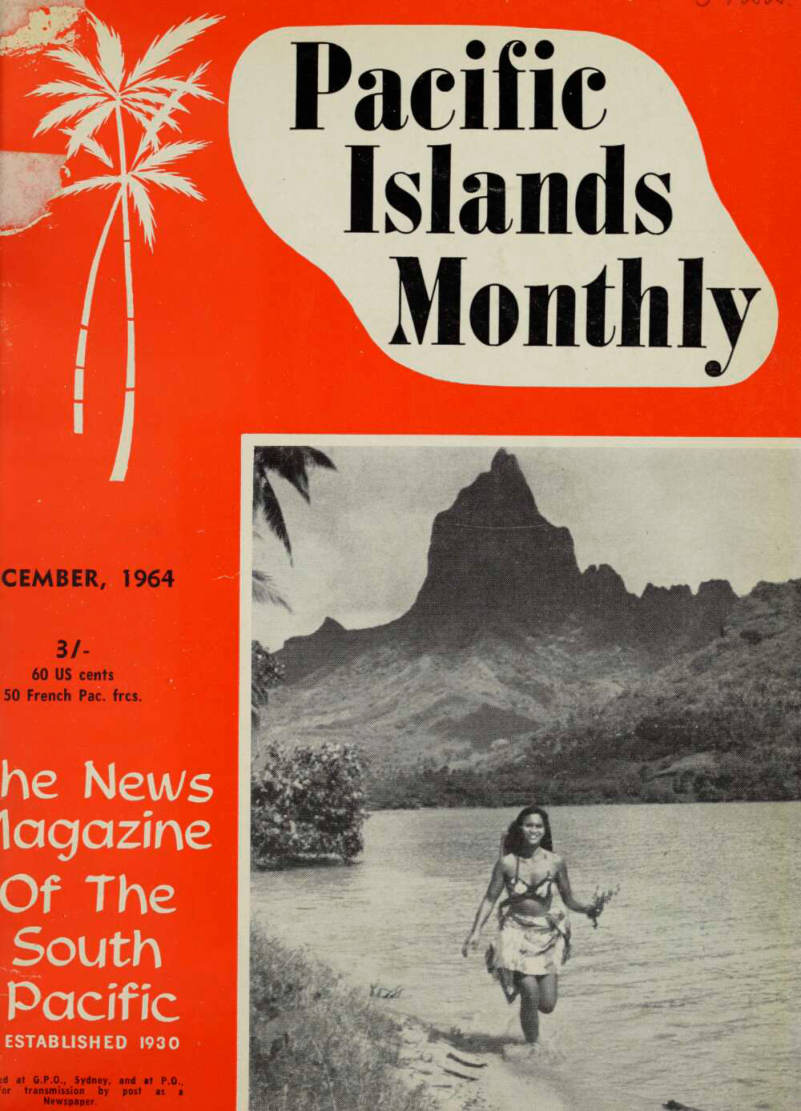 1
1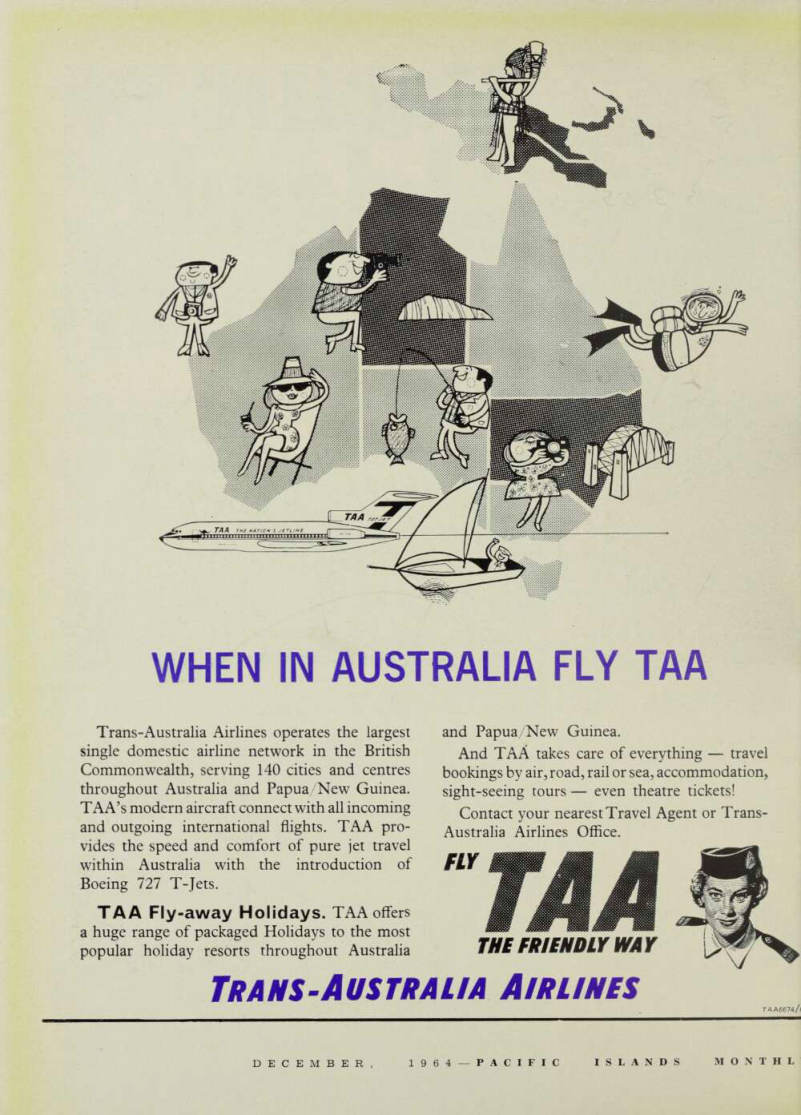 2
2 3
3 4
4 5
5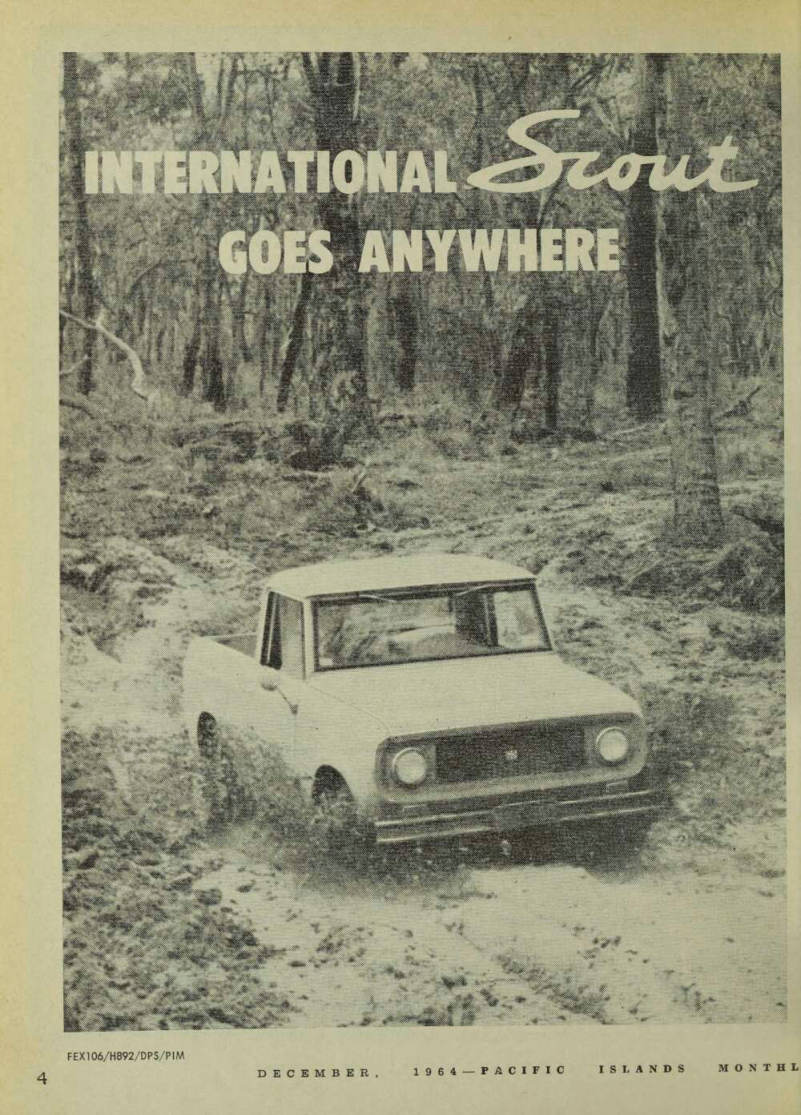 6
6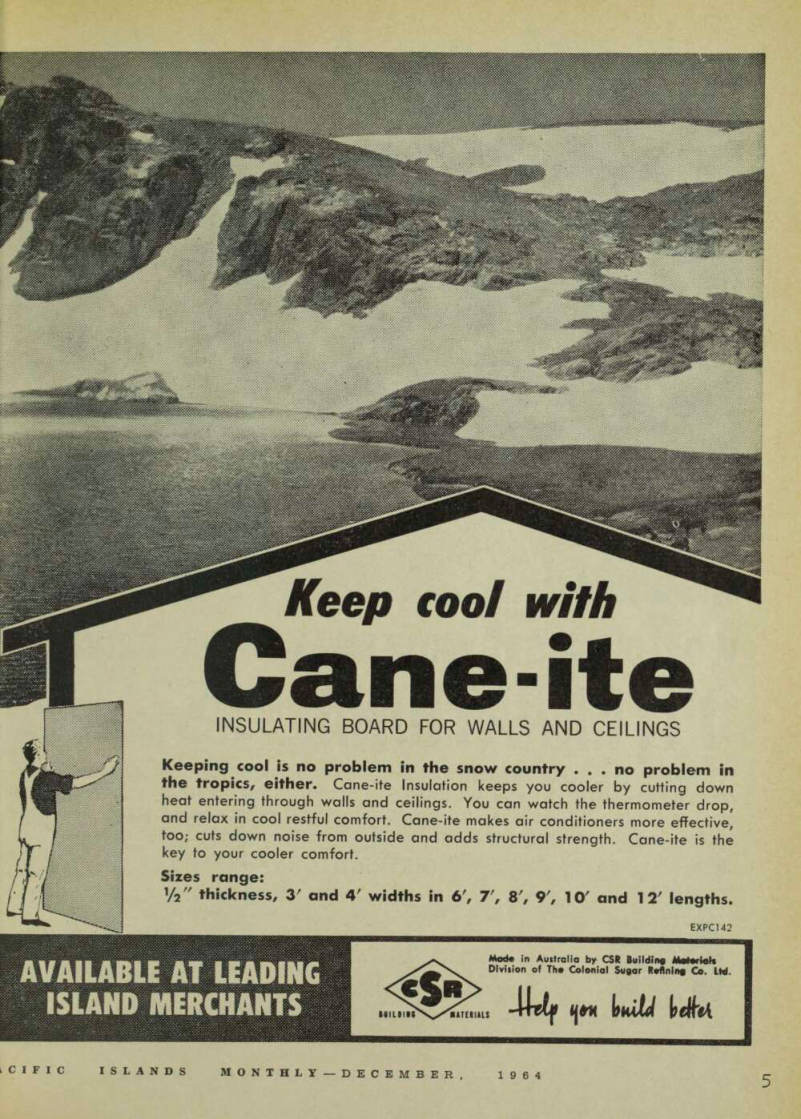 7
7 8
8 9
9 10
10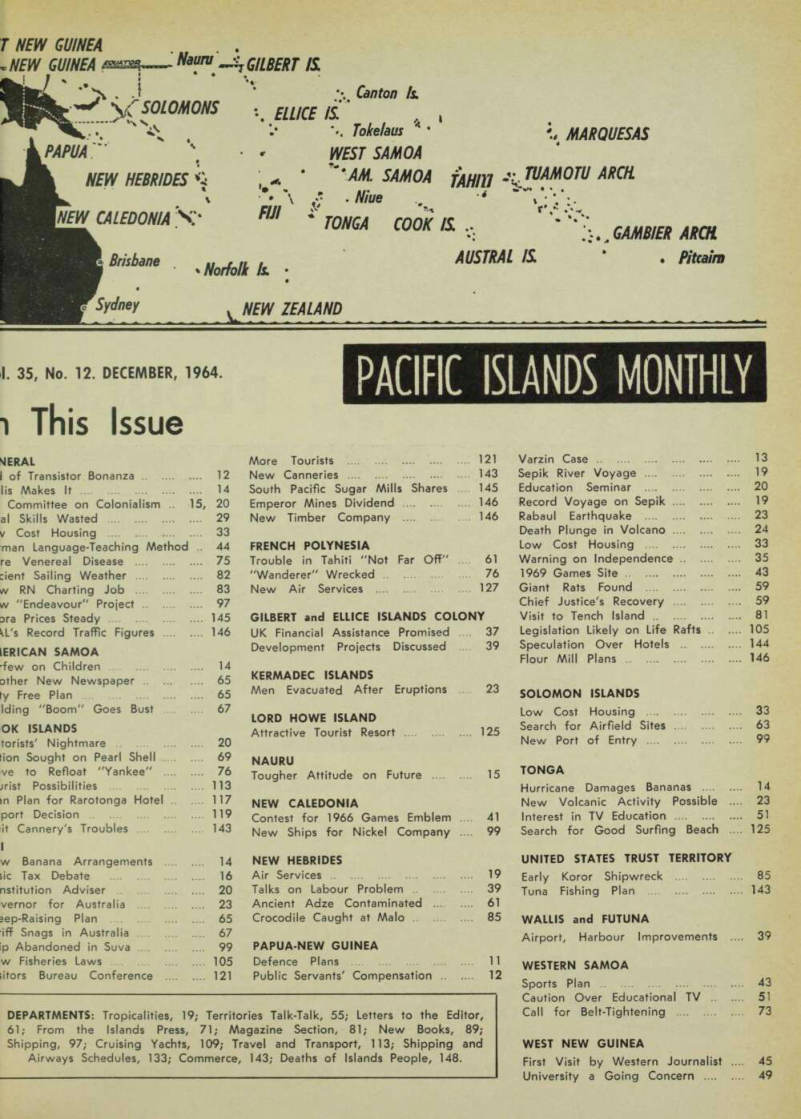 11
11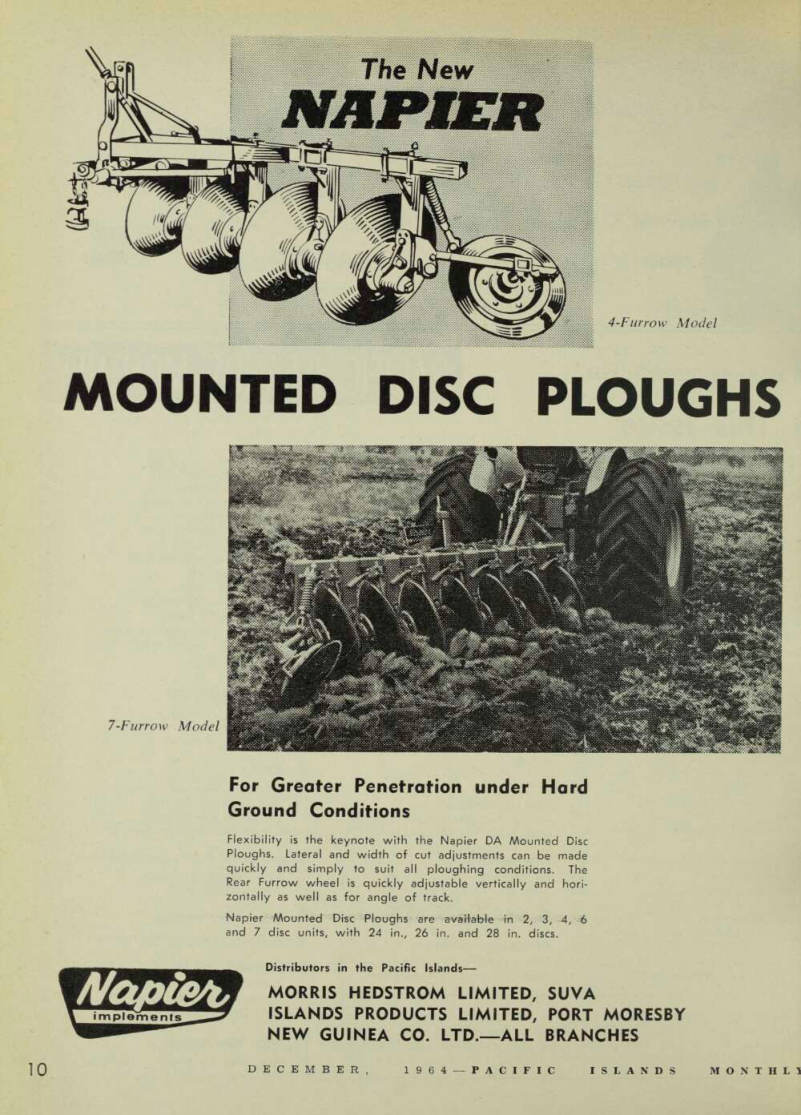 12
12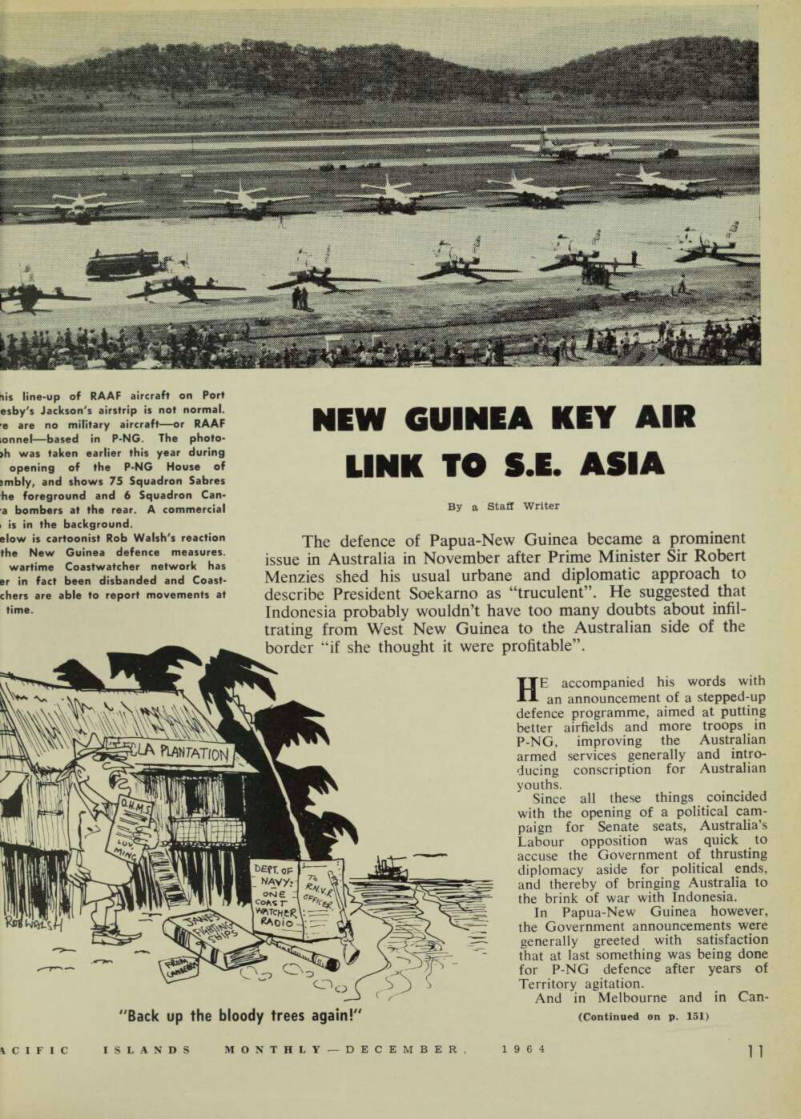 13
13 14
14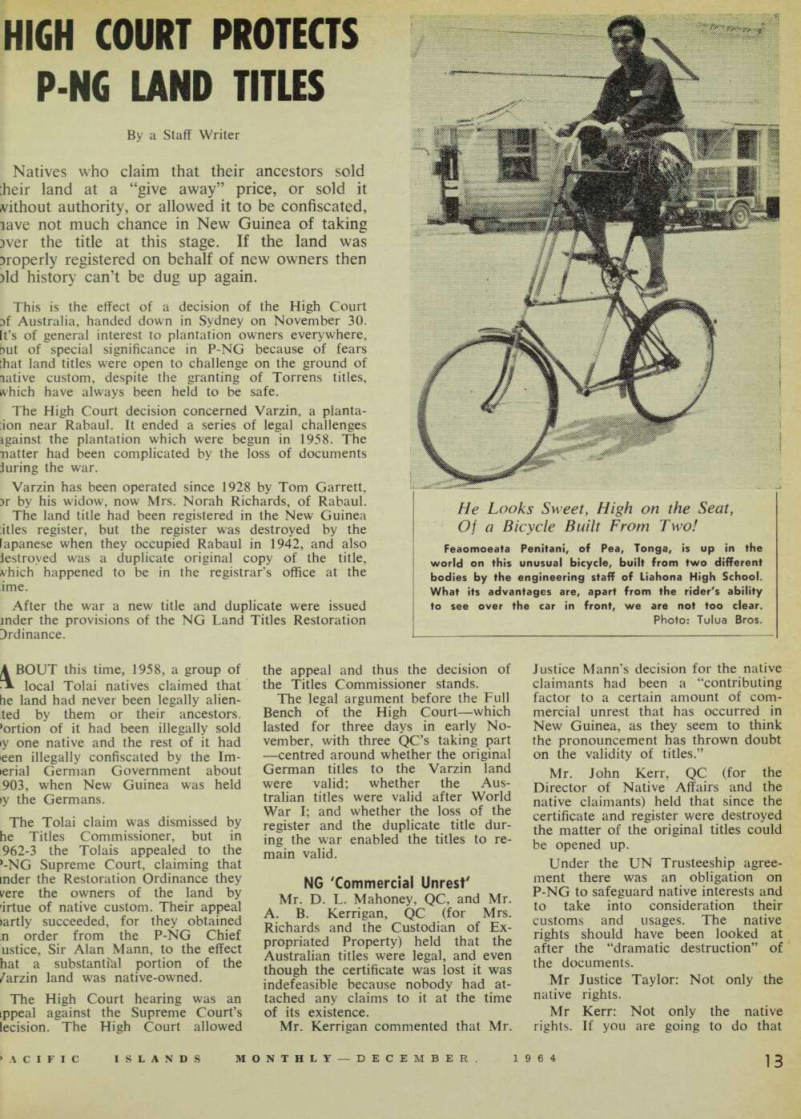 15
15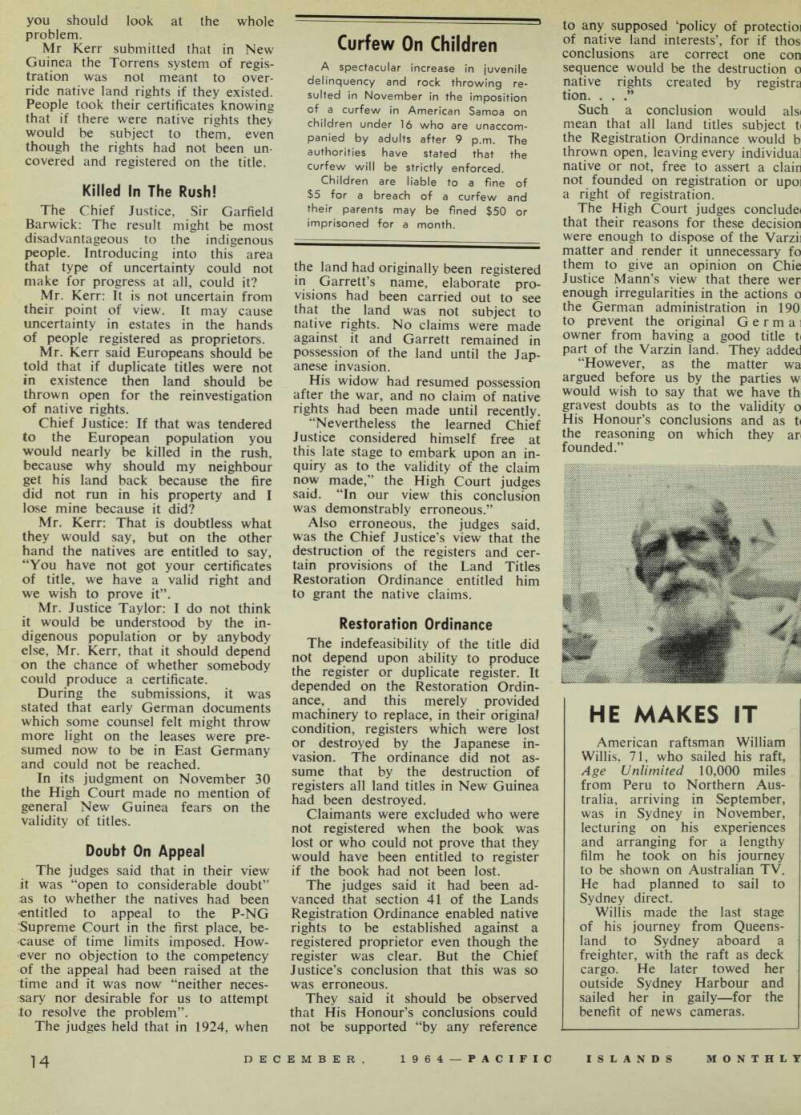 16
16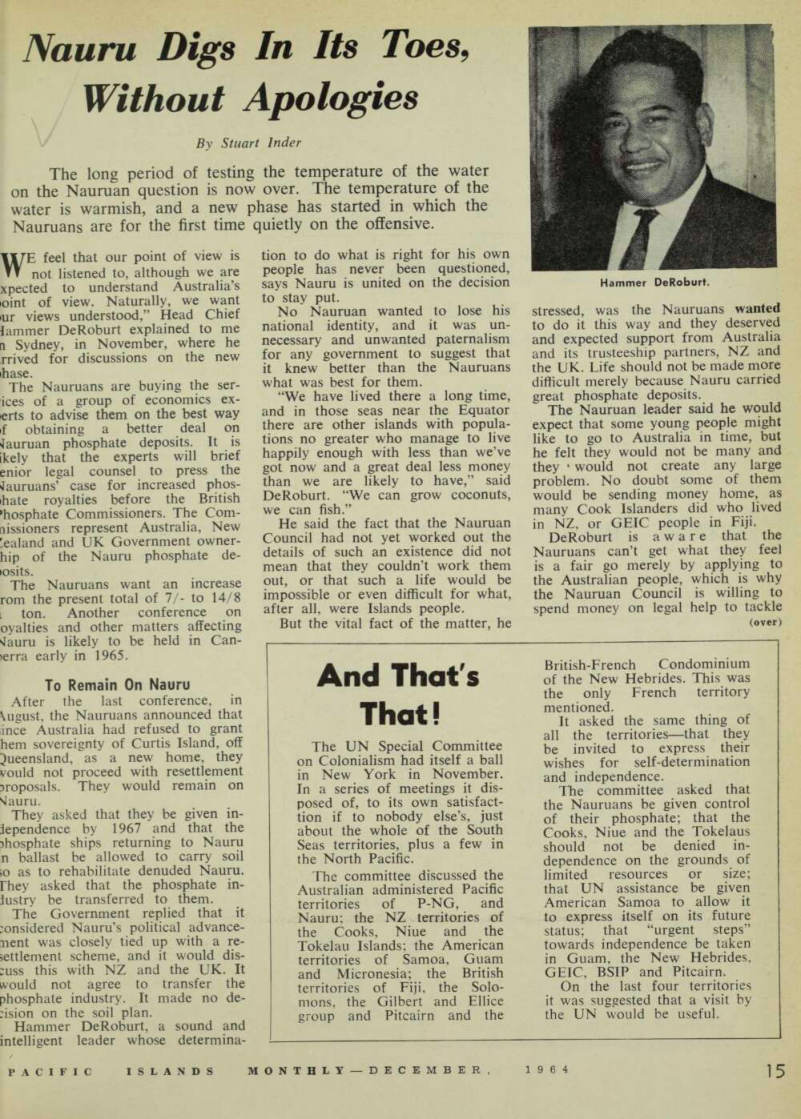 17
17 18
18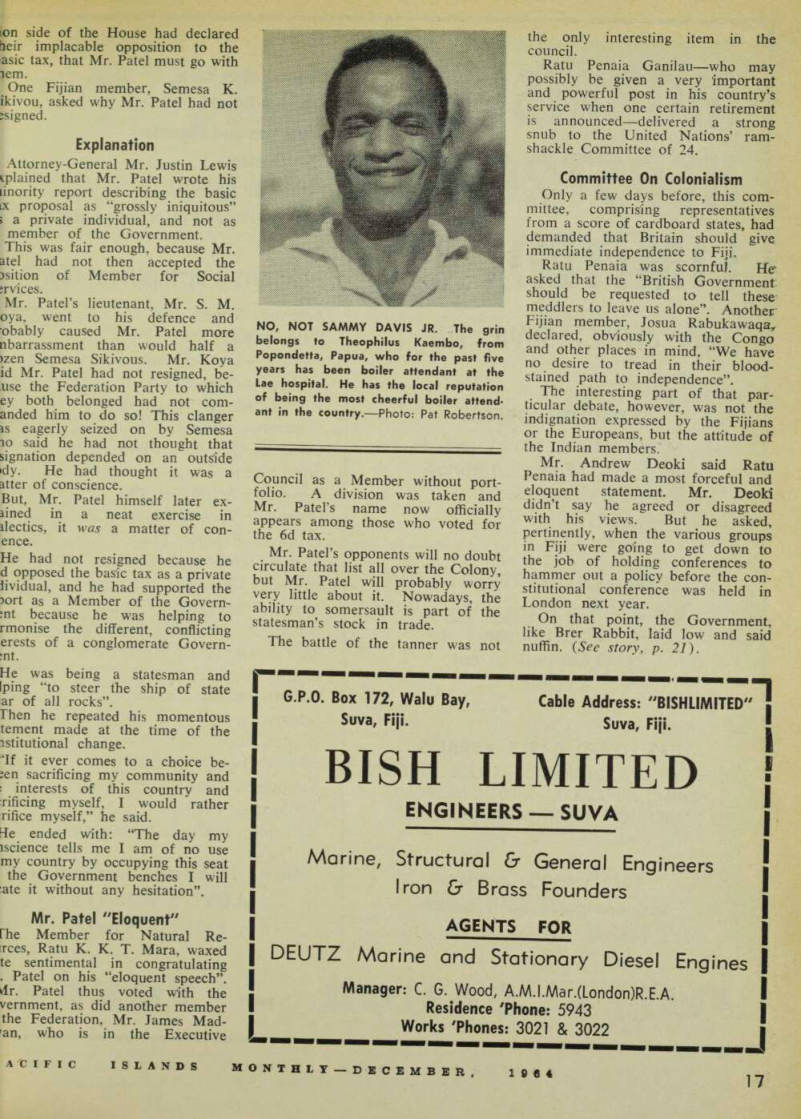 19
19 20
20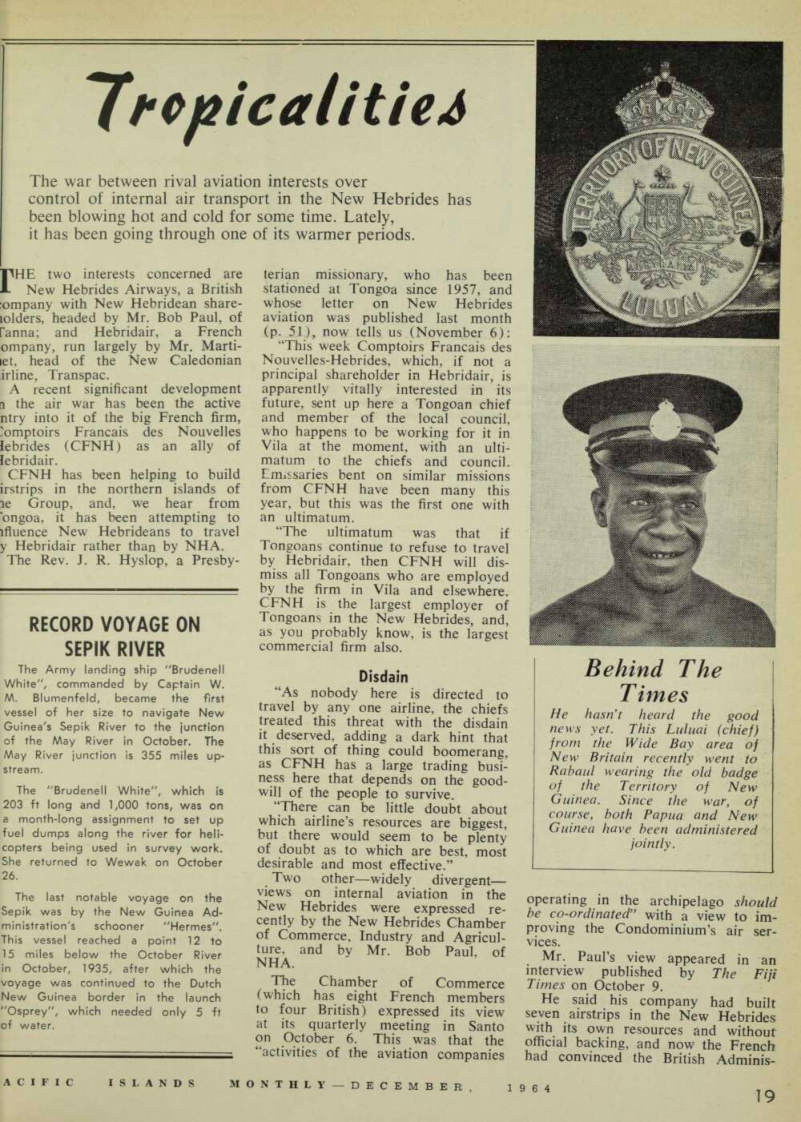 21
21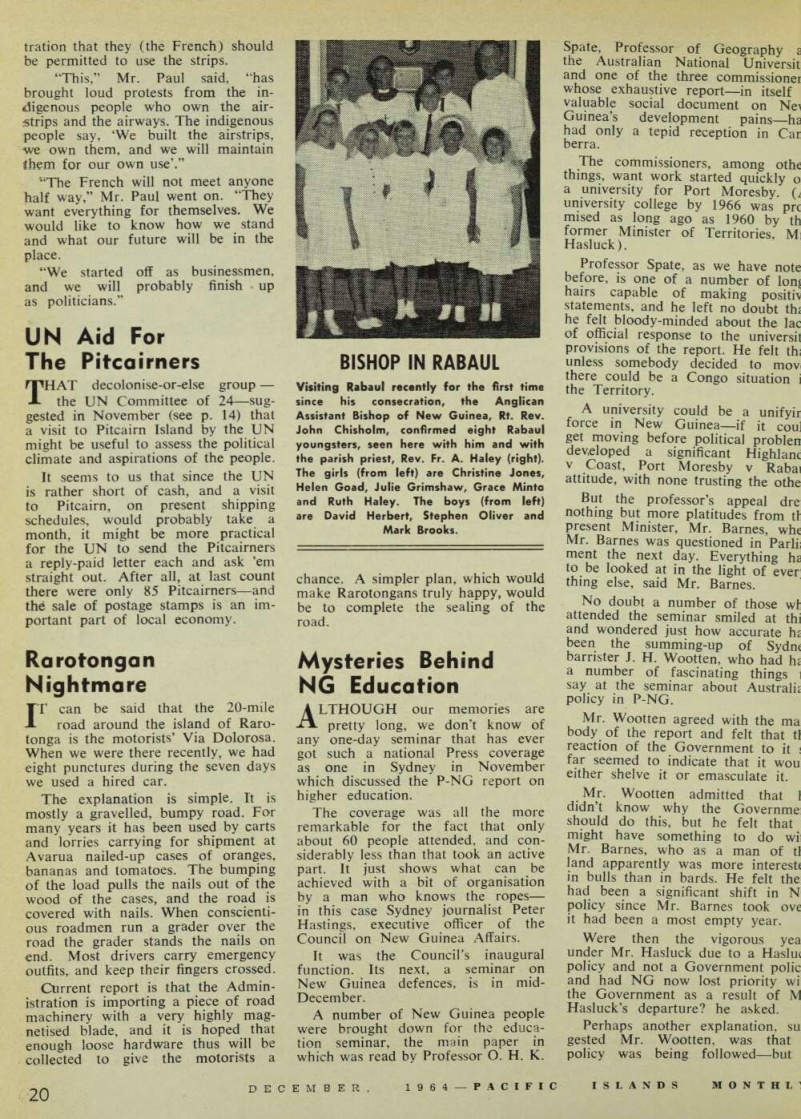 22
22 23
23 24
24 25
25 26
26 27
27 28
28 29
29 30
30 31
31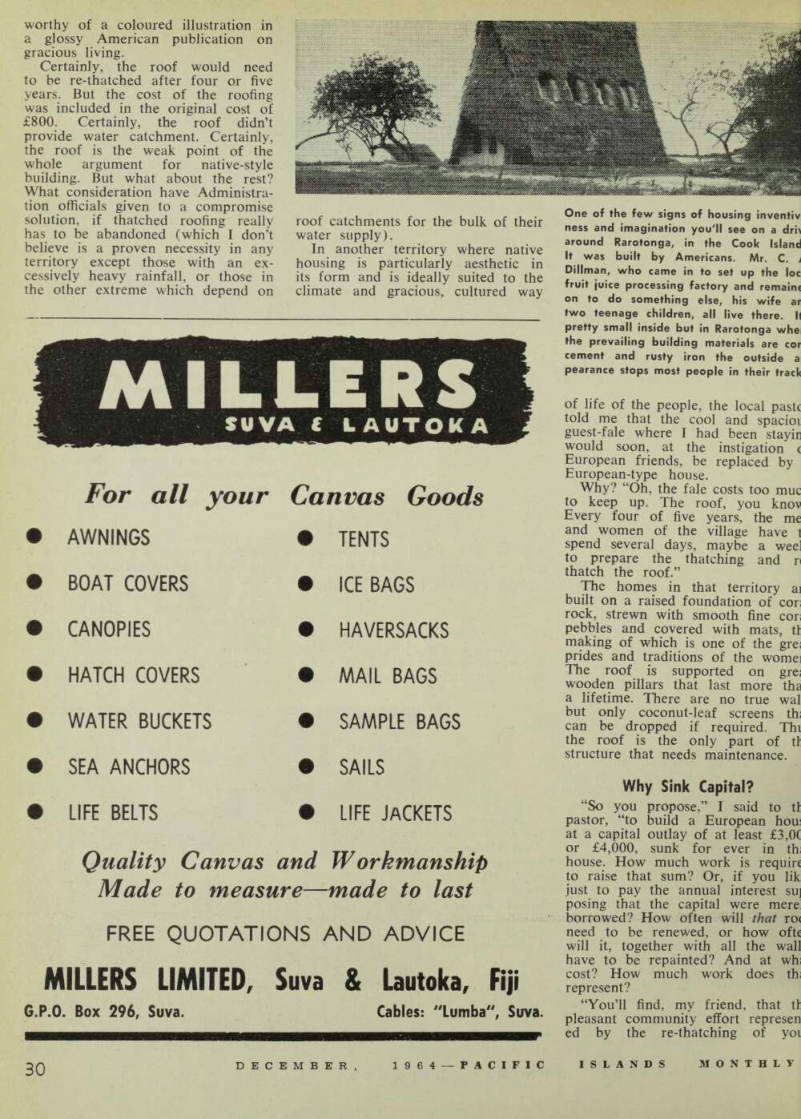 32
32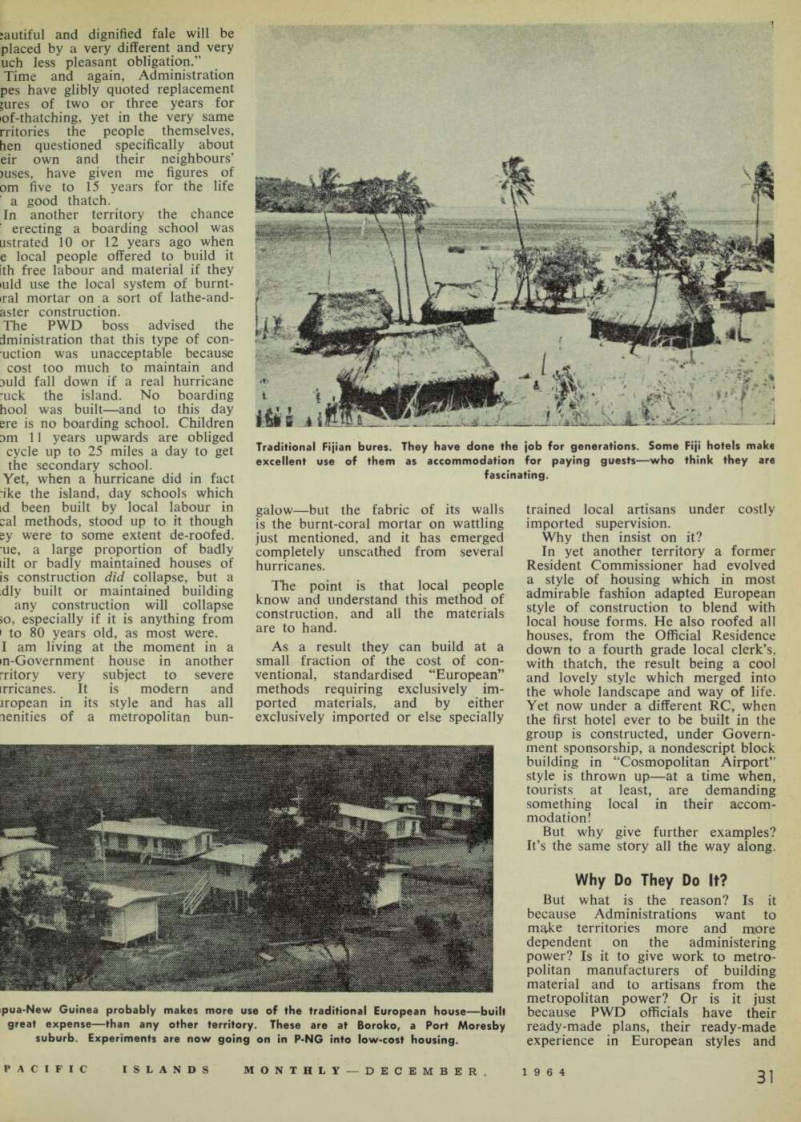 33
33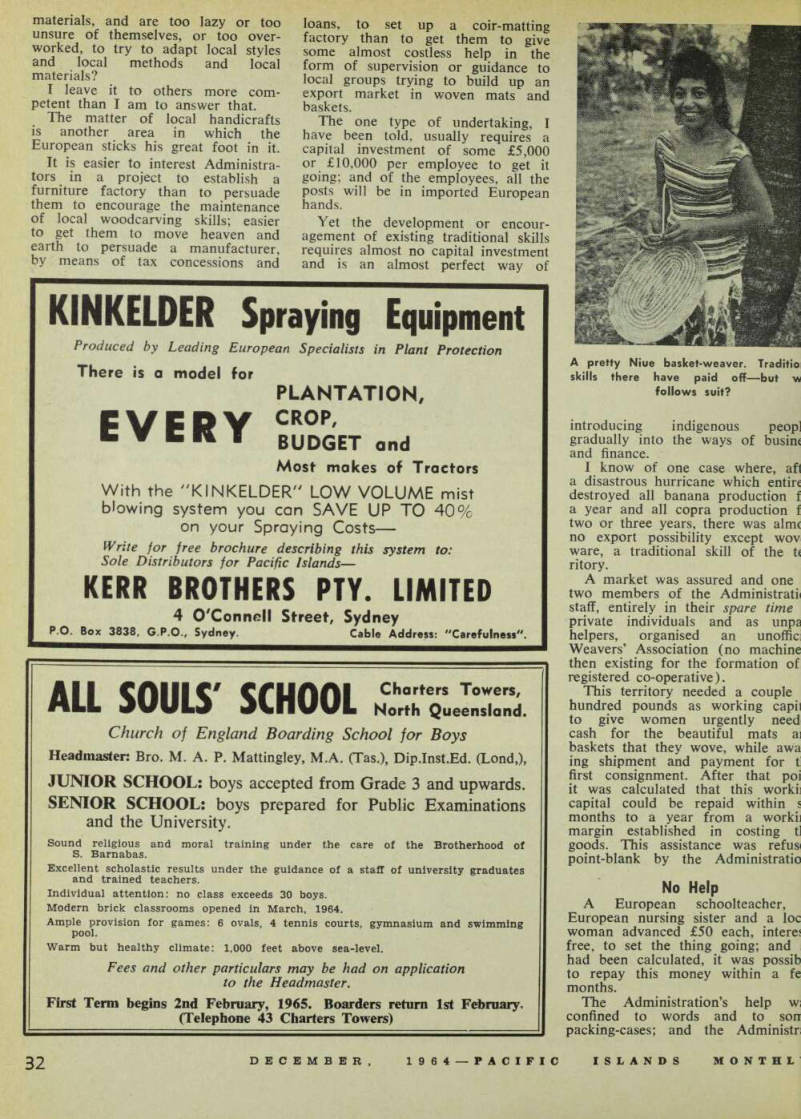 34
34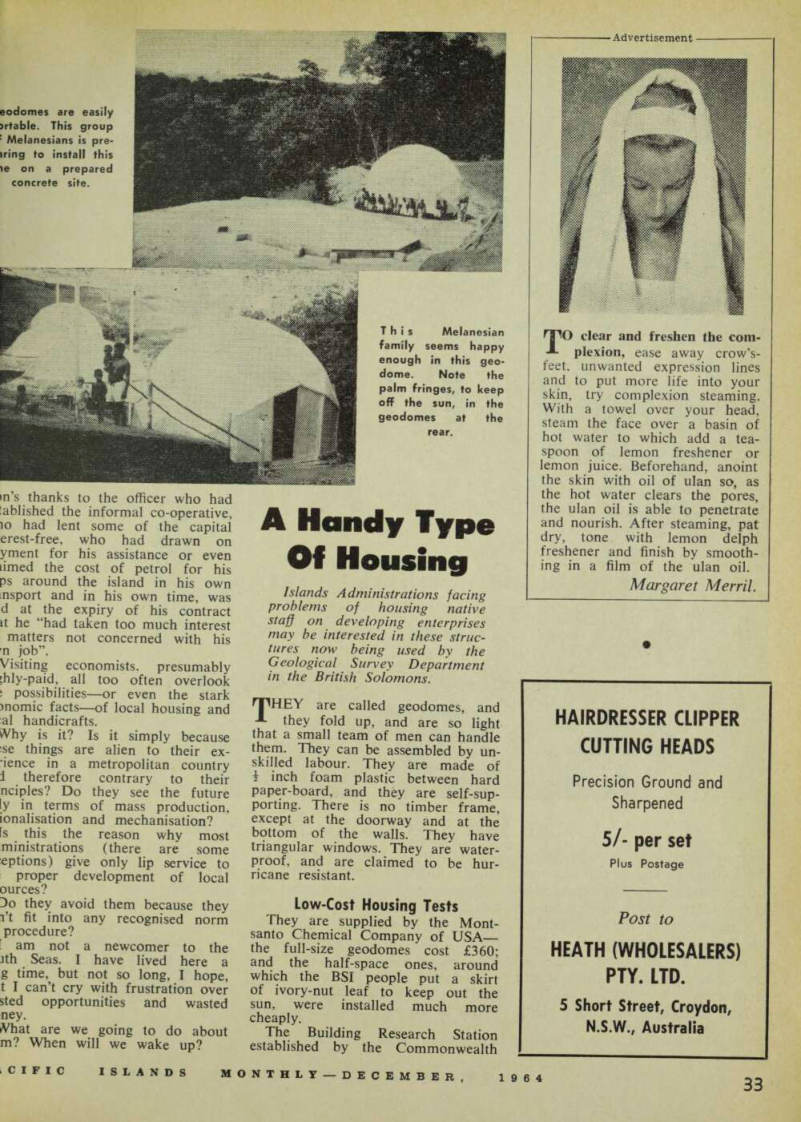 35
35 36
36 37
37 38
38 39
39 40
40 41
41 42
42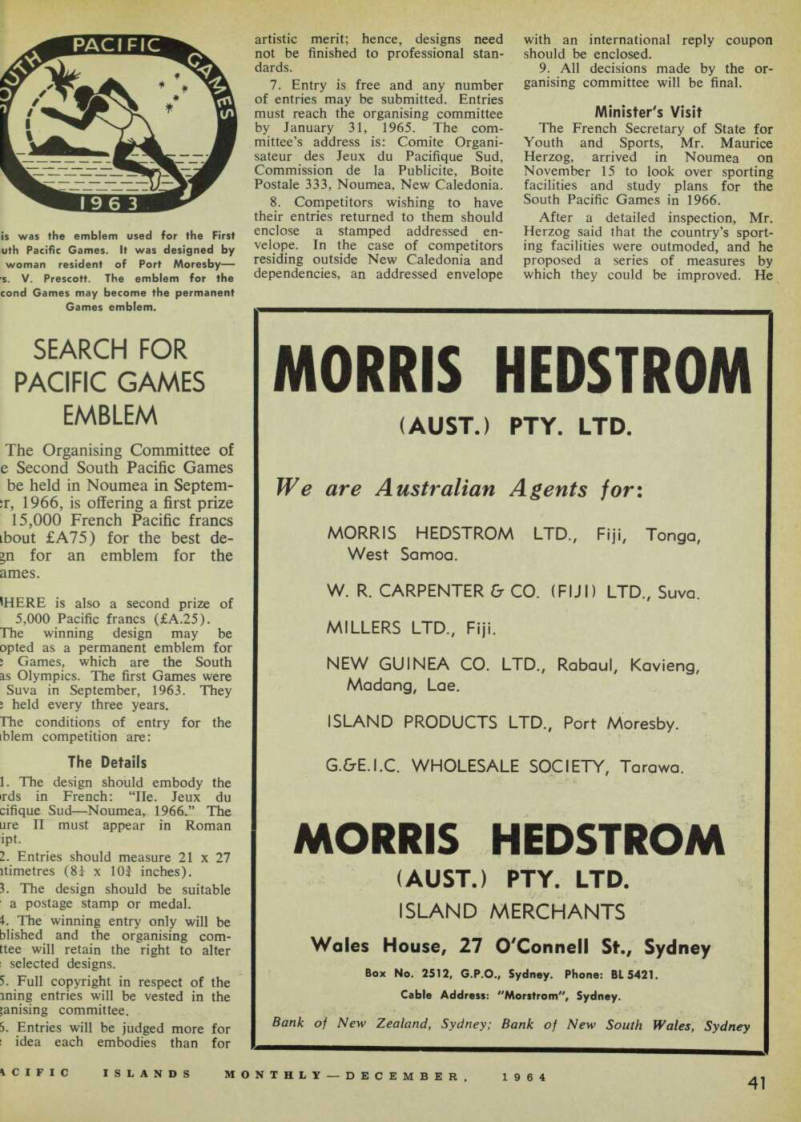 43
43 44
44 45
45 46
46 47
47 48
48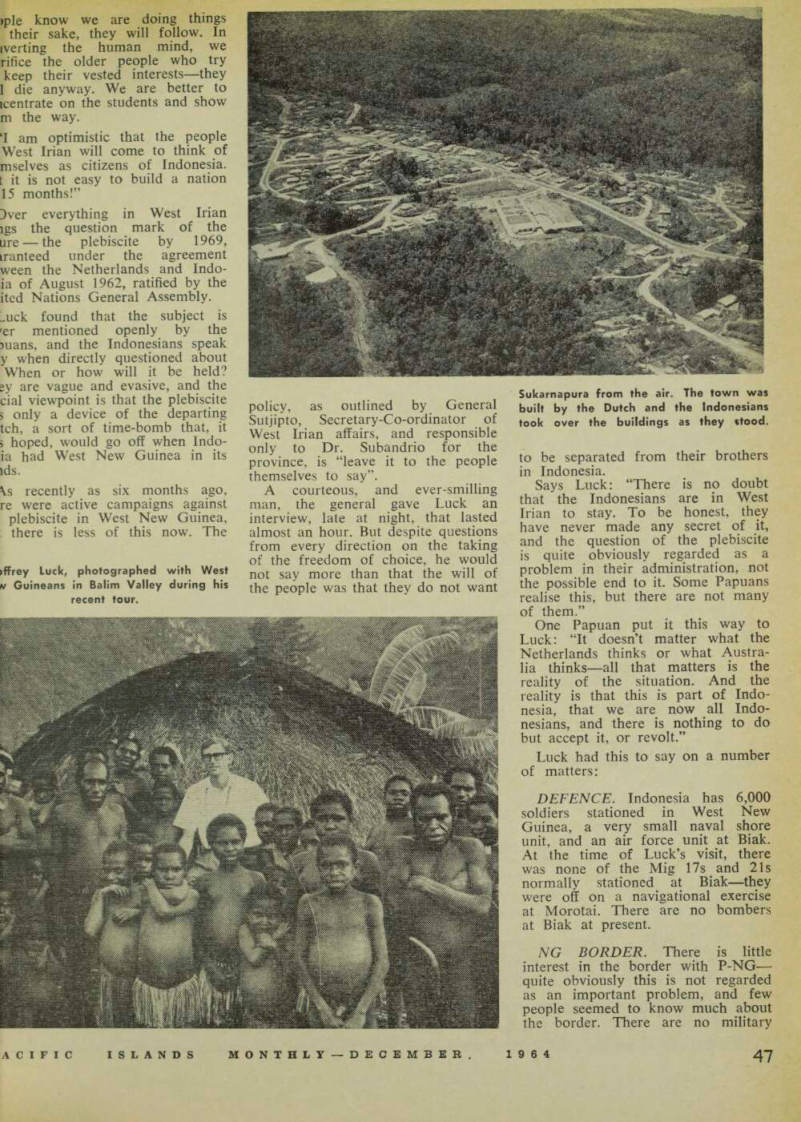 49
49 50
50 51
51 52
52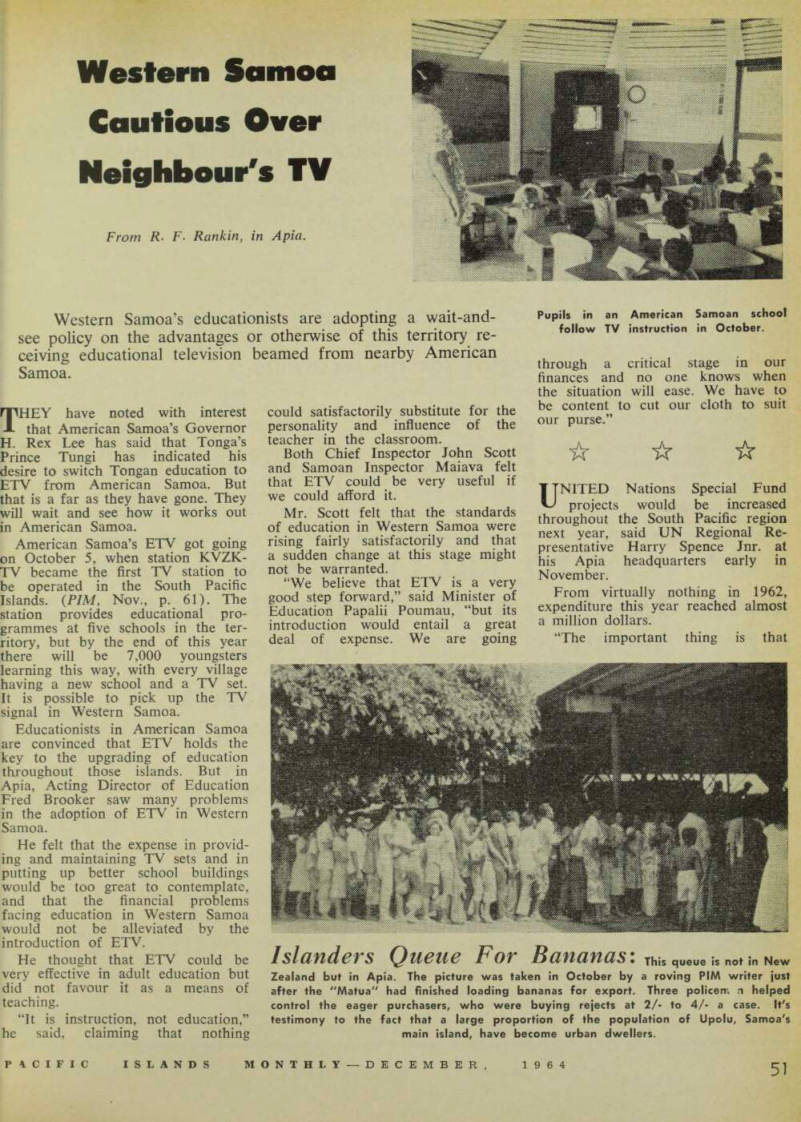 53
53 54
54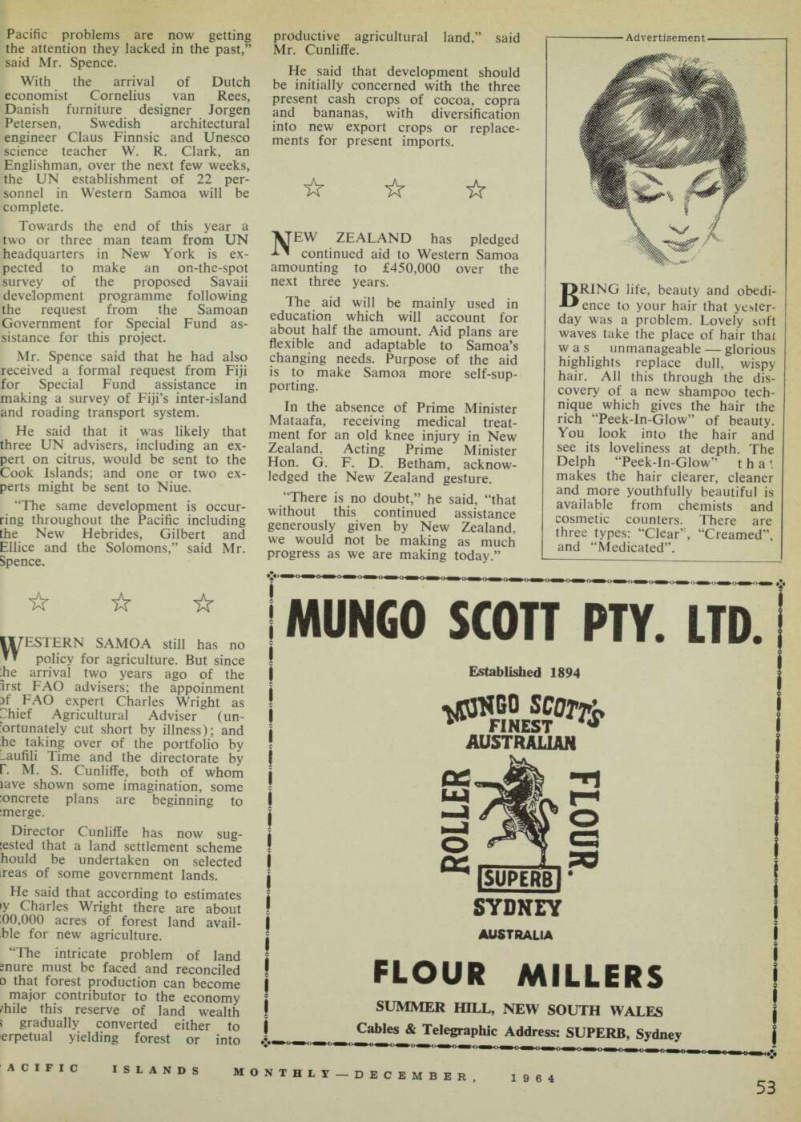 55
55 56
56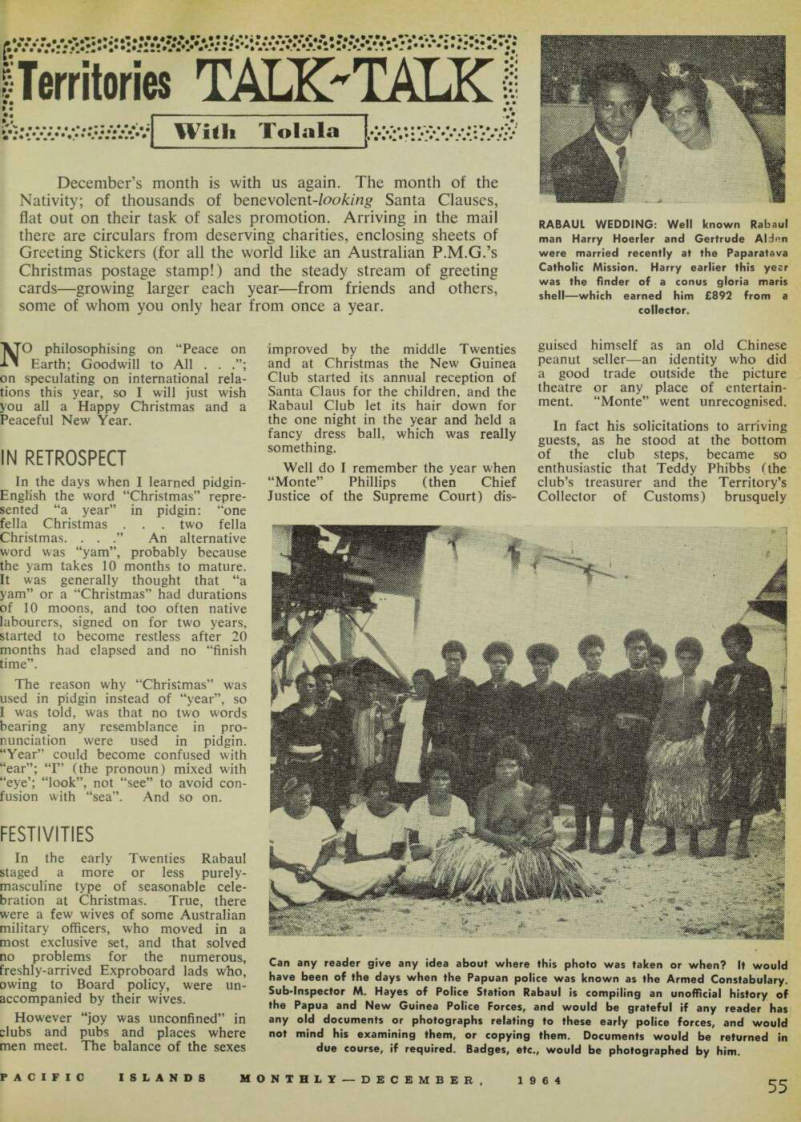 57
57 58
58 59
59 60
60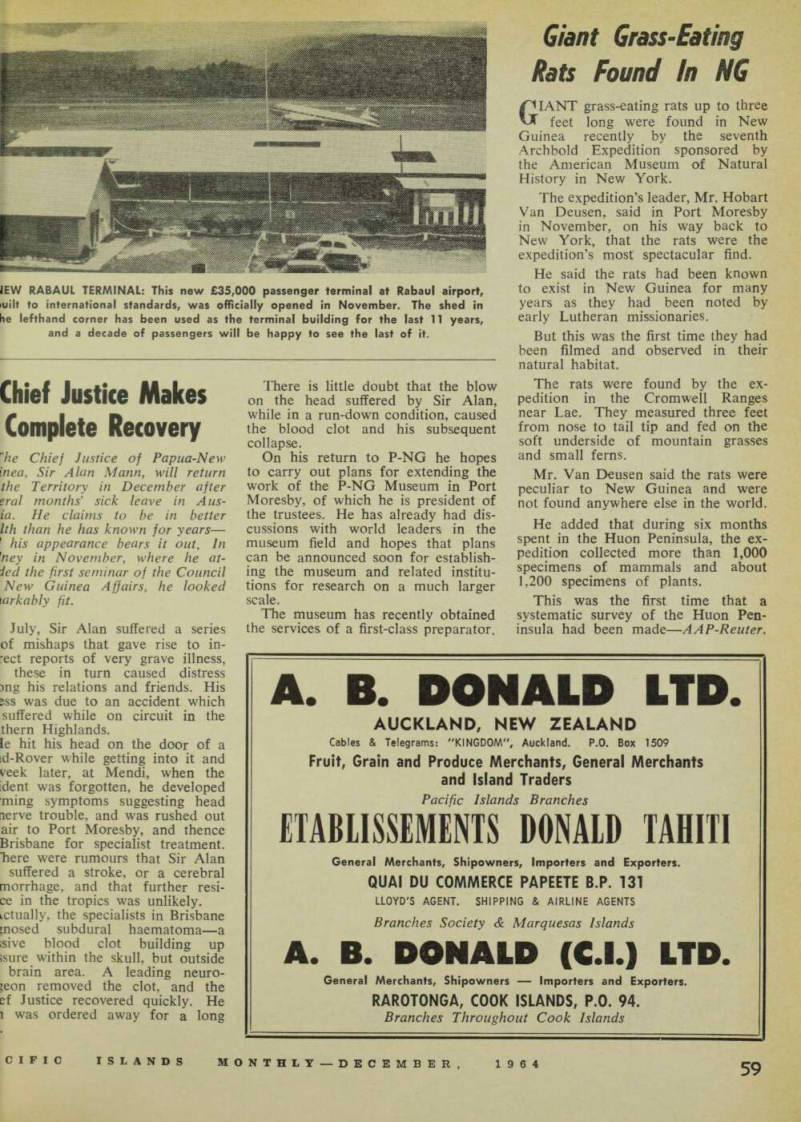 61
61 62
62 63
63 64
64 65
65 66
66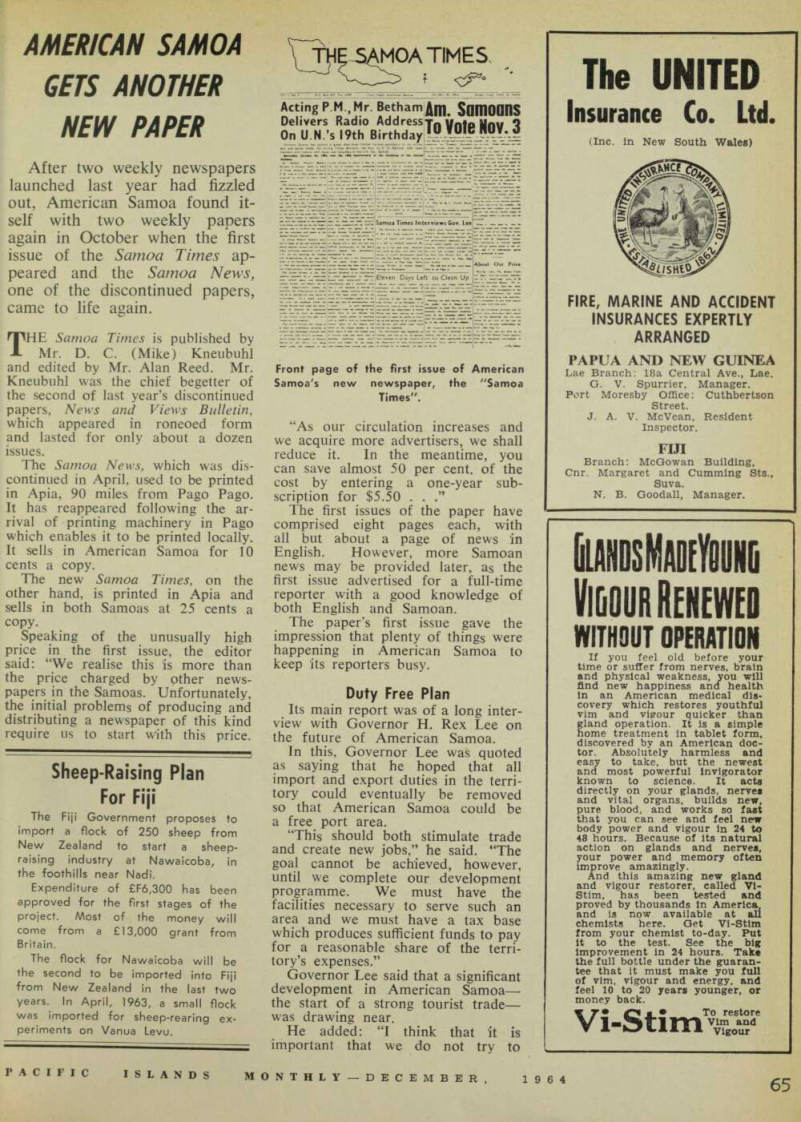 67
67 68
68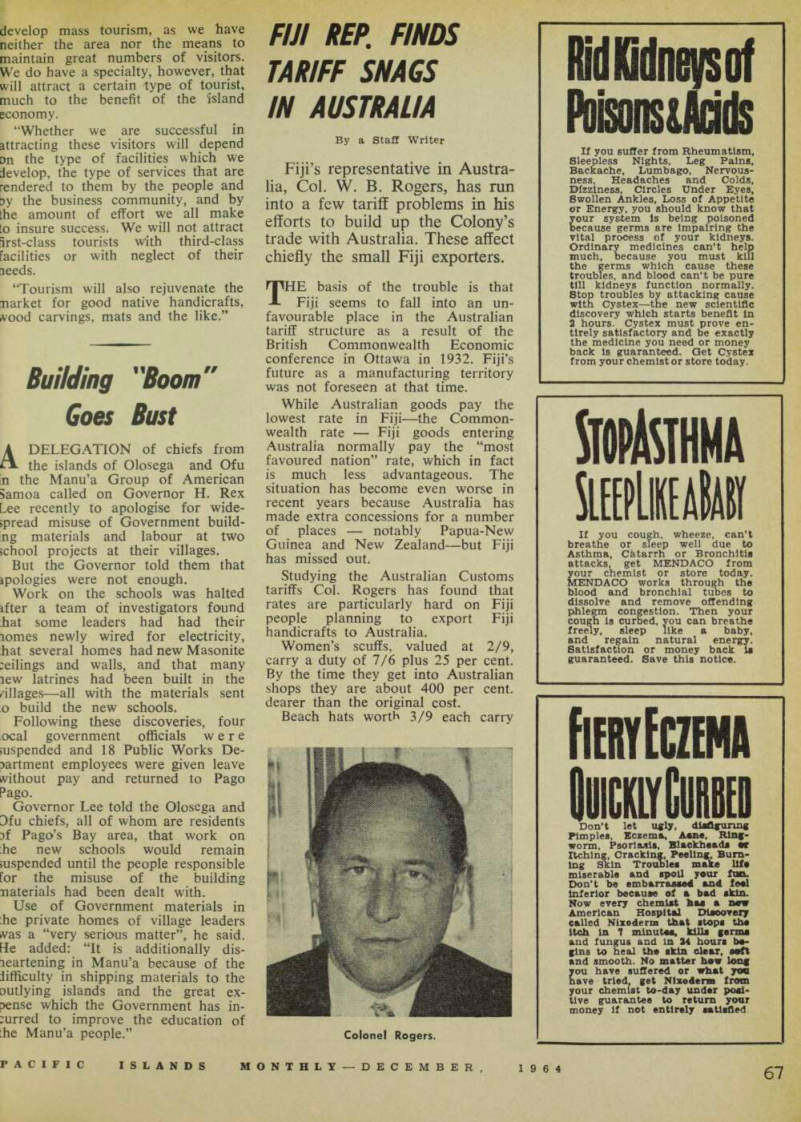 69
69 70
70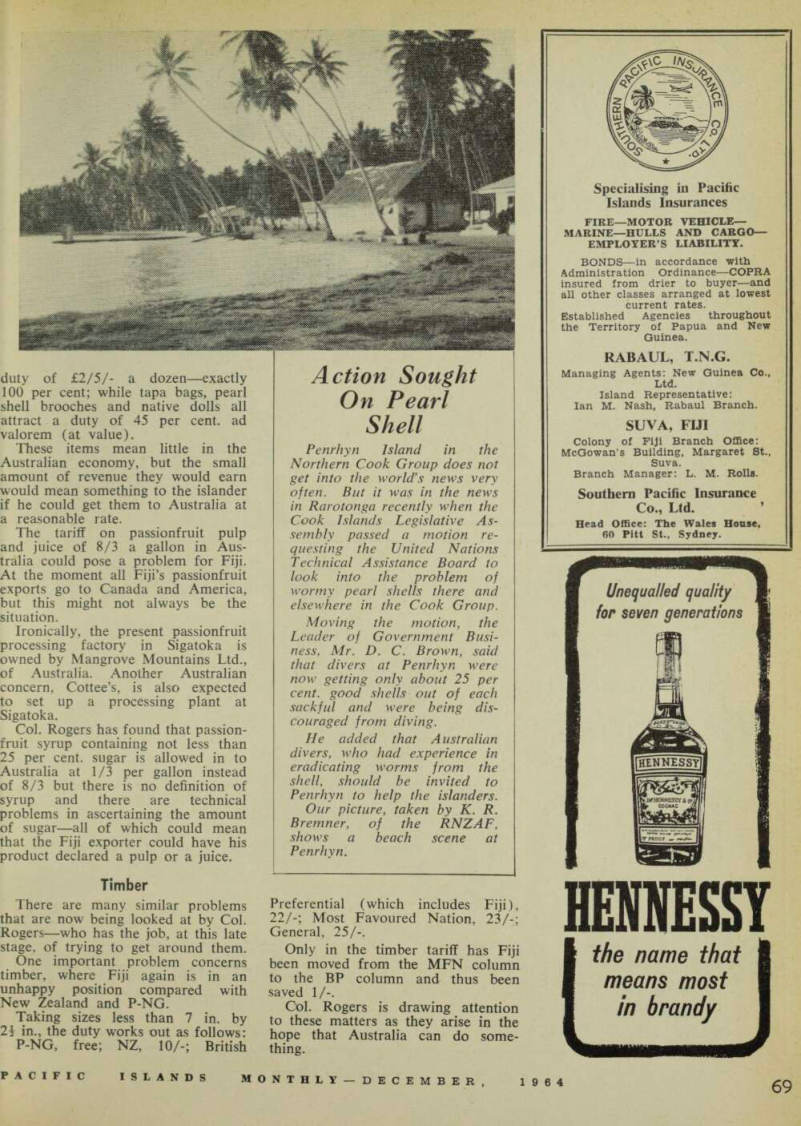 71
71 72
72 73
73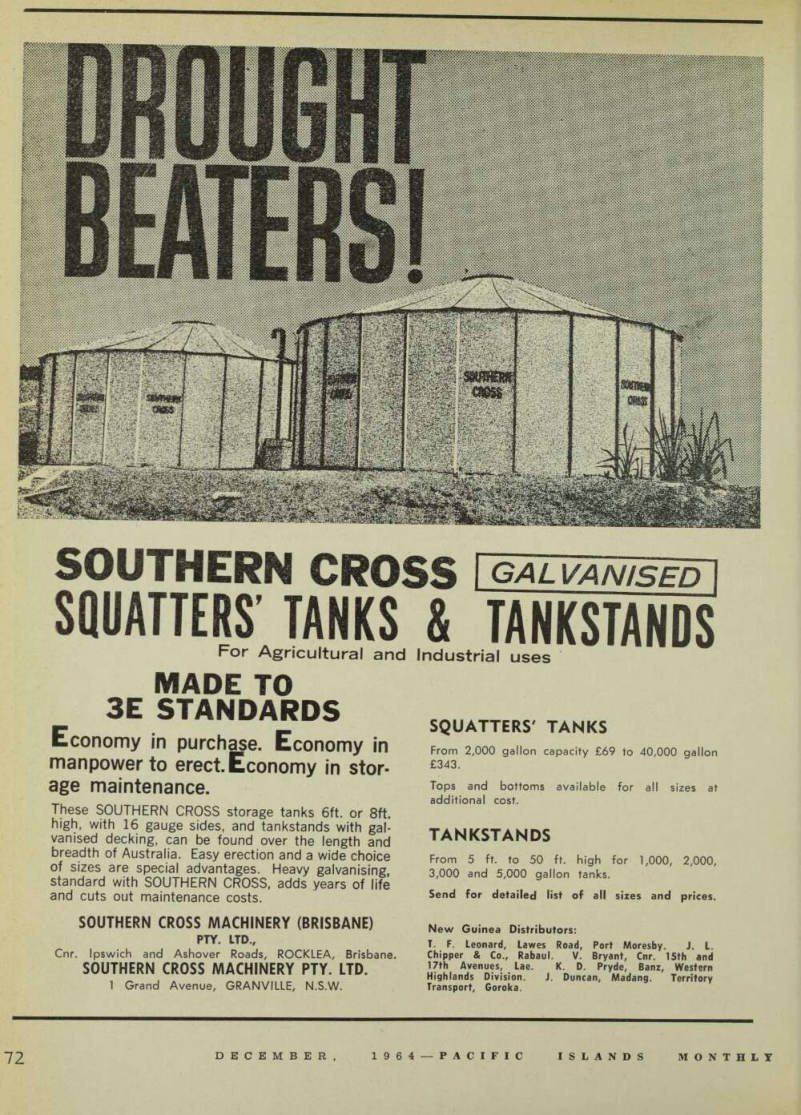 74
74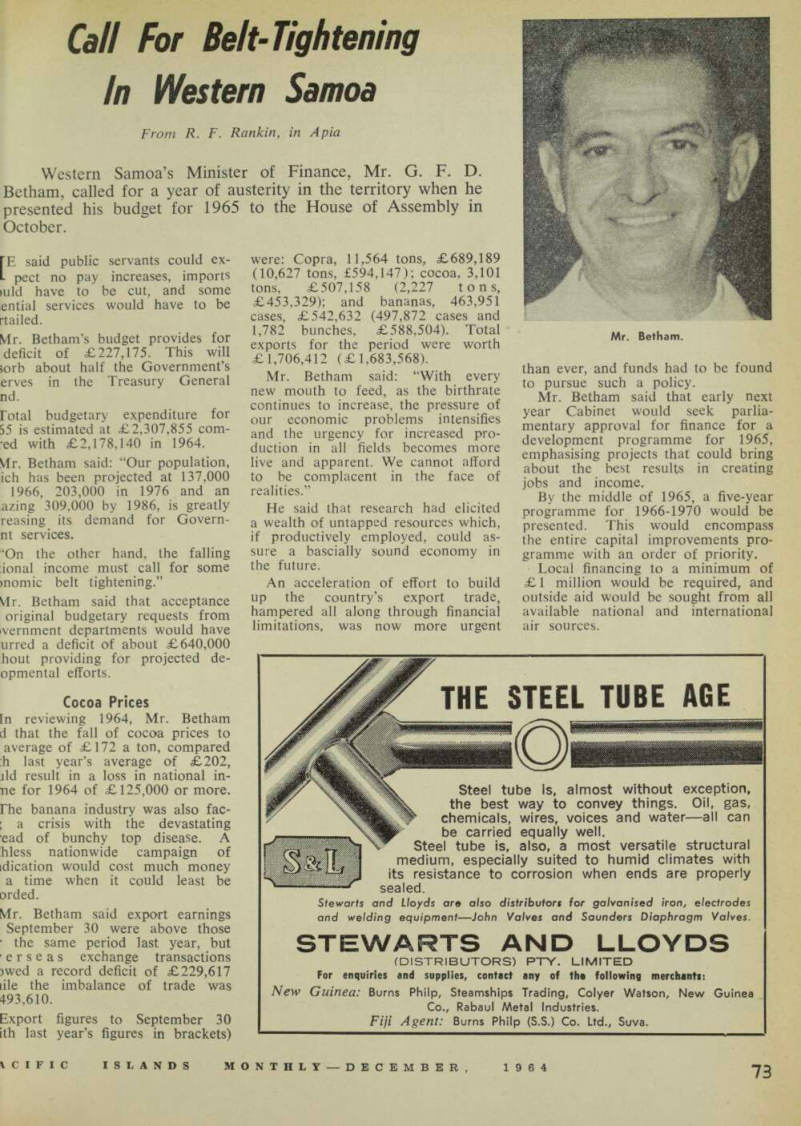 75
75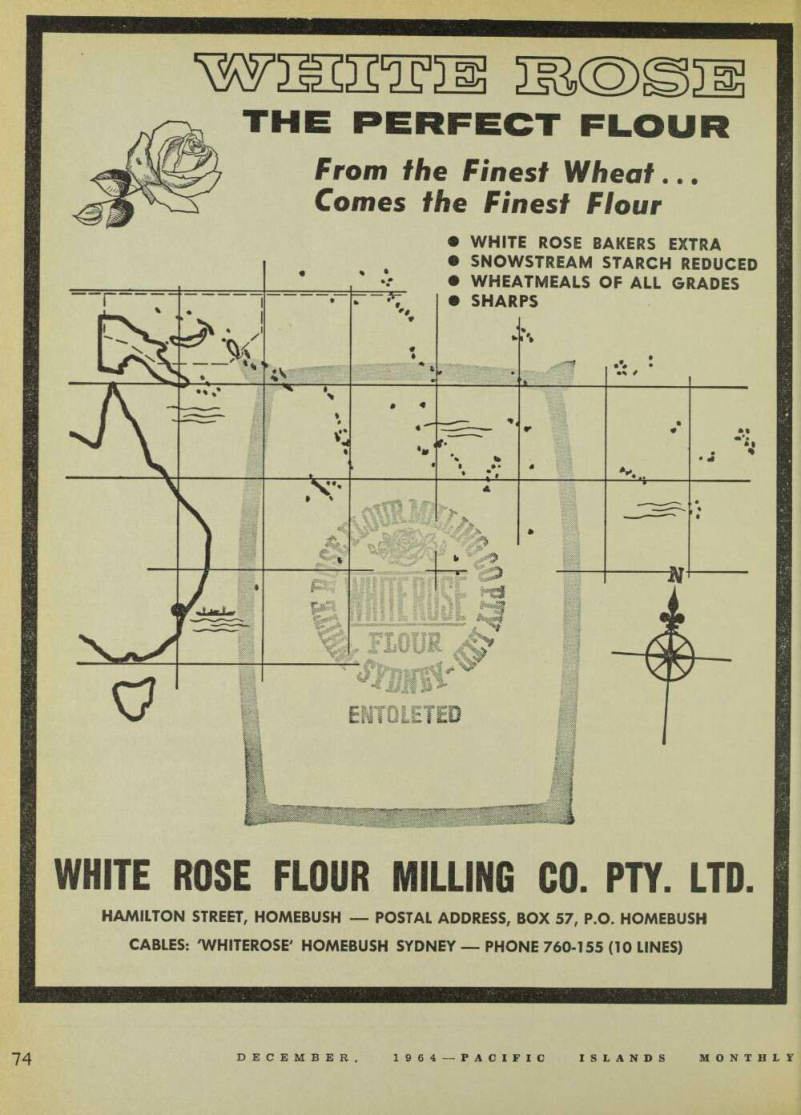 76
76 77
77 78
78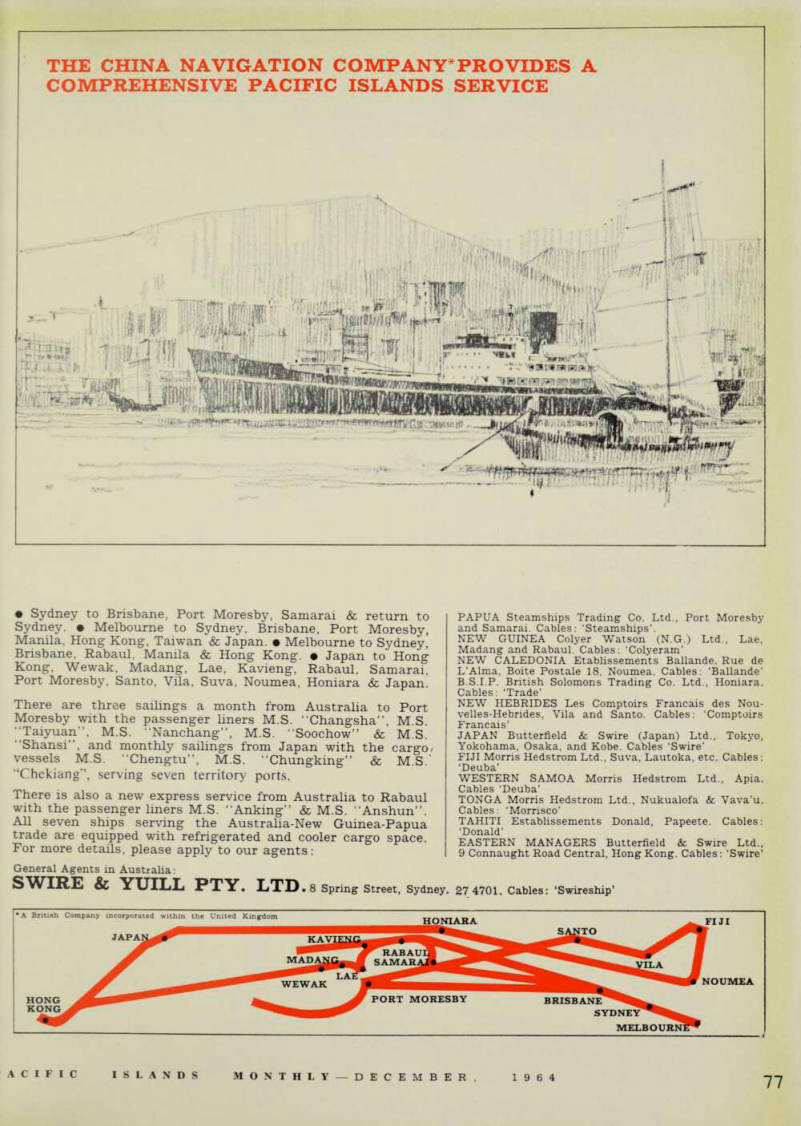 79
79 80
80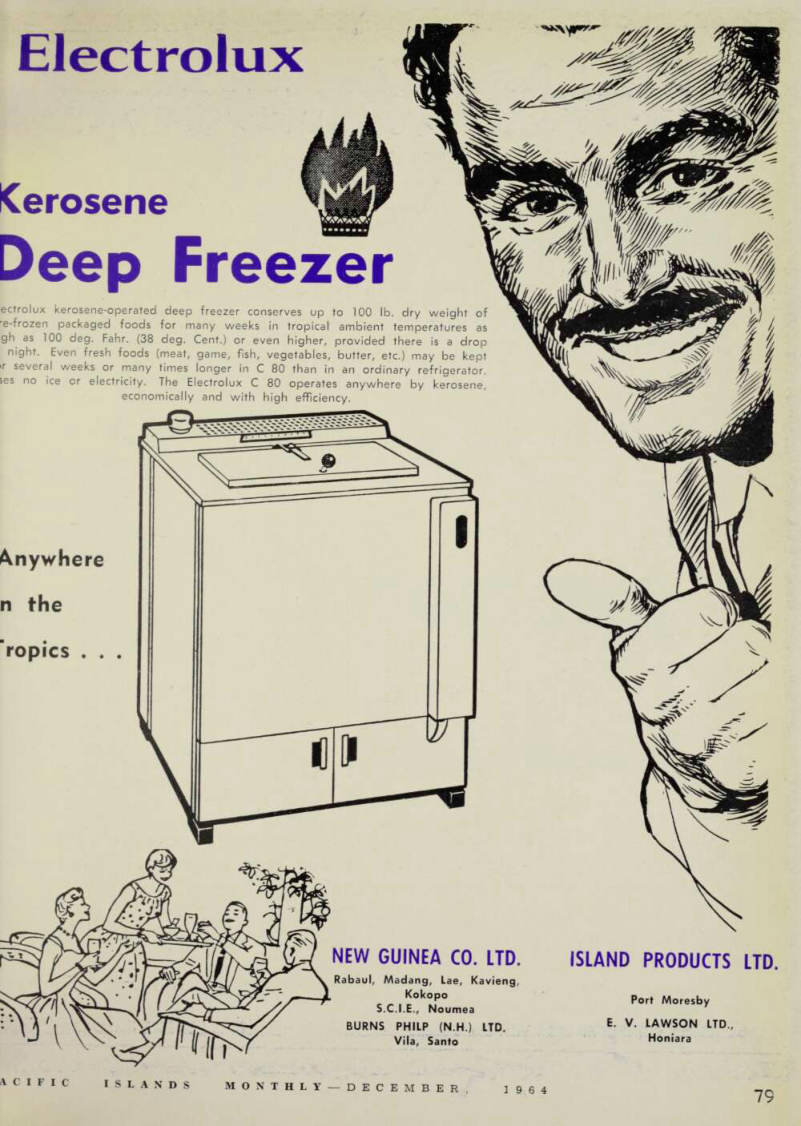 81
81 82
82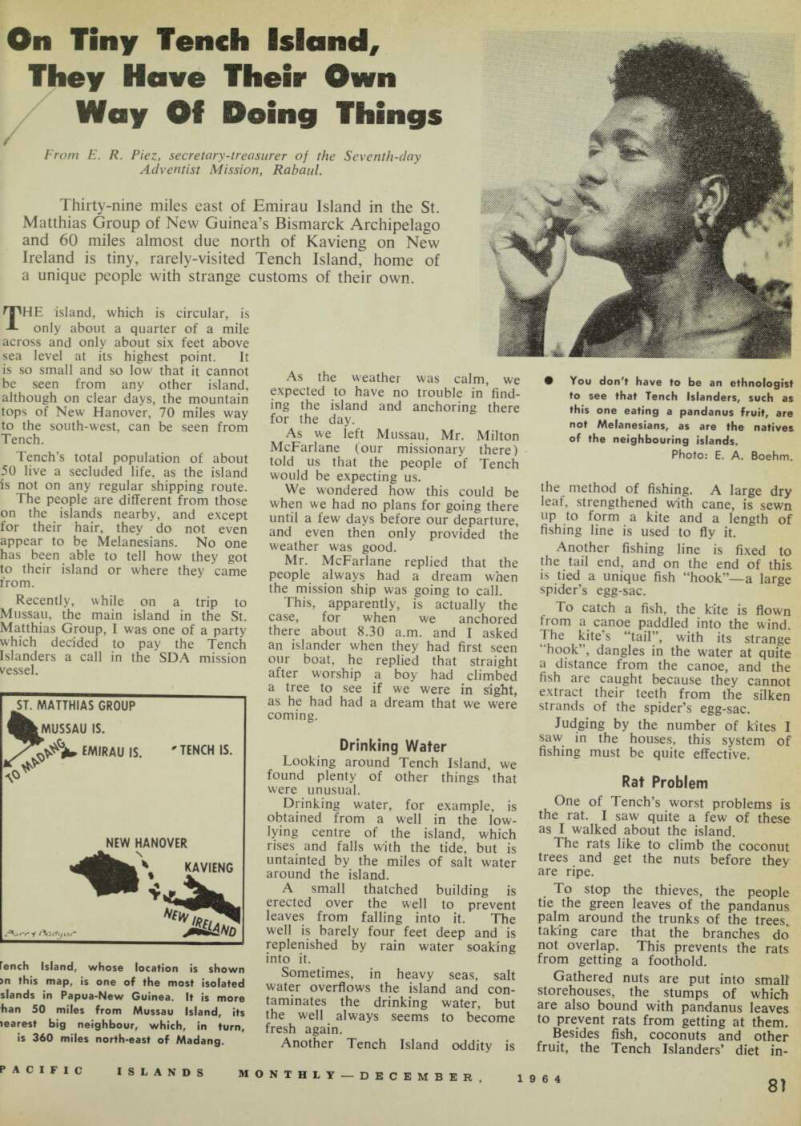 83
83 84
84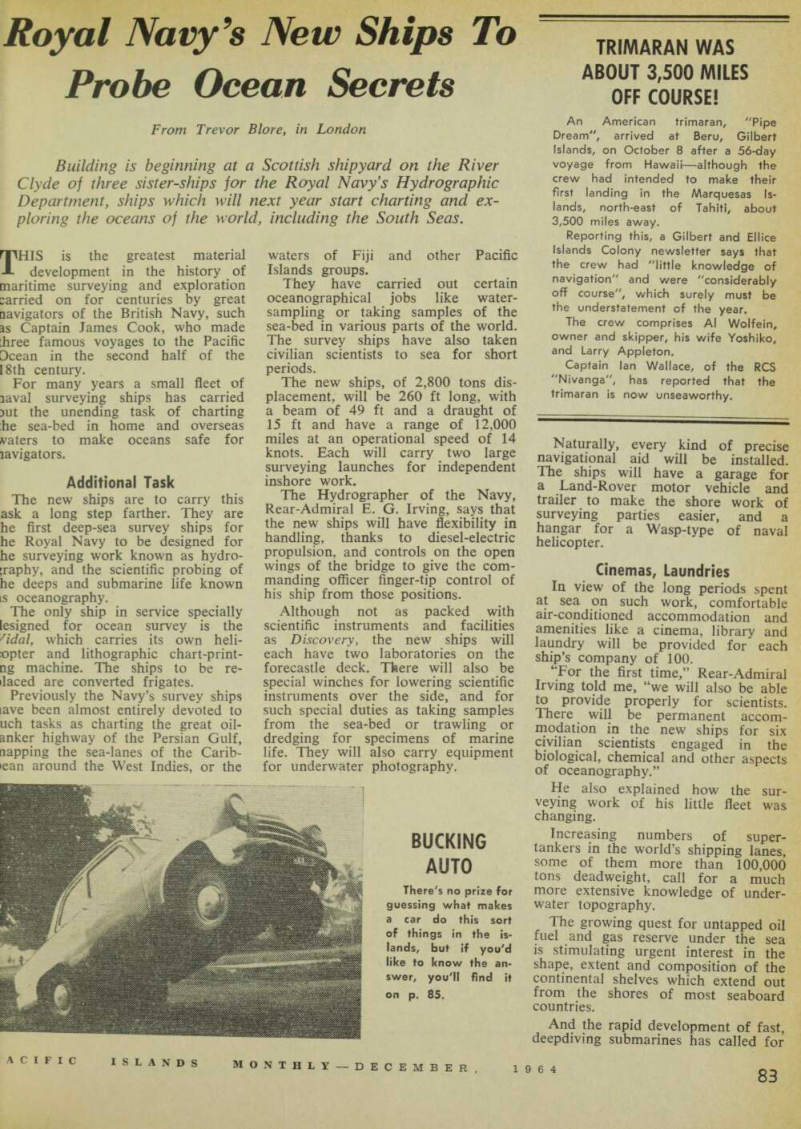 85
85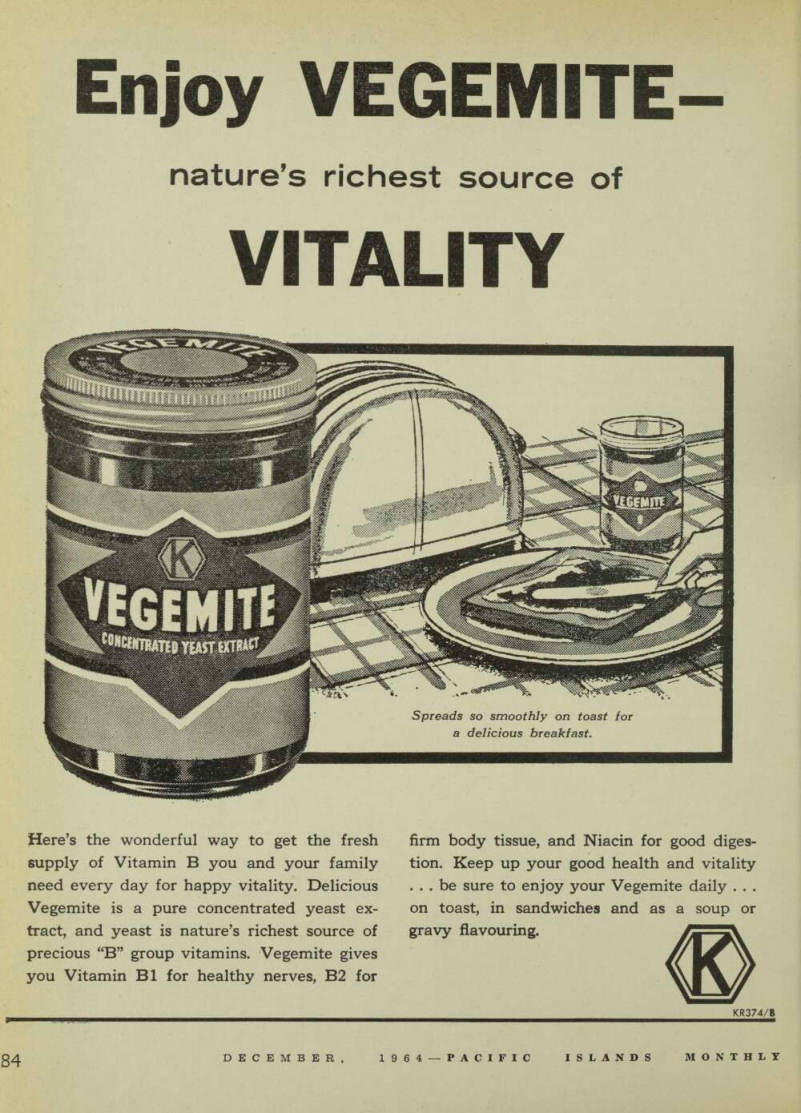 86
86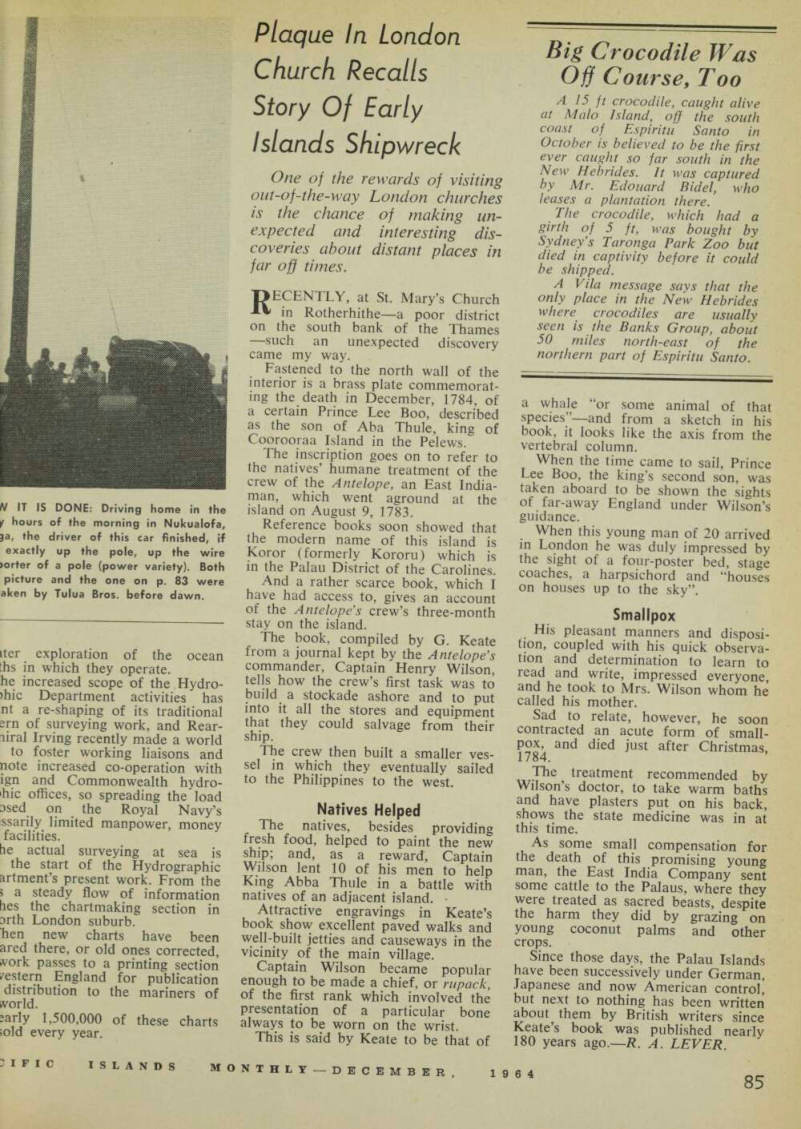 87
87 88
88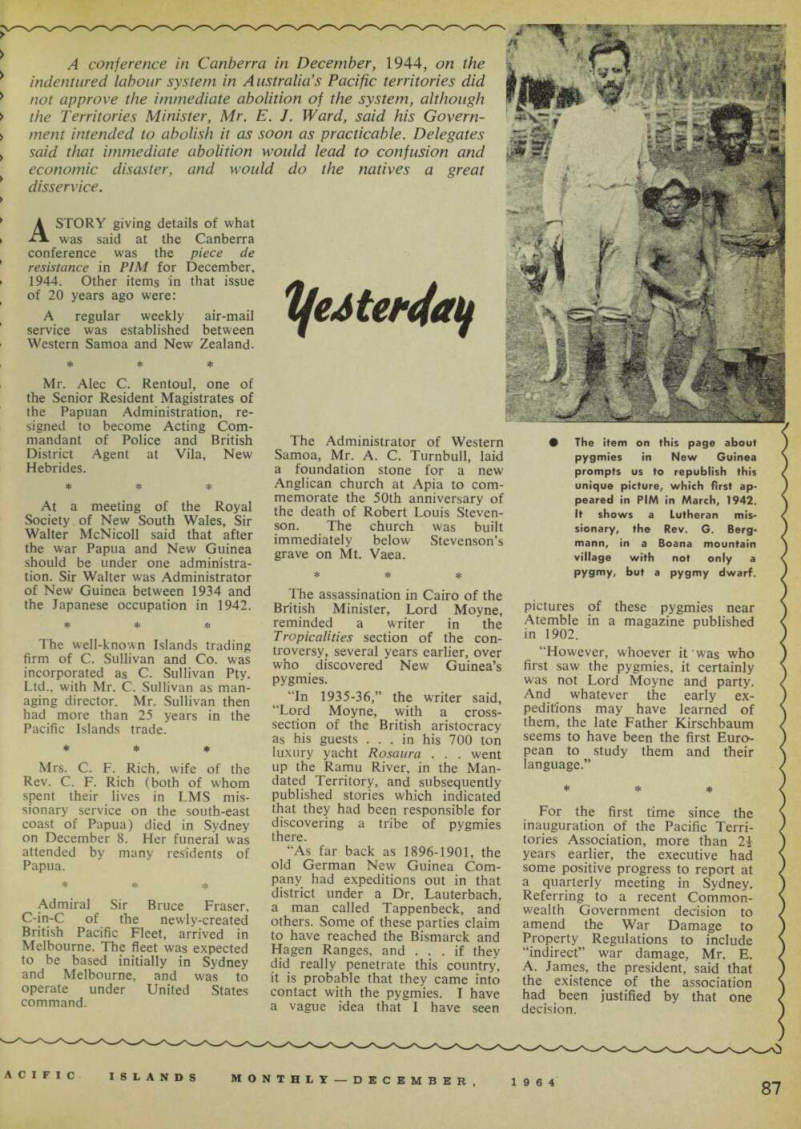 89
89 90
90 91
91 92
92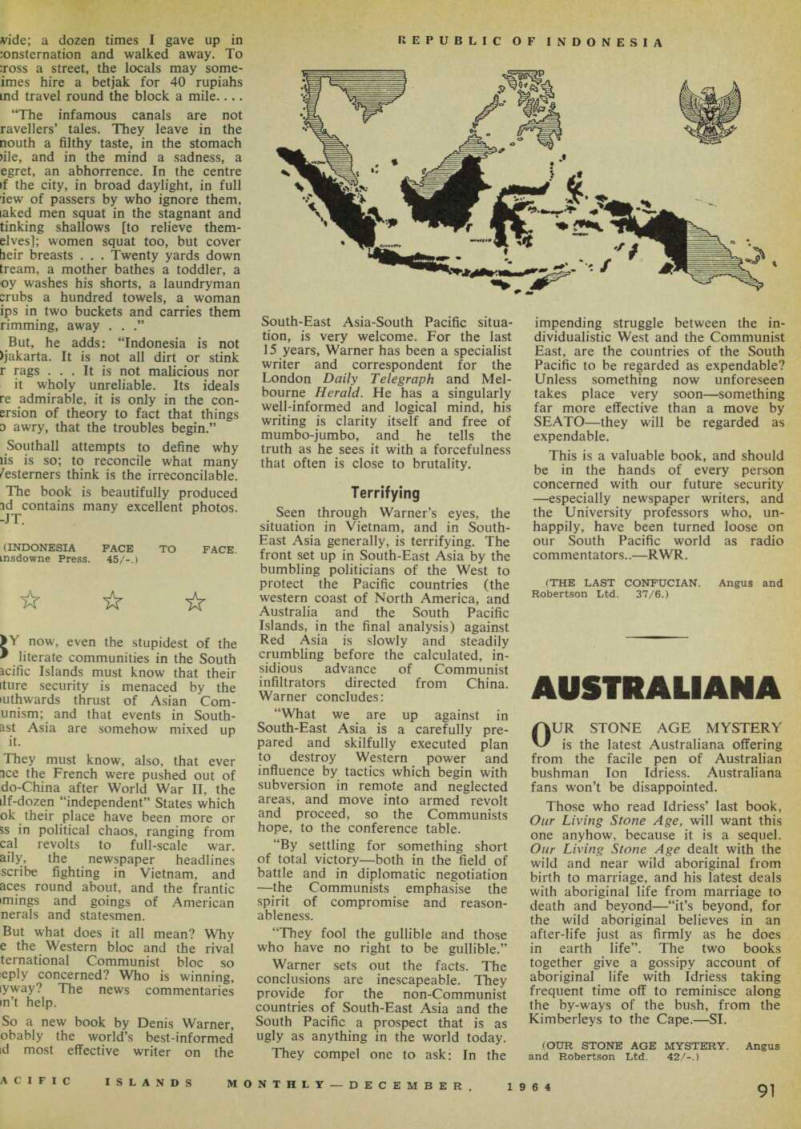 93
93 94
94 95
95 96
96 97
97 98
98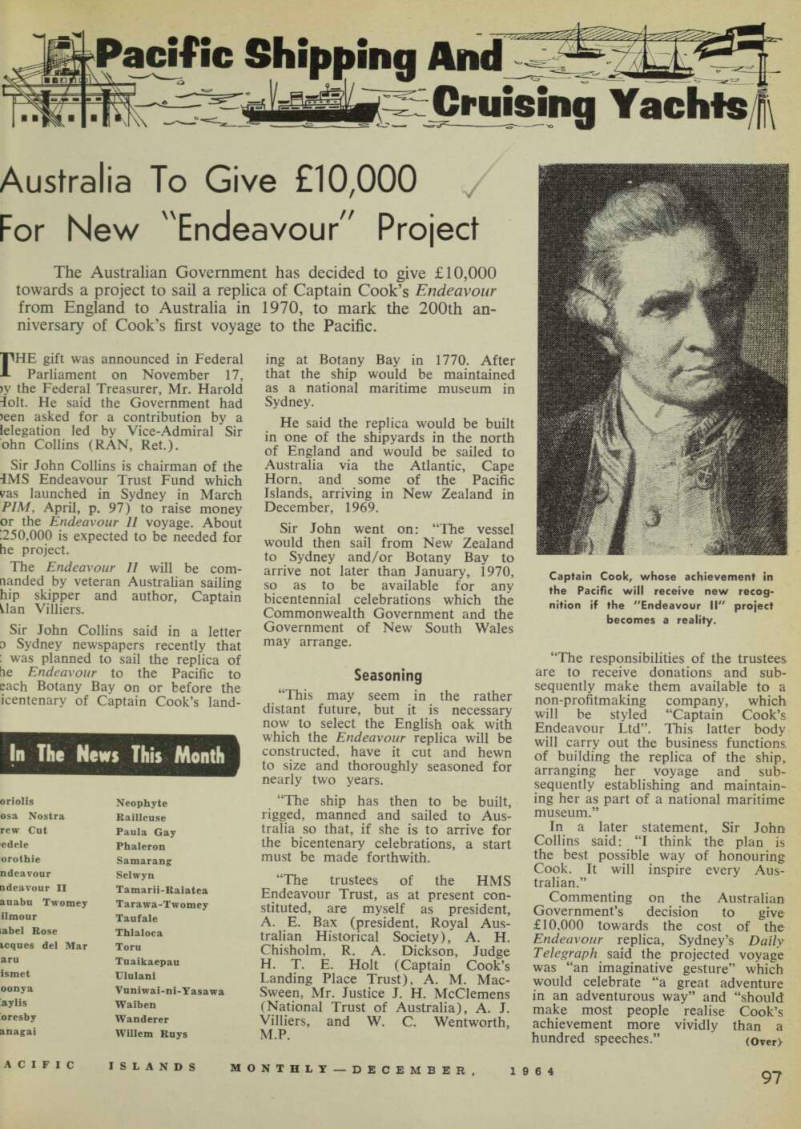 99
99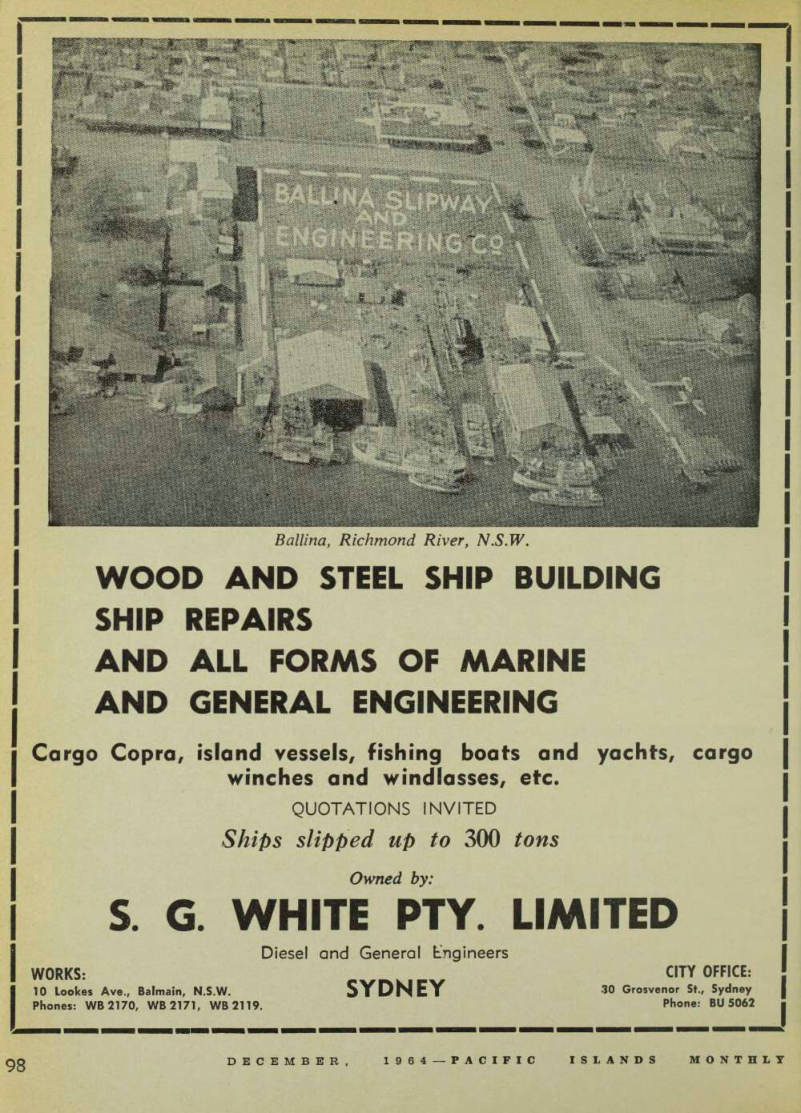 100
100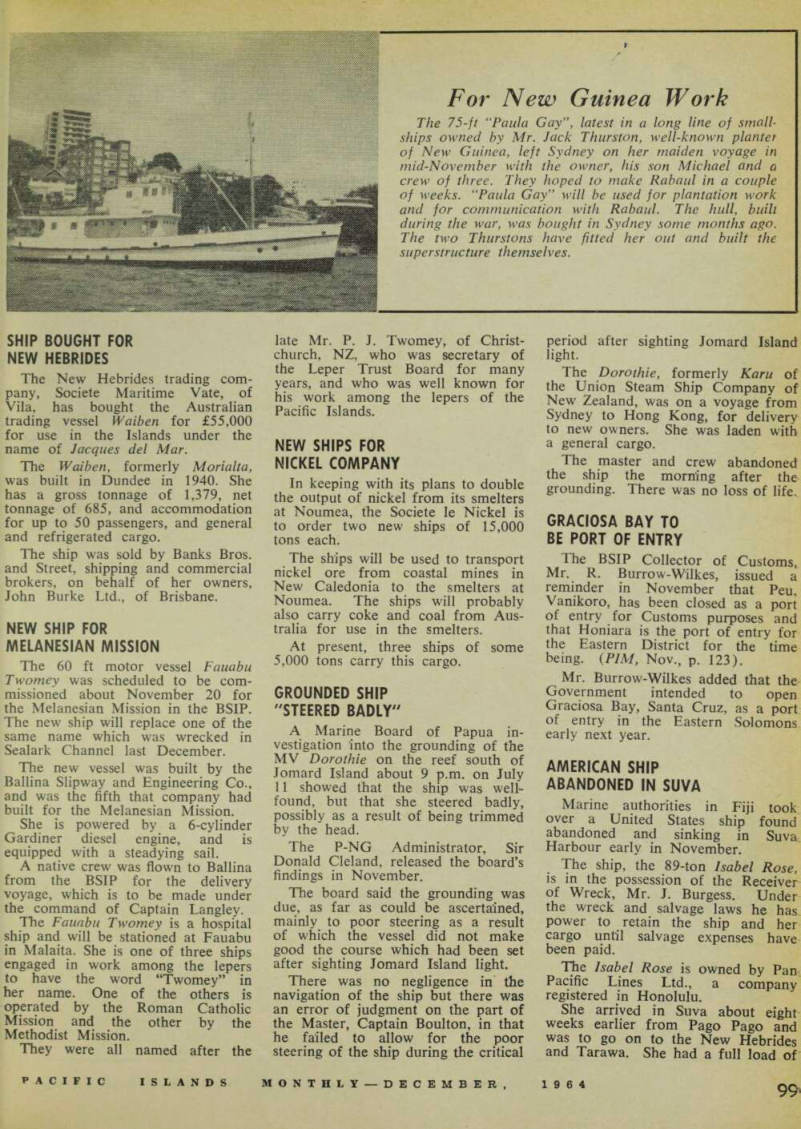 101
101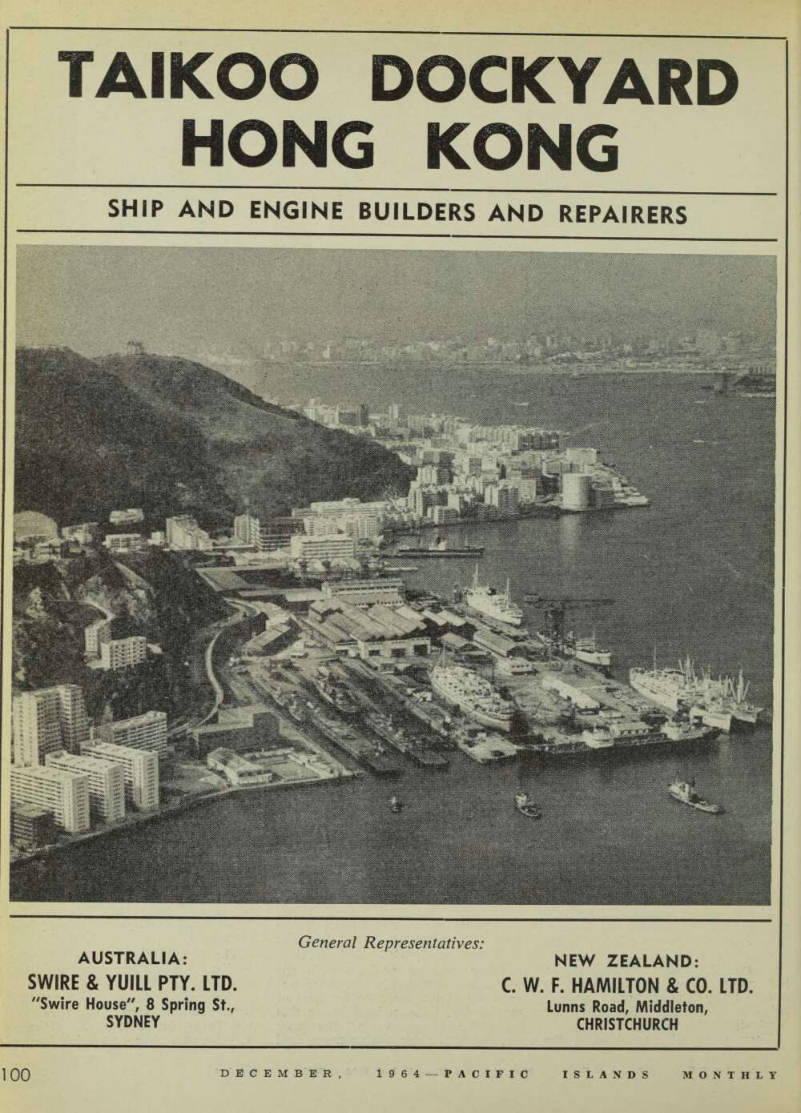 102
102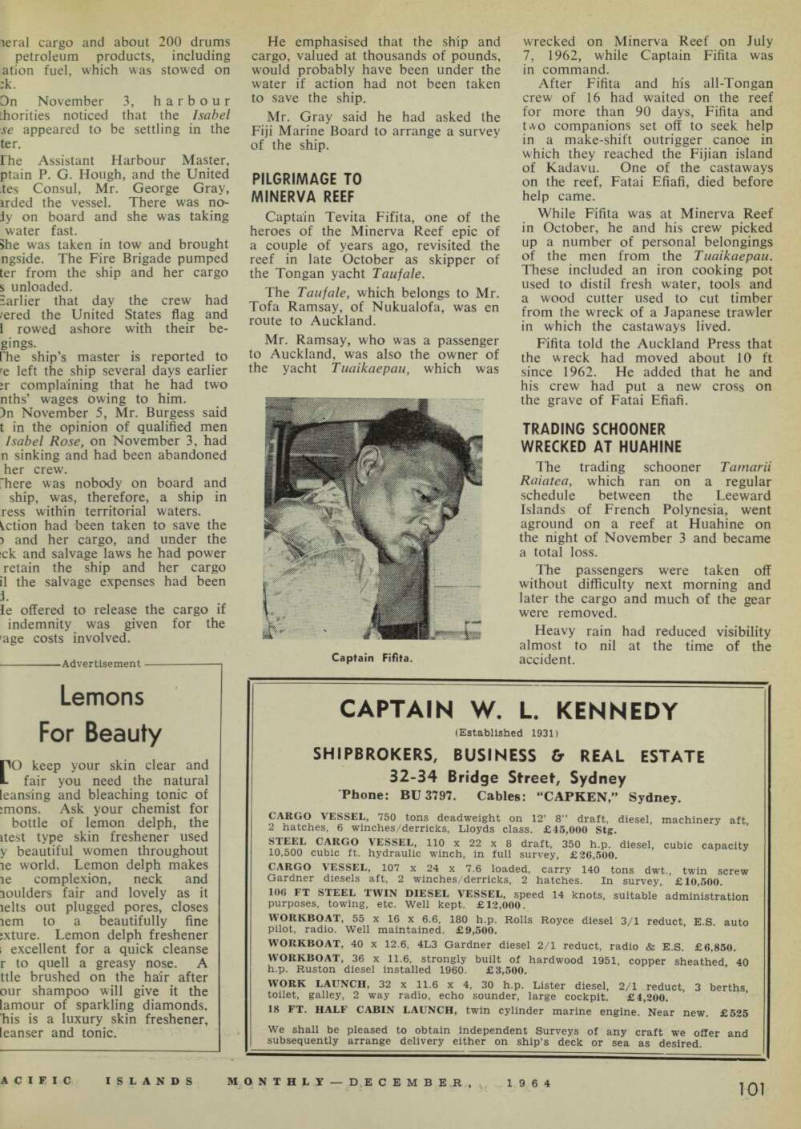 103
103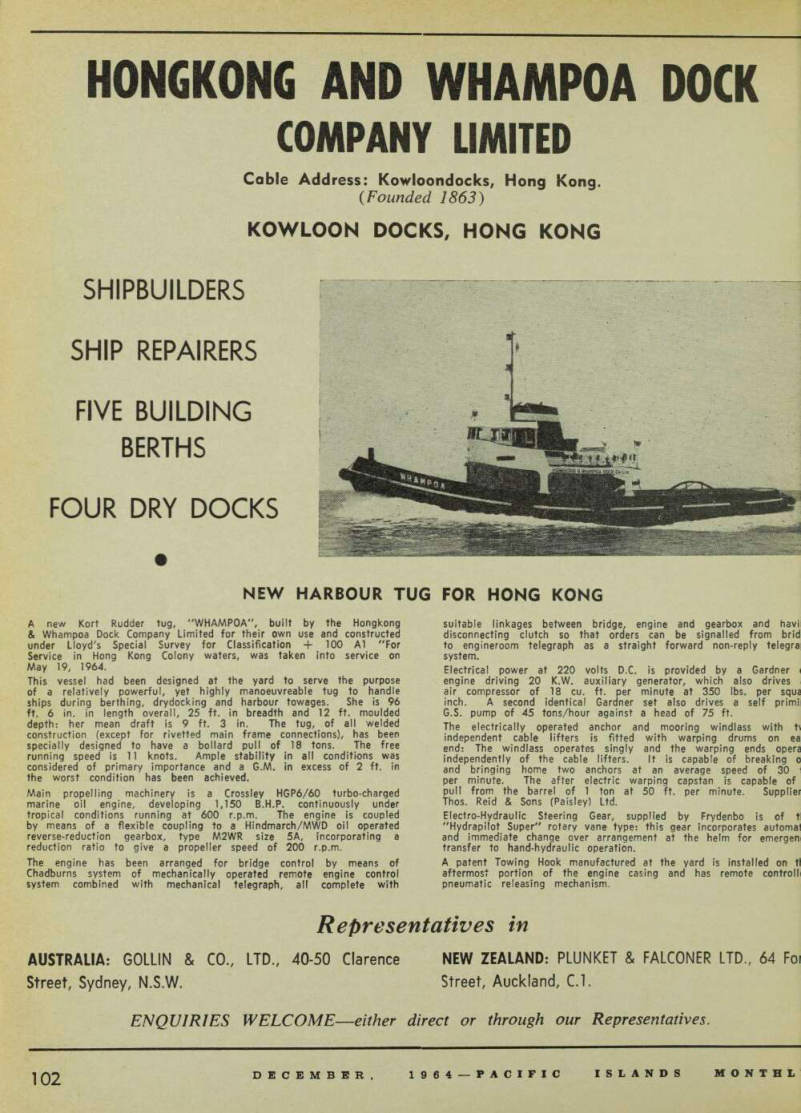 104
104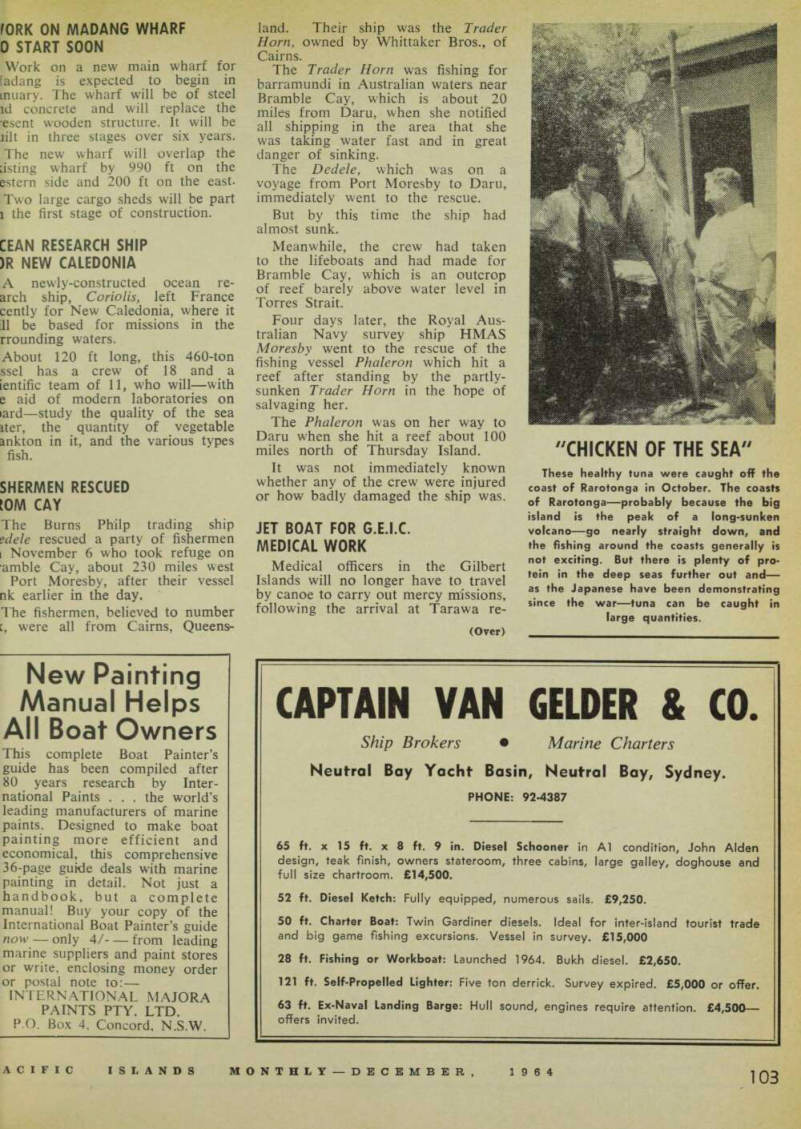 105
105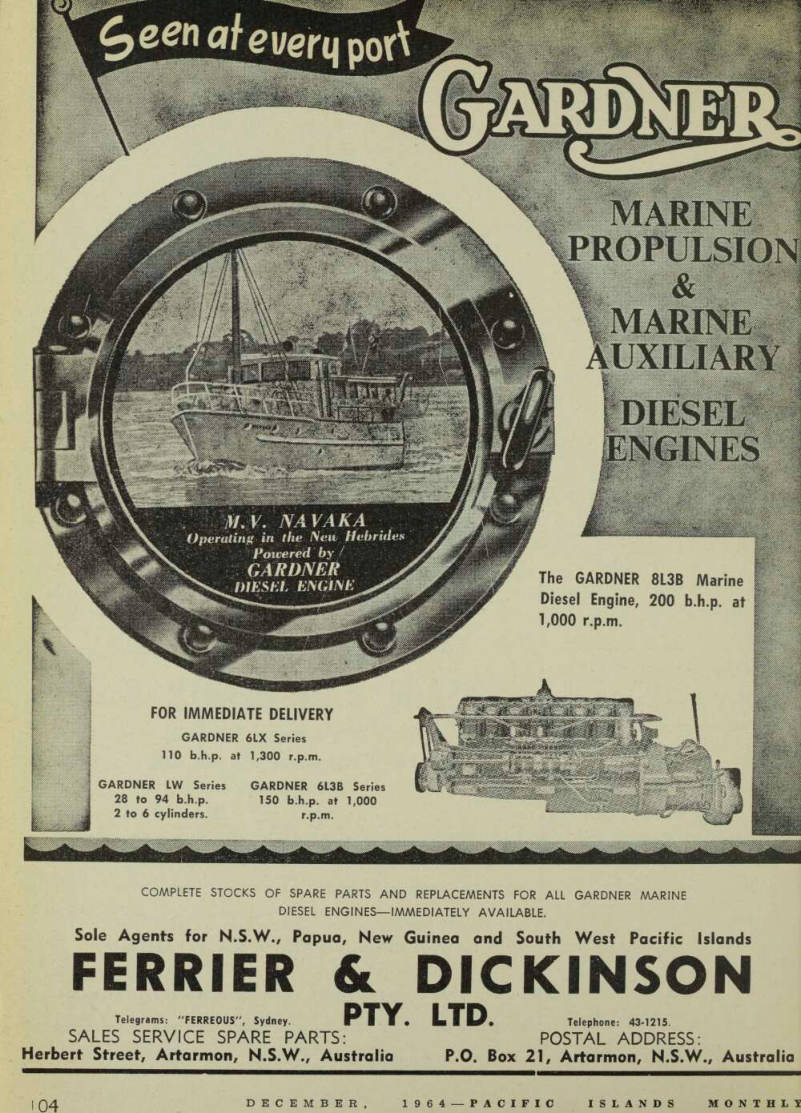 106
106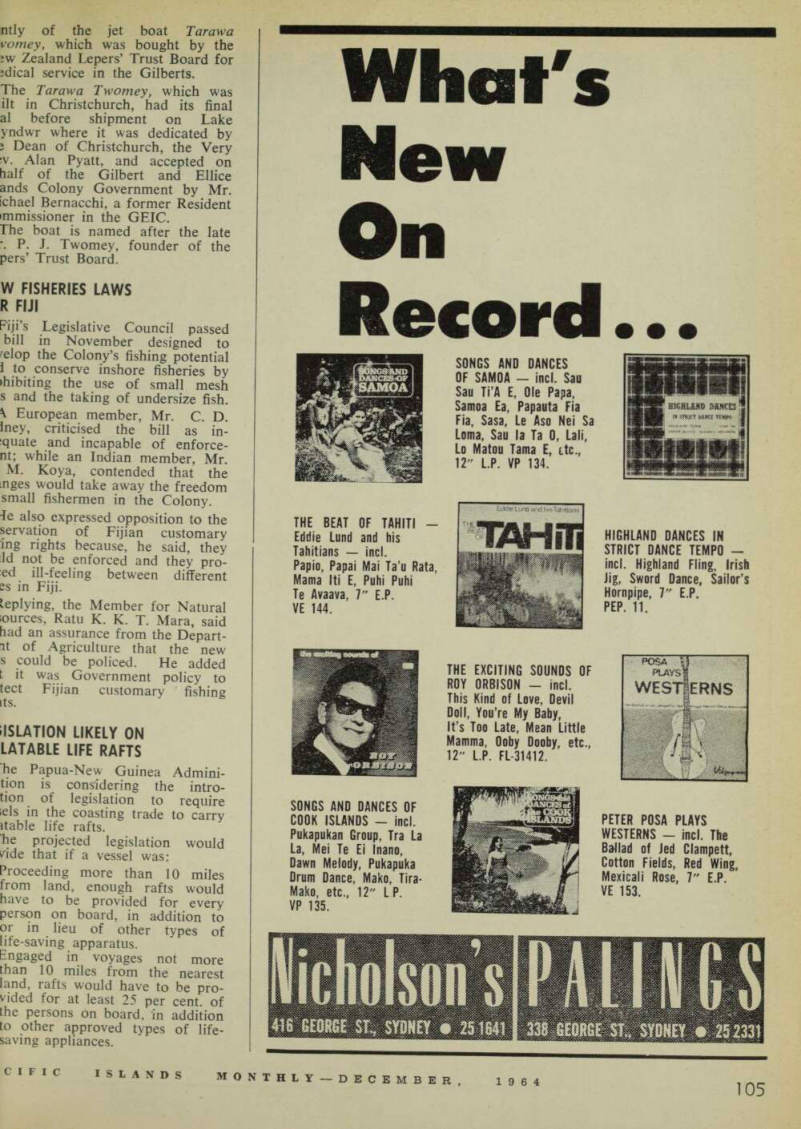 107
107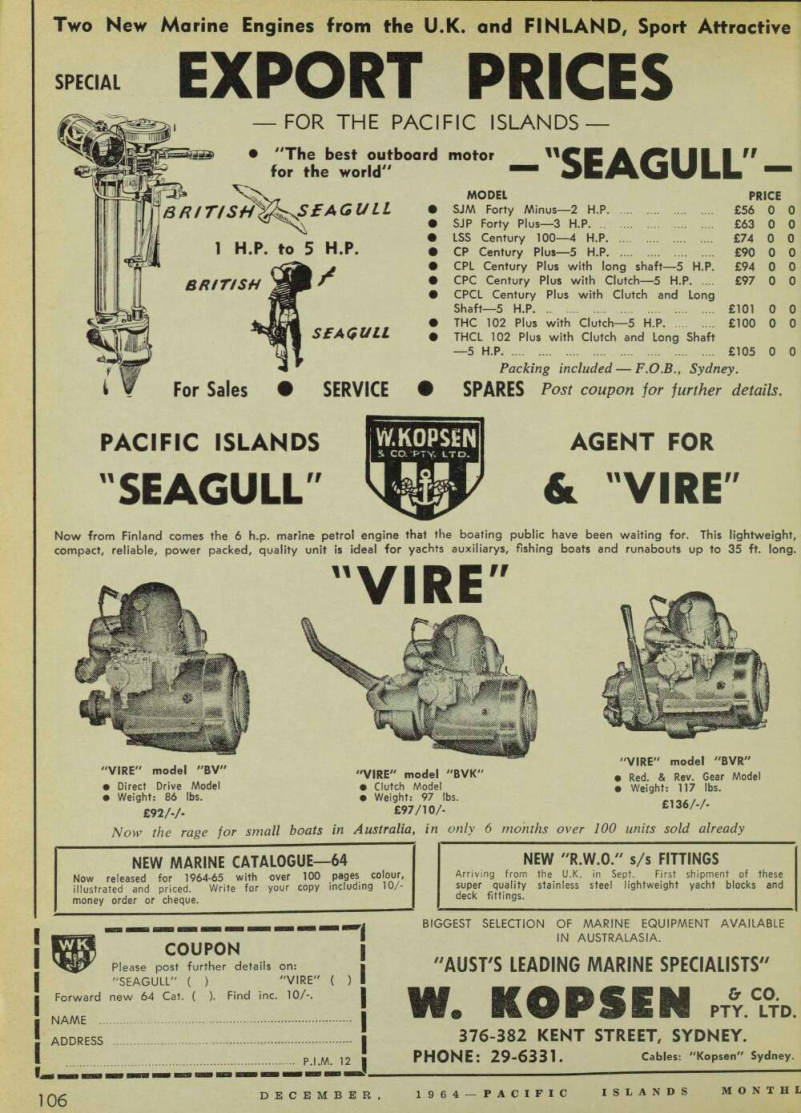 108
108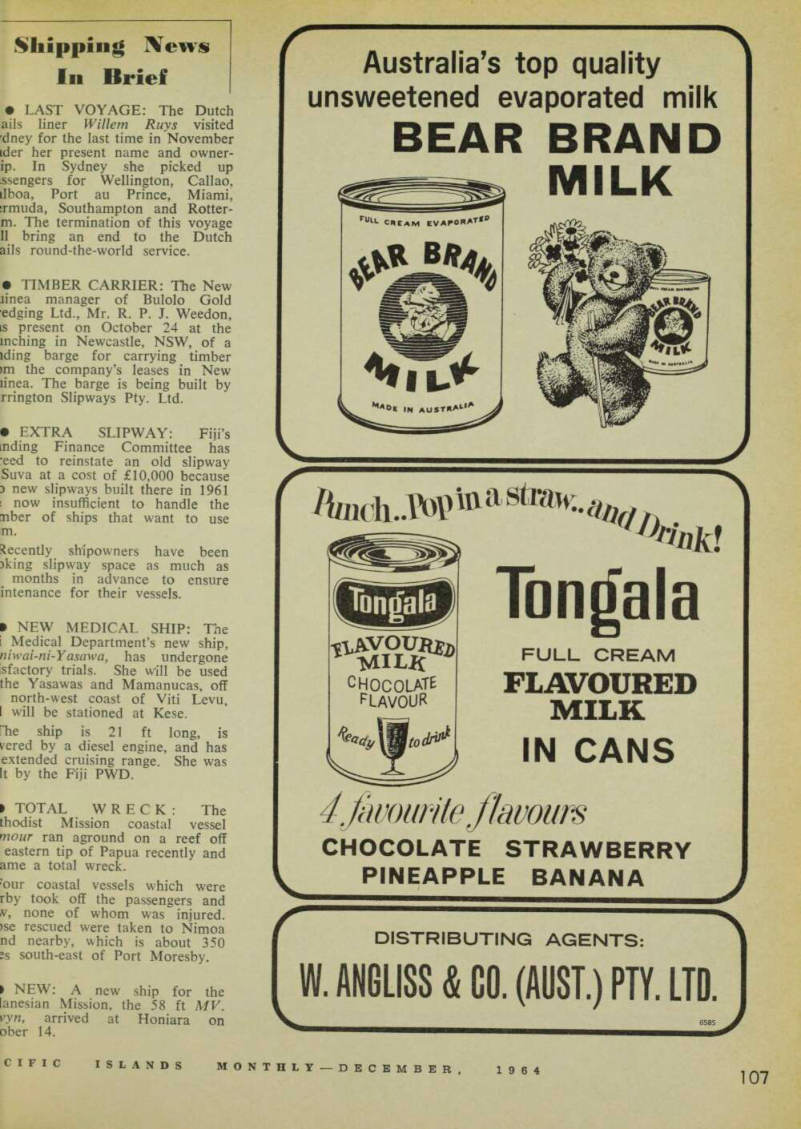 109
109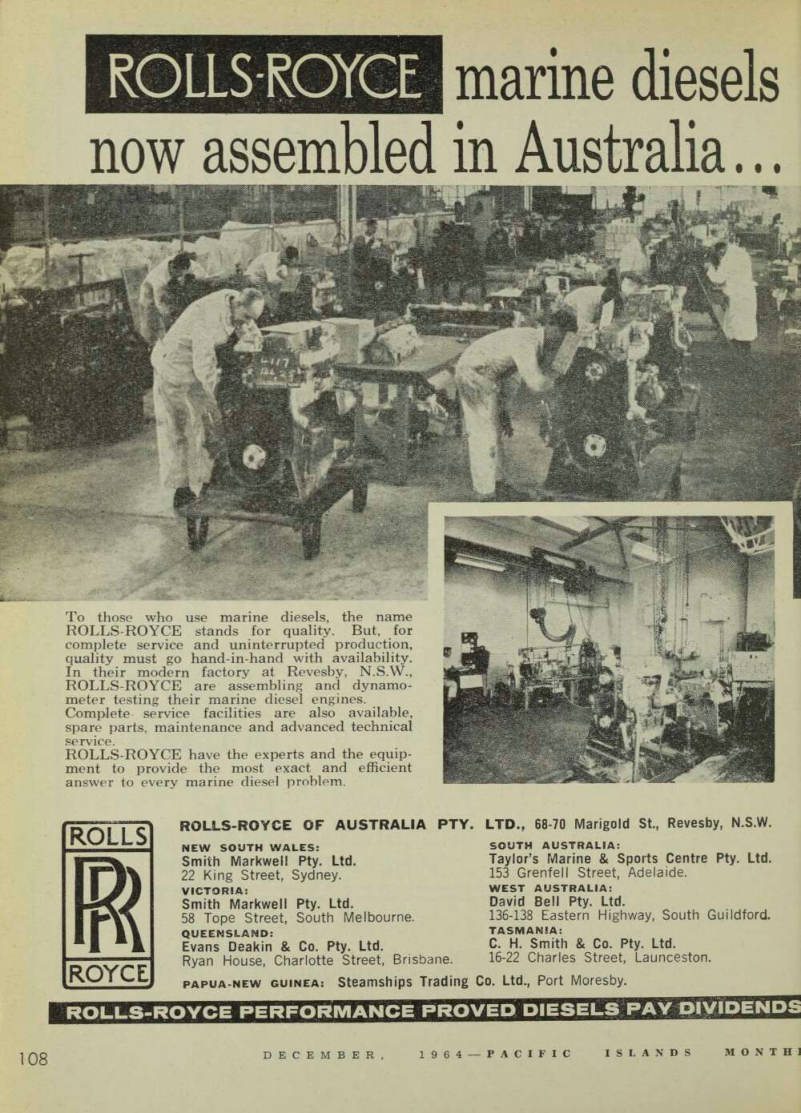 110
110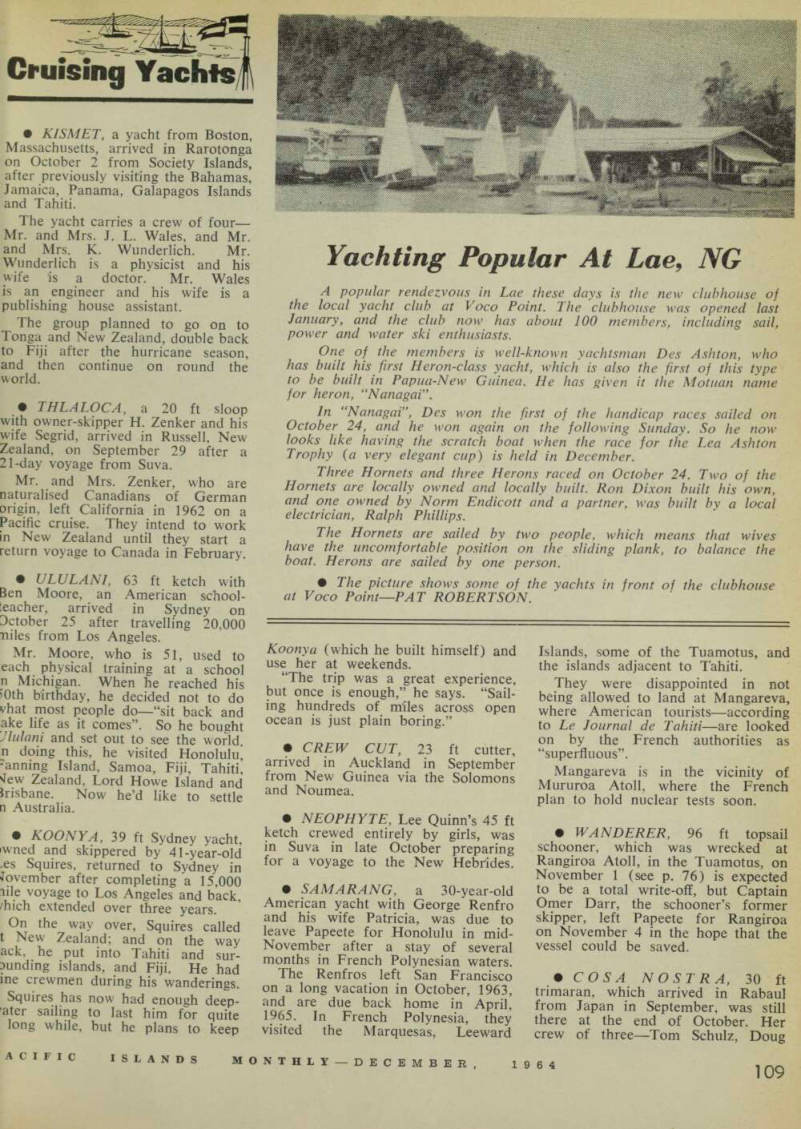 111
111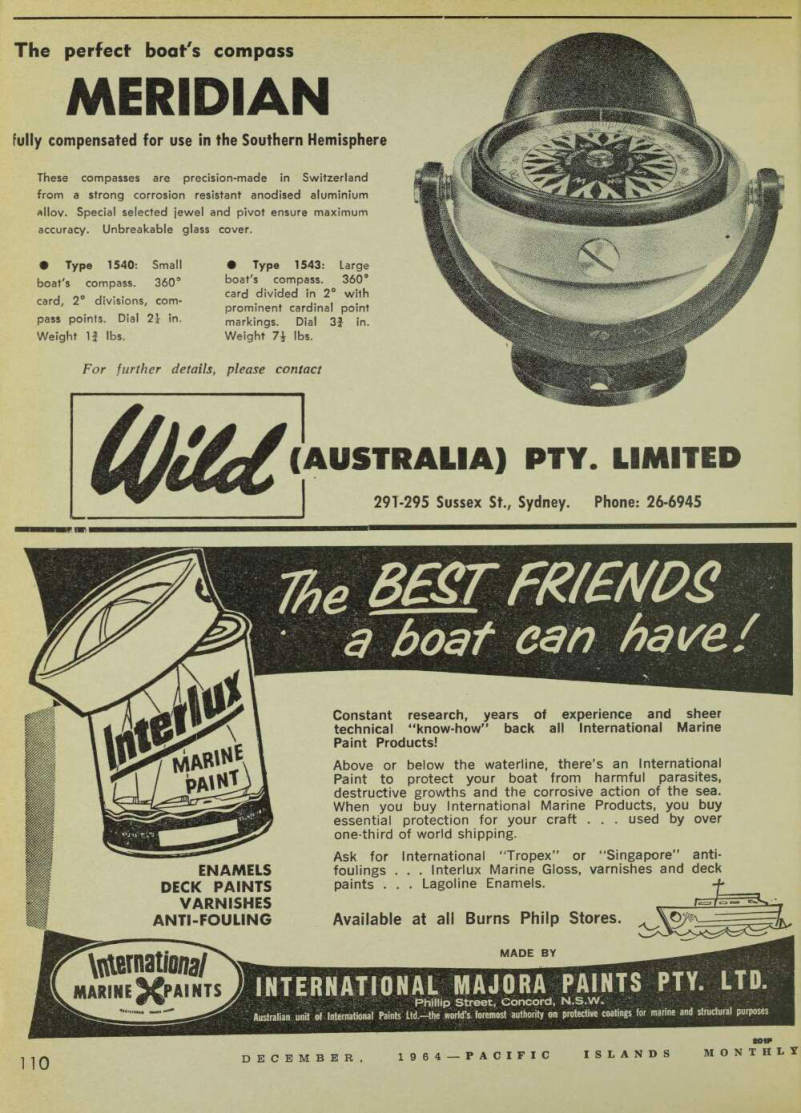 112
112 113
113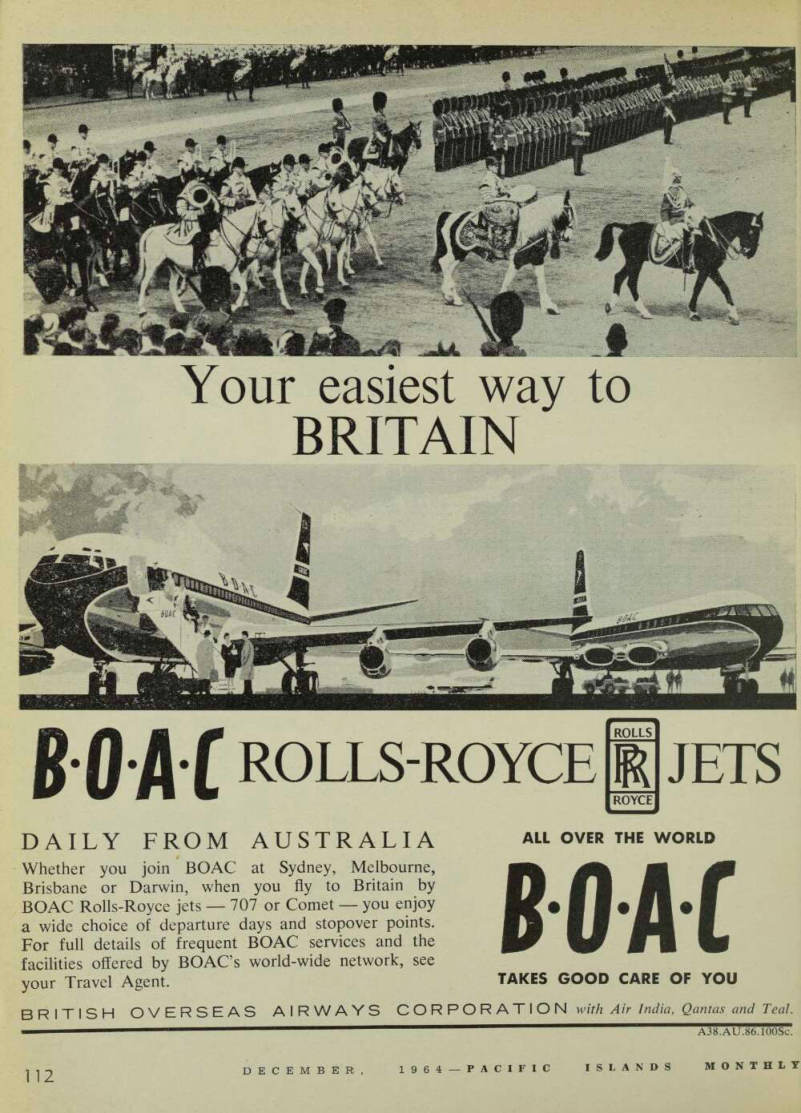 114
114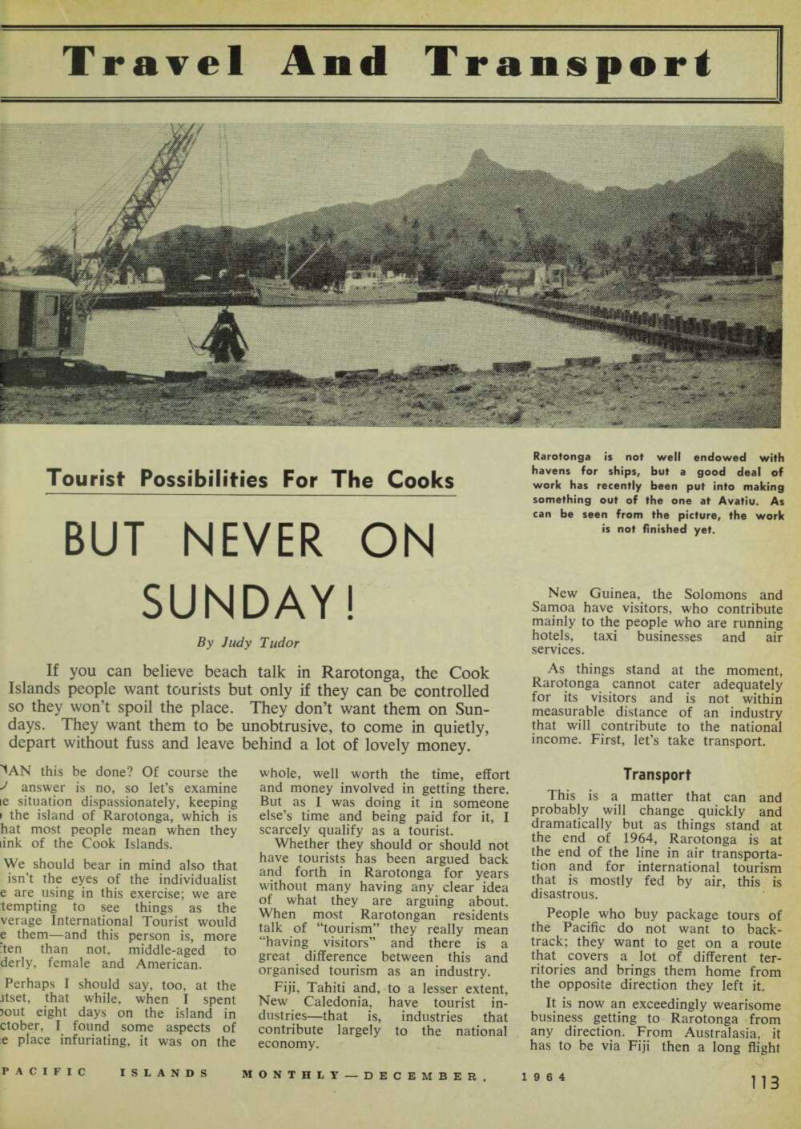 115
115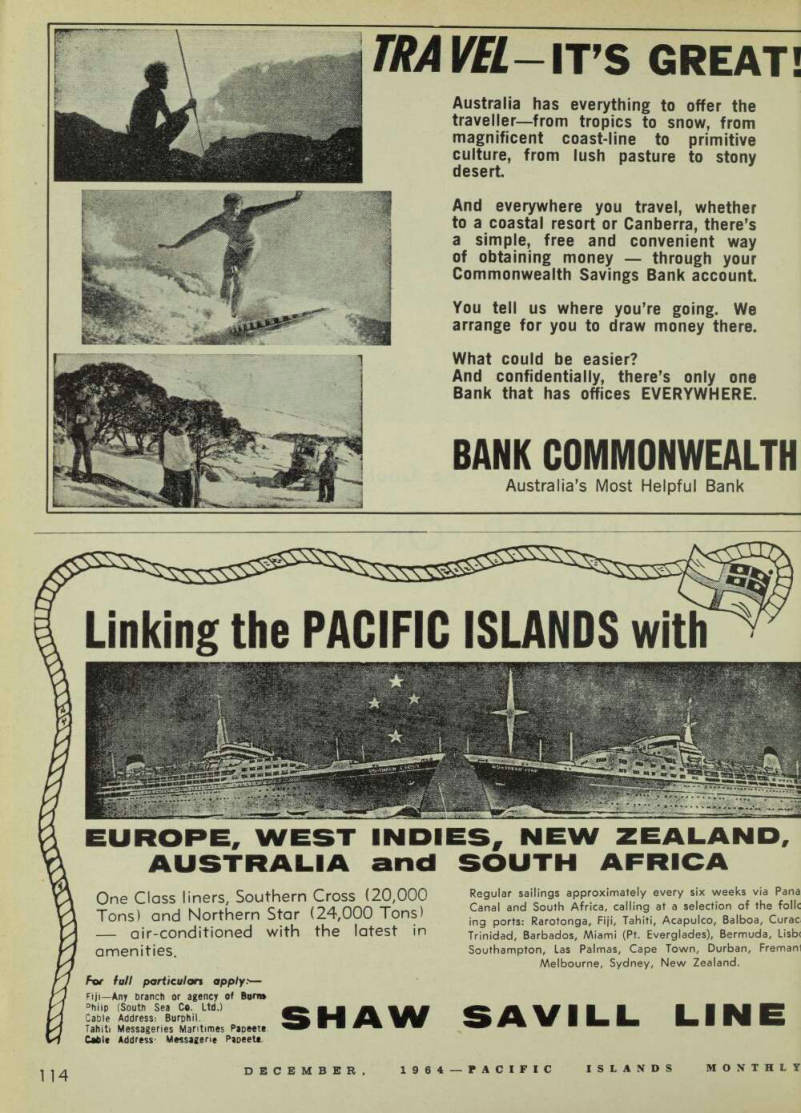 116
116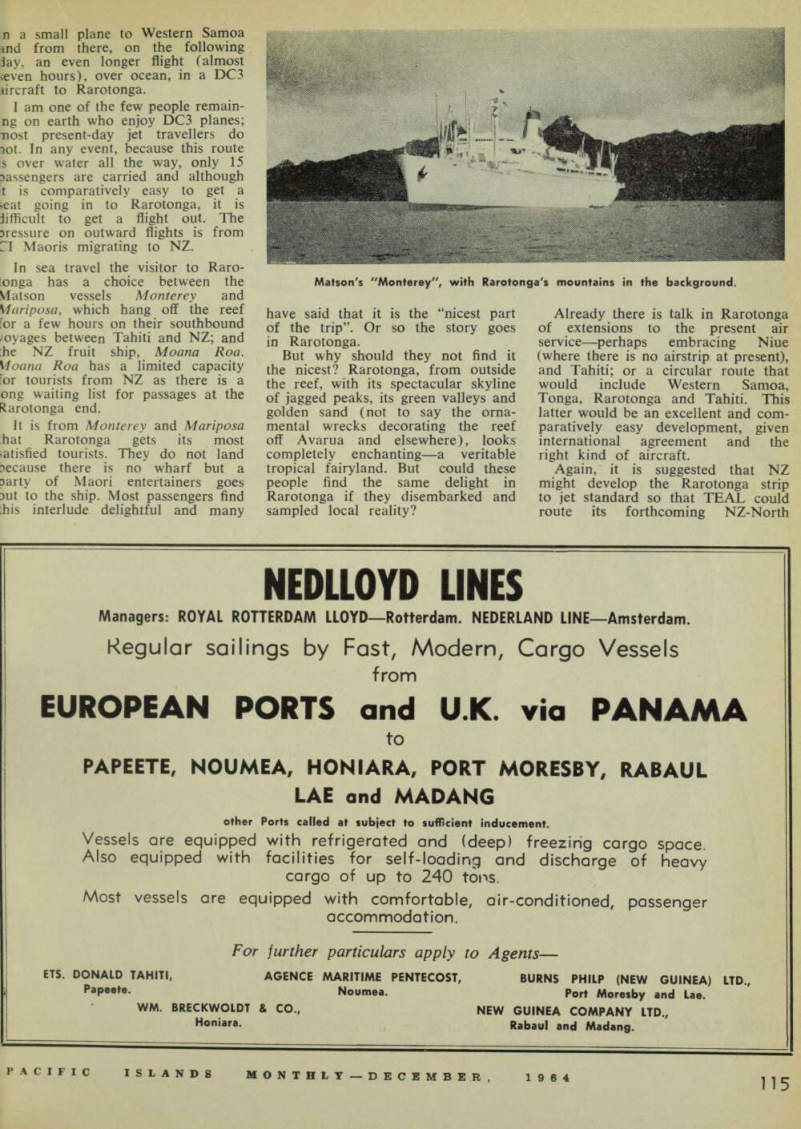 117
117 118
118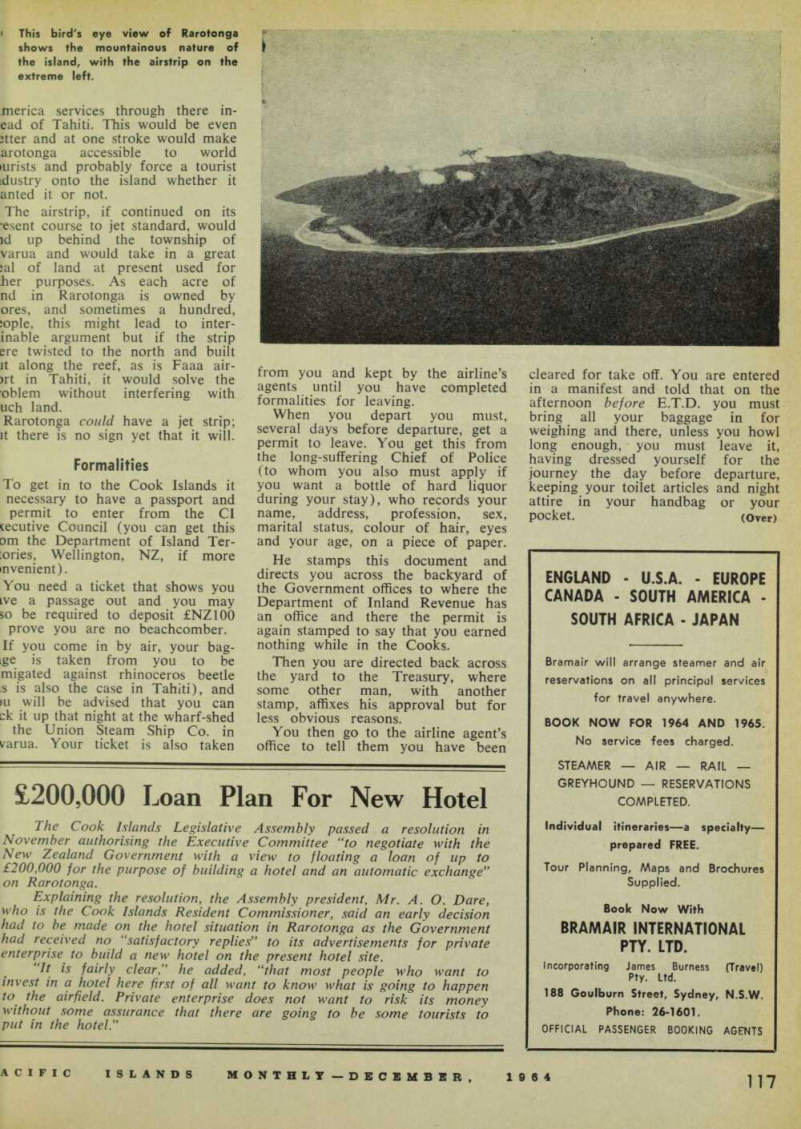 119
119 120
120 121
121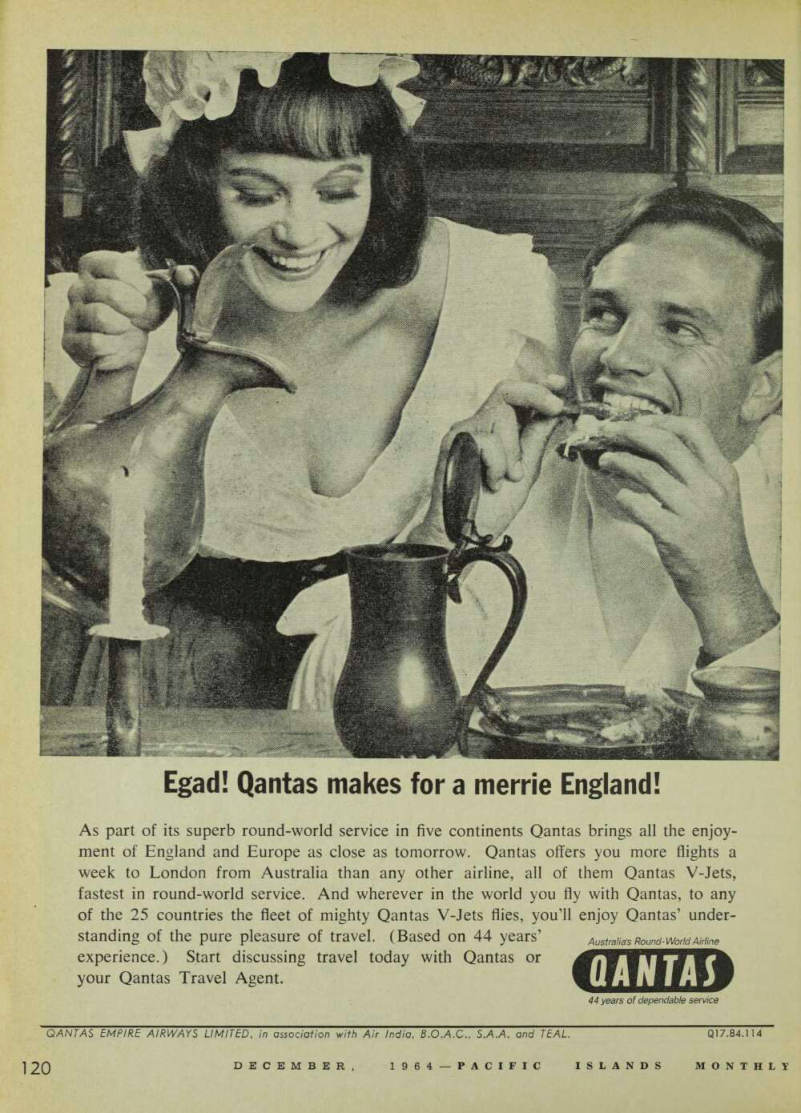 122
122 123
123 124
124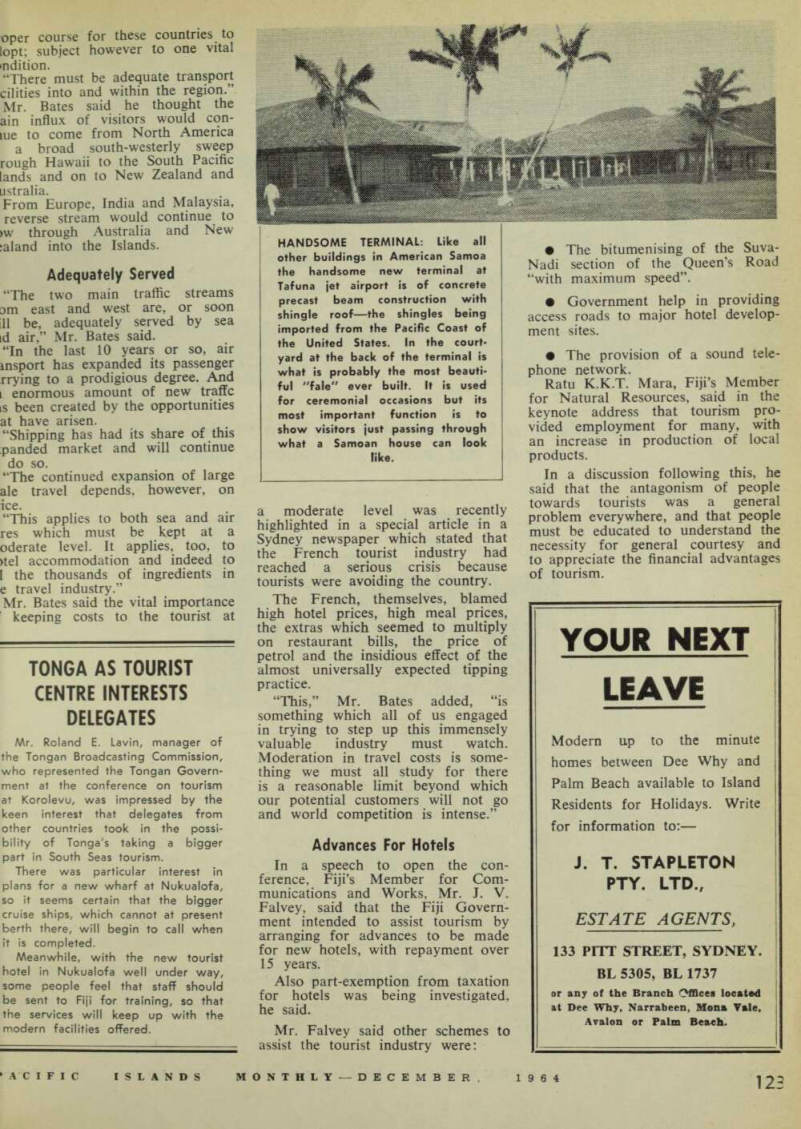 125
125 126
126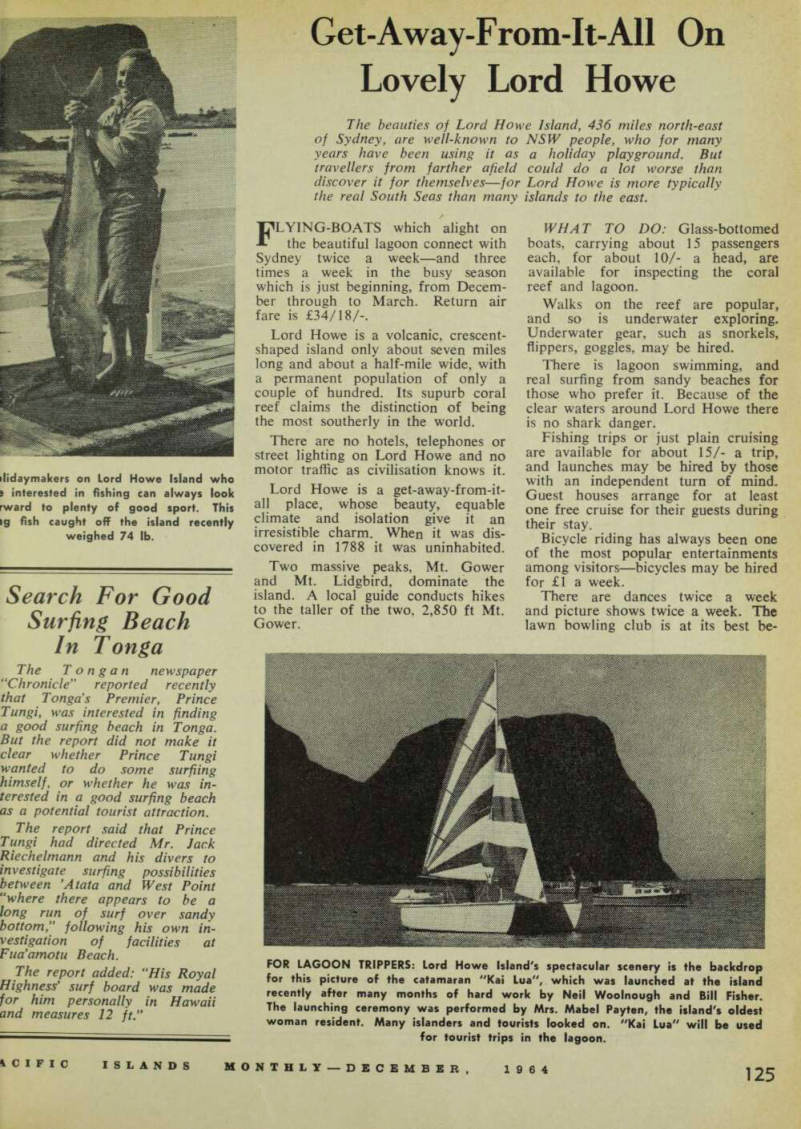 127
127 128
128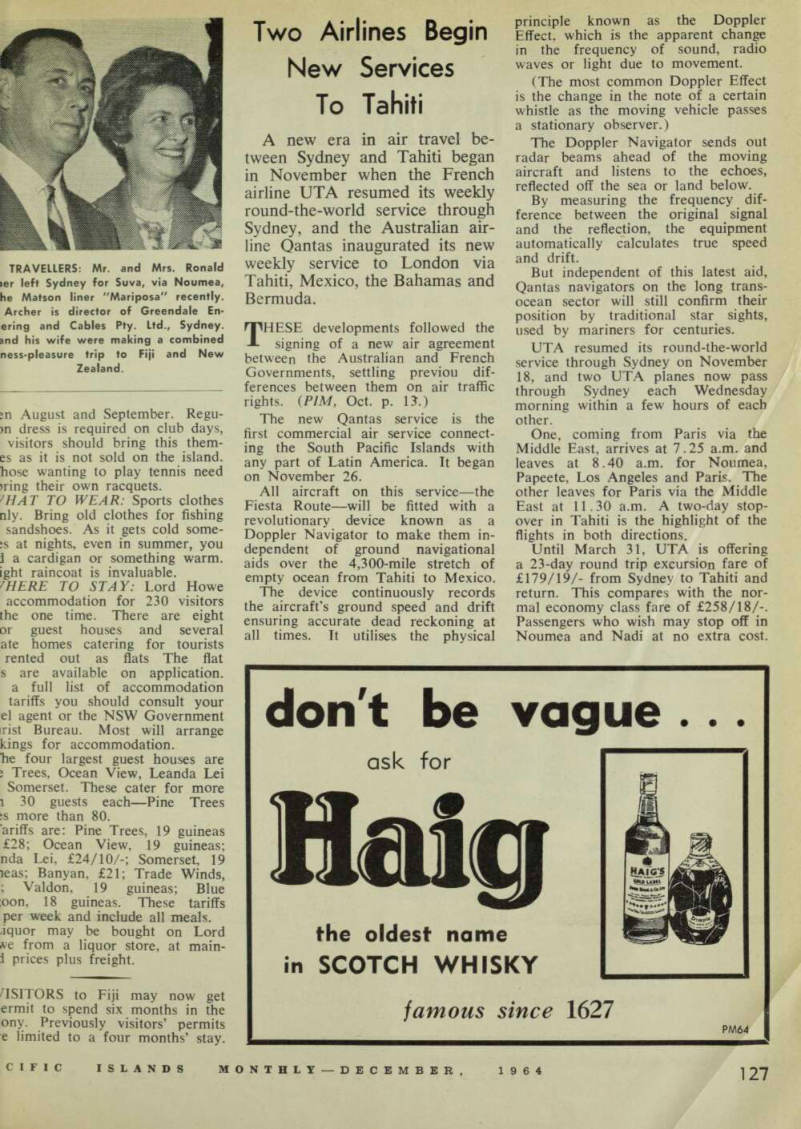 129
129 130
130 131
131 132
132 133
133 134
134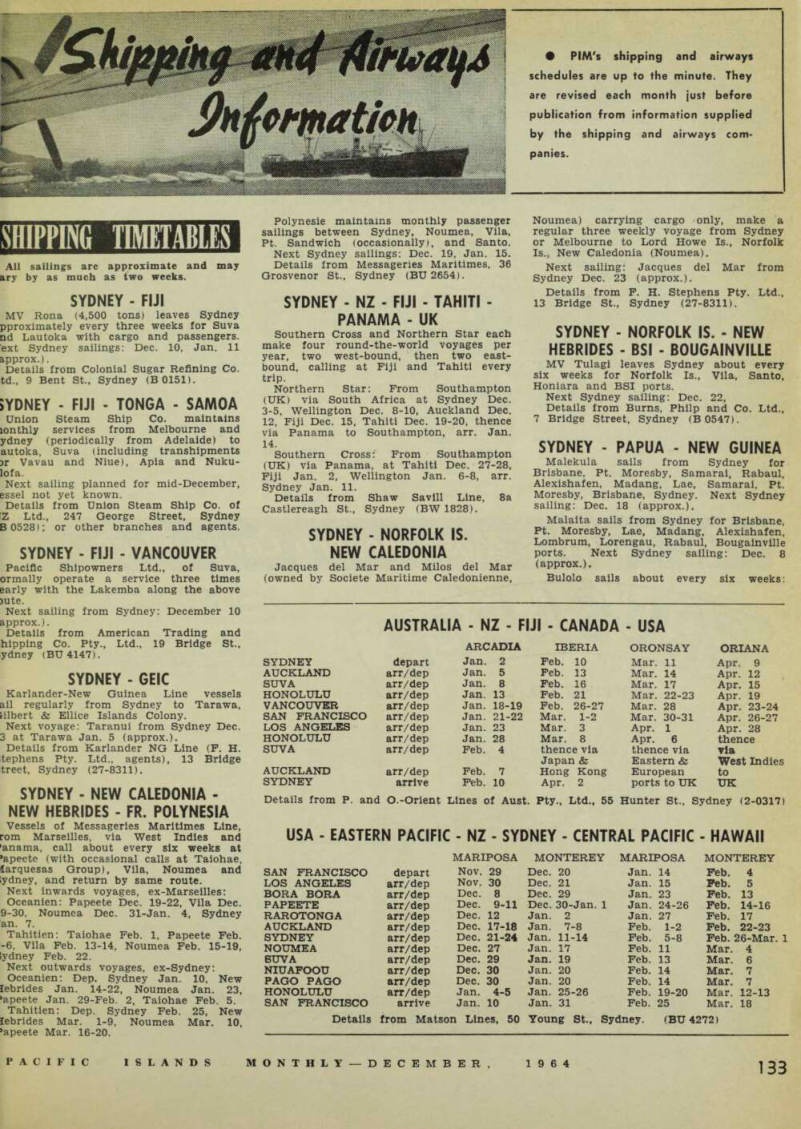 135
135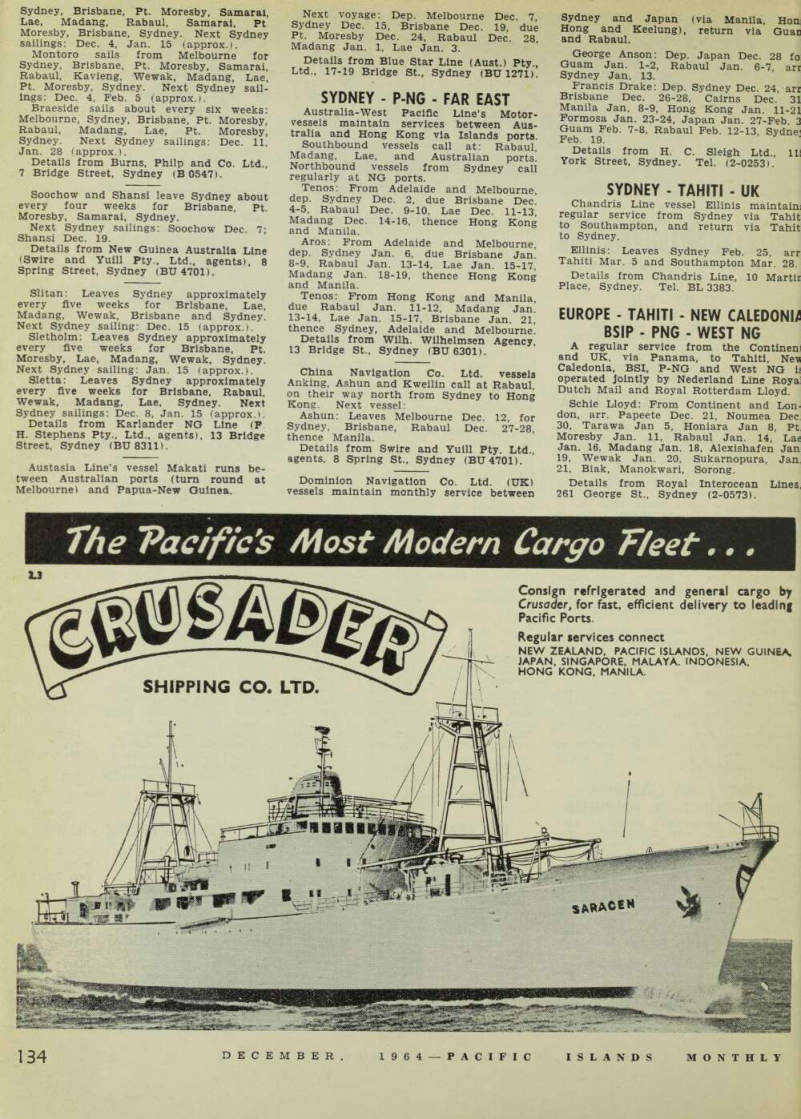 136
136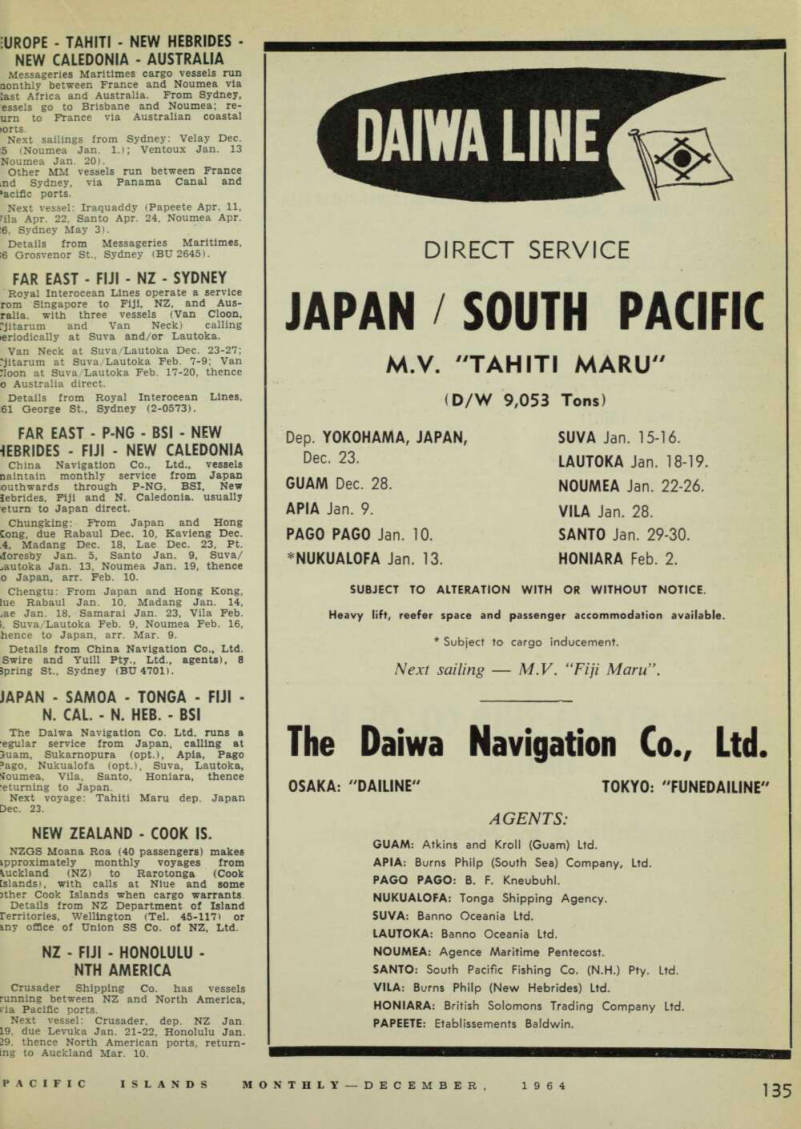 137
137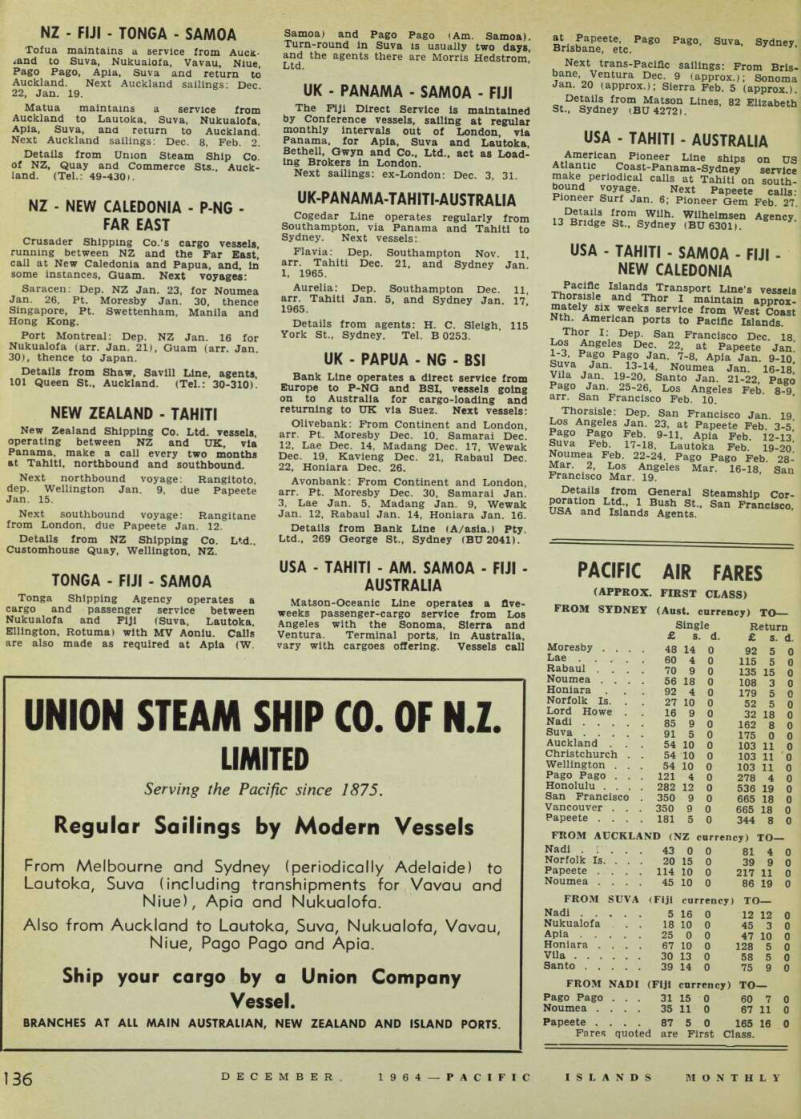 138
138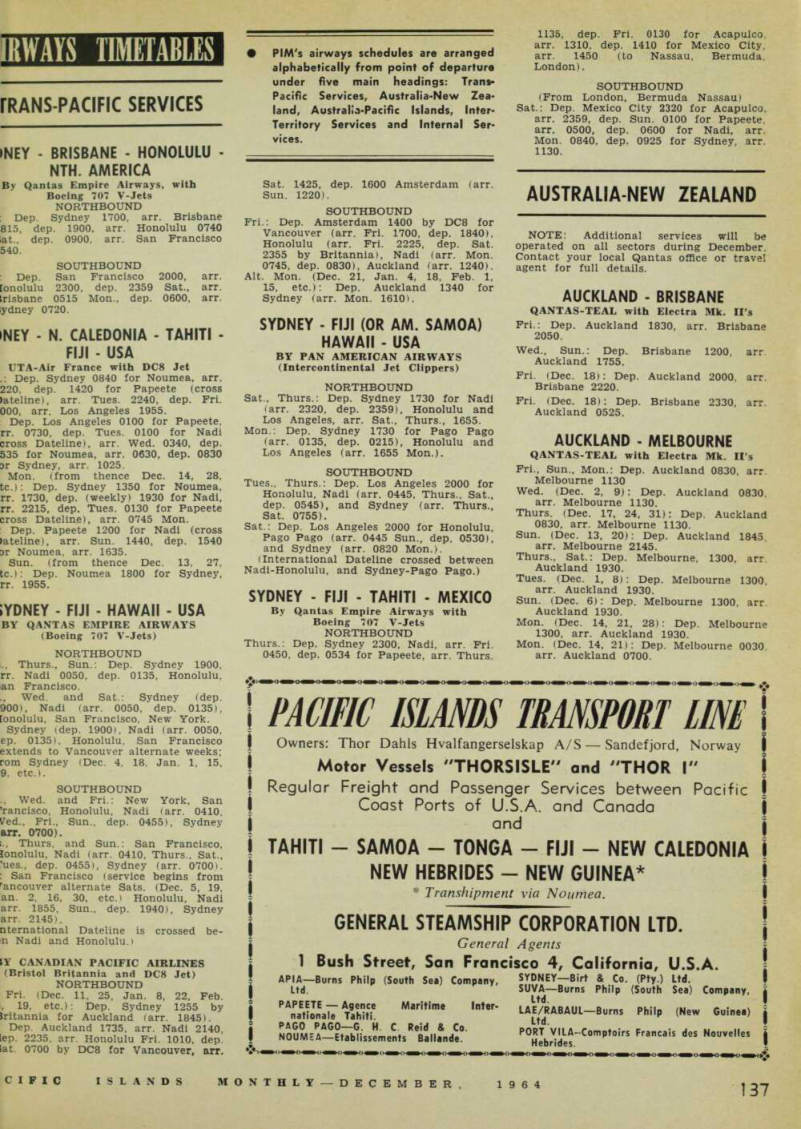 139
139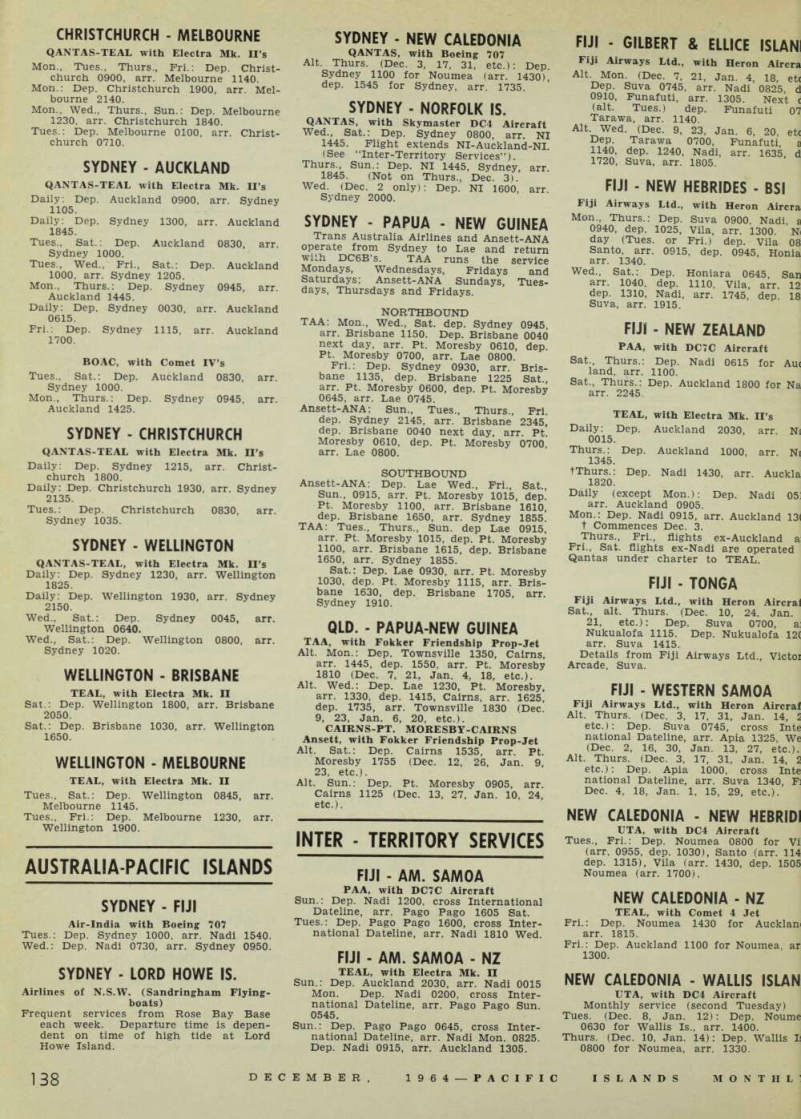 140
140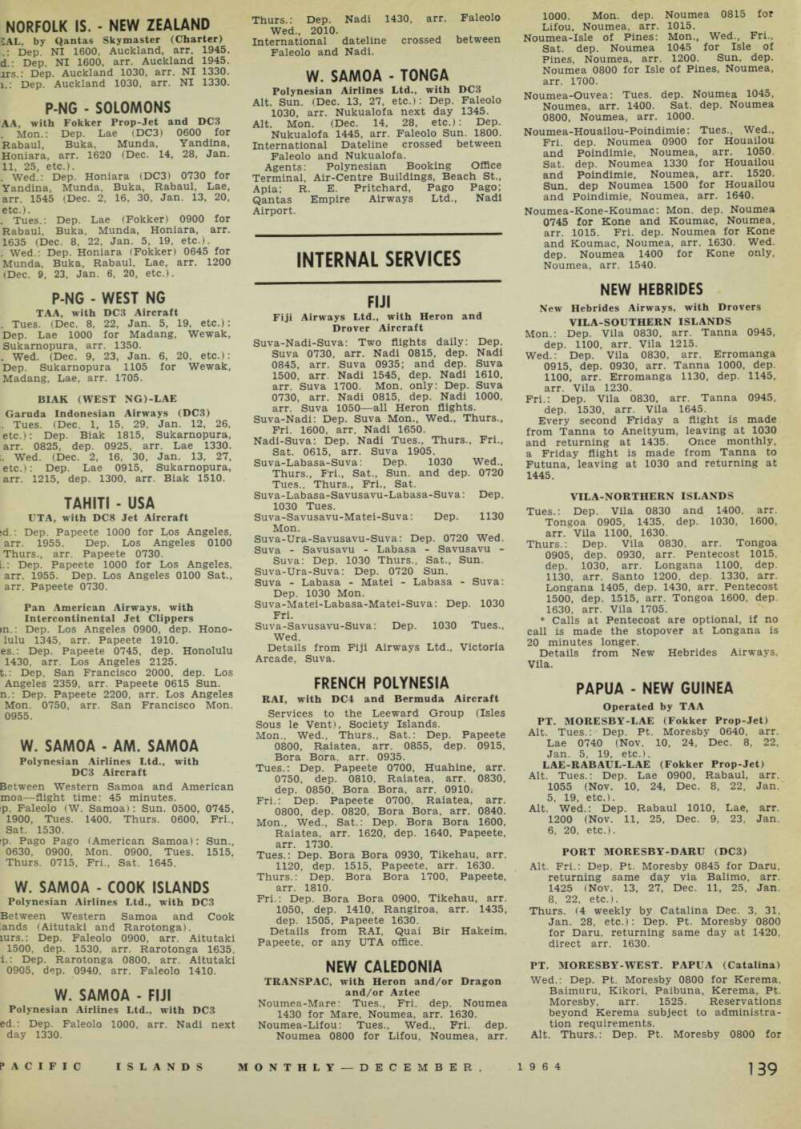 141
141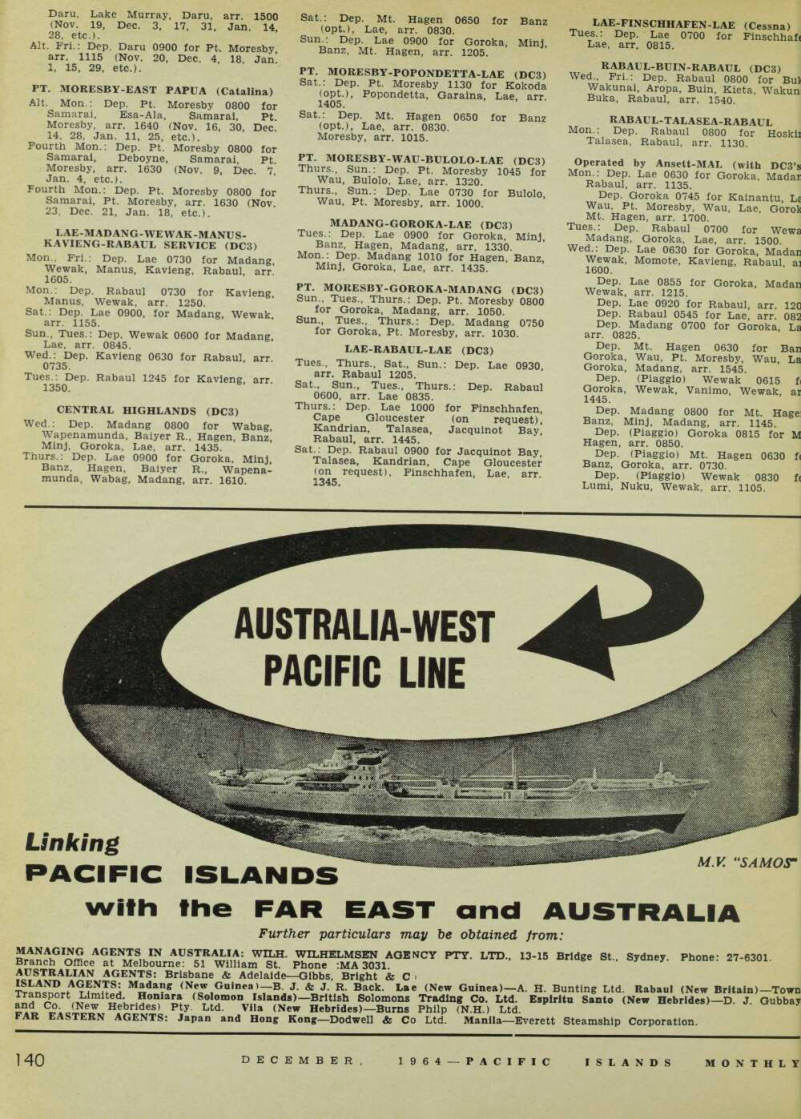 142
142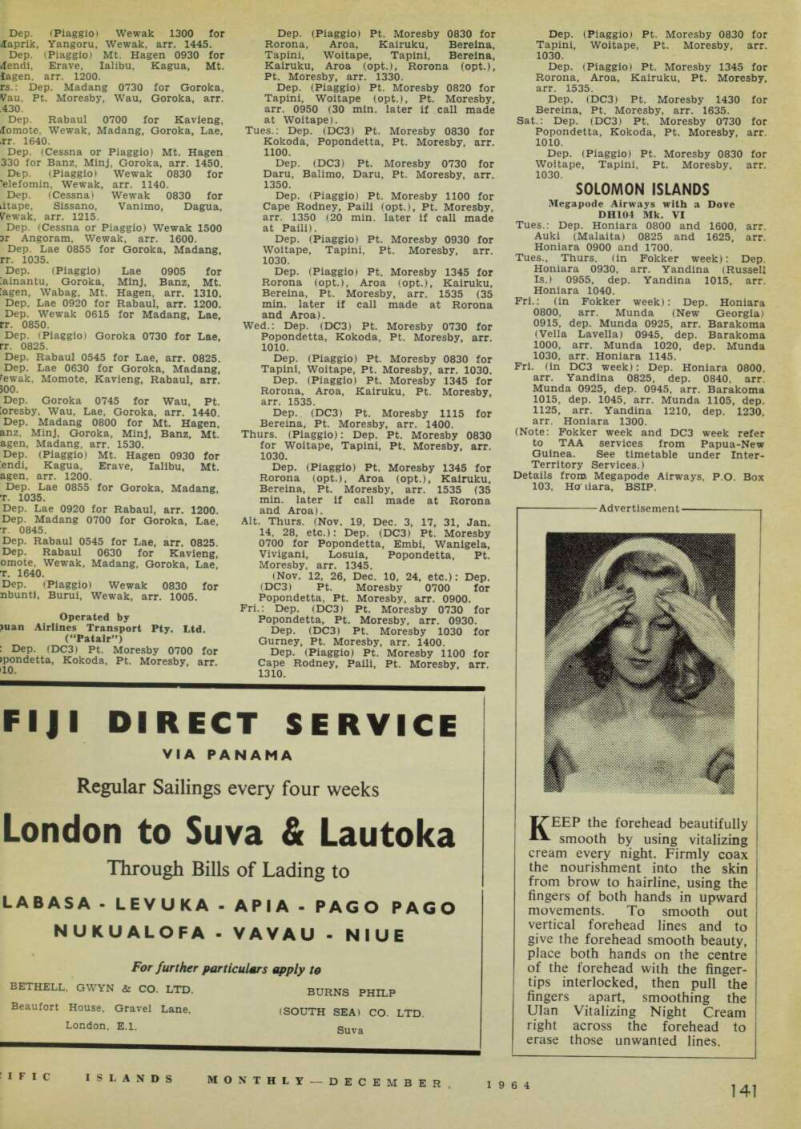 143
143 144
144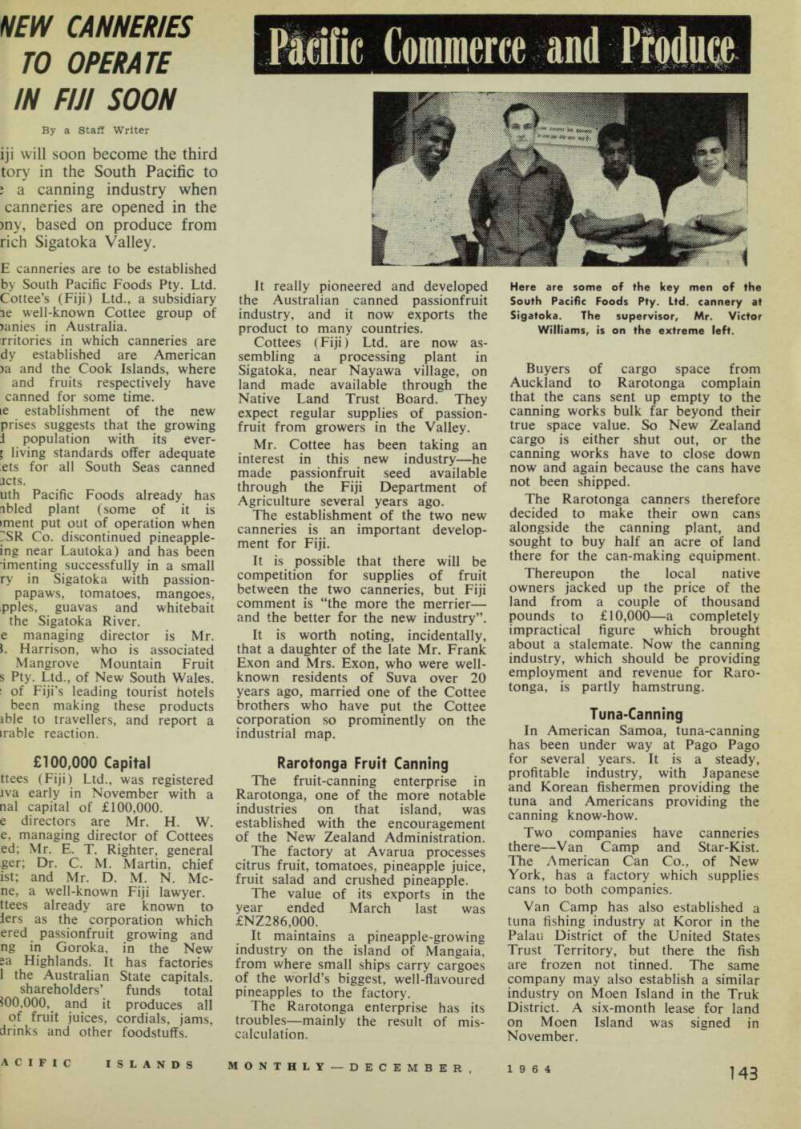 145
145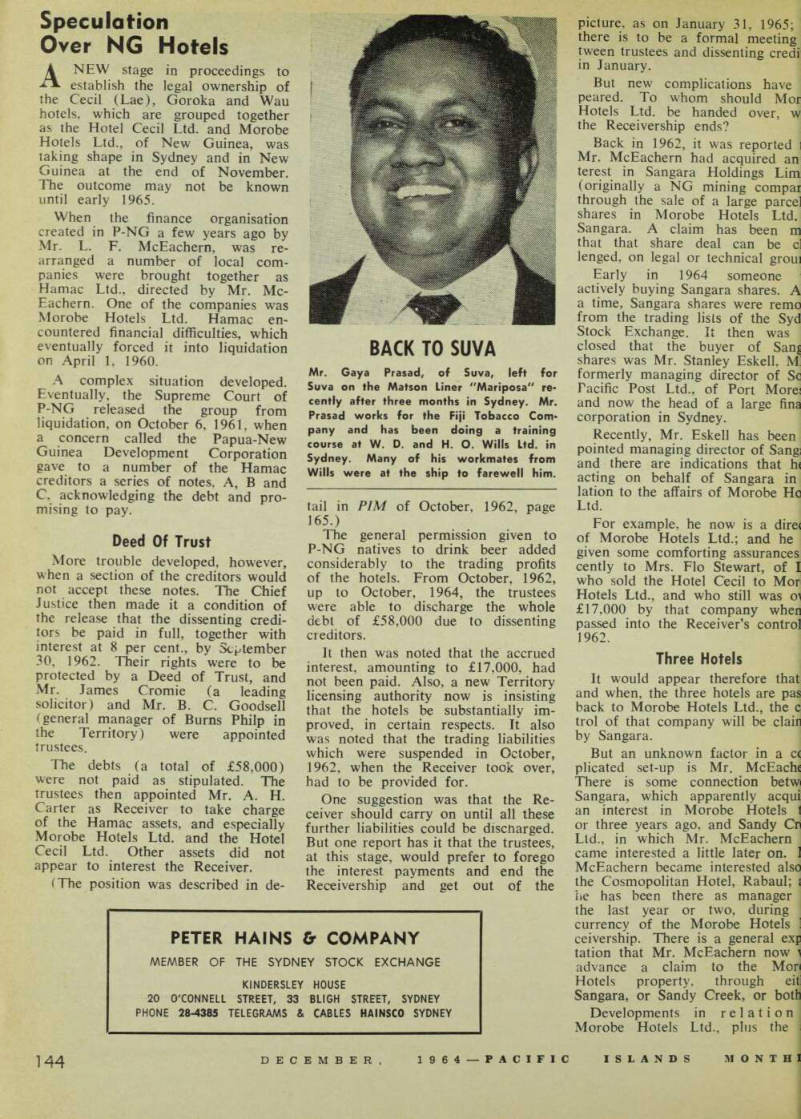 146
146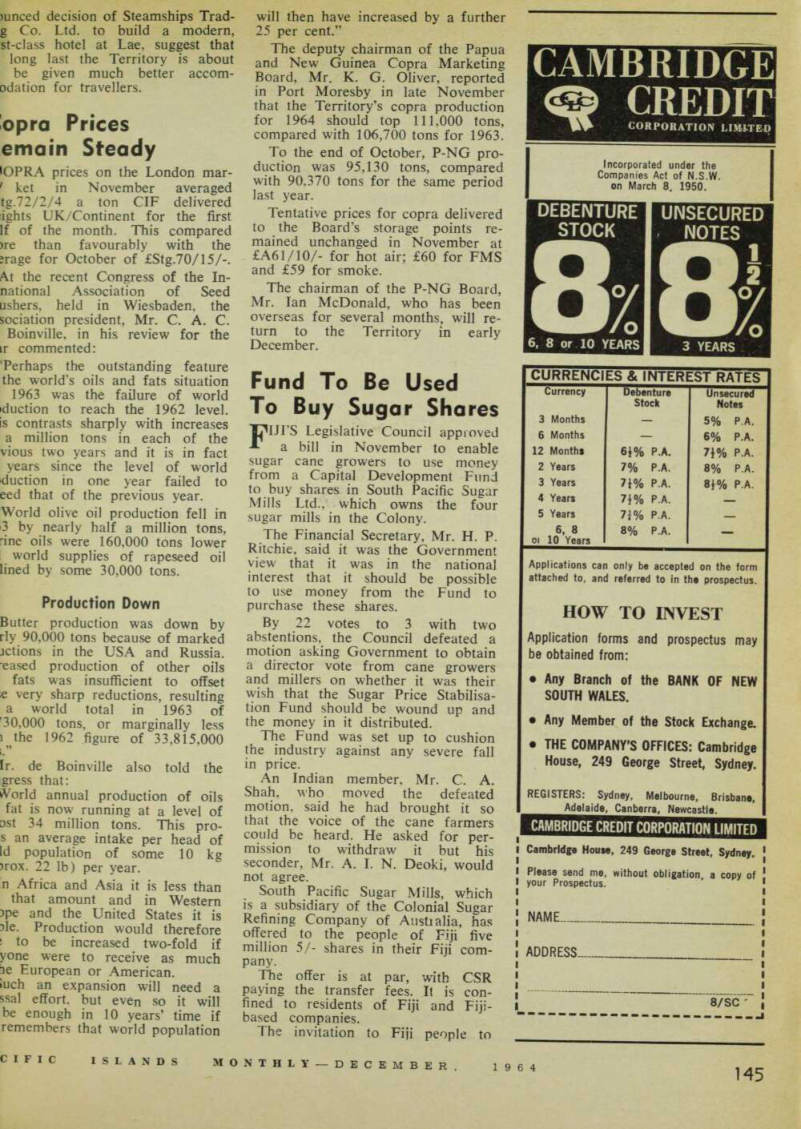 147
147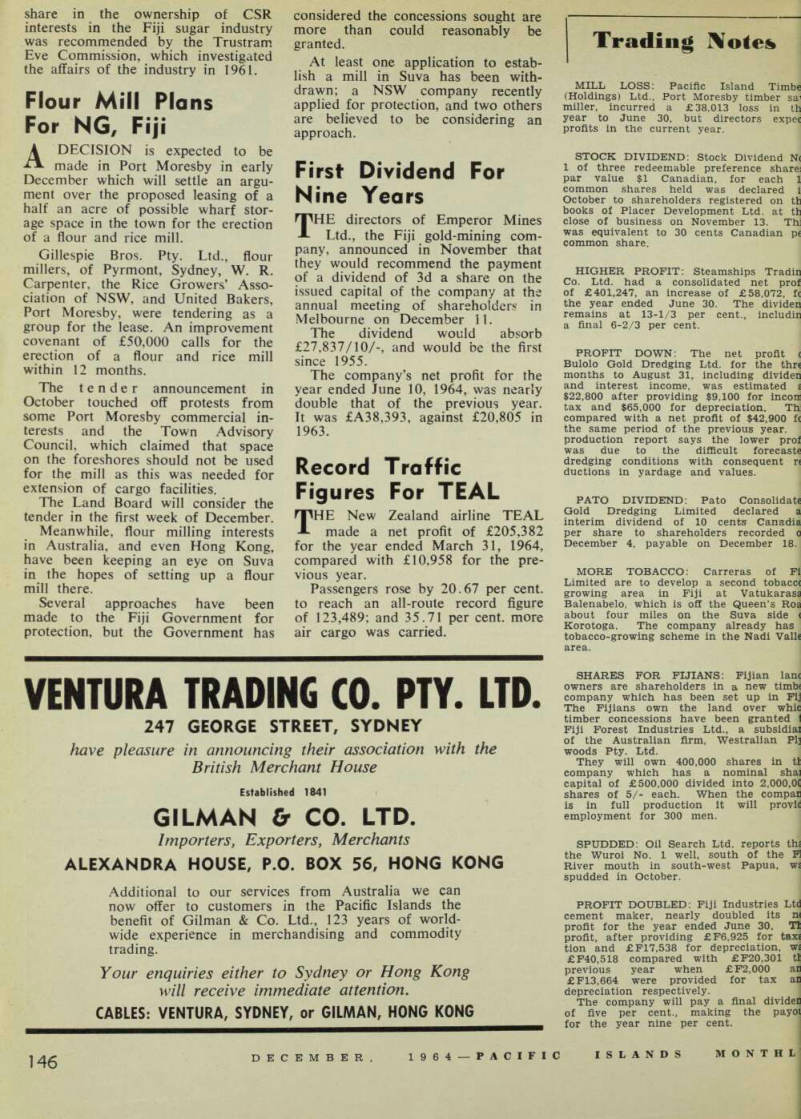 148
148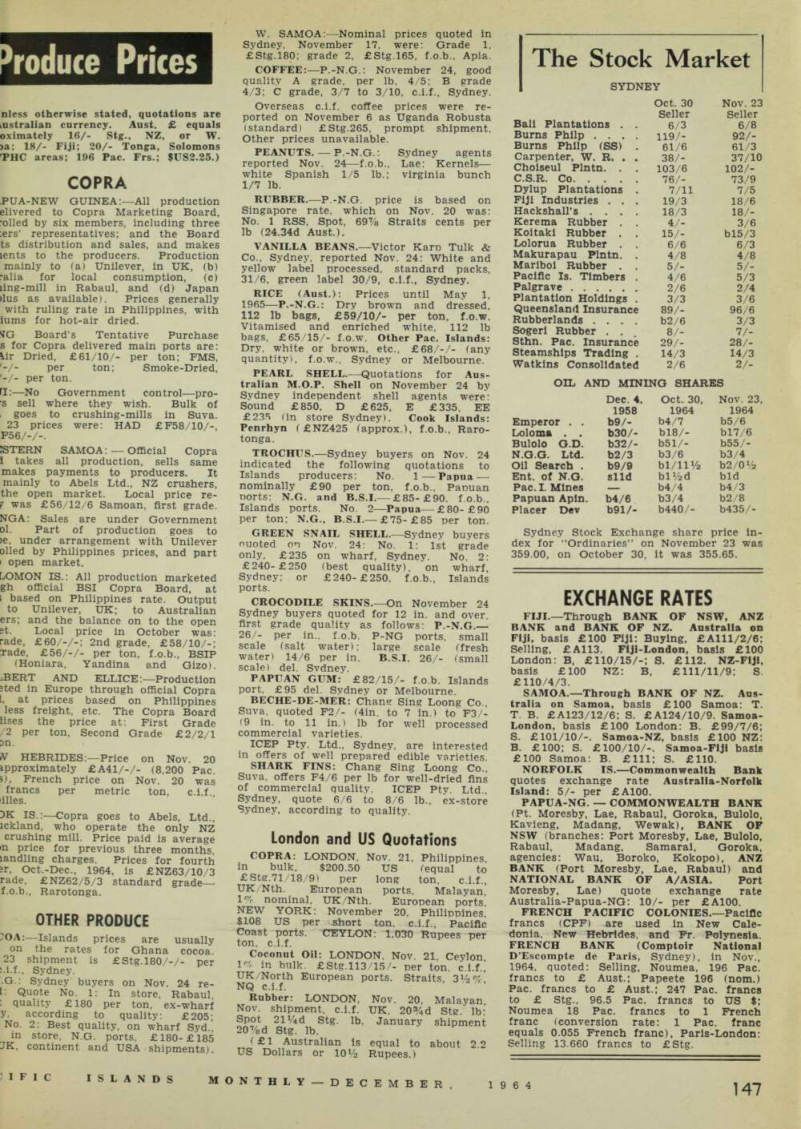 149
149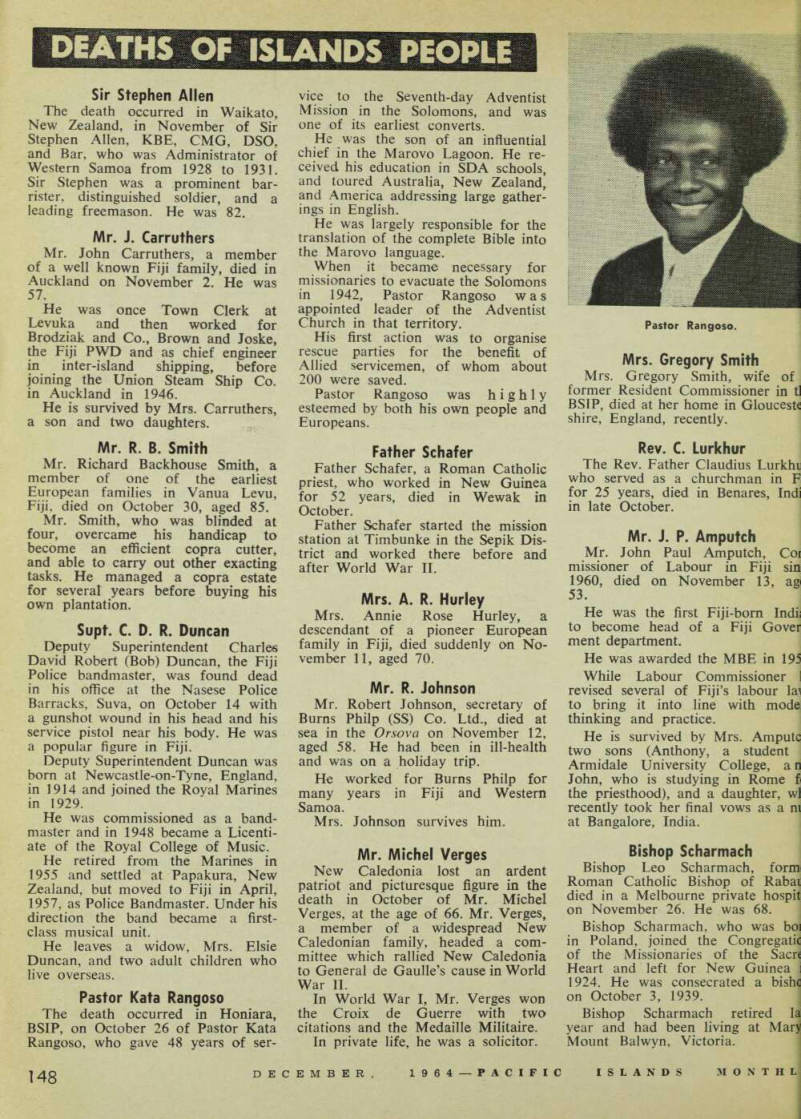 150
150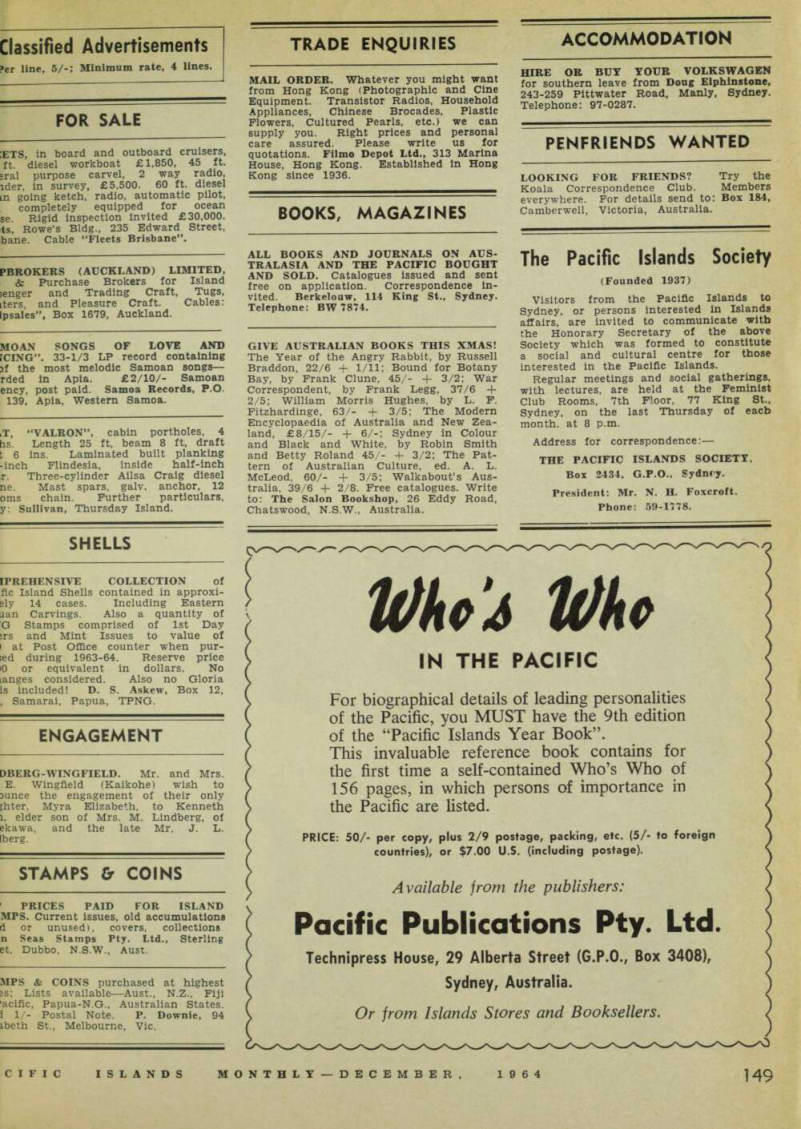 151
151 152
152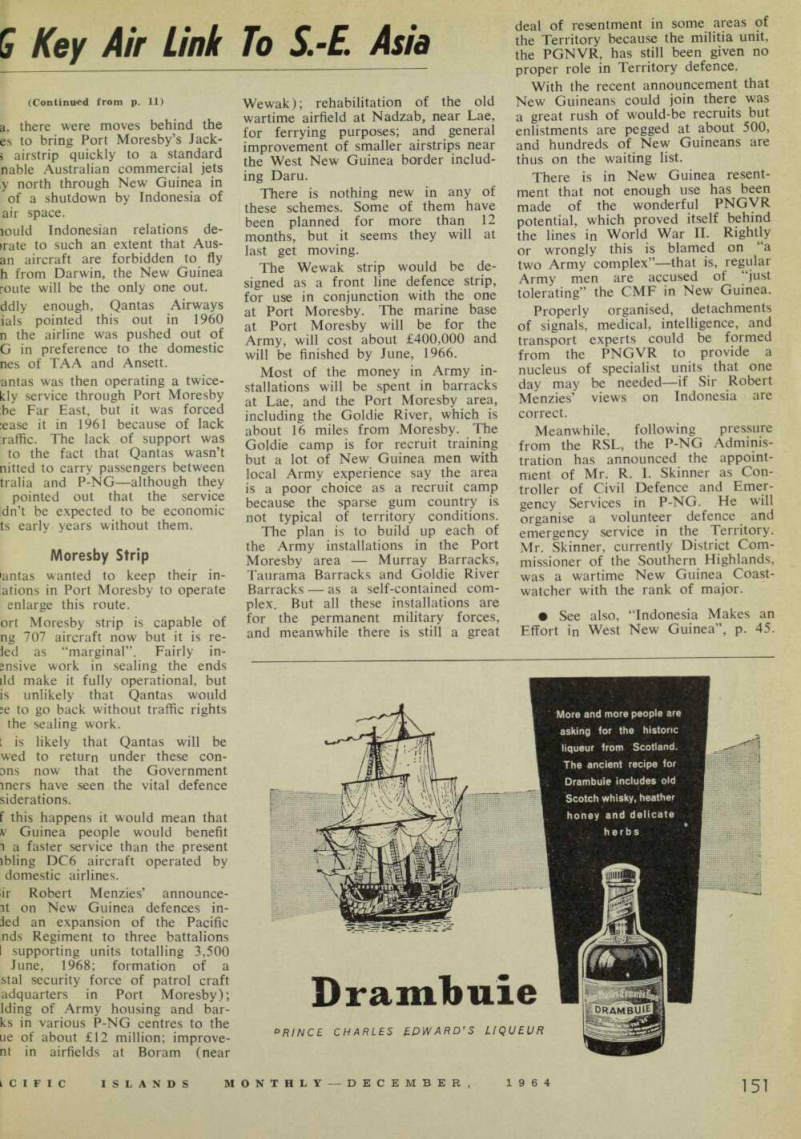 153
153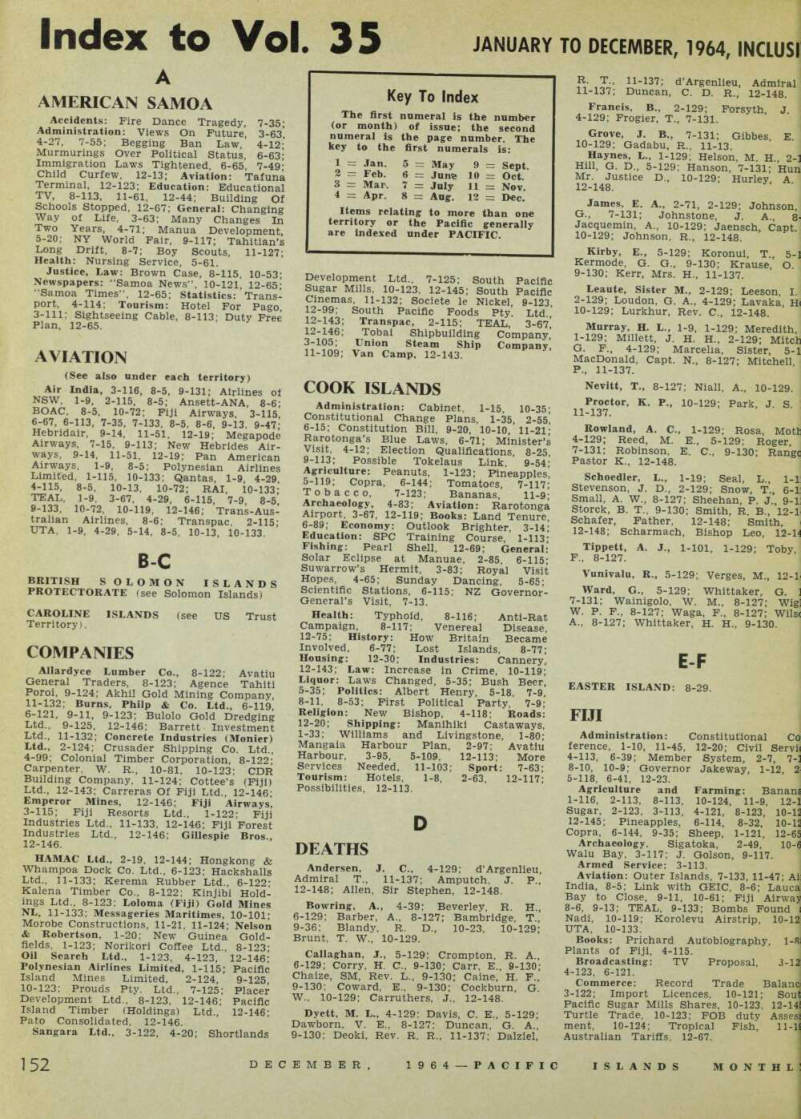 154
154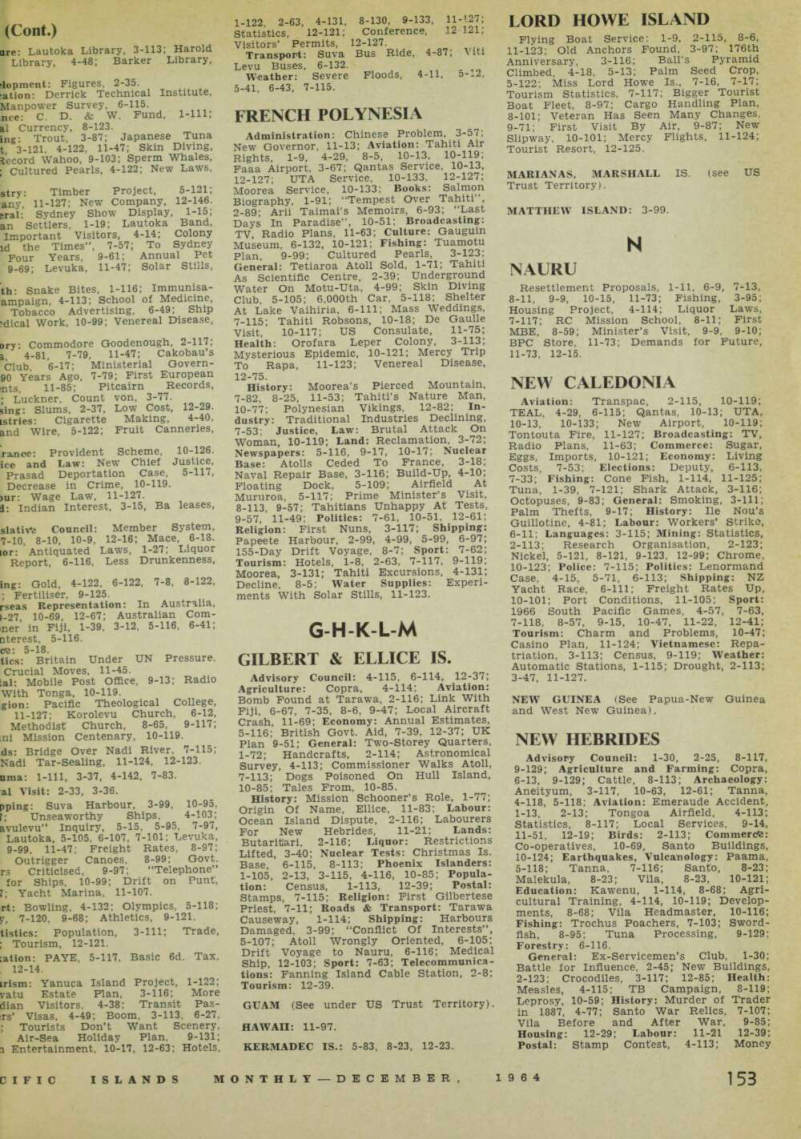 155
155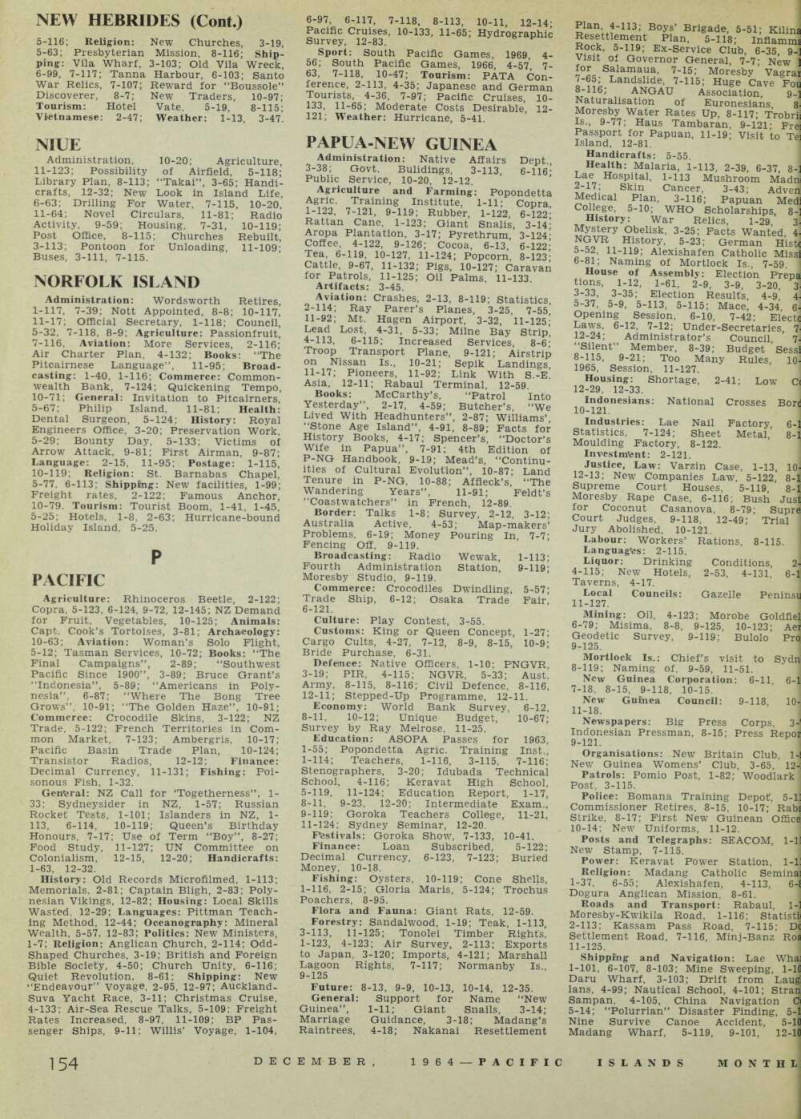 156
156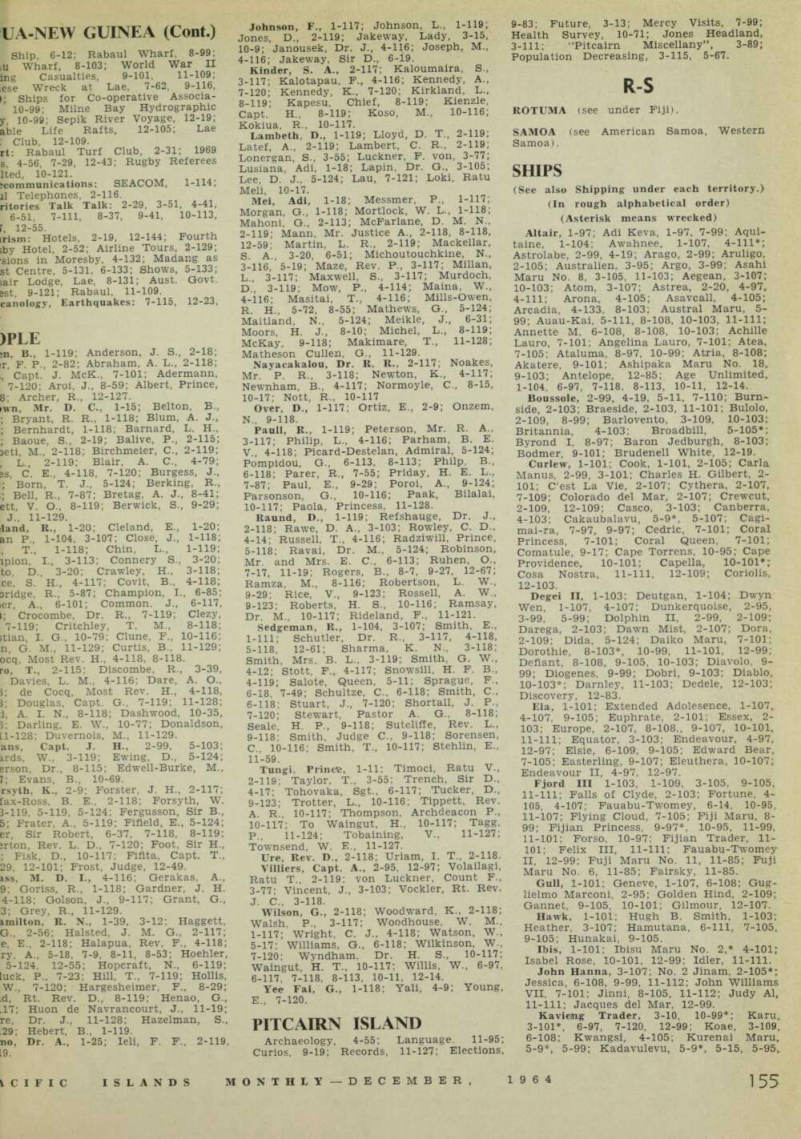 157
157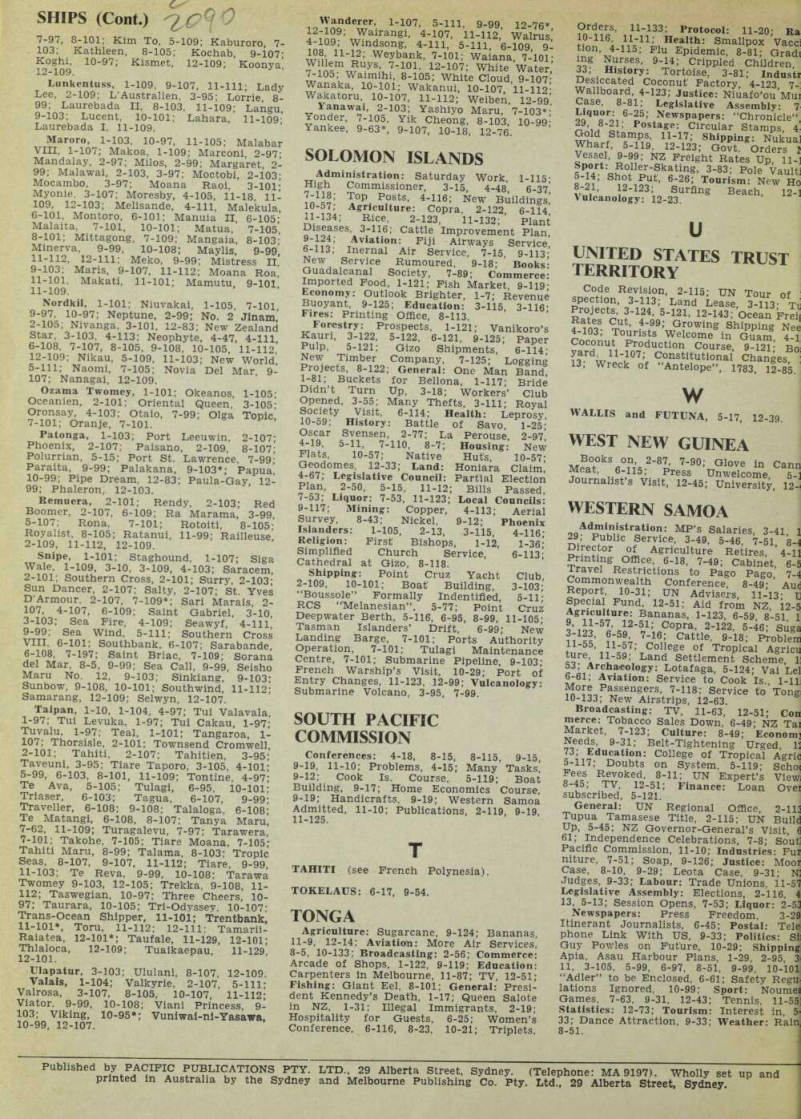 158
158 159
159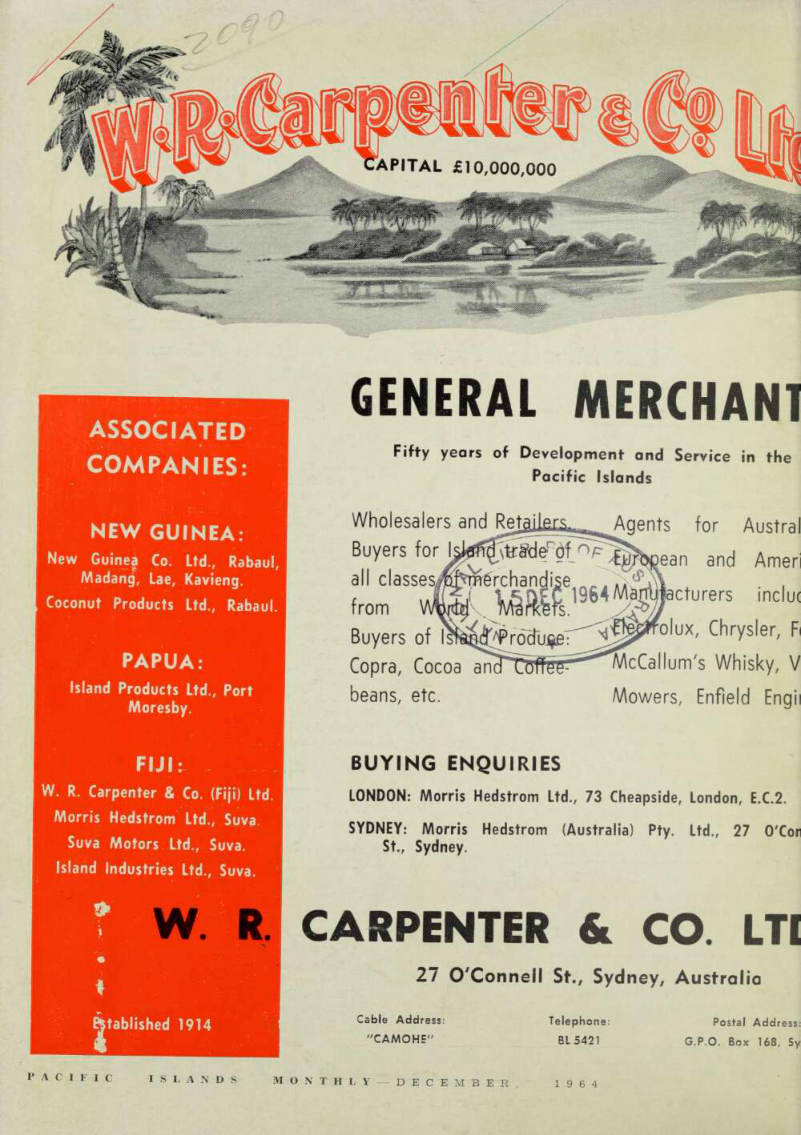 160
160