Monthly
Pacific Islands Monthly
February, 1963
Vol. Xxxiii. No. 7.
c'ed at G.P.O., Sydney, and at P.O.. for transmission by post as a Newspaper.
[?]red at G.P.O., Sydney, and at P.O., for transmission by post as a Newspaper.
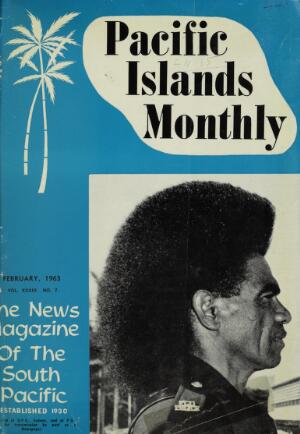
THE COVER: Take a good look at that bushy hairdo, the property of Sub-Inspector Leone Lesi of the Fiji Police Force, for it is the last one of its kind. Until a few years ago, such hair styles were the trademark of all Fijian policemen, but times have changed (See story, page 91.) The photograph of Lesi was taken by Rob Wright.
Advertisements & other items, pp. 2-4 (2 items)
See Australia with TAA
Wherever you want
■See more, enjoy more, do more than on any holiday before,
and even save money!
PORT MORESBY
CAIRNS
TOWNSVILLE
ALICE SPRINGS
BRISBANE
SYDNEY
ADEL
AIDE
♦ CANBERRA
MELBOURNE
HOBART
Save on TAA Tourist Class Fares. You can fly TAA from Port Moresby to Brisbane and back for only £69.6.0.
Regular TAA Sunbird services from Lae and Port Moresby to Australia connect with flights to all States linking the Territory to more than 90 ports throughout Australia.
Money saving TAA budget holidays.
There are dozens to choose from in such famous places as the Gold Coast, Central Australia, the Barrier Reef Islands.
TAA Travel Service makes all your holiday arrangements . . . plans personal itineraries and tours . . . arranges accommodation and local tours at your destination.
CONTACT YOUR NEAREST TAA TRAVEL ADVISER:
PORT MORESBY:
Len Vaughan, Cnr. Cuthbertson and Douglas Sts., 'Phone 2101.
RABAUL;
Max Knop, “Augusta House", Mango Avenue, 'Phone 2702.
GOROKA:
Bernie Gamble, Goroka Airport, 'Phone 8.
LAE:
Tony Dewiss, Coronation Drive, 'Phone 2311.
MADANG:
Henry Ohlmus, Kaislan Avenue, 'Phone 78 or 166.
FLY TAA SUNBIRD SERVICES
throughout the Territory of Papua/New Guinea—and to Australia.
TAA2B33/62
Iron in comfort without
fatigue with the new . . . ■mm ■ mm
Kerosene Self-Heating IRON
• Pre-heats with methylated spirits in 90 seconds. 1 Burns for 2 hours on one filling.
Built-in pump and large filler opening.
Easily dismantled for servicing.
Heat is evenly applied over baseplate.
J Model No. 615 Representatives for the Pacific Islands: ROBERT GILLESPIE PTY. LTD.. ROBERT GILLESPIE (N.G.) LTD., PEARCE & CO. LTD. 22 Young Street, SYDNEY. Rabaul, Port Moresby, SUVA.
Also 334 Queen Street, BRISBANE. Lae, Madang.
Triple-wrapped
packets
* & <9 V O' o <3> v <0 JO D * v 9^ V a fA rs» A & a
delicious buttered
or plain
Qrnotts
FAMOUS
Biscuits
There is no Substitute for Quality
1
CIFIC ISLANDS MONTHLY FEBRUARY, 1963
Pacific Islands Monthly
Publisher: R. W. ROBSON.
Editors:
Udy Tudor Stuart Inder
Manager: SELWYN HUGHES.
Elephones: Ma9197, Ma7101,
MA 4369.
G.P.O. Box 3408, Sydney,
graphic Address: PACPUB, Sydney.
Annual Subscription Rates:
currency; includes surface postage) Re Is. —P.-N.G., Fiji, Samoa, Norfolk, luru, B.S.I., Cook Is., Tonga, G.&E. p., Niue, New Hebrides, and . Pacific Is £1 4 0 :h Pacific Territories and West iw Guinea £1 7 0 ralia and N.Z £1 10 0 , British Commonwealth and Foreign DA Stg.) £2 10 0 \. and U.S. Pacific Territories 7.00 U.S.) £3 13 le Copies (postage extra) 2 6
Branch Office In Papua-Ng
Pic Publications (NG) Ltd., Theatre ling, Fourth St., LAE. Tel.: 2577.
Miss Pat Robertson, Manager.
Branch Offices In Fiji:
: Fiji Times Building, 20 Gordon St.
Tel.: 4043. )ka; Fiji Times Office, Vidilo St.
Tel.: 420.
Representative In N.Z.;
D. Whitcombe, P.O. Box 5179, Auckland.
Representative In Hawaii:
;. Spencer, 203 Yap Bldg., 3465 lae Ave., Honolulu. Tel.: 775538.
Representative In U.S.A.:
i. Craib, Box 1455, San Francisco California. Tel.: Mission 8-1075.
Representatives In U.K.:
). Ashburn, 13 Rood Lane, London, C.3. Tel.: Mincing Lane 8633. . Mackenzie, 4A Bloomsbury Square, don, W.C.l. Tel.: Holborn 3779.
BOURNE OFFICE: Newspaper House, 247 Collins St. Tel.: 63.7053.
NTS: All main trading firms and stores in the Pacific Islands. fic Publications Pty. Ltd., is the ralian agent for THE FIJI TIMES.
No. 7. Vol. Xxxiii.
February, 1963
Contents
Visiting UK Minister Sheds Little Light on Fiji's Future 5 Indonesia Must Wait Until May for
Wng 6
Border-Hopping Now Illegal in NG Territories 7 NG Liquor Laws "a Success" 7 Pace Increased for Staging South Pacific Games 8 Royal Tour in Fiji 9 Survey of Japanese Trade in the Pacific 10
Commentary 13
Copra Stabilisation Funds Under Review 14 P-NG Prepares for 1964 Elections .. 15
Tropicalities 17
Trustram Eve to Inquire Into Fiji Copra 25 P-NG on Threshold of Dramatic Radio Development 33 BSIP's Biggest Problem is Un certainty 41 Setback for Manganese Mining in the New Hebrides 43 Fiji May Need a Men's Interest Officer, Too 46 J. P. Bayly: A Fiji Colonist Who Will be Remembered 48
Territories Talk-Talk 51
Report on Tahiti, 1963 59 Five Years Left for Vanikoro Timber Industry 65 Fijians Rather than Indians Are Fiji's Problem 67
Sydneysider Goes Walkabout 73 The Unromantic South Seas —Seen by a Tourist . 77
Magazine Section 87
Book Reviews 95 News of Pacific Ships and Cruising Yachts 103 Interregnum in West New Guinea 118 Vila to Have New Hotel, Casino and Tourists 121 Solomon Islander Wins Fiji Appeal Case 123 Samoan Airline Hopes for Inter national Routes 125 West Samoa Sees Some Brighter Times Ahead 125 New Guinea Club Has Come of Age 126 Samoan PM Criticises the Critics ... 127 Comings and Goings of Islands
People 129
Games Bring New Interest in Fiji Sports 131 News from American Samoa 133 Tonkinese Repatriation May Begin Again 135
From The Islands Press 137
New Year Honours 139 Pitcairn Will be Protected from H- Bomb 141 In a Nutshell 144
People 146
Deaths of Islands People 149
Travel Talk 150
Commerce and Produce 161
Advertisements & other items, pp. 5-6 (3 items)
A Product of Pacific Publitations Pty. Ltd., 29 Alberta Street, Sydney
4
FEBRUARY, 1963 PACIFIC ISLANDS MONTH
Manufactured To
A GUARANTEED
SUPERBLY EVEN
SATIN FINISH ENAMEL
ililish Paints Un*'"
. SATI\ FINISH
ENAMEL pX
CHUNGS
r m^\i V / ' > ■ i 7/
MANUFACTURED TO
ALL TROPICAL CONDITIONS
Resists heat, humidity, mildew, fungus and mould! Satin-Tone gives beauty and long-lasting protection. Guaranteed free from < brush marks. Dries to a beautiful, even semi-gloss finish.
Satin-Tone is specially manufactured to stand up to the rigorous tropical climates. It dries hard—gives long-lasting protection interior and exterior walls, ceilings and all woodwork. It's unaffected by steam and cooking vapours, which makes it ideall kitchens, bathrooms and laundries. You can scrub it without hurting or dulling its distinctive satin lustre.
Skilled colour stylists blended Satin-Tone's exceptional colour range. You can choose from a wide selection of strong colours < soft pastels. See them now at your nearest British Paints Limited depot or store.
IMPORTANT: For maximum protection against fungus and mould growthalways treat new or previously painted surfaces with British R Limited's anti-mould solution.
Enquiries are invited from storekeepers to act as authorised agents for British Paints quality products.
Write to: British Paints Limited, Box 43, P. 0., Bankstown, N.S.W., Australia.
British Paints
SATIN FINISH ENAMEL
.SOLD AND RECOMMENDED BY:
Burns Burns Burns Burns Burns Burns Burns Burns Burns Burns Burns
NEW GUINEA:
Philp (New Guinea) Limited: Philp (New Guinea) Limited; Philp (New Guinea) Limited; Philp (New Guinea) Limited: Philp (New Guinea) Limited: Philp (New Guinea) Limited: Philp (New Guinea) Limited: Philp (New Guinea) Limited: Philp (New Guinea) Limited: Philp (New Guinea) Limited: Philp (New Guinea) Limited: Wau Bulolo Lae Madang Goroka Wewak Kavieng Rabaul Kokopo Daru Kainantu Kam Hong: Lae Scotts New Guinea: Lae Fang Mow: Wewak Laurie Chan: Rabaul Wong You: Buka Passage—Bougainville
PAPUA:
Burns Philp (New Guinea) Limited: Port Moresby Burns Philp (New Guinea) Limited: Boroko Burns Philp (New Guinea) Limited: Samarai Burns Philp (New Guinea) Limited: Popondetta
HONIARA:
A. C. Blair Ltd.: Honiara Ho Kee: Honiara Coral Industries
FIJI:
Burns Philp (South Sea) Co. Ltd.: Suvv Burns Philp (South Sea) Co. Ltd.: Lautti
NORFOLK ISLAND:
Burns Philp (South Sea) Co. Ltd.: Norfolk Island
Visiting British Minister
What Is Fiji's Political Future?
Visiting British Minister Sheds Little Light
From a Suva Correspondent Any far-reaching plans for changes in the Governmental system of Fiji will first be discussed in a conference in London between British authorities and representatives of Fiji com munities. However, it is not expected there will be any change in Fiji’s relationship with the Crown, as established by the Fiji Deed of Cession in 1874.
HESE points were made in Suva in January by Mr. Nigel Fisher, der-secretary for the Colonies, aking to a PIM staff correspon t.
Ir. Fisher had completed a tour the Solomons and the New Heb ;s (see below). As expected, there i generally nothing concrete in any Mr. Fisher’s replies to questions.
'he questions (in italics) and an rs were: \epresentatives of the Fijians have ed, quite definitely, that if any
change is planned in the form of government which may affect the fundamental rights of Fijians, as ex pressed in the Deed of Cession, they would ask the British Crown to re turn to the Fijians all the rights which they surrendered. How does the Colonial Office regard this stand?
“That, of course, is a hypothetical question, and no wise politician an swers hypothetical questions. In any case, I don’t think this one arises. I do not envisage any change in Fijian rights to land, as set out in the Deed of Cession.
“I am not thinking in terms of Britain’s withdrawal from the Colony.
I am thinking of an advance to in ternal self-government in Fiji.
“I envisage a continuing associa tion with the Crown, which leaders of all communities have impressed on me to be their desire. It seems to me a matter of preserving this associa tion; and it is on this line that I am trying to look at this problem.”
Consultation Before Change PIM stated in a preamble to one question that it was apparent the Colonial Office proposed to introduce into Fiji an increasing measure of self-government, and added: Is it the intention of the Colonial Office to consult the representatives of the different communities in Fiji, so as to ascertain what kind of self-govern ment will be acceptable to them?
Mr. Fisher said his idea was that anything that could be done should be done by agreement, and certainly by consultation.
“We have no idea of imposing anything upon the people of Fiji,” he said. He said he had come to Fiji to look, listen and learn.
He planned to collect the ideas of all communities and submit them to the Secretary of State for the
Colonies (Mr. Duncan Sandys) and his colleagues.
“Nothing will be done of a major constitutional character without con sultation,” Mr. Fisher said. “If we do move forward in the future—and I am not going to give a time-table— it would require a full-dress consti tutional conference which, I imagine, would be held in London under the chairmanship of the Secretary of State, and at which all communities would be represented, and all would have equal opportunity to put their views to the Secretary of State in working out a Constitution, in con sultation.”
He said that that consultation had already started with his visit to Fiji, in an informal, very friendly way.
The community leaders, in their turn (presumably after the con ference) would then consult their own constituents, and try to sell them the ideas they had reached in con sultation with the United Kingdom Government.
No "Vast" Conference in Fiji There are wide differences of opinion between the communities in Fiji concerning the character of the system of administration which may take the place of the present system.
Does the Colonial Office propose to take any steps to bring the communi ties together, so that they may them selves, in discussions, try to recon cile their differences of view, and unitedly make recommendations to the Colonial Office?
“I do not have any vast conference in mind,” replied Mr. Fisher. “I think it would be easier to reach agreement with a small number of individuals.”
It was for the leaders of the com munities to put up the agreed views
of their constituents, he said, and went on: “I don’t think the differences of opinion, as expressed to me, are as real as I feared they might be.
“I do want a united approach to these issues. It is only through making one nation out of Fiji that we can achieve the sort of future we want for everybody.”
The Burns Commission condemned the present system, under which the administration of Fijian native affairs is carried on separately from the rest of Fiji’s administration. Has the Colonial Office taken the Burns Com mission opinions and recommenda tions into consideration when making plans for the future government of the Colony?
“Yes, of course. I hope it does not sound too smug to say that the Colonial Office takes into considera tion everyone’s views.
“But the administration of their own affairs is, I think, a matter for the Fijians. It is deeply rooted in the customs and traditions of the past which, I know, are still greatly valued.”
Mr. Fisher said it was true that some Fijians had told him that the system should be altered to some thing more in line with modern con ditions. It had been put to him that the Council of Chiefs met only once a year, and this made prompt con sultation on major issues somewhat difficult.
But he thought that in time the Fijians would come more and more to realise that the system needed changing, in their interests as much as that of anyone else.
Mr. Fisher said he felt there was an advantage in establishing a proper system of multi-racial government in towns and townships, but not so much in rural areas. Local govern ment was very good training for national politics.
Will the Deed of Cession remain inviolate?
Mr. Fisher said he had found no disposition on the part of any com munity to alter it or change any par ticular clause. Most of the Deed dealt with the sovereignty which the United Kingdom had over Fiji.
Clause 4 was the only one which was directly concerned with the rights of Fijians, and it dealt with the ownership of their land. No one had expressed any wish to upset that.
On land usage, Mr. Fisher said he did not like to see land lying idle.
No one questioned Fijian ownership of the land; but everything should be done to encourage the maximum use of it.
Talk With Mr
Mr. Fisher
In an endeavour to get from the British Colonial Office, some indication of Britain’s intentions regard ing the future of Fiji, the Pacific Islands Monthly submitted a series of questions to the Under secretary for Colonies, Mr.
Nigel Fisher, in Suva on January 21. The questions and answers are published here in full.
Advertisements & other items, p. 7 (2 items)
5
C I F I C ISLANDS MONTHLY FEBRUARY, 1963
eed More Money’
The Under-Secretary of State or the Colonies (Mr. Nigel 'isher) said on his return to ondon from his Pacific factnding mission that the olomons and the New Hebrides ceded more money spent on lem.
“Generally speaking, there r e very few problems that cash mnot cure” Mr. Fisher said.
They are backward in educaon and communications. I ill not say they have been sglected.
“But I think they ought to ive had more of the cake when has been available, but it has ten given to other colonies here there has been agitation id political unrest.”
Mr. Fisher also said on his 'turn to London that the Fijians ere nervous over the possibility 1 being swamped by the Indian >mmunity. They were reluctant ' evolve along “normal lines” -cause of the fear that it might ad to independence.
“They want us to stay there," ? said.
Indonesia Must
Wait Till May
Transfer of sovereignty of West New Guinea to Indonesia earlier than May 1, 1963, the date set by the Agreement be tween Indonesia and Holland, has been turned down by UN.
THIS request by Indonesia to put forward the date of transfer co incided with a report that 1,000 Papuans had staged a peaceful demonstration outside UN head quarters in Hollandia asking to be “unconditionally incorporated” with Indonesia forthwith.
An Indonesian source reported that 18 leading personalities of West Irian had signed a petition. Accord ing to this source the leaders of the demonstration were J. Ouwe, Stokoro, L. H. Hamadi and M. Wajoi.
The first three are newcomers to the political scene (unless “J. Ouwe” is a deliberate or unintentional mis print for Jouwe, one of their pre- UNTEA leaders), but M. Wajoi could be Herman Wajoi. If they do mean Herman he must have had a big change of heart since he went to Jakarta for “reorientation” in October.
Herman Wajoi was the leader of the Parni political party and one of the founders of the National Congress that went into business just before
the UNTEA take-over on October and which was pledged to keep We’
New Guinea for West New Guinean He was also a Public Servant and tU Dutch thought highly of him.
Virtually nothing has been heas of other recognised WNG leadd since October 1, 1962. Hermn Womsiwor was last reported to “living quietly” in Biak; Maro Kaisiepo was to live in Holland as so was Nicholas louwe.
Crime Busters; The
introduction of seven Alsatian police dogs into Tonga six months ago has cut crime by 80 per cent., according to the Tongan Premier, Prince Tungi. "We can now sack half our policemen", he says jokingly. "Even on small islands where the dogs aren't used, thiev ing has been cut down out for fear that the dogs might be brought in". Four of the wonder dogs are shown here with their Tongan handlers.
Photo: Tulua Bros.
Australia's Future
Status In P-Ng
It is being rumoured in circles closi to Australian Federal politics that tH Australian Cabinet has recently dt cided to give Papua-New Guinea set; government within five years— whether P-NG wants it or not.
The reasons for this decision ai£ believed to be (a) foreign pressun and (b) the presence of Indonesia West New Guinea —and most peopq would be inclined to view (b) as reason why Australia should stay P-NG and why the natives should wii it so.
Territories Minister Hasluck an Deputy Leader of the Federal CC position Whitlam were both touriii P-NG at end of January. Mr. Hasluj said in Port Moresby that the Goven ment was concerned with encouragiii outside investment —without a viab economy P-NG self-government wou be a "sham". Territorians, of courn have been saying the same thing t years.
Advertisements & other items, p. 8 (1 item)
6
FEBRUARY, 1963-PACIFIC ISLANDS MONT H 0
Border-Hopping
Now Illegal
In N. Guinea
For the first time on record West vv Guinea natives have been sent :k across the border out of Aus lian New Guinea as “aliens”. 1 late January the Administration of P-NG announced that 44 ives who had arrived in Vanimo st on the Australian side of the der), looking for work had been ided back to UNTEA as “illegal nigrants”. )uring the Dutch regime in WNG, ives moved freely back and forth dss the border and it was no ret that some hundreds of West mans worked in Papua or that stralian New Guineans often ted Hollandia. The border people )ng to the same tribes and clans, :n own land in both Territories have lived in either as it suited n simply because they disregarded fact that there was a European le border. ’he people of Sentani—the fertile i immediately behind Hollandia— e family affinities with the Aus ian New Guineans just a few ;s away and at the time of the ch - Indonesian Agreement last r, 800 of them announced their ntion of going in a body to live the Australian side, n the event they didn’t do this and hey don’t do it soon—and sur itiously—it will be too late. lS late as October, a high ranking G official told PIM that if WNG ves crossed the border into Aus :an territory there would be no mpt to send them back, i the last six months, however, e has been a considerable change ieart in the Australian Territory, t there was the frantic effort to ey the border before the Dutch and to get the bulges or enclaves )utch influence back into the Aus an Territory where they belonged. ; Sept. PIM, p. 17.) hen came the outbreak of cholera he WNG territory and the very imate fear that human and aal diseases from which there been no danger while the Dutch s in control, would now find f way into the Australian terri er did national ambitions come it when the Dutch were there— r plan was that the West New
Guineans would be independent and they hoped that they would ultimately join forces with an independent Papua-New Guinea.
But from now it is going to be different. The border will not be just an imaginary line as it was in the 134 years of Dutch sovereignty, but a tightly held international frontier, even if it does divide native families and clan land.
In recent months P-NG Native Affairs officers have been patrolling in the area, impressing on border dwellers that they must make up their minds on which side of the border to live after May 1, 1963. It is also reliably reported that the Admini stration plans to establish a chain of quarantine stations and prob ably patrol posts right up the western border so that border infiltration will be rigidly controlled.
TECHNICIANS: There was no doubt about the interest of many of the P-NG native people in technical matters when "open house" was declared re cently at the Idubada Technical School, Port Moresby. All classrooms and workshops were opened for inspection, and more than 400 native visitors turned up to see for themselves. Here a crowd in the machine building watches students operate some of the equipment.
Liquor Laws Seen As Success
Prom a Port Moresby Correspondent It looks very much as if Papua-New Guinea’s new permanent liquor ordinance will follow the main lines of the proposals made in the Liquor Report.
THE new ordinance will be intro duced at the next meeting of the P-NG Legislative Council, to open in Port Moresby on February 25. It will cover all races in the
Territory.
At present there is a special Pro visional Ordinance, introduced last November, which has allowed the native people to drink for the first time. This bill will be absorbed by the new ordinance.
Feeling in Administration circles is that the big drink experiment has been a success and that the native people have proved they can take their liquor. It is not considered likely that the permanent ordinance will place any more restrictions on them than they have now.
Under the present provisions they can drink anything they like on licensed premises, but they are not permitted to take spirits away for drinking at home. They can, how ever, drink spirits if they are guests at somebody’s home or are at a function.
The permanent ordinance will not continue the restrictions on advertis ing liquor.
There is a pretty good possibility that' the permanent ordinance in February will restrict trading hours to some extent. The Liquor Report advocated this.
Advertisements & other items, p. 9 (1 item)
7
C I F I c ISLANDS MONTHLY FEBRUARY, 1963
South Seas' First Games
Pace Increases For Staging South Seas' First Games
Prom a Suva Correspondent A prominent English sporting official, Mr. Joseph Coyne, arrived in Fiji on January 17 to organise the South Pacific Games. Mr. Coyne was a swimming official at the 1962 Commonwealth Games at Perth, and has had wide experience of Olympic and Commonwealth Games.
HE will be employed full-time till after the Games end on Sep tember 7 to carry out the policy of the Games organising committee.
His designation is Director of Organisation.
The organising committee, which is made up of businessmen and Government officials, found that they were unable to devote the necessary time to such an exacting task as organising the initial Games for the South Pacific. Some of them at Perth in November and December had a quiet look round and decided it was necessary to have a full-time organiser. Hence Mr. Coyne’s appointment.
Many Ideas
Mr. K. C. (Kam) Gajadhar, sec retary of the organising committee, who was at the Perth Games as manager of the Fiji weightlifter, made a thorough inspection of all that was necessary to run such an event successfully. He returned to Fiji full of ideas about what can be done in the Colony, on a modified scale, to make the South Pacific Games an outstanding success.
His attitude is that the Games are not only for athletes and officials.
The public could also play an impor tant part in helping things to run smoothly. As an example, at Perth, many private citizens lent their cars to competitors and officials, some for the duration of the Games, others for a few hours each day. ‘We would like something like that in Fiji,” says Mr. Gajadhar. “It will help us a lot if we know we are going to have the use of cars to get officials and athletes to the various venues. If those prepared to help cannot let us have their cars all day, they could perhaps give them to us for two or three hours at definite times. That will be a big help.”
At Perth several motor firms put cars at the disposal of the organisers.
Some firms provided appliances for the Games Village, while others helped with equipment and the other
hundred and one items necessary make such a big undertaking; success.
Mr. Gajadhar said that Fiji, course, could not expect to prow facilities on a similar scale to Pei; The main athletic field is Buckhurst Park, which is good, swimming pool might give so trouble as the Suva sea baths are of Olympic standard, and the V boxing arena in Suva, at the PV recreation hall, Walu Bay, will hold very big crowds.
The South Pacific Commission make a grant of up to £6,000 to -j for equipment for the Games, equipment has already been orde:; The cost of running the Games; expected to be about £10,000,, which there is already more tJ £2,000. The money required! expected to come to hand, dess the fact that subscriptions have b comparatively slow.
The people of Ba and Tavuai the northern side of Viti Levu re* set the ball rolling when it c:: to collecting money for the Gan Without any prompting from and taking a national view, they\ ganised many functions, all of wl\ showed a profit. In a few w<\ they raised more than £5OO.
When their money was in hands of the central committee was then equal to about five-sir of the public subscriptions. T set an example to other areas, v/\ now have money-raising program! in hand.
Mr. Gajadhar expects there be many visitors from New Zear and Australia for the Games, ancb the Hibiscus Festival which s? the day the Games end. Accommr tion for an influx of visitors present problems, but there iss accommodation committee which i arrange private board, if all h<f and residentials are booked However, intending visitors shr make their requirements known soon.
Mr. Gajadhar said that Fiji w* have the biggest contingent at 1 Games —this was natural because* was the host territory.
Ng Women
In Form
P-NG women athletes will compete in the Australian Women’s Athletic Champion ships in Brisbane in March.
It will be the first time P-NG women have represented the Territory at any athletic meet ing abroad.
A former Victorian athlete, Mrs. J. Harley , who has been training P-NG women in Port Moresby for about a year, thinks the experience will be valuable for possible NG com petitors in the South Pacific Games in Suva. (There were no P-NG women athletes at the Perth Commonwealth Games). Photo shows Murio Pave about to throw the javelin during training exercises for members of the Central Districts Women's Amateur Athletic Club at Kaugure, near Port Moresby.
Advertisements & other items, p. 10 (1 item)
8
FEBRUARY. 19 6 3 -PACIF.C ISLANDS MONT H L .
Royal Tour Highlights
A Big Year For Fiji
Prom a Suva Correspondent
SUVA, January 28.
first time elect their own members to the Legislative Council and women will have their first vote. ’
ZITHER political moves are being v/ stirred up as a result of the recent tour of Fiji by the British Under-Secretary of State for the Colonies, Mr. Nigel Fisher (see p. 5). He has been obtaining the com munity’s views on Fiji’s future.
The visit of the Queen and the Duke of Edinburgh will be over by the time this is in print, for their’s is virtually a one-day stop. They arrive at Nadi by air on February 1, and next day visit Suva for one day aboard the royal yacht Britannia.
Britannia is already in Lautoka. She will later take the royal visitors on a tour of NZ and Australia.
A big group of Pressmen and cameramen from Australia, NZ and abroad have been arriving over the last few days to cover the royal couple’s first South Pacific stopdown, and there is a growing mood of excitement in the Colony. Fijians
have not been called “Britain’s most loyal sons for nothing.
At the end of March the Colony Council 0 * m 3 neW Le * islative Nearly 94,000 registered electors will go to the polls to elect four Fijian, four Indian and four Euro pean members. There will be two nominated Indian members, two nominated European members and two Fijian members elected by the Council of Chiefs.
This ., wil! give the Legislative Council 18 unofficial members, three more than at present, and 19 official members.
The inaugural South Pacific Games, to be held in Suva between August 29 and September 27, are also beginning to stir up great interest. far I. 3 territories have indicated
SSesTlil). Part
[?]se people were all to play a part in Fiji’s welcome to Queen Elizabeth in February. Above reading from left: Ratu Josefa [?]balavu, Tui Cakau (King of the Reefs) will present the "drying-out" ceremony-customary in ancient times when a high [?]f landed, wet, after a canoe voyage. Ratu Etuate Mataitini Vunivalu (warlord) will lead a party of chiefs aboard the [?]tannia" and offer the invitation to land. Adi Litia Tavanavanua will lead the "qalowaqa", ceremony of welcome to a lady [?]igh rank. Mr. R W. Balfour, Suva's Town Clerk. will be among those presented to the Queen at the wharf. Luisa Kamoe, Rotuma, will present a bouquet to the Queen outside the CWM Hospital, Suva.Below, Ratu Beorge Kadavulevu Cakobau, [?], Fiji s paramount chief, will present tabua (whales’ teeth) to the Queen and make a formal speech of welcome on [?]lf of the Fijians. The Queen will receive the tabua and pass it to Ratu Risiate Taurwau, her herald and spokesman (lower photo who will acknowledge it on her behalf. He will do all her formal speech-making-Photos: Rob Wright.
Advertisements & other items, p. 11 (1 item)
Islands Monthly February. 1963
The Growing Japanese Commercial
A Special Pim Survey Of:-
The Growing Japanese Commercial Empire In The South Pacific
Just over 20 years ago, the Japanese Army, Air Force and Navy were moving steadily southwards at the command of the political bosses in Tokyo in an effort to obtain political domination in the South Seas. Allied forces halted them, turned them back and defeated them.
MANY people believe that the end of the war brought an end to Japanese influence in the South Paci fic. But this is not so, for in the past few years Japanese commercial in terests have been moving unobtru sively into the area, and now their sphere of influence is much more ex tensive than that of their military forces ever was —and this is only the beginning.
Direct Japanese enterprise in the South Pacific has been mainly con cerned with tuna fishing but Japanese interests have also participated in mining in New Caledonia and Fiji and have looked into manganese pos sibilities in New Guinea. They could be in the picture, too, if and when the Indonesians decide to try to ex ploit the nickel deposits of West New Guinea.
They have a growing stake in the Pacific timber industry; are now in the market for South Pacific bananas; and are still French Polynesia’s big gest customer for Makatea phosphate.
But it is in trading—and particu larly in selling manufactured goods to the Pacific—that they are chang ing the whole of Islands marketing and look already to be in a fair way to ousting other countries which have, for generations, looked upon the area as their own traditional preserve. Al ready Japan has the market for tran sistor radios, cameras, binoculars and similar goods sewn up; and is whitt ling into bigger items such as the supply of cement, automobiles, tex tiles and bicycles.
Japanese capital and enterprise is now found in almost every island group south of the Equator. No figures are available to show how much capital is involved, but the fol lowing survey of the island groups from east to west gives some idea of the extent of Japanese trading and other interests.
French Polynesia
In July, it was reported—but so far is unconfirmed —that an American
company, Star Kist Foods, was plan ning to build a freezer in Tahiti for the tuna that would be caught in ad jacent waters by a fleet of 16 “chasers”, each of 76 tons, with Jap anese crews.
A specially equipped ship would call periodically at Papeete to pick up the catch to carry it to Japan and America. The company, which pre sumably had some Japanese capital invested, hoped to catch about 30,000 tons of tuna a year.
Problems of foreign investment in Tahiti are not as easy as elsewhere however, and there would be several snags to be overcome.
Japan, while it takes the lion’s share of phosphate from Makatea, sells very little to French Polynesia, which has a high protective tariff against non-French goods.
Cook Islands Details of a joint Japanese-New Zealand tuna fishing venture for the Cook Islands were being worked out last year. The plan was for a canning factory to be built at Rarotonga by Island Foods Ltd., a subsidiary of W. Gregg and Co., Dunedin, and the Japanese were to provide the boats and crews to supply it.
Part of the deal was that the Jap anese would help train Cook Islanders in their boats. Each boat was to train four Cook Islanders a year and use them at the end of their training to replace Japanese crew members. Eventually, full crews would be Maori. But the sale of profits from the catch would still be long to Japan.
However, long before this scheme was envisaged Japanese fishing boats from American Samoa were fishing in Cook Islands waters. One boat, the Taiyo Maru, was wrecked at Pukapuka in October, 1957; a second, the Tsuru Maru, was wrecked at Nas sau in November, 1958. A third, the Iwakuni Maru, was stranded at Muri, on Rarotonga’s south-east coast, in September last year.
American Samoa Van Camp Seafoods, an Amerioi tuna canning company, has hadb factory at Pago Pago since 19?
Japanese fishing boats and crews he supplied the catch.
A second American company, 2 Kist, is planning to build a canm alongside that of Van Camp anefc use Japanese “know-how” in the ss; way.
The Territory still gets the bulW its imports from (a) USA; (b) M Zealand. Hong Kong supplies soma its traditionally Eastern imports.
Western Samoa A Japanese company, Tojin Tokyo Seika Co., now has a I term contract with Western San for the import of bananas. Shipmr were made in the last quarter of ; year after three changes in shipc arrangements had created confuu and disappointment among grow There was a hold-up due to Japat import licences too —which was < pected to be resolved on March 1963.
It was reported in December a Samoan group was considering j ting a vessel built in Japan especa for the carriage of Samoan banc to New Zealand and Japan.
Western Samoa has been expoc copra to the annual value of as £5tg.65,000 to Japan in recent t and imports have been as £Stg. 146,000 —mostly textiles, tt cement (Japan has virtually the tire market), toys, radios, etc.
Tonga
Tonga’s Premier, Prince Tungii: nounced late last year that T 1 hoped to build up a banana • with Japan and to develop a fiif industry with Japanese assist!
Tonga has been interested in tit Japanese for some years now and some tragic luck when a new fist! training vessel, Teiko, with a Jsi ese master, sank with all hand late 1961. They were teaching Tongans long-line methods at! time.
The Tongan tuna industry isi forgotten, but is in abeyance as moment.
At present Tonga does not sell! I much to Japan, but hopes, with and Western Samoa, to develop banana export industry, whem shipping problem has been se; and Japan’s import restrictions! lifted. If Tonga provides coconui the proposed coconut processing! tory in American Samoa, it will,,
(er, probably be unable to develop a gger copra trade with Japan.
Amongst the manufactured goods onga takes from Japan are cement, ad i o receivers, photographies, xtiles, cameras and motor cycles, owever, the trade, at present, is not rge in either direction.
Fiji
A proposal by Japanese interests, th some Fiji capital, to set up a □a fishing industry at Levuka, the rmer capital of Fiji, has been in the : since the end of 1961. The diffi- Ities that have not been ironed out e the Japanese Government’s recent Eusal to allow funds to be used to tablish a cannery and the problem whether Japanese technicians and hermen and their families will be rmitted to live on the island of ralau, of which Levuka is the main Qtre.
Fiji has agreed that essential Jap ese technicians and management icials could be given residential rmits, but has insisted that crews :>uld remain on ships’ articles.
However, the Japanese Govern :nt has made regulations prohibit ; their fishing fleets from operating erseas unless bases are established lore for their crews.
Fiji has been given to understand it between four and five members every crew would expect to have :ir families based in Fiji. If there re 100 ships, this would mean the of between 400 and 500 uses and would bring about 1,000 lanese to Fiji. i\t the moment the Japanese are unsidering their proposal about the mery and are recasting their pro sals about the influx of fishermen J their families.
Meanwhile, many Japanese boats ve been fishing in Fijian waters. At st half a dozen have been wrecked reefs there in the past two years, lapan has been an important market Fiji manganese, which had its )m period 1956-59; but the more :essible deposits have now been rked out and the price has fallen a point where there is not much srest in the industry. Japanese have o been taking an interest in copper >osits at Udu Point, Vanua Levu; (e worked iron ore deposits on Viti vu and done exploratory work on i v on-bearing beach sand at Siga a, Fiji, with Western Samoa and nga, is also expecting to begin ;ular shipments of bananas to )an this year. rhe growth of Japanese imports o Fiji has been phenomenal—from value of £F229,029 in 1957 to
£1,331,262 in 1961. And now that Fiji has decided, in the interest of promoting tourism, to lift import duty on cameras, transistor radios, tape recorders etc. —virtually all of which come from Japan—Japanese imports into Fiji are sure to increase. (In 1961, for the first time, the value of Japanese imports was greater than imports from New Zealand.) New Hebrides A tuna fishing industry, with head quarters at Santo, was established in the New Hebrides in 1955, using British and American capital and Japanese skill. The companies which started the industry were Deichi Bus san Kaisha and Nanyo Boeki Kaisha, of Japan, the Washington Fish and Oyster Corporation, of America, and D. J. Gubbay & Co., of New Hebrides.
After a freezer, ice works, a wharf and other installations had been built, the establishment got into production in 1958 employing 34 Japanese ashore, helped by 35 natives and five local Europeans. Seven Japanese fish ing boats were then being used.
In 1961, a total of 3,673,151 tons of frozen fish worth £5tg.372,915 were exported. In the first nine months of last year, the figures were 2,871,516 tons, worth £5tg.331,103, Trade with Japan in the first nine months of 1962 showed imports valued at £Stglo2,7oo and exports (fish and manganese) valued at £Stg 177,470 Solomon Islands An agreement was concluded in November between the BSIP Gov ernment and Nanpo Ringyo Kaisha
Limited, of Tokyo, granting the com pany timber cutting rights over the major part of Baga Island, in the Western Solomons. The agreement was for five years in the first instance, which would allow the company to cut 15 million super feet of timber annually. Most of the production was expected to be exported as logs to Japan.
It is understood that Japanese in terests would also like to start tuna fishing in the Solomons, possibly using Tulagi as a base.
Of more immediate impact was the sale of the old BSIP Trading Cor poration in 1962 to the D. J. Gubbay- Japanese combination of Santo, New Hebrides. It is understood that Jap anese Mitsubishi have substantial interests in this firm, and it is likely that this will bring more Japanese goods into the BSIP. Nonetheless they will not enjoy the same open-go as in some other territories as BSIP has a British preferential tariff that will continue to give a more favour able deal to the traditional Hong kong market.
New Caledonia It was announced in October that the Taiyo Fishery Company would install a freezing plant for treating tuna caught off New Caledonia on a small bay on the Ducos Peninsula, which forms one limit of Noumea harbour.
The company sought permission to send a refrigeration ship to work in Noumea as soon as possible, pending the erection of the freezing plant and the completion of formalities for the
(Continued on page 143)
RECORD CROWD: Apia Turf Club Had its most successful race meeting for years when a record crowd attended the Boxing Day meeting at Apia Park. The crowd was swelled by some of the 350 tourists from the "Wanganella" which called that day.—Photo: Samoana.
itablishment of the company in New aledonia. „ , . , A fleet of about 25 fishing boats as expected to fish off the western nd north-eastern coasts of New laledonia. It was hoped that the ipanese company, when in full peration, would pump about 500,000 into the local economy. ! It was also announced in October lat a Japanese company was willing , assist financially and technically in reating a canning plant for citrus r uits in New Caledonia and to ex loit the product on a world market, 'his followed a trial shipment of 800 5 of citrus fruits from New Cale onia to Japan.
In January, two Japanese experts in New Caledonia investigating tie possibility of fishing for trepang sea slugs or beche de mer). A quick urvey of some of the reefs showed hat the creatures were plentiful. The apanese were also interested m buy ng shark fins.
The Japanese have long been in crested in New Csledonis s nickel md chrome and before the war had oncessions in the Colony. Since the var they have been New Caledonia’s lest customer for low grades of these ires. The balance of trade has been ill in New Caledonia’s favour —it im lorts goods to about one-sixth the falue of its exports to Japan.
Papua-New Guinea
Following the loss of timber leases n West New Guinea, Japanese in vests were negotiating big timber contracts in mid-January with Aus tralian logging operators in New Britain. The contracts could have an annual turnover of about £1,500,000.
The growth of imports from Japan in the last half dozen years has been great—and this coupled with the almost equal volume of imports from Hongkong is already giving Austra lian manufacturers and exporters some headaches.
Japan is now second in importance in countries who export to the Terri tory.
In the year ending June, 1962, it, for the first time, beat the UK to second place with goods valued at £1,907,000. In 1956-57 the value was only £631,000. In 1962, P-NG ex ported goods valued at £A609,000 to Japan—mostly in the form of copra, cocoa, timber and shell.
There is no preferential tariff for British imports in P-NG.
Advertisements & other items, pp. 12-14 (4 items)
10
FEBRUARY, 1963-PACIFIC ISLANDS MONTH
11
tCIFIC ISLANDS MONTHLY FEBRUARY, 1963
12
FEBRUARY, 1 9 6 3 -PACIFIC ISLANDS MONTH
Hedstrom
MORRIS
LIMITED
HEAD OFFICE; SUVA, FIJI
LONDON OFFICE
Morris Hedstrom Limited Barclay's Bank Buildings, 73 Cheapside,
LONDON, E.C.2.
AUSTRALIAN REPRESENTATIVE
Morris Hedstrom (Aust.) Pty. Limited Wales House, 27 O'Connell Street,
SYDNEY
REGISTERED CABLE ADDRESS:
DEUMBA—SUVA, MORRISHED—LEVUKA, MORSTROM
SYDNEY, SUVAAAARK —LONDON, MORRISCO
NUKUALOFA, DEUBA—APIA, CODES: ALL
For Friendly Service and complete satisfaction it's Morris Hedstrom Ltd. in General Merchants Produce Buyers Importers and Exporters
Ship Owners
Plantation Owners Commission and Insurance Agents
AGENTS & DISTRIBUTORS FOR:
Adhesive Tapes, Ltd.
Bush Radios, Ltd.
Bowater —Scott Corporation, Ltd.
China Navigation Co.
John Dewar Gr Sons, Ltd.
Electrolux Limited.
Evinrude Outboard Motors.
Ford Motor Co.
General Electric Co. Ltd.
Goodyear Tyre & Rubber Co.
Guinness Exports, Ltd.
Medley, Thomas & Co. Ltd.
Imperial Chemical Industries, Ltd.
Matson Navigation Company.
Mobil Oil Australia Pty. Ltd.
Max Factor & Co. Inc.
Parker Pen Company.
Ransomes, Simms £r Jefferies, Ltd.
Rootes, Ltd.
Smiths English Clocks, Ltd.
Tanqueray Gordon & Co. Ltd.
Taubmans, Ltd.
Yorkshire Imperial Metals Ltd.
Morris Hedstrom Limited are
LLOYD'S AGENTS
in Fiji and Samoa
FIJI SAMOA TONGA
Commentary
ipan's New South Seas
o-Prosperity Sphere
REGULAR PIM readers would have noticed the build-up of janese trade interest in the South is in recent years. Hardly a month ;s by when PIM doesn’t report ne new development—minor in it f—in one Islands group or another. the report, page 10, shows the mds picture covers quite a broad ivas. But it’s an even broader one you take into account the big in ase in Japanese trade in both Aus lia and New Zealand, fhus what the Japanese couldn’t in the South Pacific during World ir II they are now on the way to ng by a different method. They building something of a Greater it Asia Co-Prosperity Sphere.
Jefore the Pacific War this would r e been unthinkable and older ders will remember the protests I alarms that always attended the iting of Japanese fishing vessels where in the South Seas and the utation they earned as shell chers from Pacific reefs, apanese investment, concessions, ling, or interests in the area were, those days, looked upon with the atest foreboding. Japan’s sharp aufacturing practices, particularly the branding of goods, were arious and “Made in Japan” was onymous with shoddy, hese days, Japanese fishing know / is welcomed in the very areas ;re Japan’s presence was once thema, to the extent that when country thinks of “development” ;ems to think of “tuna fishery” in same breath. apanese investment, if not exactly :omed by everyone, is tolerated administrations to an extent that ild have been unbelievable in its war context. apanese manufactured goods, at same time, are no longer shoddy lanufacturers there are capable of ing out small and large products compare with the world’s best, some fields—such as transistor
os, cameras and binoculars—they
J the field virtually to themselves. glance at the trading figures of iy South Pacific territories, as set m our survey this month, shows vast change that has come over trading pattern in this area in last five years, and the large portion of it that now belongs to m.
In some cases Japan has usurped the place of other nations; in others she has benefited from the advance ment of the people of the area and created a new market for herself.
Most of this has come about be cause most Pacific countries have accepted the fact that this area is the legitimate trading area of Japan as it is of Australia and New Zealand— that she has to live and we have got to learn to live with her.
Japan, moreover, is a good custo mer as well as a supplier. She is saving the Australian wool industry from depression; she takes Pacific phosphate, copra, cocoa, fish, minerals and other raw materials. It looks as though she is going to give Fiji, Samoa and Tonga an outlet for their bananas which, up to date, could be sold only in limited quantities in New Zealand.
Since Britain’s abortive negotiations to enter the European Common Market began 18 months ago, we have been told repeatedly that Aus tralasia and the South Pacific belongs to the Asian trading sphere and the growing importance of Japan in the area simply gives emphasis to the proposition, Japan is here to stay—mostly be cause she is performing some task no one wants, or is capable of taking on; is risking capital in commercial propositions the rest of us feel to be unattractive or unsafe; is buying produce that others feel they can do without; and selling us goods that, quality for quality, can more than compete with those made by more traditional suppliers.
If this trend continues—and there seems nothing to stop it—Japan must inevitably play a larger and larger part in the affairs of the Pacific. If we believe that this is fair and right, we should do what we are doing now —sit back and just talk about it. If we believe that it would not be a good thing, economically or politic ally, we should think more construc tively on how to meet Japan in fair competition for the Islands markets that are so quickly developing.
PIM believes that the Japanese should never be allowed to develop a trading monopoly in the South Pacific but that is what will happen if European interests continue to do nothing more constructive than com plain. Japan is earning its place in the Pacific while we are losing by default. We will continue to lose un less we recapture some of the 19th century spirit of adventure which in
spired our grandfathers to go out and develop Pacific trading against even greater odds than we face today.
What is Happening
To the South
Pacific Commission?
PREPARATIONS are being made under which Mr. W. D. Forsyth, OBE, a top-level man of the Aus tralian Department of External Affairs, will take over the Secretary- Generalship of the South Pacific Commission next month.
Mr. Forsyth left Sydney on February 1, to spend a couple of weeks in Papua and New Guinea.
He will leave Sydney on the Mari posa, on March 21, for Noumea, and is expected to take charge of the South Pacific Commission organisa tion about March 24. It is under stood that the retiring Secretary- General, Mr. T. R. Smith, will leave Noumea, for Sydney, late March.
Although it was indicated, months ago, that a “review conference” was contemplated, no announcement has been made by any of the Member Governments concerned (Britain, Australia, France, United States and New Zealand) to indicate whether there are to be any changes in the structure or activities of the 15-year old Commission.
The winds of political change are blowing with increasing strength through the South Pacific Islands.
Some attempt should be made, through some international agency, to co-ordinate the policies and plans of the five nations concerned with the future of the Islands Territories. The only such agency in existence is the South Pacific Commission. But, if it is to be used in relation to political development, there must be changes in the 1947 Agreement under which it was constituted.
Other factors demand attention: Is Indonesia to replace Holland on the Commission, now that the Dutch are gone from West New Guinea? Has any provision been made to admit the new, independent country of West Samoa to the Commission? In view of the growing hostility of France to what it believes is an Anglo- American partnership in world affairs, does France wish to remain in the South Pacific Commission? In any event, is it not a fact that the four English-speaking nations in the South Pacific Commission have found their association with France more of an embarrassment than an advantage?
There are plenty of subjects for the attention of an SPC “review con ference”; but no sign, as yet, that such a conference actually is planned.
Advertisements & other items, p. 15 (1 item)
13
CIFIC ISLANDS MONTHLY FEBRUARY, 1963
The Individual?
Copra Reserve Funds
Should They Protect The Industry Or The Individual?
A New Britain native has been appointed to the Papua - New Guinea Copra Stabilisation Board for the first time.
HIS appointment, and that of four others, was announced by the Minister for Territories on December 28. They will remain in office for the next three years.
Board members now are: F. R. Wilson and W. J. Grose (representing New Guinea European producers); B. Fai r f a x-Ross (representing Papua’s European producers); Nason Tokiala, of New Britain; The P-NG Director of Agriculture, Stock and Fisheries.
Nason is president of the Vuna dadir-Toma-Nanga-Nanga Local Gov ernment Council, in the Rabaul sub district.
The native producers, whom he now represents on the Board, are estimated to be producing 25 per cent, of the copra exported from Papua- New Guinea, although in the Fund’s most formative years the percentage of native copra was far less than that.
The Fund that the Board admin isters —and from which pay-outs will be made when, or if, the world price of copra falls below economic limits —now amounts to about £3,750,000.
First Payments
First payments into the Fund—then and later as a levy on each ton of copra exported—were under National Security Regulations in 1946. At that stage, the levy was £1 per ton. In May, 1947, the levy was £2/12/per ton and a few months later £6/17/6 per ton. Levies reached their highest point after April, 1948, a deduction of £B/5/- per ton —at a time when the Territories regime of Mr. Eddie Ward, MP, was in its final phase. The levy was down to £5 a ton after January 1, 1949 and from August, 1952, it was only £2, and continued as such until March, 1958, when it was put on a sliding scale according to f.o.b. value, with a maximum of £1 per ton.
After July 21, 1959, Fund deduc tions ceased altogether (export duty
ceased on the same date because of the introduction of P-NG income taxation).
The Fund had reached an amount, at that stage, when interest on the capital was producing more income than the £1 per ton levy on exported copra and further contributions from producers were considered unecessary.
Interest compounded with the capital had brought the Fund up to £3,452,500 by September 30, 1960.
It has now reached £3,750,000.
After the boom period, 1958-60, copra prices hit some low patches and the world price, though now a little better, is still not calculated to make producers turn too many hand springs. Nonetheless, there have been no pay-outs from the Fund and one may wonder what its ultimate fate will be.
A great many of the people who contributed most to the Fund will never benefit —they have sold their plantations and got out of the in dustry.
On the other hand, if some time in the future, someone starts to dis tribute the Fund, many who have never contributed a penny to it—who might, in fact, have planted up a new plantation after levies ceased— will benefit.
This can probably be considered fair enough as the Fund was created to protect the industry and not the individual.
It is conceivable, however, for the Fund to fall like a ripe plum into the lap of some future newly in dependent state of P-NG at a time
after the owners of European air company-owned plantations, whiu are still producing 75 per cent, i P-NG’s copra, have, like the poetio Arab, folded their tents and silenti stolen away.
Western Samoa, which also has? copra reserve fund, has taken tt opposite line of approach to P-Tv and with it has endeavoured to pi' tect the individual and not necc sarily the industry.
In 1961, it drew on the Fund 1 £8.28,000 in order to keep the lo«< price of copra to the equivalent £Stg.6o c.i.f. UK. It is expect; that the Fund will show a loss t 1962, as well, although interest the £503,000 in the Fund at end 1961 was expected to cancel o some of the deficit. About four-fifti of the Fund is invested in New Zal land.
Samoans 7 "Right to Benefit"
It was the opinion of the Wv Samoan Copra Board that produc: who had contributed to the reseie for a dozen years had a right benefit from it when hard dm came.
There is, however, another anr to be considered in Western Sam —B5 per cent, of the copra expon is produced by small holders. If price sinks too low, they simply le:; the nuts to lie where they fall s don’t bother to cut copra. As a c: sequence, copra exports fall and does the Territory’s overseas es
ings.
Western Samoa at present is porting about 13,000-14,000 tons? copra a year. If the Samoans dioj use so many coconuts for food tt could export about twice that mu And if there were no rhinoc© beetle infestation of plantations, tt might be able to export 40,000 tt —if the Samoans could be indiu to cut that much copra, which se« unlikely unless the world price n a good deal higher than it is at j sent.
In 1963, Western Samoa will 5,000 tons under contract to Unites UK (which is 1,000 tons less tt in 1962); 3,500 tons to Abels, II New Zealand (about 500 tons than in 1962); and will sell the on the open market in Japan, So America and the Continent.
The Board, at the moment, appc to favour open-selling, rather t contracts, and if they can do as ' as it is expected, may whittle o tract-selling down even more ; future years.
Nason Tokiala, of New Britain, who was recently appointed to the P-NG Copra Stabilisation Fund Board.
Advertisements & other items, p. 16 (1 item)
14
FEBRUARY, 1 9 6 3 - P A C I F I C ISLANDS MONTH!
P-Ng Prepares
For Big 1964
Election
Although amendments to existing apua-New Guinea legislation will e necessary before the P-NG Legis \tive Council can be reconstituted, r ative Affairs officers in the Territory re already at work on the new jmmon electoral roll.
Recommendations Made By
the Legislative Council Select ommittee on Political Development st October were that the number I members of the Council should be creased from the present 37 to 65 -55 of them elected. Amongst the > elected members provision is made »r 10 non-native members who ould represent “reserved” elector es. The rest will be natives.
It was recommended also, that the > should be elected from a common >ll.
In the last P-NG Legco elections, itive members were chosen on an ectoral college system. There is erefore no electoral roll for them id this must be built up from ratch—a task, it is calculated, that ould take at least a year. European, uronesian and Asian voters are ready recorded on electoral rolls.
The next election is due in March, >64, and the recording of natiye iters —a vast majority of whom will i illiterate—will go on all the rest this year.
The work is being done in con nction with regular census revision itrols which in the course of each ;ar visit every area of the Territory ith the exception of the few regions tiere full Administration control is it yet complete. The population in ese latter areas is estimated at ound 96,000. The total Papuan id New Guinean population of the ;rritory is just under 2,000,000.
Names of all Papuans and New uineans eligible to vote—all persons 10 will be 18 years of age or over March, 1964—-are to be recorded iring the regular census patrols, ecked both from Village Registers id a census head count.
Under the proposed new legislation, gistration of voters will be com ilsory, but voting will be optional the 1964 elections. The Select ommittee has recommended that msideration of compulsory voting ‘ considered later.
Advertisements & other items, pp. 17-18 (3 items)
15
ACIFIC ISLANDS MONTHLY FEBRUARY. 1963
Cheddar Cheese
You enjoy the goodness of a
gallon of milk in every pound of
KRAFT PROCESSED
CHEDDAR CHEESE
AUSTRALIA’S FINEST PROCESSED CHEESE
RAFT
Available in 20z., 40z., 12oz. f blue cans. m Available in Boz. blue cartons £ream Cheese Spread All in slim re-usable glasses.
Kraft Cheddar is made under the most hygienic conditions from creamy, dairy fresh milk. It takes one gallon of milk to make every pound of Kraft Processed Cheddar Cheese—that's why it is the ideal food for health, strength and energy. Kraft Cheddar can be used in so many different and exciting ways ... sandwiches, salads, grilling or cooking. Kraft Cheddar Cheese keeps its mild, consistent flavour in all temperatures.
For quick-spreading sandwiches and savouries try
KRAFT SPREADS
4 Delicious Flavours • Blue Cheese Spread • Gorgonzola Cheese Spread • Cheddar Cheese Spread • Cream Cheese Spread KR4378
AUSTRALIA'S FINEST LIGHTING & POWER PLANT!
KVA
DUNLITE
1 to 60 KVA
i AC and DC
A MODEL FOR
EVERY PURPOSE
Dunlite generators are directly and solidly connected to the engine, assuring permanent alignment for the life of the plant.
Slow engine and generator speeds add years to the working life.
The Dunlite plant is safer because there are no exposed wires and no danger from belts or moving parts . . . and it can be maintained by unskilled labour. Every plant is fully run-in, tropic proofed and thoroughly load tested.
Over 200 plants—l.7s KVA £3Ol, 4 KVA £392; 6 KVA £498; 10 KVA £616. (Press button, remote, or automatic control slightly extra.)
HOW TO CHOOSE YOUR PLANT
new, informative brochure When you are deciding on a new power plant you need to check that the plant of your choice has all the features you need. The new Dunlite brochure shows step by step what to look for in a plant—what size is needed for your equipment —what application is possible from each type of plant.
Manufactured by:
DUNLITE ELECTRICAL CO. LTD.
Tavistock Street, Adelaide, S. Aust.
Telegrams: "DUNLITECO"
Distributed by:
Rural Services Pty. Ltd., 65 Ipswich Rd., Woolloongabba, Brisbane.
T.P.N.G. Steamships Trading Co. Ltd., Port Moresby.
N.N.G. Trading Company, Lae.
New Britain Electrical Co., Rabaul.
SUPPLY ALL POWER NEEDS for your home
and property—Operate all your equipment •
a cost of less than 3d. a unit.
For over 30 years Dunlite have been the recognised leaders lighting and power plants. Every product bearing the Dunll name is guaranteed as being expertly designed, conservative rated and robustly constructed tor long life and utmost efficient In all Dunlite engine driven power plants the compact desii means greater efficiency with all round economy. Powered world famous engines, Dunlite plants offer a trouble-free pow supply tor radio, 'grams, tape recorders, projectors, lightin power tools and household appliances.
1.75 KVA
Single Cylinder
Lister Diesel
a H Prices quoted— packed and delivered free Main Pacific Port.
WRITE DUNLITE FOR A FREE COPY
MAIL THE COUPON BELOW!
Dunlite Electrical Co. Ltd., Tavistock St., Adelaide, South Austt Please send me a copy of your "How to Choose Your Plant
NAME
ADDRESS
16
FEBRUARY. 1963 PACIFIC ISLANDS MONTH!
Tropicalities
*obably one of the last chances anyone will 'er have of acquiring a beautiful , fruitful and lucrative ?ehold South Pacific island occurred in December hen Mrs. G. M. Hennings, offered Naitauha for sale.
TAITAUBA is three square miles « of green in the blue Koro Sea, u Group, Fiji, 20 miles from inua Balavu and maybe 180 from va. In its best years it can pro ce anything up to 300 tons of pra and is pretty near self support l in meat, dairy produce, vege )les, fish and fruit. It has coral id beaches and rises to over 600 in the centre.
Three generations of Hennings ve lived there, going back well over years and the present occupant Mrs. Elizabeth Hennings, widow Gustav Mara Hennings who died d was buried there in 1955, in ; 87th year.
The Hennings family has been as :iated with Levuka and the Lau ■ over 100 years. If Naitauba now es to a stranger, or what is more ibably, a company, it will be the d of another era in Fiji history.
Gustav Mara Hennings was known oughout Fiji as Gus, and it is th him that Naitauba will always associated. He was the son of illiam Hennings, one of four ithers who settled in Fiji from :rmany about 1860, and Adi Mere, Lauan lady of high rank. Gus
managed to combine in his person all the attributes of a cultivated European gentleman and those of a Fijian chief.
Naitauba today has no indigenous population although it once supported several native villages. The story is that the people were banished by their chief for some misdemeanour
or transferred elsewhere by Chief Ma’afu at a time when he was trying to encourage European settlement in Lau.
The island was once owned by the English statesman, Joseph Chamber lain, one-time Colonial Secretary. It is said that, in the course of a world tour, he called at Fiji, then in its infancy as a British Colony, and possibly as a gesture to his belief in the British Empire, instructed an agent to “buy him an island”.
Naitauba was the island purchased, but Chamberlain had gone on his way by then, to acquire other possessions in other parts of the Empire. He never visited Naitauba but some coffee trees that grow in the island’s interior basin are descended from bushes he sent from one of his properties in Africa.
During Fiji’s cotton boom that followed the American Civil War, this crop was planted on Naitauba but when the boom burst it was cut out and coconuts were planted. It has been worked as a coconut planta tion ever since.
The island was first leased by Mr.
Chris Hennings, brother of William, and later purchased. When Chris died the property was left to his nephew Gus. It was while Gus was in Germany in 1912, settling Chris’ daughter in school, that he met and married Miss Elizabeth Vogel, who will probably be the last person bearing the Hennings name to live on Naitauba.
Her three daughters, Liz, Beau
Part of Naitauba showing the homestead clearing.
Tahiti's Point Venus probably hasn't changed much since Cook was there. Nobody disturbs the peace of Cook's monument (left); "Duff" memorial (right). See p. 19.
Jophie) and Mara are now married id live elsewhere.
The property is being advertised rough London agents and Jtg.70,000 is the asking price. In cent years the Fiji Land Trust lard has bought back many free ild islands and properties and re ttled Fijians on them. The present ly value for a copra property the se of Naitauba probably puts it yond the Board’s reach —although Naitauba must pass out of ennings ownership most people in ji would rather see it go back to e Fijians than pass into alien hands.
FOOTNOTE-. A late report in nuary said the agents already had id more than 60 inquiries for aitauba. Most of the inquiries— i to 40 of them—had come from e United States. Another 15 had me from Britain and 12 from jstralia. onumental IHE South Pacific has its fair • share of monuments, some old, me new.
Apart from a century-old light iuse and two monuments, one old d one new, Point Venus that arks the easternmost point of atavai Bay, Tahiti, probably isn’t uch changed since Captain James >ok observed the transit of Venus ere in June, 1769.
A labourer or two of the local iblic Works Dept. and an casional tourist are about the only es who disturb its peace. One of ? memorials is the well-known one mmemorating the historic transit. brass plate on it says: “This ;morial erected by Captain James ►ok to commemorate the Transit of ;nus, June 3, 1769, was restored and iced round by the local Admini ation at Tahiti and this plate was iced here by the Royal Society and : Royal Geographical Society, in 01”.
The other memorial is a modern air, placed a few yards away and mmemorates an even more imentous occasion—and certainly much more far-reaching one— j arrival of the ship Duff in March, 97, with 18 London Missionary ciety missionaries. We photo iphed it when we were visiting J other day.
The large brass tablet tells the >ry in three languages—French, ihitian and English—under a map French Polynesia. It says (in rt) : “It is here that the Gospel came Tahiti. The missionary ship 'iff of the London Missionary ciety, anchored in Matavai Bay on
Sunday, March 5, 1797. After years of resistance and indifference, the people of Tahiti embraced the Gospel and, following the path of the setting sun, bore its words to the uttermost islands of the Pacific Ocean. . , New Suva Find A SOUVENIR of Fiji’s pioneering past was turned up in Victoria Parade, Suva, at the end of last year, in the shape of a five foot cast-iron wheel. It is believed to have been part of the Colony’s first sugar mill
that stood on that site and gave its name (“Naiqaqi” = the crusher) to the area.
The sugar mill was the end result of the enterprise of the Polynesian Company which in the late 1860’s agreed to take over Cakobau’s alleged £9,000 debt to the United States in return for 200,000 acres of land in Fiji and certain fringe benefits.
Cession of Fiji to Britain put an end to most of the company’s schemes but they did take up land around then completely undeveloped Suva, divided it into allotments and sold it to settlers. (Over)
The settlers tried to grow sugar id the sugar mill was erected on a e mid-way along what is now ctoria Parade, Suva’s chief business Droughfare. A man called Leicester lith, who came from Barbados, ilt the mill in 1872.
However, sugar-growing around va was not successful and either cause of inexperience or because the wet climate, sugar making by ; mill was also a failure. The lole enterprise was abandoned by 75.
Apart from the now seldom-used me of Naiqaqi for this part of ctoria Parade, and the old iron leel found lately, the only reminder the Polynesian Company now re lining in Suva is the suburb of orak.
Most of the shareholders in the lynesian Company were from ;lbourne, Victoria, and when they nned Suva they named the hilly :a back from the port after Mel jrne’s most desirable suburb.
Foorak, Suva, never lived up to I example set by Toorak, Mel jrne, however. It is one of the ist crowded and slummiest parts of /a.
Fhe discovery of the cast-iron eel was made while workers for Chek Kee Construction Co. of /a, which won the contract for Iding the Fiji Development Co.’s v offices in Victoria Parade, were :avating for the foundations. ritish" Football MERICAN SAMOA is just about - as American as a South Sea md can be. The High School kids I themselves “freshmen” or phomores” or “seniors”—but their lericanism doesn’t extend to foot 1. When we asked some mgsters playing on Saturday ernoon outside the magnificent v High School in Pago—what y played, they said it was “British”
football. It was, too—Rugby Union.
We were told that the village teams were “practising all the time”, with their eyes on a team for the South Pacific Games in August.
Some of the players in our picture were wearing sandals; others were bare-foot. Neither side wore uni form (the full-back wore tight matador pants and nothing else), but the players didn’t seem to have any trouble distinguishing foe from friend.
Paintings and Fish-traps
LIKE a lot of other people we were interested in the story that Emile Atai, son of Gauguin, was following in his famous father’s footsteps and was going to hold an exhibition of his paintings.
While in Papeete recently we asked about it.
“We are arranging for Emile to get some paints and some canvas,” we were told. “When he gets them he will paint—then, perhaps, an exhibition.”
But, we wanted to know, can he paint?
“His painting is terrible!” said our informant. “Emile is a simple, fat man who makes fish-traps—small fish-traps, you understand, that the tourists buy for souvenirs. He paints like a man who makes fish-traps. It
is what you call a ‘gimmick’ but some people will love it and they will, of course, be getting ‘genuine Gauguins’.”
Somewhat morosely he added: 'Who is to say, these days, what is great art and what is not?”
Emile was three when his father died and he is supposed to have had a Gauguin half-sister of the painter’s later, Marquesan period. So far as we know she doesn’t make even souvenir fish-traps.
Papua's Old Flag
WITH all this talk of nationalism there has been some interest expressed in Papua lately about the possibilities of the Territory flying its own flag again. Papua, of course, doesn’t come under the United Nations, although thanks to the post war development of a central govern ment many people seem to think it does—especially some people in the United Nations.
Many old-timers still remember Papua's old flag, but for those who don't here it is. This particular photograph was sent to us by the Rev. R. E. S. Taylor, of Port Macquarie, NSW, who owns the original flag.
Mr. Taylor was in Papua between 1917 and 1930 and while stationed at Dobu Island, off Papua’s east coast, he was visited twice by Sir Hubert and Leonard Murray. In 1931 Mr. Taylor wrote to Leonard Murray, who was then Sir Hubert’s private secretary, and asked him if he might have the flag that had flown at the masthead of the famous old government vessel Laurabada, during Sir Hubert’s equally famous travels throughout the Territory. These days it is a prized memento of 13 happy years Mr. Taylor spent in the Terri tory.
The Papuan flag is the Union Jack in its usual dimensions, with a wreath of green laurel leaves tied at the base with a bow of blue ribbon.
All this is on a white background, encircling the word Papua in black, with the Crown above it.
Papua's old flag. This tattered example has a history of its own.
Down for a scrum at this British foot ball game in American Samoa. See story below.
[pansion for NHA?
ITT were taking a closer interest ▼ in little New Hebrides Airways e other day. There appear to be me developments there that could lild up into a story.
We got to talking when we heard at NHA’s only aircraft—a Drover— auld go to Fiji in March for its nual overhaul and that this would ean the airline’s services in the jw Hebrides would be suspended r about three weeks.
The Drover, which was recently ught from Fiji Airways, makes aeduled flights from Vila to Tanna Mondays and Thursdays. Usually also makes a flight from Tanna those days to either Aneityum, ituna, Aniwa or Erromanga. On ner days it is available for charter.
According to Mr. Paul Burton, TVs pilot and one of its big wheels nerally, the airline will seek further pital soon to finance plans for ex nsion. The airline is a private tnpany registered in Vila. It has a minal capital of £.50,000, of lich about £27,000 has been sub ibed. The controlling shareholder Australian planter Bob Paul, of nna, and there are about 300 live shareholders.
“At the moment, we do not have y French financial interests, but should have,” Mr. Burton told us Vila.
“Our idea of the company is that should be French, British and live. Therefore we will be seeking Bnch capital for our expansion. We )uld not have any difficulty getting Bnch capital.”
Mr. Burton said that during the two years the airline planned to ild strips—in some cases in con iction with the Condominium Gov iment —at Malekula, Aoba, North atecost, Epi and Ambrym.
It then hoped to extend its services ough the Banks and Torres oups to Vanikoro in the southern lomons to link up with internal vices in the BSIP. ‘Within these two years, we will id another two planes,” Mr. rton said. “We intend to get overs if we can.” in January, the big New Hebrides istruction firm, Societe Hebridaise mtreprises et de Travaux (SHET) s repairing one of the airline’s ips at Tanna.
Later, it was to do repair work at : recently-opened, but now un viceable, airstrip at Tongoa and :n at Malekula.
Fhe manager of SHET, Mr. sorges Deleplanque, told us that
his firm had no financial interest in New Hebrides Airways, but that it felt a “moral duty” to assist the air line because it was doing valuable pioneering work in the Group.
In the world of business, this seems a rather unusual reason for providing assistance, although it is undoubtedly to SHET’S own ad vantage to keep the strips in the New Hebrides open and to help the air line extend its services.
Whether SHET would like to in vest in the airline, only its directors know. But we know that one com pany that has previously been in terested in a financial tie-up with NHA is not interested now. This company is the New Caledonia air line, Transpac.
Another feature of New Hebrides Airways’ financial affairs that puzzles us is: Where did it obtain the money to buy its Drover aircraft? Until a few weeks ago, the airline had leased
the Drover from Fiji Airways, Then, suddenly, it produced the necessary thousands to buy it.
The airline, of course, may have provided the money from its own resources. But we think this would have been unlikely.
The Big Banana Deal THERE are some people in the Pacific who think this Japanese banana deal involving Fiji, Western Samoa and Tonga, is going to blow up in everybody’s face —and they could be right.
Western Samoa has already had a few unpleasantries with New Zea land over the deal. New Zealand thinks Samoa might cut down sup plies to NZ if the Japanese market develops the way the Japanese have promised it will.
Now Fiji is finding herself in the same position. The Kiwi’s told the Fijians the other day they didn’t like Fiji’s action in cutting the supply of bananas to New Zealand in De cember so the Colony could send a shipment to Japan, The New Zealanders pointed out that if Fiji wanted to develop other markets in addition to her 100-year old New Zealand market she should increase production so there would be enough bananas for everyone.
Meanwhile there are rumblings around the South Seas suggesting that Ecuador may sell bananas on the Japanese market at a price lower than anybody’s, including Formosa’s, and that the Japanese might well give them encouragement. In other words: The Japanese interest in South Seas bananas could be a flash in the pan, and hopes of riches may not be realised. Nevertheless, some Japanese interests certainly see the possibilities of two-way trade with the South Seas and for that reason alone they may persevere.
Mr. Bob Paul, the controlling shareholder in New Hebrides Airways, is an Australian planter living on Tanna. This photograph, taken a couple of years ago, shows him standing beside NHA's first plane, a Dragon Rapide.
Advertisements & other items, pp. 19-26 (7 items)
17
*CIFIC ISLANDS MONTHLY FEBRUARY, 1963
State Express
The best cigarette in the world . . . preferred around the world Discover how smooth, rich and satisfying a cigarette can be when no expense is spared in making it.
555
FILTER KINGS
Established Cable Address:
1870 “WEYSEAS, SYDNEY ”
Place yourselves in the hands of Specialists for your requirements in
FRESH FRUIT & VEGETABLES
POTATOES & ONIONS
★ We invite your inquiries WEYMARK & SON (Overseas) Pty. Ltd.
14-18 STEAMMILL STREET, SYDNEY, N.S.W.
A. B. DONALD LTD.
AUCKLAND, NEW ZEALAND
Cables and T'grams.: "KINGDOM” Auckland. P.O. Box 1509.
Fruif, Grain and Produce Merchants. General Merchants. Shopowners and Island Traders
PACIFIC ISLANDS BRANCHES
General Merchants (Wholesale & Retail) & Shipowners Importers & Exporters
EIABLISSEMENIS DONALD TAHITI
QUAI DU COMMERCE, PAPEETE. Telegraphic address: DONALD. PAPEETE"
Branches throughout the Marquesas Islands
A. B. DONALD LTD.
RAROTONGA COOK ISLANDS
Branches throughout the Cook Islands
Walpamur paint made in Port Moresby,
is so different from the paint
we make in Perth...
or the paint we make in Dublin or Durban, for that matter! Every part of the world has its own set of requirements and we produce special paints to meet them. At the Walpamur plant in Konedobu, Port Moresby, we have developed paints for tropical conditions, containing mould-resisting fungicides.
For example, Walpamur Coloramic Gloss is a superb alkyd enamel with a brilliant gloss finish, of outstanding durability for both outside and inside. It flows smoothly and evenly, comes in 32 captivating colours, and has a covering capacity of 80< sq. ft. per gallon! Thei; there’s Walpamur Colorac mic Satin, a semi-gloss finish for interior use. Steam-resis2 tant, washable, quick-drying this is an ideal paint for childt ren’s rooms, kitchens and bathri rooms. In fact, Walpamur makes quality paint for every purpose.
' i § Write for free colour cards and information to THE WALPAMUR CO. (N.C.) LTD., Uwes Road, Konedobu, Port Moresby A MEMBER OF THE WORLD-WIDE WALPAMUR GROUP OF PAINT COMPANIES
£ 1 mm tm.
MER 6216.48
ONLY ONE GASOUHE
PUBLICLY PROVES ITS POWER
Ihe 7th Mobil Economy Run —1,500 miles from Adelaide to Newcastle —is public proof that Mobilgas Special will give peak power and economy in your car. Compare these results, all achieved through good, safe, sensible driving using Mobilgas
Special; and reliable, trustworthy service.
Austin Freeway 32.97 m.p.g.
Borgward Isabella (Women) 39.76 m.p.g Chrysler Valiant 33.53 m.p.g Chrysler Valiant (Auto.) 29.89 m.p.g Chrysler Royal V 8 21.59 m.p.g Citroen ID 19 38.56 m.p.g Daimler Major 24.53 m.p.g Datsun 38.46 m.p.g Fiat 1500 38.78 m.p.g Ford Anglia 51.86 m.p.g Ford Falcon 170 32.33 m.p.g Ford Falcon 170 (Women) 32.71 m.p.g Falcon Fordomatic 29.45 m.p.g Ford Fairlane 26.25 m.p.g Ford Zephyr 32.98 m.p.g Holden 31.81 m.p.g Holden (Women) Holden Hydramatic Morris Major Elite Morris Mini-Cooper Morris 850 (Women) Peugeot 403 Rambler Classic Renault Gordini Renault Gordini (Women) Skoda Standard Vanguard Triumph Herald 1200 Vauxhall Victor Volkswagen Volkswagen (Women) Volvo Wolseley 24/80
THE RUN WAS OFFICIALLY
OBSERVED BY THE R.A.C.V. AND
THE R.A.A.S.A.
YOU CAN TRUST YOUR MOBIL DEALER...
Mobil
SOUTHERN INVESTMENT OR GOING-FINISH SETTLING
DAIRY FARM, only 18 miles from BRISBANE G.P.O. This property supplying Milk to Brisbane has been returning £7,000 per annum to the present owner. In picturesque valley, with 50 acres under cultivation, this property would also be suitable for establishment of Beef or Dairy Cattle Stud, Pony or Horse Stud or growing of prime Vealers. Comfortable home and workmans cottage. Dairy, Bails, Yards, Feed-stalls, Piggery, all Out-buildings and all Plant necessary for running the property; also 230 head approx, stock; phone and power. Permanent water throughout, and ample lush feed. Wonderful opportunity for investment and/or settling with good income.
PRICE: £A32,500 or near offer.
Further Inquiries or Inspection Through
ARTHUR BOLT REAL ESTATE
Cnr. ANZAC AVE. and JOHN ST., REDCLIFFE, Q'LAND. Phone; RedclifFe 2552. (Manager has had many years in New Guinea)
/VOCfVttD
INCREASES PRODUCTIVITY
CLEAN RICE CROPS
Lane's Nocweed M.C.P.A. is the safest hormone type weedkiller for selective use in clearing rice fields.
KILL LANTANA
Lane's Nocweed A, the amine salt of 2, 4-D is the best and most specific chemical to kill lantana.
KILL KAUMOCE
Nocweed Butyl Ester 80 gives excellent control of Kaumoce Weed and other "hard-tokill" weed species. Especially effective for tree killing.
WITH
I Spraying Kaumoce weed at Mr. Dave Simpson’s Copra Plantation, Belego Estate, Savusavu.
/VOCW&P
Further information about Lane's weedkillers, insecticides, fungicides, fertilizers and disinfectants may be obtained from Mr. A. H. Cates (telephone, Suva, 4867), from W. R. Carpenter & Co. or from Suva Motors Ltd. All are at your service.
W. R. CARPENTER & CO. (FIJI) LTD. SUVA MOTORS LTD.
Rodwell Road, Suva. G.P.O. Box 299. Naviti Street, Lautoka.
Telephone: SUVA 3801. Telephone: LAUTOKA 7.
19
ACIFIC ISLANDS MONTHLY FEBRUARY, 1963
Acific Islands Monthly February, 1963
22
FEBRUARY, 1963 PACIFIC ISLANDS MONTHII
23
CIFIC ISLANDS MONTHLY FEBRUARY, 1963
24
FEBRUARY, 1963 PACIFIC ISLANDS MONTHI
Trustram Eve To
Inquire Into Fiji
Copra Industry
By a Staff Writer in Sydney
January 25.
It is reported today—unoffici
iy, but I believe with authority -that at the request of the
itish Colonial Office, Sir
alcolm Trustram Eve, QC, will
me from London to examine ; condition of the copra in stry in the Colony.
RUSTRAM EVE is the dis tinguished jurist who in 1960-61 the British Commission which ex ined the sugar industry in Fiji. As result of his report, a special board 5 set up to guide and direct the ar industry in Fiji, and supervise relationship between the miller ; Colonial Sugar Refining Co. Ltd.) I the farmers—mostly Indians— -3 grew the cane. As a result of at then was arranged, the CSR tned a new company, South Pacific ;ar Mills Ltd., and transferred to ill its milling and transport equip it. ince then, the sugar industry in has been free from industrial ible, and it concluded, in Decem one of its most successful crush seasons. he Fiji scene was looked over sfully this month by the British onial Under-Secretary, Mr. Nigel ler, and Mr. Marnham, who is official in charge of the Pacific ion of Colonial Office Territories.
Fair Price of Copra he official party heard representa s by coconut planters on the rela ship between Fiji’s copra-produ and W. R. Carpenter & Co. Ltd., :h owns and operates the big a-crushing mill in Suva, he mill buys from the planters all copra which the planters care to 'er to the mill’s wharf in Suva, pays promptly at rates which are >unced every Monday, and which uate generally in accordance with world market. planters are not compelled to to Carpenters; but, in fact, a very ; Proportion of their copra does o the mill. planters—or a section of them, my rate—have complained that rates paid by Carpenters are not
enough. This viewpoint was placed before the official party a few days ago at Savusavu.
Mr. W, G. Johnson, who is the Fiji director in charge of the Carpen ter mill, was in Savusavu, and he challenged the claims made by the planters. He said that the Carpenter interests would be quite prepared to submit figures to an independent authority, to show that the rates paid to the planters for their copra com pared favourably with rates received by Islands planters elsewhere, when all relative costs were taken into con sideration.
Under-Secretary Fisher apparently took up Mr. Johnson on that one; but, to the astonishment of those con cerned, he proposed that Sir Trustram Eve be engaged to make the inquiry.
General opinion was that the en gagement of Trustram Eve savoured of the employment of a whale to chase a mackerel. Sir Trustram Eve might have been a suitable man to survey the big sugar industry, where millions are involved, and which affects most of the Indian rural popu lation. By comparison, the Carpenter copra mill is a small thing, and the inquiry could have been made by a well-qualified, independent accoun tant.
However, at this writing, Mr. Nigel Fisher is back in London, and it ap pears that the job has been offered to Sir Trustram Eve, and the latter has accepted.
Government and Australian
Corporations
Opinion here is that this is the do ing of the retiring Governor of Fiji and of his closest adviser on econo mic projects, the retiring Develop ment Commissioner.
It is no secret that these high offi cials dislike the big Australian cor porations, which between them con
trol and operate a very large section of the Colony’s economy.
It is a peculiar feature of the Fiji politico-economic set-up that while the government is directed as a vir tual dictatorship by the British Colo nial Office, a large section of the economy is controlled by Australian interests, who have no voice whatever in the government.
It was assumed that when the Fiji Government, following the recom mendations of the Burns Report (early 1960), appointed a Develop ment Commissioner, one of that Commissioner’s first acts would be to establish liaison with the Australian corporations interested in Fiji, and seek their co-operation in the neces sary planning and implementation of plans.
It is regarded as a significant thing that that Development Commissioner has made no move whatever to estab lish liaison with the Australian trad ing corporations.
I believe that there have been dis cussions at a high official level be tween the Colonial Sugar Company and the top Government people in Fiji; but I never have heard of any meetings between the heads of Burns Philp (South Seas) Ltd. and W. R.
Carpenter & Co. Ltd., both of which have huge interests in the Colony.
They Have Never Met Before writing this I telephoned the chairman of the Carpenter group, Mr. R. B. Carpenter, who directs the various Carpenter interests registered in Fiji—the Carpenter stores, the Car penter shipping line, Morris Hed strom Ltd., and all its subsidiaries.
“Have you ever been consulted by the Governor or the Development Commissioner of Fiji about economic affairs in that Colony?” I asked.
“No”, said Mr. Carpenter.
“But at least you have met Sir Kenneth Maddocks?” I persisted.
“I have never met Sir Kenneth Maddocks,” he replied; and, when I tried to pursue the matter, he ter minated the conversation.
But at least I learned the vital fact. (Over)
Sir Malcolm Trustram Eve.
Die Governor, who has been there ive years, and the Development Commissioner, who has held office or over a year, have never been in ormal communication with the active lead of the Carpenter interests.
I do not know—but I strongly sus iect that there is a similar relation hip—or lack of it—between the turns Philp interests and the head f the Fiji Government.
The opinion is increasingly held, in ssponsible places, that the policies of le British Colonial Office, in relation ) the future of various British Colonies, are either Socialist, or eftist, or plain anti-corporation.
More and more, since World War [, the Colonial Office bureaucrats p e giving the impression that they ish to shackle, or remove, the big jmpanies who have been respon se, in the past, for most of the real :onomic development in the denies, and replace them with little aders and planters.
That kind of development, in Fiji elsewhere, needs substantial capi- I, used under conditions which pre nt waste and inefficiency. Where uld we look for that capital? Cer inly, not from the British Colonial fice.
It is my opinion, based on years experience, that a continuation of s British Colonial Office policies ;n recently in Fiji could drive the istralian corporations out of the flony. The latter could do better in 3sperous and expanding Australia.
Then, who would provide the very ge capital necessary if Fiji is to developed to take care of that rtling population increase?
Fhe Colony’s now uncertain poli al outlook makes it unlikely that estors in any European country uld be attracted. Fiji is neither big )ugh nor developed enough to pro le capital for herself. iVhere, then? India? India would interested, maybe—but India has ivy preoccupations elsewhere. fapan? Has anyone, lately, seen the aificance of the Japanese money t has gone into Solomons and New brides in the past couple of years? e pages 10 and 13). s it not time that someone in high hority—higher than the British lomal Office—studied the results, aal and probable, of the short ited. bureaucratic muddling that taken place in Fiji in recent rs?
Suva, Jan. 29
t now appears that the Govern atal Authority in Suva wished to iounce that Trustram Eve had
been “invited” to investigate the copra industry by the millers and growers.
The Carpenter interests flatly de clined. They said they had not asked for any investigation. The growers were at liberty, of course, to do what they pleased. But if the Trustram Eve investigation were to extend to the milling of copra in Fiji, they (Car penters) would make available the figures which would show how the copra purchase-price formula was calculated. They said they would not disclose to anyone the details of mill operation or coconut-oil marketing— that was obviously the private busi ness of the company.
Officialdom then asked the Savu savu planters to hold a meeting and “invite” Trustram Eve to investigate; and they did this during the January 26-27 weekend.
But the fact that Trustram Eve had been invited to investigate, and had accepted, was known and dis cussed in Suva on January 24 and 25.
Fiji naturally is asking why the Government itself would not take the responsibility of inviting Trustram Eve to make the inquiry.
It was a big day at Vunamami recently when Peni Topan, the son of Tovin Tobaining, MLC, married Dulcie Turaip at Bitavavar Methodist Church.
The ceremony was performed by the Chairman of the Methodist Overseas Mission in Rabaul, the Rev. J. Sharp.
The reception was held in the Vuna mami Council Chambers. Guests in cluded the DC, Mr. J. Foldi, and his wife, and leading citizens. Peni is with the Bank of NSW at Lae. Dulcie, a former Girl Guide, passed through a Guide guard of honour.
New Baron
Sir Malcolm Trustram Eve, 68year-old lawyer, soldier and finan cial expert was created a baron in the New Year Honours list. At the time this issue went to press, it had not been announced what name he had adopted with his new title.
Advertisements & other items, pp. 27-30 (5 items)
25
C 1 r I c ISLANDS MONTHLY FEBRUARY, 1963
26
iqr? PACIFIC ISLANDS MONTH
FEBRUARY. 1 9 6 3 P A C I *
4 The Boatmah
ISLAND WORKBOA
-v": ■B® i m v'C-
THE 22 FOOT
KOPSEN WORKBOAT
The ideal Rugged workboat built especially for the Islands — with —
• STORAGE SPACE FOR 2 TONS
e PLUS 10 PASSENGERS
It has a draught of 2 ft. and a beam of 8 ft. Itt be installed with Petrol or Diesel Marine Engine ! extras are available.
W.KOPSEN
& CO. PTV. LTD.
4 THE BOATMAh
(1) FENDERS
• "HELLY HANSEN" fenders of Norway, durable. Orange in colour. Two sizes.
Synthetic, soft, • "POLVA" fenders imported from Sweden, strong, kind to your boat—colours blue or white.
Synthetic, Two sizes.
(2) VORTEX PUMPS
The amazing marine bilge pump that has the high capacity of 30 gallons per minute. Non-corrosive and easily operated by hand, a self-primer. A must in your boat for safety first. (3) TREVANO Glass Fabrics The ideal fibreglass covering for wooden boats, deck or hull.
A maintenance-free covering that adds strength and beauty to your boat.
(4) GALVANISED WINCHES
• Galvanised Crab Winches. 500 cwt. • Galvanised Yacht Winches—with chain, gypsies, and ing drum. Ideal for the Islands.
W. KOPSEN
& CO.
PTY. LTD.
I
COUPON ——
Please post further details on: Workboi [ ] Items It ]2t ]3[ ]4[ It Phone:
376-382 Kent Street, Sydney
29-6331 (11 lines) Cables: "Kopsen", Sydney I I I JL_ Name Address P.1.l
Advertisement
A Facial
Beauty Hint
Give yourself one of the most youth giving and beauty rewarding treatments of all—a facial.
Start by cleaning thoroughly and then, using a vitalising night cream, massage the face and neck always in an upward and outward direction. In addition, pat the ulan night cream generously around the eyes to keep this tender skin youthfully smooth. Now give your skin a lemon toning and apply a film of moist oil of ulan and complete your make-up—you will feel as radiant as you look. . . . Margaret Merril.
"HANDBOOK OF FIJI"
A comprehensive and authoritative reference book with a wealth of information on Fiji.
Price: 15/-, plus 1/3 postage (2/3 to foreign countries) or $2.00 U.S. (including postage).
"A FAMILY IN FIJI"
A delightful description of life on a small, isolated coconut plantation on a beautiful island m the South Seas. Price: 18/9, plus Pf, 5 9 ' (p/*? t 0 forei 9" countries) or 52.50 U.S. (including postage).
PACIFIC PUBLICATIONS PTY. LTD.
29 Alberta St. (G.P.0., Box 3408), Sydney, Australia.
AGENT DISTRIBUTORS
WANTED
We are interested to secure sound and established distributing agents for
HAVEN FIRST AID
SUPPLIES
(incuding Australia's finest range of First Aid Kits) Please state exclusive area required and method of coverage.
HAVEN PTY. LIMITED
196-202 Avoca Street, Randwich, Sydney, N.S.W.
Telegrams: "Firstaid", Sydney.
Phone: FX 2892, FX 4431
D
COCOA
DRYERS
★ A.S.P. Universal Cocoa Dryer
for combined sun/forced Hot air drying For the planter who requires a Dryer that will dry 10,000 lbs. of wet cocoa beans or more per charge—for the planter who wishes to use sun drying to produce maximum chocolate flavour in his beans and wants to remain independent of the weather—for the planter who must be sure that he can meet emergency conditions during flush cropping, here is the Dryer that combines the advantages of the A.S.P. Sliding Roof Sun Dryer with the finest of automatic Heat Exchangers. Hot air is forced from under the drying bed floor through the cocoa beans at the right temperature. Beans can thus be dried FOR THE FULL 24 HOURS EACH DAY.
* ROTARY
DRYER
Years of experience have proved that t most economical size of A.S.P. Rots
Cocoa Dryers for plantations produci:
up to 120 tons of cocoa per annum r the Mark VII, having a capacity of 7,0 lbs. of wet or partly dried beans charge. Where cocoa for drying is oc approximately half of that quantity,
movable aluminium blanking plates
two opposite compartments enable ' planter to run the Dryer mr economically, even at reduced capac: A.S.P. Rotary Dryers may be used either for • air drying only, or in conjunction with A,/ Sliding Roof Sun, or with A.S.P. Universal Coi Dryers. Most recent developments have cau plantations to use one or two A.S.P. Slioi Roof Dryers in conjunction with A.S.P. Roo Dryers.
FOR LARGER PLANTATIONS, A.S.P. recomr
mend their Rotary Cocoa Dryer Mark X> with a capacity of 10,000 lbs. of wet oic partly dried cocoa beans.
I —
FORCED HOT AIR
\ COPRA DRYERS
Diesel or electric drive forced hot ait ; ;| Copra Dryers are easy to install, simpM to operate and require a minimum oo « labour to load and operate. Threes I capacities (dry weight): H to If tonst ■ 3 to tons, 4? to tons.
WRITE FOR FULL DETAILS
AND SPECIFICATIONS
a
N.R.M.A. HOUSE
26 Ridge Street
NORTH SYDNEY, N.S.W.
Cables "Chatspa" Sydney.
Sole Agents for T.P. and N.(E
A.S.P. (N.G.) LIMITED
Box 166 P.O. RABAUL, T.l.
Cables "Chatspa" Rabaul
27
C I F I C ISLANDS MONTHLY FEBRUARY, 1963
28
FEBRUARY. 1963-PACIFIC ISLANDS MONTH
New High In Fiji’s
Retirement of Development Commissioner
New High In Fiji’s Deplorable Record
By a Staff Writer
The time-wasting, muddled policies of the British Colonial Office in relation to the government of Fiji are illustrated in the history of the events which led to the announcement, in January, of a new Develop ment Commissioner in Fiji.
rwas apparent, three decades ago, that Fiji’s increasing population if Fijians and Indians soon would iutstrip the economic machinery irovided in the Colony for feeding tie people. More than 10 years go, the Legislative Council appealed irgently to the Colonial Office for ttention to this matter.
The Colonial Office, several years fterwards, appointed a Commission nder the wise and experienced Sir dan Burns, GCMG, to examine the 'olony’s natural resources and popu ition trends “to recommend how le development of the Colony and s resources should proceed”.
The Burns Report issued late in 959 was a most comprehensive, aluable document; and, if its 124 jcommendations had been promptly nd effectively implemented, the icial and political dangers then ireatening Fiji might have been verted.
But the Fiji Government—which merely the characterless hand laiden of the British Colonial iffice —made a slow and uncertain pproach to the whole task of putting le Burns Plan into operation.
The Plan demanded firm, resolute :tion on two major points—re rganisation of governmental mach-
inery so as to rid the Colony of a double administration (one for the Fijians and one for the rest) and the establishment of a Natural Re sources Council to take charge of the vital matter of development.
The Government simply ran away from the demand that the Colony’s administration be rearranged and streamlined. It would not face up to Fijian opposition.
The Burns Commission, recom mending the appointment of a Development Commissioner, said: “We attach much importance to this position and we consider that no pains should be spared to obtain the right person who, we suggest, should initially be appointed on contract for 10 years”. The Commission ex plained that 10 years would be
Mr. E. R. Bevington is retir ing in April from the office of Development Commissioner in Fiji, after filling the post for only about 18 months.
Mr. W. B. Rogers, of Tangan yika, has been appointed to the position.
necessary if there was to be effective continuity of planning and policy.
It was generally expected that a man of outstanding experience in the sphere of commercial organisation would become Development Com mhsoner. Instead, the Colonial Office late in 1961 appointed Mr. E.
R. Bevington, then Finance Secretary of Fiji.
Mr. Bevington is a man of out standing ability in the fields of gov ernmental administration, but he never had been a director of big enterprises which could live only through economic justification; and he never had operated outside the sheltered cloisters of the Colonial Office.
He threw himself, with extra ordinary energy and self-sacrificing devotion to duty, into the terrifying task of creating an organisation which would develop Fiji’s natural resources quickly and in such a way as to provide for the increasing
EWLY WED: This happy couple, Mr. John aese and Miss Ethel Mathies, were arried at St. Xavier Church, Rabaul, re cently.—Photo: Larry Chin.
apulation; but he soon was beating is head against difficulties and irriers that were the result of his ati Jack of experience in the world big commerce and big finance.
Few were surprised when it was lown late in 1962 that Mr. Beving n had decided to retire; but many ere very sorry, because Mr. jvington is a likeable person, and :served a bet er ending to his quite stinguished career as a civil rvant. The blame lies not with r. Bevington, but with the very apid people who selected the rong type of man for an extremely iportant job.
Mr. Bevington goes on pre tirement leave in April. He has id over 25 years in the British alonial Service, and he now is only *• A good man wasted.
From Tanganyika
Fiji’s new Development Com issioner is Mr. W. B. Rogers, aged !, of Tanganyika. Only time will ow whether he is fitted for this fficult job in Fiji, where he not ily has to take hold of what has icome a complex system of velopmental instrumentalities, but
also has to see the economic, social and political problems of Fiji with sufficient clarity to allow him to fit urgent developmental plans to Fiji’s now uncertain future. It is a big responsibility, and it calls for a man of unusual talents.
Mr. Rogers unquestionably has quality. His war service was so distinguished that he was a Colonel on the staff of Bth Army Head quarters at the age of 29. After his discharge from the Army he had eight years in commercial manage ment, in England, Europe and South Africa. He joined the British Colonial Service in Tanganyika in
1950; held important posts there in the next eight years and, in 1959, became the Trade Representative of Tanganyika in the Federation of Rhodesia and Nyassaland. He was educated at Charterhouse College and his decorations include the OBE and the ERD.
Many months must elapse before Mr. Rogers reaches Fiji and becomes established in a job and in a country that now are completely unfamiliar to him.
Is it any wonder that old observers in Fiji, examining Colonial Office history, feel something akin to despair?
Popular With Fans: John Bird,
known professionally as Kid Hurricane, is a middleweight boxer from Ameri can Samoa with a growing number of fans. He is a son of Mrs. A. Bird, of Fagatogo. John, now 22, went to the amateur finals in a Golden Gloves tournament four years ago and de cided to become a professional. Since then he has not lost a fight. Recently, in Honolulu, he defeated Rudolph Bent, a veteran of 98 fights (66 wins, 27 losses and five draws). John's record was then 18 wins and one draw.
Photo: Grach.
Advertisements & other items, pp. 31-34 (5 items)
29
ACIFIC ISLANDS MONTHLY FEBRUARY. 1963
Mungo Scott Pty. Ltd
Established 1894
AUSTRALIAN
cc U 4 CC
SYDNEY
AUSTRALIA
FLOUR MILLERS
SUMMER HILL, NEW SOUTH WALES
Cables; & Telegraphic Address: SUPERB, Sydney
YOU KNOW THEY
ALWAYS LIGHT
BUY THE QUALITY YOU TRUST!
Bryant & May's Crown matches are a quality known and trusted for years throughout the Pacific Islands. Every strike is a certain light because the match heads and waterproof striker are specially made for tropical conditions. Don't accept substitutes.
ALWAYS INSIST ON
BRYANT & MAY’S /a
QUALITY SAFETY MATCHES
Warnock Bros. Limited
AUCKLAND, N.Z.
Manufacturers of well known
brands of Laundry Soap
KIA ORA" AND "NATURU
Also: "Foam" Soap Powder Detergent "Electric" Pumice Sand Soap Obtainable from Auckland and Island Merchants
FOR OVER 50 YEARS
FOR OVER 50 YEARS
rough, reliable S. & L.
PIPES and FITTINGS have been specially made for gas, water, steam, etc.
STEEL MERCHANTS and
DISTRIBUTORS also of
GALVANISED IRON
plain or corrugated
ELECTRODES and WELD-
ING EQUIPMENT JOHN
VALVES and SAUNDERS
VALVES (specially suited for difficult fluids).
STEWARTS AND LLOYDS
(DISTRIBUTORS) PTY. LIMITED
• (f.i f m Irif
Burnv Fiiilp |N.G.) Ltd.
NEW —Smart - Modern - Soundly Engineered
BE SURE—WITH THE FINEST
EQUIPMENT AVAILABLE
This new CRAMMOND transceiver has been
specially designed for complete use in tropical areas. Ship-to-ship, ship-to-shore and Inter-
island.
CRAMMOND
CTR2B
TRANSISTOR POWERED H.F.
TRANSCEIVER
P.M.G.
Approval
throughout
Australia,
Papua and
New Guinea
I
Special Features of
CRAMMOND'S CTR 28“
1. Transmission on any of five crystal controlled channels in the tuning range 1.6 to 10 megacycles, available at the turn of a switch. 2. The CTR2B having a PI tuning network will load into all types of aerials. 3. Standby switch saves power when receiver only is operating. 4. Netting switch enable accurate tuning of the receiver to the transmitter frequency in use. 5. Switched Noise Limiter designed to suppress static, ignition and other noise of the impulsive type. 6. Provision for the connection of extension speakers. 7. Cadium plated metal work finished in blue hammerdoc, combined with the black and silver anodised front plate and contrasting dial, speaker grille and satin chromed surround, combine to make a most attractive unit. 8. The carbon microphone with "press and talk" switch is made of tough fibreglass and clips to a stainless steel bracket on the side of the case. 9. The receiver with its edge lighted dial, tunes the broadcast band 530 to 1610 Kc's., 2 to 5 megacycles and 5 to 10 megacycles. 10. Meter for efficient transmitter tuning.
'he CTR2B comes to you complete with valves, crystals, microphones and input cable, spare fuses, dial lamp and instruction book.
Designed and Engineered by
CRAMMOND RADIO
MNFG. CO. PTY. LTD.,
463 Vulture Street,
BRISBANE, QUEENSLAND.
Territory Distributors
AMALGAMATED ELECTRONICS LTD.
PORT MORESBY
NEW BRITAIN ELECTRONICS RABAUL.
NEW GUINEA ELECTRONICS LAE.
February. 19 6 3 -Pacific Islands Month®
31
ACIFIC ISLANDS MONTHLY FEBRUARY, 1963
February, 1963-Pacific Islands Month Lj
New Radio Development
The Fight For The Air-Waves
P-NG On Threshold Of Dramatic New Radio Development
From a Special Correspondent in New Guinea All down the centuries in Papua-New Guinea, the far ridge, the next valley, or the other side of the river has meant enemy soil, dangerous ground. Over a long period of time, distrust and suspicion became second nature, qualities as neces sary to survival as a sturdy bow-wrist and a strong right arm.
And in an island population of hundreds of tiny insular com munities, where co-operation was unthinkable and communi cation impossible, where families, clans and tribes lived and died within the most rigid geographical and cultural confines, it was hardly surprising that ignorance festered.
The opening in December of Station 9RB Rabaul—the first 4 ustralian Broadcasting Com nission station to be established mtside Australian territory (it is n the UN Trust Territory of tew Guinea ) has turned the potlight on the development of ' roadcasting within Papua-New juinea. This special article out nes exciting new plans to break 'own mountain barriers. The ew ABC station—at present perating in an unpretentious uilding (above) broadcasts for 3 hours daily. The three men elow help to make it an active ?rce. They are Mr. Graham 'aylor, ABC representative in \abaul, and two local an ouncers, Robin Rapai and J elson Bale. There are also two uropean announcers.
Lower photos: Chin H. Meen.
A LOT has been done, particularly over the last twenty years to break down the isolation of the valleys, and relieve the ignorance of their peoples. It has been slow, hard work from the days of the first patrols, to the stage where schools, cash cropping, rural health centres and local government councils are accepted segments in the pattern of development. So slow in fact, that few people in New Guinea today are aware of the dramatic change that is going to come within the next few years under the impact of one force alone—radio.
Radio is about to invade the isola tion of the highland valleys and coas tal villages alike, and end it for all time.
Radio will bring primitive peoples a breath of the outside world that every patrol officer has tried, and failed, to describe. It will become one
of the most important vehicles for mass education, and the greatest single force for political unity.
There are many who will not accept this view.
They will point to the record of the last eighteen years—a com promise programme put out by the Australian Broadcasting Commission from two pitifully weak transmitters in Port Moresby and a backyard Ad ministration station in Rabaul broad casting for a mere three hours a night —and ask what hope that gives for the future.
But they are the pessimists, for radio is now on the move in Papua- New Guinea. New transmitters are being opened that will take a good signal to the whole country, and the rising educational level guarantees an increasing audience for the pro grammes.
Reliable receiving sets that run from small batteries, needing infre quent replacement, are now available cheaply, thanks to the transistor, and with the advancement of the economy, more native people are finding they can afford these sets.
Finally, and probably most impor tantly, the political climate is right for a massive effort to capture the ears of the native people before they become attuned to the programme of foreign and perhaps unfriendly countries. If these are the things that are coming right today, it was the lack of them that has held broadcast ing in its state of suspended anima tion in the Territory for all these years.
In 1945 the National Broadcasting
Service (the combination of the Post master-General’s Department provid ing transmitters, and the ABC provid ing programmes), took over the puny 500 watt transmitter the Army had established in caves at the 5-Mile, to broadcast to the troops in the base area of Port Moresby.
It was some years before any ad vance was made, and a 2,000 watt shortwave transmitter, VLT6, was in stalled to reach out to the rest of the island.
Under ideal conditions, this equip ment provided quite a good signal for most of the Territory, but unfortu nately conditions were often far from ideal. Storms, sunspots, local and overseas interference, and of course ;he massive mountain chain running down the centre of the island of New Guinea, conspired to leave the out rf-Moresby listener often frustrated, md impotently twiddling the knobs )f his set.
But while a broadcast service was ?eing provided for some 20,000 pub ic servants, business people and tettlers, the Australian government vas ill-inclined to spend more than accessary on it. So the National Broadcasting Service had to muddle )n, in its crumbling wartime build ngs, with its obsolete broadcast trans nitter and with inadequate staff and ; acilities.
So-called “News' 7 All this time, the only programme pecially directed to the native popu ation was a conglomeration of ‘news”, Government propaganda irticles and sentimental music that vent under the patronising title of the ‘Native Peoples Session”.
This session was produced as a lackage deal by the Administration’s Broadcast Section, then a branch of he Department of the Administrator, md broadcast in a time-slot made ivailable by the ABC. The Adminis ration officers preparing the session lad little or no knowledge of broad :asting techniques, and the ABC ould or would not provide specialist ifficers to help.
That this session did so little harm vas due entirely to the smallness of ts audience.
Up till the end of the fifties, carcely a native in the Territory out ide Port Moresby owned a radio, [he audience for the Native Peoples iession came from the small groups hat gathered around the station radio m missions and at patrol posts, and n some council houses. While the ession undoubtedly had a novelty in erest for many, its regular listeners vere the very few who had had some chooling.
Discrimination in broadcasting has ended only in the last couple of years, as the ABC slowly took over the pro duction of all programmes requiring specialised treatment for native au diences, and integrated them with its other programmes.
But if the internal Administration was relinquishing control of the pro grammes for native people broadcast by the ABC, it was not bowing out of the broadcasting field. At the end of 1961, it launched Radio Rabaul, the trial horse in a brilliantly conceived scheme of dirt-cheap regional broadcasting.
The idea was to press into service at night the shortwave transmitters in the main centres that are used for telegraphic communication with out stations during the day. The only capital equipment therefore required was a small air-conditioned window less building for a studio, and domestic-type record-playing equip ment.
The fact was that the Administra tion had become increasingly con cerned that programmes from the NBS transmitters in Port Moresby were not reaching enough of the Ter ritory, and that there would be too
great a delay in the plans to pro vide more powerful equipment.
It has been Radio Rabaul that has proved that the new era in New Guinea broadcasting has arrived. It was a local station in the right place it the right time.
The Tolais could well afford radios, md given a programme they could tear without complicated aerial sys ems, they flocked to buy sets. The jrogrammes, largely of popular re corded music, did little to educate, Hit they did not repel, either. Edu cation, and discrimination in listen ng, could come later.
Evaluating the success of Radio labaul, the Administration quickly lecided to push on with an extension )f its programme.
A similar station is to go on the lir at Wewak, in the Sepik, by darch, another at Kerema in the julf District by September, and yet mother at Samarai later.
Many Problems
Technical investigations have 'roved that many more such stations ould be opened.
Radio Rabaul has not all been •lain sailing though.
The transmitter used is designed or morse, not broadcasting, and the [uality of the transmission is poor, breakdowns are frequent because nuch of the equipment was not built or constant broadcast use.
Transmitting on a shortwave fre gency, Radio Rabaul has been heard ar and wide, well beyond the area t was intended to serve, the Gazelle This has brought criti
cism rather than praise, because the Bukas and New Irelanders, under standably, don’t want to be talked to in Kuanua, the language of the Tolais.
Radio Rabaul had been announced as a temporary station until the ABC could provide permanent facilities, but it has now been made clear that the station will continue for the pre sent, at least. Ostensibly this has come as the result of “pressure” from the Tolais, themselves.
However, the Government has clearly determined not to abandon its interest in broadcasting in what has always been a turbulent area. The de cision to keep Radio Rabaul on the air has met with some criticism in Rabaul, where several people have suggested that the facilities could now better be employed in another area of the Territory.
Meanwhile the ABC-PMG team is at last getting off the ground with its expansion plans. The first new re gional broadcast station opened in Rabaul in mid-December. At present its transmitter and studios are housed in an old building in Malaguna Road, once a church and later a copra store, but it is putting out a full range of ABC programmes, including some specially prepared in Kuanua.
A quarter of a million pounds are to be spent in Rabaul on a big studio block on Namanula Hill, and a trans mitter building at Kurakakaul on the Keravat Road will house more powerful transmitters.
In Port Moresby, the old wartime 9PA transmitter has at last been
Radio broadcasting in Papua-New Guinea has for years been handicapped by the most rugged territory in the South Pacific, and among the most rugged in the world. Great mountain chains and gorges make reception difficult without power ful transmitters. This is a typical Highlands scene, taken at Omkolai, 5,500 ft. up on a mountain side, where the airstrip has a slope of one in seven. A sheer gorge of 1,500 ft. to the Wahgi River is on one side.
ensioned off. On December 28, a ew 2,000 watt transmitter went on le air from a modern building at Sard’s Strip, improving reception in a area from Rigo to the Kokoda >othills.
A new studio block costing almost 200,000 is under construction.
Two new shortwave transmitters, ich of 10,000 watts are being as imbled, and will be operating by ily. It’s planned to have them on the r continuously, on two different fre jencies, bringing an end to recep- Mi troubles almost everywhere. As le PMG engineer put it, “With these /o units, we should be able to anket the Territory.”
Just how necessary a blanket cover going to be was revealed recently a meeting of the Kokopo Town dvisory Council, when members oke of propaganda danger of oadcasts from such sources as adio Peking. One member said he id found that a native school acher had swallowed Red China’s irsion of the Cuba affair, and was ;ing it to explain the situation to s charges.
Dangers
Stations in both West New Guinea id Indonesia also come in strongly night in Papua-New Guinea, and e Administration is clearly demon rating its fear of the potential ingers from these sources by open g its second station at Wewak.
However, the Administration may :t regret embarking on its pro amme of local shortwave stations.
V encouraging native people to buy
shortwave sets, it is giving them the t° P earin g voices from outside d fu ernt °. ry as as f rom within.
Bu i there * s n< ? t urnil ?g back. . u Administration is well launched on its campaign to build a radio empire founded on the district station, but has yet to show that it can weld these stations into a service providing much more than local request sessions.
It must consider itself a frontier service, developing a taste for radio that will be satisfied by the variety of programmes only the ABC can provide. The National Broadcasting Service is now moving to meet the needs of the times, but it has much to do in providing more local stations
in the broadcast band. It must move quickly to develop its network.
The unfortunate experiences of countries like Malaya, where radio exists only as a vehicle for the propa ganda of the government in power, have highlighted the need for a strong independent and objective broadcast ing service as a guarantee of free dom in emerging nations. This is the most important role of the ABC in Papua-New Guinea, But above all these considerations, what is important is that Papua-New Guinea should have the benefit of clear-sighted political direction from Australia that broadcasting must con tinue to be pushed ahead as a matter of urgency.
Advertisements & other items, pp. 35-40 (4 items)
33
ACIFIC ISLANDS MONTHLY FEBRUARY, 1963
250,000 Australians
ACHIEVED SUCCESS WITH
Send for FREE BOOK!-
and FREE CAREER GUIDE!
Choose YOUR FUTURE NOW!
Cut this COUPON and MAIL it TODAY!
How
SU CC£
£0
ARCHITECTURAL
Architect Carpentry & Joinery Timber Home Building Quantity Surveying Building Construction
MARKETING
Inst. Sales Management Salesmanship Retail Merchandising Advertising
DRAUGHTSMANSHIP
Mechanical, Architect Structural, Electrical Electronic
ART
Oils & Water Colour Landscape & Still Life Caricature & Cartooning General Art Training Commercial Art
LETTERING
Signwriting Show Card Lettering
WRITING
Short Story Writing Journalism Writing for Radio-TV
COMMERCIAL
Accntcy. Exam. Coaching Society of Accountants Cost Accountants' Inst.
Chtd. Inst. Secretaries Book Keeping Shorthand & Typing Business Letters Farm Book Keeping Income Tax Costing
ENGINE CERTIFICATES
Boiler Attendants' Cert.
Steam or I.C. Drivers
MECHANICAL
ENGINEERING
Inst, of Mech. Engineers Inst, of Engineers (Aust.) Mechanical Engineering
WORKSHOP PRACTICE
Fitting & Turning Gas & Electric Welding
MOTOR ENGINEERING
Inst. Auto. Mech. Engr's.
Automobile Mechanics A'mobile Engine Tune-up Drivers' Maintenance Automobile Body Repair & Painting
CIVIL ENGINEERING
Inst, of Civil Engineers Civil Engineering Surveying & Mapping L.G. Engineer (Civil) Inst, of Structural Engr's.
Structural Engineering Rein. C'crete Engineering
INDUSTRIAL CHEMISTRY
Chemical Engineering Inorganic & Organic Analytical Chemistry Plastics Industrial Chemistry
DIESEL
Diesel Engines Diesel Mechanics
RADIO ENGINEERING
Inst, of Radio Engineers Radio/TV Engineering Radio/TV Service Electronics Commercial Operators Amateur Operators
REFRIGERATION
Commercial Refrigeration Domestic Refrig. Servicing Air Conditioning
MATHEMATICS
Advanced Engineering Maths.
Engineering Maths.
General Maths.
MANAGEMENT
Brit. Inst, of Mangt.
Executive Training Production Management Accounting for Executives Commercial Managers Personnel Management Marketing Hotel/Motel Management Club Administration
TEXTILES
Cotton Manufacturing Woollen Manufacturing Textile Designing
PUBLIC EXAMINATION
Matriculation Leaving/lnter. Certificate Senior/Junior Public C/wealth Public Service Police Entrance Exam.
Nurses' Entrance Exam.
EDUCATIONAL SUBJECTS
General Education Good English Mathematics Languages
DRESSMAKING
& CRAFTS
Home Dressmaking Pattern Drafting Flower Arranging
FIRE ENGINEERING
Inst. Fire Engineers O o
TO: INTERNATIONAL CORRESPONDENCE SCHOOLS
Dept. 517, Box 4195, G.P.0., Sydney, N.S.W.
Please send me FREE book ‘How to Succeed’ and the ‘ICS Career Guide’ for the subject stated below NAME Mr., Mrs., Miss
ADDRESS
STATE OCC UPAT 10 N
DEPT. 517
[Subject]
Please send me FREE book about There are more than 300 I.C.S. courses; if your subject is not listed above please state here what it is:—
j rj-jj j j //-jjyj/j/rTT-rr//
For
RUM
at its best.
frigate
9td Bonded,
<y /.32 Overproof, underproof, in quarts, pints & sor. flasks.
BLENDED AND BOTTLED BY JOHN WALKER AND SONS zJLjjlj: lux. r./j£Z.£ZlLfjOE.
LTD.
F. 7,6/ V
TURNERS & GROWERS LTD.
AUCTIONEERS FRUIT & PRODUCE MERCHANTS
AUCKLAND NEW ZEALAND
WE SPECIALISE IN THE EXPORT TO THE TROPICS
OF NEW ZEALAND PRODUCE. POTATOES, ONIONS,
APPLES AND FRUITS IN SEASON
All Inquiries to our Export Organisation:
Turners Supply Company Limited
Box 1370 Cables: Auckland, N.Z. “Tusco”, Auckland.
A M STANDS FOR QUALITY PAPER ARM Australian Paper Manufacturers Ltd. makers of unbleached and bleached packaging papers, bleached woodfree poster paper, container materials, box and carton boards, felts, specialty papers and boards and unbleached and bleached kraft eucalypt pulp.
ARM Leading paper manufacturers in the Southern Hemisphere operates nine mills with a production capacity of 125.000 tons of woodpulp and 375.000 tons of paper and board a year, mainly for wrapping and packaging. / mm
AUSTRALIAN PAPER MANUFACTURERS LTD.
★ SOUTH GATE, SOUTH MELBOURNE, AUSTRALIA ★ TELEGRAPHIC ADDRESS: “AUSTRALCUM”,
Advertisement
Cockroaches
Invited
Don’t worry if you see a cockroach scurrying into your home as its life is strictly limited if you have properly cockroachproofed. Place everlasting, nonpoisonous and odourless Pea Beu Powder into all possible hideouts to ensure they are well proofed and your cockroach worries will be over. Place the powder on sheets of newspaper for floor treatment. It can then be lifted during the day and reused each night over and over again.
The Pacific Islands Society
(Founded 1937) Visitors from the Pacific Islands to Sydney, or persons interested in Islands affairs, are invited to communicate with the Honorary Secretary of the above Society which was formed to constitute a social and cultural centre for those interested in the Pacific Islands.
Regular meetings and social gatherings, with lectures, are held at the Feminist Club Rooms, 7th Floor, 77 King St., Sydney, on the last Thursday of each month, at 8 p.m.
Address for correspondence:—
THE PACIFIC ISLANDS SOCIETY,
Box 2434, G.P.0., Sydney.
IF YOU HAVE A
WEED
or
PEST
PROBLEM
our local Agents
BURNS PHILP
(South Seas Ltd.) con obtain advice for you
DISTRIBUTORS FOR
IVON WATKINS LTD.
NEW ZEALAND
Manufacturers of
Agricultural Chemicals
s* ■
Model AB-120
20 cwt. loads
ct' . i
Model AB-150
4 ton loads
GET THE JOB DONE, KEEP THE COST DOWN! /lore and more traders, farmers and plantaion owners agree . . . when the job is heaviest, nternational trucks do the job better, longer md at a lower cost than any other truck.
'he model AB-120 carries loads of up to 20 :wt. It can be fitted with a steel utility body or ray body and is also available as a four-wheel- Irive version.
For carrying bigger loads of up to 4 tons, the model AB-150 is ideal. Its straight frame chassis and heavy-duty axles are specially designed to carry these heavy loads.
Ask your local IH Dealer for more details of the model International truck most suitaole for your job.
D INTERNATIONAL HARVESTER COMPANY OF AUSTRALIA PTY. LTD.
District Sales Offices in Australian Capital Cities. Works: Dandenong, Geelong and Port Melbourne. . . • ■ t • r« , I Imllnrl Dr»rf Mnrachu HI UIMIIUI OdlCO Ulllbca m nuouuuuii DISTRIBUTORS: FIJI: Niranjan’s Service Station Suva PAPUA: w S * e 3 ms T h 'firtnea) and Samarai NEW GUINEA: New Guinea Goldfields Ltd Wau; N.G.G. Trading Co., Lae Colyer Watson (New bumea) Ltd., Rabaul. WEST NEW GUINEA: H. Englebert, n.v. Hollandia SOLOMON ISLANDS: Solomon MotorsPty_Ltd Honiara. TAHITI: Hintze & Company, Papeete. NEW HEBRIDES; Kerr Bros. Limited, Sydney. NEW CALEDWH/L Agence Automobile, Noumea.
36
FEBRUARY, 1 9 6 3 PACIFIC ISLANDS MONTHL
37
* A C I F I C ISLANDS MONTHLY FEBRUARY, 1963
Officer Cadets
First New Guinea Officer Cadets
Papua-New Guinea in January sent its first two recruits to Australia for training as officers with the Australian Army.
The two young men, Ramu Ted Diro, 18, of Rigo, and B alive Patterson Low a, 19, of Talasea, New Britain, are attend ing the Officer Cadet School, Portsea, Victoria, for a 12 months-course which will turn them out as second-lieutenants.
The decision to train P-NG natives as officers was made after a long delay.
Advertisements & other items, pp. 41-42 (2 items)
39
ACIFIC ISLANDS MONTHLY FEBRUARY, 1963
Morris Hedstrom
(AUST.) PTY. LTD.
We are Australian Agents for:
MORRIS HEDSTROM LTD., Fiji, Tonga,
West Samoa.
W. R. CARPENTER & CO. (FIJI) LTD., Suva.
MILLERS LTD., Fiji.
NEW GUINEA CO. LTD., Rabaul, Kavieng, Madang, Lae.
ISLAND PRODUCTS LTD., Port Moresby.
8.5.1. TRADING CORPORATION, Honiara,
Guadalcanal.
G.&E.I.C. WHOLESALE SOCIETY, Tarawa.
MORRIS HEDSTROM
(AUST.) PTY. LTD.
ISLAND MERCHANTS
Woles House, 27 O'Connell St., Sydney Box No. 2512, G.P.0., Sydney. Phone: 8L5421.
Cable Address: "Morstrom", Sydney.
Bank of New Zealand, Sydney; Bank of New South Wales, Sydney
“SALISBURY” and “PALM”
CANNED MEATS ARE SPECIALLY PACKED FOR THE PACIFIC ISLANDS
CORNED BEEF
CORNED MUTTON
MEATREAT
SHEEP TONGUES
SAUSAGES & TOMATO
PAT DRIPPING
PAT LARD
SANDWICH PASTES
LAMB & GREEN PEAS
STEAK & KIDNEY PUDDING
Also KEGGED MEATS
FROZEN MEATS
SMALLGOODS
BULK DRIPPING AND LARD
Price Lists: We will be pleased to forward price lists on application
WESTFIELD FREEZING CO. LTD.
Postal Address: Private Bag, C.P.0., Auckland, New Zealand. Cables: "FILALORA", Auckland
Bsip's Biggest
Problem Is
Uncertainty
• The author, a prominent business nan of Honiara and a member of the BSIP Legislative Council, says that he Solomons “have been good to Mm”. He has, however, some other houghts about the Protectorate and \e summed these up in this article ifter a recent visit to Sydney.
By E. V. Lawson
The BSIP, as the Pacific War
roved conclusively, is important
) Australia and this is probably hy many Australians ask me hat, in my opinion, the future 3lds for this area. j ''HIS, of course, is almost im - possible to answer because of e outside pressures to which all de ndent countries are subjected these ys. I firmly believe, however, that e British Government’s expressed ilicy of gradually educating the lomon Islanders towards self-gov ament is sincere.
I also believe that the Government implementing its policies much too >wly and that there is not sufficient ae for it to carry out its aims at 5 slow pace it is at present taking.
With the present uncertainty, Euro in investors have no inducement atever to invest their money in the lomons. This is readily under ndable because the Government f given no guarantees whatever t it is prepared to go so far as fight to retain the Solomons as a )tectorate and for the benefit of Solomon Islanders and other al residents.
Phe ever-present fear in the minds residents such as myself is that may be abandoned and betrayed, I believe the people of West New nea were. Who knows but that lerica may suddenly decide, for ie political purpose of its own, - the Solomons should be handed r to some Asiatic power? This is it happened in West New Guinea it is what could happen in Aus ian New Guinea and the British )mons. eople like myself would feel * h happier if the British Govern it gave the Solomon Islanders and Jr local people an assurance that
it would not allow anybody else to take over the Solomons until the Solomon Islanders themselves are ready for the task.
If such an assurance were given then overseas investors would not be frightened of doing business in the Solomons. At the present time, howf ver ’ onJ y people who seem to be willing to risk investing money m the BSIP are Asians—particularly Japanese and Chinese interests. It makes one wonder whether the future of the Melanesian islands really rests with the West or whether their future is more likely to be interwoven with Asia.
To further explain my contention that the British Government is not acting quickly enough in educating the Solomon Islanders towards self government I have only to cite its consistent refusal to have any elected members on the Legislative Council, its policy of employing the wives of ex-patriate officers when, very often the job could be done by the Solomon Islander.
It was thought that the Legislative Council, when it came into being about two years ago, would be a step in the right direction of political advancement. In fact, it has turned out to be nothing more than the old Advisory Council under the guise of a more high-sounding name.
It is time that a further step was taken by allowing the European members of the community the right to have at least one elected member.
I moved to this effect in Legislative Council and was supported by every unofficial member of the Council.
However, the move was vetoed by the Chief Secretary. The Solomon Islanders themselves were keen on the idea as they regarded the pro cess of electing one European mem ber as something from which they could learn about elections and politics generally.
I strongly believe that it is time that the authorities started to take more notice of the views of per manent residents and indigenes of the Solomons, even if it means spending a lot more money, more quickly than was anticipated. If action is not taken now, it will be too late.
My criticism is not levelled at His Excellency, the High Commissioner or some of his senior government servants in Honiara who, I believe, are sincere in their expressed desire to help the Solomon Islanders. It is the people in the Colonial Office in London who should wake up and do something before it is too late—as it has always been too late in almost every territory they have governed.
Advertisements & other items, pp. 43-44 (3 items)
41
CIFIC ISLANDS MONTHLY FEBRUARY. 1963
Cool,
REFRESHING-
The lager that really satisfies... *1 'C ;4 * y '*** Ck-i
Flick
FLY AND MOSQUITO
KILLER
Instant action aerosol in 6 oz and 12 oz sizes.
More effective Flick formula! Fresh mint scent.
Non-stain spray—test it and see. Aluminium can leaves no rust rings.
Also available in 20 oz. can (right) A QUALITY PRODUCT OF W. A. FLICK & CO.—
AUSTRALIA'S PEST CONTROL LEADER
Write for catalogue of products and special export price schedule to: W. A. Flick & Co. Pty. Ltd., 73 Victoria Ave.,
CHATSWOOD, N.S.W., AUSTRALIA.
one Flick a they're
Fits
2
FLie
«Ucy
K) USE
COf *TEKTS: 2 0 FLUID OlU^
s. co. 99
SJTHUOR SATIN FINISHJfi
the 10 year tested latex paint
RESENE
Is a time tested and proven latex paint incorporating Polyvinyl Acetate resins (P.V.A.) and top grade pigments. Important features are: available as an interior Satin finish or a specially formulated exterior Semi-Gloss; bridges hair cracks in stucco; moisture and mould resistant.
Proven over 10 years, under tropical conditions. Used extensively by N.Z. Ministry of Works throughout the Is ands Wraps buildings in a plastic cocoon yet retains elast.c.ty to meet the extremes of heat and cold. , .
Specially suitable for masonry surfaces, “ nc T e '®' = sbeS '° S ' cement board and stucco, light, fast and hme-fast colours.
PRINCIPAL AGENTS: Burns Philp, Suva; Angus MacDonald, Apia.
STIPPLECOTE PRODUCTS LTD.
KAIWHARAWHARA
p.O. BOX 2288, WELLINGTON
42
FEBBD AKV. 1963 PACIFIC -- ND S MONTI
Setback For New Manganese
Mine In The New Hebrides
From Robert Langdon in Vila Hopes that a new manganese mine at Forari, New Hebrides, vould become a healthy source of income for the Condominium lave been temporarily dashed because Japan has insufficient foreign ixchange to buy Forari ore.
l/f ANGANESE, an essential element in steel production, has been mined at Forari since July, 1961.
"he first ore was shipped to Japanese teelworks in January, 1962, and ex torts for that year totalled 14,908 3ns.
Condominium officials expected in November that about 40,000 tons /ould be shipped to Japan this year; ut an exchange crisis in Japan in )ecember has now reduced their stimates to about 24,000 tons.
As a result, about 70 of the 200 mployees at Forari have been laid ff until the Japanese market im roves or until markets can be found Isewhere.
The mine at Forari, which is on le eastern coast of Efate, is operated y the Cie. Francaise des Phosphates e I’Oceanie, This is the company lat exploits the phosphate deposits t Makatea in French Polynesia.
The company’s general managei •om Paris. M. Branthome, was in <ustralia in January trying to negoti te the sale of Forari ore to Broken [ill Pty. Ltd. steelworks and to the ew ferro-manganese plant at Bell ay, Tasmania. He also intended to isit Japan.
Australian Problem At present, Australia imports most f its manganese from South Africa; )me is also imported from Ghana nd India which, being members of le British Commonwealth, enjoy referential tariffs. South Africa gets nost favoured nation treatment.”
This treatment, however, does not pply to the New Hebrides, which, eing jointly administered by Britain nd France, is not classed as part f the Commonwealth.
So unless M. Branthome can make special tariff arrangement with the Australian Government, it seems nlikely that Forari ore could com ete with that from the other Duntries —unless it found favour on ie ground of quality.
The Forari ore, which is mixed and cooked with Australian coke in a process known as “sintering’’, is of well above average quality.
This process is expensive, but it produces a manganese content of about 53 to 54 per cent., whereas the content in Indian ore is only about 45 per cent., and the average content from 46 to 48 per cent.
The Forari ore has been selling to Japan at £2O Australian f.o.b. Forari per long ton. This compares favour ably with the cost of Australia’s im ports from elsewhere.
The Australian Department of Trade records imports of manganese as “battery-grade” and “metallurgical grade”. In 1961-62, 20,000 cwt. of battery grade manganese were im ported from Ghana at an f.o.b. value
of <£A47,690; in the same year 1,970 cwt. valued at <£20,414 were im ported from Japan.
Most manganese imported is metallurgical grade—in all, in 1961- 62, 221,627 cwt., valued at £85,878.
Of this 214,540 cwt. valued at £80,281 came from South Africa; 7,086 cwt. valued at £5,571 came from “other foreign” countries. A negligible amount came from British Commonwealth countries. (All values are f.o.b. values).
The Forari deposit is estimated to contain about one million tons of marketable ore, so that if it were mined at a proposed rate of 60,000 to 70,000 tons a year, it would last nearly 20 years.
About 9,000 tons are in stock ready to be shipped, and the mining and washing of ore is still going on, but the sintering process has been stopped.
Only about 5,000 tons are expected to be exported in the first quarter of 1963.
Meanwhile, the French Bureau de Recherche Geologique et Miniere (BRGM) is continuing to prospect for manganese at Aneityum, in the far south of the New Hebrides Group, and they also intend to work on the northern islands of Pentecost, Male kula and Maewo. (Over)
Santo Trips the Light Fantastic
The French Can-Can came to Santo, New Hebrides, just before Christmas, when the locals held two theatre nights to raise funds for a small wharf re quired at Santo. Rinse the Blood off my Toga was also played to an appre ciative audience. The "girls", from left, are: Mike Giles, Peter Erbsleben, John Ratard, Anthony Hutton, Ken Hutton (Santo's dentist) and Ken Car penter. Producer-manager-costume maker was Mrs. J. Ratard; compere was Mr. Bill Giles, who, said a Santo correspondent, "has remarkable acting ability which seems" to be wasted in this remote part of the globe".—Photo: Hieu.
Another organisation headed by Mr. Don Gubbay, of Santo, is prospecting for manganese in the central part of Espiritu Santo. (Mr.
Gubbay is also looking for magnetite and copper in south-west Espiritu Santo in conjunction with the Homestake Mining Co., of America).
At Forari, which has been added to Vila and Santo as a port of entry in the Group, the Cie. Francaise des Phosphate de I’Oceanie has invested about £2i million sterling in mine buildings, plant, a wharf, a loading and a village for its employees.
The employees, before the recent 'ay-offs, comprised about 50 Euro aeans, 70 Wallis Islanders, 25 Fahitians, 15 Tonkinese and the rest Vlelanesians from New Caledonia md the New Hebrides.
Only the labourers—mainly the Wallis Islanders and Melanesians— lave been put off. The others, all ipecialists, have been retained so that iroduction can be stepped up the noment the market improves.
Drop in Duty
The Phosphate Company will pay S per cent., of the f.o.b. price to he Condominium Government in export duty on all ore exported dur ng its first three years of operation 1962-64). After that, it will pay 6 >er cent.
If the export target of 60,000 to r O,OOO tons is eventually reached, his will provide the Government vith 35 to 50 per cent, of its revenue rom export duty.
In November, the Government had xpected to get about £20,000 in xport duty from Forari this year, lut unless something unforeseen lappens the figure will be only about C 10,000.
However, there is at least one Gov ernment official—the Condominium’s enthusiastic young Mines Officer, M.
Roland Priam—who is more than hopeful about the future.
He points out that the US, which produces only 45,000 tons of manganese a year and has to import about two million tons annually, may one day look to the New Hebrides for part of its supplies.
“At present,” M. Priam says, “most of the steelworks in the US are on the east coast, so it suits that country to get its manganese mainly from Brazil, Ghana and South Africa.
“But there is a growing steel in dustry on the west coast of the US, and so the New Hebrides is well placed to supply that market.
“Forari is the biggest producer of manganese in the Pacific area after Japan. But Japan is not a competitor as an exporter as it has to import 200.000 tons a year to supply its annual needs of 500,000 tons.
“As for Fiji, which produced 38.000 tons in 1958 but only 4,000 tons in 1962, it cannot compete with Forari because its manganese is only found in small pockets—usually from 5,000 to 9,000 tons. Fiji has no big deposits like Forari.”
Advertisements & other items, pp. 45-46 (3 items)
43
ACIFIC ISLANDS MONTHLY FEBRUARY 1963
44
FEBRUARY, 1963 PACIFIC ISLANDS MONTHL
nick
'COWtROL
PEST
For complete control of ANY insect pest, contact the people who know the Islands—W. A. Flick & Co. Whatever your pest problem your resident Flick Man will be quickly on the job with expert advice.
The Research Laboratory in Sydney supplies our local Servicemen with the world’s most up-to-date chemicals and pest control methods.
• QUOTES FREE • TREATMENTS GUARANTEED
• AUSTRALIA'S LEADER IN PEST CONTROL
W. A. FLICK & CO. PTY. LTD.
NEW GUINEA —Steamships Trading Co., Port Moresby.
Phone: 5774 (after hours).
P. L. James & Co., Rabaul.
A. Woodward, Wewak, New Guinea Co., Lae and Madang.
FIJI — W. A. Flick & Co. Pty. Ltd., Bank of N.S.W.
Building, Suva. Phone: 3425.
COCKROACHES
Remember—one Flick
and they’re gone!
NEW CALEDONIA —Societe Havraise Caledonienne, Noumea.
BURNS PHILP & CO LTD. BRANCHES IN— Fiji: Suva, Lautoka, Labasa, Ba, Rotuma.
Western Samoa: Apia.
American Samoa: Pago Pago.
Tonga: Nukualofa, Haapai, Vavau.
Norfolk Island.
Niue Island.
New Hebrides: Vila, Santo.
WF mmfm m
W. H. GROVE
& SONS LTD.
Established 1896
P.O. BOX 490, AUCKLAND,
NEW ZEALAND.
ISLAND
MERCHANTS
REPRESENTING
MANUFACTURERS
THROUGHOUT THE
PACIFIC ISLANDS
In Fiji as
W. H. GROVE & SONS
(FIJI) LTD.
“No Hope” For Fiji Naval Reserve
From a Suva Correspondent Pleas to revive the Fiji Royal Naval Volunteer Reserve which went into oblivion in 1959 continue to fall on deaf ears. The best the Colony can hope for is a grant from the Colonial Development and Welfare Fund to help youth organisations and train Sea Scouts and members of similar bodies in seamanship.
There was much wailing when the announcement was made in 1959 that the FRNVR, plus several Regular Army units, were to be run down.
The FRNVR had been doing a fine job training young men in seaman ship and in instilling into them a sense of self-discipline.
They were a keen band, from the Commanding Officer right down to the lowliest rating—a body of men of which the Colony was justly proud. A recasting of defence requirements by New Zealand, through a shortage of money, meant the end of the Reserve.
Recently, Mr. Tony Moore, a nominated member of the Legislative Council, pleaded with the Government to consider discussing with the New Zealand Government the possibility of resurrecting the FRNVR.
The answer was that there was "no military justification” but that a CDWF grant would be sought to help expand voluntary youth move ments, such as the Sea Scouts.
Advertisements & other items, pp. 47-48 (2 items)
45
ACIFIC ISLANDS MONTHLY FEBRUARY, 1963
Ya
YARDLEY
cfA*** OQ/t V
LEY
for
men Shower Talc, with y *roli v deodorant.
After Shaving Lotion, * Anti-perspirant Deodorant for Men,
I Vi Concentrated Germicide
ANTISEPTIC
DISINFECTANT
DEODORANT
Now available in the new one-pint ceramic labelled bottle Pic-a-lyptus is a non-poisonous, non-staining germicide PICALYPTUS is a product of the Piccaninny Manufacturing Company.
Renowned makers of Fine Polishes and Household Cleaners
Officer, Too
Fiji May Need A Men's Interest Officer, Too
From Dorothea Baxter, in Suva “Will the men be able to keej; up?” . . . One wonders, wher. observing the rapid emergence oo women in Fiji in the last tw*\ years.
AT this rate, it is obvious that, um less some unforeseen obstacll: arises, many of the Colony’s womeis will soon be seeking wider fields the cooking and sewing which haw been their main preoccupations so fas in the 500-odd clubs that have sprunn up throughout the Colony.
Already Fiji’s women are corn ference-conscious, and apart from be' ing represented by individuals s overseas gatherings, they have sen; two large contingents abroad, one tt Canberra to the Pan-Pacific and SoutHj East Asia conference in Januarn 1961, and the other to the 10th triennial conference of the Countrri women of the World held in Mea bourne in October.
Reports written by some of thl observers (Fiji, not being affiliate with ACWW could not send del«I gates but was invited to send oik servers) have been described by Mn Graham Spry, chairman of tH; ACWW executive committee, as “classic example” of such an exerchi and she has requested extra copid of the report for use “in other place when people ask what conferences aifi for”.
New Training Centre In the next few months it is hopec two more Fijian women will undel take a study tour of New Zealam under the auspices of the Women; Division of the Federated Farmeia and in July, it is expected that tit new centre for the training of wom*n “area organisers” for the whole the South Pacific will open in Suu (PIM, Dec., 1962).
“Where is it all leading?” am again, “Will the men be able to kes up?” one asks, particularly in tit historic year when Fiji’s women wv cast a vote for the Legislate Council for the first time.
Women’s Interests Officer (Ml* Ruth Robertson) who was the fifi to be appointed to that position r Fiji has grave reservations partioi; lady after a tour of South-East A/ recently.
Although officially on leave, Miss Robertson took the opportunity to * observe as much as possible of what is being done in other territories in the field of women’s work.
Sarawak, where a community de velopment programme is being under taken by the Agricultural Depart ment, was one of the places to im press her most.
“They run a training course for extension workers and they have an equal number of boys and girls doing this course—the boys learn to cook, they learn the nutritional value of foods just like the girls, and the girls learn how to care for the animals and that sort of thing, just as the boys do,” Miss Robertson says.
At the end of the 18 months’ course—l 2 months’ theory and six months’ practice—Miss Robertson said the boys and girls go out to the different areas in pairs, and while the girl is there to instruct the women the boy is there to instruct the men.
At times, they combine in their in structions.
Unity Needed
In Malaya, Miss Robertson found a very realistic attitude to community development generally.
“The women’s programme there, too, is an integral part of the overall scheme, not an entity on its own as it is in Fiji,” she said.
“In Malaya there is a wonderful unity to be seen everywhere. For example, if there is some job to be done, the Government supplies the materials, the village the labour and jf necessary the services hop in too— it’s quite usual to see the soldiers, in cluding European officers, doing labouring work on some project in their time off.”
This unity of feeling was inter racial, Miss Robertson added, with each group showing a very real con cern for the welfare of others.
Miss Robertson said the Women’s Institute in Malaya, which received grants from the Malayan Govern ment, is represented on the Ministry of Rural Development and is often asked to express its opinion.
Again, in the Philippines, Miss Robertson found that women’s work is an integral part of the community development programme. Although the training of field workers is con ducted very differently from that in Sarawak, once trained, the result is the same with a boy and a girl com bining to spread their knowledge in a given area.
By concentrating on a separate scheme for women, with no corres ponding scheme for men, Fiji may well be creating difficulties for the future, Miss Robertson fears.
“I feel, Fiji, like these other places would benefit by concentrating on a community programme in which the women’s programme would be inte grated,” she said.
And no doubt she is right.
With Fiji’s women, particularly the Fijians, hungry for all that the Women’s Interests Officer has to offer (it is not unusual for them to walk many miles and stay up all night dur ing training courses), with talk of a co-ordinating committee so that the various women’s organisations will have a common voice, with women having the right to vote for the Government of the Colony, with women becoming increasingly aware
through conferences and study tours, of what is being done in other countries . . . well.
“Will the men be able to keep up?”
Suva Beats its Average Suva, Fiji, clocked up 135 inches of rain in 1962 —11 more than average. Last January, February and June were exceptionally wet but all other months were well below average rainfalls. In all there were 1,809 hours of bright Suva sunshine in 1962. The highest temperature was 93.6 degrees and the lowest 60.6 degrees.
Advertisements & other items, pp. 48-49 (2 items)
46
FEBRUARY, 1 9 6 3 -PACIFIC ISLANDS MONTHL
The Ohlymower Better Lust Tear's Victa
A NEW IDEA IN
GRASS CUTTING
BALANCED
MOWING
WITH REAR
GRASS CATCHER
Obtainable from: SUVA MOTORS LTD., Suva, Lautoka.
ISLANDS PRODUCTS LTD., Port Moresby.
NEW GUINEA CO. LTD., Rabaul, Madang, Lae, Kavieng, Kokopo.
A Fiji Colonist Who
Tribute to J. P. Bayly
A Fiji Colonist Who Will Be Remembered
Many people in Fiji mourned the death, on January 12, of the crusty, 81-years-old bachelor, “Jack” Bayly—but none more than the very poor Indian women and children and de tribalised Fijians in the slums around Suva.
rR years, the funds which he handed out publicly through the Bayly Clinic, and privily by other means, have provided them with medical care, and food, and shelter, when their lot otherwise seemed hopeless.
They said “old Jack Bayly’s a millionaire, you know”. But at least it can be said in defence of an unforgiven capitalist that he did not use his great wealth for his own pleasures; he went out of his way, during a great part of his life, to help defenceless people in distress; and when he died he left the greater part of his great fortune to carefully chosen Fiji charities.
In addition, Mr. Bayly gave freely of his time to public affairs. He was a man of fearless, independent spirit, with well-defined opinions on most matters; and when he had something to say he said it, regard less of official corns or neighbours’ bunions. In that respect, his contri butions to the Colony’s welfare were considerable.
Fought Fairly
In 1959-60, for example, he took sides with the Indian cane-farmers who were fighting the CSR Co. for bigger rates, and became president of their Kisan Sangh, and assisted in obtaining benefits for them. But when he suspected that the “cane farmers’ strike” was being used to aid the “Nadi gang’s” ceaseless political feud against the CSR Co., to the detriment of the public interests, he took up just as stubborn an attitude against the extremists as be had taken against the Company.
He was a hard, tough merchant, but he fought fairly and held the respect of all men.
Many who served the Fiji colony unselfishly were awarded decorations —a few achieved knighthood. If ever a good colonist deserved knight
hood for public services and private benefactions it was John Percy Bayly. It was he who fought so stubbornly alongside the late Sir Alport Barker for better public representation in the Colony’s Councils—the two men even paid their own expenses 30 years ago to London, to make direct representa tions to the British Colonial Office.
But he went to his grave as plain Jack Bayly—not even an MBE.
Mr. Bayly was born in Fiji, son of a Suva tradesman, and was educated in Suva and New Zealand; and served as a clerk with Fiji traders.
While still very young he borrowed £3OO from his father and bought land near Nadi, and grew cane. He steadily acquired more and more land and, as landowner, planter and pastoralist he became the wealthiest man in Fiji, He had a particularly close relationship with his Indian tenant-farm canegrowers—he always was ready to fight their just battles and, although he was a hard land lord, he always appreciated honest men, and he was the trusted leader of many Indian agriculturalists. He sold rubber, and timber, and gravel and first-class beef cattle—there was no limit to his enterprise. Only last year he sold 6,000 acres of his valuable Deuba lands to the Indian leader, Mr. B. D. Lakshman.
J. P. Bayly always will be remembered as outstanding among the rugged individualists produced by
Fiji in the first half of the twentieth! century. Most of them have diedb since World War II —and the is much the poorer for their passings They, more than any other singles factor, made British Colonialisms honoured and respected in the Southrl Pacific.
The Bayly family now is gonesi from Fiji. But the name will lives' on in the well-endowed Bayly Trust,! established by Mr. Bayly for thesi benefit of charitable, social, cultural and sporting organisations in Fiji with the single stipulation that all! the Trust’s benefits must be applied); without regard to race or creed one colour.
Maybe there was no knighthood one similar bauble for Mr. Bayly; butfu the Bayly Trust (which includes then Bayly Clinic) is a monument oftc which any man could be proud.
Death of Mr. R. C. Kerkham
The death occurred in Suva within a week of Mr. Bayly’s of another old Fiji identity—Mr. Richard Kerkham, secretary and a director of Burns Philp (SS) Co. Ltd. He was 70.
He had been BP’s for 55 years, most of that time in Fiji. See Deaths, p. 149.
Trust Benefits
From Will
The value of the estate of Mr. J. P. Bayly was estimated after his death at £500,000, a fortune which probably made Mr. Bayly, in his lifetime, the wealthiest individual in Fiji.
The final figure is, however, subject to revaluation of free hold properties Mr. Bayly held when he died.
In his will Mr. Bayly made a number of bequests to nieces and provision for old em ployees, and for the three children of a former manager.
Included in the bequests are £l,OOO for the Suva Youth Centre, £l,OOO to the Home of Compassion and £5OO to the Suva City Council to establish a reference library on tropical agriculture. The Suva City Council will also receive a sum to erect a clock in the central part of Suva as a memorial to his father, once an elected member of the Suva Town Board, and to himself, once an elected member of the old Suva Municipal Council.
After provision for the be quests and payment of estate and succession duties, the resi due of the estate will go to the J. P. Bayly Trust, a charitable institution.
Advertisements & other items, pp. 51-52 (1 item)
is more
The
answer
than a
lemon
What is the secret of true, sparkling, lasting lemonade flavour? The answer is more than a lemon. Beautiful tree-fresh lemons are just the beginning of the story.
The House of Bush, drawing upon its 110 years of experience and its world-wide resources, has perfected Australia’s finest and largest range of soluble essences, including the famous Lemon Essence 55, to suit every requirement.
Bush Technical Service is available to Bottlers throughout Australia for the selection of particular flavours to suit individual requirements and with help in any technical problem you may encounter.
Ask us for samples and literature. .
Ss I. BUSH & CO. (AUSTRALIA) PTY. LTD, id Office: 3-23 Nepean Highway, Mentone, Victoria, tale Branches; Sydney, Adelaide, Brisbane, Perth.
THE QUALITY NAMES
IN FOOD
all tested best for the tropics!
LOOK FOR THEM IN YOUR STORE NOW ik 4
KINKARA TEA
. . . it’s fresher! %
te' r
m Fl 0»«
Territories TALK-TALK
One cannot be blamed for wondering just how far this “bad word” campaign in P-NG will go. Non-natives are “ex patriates”, and “native”, irrespective of dictionary dictum, is to be merely an adjective.
i ND now we have members of the x Rabaul District Advisory ouncil objecting to signs in front [ local residences bearing the word >oi” in conjunction with the warn g “Tambu” (NG T-C, 19/12/62).
This might suggest that people in e less civilised centres like Sydney id Melbourne should take greater ire in regard to the feelings of nerant vacuum-cleaner salesmen, of te vocation, when erecting “No awkers” signs. Be that as it may; is indicative of a trend in present NG.
In the early days, when Wau and her ’dromes were first laid down, was found necessary to warn e natives of the dangers of camp g on them and cooking their food iere planes were about to land at ly moment, and so printed signs jre erected showing a huge red nd and the words “I TAMBU”.
This became a known sign of leep off the grass” to the native ople. Whether they could read it not was another matter in those ys. The message was put over.
Things have got to such a pass w that I feel that this over iphasis on racial integration is feating its own ends. It is tipping i scale too much in the opposite ection and, from what I can hear >m my correspondents of every lour in NG, it is not making the
ijority happier.
New Christmas Spirit Apparently, if one can rely on wspaper reports, the Christmas rit in P-NG urban centres was 11 watered down and the usually ;ognised time for making hoopee” passed without any undue :ident.
Let us hope that this was actually : case. Although when one reads out the Booze Question in the luary, PIM (p. 7) and what ther O’Hanlon has to say about : situation generally, one is in oed to think the whole business is -haps being under-stated by the [ministration —for obvious reasons.
Father O’Hanlon’s remarks co
incide—to a great extent —with re ports which came to me on the same subject. His mention of the natives’
Pyrrhic victory of attaining entry into the pubs only to find them deserted by the non-natives, who go to the private clubs, merely underlines racial segregation instead of eradicat-
With Tolala
ing it as was the main idea of the Liquor Amendment.
It is not the colour so much as the cultural discrimination which must be overcome in these matters.
And that takes time, no matter what UNO, Minister Hasluck or John Gunther says—or desires.
Church Unity
It is pleasing to read that steps have been taken in Papua towards Church Unity. Any movement that may possibly diminish the present day sectarian competitiveness in any native country is a step forward in an effort to reduce the present con fusion about Christianity, which exists in the minds of so many of the indigenes, as the result of the multitude of religious denominations operating throughout the Territory at such high pressure.
Had the “Significant Step” (PIM, Jan., p. 10) been one towards a unity of Christian teaching, instead of Churches, I should have felt happier.
The LMS has done very fine work in Papua. So far as I know it is not operating in NG, so “Papua Ekalesia” is confined solely, I pre sume, to Australia’s own Territory and does not include the Trust Territory.
Incidentally, the word Ekelesia was introduced into the Blanche Bay (Tolai) dialect many, many years ago; the second vowel in the word is an “e” and was brought from Samoa by the pioneer Methodist missionaries. It referred to the “Church” (ra kopono Ekelesia ).
Apparently the LMS prefers the “a”
Well-known member of the Rabaul Art Society, Dr. Marion A. Radcliffe-Taylor, is shown here beside her prizewinning entry in the Landscape Section at the Society's annual exhibition held recently. There were 53 entries in this section. Altogether about 140 paintings were displayed at the exhibition, in various sections. Two-time winner of the Wynne Prize for landscapes, Douglass Watson, of Sydney, went to Rabaul to judge the entries.
to the “e”. But then what’s a vowea amongst friends?
A Query About the Past To hand is a letter from an oldfa time reader, “Supercargo”, whor raises a query about the AN&MEI memories of which I wrote iii December TT. He writes: On page 31 you wrote “tM First Reinforcements arriving cue November 29, 191 5”. / now say that what I believe to be the first reinforcements went by thd “Morinda”, voyage 10, which, sailed from the Federal Wharfs Sussex Street, at noon on Feld ruary 3, 1915, and arrived oo Rabaul on February 21, aftes spending two days at Cooktoww helping to get the “Marsina” off R Reef.
“Supercargo” also refers to a rea mark in TT (Oct., ’62, p. 35) about; the old BP Island steamers. H<l writes: “BP bought the Neptun anor Merkur from B. B. Wiltshire, not tbr
Ndl”.
It is always good to have thesiz corrections made and I am pleaseos to know there are still readers whei take enough interest in the Past tot tell me about them. I think, as omr grows older, one realises how less im fallible one becomes.
I would, however, explain that thu: statement regarding the “Firsa- Reinforcements” was based on im formation which appeared in thd Army magazine, Passed by Censorv and published in Rabaul for Christh mas, 1918. The entry in thae journal on page 14 contains a Diaryi of events from September 11, 19U r to November 12, 1918. In the 19111 entries one reads: “January 8. Colonel Pethes bridge succeeds Colonel Holmes ac Administrator.
February 2. Arrival of thim force (‘The Comicals’).
November 29. Arrival of Firs?: Reinforcements (‘The Measlies.’)’( There is the possibility that somm confusion has occurred between thirl appellation of the “third force” anoc the “first reinforcements”. Thd “Diary” was presumably compiled byd an Orderly-Room Sergeant arounoc about Christmas time, 1918, andbi having myself been an Orderly-Room Sergeant, I would be prepared to sayn that is the time when inaccuracies in compiling data from records couloli be at an all-time high.
Anyway, I bow to “Supercargo 5 © who was on the transport at thd time, while I was busy plantinjn coconuts on Arigua, down icr
lougainville, for CPL. There might e some old-timer reader of PIM 'ho was a member of the Force n board and he might know whether e was a Third Force man or merely Reinforcement. . . . Thanks a lot, Supercargo”, for the letter.
Incidentally Passed by Censor was le Rabaul Record's swan song and i a Foreword it gives a somewhat aive summary of the activities of le AN&MEF, and some speculation s to the future of the islands which le Australian Force had captured.
It is our earnest prayer”, it says i part, “that these islands, taken by Australians in 1914 and guarded by Australians ever since shall, as of ight, go to Australia. But that is or the politicians to decide . . .” -ittle did they dream of a League f Nations and UNO then.
That Word "Supercargo"
There was another point raised by the forementioned writer and referred to a remark of mine in TT (Oct., p. 34): “We didn’t call them pursers in those days”, in referring to the Supercargo aboard Matunga.
He writes- * A purser is one of the crew; is on the Articles and virtually a Captain's clerk and when the ship “pays off" gets his discharge through the shipping office in the same manner that everyone of the crew does, whether he be Master or Fireman.
A Supercargo was not on the
Articles. He was a passenger, representing the Owners. His job to goods which he thought I could sell to traders in ex change for copra, sharks' fins, J v ; ory , nuts > turtle w s^ iell other 1 stand produce. Where there were no traders, the Supercargo traded Erectly with the natives. He often had a Power of Attorney from his company This is just a brief out J me of the d between a u P ercar S° and a Purser, He adds: “Incidentally, I was Supercargo of the Titus for four years”. Well, that definitely dates my correspondent (whom I have
Weddings In Rabaul
TOP: Mr. Jim Douglas and Miss Julie Chang, who were married at the Rabaul Memorial Church re cently.
Photo: Larry Meen.
LOWER: Mr. Eric Seeto, of Finsch hafen, and Miss Joyce Cheung, of Hongkong, who recently were mar ried at the Rabaul Memorial Church. They will live in Finsch hafen.
Photo: Chin H. Meen.
never met). Titus was one of the aid BP Island vessels I have often mentioned in connection with W. H.
Lucas, who also was a Supercargo in that vessel and after being BP’s chief plantation inspector became rechnical Adviser on Pacific Affairs for the Federal government during the First War and later chairman jf the Expropriation Board. It was Lucas who arranged for Moresby, vhich was the last of the BP vessels o call at Simpsonshaven (Rabaul) vhen the NDL inaugurated their ;ervice in the early 1900’s (after vhich BP boats were verboten ). also arranged to have the old Moresby be the first BP vessel to rail again after Rabaul had been :aptured by the Australians.
Jood Lobbying in New York I see where Somu Sigob, elected lative member of the Legislative Council for the NG Coastal Jectorate, on his return from New fork towards the end of December, s reported as saying that he felt he tad done a “worthwhile job back tage”, together with his partner, ohn Guise, of Papua, at the recent JNO conference.
Neither of them spoke in the Assembly, he said, and this must lave been a disappointment for his lartner who has something of a eputation as a speaker.
However, they were able to ex :hange opinions privately with epresentatives of the Afro-Asian ountries and “were able to give hem a better understanding of the :onditions in the Territory. This mproved understanding was re jected”, he is reported as saying, ‘in what the Delegates said in the Assembly itself”.
The attendance of native MFCs at UNO conferences has apparently paid off. A pat on the back to whomsoever originated the idea.
I may be a bit dull—l probably am—but I fail to see why a Papuan Member should be brought into an examination of a Trust Territory re port to the United Nations. Is one to assume that the independence of Papua—an Australian territory—is to be considered coincidental with the Trust Territory of New Guinea?
New Roles for Bob Bunting RSL president in P-NG Bob Bunting had a somewhat confused Press in Australia when he attended meetings in Brisbane and Sydney during November and December. A Melbourne paper reporting the National Congress in Brisbane at the beginning of November referred to Bob as “Mr. R. F. Bunting (PMG branch). . . .” The SMH (12/12/62) reported him addressing a “public meeting at Gordon called to draw attention to ‘deficiencies in Aus tralia’s defence effort’. . . . Further meetings will be organised by Mr.
Bunting’s group throughout the State. . . .”
I have seen no denial of Bob’s connection with the “PMG branch”, but it is hard to imagine him hav ing any connection with this rather leftist section of the Public Service.
On the other hand Bob stoutly denied being a member of the Gordon group, “I was attending the meeting you reported as a guest speaker only and am not a member of the group”, he wrote in a letter to the Editor of SMH on 15/12/62.
How careless can some of these reporters be?
In Sydney in De ember, when those /IP's came to town, [?]uva Mayor, Charles [?]tinson, presented his rain-tree table op to Sydney Lord Mayor, Harry Jensen centre), while Pan American Airways [?]oss, Rush Clark, [?]eld up the other [?]nd.
Advertisements & other items, pp. 53-56 (5 items)
51
CIFIC ISLANDS MONTHLY FEBRUARY, 1963
52
FEBRUARY, 1963 PACIFIC ISLANDS MONTHLIf
Lewaldts
AUSTRALIA
FOR HOLIDAYS?
A UNIQUE OPPORTUNITY
is offered by KRIEWALDT’S
if your Holidays are around
the corner!!
If a car will be an advantage whilst you are in Australia for your holidays see Kriewaldt’s and they will guarantee you the happiest holiday deal. Kriewaldt’s plan works like this. On reaching Sydney or Adelaide, you purchase a Warranty “K” used car from Kriewaldt’s, and travel where you will.
Kriewaldt’s Warranty covers all parts and labour for the first month, even if your vehicle is on Hire Purchase.
WARRANTY
A K > S 5
USED CARS
from KRIEWALDT’S
At the end of your holiday, whether it be one month or four, your car valued at under £6OO will be repurchased by Kriewaldt’s at the original purchase price, less £35 for each month used. If your Warranty “K” car is valued at over £6OO, the depreciating figure is £45 each month. With Kriewaldt’s you can have any car you want—be it Renault, Puegeot, Holden or VW. No mileage restrictions are set—£3s or £45 per month is all you pay for the car. Further, if necessary you can leave your car in Adelaide or Sydney, regardless of the city in which you purchased it.
lEWALDTS
191 WILLIAM ST, SYDNEY
PHONE 31-8292
430 KING WILLIAM ST, ADELAIDE
PHONE 8-2043
5969/82
TRIPLE
SEALED
forthe
The superior quality of Fountain
Self-Raising Flour is maintained
from the mill to your kitchen by
the special 3-individual wrap-
ping-for-the-tropics packs. 2 lb.
packets or 2 lb. and 7 lb. tins.
FOUNTAIN Self-Raising FLOUR
Fountain Self-Raising Flour is a FIRST
PRIZE WINNER at the ROYAL EASTER
SHOW, SYDNEY.
Try this Prize-Winning
Recipe for Scones
3 cups Fountain Self-Raising Flour 1 teaspoon of salt 1 teaspoon of butter, f pint of milk Sift flour three times with salt added. Rub in butter with fingertips. Mix with a knife.
Knead well and bake for 15 minutes in a moderate oven.
Other Famous
Fountain Products
Rich, Red
FOUNTAIN
TOMATO SAUCE
Vacuum sealed.
Vitamin-filled
FOUNTAIN
TOMATO JUICE.
FOUNTAIN
SOUPS, SPAGHETTI
and
BAKED BEANS
W. C. DOUGLASS LIMITED, FOVEAUX STREET, SYDNEY, AUSTRALIA.
hi US
FAM
OR LD £
Foster’s
Drink a beer that’s really beer Foster’s Lager. Enjoy its clean,, keen, cold taste. Linger over its full-bodied sparkle and get a lift thatf makes you glad you’re thirsty. Foster’s Lager is a man’s drink which rJ refreshes like nothing else can. Try it. You’ll understand, at once,, why Australians and people the world over who know good beer r i drink Foster’s.
BREWED BY THE FAMOUS CARLTON & UNITED BREWERIES LTD., MELBOURNE. .£ IT’S AUSTRALIA’S —INDEED THE WORLD’S BEST BEER.
C 8.284.63 Z
53
ACIFIC ISLANDS MONTHLY FEBRUARY, 1963
54
FEBRUARY, 1963 PACIFIC ISLANDS MONTHLT
Be Told
Americans in P-NG
Now It Can
Another American invasion of Papua-New Guinea is under way—a fact that could scarcely have escaped the notice of any Territorian with eyes in his head in the last six months, although officialdom has been quiet about it.
THE presence of American service men and their orange-tipped, converted Superfortresses has excited a lot of interest (and rumours), since the first of them appeared in P-NG last July but first official announce ment about the scope of their activities was made only on January 7, by the Administrator, Sir Donald Cleland.
He said that the Americans are setting up ground-control and weather stations as part of a world wide geodetic survey by the US Air Force. [Geodesy is the mathmatical surveying and measure ment of the earth’s surface, involv ing allowance for curvature].
The Administrator said that about 100 US personnel would be stationed in Port Moresby and others engaged elsewhere in the Territory. Ground stations have already been established in New Britain, New Ireland, Bougainville and Manus. Others will be set up in Madang, Milne Bay, Sepik, Gulf and Western Districts.
An Administration surveyor is on full-time liaison duty with the survey teams and Native Affairs Dept, officers are accompanying US officers wherever stations are estab lished to explain the presence of the Americans to the natives and arrange for sites for the stations and for local labour.
Airborne and ground radar equip ment will be used to measure accurately the distance between widely separated points. The survey aircraft are Bso’s—modified versions of the well-known war-time Flying Fortresses —but DC4 aircraft will also be used and, according to the announcement, might turn up any where in the Territory, day or night.
Three cadet Patrol Officers, Ken Gregg, Tony Wright and Peter Calton have climbed and placed a flag on 13,660 ft. Mt. Gilwe, Southern Highlands, Papua.
Advertisements & other items, p. 58 (2 items)
56
FEBRUARY, 1963 PACIFIC ISLANDS MONTHL
Fiy Tim
One of the happiest things we do is fly people home—all kinds of people; all over the South Pacific area from Australia to Tahiti. When school’s out, a missioni accomplished, a job done, TEAL is right at hand for your homing. Today, TEAL hast more flights to more places than ever before. Coming or going, TEAL is the easiest and! pleasantest way of getting there.
home to mum.
NEW ZEALAND'S INTERNATIONAL AIRLINE
IN ASSOCIATION WITH Q ANT AS AND BOAC mm mm i ms Hi
IHSIHC
IBlii
AP9B
Mr. Fisher?
what Follows Visit Of Mr. Fisher?
By a Staff Writer
The Protectorate of British olomon Islands, the Anglo-French ’ondominium of New Hebrides and te British Crown Colony of Fiji •ere visited in the first half of jnuary by the new British Under ecretary of State for the Colonies, fr. Nigel Fisher. Mr. Fisher was :companied on his tour of inspec on by Mr. J. E. Marnham, who is le official in charge of Pacific Terri fies Affairs at the British Colonial ffice. u¥R. FISHER’S inspection of three hi. out of four British Territories the South Pacific—Gilbert and llice Islands Colony was not in uded appears to have been unprehensive. He examined most the important administrative tablishments in the Territories, and id conferences with the directors private enterprise. For example, the Solomons he visited the head larters of Lever’s Pacific Planta ins, at Yandina.
Political observers in London, ex essing themselves in commentaries January, saw more than usual »nificance in Mr. Fisher’s tour in e South Pacific.
It was pointed out that during '63 decisions of far-reaching impor nce will be taken in connection th the rearrangement of the British fionial Empire. Some people call e rearrangement “disintegration”.
It is pointed out that by the end 1963 many of the former British fionies in Africa, Arabia, South ist Asia and West Indies will have en grouped—usually in federa >ns —as self-governing units within e British Commonwealth of ations.
One commentator said that soon ithing will remain in the care of greatly shrunken Colonial Office cept a few small Colonies which e not able to support themselves onomically. It can be added that perience already has shown that any of the British Colonies which •w are being thrust into self vernment are already a good deal arse off than they were under the ■itish Colonial Office.
The indications are that the four •uth Pacific Territories under itish Colonial Office rule are garded as being still in the category
of small Colonies which are unable to as yet stand on their own economic feet.
This surely applies to the Solomons, the Gilbert and Ellice Islands, and the British section of the New Hebrides. It need not necessarily apply to Fiji.
However, the survey made by the Colonial Under-Secretary probably will confirm the official view that, because of the peculiar racial situa tion in Fiji, Fiji politically is not yet fitted for self-government. In num bers, the Fijians and the Indians hold a nearly equal place in Fiji; but the much smaller community of Europeans controls the economic balance.
Naturally, Mr. Nigel Fisher has given no indication of any con clusions he has reached regarding Fiji.
It is, however, a safe assumption that certain administrative changes to be brought into operation in Fiji— probably this year—will be aimed at creating machinery under which Fiji born people will be trained in creasingly in administration.
It is expected that the Govern ment of Fiji will be controlled and shaped for some time yet by the British Colonial Office, but under conditions which will permit Britain to rid herself of her South Pacific responsibility—just as she has rid herself of colonial responsibilities in Africa, Asia and elsewhere—at a comparatively early date.
It is still hoped that one of the chain of events being set in motion by the Colonial Under-Secretary’s visit will be the organisation of some sort of constitutional conference in Fiji. The leaders of the non-official classes there could be encouraged to hammer out, between themselves, the kind of self-governing machinery which, in their view, could meet their future needs.
(See also report of Mr. Fisher’s Press Conference, page 5.)
Pioneer Missionary
Retires
The son of the founder of the Lu theran Mission in New Guinea, the Rev. Dr. William Flierl, left Lae, New Guinea, on January 8, for Adelaide to live in retirement in Aus tralia and Germany.
Dr. Flierl was born in Simbang, near Finschhafen, in 1892, the third European to be born in the Morobe district.
In recent years he has been trans lating the Bible into native lan guages.
Makes The Hair Glow
Hair Glow
The hair takes on a delightful glow after using a new type of shampoo. It is not a glitter or a shimmer—but it enables you to look into the hair like looking into amber and you see the beauty of the hair’s colour at depth. Grandma tried to pro duce this glow by giving the hair 100 brushes a day but now the “Peek-In” glow as it is called, is achieved by just one shampoo. This new Lemon and Vinegar Shampoo by Delph, which imparts the “Peek-In”
Glow, was perfected in Europe, and is now available from our chemists and toilet counters.
Advertisements & other items, pp. 59-60 (2 items)
57
ACIFIC ISLANDS MONTHLY FEBRUARY, 1963
Queensland
INSURANCE
CO. LTD.
(Incorporated 1886 in Australia)
Assets Exceed £15,500,000.
Head Office:
QUEENSLAND INSURANCE
BUILDING, 80-82 PITT STREET,
SYDNEY.
Specialists in South Sea Fire, Marine & Accident Insurance Apply to:— FlJl—Branch Office, Suva: R.
Quartermaine, Manager and at
LAUTOKA BA LEVUKA
LABASA
Burns Philp (New Guinea) Limited.
NOUMEA—W. Johnston.
VILA —Burns Philp (New Hebrides) Limited.
SANTO—Burns Philp (New Hebrides) Limited.
PAPUA & NEW GUINEA
PORT MORESBY—R. D. Kennedy,
Manager for Papua & New Guinea.
PORT MORESBY—SAMARAI—LAE
—MADANG—RABAUL—
KAVIENG.
Burns Philp (New Guinea) Co.
Limited.
Resident Officer at Rabaul: R. P. Hlley.
Resident Officer at Lae: D. J. Granter.
HONIARA (8.5.1. P.
Wm. Breckwoldt & Company.
PAGO PAGO:
Burns Philp (South Sea) Co. Ltd.
G. H. C. Reid & Co.
OTHER SOUTH SEA ISLANDS:
Burns Philp (South Sea) Co. Ltd.
Also at any of the Company’s Offices in Australia or N.Z.
StlA*
StIAX
Swallow & ArielTs Quality Biscuits
for every occasion
CHICKEN
SNAX
Swallow's Chicken Snax have real chicken flavour. Serve straight from the pack—over 200 to every pound. m eft
Potato
Snax:
BACON
SNAX
Bacon Snax— with the flavour o f crisp breakfa s t bacon.
Ideal party savoury with any topping.
POTATO SNAX CURRY CAPPED
Curry Capped Potato Snax—an all-time party favourite with baked potato flavour, and just a sprinkling of curry.
DOUBLE MOISTURE PROOF PACKING FOR LASTING FRESHNESS.
ufit*
SE-105
STEAMSHIPS TRADING COMPANY LTD
PORT MORESBY, SAMARAI and POPONDETTA
Wholesale and Retail Merchants, Shipowners, Planters, Sawmillers, Slipway Proprietors,
Engineers, Shipping, Customs and Insurance Agents
MANAGING AGENTS FOR:
COCOALANDS LTD.
MARIBOI RUBBER LTD.
RUBBERLANDS LTD.
KEREMA RUBBER LTD.
ARMSTRONG-HOLLAND PTY. LTD.
Earth Moving and Logging Equipment.
FOWLER ENGINEERING PTY. LTD.
Transportation and Material Handling Equipment
WILLYS-OVERLAND EXPORT CORPORATION
Jeep Vehicles.
AGENCIES:
NEW GUINEA-AUSTRALIA LINE.
CHINA NAVIGATION CO. LTD.
LOLORUA RUBBER ESTATES LTD.
HARVEY TRINDER (N.G.) LTD.
SOLE DISTRIBUTORS for:
HILLMAN, HUMBER AND SUNBEAM CARS
INTERNATIONAL HARVESTER CO. OF AUST. LTE3
International Motor Trucks.
International Industrial Tractors and Equipment.
McCormick-International Farm Tractors and Equipment
Australian Agents:
NELSON & ROBERTSON PTY. LTD., 197 Clarence St., Sydney and Stanley St., South Brisbane
Tahiti,
Report On
1963
By Judy Tudor
The ancient sage who said that eauty was in the eye of the eholder might have had Tahiti 1 mind. No two people see the iland in exactly the same way. y'O one person, if it comes to that, tI can now ever see the island •eshly and for himself. Two hundred ;ars of fable, fact and fairy-story; avellers’ tale, poet’s praise, artist’s invas and the yearning of civilised lan for something that can never be is again, have created a complicated lystique about Tahiti that is apt to 2 a hurdle in itself.
Will you see it through Melville’s Will it be to you as it was ) Bligh—the “finest island in the odd?” Or as the means by which escape from convention, as it was >r Gauguin?
Will it, on the other hand, dis ipointingly turn out to be just lother island, with a pretty damp imate, a slight smell of drains and •me high-priced living?
The truth probably lies somewhere between. By 1963 there are no ;w discoveries to be made; only me old ones. And although the land itself is spectacular in its gged peaks and lush greenery, enery alone did not sustain the ble of Tahiti for 200 years, ssentially the charm of the place >w, as it was in Wallis’ day, is its ople.
Pure Tahitians are now almost as re as pure Hawaiians. The blood a dozen nations runs in their veins, t it is Polynesian insouciance that edominates. Life may be getting Dre real and more earnest for most ople but not for the Tahitian. At ist not yet.
Even local politics, that have had fir brief moments, come away down the list of national pastimes side dancing, singing, laughing and dding endlessly about in le truck on the 14,000 motor-scooters,
Sol ox motorised bicycles and plain bikes that the Tahitians are alleged to possess.
Their girls, in their brief cotton dresses of considerable chic or their beach-side abbreviated bikinis are a treat to the eye after the bundled up beauties of Samoa and Fiji who still take to the water in neck-toankle trimmings.
The fame of the Tahitian female is legendary and the 1963 model the end product, the direct descendant of all the fables, plus some modernday polish and sophistication, a Paris hair-style and her own grace and good-manners—has never been more attractive. , Yet an overwhelmingly large proportion of the people who visit Tahiti today are of the look-butdon t-touch variety. They come in
thousands, but usually as middle-aged to elderly couples, hung around with cameras and light-meters, determined to have full value from their excursion into the enchanted South Seas—yet foredoomed to only a vicarious sampling. To these people who, in the mass, must inevitably have a pro found effect on Tahiti, the local Tahitians, separated by language “,I.Tf 01 ?’ f t orm 3 . tantalising and colourful background, but provide C( i nta ?i s ' , , fl . Llke flocks of self-possessed butter fl ?’ acc o™P amed by • heir f and boy-friends, the girls of Tahiti t s e P 1^ 8 * 116 ? 1 ho * els eacl J night. There, for the price of a local beer, while the band keeps playing they fling themselves into rock ’n roll, le twister or Tahitian versions of South American stepping with such vim and pleasure that it leaves the
AT TOP: The new air-terminal at Faaa, airport for Papeete, shown here under con struction, which should be open for business early this year. BELOW: The giant oven, or autoclave, in which the baggage of all air passengers from Samoa or Fiji gets a two hours de-bugging —one of the less pleasant surprises Tahiti has for the modern traveller. Also, in this picture, one of the better surprises—the notice that says tipping is "out". What is even more important, what it says is true —in Tahiti no one looks for, accepts or wants "le pourboire".
average male tourist admiring but dumbfounded and his female marriage partner feeling too pale, flat-footed, over-dressed and far too old. ★ But if the majority of visitors are creating a new concept of Tahitian adventure there is still some of the old kind left. One day in December [ was standing in the queue in Papeete’s new and modern, Paris -1960 type post-office. In front of me vas one large, young American with he first-week stage of a beard on lis face, the inevitable rubber thongs, ;oloured shirt and washed-out jeans fiat looked as though he’d drawn hem on and then been inflated in dde them.
Beside him was a small version )f the same thing.
“How you doing?” asked the small American.
“Just fine, said the large one. “Just ine.” Then in a slightly lowered roice: “Been here just a week. I’m iving with two girls, at a place about 5 miles out.” ‘Two?” asked the small man. “Is t costing much?”
“It’s not costing a thing—except naybe 200 francs every couple of lays for food.”
“Man, you’ve sure got it made,” aid his admiring friend. “Will you ie staying long?”
“Long? I tell you, the police are □re going have to kick me out when ie time comes and then I’ll be com ig right back. I’m never going back p the States—boy, I tell you, that’s a ick, sick country. I’ve lived every where—London, Spain, Paris—just very where. But I’ve never been appy until this last week.”
That was December. It would be iteresting to know how this latter ay Gauguin is faring now, two lonths later. * The decision of the French Admin rtration to replace the phosphate in ustry, which is now coming to an nd, with tourism has not been with ut its local critics, who see in it the ursting of the fragile bubble of pmance that has surrounded life in ahiti for so long. Perhaps even lore than the idea of tourism itself 5 the size of the operation which he Administration planned.
About 700 tourists visited Tahiti i 1957; in 1961, the first year of ;t operations at the new airport at aaa, there were 8,000. It was calcu ated that there would be 15,000 in
1962 and 40,000 in 1965. (This ex cludes cruise-ship and transient ship passengers).
So far, the estimates have been proving wrong—through no fault of the French. There were 10,000 tourists in 1962, about a third less than expected and until there is a move in international air services in and out of Tahiti the figure can’t improve very much.
The 1962 figure was calculated on an assumption that there would be one aircraft arriving each day. This has not come about, mainly because Qantas was refused permission to route some of its Sydney-U.S. ser
vices through Tahiti; and because TEAL is still running only a weekly service, has not turned over to jet aircraft, or extended its services, as expected, to Honolulu or the North American Pacific Coast.
Nonetheless, in spite of the short fall in numbers last year, tourism has already made a tremendous im pact on life in Tahiti and the nearer outer islands of French Polynesia.
Papeete, although it still retains much of its old grubby “atmosphere” is expanding on three sides; elegant small shops, that wouldn’t disgrace the Champs Elysees are wedged in between the traditional Chinese estab
lishments of Oriental confusion, while other Chinese merchants have branched out into departmental Stores and supermarkets.
I No Pacific Islands town is so well served with restaurants or can pro duce such a variety of good food and drink. Between 1959 and 1962 the rate of hotel growth was phenomenal and at the same time inyone with spare beach side land lias cashed in on the boom by build hg thatched bungalows for rental.
Papeete airport, talked about for fears, became a reality in 1960 and et operational in 1961—a 12,000 ft ibbon of cement and bitumen along vhat was once coastal lagoon.
Two-hour De-bugging
A new terminal to match it, which pill have every facility for processing Passengers and every comfort that hey could desire, is now nearing ompletion.
The present terminal—which you each by crossing the runway—was uilt when French Polynesia had one mall flying-boat to its name and unneling incoming passengers from ;t aircraft through it is about on a ar with draining the Amazon River irough a one-inch hose pipe.
This, coupled with the compulsory imigation of the baggage of travellers 'ho have been misguided enough to rrive from Samoa or Fiji, is one f the least pleasurable facets of avel in the whole of the Pacific.
French Polynesia is free from linoceros beetle pest and very natur lly wishes to keep it out of local )conuts. Its main line of defence to fumigate the baggage of every r passenger who arrives from afuna or Nadi and this is done in huge contraption that looks a cross ;tween a hospital autoclave and an /en from Belsen.
The process takes about two hours id this after a long night flight, plus e time it takes to wind through e terminal for health. Customs and imigration checks, is guaranteed to ake the most placid tourist wish he id gone to Europe instead.
The necessity for the whole per rmance is kept a dark secret until e plane has actually landed, when e hostess breaks it to customers ho are already standing in the sles waiting for the steps to be put
in place. Before they have registered the fact that there actually is to be a two hours delay before they are let loose in Tahiti, they are already off the plane and in the ever-loving arms of Tahiti officials who are certainly hand-picked for charm and courtesy.
Ninety per cent, of passengers arriving thus have never heard of a rhinoceros beetle and see no reason for the fuss. The 10 per cent, who
have are merely left to ponder on the strange ways of officialdom.
Western Samoa, which has had rhino beetles better and longer than anyone, takes no particular precau tions; Fiji, which is trying to con fine them to present areas of infesta tion, assumes that they couldn’t get in by air but requires ships from a beetle-infested port to stand off from the wharf during hours of darkness.
Tahiti, on the other hand, allows ships that have come direct from Suva, which is beetle infested, to stand at the Papeete wharf as long as they like, concentrating their efforts on de-bugging touri s t s’ baggage.
Advertisements & other items, pp. 61-66 (6 items)
59
ACIFIC ISLANDS MONTHLY FEBRUARY. 1963
60
FEBRUARY, 1963 PACIFIC ISLANDS MONTHL
Service to the Islands starts here!
r ■" ■ ™ ' ■ ' ■ ■ ' , . ” *- • • * * . * ,„ . 'A*^ < . *Ar', —' iiiimWfe»£* 5 * '\ ,"* ,\u Y Vv&'Yw-
: Unilever House *> mm
< *- #** ;s|j ■ 1 •*Tv
■rrr'v
:3r?V 3®£- ' * • :
EL « : ■'”■ maf^ 1
- / ,4Bfe •■«-> *! 3v $
Service to the Islands starts here!
mm Sydney Harbour one of the world’s
r/ lb:
, most beautiful waterways, gateway to the South Pacific! Ships of many countries berth in these peaceful waters, taking on cargo and passengers for the Islands.
Right on the edge of this South Pacific gateway stands Unilever House, regional headquarters of the world-wide Unilever organisation. From the offices of this building can be seen ships unloading cargoes of raw materials including copra from the Islands for Unilever products.
Then these same ships are loaded with exports for the Islands —among which are such Unilever products as Rinso, Surf, Sunlight Soap, Lifebuoy and Lux Toilet Soap, as well as food products, including Continental Soups. To ensure the widest possible distribution of these products all over the Islands, experts make visits at regular intervals. A basic part of their job is to see how services can be improved not only in the supply of established products but also in the development of new products to satisfy new demands.
Unilever Australia is proud to serve the South Pacific through the medium of Kitchens Export Division. Their complete range of quality products is available through Wholesale , Retail and Indent Houses in all areas.
Export Division - J. KITCHEN & SONS PTY. LTD.
Representatives for the Unilever Organisation Lever <fi Kitchen Pty. Limited, Rexona Pty. Limited, World Brands Pty. Limited and Edible Oil Industries Pty. Ltd.
JK.B3.FR
W. H E LLABy'
m
HELLABYS
CROWN BRAND
canned meats ■
R.&tV HELLA BY LTD.
AUCKLAND
EXPORTERS ... Catering to the South Pacific
C. SULLIVAN (EXPORT) PTY. LTD.
66 Pitt Street, Sydney (Corner of O'Connell and Pitt Streets) Telephone: 8L5071 (6 lines). Telegrams and Cables: CHASULL, Sydney.
C. SULLIVAN (Queensland) PTY. LTD. 318 Adelaide Street, Brisbane Telephone: B 4958. Telegrams and Cables: CHASULL, Brisbane.
C. SULLIVAN (N.Z.) LTD.
Windsor House, Queen Street, Auckland Telephone: 43-307. Telegrams and Cables: CHASULL, Auckland.
Offices at: London, San Francisco, Hong Kong, and at Suva and Lautoka, Fiji; Rabaul and Lae, New Guinea
BUYERS OF ISLANDS PRODUCE
ICE
and
NOV
siIP s i m
NEW ZEALAND'S FINEST
- THE PACIFIC'S FINEST
Master Agents for Papua, New Guinea and the Pacific Islands R. & W. HELLABY LTD- Auckland nz.
When you travel
use the
WACBS
DEPARTMENT
FOR • ITINERARIES
• TRANSPORT AND HOTEL BOOKINGS
• LOCAL AND OVERSEA TOURS
AND ADVICE ON • PASSPORTS, VISAS,
AND TAXATION CLEARANCES
There is ao extra charge for these services
BANK OF
NEW SOUTH WALES
FIRST BANK IN AUSTRALIA
(INCORPORATED IN NEW SOUTH WALES WITH LIMITED LIABILITY) P.S. V you are golng to the British Commonwealth and Empire Games in Perth in November , the “ Wales ” can make all the arrangements for you. Enquire at any branch.
A 6218
Make sure you serve yours
chilled right with
lempnilCr
Your barmen can pull more beer— faster and cooler—with a Temprite
Self Contained Beverage Cooler
The colder your beer, and the faster you serve it, the happier your customers will be. And your profits depend t on the happiness of your customers. Temprite equipment will keep them happy.
Temprite: • Keeps the beer at the correct temperature all the time —stops wastage from beer drawn too warm or~ too cool. • Takes only a few minutes to clean—no special chemicals needed, no chance of your beer having a tastes to it. • Doesn’t waste electricity—cuts in only when required!: to maintain the correct temperature. • Cools and delivers beer as fast as any barman cano handle it . . . provides multiple serving points. &
ift
m
TEMPRITE
BEVERAGE COOLERS
a quality product of This self-contained unit is attractively designed, suitable for behind or under the bar or in lounge serveries in hotels, motels and clubs. You can hire them out to catering services for social functions. No plumbing, no water lines required.
Model BC2/60.
Height: 3'2i"; width: depth: 2'4"
ADELAIDE • MELBOURNE
SYDNEY
AUSTRALIA
• BRISBANE •
LIMITED
PERTH
KLBS2 S
61
ACIFIC ISLANDS MONTHLY FEBRUARY, 1963
63
ACIFIC ISLANDS MONTHLY FEBRUARY, 1963
TAHITI 1963 (Continued from page 61)
64
FEBRUARY, 1963 PACIFIC ISLANDS MONTHL^
For Vanikoro
Five Years Left
Kauri Industry
The export of kauri from Vani koro in the Southern Solomons will cease in about five years, according to Mr. Reece Discombe, of Vila, New Hebrides, who visited the island recently.
MR. DISCOMBE says that by about 1968 the Kauri Timber Company, of Melbourne, which has the timber-cutting rights on the island, will have cut out most of the stands of kauri. However, he believes other hardwoods on the island could be exploited com mercially.
Kauri has been exported from Vanikoro since 1914 when a New Zealand company began operations there. The Melbourne company acquired the rights in 1923.
At present, about 2i million feet of kauri logs are exported each year to Australia. The straighter logs go to Brisbane as “peelers” for the making of plywood. The others go to Melbourne for use in the building industry.
The logs are shipped from Vani koro about four times a year in ships of the Swedish Australia-West Pacific Line. The last shipment, of about 610,000 ft, was exported in December. About 70,000 ft were peelers.
The Kauri Timber Company’s headquarters at Vanikoro are at Peu, on the southern side of the island, opposite a reef where La Perouse’s
ships Boussole and Astrolabe were wrecked in 1788.
The present manager is Mr. Bill Powell, an Australian, who has been working at Vanikoro for seven or eight years. His wife Nell is the only European woman on the island.
Nine or 10 other Australians and 150 to 200 Santa Cruz Group natives on two-year contracts are employed in timber-getting, which is the island’s only industry.
The native population of Vani koro has dwindled to about 100, compared with about 3,500 when Captain Peter Dillon found the first relics of La Perouse’s ships in 1827.
These natives are not commercially
employed.
The only other residents of Vani koro are a Chinaman, who runs a store, and three Solomon Islanders, who work round the clock in the weather office. Vanikoro has about 300 inches of rain a year.
Twenty-four Anglican missionaries left Australia for Papua on MV Malaita in January. Before they took up their work as clergy, teachers and tradesmen, they attended a conference at Dogura which was organised by the retiring Bishop of New Guinea, the Rt. Rev. P. N. W. Strong, who will be consecrated Archbishop of Brisbane in March.
Trio of visitors from Samoa who were at the Polynesian Association meeting in December. Seated are Mrs. Olga Page and Mrs. Louie Lussick, both former resi dents of Apia, with Miss Kalmar Annan dale, who is now in Samoa on holiday from her studies at Sydney University.
Advertisements & other items, pp. 67-68 (2 items)
paddling—
Stop
motorize
with
uniHimnti
B-22 is the motor for you! 12 h.p., 21 cu. in. (345 c.c.) 3,000 r.p.m.
BRONZE
in the water.
A SWEDISH PRECISION, SLOW-REVVING
MOTOR SPECIALLY MADE FOR TROPICAL
CONDITIONS.
EXPORT PRICE: £l5O Australian F. 0.8. under Bond, Sydney. © Pacific Islands Agents:
NELSON & ROBERTSON PTY. LTD.
"Plantation House", 197 Clarence Street, Sydney.
BX 2871. C.bl«: "IVAN", Sydn.y.
NORFOLK ISLAND
The Overseas Telecommunications Commission (Aust.), having closed the Cable Station on Norfolk Island, tenders are invited for the purchase of property comprising about 12 acres of land on which are erected five spacious cottages, Cable Station (building about 72 ft. x 52 ft.), sundry outbuildings, all constructed of timber and all in excellent order.
Magnificently situated facing Anson Bay with access to beach.
This is a unique opportunity to acquire premises easily converted into first-class tourist resort in the acknowledged premier position on the Island.
Electricity and sewerage are installed.
Highest or any tender not necessarily accepted.
Tenders close 29th March, 1963.
Full particulars regarding terms and other details from the vendor’s sole selling agents:
RAINE & HORNE PTY. LIMITED
107 Pitt Street, Sydney, New South Woles.
PHONE: BL 2244
k
IVe have been providing efficient:
riNG
W. S. TAIT & CO.
PTY. LTD.
22 Jamison Street, Sydney Cables: "SUCCESS"
WE specialise in the requirements of the Pacific Islands.
The experience of 70 years blended with the vigour of youth offers YOU a world-wide buying and selling network which cannot be excelled.
SELLI
SERVICE
Since 1890
66
FEBRUARY, 1963 PACIFIC ISLANDS MONTHL
Fijians Rather than Indians
In Reply To Ratu Joni
Fijians Rather than Indians the Real Problem in Fiji
Ratu Joni’s article on the political and economic future of Fiji was written, I think, with complete sincerity. But some of the argument is mixed up, and the conclusions are unsound, as I shall try to show. “Economic under-development” is not necessarily a barrier to the Fijians having independence forced upon them by UN influences; but it certainly is a barrier to successful independence. There is a vital difference.
“IT'IJI,” says Ratu Joni, “has wide -T potentials in the field of agri culture.”
It is a common misconception that Fiji and other Pacific Islands are extremely fertile. Certainly, trained men can help, as Ratu Joni suggests, but they cannot by them selves perform miracles. A good Government agricultural extension service would do far more.
But above all, what is needed is a read spirit of work, and a recog nition that local produce must com pete in quality and price with that produced elsewhere. Far too many Indians and Fijians produce too little, of poor quality and, if they don’t get the price they expect, they fall back on mere subsistence pro duction and living—and blame every body except themselves.
I agree that more indigenous leadership is needed; and, as far as Fiji is concerned, all responsible people are endeavouring to en tourage it.
Ratu Joni says: “Europeans tven in these enlightened days, tend still to think of the Islands as a place of cheap labour”.
This is a widely-held belief among the Islands indigenous people and Indians. But I don’t suppose any Europeans actually living in the Islands have considered Islands labour as “cheap” in this century.
Islanders don’t see it; but, generally speaking, Islands labour is expensive, not cheap. True, wages are less than in Australia and New Zealand —and they must be, if the Islands are to compete, because pro ductivity is lower.
If wages rise, without a corres ponding increase in productivity, Islands produce will have no market, and employment will suffer. If pro ductivity rises and wages rise, em ployment will also suffer.
It is a sort of economic sound barrier and how to break through has not yet been solved.
The statement that one of Fiji’s serious problems is the presence of 200,000 Indians is typical of Fijian outlook. Indians, of course—and quite understandably—don’t see it this way.
A surprising volume of more thoughtful opinion in Fiji, among all races, would say (if they could be persuaded to voice a public opinion) that the problem of Fiji is less a matter of Indians than of Fijians.
The Fijians are nice people; but it is time they woke up and helped themselves.
Ratu Joni says: “The Indians are
Ratu Joni Vuiyasawa, a young Fijian student at Wesley College in Sydney, in PIM in December made a plea for a Colombo Plan for the South Seas. His article was forthright, sincere and con troversial. Here, a Euro pean resident of Fiji with long experience of con ditions, replies to some of the points raised by Ratu Joni.
there because the CSR wanted cheap and efficient labour”. A typical part truth.
CSR is still widely believed to have introduced Indians to Fiji, but the facts are very different. When Sir Arthur Gordon made his first speech in Fiji in 1875, he told planters that Fiji needed: Good government, Education, Capital.
Labour.
Gordon, widely admired by Fijians a s their friend, has proved to be their worst enemy. He was the (Over)
youngest son of the fourth Earl of Aberdeen, Prime Minister of England during the Crimean War. Gordon, as an MP, was private secretary to his father when the latter was PM, and also to Gladstone. He was Governor of New Brunswick, Trini dad and Mauritius before coming to Fiji, and in the last two places had seen the Indian indenture system in operation. He visited the India Office in London on the eve of his departure for Fiji and took part in a conference which decided to develop the Colonial empire by using Indian migrants.
In his first speech in Fiji, Gordon forecast the introduction of Indians; and in 1879 he implemented the scheme in the teeth of the opposition af European planters, who wanted [o use Fijians as labour to help Jevelop their own country.
Some planters then wrote letters to The Fiji Times, quite accurately forecasting that Indians, if intro luced, would decline repatriation and would settle and ultimately deprive the Fijians of their birthright—thus loing the very opposite to protect ng Fijians.
Gordon was an able, but a jonceited and stubborn man. He pressed on regardless. But while seeking to protect Fijians he did not nind exploiting other Islands peoples. It is not generally re nembered that introduction of other Pacific Islands labour into Fiji did iot cease until about 1910.
"Best of Two Worlds"
I do not question Gordon’s sincerity on behalf of the Fijian people. But it was influenced by lis desire to have the best of two worlds —(i) a settled indigenous lopulation administered under its iwn system and undisturbed by com nerce, and (ii) economic develop nent by outside capital which had :o have labour.
The first ship bringing Indians Drived in 1879, and at first they :ould not all be employed because ilanters were opposed to them.
In 1880, J. B. Thurston, Fiji’s Colonial Secretary, went to the Palace Exhibition in Sydney. There lie approached the board of the -SR Co. and induced them to build i large sugar mill on the Rewa River, at Nausori. The mill com nenced crushing in 1882.
The CSR Co. was then only one if a number of sugar companies, first, the CSR preferred Pacific Islands and Fijian labour (if it lould get them) and it was only shortage that forced it to use Indians.
What else could it have done?
It is untrue to say that no pro vision for repatriation was made.
Provision was made, but not accepted.
No obligation was placed on Indians to go back to India; and, after indenture, most preferred to stay on in Fiji, where they settled.
All indentured Indians were intro duced by the Fiji Government, under an arrangement made between the Governments. None was introduced by CSR, or any other employer.
To translate these facts as “the CSR assisted by the Colonial Office, left this problem of two distinct races
right in the lap of the Fijian people” as Ratu Joni has done, is in defensible. However, an under standing of what happened in the past is only of use in helping us to assess the present and the future.
Fijians, Indians, Government and sugar industry are all in Fiji, for better or for worse, and they simply must get along with each other.
“The Indians have nothing in common with the Fijians,” comments Ratu Joni. Maybe so. But they do have one inescapable thing in common—they are both Fiji born, and neither can be sent out of Fiji.
The Fiji Government has done
ilenty of thinking over this situation —probably more than most people lave given it credit for. If Govern nent has erred, it is because it has ontinued, for too long, the Gordon •obey of keeping the Fijian people n “cotton wool.”
I quote: “It seems that, like most overnments handling undeveloped copies, the only method they know f preserving racial harmony is that if bayonets and tear gas. In 1943, nd again in 1959, the Government esorted to these measures in clashes etween Fiji’s two peoples”.
The whole of this paragraph is a istortion of the facts. Tear gas /as not used in the troubles in the ugar districts in 1943. It was used i the Suva riots in 1959. On both ccasions armed police, and the local rmed forces, were used to preserve iw and order, not to prevent racial lashes between “Fiji’s two peoples” presumably Fijians and Indians).
The 1943 troubles arose out of iscontent with current wages and le price of cane, in the face of rising ost of living and other factors reated by wartime conditions, in luding the presence of large num ers of American servicemen and dollar richness”. It is alleged that ome Americans may even have istigated the troubles. As far as know, Fijians were not among le malcontents.
The story of the Suva riots is well nown. Fijians and Indians and thers were all amongst the rioters.
Neither event could be truly irmed a clash between Fijians and nd Indians. There were some racial spects—mostly anti-Europeans, or ather anti-“haves”, as opposed to have-nots”.
Incidentally, the reason why more ndians go overseas than Fijians is ecause they have the determina ion, and they help themselves.
Fijians have received far more Gov ernment help than Indians in the field of education.
I sympathise with much of what Ratu Joni says on the subject of “A Colombo Plan for Fiji”. But the greatest difficulty is lack of sufficient secondary education to provide an adequate springboard for tertiary education. The education department is well aware of this and has been doing all in its power to raise standards, and the numbers reaching that standard.
Actually, at the end of 1961, only 67 students finished the year with academic passes to qualify them to enter a university without further study. An overseas scholarship to UK, New Zealand, Australia, USA or India, is available for practically every one of them, thus in theory leaving none for intake into the civil service, industry and commerce.
This is believed to be the reason why South Pacific Sugar Mills Limited is giving scholarships to assist completion of secondary education, instead of overseas scholarships to universities.
Referring to visits to the Islands by skilled researchers, Ratu Joni says that “little or no benefits have accrued for our people out of these excursions”.
If this so, it is because they have rejected change and failed to take full advantage of a great deal of sound advice—e.g., the Spate and Burns reports.
It is my belief that in the first place more good would be done by assisting secondary education to university entrance standard.
A very big effect on the future Fiji— Sir Hercules Robinson (left) and Sir Arthur Gordon.
Sir Alan Burns —one of the "skilled re searchers" referred to above.
History o f Fiji's Indian Migration
What exactly were the steps leading up to the introduction of the Indian population to Fiji—the steps taken to establish them in the Colony and encourage them to make their home there?
THESE are facts which must speak for themselves—and which unquestionably will speak out in a loud voice in the next year or two, when the future government of Fiji is being shaped. The facts are available in a timely new book, Fiji's Indian Migrants, by Dr. K. L. Gillion, who is on the staff of the University of Western Australia.
Fiji in common with the rest of the British Colonial Empire, is undergoing a far-reaching political change Already there are signs of conflict between the Fijians, who have inalienable rights to the land, and the Indians, who claim certain fundamental rights as human beings settled in Fiji.
_. ’ , intr»
The argument extends backs into history Did the Indians acquire any special rights in relation to residence in Fiji when they were brought in as labourers?
Dr. Gillion’s book is the result of
close research, extending from the beginning of Indian immigration in 1879 up to modern times. He makes no attempt to discuss the political significance of present-day conditions; but he does supply chapter and verse covering the steps leading up to to day.
For example, a good deal has been heard about the “Salisbury Despatch”, which was written in the 1870’s and which—it has been argued—gave certain privileges to the Indian emigrants in Fiji. In Dr.
Gillion’s book the circumstances sur rounding the Salisbury Despatch, and the rejection of it by the Govern ment of India, are set out in detail, with complete references back to the various official records concerned.
This book could fill effectively what has been an awkward gap in the official history of Fiji. (Fiji’s Indian migrants, oxford University Press, Melbourne. 52/6.)
Advertisements & other items, pp. 69-74 (5 items)
67
ACIFIC ISLANDS MONTHLY FEBRUARY, 1963
mm ™ v-jets
FLIGHTS A TO
mm ™ v-jets Qmtcm, U I mtodatlen with Air India, 8.0A.C., and TEAL.
Q 81.84.32
Kerosine-operated
LUXURIOUS HOT
BATHS & SHOWERS
at Lower cost
Save pounds in installation and fuel costs yet enjoy gas or electric HOT WATER LUXURY. Simply install a Challenger kerosine-operated Bath Heater and enjoy three to four steaming hot baths or numerous showers from one quart of kerosine . . . pay as you go and cut out big quarterly power and gas bills.
Slim, attractive appearance, corrosion-proof copper construction . . . heavily nickel-plated. No priming no pumping.
Easy to install and suitable for tank or main pressure. Complete with nine feet of flue and cowl.
PRICE
£22/7/6 F.O.R.
Sydney X 3 Write or phone: EVERYDAY PRODUCTS PTY. LTD. 105 Reserve Road, Artarmon, N.S.W. JF 2014 Please send me full details and illustrated "Challenger" brochure.
NAME
ADDRESS -
P.I.M.
CUT OUT AMD POST THIS COUPON TODAY
Attention, Essence Users! h
BLUE ARK" ESSENCES WILL PRODUCE
A BETTER PRODUCT
Established 1882 * » G* * tP A ki r O v Unsurpassed for—
★ AERATED WATERS AND CORDIALS
★ SYRUPS
★ CONFECTIONERY
★ CAKES, BISCUITS AND PASTRY
Orders should be placed through your usual Islands’ Agents
ALFRED LAWRENCE
& COMPANY PTY. LTD.,
437 Kent Street, Sydney, Australia World-wide Suppliers of Essences and Edible Colours
50 TR
FOR
GILLESPIES
Gillespie’s Anchor Flour is milled from selected high quality Australian wheats and is entoleted for purity. Its consistent high quality has made it the best-known, most asked-for brand of flour In the Islands. (Entoletion is a special purifying process which reduces the risk of insect infection).
NCHOR
FLOUR
GILLESPIE BROS. PTY. LTD., ANCHOR FLOUR MILLS, SYDNEY Cable Address: Gillespie, Sydney.
The UNITED
Insurance Co. Ltd.
(Inc. In New South Wales) mm fig da I SHtj>
FIRE, MARINE AND ACCIDENT
INSURANCES EXPERTLY
ARRANGED
PAPUA AND NEW GUINEA
Branch: 18a Central Ave., Lae.
Q. V. Spurrier, Manager.
FIJI
Branch: McGowan Building, Cnr. Margaret & Gumming Sts., Suva.
H. McVey, Manager.
OlanosMadeYbumd
Vigour Renewed
WITHOUT OPERATION
If you feel old bofore your time or suffer from nerves, brain and physical weakness, you will find new happiness and health In an American medical discovery which restores youthful vim and vigour quicker than Eland operation. It Is a simple ome treatment in tablet form, discovered by an American dector. Absolutely harmless and easy to take, but the newest and most powerful iavlgorater known to science. It acts directly on your glands, nerves and vital organs, builds new pure blood, and works so fast that you can see and feci new body power and vigour in 34 to 48 hours. Because of Its natural action on glands and nerves, your power and memory often Improve amaalngly.
And this amaxlng new eland and vigour restorer, called VI- Stlm, has been tested and proved by thousands in America, and Is now available at all chemists here. Oet Vl-Btlm from your chemist to-day. Put It to the test. See the oig Improvement In 34 hours. Take the full bottle under the guarantee that It must make vou full of vim, vigour and energy, and feel 10 to 30 years younger, er money back
Vl-Stlm
To raster* i Via* aad i V ifewr
GUEST'S
famous
biscuits
Crisp and crunchy, delightful to eat, Guest’s famous biscuits are available everywhere. They’re really at home in the tropics, too, because they’re kept crisp and fresh in their famous moisture-proof gravure wraps and sealed export tins. Buy some tomorrow. Once you’ve tasted them, you’ll agree that the best biscuit is a Guest biscuit!
At <> <' y • ■ - : i 4UrJ ■ m
HHH
Export Agents Pacific Islands
S. E. TATHAM & CO. PTY. LTD.
MELBOURNE
Papua & New Guinea
BURNS PHILP (N.G.) COY. LTD.
GUEST'S 'BLUE MAGIC KRISPY KAN
It saves you £’s in money and lbs. of food, because it keeps biscuits, rice, cereals, etc. crisp and fresh all the time. Stop food waste with a Guest’s “Blue Magic” Krispy Kan.
THE BEST BISCUIT IS A GUEST BISCUIT
69
ACIFIC ISLANDS MONTHLY FEBRUARY, 1963
70
FEBRUARY, 1963 PACIFIC ISLANDS MONTHL YY
71
ACIFIC ISLANDS MONTHLY FEBRUARY, 1963
Friendly Samoa Puts Out
Sydneysider Goes Walkabout Friendly Samoa Puts Out No Welcome Mats
Neither Western nor American Samoa is in the market for tourists yet, but they are getting them in a thin trickle that may eventually turn into a flood—ready or not.
lITHEREVER there is a means of f» getting there, tourists will use t even if they spend a good deal jf the time thereafter cursing.
The new jet airport at Tafuna, American Samoa, is encouraging more teople to stop off at Pago and hav ng got to Pago, few can resist the ;xtra 45 minutes flight to what American tourists call “British”
Jamoa.
Officially, Western Samoa says it loes not want to encourage tourists vho would “spoil” Samoa and it does his by making entry awkward if not ixactly difficult.
Occasionally, tourists already in American Samoa can get a permit >y radio at reasonably short notice; Tom further afield it is necessary
to write to the W. Samoan Prime Minister’s Department which con siders every application on its merits.
None of this is calculated to make the visitor feel welcome. But once through the entry hoops, Western Samoa has, at present, considerably more to offer the tourist who wants to see unspoiled Samoa, than the American territory.
There are three hotels in Apia that take travellers and Mrs. Aggie Grey and her son, Alan, have made big efforts to provide amenities for their guests and a friendly, helpful atmos phere.
There are individual bungalows, a swimming pool and a bar for the convenience of guests—who have to get an allocation of liquor points from the police station. This permit is almost painless and the allowance is generous —up to 60 points for a week’s stay which will allow the customer 60 bottles of beer or five bottles of whisky or 12 bottles of wine—far more than the average tourist imbibes in four times that distance.
American Samoa is not anti tourist, is in fact planning for them, but can do with very few right now.
In this respect it has managed to get the cart before the horse, in that it has a jet airport which is used by three international air services— and virtually nothing else.
The limiting factor in American Samoa is not entry or exit formal ities but lack of accommodation. The only accommodation is the Govern ment-owned and operated Rainmaker Hotel which can accommodate a score of people in the main build ing and, by various strategems, a great many more in annexes in other parts of town.
All converge on the main build ing at meal times which happen at 7 a.m., noon and 6 precisely, and un like any other tropical territory I’ve ever known (where most people have a thing about eating as late as pos-
sible), the hungry hordes gather at table even before the meal hour.
Bread and Butter Problem Half-a-dozen Samoan maidens labour in the kitchen from early morning until 8 at night and regularly bring forth something that is a de rivative of stew. There is always something frizzling, stewing or boil ing in the kitchen, and with the wind in the right direction it can be detected clear across the adjacent football ground.
It’s served, on the dot, sometimes with rice and sometimes with potato and always with some chopped-up raw vegetable in dressing, on one large plate, with one fork and one knife, no more and no less.
There are piles of bread and butter but no small knives and small plates.
This leaves three possibilities open to the customer: He butters the slice whole and (a) places it on his lap on top of the paper table napkin; (b) he can balance it precariously on the edge of his meat plate; or (c and the most popular), he can chop every thing that needs to be chopped; take his fork in his right hand as a shovel ling instrument and the slice of bread in his left, waving it around to em phasise conversational points.
What kind of cuisine and eating habits they are I know not. American Colonial, perhaps; but judging by the howls of anguish from outraged American tourists, it isn’t Stateside.
The people who complain most about the Rainmaker are Americans who are taking in the Samoas while doing the South Seas. They are furi ous when they are put in to share a
he Goat Island Club, perched at the end f its causeway at top (Goat Island is not ow an island), was mooted as the site if a new hotel to replace The Rainmaker below). But it now seems that a new hotel will be built nearer the airport.
Tourists to Samoa may still see some un usual—and some horrible —sights. As for instance these American Samoans killing a pig for a feast by placing a stick on its windpipe and choking it to death.
Visitors to the South Pacific Conference at Pago last year witnessed this particular incident, and many found it too much for their stomachs.
oom with a stranger—as nine times tut of ten they must.
They cannot understand the total ack of service in all departments; or vhy all there is to drink is coke and eer—and frequently none of that; r why, when they finally fly out and s is inevitable, rise in the small hours, here will be no one to wake them, r brew them a cup of coffee. Or — lost of all—why with Pago’s 200ich annual rainfall, the water supply > turned off at midnight so that they lust go unshaven and unwashed to le airport.
The fact is that the Rainmaker is ot an hotel at all, but a convenience rovided by the government to meet lie accommodation needs of those dio must pass that way, and in its ray it is adequate and quite comfort ble.
Under present circumstances it ould be over-filled by the travelling musts”, without any tourists. Most f the disappointment of the tourists es in the fact that none of the air nes seem to go to the trouble to ex lain this to their customers before hey set out.
American Samoa plans a tourist idustry and a new tourist hotel— icpefully for next year. Several
American hotel organisations were interested in the project but were turned down because there was nowhere in their financial structure for local investment.
The idea is now for the Samoans themselves to build the hotels (and a host of other enterprises ranging from a newspaper to lolly-water factories), through an organisation called the Samoan Development Corporation.
The authorised capital is $500,000 and each share is worth $lO.
In order to be a stockholder you must be at least 50 per cent, of American Samoan blood, and domiciled in the Territory. Something like $204,000 has so far been pro mised, with $45,000 in actual cash.
Others have agreed to pay for their shares with labour.
Doubts are already being expressed in some local quarters as to whether this is going to be the best way of entering the highly specialised busi ness of running a tourist hotel but
few visitors who have had to survive the Rainmaker in its latter days of overcrowding could do anything but wish the Samoans and their hotel the very speediest of godspeed.
One way and another, want it or not, tourism is catching up with the Pacific. Most territories meet it with reluctance but finally accept the in evitable, when they see it for what it is: One of the simplest methods of attempting to balance a budget in an under-developed country.
At the same time it is obvious that the people who sell travel seem much more concerned in disposing of a “package deal” than they are in suit ing the travel to the individual; or conditioning him to the fact that the Pacific is not Europe —or even Honolulu.
All along the line in the Pacific, these days, one meets package-deal tourists mostly elderly women— who have been months on the circuit and who, while still fanatically de termined to cross-off every last item on their itinerary, are so physically and mentally exhausted that they are incapable of appreciating anything.
Shorter, individual tours to each territory is probably the answer to real Pacific travel. But having paid one airfare, most tourists expect to see the lot, even if it kills them.
The oddments next to the man on the wooden bench are not a collec tion of geological specimens or fossils.
It's a game of draughts, all set out, fa'a Samoa.
The "board" is a few rough hollows whittled in the bench; the black draughts men are beach pebbles and the white men are pieces of sun-bleached coral.
The set-up is a permanent part of the fixtures in the Gold Star Transport Co.'s office in Apia, Western Samoa, where the taxi-drivers waiting to go out on jobs fill in a few spare minutes.
Advertisements & other items, p. 76 (1 item)
Gold Badge
• To Islands Cordial-makers . . . Pastrycooks . . . Confectioners . . . Canners . .
FOLLOW THE EXAMPLE OF
AUSTRALIA'S LEADING FOOD PROCESSORS
WHO FOR 30 YEARS HAVE CONSISTENTLY USED
GOLD BADGE
FINE QUALITY
ESSENCES and EDIBLE COLOURS
We are Flavouring Specialists producing highly concentrated soluble essences for the fooc industries and invite your enquiries, either direct or through your usual buying channels.
KEITH HARRIS & CO. LTD.
BRAND
AND
CO. LTD.
Samples are available for manufacturers Sefton Road, Thornleigh, N.S.W.
Cables: Kehar, Sydney 1015 Ann Street, Valley N. 1., Qlo Cables: Keharbris, Brisbane
Bakers and Merchants!
Since the 1920 s, WHITE ROSE products
have been supplied throughout the Pacific..
Be assured of quality and uniformity . . . order these White Rose products:
★ “WHITE ROSE” BAKERS EXTRA
★ “SNOWSTREAM” STARCH-REDUCED
★ “UNRIVALLED”—THE PASTRYCOOKS’
FRIEND
★ “WHITE ROSE” WHEATMEAL
★ “LILAC” SHARPS
If you have any difficulty in obtaining supplies, please write to WHITE ROSE FLOUR MILLING CO. PTY. LTD. * 150 lbs gross 349 Bulwara Road, Ultimo, Sydney, Australia
BAKERS EXTRA
WHITE ROSE
C~3
% FLOUR '>
WR.329.PIMHP
Dear £. s. d.
Tariff at Pago's Rainmaker ranges from $5 to $l2 per day, share or not. (This includes meals).
Most Americans who try it claim ifs too much—but they are better off than the Sterling bloc travellers who lose out on exchange as well.
Although Australian bank charts say that £5 Sterling is worth approximately $l4 US, the most the Rainmaker Hotel will give is $72.50. The Bank of American Samoa, I am told, sticks to the same rate although I had no way of finding out — the bank operates from 8 a.m. to 12 noon, Monday to Friday, and by the time I had found out, it had closed for the week end.
In effect, the $72 room at the Rainmaker costs the Britisher $ 13.50 which, any way you look at it, is daylight robbery.
Presumably, when American Samoa gets its tourist industry going, it too will be aimed at Americans, with Stg. travellers at their own peril.
Advertisements & other items, pp. 77-78 (2 items)
75
ACIFIC ISLANDS MONTHLY FEBRUARY, 1963
A
r a % m A HEALTHY CHILD . . .
THANKS TO GLAXO BABY FOOD
Glaxo milk-food gave me the right start to a healthy, happy childhood.
It’s pure, nourishing and easily digested. There’s no check to baby’s steady progress with Glaxo.
PERFECT MILK-FOOD FOR BABY
GLAXO LABORATORIES (N.Z.) LTD., PALMERSTON NORTH. N.Z.
(C
I’m proud I picked DULUX
9> 2S m
gjnngj
SUPER
ENAMEi
GLOSS
When you paint, make it worthwhile . . . give your
kitchen, bathroom or laundry tile-hard protection
and glossy beauty with DULUX Super-Enamel.
People who use DULUX (and that’s most people) are the ones who value quality and take pride in their homes. When you use DULUX Super-Enamel, inside or outside, you’re using the premium enamel with colour and character. DULUX Super-Enamel is the hardest, mirrorgloss finish you can buy. When you paint, make it worthwhile. Ask your DULUX Dealer for a free DULUX Super-Enamel colour card.
LINSEED OIL HOUSE PAINT
Specially designed for tropical and semi-tropical conditions, this paint has a special additive which makes it mould resistant and it clings effortlessly to rough sawn timber!
Give your home the distinction of DULUX Paints Made by BALM Paints Pty. Ltd.
Unseep
oil
HOUSE
PAINT
South Seas
The Unromantic South Seas
Mrs. Gertrude Baker, of Palos
Verdes Estates, California, who
took PlM’s columnist “Sydney sider” apart in the issue of last April for her un - American activities, has turned up again.
In April Mrs. Baker complained that “Sydneysider” was an Old Sourpuss who was Insulting to American Women, and Insult ing to America’s West Coast Beaches.
THIS time she writes as a Pacific traveller herself. Indulging in a little un-American activity of her own she emerges with the convic tion that the Pacific is not all sing ing guitars and romantic palm trees.
Back home again in California she concludes that she is just an old home body, after all; but is glad that she went—“because if I hadn’t, I’d have always wanted to”.
This is her story: The decision to visit the Pacific was a spur of the moment job but on September 29, having committed her four cats, 10 finches, six gold fish and one salamander to the care of her husband, she set off from Los Angeles for Papeete, Tahiti.
Tahiti appears to have been reason ably satisfactory, although she re marks that some Americans she met there thought it was the living end.
She herself liked Fiji and Western Samoa much better.
Her real Waterloo was American Samoa. On October 8 she was writing this to her husband from there: “This is one place I don’t think I will ever want to return to. . . . This Rainmaker Hotel is quite a caution. It smells of dampness, almost like a bathroom. . . . After arriving in the rain there was no one to greet us and we waited a good hour before the manager arrived.
Then she threw up her hands and said: ‘What will I do with all these people’. Being alone that made me feel real good!
“There aren’t many rooms and all the men were doubled up. Most of the people who came today are in pairs, except one lady and me; now we are bunking together. You can imagine how I like that!”
She made up her mind to get into “British Samoa” as soon as possible,
it soon found that there are no stant permits to do that; nonethe ss, a “few honest, nervous tears cceeded and I left the next day”.
She found that . . Aggie Grey’s i Apia] was a lovely place. 1 iyed in a bungalow and after the unmaker it was like staying in a iendly home. Everyone was very ce and Mrs. Grey is a gracious dy, . . . The people of Western imoa are the most friendly of any met”.
But if the all-important itinerary id to be met, she would have ,to i back to Pago to pick up the plane Fiji. It meant a 4.30 a.m. start d as there are no facilities for as uch as a cup of coffee at either estern Samoa’s Faleolo or Ameri n Samoa’s Tafuna, the only food ailable was the one dollar breakfast the Rainmaker which also cessitated a $6 taxi ride in order get it.
Fat From Beer Mrs. Baker’s second stay at the unmaker was short and reasonably leventful, except that when she mted to write a letter there was paper and she finally ac mplished it on a long length of let tissue (which PIM now has); d it included an encounter with wo Australian women who came in Dm Honolulu and wanted a beer 9.30 a.m.! They couldn’t get one they said ‘what a tragedy’ and filed for Scotch and water. One is al fat—probably from beer”.
Fiji did something to take the isty taste of Pago out of her mouth [i back home in California she 11 seethed until she got it out of ;r system by writing us a letter, hich concluded: “I don’t care if e Rainmaker is American or not.
Something should be done about the way that hotel is run”. • To the initiated, Mrs. Baker’s encounters in the Pacific may be amusing. But are they? Her letters show that she has a sense of humour, is appreciative of kindness and good service when she gets it and has enough spunk to yell when she does not. She is P rett y typical of those tourists we hope to attract down here by spending large sums on promotion, and' too large proportion of whom, on PIM s’ observation, are disappointed in what they get.
As things stand at the moment, no
travel agency should be sending the Mrs. Bakers of America through Pago. It has several international air services a week and nothing else, The Rainmaker Hotel cannot be regarded as a hotel in the ordinary sense of the word, although dozens °f disgruntled American tourists are being put up there each week, if y OU are an a n en> y OU mus t have a p erm it to visit American Samoa an d y OU don’t get the permit if there j s no accommodation for you. You nee d no permit if you are an American, but, as we understand it, the airlines who land people there
are supposed to be responsible for their accommodation. They seem to do this by throwing the onus on the hotel.
It may be said in the hotels favour that they somehow seem always to manage to find travellers a bed, somewhere. They also pro vide three sketchy meals a day. After that service simply ends. People who have to visit Pago, grin and hear it; tourists naturally are very annoyed and most of them say so.
Advertisements & other items, pp. 79-80 (1 item)
to Death
Advertisement
Feed Roaches
Here is a recipe for a very simple cockroach food trap which is exceedingly effective. Place either a banana, some dripping, a piece of cake or any kind of food favoured by cockroaches on a sheet of newspaper. Now sprinkle Pea Beu Cockroach Powder round the food and place on the floor. Leave overnight.
Do this regularly and watch cockroach population diminish.
The same powder and paper can be used over and over again.
WHITES PICTORIAL REFERENCE
OF NEW ZEALAND
A superb complete visual reference of New Zealand of over 400 pages of whole page representative aerial views of cities, towns and counties, with informative and useful text and
maps. DE LUXE PRESENTATION
BINDING ENZ7/7A.
Coloured enlargements of New Zealand views available in all sizes —send for full price list.
WHITES AVIATION LTD.
C.P.O. Box 2040, AUCKLAND,
New Zealand.
Furnished
Serviced
Suites
In Sydney
Kanimbla Hall, 19-29 Tusculum St., Potts Point, 5 minutes city, next Kings Cross, modern, 9 floors, harbour views, restaurant, S.C., furn. serviced suites with separate Lounge, Bed and Bath Rms. and Kitchenettes, Refrig., H.W., from £3/3/- daily for 1, plus £l/1/-extra per day for each extra person. Some leased flats for longer periods from £l7/17/- weekly. Write or Phone: FL 4141 (9 lines); after hours, FL 4149. Telegrams: ‘Kanimblahall”, Sydney.
ANSETTANA
GOLDEN ORCHID SERVICE
FINEST SERVICE TO THE MAINLAND
Flying to the mainland? One ticket is all you need when you fly Ansett- ANA. Just walk into any Ansett-ANA or Ansett MAL office and they’ll take care of everything. You get one ticket and it takes you from any point in Papua/New Guinea to any port on Ansett-ANA’s vast mainland system.
You’ll enjoy the luxury of big Ansett- ANA DC6B airliners three flights weekly to Brisbane and Sydney. Plus speedy prop-jet Friendship services to Cairns and Townsville.
From reservation to destination, you’re in good hands all the way when you fly Ansett-ANA . . . with extra service, extra attention, extra experience.
ANSETTANA
GOLDEN ORCHID SERVICE
Garner 4th St. and Coronation Drive , Lae. Phone 2291 Champion Parade , Port Moresby. Phone 2113 Sr
Gradings!
Gertrude Baker
Papeete, Tahiti, Sept. 29- Oct. 8: Matavai Hotel, very nice and friendly.
American Samoa, Oct. 8-9: Rainmaker Hotel— ***/ Western Samoa, Oct. 9-15: Aggie’s real nice.
Fiji , Oct. 16-22: Korolevu, the GPH in Suva and Nadi Hotel at Nadi, all wonderful, especially the service; seemed real happy to have me.
New Caledonia, Oct. 22-24: Lantana Hotel not bad, but no one spoke English and 1 can’t speak French.
Advertisements & other items, pp. 81-82 (3 items)
79
ACIFIC ISLANDS MONTHLY FEBRUARY, 1963
Nuts?
Unlike the monkey in our illustration, whose service is somewhat whimsical, we, at Colyer Watson, offer a service which you can thoroughly rely on.
Also, unlike the monkey, we are able to offer you a complete range of first class products to satisfy your every need. So, if you do want nuts, you can have them; but, if you want a car too (Humber, Hillman or Sunbeam) it's yours—through Colyer Watson, of course.
Our prices are most competitive, too!
Colyer Watson for —Efficient Service —Top Quality Products
—FOR EVERYTHING YOU NEED
Distributors of: Humber, Hillman and Sunbeam Cars. Commer Trucks. Willys Jeeps and Trucks. Bentall Coffee Machinery. Coventry-Victor Diesel Engines. Metiers Refrigerators. Sherwin- Williams Paints. Killrust Paints. Primus Appliances. Vaughan Radio-Telephones.
V.B.W. Tools. Rental Soap. British Ropes Ltd. Ushers Green Stripe Scotch Whisky.
COLYER WATSON (A) LTD.
A l ! t m
*UTS
RABAUL • MADANG • GOROKA • LAE
GENERAL MERCHANTS
PLANTATION PROPRIETORS
SHIP OWNERS
ASSOCIATED WITH:
Colyer Watson Pty. Ltd., Sydney, Melbourne, Brisbane, Fremantle.
Colyer Watson & Co. Ltd., Wellington, Auckland, Christchurch
W. H. GROVE & SONS LTD.
Established 1896
Island Merchants
16-18 FANSHAWE STREET, AUCKLAND
Telegraphic and Cable Address; “Grove”, Auckland. P.O. Box 490, Auckland, New Zealand Entrust your requirements to the firm with more than 60 years' practical experience in the Island trade.
REPRESENTING MANUFACTURERS
THROUGHOUT FIJI, SAMOA, TONGA, NEW HEBRIDES, NEW CALEDONIA, SOLOMON ISLANDS, SOCIETY ISLANDS, COOK ISLANDS, NIUE, PAPUA,
NEW GUINEA, ETC.
SHIPPERS OF ALL CLASSES OF NEW ZEALAND MANUFACTURES AND PRODUCTS SPECIALLY PREPARED FOR THE ISLAND TRADE WE HANDLE ALL KINDS OF ISLAND PRODUCE IN FIJI as; W. H. GROVE & SONS (FIJI) LIMITED
Pl/MPimpefrd IRON
Australia's best selling non-electric Iron! For reliability, ease of g handling, and excellence of quality at a low price, you can't beat the HANOI! It's simplicity itself to operate—NO PUMPING IS A REQUIRED. IT'S IMPOSSIBLE TO OVERFILL THE FUEL TANK and • one filling does approximately 2 hours effortless ironing. Attractively finished in nickel plate. Spare parts always available. • The PORTABLE OUTDOORS COOKER at a sensible price!
Twin independent burners for fast cooking. Twin tanks for doublel capacity. Steel case, when opened, acts as triple-wind shield. Rustt< proof. Noisy or silent burners as required. Small or large porcejaini enamel ovens also available separately. HANOI —the lowest priceoe QUALITY Twin Burner Portable!
Better buy HAN DU Available at leading stores or direct from manufacturers: —
HANOI WORKS .
Compo Road, Rocklea, Phone 472121
BRISBANE QUEENSLAND AUSTRALIA ,
80
FEBRUARY, 1963 PACIFIC ISLANDS MONTHL
Bulmakau A La Mode
Travellers who like to eat the food of the country generally have a hard time of it in the Pacific Islands where the native diet was generally pretty monotonous before Europeans brought a bit of imagina tion to bear on the subject and the natives themselves learned to open cans.
With this in mind, we can give the Pacific Area Travel Association full marks for trying, if not for geography, when it planned its “Pacific Menu” for 250 guest at an Open Board Meeting in San Francisco at end of October.
Nonetheless that Indonesian main dish will stick in many gullets.
This was the bill of fare: Pacific Shrimp in Half Shell of Papaya ♦ * Javanese Lamb Sate Rice Curry Sauce Chutney Fried Eggplant *♦ Ginger Sherbet Rice Cookies Coffee Tea Indonesian cooking is very well known —mostly because it was pub licised for 300 years by Dutchmen who liked what they found there and adapted some of it to European tastes. But Indonesian food is Asian and has even less reason to be on a Pacific menu than Australian meat pies or T-bone steaks; or New Zealand chops or Toheroa soup; or Fiji-Indian curry and rods.
If PATA had really wanted to be 20th Century authentic Pacific it would have given each of its guests an individual tin of corned beef— called bulmakau in SW Pacific Pidgin-English and pisupo in parts of Polynesia.
Norfolk Island's Foggy,
Foggy Dew
MOST islands in the South Pacific can expect to have indifferent weather for Christmas and New Year—it is, after all, the “Wet Season”. But Norfolk Island can reasonably expect something a little better.
However, this year like Sydney which had the coldest, wettest Christmas for a century, Norfolk Island produced some of the gloomiest weather ever for the holi day season.
The fog came down and the fog stayed down and from January 3 to January 10, except for brief, bright
patches, the island was wrapped in a grey cocoon of mist and rain.
Such slogans as “Island in the Sun” and “Paradise of the Pacific” lost their flavour even for those who had invented them and visitors be came very sour.
The Qantas DC4, due on January 4, arrived January 10 amid sighs of relief from the tourists marooned long after their scheduled date of departure and sorely short of cash.
Commented one regular women visitor; “This is positively my fare well appearance”.
Advertisements & other items, pp. 83-84 (1 item)
Grocery
% r.
ORDERS
FOR
EXPORT
... a specialty of Sydney's leading
Export Grocery and Provision House
PTY. LTD
(FORMERLY TRADING AS McILRATH'S PTY. LTD.)
A comprehensive range of well-known brands always available All orders carefully assembled and packed by experienced personnel.
Write for a copy of our complete price list—it will be sent post free by return mail.
Prices are f.o.b. Sydney ... No buying commission or additional charges for ordinary cases or packing.
GROCERY WHOLESALERS Pty. Ltd.
, ROSS AND HEREFORD STREETS, GLEBE. SYDNEY, AUSTRALIA •
SrotoHHi
Mine
If you cough, wheeze, can’t breathe or sleep well due to Asthma, Catarrh or Bronchitis attacks, get MENDACO from your chemist or store today.
MENDACO works through the blood and bronchial tubes to dissolve and remove offending phlegm congestion. Then your cough Is curbed, you can breathe freely, sleep like a baby, and regain natural energy. Satisfaction or money back Is guaranteed. Save this notice.
SHI ITCH
U/Hms
Don’t let ugly, disfiguring Pimple*, Ecsema, Acne, Ringworm, Psoriasis, Blackheads or Itching. Cracking, Peeling, Burning Skin Trouble* make life miserable and spoil your fun.
Don't be embarrassed and feel Inferior because of a bad skin.
Now rrery chemist has a new American Hospital Discovery called Nixoderm that stops the Itch In 7 minutes, kills germs and fungus and in 24 hours begins to heal the skin clear, soft and smooth. No matter how long you have suffered or what you have tried, get Nixoderm from your chemist to-day under positive guarantee to return your money if not entirely satisfied
Stop Kidney
Poisoning Today
If you suffer from Rheumatism, Sleepless Nights, Leg Pains, Backache, Lumbago, Nervousness, Headaches and Colds, Dizziness, Circles under Eyes, Swollen Ankles, Loss of Appetite or Energy, you should know that your system is being poisoned because germs are impairing the vital process of your kidneys.
Ordinary medicines can’t help much, because you must kill the germs which cause these troubles, and blood can’t be pure till kidneys function normally.
Stop troubles by attacking cause with Cystex—the new scientific discovery which starts benefit In 2 hours. Cystex must prove entirely satisfactory and be exactly the medicine you need or money back is guaranteed. Get Cystex from your chemist or store today.
Polynesians Did
Make Voyages Of Discovery
Sir, —With great interest 1 read the article “There’s Still Room for Unbelievers on Those
Polynesian Voyages”, by Gordon
Russell in the November, 1962, issue of PIM. I rather agree with him.
PREVIOUS to World War 11, I visited Honolulu every year, and I became well acquainted with Sir Peter H. Buck, Director of the Bernice Pauahi Bishop Museum, who knew me as a navigator who had spent the greater part of my life under sail amongst the Islands of the South Pacific.
Many a time, when visiting with Dr. Buck, our conversation turned to Polynesian migration and dis covery, and he urged me repeatedly to write down my theory of migra tion from a seaman’s standpoint. I never got that far.
On one point we always agreed.
A lot of voyages were made solely with the idea of discovering other lands. I called this the “Golden Age of Discovery.”
Without doubt thousands perished at sea, but there must have been others who returned to their home land. As with the Spaniards and Portuguese, that spirit of discovery lagged and the news of discovery of other islands became myth. But there are geographical names to re mind us that some such voyages were made. In Hawaii, for instance, there is Kealaikahiki Channel—“ The Road to Tahiti”.
William Mariner in his Tonga Islands, gives us a description of how navigation was done when there were no stars in sight. In this case it was lucky that William Mariner had a compass along. They were steering by the direction of sea and wind, but the wind and sea shifted during the night. Mariner was the only one who noticed this, by looking at his compass. Finau, the chief, finally be lieved him; if he hadn’t Finau and his men would have been lost.
But steering by the direction of the wind was done many a time in the sailing ship era. The binnacle light may have blown out, or would not burn and the man on the wheel might get the order, “Keep the wind on the port quarter”, or whatever direction the wind was.
Coming back to Mariner’s Tonga there is no doubt that they visitee Samoa, Rotuma and Futuna—ana these are respectable distances.
On the subject of latitude, w* know that the Polynesians did no have an instrument resembling sextant. But I have been shipmate with many a sailor who could guese the latitude (by looking at the poL star) within a degree or two. WitH out doubt there were also Poly nesians who could guess as well as they.
Yours, etc.,
Captain Fred K. Klebingat
Research Associate, San Francisco Maritime Museum.
The GEIC Resident Commissioneis Mr. V. J. Andersen, returned recently from a 2i week tour of 6,750 milesi to the Phoenix and Line Islandst During the tour he met island govc ernments at Hull and Gardneai Islands, called at several uninhabited islands in the Phoenix Group, met Colony and United States officials a: jointly administered Canton Island and redeived plantation and U.K4 Service facilities at Christmas Islancbt
Hawaii Honeymoon
"PlM's" San Francisco man, Ralph Craib, and his bride —the former Karola Sackel—at the Moana Hotel at Waikiki Beach, Hawaii, in Decem ber, after their marriage in San Francisco. Mr. and Mrs. Craib are both on the editorial staff of the “San Francisco Chronical". Ralph Craib has many friends in P-NG and West New Guinea. —Photo: Sheraton Hawaii.
Advertisements & other items, pp. 85-88 (2 items)
P Acidic Scm/^cc
THE CHINA NAVIGATION CO. LTD
(A British Company incorporated within the United Kingdom)
I falcM/' L^spxC
Passenger Liners:
M.S. “SHANSI"
M.S. "SOOCHOW"
M.S. "ANKING"
M.S. "ANSHUN"
Regular services between Australia, Papua and New Guinea.
P Acidic Scm/^cc
Regular monthly service with the modern motorships:
"CHENGTU"
"CHUNGKING"
"CHEKIANG"
(Cargo only)
Connecting Japan, Hong Kong,
New Guinea, Solomon Islands, New Hebrides, New Caledonia, Fiji and Tonga, returning Japan direct.
For further particulars please apply to Agents or refer to the weekly advertisements in the South Pacific Post
AGENTS:
PAPUA: Steamships Trading Co. Ltd., Port Moresby, Samarai.
Cables: "Steamships".
NEW GUINEA: Colyer Watson (N.G.) Ltd., Lae, Madang, Rabaul.
Cables: "Colyeram".
KAVIENG: New Guinea Co. Ltd. WEWAK: lan A. Simpson Ltd.
NOUMEA; Etablissements Ballande Rue de L'Alma, Boite Postale 18, Noumea HONIARA; British Solomons Trading Co. Ltd.
VILA: Les Comptoirs Francaise des Nouvelles-Hebrides.
JAPAN; Butterfield & Swire (Japan) Ltd., Tokyo, Yokohama, Osaka, Kobe. Cables: "Swire".
FIJI: Morris Hedstrom Ltd.
SANTO: Les Comptoirs Francaise oes Nouvelles-Hebrides.
APIA: Morris Hedstrom Ltd.
NUKUALOFA: Morris Hedstrom Ltd.
TAHITI: Establissements Donald.
EASTERN MANAGERS: Butterfield & Swire Ltd., 9 Connaught Road Central, Hong Kong. Cables: "Swire".
General Agents in Australia
SWIRE & YUILL PTY. LTD.
6 BRIDGE STREET. SYDNEY.
CABLES: "SWIRESHIP". BU 1712.
ChquiHeA
Perstorp
m
'Jejno.
decorative laminate v^ 0E
NORDEX
HARDBOARD
ws In tapered tins of 7 and 12 oz. \±J s H
ESCATINT
ESCABOARD
HARDBOARD
PANELBOARD
ACCOUSTIC TILES
DEMKA
L I fUfituj Dutchman
CONFECTIONERY
HANDKERCHIEFS
SANITARY 1 NAPKINS
AMSTEL
g
I RC
'Mekc
OPLASTO
Plasti
c translucent sheet* Shell House, 2-12 Carrington St., Sydney. Cables: "DEMKAY" Sydney
BEREC
*>EREC
FLASHLIGHT CELLS
RADIO BATTERIES
TRANSISTOR BATTERIES
tiitk Xcnyet Xi^e
Sales Promotional Representatives for the Pacific Islands p-
«EREC
2-12 Carrington St., Sydney, Australia. Cable Address: "Demkay", Sydney
THE BEST
HAMS
in a complete range of cans not necessarily
shipped by refrigerated
cargo Canned by United Canners Ltd., Roskilde (Denmark) Sales Promotional Representatives for the Pacific Islands I m MMjir 2-12 Carrington St., Sydney, Australia. Cable Address: "Demkay", Sydney
I ::
GENERAL MERCHANTS AND SHIPOWNER
SHIPPING , CUSTOMS AND FORWARDING AGENTS
Fiji:-
SUVA.
LEVUKA.
LAUTOKA.
LABASA.
SAVU SAVU.
BRANCHES
BA.
SIGATOKA.
TAVUA.
ROTUMA ISLAND.
TAVEUNI.
Samoa:—
APIA.
PAGO PAGO.
Tonga:—
NUKUALOFA.
HAAPAI.
VAVAU.
NORFOLK ISLAND.
NIUE ISLAND.
Agents for:—
QUEENSLAND INSURANCE CO. LTD.
BURNS PHILP TRUST CO. LTD.
SHELL COMPANY (P. 1.) LTD.
Shipping Agents for:
THE NEW ZEALAND SHIPPING CO. LTD.
(Regular First Class. One Class and Tourist Class Passenger Service from NEW ZEALAND PORTS to UNITED KINGDOM, via PANAMA.)
SHAW SAVILL & ALBION CO. LTD.
(Regular First Class. One Class and Tourist Class Passenger Services from NEW ZEALAND PORTS to the UNITED KINGDOM, via PANAMA; and via AUSTRALIAN PORTS and SOUTH
AFRICA.)
PORT LINE LTD.
(One Class Passenger Service from NEW ZEALAND PORTS
to UNITED KINGDOM, via PANAMA.)
BANK LINE LIMITED
GENERAL STEAMSHIP CORPORATION LTD
(Pacific Islands Transport Line. M.V. "Thor I" and M.V.
"Thorsisle".)
BLUE STAR LINE
(Regular One Class Passenger Service to UNITED KINGDOM.)
CUNARD LINE
(General Passenger Agents for Trans-Atlantic Services, Canada and U.S.A., to and from Europe.)
COMPAGNIE DES MESSAGERIES MARITIMES
(Regular First Class and Tourist Class Passenger Services from FRENCH OCEANIA to MARSEILLES, via PANAMA.)
BRITISH INDIA STEAM NAVIGATION CO. LTD.
ROYAL INTEROCEAN LINES
(Regular sailings to U.K./EUROPE, via PANAMA end SUEZ.
First Class, Tourist Class and One Class Passenger Services.)
INTERNATIONAL AIR TRANSPORT
QANTAS EMPIRE AIRWAYS LTD.
TRANSPORTS AERIENS INTERCONTINENTAUX
AGENTS AND REPRESENTATIVES
FOR:-
N.V. Appelton Pty. Ltd. (Naco Sunsash Louvres).
Ardath Tobacco Co.
Bradford Insulation Industries Pty. Ltd Brush International Ltd.
A. J. Caley & Sons.
Dunlop Rubber Co. Ltd.
General Motors-Holden's Ltd.
Hercules Cycle & Motor Co. Ltd.
Charles Hope Ltd. (Cold Flame Refrigerators).
Huntley & Palmers Ltd.
Joseph Lucas (Exp.) Ltd.
Massey-Ferguson (Export) Ltd.
S. Maw Son & Sons (Surgical Dressings).
McAlpine Refrigeration Ltd.
McLeay Duff & Co.
Mu Hard (Overseas) Ltd.
O'Cedar Ltd.
Robinson, Thomas & Son Pty. Ltd.
S.F. Appliances Ltd.
Slazengers (Aust.) Pty. Ltd.
Sleepmakers Pty. Ltd.
Standard Motor Co.
Stewart & Lloyds (Aust.) Pty. Ltd.
ASSOCIATION REPRESENTATIVES for
:: TASMAN EMPIRE AIRWAYS LTD.
:: ALITALIA PAN AMERICAN AIRWAYS
REGISTERED OFFICE: SUVA. FIJI
Code Address: "BURNSOUTH
84
FEBRUARY, 1963 PACIFIC ISLANDS MONTHL
Fiji’s Ku Klux Klansmen
Pacific Islands Monthly
Magazine Section
Minister’s Resolute Action Routed Fiji’s Ku Klux Klansmen
From Captain S. B. Brown, in Suva Over the years, the Ku Klux Klan has spread fear and dread throughout the Southern States of the United States. But it is not generally known that an organisation with the same name once tried to make itself feared in Fiji.
IHE attempt was made in the early - 1870’s, a few years after the end ■ the American Civil Wax. The rrorists had the same aim as their merican counterparts white domation. In particular, they tried to rrorise members of the Cakobau overnment which had been formed June 1871 The attempt failed because of the solute action of one of Cakobau’s Sisters and by the refusal of ikohau himself to be dominated ? those who tried to rule by threats [( j f ear Fiii’s Ku Klux Klan was formed Levuka where, among N early tilers, there were many Americans. may have been an American who ought up the name of the organisain, but membership of the Klan is predominantly British.
As in small Southern towns in e U.S., where membership and nk in the Klan was no secret, it is well known in Levuka that the >wer behind the Klan was the f h inSdy H 'o^ r t te ikobau Government Like many associations and organitions before and since, it had its
birth at a noisy meeting of disaffected men, in a house known as Keyse’s Place.
Oaths were sworn and resolutions were passed to oppose and boycott the Government, to refuse to pay taxes, to maintain secrecy and to carry arms.
In addition, Keyse’s Place, a former hotel, which was built on piles over the water on the northern beach at Levuka, was to be fortified and used as headquarters.
Defence positions in the fort were assigned and the call to arms was to be three shots fired from a carronade.
Fer Vent Crusade With the nucleus of the organisation armed and filled with the fervour of their crusade, the first general meeting was called at their new headquarters early in 1872 Again it was a meeting of pledges of secrecy, dramatic oaths and condemnation of the Government Min- “ft Chief Minister, Sydney C.
Burt, who had been Cakobau’s commercial agent, and who had written the constitution of the new Govern
ment, came in for the most invective, while George Austin Woods, Min ister of Lands and Works, who had been a popular member of the com munity when he had surveyed Levuka harbour the year before, was also criticised for his arrogance and domineering manners.
A deputation was formed to wait on Cakobau at Bau, acquaint him with the wishes of the Klan, and demand the dismissal of Burt, These Klansmen, either individu ally or collectively, had already been in conflict with the Government, and had been supported by the British Consul The main complaints were
" gr^TThev
a ca ? e ot sou , r grapes as they con stantly pressed for a new election, obviously hoping to gam seats and some of the Ministries for them se ves. . - , Both they and the consul refused to recognise Cakobau as king and always referred to him as the Chief o . the rebels but he certainly acted as «^"jf P
[?] early picture of Levuka, the old capital of Fiji, which was the scene of strife between Ku Klux Klansmen and Cakobau's Govern ent in the early 1870's. The island is Ovalau and Levuka town faces the open sea. For many years Levuka was a busy port but has declined considerably in recent years.
with men he considered to be noth ing more than a rabble and coldly refused their demands.
Momentarily nonplussed at not suc ceeding by bluster and threats, the members of the Klan sought to en list the support of men whose opinions would be regarded more seriously.
They formed the British Planters’
Mutual Protection Society and Volunteer Corps, and thus gained as adherents many of the more sober citizens who joined because of their extreme dislike of Burt.
The support of these respectable citizens soon gave the Klansmen the idea that they were now much more powerful, and their swagger and openly expressed threats made it obvious that, before long, there would be an armed clash between some or all of their members and the Government.
Arms and armed men were always to be seen around Keyse’s Place, and the Government took the precaution of siting carronades on Niukaubi Hill, which overlooked the rebel’s fort.
An uneasy peace followed, with both sides armed and at least one side trigger-happy and spoiling for a fight.
Tension was increased by rumours that civil servants were secretly drill ing Fijian and Tongan troops at night.
Any small incident would have served as a spark to ignite the Levuka tinder box, but what did finally bring about a clash was a colossal piece of effrontery and de fiance of Government authority.
Challenge
A planter, named Smith, against whom a warrant had been issued for the alleged shooting of a Fijian chief, came openly to town, registered at the Criterion Hotel, and sat back to see what the Government would do about it.
Here was the chance for the Klan to interefere in a cause that was close to its professed opinion, and also to show its strength and overawe the forces of authority.
With no attempt to conceal March’s complicity in the affair, the call to arms was made by the British Consulate clerk.
Thirty of the more belligerent Klansmen obeyed the call and after parading and fixing bayonets, they marched to the Criterion, where pickets were placed to guard Smith from arrest. Confident in their strength, the remainder then dis missed.
But there were other citizens in
Levuka who realised that such dif turbances would hamper trade am keep away the ships that were til lifeblood of the port. Whatever th©i feelings about the Government rmr have been, they needed a peaceff port to prosper.
Thirty of these men joined tit police and between them they dif armed and arrested the pickets o duty. Smith was arrested at til same time.
It seemed a defeat for the Klan-f yet their propaganda turned it inin a near victory. The town was in j state of unrest and Cakobau had t come to Levuka and address a meo; ing.
He urged the rebels to keep tHi law and threatened to use Govern ment troops to quell any disorder The rebels translated this into threat of a racial war. As a resm, of the disturbance and consequeie ill-feeling, Burt resigned. This satib tied many of the wiser men and ther did not support the Klan thereafter The Klan, however, had taste! blood and with it the sweet taszj of success. They next wished to and test the strength of the Chidi Secretary, J. B. Thurston, who wjv Acting Prime Minister, until Woooc returned from New South Wales! where, among other duties, he wsv
King Cakobau, leader of Fiji's first goveis ment. Levuka's Ku Klux Klan refused accept him as king, and referred to h[?] always as "the Chief of Bau"—which W his tiny, but powerful, island hor[?] nearby.
asy laying complaints about the in- Tference of the British Consul in □mestic matters of Government.
Thurston had been extremely opular when he had previously een in Levuka as Acting British Unsul. The citizens of Levuka had iven him a hearty vote of thanks hen he left that position to become planter.
It was a crucial period when the ;bels chose to oppose the Govern icnt again. Any weakness shown by senior Minister would most likely ave caused the fall of the Govern tent.
In addition, a British warship, r MS Cossack, had recently arrived i Levuka and the Klan saw a tiance to show the captain that the lakobau Government could not laintain law and order.
The defection of the more sober itizens meant nothing to the die ards. Their leader, H. J. Beatson, a aval officer on half-pay, vice resident of the British Planters’ futual Protection Society and a jading member of the Ku Klux dan, took the initiative by writing an isulting letter to the Chief Justice. >n the same day, two members of le Klan, who were brawling in the 3wn, were arrested and charged with ssault, and subsequently gaoled.
The two incidents, coming so close Dgether, gave both sides cause for nger, and so uneasy was the feel ig in town that stores were closed nd the women went to a safer place •utside town.
It was none too soon. Three car onade shots, the call to action at Ceyse’s, rang through the streets md the Klansmen rallied to their
fort taking with them their arms and all available ammunition.
They did not receive as much sup port as at previous meetings because the more timid or thoughtful refused to take part. But the few made up in ardour for the dissident many.
Thurston immediately placed him self at the head of the Government force of civil servants and police of nearly 200 men.
This force occupied the Govern ment buildings and placed guards nearby.
The many neutral elements in town assembled to watch events, as at a present-day rugby match. They congregated mainly around the Gov ernment forces to see what they would do.
Shoot to Kill!
The Acting Prime Minister left them in no doubt as to how he meant to enforce law and order. So that all could hear, he ordered the captain of Constabulary to load with ball and shoot to kill any Klans man or malcontent who resisted arrest. All armed men on the streets were to be arrested and any attempted escapees from the gaol were to be shot down.
When the rebels heard about this they retired into their fort. But Thurston was not prepared to carry out a long and probably argument ative siege.
The artillery of the Government forces was trundled into positions overlooking the fort and plenty of canister and grape ammunition was brought up.
For a time it looked like a bloody and inglorious end to the Klan, which had no artillery.
However, Captain Douglas, of HMS Cossack, had been watching events closely to see whether the Government could control the situa tion.
And as it was now obvious that with Thurston in command, the Gov ernment could, in fact, govern, the captain stepped in.
He sent an officer to call on Thurston to ask him to hold fire until the morning, when he would send an officer to talk to Beatson.
A massacre was averted but the Klan had lost much face and could not brag of its power again.
Besides this, planters from outside Levuka protested at the unruly actions of a minority group that was bringing discredit to the country.
Many, who had been neutral or even pro-Klan, went over to the Govern ment side and pledged themselves to support law and order.
The Ku Klux Klan had one more vociferous meeting at which mem bers complained bitterly that British subjects, to wit, the King’s Min ister, had raised native troops against them.
They sent a deputation to Captain Douglas protesting against Thurston’s action.
The captain’s answer was the knock-out blow to the Klan. He said that when British subjects were domiciled in a foreign country, they must obey the laws of that country.
The Klan never raised its voice again in Fiji. The rebels continued to oppose the government through the Planters’ Protection Society, but never again did they take up arms against it.
This is an artist's npression of the reposed Library and useum to be built Rarotonga on a [?]e given by Makea ui Ariki, CBE. It ill also be the cen al library for the [?]ok Islands. The [?]st of the building id equipment is stimated at £12,000, nd the Cook Islands
[?]gislative Assembly
is offered to pro de half that amount the rest is raised
[?] public subscrip
on. The Secretary, brary and Museum, arotonga. Cook Is nds, will be eased to receive ntributions.
Advertisements & other items, p. 89 (1 item)
87
ACIFIC ISLANDS MONTHLY FEBRUARY,
yesterday
In an editorial in “PIM” for
February, 1943, a plea was
made for the formation —after
Japan was defeated of a
South Pacific Territories
Federation, which would link
all territories from Papua and
Mandated New Guinea to
French Oceania into one strong
group to enable them to
“escape from the dead hands
of Australia, Great Britain and
New Zealand”. Other items
in that issue of 20 years ago were: — After having virtually ignored the north coast of New Guinea for a year, the Japanese had established naval stations and air fields there, especially at Wewak and Madang. • • • A “Sabbath calm” was reigning over Tahiti and its neighbouring islands—broken only twice a week when a local radio orator belabored “the already badly battered bodies of Retain and his merry men of Vichy”. • • • Miss Merle Farland, of Auck land, a nurse attached to the Methodist Mission in the Solomons, had reached the safety of Noumea after escaping from a Japanese occupied island in a canoe. She was sick with malaria and weighed only 90 lb. « • • About 50 Rarotongan girls had been employed in Wellington, New Zealand, as domestics. The girls had to understand some English and be certified medically fit before they were allowed to leave the Cook Islands. • • « For the first time in 50 years or more, the lagoons of the Tuamotu Archipelago were open for unrestricted mother-of-pearl shell fishing. • • • Two Morobe men attached to the Australian Army had achieved a valuable feat by overlanding 500 Zebu cattle from Madang to Wau so that Australian troops at Wau could have fresh meat. The men were Corporal Harry Lumb and Rifleman Danny Leahy, both former members of the NGVR. • • • An outbreak of cerebro-spinal meningitis in New Caledonia was under control, thanks to the efforts of United States Army doctors and the local medical service. There had been 12 mainland cases, in cluding four native deaths, and 12 cases at Lifou.
Advertisements & other items, pp. 90-92 (3 items)
88
FEBRUARY, 1963 PACIFIC ISLANDS MONTHL
89
ACIFIC ISLANDS MONTHLY FEBRUARY, 1963
Resch’S
Australia ’s
finest food
products come
to the Pacific
ETA
table margarine
AUSTRALIA
ETA SUPER SPREAD
TABLE MARGARINE
—that’s creamy rich . . spreads easily, tastes delicious!
Pilot
Gnu* Pilot
COOKING MARtfWII
fIU STR^%
PILOT COOKING MARGARINE
—makes cooking richer, bakes lighter, moister cakes that taste terrific! m
SNOMIST
—bakes the best bread ever —a rich, golden crust and a fine, tender crumb.
KREAMOLENE
—the hydrogenated vegetable shortening for confectionery and frying purposes.
MARRICKVILLE MARGARINE PTY. LTD.
All enquiries to; Mr. W. Cridge Marrickville Margarine Pty. Ltd. Marrickville Margarine (Qld.) Pty. Ltd b 80 *84- P CI., LAE Edinburgh Road Box 5, P. 0., CANNON HILL
NEW GUINEA MARRICKVILLE. N.S.W. BRISBANE. Q'D.
fresh ...
sparkling ...
cooling
RESCH’S
SPECIAL EXPORT
PILSENER
Specially brewed for tropical climates ■ /RESCHS ' . . . never affected by even the hottest temperatures . . . refreshing . . . i” lLS ™v cooling . . . invigorating.
RP.4319.HP
Fuzzy Haloes Are "Out"
For Fiji's Policemen
Photographs and text by Rob Wright.
Those black haloes of fuzzy hair that have long been a ;rademark of Fiji’s colourfully dressed policemen will soon be i thing of the past. Only one policeman, Sub-Inspector Leone Lesi, now has one.
IE haloes began giving place to “short back and sides” hair-cuts [959 following the riots that took ce in Suva in that year, t was found then that policemen i bushy hair could not comfortably j the tin hats and gas masks that e needed for their protection dur the riots, and so the upright •-dos began to go.
'he upright hair style, which has been confined to the police force, been a fashion in Fiji for hundreds pears. ti ancient times, Fijians looked their hair with great pride. It was hed, bleached, limed, dyed, oiled, combed with great reverence, us and dignity developed with the haping and trimming were also considerable concern, occupying as :h time in those days as milady ads on a permanent wave today.
Tie hair was combed upwards with trge wooden comb similar in de i to a fork. The tines were inserted r the scalp and a flick of the 5t upwards did the trick.
It was the height of bad taste for anyone to lay lands on a Fijian’s hair—even to feel it—as foreign visitors sometimes did with awe.
Among their own kind, such an act was an invitation to trouble—with a war-club.
Fijians of the Fiji Labour Corps who served in France and Italy in World War I were the first to sacrifice their hair for the modern style, Although they set out from Fiji re plete with fuzzy mops, scalloped sulus and shirts, and although they created great interest at every port of call, their hair-styles and colourful garb ultimately gave way to short hair-cuts and British uniforms, World War II quickened the dis appearance of the ancient style. Every head of the thousands of Fijians who volunteered for service with the Fiji Military Forces was shorn, and from this time, short-cropped hair became the standard hair-style of all young Fijians, except for a few in outlying villages.
Presumably, the increasing tempo of life has also been responsible for
this. Young Fijians do not wish to spend hours working on elaborate coiffures when a couple of licks with a comb or brush will do.
For the aesthetically- minded public, however, the disappearance of the fuzzy mops is a retrograde and re grettable step. There was no finer sight than the magnificent Fijian physique topped with a fine head of upstanding hair. It added both dignity and stature.
Sub-Inspector Lesi, the last of the bushy-headed policemen, joined the Fiji police in 1946 as a constable and has risen through the ranks to his present position. He has been mostly occupied with the training of recruits at the Police barracks at Nasese.
An internationally-known photo grapher who saw Lesi during a recent visit to Suva, was prompted to re mark: “If I had anything to do with the Visitors Bureau, I’d find funds to hire special police like that man.
They would become fabulous trade marks for Fiji.”
[?] 1958 when this photograph was taken, the hair styles of Fiji's police were ndergoing a transition. Two of the men in the back row (the third and the sixth [?]om left) were among those with short hair-cuts. The occasion was a guard of onour for the Governor, Sir Kenneth Maddocks, who had then just arrived in the Colony.
Sub-Inspector Leone Lesi, the last Fijian policeman with "big hair", and a lost and very doleful young Fijian he had rescued at a gathering at Suva's Albert Park.
Lesi has been permitted to retain his crop of hair for the rest of his police service.
Advertisements & other items, p. 93 (1 item)
91
CIFIC ISLANDS MONTHLY FEBRUARY, 1963
The Polynesian Past?
Are These Rocks A Key To The Polynesian Past?
By Eugene Ressencourt
High on a lonely, windswept precipice on the island of Molokai in Hawaii is a big basaltic rock in the shape of a half buried turtle. Just down the slope from it, hidden in deep forest, is a broad, wavy rock in the form of a lotus petal.
CLOSE to the two rocks is a cluster of boulders bearing petroglyphs similar to the double trident of Siva, the Hindu god of restoration.
It is possible that these huge rocks hold the answer to the ancestral origins of the first in habitants of Hawaii, and of other islands of Polynesia, for it is known that some 5,000 years ago in India, there was an identical combination of religious symbols, which served as altars for worshipping the Lord of Creation.
The lotus represents health, luck, beauty, fertility, divinity, resurrection and purity. The turtle, as a symbolic form, seems to have spread from ancient China to as far as Mexico, where it was a symbol of fertility and the patron of childbirth.
Nobody knows whether the Turtle Rock and the Lotus Stone on Molokai were shaped as they are by the elements, or whether the early Hawaiians carved them.
But until after the coming of the missionaries to Hawaii, the Hawaiians used to worship at the two rocks—and some of them still do.
According to an old Hawaiian legend, the rocks represent two people—a man named Nanahoa and his wife Kawahuna—who were turned to stone because of jealousy.
One day, so the legend says, “a peculiar but beautiful woman” climbed the hill where the rocks now are to make an offering to the gods. Nanahoa stared at her, and his wife, in a fit of jealousy, seized the woman by the hair and grappled with her.
Affronted, Nanahoa slapped his wife Kawahuna so hard that she was knocked flat on her back a few yards down the hill. This, in turn, affronted the gods—and Nanahoa was transformed into a turtle-shaped rock where he stood, while Kawahuna was changed into a lotus shaped stone where she lay.
Years later a feud between the sexes developed in Hawaii; the be
getting of children ceased; and the population began to decrease. In the end, the remaining chiefs held council and asked their kahunas (sorcerers) to appeal to the gods for a solution.
The answer, in the form of a revelation, was that if the women would worship and make offerings at the Lotus Rock, and if the men would do the same at the Turtle Rock, new life would be given to the Hawaiian people and the race would be saved from extermination.
This, the legend adds, was the origin of the custom of worshipping at the two rocks, which thus became a shrine of fertility.
Today, the Lotus Stone is harij find. It is about a mile off the : to the Kalaupapa Cliffs and can be reached by tramping throi dense, dripping forest.
The first time I tried to fine I couldn’t even find the trail; am was not until my second visit too Turtle Rock that I managedb find the Lotus Rock only a few yt away. To reach it, I had to i cautiously down a steep site clinging to trees for safety.
On my return to Honolulu, I \ to learn all I could about the shri but at first had little luck.
Hawaiian Visitors Bureau, Bishop Museum, the Hawaiian R£ of the Library of Hawaii and fc University of Hawaii all knew oo existence, but little more.
Finally, however, by sho’C photographs I had taken of the e rocks to various people, I was to dig up some thousands of wjj that had been written about j shrine by earlier investigators.
Most of these investigators hadb found out much about it as Hawaiians who lived in the area t reluctant to talk about it.
The anthropologist Abr a hr Fornander, writing in 1878, said 1
Above is the Turtle Rock, a basaltic boulder like a half buried turtle, which is in the Puu Lua Hills of Molokai, 1,641 ft. above sea level. Posing on the rock is Lilyan Yuen Anderson, the mana geress of Kalae Lodge. Legend says the Turtle Rock is man turned to stone and that it repre sents fertility in man.
The Lotus Stone, be low, is just down a slope from the Turtle Rock, hidden among ironwood trees of Palaau Park reserve.
It is said to sym bolise fertility in woman. This is be lieved to be the first photograph ever published of the Lotus Stone. The two photos were taken by the author.
0 double tridents on a large stone ar the Turtle Rock suggested a [tural and historical bond between iwaii and India, and most other :ly anthropologists seemed to go »ng with this theory.
But when I discussed this idea th Dr. Kenneth Emory, the Bishop jseum’s eminent anthropologist, he d it might be incautious to assume it cultural memories and skills >uld live through some 5,000 years 1 be carried on in gradual migra ds through south-east Asia and ►m island to island across the cific.
However, he did suggest that the ■ly Hawaiians and other Poly- Hans could have thought up lilar ideas and skills of their own.
Whatever the truth of the matter a complex of mystery, tabu, fear, ifusion and silence surrounds the ine. Some say the site is haunted; ne that the entire island of )lokai is haunted. 3ne of my informants told me t an earlier investigator did not a natural death —that he met h an accident. \nother, when I developed an xplicable stomach ache which ted several days during my own estigations, told me an old story >ut Molakai’s Poison God.
A third, a Molokai resident, told me she feels a strange presence when she visits the site, that it frightens her, and that her mother has warned her not to go there any more.
But it is obvious that some visitors have not been deterred by such stories for they have left their names or initials scratched on the Turtle Rock.
Because of this, the Division of State Parks has prepared a notice saying: “WARNING: It is rumoured that persons who have defaced this rock have become barren. Such action also breaks Regulation I and is subject to punishment provided by law”.
Meanwhile, the Hawaii Historical Society is thinking of setting up a memorial plaque at the site, and the Division of State Parks has it on their agenda for reinvestigation and maintenance.
I have also suggested to the Hawaii Visitors Bureau that they set up a marker so that visitors to Molokai will know where to look for the shrine, for Hawaii’s burgeoning tourist industry is beginning to remember “Molokai, the Forgotten Island”, for its own fascination and charm.
CRIME-BUSTER: This man with the pigs’ tusk necklace and back swept hair-do was a member of the Fijian Armed Constabulary in the 1870’s. The Armed Constabulary was the forerunner of the present Fiji Police Force. See articles on pages 87 and 91.
Advertisements & other items, p. 94 (1 item)
92
FEBRUARY, 1963 PACIFIC ISLANDS MONT HB
Forty Years a Territorian
A Brett Hilder Profile
4rs. Nance Lowe, wife of Richard ve, Lae’s regional electrical en ter, first went to New Guinea in 3. She was then three years old.
ER father, Charles Dunsmore • Beck, was with the Loloki »per mine at the time. In 1927, family moved to Kokopo, where arlie became the manager of the Kokopo Hotel. Later, he was h the Hohora Oil Company and w Guinea Gold, at Wau. He died 1941.
'Jance started school in 1928 at svnsville, staying there with her ndmother. But her school years re interrupted by visits to her ents in New Guinea, and by their its to Australia. >he finished with school in 1936, I lived in New Guinea until her rriage at Wau in 1940, to Richard uglas Lowe, of BGD. Their first ne was at the lower Baiune hydro pic power station.
In December, 1941, Nance was evacuated to Australia with 22 other women and 11 children by air from Bulwa. She flew in a single-engine Junkers, which was forced down at Kokoda, then by light aircraft to Port Moresby and from there to Cairns by air. Richard got out later, being in the RAE, and they both worked in Sydney for the duration.
In 1946 they returned to Lae, and lived by the Butibum River. Rich joined the Administration in the same year. They have two sons, Rodney, born in 1948, and Reid, born 1957.
Nance has been working for some time at the Lae Herbarium. She is a very keen golfer, and was the Territory champion in 1960, but her husband and sons come first in her life.
She has a very happy and vivacious nature, which makes her ready smile an extra attraction to the natural beauties of Lae.— BRETT MILDER.
Advertisements & other items, pp. 95-96 (3 items)
Mystery Relics Of The Past
93
ICIFIC ISLANDS MONTHLY FEBRUARY, 1963
(Continued from previous page)
94
FEBRUARY, 1963 PACIFIC ISLANDS M O N T II II
< €memld
STAINLESS STEEL SINKS
keep their loveliness for a lifetime
Made from high-quality nickel-chrome steel, they simply cannot rust or become discoloured.
Bowl and drainer are formed in one piece, with rounded corners no ledges or corners to collect grease or to harbour germs. Flat-top fluting gives extra convenience and safety the smallest glass won’t tip over. Gentle slope towards bowl ensures positive drainage. Deep recesses prevent water spill-over. Choose a Malleys Emerald sink to make your kitchen a brighter place!
IN A FULL RANGE OF POPULAR
SIZES AND TYPES
CSNTRE BOWL MODELS in 4 ft, 4 ft 6 in., 5 ft., 5 ft. 6 in. and 6 ft. lengths.
END BOWL MODELS (with choice of left or righthand bowl) in 4 ft. and 4 ft. 6 in. lengths.
DOUBLE bowl MODELS in 5 ft, 5 ft. 6 in. and 6 ft. lengths.
C h oJ ce of 2 bowl sizes for all Centre Bowl sinks (except jy 'i u "So I 2 * °r 14 in. x 12\ in. All other models have 18 in. bowl. ©
CENTRE BOWL
END BOWL
DOUBLE BOWL
STAINLESS STEEL LAUNDRY UNIT!
ADD GLAMOUR AND
TO YOUR LAUNDRY
CONVENIENCE
Spotless stainless steel tubs that will never tarnish, never mark your clothes, housed in a handsome steel cabinet, beautifully finished in full-gloss oven-baked enamel. Gives the advantage of a handy storage cupboard for soap powders, etc. Complete with chromium-plated plugs and washers. (Tubs available without cabinets). cabinet COLOURS: Single-tub Model, White, Cream, Pink. Twin-tub Model, White.
TWIN-TUB
42" wide x 20" front to back x 34 1/6" high
SINGLE-TUB
15" wide x 17' front to back X 34V2" high
BUILT BETTER TO SERVE YOU BEST
Sydney • Melbourne • Brisbane • Adelaide
ORDER THROUGH
YOUR USUAL
ISLANDS' AGENTS
TT?
Papua's Murray-Symbol
The Month's New Reading
With Judy Tudor
Papua's Murray-Symbol Of An Era
It probably would have surprised the late Sir Hubert Murray, who suffered keenly from feelings of disappointment and frustration in the later years of his life in Papua, to find tiimself now represented in Oxford University Press’ “Great Australians” series.
RANCIS West’s Hubert Murray is no more than essay length I, by the look of the booklet, is bably intended for secondary 00l students. Nonetheless, it is excellent sketch of a man who ame a legend in his own time, tough he himself often failed to Dgnise it.
Vhen Hubert Murray went to lua in 1904 as Judge, in succession C. S. Robinson who had shot iself when he was blamed for the isacre of some natives, he was :ady 43. Four years later, when was appointed first Lieutenant pernor, he was still filled with lusiasm for his task and still saw iua as a land rich in agricultural mineral promise that needed only iership and enterprise to tap the ilth. le believed that European enter e must be encouraged in order provide a model for the primitive 'uans. At the same time, that law >t be taken to the Papuans and they must be protected from d-on exploitation while being led tly along the path to civilisation, he first part of the dream scarcely ived World War I. By 1920 vas obvious that Papua was not erially rich—and, in fact, was r in comparison with the New nea territory next door. That it unlikely to attract the sort of elopmental capital that he had ed for was soon apparent; more r. he was under constant attack n those planters and traders who established themselves, on the and that he protected the natives much. tut perhaps the greatest dis ointment of the period was in nection with the first attempt to ilgamate the territories of Papua New Guinea, the latter becom an Australian Mandate in 1920. t Royal Commission had been ointed in 1918 to report on the ainistration of the new Territory, rray was one of the Com
missioners; the other two were Atlee Hunt, a lawyer and ex-head of the Australian Government Department that had dealt with Papuan affairs, who did not like Murray; and Walter Lucas, right-hand Islands man for Burns Philp & Co. Ltd. for years who, during the war, had been technical adviser to the Australian Government on Pacific Affairs. (In 1920 he formed and became head of the NG Expropriation Board that administered plantations and proper ties taken over from the Germans).
Lucas did not like Murray either —and he and Hunt were against the idea of amalgamation, especially if Murray were to become the Admini strator. Their view was accepted by Australia and Murray’s minority report urging amalgamation turned down.
This was a blow to Murray, who had seen in the proposal an oppor tunity to employ his own talents on
a bigger stage than that offered by Papua; and who saw in the Covenant of the League of Nations, which proclaimed dependent people a “sacred trust”, a reflection of what he had already been putting into practice in Papua, In the years that followed he pursued his aim of bringing peace
Sir Hubert Murray, in Papua.
and law to the people, with some of the most famous patrols in the history of the two Territories; and of building up a Public Service and especially a field staff, of devoted disciples. At the same time his own personal reputation grew in Australia and abroad.
“To the world,” said West, “he appeared the image of a successful colonial governor. With his formidable presence, the simplicity of his dress and manner of life, and his dislike of the trappings of ceremony, he seemed one of those strong and silent rulers of men whom Kipling and Marryat had made familiar. With his international reputation as a colonial ruler estab lished, Murray mellowed from the harsher appearance of the former years and enjoyed his fame. But behind this legendary mask he doubted and worried.”
He distrusted Australian politicians and probably even more, the depart ment which ran Territory affairs from Canberra and many of his fears crystallised when, in the closing years of his life, in 1938, the amalgamation of the two Territories was again proposed. Although in 1918 he has been for it—with himself in command—this time he saw it as a likely device for getting rid of him and of attaching Papua to the tail of the big kite that was New Guinea.
Fears In the event, the territories were not amalgamated but although by now frail and ill, Murray remained on in Papua for fear that some successor would ruin the work he had done by failing to keep the delicate balance between Papuan and European interests. It was thus, in February, 1940, he died in Samarai while on tour in Eastern Papua— having been 32 years virtual ruler of Papua.
The image of Sir Hubert that emerges from any account of his life is of a man isolated in great loneli ness, not only because of the proverbial “light that beats upon a throne” but by the man’s own nature. The one thing that could have softened the austerity of his existence—a happy family life in Port Moresby—always seemed to elude him.
He had married when he was 28, in Sydney, and he and his wife and three children knew much happiness until he went to Papua in 1904. He had hoped that his family could be with him there for at least half of the year and Mrs. Murray ac companied him when he took up his appointment. But she found con
ditions and climate intolerable and stayed no more than a week.
Murray’s reunions with his family thereafter became increasingly in frequent. His wife died in 1929 and he subsequently remarried but the second Lady Murray (he had been Knighted in 1925), could bear Port Moresby no better than the first and he was condemned to a life of almost perpetual grass-widowerhood.
In many respects Murray as an Administrator was ahead of his time; in many more he was very much of it. The post-war growth of nationalism, the pressures of the anti-Colonialists, the strains and stresses of political development and
the focus of uneducated wo opinion on undeveloped peoples T all in the future. His role asi Administrator was that of the : bringer; the architect of the thd of “gradualness” in advancing ; Papuans and in justice for 1 European and native.
As such he was the symbolc an era and for the Papuans, by wv he was venerated, the first and 1 of his kind. They will, sooner ras than later, achieve independence,,; they’ll never see his like again. .
(Hubert Murray. Oxford
versity Press. Great Australians Sec 5/-.)
Alps
Australian Alps
For ski lovers—and for mountain lovers “Australian Alps”, a book on the Koscuisko country of the South of New South Wales, has been repub lished. It was first published in 1942, but there has been so much development in that area since, that author Elyne Mitchell brings the new edition up to date, explaining the effects of the Snowy Mountains Scheme. This big hydro scheme has opened up the snow country and brought skiing thrills to thousands who, unlike Mrs.
Mitchell, hadn’t the spirit of adventure to take them to the winter wilderness when it really was a wilderness. This is a book for those who appreciate the poetry of the snow country, not for those looking for a combined guide and instruction book. (AUSTRALIAN ALPS. Angus and Robertson. 42/-.)
Advertisements & other items, p. 97 (1 item)
95
CIFIC ISLANDS MONTHLY FEBRUARY, 1963
South Pacific Story With Surprise Packets
Surprise Packets
When the blurb writers said on the jacket of Olaf RuhenV latest book, Tangaroa’s Godchild, that it was an evocation oc the whole world of the South Pacific, they spoke nothing bur the truth.
THIS odd potpourri of romanticism is written round hard facts, is mostly autobiographical but is partly historical. It says much for the author’s skill that he is able to re concile the ingredients of his mixed brew into a palatable whole of tech nical excellence.
Ruhen was born in Dunedin, grew up there in the southern end of the
South Island of New Zealand; z young man he owned a schooc and made his living fishing; he II became a bomber pilot in RNZAF; and, after the war*i journalist in Sydney, with ass?; ments that took him to Papua-K- Guinea and the islands of NE A tralia.
This roughly provides the basis z the book. Plus, of course, his important creed that he is , lonely wherever ocean waters do c reach; but it is the South Pai£ to which I am committed asr man loving all women may, faithful to one.”
In the latter part of the boc duty takes him on patrols up Sepik River, in New Guinea, v H. L. R. (Home) Niall (now I trict Commissioner, Morobe); Ralph Ormsby, now a Magistm Rabaul; and he visits the Trobriasi and other islands of Papua’s soic east tip. This sets him off on roman literary excursions that range fii Polynesian migrations, the corm of the pioneer LMS Tahiti and on to the encroachmem: white civilisation generally.
It is here, in this section, bum and un-indexed, that he has sog very interesting material concerm the early history of Papua and motley collection of internaticoi adventurers who put it on the rnn There is the story of the ♦
Olaf Ruhen.
ery of pearls in the Trobriands Bill Whitten, who had arrived in ua with Britain’s first admin itor, Sir Peter Scratchley, and later establishment of the flourish- Whitten enterprises at Samarai; e is the history of Nicholas ister Nick the Greek whose acity for survival makes the best rts of Hollywood writers look y; and an account of the arrival the Methodist Mission in those outposts. hese stories are by way of being >rise packets at the end of a story ; begins with a halcyon account childhood in a quiet New Zea -1 setting; and of romantic young ; in what I take to be the sand -5 of the St. Clair or St. Kilda dies of Dunedin, is a child I was taken there my , in the height of summer, and i clothes stuffed into pants, a k woollen sweater on top and a :ted cap on my head, gingerly trod the frilled, lacy edges of the icy res while my parent sat, between dhills, muffled in three travelling s to protect her from the :arctic winds. tet the author Joe as he was this sequence and his Jerry ted this spot to fling off their :hes, piece by piece, frolic in the by moonlight and later curl up, :ed and together, in a sandy nest, technically, the waters that wash nedin may still be within the :ific sea-god’s kingdom but even igaroa would need more than e to keep him warm if he did ch moonlight bathing in those ts.
Rangaroa's Godchild. A Memoir
the South Pacific. Published by sdonald. 25/- Stg.)
Nicholas Minster —Nick the Greek.
Advertisements & other items, p. 98 (1 item)
96
FEBRUARY, 1963 PACIFIC ISLANDS MONTH
Jottings, Ramblings And
Biography :
Jottings, Ramblings And Commentary On Life
For those who judge a book by its cover, Oliver Duff’s Shepherd’s Calendar and Alan Marshall’s This is the Grass , would have nothing in common. But New Zealander Duff and Australian Marshall share a common ability to record what they think in a thoughtful, objective manner. Our two other offerings come into a different category.
C Hepherd’S Calendar Is A
collection of diary items that have been published by Duff for years in the New Zealand Listener under that heading. They now make a bedside book for browsing, for the items range far and wide—from cricket to dogs, from letter-writing to cows, from the ethics of stealing mushrooms to the reasons why cats leave home.
Duff’s commentary on life—and he is physically although not mentally aged now —is original, warm and fascinating. His commentary written one Anzac Day—the day on which Australia, New Zealand and many Pacific Islands remember their war dead—is a fine example of his depth of feeling and thought (see panel).
Not the Whole Truth Yet Duff says he has not always written the truth. He cannot write the truth, he says, for “every man, however he lives, has experiences which he does not, can not and should not report. If he lives among animals and by animals he has ex periences which are too brutal, too bloody and too nasty to share with others in the pages of a family journal. And if, in addition, he has a mother or a wife, a sister or a simple Christian friend he will hesitate to hurt them by a too ruth less exposure of himself as he really is. . . . Over and over again I have had to decide that honesty is not the best policy—if honesty is the whole truth and nothing else. But I have been honest to the extent of trying hard to tell no lies. I have not tried to be honest to the last of pain or the last drop of blood”.
Alan Marshall’s best known work is “I Can Jump Puddles”. This is the Grass is the story of his youth in a Victorian township and m Melbourne during the depression.
Crippled by polio and on crutches, he finds it difficult to get work, or even any understanding of the
problems of a cripple. Eventually he comes to realise his problems are due in some measure to himself — that he has to force himself to participate in the life around him, instead of becoming a mere on looker.
His observations from the sidelines are the best of his book—and it was obviously this training in observation from the sidelines that made him a better writer in adulthood.
Marshall on Boarding Houses: “The boarders did not discuss their work with each other. A man’s importance was in proportion to his silence about work. The salary or wages they received was a guarded secret, the discovery of which would lower their prestige and place them at the mercy of those more highly paid. The suggestion cultivated was that they were all highly-paid people with positions of responsibility.”
On Other People’s Views of Cripples: “The emotions they ex perienced when looking at a cripple hurt them, roused a primitive fear of a suspected deterioration in their own bodies, and they rid themselves of it by the release of a spoken compassion. They sympathised from a position of strength, increasing their respect for themselves by declarations of understanding and concern, believing these emotions sprang from their unselfishness and kindness, not for self-protection”.
On a Woman Pubkeeper: “Flo Bronson was a stout woman who gurgled with laughter even when dis cussing serious things. As I got to know her I learned her laughter had little to do with happiness. Once she had been wealthy, owned a big hotel at Bendigo, had shares in a racehorse and travelled round in a car to all the big race meetings. It was the laughter born then that re mained with her now. Aimed at giving an impression of gaiety and vivacity when she was young and men attainable, it accompanied her into middle age, a habit which might
once have charmed but now left men unmoved . .
The disorientated ramblings of Alexander King are an acquired taste. Those who have acquired it through Mine Enemy Grows Older and May this House be Safe from Tigers, will probably be able to digest the third volume of his memoirs.
Those who have waited for part three, before they begin, may need the help of a literary digestive tablet to break into I Should Have Kissed Her More.
At this stage of his quaint life, memoirist King is a drug addict— which may or may not account for some of the volume’s zaniest passpages. Otherwise it consists of his comments on life in general, the part he has played in it, and more particularly, the description of the long string of women he has known— not necessarily sexually.
Some reviewers find King’s fantasies brilliant and fascinating; others (including this one) find him merely boring. In literature it is on par with the painters who produce masterpieces by squeezing seven tnbpc nf QccnrtpH o u •!? assorted paint on a hunk of building board and then run back
and forth across it in a kiddie-car.
It’s probable that the Romans went in for this sort of caper just before the onset of their Dark Age.
To switch from King to Australian author lon L. Idriess might be re garded as an exercise in leaping from the sublime to the gor’blimey.
Idriess has written over 40 books in some 30 years, on just about every facet of Australian pioneering life and could, with honour, quit— but he shows so signs of doing so.
In My Mate Dick, he returns to the days of his youth, before World War I, when he and Dick went prospecting around Cape York, The story has the merit of telling some of the history of this area— including that of Cooktown and the adjacent gold diggings which were the earliest jumping-off places for early arrivals in Papua; and describ ing this still untouched area, which except for the discovery of vast bauxite deposits at Weipa, is almost unchanged since Idriess and his mate Dick went that way. (shepherd s calendar. Angus and Robertson. 27/6. this is the grass.
F - w - Cheshire. 21/-. 1 should have KISSED HER MORE, Heinemann. 26/-. my MATE DICK. Angus and Robertson, 27 6. »
Advertisements & other items, p. 99 (1 item)
97
CIFIC ISLANDS MONTHLY FEBRUARY,
Could We Accept The Miracle Of
The War Dead Returning?
I found myself thinking of the Anzac missing this morning more than of the Anzac dead. The missing are of course dead too, but we refuse, even after 38 years, to accept the fact. The imagination keeps returning to impossible possibilities and the heart sighing for miracles which the mind immediately sweeps away. I am not one of the parents condemned to these recurring tortures, but I know that if I were I would be clinging still to that hopeless hope. 1 would not believe, but I should never close the door on belief absolutely and forever. I should not be strong enough. Week after week, month after month, year after year I should find myself surrendering to mocking deceptions which mv will would never be ruthless enough to destroy.
And if the miracle did happen, who would be strong enough to accept a? What would the mother do, or the father, if a man of 60 walked in after 38 years and said “I am your son”? What would the boy himself do when he saw his parents? Could emotion or reason bridge such a gap?
One of the men not seen after the Gallipoli landing went to school with me. We were not only boys together: we grew up only a few miles apart and only a few weeks separated us when we went into camp.
I came out of camp without going overseas. He went and disappeared without trace, vanished during the landing and was never seen again or reported or clearly accounted for. What should I do if he walked in on me today— not the generous, open, smiling boy I knew, and have so often seen since, but an ageing, anxious, stooped man with white hair, the sparkle gone from his eyes and the spring from his step, worried about his food or his family or his bronchitis or his bank balance, and remembering me only as a shadow from his vanished youth? i T ] ie ,f ntry for Anzac Day, April 25, 1953, quoted in Oliver Duffs “Shepherd's Calendar ’. Angus and Robertson Ltd. Reviewed previous page P s
Paper Backs
Best Of The Paper Backs
Father Malachy's Miracle, By B 3
Marshall. First published in 1931 now something of a classic in whioi Benedictine monk and an Anglican r© cross ecclesiastical swords and Fas Malachy performs the miracle of spirii away the Garden of Eden dance 1 (Fontana.)
A Way Through The Wood, V
Nigel Balchin. Possibly the most ncr of the psychological novels by this wv who specialises in the stiff-uppens upper middle-class English who mr theless manage to be poor-mixed-up-H- Although now over 10 years old, making its second appearance in pae backs, still worth-while re-reading. Q tana; 5/6.)
The Chinese Love Pavilion, By I
Scott. A story that has mystery, suspee action and most of the other ingrediiil for a first-class story; plus writing ss The background is post-war Malaya; ; characters two Englishmen, Brent Saxby; and one Eurasian girl, Te Chang, a prostitute. Saxby sets hinrr up as a one-man judge and executioi of collaborators and it is Brent whor ordered to hunt down his one-time friei The task is made doubly difficult whem finds that the next intended victimr Teena Chang, with whom he has beco: infatuated. (Pan; 5/6.) Also by author, this month, and also about v fare in the Malayan jungle, THE MARK>I
The Warrior. (Pan.)
BAMBOO DOCTOR, by Stanley S. P* c lard. The author was a civilian mecb' officer in Malaya at the time of Japanese invasion and later was sent w Allied prisoners-of-war to the infarrm Burma-Thailand railway. Because of : skill, not only in medicine but in im|n visation, thousands of POW's survivi First reviewed in PIM in 1960. (Pan.) i
The Month in Crime
BEFORE MIDNIGHT, by Rex Stout, other Nero Wolfe case. (Fontana.) GIVE ME THE KNIFE, by Laurence AHA nell. About a girl who murder only to find someone else got in first. (Fontana.) RED EYE FOR THE BARON, by AnthiH Morton (who is better known as J<L Creasy). Sophisticated West End compq amongst whom there is an eccem;
illionaire, a jeweller, a beautiful female id, of course, a murderer. (Pan.)
The Shivering Mountain, By Paul
imers. International intrigue and a
iwspaper reporter-sleuth. (Fontana.)
THE MIRROR ROOM, by Christopher ndon. We reviewed it when first pub hed in 1960 and find it no more con- Ucing now than then. East and West irlin background. (Pan.)
The Case Of The Restless Redhead,
’ Erie Stanley Gardner. Saved by Perry json. (Pan.)
For Other Tastes
THE GAMESTERS, by Peter de Polnay. nnes, high living and gambling. (Pan; 6.)
The Third Pan Book Of Horror
DRIES. Selected by Herbert van Thai, in; 5/6.)
The House In The Uplands, By
ikine Caldwell. Deep fried, Southern 'le sin, (Pan.) THE GRAND DUKE AND MR. PIMM, by idsay Hardy. You can also see it as a lited Artists movie. (Pan; 5/6.) PRIVATE POTTER, by John Burke. Now MGM movie. Theme: Cyprus-like situ on. (Pan Original.)
Miss Bagshot Goes To Moscow,
Anne Telscombe. The zany adventures a 70-years-old British spinster, with ernational overtones. (Fontana.)
The Loves Of Caroline Cherie, By
cil Saint Laurent. An episode in gency England for this French femme (ale. (Pan; 5/6.)
Jesus And The World, By Rudolf
Itmann, recognised New Testament iolar. First published in German in 29. (Fontana.) GHOSTLY HOOFBEATS, by Norman Fox. estern.
SILVER-PLATED SPOON, by the Duke of idford. Even those not interested in the ided gentry will probably be enter ined by this story of the extraordinary id eccentric ancestors of the present ;ke, and even more so by the account how he turned the derelict Woburn abey into a public attraction complete ith milk bar and espresso machines, an; 5/6.) (Our copies from Wm. Collins (Over as) Ltd. All 4/- except where shown.)
Advertisements & other items, p. 100 (1 item)
98
FEBRUARY, 1963 PACIFIC iStANDS MONTH II
New Novels By The
Dozen Lot
New novels are piled up by the dozen lot—thanks to the holiday trade. It’s the ambition of every writer to turn out “a book for Christmas”—hence the build up of books in Aus tralasia in the December-February period.
THE holidays brought approxi mately the 31st of the Georgette Heyer Regency romances The Nonesuch.
Although Nonesuch is built to the Heyer stock recipe, fans will find it as enjoyable as the 30 which went before —even though they can have no doubt by now that the heroine will inevitably lure the high-born hero to the altar in the end.
Sir Waldo Hawkridge (The None such) inherited a West Riding property from an eccentric uncle.
When he went north to inspect it, all the local Mamas with eligible daughters put out their snares, but Sir Waldo decided to turn his in heritance into an orphanage and in doing so beat the Mamas at their own game. (THE NONESUCH. Heinemann. 22/6.) R. F. Delderfield had already made a name as a playwright ( The Worm's Eye View, etc.) when he decided, half a dozen years ago, to concentrate on novels. The Unjust Skies is the latest of them, and is a sequel to There was a Fair Maid Dwelling.
Appreciation of the last novel will remain unimpaired by not having read the first as the hero, Jan, spends a lot of time in reminiscence about his adolescent love affair with Diana, Now, in the second book, he and Diana meet again after eight years to undertake Resistance work in France—and to resume their old love affair. The novel has its merits although the author obviously could never make up his mind whether this should be an out and out cloak-and dagger job or a 20th century love story with sexy trimmings. (THE UNJUST SKIES. Hodder and Stoughton. 22/6.) Alfred Hitchcock, best known for his television series, Alfred Hitchcock Presents, and as a master of suspense in movie making, also assists in the collection of short thrillers in omnibus volumes. The third of these.
Stories for Late at Night, like its predecessors, is for people with strong nerves. Amongst the 22 writers contributing are Evelyn Waugh, Philip MacDonald and Ruth Chatterton.
(Stories For Late At Night.
Max Reinhardt. 25/-.) (Over)
Although he appears to have written three books in between, we haven’t heard of Alexander Fullerton since A Wren Called Smith, war-time thriller-adventure with a surprise ending. A Soldier from the Sea, newest of his novels, also has a war time setting—-the Malayan jungle after the British forces have been defeated by the Japanese.
John Farjeon finds himself in possession of information that may save the lives of 30,000 British soldiers but is alone in a Malayan village except for a beautiful Eurasian girl and two small English children.
The company only complicates the situation but how Farjeon works out his problem provides the material for some plain and fancy writing.
(Soldier From The Sea. Peter
Davies. 20/-.) Racial relationships play some part in Erskine Caldwell’s Close to Home —but only some. The Deep South
character. Native Hunnicutt, sets the stage for the typically Caldwell events when, having married the local wealthy widow, he spent the first night hunting possums and the second in the company of his coloured girl-friend. (CLOSE TO HOME. Heinemann. 20/-.) Author and readers alike must now be reaching the point of exhaustion in trying to keep up with the energetic antics of Angelique.
The fourth large tome on the subject ( Angelique in Revolt ) has just been published in English, hav ing quickly followed Angelique, Angelique and the King, and Angelique and the Sultan.
The capacity of Angelique to be here, there and everywhere at one given moment has been surpassed by only one other fictional character —Pollyanna—but there all re semblance stops.
While Pollyanna was a Victorian goodie, Angelique specialised in being a Louis XIV baddie and the four novels that have so far chronicled her career do so pretty much on a bed-to-bed basis.
In the latest of them, having just escaped the clutching hands of a Middle Eastern Sultan, she finds herself as champion of the French Huguenots leading a revolt against the King. In the end she extricates herself but—one feels—only tem porarily. Author is Sergeanne Galon. (ANGELIQUE IN REVOLT. Heinemann. 31/-.) Probably intended for younger and less sophisticated readers—although nothing on the book says so— The Log of the Sardis, by F. F. Nicholls, is a seafaring adventure story.
In time it’s the late 19th century, when steam ships also carried sails and, in this case, a new-fangled, modern gadget called a “patent log”.
The story hinges around this log and 18 years old Jim Robbins whose job it was to stream it over the side.
Jim accidentally damaged the log but kept mum. When his ship was wrecked on a Thames sandbank he blamed himself and decided on a life of crime.
(The Log Op The Sardis. Heine
mann Adventure Stories. 18/9.) Nineteenth century English comedy plot transferred to 20th century Sydney by a 19-year-old writer, Juliet Rolleston, just about describes In My Lady’s Chamber.
Juliet wrote her first novel ( Pink is for Girls) when she was 16 so there
is hope that she will grow out j whatever ails her.
Martin Walker, a poet frn Canberra (of all places), decidedt gather the material for a novel ab»c women by masquerading as a mini maid in the home of an attract*: widow—with the inevitable resulil
(In My Lady’S Chamber. Ann
and Robertson. 21/-.)
Advertisements & other items, p. 101 (2 items)
99
ACIFIC ISLANDS MONTHLY FEBRUARY,
Seward's Book List
We search the world successfully for rare and out of print books.
PLUMES & ARROWS —Inside New Guinea (Colin Simpson), col. & B/W plates, £2/5/-. Post 2/-.
THE PACIFIC ISLANDS (D. L. Oliver)—map end-papers, £3/6/6. Post 1/6.
MODERN AUSTRALIAN HUMOUR (Bill Wannan) —sparkling collection from Australia’s foremost humorists, £l/15/-. Post 1/6.
CARVED & PAINTED DESIGNS FROM NEW GUINEA (A. B. Lewis)—with 52 plates, £l/6/9. Post 1/6.
DECORATIVE ART OF NEW GUINEA, Incised Designs (A, B. Lewis), with 52 plates, £l/-/-. Post 1/6.
TO THE MOUNTAINS OF THE STARS (Brongersma & Venema), col. & B/W plates, £3/0/9. Post 2/-.
Also new and secondhand books on Australia. Art, Natural History, Gardening. Orchids, Biographies & General Literature. Lists free.
We are Specialists in Microscopes. Prismatic Binoculars, Telescopes. Magnifiers, Compasses. Barometers, etc.
N. H. SEWARD PTY. LTD.
457 Bourke Street, Melbourne, Australia. MU 6129.
Sailing In Sydney
Sydney
The centenary of the Royal Sydney Yacht Squadron and about 175 years of sailing in Sydney Harbour and “outside” is commemorated by the publication of “Sydney Sails”, a lavishly illustrated and glossy production.
Favoured by weather and one of the finest harbours in the world, small-boat sailing was a natural from the earliest days of settlement around Sydney Cove, but it was not until 1862 that 19 leading yachtsmen of the day got together to formally found what was first called the Royal Sydney Yacht Club (later the Royal Sydney Yacht Squadron).
Although it flourished as an active organisation, the squadron had no home of its own for its first 40 years. But in 1902 it secured the lease of an old stone cottage, “Carabella”, on the waterfront at Kirnbilli—part of the valuable property that the club now owns.
And, as a fitting climax to the Squadron’s first 100 years, there was the building of Australia’s first international 12 metre yacht “Gretel”, and her challenge in 1962 for the America’s Cup.
The text of the commemorative volume was prepared for the Squadron by P. R. Stephensen who has gathered together an almost year by-year account of Sydney’s sailing activities and the yachts which took part. Of great interest to yachts men everywhere will be the extensive illustrations of the yachts from old drawings, paintings and photographs.
They provide a pictorial record of craft eVOlUtl ° n ° f the modern sai *ing (SYDNEY SAILS. Angus and Robertson Ltd. £3/3/-.)
Fascinating Facts
From Frank
For better or worse, Frank CM is as much a part of Sydney as j Harbour Bridge and — let’s face m it was inevitable that he would brn out another book to mark the cii\ 175th anniversary year of 1963.
S AGA OF SYDNEY—“the bini growth and maturity of i mother city of Australia”, ffi printed in a subscriber’s edition j 1961, is now available to Fram panting, popular public. It is odd concoction of historical search, tourist guide references, coo mercial plugs, and personalities— laced with the notorious Clune styj A fair sample: “Visitors to Sydnl should be sure to take a trip South Head where the layout of O Harbour can be seen in one gras sweep, with the ocean on one sie of Vaucluse Heights and the harbo< on the other. After admiring tJ view the visitor can proceed to TT Gap nearby, the favourite suicio spot of those who act on the moo of ‘See Sydney and Die.’ ”
But better still, . . . “ ‘See Sydral and Live”. Go on to Watsons B 3 for a picnic, a snorter at the pub, , some delicious fish at Michaei; Ozone Cafe, then return to the cic seven miles by the New South H©i Road, or eight miles by the O South Head Road, with many scene of beauty and historic interest in o Eastern Suburbs, wherever you rrm roam. And there’s no place lil home”.
Frank says he planned the boo< as a handbook of historical inform tion for overseas visitors. Certain! most readers with any interest Sydney will find something to rai in Saga of Sydney , but we can’t t lieve that most of the concoction w be of genuine interest to anyboo* but a fanatic on Sydney’s histoo He takes the old town street street, and even block by block. (SAGA OF SYDNEY. Angus as Robertson. 30/-.)
Advertisements & other items, p. 102 (1 item)
100
FEBRUARY, 1963 PACIFIC ISLANDS MONTHLI
All About Horses
[?]or Younger Readers
IWO books for the eight to sixteen years old group this month ncern horses. Sixty Million Years Horses is by Lois and Louis Darl [ (who a few months ago pro ceed a book called Before and After nosaurs). The other book is It All gan With Calamity, by Meg Lewis; is a junior novel.
Lois and Louis Darling’s story ces the evolution of the modern rse over 60 million years, from the le the tiny progenitor of all to fs Dobbins (called eohippus, the wn horse), lived on the North lerican continent. By a million irs ago eohippus had evolved into uus —to which family zebras and es also belong, and to distinguish at are to us true horses, the word 'alius was added.
Somewhere along the way between evolution of Equus and the pres , but probably not more than 000 or 50,000 years ago, man met uus caballus and began to tame i. tfeg Lewis’ story is about 16-years
old Diana, who helps her aunt run a riding school. When out in the bush one evening she catches a glimpse of a wild colt which she calls Calamity. How she catches him, tames him and ultimately makes him obedient enough to win a prize as a show jumper is the theme of the story which will appeal to all young sters who like the open air.
(60 Million Years Of Horses; And
It All Began With Calamity. Pub
lished by Angus and Robertson Ltd. Priced at 15/- and 17/6 respectively).
Grassology
Most people, some time in their lives, try to grow a lawn and for those really serious about the busi ness, “Lawns, Greens and Playing Fields’’, by J. L. Rees will probably be very valuable.
Mr. Rees is a specialist in grassland botany and whether you are just interested in keeping up with the neighbours or preparing a test cricket pitch he has masses of valuable in formation for you.
With 45 diagrams and 16 pages of pictures.
(Lawns, Greens And Playing
FIELDS. Published by Angus and Robertson Ltd. 45/-.)
Australia's Stake In Antarctica
In a world where primitive areas are shrinking year by year, the only continent that offers scope to the mid-20th century adventurer is Antarctica.
lOST of the interest has been post-war, when technical ad ices in equipment and transport re removed a great many of the igers that confronted such pioneers Scott and Amundsen, fhe reason why Australia can im a lh million square mile chunk this last-to-be explored continent :s back long before latter day in est —to the British, Australian, I New Zealand Antarctic Research pedition led by the late Sir uglas Mawson in 1929-30 and 10-31. )n both trips, Mawson and his ty were in direct competition, if conflict, with Norwegian parties o were also taking an interest in continent at that time.
Despite Norway’s interest, Britain : that no part of the area could be lexed until it had been explored, is was Mawson’s task and after he 1 completed it Britain proclaimed (session of what is now Australian
Antarcticia and later transferred it to Australia.
Although Mawson worked on the findings of his expedition right up to the time of his death in 1958 he never got around to completing the geographical report. This has now been done by Dr. A. Grenfell Price under the title, The Winning of Aus tralian Antarctica.
The volume consists of an intro ductory section and a discussion of the results of the voyages by Price, but a large section is taken up with the journals and logs of Mawson and his colleagues in their original form.
The book has some valuable maps, some Mawson’s own work, and a section of photographs taken by Captain Frank Hurley, who accom panied the expedition, and which were originally selected for the book that Mawson had planned.
(The Winning Of Australian
ANTARCTICA. Published by Angus and Robertson Ltd. for the Mawson Institute for Antarctic Research, University of Adelaide. 50/-.)
Thrillers And Crime
ADMIRERS of Eric Ambler’s tech nique in writing thrillers will be pleased with his new contribution to relaxation and entertainment.
The Light of Day is a classic of its kind, hilarious, fast-moving and unusual in conception. The story is told in the first-person by Arthur Adbel Simpson, son of a British Army Sgt.-Major and his Egyptian wife. Arthur claimed that he was British to the core, but the authorities failed to back it up with a passport. In fact, the whole theme of the story hinges on Arthur’s troubles over passports. When it opens he is living in Athens on a Greek permis de sejour, making a living as a tout, guide, chauffeur and journalist—in that order—while he fights a running battle over Egypt’s failure to renew his credentials.
Big trouble begins when he agrees to drive a car from Athens to Istanbul for a “customer” and the Turkish frontier police find not only that he is virtually stateless but that there are guns, ammunition and hand-grenades hidden in the car.
How Arthur ingloriously but effectively extricates himself from a gang of international crooks, pro vides all the tension and pace that the armchair connoisseur of ad venture requires.
Apart from being a first-class architect of thrillers, Ambler is a good writer. His situations are realist and at times earthy, yet he does not drag sex or violence into his novels merely for the sake of sex and violence. (THE LIGHT OP DAY. Heinemann. 22/6.) Age appears to be catching up with Erie Stanley Gardner, if his latest Perry Mason thriller. The Case of the Demure Defendant, is any guide. Gardner, in search of privacy, darts between four Californian homes, often dictates 10,000 words before breakfast, barks out his stories into a recording machine and employs seven full-time secretaries to put them on paper. But he ought to ease up. Demure Defendant is irritatingly padded with evidence that is both irrelevant and immaterial. Its plot hinges on the fact that a couple of bottles containing poison pills were driven miles to a lake and thrown in, yet never at any time is it explained why the murderer didn’t simply flush the pills down the drain. They might have been followed, we suggest, by the tape recording of this book.
(The Case Of The Demure
DEFENDANT. Heinemann. 16/-.)
Advertisements & other items, pp. 103-104 (3 items)
101
iCIFIC ISLANDS MONTHLY FEBRUARY, 1963
102
FEBRUARY, 1963 PACIFIC ISLANDS MON THE
Taikoo Dockyard
HONG KONG
l * ■
SHIP AND ENGINE
BUILDERS AND REPAIRERS
(DOXFORD AND SULZER LICENCEES)
SALVAGE OPERATORS
Above: AA.V.
"HERVAR", one of two motor cargo vessels built for Messrs.
Bruusgaard Kiosterud Drammen, Norway. •• Left: M.V.
"TARAWERA",
all refrigerated motor cargo vessel built for the Union Steam Ship Co. of New Zealand Ltd.
Right: "LUNG SHAN", one of two bunkering vessels built to the order of Shell Tankers Ltd., for use in Hong Kong, supplying fuel and lubricating oils to ships at harbour moorings.
C'\ ( ■ ■M: 118
AUSTRALIA:
SWIRE & YUILL PTY. LTD.
6 Bridge Street,
SYDNEY
General Representatives:
NEW ZEALAND:
C. W. F. HAMILTON & CO. LTD.
Lunns Road, Middleton,
CHRISTCHURCH
Cruising Yachts
Pacific Shipping And
In January it seemed that there was no hope that anything more ould be heard of two Japanese tuna vessels lost in Samoan waters, ore than 45 men had apparently lost their lives.
4DICATIONS were that the two vessels had gone to the bottom a violent storm about December , approximately 200 miles south st of the Samoa Group.
The two vessels, lyo Maru and lie Maru, had sent messages to go about that time indicating they re in trouble. The ships were mbers of the Japanese fleet fish ; for tuna which is sold to the Van mp Company in Pago.
When the messages were received i Zenko Maru, stationed in Pago irbour went out to make a search the area the vessels were last be fed to be in.
Ground 15 degrees south and 170 >rees west the mother ship sighted ss net floats, a pillow, and a 3r, but no survivors.
• Captain Sadler’S New
B: Captain Frank Sadler, master the BP vessel Tulagi for the last ir years, resigned from Burns ilp in December to take up a new
post with the Maritime Services Board in Sydney. He began his new duties in January in a position that will lead to Sydney Harbour pilot age.
Captain Sadler has been in com mand since 1953 but he has been best-known on the Sydney-New Hebrides-Solomons run in the Tulagi.
He has been a popular master, with a big circle of Islands friends.
He brought the Tulagi out from London in 1955 on her maiden voyage.
Captain Sadler’s brother Geoff was another well-known BP skipper until he retired to join the Torres Strait Pilot Service.
New master of the Tulagi, who took over on the January run, is Captain Duncan Barr, who for some time was first mate of the Tulagi under Captain Sadler.
• Captain Hilder To
EXHIBIT: Captain Brett Hilder, of the Malaita, a former master of the Tulagi , expects to pay a visit to the New Hebrides in May, when the Tulagi goes off for the annual recruit ing trip for the GEIC. This suits Captain Hilder, for his ship will be in Vila shortly after his exhibition of water colours—which is to go on in the Vila Cultural Centre in April.
He will exhibit about 45 paintings, about half landscapes and the rest personalities. All are of New Hebrides interest. Captain Hilder’s last exhibition was in Port Moresby some years ago.
There is no decision yet on what will replace the Malaita, although Burns Philp has announced she will be replaced. Plans apparently depend on what ship-building subsidy and operating subsidy the Common wealth Government is prepared to grant Burns Philp.
• Honiara Visit: The Us
research vessel Horizon was expected in Honiara in January to discuss local geology with the Geological Survey Department and to obtain samples of tertiary marine sediments, estimated to be 30 million years old, which were collected from Malaita in 1951. Horizon is one of the ships of Scripps Institute of Oceanography. She is studying deep sea sediments between Darwin and Honolulu.
O JAPS FOR BSIP: A Japanese company meanwhile is reported to be negotiating for fishing rights in
te New Karlander vessel “Slitan” which will go on to the New Guinea run in February. (See p. 105).
ie Solomons. There has been men on of their using Tulagi for their eadquarters, but apparently nothing as been decided.
• New Karlander Ship:
karlander NG Line is replacing the lagen with a brand new ship in ebruary—the 1,850 ton deadweight litan (pronounced Slee-tan). Slagen liould be on the way back home 5 Oslo, via Melbourne, Suva and ingapore by the time this is in print.
Slitan was built last year in lilbao, Spain. She is 240 ft long nth a beam of 34 ft 9 ins., and a peed of 12 knots. She has room or 150 tons of refrigerated cargo i addition to regular cargo capacity, ilus collapsible cattle pens which nil enable her to carry 300 head of attle under Australian permit. There
are no immediate plans for her to carry cattle on the Islands service.
Slevik has been doing that recently, but Slitan will be available if re quired.
Slitan was expected in Sydney sometime in early February and her first Islands voyage was expected to start in Melbourne on February 21.
Her regular route will be Mel bourne, Sydney, Brisbane, Port Moresby, Samarai, Honiara, Gizo, Rabaul, Wewak, Madang and Lae.
As well as the Slevik, Karlander also operates Elizabeth Boye on Islands routes. Sydney agents are F. H. Stephens Pty., Ltd.
• Ship Breaking Up: The
9,000-ton Norwegian freighter Ragna Ringdal, which ran aground on Vatoa Reef in the Lau Group of Fiji on November 29, is breaking up.
According to the crews of inter-island traders which have visited Vatoa since the grounding, the ship’s hull is twisted and she moves with every swell.
The movement is pulling the bottom of the ship to pieces. Cargo has been scattered all over the ship, and timber which was lashed to the deck with chains has been washed overboard.
The Ragna Ringdal was on a voyage from Canada to Sydney when she grounded. Salvage experts have inspected the ship on behalf of the underwriters, Lloyd’s of London.
• Hectic Times In Suva:
The port of Suva had one of its busiest periods for many years over
Christmas and the New Year. Old timers on the waterfront said they could not remember so many pas senger liners in Suva in such a short space of time.
The rush started with the arrival of the Matson liner Mariposa on a scheduled Pacific cruise on Christmas Day. There was a break on Boxing Day before four liners on Christmas- New Year cruises from Australia and New Zealand followed in quick succession.
There were the Ruahine, Fairsea, Oranje and Wanganella. All had left
lain by December 29, but on New jar’s Day the Oriana arrived from ustralia via Tasmania and New saland with more than 1,600 iliday-makers.
While all these liners were arriv l and departing, two regulars at iva, the Matua and Tofua, slipped and out virtually unnoticed.
The first few days in January saw • arrival of the Southern Cross rom London for Australia), the ■sova (from Sydney to the nerican west coast) and the radia (from the American west ast bound for Sydney). All made e-day calls at Suva. • 100th VOYAGE: The Gilbert d Ellice Islands Colony Wholesale ciety vessel Moana Raoi recently mpleted her 100th voyage since tving Hongkong in 1958. She has w visited 632 loading ports and amed 86,603 nautical miles at a ;an speed of 8.1 knots. In this le she has carried 15,787 tons of rgo, carried 9,592 tons of copra d an equivalent of 7,575 adult es.
• Two Days On Reef: The
Drris Hedstrom Ltd. island trader ii Cakau (130 tons) spent two ys on a reef near Yadua Island off mua Levu just before Christmas, e ran aground in ballast early on icember 22, and on December 24, the afternoon high tide, she was lied off by the Tuvalu, another md trader.
The Tui Cakau, after being towed the Tuvalu for some distance, atinued to Suva under her own wer. She was on a voyage from va to Labasa when she grounded.
• From The Tokelaus:
r. Alan Pritchard, who spent five mths at Atafu Atoll in the kelaus last year blasting a reef annel, passed through Apia in scember on his way home to New aland. Also in Apia after a spell the Tokelaus were Messrs. Lloyd ebber and Rai Snow who had spent ■ee months at Fakaofo Atoll pre ring for the resettlement of about 0 Tokelau people who live on a -acre islet of the atoll. These ople are to be transferred to a -acre islet called Fanuafala.
• Navaka’S Progress: Con
uction of the new 47-foot New ibrides Condominium touring ssel Navaka, which will replace the Quixote, is reported to be pre ssing well. Internal fittings are w being installed. She is being lilt by Lars Halvorsen, at Ryde, Sydney, and it is expected that
she will be launched by Madame Delauney, wife of the French Resi dent Commissioner, when Monsieur and Madame Delauney return via Australia to the New Hebrides in the next few months, after leave in France.
Captain Kirkwood, Superintendent of British Marine, and Monsieur Monteil, Superintendent of Con dominium Public Works, visited the Halvorsen shipyard recently to in spect progress. The name Navaka in some New Hebridean languages means “the ship”, and it is also the name of a river in Santo.
• RECOVERED: Reece Dis combe and Geoffrey Seagoe, who have been salvaging brass which was jettisoned by the MV Milos at Vanikoro when she went on a reef four years ago, returned to Vila on Christmas morning. They travelled to Santo from Vanikoro in the Milos, and chartered the Trudy for the last stage of the journey to Vila. The brass shell cases which they have so far re covered were cleaned at Vanikoro, and remained on the Milos for the journey to Sydney. Mr. Discombe
THE RABAUL SCENE: Rabaul is one of P-NG's busiest ports. The top photograph shows a panorama of Simpson Harbour with the volcanoes South Daughter and Matupi in the background. The ship is the "Laganbank". Lower photograph shows a close up of the wharf area, with the "Laganbank" by the wreck wharf and "Malacca" at the main wharf.
tiay make a second trip about March i recover the remainder of the rass.
• Clocking Up Miles And
'ONS: The New Zealand Depart aent of Island Territories’ motor essel Moana Roa sailed 90,000 ailes carrying 50,000 tons of cargo a the first two years of her xistence.
She made 25 voyages in that eriod—almost always carrying her nil complement of 40 passengers, nd with a long waiting list of dis ppointed passengers at each end.
Because of the demand for assages from Islands residents, doana Roa is not normally in the ruise business. But she did have . special voyage to the Northern 'ooks in April, 1962 (which was tatronised by the NZ Minister for sland Territories, Mr. Gotz); and ilans another, this time to the louthern Cooks in April, 1963.
• For Shipbreakers: It Is
umoured that the cargo ship, Suva, >wned by W. R. Carpenter and Co. -td., may be sold to shipbreakers in apan.
The vessel was built by Bartram ind Sons Ltd., of Sunderland, ingland, 24 years ago for Carpenters. s or most of her life she has carried
a predominantly Fijian crew, with a sprinkling of Indians and Rotumans.
Her main trade has been carry ing general cargo between Australia, Fiji, Tonga, Samoa, Hawaii, the
United States, and Canada. On her last voyage she called at Suva where nine deckhands and engineroom men were signed off. She then went on to Honolulu and Los Angeles before going to Japan. (Over)
AT LEFT: The Russian magnetic survey vessel “Zarja”, which was in Suva for engine overhaul in January. (See story page 111). In foreground, bow of P & O-Orient liner “Arcadia”.
Photo: Stan Whippy
ABOVE : Michael Mermod and his yacht “Geneve” (he is Swiss and she was built in Chile), photographed in Nukualofa, Tonga, in December. Since then she has moved on to Suva. (See page 115).
Photo: D. M. Blakely
• Back In The S. Pacific:
ie Russian three-masted auxiliary hooner, Zarja, said to be the only ip of its kind in the world, arrived Suva early in January for an igine overhaul. The job was pected to take 15 to 20 days.
The wooden-built Zarja is on agnetic survey duties.
One of the scientists on board said b object of the Zarja’s present yage, which will take her half-way und the world, is to make modern ignetic maps, on the same lines as ographic maps.
She left Vladivostok in August, 62, and her work since then has :en her to Japan, Vancouver, San ancisco, Honolulu and through the Ibert and Ellice Islands Group.
After her overhaul she will go on Apia, W. Samoa, Papeete, Tahiti, ough the Panama Canal to the ribbean and cross the Atlantic Denmark, and eventually to her 1 home port of Leningrad.
She left Leningrad in 1957 and 5 been based at Vladivostok since.
• Personal: Mr. E. J. (Joe)
ylor, radio officer in the USS mpany’s inter-island trader and isenger ship, Tofua, retired in late luary after a marine career of 45 irs. In that time he estimated t he had called at Suva more n 500 times in Union Company ps including Aorangi, Niagara, mowai and Tofua. He was in the rangi from 1927 till she went off Sydney-Vancouver run in 1953, ept for a period of two years in Niagara. He has been on Tofua about nine years.
Mr. Taylor is a New Zealander was based on Sydney until join- Tofua. He plans to settle down Mission Bay, Auckland, tend his den, and after retirement-leave look for another job.
Dn his last trip round the islands.
Union Company allowed his wife go with him to see, at first hand, ny of the ports her husband :w so well. * * * t was announced in Canberra at end of December that Com nder M. G. Pechey will take nmand of the Australian Naval e at Manus, New Guinea—called Navy parlance, HMAS Tarangau. mmander Pechey is at present pctor of Naval Reserves, Navy ice, Canberra. At Manus he will eve Captain L. M. Hinchliffe who I become chief staff officer to the g Officer, East Australia area.
Ft Maintained In Aus"
ALIA: The Royal Australia vy’s two new guided-missile
destroyers, at present being built in the United States, will be maintained, serviced and refitted in Australian Navy dockyards—and not in Hono lulu, as reported.
The Australian Minister for the Navy, Senator Gorton, made a special statement on the subject in early January after the Combined Maritime Unions had shown their displeasure at the prospect of Hono lulu getting the work.
The Minister added, with some typically picturesque Australian speech, that it is a pity some people don’t check with the right Depart ment or Minister “before they blow a gasket”.
In The News This Month
Abacus Arcadia Don Quixote Dwyn Wyn Enticer Escalduna Fairsea Geneve Horizon lyo Maru Kaie Maru Kalona Lodestar Malaita Mariposa Milos Moana Roa Moana Roai Monsoon Navaka Neophyte Okeanos
Oranje Oriana Ragna Ringdal Ruahine Sari Marais Seawind Slagen Slevik Slitan Southern Cross Staghound Suva Toloa Tui Cakau Tulagi Varja Wanganella Whangarei White Lady Yankee Yasme 111 Zenko Maru
Advertisements & other items, pp. 105-106 (3 items)
103
ICIFIC ISLANDS MONTHLY FEBRUARY,
104
FEBRUARY, 1963 PACIFIC ISLANDS MONTHS
Inflatable Liferafts
NEDERLAND LINE ROYAL DUTCH MAIL
AMSTERDAM, HOLLAND
ROYAL ROTTERDAM LLOYD
ROTTERDAM, HOLLAND
Regular sailings by Fast, Modern, Cargo Vessels
EUROPEAN PORTS and UK. via PANAMA
PAPEETE, NOUMEA, HONIARA, PORT MORESBY, RABAUL
LAE and MADANG
Vessels are equipped with refrigerated and (deep) freezing cargo space.
Also equipped with facilities for self-loading and discharging of heavy cargo of up to 240 tons.
Most vessels are equipped with comfortable, air-conditioned, passenger accommodation. from to For further particulars apply to Agents —
ETS. DONALD TAHITI,
Papeete.
AGENCE MARITIME PENTECOST,
Noumea.
BURNS PHILP (NEW GUINEA) LTD.,
Port Moresby and Lae.
WM. BRECKWOLDT & CO.,
Honiara.
NEW GUINEA COMPANY LTD.,
Rabaul and Madang.
Vessels equipped with
DUNLOP
INFLATABLE LIFERAFTS
are prepared for ANY emergency
The British Ministry of Transport has made Inflatable Liferafts part of the mandatory safety equipment for vessels over 50ft.
For smaller vessels, the same essential life-saving equipment is available in the Dunlop "Seafarer" (4 man capacity) and the "Seamaster" (4 to 23 man sizes).
Launching is done by throwing overboard the raft in its container, giving a sharp pull on the operating lanyard. This releases carbon dioxide stored in a cylinder on the raft causing automatic inflation of the liferaft and its canopy.
Stability in rough seas, drogue, flares, paddles, etc., and protection for survivors are some of the features of Dunlop Inflatable Liferafts —for maximum "Safety at Sea"!
Closer Stowing m Self Inflating All enquiries within Australia, New Guinea and the Pacific Islands to:
PERRIER & DICKINSON PTY. LTD.
HERBERT ST., ARTARMON, N.S.W.
Postal Address: P.O. Box 21, Artarmon, N.S.W.
TELEPHONE: 43 1215
Cables: "FERREOUS", Sydney
Glows With Pride"
His "Poor Old Heart Glows With Pride"
The photograph of the US owned brig “Yankee” under full canvas on PlM’s cover in June stirred up some pleasant recol lections for Mr. A. Minshull, an elderly reader of Machans Beach, Cairns, Queensland.
“It made my poor old heart glow with pride,” he says in a note to PIM. “It is very like one of our old schooners, and it takes me back to dear old T.l. ( Thursday Island ) of 60 years ago, when, as a lad, I had many a trip on different ones.
“I was reared in Torres Straits and my father had a few luggers, but like a few others, he lost them in a cyclone. My childhood days in the islands were very, very happy, and I intend going back there shortly to end my days.
“I think there were about eight schooners all told. They were floating stations for their own luggers and never came to T.l. till about Christmas every year to lay up for a while. They were fed by two other smaller schooners from T.l.
“Some of these schooners were top sail, others fore and aft, and, my word, could they sail! Get ting a good breeze, no steamer could see which way they went.
“I have very pleasant recol lections of those good old days.”
Advertisements & other items, pp. 107-112 (7 items)
105
'ACIFIC ISLANDS MONTHLY FEBRUARY,
Hongkong & Whampoa Dock Co., Lid.
FOR SALE
COMPOSITE CARGO LIGHTER, Length 114 ft..
Beam 23 ft. 6 inches. Draws 10 ft. 6 inches, 143 net tons. Carries 240 tons cargo.
Planking 3 inch New Zealand Kauri, Twin Gleniffer Diesel Engines 160 H.P, each. Two Winches and Four Derricks. Price: £7,000.
VIVIAN FOUR CYLINDER DIESEL ENGINE, 120
H.P. recently overhauled with new sleeves and pistons. £4OO F. 0.8., Townsville.
VIVIAN EIGHT CYLINDER DIESEL ENGINE, 160
H.P. little use. £7OO F. 0.8., Townsville.
MATT. TAYLOR & CO.
Palmer Street, Townsville, Queensland.
HONGKONG & WHAMPOA DOCK CO., LID.
(Founded 1863)
KOWLOON DOCKS, HONG KONG
SHIPBUILDERS
SHIP REPAIRERS
FIVE BUILDING
BERTHS
FOUR DRY DOCKS
Cable Address:
KOWLOONDOCKS,
HONGKONG
Representatives in Australia gollin & co.
LTD.
40-50 Clarence St. f Sydney, N.S.W.
I am ... li mu mm : -r: •- ■ • m M.V. "Nivanga". Twin Screw Passenger & Cargo Vessel for Government of Gilbert and Ellice Islands Colony. Delivered 1961.
m H * ! - ■ • Ballina, Richmond River, N.S.W.
WOOD AND STEEL SHIP BUILDING
SHIP REPAIRS
AND ALL FORMS OF MARINE
AND GENERAL ENGINEERING
Cargo, Copra, island vessels, fishing boats and yachts, cargo winches and windlasses, etc.
QUOTATIONS INVITED
Ships slipped up to 300 tons Owned by:
S. G. WHITE PTY. LIMITED
Diesel and General Engineers
WORKS: QYHKIFY CITY OFFICE:
10 Lookes Ave., Balmain, N.S.W. J C I 20 (s rosvenor st., Sydney.
Phones: W 82170, WB 2171, W 82119 Phone: BU 5062
4>ggnqfgi/eru p o^\
/.: ' ■ I
afflßrf
BSSSR
C4KL,4 /F
75 ft, Trading Vessel Powered by GARDNER BL3 Diesel Engine . 8 Cylinders , |Nw 152 b.h.p. at 900 r.p.m, A
MARINE
ROPULSIO
iiiiiiiilM WM
MARINE
UXILIAR
F DIESEL
ENGINES
j I (The GARDNER BL3B Marine Diesel Engine, 200 b.h.p. at 1,000 r.p.m.
FOR IMMEDIATE DELIVERY
GARDNER 6LX Series 110 b.h.p. at 1,300 r.p.m.
GARDNER LW Series GARDNER 6L38 Series 28 to 94 b.h.p. 150 b.h.p. at 1,000 2 to 6 cylinders. r.p.m.
COMPLETE STOCKS OF SPARE PARTS AND REPLACEMENTS FOR ALL GARDNER MARINE
DIESEL ENGINES— IMMEDIATELY AVAILABLE.
Sole Agents for N.S.W., Papua, New Guinea and South West Pacific Islands
FERRIER & DICKINSON
Telegrams; "FERREOUS", Sydney. PTY. LTD • Telephone: 43-1215.
SALES SERVICE SPARE PARTS: POSTAL ADDRESS:
Herbert Street, Artarmon, N.S.W., Australia P.O. Box 21, Artarmon, N.S.W. Austral
Specialists in Building all Kinds of Vessels
Up to 300 feet in Length
★ Since the War over 270 vessels and small ships have been built for: Singapore, Thailand, B. N.
Borneo, Brunei, Solomon Islands, Korea, United States of America, Malaya, Indonesia, Sarawak, Vietnam, Australia, Marshall Islands. ★ mm c» M.V. "MOANA RAOI", Twin Screw Wholesale Vessel for Government of Gilbert and Ellice Islands Colony. Delivered July, 1958.
CHEOY LEE SHIPYARD
KOWLOON, HONG KONG
Cable Address: "CHEOYLEE", Hongkong.
REPRESENTATIVE IN AUSTRALIA
F. H. Stephens (Vic.) Pty. Ltd., off 544 Flinders Street, Melbourne C.l, Victoria, Australia.
Builders of all types of Islands Ships Delivered by our own crews. Plans, specifications, and quotations prepared.
Photo shows “KENDEC”, second Pilot vessel to be built and delivered to The Pilot’s Association, Noumea.
CAPRICORN CHARTERS
BOATBUILDERS Established 1930.
MARYBOROUGH, QUEENSLAND, AUSTRALIA
mk mm
AUSTRALIA-WEST
PACIFIC LINE
Linking
PACIFIC
with the FAR
M.V. "SAMOS'Z
EAST and AUSTRALIA
Further particulars may be obtained from: MANAGING AGENTS IN AUSTRALIA: WILH. WILHELMSEN AGENCY PTY. LTD., 13-15 Bridge St., Sydney. Phone: 27-6301.
Branch Office at Melbourne; 51 William St. Phone: MA 3031.
AUSTRALIAN AGENTS: Brisbane & Adelaide—Gibbs, Bright & Co.
ISLAND AGENTS: Madang (New Guinea)—B. J. &J. R. Back. Lae (New Guinea)—A. H. Bunting Ltd. Rabaul (New Britain)—Too r Transport Limited. Honiara (Solomon Islands) —British Solomons Trading Co. Ltd. Espiritu Santo (New Hebrides) —D. J. Gubbay as Co. (New Hebrides) Pty. Ltd. Vila (New Hebrides) —Burns Philp (N.H.) Ltd.
FAR EASTERN AGENTS: Japan and Hong Kong—Dodwell & Co. Ltd.
106
FEBRUARY. 1963 PACIFIC ISLANDS MONTHL
107
ACIFIC ISLANDS MONTHLY— FEBRUARY, 1963
108
■m T7I T-» XT A T~% XT i n O B « n T 1? i n r C T * XT n C! M A V T n Tf
109
ACIFIC ISLANDS MONTHLY FEBRUARY, 1963
110
FEBRUARY, 1963 PACIFIC ISLANDS MONTH LJ
News of Cruising Yachts
• NEOPHYTE, a 40 ft yacht with Lee Quinn and an all-girl crew of four, set sail from Sausalito, California, on December 28 for the South Pacific.
Quinn, 35, a former steeplejack, employed four girls because he said they made better crew members.
The crew is: Giselle Mayer, 22, Jackie Miller, 24, an airline stewardess, Susan Bird, 20, a laboratory worker, and Mrs. Karol Hope, 20, a folk singer.
Quinn will pick up his wife Mary Ann in Hawaii, and she will take over as first mate when Neophyte continues its voyage to the South Pacific. • ABACUS, Park and Gloria Shorthose’s yacht, was still in Suva early in January, having arrived there from Tahiti on October 28, Also in Suva in early January was the ketch John Hanna, last reported in July, with C. K. Wing and J.
Counterman, at Tai-o-hae, Nukuhiva. • MONSOON, 47 ft San Diego registered yacht, reached Whangaroa, New Zealand, in December after a 10-day voyage from Suva. She sailed from Los Angeles in July with a crew of five on an 18-month voyage round the world. Three of the original crew members stayed in Tahiti. The crew is now Herb Hope, skipper, of Los Angeles, Barbara Boulter, cook-deckhand, of San Francisco, Andy Cooper, Barry Ryan and Tony Horton. • TOLOA, a yacht from Van couver, arrived in Nukualofa, Tonga, late last year aboard the Thorsile. • STAGHOUND, Paul Hurst’s 40 ft yacht, which has been knock ing around New Guinea for more
in a year, is still in those parts, ul said in a card from Rabaul Christmas that he (and presum ly his Tahitian wife Tere) had t completed a trip up the Sepik yer—this being the fourth yacht go up the river since the war, d the smallest by 30 ft. After it he visited Wewak, Madang and haul. • ESCALDUNA (we’ve also seen ? name spelt Euskalduna ), a Hong ng-built sloop, was in Nukualofa December. Our correspondent did t say who was commanding her where she had come from, but did say that she was being single nded. Our last report on this ssel (PIM, June, p. 116) said that ; was owned and sailed by two anish-born Guatemalan bachelors, anuel Carvapal and Alfredo irvapal, and that she was on her y from Hongkong to Chile. She s in Honiara last Easter. • OKEANOS, with Joe Pachern g and his fiancee Benita Burge, •ived in Papeete, Tahiti, from San ego via the Marquesas on Decem r 12. They intended to stay in peete until after Christmas, then d a quiet anchorage in Moorea r essential painting and main
tenance before heading for Rapa at the end of January. After Rapa, they planned to go straight to Valparaiso, which would mean two months at sea.
Joe is a sailor who likes to chew off great chunks of ocean in one bite. After leaving New Guinea last March, he sailed straight for Japan.
After Japan, for the United States.
From San Diego, straight for Tahiti.
His 10 days or so in the Marquesas were an exception. t , 0 .. , , . - Joe and Bemta had a third crew member during their 32-days’ voyage from San Diego to the Marquesas— an American seeking the simple life.
He left them m the Marquesas to
look for something even simpler— until the French Administrator catches up.
They are hoping to pick up a congenial third hand in Tahiti, but if , one doesn’t eventuate, they’ll sail alone. This will mean a continual a grmc !’ watch on, watch off > Wlt h an occasional day hove-to t( ? cat °h U P on sl ee P and domestic ch 2f t f s - , „ , . .. w • ave no fi xe d plans after Va paraiso except maybe the Galapagos where Joe wrecked his rst y ac j-|t an d spent 18 months (on si B / some yeans ago before shipping on a » real luxury job ” and finally finding his way to New Guinea and a j ob as an Admin, trawler master.
He learned that Moonfleet, ex ma, (now Okeanos ) was for sale Suva through PIM, went there, ught her and sailed her back to NG, Joe’s ambition? To have a bigger ip something like Robinson’s irua (alongside which Okeanos was d up in December on Papeete’s iterfront) would do. He’d like to into charter work, maybe in the est Indies, or the Pacific.
For Benita the seafaring life has all over nursing, her job in New jinea where she met Joe. She’s ; one girl in 10,000,000 who’s oving that being born female is bar these days to doing exactly you like—up to and including nning away to sea. Joe reckons e’s the best crew he ever had, Dugh Bill Gasson, Kiwi Reuter respondent who sailed with them )m Japan to the US, was “pretty od”. The thing that Benita Dbably misses most at sea and in ange foreign ports is a big Aus ilian steak.
• YASME 111, Danny Weil’s 51 it yacht, which arrived in Apia from fn U tr^ W r.nc^ V H K ber ’ brok f n ni e ht of Vanda S ° n the mght of December 12.
Weil, an amateur radio enthusiast. js samng round the world with his wire. Both were ashore when the yacht was ransacked. About £lB5 worth of Weil s and his wife’s possessions were stolen.
K Entry was made by forcing a hatch which was considerably damaged.
Personal effects that were not taken away were left strewn about the yacht. Heavy rain did further dam-
age, as the vandals left the hatch open.
Many of Weil’s radio records were lost — the record for one com plete year being torn up> Three youths were later arrested and pleaded guilty to having wilfully damaged the yacht to the extent of £2O, stolen goods to the value of £lB5 and trespassed by night, , .
They were each sentenced to six months’ imprisonment on the first charge and 12 months’ imprisonment on the second. They were convicted without penalty on the third count, The police recovered about £lOO
TOP: Mr. E. J. Taylor, recently retired m the Union Company, photographed th Mrs. Taylor. (See p. 109.) LOWER: Michael Mermod who is lone nding in the "Geneve", was in Suva in nuary. He will resume his voyage und the world to Marseilles after the rricane season.
worth of property, chiefly clothing, from the Sulimoni, which the youths, although not members of the crew, used as their base.
Earlier, Weil had worked hard to get Apia radio hams to form a club.
Officers of the club are Messrs.
Ernest Betham (president), P.
Rivers (vice-president) and J. Moore (secretary).
Mr. Betham says the purpose of the club is to stimulate interest in amateur radio and give young people a chance to learn about electronics.
In late December the club was seeking a building for meetings and to house its equipment, much of which is being supplied through Weil, who works for an international foundation of radio hams.
Weil has three radio transmitters
and five receivers aboard Yasme HI.
He made contact with 3,000 radio amateurs all over the world in his first 17 days in Samoa.
He has appealed through the foundation for which he works for equipment for the Apia club. Before his yacht was ransacked, he said: “In all my travels round the world over the last 10 years, Samoa is the friendliest place I have ever visited and amateur radio really warrants support here”.
But after the ransacking, he said “After working to get radio equip ment for Samoa, I don’t think much of this in return.”
Weil, who is making his third atempt to sail round the world, has had a lot of bad luck. His first yacht, Yasme, which he was sailing
alone, sank under him about miles from Port Moresby in 111 He was rescued by a Catalina fly\{ boat.
Yasme II was wrecked in the \7 Indies in 1959; and Yasme 111 nes foundered off the coast of Me:s in December, 1961. • DWYN WYN, a big yas which was last reported in Marquesas (in mid-July), arrived; Honolulu in mid-December. • SEA WIND, 38 ft ketch, v Malcolm and Muff Graham, wE arrived in Suva in November, still there in January and probsc likely to be there for some tf after that. Mrs. Graham, ini note to PIM during the month, . not mention future plans, but asked if we could track down j yacht Myonie. Myonie is a 36? cruiser on a trip around the ww with Captain A 1 and wife “Mil Gehrman. Myonie and Sea UN were in Tahiti together last M We have not heard from My*k since. If anyone knows her whci abounts or mailing address, M Graham, Yacht Sea Wind, Sic Fiji, would be very pleased to H from them. • SARI MARAIS, 45 ft yatr with Royce Hubert and his t Linda, is likely to be seen in Western Pacific in the next months. Sari Marais is on a voyc round the world. She was in R.s tonga in November after a five-s trip from Bora Bora. Earlier ste were made at Tahiti, Moooi Huahine, Raiatea and Tahaa. • KALONA, in the news soz time ago when she was dismasteoe the Central Pacific, was en route!
Rarotonga in January with hri Kiwi crew R. M. Mcllvride (w known former skipper of the Atb\ skipper, W. J. McCarthy, rnn Honoluluan Dave Hamon, and H Siess, of Hawaii Yacht Club, t has been “doing” the South S during the past year on Ahw&M and Ben Gunn. Kalona was saitn via Fanning and Penrhyn. • WHITE LADY, with Joe Mrs. Hart and son Joey, Honolulu in December, 53 days a of Pago, tired and sea-worn. ITT Lady’s sails were blown out a miles from Diamond Head and 1 docked on the end of a Coast Gut tow line. • ENTICER, 45 ft ketch, hasg£ turned to Honolulu after a v successful cruise to Tahiti and Ps 4 !
r crew included owner Carl Ilette, his daughter Joyce, and Ski linowski and Nuuelue Sepulona, of nerican Samoa. Mr. Gillette is iusiastic about the hospitality of : New Zealand officials of Raro »ga and Niue, plus the Kellums of petoi, and HMS Lock Killisport.
9 Race To Noumea :
i angarei, New Zealand’s northland :hting centre, may be the starting nt for a yacht race to Noumea, w Caledonia, in April, 1964.
Hie proposal comes from the erahi Yacht Club which has cessfully organised local events I now feels experienced enough to something on a bigger scale.
Hie club is confident that over s yachts will enter, including at 5t one from the United Kingdom.
> “Lodestar” Heads
*RTH: The American-built tri ran Lodestar with John Daig ult and two New Zealanders as w, left Wairoa, NZ, in early member and headed nor’east. Rapa first stop; Tahiti comes later. lodestar, because of her unusual icarance, has had a lot of publicity :e she arrived in New Zealand ;ew months ago. She left San incisco in May, 1962, and headed th via Honolulu and the Cook inds. Daigneault joined her in nolulu when two original crew mbers quit; his two new com lions from NZ to French Poly ia are Charles Urquart and yne Dumbleton. fhe trimaran has 400 sq. feet of and a six hp outboard motor help her on her 2,300 mile voyage Papeete, but carries no radio.
s handsome building is the new head rters of the Nukualofa Yacht and for Boat Club, which was opened by [?]ce Tu'ipelehake in September. The ding is 72 ft. by 20 ft. and is finished de in alternating panels of two shades green. In the centre of one wall is a ral of a Tongan man and woman painted by Mr. Graham Peart.
Photo: I. T. Simmons.
Recent visitors to the Polynesian Asso ciation in Sydney were these French Polynesian lads of the French Navy. In front is smiling George Lagarde; at extreme left is Serge Salmon; on George's left is Philippe Meule (other sailor unknown).
Advertisements & other items, pp. 113-114 (3 items)
111
CIFIC ISLANDS MONTHLY—-FEBRUARY,
Yorkshire
Introducing
CORRASCOPE FILMS
in Beautiful
50 ft. (Bmm.) £Stg. 2.5 100 ft. (16mm.) £Stg. 5.15
170 DIFFERENT SUBJECTS
Japan Hong Kong Philippines Vietnam Bangkok Singapore Borneo Ceylon India Teheran Greece France Italy Spain Switzerland Netherlands England U.S.A. Panama Peru Bolivia Honolulu Tahiti Fiji; Etc.
Catalogues Upon Request
FILMO DEPOT
313 Marina House, Hong Kong
"HANDS OFF PIDGIN ENGLISH!"
by Professor R. A. Hall, Jnr.
Price: 10/- (postage: lOd extra within British Commonwealth; Foreign, 1/-) or $1.50 U.S. (posted).
Obtainable from:
PACIFIC PUBLICATIONS PTY. LTD.,
29 Alberta St. (G.P.O. Box 3408), Sydney, Aust.
THE
YORKSHIRE
INSURANCE
CO. LTD.
(Incorporated in England)
ALL CLASSES OF
INSURANCE
Including
Fire Accident Guarantee Motor Workers Marine
PAPUA AND NEW GUINEA BRANCH
James Arcade, Cuthbertson St., Port Moresby.
Manager, K. S. Ewing.
CHIEF ISLAND REPRESENTATIVES
Port Moresby . . . E. A. James & Co.
Rabaul A.S.P. (N.G.) Ltd.
L a e Paul Hyman Madang . . . Rabaul Trading Co. Ltd.
Manus ... Edgell & Whiteley Ltd.
Honiara, 8.5.1. P. . . E. V. Lawson, Ltd.
Suva ... Williams & Gosling Ltd.
Noumea R. Laubreaux Norfolk Island . . . Martin's Agencies Apia E. A. Coxon & Co.
The sign oI
(srciubon
QUALITY PRODUCT:
i Illustrated are the 2 and 4 k.v.a. 'Braybon' direct coupled air cooled diesel sets. Units are available as push button electric start, or remote start/stop, in capacities from 2 k.v.a. to 60 k.v.a. output. Starting winding and battery charging can be given at 24 or 32 volt as required, with A-C voltages at 110; 240; or 415 volt, single or three phase, 50 or 60 cycles.
Weight: 72 lbs.
BATTERY CHARGING SET—I 2, 24 or 32 Volt £lOB/10/- F. 0.8. Sydney
PORTABLE 240 VOLT PETROL SET-
-1,000, 1,500, or 2,000 Watts
From £lOB/10/- F. 0.8. SYDNEY
MANUFACTURED BY:
QUOTATIONS GIVEN WITHOUT OBLIGATE
BRAYBON BROS. PTY. LTD
Telephone: MA 6853.
Electrical Engineers and Manufacturers 27-33 Washington Street, Sydney Telegrams: "Braybonian", Sydnn Distributed by: TUTT BRYANT (NG) LTD., Port Moresby, Rabaul, P-NG. L. T. STAPLES, P. 0., Rarotonga, Cook Islands.
112
FEBRUARY, 1963 PACIFIC ISLANDS MONTH LJ
Royal Vessel’s
Mercy Mission
The Royal yacht "Britannia ,, t en route to Suva, on January 8, answered a mercy call in mid- Pacific.
A seaman had been injured by engine flash-back on the 7,900 ton cargo vessel “Glen moor” which was on its way from Lisbon to New Zealand.
“Glenmoor” did not carry a doctor. “Britannia” after hear ing the urgent SOS for medical aid, made rendezvous with the freighter some hundreds of miles east of Tahiti.
She took the injured man on board and was expected to leave him in a hospital in Papeete where she was due to call on January 16.
“Britannia” will arrive in Lautoka Fiji, late January and the Queen and the Duke of Edinburgh will join her on Feb ruary 1. The Royal couple will spend two days in Fiji before heading for New Zealand and Australia on “Britannia”.
Advertisements & other items, pp. 115-119 (6 items)
113
iCIFIC ISLANDS MONTHLY FEBRUARY, 1963
For all your Canvas Goods
Quality Canvas and Workmanship Made to measure —made to last
FREE QUOTATIONS AND ADVICE
MILLERS LIMITED, Suva & Lautoka, Fiji G.P.O. Box 296, Suva. Cables: "Lumba", Suva
the Finest in Fibreglass
mm i
This 30-ft. "SAVAGE" fibreglass hull is now available as a 4-berth "Express Cruiser" (as illustrated), 2-berth "Sports Fisherman", or "Workboat", with accommodation optional.
The heavily reinforced fibreglass hull eliminates the continual maintenance problems of a timber boat under tropical conditions.
Fibreglass 'FISHERMAN 15'
Long established around the Australian coast as a rugged, seaworthy workboat in a wide variety of applications, the Savage "Fisherman 15" has now proved its worth under tropical conditions where a heavyduty, stable, maintenance-free craft will reduce your operating costs to an absolute minimum. i We manufacture many types of Fibreglass Dinghies and Runabouts 10' 17 in a wide range of models and prices.
MAIL COUPON FOR ILLUSTRATED LITERATURE y
ft. .
Beam ft.
Draft
SAVAGE FIBREGLASS INDUSTRIES
PTY. LTD.
100 MASON STREET, NEWPORT, VIC., AUSTRALIA
TRADE ENQUIRIES INVITED
Please forward information on □ Savage 30-ft. □ Fisherman "15"
Other: Name: .1 Address:
PLEASE PRINT!
P.I.MM
CAPTAIN W. L. KENNEDY
(Established 1931)
SHIPBROKERS, BUSINESS & REAL ESTATE
32-34 Bridge Street, Sydney
Phone: BU 3797. Cables: “CAPKEN,” Sydney.
STEEL CARGO VESSEL, about 450 tons dwt. in Lloyds Class, one hold, two hatches, engine aft, £22,500.
STEEL CARGO VESSEL, carry 225 tons cargo (some refrigerated space) in Commonwealth Survey, diesel engine aft, £22,000.
TWIN DIESEL TRAWLER, type cargo vessel 65 x 18 x 8.6, OVfe-tons refrigerated space, hydraulic winch, £12,000.
STEEL TRAWLER, type cargo vessel 60 x 15.6 x 7, 5L3 Gardner marine diesel, Owners keen to sell, £6,500.
TWIN DIESEL LAUNCH, 46 x 13 x 5, 4,000 lb. refrig, space and some dry cargo space, echo sounder. Radio, £7,000.
WORK LAUNCH, 32 x 11.6, built 1956, 30 h.p. Lister marine diesel, 2/1 reduction, large cockpit, £2,650.
LAUNCH, 25 x 9, Lister diesel, well kept, £1,250.
WE HAVE SEVERAL HULLS, under construction from 25 to 45 ft. In some cases these can be finished to buyers’ requirements. Further details on application.
We shall be pleased to obtain independent Surveys of any craft we offer and subsequently arrange delivery either on ship’s deck or sea as desired.
KINKELDER Spraying Equipment
Produced by Leading European Specialists in Plant Protection There is a model for
PLANTATION,
EVERY BUDGET and
Most makes of Tractors With the "KINKELDER" LOW VOLUME mist blowing system you can SAVE UP TO 40% on your Spraying Costs— Write for free brochure describing this system to: Sole Distributors for Pacific Islands —
KERR BROTHERS PTY. LIMITED
4 O'Connell Street, Sydney p O. Box 3838, G.P.0., Sydney. Cable Address: "Carefulness".
special occasion -or for any occasion. Under I any conditions Kiwi Shoe Polish,. f V
PLAIN AND
SELF RAISING
FLOUR,
CU/c fob 4#/
ESTABLISHED 1868
Agents for Fiji, Tonga and Samoa: C. SULLIVAN (PACIFIC ISLANDS) LTD., Suva, Fiji
s*» A m P.O. Box 146. Phone: 2-1519.
PHOENIX SHIPBUILDING
& ENGINEERING co. pty. ltd.
Woods Point, Devonport, Tasmania, Australia.
Builders of coastal vessels in wood or steel
UP TO 150 FT. IN LENGTH
Slipways from 5 to 700 tons.
Experienced Design Staff.
FISHING BOAT REPAIRS.
Quotations Given
114
FEBRUARY, 1963 PACIFIC ISLANDS MONTHI
115
iCIFIC ISLANDS MONTHLY FEBRUARY, 1963
116
FEBRUARY, 1963 PACIFIC ISLANDS MONTH
117
CIFIC ISLANDS MONTHLY FEBRUARY, 19 6 3
Interregnum In West New Guinea
West New Guinea
Pacific Report
From a Special Correspondent in Manokwari Although the takeover of Western New Guinea by Indonesia does not take place offically till May, 1963, what might be called “Indo nesiation” was already in operation during November and December, 1962.
THE way was opened for this by the unexpected reluctance of the Dutch civil servants to stay on in West New Guinea after October 1, in spite of big monetary inducements.
The wholesale exodus by the Dutch put a big strain on the ability of UNTEA (United Nations Tem porary Executive Authority) to find r placements, and the Indonesians were not slow to bridge the gap.
Under the terms of the Dutch Agreement, 18 top Dutch officials had to leave by October 1 and it took UNTEA well into November to replace even these men. Already by that time, the Indonesian van guard had already began to pour in and it had come into full action by the end of that month.
Replacement of the remaining Dutch officials was carried out in short order, and a start was made in changing Papua senior officers in almost all branches. Resident Com missioners, who had been appointed by UNTEA, all got Indonesian deputies and Indonesian magistrates were appointed at Hollandia—now called Kota Bar u—and at Manokwari.
It soon was clear, however, that in spite of Indonesian eagerness to fill these top jobs, they were going to have to contend with a shortage of technical specialists, doctors, etc.
"Re-orientation"
The propaganda machine was early in action. Theatrical companies visited the principal coastal towns, free Indonesian films were shown; and there was large-scale intro duction of Indonesian music over the local radio station.
It was announced, also, early in the piece, that a large stadium and a university would be built at Hollandia and at the same time, selected groups of Papuans were sent on free junkets to Indonesia for reorientation.
However, in spite of this activity, the majority of the native inhabitants adopted a wait-and-see policy. A feeling of discontent, frustration and uncertainty was inevitable in view of the way transfer of sovereignty
had been achieved. The sudden departure of the Dutch, the cessation of public works by the Civil Admini stration and the sudden reduction of imports all added to the gloom.
Incidents at Sorong and Merauke towards the end of the year did not improve matters.
On December 12 fighting broke out at Sorong between Papuan police and Indonesian troops from the Pattimura Brigade and it was several hours before it subsided. One Papuan policeman was killed and three others engaged in the fracas were wounded.
In addition, two Dutchmen who were unfortunate enough to get into the field of fire were also wounded.
During the same month, at Moppa airfield near Merauke, a Papuan civilian was shot in another disturbance.
However, in spite of these out breaks a state of relative peace and quite is being maintained.
To prevent further decrease in
public morale due to growing employment, UNTEA resumed sen; public works that had been abruii terminated at end of September.
In Hollandia construction on the New Guinea Legislate Council building resumed; Manokwari there has been expansr in road construction; and work commenced also on some buildb projects at Sorong.
The only remaining Dutch ca struction company, Hollandse Bes Maatschappij, is continuing activir at Hollandia and Fakfak until Ar. 1963, when it will leave.
Private business has continued oo under great difficulties. Transth ment of goods from Hollandia s Manokwari has been difficult dues lack of organisation and supervisih With the withdrawal of 80 per ce: of the Dutch population, who H been the main consumers of i ported goods, imports have decliii and this has resulted in deteriorate in the whole economy.
Importers, who sold to loo! tradesman and distributors, being i certain themselves of their futul have been selling on a cash-n delivery basis and refusing to extet credit. This too has resulted 1 curtailed trading throughout Territory.
Visitors from Tahiti to the Polynesian Association in Sydney recently eluded these young people: Left, Ginette Cheng; Centre, Mireille Jamet, w.w their hostess Mrs. John Canning and her daughter Regine.
Advertisements & other items, pp. 120-122 (2 items)
118
FEBRUARY, 1963-PACIFIC ISLANDS MONTH!
Ideal
NESTLE S
W
MILK
FULL CREAM
evaporated
f
IE m
jLou> Cm t
Xuxurtj
SWEDISH
Electrolux
Specially designed to give more cooling power from less electricity, the new range of Electrolux refrigerators is the ideal choice.
These elegant refrigerators have many luxury features and all are fitted with the economical new Electrolux cooling unit to keep down running costs.
And there's a size of cabinet in this superb Electrolux range that's just right for you— come to our showrooms and choose it now!
We also have available a full range of Swedish Electrolux electric and kerosene operated refrigerators as well as a complete range of household appliances.
Distributed by: 4 1 a NEW GUINEA CO. LTD. ■ ISLAND PRODUCTS LTD.
Rabaul, Madang, Lae, Kavieng, Kokopo 5.C.1.E., Noumea
BURNS PHILP (N.H.) LTD., Vila, Santo
Port Moresby 8.5.1. P. TRADING CORP., Honiara, Gizo F.J.R. SIMMONDS, Norfolk Island
Casino—And Tourists
Vila To Have New Hotel, Casino—And Tourists
From Robert Langdon in Vila A two-storey hotel, including a casino, is being built on the Vila waterfront opposite Rossi’s Hotel Vailele. It is ex pected to be completed by the end of January, 1964.
HE hotel will have accommoda for 50 people, and the building :lf, exclusive of the land, will cost much as £150,000. fhe casino, which will be open to rists, will have games of roulette, dge, poker, baccarat and chemin fer. There will also be poker chines. \ French company, the Societe mobiliere des Nouvelles Hebrides NH), is financing the building of hotel. The managing director and gest shareholder in SINK is M. ymond Lavoix, a leading Noumea dnessman with big real estate in ists. tf. Pierre Bourgeois, manager of brida, one of the biggest import lort firms in the New Hebrides, is fiber shareholder in SINH. He is a a partner, with Mr. Joe Mulders, Coral Tours Melanesie, which will se and operate the new hotel.
Vlr. Mulders, who was born in gium and who has had experience the tourist and travel business in ;nna, London and Sydney, will nage the hotel and will be in irge of its tourist activities.
Fhe hotel will be called Hotel te —Vate being the French name Efate, the island on which Vila situated.
The ground floor will comprise eight shops, a restaurant and a hall.
One of the shops will be the office of New Hebrides Airways. Another will be a curio shop.
On the first floor there will be seven bedrooms and two studios each with their own bathrooms and toilets, and three suites with their own kit chens, bathrooms, toilets and living rooms.
On the second floor there will be
seven bedrooms, two studios, one suite and a large hall. The hall will be taken over by the New Hebrides Club and used as the casino.
Although the casino will be open to tourists, local people will be denied admittance unless they are members of the New Hebrides Club.
With offices in Noumea and Syd ney, the lessees of the hotel, Coral Tours, will make the first really or ganised attempt to promote tourism in the New Hebrides.
Coral Tours will run a bus which will pick up passengers at the airport and take them on tours, which the hotel will organise. It will also pro vide dug-out canoes for the use of guests in Vila Harbour.
Tourist trips to Tanna will be organised in conjunction with New Hebrides Airways. Arrangements are in hand to provide accommodation at Tanna in native huts with all mod. cons., similar to the bures at Fiji’s Korolevu Hotel.
If the hotel proves as popular as the interested parties hope, the build ing will be extended to accommodate about 100 people.
There is no doubt that Vila can do with another hotel as Rossi’s Hotel, which only has bedroom accommo dation for 20, is frequently full.
But many people in Vila say that the prices at the new hotel (said to be up to £8 a day for rooms) will be too high for most tourists, and that Rossi’s Hotel, besides being cheaper (£2/10/- a day for rooms at present) has the advantage of being right on the waterfront, whereas the new hotel is on the opposite side of the road.
However, the new hotel will com mand a fine view of the harbour from its upper floors and will be air-condi tioned, which Rossi’s Hotel at present is not.
Work proceeding on Vila's new waterfront hotel and casino. In the background is Vila Harbour, with Iririki Island on the left.
Vila's present hotel, Rossi's Hotel Vailele, has a beautiful position right on the waterfront —in fact, this verandah is built over the harbour.
Advertisements & other items, pp. 123-124 (3 items)
121
ICIFIC ISLANDS MONTHLY FEBRUARY, 1963
122
FEBRUARY, 1963 PACIFIC ISLANDS MONTH
is your guarantee of a longer-lasting
This famous Australian brand
more heavily galvanized steel sheet
o m m Mi §t a iff *• ?WM - M' S Ml w r 'IL, f : f £ - 4rV filr. * •' - 'v > The life of a galvanized steel sheet is dependent entirely on the weight and quality of its zinc coating. Thus, because Lysaght RED ORB Steel Sheet is extra heavily galvanized it actually carries 1.75 ozs. or 2 ozs. of zinc per square foot (in accordance with Australian Standard Specifications) you can rely on it to give you years and years of extra service under the most difficult
tropical conditions.
In addition, and because Lysaght RED ORB Steel Sheet is made especially strong and rigid it has no equal for roofing and walling, can be handled easily even by unskilled labour, used over and over again. It is also completely weatherproof, fireproof, shatterproof and vermin proof. Make Lysaght RED ORB Steel Sheet first choice for your new home, packing sheds or storage warehouse. Stocks now freely available throughout the
Territory.
> > N:' % I ; '
'HiMf#i Mi m| MM
mmM mm mi mi mi
mmi M JP-f Mi,Ms WM. M'i <
ALSO AVAILABLE:
Lysaght BLUE ORB Corrugated Steel Sheet, carrying the same heavy galvanized coating as Lysaght RED ORB Corrugated Steel Sheet but made more ductile and especially suitable for the construction of rainwater tanks and where curving is necessary.
Lysaght QUEEN’S HEAD Flat Steel Sheet, also heavily zinc coated for maximum service under tropical conditions and essential for forming guttering, downpipes and general rainwater goods.
JOHN LYSAGHT (AUSTRALIA) LIMITED
Head Office: 50 Young Street, Sydney, N.S.W.
GN24PCD'
Solomon Islander
Wins Fiji
Appeal Case
From a Fiji Correspondent The Fiji Court of Appeal sitting Suva in January allowed an appeal a Solomon Islander, Mariano 'ai, against a conviction and sen tee of three years imprisonment r breaking into a house on August -26, 1959, and stealing £304. The ’me was allegedly committed at mini, BSIP. The High Court of the estern Pacific on October 8, 1962, ntenced Mariano.
IHE appeal court, in its judgment, . said that the house of lain ower had been broken into in 1959 id a quantity of articles, including heavy cash safe, were removed. )lice investigations were fruitless, id no information about the person sponsible was obtained for three ;ars.
Then, in August, 1962, the police terviewed a man named Antonio rnrai about allegations said to have ;en made against him by Mariano iat Antonio had been guilty of steal g money.
Antonio had then told the police iat Mariano had carried out the jrglary at Gower’s house and that 2 (Antonio) had helped to commit le crime.
Denied It Mariano, when interviewed by the olice, denied the charge, and con nued to deny it, but both he and mtonio were charged with burglary.
When the matter came up in the ligh Court, Antonio pleaded guilty nd received a sentence of two years’ aol. Antonio then gave evidence gainst Mariano and gave a circum tantial account of how Mariano had lanned the burglary, and how the wo of them carried it out.
There was no other evidence con iccting Mariano with the crime, ex ept that of Selesitino Chele, who aid that some time in 1959 Mariano ;ave him £l6. But Selestino’s evi dence was not convincing and had ieen rejected by the trial judge.
Antonio also said in evidence that Mariano’s brother, John Wahioro, re ceived £2O from Mariano as part of he proceeds of the burglary, but Wahioro in evidence denied that.
After reviewing the law relating to jncorroborated evidence, the Appeal Court said that Mariano’s case was one where it had to be strictly ap plied, as there was no evidence con necting him with the crime except the
statement of an accomplice. That same accomplice, it had to be re membered, had kept silent on the subject for three years. Only when it was reported that he was accused, falsely according to him, of the theft of money, he immediately implicated Mariano in a burglary which he (Antonio) admittedly committed three years before.
There were grounds, as conceded by the Crown, for considering the possibility that the accomplice, in making his allegation against Mariano, may have been actuated by malice, a desire to seek revenge for the wrong which he thought had been done to him. It would have been just
as easy for Antonio to make the al legation about any other person who had been in the vicinity three years before. It was conceivable that he could have carried out the burglary by himself, as he was strong enough, which Mariano was not, to carry away the cash safe.
The appeal judges said they felt that the trial judge, had he applied strictly the law relating to evidence by an accomplice, would have
acquitted Mariano.
They also considered that the trial judge was not entitled to draw any conclusion from the fact that Mariano had made an unsworn state ment from the dock.
Advertisements & other items, pp. 125-126 (1 item)
Burns Philp Trust
that
3 Ways to
Reduce worry
In 1963 The The appointment of Burns Philp Trust Company Limited as your Executor is the first step. Once the Company is named in your Will, you need only check this vital document at regular intervals; Burns Philp Trust will be prepared to do the rest.
Equally important is shedding your commitments as a private Executor, Attorney or Trustee, and making sure that all responsibility is transferred to the Company.
The third step is to resolve that, under no circumstances, will you accept similar burdens to oblige anyone.
A 20-page brochure is available at any branch of Burns Philp (South Sea) Limited, Burns Philp (New Guinea) Limited, Burns Philp (New Hebrides) Limited, or from the Trust Company’s nearest office.
DIRECTORS: James Burns Joseph Mitchell P. T. W. Black Eric Priestley Lee MANAGER: L. S. Parker
SECRETARY: E. R. Overton, F.A.S.A.
BURNS PHILP TRUST
Executor • Trustee • Attorney Custodian Trustee • Administrator Head Office: 7 Bridge Street, Sydney.
Telegraphic Address: “BURNSTRUST”, Sydney. Box 543, G.P.O
COMPANY LIMITED
Tel : 2-0547 r,. n i.i a Offices at Melbourne, Brisbane, Port Moresby Canberra Philp" Trustee Company (Canberra) Ltd.
Landtrust Building. East Ro*.Canberra City. A.C.T.
Telephone: J 2045, J 4153
m
More work
WITH MASSEY-FERGUSON 560
There s no finer combination to produce more work at less cost than a Ferguson System tractor equipped with a MFS6O Toolbar and matched tools.
If you want to furrow, plant, till or cultivate, quick changes of attachment make it possible for you to spend more productive time on the job less in making adjustments. ‘i
at less cost!
TOOLBAR AND MATCHED TOOLS
Available with straight or arched bars for either Cat 1 or Cat 2 tractors and built for rugged use, the 2" square steel bars will hold any settings you like to clamp on, take all the punishment your land can hand out.
This is the way to low-cost farm mechanisation. Ask your Massey-Ferguson Distributor for full particulars.
581 DISC HARROW
is tool bar mounted for Cat. 1 or 2 tractors. An extremely manoeuvrable harrow for orchard, vineyard, cane and small-field cultivation.
560 TOOLBAR RIGID
TINES. Double Toolbar is built up as a rigid tine cultivator. Light or medium tines. Wide range of points. 560 PLANTER is ideal for market gardeners, maize, peanut and other row crops. All-metal seed and fetiliser hopper with adjustable partition.
560 TOOLBAR
SPRING TINES.
Identical to those used
on Massey-Ferguson
Drill Cultivators. Points are available to suit all cultivating requirements.
MASSEY-FERGUSON - world leader in farm mechanisation
DISTRIBUTORS
New Hebrides Condominium Agence Pentecost Santo and Vila
Fiji, Tonga, Western
Samoa and other Sth. Pacific terriforiet Burns Philp (Sth. Sea) Co. Ltd.
New Caledonia Meto, Noumea Tahiti Ets. Donald, Papeete Papua and New Guinea British Solomon Islands Burns Philp R. C. Symes Pty. Ltd. (New Guinea) Ltd. Honiara, Guadalcanal E 979
International Routes
Samoan Airline Hopes For International Routes
By a Staff Writer
Prospects are beginning to look brighter for Western Samoa’s dynesian Airlines, which has had an uphill battle since it went to operation a few years ago.
POLYNESIAN’S only present route is between Faleolo, Western moa, and Tafuna, American Samoa, ghts have been booked almost to pacity since the beginning of the 1001 holidays in December and it hoped that with the increased iffic into American Samoa’s new jet ■port, big loadings will now con me.
Western Samoa officially does not courage tourists but sufficient of em seem to be finding their way ere to give the local airline the >ost that it needs.
Polynesian at present is using two :rcival Prince, two-engined planes at carry no more than a dozen ople. The company is now seeking large aircraft —probably a chartered C 3.
The company has already started ;gotiations with New Zealand with view to inaugurating a service to e Cook Islands which have been ithout any air service since TEAL ithdrew its flying-boats from the oral Route service to Tahiti.
In Apia, in December, one of the impany’s principals said that Poly ;sian was interested also in the rospect of inaugurating a service to onga.
It is understood that if the Cook ilands service develops it will be in lose liaison with TEAL. A New ealand civil aviation officer and an xecutive of TEAL were in Apia in lecember for top level discussions on viation. TEAL has given the smaller
airline considerable technical and other assistance in the past.
Although up until now Polynesian Airlines has been the reverse of a money-spinner for its shareholders, it is a vital link in central Pacific communications, in that the majority of passengers who leave or join the international services at Tafuna are in transit to or from Western Samoa.
It is of considerable importance to the big airlines that this feeder ser vice provided by Polynesian should not only remain in existence but ex pand its operations.
A Polynesian Air es Percival Prince, company is now king an additional jer aircraft.
Licences Hold Up
Banana Trade
Although shipping will be a prob lem when the Japanese importation of South Pacific bananas begins, the present hold-up in shipments from Tonga, Western Samoa and Fiji is due to Japanese import licensing regulations.
WHEN the Pacific banana venture was first mooted it was confi dently expected that the restrictions would be relaxed as from October 1, 1962. This did not happen and it is now hoped that the relaxation will come about from March 1,,1963.
Western Samoa (like Fiji and Tonga) has got its contract with Jap anese importers and is now waiting for the “go” signal and some clarifi cation of the shipping positron.
Some Brighter
W. Samoa Sees Some Brighter Times Ahead
From an Apia Correspondent Devoting most of his New Year radio speech to the need for a sound and stable economy, Prime Minister Mataafa of Western Samoa was optimistic but cautious. (See also a criticism of the local Press, p. 127).
Development should not cause the sudden abandonment of the past for an uncertain substitute, he said. “Where are the indigenous inhabitants of Hawaii today. And where are the Maoris and Tahitians?” he asked.
He said that during 1962 the Government had explored all ways and means of developing Samoa’s economic position, particularly with regard to agriculture.
He referred to the three United Nations technical advisers now with the Agriculture Department, and the setting up of Avele Agricultural College as measures aimed at im proving agriculture.
He promised Government support to those planters deserving it, in the supply of cheap barbed wire for cattle, fertiliser for crops and new access roads.
“Our first year as an independent State has ended successfully. No one can predict what may happen during 1963, but there is no cause for alarm or undue panic,” concluded Mataafa.
With improving prices for exports and many of the political un certainties of independence now re solved, Western Samoa generally is facing its second year of indepen dence with greater confidence and more optimism about the future.
There is still impatience voiced at the failure of the Government to produce any concrete steps in development, but the Government maintains that long and careful planning is necessary before any action. Most critics agree that the few steps taken in development are at least steps in the right direction.
The three United Nations technical advisers already at work with the Agriculture Department include. Dr.
Chester Williams, who is studying the education system with a view to streamlining it and adapting it more to local conditions and require ments.
The UN agriculturalists are Dr. D.
E. Faulkner, livestock expert and
FAO representative in Samoa, Jl van der Goes, marketing adviser, F. C. Panganiban, adviser in ex> sion services.
The three are now preparing report on Samoan agriculture will put into operation a plan improvement as soon as the sun is completed, it is hoped, within next two or three months. All s«: enthusiastic about the potential!: of the place and seem to be of opinion that a major obstacle development lies in the mechau of government. Another visit! expert saw the main problem human terms.
“The problems of Samoa are unique, but they are intensified rivalries and a clash of personalii uncommon for so small a place,”' said.
Advertisements & other items, p. 127 (1 item)
125
ACIFIC ISLANDS MONTHLY-F E B R U A R Y ,
Come Of Age
NG Club Has Come Of Age
THE New Guinea Women’s C of Sydney celebrated its Z Birthday and Christmas with o party on December 14. Over people attended a cocktail party ’ which the committee provideo special menu and a birthday cafe The Club’s afternoon party for children was held as usual and ms friends and well-wishers contribui generously, as follows: W. R. Carpenter and Co., £100( Burns Philp and Co., Sydnr £3/3/-.
Burns Philip & Co., Port Moresl* £2/2/-.
Pacific Islands Monthly, <£2/Z Mrs. J. Duncan, £3/18/-.
Mrs. B. Perriman, £5.
Mrs, G. B. Roberts, £5.
Mrs. E. Laird, £2/2/-.
Mrs. C. Haviland, £2/2/-.
Miss P. Wall, £l/1/-.
Mrs. E. Wauchope, £2/2/-.
Mr. and Mrs. H. Whitemsi 10/-.
Miss G. Thomas, £3.
Mrs. J. Dunbar Reid, £2/2/-.
New Guinea Club, Rabau £lO/10/-.
Mrs. R. Allan, £3/3/-.
Mrs. Mears, 10/-.
Mrs. V. B. Pennefather, £5/5/ x Mrs, Young Whitford, 10/-.
Mrs. U. Adams, £5/5/-.
Mrs. C. Blake, £5/5/-.
Mrs. P. Muller, 10/-.
Mrs. Giles, £l.
Mrs. R. Pye, £l.
Mrs. Mokeff, £l.
Mrs. Watts, 10/-.
Mrs. Moore, £2.
Mrs. J. Gray, £2/3/-.
Advertisements & other items, p. 128 (2 items)
126
FEBRUARY, 1963 PACIFIC ISLANDS MONTHL
rMu=wi
LIQUID PETROLEUM
GAS WASH BOILER
S!.‘., l '„3Si."S;: S£ Effititnl—Economical— Safe
Malleys wash boiler gives efficient, economical service.
Low installation costs. Instant lighting—simply turn the tap and light. Capacity 12 gallons.
Finished in vitreous porcelain enamel in Cream, Green or White. 33£ in. high x T2\ in. wide x 25£ in. deep. Approved by Australian Local Authorities.
Suitable for all liquefied petroleum gases.
KEROSENE
WASH BOILER
Uses only pints of low-cost kerosene to boil a full copper of clothes in less than 45 minutes! No installation costs.
No moving parts to wear out.
No pressure or pumping. Approximately 12 gallon capacity. Beautifully finished in Cream porcelain enamel.
Provide gallons of hot water for only a few pence.
KEROSENE
BATH
HEATER
rMu=wi
Steaming hot water in minutes ft Easy to install, regulate and clean.
Works on high and low water pressure systems. Compact design, only 11 in. diameter. Two-tone Cream and Bronze baked enamel finish, or chrome-plated on copper. Available with or without shower.
Order through your usual Islands’ Agents
BUILT BETTER TO SERVE YOU BEST
Sydney • Melbourne • Brisbane • Adelaide V 194
Criticises
W. Samoan Head
The Critics
Some parts of the 36-minute,
jport-to-the-nation, radio speech
t Prime Minister Mataafa of /estern Samoa caused em arrassment in the New Year, t was thought that his remarks
re re largely off-the-cuff and un
etted by advisers.
EVIDENTLY smarting under the .J constant complaints of the two )cal newspapers that there is too luch Government talk and not nough action in development, he ished out at the newspapers in par icular and critics in general. He aid, in part: . . . ‘■We find many of these criticisms a the two local newspapers stating hat the year has passed without see ng any steps taken by the Govern nent for development. It is also said hat it is very slow, together with everal unfounded and false criticisms.
“Let it be remembered by our >eople that our boat is still sailing lowly. It is better to act and proceed :autiously, bearing in mind one of he true sayings that ‘Rome was not milt in a day . . .’
"Go Elsewhere!"
“I would therefore ask that if you, ;he critic, is either a gentleman or lady from outside —why do you not »o away from our State? You may »o and serve your Government and /our country where you were born, thus leaving our Government to be run with the knowledge granted us by God.”
The longer established newspaper, The Samoa Bulletin, commented that the Prime Minister’s 1963 speech was difficult to reconcile with the speech he had made a year earlier, at Inde pendence, when he had appealed for tolerance in all things. The Bulletin went on: ‘“ln other democratic countries there is always [Parlia mentary] Opposition ... in Samoa there is only one party and it is the duty of the newspapers to criticise and to object to the exclusion of the public from knowledge of what their representatives are doing.”
Western Samoa at present is going through a phase of political develop ment where the Government regards
everything short of enthusiastic ap proval as destructive criticism border ing on the subversive. If it is to de velop into a real democracy it will outgrow this phase. Meantime, the newspapers are a natural target for Government displeasure.
Harder to understand is the Prime Minister’s reference to “gentleman or lady from outside”. The two news papers are locally owned and the people most closely concerned in de termining their policy are Western Samoan nationals—either because they were born in Samoa or because they gave up their original nationality at the time of W. Samoan indepen dence.
Norfolk Man For Fiji
Mr. Brian a’B. Marsh, who, for the past two-and-a-half years has been Norfolk’s Agricultural Officer, will leave on February 10, ac companied by his wife and two children, Jennifer and Peter, for Suva, where he will take up a new appointment as Soil Conservation Officer with the Fijian Government.
Before going to Norfolk Mr. Marsh was a Soil Conservation Adviser with the Western Australian Department of Agriculture. His wife, who holds a degree in Zoology, shares her husband’s interest in underwater swimming.
Advertisements & other items, pp. 129-130 (2 items)
127
PACIFIC ISLANDS MONTHLY-P E B B V A R Y .
P&O-Orient Lines
WORLD-WIDE PASSENGER SERVICES CONNECTING
* Europe, The Orient, Canada/U.S.A., Australasia.
Westbound and Eastbound around the world both via Suez and Panama Canals & ■ ■■•■■■ a I. O
LLI I
i i a ■ US m J sm -j -v; 0 lA yA p & O-ORIENT liners and superliners
•CANBERRA' ‘ARCADIA', ‘HIMALAYAS ‘IBERIA’, ‘ORIANAS ‘ORCADESS
•CANBERRA, A .qrONSAY’, ‘ORSOVA’
. air-conditioned, carrying First and Tourist Classes, are** the d fastest, finest vessels sailing through the Pacific.
Here it is . . .
The marine engine which sets new standards
of value for the Australian market
1 The new Rolls-Royce “Falcon” diesel gives you a smooth, rugged, 137 S.H.P. continuously, not just in sprints, with a fuel consumption which will delight you.
Capitol hydraulic reverse-reduction gears give you silken-smooth operation, in all ratios from direct drive up to 4:1, with handed pairs available.
You can buy this product of traditional craftsmanship for as little as £1 823 plus Sales Tax.
Of Islands People
Comings And Goings Of Islands People
AMONG the comings and goings in the South Seas recently were (top left) Mr. and Mrs. Don Cresswell and their two children Karen and John, who left Lae, NG, for Sydney on leave. Also in the picture is proud grandpa, Mr. Bob Walters.
At centre left, off for a holiday in Australia, were Mr. Cyril Holland, manager of the Rabaul Trading Company, with his wife and children. They are seen board ing the aircraft at Rabaul.
Below left are Mr. and Mrs. A. V.
Jennings, of Lae, with their three children, Pauline, Yvonne and Martin, who left Lae for Dublin, where Mrs. Jennings will visit her family.
At right centre, returning from leave in Australia, were popular Kavieng (NG) policeman Inspector Bill Thompson, with wife Shirley and daughter Linda. They were photographed in Rabaul en route.
Below right is Mr. Louis Eschembrenner, in Sydney in the "Mariposa before re turning to Noumea, where he is the Director of the Office du Tourisme. He was promoting travel to New Caledonia.
ring goodbye in Sydney after several months' leave are and Mrs. Harold Gow, of Apia (right). They left in the ariposa". Mr. Gow was Western Samoa manager of urns Ip for many years, until his retirement. His departure on occasion coincided with the 50th anniversary of is first . departure for the South Seas.
Advertisements & other items, pp. 131-132 (3 items)
129
OIFIC ISLANDS MONTHLY FEBRUARY, 1963
130
FEBRUARY, 1963 PACIFIC ISLANDS MONT HH
rrr:rjr?~ •;
pm: % . w i > mis
Games Brings
New Interest In
Fiji Sports
m a Special Correspondent in Suva fi'obably it is an infection tn the coming First South :ific Games, to be held in at the end of August, atever it is, sport with a ital S is definitely on the up
ge in Fiji.
ECENT months have seen the re vival of two earlier associations had been hibernating for more i a few years, the Suva Amateur aiming Club and the Riding and > Club, and the birth of yet an ;r, the Fiji Rucksack Club, he swimming club, which hopes un water polo in the foreseeable ire, has already held “learn to n” classes for children under Mrs. i Whisson with two other women nbers assisting. lore than 40 children attended the ses, including about 25 who had earn from scratch.
Irs. Whisson has promised to give sewives a chance to learn too, bably towards the end of April, mwhile, the club is grooming its nmers at weekly meetings in the e that carnivals with swimmers n other centres can be arranged, dlo is also on the future pro nme of the Riding and Polo Club ch has a steadily increasing mem ihip despite the almost desperate : of horses in Fiji. The club em fs a caretaker to look after the ses on ground it has leased near :khurst Park and the sight of a up on horseback anywhere near a Point is no longer an oddity.
"he Fiji Rucksack Club hopes to ourage tramping, climbing, camp and other activities.
VTiile some of us might have con ned these suitable occupations in ler temperatures, we must all ap □d its objects to create an interest and knowledge and understanding the protection of the flora, fauna I natural features of the country ust to prove that some people re different ideas on how to beat heat, a number of members have
been talking about climbing Joske’s Thumb (a prominent landmark that can be seen from Suva) and a few have ambitions to climb Korobasa basaga, a range of rugged mountains, north of the Navua River.
New Hebrides Plans Representatives of Vila sporting bodies met in Vila on January 19 to form a sports federation to send a team of New Hebrides athletes to the South Pacific Games.
The federation, called the Federa tion Athletique et Sportive des Nouvelles Hebrides, has a committee of four. The committee members are M. Remy Delaveuve, Messrs. Doug Williams and Terry O’Connor and M.
Francis Doyen.
M. Delaveuve, the New Hebrides representative on the South Pacific
Games Committee, is expected to be appointed president of the federation.
The Vila Football Association (10 clubs), the Vila Tennis Club and Cricket Association, the New Hebrides Athletic Association and the Judo Club of Santo have already agreed to affiliate with the federation.
The Tennis and Football Clubs of Santo and the Vila Golf Club are expected to affiliate.
The federation plans to send a football and a tennis team to the Games plus as many athletes as it can afford. Money will be raised by ad mission fees at football matches and at sports days.
The Condominium Government is providing £5OO sterling for the Games, to be used by the federation committee at its discretion.
Big Entry For
Pacific Games
About 530 athletes from over seas island territories will visit Fiji for the South Pacific Games in August and September. The strength of the Fiji contingent is not yet known, but with many sports involved the final figure of those taking part could exceed 600.
Some of the territories have shown very little interest in some of the events.
In addition to the main Games sports of soccer, tennis and athletics, there will be volley ball, rugby, indoor basketball for men, women’s basketball, swimming, boxing, and men’s table tennis.
Advertisements & other items, pp. 133-134 (3 items)
131
ACIFIC ISLANDS MONTHLY— FEBRUARY,
BURNS PHILP (New Hebrides) LTD.
Advertisement
Lemons That Bring
Beauty
Give your complexion radiant loveliness with a special type of beauty lemon. It has remarkable properties for beautifying the complexion as it clears, refines and tones the skin to youthful loveliness. It melts out plugged pores, closing them to a beautifully fine texture and gives the skin a glorious bloom. It also helps to clear spots and to quell a greasy nose. This beauty lemon is available from chemists and toilet counters in freshener form.
Ask for Lemon Delph Freshener.
BURNS PHILP (New Hebrides) LTD.
REGISTERED Office: VILA, NEW HEBRIDES
Branch office at SANTO
Exporters, Importers and General Merchants
Commission, Shipping and Customs Agents
Representatives for BURNS PHILP TRUST CO. LTD., QUEENS- LANDINSURANCE CO. LTD., and LLOYD’S OF LONDON, Agents for SOCIETY DES PETROLES SHELL DES ILES FRANCHISES DU PACIFIQUE, and numerous overseas manufacturers of all classes of merchandise.
Sydney Agents: BURNS. PHILP & CO.. LTD.. 7 Bridge St.
San Francisco Agents: BURNS-PHILP CO. OF SAN FRANCISCO INC.. 311 California St.
London Agents: BURNS. PHILP & CO , LTD , 35 Crutched Friars. E.C.3.
Hastings DEEjRfNG
LAE : PORT MORESBY
. 1 i
REGD. TRADE MARK
SALES • PARTS • SERVICE
CAT
:v. -
RUBBER-TYRED SCRAPER
HASTINGS PEERING (NEW GUINEA) PTY. LTD.
Are You a Regular Subscriber?
PACIFIC ISLANDS MONTHLY
. . . keeps you abreast of news and developments in ail the Islands Territories. Recognised as THE News-Magazine of the South Seas, PIM provides a complete coverage of affairs and events, and presents their significance against the wider background of the entire Pacific scene.
Place your order with: ?
PACIFIC PUBLICATIONS PTY
Technipress House, 29 Alberta St., Sydney, Australia, G.P.O.
ANNUAL SEAMAIL
SUBSCRIPTION RATES;
British Pacific Islands, 24/- Aust.;; Australia and New Zealand, 30/-* Aust.; French Pacific Territories and I: Dutch New Guinea, 27/- Aust.;; U.S.A. and U.S. Pacific Territories, v $7 U.S.; Elsewhere, 50/- Aust.. (40/- Stg.).
LTD.
Box 3408, Sydney
132
FEBRUARY, 1963 PACIFIC ISLANDS MONTHS
Congressman's
[?]ago Pago Round-Up
Visit To
American Samoa
Prom our Pago Pago Correspondent
Congressman and Mrs. Wayne
Aspinall left American Samoa the US on the northbound
i American World Airways jet
ne on January 1.
IEIR two-week visit to Samoa enabled the Congressmen to mine progress made with funds ited by the U.S. Congress to bene he Territory and he was also able spend Christmas and New Year’s with his son, Mr. Owen S. linall, Secretary of American 10a.
Jovernor and Mrs. Lee, in addition ilaying host to the U.S. Congress i and his wife, were joined over holidays by their three daughters: ginia, Dixie and Linda. The ;r two have been attending the versity of Hawaii during school as. ♦ ♦ ♦ en young women and ten men ) attended the ARA instruction ses at the University of Hawaii irned to Pago Pago, American 10a on December 24, having suc fully completed the four month’s rse in Agriculture and Home momics. he women will be hired by the il government as Home Demon tion Agents in the School Lunch gramme Division under super an of Mrs. Marjorie G. Cooper, 'he men will be employed in the •iculture Extension Division of e Department of Agriculture, ded by Mr. Noel Bayliss. ♦ * * fhe firm of G. H. C. Reid was bed for the second time in a few jks, just before Christmas.
"he culprits cannot be the same, as first were in gaol at the time the second robbery. The second ;f was also much more modest, i haul was $170; the first theft was 700. ♦ * * L careless driver, careering down itipede Row, Pago Pago, one
Saturday evening, crashed into a fire hydrant with four solid iron posts protecting same.
The car’s force was great enough to smash posts and hydrant, result ing in a heavy flow of water, but police arrived at the scene of the accident to find pieces of a smashed bumper but no car.
Next day they learned that the car that hit and ran was a brown or tan station waggon. The police followed a hunch and found the car at a garage, newly repainted, while final touches to cover the car’s damage were being put on. The car was seized and also the driver —a Tongan.
Apparently he was not its owner, but the guilty party spent his holidays in the local jail nevertheless. * * * Napoleon Tuiteleleapaga, 58, of Leone, Tutuila, American Samoa, is now taking the course at Loyola Law School, in Southern California. He passed the stiff entrance exam, satis factorily and is on a scholarship from American Samoa.
He is the oldest freshman ever to be admitted to Loyola.
He is a brother of Nikolao
Tuiteleleapaga Paul, Assistant Director of Education in American Samoa.
Study In Churches
These two churches, both in Lae, New Guinea, display the modern trend in church design which has been most noticeable in P-NG in the last few years.
At top is St. Paul's Lutheran Church, and lower St. Mary's Roman Catholic Church.
Advertisements & other items, pp. 135-136 (2 items)
133
CIFIC ISLANDS MONTHLY FEBRUARY, 1963
Bridal Complexion
Advertisement
Beauty
To give your complexion that radiance which plays such an important part in bridal beauty, it’s wise to start giving your skin glowing beauty a few weeks before the great event. A regular daily massage will soon bring smooth beauty to the complexion.
Massage the face and neck always with an upward and outward movement. Use a vitalising night cream and round the eyes give the tender skin a patting with this rich ulan oil. To hold the good of your massage treatments, always use a moist oil by day. In the morning, lemon tone and then smooth on a generous layer of oil of ulan. You will be delighted with your skin of true bridal beauty for the great day. ... Margaret Merril.
TAUBMANS
DUO-PLASTI
■r 1
NSIDEwOUTSIDE
plastic matt finish Everyone succeeds with Gaydec. No paint smell, no brush marks, no hard work.
Who said this paint was odourless?
What about the sweet smell of success?
Your place will be a Showplace with TAUBMANS Gaydec in T8987D
Repatriation Of Tonkinese
May Resume Soon
From a Noumea Correspondent The repatriation of the Tonkinese in New Caledonia and ic New Hebrides may be resumed soon, according to the 7 ice-President of New Caledonia’s Government Council, Mr.
Lock Pidjot.
R. PIDJOT said this recently after returning to Noumea from s where he had talks on the sub with French Government officials.
Maurice Lenormand, New Cale a’s Deputy in the French Parlia t, also attended the talks and re ed with Mr. Pidjot. )me 1,638 Tonkinese, more than of them children, were re lated from New Caledonia to th Vietnam about two years ago, about 2,000 are still awaiting ages. one has been repatriated from New Hebrides, where about 90 cent, of the 2,000-odd in the up have opted to go home. Those wish to stay are mainly Roman lolics. Those who wish to go are imunists. . plan to repatriate the Tonkinese n New Caledonia and the New irides stopped suddenly in April, 1, after a chartered ship, the tern Queen , had made three
voyages from Noumea. She was on her way to the New Hebrides to embark the first contingent of 400 Tonkinese from that Group when the voyage was cancelled because of diplomatic pressure on the French Government from South Vietnam authorities.
The Tonkinese were imported into New Caledonia and the New Hebrides before the war to work as labourers on French plantations.
They had contracts providing for their repatriation after five years.
However, after 1940, wartime con ditions made it impossible to re patriate them; and the division of their country after the war into a Communist north and a non- Communist south further delayed their repariation until the French signed an agreement in Hanoi with North Vistnam in 1960.
Most New Caledonians agree that the Tonkinese have had a pretty rough deal over their repatriation.
most all the Tonkinese in the New Hebrides live in shanties such as his outside either Vila or Santo. This photograph was taken at Santo.
Advertisements & other items, pp. 137-138 (3 items)
With the
New Hair Beauty With the “Peek-in” Glow
Miss ANGELA
(Fashion Model and TV Artiste) “In my work as a model for overseas Fashion Houses and TV Commercials I used many shampoos, but the Delph ‘Peek-in’ Glow is one of the best.
It reveals the hair colour and high lights better.”
Miss MARION
(Ladies’ Hairdresser)
“I think the ‘Peek-in’ Glow with the new Delph shampoo is lovely. It does not dry the scalp and gives the hair a beautiful sheen and lustre.”
136
FEBRUARY, 1963 PACIFIC ISLANDS MONTH
200 Miles-An-Hour On Super Shell
7 'llllllll
FRONT VIEW
REAR VIEW
AIR INTAKE PIPES
FOR FUEL
INJECTION SYSTEM
EIGHT CYLINDER DISTRIBUTOR
FOR TRANSISTORISED
IGNITION SYSTEM
TANK FOR
RADIATOR
DISC
BRAKES
GEARORIVEN
OVERHEAD
CAMSHAFTS LIGHT-ALLOY DRV
SUMP AND FIVE BEARING
INDEPENDENT REAR SUSPENSION CRANKCASE
WITH NO ADJUSTMENT FOR . , rHT , nv
CAMBER OR TOE IN- PERFORATED^D^C^WHEEL
WITH CENTRE LOCK NUT
200 MILES-AN-HOUR ON SUPER SHELL
This is the the racing car which won the world championship for Britain this season.
After years of development, the B.R.M. (British Racing Motor) has taken the honours on the gruelling European Grand Prix circuit with six major victories including four Grand Prix.
The little car’s H-litre engine, which runs on ordinary pump petrol, develops 180 brake-horsepower and gives speeds of up to 200 miles an hour.
The petrol used exclusively by the B.R.M. team is Super Shell with Methyl Benzine the fuel that gets the best out of the world’s latest racing cars.
You’ll get the best out of your car when you use Super Shell with Methyl Benzine available from the white pump at your Shell station.
FOR POWER IN PETROL . . . SUPER SHELL WITH METHYL BENZINE
SHELL
It’s got to be good to be Shell
From the Islands Press
American samoa is well aware of the importance of tourism to its economy and as a member of the Pacific Area Travel Association is actively promoting the industry. The attitude in Western Samoa of sitting back and reaping the bene fits from the efforts of its sister island is not good enough.
This is one sphere of mutual interest that offers an ideal opportunity for co-operation and holds out an attractive reward for tourist and publicity pro motion of the Samoan group as a whole.— Editorial in “Samoana”.
NOW that Government has taken steps to entice the tourist to spend more money in Fiji, would it not be a good time to offer that tourist some protec tion from sub-standard mer chandise which is so plentiful here?
A shopper from abroad is not likely to suspect that a great deal of the goods offered him (I do not refer to the items covered by the recent tax-free Bill) is, in fact, damaged stuff or seconds, and forcing shopkeepers to offer it as such would save considerable dis appointment and disgust for future buyers.
As most of us have learned to our grief, a large proportion of clothing, dress goods, china and glassware sold in Fiji is imperfect, and the discovery of this by tourists is not likely to enhance our reputation as a shopping port. —Letter from “Harassed House wife” in “The Fiji Times”.
PERHAPS the year (1962 in Western Samoa) can best be summed up as one of masterly inactivity. The Government has avoided discussions of anything of an unpleasant nature, but recom mended for its members raised salaries and extended terms of office.
It is certainly unique to find a newly independent nation pro ceeding with such caution. So many new nations have been con vinced they could, in a few months, right all wrongs only to find they have, instead, loosed
fear and want among their people, followed by bankruptcy, graft and corruption.
But over-caution too can be harmful, for here in Samoa, as far as the public knows, nothing is being done and there is much to do. Press releases by the Gov ernment are few and far between, seldom telling the whole story and omitting what is unfavour able. Editorial in “Samoa Bulletin”.
THE time has come for Papuan and New Guinean seamen to be permitted to work on regular New Guinea line overseas vessels.
If the ACTU is sincere in its offer to help this country, here is an op portunity for it to contribute something of lasting value.
It could help break down union ist objections to natives working Australia-New Guinea vessels un der local pay conditions. Our sailors, many of whom hold coastal Masters’ Certificates, have proved their efficiency.
The precedent has been set, in a way, by the Minister for the Navy, Senator Gorton, who an nounced last month that native sailors would comprise two-thirds of the crew of general purpose vessel HMAS Banks which would be based at Manus in March.
This should be the pattern in all merchant ships which operate strictly for Territory trade. Such a move would open up new em ployment opportunities, cut freight costs, bring down prices of basic materials and consumer goods, and also provide valuable first hand contact with the bigger out side world for this isolated nation. —Editorial in the “South Pacific Post”, Port Moresby.
THE announcement that Aus tralia’s 1963 Colombo Plan contribution to Indonesia is to in clude hundreds of thousands of pounds for road manufacture leads one longtime resident of New Guinea to suggest that perhaps thoroughfares will be built from Hollandia to Wewak, and from Merauke to a spot near Daru.— Item in Spotlight column in the “New Guinea Times Courier ”.
Advertisements & other items, pp. 139-140 (3 items)
137
ACIFIC ISLANDS MONTHLY FEBRUARY,
Leave
YOUR NEXT
Modern up to the minute homes between Dee Why and Palm Beach available to Island Residents for Holidays.
Write for information to;—
J. T. STAPLETON
PTY. LTD.,
ESTATE AGENTS,
133 PITT STREET, SYDNEY.
BL 5305, BL 1737
or any of the Branch Offices located at Dee Why, Narrabeen, Mona Vale, Avalon or Balm Beach.
Specialising in Pacific Islands Insurances
FIRE —MOTOR VEHICLE-
MARINE—HULLS AND CARGO —
EMPLOYER’S LIABILITY.
BONDS —in accordance with Administration Ordinance —COPRA insured from drier to buyer—and all other classes arranged at lowest current rates.
Established Agencies throughout the Territory of Papua and New Guinea.
RABAUL, T.N.G.
Managing Agents: New Guinea Co., Ltd.
Island Representative: G. D. A. Kent, Rabaul Branch.
SUVA, FIJI
Colony of Fiji Branch Office; McGowan’s Building, Margaret St., Suva.
Branch Manager: L. M. Rolls.
Southern Pacific Insurance
Co., Ltd.
Head Office; The Wales House, 66 Pitt St., Sydney.
24 energy breakfasts like this in
every packet of Weet-Bix
m \ p m * mm t Witt mm r
Bit
JIX
*oi, U 'T, Here is the energy food youngsters need straight from Australia’s golden wheatfields! Toasted to tempting crispness. Served in a second and rich in true grain flavour, they keep your energy level up for hours! Great value, too, with 24 man-sized breakfasts in each large packet...about 1 Jd. a serving!
You will find big, fulh colour picture plates foi your boys and girls ii every packet. Watco packets, too, for specifi "surprise" offers.
Serve WEET-BIX for ’superific’
energy-
wir
138
FEBRUARY. 1963 PACIFIC ISLANDS MONTHI
Investiture
New Year Honours
Queen To Hold Investiture In Suva
Fourteen people, who have een awarded honours by the lueen, will receive the insignia f their awards from the Queen t an investment at Government louse, Suva, on February 2.
CHE 14 people include five who were awarded honours in the ist New Year Honours list.
The five new recipients are Mr. luentin Victor Lee Weston, the Assistant Colonial Secretary (Order f the British Empire), Uraia iayacalevu Koroi, manager of Fiji anana Ventures, Dr. Abdul Habib ahu Khan, a nominated member of le Fiji Legislative Council, and Mr.
L rthur James Carfax-Foster, super isor for Fiji Builders Ltd. in north est Viti Levu (Member of the ritish Empire), and Superintendent lavid Hanshaw Lemon (Colonial olice Medal).
Other people in South Pacific tern >ries who were awarded honours in ie New Year Honours list are:
Cmg
John Neville Glover, Legal Adviser > the Pacific High Commission and ittorney-General to the British olomon Islands Protectorate.
Obe
lan Fairley Graham Downs, Mem er of the Legislative Council of the erritory of Papua and New Guinea ince 1957.
Mbe
Steven Dubois, Registrar, High 'ourt for the Western Pacific in the Jew Hebrides.
Seanoa Ka, Assistant Medical )fficer, Gilbert and Ellice Islands >Dlony.
Philip 110, Assistant Medical Officer, Iritish Service, New Hebrides.
Naaro Takabea, constable, Gilbert md Ellice Islands Colony Constab ilary.
Harold Edward Hurst, for services o the Scout movement as Commis ioner for Geelong and Nauru.
John Rollo Foldi, District Com nissioner, New Britain.
British Empire Medal
Kabua Cairo, interpreter, Supreme 2ourt of Papua and New Guinea, Port Moresby.
Mr. Justice Marsack, formerly Chief Judge of Western Samoa, will be among those who will be invested by the Queen at Government House, Suva, on February 2. He received his award in the 1962 New Year Honours list.
Mr. Justice Marsack, who now lives in Fiji, will receive the CBE, which was awarded on the recom mendation of the New Zealand Gov ernment while he was living in Western Samoa.
Others who were honoured in earlier lists and who will receive the insignia of their awards from the Queen the same day are:
Cbe
Robert Lindsay Munro, barrister and solicitor.
OBE (Mil) Lieutenant-Colonel Henry Miller Boulton, MC, ED.
Obe
Charles Stinson, Mayor of Suva.
Mbe
Aseri Koroisamanunu, AMO.
Rev. Brother Lambert, Marist Brothers’ High School, Suva.
Mrs. Anne Grace Mansell, Suva City Commissioner for Cubs and handicapped Scouts.
Tulsi Ram Sharma, barrister and solicitor,
Bem
Arthur Frank Valentine, shipwright.
An aerial view of Government House and grounds at Suva where the Queen will hold an investiture. In the background is Albert Park where the Queen and Duke of Edinburgh will review a rally of schoolchildren.—Photo: Rob Wright.
Little Reaction To New Drink Laws
New Drink Laws
From a Suva Correspondent The removal of restrictions on drinking spirits by Indian and Fijian males on January 1 did not have the immediate dire effects many had forecast when the Fiji Government, in July, amended the Liquor Ordinance. Nor did Liquor whole salers report an upsurge in bottle sales.
January 1 wholesale licences, ” which restricted liquor sales to lots of not less than two gallons, were converted to off-licences, allow ing sales by the single bottle.
Suva public bars were almost deserted on New Year’s Day and for many days after. The local drinkers still stuck to beer, probably because it was cheaper, and because they got more for their money.
Most publicans and holders of off licences considered that the first few days were too early to give any in dication of the effect of the new law.
The number of drunks appearing in court, usually a fair barometer was very small. This seemed to bear out statements about a shortage of ready cash to spend in hotel bars.
Advertisements & other items, p. 142 (2 items)
140
FEBRUARY, 1963 PACIFIC ISLANDS MONTH LI
lovelier homes at lower cost
NOW!
DURABESTOS 1
NEW
STYLES
IN 21 r#
WALLING
si— & 3hj SSf>3 **■
lovelier homes at lower cost
Good news! You can now choose Wunderlich Autoclaved “Durabestos” in four distinctive styles.
Economical to buy, inexpensive to erect and totally unaffected by white ants or weather.
ILOG CABIN for the long, spacious look in today’s homes. Quickly and easily erected, immune to the elements.
2DURAWALL
grooved vertically sheets reflect sunshine and shadow in ever-changing patterns to give your home an air of distinction. 3RIBWALL gives a board and batten appearance —one fixing operation for a sheet 3' IV2" wide.
Easily sheathed to timber frames—ideal for interiors or exteriors.
4 WEATHERBOARD
traditional weatherboard styling but fireproof, so you save on insurance premiums. Lengths: B', 9' and 10'.
" DURABESTOS” WALLING
Manufactured and supplied by Asbestos-cement Division . / / Free colour leaflets available on application to Wunderlich Lid., Box 474, G.F.0., Sydney.
Head Office and Showreom: 393 Cleveland Street, Redfern. 69-0366
83.CAC.1
Be Protected'
Pitcairn 'Will Be Protected' From H-Bomb
The United Kingdom govern lent has assured Pitcairn Is mders that they will be pro ved should France go through ith its proposal to use one of le islands of the Gambier Archi elago as an H-bomb testing rea.
HHE assurances followed a protest L from Mr. John Christian, Chief lagistrate on Pitcairn, who said that rave fears were being felt for the landers’ safety from radio-active Dntamination.
It was the Pitcairner’s second pro :st within as many months —the first 'as against what was believed to be le French intention to build a uided-missile base in the Gambiers.
PIM, Jan., p. 69.) It has not been confirmed officially lat France will use the Gambiers 3 explode its first H-bomb, but re orts from reliable sources in early anuary indicate that plans to do so re probably already in hand.
France has carried out its previous uclear experiments in the North African desert. But Algerian inde endence plus protests from other arts of North and Central Africa lake it unlikely that these testing rounds will be available again.
If France is to go ahead and de elop as an independent nuclear orce, as France says that it will, a tew testing ground is imperative— ,nd somewhere in French Polynesia eems inevitable.
The Gambiers are 1,000 miles from fahiti, the centre of French Poly lesia, but only 300 miles from Pit :airn, and fewer from Oneo. A full eport on the Gambiers was given in °IM, Oct. (p. 44).
In its assurances to the Pitcairn islanders, the United Kingdom said hat a long preparation will be needed before France can explode its bomb; vhen it is ready, warnings will have :o be made to aircraft and shipping; md, from Britain’s own experience luring the Christmas Island tests, protection of the populations of near by islands won’t create any problems.
By January about 22,450 people had been vaccinated against smallpox in Port Moresby since a campaign started six months ago.
Advertisements & other items, pp. 143-146 (3 items)
Gilbey’S Limited
GIN
Gilbey’s Gin is one of those travelled people you will meet everywhere ... a true international, the same in all lands, not least Australia.
Gilbey’s Gin is an accommodating spirit, happy to be consumed in many ways.
It can be drunk with water and with bitters, with lime juice or ginger ale, with tonic water or that popular newcomer, bitter lemon, and in a host of cocktails, chief of them the ever-popular Martini, not forgetting the new Gilbey’s and Dubonnet.
In mixed drinks Gilbey’s Gin is supreme whether you are an old timer from Out East thirsting for a Singapore Sling or a hostess meditating what to serve
PERSONALITY
OF THE
MONTH
at a young people’s party when heavy drinks and potent drinks are definitely out.
To lace a fruit cup, a very discreet quantity of Gilbey’s will provide a beverage to please everyone, harmless yet sophisticated, refreshing as a breeze off the sea on a summer night.
Everywhere young people are coming to recognize a hostess who doesn’t believe in the “do it yourself” system for her guests, who is willing to go to just that little extra trouble with a good mixed drink.
The basis of the best mixed drinks of the world, for tycoons or for teenagers, is Gilbey’s Gin.
Try it yourself ... we know
you’ll agree.
GILBEY’S LIMITED
G8854R
BABY NEEDS THIS HELP
TO KEEP HAPPY & WELL!
ftsiwaassa ssss star r^SStS*
further improved in accordance with the latest * * Ula 15
ssgZft £~ -jasa. a jwars.“ss
. „„ By giving your baby a Fisb f r ' s Teething Powder as needed, you not only keep the little one happy and well, but save yourself all those upsets and nervous tensions when her baby suffers distress. Be sure to get a supply of Fisher’s Teethino Pnwdorc f otller chemist or store. Only 2/6 for 20. If you have any difficulty buyin J Fishe® s Teeth?ng Powdm Sydney^Australir. 15^ & C °" Manufac,urm S and Pharmaceutical, Chemists, 554 George Street,
'iW / ★ Columbine Caramels ★ Macßobertson's Confectionery ★ Lifeguard Condensed Milk ★ Keidon Canned Meat ★ Preservene Soap Products . . ★ Mac's Lilydale Cider ★ Twisties Cheese Krackle Snaps ★ Wing Lee Chinese Foods Available at all Leading Stores throughout the Pacific Export Agents for Pacific Islands: S. E. TATHAM & CO. PTY. LTD.
Phone: 60-1125 414 COLLINS STREET, MELBOURNE Cables: "Set", Melbourne ★ Buyers and Shippers ★ Pacific Island Traders
\ K Ml L dM f . . . because there is a glass and a half of pure, fresh, full-cream milk in every half pound of Cadbury’s Dairy Milk Chocolate
LOCK UP WITH
1
for top security..
Don’t take risks when your valuable and often irreplaceable possessions are at stake. Invest in a first class padlock—
a Lockwood—for “top security’*.
Up to 78,000 different key combinations ensures that only your key will open your padlock. The shackles are of casehardened steel or all brass, and are available in various lengths. Most Lockwood pin-tumbler padlocks can be
“master-keyed”.
] 254
NIGHT LATCHES.
Sturdy, reliable mechanttaa, Avafltble with or without «nib. Not. IW, 201 and 206 illustrated.
STREAM LATCHES.
Many popular durable fc No. 211 illustrated. No. 200 rostilo’* also available.
PNEUMATIC CLOSER NO.
401. For all doors op to 40 lbs. weight.
CYLINDER HORTIC
<■llll LOCKS.
Precision. depen security ™ ovul « parts ,oU Over 30 , P J,c «‘ions ia t V * iUkU •• «
°°OR TOUCI
, ‘-atch.
Jujt pu*h door I °P«o. Puiiittocloss f**y to instaU an,
-err
NO’i 403. 404 HYDRAULIC
CLOSERS.
For all doors. Brackets and arms for every instaUation.
OGDEN INDUSTRIES PTY. LIMITED
Edward Street, Huntingdale, Victoria.
Largest manufacturer! of cylinder locks in the Southern Hemisphere.
142
FEBRUARY, 1963 PACIFIC ISLANDS MONTHL
Lapan In The Pacific
143
PACIFIC ISLANDS MONTHLY FEBRUARY,
(Continued from page 11)
Nutshell
In A Nutshell
1%/f. MARC BIROS, the new Freno ITA High Commissioner in tH Pacific, arrived in Noumea on Januai 9, by air from France. M. Biros hi already served some years in Ne; Caledonia as Secretary-General. F has had a distinguished career in tH French colonial service—more tha 20 years being spent in Indo-China.
Noumea newspapers have ei pressed the hope that with the in stallation of the new High CommiJ sioner political conflict will end M Biros having made many frieno among all classes when formerly ii New Caledonia. The very mentioc of such a hope implied that ttr former High Commissioner, M Pechoux, was incapable of inspirinr political peace.
It is hoped that M. Biros has brought news from France as to whs measures are likely to be taken be the French metropolitan governmeni to ease the New Caledonian recession * * * The Hanuabada region of Pon Moresby was gazetted in January ai a compulsory education area for al children born in 1957. This is th-c first area of P-NG where education has been made compulsory.
Hanuabada is the largest Papuar residential area in Port Additional sections of Port Moresby and other towns are being considered: for early gazettal as compulsory education areas for children born in the same year. * * * The last Governor of Netherlands!
New Guinea, Dr. P. J. Platted, ha«i been appointed Mayor of Ede in the western part of Holland’s province ofi Guelderland. Mayoral appointments! are made by the Crown for six years? * * * Fifty-five blocks of land, ranging from 25 to 900 acres, were to be advertised in P-NG in January asj available for European and native farmers. The land is in the Abam Sub-district, Papua south coast. M Lands Department Officer, Mr. A.i Finn, said there was a percentage oft< unusable land in the big blocks butn
iey contained areas of good soil hich would grow rubber and coffee. * * * The Walla Island Company’s unch MV Judy became a total loss hen it was wrecked on the coast : Malo, New Hebrides, on Christ as Eve. The launch left Santo with I people on board, and the engine oke down between Malo and [alekula. The Judy drifted back to ards Malo and was wrecked on the ef at Malo Kilikili. All passengers ere saved. * * * Three P-NG Cadet Patrol Officers -Ken Grigg, Tony Wright, and ;ter Colton —during the New Year didays climbed Papua’s highest ountain, Mt. Giluwe, and planted flag on its peak. Mount Giluwe, ;ar Mendi, is 13,660 ft. ♦ * * P-NG native nurses in 1964 will s trained to full international andards, with international quali :ations, at the College for Nursing, hich is part of the Papuan Medical allege in Port Moresby. * * * Contract for the erection of a alice Training College at Port oresby has been let to John Stubbs id Sons (Papua) Ltd., for £107,573. he college, designed by the Com onwealth Department of Works, ill be built of concrete blocks and expected to be finished by No :mber. * * * Mr. Ivor Bowden, the new Aus alian Consul in New Caledonia, has ken up his duties in Noumea. His •st official function was a reception the Consulate on the occasion of ustralia Day. * * ♦ The New Britain Electric Shipping o. Ltd. will carry a “substantial ss” following the loss of its 113-ton otor vessel Inaha, according to one : the firm’s four principals, Mr. Ted venell.
The Inaha sank off Cape Lambert, ew Britain, about midnight on inuary 19. Her crew—four Euro- Jans and 12 natives—was rescued iharmed. Two of the natives were eked up by a rescue ship after eight 3urs afloat in lifejackets. The other en came ashore in a surf boat on ic New Britain coast after drifting id rowing for nearly 10 hours. * * * The Indonesian airline Garuda, lade its first flight to Lae on January 7, taking over the fortnightly service om Hollandia formerly conducted y the Dutch KLM subsidiary, 5 Kroonduif.
Advertisements & other items, pp. 147-148 (2 items)
145
ACIFIC ISLANDS MONTHLY FEBRUARY, 1963
(arnation
Pure, safe, nourishing
milk for your baby . . .
Give your baby a wonderful start in life give him the best milk money can buy pure wholesome Carnation.
Doctors all over the world recommend Carnation Milk for babies. They know Carnation is the safest, purest, most easily digested form of milk for baby’s bottle. Wonderfully nourishing, it’s no wonder Carnation is the largest selling brand of milk in the world.
Carnation Milk is so easy and convenient to use and it never varies. Every can from first drop to last is pure, wholesome, safe cow’s milk. Ask your Doctor or Baby Health Centre about Carnation for your baby.
Free illustrated folders on formula preparation are available from Carnation Co., 252 Swanston St., Melbourne, Vic.
(arnation
Milk
from contented cows .
EVAPORATED
lk M mm
MILK IN ITS MOST CONVENIENT FORM
BAILEY
BUDGING
and Uniflote Steel Pontoons
/ FOR SALE, LEASE, \
HIRE PURCHASE)
AVAILABLE
(THROUGH ALL SALES|
OFFICES OF I
ncROW
/ SYDNEY \
/ BRISBANE \
I MELBOURNE I
I HOBART • ADELAIDE I
I PERTH • CANBERRA I
\ NEWCASTLE /
People
Mr. and Mrs. H. E. Maude, turned to Canberra in January, afi many months abroad. Mr. Maude formerly a high-ranking official the British Colonial Office, and m attached to the Australian Natioi University—has been engaged historical research in Europe and tf Far East, and has brought back soi valuable material from tf Philippines. * * * Dr. John Cumpston, who has be in charge of the Historical Recon section of the Australian Departme of External Affairs, has gone Portuguese Timor to act, temporarii as Australian Consul. Dr. Cumpstl is a former Australian Consul Noumea. Portuguese Timor has be in the limelight lately because it presumed that the Indonesians, hs ing got the Dutch out of New Guimi will try to remove the Portugue from the East Indies.
In Fiji for six months is Mr.
Barrett, a member of the intd national department of the Britil Trades Union Congress. He is thei to advise and assist trade uniojc Mr. Barrett’s visit follows a tour the Colony last year by Mr. Rohe Willis, a member of the TU Council. Mr. Willis made an
Mr. Kennan Adeang, of Nauru, and M Anita Ahnon were married at the Rabc Memorial Church recently. Miss Ahnon[?] teacher who recently graduated at Asopa School in Australia, is the elol daughter of Mr. and Mrs. Waidu Ahmr of the Education Department, Rabaul.
Photo: Chin H. Meu
itigation into the industrial move nt in Fiji, and recommended that officer be sent to the Colony to »age in a trade union education )gramme.
Mr. Barrett emphasised that he uld be mainly concerned with ablishing good relations between de unions and employers. He uld conduct classes, at which one the main subjects will be trade ion finance and accounting.
Admitted to the Lautoka Hospital January was the Fiji Government blic Relations Officer, Mr. Jack ickett, suffering from a series of art attacks. Mr. Hackett had gone North-West Viti Levu to make angements for Press coverage of ; Royal visit. So serious was his adition that his son, Mr. Michael ickett, a London surgeon specialist, w out to Fiji to be with him. At i end of January his condition had proved. * * ♦ Kabua Cairo, who was awarded j British Empire Medal in the New ;ar Honours list, is a Papuan of e old school. Aged 79, he has )rked for the New Guinea admin ration for 66 years. He was a 5ssenger boy for William Mac regor, in 1896. He still works as interpreter in the Supreme Court Port Moresby. One of his sons, Dra Kabua, 44, is also an interpreter the Supreme Court. ♦ ♦ ♦ Sydney engineer, Mr. S. J. Taylor, early February will arrive in Suva take up the post of Chief En
Aitken Fruean, of Apia, who hascom ted a year at Sydney's School of aphic Arts (Ultimo Technical College), I resume study there this year follow a visit home with his wife Mary, er completing the course, he will go a senior position in the Government nting Office of Western Samoa. Mrs. ean, who is expecting a baby, will
smain in Samoa.—Photo: Tele-photos.
gineer with the Suva City Count He takes over from Mr. T. Gemmt who is going to Queensland. In S;1 ney, Mr. Tayor has worked for lot government, a big firm of land ■ velopers, and on his own accon He is accompanied to Suva by wife, Wendy. They have no childr
Although the British Colom Under-Secretary, Mr. Nigel Fishd returned to Britain from the Sotn Pacific on January 24, the head the Pacific and Indian Ocean Depas ment of the Colonial Office, Mr..
E. Marnham, CMG, MC, continu the official tour. He was in Ton between January 24 and January ! and was expected to visit Gilbert as Ellice Colony. Unlike Mr. Fisher, , will return to Britain via Austrah and will probably make some inter©ing contacts while there, ab<K February 20.
Charming Rabaul girl Estelle East, pho graphed on her 21st birthday, which celebrated recently at a party at the N Guinea Club, Rabaul. Estelle is a hostt with Ansett-ANA. She is the daughter Mr. and Mrs. Edward East (below).
Advertisements & other items, pp. 148-150 (4 items)
146
FEBRUARY 1963 PACIFIC ISLANDS MONTH IE
147
ACIFIC ISLANDS MONTHLY— FEBRUARY, 1963
Vitality
VEGEMITE
Nature’s richest source of
so good in SO many ways
Spreads so smoothly on toast and biscuits So nourishing in sandwiches ay Makes a delicious hot drink Enriches gravies and soups Vegemite is the only pure concentrated yeast extract, and yeast is Nature’s richest source of precious B group vitamins the vitality vitamins.
The body cannot store up these vitamins —it needs a fresh supply daily to build healthy nerves, firm body tissues and clear skin. That’s why Vegemite should be an essential part of the family diet every day!
KR43B
Now, as in the years gone by, Nicholson's and Palings take pride in offering you the very best in music and home entertainment, a wonderful range of records, musical instruments of every description.
RAROTONGA CALLING
12-INCH L.P.
Tuku Atu Koe laku E Ine, Kua Akaruke Au, Kau Inangaro Au la Koe, Aka rongo Ake Nei Au, Kia Kope Taua E Tatakake, Aere Otare Ua M ainei Au, laku, Akamako la Koe, Easy Mama, Marama Koe, Kimi Ae, Tama, Mei Te Ei Inano 52/6.
ESO BESO Paul Anka RCA.IOI4OI
THE LONELY BULL The Tijuana Brass
WORKING
Orbison ...
FOR THE
FEST.FK2B6
MAN Roy
LON.HL2OII
AUSSIE SING SONG Slim Dusty 1
GREAT FILMS GREAT THEMES MANTOVANI
THE SOUND OF MUSIC June Bronhill
OKLAHOMA
RETURN TO SENDER Elvis Presley
RCA. 101394
DESAFINADO Stan Getz and Charlie
Byrd VERVE.VSO7S
LIMBO ROCK Chubby Checker
C0L.D04315
Movie Soundtrack WEST SIDE STORY Movie Soundtrack GETTING TO KNOW YOU Victor Silvester TALKING ’BOUT YOU Pete Fountain ALL ALONE AM I Brenda Lee
THE CHA CHA CHA
3305X.7668
, LKA.7545
0CLP.7580
W.595
... KLL.I7OO
. 335X.1339 Bobby Rydell
CORAL.CK269
FES.FK27S
SILVER THREADS AND GOLDEN NEEDLES The Springfields PH1L.8F326522 LONELY Mr Acker Bilk C0LD04316 MR. LONELY Buddy Greco COR K 5537
VERVE. V 5079
C0L.D04319
SLIGHTLY OUT OF TUNE (DESAFINADO) Ella Fitzgerald
HAPPY GUITAR Reg Owen
is FAMILY
2
SIR ODD
GIELGUD
★ Choose from comprehensive stocks of many thousands of records, including all types of music classical, popular, jazz, country-andwestern, humorous and educational write for free catalogue!
148
FEBRUARY, 1963-PACIFIC ISLANDS MONTH L.
Deaths Of Islands People
Mr. R. C. Kerkham rtr. Richard Charles Kerkham, retary and a director of Burns Ip (SS) Co. Ltd. died at Suva January 17 after a short illness the age of 70. He had been with ■ns Philp for 55 years, le started his career with the nd trading corporation at the age 15 at Sydney, and three years later was transferred to Levuka. Except brief spells of service in ghbouring island territories and vacation leave, he remained in from then on.
At. Kerkham, a man with a momenal memory about Levuka it was 40 and 50 years ago, had wealth of stories about the old ital. Although always a busy q, he would take time off to chat friends about life there during 1 immediately after the First rid War. n 1923 he managed the Burns ip organisation in the Solomons a short period, and in 1928 he led at Suva with the head office his company. He was always a n sportsman, and as a younger n took an active part in cricket 1 tennis at Levuka. „ater he turned his attention to vis, and he was a member of Suva Bowling Club. Walking i a favourite recreation. It was hing unusual on a fine Saturday ;rnoon or Sunday to see him ding about Suva, dressed in ucal fashion, stick in hand, ays ready to stop for a chat with 'riend. n 1915 Mr. Kerkham married is Madeline Edwards at Levuka. wife, four sons and two ighters survive him.
Dr. T. T. Romans fhe death occurred in Auckland, December 21, of Dr. T. T. mans. Chief Medical Officer of Cook Islands, Dr. Romans, who was only 43, ame ill with a form of hepatitis en on leave in New Zealand early 1962. He returned to Rarotonga, ere for a time his health seemed be improving, but towards the I of November his condition rsened and on December 6 the fZAF flew him to Auckland. )r. Romans qualified in England 1942, served with the British Army ing World War 11, and went to w Zealand a few years after the
war. He was employed at Dannevirke Public Hospital before being appointed CMO to the Cook Islands in 1953.
During his 9\ years as CMO, Dr.
Romans was highly respected for his devotion to his work. He was un failingly courteous and helpful.
Under his direction the medical ser vices were greatly improved the establishment of child welfare clinics and the reduction of infant mortality being largely due to his efforts. He was also a keen advocate of a modern hospital in Rarotonga and was responsible for much of the pre liminary planning for one.
Dr. Romans left a widow, two sons and one daughter.
Mr. J. P. Bayly The death occurred on January 12, in the Memorial Hospital in Suva, of the well-known pastoralist and Fiji’s biggest land-owner, Mr. John Percy Bayly. He was born in Fiji 81 years ago, and he lived there all his life, and gave the Colony much public service. He had been in failing health for some time, but sought hospital care only a few days before his death. He was unmarried, and his relations live in New Zealand. He left the bulk of his fortune to the Bayly Trust, for the benefit of charitable and cultural organisations in Fiji. A report of Mr. Bayly’s work appears on page 48 of this issue.
Mr. Phineas Young Mr. Phineas Young, a leading Apia sportsman, died in hospital at Pago Pago recently en route to New Zea land after an operation. He was a former middleweight boxing cham pion of Samoa, and was a leading boxing coach and referee.
Other sports which claimed his in terest were rugby and tennis. He was a keen rugby official and coach, a hard-working player and official of the Apia Tennis Club, and a founda tion member and executive officer of the Western Samoa Lawn Tennis Association.
Mr. Young, who was 39, is sur vived by his widow, Clara, and three children, Max, Rene and Albion.
Mr. Rupert Vivian Hosking
The death occurred in Rarotonga recently of Mr. Rupert Vivian Hosking, a well known Cook Islands resident for more than 50 years.
Mr. Hosking, who was 84, was born at Marsterton, New Zealand.
He was educated at the Wanganui Collegiate School and then studied medicine at Edinburgh University.
After serving with the Imperial Forces in the Boer War and being wounded at the siege of Mafeking, he returned to New Zealand and obtained a Diploma of Agricultural Science at Lincoln College. He then obtained the degree of Doctor of Dentistry at the University of Philadelphia and returned to Master ton to practise. Mr. Hosking went to Rarotonga in 1909 and settled at Titikaveka.
He is survived by 11 children, 54 grandchildren and eight great grandchildren.
Mr. Amando Stowers The death occurred at Apia Hospital recently of Mr. Amando Stowers, one of the oldest and best known identities of Western Samoa.
Mr. Stowers, who was 76, was a European member of the Legislative Assembly from 1941 until his retire ment in 1950. He was a strong supporter of the Labour movement and one of the founders of the Aleisa settlement.
Mr. Stowers, who was predeceased by his wife, left 15 children —11 sons and three daughters—and 40 grand children. Three of his sons and one daughter live in Samoa; the rest live in New Zealand.
Mr. Donald Fullerton Wooley Mr. Donald Fullerton Wooley, who was Powerhouse Superintendent for the Suva City Council for many years, died on January 15. He was 65. Mr. Wooley had retired only a fortnight earlier after 41 years and seven months with the council.
Mr. Wooley was a son of the late Captain Wooley, who was Harbour Master at Suva 40 years ago. After serving his apprenticeship as an engineer with the Colonial Sugar Refining Co., Mr. Wooley went to sea. He served overseas in World War I. In recent years, he was an active member of the Suva Bowling Club.
Mr. Wooley is survived by his widow, a son and a daughter.
Mr. Colin Edward Farnham Mr. Colin Edward Farnham, a resident of New Guinea for more than 20 years, died in Brisbane re cently aged 56. Mr. Farnham joined the staff of Guinea Airways at Lae in 1929 and worked there for 11 years.
After the war he worked with Man dated Airlines, Guinea Air Traders and Qantas. From 1950 to 1961 he was with the Commonwealth Depart ment of Works.
Advertisements & other items, p. 151 (1 item)
149
CIFIC ISLANDS MONTHLY FEBRUARY, 1963
Original Island In
The Sun
Like Tahiti and Fiji in the Pacific, the islands of the Caribbean have also benefited, in the tourist sense, since the dawn of the jet-age in flying—but none as much as Barbados.
FORMERLY Barbados was way out near the end of the line, not quite as far as Trinidad, but far enough. Now it is only four jet hours from New York, and little more than half that time from Miami. Tourists are reacting ac cordingly.
Barbados is an atoll, 90 miles from the north coast of South America, 21 miles by 14 miles in size and has been growing sugar for Britain since 1625, Lately independent, it is still doing the same thing but is also trying to boost its tourist industry as a second string to its bow.
Its new Seawell Airport specialises in floral patios and duty-free shops that are, in themselves, an attraction for tourists; and in addition the new deep-water harbour at Bridgetown, the capital, is also attracting more and more cruise ships, and more and more cruising yachtsmen.
Hotels range all the way from modern, plate-glass and ferro concrete to the more exotic variety that include “Palladian style, dream like confections”, like the Sandy Lane Hotel on the St. James Coast that was built by a British millionaire, Mr. Ronald Tree, formerly an MP; and the Regency castle, built way back by an early buccaneer who made a fortune luring ships onto adjacent reefs. Restored in recent days by another financier it now has everything the discerning could want—including works of art and a swimming pool.
High season rates at the best
hotels can run as high as £l3 per day but for more modest purses, there are good guest houses which charge about a quarter that sum.
The high season—corresponding to the drier, Northern winter months— is short. During the wetter months, from April to December, hotel rates are very much less and most tourists (being American), go there in the northern summer months, taking advantage of excursion air fares as well as lower living expenses.
Although rain can come any time, it is usually in heavy, but brief, showers.
It was on Barbados that the successful film from the best-selling Waugh novel, Island in the Sun, was made and some of the props are still reported to be in place.
Although Barbados is now self governing there is still much that is English about it. Traffic moves on the left, the police look like London Bobbies; the water police look like Jack Tars from Nelson’s Navy; and everything stops for tea—and for cricket.
Entertainment is, however, strictly West Indian—calypso, steel bands, limbo dancers—the lot. Some res
taurants specialise in local Cre» dishes and the local drink is, course, rum either straight disguised. ( Based on informat supplied by Pan American Airwi who run 14 flights a week to island from New York and Mies and DC6 link services from Barbas to Trinidad, San Juan, Martiniq Guadaloupe, Antigua and St. Cra New Way to See the East SO new that the Sydney agents s haven’t yet got all the det) will be the Dominion Line serv from Sydney to Japan and Hongkt via Manila, Keelung and return; via Guam and Rabaul.
The 7,500 tons vessels Frat Drake and George Anson will used on the service in round voya of from 45-52 days’ duration depending on port loading conditio The ships are modern, British ow;' and each carries 130 first class j sengers.
The vessels are air-conditioned ; apart from two single berth cabc all cabins are two-berth, each w own shower and toilet, etc. round trip is £AS4O per pers single cabins a little extra.
Part of the charm of the p position for most travellers will the four days in Hongkong and see days in Japan. Probably a day 1 be spent in Guam and Rabaul on return voyage.
Francis Drake will begin service ex-Sydney on March George Anson will follow on Ai 20, and sailings will be monti thereafter.
Sydney agents are H. C. Sle Ltd., 115 York Street.
glands Monthly" is a member of the Australian National Travel Association (ANTA) and the Pacific Area Travel Association (RATA), which are pledged to promote tourist travel in their areas.
iations on the iti Theme DST tourists to Tahiti these days [ —and about 80 per cent, of n are American —consider a look it least two of the other islands 7 rench Polynesia a must. The two mrites are Moorea, just a dozen :s across the channel from Tahiti; Bora Bora, to which there is a times a week DC4 service via itea, taking an elapsed flight-time ibout li hours. easons for visiting these outer ids are (a) that they are beauti (b) they are supposed to be less lilt” than highly urbanised Tahiti; (c) they are there, anyway, ome people also visit Raiatea, :h has the second biggest town French Polynesia, Uturoa, ough it is not regarded so much i resort as the other two islands rhaps to its advantage).
Lccommodation is available— ictimes luxurious, sometimes pie—in the three islands, as fol s: Moorea: fotel Aimeo, on Cook’s Bay; galows and rooms, with all the mities, including a good beach; ;s are for room and meals in ;ive, and are from 2,000 to 2,500 . Fes., single, per day; or 2,950 1,500 Pac. Fes., double. fotel Matiehani, bungalows or ms, with restaurant, bar, etc., at harepa; 600 to 900 Pac. Fes., room y- Jotel Tohivea “Chez Pauline”, at reaitu; 1,000 Pac. Fes. per day, ils included.
Bora Bora: fotel Bora Bora Polynesian ury-bungalows on a white sand ch, with all the extras; 2,340 to 30 Pac Fes. single, 3,350 to 3,600 . Fes., double, per day, meals in ied. fotel Polynesia, a somewhat more dest establishment; rates are 1,000 >le and 1,700 Pac, Fes. double, m and meals inclusive.
Raiatea: fina Village Hotel: 1,450 Pac. Fes. fle, 2,900 Pac. Fes. double, room I meals inclusive. lotel Hinano: Room, without als 250 to 600 Pac. Fes.; with als 750 to 1,600 Pac. Fes.
Housekeeping Bungalows
Since the big tourist boom, many people with land on the Tahiti lagoonside have built bungalows for rental, for those who like to do their own housekeeping. Most of the cottages are in colonies, or groups, but in addition there are also single houses that sometimes come up for rental.
The Syndicat d’lnitiative, Papeete, will supply information and rates for these, on request.
Some of the best known of the bungalow colonies are Lagon Bleu at Pirae; Lotus Village, at Punaauia; Vaiete Village, at Patutoa, on the outskirts of Papeete; Moana Studio, at Pirae; Orohena Village, at Punaauia; Tiare Village, at Ante; and Vai Tiare, at Punaauia.
In addition there is, right in Papeete, the Vaiami Studios, furnished modern, self-contained studio apartments that are (rare for Tahiti), sound-proofed and air conditioned. They are in the Avenue Bruat, probably Papeete’s most attractive street with its shade trees, smart specialty shops and apartments.
Hallais-Drollet, building contractors, are the owners.
With jagged, picturesque scenery like this, it is no wonder that Moorea is one of the most popular spots for tourists in French Polynesia. The photograph depicts Paopao Bay, also known as Cook's Bay. Captain Cook, the first European to anchor in it, described it as one of the most beautiful harbours in the world. Moorea is about 12 miles from Tahiti. It is a favourite resort for those who want a glimpse of "unspoiled Tahiti".
Advertisements & other items, pp. 152-154 (4 items)
150
FEBRUARY, 1963 PACIFIC ISLANDS MONTHL
Guide to Perth, WA
During the recent Commonwealti Games, thousands of people wtf never normally would have travellei there, got to know Perth, Westei!
Australia. They found it a friendll charming city and it is fitting thn Jacaranda should have mao.
“Perth and the South-West” tM. subject of its Travel Guide No. 1.
John Graham who prepared has done an excellent job. It written in a bright, breezy style thfi is pleasant to read, even if you an not looking for travel informatioic It is attractive in presentation, witi 20 pages of photographs and flri maps and tells the visitor how t get there; cost of fares; where 1 stay; and the sort of people he likely to meet.
Visitors, and even people passin. through on ships, will find this guioi book of great interest and full t information. It is published H Jacaranda Press, 73 Elizabeth Sic Brisbane.
ENGLAND - U.S.A. - EUROPE
CANADA - SOUTH AMERICA -
SOUTH AFRICA - JAPAN
Burness will arrange steamer and air reservations on all principal services for travel anywhere.
BOOK NOW FOR 1963 AND 1964.
No service fees charged.
STEAMER AIR RAIL
GREYHOUND RESERVATIONS
COMPLETED.
Individual itineraries —a speciality—
prepared FREE.
Tour Planning, Maps and Brochures
Supplied.
Book Now With
JAMES BURNESS TRAVEL
Direction: John Rigg.
ST. JAMES BUILDING,
107 Elizabeth Street, Sydney, N.S.W.
Phone: BW 1417
OFFICIAL PASSENGER BOOKING AGENTS
From Australia to anywhere ... you can depend on BOAC
THE
ROLLS
ROLLS
R
ROYCE
ROYCE
AIRLINE
w u Fly reliable BOAC ROLLS-ROYCE 707’sor ROLLS-ROYCE COMETS to the East, Europe, Britain, USA All over the world Rolls-Royce is a by-word for sheer quality, for sumptuous comfort, for perfection in travel ... for utterly dependable precision engineering. And all over the world on BOAC jet routes Rolls-Royce engines supply the mighty power for BOAC Rolls-Royce 707’s and Comets.
That’s how BOAC have won their big reputation for reliability and regularity. You can be sure you’re in good hands when you fly BOAC! 5 Services weekly from Sydney—3 from Melbourne For details of BOAC services , Stopover facilities , and “Fly Now—Pay Later ” plan, see your Travel Agent, Airline or BOAC,
ALL OVER THE WORLD
BOAC
TAKES GOOD CARE OF YOU
British overseas airways corporation with Air-India, Qantas and TEAL.
145a/ER/62/86.1 OOSc.
151
CIFIC ISLANDS MONTHLY FEBRUARY, 1963
152
FEBRUARY, 1963 PACIFIC ISLANDS MONTHI
Shipping Time-Tables
ydney-Papua-New Guinea
sailings are approximate and may vary by as much as two weeks, alekula sails from Sydney for Sane, Nth. Qld. ports, Pt. Moresby, arai, Lae, Madang. Alexishafen, r ak, Kavieng, Rabaul, Pt. Moresby, ley. Last Sydney sailing: Feb. 5. l Sydney sailing: Mar. 30 (approx.), alaita sails from Sydney for Bris i, Pt. Moresby, Samaral, Rabaul, brum, Lorengau, Madang, Lae. Sam- Brisbane, Sydney. Next Sydney sail : Feb. 22, Apr. 13 approx, (after ml will call: Soraken. Teopasino, a Numa, Arigua and Kieta, before rning to Sydney). ilolo sails about every six weeks: iey, Brisbane, Pt. Moresby, Samarai, Madang, Rabaul, Samarai, Pt. ;sby, Sydney. Next Sydney sailings; 19, Mar. 30 (approx.), sntoro sails from Melbourne for ley, Brisbane, Nth. Qld. ports (subject ermit), Pt. Moresby, Samarai, Rabaul, leng, Wewak, Madang, Lae, Pt. >sby, Sydney. Next Sydney sailings; 2, Apr. 30 (approx.). (tails from Burns, Philp and Co.. Ltd., •idge Street, Sydney (B 0547). lansi: Leaves Sydney about every four :s for Brisbane, Port Moresby, arai, Lae, Madang, Rabaul, Sydney. ; Sydney sailings: Feb. 12, Mar. 15 Iney direct to Rabaul, then NG ports), cchow: Leaves Sydney every four :s for Brisbane, Rabaul, Kavieng, ang, Lae, Pt. Moresby, Sydney. Last ley sailing: Feb. 5. Next sailing i Sydney: Mar. 6 (to Papua ports re NG). stalls from New Guinea Australia Line ire and Yuill Pty., Ltd., agents), 6 ge St.. Sydney (BU 1712). lina Navigation Co. Ltd. vessels ing and Anshun call at Pt. Moresby, ia, on their way north from Sydney Hongkong. Next vessel: iking: Dep. Sydney Feb. 20, Pt. esby Feb. 27-28, thence Manila and gkong. ishun; Dep. Sydney Mar. 23, Pt. esby Mar. 30-31, thence Manila and gkong. etails from Swire and Yuill Pty. Ltd., its, 6 Bridge St., Sydney (BU1712). lizabeth Boye: Leaves Sydney ap limately every five weeks for Port esby, Samarai, Wewak, Madang, Lae, uey. Next Sydney sailings: Feb. 15, . 18 (approx.). levik: Leaves Sydney approximately •y five weeks for Rabaul, Madang, Lae, r nsville, Sydney. Next Sydney sailings: , 12 (approx.), Mar. 13 (approx.), litan: On first voyage in this service, leave Sydney Feb. 26 for Brisbane, Moresby, Samarai, Honiara, Gizo, aul, Wewak, Madang, Lae, Sydney, owing voyage: Dep. Sydney Apr. 2 prox.). etails from Karlander NG Line (F.
Stephens Pty., Ltd., agents), 13 Bridge Sydney (BU8311). ustasia Line’s vessel Matupi now runs ffeen Australian ports (turn round at
Adelaide) and Papua-New Guinea —the extension every third voyage to Borneo has been cancelled.
Matupi: Due dep. Melbourne Feb. 27, after cargo loading; return Sydney Mar. 1. Dep. Sydney Mar. 5 for Brisbane Mar. 7-8, Pt. Moresby Mar. 13, Lae Mar. 17, Madang Mar. 19, Rabaul Mar. 22, Cape Hoskins for timber-loading (if inducement), then direct to Sydney, due Apr. 11.
Malacca; Has been withdrawn from this service.
Details from Blue Star Line (Aust.) Pty., Ltd., 17-19 Bridge St., Sydney (BU1271).
Sydney-NG-Far East.
Australia-West Pacific Line’s motor vessels maintain services between Aus tralia and Japan via Islands ports.
Southbound vessels call at; NG, BSI (quarterly), New Hebrides (irregularly), and Australian ports. Northbound vessels from Sydney call regularly at NG ports.
Delos: Dep. Sydney Feb. 15 for Brisbane Feb. 17-18, Rabaul Feb. 22-23, Lae Feb. 24-25, Madang Feb. 26-27, Manila Mar. 5-6, Hongkong Mar. 8-10, Nth. Borneo ports Mar. 13-18, Madang Mar. 25, Rabaul Mar. 26, Lae Mar. 28, Honiara Mar. 31, Vanikoro Apr. 3, Brisbane Apr. 9, arr.
Sydney Apr. 13.
Arcs: Dep. Sydney Feb. 28, for loading southern Australian ports, returning Sydney Mar. 17. Due dep. Sydney Mar. 21 northwards for Brisbane Mar. 23-25, Rabaul Mar. 29-30, Lae Mar. 31-Apr. 1.
Madang Apr. 2-3, Manila Apr. 9-10, Hongkong Apr. 12. She will not proceed to Japan but dep. Hongkong Apr. 14
Australia-NZ-Fiji-Canada-USA
Details from P. and 0.-Orient Lines of Aust. Pty., Ltd., 2-6 Spring St.. Sydney (B 0532).
USA-Eastern Pacific-NZ-Sydney-Central Pacific-Hawaii
Details from Matson Lines, Berger House, 82 Elizabeth St., Sydney. (8U4272).
southwards for Borneo, NG ports, Bris bane and Sydney, due May 12.
Details from Wilh. Wilhelmsen Agency, 13 Bridge St., Sydney (BU 6301).
Dominion Navigation Co. Ltd. (UK) vessels Francis Drake and George Anson will inaugurate a new monthly service in March from Sydney to Japan, via Manila. Hongkong and Keelung, returning via Guam and Rabaul.
Francis Drake: Dep. Sydney Mar. 20, will call at Guam Apr. 26-27 and Rabaul May 1-2.
George Anson; Dep. Sydney Apr. 20, will call at Guam May 27-28 and Rabaul June 1-2.
Details from H. C. Sleigh Ltd., 115 York Street, Sydney. Tel. (2-0253).
Sydney-West NG
Four weeks service by Dutch motor vessels carrying passengers and cargo from East Australian ports to West New Guinea, Hollandia (opt.); thence Manila, Hongkong and China (opt.); thence Singapore, Fiji, NZ, and return to Aus tralia. Next Sydney sailings: Van Noort Feb. 23; Van Neck Mar. 16.
Details from Royal Interocean Lines, 261 George St., Sydney (2-0573).
Sydney-Tahiti-Europe
Nederland Line Royal Dutch Mail’s Oranje sails irregularly from Sydney for Europe, via NZ, Papeete and Panama Canal: occasionally calls are made at Suva and Papeete.
Next northbound Fiji call: From Sydney dep. Mar. 22, due at Suva Mar. 29.
Next northbound Tahiti call: From Sydney dep. June 12, due at Papeete June 19-20.
Details from Royal Interocean Lines, 261 ■George St.. Sydney (2-0573).
New Zealand-Tahiti
New Zealand Shipping Co. Ltd. vessels operating between NZ and UK, via Panama, make a call every two months at Tahiti, northbound and southbound.
Next southbound voyage: Remuera, from London, due Papeete Feb. 19.
Next northbound voyage; Rangitoto, dep. Wellington Mar. 9, due Papeete Mar. 15.
Details from NZ Shipping Co. Ltd., Customhouse Quay, Wellington, NZ.
New Zealand-Tahiti
Vessels of Crusader Shipping Co. Ltd., Wellington, NZ, call every two months (approx.) at Papeete on north-bound voyages of West Coast North American service. Next voyage; Crusader dep.
Auckland Mar. 31, at Papeete Apr. 6.
Regular two-monthly calls at Papeete and occasionally at Suva are made by Tasman Pacific Service (a West German owned shipping company) with its vessels Cap Corientes and Cap Domingo, running between NZ ports (including Napier) and the west coast of USA.
UK-Papua-NG-BSI
Bank Line operates a direct service from Europe to P-NG and BSI, vessels going on to Australia for cargo-loading and returning to UK via Suez. Next vessels: Carronbank: From the Continent and London, due at Pt. Moresby Feb. 20, Samarai Feb. 21, Lae Feb. 23, Madang Feb. 25, Wewak Feb. 26, Rabaul Feb. 28, Honiara Mar. 2, thence possibly Noumea.
Firbank: From Continent, dep. London Feb. 13 for Pt. Moresby Mar. 21, Samarai Mar. 23, Lae Mar. 25, Madang Mar. 28, Rabaul Mar. 30, Honiara Apr. 3.
Details from Bank Line (A/asia.) Pty.
Ltd., 269 George St., Sydney (BU2041).
Europe-Papeete-Noumei
Bs!-P-Ng-West Ng
A regular service from the Conij and UK, via Panama, to Tahiti, Caledonia, BSI, P-NG and West M operated jointly by Nederland Line Dutch Mail and Royal Rotterdam Li Karimata (NL): From Continent!
United Kingdom, due Papeete Feti Noumea Feb. 28, Honiara Mar. 4?
Moresby Mar. 6, Rabaul Mar. 10,' Mar. 12, Madang Mar. 14, Hollandiaj 15, thence (optional) Biak, Manoc and Sorong.
Maas Lloyd (RL i : From Continent,; London Feb. 22 for Papeete Man Noumea Apr. 1, Honiara Apr. 5( Moresby Apr. 8, Rabaul Apr. 12,, Apr. 14, Madang Apr. 16, Hollandiaj 17, thence (optional) Biak, ManoM and Sorong.
Details from Royal Interocean 3 261 George St., Sydney (2-0573).
NZ-West Pacific-Far Eas<
Cargo vessels of Crusader Shippinj (UK), running between New Zee and the Far East, call at Noumea Caledonia), and Pt. Moresby (Papua), in some instances, Guam. Next voy Saracen; Dep. Auckland Feb. 12 Noumea Feb. 15, Pt. Moresby Fete thence Pt. Swettenham, Sings Manila and Hongkong.
Port Montreal: Dep. Auckland Fee for Guam Mar. 4 (approx.), ti Japanese ports.
Details from Shaw, Savill Line, aj. 101 Queen St., Auckland. (Tel. 30-:
Far East-Sth. West. & Celt
Pacific
China Navigation Co., Ltd., vs maintain monthly service from « southwards through P-NG, BSI, Hebrides, Fiji and N. Caledonia; u:j return to Japan direct.
Chekiang: From Japan and Hongs due Wewak Feb. 21, Madang Febc Lae Feb. 28, Rabaul Mar. 2, Pt. Mod Mar. 9, Honiara Mar. 12, Suva/Lai Mar. 17, Apia Mar. 26, Pago Pago () due arr. Japan Apr. 9.
Chungking: Dep. Japan Mar. 33 Hongkong Mar. 7-11, Guam () Madang Mar. 19, Lae Mar. 22, Kas Mar. 25, Rabaul Mar. 27, Pt. Moo Apr. 4, Suva/Lautoka Apr. 10, Noo Apr. 18, Bourail (opt.), due arr. « May 1, when she will enter dry do Details from China Navigation C 0.,. -Swire and Yuill Pty., Ltd., agent!
Bridge St., Sydney (BU1712).
Sydney-New Hebrides-BS
Bougainville, Etc.
MV Tulagi leaves Sydney about six weeks for Norfolk Is., Vila, S Honiara and BSI ports, Bougainville ; Next Sydney sailing; Feb. 23 (appq The following voyage from Sydney onn 13 (approx.) will extend to the GC and Ellice group and Panning Is.
Details from Burns, Philp and Co.. 7 Bridge Street. Sydney (80547).
Sydney-New Caledonia-
New Hebrides-Fr. Polynes
Vessels of Messageries Maritlmes from Marseilles, via West Indies e Panama, call about every six weeKs
„ Iberia Oriana Arcadia Oronsay
SYDNEY depart Feb. 10 Mar. 10 Apr. 6 Apr 19 AUCKLAND arr/dep Feb. 13 Mar. 13 thence Apr. 22 SUVA arr/dep Feb. 16 Mar. 16 Far East Apr 25 HONOLULU arr/dep Feb. 21 Mar. 20 Apr. 29 Apr 30 VANCOUVER arr/dep Feb. 26-27 Mar. 24-25 May 4-5 May 5-6 SAN FRANCISCO arr/dep Mar. 1-2 Mar. 27-28 May 7-8 May 8-9 LOS ANGELES arr/dep Mar 3 Mar. 29 May 9 Mav 10 HONOLULU arr/dep Mar. 8 Apr. 2 May 14 then~“ arr/dep thence thence thence UK via arr/dep Far East Far East Far East Panama SYDNEY arrive and UK and UK and UK Canal
San Francisco
depart
Mariposa
Feb. 24
Monterey
Mar. 17
Mariposa
Anr. 11
Monterey
May 2 May 3 May 11 May 12-14 May 15 May 20-21 May 24-27 May 30 June 1
Los Angeles
arr/dep Feb. 25 Mar. 18 Apr. 12
Bora Bora
arr/dep Mar. 5 Mar. 26 Apr. 20
Papeete
arr/dep Mar. 6-8 Mar. 27-29 Apr. 21-23
Rarotonga
arr/dep Mar. 9 Mar. 30 Apr. 24
Auckland
arr/dep Mar. 14-15 Apr. 4-5 Apr. 29-30
Sydney
arr/dep Mar. 18-21 Apr. 8-11 May 3-6
Noumea
arr/dep Mar. 24 Apr. 14 May 9
Suva
Niuafoou
arr/dep arr/dep Mar.
Mar. 26 27 Apr. 16 Apr. 17 May May May May May 11 12
Pago Pago
Honolulu
arr/dep arr/dep Mar.
Apr. 27 1-2 Apr. 17 Apr. 22-23 12 17-18 June 2 June 7-8 June 13
San Francisco
arrive Apr. 7 Apr. 28 23
o-hae (Marquesas), Papeete Vila, mea and Sydney, and return by same ext inwards voyages. ex-Marseilles: aViitien- Tai-o-hae Mar. 8, Papeete 10-14 Vila Mar 21 22 Noumea Mar. h Svdnev Mar 30 hanesien J Tai-o-hae Apr. 14, Papeete : 16-20, Vila Apr. 29-30, Noumea May Sydney May 5. ext outwards voyages, ex-Sydney: aledonien; Dep. Sydney Feb. 8, mea Feb. 11-14, Vila Feb. 15-22, mea Feb. 23, Papeete Mar. 1-6, ■o-hae Mar. 9. ahitien: Dep. Sydney Apr. i. mea Apr. 4-7, New Hebrides ports Apr. », Noumea Apr. 16, Papeete Apr. 22-27, ■o-hae Apr. 30. jlynesie maintains monthly passenger ings between Sydney, Noumea, Vila Santo. Next Sydney sailings: Feb. 4ar. 1, Mar. 29.
Ptnils from Messageries Maritimes, 36 Sr st Sydney ’ (8U2654) ’ ...
/dney-Norfolk Is.-Noumea-
' ',, I• I
New Hebrides
, „ .' J , olorado del Mar (owned by Soclete ■itime Caledonienne, Noumea), carry-
aS rg °(rSm y ’ Stoer
raled?nia Sy (Noumea) and New rides ports Next Sydney sailings: . 18 (approx.), Mar. 16 (approx.). [ilos del Mar (Societe Maritime ;donienne). recently on the cargo run n Sydney to Norfolk Is., New edonia and New Hebrides, was laid up Ja.Ts re froTp m H! S Steph.ns Pty. Ltd., Bridge St., Sydney (27-3605).
f w J nou
CUrOPe-J/Uncy-liOUrnca
tii Cargo vessels of Messageries Mari times run monthly between France and Noumea via Fr. East Africa and Australian ports. From Sydney, vessels go to Brisbane and Noumea; return to France via Australian coastal ports.
Next sailings from Sydney; Ventoux Feb. 11 (Noumea Feb. 18); Vosges Mar. n (Noumea Mar. 18).
Other MM vessels run between France and Sydney, via Panama Canal and Pacific ports. Next vessel (name not yet knownl: Papeete May 12, Noumea May 2 3, Vila May 27.
Details from Messageries Maritimes, 36 ©rosvenor St, Sydney (BU 2654).
NZ-Fiii-ToilCia-SaiTlOa
ri M ,u,, y a Jamua Tofua maintains a service from Auckland to Suva. Nukualofa, Vavau, Niue, Pago Pago, Apia, Suva and return to Auckland Next Auckland sailings Feb. 19 ’ Mar ' 19, Apr ’ 16 ‘ , Matua maintains a service from Auckland to Lautoka, Suva, Nukualofa.
Apia> guva, and re turn to Auckland.
Next Auckland sailings: Mar. 5, Apr. 2.
A P r - 30 - Details from Union Steam Ship Co. of NZ* Quay and Commerce Sts., Auckland - (Tel " *9-430). ... c
lonCia~ri|l‘33lllo3
1 4 Tonga Shipping Agency operates a are llso made a. required at Apia (W.
Samoa) and Pago Pago (Am. Samoa).
Turn-round in Suva is usually two days, and the Agents there are W. R. Carpenter (Fiji) Ltd.
SvdneV-PdCITIC PortS
jyUllcy rdtlTIL TUMS Panama 111/
ranama-Ul\
Southern Cross and Northern Star each ma ke four round-the-world voyages per year, two west-bound, then two east bound, calling at Fiji and Tahiti every trip.
Northern Star* From Southampton (UK) via sth . Africa, at Sydney Mar. -,3 Wellington Mar 6-8 Suva Mar. 12,
LpeeTe Mar ie-lT? thence vfa Panama
Canal to UK, arr. Southampton Apr. 10. southern Cross: Dep. Southampton Mar. 5 via Panama Canal, for Papeete Mar. 29-30, Suva Apr. 4, Wellington Apr.
B ‘ lo, s y dne y A P r - 13 - 15 . thence via Sth.
Africa to Southampton, due May 20.
Details from Shaw SavUl Line, 8a Castlereagh St.. Sydney (BW 1828). , . r . ,
New Zealand-Cook Is.
NZGS Moana Roa (40 passengers) makes approximately monthly voyages from Auckland (NZ) to Rarotonga (Cook islands) with calls at Niue and some other Cook Islands when cargo warrants.
Details from NZ Department of Island Territories, Wellington (Tel. 45-117), or a ny office of Union SS Co. of NZ, Ltd. .. . .
N. AmeriCa-Tahltl-Lemral
n *./*
Paciiic-Nb
TolaTW , c TrflT „nnrt Tine’s vessels Nth. American ports to Pacific Wanda
Thor I; Dep. San Francisco Feb. 25, Los Angeles Feb. 26-28, Papeete Mar. 10-12, Pago Pago Mar. 16-18, Apia Mar. 19-20, Suva Mar. 23-25, Noumea Mar. 28-30, Townsville Apr. 3-6, Rabaul Apr. 9-10, Apia (open), Pago Pago Apr. 18-20, Los Angeles May 3-6, San Francisco May Thorsisle: Dep. San Francisco Apr. 12 Los Angeles Apr. 13-16, Papeete Apr’ 27-29, Pago Pago May 3-5, Apia May 6-7, Suva May 8-9, Noumea May 11-13, Apia (open), Pago Pago May 20-22, Los Angeles June 5-7, San Francisco June 8.
Details from General Steamships Cor poration Ltd., 432 California St.. San Prancisco, USA, and Islands Agents.
US-Tahiti-Pago Pago-Fijl-
Australia
Matson-Oceanic Line of San Francisco operates a regular five-weeks passenger cargo service from Los Angeles with the Sonoma, Sierra and Ventura. Terminal ports, in Australia, vary with cargoes offering. Vessels call at Papeete, Pago Pago. Suva, Sydney, Brisbane, etc.
Next trans-Paciflc sailings: From Bris bane. Sierra Feb. 27 (approx.); Ventura Mar. 26 (approx.).
Details from Matson Lines, 82 Elizabeth St., Sydney (8U4272).
American Pioneer Line ships on US Atlantic Coast-Panama-Sydney service make periodical calls at Tahiti on south bound voyage. Next Papeete calls: Pioneer Glen Feb. 18; following vessel, Apr. 4.
Details from Wilh. Wllhelmsen Agency 13 Bridge St., Sydney (BU6301).
Sydney-Fiji-Vancouver
Pacific Shipowners, Ltd., of Suva (sub sidiary of W. R. Carpenter and Co.) normally operate a service three times yearly with the 10,000 ton, 98-passenger vessel Lakemba along the above route.
She is off the Pacific run at present however, engaged on charter work in the Far East until late Mar.; she is expected to resume her normal run from Sydney on Apr. 20 (approx.).
Details from American Trading and Shipping Co. Pty., Ltd., 19 Bridge St Sydney (8U4147).
Sydney-Fiji
MV Rona (4,500 tons) leaves Sydney approximately every three weeks for Suva and Lautoka with cargo and passengers (accommodation for eight). Next Sydney sailings: Feb. 24, Mar. 15 (approx.).
Details from Colonial Sugar Refining Co.
Ltd., 9 Bent St., Sydney (B 0151).
Slagen; After completing a charter voyage from Australian ports to Suva and Lautoka, Slagen is due back in Sydney on February 10 (approx.). She will then withdraw from the Islands service and return to Oslo (Norway), via Melbourne, Suva, and Singapore.
Details from F. H. Stephens Pty. Ltd 13 Bridge St., Sydney (27-3605).
Sydney-Fiji-Tonga-Samoa
Union Steam Ship Co. of NZ Ltd. maintains regular monthly services from Melbourne and Sydney, and periodically
from Adelaide, to Lautoka, Suva eluding transhipments for Vavau Niue), Apia and Nukualofa.
Next sailings: Kawerau Peb. (approx.); Waiana Mar. 12 (approx?
Details from Union Steam Ship Co 247 Geor ge Street, Sr (B 0528); or other branches and agq
Sydney-(or NZ)-North
America
Cargo vessel Waihemo operated by’
Union Steam Ship Co. of NZ, Ltd., nr tains a two-monthly service across Pacific, from Melbourne and Sydner Vancouver and USA ports. Occasion calls are made at Fanning Island route.
Next Sydney sailing: Waihemo Mai (approx.). * Waitomo: Temporarily laid uo Vancouver.
Waitemata, from NZ ports, makes ti or four trips yearly to Vancouver Rarotonga and Papeete).
Details from Union Steam Ship of NZ Ltd., 247 George St., Syo (B 0528); and other branches and age
UK-Panama-Samoa-Fiji
The Fiji Direct Service is maintaj by Conference vessels, sailing at reg' monthly intervals out of London, Panama, for Apia, Suva and Lautd Bethell, Gwyn and Co., Ltd., act as Lo ing Brokers in London.
Next vessels, ex-London: Feb. 28, K 28.
Far East-Fiji-NZ-Sydney
yal Interocean Lines operate a servioi Singapore to Fiji, NZ, and Aus i, with three vessels (Van Cloon, p Noort and Van Neck) calling dically at Suva and/or Lautoka.
Kt calls at Fiji: Van Neck Feb. 10; Cloon Apr. 8. tails from Royal Interocean Lines, 261 ge Street, Sydney (2-0573).
Advertisements & other items, pp. 155-158 (5 items)
153
ACIFIC ISLANDS MONTHLY FEBRUARY, 1963
Pacific Islands Transport Une
FIJI DIRECT SERVICE
VIA PANAMA
Regular Sailings from
London to Suva & Lautoka
Through Bills of Lading to LABASA - LEV U KA - APIA - PAGO PAGO
NUKUALOFA - VAVAU • NIUE
For further particulars apply to BETHELL, GWYN & CO. LTD. BURNS PHILP 138 Leadenhall Street London E.C.3
(SOUTH SEA) CO. LTD.
Suva
PACIFIC ISLANDS TRANSPORT UNE
Owners: Thor Dahls Hvalfangerselskap A/S Sandetjord, Norway
Motor Vessels "THORSISLE" and "THOR I"
Regular Freight and Passenger Service between Pacific
Coast Ports of U.S.A. and Canada
and
TAHITI - SAMOA - TONGA - FIJI NEW CALEDONIA
NEW HEBRIDES - NEW GUINEA
GENERAL STEAMSHIP CORPORATION LTD.
General Agents
Street, Son Francisco 4, California, U.S.A
Maritime Inter. SYONEY—Birt & Co. Pty.) ltd PAPEETE—Agence SUVA—Borns Phi Ip (South Sea) Company, nationale Tahiti.
PAGO PAGO —G. H. C. Reid & Co.
APIA —Burns Philp (South Sea) Company,
LIU.
LAE/RABAUL—Burns Philp (New Guinea)
LIU.
PORT VILA--Comptoirs Francais des Nouvelles Ltd.
NOUMEA—Etafalissements Ballande.
Hebrides.
Linking the PACIFIC ISLANDS with
• ' M
EUROPE, WEST INDIES, NEW ZEALAND,
AUSTRALIA and SOUTH AFRICA
One Class (Tourist) liners, Southern Cross (20,000 Tons) and Northern Star (24,000 Tons) air-conditioned with the latest in amenities.
Around the world east or west bound via Panama and South Africa calling Fiji, Tahiti, Balboa, Curacao, Trinidad, U.K., Las Palmas, Cape Town, Durban, Fremantle, Melbourne, Sydney, New Zealand. Occasional calls, Miami (Pt. Everglades), Bermuda, Lisbon.
For full particulars apply: — Fiji—Any branch or agency of Burns- Phiip (South Sea Co. Ltd.) Cable Address: Burphil.
Tahiti Messageries Maritimes Papeete.
Cable Address: Messagerie Papeete.
SHAW SAVILL LINE
The 'Pacific's /Host Modern Cargo F/eet .., Consign refrigerated and general cargo Crusader, for fast efficient delivery to leadil Pacific Ports.
Regular services connect:
NEW ZEALAND, PACIFIC ISLANDS, NEI
GUINEA, JAPAN, SINGAPORE, MALAY
INDONESIA, HONG KONG, MANILA.
Apply to Managing Agents:—
SHAW SAVILL & ALBION CO. LTD.
Branches and Agents throughout the Pacifioi 9 n *
SHIPPING
CO
LTD
% Milii I ?y I timm
154
FEBRUARY, 1963 PACIFIC ISLANDS MONTH
155
ACIFIC ISLANDS MONTHLY— FEBRUARY,
156
FEBRUARY, 1963 PACIFIC ISLANDS MONTHL
[?]Rways Time-Tables
Rans-Pacific Services
l. Australia-Fiji-Hawaii-
Nth. America
By Qantas Empire Airways
(Boeing 707 V-Jets)
Northbound
Thurs. and Sun.; Sydney (dep. 7 in.), Nadi (arr. 12.50 a.m., dep. 1.35 m. Honolulu, San Francisco.
Wed. and Sat.: Sydney (dep. ’ p.m.), Nadi (arr. 12.50 a.m., dep. 35 a.m.), Honolulu, San Francisco, ew York, London.
Sydney (dep. 7 p.m.), Nadi (arr.
J. 50 a.m., dep. 1.35 a.m.), Honolulu, m Francisco (extends to Vancouver ternate weeks; from Sydney, Feb. 15. ar. 1, 15, 29, Apr. 12, 26, etc.).
Southbound
Wed. and Fri.: London, New York, in Francisco, Honolulu, Nadi (arr. 40 a.m., dep. 5.30 a.m.), Sydney irr. 7.35 a.m.).
Thurs. and Sun.: San Francisco, onolulu, Nadi (arr. 4.40 a.m., dep. 30 a.m.), Sydney (arr. 7.35 a.m.).
San Francisco (service begins from ancouver alternate Sats.; Feb. 16, ar. 2. 16, 30, Apr. 13, 27, etc.), onolulu, Nadi (arr. 4.40 a.m., dep. 30 a.m.), Sydney (arr. 7.35 a.m.). iternational Dateline is crossed be i Nadi and Honolulu.) ntas/TEAL Electra International Mk. rcraft from Auckland connect at Nadi red., Thurs., Fri., Sat., Sun., and Mon.
Qantas northbound flights, and on Wed., Thurs., Fri., Sat. and Sun.
Auckland, with Qantas south-bound ;s. (See Table 19).
Y Canadian Pacific Airlines
(Bristol Britannia and DCS Jet)
Northbound
Sat. (Feb. 9. 23, Mar. 9, 23, Apr. 20, etc. i; Dep. Sydney 11 a.m. by ritannia for Auckland (arr. 4.50 ,m.). fly from Auckland, dep. 5.35 p.m. rery Sat. for Nadi (arr. 9.40 p.m., ep. 10.35 p.m.), Honolulu (arr. Sat. 3 a.m., dep. Sun. 9 a.m. by DCS), ancouver, Amsterdam (arr. Mon. 1.45 .m.).
Southbound
fly from Amsterdam, dep. 2 p.m. irery Sat. by DCS for Vancouver, [onolulu (arr. Sun. 9.35 p.m., dep. un. 10.35 p.m. by Britannia), Nadi arr. Tues. 6 a.m., dep. 6.45 a.m.), uckland (arr. 10.55 a.m.).
Tues. (Feb. 19. Mar. 5, 19, Apr. 2, 6. 30, etc.); Dep. Auckland 11.45 .m. for Sydney (arr. Tues. 2.15 p.m.). utemational Dateline is crossed be n Nadi and Honolulu.)
IA. Australia-Fiji (or Am.
Samoa)-Hawaii-Nth. America
By Pan American Airways
(Intercontinental Jet Clippers*)
Northbound
Sun., Thur.: Dep. Sydney 5 p.m. for Nadi (arr. 10.55 p.m., dep. 11.40 p.m.), Honolulu and Los Angeles (arr. Thurs., Sun. 4.30 p.m.). Connections at Hono lulu for San Francisco, Portland and Seattle.
Tues.: Dep. Sydney 10 p.m. for Pago Pago, Am. Samoa (arr. 6.10 a.m., dep. 6.50 a.m.), Honolulu and Los Angeles (arr.
Tues. 9 p.m.).
Southbound
Tues., Fri.: Dep. Los Angeles 7.30 p.m. for Honolulu, Nadi, (arr. 4.15 a.m., Thurs., Sun., dep. 5 a.m.) and Sydney (arr. 7.10 a.m. Thurs., Sun.).
Sun.: Dep. Los Angeles 7.30 p.m. for Honolulu, Pago Pago (arr. 6.15 a.m.
Mon., dep. 7 a.m.) and Sydney (arr. 9.55 a.m. Tues.). (International Dateline is crossed be tween Nadi and Honolulu, and between Sydney and Pago Pago.) • PAA use DC7C aircraft on connecting services Nadi-Auckland and Nadi-Pago Pago (Am. Samoa), (See Tables 21 and 21A)
Sectional Services In
Pacific
2. Sydney-New Guinea
Trans Australia Airlines and Ansett-ANA operate from Sydney to Lae and return with DC6B’s. TAA runs the service Mondays, Wednesdays, Saturdays: Ansett- ANA Tuesdays, Thursdays, Fridays.
Northbound
Mon., Wed. and Sat. (TAA) Dep. Arr.
Sydney, 9.45 p.m. Brisbane, 11.50 p.m.
Tues., Thurs., Sun. Tues., Thurs., Sun.
Dep. Arr.
Brisbane, 12.40 a.m. Pt. Moresby, 6.10 a.m.
Dep. Arr.
Pt. Moresby, 7 a.m. Lae, 8 a.m.
Tues., Thurs. and Fri. (Ansett) Dep. Air.
Sydney, 9.45 p.m. Brisbane, 11.45 p.m.
Wed., Fri., Sat. Wed., Fri., Sat.
Dep. Arr.
Brisbane. 12.45 a.m. Pt. Moresby, 6.05 a.m.
Dep. Arr.
Pt. Moresby, 6.50 a.m. Lae, 7.50 a.m.
Southbound
Tues., Thurs., and Sun. (TAA) Dep. Arr.
Lae, 9.15 a.m. Pt. Moresby, 10.15 a.m.
Dep. Arr.
Pt. Moresby, 11 a.m. Brisbane, 4.15 p.m.
Dep. Arr.
Brisbane, 4.50 p.m. Sydney, 6.55 p.m.
Wed., Fri. and Sat. (Ansett) Dep. Arr.
Lae, 9.15 a.m. Pt. Moresby, 10.15 a.m Dep. Arr.
Pt. Moresby, 11 a.m. Brisbane, 4.10 p.m.
Dep. Arr.
Brisbane, 4.50 p.m. Sydney, 6.55 p.m.
2A. Qld.-New Guinea
TAA, with Fokker Friendship Prop-Jet Alt. Mon.; Dep. Townsville 12.40 p.m., Cairns arr. 1.40 p.m., dep. 2.45 p.m., arr. Pt. Moresby 5.05 p.m. (Feb. 18, Mar. 4, Apr. 1, 15, 29, etc.).
Alt. Wed.; Dep. Lae 12.30 p.m., Pt.
Moresby arr. 1.30 p.m., dep. 2.15 p.m., Cairns arr. 4.45 p.m., dep. 5.30 p.m., arr. Townsville 6.30 p.m. (Feb. 6, 20.
Mar. 6, 20, Apr. 3, 17, etc.).
Cairns-Pt. Moresby-Cairns
Ansett, with Fokker Friendship Prop-Jet Alt. Sat.: Dep. Cairns 3.35 p.m., arr. Pt.
Moresby 5.55 p.m. (Feb. 9, 23, Mar. 9, 23, Apr. 6, 20, etc.).
Alt. Sun.: Dep. Pt. Moresby 9.05 a.m., arr. Cairns 11.25 a.m. (Feb. 10, 24, Mar. 10, 24, Apr. 7, 21, etc.).
Cairns-Pt. Moresby-Brisbane
Ansett, with DC4 (Air Cargo Only) Alt. Mon.: Dep. Cairns 6.30 a.m., arrive Pt. Moresby 9.25 a.m. Dep. Pt. Moresby 11.30 a.m. (same day), arr. Brisbane 6 p.m. (Feb. 11, 25, Mar. 11, 25, Apr. 8, 22, etc.).
3. P-NG Internal Services
Operated by TAA
Pt. Moresby-Lae
(Fokker Friendship Prop-Jet) Alt. Tues.: Dep. Pt. Moresby 6.40 a.m., arr. Lae 7.40 a.m. (Feb. 5, 19, Mar. 5, 19, Apr. 2, 16, 30, etc.).
LAE-RABAUL-LAE (Fokker Prop-Jet) Alt. Tues. Dep. Lae 9 a.m., Rabaul arr. 10.55 a.m. (Feb. 5, 19, Mar. 5, 19, Apr. 2, 16, 30, etc.).
Alt. Wed.: Dep. Rabaul 10.10 a.m., Lae arr. 12 noon (Feb. 6, 20, Mar. 6, 20, Apr. 3, 17, etc.).
Port Moresby-Daru (Dcs)
Alt. Fri.: Dep. Pt. Moresby 8.45 a.m. for Daru, returning same day via Balimo, arr. 2.25 p.m. (Feb. 8, 22, Mar. 8, 22, Apr. 5, 19, etc.).
Pt. Moresby-Western Papua
(Catalina) Wed.: Dep. Pt. Moresby 8 a.m. for Kerema, Baimuru, Kikori, Kerema, Pt. Moresby, arr. 2.10 p.m.
Alt. Thurs.: Dep. Pt. Moresby 7 a.m. for Daru, D’Albertis Junction, Lake Murray, arr. 1.15 p.m. (Feb. 14, 28, Mar. 14, 28, Apr. 11, 25, etc.).
Alt. Fri.: Dep. Lake Murray 7 a.m. for Daru, Pt. Moresby, arr. 11.30 a.m.
Feb. 15, Mar. 1, 15, 29, Apr. 12, 26 etc.).
Pt. Moresby-Eastern Papua
(Catalina) Alt. Mon.: Dep. Pt. Moresby 8 a.m. for Samarai, Esa-Ala, Samarai, Pt.
Moresby, arr. 4.30 p.m. (Feb. 11, 25, Mar. 11, 25, Apr. 8, 22, etc.).
Each fourth Mon.: Dep. Pt. Moresby 8 a.m. for Samarai, Deboyne Lagoon, Samarai, Pt. Moresby, arr. 4.30 p.m. (Mar. 4, Apr. 1, 29, etc.).
Each fourth Mon.: Dep. Pt. Moresby 8 a.m. for Samarai, Pt. Moresby, arr. 4.30 p.m. (Feb. 18, Mar. 18, Apr. 15, etc.).
Lae-Madang-Wewak-Manus
Kavieng-Rabaul Service (Dcs)
Mon.; Dep. Lae 7.30 a.m. for Madang, Wewak, Manus, Kavieng, Rabaul, arr. 4.05 p.m.
Mon.; Dep. Rabaul 7.30 a.m. for Kavieng, Manus, Wewak, Madang, Lae, arr. 4.05 p.m.
Sun.: Dep. Lae 9 a.m., for Madang, Wewak. arr. 11.55 a.m.
Tues.: Dep. Wewak 6 a.m. for Madang, Lae, arr. 8.45 a.m.
Wed.: Dep. Kavieng 8 a.m. for Rabaul, arr. 9 a.m.
Fri.: Dep. Lae 7.30 a.m. for Madang, Wewak, Manus, Rabaul, arr. 3.25 p.m.
Tues.: Dep. Rabaul 12.45 p.m. for Kavieng, arr. 1.45 p.m.
Wed.; Dep. Rabaul 8.10 a.m. for Manus, Wewak, Madang, Lae, arr. 4.05 p.m.
Central Highlands (Dcs)
Wed.: Dep. Madang 9.40 a.m. for Wabag, Wapenamunda, Baiyer River, Hagen, Banz, Minj, Goroka, Lae, arr. 3.55 p.m.
Thurs.: Dep. Lae 9.40 a.m. for Goroka, Minj, Banz, Hagen, Baiyer R., Wapena munda, Wabag, Madang, arr. 4 p.m.
Pt. Moresby-Wau-Bulolo-Lae (Dcs)
Thurs., Sun.: Dep. Pt. Moresby 10.45 a.m. for Wau, Bulolo, Lae, arr. 1.20 p.m Thurs., Sun.: Dep. Lae 7.30 a.m. for Bulolo, Wau. Pt. Moresby, arr. 10 a.m.
Madang-Goroka-Lae (Dcs)
Tues.: Dep. Lae 9.40 a.m. for Goroka. Minj, Banz, Hagen, Madang, arr. 2.10 p.m.
Mon.: Dep. Madang 11.30 a.m. for Hagen, Banz, Minj, Goroka, Lae, arr. 3.55 p.m.
Pt. Moresby-Goroka-Madang (Dcs)
Sun., Tues., Thurs.: Dep. Pt. Moresby 8 a.m. for Goroka. Madang, arr. 10.50 a.m.
Sun., Tues.. Thurs.: Dep. Madang 7.30 a.m. for Goroka, Pt. Moresby, arr. 10.20 a.m.
Lae-Rabaul-Lae (Dcs)
Tues., Thurs., Sun.; Dep. Lae 9.30 a.m., arr. Rabaul 12.05 p.m.
Sun., Tues., Thurs.: Dep. Rabaul 6 a.m., arr. Lae 8.35 a.m.
Sat.: Dep. Rabaul 9 a.m. for Jacqulnot Bay, Hoskins, Talasea, Kandrian, Finschhafen, Lae, arr. 2.10 p.m.
Tues.: Dep. Lae 10 a.m. for Finschhafen, Kandrian, Talasea, Hoskins, Jacquinot Bay, Rabaul, arr. 3.10 p.m.
Lae-Finschhafen (Cessna)
Thurs.: Dep. Lae 7.30 a.m. for Finsch hafen, Lae, arr. 8.45 a.m.
Rabaul-Buin-Rabaul (Dcs)
Fri.; Dep. Rabaul 8 a.m. for Buka, Wakanai, Aropa, Buin, Aropa] Wakanai, Buka, Rabaul, arr. 3.20 p.m.
Alt. Wed. (Feb. 20, Mar. 6, 20, Apr. 3, 17, etc.): Dep. Rabaul 9.30 a.m. for Buka, Wakunai, Aropa, Wakunai, Buka, Rabaul, arr. 4.50 p.m.
Operated by Ansett-Mandated Air Lines Ansett-MAL DC3’s, connect at Lae with Sydney-Lae-Sydney DC6B services:— Wed.: Dep. Lae 8.55 a.m. for Goroka, Madang, Wewak, arr. 12.15 p.m.
Wed., Sat.: Dep. Madang 7 a.m. for Goroka, Lae, arr. 8.45 a.m.
Wed., Fri., Sat.: Dep. Rabaul 5.45 a.m. for Lae, arr. 8.25 a.m.
Wed., Fri., Sat.: Dep. Lae 9.20 a.m. for Rabaul, arr. 12 noon.
Fri.: Dep. Lae 8.55 a.m. for Wau, Madang, arr. 10.55 a.m.
Fri. (Piaggio): Dep. Lae 9.05 a.m. for Kainantu, Goroka, Minj, Banz, Mt.
Hagen, Wabag, arr. 12.35 p.m.
Fri.: Dep. Wewak 6.15 a.m. for Madang, Lae, arr. 8.50 a.m.
Fri. (Piaggio): Dep. Goroka 7.30 a.m. for Lae, arr. 8.25 a.m.
Sat.: Dep. Lae 8.55 a.m. for Goroka, Madang, arr. 10.35 a.m.
Other Ansett-MAL scheduled internal P-NG services (mainly by DCS) include: Mon.: Dep. Lae 6.30 a.m. for Goroka, Madang, Wewak, Rabaul, arr. 2.25 p.m.
Dep. Lae 6.30 a.m. for Goroka, Kainantu, Wau, Pt. Moresby, Wau, Goroka, Lae, arr. 3 p.m.
Tues.: Dep. Rabaul 7 a.m. for Madang, Wewak, Madang, Goroka, Lae, arr. 3.40 p.m.
Wed.; Dep. Lae 8.55 a.m. for Goroka, Madang, Wewak, arr. 12.15 p.m.
Dep. (Piaggio) Hagen 9.30 a.m. for Mendi, Kagua, Erave, lalibu, Hagen, arr. 12 noon.
Dep. (Piaggio) Hagen 6.30 a.m. for Banz, Goroka, Hagen, arr. 8.50 a.m.
Dep. (Norseman) Wewak 8.30 a.m. for Lumi, Nuku, Wewak, arr. 11.05 a.m.
Dep. (Cessna) Wewak 1 p.m. for Maprik, Yangoru, Wewak, arr. 2.45 p.m.
Dep. (Cessna) Wewak 8 a.m. for Telefomin, Wewak, arr. 11.10 a.m.
Wed., Fri.: Dep. Madang 8 a.m. for Hagen, Banz, Minj, Madang, arr. 11.45 a.m.
Dep. Goroka 7.50 a.m. for Wau, Pt.
Moresby, arr. 10.25 a.m.
Dep. Lae 6.30 a.m. for Goroka.
Madang, Wewak, Momote, Kavieng, Rabaul. arr. 4 p.m.
Den. Lae 6.30 a.m. for Goroka. Wau.
Pt. Moresby, Wau, Goroka, Kainantu (Fri. only), Lae arr. 2.35 p.m. (3 p.m.
Fri.).
Wed., Fri., Sat.: Dep. Rabaul 5.45 a.m. for Lae, arr. 8.25 a.m., dep. 9.20 a.m.
Rabaul, arr. 12 noon.
Wed.. Sat.: Dep. Madang 7 a.m. for Goroka, Lae, arr. 8.45 a.m.
Thurs.: Dep. (Piaggio) Hagen 1.30 ) for Banz, Minj, Goroka, arr. 2.50 C Dep. Madang 7.30 a.m. for Go Wau, Pt. Moresby, Wau, Go Madang, arr. 2.50 p.m.
Dep. (Norseman) Wewak 8 a.ra Aitape, Vanimo, Sissano, Aj Dagua, Wewak, arr. 12.05 p.m.
Thurs., Sat.: Dep. Rabaul 7 a.mi Kavieng, Momote, Wewak, Mat Goroka, Lae, arr. 4.40 p.m.
Fri.: Dep. Wewak 6.15 a.m. for Mat Lae, Wau, Madang, arr. 10.55 a.i Dep. (Piaggio) Goroka 10.40 for Minj, Banz, Hagen, Wabag, Hi Banz, Minj, Goroka, arr. 2.55 p.n Dep. (Cessna) Hagen 9.30 a.m Mendi, Kagua, Erave, lalibu, HE arr. 12.30 p.m.
Dep. (Cessna) Wewak 8 a.mi Angoram, Wewak, arr. 9 a.m.
Sat.: Dep. Lae 8.55 a.m. for Go Madang arr. 10.35 a.m.
Dep. (Cessna) Hagen 8.30 a.m Mendi, Tari, Mendi, Hagen, arr. a.m.
Dep. (Cessna) Wewak 9.30 a.m Ambunti, Berui, Maprik, Wewak,, 11.35 a.m.
Papuan Air Transport Ltd. (“Pataii Local services operated in Papui Papuan Air Transport Ltd. include;; Mon.: Dep. (Cessna) Pt. Moresby 7.300 for Amazon. Bay, Baibara, Pt. Mon arr. 11.50 a.m.
Dep. (Piaggio) Pt. Moresby 7.30 C for Kairuku, Bereina, Tapini, Wo;< Tapini, Bereina, Kairuku, Pt. Mon arr. 1.30 p.m.
Tues.; Dep. (Cessna) Pt. Moresby 7.453 for Kubuna, Aroa, Rogers, Pt. Mon arr. 10.25 a.m.
Dep. (DC3) Pt. Moresby 7.45 for Daru, Balimo, Pt. Moresby,, 4.50 p.m.
Dep. (DC3) Pt. Moresby 6.30 for Popondetta, Garaina, Lae, Pt' detta, Pt. Moresby, arr. 1.30 p.m..
Dep. (Piaggio) Pt. Moresby 7.30 C and 10.45 a.m. for Tapini, Pt. Mon arr. 9.10 a.m. and 11.15 a.m.
Dep. (Piaggio) Pt. Moresby 11.400 for Woitape, Pt. Moresby, arr. p.m.
Dep. (Piaggio) Pt. Moresby 12.300 for Paili, Cape Rodney, Pt. Mon arr. 2.50 p.m.
Wed.: Dep. (Piaggio) Pt. Moresby for Bereina, Baimuru, Erave, M/ Baimuru, Bereina, Pt. Moresby, , 2.50 p.m.
Dep. (DC3) Pt. Moresby for Koc Popondetta, Pt. Moresby, arr. 11.100 Thurs.; Dep. (DCS) Pt. Moresby 7.40 C for Popondetta, Embi, Wane Kiriwina, Embi, Popondetta, Moresby, arr. 2.20 p.m.
Dep. (Piaggio) Pt. Moresby 10.455 for Woitape, Pt. Moresby, arr. p.m.
Deo. (Piaggio) Pt. Moresby 7.30 C for Tapini, Pt. Moresby, arr. 9.10 C Fri.: Dep. (DCS) Pt. Moresby 10 a.m Gurney, Pt. Moresby, arr. 2.50 p.r.
Dep. (Piaggio) Pt. Moresby 12.300 for Paili. Cape Rodney, Pt. Mon arr. 2.50 p.m.
Dep. (DCS) Pt. Moresby 11.30 ( for Bereina. Pt. Moresby, arr. 1.300 Dep. (Piaggio) Pt. Moresby 11 J for Rogers. Aroa. Kairuku, Pt. More arr. 1.45 p.m.
Sat.: Dep. (Pia?o-iol Pt. Moresby 7.300 for Tapini. Pt. Moresby, arr. 9.10 C Dep. (DC3> Pt. Moresby 7.45 i for Popondetta. Kokoda. Pt. Mon arr. 10.20 a.m.
Monthly, first Wed.: Den. (Plaec'io'c Moresby 7 a.m. for Daru. Pt. Mon arr. 11 a.m. (Mar. 6. Anr. 3, Mae
3A. P Ng - West Ng
AE-HOLLANDIA (West New Guinea) TAA, with DCS aircraft I Thurs. (Feb. 21, Mar. 7, 21, Apr. 1 18, etc.) dep. Lae 9 a.m. for iadang, Wewak. Hollandia, arr. 1.35 ».m. [ Fri. (Feb. 8, 22, Mar. 8, 22, Apr. >, 19, etc.): Dep. Hollandia 11.35 a.in. or Wewak, Madang. Lae arr. 5.05 p.m.
Biak (West Ng)-Lae
Garuda Airways with DCS Aircraft aruda Airways (Indonesian) operate fortnightly service between Biak, landia and Lae with DC3 aircraft. It aects at Biak with KLM’s DCS service Europe. (Table 4).
Thurs. (Feb. 14, 28, Mar. 14, 28, Apr. 11. 25, etc.); Dep. Biak 6 p.m., Hollandia arr. 8.10 a.m., dep. 9.10 a.m., arr. Lae 1.10 p.m.
Fri. (Feb. 15, Mar. 15, 29, Apr. 12, 26, etc.); Dep. Lae 9.15 a.m., Hol landia arr. 12.05 p.m., dep. 1.05 p.m., arr. Biak 3.10 p.m.
4. Australia-West NG
KLM Royal Dutch Airlines Weekly DCS service between Sydney p. Fri. 10.35 a.m.) and Holland, calling Biak, West NG (arr. Fri. 3.30 p.m., 4.30 p.m.), Manila (Philippines) and sterdam (arr. Sat. 12.10 p.m.). Dep. sterdam Wed. 2.30 p.m., via Manila and k (arr. Fri. 12.30 a.m., dep. 1.30 a.m.) Sydney (arr. Fri. 7.15 a.m.).
5. N. Guinea-Solomons
with Fokker Friendship Prop-Jet and DCS Aircraft Tues.: Dep. Lae (DCS) 6 a.m. for Rabaul, Buka, Munda, Yandina, Honiara, arr. 4.20 p.m. (Feb. 12, 26, Mar. 12, 26, Apr. 9, 23, etc.). . Wed.: Dep. Honiara (DCS) 7.30 a.m. for Yandina, Munda, Buka, Rabaul, Lae, arr. 3.45 p.m. (Feb. 6, 20, Mar. 6, 20, Apr. 3, 17, etc.).
Tues.: Dep. Lae (Fokker) 9 a.m. for Rabaul, Buka, Munda, Honiara, arr. 4.20 p.m. (Feb. 19, Mar. 5, 19, Apr. 2, 16, 30, etc.).
Wed.: Dep. Honiara (Fokker) 6.45 a.m. for Munda, Buka, Rabaul, Lae arr. 12 noon (Feb. 20, Mar. 6, 20, Apr. 3, 17, May 1, etc.).
6. Sydney-Noumea
QANTAS, with Boeing 707 Jet urs.: Dep. Sydney 10.15 a.m., arr.
Noumea 1.45 p.m. urs.; Dep. Noumea 3 p.m., arr. Sydney 4.50 p.m.
. Paris-Sydney-Noumea-Fiji-
Tahiti-USA-Paris
TAI, with DCS Jet Aircraft p. Paris Mon. 5 p.m., eastbound for Athens, Beirut, Karachi, Bangkok, Saigon, Darwin, Sydney (arr. Wed. 8.25 a.m.). ip. Sydney Wed. 9.40 a.m. for Noumea (arr. 1.25 p.m., dep. 3.30 p.m.), Nadi (arr. 6.15 p.m., dep. 7.05 p.m.), cross International Dateline, Papeete (arr.
Wed. 1.10 a.m., dep. alt. Wed. (Feb. 13, 27, Mar. 13, 27, Apr. 10, 24, etc.) and Fri. 10 a.m., Los Angeles, Montreal, Paris (arr. Sun. 8.15 a.m.).
Dep. Paris Fri. 5.30 p.m. westbound for Montreal, Los Angeles (dep. alt.
Thurs. (Feb. 14, 28, Mar. 14, 28, Apr. 11, 25, etc.) and Sat. 1 a.m., Papeete arr. alt. Thurs. and Sat. 7.25 a.m., dep. Sun. 1.40 a.m.), cross Inter national Dateline, Nadi (arr. Mon. 4.25 a.m., dep. 5.25 a.m.), Noumea (arr.
Mon. 6.30 a.m., dep. 9.10 a.m.), Sydney (arr. Mon. 11 a.m.).
Dep. Sydney Mon. 1 p.m. for Darwin, Saigon, Rangoon, Karachi, Teheran, Rome, Paris (arr. Tues. 2.15 p.m.).
7A. Tahiti-Hawaii
TAI, with DCS Jet Aircraft Alt. Wed. (Feb. 20, Mar. 6, 20, Apr. 3, 17, etc.): Dep. Papeete for Honolulu, arr. 9.05 p.m.
Alt. Thurs. (Feb. 21. Mar. 7, 21, Apr. 4, 18, etc.): Dep. Honolulu 11.45 p.m. for Papeete, arr. alt. Fri. 5.20 a.m.
78. Tahiti-USA
TAI, with DCS Jet Aircraft Fri. and alt. Wed. (Feb. 13, 27. Mar. 13, 27, Apr. 10, 24, etc.); Dep. Papeete 12 noon for Los Angeles, arr. 8.10 p.m.
Sat. and alt. Thurs. (Feb. 14, 28, Mar. 14, 28, Apr. 11, 25, etc.); Dep. Los Angeles 1 a.m. for Papeete, arr. 7.25 a.m.
8. Sydney-Lord Howe Is.
Airlines of N.S.W. with Sandringham Flying-boats Regular return flight from Rose Bay base each Tues. and Sat. (with extra flight Thurs. as required).
9. Sydney-Norfolk Is.
QANTAS, with Skymaster DC4 Aircraft Every Sat.: Dep. Sydney 8 a.m., arr. NI 2.45 p.m.; dep. NI next day, Sun., 2.45 p.m. for Sydney, arr. 6.45 p.m. Flight extends NI-Auckland-NI. (See table 12).
10. New Caledonia-New
Hebrides
TAI with DC4 Aircraft Thurs. Sat.: Dep. Noumea 8 a.m. for Vila (arr. 9.55 a.m., dep. 10.30 a.m.), Santo (arr. 11.45 a.m., dep. 1.15 p.m.).
Vila (arr. 2.30 p.m., dep. 3.05 p.m.), Noumea (arr. 5 p.m.).
11. Noumea-Wallis Is.-Tahiti
TAI with DC4 Aircraft Monthly (second Sunday), dep. Noumea, Feb. 10, Mar. 10, Apr. 14, etc.
Dep. Noumea, Sun.. 11 p.m. for Wallis Is. (arr. Mon.. 6.30 a.m., dep. 8 a.m.). cross International Dateline, Papeete (arr. Sun., 7.05 p.m.).
Dep. Papeete, Tues., 8.30 a.m., cross International Dateline, Wallis Is. (arr.
Wed., 3.15 p.m., dep. 4.45 p.m.).
Noumea (arr. 10.15 p.m.).
12. Norfolk ls.-Auckland
TEAL, by Qantas Skymaster (Charter) Every Sat.; Dep. Norfolk 4 p.m., arr. Auckland 7.45 p.m Ret. next day, Sun.; dep. Auckland a.m.. arr. Norfolk 1.30 p.m. (See Table 9).
13. Sydney-Auckland
QANTAS and TEAL jointly, with Electra International Mk, ll’s Daily: Dep. Auckland 9 a.m., arr. Sydney 11.05 a.m.
Mon., Wed., Fri., Sat., Sun.*; Dep. Auck land 1.30 p.m., arr. Sydney 3.35 p.m.
Daily: Dep. Sydney 1 p.m., arr. Auckland 6.35 p.m.
Mon., Wed., Fri., Sat., Sun.*; Dep.
Sydney 4.30 p.m., arr. Auckland 10.05 p.m. * Except Feb. 20, 22, 27.
14. Sydney-Christchurch
QANTAS and TEAL jointly, with Electra International Mk. ll’s Wed., Thurs., Sun.; Dep. Sydney 9 a.m., arr. Christchurch 2.50 p.m.
Tues., Sat.: Dep. Sydney 12.15 p.m., arr.
Christchurch 6.05 p.m.
Mon., Tues., Thurs., Fri., Sat.: Dep.
Christchurch 7 p.m., arr. Sydney 9.05 p.m.
15. Christchurch-Melbourne
QANTAS and TEAL jointly, with Electra International Mk. ll’s.
Wed., Thurs., Sun.; Dep. Christchurch 4 p.m., arr. Melbourne 6.40 p.m.
Mon., Thurs., Fri.: Dep. Melbourne 11.30 a.m., arr. Christchurch 5.40 p.m.
16. Sydney-Wellington
QANTAS and TEAL jointly, with Electra International Mk. ll’s.
Daily: Dep. Sydney 9.30 a.m., arr. Welling ton 3.30 p.m.
Daily: Dep. Wellington 4.30 p.m., arr.
Sydney 6.50 p.m.
17. Auckland-Nlelbourne
QANTAS and TEAL jointly, with Electra International Mk. II Tues., Fri.: Dep. Auckland 8.30 a.m., arr.
Melbourne 11.30 a.m.
Tues., Fri.: Dep. Melbourne 12.30 p.m., arr. Auckland 7 p.m.
18. Auckland-Brisbane
QANTAS and TEAL jointly, with Electra International Mk. II Sat.: Dep. Auckland 11 a.m., arr. Bris bane 1.30 p.m.
Sat.: Dep. Brisbane 3 p.m., arr. Auck land 8.45 p.m.
19. Auckland-Fiji
TEAL, with Electra International Mk, ll’s Daily (except Mon.)*: Dep. Auckland 8.30 p.m., arr. Nadi 12.15 a.m.
Tues.: Dep. Nadi 1.30 p.m., arr. Auckland 5.20 p.m.
Wed., Fri., Sun.: Dep. Nadi 8.45 a.m., arr. Auckland 12.35 p.m.
Thurs.*, Sat.*: Dep. Nadi 5.45 a.m.. arr. Auckland 9.35 a.m. * Wed., Fri., flights ex-Auckland, and Thurs., Sat., flights ex-Nadi are operated by Qantas under charter to TEAL.
20. Fiji-Am. Samoa-Tahiti
TEAL, with Electra International Mk. II Mon.- Den. Nadi 3.30 a.m., cross Inter national Dateline, arr. Pago Pago Sun. (Over)
7.10 a.m., dep. 7.45 a.m., arr. Papeete Sun. 12.50 p.m.
Mon.: Dep. Papeete 7 a.m., arr. Pago Pago 10.25 a.m., dep. 11 a.m., cross Interna tional Dateline, arr. Nadi Tues. 12.40 p.m.
21. Fiji-New Zealand
PAA, with DCTC Aircraft Sun., Thurs.: Dep. Nadi 5.45 a.m. for Auckland, arr. 10.30 a.m.
Sun., Thurs.; Dep. Auckland 5.30 p.m. for Nadi, arr. 10.15 p.m.
21A. Fiji-Am. Samoa
PAA. with DCTC Aircraft Men.: Dep. Nadi 12 noon, cross Inter national Dateline, arr. Pago Pago (Am.
Samoa) 4.05 p.m. Sun.
Tues.: Dep. Pago Pago 9.30 a.m., cross International Dateline, arr. Nadi 11.40 a.m. Wed.
22. Fiji Internal Services
Fiji Airways, Ltd,, with Heron and Drover Aircraft Suva-Nadi-Suva: Two flights daily (Wed., Fri. and Sun. morning timetables 30 mins, earlier): Dep. Suva 8 a.m., arr Nadi 8.45 a.m., dep. Nadi 9.15 a.m., arr. Suva 10.05 a.m.; and dep. Suva 3 p.m., arr. Nadi 3.45 p.m., dep. Nadi 4.10 p.m., arr. Suva 5 p.m.
Suva-Labasa-Suva: Dep. 11 a.m. Wed., Thurs., Fri. and Sat.
Suva-Labasa-Savusavu-Labasa-Suva: Dep.
11 a.m. Tues.
Suva-Savusavu-Matei-Suva: Dep. 11 a.m.
Mon.
Suva-Ura-Savusavu-Suva; Dep. 7.20 a.m..
Wed.
Suva - Savusavu - Labasa - Savusavu - Suva: Dep. 11 a.m. Thurs., Sat., Sun.
Suva-Ura-Suva: Dep. 7.20 a.m., Sun.
Suva-Labasa-Matei-Labasa-Suva: Dep. 11 a.m. Mon.
Suva-Matei-Labasa-Matei-Suva: Dep. 11 a.m. Fri.
Suva-Savusavu-Suva: Dep. 11 a.m., Wed.
Details from Fiji Airways, Ltd., Victoria Arcade, Suva.
23. Fiji-Tonga
Fiji Airways, Ltd., with Heron Aircraft Alt. Thurs.: Dep. Suva (Nausori) 7 a.m., arr. Nukualofa (Fua’amotu airfield, Tongatapu) 11.15 a.m. (Feb. 7, 21, Mar. 7, 21, Apr. 4, 18, etc.).
Alt. Sat.; Dep. Nukualofa 9.30 a.m., arr.
Suva 11.45 a.m. (Feb. 9, 23, Mar. 9, 23. Apr. 6, 20, etc.).
Alt. Sat.: Dep. Suva 7 a.m., Nukualofa arr. 11.15 a.m., dep. 12.30 p.m., arr.
Suva 2.45 p.m. (Feb. 16, Mar. 2, 16. 30, Apr. 13, 27, etc.).
Details from Fiji Airways, Ltd., Victoria Arcade, Suva.
24. Fiji-Western Samoa
Fiji Airways, Ltd., with Heron Aircraft Alt. Thurs. (Feb. 14, 28, Mar. 14, 28, Apr. 11, 25, etc.): Dep. Nadi 6.15 a.m., Nausori (Suva) arr. 7.05 a.m., dep. 7.45 a.m., cross International Dateline, arr. Apia (Faleolo Airfield, Upolu) 1.25 p.m. alt Wed. (Feb. 13, 27, Mar. 13, 27, Apr. 10, 24, etc.).
Alt. Thurs. (Feb. 14, 28, Mar. 14, 28, Apr. 11, 25, etc.): Dep. Apia 10 a.m., cross International Dateline, arr. Suva, alt. Fri. (Feb. 15, Mar. 1, 15, 29, Apr. 12, 26, etc.), 1.40 p.m., dep. 3 p.m., Nadi arr. 3.45 p.m.
25. Fiji-New Hebrides-BSI
Fiji Airways, Ltd., with Heron Aircraft Three flights during Feb.—thence weekly.
Sun. (with exception of Feb. 17): Dep Nausori 8.30 a.m., Nadi arr. 9.15 a.m., dep. 10 a.m., Vila arr. 1 p.m.
Next day, Monday (except February 18), dep. Vila 8 a.m., Santo arr. 9.20 a.m., dep. 10 a.m., Honiara arr. 2.4 b p.m.
Tues. (with exception of Feb. 19): Dep.
Honiara 8 a.m., Santo arr. 12.25 p.m., dep. 1 p.m., Vila arr. 2.20 p.m.
Next day, Wednesday (except February 20), dep. Vila 8 a.m., Nadi arr. 1 p.m., dep. 1.30 p.m., Nausori arr. 2.10 p.m.
25A New Hebrides
New Hebrides Airways with Drover Aircraft Vila-Tanna; Mon., Thurs. dep. Vila 8.30 a.m.; arr. Tanna 9.45 a.m.; dep. Tanna 3.30 p.m.; arr. Vila 4.45 p.m. Usually a flight is made from Tanna to either Aneityum, Futuna, Aniwa or Erromanga before the scheduled departure for Vila.
On other days, the plane is available for charter.
Details from New Hebrides Airwave Vila. ’
26. Hawaii-Tahiti
South Pacific Airlines with Super-G Constellation Aircraft Fortnightly from Honolulu to Faaa International Airport. Papeete.
Alt. Fri. (Feb. 15, Mar. 1, 15. 29, Apr. 12 —thence weekly): Dep. Honolulu 11 p.m., arr. Papeete Sat. 8 a.m.
Sat. (Feb. 16, Mar. 2, 16, 30, Apr. 13 thence weekly): Dep. Papeete 10 p.m arr. Honolulu Sun. 7 a.m.
Details from South Pacific Airlines, 311 California St., San Francisco, USA.
27. New Caledonia-NZ
TAI with DC4 Aircraft Pn.: Dep. Noumea 8.30 a.m. for Auckland arr. 3.10 p.m.
Fri.: Dep. Auckland 5 p.m. for Noumea arr. 10 p.m.
28. Samoan Inter-Island
Polynesian Airlines Ltd., with Percival Prince Aircraft Between Western Samoa (Faleolo air field) and American Samoa (Pago Pago) —flight time: 45 minutes.
Dep. Faleolo (W. Samoa): Sun. 7 a.m., 2 p.m.; Mon. 7 a.m., 9.15 a.m., 2 p.m.; Tues. 7 a.m.; Wed., Thurs., Fri., Sat. 9.15 a.m.
Dep. Pago Pago (Am. Samoa): Sun. 8.15 a.m., 4.30 p.m.; Mon. 8.15 a.m., 10.30 a.m., 3.15 p.m.; Tues. 8.15 a.m.; Wed., Thurs., Fri., Sat. 10.30 a.m.
Booking agents: Gold Star Transport Co. Ltd., Apia; R. E. Pritchard, Pago Pago.
29. French Polynesia
RAI, with DC4 Aircraft Services to the Leeward Group (Isles Sous le Vent*. Society Islands.
Mon., Wed., Sat.: Dep. Papeete 8.15 a.m., Raiatea arr. 9.05 a.m., dep. 9.35 a.m., Bora Bora arr. 9.55 a.m.
Mon.; Dep. Bora Bora 4.30 p.m., Raiatea arr. 4.50 p.m., dep. 5.10 p.m., Papeete arr. 6 p.m.
Wed., Sat.: Dep. Bora Bora 10.30 a.m., Raiatea arr. 10.50 a.m., dep. 11.10 a.m Papeete arr. 12 noon.
Other local RAI inter-island services are operated with Bermuda flying-boat.
Details from RAI. Quai Bir Hakeim, Papeete, or any TAT office.
30. New Caledonia
TRANSPAC, with Herons and Rapio Noumea-Mare: Tues., Pri. dep. Nounr p.m. for Mare, Noumea, arr. 4 p.
Noumea-Lifou; Tues.. Wed., Pri Noumea 8 a.m. for Lifou, Noumea,, 10 a.m. Sat.: Dep. Noumea 2 p.mc Lifou, Noumea, arr. 4 p.m.
Noumea-Ouvea: Tues. dep. ’ Noumea a.m. for Ouvea, Noumea, arr. 1.30 Sat.: Dep. Noumea 8 a.m. for Ov Noumea, arr. 10 a.m.
Noumea-Houailou-Koumac; Wed., Sat Noumea 1 p.m. for Houailou and I mac, Noumea, arr. 4.25 p.m.
Noumea-Isle of Pines: Mon., Wed., Sat. dep. Noumea 10.45 a.m. for of Pines, Noumea, arr. 12 noon. S Dep. Noumea 8 a.m. for Isle of P : Noumea arr. 5 p.m.
31. Micronesia
PAA, with Albatross Flying-boats; Using Grumman Albatross twin-mob amphibian flying-boats, PAA operate service throughout the Trust Territor Micronesia (Caroline, Marshall Mariana Groups) for US Governm Details from High Commissioner of’
Trust Territory, Saipan, Mariana US Trust Territory of the Pacific Is
32. Sydney-lndonesia
Qantas And Boac
Qantas operates weekly direct sex (Boeing 707 V-Jet) Sydney-Djakan dep. Sydney Sat. 12 noon, arr. Djato 5.5 p.m.; as well as Sydney-Dar- Djakarta—dep. Sydney 11.30 a.m. M Tues., Fri., 12 noon Sun.—arr. Djalc approx. 6 hours later.
Return by BOAC (Comet IV) • ] Djakarta 1.15 p.m. Mon., 8 p.m. Tf 8.30 p.m. Fri., via Darwin, arr. Syo 12 hours later.
Advertisements & other items, pp. 159-161 (4 items)
157
CIFIC ISLANDS MONTHLY FEBRUARY. 1963
Union Steam Ship Co. Of N.Z.
LIMITED
Serving the Pacific since 1875.
Regular Sailings by Modern Vessels
From Melbourne and Sydney (periodically Adelaide) to Lautoka, Suva (including transhipments for Vavau and Niue), Apia and Nukualofa.
Also from Auckland to Lautoka, Suva, Nukualofa, Vavau, Niue, Pago Pago and Apia.
Ship your cargo by a Union Company Vessel.
BRANCHES AT ALL MAIN AUSTRALIAN, NEW ZEALAND AND ISLAND PORTS.
158
FEBRUARY, 1963 PACIFIC ISLANDS MONT HH
159
ACIFIC ISLANDS MONTHLY FEBRUARY,
Pacific Air Fares
(Approximate Only)
FROM SYDNEY (Aust. currency) T04
Moresby . . .
Single £ s. d 48 14 0 Return £ s. d 92 5 0 Tac . N> Lae 60 4 0 115 5 0 2 Rabaul . , , 70 9 0 135 15 0 Z.
Noumea . . . 56 18 0 102 8 0 63 Honiara . . . 92 4 0 179 5 0 2£ Norfolk Is. . 27 10 0 49 10 0 9) Lord Howe . 16 9 0 32 18 0 83 Nadi . . . , . 85 9 0 153 17 0 1„ Suva 92 0 0 167 0 0 11 Auckland . . . 53 15 0 96 15 0 13C Christchurch . 53 15 0 96 15 0 14t Wellington . . 53 15 0 96 15 0 162 Pago Pago . . 110 17 0 199 11 0 1„ Honolulu . . . 282 12 0 508 14 0 1,.
San Francisco 350 0 0 630 17 0 1„ Vancouver . . 350 9 0 630 17 0 1,, Papeete . . . 181 5 0 325 5 0 1-2* Blak 103 15 0 186 15 0 At
From Alckland (Nz
currency)
Toc
Nadi ... 41 7 0 74 0 0 19 f Norfolk Is. . . 19 15 0 35 11 0 12 £ Papeete . . . 114 10 0 206 2 0 19( Noumea . . . 45 10 0 81 18 0 271
From Suva (Fiji
currency) TO Nadi 5 16 0 11 12 0 22 £ Nukualofa . . 18 10 0 34 0 0 23 I Apia ... 25 0 0 45 0 0 24 i Honiara . . . 67 10 0 121 10 0 252 Vila 30 13 0 55 4 0 252 Santo ... 39 14 0 71 9 0 252
From Nadi (Fiji
currency) TO .
Pago Pago . . 28 18 0 51 19 0 21J Noumea ... 32 13 0 58 16 0 7 3 Papeete . . . 87 5 0 157 1 0 7.1 quoted are First Class.
Advertisements & other items, p. 162 (1 item)
160
FEBRUARY, 1963 PACIFIC ISLANDS MONTHLI
Pacific Commerce and Produce
Little Experiment The Undeveloped [?]pik Area
Mthough the Sepik District of
iv Guinea, which adjoins West
w Guinea in the north of the inland, is the largest in the
stralian territory (with 28,000
miles area), it is still largely
leveloped.
5 European industries comprise a few Mission coconut plantations some crocodile shooting enter es. The New Guineans are being imaged to grow more coconuts go in for cocoa, coffee, rice and nuts. b determine whether the grass 1s of the Sepik hold sufficient rishment to support a cattle-raising istry, an experiment will begin month by the animal husbandry sion of the P-NG Agriculture De ment when for the first time it send cattle to the district, fine crossbred Zebu-Angus cattle be flown from Port Moresby, i trucked 30 miles to the Sepik’s nbi plant industry station. The nals will be run on natural pasture md the station. fo supplementary feed will be n—a check on whether the cross 1s could thrive on natural Sepik ses. gricultural officers report also that v Guineans in the Central Righ ts are taking a greater interest in :ding cattle to provide more meat milk for their diet. Over 30 ige groups in the Highlands now >ess 98 head of cattle. Villagers i bought cattle have been first n a training course at an animal istry station to teach them how to 1 and care for the animals, wo village groups at Kup and lar, in the Chimbu Valley, have ded to buy four cows and will ?iven a bull by the Department of iculture.
an Negotiating For
v Britain's Timber ie loss of Japanese timber leases in t New Guinea may bring to Australian Guinea huge timber contracts with in with an annual turnover exceed £l Va million. igging companies in Rabaul confirmed aid- January that negotiations for the ;racts were almost complete.
One timber official said that the negotiations were started because of anticipated Indonesian refusal to continue West New Guinea contracts and because the United Nations had frozen Japanese logging assets in West New Guinea.
The new contracts will be on the island of New Britain and will be shared by at least five major operators.
Japanese interests made the initial approaches and talks were held between representatives in New Britain, Japan and Australia.
Sangara Plantation Dev. Co.
Under Receivership
The latest move in the complicated financial tangle involving the affairs in Papua-New Guinea of Sangara (Holdings) Ltd. and a number of other Territory companies (see “PIM”, Nov., p. 166 and Oct., p. 165) was announced in Sydney in mid-January. The Australia and New Zealand Bank Ltd. reported it had appointed a receiver for Sangara Planta tion Development Co. Ltd., effective December 13.
The company, registered in Port Moresby and a subsidiary of Sangara (Holdings) Ltd., operates a rubber planta tion near Popondetta, Papua. The receiver (Mr. R. Lord, of Martin and Lord, Port Moresby accountants) will carry on the work and affairs of the company as manager.
Sangara, making the announcement, said that because of a misunderstanding and the illness of the secretary, Mr. S.
Fox, of E. A. James & Co,, no public announcement was made in December.
Union SS Co.'s Profit
Down Again
Union Steam Ship Co. of New Zealand Ltd., which owns and operates the two main Central Pacific passenger vessels, “Matua” and “Tofua”, and several other trans-Pacific cargo vessels, among its wide shipping activities, discloses reduced profit for the second successive year.
In the year ended September 30, 1962, profit dropped £424,480 to only £74,881.
The preceding year profit fell 37 per cent.
Latest result is £280.119 short of the £300,000 reduced dividend requirement to P & O Co. Ltd. (of which it is a wholly-owned subsidiary). Dividend is cut back from eight to five per cent.
The result is, however, after allowing £55,000 dividend on the £1 million publicly held preference shares.
Depreciation was £24,214 higher at £1,278,798 and tax absorbed £159,970 less at £248,597. Income from invest ments rose from £106,579 to £261,626.
However, gross profit from shipping and ancillary interests was almost halved from £2,088,573 to £1,372,977.
Directors report keen competition in overseas trade. NZ manned vessels, with high wages and conditions, have difficulty
in competing with ships operating and manned under less onerous conditions, they add.
Progress of Pacific Islands
Mines Ltd. in Papua
The January report by Pacific Islands Mines Ltd. on its operations at Misima Is., Eastern Papua, showed that Umuna adit had advanced another 114 ft dur ing the four weeks to December 31, 1962.
At that date, the face of the adit was 242 ft from the portal, and the forma tion encountered was described as “contorted graphitic schists containing pyrites”.
The company is seeking to relocate the old lode that proved so valuable for Cuthbert’s Misima Gold Mine Ltd. pre war. The present adit is not expected to enter any zone of interest until at least 900 ft from the portal.
The extraordinary general meeting of shareholders to be held on January 7 to consider altering the method of trans ferring shares in the company was adjourned until January 14; and the con firming extraordinary general meeting was consequently postponed from January 21 to 28.
BSI and Fiji To
Launch New Loans
Both the British Solomon Islands Protectorate and the Crown Colony of Fiji will raise loan money shortly to finance their development programmes.
A bill will be introduced into BSI Legislative Council in February to
SHELL P-NG CHIEF: Mr. A. S. Denholm, the new manager for the Shell Co. of Australia in P-NG, arrived in Port Moresby in January. He replaces Mr. A. S. Towers, who will take up a new position as district sales manager for Queensland. Mr.
Denholm joined Shell in 1950. He has three children. In World War II he was an engineer officer with the Merchant Navy. One ship he served in was sunk by a German armed raider.
authorise the raising of a £15,500 loan from the Commonwealth Trading Bank of Australia. The money will provide an automatic telephone exchange for Honiara, and provide extensions to the system in 1963. This will be the first loan ever raised by the BSIP Government, and has been approved by the UK Secretary of State on the grounds that public utilities such as telephone services should pay their way.
Fiji’s local loan will be launched in the second half of the year, probably in August. Terms have not yet been decided.
The Colony plans to spend £3 million on capital development projects this year —about £lVa million will be provided by Britain in Colonial Development & Welfare grants, about £250,000 will be borrowed for telecommunications development and a further £250,000 will be provided from general revenue, and the gap of £1 million will be financed from the loan.
The last local development loan, in 1961, was for £1,750,000 and was fully subscribed.
Bulolo and Placer Show
6-Months Profit Rises
For the six months ended November 30, 1962, Bulolo Gold Dredging Ltd.’s profit was $U5309,300, an increase of $76,800 on the previous comparable period, directors announced on January 14.
It includes an unstated amount of dividend from Commonwealth-New Guinea Timbers Ltd. and also “other dividend and interest” $88,600 (up $17,700).
Placer Development Ltd., which owns a large share of BGD Ltd. and which is still negotiating to take-over the company completely, reported consolidated net profit of $1,383,796 Canadian for the half year ended October 31, 1962.
This is $69,352 higher than in the corresponding period last year. Total income was $138,066 higher at $3,106,705.
Malayan High-Yield Rubber
Seeds for Papua
Rubber production in Papua has been growing steadily, despite some wide fluctuations in price in the last decade and the threat of synthetics. All the Territory’s rubber goes to Australia and the yield of over 4,000 tons per year normally boosts export earnings by over a million pounds a year.
To increase the acreage, and eventually replace old trees, the P-NG Agriculture Dept, between January and March is importing 200,000 rubber seeds from high yielding trees from Prang Besar Estate in Malaya. The seeds cost 2/- each.
The seeds will be planted in nurseries and their care supervised by agricultural officers for 12 months. Seedlings will then be sold to Papuans already growing rubber trees, and others who wish to start rubber plantations.
Some 24,000 seeds were air-freighted to Kabuna, in Kairuku Sub-District, then taken to Bakoiudu village for planting in a rubber tree nursery. The Bakoiudu villagers formerly lived in Kuni area, a very mountainous region between Mekeo and Goilala districts. Patrol officers had taken up to 30 days to visit them, as they then lived in scattered hamlets. Last year, the entire 2,000 population decided to group in a single settlement at Bakoiudu. After asricultural officers ex plained the economic value of rubber trees, they cleared 100 acres of land for planting rubber. Seedlings from the nursery will be ready for field planting in a year’s time.
Other seeds will be sent to nurseries
at Cape Rodney (Central District), Murua Agricultural Extension Station (Gulf District) and to Popondetta.
Rattan Cane industry
Has Good Prospects
During 1962 nearly 50 tons of rattan cane were exported to Europe and Hong kong from Papua-New Guinea, and a recent survey of world markets indicates that a regular export trade can be developed.
The business at present is mainly in the hands of two Port Moresby business men, Mr. R. Prior, who has been in terested in rattan cane prospects for some years, and Mr. N. E. Barnes, of N. E.
Barnes Trading Co. Ltd.
The P-NG Director of Trade and In dustry says an extensive check has shown that on a cost and quality basis Terri tory rattan for furniture making can compete on world markets. There is an expanding market in P-NG for locally made cane furniture and the rising living standards of the native people will materially increase this demand.
Australia, which buys over £130,000 worth of rattan yearly, also represents a potential market and buyers in Europe annually import cane worth £1,875,000.
Other possible markets are USA with £300,000 yearly imports and UK ( £400,000).
A wide range of canes grow in the Territory, even at altitudes as high as 8,000 ft, with the more accessible stands in the foothills and lowland areas. Canes from these latter areas contain varieties that could command premium prices on world markets, depending on careful drying and processing.
Advertisements & other items, p. 163 (2 items)
161
C I F I C ISLANDS MONTHLY FEBRUARY.
A, B. S. White & Co.
16
stock and Sharebrokers
S LLOYD, E. C. S. WHITE. O. B. LLOYD, J. L, KING.
K H. WATERHOUSE, P. C. WOLFE.
MEMBERS OF THE SYDNEY STOCK EXCHANGE
O’Connell Street, Sydney.
BL 6111
CABLES & TELEGRAMS:
181 Church Street, Parramatta. 635-5078
“WHITLOYD”, SYDNEY.
Exchange Rates
FlJl.—Through BANK OF NSW, ANZ BANK and BANK OF NZ. Australia on Fiji, basis £lOO Fiji: Buying, £Alll/2/6; Selling, £ All 3. Fiji-London, basis £lOO London: B. £llO/15/-; S. £ll2. NZ-Fljl, basis £lOO NZ: B. £lll/11/9; S. £llO/4/3.
SAMOA.—Through BANK OF NZ, Aus tralia on Samoa, basis £lOO Samoa: T.
T. B. £AI23/12/6; S. £AI24/10/9. Samoa- London, basis £lOO London: B. £99/7/6; S. £lOl/10/-. Samoa-NZ, basis £lOO NZ.
B. £100; S. £lOO/10/-. Samoa-Fljl, basis £lOO Samoa: B. £111; S. £llO.
NORFOLK IS.—Commonwealth Bank quotes exchange rate Australia - Norfolk Island: 5/- per £AIOO.
Papua - Ng.— Commonwealth Bank
(Pt. Moresby, Lae, Rabaul, Goroka, Bulolo, Kavieng, Madang, Wewak), BANK OF NSW' (branches: Port Moresby, Lae, Bulolo, Rabaul, Madang. Samarai. Goroka; agencies: Wau, Boroko, Kokopo), ANZ BANK (Port Moresby, Lae, Rabaul) and
National Bank Of A/Asia. (Port
Moresby, Lae) quote exchange rate Australia-Papua-NG: 10/- per £AIOO.
French Pacific Colonies.—Pacific
francs (CPF) are used in New Cale donia, New Hebrides, and Fr. Polynesia.
FRENCH BANK (Comptoir National D’Escompte de Paris), Sydney, in Jan., 1963, quoted: Selling, Noumea, 196 Pac. francs to £ Aust.; Papeete 196 (nom.) Pac. francs to £ Aust.; 247 Pac. francs to £ Stg., 96.5 Pac. francs to US $; Noumea. 18 Pac. francs to 1 French heavy franc (conversion rate: 1 Pac. franc equals 0.055 heavy franc). Paris- London; Selling, 13.744 heavy francs to £Stg.
Economic Outlook
THE World Bank, a United Natr affiliate, is reported to be examii the question of giving substantial finan aid to Australia to allow her to I ahead faster with the development} New Guinea. Negotiations are now uu way in Washington to complete arran ments for the Bank to make a come hensive survey of New Guinea T Territory’s economy.
Australia has never accepted in national financial aid for New Guinea; last year the Visiting UN Mission (u:j Sir Hugh Foot) recommended a finan survey and suggested that Australia lack the necessary resources to devs the Territory at the rapidity visual by the UN. Some Australian Governn officials are now inclined towards view, and aid from the World Bank w* be the logical move.
On the home front, Sydney Stock change trading for 1963 began on a o note, but activity quickened during opening fortnight, with rising share pi —for the first time in seven months; index of “ordinaries” broke the barrier.
However, the market steadied as fig were released indicating that the nun of unemployed in Australia in Decen showed the biggest rise for any noi month in post-war history. The ] of unemployment, at 101,200, was up the previous year, though job-see; school leavers was a significant fa in the rise of 20,000 unemployed December.
Sydney Sales Prices
Dec. 17.
Jan. : 1962 196c Ball Plantations . . 4/- 4/' Burns Philp ... 79/9 79/' Ditto New ... 79/6 78/' Burns Philp (SS) . 46/so/;' Choiseul Plntn. . . 178/- 188/
C.S.R. Co
52/- 57/' Ditto Con. 10 - . . 41/' Dylup Plantations . 5/8 5A Fiji Industries . . . 11/3 HA Hackshall’s ... 15/6 16A Kauri Timber . . . 6/- 4/' Kerema Rubber . . 5/- 5 Koitakl Rubber . . 12/6 12A Lolorua Rubber . . 8/- 8/V Makurapau Plntn. . 2/- 2A Mariboi Rubber . . 5/- 6A Pacific Is. Timbers . 2/6 2A Palgrave 2/3 Vs 2A Plantation Holdings . 2/4 2A Queensland Insurance 132/6 122A Rubberlands ... 4/- 4 A Sandy Creek ... 6d Sangara 9d Sogeri Rubber . . . 5/6 7 A Sthn. Pac. Insurance 25/6 Steamships Trading 12/5 11/N W. R. Carpenter . . 27/6 27/\ Ditto New 13/10 27/\ Watkins Consolidated 3/- 3/\
Oil And Mining Shares
Dec. 4, Dec. 17, Jane 1958 1962 IS
Fiji
Emperor . . b9/b5/9 b"« Loloma . . b30/s53/b5<
Papua-New Guinea, Etc.
Bulolo G.D. b32/b55/b688 N.G.G. Ltd. b2/3 bl/10 bl/\ Oil Search . b9/9 b2/ll b2/(N Ent. of N.G. slid beVsdbSdt Pac. I. Mines — bl/6 bl/*' Ditto Options . — b3d b6dfc Papuan Apin. b4/6 b7/b8/;N Placer Dev. b91/b228/b244 Timor Oil . n.q. bl/4 bl/U
Advertisements & other items, p. 164 (1 item)
162
FEBRUARY, 1963 PACIFIC ISLANDS MONTHI
Lands Produce
Bless otherwise stated, quotations are ustralian currency. Aust. £ equals Dximately 16/- Stg.. NZ, or W. »a: 18/- Fiji; 20/- Tonga, Solomons PHC areas; 196 Pac. Frs.; 5U52.25.)
Copra
PUA-NEW GUINEA;—AII production elivered to Copra Marketing Board, •oiled by six members, including three ;ers’ representatives; and the Board ts distribution and sales, and makes lents to the producers. Production mainly to (a) Unilever, in UK, (b) ralia for local consumption, (c) ling-mill in Rabaul, and (d) Japan ilus as available). Prices generally with ruling rate in Philippines, with iums for hot-air dried.
MG Board's Tentative Purchase 's for copra delivered main ports are; Air Dried, £54/10/- per ton; FMS. per ton; Smoke-Dried, £52 per jl:— No Government control—pro rs sell where they wish. Bulk of i goes to crushing-mills in Suva.
January 28 prices were HAD 3/-/-, fm £FSO/10/- (exclusive of a delivery bonus of £FI per ton).
EST E R N SAMOA: —Official Copra d takes all production, sells same makes payments to producers. It mainly to Abels Ltd., NZ crushers, to Unilever, UK. Local price re ly has been £56/12/6 Samoan, first e. )NGA:—Sales are under Government rol. Part of production goes to pe, under arrangement with Unilever rolled by Philippines prices, and part 0 open market. »LOMON IS.; —All production marketed ugh official BSI Copra Board, at >s based on Philippines rates. Output to Unilever, UK; to Australian tiers; and the balance on to the open ret. Local price recently has been: ;rade, £5O/-/-; 2nd grade; £4B/10/-; grade, £46/-/- per ton, f.0.b., BSIP ; (Honiara, Yandina and Gizo).
ÜBERT AND ELLlCE;—Production ceted in Europe through official Copra d, at prices based on Philippines s less freight, etc. The Government idy to producers is: £7/15/5 per ton Ist grade, and £3/14/7 for 2nd grade. & E Copra Board’s 1961 accounts, published, show that production was tons down on 1960, at 7,954 tons. 1 received by the Board was £l2/2/ton down also, and at a figure of /10/- per ton it meant the Board to pay £2/4/5 per ton from its rves to maintain the previous price iroducers. 2W HEBRIDES:—On Jan. 17. the a price was approximately £37/10/- D 0 Pac. francs) per ton delivered /Santo. French price then was 84 p y francs per metric ton, c.i.f., seilles.
DOK IS.; Copra goes to Abels, Ltd., Auckland, who operate the only NZ a crushing mill. Price paid is average ion price for previous three months, handling charges. Price for first rter of 1963 was £NZS2/8/7 Ist le. £NZSI/3/7 standard grade—both Rarotonga.
Other Produce
COCOA: —Islands prices are usually based on the rates for Ghana cocoa which on Jan. 25 was £ Stg.l9o/-/- per ton, c.i.f., Sydney. Unofficial reports state that the rise is due to two factors—(a) a smaller Ghana crop, and (b) the operations of a UK syndicate buying speculatively.
P.-N.G.: Sydney buyers on Jan 25 re ported: Quote No. 1: In store, Rabaul, export quality £2OO per ton, or on wharf Sydney, according to quality: £lBO-£190; quote No. 2: Best quality, on wharf Syd., Melb., £210; in store, N.G. ports, £lBO to £lB5.
W. SAMOA; —Nominal prices quoted in Sydney in mid-Jan. were: Grade 1, £ 5tg.245; grade 2, £Stg.22s, f.0.b., Apia.
COFFEE. —P.-N.G.: Jan. 25, good quality A grade, per lb, 4/- to 4/2; B grade, 3/9 to 4/-; C grade, 2/9 to 3/4, c.i.f., Sydney.
Overseas c.i.f. coffee prices were re ported on Jan. 25 as: Kenya A, f.a.q., £Stg.36s, B Stg.3so, C £Stg.3ls; U/G £ Stg.2Bo; Tanganyika AA £Stg.34o, A £ 5tg.325, B £ Stg.3lo; Uganda Robusta £Stg.l76.
PEANUTS: P.-N.G.: Sydney agents quoted Jan. 25:—F.0.b., Lae; Kernels— White Spanish, 1/4 lb; Red Spanish, 1/2; Virginia Bunch, 1/7, in shell 1/1.
RUBBER: —P.-N.G. price is based on Singapore rate, which on Jan. 24 was: No. 1, RSS, Spot, 79% Straits cents per lb (27.86 d Aust.).
VANILLA BEANS: Victor Karp Tulk & Co., Sydney, reported Jan. 23; White and yellow label processed, standard packs, 37/-, green label 36/-, c.i.f., Sydney.
RICE (Aust.): Prices until April 30, 1963 —P.-N.G.: Dry brown and dressed, 112 lb bags, 5 tons and over, £59/-/- per ton, f.0.w.; under 5 tons £59/10/-. Vitamised and enriched white, 112 lb bags, 5 tons and over, £65/15'f.0.w., under 5 tons, £66/5/-. Other Pac. Islands; Dry, white or brown, etc., £67/10/- (any quantity), f.0.w., Sydney or Melbourne.
PEARL SHELL.—Quotations for Aus tralian M.O.P. Shell in mid-Jan. by Sydney independent shell agents were: Sound £825, D £550, E £3OO, EE
£l9O (in store Sydney). Cook Islands: Penrhyn £NZSOO (approx.), f.0.b., Raro tonga.
TROCHUS.—Sydney buyers in mid-Jan. indicated the following quotations to Islands producers: No. I.—Papua— nominally £llO per ton, f.0.b., Papuan ports; N.G.— £9O, c.i.f., Sydney; 8.5.1. £ll2, f.0.b., Honiara. No. 2.—Papua— £loo per ton; N.G., 8.5.1. £9O per ton.
GREEN SNAIL SHELL. —Sydney buyers quoted on Jan. 25: No. 1: £3OO-£320 per ton, f.0.b., Islands port. No. 2: £2BO (best quality), on wharf, Sydney; or £290, f.0.b., Islands port.
Crocodile Skins.—On Jan. 24
Sydney buyers quoted for 12 in. and over, first grade quality as follows: P.-N.G. — 18/- per in., f.o.b. P-NG ports, small scale (salt water); large scale (fresh water) 12/- per in. 8.5.1.—18/- per in. (small scale) del. Sydney.
PAPUAN GUM: £B2/15/- f.o.b. Islands port.
BECHE-DE-MER: Chang Sing Loong Co., Suva, quote F 2- (4 in. to 7 in.) to P3/- (9 in. to 11 in.) lb for well processed commercial varieties.
SHARK FINS: Suva mechants offer F4/6 per lb for well-dried fins of com mercial quality.
London and US Quotations
Copra: LONDON, Jan. 24, Philippines, in bulk $165 US per long ton, c.i.f., UK/Nth. European ports. Malayan, FMS, delivered weights, c.i.f. UK/Nth.
European ports—not quoted on London market since late Dec. when price was £Stg.62/10/- per long ton. NEW YORK: Jan. 24, Philippines, $182.50 US per short ton, c.i.f., Pacific Coast ports. CEYLON: 955 Rupees per ton c.i.f.
Coconut Oil: LONDON, Jan. 24, Ceylon, 1% in bulk, £Stg.99/-/- per ton, c.i.f., UK/North European ports. Straits, 3%, £Stg.94/-/-, c.i.f.
Rubber: LONDON, Jan. 24, c.i.f., RSS No. 1 spot, 23%d Stg. lb, Apr. shipment 23-13/16d Stg. lb, Feb. shipment 23%d Stg. lb. (£1 Australian is equal to about 2.2 US Dollars or 10% Rupees).
Advertisements & other items, pp. 165-166 (3 items)
163
CIFIC ISLANDS MONTHLY FEBRUARY,
Ventura Trading Co. Pty. Ltd.
247 GEORGE STREET, SYDNEY
Island Merchants and Buying Agents
SOLE AGENTS FOR:
• ARMSTRONG SIDDELEY DIESEL ENGINES
• AJAX LIQUID ALARM RELAYS
• NORMAN PETROL ENGINES
• DUNEDIN ENGINE TESTING EQUIPMENT
• HOLLANDIA CANNED FISH
Distributors for all plantation, farm, trad? requirements and Kghest n< Prices obtained for Cocoa, Coffee, Shell and other produce handled on consignment.
Write direct to our Islands Export Manager with over 35 years experience in the Islands.
CABLES: VENTURA SYDNEY
Classified Advertisements
Per line, 4/3; Minimum rate, 4 lines.
FOR SALE
BEAUTIFULLY LOCATED PROPERTY to
sell because of departure overseas.
Located at the famous seaside resort of Omokoroa near the tourist town of Tauranga, N.Z. Three large sections with waterfront and glorious scenery over the Bay of Plenty, New Zealand’s best and nuldest climate. Planted in lawn, shrubs a f l< * ,^ trees, etc. On one section stands a three bedroom house, fully furnished and with all modern electrical eqmpment and a large garage. Price only £7.000. FLEETS, 235 Edward Street Omokoroa, Tauranga, New Zealand. h^m ET i S Qq«° general Purpose boat, built 1956, wheelhouse for’ard, 90 h p Oardner diesel. 2:1 reduction, ice room and hold space, £6,500. 66 ft. wooden diesel cargo boat, lift 40 tons, in survey £7,000. FLEETS, 235 Edward Street.
Brisbane. Cable: “Fleets”. Brisbane.
“SAMOAN SONGS' OF LOVE AND
DANCING”. 33-1/3 LP record containing 14 of the most melodic Samoan songs— recorded in Apia. £2/10/- Samoan currency, post paid. Samoa Records. P.O Box 139. Apia. Western Samoa.
REFRIGERATORS guaranteed completely reconditioned Kerosene Electrolux, Hallstrom, 12 months free service. Electric SEALED units only, four years free service from £24/10/-, Aust FOB
Leaflets EAST COAST AGENCY PTT
LTD.. Box 4809. G.P.0.. Sydney.
SHIPBROKERS (AUCKLAND) LTD. Sale
and Purchase Brokers for Island passenger and trading craft, tugs, lighters and pleasure craft. Box 1679. Auckland.
Cables: “Shlpsales”. T. B. Blakey, Agent, Phone 4850. Suva.
“MOONYA" MORNINGTON
Brick Residence. Beautiful Conventional Home Over-looking Port Phillip Bay Comprising Entrance Hall, Lge. Sitting Room, Den, 5 Bedrooms, 3 Bathrooms.
Sunroom. Central Heating Oil burning.
W.W. Carpets. Wide Verandah. Phone.
VP Land Frontage 212 ft. Close Beach.
Full details and photographs sent on appln. to “Kiamara”, Morell Street Mornington, Victoria.
BOOKS, MAGAZINES
ALL BOOKS AND JOURNALS ON AUS-
TRALASIA AND THE PACIFIC BOUGHT
AND SOLD. Catalogues Issued and sent free on application. Correspondence invited, Berkelouw, 114 King St.. Sydney Telephone: BW 7874
WANTED
ARTIFACTS. Carved wooden ancesto: figures, masks, shields, gope boards, hooks drums, other wood sculpture in old authentic styles of native carving Museum quality. Write details, pric< wanted to: Museum Institute, P.O. Boi 1393, Palo Alto, California, U.S.A.
STAMPS
TOP PRICES PAID FOR ISLAM
STAMPS. Current issues, old accumulation: (used or unused), covers, collections Seven Seas Stamps Pty. Ltd,. Sterllm Street. Dubbo. N.S.W., Aust
AGENT
Experienced businessman will act as your agent or representative in US Investigations; negotiations; purchases; salesreports—business or personal. I can attend to your every need in the Western Hemisphere in strict accordance with your instructions. Excellent references furnished. Reasonable fees. All matters ~,s V ct e s * confidence. Write: California”, c/- Box 3408, G.P.0., Sydney, Australia.
PERSONAL
PADRAIC (or anyone knowing whereabouts) write me at P.O. Box 25 Parkside, South Aust., Re Santa Cruz Talks. Every man now clear.—D.E.D.
TRADE ENQUIRIES
3 C o™' S„f?“iJ SON rOL ’ NG CO., PO. Box 3038. Hong Kong. Export Hong Kong Chinese manufactured goods. Import Island produce. Enquiries welcome
TRADE ENQUIRIES
MAIL ORDER. Whatever you might; from Hong Kong (Photographic and!
Equipment, Transistor Radios, Hous Appliances, Chinese Brocades H Flowers, Cultured Pearls, etc.) we supply you. Right prices and per care assured. Please write us quotations. Filmo Depot Ltd.
Marina House, Hong Kong. Estabi in Hong Kong since 1936.
WANTED TO BUY, Native Art, h crafts, weapons, musical instruments shells, etc., from Pacific area. Cor South Pacific Traders, Box 127, Broao Sydney, Australia.
ACCOMMODATION
FURNISHED FLATS, Cremorne, 8y Water frontage, large, comfortable, bedrooms, linen and cutlery, 10 ml to city. Enquiries: Nelson 8c Robe Pty. Ltd., O.P.Q. Box 5316, Sydney,
THE FIJI TIMES
Established 1869 FnS e ?*n« ry doming Except Sunday, The Fiji Times is the onl k D frihntpf h Be c^- ai A Newspape j r ln Southern Pacific Islands. 1 over Fij? dby FIJI Air Ways and Road Bus Services, Every Day, a Sppt I lv^°!n t H lS^ e V i \ e i A - d^- i -- ing Medium and of Shanti Dut (Hinc weekly) and Nai Lalakai (Fijian weekly) may be obtained at th Australian Office— PACIFIC PUBLICATIONS PTY. LTD., 29 Albert Street, Sydney, and 247 Collins Street, Melbourne.
Proprietors: FIJI TIMES AND HERALD LTD.
20 Gordon St., Suva, Fiji NORTH-WEST BRANCH—VidiIo Street, Lautolca.
'1 I
READERS
Order a Folder for Your
Copies of
"Pacific Islands Monthly 77
A folder in which you can bind U copies of “Pacific Islands Monthly yourself. The folder—similar to thi illustration alongside—has a dar green plastic cloth cover wit!
“Pacific Islands Monthly” in gol letters on the back. It will kee your copies of “P.1.M.” in thel original condition and make a hand reference library of Pacific Island affairs. A handsome addition to an library.
Price 17/6 post free
PACIFIC PUBLICATIONS PTY. LTD
29 Alberta Street, Sydney, N.S.W., Australia.
(Box 3408, G.P.0., Sydney.)
164
FEBRUARY, 1963 PACIFIC ISLANDS MONT HI
Index to Advertisers
Pty. Ltd. .. .. 146 ; Industries 37, 57, 77, 131, 133, 135 , W. & Co 167
-A.N.A 78
I Wm. Pty. Ltd. .. 2 • Bolt Real Estate .. 23 (Overseas) Pty. Ltd. 28 ilian Paper Manu urers 36 W. Paints Pty. Ltd. .. 76 i Slipway & Eng. Co. 106 of N.S.W 63 B5 I, Gwyn & Co. Ltd. 153 C 152 m Bros. Pty. Ltd. .. 112 iroldt & Co., Wm. ..165 Paints Ltd 4 m & Co 116 - & May Pty. Ltd. .. 30 .. 86, 123, 131, cov. iii ;s, J. (Travel) Pty. Ltd. 151 W. J. (Aust.) Pty. 49 ry-Fry-Pascall Pty. Ltd. 143 i & United Breweries 54 ion Company Pty. Ltd. 145 iter. Ltd. 120, 166, cov. iv orn Charters .. .. 110 Lee Shipyard .. ..109 Watson (NG) Ltd. . . 79 lond Radio Co 32 ler Shipping Co. .. 156 B2 i Pty. Ltd 84 A. 8., Ltd 19 jss, W. C. Ltd 53 e Electrical Co. Ltd. 16
Everyday Products Pty. Ltd. 69 Ferrier & Dickinson Pty.
Ltd 104, 108 Filmo Depot Ltd 11l Fisher & Co 142 Flick, W. A. & Co. Pty.
Ltd 42, 44 Frigate Rum 35 Gilbey, W. & A., Ltd. .. 141 Gillespie Bros. Pty. Ltd. .. 70 Gillespie, R., Pty. Ltd. .. 1 Glaxo Labs. (NZ) Ltd. .. 75 Grocery Wholesalers Pty.
Ltd 81 Grove, W. H. & Sons Ltd 44, 80 Guest, T. B. & Co. Pty. Ltd. 72 Handi-Works Co 80 Harris, Keith & Co. Ltd. .. 74 Hastings, Deering Ltd. ..132 Haven Pty. Ltd 27 Hellaby, R. & W„ Ltd. 61, 62 Hongkong & Whampoa Dock Co. Ltd 105 International Correspondence Schools 34 International Harvester Co 38 Kanimbla Hall 77 Kerr Bros. Pty. Ltd 115 Kelvinator Aust. Ltd. . . 64 Kennedy, Capt. W.W. .. 115 Kitchen, J. & Sons Pty. Ltd. 60 Kiwi Polish Co. Pty. Ltd. .. 116 Kopsen & Co. Pty. Ltd. . . 26 Kraft Foods Ltd. . 15, 147 Kriewaldt, E l . E. & Co. Ltd. 52 Lane's Pty. Ltd 24 Lawrence, Alfred, & Co. P/L 70
Love, J. R., & Co. Pty. Ltd. 50 Lysaght, John (Aust.) Pty.
Ltd 122 Malleys Ltd 94, 126 Marrickville Margarine Pty.
Ltd 90 Massey Ferguson (Aust.) Ltd. 124 Matt Taylor & Co 105 Mendaco 82 Millers Ltd 113 Mobil Oil Aust. Pty. Ltd. .. 22 Morris Hedstrom Ltd. . 12, 39 Mungo Scott Pty. Ltd. . . 29 Nederland Line & Royal Rotterdam Lloyd .. ..104 Nelson & Robertson Pty. Ltd. 65 Nestle Co. (Aust.), The 119,130 N.G. Aust. Line 83 Nicholson's Pty. Ltd 148 Nixoderm 82 Ogden Industries Pty. Ltd. 144 Pacific Islands Society . . 37 Pacific Islands Transport Line 153 Parke, Davis & Co 168 Phoenix Shipbuilding & En gineering Co. Pty. Ltd. . 117 Piccaninny Manufacturing Co. 46 P. & O-Orient Lines of Aust.
Pty. Ltd 127 Qantas 68 Old. Insurance Co. Ltd. .. 57 Raine & Horne Pty. Ltd. .. 66 Royal Castle 85 Sanitarium Health Food Co. 138 Savage Fibreglass Industries Pty. Ltd 114 Seward Ltd 99 Shaw Savill & Albion Co.
Ltd 155
Shell Co. of Aust. Ltd., The 136 Smith, Markwell Pty. Ltd. .. 128 South Pacific Brewery . 41 Stapleton, J. T„ Pty. Ltd. . . 137 Steamships Trading Co. Ltd. 58 Stewarts & Lloyd Pty. Ltd. 31 Stipplecote Products Ltd. .. 42 Sthn. Pac. Ins. Co 137 Sullivan Ltd 62 Swallow's Biscuits Pty. Ltd. 58 T.A.A cov. ii Taikoo Dockyard 102 Tait, W. S. & Co. P/L .. 66 Tatham, S. E., & Co. P/L ..142 Taubman's Ltd 134
T.E.A.L 56
Tooth & Co. Ltd 90 Turners Supply Co. Ltd. . . 35 Union Steam Ship Co. of N.Z. Ltd 157 United Insurance .. .. 71 Ventura Trading Co. P/L .. 163 Victa Mowers 47 Vi-Stim 71 Walpamur Co. (NG) Ltd., The 20 Watkins, Ivon Ltd 37 Warnock Bros. Ltd 31 Westfield Freezing Co. Ltd. 40 Weymark Pty. Ltd 19 Whites Aviation 77 White, A. B. S., & Co. .. 161 White Rose Flour & Milling Co. Pty. Ltd 74 Wills, W. D. & H. 0. (Aust.) Ltd 18 Wilhelmsen, W. ( Agency, P/L 110 Wunderlich Ltd 140 Yardley of London (Aust.) Pty. Ltd 45 Yorkshire Insurance Co. Ltd. 11l
Advertisements & other items, pp. 167-172 (6 items)
165
CIFIC ISLANDS MONTHLY FEBRUARY,
% powerful
Trade Enquiries
Invited
Distributors:
WM. BRECKWOLDT
& co.
Rabaul, P.O. Box 222 Honiara, P.O. Box 136 Apia, P.O. Box 47 Suva, P.O. Box 369 For New Caledonia and New Hebrides please contact:
H.M.S. WRIGHT
B.P. 352, Noumea, New Caledonia
GASOLINE GENERATOR
9 ultra light weight
% compart
% powerful
115 or 230 Volts alternating current 1000 Watts
continuous duty
Electrolux
Kerosene
Deep Freezer
Electrolux kerosene-operated deep freezer conserves up to 100 lb. dry weight of pre-frozen packaged foods for many weeks in tropical ambient temperatures a? high as 100 deg. Fahr. (38 deg. Cent.) or even higher, provided there is a drop at night. Even fresh foods (meat, game, fish, vegetables, butter, etc.) may be kept for several weeks or many times longer in C 80 than in an ordinary refrigerator.
Uses no ice or electricity. The Electrolux C 80 operates anywhere by kerosene, economically and with high efficiency.
Anywhere
in the
Tropics . . . 9 n % , mm & n %
NEW GUINEA CO. LTD.
Rabaui, Madang, Lae, Kavieng, Kokopo 5.C.1.E., Noumea
BURNS PHILP (N.H.) LTD.,
Vila, Santo
ISLAND PRODUCTS II
Port Moresby
8.5.1. P. TRADING CORP., Hoc
Gizo F.J.R. SIMMONDS, Norfolk »
HOT PACKS
i-oz. Vegetables & Steak, i-oz. Steak & Kidney Pudding, hoz. Irish Stew. >-oz. Vegetables & Sausages, l-oz. Irish Stew. 1- Vegetables & Steak, t-oz. Vegetables & Sausages.
COLD MEATS
!-oz. Trim (Pork & Beef). !-oz. Camp Pie. !-oz. Corned Beef W/C >-oz. Taper Corned Beef.
Mb. Taper Corned Beef W/C.
Mb. Taper Corned Beef.
J-oz. Taper Corned Beef W/C. 2- Al-Tayib Halal Corned Mutton.
I oz. Al-Tayib Halal Curried Mutton.
SAUSAGES
5-oz. Beef Sausages. >-oz. Oxford Sausages, i-oz. Cambridge Sausages, i-oz. Pork Sausages, i-oz. Beef Sausages, i-oz. Vienna Sausages. 3- Frankfurters.
TONGUES
1- Sheep Tongues. 2- Lamb Tongues. 2-oz. Calves' Tongues. 2-oz. Lunch Tongues.
Mb. Ox Tongues.
CONDENSED MILK
1- Sweetened Condensed Milk.
Unsweetened Evaporated Milk. 2- Chocream. 3- Reduced Cream. 4- Natural Milk. 7-oz. Tubes Sweetened Condensed Milk.
CANNED FISH
2-oz. Flair Fish Cutlets.
MUSHROOMS
B-oz. Sliced Mushrooms.
CANNED FRUITS
16-cjz. Peaches. 16-oz. Pears. 16-oz. Apricots. 16-oz. Grapes. 16-oz. Two Fruiis. 16-oz. Cherries. 16-oz. Loganberries. 16-oz. Gooseberries. 16-oz. Raspberries. 16-oz. Solid Pack Apple. 29-oz. Peaches. 29-oz. Pears. 29-oz. Apricots. 29-oz. Two Fruits. 29- Grapes. 30- Crushed Apples.
"RIVERMEDE" BUTTER
56-lb. boxes Bulk Butter. 1-lb. pats Butter. £-lb. pats Butter. 12-oz. tins Butter, 16-oz. tins Butter.
PEEK FREANS BISCUITS
In 4-lb Tins and 8-oz Packets.
Caramel Crunch, Cheddar Crackers, Digestive Ovals, Ginger Slice, Honey Snaps, Lattice, Vita Wheat, Wafers, Dairy Milk Arrowroot, Wheat Crunch, Dainty Creams, Mocha Creams, Custard Creams, Coquette Creams, Petite Creams. 16-oz. 30-oz. 16-oz. 30-oz. 16-oz. 30-oz. 16-oz. 30-oz. 56-lb. 56-lb. 16-oz. 37-lb.
FRUIT JUICES
"Berri" Tomato Juice.
"Berri" Tomato Juice.
"Berri" Orange Juice.
"Berri" Orange Juice.
"Berri" Grapefruit Juice.
"Berri" Grapefruit Juice.
"Berri" Apricot Nectar.
"Berri" Apricot Nectar.
MARGARINE
boxes Cake Margarine, boxes Pastry Margarine.
DRIPPING
Tins Dripping.
Tins Dripping.
AGENCIES: EASTERN TASMANIAN
FISHERMAN'S CO.OP. SOCIETY. (Flair
Canned Fish). TONGALA MILK COMPANY,
Victoria. ("Jersey Cow" and "Mont Blanc"
Condensed Milk). PORT HUON FRUIT-
GROWERS CO-OP. ASSOCIATION LTD.,
Tasmania. ("Huoncry" Canned Fruit and
Jams). PEEK FRBAN (AUST.) PTY. LTD.
(Biscuit Manufacturers).
W. ANCLISS
& CO. (AUST.) PTY. LTD.
RIVERSTONE MEAT CO. PTY. LTD.
"Imperial" House, 255-257 George Street
Sydney, H.S.W.
REDBANK MEAT WORKS PTY. LTD.
154-206 Stanley Street South Brisbane, Queensland
For a healthier, happier
Hie in the tropics...
m ■■■ 4 w/ »*■:* ..-S'.
ONE MYADEC
CAPSULE DAILY
HELPS MAINTAIN
NORMAL
Hot, humid conditions in the tropics cause heat exhaustion. High temperatures and steaming humidity combine to make the body perspire more freely, with resultant loss of important vitamins and minerals.
This daily deficiency is further aggravated by today’s modern methods in the storage and cooking of foodstuffs, which actually destroy part of its natural vitamin-mineral content.
One Myadec capsule daily, for just 9d. a day, supplies factors essential for resistance to infection and for maintenance of normal appetite. These factors are also important for healthy nerve tissue and improving digestion.
Promote maximum good health in the tropics. Ask your chemist or supplier of Parke-Davis pharmaceuticals for Myadec —the carefully compounded 9-vitamin, 11-mineral capsule.
PARKE-DAVIS
MYADEC
VITAMIN-MINERAL CAPSULES
Bottles of 30 Capsules .. . 22/6 * Bottles of 100 Capsules .. . 60/-
MYADEC
CAPSULES
rtemi fax at -mm
PABKUAYIS&CO.
Vte, 79&J
BURNS PHILP (NEW GUINEA) LTD.
ENERAL MERCHANTS
ENERAL SHIPPING
: CUSTOMS AGENTS
Agents for;
irns Philp (South Sea) Co. Ltd irns Philp (New Hebrides) Ltd. jrns Philp Trust Co. Ltd. jeensland Insurance Co. Ltd. le Shell Co. of Australia Ltd.
Dyds of London ewarts & Lloyds (Distributors) Pty. Ltd.
Australian Agents: jrns, Philp & Co. Ltd. (All States) London Agents: jrns Philp & Co. Ltd., London, E.C.3.
San Francisco Agents: jrns Philp Co. of San Francisco
EXPORTERS OF:
OFFEE BEANS, COCOA
EANS, PEANUTS, RUBBER
nd TROCAS SHELL
OVERSEAS
TRADE
ENQUIRIES
NVITED
DEPOTS:
Kainantu Popondetto For service throughout the Islands
HEAD OFFICE:
PORT MORESBY
BRANCHES:
Port Moresby Kainantu Samarai Madang Kaviertg Kokopo Wewak V Goroka / \ Rabaul / \ Bulolo / \ Daru /
\A Wau /^A
\ Lae iftv
AM W
BUI -‘>CO , .
0©
TfERTU-ISER
t°°o/ */.
BP
ELECTRICAL
GOODS
tractors and machinery
Al °r o/f /\ L STATIONERY
- D
FLOOR COVERINGS
Sugar
BURNS PHILP (NEW GUINEA) LTD.
ASSOCIATED
COMPANIES:
NEW GUINEA:
New Guinea Co. Ltd., Rabaul, Madang, Lae, Kavieng.
Coconut Products Ltd., Rabaul.
PAPUA:
Island Products Ltd., Port Moresby.
FIJI;
W. R. Carpenter & Co. (Fiji) Ltd.
Morris Hedstrom Ltd., Suva.
Suva Motors Ltd., Suva.
Island industries Ltd., Suva.
GENERAL MERCHANT
Forty-eight years of Development and Service in th» Pacific Wholesalers and Retailers.
Buyers for Island trade of all classes of merchandise from World Markets.
Buyers of Island Produce: Copra, Cocoa and Coffeebeans, etc.
Islands Agents for Australi European and Amerri Manufacturers induct Electrolux, Chrysler, Fo McCallum's Whisky, Vi Mowers, Enfield Engin
BUYING ENQUIRIES
LONDON: Morris Hedstrom Ltd., 73 Cheapside, London, E.C.2.
SYDNEY: Morris Hedstrom (Australia) Pty. Ltd., 27 O'Com St., Sydney.
CARPENTER & CO. LIE
27 O'Connell St., Sydney, Australia Established 1914 Cable Address:
"CAMOHE"
Telephone: BL 5421 Postal Address::.
G.P.O. Box 168, Syy
166
FEBRUARY, 1963 PACIFIC ISLANDS MONTH
167
IF I C ISLANDS MONTHLY FEBRUARY,
168
FEBRUARY, 1963 PACIFIC ISLANDS MONTH
Published by PACIFIC PUBLICATIONS PTY. LTD., 29 Alberta Street, Sydney. (Telephone: MA9197). Wholly set up au printed in Australia by the Sydney and Melbourne Publishing Co. Pty. Ltd., 29 Alberta Street. Sydney.
, e , pacific islands monthly
FEBRUARY, 1963 P A L i r i
Page scans (172)
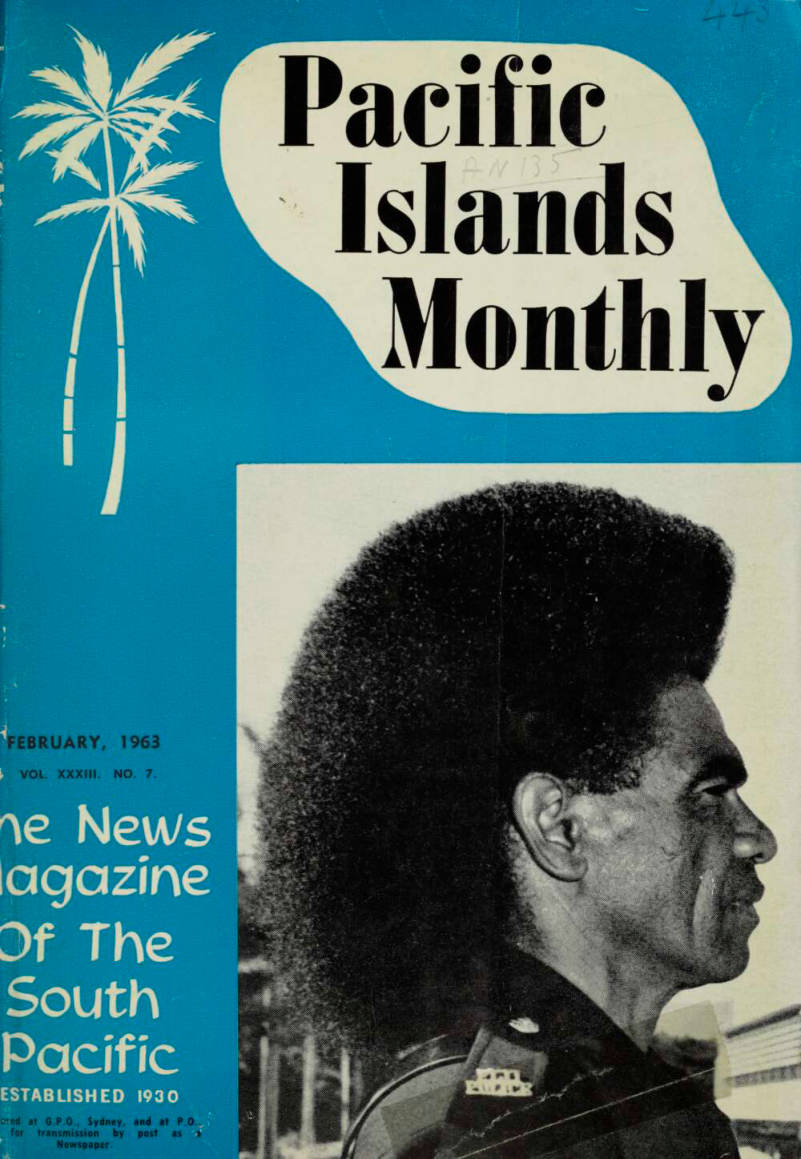 1
1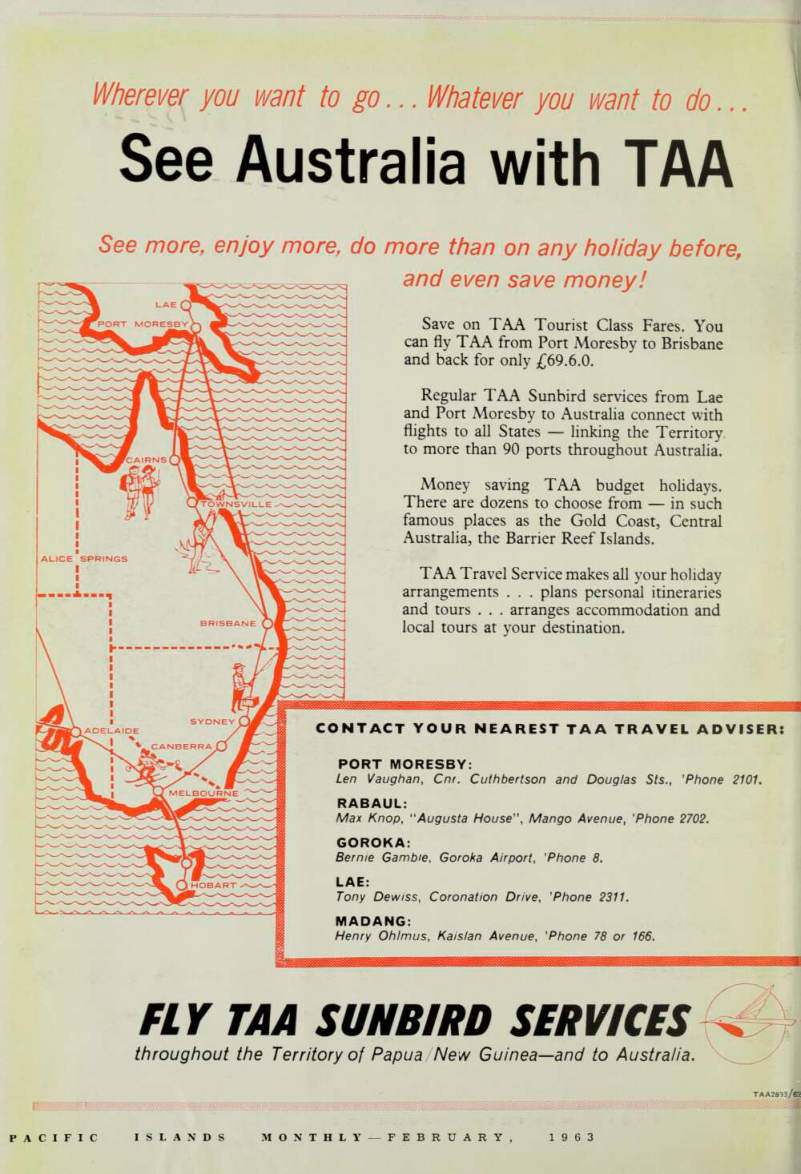 2
2 3
3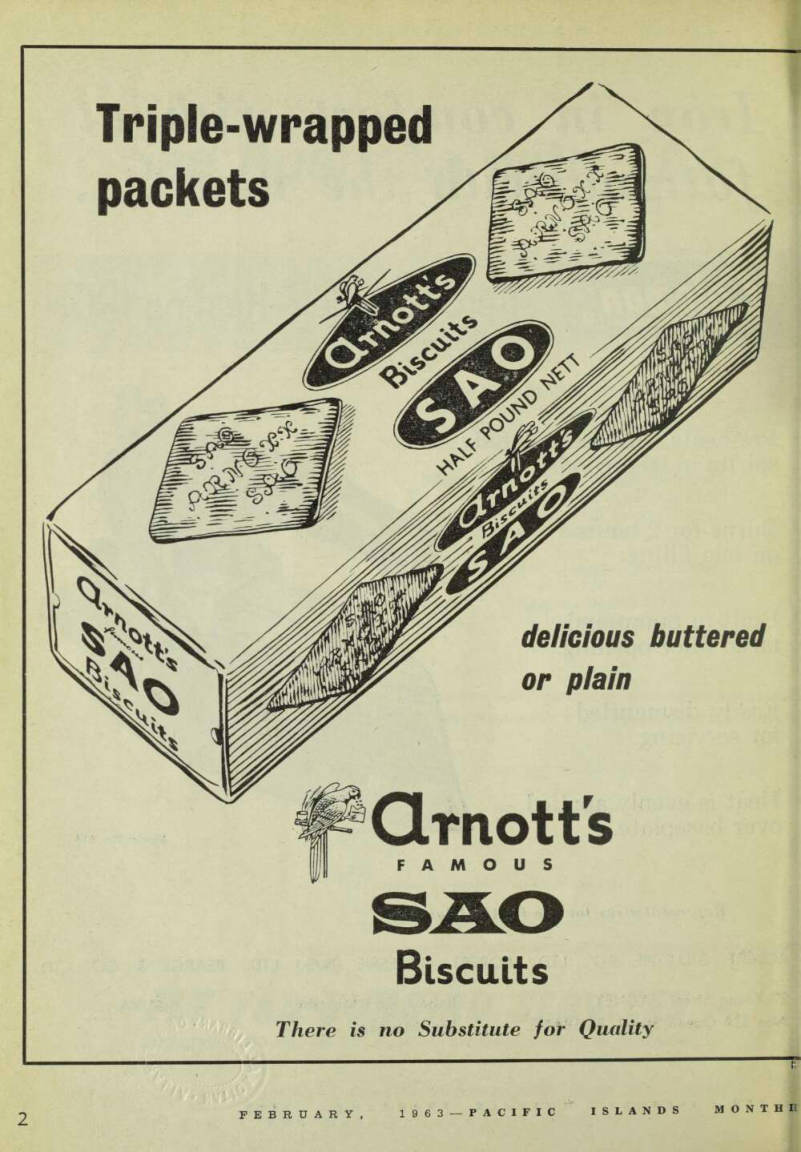 4
4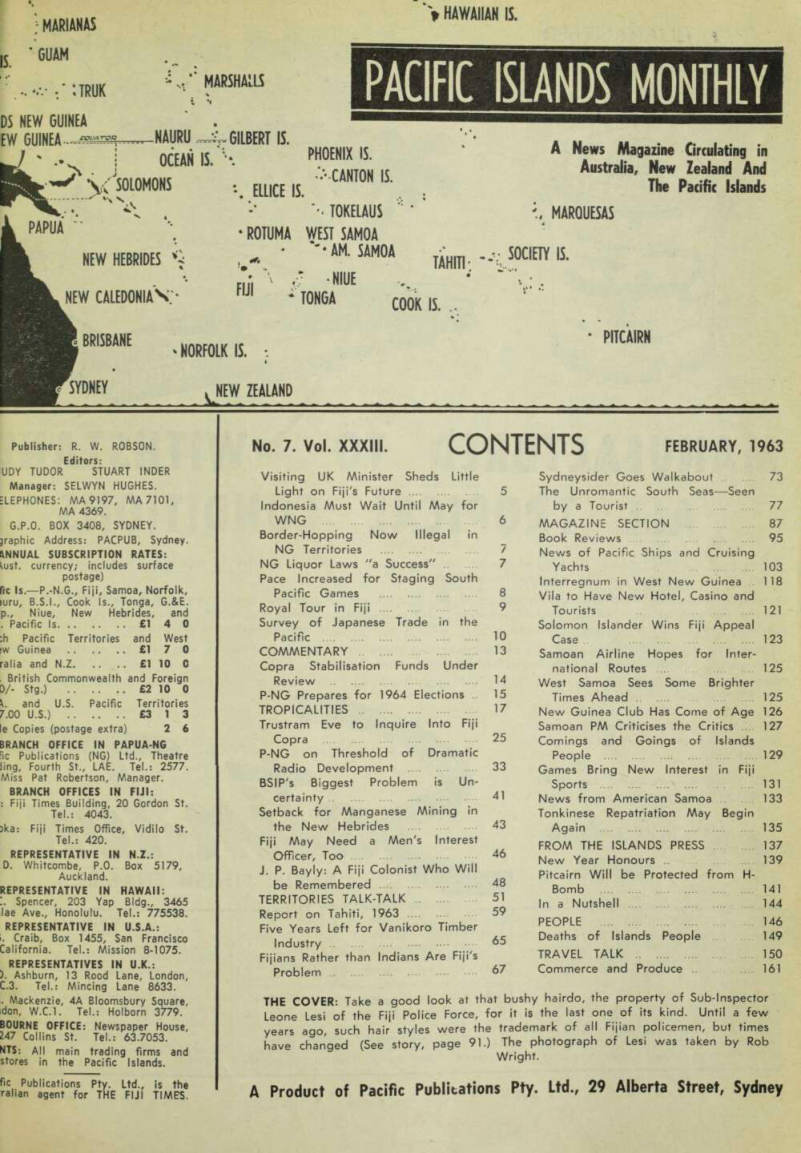 5
5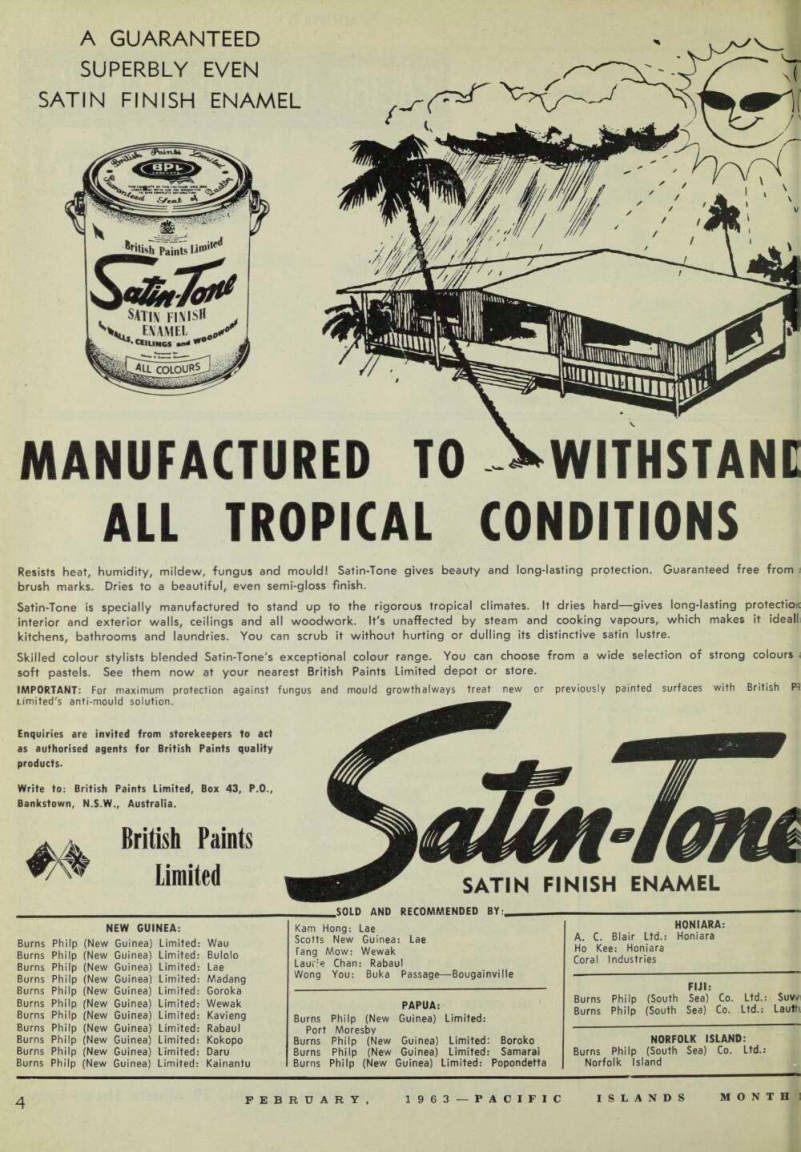 6
6 7
7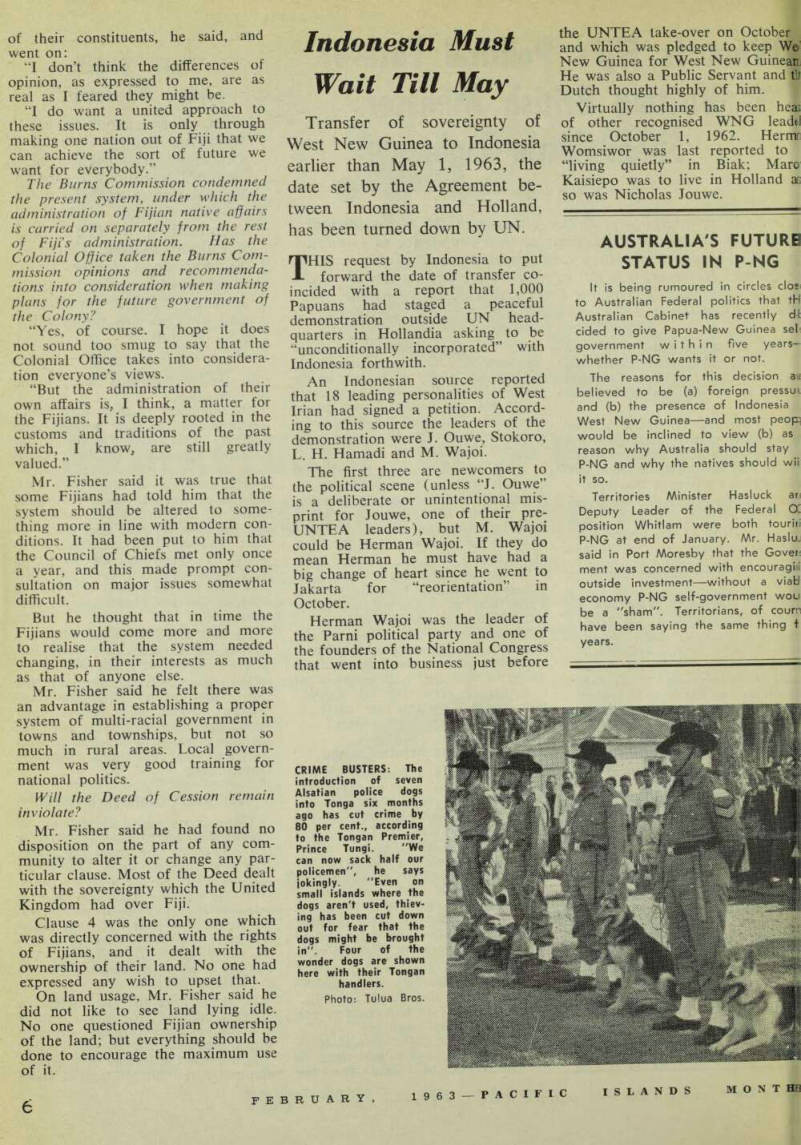 8
8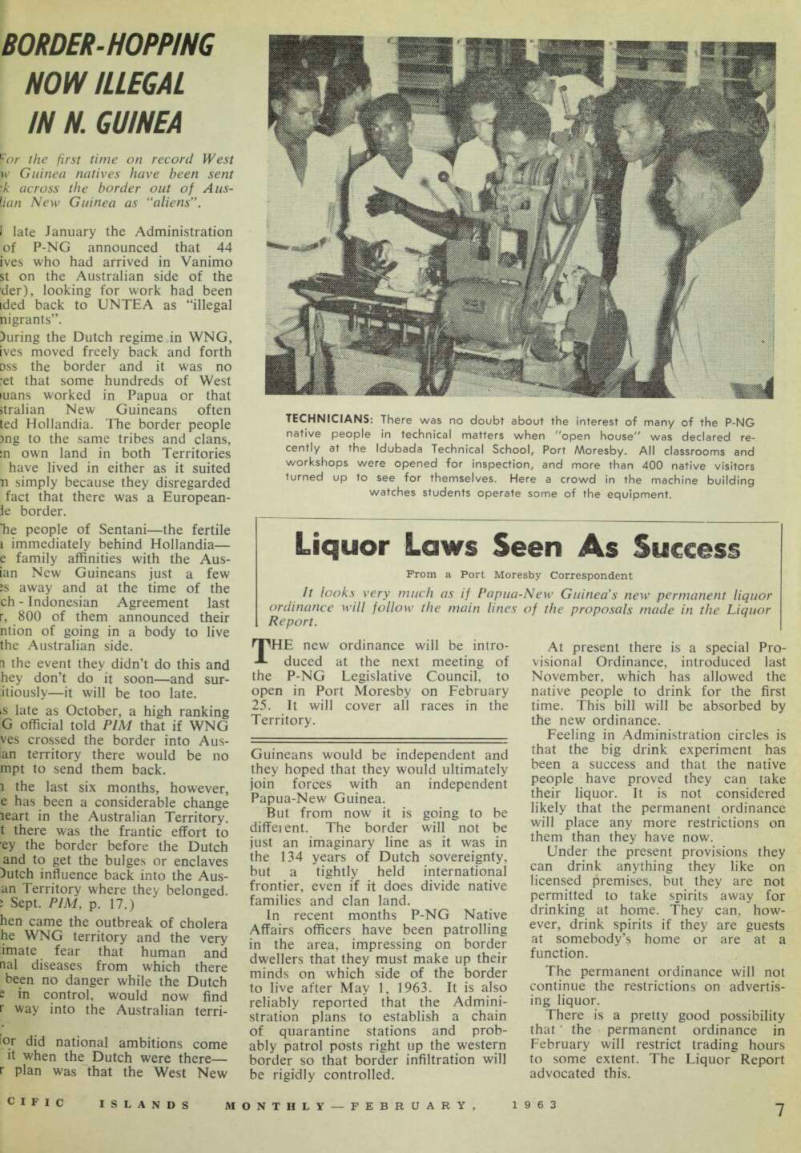 9
9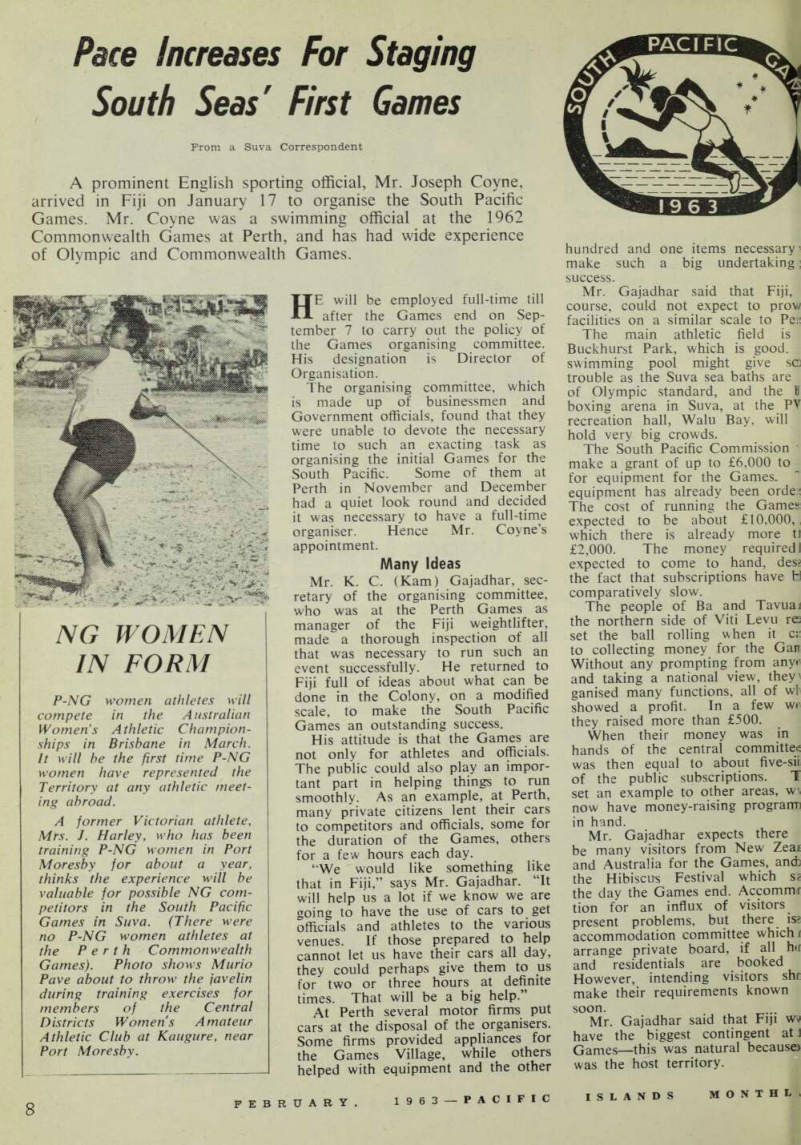 10
10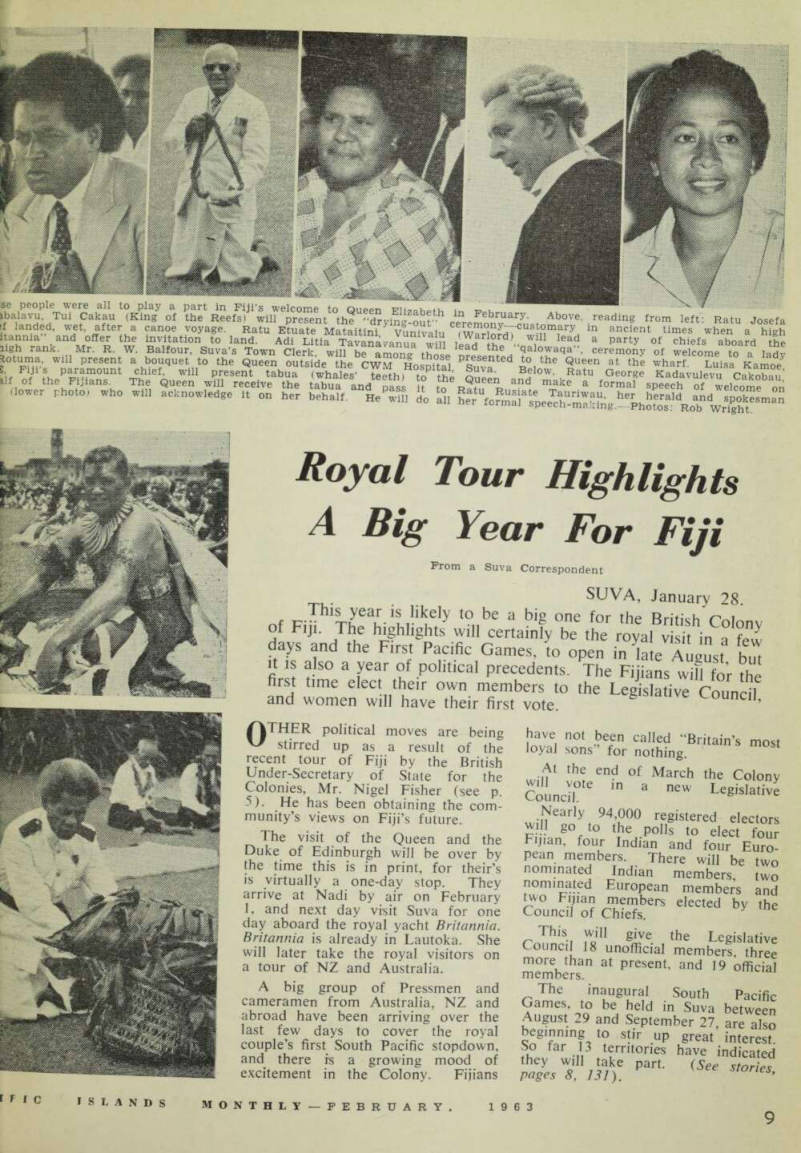 11
11 12
12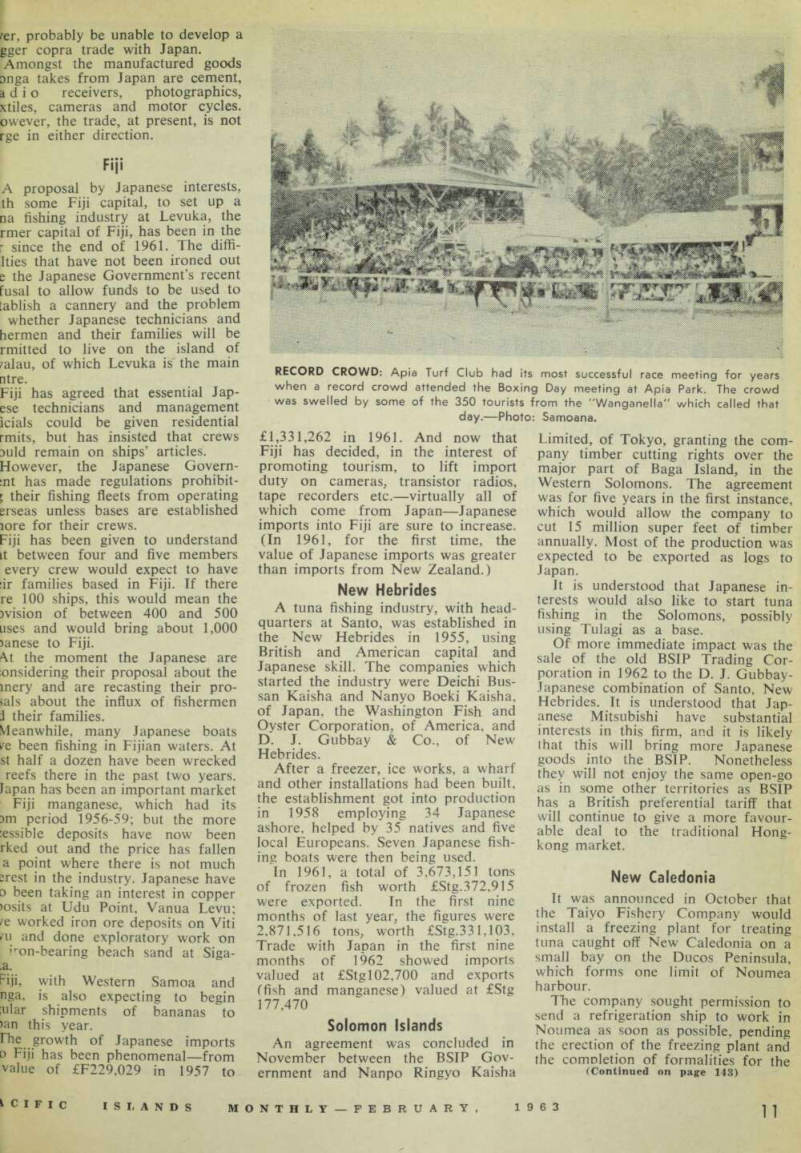 13
13 14
14 15
15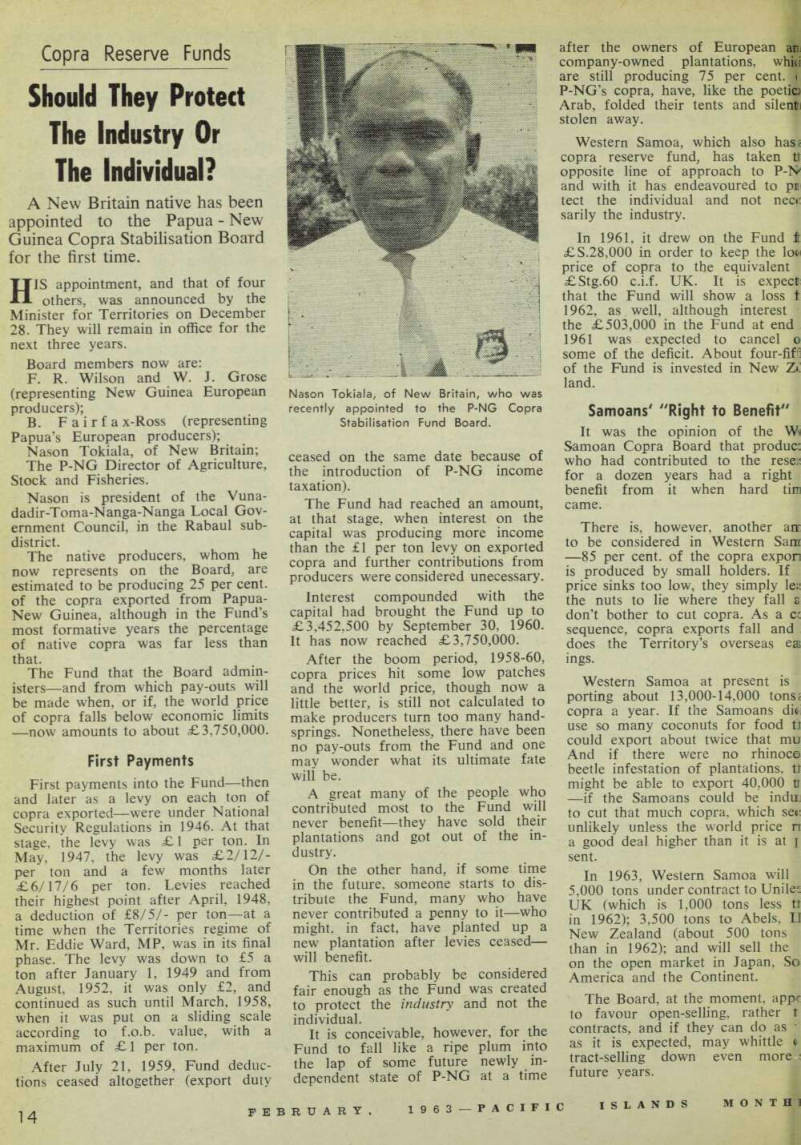 16
16 17
17 18
18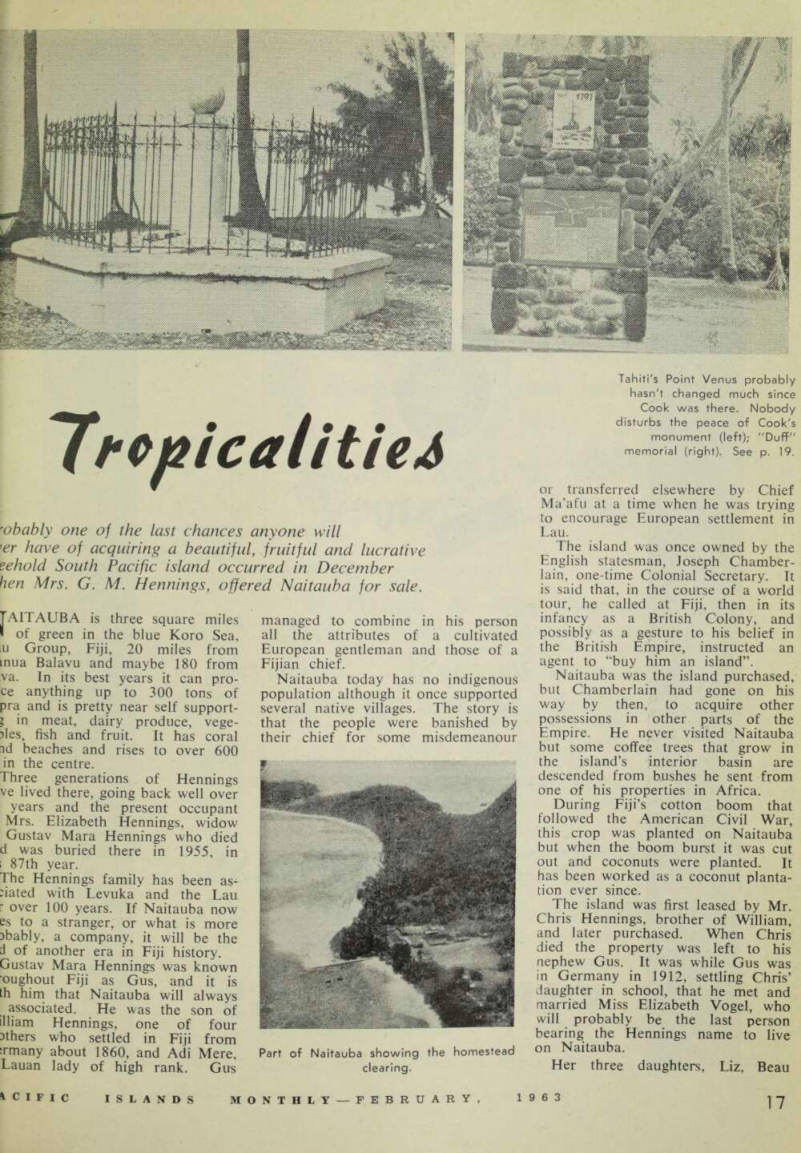 19
19 20
20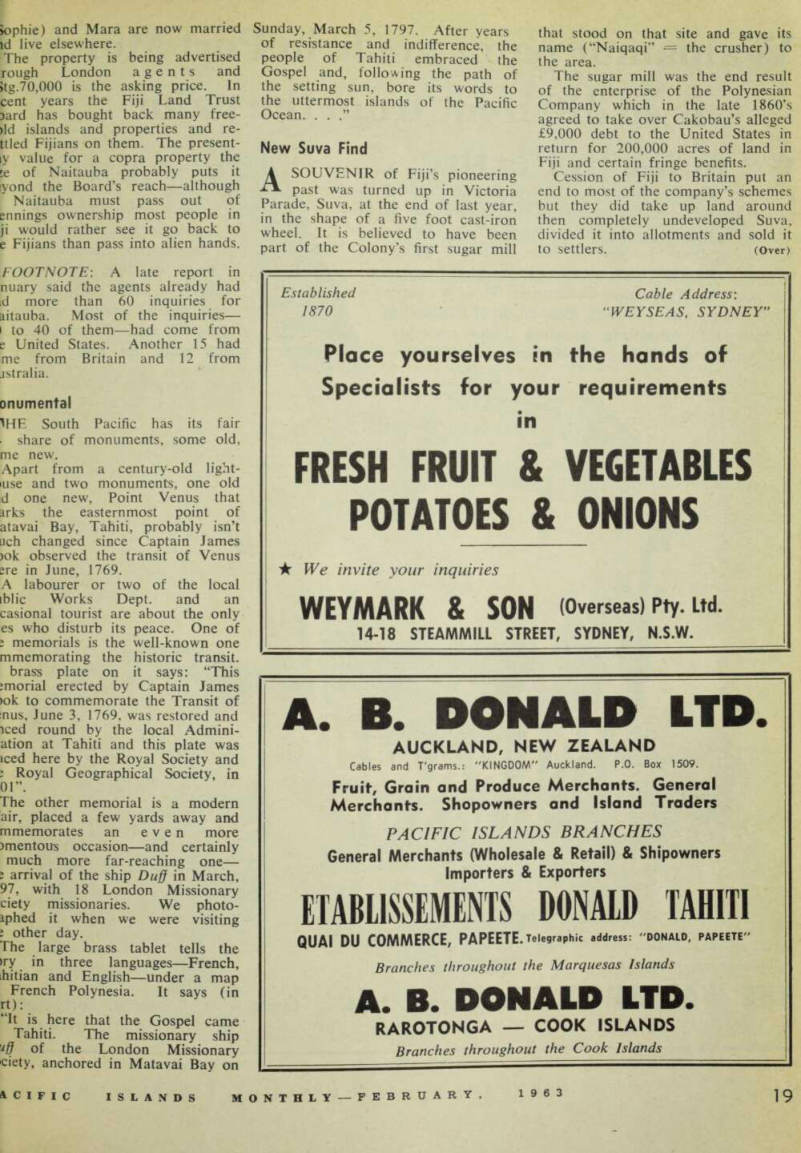 21
21 22
22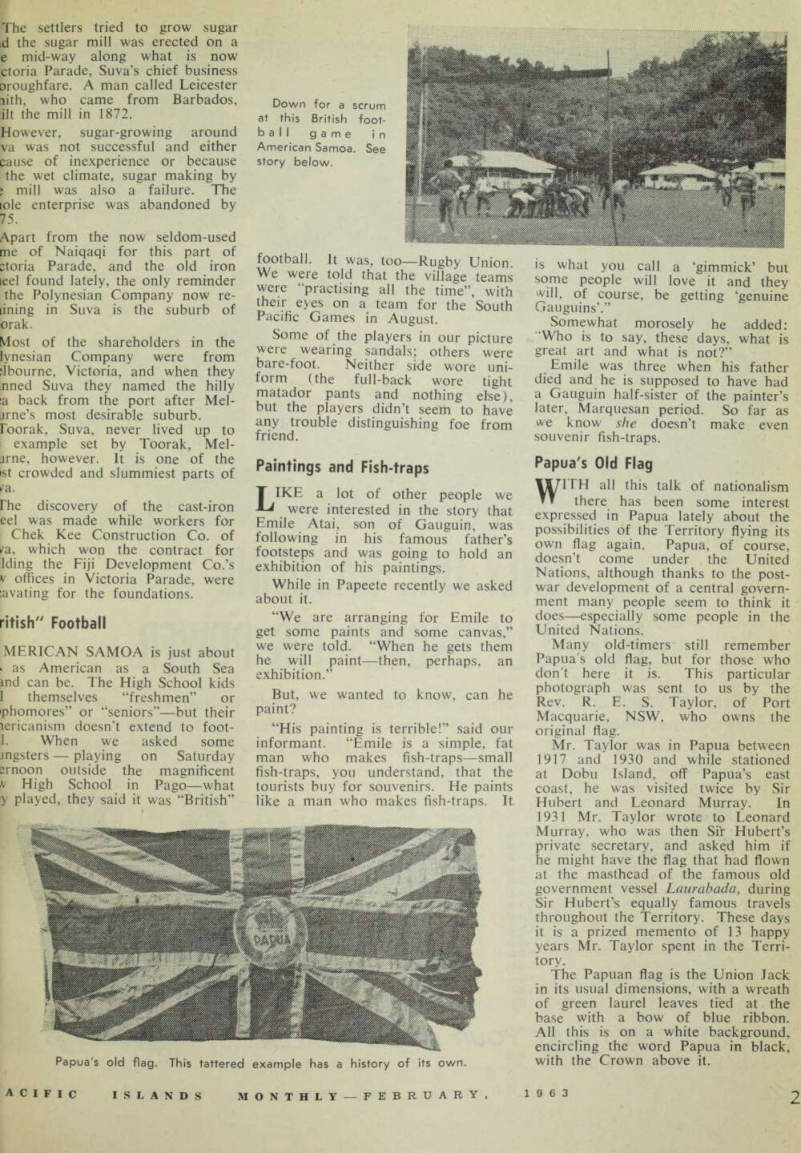 23
23 24
24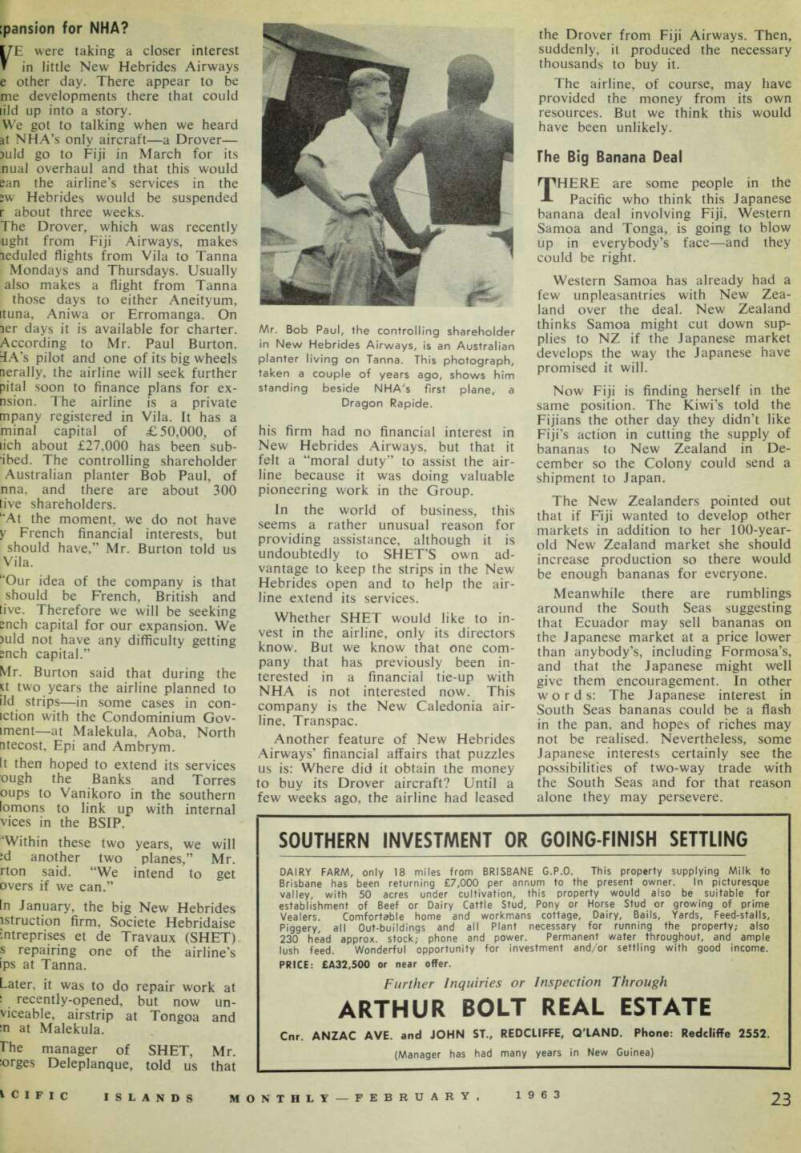 25
25 26
26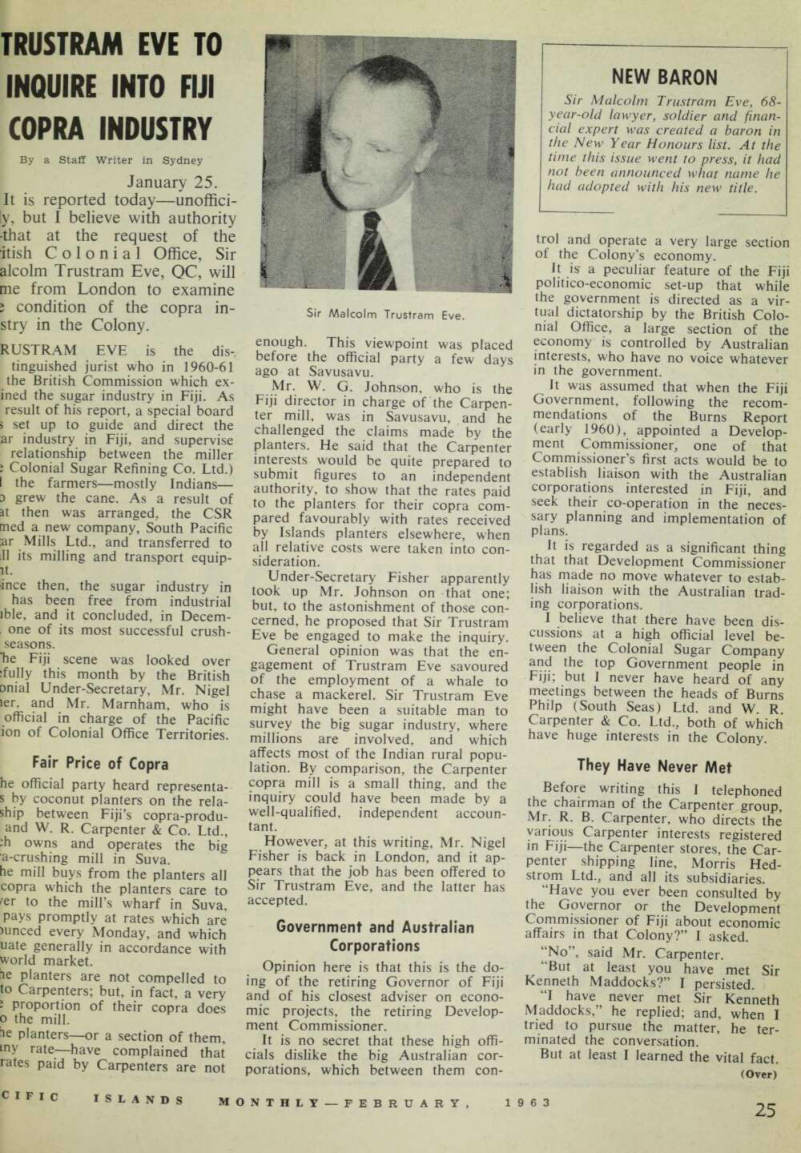 27
27 28
28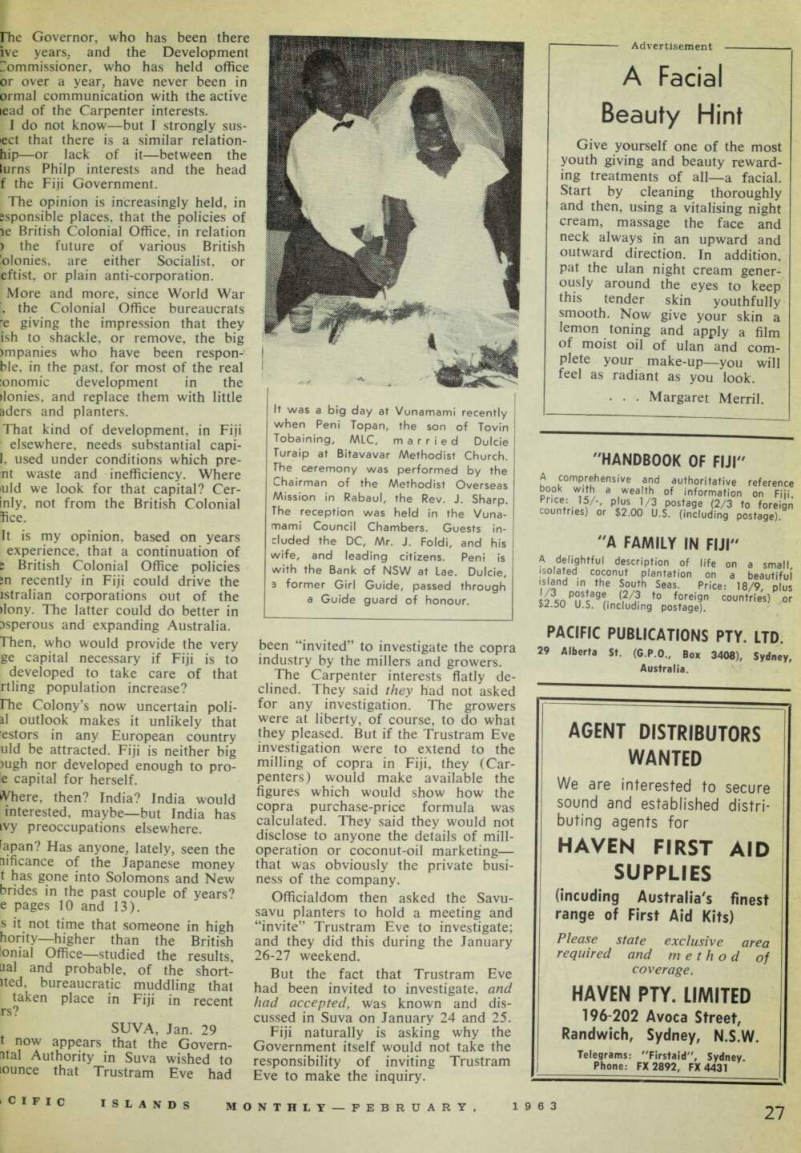 29
29 30
30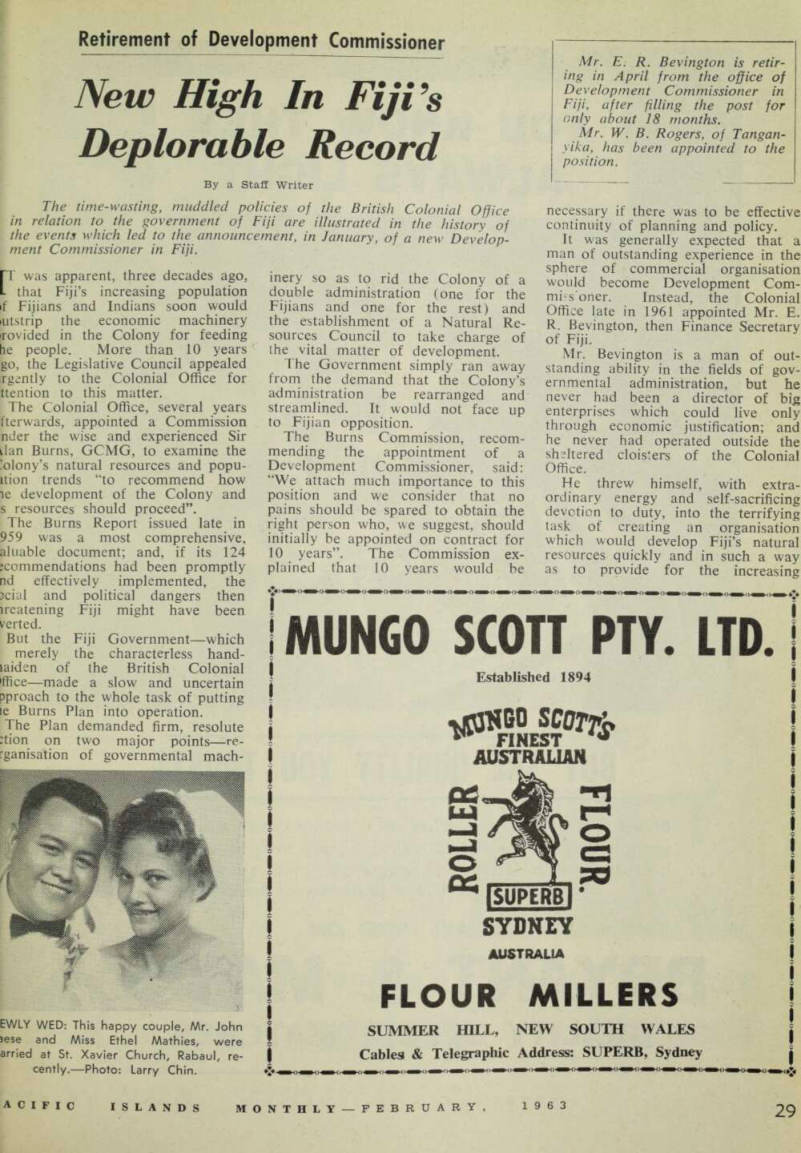 31
31 32
32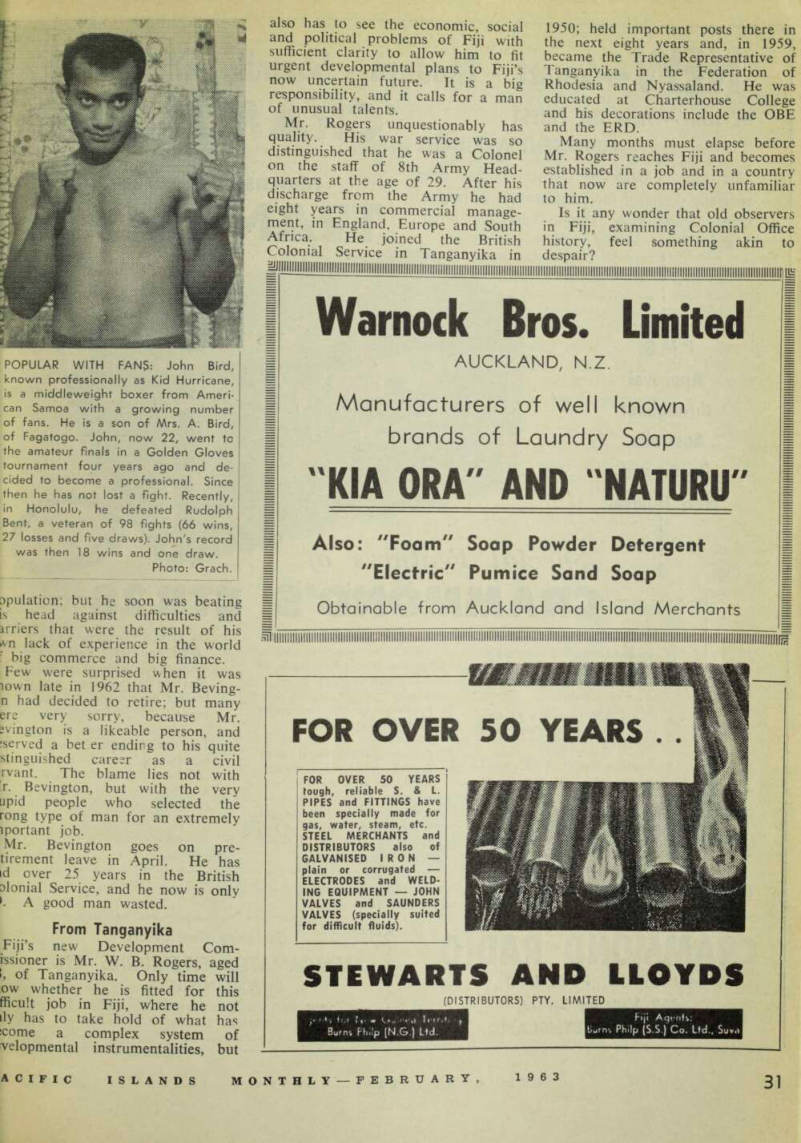 33
33 34
34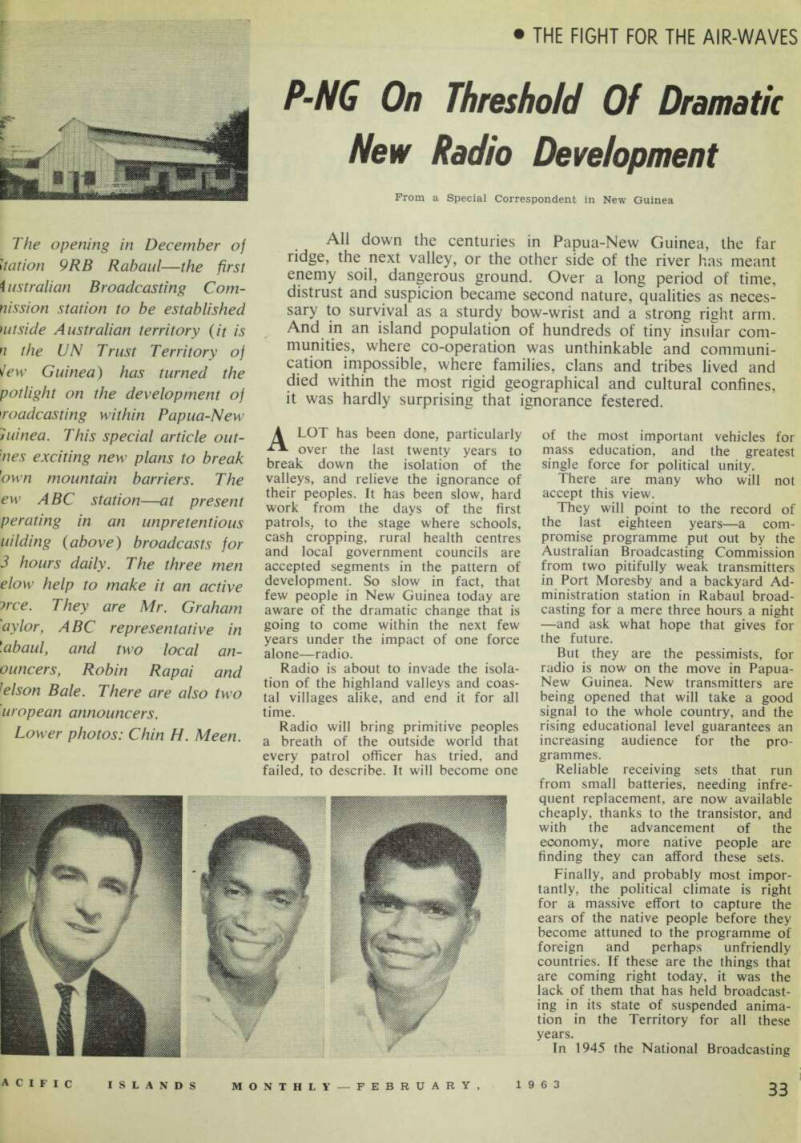 35
35 36
36 37
37 38
38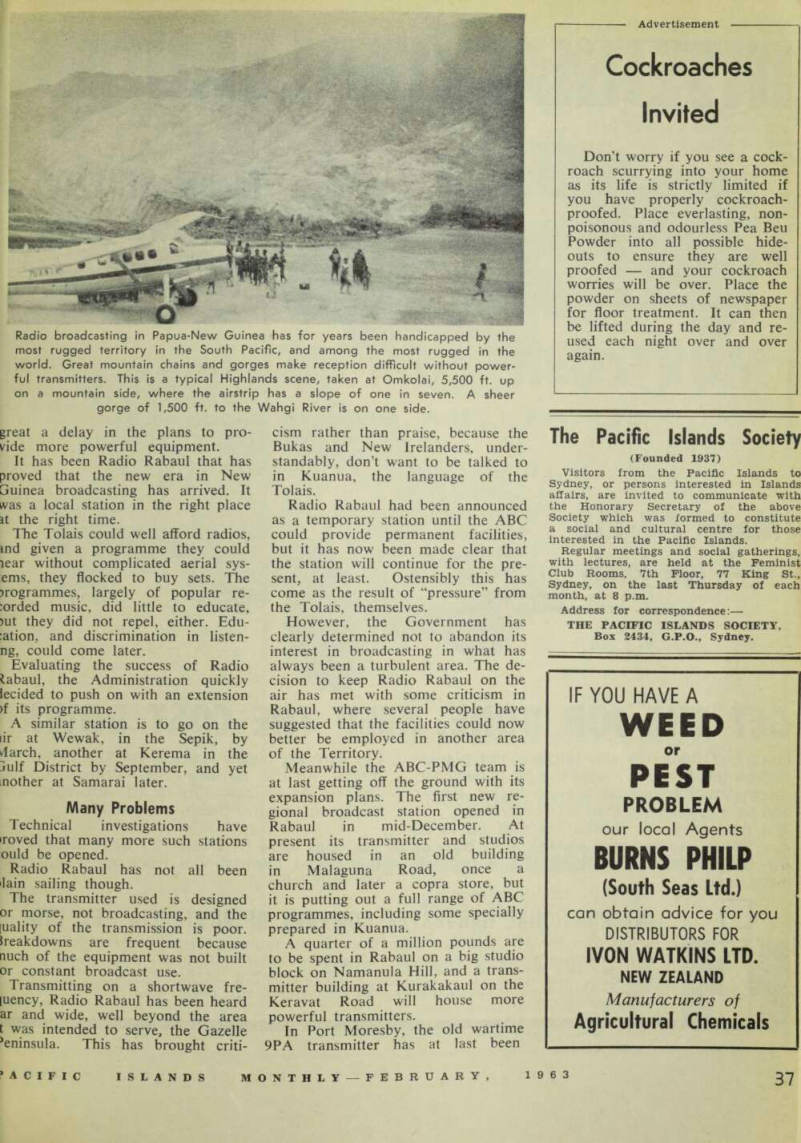 39
39 40
40 41
41 42
42 43
43 44
44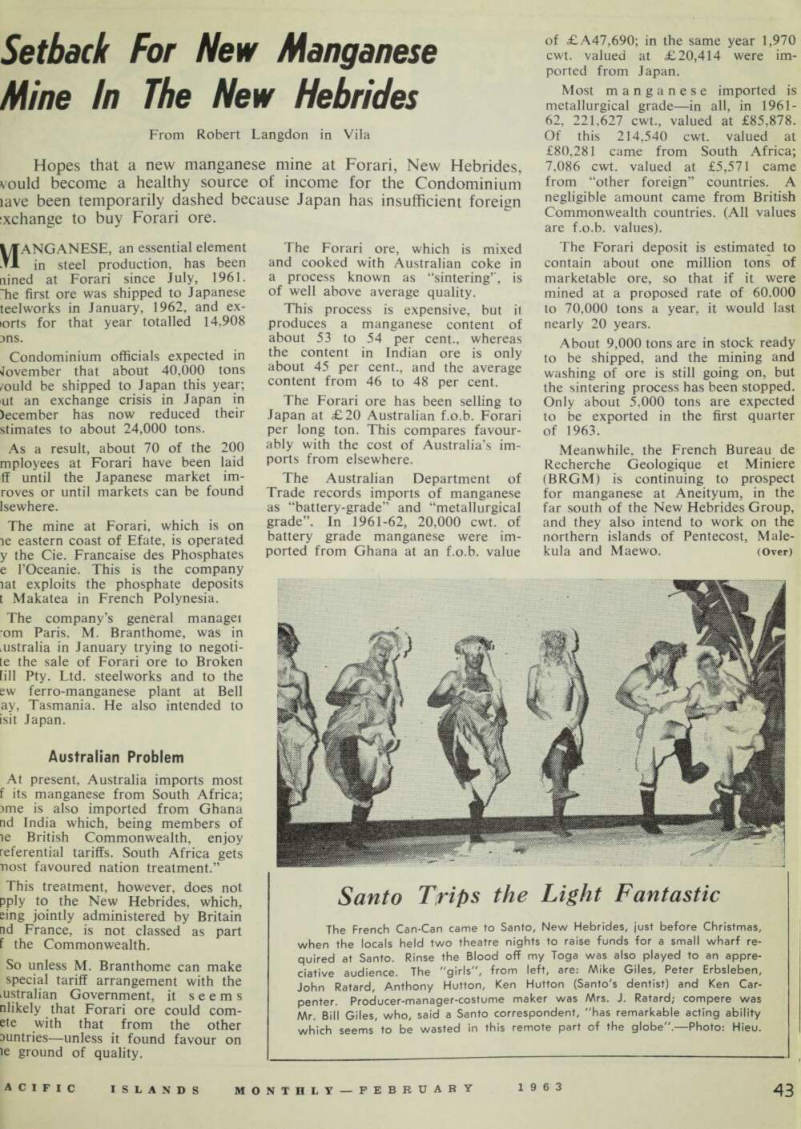 45
45 46
46 47
47 48
48 49
49 50
50 51
51 52
52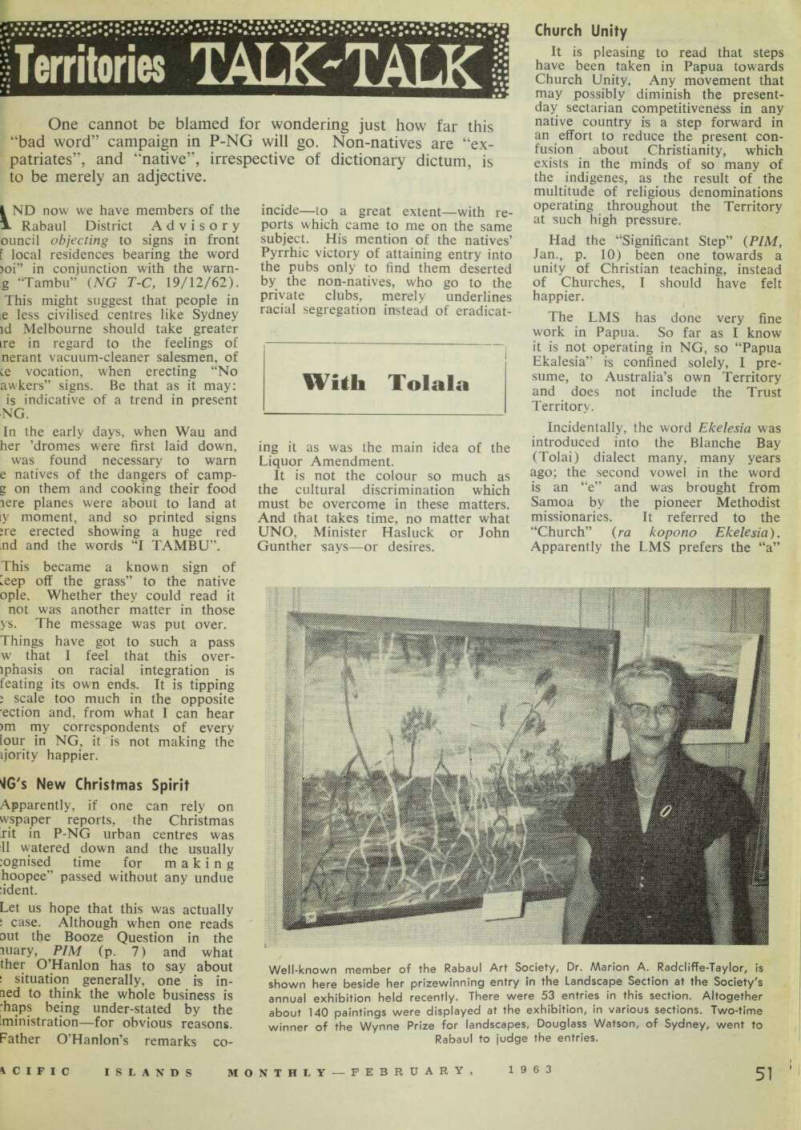 53
53 54
54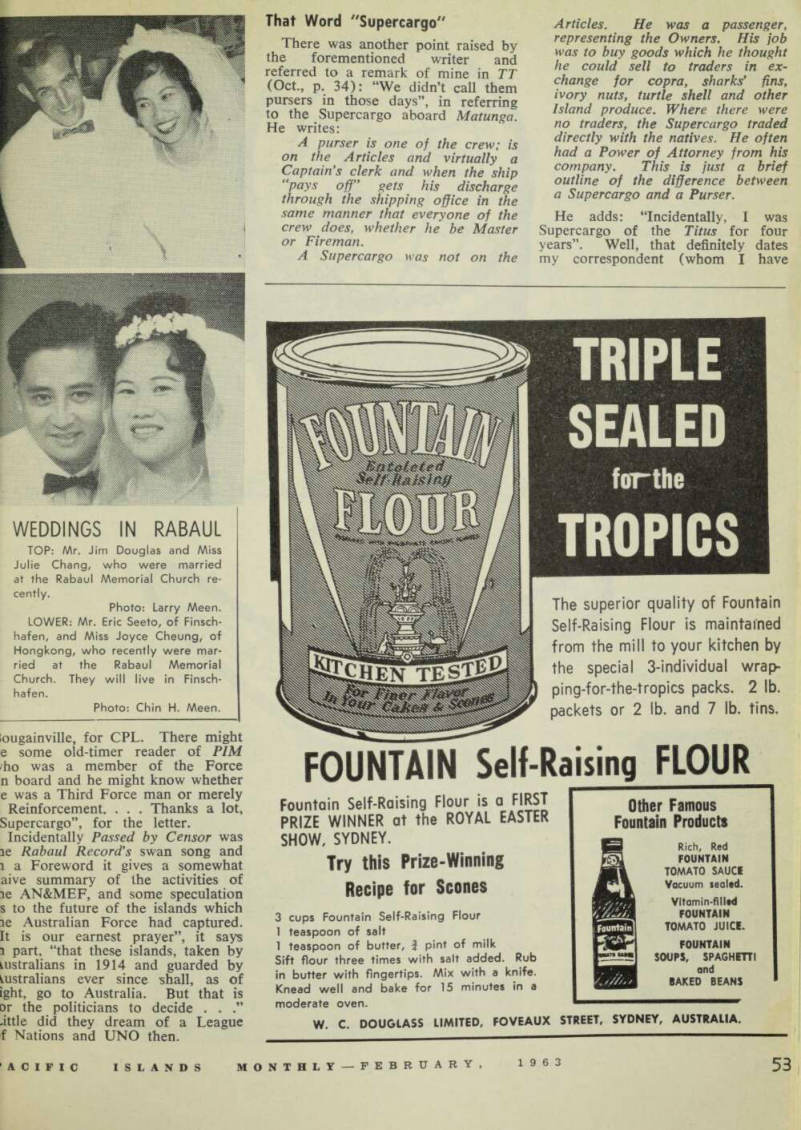 55
55 56
56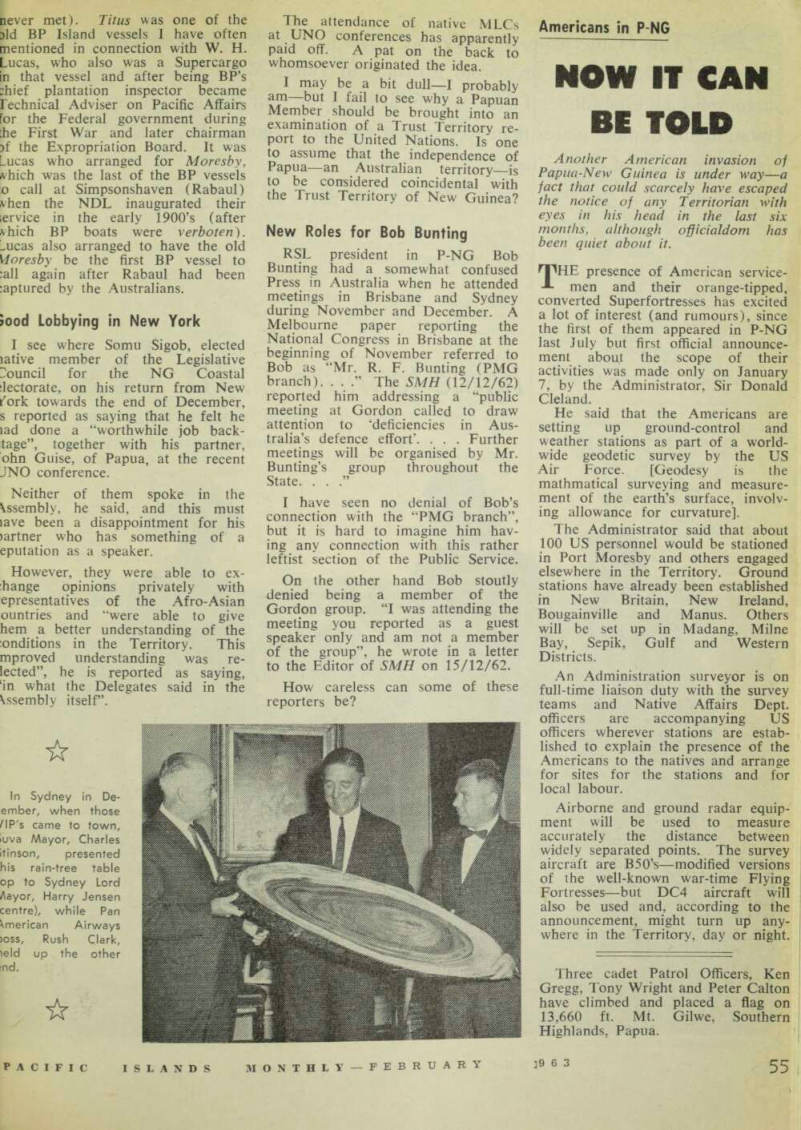 57
57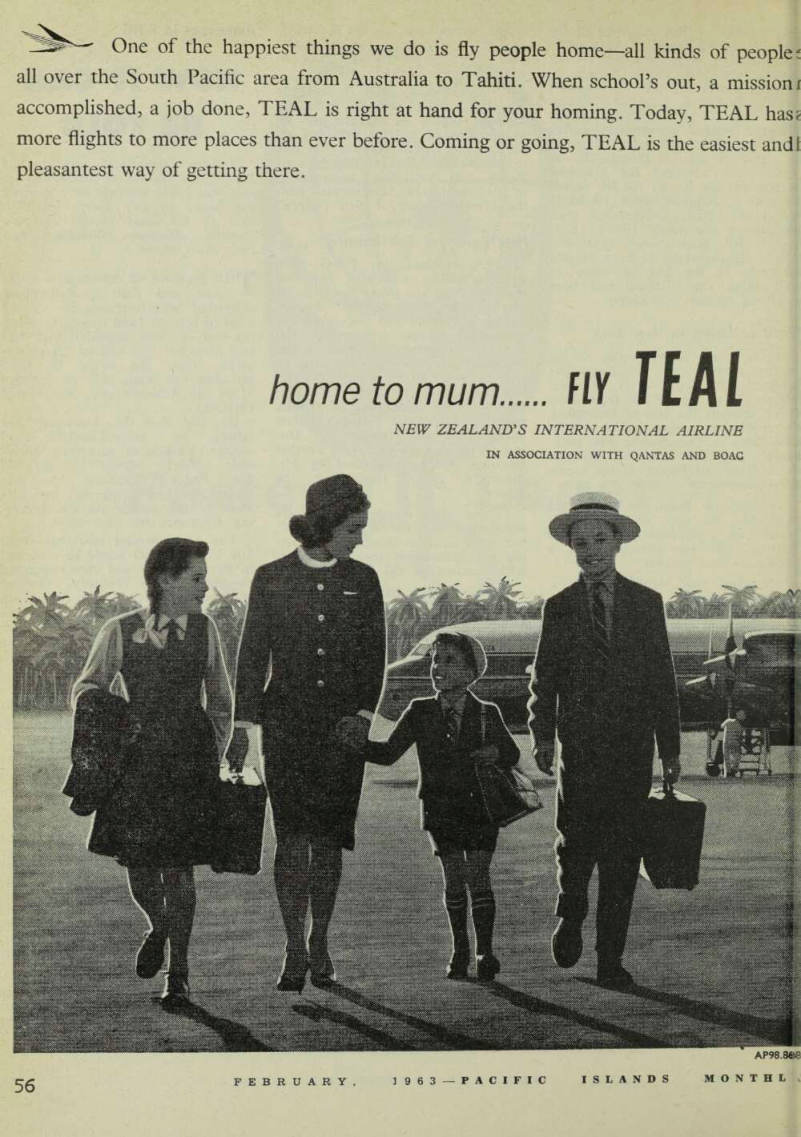 58
58 59
59 60
60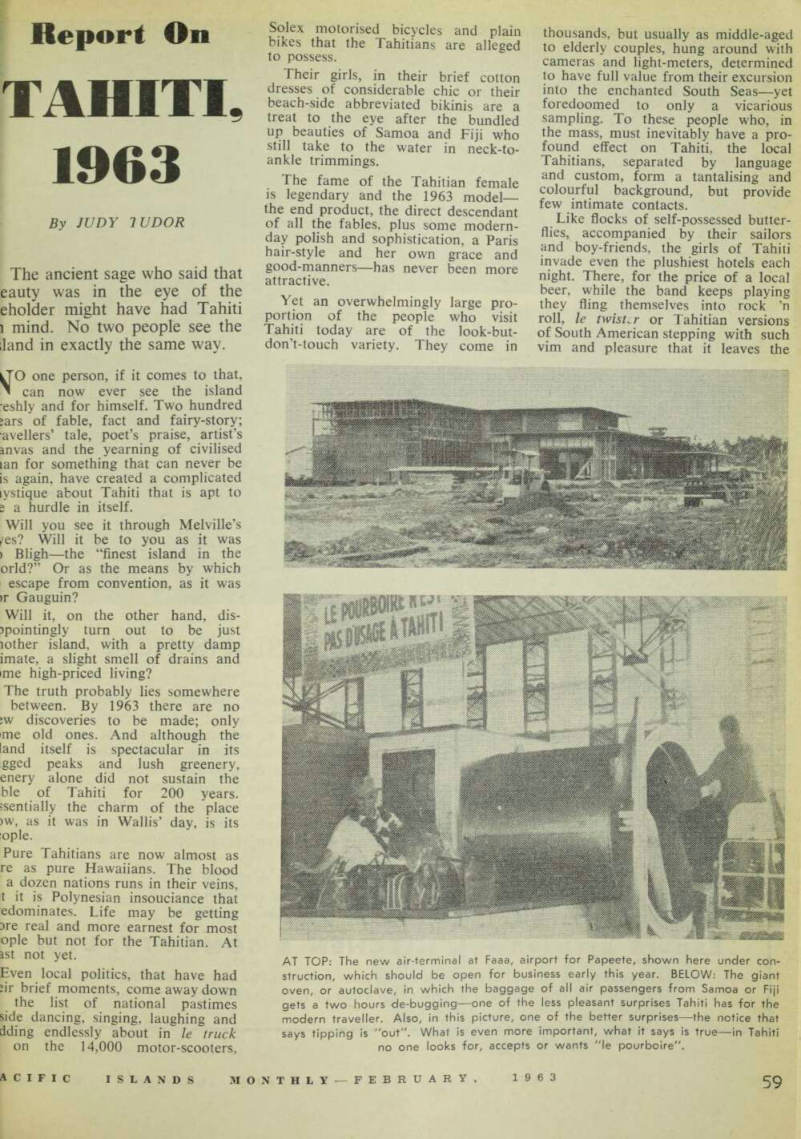 61
61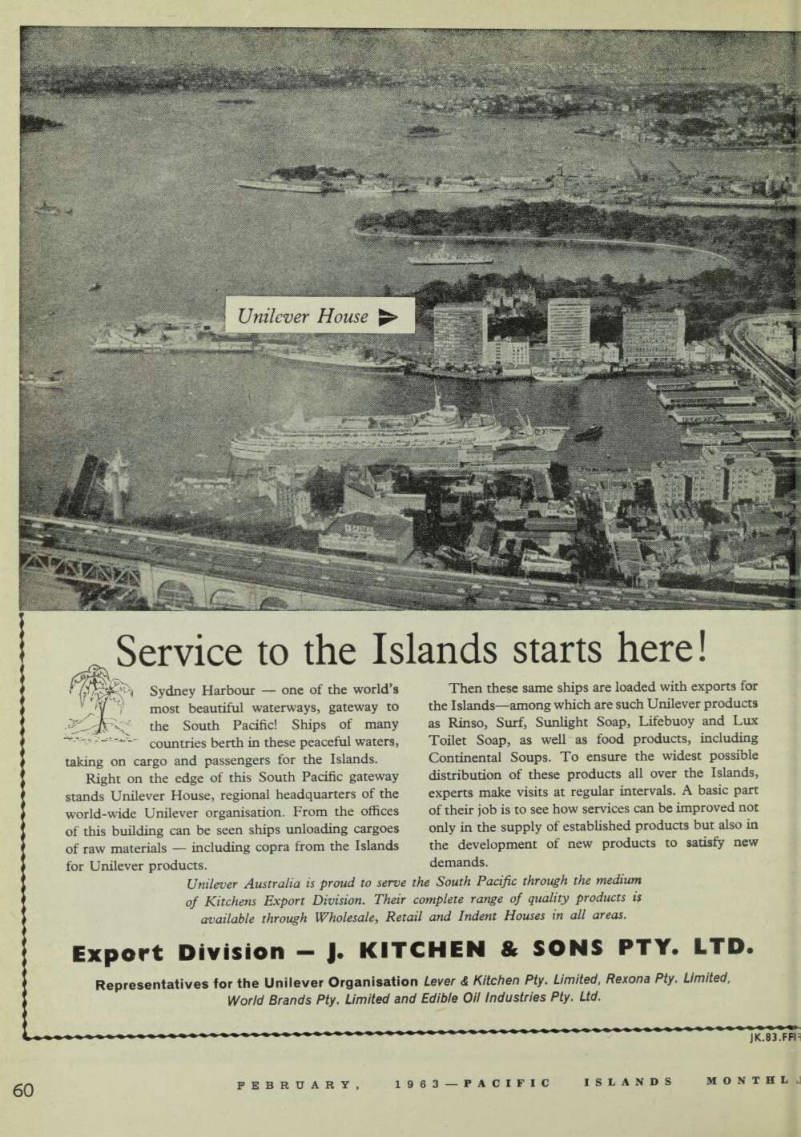 62
62 63
63 64
64 65
65 66
66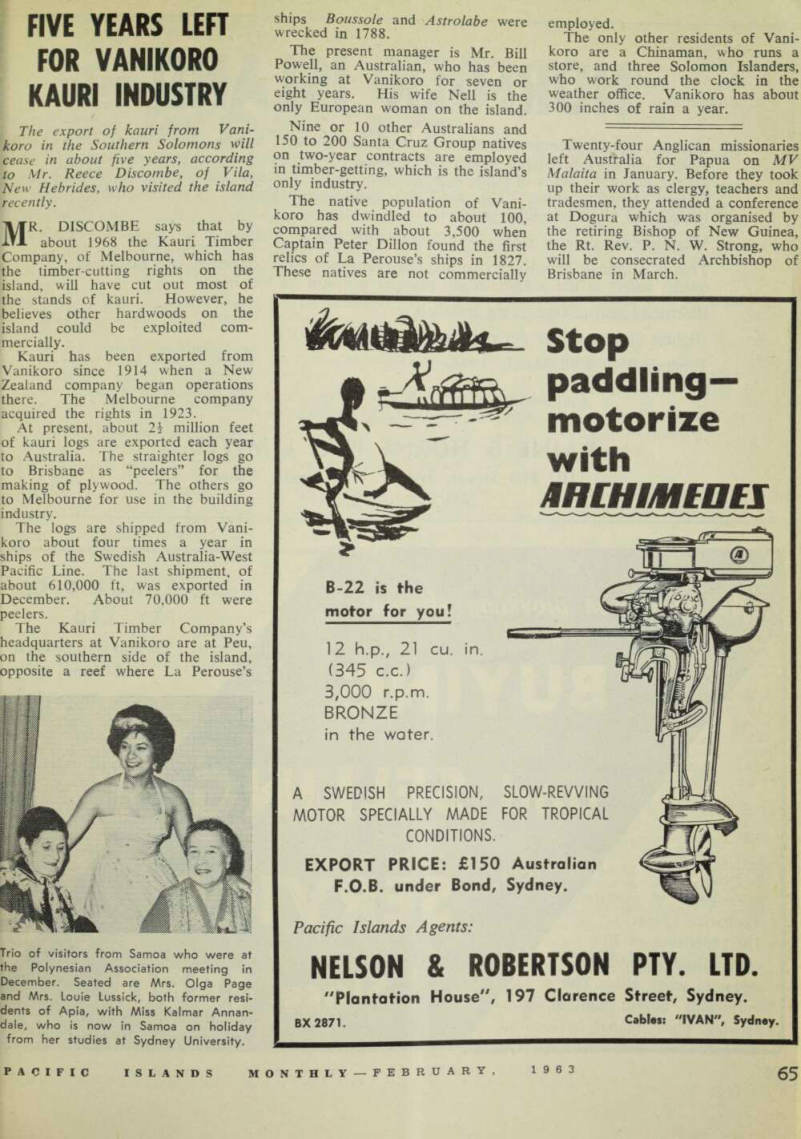 67
67 68
68 69
69 70
70 71
71 72
72 73
73 74
74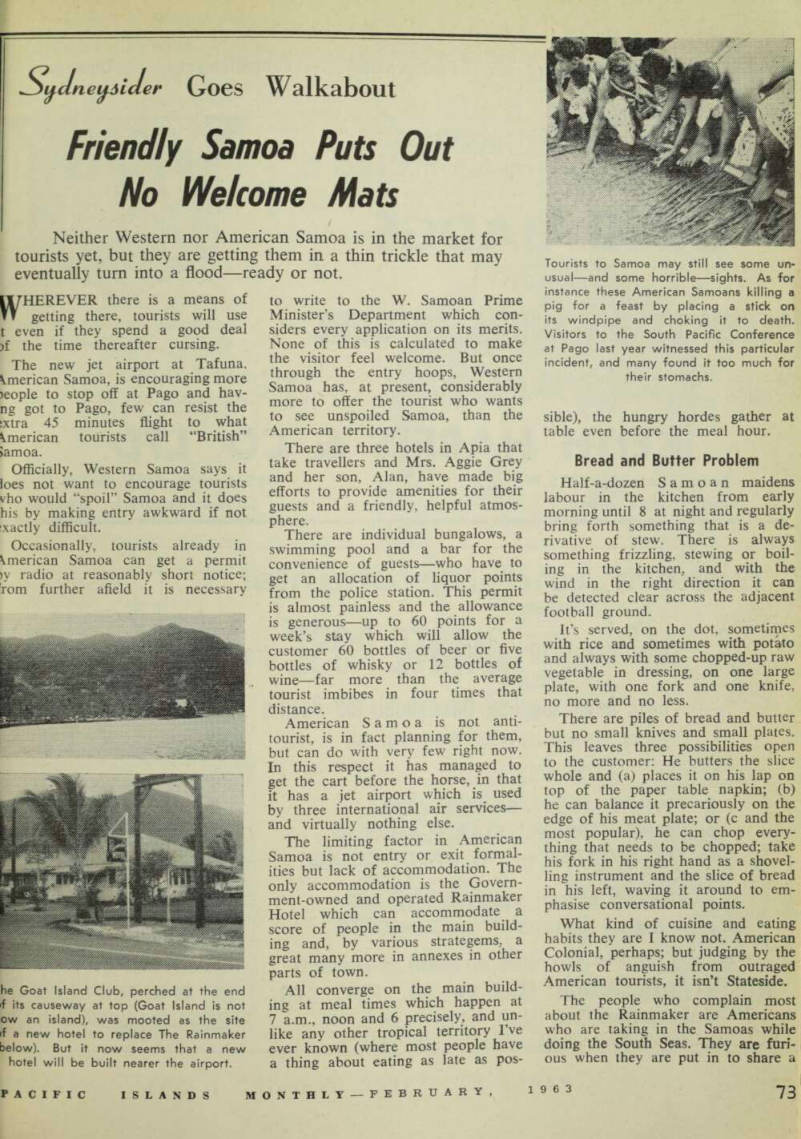 75
75 76
76 77
77 78
78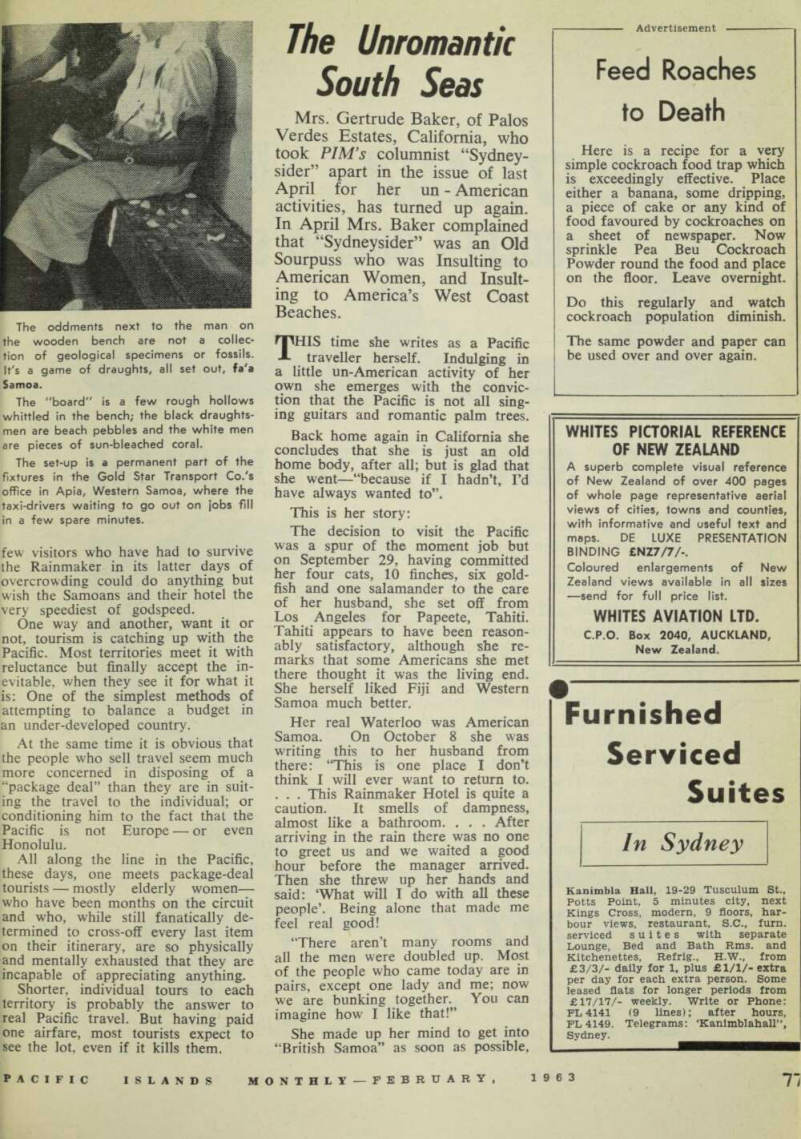 79
79 80
80 81
81 82
82 83
83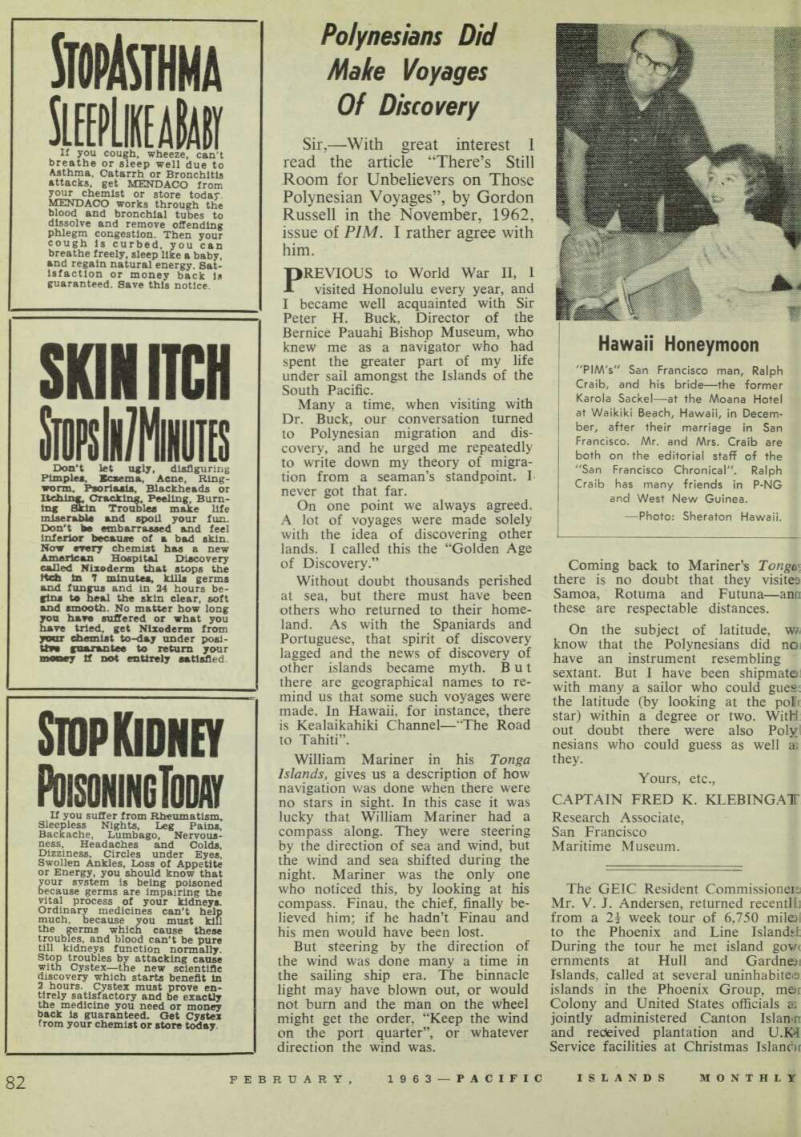 84
84 85
85 86
86 87
87 88
88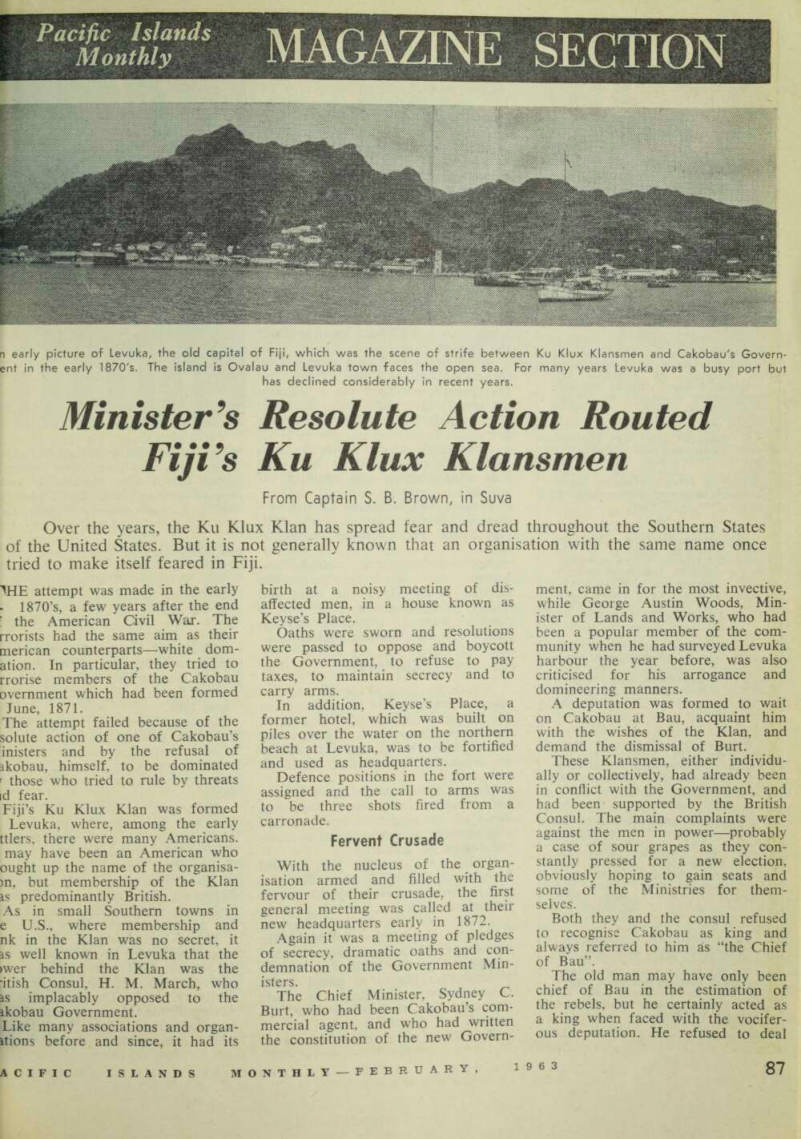 89
89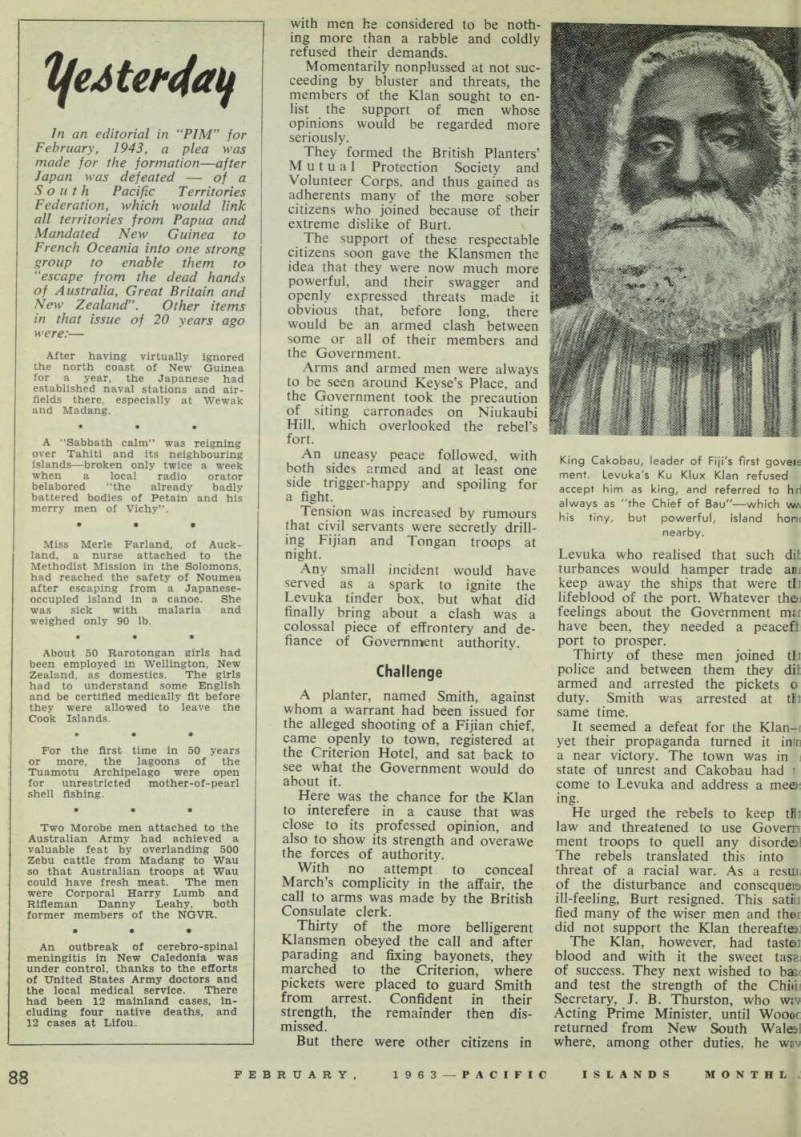 90
90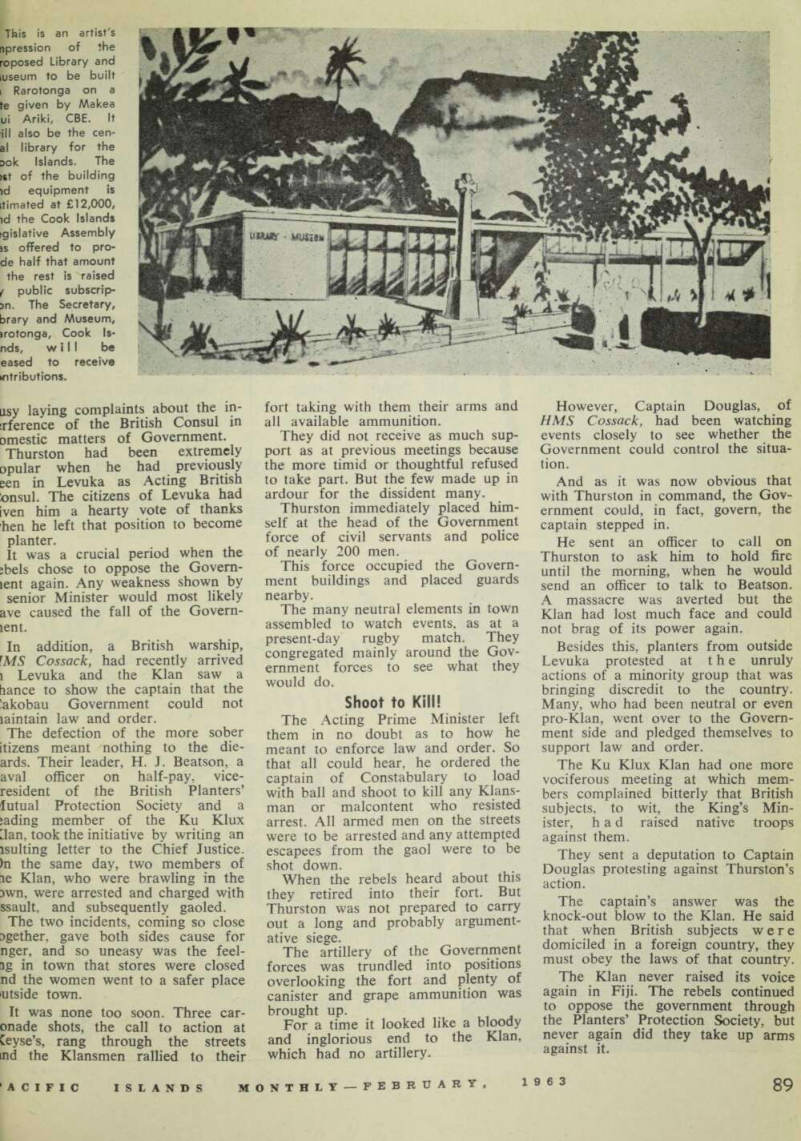 91
91 92
92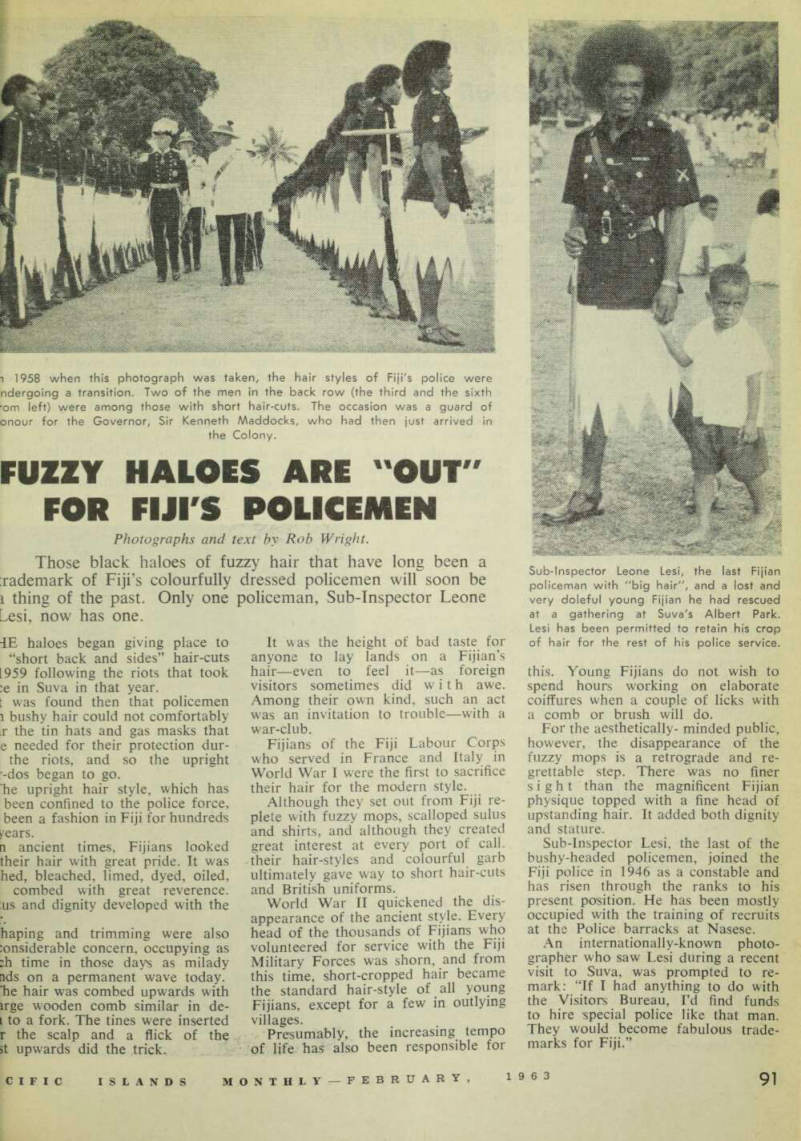 93
93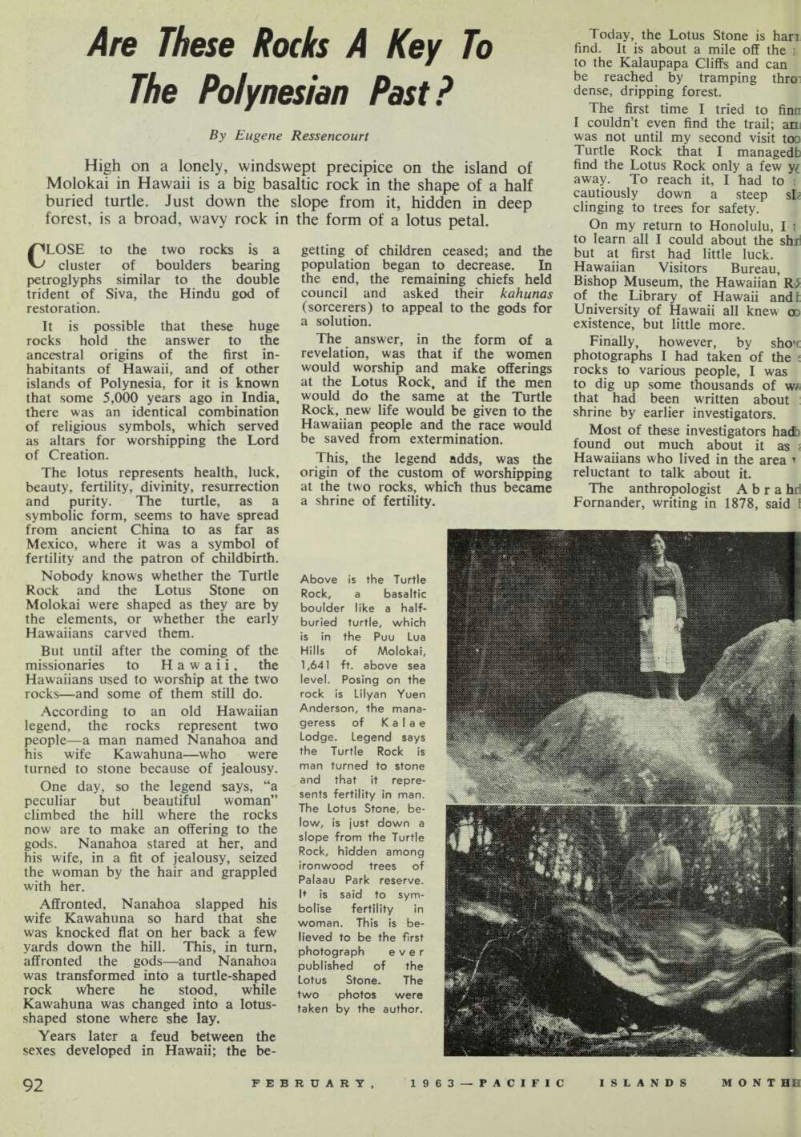 94
94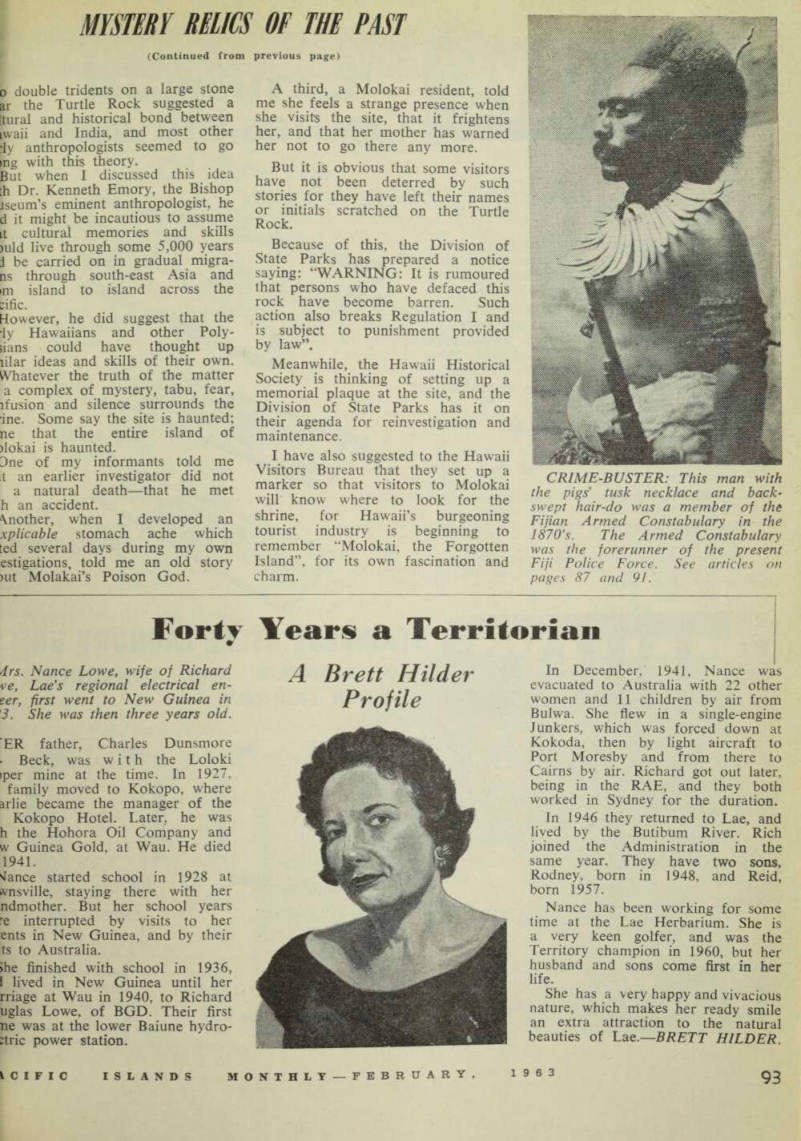 95
95 96
96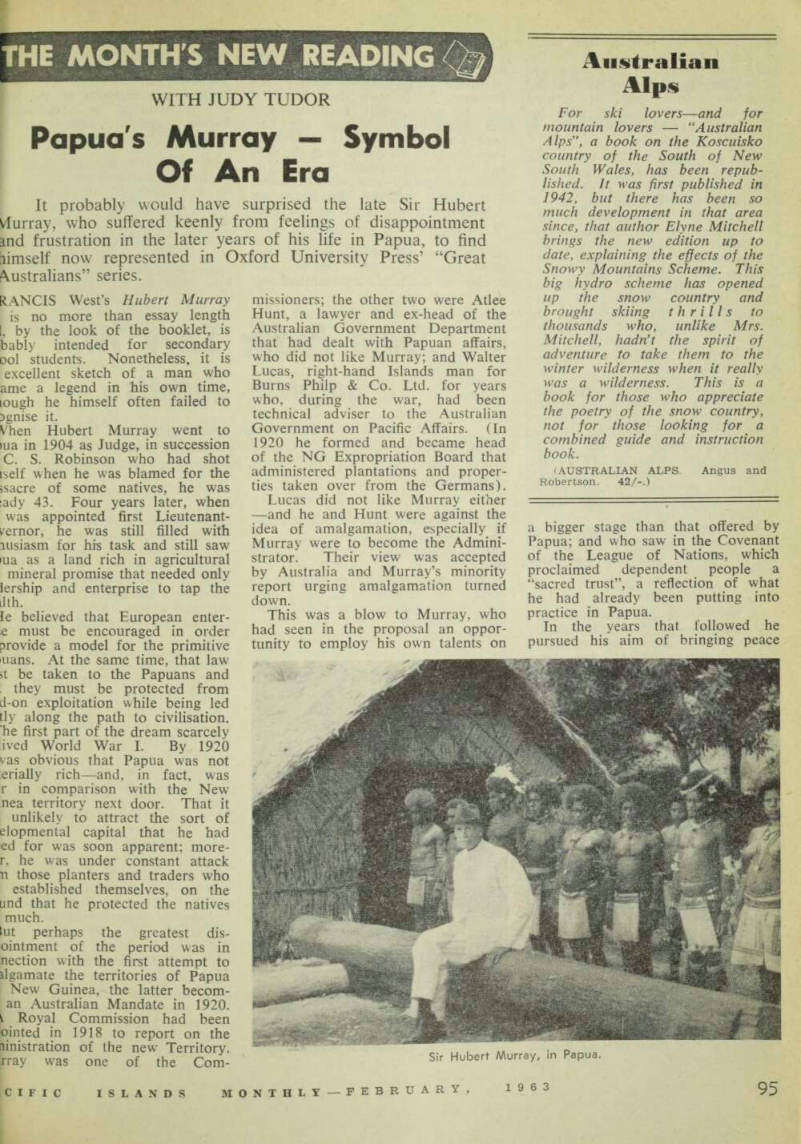 97
97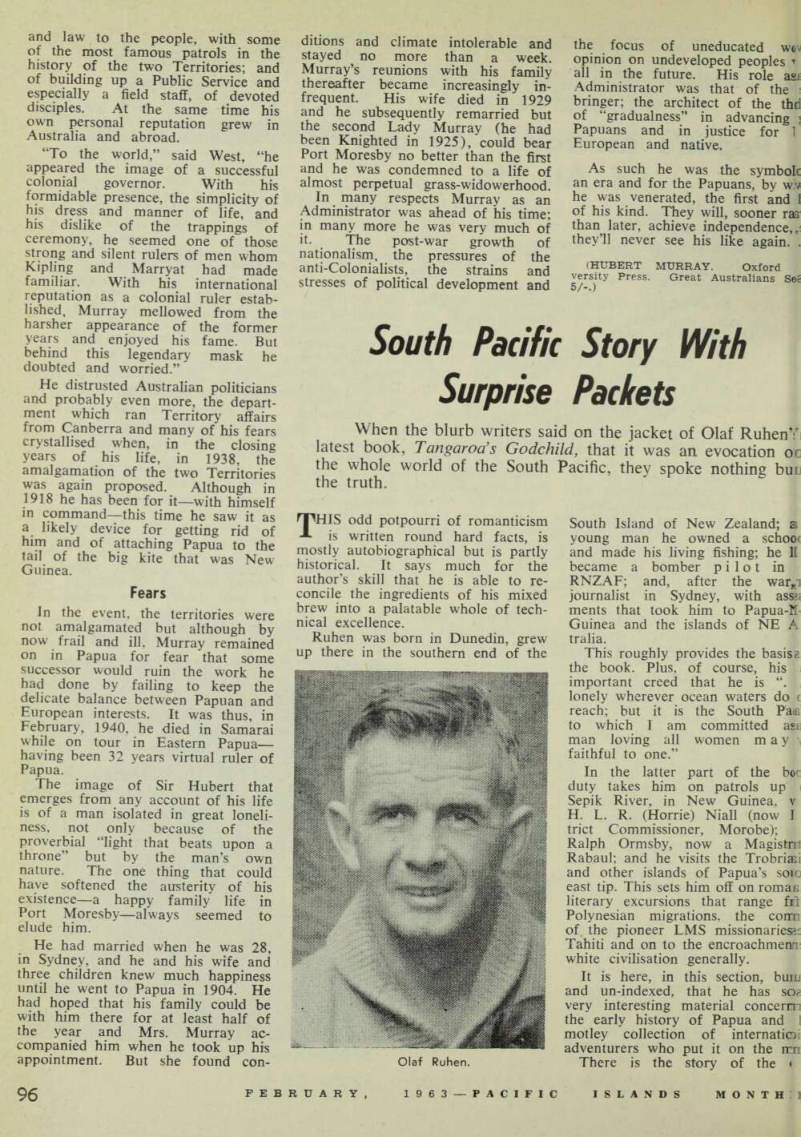 98
98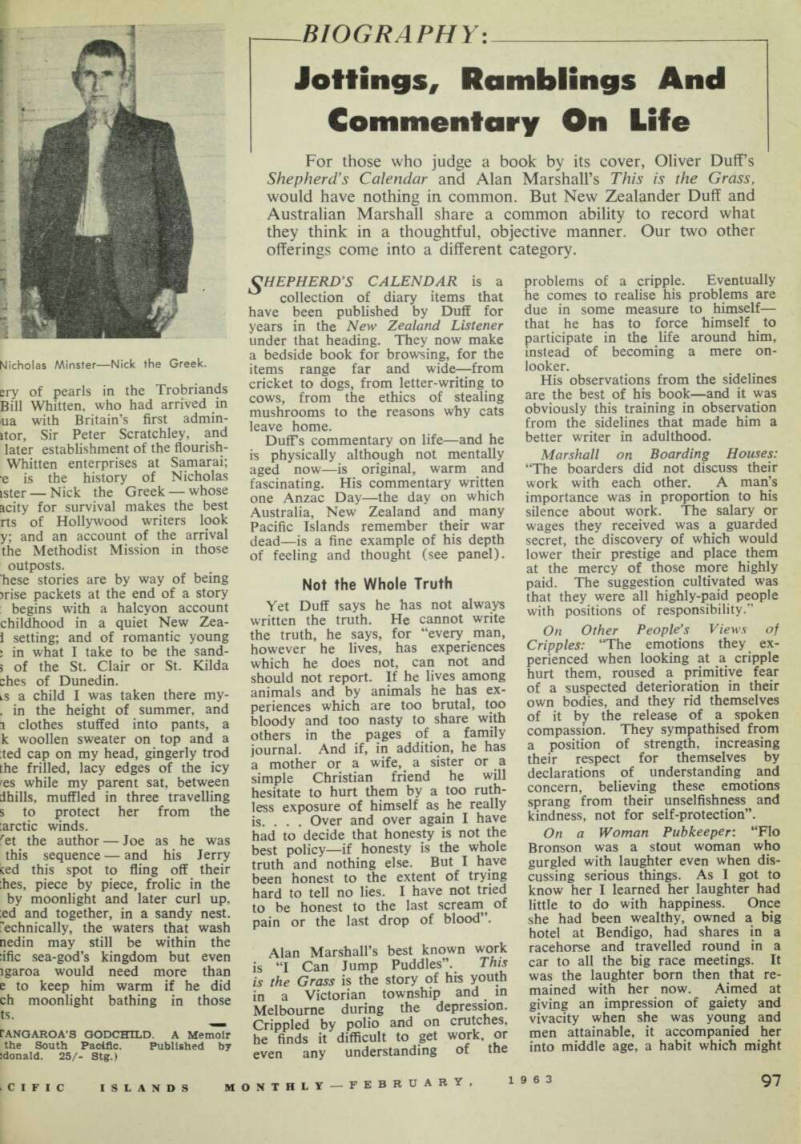 99
99 100
100 101
101 102
102 103
103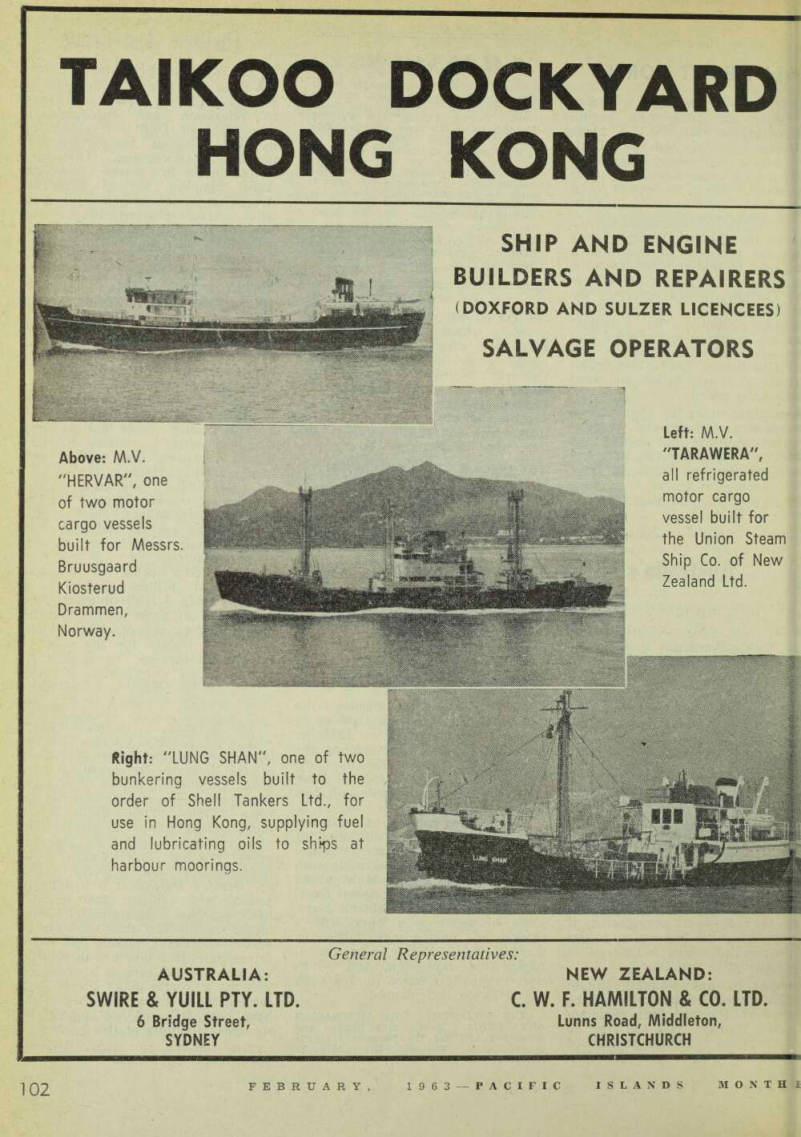 104
104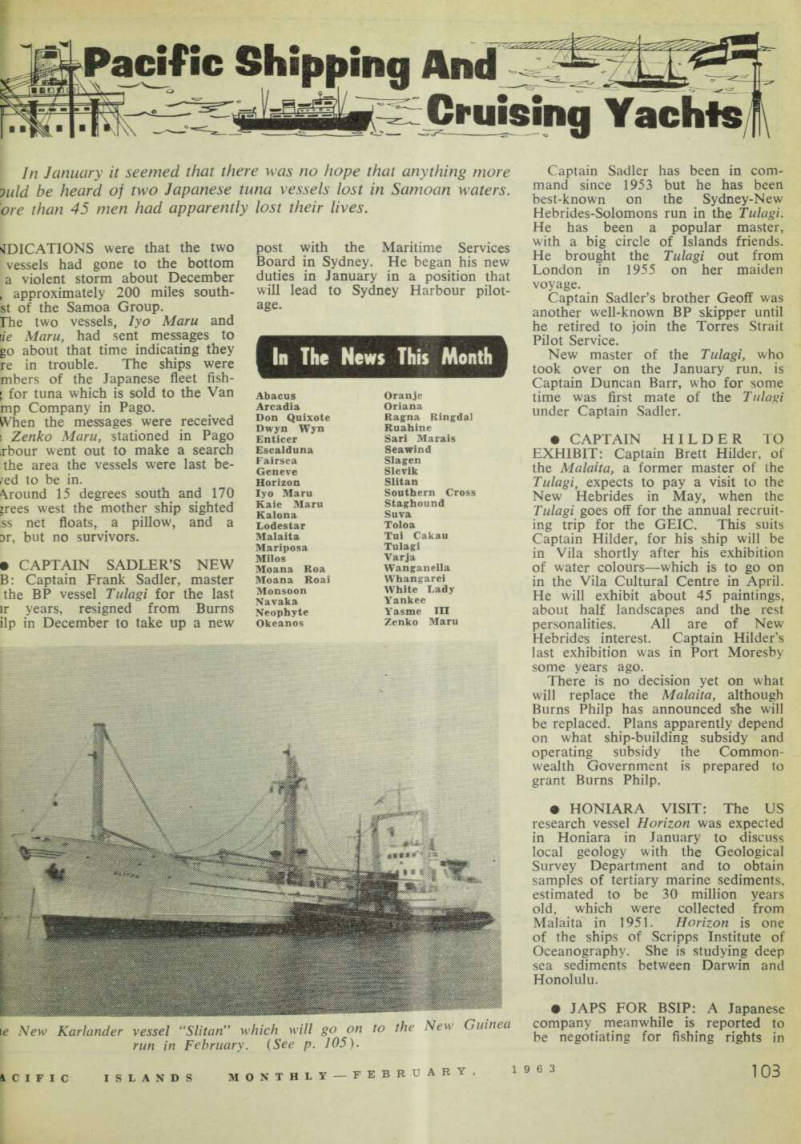 105
105 106
106 107
107 108
108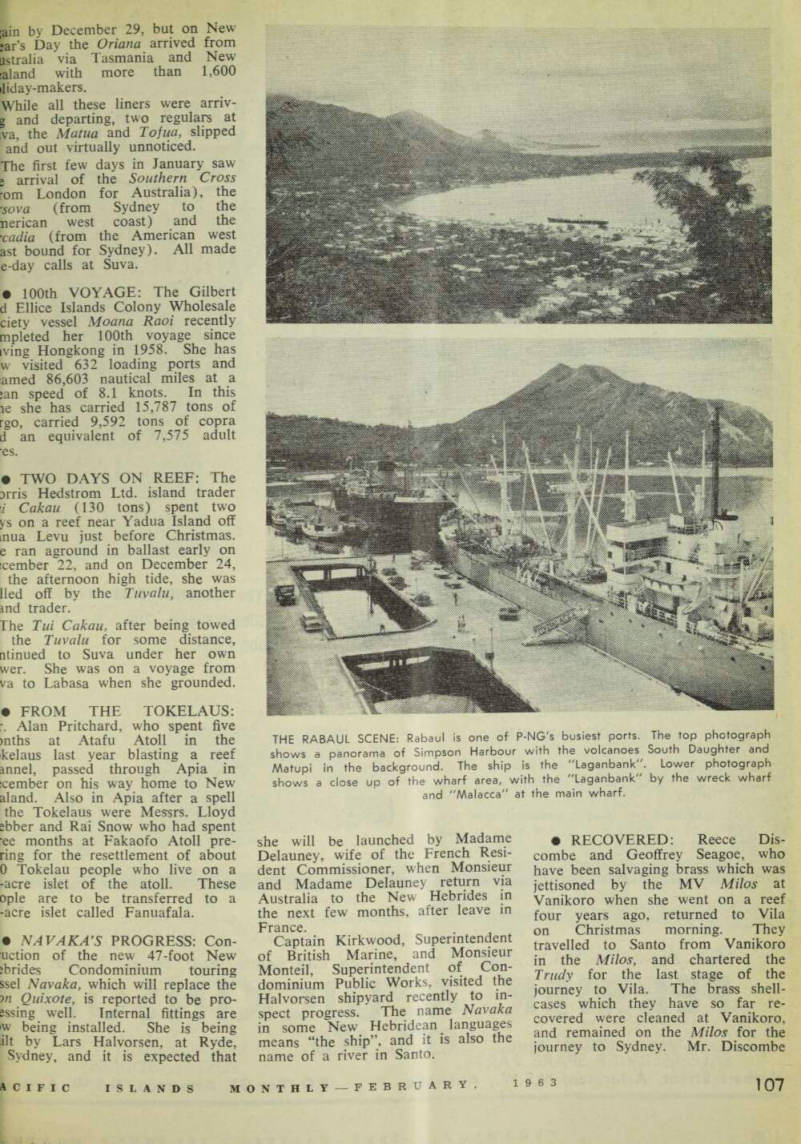 109
109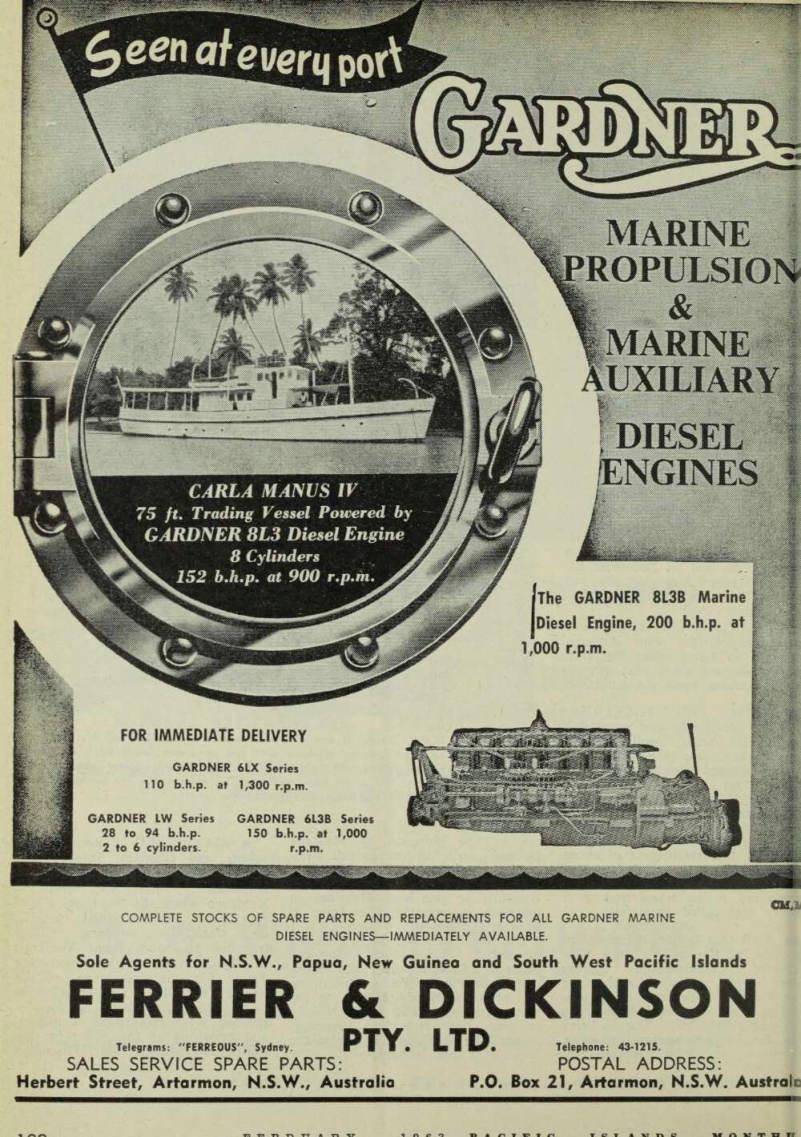 110
110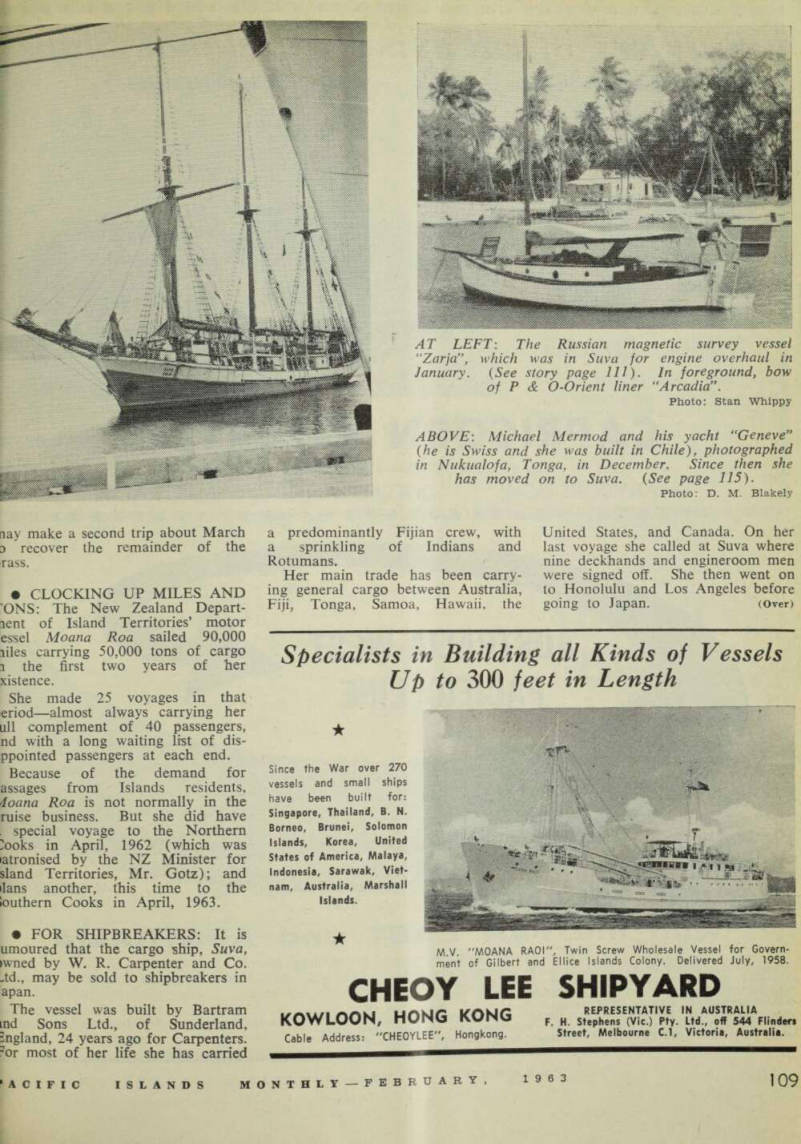 111
111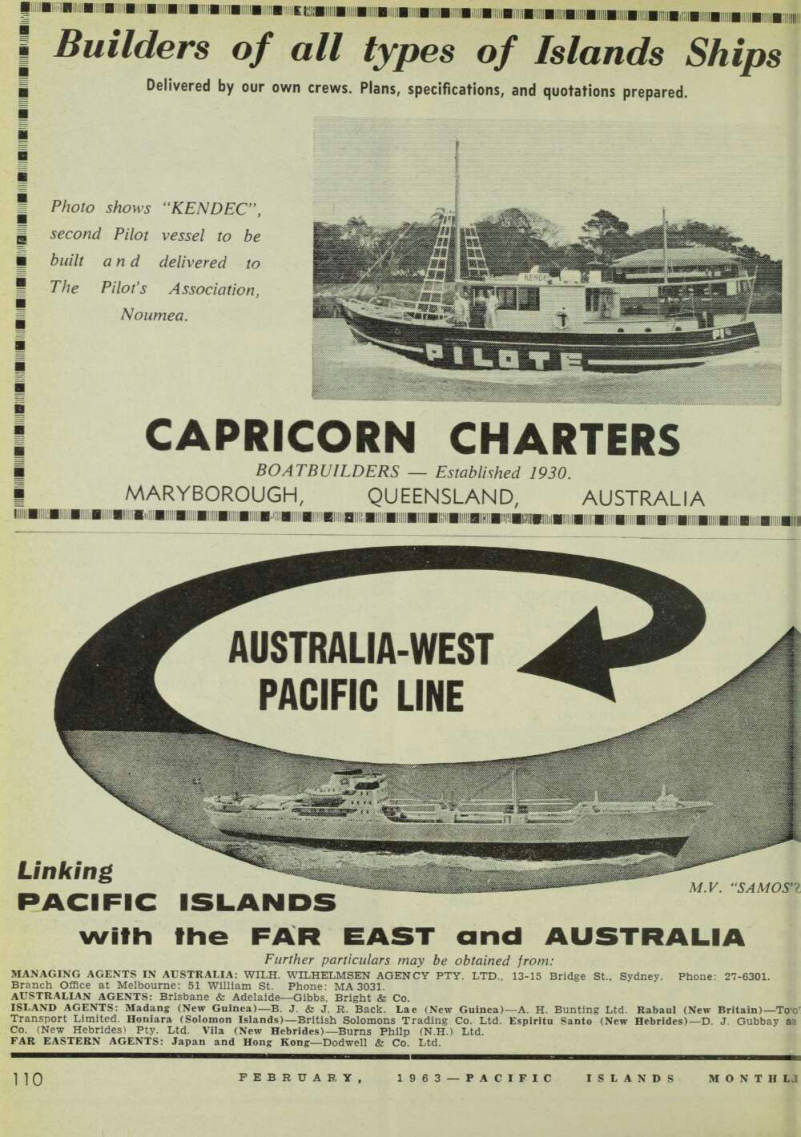 112
112 113
113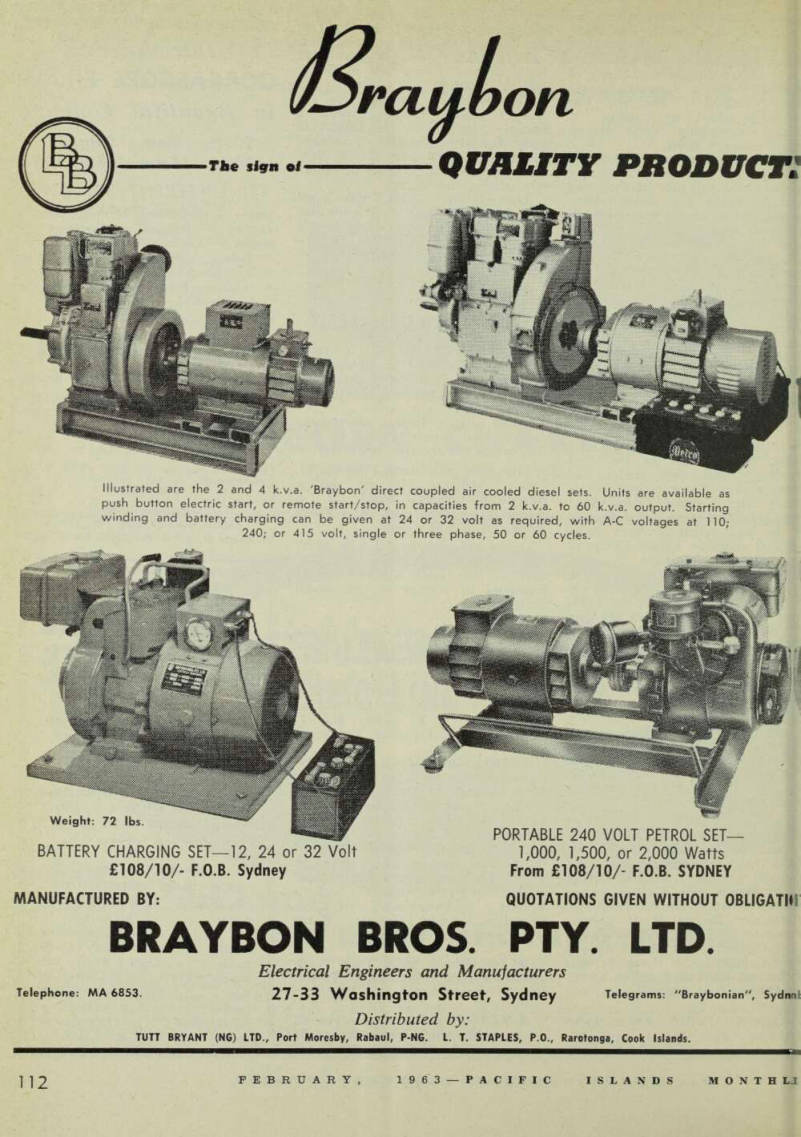 114
114 115
115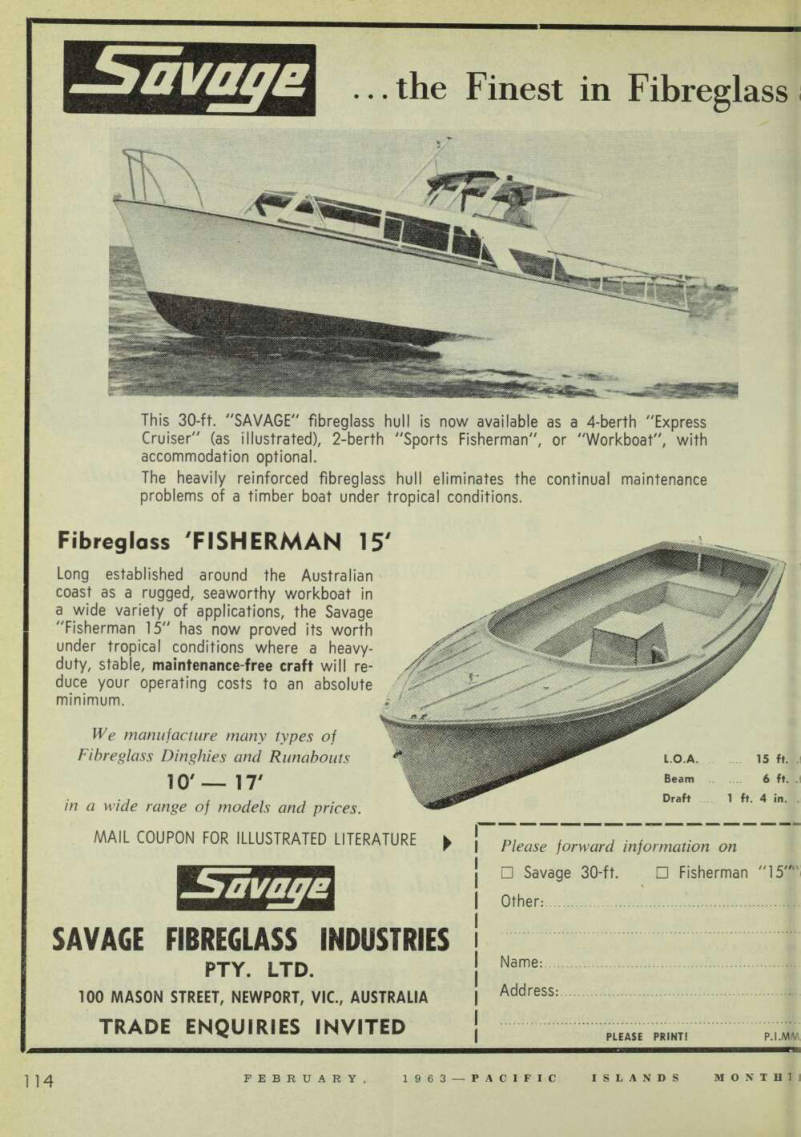 116
116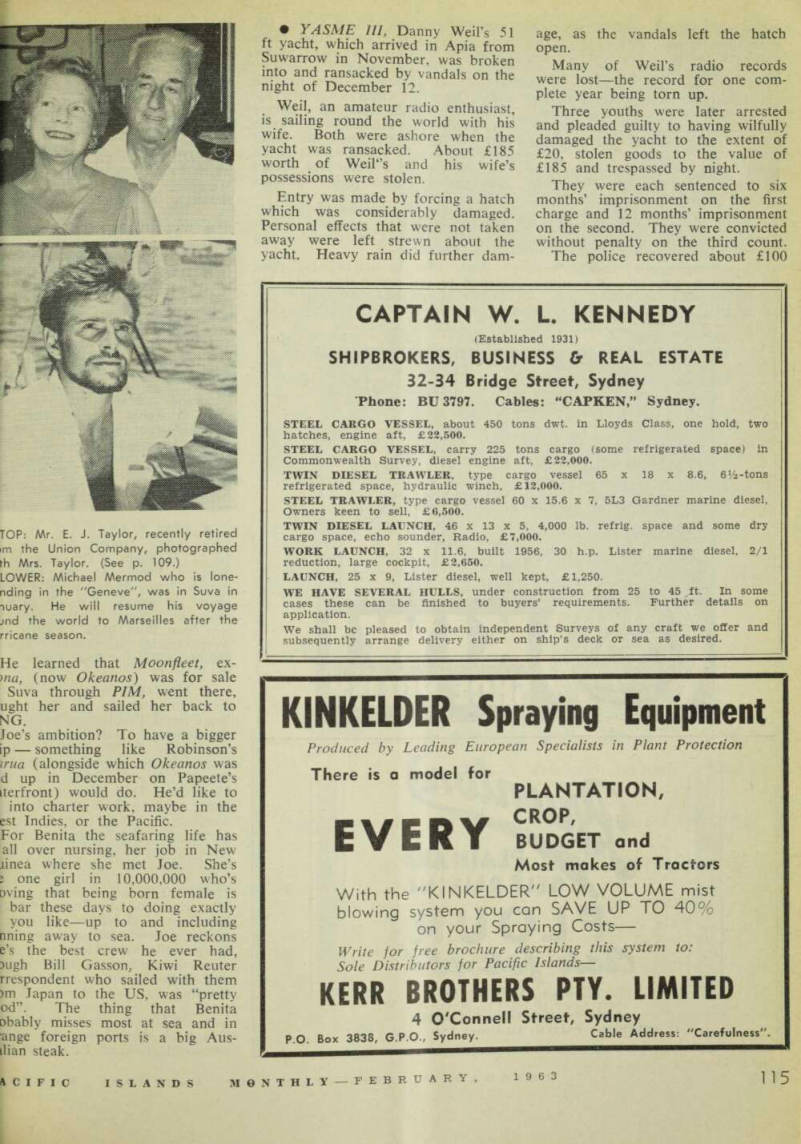 117
117 118
118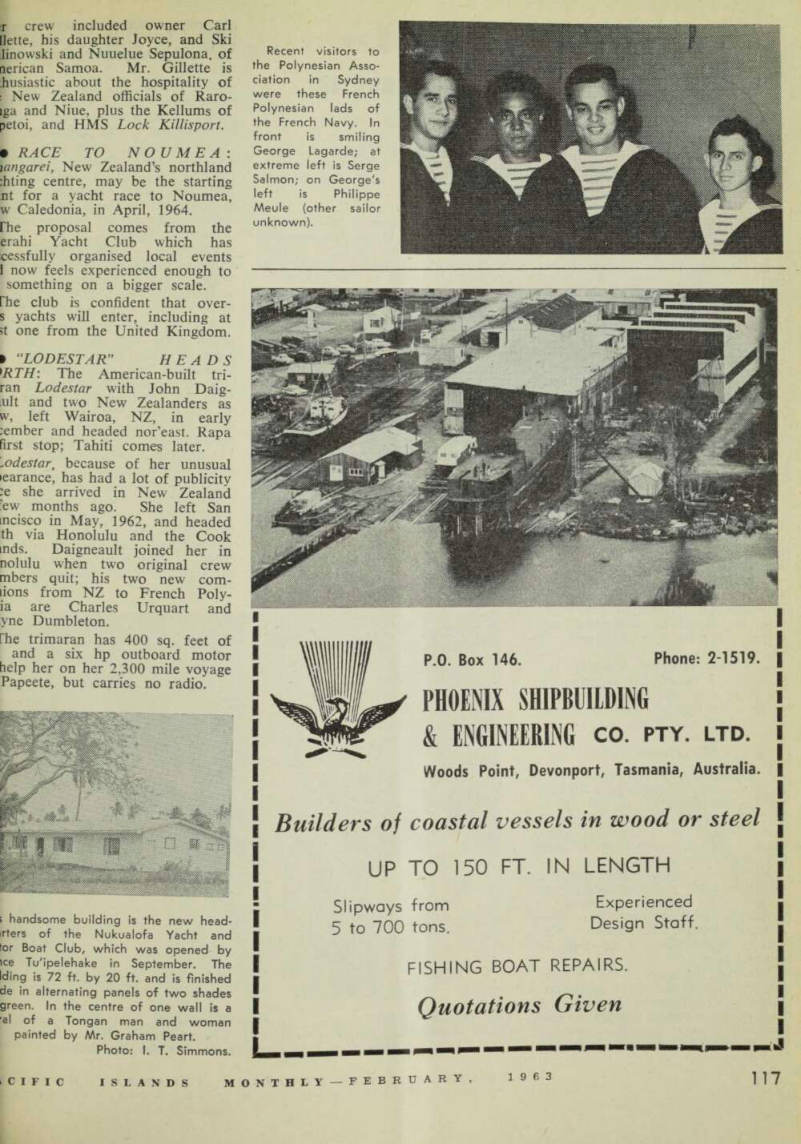 119
119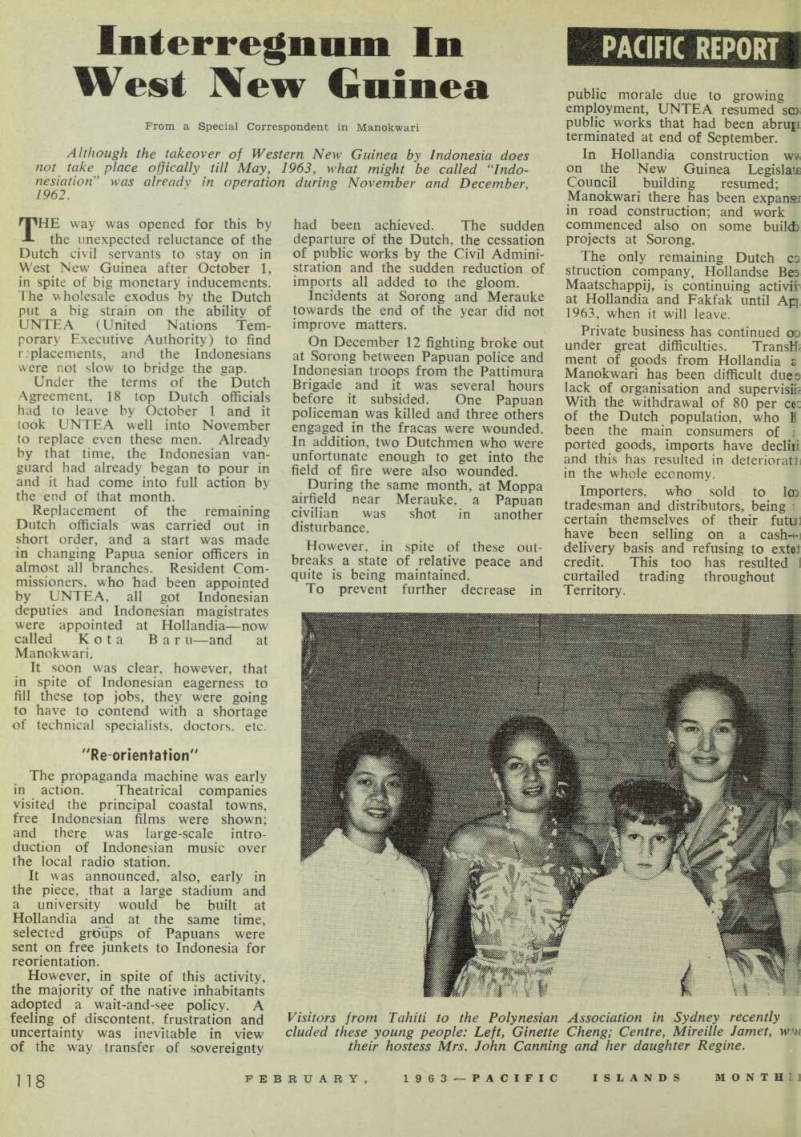 120
120 121
121 122
122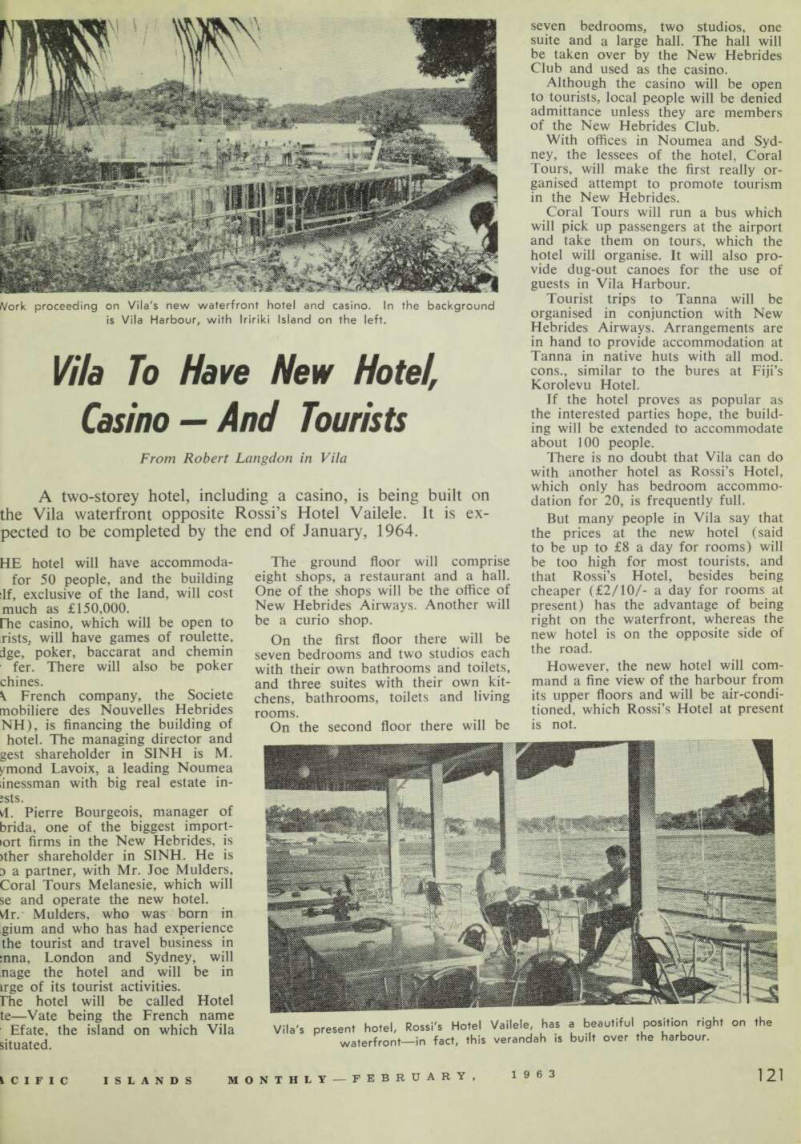 123
123 124
124 125
125 126
126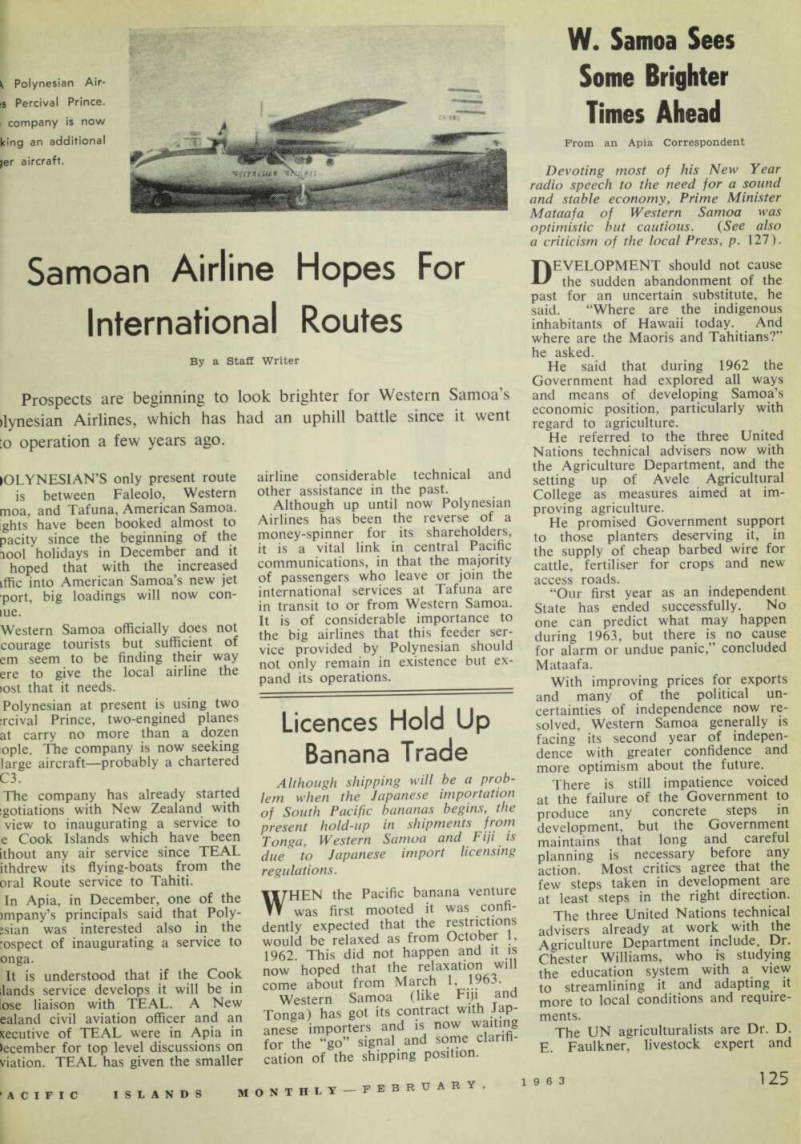 127
127 128
128 129
129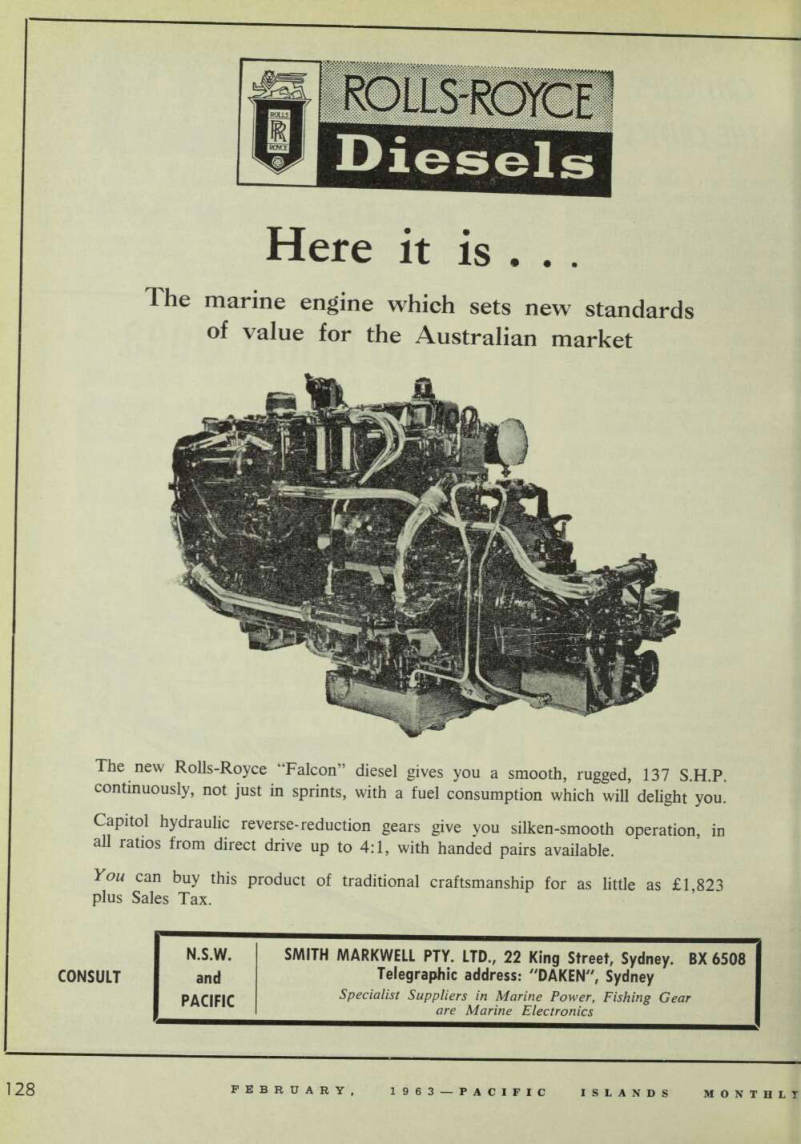 130
130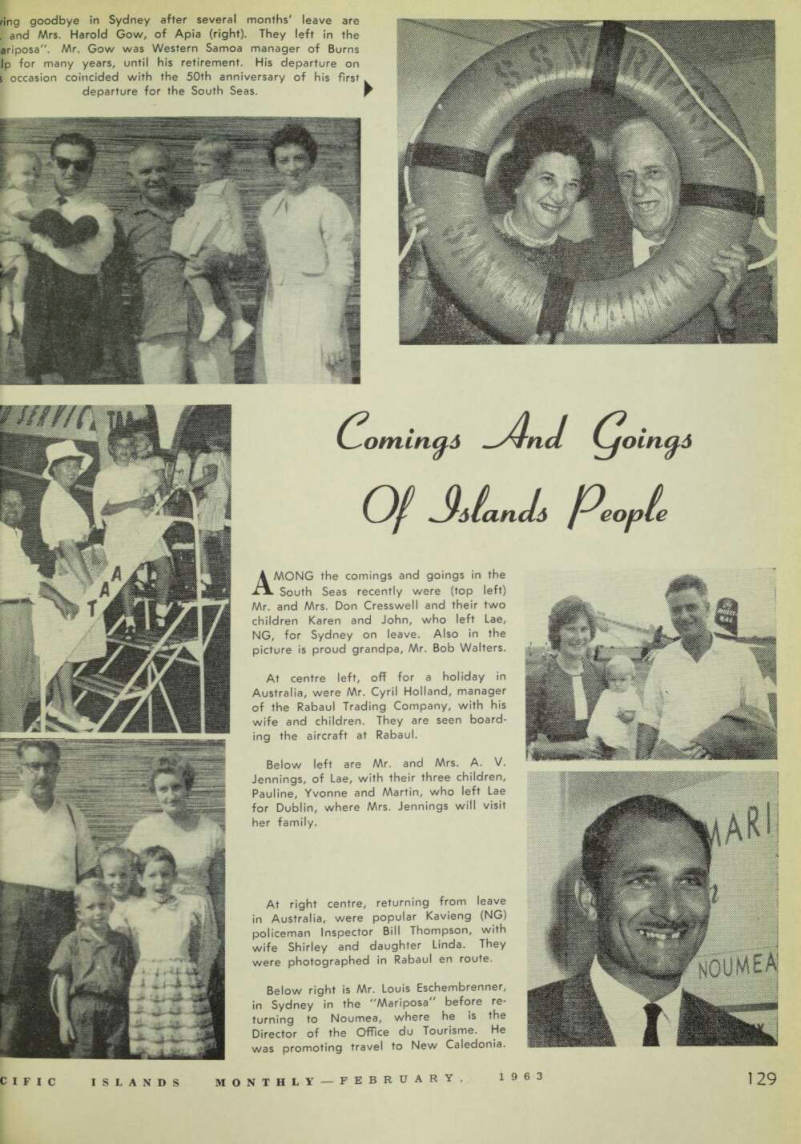 131
131 132
132 133
133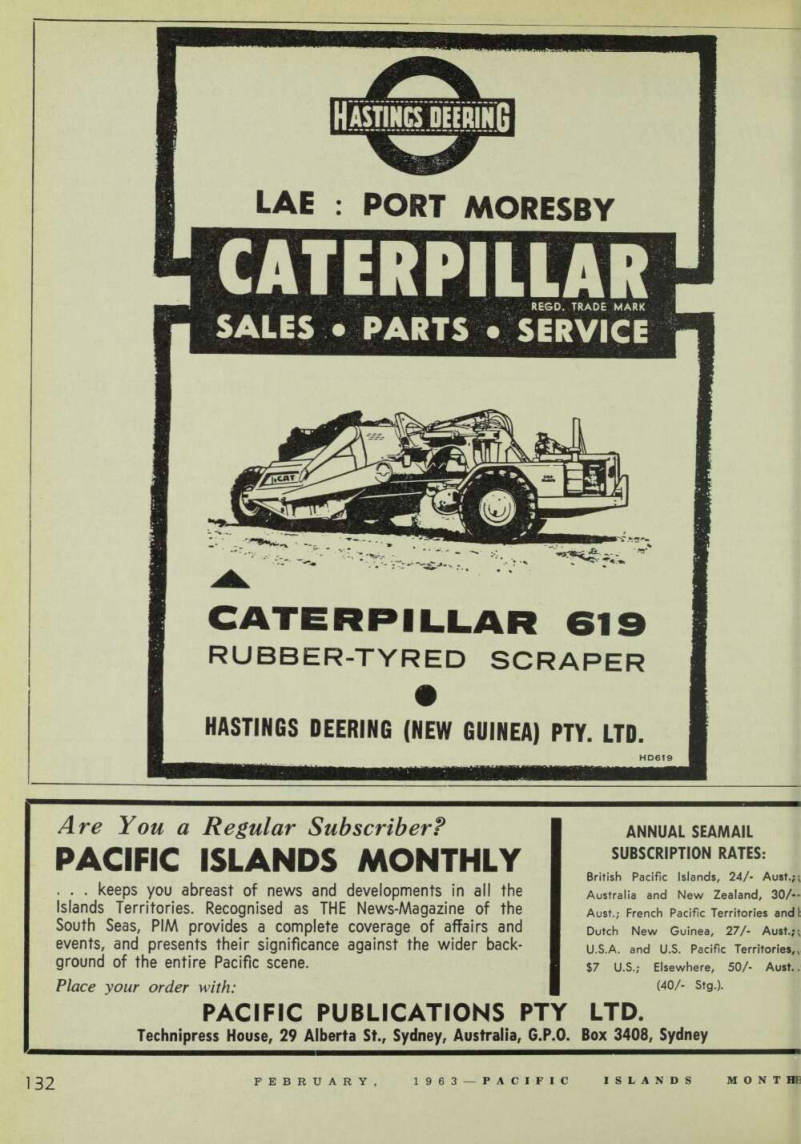 134
134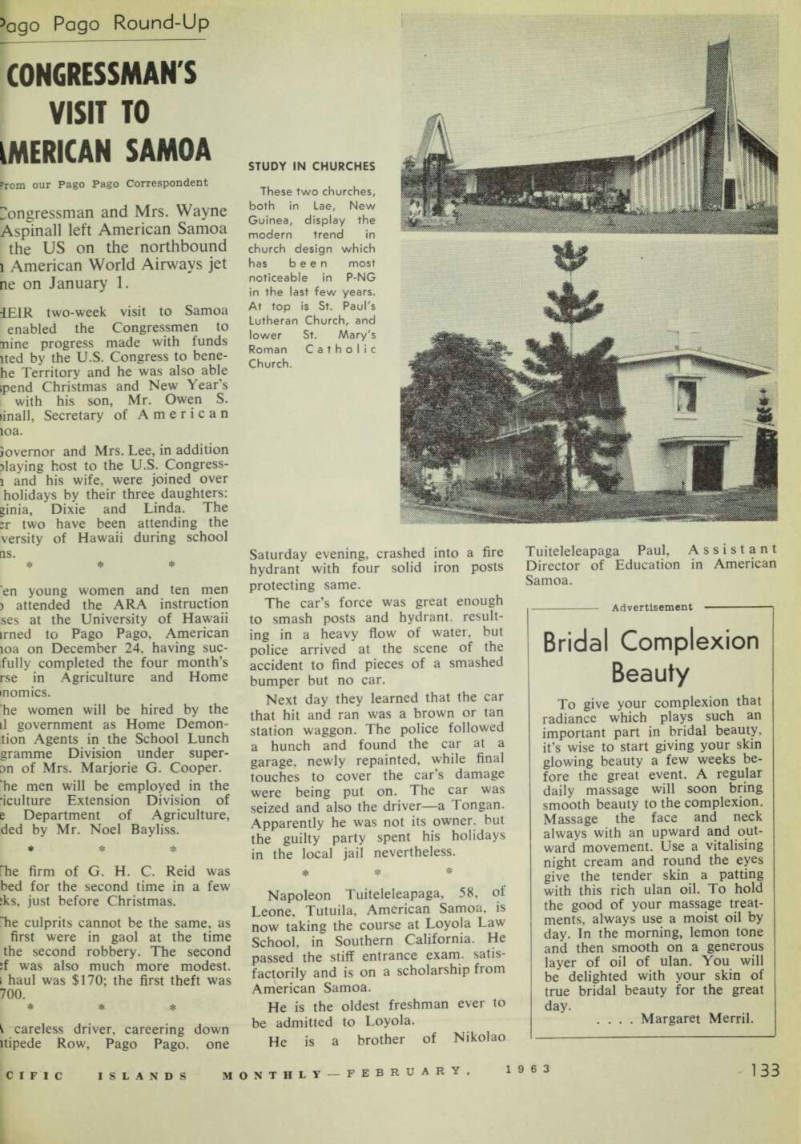 135
135 136
136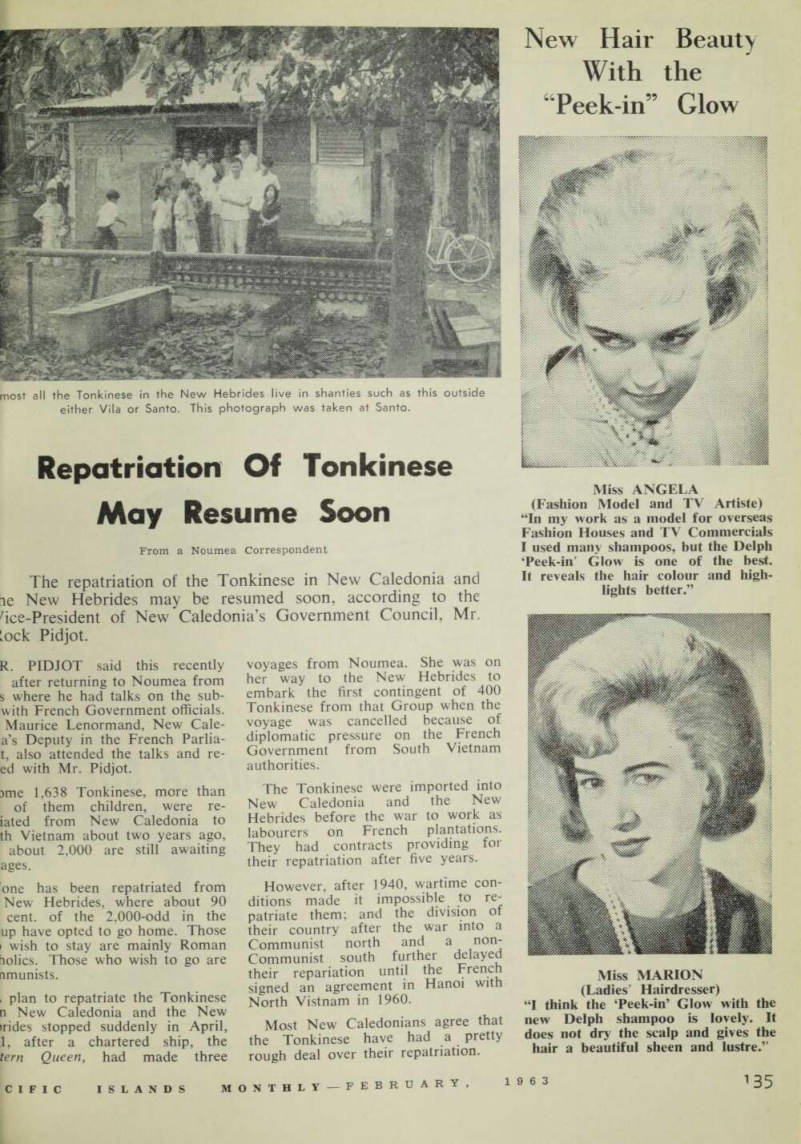 137
137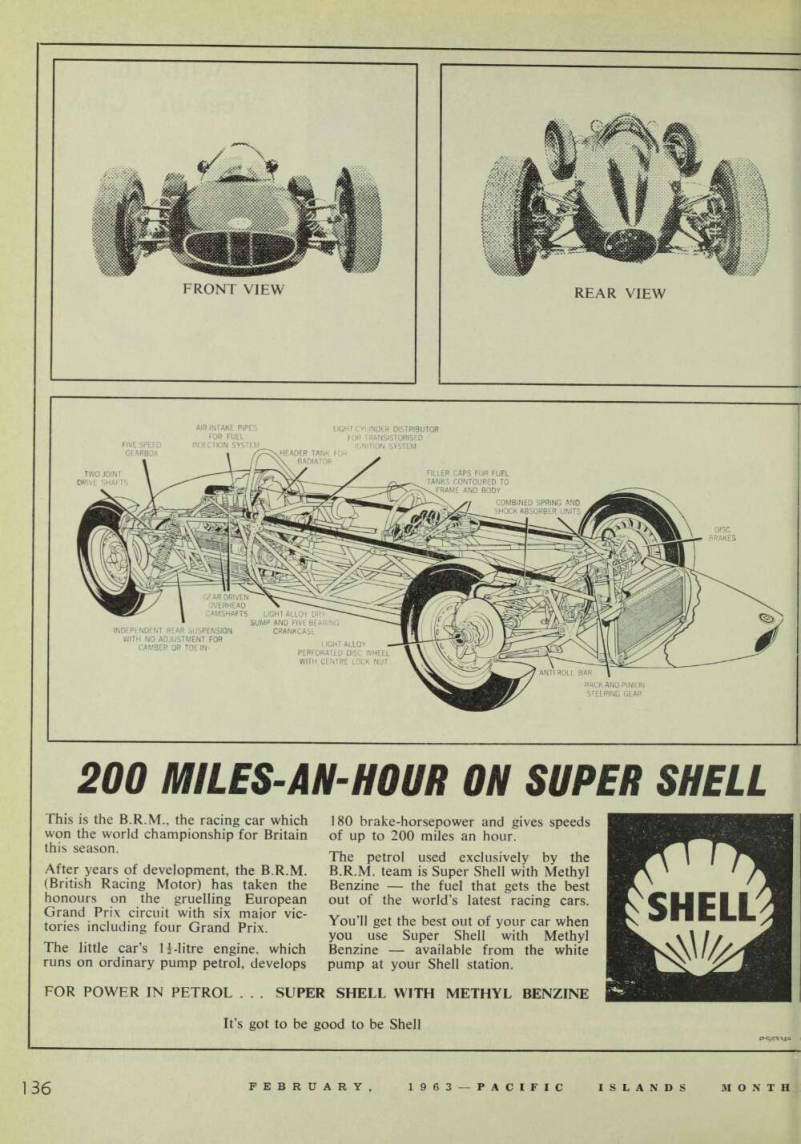 138
138 139
139 140
140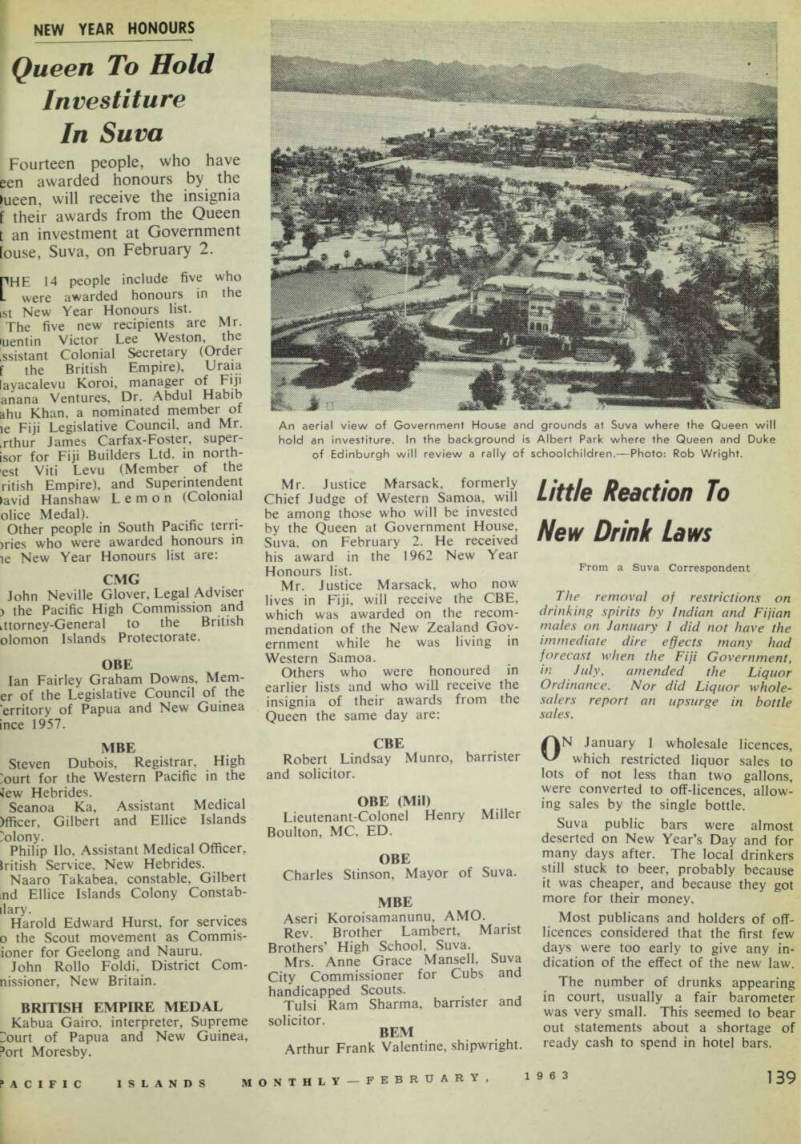 141
141 142
142 143
143 144
144 145
145 146
146 147
147 148
148 149
149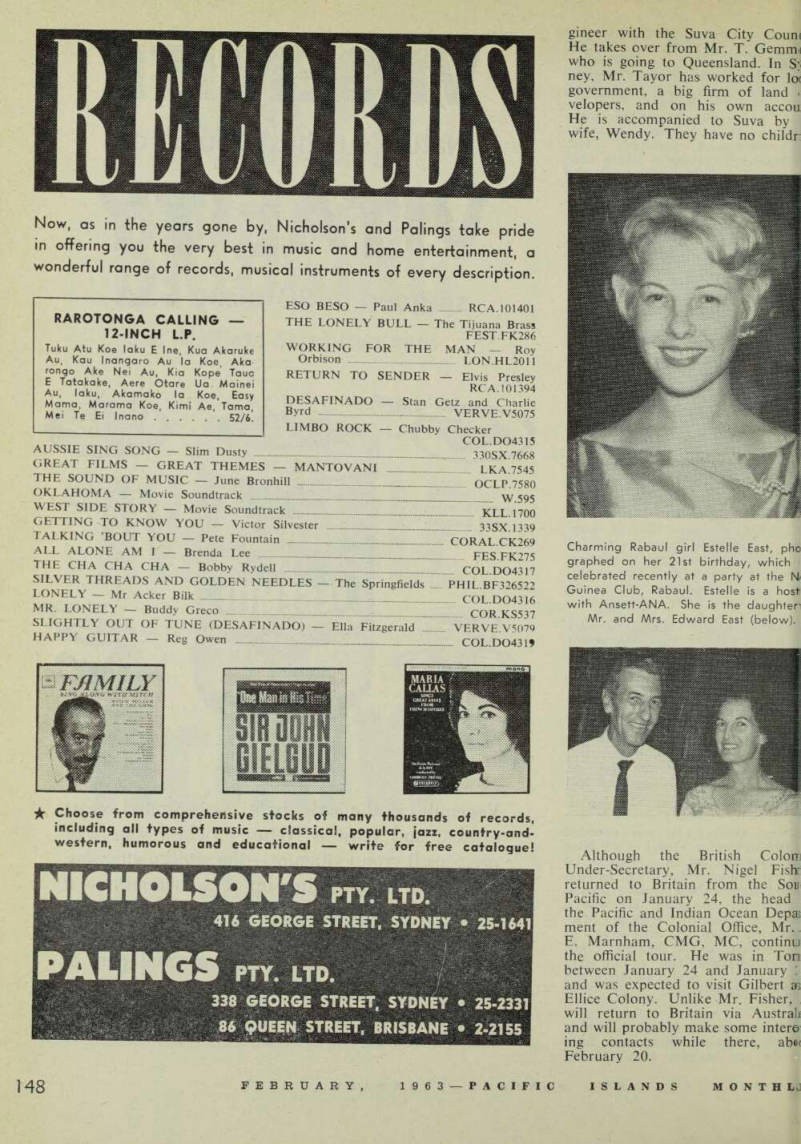 150
150 151
151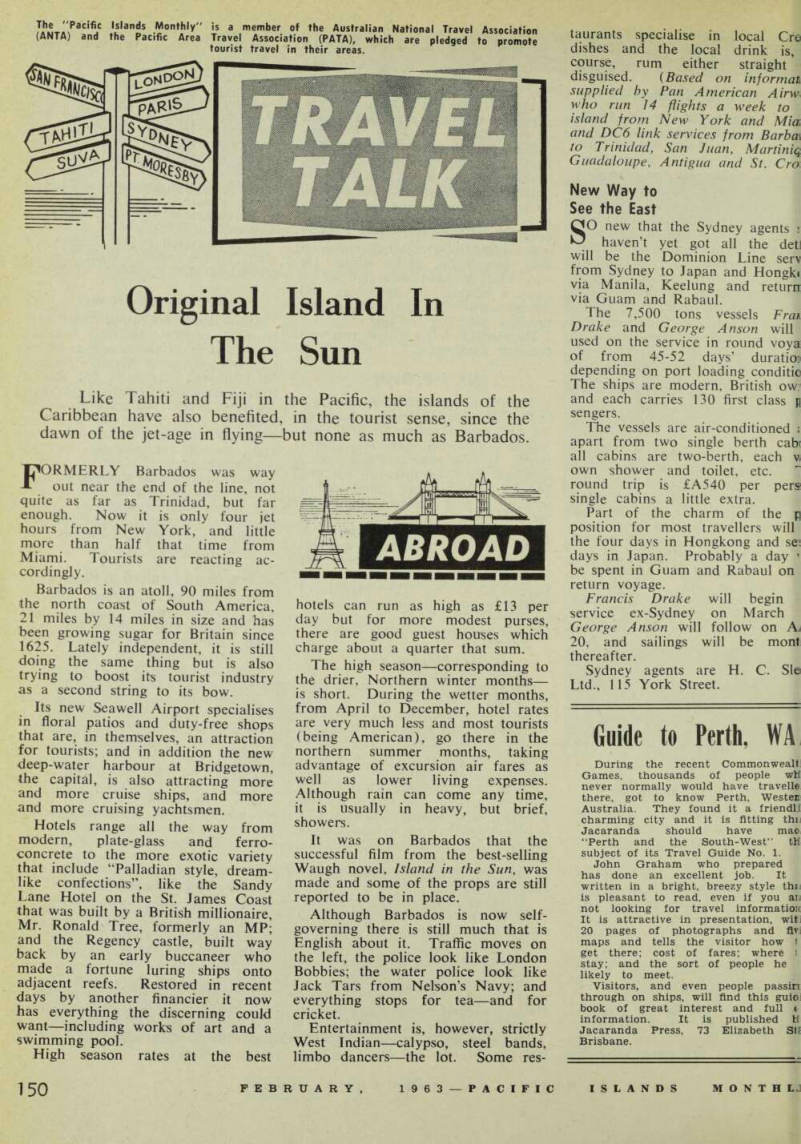 152
152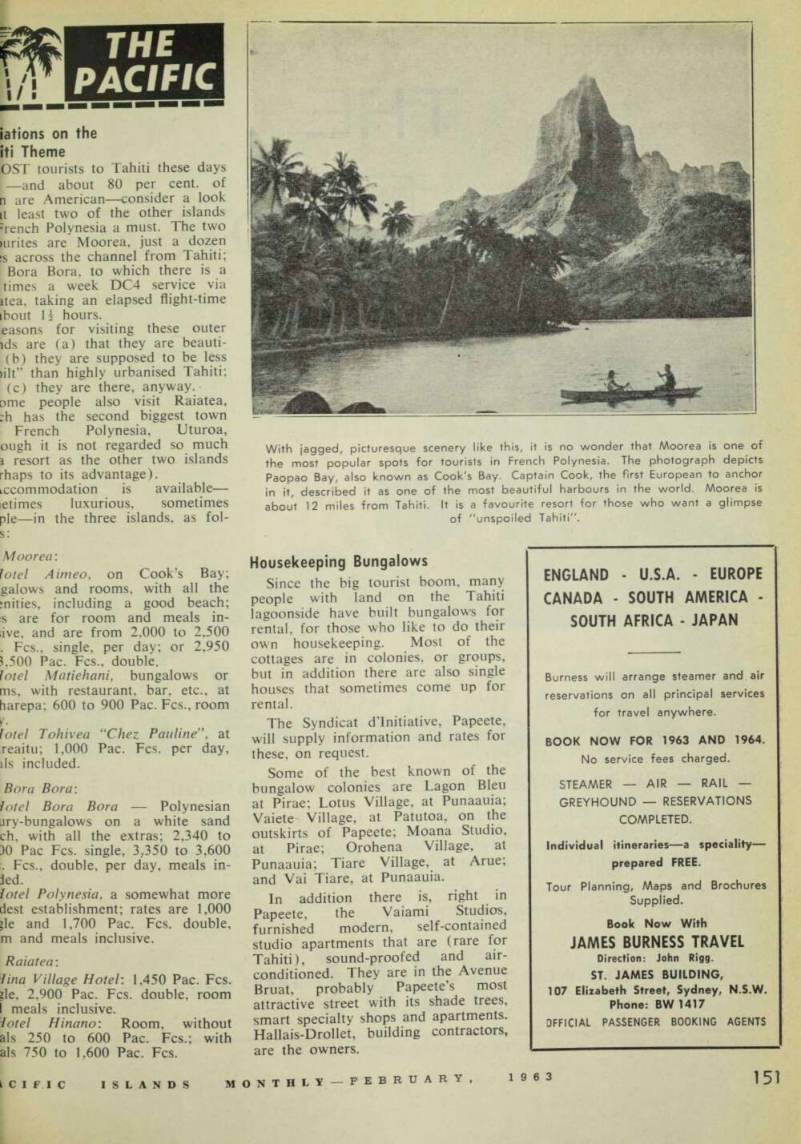 153
153 154
154 155
155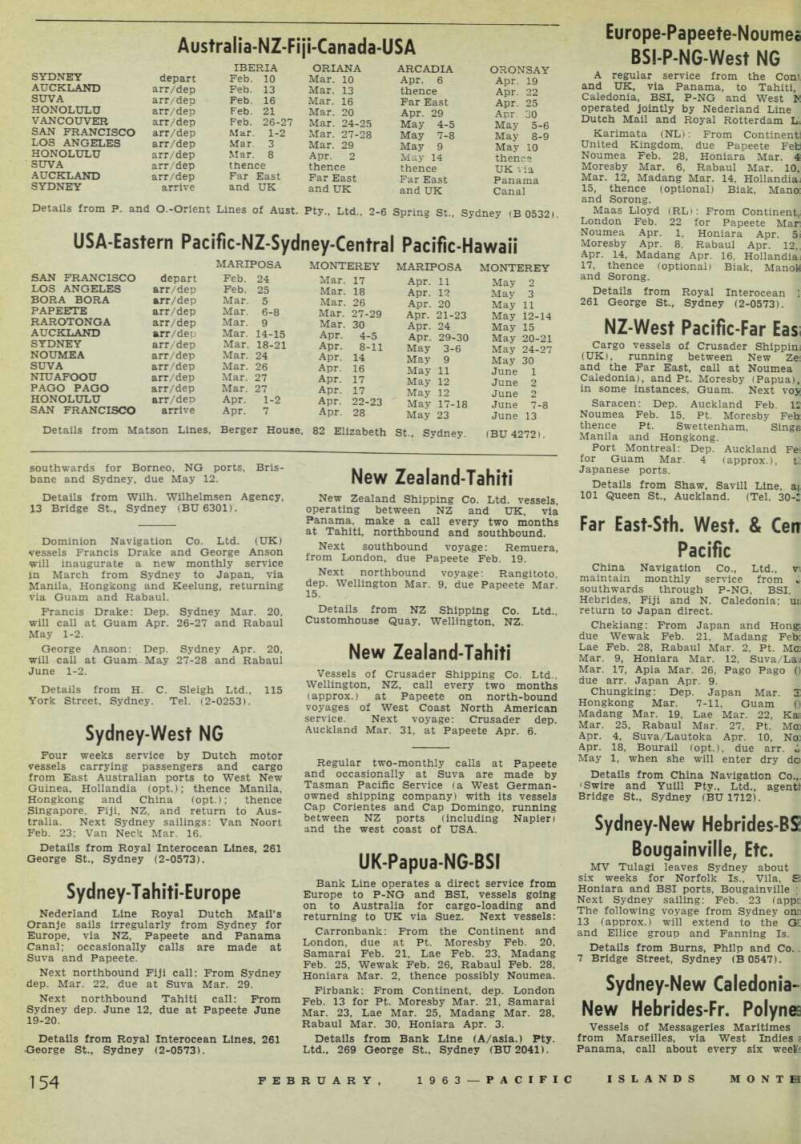 156
156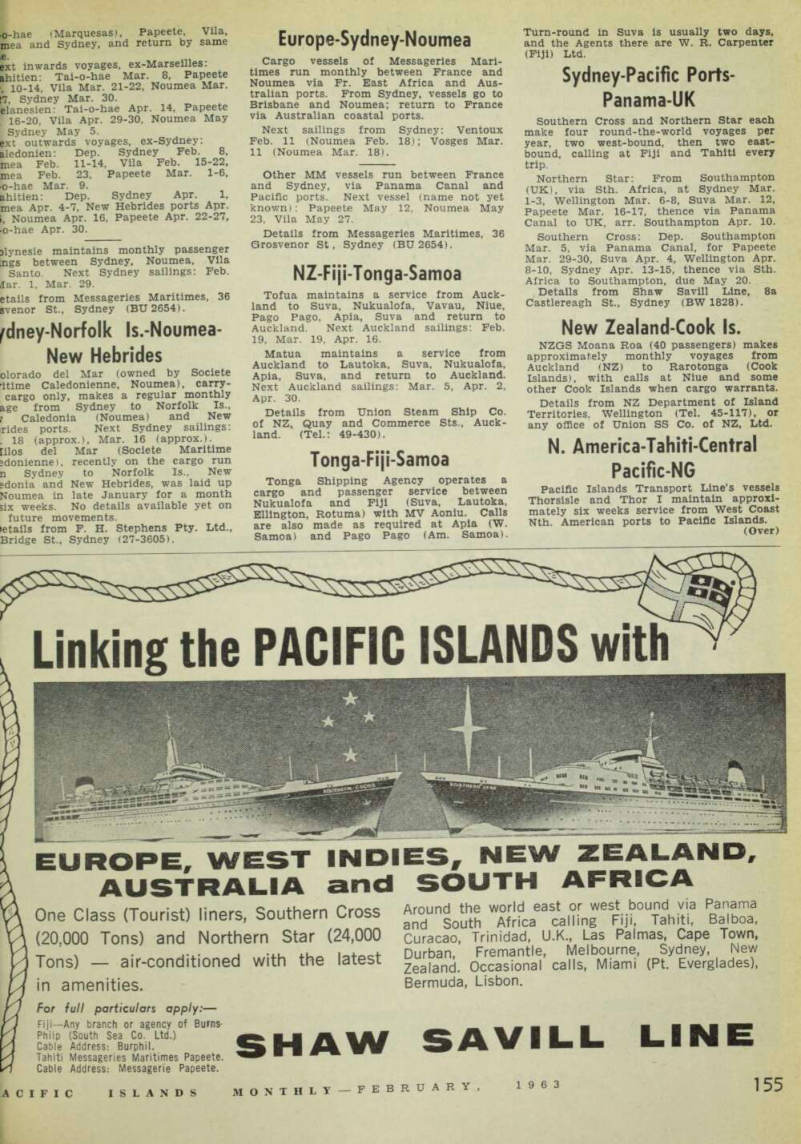 157
157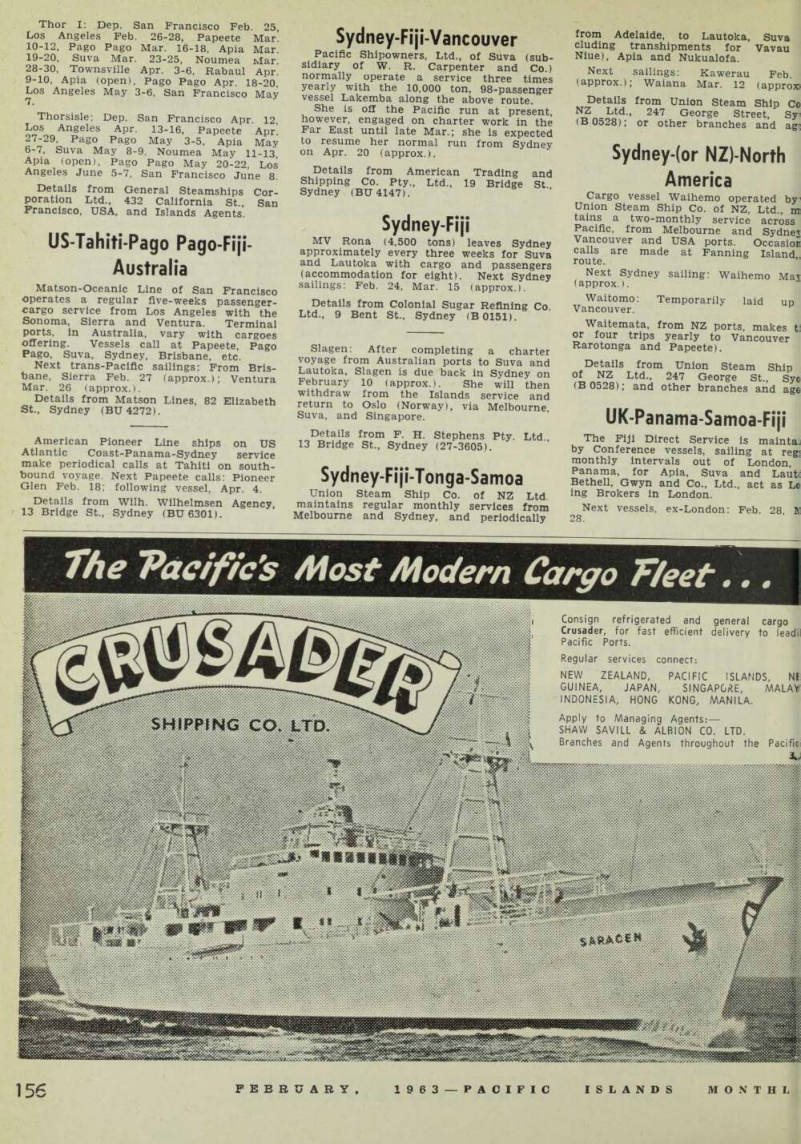 158
158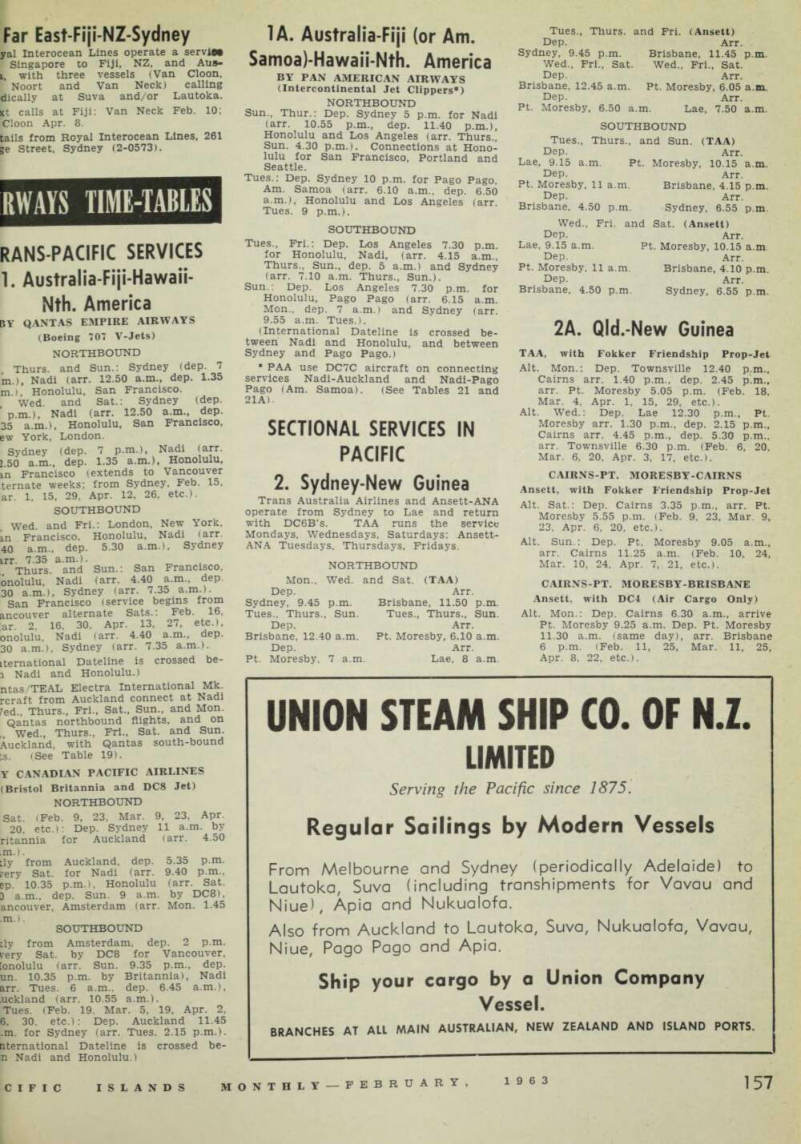 159
159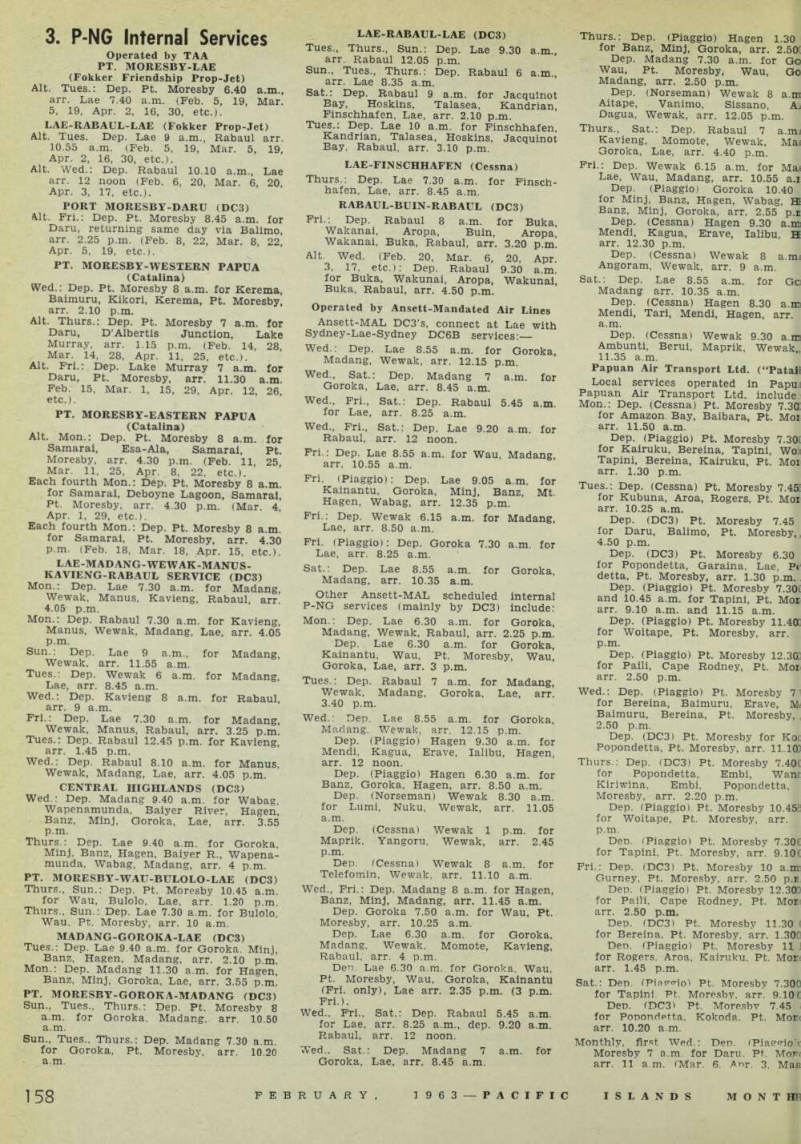 160
160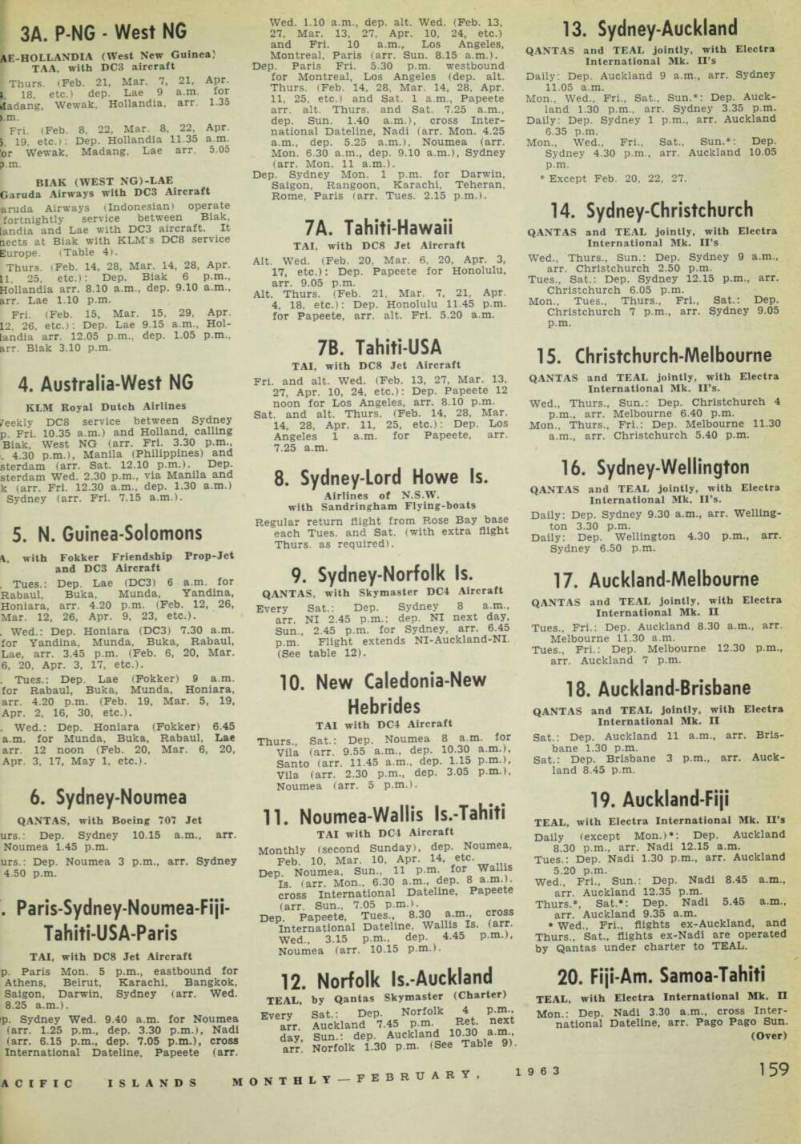 161
161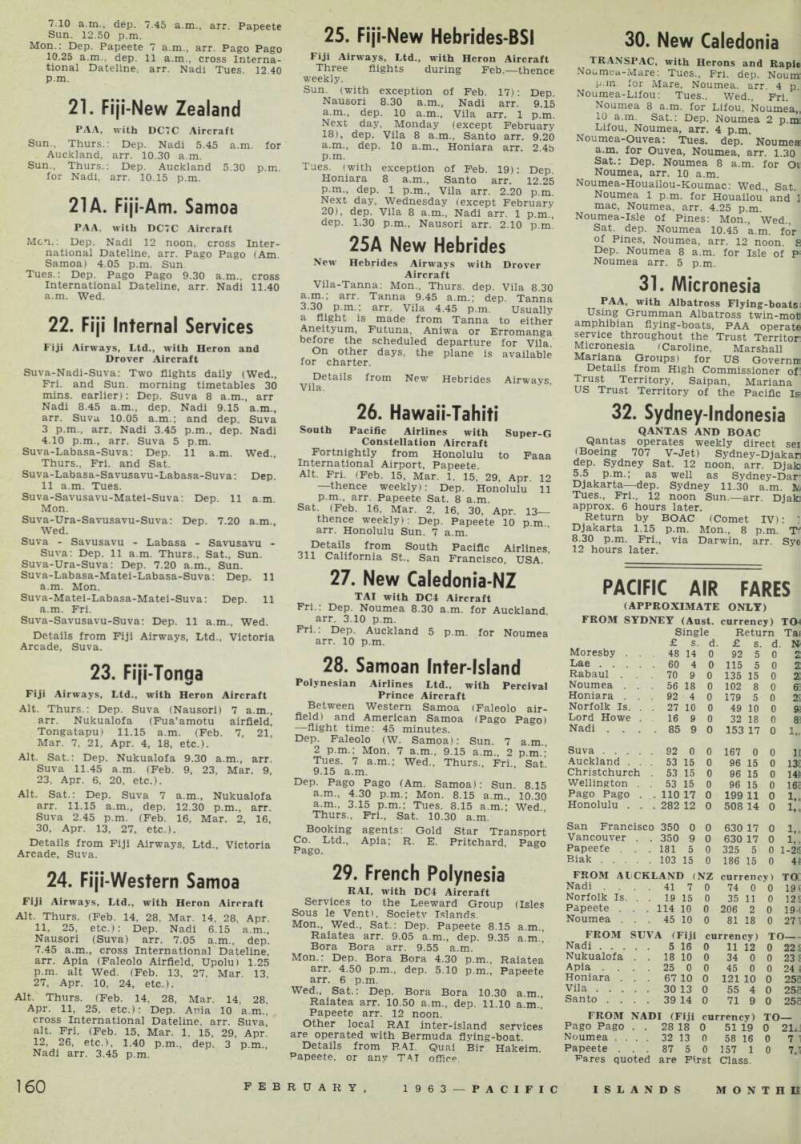 162
162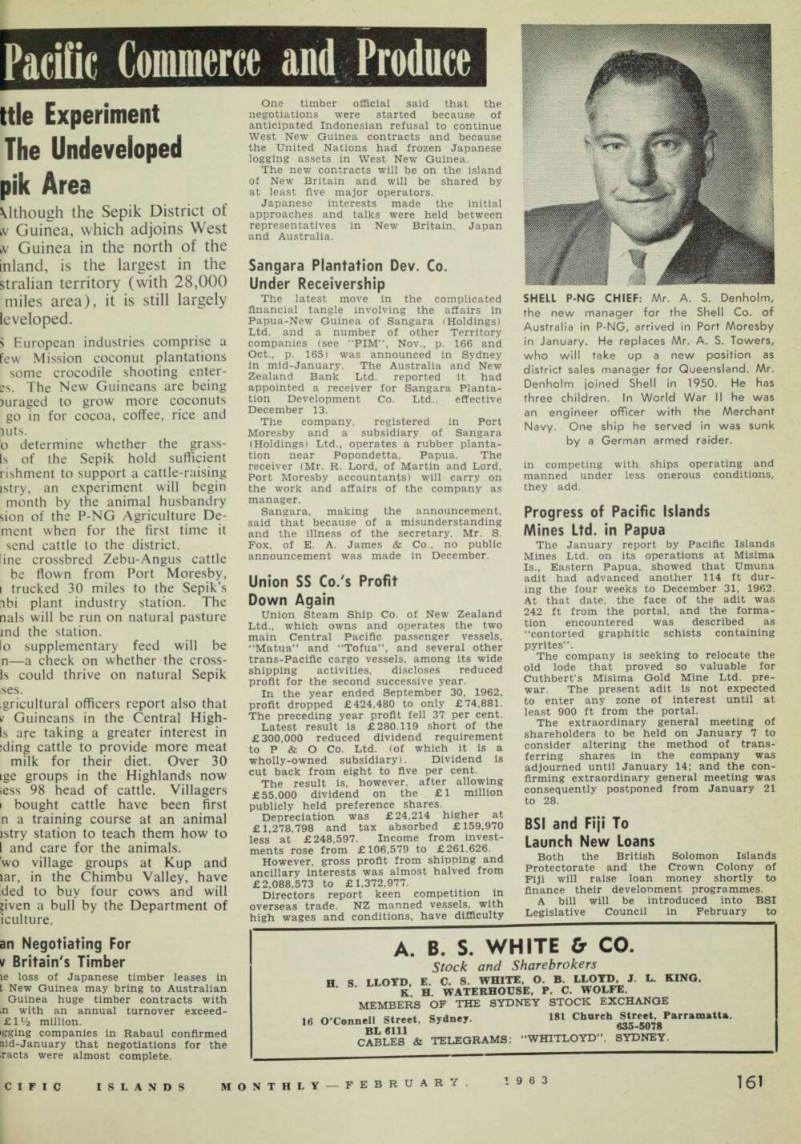 163
163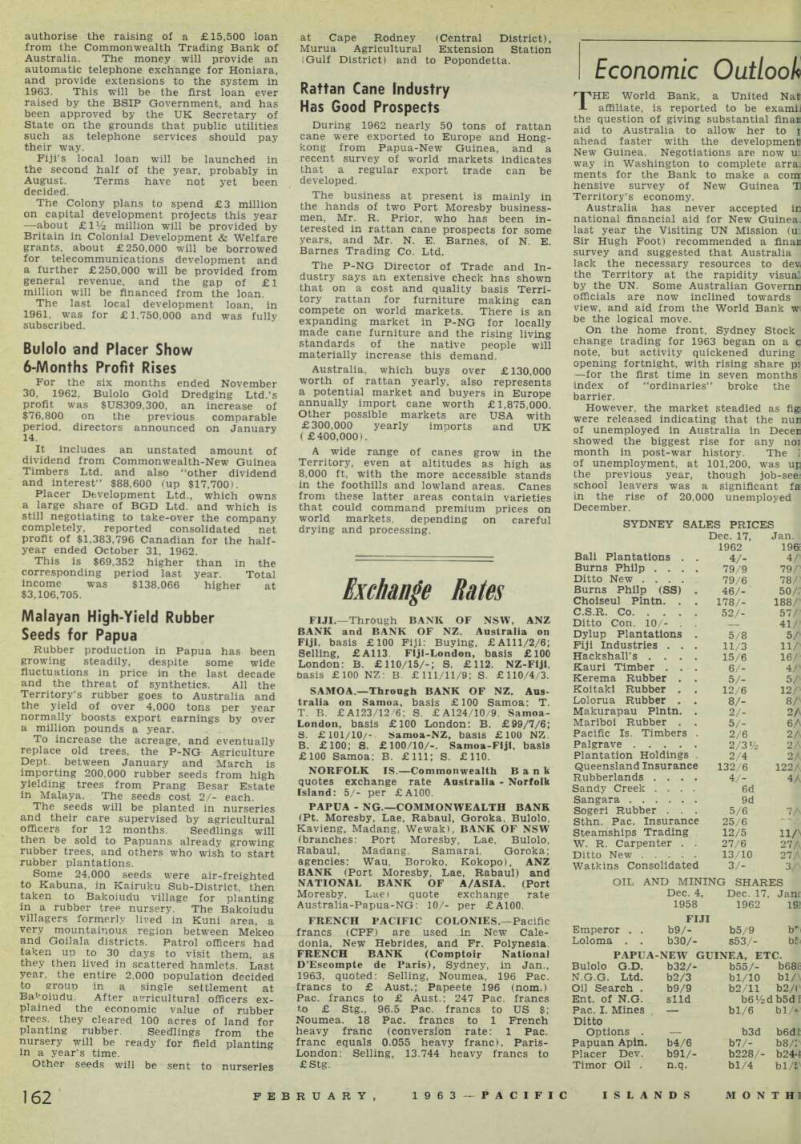 164
164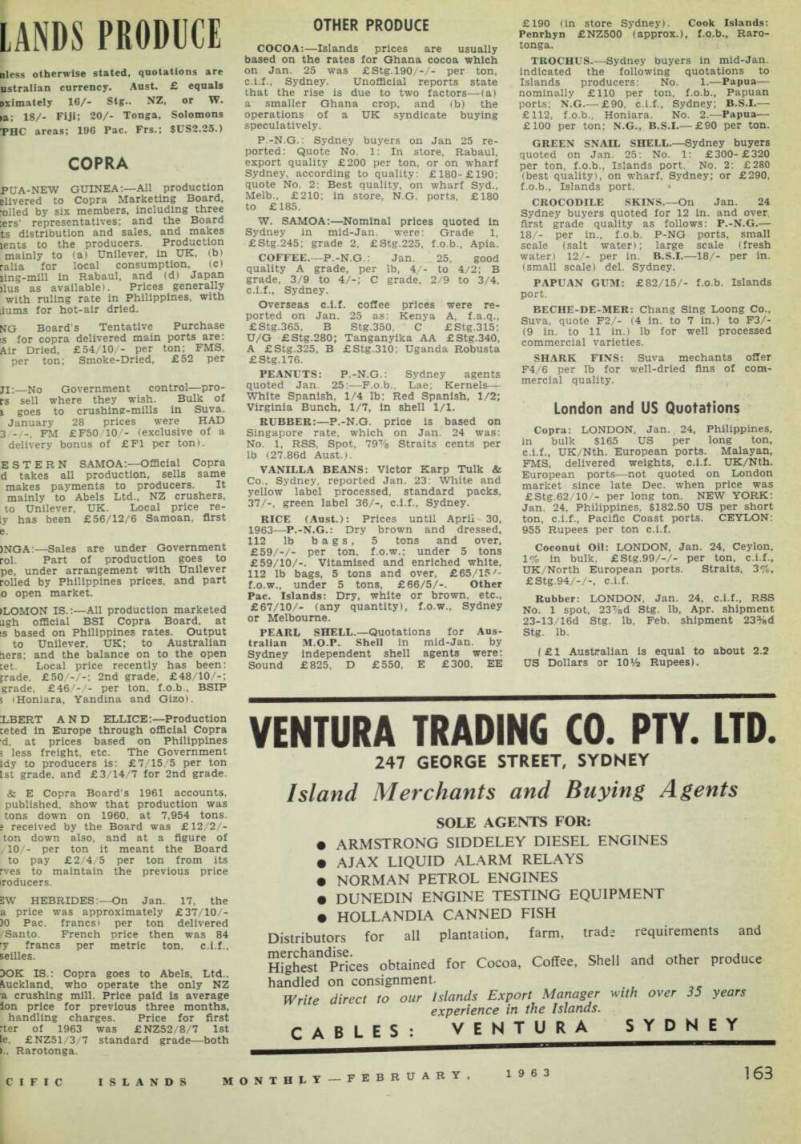 165
165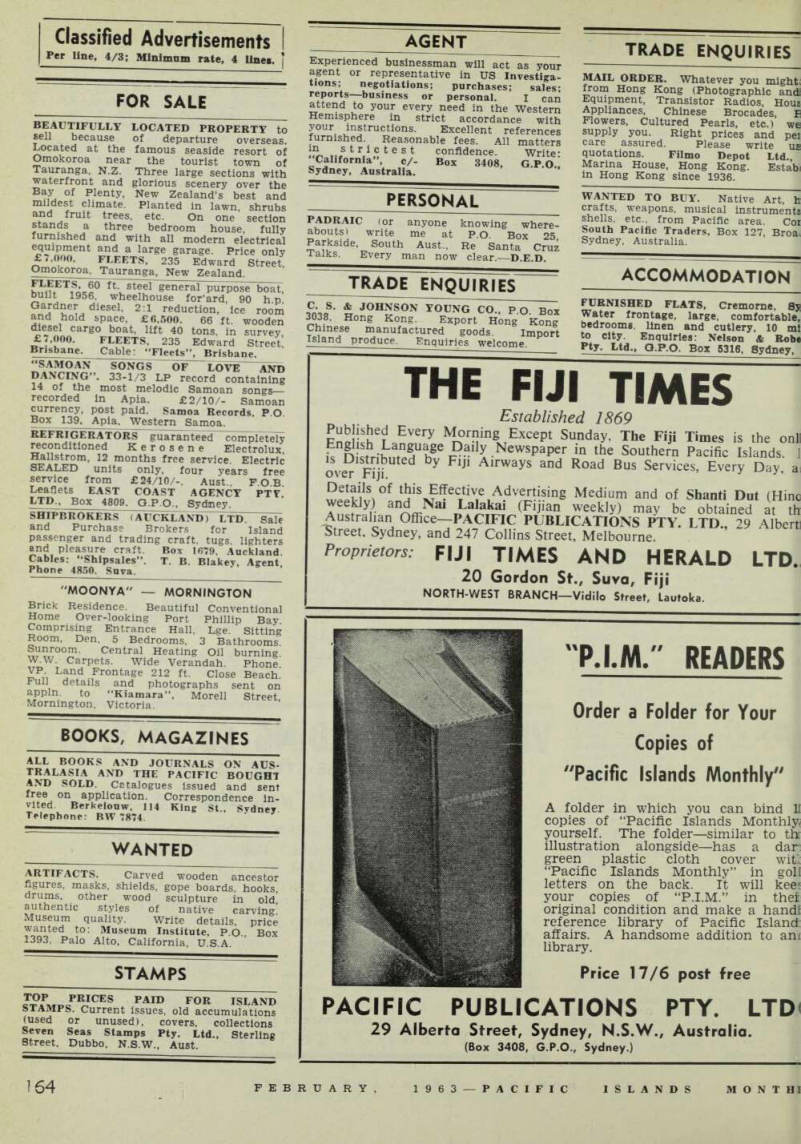 166
166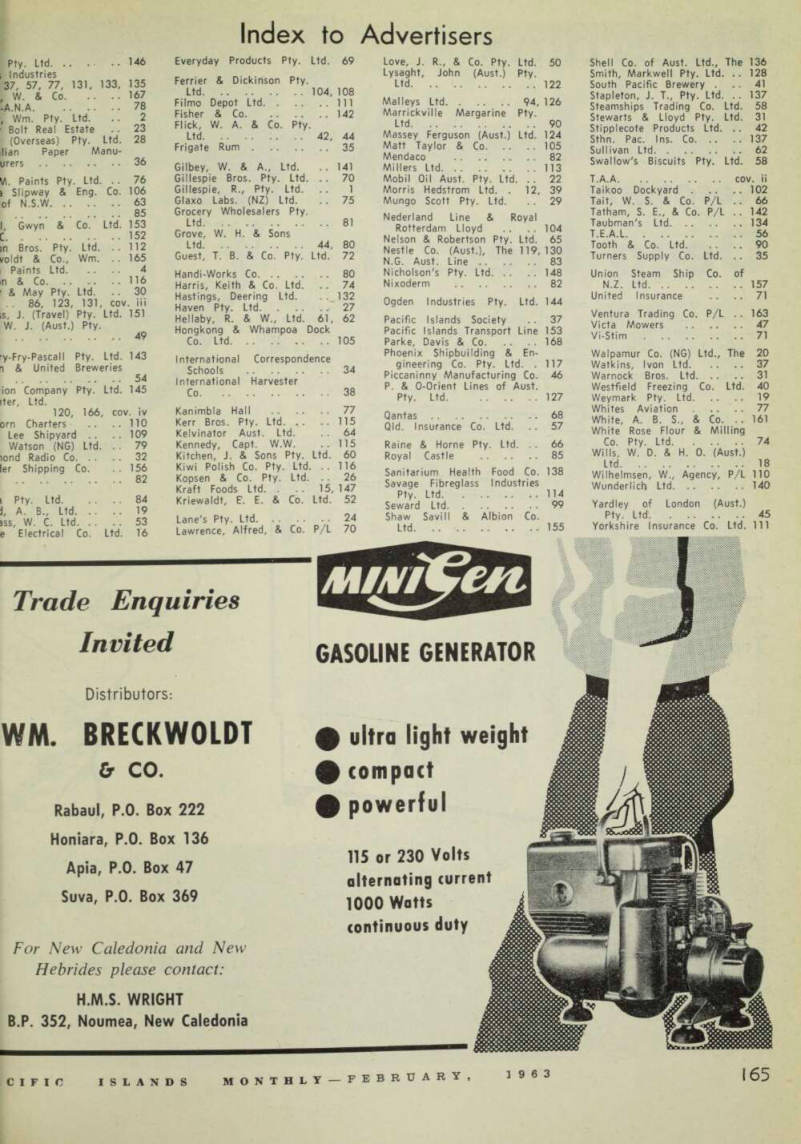 167
167 168
168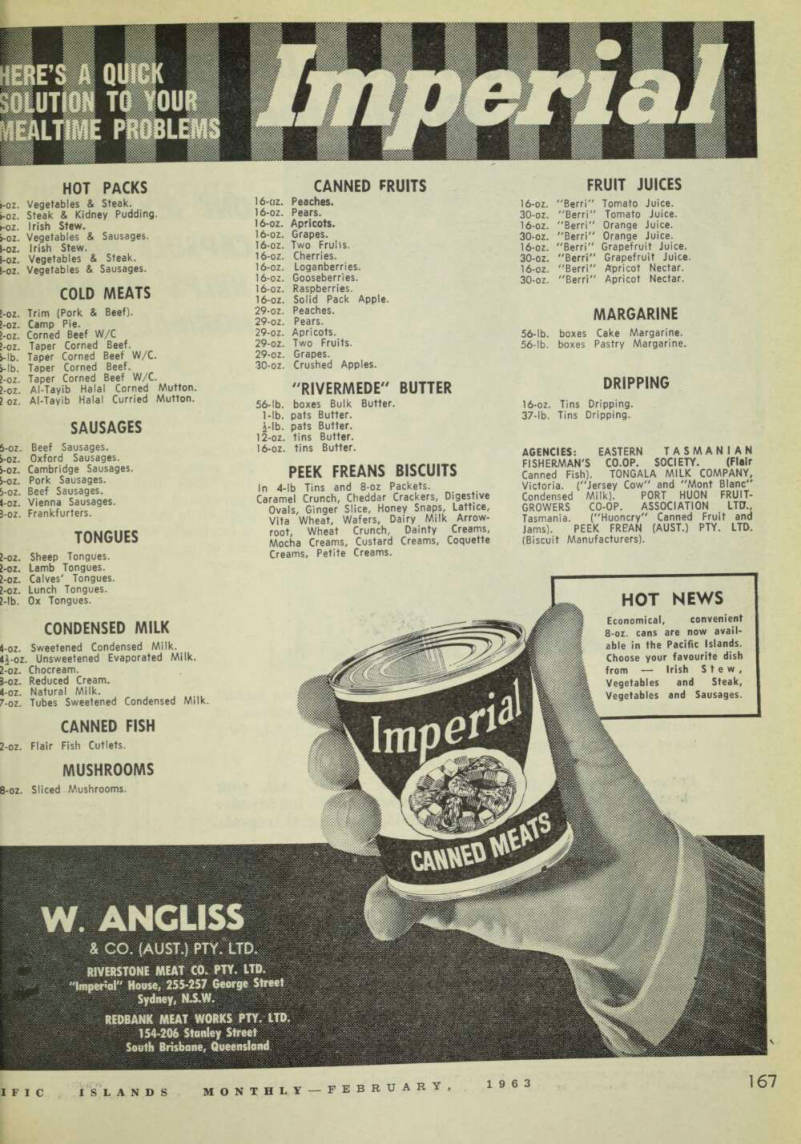 169
169 170
170 171
171 172
172