Monthly
Pacific Islands Monthly
October, 1962
Vol. Xxxiii. No. 3.
'acific
Abushed 1930
I at G.P.0., Sydney, and at P. 0., I transmission by post as a Newspaper.
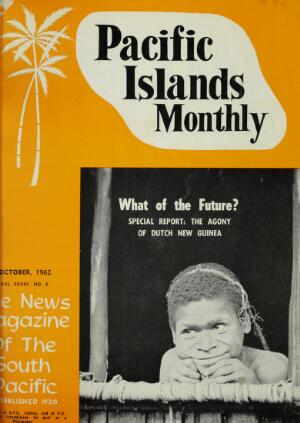
What of the Future?
Special Report: The Agony
Of Dutch New Guinea
THE COVER- What of the future? This Papuan woman might well ask it, now that her homeland has changed ownership after 350 years of Dutch rule. One of "PlM's" editors, Mrs. Judy Tudor, flew to Hollandia on the eve of the take-over of October 1 and her penetrating reports on the biggest news event in the history of the South Pacific begin on p. 13.
Advertisements & other items, pp. 2-5 (3 items)
Sunbird
FLY
A S : .y
throughout the Territory of Papua/New Guinea and to Australia
Sunbird Services throughout the Territory
TAA operates ‘Sunbird Services’ throughout the Territory of Papua/New Guinea and to adjacent islands. Whether your destination is Mt. Hagen in the New Guinea Highlands, Honiara on Guadalcanal or any other of the 40 Territory ports served by TAA you will enjoy friendly service WHEREVER you fly with TAA Sunbird Services.
Sunbird Services to Australia Regular TAA services from Lae and Port Moresby to the mainland link the Territory toe more than 90 ports throughout Australia. From any location in the Territory you need only one call, one ticket, one airline. TAA operates at huge network of more than 40,000 miles throughout the Territory, to Australia and within Australia.
For your flight to anywhere in Australia, low cost Tourist or Luxury First Class, TAA is the Friendly Way.
SAVE ON TAA TOURIST CLASS FARES BETWEEN PORT MORESBY AND AUSTRALIA For example, you save £B/15/0 (return) when you fly TOURIST to Brisbane with TAA.
Tourist fares from Port Moresby to Brisbane . . . £34/13/0 single, £69/6/0 return.
First Class fares from Port Moresby to Brisbane . . . £4l/4/0 single, £7B/1/0 return
Trans-Australia Airlines
TAA is general sales Agent for QAM AS throughout Papua/New Guinea.
BOOKINGS: nu
GOROKA: Airport. Phone 8. LAE: Coronation Drive. Airport Centre. Phone 2311.
MADANG: Kaislan Avenue. Phone 78 or 166. PORT MORESBY: Musgrave Street. Phone 2101 RABAUL: Mango Avenue. Phone 2567 or 2702 or any authorised TAA Agent.
KEEP FOOD and DRIKKS COLD
and FRESH WITH A . . .
Coleman
“Snowlite” COOLERS
Coleman’s range of plastic-lined coolers are now available through Robert Gillespie’s. Solid Therma Lock styrene insulation all round keeps food colder . . . longer. The exclusive “Royalite” plastic-base covering prevents rust, scuffing, leaks or stain . . . adds strength and resists dents. Wipes clean instantly. The plastic "Royalite” interior is strong and smooth and has no joins. All coolers are constructed from heavy gauge steel, welded and riveted for extra strength and longlife. Deep tray for dry food storage. Choose from three attractive baked enamel colours: green, patio pink, or aqua. Coolers are available with the Mag-Lock latch or Bail handle. The Mag-Lock latch is a magnetic device which is popular on many modern refrigerators.
The Bail handle locks upright in an easy-to-carry position.
Representatives for the Pacific Islands: ERT GILLESPIE PTY. LTD. ROBERT GILLESPIE (N.G.) LTD. PEARCE & CO., i 22 Young St., Sydney Rabaul, Port Moresby Suva 334 Queen St,, Brisbane bae, Madang Cable: "Robergill".
To PAPUA/NEW GUINEA RESIDENT!
Available NOW!
at Australian Mainland Prices
THESE AND<
MANY OTHER!
BRITISH * AUSTRALIAN * AMERICAN
MAGAZINES-/# GREAT VARIETY!
Some popular BRITISH TITLES
Weeklies for Women
WOMAN 1 /-
WOMAN'S OWN 1/-
WOMAN'S REALM lOd
English WOMAN'S WEEKLY . 9d Monthlies for Women
WOMAN & HOME 2/6
MY HOME 2/6
WOMAN'S JOURNAL 3/6
Monthlies for Men
WIDE WORLD 4 2/6
MEN ONLY 2/6
Weeklies for the Kiddies
JACK AND JILL 7d
PLAYHOUR 7d
'IN-
Leading AUSTRALIAN TITLES
VOGUE AUSTRALIA 3/6 AUSTRALIAN HOME JOURNAI POWER BOAT
READER'S DIGEST 2/- 1/6
WALT DISNEY COMICS ... 1/-
2/6 4/6
Well-known AMERICAN TITLES
SATURDAY EVENING POST, 2/6 MAD 3/- POPULAR MECHANICS LADIES' HOME JOURNAL .. 4/6 LOOK 2/6 McCALLS 4/6 PLAYBOY 7/- HOT RODS 6/- COMICS IN WIDE VARIETY 1/-. 2/6 & 3/6 Inspect these titles and very many more at any of the following retailers:
PORT MORESBY
POST NEWSAGENCY
BOROKO NEWSAGENCY
RABAUL
THE MAGAZINE SHOP
MR. CHIN H MEEN
GOROKA
COLYER WATSON LTD.
LAE
LAE NEWSAGENCY
(Pat Robertson)
MRS. JENSEN'S NEWSAGENCY
MADANG
MADANG CASH & CARRY
BURNS PHILP LTD.
BULOLO
BULOLO BOOK CENTRE
WAU
IRELAND & DOE
GORDON AND 60TCH (A’ASIA) LTD
821 Botany Road, Rosebery, Sydney
f f
BAD A
AOAZINE TONIGHT
: MARIANAS
* GUAM
*. *•*•* :* : TRUK
NEW GUINEA
GUINEA -isasa I
V HAWAIIAN IS.
MARSHALLS
-L GILBERT IS.
\( SOLOMONS
PAPUA ' '*
NEW HEBRIDES
NEW CALEDONIA V
BRISBANE
OCEAN IS. '
PHOENIX IS.
•V- CANTON IS.
*. ELLICE IS.
TOKELAUS
• ROTUMA WEST SAMOA
• SAMOA
A News Magazine Circulating in Australia, New Zealand And The Pacific Islands
FIJI
•NIUE
* TONGA
TAHITI;
4
COOK IS. ..
MARQUESAS
SOCIETY IS.
SYDNEY
NORFOLK IS.
, NEW ZEALAND
PITCAIRN
iblisher: R. W. ROBSON.
Editors:
TUDOR STUART INDER
mager: SELWYN HUGHES.
HONES: MA 9197, AAA 7101,
AAA 4369.
P.O. BOX 3408, SYDNEY,
hie Address: PACPUB, Sydney.
JAL SUBSCRIPTION RATES:
currency; includes surface postage) t. —P.-N.G., Fiji, Samoa, Norfolk, 8.5.1., Cook Is., Tonga, G.&E.
Niue, New Hebrides, and other cific Is £1 4 0 Pacific Territories and Dutch iuinea £1 7 0 i and N.Z £1 10 0 tish Commonwealth and Foreign Stg.) £2 10 0 and U.S. Pacific Territories U.S.) £3 13 spies (postage extra) 2 6
YCH OFFICE IN PAPUA-NG
*ublications (NG) Ltd., Theatre Fourth St., LAE. Tel.: 2577.
I Pat Robertson, AAanager.
ANCH OFFICES IN FIJI:
|i Times Building, 20 Gordon St.
Tel.: 4043. [ "Fiji Times" Office, Vidilo [ St. Tel.: 420.
■PRESENTATIVE IN N.Z.;
Whitcombe, P.O. Box 5179, Auckland.
HESENTATIVE IN HAWAII:
Ipencer, 203 Yap Bldg., 3465 Ave., Honolulu. Tel.; 775538.
PRESENTATIVE IN U.S.A.;
raib. Box 1455, San Francisco Fornia. Tel.: Mission 8-1075.
IPRESENTATIVES IN U.K.;
shburn, 13 Rood Lane, London, Tel.: Mincing Lane 8633. ackenzie, 4A Bloomsbury Square, ► W.C.I. Tel.: Holborn 3779.
RNE OFFICE: Newspaper House, 'Collins St. Tel.: 63.7053.
I All main trading firms and es in the Pacific Islands.
Publications Pty. Ltd., is the an agent for THE FIJI TIAAPS.
1
CIFIC ISLANDS MONTHLY OCTOBER, 1962
2
OCTOBER, 1962 PACIFIC ISLANDS MOJM
Contents
No. 3. Vol. Xxxiii
October, 1962
People 5
Frustration and Bitterness as Dutch Withdraw 13 Troubled Elite Ask: Where Do We Go From Here? 15 Some Papuans Support Indonesia 15 SYDNEYSIDER Goes Walkabout ... 17 New Guinea Bargains as Dutch Sell Out 17 New Guinea Guilders Pose a Bank ing Problem 19 Emotional Debate in NNG Council .. 19 Fiji Political Crisis May Not Be Far Off 20 A New Look Soon for the SPC ... 21 The Queen to Visit Fiji 21 P-NG Budget Details 22 Time May be Working Against the Nauruans 23 BP Passenger Services on the Way Out 23
Commentary 25
Report on P-NG Liquor Laws Soon 26 Mr. L, G. Usher Asks: Can P-NG Handle a Drinking Population? 27 Proposal for P-NG Investment Guarantee 28 Hollandia Yacht Club Burns Down 29 Fiji's Future: Churchman v. The Critics 29 No Sign of Promised Norfolk Referendum 31
New Guinea Committee Will Pro pose Council Increase 32 Move to Establish BSIP Fishing In
dustry 32
Territories Talk-Talk 33
Industrial Progress in the Cooks ... 39 Mangareva: Possible New Missile Base 44 New Guinea's Chances in Sport ... 53 Fiji Confident for Pacific Games ... 57 The Man Who Helped Launch the Games 59 Pioneer NG Pilots to be Honoured 61 In New Guinea Self Government is "Inevitable" 63 Mr. Hasluck Outlines Aims in P-NG 69 Select Committee on Political De velopment 69 P-NG's Education is "On the Go" .. 73 New Guinea Planters Look at the Future 77
Magazine Section 79
Book Reviews 89 From the Islands Press 100 News of Shipping and Yachts 105
Pacific Report 125
In a Nutshell 149 Deaths of Islands People 153 Travel Talk 154 Shipping, Airways Timetables 157 Commerce and Produce 165
Advertisements & other items, pp. 5-6 (3 items)
A Product of Pacific Publications Pty. Ltd., 29 Alberta Street, Sydney
4
OCTOBER, 1962 PACIFIC ISLANDS MONT
4 Wheel Drivei
mm: . ••• •TT't't
INTERNATIONAL
4-WHEEL DRIVE GOES ANYWHERE, CARRIES FAR MORE, WITH POWER TO SPARE The International Scout 4 x 4 is a new, goodlooking, hard-working, all-purpose vehicle.
Loads of more than 1,000 lbs. are easily carried in the Scout's 5-foot utility body . . . and there’s ample room in the cab for 3 persons on the adjustable, 52-inch wide, upholstered seat! The all-weather cab top, side windows and doors can be removed easily, and the windshield folds down. Th Scout’s powerful 4-cylinder engine deliver up to 82.5 low-cost horse-power—plenty i match the Scout’s 4-wheel drive, g<< anywhere ability.
See the International Dealer for moi( information.
INTERNATIONAL HARVESTER COMPANY OF AUSTRALIA PTY. LTD.
District Sales Offices in Australian Capital Cities. Works: Dandenong, Geelong and Port Melbourne.
DISTRIBUTORS: TAHITI: Hintze & Company, Papeete. NEW HEBRIDES: Kerr Bros. Limited, Sydney. NEW CALEDONIA: Agence Automobile, Noumea. FIJI: Niranjan's Service Station, Suva. PAPUA: Steamships Trading Company Limited, Port Moresby and Samarai. Dealer: Colyer Watson (New Guinea) Ltd., Rabaul. NEW GUINEA: New Guinea Goldfields Ltd., Wau; N.G.G. Trading Co., Lae. DUTCH NEW GUINEA: H. Englebert, n.v. Hollandia.
SOLOMON ISLANDS: Solomon Motors Pty. Ltd., Honiara.
P.I.M. 466/32
□ M
People
rk-eyed Fijian trainee-nurse Eta jla celebrated her 21st birthday jva in September by riding in ph through packed Suva streets ewly-crowned Queen of Fiji’s al Hibiscus Festival. Eta was ;n from 16 contestants at the of eight days of festivities, in rig processions, balls, shows and ian fire-walking ceremony. Miss cus receives as her prize a tour ustralian cities. In second place ravel hostess Teuila Wendt, and was Ruci Koroi, a stenographer.
e fourth James Burns in the line he Australian family which is the Burns Philp & Co. Ltd. re. has arrived. He was born pptember 4, to Mr. and Mrs. J.
I Burns, of Sydney, and he was ptly christened James. His great [father was that notable Colonel lames Burns, who founded the lerous company; his grand r is Mr. James Burns, the nt chairman of the Burns Philp E>; and his father is a member of sentral board of directors. iere was a sad sequel to a happy ly event, however. Three weeks f on September 24, the new
Noumea, has a new ground hostess — -educated Daniele Mercier. Daniele is [?]iece of prominent Sydney newspaper [?]ist Emile Mercier, who is a member well known New Caledonian family.
Photo: Fred Dunn
r ’s grandmother, Mrs. James is, died at her home in Bowral, /, after a short illness. Mr. and James Burns had two children r. J. D. O. Burns, and a jhter, Margaret (Mrs. Brian J. D. ;, of Point Piper, Sydney).
„et us see that our border is well eyed and guarded—not as an un idly gesture but as a wise provi said P-NG planter Lloyd rell at the P-NG Legislative ncil in September. The Territory ild keep a “wary eye” on its new mesian neighbours, said Mr. rell, while at the same time wel ing the possibility of developing nesian friendship.
anto, in the New Hebrides, the under [?]h is prolific. This huge elephant ears dwarfs two recent visitors—Brigadier al Ballance, US Marine Corps (ret) and Mr. George Grey, US Consul in Fiji.
Photo: Rob Wright
[?]ed for Noumea in September aboard the on liner "Mariposa" were Sydney res [?]nt owner Henri Corboz, and his wife, a [?]er New Caledonian girl. in Noumea Mrs. [?]z, was to be presented with the Order [?]erit from the New Caledonian Government [?]ecognition of her contribution to the [?]gation of French music. Mrs. Corboz former opera singer who now teaches music and singing.
Senior Women’s Welfare Offi- P-NG, Miss Pat Ure, who ;nced work with the Depart -3f Native Affairs three and a sars ago has resigned, and ex o make her home near Christ , New Zealand. She recently iced her engagement to Mr. T. s, a NZ sheep farmer.
Director of Native Affairs, K. McCarthy, in praising Miss vork, said in September: “We Miss Ure will always remem ipua and New Guinea where is born. We, and the native will always remember her ful work here.” e are now 340 women’s clubs lout the Territory with a total rship of more than 10,000.
/in would be an ideal place uruans to live in Australia, if tuldn’t find an island of their iaid Mrs. Stuart Scriven, a in, in Darwin in September, d just arrived with her hus rom Nauru. Mr. Scriven is an ian and married in Nauru two go. He now has a Government Darwin. Mrs. Scriven said she luruans would be accepted as in Darwin, whereas in the here might be a possibility of :e. She said one thing about i “shocked” her—Sunday i She told the Northern Terri kws that Nauruans were re people and there were no pic pen on Sunday.
I* * * etest one-day knowalls,” said N. Ekblad, Swedish Minister iralia, in Rabaul, NG, in Sep “But what is needed in New
[?] has an aquarium, recently opened [?]larold Storck, of Storck Cruises, here king at one of the brightly coloured [?]es on display. Photo: Stan Whippy.
tea is more factual publicity—it d accomplish a lot more than slosh that is peddled out today.”
Ekblad said he would like to see with a regular slot on Australian so that mainlanders could be t acquainted with what was I on in the big Territory. ♦ * * r. J. H. Common, energetic man of the Suva committee nising the first South Pacific es, to be held in Suva next Sep er, is heading for the Common th Games in Perth in November udy its organisation. He will be hed to the staff of Perth Games :tor of Organisation. Mr. Com is an international referee and : of the International Amateur ig Association, and he will se boxing contests at the Perth es by invitation.
long the comings and goings in a October; Ratu Edward Cako prominent Fijian leader, who a two months’ visit to the d States as the guest of the ican State Department. While ashington he will discuss social economic developments in the i Pacific and development of an tional exchange programme for iting Fiji in October will be a ition from the British Common h Parliamentary Association. It its of Dame Patricia Hornsby 1, Conservative for Chislehurst, Jryant Godman Irivine, Conser i for Rye, and Mr. Ellis Smith, ar for Stoke on Trent. The dele -1 will later visit New Zealand Australia.
[?]n Samoa's first Postmistress is Mrs. [?]hrle, here being congratulated by Post- Edward Hunkin (Chief Fai'iave) who tired. Mrs. Uhrle, 36, is the wife of [?]ed Uhrle, Director of Port Administra tion. Photo: Robert Grach.
Advertisements & other items, pp. 7-14 (9 items)
5
C I F I C ISLANDS MONTHLY OCTOBER, 1962
New Fiji Books
i FuhlxfiOticynY
HANDBOOK
OF FIJI
4 Pi
Now on Sale
HANDBOOK OF FIJI
(Ist Edition) —224 pages.
August, 1962.
Published This new "Handbook" is as comprehensive and authoritative as our "Pacific Islands Year Book" and "Handbook of Papua and New Guinea", which are recognised as standard reference books.
The "Handbook of Fiji" contains all information about Fiji—history, geography, details of administration, taxes and tariffs, education, agriculture, industries, etc., etc.
There is a special TOURIST SECTION—what to see, where to stay, how to get there.
There are lists of Fijian Government officials, trading corporations, manufacturers and business firms, and social and sporting clubs and associations. Numerous sectional maps together with a folding coloured map of the whole Group —are included; also a detailed index of place-names and subjects.
A handy reference book with a wealth of information on Fiji.
PRICE: 15/-, plus 1/3 postage, etc. (2/3 to foreign countries), or $2.00 U.S. (including postage).
A FAMILY IN FIJI
By Lema Low—l6o pages. Published September, 1962.
A delightful description of life on a small, isolated, coconut plantation on a beautiful island in the South Seas. Well illustrated— and a striking, artistic cover.
With charm, simplicity and great good humour, Daughter Lema describes the life and experiences of her family, from its arrival on a Fiji Plantation in 1928, through the Depression years of the '3o's, to the Yanawai gold discovery and the beginning of World War 11.
A Book for ALL the Family. The Ideal Present for a Friend.
PRICE: 18/9, plus 1/3 postage, etc. (2/3 to foreign countries) or $2.50 U.S. (including postage).
A FAMILY
• : IN FUL
•** Order your copies now either direct from the publishers :
PACIFIC PUBLICATIONS PTY. LTD.
29 Alberta St., (G.P.O. Box 3408), Sydney, Aust.
or from :
• "Fiii Times" Office, Gordon Street, Suva, Vidilo Street, Lautoka • Desai Book Shop, Suva and Lautoka • and at other booksellers and stores in the Colony • New Zealand -Mr J D Whitcombe, P.O. Box 5179, Auckland • United Kingdom-Mr. W. D. Ashburn, 13 Rood Lane, London, E.C.3.
MFS6O TOOLBAR MFS2I MULTI PURPOSE BLADE MFSI2 TRANSPORTER MF735 LOADER
one man can doSalrtost anything
WITH
A
Ferguson system tractor
There are more working implements specifically matched to Mas< Ferguson tractors than to any other tractors in the world . . . ( the remarkable practical advantages of the exclusive Ferguson sys with its 100% weight transference, its automatic tension depth conr and suction side control. Add them together and you have greatest work team on earth Ferguson system and Massey Fergw implements !
MASSEY-FERGUSON
( Australia ) Limited, Sunshine, Victoria.
Papua and New Guinea: Burns Phi Ip (New Guinea) Ltd.
New Caledonia Societe Meto, Noumea.
Tahiti: Ets. Donald, Papeete.
British Solomon Islands; R. C. Symes Pty. Ltd., Honiara, Guadalcanal.
Fiji, Tonga, Western Samoa and other Sth. Pacific territories: Burns Philp (Sth. Sea) Co.c New Hebrides Condominium; Agence Pentecost. Santo and Vila. u
VEGEMITE
Nature’s richest source of
VITALITY
so good in SO many ways
Spreads so smoothly on toast and biscuits So nourishing in sandwiches m i, Makes a delicious hot drink Enriches gravies and soups Vegemite is the only pure concentrated yeast extract, and yeast is Nature’s richest source of precious B group vitamins —the vitality vitamins.
The body cannot store up these vitamins —it needs a fresh supply daily to build healthy nerves, firm body tissues and clear skin. That’s why Vegemite should be an essential part of
the family diet —everyday!
KR43B
Build distinctively
■ s ...
with Hardie's ‘FIBROLITE’
It’s so easy to give your home the lift in looks that gets the admiration of friends and passers-by. Choose from the range of Hardie’s Building Materials . . . Shadowline, Coverline, Striated, Fluted, Weatherboard and Log Cabin as well as ‘Tilux’ coloured patterned sheets . . . each can give you “only one of its kind” look in your community.
Fire retardant, white ant and borer proof, ‘Fibrolite’ materials cannot rot or decay, need no preservative painting.
Send for full details of the complete range of Hardie's materials — today's better way of building.
HARDIE’S
BUILDING
MATERIALS
Distributed by
BURNS PHILP
(New Guinea) Ltd.
BURNS PHILP (New Guinea) Ltd.
Please send me, free and post free, illustrated brochure. "Better Homes with Hardie's."
NAME
ADDRESS
0 "^s ■ jt*< t.
Read 'Music Maker' each month for a complete coverage of music in Australia and New Zealand, the local an<^^erseas jazz scene, reviews of latest records, pop and country-and-western sections by specialised writers, interesting technical articles, and many other new and exclusive features ... 2/- PER COPY, ALL MUSIC STORES AND NEWSAGENTS, OR DIRECT—BOX 1589, G.P.0., SYDNEY. 20/- PER YEAR.
ANSETTANA
GOLDEN ORCHID SERVICE
y ft
FINEST SERVICE TO THE MAINLAND
Flying to the mainland? One ticket is all you need when you fly Ansett- ANA. Just walk into any Ansett-ANA or Ansett MAL office and they’ll take care of everything. You get one ticket and it takes you from any point in Papua/New Guinea to any port on Ansett-ANA’s vast mainland system.
You’ll enjoy the luxury of big Ansett- ANA DC6B airliners three flights weekly to Brisbane and Sydney. Plus speedy prop-jet Friendship services to Cairns and Townsville.
From reservation to destination, you’re in good hands all the way when you fly Ansett-ANA . . . with extra service, extra attention, extra experience.
ANSETTANA
GOLDEN ORCHID SERVICE
Corner 4th St. and Coronation Drive , Lae. Phone 2291 Champion Parade , Port Moresby. Phone 2113 )0 d hands-*// & 40 *
e/} youf} y AHSifi
PERSONALITY
OF THE
MONTH
Gilbey’s Gin is one of those at young people’s party when travelled people you will meet heavy drinks and potent drinks everywhere ... a true inter- are definitely out. national, the same in all lands, To lace a fruit cup, a very dis- Gilbey’s Gin is an accom- provide a beverage to please modating spirit, happy to be everyone, harmless yet sophisti- It can be drunk with water and the sea on a summer night, with bitters, with lime juice or Everywhere young people arc ginger ale, with tonic water or coming to recognize a hostess that popular newcomer, bitter who doesn’t believe in the “do lemon, and in a host of cocktails, it yourself” system for her chief of them the ever-popular guests, who is willing to go to Martini, not forgetting the new just that little extra trouble with Gilbey’s and Dubonnet. a good mixed drink.
In mixed drinks Gilbey’s Gin is The basis of the best mixed supreme whether you are an old drinks of the world, for tycoons timer from Out East thirsting or for teenagers, is Gilbey’s Gin. for a Singapore Sling or a Try it yourself ... we know hostess meditating what to serve you’ll agree. not least Australia. creet quantity of Gilbey’s will consumed in many ways. cated, refreshing as a breeze off
GILBEY’S LIMITED
MANUFACTURED TO WITHSTAND Al
TROPICAL CONDITIO*
6L\ a
British Paints Limit*
1
BRILLIANT GLOSS ENAMEL
>w* *5SSs?r n il 'sh Paints
K,^9?-BSSpSS
One coot covers any colour.
For interior and exterior use.
Gloss-Masta is specially manufactured to stand up to the rigorous tropical climates. It dries overnig £ with a brilliant, luxurious, porcelain-like finish that looks and wears like baked enamel. In tact bio® Masta sets a new standard of exceptional brilliance ... the more you wash it the better it loo< Gloss-Masta completely withstands boiling water, steam, grease and all cooking tumes.
So very easy to use . . . Gloss-Masta comes to you in the world's greatest colour range ... ask ft your Gloss-Masta colour card at the nearest British Paints Limited depot or store. lr,,i *i> Paints Limits*
RVLPURBQjfr
Undercoat
Surface* 1 \
ALL PURPOSE
UNDERCOAT
for
paints and enamels
worn
MAXIMUM RESISTANCE TO
AND FUNGUS IMPORTANT;
For maximum protection against fungus a mould growth always treat new or previous painted surfaces with British Paints Limit® anti-mould solution.
SOLD AND RECOMMENDED BY;""
Kam Hong: Lae Scotts New Guinea: Lae fang Mow: Wewak Laurie Chan: Rabaul Wong You: Buka Passage—Bougainville
PAPUA:
Burns Philp (New Guinea) Limited: Port Moresby ... „ , Burns Philp (New Guinea) Limited: Boroko Burns Philp (New Guinea) Limited: Samarai Burns Philp (New Guinea) Limited; Popondetta
HONIARA:
A, C. Blair Ltd.: Honiara Ho Kee: Honiara
FIJI:
Burns Philp (South Sea) Co. Ltd.: Si Burns Philp (South Ses) Co. Ltd.: L<J
NORFOLK ISLAND:
Burns Philp (South Sea) Co. Ltd.: Norfolk Island
6
OCTOBER, 1962 PACIFIC ISLANDS MONTH!
7
CIFIC ISLANDS MONTHLY OCTOBER, 1962
8
OCTOBER, 1962 PACIFIC ISLANDS MONTX
9
F I c ISLANDS MONTHLY OCTOBER, 19 6 2
October. 1962-Pacific Islands
11
31 F I c ISLANDS MONTHLY OCTOBER, 1962
October. 1 9 6 2 Pacific Islands M O N It
Complete £100-million Exodus
Frustration, Shame, Bitterness as Dutch Complete £100-million Exodus
From Judy Tudor, in Hollandia As 350 years of time run out for the Dutch in this area, a spurious calm lies over the place. There may still be fireworks, but the problems of the moment are severely practical ones.
The UN, at least for publication, thinks it has the game vn up. But has it? As more and more people jam the out ing airways it begins to look more and more like organised aos.
spite of big monetary induce ents, only about 400 of the Dutch public servants have 1 to remain on here after Oc 1, and the UN commission is ore faced with replacing some ese as well as the 18 officials •ibed under the Dutch esian Agreement.
Jse 18 include the Governor, of departments, Information Press relations officers and the Istrict Commissioners.
Egyptian, Mr. Ali Khalil, ar on September 17 to fill the job Krector of Information along hstrange as it may seem in this i country—a South African grapher. f UN itself is providing a nu of other experts, financial and wise (it is understood that the Qt Dutch Director of Finance [come back as “adviser” on
finance for a few months after making a token withdrawal on Oct. 1). But the jobs it is finding most difficult to fill successfully are those in the field—the six District Com missionerships.
If the UN had showed as much realism about the situation as the Dutch, these would have been the very officials they would have begged to stay. Finding an expert to add up figures is one thing; getting a man who is used to bush conditions and the Papuan people is much more dif ficult.
Job Half Done
Probably the bitterest Dutchmen are those in the field, who must now get out, leaving the job half completed and to God-knows-who.
To these men has fallen the task of trying to explain to these partly civilised natives, the necessity for this
hasty withdrawal and the new poli tical situation, even while they re- JjJg 11 virtue°of^themselves. JUStlce ° r The retiring Dutch who have the welfare of these people at heart hope that new officers appointed to the job by the UN m the interim period will Malay-speaking Britishers who have had service in Borneo or Mala y a or > *** that > Malayans, For the rest, the big-wigs of UNTEA (United Nations Temporary Executive Authority), are convinced that they can carry on. They say that, as in all tropical countries, all ser vices are overstaffed and that these could be cut by 50 per cent, without the establishment ceasing to function, On the credit side they have the 400 Dutch who will remain until the end of the year—about a fifth of original strength—stray odds and sods from elsewhere and permanent UN staff. What they will be left with (they calculate) is a gap of 25 per cent, and the tip here is that this will be filled, at no late date, by Indo nesians. (Over)
[?]O DON'T SELL US LIKE ANIMALS", "New Guinea Belongs to the Papuans", "We Shall Fight For Our Freedom" and "We [?]t Like India's UNO" say the placards held by these Papuans in West New Guinea, demonstrating against the take-over.
The agreement provides that this can be done and the Dutch are making no objections. Already they are taking the line that as the Indonesians will be here in force after May nothing will be achieved by quibbling; that in fact it might be to the Papuans’ advantage to have Indonesians, who have been used to Dutch colonising methods over 350 years and, being Malay-speaking themselves, will have no language difficulties.
If not an Indonesian it could in stead be an Ethiopian or an Irishman or a Nigerian, or any of the other dozen varieties of people who UNTEA seems capable of producing at the drop of a hat and pushing into a key job.
The haste with which this thing has been engineered is one of its big troubles. If the Dutch had been given six months to hand over to UNTEA, instead of six weeks, there would have been far less excuse for the pre sent run-down of morale, for the scramble to get out, the over-loading of transport services and the feeling of finality, frustration and even shame that pervades everything.
For the Dutch, it is a psychological as well as a physical milestone in their lives. Most are seeing a life time of work go down the drain.
Many have served here the full 17 years since 1945; others had service in the NEI before that.
A large number were born in Indo nesia; some have more than a trace of Indonesian ancestry in their back ground although they count them selves Dutch.
Except for periodic leaves, they have all spent years in tropical ser vice, adapting themselves with the pe culiar gift Dutchmen had for this sort of thing.
A New Start
A few, probably no more than 40, are going to Australia, having made arrangements to do this some time back. But for most it is the cold, grey skies of Holland and a brand new start in life.
The Government is making gen erous allowances for its public ser vants in a scheme that cushions them against cold economic winds for up to five years, depending on the length of service they have had.
In the top salary brackets, up to 80 per cent, of retiring salary will be paid for the first year and salary made up to that amount by the gov
ernment should the officer take a job that pays less.
After the first year, the gratuity payments will fall progressively, but most ex-public servants in the first years, because of the lower cost of living in Holland, will find themselves comparatively well off.
At the New Guinea end, after Oc tober 1, all the public servant has to do is walk out of his house, close the door, and take the plane. The Government packs his goods and his car and loads them—eventually—on to a ship to follow him to Holland.
For most the big exodus comes on October 5, when the first planes leave after the take-over date. About 400 are to go in the Greek ship Patris, which is making a deviation to Hol landia about October 4 from its usual tourist run between Sydney and Athens. About 7,000 others, mostly wives and children, have departed in the last two months.
What of Chinese?
Most of the Chinese community, which runs large as well as small retail businesses in this Territory as in Australian New Guinea, sent wives and children out to Hongkong and Singapore some time ago. Some of the men plan to go themselves and some have tried, unsuccessfully, to get visas to Red China. Some are prepared to stay on although few en tertain high hopes of success in view of Soekarno’s treatment of Chinese in Indonesia.
Most of the Eurasians, many of whom had lived here for years as small landowners, especially around Merauke and in the Sentani area near Hollandia, just closed their doors and quit around June and July when several ships were here offering less than normal fares to Holland.
Amongst the smaller European traders, many have already left; others plan to go either around Oc tober 1 or before May 1. Some just shut up their shops and walked out; others have tried to find a respon sible Papuan or someone else who is staying on to leave in charge.
This is a gesture to desperation rather than to any real hope that they will be able to come back at some subsequent time or make any thing from the business.
Here again, in the matter of pro tecting private enterprise, too little was done and far too late. A bill that will give a modicum of protection under certain circumstances is only
coming before the Dutch Parli in the latter weeks of Sept© Only still in draft form, it effect, an insurance agreemen tween the Dutch Government a* private individual that will p: some compensation against p«< risk and what is called “ri molestation”.
As the draft now stands, tt suree must, however, stand tH 50 per cent, of loss and haa until the end of December tc out the policy, and is then c: for only a year.
In mid-September, Mr. I Wertwijn, managing director local Big Firm, usually knot NIGIMY (Netherlands Impo:( Export Co.) and Mr. D.
Ryjke, a leading lawyer and nr for Hollandia in the New < Council, left for Holland to IoK a change in the draft legislafj provide 80 per cent, cover foi< taking out insurance.
Already stocks are pitifully most shops that remain op© customers are few. Most of tha businesses are situated in tH shopping centre that was con not much more than a year ag present New Guinea 0 chambers are in the middle block but the shops themsehj individually owned.
If they are abandoned, pres? they are just added to the otM lions of pounds worth of reai which the Indonesians will ; nothing in the shape of housi offices. The estimate is that the are leaving behind in roads, s houses and real estate asses over £100,000,000.
Money Problems
Those who contemplate stas business face not only the h of living and trading with thd nesians after May but also based rupiah currency. It is pq this that alarms them most. .
In communications it is antfj that a high proportion of thes cable and radio staff will der UN control. Dutch ships pected to operate as long as t permitted and KLM will cone operate its international through Biak and perhaps P-NG. It was announced ow landia radio in mid-SeptemUi the Indonesian airline Garni commence a service between i and Biak on October 1. Thin confirmed but it seems likd could well be the thin endb wedge as far as the local ain de Kroonduif, a subsidiary oo is concerned.
Advertisements & other items, pp. 15-16 (2 items)
13
IFIC ISLANDS MONTHLY OCTOBER,
Lost: A Lifetime of Work
14
OCTOBER. 1 9 6 2 PACIFIC ISLANDS MON
Lost: A Lifetime of Work (Continued from previous page)
Troubled Elite Ask: Where
Nng Nationalism "Amazingly Strong"
Troubled Elite Ask: Where Do We Go From Here?
From Judy Tudor, in Hollandia
On how three West New Guinea native observers interpret the attitude of Australia and the USA at the September meeting of the General Assembly of the United Nations might hang the immediate fate of West New Guinea as a nation.
ALREADY there is a section of the Papuans predisposed to believing that if Australians and Americans, as well as the Dutch, abandon them, they might as well throw in their lot with the Indonesians.
Opposed to them are the national ists—in numbers a drop in the bucket of the 700,000-odd native people who go to make up this Territory, but nevertheless constituting the only glimmer of hope in the present dis mal and depressing scene.
The three Papuans who have gone to New York are Herman Womsi wor, Nicolas Jouwe and Marcus Kaisiepo. They do not expect to be asked to address the Assembly of the world organisation that has consis
tently ignored their claims in favour of the Indonesians but go in order to talk to their “African friends” and observe the Australians and Ameri cans, of whom they are probably even more resentful than of the Dutch.
It is likely that two at least of the three will remain abroad as a sort of committee-of-freedom in exile.
Jouwe already has his wife and family in Holland and will probably live there himself. Kaisiepo is unde cided what he will do or where he will go but says he “might live in Australia” by which he possibly means Australian New Guinea. (He speaks only Malay.) Womsiwor says he will return to Hollandia to help hold the fort from within, but this may depend on cir cumstances. The most important leader here at present, who will stay, is Nicolaas Tanggahma, now presi dent of the new National Congress.
He also originally intended to go to New York.
He's Sticking
This slight, dandyish man, some times wearing a grey business-suit, sometimes an embroidered shirt with a sort of beaded bib, feels that Con gress is the more important job at the moment even while he is aware that by sticking his head above the ruck he is asking to have it knocked off.
The spirit of nationalism here, which the Dutch say manifested it self only in the last few years is amazingly strong, vital and inde pendent in comparison with the Ad ministration-sponsored and designed variety that exists on the Australian side of the border.
At the same time only a super optimist has much hope that these people and their leaders will success fully withstand the propaganda bar rage and blandishments to which they will be subjected in the next seven years.
Like a lot of other things in this Territory, the formation of the
[?]t of West New Guinea’s re established National Congress [?]an Nicolaas Tanggahma, prob [?] most dedicated Papuan leader [?]ountry today. He had planned [?]o New York for the final UN [?] September but felt his place home in such troubled times. [?] now specific plans for the future.
National Congress came only when the writing was on the wall. Its first real meeting took place in mid-Sep tember when 80-90 delegates from all over the Territory met in Hol landia.
Wholly inspired by Papuan leaders, it was carefully avoided by the Dutch whose interest would have prejudiced its continued existence. Even so, how long the Congress will continue to exist under the Indonesian regime is problematical. How long its leaders will be allowed to lead, and not be promoted out of sight or brain washed or manoeuvred out of the lime-light only time will tell.
In the meantime they had 10 days of debate and addresses from most of which the Press was excluded. The subject, broadly, was on how best they can withstand the seven years of Indonesian rule before they are given opportunity of free expression by the plebescite of 1969. (See panel.) A Dirty Word The expression “the future” has so long been bandied about in both New Guineas, it has lost most of its validity. But while on the Australian side of the border it may still mean “more time”, here it has become something of a dirty word. Here, future, past and present have sud denly become telescoped together, leaving a mental vacuum that prob ably few as yet have fully grasped.
Even a visitor, after only a few days, becomes mentally numbed by going around in verbal circles, look ing for an element of essential truth, something he can pin down as real or see as a fact, and not as mere conjecture.
Dutchmen who have lived with the situation for years feel that the de ciding factor in whether the Papuans try to go it alone might well be in
the field of economic development.
With all the money the Dutch have poured into the place, they still have been unable to attract outside interest and large-scale development, except in the oil production that looked promising but has now run its course.
If the Indonesians were able to in duce some outside interests to open up something like nickel production —something that would create a big demand for labour and put more money in the pockets of Papuans— then the natives would have very great difficulty in deliberately voting, in 1969, to stay aloof.
If, on the other hand, the Indo nesians merely shop-dress the front of the window, allow things to de teriorate, then seven years might be more than enough—especially if the Papuans could be assured of the friendship and help of Australians or Americans.
Another Side But it is, in the long run, probably in the Papuans themselves that lie the seeds of their own ultimate fate.
And this reveals another side of them. Even now they lean towards temporising: Once they are indepen dent, they have said—no longer second class citizens in their own country, is how they put it—they won’t care if five million Indonesians come to settle; there is room for them all! They are not anti-Indo nesian!
Not even the ablest of them has any real idea of economics; they, like the Australian New Guinea natives, speak of “development” as though it were something the more advanced nations turned off and on like a tap. They are carried away by
idealistic notions about equalitt fraternity; they quote Soekarnot words about freedom and colonialism and feel that 1 uttered them, he must act them—to do unto them as he be done by.
They think they can ride thu and dismount at will—to accen from anyone, including Indonese come the day they can simply t be free.
In this country, at this momr be white is to be ashamed anch ashamed is to be bitter in the ; ledge that if the wholesale sell-J these Papuan people had to would have been better for the years ago before the first spit nationalism had had time to sp As it is there are now enoc these people sufficiently advam see this thing as a sell-out, a ! that was, moreover, accomplisa indecent haste and aided and : by a supposedly altruistic insi? whose main purpose was to c their rights.
All in all it adds up to a sit; that could poison racial relatit this part of the world for a « to come. • Hollandia Yacht Club Blaze* It a "Scorched Earth" H See p. 29.
Herman Womsiwor (left) and Nicholaas Jouwe were at the UN in September.
Womsiwor, one of the most outspoken of the Papuan elite, says he expects to return to West New Guinea to help hold the fort from within. Jouwe will probably live in Holland, where he has his family.
Herman Wajoi, one of the founders National Congress, is, in looks, a mi[?] and darker version of the famous dress designer, Marchese Pucci. [?] is a careful dresser. Wajoi is a servant, the leader of the influentia[?] political party; and, early October announced that he would lead a tion to Djakarta to try to have t[?] biscite date pushed forward to [?]
Marcus Kaisiepo was in New York for the UN talks but he is undecided where he goes From there. He thinks he might live in exile in Australia.
[?]apuan Support For Indonesia
Hollandia, Sept. 21.
he National Congress meeting broke up on the night of September 20 in a >r-all fight, in which the police had to be called in to restore order. (For round, see story this page.) he fight between delegates began after a vote was taken on whether the ns should go for self-determination in 1963 or in 1969. he majority was in favour of 1963, but the chairman (Nicolaas Tanggahma) that it had to have a two-thirds majority, and he therefore declared the /oid according to some Parliamentary rules which delegates thought he made he went along. They disagreed with the ruling, said that if that were the then he should have stated so before they voted. ighting then broke out, led by a Papuan sub-patrol officer, who wears a and looks like Jomo Kenyatta, He is usually tight and has his hands bound ost of the time; fist fights aren't anything new to him. ‘he fighting was then taken up by some of the unofficial "observers" who been peering in through the windows from the street ever since the ress began its sitting on September 14; the police were called out. bere is an opinion held amongst some of the Papuan leaders that a plebiscite i too soon could be disastrous; they think that at present there are ient malcontents who are fed up or sour at the Dutch and what has happened em, to influence a vote in favour of permanently throwing in the Papuans' nth Indonesia. They believe, however, that after seven years of Indonesian Ihey would be anxious to be quit of them.
In any event, brawling in favour of a plebiscite in 1963 is a bit of a wasted ' at this time. No one really believes that Indonesia or the UN would allow to have anything of the sort. —JUDY TUDOR.
Advertisements & other items, pp. 17-18 (2 items)
15
IFIC ISLANDS MONTHLY OCTOBER, 1962
16
OCTOBER, 1962 PACIFIC ISLANDS MONTI
With a Bang
Sydneysider Goes Walkabout
Hollandia Ends Not With a Bang But a Whimper...
Hollandia.
The rumour that Mercedes cars are being given away here for a couple of hundred pounds is just one of the happier miscon ceptions the outside world has about this place. But other things are cheap (see at right).
Every car worth shipping out has been shipped, or will be, and Vm told that there were few Mercedes, anyhow—one Jaguar head ing the list of exotic breeds.
cars that are left are almost clusively of the common or varieties, most of them pretty i at that. Fiats, VW’s, Morris , Prefects, a few old American few newer English ones, make vehicle census, plus, of course, tinous white jeeps of the UN. st saw these white jeeps in d Kashmir two years ago; I i they have been scuttling about mgo in the last 18 months, they are here; symbols of n and the sort of world we iddled ourselves with.
Transport Troubles
ddition to cars, the übiquitous an scooter is everywhere be in this place, it is necessary to ne’s own motive power. Hol ds spread out all over miles istal hills—the highest and suburb a thousand feet or ibove the bay. The hotel is a of miles from the shopping and post office; a bit less lat to the government offices; tes to the airport at Sentani; iot hilly distances from any else. And even before the crisis Fere no taxis. e is a public bus service but f thinks of using it except the is and it is impossible to find w it runs, or where, or when.
Therefore the first thing that any one has to do is to find himself a car, or failing that, a scooter. Some of the correspondents who have been here some time have bought cars—such as a nine-year-old Fiat, two-cat power, everything coming adrift, for $l5O US. This works out cheaper than hiring one for a long period.
There are no car-hire firms but the good Dutch burghers have been quick to catch on. Currently I’m renting one from someone in Public Works for 30 guilders a day—about £Stg.3 or £3/15/- Australian.
It’s a small asthmatic Fiat in a reasonable state of preservation which I got because I knew a man who knew the man. I’m told it’s a bargain —4O guilders a day is the usual asking-price for any car; an American Press correspondent can hardly wait until I go, so he can take over from me.
Hollandia now is like Australian New Guinea towns were right after the war when only a few salvaged jeeps stood between you and walking.
Here now, as there then, the politest form of greeting is: “Are you alright for transport?”
Almost everyone, except the top brass who are staying for some time, are accommodated at the Hotel Noordwijk—the Government Hotel— which is a dining-room-bar under one
roof and a series of long buildings of cell-like bedrooms cascading down the hill in terraces.
Each tiny room has a bed and table, a wash basin, a tiled floor and a place to hang your clothes. In the front is a sitting-out balcony; at the back, a 3 ft. wide, tiled cat-walk where the domestic life of the estab lishment is carried on.
If you are an old-hand, you have invested in a plastic bucket (for wash ing your clothes—no plugs supplied with the wash-basins), a pressure-pak of insect spray, and, maybe something in which to make yourself coffee as an alternative to the brew supplied by the establishment (that tastes like something left over after boiling a pair of football-socks).
There are clothes-lines out there and to get into the gravelled yard where we park our hired cars and scooters, we first must negotiate napkins, bras, wet bathing suits and drip-dry shirts.
Anything Goes!
Guests may play ladies and gents out on the front porch, but out back, anything goes. This morning just after dawn, when I went, overdressed in a modest cotton nightgown, to hang up my own washing, the Indo nesian finance expert from two doors to the west was there in his cotton underdrawers; and the Dutch news agency correspondent, a thing gang ling youth, was hanging out shirts dressed in his inevitable “at home” costume of blue swimming trunks and thick spectacles.
Things in the establishment are per haps not normal at the moment. The manager, with almost all the other B-4’s, is leaving on October 1 and he and the other couple of Europeans on the staff are now seen only occasion ally, as fleeting shadows in the back ground. The place runs mostly through habit, with an occasional push from the Papuan staff.
The food is Teutonic - Colonial, which mostly means Indonesian, ex cept Saturdays and Wednesdays when it is what they call “European”, You take breakfast from 6.30 a.m. —sausage, cheese, boiled or fried eggs and thick bread that is spread with butter and malt-extract/codliver oil or sprinkled with hundreds-and-thousands in four flavours, including chocolate.
To fit in with the extraordinary office hours (7 a.m. to 2 p.m.) the
main meal of the day is at two and this, on the five non-“ European days” of the week, consists of a heap of rice on top of which you pile fiery pieces of fish or meat, ground-up red peppers, pieces of cucumber to stop the conflagration, soup made of Chinese cabbage or noodles and sausage, fried eggs, minced ham or chopped omelette. This universal space-filler will probably be followed by one canned peach, sitting forlornly on a silver dish.
Wash it down with two glasses of beer and you will naturally do what you are supposed to do—sleep the hot afternoon hours away until supper at seven! Supper is rissoles or a salad, raw smoked meat, sausage, pinkish coloured tea, bread and butter and English jam—or hundreds and thousands in four flavours, including chocolate!
Since the Michael Rockefeller dis appearance less than 12 months ago, something like 250 journalists and correspondents have visited this place, trying to wring the last ounce of juice from the trouble-spot.
At present there are no more than half-a-dozen, now hanging on in the hope that something newsworthy will happen—like a riot or a plane crash or the murder of a UN official. Most of them are stuck with it until at least October 5.
For a world conditioned to daily newspaper sensationalism, there is little at the moment that provides grist for their mill. Having stated the case the rest is mere repetition.
The only one who semes to knock out his daily quota of deathless prose is our Dutch friend of the swimming trunks, who at least has the satis faction of getting some sort of re sults from his efforts: The cables he sends off one day are part of the daily news-service from the local radio station here in Hollandia two days later—datelined The Hague.
The Experts
For the rest we have the experts and the observers and the military personnel and advisers—Chinese, Guatemalan, American, Australian, Indonesian, Swedish, Egyptian, you name-it-we-have-it.
They sit around in animated groups, drinking beer and laughing their heads off. Or sometimes in not so animated groups, picking over the house that they want, the car that they think
they should have; occasional!;! tated because there is not at single room left in the hotel.
Decent, family men probabl;! depending upon the way you II it, human vultures, on the national payroll, picking over j other national corpse, reducing to another job, another week’s' packet.
In another age, before we H so diplomatically nice, sco would have put poison in theiii or pushed them over a cliff om night. Now we invite them to tail parties.
Pretty Hollandia
Hollandia itself is one t prettiest towns in Australian cc New Guinea and in normal o stances there could be many\ places for tropical service. AL the old Hollandia was establis a settlement in 1910, it was i pre-war capital (that was Al and the new coastal town as ii today has grown from the b;c Americans built during thei (Very soon now it will bo Indonesian name of Kotabaru Many of its sections are s ferred to by their wartime nr Dock Two or Dock Four; B:f Beach) G, etc. Many of tr cellent roads, particularly the • to the Sentani airstrip, are imr upon American roads, as is airport at Biak.
With many of the women go; town is now socially dead. Thd of the moment is superficially! and unreal against a sombrei ground of disappointment, careers and financial jeopardy The new arrivals strut thei little superficial parts, in no w with the fabric of the past, uu by the fact that for the rese now a matter of waiting out tr
UN MAN IN P-NG: The United [?] now has its own Information Ce[?] Port Moresby, with Mr. Sami Das charge. Here, in Rabaul recently, [?] with Sister Chris Kouchmenidies, Nonga Base Hospital. Both were [?] Jerusalem and enjoyed a chat in
NG Bargains As Dutch Sell Out
Dutch Sell Out
Port Moresby.
An auctioneering boom is in the offing in Port Moresby and other Papua-New Guinea cen tres as a result of the Dutch withdrawal.
For some time now, adver tisements in Territory news papers (such as above) have been heralding approaching bargains resulting from Dutch evacuees having to unload their goods.
Buyers from Papua - New Guinea have been shuttling back and forth to the Dutch side of the island and some of the deals are said to involve many thousands of pounds.
At a recent Press conference held by the Administrator, Sir Donald Cleland, one reporter said there could be criticism that the dealings were “vulture like”.
Sir Donald said it was a private enterprise in which there could be no reasonable interference so long as there was compliance with Territorial
import laws.-
AAP-Reuter.
Advertisements & other items, pp. 19-20 (3 items)
17
IF I c ISLANDS MONTHLY OCTOBER, 1962
Goods
EX DUTCH NEW GUINEA
We have been instructed to sell urgently the following goods still in Hollandia, awaiting shipment.
BULLDOZERS GRADERS FRONT-END LOADERS TOWER CRANE
MOBILE CRANE CRANKSHAFT GRINDING MACHINE LATHES
FUEL PUMP & TESTING MACHINES (2) COMPLETE GARAGE
EQUIPMENT. PRACTICALLY NEW WOODWORKING MACHINERY
CONCRETE MIXERS SCOOTERS STONE CRUSHERS SCREENERS
GALVANISED WATER PIPE NEW (ENGLISH) CORRUGATED IRON
(NEW).
Full details Specifications - Prices etc. from
A. H. PIKETT
Licenced Auctioneer « Valuer
BOX 459, PORT MORESBY PHONE 72241
Just Another Job For UN Team
18
OCTOBER, 1962 PACIFIC ISLANDS MONTT
Just Another Job For UN Team (Continued from previous page)
NG Guilders Pose
A Bank Problem
Hollandia.
'he one and only bank in 'ch New Guinea—the NHM derlandse - Handel - Maats ppij) will close its doors, vpif) announced on Septem -20 that it would close, porarily at least, on Sept, but after the UNTEA at announced that it would rantee the convertability of WNG guilder, it was decided :arry on “at least until May . weeks before it had been what light be called only partially Crowds gathered outside before ig time at eight each morning ere allowed in only in dribbles, of the bank’s customers wanted me thing—to change their New a guilders which have the same ising power as metropolitan guilders but are used only in le Territory, into hard currency, ably Sterling. bank was becoming stuffed NNG guilders and its foreign ige was all but exhausted. To matters worse, no one would e bank officials what they were with the NG guilders after sr I—in other words, whether yere to be stuck with them, or sr the Dutch Government or N would redeem them at full 5 was just one of the aspects of i this place as administration has been known for 17 years y runs down. only people who appear un d by the extraordinary atmos of this place that’s dying on et, are the UN officials and rs-on who are more concerned I such things as the lack of itic servants. These are showing rked reluctance to work, and y are beating it back home, additional problem for the new s is that the houses they are ; over from the Dutch mostly not a stick of furniture or kings in them. This seems to them some sort of hurt sur [ They don’t see the dregs of less it holds for the Dutch but y an inconvenience for them !• They act as though they [ expected the Dutch should handed over their cutlery and inen as well as everything else.
Belles Of The
Nursery Ball
At an RSL concert in Rabaul, NG, to raise funds for the recently opened Methodist hostel, Jan Mac- Donald, four, and Cathleen Clezy, three, were among the scene stealers in a nursery-land tableau.
'A Loaded Pistol':
Emotional Debate In NNG Council
After a series of emotional protests, members of the New Guinea Council, the first repre sentative body in Netherlands New Guinea, decided on Sep tember 1 to agree to Dutch ratification of the agreement be tween Holland and Indonesia to hand over NNG to Indonesia.
Voting was 12 to 2.
ELEVEN council members—includ ing all six Dutch members— abstained from voting, and left the meeting before the vote.
In discussion on the agreement, one elected Papuan member, Nicolaas Jouwe, said: “Today the representa tives of the people of New Guinea will either sign or refuse to sign their own death sentence. Unlike a man under sentence of death, however, we have not seen asked: ‘Are you guilty?’
“The Netherlands signed, facing a loaded pistol. When it was the Papuans’ turn to speak, it was too late.”
N. Tanggahma (elected) said: “The agreement does injustice to human rights. The Netherlands did everything it could to defend our interests, despite strong American pressure. Do the Papuans want to see the Dutch leave New Guinea?
The general feeling is: No”.
However, Tanggahma urged all members to vote for the agreement because those who did not “might find themselves in difficulties with the Indonesians when they come”.
M. W. Kaisiepo (elected) com pared the internal struggle of the Dutch before signing the agreement with the agony of Jesus in the Garden of Gethsemane.
“They were facing the question: whether to drink the cup or not— whether to bathe in polluted water or in blood,” he said.
“As for the question of guilt, we must largely blame ourselves. We were divided.
“Many among us knew that the Netherlands was not here for its own interests. There was also another party, however, who wanted the Dutch to go; they believed that Indo nesia, not Holland, would be in the best position to help us along. Now we must support this agreement. (Over)
“We have been given an inter national umbrella above our heads.
Let us hope it will not become a red umbrella.”
B. Mofu (elected) said: “A dagger was stabbed in our hearts. We are the sheep that will be slaughtered.
We are surrendered to the modern colonialism of Indonesia.
“It would be good still to try to obtain a free choice under the UN.
There is little chance that we shall receive the guarantees we need.
Could the Americans not return the help we gave them in World War II?”
T. Mezeth (appointed) said: “No respect for the views of the Papuans is reflected in the agreement. Whether the agreement is carried out will largely depend on ourselves. We shall have to show patience. We shall have to concentrate on main taining our right of self-determina tion,”
Hetman Womsiwor (appointed) asked his compatriots to be patient and to stay together during the “years of examination” until 1969, when, according to the agreement, the question of self-determination is to be decided.
“In those years, every Papuan must become conscious of his own existence and possibilities,” he said.
“We must be one, not divided into several groups.”
Womsiwor then thanked the Dutch Government for the assistance given in 17 years.
Advertisements & other items, p. 21 (1 item)
19
IFIC ISLANDS MONTHLY OCTOBER, 1962
Fiji Political Crisis May
Not Be Far Off
By a Staff Writer
There are indications that political conditions in Fiji v move to a crisis soon—probably early next year.
THE Colony is now preparing for the election of a new Legislative Council. For the first time, a number of Fijians will be included by Fiji community vote, irrespective of the Council of Chiefs’ nomination.
As soon as the new Council is constituted—as before, it will con sist of ex officio, nominated and elected members, in which officials will hold the majority—the Govern ment will try to introduce “the Ministerial system” announced last year.
The plan is that some four or five non-official members of Legco will be selected (presumably by vote of Legco) to become members of the Executive Council. There, they will be given official supervision over cer tain administrative departments, and report to Executive Council.
It is proposed that from this there will be developed, “within three or four years”, a system of government by Ministers, and that the Ministers will form a Cabinet which will super sede the present absolute authority of the Governor and his Executive Council.
Right of Veto The Governor would retain his right of veto over the decisions of the Cabinet; but if his decision is challenged by appeal to the Colonial Office, he must defend his veto to Whitehall’s satisfaction.
When this plan was formally an nounced in April, 1961, the Fijian leaders would have none of it.
Later, in forthright speeches before the December Legco, the Fijians indi cated that they wanted no funda mental change in Fiji’s present system of government by the British Colonial Office; but that, if changes were in sisted upon, then governmental power must be handed back by the Crown to the Fijians, who surrendered it by the Cession of 1874.
Said Ratu Penaia Ganilau: “So long as the present system of government exists in Fiji, the Fijians will welcome parity in the numbers of unofficial members who sit here,
because this will safeguard guarantee their legitimate interes “But when the time comes— hope it will not come soon— there is a new form of gover to replace the British systemr the Fijians would like the compc of the Legislative Council to viewed.
“I would like it recorded hei when that time comes, the runt this Colony must be handed ow the hands of the Fijians—by mean administratively and politt Ratu Penaia was strongly suj by other Fijian speakers. Ther: it clear that they will not Indian control and that, in thei any plan of self-government bs a common roll, means Indian d tion.
They see the “Minister systi the thin end of the wedge, an will resist it.
The Fiji Governor and hii executives know that the Fijij their present mood, will to share governmental control! with the Indians; and that any to enforce political reform aloir lines will cause grave trouble..
Unfortunately, the British 0 Office cannot see what their close to Fiji can see. Under colonisation pressures of Nations and United States, has cut her Colonial Empire to and enforcement of “self-goveis in Fiji is part of the pattern.
So Whitehall is giving thes and the unhappy officials in S 2 only obey.
The factors peculiar to H There were no Indians in Fr the Fijians ceded their cow Britain in 1874; the Indiansa duced as plantation workes allowed to settle) have a phe:s birth-rate (never under 40 p+c per annum, and 44 per !,♦, year), and now outnumber th<r by 205,000 to 175,000; a Colony’s population, some has outstripped its economic ment, causing an acute social j
Advertisements & other items, p. 22 (2 items)
20
OCTOBER, 1962 PACIFIC ISLANDS MON
Indonesia
97 MILLIONS IN
Pressure of the Indonesian population has not been put forward as an excuse for her taking over Netherlands New Guinea —as Japan before the war excused her territorial ambitions—but latest Indonesian population figures are of interest.
They show that 97,085,348 people were living in the country's 622,000 square miles at the end of 1961.
Indonesia is now the fifth most populated country in the world —after Communist China, India, Russia and the United States.
The land area of NNG is about 160,000 square miles and the latest population figure is 758,396.
The breakdown of Indonesia's population is: Java and Madura, 63,059,575; Sumatra, 15,739,363; Borneo, 4,101,475; the Celebes, 7,079,349; Bali and the Lesser Sundas, 5.557,656; and the Moluccas, 789,534.
Pacific Commission
Vital October Conference
A New Look Soon For South Pacific Commission
By a Staff Writer
Proposals for far-reaching changes in the function and thority of the South Pacific Commission are being shaped d considered by member countries.
i proposals result from the ex jerience gained by the SPC since as set up by agreement at erra on February 6, 1947; and the important political changes ; South Pacific over the last few in political developments have the swift de-colonisation of the sh-speaking territories, and the cement of the Netherlands in New Guinea by Indonesia, i has resulted in the Netherlands ig to have any interests in the Pacific. Technically she ceases a member of the SPC at the if this year, but for all practical ses she has already withdrawn, ig membership now to five politan powers.
The Proposals
the plans now being shaped at ighest levels are accepted, this kv the new South Pacific Com m will look: Research work will be more ly linked with the every day ad the technical training of the ■ people.
Top executives of the Com >n will provide closer liaison be member governments, in lal administrations and the il purpose of the Commission; loser liaison also with UN and r instrumentalities.
The bureaucratic deadwood has placed a barrier in recent between Commission research I recommendations and their mentation by Governments, will ept away. t chief purpose of the SPC, set f Australia (which has paid 30 cent, of the cost), United lorn, New Zealand and Nether (each 15 per cent.) and France United States (each 12i per I has been to assist the economic Ocial development of the non pverning Territories, and the re and advancement of their ps by engaging in research, ing the data thus made avail- I and making recommendations I six countries concerned.
The Commission is a consultative and advisory body—it has no political authority whatever.
The Commission, from head quarters made available by France in Noumea, set up a Research Council, divided into three depart ments (Health, Social Development and Economic Development) with an expert in charge of each. Remark able work has been done by those departments, especially in the earlier years.
The Commission has also con ducted a South Pacific Conference every three years, where delegates of the indigenous communities, from nearly all Pacific territories, have discussed matters of health and social and economic welfare, and made recommendations to the Com mission.
The theory has been that the six member countries should consider these various recommendations, and give effect to them, wherever possible and practicable, in the administration of their South Pacific territories.
In practice, it has not worked out.
There have been ineptitude and lack of imagination on the part of many members of the Commission, and in difference on the part of their Gov ernments.
There has seemed to be no one with the wish or power to follow the recommendations through the capitals into the field of administra tion. The great majority have been merely pigeon-holed; many—some representing months and years of faithful research—have been for gotten.
A great mass of valuable data has been compiled, but—as the Com mission has no powers of imple mentation, and the Governments con cerned have been more or less in different—the mass has been generally useless.
At the end of the first 10 years, it could be seen that the Com mission justified neither its existence nor its cost (not less than £lOO,OOO a year).
J (Over)
In 1957-58, the six countries held a “review conference” in Canberra.
This was the result of criticism of and dissatisfaction with the SPC.
But the “reviewers” mostly were the appointees of the Governments and of the Commission, and they achieved little—for they could not be expected to condemn themselves. There was no discernible improvement.
The Commission has rolled along— generally ineffective, unimaginative, and bound by the shackles of a complacent bureaucracy.
PIM writers, in the last decade, have frequently pointed out that, un less the SPC structure could be given some sort of political authority, most of its work, designed to advance the welfare of the native peoples, would end nowhere.
General dissatisfaction with the record of the Commission was shown clearly at the Fifth South Pacific Conference in Pago, in July.
Behind the scenes, some senior representatives of the participating Governments did not hide their belief that changes would have to come— and be made effective before the next South Pacific Conference in three years’ time. The native delegates themselves freely criticised the present role of the SPC—some wanted to know why the Commission did not take a more active part in their day to-day problems.
It was evident that the member countries could not much longer re main asleep over the SPC.
They have been stirred by the fact that the Anglo-American policy of decolonisation has taken a new and ferocious shape in most sections of the colonialist world. Some were rudely jolted into wakefulness when the Foot Report on New Guinea was
tabled in the UN and when the un expected support of Indonesia by the US forced the Dutch out of West New Guinea.
The candid comments of the native leaders at the Pago Conference gave colour to the sorry picture.
And now, suddenly, the four English-speaking members (Australia, Britain, New Zealand and United States) appear to have realised that the establishment of self-government in their territories must be their future active policy—and that in that connection the hitherto semi moribund SPC could be of consider able use to them, in the early future, if clothed with some additional powers and purpose.
And that is what is now under con sideration, at the top level.
PIM indicated in August and Sep tember, as a result of information gathered by a staff writer at the Pago Conference, that far-reaching plans for a new SPC were in the wind.
Those plans are now taking shape and the next development will follow a meeting of the Commissioners representing the five member Govern ments of the SPC in Noumea on October 15.
The Netherlands will not be there.
It is expected the meeting in Noumea will deal with the following matters:
New Secret Ary-General
Australia, Britain, the US and New Zealand, since 1947, have each nominated the top executive officer, in that order. Netherlands now is out, and France does not wish to nominate. The term of Mr. T. R.
(Continued on p. 150)
BRING THAT MAN DOWN! The tackle is far too high, and there doesn't appear to be a great deal of support on hand from the forwards, but these two women's rugby teams —and the spectators —had lots of fun when the girls played a curtain raiser to a recent Goroka-Rabaul men's match in Rabaul. Photo: Chin H. Meen.
Smith (NZ nominee) expires next March. So it is again Australia’s turn to nominate. The new Secretary- General probably will be announced after the Commission meeting.
Unofficial reports indicate that Aus tralia will nominate Mr. W. D.
Forsyth, OBE, who is now an Assis tant Secretary in the Department of External Affairs, Canberra. He was the man chosen in 1947 to organise and establish the South Pacific Com mission in Noumea, and he was Sec retary-General there from 1948-51.
After that, he was the Minister in ?Vx a T rB^? f the Australian Mission to UN, 1951-55; and he since has held other important diplomatic posts, in cluding an Australian Ambassador ship m south-east Asia.
The selection of Mr. Forsyth, and his acceptance of the SPC post, would be significant. He is a man of out standing ability, with a remarkable knowledge of Pacific affairs, but with his background, it is most unlikely h( L a B ain take charge of bPC affairs unless (a) the SPC is given extended powers and (b) Aus tralia expects to take a much larger share in directing and training the bouth Pacific native communities generally.
On the facts, as PIM knows them both of these things are likely.
Australia, whether she likes it or not, now realises she must accept certain obligations cast upon her as the leading nation of the South Pacific; and there are few men better qualified tc represent Australia, in that respect, than Mr. Forsyth.
Extended Powers For Spc
Plans for amendment of the Agree ment under which the SPC was con stituted in 1947 probably will come before this October meeting. Matters involved in the Agreement include: • The withdrawal of The Netherlands from membership, and the (so far) unknown intentions of Indonesia, which could ask for membership. In any case, the Dutch withdrawal means a financial rearrangement. • The admission to membership of Western Samoa, which has achieved self-government and is no longer a dependency of NZ. The article of the Agreement defining the territorial scope” of the Com mission may have to be re-phrased to permit this. • A re-definition of the functions and powers of the Com mission, so that it would clearly
have the right to train native peoples in the arts and crafts which are necessary if they are to exercise an increasing measure of self government. It is even suggested that “training of Islands people for self-government” be included form ally in the objects of the Com mission. • Consideration of a plan, sub mitted by New Zealand, under which the Commission’s obligation to (a) maintain a Research Council, and (b) organise the triennial South Pacific Conference, will be revised, with a view to
substituting another instrumentality
called a “Regional Council”, to achieve both purposes.
It is apparent that while all these matters may come before the Com mission in October, the Commission is not competent to deal with them —they must go back to the member countries.
Therefore, it is expected that the Commission will recommend a Re view Conference some time in 1963, to deal with these matters.
Finance and Development Probably, among matters for the superior conference, would be that of providing finance for the economic and social development of the Pacific territories.
At present, the territories depend for their vital capital needs upon the nation to which they are attached.
For example, Australia provides Papua and New Guinea with huge annual grants; Britain recently has made millions available to Fiji; the US has recently provided American Samoa with large developmental funds. Some of the other territories get nothing.
The new planners envisage a system under which the member countries might in some way combine their funds to assist development in their territories generally. Some people hope that under certain con ditions very large sums, “for the aid of under-developed states”, might come from the United States.
If the machinery of the SPC were to be used in this manner, it is obvious that the Commission must be given additional powers, and that there must be much closer liaison between the Commission and the member Governments thaA there has been in the past 15 years.
The Position of France The four English-speaking mem bers seem to be tentatively agreed upon policies and procedures; but the French outlook is not clear.
It is recognised that France has
little sympathy with the En; speaking countries’ new policy o colonisation. The policy of Fi is—and always has been— to courage a large measure of local government, but to keep the dev mg “colonies” within the Fi Empire or Commonwealth, Caledonia and French Polynesia example, elect Deputies and Sen who go regularly to the Fr Parliament in Paris.
France subscribes heartily to objects of the South Pacific C mission as at present defined.
France may want very definite assurances in relation to any r to confer extended powers upon Commission.
Recent criticism of the 15 y record of the SPC includes points; Headquarters at Noumea awkwardly situated in relation tc other territories, and some cour still favour a more central pi like Suva; and the operation of Commission in two langu (English and French) is inconvei and very expensive.
As against that, the French i generous in 1947 in making Pentagon at Anse Vata, Nom available to the Commission, and move elsewhere now would incr the Commission’s annual cost.
The British and Amerii emphatically wish to retain Fr« membership of the SPC, and will to considerable lengths to I France friendly and on-side, if it is planned to use SPC ins mentalities to advance the policT de-colonisation—in other words', encourage the independent government moves seen recently New Guinea, Samoa and elsewi —the Commission may find itsell prickly and delicate ground.
Where Stands Indonesia?
The effect on the SPC of In nesia’s take over of NNG is c< pletely uncertain.
The Netherlands administered M Guinea was “a non - self - goverr Territory”, in accordance with art 2 of the 1947 Agreement.
Indonesia has agreed that, in 1? it will allow the Papuans of V* New Guinea to decide, themsell whether to accept self-government! incorporation in Indonesia. Me while, it has formally announced t West New Guinea will be adrm stered after May 1, 1963, as anoti province of Indonesia.
In the circumstances, will Im nesia call West New Guinea “a m self-governing Territory” and s> membership in the SPC, in places the Netherlands? If she does, T
be regarded as offering a antee that Indonesia will honestly ;ard the plan that West New t ea natives will be encouraged to self-government in 1969? ;ance, officially, has disapproved :he surrender of Dutch New iea to Indonesia. Would France, he circumstances, be prepared it on the South Pacific Corn ion with Indonesia? lese are difficult, ticklish tions. But, upon their answer, nds in a measure the future of >PC.
The Queen To
Visit Fiji
From a Suva Correspondent The Queen and the Duke oj Edinburgh will visit Fiji on February 1 and 2, on their way to New Zealand and Australia.
The announcement was greeted
enthusiastically throughout the
Colony, although there was
general regret that their stay was to be so short.
THEY will arrive at Nadi by air in the early evening of February 1, and will drive to Lautoka to join the Royal yacht Britannia. They will sail that evening for Suva and will arrive there the next morning.
Unofficially the length of the stay at Suva has been described as “some hours ashore”.
Mayor of Lautoka, Cr. R. B.
Ingleton, said that the people of the north-western areas were grateful for the chance to welcome the Queen as many of them had no apportunity of seeing her when she and the Duke last visited Fiji at the end of 1953.
He made a plea to the tour planning officials to give the Royal couple a little longer at Lautoka, if possible.
Advertisements & other items, p. 23 (1 item)
21
I 1 F I C ISLANDS MONTHLY OCTOBER, 1962
P-Ng Produces
Development
Budget
From a Stall Writer in Port Mon There was little but favour reaction to the P-NG Budge 1962-63 that gives the Terr
something like £30,000
spending money, two-thiro which is contributed by the tralian taxpayer. It had expected that income tat Customs duty rates woull raised.
MOST of the debate that fot the Budget speech in Legislative Council in Sept* covered the same old ground! need for development.
Mr. lan Downs, elected Eui member for the NG Highland! the Administration Treasury t a new approach to budgetim that this Budget, like everyi since the war, was a Health, tion and Welfare Budget. All this was admirable, it had beei; done. P-NG should be offerii concessions and other inducemr encourage new capital and df ment, he added.
Most of the native memU the September meeting wern vinced that “something shoe done” about development of 5 new industries and encouragii capital, although on how thi to be done they were clueless Figures quoted during the m in various speeches, were into Mr. B. Fairfax-Ross calculate the native people were resp; for no more than £500,000 total revenue.
The £20,000,000 grant fro* Commonwealth, stemmed on* from private enterprise mono is, it was raised from the Auj taxpayer. The local revenue o £9,000,000 also comes frep efforts of European indivh largely from receipts from 0 from duty assessed on goods iii for European residents and f enterprise. Income tax was raised almost exclusively the non-indigenous population* Figures like these, plus t'J elusion of an Australian I University researcher in the e
(Continued on p. 151)
i district that the local native man ks 3i hours a week when he’s taring for a specific project and otherwise, shows how unrealistic economy of this Territory has easingly become. he record budget, keeping taxa at the present levels, was intro id by Mr. A. P. J. Newman, taking up the total were the :kbone” Australian Common -Ith grant of £2O million, a ritory loans total of £900,000 and estimated internal revenue of
>Bo,Ooo.
Ir. Newman said that although it sought to raise internally almost )00,000 in addition to the actual re for 1961-62, it was not pro ed to introduce any new measures revenue raising. dr. Newman said that in fact ling before the Council session ild be a bill to provide for in ased allowable deductions for ication costs, and for better leave i deductions for self employed sons. n looking back, Mr. Newman i: “The year just concluded saw continuation of price troubles for • primary products. ‘Copra, coffee, cocoa and rubber were sold at low price levels, tiough fortunately we did not ex •ience a marketing failure.”
Mr. Newman said his Budget had its target the ultimate achievement the announced objectives of the e-year development plan outlined the Federal Parliament by the rritories Minister, Mr. Paul isluck.
“Obviously, success or otherwise 11 depend upon manpower and the lerewithal available within financial nitations,” Mr. Newman said.
He listed “as high in major depart ental aspirations” the functions of e Department of Information and Services.
He added: “The problem of communication, with the indigenous population in particular, is all important in the current situation.
“The Government must speak with one voice to avoid the possibility of contradiction.
“It is for this purpose that publications, broadcasting, films, photography, visual aids and public relations generally must be co-ordinated and vigorously pursued.
“Not only is the education of the indigene in current affairs important but internationally we must keep our supporters and critics accurately informed.”
Health and education came in for major mention.
Mr. Newman said: “The training of indigenous people for responsible positions of assistant medical officer,
medical assistant and as^ lsta "i^ e f lth inspector . . . will gather impetu .
“A medical college will proceed as a capital project.”
On education, he said: “Whilst it [ s not intended to open many new schools, manpower and other re sources will be used mainly to expand schools already operating, “Emphasis will be placed on secondary education facilities, as a stage has been reached where such expansion is vital.”
Mr. Newman said P-NG did not possess the natural resources per mining economic independence “and for that matter nowhere in the world today is there a country with a closed economy. . .
“However, he added, there is room for economic expansion ana that objective will be pursued.
Advertisements & other items, p. 24 (1 item)
22
OCTOBER, 1 9 6 2 P A C I F I C ISLANDS MON
Time May Be Against
The Nauruan Aims
From our Canberra Correspondent Is time working for or against Australia in solving the )blem of the resettlement of the Nauruans when the phos ate deposits on their island home are exhausted?
adopting the tactics it has, the Australian Government obviously that the longer the Nauruans iven to make a decision, the likely they are to come round istralian thinking, the Government planning seems directed along this line, n a senior civil servant will a full-time study of the lan problem. is Mr. Reg Marsh, 57, until re- Assistant Administrator of the ern Territory. Before he went i NT some years ago he was a Assistant Secretary in the Terri- Department, closely associated banian affairs. at line Mr. Marsh will pursue as to be seen, but it is un he will deviate in general terms the course already charted, itralian policy so far has been re the Nauruans time, in the that they would come to see actical advantages of the Gov nt’s proposal for integration of auruans in the Australian com y- Government hopes that the ians will ultimately realise that ambitions for separate nation and for a new island of their re unrealistic.
In Sydney
August - September visit by Chief Hammer Deßoburt and f his councillors, Messrs. Ray- Gadabu and James Bop was isly directed along these lines, y were shown a potential island certainly, but they were invited i see for themselves what living ions would be like on an island on the mainland, y were taken to Darwin, they Hinchinbrook Island, off the , Barrier Reef of Queensland, Palm Island, Curtis Island near lampton, and parts of the mainl Curtis they flew over for an in small Cessna aircraft from lampton. Great Palm Island has 'original settlement, and it was aggested that the island would ailable—the visit was meant to them what living conditions 1 be like. (The Nauruans were pressed.)
They were taken to Darwin to give them some idea of how the different races can mix on the Australian mainland, and it was not suggested that Darwin would be suitable for them.
All in all, if their recent tour was designed to prove to the Nauruans that an island economy off the Aus tralian coast would be distinctly un satisfying after a lifetime in the shadow of the British Phosphate Com mission and its royalties then it may well have achieved its purposes. It’s probable that the only island that the Nauruans have yet seen that could approach their requirements is Fraser Island, seen earlier this year. They are not interested in any New Guinea islands.
BP Pasenger
Services 'On The Way Out'
Burns, Philp and Co. Ltd. will discontinue passenger shipping services as soon as its present vessels are beyond overhaul.
ANNOUNCING this at the com pany’s annual meeting, chair man, Mr. James Burns, said that to carry passengers entailed larger crews and only meant higher losses while loading and discharging cargo.
“All our vessels are getting older and to replace them would cost about double their original building price,” he said.
“We have some millions invested in Papua-New Guinea and we are thus tied to that trade.
“We cannot very well increase our freights to any extent as it would only encourage overseas vessels to cut further into the trade.
“A few years back we were the only company running a regular ser vice to Papua-New Guinea. Now there are direct services from many other parts of the world cutting into the expanding trade we have built up in the last 80 years.” [See "Territories Talk-Talk", p. 33]
While in Canberra the Nauruans were hopeful of getting a direct answer from Mr. Hasluck on the pro posal put up by Hammer Deßoburt in June for the creation of sovereign Nauruan nation, related to Australia by a Treaty of Friendship.
On the final day of their stay in Australia the Nauruan delegates were handed a letter on the proposal, the details of which were not revealed, but which reportedly made the Nauruans “not entirely happy”.
During their tour the Nauruans were not always in the bosoms of the Government and its servants.
In Sydney they had lunch with a group of Labour politicians, includ ing Senators Lionel Murphy, QC, and D. McClelland, Mr. Les Haylen, MHR, Mr. Les Johnson, MHR, and Mr. Tom Uren, MHR. Mr. Ray Gietzelt, Federal Secretary of the Miscellaneous Workers’ Union, was present, and also the man who ar ranged the luncheon, Mr. W. A, Baker, a union advocate who handled the Nauruan’s successful basic wage case earlier this year. Mr. Baker saw a great deal of the Nauruans when they were in Sydney.
The Government admits it does not know if it has made any progress with the Nauruan problem. There are some people who feel that the stale mate will continue while the present leaders of Nauru are in authority, and that the position will only be rectified many years hence when the younger Nauruans find themselves spending more and more time in Australia as a result of Australian education.
They will then naturally move, in dividually, to Australia and integrate in just the way the present Nauruan leaders say the Nauruans do not want.
Others think the best move for the Nauruans to make now is to announce they have decided on a specific island home—say Fraser Island—and thus send the ball squarely into the Aus tralian Government’s court.
Mr. W. A. Baker, Sydney union advocate, who has recently taken a close interest in the problems of the Nauruans.
Advertisements & other items, pp. 25-26 (3 items)
23
IFIC ISLANDS MONTHLY OCTOBER, 1962
24
OCTOBER, 1962 PACIFIC ISLANDS MONTI
Hedstrom
MORRIS
LIMITED
HEAD OFFICE: SUVA, FIJI
LONDON OFFICE
Morris Hedstrom Limited Barclay's Bank Buildings, 73 Cheapside,
LONDON, E.C.2.
AUSTRALIAN REPRESENTATIVE
Morris Hedstrom (Aust.) Pty. Limited Wales House, 27 O'Connell Street,
SYDNEY
REGISTERED CABLE ADDRESS:
DEUMBA—SUVA, MORRISHED—LEVUKA, MORSTROM
SYDNEY, SUVAMARK—LONDON, MORRISCO
NUKUALOFA, DEUBA—APIA, CODES: ALL
For Friendly Service and complete satisfaction it's Morris Hedstrom Ltd. in General Merchants Produce Buyers Importers and Exporters
Ship Owners
Plantation Owners Commission and Insurance Agents
AGENTS & DISTRIBUTORS FOR:
Adhesive Tapes, Ltd.
Bush Radios, Ltd.
Bowater —Scott Corporation, Ltd.
China Navigation Co.
John Dewar Gr Sons, Ltd.
Electrolux Limited.
Evinrude Outboard Motors.
Ford Motor Co.
General Electric Co. Ltd.
Goodyear Tyre Gr Rubber Co.
Guinness Exports, Ltd.
Medley, Thomas Gr Co. Ltd.
Imperial Chemical Industries, Ltd.
Matson Navigation Company.
Mobil Oil Australia Pty. Ltd.
Max Factor Gr Co. Inc.
Parker Pen Company.
Ransomes, Simms Gr Jefferies, Ltd.
Rootes, Ltd.
Smiths English Clocks, Ltd.
Tanqueray Gordon Gr Co. Ltd.
Taubmans, Ltd.
Yorkshire Imperial Metals Ltd.
Morris Hedstrom Limited ore
LLOYD'S AGENTS
in Fiji and Samoa
FIJI - SAMOA - TONG
Commentary
ere Will South Seas
k for Protection?
E political future of all the Euro pean communities in the South ic—from Australia, down to Pit —has been changing, through lational developments, since d War II. The pace of the je is accelerating, cept that a few of us recognised lenace of Japan, we felt secure up until 1940-42. The European is which planted us in the South in the 18th and 19th centuries ;d quite capable of protecting us nitely. w—as the United Nations tic surrender of Dutch New :a to a Soviet-backed Indonesia down —we appear to be isolated, xpendable. e Cold War, carried on tire by the Reds since 1945, has cut f from Europe; and now we that we may not depend upon d States. We are on our own. nout of the Red Dragon, thrust outh-eastwards from Asia, may ly be seen. It emphasises our llessness, and the uselessness of O. :ause America saved us in 1942 the Japs, we are inclined to that we similarly may be pro . against Red Asia. In 1942-45, /er, possession of the South c was necessary to the US in mpaign against Japan. The same leration does not enter into ica’s struggle against the Soviets, it or future. had hoped that sentiment would factor in bringing the Americans r help, in a crisis. Washington’s il abandonment of the Dutch, its encouragement of the Itering Soekarno, now give us measure of our own future ex lions. cold fact, United States itself is [ beset, in its own hemisphere.
Communist implantation in i which is being widened and fthened by Moscow, and the growing swing of the whole i American continent towards nunism, pose a problem for ington beside which the anxieties pr little European nations in outh Pacific count as nothing, wever. the whole Western world, I being demonstrated by the non Market discussions in Lon and Brussels, is in a state of
imminent, far-reaching change. Some thing yet may come of it to improve our prospects.
As in the past half-century, We should keep our eye on Germany— and France They both want Britain in the Common Market, so as to complete the Western barrier against Russia— and so as to prevent Britain, with the help of her own Commonwealth, building a powerful, rival Common Market right alongside them.
Britain, being pushed in that direc tion by the US, and being deeply troubled over her own economic out look, will join the Six in the Euro pean market—unless her own electors rebel.
When Britain goes into the Common Market, or even if she chooses deliberately to stay out, there will be changes in our South Pacific world which cannot now be visualised.
Much will depend upon the respective attitudes of Britain, France and United States.
The apparent intention of France to establish a nuclear weapons base at isolated Mangareva Island (see article on p. 44) could mean that France has recognised some obliga tion to protect her South Pacific Territories; but it probably means only that, being now deprived of the use of the Sahara Desert, France pro poses to use the lonely Pacific Island for bomb-testing purposes, as the US uses Johnston, and Britain does Christmas Island.
France has no love of her neigh bours, either British or German. The reasons may be found in many centuries of history. The TV screen never carried a more extraordinary picture than those recent photographs of De Gaulle being feted by crowds in Germany. Nothing like that hap pened when Konrad Adenauer visited France, recently- It would be comforting to have France on our side in protecting the South Pacific against Asia; but it is very unlikely. France suffered cruelly in trying to hold Southeast Asia and North Africa against nationalism’s tides. She cannot be expected to make sacrifices for New Caledonia and Polynesia, and her tenuous interests in New Hebrides.
If Britain enters the Common Market, France could become the greatest menace to the future in terests of the British Commonwealth countries. Because her huge agri cultural industries are moving rapidly
from primitive peasant individualism to big-scale power-farming, France already is gravely embarrassed by over-production of temperate-zone foodstuffs; and unquestionably she will try to take the places of Aus tralia, Canada and New Zealand in the British markets.
With Indonesia (in which the only big political factor influencing Soekarno is the Indonesian Com munist Party) right on our doorstep; with the principal Pacific Territories facing a well of political uncertainty; with Japan hammering at our doors, offering the markets which Britain now may close to us; with an un skilled young President fumbling with America’s rather terrifying problems of economics and defence—with all these, there is a call upon Australia, as never before, for statesmanship and leadership in the South Pacific. Given a union with New Zealand, Australia could speak as a solid European nation of nearly 14 million people.
But where are our statesmen? We have a brilliant leader in Australia’s R. G. Menzies—but, after that, our political “leaders” fall sharply away to insignificance.
The Australian public seems gener ally indifferent to Australia’s grow ing dangers—probably the result of reading too many newspapers wherein principles are subverted to sensationalism and profits, and of listening to radio services dominated by the squeals of teddy-boys and the monotonous quackings of Uni versity “news analysts”.
But there is now a perceptible uneasiness among the people of Australia and New Zealand regard ing their future. Perhaps the urgent occasion may yet produce the leaders, despite newspaper obfuscation and radio incompetence.—RWR.
Dangers 'tiot Great 1
Says Sir Hugh Foot
THE effect of the Foot UN Mission report upon public thinking in Papua and New Guinea, both Euro pean and native, was so disturbing that the Australian Minister for Terri tories found it desirable to go to Port Moresby and make a reassuring state ment (see p. 69) about Australian policies in P-NG.
In the circumstances, these extracts from a personal letter from Sir Hugh Foot, to a friend in Australia, are of special interest: “I was very sorry that our report on New Guinea got off to such a bad start in Australia. I remain con vinced that it would be very much in the interests of Australia to get a
really representative legislature estab lished so that the sound views of the people of New Guinea can be heard and respected . . .
“I make only two points about the proposal of our Mission that pre parations should go ahead for a repre sentative Parliament in Australian New Guinea and Papua, First, it takes a year or two to make these preparations, and my experience is that it can be a serious mistake to put this off. If no preparations are made it may well appear in a year or two that a representative body would be most useful, but it will not be possible to create it in a hurry.
“Secondly, what our Mission pro posed was merely a representative legislature. We well recognise that Ministerial Government must come at a later stage—and, in fact, even with a representative legislature, Australian control of policy and of finance would continue.
“I really don’t think that the dangers are anything like as great as some people have made out.”
It may be assumed that Sir Hugh was pushed one way by UN-US de colonisation pressures, and another way by his own wisdom and ex perience.
Mr. C. J. Stace, legal officer of the New Zealand Department of Island Territories, is to visit Niue in his capacity as Judge of the Cook Islands Native Land Court to deal with complex matters awaiting the court’s attention. He will also discuss with the Niue Island Assembly a pro posal to revise the land titles system of Niue.
Advertisements & other items, p. 27 (1 item)
25
lIFIC ISLANDS MONTHLY OCTOBER, 1962
Expected Soo
Report On P-N Liquor Lows Expected Soo
From “PIM” Correspondents an AAP-Reuter After hearing a great de; evidence at various Ten
centres in September, Judge;
son, the chairman of the 0 mission of Inquiry into P liquor laws, said the Commi hoped to have its report
pleted by mid-October.
BY the time the commission completed its Madang hearing witnesses had given evidence.. commission began its hearings h Moresby in August. {PIM, Se; 121.) Besides the chairman, the coc sioners are Mrs. Thelma Price, I J. O’Hanlon, Messrs, R. On Mase Rei and Stanis Boramilaf the Rev. P. Chatterton.
The commission’s task is to ii into the means and methods of] ing P-NG’s ban on consumptiJ liquor by natives and to examin sent liquor laws to recommend j prehensive liquor and licensin dinance.
Repeal "Overdue 7 '
One of the witnesses in SepK was the Acting Administrator John Gunther, who said repc legislation barring P-NG natives consuming alcohol legally was s overdue.
The discriminatory nature present legislation was damag Australia’s reputation, he said..
At present more than 95 pea of the P-NG people wanted tr gress in partnership with Am but continuation of discrimx laws could do great harm t partnership.
“A large percentage of peopc upon the present liquor leg]| as the very symbol of discrimim he said.
When two of the commisi pointed out that “complete ar restricted” native access to would involve an amendment Commonwealth Parliament t Papua-New Guinea Act, Dr. O said he had heard views that dieted that opinion.
Mr. Chatterton said he cearned that “a very great o harm” could be done if thei mission recommended removal!
[nation and then the Australian jrnment was unwilling to recom i repeal of the Papua-New iea Act. would imagine there would be ry violent reaction, if a glass of were snatched from the lives of ndigenes,” Mr. Chatterton added. r. Gunther replied: “I can only hat we have gone so far now in ;ing people that they will be fed some form of alcohol in the future, that anything that pro s this could also be very harm hen the chairman asked Mr. ther his views on a policy of aally introducing liquor rights, as osed by a number of native wit s, Dr. Gunther said that within ar people who wanted this would be opposed to any continuing ictions. sked whether he thought the corn ion should try to recommend k action or “await legislative se” early next year, Dr. Gunther ed: “If we have to wait until beginning of March before we recommend the implementations, n personally and frankly quite ied about what we are going to n the interim.” iost of the witnesses who gave ence said in effect that drinking natives should be open slather, added amendments to control the ler. There was some talk of local ons, but only a handful of wit es was positively against the in fection of liquor.
Advertisements & other items, p. 28 (2 items)
October, 1962 Pacific Islands Monit
Bish Limited
Specialising in Pacific
Islands Insurances
FIRE—MOTOR VEHICLE—MARINE
—HULLS AND CARGO-
EMPLOYER’S LIABILITY.
BONDS —in accordance with Administration Ordinance —COPRA insured from drier to buyer—and all other classes arranged at lowest current rates.
Established Agencies throughout the Territory of Papua and New Guinea.
RABAUL, T.N.G.
Managing Agents: New Guinea Co., Ltd.
Island Representative: O. D A. Kent. Rabaul Branch.
SUVA, FIJI.
Colony of Fiji Branch Office: McGowan’s Building, Margaret St., Suva.
Branch Manager: L. M. Rolls.
Southern Pacific Insurance
Co., Ltd.
Head Office: The Wales House, 66 Pitt St., Sydney.
Copies still available of the 1961 POWER
FARMING TECHNICAL ANNUAL 508
Pages —Fully illustrated. 17/6 per copy, post free.
ORDER FROM "POWER FARMING",
G.P.O. BOX 1813, SYDNEY.
BISH LIMITED
Registered Office: Suva, Fiji Cables and Telegrams: "BISH" Suva, G.P.O. Box 172.
Engineers, Structural Steel Workers, General Blacksmiths, Boiler Makers, Iron and Brass Founders, Metal Sprayers, Sole Distributors in Fiji for Southern Cross Diesel Marine and Stationary Engines, Generating Set, Windmills, Milking Machines, Pumps, Berkfeld Filters and Water Softeners, etc.
BISH LIMITED
ELIZA STREET, WALU BAY, SUVA
A Drinking Population?
Danger Ahead! Can NG Handle A Drinking Population?
By L. G. Usher
My impression of the liquor situation in Papua-New Guinea that neither the hotel operators nor the people of the Territory r e physically or psychologically prepared for what is going to appen when the drinking population is suddenly multiplied ?xt year.
3Y do I think this? Because Papua-New Guinea is passing igh a stage easily recognisable by ne who has lived a long time in Here, briefly, are Fiji’s exnces and how I think they may t New Guinea; ji has had experience of the
permit system, and has learned that the discrimination involved breeds deep resentment and is a disruptive force in the community.
Fiji has had experience of “beer only” and intends, from January 1, 1963, to abandon this restraint for males, who will be able to drink any thing they want. The end has not yet been heard of the decision to con tinue the P ermit system—for non- European women.
Fiji bas experienced the result of suddenly multiplying the drinking population. It is m more obvious drunkenness in towns, more accidents and more crime connected with liquor, a greater number of homes harmed by the wage-earners’ pay go ing in liquor, and the overall increase in liquor consumption, There are added complications when people who have hitherto been denied liquor are given access to it suddenly.
Yet the solution of these problems j s? ver y i arge iy ? a matter of time. Ex cessive paternalism just doesn’t fit in w j t j 1 tbe sp i r it of today, and any pro hibiti f hat is based on racial grounds is a f«aj point for resen,ment and discontent, r. ;;/ A Fl l' s Advantages Fiji has had some important ad vantages over New Guinea in the process of adapting itself to the in crease in drinkers. Before an “open go ” on beer only was allowed, permits b ad been f a i r l y freely granted for years and nea rly all the responsible - hs in hotel and c i u b bars had been fil]ed b non -Europeans.
In New Guinea, the local em ployees in lounges and bars seem to g y . , the c ieaning-up jobs, th / y take orders it is on l y dnu wu . . „ e as carriers of Y > wr |tten order « whu * the y p^L° n a European barmaid or barman Tlus means that when the ba lounge population is suddenly m
creased by many hundreds (which, if Fiji’s experience counts, will quite soon grow to many thousands) of Papuan and New Guinean drinkers, there will be little point of contact or understanding between the custo mer and the man behind the bar.
In Fiji bars, there is no distinction between customers.
All are treated as far as possible on a first-come, first-served basis, and there is almost always someone be hind the bar, or among the lounge waiters, who knows the customer’s language and can take his order correctly and without delay.
Drinkers Resentful?
If the same sort of thing applies in New Guinea as soon as the flood of new drinkers is released, well and good. If, on the other hand, the new drinkers are ignored, or resented, or made to feel uncomfortable and un wanted, resentments which can have far-reaching consequences will be bred. Slights—real or fancied—can seem much more important when a man is drinking.
The hotels of Papua-New Guinea are not prepared for a large increase in the number of drinkers. There is not the room.
If a crowded swill atmosphere de velops, and as far as I can see this is all that is offered the Papuan or New Guinean learning to handle liquor, he will be done a great dis service.
Fiji missed the bus badly when the liquor laws were changed this year, and P-NG can learn from Fiji’s mis take. New Zealand had set the
example of using the high commercial value of a liquor licence as a lever to raise the standard of accom modation in hotels, and the quality of restaurants.
The Government of Fiji lowered the accommodation standard de manded of hotels, and fixed a res taurant licence fee so that it can be paid only by the restaurant operator who presses liquor sales.
It is a major barrier in the way of anyone who wants to operate a small establishment with good food as the prime consideration, and with liquor as a pleasant occasional, but entirely optional, accompaniment.
Although there are exceptions, Papua-New Guinea hotels are already a long way behind international tourist standard. But the greatly ex panded trade—and profits—offered to hotel operators through the great in crease in the number of drinkers can be turned to advantage for the Terri tory if the creation and maintenance of high standards of accommodation are made an essential part of the re quirements for owning a liquor licence.
Fiji’s first trial shipment of 73 tons of bananas to Japan was sold to importers for £2,200 and created wide interest in Japanese fruit market ing circles. Mr. S. Hunter, agri cultural manager of the Fiji Develop ment Company, said this on his return to Fiji from Japan, where he had inspected the bananas on their arrival.
The Writer
of this article, Mr. L. G.
Usher, says that "from long and horrid experience" he has learned to detest those who deliver judgment on a country's affairs after a few days' or weeks' visit. Nevertheless, after a recent fortnight's visit to the main centres of P-NG, he felt compelled to write this piece on the liquor prob lems the Territory is facing, in the hope that it may be of constructive help. Mr. Usher does not need to apologise for expressing his views.
A New Zealander, he has lived for 30 years in Fiji, as a schoolteacher.
Government Public Relations Officer and for the last four years as Editor and Publisher of the daily "Fiji Times".
Advertisements & other items, p. 29 (1 item)
Liquor Report
27
tIFI C ISLANDS MONTHLY OCTOBER, 1962
Liquor Report (from opposite page)
Proposal For NG Investment Guarantee
NG Investment Guarantee
From a Port Moresby Corresponded Proposals for guarantees private investment in P-NC case of political changes v outlined in the P-NG Legisls Council in September by Mn Fairfax-Ross.
Mr. Fairfax-Ross, Of
Moresby, a nominated men] is president of the Planters’ Asse tion of Papua.
He praised the Minister for 1 tones’ policy statement (p. 69 X its “sincerity, national resolution! statesmanship”.
He said that he believed thi was the most important states made by an Australian Minister Papua-New Guinea for many y He believed that the Minister far better background and u;j standing of the affairs of the Tern than certain metropolitan newspx which “have chosen to be criticae "Prudence"
“His statement as to Austn rights in this country,” said Fairfax-Ross, “and the determine of Australia to insist upon its i for all peoples here in frienr and righteousness and supporter our application to and expects from both the United Ns Charter and ANZUS Pact have; well-received through this counti He said his next remarks sk not be interpreted as lack of : fidence or fear of the future that it was simple prudence to< so that expatriates would have a choice, at independence, as to wfci they would remain in the Tern or repatriate their assets. He on: “The Minister has said that, date, no workable plan has been sented to the Australian Governr and I accept that as a factual ment . . . and I do not now attempting to present one. I be that the formulation of such a £ requires expert actuarial investigi which we should ask the Govern to make available.
“But, subject to this practice vestigation, what I have had in i is an assets assurance so; specifically underwritten at Conrr
th level. No lesser guarantee d survive. It would involve lent of a calculated premium as ircentage of a gross value, be ti the owner and an assuring 9rity.
I he chooses to remain at in- Ddence and accepts the changed tion, he simply carries on. But, \ chooses to be repatriated, then ands over his assets to the Aus m Government, or the insuring ority, which would, in the end, le Australian Government, which pensates him to the value of his s. lie Government, in turn hands those assets, as a debt, to the ming independent government, fhe new government in its turn :ates those productive assets to its I subjects, who by the earnings hose assets must service both the cipal and the interest of the debt i through their independent gov
ernment to the Australian Govern ment.
“It may be thought that this is both idealistic and complicated. In fact, it is no more unusual than many more day-to-day financial agreements but it is on a national scale.
“An assurance scheme of this nature may seem fabuluous, but clearly, it is not so, and perhaps it is even relatively small when com pared with numerous national in surance schemes which have been successfully accomplished in the past.
Like any other insurance scheme, the sooner you start it the better.
“Each day, each week, each year, the underwriters’ risk is reduced, but I believe that we have the time be fore us to do this in this country and I believe that we will make good use of that time by pursuing this without delay.”
Advertisements & other items, p. 30 (2 items)
28
OCTOBER, 1962 PACIFIC ISLANDS MONTI
Turners Supply Company Limited
YOUR NEXT
LEAVE
Modern up to the minute homes between Dee Why and Palm Beach available to Island Residents for Holidays.
Write for information to:—
J. T. STAPLETON
PTY. LTD.,
ESTATE AGENTS,
133 PITT STREET, SYDNEY.
BL 5305, BL 1737
or any of the Branch Offices located at Dee Why, Narrabeen, Mona Vale, Avalon or Palm Beach.
"HANDS OFF PIDGIN ENGLISH!"
by Professor R. A. Hall, Jnr.
Price: 10/- (postage: lOd extra within British Commonwealth; Foreign, 1/-) or $1.50 U.S. (posted).
Obtainable from:
PACIFIC PUBLICATIONS PTY. LTD.,
29 Alberta St. (G.P.O. Box 3408), Sydney, Aust.
TURNERS & GROWERS LTD.
AUCTIONEERS FRUIT & PRODUCE MERCHANTS
AUCKLAND NEW ZEALAND
WE SPECIALISE IN THE EXPORT TO THE TROPICS
OF NEW ZEALAND PRODUCE, POTATOES, ONIONS,
APPLES AND FRUITS IN SEASON
All Inquiries to our Export Organisation:
Turners Supply Company Limited
Box 1370, Cables: Auckland, N.Z. “Tusco”, Auckland.
Was It a Scorched Earth Policy?
This was Hollandia’s only social rendezvous —the Yacht Club— built only a few years ago, at members’ expense. It burned to the ground in the midnight hours a couple of days before the United Nations Temporary Executive Authority assumed control in West New Guinea on October 1. Its end—whatever the cause—settled one thing: It was one building in Hollandia that didn’t fall into the hands of the incoming UNTEA or the Indonesians like an overripe plum and, like the rest of WNG real-estate, for nothing.
Some of its members were of the young and vigorous generation of colonial Dutch who felt bitterest about the Indonesian take-over; the thought that their club was to go the way of all else in the Terri tory irritated them exceedingly. About 100 of them had been in the club holding a “wake” fust half an hour before the premises burst mysteriously into flames. This caused considerable outside specu lation and the general observation that, if it were a bit of belated scorched-earth, it was a jolly good thing and that there should have been more of it! Some of the yachts attached to the club will be shipped to Holland; others disposed of in other ways; some of the power-boats have been bought by people in the Australian Territory.
Churchman
Fiji's Future:
V. The Critics
By a Staff Reporter
An Australian Methodist evangelist, the Rev. Alan Walker, caused a minor
commotion in Fiji follow
ing statements he made in
Sydney in September.
MR. WALKER, who is superinten dent of Sydney’s Methodist Central Mission and well known to Australian TV audiences as a debater, had just completed a 12-day mission to Fiji. He estimated that more than 32,000 people attended his meetings.
At Sydney airport when he re turned on September 7, Mr. Walker told Pressmen that Australia had to play a far greater role in the South Seas. He added: “A glance at the map shows that Australia must inevitably become the dominant influence in the Pacific.
Australian leadership today should be expressed through financial assistance, encouraging greater trade links and aiding many more students to come to Australia.
“Fiji may be one of the last colonies to gain independence but independence cannot be long delayed.
Preparation of the people for self rule should be taking place far more rapidly in Fiji.
"Ostrich Attitude"
“The two major perils facing the country come from the Fijian-Indian division and the ‘ostrich-head-in-the sand’ attitude of many Europeans.
“Racial discriminiation is not as serious in Fiji as in some societies, but it is unfortunately all too ob vious. It is seen in the fatal attitude of assumed superiority of the Euro pean ruling class, and is creating serious reactions of hostility. The day must come when overseas companies will be largely owned and directed by the people of Fiji, and when the reins of empire will pass from the hands of Europeans to those of Fijians and Indians.”
Mr. Walker said the Methodist Church, which dominated the re ligious life of Fiji, was preparing for change. Although separate racial unions were being set up by the trade union movement the Methodist Church was uniting its Fijian and Indian synods into a single church.
By 1964 the Methodist Church of
Fiji would have complete indepen dence from the Australian Methodist Church,” he said.
The following Sunday Mr. Walker told a gathering in a Sydney theatre: “Fiji is stuffy with colonialism. Racial discrimination is less than in many societies, but it is all too obvious.
The white man cannot or will not learn. The fatal attitude of assumed superiority of the European ruling group is creating reactions of hos tility . . .
“The conversion of Fiji from canni balism to Christianity over the last 100 years is one of the great miracle stories of history. I believe the mis sion to Fiji will assist the Church, which brought to an end old heathen
ism, to overcome the new paganism which is invading the island people from the Western world.”
The Fiji Times received a spate of letters on Mr. Walker’s Sydney com ments. The Mayor of Suva, Mr. C.
A. Stinson, wrote that he had ap proached Mr. Walker while he was in Suva about a statement he had made at a meeting of Europeans and Islanders in Albert Park. He said Mr. Walker had told the audience the story of an old South African who had said to a European, “By the time youse gets round to a-loving us, we’ll be a-hating youse”, and he had complained to Mr. Walker that this was “a shocking statement” to make at that mixed meeting.
Mr. Stinson added: “His Sy statement about independence variance with the wishes of the F themselves, 85 per cent, of whon members of the Methodist Cl and whose leaders have openly s only recently that they do not independence.”
The Fiji Times in an editorial mented that Mr. Walker “had aj licity sense that is little shon phenomenal” and had repes bobbed up in Sydney newspapers views “not always profound or on an assembling of all the rel facts . . .
“Unfortunately,” the Times at “the meddling Mr, Walker has c: to conjure up and assail sitm which, as far as Fiji is concerned entirely of his own imagining.”
In support of Mr. Walker, correspondent, E. S. Dass, w “Rev. Alan Walker has left h in Fiji a challenge to all of i political, economic, social and i awakening.”
In Sydney, Mr. Walker re;; “People who are immersed situation often become condition! it and cannot see the total pir Some of the letters which haw peared in The Fiji Times show characteristic. Quite frankly, I amazed in the light of this which has overtaken colonial J sessions elsewhere to discover blindness of some Europeans in “To try to keep a place like as a colony is like picking up au leaves and putting them back tree. All colonial empires are dying or dead. To refuse to rec* this fact and to fail to prepan inevitable change is to be u irresponsible and to invite ultl confusion and commotion.”
Advertisements & other items, p. 31 (1 item)
29
CIFIC ISLANDS MONTHLY OCTOBER, 1962
Ng Women's Associat
Welcomes Visitor
The New Guinea Women’s ciation welcomes the presence o old Territorians at their monthly bourne meetings, which are hu the home of one of its memben its annual general meeting whies held at the home of Mrs. W. Ho officers for 1962-63 were el: They were Mrs. F. G. Lewis, dent, and Mrs. L. N. Pratt, Mrs.?
Walker and Mrs. W. C. GrovesB presidents.
Anyone wishing information the association’s meetings may cs Mrs. F. G. Lewis, 8 Fitzroy 0 Chadstone, Victoria; or if in r bourne may phone BU 1176.
Advertisements & other items, p. 32 (2 items)
30
OCTOBER, 1962 PACIFIC ISLANDS MONT
The Genuine
SK*
Australia's No. 1 portable cooler offers you:— 1. Exclusive 'Eskimo' insulation to keep your food cooler. 2.
Glamorous new basket-weave finish. 3. Gold-anodised food tray. 4. Tough steel body, zinc-chromate sprayed. 5. Airtight lid with permanent seal, locks firmly when handle is set in carrying position. 6.
Reversible rack holds bottles firmly. 7. Handy bottle opener. 8. Choice of 4 beautiful colours.
For hot drinks and food anytime, anywhere . . .
MALLEYS PICNIC KETTLE. Holds enough water for 12 cups of tea. Burns any fuel twigs, paper, etc. Boils water in minutes, safely. Heats food, too. Only 14 ins. high.
FOR TRADESMEN and HANDYMEN . . .
MALLEYS TOOL BOX
Rugged construction, durable enamel finish. Canti- l\ lever tray moves into lid when closed.
Holds screws. I
MALLEYS
PORTABOX"
Robust multipurpose carrier box, made in Jl|| 22-gauge steel, ■ 111 ura bl e enamel 1111 finish. Saves IIIP time, temper * 1/ and tools. small tools, etc., securely.
Order through your usual Islands Agents
BUILT BETTER TO SERVE YOU BEST
BRISBANE
ADELAIDE
MELBOURNE
SYDNEY
V 192
[?]o Sign of Promised
[?]orfolk Referendum
m a Norfolk Island Correspondent More than 12 months have w passed since the Minister • Territories, Mr. Hasluck, imised Norfolk Islanders a erendum on how they wanted nr island governed, but there still no sign of the referendum \ng held. lEN Mr. Hasluck visited Nor folk in August last year, he there were four possible pro s that could be voted on at the sndum. These were that the Nor- Island Council should: Assume some or all of the rs set down in the Norfolk d Ordinance (which give it con of roads, footpaths, sewerage, ation, recreation areas, livestock, houses, electricity and water ly, lighterage, buses, taxis, public tainment places, tourist promo trading hours and income from sale of liquor and the public s tax).
Limit itself to advising the Ad rtrator and scrutinising ordin 5.
Advise and associate itself with Administrator in some executive ions and in recommending the lates.
Seek extensive powers and func along the lines favoured by of its elected members.
Act as Advisors ie powers that most council ibers favour include complete •ol of revenue and expenditure, jr to make the island’s laws ject to Commonwealth Parlia t approval), freedom of initiative eveloping the island, and a new titution for the Council so that n have six or eight elected mem ; with the Administrator as ex io chairman. otil these powers are granted, the icil has refused to take over the tvs that have been granted it in Norfolk Island Ordinance. Its function now is to advise the linistrator. It has even refused to t in the Council Chambers at jston, but uses instead the chilly son Hall.
Tien Mr. Hasluck outlined his tosals for a referendum, he said: am not convinced that I know will of the people on the future your council.”
He also made it clear that he re garded it as his responsibility to ascertain the people’s wishes on the council’s activities and to place the matter before Cabinet in Canberra for a final decision.
Mr. Hasluck suggested that ex planatory pamphlets should be printed and circulated at Government expense to set out each set of pro posals thought worthy of examina tion.
He offered assistance from officers of the Territories Department in giv ing precision to the proposals so that electors would be fully aware of what was involved in the referendum. He said he hoped the vote would be taken “early in 1962”.
In March this year when the coun cil president, Mr. F. J. Needham, wrote to Mr. Hasluck asking if a date had been fixed for the referen dum, Mr. Hasluck replied that the ordinance authorising the referendum had not been drafted and that the Parliamentary draftsman was a very busy man. He added that he would ask the Attorney-General to give the matter priority and that the council would hear further through the Ad ministrator.
In July, the hand of the eight-man Council was further strengthened following the re-election of all four retiring members. But Norfolk’s un usual political set-up has been some what altered by the arrival of the
new Administrator, Mr. R. H. Words worth, and this may result in further delays in holding the referendum.
At the August council meeting, the Administrator was invited to “sit in”, but when the meeting got under way it was obvious that he was going to do more than just sit.
Attended by the Official Secretary, Mr. Donovan, the Administrator got into the meeting “boots and all”. In deed, it was difficult at times to de cide who was conducting the meeting —the president, Mr. Needham, or the Administrator!
At the Administrator’s request, motions before council were amended, deferred or re-phrased be fore being voted on. The meeting continued until after midnight, watched by a silent throng of nine residents.
This obvious togetherness of Ad ministrator and council is pleasant to observe after the previous two years’ verbal battle between the council and the former Administrator, Mr. R. S.
Leydin. Mr. Wordsworth will be a popular Administrator—and is in fact already.
Some residents feel that the refer endum may now be deferred in definitely.
But others feel that it is the only means of getting local affairs out of cloud cuckoo land and on a stable footing; that no amount of close co operation with the Administrator will make it take up the reins of partial self-government under the present ordinance.
Islands People in Pictures
Photos, from top to bottom, show WHO visitor to Rabaul Dr. L.
Verstuyft, discussing Infant Welfare Clinic records with Dr. Kathy Gal, who is in charge of Rabaul infant welfare, while Dr. Joan Refshauge, P-NG Director of Maternal and Infant Welfare, looks on. (2) Mr. D. W.
Heatley and Sgt. P. L. Toahovaka, at Government House, Wellington, NZ recently, after being presented with the MBE and BEM respectively by the Governor-General Viscount Cobham.
Mr. Heatley recently retired as Resi dent Commissioner of Niue, and Sgt.
Toahovaka has been with the Niue Police Force for more than 30 years. (3) In Sydney just after their marriage recently, Dr. and Mrs. Geoffrey Fenton.
Dr. Fenton was medical officer in the MV “Shansi”; the bride was formerly Miss Doreen McGhie, well known in New Guinea and Fiji. Lower photo shows Rabaul watchmaker Mr. Ted East, with his wife and daughter, Estelle, who recently left Rabaul on an extensive world tour.
Lower Photo; C. H. Meen
Advertisements & other items, p. 33 (1 item)
31
CIFIC ISLANDS MONTHLY OCTOBER. 1962
Propose Council
NG Committee "Will Propose Council Increase "
From a Port Moresby Correspondent Although the Papua-New Guinea Legislative Council Select Com mittee on Political Development started its four of various Territory centres only on Sep tember 10, and will not present its interim report until October 15, already by mid-September many Territorians were convinced that the result was a foregone conclusion.
IT is believed that the committee will recommend a greatly in creased number of elected members.
This opinion is based largely on the composition of the committee now touring Territory centres and some members’ known views—even though the committee isn’t travelling about to express its own views, but to gather other peoples’. (See p. 69).
After the present tour and the presentation of its interim report to the Legislative Council, the com mittee will continue to investigate political advancement, and the tech niques to be used to bring about the Government’s directions.
The committee was established last February, following a notice of motion moved at Legco in September last year.
Sail-Trimming
Part of the extraordinary change in European attitudes over the last year or so—it’s usually referred to as “adjustment to the situation”—is the belief by a large circle that the natives should be given numerical superiority in the Legislative Council.
Mr. lan Downs has already said as much in a speech in the September meeting of the Legislative Council and he is probably one of the people who believe that he could win a seat even if a new Council was wholly elected, from a common roll.
Other people, who have had just as much experience in the country, believe otherwise. Mr. B. Fairfax- Ross, of Port Moresby, a nominated Council member, thinks that under those circumstances not one European face would be seen in the Council.
Mr. Lloyd Hurrell is believed to embrace Mr. Downs’ views, at least so far as a native majority is con
cerned, and this is probably the most surprising conversion of all.
Not two years ago, in his maiden appearance in Legco, Mr. Hurrell made an old-fashioned, reactionary speech that shocked the more ad vanced thinkers, and even some of his old friends, to their tropical under wear.
Since then some of his constituents, including some organisations, have evidently persuaded him that there isn’t any future for those people who can’t trim their sails to the prevailing wind.
The interim report will be awaited with interest, not only in order to see what this door - to - door canvass of native opinion has produced, but in order to see how the results compare with what people are already an ticipating.
Industry
Move to Establish BSIP Fishing Industry
From “PlM’s” Honiara Correspone.
After a great deal of mr has been wasted on the post,
development, of rice-growin
the BSIP, the Government!
decided to exploit the fishim
dustry.
OROTECTORATE fishing giv are an important natural res? and the average person has foiu hard to understand why the Go ment has not tried earlier to des a fishing industry.
Now funds are being proc to maintain a Fisheries Sectio the Department of Agriculture, t will collect data to determine scope for a fishing industry.
The new section will also i the prospects for exporting ; privately.
It will make a survey of fin grounds and help local peopll teaching modern fishing techm and by providing refrigeration catches where possible.
Four trainees are doing a six-m training course on the vessel!
Juanita, combined with pras surveys of the fishing grounds, fish caught are sold locally. H for the fishing vessel were available under a Colonial Dev ment and Welfare Scheme.
There is a demand overseas fd types of fish at good prices, espes in Hongkong. Shark fin and shell are also in demand.
The Government has made it J that it does not wish to be invv in overseas fish marketing, hoped to do this through comnur channels after the Agricux Department has established a msx Until 1960 the only organisedb ing in the Protectorate was dorr a small co-operative unit in Hod and several individuals in the Fax Solomons.
Now the fishing industry sK? make a substantial contributioo the economy of the Protectorates to the food supply and health o people.
Advertisements & other items, p. 34 (1 item)
NE Referendum
32
OCTOBER, 1962 PACIFIC ISLANDS MONTH
NE Referendum (from previous page)
Territories TALK-TALKI
With Tolala
When old-timers like Freddie Werner sell out and make ir Australia {PIM, August, p. 11) one begins to wonder hether the ex-patriates’ position in the Territory is deteriorat g. But, then again, after sixty years’ residence in New Guinea suppose it’s a fair thing to “call it a day”.
:RST met Fred on Galtum plan ition in the Bainings back in the twenties when he was a gang youth with his bearded father ise initials were also F. 0.). far as I remember now, the lers were one of the families ght out from Queensland by the lan administration following the aul mission massacre in August, , for the purpose of “civilising” district, which was a wild and ly section of the colony, tall areas were surveyed, consist ff a few hundred hectares, and general idea was to constitute a of peasant-farming settlement iding from the western tip of klikum Bay to Cape Lambert on coast as well as several inland d Massawa plantation was ex -sd, for it had already been chosen I sort of penal estate, where the wers of To Maria (the gent who nised the St. Paul massacre) were o work terracing the hillsides and ting coconuts, and later became property of the Neu Guinea ipagnie. lese early settlers from Queens included the Janke, Batze, and ner families, the Bolten brothers I'then later came Till, Porteau [Ortloff. There were others, but rget their names. he Jankes developed Neinduk on
the coast, with Upper and Lower Seeberg inland; the Batzes opened up Lilinakaia and New Mobisberg; the Werners the Galtum area, while the Boltens established a sawmill at Nam bung and also had a plantation some whereabout. One of the Bo 11 e n brothers died not long ago in Ger many.
The original plantations were New Mobisberg, New Kauern, Old and New Massawa, Guntershoehe, Lassul, Neinduk, Nambung, Upper and Lower Seeberg, Galtum, Gavite, Lilinakaia and Rangarere; and then further down the coast there was Pondo, but that was more in the Nakanai area.
Later came Stockholm and Notre Mai. The latter was started some time in the twenties by a Swede named Klingstrom, I think, and the somewhat peculiar name was the maiden name of his wife spelt back wards—Lamerton.
For many years the Bainings was a “forgotten” district —that is offici ally so, for there was no district or patrol office there (except for a short while in the twenties when Bill Ed wards—later of PIM fame—estab lished a medical post).
The picture now, I expect, is an entirely different one. It was, at least, one of the first areas to plant coffee and cacao which, no doubt, are flour ishing now.
A happy retirement to Freddie Werner in Australia. So far as I re member that leaves only George Janke of all those old-timers who is still ticking over up in the Ter ritory.
Footnote : This does not apply to missionaries. I expect there are still a few real old-timers amongst these workers. (Over)
The old "Morinda", an old Burns Philp vessel, loads off the Papuan coast before the war. She is one of the vessels Tolala mentions this month when he recalls some of the BP ships that once steamed the Pacific.
Old Ties
Weakening
Old settlers throughout Mel must have felt a sad sense o pending loss of links, forged over half a century, when they Burns Philp chairman James remarks about discontinuing the pany’s passenger services when ent vessels were “beyond overhi Despite the fact these sell; Islanders have been amongsa harshest critics of the BP boats dering through the isles, calli. out-of-the-way ports and plant.: nevertheless they realise son their happiest days and nights been spent on the decks and smoke rooms of these catchers”—from the close-pt smoky atmosphere of the old M and Morinda to the more spc lounges of Bulolo and Macdhui'i My first experience of BP C travelling was in 1915 when I bo Matunga at Faisi and we travel Rabaul, a town at the time with brass hats and military sonnel. Donaldson was the s* and a chap named Brush was cargo. (We didn’t call them p] in those days).
Willy Dupain, who had beenr aging Faisi store, came as ft Rabaul with us where he took « of the newly-organised BP From Rabaul we went to Sau back to Rabaul and then throuj Solomons to Sydney.
Matunga was scuttled in 19< the German raider Wolf. There no casualties, the passengers ano were eventually interned in E 3 and Donaldson wrote quite an esting book on the whole bush Returning from leave on that! sion, I came in Mindini, with s!« Voy and Corrigan as chief eng (Later he became No. 1 engines the company).
I remember as passengers Sydney were Phil Coote, oc Makambo BP branch; Mrs. “Mar Scott (mother of Hughie Set: Orlofe, near Faisi) with her dan Rhoda (the same Rhoda Coote; now lives just out of Rabaul air years has been one of the t most popular hostesses. A ship} romance? I suspect so.) There was also Jimmy Gibs< noted pearlshell diver from the: ning Straits. And there were inn ing characters to be met with atJ port of call: Norman Wheatleyy Cromer, Phil Shelley, Brodhun Fred Green, Rev. Goldie, R. R. .
Curry Barley, Dr. Crichlow, Oien, Sam Atkinson, the Brothers are names and persom I still remember.
ncidentally, I was sorry to read he passing of J. M. Clift only the ;r day (he died on September 9) foowoomba. I never realised that was the father of Mrs. R. M. do, of Rabaul.
Old dition : was a recognised custom for ly a year that the BP ships with chequer-board funnels and flying BP house-flag with its thistle, fld carry a name commencing i M and consisting of seven let- And when that practice ceased, >rding to some of the old-time 5, the line would decline. Time proved those old salts to have i” something. think it was Neptuna (purchased n the NDL in the thirties) that :e the sequence, although one of company’s pioneers in the Pacific named Titus (on which the noted H. Lucas was supercargo for e years). he following is a list of vessels npiled only from memory) that >wed the tradition: oresby Mindini atunga Morinda arsina Makambo elusia Mon toro ataram Macdhui arella Malaita uliama Maiwara angola he outsiders have included: gi, Bulolo, Mirani, Malekula, side, Burnside and Neptuna. r-lsiands s was a common practice in the lie twenties for Rabaul company utives and others to avail iselves of a “round-trip” on one le BP liners. he executives, naturally, had to k-up on branch activities; while “others” were honest enough to it they went for a change of kai to meet new faces and to relax e at the same time they saw (in Tdance with the BP tourist ad isements) “beautiful scenery and
‘esting people.”
he ports of call in those days in ed Kavieng, Lorengau, the Her i Ninigo, Matty, Seleo, Awar ional), Madang, Witu and so : to Rabaul. was fortunate enough to make ral of these trips and I shall al s remember the rush at the vari ports of shore folk coming aboard cold beers and the passengers’ onal servants rushing ashore to some washing for the master or Missus.
One of the most memorable trips, I think, was while the vessel was proceeding from Manus to the West ern Islands when a time-expired native labourer, being returned to his home in the Sepik area, ran amok and started attacking his fellow passengers with a tomahawk. Most of his activities took place ’tween decks in one of the after-holds of the ship, set aside for their accom modation.
The lad became a veritable menace; attempts were made to gas him by various means; there were about four
doctors aboard to work out a for mula; but nothing availed.
Eventually the master of the ship declared him an outlaw and, after a night of terror, during which pas sengers, all locked behind closed doors, expected to be tomahawked, he was pacified. And round-trippers, especially those from Sydney, breathed a sigh of relief.
Winds of
Change
Actually, I suppose, one cannot expect any other decision than that
made by chairman Burns when takes into consideration such a riding factors as competition fl air services, rival shipping 1 manned by Asian crews—which iii small factor by any means.
Also, the attitude of the a tralian trade unionists appears* be embarrassing more and n the activities of Australian shipc companies and prejudicing the gen run of sea-travellers from mat tours in ships manned by Austn crews, due in the main to restri hours of service and the pec: idiosyncrasy of crews that civ suggests servility.
But, perhaps after all, it is mt the writing on the wall; a breath 1 the Winds of Change.
They Pass On One of the realities of life is with the effluxion of time, we on to, we hope, whatever afte: our world beliefs have inspired iii And so it is that we hear of the ing of our pioneers with symp for those loved ones who remaij feel their loneliness, as well as sadness of a broken link withe past.
There have been three pio passings in more recent days nected with New Guinea: Willis, Bill Royal and Harold I wood.
All of them have contributes one way and another to the T tory’s development, and that to mind is the main attribute < pioneer. Willis gave an es knowledge to agriculture; Roys 1 mining and Hindwood to avisl All three are important aspect: territorial progress for which pos? (usually a begrudging jade) si; give them due credit.
I first met Willis in January, when, as an overseer for the E: priation Board, he proceeded to < gainville and took over the mar ment of Raua plantation—possible first experience of tropical agricuti A fellow-passenger at that was A. Richards, who was bounn Arawa plantation, near Kieta, < who is still an important cog iii Territory’s Coconut Kingdom j now residing in Rabaul. I shas ways associate Alan Willis wv legibile calligraphy, an orderly and initiative.
Well do I remember Bill Roy( the early twenties in Rabaul:l maculately dressed, pince-nez sH; and his smiling round face a stepped from his T-model FordJ all daily landmarks in the towm
nvariably parked in the vicinity le Rabaul Club. ; that time he was a partner in firm of Royal & Dow, an engi ing and ship-repairing outfit, 10l l somewhere along the water t near Komine’s and Ah Tam’s building yards. Dow was the lical man; Bill was the outside contact man.” remember how in 1924 Bill told over a game of billiards in the j of his intentions to go over to naua after the elusive nugget, that Chisholm who at that time secretary of the Expropriation d, was also toying with the idea.
Id I be interested? No. I was ling a round-the-world tour. Why Id I want to go to Salamaua? net Bill in 1926 when he returned 1 the field. I was on The Rabaul then. He was bubbling over ■ excitement, but would tell me
Ing—for publication,
icrtly afterwards there was the il Commission investigating the fields and the leases. The Com [oner was L, R. MacGregor r Trade Commissioner for Aus i in USA and Minister in il); counsel representing the I Six” was F. S. B. Boyce (later 3ge) and a brother-in-law of Bill •son’s; for the miners contesting klaim of the “Big Six,” was W. B. pson (later Supreme Court judge Canberra) and there were some
good arguments to be heard on both sides.
One thing that I do remember that came out of the inquiry was an 0.8. E. for Doris Booth, for her most excellent work during a dysentery epidemic up on the fields gained her the name of “Angel of Bulolo,” which would probably have gone un noticed by the Powers That Be had it not been a feature of the evidence heard at the Commission.
Harold Hindwood I met in Rabaul on various occasions in the late twenties and then later on the gold fields. I knew him for a conscien tious worker, dedicated to his job.
He was one of the smiling faces that greeted me when, after being evacu
ated from Rabaul in 1945, I spent some time—happy, relaxing days—in the ANGAU mess at Malahang.
In Prospect
After reading and listening to so many pessimistic tirades over the air, it is quite a change to digest a New Guinea newspaper’s editorial of “Big Reassurances,” following Minister Hasluck’s whirlwind visit to Port Moresby, which is, if nothing else, optimistic.
No one more than myself hopes these “reassurances” are justified and, furthermore, will be carried out in relation to public servants’ and ex patriates’ security in the Territory after “I” Day (which, in case you
A milliner never lost for an idea is Brian Darcey of Rabaul. Here she [?]ls a striking volcanic creation in [?]r mache which she made for a re crazy hat" competition. A replica atupi Volcano, the "hat" erupts from a burning cigarette when air is drawn through a tube.
,’t realise it, stands for Indepenu e Day).
'he appreciation of these safe rds by the government of Aus ia has for some time been asked by the interested parties and the :on for not giving the necessary irances is, presumably, the busi > of the Commonwealth Govern it, which must have been well re of the attitude which it would itually adopt. One cannot but ider at the delay in relieving the rous tension which has been arent over a long period, wish I could join in the opti dc thinking of the South Pacific t, but, from my deductions over past decade or so concerning lie statements, they have invari r led me to adopt a most pessi ;ic attitude in their relation to cur political affairs, do not for one moment suggest Minister Hasluck is not sincere lis pronouncements. I think he ntirely honest in his intentions of lementing the policy which he tests. ut . . . he has to contend with ■national gobbledegook, agree ts and what-have-you and the During of them has reached such ethical low-time level that one ders, at times, what reliance—if —can be placed on them, ne is reminded of old Prince larck’s words: “When you say agree to a thing in principle you n that you have not the slightest ition of carrying it out.” it Yard-stick? think one of the greatest needs resent is for us, as westerners, to e some attempt to understand and sympathise with Asian thinking, make an endeavour to appreciate fact that our line of reasoning lot that of our northern neigh rs, nor the Melanesians nor the mesians. te cannot apply the yard-stick of tern ethics to the ethics of the t. It just does not measure up, tor must we lose sight of the fact these Easterners, with their dis lar codes, standards and morals, n far more to us these days than r did a few years ago. This is bought we must bear in mind n formulating our educational cies in New Guinea. /e are struggling to bring these pie round to our way of thinking, idopt our ethics and forsake their \ ancient customs and traditions. we so sure that we are right? 1 they are wrong?
Advertisements & other items, pp. 35-40 (7 items)
33
CIFIC ISLANDS MONTHLY OCTOBER, 1962
Pretty Hair
Advertisement
To have hair that is alive with glistening highlights, follow this simple plan. Always prepare the scalp for a shampoo by moist ulan oiling. Then, just before the hair is dry, pat on lemon delph freshener. This brings out the highlights because it removes film from the tresses. The freshener also aids setting and quicker drying of the hair. You will rejoice in pretty sparkling hair and a dandruff-free scalp.
Margaret Merril.
You enjoy the goodness of a
gallon of milk in every pound of
KRAFT PROCESSED
CHEDDAR CHEESE
AUSTRALIA’S FINEST PROCESSED CHEESE
KRAFT
Available in 20z., 40z., 120 z., blue cans.
Available in Boz. blue cartons
KU AFT
Cream Cheese Spread All in slim re-usable glasses.
Kraft Cheddar is made under the most hygienic conditions from creamy, dairy fresh milk. It takes one gallon of milk to make every pound of Kraft Processed Cheddar Cheese—that’s why it is the ideal food for health, strength and energy. Kraft Cheddar can be used in so many different and exciting ways ... sandwiches, salads, grilling or cooking. Kraft Cheddar Cheese keeps its mild, consistent flavour in all temperatures.
For quick-spreading sandwiches and savouries try
KRAFT SPREADS
4 Delicious Flavours • Blue Cheese Spread • Gorgonzola Cheese Spread • Cheddar Cheese Spread • Cream Cheese Spread KR4378
PREFABRICATED BUILDING INDUSTRIES
/a 'o' id' o .0 i, 7
KALLANGUR QLD.
(AUSTRALIA)
Makers of prefabricated buildings for every purpose. • First class timber • Galv. iron roof • Hardwood floor • Louvre frames with glass and screen • Cyclone proof Prices (as plan) with floor £A3BB f.o.b. Brisbane; without floor £A297 f.o.b. Brisbane.
WE ALSO ERECT GROUPS ANYWHERE
FOR OVER 50 YEARS
FOR OVER 50 YEARS
tough, reliable S. & L.
PIPES and FITTINGS have been specially made for gas, water, steam, etc.
STEEL MERCHANTS and
DISTRIBUTORS also of
GALVANISED IRON
plain or corrugated
ELECTRODES and WELD-
ING EQUIPMENT JOHN
VALVES and SAUNDERS
VALVES (specially suited for difficult fluids).
STEWARTS AND LLOYDS
(DISTRIBUTORS) PTY. LIMITED
Fiji Agents:
Biirm Philp (S.S.) Co. Ltd., Suva
MUNGO SCOTT PTY. LTD.
Established 1894
AUSTRALIAN
oc ua
SYDNEY
AUSTRALIA
FLOUR MILLERS
SUMMER HILL, NEW SOUTH WALES
Cables & Telegraphic Address: SUPERB, Sydney
IN JAM
Mt.
SKIN
BALM
d v
OR TUBS
your hands deserve the
PROTECTION of
PARKE-DAVIS
SKIN BALM
Available from Your Chemist
When you travel
use the
mces
üBMWaL
DEPARTMENT
FOR • ITINERARIES
• TRANSPORT AND HOTEL BOOKINGS
• LOCAL AND OVERSEA TOURS
AND ADVICE ON • PASSPORTS, VISAS,
AND TAXATION CLEARANCES
There is , ao extra charge for these services
BANK OF
NEW SOUTH WALES
FIRST BANK IN AUSTRALIA
(INCORPORATED IN NEW SOUTH WALES WITH LIMITED LIABILITY) P.S.
If you are going to the British Commonwealth and Empire Games in Perth in November, the “ Wales ” can make all the arrangements for you. Enquire at any branch.
A 6218
POST THIS COUPON NO
To Yeomans Ptv. Ltd. 537 Elizabeth Street, SYDNEY. N.S.W.
Please send full details of the Yeomai, Tritter TO
ADDRESS
MAKE OF TRACTOR
HORSEPOWER
YEOMANS
PRESENT THE MIGHTY
TRITTER
The Australian TRITTER* is now winning overseas acclaim as the ONLY SINGLE IMPLEMENT that will clear scrub, condition land and efficiently gather fodder crops. * Registered Trade Mark.
The Tritters in Noumea and Vila are successfully clearing land of sticks, stumps and Guava Bushes.
® YEOMANS
PROPRIETARY LIMITED
537 ELIZABETH STREET, SYDNEY, AUSTRALIA.
He'd do better with a
HANOI
KERO-PET
Stormproof
LANTERN !
Twice as bright as electric light!
Don't put up with dim, eye-straining light get a HANOI Pressure Lantern for brilliant 300 candle-power lighting in your home, caravan, for fishing, boating ANYWHERE! gives you approximately 12 hours of brilliant lighting.
The HANOI is completely stormproof, easy, safe to use and one filling Beautifully finished, rustproofed. You can pay a lot more for a lantern, but you can't buy better.
AVAILABLE IN KEROSENE AND PETROL MODELS
Other HANOI quality products include: The HANOI Portable Twin- Burner Stovette and the HANOI Pumpless Petrol Iron. Ask for HANOI! i <3^ X I I \ \ /
HANOI WORKS
Compo Road, Rocklea, Phone 47 211
BRISBANE QUEENSLAND AUSTRALIA
34
OCTOBER, 1962 PACIFIC ISLANDS MONT
35
CIFIC ISLANDS MONTHLY OCTOBER, 1962
36
OCTOBER, 1962 PACIFIC ISLANDS MONT.
37
CIFIC ISLANDS MONTHLY OCTOBER, 1962
38
OCTOBER, 1962 PACIFIC ISLANDS MONTH
They’re Cutting Their
industrial Progress in the Cooks
They’re Cutting Their Cloth To Fit
From W. H. Percival, in Rarotonga When William H. Watson and Harry Scott entered the Cook Islands clothing trade together in 1943 they knew prac tically nothing about it except that it held possibilities.
Willie” Watson, A Hard
headed Scot and established Cook Islands trader, was searching for a new line of business after the bottom fell out of the New Zealand trade in pearl-shell brooches and similar “jewellery”. The American servicemen then stationed in New Zealand were the principal buyers of these Islands novelties, and when they left for the north the market for curios dried up.
After meeting Mr. Tearaia Marsters, a Cook Islander who had learned tailoring and cutting in New Zealand, Willie Watson’s idea for a Rarotonga clothing factory took shape. He put Teraia on his payroll and Teraia quickly ran up some sample shorts and shirts on his own sewing machine.
Willie Watson sent them to his New Zealand agent, who promptly asked for 800 more.
This was tremendously encourag ing—but how to fill the order?
Five privately-owned sewing machines were hired and seamstresses
engaged. Stocks of material were purchased from local stores. The cutting was done by hand and all buttons were hand-sewn. They worked around the clock—and filled the order on time.
Willie Watson then flew from Rarotonga to New Zealand (by RNZAF plane—thus becoming the first paying passenger to make this flight).
Under wartime conditions, the khaki-drill material he required was almost unobtainable for civilian use, so he managed an interview with the then Prime Minister, Mr. Peter Fraser. The PM proved sympathetic and Willie Watson got his stocks of drill.
Machines for the embryo factory were also needed. In Auckland Willie bought a second-hand cloth cutter, a buttonhole machine and eight plain sewers, all electrically operated. At that time there was no electric power supply in Rarotonga, so a five h.p. diesel engine and a generator were also bought to supply power and lighting.
No Sinecure Back in Rarotonga, Willie set up his machines and he and Harry Scott went to work, Willie taking care of all business matters and Harry run ning the factory.
It was no sinecure for either partner. Harry was an ex-manager for an Islands trading firm, but he soon discovered that what he needed most was an engineering background —which he lacked. The complicated and worn machines often broke down.
New Zealand and its mechanics were over 1,600 sea miles away. The machines had to be repaired on the spot —and quickly—if the newly-born firm was to survive.
Harry Scott spent sleepless nights puzzling over the mechanisms of recalcitrant machines. After a full day’s work in enervating heat he would often spend many additional
Mr. William Watson, whose Rarotonga clothing factory has recently been en larged.
hours tracking down a faulty part.
Sometimes the part would have to be replaced—and that meant making a spare part that night.
Without previous experience he tackled the mysteries of lathe and welding torch. He made the parts and kept the machines clicking busily and the business from dying. In spite of business-maiming setbacks the infant industry began to thrive.
Fifteen years later, in 1958, Mr.
Duncan Bertram, a young and adventurous Kiwi who had worked his way around the world, joined the firm. He quickly mastered the rudiments of the trade and showed such interest and aptitude for the
work that he was appointed manager of Scott and Watson’s when Harry retired to live in Auckland, For the last few years, Bertram has worked seven days a week. He does his bookwork and paperwork on Sundays. A bachelor, he barely finds time to cook himself one good meal a day. Mainly due to his energy and enthusiasm the business boomed to such an extent that it was obvious a larger factory would have to be built.
Two months ago, Mr. W. Finlay, an expert supervisor, and his wife, who is a cutter, and both with exten sive overseas trade experience, also joined forces with Scott and Watson.
And now today Scott and Wats have their new factory—the lan single span building in Rarotoc Almost 800 guests saw the offi opening recently. Three Rarotoit bands, plus displays by the fac workers, made the occasion a one. The building, already 90 long, and containing a large canteen, is to be extended still fun in the next few months, when it have two floors. A creche tor use of mothers employed at factory is also planned.
The opening was hailed widelJ another progressive step in establishment of Cook IslJ secondary industries.
The old factory will becorm clothing store.
At present 260 workers employed in the factory and 40 of them are Rarotongans— rest come from the outer isll of the Group. The completed fao will contain a staff of 500, won in two shifts. Over 200 mack of all types, will be in use.
Big Wage Bill
In 1961, Scott and Watson’s out over £40,000 in wages and dir, the current year the wages bk expected to exceed £50,000. 1,000 people, the workers and families, are dependent on the fan for their income. They reprn about one-eighth of Rarotoc population.
While the workers’ wages ares by overseas standards they are ge; to suit the local economy, ancb firm has to bear many charges: applicable to New Zealand firms,, as freight to and from New Zeae insurance both ways and pact charges.
Insurance premiums against H cane and other damage in the f Islands are high, and power are about six times higher in H tonga than in New Zealand, power concessions are given tm factory.
Part of Scott and Watson's new clot factory in Rarotonga.
cott and Watson’s is a “cut, make trim” firm, which means New land firms send them bulk stocks material for making up into imas, mens’ and boys’ shirts, :ts, trousers, etc. The finished lucts are then shipped to New land. ast year 250,000 garments were le from 750,000 yards of material this year’s total is expected to :ed 300,000 garments. harmonious relationship has lys existed between the manage t and the workers. During the years of the factory’s existence e have been no work stoppages to industrial disputes.
Tien all the machines have been sferred from the old factory to new, 70 new positions will be i to Cook Islands Maoris, fin the next year this figure ild increase to 150.
Advertisements & other items, pp. 41-42 (3 items)
39
CIFIC ISLANDS MONTHLY OCTOBER, 1962
40
OCTOBER, 1962 PACIFIC ISLANDS MONTHS
drills
dutch precision
ERRES
m X c «/ * s
P. O. BOX
59 1
drills
mv
AMSTERDAM • HOLLAND
TAHITI: Paul Conscience, Papeete PAPUA & NEW GUINEA; Global Agencies (N.G.) Ltd., P. Moresby NOUVELLE GALE DON lE. Electric Radio. Noumea NOUVELLES HEBRIDES: Agence Pentecost. Port Vila WESTERN SAMOA: H. &J. Retzlaff. Apia RABAUL, N.G.: Colyer Watson (N.G.) Ltd.
FIJI: Kapadia & Co. Ltd., Suva; Ferko Radio - Lautoka Enquiries invited for Santo, N.H., Tonga, Solomon Isl.
"KEY" PITCH FIBRE PIPES & FITTINGS
For UNDERGROUND, SOIL & WASTE,
ROAD & LAND
DRAINAGE SYSTEMS
Manufactured to British Standard 2760
COMBINING STRENGTH WITH RESILIENCY,
LIGHTNESS AND EASE OF INSTALLATION
Write for brochure to Sole Distributors for Pacific Islands —
KERR BROTHERS PTY. LIMITED
4 O'Connell Street, Sydney P.O. Box 3838, G.P.0., Sydney Cable Address: "Carefulness"
Good Fishing
One at a Time is Good Fishing
Three teenagers from the Nadi itrict of Fiji had a whale of a time e day in September when they Hit out fishing in a 14 ft. run out powered by an outboard gine and came back with a 14 ft. jale.
They saw the whale spouting about If a mile from shore and "har oned" it with a fishing gaff tied a length of rope.
After a struggle, the whale tired d they herded it to shallow water ar the shore and got a rope round tail. A truck pulled it ashore. The (ale was estimated to weigh about ►OO lb.
of Hallstrom Trust:
[?]utes to Sir Edward
tribute to the work done by Sir ard Hallstrom in New Guinea s the war was made in the P-NG slative Council in September dur the passage of a bill to dissolve Hallstrom Livestock and Fauna t. The bill was passed, bringing n the final curtain on a colour jxperiment that has been in and of the news since 1949. Sir ard Hallstrom is a Sydney busi man and philanthropist. ie Trust was introduced to train res in the care and use of live to collect and study local a, and to make New Guinea a available to overseas zoos. But iging circumstances and the nisation of a Territory-wide far
mer training scheme by the Adminjstration made the Trust redundant.
Ihe first experiment the Trust made was to test the adaptability of sheep to the Highlands conditions at its central base, Nondugl in the West u Fn but when it was found area was to ° for them the Trust concentrated on cattle and horses. Sheep are now raised in some other parts of the Highlands. This first experiment awoke the Highland natives to the uses of wool, with the result that it is now a common sight to see women making bags and knitting with wool.
All the assets of the Trust are to pass to the Administration, but the 126 acres of land at Nondugl have
been incorporated into one personal lease to Sir Edward Hallstrom for 99 years. This area will permit the fauna section to continue operating and will contribute partially to its support.
Mr. lan Downs, a European mem ber, and a former Highlands District Commissioner, praised the Trust and said that the amount of publicity and interest the Trust had created all over the world had helped New Guinea. Nondugl had also helped the inhabitants of the Wahgi Valley to become aware for the first time that animals and birds were “not just things to be shot for profit, and cer tainly not things to be shot for no reason at all.”
Advertisements & other items, p. 43 (2 items)
41
CIFIC ISLANDS MONTHLY OCTOBER, 1962
Right Decision
It's Easy to
Make the
'THAT'
Before you entrust your affairs to other hands, it is vital to understand the full significance of your action.
Sometimes the responsibility is limited to a few weeks while an Attorney acts during your absence. Or you may need a Trustee to handle specified financial matters.
In the case of your Executor, however, his ability could remain an unknown quantity.
It is reassuring to know that you can count on Burns Philp Trust Company Limited at all times. Already safeguarding assets valued at more than £36,000,000, this enduring institution is ready to serve you promptly, prudently and tirelessly.
The Company’s services are fully explained in a 20-page brochure. Ask for your complimentary copy at any branch of Burns Philp (South Sea) Limited, Burns Philp (New Guinea) Limited, Burns Philp (New Hebrides) Limited, or write to the Trust Company’s nearest office.
DIRECTORS: James Burns Joseph Mitchell P. T. W. Black Eric Priestley Lee MANAGER: L. S. Parker
SECRETARY: E. R. Overton, F.A.S.A.
BURNS PHILP TRUST
Telegraphic Address: “BURNSTRUST”, Sydney. Box 543, G.P.O Tel.: 2-0547 Also Registered Offices at Melbourne. Brisbane, Port Moresby (Papua) and Vila (New Hebrides). Canberra Agent: Burns Philp Trustee Company (Canberra) Limited.
Landtrust Building, East Row, Canberra City, A.C.T.
Telephone: J 2045, J 4153
COMPANY LIMITED
Executor • Trustee • Attorney Custodian Trustee • Administrator Head Office: 7 Bridge Street, Sydney.
Women love the
The “Peek-in” Glow is a kind of new hair —not a glitter—not a shimmer —not a polish but) something far more beautiful. It is the effect) you get when you look into the translucence oil amber. You look into the hair and see its colour ful loveliness at depth. It looks more youthful clearer, cleaner, and more radiant.
Grandma tried to promote the “Peek-in” Glow by a daily hundred strokes of the brush, but now a certain type of vinegar and lemon in shampoo form dissolves those surface particles on the hair lets in the light and gives you the “Peek-in” Glow in just one shampoo. The combination of speciaj lemon and vinegar in shampoo form that gives the hair translucent beauty was discovered by DelpH of London and is now being used by Australian hairdressers.
Miss Angela
(Fashion Model) “In my work as a model for overseas Fashion Houses and TV Com mercials I used many shampoos, but lemon and vinegar is one of the best.
It reveals the hair colour and highlights better.”
Mrs. Cooper
(Housewife) “I was delighted with the look of my hair after the first application of the lemon and vinegar shampoo. My hair took on a lovely new beauty and sheen. I think the ‘Peek-in’ Glow is really lovely.”
Miss LISA (Ladies’ Hairdresser) “An excellent shampoo for all types of hair. It helps to condition the hair without drying, cleans thoroughly and gives the hair a beautiful finish and sheen.”
Miss KENNY (Ladies' Hairdresser) “The lemon and vineg[?] shampoo is excellent [?] every way for all types [?] hair. It clears the hair [?] dulling film and lacque[?] build-up, lathers well, clean[?] thoroughly, and brings o[?] the natural beauty and higl[?] lights.”
★ A translucent look which the hair takes on, en abling the eye to look below the surface into the true colour tones.
Ask your hairdresser to give you a Delph lemon md vinegar shampoo, or you can obtain a supply from chemists, or cosmetic counters for home shampoo needs. Whether you be blonde or bru aette, you will find the “Peek-in” Glow will give four hair new beauty. [A HINT: To get an even distribution of shampoo >ver the hair, mix first in a little warm water.)
Overseas Trichologist explains that this fluid is “Co-Farious", meaning it automatically adjusts its action to the grease content of the hair. It is thus suitable for all types of hair .
Miss Shirley
(Cosmetic Consultant) “I think the ‘Peek-in” Glow with the new lemon and vinegar shampoo is lovely.
It does not dry the scalp and gives the hair a beautiful sheen and lustre.”
Miss CATHY (Ladies’ Hairdresser) After using the lemon and [?]negar shampoo in the [?]alon, I can recommend it or all types of hair. It [?]rings out the true natural [?]olour at depth and gives [?]he hair a lovely lustre.”
Miss MORNA (Receptionist) “When using the lemon and vinegar shampoo I was delighted with its lathering qualities. I found that it cleansed the hair thoroughly, removing all lacquer and dulling film, revealing high lights and natural lustre.”
Mrs. Dell
(Ladies’ Hairdresser) “From a professional point of view, I recommend the use of the new lemon and vinegar shampoo. It has an excellent lather, washes well and cleans the hair of lacquer and film and helps to clear the scalp of any dandruff.”
Advertisements & other items, pp. 44-45 (2 items)
42
OCTOBER, 1962 PACIFIC ISLANDS MONTH
“Peek-in Glow
43
ICIFIC ISLANDS MONTHLY OCTOBER, 1962
Mangareva
Decision Soon
A decision on whether France will use the island of Mangareva, in French Polynesia, as a missile launching base is expected to be made during the November sessions of the French Parliament (“PIM”, Sept., p. 21).
A Lancaster bomber of the French Navy was reported in mid- September to be making a photo graphic survey of the Gambiers, and the naval hydrographic vessel “La Perouse” was said to be doing hydrographic work in the group.
An unconfirmed report from Paris in mid-September said that a team of French experts from the French Sahara test centre at Reganne had left for Mangareva “some weeks ago”.
Noumea newspapers have de voted a lot of space recently to rumours that Mangareva, 900 miles south-east of Tahiti, has al ready been chosen as a missile base.
Most of the information about the base has come from the widely circulated Parisian magazine “Paris Match”. First work on the base is said to be planned for early 1963, and that the base will be ready in 1964. About 3,000 French tech nicians will be employed.
The reports say that a new town will be built in Tahiti to house the families of the technicians. Port Phaeton in the Mataiea district is the rumoured location. It is said that a military port will also be built in Tahiti where material will be landed and stored.
Although only rocket launching has been mentioned in most of the newspaper articles, a leading Noumea paper has suggested that atomic tests may also be made at Mangareva. The paper said that France had to find a new atomic testing ground, and that everything pointed to it being in the Pacific, although France’s Crozet Islands, south of Madagascar, might also be considered.
A Land With A Strange Past
Possible New Missile Base Is A Land With A Strange Past
By Robert Langdon
The Gambier Archipelago of French Polynesia, which maj soon play an important role in the atom age, is nowadays onr of the sleepiest and least known island groups in the SoutJ Pacific. A century ago, however, it was a feverishly busy plac where the natives toiled long hours in the hot sun to buill churches and other ecclesiastical buildings to the glory of th white man’s god.
THE buildings, all of stone and coral blocks, included a massive cathedral—still the largest in French Polynesia—capable of seating 1,200 people.
Most of the churches are today in ruins. They are tragic monuments to a band of over-zealous Roman Catholic missionaries whose enthusi asm for their faith destroyed the cul ture of the native people and virtually wiped them out.
The Roman Catholic missionaries were members of the Society of Picus, which, in 1833, was entrusted by the Pope with catholicising all the islands of the North and South Pacific.
The society was free to choose where to start. The Gambiers were decided on on the advice of a French sea captain who had frequently visited the group from Tahiti for pearls and shell.
The first missionaries to arrive were Fathers Louis Jacques Laval and Francois d’Assise Caret, and an Irish catechist, Colomban Murphy. With a Polynesian interpreter from Rapa, they landed on Aukena, one of the four main islands in the archipelago, on July 16, 1834.
Baptisms Galore
The Polynesian population of the whole group was then about 4,000.
By the end of that year they began to make converts.
More missionaries, including Bishop Etienne Rochouse, arrived the next year and from then on there were mass baptisms and a wholesale des truction of pagan idols.
Towards the end of 1836, the most influential chief in the archipelago submitted to baptism. Soon after wards, Bishop Rochouse had a law drawn up which gave land conces sions in perpetuity to families who had become Christians.
This made it desirable for all the natives to become Christians.
The Gambler Archipelago of French i nesia comprises four large volcanic hi and several smaller ones almost pletely surrounded by a reef. The is also known simply as AAangarev<\ name of the largest island and site « main settlement of Rikitea. Mt. which overlooks Rikitea, is shown i sketch below the map.
By 1839, Father Laval claimeo 1,568 had been baptised on the island of Mangareva alone —n the whole population of the id Four native meeting houses were in use as churches.
By this time, the missionaries virtually become the lawmakern organisers of the economic wealr the whole group. They had so influence that they were able tr ganise the manpower with a pm and efficiency undreamed of where.
The missionaries set out to inor the agricultural production oic baptised landholders and to them to weave cloth and extract J
oil with a press that they im ted.
Tiey also organised the diving for rls and pearl shell and began :hing the natives masonry so they Id build the numerous churches / dreamed of, lowever, instead of creating an of plenty for the natives, the sionaries brought disaster. Their rference with older, trusted hods of soil conservation and crop duction created a food shortage.
Tien a drought came followed by hurricane. The population was aged by dysentery and the annual th rate rose from 18 in 1841 to 79 1845.
'o ease the food shortage, the mis laries began importing flour from paraiso. This started a regular le in pearls and pearl shell between opean traders and Maputeoa, the icipal chief, and a handful of srters and vagabonds settled in the Dds. lie new settlers played havoc with le of the natives’ morals and sed them to disobey their priestly ts. The missionaries promptly ex imunicated the apostates.
Meanwhile, the faithful performed digious feats of stone cutting and Iding work. They quarried massive al blocks and carried them as the isionaries directed. They sweated long slopes of the mountainsides lay rock pavements in the roads I: they had graded, fhey built dikes into the lagoon to ke elaborate mazes for fish traps, ey built schools and a special Jse for the makers of tapa cloth i weavers of matting.
Most important, they built the massive cathedral at Rikitea, numerous smaller churches, a con vent where the life-loving Polynesian women took solemn vows of chastity and lived as nuns. And also some grim dungeons where those who disobeyed the missionaries were im prisoned.
The cathedral at Rikitea, the main settlement on Mangareva, measured 160 ft. x 60 ft. Much of the inside was beautifully encrusted with mother of pearl—to the amazement and ad miration of visitors.
To combat the influence of Euro pean traders who gradually became more troublesome to them, the mis sionaries organised a department of ecclesiastical police whose duties in cluded syping on lovers when they wandered off at night.
Reaction!
In 1856, they introduced a law which prohibited the sale, donation or lease of native land without the per mission of Maputeoa or themselves.
The penalty was immediate confis cation and a fine.
This law also prescribed the trans fer of all plantations, houses or other improvements to the original land holder without compensation on the departure of a European leaseholder from the group.
Meanwhile, there was a growing native reaction against the mis sionaries. In 1849, no fewer than 36 women deserted from the convent; and in 1850, more than two dozen young men were in the dungeons for “chasing women”.
To try to deter the natives from
[?]er Laval, photographed in Tahiti in 5, four years after he had been ordered to leave Mangareva.
ing to other islands where build rojects were less ambitious, the maries introduced a law which those who stole canoes or tried cape liable to a year in prison rporal punishment. c harshness of these sentences ;ht a formal protest from the :h Governor of Tahiti, M. de la rie. The corporal punishment i was revoked, but the other ty remained. 1860, long-smouldering resent of European traders over the rnaries’ control of trading opera and conditions of residence to a head when a Frenchman 1 Dupuy was convicted for rape jury containing the father and er of the woman he was alleged ve assaulted. At the same time, low trader called Pignon was d from his house under the ordinance of 1856.
An Investigation
e two men complained to the rnor of Tahiti, who sent two ds to investigate. The officials ed that Dupuy was innocent and Pignon deserved compensation, rnor de la Richerie ordered that ly should be paid 10,000 francs *ignon 150,000 francs. The fines to be paid in pearls and pearl e fines were a crippling blow to cople of the Gambiers.
As their own archipelago had been more or less fished out, they had to send parties of divers to the Tuamotus for the required pearls and pearl shell.
This meant that agriculture in the group was neglected and the people were again half-starved. More disease and death followed.
Meanwhile, Governor de la Richerie sent a succession of French administrators to the group to enforce payment of the fines. They found it impossible because of the absolute will of Father Laval, who had been head of the mission since 1855.
Eventually the French Governor had Father Laval removed from his position and recalled to Tahiti, but not before a French naval officer had reported, in 1871, that the population of the group had declined to 1,270 (from 4,000 in 1834).
When Father Laval was asked about this, he is alleged to have said: “It is true that the people are dead, but they have gone to heaven more quickly.”
His departure from the Gambiers hastened the inevitable end of the oppressive theocracy he had helped to build. His successors found them selves embarrassed by all the fine buildings, and eventually sold them or allowed them to fall to pieces.
By 1896, the population of the Gambiers had declined to 568, of whom only 300 were of local stock.
There has been little change in the
[?]athedral of St. [?] at Rikitea, [?]reva, the big hurch in French [?]esia, is 160 ft. by 60 ft. wide, [?]s 18 columns, naves and altars, and of its fittings [?]encrusted with [?]her of pearl.
figures in the 60-odd years since then.
At the 1956 census, the population was 622—the only non-Polynesians being six Frenchmen and four Chinese.
Father Laval, who has received most of the blame for decimating the Gambier population, has, on the other hand, earned the gratitude of anthropologists for leaving a fine record of native traditions and early history, even though the traditions themselves were destroyed.
After the natives were taught to write, Father Laval had induced the
native priests and chiefs to record their traditional history, mythology, rituals and customs, Laval then trans lated the text into French, adding his own observations. His manuscript was published in 1937.
But the story of Father Laval and the Gambiers does not end at this point. For Father Laval also played an important, though unwitting role, in the history of the South Pacific and of France.
In 1836 he and Father Caret had gone from Mangareva to Tahiti to establish a Catholic mission. At that time, the only missionaries on Tahiti
were Protestant members of London Missionary Society, who been there since 1797.
The LMS missionaries objected the arrival of the Catholics and J Queen Pomare to order themr leave. When Laval and Caret refiu the Queen had them ignominkx seized and removed bodily.
A Belgian merchant, J. A. Moe hout, who was a Catholic American Consul in Tahiti, o plained about this treatment to ( French Consul-General in Chile.
The result was that the Frr Government sent a gunboat to TT to demand reparations and an apoc from Queen Pomare. Although] apology and the reparations ’ made, French warships began T ing Tahiti with increasing frequi —each time making pin-pricking o plaints about the ill-treatment!
Frenchmen.
In 1842, Admiral Du Petit-Tho used several flimsy pretexts abouu alleged ill-treatment of Frenchme proclaim a French protectorate Tahiti.
Enter Pritchard George Pritchard, the Bi Consul and a former LMS sionary, continually resisted Fn rule. In 1844, the French seized imprisoned him in a dungeon then deported him.
When news of this reached Fuji it brought France and England U: brink of war. To ease the tern the French Government offeree apologise to Pritchard and pay l an indemnity.
This satisfied the British Goc ment, but brought furious howls members of the French Oppose who declared that they would i vote in favour of the indenr France’s King Louis Phillipe offered to pay the indemnity him But the French Government sisted on holding a debate on the French Parliament. Although indemnity was voted through narrow majority, the Pritchard J dent helped to make the Goverm so unpopular that it was overthd by revolution in 1848. King I Phillipe lost his crown at the time.
The new French Government! tinued the protectorate over Tab!
This led in 1887 to the annexe; by France of almost all the islam the eastern South Pacific, incll the Gambier Archipelago, the ing point of all the trouble-; possibly now to be in the news after more than a century.
Advertisements & other items, p. 46 (1 item)
44
OCTOBER, 1962 PACIFIC ISLANDS MONT.
Mangareva
Volcanic Mangareva
Mangareva is the largest of the four main islands of the Gambler Archipelago. The islands, which are the tops of an ancient volcano, are steep and bare, except for a kind of cane. The highest point, Mt. Duff, is 1,325 ft high.
The group is enclosed in a barrier reef about 40 miles in circumference. Mangareva is about five miles long. Rikitea, the main settlement, has the only well-sheltered anchorage.
A few years ago, the anchorage was accessible only to vessels drawing less than 12 ft, but it was thought then that by clearing part of the lagoon of coral heads a good anchorage for large ships could be made.
Advertisements & other items, pp. 47-54 (5 items)
45
1C IC ISLANDS MONTHLY— OCTOBER, 1962
Discovery
(Advertisement)
Cockroach
During a non-related manufacturing procedure it was noted in a laboratory that a great number of cockroaches had an irresistible desire to touch a talclooking powder with their feelers after which their death followed within a short period. Tests have since proved that premises can be proofed against cockroaches with this Pea Beu Powder indefinitely. It is everlasting in action, non-poisonous and odourless, in fact Pea Beu Powder is now the standard method of cockroach control in most parts of the world where there is a major cockroach problem.
QUEENSLAND
INSURANCE
CO. LTD.
(Incorporated 1886 In Australia) Assets Exceed £15,500,000.
Head Office:
QUEENSLAND INSURANCE
BUILDING, 80-82 PITT STREET,
SYDNEY.
Specialists in South Sea Fire, Marine & Accident Insurance Apply to:— FIJI —Branch Office, Suva: R.
Quartermalne, Manager and at
LAUTOKA —BA LEVUKA
LABASA.
Burns Phllp (South Sea) Co.
Limited.
NOUMEA—W. Johnston.
VILA —Burns Phllp (New Hebrides) Limited.
SANTO—Burns Phllp (New Hebrides) Limited.
PAPUA & NEW GUINEA
PORT MORESBY—R. D. Kennedy.
Manager for Papua & New Guinea.
PORT MORESBY—SAMARAI—LAE
—MAD ANG—RABAUL—
KAVIENG.
Burns Phllp (New Guinea) Limited.
Resident Officer at Rabaul: R. P. Hlley.
Resident Officer at Lae: D. J. Granter,
HONIARA (8.5.1. P.)
Wm, Breckwoldt & Company.
PAGO PAGO:
Burns Phllp (South Sea) Co. Ltd.
G. H. C. Reid & Co.
OTHER SOUTH SEA ISLANDS:
Burns Phllp (South Sea) Co. Ltd.
Also to any of the Company’s Offices in Australia or N.Z.
A Name to be Trusted"
in LAUNDRY EQUIPMENT
"THE6OTHIC
Used throughout the South Pacific,
New Guinea, Fiji and
New Hebrides
"GOTHIC" PRODUCTS ARE USED MORE EXTENSIVELY THAN ANY
SIMILAR AUSTRALIAN MADE LAUNDRY EQUIPMENT.
GOTHIC WASHERS
15, 23, 35 and 75 lb. dry weight capacity Washes Rinses Hydro-Spins • STAINLESS STEEL panels, basket and tub. • REVERSING WASHER 10 turns each direction, no roping or tangles. • STEAM HEATING: No extra. • MECHANICAL and ELECTRICAL Door Interlock.
Price: From £247/10/- f.o.b. Sydney.
GOTHIC DRYERS
17, 23 and 35 lb. • Fully Automatic • MOTOR: 3 phase. • Safety door switch. • STEAM or ELECTRIC heating. • Needs no attention after switching on Price: From £325 f.o.b. Sydney. ... J
GOTHIC IRONERS
• Length of Roller, 56 in. or 76 in. • Motor: 3 phase. • Elements: 6 and 9 Kilowatt • Thermostat Range: Automatic. • Safety Con trol on feed-in-table. • Electric or Steam.
Price: From £395 f.o.b. Sydney.
For further information write to:
THE GOTHIC PTY. LTD.
Manufacturers, 6-12 Burt Street, Rozelle, Sydney.
Cable: GOTHIC, Sydney.
THE
YORKSHIRE
INSURANCE
CO. LTD.
(Incorporated In England)
ALL CLASSES OF
INSURANCE
Including
Fire Accident Guarantee Motor Workers Marine
PAPUA AND NEW GUINEA BRANCH
James Arcade, Cuthbertson St., Port Moresby.
Manager, K. S. Ewing.
CHIEF ISLAND REPRESENTATIVES
Port Moresby . . . E. A. James I Co.
Rabaol A.S.P. (N.G.) Ltd.
Lae Paul Hyman Madang . . . Rabaul Trading Co. Ltd.
Manus ... Edgell & Whiteley Ltd.
Honiara, 8.5.1. P. . . E. V. Lawson, Ltd.
Suva Williams & Gosling Ltd.
Noumea R. Laubreaux Norfolk Island . . . Martin's Agencies Apia E. A. Coxon & Co.
&LANDSMADEYOUK&
Vigour Renewed
WITHOUT OPERATION
If you feel old before your time or euffer from nerves. brain and physical weakness, you will find new happiness and health In an American medical discovery which restores youthful vim and vigour aulcker than gland operation. It Is a simple home treatment In tablet form, discovered by an American doctor Absolutely harmless and easy to take, but the newest and most powerful invlgorator known to science. It acts directly on your glands nerves and vital organs, builds new. pure blood, and works so fast that you can see and feel new body power and vigour In 34 to 48 hours. Because of Its natural action on glands and nerves, your power and memory often Improve amastngly.
And this amaslng new aland and vigour restorer, sailed VI- -Btim, has been tested and proved by thousands In America, and is now available at all chemists here. Qet Vl-Btlm from your chemist to-day. Put It to the test. See the big improvement in 34 hours. Take the full bottle under the guarantee that it must make you full of vim, vigour and energy, and feel 10 to 30 years younger, or money back.
Vi-Stlmr3
PRESBYTERIAN AND METHODIST SCHOOLS' ASSOCIATION
THORNBURGH
AND
BIACKHEATH COLLEGES
CHARTERS TOWERS, NORTH QUEENSLAND
For BOYS AND GIRLS from GRADE 3-UNIVERSITY-MATRICUIAHON
Courses available.—ACADEMlC, COMMERCIAL, INDUSTRIAL, HOME SCIENCE.
MUSIC and ART OF SPEECH taught.
Excellent sporting facilities, swimming pool, good climate.
First term commences on 29th January, 1963.
Prospectus from the Principal, G. E. Thomson, 8.C0m., or Secretary, City Mutual Bigs., 90 Queen Street, Brisbane, Queensland.
Pipe Bending
made easy !
"STEER
ff
PIPE TOOL KIT
Consists of I" x U" pipe bender with 5 formers a 2 in. pipecutter and 2" pipe vice all fully guaranteed by manufacturer. Make tubular steel structures at a fraction of normal costs by using this economical outfit.
Simple to use—ldeal for Native Labour
HYDRAULIC AND HEAVY-DUTY MODELS AVAILABLE.
Only £l9'lo'-
(F. 0.8. Melbourne)
COMPLETE
Order from the Manufacturer
R. J. STEER ENGINEERING CO.
63 BUDD ST., COLLINGWOOD, VIC., AUSTRALIA.
TRADE ENQUIRIES INVITED
The
nswer
is more
than a
lemon
What is the secret of true, sparkling, lasting lemonade flavour? The answer is more than a lemon. Beautiful tree-fresh lemons are just the beginning of the story.
The House of Bush, drawing upon its 110 years of experience and its world-wide resources, has perfected Australia’s finest and largest range of soluble essences, including the famous Lemon Essence 55, to suit every requirement.
Bush Technical Service is available to Bottlers throughout Australia for the selection of particular flavours to suit individual requirements and with help in any technical problem you may encounter.
Ask us for samples and literature.
S 7
Nmoha
LTD
BUSH & CO. (AUSTRALIA
Office: 3-23 Nepean Highway, Mentone, Victoria. !e Branches: Sydney, Adelaide, Brisbane, Perth.
MSB9!
Sales Promotional Representatives: DEMKA PTY. LTD.,
A t
Electrolux
SWEDISH
Specially designed to give more cooling power from less electricity, the new range of Electrolux refrigerators is the ideal choice.
These elegant refrigerators have many luxury features and all are fitted with the economical new Electrolux cooling unit to keep down running costs.
And there's a size of cabinet in this superb Electrolux range that's just right for you— come to our showrooms and choose it now!
We also have available a full range of Swedish Electrolux electric and kerosene operated refrigerators as well as a complete range of household appliances.
Distributed by: 0* & NEW GUINEA CO. LTD. ISLAND PRODUCTS LTD.
Rabaul, Madang, Lae, Kavieng, Kokopo 5.C.1.E., Noumea
BURNS PHILP (N.H.) LTD., Vila, Santo
Port Moresby 8.5.1. P. TRADING CORP., Honiara, Gizo F.J.R. SIMMONDS, Norfolk Island
Electrolux
Kerosene
Deep Freezer
Electrolux kerosene-operated deep freezer conserves up to 100 lb. dry weight of pre-frozen packaged foods for many weeks in tropical ambient temperatures as high as 100 deg. Fahr. (38 deg. Cent.) or even higher, provided there is a drop at night. Even fresh foods (meat, game, fish, vegetables, butter, etc.) may be kept for several weeks or many times longer in C 80 than in an ordinary refrigerator.
Uses no ice or electricity. The Electrolux C 80 operates anywhere by kerosene, economically and with high efficiency. 9
Anywhere
in the
Tropics . . . il I % f. jr t M £
NEW GUINEA CO. LTD.
Kavieng,
ISLAND PRODUCTS LTD
Rabaul, Madang, Lae, Kokopo 5.C.1.E., Noumea
BURNS PHILP (N.H.) LTD.,
Vila, Santo Port Moresby
8.5.1. P. TRADING CORP., Honiar
Gizo F.J.R. SIMMONDS, Norfolk Islan
m -'•'V
46
OCTOBER, 1962 PACIFIC ISLANDS MONTH]
47
’ ! F I C ISLANDS MONTHLY OCTOBER. 1962
48
OCTOBER, 1962 PACIFIC ISLANDS MONTH
New Guinea Lines Up
Its Stars For Perth
Prom a Port Moresby Correspondent The Papua-New Guinea Games Association, which has this year’s Commonwealth Games, Perth, the 1963 South Paci fic Games, Suva, and the Olympic Games of 1964 in Tokyo in its sights, is concentrating on Perth at the moment and is in a mood to let the rest take care of themselves.
IN point of timing the first South Pacific Games are probably un fortunate in that they occur less than a year after the Commonwealth Games and are followed less than a year later by the Olympics.
Papua-New Guinea has already raised, by direct subscription, some thing like £4,500 for the Perth Games in November and expects to have about £6,000 in the kitty before the events actually get under way. But it also expects to use every penny of this in preliminaries in the Terri tory and in getting the team— probably of about 25—to Perth.
Organisers don’t seem to be look ing further ahead than that and they may even be hoping that the good old Government will weigh in with enough to send a team to Suva next year.
Most people seem to feel that it will be expecting a bit much of the general public to produce another £4,500 so soon after this year’s
effort. Donations to the fund have been in amounts of as little as 2/from individual natives but the total is regarded as very satisfactory.
The Perth team will give other Pacific territories an idea of what P-NG is likely to line up against them in Suva.
The tentative team of 25 to Perth is to include seven lawn bowlers— Europeans. The rest of the team will likely be a mixture of all races in the Territory—natives, Europeans, Chinese and Euronesians.
It is thought at present that there will be from eight to 10 athletes; three or four boxers and one or two weight lifters.
The P-NG Amateur Athletic As sociation controls the athletics— running, jumping, javelin throwers.
The P-NG Amateur Sports Union controls the boxing and weight lift ing.
Because of the spread-out nature of the Territory with its scattered towns and settlements, a great deal
The spotlight is on sport in the South Seas, as the Islands try their athletes in preparation for next year's First South Pacific [?]es. Here PIM reports the latest developments on the sport front in South Pacific's biggest territories—Papua-New Guinea and Fiji.
BERING UP: Runners (top left) head for tape at a recent sports meeting in [?]aul —part of a series of meetings to ct the best athletes. At top right, [?]ketball players at a night game on [?]ru get into form and (above) in Suva [?]mising Fijian athlete Anna Ramacake goes over the high jump.
expense is incurred in getting •spective members of the team ether to compete.
During September district impionships were being held in a nber of centres, culminating on tober 6 in the P-NG Athletic ampionships at Lae which will help ;ctors make their final choice.
Dn the night of October 6, the t Territory championships will 9 be held; weight lifting champion ps are to be held in Rabaul at end September and the lawn bowling impionship at Lae in mid-Sep iber.
\fter these preliminaries, the
ateur bodies will nominate those y think fit for selection and the mes Association will then decide v many should go to Perth, fhe principal prospects as of mid itember are:
H Let Ics:
Ulen Crawley, of Port Moresby, sent Australian broad-jump mpion; Robin Barclay, ex-leading stralian junior pole vaulter, now of ;; E. Laboran, a New Ireland ive, now school teaching in haul, who is now jumping at about ft 4 in. and who was sent to Ibourne for coaching last January sre he was considered to have as ch natural potential as Australian mpions Sneazewell and Morrish 0 jump at about 6 ft 10 in.
Amongst the runners there is mien Midi, now a secondary 001 student at Keravat, New tain, who is doing the 440 yards I under 50 secs. )f the sprinters those in the run g are Ordinary Seaman Labert, a iai serving in the RAN at Manus; in Vuia, from Matupi, near haul; Corporal Hore, a Papuan, of PIR; Kevin Wong, a Chinese 00l teacher in Rabaul; Leani Gari, J apuan who is an assistant patrol cer; Bruce Richter, of an old Port ►resby family; and Warrington ua, from Samarai.
Phis group is around even time i from it about three will likely be scted —although sprinters are, ac ding to one of the Games .dais, “springing up all over the ce, all the time” and anything is sly to happen between now and U selection. lavelin throwers in the running ! Esmina, of Port Moresby; Patrol Seer Tony Heriot, of Gulf District; Arnold, a school teacher of idang district; and Laboran (who also the jump exponent).
The best discus thrower is a Euro an—P, Hiob, a teacher at the Port
Moresby Teachers’ Training College.
Boxing , Etc.
Ken Hopkins, of Cape Hoskins, who was Queensland light middleweight amateur champion, 1961; Stanley Hui, a Chinese resident of Rabaul, welterweight; Arthur Mira, of Lae, a light welter; K. O’Brien, of Western Highlands, a welterweight; Warwick Richter, a light welterweight; B. Prichard, of the military forces, a light heavyweight; and P. Dahan, a middleweight.
As weight-lifting flourishes in the Chinese community, all the con-
tenders are Chinese except Emmanuel Stehr, a mixed race contestant from Lae. The two leading Chinese weight-lifters of Rabaul at present are Jackson Seeto and Chic Seeto.
P-NG Administrator, Sir Donald Cleland, and Lady Cleland, are tak ing a keen interest in the Common wealth Games and will be in Perth to see the P-NG team compete. They leave Port Moresby by small Dutch ship on September 17 and will go by way of southern WNG ports to Singapore where they will pick up another ship for Western Australia.
Advertisements & other items, pp. 56-58 (4 items)
54
OCTOBER, 1962 PACIFIC ISLANDS MON'
Philips
■ HI I
IiBSSi WmKKKKm
Remember your happiest
moments —exactly as
they happened—with a
PHILIPS
TAPE RECORDER
Philips Tape Recorders range from a selfcontained portable to a full-stereo model.
They are packed with advanced features, and offer the finest value anywhere, illustrated here is model EL3542. 11 i 't'sxsw'wmr- **•« to *•*•»*«*»«»*** ***
15III11||
V & dry shavers; and Incandescentand gas-discharge lampq every lighting purpose. Philips products are backee vorld-wide research facilities, and produced in uu modern factories. Philips for lasting value (dexz: For Philips’ Agents/Distributors, see page 65.
Philips world-famous products include: table and portable radios; radiograms; record players; highfidelity equipment; tape recorders, dictation machines: gramophone records; household appliances; Philishave
fM A HEALTHY CHILD . . .
THANKS TO GLAXO BABY FOOD
Glaxo milk-food gave me the right ■tart to a healthy, happy childhood.
It's pure, nourishing and easily digested. There's no check to baby's steady progress with Glarw.
PERFECT MILK-FOOD FOR B/
GLAXO LABORATORIES (N.Z.) LTD.. PALMERSTON NORTH. N.Z. \
& CO. PTY. LTD.
VOLVO-PENTA
★ PRESENTS ★
THE NEW 1962-63 MODEL AQUAMATICS
NEW 100 H.P. MODEL 88 H.P. SPORTS MODEL 80 H.P. STANDARD
THE INBOARD ENGINE WITH THE
OUTBOARD DRIVE
For power packed performance, reliability, economy, quiet running and every modern feature —a wise choice is the Volvo-Penta Aquamatic.
A JEWEL OF AN ENGINE
Superbly engineered and built in Sweden
SALES • SERVICE • SPARES
U I v ( THE NEW 100 H.P. MODEL wt ’ ;-a> ■ *
tSS THE 22 FOOT
• ' KOPSEN WORKBOAT
lgg* The ideal Rugged workboat built especially for the i Islands with
• STORAGE SPACE FOR 2 TONS
• PLUS 10 PASSENGERS
It has a draught of 2 ft. and a beam of 8 ft. It can be installed with Petrol or Diesel Marine Engine and extras are available.
4 THE BOATMAN
KENT •
C.Q.R. CLEARVIEW
ANCHORS SCREENS
The revolving disc that The plow like anchor known for their terrific holding throws off water under all capacity. The C.Q.R. relies on design not weight for hold- weather conditions. L j ing power and is so easy to handle. Sizes from 5 lbs. to Built in the U K
NAVIGATION LAMPS: STAINLESS STEEL WIRE ROPE:
Copper lamps for Port, Starboard, Stern and Masthead. First quality s/s wire proved for salt water under tropical Sizes: 4 in., 5 in., 6 in., and 10 in.—oil or electric. A must conditions. All sizes—rigging, tolurites and hand splicing on your boat. a specialty.
f ★ COUPON
WMOT 0* ■■ ■ /V rn I p lease post further details on: Volvo-Penta UF B ■UV mm Itl v ■ Aquamatic [ ] 100 [ ]BB [ ]BO [ ] M_ DTV ITh ■ Kopsen Workboat [ ] CQR Anchors [ 1 • * ” Till U, Kent Clearview Screens [ ] 376-382 Kent Street, Sydney. Phone: 29-6331 (11 Lines) 1 Name Cables: "Kopsen" Sydney ! Address p(M
55
ACIFIC ISLANDS MONTHLY OCTOBER, 1962
56
OCTOBER, 1962 PACIFIC ISLANDS MONTH
Fiji " Confident " Of Pacific Games Success
Pacific Games Success
Prom a Suva Correspondent F'iji will scoop the pool in the :k and field events at the >3 South Pacific Games at 'a, according to Mr. W. P.
yg, president of the Fiji
lateur Athletic Association, only one event does he see
ous opposition—in the high
ip.
E expects a young New Guinea athlete who has been topping . 4 in. regularly to beat the best can offer, unless Fiji’s best high per, Jo Tokona, regains his form, here is good reason for Mr. g’s confidence, for he spoke just r trials held at Suva to select a i to go to the Commonwealth les at Perth. he three men chosen have all Olympic and/or Commonwealth nes experience, and experience in ir countries. In the order chosen i size of the team depends on finance available), they are r eni Moceidreke, the Rev. Viliame i and Mesulame Rakuro. itiveni, an oil worker at Nadi >ort, went to Rome to run in the and 200 metres at the 1960 upics. In the first heat of the metres he finished third and lified for the next round, where met some of the best sprinters he world, finishing seventh, itiveni was only a novice when he Fiji—he had never run on lers, yet he did well against the Id’s best. In his heat in the 200 res he finished fourth. Now two s older, and by the time the th Pacific Games come along, i further experience at Perth, he be the man to beat in the 1963 nts. he Rev. Viliame Liga, an Assist- Probation Officer, while studying the ministry in Queensland, gained d experience in his specialty, the Jin. He did so well that he was sen to represent Fiji at the Com iwealth Games at Cardiff in 1958. re he finished fourth, and in such Banner that he gave promise of er things to come. -ike Sitiveni, he will have had the th experience under his belt by
the time the 1963 Games come along.
Youthful veteran discus thrower, schoolteacher Mesulame Rakuro could be the most travelled Commonwealth Games athlete still in active com petition. Commonwealth Games at Vancouver (1954) and Cardiff (1958) and Olympic Games at Melbourne (1956) and Rome (1960), have given him all the aplomb of the seasoned athlete.
His experience does not end there, for he went to Malaya in 1957 for the Merdeka Games, and has made several trips to New Zealand. Where, the critic may ask, is there anyone in the South Pacific to match him?
The fourth Fijian chosen for the Perth Games is a young Vatukoula housegirl, Maca, aged 23. She is a fine sprinter with a devastating burst close to the tape. So far she has not met overseas competition, but Perth should help that.
Those four, at this stage, look like being the stars of the 1963 team.
The Suva trials revealed a wealth of talent. For example, a senior schoolboy, Inoke, from Ratu Kad avulevu School, showed that he will soon be a serious challenger to Siti veni in the sprint events. In addi tion, Leslie Chang, a Chinese boy.
a fine sprinter, and toured New aland in 1959 with a Fiji team.
For the last season or so, how *r, he has been concentrating on gby, but he is expected to return athletics for the Games. Another inter who could do well is Sireli, 0 has shown up in club com itions.
'n the 440 yards there is a Fijian ned Jo, and for the mile Jona soqaqa looks a certainty to resent. n the marathon there is nothing ch in sight at the moment. The t is a young Indian named mkar, but he has not taken part a couple of years. But he could induced to take up running again the 1963 Games, and if he is liable Fiji may have a worthy re sentative in the long-distance nts. n the high jump Jo Tokona, who resented Fiji at the 1957 Merdeka mes and the 1958 Commonwealth mes, will be the first choice.
Suva Girls )ne of Fiji’s outstanding athletes, nasi Naidole prefers Rugby and Let. He has represented Fiji ;ral times on the Rugby field, and ped in 1961 in New Zealand when was on an army course, lut he is a good sprinter, and client in the hop, step and jump. :ou!d be when the Games come ag that he will feel the urge to 1 full rein to his natural talents, train hard to make the athletic n. n the women’s events, both track field, there are two excellent a girls, Turukawa (field events) Anna Ramacake, who is a fine nter, although not quite up to ca’s class. Turukawa and Rama e have dominated the Suva nen’s athletics for several seasons, lut there are now several promis young women showing an interest, Turukawa and Ramacake will e to face strong competition next r to gain the team for the first th Pacific Games.
Advertisements & other items, pp. 59-61 (3 items)
57
CIFIC ISLANDS MONTHLY OCTOBER, 1962
Nuts?
Unlike the monkey in our illustration, whose service is somewhat whimsical, we, at Colyer Watson, offer a service which you can thoroughly rely on.
Also, unlike the monkey, we are able to offer you a complete range of first class products to satisfy your every need. So, if you do want nuts, you can have them; but, if you want a car too (Humber, Hillman or Sunbeam) it's yours—through Colyer Watson, of course.
Our prices are most competitive, tool V » A ‘ l Z 1113 %TS Colyer Watson for —Efficient Service —Top Quality Products
—FOR EVERYTHING YOU NEED
Distributors of: Humber, Hillman and Sunbeam Cars. Commer Trucks. Willys Jeeps and Trucks. Bentall Coffee Machinery. Coventry-Victor Diesel Engines. Metters Refrigerators. Sherwin- Williams Paints. Killrust Paints. Primus Appliances. Vaughan Radio-Telephones.
V.B.W. Tools. Rental Soaps. British Ropes Ltd. Ushers Green Stripe Scotch Whisky.
COLYER WATSON (guinea ) LTD.
RABAUL • MADANG • GOROKA • LAE
GENERAL MERCHANTS
PLANTATION PROPRIETORS
SHIP OWNERS
ASSOCIATED WITH:
Colyer Watson Pty. Ltd., Sydney, Melbourne.
Brisbane, Fremantle Colyer Watson & Co. Ltd., Wellington, Auckland, Christchurch
Can Alrwoods dry cocoa beans! These and 1,672,454 just like them in 24 hours, regardless of the weather!
If you prefer a longer drying time than 24 hours, no problem.
Airwoods Cocoa Drier is completely flexible—can deliver your ideal drying weather, tailored to your particular needs. Airwoods will even fit neatly into your present system. But you ought to write for our data sheet Dl2. Fascinating reading, the drying time, weather headaches and labour costs you save with its modern, automatic operation. The Airwoods Drier’s built-in safety controls prevent overheating; the aluminium bed can’t taint the beans. Installation is easy, too, using your own labour. But there’s much more in folder Dl2. Write for it now! Airwoods Limited, 66 Barrack St., Colchester, Essex; Tel.: Colchester 78484; Telegrams: Airwoods Colchester.
A subsidiary
of Woods
of Colchester Limited
ďf
October, 1962 Pacific Islands Month Lj
His idea Helped
Launch The Games
The man whose idea helped the South Pacific Games into existence has no fears that Fiji will not make a big success of the inaugural Games next year.
“fIIHE world is getting smaller and no territory anywhere—especi ally in the Pacific—can afford to stand alone,” says Dr. Sahu Khan.
“Fiji knows it as well as anybody and for that reason we will make the Games a success. It will be common ground for us all.”
Dr. Khan, an Indian, is a medical practitioner in Lautoka, Fiji. He took his degree at Otago University, NZ, and is widely known in Fiji for his public spirited work in the fields of education and medicine. He is, among other things, the founder of the Fiji Crippled Children’s Society.
He has been a nominated member of the Legislative Council since 1959.
As a result of his wide sporting interests he decided in 1959 to press for the establishment of some kind of “South Seas Olympics” to enable all member countries of the South Pacific Commission to meet on the sports field.
He put this forward as a Fiji motion at the Fourth South Pacific Conference in Rabaul in 1959, which he attended as one of three Fiji dele gates. The motion was passed unani mously.
Back in Fiji Dr. Khan followed up the proposal by writing personally to
Dr. Sahu Khan.
Photo: Rob Wright
various territories and enlisting ; the support of local people. Hes promises of help. When he was S 2 tied there was enough genuine inW to enable the plan to keep going left it to the Fiji Government! handle.
A preliminary meeting to dis the entire plan was held at SPC hi quarters in Noumea in March, 11 and from this meeting full do emerged for a Games to be each three years in any one off territories entitled to take pan South Pacific Conferences.
The plans of this meeting later approved by the SPC and!
Khan’s Games were launched.
Organisation of the Games it the hands of a South Pacific Gsi Council, membership of whicK: open to one amateur sports orga£ tion in each territory. Council offfl hold office for three years andfc selected from residents of the country for that Games.
Organising Secretary for the Games, noted as a hard-working official[?] Fiji amateur sport, is Mr. K. C. Gajao But like many other Games officials Gajadhar has heavy duties of his o[?] he is with the Fiji Government's I department—and there have been posals recently that a full time orga[?] of the Games be appointed, and th[?] publicity officer be made available time for the next few months. The ganising committee intends to app[?] one of the officials attending the [?] monwealth Games in Perth to see [?] will accept the job, after the Game full time paid secretary of the S[?] Pacific Games.
Photo: Rob Wn[?]
Advertisements & other items, pp. 61-62 (2 items)
Cool,
REFRESHING-
The lager that really satisfies... ill i« c 0
NOTICE
IS HEREBY GIVEN
that the marks shown in the margin hereof are the exclusive property and proper TRADE MARKS of THE
UNITED DISTILLERS PRO-
PRIETARY LIMITED, of Byrne
Street, South Melbourne, Victoria, Australia, Distillers; in respect of
WHISKY,
BRANDY, GIN
and RUM, and the Trade and Public are hereby cautioned against any infringement or improper use of the same.
Legal proceedings will be instituted against any person or persons selling or offering for sale goods, not the manufacture of the aforesaid The United Distillers Proprietary Limited, bearing any representation of either of the said Trade Marks or any colourable imitation thereof.
EDWD. WATERS & SONS
Patent and Trade Mark Attorneys, 422-428 Collins Street, Melbourne, Australia.
ROBKA
ROSCA
SIRKA
TIONA
NOTICE
est donne ci-dessous que les Marques montrees dans le marge de celui-ci sont maintenant I’exclusive propriete et les vraies MARQUES DE
FABRIQUES de la UNITED DIS-
TILLERS PROPRIETARY
LIMITED, de Byrne Street, South Melbourne, Victoria, Australia, Distilleurs; en ce qui concernent
WHISKY,
BRANDY, GIN
et RHUM et I’lndustrie et la Public sont prevenus par cette annonce centre toute fraude ou abus de ces Marques.
Les precedes legaux seront ins ituees contre toute personne vendant ou offrant pour la vente, les merchandises qui ne sont pas factures par la-dite United Distillers Proprietary Limited, portant aucune representation de Pune ou I’autre de ces Marques de Fabriques ou aucune imitation specieuse de ces Marques.
EDWD. WATERS & SONS
Patent and Trade Mark Attorneys, 422-428 Collins Street, Melbourne, Australia.
ROBKA
ROSCA
SIRKA
TIONA
60
OCTOBER, 1962 PACIFIC ISLANDS MONTH
Pioneer Ng Pilots
To Be Honoured
Prom a New Guinea Correspondent
Eight pioneer airmen of
pua-NG are to have their nes perpetuated in the streets Lae.
RE-WAR pilots Parer, Doyle, Ferguson, Trist, Drayton, :hanan, Chater and Gurney, all d now, are to have streets in the idy-christened Bulae and Buanga as named after them, according to recommendation by Lae’s Town
visory Council.
Uthough first names are not men led, it is assumed the Parer pilot Kevin whose Dragon Rapide was ght on the ground at Salamaua by Japanese. Parer was about to e off when machine-gunned. Ray er is still alive. 301. Ferguson, who was buried at amaua, was an early W. R. Carpen- Ltd. pilot whose Fox Moth made ular cargo flights between Sala ua and Wau. On his last flight guson crashed near Bitoi Gap. _es Trist was a Guinea Airways >t on a flight from Lae into Wau en he crashed. Flying a single lined Junkers, Trist hit a mountain the Buang area and it was nine nths before his body was recovered burial. 7 rank Drayton, another Guinea ways pilot, crashed and died on dng Day, 1932, after taking off m Wau, his plane diving into tie Wau Creek, where it burst into ne. Drayton is buried at the sea I of Ansett-Mal’s steel hangar in Buchanan was, I think, a Stevens’ ■ Services pilot, who was lost in I weather on the Salamaua-Wau Bob Gurney was believed flying in nbers when he was lost in the ral Sea Battle. He was another inea Airways pioneer pilot and s seconded to the RAAF during i war, Eric Chater, who was general man ;r for Guinea Airways, lost his ) tragically on Lae airstrip when walked into a whirling propeller.
I is also buried at Lae.
Five boys from Port Moresby High bool and a schoolmaster, Mr. J.
Imer, walked across the Kokoda ail during their recent school holi ys. One of the boys was a Papuan.
Advertisements & other items, pp. 63-64 (3 items)
61
ACIFIC ISLANDS MONTHLY OCTOBER, 1962
(arnation j Milk
Pour on Carnation
for the best dessert
you ever tasted!
You’ll love the way creaming with CARNATION MILK brings out that delicious, fruity flavour. Pure, fresh, ‘‘double-rich” CARNATION is so rich it actually whips! No wonder it gives desserts such a smooth, rich, luxury taste a taste you can’t get any other way.
And it’s so simple just punch and pour straight from the can.
Try creaming your desserts this new, easy way with convenient economical CARNATION. It’s the quickest way there is to turn a dessert into a treat.
I Creaming with
CARNATION is
real economy—costs you less than hal) the price o) ordinary cream
Ml tie
(arnation j Milk
From contented cows.
j|| So rich,
it even whips.
MILK IN ITS MOST CONVENIENT FORM
Light and fluffy...the finest mashed potato you ever tasted!
Imagine! Real mashed potato—in seconds!
A new quick way to serve your family the best farm-fresh potato . . . mashed the way they like it best! Simply take boiling water, add milk and stir in DEB. That’s all. Wonderful nourishment. Wonderful new convenience for you. Ask for Deb Instant Mashed Potato at your store soon. Four man-sized servings to every pack.
Betty King, Australia’s leading Home Economist, says: — “You’ll be delighted with new Deb Instant Mashed Potato. Now you get perfect mashed potato every time; light, fluffy and delicious! Try the recipes you’ll find on the DEB pack; they’re easy to make and they add such interest and variety to your meals.”
DEB-Made from the best Australian-grown, farm-fresh potatoes
62
OCTOBER, 1962 PACIFIC ISLANDS MONTHL
All New Guinea Now Concedes: "Selt
Government Is Inevitable"
From Judy Tudor, In Port Moresby
The Minister for Territories’ major policy assurances (made as an address at the opening of annual congress of the Public Service Assn., of P-NG in Port Moresby on Sept. I —see p. 69), s the fact that the Budget contained no increase in direct or indirect taxation, have been a miracle e for the mass hypertension that has been building up in the Territory in the last half year. In a ’k they reduced it to a point probably out of proportion to the lasting benefits that are likely accrue from either of the momentous events of September 1-3.
Whether the Ministerial assurances were astutely timed—l 2 months ago they would not have had the same npact and, delayed any longer, the rot would have gone too far to be retrieved—or just a happy accident, the esult has been welcomed throughout the Territory.
)UPLED with the annual Budget that was delivered by the Acting asurer to the Legislative Assembly September 3, and which contained e of the expected blows, the assur es cut the ground from beneath the ted and unofficial members and rtened the session by about half, it the end of five days, the session turned until mid-October while Select Committee on Political De ipment went off into the districts :ourt the opinion of the populace to how, when and if any changes □ld be made in the Legislature. 5 p. 69). n the Council, one by one, mem -5 from both sides of the chamber up to sing the praises of the lister, without one discordant note, the popularity polls of this Terri 1, Federal Minister for Territories il Hasluck has never had it go d.
'he degree of crisis that the whole imunity was facing is indicated by profundity of its gratitude for tething which, only a short while L it would have taken as its un nable right.
Crisis Point
fhere have been crises in P-NG ore; but this time they built up iultaneously from three separate tions the native people, the fiic Service and private enterprise, lach sub-crisis has somewhat dif snt manifestations; but all had the ie root-causes—the recent United tions Visiting Mission Report to [ Trusteeship Council; and the suc s of the Indonesian take-over bid West New Guinea.
Inadequate understanding of Aus lia’s rights in the Territory and of
the implications of the mission’s NG report caused a wide-spread fear among the native people that Aus tralia was about to be forced out of the Territory by the United Nations.
When this was followed by the West New Guinea natives being handed over to the Indonesians through the offices—as they under stand it—of the same United Nations, something like panic de veloped.
Behind it all was some prior knowledge, sketchy perhaps, of what
had happened in the Congo when the Belgians withdrew and the United Nations went in “to fix things up”.
The mana of UNO around these parts is very, very low.
The Public Service—and there are approximately 4,000 European public servants out of a total P-NG Euro pean population of 25,000 was worried on two security counts. The older members of the service, those within 10 years of retirement, had fears about their superannuation on retirement; the younger members on how long their career would last.
As things stand at present the fund that supports the contributory super annuation scheme is guaranteed by the P-NG Administration. Presum ably, if the present Administration is superseded by self-government, the new government takes on the re sponsibilities of the superannuation scheme along with everyone else.
Relief!
Working from that point, older public servants could see the pos sibility, through muddle, mismanage ment or sheer inability to cope with financial matters on a pre - self government scale, of a failure in the job of paying expatriates’ pensions especially as those expatriates would by then be well out of the Territory.
The Minister’s statement of Sep tember 1 has, for the moment at any rate, relieved the considerable anxiety that the PS had on this score and it is likely that the Public Service Association will accept, through the Minister, the Australian Govern ment’s assurances on remuneration and conditions of service.
Sir Donald Cleland who has been Adminis trator of Papua-New Guinea since 1953 (he was made Acting Administrator in April, 1952) still has a big task ahead of him as P-NG moves towards self government.
deanwhile they will take a longer k at the plan for a Territory entirely recruited locally and, side that, an expatriates’ division ich would be set up under the jet control of the Commonwealth d not P-NG) Government. )ne reason for taking a longer look this proposal was the paragraph the Minister’s statement which i: “These arrangements might ex e the expatriate public servants to le cold Australian winds from ich they are at present sheltered, I I should like to be sure that your jociation has fully examined all ects of the proposals.”
Dne of the “cold winds” might be ve privileges which, in compari i with those of the Commonwealth die Service (three weeks’ annual ve), are generous in the extreme I are still based on the pre-war iceptions of tropical health :ards. fhe younger generation’s fears died especially to field staff, ose specialised training and ser e in native administration fit them no occupation in an advanced iety.
According to Mr. Hasluck’s read of the situation, any officer who hired in future as a permanent cer can still look forward con sntly to a period of service that ill carry him through to retire nt”.
Shot in the Arm
Private enterprise was worried by flight of capital over recent years; difficulty of attracting new )ital to the Territory under existing iditions of political uncertainty; 1 because established assets could predate under certain conditions, ;h as inept government, immature as of finance or a flamboyant wage iicture that would render economic )duction impossible.
Fhe Minister’s assurances have ne as a shot in the arm to this ;tion of the community also, hough if what he actually said is imined, the assurances amount to le more than the reiteration that vate enterprise, established and jspective, is wanted and even vital the Territory.
No system of Government arantees has yet commended itself the Minister, but it is obvious that, fore private investment can fully ;over confidence in this country, mething of the sort is essential, thout wasting any more time.
A suggestion put up at the Legis :ive Council meeting by Mr. B. E. lirfax-Ross —namely, what amounts a contributory insurance scheme r land and property holders (re
ported fully elsewhere) received general acclaim. This nominated member bases his proposition on an assumption that at least 10 years will elapse before a new government takes over, at which stage private residents would have to decide whether they will remain or repatriate their assets.
The feeling here, then, in mid- September, is generally one of re prieve. How long the present period of calm lasts depends largely on what is done practically to follow up the Minister’s verbal assurances, especially as they relate to private industry; and to an extent, on what
the Committee on Political Develop ment comes up with in its interim re port to the Legco in mid-October.
One thing that has to be reckoned with in this Territory is the complete lack of over-all opinion on any sub ject—including that of the proble matical future. The native people’s lack of homogeneity is often re marked upon; but in many ways native thinking is solid in compari son with that of the 25,000 Euro peans who seem to have at least 25.000 opinions—and, to an extent, 29.000 in that the 4,000 public servants are each apt to have two
he official line and their own per al view! n three days here, among public /ants of all ranks, you will collect re sotto voce, off - the - record ements than in three years of linary newspaper reporting any ere else.
There are, therefore, innumber e estimates of the time left before -government, ranging from “im iiately” to “30 years from now”, ne say that the natives are terri -1 at the thought that they will be to go it alone, while a few claim t some big-heads would take it v, if it were possible. have heard the United Nations iting Mission report described as iculous and dishonest and a pipe am; also as brilliant and penetrat and realistic, fhe vague terms in which the re •t left the functions of the sug ted 100-man parliament are held some exalted circles) to have been verly and deliberately engineered precisely that, so that Australia ild put what interpretation it liked 3n them.
A.nd I was told by a VIP that Sir igh Foot said before he left the rritory that his task was then to spare a report that would not en ely outrage Australian public inion while still managing to ent ice the principles of the Trustee ip Council.
Out of all that, the objective
observer is left with little firm ground from which to comment. But it is clear that whatever might have been the intention of the report and its masterly vagueness, it did in fact be come an instrument of complete con fusion; it terrified the people it was designed to reassure most the natives; it undermined confidence in all sections of the community; it per mitted the wildest speculations to sprout from it.
Yet some qualified support came for it, from such people as Mr. lan Downs, MLC for New Guinea High lands, who believes that the people are ready for a common-roll (some how without achieving self-govern ment). He stated also, at the Sep tember Legislative Council meeting, that he and other Australians in the Territory “look forward urgently” to the time when the Papuans and New Guineans are running the place them selves.
Rhetoric?
One may take it for granted that Mr, Downs, in that, was indulging in rhetoric rather than plain fact.
Few Australians in the Territory would agree with anything of the sort—not at least until they have more practical safeguards for the future than they have at the moment.
Nonetheless, it is completely accepted by everyone now that self government is inevitable, and how ever divergent the ideas are in de tail, few stable citizens are permitting themselves to look further ahead than 10 years.
Neither does the thought of a largely increased native representa tion on Legislative Council, or even a majority in the Council, appeal as it once would have done. At this stage of native development it is be lieved that “they can be guided”.
But a legislature of 100, elected on a common-roll, of which at least 60 per cent, would be illiterate and— what is worse—virtually inarticulate, and on which there was representa tion for neither the Australian Gov ernment, which privides two-thirds of the revenue, or for expatriates, who produce the other third, is not ex pected by the indigenes nor looked forward to, urgently or otherwise, by anyone else.
Hugh Foot, leader of this year's UN [?]ion to New Guinea —whose report helped precipitate developments to [?]rds self-government in the Territory.
Advertisements & other items, pp. 65-70 (9 items)
63
ACIFIC ISLANDS M O N T H L Y O C T O B E R , 1962
64
OCTOBER, 1962 PACIFIC ISLANDS MONTH
Buying
TABLE MODEL TELEPHONES
BRAND NEW, IMPORTED
GUARANTEED
QUALITY PRODUCT
DE LUXE
MODEL"
a IP
PRICE INCLUDING BATTERIES
£l2-17-6 per phone 0
F.O.R.
Sturdy compact table model phones of good appearance, latest design polished bakelite with generator handle situated on side complete with P.M.G. type hand-set high powered magneto generator tor long distance ringing, bells enclosed —appearance and design makes this phone suitable for lounge, dining room or bedroom—
Wall-Type TELEPHONES
m V /' These telephones are battery operated, include powerful handt generator, double-action bell, complete with MODERN P.M.G.— TYPE HAND-SET, as illustrated.
Good tor long and short distances.
PRICE, INCLUDING BATTERIES, Per
Phone. F.O.R £B-10-0 No technical knowledge is necessary to install these phones.
They can be ordered with confidence, as each phone is individually checked before despatch.
M. RUTTY & Co. Pty. Ltd.
118 Alexander Street CROWS NEST,
SYDNEY, N.S.W. Tel.; 43-0281
IVe have been providing efficient:
BUYING
I K* WE specialise in the requirements of the Pacific Islands.
The experience of 70 years blended with the vigour of youth offers YOU a world-wide buying and selling network which cannot be excelled
W. S. TAIT & CO.
PTY. LTD.
22 Jamison Street, Sydney Cables: "SUCCESS"
SELL)
SERV
Since 1890
Warnock Bros. Limited
AUCKLAND, N.Z.
Manufacturers of well known brands of Laundry Soap
KIA ORA" AND NATURU
Also: "Foam" Soap Powder Detergent "Electric" Pumice Sand Soap Obtainable from Auckland and Island Merchants
PHILIPS
designed for your coun
your home ? yjUSl’ ft
in fhp Smith Pacific area l ? philips Representatives in the South Pacific area British Solomon islands Trading C »|P -Honiara Burns Phiip (Mow Guinea) Ltd., Samarat.
»“"' s » Vm:. vl^'cmdj^poi,
KS S 3 JSS iSi »:
Etablissements Ballande, No^ m . e °f Caledonia, rji| Trading Co. Ltd., Suva, Fi|l islanos. , Rarotonga Wholesalers, Ra«^%^ r Robert Gillespie (New Guinea; ltd Rabctuft &>ft 6o ? a,
Soci^te"franco dceanlennc, Papeete,
Hi Merai OiiiJ&Mu '“** Merauke, Sarong, Manokwari, Btak, Seroei.
Spp Advertisement on Page 54
■ SI mm m m ; m ; ■ & V *1 m JUST WHISPER . . . AND WE’LL HEAR T I I ' I A: Moppets and tycoons alike find TEAL quick and keen to hear of all their wants in everything from friendliness to food.
Through Samoa, Fiji and Tahiti or between New Zealand and Australia on any of TEAL’s six trans-Tasman air routes you’ll enjoy your flight with TEAL, because TEAL enjoys having you aboard and making you welcome. Come soon.
HY New Zealand’s International Airline / in association with Qantas and BO* AP94.97.100
65
ACIFIC ISLANDS MONTHLY OCTOBER, 1962
66
OCTOBER, 1962 PACIFIC ISLANDS MONTH 1
Administrator On Leave
Papua-New Guinea’s Assistant Ad ministrator (Services), Dr. J. T.
Gunther, will be Acting Administra tor for three months, commencing September 17, while Sir Donald Cleland is on leave.
67
ICIFIC ISLANDS MONTHLY OCTOBER. 1962
Neck
Advertisement
For a Lovely
You will be amazed how the appearance of your neck will improve by this simple toning and smoothing method. First pat the lemon delph freshener over the neck to wipe away all traces of dullness. Then just smooth on your moist oil of ulan. The toning, fairing and smoothing effect of this treatment will make your neck one of your finest features. It will give the skin that becoming dewy look and will protect against wrinkle dryness.
Margaret Merril.
The Pacific Islands Society
(Founded 1937) Visitors from the Pacific Islands to Sydney, or persons interested in Islands affairs, are invited to communicate with the Honorary Secretary of the above Society which was formed to constitute a social and cultural ceaitre for those interested in the Pacific Islands.
Regular meetings and social gatherings, with lectures, are held at the Feminist Club Rooms, 7th Floor, 77 King St., Sydney, on the last Thursday of each month, at 8 p.m.
Address for correspondence:—
THE PACIFIC ISLANDS SOCIETY,
Box 2434, G.P.0., Sydney.
Introducing
CORRASCOPE FILMS
in Beautiful Colour!
50 ft. (Bmm.) £Stg. 2.5 100 ft. (16mm.) £Stg. 5.15
170 DIFFERENT SUBJECTS
Japan Hong Kong Philippines Vietnam Bangkok Singapore Borneo Ceylon India Teheran Greece France Italy Spain Switzerland Netherlands England U.S.A. Panama Peru Bolivia Honolulu Tahiti Fiji; Etc.
Catalogues Upon Request
FILMO DEPOT
SIS Marina House, Hong Kong
Bakers and Merchants!
Since the 1920’5, WHITE ROSE products
have been supplied throughout the Pacific...
Be assured of quality and uniformity . . . order these White Rose products: F ★ ★ ★ ★ ★
“WHITE ROSE” BAKERS EXTRA
“SNOWSTREAM” STARCH-REDUCED
(iiiMDii/Aiirnn rue n a crnvrAAi/cj
THE PASTRYCOOKS’
UNRIVALLED”
FRIEND
“WHITE ROSE” WHEATMEAL
“LILAC” SHARPS
If you have any difficulty in obtaining supplies , please write to WHITE ROSE FLOUR MILLING CO. PTY. LTD. 349 Bulwara Road, Ultimo, Sydney, Australia
BAKERS
EXTRA
whit
cr>
FLOUR
150
LBS
GROSS
WR.329.PIAAHP
W. H. GROVE & SONS LTD.
Established 1896
Island Merchants
16-18 FANSHAWE STREET, AUCKLAND
Telegraphic and Cable Address: “Grove”, Auckland. P.O. Box 490, Auckland, New Zealand Entrust your requirements to the firm with more than 60 years 7 practical experience in the Island trade.
REPRESENTING MANUFACTURERS
THROUGHOUT FIJI, SAMOA, TONGA, NEW HEBRIDES, NEW CALEDONIA, SOLOMON ISLANDS, SOCIETY ISLANDS, COOK ISLANDS, NIUE, PAPUA,
NEW GUINEA, ETC.
SHIPPERS OF ALL CLASSES OF NEW ZEALAND MANUFACTURES AND PRODUCTS SPECIALLY PREPARED FOR THE ISLAND TRADE WE HANDLE ALL KINDS OF ISLAND PRODUCE IN FIJI as: W. H. GROVE & SONS (FIJI) LIMITED
68
OCTOBER, 1962 PACIFIC ISLANDS MONTH
Outlines
Mr. Hasluck Outlines P-NG Aims
From “PlM’s” Port Moresby Correspondent The Australian Minister for rritories, Mr. Hasluck, made it tin that Australia expected to
minister Papua and New
linea for many years when he oke at the opening of the nual congress of the Public rvice Association of P-NG in rt Moresby on September 1. one of his most important addresses on Territory develop snts, he said Australian investment d Australian public servants would needed in the Territory for years d that Australia would not leave * Territory until the natives wanted r to leave, “We cannot succeed in the great ik we are doing unless we have the nfidence of the native peoples, the dicated service of our own officers d the enterprise and investment of Dse engaged in commerce and in stry,” he said.
Mr. Hasluck said changes and im nding changes in West New Guinea d apparently led to questioning out the future of P-NG, and news per accounts of the United Nations »ot Mission report had had “an un ttling effect” and had even brought sense of dismay among some of s native people.”
Mr. Hasluck said Australia had d sovereignty over Papua since 06 and a mandate over the former srman colony of New Guinea since 120—first from the League of ations, then from the United ations. There was thus no dispute, >r ground for dispute, on Australian ithority in the two territories.
Australia would maintain its rights the two territories if its rights were lallenged “in breach or disregard E international agreement”.
"We Will Defend P-NG"
“In matters of defence,” Mr. asluck said, “the Australian Gov ■nment regards Papua and New uinea in the same way as it regards le Australian mainland. It will de md both. [“Furthermore, the Territory of apua and New Guinea is regarded
as the same as any other Australian territory for the purpose of the ANZUS Treaty, which ensures that in any act} of aggression against Aus tralian territory we will have powerful Allies.”
Mr. Hasluck said Australia was working to bring the inhabitants of P-NG to a point where they could freely choose their own future.
“I want to give a further assur ance to all inhabitants of the Terri tory that the Australian Government will protect to the utmost your right to make your own choice and to make it freely,” Mr. Hasluck said.
“The consequence of this assur ance is that when the inhabitants of this Territory make their choice we will respect it.
“I say explicitly to the native people as I have said before: so long as you need our help we will give you our help. We are not leaving you
until you yourselves wish us to leave.
We are not going to abandon either the native people nor our own people who are working with them.”
Mr. Hasluck said that most of what the Foot Mission’s report said and what the UN Trusteeship Coun cil resolutions said on economic, social and educational advancement for P-NG were already part of Aus tralia’s planning.
The only proposal in the Foot Mission’s report that was novel to the Australian Government was that a “truly representative parliament” of about 100 members should be elected by direct elections on a common roll and that preparations for this should be completed no later than the end of December, 1963.
“The report is somewhat indefinite on various vital questions such as the powers to be confided to this en larged representative assembly and what other measures should be taken in the progress towards responsible government,” Mr. Hasluck said.
“I do not interpret its suggestions, however* to mean self-government by the end of two years. Such an in terpretation would indeed be contrary to the observations made in many other parts of the report about the difficult problems of the Territory.
What UN Really Said “Indeed, the greater part of the re port describes and comments on the situation in the Territory in terms that make it silly to suggest that the Mission advocated self-government in two years.
“The Government is carefully ex amining all aspects of the proposal for a representative assembly. (Over)
Mr. Hasluck.
“As is well known the Australian overnment has previously com itted itself to advancement towards If-government through a process of recessive extensions of the repre utative character, powers and re jonsibility of the Legislative Coun- I until the point is reached at which ie Legislative Council becomes fully ipresentative and responsible.
“We believe that it is an essential irt of a policy of respecting the mice of the inhabitants of the Terri »ry that constitutional changes lould not be imposed on the Terri fy, but should be made in consulta on with the people of the Terri iry. We will have such consulta on.
“The Australian Government will Dt hang back from political changes -we will continue to do our utmost » promote it—but we have to re ject the wishes of the people as ell as the wishes of the United ations. [Mr. Hasluck later explained that f the wishes of the United Nations mflict with the wishes of the people, ie wishes of the people are para iount.”] “We want a political system that ill work and will be deeply rooted i the needs and the aspirations of ie people. We look to their response 5 well as at our own planning.”
“When the choice by the people made it can be a choice of altera tives. The United Nations Charter lentions either self-government or idependence, as may be appropriate. /e hope and believe that when the ecision is made it will keep Papua nd New Guinea and Australia in a lose, friendly and interdependent re itionship to the mutual benefit of II our peoples.”
Public Service Plan Mr. Hasluck quoted a letter he had written on behalf of the Government ) the Public Service Association of '-NG in which the Government ssured members that there was no eason for “a feeling of insecurity mong expatriate public servants.”
Broadly, the letter guaranteed full uperannuation entitlements, un hanged salaries and conditions of ervice (unless the Government de ided otherwise) and help in finding Iteraative employment or reasonable ompensation if an officer was re >laced before normal retirement age by people serving under local con litions”.
Mr. Hasluck said the Government was now proposing to change the itructure of the Territory Public Ser vice “to provide for the present and
prospective increases in the number of indigenous public servants and for the day when the service will be predominantly an indigenous one”.
He said he had decided to adopt a proposal for a Territorial Service, organised on local conditions and rates of pay, assisted by an expatriate division.
He said the Public Service Com missioner could now start on “the tremendous task” of planning the internal structure of the new service, including its salary ranges and standards. It would be at least 12 months before this work was com pleted, and there would be con sultations with the Public Service Association during progress. Mr.
Hasluck said the Government planned that after the service was inaugurated there would be a period of “settling down” without general claims for arbitration.
"Cold Winds"
Mr. Hasluck said it had been suggested in New Guinea that public servants in the proposed expatriate service be appointed under Act of the Commonwealth Parliament in stead of a New Guinea Act, as this would give them a higher degree of security. But he could see little force in that argument, although there were other advantages. Expatriate salaries would be shown up separately and “these arrangements might expose the expatriate public servants to some cold Australian winds from which they are at present sheltered and I should like to be sure that the as sociation has fully examined all aspects of the proposal”. The Minister said his department would assist the New Guinea public servants in examining the proposal.
“For some time past, the policy has been not to appoint an expatri ate officer to any permanent position for which indigenous candidates will shortly be available,” Mr. Hasluck said.
“Our judgment is that in a great number of positions expatriate officers will be required for many years to come. For such positions permanent appointments will con tinue to be made.
A Guarantee “Hence, if in future a position is advertised for permanent appoint ment, it will have behind it the judg ment of the Public Service Commis sioner, and, through him, of the Gov ernment that we can confidently offer the selected officer a period of ser vice which will carry him through to the normal age of retirement.”
Speaking of people who had m
vested their property and devoted their life to various forms of enter prise in the Territory, Mr. Hasluck said: “Their enterprise will be needed for years to come to give Papua and New Guinea a stronger economic foundation.”
Mr. Hasluck said the Government “recognised that recent events have worried those who have assets in the Territory, and that any fall in their confidence will limit future invest ment, and the introduction and reten tion of new managerial and technical skills. Both are highly important for the more rapid development of P-NG’s resources”.
Will Consider Guarantees He said the Government was ready to examine any concrete proposals about guarantees. The president of the Papuan Planters’ Association [Mr.
B. Fairfax Ross] had said recently that it was not an expression of lack of confidence but simply a matter of prudence and commonsense for the expatriate land-holder to seek some measure of security or guarantee.
Mr. Hasluck said that he wanted to say frankly that none of the suggestions the Government had yet received had commended themselves as being practicable, but the way was open for further proposals.
The Minister added that it was unfortunate that outside the Territory there were those who appeared to devote most of their energy and eloquence to setting race against race.
Indigenous and expatriate leaders in P-NG would have to resist and over come misrepresentation as well as the difficulties of their own job.
A Quick Quiz On The Future
A week after Mr. Hasluck’s statement a Select Committee on Political Development which had been appointed last February, began making in quiries as to whether Territory people wanted a change in the institution of the P-NG Legislative Council.
THE committee comprises seven Legco members—the Assistant Adminiitrator, Dr. J. T. Gunther; Messrs. I. F. G. Downs (Highlands electorate), A. L. Hurrell and Somu Sigob (New Guinea Coastal), John Guise (Eastern Papua) and Vin Tobaining (New Guinea Islands); and the Director of Posts and Telegraphs, Mr. W. F. Carter.
The terms of £ e^er^ e Pf change mittee were to find out. p ?;i desired 7 C< And**when? Should repre- “on on the Council be altered? If so, how and m what
numbers? If this representation of the Council is to be altered, how are they to be elected or appointed?
Gunther told the Council that j n a p.NG tour the committee hoped to get the views of all races. The committee would report back to a renewed sitting of Legco on October 15 He added: “We regret that we are acting at such short notice but have been forced to do so by the report of the Visiting [Foot] Mission rather than any c from the people themselves tor cnange.
Advertisements & other items, pp. 71-74 (4 items)
69
ACIFIC ISLANDS MONTHLY OCTOBER,
70
OCTOBER, 1962 PACIFIC ISLANDS MONTHL
Mar Mite
If he’s not eating as well as he should try a little
the appetite
builder-
YEAST AND VtCfTAIL! DOW
MAKES YOUNGSTERS HUNGRY AS YOUNG LIONS
Finicky eaters soon become hearty eaters when you give them Marmite on toast ... as a hot drink . . blended into soups and gravies. Out on its own for sparking tired appetites, making youngsters hungry as young lions! Saves money, too, because you use much less. At good grocers everywhere. 9
MUA
EXPORTERS TO
SOUTH PACIFIC ISLANDS:
Pareu Cloth, Irregular Pieces, Tents, Mosquito Nets, Rubber Beach Sandals, Bamboo Ware, Toys, Sun Glasses and General Merchandise.
Enquiries solicited.
Please write:
JIRO MITSUZUMI
& CO., LTD.
Kobe Port P.O. Box 479 Kobe, Japan
sn** ;
Swallow & Ariell s Quality Biscuits
for every occasion . . , .
CHICKEN
SNAX
Swallow's Chicken Snax have real chicken flavour. Serve straight from the pack—over 200 to every pound.
S X <*
Potato
Snax
BACON
SNAX
Bacon Snax— with the flavour o f crisp breakfa s t bacon.
Ideal party savoury with any topping.
POTATO SNAX CURRY CAPPED
Curry Capped Potato Snax—an all-time party favourite with baked potato flavour, and just a sprinkling of curry.
DOUBLE MOISTURE PROOF PACKING FOR LASTING FRESHNESS. riArounco
SNAX
W U SE-105
PETROL 6l DIESEL
TO SUIT YOUR POWER
REQUIREMENTS
2 K.V.A. 240 VOLT
Flange mounted Diesel Set.
£312 F O B. SYDNEY.
H K.V.A. 240 VOLT
Self regulating Petrol Set.
£166/10/- F. 0.8. SYDNEY.
1,000 WATT 240 VOLT
Portable Petrol Set
£lOB/10/- FOB. SYDNEY
Manufactured by:
BRAYBON BROS.
Write for leaflets.
PTY. LTD.
Electrical Engineers & Manufacturers
27-33 Washington Street, Sydney
Telephone: MA 6853 Telegrams: "BRAYBONIAN", Sydney
Distributed by:
TUTT BRYANT (NG) LTD., Port Moresby, Rabaul, P-NG L. T. STAPLES, P. 0., Rarotonga, Cook Islands.
72
OCTOBER, 1962 PACIFIC ISLANDS MONTHI
New Guinea's
Education on the Go
From a Rabaul Correspondent The all-out campaign to edu :e, at least to literate standard,
w Guinea’s rapidly increasing
Live populace is gaining new
petus.
CHOOLS and teachers have be come the young nation’s most jent needs and these are being sd as rapidly as the machinery of ining and construction can be npleted.
At the head of the movement and using it with a new idea of its im rtance is newly-appointed Director Education, Mr. Leslie W. Johnson, A.
Mr. Johnson comes to New Guinea :h wide experience of primary and ondary teaching and teacher train ; with the Western Australian De rtment of Education.
At his first official function as ucation head, Mr. Johnson pre ited graduation certificates to out ing “E” Course teachers at haul’s Malaguna Teachers’ Train -5 College. (Last month 21 “E” Course ichers took to the field bringing ilaguna’s graduates to 154 since the urse’s inception in November, 1960. [ this “crash” system of teacher lining applicants whose minimum
qualification is the Intermediate Cer tificate, are put through an intensive six-months’ training in primary teaching).
Addressing last month’s graduates, Mr. Johnson emphasised the major importance of the job they would be doing.
“Yours is the most important job in the Territory today,” he said.
“Schools are the key to this Terri tory’s future. Without them there is little prospect of progress in other fields.”
In following up with some wise counselling on the young teachers roles in isolated native communities, the director advised them to relate their teaching methods to the needs of the people, to study primitive backgrounds and while attempting to break down superstition and sorcery
A typical P-NG primary school where youngsters learn to write, think and read in English. No pidgin is permitted.
encourage preservation of import t traditional practices.
Many outpost teachers have prob iy worked to these methods in the st, but it was good to hear the new ector advocating publicly the ention of traditional culture as • as is possible. Sympathetic in est in the best that is traditional ly be expected to result in the >wth of a national pride which so ■ are words beyond the indigenes’ derstanding.
While in Rabaul Director Johnson veiled to Kambubu on New Brit i’s south coast to open an imposing v Teachers’ Training College at the fenth-day Adventist Mission. Here un he expressed the urgent need teachers.
'There are 320,000 children not ; in schools,” he said. “We need least 2,000 new teachers to cope :h the Territory’s needs.”
Miracles Mr. Johnson’s awareness of his jartment’s needs does not neces ily make it a miracle-working de -tment, yet miracles are expected it.
Speaking to a PIM representative, Johnson said, “The key to educa n in the Territory lies with the in ;enous teacher. There are no bud restrictions on the training of in ;enes to teach, but we have a prob i in trying to withhold a certain •centage from primary teaching so it they may be trained to secondary ndard. ‘Now that children are beginning start school at the right age, we i getting secondary school growing hs. Two thousand five hundred ondary school enrolments are ex :ted next year—we must have chers ready for them.” \ teacher training college able to n out teachers of a standard equal that obtaining in Australia is one the department’s targets—possibly see the light of foundation in 1966- By those years it is hoped to have 3,000 primary school enrolments — 3 by 1970 to see every child of ligenous parents within reach of a look rhis decade then should see a tre mdous advancement in education the Territory.
Hie Summer Institute of Linguis s in New Guinea has taken de cry of its first aircraft, a Cessna 5. The Institute, with its Territory adquarters at Ukarumpa, near yura, Eastern Highlands District, w has almost 100 linguists working the field and the aircraft will fad ite the Institute’s language studies Papua and New Guinea.
P- NG Director of Education, Mr. L. W.
Johnson (right) con
gratulates a newly
graduated E course teacher during pre sentation of certifi cates at Malaguna Teachers' College.
Advertisements & other items, pp. 75-78 (4 items)
73
ACIFIC ISLANDS MONTHLY OCTOBER, 1962
Pretty Clear
Advertisement
Eyes
A teaspoonful of ordinary kitchen salt in a pint of boiled water makes an excellent eye clearer. Let the solution cool and give your eyes a bath with it and take out the sting and dullness that comes of glare, dust and late nights. It you have time, shut your eyes and relax for a moment with delph freshener-soaked pads over the lids. Now complete with the nourishing protection of oil of ulan around the eyes to check strain showing in this delicate skin tissue.
Margaret Merril.
Furnished
Serviced
Suites
In Sydney
Kanimbla Hall, 19-29 Tusculum St., Potts Point, 5 minutes city, next Kings Cross, modern, 9 floors, harbour views, restaurant, S.C., furn. serviced suites with separate Lounge, Bed and Bath Rms. and Kitchenettes, Refrig., H.W., from £3/3/- dally for 1, plus £l/1/- extra per day for each extra person. Some leased flats for longer periods from £l7/17/- weekly. Write or Phone: FL4141 (9 lines); after hours, FL 4149.
Telegrams: ‘Kanimblahall”, Sydney.
FOR EFFICIENCY & DURABILITY INSIST ON
. LOW WATT CONSUMPTION
. GUARANTEED SUITABLE TOR. TROPICAL USE
• HIGH AIK DISPLACEMENT
• IMMEDIATE DESPATCH
. Z 4 0 VOLTS. 50 CYCLES
. RESISTANCE OR CHOKE TYPE REGULATORS
S'o iPi n_ T2j2-s_k- & TZexL
FANS
jloL & TO
ORDERS Sr TRADE ENQ.UIR lES
TERRITORY DISTBI6 UTORS
British Overseas Agencies Corp.
EXPORTERS. DISTRIBUTORS & BUYING AGENTS
any 40* HONG KONG CABLE PARtNek
Triple-wrapped
moisture-proof
packets
* * ¥ ¥■ m * ¥■ * m <5 i & mm A A i o V v » Hill 0 % S 3 ¥■ a * 53 & * :v ¥• * 6 * 6 A *■ % h \ All! ■A ! !
I A 1* K \ w, I 'A: niJ!
F A M
delicious buttered
or plain
Qrnott's
Biscuits
There is no Substitute for Quality
Richly perfumed
TALCS by
YARD LEY
Mist-fine and fragrant. With a most trustworthy deodorant for day-long freshness
ill
YAR.D LEY
YARD LEY
fffxriL vlaleti
MIC POWDER.
VARDIIY
TAIC fOWOIA.
April Violets, Red Roses and Lavender. ‘Bond Street*.
STEAMSHIPS TRADING COMPANY LTD
PORT MORESBY, SAMARA I and POPONDETTA
Wholesale & Retail Merchants, Shipowners, Planters, Sawmillers, Slipway Proprietors, Engineer Shipping, Customs and insurance Agents
MANAGING AGENTS for
COCOALANDS LTD.
MARIBOI RUBBER LTD.
RUBBERLANDS LTD.
KEREMA RUBBER LTD.
SOLE DIS
ARMSTRONG-HOLLAND FTY. LTD.
Earth Moving and Logging Equipment
FOWLER ENGINEERING PTY. LTD.
Transportation and Material Handling Equipment.
WILLYS-OVERLAND EXPORT CORPORATION
Jeep Vehicles.
AGENCIES:
NEW GUINEA-AUSTRALIA LINE
CHINA NAVIGATION CO. LTD.
LOLORUA RUBBER ESTATES LTD.
HARVEY TRINDER (N.G.) LTD.
PORS for:
HILLMAN, HUMBER AND SUNBEAM CARS
INTERNATIONAL HARVESTER CO. OF AUST. LU
International Motor Trucks.
International Industrial Tractors and Equipment.
McCormick-International Farm Tractors and Equipme Australian Agents: NELSON & ROBERTSON PTY. LTD., 197 Clarence St., Sydney and Stanley St., South Brisbane ALUMINIUM FOIL IS THE BEST INSULATION OF Through Floor Joists Over Rafters
EUua
On Studs 5U Over Ceiling Joists m a*
PABCO PRODUCTS PTY. LTD.
150 Wigram Road, Glebe, N.S.W., Australia
PABFOII
IS THE BEST ALUMINIUM FOC
BECAUSE IT • is a completes waterproof and permaneie Malthoid sarking with a dm able reflective insulation • vermin, water and rot proc • does not swell with moic ture • will not pull away froo timber when nailed with largg headed clouts • is unafTectit by weather • comes in 54 II rolls, easily handled by ok man.
KEEPS HEAT OUTSIDE
15° cooler inside
75
ACtFlf; ISLANDS MONTHLY OCTOBER, 1962
76
OCTOBER, 1962 PACIFIC ISLANDS MONTH'
[?]W Guinea’S
Planters Look
At The Future
By a Staff Writer
r he planting industry in Papua w Guinea has been beset by blems over its whole history— )tns, depressions, wars, fluctuating :es for crops over which planters >e no control But the problems the present beat them all, in that y are political and therefore tend undermine the economy of the ritory as a whole, and thus pro '.e a general feeling of insecurity.
HE various producer organisations of P-NG have each tried to do lething to —as it were —stop the It is obvious that general lack confidence devalues all property I the efforts of the organisations r e therefore been two-fold: To try get some sort of guarantee from Commonwealth Government that npensation will be available to nters if sudden nationalism ;ulfs the Territories—in the way sngulfed such places as the Congo; I to boost morale generally by wing planters how to see present nts in their right perspective. rhe Papuan planters’ organisation attempting the former; the nters’ Association of New Guinea i tried the latter, in a small booklet v being circulated called Three ps to Progress, which outlines the z which the association is taking the development of the Territory, tries to show its members that is too soon yet to have calamity.
"Security"
Most of the booklet is devoted to ►laining what the association has sady achieved and what it intends go on doing, not only for the nting industry, but for the com mity as a whole by pressing for :h things as roads, land surveys, ter transport, etc.
Fhe crux of the “message”, how jr, is contained in the foreword ; the president, for 1961-62, Mr.
R. Wilson. He says (in part): “I would like to touch on an issue lich is frequently with us today— -5 security of tenure in New linea’s future for those people who i not New Guinea nationals. Much s been said about this and quently an unjustified and gloomy :ture has been painted “lt is true that Australia purely
holds New Guinea in trust for the day when the Territory’s own people are able to assume the responsibilities of their destinies. It is equally true that Australian policy of late has tended towards speeding up the pro cess. In view of the large amount of Australian capital invested in New Guinea, this situation has caused some disquiet.
“As an association we would be foolish to deny the existence of dis quiet within our own ranks as well as elsewhere. But we also have no hesitation in saying that loose and pessimistic talk has largely been responsible for some of today’s trends.
“One fact is uppermost. There is always room in any country for the man who is technically trained in that country’s industries, needs and economies. Our association has a deep faith in the future of New Guinea and believes, in addition, that the future of New Guinea and of Australia are closely tied together irrespective of the political changes which may occur within New Guinea. . Proper social, political and education policies—from private enterprise as well as from Govern ment —will ensure a stable economic future.”
Jap Shot Dead: 17
Years Afterwards
There was an odd echo of World War II in Guam recently when Joseph Cruz, 39, was charged with having shot to death a Japanese soldier who had successfully evaded capture on Guam for more than 17 years.
Cruz, a Guamanian, was given a suspended sentence of three years gaol on a manslaughter charge. Evi dence was that Cruz was looking for betel nuts about 12 miles from Agana when he came across the Japanese, whom he shot immediately.
Judge Paul D. Shriver explained why he did not send Cruz to prison.
It was conceivable, the judge said, that he would have done the same thing if he had, like Cruz, lived through the 31 months of occupation of the Japanese forces. The Japanese had committed numerous atrocities against the Guam people.
The straggler, the judge said, un doubtedly had had many oppor tunities to surrender during the last 17 years. He said that the Japanese died because of the "hatred em bedded in his heart which made it impossible for him to give up".
Advertisements & other items, pp. 79-80 (3 items)
77
ICIFIC ISLANDS MONTHLY OCTOBER, 1962
StopAsthha
MmM
If you cough, wheeze, can’t breathe or sleep well due to Asthma, Catarrh or Bronchitis attacks, get MENDACO from your chemist or store today.
MENDACO works through the blood and bronchial tubes to dissolve and remove offending phlegm congestion. Then your cough is curbed, you can breathe freely, sleep like a baby, and regain natural energy. Satisfaction or money back is guaranteed. Save this notice.
Rid Kidneysof
Poisons&Adds
If you suffer from Rheumatism Sleepless Nights, Leg Pains Backache, Lumbago, Nervousness, Headaches and Colds Dizziness, Circles Under Eyes, Swollen Ankles, Loss of Appetite or Energy, you should know that your system is being poisoned because germs are impairing the vital process of your kidneys Ordinary medicines can’t help much, because you must kill the germs which cause these troubles, and blood can’t be pure till kidneys function normally Stop troubles by attacking cause with Cystex—the new scientific discovery which starts benefit in 2 hours. Cystex must prove entirely satisfactory and be exactly the medicine you need or money back is guaranteed. Get Cystex from your chemist or store today
f i ery Eczema
Quickly Curbed
Don’t let ugly, disflgunng Pimples, Eczema, Acne, Ringworm, Psoriasis, Blackheads or Itching, Cracking, Peeling, Burning Skin Troubles make life miserable and spoil your fun.
Don’t be embarrassed and feel inferior because of a bad skin.
Now every chemist has a new American Hospital Discovery called Nixoderm that stops the itch in 7 minutes, kills germs and fungus and in 24 hours begins to heal the skin clear, soft and smooth. No matter how long you have suffered or what you have tried, get Nixoderm from your chemist to-day under positive guarantee to return your money if not entirely satisfied
HOW. . BMC
Ofm YOB A CHOICE Of m
■ 11l * M
mis-mcc jors and corns
TO THE EAST AND EUROPE
Whether you prefer the spacious Rolls-Royce 707 Intercontinental or the more intimate Comet, BOAC can give you what you want. Both these luxury jetliners are Rolls-Royce-powered. And which ever way you choose to fly, BOAC cabin staff win you over with courteous, efficient service—the finest in the air.
Five services a week from Sydney, three from Melbourne.
For details of BOAC services , stopover facilities, and “Fly Now—Pay Later ” plan , see your Travel Agent , Airline or BOAC.
ALL OVER THE WORLD
BOAC
TAKES GOOD CARE OF YOU
A99AU.86.1003(
BRITISH OVERSEAS AJRWAYS CORPORATION in association with Air-India, Qantas and TEAL.
78
OCTOBER, 1962 PACIFIC ISLANDS MONTH
Magazine Section
Pacific Islands Monthly
Two scenes at Auki, the Administration headquarters on Malaita. At left is the main hospital, which is on the banks of an attractive lagoon. The modern bungalows at right are the quarters of Fijians employed by the Administration.
Two Decades Have Brought Big
Changes To M alaita, BSIP
By Martin Clemens
Photographs by Rob Wright.
Auki, the BSIP Administration headquarters on Malaita, the fourth largest island in the Solomons, has been transformed from a sleepy, ramshackle station to a busy metropolis in the past two decades.
HHIS is what I found when I L revisited Auki in August during ly visit to the Solomons to attend
the 20th anniversary celebrations in Honiara of the landing of the US Marines on Guadalcanal.
The first time I went to Auki was in October, 1938, when I travelled from Tulagi in the old District vessel Auki, a herring-gutted schooner of 15 tons.
My mission then was to take up the post of Administrative Cadet (learner or greenhorn would have been a better term) under Dictrict Officer Benbough. A fierce-lookmg chap called Vouza was sergeant m charge of the 25 police. My arrival increased the European population by 100 per cent.
The District Officer’s house, then due for replacement, was the only European-style building m the place in 1938, and I was told to occupy a pagoda-like structure on top of a The walls of this building were a later addition. The result was that every time the wind blew, the roof
rose until it was almost airborne, discharging a host of insects, and, on one occasion, a live rat, which danced a jig on top of my mosquito net.
The manner of my arrival in Auki this time was very different from the first, for I travelled overnight from Honiara in a miniature ocean-going steamer, the Coral Queen, which had a suite for the high Commissioner and six VlP’s. She can carry 100 deck passengers for short trips and 50 tons of cargo.
I went on deck at dawn to see the long, low hulk of Malaita. It was cool, and there was hardly a ripple on the water, apart from the occasional flying fish that skittered away from the bows. Malaita, as always, looked dark and forbidding.
I heard the crash of the surf by the opening in the reef, and picked up Lilisiana, the village on the northern point. Then I saw Auki island. It looked half dead. Indeed, I had been told that many natives
[?]artin Clemens, the author of this article, [?]akes hands with Sergeant-Major Vouza in [?]oniara in August during the 20th anniversary [?]elebrations of the landing of the US Marines [?] Guadalcanal. Mr. Clemens was a District [?]fficer on Guadalcanal during the Japanese [?]ccupation, and Sergeant-Major Vouza was a [?]ember of the band of Solomon Island Scouts [?]hich Mr. Clemens formed to harass the [?]apanese. This was the first time the two men had met in 20 years.
had left it as they had become Christians. But the old shark-spirit, with the white patch, which used to come into the sacred dock and let the children play with him, was still about, but not in much demand these days.
The station itself seemed a metropolis. There were houses everywhere and not just one Chinese store as I remembered, but a whole Chinatown.
The sun peeped occasionally through lowering rain clouds as we drove up the Chinatown road with the District Commissioner, Derek Cudmore. In my day it had been the middle of an ivory nut swamp, which we had used as a roofing reserve for the whole station.
Some of the married quarters looked familiar, as did the football ground, but there was a grand new office, built, sensibly, in hard-wearing concrete, with rooms for assistant district officers, treasury clerks, court clerks and all the paraphanalia of modern District Administration.
Office Staff The DC still had one European assistant, who lived in the “new” house that was built for me after I had lived for a while in my pagoda.
But he also had a proper office staff, six or so Assistant DO’s (mostly out in the sub-districts), European agri cultural officers, Public Works men, doctors, sisters, schoolmasters, one or two geologists and enough other specialists to form the nucleus for a very lively Auki Club, as I found out later.
Driving north along a fine river gravel road, we passed the Agri cultural Department, the King George Secondary School, soon to be transferred to Honiara, and several
well kept part-leaf, part-wooden
houses occupied by Solomon Islanders working at Auki.
The road undulated, had side drain and nature strip, and was flanked by native gardens in which grew a profusion of yams, taro, and sweet potatoes and occasional banana or betel nut palms or the leafy pawpaw.
We passed the former village of Biu, now a catechists’ school for the Anglican Church. Its green lawns were neat and tidy. At the school we were shown an excellent booklet, in simple English, on village hygiene, written by a Solomon Islander, and printed at the South Pacific Com mission’s printing establishment at Honiara.
Driving over the Fiu River on an Irish bridge, we saw the concrete piers going up for a permanent bridge. Solomon Islanders were
hammering away at the forms, lightly supervised by a large and cheerful Fijian, Taiwaka.
Remembering the Fiu River in flood, I asked about the foundations.
I was reassured when told that the foundations went down 25 feet.
We drove on nearly to Dala, and I was delighted to find that road builders were following what was left of the old tax road, that I had built in 1938 with the labour of villagers. The villagers had worked on it one day a week instead of paying part of their tax.
I remembered inaugurating it on a bicycle, and getting as far as Malu’l on Malaita’s northern tip without a puncture. I was thrilled to find that it was still the best route, and that another route that I pioneered, across the island from Auki down to the Tai Lagoon, could still be traversed in six hours com pared with two days when we first tried it.
Turning down to Gwaunaru to see the new airfield, which will be used for an internal air service with Honiara, we found the road being metalled by Solomon Islanders with a truck and giant grader. Another gang was draining the last half mile and clearing it of roots.
About half of the airfield itself had been cleared. Two Solomon Islanders were thoroughly enjoying themselves pushing over giant stumps with bull dozers. Mr. Grey, a Scot in charge of the project, spoke enthusiastically about getting it finished on schedule.
After lunch back in Auki, visited the hospital which is run a young English doctor from Thomas’ Hospital, London, and New Zealand sister. The Assists: Medical Officer, male dressers ae nursing aides are all Solonr Islanders.
I was told that several AM* were out in the District with su dispensaries. And I gathered tl yaws was no longer the chief mensj to native health, but there w»' still enlarged spleens from malai and TB was increasing.
Cocoa "King"
Leaving the hospital, we went see Dick Keevil, the cocoa “kinc He is in charge of the Agricultuj Department’s project to deveie cocoa-growing on Malaita.
From him I learned that project had started with two three trees from Santa Cruz 2 seedlings from England’s K> Gardens that had been in quarantt for 15 years.
Now, he said, they had patcc of up to 200 acres up and doD Malaita in the main populatt, centres. Nine extension officers w* busy recording developments z instructing local farmers.
The ultimate aim was to hr every cocoa farmer producing three acres to give him an anm income of at least £l5O.
At present, there are tM fermentaries —one at Auki, one e Dala to the north, and one to
Although much else has changed, most customs of the natives of Malaita have [?] varied since before the war. Here in the village of Lisialala at Auki, Malaita, m[?] women and children gather during the collection of a "bride price" by the fat[?] of a prospective bride. Most of the currency used in this transaction was shell mon
iuth. A cutter built at the boat Ihool in Auki is to be employed rmanently bringing cocoa to the rmentaries.
At this stage of the cocoa project, e Government buys the lot and ades it. The quality is apparently >od, as they get a premium of £4O i the London market. There are jw 1,250 acres in production.
After our visit to Dick Keevil, we died on Harold Davies, who runs e Auki boat school, which was tablished by the South Pacific Com ission to train islanders in boat lilding.
Harold is one of Auki’s 50-odd uropeans, all of whom are keen on ieir jobs. He has 36 boys in tram ig from all over the Pacific. I >oke to boys from Guam, Nether inds New Guinea and Papua, as ell as Solomon Islanders. At the loment they stay for two years, but Harold is hoping that half will stay n to complete a four-year course, [e also hopes to build a 50-footer ext year.
Another European I called on was [arold Hall, headmaster of the King leorge Secondary School, who lowed me round his fine grounds nd well laid out buildings.
My last engagement before leaving mki at midnight for Tulagi was inner with District Commissioner ludmore. He has not been in Auki mg, but seems the ideal chap for the )b. He seems to inspire a great pirit of keenness and devotion to le task of getting something going ir the Solomon Islanders.
Advertisements & other items, p. 82 (1 item)
80
OCTOBER, 1962 PACIFIC ISLANDS MONTH LI
Flying Boats Took
A Brett Hilder Profile
Flying Boats Took Sid To Lord Howe
Sid Morgan, of Lord Howe Island, has just returned home with his wife after a long trip around New Guinea in the Malaita.
THEY viewed many islands, big and small, but didn’t find one half as nice as their happy little home island.
Sid was born in Birmingham, Eng land, in 1906, and went to South Australia with his parents in 1912.
His father returned to England to serve in the 10th Battalion, and Sid and his mother followed.
They returned to South Australia in 1916, and Sid went to the Pult eney Grammar School in Adelaide.
Sid’s father died in 1920, as a result of being gassed in the war, and Sid then served his time in engineering with the Adelaide Municipal Tram ways Trust. In 1935 he married lola Wills, and they have two daughters and a son.
In November, 1939, Sid joined the RAAF at Laverton, Victoria, as an engineer n.c.0., serving with EFTS for half the war. Then he went to the flying-boat maintenance squad rons. With the “boats” he was sta tioned at Lake Boga under “Scotty”
Allan, and later at East Arm, Darwin.
In between he had a six-week posting to the flying-boat base in Noumea. He also had one flight to Lord Howe Island.
Immediately after the war, he be came interested in the different schemes to start a flying boat service to Lord Howe. Then he decided to settle on the island, and arrived there with his family on January 1, 1946.
He finds plenty of employment in small engineering jobs, and is also busy in the various clubs —being pre sident of the R.S.L. and a keen bowler. He and his wife are very popular residents of the happy holi
day island.-
Brett Hilder.
At Gulei, They Have "Instant" Poached
Birds' Eggs For Breakfast
[N an area of bubbling mud and L boiling water near Gulei, west of Jakanai in New Britain, natives njoy regular poached egg break asts.
In fact they can eat them poached, ►oiled or coddled as fancy takes hem, for in this thermal area both iggs and cooking conveniences ibound.
Reports of the Gulei natives’ cook ng habits was brought back to fcabaul recently by Mr. Jim Barrie, ■egional agricultural officer, who had risked the area in company with Mr. David Montgomery, agricultural afficer stationed at Talasea. [ They found a vast thermal area past Cape Hoskins where “literally millions” of a species of wildfowl had congregated to nest.
In the surrounding dense jungle they found the earth honeycombed with large nesting holes almost all of which contained fresh laid eggs.
The Gulei district natives gather these by lowering themselves head first into the holes, usually with a stalwart helper on hand to help pull them back again. The eggs are then placed in palmleaf baskets and suspended into a boiling spring for as long as it takes to cook.
As many as 300 dozen eggs were gathered in one day during the visit of the agricultural officers.
When news of the egg-eating Guleis was brought to Rabaul locals re called that Matupi and Talwat natives enjoy an almost similar supply of eggs.
Presumably the same species of wildfowl inhabits the warm ridges near Matupi volcano and during the nesting season “miauk” eggs are a delicacy much sought after by the natives.
This area and that at Gulei are regarded as natural wildfowl reserves by the natives and the birds are not molested—other than by having their nests rifled of eggs. (The eggs in question are larger and more oval than those of a duck, are uniformly brown in colour and strong in flavour. The bird itself, while being very sturdily and strongly built in the legs is only slightly larger than a domestic hen.)
At Beqa
Governor Sees Firewalkers In Action At Beqa
HTHE Governor of Fiji, Sir A Kenneth Maddocks, re cently paid an official visit to Beqa, renowned as the home of a tribe of Fijians who are custodians of the secrets of the traditional ceremony of
firewalking.
Beqa, a deeply indented island, is 20 miles south-west of Suva. Members of the Beqa tribe are able to walk, without discomfort or burning, on hot stones which have been heated in a pit.
Rob Wright, the Fiji Public Relations Office photographer, accompanied the Governor on his trip and took the excellent photographs reproduced here. 6 The top picture shows firewalkers entering the pit and walking on the hot stones.
When a circuit of the oven has been made, assistants fling bundles of green leaves into the arena, and the performers gather in the centre and break into a chant. • The middle picture shows the firewalkers chanting in the centre of the pit amid smoke and steam generated by the heat of the stones. This is the end of the performance.
The pit is then filled in and covered with earth. • The bottom picture de picts the Governor’s party em barking in small boats at Beqa to join the “Ra Marama”, the Governor’s yacht, for a visit to Yanuca Island in the Beqa lagoon.
Advertisements & other items, p. 84 (1 item)
82
OCTOBER, 1962 PACIFIC ISLANDS MONTH II
Fijian Ceremony
A New Angle On An Old
Villagers of Wiveliscombe, a small town in Somerset, England, were all agog recently when a party of Fijian soldiers, now serving with the British Army Royal Engineers at Aldershot, took part in a ceremony which is common enough in the Pacific but rarely seen elsewhere.
pHE ceremony—the presentation of L kava (or yaqona, in Fiji)—took [ace in the orchard of Captain G. S. itchie, RN, who twice visited Fiji i the oceanographic research ship, MS Challenger, during a world ■uise from 1950 to 1952.
Captain Ritchie also frequently visited Suva when he commanded HMNZS Lachlan on his way to and from survey work in Western Samoa from 1954 to 1957, and on several occasions members of the Fiji Royal Naval Volunteer Reserve sailed with him.
The yaqona ceremony was one of the highlights of a church fete in Captain Ritchie’s grounds, and as it had seldom, if ever, been seen in the English countryside, it attracted a large crowd. Pressmen and tele vision cameramen were there in force.
The leader of the Fijians who per formed the yaqona ceremony was Sapper Rosa, a former member of the FRNVR. Others in the party were I. Vatanitawake, J. Tuisovuna, K. Yabaki, A. Laqeretabua, I.
Korodrau, T. Wilson and I.
Nacamavuto.
Miss Betty Foster, of Rotuma, and Miss Doreen Petersen, of Fiji, ac companied the party.
Other highlights of the occasion were hula and meke demonstations.
The proceedings ended with the un covering of a traditional Fijian hot stone oven in which two 100 lb pigs had been cooked to perfection under Sapper Rosa’s direction.
[?]e above pictures show (left) Captain Ritchie taking the first bowl of yaqona, and ight) Sapper Rosa serving the drink under the scrutiny of four of his Army colleagues.
Miss Betty Foster, of Rotuma, gives a demonstration of hula dancing.
Did Fletcher
Christian Go Home?
By a Staff Writer
A hoary old story about Bounty mutineer Fletcher Christian escaping from Pitcairn and returning to England was the subject of a documentary programme on the BBC last April, and since then it has been a lively topic in Pitcairn Miscel lany, the island’s roneoed
monthly newspaper.
AFTER the programme was broad cast, one of the islanders wrote to the BBC asking for the source of information for the theory that Christian had returned to England.
When a BBC official replied he gave several items of information that are not widely known.
“Doubts against accepting Fletcher Christian’s murder on Pitcairn,” he said, “were probably first started with the publication in 1796 of The Letters of Fletcher Christian. ‘These letters were denounced by William Wordsworth [a school mate of Christian] as spurious and there seems no doubt that they were so, although they were republished as late as 1935.
“Then in 1808-10 there were strong rumours that the mutineer was back in Cumberland. Robert Southey, the poet, living at Keswick, wrote
in October, 1809, that he had every reason to believe that Fletcher Christian was in his father’s house.
Some 10 years later Southey appeared to have a different opinion.
“In the Cumberland Scientific As sociation Transactions, 1876-7, William Fletcher, FGS, of Cocker mouth, told of these old rumours and said that it was believed then that Fletcher Christian’s first cousin, John Christian Curwen, MP, used his influence to prevent any official search being made for the fugitive.
“The strongest support for the belief that Christian returned is in Sir John Barrow’s classic account of the mutiny, The Mutiny of the Bounty, published in 1831, and this was the main source of information for the dramatised feature.
“Barrow was Second Secretary at the Admiralty and in a long footnote he told of an incident at Plymouth in 1808 when Captain Peter Hey wood thought he saw Christian.
Heywood had been a midshipman on the Bounty . .
The BBC official added that after the BBC documentary had been broadcast, a Dr. Robert Woof had given a talk in which he accepted the general assumption as fact that Christian was murdered on Pitcairn and that he dismissed the stories of his return to England as “romantic legend”.
The BBC official did not give Dr.
Woof’s reasons for this conclusion.
But it is evident from the phrase “general assumption” that Dr. Woof did not know that there are, in PlM’s view, three convincing reasons for believing that Christian was murdered on Pitcairn. They are:— • John Adams, the last surviving mutineer, told every visitor to Pitcairn between 1808 and his death in 1829 that Christian was murdered. (Most writers on Pitcairn are only familiar with the somewhat dis crepant accounts written down by Folger, 1808; Staines, Pipon and Shillabeer, 1815; and Beechey, 1825.
But there are several others—those of Captains Henderson, King, Arthur and Raine, John Buffett and J. A. Moerenhout—which are more or less consistent). • Contrary to the belief of most writers, Adams was not the only original member of the Pitcairn colony who gave accounts of Christian’s murder. In 1819 and again in 1826, a Tahitian woman, whom the mutineers called Jenny, described Christian’s murder to inter viewers in Tahiti after she had been taken off Pitcairn by the American whaler Sultan. Jenny’s accounts agreed in detail with those of Adams.
• A journal containing evidence that Christian had died on Pitcairn was found on the island when Captain Beechey visited it in 1825.
The journal had been kept by Edward Young, one of the nine mutineers who settled on the island in 1790.
In it was an entry dated March 12, 1794, which described how Young had seen Jenny holding the skull of a dead mutineer, “I desired it might be buried,”
Young wrote, “but the women who were with Jenny gave me for answer that it should not. . . . Accordingly, when I saw McCoy, Smith (alias Adams) and Mat. Quintal, I acquainted them with it, and said I thought that if the girls did not agree to give up the heads of the five white men in a peaceable manner, they ought to be taken by force and buried.”
This entry makes it clear that four mutineers were living when Young wrote, and that five were dead. And as there were only nine to start with, it is obvious that Christian was dead.
Young’s journal, incidentally, was seen by several visitors to Pitcairn before Captain Beechey’s visit, but no one has reported seeing it since.
Apparently, it is not on Pitcairn now.
If the journal is still in existence, the owner would probably make a small fortune if he cared to part with it. Does anyone know its where abouts?
After the Bounty mutineers settled on Pitcairn, Fletcher Christian is said to have become morose and to have frequently gone to this cave to brood. The cave is still known as Christian's Cave. Pastor F. P. Ward and his wife, now of Sydney, who lived on Pitcairn several years ago, are shown in the photograph.
Yesterday
In its issue for October,
1942, “PIM” expressed the
belief that a turning point had
been reached in the Pacific war,
as five months had passed since
the Japanese had reached the
farthest limits of their terri
torial gains—then Tulagi and
Western Burma. Other items in that issue of 20 years ago were: — The Japanese were reported to have occupied the phosphate island of Nauru, and the Administrator, Lieutenant-Colonel P. R. Chalmers, was presumed to be a prisoner. • • • M. Henri Sautot, Governor of New Caledonia and High Com missioner of the French Pacific Colonies, who first rallied the French people of the South Pacific to Free Prance in 1940, was appointed Governor of the French Equatorial African colony of Oubangai-Chari. • * • Men in Tahiti were facing the “terrifying prospect of being lost in a jungle of whiskers” because the war had brought an end to the supply of razor blades on the island. » * • All churches and schools in Rarotonga were closed because of an outbreak of measles—a more serious epidemic than the one of 1938. • • • A Tahiti correspondent reported that the first Irish potatoes known to mature in the Islands had been brought to Papeete from the island of Rapa early in July. * » * The Rev. C. O. Lelean, OBE, an outstanding figure in Fijian mission work, died in Melbourne on September 14. He had devoted 34 years of his life to work with the Methodist Overseas Mission in Fiji. * * * Four Roman Catholic mis sionaries at the Marist Mission at Ruacatu on Guadalcanal. BSIP, were reported to have been bayoneted to death by the Japanese. News of these murders and of the murder of three Angli can missionaries on the north-east coast of Papua had come as a sickening shock to missionary bodies in Australia.
Advertisements & other items, pp. 86-90 (6 items)
84
OCTOBER, 1962 PACIFIC ISLANDS MONTHL
85
ACIFIC ISLANDS MONTHLY— OCTOBER, 1962
Men/ Cfuif+C* AudZuili* LihC
THE CHINA NAVIGATION CO. LTD
(A British Company incorporated within the United Kingdom)
Passenger Liners:
M.S. "SINKIANG"
M.S. “SHANSI"
M.S. "SOOCHOW"
Regular services between Australia, Papua-New Guinea and Solomon Islands.
Regular monthly service with the modern motor ships:
"CHENGTU"
"CHUNGKING"
"CHEKIANG"
(Cargo only) Connecting Japan, Hong Kong, New Guinea, Solomon Islands, New Hebrides, New Caledonia, Fiji and Tonga, returning Japan direct. \ * For further particulars please apply to Agents or refer to the weekly advertisements in the South Pacific Post
AGENTS:
PAPUA: Steamships Trading Co. Ltd., Port Moresby, Samarai.
Cables: "Steamships".
NEW GUINEA: Colyer Watson (N.G.) Ltd., Lae, Madang, Rabaul.
Cables: "Colyeram".
KAVIENG: New Guinea Co. Ltd. WEWAK: lan A. Simpson Ltd.
NOUMEA; Etablissements Ballande Rue de L'Alma, Boite Postale 18, Noumea.
HONIARA: British Solomons Trading Co. Ltd.
JAPAN: Butterfield & Swire (Japan) Ltd., Tokyo, Yokohama, Osaka, Kobe. Cables: "Swire".
FIJI: Morris Hedstrom Ltd.
SANTO: Les Comptoirs Francaise des Nouvelles-Hebrides.
APIA: Morris Hedstrom Ltd.
NUKUALOFA: Morris Hedstrom Ltd.
TAHITI: Establissements Donald.
EASTERN MANAGERS: Butterfield & Swire Ltd., 9 Connaught Road Central, Hong Kong. Cables; "Swire". in Australia VILA: Les Comptoirs Francaise des Nouvelles-Hebrides.
WIRE &
General Agents
YUILL PTY. LTD
6 BRIDGE STREET, SYDNEY.
CABLES: "SWIRESHIP". BU 1712.
CnquineA
cow
BRAND
BUTTER
Fresh and in Tins
FRENCH DELICACIES
Dutch Canned Vegetables and Jams (also in jars) Engelsk.-Dansk Biscuits Fabrik X-,
Sisca
VISCONSERVEKFABRIEK
Canned Pilchards, Herrings and Sardines
SOBXEB BONELESS \
MUO CURED 1
DANISH
PORK SHOULDER
PICNIC
PRODUCT OF DENMARK
ID.
Allumettii
MERC:
Armstrong
CROWN SEALS
Be
CANNEDC
Promotional Representatives for the Pacific Islands.
iHELL HOUSE, 2-12 CARRINGTON STREET, SYI
NINOY'E
LGIAN MATCHES
BEREC
'B4 Of MAO-
sere c 8 I* In tapered tins of 7 and 12 oz. *0
FIBRE/CONTAINERS
FRUITS
fbfimq VutoLmah
CONFECTIONERY
TAYLOR’S
x.
WITN ESS
CUTLERY
AMSTEL
Royal Cigar Works
smit & tenl|ouc
FINE DUTCH CIGARS
Cable Address: "DEMKAY", Sydney
(SOUTH SEA) CO. LTD
GENERAL MERCHANTS AND SHIPOWNERS
SHIPPING, CUSTOMS AND FORWARDING AGENTS
Fiji;—
SUVA.
LEVUKA.
LAUTOKA.
LABASA.
SAVU SAVU.
BA.
SIGATOKA.
TAVUA.
ROTUMA ISLAND.
TAVEUNI.
BRANCHES
Samoa:—
APIA.
PAGO PAGO.
Tonga:—
NUKUALOFA.
HAAPAI.
VAVAU.
NORFOLK ISLAND.
NIUE ISLAND.
Agents for:—
QUEENSLAND INSURANCE CO. LTD.
BURNS PHILP TRUST CO. LTD.
SHELL COMPANY (P. 1.) LTD.
Shipping Agents for;
THE NEW ZEALAND SHIPPING CO. LTD.
(Regular First Class. One Class and Tourist Class Passenger Service from NEW ZEALAND PORTS to UNITED KINGDOM, via PANAMA.)
SHAW SAVILL & ALBION CO. LTD.
(Regular First Class. One Class and Tourist Class Passenger Services from NEW ZEALAND PORTS to the UNITED KINGDOM, via PANAMA; and via AUSTRALIAN PORTS and SOUTH
AFRICA.)
PORT LINE LTD
(One Class Passenger Service from NEW ZEALAND PORTS
to UNITED KINGDOM, via PANAMA.)
BANK LINE LIMITED
GENERAL STEAMSHIP CORPORATION LTD.
(Pacific Islands Transport Line. M.V. "Thor I" and M.V.
"Thorsisle".)
BLUE STAR LINE
(Regular One Class Passenger Service to UNITED KINGDOM.)
CUNARD LINE
(General Passenger Agents for Trans-Atlantic Services, Canada and U.S.A., to and from Europe.)
COMPAGNIE DES MESSAGERIES MARITIMES
(Regular First Class and Tourist Class Passenger Services from FRENCH OCEANIA to MARSEILLES, via PANAMA.)
BRITISH INDIA STEAM NAVIGATION CO. LTD.
ROYAL INTEROCEAN LINES
(Regular sailings to U.K./EUROPE, vrer PANAMA and SUEZ.
First Class, Tourist Class and One Class Passenger Services.)
AGENTS AND REPRESENTATIVES
FOR:-
N.V. Appelton Pty. Ltd. (Naco Sunsash
Louvres).
Ardath Tobacco Co.
Bradford Insulation Industries Pty. Ltd.
Brush International Ltd.
A. J. Caley & Sons.
Dunlop Rubber Co. Ltd.
General Motors-Holden's Ltd.
Hercules Cycle & Motor Co. Ltd.
Charles Hope Ltd. (Cold Flame Refrigerators).
Huntley & Palmers Ltd.
Joseph Lucas (Exp.) Ltd.
Massey-Ferguson (Export) Ltd.
S. Maw Son & Sons (Surgical Dressings).
McAlpine Refrigeration Ltd.
McLeay Duff & Co.
Mullard (Overseas) Ltd.
O'Cedar Ltd.
Robinson, Thomas & Son Pty. Ltd.
S.F. Appliances Ltd.
Slazengers (Aust.) Pty. Ltd.
Sleepmakers Pty. Ltd.
Standard Motor Co.
Stewart & Lloyds (Aust.) Pty. Ltd.
INTERNATIONAL AIR TRANSPORT ASSOCIATION REPRESENTATIVES for
QANTAS EMPIRE AIRWAYS LTD. TASMAN EMPIRE AIRWAYS LTD.
TRANSPORTS AERIENS ALITALIA PAN AMERICAN AIRWAYT
REGISTERED OFFICE: SUVA, FIJI
Code Address: BURNSOUTM
86
OCTOBER, 19 62- PACIFIC ISLANDS MON THU
87
ACIFIC ISLANDS MONTHLY— OCTOBER
88
OCTOBER, 1962 PACIFIC ISLANDS MONTH
From Stone To
The Month's New Reading
With Judy Tudor
Steel In
New Guinea
If New Guinea remains the least-known land under the sun, no blame at all attaches to the anthropologists of the world, who have given it almost undivided attention for half a century. Everything about the natives, from their biological urges to their neuroses, and from their off-duty activities to their method of building houses receives periodic attention. Conti nentals, Australians, New Zealanders and Americans have all taken part in it; in fact, the only kind of anthropologist New Guinea has not had is a native New Guinea one, and that surely is now only a matter of time.
LATEST addition to the accumula ted material on the area is From Stone to Steel, by R. F. Salisbury, who goes over with a fine-tooth comb the changing economic pattern of a small cultural segment of the Eastern Highlands people whom he calls the Siane.
As the name of the book indicates, he deals particularly with events dur ing the short period of changeover from stone axes to steel axes as this, more than any other material thing, was the most important impact Euro pean civilisation had had on these people at the time he knew them.
The Siane, about 15,000 of them, speaking one language, live on the high plains over 5,000 ft in elevation, between the Upper Asaro and Wahgi Rivers. Goroka is about 30 miles away, Chuave is the nearest patrol post on the main Highlands road.
The fringes of the Siane country were crossed by the first white explorers into the Highlands (Leahy and Dwyer), in early 1930, and again by more organised expeditions in 1933. At this time, the people used stone axes. No other Europeans went that way until after the Pacific War, in 1945, yet in that compara tively short time steel axes had found their way into the area through the traditional lines of native trade.
Dr. Salisbury, who is assistant Professor of Anthropology, Uni versity of California, conducted field work in the area, 1952-53, while a Research Scholar at the Australian National University, and found at that time that any adult over the age of 25 could tell him how things had been when stone tools were still in use.
This, he feels, gave him unique
New Guinea People
In Transition
On the coast, Sister Merle Alexander [?]eighs a baby boy as mothers learn [?]omething of mothercraft. In the Highlands, primitives watch an aircraft and.
opportunities to study the abrupt change from stone-age to iron-age in, as it were, isolation.
This change has been made many times —but usually because Europeans have settled near primitive peoples, and things of European manufacture other than steel implements are intro duced at the same time. The Siane, however, changed from stone to steel in a 12-years period when they were otherwise completely cut off from outside influences. Dr. Salisbury thinks this is interesting and important enough to merit a high-priced book.
This, like most works of its sort, is primarily for the academic. Most of it is technical and certainly not designed for light bedside-reading.
Nonetheless, some of it should be of value and interest to local European residents of the area, in that all knowledge should tend towards better understanding.
In a primitive society the intro duction of even a steel-axe can make a fundamental impact; so can such things as going away to work; cash cropping, etc. When Salisbury was there, results of these two latter innovations were only just being felt, but now, 10 years further on, the changes would be considerable.
In New Guinea, “impact” is a continuing process, the Territory not yet having run out of “uncontrolled areas, although it expects to do so by the end of 1963. (FROM STONE TO STEEL. Published by Melbourne University Press on behalf of the Australian National University.
Price, 63/-.)
Child-Psychology
For Dependent People
Anthropologists are not, of course, the only experts who burst into high-priced type on the subject of Papua-New Guinea and that most agonising aspect of it, its future.
The Independence of Papua-New Guinea—What are the Pre-requisites? is the long title for a small book presenting the texts of four lectures recently given in Canberra under the auspices of the Public Lectures Com mittee of the Australian National University.
One was given by Sir John Crawford, Director of the Research School of Pacific Studies of the University; the others by D. G.
Bettison; E. K. Fisk; and F. J. West.
Dr. Bettison took the people of the Territory as the subject of his discourse, which was the longest of the four and put in the foundations upon which the others erected a more elaborate construction.
He is of the “too soon rather than too late” school of thought and believes that Australia should transfer power to the native people while the attitude of their leaders is friendly to Australia. At the same time he makes the revolutionary suggestion that, as it is sometimes essential in the growth of nationalistic move ments to be “in opposition” to some thing, it might be wise for Australia to screw down her discipline with the express purpose of fostering dis like and therefore a nationalistic sentiment.
He is not as concerned as to whether P-NG can afford indepen dence as he is that Papuan and New Guinea man should feel master of his own destiny.
Mr. E. K. Fisk based his lecture on the premises that a viable economy is a necessary pre-requisite of political independence. He does not
feel that this will be achieved private investment from extei; sources—that, in fact, the outflow private capital from P-NG amoun to £5 million in 1960.
He feels that the major econoc requirement in the pre-independe situation is the rapid development: the native agricultural cash econoc He gives some ways—not particull convincing how this can achieved.
Dr. West deals with politi development. He does not feel the so-called native elite will ’ for a generation until the rest! the people catch up in orden conform to the Australian ment’s aim of uniform developmi Nor does he believe that I Guinea is important to Austi; strategically as that presupposed World War 111 will be fought ali the same lines as World War 11. thinks Australia is more emotion involved in P-NG than strategic involved. In any event, Austi; can’t do anything about what eventually happen, he thinks, as< choice will be for the natives.
There are three future possibilii P-NG can become the 7th Staff; Australia; it can become part o larger Melanesian federation; oc can be completely independent, rules out the first because of v he believes is Australia’s inab to absorb two million colox citizens who would have to I
Dr. F. J. West.
plete freedom of access to the iland if they wanted it; and the nd, on economic grounds and because of the Indonesian stake West New Guinea. The only tion is independence, he thinks, i though the new country would tably always need economic help i someone. he native elite should be given ;ation and experience over the 10 years so that when the time es for Australia to relinquish Teignty, the new independent > will not bite the hand that fed md so will establish a special tionship with Australia, irector of the School, Sir John tvford, speaks more like the 1 public servant he once was and like a college professor; and, /e may say so, shows far more s of coming down to earth isionally. Sir John believes while political independence not be made to await economic ipendence entirely, Australia aid have a long-term economic i for P-NG; that before any lement of independence or self ernment for P-NG is finalised, the
future relationship between Australia and the new State must be negotiated.
It would be vital for P-NG, in those circumstances, not only to be sure of economic aid from Australia but to be assured of markets there.
Politically, he regards the 1960 resolution of the General Assembly of UN on the granting of immediate independence to all dependent terri tories as irresponsible; and thinks that immediate transfer of P-NG unconditionally in two years would simply result in chaos.
He does not think that a precise target-date for transfer of the Terri tory to indigenous control should be set, as the right time for this depends on a great many indeterminate factors, but: “I share the general conviction that time available before the Papuans and New Guineans pass from tutelage to self-government is not long— perhaps two decades. Yet I do not think panic is justified. External pressures are real and we should, and I think do, listen to those which are constructively exerted. Unfor tunately, some are merely ignorant and often malicious to boot. Internal pressures are not yet great but the paradox of policy is that as we en courage economic and social develop ment so we encourage a pressure from these people to be allowed to run their own lives.”
In summary, it might be said that all four lecturers take the view that having colonies —or dependent terri tories, as the more fashionable phrase has it—is much like having a family.
While they are young you slave for them, make sacrifices for them, educate them, impoverish yourself for them; but when they are grown, you should never expect gratitude or dividends from your labour of love.
Instead, you should give them the key of the door and say, in effect, “There you are, son; you’re now on your own”.
The book might have been of more value to the general public— if the general public ever reads such books —if some notes had been in cluded saying what qualifications and backgrounds the lecturers had for telling the rest of Australia what should be done with New Guinea.
In academic circles the quartet and its collective credentials are perfectly well known. But do University pro fessors and research scholars exist only to instruct other University professors and research scholars? Or are they trying to get their message over to the lesser fry? If the latter, there’s no point in hanging back be hind a cloak of anonymity.
(The Independence Op P-Ng. Pub
lished by Angus and Robertson Ltd. 7/6.)
Advertisements & other items, pp. 91-96 (3 items)
89
i I F I C ISLANDS MONTHLY OCTOBER, 1962
90
OCTOBER, 1 9 6 2 -PACIFIC ISLANDS M O N T HE
The Australian Nostalgia
One of Australia’s best modern poets —although not “modern” the sense that we normally associate with this term —is Ernest G. Mo who has not lived permanently in his own country since 1928.
He has returned to his homeland from time to time, and M verses have the plaintive nostalgic quality of someone who feels mo deeply for his country when absent from it.
He is Professor of English at the University of Oregon and writv about things other than Australian. However, the two longest poerx in his latest collection, “The Rainbow Serpent”, have Australia aboriginal themes. The small verses, of a stanza or two, are al\ Australian in conception as are these two snippets, taken from a poes called “Cicadas in February”: One need not love it, The hot, dry, shrill Song that ties valley to neighbouring hill.
One need not love it But ah! the skill.
A thousand singers All drunk with heat Say how the summer is hot and sweet; A thousand singers, A single beat! , One of the long poems, “The Deathless Ferry , concerning dew and burial rites amongst a Central Australian tribe, has been illustrate by the drawings of a well-known American artist, David McOosn. (THE RAINBOW SERPENT and Other Stories. Published by Angus and RoberU- Ltd. 20/-.)
—CASHING IN ON THE—
"BOUNTY" FILM
As in the 1930'5, when the iharles Laughton film version of le "Mutiny on the Bounty" prouced a spate of books and articles n the South Pacific's most durable lory, the new film version, with \arlon Brando, looks like producig another flood.
In recent months, an American aperback firm has brought out new edition of William Bligh's Voyage to the South Seas"; Mayower Books Ltd., London, has prouced a paperback by Alexander \cKee called "The Truth About the Lutiny on the Bounty"; and several ther paperback firms have issued ew editions of Nordhoff and Hall's ovel "The Mutiny on the Bounty" n which both the Laughton and rando versions of the film were ased.
Another book on the mutiny fhich is due to appear soon is ne written in collaboration by engt Danielsson, the Swedish nthropologist-turned-travel writer rho lives in Tahiti, and Rolf Du ietz, a Swedish "Bounty" enlusiast. Their book, which will robably contain quite a lot of ew material, will be published in wedish, English, Norwegian, ierman and French.
W. H. GROVE
& SONS LTD.
Established 1896
P.O. BOX 490, AUCKLAND.'
NEW ZEALAND.
ISLAND
MERCHANTS
REPRESENTING
MANUFACTURERS
THROUGHOUT THE
PACIFIC ISLANDS
W. H. GROVE & SON*
(FIJI) LTD.
In Fiji as;
ar s
the
GILLESPIES
Gillespie’s Anchor Floor ■ milled from selected quality Australian wheats is entoleted for purity, consistent high quality made it the best-known, i asked-for brand of flour inn Islands. (Entoletion is a special puriii process which reduces the < of insect infection).
NCHOR
FLOUR
GILLESPIE BROS. PTY. LTD., ANCHOR FLOUR MILLS, SYDNE3 Cable Address: Gillespie, Sydney
Advertisement
Beautify Your
Complexion
For sheer loveliness in complexion beautv there is one simple but important rule to follow. First, you must remember that all the time, particularly in hot conditions, moisture is evaporating from your surface skin and every time you wash you drain off valuable skin oils, causing the skin to gradually develop drv wrinkles. To stop this loss of skin oil and moisture, see that your complexion is well protected with your oil of ulan. It will check further wrinkles and do much to smooth away past damage. Don’t forget to use the same plan to keep your neck lovely as well.
Margaret Merril.
SEWARD'S BOOK LIST
We search the world successfully for rare and out of print books.
AGE OF CONSENT (Norman Lindsay), illust. by Author, £l/2/6. Post 1/6.
REALMS & ISLANDS (Mamie Bassett)—World voyage of Rose de Preycinet 1817/20, from her letters, journals, etc., Illust., £2/15/6. Post 2/-.
ART IN NORTH-EAST NEW GUINEA (Tiber Bodrogi)—Numerous plates £5/1/-.
Post 3/6.
PIRATES OF THE BRIG “CYPRUS” (Frank Clone & P. R. Stephensen)—True account of the kidnapped Brig from Recherche Bay, Tasmania, 1829, £l/6/-. Post 1/6.
TAMING THE NORTH (Hudson Fysh)—Based on the life of Alexander Kennedy, pioneer of Nth. Australia, illust., £l/7/6. Post 1/6.
TAMBARAN (Rene Gardi, traps. E. Northcott)—An encounter with culture In decline in New Guinea, illust., £l/17/3. Post 2/6, Also new and secondhand books on Australia, Art, Natural History, Gardening, Orchids, Biographies & General Literature. Lists free.
We are Specialists in Microscopes, Prismatic Binoculars, Telescopes, Magnifiers, Compasses, Barometers, etc.
N. H. SEWARD PTY. LTD.
457 Bourke Street, Melbourne, Australia. MU 6129.
WHEN YOU MOVE ON WHEELS—GOODYEAR MAKES THE TYRES YOU NEED
MORE
Built with
SAFETY-ACTION TREAD
and REALLY TOUGH
SIDEWALLS
3*T Tyres by
One look at the deep, tough tread of a Goodyear tyre shows why it grips better for starts, stops and swinging round a sweeping curve, even at speed. The best combination of tread rubber and tread design ensures grip, safety and long mileage. The 3*T Cord body— and only Goodyear has 3*T—means freedom from sidewall cracks, resistance to bruisebreaks and blowouts, greater strength and more retreads. And they cost no more than ordinary tyres! Your best—and most economical—tyre buy is Goodyear. See your Motor Tyre Service Store, your Goodyear Dealer, or Garages or Service Stations with the Goodyear sign.
GOODYEAR
PEOPLE. THE WORLD OVER, RIDE ON GOODYEAR TYRES THAN ON ANY OTHER MAKE
Fishin'
Nino Goes
Creating a book with the im
mediate reader-appeal of They’re
a Weird Mob, would hoist any
writer by his own private petard
and, with Gone Fishin’, John O’Grady seems to have wrung the last drop of juice from the Nino Culotta situation.
AT that, the author should have no complaints. According to his publishers, no less than 450,000 copies of his first three books have been sold—which must constitute a record in Australian publishing.
Sales of They're a Weird Mob are responsible for 290,000 of this total, which still leaves the sales of Cop This Lot and No Kava for Johnny far beyond the dreams of most authors’ avarice.
Cop This Lot, a sort of Weird Mob in reverse, carried on the adventures of Nino and his dyed-in-the-wool Australian friends on a visit to Europe but No Kava for Johnny, was a departure from normal, being conceived and executed while the author was a pharmacist in Western Samoa.
In his latest book, O’Grady returns to the Culotta saga, Nino having gone to Australia from Italy and made good in the building business (Weird Mob), and returned to Europe with Australian wife and friends Dennis and Joe (Cop This Lot), now ( Gone Fishin’) is back
Former Apia resident John (Nino Culotta) O'Grady. Now he wears a beard.
Sydney in a building slump and a Ith breakdown. The doctor advises ing and a complete break for a r.
Jino interprets this in his own way goes in for fishing commercially, loesn’t repair the Culotta fortunes , story wise, it allows Nino to ;t a lot more weird Australians.
Tiere is Shorty who teaches Nino ropes and through his friend, the pector, gets him a licence.
'here is Rich, Shorty’s brother, > a fisherman, who explores the nomics of the interstate fish trade 1 ends up with a cheque for “three bloody ninepence” after vast lay for freight, commission, ice 1 boxes. ind there’s their old man. Old jrge, who has a passion for rum i prefers to do his fishing in gal, enclosed waters with a net of gal-sized mesh. Joe and Dennis ) make a brief reappearance. i.s with most of the O’Grady ies, it has something to it other n the Australian dialogue. Any ; contemplating fishing as a liveli id would probably find it illuminat , as it goes a long way towards laining why Australia, with the gest coastline of any country, pro es fish only as a luxury food item.
Jrady actually took to fishing (to ply a fish and chip shop he ight) so he knows what he is talk about. t also does a good promotion job the coastline south of Sydney, h. its miles of beaches and salt sons, usually referred to as lakes.
Tiere will always be academic uments as to whether O’Grady uld have called a halt after the ird Mob. Artistically it probably uld have been the right thing to economically more than anyone ild expect his publishers to stand Jut with O’Grady sales now push half a million, everyone should happy to call a halt before Nino, naive Australian, is completely le to death.
GONE FISHIN’. Published by Ure Ith Pty. Ltd. 18/9.
Fishing and cricket are two items fered in books for the sportsmen's vary this month—both books Itten by Australian experts on the iject.
ETTING sufficient out of the life of a 30-year-old man to make a ok would be enough to appal the erage biographer; but it doesn’t te A. G. (“Johnnie”) Moyes, who ss the cricket post-mortem tech jue on his subject-matter, Benaud.
Australian test-cricket captain,
Richie Benaud, began his “big cricket” career only in 1948 which leaves Moyes 13 years to write about.
He does this thoroughly, virtually over-by-over and ball-by-ball, through Australian Sheffield Shield and inter national matches in South Africa, India and Pakistan, the UK and West Indies. Every stroke of the bat, every ball he bowled (Benaud is an all rounder), is analysed.
This book is strictly for cricket fans —not the casual kind who occasion ally go to a Test, or watch it on TV or are mildly interested in the score while the tests are on, but the double-dyed fanatics who will love it.
Johnnie Moyes is a well-known cricket commentator on ABC radio.
When rain stops play, at tea breaks and in between overs, he can be guaranteed to give out with past records that reach right back beyond Dr. Grace, make dire predictions appropriate to any occasion and perform post-mortems on what has just happened, ad infinitum.
Fishing in Australia is by Lance Wedlick, who makes an exhaustive survey of the whole art as it applies to this Continent, from barramundi in the estuaries and tidal rivers of Northern Australia to trout fishing in Tasmania.
Every fish in the area is described, so is every method of catching them.
Trout fishing, rock fishing—which around NSW’s sandstone cliffs can be regarded as almost a lethal occupa tion —surf fishing, ocean fishing, big game fishing, all have a place in the book. There is also a long chapter on ancillary subjects—about tides, hiring a boat; why fish won’t bite; how to breed your own earthworms; camping, etc.
Bait, in general, and what bait to
use for which fish, is exhaustively discussed; so is gear and tackle, from the lowly handline or rowing-boat fishing to the expensive rods and reels of the devout trout fisherman.
The book is illustrated with dozens of diagrams on every fishing subject and with black and white
photographs.
Wedlick is a professional writer.
He supplies regular features on angling to several newspapers and magazines but writes also on other subjects. His book would make an ideal present for angling husbands and dads—even for wives and mums who are afflicted with the fishing bug, as many Australian women are.
(Benaud; 25/-; Fishing In Aus
TRALIA; 42/-; both published by Angus and Roberts \n Ltd.)
Advertisements & other items, pp. 93-96 (4 items)
91
CIFIC ISLANDS MONTHLY OCTOBER, 1962
92
"OCTOBER. 1 9 6 2 PACIFIC ISLANDS MONT
93
ACIFIC ISLANDS MONTHLY OCTOBER. 1962
94
OCTOBER, 1962 PACIFIC ISLANDS MONTE!
He Department
Of £.S.D
Industrial relations and
)nomic growth, both as they
ect Australia, are dealt with in
3 books published during the
>nth. Industrial Relations from
nde is by Lee Freestone, a ictising industrial - relations isultant; and Economic owth in Australia, is a collec n of the papers presented at a mmer School of the Australian ititute of Political Science held the beginning of 1962.
' is possible that industrial rela tions in Australia are not worse n in any other country; but they n’t any better, either, and if Mr. :estone’s book is to be taken for pel, then having employees can considered about as thankless a ;iness as having children, and deal with th#m requires the same dime combination of common se and “science”.
Australian industrial relations may :er from other national varieties ;ause of the fundamental local iracteristic of being anti-authority; 1 the widely-held Australian belief t anyone who tries to stick his id up above everyone else deserves get it knocked off.
Hie author discusses this aspect affairs but says, also, that there i been a marked change in other ditional outlooks in the last 15 irs, due, to a big extent, to the iuence of New Australians and to iesire for some of the good things life —as the writer puts it, “more icious living”—and the highest ssible education for their children.
It was a traditional union view it women did not work after image and it is still the official iw of many unions. Nonetheless, has become the accepted thing in istralia for a new wife to go on irking, at least for a few years, til the couple have “become tied” —meaning that they have a use completely furnished, a car, a / set, and all the electric home pliances that a woman now pects.
Another union principle that is ore honoured in the breach, is the atter of overtime. The unions are ;ainst excessive overtime but most arkers want it—or more correctly
expect it and even demand it—again in the sacred cause of paying off the TV set or the washing machine, taking more expensive holidays, etc.
The Australian 40-hour week, employer-wise, has been a complete farce and has contributed in no small measure to the high cost of production of many Australian products. Where skilled tradesmen are in short supply, employers are merely forced into a position of hav ing to pay normal rates for the first 40 hours and then a surcharge at time and a half or double-time after that. Some workers won’t take jobs unless guaranteed a certain amount of overtime.
If he has some penetrating things to say about employees en masse, the author has similar barbs to hurl at employers and management whom he accuses of lack of sincerity and much hypocrisy in many of their attitudes, not only to the people who work for them but towards other employers.
A large section of the book is taken up with day-to-day industrial problems and how to deal with them.
For example, how to get rid of trouble-makers painlessly, without bringing the rest of the workers out on strike.
Sick pay, and people who cut out their sick leave each year by taking “sickies” (even when they are not
are gone over thoroughly. So the rights of management and of ■ns, demarcation disputes and y other problems. 11 the industrial authorities in tralia are listed and the functions jach described; there is informa about awards and the various e’s basic wages; margins for skill; conciliation and abritration hinery. he book should be of value to Dne who makes a living within tralia, on whichever side of the istrial fence he may be; and an ortant guide to overseas in rialists contemplating operations IE collection of papers under the title Economic Growth in Aus d is a much more academic roach to Australian industry, eople who contributed papers to Summer School last January were in Clark, director of the Institute Research in Agricultural Econo s, at Oxford; G. D’A Chislett, lomist to the Australian Wool vers and Graziers’ Federal mcil; Dr. J. Vernon, general lager of the Colonial Sugar Re ig Co. Ltd.; Professor Donald hrane, Dean of the Faculty of nomics and Politics, Monash Uni ity, Victoria; W. E. R. Francis, iident of the Law Council of Aus ia; and Professor H. W. Arndt, ) is Professor of Economics, 00l of General Studies, Australian ional University, Canberra, heir respective subjects were: uomic Growth; Prospects for »wth —Primary Industries; Fros ts for Growth —Secondary In tries; Growth and Stability; Social Political Aspects of Australia’s >nomic Growth; and Policy for imum Growth.
Audience participation in dis
sions followed the presentation of original papers at the Summer 1001 and the most interesting of se are printed following the main cles. interested in facts, figures 1 the long-range opinions on nomic and industrial growth and ispects from recognised experts, I find the collection of consider e value.
Industrial Relations From The
•IDE. Published by Angus and Robert » Ltd. 25/-.)
Economic Growth In Australia,
dished by Angus and Robertson Ltd. 6.)
Unless otherwise stated, all prices are Australian currency.
Advertisements & other items, pp. 97-98 (3 items)
95
ACIFIC ISLANDS MONTHLY OCTOBER, 1962
Tropics
lllilHEN TEiiiiS
TRIPLE
SEALED
torthe
TROPICS
The superior quality of Fountain Self-Raising Flour is maintained from the mill to your kitchen by the special 3-individual wrapping-for-the-tropics packs. 2 lb. packets or 2 lb. and 7 lb. tins.
FOUNTAIN Self-Raising FLOUR
Fountain Self-Raising Flour is a FIRST
PRIZE WINNER at the ROYAL EASTER
SHOW, SYDNEY.
Try this Prize-Winning Recipe for Scones 3 cups Fountain Self-Raising Flour 1 teaspoon of salt 1 teaspoon of butter, £ pint of milk Sift flour three times with salt added. Rub in butter with fingertips. Mix with a knife.
Knead well and bake for 15 minutes in a moderate oven.
Other Famous Fountain Products Rich, Red
FOUNTAIN
TOMATO SAUCE
Vacuum sealed.
Vitamin-filled
FOUNTAIN
TOMATO JUICE.
FOUNTAIN
SOUPS, SPAGHETTI
and
BAKED BEANS '
w. C. DOUGLASS LIMITED, FOVEAUX STREET, SYDNEY, AUSTRALIA.
SINCE t 9J4
★ Columbine Caramels ★ Macßobertson's Confectionery ★ Lifeguard Condensed Milk ★ Keidon Canned Meat ★ Preservene Soap Products ★ Mac's Liiydale Cider ★ Twisties Cheese Krackle Snaps ★ Wing Lee Chinese Foods Available at all Leading Stores throughout the Pacific Export Agents for Pacific Islands: S. E. TATHAM & CO. PTY. LTD.
Phone: 60-1125 41 4 COLLINS STREET, MELBOURNE Cables: "Set", Melbourne ★ Buyers and Shippers ★ Pacific Island Traders
fresh ...
sparkling .
cooling
RESCH’S
SPECIAL EXPORT
PILSENER
Specially brewed for tropical climates . . . never affected by even the hottest temperatures . . . refreshing . . . cooling . . . invigorating.
RESCHS
SPECIAL EXPORT
PILSENER
RP.4389.HP
96
OCTOBER, 1962 PACIFIC ISLANDS MONTH:
They Don't Do
It For Laughs
After reading three of the latest novels in Heinemann’s Blue Passport Series—a series of translations of “novels of contemporary life by lead ing foreign authors”—you feel like taking a refresher course in P. G.
Wodehouse to see if you can still laugh.
ALL three novels are uniformly humourless, stark and grim.
Two of them — The Dark Room of Damocles and The Pursuer —are about the war. The other— The Month in Paris —is about an Italian girl, who, as the blurb puts it, gets mixed up with “a group of Italian students in Paris who exchange food, bedfellows and insults with the same weariness and nonchalance”.
The Dark Room of Damocles, by Dutch author W. F. Hermans, con cerns a pale, hairless Dutch tobac conist called Osewoudt who gets drawn into the Resistance movement during the war by a mysterious officer called Dorbeck who closely resembles him.
The author vividly describes all the nervous horrors of life as a member of the Resistance —the disguises, fake idenity cards, secret assignations with unknown people, murders, betrayals, etc. But in Osewoudt’s case it all leads to a bloody end, for after the war he is arrested as a traitor, and Dorbeck, the only man who could prove that he wasn’t one, cannot be found.
Moral: War is a mess.
The Pursuer, by a German author Gunther Weisenborn, concerns a German Resistance worker, Daniel Brendel, who, after the war, tries to bring a former friend to justice who betrayed him and many others to the Gestapo. The only trouble is all the documentary evidence is destroyed and the only person who could give evidence —a woman — refuses to do so, believing that the war claimed victims enough.
So Brendel decides to take “justice” into his own hands by running his former friend down with a car. At the last moment, aware that he is about to commit murder, he swerves the car, and decides to have another go at achieving justice by legal means.
Moral: War is a mess, only less SO.
The moral of The Month in Paris, by Italian author, Manlio Cancogni, is that the war has left the morals of young Italians in a mess. RL.
(The Dark Room Of Damocles
31/- The Pursuer. 22/6; The Month
IN PARIS. 22/6. All published by Heinemann.)
Advertisements & other items, pp. 99-100 (3 items)
97
ICIFIC ISLANDS MONTHLY OCTOBER.
The United
WHITES PICTORIAL REFERENCE
OF NEW ZEALAND
A superb complete visual reference of New Zealand of over 400 pages of whole page representative aerial views of cities, towns and counties, with informative and useful text and
maps. DE LUXE PRESENTATION
BINDING £NZ7/7/-.
Coloured enlargements of New Zealand views available in all sizes —send for full price list.
WHITES AVIATION LTD.
C.P.O. Box 2040, AUCKLAND,
New Zealand.
TYPEWRITERS
£l5, £2O, £25 to £44
Two Years' Guarantee
Best Makes, New and Reconditioned, Table Models and Portables, suitable for every typing purpose in Business or Professional Office or for Home, Student, Traveller. Various carriage lengths and type faces.
J. C. WOOLF TYPEWRITERS
PTY. LTD.
7th Floor, 310 George St., Sydney Opposite Wynyard. Same address 25 years.
The UNITED
Insurance Co. Ltd.
(Inc. in New South Wales) m
FIRE, MARINE AND ACCIDENT
INSURANCES EXPERTLY
ARRANGED
PAPUA AND NEW GUINEA
Branch: 18a Central Ave., Lae.
O. V. Spurrier. Manager.
FIJI
Branch: McGowan Building.
Thomson Street, Suva.
N. E. Ashmore, Manager.
EXPORTERS. . . Catering to the South Pacific
C. SULLIVAN (EXPORT) PTY. LTD.
66 Pitt Street, Sydney (Corner of O’Connell and Pitt Streets) Telephone: 8L5071 (6 lines). Telegrams & Cables: CHASULL, Sydney.
C. SULLIVAN (Queensland) PTY. LTD. 318 Adelaide Street, Brisbane Telephone: B 4958. Telegrams & Cables: CHASULL, Brisbane.
C. SULLIVAN (N.Z.) LTD.
Windsor House, Queen Street, Auckland Telephone: 43-307. Telegrams & Cables: CHASULL, Auckland.
Offices at: London, San Francisco, Hong Kong, and at Suva and Lautoka, Fiji; Rabaul and Lae, New Guinea
BUYERS OF ISLANDS PRODUCE
Attention , Essence Users
BLUE ARK" ESSENCES WILL PRODUC
A BETTER PRODUCT
Established 1882 Unsurpassed for— * O </> -A r O *7 v M
★ AERATED WATERS AND CORDIALS
★ SYRUPS
★ CONFECTIONERY
★ CAKES, BISCUITS AND PASTRY
Orders should be placed through your usual Islands' Agents
ALFRED LAWRENCE
& COMPANY PTY. LTD.,
437 Kent Street, Sydney, Australia World-wide Suppliers of Essences and Edible Colours
98
OCTOBER, 1962 PACIFIC ISLANDS MONTHI
[?]at’s New In Paper Backs
IE BIG SMOKE, by D'Arcy Niland, the r half of the Ruth Park-Niland, hus- I and wife writing team. Like Ruth, cy's Sydney is (to use the blurb on jacket), raw and untamed . . . with ipic violence and Dickensian squalor, seas readers who read only D'Arcy Ruth would probably be amazed to v that all but a small proportion of million Sydneysiders live in respect suburban houses and never do any j more exciting than watch TV and a joint, baked potatoes and two veg. y weekend. (Great Pan.)
Ie Fifth Pan Book Of Cross
IDS is edited by L. W. Burgess and is what it says it is—crosswords, 150 hem. (Great Pan.) IE BILLBOARD MADONNA, by Eileston or. British written about American srtising executives. Curt Miller is a iant advertising copy-writer but knocks n and kills a beautiful girl. He can't g himself to confess to his hit-and crime but uses the girl's face in a I safety campaign. With one thing and her Curt becomes a very mixed up iw—and so does the advertising world /hich he exists. (Pan Giant.) H, CARELESS LOVE! by Maurice Zolo , This is a funny on what's normally to be a serious subject: A husband's a-marital adventures. (There's a moral at the end.) (Great Pan.) ERTAIN WOMEN—seven of them, to exact, and their love lives, portrayed that master of biological urge, Erskine Iwell. (Great Pan.) GAIN THE RINGER—a 1929 vintage ler by the inventor of the modern ►dunnit, Edgar Wallace. (Great Pan.) ONALD KNOX, by Evelyn Waugh, the jraphy of a man well-known in literary ecclesiastical circles—a special sort churchman, known in England but ly in antipodean climes. Knox was a liant undergraduate at Oxford in the yon days of pre-World War I, took y Orders and became a Chaplain of ity College. He was converted to holicism and became Roman Catholic iplain at the University. He was a dern translator of the Bible as well writer of books for everyday reading uding religious, children's and even Hers. Waugh was a life-long friend the lay side, rather than on the gious. (Fontana.) iISTER AT SEA, by Rona Randall.
Doctors (2) and nurses (1), and of course love. (Fontana.) THE ONE WHO KISSES, by Lucy Walker.
This one's about Australia—and, of course, love. (Fontana.) DARK WANTON—the underworld, the Secret Service, and Peter Cheyney. Also
Velvet Johnnie And Other Stories By
the same. (Fontana.) THE 31ST OF FEBRUARY, by Julian Symons. One of the 10 best mysteries of the year, according to the "New York Times" —about a man whose wife was killed by accident although no one would believe it. (Fontana.)
THE OTHER SIDE OF THE COIN, by Pierre Boulle. Malaya during the Emer gency and an American wife of a rubber planter who thinks she can win Com munist terrorists from their wicked ways. (Fontana.) JUNGLE GIRL, by John Moore. Strictly for those who like snakes and circuses.
About a she snake-charmer who had rather less success with men. (Fontana.)
Parker Pyne Investigates, By
Agatha Christie. What might be regarded as a "sport" so far as this thriller writer is concerned, as Parker Pyne as a de ducer doesn't seem to have survived so
long as some of the other Christie sleuths. First published 1934. (Fontana.) NIGHT WITHOUT END, by Alistair Mac lean. A thrill-packed adventure during the IGY on Greenland icecap in 70 deg. below weather. (Fontana.) SUBSTITUTE DOCTOR, by Elizabeth Seifert, whose romances about doctors and nurses are now well known. This one has love in it, too. (Of course.) (Fontana.) CONQUEST IN SCOTLAND, by Berkeley Gray. A thriller master-minded by the unquenchable Norman Conquest. Dis appearing bodies, beautiful red-heads, sudden death—the lot. (Fontana.) I THANK A FOOL, by Audrey Erskine Lindop. A well-executed suspense story with a kick in the ending that has now been made into a film by MGM. Peter Finch, Susan Hayward, Diane Cilento and Cyril Cusack are in the lead parts. (Fon tana.) TAXI TO TOBRUK, by Rene Havard.
Four Frenchmen's and one German's war in the desert. The story of how the Frenchmen, isolated 500 miles from safety, captured a half-track "taxi" and an Afrika Korps captain to go with it, and finally reached their objective. (Fontana.) MURDER OF A NYMPH, by Margot Neville. An Australian whodunnit about a femme fatale who was fatale just once too often and ended with a cracked skull. (Fontana.) HEAD OF A TRAVELLER, by Nicholas Blake. The body was found in the Thames; some weeks later, its head, in a string-bag, was found hanging in a tree.
Nigel Strangeways investigates. (Fontana.) BEFORE I KISSED, by Mary Howard.
How to lose your man by being too am bitious. Big problem stuff for the weaker sex. (Fontana.)
My Love A Stranger, By Renee
Shann. All about a simple country girl who fell for the tale the artist told. (Don't say we didn't warn you.) (Fontana.) DOCTOR'S ORDERS, by Elizabeth Seifert.
All the doctors this woman writes about have problems and Dr. Ward had three: His employers, his mother and his wife.
The doctor also has patients, for those who are interested. (Fontana.) (Our copies from Wm. Collins (Over seas Ltd. Fontana, 4/-; Great Pan, 4/-; Pan Giant, 5/6; Pan Major 7/6.)
Advertisements & other items, p. 101 (2 items)
99
ICIFIC ISLANDS MONTHLY OCTOBER,
The
Cuts tine lawn and jungle growth with equal ease!
• Instant Height Adjustor
• Foldaway Handle • Safety Ring Guard • 3.6 H.P. Victa Engine Obtainable from: SUVA MOTORS LTD., Suva, Lautoka.
ISLAND PRODUCTS LTD., Port Moresby.
NEW GUINEA CO. LTD., Rabaul, Madang, Lae, Kavieng, Kokopo.
Drom the Islands Press
THE incredibly rapid increase in population of Western Samoa emphasises the great urgency for action in meeting the problems of feeding, finding work and providing a rising standard of living for the inhabitants of Samoa who could number more than a million in another hundred years.
The fact that over the next 10 years for every male retiring from active work through old age there will be nine young men to replace him shows that the problem is not one of the distant future but is at our very doorstep. Editorial, Samoana.
WHAT has happened to the un attached males of Moresby?
What do they do when the grog has run out? Don’t they believe in mix ing with the opposite sex or are they more interested in their own company?
A bit more sociability towards the fairer sex would be appreciated.
Heard a whisper that the men sit around at night and wait for the girls to ring them! How true is this?— Letter from “Curious 21-30” in “South Pacific Post”, Port Moresby.
THE Titikaveka cinema, always fairly well run, has undergone latterly a very great improvement.
It seems that village elders, local schoolteachers and police are co operating in this matter. Young hoodlums who disturb the entire audience are pounced on and flung outside by an unusually vigilant policeman. One can enjoy a cinema programme without interruptions.
I only wish that I could make reference to some improvement at the other cinema in this district. Up to the present there has been none, nor do I expect there ever will be.
The children of Muri-Matavera
appear to be utterly beyond control Ronald Syme in letter to “Co Islands News”.
IDO not see any reason why Hindustani section of the !
Broadcasting Commission and members of the Indian Advise Committee are silent about criticisms which appear regularly the correspondence columns of 2 Fiji Times].
Eighty per cent, of the fune announcements are either followed preceded by birthday calls and rest are followed by a rock ‘n’ : vocal or instrumental. What a ! idea to cheer up the bereaved fanr —Letter from “ZJV”, in “The Times”.
THE greatest evil in Samoa toda;j fa’amafu (home brew). Che to make, it is brewed in practic;: every village or village precirr usually under most unsanitary o ditions and with only the fainr knowledge of the principles of bn ing. Often adulterated with goodnr knows-what, it is not only bad, ii dangerous and poisonous certainly, taken in quantity, inflau the passions of the drinker to s? an extent that the gravest crimes violence—even murder—are o: mitted.
The trial that is proceeding of tH youths for the murder of a cle living, good citizen is only example of the awful consequent that arise out of fa’amafu pam Not only are these youths on t for their lives, the whole of til village suffers the shame broughtl them and the chiefs must face so; of the blame for allowing excess drinking to take place. —Editor “Samoa Bulletin”.
AT times, owning to rush on be days, letters are placed in wrong letter boxes, and I would to apologise for this. However: must be understood that such a i take happens in every couu throughout the world.
Some intelligent box-holders, wa they discover that a letter is i placed in their own letter boo immediately return it to the I Office. But some of you who reoo this missorted mail hold on to till for as long as one to two weeks.?
Such a habit in a civilised co munity is considered wrong. —Sift ment by Posmaster, “Niue No\ letter”.
Advertisements & other items, pp. 102-106 (6 items)
100
SEPTEMBER, 1962 PACIFIC ISLANDS MONTH
uTwt^ *
BRITISH
BRITISH SOLOMON ISL
Z />£■* S si?: «o|n
uTwt^ *
- THE FIJI 1
Hake up tired appetites with Continental soup jaded appetites need gentle coaxing, imply serve four big bowls of appetising Continental brand Chicken Noodle. Its rich, empting chicken aroma and flavour will make your family want to eat. Continental brand’s fine ingredients are flavour-sealed in a moisture-proof foil packet. Try Continental brand Chicken Noodle Soup tonight!
Taste the home-made goodness in Continental brand Soup C 5.106
NOW!
NEW STYLES IN
"DURABESTOS"
WALLING
A £ & u 3ft •ft
lovelier homes at lower cost
Good news! You can now choose Wunderlich Autoclaved “Durabestos” in four distinctive styles.
Economical to buy, inexpensive to erect and totally unaffected by white ants or weather.
ILOG CABIN for the long, spacious look in today’s homes. Quickly and easily erected, immune to the elements. m
2DURAWALL vertically
grooved sheets reflect sunshine and shadow in ever-changing patterns to give your home an air of distinction. 3RIBWALL gives a board and batten appearance —one fixing operation for a sheet 3' IV2 ” wide.
Easily sheathed to timber frames —ideal for interiors or exteriors.
4 WEATHERBOARD
traditional weatherboard styling but fireproof, so you save on insurance premiums. Lengths: B', 9' and 10'.
“ DURABESTOS ” WALLING
Manufactured and supplied by Asbestos-cement Division / Free colour leaflets available on application to Wunderlich Ltd., Box 474, G.P.0., Sydney.
Head Office and Showroom: 393 Cleveland Street. Redfern. 69-0366
83.CAC.1
NEW —Smart - Modern - Soundly Engineered
CRAMMOND
BE SURE-WITH THE FINEST
EQUIPMENT AVAILABLE
This new CRAMMOND transceiver has been
specially designed for complete use in tropical
areas. Ship-to-ship, ship-to-shore and Inter-
island.
I I
P.M.G.
Approval
throughout
Australia,
Papua and
New Guinea
i i
CTR2B
TRANSISTOR POWERED H.F.
TRANSCEIVER
Special Features of
CRAMMOND'S
CTR 28
Transmission on any of five crystal controlled channels in the tuning range 1.6 to 10 megacycles, available at the turn of a switch.
The CTR2B having a PI tuning network will load into all types of aerials.
Standby switch saves power when receiver only is operating.
Netting switch enable accurate tuning of the receiver to the transmitter frequency in use. 5. Switched Noise Limiter designed to suppress static, ignition and other noise of the impulsive type. 6. Provision for the connection of extension speakers. 7. Cadium plated metal work finished in blue hammerdoc, combined with the black and silver anodised front plate and contrasting dial, speaker grille and satin chromed surround, combine to make a most attractive unit. 8. The carbon microphone with "press and talk" switch is made of tough fibreglass and clips to a stainless steel bracket on the side of the case. 9. The receiver with its edge lighted dial, tunes the broadcast band 530 to 1610 Kc's., 2 to 5 megacycles and 5 to 10 megacycles. 10.
Meter for efficient transmitter tuning.
'he CTR2B comes to you complete with valves, crystals, microphones and input cable, spare fuses, dial lamp and instruction book.
Designed and Engineered by
CRAMMOND RADIO
MNFG. CO. PTY. LTD.,
463 Vulture Street,
BRISBANE, QUEENSLAND.
Territory Distributors
AMALGAMATED ELECTRONICS LTD.
PORT MORESBY
NEW BRITAIN ELECTRONICS RABAUL.
NEW GUINEA ELECTRONICS LAE.
TAIKOO DOCKYARD
HONG KONG
m fr-n hs & k- Above: M.V.
"HERVAR", one of two motor cargo vessels built for Messrs.
Bruusgaard Kiosterud Drammen, Norway. ■
SHIP AND ENGINE
BUILDERS AND REPAIRERS
(DOXFORD AND SULZER LICENCEES)
SALVAGE OPERATORS
Left: M.V.
"TARAWERA",
all refrigerated motor cargo vessel built for the Union Steam Ship Co. of New Zealand Ltd.
Right: "LUNG SHAN", one of two bunkering vessels built to the order of Shell Tankers Ltd., for use in Hong Kong, supplying fuel and lubricating oils to ships at harbour moorings.
H ■ i 111 • A General Representatives:
AUSTRALIA: NEW ZEALAND:
SWIRE & YUILL PTY. LTD. C. W. F. HAMILTON & CO., LTD. 6 Bridge Street, Lunns Road, Middleton,
SYDNEY CHRISTCHURCH
101
CIFIC ISLANDS M O N T H L Y - O C T O B E R , 1962
102
OCTOBER, 1962 PACIFIC ISLANDS MONT
103
CIFIC ISLANDS MONTHLY OCTOBER, 1962
104
OCTOBER, 196 2 PACIFIC ISLANDS MONTI
Pacific Shipping And Cruising Yachts
Cruising Yachts
A new passenger shipping service will be introduced be ween Australia and New Zealand from April next year when he 13,350-ton liner Remuera will begin running between Wellington and Sydney.
IE Remuera was recently bought by the New Zealand Shipping ipany Ltd. Formerly called iia, she was used on the Atlantic between Liverpool and New k. She has been completely rets he trans-Tasman service will be extension of the liner’s present between New Zealand and ain by way of the Panama Canal :h began recently. resent plans are for one transman trip in April and two in ;ust. The trans-Tasman crossing xpected to take 2i days. he ship will stay only a day in oe y—arriving one morning and helemuemfa one-class vessel ying 350 passengers.
End Of The Jawbreaker:
Nederland Line Royal Dutch 1 liner Johan van Oldenbarnevelt, wn familiarly to thousands of tralians as the J.V.O. because of unpronounceable name, will be idrawn from the round-the-world
service after completing her trans- Tasman schedule on February 3, 1963.
This means that the scheduled voyage between Sydney and Tasmania from February 3 to 9 and all subse quent sailings between Australia and Britain or the Continent have been cancelled.
The J.V.0., which has carried thousands of Australians between Australia and the Continent, will be used as a floating hotel in Fremantle for the Perth Empire Games in No vember. Her fate after being with drawn from the round-the-world ser vice because of old age, has not been decided.
• Six Injured In Fires: Six
men were m Jured, two ot whom later died, in a fire on board the trading vessel Kavieng Trader at Kalubi on the west coast of New Ireland early on September 11.
The coastal trader Carla Manus, brought the six injured men to Rabaul next morning. Willie Lee, the ship’s engineer, and Paul, a native crew
member, died a few days later in Nonga Hospital.
Two other men—a native crew member and a European passenger, Mr. R. L. Atkinson, of Kavieng— were still in a very serious condition on September 17.
A spokesman for the owners, Gona Shipping Company, said damage to the Kavieng Trader was mainly con fined to the superstructure. The ves sel would be towed to Rabaul for re construction.
The Kavieng Trader of about 150 tons, was bought in Hollandia by Gona Shipping 18 months ago to re place the Veilomani. She had her aft crew quarters converted to a bulk fuel tank by the new owners.
The Kavieng Trader was formerly a broad-beamed North Seas drifter under the Dutch flag. She made her maiden New Guinea voyage on March 9.
• Mystery Object: Many
people on Mauke in the Cook Islands saw a bright yellow object approach and pass over the island from west to east at about 8 p.m. on July 13.
It was travelling at high speed and had a pale blue wake. It was so low that it lit up cloud layers over head. Soon after it disappeared, people on Mauke heard a sharp explosion.
His is how the "Kavieng Trader" looked when she began her first voyage for the Gnoa Shipping Company in New Guinea waters last March. See above.
Typhoon Trouble: Auck
man Jim Shortall, who is well rn to many people in the Pacific, :ularly in shipping circles, has having a bout of typhoon trouble f. ie s.s. Hui An, in which Jim is ng as radio operator, was ored outside Yokkaichi, Japan, n August when Typhoon Thelma k. The ship dragged both ors for several miles and finished n a sandbank. thought the ship was a goner about half an hour,” Jim said note to PIM from Yokkaichi. were taking quite a battering, huge seas breaking right over mdge. he wheel-house, chart-room, ► room and my cabin were is deep in water and I expected portholes to burst in with the y seas at any moment. For tely, the wind and sea went down lly, but some companion-ways washed away and there was a I deal of water damage.” n said that after a week stuck he sand, a modern 1,000-ton ige tug helped to get the ship it after 1,450 tons of coal had i discharged into lighters. [his area is just hell for ship at this time of the year,” Jim t on. “The typhoons all origin around the Marianas-Carolines-
Guam area, and move mainly in a generally north-west, then north-east direction, curving up to cross Japan.
The South Pacific has nothing on this area for storms.”
Jim also sent news of three ships, formerly well known in the South Pacific, which are now operating in the Far East. They are the Maui Pomare, Pakura and Duntroon (now Tong Hoo).
The Maui Pomare, which used to run between New Zealand and the Cook Islands, is now on a weekly service between Hongkong and Kaohsiung, Formosa. The Pakura, whose former port of registry was Napier, NZ, is running a regular service be-
tween Hongkong and Phnompenh.
And the Tong Hoo, which, as the Duntroon, was a passenger liner on the Australian coast, is now carrying passengers and cargo between Hong kong, Singapore and Penang,
• Another Japanese Ship
AGROUND: The Japanese fishing ship, Toka Maru No. 8, which was stranded early on September 1 at Qelelevu, in the Ringgolds, about 220 miles from Suva, was the third Jap anese fishing vessel to be lost on Fiji’s treacherous reefs in the past 12 months.
The mother ship, Tojima Maru, directed another fisher, the Genkai
boatswain bird, rare in Fiji, was [?]t in Suva Harbour, in August by the holding it, Jone Katupadvau. It is [?]ed that it was forced down in these [?]s by bad weather. After some time [?]ptivity the bird flew away and [?]d out to sea. The boatswain bird's ated tail is worn on ceremonial ons by Fijian women of high rank.
Photo: Stan Whippy.
i, to the scene to pick up the Toka Maru’s wooden hull was r holed. e police, no doubt remembering jassing of a Fijian in the Koyei t, which stranded off Beqa, and missing goods from the Asahi i No. 8 off Sigatoka, quickly ed all unauthorised persons to away from the Toka Maru No. [ September 2, an official party, •rising District Officer Peter West 1, a livestock officer, Mr. Mathe and a police constable ap :hed Toka Maru. iat night they saw a light flashing the direction of the ship, but [ they replied to it they got no piisable signal in return. sxt day officials went out to the and found her deserted. No was seen that night, i September 4 they stripped all rical gear from the ship, and that : saw a light burning brightly and ily. Mr. Westwood commented: ms uncanny.” hen it was suggested that Fijian »ers might have gone on board, Westwood said: “There is no at Qelelevu, the sea was rough, it is a long way to swim.
Ve took bearings on the light, next morning the same bearing us the position of the ship. could find no explanation for light.” delevu (shown as Nggele Levu ome maps) is 35 miles east of jastern extremity of Vanua Levu. as in this vicinity that the crew- Joyita was found in 1955 after lad disappeared on a voyage from , to the Tokelaus.
I Aftermath Of War:
ers from the Royal New Zealand rey ship HMNZS Lachlan ex led 11 mines recently at Funafuti, bert and Ellice Islands Colony. ) mines were exploded after being covered in the shallowest of Funa
futi’s five reef entrances. The United States Navy laid the mines in 1942.
The Lachlan later sailed for Suva for supplies and left again for Funa futi on August 20 to investigate an other of the atoll’s reef entrances. The ship is also carrying out a survey of the area.
• Another Dead Marine:
A bottle containing a message thrown overboard from the Mariposa on Oc tober 26, 1959, was picked up on the beach at Nangu Village, Santa Cruz, in June. A Swiss passenger had thrown it overboard when crossing the
equator near the Gilbert Islands in 165 deg. 30 min. West Long. • BUSY PORT: The annual re port of the Fijian Customs Depart ment shows that the Port of Suva had its busiest year on record last year when 349 overseas vessels, totalling 2,252,000 gross tons, used the port.
This was the first time the gross ton nage had exceeded 2i million.
• Cargo, Passenger Rates
UP: Shipping companies operating between Australia and New Zealand and the Pacific islands have increased
"Saracen" of the Crusader Line is now [?]g at Rabaul en route from New Zea [?] Noumea and TPNG to Singapore.
Zealand trade to the Territories has [?]ased considerably now that cargo ships make regular calls.
cargo rates and passenger fares, increases operated from Sep ■r 3. increase of Al 5- in the Aus •Fiji cargo rate made the rate '6 a ton Sydney-Suva and 1/6 a ton Melbourne-Suva. 3 general cargo rate from Fiji ;w Zealand by the Union Steam Company rose by 5/- a ton, and la freight rates by 6d. a case, isenger fares in the Matua and i were increased by about 10 snt. Examples of the new fares Suva-Auckland, £F32/4/-; Suva alofa, £FI3/7/-; Suva-Apia, via alofa, £F27/5/-; Suva-Suva in Tofua, via Nukualofa, Vavau, Pago Pago and Apia, /18/-.
Shed Stalemate: Govern
officials and business leaders in have held several inconclusive ngs lately to try to agree on the and location of a storage shed xport produce from Suva, ten plans for the new Suva f were drawn up, apparently no decision was made about a shed to the loading berths. ►w the Development Commis r, Mr. Eric Bevington, hopeful hiding up a big export trade in mas with Japan, wants a shed,
open at the sides, close to the new Walu Bay berth.
Naturally, he does not want the shed for bananas exclusively as Fiji has been slowly building up a minor export trade in such items as ginger, dalo and other perishables.
Businessmen agree that a produce shed is necessary, but so far they have not been prepared to agree that there should be an open shed at Walu Bay.
A shed, open at the sides, and close to the Walu Bay berth would be ideal for produce. The lorries could drive straight in, wait there overnight if necessary, and drive up to the ship’s side when called on to unload. This would reduce handling to a minimum, would prevent fruit “sweating” in a closed shed, and would make for easier handling. All sides agree that Fiji bananas at present pass through too many hands between the grower and the ship’s hold.
• Air-Sea Rescue Station:
American Samoa’s Governor Lee has asked the US Coast Guard to con sider establishing an air and sea rescue station at the new Pago Pago inter national airport. Governor Lee told a PIM correspondent recently that the station could provide sea and air search facilities for Tonga, Fiji, the Cook Islands and the Tokelaus be sides Samoa. The Governor has also strongly recommended that the US Weather Bureau establish an office at Pago Pago.
• Research Expedition:
The Danish research vessel Noona Dan got away to Rennell and Bellona Islands on August 13 after being held up in Honiara, BSIP, for nine days by a severe influenza epidemic. Mem bers of the expedition will carry out anthropological, sociological, linguis tic and geographical research in the two islands, besides studying the islands’ fauna. The expedition m
eludes Dr. Wolff, leader; Dr. S. H.
Elbert, Dr. Torben Monberg and Mr.
L. Christensen. Rennell and Bellona, which are 100-odd miles south-east of San Cristoval, are of particular in terest to scientists because the people are Polynesians and not Melanesians like most Solomon Islanders.
© Line Quits Trade: The
German-owned RAO shipping line, which trades in New Zealand as the Tasman Pacific Service, has with drawn from the New Zealand-Fiji trade because of “lack of induce ment”. Ships of the line most fre quently seen on the New Zealand coast in the past have been the Cap Domingo and the Cap Corrientes.
• Up For Sale: The Mv
Tungaru, a 120 ft. 111-ton steel welded vessel, which was acquired for the Government Trade Scheme in the Gilbert and Ellice Islands Colony after the war and is now run by the Wholesale Society, was up for sale by tender in August. She is no longer required because of the re newal of the Government and Whole sale Society fleet over the past four years. A report from Tarawa on August 22 said several potential buyers were interested in the vessel.
• For New Britain Coast:
Jacobson and Brutnall, who have been operating the MV Lei-Lani be tween Rabaul and Manus ports since February, have brought the 85 ft.
Moisana from Steamships Trading Co. for work on the New Britain coast and Manus. Mr. H. Brutnall, who will be the skipper, was due to take delivery of the ship in Port Moresby about the end of August.
• Easier To See: The Suva
harbour authorities are testing a new method of illuminating marker buoys.
The top mark on the Thurston Patch buoy has been covered with a material sent from New Zealand
LAST? Scenes like this have been [?]ar to passers-by on the waterfront abaul. New Guinea, lately. This [?]s a 170-ton tug boat recently car as deck cargo aboard the "Schelde [?]" en route to Hollandia. Ships have carried aircraft and military supplies, with the Indonesian take-over this of support to NNG has obviously finished.
Local and visiting vessels in Avatiu Harbour, Rarotonga, in late August were from left to right: "Apanui" and "Taveuni", owned by D. C. Brown, the yachts "Marinero", of San Diego, "Takohe", of Blenheim, NZ, and "Yasme", from the UK. Also in the anchor age but out of sight was "Driftwood", of Los Angeles.
ii has a metal base and has been :d to reflect light in the same ns the new reflecting paint so that uoy will be more clearly visible ?ht.
Big Catches: The 45 Ft
rnment fishing vessel San ta, which arrived in the BSIP Australia in May, has landed al of 15,885 lb of dressed fish oniara, valued at £1,200, since ?egan operations. Some of this caught by local fishing co itive societies, for which the San \ta acted as mother ship, using two deep-freeze units to bring catches to market. The San ita has also been used as a train ihip for local fishermen and has ucted preliminary surveys of ig grounds. The San Juanita’s * was to have been changed to ithing else beginning with “S”, so far none of the names ;sted has been accepted, and she probably remain San Juanita. At , some of the locals think it is late to change her name at this : of her new career.
Shipment From Aus
TRIA: The MV Sinkiang arrived 'arawa, GEIC, on September 4 the first direct shipment from ralia for some time. The ship to spend the following six weeks jEIC waters recruiting for the sh Phosphate Commissioners.
SAFETY AT SEA: Legislation iffect greater safety at sea and ontrol British-owned shipping is g considered in the New Hebrides iwing meetings held in the British :e, Vila, at the end of August, -owners or operators from five ids attended the meeting and •ed advice.
Effort To Impress Visi
TS: The Norfolk Island Agricul l and Horticultural Society has i trying to organise a better-than show this year to impress the passengers scheduled to arrive at island in the cruise ship Wangan on Show Day, October 17. The mittee believes the show is an ex ;nt way of showing visitors what island and its people are capable and that if the visitors are im ised the island will get valuable licity.
> Runic Salvage Plan: The
le-masted 120 ft auxiliary schooner 'ard is due to sail from Sydney in ober to begin salvaging the £2i lion 13,587-ton freighter Runic, ch ran aground in February, 1961,
on Middleton Reef, 120 miles north of Lord Howe Island. Two Sydney contractors, Messrs. K. Selvinen and J. Louis, have formed a company, Runic Pty. Ltd., to do the salvage work. Mr. Selvinen has stated that the Gerard can carry 225 tons of scrap metal a trip, and that it can make the voyage to Sydney in 60 hours. Salvage work could take from six months to two years, depending on the market for scrap metal. Mr.
Selvinen said the Runic was still in good condition and high on the reef.
The Gerard , which is 40 years old. was formerly on the potato run between Sydney and Tasmania. She will carry 3. crew of nine.
• Fiji Look-See: P. And O.-
Orient Lines, whose passenger ship business has been in the doldrums
for the last year or so, sent its marine superintendent, Captain R. B. Stan nard, VC, DSO, and deputy passen ger superintendent, Mr. R. W. Glass ford, to Fiji late in August to look things over.
Their first call was at Savusavu, and then, after a brief stop at Suva, they went on to Lautoka to meet representatives of the tourist industry and businessmen, At Savusavu they inspected the wharf facilities and saw many of the tourist attractions.
The P. and 0.-Orient men made it clear that any plans the line may have for expansion of cruises are not con fined to Fiji. C3pt3in St3nn3rd S3IQ.
“We have not stopped looking every where in the South Pacific for places of interest for cruise tourists. We think that Fiji’s islands as a whole
themselves to further investiga as places of general interest.” aptain Stannard said his line ted to add more opportunities for engers to discover the Pacific. \ did not necessarily mean that would take their ships every re, but there could be calling es, where the passengers could id a holiday before they were ed up again. iVe want tourists to see these other itiful places and that is why we here, not just to choose specific es as ports of call, but to have meral look about,” Captain Stan l said.
Dne of the uses of cruising is that irings people to a place. They )me interested and decide to re -1 for a longer holiday.”
) Man Overboard: A Man
ped overboard from the British ip steamer Northern Venture le she was heading to New Cale ia from Japan early in September. zr the ship had signalled Noumea ; the man was missing, a French ry Lancaster prepared to conduct search. But before the plane Id take off, the ship signalled in that a note had been found in man’s cabin that he intended to 2 his life by throwing himself rboard, and the search was called
Ft Cutter Refloated: The
ter Kuinivuaka, which sank about ee months ago off Prince’s Wharf Suva Harbour, was refloated on
September 12. Two fishermen, Messrs. S. K. Singh and R. Singh, of Wainibokasi, Fiji, have bought the cutter.
• Coral Bank Dis
COVERED: The French naval vessel Francis Gamier had the unpleasant experience of discovering a coral bank on a recent voyage to the Chesterfield Islands, half way be tween Australia and New Caledonia.
South-east of the Chesterfields, the navigator found only six fathoms of water under the keel where the chart showed 200. The Francis Gamier returned to Noumea in mid-Septem ber.
News Of Cruising Yachts
• BLUE PETER, Bill Phillip’s 63-ton motor yacht, was expected to leave Suva in the third week of September for a cruise to the outer islands of Fiji, Futuna and Wallis Islands, Western and American Samoa, the Phoenix Islands, Hawaii and her home port of San Diego, California. Mr. Phillips bought the yacht in Hongkong three years ago and sailed her to the United States.
She arrived in Suva in June, where she remained in the charge of two Filipino crew members while Mr.
Phillips and his wife, who had been sailing with him, flew back to the United States. Mr. Phillips later returned to Suva alone. Mrs. Phillips was due to return on September 10 for the cruise home, but had not returned by the 13th. Two Suva men, John Bower and William Smith, were to be members of the crew as far as Honolulu. The Blue Peter has steadying sails and a spinnaker in case of engine trouble.
• The Cancellation Of This
year’s Sydney-Noumea yacht race, the end of which has been a feature of New Caledonia’s Foundation Day
[?] early morning scene at Lautoka showing smoke from the six stacks of the CSR gar mill, and an overseas ship alongside the new wharf. Lautoka may be added the list of calling places for P. and O.-Orient cruise ships in the Pacific following [?]e visit of two of the Line's officials to Fiji in August. See this and previous page.
Photo: Rob Wright.
■ations on September 24, caused disappointment in Noumea, race, which was inaugurated in New Caledonia’s centenary was cancelled when only three s entered. However, there seems 1 some joy on the horizon for lea yacht lovers. PlM's Noumea spondent understands that a Zealand yacht club may or -2 a race from Auckland to tiea next April.
FAIRWEATHER, 58 ft. Ameri schooner, skippered by Mrs. am Adams, arrived in Port ;sby from Santo, New Hebrides, ud-August in the course of a 1 cruise which had then lasted ;ars. Mrs. Adams took over as er in Auckland at the end of when her husband flew back to JS on business. Other members e crew on leaving Auckland were ;ons Rick, 20; Jon, 17; Pat, 12; laughter Sue, 12; plus Vern Han -31, navigator; Harold Stephens, ournalist; Melanie Cox, 19; and Pettigrew, electrical engineer. :k Adams said in Port Moresby the crew was very happy and had been no trouble. They the idea of a woman captain, e Fainveather’s plans were to in Port Moresby for about two s, then sail on round the world Phursday Island, Darwin and ipore. The crew expected to be a for another three years. ie Fairweather began her voyage Florida. Places visited include iulco, Mexico, the Marquesas, New Zealand and New Cale i.
KOONYA, an all-steel Alan e design from Sydney, arrived lonolulu in August after a 19passage from Nuku Hiva to Hilo, aii, with Les Squires, skipper, Dyson, Alan Stuart and David Squires reported a routine pas- He intends to continue to brnia.
NORDLYS, 71 ft American oner, has returned to California i Honolulu and the South Pacific.
OKEANOS, Joe Pachernegg’s t staysail schooner ( ex-Kona and mfleet) is likely to be seen in Jouth Pacific again soon. Okeanos pleted her trip from Wewak, via /o, to Los Angeles on August 25, Joe is now planning to take her n the Mexican coast to Cocos id, the Galapagos and Polynesia, previous news of Joe, in June, been from Toyko, where he said loped to make the 5,000 miles to Angeles in two months. It was
a pretty good estimate, for he made it in 57 days. Other members of the crew were Joe’s fiancee, Benita E. Burge, a former New Guinea nurse, and William Gasson, a 29year-old former Reuter correspondent (in Tokyo) and AAP-Reuter corre spondent (in Port Moresby).
In a note to PIM from Long Beach, California, Joe said: “The whole trip worked out to be a perfect one. But then I had an excellent crew and could not have wished for a better one. We followed as far as prac tical the great circle and steered as far north as 43 degrees.
“The weather on the whole trip was pretty good. We had a few rough days straight after the Japanese coast was out of sight, and later on could have used a bit more wind.
“Although it was fresh with very little sun most of the time, we man aged, with the help of some good sea-water soap, to do all our shower ing on deck. Our fresh water supply of 80 gallons lasted very well. We used about a gallon a day, so had some to spare at the end.
“Food nowadays at sea is no problem, and tinned food, rice, onions and potatoes kept us going.
We were lucky with fishing all the way across and caught tuna, dorado, sharks and a large sunfish. A flock of albatross followed us from one end of the ocean to the other.”
Joe and his fiancee were planning to spend about a month visiting Southern California before setting out again. Joe is a veteran of the German Navy of World War 11. He started out in 1956 to sail a 36 ft schooner alone round the world, but was shipwrecked in the Galapagos Islands. • DRIFTWOOD, an American yacht, was in Rarotonga at the end of August. She had been briefly on the reef while trying to enter Avarua harbour at night. • MARINERO, 38 ft Californian ketch, now in Rarotonga, lost a crew member overboard during a recent voyage from New Zealand. The Marinero left Auckland in May to visit New Caledonia, Fiji and the New Hebrides with owner Floyd Christenson, his wife Doris, their two children, Keith and Karen, and crew member, Robyn Du Pere Wood, of Auckland. They had not intended to call at Rarotonga, but were forced to make for that island after they got well off course in heavy seas.
The ketch reached Rarotonga on July 1 after a voyage of 33 days. Ten days were spent hove-to in gales 250 miles off the coast of New Zealand.
Crew member Wood was lost over board on June 6.
Writing to RIM from Rarotonga on August 30, Mr. Christenson said; “He (Wood) was spotted immediately after he fell in and the yacht man aged to return to him. A lifejacket was dropped within three feet of him, which he made no attempt to retrieve.
However, Mr. Wood was an experi enced yachtsman, having crossed the Tasman in the trans-Tasman race and extensively cruised NZ waters.
“He appeared to be in no difficulty.
High winds (40 knots) and rough
Above is Joe Pachernegg's 39 ft. staysail schooner "Okeanos" in California. The lower picture shows Joe (left), William Gasson and Joe's fiancee Benita E. Burge, a former New Guinea nurse.
seas made rescue difficult. Be of the wind, the yacht was to stay next to him about 15 seo Upon returning, a 40 ft coil o:< was dropped across his arms. A he made no effort to grasp the and it was surmised from this he must have been injured.
“Again, the wind blew the about 600 ft away, and befo could return, Mr, Wood sank., was in the water minutes. The accident occurre June 6. That night the wind 70 knots.
“The yacht remained hove winds varying from 30 to 70 for six more days and then proc: directly north to 30 deg. Lat. (t« better weather) and then sailed to Rarotonga.
“An inquest held in Raroc found that the death of Mr. 1 was due to drowning at sea, ths captain of the yacht had done j could to effect rescue, but that st weather conditions hampered covery.”
Mr. Christenson said he was ing in Rarotonga as captain of Brown’s Taveuni. He planned on to Tahiti in a few months. • SEAWYF, a 45 ft scho and Maken, a ketch, sailed Sausalito, California, on August! a 15-month cruise of the South j Seawyf is skippered by Bill Ruo a German-born naturalised Cam who built his vessel in a shedl the Vancouver waterfront. Me skipper, Verner Kaiser, another* man-born naturalised Canadian quired his vessel in a rundown/ and almost rebuilt her.
Seawyf and Maken will sail in voy as long as it suits them, crew members of the Seawyy Wolf and Inga Gorrissen and! ginia Cook, Verner Kaiser is s with his wife Edith and their fi: Peter and Thea Hartmann, The crews of both vessels pH sail, fish, skin-dive and swim thr Southern California, Hawaii. T New Guinea, Australia and New, land. None of them is older* 35.
• Ralph Thorvaldsen
Tane, has returned to Honolulu! delivering a Tahiti ketch to thd as hired skipper. He reported! breezes and a slow passage,
9 Tuaikaepau, A 45 Ft ;
which was reported overdue voyage from Tonga to Aucklaitj July 30, was still missing inr tember. The yacht is owneoj Tofa Ramsey, of Nukualofa, isg pered by Tevita Fifita, and is bee to be carrying an all-Tongan i
7. She left Tonga on July 4 was believed to have intended g near uninhabited Ata Island, juthernmost island of the Tonga P ;er an unsuccessful air search le yacht early in August, Tonga > reported that an unknown craft ing a large number of people been sighted about August 10 ,e island of Niuatoputapu, about miles north-east of Vavua and ; 500 miles from Ata. All boats e area were asked to look out le yacht.
SALTY, 50-year-old yacht, i left Hamburg on April 13 last single-handed by Arthur Menh -36, of Cologne, reached Whan- NZ, on September 14 after ing the Pacific. Last port of call Nukualofa.
TAKOHE, 40 ft. yawl, with Zealanders L. “Snow” Gate :, his brother Trevor, R. Mitchell R. Daniel, arrived in Tahiti in mber after a five-week voyage Picton, NZ, including a brief at Rarotonga.
VAHINE, a 34 ft yacht with Florence, skipper, Frank Blom Fohn Jesperson, arrived in Nou from Brisbane on August 24 a four-day trip. The crew, g Australians, built the craft selves. She has an auxiliary r, but only sail power is usually The crew’s plans were to re in Noumea for five weeks and return to Australia.
VAMONOS, Class D champion e 1961 Transpac, was dismasted >out 30 degrees North Latitude er way to the US, and limped to Honolulu under a 17 ft jury A local policeman served skipper nr J. Strich at the dock with a mt charging gross cheat on the daint of a woman to whom he sold a car.
WANDERER (ex-Gracie S ) Id lady with an adventurous past, 3een operating out of Pago Pago series of luxury cruises arranged Duth Pacific Air Lines and Siemer Hand Ltd., travel agents, ve two-week cruises were luled to run through September, >ecause of a somewhat disappoint esponse, it seemed likely that the s might be curtailed. Cost of cruises—to Apia, Vavau and ualofa —plus the round-trip air from Hawaii to Pago was $999. anderer, a 96 ft topsail schooner, ider the command of Omer Darr,
former master of Te Vega and one of the most experienced US sailing skippers below the line.
As the Grade S, she was built for tough work as the San Francisco Bay pilot boat. • YANKEE DOODLE, with Jack Marston and wife, appeared briefly in Honolulu in August to revictual and top off tanks. She continued to the US mainland. Yankee Doodle, a 40 ft American yacht, was in Fiji and New Zealand last year, • ISIS, Walter Martindale’s 32 ft Sydney cutter, is expected to be a centre of attraction this summer for hordes of children swimming in Nor folk Island’s Emily Bay if Mr. Mar tindale cannot get a crew to take her back to Sydney.
The Isis, which left Sydney on May 19 with Mr. Martindale, his 21month-old daughter Liane, and two crew members, Derek Brewin and George McCafferty, made headlines when she turned up at Norfolk Island in June and Mr. Martindale’s daugh ter was taken into custody by court order and later returned to her mother, who flew to the island for the reunion.
The cutter was in the news again later when McCafferty and Brewin put her out to sea to escape bad weather and were presumed lost until they turned up at Norfolk again about a week later after having been blown about 200 miles north-west of the island.
On June 19, Mr. Frank Christian, of Norfolk Island, successfully navi gated the Isis through the reefs of Sydney Bay into Emily Bay, a snug cove within the reefs. (When PIM reported this in August, p. 118, it was inadvertently stated that Mr.
Christian had performed the “tricky operation” of taking the Isis through the reefs at Cascade Bay. As Mr.
F. J. Needham, of Norfolk Island, was quick to point out, this certainly was tricky—it would have entailed “navigating about three miles of road” as Cascade Bay is on the op posite side of the island!) Mr. Martindale remained at Nor folk Island until only 12 hours before the Isis’ reappearance and then re turned to Sydney. Brewin and Mc- Cafferty remained there until early August when they flew to New Zealand, The Isis was thus left at Emily Bay without a crew, and latest reports from Norfolk Island say that Mr.
Martindale is having difficulty getting a new crew to take her back to Sydney. © MERIDIAN, a shapely visitor to Rabaul, slipped out of harbour in late August on her way via the Trobriands and Samarai to Australia’s Barrier coast. Meridian is well known to regular PIM readers. A 44 ft double-ended cutter, she is the pride and joy of her American owners, Richard and Abbie Stafford.
She was built in 1934 at East Booth bay, Maine, to a William Hand de sign and is the only one of her kind.
The cutter is a blue-water man’s dream, combining most of the com forts of the white cap and monkey jacket class with horny-handed sea going abilities.
The cutter left Miami in 1954 to begin her present wanderings. She has been to Jamaica, Panama, the Galapagos and Marquesas, Tahiti, Samoa, Tonga, Fiji, New Caledonia, Brisbane, back to New Caledonia, the New Hebrides and lastly Rabaul, where she stayed a month. The Staffords have made many friends in that time.
Now her sails are set for Cairns, Thursday Island, Darwin, the Sey chelles, the Red Sea and so back to the States. In her travels Meridian hopes to meet with American Paul Hurst’s Staghound, still at last word in Madang. © NIMBUS, with Lief Iverson and a crew of three, was reported in Hawaii in August after a 20-day routine trip from Bora Bora to Hilo.
Our Honolulu correspondent, report ing her arrival, did not say whether she was the 40 ft American ketch that was in Rarotonga in February,
bound then for Pago Pago, or tH ft American cutter that left San D in February for Panama, the « pagos and Marquesas. Ne Nimbus at that time was skipp by Lief Iverson, so maybe th Nimbus Mark 111. • YASME 111, with ill-stJ English yachtsman Danny Weill his wife, is half-way across the F on Weil’s third) attempt to sail n the world. PlM’s last news ofl was from Rarotonga, where hu rived on July 27 after a very n si-day voyage from Tahiti.
Weil’s first Yasme sank unden after hitting a reef about 150 from Port Moresby in October, Weil, who was single-handing it! rescued by a Catalina flying boat! he had drifted in a rubber dl for half a day. Earlier on the voyage, Weil was towed into Moresby by launch after he hacfa out distress signals while bas heavy seas between the Solomonr Port Moresby.
Weil lost Yasme II in the Indies in 1959. Yasme 111 n foundered off Cape Corriii Mexico, last December while s? to San Diego, California.
Yasme 111 is a 51 ft yacht w, powerful auxiliary engine. Shei three radio transmitters, five reca three depth-finders, three finders, two automatic pilots, . 110-220 volt a.c. generator and electrical and mechanical gear.
The new vessel was built at H Dorset, England. She is on Weil calls a “scientific and educar mission” which, like the earlien ages, is being financed by arm radio operators all over the w*\ The Cook Islands News, repot Weil’s arrival in Rarotonga, sae expected to stay there for abot month.
Danny Weil, of "Yasme III". The picture was taken in Port Moresby in 1956 after Danny lost "Yasme I" on a reef and was rescued by a Catalina flying boat.
Richard and Abbie Stafford on "Meridian" off BP's wharf, Simpso[?] bour, Rabaul.
In The News This Month
Blue Peter Cape Corrientes Cape Domingo Carla Manus Driftwood Fairweather Francis Gamier Genkai Maru Gerard Hiu An Isis Johan van Oldenbarnevelt Kavieng Trader Kuinivuaka Koonya Lachlan Lei-Lani Maken Marinero Mariposa Maui Pomare Matua Moisana Meridian Nimbus Noona Dan
Northern Venture Nordlys Okeanos Pakura Remuera Runic Salty San Juanita Saracen Sea Wyf Sinkiang Staghound Takohe Tane Taveuni Toka Maru No. 8 Teng Hoo (ex-Duntroon) Tojima Maru Tofua Tungaru Tuaikaepau Vahine Vamonos Veilomani Yankee Doodle Yasme 111
Advertisements & other items, pp. 107-126 (20 items)
105
ICIFIC ISLANDS M O N T H L Y - O C T O B E R . 1962
106
OCTOBER, 1962 PACIFIC ISLANDS MONTHI
Aqua-Cleai
Builders of all types of Islands Ships Delivered by our own crews. Plans, specifications, and quotations prepared.
Photo shows “KENDEC”, second Pilot vessel to be built and delivered to The Pilot's Association, Noumea.
B m m : s:-=
CAPRICORN CHARTERS
BOATBUILDERS Established 1930.
MARYBOROUGH, QUEENSLAND, AUSTRALIA
Vessels equipped with
DUNLOP
Closer Stowing I
INFLATABLE
LIFERAFTS
I
are prepared for
ANY
emergency i Self Inflating The British Ministry of Transport has made Inflatable Liferafts part of the mandatory safety equipment for vessels over 50 ft. For smaller vessels, the same essential life-saving equipment is available in the Dunlop "Seafarer" (4 man capacity) and the "Seamaster" (4 to 23 man sizes).
Launching is done by throwing overboard the raft in its container, giving a sharp pull on the operating lanyard. This releases carbon dioxide stored in a cylinder on the raft, causing automatic inflation of the liferaft and its canopy.
Stability in rough seas, drogue, flares, paddles, etc., and protection for survivors are some of the features of Dunlop Inflatable Liferafts —for maximum "Safety at Sea"!
AQUA-CLEAI
Gives Complete Protection
against fresh and salt wate
CORROSION
AQUA-CLEAR introduced into fresh or salt water systems, metal tanks, pipes, etc., seals the metal against rust and corrosion and all types of scale deposits.
AQUA-CLEAR has an affinity for any metal and is especially effective in preventing rust, scale and corrosion in cooling systems, in engines and other types of equipment.
Further details and supplies t
“AQUA-CLEAR” LIQUID *
CRYSTALS contact: All enquiries within
PERRIER & DICKINSON PTY. LTD
Australia, New Guinea and the Pacific Islands to:
HERBERT STREET, ARTARMON, N.S.W. TELEPHONE: 43-1215.
Postal Address: P.O. Box 21, Artarmon, N.S.W. Cables: "Ferreous", Sycb
Stop
paddling—
motorize
with
mmmian
B-22 is the motor for you! 12 h.p., 21 cu. in. (345 c.c.) 3,000 r.p.m.
BRONZE
in the water.
A SWEDISH PRECISION, SLOW-REVVING
MOTOR SPECIALLY MADE FOR TROPICAL
CONDITIONS.
EXPORT PRICE: £l5O Australian F. 0.8. under Bond, Sydney.
Pacific Islands Agents:
NELSON & ROBERTSON PTY. LTD.
"Plantation House", 197 Clarence Street, Sydney.
BX 2871 Cables: "IVAN", Sydney.
Here it is . . .
The marine engine which sets new standards
of value for the Australian market
s 5W b The new Rolls-Royce “Falcon” diesel gives you a smooth, rugged, 137 S.H.P. continuously, not just in sprints, with a fuel consumption which will delight you.
Capitol hydraulic reverse-reduction gears give you silken-smooth operation, in all ratios from direct drive up to 4:1, with handed pairs available.
You can buy this product of traditional craftsmanship for as little as £1,823 plus Sales Tax.
A. B. DONALD LTD.
AUCKLAND, NEW ZEALAND
Cables and T'grams.: "KINGDOM" Auckland. P.O. Box 1509.
Fruit 1 , Grain & Produce Merchants. General Merchants. Shipowners & Island Traders
PACIFIC ISLANDS BRANCHES
General Merchants (Wholesale & Retail) & Shipowners Importers & Exporters
EIABLISSEMENIS DONALD TAHITI
QUAI DU COMMERCE, PAPEETE. Telegraphic address: "DONALD, PAPEETE"
Branches throughout the Marquesas Islands
A. B. DONALD LTD.
RAROTONGA COOK ISLANDS
Branches throughout the Cook Islands
HONGKONG & WHAMPOA DOCK (0..1TD.
(Founded 1863)
KOWLOON DOCKS, HONG KONG
SHIPBUILDERS
SHIP REPAIRERS
FIVE BUILDING
BERTHS
FOUR DRY DOCKS
• Cable Address:
KOWLOONDOCKS.
HONGKONG
Representatives in Australia
GOLLIN & CO.
LTD.
40-50 Clarence St., Sydney, N.S.W.
ML.
'The Lady Maurine". Twin Screw Teakwood Launch for Hong Kong Government. Delivered 1953.
tt HR 99
has extremely
good cargo capacity
due to the compact
dimensions of its
high power output
CUMMINS DIESEI
MARINE ENGINi
MODEL NH-220-M, fitted with Twin Disc hydraulic marine gear and 34-h.p. front power take-off. Hydraulic-starting “Hydrotor”
American Bosch.
Ratings: Pleasure boat, 220 b.h.p. @ 2,100 r.p.m.
Work boat, 150 b.h.p. @ 1,800 r.p.m.
Bore and Stroke: SVs" x 6".
Displacement: 743 cu. ins.
Main bearing diameter: 4V2".
Big end bearing diameter: 3V B ". “Hiri” was desi B ned by A. N. Swmfield, M.R.1.N.A., Sydna Engines are available in approximately the sail length (85 inches) as this one powering the “Hini with ratings up to 875 b.h.p.
Conventional four-cycle design • Hand hole coviv Cummins exclusive P.T. fuel system givi exceptional economy 12 months or 3,600 hours warranty Service exchange engines. and built by Ballina Slipway & Engineering Co.
CUMMINS DIESEL "C" AND "J" SERIES ENGINES ARE MANUFACTURED BY CUMMINS DIESEL AUSTRALIA AT RINGWOOD, VII' PORT MORESBY REPRESENTATIVE— BRUCE A. LAMONT. 'Phone: 550( CUMMINS DIESEL SALES & SERVICE (Australia) pty. limited
TASMANIA
28 Alanvale Roacb Launceston 6-2326
'“■'■'»»■ ■ l ’as*4«i.v. ,w "•“ I ,-4 ;•• . - * %Wrn^ \ : iir^.,^.&i • - A- «*.s ?&afi?- -gweßas *1 § »■ * * ’ ■- Hi *-;V liifel ■*: ■-. I s i|H ' ;i %m m %- - . " • 1 A 1 - 1 SSSs^i Ballina, Richmond River, N.S.W.
WOOD AND STEEL SHIP BUILDING
SHIP REPAIRS
AND ALL FORMS OF MARINE
AND GENERAL ENGINEERING
Cargo, Copra, island vessels, fishing boats and yachts, cargo winches and windlasses, etc.
QUOTATIONS INVITED
Ships slipped up to 300 tons Owned by:
S. G. WHITE PTY. LIMITED
WORKS:
10 Lookes Ave., Balmain, N.S.W.
Phones: WB 2170, W 82171, W 82119 Diesel and General Engineers
SYDNEY
CITY OFFICE:
30 Grosvenor St., Sydney.
Phone: BU 5062
PLAIN AND
SELF RAISING
FLOUR.
G*k fdM/
ESTABLISHED 1868
Agents for Fiji, Tonga and Samoa:
SULLIVAN (PACIFIC ISLANDS) LTD., Sava, Fiji
Established 1870 Cable Address:
WEYSEAS, SYDNEY'
Place yourselves in the hands of Specialists tor your requirements in
FRESH FRUIT & VEGETABLES
POTATOES & ONIONS
★ We invite your enquiries
WEYMARK & SON (Overseas) Pty. Ltd.
14-18 STEAMMILI STREET, SYDNEY, N.S.W.
NEDERLAND LINE ROYAL DUTCH MAIL ROYAL ROTTERDAM LLOYD
AMSTERDAM, HOLLAND ROTTERDAM, HOLLAND
Regular sailings by Fast, AAodern, Cargo Vessels from
EUROPEAN PORTS and U.K. via PANAMA
ETS.
to
PAPEETE, NOUMEA, HONIARA, PORT MORESBY, RABAUL
LAE and MADANG
Vessels are equipped with refrigerated and (deep) freezing cargo space Also equipped with facilities for self-loading and discharging of heavy cargo of up to 240 tons.
Most vessels are equipped with comfortable, air-conditioned, passenger accommodation.
For further particulars apply to Agents —
DONALD TAHITI,
Papeete.
WM. BRECKWOLDT & CO.,
Honiara.
AGENCE MARITIME PENTECOST,
Noumea.
BURNS PHILP (NEW GUINEA) LTD.
Port Moresby and Lae.
NEW GUINEA COMPANY LTD.,
Rabaul and Madang.
For all kinds of
ISLANDS VESSELS
New and Second Hand Please Contact'
BJARNE HALVORSEN LTD.
JOHN STREET, NORTH SYDNEY, N.S.W.
Cable Address: "BERRYSBOAT", Sydney.
Specialists in Building all Kinds of Vessels
Up to 300 feet in Length
aSSk ll Srr 4*9 v* MV "AKTlNA"—Lighthouse and Buoy Vessel for the Federation of Malaya, Penng. Delivered to Penang on 25/6/1958.
Since the War ove- 270 vessels and small ships have been built for: Singapore, Thailand, B. N.
Borneo, Brunei, Solomon Islands, Korea, United States of America, Malaya, Indonesia, Sarawak, Vietnam, Australia, Marshall Islands.
CHEOY LEE SHIPYARD
KOWLOON, HONG KONG
Cable Address: "CHEOYLEE", Hongkong.
REPRESENTATIVE IN AUSTRALIA
F H. Stephens (Vic.) Pty. Ltd., off 544 Flinders Street, Melbourne C.l, Victoria, Australia
MARINE
PROPULSIOr
a .. &
MARIN
AUXILIAR
y
wi»ir r r
CARLA MANUS IV
75 ft. Trading Vessel Powered by S. GARDNER BL3 Diesel Engine KV 8 Cylinders 252 b.h.p. at 900 r.p .m.
The GARDNER BL3B Marine Diesel Engine, 200 b.h.p. at 1,000 r.p.m.
FOR IMMEDIATE DELIVERY
GARDNER 6LX Series 110 b.h.p. at 1,300 r.p.m GARDNER LW Series GARDNER 6L38 Series 28 to 94 b.h.p. 150 b.h.p. at 1,000 2 to 6 cylinders. r.p.m.
DIESEL
ENGINES
COMPLETE STOCKS OF SPARE PARTS AND REPLACEMENTS FOR ALL GARDNER MARINE
DIESEL ENGINES—IMMEDIATELY AVAILABLE.
CM/8£ Sole Agents for N.S.W., Papua, New Guinea and South West Pacific Islands
FERRIER & DICKINSON
Telegrams; "FERREOUS", Sydney. PTY. LTD. Telephone: 43-1215.
SALES SERVICE SPARE PARTS: POSTAL ADDRESS:
Herbert Street, Artarmon, N.S.W., Australia P.O. Box 21, Artarmon, N.S.W. Austrn
$ via** Cadt> M T
\ K L M 9* dM I
firs
• . . because there is a glass and a half of pure, fresh, full-cream milk in every half pound of Cadbury’s Dairy Milk Chocolate
MD2S/2FC/9
V*lh,
PARKE-DAVIS
CAMOQUIN
Effective Single Dose Treatment for
MALARIA
SPECIALLY FLAVOURED TABLETS AVAILABLE FOR
CHILDREN
Adult Dose —2 Tablets to be taken on the same day of every week.
CHILDREN:
Infants and Toddlers— Dp to 2 years of age— ft tablet (50 mgm) of INFANT FORMULA CAMOQUIN, as a single weekly dose. —From 3 to 4 years—l tablet (100 mgm) of INFANT FORMULA CAMOQUIN, as a single weekly dose.. —7 to 10 years—l ADULT FORMULA Tablet as a single weekly dose. —ll to 16 years—lV 2 ADULT FORMULA Tablets as a single weekly dose. —Over 16 years—2 ADULT FORMULA Tablets as a single weekly dose.
IMPORTANT; —CAMOQUIN should be taken immediately after or during a full meal.
Older Children Obtainable From all chemists and suppliers of
PARKE-DAVIS products
PARKE, DAVIS & CO., SYDNEY
PHE GREATEST NAME
CIGARETTES
IN 0 (#' IP
ROTHMANS KING SIZE
really satisfies
THE BEST
HAMS
\ in a complete range of cans not necessarily shipped by refrigerated cargo.
TOORALAC
FULL CREAM
and SKIM
MILK POWDER
M SB Available in Tins and Plastic Bags Sales Promotional Representatives
SHELL HOUSE, CARRINGTON ST., SYDNEY
c"
Cable Address: "DEMKAY", Sydney.
world’s biggest selling engines *
Briggs&Stratton
eliable power
for every purpose
; * H m i the small-engine field, Briggs & Stratton has world-wide reputation for advanced design,
uality, efficiency and reliability.
Here is the lightweight, air-cooled, portable etrol engine at its best!
Modern four-cycle design and Briggs & tratton ignition system make starting easy and operation trouble-free at all speeds and under all conditions. Choice of rewind, shock-free wind-up, rope or electric starting.
Australia-wide dealer sales, service and parts network now established in all city and rural communities. All Briggs & Stratton engines carry a 12-months’ Warranty.
IANY USES!
= ING UNITS
N AUGERS
’-SPRAYING
IUIPMENT
:p-shearing plant :rete mixers
HING MACHINES
ER FLOATS
\RV ROLLERS
BALERS
PRESSORS
ERATOR AND
3HTING SETS
\RV SLASHERS
r ABLE POST-HOLE
GGERS
DING SETS
-FIGHTING EQUIPMENT
.DING HOISTS
FABLE SAWS
D SAWS AND MOST
FHER SELF-POWERED
R PORTABLE
3UIPMENT
1 irii % S us HI nB SKf m HEAD OFFICE: 16 Parramatta Roan, Lidcombe. 648-2951
* r □ r c y* & pr fk \ V %.
Hi •*>-
w Now you can buy
this fresher, livelier tea!
Kinkara Tea is famous for its fresher, livelier flavov , A wonderfully satisfying tea with flavour that stai fresh cup after cup. Look for this distinctive pau .. you’ll find it at all main stores. Try Kinkaf Tea and you’ll always “Start the day wr with Kinkara.”
best for the Tropics!
TUothena
ChajggT
Now that you can buy Mother’s Choice Flour, your baking will be even more successful. Mother’s Choice contains a special raising ingredient perfected for the Tropics. Use Mother’s Choice Flour for better baking.
TTlotKeW Choice.’
m r^p: & MC
SELF-RAISING
FLOUR
LVIO4O
107
CIFIC ISLANDS MONTHLY OCTOBER, 1962
108
OCTOBER, '96 2 PACIFIC ISLANDS MONTH
109
CIFIC ISLANDS MONTHLY OCTOBER, 1962
110
OCTOBER, 1962 PACIFIC ISLANDS MONTH
111
CIFIC ISLANDS MONTHLY OCTOBER, 1962
112
OCTOBER, 1962 PACIFIC ISLANDS MONTH!
113
CIFIC ISLANDS MONTHLY OCTOBER,
114
OCTOBER, 1962 PACIFIC ISLANDS MONTH
115
1C IF I C ISLANDS MONTHLY OCTOBER,
116
OCTOBER. 1962- — PACIFIC ISLANDS MONTH!
117
CIFIC ISLANDS MONTHLY OCTOBER, 1962
118
OCTOBER, 1962 PACIFIC ISLANDS MONT
119
CIFIC ISLANDS MONTHLY OCTOBER. 1962
120
OCTOBER, 1962 PACIFIC ISLANDS MONT;
122
OCTOBER. 1962 PACIFIC ISLANDS MONT
123
]IF I C ISLANDS MONTHLY OCTOBER.
124
OCTOBER. 1962 PACIFIC ISLANDS MONTH
Pacific Report
The month’s round-up of news and pictures of people and rents, from PIM correspondents in the South Pacific.
\dministrator Outspoken
Care of Old People
ie Norfolk Island Council and Administrator, Mr. R. H. Words h, have been at loggerheads y ’ on the best way of looking • the island’s old people. t bout 141 per cent, of Norfolk s ilation was over 65 at the 1961 us, but social service benefits are automatically available to them, t present, the Administration an allowance to elderly people idered to be without adequate ns of support, besides the cost of >ital treatment and drugs when e are required. Fifteen people are receiving allowances ranging i 15/- to £2/13/4 a week ; The I amount spent on the island s old 3le is about 16.8 per cent, of 1 revenue. he Norfolk Island Council has lied for an immediate increase of per cent, in the allowances, but Wordsworth told the council ting in August that this was not real answer to the problem.
Care and help is necessary as well money,” he said. “I feel very erely on this matter, and circum ices I have seen here would not tolerated in any other country.
I have been told that some elderly :ens don’t call a doctor because / fear they won’t be able to pay his services. This is a dreadful ig and a disgrace on the Adminis ion and on the island.”
Ax. Wordsworth suggested that a >lic meeting be called to enlist the of all residents in tackling the blem of caring for the aged. He 1 he visualised the introduction of meals on wheels” service, the pos le use of a visiting bush nurse and :n the use of part of Norfolk’s jpital as a rest home.
Fhe council agreed to meet to de e how to co-ordinate their views ;h those of the Administrator. ?lM’s correspondent says that the >st likely first step will be to in iase the number of people receiv
ing the Administration’s allowance— without any rise in the amounts paid.
He adds: “The absence of a pen sion scheme is a real hardship to Norfolk people who have reached the twilight years.
“An organisation known as The Sunshine Club is active in organising social gatherings, street stalls, etc., for fund raising and distribution, but it cannot provide all that is needed.
“There is also the need to persuade some people that they are old and may be in need of extra care. There is no one so proud and independent as an old Norfolker.
“The matter requires tact besides increased financial support.”
Polio Deaths in New Guinea:
Vaccine Flown In
Papua-New Guinea health authorities have taken quarantine precautions in the Sepik area follow-
ing the deaths of two children who died of poliomyelitis in the Dagua area, west of Wewak. They were among 11 cases reported in one week in that district.
A shipment of oral Sabin anti poliomyelitis vaccine was flown to Wewak from London.
The Director of Public Health, Dr.
Roy Scragg, said in Port Moresby that movement out of the Sepik was banned unless the traveller had an inoculation certificate.
In late September six polio cases were also reported in Port Moresby but no restrictions were placed on movement.
Two Ways of Doing It:
Fiji's Study in Attitudes
A co-operative society operated by Ellice islanders off Fiji collapsed when it was run by the men, so the women have taken over and seen to it that the society has since been managed firmly and well. On the other hand, Fiji authorities are con cerned at the number of Indian men in Fiji who are actively discouraging their wives from registering as voters for the next general election on the ground that the women “shouldn’t have too much authority”.
The co-operative society is on the island of Kioa, off Vanua Levu.
In his latest annual report the Fiji Registrar of Co-operative Societies, Mr. F. E. M. Warner, said the Kioa store supplied a small community of 300. An earlier consumers’ society, which had been run by the men, had collapsed because of unpaid debt.
Though turnover was restricted by an unproductive environment, the new society was not only competently managed, but it was also very firmly managed. The no-credit rule was strictly enforced. The turnover for 1961 was £1,219, and distributable profits were £ll5.
“To appease the jealousy of the men, the women permit their husbands to attend annual general meetings as spectators, and each is given a free packet of cigarettes, but they relentlessly resist all attempts by the men to join the society, as well as their pleas for credit,” Mr. Warner stated.
Difficulty over the elections was reported by the supervisor of elections, Mr. B. L. Gregg. In the general elections in Fiji next year, women of all races will have the franchise for the first time.
The Indian husbands claim that women do not understand politics and that it is a tradition for Indian women to abstain from politics.
A number of Fijians, particularly
BIG NOISE: A "big noise" in the Sydney Grammar School cadet unit is cymbalist Brian Lukin (15). When an Army news camera pictured him unloading band in struments at the unit's annual camp at Singleton, New South Wales, Brian was a long way from home. Home in his case is Port Moresby.
more remote areas, are also aging their womenfolk from -ing for the elections. In many g places the women do not mow of their new rights, or general election is only a few j away. It is in these areas ie chiefs retain much of their mal power.
Gregg commenting on develop among the women, remarked: s pointed out with the greatest sis to husbands who hold these that women have been given ;ht to vote and that the right not be withheld from them, regards tradition, in India i not only vote and take an part in politics, but even stand didates. Husbands are reminded 'hen the elections come along /ill, no doubt, wish to pull in possible vote for the candidate ;ir choice, but it will be no hen asking that their wives be allowed to vote, they are not registered, they lot be allowed to vote and ire their votes will be lost. It ed that all husbands will realise portance of their wives register id having a vote.” number eligible to register for actions is estimated to be about )0. But up to the beginning itember only about one-quarter lat number had registered, singly, Fijians comprised more half the enrolments, although ndians are the biggest racial , and vocally, far more politic imded. en the rolls closed at the end September, however, it was ted that there would be more i voters than any other single group. The reason for the big enrolments is that with the ity of them living in villages comparatively easy to enrol a umber at the same time. Out lie villages most Fijians would to be pushed to register.
ch for New Trees
Plants in the BSIP
search for new plants and trees he mountainous interior of alcanal will begin soon. It will v the arrival in the BSIP of Dr.
T Whitmore, of St. John’s ge, Cambridge, England, who been appointed to the post of it Botanist. , Whitmore is due to arrive on ier 16 after visiting the Brisbane arium, where there is a small ;tion of Solomon Islands plants, after spending a week at Lae Mr. J. S. Womersley, Chief
Botanist in the P-NG Administration.
In November, Mr. Womersley and a New Guinea botanical collector, Mr. Michael Galore, will visit the Solomons and advise the Chief Forestry Officer, Mr. K. W, Trenaman, on the establishment of a herbarium of Solomon Islands flora.
Accompanied by Dr. Whitmore and Mr. Dennis, of the BSIP Forestry Department, they will also make a forest survey and take part in a botanical collecting expedition in the high mountains of Guadalcanal, which are, botanically, the most interesting and among the least explored areas in the world. They will
also go to Vangunu Island in the Western Solomons, Beech forests may exist in the in terior of Guadalcanal as in the high mountains of New Guinea. Popo manasiu, the highest peak, is over 8,000 feet above sea level. Trees and other plants common to the colder areas of the world and of economic importance could flourish there.
Mr. Dennis will take an advance party of Solomon Islanders inland about mid-October to clear a foot track through the perpetually wet and mist-shrouded forest and scrub to the summit of Mt. Popomanasiu and establish a camp site for the main
party. He will join the main pair Honiara in early November.
Another man interested in mon Islands trees is Mr.
Evans, of United Africa Conn (Timber) Limited. He has working recently on land hell: Levers on Kolombangara, in the e tern Solomons, surveying til stands, to make an economic as ment of what timber is the prospects of exploiting it.
The Chief Forestry Officer w the area towards the end of Ain He said later it was too early y©\ even a preliminary forecast o;c results of the survey.
Mr. Evans’ first main line has revealed good forest, sii< to that on Vangunu, including! calophyllum, dillenia and camn perma species.
Fiji's Self-Styled
Reds Have Troubles
Apimeleki Ramatau Mataka case a stir in Fiji last year when her nounced that he had formed in r villages of the Nadroga Provinn group known as the Bula Tale O munist Party. But the group has i in trouble almost ever since, a struggling for existence for alir a year they suddenly found tlf
NEWLY-WEDS: These newly-wed co: were seen at a meeting of the nesian Association in Sydney reco[?] Above are Mr. and Mrs. Barry Joh[?] of Hunters Hill, Sydney. She was for[?] Sefarosa Foster, of Rotuma and Lower photo shows Mr. and Mrs. bassa. Mrs. Jacubassa was formerly [?] Marsters of Rarotonga, and is a descei[?] of William Marsters of Palmerston I[?]
2s forcibly evicted from land on :h they had settled at Togavere. here was little they could do Lit it for they had no right to be the land. Now renamed the Lami b, 38 of them about the middle September moved to Navua where r set up in a house, he District Officer, Ravuama livalu, MLC, went along to see n and was informed that they did wish to return to their village. y also advised Ravuama that f were Communists. When 'uama asked them if they knew it being Communists meant their kesman replied: We don’t know what it means, we want to be Communists.”
'hey don’t want to return to their Iroga villages because they don’t the way the Fijian Administra i is being run. One of their kesmen asserted that they would ier see their children starve than irn to the villages. [■here is no land for them at vua, but they want to stay there. in all it seems they don’t >w what they want to do—except Communist, without knowing at Communist means!
ick to the Land: Two
iral Schemes in Fiji
Hie Fiji Prisons Department is •ning about 1,000 acres of rugged untry into a thriving mixed farm. |e land is at Naboro, about 12 miles >m Suva, along the Queen’s Road.
The task is one which would easily deter the most land-hungry person, for the land is overgrown with thick bush, much of it is hilly and sharply ridged, and it is badly infested with Navua sedge weed, a weed that no farmer likes to see on his property.
And the soil is not particularly good.
The Government late in April made a grant to buy planting material, spraying equipment and tools. The Public Works Department also helped by bulldozing a road into the area, and levelling a site for accommodation, yet to be built, for prisoners and staff.
Since the prisoners started clearing
the area in June, they have brought about 20 acres of land into pro duction. Bananas and dalo are being planted.
The Superintendent of Prisons, Mr. b. M. Sellers, in a recent address to the Fiji Society, said that he hoped to develop the farm to take dairy and beef cattle and a piggery. The meat and milk would be used to supply prisons and Government institutions, Mr. Sellers’ estimates that revenue in the first year will be £lOO an acre, rising in subsequent years to £2OO.
The farm project is Mr. Sellers’ idea. In his term of office he has
continually laid emphasis on the need to rehabilitate prisoners. He hopes that when prisoners are re leased the scheme will return them back to the land which, with an exploding population, is urgently in need of cultivation.
Those who know the quality pro ducts already turned out by the gaol have no reason to doubt that they will receive top quality, one day, from the prison farm. The bread baked at the Suva Gaol, is among the best in Fiji, and that is saying a lot, for Fiji’s Chinese bakers take a real interest in the quality of their products. The vegetables produced in the prison gardens attracted much attention at the Fiji Show last year.
Mr. Sellers’ scheme is not the only one of its kind.
Under the direction of the Rev.
Dr. George Hemming, the Church of England’s Men’s Society has started a project which will mean 15 acres of swamp land, near Buckhurst Park, Laucala Bay, coming into production for kitchen crops.
The plan is to provide work for unemployed men—to pay them to cultivate the land and grow crops to meet the cost involved. This project was also started in June and by the end of August about 5,000
dalo tops had been planted, while plans were being made to experiment with other crops.
Gifts of cash, planting material, fertilisers, and other materials have helped to launch the project. And no better initial crop could be chosen for dalo is to the inhabitants of Fiji what the potato is to the Irish.
Women of the church have also played a part by providing the paid workers with mid-day meals.
New Pacific Tuna Canning
Factories Planned
Tuna canneries will soon be d* all over the Pacific at the pn rate of progress.
An American company, Van C Seafoods, which established Pacific’s first successful canner Pago Pago, American Samoa: 1954, announced recently tha£
FIJIANS IN HONIARA: The Fijian community at Honiara live in what is known the "Fijian village"—a replica of their villages in Fiji. Keen to meet and talk w[?] anyone from their own country, they lost no time in organising an afternoon when they found Mr. and Mrs. L. G. Usher of Suva (seated centre) visit Honiara recently. Mr. Usher is publisher of "The Fiji Times". Photo: Rob Wri[?]
ed to build another at Palau in arolines. As already announced, ier American company, Star is planning to operate a second ry at Pago Pago, gotiations are also under way Japanese interests to install a jry in Noumea. Mr. Onishi, tor of the Taiyo Fishery Co., of o, is due in Noumea soon to ss the installation of a 200 ton freezer plant on a small bay le Ducos Peninsula, which forms limit of Noumea Harbour. The vas an important warehouse area he US Navy during the war. idies made of the waters around Caledonia have shown great tides of tuna. If the Noumea becomes a reality, it will help ise New Caledonia’s hard-pressed amy.
Sugar Prospects
k Bright Again
forward-looking spirit now ailing in the Fiji sugar industry the oustanding impression he had ;d during a visit to the Colony, the chairman of the Colonial ir Refining Co. Ltd., Mr. J. W. lop, in September. Mr. Dunlop his wife went to Fiji for a three cs’ holiday, but they spent some :heir time looking at the com a’s interests. liking a realistic note, and rring to the troubles which beset industry in 1960 and 1961, he that the past was regarded as inportance only where it could to avoiding mistakes.
Phere is a general realisation that ual co-operation, working sther as a team, is vital for the
efficient operation of the industry for the benefit of its members, and of Fiji,” Mr. Dunlop said.
“I am certain that an important cause of this pleasing state of affairs is farmers’ understanding that the staff of South Pacific Sugar Mills Ltd. (the CSR subsidiary in Fiji) has a deep loyalty to and affection for Fiji and its peoples.
', ; , Many of \tem ave and grandsons of CSR staff who served in Fiji. These men—field officers, engineers, chemists, managers—all are giving that little bit extra because they see special value and significance in, and get
special satisfaction from what they are doing.”
Mr. Dunlop said that the immediate prospects for the sugar^industry 'were good. The current ye p produce at least 240,0001 tons of sugw. the seeond on record. In 1 965, provided every thing went well, there was every P™spect that the target of 255.000 tons would be reached.
Jhe favourable i mpreS sion gained Dunlop is shared by parties ° y hQ M have bee £ the guests of S PSM the cane areas and f yii L mills ot Vltl Lev “’
Morale from the managers right
down to the lowliest worker ; to be high. Excellent quality has the chemists chortling, whil farmers are happy at the prospe good returns in sight. Ships arriving regularly to transpoi overseas markets the product t earns Fiji at least half its e income.
Big Timber Possibilities
On Bougainville
An area of about 100,000 of forest land on Bougainville, Guinea, may soon be opened uj the timber export business.
A survey team of forestry ofl recently visited the area, whio near Tonolei Harbour in the s< east corner of Bougainville, to in the trees. After this visit the Prir Utilisation Officer of the Departi of Forests, Mr. E. Gray, said the ministration proposed to subm recommendation to the Depart! of Territories for Ministerial proval to throw open the forest for tender. The tender would b great value to men interested in porting good quality logs to ■ seas markets.
Mr. Gray said that the tree the area were good, and the contained stands of pure Termii growing on large patches of sws ground. This timber is indigenov P-NG, and is suitable for plyv and for building. The trees gro’< a height of 170 feet with a 1, girth.
If the tender is let, Tonolei hour, a Jap wartime base, couhl developed as a port.
New Guinea Gets Special
Treatment Over Coffee
New Guinea could hardly have pected a better deal on its coffee ports than it received from nation UN Coffee Conference, w/ was concluded in New York: August 25, says PlM’s Canfcl correspondent.
NG was given special treatmen a trust territory, with permission export up to 6,000 tons (100 C bags) a year.
This is quite independent of : ports to the “metropolitan” couu —Australia.
Latest figures show that NO managing to sell a bigger propon of its coffee crop outside Austrar Of the 3,457 tons exported in I*l 62, Australia took 2,398 tons.
Of the balance of 1,059 tons, aL 600 tons went to the Netherlands ;
est to other markets in Western pe, South-East Asia and North rica. the previous year, when exports ed 2,294 tons, Australia took ! tons and other markets only tons, so that the greater rate of ision was in overseas markets, ficial estimates place the limit le amount of NG type Arabica a can be absorbed by Australia bout 3,500 tons a year, pua was treated separately by inference, and under the provi that any producer can export up 5,000 60-kilogram bags has, in t, a quota of its own. However, lan plantings of coffee are not [leant. )ffee experts believe that the con ice decisions will ensure the e of the Territory industry, r the end of the five-year agree production will be running nd 170,000 bags, lis would mean that the Austra market would need to keep ex ling at the same rate as it did be n 1960-61 and 1961-62. it even though such a steady in se might be difficult, the outlook the NG grower is now much ir than it was before the agree t was made. ne curious feature of the success legotiations on the agreement was lack of any reaction by Terri- Minister Paul Hasluck, or his irtment. he Minister made a comment on
production figures for the year just ended about three weeks before the agreement was made, but on the agreement itself he volunteered no comment.
The result is that there has been no official disclosure of the terms of the agreement to the Australian or the P-NG people.
It was left to the Minister for Trade, Mr. McEwen, to welcome the new agreement.
He pointed out that in terms of value, coffee was the most important agricultural commodity entering world trade.
Australia was interested in the agreement both as a consumer and because coffee was one of the most important industries in New Guinea.
“I am heartened by the way in which the world’s leading coffee pro ducers have recognised the special problems of trust territories,” he said.
“Those producers agreed to a special provision in the agreement put forward by the Australian delegation which will safeguard continued de velopment of the NG coffee industry for the five-year currency of the agreement.
“I have long advocated inter national commodity agreements as one way of overcoming the export problems facing primary producing countries.
“This is the most effective way of overcoming the problem of depressed, unstable prices for primary products.”
Advertisements & other items, pp. 127-134 (9 items)
125
ACIFIC ISLANDS MONTHLY OCTOBER.
126
OCTOBER, 1962 PACIFIC ISLANDS MONTH L.
ror Flood Control, Drainage and River Pumping
m * ** ' * 4 Tractor P.T.O. Driven 16 in. Floodlifter Pumping 5,000 I.G.P.AA. for J. Byrne & Sons of Stott's Creek, Tweed Heads N.S.W. Lower Left: 12 in. Channelifter Pumping 2,000 I.G.P.M. for the County Council Flood Mitigation Scheme at Grafton, N.S.W. Floodlifters will pump to 15,000 I.G.P.M. at Heads to 90ft. by Electric Motor—Stationary Engine or Tractor Power.
Enquiries from reputable distributors invited.
ORNEL PUMP COMPANY PTY. LTD., 110 HIGH STREET, MASCOT, N.S.W.
Telephone: 67 4828 Cables: "ORNELPUMP", SYDNEY 6273
MORRIS HEDSTROM
(AUST.) PTY. LTD.
We are Australian Agents for'.
MORRIS HEDSTROM LTD., Fiji, Tonga,
West Samoa.
W. R. CARPENTER & CO. (FIJI) LTD., Suva.
MILLERS LTD., Fiji.
NEW GUINEA CO. LTD., Rabaul, Kavieng, Madang, Lae.
ISLAND PRODUCTS LTD., Port Moresby.
BS.I. TRADING CORPORATION, Honiara,
Guadalcanal.
G.&E.I.C. WHOLESALE SOCIETY, Tarawa.
MORRIS HEDSTROM
(AUST.) PTY. LTD.
ISLAND MERCHANTS
Wales House, 27 O'Connell St., Sydney Box No. 2512, G.P.0., Sydney. Phone: BL 5421 Cable Address: "Morstrom", Sydney Bank of New Zealand, Sydney; Bank of New South Wales, Sydney.
What rust resisting
miracle lies in this
plastic tube ?
Actually
doubles the life of
new rainwater tanks!
Simply hang a TECT-A-TANK unit inside each new tank before its first filling. As water flows in, the unit becomes activated to deposit a lasting anti-corrosive film on the inside walls. Cannot harm water in any way.
Never needs replacing. Costs only a few shillings. At all plumbers and hardware stores.
LYSAGHT
ORB
ncr-AW
Trade Enquiries: John Lysaght (Australia) Limited, Head Office: 50 Young Street, Sydney N.S.W.
TTB6MC
NICKEL CRISIS GROWS
IN NEW CALEDONIA
New Caledonia’s nickel ression is making itself more and ore evident. Government ini me for last quarter was several illion francs lower than timated, and workers are drawg more money out of their vings accounts than they are itting in.
The Caisse d’Epargne, the only ink paying interest to its 7 .positors in New Caledonia, ported recently that with- ’awals had exceeded deposits »r the first time since 1958.
Experts expect the nickel crisis i be a long one and that the ill effects of it will be felt about \e first quarter of 1963.
SHIPWRIGHTS AND SAILMAKERS
ENGINEERS AND BOILERMAKERS
MOTOR DEALERS AND MECHANICS
HARDWARE MERCHANTS
JOINERY AND FURNITURE MANUFACTURERS
TIMBER MERCHANTS
BUILDING CONTRACTORS
PLUMBERS
No job is too big nor too small for
us to tackle
A KEEN PRICE AND FIRST-CLASS WORKMANSHIP
GUARANTEED
Sole Distributors for:-
Vauxhall Cars Bedford Trucks Chevrolet Cars Rover Cars Land Rovers Frigidaire Refrigerators Johnson Outboard Motors Firestone Tyres Vesta Batteries Coseley Prefab, Buildings Allis Chalmers Tractors McKinnon Rice, Cocoa, Coffee and Sugar Milling Machinery Nu-Swift Fire Extinguishers
MILLERS LIMITED,
G.P.O. Box 296, Suva Pioneer Chain Saws Telehoist Tipping Gear Cressi Underwater Gear Priestman Excavators Coles Diesel Electric Cranes Gallon Graders Arborite Panels Broomwade Compressors Ruston & Hornsby Engines Hoover Appliances Belling Electric Stoves B.A.L.M. Paints Pye Radios S.K.F. Ball Bearings
Suva & Lautoka, Fiji
Cables: "LUMBA", Suva
% m
FLYe
IJKi
•u
M MABLe, NON-ST
1
flick
FLY AND MOSQUITO
KILLER
Instant action aerosol in 6 oz and 12 oz sizes.
More effective Flick formula! Fresh mint scent!
Non-stain spray—test it and see. Aluminium can leaves no rust rings.
A QUALITY PRODUCT OF W. A. FLICK & CO.—
AUSTRALIA'S PEST CONTROL LEADER
Write for catalogue of products and special export price schedule to: W. A. Flick & Co. Pty. Ltd., 73 Victoria Ave.,
CHATSWOOD, N.S.W., AUSTRALIA.
‘Remember—one Flick and they
m
FLYe
IytA MMABLE. NOH-ST^ I ''
99*
re gone
Make Way Far
Bacchus!
he excellent weekly “Bulletin formation” of the French idency at Vila, New nides, doesn’t usually provide M” with laughs. But we Idn’t help being tickled by an i reporting a road accident i recent issue. if ter alleging that one of the >ers was drunk, the “Bulletin”
I: “All owners of vehicles asked to be careful, and, tve all, to watch out for those 9 drive while drunk”.
Joes the drinking driver really >e the right of way in the New brides?
hell a by" *-r 0 . m
HELLABY’S
CROWN BRAND
canned meats
R fisf/iT HELLA BY LTD.
AUCKLAND
that’s the number of creamy rich caramels you enjoy in every long packet of v
MAC. ROBERTSON’S
Columbines
BUY ENERGY RICH . . . GLUCOSE RICH
“COLUMBINES” TODAY . . .
SOLE PACIFIC AGENTS:
S. E. TATHAM & CO. PTY. LTD. 414 Collins Street, Melbourne Z 716
127
3 I F I C ISLANDS MONTHLY OCTOBER, 1962
128
OCTOBER, 1 962 PACIFIC ISLANDS MONTHS
129
ICIFIC ISLANDS MONTHLY OCTOBER,
130
OCTOBER, 1962 PACIFIC ISLANDS MONTH LI
131
CIFIC ISLANDS MONTHLY OCTOBER, 1962
132
OCTOBER, 1962 PACIFIC ISLANDS MONTH
NG Annoyed By Army 'Exclusiveness'
From a Lae Staff Correspondent Local Papua-New Guinea returned servicemen’s association can get satisfaction out of the Australian authorities as to why ex-Pacific inds Regiment personnel, people of mixed race or Chinese are being isistently refused entry to the Territory’s Citizen Military Forces, called ■e in the Territory the P-NG Volunteer Rifles.
Recruiting campaigns locally for the PNGVR have resulted in a great reuse in membership and there is some belief that the recruitment itself ? been proceeded with simply in order that the authorities can reply awkward questions by saying that there is no room to take in non ropeans.
Some Chinese around Rabaul have been keen to join the unit; and Lae there is at least one mixed race member of the RSL who served the last war and was decorated who has been refused entry to JGVR. In the same area, there are several natives ex-PIR anxious to n but who simply return to their villages and forget all the military ining they ever had.
In a country that, at the moment, is leaning over backwards to wipe f other more piffling forms of discrimination, this exclusiveness on the r t 0 f the Australian Army—or Cabinet —is hard to understand and is Itating a lot of people.
Advertisements & other items, pp. 135-136 (2 items)
133
CIFIC ISLANDS MONTHLY OCTOBER, 1962
Volkswagen
LEASE A
FOR YOUR WHOLE LEAVE
Enjoy Worry-Free Motoring
and Save Money For those shortly to take leave in Sydney there are Volkswagens available for lease (or purchase). Reasonable leasing rate of £6O per month charged no extra for mileage, travel as far as you like no limitations applied.
Wire or write date of arrival and length of leave. Bookings should be accompanied by £lO deposit.
FRESHWATER MOTORS
254 CONDAMINE STREET
MANLY VALE, SYDNEY
PHONE: 945108 942078 947581
After Hours: 931387
Q ant as Wont
Fly to Tahiti
Australia’s international line, Qantas, has withdrawn application for the addition Tahiti to its route between s tralia and the United Ste Qantas had proposed to ope flights from Fiji by way Tahiti to Honolulu. The air gave no explanation for hj drawing its application, but sumably it was because U was no chance of it being . cessful.
South Pacific Air Lines, .
American World Airways the Bureau of Economic Re lation of the US Civil As nautics Board had opposed application, which was m some time ago.
A Civil Aeronautics Ba examiner reported after i liminary hearings that to gr Qantas application would h caused a grave financial ca for South Pacific Air Lines.
Also, if granted, Qantas wa have been in competition v* TEAL on part of its Coral roc
m m § * *
CCA
s*. & t w
pov
tVOO*
SJ&P:
* li &
EVDO**
\»Q.
K^B
ICCANINiHf
PREPARED WAX
FLOOR POLISH
FOR UNO. FLOORS. FURNITURE. LEATHER 8 MOTOR CARS Piccaninny imparts a glow of youth and beauty to floor surfaces that might otherwise soon begin to show their age. There is nothing more perfect for linoleum or natural wood floors.
Piccaninny's tough wax skin protects surfaces from tropical moisture, wear and tear—saves you hours of work and gives Twice the Shine in Half the Time!
ASK FOR
PICCANINNY I
BROWN STAIN FLOOR POLISH
For Jarrah, Cedar, Stained Floors & Woodwork Piccaninny Polishes are manufactured by
PICCANINNY MANUFACTURING CO.
254 Pittwater Road, Manly, N.S.W., Australia
The Captain Charges In
Problems of the Red Cros The Captain Charges In
The Madang, New Guinea, be of the Australian Red Cross S« was on the verge of dissolutio late September because of lao support from the local people am refusal of Port Moresby diviii headquarters to allow the brand buy a “Humidicrib” for the Mr hospital with its own funds.
The president of the Mj branch, Captain J. H. (“Frog”) I told PIM on September 18 that I tended to resign at the brs monthly meeting on the 24th, ano. he expected “the remaining members of the branch” to i also. Captain Evans is Mao colourful harbourmaster.
Captain Evans told PIM ; “ really surprising just how many\ dents of Madang have so many ' mitments when Red Cross is tioned. It seems impossible to across to the public that Red Cn a sort of international insut against disaster.
“Sometimes I pray for a tidal to lift some of the younger the under forties—off their postal and leave them with only a wet ss The captain said this year’s an appeal and a games night had J
‘“flops” and that the flag day had I only £ll. Nine collection boxes t various stores held a total of £2/9/3 after three months, ptain Evans said the Madang h had been very successful at as the organisation was “also [, with a very senior officer of administration as a starter.” its initial appeal for funds about years ago, it soon raised more £l,OOO, and even Port Moresby to continue its appeal for some to catch up. he organisation being interna -1,” Captain Evans said, “our i were naturally spirited away for bution to the poor and needy ie parent body. But this was not i understood by Madang resi , and from that day on the slump i and has remained. The remarks now hears at the mention of the Cross movement are most dis ening. ome of the replies I have had i I have asked for help include: it’s it done for us?’ ‘not in ted’, ‘haven’t we given enough?’ others, when I have asked them to the movement, have even said: down and relax, have a drink forget it.’ it the risk of becoming a ‘dipso’ ve sometimes had that drink and her in the hope of talking, and flattering, some of Madang’s ecus wives into joining Red Cross, all I’ve got out of it was a belly of peanuts, the odd stuffed olive a hangover. t is my constant wish now that new general secretary in Port
Moresby will visit Madang soon with a big stick or a packet of lollies or promises of social entertainment and recognition, and spend long enough here to reorganise this branch.
“I hope he will be able to stir up
££ = like myttf
to relax after the arduous duties of the day yet still assist in a small way to help keep the Red Cross flag fly- Mn Mnrp Fnn DplJrariPQ NO more tgg ueiicacies Fnr Honiara'* Chinatown tor nomara s uimarown Gloom has come to Chinatown in Honiara, BSIP, following the introduction of legislation prohibiting the importation of live or uncooked
poultry and eggs from all countries except Australia and New Zealand, Formerly, every ship from Hong kong and Eastern ports used to bring a Chinese delicacy—matured eggs. an lYefMEor period? Duck eggs -e preferred as they are bigger and e Jhe MV Milos will bring the i as t b h that can be landed le gally.
After that a „ imported e ggs from the East will be destroyed.
The legislation is to prevent the entry of Newcastle disease into the Protectorate. It is rather difficult to explain this to Chinese importers and the general feeling in Chinatown is that the Government is again trying to make things hard for the com munity, reports PlM’s Honiara cor respondent.
Pago Coconut Factory
In Operation Soon
The Pacific Coconut Proc* Corporation’s factory at Pago American Samoa, would be wo next year and would probably ploy up to 150 people, the proi of the corporation, Mr. Tun told PIM in Apia recently.
The factory will be part o: Public Works Department’s pi workshops which the corporatioi leased for 30 years for $360,000 PWD has six months to vacati property.
The corporation, the first to t up under the Industrial Incei Bill, has a fully paid up capit $H million. The Tongan Go ment is a major shareholder.
Mr. Turnbull said the fa would probably process 90 mi coconuts a year besides other produce, including breadfruit.
Hundreds of acres of high coi in Tutuila were being planted citrus for processing at the fact: Western Samoa would almost! tainly be supplying coconuts andl haps breadfruit.
Investigation was now going a how to transport breadfruit Apia to Pago without deteriorat!
“Recent research has shown coconut water has unusual prop* in promoting and accelerating cel velopment and this has exciting pects in cancer research,” Mr. 1 bull said.
“Furthermore, two years’ rese in the United States shows over I marketable items that can be duced from the coconut.
“I believe coconut producers at the dawn of a new era.”
Mr. Turnbull said an impot product would be charcoal prodt from the husk and shell of the o nut.
Special mobile burners would be operating in Tonga and Wes Samoa producing a high quality o coal which would be shipped to I Pago for packing and distribir overseas, mainly on the Amei; market.
Trouble Over Fiji
Cement Settled
A public wrangle about the i nesia content of Fiji-made cen ended late in August when the j Government announced that oveie tests had proved the cement satisfactory. The Government tK upon announced that it would J
irt any more Portland cement type produced in Fiji), le wrangle started when the local iany recently found it was ile to produce cement which con led to the previously existing Fiji lard, based on British standard ifications, with a maximum of er cent, magnesia content. The »nt company has been operating [ a short time. tiere was an uproar in the build trade, when it was pointed out building contracts specified ish standards, then became necessary for the lernment to relax the specifica l which has now been set at a limum of 5 per cent. The new limum is the standard accepted big cement producing countries, I as the United States and Japan.
Pnlltiral Frluratinn fmircp political taucation Lourse For P-NG Ipadprs ror r nu Leaaers Thirteen Papua-New Guinea native leaders were due to fly to Australia on September 29 for a three-week educational course in Canberra on Parliamentary and Government procedure. The party will return to Port Moresby on October 21.
Every district except New Britain and the Southern Highlands is reprpspnted The 'travellers will be accompanied by the P-NG Information Director, Mr. L. R. Newby, and a patrol officer, Mr. P. J. Walsh.
Plans for the visit—intended as the first of a series of p olitica i education tours—were announced on August 31 by the Territories Minister, Mr. Paul H " asluck when he arrived in Port Moresby to addreS s the Public Ser yice Association G f P-NG. „ , , •, i PQr i^r« Hasluck said l he would be shown, and government at all 1 evelis. They would see the progress o P blll > how v C j bm^ W ° bp nut in ters worked, and would be put in touch with the various political parties at Canberra.
There would be sessions with the officers of the House of Representa
is so the Papuans and New means could see how bills were : ted, and they would be shown f electoral machinery was pre id. During their stay they would . Shire Councils to see how those ncils worked.
ather Link Opened in
; Road to NG Highlands
mother mile-stone in the long imed of road from the coast into centre of New Guinea has been ;ed with the official opening of Leron River bridge. This is the d bridge to be built in the Mark i Valley—the others are at Erap Maniang—and only one more Ige, over the Umi, remains to be t before the Markham stretch s up with the existing road in the hlands. It will then be possible Irive in all weathers from Lae, on coast, over 300 miles into the ;re of New Guinea, as far west Wabag and Laiagam. he Leron bridge, which is the est of its kind in the Territory designed by the Commonwealth •artment of Works and built by ta Construction Ltd. Its total ;th is 425 feet with a central steel i of 168 feet, an eleven foot wide Crete decked roadway, and a k-way of two feet six inches on i side.
IG's First Tea Factory
sns Near Lae
he liking of Australians for tea id help build another valuable lary industry in Papua-New nea, the Administrator, Sir laid Cleland, said late in August n he opened the Territory’s first factory at Garaina, in the Waria ;r Valley, near Lae. [e said a share of Australia’s ,000,000 tea imports could be a lift to P-NG. he local production could also cut Territories’ import bill for tea — iresent £117,000 a year, ea-growing in the area was
started 15 years ago. Since then the Department of Agriculture has built up a plantation of 300 acres of which 100 are Producing Thes tea factory tas nnn 8e< * mountain y ’ £4j,ouu.
Sir Donald said there was a lot of conjecture on whether New Guineans could be trained as tea pluckers.
However, native women were making very good progress and already were plucking nearly as much leaf in a day as the average picker in Ceylon and India.
The output of the factory would show in time whether tea would diversify the Territories’ primary production.
Not so long ago, Sir Donald said, it was not certain that the Territory could produce coffee and cocoa to meet and compete with other growing countries. Now increasing quantides of high quality cocoa and coffee were being exported.
Duk-DukISITI WomeS
. , NG Missionaries Considered dormant until lately New Britain’s secret society of Duk- Duks is enjoying a rebirth of ac tivity - s not now rare f or a mo torist tQ come U p o n a wildly prancing ta b uan or Duk-Duk, dressed roly poiy f as bion [ n a costume of leaves w j t j l a sky-reaching mask, making his way on f oot f o b owe( j by a crowd of natives.
Duk-Dukism, a secret Tolai society somewhat similar in structure to Masonry, is for males only and has its own rites, ceremonials, initiation ceremonies and special dances, It is, according to Catholic mis sionanes, a society built upon super stition, sorcery and supernatural powers and is used as an instrument to ferment fear and discontent among its Tolai members. (Over)
The new tea factory at Garaina.
Above is part of the 300-acre tea plantation at Garaina. Below: Native women pickers at work on the plantation.
fethodists, upon whose territory ;-Duks now blatantly parade, • a more complacent view and rd the recent appearance of the >Duks as a revival of “certain itional customs”. [ronghold of the Duk-Duks and r spirit men, the Tabuans, is in area encompassed by Raluana tthodist Mission centre) through Navuneram, Reimber, Pila Pila Tavui—areas which in the past 2 given trouble. Raluanas have lutely refused to join native local ;rnment councils or to pay taxes; uneram and Pila Pila men were »ng those involved in last year’s narine cult activities and it is sus ;ed men from these areas were active during last year’s Rabaul 5. ast month a grand gathering of :-Duks took place on the edge of pson Harbour when no less than of the leaf-garbed anonymous men attracted a crowd of thou 1s about them for a sing-sing and athering of tambu. he ceremony embraced eight or ; villages in the Davaun-Raluana i and culminated in a gigantic t prepared by hundreds of native nen who were denied the privilege matching the ceremonials, eason for this gathering was n as a tribute to a Duk-Duk nber who had died before the . Part of the rites included pranc about his grave while a Duk-Duk nmer made weird music on a ially made drum, randishing elaborate sceptres the cers danced about the dusty grave 1 one thrust a sceptre into the md. The man who subsequently ed the sceptre free thereupon t on the responsibility for staging next sing sing, a few years hence, lances, feasting and the exacting tambu go on from two days to eek once the Duk-Duks get going, ile it lasts gardens are neglected,
work is forgotten, and tambu is col lected by the mile.
Reverend lan Pardon of Rabaul’s Methodist Mission said following the Duk-Duk’s latest sing-sing that he be lieved a strong reversion to tribalism was the cause of the upsurge.
“Old natives are saying if we won’t teach the younger men the tra ditional culture of their race, who will?
“They fear these things will be come lost as the result of their young blood being schooled in the manner of the white man.
“As a result I believe a strong nationalistic movement is likely amongst older Tolai men.”
Catholics are roundly condemna tory of the entire Duk-Duk society, which they say strikes at the very heart of mission work.
Acting Bishop, Fr. J. Reischl of Vunapope Catholic Mission, said, “It is in the same category as the age old Iniid belief and is only different in degree.
“Each branch or lodge has a head who never appears in public. It is his duty to collect tambu, ostensibly for the next sing-sing, but more likely for himself.
“The society is based on sorcery and supernatural powers and is against all church teachings.”
Rabaul Does Something
For the Europeans
Residents of Rabaul who have long complained “everything that is done is done for the natives” have long grouched about the state of their patched-up post-war hospital sited on Namanula Hill above the town.
If matters go as outlined by Regional Medical Officer Dr. Charles Haszler their reason for grouching will be no more within 12 months.
By that time Namanula will have been transferred to newer, more commodious, certainly more hygienic premises at Nonga.
It is the intention of the Adminis tration, Dr. Haszler told a Town Advisory Council meeting, to make the move gradually and with a view to giving the people “who will even tually be running the country” a
HAPPY: NG Medical Assistant Bill Race, smiling here before his departure for well earned leave in Hamburg, Germany, is the man Gasmata natives revere. Gasmata Island, off New Britain's south coast, now has a full-fledged hospital largely through Bill's efforts. Before his departure and the handing over of the hospital to Suva trained Medical Assistant Leslie Atui, Bill was accorded the honour of a big sing sing.
New Look: In
Honiara, capital of the British Solomon Island Protectorate, new and modern buildings are rising from the skeletons of wartime quonset and native-style thatched huts. This building is the new Secretariat and Administrative headquarters in the township. It replaces a jumble of tarred paper and timber quarters.
Photo: Rob Wright.
modern, equipped and economi sound hospital. Thus moves tc corporate the European or Nama Hospital into Nonga would be n m steps, costing in the first fina year (1962) £3,500, next and the third year figures excee this.
With the aid of a map showing Nonga Base Hospital layout Haszler, who was attending his TAC meeting since returning 1 leave, showed how extensions w. be made to take in Euroi patients.
A new full nursing ward woull built opposite the present buil performing this duty. This c building would be converted in paying wing with 40 beds; air-cc tioning would be installed in labour ward; new nurses and sis quarters would be built; X-ray
pathology buildings would be
tended; there would eventually three theatres, air-conditioned, a ture room and library in the ministration block.
Checking off points which n the Nonga site more acceptable, Haszler told councillors pat; would receive greater care, atten and privacy there than at Namai where tarpaper walls, rusted ri and rotting floors made nursing caring for the sick a hazard constant budget worry, t “Moreover,” said Dr. Has Nonga is considered safe from came eruption. Namanula is not
Soldier Settler Cocoa
Growers Need More Money
The Ex-Servicemen’s Credit Sch for Land Settlement in P-NG made a “sizeable contribution to( development and stability of the ritory,” according to the latest am report of the RSL (Australia) w was responsible, through its I Guinea Branch, for getting scheme started.
However, PIM understands soldier settlers who took up co land in the Popondetta area are 1 ing the maximum £25,000 alloc under the scheme to develop t places will probably be about years, or £lO,OOO, short of reqi] ments.
At the time they got their 100 only inconclusive figures were ai able to them on how much it w»\ cost and consequently some of tJ have bitten off more than they chew.
They estimate now that it will £35,000 to establish an economic of cocoa—and after it comes production they then have 25 yearn pay off the loan and interest.
oldier settlers who went for coco and coffee had more statistics lable to guide them and they i*eted accordingly and are keeping in the maximum loan. Some »nut places were, of course, partly ing when they took them over this helped.
G Queues To Buy
t Dutch Stamps
he Dutch made a final gesture to stamp collectors of the world on iday, September 17, when they ed four new stamps —the last that bear the words “Netherlands uw-Guinea”. When the United ions takes over on October 1, it rprinted existing stamps. [ollandia residents formed up six 3 around the post office before it aed at the usual 8 a.m. on the day and came away with sheets he new stamps. First day covers been printed in Holland and had a snapped up by local residents y before the 17th. Visitors and *r outsiders —such as UN per nel—were left lamenting.
The new stamps all depict New Guinea crustaceans and all bear a sur charge as a social benefit tax.
Denominations are 5c plus the special tax of sc; 25c plus 10c; 30c plus 10c; and 10c plus sc.
The five cent stamp has a
en background and a crab irpillius maculatus ) in natural Dur; the 25c stamp has a :juoise background and a strange king shell fish whose Latin name Panulirus verisocolor; the 30c np has a scarlet background I what looks to be a variety crayfish ( Macrobrachium ) lar ibr). and the 10 cent stamp, a low background with what in Aus lia might be taken for a blue ibbie” or fresh water prawn herax Communis holthuis ), jal ►ugh it could be something quite ferent.
Phe stamps are attractive in spite [their unusual theme. They might ;n become valuable in time, along th most of the other stamp issues the departing regime.
Meeting Will Discuss Plans
For US Trust Territory
The first meeting of the US Trust Territory’s Council of Melanesia within its own borders will be held at Koror, in the Palau District, from September 29 to October 5. The US Trust Territory of the Pacific Islands comprises the Caroline, Marshall and
Mariana Islands, which are divided into seven districts.
The council meeting at Koror will also be the first at which the majority of delegates have been elected by popular vote in their districts. Pre viously, the delegates had been elected by district legislative bodies.
The emphasis of the meeting will be on political development. A political sub-committee will present its recommendations on the next steps needed to turn the council into a territorial legislative body, and the council is expected to devote much of the week’s session to this.
Other political items will be the selection of a territorial flag and dis cussion on areas of legislation and taxation. Economic development is also expected to be thoroughly dis cussed, particularly the new Economic Development Loan Fund which has been set up to encourage small scale local investment. The $4 million special supplement for the Accelerated Education Programme will also be discussed.
A special flight of the Trust Terri tory’s DC4 will carry the High Com missioner, Mr. M. W. Coding, and delegates from the Marshalls, Ponape, Truk, Yap and the Marianas to Koror.
The High Commissioner’s head quarters are on Guam, which is not part of the Trust Territory.
FROM THE ISLANDS: This representative group of Islands people was seen at a recent social gathering of the Polynesian Association, of Sydney. From left: Elizabeth Chang, of Suva, who is now in England furthering her nursing studies; Audrey Moronay, a young Maori from Auckland; Lawrence Little of Lautoka, Fiji, Mrs. Mona Little, of Ba and Suva; Joanne Pamamatau, of Mauke, Cook Islands; and Adi Samanunu Cakobau of Fiji. Reg Wendt from Suva is in front.
i Methodist
tel for Rabaul
.cilities to accommodate 50 girl boy school boarders are pro l in the new Methodist Mission el recently opened at Malaguna,
Lui.
the words of Reverend lan on who assisted at the opening nony which was performed by Mission’s Acting Chairman, Tend J. Sharp, the hostel pro i a “Christian home for boys and of all races and creeds.” i Administration loan plus gener public donation helped build Imposing new hostel on the site he pre-war Methodist Mission tese School. Many prominent icse businessmen of Rabaul who ved their schooling at the old ol assisted in the new building, le original schoolmaster, Mr. mas Mow, has his name per ated in a dining-room of the new el, and a bullet-marked stone i the old school’s gateway has i preserved as a monument at the ance to the hostel. was discovered after the war ngst the shattered remains of the school. One of the last duties etiring Methodist Mission Chair i, Rev. W. Lutton, was the setting i commemorative plaque on the e.
ve to Increase New
arides Copra Production
I. Manciot, an agricultural en er employed by the Institut pour Recherche des Huiles et Oleagi jx, a French organisation specialis in oilseed cultivation and pro tion, arrived in the New Hebrides August to establish a coconut re ch station at Santo, he station will conduct research i methods of improving the yield New Hebrides coconut plantations nly by means of plant selection
and the use of fertilisers. A similar IRHO station already exists at Ran giroa in French Polynesia.
M. Manciot was formerly stationed in the Ivory Coast, West Africa where he conducted similar work for the IRHO.
The day after M. Manciot’s arrival, the SS Winner left Santo for Vene zuela with 3,000 of New Hebrides copra. The copra was worth £A44/10/- a ton to producers de livered at Santo.
Announcement Soon on
Lord Howe's Aviation Future
An announcement is expected in the next two months on whether Lord Howe Island, 436 miles north east of Sydney, is to have an airstrip which may change the island’s whole atmosphere.
An Australian Department of Civil Aviation survey team has reported on four possible sites for an airstrip, and has recommended one particular site.
All the sites would involve using part of the Lord Howe lagoon, which is at present used as a flying-boat alighting area for the twice-weekly service between Sydney and the
island. The service, using Sandring hams, is run by Airlines of NSW.
The flying-boats have restricted take off and landing hours because they can operate only at high water in the lagoon.
Lord Howe Island, which is part of the Australian electorate, is a popular tourist resort —especially for honeymooners—and one of its strongest features is its “get-away from-it-all charm”, made possible by the fact that contact with the main land is restricted to the flying-boats.
Many Lord Howe Islanders believe that if the flying-boats are replaced by land-based aircraft, Lord Howe would lose its greatest attraction.
However, other considerations apply —one of the main ones being that flying-boats are on the way out, and Australia wants to close its Rose Bay base from which the Lord Howe planes operate.
Nevertheless Captain S. C. Middle miss, general manager of Airlines of NSW, said in September that the Sandringhams could be maintained and kept on the run for “at least another 16 years”. Lord Howe has a population of 250 and it depends on tourist money for its income. Tourists are taxed to help pay for the upkeep of the island.
The new hostel at Rabaul.
NEW STORE- When the Cook Islands Trading Company opened its ultra-modern store at Avarua, Rarotonga, recently, hundreds of people including members of the Legislative Assembly were present. Mr. N. Mortimer, general manager of the company, is seen above addressing the crowd. Lower picture shows the interior of the new store. For about a week before the store was opened a 9 ft. diameter, helium-filled balloon anchored by a nylon rope had supported the letters CITC in the wind 340 ft. above the store. Photos: C. Russell.
Fingers Burnt in
Honiara Smokes War
Chinese merchants in Honiara, BSIP, have been undercutting each other so much in selling cigarettes that now they are waving their arms about and complaining that they can’t make a profit on them, says PlM’s Honiara Correspondent.
The same thing happened recently over the retail price of kerosene until bedrock was reached and the buying and selling prices were the same.
The other day, someone finally complained to the BSIP Chamber of Commerce that cartons of 200 cigarettes were selling for £l/6/-, despite an agreement by Chinese merchants at the chamber 12 months ago that the price should be £l/10/-.
The result was that the chamber called a meeting, and the chairman, Mr. A. J. Blum, reminded members of their agreement. Mr. E .V. Lawson said that without a price agreement business was likely to “disintegrate”.
However, one storekeeper said he was not anxious to put his price back to £l/10/- because his regular customers offered him only £l/7/6, and if he did not agree to that price, he lost a lot of other trade.
The meeting then agreed that the head of the Chinese community, Mr.
Lae Yuen Wo, should call a meeting of all storekeepers to discuss whether the price should not be set at £l/10/-. But the indications were that customers and merchants would continue to please themselves.
Western Samoa Has
"Too Many Ministers"
An eagerly-awaited report oi administration of Western Samo; recommended a reduction in number of Government mini from nine to six.
The report was prepared by H. C. Elvins at the invitation o Western Samoa Government an the recommendation of Mr. I Spence, regional representative: South-east Asia of the U Nations Technical Assistance Bo The report says the functionii the present nine ministerial de ments is unrealistic and costli view of Western Samoa’s ecoj and that “a more economical compact administrative machin practicable without loss of efficie The six portfolios recommend* the report are: Prime Min Minister of Finance, Ministei Economic Development, Ministe Public Works and Communicat Minister of Education and Min of Health.
This would eliminate the pr portfolios of Lands, Agriculture: Justice; the present separate port
and Telegraphs would be id Communications and would be Dined with the Works portfolio; the portfolio of Economic De- Dment would be created, le report says the Ministry of lomic Development should func independently of the Ministry of nee “to provide greater scope in inistration in planning a ime and in carrying it out.” mother important recommenda in the report is that secondary :ation should be developed as a priority “to provide the Samoan inistrators and technicians of the re”. lr. Elvins says his general impres is that the standard of the Pub- Service is poor, mainly because ials have insufficient education lack supervision. [e says it will be impracticable to i Samoans for executive positions as technicians in the Public Ser until boys and girls completing full secondary school course are liable.
w Guinea Company
auilds in Rabaul
ffter the removal of 600 tons of Crete from the site of their former ngo Avenue retail store, Rabaul’s v Guinea Company branch has / begun building a new £240,000 k store, display rooms and show ms.
'he buildings will replace the re store which was burned down December, 1961, and will occupy render site in the town’s shopping a. [he company has announced it has intention of re-entering the retail le. Disappointed citizens claim haul has plenty of room for a d major retail store, iarly in August 13 long wooden es of 22 gauge galvanised iron p-Lok roofing arrived by ship for new store.
In lengths of 62 and 69 ft, the cases posed a problem of delivery from the wharf to the building site, but it was ingeniously solved by the New Britain Transport Service which used a train of wharf trolleys, and a Ferguson tractor to make the shift.
Later, when the roof supports went up to their full height, workmen erected a banana palm in the roof— following an old tradition of erecting a tree when a roof goes to its full height.
Nauruan Basic
Wage Goes Up
A substantial increase in the basic wage on Nauru was announced in September, The wage will rise from £6/4/7 a week to £9/6/6 and be paid retrospective to June. In addition there will be dependants’ allowances for school-age childen of 10/- a week for the first two, and 15/- for the third and subsequent.
The increase follows a basic wage inquiry earlier this year before a Commissioner, Mr. W. Wilson. The Nauruans asked for a weekly basic wage of £ll/4/7, plus a dependants’ allowance of 30/- a week for the third and subsequent child (and nothing for the first two).
The new wage is the one recom mended by the Commissioner, who said that the dependants’ allowance should be paid as a form of social services by the Administration. Mr.
Wilson also proposed that wages should be reviewed regularly—the next review being in three years (the last review had been in 1953).
The Nauruan basic wage, while technically fixed for Administration staff, in reality sets the standard on the island. The Nauruan Workers Organisation brought a union advocate, Mr. W. A. Baker, from Australia to present its case.
Gusap Joins the
Racing Fraternity
Thirty-five horses, the largest num ber ever gathered for a New Guinea race meeting, were at Gusap in Sep tember for the first annual Gusap Picnic Race Meeting, at the Gusap airstrip.
There was a nine-race programme, and nine horses started in the Gusap Cup, the main race of the day. The horses were drawn from Gusap, Dumpu and Arona.
Seven DC3’s from Port Moresby, Madang, Lae, Kainantu and Goroka, and many cars, brought about 400 visitors to the race meeting.
[?]rkmen prepare to on the roofing of New Guinea [?]mpany's new store Rabaul. Note the
[?]ana palm—an old
tradition.
There were plenty of curious onlookers and almost a traffic jam in Rabaul's Mango Avenue when this load of Klip-Lok roofing material jinkered its way to the New Guinea Company's building site.
Advertisements & other items, pp. 136-138 (4 items)
134
OCTOBER, 1962 PACIFIC ISLANDS MONTE
135
CIFIC ISLANDS MONTHLY OCTOBER, 1962
frigate
rzzznooco. injrxzz2xzz222 rxnxi For
RUM
at its best. .. say
frigate
9th Btended, U& v?U % Overproof, underproof, in quarts, pints & soz. bL-nDtD a«D BOKLED BY JOHN WALKER AND SONS I / y ~f 77 / / t f ¥ r / / r r'r / r / ~r /7V' 7/7
Lave Now In
The RAF
The former Tongan heavyzight boxer, Kitione Lave, who mounced some time ago that i planned to give up prossional boxing for a service reer, has now enlisted in the oyal Air Force. Three years 'o Lave got a cool reception hen he went home to Tonga for holiday, so he renounced his ongan nationality and said that future he preferred to be i own as Kitione Lave, of ngland.
As a boxer he won 60 of his ) fights, and earned an \timated £Stg.6o,ooo in eight iars.
BURNS PHILP (New Hebrides) LTD.
REGISTERED Office: VILA, NEW HEBRIDES
Branch office at SANTO
Exporters, Importers and General
Commission, Shipping and Customs Agents
Representatives for BURNS PHILP TRUST CO. LTD., QUEENS- LAND INSURANCE CO. LTD., and LLOYD’S OF LONDON, Agents for SOCIETE DES PETROLES SHELL DES ILES FRANCAISES DU PACIFIQUE, and numerous overseas manufacturers of all classes of merchandise.
Sydney Agents: BURNS, PHILP & CO., LTD.. 7 Bridge St.
San Francisco Agents: BURNS-PHTLP CO- OP SAN FRANCISCO INC., 311 California St.
London Agents: BURNS, PHILP & CO., LTD., 35 Crutched Friars. E.C.3.
u
MULTIPLO
99
serves any size, any type of
poultry farm, anywhere!
Whether you are a commercial poultry
farmer or a backyard hobbyist, you
can depend on “MULTIPLO” not only
for sound low-cost and farm-proved
equipment, but for friendly, authorita-
tive advice on all matters concerning
the application of equipment for
efficient poultry production.
“MULTIPLO’s” 40 years’ experience in
designing and manufacturing is your
guarantee of satisfaction.
REPLACES MESSY LM
FOWL-YARDS.
NO RATS.
» HYGIENIC.
FRESH EGGS!
all the year round
More fresh eggs ail year round with “MULTIPLO” outdoor hen laying Cages, 8 and 12-hen models.
Protects your poultry from disease, vermin and exposure to weather.
INCUBATORS-there s a size to suit all needs, i fi.® Electnc incubators are available in capacities from 1,050 hen eggs to 10,200. Kerosene models are from 72-hen- ■^. p * c ltY. t 0 400 • You get better percentages with a i T IP '° becaus . e it s the incubator scientifically designed to hatch the eggs just as nature intended 1 Kerosene 50-chick Hobby Brooder
SURE, SAFE, DEPENDABLE
“MULTIPLO" BROODERS
Whether you want the commercial-capacity electric battery brooders in the original ‘'Multiple’’ famous Add-A-Deck design, or the smaller electric or kerosene Hover brooders, right down to the hobby size (50 chicks) “Multiplo” has the proven, farm-tested article that will serve you faithfully, successfully, trouble-free. ★ Prompt shipments to all ports throughout the SOUTH PACIFIC AREA.
Special service and prices to missions and government authorities. + Send now for illustrated catalogues of worth while poultry equipment—post free anywnere. i t 89-91 Quay St., Sydney. Phones: 61-2052, 21-2290. CABLES: MULTIPLO, Sydney
NEW CALEDONIA
Dr. J. Verges 6, Rue De Verdun
NOUMEA
FIJI AND TONGA
D. Walkden-Brown
Lakena Hatchery
Nausori, SUVA
RABAUL
Mr. Rod Hancock P.O. Box 262 Rabaul, New Guinea
136
OCTOBER, 1962 PACIFIC ISLANDS MONTHS
War's Over But
[?]ot The Firing
Mthough the war has been over 17 years, wartime bombs and (lets are still going off in the jth Pacific.
Kokopo, New Britain, re itly, residents were awakened s night by the noise of a loud plosion near Kanabot Plantation iere fires had been burning for reral weeks. The explosion, >ught to be caused by a 500 lb mb going off, shook Adminis tion houses but did no damage.
Earlier, in the Gilbert and Ellice ands Colony, a party of local ridents were having a picnic at nriki, near Tarawa, when war ie bullets shot out of a fire they d built.
One lodged in the arm of Mrs. iroline Edwards, wife of the tio Cinema proprietor, and she lished in hospital, where the diet was extracted the following y- In Honiara, the Red Cross is lying for artificial arms for a dlona man who was injured last arch when he visited Tenaru and und a live shell which he tried take apart.
When it exploded his arms were jrned, his right hand was lashed and one of his legs was oken. His forearms had to be nputated.
The artificial arms are fitted with ljustable hooks to pick things up.
Advertisements & other items, pp. 139-150 (13 items)
137
CIFIC ISLANDS M O N T H L Y O C T O B E R , 1962
Formed Steel Baths And Basins
with Australia's finest porcelain enamel finish Formed in one-piece steel for perfection of shape and immaculate smoothness, with a high-quality mirror-glaze finish of 'deep colour 7 vitreous porcelain enamel that resists acids, heat and hard wear for a lifetime of lustrous beauty. Choice of 7 popular colours: Primrose, Aqua Blue, Fawn, White, Turquoise, Pink, Grey.
BATHS
in 3 sizes: 4 7 3", s', 5 7 6 7/ .
Also a compact Corner Bath.
MALLEYS
PUSH-BUTTON
CISTERN f
For years or smooth, troublefree service. Modern styling. Colours to match baths and basins. Three models: Mid-level, Low-level and 7V2pint for septic systems. Guaranteed for 12 months.
BASINS
In a range of wallmounted and pedestal styles. □ i Order through your usual Islands Agents
BUILT BETTER TO SERVE YOU BEST
MELBOURNE • BRISBANE • ADELAIDE
N E Y
S Y
B
LAE : PORT MORESBY
REGD. TRADE MARK
SALES • PARTS • SERVICE
lil
SERIES C TRACTOR
HASTINGS PEERING (NEW GUINEA) PTY. LTD.
Are You a Regular Subscriber?
PACIFIC ISLANDS MONTHLY
. . . keeps you abreast of news and developments in all the Islands Territories. Recognised as THE News-Magazine of the South Seas, PIM provides a complete coverage of affairs and events, and presents their significance against the wider background of the entire Pacific scene.
Place your order with:
PACIFIC PUBLICATIONS PTY
Technipress House, 29 Alberta St., Sydney, Australia, G.P.O.
ANNUAL SEAMAIL
SUBSCRIPTION RATES:
British Pacific Islands, 24/- Aust..
Australia and New Zealand, 30/\ Aust.; French Pacific Territories ano Dutch New Guinea, 27/- Aust..
U.S.A. and U.S. Pacific Territoriesz $7 U.S.; Elsewhere, 50/- Austt (40/- Stg.).
LTD.
Box 3408, Sydney
THE NEW IMPROVED
o
INTERNATIONA!
Rugged, dependable and fast, the new Superloader can shift a full ton of material with every bucketful, the powerful pryout rams rolling the bucket back a full 40° at ground level so that full loads can be won even from low piles. Other features include . . . high horsepower/payload ratio . . . excellent operator comfort and visibility . . . fast hydraulic action, low carrying position . . . power-assisted steering, small turning radius . . . rugged frame . . . outstanding traction and easy accessibility for maintenance.
Available with 55 horsepower diesel engine or 52 horsepower kerosene engine. f 7' 6' DUMPING HEIGHT AND 1-TON LOAD
EVERY BUCKETFUL
□ International A4O-2 Superloader is Australian made and designed for utmr efficiency under all conditions essential equipment for fast, economio high-profit material moving operations.
INTERNATIONAL HARVESTER COMPANY OF AUSTRALIA PTY. LT District Sales offices in Australian Capital Cities. Works: Dandenong, Geelong and Port Melbou DISTRIBUTORS: TAHITI: Hintze & Company, Papeete. NEW HEBRIDES: Kerr Bros. Limited, Sydney. NEW CALEDO Agence Automobile, Noumea. FIJI: Niranian’s Service Station, Suva. PAPUA: Steamships Trading Company Lirm Port Moresby and Samarai. Dealer: Colyer Watson (New Guinea) Ltd., Rabaul. NEW GUINEA: New Guinea Goldft Ltd Wau; N.G.6. Trading Co., Lae. WEST NEW GUINEA; H. Englebert, n.v. Hollandia. SOLOMON ISLANDS: Solol Motors Pty. Ltd., Honiara. PIM 951/
Advertisement
Cockroaches
Are Suspicious
Cockroaches will make a cautious approach to any suspicious object. They will even stand back a little to “sniff” succulent food and make careful prods with their feelers before feeding.
The insecticide, therefore, that spells their doom is one that has no odour or caustic effect.
This is why odourless nonpoisonous ever-proofing Pea Beu Powder is proving so successful.
They walk into it without fear and do not associate it with danger as it kills them off. Simply spread Pea Beu everywhere.
LOCK UP WITH
mm 005
for top security..
Don’t take risks when your valuable and often irreplaceable possessions are at stake. Invest in a first class padlock—
a Lockwood—for “top security”.
Up to 78,000 different key combinations
ensures that only your key will open your padlock. The shackles are of casehardened steel or all brass, and are available in various lengths. Most
Lockwood pin-tumbler padlocks can be
“master-keyed”.
No c 100 201 206 night latches.
Sturdy, reliable mechanism. Available with or without inib. Nos. lw. 201 and 206 illustrated.
STREAM LATCHES.
Many popular durable No. 211 illustrated. No. 200 “Narrostile” also available.
S«ri„ CYLINDER MOHTI
' ,r, ‘" LOCKS.
Precision, depei
securj| Moving parts SQ brass Over 30 a Plications in a
Available a.
master-key’ tyat „
°OOR TOU<
LATCH.
Just P ush door open, pull it to do; Euy to install a . features strong sni
JJO’* 30 °. 300/101 LATCH
Sturdy Attract- CH
•fitted
lever handles.
PNEUMATIC CLOSER NO.
401. For all doors up to 40 lbs. weight.
S’S
NO’s 403. 404 HYDRAULIC
CLOSERS.
For all doors. Brackets and arms for every installation.
OGDEN INDUSTRIES PTY. LIMITED
Edward Street, Huntingdale, Victoria.
Largest manufacturers of cylinder locks in the Southern Hemisphere.
Japanese Interest In
NC Citrus Fruits
A trial shipment of citrus fruits was recently made to Japan from New Caledonia.
About 800 lb of oranges and mandarins were shipped aboard the “Kinru Maru”.
The shipment arrived in good condition with about 10 per cent, loss in the mandarins and no loss in the oranges. Quality of the fruit found favour.
According to reports, the firm which imported the fruit is willing to assist financially and technically in creating a canning plant for citrus fruits in New Caledonia. It is also willing to exploit the product on a world market.
Noumea now imports canned orange juice from America and Australia.
CLEAN
HEALTHY
RICE
for
selective
weed
control
for
leaf
hopper
control
/vocwap
MCPA
Lane's Nocweed AA.C.P.A. is the SODIUM salt of M.C.P.A., the formulation recommended by the Weeds Officer of the Department of Agriculture, Fiji, for selective weed control in rice.
BUGMASTER-80
or MALATHION-EC
For effective control of rice yellows kill leaf hoppers with Lane's Bugmaster-80 (containing Sevin) or Lane's Malathion 50% Emulsifiable Concentrate, i lb. of Bugmaster-80 or * pint of Malathion E.C. in 45 gallons of water will treat one acre of rice.
Further information about Lane's weedkillers, insecticides, fungicides, fertilizers and disinfectants may be obtained from Mr. A. H. Cates, (telephone, Suva, 4867), from W. R. Carpenter & Co. or from Suva Motors Ltd. All are at your service.
W. R. CARPENTER & CO. (FIJI) LTD. SUVA MOTORS LTD.
Rodwell Rd. f Suva. G.P.O. Box 299 Naviti St., Lautoka Telephone: SUVA 3801 Telephone: LAUTOKA 7
Judge Mar sack
For Sugar Post
Mr. Justice Marsack, formerly Chief Justice of Western Samoa, who is now living at Colo-i-Suva, about seven miles from Suva, has been appointed temporary chairman of the Sugar Board.
He replaces Air Chief Marshal Sir Arthur Sanders, who left Fiji late in June because of ill-health.
Mr. Justice Marsack will hold the post for 12 months.
In the period between Sir Arthur Sanders' departure and Mr. Justice Marsack’s appointment, Ratu Edward Cakobau, the independent vice-chairman of the board, acted as chairman.
PsO
% .3 N
ORIENT
journeys
are all
too short
Throughout the carefree, leisurely days afloat in P & O - Orient liners life is full of delights for your eye your comfort and your amuse ment. There’s plenty of room t« roam. Vast deck spaces outdoon for sports and, indoors, for pleat sant entertainments. Your choio: of activities is endless. Swimming dancing, movies, parties. Tennii and lots of other deck sports They even play cricket on boardt
P & O-ORIENT LINES!
WORLD-WIDE SERVICE!,
TO EUROPE, THE FAR EAS'<
AND NORTH AMERICA
DUNLITE
FOR OVER 30 YEARS MAKERS OF
AUSTRALIA'S FINEST POWER PLANT!
Every product bearing the Dunlite name is recognised as being expertly designed, conservatively rated and robustly constructed for long life and utmost efficiency.
Powered by world-famous Lister Diesel Engines Dunlite plants offer an economical, trouble free power supply for radio, radiograms, tape recorders, movie and sound projectors, fluorescent lighting, power tools and household appliances. In all Dunlite engine driven power plants the compact design means greater efficiency with all-round economy. Dunlite generators are directly and solidly connected to the engine, assuring permanent alignment for the life of the plant. This makes a compact power unit, eliminating troublesome belts and couplings. Slow engine and generator speeds add years to the life of the plant. The Dunlite Single Unit plant is safer in use because there are no exposed terminals and wires and no danger from bolts or moving parts . . . and the plant can be safely maintained by unskilled labour. Every Dunlite unit is fully run in, tropic proofed, and thoroughly load tested before despatch, and is a complete, ready to run, packaged unit with no special installation requirements.
240 VOLT AC
SINGLE AND
3 PHASE
1 TO 60 KVA
Over 200 plants to choose from. Illustrated is 4 KVA twin cylinder. Lister powered air cooled diesel, with manual control— £392. 1.75 KVA, single cylinder. Lister diesel — £301. 6 KVA, 3 cylinder. Lister air cooled diesel— £49B. 10 KVA with Lister HA2 air cooled diesel— £6l6. (Plants also available with Ruston diesel engines.) Press button, remote, or automatic control slightly extra.
Prices quoted—packed delivered f re* main Pacific Ports.
DUNLITE HI-RATE
BATTERY CHARGER
For 6 and 12V batteries.
Completely Safe • Portable • Robust Construction • Simple to Operate This charger will charge at trickle, normal or high rate charges. Special design transformer and tapping gives complete control of charging currents without use of resistors. £25 packed FOB.
DUNLITE BELT DRIVEN
ALTERNATORS
The easiest and least expensive way convert existing plant to 240 V AC. Permi operation of radios, grams, projectors, i household appliances. Simplicity to insti —no intrical wiring—easy to maintai Available 1,2, 4,6, 10 KVA single pha . . . 10 to 18 KVA three phase.
Packed FOB
2 KVA
4KVA
6KVA
10KVA
£Bl 4 £lOO 16 £164 10 £196 14
DUNLITE
VARIABLE
BATTERY
CHARGER
Also manufacturers of:
• 32V PETROL AND DIESEL PLANTS • BELT
DRIVEN D.C. GENERATORS • D.C, ELECTRIC
MOTORS * A.C. POWER PACKS
Write for illustrated literature and expert advice on any product.
A 10 amp heavy duty charger which plugs into any AC power outlet. Portable and simple to operate. Charges 2,4, 6,8, 10, 12V batteries. No maintenance—no valves to burn out. £2l packed FOB.
DUNLITE ELECTRICAL
COMPANY LIMITED
Tavistock St., Adelaide, South Australia.
Telegrams: "DUNLITECO"
DISTRIBUTED BY
RURAL SERVICES PTY. LTD., 65 Ipswich Rd., Woolloongabba, Brisbane.
T.P.N.G. STEAMSHIPS TRADING CO. LTD., Port Moresby.
N.G.G. TRADING COMPANY, Lae.
NEW BRITAIN ELECTRICAL CO., Rabaul.
138
OCTOBER, 1962 PACIFIC ISLANDS MONTH
139
ICIFIC ISLANDS MONTHLY OCTOBER, 1962
140
OCTOBER, 1962 PACIFIC ISLANDS MONTBi
141
, C I F I C ISLANDS MONTHLY OCTOBER. 1962
142
OCTOBER, 1962 PACIFIC ISLANDS MONTH
143
I C I F I C ISLANDS MONTHLY OCTOBER, 1962
144
OCTOBER, 1962 PACIFIC ISLANDS MONTH?
145
CIFIC ISLANDS MONTHLY— OCTOBER, 1962
146
OCTOBER, 1962 PACIFIC ISLANDS MONTHI
147
ACIFIC ISLANDS MONTHLY OCTOBER, 1962
148
OCTOBER, 1962 PACIFIC ISLANDS MONTHI
Nutshell
In A Nutshell
k celebrated gang of bandits,
led by the chief Taptapus,
condemned to life imprison
t with hard labour in Sep ber by a court at Santo.
E gang had terrorised islanders in the northern part of Santo ; the 1930’5, murdering and pil ig. The gang was rounded up re ly in a concerted action by sh and French native police, le court case against them was ;ult to prepare as witnesses were to find. The accused made the even more difficult by keeping ■ mouths shut. owever, a PIM correspondent re s that “despite the difficulties a and satisfying verdict was re ed”. This, presumably, was not view of the condemned men! ♦ * * he British Solomons Islands ach of the Red Cross Society has nged to send £l5 to the District nmissioner, Eastern Solomons, •y time the Coral Princess calls Tikopia during 1962. This sum money is for the District Com sioner to buy coconuts (locally ship them to the island to help Tikopians over their present coco shortage. Coconuts are the main of the Tikopians and they have ered considerably since the in ation and damage to the coconut is by the red beetle. * ♦ ♦ •akoa Lolo, a 30-year-old native, s killed by a wild boar at Epi, New brides, in August. *akoa heard a dog barking in his den and went to investigate. When reached the garden, a wild boar Idenly charged him and he jumped to hold a branch of a tree to avoid However, the branch broke and fell on to the boar’s tusk, which e open his stomach.
The boar made off and Pakoa, by holding his shirt to his stomach managed to get back to his village.
He died two days later. * * * Two new buildings have recently been completed at Jacksons Airport, Port Moresby. One building is an air traffic control tower and the other a fire station. Both buildings were planned by the Commonwealth De partment of Works. * * * British Phosphate Commissioners have completed an 82 ft by 25 ft salt water swimming pool at their club at Ocean Island after 2i years’ work. The pool has 12 underwater floodlights.
Fifty-six water tanks, with a capa city of 594,000 gallons, have been built on Niue since 1958 under an Administration plan. Tanks installed during the past year have increased storage by 241,000 gallons, or almost 50 gallons a head. * * * Administration buildings at Omoka, the main village on isolated Penrhyn Island in the Northern Cook Islands have been completely re newed following the completion of an office and courtroom, school, as sistant medical officer’s house and a dispensary. A new school is being built at Tetautua, the other village on Penrhyn. * * * Ceremonies to lift the mourning for Ratu Sir Lala Sukuna, the Fijian statesman, who died in May, 1958, were held at Lakemba, in the Lau Group, late in August. In addition to the 1,000-odd Fijians who attended were a party of 50 from Tonga.
The lifting ceremony entails the presentation of cloth, foodstuffs, handicraft, mats and masi (tapa) by the visitors.
The ceremony was the second of its kind for lifting the mourning. The first was held at Somosomo, Taveum, in 1961. * * ♦ The Royal Engineers reef-blasting detachment, which is operating in the Gilbert and Ellice Islands Colony, is blasting passages at Maiana and Marakei. It completed work m the Phoenix Islands in September.
A Pan American Airways DC7 aircraft burst two tyres on landing at Nadi Airport on August 29. At the time one engine was out ot commission. Passengers, who were coming in from Pago Pago, described the incident as “a pretty rough ride . * * * Mr. A. M. Wilkie, the new British Resident Commissioner in the New Hebrides, was due to take up his ap pointment on September 23. Mr.
Wilkie’s wife and three children were expected to arrive from England in October. * * * Photographs obtained recently by RAF Valiant aircraft of the Solomon Islands and about half of the New Hebrides will be used in conjunc tion with a tellurometer survey now in progress to produce accurate, up to-date maps of the two groups The planes returned to the United King dom at the end of August after two months’ photographic survey work. * * * The discovery of some bone frag ments buried 40 feet deep in pumice has set some New Britain residents wondering if they have found a challenger for Neanderthal man.
Though this is most unlikely the bones are certainly old and have been sent to the Australian National Uni versity, Canberra, for dating.
Native Affairs officers who reported the discovery in a 40 ft. deep well site at Tavui, out of Rabaul, have no way of knowing whether the bones are those of a human or a sea denizen, but believe whatever its earlier form it may have been buried under a volcanic eruption or landslide. * * * Three people died in an epidemic of dysentery which broke out last month in the Nasau area of Lekutu, Vanua Levu, Fiji. About 120 people were affected before the outbreak was brought under control.
The Medical Department took no chances, however, till it was certain that the disease had been eradicated.
They issued a long list of safety pre cautions, and sent a special supply of drugs from Suva in case they were needed. The outbreak showed the need for a good water supply and satisfactory sanitation.
Advertisements & other items, pp. 151-154 (5 items)
149
ICIFIC ISLANDS MONTHLY OCTOBER,
SPC's Future
150
OCTOBER, 1962 PACIFIC ISLANDS MONTH!
SPC's Future (from p, 22)
P-NG Budget
151
ACIFIC ISLANDS M O N T H L Y - O C T O B E R .
P-NG Budget (from p. 22)
Grocery
I
ORDERS
FOR
EXPORT
... a specialty of Sydney's leading
Export Grocery and Provision House I I
PTY. LTD
(FORMERLY TRADING AS MclLRATH'S PTY. LTD.)
A comprehensive range of well-known brands always available All orders carefully assembled and packed by experienced personnel.
Write for a copy of our complete price list it will be sent post free by return mail.
Prices are f.o.b Sydney .. No buying commission or additional charges for ordinary cases or packing.
GROCERY WHOLESALERS Pty. Ltd
ROSS AND HEREFORD STREETS, GLEBE, SYDNEY, AUSTRALIA
Walpamur paint made in Port Moresl
is so different from the paint
we make in Perth...
or the paint we make in Dublin or Durban, for that matter! Every part of the world has its own set of requirements and we produce special paints to meet them. At the Walpamur plant in Konedobu, Port Moresby, we have developed paints for tropical conditions, containing mould-resisting fungicides.
For example, Walpamur Coloramic Gloss is a superb alkyd enamel with a brilliant gloss finish, of outstanding durability for both outside and inside. It flows smoothly and evenly, comes in 32 captivating colours, and has a covering capacity of sq. ft. per gallon! " there’s Walpamur Col mic Satin, a semi-gloss fi for interior use. Steam-r tant, washable, quick-dr this is an ideal paint for cl ren’s rooms, kitchens and rooms. In fact, Walpamur m quality paint for every purj ' ■ ?i.i
“ss m
Write for free colour cards and information to THE WALPAMUR CO. (N.G.) LTD., Lawes Road, Konedobu, Port Mores A MEMBER OF THE WORLD-WIDE WALPAMUR GROUP OF PAINT COMPANII
152
OCTOBER, 1962 PACIFIC ISLANDS MONTH
Deaths Of Islands People
Dr. C. M. Deland . the age of 60, and after a long painful illness, Dr. Charles /yn Deland died at his home in aide in July. He served 20 5 in the New Guinea Medical ice; he was a major (medical) in JAU during World War II; and vas famous as a keen naturalist anthropologist. veral retired P-NG people were is Adelaide grave-side, where the ice was conducted by another -loved “old-timer”, the Rev.
Did Short, who has given a life to LMS mission work in Papua.
Deland was a friendly and a very d man, with a multiplicity of in its. Before his illness, he wrote uently for PIM. He is survived by wife, and their five sons and one »hter. His octogenarian father leceased him by a few weeks.
William James Duncan he death of William James Dun in Port Moresby’s Taurama Hos l in September closed the life of unusual pioneer. jiown throughout the Islands as a i of adventurous spirit and accom iment, Duncan once operated ihan Plantation on Bougainville, - the first air service of the New nea goldfields, managed the now met Gibbes Sepik Airways, fought anese in the air over China, was imanding officer of Richmond AF airbase, NSW, acted as a tech d adviser to Nationalist Chinese ler Dr. Soong—and in the months :eding his death was employed as ledical assistant on Karkar Island. )uncan’s introduction to the Is- Js came in 1922 when he visited father, Captain Duncan, harbour ster at Rabaul. yter an eight-year flying career he irned and for a time operated ims on the Bulolo goldfields. At outbreak of war Duncan was ited to Darwin and then the Middle 5t emerging as a Wing Com nder.
Following the war William Duncan id what to him must have seemed 5 a life of retirement, on a small isbane property. Soon however he urned to the Territory, and follow ; a period spent with Gibbes Sepik rways took up his last job as idical assistant.
Two daughters, Mrs. Deidre Ire id and Mfs. Jess Ross, and a other, Norman Duncan of Ropopo mtation, Kokopo, survive him.
Mr. I. E. Lucchinelli Mr. I. E. Lucchinelli, who gave a lifetime of service to the Fiji Gov ernment, latterly as Commissioner of Police, died in Melbourne on August 21. He became a Customs clerk in Fiji in 1915, served in World War I, and retired in 1951.
Major W. E. Willoughby-Tottenham
One of Fiji’s best known citizens.
Major W. E. Willoughby-Tottenham, died in Suva on August 22, aged 84.
He was a decorated veteran of Boer War and World War I, and went to live in Fiji in 1924.
Mr. Leslie Alan Willis Mr. Leslie Alan Willis, who went to Papua in 1920 with a medical team headed by Dr. S. R. Lambert, died in a private hospital at Mosman, Sydney, in August. He was 62.
After completing his service with Dr. Lambert’s medical team, Mr.
Willis became manager of Domara Plantation on the south coast of Papua. In 1930, he joined Sangara Sugar Co. as manager at Buna.
Later, he joined a gold search ex pedition on the Lakekamu River on the west coast of Papua. In 1936, he took part in an Archbold scientific expedition and also became rubber inspector for Steamships Trading Company.
During the war he was a captain with ANGAU and played an im portant role in continuing rubber and copra production. He was appointed a Steamships director in 1946, and remained on the board until his death.
His widow, Mrs. Winifred Willis, survives him.
Mr. Harold Hindwood Mr. Harold Hindwood, who died in Goroka in August, was an old New Guinea hand whose association with the Territory went back to 1927 when he first visited it as supercargo in Burns Philp ships. He later joined Guinea Airways in Lae, then estab lished the company in the Sepik District.
He was gold mining with several others in the Chambri Lakes area and at Maprik when the Japanese landed, and the party decided to walk across NG to the Papuan coast. The trek took four months.
In 1945, Mr. Hindwood returned to the Territory as first Qantas repre sentative. He was later Qantas
manager at Lae; then manager for Mandated Airlines; and finally a coffee-grower in the Kainantu area.
Mr. Hindwood, who was 58, is survived by his widow, formerly Miss Barbara Marks, a Lae Hospital nurs ing sister, whom he married in 1947.
Rev. Father Eduard Loubiere The Rev. Father Edouard Loubiere, a Roman Catholic missionary who served in the New Hebrides for nearly 60 years, died at Montmartre, near Vila, on August 19. He was 76.
Father Loubiere was born in France on April 28, 1876, and entered the Marist order in 1900. He was sent immediately to Vila to found a catechist school.
Father Loubiere was awarded the Croix de Chevalier d’Honneur in 1953. The French Resident-Commis sioner in the New Hebrides, M.
Delauney, and Monseigneur Julliard paid tribute to his work when he was buried at Montmartre Cemetery on August 20.
Mrs. Ivi Lazarus Mrs. Ivi Lazarus, who died at Syd ney on September 3, was born in Fiji nearly 80 years ago, and lived in the Colony most of her life. She was the daughter of Mr. Frederick Sabben, who was superintendent of Prisons in Fiji in the early part of the century.
Mr. Thomas Sexton Mr. Thomas Oliver Sexton, who was well known in New Guinea before and after the war, died in Sydney in July. Mr. Sexton began his career as a ship’s radio operator.
He was in Wau and Rabaul as an operator for Amalgamated Wireless from 1934 to 1938.
During the war, Mr. Sexton was an RANVR lieutenant. From 1942, he was on Bouganville as a coastwatcher.
He received the US Legion of Merit (Degree of Officer) for outstanding work in the Pacific. His citation was signed by President Roosevelt and the US Secretary for the Navy, Mr.
Frank Knox.
Mr. Sexton was in Madang as a radio operator for about a year after the war. He later served at the Willis Island meteorological station off the North Queensland coast and then went back to sea.
Illness forced him to retire to Sydney in 1958. Mr. Sexton, who was 58, is survived by his widow, formerly Miss Connie Feeder, who was well known in New Guinea before the war as a musician in the Neptuna and Macdhui.
Advertisements & other items, p. 155 (1 item)
153
ftCIFIC ISLANDS MONTHLY OCTOBER. 1962
Pacific
The
Travel in Papua-New Guinea is still for the specialised visitor and not for the average tourist who finds what he wants in West Indies, Honolulu or even Fiji. (We’ll have something to say about the “average tourist” in relation to the Territory in a later issue.) For the intellectual, the adventurer, the scientist and the person who genuinely wants to see something off the tourist beat, there are now ways and means of arranging what they want.
BOTH District Services staff in the outports and private enterprise work together on these special tourist problems and although it takes time to arrange, the results are usually good.
A two-weeks itinerary recently worked out for a party of three Americans, between the young woman in charge of All World Tours, in Port Moresby, and Administration field staff in different districts of the Territory, is a case in point.
The tour is one of two weeks for a party of three, one of whom will stay in Port Moresby for the full time while the two men of the party go further afield. The cost for the three will be something in the vicinity of £A4OO which will not include local air fares by scheduled lines but will include several air charters (at about £A3B per day).
The schedule for the two men in cludes three days in Port Moresby, before going on to Goroka, Eastern Highlands. At Goroka hire of a Land-Rover has been arranged and three days will be spent on the road between Goroka and Mt. Hagen.
Night stops will be made at the Wahgi Guest House or Motel at Minj and at the Chimbu Guest House.
Lunch on one day will be at Nondugl livestock station.
At Mt. Hagen, a sing-sing is being arranged for them. (These are or ganised by the District Office and come in two prices—£A 25 for 30 natives; £5O for 60 natives).
From Mt. Hagen the party goes on to Madang for a day and then
. . on to Wewak where three nights are spent at the local hotel.
On one day a special charter aircraft will take them to Maprik for the full day; and on another, a charter to Angoram on the Sepik is being arranged. The party then returns to Sydney via Lae.
A 31-day tour for an anthropologist and an archaelogist is also
being arranged. The anthropology
section of Native Affairs Dept, is being called in to advise on this one a " d ‘ he ‘ W ° s P ecialists will come in
through Hollandia and depart!
Rabaul, the Solomons and Fiji.
The sort of specialised treat for special travellers is best suit* P-NG in its present state of tc development (or lack of dev ment). In view of the conside: amount of detailed persons pioneering work that has to go it, such touring is not excess priced. The fact that each tour is cut to order and not st: typed will appeal to many.
Drive Yourself In NZ AS part of their drive for toi to New Zealand during the peak period, May to end of Noi her, TEAL/Qantas have incll something new in package ton self-drive in Morris 1000 cars.
Cost of the tours includes econ class air-fare, Australia-New Zeai hire of self-drive cars, and ac; modation at good class hotels.
The 11-day tour of the N Island, beginning at Wellington! eludes such well-known places Chateau Tongariro, Waitomo C the thermal region of Rotorua,, Napier on the east coast, Dist driven is about 1,000 miles plus v ever local sight-seeing the custo might indulge in.
The Pacific Islands Monthly" is a member of the Australian National Travel Association (ANTA) and the Pacific Area Travel Association (PATA), which are pledged to promote tourist travel in their areas.
PORT MORESBY FROM THE AIR. The excellent photograph taken recently shoe the Port Moresby business area and docks. On the right is Paga Hill, which 100 out over the reef and guards the entrance to the harbour. The overseas wh[?] is in the foreground with two ships in, and the slipways and wharf sheds are reclaimed land immediately behind. Wharves for small ships are on the left. T[?] left is Ela Beach. Photo: Department of Territories.
>st, based on two persons per is £AI3B/10/- each; if there are !, it is £125/6/- per person, self-drive tour of about the same nee in the South Island, includ- Vlt, Cook, the glaciers, Lakes and edin and Christchurch, costs 33/2/- on a basis of two persons £AI2O for three, combination of the two above 5, lasting 21 days, costs 29/15/- per person on a basis of persons and £A2O4 on a basis iree. s well as these drive-yourself s, there are special off-peak con ed bus tours and individual tours range in price from as little as 7/17/6. here are also special ski-ing tours ither South Island or North Island AllO for seven or eight days; or I days are spent in a tour of NZ’s main ski resorts, it can as high as £lBO/15/-. As the ski season is considered to end i October, these tours are now ething to be considered for 1963.
II the special tours include return s-Tasman air fare, economy class, ward journey from Australia iot be later than November 30 return not later than December
vel Round-up f Europe in the winter season, holidaying can be of only two ds: Sun-seeking (Canary Islands, rth Africa, Southern Spain, etc,); snow seeking (France, Switzerland, ly, Austria or Scandanavia).
British European Airways, in con junction with Scandanavian Airways System is currently making a big drive to attract skiers to Norway in the coming Northern winter.
Norwegian resorts are less crowded than on the Continent and the cost of the special 10 days winter sports tour to Sinnes, near Stavanger, is around £Stg.39/14/-, including air fare.
BEA has also issued a new guide to ski-ing which lists package holidays at Continental resorts.
Youth organisations in the UK will combine in the 1962-63 season to produce cheap ski holidays for parties of 10 or more youngsters at resorts in Norway and on the Continent.
Arrangements for these have to be made directly through the organisa tions themselves. (The Youth Hostels Assn, of the UK will help). * * * For holidaying Antipodeans, the West Indies are the most difficult and most expensive places to get to, although many would like to visit these fabled islands that rival the Pacific for romance.
Even if included in an American tour, getting to the Caribbean is still far from cheap, although costs after arrival are no more than at any similar international resort.
Several voyages of the P & O- Orient ships will get within hailing distance of the area during 1963 sailings and one, Oronsav, leaving Sydney on April 19, will call at Kingston, Jamaica, before going on to Bermuda and then across the Atlantic.
Announcing this and other voyages, the Line said that Australian pas sengers disembarking in ports in the Florida-Caribbean area will be able to connect with other sailings scheduled in the company’s world wide services.
On the April voyage, Oronsay will call at Acapulco, Mexico, pass through the Panama Canal to Jamaica and go on to Port Everglades (Miami).
She will do another trans-Pacific- Panama-Atlantic voyage leaving Sydney on October 24 but will omit Jamaica and include Bermuda and In the reverse direction, the 42,000 tons Oriana will leave the UK on August 13 and after calling at Bermuda, Miami, Colon, Balboa, Long Beach, San Francisco, Van couver, Honoloulu, Suva and Auck land will arrive in Sydney on Sep tember 17.
Orcades, will leave UK on October 14 and will call at Le Havre, Lisbon, Bermuda, Miami, through the Canal,
Acapulco, San Diego, Long Beach, San Francisco, Vancouver, Honolulu, Suva and Auckland before arriving in Sydney on November 28.
These last two voyages might be regarded as some sort of bonus for Australian passengers who have become used to shipping companies parading all the interesting ports on the trip to Europe but confining ports to a minimum on the voyage from Europe to Australasia.
And somehow amongst those voyages, or combining them with air travel, passengers who want to see the West Indies might at last be able to manage it.
Jamaica has a climate similar to Fiji. The resorts are Kingston, Montego Bay, Mandeville, Port Antonia and Ocho Rios. The high season is December-April, when the island is crowded and prices at the best hotels are probably in the vicinity of £Stg.lO per day. The same hotels in the off-season will probably halve their rates.
There are also guest houses that are modest in price and holiday houses for rental. There are about 7,000 miles of good roads in the 140 miles long island and drive your self cars can be hired from £Stg.3o/a day and up.
Advertisements & other items, pp. 156-158 (4 items)
154
OCTOBER, 1962 PACIFIC ISLANDS MONTH!
155
ICIFIC ISLANDS MONTHLY OCTOBER, 1962
Metropol'
DRIVE YOURSELF CARS
IN P-NG
Avis Rent-A-Car service, •ough Tutt Bryant Ltd., is now crating in Port Moresby and
e, P-NG.
Current model Holden sedans, th automatic or conventional ir-shift, are available at daily l es plus mileage.
Price charged for these cars is /- per day plus 1/- per mile. deposit of £lO per day is ked. Hirers are covered for mrance after the first £3O of mage, or they may take out ditional insurance for full ver.
ARE
YOU
A GOURMET?
When you come to Sydney, stay at the Metropole. The food is marvellous, the service wonderful ... and the tariff so very reasonable.
Single room from 40/-; with bath, 70/-.
Double from 75/-; with bath, from 115/-.
Metropol'
Bent Street, Sydney. ’Phone: 80522.
Telegrams: Metropole, Sydney.
\ m *>>;<• •' y:£# y
Why
so many
seasoned
travellers
always
TO THE
S.S. Mariposa and S.S. Monterey are not like other ships. Their differences There are no cabins on a Matson ship. A “cabin” is a confined space. A Matson stateroom is a spacious home, with its own private air conditioning, hi-fi radio, bathroom, telephone, real beds, art pieces from America and Polynesia and room service 24 hours a day. are important and worth knowini You can get away from people with Matson. There’s always a quiet corner for peaceful moments alone. Matson ships carry only 340 passengers, enough for companionship without crowds. wm Life is re,axin 8 with ggk Matson. You can breakfast in bed, lunch on deck or in the dining room. You dine at night in an elegant atmosphere of ease and gaiety.
Live as you please, with Matson.
People like Matson for a good time. Friends relax on deck, drink at the Outrigger Bar, dance at the Polynesian Club, or gather after dinner in the Southern Cross Lounge. Social life moves at an easy pace.
Matson cuisine is world famous for its overwhelming variety of foods, the international excellence of its cooking, and the charm and friendliness of its service.
Northbound from Sydney, Matson’s two magnificent white ships, S.S, Mariposa and S.S. Monterey, sail every three weeks to Noumea, Fiji, Tin Can Island, Pago Pago, Hawaii, San Francisco. Southbound the ships call Los Angeles, Bora Boi Tahiti, Rarotonga, Auc land, Sydney. You st;: in port long enough really taste the magic of the* enchanting islands.
BOOKINGS AND INFORMATION
NOUMEA: Etablissements Ballande.
SUVA: Morris Hedstrom Ltd.
PAGO PAGO: B. F. Kneubuhl.
PAPEETE; Etablissements Baldwin AUCKLAND: Matson Lines, 73 Queen Street.
SYDNEY: Matson Lines, 50 Young Street.
For complete sailing schedule, see page If M-
156
OCTOBER, 1962 PACIFIC ISLANDS MONTH
Pping Time-Tables
Iney-Papua-New Guinea
tilings are approximate and may ry by as much as two weeks. kula sails from Sydney for ie Nth Old. ports, Pt. Moresby, f’ Lae, Madang. Alexishafen. ’ Kavieng, Rabaul Pt. Moresby, Next Sydney sailings; Nov. 16, 2 (approx.). ,ita sails from Sydney for‘ Bns- Pt. Moresby, Samaral, Rabaul, jm Lorengau, Madang, Lae, Sam- Irisbane. Sydney. Next Sydney sail- Sov. 10, Dec. 29 (approx.), lo sails about every six weeks; r Brisbane, Pt. Moresby, Samarai, Madang. Rabaul. SamaraL Pt >y. Next Sydney sailings. Oct. 9, A (approx.). toro sails from Melbourne for r, Brisbane, Nth. Qld. ports, Pt. »v Samarai, Rabaul, Kavieng, :f’ Madang. Lae. Pt. Moresby Next f sailings: Oct. 16 (approx.), Dec. jprox.). dls from Burns, Philp and Co., Ltd., [ge Street, Sydney (80547). asi- Leaves Sydney about every four for Brisbane, Port Moresby, ai Lae, Madang, Wewak, Rabaul, oresby, Sydney. Next Sydney sail )ct. 29 (approx.). ;how: Leaves Sydney every four for Brisbane, Rabaul, Kavieng, ig Lae, Pt. Moresby, Sydney. Last y sailing: Oct. 5. Next sailing from y; Nov. 5 (approx.), ciang; Leaves Melbourne monthly lydney, Brisbane, Rabaul, Kavieng, ag, Lae, Port Moresby, Sydney.
Sydney sailing: Nov. 9 (approx.), ails from New Guinea Australia Line ; and Yuill Pty., Ltd., agents), 6 i St., Sydney (BU1712). na Navigation Co. Ltd. vessels g and Anshun call at Pt. Moresby, i on their way north from Sydney ongkong. Next vessel; ling; Dep. Sydney Oct. 20, Pt. toy Oct. 26-27, thence Manila and tong. ails from Swire and Yuill Pty. Ltd., s, 6 Bridge St., Sydney (BU1712). sabeth Boye; Leaves Sydney ap naately every five weeks for Port sby, Samarai, Wewak, Madang, Lae.
Sydney sailing: Nov. 12 (approx.), gen; Leaves Melbourne about every weeks for Sydney, Pt. Moresby, ul, Wewak, Madang, Lae, Sydney.
Sydney sailings; Oct. 19, Nov. 18 rox.). tan: It is expected that this vessel enter the P-NG trade late in October ;ails not yet available, tails from Karlander NG Line (F. tephens Pty., Ltd., agents), 13 Bridge Sydney (BU8311). stasia Line vessels run between ralian ports (turn round at Adelaide) Papua-New Guinea, with every third ge extending to Borneo, itupi: Dep. Sydney Oct. 9 for Bris
bane Oct. 12, Pt. Moresby Oct. 17, Lae Oct. 22, Madang Oct. 24, Rabaul Oct. 27, Cape Hoskins Oct. 31, then returns direct to Australian ports, due Sydney Nov. 11.
She is expected to depart Sydney again northwards on Nov. 24.
Malacca; Due depart Sydney October 17 direct to Singapore, where she will enter dry-dock.
Details from Blue Star Line (Aust.) Pty., Ltd., 17-19 Bridge St., Sydney (BU1271).
Sydney-NG-Far East.
Australia-West Pacific Line’s motor vessels maintain services between Aus tralia and Japan via Islands ports.
Southbound vessels call at; NO, BSI (quarterly), New Hebrides (irregularly), and Australian ports. Northbound vessels from Sydney call regularly at NG ports.
Tenos: Dep. Sydney Oct. 12, for Bris bane Oct. 14-15, thence direct to Japan (Yokkaichi), arr. Oct. 25. Due dep.
Japan (Kobe) Nov. 4 direct to Sydney.
Aros; Dep. Sydney Oct. 13 for Brisbane Oct. 17-18, Lae Oct. 22-23, Madang Oct. 24-25, Rabaul Oct. 26-27, Manila Nov. 2-3, Hongkong Nov. 5-7; omits Japan this voyage and returns to Sydney via Manila (opt.), Nth. Borneo ports Nov. 10- Rabaul Nov. 21-22, Lae Nov. 23-24, Brisbane Nov. 28-29, Sydney, arr. Dec. 1.
Delos: From Japan and Hongkong at Nth. Borneo ports Oct. 13-16, Rabaul Oct. 22-23, Lae Oct. 24-25, Brisbane Oct. 29-30, due Sydney Nov. 1 (approx.).
Milos; Dep. Sydney Oct. 23, for Bris bane Oct. 25-26, Lae Oct. 30-31, Madang Nov. 1-2, Rabaul Nov. 3-5, Manila Nov. 11- Hongkong Nov. 14-15, arr. Japan (Yokkaichi) Nov. 19. Dep. Japan (Moji)
Nov. 25 for Hongkong Nov. 29-30, Nth.
Borneo ports Dec. 3-8, Madang Dec. 14-15, Lae Dec. 16-17, Rabaul Dec. 18-I9’
Honiara Dec. 21-22, Vanikoro Dec. 24-27, Santo Dec. 28-29, Brisbane Jan. 2-4 due Sydney Jan. 6.
Samos; Dep. Sydney Nov. 6 for Bris bane Nov. 8-9, thence direct to Japan (Yokkalchi), arr. Nov. 19. Due dep.
Japan (Kobe) Dec. 6, direct to Sydney arr. Dec. 17.
Details from Wilh. Wilhelmsen Agency 13 Bridge St., Sydney (BU6301).
Sydney - BSI - P-NG
Slevik: Leaves Sydney monthly for Honiara, Gizo, Rabaul. Next Sydney sail ing: Oct. 26 (approx.).
Details from Karlander NG Line (F. H.
Stephens Pty. Ltd., agents), 13 Bridge St., Sydney (BU8311).
Sydney-Western NG
Four weeks service by Dutch motor vessels carrying passengers and cargo from East Australian ports to Hollandia, Biak and Sorong (two monthly), West NG; thence Manila, Hongkong and China thence West Africa and return to Australia. Next Sydney sailings: Van Cloon Oct. 23, Van Noort Nov. 15 (approx.).
Details from Royal Interocean Lines. 261 George St., Sydney (2-0573).
Sydney-Tahiti-Europe
Nederland Line Royal Dutch Mall’s Oranje sails regularly from Sydney for Europe, via NZ, Papeete and Panama Canal; occasionally calls are made at Papeete on southbound trips.
Next outwards voyage: Oranje due dep.
Sydney June 12, 1963 (at Papeete June 19-20).
Johan Van Oldenbarnevelt will be with drawn from this service February 3, 1963.
Details from Royal Interocean Lines, 261 George St., Sydney (2-0573).
New Zealand-Tahiti
New Zealand Shipping Co. Ltd. vessels, operating between NZ and UK, via Panama, make a call every two months at Tahiti, northbound and southbound.
Next southbound voyages: Remuera, ex- London, due Papeete Oct. 23 (approx.); Rangitane dep. London Oct. 5 due Papeete Oct. 30 (approx.).
Next northbound voyages: Rangitoto, dep. Wellington Oct. 27, due Papeete Nov. 2 (approx.).
Details from NZ Shipping Co. Ltd., Customhouse Quay, Wellington, NZ.
New Zealand-Tahiti
Vessels of Crusader Shipping Co. Ltd., Wellington, NZ, call every two months (approx.) at Papeete on north-bound voyages of West Coast North American service. Next vessel: Norefjell dep.
Auckland Nov. 15, due Papeete Nov. 23.
Regular two-monthly calls at Papeete and occasionally at Suva are made by Tasman Pacific Service (a West German owned shipping company) with its vessels Cap Corientes and Cap Domingo, running between NZ ports (including Napier) and the west coast of USA.
Australia-NZ-Fiji-Canada-USA
USA-Eastern Pacific-NZ-Sydney-Central Pacific-Hawaii
Western NG - P-NG
MV Karossa (Dutch KPM Line) has been operating from Singapore about every three months to Portuguese Timor, Western New Guinea ports (Sorong, Manokwari, Biak, Seroei, Sarmi, Hollandia, Fak-Fak, Kaimana, Kokonao, Merauke), and Port Moresby in P-NG; return by same route.
MV’s Kaloekoe and Kasimbar have been carrying on a three monthly service on route as above—but omitting call at Port Moresby.
MV Sungei Bila has been operating from Manokwari to Geelvink Bay ports; and occasionally from Hollandia to Wewak, Madang, Lae and Rabaul. in
P-Ng.
UK-Papua-NG-BSI
Bank Line operates a direct service from Europe to P-NG and BSI, vessels going on to Australia for cargo-loading and returning to UK via Suez. Next vessels: Pinebank: From Continent, and United Kingdom, due Port Moresby Oct. 19, Samarai Oct. 20, Lae Oct. 24, Madang Oct. 25, Wewak Oct. 25, Rabaul Oct. 27, Honiara Oct. 29.
Beaverbank: From Continent, dep.
London Oct. 10 for Pt. Moresby Nov. 14, Samarai Nov. 16, Lae Nov. 17, Madang Nov. 19, Wewak Nov. 20, Rabaul Nov. 21, Kavieng Nov. 23, Honiara Nov. 25.
Details from Bank Line (A/asia.) Pty.
Ltd., 269 George St., Sydney (BU 2041).
Europe-Papeete-Noumea-
BSI-P-NG-Western NG
A regular service from the Continent and UK, via Panama, to Tahiti, New Caledonia, BSI, P-NG and West NG is operated Jointly by Nederland Line Royal Dutch Mail and Royal Rotterdam Lloyd.
Karimun (NL): From Europe and UK, due Papeete Oct. 23, Noumea Nov. 1,
Honiara Nov. 6, Pt. Moresby Na Rabaul Nov. 13, Lae Nov. 15, Madang -17, Hollandia Nov. 18, Biak Nov Manokwari Dec. 2, Sorong Dec. 6.
Schelde Lloyd (RL): From Europe UK, due Papeete Nov. 24, Noumea Di Honiara Dec. 6, Pt. Moresby Dec: Rabaul Dec. 14, Lae Dec. 16, Ms Dec. 18, Hollandia Dec. 19, Biak 27, Manokwari Dec, 31, Sorong Jan., Details from Royal Interocean I 261 George St., Sydney (2-0573).
NZ-West Pacific-Far Eas'
Cargo vessels of Crusader Shipping (UK), running between New Ze;; and the Par East, call at Noumea Caledonia), and Pt. Moresby (Papn and occasionally Lae and Rabaul (N on their northbound run; andt Djakarta (Indonesia) and Vila Hebrides) on the southbound trip if < is offering. Next voyages: Crusader: Dep. Auckland Oct. S Noumea Oct. 8, Lae Oct. 11, Pt. Moc Oct. 13, thence Pt. Swettenham, Singas Manila, Hongkong, Keelung and J, (for refit).
Saracen: Dep. Auckland Dec. 63 Noumea Dec. 9, Rabaul Dec. 12,1 Moresby Dec. 14, thence Pt. Swettem Singapore, Hongkong and Manila.
Details from Shaw, Savill Line, ag 101 Queen St., Auckland. (Tel. 30-2
Far East-Sth. West. & Cenr
Pacific
China Navigation Co., Ltd., vn maintain monthly service from Ji southwards through P-NG, BSI, Hebrides, Fiji and N. Caledonia; us return to Japan direct.
Chengtu: From Japan, due Madangg 12, Lae Oct. 15, Samarai Oct. 17J Moresby Oct. 21, Kieta (opt.), Ho;c Oct. 25, Santo Oct. 28, Vila Oct.i
Sydney
Auckland
Suva
Honolulu
Vancouver
San Francisco
Los Angeles
Honolulu
Suva
Auckland
Sydney
depart arr/dep arr/dep arr/dep arr/dep arr/dep arr/dep arr/dep arr/dep arr/dep arrive
Iberia
From the Far East Oct. 2 Oct. 7-8* Oct. 11-12 Oct. 13 Oct. 18 thence Far East Nov. 14
Canberra
Oct. 17 Oct. 20 Oct. 26 Oct. 30-31 Nov. 2-3 Nov. 4 Nov. 8 Nov. 16 Nov. 18
Himalaya
Oct. 23 thence Far East Nov. 15 Nov. 20-21 Nov. 23-24 Nov. 25 Nov. 30 thence Far East Dec. 26
Orian
Nov. 14 Nov. 17 Nov. 20 Nov. 24 Nov. 28-2 Dec. 1-2 Dec. 3 Dec. 7 Dec. 13-1 Dec. 16 Dec. 18 * Seattle Oct. 9 Details from P. and O.-Orient Lines of Aust. Pty.. Ltd., 2-6 Spring St., Sydney (B»
San Francisco
Los Angeles
Bora Bora
Papeete
Rarotonga
Auckland
Sydney
Noumea
Suva
Niuafoou
Pago Pago
Mariposa
Monterey
Mariposa
Mon
TT depart arr/dep arr/dep arr/dep arr/dep arr/dep arr/dep arr/dep arr/dep arr/dep arr/dep Oct.
Oct.
Oct.
Oct.
Oct.
Oct.
Nov.
Nov.
Nov.
Nov.
Nov.
Nov.
Nov. 11 12 20 21-23 24 29-30 2-5 8 10 11 Nov. 1 Nov. 2 Nov. 10 Nov. 11-13 Nov. 14 Nov. 19-20 Nov. 23-26 Nov. 29 Dec. 1 Dec. 2 Nov. 25 Nov. 26 Dec. 4 Dec. 5-7 Dec. 8 Dec. 13-14 Dec. 17-20 Dec. 23 Dec. 25 Dec. 26 Dec.
Dec.
Dec.
Dec.
Dec.
Jan.
Jan.
Jan.
Jan.
Jan.
X X K 1' 21 21 2! 1* 11 1(
Honolulu
arr/dep 11 Dec. 2 Dec. 26 Jan. 1(
San Francisco
arrive 16-17 22 Dec. 7-8 Dec, 13 Dec. 31-Jan. 1 Jan. 6 Jan.
Jan. 2; 2' Details from Matson Lines. Berger House, 82 Elizabeth St., Sydney. (BU 42'
Lautoka Nov. 2, Apia Nov 9, due apan Nov. 20. ■kiang: Dep. Japan Nov. 12 for cong Nov. 16-20, Wewak Nov. 28, ag Dec. 1, Lae Dec. 4, Kavieng , Rabaul Dec. 7, Pt. Moresby Dec. uva/Lautoka Dec. 21, Noumea Dec. ie arr. Japan Jan. 12. ingking: In September sailed from for Thailand: will re-enter service southwards voyage from Japan on 31. ails from China Navigation Co., Ltd. s and Yuill Pty.. Ltd., agents), 6 e St., Sydney (BU1712).
rdney-New Hebrides-BSI-
Bougainville, Etc.
Tulagi makes a round trip Norfolk rila, Santo. Honiara and BSI ports, linville ports, leaving Sydney about every six weeks. Next Sydney sail- Nov. 15, Dec. 29 (approx.). ;ails from Burns, Philp and Co. Ltd., [dge Street, Sydney (B 0547).
Sydney-New Caledonia-
New Hebrides-Tahiti
ssels of Messageries Maritimes Line, Marseilles, via West Indies and ma, call about every six weeks at »te, Vila, Noumea and Sydney, and n by same route, xt inwards voyages, ex-Marseilles; litien; Papeete Nov. 1-5, Vila Nov.
Noumea Nov. 14-18. Sydney Nov.
Vlelanesien; Papeete Nov. 25-29, Vila 8-9, Noumea Dec. 10-14, Sydney Dec. xt outwards voyage, ex-Sydney: hitien: Dep. Sydney Nov. 23, Noumea 26-29, Vila Nov. 30-Dec. 8, Papeete 14-19. lynesie maintains monthly passenger igs between Sydney, Noumea, Vila Santo. Next Sydney sailing: Oct. 26. tails from Messageries Maritimes, 36 venor St., Sydney (8U2654).
dney-Norfolk Is.-Noumea-
New Hebrides
ilos del Mar (owned by Societe itime Caledonienne, Noumea), carry cargo only, makes a regular monthly ge from Sydney to Norfolk Is.. New donia (Noumea) and New Hebrides i, Santo and outnorts as required), t Sydney sailing: Oct. 14 (approx.), ‘tails from F. H. Stephens Pty. Ltd., Jridge St., Sydney (27-3605).
Europe-Sydney-Noumea
irgo vessels of Messageries Mari is run monthly between France and mea via Fr. East Africa and Aus lan ports. From Sydney, vessels go to bane and Noumea; return to France Australian coastal ports, ext sailings from Sydney: Vosges . 17 (at Noumea Oct. 24); Vivarais j. 14 (at Noumea Nov. 21). ther MM vessels run between France Sydney, via Panama Canal and Ific ports. Next call at Papeete: ihrate Oct. 13. letalls from Messageries Maritimes, 36 isvenor St., Sydney (8U2654).
NZ-Fiji-Tonga-Samoa
Tofua maintains a service from Auck land to Suva, Nukualofa, Vavau, Niue, Pago Pago, Apia, Suva and return to Auckland. Next Auckland sailings: Oct. 30, Nov. 24.
Matua maintains a service from Auckland to Lautoka, Suva, Nukualofa, Apia, Suva, and return to Auckland.
Next Auckland sailings; Oct. 16, Nov. 13.
Details from Union Steam Ship Co. of NZ, Quay and Commerce Sts., Auck land. (Tel.: 49-430).
Tonga-Fiji-Samoa
Tonga Shipping Agency operates a cargo and passenger service between Nukualofa and Fiji (Suva, Lautoka.
Ellington, Rotuma) with MV Aoniu. Calls are also made as required at Apia (W.
Samoa) and Pago Pago (Am. Samoa).
Turn-round in Suva is usually two days,
and the Agents there are W. R. Carpenter (Fiji) Ltd.
Sydney-Pacific Ports-
Panama-UK
Southern Cross and Northern Star each make four round-the-world voyages per year, two west-bound, then two east bound, calling at Fiji and Tahiti every trip.
Southern Cross: Prom United Kingdom, via South Africa, at Sydney Oct. 12-13, Wellington Oct. 19-20, Auckland Oct. 22-23, Suva Oct. 26, Papeete Oct. 30-31, thence via Panama Canal to UK, arr. Southampton Nov. 25.
Northern Star: Because of minor repairs necessary after her maiden voyage, she will be delayed leaving UK. Tentative timetable: Due dep. Southampton Oct. 18, via South Africa, at Sydney Nov. 23-24, Auckland Dec. 1-2, Suva Dec. 5, Papeete
Dec. 9-10, thence via Panama Canal to UK, arr. Southampton Jan. 3.
Details from Shaw Savill Line, 8a Castlereagh St., Sydney (BW 1828).
New Zealand-Cook Is.
NZGS Moana Roa (40 passengers) makes approximately monthly voyages from Auckland (NZ) to Rarotonga (Cook Islands), with calls at Niue and some other Cook Islands when cargo warrants.
Details from NZ Department of Island Territories, Wellington (Tel. 45-117), or any office of Union SS Co. of NZ, Ltd.
N. America-Tahiti-Central
Pacific-NG
Pacific Islands Transport Line’s vessels Thorsisle and Thor I maintain approxi mately six weeks service from West Coast Nth. American ports to Pacific Islands.
Thorsisle: Dep. San Francisco Oct. 13, Los Angeles Oct. 14-16, Papeete Oct. 27-30, Pago Pago Nov 3-6, Apia Nov. 7-8 Nukualofa Nov. 11-12, Suva Nov. 14-15, Noumea Nov. 17-19, Townsville Nov. 23-24 Santo Nov. 28-29, Vila Nov. 30-Dec. 1, Apia (open), Pago Pago Dec. 5-7, Los Angeles Dec. 21-22, San Francisco Dec. 23.
Thor I: Dep. San Francisco Nov. 24 for Los Angeles Nov. 25-27, Papeete Nov. 7-10 Pago Pago Dec. 14-17, Apia Dec. 18-ig!
Suva Dec. 22-23, Noumea Dec. 25-27* Rabaul Dec. 31-Jan. 2, Apia (open), Pago Pago Jan. 7-9, Los Angeles Jan. 22-25 San Francisco Jan. 26.
Details from General Steamships Cor poration Ltd., 432 California St., San Francisco, USA, and Islands Agents.
US-Tahiti-Pago Pago-Fiji-
Australia
Matson-Oceanic Line of San Francisco operates a regular five-weeks passenger cargo service from Los Angeles with the Sonoma, Sierra and Ventura. Terminal ports, in Australia, vary with cargoes offering. Vessels call at Papeete, Pago Pago, Suva, Sydney, Brisbane, etc.
Next trans-Paciflc sailings: From Bris bane, Sonoma Nov. 5, Sierra Nov. 24 (approx.), Ventura Dec. 29 (approx.).
Details from Matson Lines, 82 Elizabeth St., Sydney (8U4272).
American Pioneer Line ships on US Atlantic Coast-Panama-Sydney service make periodical calls at Tahiti on south bound voyage. Next Papeete calls: Pioneer Star Nov. 5; Pioneer Isle Dec. 14.
Details from Wilh. Wilhelmsen Agency 13 Bridge St., Sydney (BU 6301).
Sydney-Fiji-Vancouver
Pacific Shipowners, Ltd., of Suva (sub sidiary of W. R. Carpenter and Co ) operate a service three times yearly with the 10,000 ton, 98-passenger vessel Lakemba along the above route. She left Sydney Sept. 27, for Suva, Lautoka and Honolulu; when she unloads at Vancouver she will undertake a charter probably outside the Pacific area.
Details from American Trading and Shipping Co. Pty., Ltd., 19 Bridge St Sydney (8U4147).
Sydney-Fiji
MV Rona (4,500 tons) leaves Sydney approximately every three weeks for Suva
and Lautoka with cargo and pa! (accommodation for eight) Next sailings: Oct. 28, Nov. 24 (approx Details from Colonial Sugar Reflr Ltd., 9 Bent St., Sydney (B 0151
Sydney-Fiji-Tonga-Sam
Union Steam Ship Co. of N maintains regular monthly servic* Melbourne and Sydney, and peri from Adelaide, to Lautoka, Su\ eluding transhipments for Vava Niue), Apia and Nukualofa.
Next sailings: Kawerau N (approx.), Waiana Nov. 29 (appro: Detaiis from Union Steam Ship 247 George Street, (B 0528); or other branches and
Sydney-(or NZ)-North
America
Cargo vessels Waihemo and W operated by the Union Steam SI of NZ, Ltd., maintain a two-r service across the Pacific, from Me and Sydney to Vancouver and USi Occasionally calls are made at I Island, en route.
Next sailing: Waitomo early Waitemata, from NZ ports, make or four trips yearly to Vancouve Rarotonga and Papeete).
Details from Union Steam Shi of NZ Ltd., 247 George St., (B 0528); and other branches and
UK-Panama-Samoa-Fij
The Fiji Direct Service is mail by Conference vessels, sailing at
v intervals out of London, via a, for Apia, Suva and Lautoka, , Gwyn and Co., Ltd., act as Load nkers in London.
ar East-Fiji-NZ-Sydney
1 Interocean Lines operate a service Singapore to Fiji, NZ, and Aus with three vessels (Van Cloon, Noort and Van Neck) calling cally at Suva and/or Lautoka, calls at Fiji: Van Neck Nov. 4-6; loon Dec. 13-14 (approx.), ils from Royal Interocean Lines, 261 Street, Sydney (2-0573).
Advertisements & other items, pp. 159-162 (5 items)
157
|o IF I C ISLANDS MONTHLY— O C T O B E R , 1962
Pacific Islands Transport Line
Owners: Thor Dahls Hvalfangerselskap A/S Sandefjord, Norway
Motor Vessels "THORSISLE" and "THOR I"
Regular Freight and Passenger Service between Pacific
Coast Ports of U.S.A. and Canada
and
TAHITI SAMOA TONGA FIJI NEW CALEDONIA
NEW HEBRIDES - NEW GUINEA
GENERAL STEAMSHIP CORPORATION LTD.
General Agents 432 California Street, San Francisco 4, California, U.S.A papfftf —Aoence Maritime Inter- SYDNEY—Birt & Co. (Pty.) Ltd.
PAPEETE—Agence Maritime Internationale Tahiti.
PAGO PAGO—G. H. C. Reid & Co.
APIA —Burns Philp (South Sea) Company, lio.
NOUMEA—Etablissements Ballande.
SUVA—Burns Philp (South Sea) Company, Ltd.
LAE/RABAUL—Burns Philp (New Guinea) Ltd.
PORT VILA-Comptoirs Francais des Nouvelles Hebrides.
FIJI DIRECT SERVICE
VIA PA NAHA
Regular Sailings from
London to Suva & Lautoka
Through Bills of Lading to LABASA - LEVUKA - APIA - PAGO PAGO
NUKUALOFA - VAVAU ■ NIUE
For further particulars apply to BETHELL, GWYN & CO. LTD. BURNS PHILP 138 Leadenhall Street (south sea) co. ltd.
London E.C.3 Suva
S.S. SOUTHERN CROSS
' ”m l The 20,000 tons all Tourist Class liner s.s. SOUTHERN CROSS emphasises the modem trend in travel with the latest in amenities: • Every cabin air-conditioned • Two swimming pools ® Unencumbered sports decks • Children’s play rooms and deck • Spacious lounges • Airconditioned Dining Rooms • Orchestra • Cinema Theatre • Stabilisers.
For full particular* apply PUI Any branch or agency of Burns Philp (South Sea Co. Ltd.).
Cable Address: Burphil. TAHlTl—Messageries Maritime*, Paoeete. Cable Address: Messagerie, Papeete.
"P&dffcs Most Mod
Consign refrigerated and general can Crusader, for fast efficient delivery to Pacific Ports.
Regular services connect:
NEW ZEALAND, PACIFIC ISLANDS,
GUINEA, JAPAN, SINGAPORE, Mi,
INDONESIA, HONG KONG, MANILA.
Apply to Managing Agents:—
SHAW SAVILL & ALBION CO. LTD.
Branches and Agents throughout the Po * * m
SHIPPING
CO
LTD
.1 mm m * m . .
158
OCTOBER, 1962 PACIFIC ISLANDS MONTH
159
LCIFIC ISLANDS MONTHLY OCTOBER, 1962
160
OCTOBER, 1962 PACIFIC ISLANDS MONTHI
Rmays Time-Tables
Ans-Pacific Services
Australia (or NZ)-Fiji-
Hawaii-N. America
F Qantas Empire Airways
(Boeing 707 V-Jets) northbound Thurs. and Sun.; Sydney (dep. 7 i) Nadi (arr. 12.50 a.m.. dep. 1.35 l. Honolulu, San Francisco.
Wed. and Sat.; Sydney (dep. p.m.), Nadi (arr. 12.50 a.m., dep. 5 a.m.), Honolulu, San Francisco, w York, London.
Sydney (dep. 7 p.m.), Nadi (arr. 50 a.m., dep. 1.35 a.m.), Honolulu, a Francisco (extends to Vancouver ernate weeks; from Sydney, Oct. 12, Nov. 9, 23, Dec. 7, 21, etc.).
Southbound
Wed. and Fri.: London, New York, n Francisco, Honolulu, Nadi (arr. 0 a.m., dep. 4.30 a.m.), Sydney rr. 6.45 a.m.).
Thurs. and Sun.; San Francisco, molulu, Nadi (arr. 3.40 a.m., dep. 10 a.m.), Sydney (arr. 6.45 a.m.).
San Francisco (service begins from .ncouver alternate Sats.; Oct. 13, 27, iv. 10, 24, Dec. 8, 22, etc.), Honolulu, idi (arr. 3.40 a.m., dep. 4.30 a.m.), dney (arr. 6.45 a.m.). ternational Dateline is crossed be- Nadi and Honolulu.) itas/TEAL Electra International Mk. craft from Auckland connect at Nadi ed., Thurs., Fri., Sat., Sun., and Tues.
Qantas northbound flights, and on Thurs., Fri., Sat., Sun. and Tues.
Auckland, with Qantas south-bound s. (See Tables 18 and 19).
By Pan American Airways
(Intercontinental Jet Clippers*) , Thurs. and Sun.: Dep. Sydney 5.30 tn. for Nadi (arr. 11.15 p.m., dep. .59 p.m.), Honolulu and Los Angeles rr. Tues., Thurs., Sun. 5.30 p.m.). mnections at Honolulu for San ■ancisco, Portland and Seattle. , Fri. and Sun.: Dep. Los Angeles 45 p.m. for Honolulu, Nadi (arr. 5.15 m. Thurs., Sun., Tues., dep. 6 a.m.) id Sydney (arr. 8.20 a.m., Thurs., in., Tues.). iternational Dateline is crossed be -1 Nadi and Honolulu.) •AA use DC7C aircraft on connecting ces Auckland, Nadi, Tafuna (Am. )a), and Honolulu (see Table 21).
Y Canadian Pacific Airlines
(Bristol Britannia and DCS Jet) Bat.; Dep. Sydney 11 a.m. by Britannia 11 Auckland (arr. 4.50 p.m., dep. 5.35
p.m.), Nadi (arr. 9.40 p.m., dep. 10.35 p.m.), Honolulu (arr. Sat. 10 a.m., dep. Sun. 9 a.m. by DCS), Vancouver, Amsterdam (arr. Mon. 1.45 p.m.). (Service operates Oct. 6, 20, Nov. 3, 17, Dec. 1, 15, 29, etc.).
Alt. Sat.: Dep. Amsterdam 2 p.m. by DCS for Vancouver, Honolulu (arr. Sun. 9.35 p.m., dep. Sun. 10.35 p.m. by Britannia), Nadi (arr. Tues. 6 a.m., dep. 6.45 a.m.), Auckland (arr. 10.55 a.m., dep. 11.45 a.m.), Sydney (arr.
Tues. 2.15 p.m.). (Service operates Oct. 13, 27, Nov. 10, 24, Dec. 8, 22, etc.). (International Dateline is crossed be tween Nadi and Honolulu.)
Sectional Services In
Pacific
2. Sydney-New Guinea
Trans Australia Airlines and Ansett-ANA operate from Sydney to Lae and return with DC6B’s. TAA runs the service Mondays, Wednesdays, Saturdays: Ansett- ANA Tuesdays, Thursdays, Fridays.
Northbound
Mon., Wed. and Sat. (TAA) Dep. Arr.
Sydney, 9.45 p.m. Brisbane, 11.50 p.m.
Tues., Thurs., Sun. Tues., Thurs., Sun.
Dep. Arr.
Brisbane, 12.40 a.m. Pt. Moresby, 6.10 a.m.
Dep. Arr.
Pt. Moresby, 7 a.m. Lae, 8 a.m Tues., Thurs. and Fri. (Ansett) Dep. Arr.
Sydney, 9.45 p.m. Brisbane, 11.45 p.m.
Wed., Fri., Sat. Wed., Fri., Sat.
Dep. A rr.
Brisbane, 12.45 p.m. Pt. Moresby, 6.05 a.m.
Dep. Arr.
Pt. Moresby, 6.50 a.m. Lae, 7.50 a.m.
Southbound
Tues., Thurs., and Sun. (TAA) Dep. Arr.
Lae, 9.15 a.m. Pt. Moresby, 10.15 a.m.
Dep. Arr.
Pt. Moresby, 11 a.m. Brisbane, 4.15 p.m.
Dep. Arr - Brisbane, 4.50 p.m. Sydney, 6.55 p.m.
Wed., Fri. and Sat. (Ansett) Dep. Arr - Lae, 9.15 a.m. Pt. Moresby, 10.15 a.m.
Dep. Arr.
Pt. Moresby, 11 a.m. Brisbane, 4.10 p.m.
Dep. Arr.
Brisbane, 4.50 p.m. Sydney, 6.55 p.m.
2A. Qld.-New Guinea
TAA, with Fokker Friendship Prop-Jet Alt. Mon.: Dep. Townsville 12.40 p.m., Cairns arr. 1.40 p.m., dep. 2.45 p.m., arr. Pt. Moresby 5.05 p.m. (Oct. 1, 15, 29. Nov. 12, 26, Dec. 10, 24, etc.).
Alt. Wed.; Dep. Lae 12.30 p.m., Pt.
Moresby arr. 1.30 p.m., dep. 2.15 p.m., Cairns arr. 4.45 p.m., dep. 5.30 p.m., arr. Townsville 6.30 p.m. (Oct. 3, 17, 31, Nov. 14, 28, Dec. 12, 26, etc.).
Cairns-Pt. Moresby-Cairns
Ansett, with Fokker Friendship Prop-Jet Alt. Sat.: Dep. Cairns 3.35 p.m., arr. Pt.
Moresby 5.45 p.m. (Oct. 6, 20, Nov. 3, 17, Dec. 1, 15, 29, etc.).
Alt. Sun.: Dep. Pt. Moresby 9.05 a.m., arr. Cairns 11.15 a.m. (Oct. 7, 21, Nov. 4, 18, Dec. 2, 16, 30, etc.).
Cairns-Pt. Moresby-Brisbane
Ansett, with DC4 (Air Cargo Only) Alt. Mon.: Dep. Cairns 6.30 a.m., arrive Pt. Moresby 9.25 a.m. Dep. Pt. Moresby 11.30 a.m. (same day) arr. Brisbane 6 p.m. (Oct. 8, 22, Nov. 5, 19, Dec. 3, 17, 31, etc.).
3. P-NG Internal Services
Operated by TAA
Pt. Moresby-Lae
(Fokker Friendship Prop-Jet) Alt. Tues.: Dep. Pt. Moresby 6.40 a.m., arr. Lae 7.40 a.m. (Oct. 16, 30, Nov. 13, 27, Dec. 11, 25, etc.).
LAE-RABAUL-LAE (Fokker Prop-Jet) Alt. Tues. Dep. Lae 9 a.m., Rabaul arr. 10.55 a.m. (Oct. 2, 16, 30, Nov. 13, 27, Dec. 11, 25, etc.).
Alt. Wed.; Dep. Rabaul 10.10 a.m., Lae
arr. 12 noon (Oct. 3, 17, 31, Nov. 14, 28, Dec. 12, 26, etc.).
Port Moresby-Daru (Dcs)
Alt. Fri.: Dep. Pt. Moresby 7 a.m for Daru, returning same day via Balimo arr. 2.25 p.m. (Oct. 19, Nov. 2, 16, 3o!
Dec. 14, 28, etc.).
Pt. Moresby-Western Papua
(Catalina) Wed.: Dep. Pt. Moresby 8 a.m. for Kerema, Baimuru, Kikori, Kerema, Pt. Moresby, arr. 2.10 p.m. (Service commences Oct. 10).
Alt. Thurs.: Dep. Pt. Moresby 7 a.m. for Daru, D’Albertis Junction, Lake Murray, arr. 1.15 p.m. (Oct. 11, 25, Nov. 8, 22, Dec. 6, 20, etc.).
Alt. Fri.: Dep. Lake Murray 7 a.m. for Daru, Pt. Moresby, arr. 11.30 a.m (Oct. 12, Nov. 9, 23, Dec. 7, 21, etc.).
Port Moresby-Gurney (Dcs)
Service ceased October 2—see below for new services by Catalina flying-boat to Eastern Papua centres.
Pt. Moresby-Eastern Papua
(Catalina) Alt. Mon.: Dep. Pt. Moresby 8 a.m. for Samaral, Esa-Ala, Samarai, Pt.
Moresby, arr. 4.30 p.m. (Oct. 8, 22, Nov. 5, 19, Dec. 3, 17, 31, etc.).
Each fourth Mon.: Dep. Pt. Moresby 8 a.m. for Samarai, Deboyne Lagoon, Samarai, Pt. Moresby, arr. 4.30 p.m. (Oct. 15, Nov. 12, Dec. 10, etc.).
Each fourth Mon.: Dep. Pt. Moresby 8 a.m for Samarai, Pt. Moresby, arr. 4.30 p.m. (Oct. 29, Nov. 26, Dec. 24, etc.).
Lae-Madang-Wewak-Manus
Kavieng-Rabaul Service (Dcs)
Mon., Fri.: Dep. Lae 7.30 a.m. for Madang, Wewak, Manus, Kavieng, Rabaul, arr. 4.05 p.rn.
Mon., Wed.: Dep. Rabaul 7.30 a.m. for Kavieng, Manus, Wewak, Madang, Lae, arr. 4.05 p.m.
Sun.: Dep. Lae 9 a.m., for Madang Wewak. arr. 11.55 a.m.
Tues.: Dep. Wewak 6 a.m. for Madang Lae, arr 8.45 a.m.
Central Highlands (Dcs)
Wed.: Dep. Madang 9.40 a.m. for Wabag, Wapenamunda, Baiyer River, Mt Hagen, Banz, Minj, Goroka, Lae arr. 3.55 p.m.
Thurs.: Dep. Lae 9.40 a.m. for Goroka, Minj, Banz, Mt. Hagen, Baiyer River Wapenamunda, Wabag, Madang arr’ 4 p.m.
Lower Highlands (Dh Otter)
Tues.: Dep. Lae 4 p.m. for Goroka, calling at any of: Aiyura, Kaiapit, Kainantu, Gusap, Arona. (Note: Fortnightly calls at Dumpu— Oct. 2, 16, 30, Nov. 13, 27, etc.).
Thurs.; Dep. Lae 8.40 a.m. for Goroka calling at any of Kiapit, Arona, Gusap!
Aiyura, Kainantu.
Pt. Moresby-Wau-Bulolo-Lae (Dcs)
Thurs., Sun.: Dep. Pt. Moresby 10.45 a.m. for Wau, Bulolo, Lae, arr. 1.20 p m Thurs., Sun.: Dep. Lae 7.30 a.m. for Bulolo' Wau. Pt. Moresby, arr. 10 a.m.
Madang-Goroka-Lae (Dcs)
Tues.: Dep. Lae 9.40 a.m. for Goroka, Minj, Banz, Mt. Hagen, Madang, arr. 2.10 p.m.
Mon.: Dep. Madang 11.30 a.m.
Hagen, Banz, Minj, Goroka, 3.55 p.m.
Pt. Moresby-Goroka-Madan
Sun., Tues., Thurs.: Dep. Pt. M a.m. for Goroka, Madang, a a.m.
Sun., Tues., Thurs.: Dep. Madang for Goroka, Pt. Moresby, a: a.m.
Lae-Rabaul-Lae (Dc3)
Tues., Thurs., Sun.: Dep. Lae 9 arr. Rabaul 12.05 p.m.
Sun., Tues., Thurs.: Dep. Rabaul arr. Lae 8.35 a.m.
Sat.: Dep. Rabaul 9 a.m. for J Bay, Hoskins, Talasea, K Finschhafen, Lae, arr. 2.10 p.m Tues.: Dep. Lae 10 a.m. for Fins Kandrian, Talasea, Hoskins, J Bay, Rabaul, arr. 3.10 p.m.
Lae-Finschhafen (Cessn:
Thurs.; Dep. Lae 7.30 a.m. for hafen, Lae, arr. 8.45 a.m.
Rabaul-Buin-Rabaul (Dc
Fri. and alt. Wed. (Oct. 3, 17, 14, 28, etc.): Dep. Rabaul 8 Buka, Wakanai, Aropa, Buin Wakanai, Buka, Rabaul, arr. 3 Operated by Ansett-Mandated Ai; Ansett-MAL DC3’s, connect at I the Sydney-Lae-Sydney DC6B ser follows: Wed.: Dep. Lae 8.55 a.m. for Madang, Wewak, arr. 12.15 p.n Wed., Sat.: Dep. Madang 7 ai Goroka, Lae, arr. 8.45 a.m.
ri Sat.: Dep. Rabaul 5.45 a.m. ,ae, arr. 8.25 a.m. ri., Sat.: Dep. Lae 9.20 a.m. for til’ arr. 12 noon. i). Lae 8.55 a.m. for Wau, Madang, 10.55 a.m. , aggie): Dep. Lae 9.05 a.m. for antu, Goroka, Minj, Banz, Mt. a Wabag, arr. 12.35 p.m. p. Wewak 6.15 a.m. for Madang, arr. 8.50 a.m. iggio): Dep. Goroka 7.30 a.m. for irr. 8.25 a.m. ep. Lae 8.55 a.m. for Goroka, mg, arr. 10.35 a.m.
Ansett-MAL scheduled internal ervices (mainly by DCS) include: Dep. Lae 6.30 a.m. for Goroka, mg, Wewak, Rabaul, arr. 2.25 p.m. p Lae 6.30 a.m. for Goroka, antu, Wau, Pt. Moresby, Wau. ka, Lae, arr. 3 p.m.
Dep. Rabaul 7 a.m. for Madang, ak, Madang. Goroka, Lae, arr.
Jejx Lae 8.55 a.m. for Goroka, mg, Wewak, arr. 12.15 p.m. p. (Piaggio) Mt. Hagen 9.30 a.m.
Mendi, Kagua, Brave, lahbu, Mt. *n, arr. 12 noon. !P. (Piaggio) Mt. Hagen 6.30 a.m.
Banz, Goroka, Mt. Hagen, arr. a.m. >p (Norseman) Wewak 8.30 a.m.
Lumi, Nuku, Wewak, arr. 11.05 ;p. (Cessna) Wewak 1 p.m. for rik, Yangoru, Wewak, arr. 2.45 »p. (Cessna) Wewak 8 a.m. for fomin, Wewak, arr. 11.10 a.m.
Pri.: Dep. Madang 8 a.m. for Mt. en, Banz, Minj. Madang, arr. 11.45 ep. Goroka 7.50 a.m. for Wau, Pt. esby, arr. 10.25 a.m. ep. Lae 6.30 a.m. for Goroka. lang, Wewak, Momote, Kavieng, aul, arr. 4 p.m. ep. Lae 6.30 a.m. for Goroka. Wau, Moresby, Wau, Goroka, Kainantu [. only), Lae arr. 2.35 p.m. (3 p.m.
Fri. Sat.; Dep. Rabaul 5.45 a.m.
Lae, arr. 8.25 a.m., dep. 9.20 a.m. aul, arr. 12 noon.
Sat.; Dep. Madang 7 a.m. for oka, Lae, arr. 8.45 a.m. ; Dep. (Piaggio) Mt. Hagen 1.30 . for Banz, Minj, Goroka, arr. 2.50 lep. Madang 7.30 a.m. for Goroka. u, Pt. Moresby, Wau, Goroka, dang, arr. 2.50 p.m. »ep. (Norseman) Wewak 8 a.m. for ape, Vanimo, Sissano, Aitape, jua, Wewak, arr. 12.05 p.m. , Sat.; Dep. Rabaul 7 a.m. for irieng, Momote, Wewak, Madang, roka, Lae, arr. 4.40 p.m.
Dep. Wewak 6.15 a.m. for Madang, ;, Wau, Madang, arr. 10.55 a.m. lep. (Piaggio) Goroka 10.40 a.m.
Minj, Banz, Hagen, Wabag, Hagen, nz, Minj, Goroka, arr. 2.55 p.m. p. (Cessna) Mt. Hagen 9.30 a.m.
Mendi, Kagua, Brave, lalibu, Mt. gen, arr. 12.30 p.m.
Dep. (Cessna) Wewak 8 a.m. for goram, Wewak, arr. 9 a.m.
Dep. Lae 8.55 a.m. for Goroka, idang, arr. 10.35 a.m.
Dep. (Cessna) Mt. Hagen 8.30 a.m. r Mendi, Tari, Mendi, Mt. Hagen, r. 11.45 a.m.
Dep. (Cessna) Wewak 9.30 a.m. for abunti, Berui, Maprik, Wewak, arr. .35 a.m.
Papuan Air Transport Ltd. lal services operated in Papua by in Air Transport Ltd. (“Patair”) in-
Mon.: Dep. (Cessna) Pt. Moresby 7.30 a r- for Amazon Bay, Baibara, Pt. Moresby, I arr. 11.50 a.m.
Dep. (Piaggio) Pt. Moresby 7.30 a.m. for Kairuku, Bereina, Tapini, Woitape.
Tapini, Bereina, Kairuku, Pt. Moresby, arr. 1.30 p.m.
Tues.: Dep. (Cessna) Pt. Moresby 7.45 a.m. for Kubuna, Aroa, Rogers, Pt. Moresby, arr. 10.25 a.m.
Dep. (DC3) Pt. Moresby 7.45 a.m. for Daru, Balimo, Pt. Moresby, arr. 4.50 p.m.
Dep. (DC3) Pt. Moresby 6.30 a.m. for Popendetta, Garaina, Lae, Popon detta, Pt. Moresby, arr. 1.30 p.m.
Dep. (Piaggio) Pt. Moresby 7.30 a.m. and 10.45 a.m. for Tapini, Pt. Moresby, arr. 9.10 a.m. and 11.15 a.m.
Dep. (Piaggio) Pt. Moresby 11.40 a.m. for Woitape, Pt. Moresby, arr. 12.15 p.m.
Dep. (Piaggio) Pt. Moresby 12.30 p.m. for Paili, Cape Rodney, Pt. Moresby, arr. 2.50 p.m.
Wed.: Dep. (Piaggio) Pt. Moresby 7 a.m. for Bereina, Baimuru, Erave, Mendi, Baimuru, Bereina, Pt. Moresby, arr. 2.50 p.m.
Dep. (DCS) Pt. Moresby for Kokoda, Popondetta, Pt. Moresby, arr. 11.10 a.m.
Thurs.; Dep. (DCS) Pt. Moresby 7.40 a.m. for Popondetta, Embi, Wanigela, Kiriwina, Embi, Popondetta, Pt.
Moresby, arr. 2.20 p.m.
Dep. (Piaggio) Pt. Moresby 10.45 a.m. for Woitape, Pt. Moresby, arr. 12.15 p.m.
Dep. (Piaggio) Pt. Moresby 7.30 a.m. for Tapini, Pt. Moresby, arr. 9.10 a.m.
Pri.: Dep. (DC3) Pt. Moresby 10 a.m. for Gurney, Pt. Moresby, arr. 2.50 p.m.
Dep. (Piaggio) Pt. Moresby 12.30 p.m. for Paili, Cape Rodney, Pt. Moresby, arr. 2.50 p.m.
Dep. (DCS) Pt. Moresby 11.30 a.m. for Bereina, Pt. Moresby, arr. 1.30 p.m.
Dep. (Piaggio) Pt. Moresby 11 a.m. for Rogers, Aroa, Kairuku, Pt. Moresby, arr. 1.45 p.m.
Sat.; Dep. (Piaggio) Pt. Moresby 7.30 a.m. for Tapini, Pt. Moresby, arr. 9.10 a.m.
Dep. (DC3) Pt. Moresby 7.45 a.m. for Popondetta, Kokoda, Pt. Moresby, arr. 10.20 a.m. . , Monthly, first Wed.; Dep. (Piaggio) Pt.
Moresby 7 a.m. for Daru, Pt. Moresby, arr. 11 a.m. (Nov. 7, Dec. 5, Jan. 2, etc.).
3A. P-NG ■ Western NG
LAE-HOLLANDIA (West New Guinea) TAA, with DCS aircraft Alt. Thurs. (Oct. 18, Nov. 1, 15, 29, Dec. 13, 27, etc.) dep. Lae 9 a.m. for Madang, Wewak, Hollandia, arr. 1.35 Fri. (Oct. 19, Nov. 2, 16, 30, Dec. 14, 28, etc.): Dep. Hollandia 11.35 am. for Wewak, Madang, Lae arr. 5.05 p.m.
Biak (West Ng)-Lae
NNG Airlines with DCS Aircraft De Kroonduif NV (Netherlands New Guinea Airlines) maintains a fortnightly service between Biak. Hollandia and Lae with DC3 aircraft. It connects with KLM’s DCS service to Europe (Table 4).
Alt. Thurs. (Oct. 11, 25, Nov. 8, 22, Dec. 6 20, etc.): Dep. Biak 6 a.m., Hollandia arr. 8.10 a.m., dep. 9.10 a.m., arr. Lae l2, 26, Nov. 9, 23. Dec. 7 21 etc.): Dep. Lae 9.15 a.m., Hol landia arr. 12.05 p.m., dep. 1.05 p.m., arr. Biak 3.10 p.m.
West Ng Internal Services
NNG Airlines DCS aircraft link Biak with Hollandia (see above), Sorong. Merauke, Tenah
ITerah, Kaimana, Manokwari, Kebar, Vamena, Ransiki, Genjem; Twin Pioneer o Seroei, Steenkool, Manokwari, Noem oer, Inawatan, Teminabuan, Sorong, Wasior, Nabiri, Wissel Lakes, Kokanao; Beaver to Fakfak, Kaimana, Teminabuan.
Ajamaroe, Inawatan.
4. Aust.-Western NG
KLM Royal Dutch Airlines Weekly DCS service between Sydney (dep Fri. 10.45 a.m.) and Holland, calling at Biak, West NG (art. Fri. 3.40 p.m., dep. 4.40 p.m.), Manila (Philippines) and Amsterdam (arr. Sat. 11.50 p.m.). De P- Amsterdam Wed. 1 p.m., via Manila and Biak (arr. Fri. 12.20 a.m.) for Sydney (arr. Fri. 7.05 a.m.).
DCS aircraft dep. Biak Mon. and Fri. (5.15 p.m.) for Japan en route to Am sterdam (arr. Tues. and Sat. 8.45 a.m.).
Dep. Amsterdam Wed. (2.45 p.m.) and Sat. (7 p.m.) for Japan and Biak, arr.
Thurs. (11.50 p.m.) and Mon. (4.30 a.m.).
5. N. Guinea-Solomons
TAA, with Fokkcr Friendship Prop-Jet and DCS Aircraft Alt, Tues.; Dep. Lae (DC3) 6 a.m. for Rabaul, Buka, Munda. Yandina, Honiara arr. 4.20 p.m. (Oct. 9, 23, Nov. 6, 20, Dec. 4, 18, etc.).
Alt Wed.; Dep. Honiara (DC3) 7.30 a.m. for Yandina, Munda, Buka, Rabaul, Lae arr. 3.45 p.m. (Oct. 10, 24, Nov. 7, 21, Dec. 12, 26, etc.).
Alt Tues.; Dep. Lae (Pokker) 9 a.m. for Rabaul, Buka, Munda. Honiara, arr. 4.20 p.m. (Oct. 16, 30, Nov. 13, 27, Dec. 11, 25, etc.).
Alt. Wed.: Dep. Honiara (Fokker) 6.45 a m for Munda, Buka, Rabaul, Lae arr. 12 noon (Oct. 17, 31, Nov. 14, 28, Dec. 12, 26, etc.).
6. Sydney-Noumea
QANTAS, with Boeing 707 Jet Thurs.: Dep. Sydney 10.15 a.m., arr.
Noumea 1.45 p.m.
Thurs.; Dep. Noumea 3 p.m., arr. Sydney 4.50 p.m.
7. Paris-Sydney-Noumea-Fiji-
Tahiti-USA-Paris
TAI, with DCS Jet Aircraft Dep. Paris Mon. 6 p.m., eastbound for Athens, Beirut, Karachi, Bangkok, Saigon, Darwin, Sydney (arr. Wed. 8.15 a.m.).
Dep. Sydney Wed. 9.30 a.m. for Noumea arr. 1.05 a.m., dep. 3.30 p.m.), Nadi (arr. 6.15 p.m., dep. 7.05 p.m.), cross International Dateline, Papeete (arr.
Wed. 1.10 a.m., dep. Wed. and Fri. 10 a.m.), Los Angeles, Montreal, Paris (arr. Thurs. 8.25 p.m.).
Dep. Paris Wed. 12.20 p.m. westbound for Montreal, Los Angeles (dep. Thurs. and Sat. 1 a.m.), Papeete (arr. Thurs. and Sat. 6.10 a.m., dep. Sun. 1.40 a.m.), cross International Dateline. Nadi (arr.
Mon. 4.25 a.m., dep. 5.25 a.m ), Noumea (arr. Mon. 6.30 a.m., dep. 8.30 a.m.), Sydney (arr. 10.25 a.m.).
Dep. Sydney Mon. 11.40 a.m. for Darwin, Saigon, Rangoon, Karachi, Teheran, Rome, Paris (arr. Tues. 11 a.m.).
7A. Tahiti-Hawaii
TAI, with DCS Jet Aircraft Sat.; Dep. Papeete 11 a.m. for Honolulu, arr. 4.35 p.m.
Sat.: Dep. Honolulu 6.20 p.m. for Papeete, arr. 11.55 p.m. (Over)
78. Tahiti-USA
TAI, with DCS Jet Aircraft Wed., Fri.: Dep. Papeete 10 a.m. for Los Angeles, arr. 9 p.m.
Thurs., Sat.: Dep. Los Angeles 1 a.m. for Papeete, arr. 6.10 a.m.
8. Sydney-Lord Howe Is.
Airlines of N.S.W. with Sandringham Flying-boats Regular return flight from Rose Bay base each Tues. and Sat. (with extra flight Thurs. as required).
9. Sydney-Norfolk Is.
QANTAS, with Skymaster DC4 Aircraft Every Sat.; Dep. Sydney 8 a.m., arr. NI 2.45 p.m.; dep. NI next day, Sun., 2.45 p.m. for Sydney, arr. 6.45 p.m. Flight extends NI-Auckland-NI. (See table 12).
10. New Caledonia-New
Hebrides
TAI with DC4 Aircraft Thurs., Sat.; Dep. Noumea 8 a.m. for Vila (arr. 9.55 a.m., dep, 10.30 a.m.), Santo (arr. 11.45 a.m., dep. 1.15 p.m.)| Vila (arr. 2.30 p.m., dep. 3.05 p.m.), Noumea (arr. 5 p.m.).
11. Noumea-Wallis Is.-Tahiti
TAI with DC4 Aircraft Monthly (second Sunday), dep. Noumea, Oct. 14, Nov. 11, Dec. 9, etc.
Dep. Noumea, Sun., 11 p.m. for Wallis Is. (arr. Mon., 6.30 a.m., dep. 8 a.m.), crosses International Dateline, Papeete (arr. Sun., 7.05 p.m.).
Dep. Papeete, Tues., 8.30 a.m., crosses International Dateline, Wallis Is. (arr.
Wed., 3.15 p.m., dep. 4.45 p.m.) Noumea (arr. 10.15 p.m.).
12. Norfolk Is.-Auckland
TEAL, by Qantas Skymaster (Charter) Every Sat.: Dep. Norfolk 4 p.m arr. Auckland 7.45 p.m. Ret. next day, Sun.: dep. Auckland 10.30 am arr. Norfolk 1.30 p.m. (See Table 9)!
13. Sydney-Auckland
QANTAS and TEAL jointly, with Electra International Mk. IPs Daily: Dep. Auckland 9 a.m., arr. Sydney 11.05 a.m.
Fri., Sun.: Dep. Auckland 1.30 p.m., arr Sydney 3.35 p.m.
Daily: Dep. Sydney 1 p.m., arr. Auckland 6.35 p.m.
Fri., Sun.: Dep. Sydney 4.30 p.m., arr Auckland 8.05 p.m.
14. Sydney-Christchurch
QANTAS and TEAL jointly, with Electra International Mk. IPs Mon Thurs.: Dep. Sydney 9 a.m., arr.
Christchurch 2.50 p.m.
Sun.: Dep. Sydney 12.15 p.m., arr. Christ church 6.05 p.m.
15. Christchurch-Melbourne
QANTAS and TEAL jointly, with Electra International Mk. IPs.
Mon., Thurs.: Dep. Christchurch 4 p.m arr. Melbourne 6.55 p.m. ”
Tues., Fri.: Dep. Melbourne 11.30 a.m., arr. Christchurch 5.40 p.m.
16. Sydney-Wellington
QANTAS and TEAL jointly, with Electra International Mk. IPs.
Daily; Dep. Sydney 9.30 a.m., arr. Welling ton 3.30 p.m.
Daily: Dep. Wellington 4.30 p.m., arr.
Sydney 7.05 p.m.
17. Auckland-Melbourne
QANTAS and TEAL jointly, with Electra International Mk. IPs.
Wed., Fri.; Dep. Auckland 8.30 a.m., arr.
Melbourne 11.30 a.m.
Wed.: Fri.; Dep. Melbourne 12.30 p.m arr. Auckland 7 p.m.
18. Auckland-Brisbane
QANTAS and TEAL jointly, with Electra International Mk. II Sat.: Dep. Auckland 11 a.m., arr. Bris bane 1.30 p.m.
Sat.: Dep. Brisbane 3 p.m., arr. Auck land 8.45 p.m.
19. Auckiand-Fiji
TEAL, with Electra International Mk. ll’s Daily (except Mon.)*: Dep. Auckland 8.30 p.m., arr. Nadi 12.15 a.m.
Wed., Fri., Sun.: Dep. Nadi 8.45 a.m. arr. Auckland 12.35 p.m.
Tues.: Dep. Nadi 1.30 p.m., arr. Auckland 5.20 p.m.
Thurs.*, Sat.*: Dep. Nadi 5.30 am arr. Auckland 9.20 a.m. * Wed -> Fri-. flights ex-Auckland, and Thurs., Sat., flights ex-Nadi are operated by Qantas under charter to TEAL.
20. Fiji-Am. Samoa-Tahiti
TEAL, with Electra International Mk. II Mon.: Dep. Nadi 3.30 a.m., cross Inter national Dateline, arr. Tafuna Sun. 7.10 a.m., dep. 7.45 a.m., arr. Papeete Sun. 12.50 p.m.
Mon.: Dep. Papeete 7 a.m., arr. Tafupa 10.25 a.m., dep. 11 a.m., cross Interna tional Dateline, arr. Nadi Tues. 12.40 p.m.
21. NZ-Fiji-Am. Samoa-
Hawaii
PAA, with DC7C Aircraft Sun. and Thurs.; Dep. Auckland 6 p.m arr. Nadi 10.45 p.m.; dep. Nadi; Mon! only 12 noon, cross International Dateline, arr. Tafuna (American Samoa) 4.05 p.m., Sun., dep. Tafuna 5 p.m., arr. Honolulu 8.05 a.m. Mon Tues.: Dep. Honolulu 12.45 a.m., arr.
Tafuna 8.40 a.m. Tues., dep. Tafuna 9.30 a.m., cross International Date line, arr. Nadi 11.40 a.m. Wed., dep.
Nadi 6.30 a.m. Sun., Thurs., arr. Auck land 11.15 p.m. Sun., Thurs.
22. Fiji Internal Services
Fiji Airways, Ltd., with Heron Aircraft Suva-Nadi-Suva: Two flights daily (Wed., Fri. and Sun. morning timetables 30 mins, earlier): Dep. Suva 8 a.m., arr Nadi 8.45 a.m., dep. Nadi 9.15 a.m., arr. Suva 10.05 a.m.; and dep. Suva 3 p.m., arr. Nadi 3.45 p.m., dep. Nadi 4.10 p.m., arr. Suva 5 p.m.
Suva-Labasa-Suva: Dep. 11 a.m. Wed Thurs., Fri. and Sat.
Suva-Labasa-Savusavu-Labasa-Suva: Dep
11 a.m. Tues.
Suva-Savusavu-Matei-Suva: Dep. 11 a m Mon.
Suva-Savusavu-Matei-Savusavu-Suvs
11 a.m. Wed.
Suva - Savusavu - Labasa - Savu Suva: Dep. 11 a.m. Thurs., Sat., Suva-Ura-Suva: Dep. 7.45 a.m Sun.
Suva-Labasa-Matei-Labasa-Suva: D
a.m. Mon.
Suva-Matei-Labasa-Matei-Suva: De
а. Pri.
Details from Fiji Airways, Ltd V Arcade, Suva.
23. Fiji-Tonga
Fiji Airways, Ltd., with Heron Ai: Alt. Thurs.: Dep. Suva (Nausori) " arr. Nukualofa (Fua’amotu a Tongatapu) 11.15 a.m. (Oct. 4, li 1. 15, 29, Dec. 13, 27, etc.).
Alt. Sat.: Dep. Nukualofa 9.30 a.m Suva 11.45 a.m. (Oct. 6, 20, Nov.
Dec. 1, 15, 29, etc.).
Alt. Sat.: Dep. Suva 7 a.m.. Nub arr. 11.15 a.m., dep. 12.30 p.m Suva 2.45 p.m. (Oct. 13, 27, Nt 24, Dec. 8, 22, etc.).
Details from Fiji Airways, Ltd., V Arcade, Suva.
24. Fiji-Western Same*
Fiji Airways, Ltd., with Heron Aii Alt. Thurs. (Oct. 11, 25, Nov. 8, 22 б, 20, etc.); Dep. Suva 7.45 a.m..
International Dateline, arr. Apia 010 Airfield, Upolu) 1.25 p.m. alt. (Oct. 10, 24, Nov. 7, 21, Dec. etc.).
Alt. Thurs. (Oct. 11, 25, Nov. 8, 22 6, 20, etc.): Dep. Apia 10 cross International Dateline, arr. alt. Pri., 1.40 p.m. (Oct. 12 26i 9, 23, Dec. 7, 21, etc.).
25. Fiji-New Hebrides-B
Fiji Airways, Ltd., with Heron Ain Alt. Sun. (Oct. 7, 14*, 21, Nov. 4, Iff 2, 16, 30, etc.): Dep. Nausorii a.m., Nadi arr. 8.15 a.m., dep. 10( Vila arr. 1 p.m. Next day (alt. dep Vila 8 a.m., Santo arr. 9.20 1 dep. 10 a.m., Honiara arr. 2.45 p.
Alt. Tues. (Oct. 9, 16*, 23, Nov. i Dec. 4, 18, etc.): Dep. Ho 8 a.m., Santo arr. 12.45 p.m.,, 1.30 p.m., Vila arr. 2.50 p.m. Nex (alt. Wed.) dep. Vila 8 a.m., Nad: 1 p.m., dep. 1.45 p.m., Nausorr 2.35 p.m. * Extra flight.
26. Hawaii-Tahiti-Am. Sai
South Pacific Air Lines with Suji Constellation Aircraft Weekly from Honolulu to Faaa I national Airport, Papeete: fortnii via Pago Pago (Am. Samoa).
Wed.: Dep. Honolulu 11 p.m., arr. Pas Thurs. 8 a.m.
Thurs.; Dep. Papeete 10 p.m., arr. H lulu Fri. 7 a.m.
Alt. Sun.; Dep. Honolulu 11 p.m., Pago arr. Mon. 7 a.m. (Oct. 1& Nov. 11, 25, Dec. 9, 23, etc.).
Alt. Tues.; Dep. Pago Pago 10 Honolulu arr. Tues. 10 p.m., (Oct; 30, Nov. 13, 27, Dec. 11, 25, etc.)..
Details from South Pacific Air n 311 California St., San Francisco. U
27. New Caledonia-NZ
TAI with DC4 Aircraft Fri.: Dep. Noumea 8.30 a.m. for Aucki arr. 3.10 p.m.
Fri.: Dep. Auckland 5 p.m. for Note arr. 10 p.m.
Advertisements & other items, pp. 163-166 (5 items)
161
CIFIC ISLANDS MONTHLY OCTOBER. 1962
Union Steam Ship Co. Of N.Z.
LIMITED
Serving the Pacific since 1875.
Regular Sailings by Modern Vessels
From Melbourne and Sydney (periodically Adelaide) to Lautoka, Suva (including transhipments for Vavau and Niue), Apia and Nukualofa.
Also from Auckland to Lautoka, Suva, Nukualofa, Vavau, Niue, Pago Pago and Apia.
Ship your cargo by a Union Company Vessel.
BRANCHES AT ALL MAIN AUSTRALIAN, NEW ZEALAND AND ISLAND PORTS.
AUSTRALIA-WEST
PACIFIC LINE
Linking
PACIFIC ISLANDS
M.V. “SAk
with the FAR EAST and AUSTRALIA
Phone; 27-6301 Further particulars may be obtained from: PTY ' LTO - 13 ' 15 Brld6e st - sydne " fsLAND Bri^ T ane & Adelaide—Gibbs, Bright & Co.
Transport^ Limited Honiara EmnllT"v, R q ? aCk> La * <New Gnlnea) — A - H - Bunting Ltd. Rabaul (New Britain)- FARASTERN^^r )—B^n^^hil^^N.ll. ESPirUU (N “ S) D ‘ * <*«» aK tASTERN AGENTS: Japan and Hong Kong-Dodwell & Co. Ltd.
162
OCTOBER, 1962 PACIFIC ISLANDS MONTI
163
CIFIC ISLANDS MONTHLY OCTOBER,
164
OCTOBER, 1962 PACIFIC ISLANDS MONT HI
Pacific Commerce and Produce
[?]eivers Claim [?]rol Of New [?]ea Hotels
a result of developments he Hamac —P&NG De
ment Corporation —Sangara
of events in Papua and
Guinea during September,
peared likely that some of mportant assets concerned i pass into the hands of re
rs appointed by Hamac
:ors. s a complicated situation, in iich hundreds of thousands of s are involved. The chain of is somewhat as follows: the 1950’5, the Harvey Trinder nee interests, which held the s Agency, accumulated profits JG.
L. F. McEachern, a Sydney )r of Harvey Trinder (NSW) took an active interest in the business, and was instrumental formation in P-NG of Hamac an investment company which i course was the nominal owner ht companies formed in P-NG ading and investment —namely: ia Estates, Ela Services, Eriama s, Eriama Shipping, Hamac ags, Hotel Cecil, Morobe Hotels Plantations. ! London directors of Harvey ;r decided against participation : P-NG activities; there was a between Harvey Trinder and chern interests; and this finally settled by the McEachern sts transferring their Harvey ;r shares to Harvey Trinder its, and thereafter accepting full isibility for the Hamac or ition in P-NG. appeared, at that stage, that c owed £330,000 to Harvey jr, and about £lOO,OOO to d and unsecured creditors, y in P-NG. McEachern interests ed of the Harvey Trinder debt, ted; but the unsecured creditors led to the courts. 5 Supreme Court, on April 1, ordered the Hamac companies quidation. rountants, lawyers and financiers were busy with many develop
ments. Sydney interests associated with Mr. L. F. McEachern formed the P and NG Development Corpora tion Ltd., with an authorised capital of £5 million in 5/- shares, and a Board consisting of Lord Lymington (chairman) and Messrs. G. A. C.
Kiernan and H. Stitt (Sydney), Stephenson and Fox (Papua). Lord Lymington then was also associated with Latec Investments Ltd.
P&NG Development in due course appealed to the P-NG Supreme Court for a stay of liquidation, offering in return guarantees that the creditors would be paid in full. After in vestigation, Chief Justice Mann granted a stay; and on October 6, 1961, the liquidation order was re moved, and P&NG Development took charge of the Hamac group.
Court’s conditions included provision that all debts must be paid in full, plus interest, and that substantial payments must be made by Septem ber 1, 1962.
As part of the conditions under which the Chief Justice allowed the group to be withdrawn from liquida tion, a deed was drawn up which gave the dissenting creditors a prior claim over all the assets of the P-NG Development Corporation in respect of an amount of £58,000, plus eight per cent, interest, which represented the P-NG Development’s debt to them. This, in effect, made them secured creditors.
In May, 1962, P-NG Development said it had sold Morobe Hotels Ltd. (Wau and Goroka Hotels), and Hotel Cecil Ltd. (Lae) and an interest in the Lae brewery to Sangara Holdings Ltd. for £101,185 in cash and 769,000 fully-paid 5/- ordinary shares in Sangara Holdings Ltd. —a company which had grown out of plantation interests held in the Sangara area of Papua by D. S. Wyllie, a Sydney investor. (Mr. Wyllie sold his in terests in Sangara at least two years ago.) Newspaper reports about this time said that Sangara proposed to pur chase other hotel interests in the Territory.
About July, 1962, it was announced that Sandy Creek Gold Sluicing Ltd. (originally a NG gold-mining com pany which had extended into invest ments) had purchased registered mortgage debentures in Sangara of a nominal value of £150,000. The debentures were payable in cash— £2s,ooo on June 30, 1963—thereafter £lO,OOO every six months.
The chairman of Sandy Creek was Mr. H. Stitt, who was one of the original P&NG Development direc tors. The managing directors were Messrs. George Forman and L. F.
McEachern.
A report was current about this time that the big Australian company, Latec Investments Ltd. was expected to give financial support to the Sangara-Sandy Creek enterprises.
It is possible that the Sangara- Sandy Creek plans for purchasing the chief assets of the P&NG Development Co. were dislocated by the sudden, unexpected and sensa tional collapse of Latec in August, with a reported deficiency of over £3 million. An inquiry into the
Latec collapse is currently going on in Sydney.
Sydney Stock Exchange quotations showed that Sangara shares, which were at 4/- to 4/3 in May last, were around 1/9 in August, and at 1/1 i to 1/3 in late September. Sandy Creek, at 1/6 to 1/7 in May last, were 1/3 to 1/8 in August, and 10id in late September.
The payments to Hamac creditors stipulated by the Court to be made by September 1, 1962, were not made; and counsel for the “dis senting creditors” (those who opposed the stay proceedings in 1961) took action early in September, 1962.
It was announced in mid-September that Messrs, J. I. Cromie (a leading Territory lawyer) and Mr. B. C.
Goodsell (general manager in P-NG for Burns Philp (NG) Ltd.) were the trustees for the “dissenting creditors”; and that Mr. A. H. Carter (manager ot the Port Moresby Freez ing Co., a Burns Philp subsidiary) had been appointed receiver for the dissenting creditors, and in that capacity would control certain Hamac assets, including the Wau, Goroka and Lae hotels.
Although PIM made an inquiry in Port Moresby on September 27, it then was not clear whether the receiver (Mr. Carter) planned to manage the hotels indefinitely, or whether it was proposed to sell them, to meet the debt of £58,000. It appeared that, under the Deed, the receiver was entitled to seize all the assets of P-NG Development; but up to that time he had shown interest in only the hotel properties. The position in regard to the Guinea Brewery shares, reported to hav? been sold by P-NG Development to Sangara, was unknown.
At date of this writing (late Sep tember) the situation is obscure.
PIM, in Sydney, sought statements which might give clarification from representatives of Hamac, P&NG Development, Sangara and Sandy Creek; but no one was available for comment.
Emperor Mines Ltd. Recovers But Dividend Passed Emperor Mines Ltd., now the only large gold producer in Fiji, has again omitted a dividend despite a profit recovery.
Annual accounts to June, 1962, show that profit moved up from £F9,062 to £F36,970 during the period ended June 13.
Production was a record 88,080 oz gold compared with 74,137 oz in the previous year. Ore treated at the company’s mill rose from 180,255 tons to 221,523 tons.
The higher output resulted from the company’s long-range expansion pro gramme planned to overcome rising costs, directors said.
General development continues to dis close average grade ore beyond earlier forecasts. Values recently encountered on No. 16 level eastern cross-cut, between the Wallace Smith shaft and the eastern ventilation shaft must be considered of major imoortance to the mine as they are at the lowest elevation yet dis covered on the field, the directors report stated.
Palgrave Corporation Shows
Big Consolidated Loss
Owners of Korfena coffee plantation in New Guinea and with a controlling interest in several small Islands trading companies. Palgrave Corporation Ltd. in its consolidated accounts for the year ended June 30 disclosed a loss of £163,765. The loss was occasioned mainly by a subsidiary called Time Savings Clocks (Aust.) Pty. Ltd. (£131,151 in the red), thousrh the parent company itself had a £32,614 loss.
Last year, Palgrave showed net profit of £81,965 and raised the dividend from 8 ner cent, to 9 per cent. In April this year, directors renorted that although ooerations had resulted in a loss for the six months to December, 1961, “an interim dividend of from 4 per cent, to 5 per cent, would be naid from accumulated nrofits”. There will be no final dividend for this year now.
Paid caoital of the company is £848,149 in 5/- shares (quoted on Sydney Stock Exchange around 2/6 to 2/7 in late September).
There have been several board changes during the nast 15 months. Mr. A. T.
Anderson resigned in August, 1961; Mr.
P. A. Cullen did not seek re-election at last annual meeting and was replaced bv Professor H. Messel; Mr. S. L. M. Eskell resigned as managing director on June 30 last, and Mr. W. S. Lamerton was then appointed a director.
Steamshios Trading Co.
Raises Ordinary Dividend
Steamships Trading Co. Ltd., of Papua, has lifted its ordinary dividend from 12 V 2 to 13-1/3 per cent, after a rise of £16,999 in net profit for the year to June 30.
At £263,454, profit is after tax £57,000 (up £1,000) and depreciation £61,738 (down £2,451).
The final dividend of 4d a share with the interim 614 per cent, makes 13-1/3 per cent, for the year.
Steamships took over Colyer Watson (NG) Ltd. last June and now trade both in Papua and in New Guinea.
Advertisements & other items, pp. 167-168 (2 items)
165
I F I C ISLANDS MONTHLY OCTOBER, 1962
Gold, Silver
Purchasers at Full Market Prices on Assay Value of
and PLATINUM
Also Platinum Group Metals
Some of Our Services:
ASSAYERS & ANALYSTS.—Assays
of Bullion, Ores, etc. Analyses of Metals, Minerals, Alloys, etc.
SCIENTIFIC AND INDUSTRIAL
METALLURGISTS.—Our range of precious metal manufactures covers all industries Gold and Silversmiths, Electrical Trades, Dental Profession, Glass Silverers. Electro- Platers, etc., etc.
REFlNERS.—Purchasers and Re finers of Bullion, Scrap, Mining By-Products, and Trade Residues of every description carrying Precious Metals.
GARRETT, DAVIDSON &
MATTHEY PTY., LTD.,
824 George St., Sydney. Works: Kogarah, New South Wales.
Assayers to the Bank of N.S.W. and the Reserve Bank of Australia.
CLARENCE DEGENHARDT & CO.
Stock & Share Brokers
J. W. DUNCAN
MEMBER OP THE SYDNEY STOCK EXCHANGE
Mercantile Mutual Building, 117 Pitt Street, Sydney.
Telephones; BW 1751 (5 lines). BL 3327 (3 lines) Telegrams: WARDANKO. Sydney. Cable Address: OGIANI, Sydney
A. B. S. WHITE & CO.
Stock and Sharebrokers
H. S. LLOYD, E. C. S. WHITE, O. B. LLOYD. J. L. KING,
K. H. WATERHOUSE, P. C. WOLFE.
MEMBERS OF THE SYDNEY STOCK EXCHANGE
16 O’Connell Street, Sydney. 181 Church Street, Parramatta.
BL 6111 635-5078
CABLES & TELEGRAMS; “WHITLOYD”, SYDNEY.
Economic Oatl[?]
IN a month that has seen some ing results from public cor notably Latec Investments Ltc million loss and L. J. Hooke: setback of over £650,000 —and turn in profits for a number c it was not altogether surpris Sydney Stock Exchange ir “ordinaries” was at a low ebt in late September, 285.40 (compi just over 299 a year ago).
The change-over in Dutch Ne that has brought Indonesia Papua-New Guinea’s doorstep ha effect on Islands companies shs —practically all P-NG planting and trading firms (including th leaders, BP and W. R. Carpenl below their usual quotations.
Nothing emerged from th Minister’s conference in London d second week of September to sug Britain will alter her intention tc Common Market, without regard tralasia’s interests and objects appears now that no concern aboi ing what Commonwealth countr: regard as adequate safeguards trade will, in the final analysis, Macmillan Government. Com: see the position of Australia becoming vastly more isolated, the same time they are being come to terms with their own grouping—the areas of Asia an Pacific Islands.
Sydney Sales Price!
Aug. 20 !
Ball Plantations . . 3/11 Burns Philp . . . . 99/6 Burns Philp fSS) . 49/- Cholseul Plntn. . . 207/6
C.S.R. Co
49/3 Ditto Rights . . . — Dylup Plantations . 5/11 Fiji Industries . . . 13/9 Hackshall’s . . . . 17/- Kauri Timber . . . 8/8 Kerema Rubber . . 6/3 Koitakl Rubber . . 13/3 Lolorua Rubber . . 8/6 Makurapau Plntn. . 2/6 Mariboi Rubber . , 6/- Norfolk Is. Whaling , 1/2 Pacific Is. Timbers . 3/3 Palgrave 2/10 Plantation Holdings . 2/6 Queensland Insurance 140/- Rubberlands ... 4/6 Sandy Creek ... 1/8 Sangara 1/11 Sogeri Rubber . . . 7/- Sthn. Pac. Insurance 25/- Steamships Trading 12/11 W. R. Carpenter Hold 34/- Watkins Consolidated 4/3
Oil And Mining Sharf
Dec. 4, ’58 Aug. 20, ’62S
Fiji
Emperor . . b9/b6/9 Loloma . . b30/s51/-
Papua-New Guinea, Eh
Bulolo G.D. b32/b50/- N.G.G. Ltd. b2/3 bl/9 Oil Search . b9/9 h2/6Vz Ent. of N.G. slid b3d.
Pac. I. Mines — bl/10 Papuan Apin. b4/6 b3/8 Placer Dev. b91/bl90/- Timor Oil . n.q. bl/4
Advertisements & other items, p. 168 (1 item)
166
OCTOBER, 1962 PACIFIC ISLANDS MON
[?]Nds Produce
s otherwise stated, quotations are ■alian currency. Aust. £ equals aately 16/- Stg.. NZ, or W. 18/- Fiji; 20/- Tonga, Solomons I areas; 196 Pac. Frs.; $U52.25.)
Copra
1-NEW GUINEA; —All production ;red to Copra Marketing Board, d by six members, including three representatives; and the Board iistribution and sales, and makes s to the producers. Production inly to (a) Unilever, in UK, (b) i for local consumption, (c) -mill in Rabaul, and (d) Japan as available). Prices generally h ruling rate in Philippines, with s for hot-air dried.
Board’s Tentative Purchase pr copra delivered main ports are: Dried, £AS4/10/- per ton; FMS, er ton; Smoke-Dried, £AS2 per -No Government control—pro jell where they wish. Bulk of oes to crushing-mills in Suva, itember 24 prices were HAD
'-, Fm £F43/15/-.
TERN SAMOA:—Official Copra akes all production, sells same ces payments to producers. It inly to Abels Ltd., NZ crushers, Unilever, UK. Local price, re as been £56/12/6 Samoan, first —Sales are under Government Part of production goes to under arrangement with Unilever i by Philippines prices, and part >en market. lON IS.: —All production marketed official BSI Copra Board, at ,sed on Philippines rates. Output Unilever, UK; to Australian and the balance on to the open Local price in September was: !, £4B/-/-; 2nd grade, £46/10/-; e, £44/-/- per ton, f.0.b., BSIP oniara, Yandina and Gizo).
RT AND ELLlCE:—Production in Europe through official Copra it prices based on Philippines > freight, etc. The Govt, recently the subsidy to producers to: per ton for Ist grade, and for 2nd grade.
HEBRIDES: —On Sept. 26, the [ce was approximately £A36/10/ac. francs) per ton delivered to. French price then was 79 rancs per metric ton, c.i.f., s.
IS.: Copra goes to Abels, Ltd., and, who operate the only NZ ishing mill. Price paid is average price for previous three months, .dling charges. Price for last of 1962 is £NZSO/3/ll Ist NZ4B/18/11 standard grade—both irotonga.
Other Produce
l; —Islands prices are usually the rates for Ghana cocoa which 26 had dropped to £Stg.lsB/9/c.i.f., Sydney. .: Sydney buyers on Sept. 26 re- Quote No. 1; In store, Rabaul, lality £2OO per ton; quote No. 2: lity, on wharf Syd., Melb., vary i £lBO to £2OO Aust.; in store, ts, £ 170 Aust.
MOA: —Nominal prices quoted in
Sydney in mid-Sept. were: Grade 1, £ Stg.23o; grade 2, £Stg.2ls, f.0.b., Apia.
COFFEE.—P.-N.G.: Sept. 26, good quality A grade, per lb, 4/- to 4/2; B grade, 4/-; C grade, 2/6 to 3/-, c.i.f., Sydney.
Overseas c.i.f. coffee prices were re ported on Sept. 26 as: Kenya A, f.a.q., £ Stg.37o, B £ Stg.33o, C £Stg.32o; U/G £ Stg.2Bo; Tanganyika AA £ 5tg.375, A £ Stg.36o, B £ Stg.32o; Buguishu AA £Stg.29s; Uganda Robusta £Stg.l63.
PEANUTS: P.N.G.; Sydney agents quoted Sept. 26:—F.0.b., Lae; Kernels— White Spanish, 1/4 lb: Red Spanish, 1/2; Virginia Bunch, 1/7, in shell 1/1.
RUBBER: —P.-N.G. price is based on Singapore rate, which on Sept. 25 was: No. 1 RSS, Snot, 75 7 /s Straits cents per lb (26.56 d Aust,).
VANILLA BEANS: Victor Karp Tulk & Co., Sydney, reported Sept. 26: White and yellow label processed, standard packs, 38/-, green label 37/-, c.i.f., Sydney.
RICE (Aust.): Prices as from May 1, 1962—P.-N.G.: Dry brown and dressed, 112 lb bags, 5 tons and over, £59/-/- per ton, f.0.w.; under 5 tons £59/10/-. Vitamised and enriched white, 112 lb bags, 5 tons and over, £65/15'f.0.w., under 5 tons, £66/5/-. Other Pac. Islands: Dry, white or brown, etc., £67/10/- (any quantity), f.0.w., Sydney or Melbourne.
PEARL SHELL.—Quotations for Aus tralian M.O.P. Shell in mid-Sept. by Sydney independent shell agents were; Sound £ A 825, D £ASSO, E £A3OO, EE £AI9O (in store Sydney). Cook Islands: Penrhyn £NZSOO (approx.), f.0.b., Raro tonga.
TROCHUS.—Sydney buyers report that market is lifeless but indicated the following quotations to Islands producers;
No. I.—Papua—nominally £ll5 to £l2O per ton, f.0.b., Papuan ports; N.G.— £lO5, c.i.f., Sydney: 8.5.1. — £llO, f.0.b., Honiara. No. 2.—Papua—£90 per ton; N.G., £95 per ton.
GREEN SNAIL SHELL. —Sydney buyers quoted on Sept. 26; No. 1: £295-£3OO per ton, f.0.b., Islands port. No. 2: £2BO (best quality), on wharf, Sydney.
Crocodile Skins. —On Sept. 26
Sydney buyers’ quote for 12 in. and over, first grade quality was: P.-N.G. —16/- per in., f.o.b. P-NG ports, small scale (salt water); large scale (fresh water) 10/- per in. 8.5.1. —16/- per in. (small scale) del. Sydney.
PAPUAN GUM: £B2/15/- f.o.b. Island port.
BECHE-DE-MER: Chang Sing Loong Co., Suva, quote F 2- to F 4- lb for well processed commercial varieties.
SHARK FINS: Suva mechants offer F 3- per lb for well-dried fins of com mercial quality.
London and US Quotations
Copra: LONDON, Sept. 25, Philippines, in bulk, $164.50 to $165 US per long ton, c.i.f., UK/Nth. European ports. Malayan, FMS, delivered weights, c.i.f. UK/Nth.
European ports, £Stg.s9 per long ton.
NEW YORK; Sept. 25, Philippines, $l5O US per short ton, c.i.f., Pacific Coast ports.
CEYLON: 795 Rupees per ton c.i.f.
Coconut Oil; LONDON, Sept. 26, Ceylon, 1% in bulk, £Stg.9o per ton, c.i.f., UK/North European ports. Straits, 3%, £Stg.Bs/10/-, c.i.f.
Rubber: LONDON, Sept. 25, c.i.f., RSS No. 1 Spot, 22V 2 d. Stg. lb (nominal): Dec. shipment 22 J /2d. Stg. lb, Oct. ship ment 22V 4 d. Stg. lb. {£l Australian is equal to about 2.25 US Dollars or 10Vi Rupees).
Industries . 43, 45, 67, 73, 93, 141 J Ltd 58 W. & Co 170 .N.A 10 Wm. Pty. Ltd. .. 74 in National Industries 123 •x (Nederland) NV . . 40 Slipway & Eng. Co. 112
N.S.W 37
Gwyn & Co. Ltd. 157 1 26 7B Bros. Pty. Ltd. . . 72 Idt & Co., Wm. ..169 Overseas Agencies 73 Paints Ltd 12 Jnited Dairies . .. 122 & Co 113 41, 88, 135, cov. iii J. (Travel) Pty. Ltd. 168 /. J. & Co. (Aust.) .td 49 Fry-Pascall Pty. Ltd. 118 i Company Pty. Ltd. 61 r. Ltd. 50, 51, cov. iv i Charters .. .. 106 ee Shipyard .. 115 Vatson (NG) Ltd. .. 57 id Radio Co 103 Shipping Co. .. 160 Diesel Sales & 5 (Aust.) Pty. Ltd. 110 77 ■dt, C., & Co. ..165 ’ty. Ltd. . . . 86, 87 A. B„ Ltd 109 r W. C. Ltd 95 Electrical Co. Ltd. 148 ■ Dickinson Pty. Ltd. 106 ■pot Ltd 67 . A. & Co. Pty. Ltd. 130
Frashwater Garages .. ..133 Frigate Rum 135 Gardner Engineering .. ..116 Garrett, Davidson & Matthey Pty. Ltd 165 Gilbey, W. & A., Ltd. .. 11 Gillespie Bros. Pty. Ltd. .. 92 Gillespie, R., Pty. Ltd. .. 1 Glaxo Lab. (NZ) Ltd. . . 55 Goodyear Tyre & Rubber Co. (Aust.) Ltd 94 Gordon & Gotch (A'asia) Ltd. 2 Grocery Wholesalers Pty.
Ltd 151 Gothic Pty. Ltd., The . . 46 Grove, W. H. & Sons Ltd 68, 92 Halvorsen, 8., Ltd 114 Handi-Works Co 38 Hardie, James & Co. Pty.
Ltd 8 Hastings, Deering Ltd. .. 138 Hellaby, R, & W., Ltd. .. 131 Hongkong & Whampoa Dock Co. Ltd 109 Hotel Metropole 155 International Harvester Co 4, 140 Kanimbla Hall 73 Kerr Bros. Pty. Ltd 40 King, Ralph W. & Yuill .. 167 Kitchen, J. & Sons Pty.
Ltd 62, 101 Kopsen & Co. Pty. Ltd. .. 56 Kraft Foods Ltd. .. 7, 34 Lane's Pty. Ltd. . . 144 Lawrence, Alfred, & Co. P/L 98 Love, J. R., & Co. Pty. Ltd. 124 Lysaght, John (Aust.) Ltd. .. 128 Mac. Robertson Pty. Ltd. .. 132 Mai leys Ltd 30, 137
Markwell, Smith & Co. Pty.
Ltd 108 Massey-Ferguson (Aust.) Ltd. 6 Matson Lines 156 Mendaco 77 Millers Ltd 129 Mitsuzumi, Jiro & Co. Ltd. 7 Morris Hedstrom Ltd. . 24, 127 Multiple Incubator & Brooder Pty. Ltd 136 Mungo Scott Pty. Ltd. .. 36 Nederland Line & Royal Rotterdam Lloyd .. .. 114 Nelson & Robertson Pty. Ltd. 107 Nestle Co. (Aust.), The ..52,172 N.G. Aust. Line 85 Nicholson's Pty. Ltd 9 Nixoderm 77 Ogden Industries Pty. Ltd. 142 Ornel Pump Co 126 Pabco Products Pty. Ltd. . . 76 Pacific Islands Society . . 67 Pacific Islands Transport Line 157 Parke, Davis & Co. .. 36,119 Philips Electrical Industries Pty. Ltd 54, 65 Piccaninny Manufacturing Co. 134 P. & 0.-Orient Lines . . 146 Prefabricated Building In dustries 35 Qantas 171 Qld. Insurance Co. Ltd. .. 45 Rothmans of Pall Mall (Aust.) Ltd 121 Royal Castle 122 Rutty, M. & Co. Pty. Ltd. . . 64 Sanitarium Health Food Company 70 Seward Ltd 93 Shaw Savill & Albion Co.
Ltd 159
Shipbrokers (Auckland) Ltd. 168 South Pacific Brewery . .. 59 Stapleton, J. 1., Pty. Ltd. .. 28 Stewarts & Lloyd Pty. Ltd. 35 Steamships Trading Co. Ltd. 76 Steer, R. J. Engineering Co. 48 Sthn. Pac. Ins. Co 26 Sullivan Ltd 98 Swallow's Biscuits Pty. Ltd. 72 T.A.A cov. ii Taikoo Dockyard 104 Tait, W. S. & Co. P/L .. 64 Tatham, S. E„ & Co. P/L .. 96
T.E.A.L 66
Tooth & Co. Ltd 96 Thornburgh & Blakheath Colleges 48 Turners Supply Co. Ltd. .. 28 United Insurance Co. Ltd., The 97 Union Steam Ship Co. of N.Z. Ltd 161 Ventura Trading Co. P/L .. 167 Victa Mowers 99 Vi-Stim 47 Walpamur Co. (NG) Ltd., The 152 Waters Edwd. & Sons .. 60 Warnock Bros. Ltd 65 Weymark Pty. Ltd 113 Whites Aviation 97 White, A. B. S., & Co. . . 166 White Rose Flour & Milling Co. Pty. Ltd 68 Wilhelmsen, W., Agency, P/L 162 Woolf, J. C., Typewriters, Pty. Ltd 97 Wunderlich Ltd 102 Yardley of London (Aust.) Pty. Ltd 75 Yeomans Pty. Ltd 38 Yorkshire Insurance Co. Ltd. 47
Advertisements & other items, pp. 169-176 (7 items)
167
FIC ISLANDS MONTHLY OCTOBER 1962
Ventura Trading Co. Pty. Ltd.
RALPH W. KING & YUILL
Members of Sydney Stock Exchange W. KEITH YUILL—KEITH C. PHILLIPS—IAN C. WALTON
GORDON G. KING—WALTER I. SUMMONS
WILLIAM S. SHUGG (non-member partner)
33 BLIGH STREET. 2-0137
84 William Street, Melbourne. 67-5089. *4O Queen Street, Brisbane. 31-2191 Telegrams and Cables: "Ralphking”
Sydney, Melbourne, Brisbane, Grafton and Tamworth
VENTURA TRADING CO. PTY. LTD.
247 GEORGE STREET, SYDNEY
Island Merchants and Buying Agents
SOLE AGENTS FOR:
• ARMSTRONG SIDDELEY DIESEL ENGINES
• AJAX LIQUID ALARM RELAYS
• NORMAN PETROL ENGINES
• DUNEDIN ENGINE TESTING EQUIPMENT
• HOLLANDIA CANNED FISH
Distributors for all plantation, farm, trade requirements and merchandise.
Highest Prices obtained for Cocoa, Coffee, Shell and other produce handled on consignment.
Write direct to our Islands Export Manager with over 35 years experience in the Islands.
CABLES: VENTURA SYDNEY
Classified Advertisements
Per line, 4/3; Minimum rate, 4 lines.
FOR SALF
400 ACRES lease £2,000. Replies: “Box 67”, C/- Box 3408, G.P.0., Sydney, Aust.
FLEETS, 60 ft. steel general purpose boat, built 1956, wheelhouse for’ard, 90 h.p.
Gardner diesel 2:1 reduction, ice room and hold space. £6,500. Cargo ship, built 1957, Lloyd’s Class, 1,700 tons D.W.T., machinery (diesel) aft. £BO,OOO Stg. or offer considered. FLEETS, Rowe’s Bldg., Edward Street, Brisbane, Qld., Australia. Cable; “Fleets’’, Brisbane.
SHIPBROKERS (AUCKLAND) LTD. Sale
and Purchase Brokers for Island passenger and trading craft, tugs, lighters and pleasure craft. Box 1679, Auckland.
Cables: “Shipsales”. T. B. Blakey, Agent, Phone 4850, Suva.
REFRIGERATORS guaranteed completely reconditioned Kerosene Electrolux, Hallstrom, 12 months free service. Electric SEALED units only, four years free service from £24/10/-, Aust., F. 0.8.
Leaflets EAST COAST AGENCY PTV.
LTD., Box 4809, G.P.0., Sydney.
“SAMOAN SONGS OF LOVE AND
DANCING”. 33-1/3 LP record containing 14 of the most melodic Samoan songs— recorded in Apia. £2/10/- Samoan currency, post paid. Samoa Records, P.O.
Box 139. Apia, Western Samoa.
POSITION WANTED
SHIP’S OFFICER, 2nd Mate, foreign going ticket ex-master of schooner in Cook Islands, wants position as master or mate of small ship, refs, available.
Reply: John Lyon, 6A Dunn Road, Panmure, Auckland, New Zealand.
ACCOMMODATION
FURNISHED FLATS, Cremorne, Sydney Water frontage, large, comfortable, two bedrooms, linen and cutlery, 10 minutes to city. Enquiries: Nelson & Robertson Pty. Ltd., G.P.O. Box 5316, Sydney, Aust.
LET US SOLVE YOUR HOLIDAY
PROBLEMS! Flats, cottages, motels, etc., available all Australian resorts. Plane trips and Coach tours arranged. Arnold Tourist Agency, 149 Castlereagh Street, Sydney, Box 4961, G.P.O.
TRADE ENQUIRIES
C. S. & JOHNSON YOUNG CO., P.O. Box 3038, Hong Kong. Export Hong Kong Chinese manufactured goods. Import Island produce. Enquiries welcome.
MAIL ORDER. Whatever you might want from Hong Kong (Photographic and Cine Equipment, Transistor Radios, Household Appliances, Chinese Brocades, Plastic Flowers, Mikimoto Pearls, etc.) we can supply you. Right prices and personal care assured. Please write us for quotations. Filmo Depot Ltd., 313, Marina House, Hong Kong. Established in Hong Kong since 1936.
STAMPS
TOP PRICES PAID FOR ISLAND
STAMPS. Current issues, old accumulations (used or unused), covers, collections.
Seven Seas Stamps Pty. Ltd., Sterling Street. Dubbo, N.S.W., Aust.
BOOKS, MAGAZINES
ALL BOOKS AND JOURNALS ON AUS-
TRALASIA AND THE PACIFIC BOUGHT
AND SOLD Catalogues issued and sent free on application. Correspondence invited. Beriei.Mjw 114 King St.. Sydney Telephone: BW 7874.
ENGLAND - U.S.A. - EUR
CANADA - SOUTH AMERI
SOUTH AFRICA - JAPA
Burness will arrange steamer a reservations on all principal se for travel anywhere.
BOOK NOW FOR 1963 AND
No service fees charged.
STEAMER AIR RAIL
GREYHOUND RESERVATIO
COMPLETED.
Individual itineraries—a specia prepared FREE.
Tour Planning, Maps and Bro
Supplied.
Book Now With
JAMES BURNESS TRAV
Direction; John Rigg.
ST. JAMES BUILDING,
107 Elizabeth Street, Sydney, N Phone: BW 1417
OFFICIAL PASSENGER BOOKING A
NOW ON SALE
THE 1962-63
POWER FARMING
TECHNICAL ANNUAL
Complete data on your plantation machinery, 500 pages fully illustrated. 17/6 per copy, post free.
Order from "POWER FARMING", G.P.O, Box 1813, Sydney, Aust.
The Ideal
Christmas Gift
For your friends Overset
A NEW BOOK
"A FAMILY IN Fll
By Lema Low A charming story of TeenaE on a Coconut Plantation Vanua Levu. 18/9 at your local bookseller ot direct from the publishers
PACIFIC PUBLICATION
PTY. LTD.
29 ALBERTA STREET, SYP
Send a name and address withr order and the book will be pq thereto with a Christmas cardb veying your good wishesa
THE FIJI TIMES
Established 1869 Published Every Morning Except Sunday, The Fiji Times is the only English Language Daily Newspaper in the Southern Pacific Islands. It is Distributed by Fiji Airways and Road Bus Services, Every Day, all over Fiji.
Details of this Effective Advertising Medium and of Shanti Dut (Hindi weekly) and Nai Lalakai (Fijian weekly) may be obtained at the Australian Office— PACIFIC PUBLICATIONS PTY. LTD., 29 Alberta Street, Sydney, and 247 Collins Street, Melbourne.
Proprietors: FIJI TIMES AND HERALD LTD. 20 Gordon St., Suva, Fiji NORTH-WEST BRANCH—VidiIo Street, Lautoka.
'elling, cutting,
arting, carpentering
)OLMAR
olves your problems istnbutors:
7m. BRECKWOLDT & CO
abaul [oniara .pia uva P. 0.8. 222 P. 0.8. 136 P. 0.8. 47 P. 0.8. 369 B I • Guide Bar Saw Type CL Ripping Saw Type S 150/200 C For big trunks of tropical hard wood with diameter up to 80"
-**ii § m
HOT PACKS
16-oz. Vegetables & Steak. 16-oz. Steak & Kidney Pudding. 16-oz. Irish Stew. 16-oz. Vegetables & Sausages. 8-oz. Irish Stew. 8-oz. Vegetables & Steak. 8-oz. Vegetables & Sausages.
COLD MEATS
i2-oz. Trim (Pork & Beef). 12-oz. Camp Pie. 12-oz. Corned Beef W/C 12-oz. Taper Corned Beef. 6-lb. Taper Corned Beef W/C. 6-lb. Taper Corned Beef. 12-oz. Taper Corned Beef W/C. 12-oz. Al-Tayib Halal Corned Mutton. 12-oz. Al-Tayib Halal Curried Mutton. 16-oz. 16-oz. 16-oz. 16-oz. 16-oz. 16-oz. 16-oz. 16-oz. 16-oz. 16-oz. 29-oz. 29-oz. 29-oz. 29-oz. 29- 30-
CANNED FRUITS
Peaches.
Pears Apricots.
Grapes.
Two Fruits.
Cherries.
Loganberries.
Gooseberries.
Raspberries.
Solid Pack Apple.
Peaches.
Pears.
Apricots.
Two Fruits.
Grapes.
Crushed Apples.
FRUIT JUICES
16-oz. 30-oz.
"Berri" Tomato Juice.
"Berri" Tomato Juice. 16-oz. "Berri" Orange Juice. 30-oz. "Berri" Orange Juice.
"Berri" Grapefruit Juice.
"Berri" Grapefruit Juice.
"Berri" Apricot Nectar.
"Berri" Apricot Nectar. 16-oz. 30-oz. 16-oz. 30-oz.
MARGARINE
56-lb. boxes Cake Margarine. 56-lb. boxes Pastry Margarine
SAUSAGES
16-ow Beef Sausages. 16-oz. Oxford Sausages. 16-oz. Cambridge Sausages. 16-oz. Pork Sausages. 16-oz. Beef Sausages. 4-oz. Vienna Sausages. 8-oz. Frankfurters.
"RIVERMEDE" BUTTER
56-lb. boxes Bulk Butter. 1-lb. pats Butter. £-lb. pats Butter. 12-oz. tins Butter. 16-oz. tins Butter.
DRIPPING
16-oz. Tins Dripping. 37-lb. Tins Dripping.
PEEK FREANS BISCUITS
TONGUES
12-oz. Sheep Tongues. 12-oz. Lamb Tongues. 12-oz. Calves' Tongues 12-oz. Lunch Tongues. 2-lb. Ox Tongues.
In 4-lb Tins and 8-oz Packets.
Caramel Crunch, Cheddar Crackers, Digestive Ovals, Ginger Slice, Honey Snaps, Lattice, Vita Wheat, Wafers, Dairy Milk Arrowroot, Wheat Crunch, Dainty Creams, Mocha Creams, Custard Creams, Coquette Creams, Petite Creams.
AGENCIES: EASTERN T AS MAh
FISHERMAN'S CO.OP. SOCIETY.
Canned Fish). TONGALA MILK COM Victoria. ("Jersey Cow" and "Mont Condensed Milk). PORT HUON
GROWERS CO-OP. ASSOCIATION
Tasmania. ("Huoncry" Canned Frui
Jams). PEEK FREAN (AUST.) PTY.
(Biscuit Manufacturers).
CONDENSED MILK
14-oz. Sweetened Condensed Milk.
Unsweetened Evaporated Milk. 12-oz. Chocream. 8-oz. Reduced Cream. 14-oz. Natural Milk. 7-oz. Tubes Sweetened Condensed Milk
CANNED FISH
12-oz. Flair Fish Cutlets.
MORAY PARK
CANNED FRUITS
Australia's top qua Canned Fruits, grown canned in the fam Renmark Valley Orchii of South Australia, now available in Pacific Islands. Mo Park—for the best Canned Fruits. $0
MUSHROOMS
-oz. Sliced Mushrooms.
Isl
*...» V IH
W. ANCLISS
& CO. (AUST.) PTY. LTD
RIVERSTONE MEAT CO. PTY. LTD.
"Imperial" House, 255-257 George Street
Sydney, N.S.W.
REOBANK MEAT WORKS PTY. LTD.
154-206 Stanley Street South Brisbane, Queensland
r y ■ •* ?. r- * rp I i * a % r! m . in * i
WWW*
n if SP?
FLIGHTS A WEEK TO
LONDON
mm ™ v-jets
Santas, in association with Air India, 8.0.A.C.. S.A A and TEAL Q 81.84.32
■i
URNS PHILP (NEW GUINEA) LTD.
NERAI MERCHANTS
INERAI SHIPPING
CUSTOMS AGENTS
Agents for: •ns Philp (South Sea) Co. Ltd. ns Philp (New Hebrides) Ltd. •ns Philp Trust Co. Ltd. jensland Insurance Co. Ltd. i Shell Co. of Australia Ltd. /ds of London warts & Lloyds (Distributors) >ty. Ltd.
Australian Agents: ■ns, Philp & Co. Ltd. (All States) London Agents: ■ns Philp & Co. Ltd., London, i.C.3.
San Francisco Agents: ’ns Philp Co. of San Francisco
EXPORTERS OF:
)FFEE BEANS, COCOA
ANS, PEANUTS, RUBBER
d TROCAS SHELL
OVERSEAS
TRADE
ENQUIRIES
INVITED
DEPOTS:
Kainantu Popondetta For service throughout the islands
HEAD OFFICE:
PORT MORESBY
BRANCHES:
Port Moresby Kainantu Samarai Modang Kovieng Kokopo Wewok \ Goroko j \ Roboul / \ Bulolo /
\ Doru /
VXWau /.
Lae m a© TFeßmisfcß <M> G o BP \
ELECTRICAL
GOODS
TRACTORS
AND
machinery *A 41 Or
STATIONERY
°Rhh- - *fs
FLOOR COVERINGS
Sugar
(URNS PHILP (NEW GUINEA) LTD.
hi i
iff
iff
i LI i
CAPITAL £10,000.000
i
0 1 8 OCT 1962
a
ASSOCIATED
COMPANIES:
L MERCHANI
Forty-eight years of Development and Service in t Pacific Islands
NEW GUINEA:
New Guinea Co. Ltd., Rabaul, Madang, Lae, Kavieng.
Coconut Products Ltd,, Rabaul.
PAPUA:
Island Products Ltd., Port Moresby.
Wholesalers and Retailers.
Buyers for Island trade of all classes of merchandise from World Markets.
Buyers of Island Produce: Copra, Cocoa and Coffeebeans, etc.
Agents for Austra European and Arne Manufacturers inck
Electrolux, Chrysler, I
McCallum's Whisky, Y Mowers, Enfield Eng
FIJI;
W. R. Carpenter & Co. (Fiji) Ltd.
Morris Hedstrom Ltd., Suva.
Suva Motors Ltd., Suva.
Island Industries Ltd., Suva.
BUYING ENQUIRIES
LONDON: Morris Hedstrom Ltd., 73 Cheapside, London, E.C.2.
SYDNEY: Morris Hedstrom (Australia) Pty. Ltd., 27 O'Co St., Sydney. w. R Established 1914
CARPENTER & CO. LT
27 O'Connell St., Sydney, Australia Cable Address:
"CAMOHE"
Telephone: BL 5421 Postal Addrets G.P.O. Box 168, !
168
OCTOBER, 1962 PACIFIC ISLANDS MONT
169
I C ISLANDS MONTHLY— OCTOBER, 1962
170
OCTOBER, 1962 PACIFIC ISLANDS MONTI
171
I F I C ISLANDS MONTHLY OCTOBER, 1962
172
OCTOBER, 1962 PACIFIC ISLANDS MON
Page scans (176)
 1
1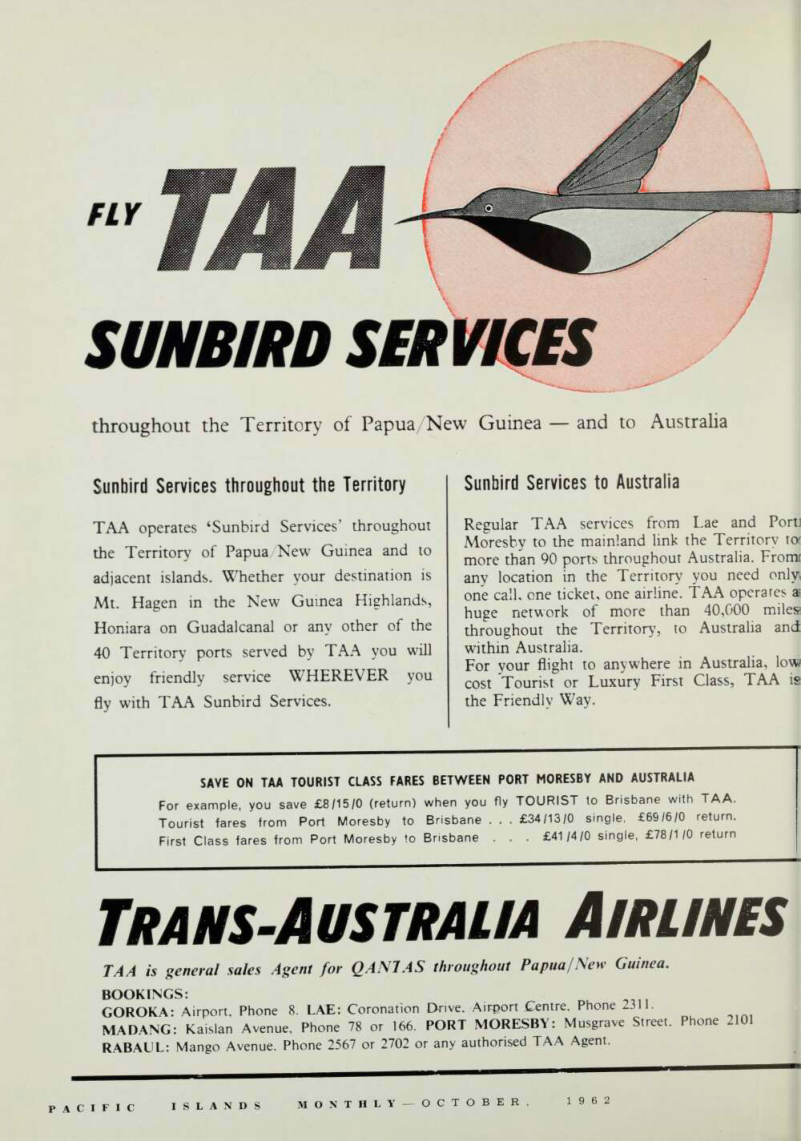 2
2 3
3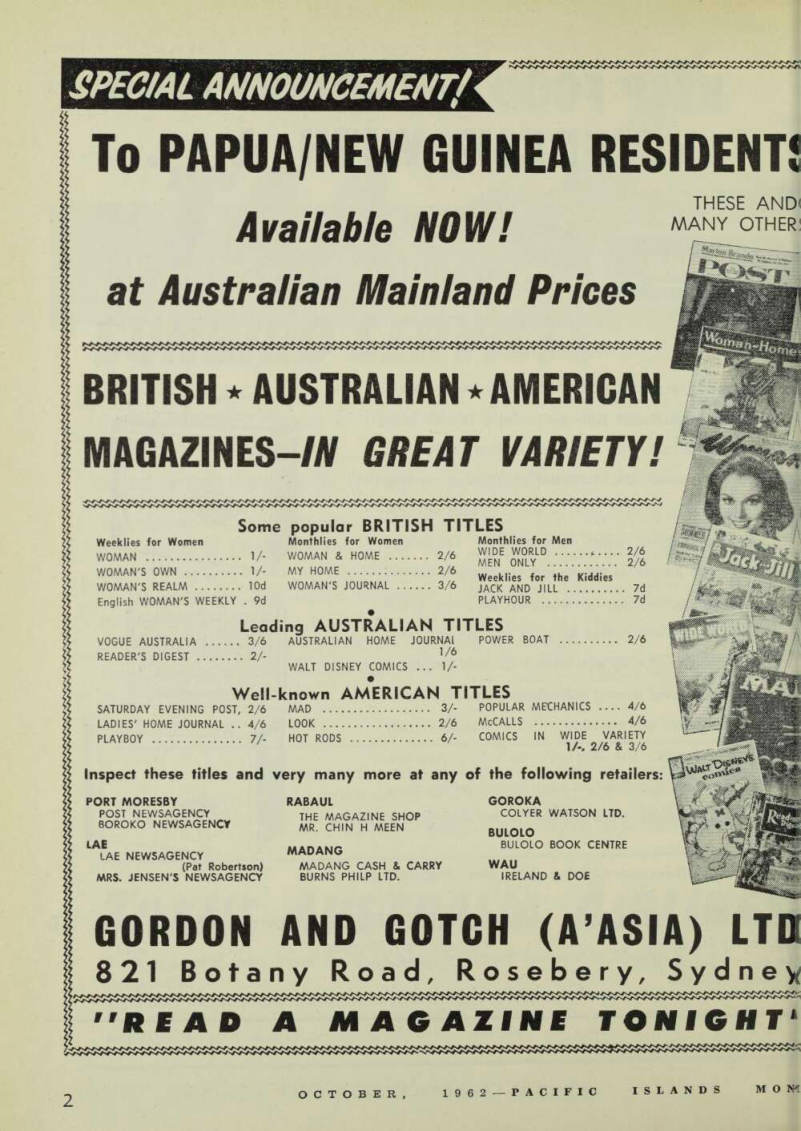 4
4 5
5 6
6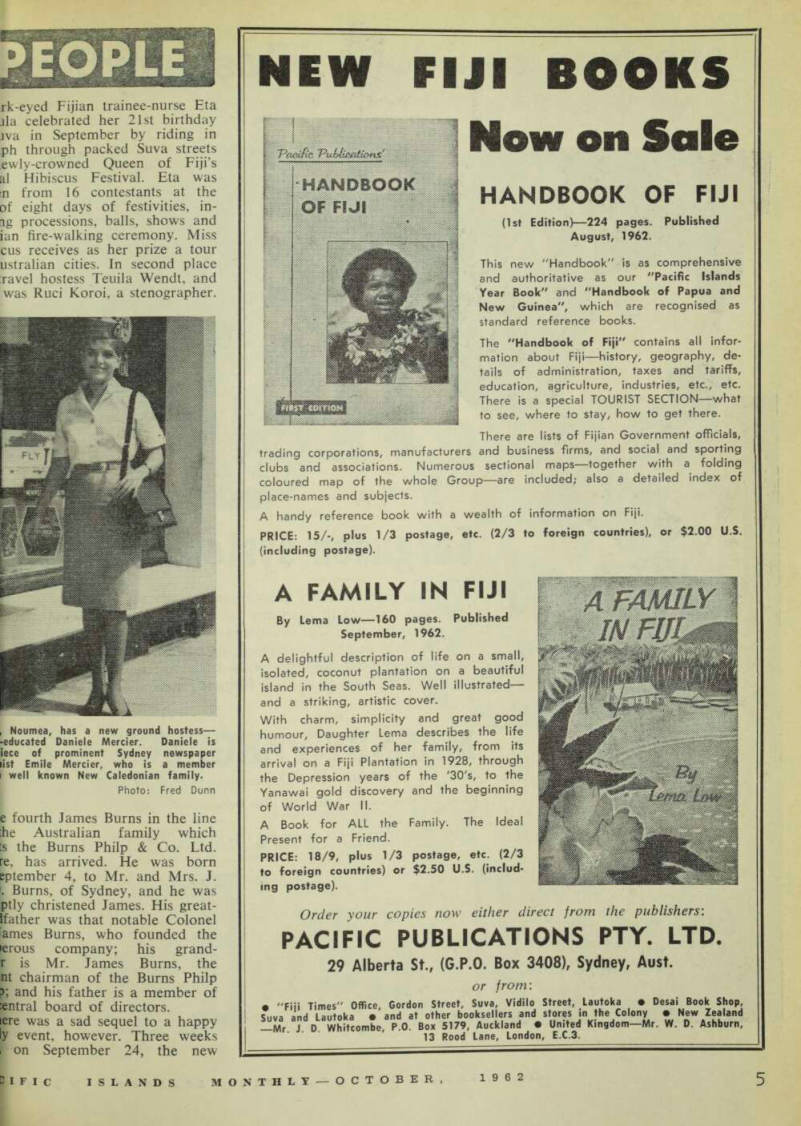 7
7 8
8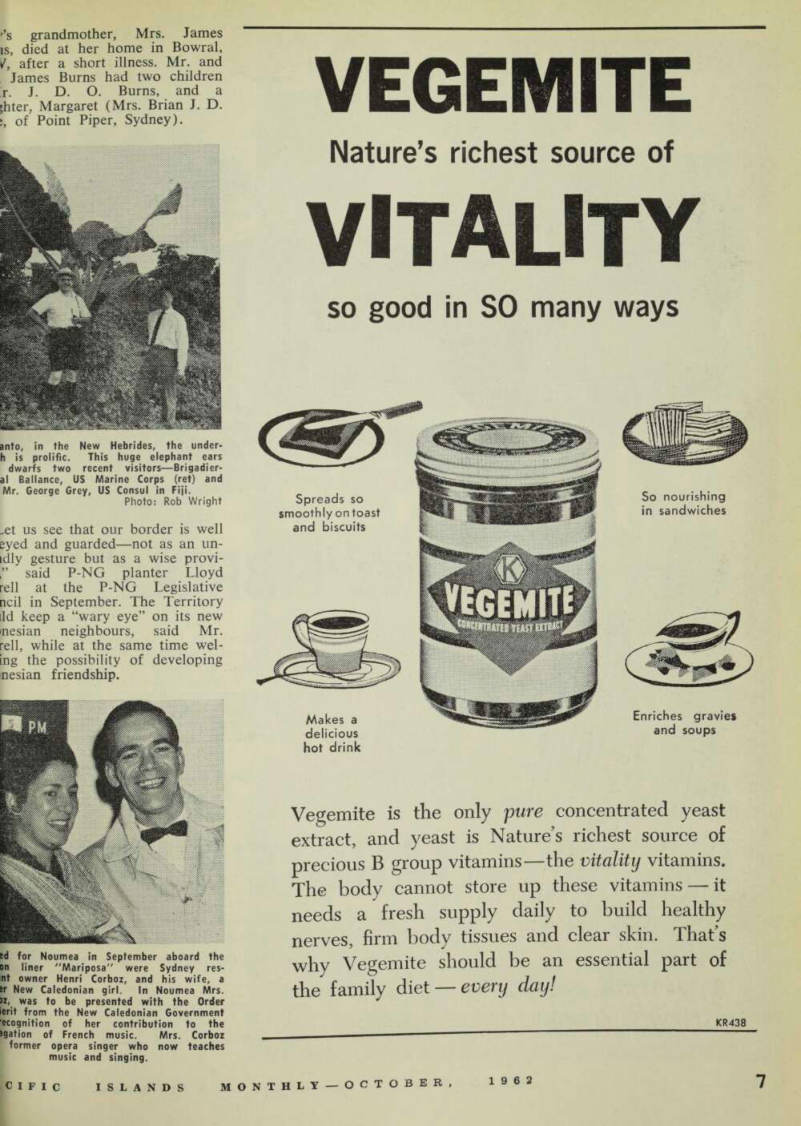 9
9 10
10 11
11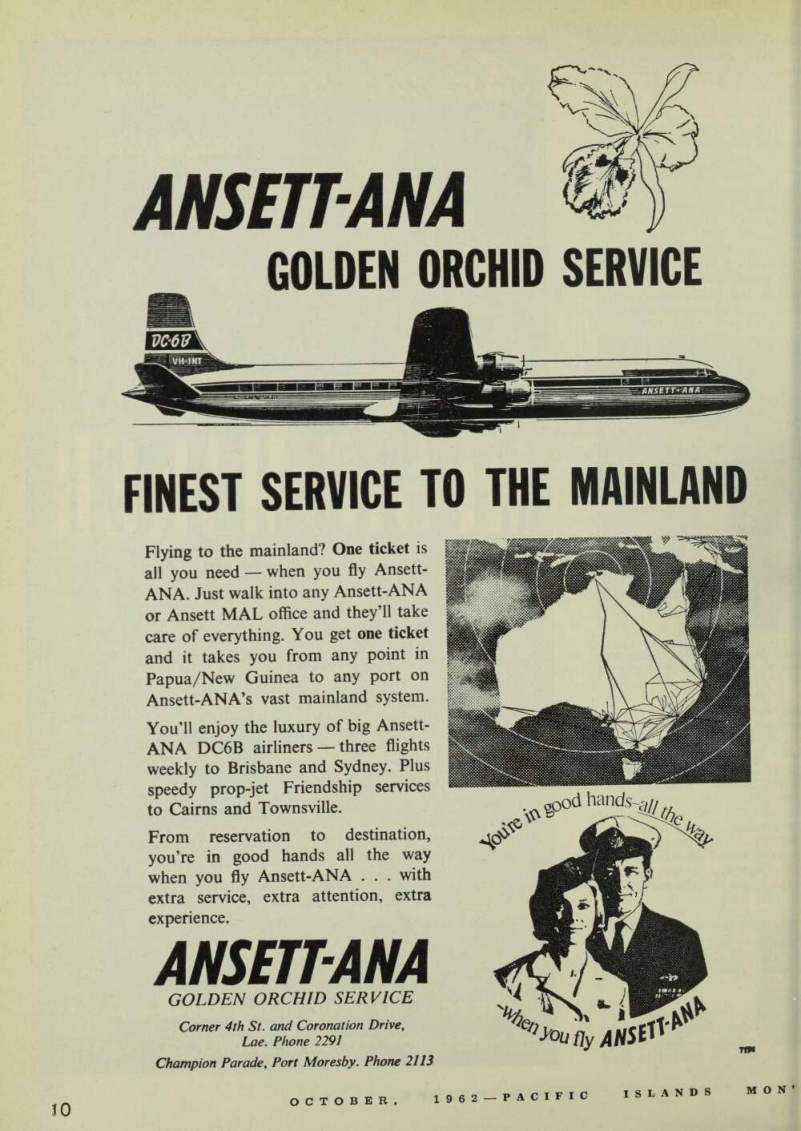 12
12 13
13 14
14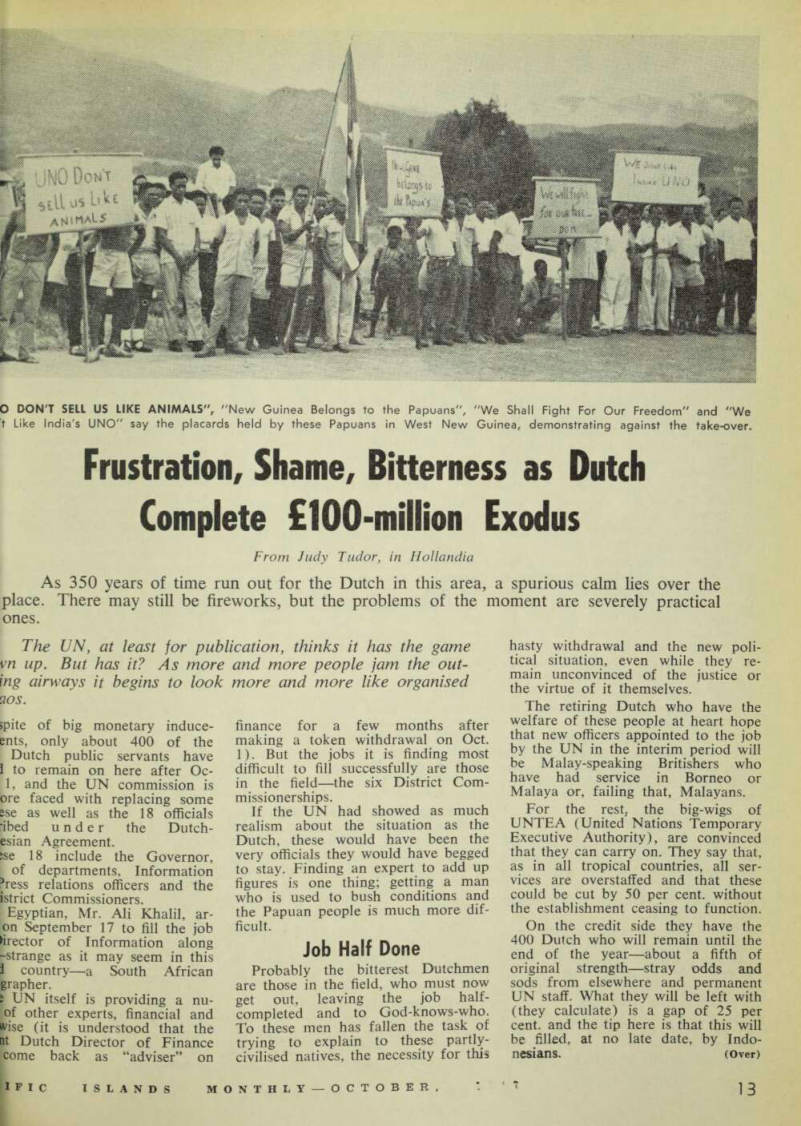 15
15 16
16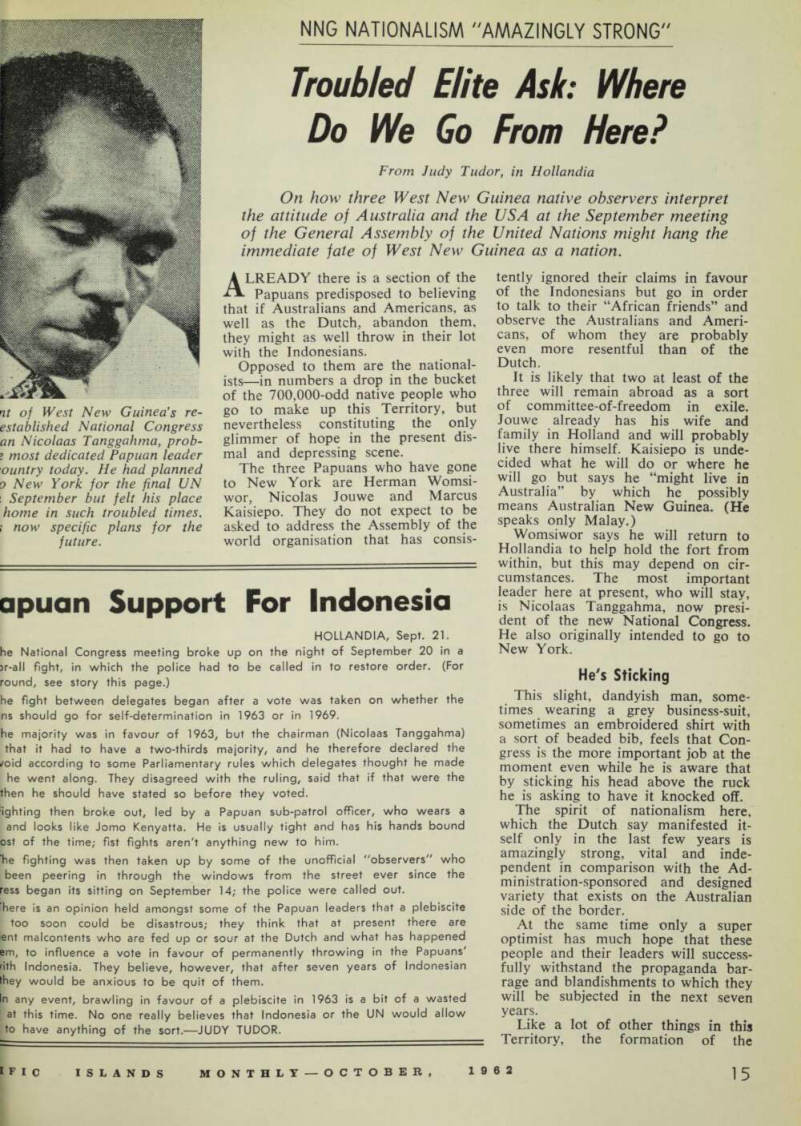 17
17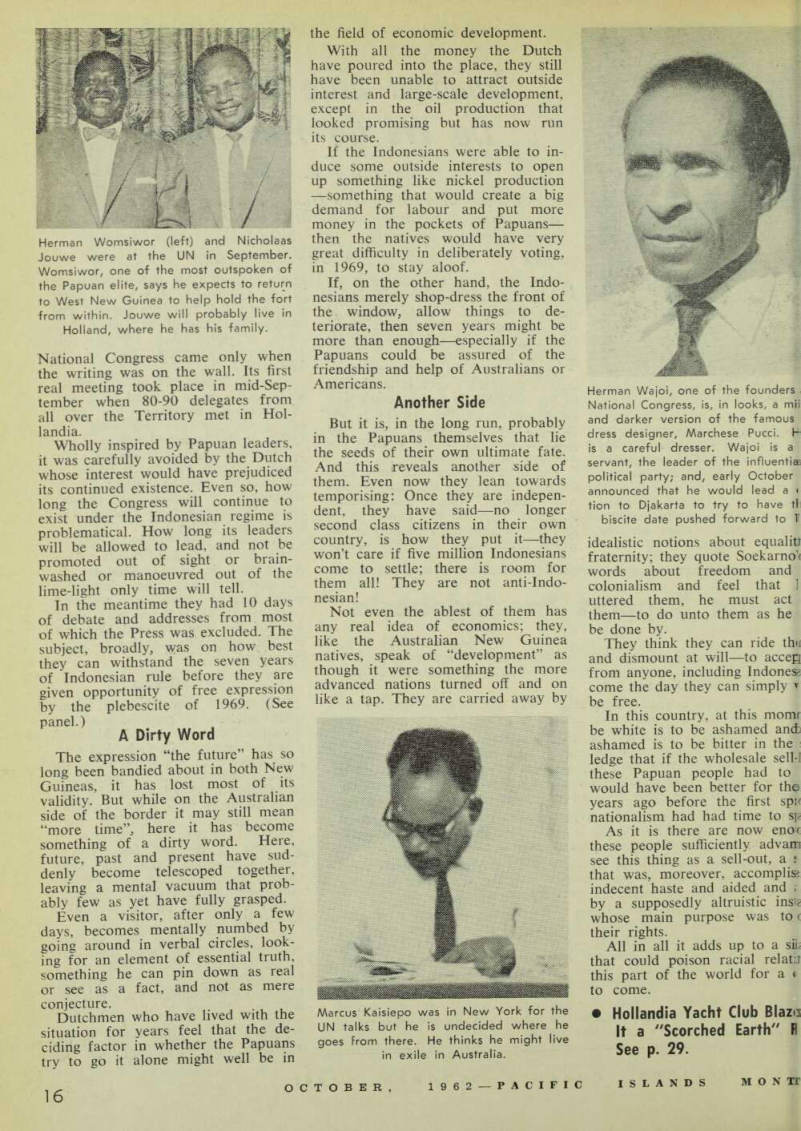 18
18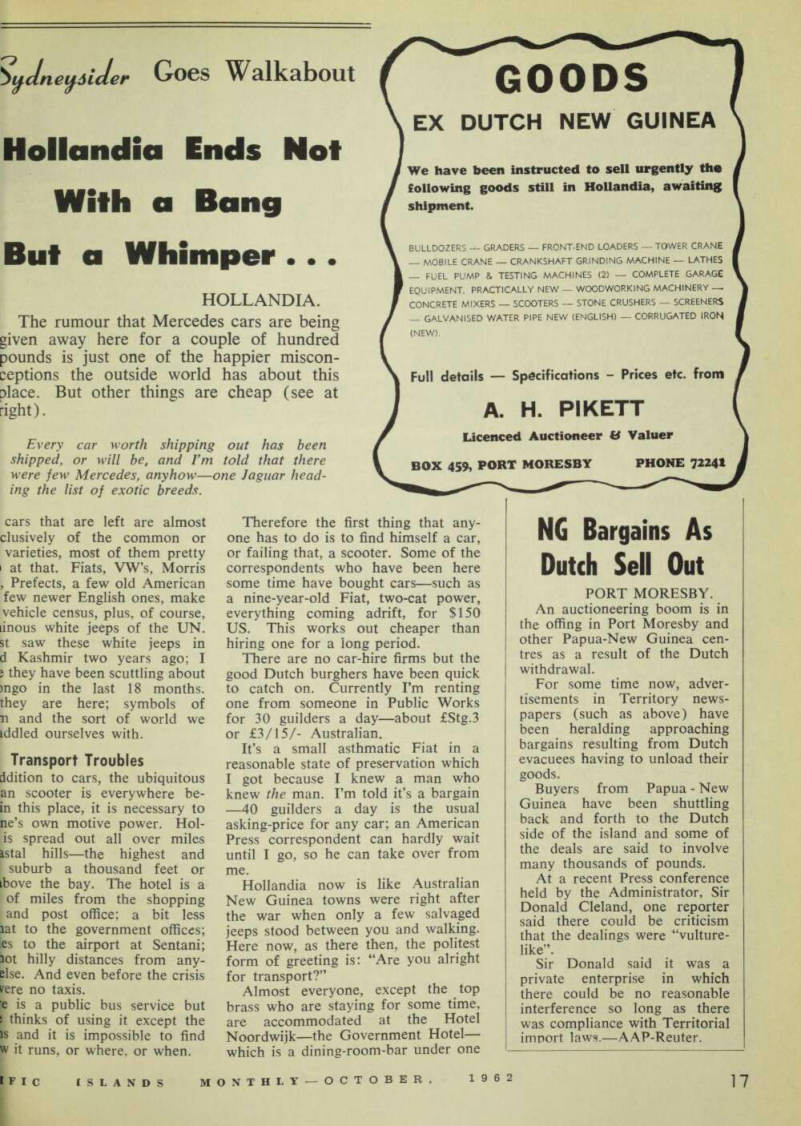 19
19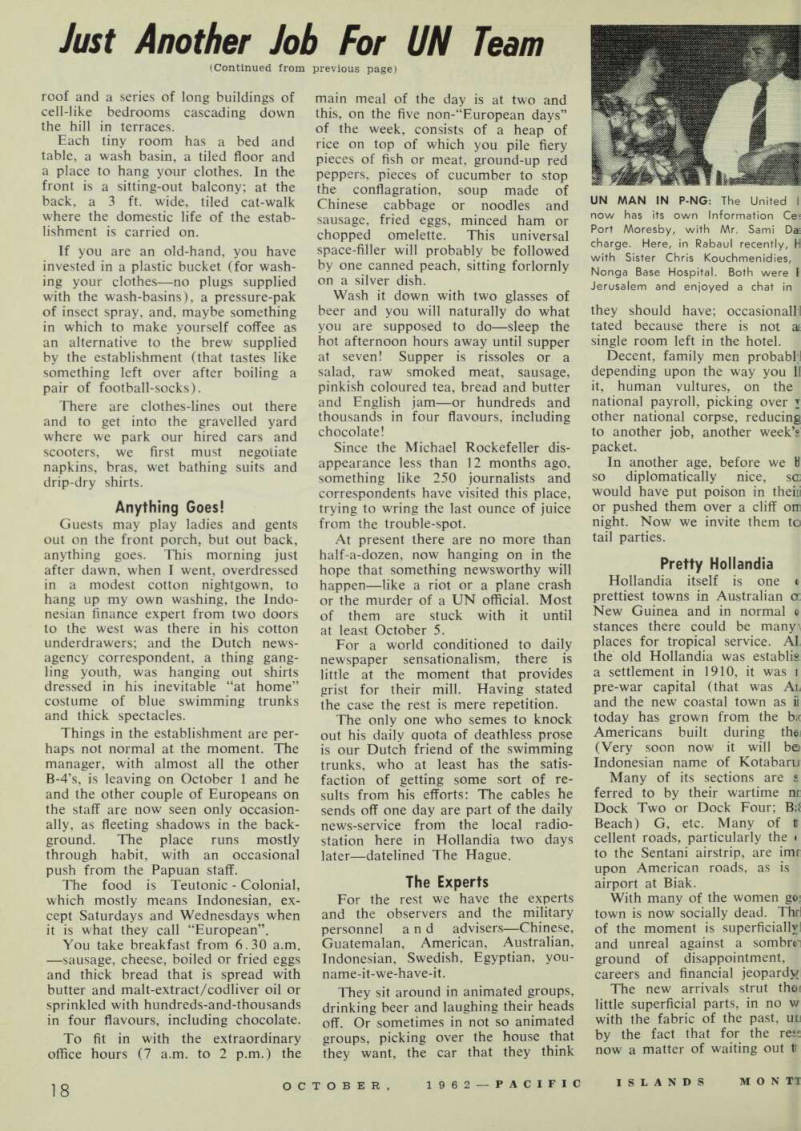 20
20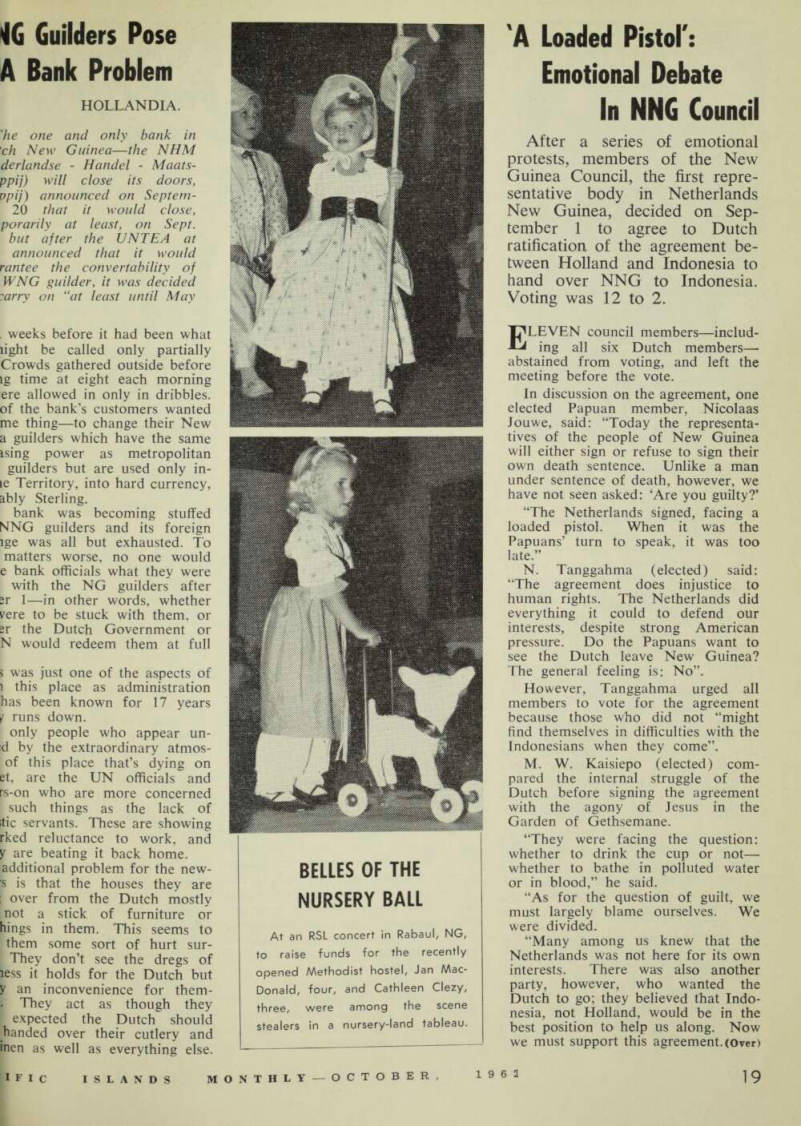 21
21 22
22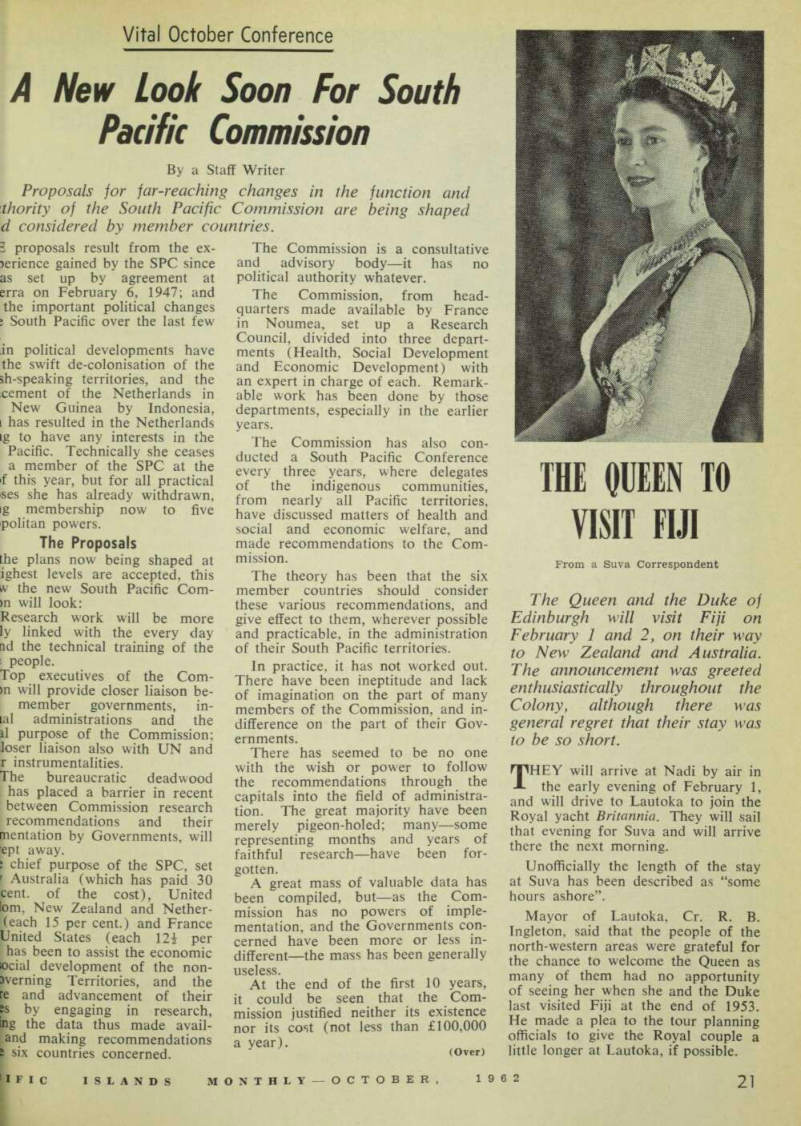 23
23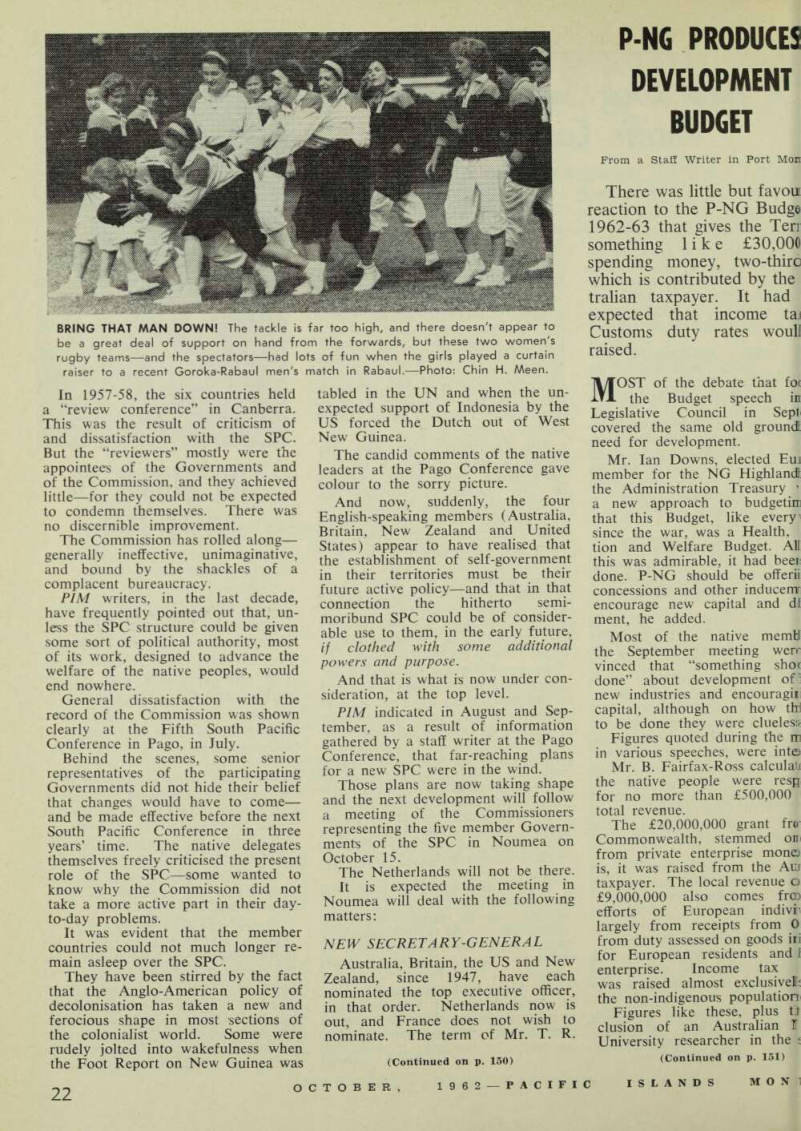 24
24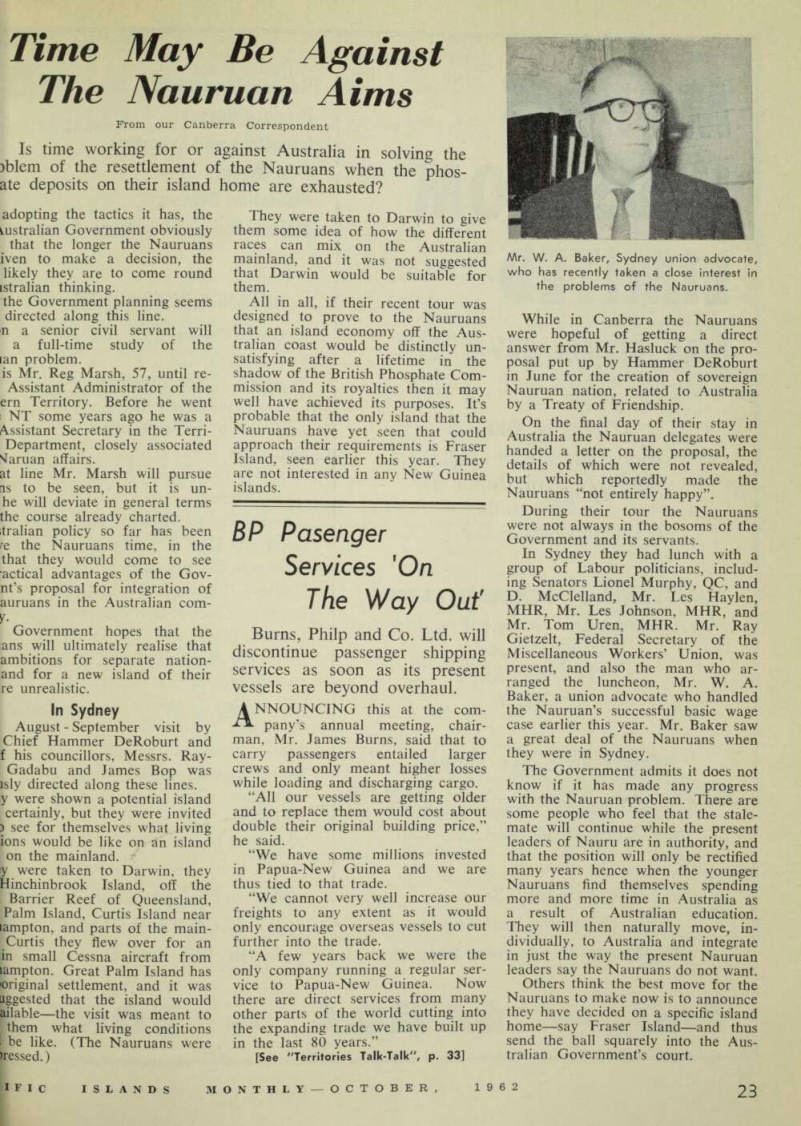 25
25 26
26 27
27 28
28 29
29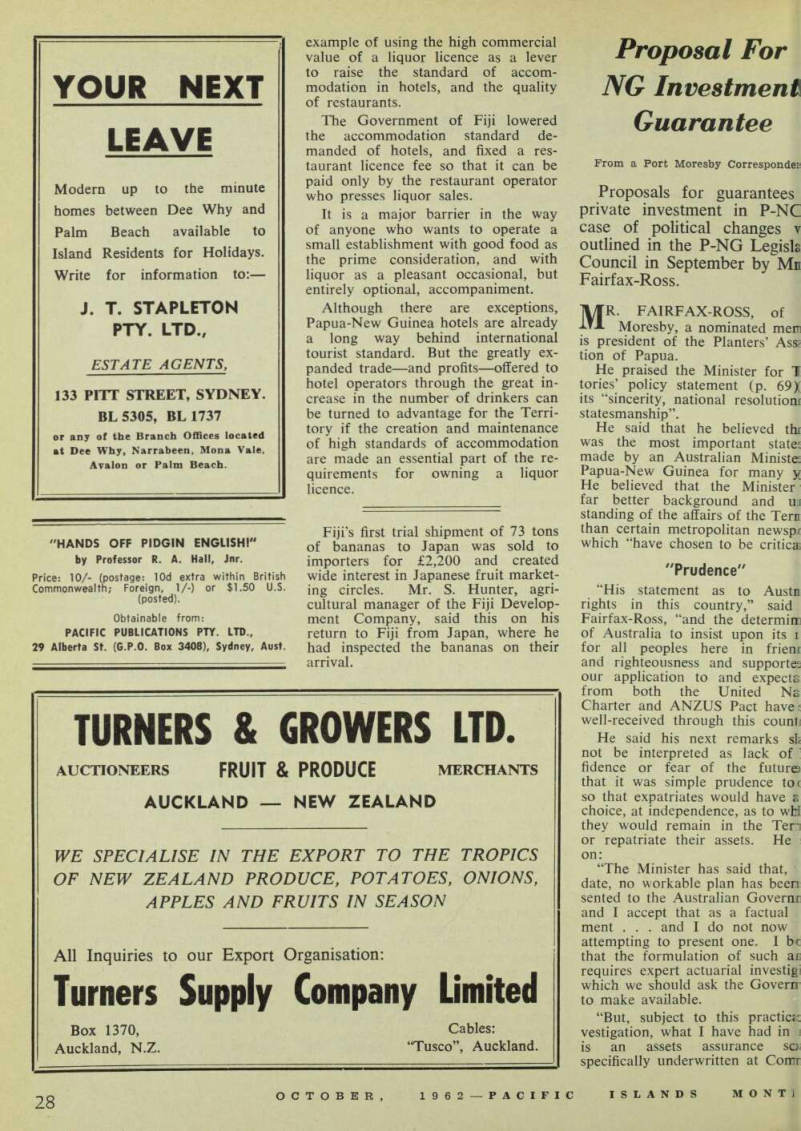 30
30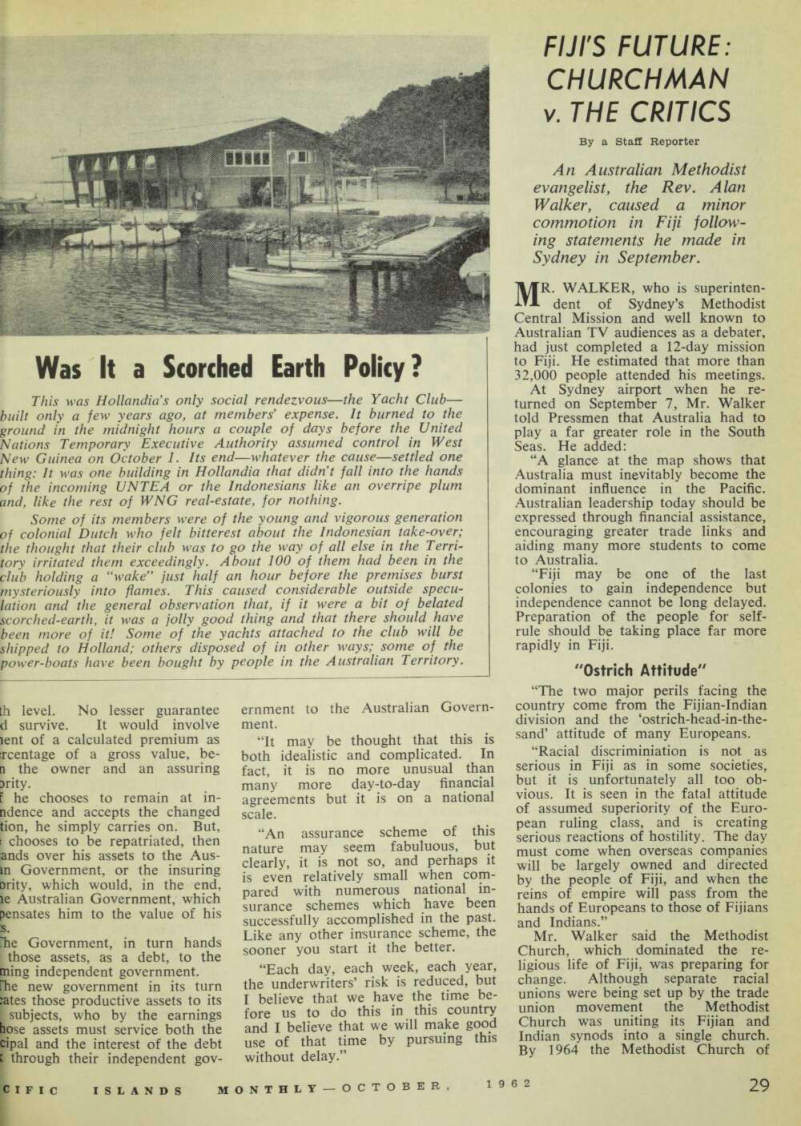 31
31 32
32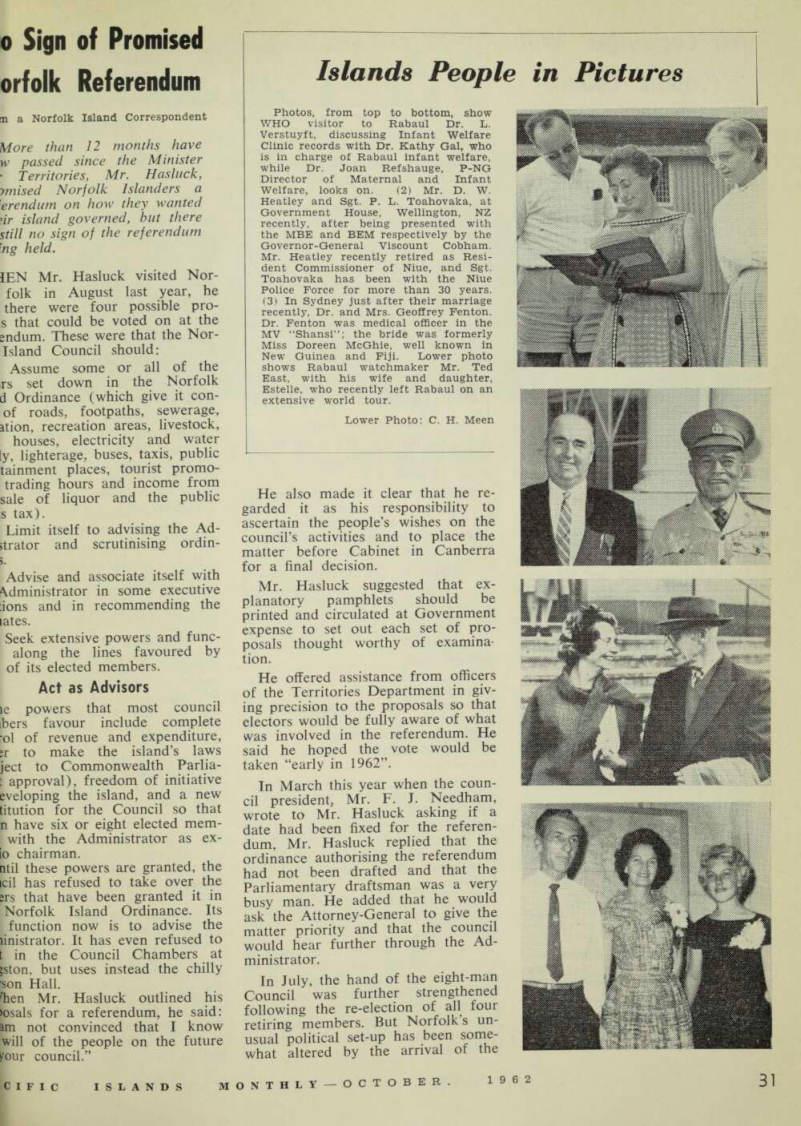 33
33 34
34 35
35 36
36 37
37 38
38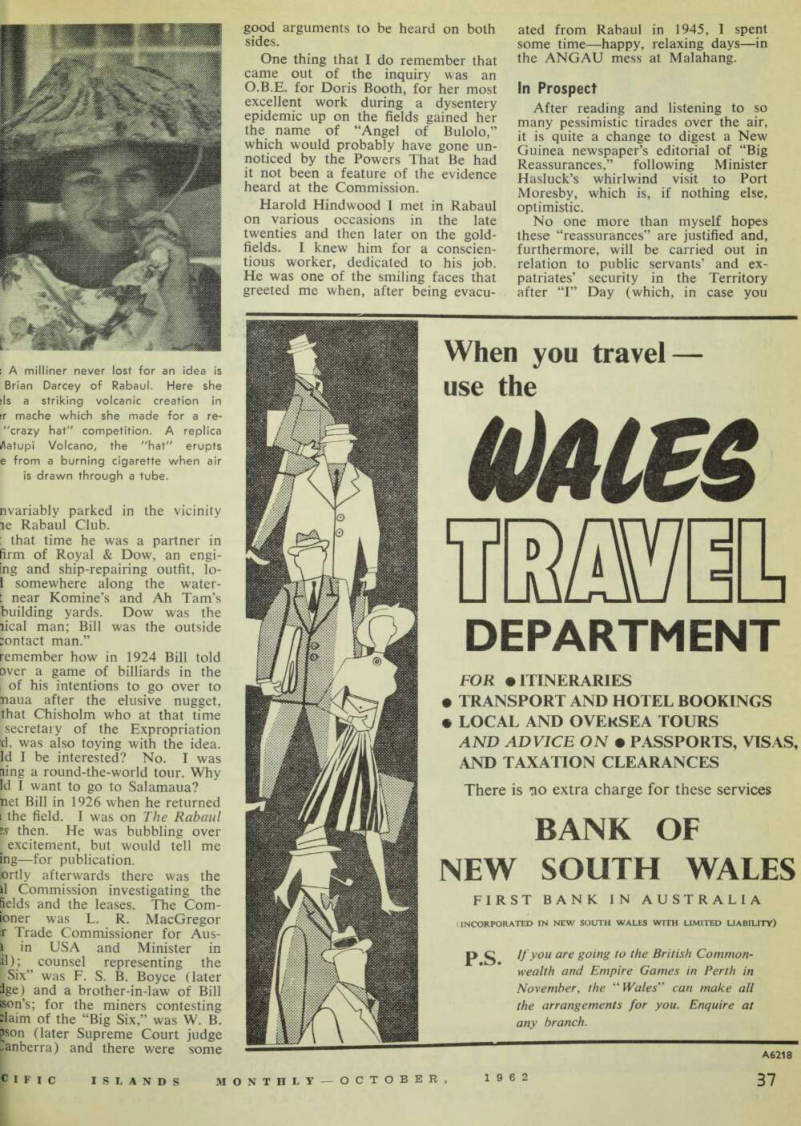 39
39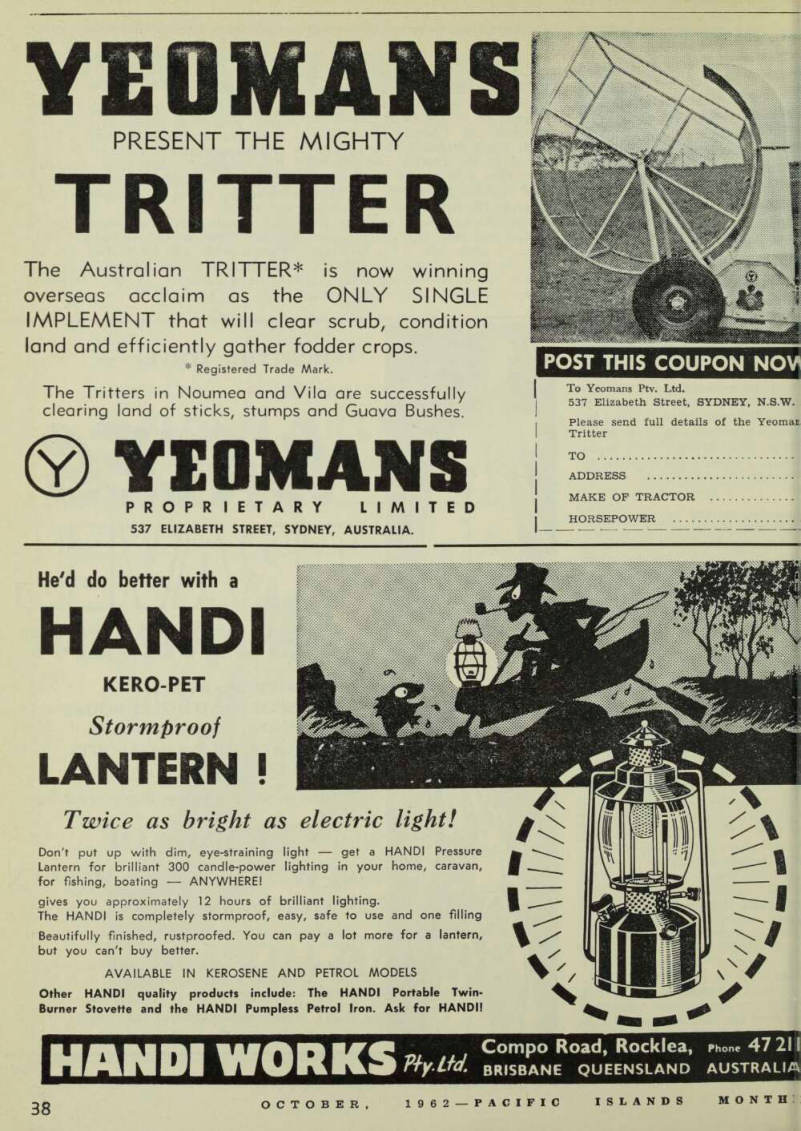 40
40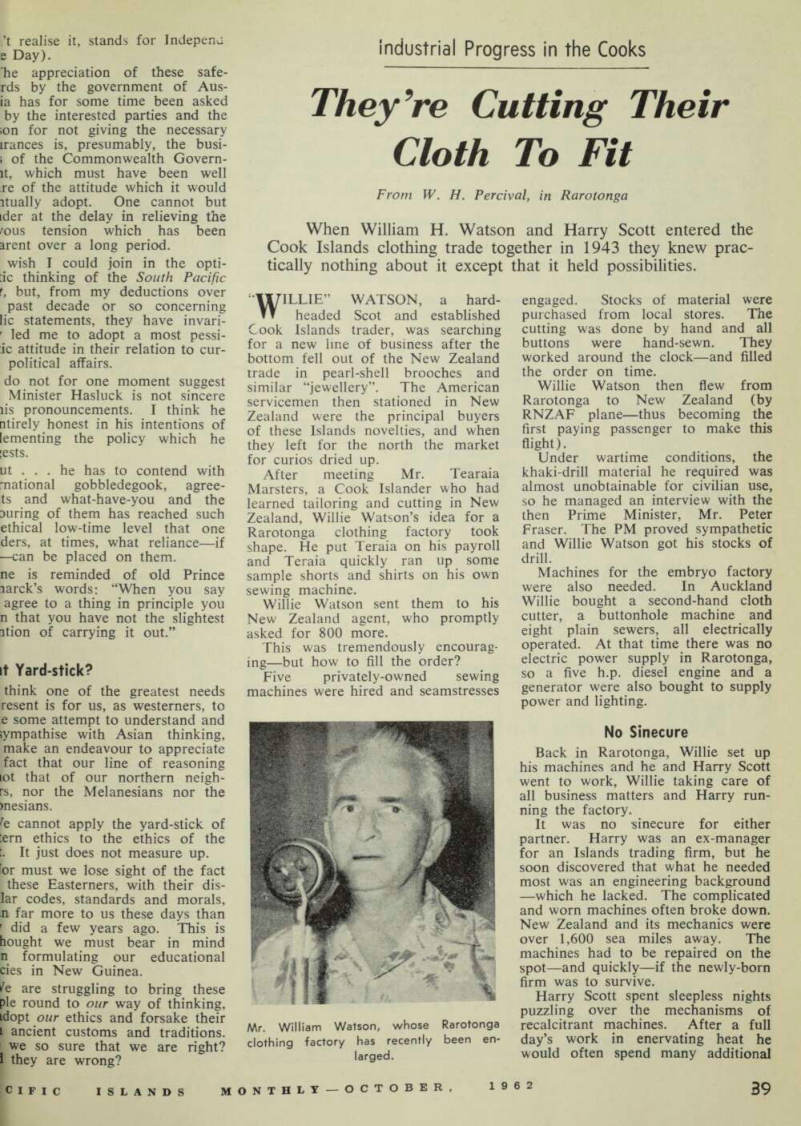 41
41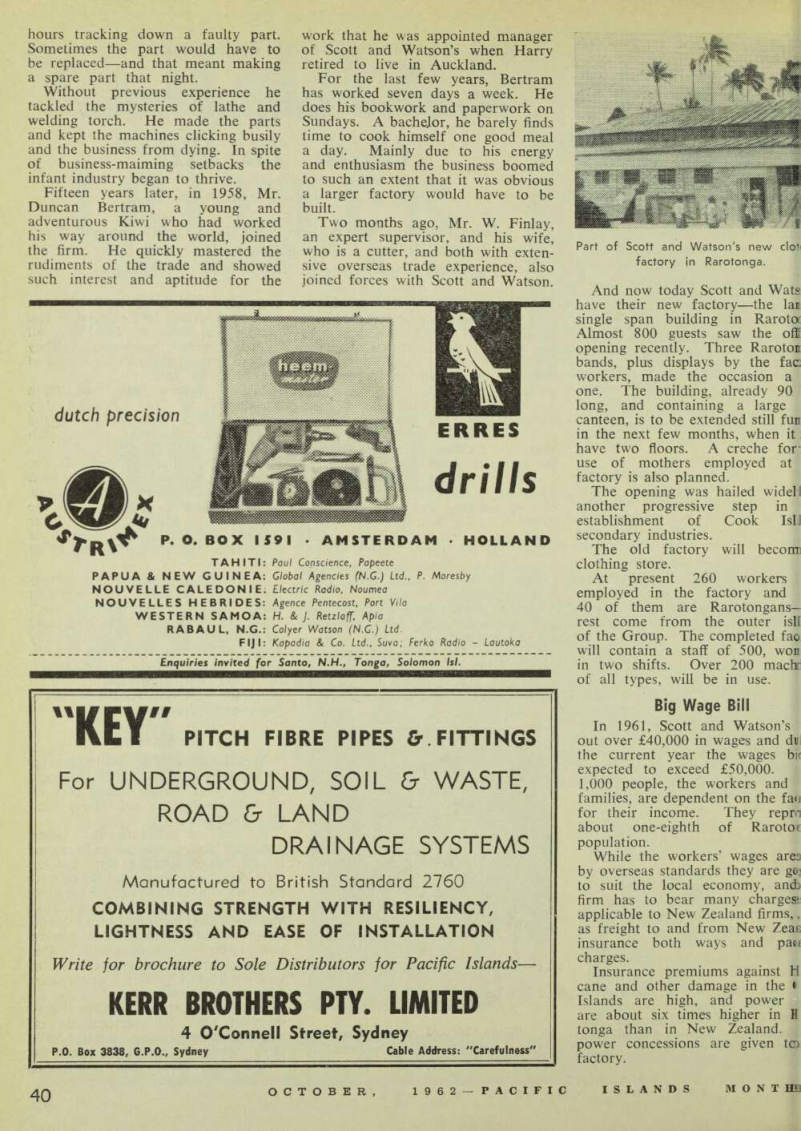 42
42 43
43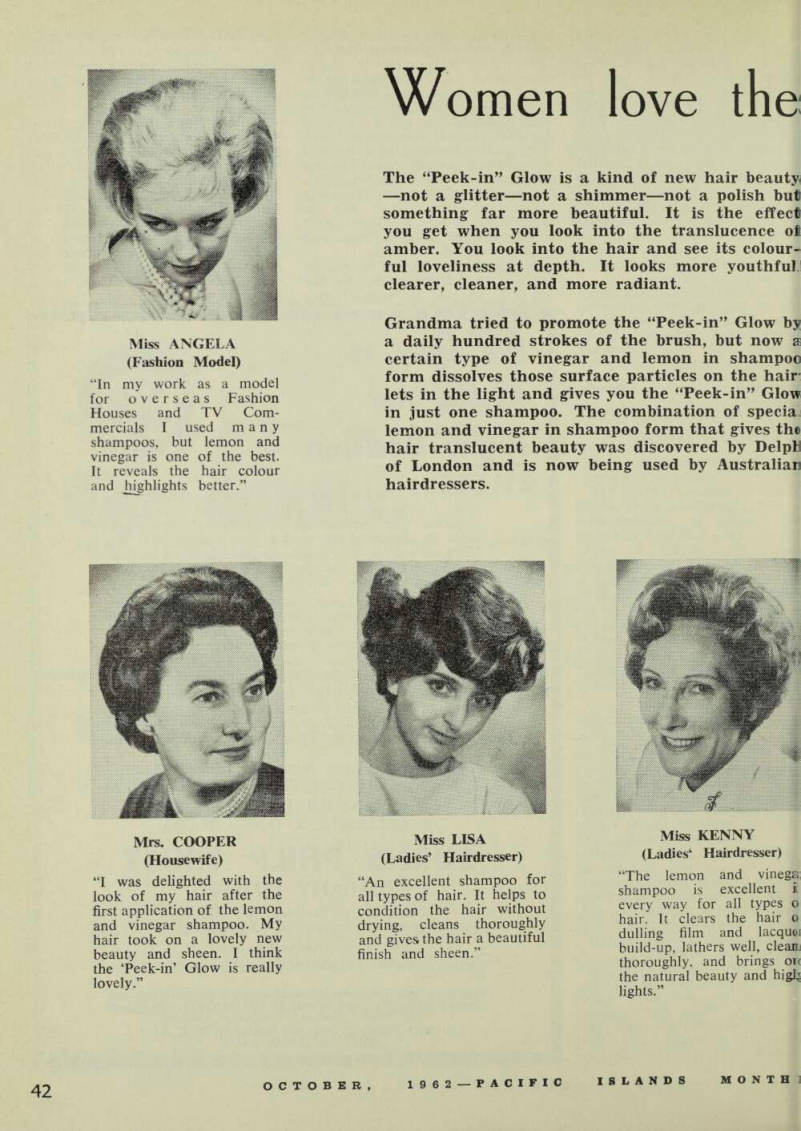 44
44 45
45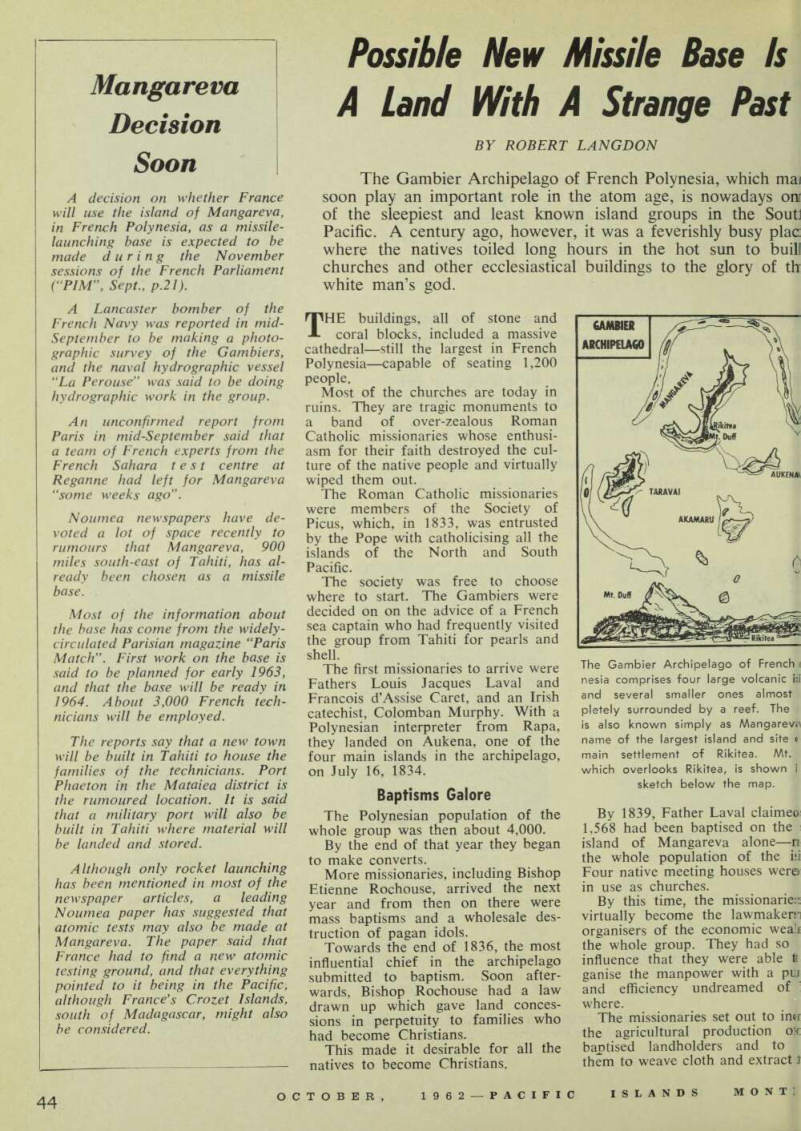 46
46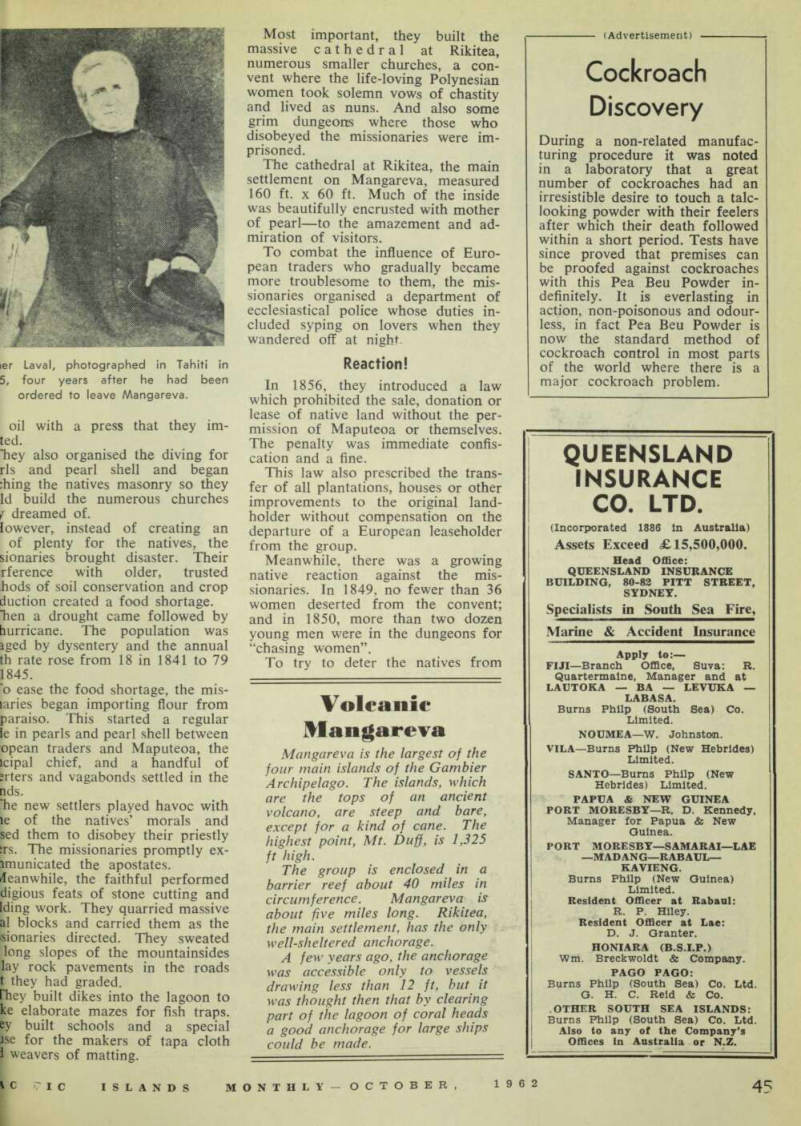 47
47 48
48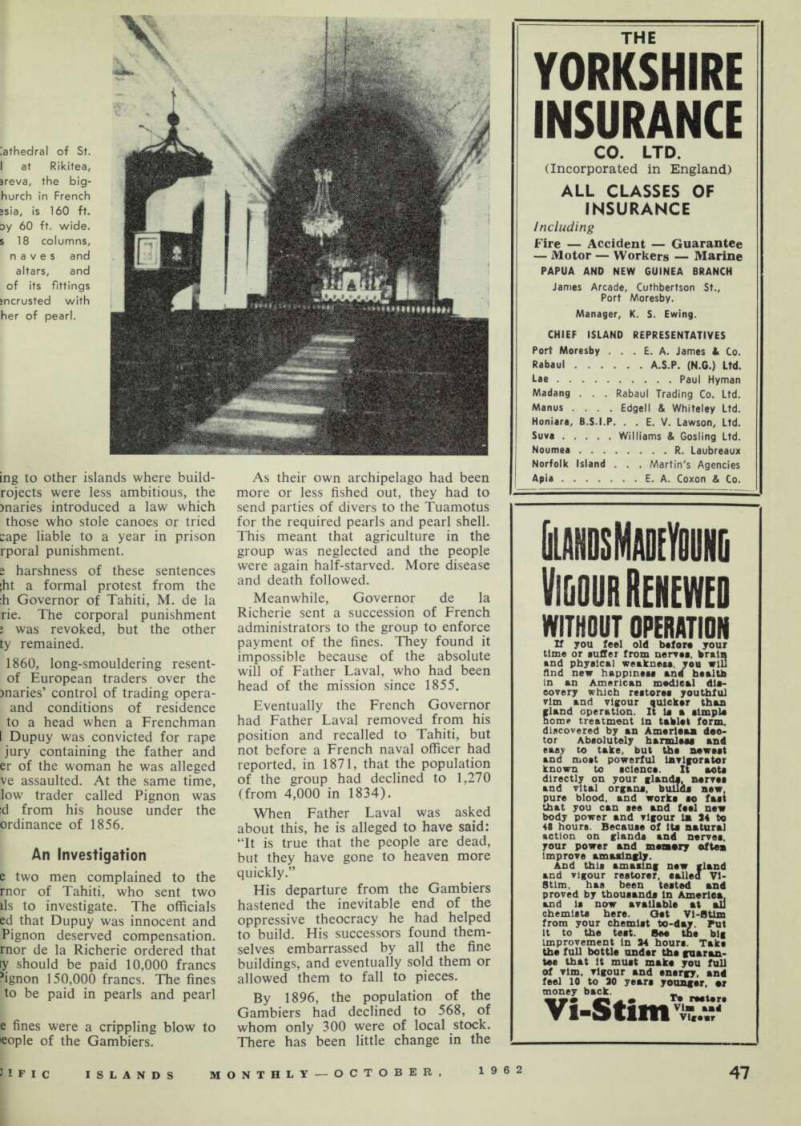 49
49 50
50 51
51 52
52 53
53 54
54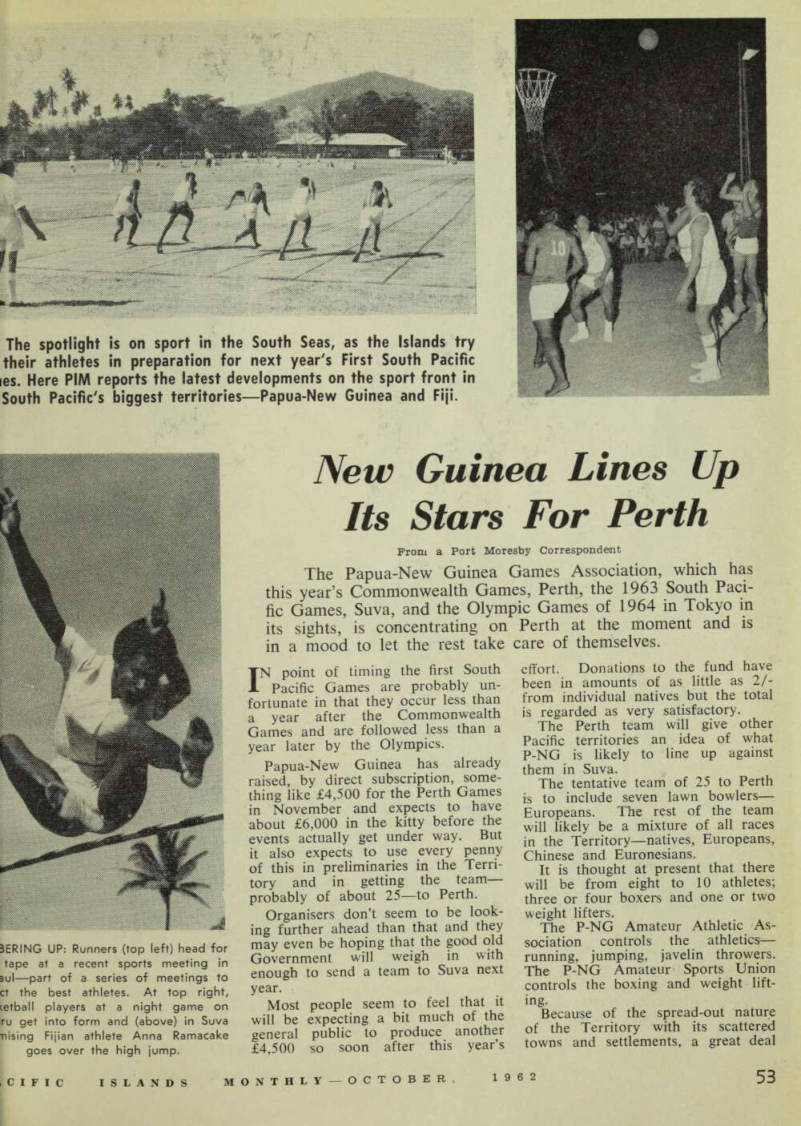 55
55 56
56 57
57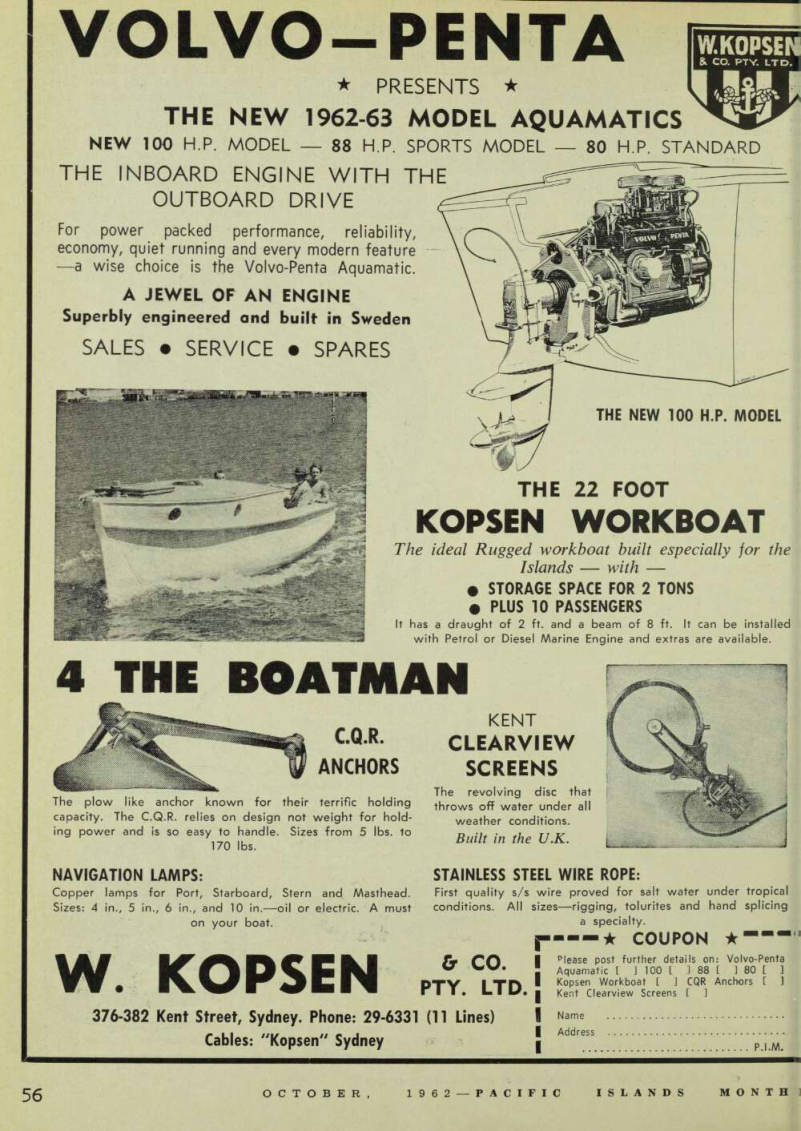 58
58 59
59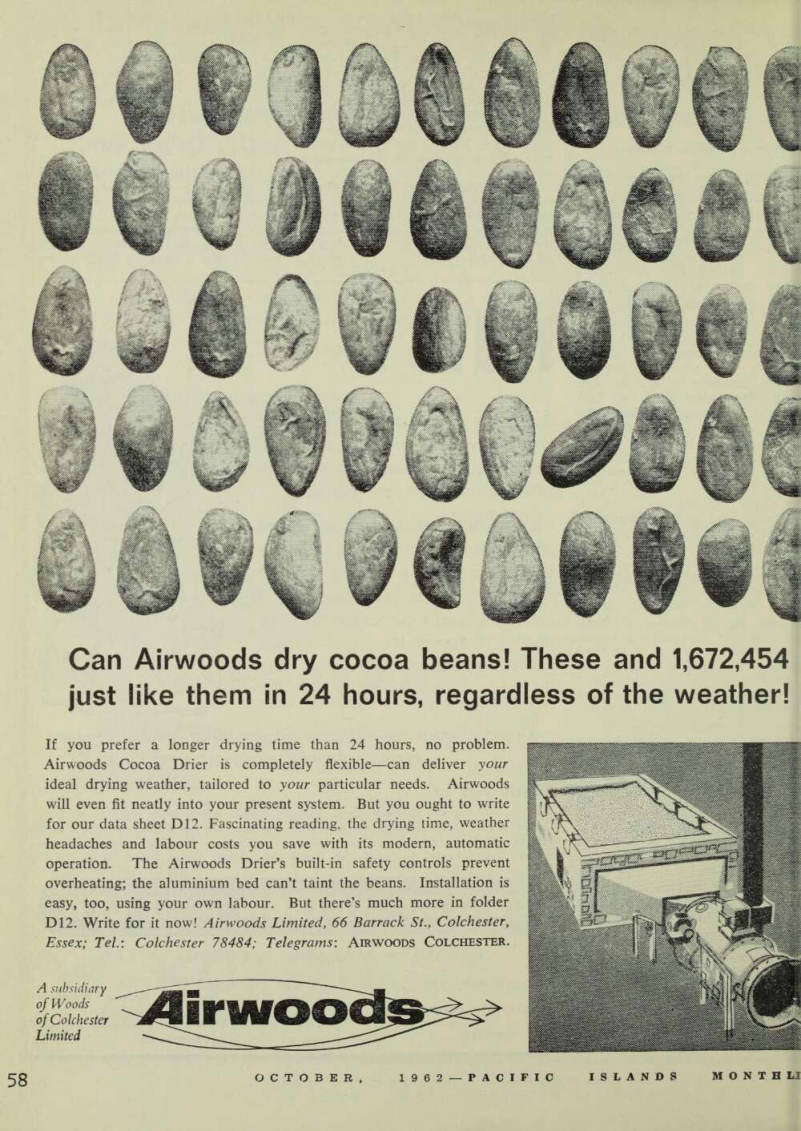 60
60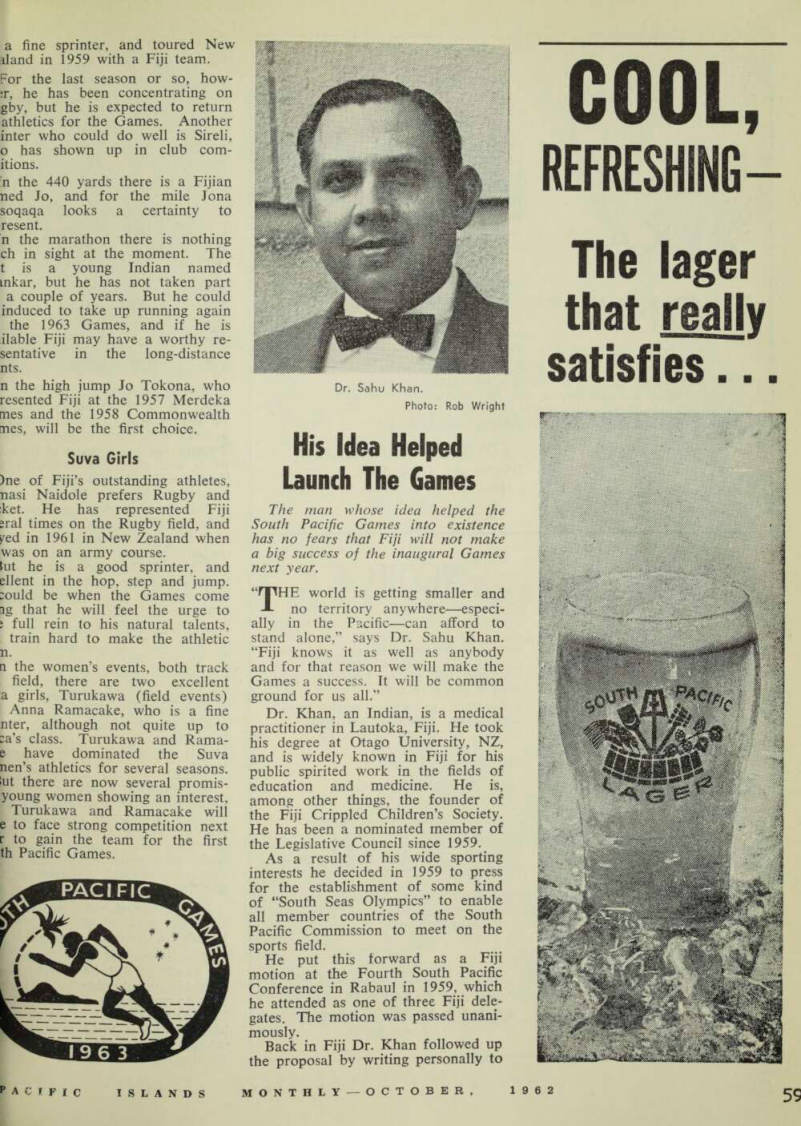 61
61 62
62 63
63 64
64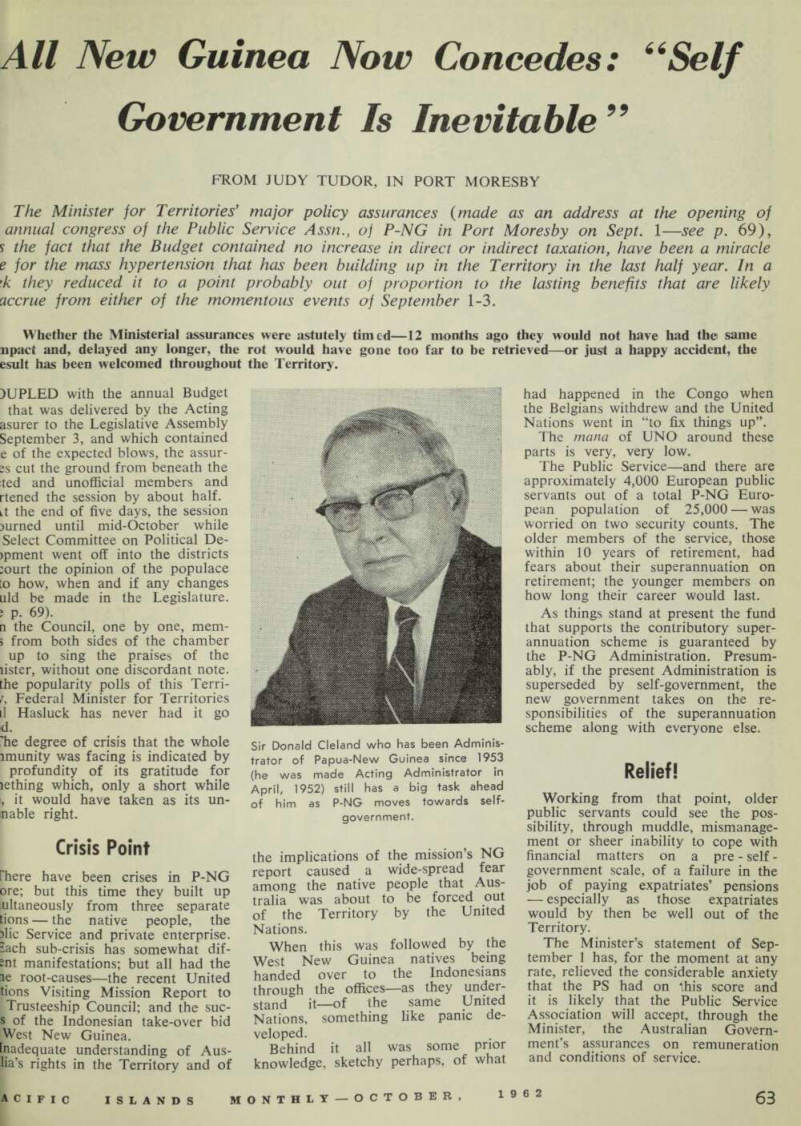 65
65 66
66 67
67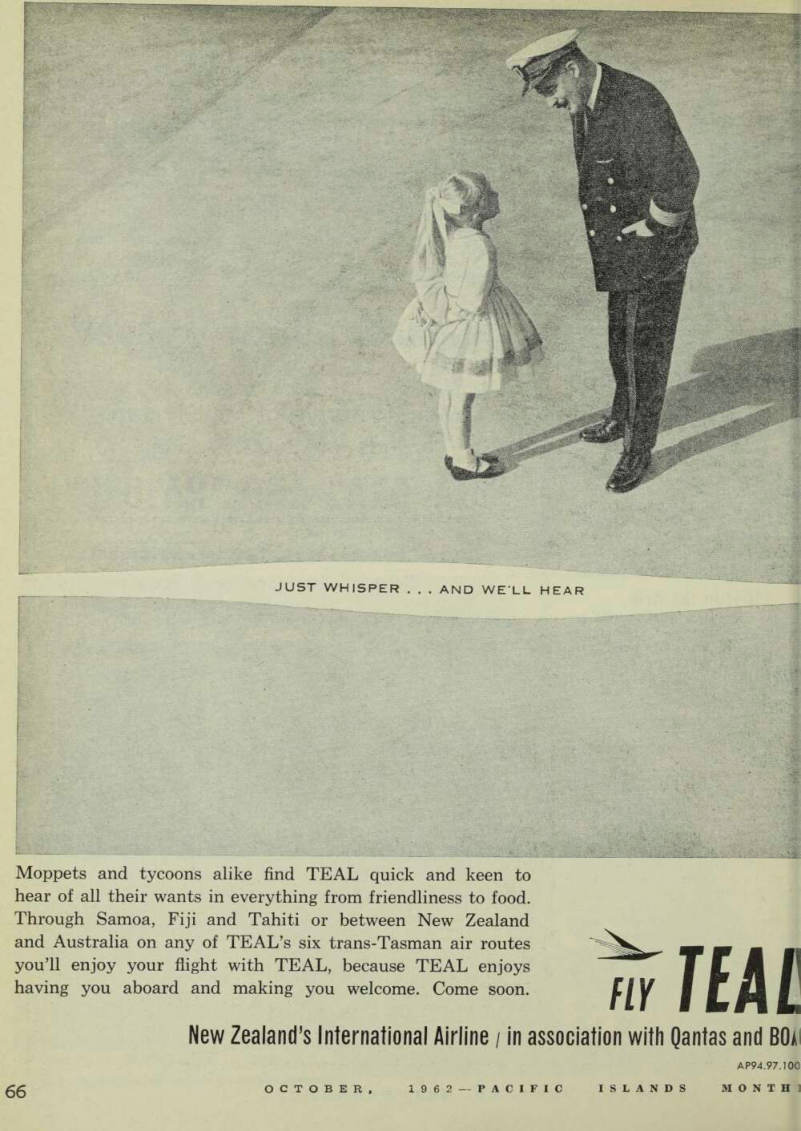 68
68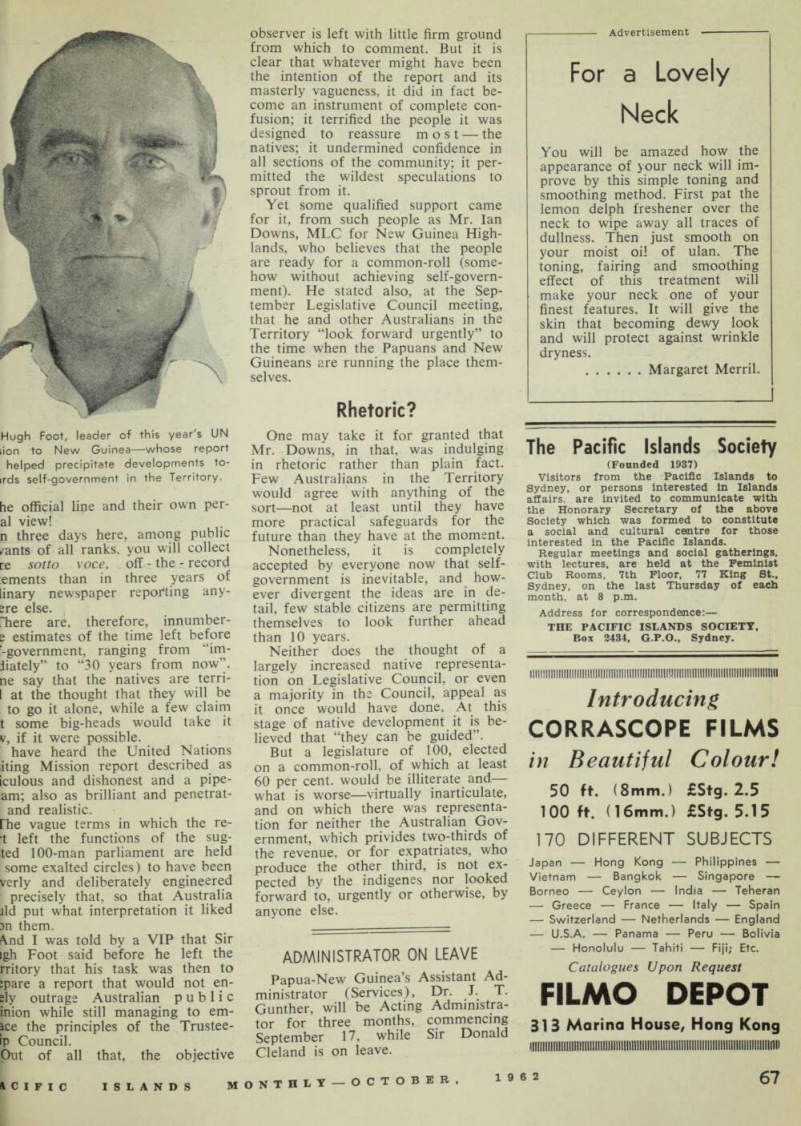 69
69 70
70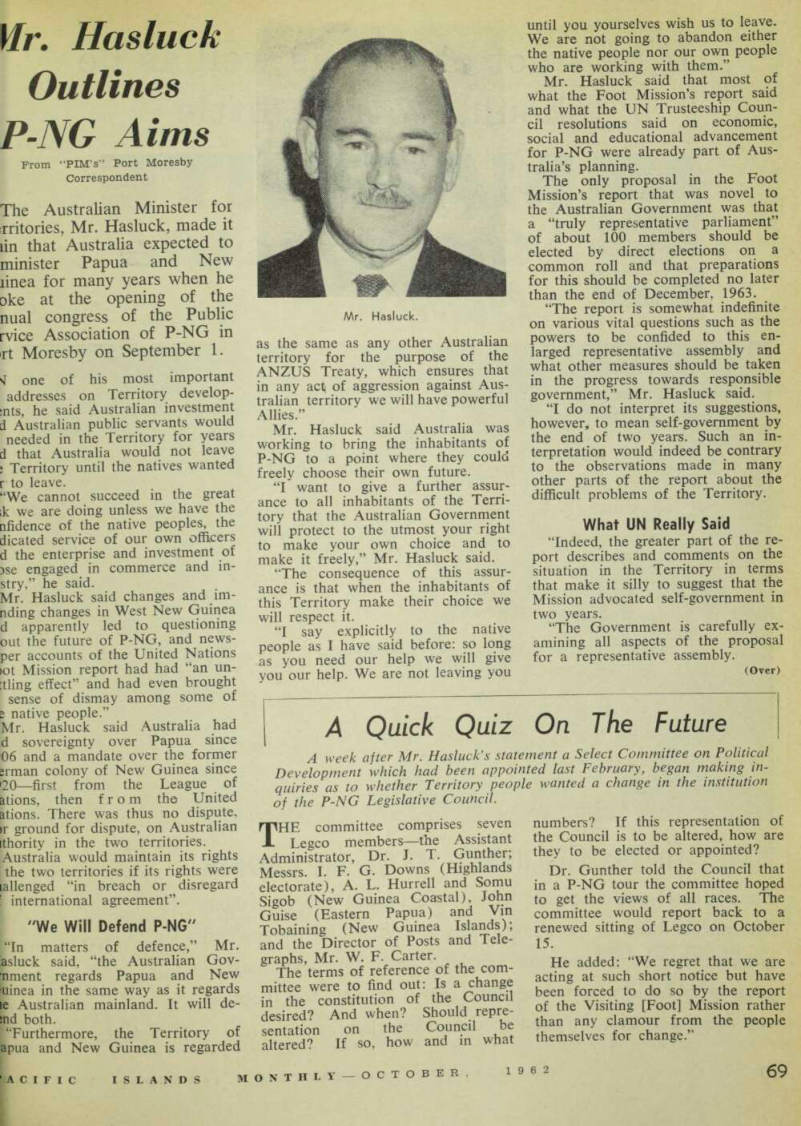 71
71 72
72 73
73 74
74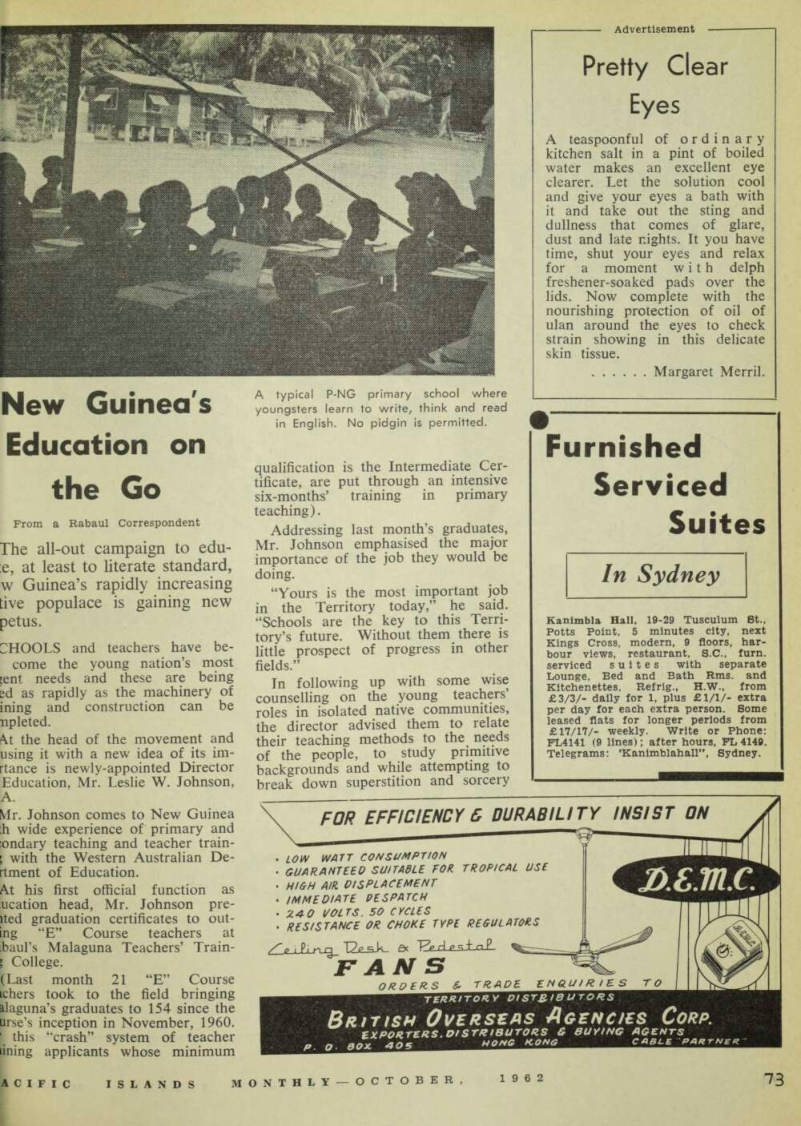 75
75 76
76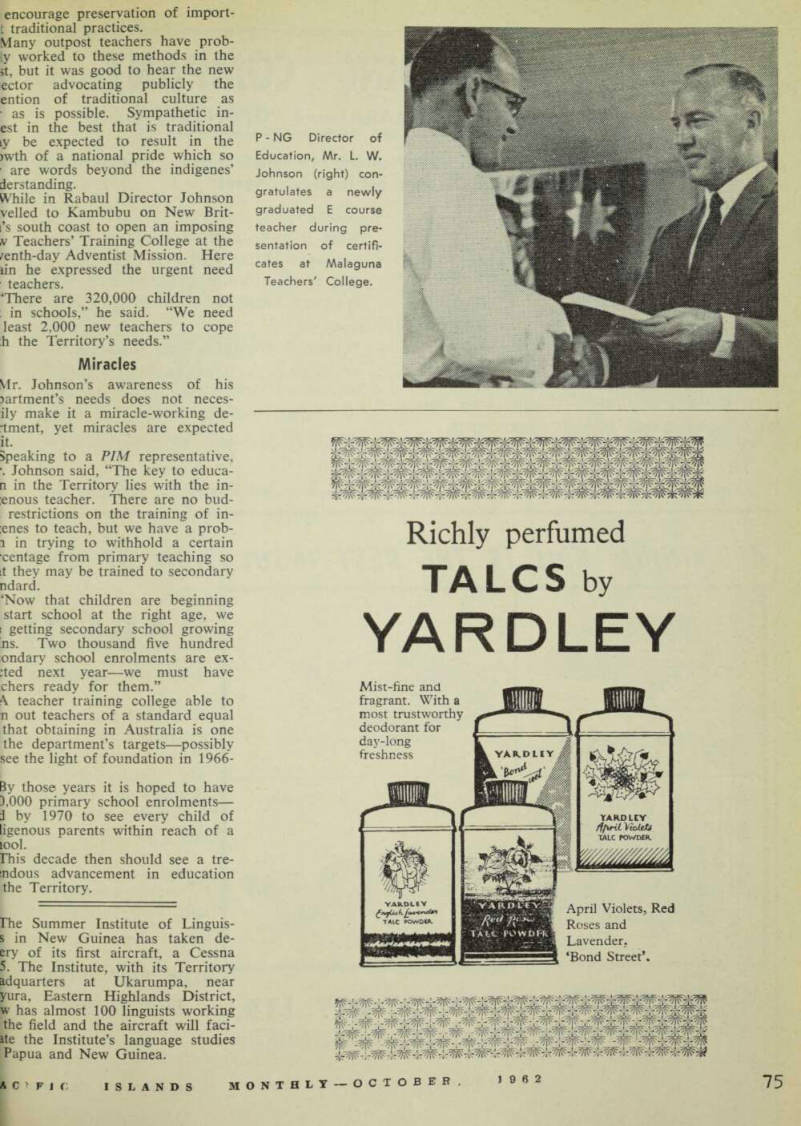 77
77 78
78 79
79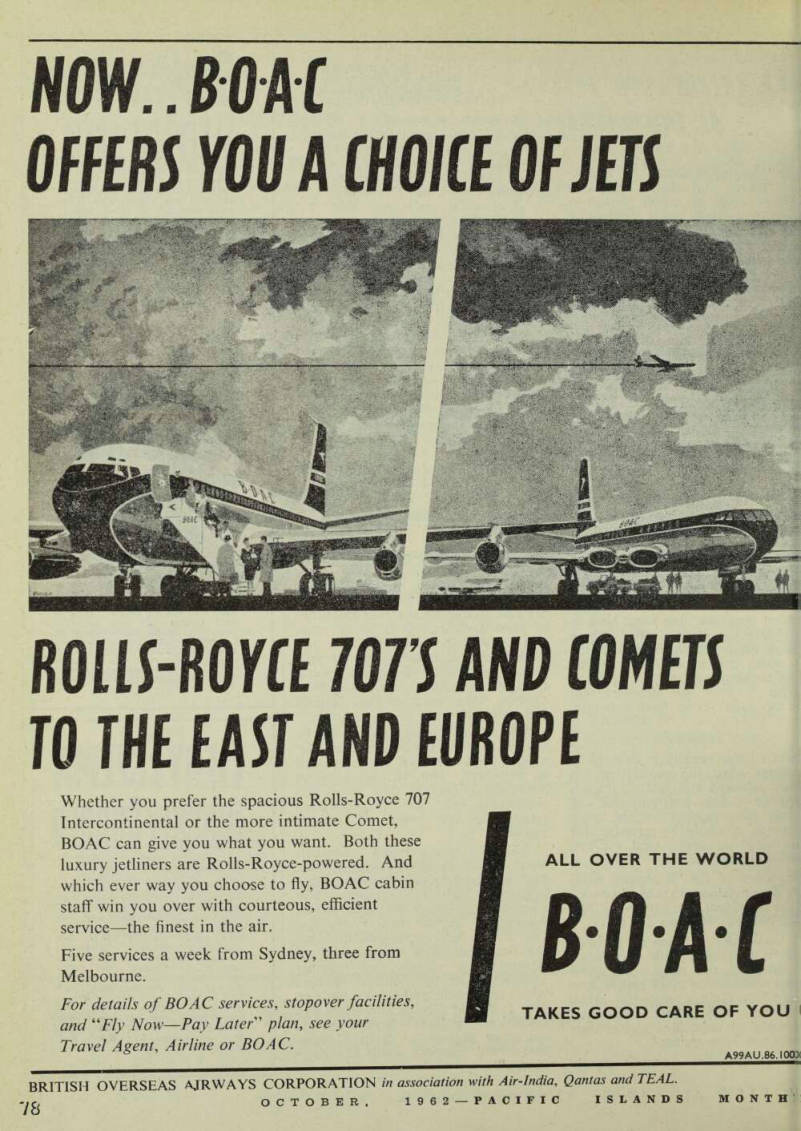 80
80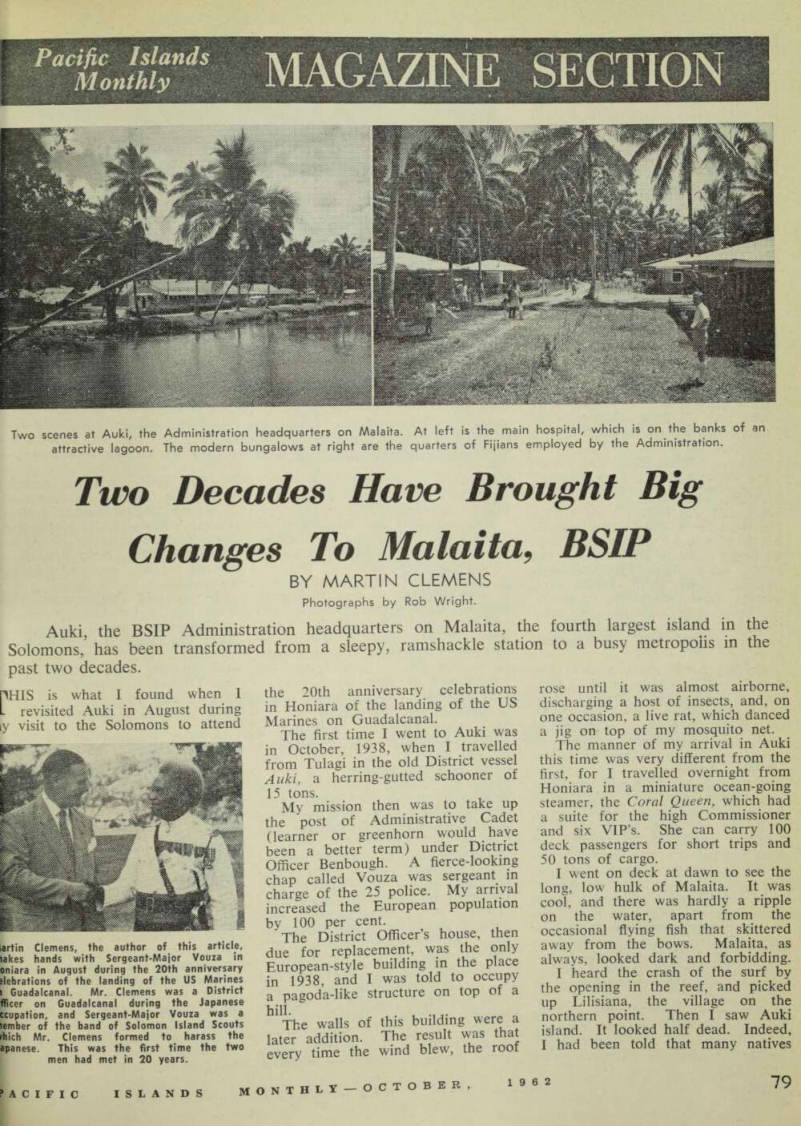 81
81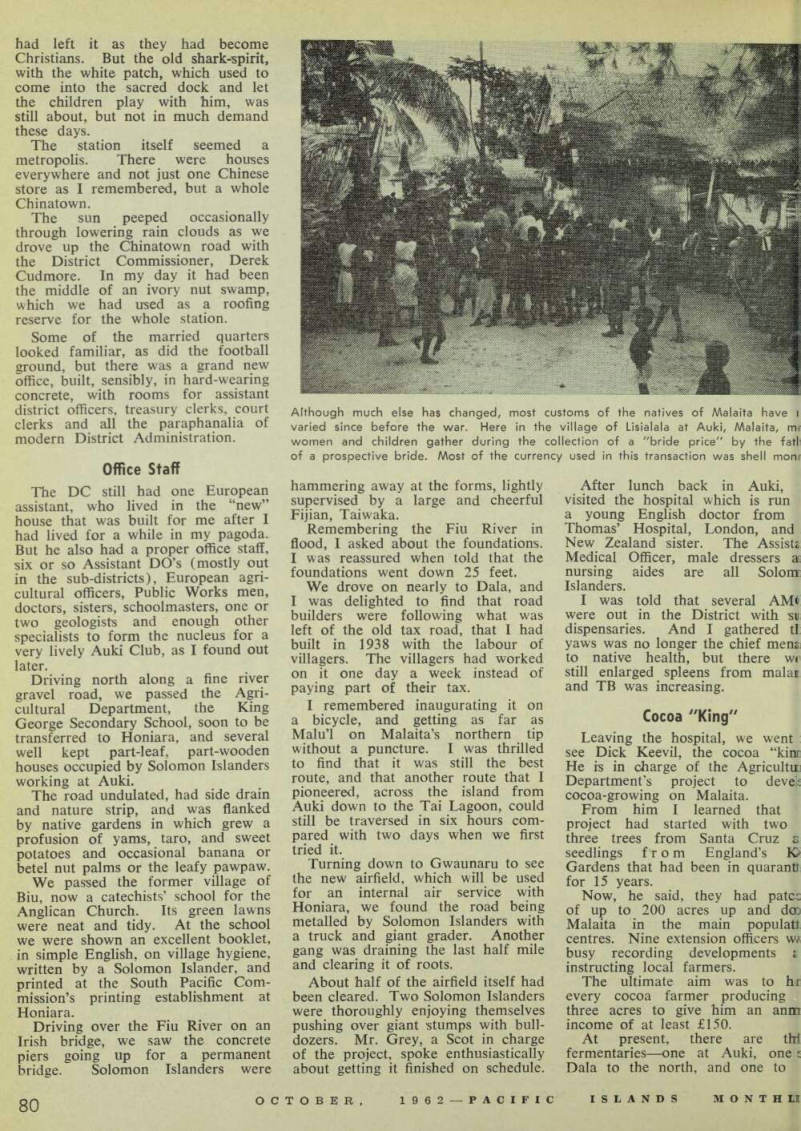 82
82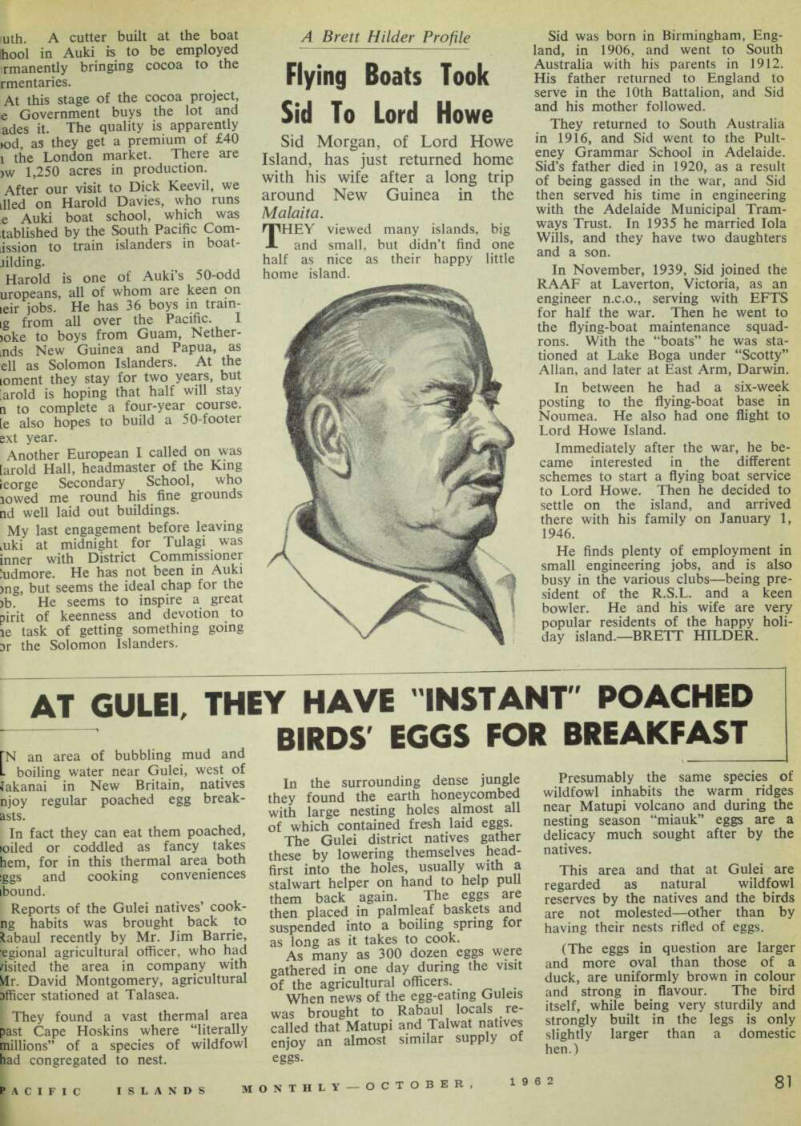 83
83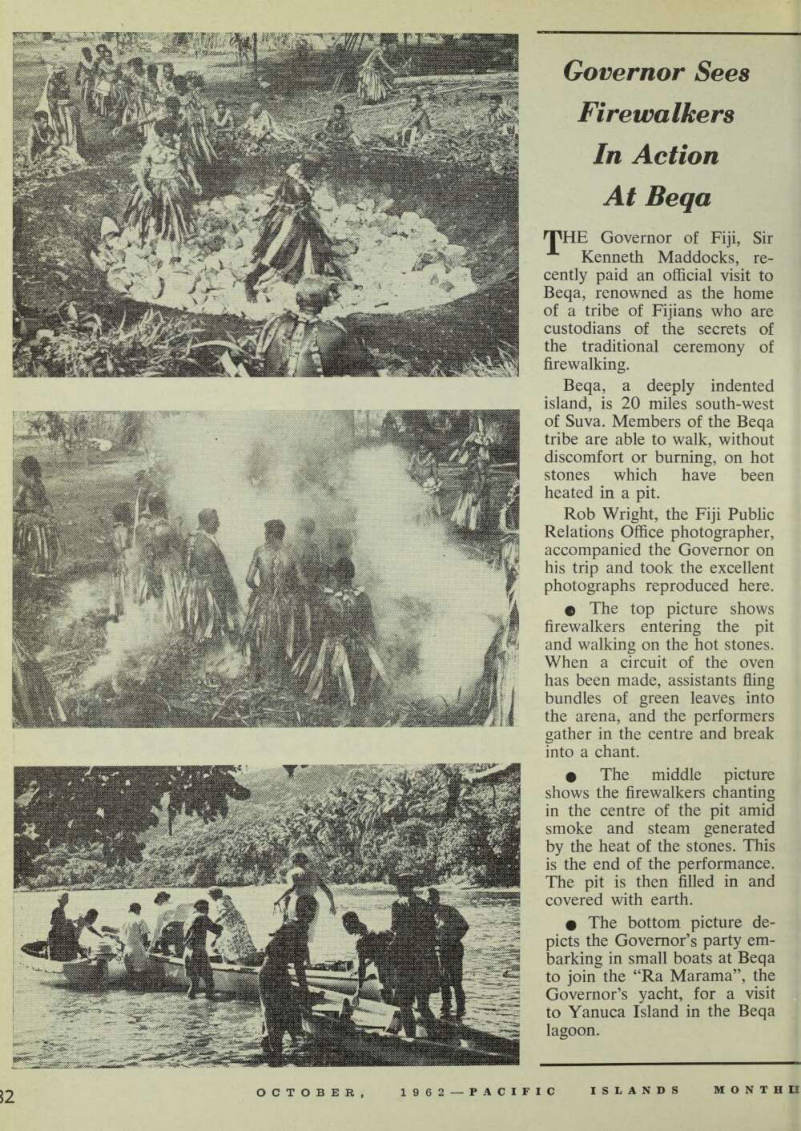 84
84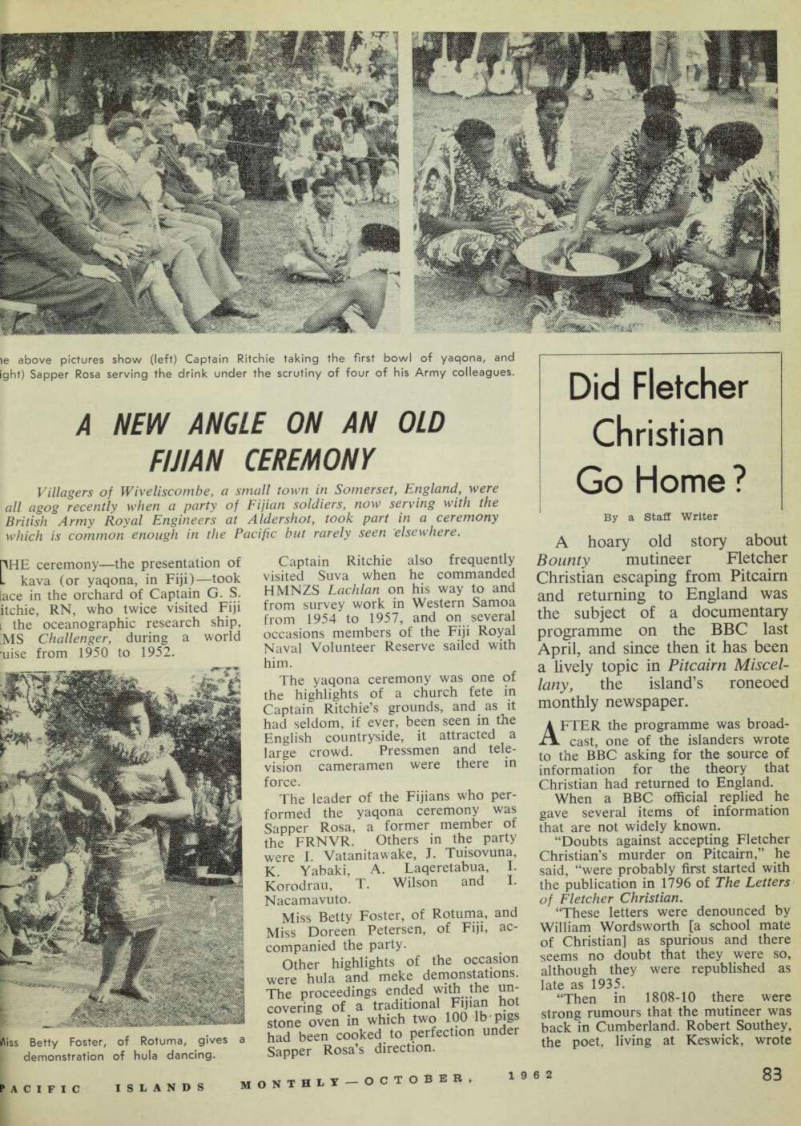 85
85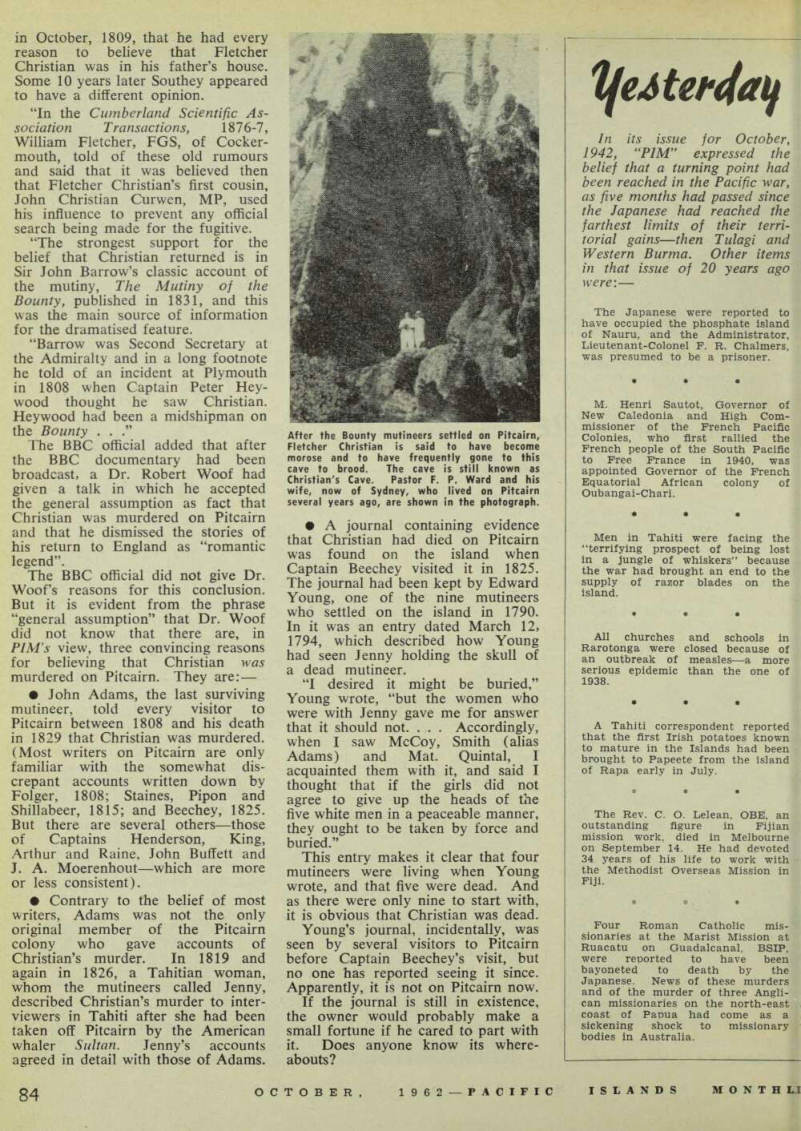 86
86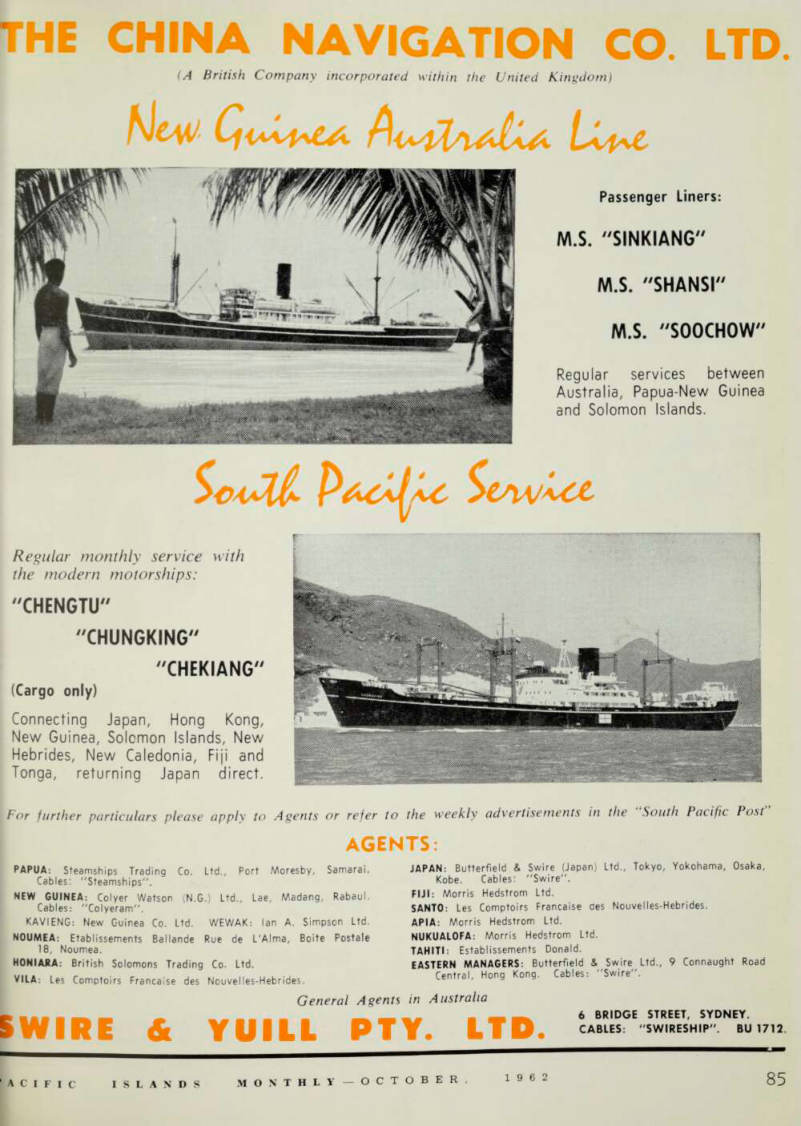 87
87 88
88 89
89 90
90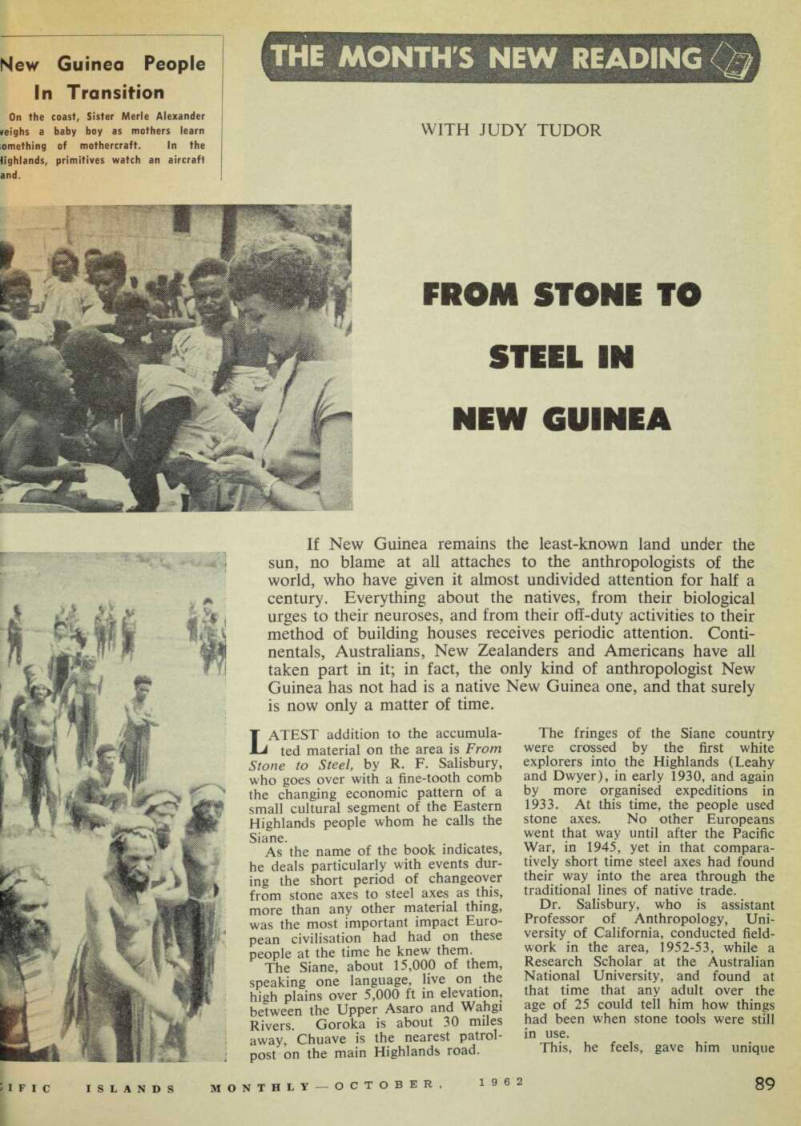 91
91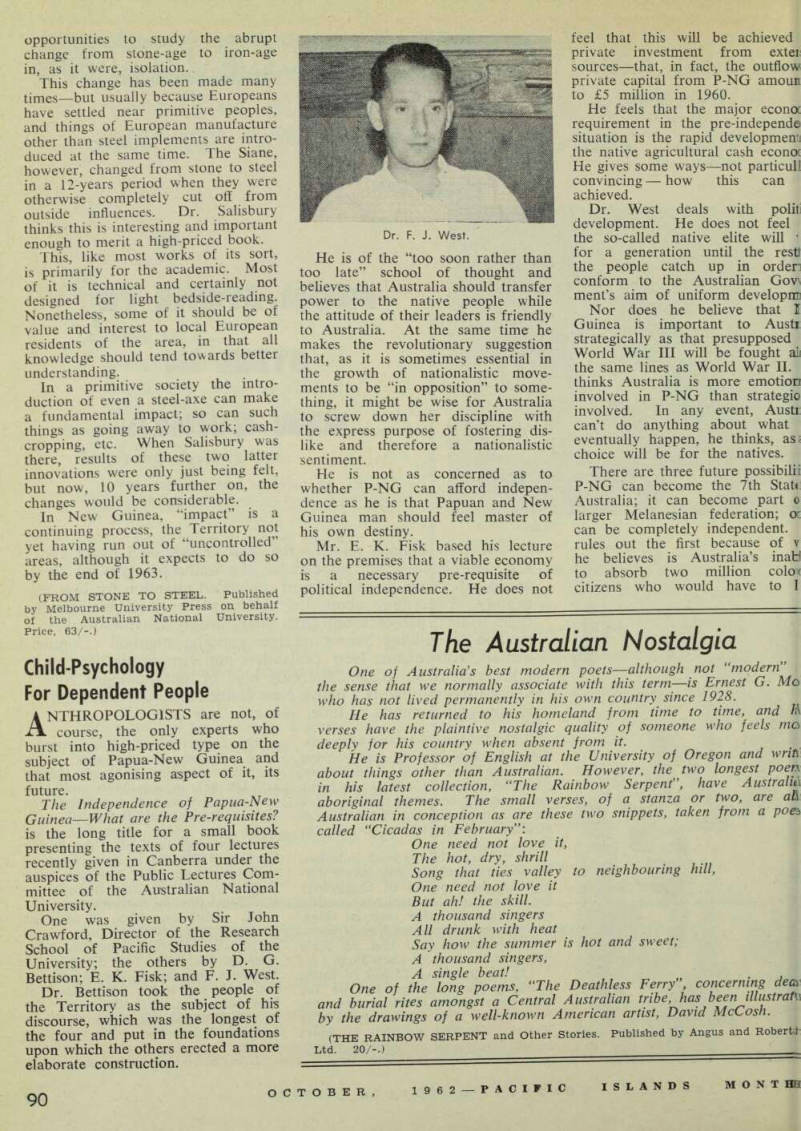 92
92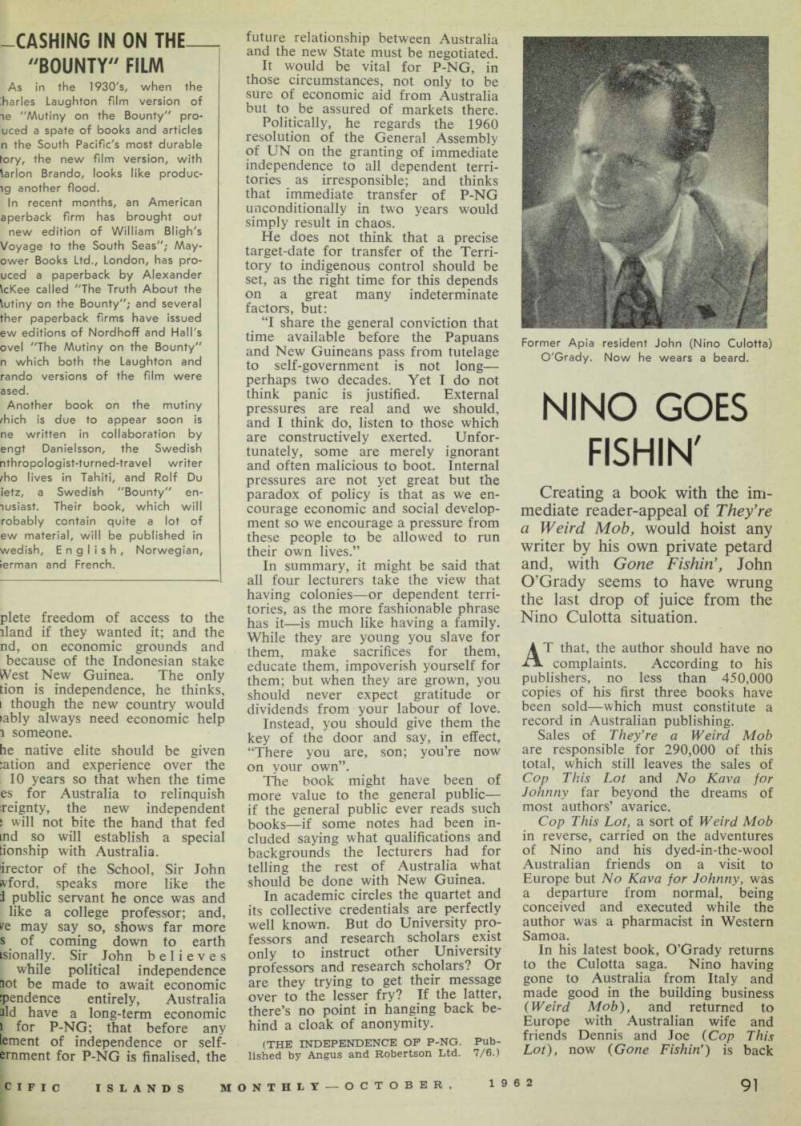 93
93 94
94 95
95 96
96 97
97 98
98 99
99 100
100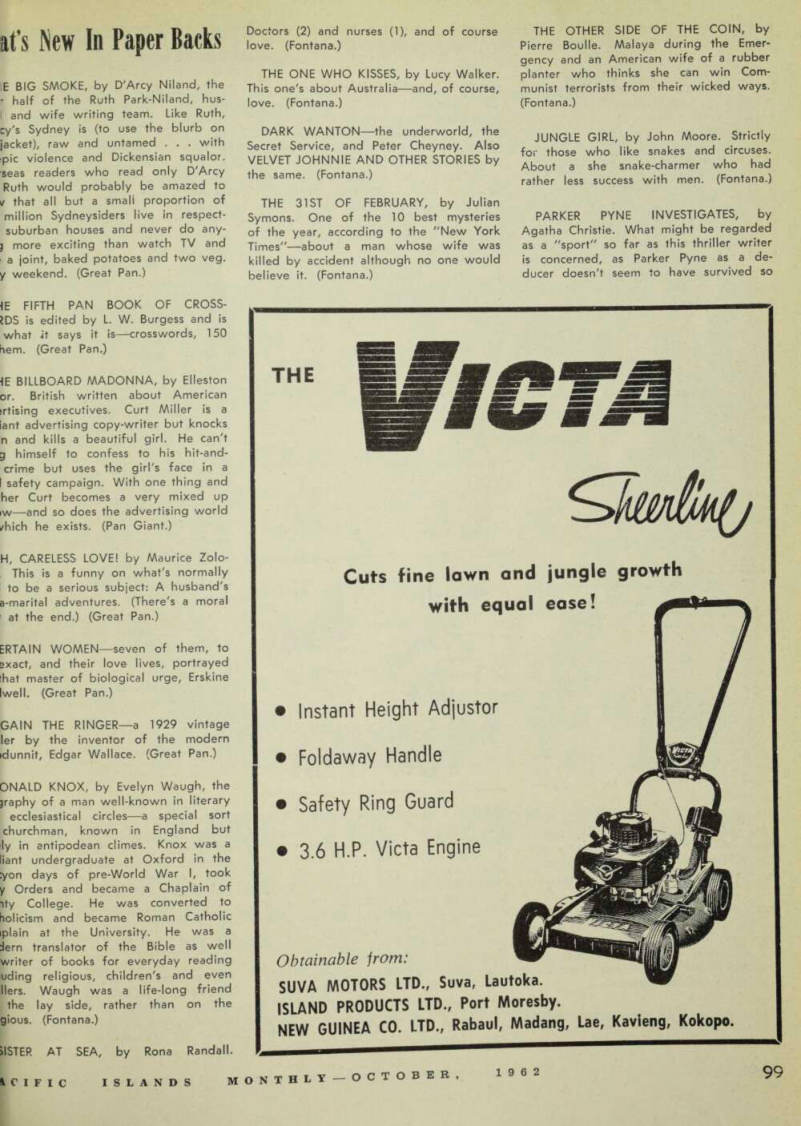 101
101 102
102 103
103 104
104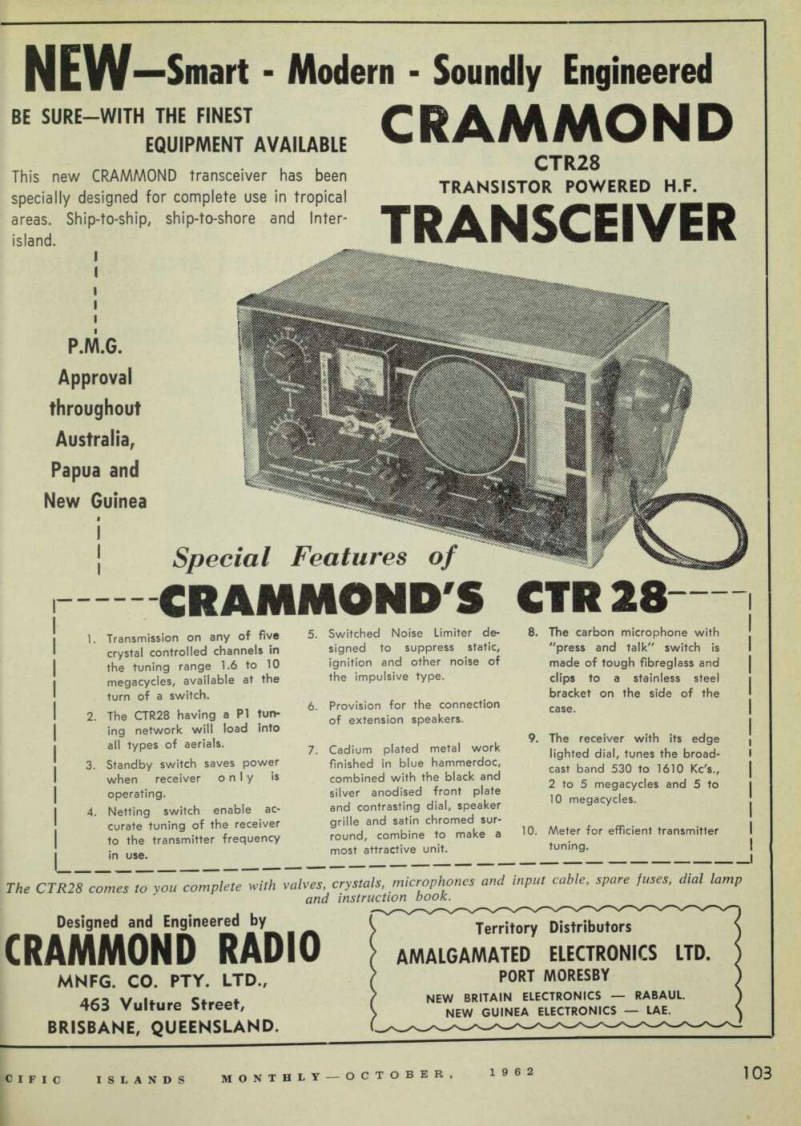 105
105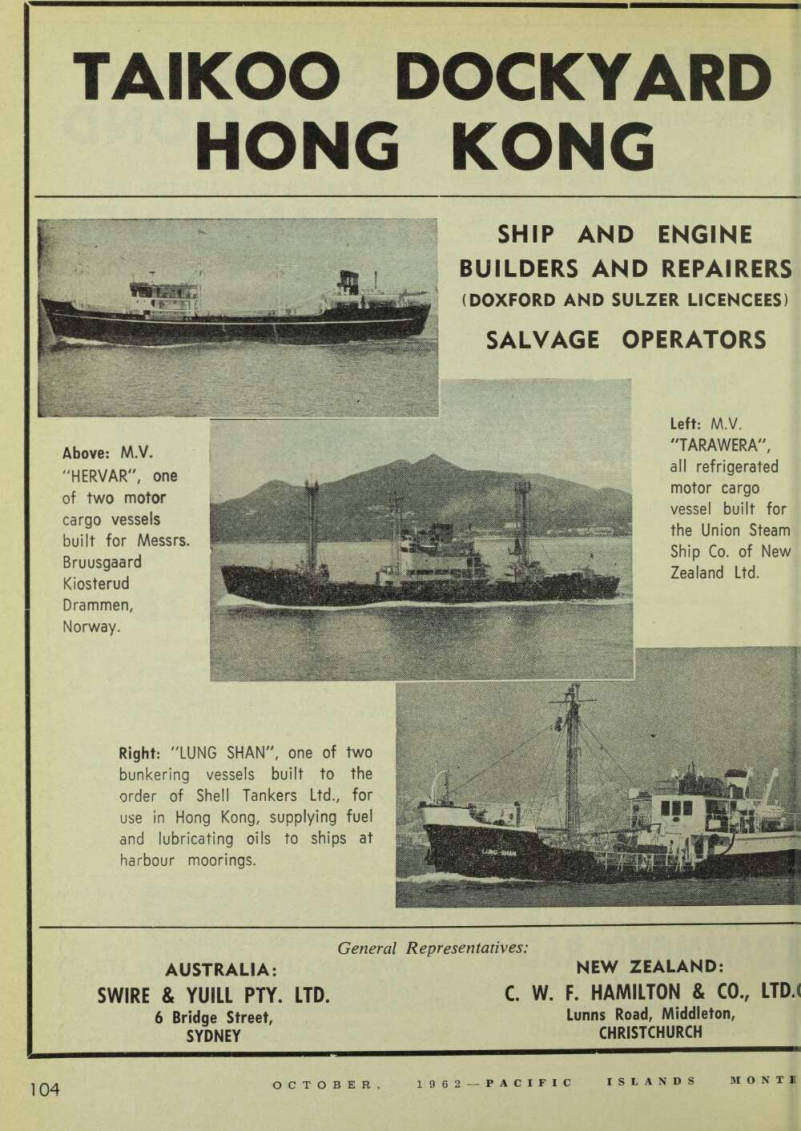 106
106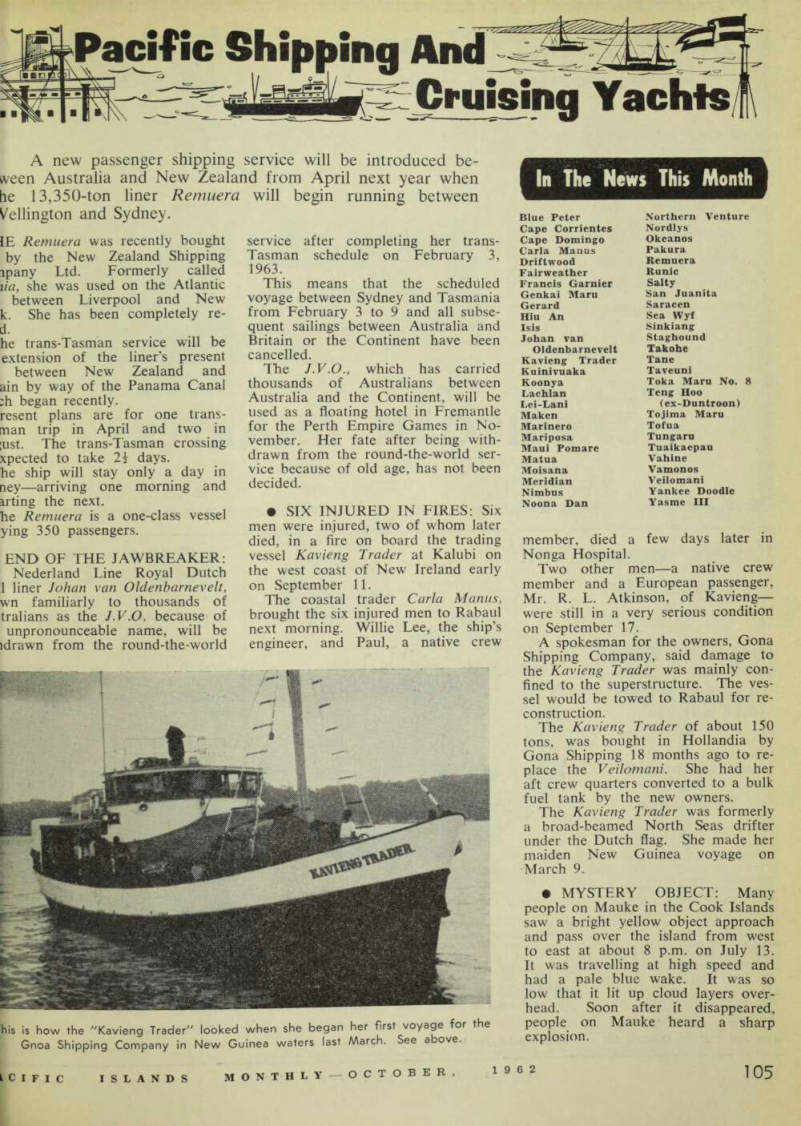 107
107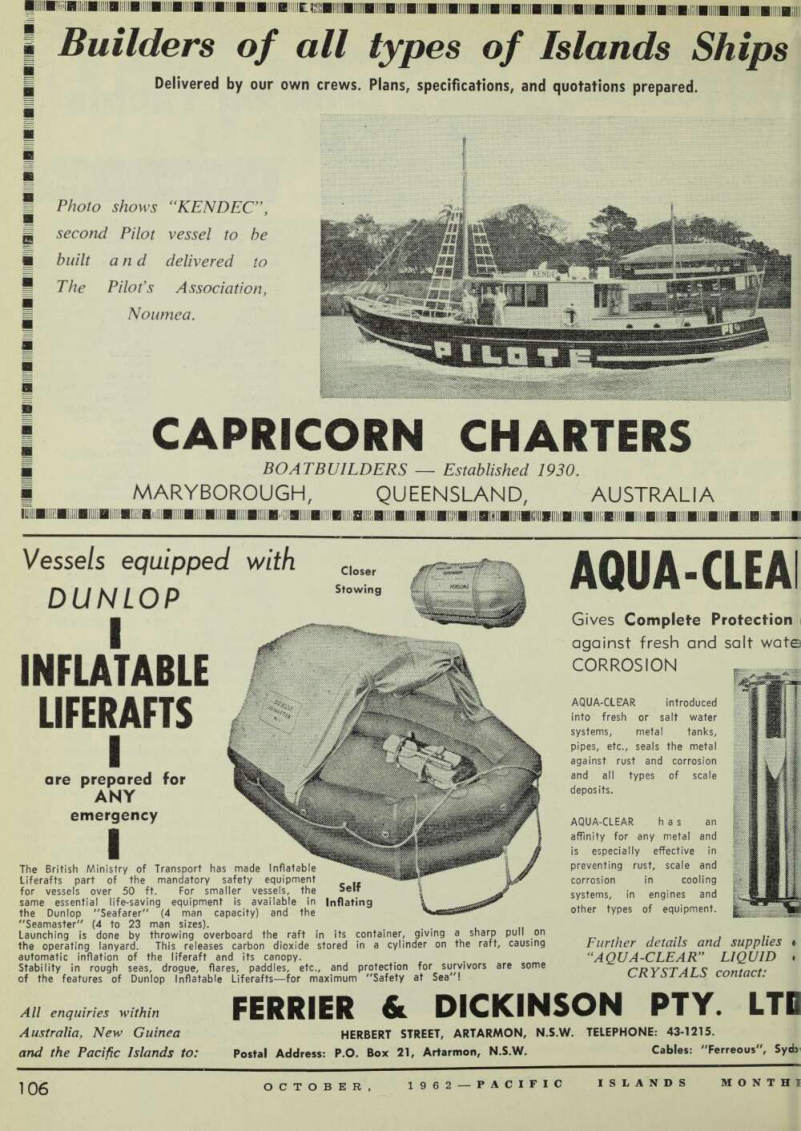 108
108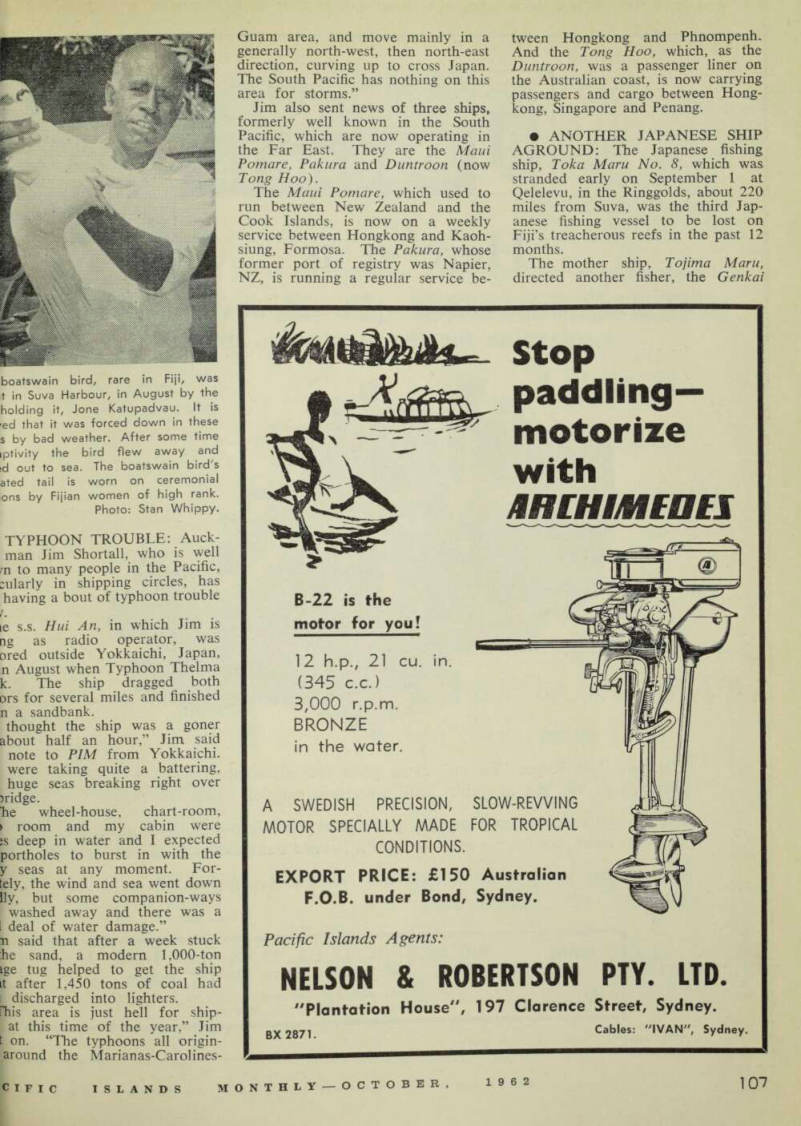 109
109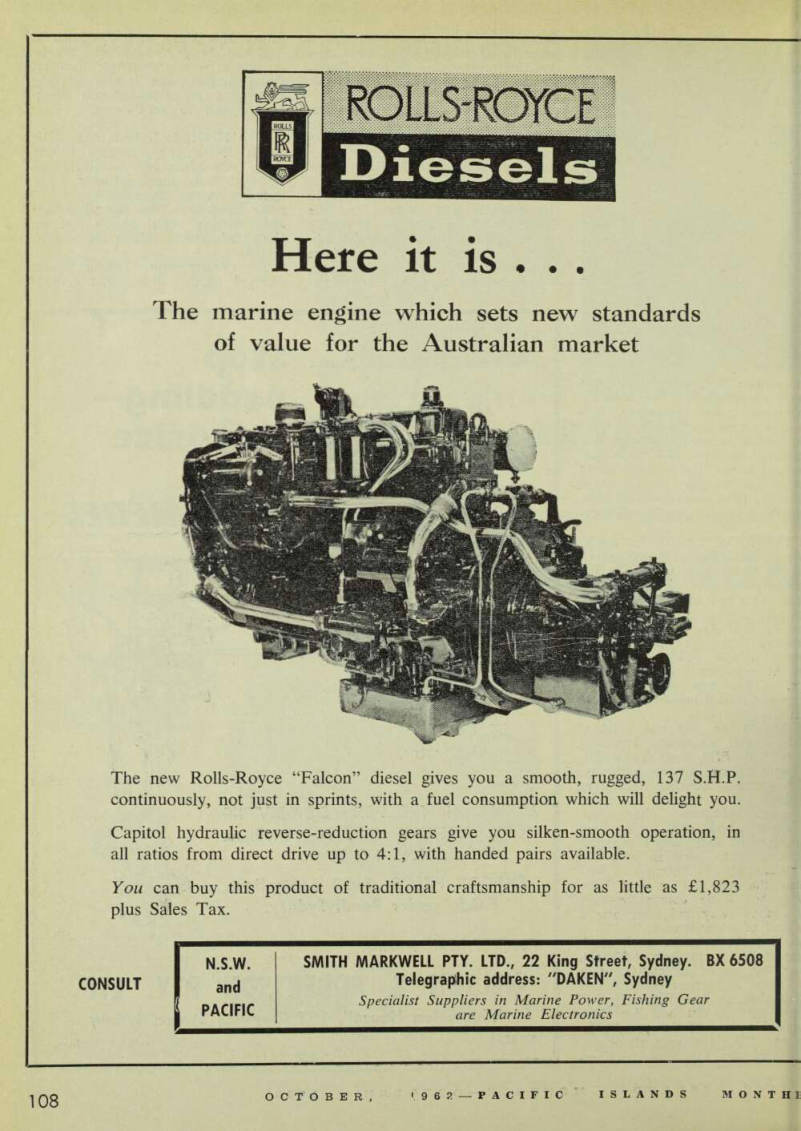 110
110 111
111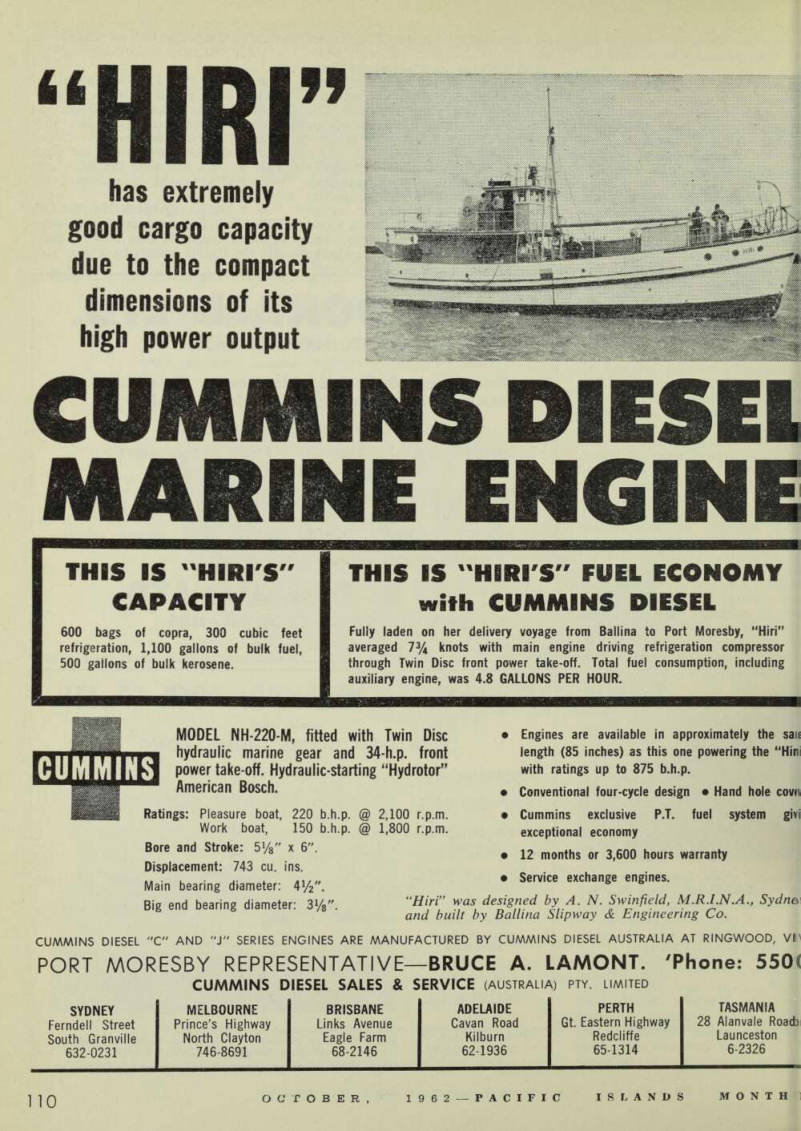 112
112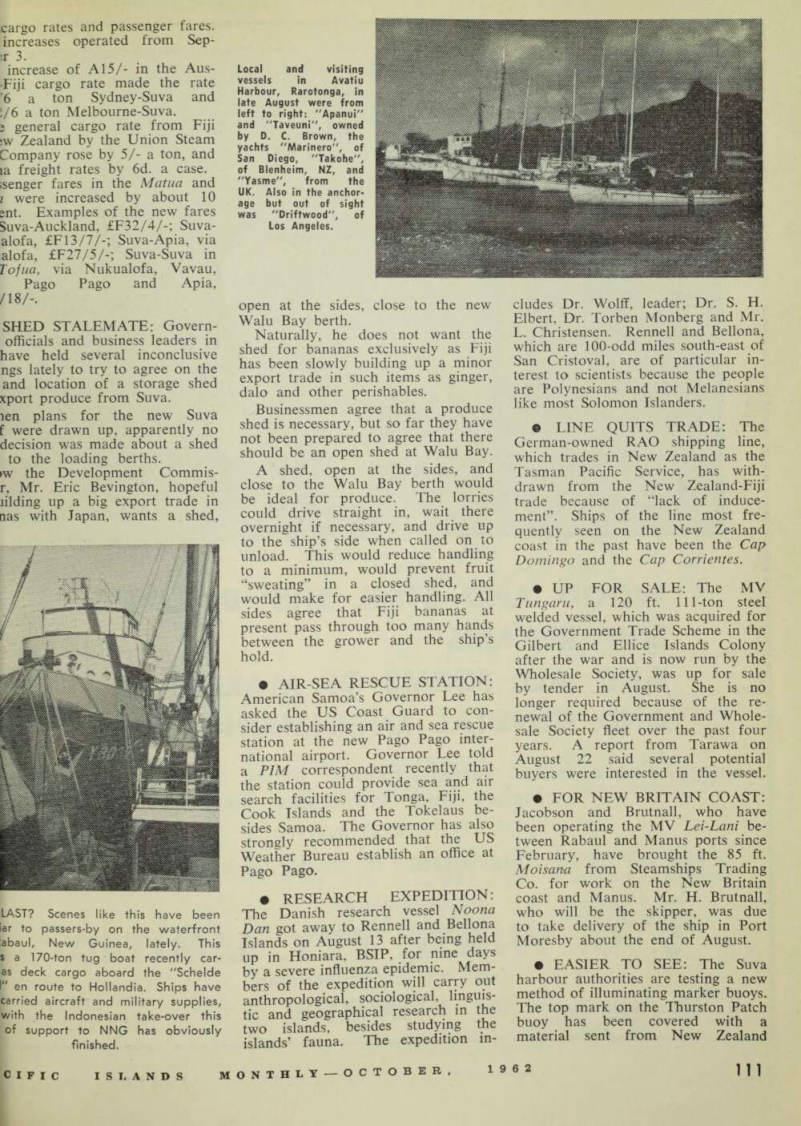 113
113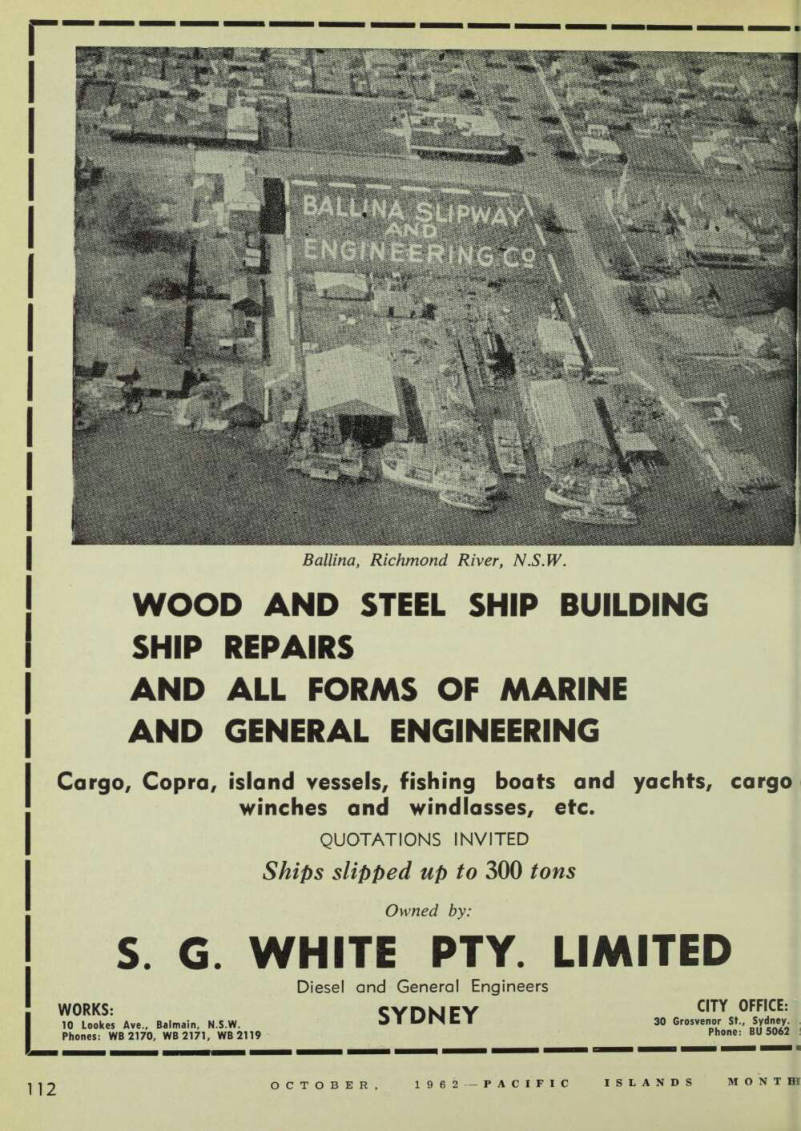 114
114 115
115 116
116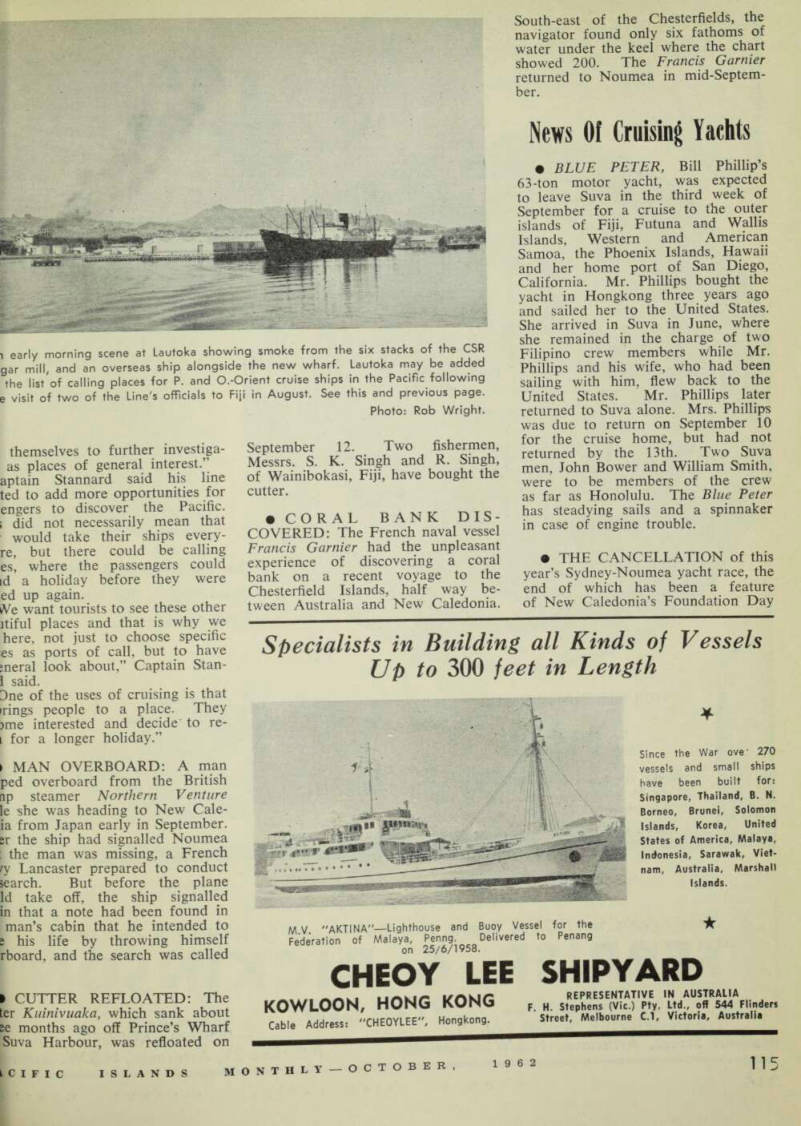 117
117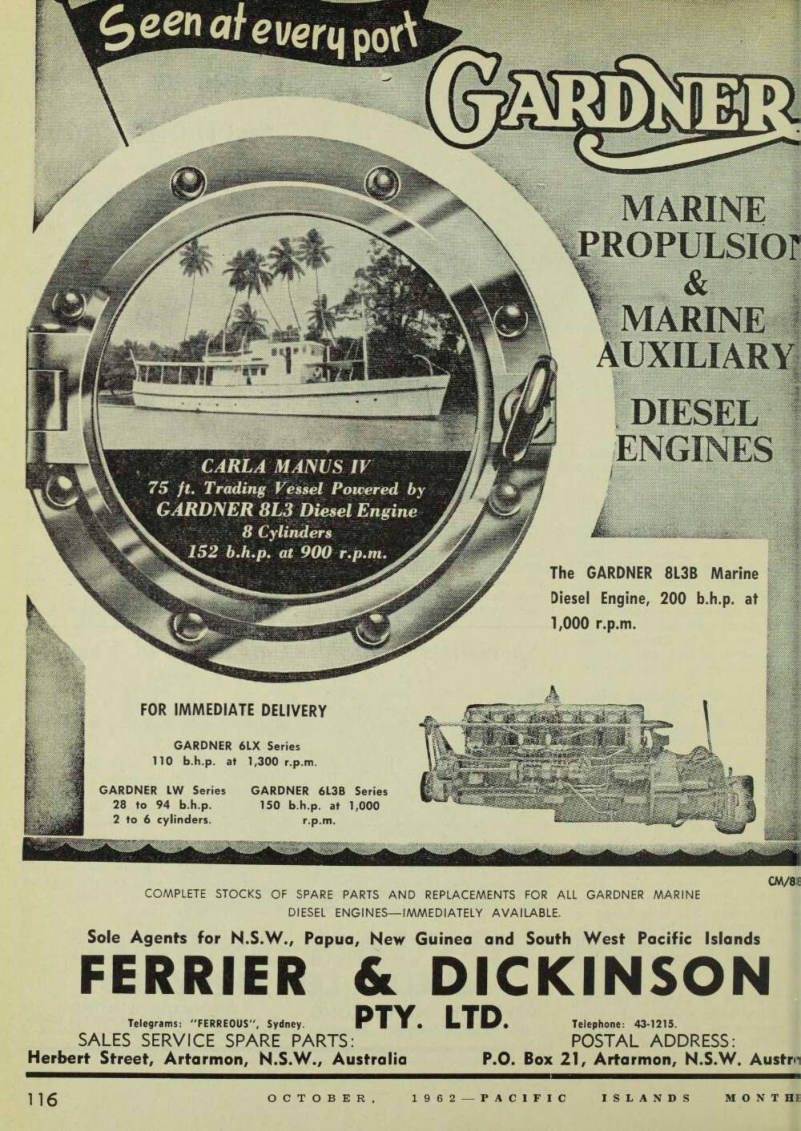 118
118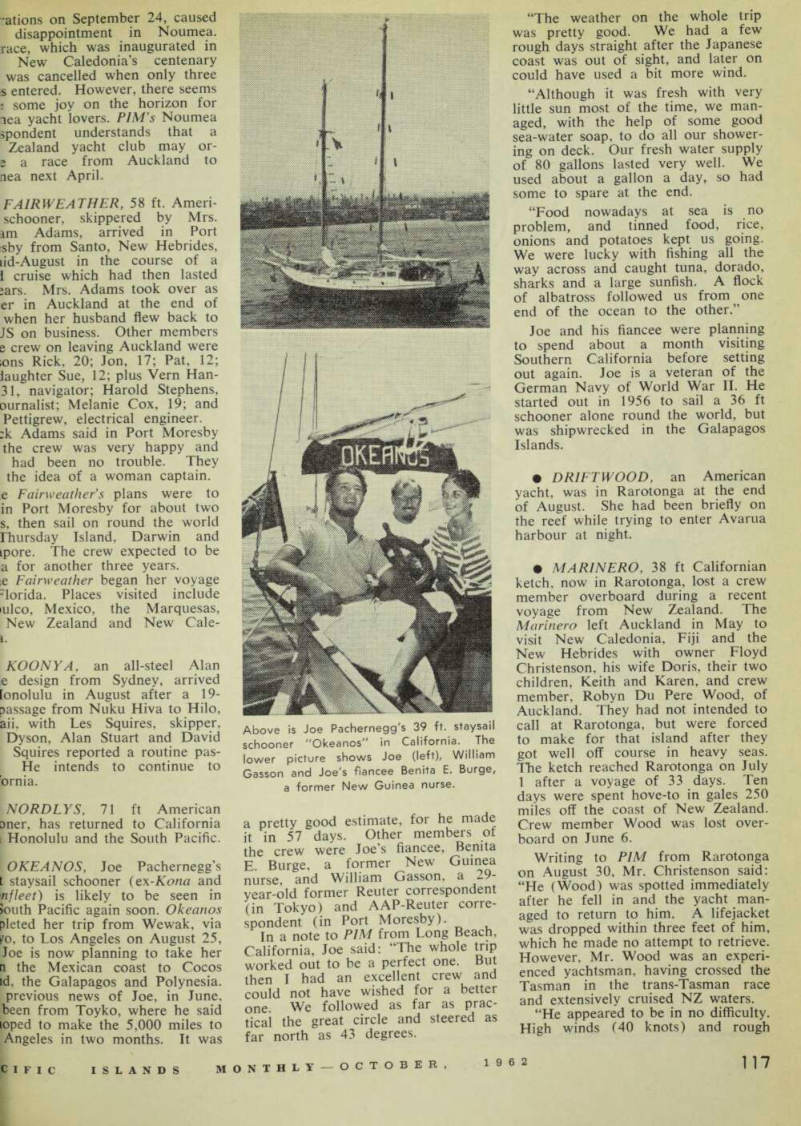 119
119 120
120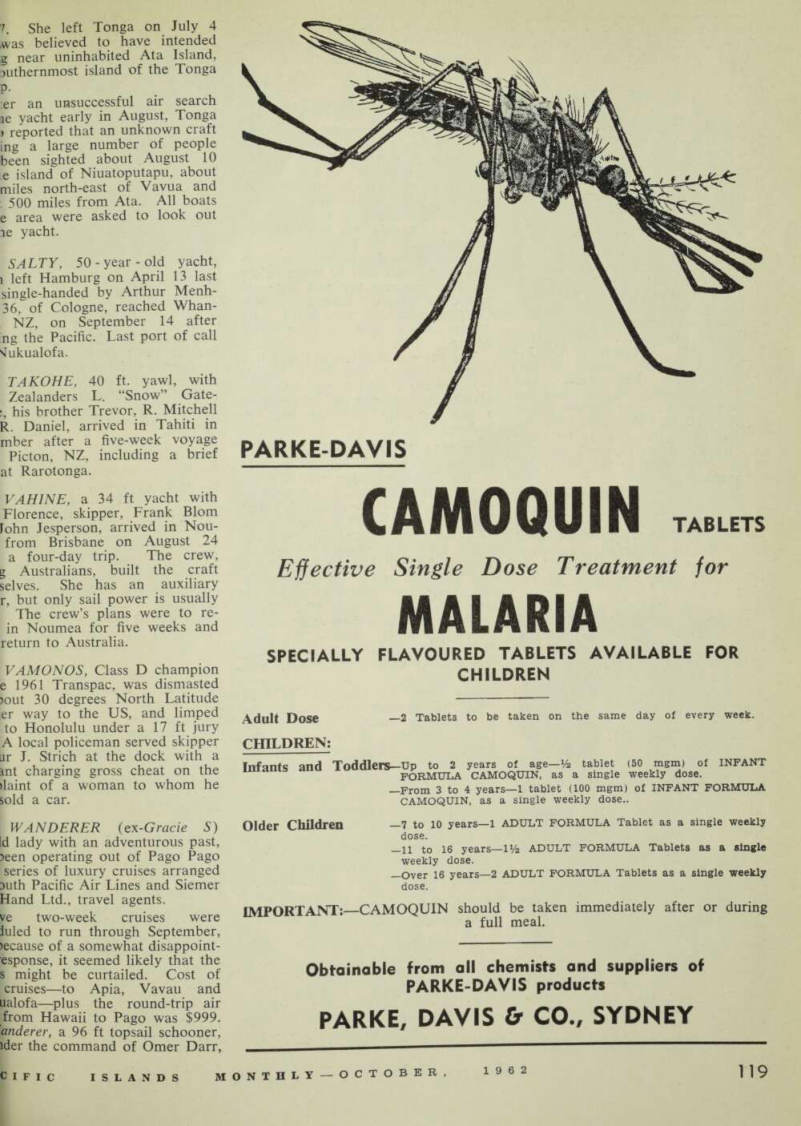 121
121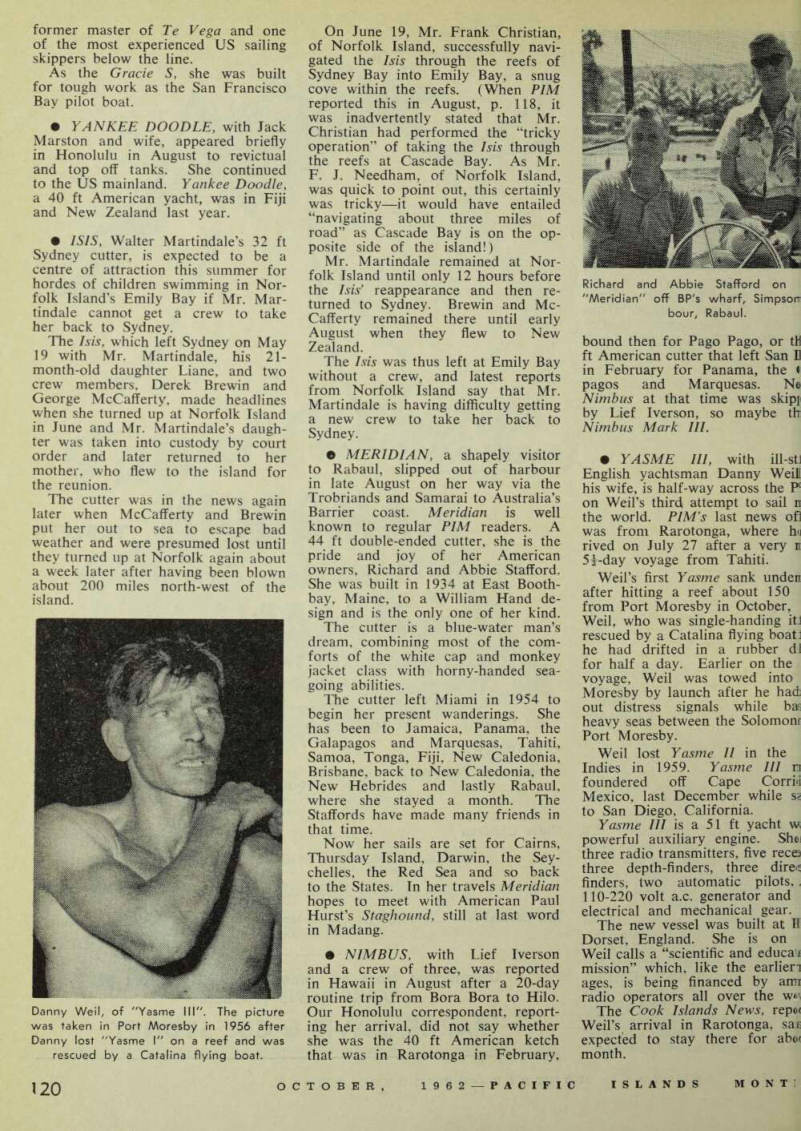 122
122 123
123 124
124 125
125 126
126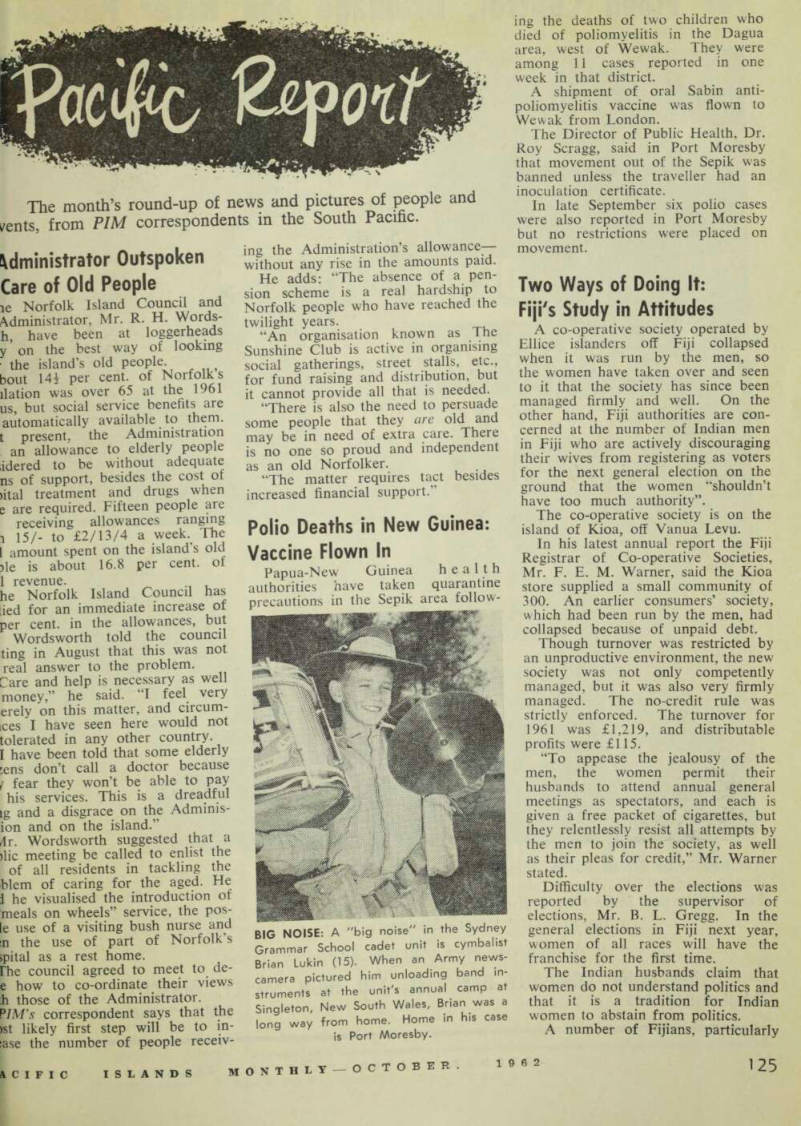 127
127 128
128 129
129 130
130 131
131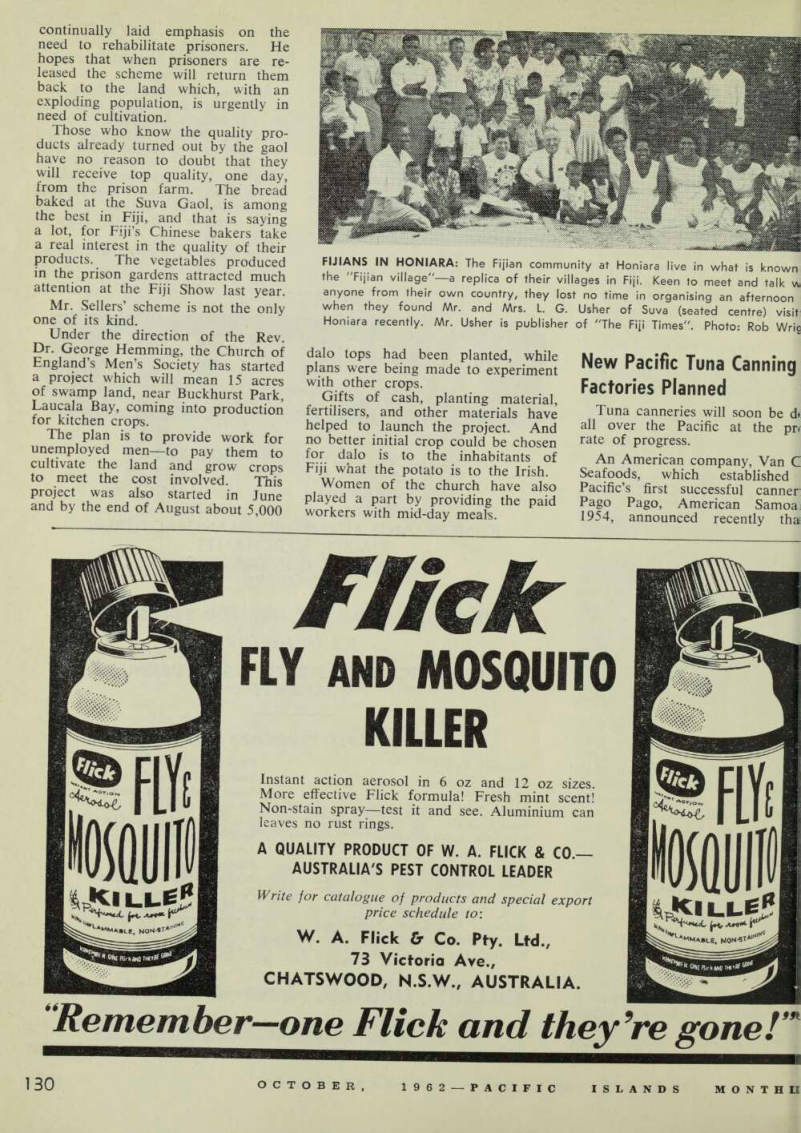 132
132 133
133 134
134 135
135 136
136 137
137 138
138 139
139 140
140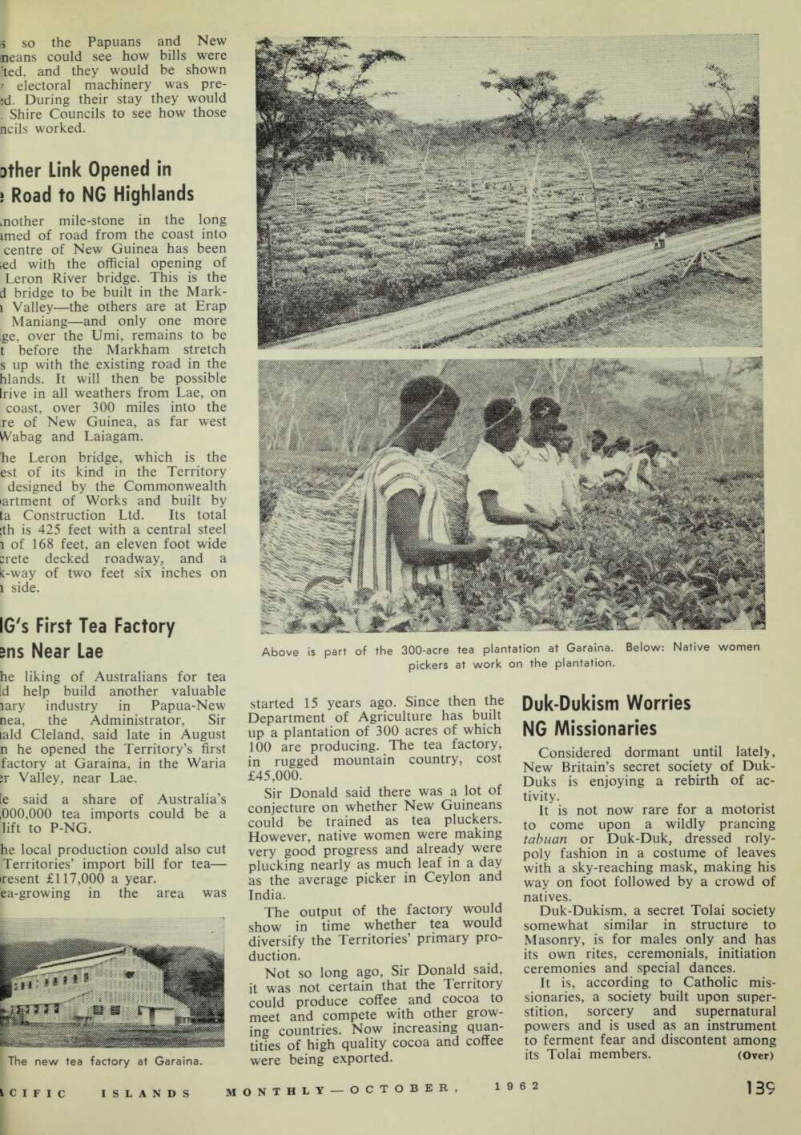 141
141 142
142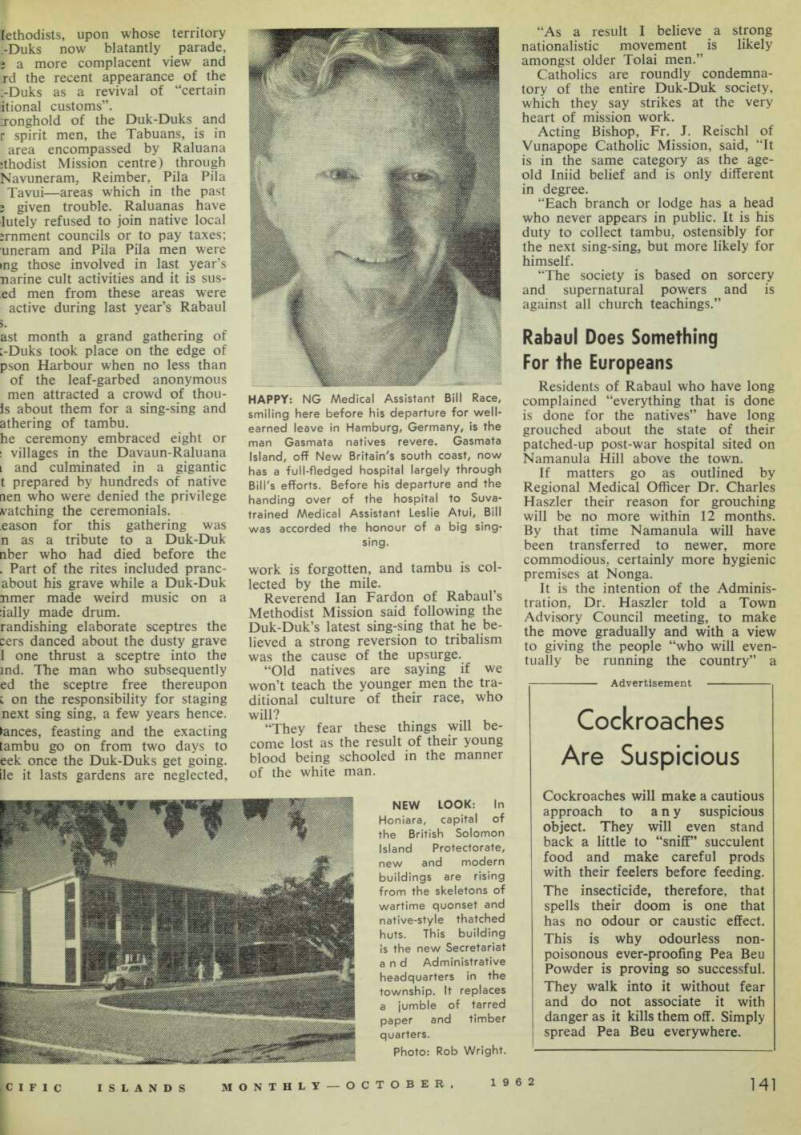 143
143 144
144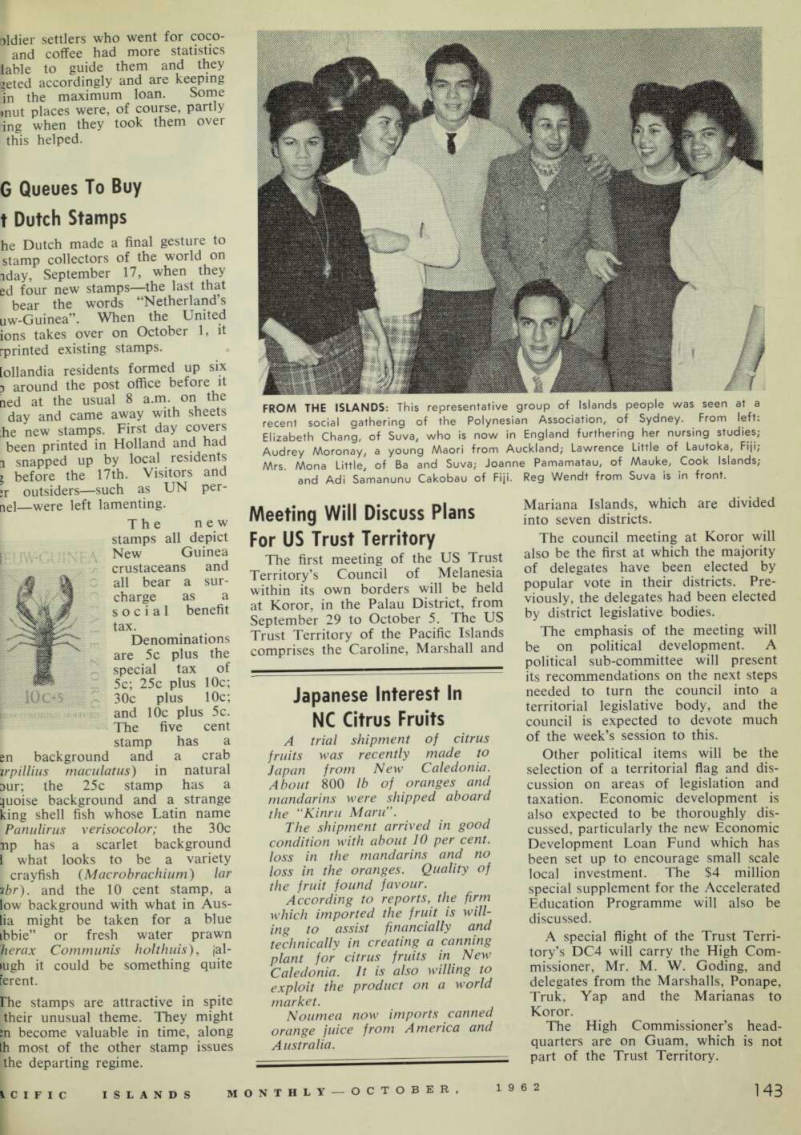 145
145 146
146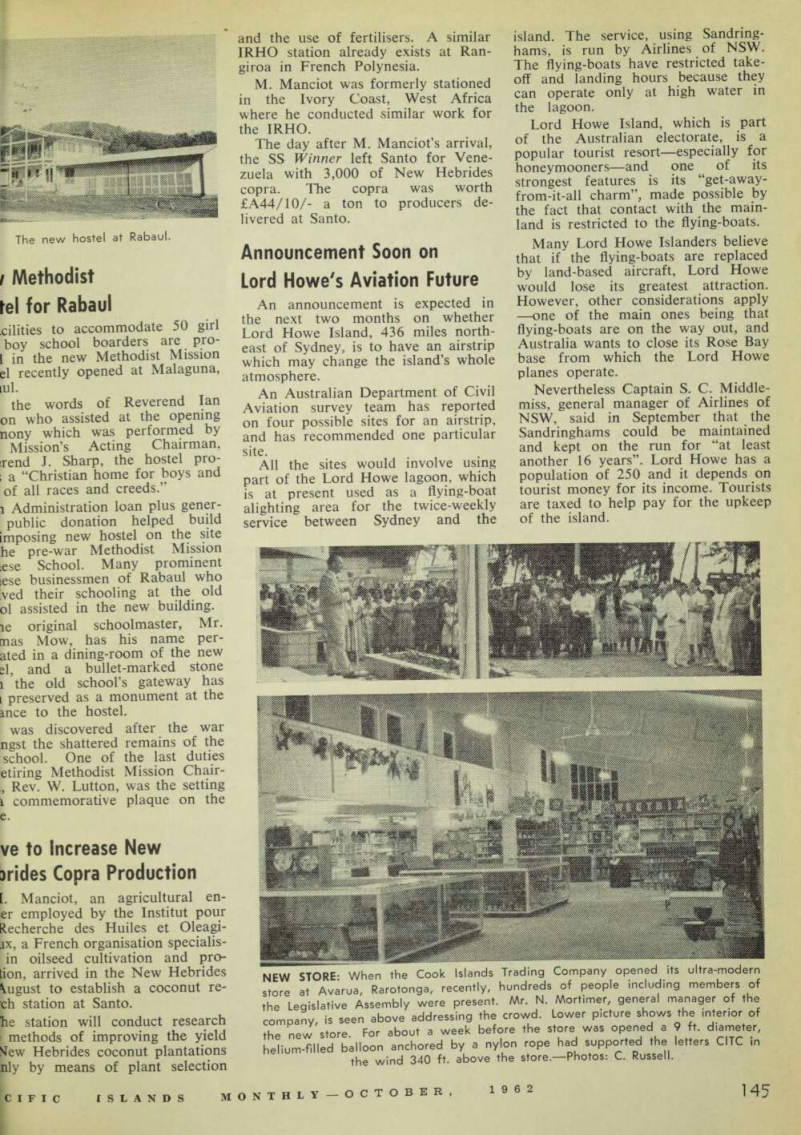 147
147 148
148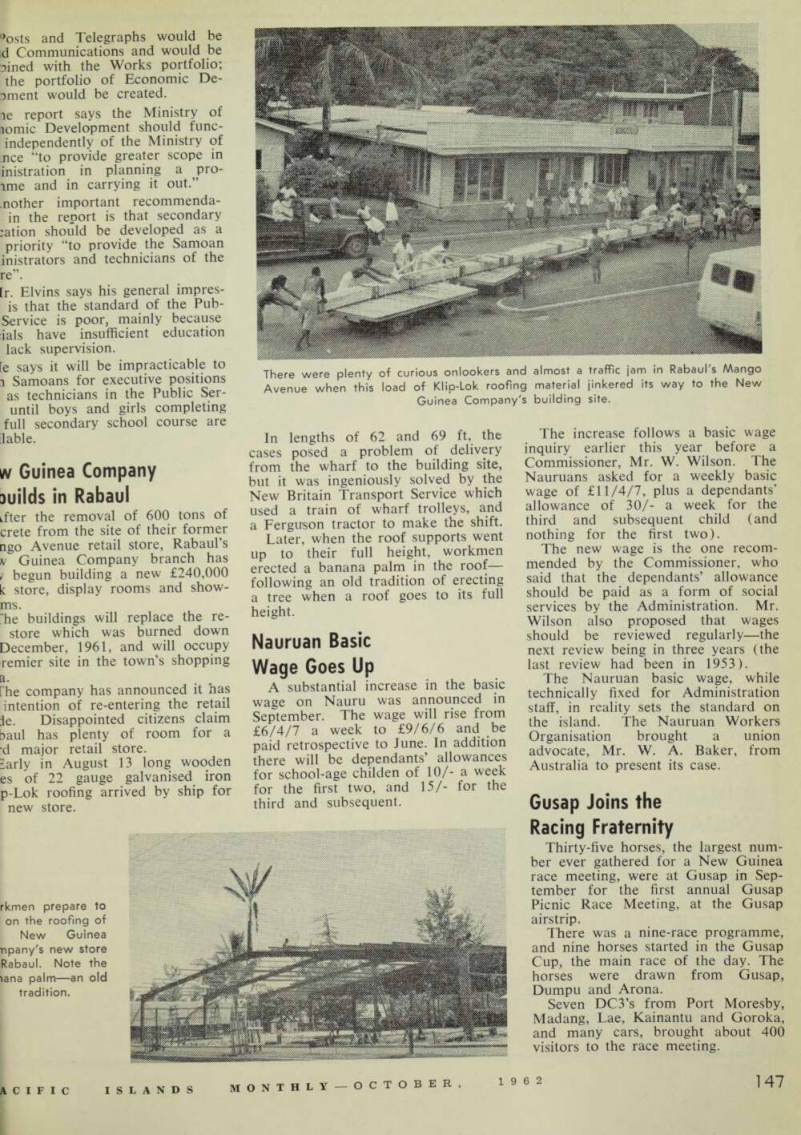 149
149 150
150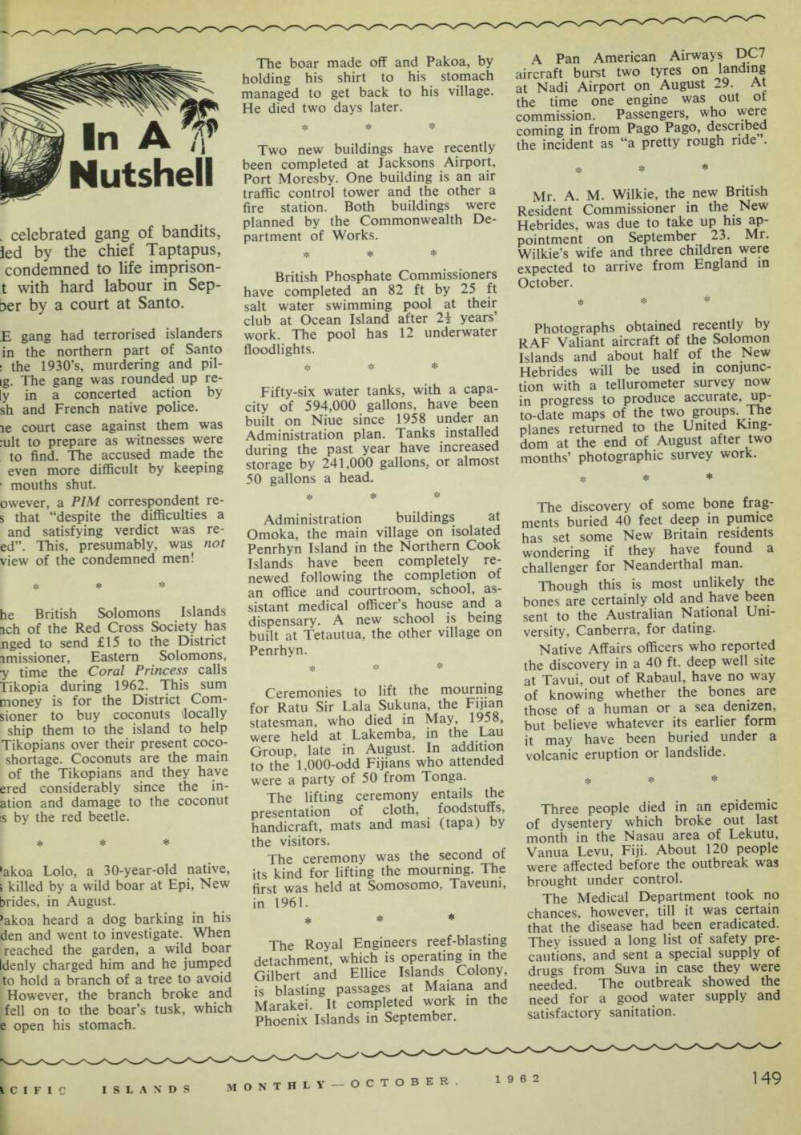 151
151 152
152 153
153 154
154 155
155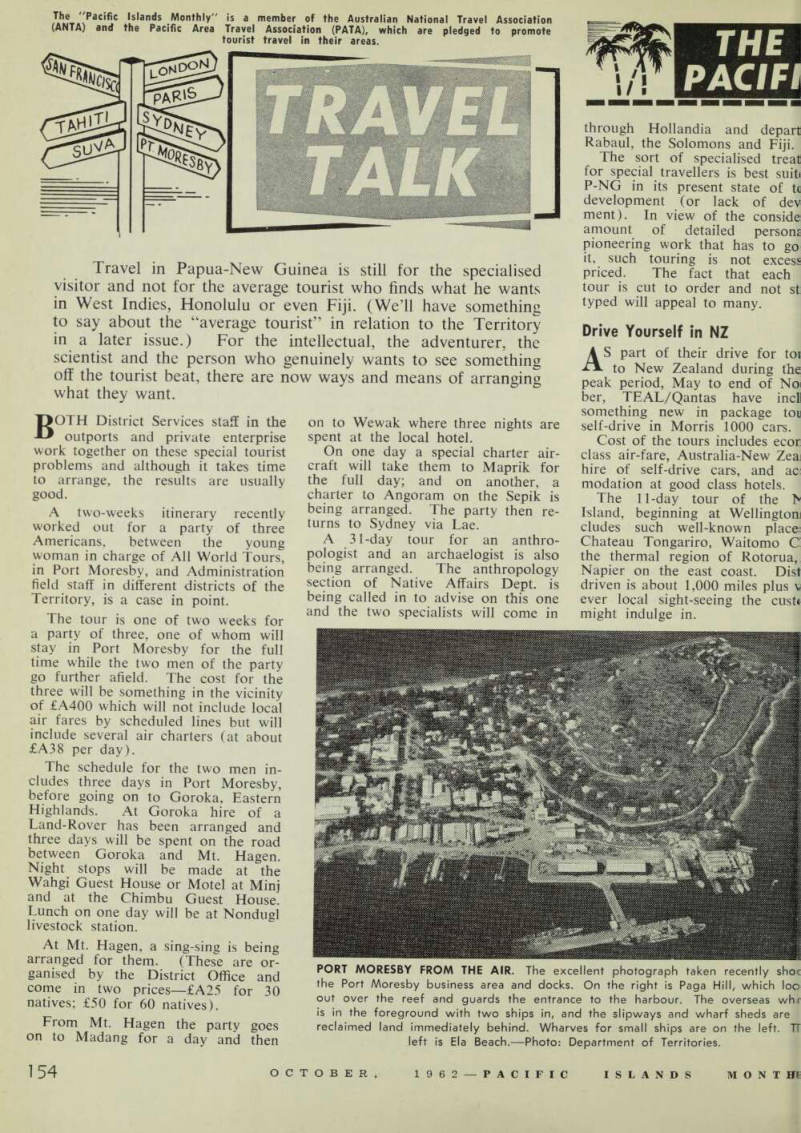 156
156 157
157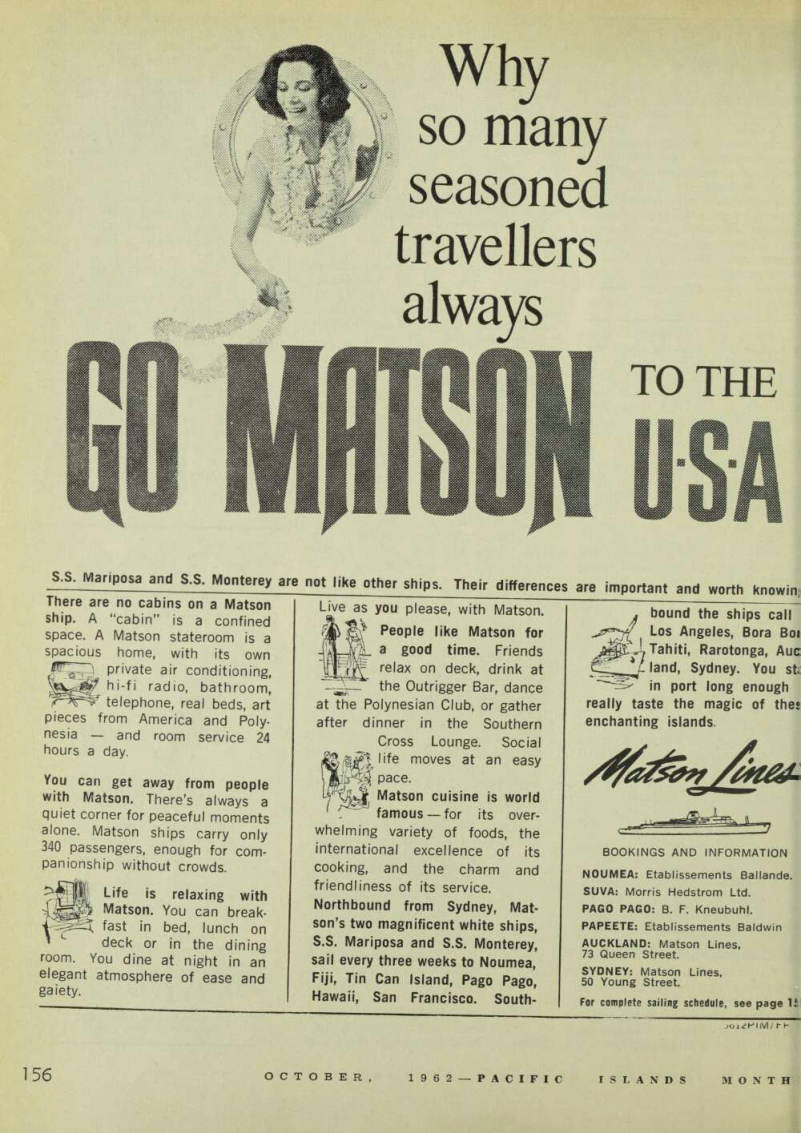 158
158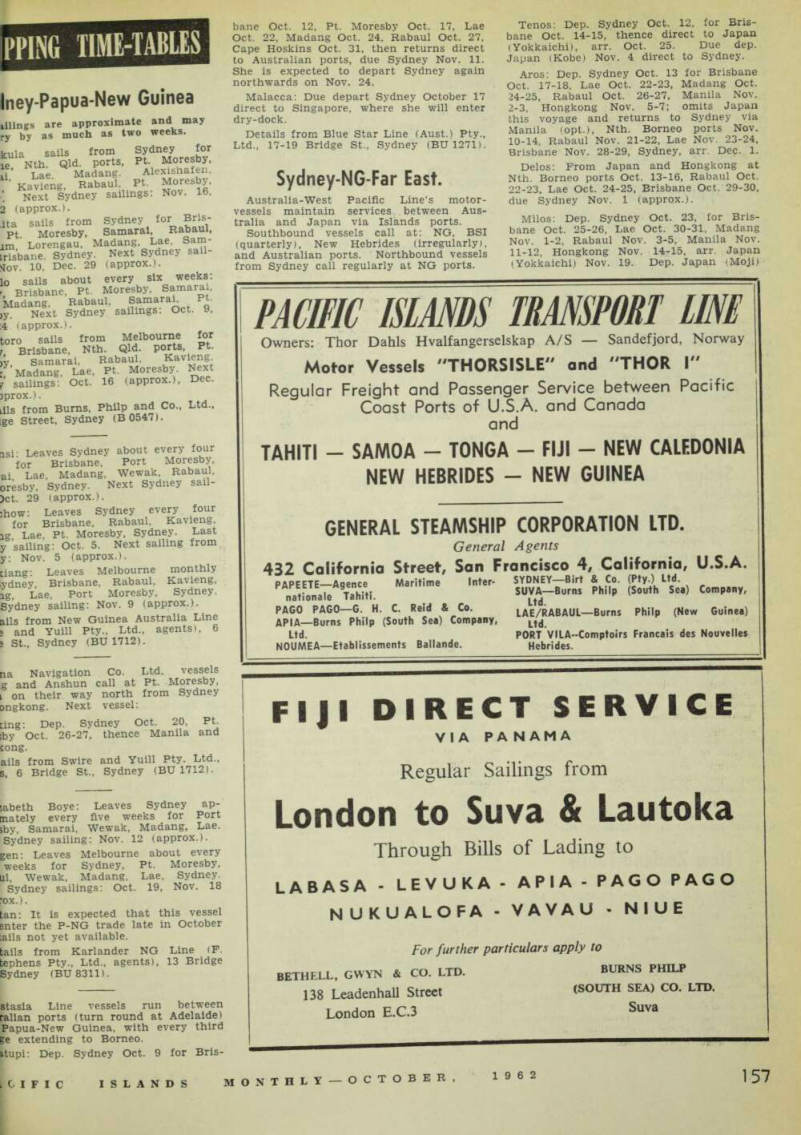 159
159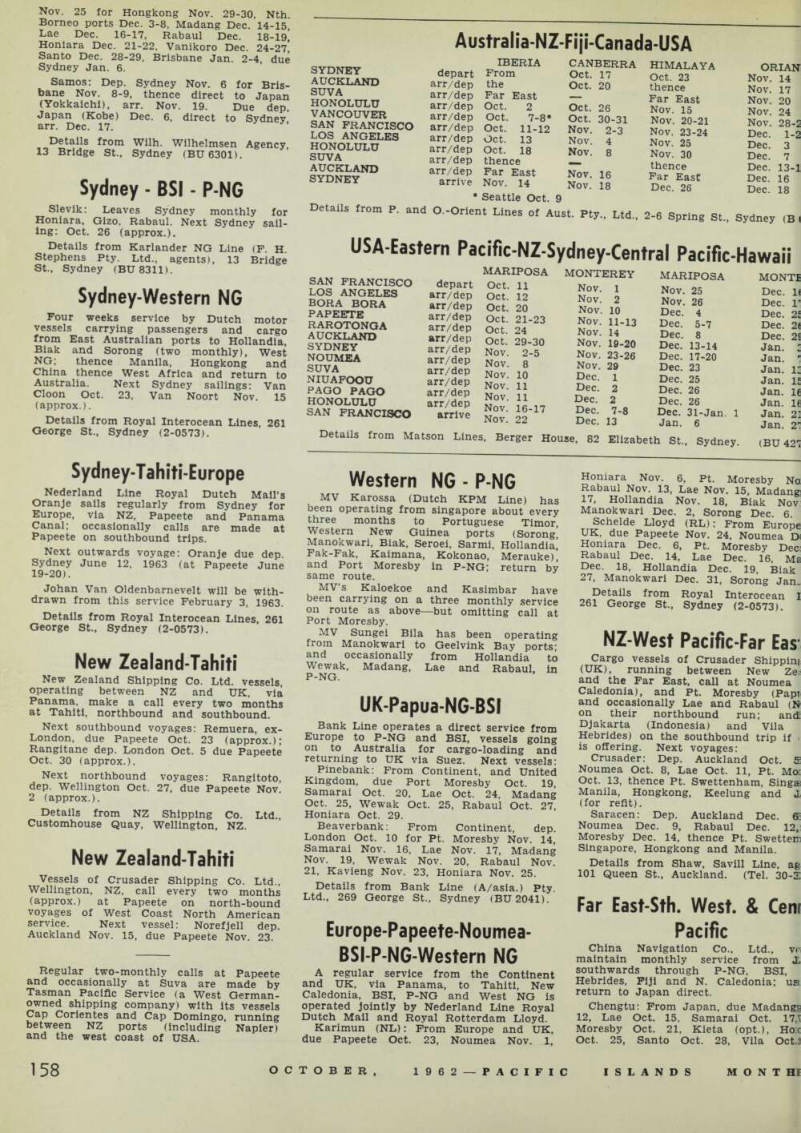 160
160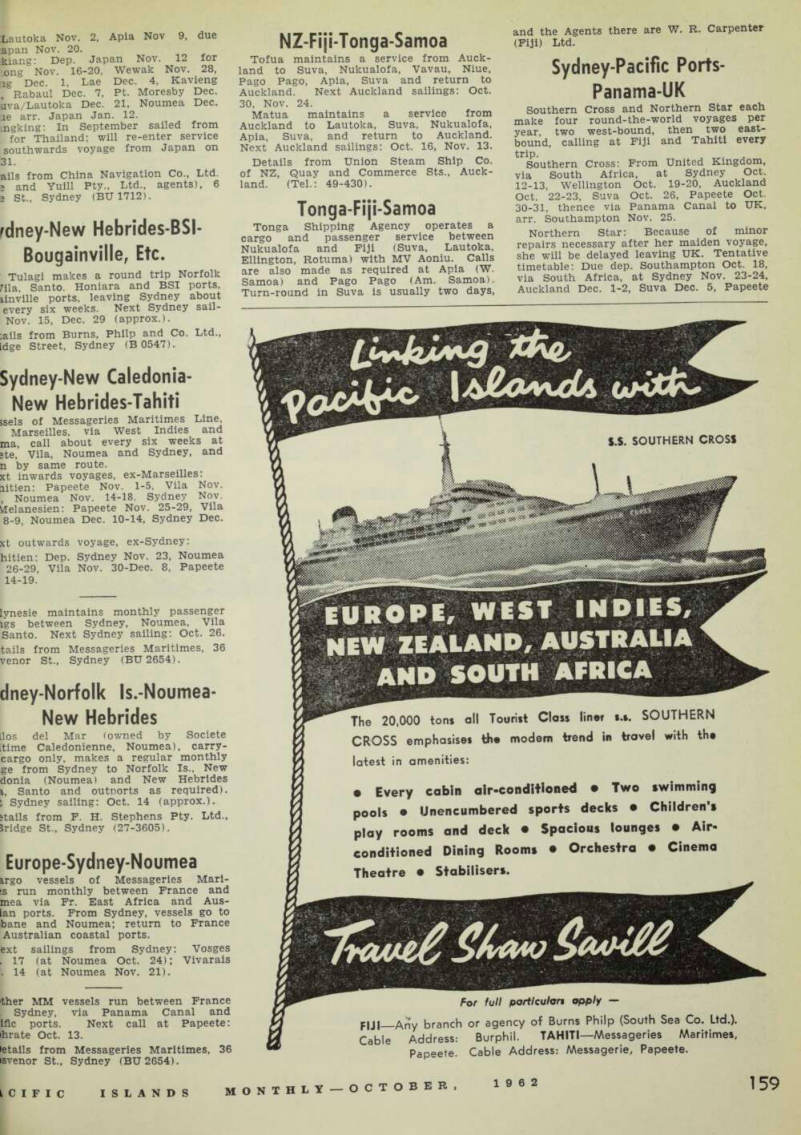 161
161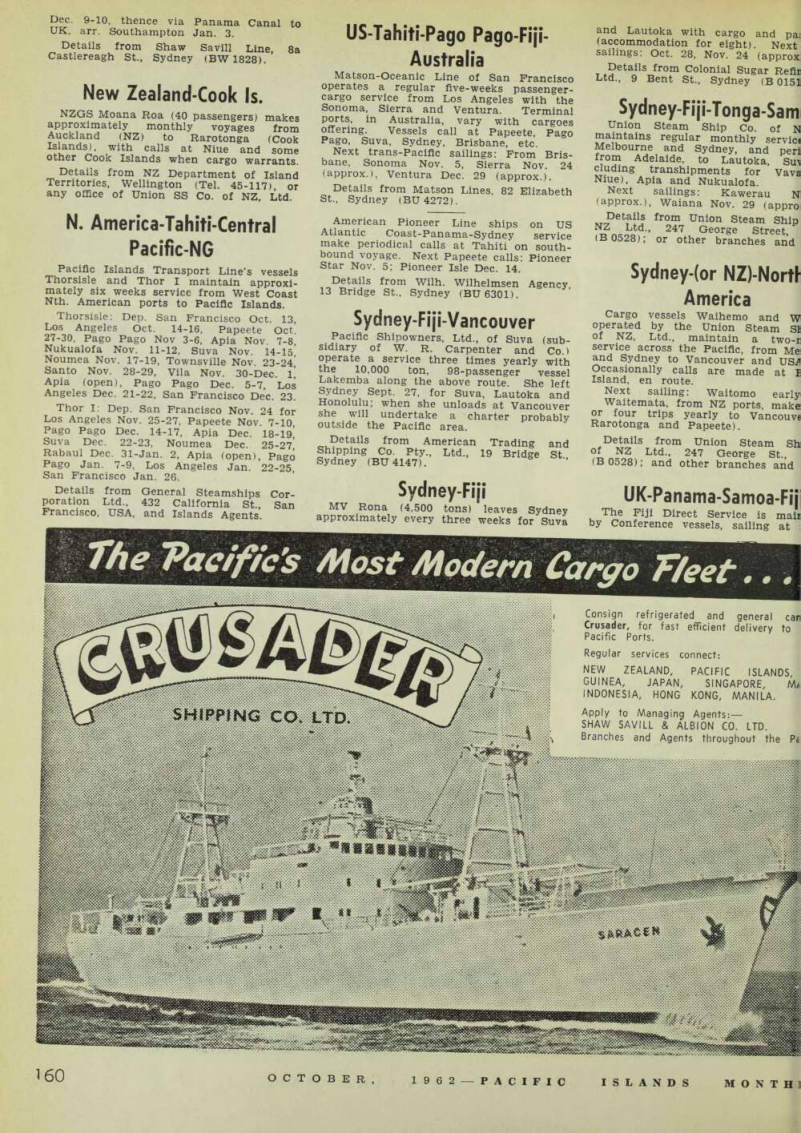 162
162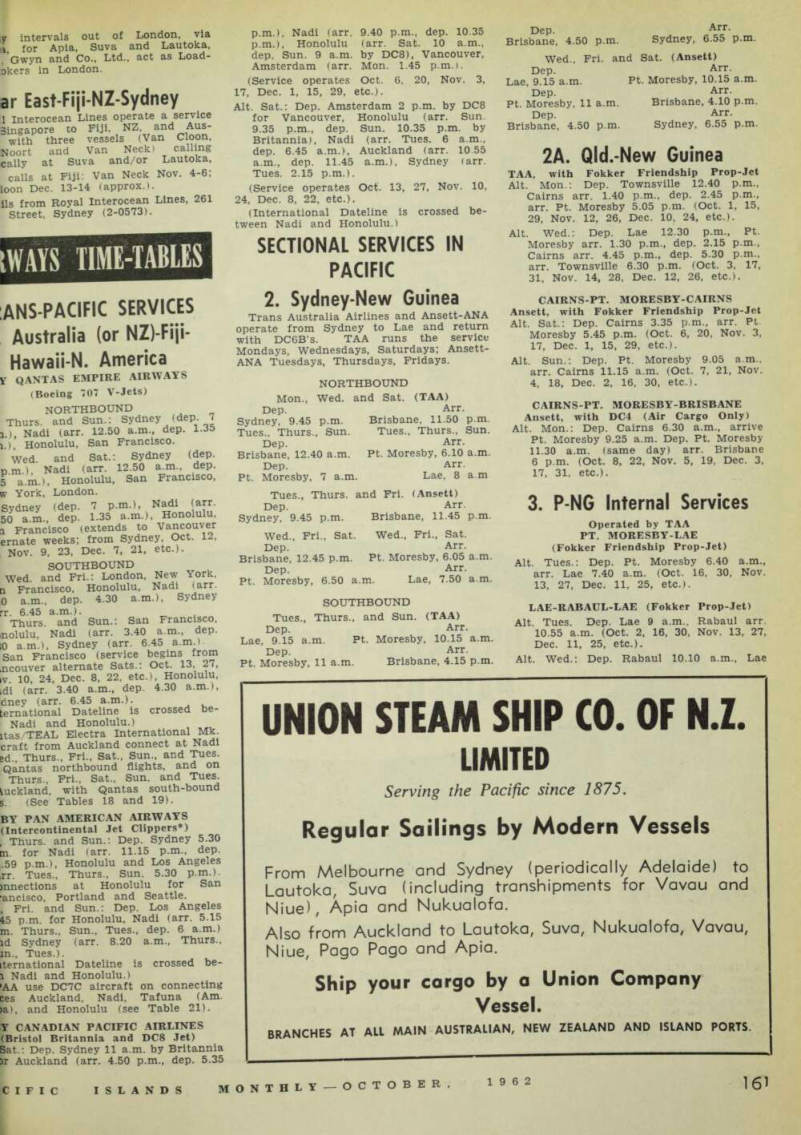 163
163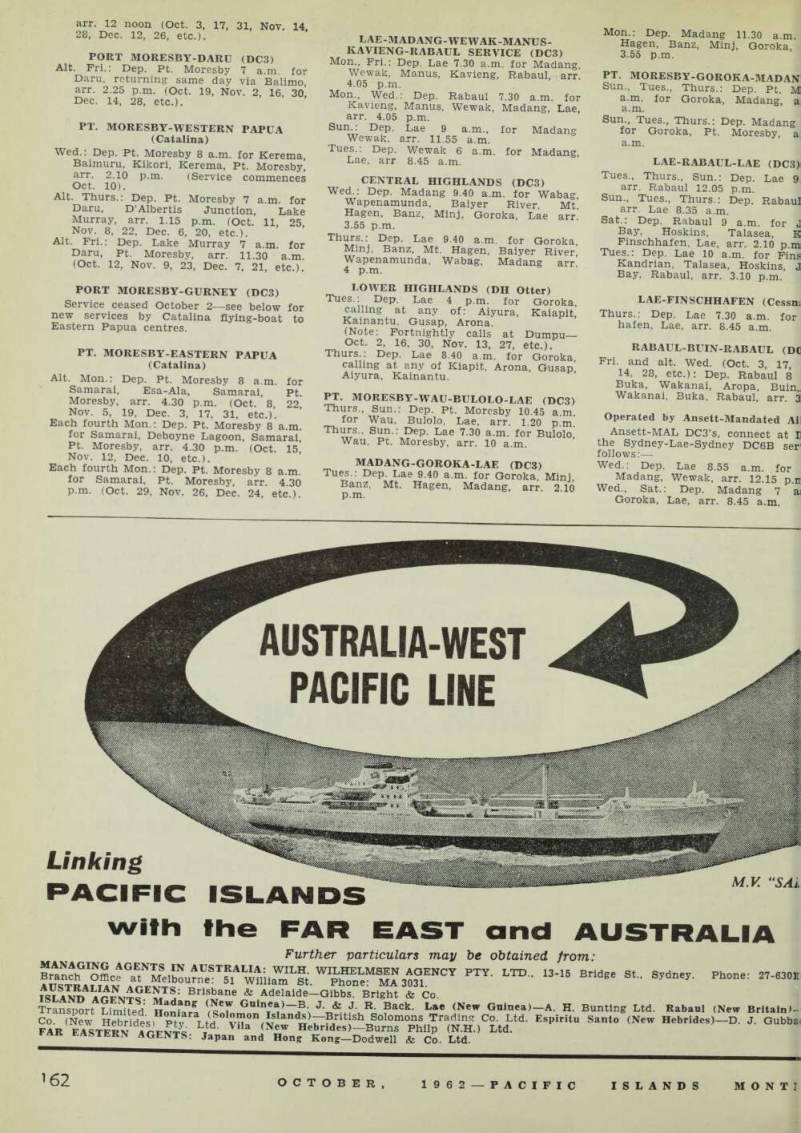 164
164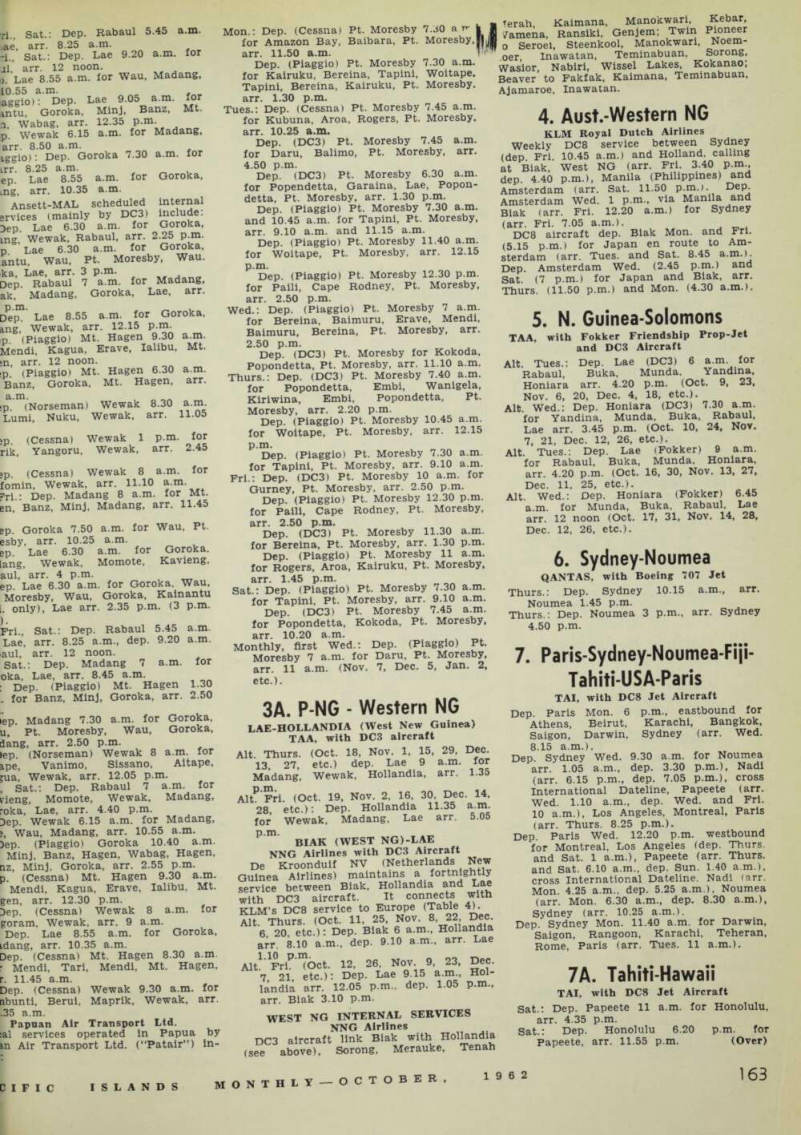 165
165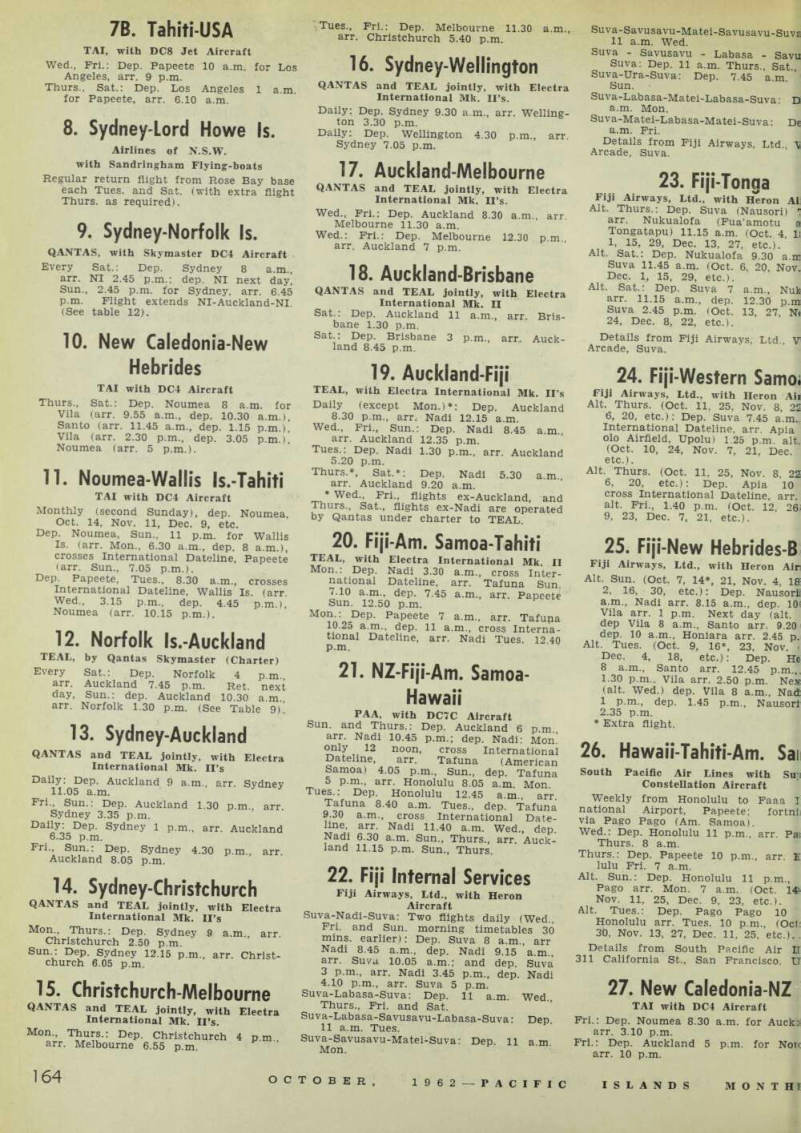 166
166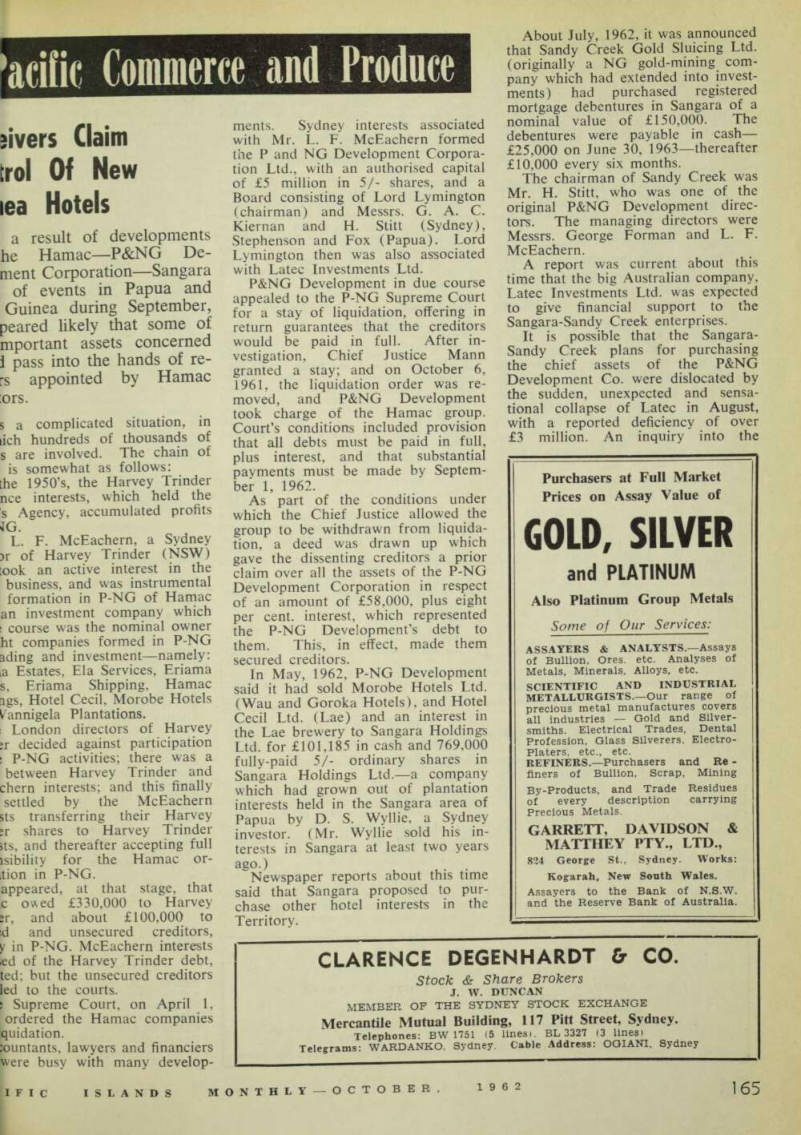 167
167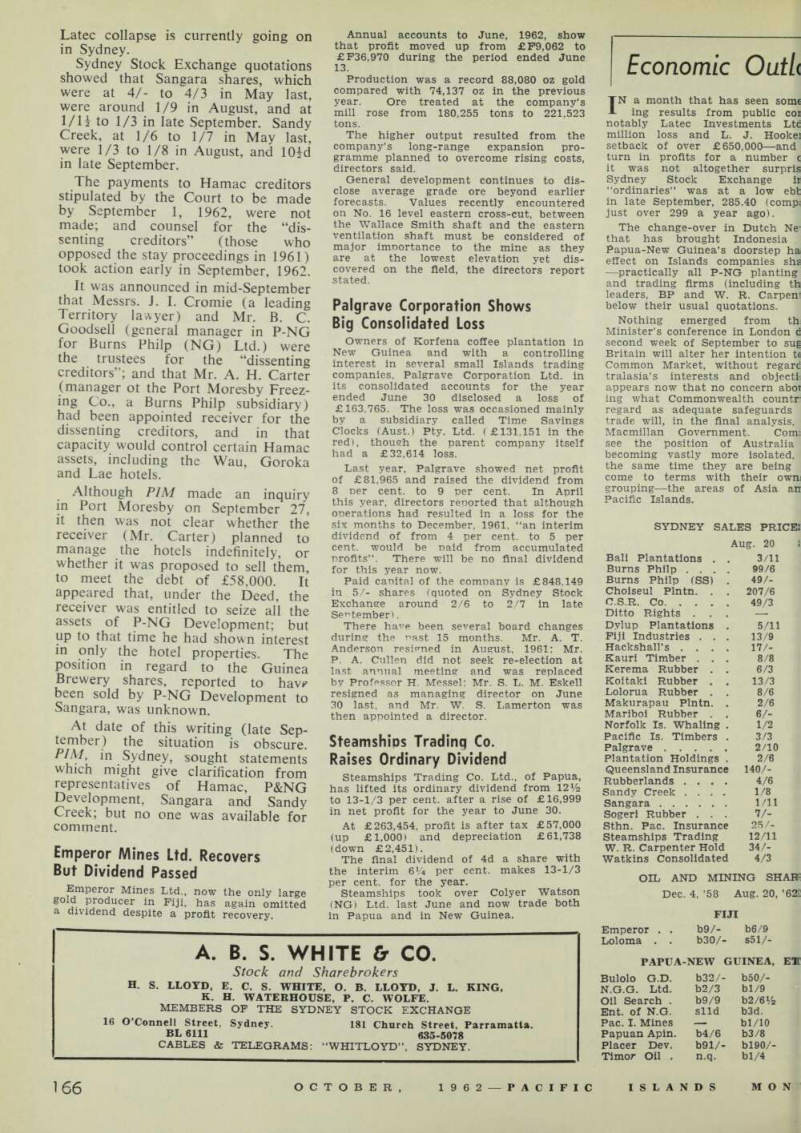 168
168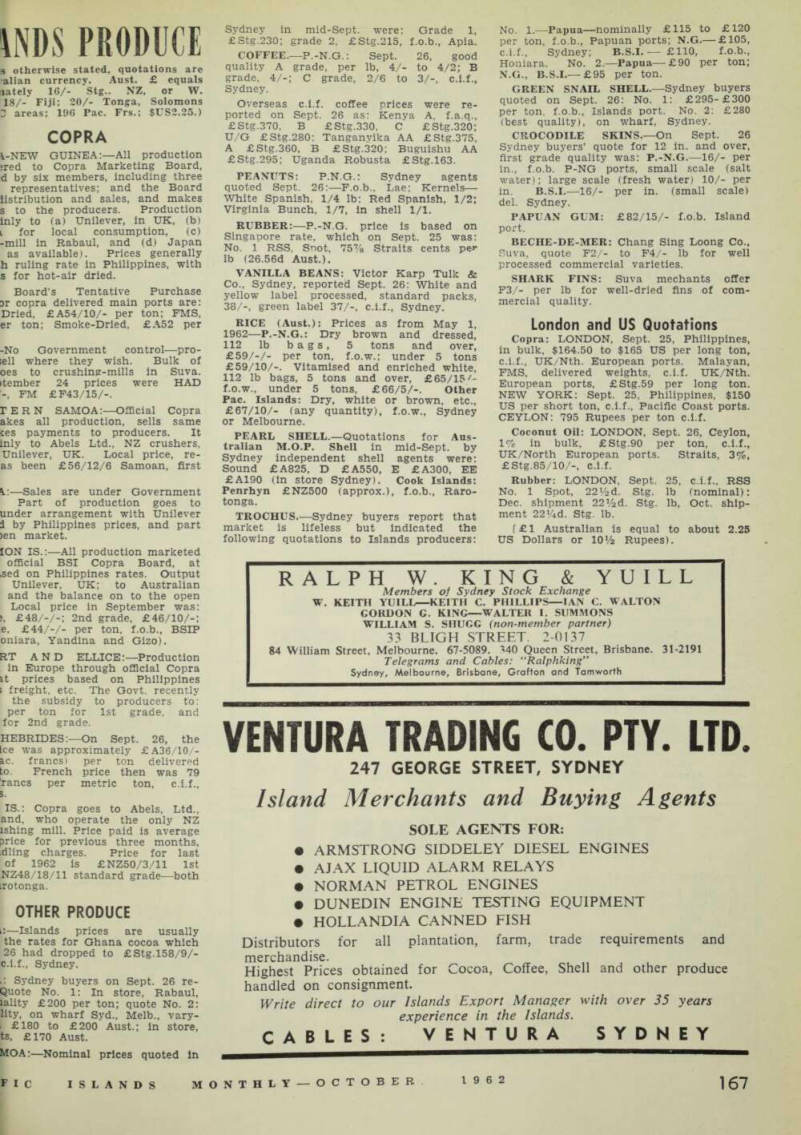 169
169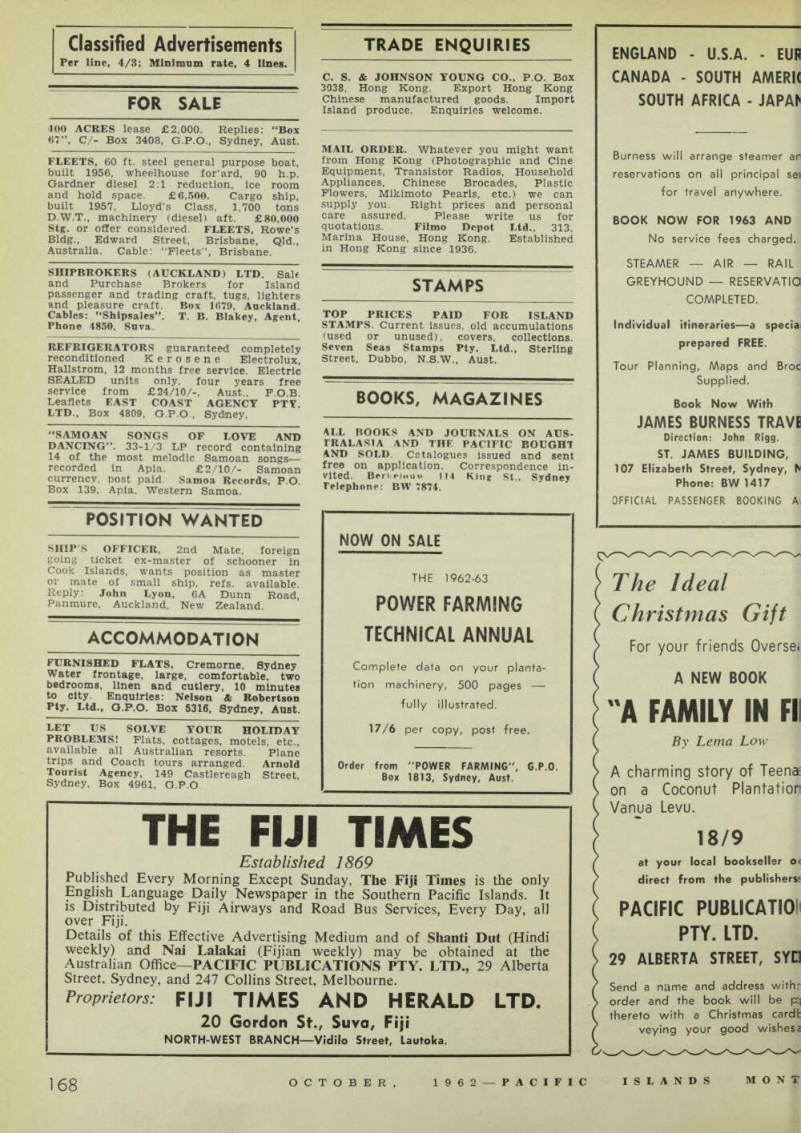 170
170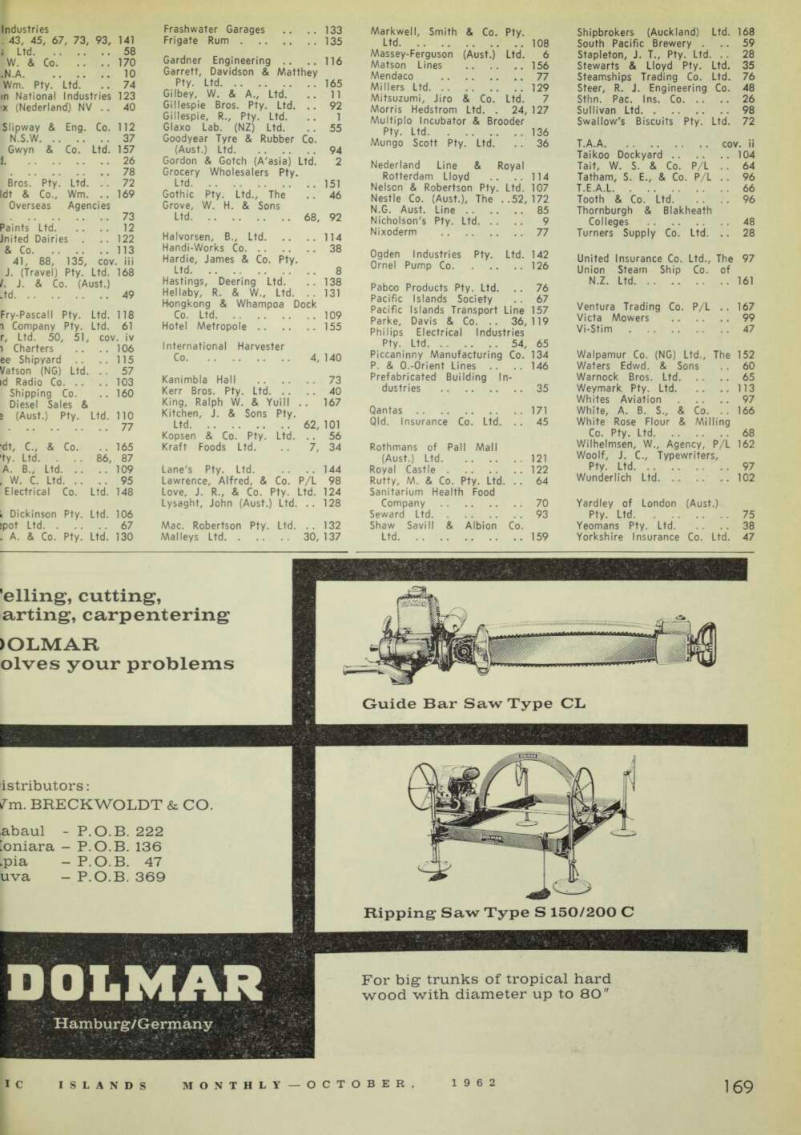 171
171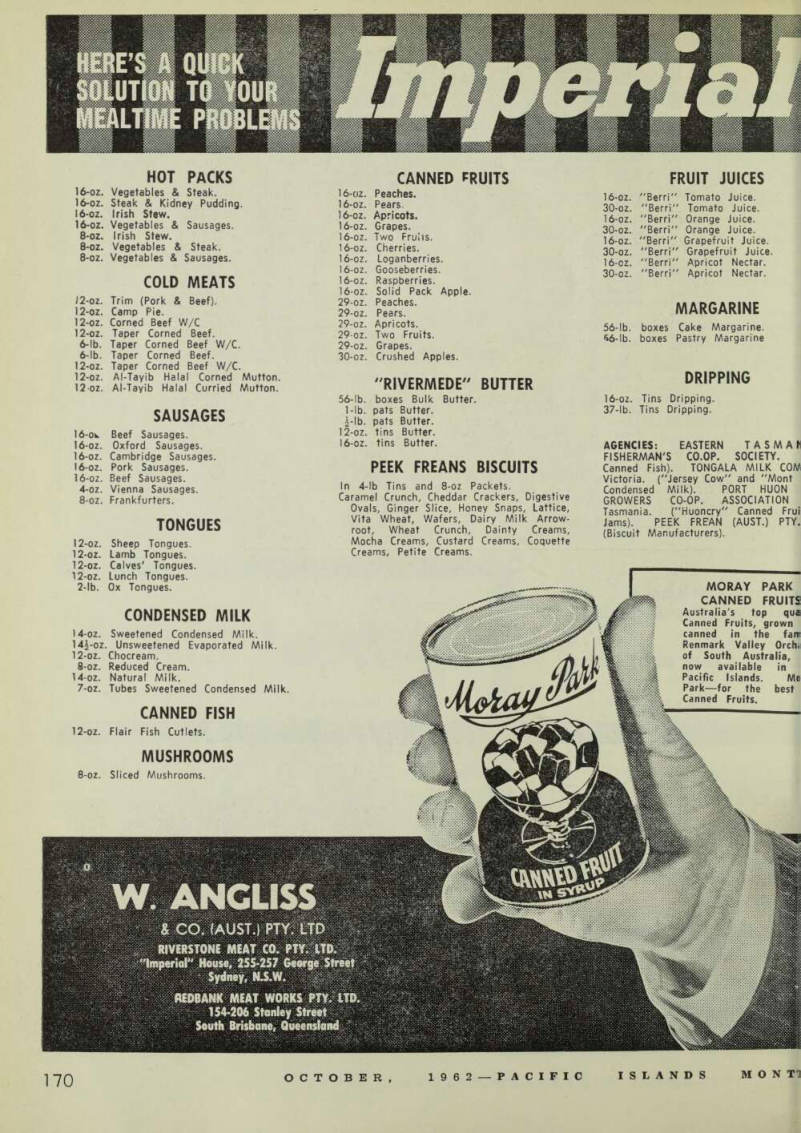 172
172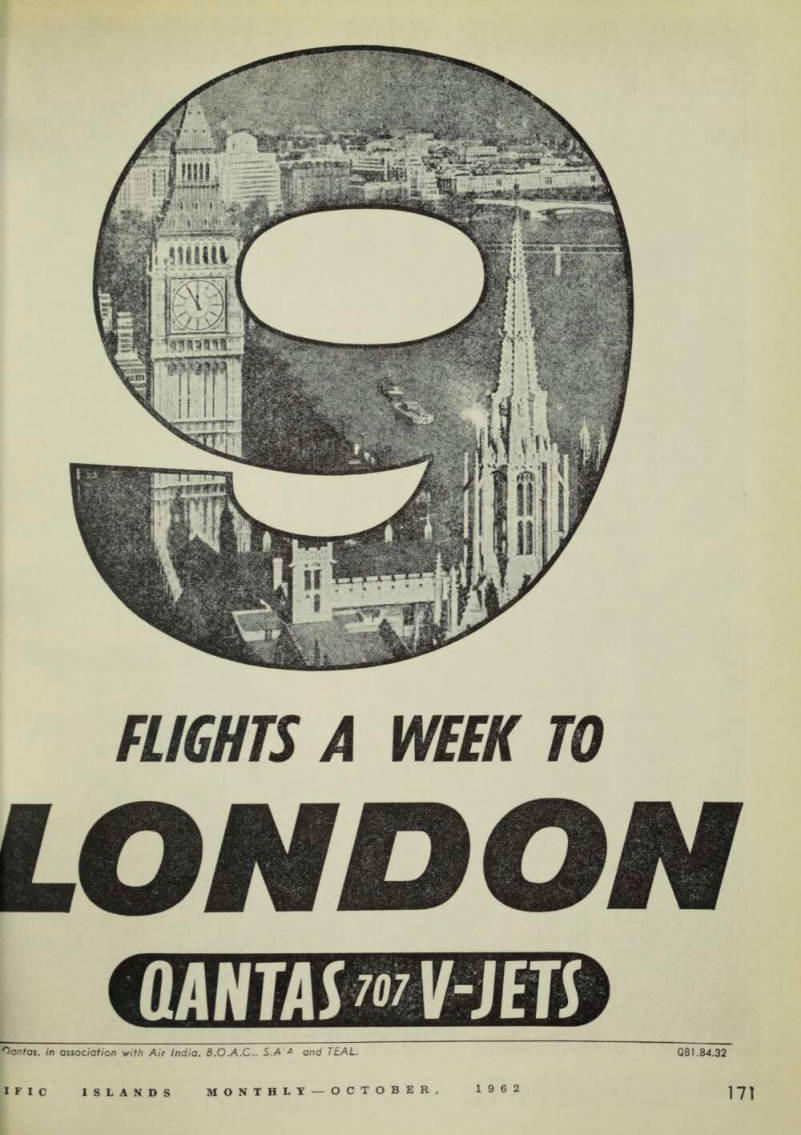 173
173 174
174 175
175 176
176