Monthly
Pacific Islands Monthly
August, 1962
Vol. Xxxiii. No. 1.
he New/s \agazine Of The South Pacific
Established 1930
Eat G.P.0., Sydney, and at P. 0., transmission by post as a Newspaper.
Advertisements & other items, pp. 2-4 (2 items)
Sunbird Services
FLY
throughout the Territory of Papua/New Guinea and to Australia
Sunbird Services throughout the Territory
TAA operates ‘Sunbird Services’ throughout the Territory of Papua/New Guinea and to adjacent islands. Whether your destination is Mt. Hagen in the New Guinea Highlands, Honiara on Guadalcanal or any other of the 40 Territory ports served by TAA you will enjoy friendly service WHEREVER you fly with TAA Sunbird Services.
Sunbird Services to Australia
Regular TAA services from Lae and I Moresby to the mainland link the Territor more than 90 ports throughout Australia. Ft any location in the Territory you need c one call, one ticket, one airline. TAA operat< huge network of more than 40,000 m
throughout the Territory, to Australia ;
within Australia.
For your flight to anywhere in Australia, i cost Tourist or Luxury First Class, TAA the Friendly Way.
SAVE ON TAA TOURIST CLASS FARES BETWEEN PORT MORESBY AND AUSTRALIA For example, you save £B/15/0 (return) when you fly TOURIST to Brisbane with TAA.
Tourist fares from Port Moresby to Brisbane . . . £34/13/0 single, £69/6/0 return.
First Class fares from Port Moresby to Brisbane . . . £4l/4/0 single, £7B/1/0 return
Trans-Austraua Airlines
TAA is general sales Agent for QANTAS throughout Papua/New Guinea.
BOOKINGS:
GOROKA: Airport, Phone 8. LAE: Coronation Drive. Airport Centre. Phone 2311.
MADANG: Kaislan Avenue, Phone 78 or 166. PORT MORESBY: Musgrave Street. Phone 2101 RABAUL: Mango Avenue. Phone 2567 or 2702 or any authorised TAA Agent.
/h *//tvea/6ers..
Kerosene LANTERNS
Robert Gillespie’s bring to the Pacific Islands Coleman’s lightweight lanterns. These popular brand-name lanterns maintain a steady, dependable light in high winds and torrential rains. Triple nickel-plated with brass founts. Two models available: No. 237—up to 500 c.p.; No. 249—up to 300 c.p. .. . both tested to 200 lb. pressure. Quick to light . . . just preheat with methylated spirits. No need to repump each time lantern is lit . . . the positive shut-off valve keeps pressure in the fount.
Representatives for the Pacific Islands: L Col Easily serviced and spare parts readily available.
ROBERT GILLESPIE PTY. LTD. ROBERT GILLESPIE (N.G.) LTD. PEARCE & CO., LTD. 22 Young St., Sydney Rabaul, Port Moresby Suva 334 Queen St., Brisbane Lae, Madang Cable: "Robergill".
For Flood Control, Drainage and River Pumpii 9 mm m ft * % ft.: Tractor P.T.O. Driven 16 in. Floodlifter Pumping 5,000 I.G.P.M. for J. Byrne & Sons of Stott's < Tweed Heads N.S.W. Lower Left: 12 in. Channelifter Pumping 2,000 I.G.P.M. for the County Cour Flood Mitigation Scheme at Grafton, N.S.W. Floodlifters will pump to 15,000 I.G.P.M. at Heads to ft. by Electric Motor—Stationary Engine or Tractor Power.
Enquiries from reputable distributors invited.
ORNEL PUMP COMPANY PTY. LTD., 110 HIGH STREET, MASCOT, N.S.W.
Telephone: 67 4828 Cables: "ORNELPUMP", SYDK
Ii
AUGUST, 1962 PACIFIC ISLANDS MONT
Pacific Islands Monthly
Publisher: R. W. ROBSON.
Editors:
Judy Tudor Stuart Inder
Manager: SELWYN HUGHES.
Telephones; Aaa 9197, Aaa 7101,
Aaa 4369.
G.P.O. Box 3408, Sydney.
Telegraphic Address: PACPUB, Sydney.
Annual Subscription Rates:
(Aust. currency; includes surface postage) Pacific Is. —P.-N.G., Fiji, Samoa, Norfolk, Nauru, B.S.I., Cook Is., Tonga, G.&E.
Grp., Niue, New Hebrides, and other 4 Br. Pacific Is £1 4 0 French Pacific Territories and Dutch New Guinea £1 7 0 'Australia and N.Z £1 10 0 U.K., British Commonwealth and Foreign (40/- Stg.) £2 10 0 U.S.A. and U.S. Pacific Territories ($7.00 U.S.) £3 13 Single Copies (postage extra) 2 6
Branch Office In Papua-Ng
Pacific Publications (NG) Ltd., Theatre Building, Fourth St., LAE. Tel.: 2577.
Miss Pat Robertson, AAanager.
Branch Offices In Fiji;
Suva: Fiji Times Building, 20 Gordon St.
Tel.; 4043.
Uuloka: "Fiji Times" Office, Videlo St. Tel.: 420.
Representative In N.Z.:
J- D. Whitcombe, P.O. Box 5179, Auckland.
. Representative In Hawaii:
-• C. Spencer, 203 Yap Bldg., 3465 Vaialae Ave., Honolulu. Tel.; 775538.
Representative In U.S.A.:
’• G. Craib, Box 1455, San Francisco I California. Tel.: AAission 8-1075.
Representatives In U.K.:
cr* As * 1^urn » 13 Rood Lane, London, E.C.3. Tel.; AAincing Lane 8633. 1- A, AAackenzie, 4A Bloomsbury Square, London, W.C.l. Tel.: Holborn 3779.
MELBOURNE OFFICE; Newspaper House, 247 Collins St. Tel.: 63.7053.
LGENTS: All main trading firms and stores in the Pacific Islands. [acific Publications Pty. Ltd., is the Australian agent for THE FIJI TIAAES.
Contents
No. 1. Vol. Xxxiii.
August, 1962
People 3
McCarthy Puts Australia's Point of View 13 The NG Report that Wasn't so Nice 13 New Life in SPC —Maybe 17 Dollars and Paint Give Pago a New Face 17 UN Proposals for Nauru 19 Pacific Events Against Global Back ground 20 What the Common Market Could Mean 21
Commentary 23
The Editors' Mailbag 24
Fiji Government Pushes Open-go Drinking 25 Radio Australia's "Indonesian Bias" 25 The STC-Colyer Merger 27 Samoa's Interest in Sport Stimulated 29 Things Look Bright for Fiji's Sugar 30
Nz Trade Mission Feature ... 31
Self-Government for Cook Is 41 Remembering Guadalcanal, 1942 ... 43
Canberra Commentary 44
Wage Problems in Nauru 45 Nl Votes for the Mixture as Before 48
Territories Talk-Talk 51
Evacuee Family from NNG 57 Fears for WNG's Cattle Industry .. 59 S. Pacific Banana Outlook 61 Canberra Gifts to Nl 65 Polynesian Voyages Were Just an Accident 67 Migrant Couple for Norfolk 75
Magazine Section 77
Pacific Ships And Yachts 103
PACIFIC REPORT (Index p. 14) ... 121
Travel Talk 150
Shipping and Airways Timetables .. 152 Commerce, Produce 163
THE COVER: No comment is necessary with this picture of a pretty girl from French Polynesia, If anyone is interested, she is beating tapa, or bark cloth.
Studio Mackenzie Photo
Advertisements & other items, pp. 5-6 (3 items)
A Product of Pacific Publications Pty. Ltd., 29 Alberta Street, Sydney
2
AUGUST, 1962 PACIFIC ISLANDS MONT
Taft
LET'S PLAY GOLF OUTFIT
Charcoal grey, with hip-length jacket, trousers with roomy cut —double-lined cap for complete protection. All sizes available.
LIGHT AND EASY TO CARRY
Taft garments are so light, they fold away into a small bag, to be whipped out at the first sign of rain.
enjoy your
SPORT IN
THE SHEER
COMFORT OF
TAFT
PROTECTIVE
CLOTHING
You'll feel free as an ocean breeze in feather-light showerproof jackets by Taft. Taft jackets are really tough—they stay glove-soft in the heaviest downpour.
Enjoy your boating or yachting without the discomfort of stinging sea-spray and chilly rain—wear Taft for complete comfort and safety.
Taft make lightweight clothing for golfers, too. It won't restrict your swing, keeps you cool and dry in the heaviest showers. «Sf
SPRAY JACKETS
Grey and yellow, wr cised cuffs and hem, fortable hood. All sizes Write for the catalogue
TAFT INDUSTRIES PTY. L
Daking Street, North Parramatta, N.S.W.
Australia TRADE ENQUIRIES OR REPRESENTATIVES IN PACIFIC ISLANDS PLEASE APPLY
People
After less than four years in the Mr. G. T. Roscoe retired on [une 30 as Director of Education, Papua-New Guinea. Minister for Territories Hasluck made the an nouncement and, at the same time, earned Mr. Roscoe’s successor. He is Mr. Leslie Johnson, 46, who has been Deputy Director of the Depart ment since January this year.
Mr. Roscoe succeeded Mr. W. G. troves in September, 1958, at a time when the Minister had expressed a desire to get on with native educa tion more urgently. The matter (ac cording to the UN Trusteeship Mis sion report), is even more urgent pow although the Minister said, on .Mr. Roscoe’s retirement, that there had been significant advances during iiis term of office.
Mr. W. T. G. Morrison has taken over the management of Burns Philp .<& Company Limited’s islands ship ping section following the retirement in March of Mr. John Virtue, who bad been manager since just before World War 11. , Mr, Virtue, probably one of the 'best known figures in the Australian Islands shipping business, had been with Burns Philp for about 57 years and had been in the Islands shipping section since 1922. Now over 75, he is living in retirement at his home in the Sydney suburb of North Turra murra.
Mr. Morrison, like his predecessor,
Mr. G. T. Roscoe.
Tfos a member of the Ist AIF in World War 1, and has been in Burns Philp’s shipping section for 50 years. * * * f Mr. Barry Philp, former Fiji hotel Ltrepreneur, failed in his first at tempt to refloat the Japanese fishing flip, Asahi Maru No. 8, from the (eef off Sigatoka, Fiji, on July 17. ir. Philp acquired the ship some veeks ago for £1,600. (See Shipping fcction this issue.) Two large steel tanks, lashed to the Kern of the ship, failed to give it lufficient buoyancy to float it off.
Wow, Mr. Harry Oakes who is in ■barge of the operation, plans to ilast a channel in the reef from aft .f the ship to the edge of the reef, ’he Tongan Government tug, Hifo- Ua, may be hired for the job. This neans that the actual refloating >peration will have to be delayed till he Hifofua is next in Fiji. The jperation will also have to coincide vith the next spring tide.
Two Hebrideans, AMO Philip 110 Maxim Carlo, went to Pago a go in July as the Condominium’s [legates to the South Pacific Con- ; r ence, but another, Chief Jack of jnalum, went to Paris as the guest f the French Government. He was resent at the 14th of July celebra °ns, which may not have been as 'structive as the deliberations at a B°» but certainly would be more ln - With Chief Jack, also as a Gov- Tnment guest, went Mr. J. M. Leyhe
\ r H. D. Underwood, Chairman and Managing irector of Steamships Trading Co. Ltd., of l*pua (above) has been a frequent visitor 1 Sydney in recent months, attending to a •ulfiplicity of matters arising from the re tjanisation of the Co.'s capital (each £1 I’dinary share has been divided into four y J shares), and the Co.'s take-over of Messrs, glyer Watson (New Guinea) Ltd. An article Nt the take-over, and about the peculiarly P«ed prospects facing investors in Papua and New Guinea, is on page 27.
f Aneityum, a member of the New [Arides Advisory Council. At the m t i m e, the French Resident Com moner in New Hebrides, Monsieur launay, left Vila for France— for Bastille Day but for talks the Metropolitan Government.
r - R. C. Kerkham, secretary of Philp (SS) Co. Ltd., Suva, re ■s with pride an association with
Of Islands interest are these two nursing afters who have both completed their training [?] Australian hospitals. Sister Dianne Barn [?]her, top picture, who was born in Fiji [?] has lived in both the Solomons and New Zealand gained her midwifery certificate at [?] otscray District Hospital in Victoria. During [?] stay in Australia Sister Barnfather be [?] an avoid football fan and was the [?] ting Globe's Miss Football, 1961.
Sister Margaret Woo, lower photo, whose [?] is in Rabaul returned there recently [?] four years general nursing training and [?] year s as a supervising ward sister at [?] Mater Misericordiae Hospital in Sydney. [?] ward sister, Sister Woo supervised the staff [?] 10 nurses and a ward of 32 beds.
toer coast-watcher Mr. Reg Evans, >se scouts rescued President medy after his PTIO9 was cut in Tby a Jap destroyer in the •mons in 1943. In 1939, Mr. >kham, then an inspector, was in Solomons, at Tulagi, for three iths, relieving the BP manager e. Mr. Evans was then a super i;o and radio officer on the BP Mamutu, built at Hongkong. [r. Kerkham said the hero of the medy episode, as shown in PIM the man—although a bit heavier is had known 23 years ago.
Ir. Kerkham recalled also a brief -time association with Lieutenant anel H. G. Wooller, who died at tkland recently. Captain Wooller, long out of Sandhurst, was the New Zealand officer sent to Fiji 1939 to train local troops.
Ithough the jet-age has revolu ised distances in part of the Pacific las some groups almost as Jted as they ever were, and Mr.
Bristow, of the Colonial Service, a sample of it in July. Mr. tow has been District Commis er on Christmas Island, which to rest of the world is a nuclear ng base but to the Gilbert and '6 Islands Colony is just part he Line Islands District. When as decided to transfer Mr. Bristow 1 the Christmas Island post to iwa, less than 2,000 miles away,
[?] Kevin Gosper who has been appointed the [?] manager for the team to participate in [?] British Commonwealth Games in Perth [?] this year. Gosper is a former Australian [?] pian and is currently the manager for the [?] Co. in Rabaul. He recently returned [?] from BSIP where he coached native [?] tes who hope to make the team for the Pacific Games in Suva next year.
iiecome Registrar of Co-operatives e. plans were made to fly him •Suva from Christmas (compara ly easy with all the goings-on :e), and for him then to catch a Ik Line vessel in Suva for Tarawa, •the plane had to turn back to Istmas and when it finally reached fit was found that the ship had urted two days early. Mr. Bristow ;efore had to spend a couple of ks in Suva, then fly to Melbourne, ;oria, to pick up a phosphate ship :h will land him at Ocean Island n where he will proceed by SIC vessel to Tarawa.
r f- s. H. Christian, of the P-NG lie Health Department, completed years of service with the Ad oration last month. Although retirement age Mr. Christian con es to work as an entomologist at (Malaria Control School, Minj, luse he wants to and because he Id be hard to replace. ■ Christian has no formal quali ions in entomology, but scientists rd him as an authority on Terri mosquitoes. orn in 1896, Mr. Christian joined Public Service in July, 1922, and |d as a medical assistant on Mis stations. nee 1945 he has devoted his time energy to Malaria Control. He awarded the MBE in 1958 for services to the Territory.
[?] a lifelong association with plantation
[?] in New Britain Mr. Frederick 0. Werner, "gone finish" to Australia. He first went Rabaul in 1905 when he was 3 years of [?] His parents opened up Guntershohe [?] alion in the Bainings and later Galtum the same area, which he sold in 1961.
Advertisements & other items, pp. 7-16 (10 items)
laaA yn'i/IA I
I . WT W*jYs y> Here’s the easiest way to give your family lots of pure, fresh milk every day. Stock up with Carnation!
Carnation is pure, fresh cow’s milk reduced to extra creaminess. It needs only 1 i times its own volume of water to bring it back to normal-strength, high-grade milk.
Carnation Milk is canned just as it comes from the cow. Nothing is added only some of the water is removed.
For your protection Carnation is pasteurised and sterilised after the cans have been sealed.
Unopened, it keeps indefinitely.
In handy 6 oz. or economy 14J oz. cans, 48 to the carton.
(arnation Milk
from contented cows. m M
LK IN US MOST CONVENIENT FORM
Agricultural problems ',
consult CATES
Lane's Pty. Ltd., of Bankstown, N.S.W., Australia, are pleased to announce the appointment of Mr.
A. H. Cates as their Resident Sales Director for Fiji and the Islands.
Mr. Cates has a broad technical background and an intimate practical knowledge of the agricultural problems which beset the plantation owner. His advice is yours for the asking.
Although Mr. Cates will visit other islands, his headquarters will be in Fiji at Carpenters on Rodwell Road. m
MR. A. H. CATES
/lAmna Resident Sales Director
for Fiji and the Islands
Information about Lane's products—weedkillers, fungicides insecticides, fertilisers and disinfectants—may be obtained from Mr. Cates, W. R. Carpenter & Co., or Suva Motors Ltd. All are at your service.
W. R. CARPENTER & CO. (FIJI) LTD.
Rodwell Rd., Suva. G.P.O. Box 299 Telephone; SUVA 3801
SUVA MOTORS LT
Naviti St., Lautoka Telephone: LAUTOKA 7
■e
PARKE-DAVIS
CAMOQUIN
TABLETS
Effective Single Dose Treatment for
MALARIA
SPECIALLY FLAVOURED TABLETS AVAILABLE FOR
CHILDREN
Adult Dose
CHILDREN:
-2 Tablets to be taken on the same day of every week.
Infants and Toddlers— Up to 2 years of age— l /* tablet (50 mgm) of INFANT FORMULA CAMOQUIN, as a single weekly dose. —Prom 3 to 4 years—l tablet (100 mgm) of INFANT FORMULA CAMOQUIN, as a single weekly dose..
Older Children —7 to 10 years—l ADULT FORMULA Tablet as a single weekly dose. —ll to 16 years—lV2 ADULT FORMULA Tablets as a single weekly dose. —Over 16 years—2 ADULT FORMULA Tablets as a single weekly dose.
IMPORTANT;— CAMOQUIN should be taken immediately after or during a full meal.
Obtainable from all chemists and suppliers of
PARKE-DAVIS products
PARKE, DAVIS & CO., SYDNEY
LOOK
T 0...
DUNU
J FOR THE VERY FINEST IN POWER I For 30 years the Dunlite organisation has sp the manufacture of power and lighting equipn outlying areas not serviced by main power every product bearing the Dunlite name is re<
being expertly designed, conservatively rated a
constructed for long life and utmost efficienc 240 VOLT A.C SINGLE & 3 PHA!
1 TO 60 KVA-OVER 200 MOI
a mov Powered by world-famous Lister Diesel Engines Dunlite plants offer trouble free power supply for radio, radiograms, tape recorders, m.. projectors, fluorescent lighting and all automatic domestic applian tools, etc. In all Dunlite engine driven power plants the compact < greater efficiency with all-round economy. Dunlite generators are directly and nected to the engine, assuring permanent alignment for the life of the plant, compact power unit, eliminating troublesome belts and couplings. Slow engine a speed add years to the life of the plant. The Dunlite Single Unit plant is safe cause there are no exposed terminals and wires and no danger from belts or r Every Dunlite unit is fully run in and thoroughly load tested before despat( complete, ready to run, packaged unit with no special installation requirement. 10 KVA powered by Lister HA2 air cooled diesel, with manual control 4 KVA manual control, powered by Lister, Twin Cylinder, air cooled diese 6 KVA, three Cylinder Lister air cooled diesel, £517.
Plants also available powered by Ruston diesel engines. Available w or automatic control at slightly extra cost. Prices quoted are packed ar free —main Pacific Ports.
DUNLITE HI-RATE BATTERY CHARGER for
6 & 12 VOLT BATTERIES
Up to 25 amps, outpu Charges trickle, normal, ( high rate. Special desig transformer and tappir gives complete control c charging currents.
Simple to operate • Sal • Portable • Robust
£25 PACKED F. 0.8.
Battery Chargers of all Voltages Manufactured
Manufacturers of:
DUNLITE BELT E
ALTERNATO
★ 32 V. D.C. Petrol and Diesel plants. ★ 12-32 and 110 V. Wind driven plants. ★ Belt driven D.C. generators.
D.C. Electric Motors. ★ A.C. Power Packs.
The easiest and best way to convert to 240 A.C.
Absolute reliability —no intricate wiring—simplicity to install easy to maintain. Can run off existing engine permits operation of radiogram, movie projector, etc.
2 K.V.A. £Bl/4/-,
4 K.V.A. £lOO/16/-,
6 K.V.A. £164/10/-,
10 K.V.A.
£196/14/- Pa
MANUFACTURED BY;
DUNLITE ELECTRICAL CO. LTD.
TAVISTOCK STREET, ADELAIDE, SOUTH AUST.
Telegrams; DUNLITECO.
DISTRIBUTED BY:
RURAL SERVICES PTY. LTD., 65 Ipswich Road gabba, Queensland.
T.P.N.G.— STEAMSHIPS TRADING CO. LTD,, Po
N.G.G. TRADING COMPANY, Lae, NEW BRI
TRICAL CO., Rabaul.
LOCK UP WITH
m
for top security..
Don’t take risks when your valuable and often irreplaceable possessions are at stake. Invest in a first class padlock —
a Lockwood —for “top security’’.
Up to 78,000 different key combinations
ensures that only your key will open your padlock. The shackles are of casehardened steel or all brass, and are available in various lengths. Most
Lockwood pin-tumbler padlocks can be
“master-keyed”.
ti Sturdy, reliable mcchanum Avjdable with or without stub. Nos. 100. 201 and 206 illustrated.
No. 211 illustrated. No. 2W rostile” also available.
WO Seri.. CYLINDER MORTICE
locks.
Precision, depcnd■ a bility, security I Moving parts solid brass Over 30 applications in aj] Available as « 'master-key' system. 307
SCREEN
door touch latch. lust push door to open, pull i t to cJose , Easy to install and features strong snib.
NO-. 300. 300/101 LATCH
Sturdy. Attract- »ye. Can be stubbed from in- *«de. 300/101 has exterior lever handles.
PNEUMATIC CLOSER NO.
401. For all doors up to 40 lbs. weight.
NO’s 403, 404 HYDRAULIC
CLOSERS.
For all doors. Brackets and arms for every installation.
OGDEN INDUSTRIES PTY. LIMITED
Edward Street, Huntingdale, Victoria. cylinder lock* in the Southern Hemisphere.
Largest manufacturers
Such wonderful company
everywhere you go
PHILIPS
ALL-TRANSISTOR PORTABLE
Smart design, gay colours, and easy portability are matched by easy operation, superb reception of medium and short wave stations, and transistorised economy. Illustrated here is Model L3X9ST. mm "" ■-I- -■ < ' ■■ / m i ■ % .
Philips products include all-transistor portables and table radios, battery and mains radio
gramophones, records, foodmixers, fans, coffee mills.
For Philips’ Agents/Distributors see page 134.
thats the number of creamy rich caramels you enjoy in every long packet of Jig? % YA \ ->
MAC. ROBERTSON’S
Columbines
BUY ENERGY RICH . . . GLUCOSE RICH
“COLUMBINES” TODAY . . .
SOLE PACIFIC AGENTS:
S. E. TATHAM & CO. PTY. LTD. 414 Collins Street, Melbourne Z7l*
If you now dry 4 tons of beans in 72 hours in a rotary drier... with an Airwoods, you can dry 6 tons in the same time! i v istalling an Airwoods Wilken Coffee Drier is like owning your own private an. Its indirect heat provides consistent higher quality and cuts spoilage asses. Yet you save on quick, easy installation (even on the remotest site) nd trouble-free operation. Both require your own labour only. Even aading is easier; wet coffee is simply dumped or pumped into the flat, .pen tray. 22 hours later, this drier off-loads two tons of 12% moisture ontent beans mechanically. And never a bean is tainted, bruised or >verheated —automatic controls see to that! But there s lots more you should mow in our data sheet Al 2. Write for it now! Airwoods Ltd., 66 Barrack St., Colchester, England; Tel: Colchester 78484; Grams: airwoods COLCHESTER.
I
ox iv Gilbey’s Gin is one of those travelled people you will meet everywhere ... a true international, the same in all lands, not least Australia.
Gilbey’s Gin is an accommodating spirit, happy to be consumed in many ways.
It can be drunk with water and with bitters, with lime juice or ginger ale, with tonic water or that popular newcomer, bitter lemon, and in a host of cocktails, chief of them the ever-popular Martini, not forgetting the new Gilbey’s and Dubonnet.
In mixed drinks Gilbey’s Gin is supreme whether you are an old timer from Out East thirsting for a Singapore Sling or a hostess meditating what to serve
PERSONALITY
OF THE
MONTH
at young people’s party when heavy drinks and potent drinks are definitely out.
To lace a fruit cup, a very discreet quantity of Gilbey’s will provide a beverage to please everyone, harmless yet sophisticated, refreshing as a breeze off the sea on a summer night.
Everywhere young people are coming to recognize a hostess who doesn’t believe in the “do it yourself” system for her guests, who is willing to go to just that little extra trouble with a good mixed drink.
The basis of the best mixed drinks of the world, for tycoons or for teenagers, is Gilbey’s Gin.
Try it yourself ... we know you’ll agree.
GILBEY’S LIMITED
jsa
Completely eliminates waxing and polishing
British Paints Limited
Floor-Plasti k
Interior Brilliant Gloss Clear Liquid Plastic Coating C£- SB r, *sh paints Li*° 10
Pii
R, on
APPUCATIOH
THE MODERN TREATMENT
FOR LONG-LASTING BEAUTY
Floor-Plastik is not a wax or polish. It is a specially formulated
liquid plastic coating for application
such as NEW Timber or Newly-sanded Wooden Floor, New Cork Tiles, Furniture and Panelling. , r Floor Plastik’s brilliant gloss provides a permanent, durable surface which stands up to the heaviest floor traffic without scratching or scuffing and Floor-Plastik squires no wag* or polishing each time the floor is cleaned Floor-Plastik s dazzling shine gleams as if it were just applied. It does away wkh the continual drudgery of waxing and polishing and saves Ask your Paints Limited authorised agent for a free Floor-Plastik technical leaflet. (Warning Floor-Plastik is not formulated for use over new or
MAXIMUm” RESISTANCE TO MOULD AND FUNGUS.
Manufactured to withstand conditions
FOR COMPLETE PROTECTION
OF ALL METAL SURFACES
4b British Paints Limited
Brilliant Aluminium Enamel
SILVAR BRILLIANT ALU-
MINIUM ENAMEL is easy to apply with either brush or spray and withstands tropical sun, lashing rain, dust-laden winds and salt sea spray. • SILVAR’S hard, glossy surface actually resists dust and dirt collection. When applied on rooting, SILVAR’S heat-reflective aluminium” will reduce internal temperatures by at least 10 .
BRILLIANT
i m.
V-lIM
INIUM
«L Silvar is non-poisonous and is harmless to drinking water.
MAXIMUM RESISTANCE
MOULD AND FUNGUS.
)LD AND RECOMMENDED BY:
j(ns Ph.lp (New Guinea) Limited: Samarai. jrns Philp (New Guinea) Limited: Port Moresby. irns Philp (New Guinea) Limited: Wau. jrns Philp (New Guinea) Limited: Bulolo. ;rns Philp (New Guinea) Limited: Lae. jrns Philp (New Guinea) Limited: Madang. jrns Philp (New Guinea) Limited: Goroka. jrns Philp (New Guinea) Limited: Wewak. jrns Philp (New Guinea) Limited: Kavieng.
Burns Philp (New Guinea) Limited: Rabaul.
Burns Philp (New Guinea Limited: Kokopo.
Burns Philp (New Guinea) Limited: Danj Burns Philp (New Guinea) Limited: Kamantu.
Port Moresby.
Steamships Trading Company: Kam Hong: Lae.
Scotts New Guinea: Lae.
Tang Mow: Wewak.
Laurie Chan: Rabaul. .
Wong You: Buka Passage-Bougamville.
HONIARA, 8.5.1. P.
A C Blair Ltd., Honiara p' C. Symes Pty. Ltd., Honiara
FIJI
Burn Philp (South Sea) Co. Ltd., Suva, .c Burns Philp (South Sea) Co. Ltd., Lauu
NORFOLK ISLAND , ,
Burns Philp (South Sea) Co. Ltd., n Island.
4
AUGUST. 1962-PACIFIC ISLANDS MON 2
5
PAc I F I C ISLANDS MONTHLY AUGUST, 1962
6
AUGUST, 1962 PACIFIC ISLANDS MOK
7
P ACIFIC ISLANDS MONTHLY— AUGUST, 1962
August, 1 9 6? Pacific Islands M O N It
9
cIF I C ISLANDS MONTHLY AUGUST, 1962
Auoust. 1962-Pacific Islands Mon-
11
cIF I C ISLANDS MONTHLY AUGUST. 1962
12
AUGUST, 19 6 2 -PACIFIC ISLANDS MON TT
[?]cCarthy Puts
Australia's [?]int Of View
Although the Soviet proposal that nediate steps be taken to transfer >er to the New Guinea people was tated in the United Nations me e ship Council in July, the incil has “recommended” that stralia give serious consideration i he recommendations of the recent iting Mission to the Territory.
USTRALIA’S answer to these recommendations will be raised in, this time in the General As ibly, sometime after the Assembly ;ts in mid-September. Meantime le pointer to how Australia will bably act is contained in the ad ss made by Australia’s special resentative at the Trusteeship incil, Mr. Dudley McCarthy, on / 16. n his closing address he spoke at le length on the Visiting Mission’s ort and particularly on its pro als on political development that .d most attracted the attention of Trusteeship Council”, le denied that Australia’s progress NG in this field had been slow in ition to the problems associated h the tribal and backward nature the people themselves who were npletely unhomogeneous and with any national outlook, le said a representative legislature ild not have been created on this :kground but that the Australian vernment had not made this an :use to do nothing but had set )ut the task of creating law and ler and a pattern of political de opment that was now showing ults. le said that the Government sub ibed to the belief that self 'ernment was an art which can be rned and not imposed.
Je then went on to discuss the n “uniform development” to which stralia subscribed but which had n the subject of many questions
the_ Council:
‘lt is no part of Australia’s policy hold back the development of fully resentative organs—the granting of mate authority to the people them es—until the whole Territory is a state of uniform development. * will not wait until the last kukuku has put aside his stone h and his long bow . . . until dern roads have been made °ugh the mountains which separate
(Continued on page 148)
The three Islands advisers to the Australian UN delegation to the UN Trusteeship Council in July were Somu Sigob, MLC of New Guinea; AMO Himson Mulas, of New Guinea; and Head Chief Hammer DeRoburt, of Nauru, shown here in Canberra with Mr. W. T. Doig, of External Affairs Department.—Australian News & Information Bureau photo.
the Telefomins from the rest of New Guinea; until the last limestone mountains west of Mount Hagen have become highways. The Australian policy does not mean any of this.
“What it does mean, surely, is that a proper point of balance will have been reached when a significant section of each of the most significant groups in the Territory is able to ex press its aspirations, speak for the less advanced and voiceless sections of their tribes, and develop a frame work within which they will work in friendship (and if not friendship, at least understanding) with the other major groups in the Territory who have been alien to them.
“It is towards such a goal that the Australian Government is working when it says that self-government should be as broadly based as possible. It is no service to the Territory to reverse my over-hasty action the great advances which have been made.”
He then went on to answer the Indian representative in the Trustee ship Council who had criticised the method by which [electoral colleges] the New Guinea natives had elected their first members to the Legislative Council in 1960: “. . . Why should the Indian system of elections necessarily be more efficient than this? Or the Aus tralian system more efficient? He has referred to the complications of this New Guinea system. Is it more com plicated than the system by which the President of the United States is elected? What proof has he that it is less efficient than any other system?
“In an evolving period, why should the instrument to which the people themselves have evolved not be used?
This is not to say that this system will continue. But it may well prove, with variations, a system which the people themselves will prefer to graft on to the basic stem of the common rolls which are to be prepared. If they wish to do this why should they not?
Mr. McCarthy finally spoke a Australian grants to the Territor “I have no wish constantly tc mind this Council of the great increasing rate of the Australian g to the Territory . . . let me q another statement by the Ministei Territories, a promise made by personally to the people of the T tory: ‘So long as you need our you can depend on us to give it long as you want us to stay youi depend upon us not to desert We believe that Australia and Guinea need each other and can each other. Our wish is to won partnership with you, going han hand, doing things together for benefit of this country and al people’.
“In the face of such promise the light of the simple fact of provision by Australia of the of the financial means whichi Territory requires, what formula been suggested to guide the delii tions of the Territory legislate recognise the fact that the Austi Government has some duty to its payers who provide the mone: which the development of the tory depends; or that the Govern has a duty to ensure that that m is spent wisely towards the disc: of its international obligations ii Territory?”
The Report That Wasn't As
Nice As The Mission
The report of the Trusteeship Council’s visiting Mission on its recent tour of New Guinea, which was presented at UN in early July, was the biggest bomb-shell Australia and Papua- New Guinea have received since the Japanese invaded Rabaul in 1942. It was probably even more shattering because the members of the Mission had appeared to be such nice fellows. (See page 14, June PIM.)
THE Mission was led by Sir Hugh Foot, former Governor of Cyprus. Other members of the team were Ambassador Carlos Salamanca (Bolivia); Mr. Ashok Balkrishna Bhadkamkar (India); and Mr. Del mas H. Nucker (USA).
On the face of it, the team had at least a 50 per cent, chance of leaning to the West; it was, in ad dition, well-received in the Territory where most Europeans who met members were of the opinion that it was the best Mission ever sent to NG.
P-NG expected a fair deal in the Mission’s report; even, perhaps, that a flea would be put in the ear of Russia and other vociferous anti colonial fanatics in the United Nations.
The Mission left New Guinea in mid-May; it presented its report in early July. So far as Australia and New Guinea are concerned, some of the 80-odd pages of it might have been written, not by the apparently
sensible and even impressed team that spent some weeks in the Territory, but by the wildest nationalist in the Afro-Asian bloc.
In a sentence, the Mission’s report, against the background of the Mis sions’ visit, made no sense.
Over one-third of the report was devoted to summaries of the Mis sion’s meetings with native leaders in each of the nine New Guinea Districts. At these meetings, as is usual, the natives complained about a great many things: About the low prices of crops; that they needed more education, more progress; that they wanted better hospitals, a higher standard of living.
Some said they wanted the pro hibition on native drinking removed; others that they wanted to be on terms of social and economic equality with the Europeans.
Some—notably groups in Manus and Bougainville—wanted America to administer the Territory instead of Australia, because during the war
“the Americans brought in all sorts of supplies and food” and left most of it behind when they withdrew. In many places, however, the Adminis tration was praised and a great desire that the Australians stay “to con tinue to help the people” was ex pressed frequently.
In summary, what emerged from all these meetings between the people and the Mission was what anyone with a working knowledge of New Guinea people would expect: That they have little idea of the laws of supply and demand and how they affect commodity prices; that their political outlook is still limited to the village and not even to New Guinea as a whole, much less to the wider international sphere; that their idea of advancement is based on the idea of “ask and be given” preferably by the Government, and with very little idea of what they could of should do for themselves. (But one speaker in Madane told the Mission it was the New Guinea people who should wake up and do something, instead of leaving everything to the Australians who were doing what they could.)
At no time was there ever any re quest for self-government or inde pendence, or that these should be hurried along. To the contrary, if anything was to be learned from what the native leaders said to the Mission it was that at least these people, even if the Mission did not, realised their inadequacy to cope with the terrify ing prospect of going-it-alone.
Parliament by 1964 The Mission spent six weeks in the Territory, talking to the native people and Administration officials; and talk ing to and observing at least some of the 25,000 non-natives in the Terri tory who, however, rate no more than six words in the 80-page report. It was expected that members had seen enough, heard enough and observed enough to (as one senior Administra tion official put it) “get a firm grip on the Territory’s situation”.
Their report made numerous minor recommendations (including the “sweeping away” of all discrimination such as prohibition on native drinking and the censoring of motion pic tures); and three major “propo sitions”: (1) A full economic survey by the World Bank; (2) A new programme of uni versity and higher education for the native people; (3) Immediate preparation for the election of a representative Parliament of 100 in 1964.
Most of the criticism of the report has been on the last and third pro position of the Mission—that a Par
liament of 100, freely elected adult franchise from a commom should by 1964 replace the prr partly-elected (from separate indigenous and native rolls), ps nominated and Administration d nated Legislative Council.
In proposing this, the Mission visages what amounts to a perms union of the Australian Territoi Papua and the Trusteeship of Guinea which, while it may be 1c and even inevitable in the pn climate of world opinion, will please some European resident Papua who have imagined that though New Guinea may be Papua is irrevocably Australian.] The Mission sees the Parlia composed of 100 members each an electorate of about 20,000 pe It suggests that, in the early s< it would be essential to retain ii House about five officials who v be responsible for draft legisi and such things as the annual bir Mission members also hoped t'J number of Australian residem the Territory would stand for eh: under the common roll, but dii elaborate on this suggestion, wh: obviously considered of small! portance.
It is by no means impossible: a few Europeans, with considl influence amongst the natives, be elected under these circumsi but their voice in a House oc would be negligible.
The whole Parliamentary so as the Mission left it, is vagut inconclusive. Apparently it
(Continued on page 148)
“What’s pidgin for ‘a university educated elite to take over administer control by 1964’?” "Sydney Daily Te [?]
planned that the five official me:; who were left would still frami introduce legislation and that would still be formed hind the scenes in Administrate in Canberra.
On the face of what the says, it might then be imagine*; the legislation would thereafter bated by the 100 members ana what the majority wanted prevail. But would it?
At present the non-official hers of the Legislative Counu P-NG have a technical majorii all ordinances made in the Chr have to have the assent of thd ministrator and, in some case the Governor-General of Au;i The ultimate test of any legii: is in the matter of giving on holding assent.
If this right of veto is to i with Australia —which might d reasonable if Australia were ck to still go on paying the pip©' so-called Parliament simply b©(
nborate and expensive facade I which the will of both the Ity and that of the policy rS themselves could end in 1 frustration.
Non-Natives Ignored
most disappointing part of the I is in its total disregard for gitimate claims of the 25,000 digenous residents of the Terri- Although the fruits of their s over the last 50 years are sd by the Mission to be part t Territory’s assets, any idea he people who created those should have some voice in the management of the country has »y-passed. t-indigenous minorities are, of , troublesome, even unfor , but so far as P-NG is con they are part of history and be ignored. If Europeans had ne to New Guinea in the latter : the 19th century, New Guinea nd and its archipelagoes would been absorbed by Asia long But Europeans did go; they iefended it from Asia in war, iven it the only peace, order aterial progress that it knows. / settlement of the future of juinea, the rights of this group 0 be taken into consideration, ay or another. way Australia chose, was a 5 of gradualness, expecting that nents will be made over a ably long period. The way of Ission was to be swift, sudden :volutionary. If they had pur heir method to its honest con -1 they would have then added rth proposition to the other : all non-indigenous individuals iterests be paid off and com- Jd for the time, effort and [ they have invested in the >ry, and that they then return place from whence they came. [ stage thus would have been [ for the United Nations, or her altruistic body, to assume it and the task of financing and ing the New Guinea natives to s themselves. [report, however, wants some >oth ways: It likes the material re that has been erected and, in (ants more of it as this is the Pay in which the standard of of the native people will be r ed; at the same time, the Mis ants to put self-government in ids of the natives although they lot asked for it, don’t want it e, in fact, incapable of making than a pretence of it.
Economic Survey
The report’s two other propositions, concerning a World Bank survey and higher education, excited less public interest.
The survey by the World Bank was necessary, the Mission believed, as there should be much closer asso ciation, in the future, between the Administering Authority and the United Nations and its agencies. The survey should be directed to the preparation and execution of a full and concerted development plan for the Territory with the view of estab lishing new industries and interesting new investment so that the standard of living of the people might be raised.
This proposition concerning the World Bank survey produced little public reaction—and most of that favourable—although the Mission’s elaboration of this part of their recom mendations sits very oddly with their third proposition—a native elected Parliament by 1964.
It needs no UN Mission to show that what New Guinea wants before it becomes a viable State is more out side investment and more industry— European leaders have been saying so in Legislative Council and out for years. But what outside investor in his right senses would be likely to rush into a country that is to be governed by a Parliament of 100 natives, many of whom will be too illiterate to read a ballot paper, and five Government officials who will pull the strings and on which the chance of there being one representative of private enterprise is virtually nil?
Forced Tertiary Education Of its proposition on education the report said that New Guinea needed to approach its programme of secondary and higher education with greater imagination and boldness. It suggested that immediate plans should be made for selecting 100 of the most promising students in the Terri tory each year and preparing them for University—in Australia initially, until the Territory gets a University of its own.
The report said that the need for qualified personnel in all fields is so great and so urgent that this new approach is essential.
Most people agree that almost any thing that is done for education in New Guinea is good, although many have yet to be convinced that it will be of ultimate benefit to a demo cratic New Guinea to produce uni versity graduates in an educational
hothouse while the vast majority of the people are still denied even a basic education.
Advertisements & other items, p. 17 (1 item)
13
I CIFIC ISLANDS MONTHLY AUGUST, 1962
Pacific Report
Look for These in Pacific Report
Fiji Customs Officer Gaoled for Smuggling, The Cotton-picking Nauruans, 121; Ralum Club has Queen Emma Links, Lautoka’s £lO,OOO Fire and £5,000 Fire- Engine, 122; Samarai’s White Hopes for the Games, New Hebrides Talks to New York, 123.
No "Cracker Nights” for New Caledonia, 123; Fiji Sugar for USA for Next 2V 2 Years, 124; Three Broken Limbs and Two Muu-muus, Manus Goes for Carved Puks-Puks and Dollars, 125; Raratonga Goes for Road- Safety, 126; Fiji’s Arms Amnesty Was Well Patronised, 127. £29,000 to be Spent on BSIP Airfields, FVB has Sydney Tele phone Number, 129; NTs Radio Station Under Fire, Hams Please Honiara, 131; Fijian History, To Make Best Use of Fijian’s Land, New Company Operating in Honiara, 132.
Oil and Chrome Chances in N.
Caledonia, NG Chinese and the P-NGVR, 133; Fijians in Their First General Election, 134; Indo.
Paratroops Could be Australia’s Business, Sepik Natives "Not Worried”, Noumea’s “Glorious 14th,” 137.
UN Plan for P-NG "Impossible”, "Childish”, 137; War Against Malaria in S-W Pacific, BSIP Air Service Rumours, 138; Pest Destructors Win Rabaul Case, Territorian Victims of Air Crash, 139.
Dutch and Indonesians Confer. 140; Nickel Recession, 141; Fiji Birthday Honours, 142; In a Nutshell, 144.
Advertisements & other items, p. 18 (1 item)
14
AUGUST, 1 9 6 2 PACIFIC ISLANDS MONT
Beep! And The Pacific
Became Weird
From a Roving Staff Writer
“It was weird—just weird,” said Apia’s Aggie Grey—and that just about summed up the South Seas’ view on America’s high altitude bomb explosion at Johnston Island on July 8.
“riIHE Shot” was a whopper H- A bomb sent up 325 miles above Johnston at the end of a $700,000 Thor missile. It was exploded from the ground after the missile had got it to the right altitude in probably 15 to 20 minutes.
Amateur observers with ordinary Japanese transistor radio receivers, Air Radio stations with the latest equipment and many of the 20,000 men whom America had used in the Pacific to help get The Shot into the air, track it and analyse its resuits, heard the dramatic few moments of the final countdown from April Weather, codename for the Johnston Island control station. a i i u im U 7 *u u 11 j’ l ■^ eep ’ Wlt h the beep, all the radios went momentarily dead.
Then almost clear across the Pacific, the sky was lit up For those on the nearer islands—such as Samoa 2,000 miles from the high altitude blast— ve descriptions generally tallied.
Right on the “beep”, a bright red area appeared from low in the southwest to high in the west. Then there was light yellow tinged with violet
and a sugestion of green at the edges.
In a few moments blue-white rays appeared in the north and climbed up quickly, fanning out as they went.
Soon all the rays began extending along curved rainbow-like lines. The white rays persisted for 10 minutes before they reddened and faded. The whole auroral display had lasted about 15 to 20 minutes.
In Apia, Mrs. Grey was awakened from a sleep by girls who were cer tain that somebody’s copra store—or even the hotel itself—had burst into flame.
On a hill in Pago, a watcher, mouth agape, exclaimed “Holy cow!” as the sky lit up, and had his in voluntary statement recaptured on a friend’s tape recorder, to his later embarrassment.
In Suva, the Fiji Times switch board was flooded with callers want ing to know what was happening out there. In the Cooks, somebody claimed they could see “the curvature of the earth silhouetted” (which they couldn’t).
Most people remarked on the white lines seen flashing through the aurora, or white curving lines seen moving quickly.
What they were seeing were par ticles spiralling at a terrific rate along the path of the world’s mag netic field—they were in a sense see ing the magnetic field “made visible.”
One man who was especially in terested in observing the results of The Shot was J. Gordon Keys, ob server-in-charge of the Apia Obser vatory, Western Samoa.
Mr. Keys, a New Zealander, is probably the only qualified observer who has witnessed the three high altitude H-bombs that the US had
These two unusual photographs show what the July 8 H-bomb, shot from Johnston Island, looked like to viewers 2,000 miles away in Apia, Western Samoa. They were taken by Mr. R. F. Rankin from the verandah of his home. Picture at
right shows particles spiralling
along the path of the magnetic field —the "white lines" reported by many people. The sky later became red. The white dots are stars. In the picture below, a white light shoots up from the horizon as the bomb goes up. A tree is silhouetted in the fore ground by the light, which is also reflected off a nearby cloud.
This white light later spread across the Neither picture has been retouched.
exploded in the Pacific up to July 8 and be in a position to talk about them. He is bound by no oath of secrecy as are most American ex pert witnesses and he has already published details of his observations on the first two explosions. He will publish details on the third.
The first two US Pacific high alti tude bombs were exploded in August, 1958. The first one, August 1 (code named TEAK) exploded 50 miles above Johnston Island and the second, August 12 (codenamed ORANGE) was 27 miles up.
TEAK made special history be cause the US had neglected to tell the world that she was going to ex plode it, with the result that when radio communications were disrupted for almost 48 hours, upsetting airline schedules and communications, there was a fierce outcry. When ORANGE was exploded 12 days later, the US, chastened, had already announced the details of time and place.
When that unexpected first high altitude H-bomb went off from John ston on August 1, 1958, Gordon Keys was at the door of his house in Apia saying goodbye to a guest.
It was nearly midnight, and sud denly the sky was alight with an auroral display not greatly unlike the latest. The white lines of the path of the magnetic field were not so noticeable.
Trained observer Keys took all the visual details down, then later studied the record of the magnetogram at the observatory. The machine had been working and the line on the paper showed a sudden and abrupt change in the direction of the world’s mag netic field, Gordon Keys was ready with his eyes and the machine for the explo sion that followed later, and again for the third explosion this July. By late July he was preparing for a fourth bomb. He has technical ex planations for those interested enough to know just what the three explosions did. The paper records of the machine are quite different with the three bombs.
The July 8 explosion 325 miles up, had an initial disturbance of greater magnitude than those of either of the first two shots, and recovery of radio communications in the third bomb was much more rapid. There was in fact less interference, but what in terference there was went farther, quicker.
The July 8 bomb disrupted com munications in peculiar ways. Samoa radio could work Canton and Hono lulu for instance, yet couldn’t get Nadi, and there were similar compli cated, most widespread effects, all around the Pacific But they didn’t last as long as the 1958 explosion.
Advertisements & other items, p. 19 (1 item)
15
ISLANDS MONTHLY AUGUST. 1962
International
Behind Scenes at The Conference
Storm In An
Teacup
From Stuart Inder, in Pago Pago No South Pacific Conference has had such a background of apprehension as has this first one to be held on American soil.
The apprehension has been directed against American
activity.
THE SPC historians will record that the apprehension and suspicion were groundless—that it has all been a storm in a teacup. American in tegrity cannot in all honesty be seriously questioned. There can be no doubt that America wants the South Seas happy and contented.
But Americans sometimes go about things in a flat-footed fashion, and achieve results that genuinely puzzle them. That is what has happened here. It will not affect the tenor of the Conference sittings, for most of the delegates were completely un touched by this early background at mosphere.
Where the trouble originated I don’t know, but certainly there was much interest in the South Seas some months ago in published reports that President Kennedy was looking for ways to give the South Seas more assistance. These were supported by a communique issued after the ANZUS Council meeting in Can berra in May.
Somehow the opinion gained cur rency that America would make some important announcement at the Fifth South Pacific Conference, and thus the murmurings began. There was apprehension that America planned to use the Conference —traditionally an SPC-run affair—as a propaganda channel; to use it to make a big political splash as it en tered South Seas power politics.
Suspicions seemed to be further strengthened when America began a massive rehabilitation programme for American Samoa, which until the last few months has been best known as a South Seas slum. Dollars and equipment were poured in.
Then there were more pointers: The American administration was re ported to be very tardy in handing out information on the Conference plans to the SPC; Flag Raising Day would be altered to coincide with the
Conference sitting; Samoa’s mr airstrip at Tafuna would be o the same day as the Conference Secretary for the Interior,,- Stewart Udall, and a plane-lo VIPs, would arrive, “ostensiblf
(Continued on page 144)
the airport opening; President Ken nedy would send his own special rep resentative to the Conference.
Well, the day the Conference opened the critics were given more
ammunition when a delegation Conference representatives were: vited to go out to the airport meet Mr. Udall. They went, didn’t meet Mr. Udall. They been placed on the tail-end of lengthy programme, after the M saga Band, but somehow beo overlooked. Not even the Secre General of the SPC, Mr. T Smith, was introduced. Some oi delegates were furious.
It was against this background! the news was received later in morning that Mr. Udall would dress the Conference. More ci Mr, Udall was a politician, they and politicians had never in an the four previous conferences,, dressed the delegates. The Confer® were non-political affairs.
What would Mr. Udall say? S! the stage was set for the big poll splash?
Mr. Udall had a number of tl to say. One statement was inte ing, but he wasn’t very specific details, so it went right over heads of most of the delegates, put it down as mere talk. Mr. 1 suggested it would be a good if the South Seas could arrang: exchange of technicians, admini tors, etc., and said America woul everything to encourage sue: scheme “if you decide to unde: it”.
At a Press conference called in diately after the official opening Secretary agreed that he hopec Conference would discuss his gestion and “kick the idea aroti America wanted to help, he But he had nothing more specif] the time he flew off to Guam next day, with most of the VIP 1 The Conference got down tf job, and those who had been on toe in the background slowly mered down. The crisis poim peared to have passed, although situation was left perhaps in a j fused state. What did America in mind?
My own information is that; have nothing specific in mind, want to help, as Mr. Udall said; they have no plans because the* not too sure what is most n« and what would be most accept to other Governments.
They do not want to makes lateral arangements with the vs Governments and are quite pre;s to work through the SPC—if as tern can be worked out. They a review conference so the SPO be made to work better for the conditions (but they don’t was yet, while one of the member ernments, the Netherlands, isi volved in international negotki
Indonesia over the NNG ques ). merica at the moment is not of ,ig money to anybody (except to tern Samoa, which technically is an SPC member, and which Jtly looks like getting a grant i AlD—the US Agency for In utional Development). One way it thinks it can help is by offer more scholarships to Hawaii’s West Centre, and by some sort in exchange system no details of !h have been worked out. is, I repeat, nonsense for there Ibe any genuine suspicion of •-rican motives, although it might natural enough for there to be icion about the possible end re of her plans. America some s takes a flat-footed approach to »s which wins her no friends, le could certainly have saved ; ruffled feathers at this Con ice if she had used a little more hology. But the real moral is [it is more than time for that review conference so that every i desires, anxieties, hopes and lems in the South Seas can get ink airing.
MR. T. R. Smith
To Retire
Mr. T. R. Smith, Secretai General of the South Pad Commission since 1958, vw leave the Commission m March, after five years of st vice.
It is an SPC principle th the position of Secretai is General should be rotat among the six member govei' ments. Mr. Smith, who is\ New Zealander, is the SP( fourth Secretary, and the m who held the position i longest. The first Secretary w nominated by Australia, i second by the UK and i third by the US.
It is understood that A\ tralia will be sponsoring a cc didate to replace Mr. Smi Mr. Smith, who has been excellent, hard-working Sea tary, has no plans for i future.
Another leading figure in \
Spc, Mr. C. G. R. Mck:
NZ Senior Commissioner sin 1948, will be retiring from position at the end of this ya Mr. McKay is one of the j[ people who has attended South Pacific Conferences. I 24 years he was associaz with Western Samoa, and most recent assignment tM was as an administrator of UN plebiscite for independent held last year.
Advertisements & other items, p. 20 (1 item)
August, 1962 Pacific Islands Mont
Sweeping Changes May Breathe Some
Report from South Pacific Conference
Sweeping Changes May Breathe Some Life Into S.P. Commission
From Stuart Inder
Pago Pago, July 18.
The South Pacific Commission is to be remade—nothing now can prevent it. This Fifth South Pacific Conference is likely to be the last of the type that has operated now for 12 years.
LTHOUGH this conference has L hardly begun, and 64 delegates id advisers from 16 Territories, the mgdom of Tonga and Independent est Samoa are at this moment dis ssing the early matters on the ;enda, those two facts are quite jar. What happens here won’t alter lything—unless for the better —for ready the die has been cast during e developments that have led up to is meeting.
The important point is that most, not all, the six member Govern ents of the SPC now realise that iese conferences achieve little in pro irtion to the work that is put into icm and that there just has to be a lange if the SPC is to survive.
The stage was set last year, when ew Zealand, acting on behalf of le other Governments, began to Dilate and circulate proposals to be iscussed at a review conference de gned to take a long backwards look t what has been happening to the tommission.
The review conference was to have een held earlier this year—possibly bout April—but it was delayed.
The most important proposal that ould have been put before the re iew conference was that these three ear conferences of South Pacific copies be reconstituted—that, in fact, ley be abolished, together with the Research Council, and a new body to e called the Regional Council be stablished.
The Regional Council would meet ossibly at yearly intervals and its lembers —elected or nominated by be dependent territories—would be iven a far greater say in what it bought the SPC should do for the outh Pacific.
The members, in some fashion (the
details of which were not worked out), would be brought much closer to the real problems of their areas than this unwieldy body of delegates which is now meeting in Pago to dis cuss an agenda that basically was laid down three years ago (following the last conference at Rabaul).
This new proposal is the freshest breath of air yet to blow through the six Governments. In effect what it means is that the South Pacific people themselves will be given the chance to say something worthwhile and have it acted upon for the common good.
The changes in the South Seas have been so vast, and have occurred with such swiftness, since the charter of the SPC was worked out, that such a scheme to involve the Islanders themselves in the business of solving their own problems could hardly be delayed, for delay would kill the Commission. There have been too many complaints for too long about the ineffectiveness of the SPC, forced on to it through the confines of its own charter.
No Real Use The idea of a common meeting ground was a good one in the South Pacific of only 12 years ago, but what today is the real use of 70 people giving their views, often uninformed, on such expert subjects as “the im portance of organised adult educa tion” and “methods of islanders in business methods (two subjects on the Pago agenda).
The SPC is quite able to formulate expert plans if it knows what the specific problems are, how the people who live in the South Seas rate their priority of importance, and how they think they want them handled.
(Continued on page 149)
The review conference proposals, as far as I can judge from many talks here, were well received by the mem ber governments. (The proposal to form the Regional Council appears to have been put forward by the UK.) There have been some wheels within wheels, as usual—but the principles may well be accepted.
It looked earlier in the year that the review conference would be able tc meet and come up with something specific that could have been discussed at the meeting of the Commission that will follow this Pago conference of islanders. But then there was a delay, at first inexplicable. It became obvious as time progressed that the date for the review conference was being held up by Australia and America, who felt that a conference at this time would be embarrassing to their relations with Indonesia over the Dutch New Guinea question.
An added complexity is that American policy in the South Seas is obviously not supported unanimously by its own experts. Thus in his open ing remarks at the Conference, the chairman, America’s Dean Knowles A. Ryerson, always one of the SPC’s staunchest supporters, made it clear that he for one did not agree that the review conference should have been delayed.
He hoped that the postponement was “but a short temporary one”, and the SPC could soon turn in its old model, “useful as it has been”, for a modern, new one, “using the high octane fuels of island en thusiasm, ideals and eagerness”.
Dean Ryerson said quite clearly that the time had come for more participation of Islands people, and he hoped the SPC itself would give first consideration to qualified Islands applicants. Obviously referring to the review conference proposals, he said it was hoped the South Pacific Con ference itself would more actively help in deciding Commission pro grammes, “with possibly more fre quent meetings and more responsi bility”.
The real significance of his words went over the heads of most of the conference delegates, unaware yet of the important changes that are being planned for a new model SPC that might not be jet-propelled, but at least would have a modern-type motor in place of a horse and nosebag.
Brand New Face
Dollars & Paint
Give Paco A
The Pago Pago of the Fifth South Pacific Conference is to most local Samoans a tuneless symphony of green - and - white paint and of palm trees held in
place by stay wires.
BUT to the conference delegates it appears to be a good place to hold an international conference in, and on that criterion American Samoa deserves the warmest con gratulations—mixed with awe and ad miration for sheer American in genuity and know-how.
Pago Pago, as every traveller knows, has been the slum of the South Seas for so long that it has been a positive embarrassment to the rest of the Islands. In Pago Pago, and the hills beyond, the shacks have been of rusty tin, the villages lost in jungle, the roads made of dust and potholes. Western Samoans with their proud traditions and their strong matai system have almost ceased to identify their own country in any way with the dirty island across the strait.
When last I saw Pago in 1958 I was moved to write to PIM : “I won der how many South Pacific towns ever stand off and see themselves as others see them? I think if Pago took the trouble it would get a shock.
Far from being the Islands paradise that ballyhoo has made it, Pago is a most dejected town . . . American Samoans have been attached to the US for rations and quarters for so long now that it has lost interest in trying to be itself. It has no identity of its own any more.”
Well, some things are different now.
Pago has been given the kind of spring cleaning that no town ever had before, and it all happened so fast that even the Samoans are unsure of their good luck.
“You know, when I get back from lunch every day,” said my cab driver last week, “I find a mile or two of road that wasn’t there before!”
He isn’t kidding. American Samoa suddenly has 11 miles of remade, widened, tarred road (of highway standard for any island), with an other 10 miles snaking out day-by day; a 9,000 ft. jet airport that the experts said wouldn’t be finished in a year; an 800-seat community hall that without doubt is the most
modern and exciting in the South Seas; three huge new classroom blocks that would be the envy of any Territory; modern new housing— and more of everything to come now that the country has been promised $9,500,000 for 1962 and a whopping $13,300,000 for 1963.
But that paint and those palm trees! The paint, about 5,600 gallons of it, has been brushed on virtually every shack in the country. All are sparkling pale green and white— which appear to be the colours that officialdom decided on for easier con trol. The paint was sold at a dis count and the Samoans advised that in the interests of Uncle Sam’s red face a united effort was called for.
So for two months the paint brushes have been smacking away, and the day I arrived I swear the place smelled of nothing but paint.
Not all of it was done with en thusiasm. The young son of one leading Government official pointed out to me in disgust one house on a hill and announced: “My Dad had to ask the man five times when he was going to paint his house, before he finally got around to it!”
A few days before the conference started there wasn’t a pint of green or white paint in American Samoa, and an Army “paint special” flew some more in from Stateside.
The grounds around the new school buildings, where the conference is be ing held, were still being landscaped almost up to the official opening cere mony. The bulldozers and graders had quietened only in the last few hours.
The remarkable conference hall was made more beautiful by the sudden appearance of a number of fullgrown (and bearing) coconut palms in ap propriate places. These had been dug from the hills, together with a huge root ball, and moved with a mobile crane. The guy wires were added in case the wind got a bit strong on opening day and let Uncle Sam down.
The new conference hall (it will be used as a community hall after wards), is designed in the traditional fale style, with the addition of pre formed concrete arches. The roof is of cedar shingles, ordered from northern US last February, but the shipment was snowbound and arrived in Pago only in April.
The locals already refer to the hall as “the turtle”—which it re sembles in design. It cost $300,000, and looks it.
All of what has happened to Pago has happened in the last few months.
Travellers who were here a few weeks ago are already out of date.
Advertisements & other items, p. 21 (1 item)
17
'ACIFIC ISLANDS MONTHLY AUGUST, 1962
Population Decline
Poses Problems For Pitcairn
By a Staff Writer
“What has happened to Nor folk Island we don’t want to hap pen to us—and we don’t intend to let it happen!”
THE speaker was John Fletcher Christian, 66, Chief Magistrate of Pitcairn and great-great-great grandson of the master’s mate of the Bounty. He wasn’t exactly mutinous when I saw him in Sydney in June, but he was certainly concerned at what the future might hold for Pit cairn—for those notorious winds of change have been blowing there of late, too.
Just what had happened to his kin folk under Australian administration on Norfolk Mr. Christian didn’t elu cidate, but it was clear he thought Norfolk had a wishy-washy kind of political arrangement at best and that Pitcairners could be expected to show a little more independence.
Norfolk is an Australian territc controlled by the Australian Dep ment of Territories, Canberra, wH appoints an Administrator to island. Norfolk has its own isll council, which, through choice, in an advisory capacity, although ; empowered to act as a local govt ment body. Norfolk Islanders h said they want more independence run their own affairs, and will shoe be given a referendum to enable tH to indicate exactly what they want. Norfolk’s population was at the 1961 census—almost equi divided between the sexes.
Fiji Responsibility
Pitcairn is the responsibility of Governor of Fiji, Sir Kenneth M docks, who uses a commissioc based in Suva, Mr. Reid Cowell, a go-between. The island’s Educat Officer is also designated the viser”. The Education Officers o: the last few years have been pointed for terms of two years.
However, because of Pitcairn’s moteness and small population, lo affairs are handled on the spot, w the Chief Magistrate handling co cases and the Island Council attea ing to other matters. The Colon Office view is that the Chief Mat trate, who is head of the Coum is head man on Pitcairn and that less disputes are serious enough i be referred to Suva, the Chief Majf trate, with his Council, should hr the authority to settle problem However, that is not always the vi\ on Pitcairn.
Over the years, problems hir
(Continued on page 144)
Pitcairn's Chief Magistrate John Christian Sydney in July, photographed while inspe [?] a tanker owned by British Petroleum. [?] recently did a film on Pitcairn, soon t [?] released.
been settled satisfactorily, mostly through “going down the middle”, ac cording to John Christian. But in Sydney Mr. Christian said he felt the present system wasn’t clear-cut enough. It wasn’t always clear in everyone’s mind that the Chief Magistrate was in top authority, and there had been one education officer who had believed his position as “ad viser” meant he had supreme authority.
“It worries me,” said Mr. Chris tian. “Why should this kind of thing be left to the good sense of the island people. We should have some kind of Government establishment that puts the whole situation beyond doubt.”
Mr. Christian said he discussed the matter with the Colonial Office when he was in London and they had as sured him that he had authority enough. But he still wasn’t sure if the present system was the best.
Mr. Christian said one change that should be made was to see that every Education Officer-Adviser be a Seventh-day Adventist. The entire island population is Seventh-day Ad ventist, although not all are prac tising. Mr. Christian said one of the same religion would be more likely to fit in with local opinions on various matters, including activity on the Sabbath (Saturday).
Despite local doubts thus cast on its efficiency, there is probably not much chance that the Colonial Office will alter the present arrangements for governing Pitcairn, or give a
guarantee that Education Officers will be Seventh-day Adventists.
Education Officers are sought by advertisement, and if a Seventh-day Adventist applies who has the best qualifications of all those who apply, he would certainly get the position, says the Government, But if none ap plies, or those who do apply do not meet the standard, then nothing can be done.
Some people have suggested that the Seventh-day Adventist Church, when the teacher’s position is vacant, should itself find a suitable applicant of a high standard.
On the other matter of political changes, the authorities point out that Pitcairn virtually has self-govern ment anyhow. The Council handles the revenue. Pitcairn’s population pattern is not the kind that will create any pressures. It is more likely to simply fade away.
Pitcairn’s population has been cut in half in the last 30 years. Present population is 115, with a male work force comprising only 22. The men are required for the manning of the boats which go out to meet the pass ing ships, hand over the mail (which is the main revenue producer) and sell curios; and for other hard work on the island.
Pitcairn’s problem is that there is not enough activity on the island to keep the young people there. They go off to New Zealand to work and don’t come back. NZ gives them right of entry without quibble.
The present Education Officer, Mr.
S. A. Kinder (he was formerly on Niue) recently put out an appeal for Pitcairn islanders living abroad to come home and help the island out of its manpower shortage (PIM July, p. 39) but it’s not thought likely that the appeal will have much success.
Mr. Kinder said there was “a good living” available for islanders who came home, and investigations were being undertaken to find an overseas market for the Pitcairn curios. But much more may well be needed to attract the Pitcairners away from the bright lights and higher pay of NZ and Australia, and in this case the future of the famous island of the Bounty mutineers might well be in doubt.
West Samoa
US Help For West Samoa
Western Samoa, which be came independent in January, may get financial aid from the United States. In July, Dean Knowles Ryerson, Senior Com missioner for the United States on the South Pacific Commis sion, visited Western Samoa for discussions with the Govern ment on what form the aid should take.
It will probably be in the form of a direct grant through the United States Agency for In ternational Development (known as AID). It will be co-ordinated with other assistance Samoa hopes to get through various UN agencies, such as the Tech nical Board and Special Fund.
It is understood that Mr. V. D.
Stace, SPC economist, will visit Western Samoa late in the year to make a survey on behalf of the UN.
Western Samoa since indepen dence has been concentrating on finding ways and means of get ting overseas help. The Prime Minister, Fiame Mataafa, will make a world trip later in this year for discussions.
Advertisements & other items, p. 22 (1 item)
18
AUGUST, 1962 PACIFIC ISLANDS MONTH LJ
UN Proposes Political
Advances For Nauru
The time has come for Nuru to be given a Legislative Council, with a Nauruan majority.
FHE four-man UN Mission to Nauru, led by Sir Hugh Foot, lys this in its report, submitted to le Trusteeship Council in July.
The report makes these main aints: • The Nauruans have serious omplaints about their not being ppointed to higher posts in the administration. • An advisory committee should e set up immediately to report, in, ay, six months, on the establishment f a Legislative Council and/or Executive Council. A Council of ine members might be adequate to ct as both Legislative and Executive Council. • There should be a meeting at ;ast once a year between an elected Council and the British Phosphate Commission so that all questions of lie island’s economy can be discussed horoughly, and the Nauruans can
feel they are in partnership. At present the company “lives and operates in a world of its own; the Administration is aloof and strangely separate from the Local Government Council”. • The picture of Nauru as one of peace and security was a deceptive picture, for it was really a “false paradise” due to the fact that “these gentle people are dominated by the knowledge that their present happy state of affairs cannot continue” after their phos phate wealth dries up in 30 years. • Since there was no doubt that the community could not continue in Nauru when the phosphate is exhausted, the Australian Govern ment must now take the initiative and present the Nauruans with a detailed plan to either (a) establish them in an island of their own (b) settle them in a suburb of an Aus tralian city. Further indecision can do “nothing but harm”.
The Mission gives Australia praise for most of its work in Nauru. It says Nauru has been generally well served. It says it was particularly impressed by the work of the Educa tion and Police Departments, and it was also impressed by the Head Chief, Hammer Deßoburt, for his “able leadership”.
The report stresses that the matter of finding a new home is vital. It had to be finally accepted that a new home must be found, because there were no plans to rehabilitate Nauru that were practicable.
“The dilemma of the future, like a threatening cloud, already casts a shadow over the sunny scene,” the report says.
The Nauruans were anxious, when moved to a new home, to retain a separate identity, and on this question serious misunderstanding had arisen between the Nauruans and the Australian Government, In Australia the Nauruans felt they would be submerged and perhaps suffer from racial discrimination.
The report criticises Australia for not having taken initiative and in making a full investigation of islands that might be satisfactory. This task could not reasonably be left to the Nauruans, it says.
Australia should investigate islands off Australia and New Guinea, in-
eluding inhabited ones. There were large tracts of unoccupied land in New Britain and New Ireland which could possibly be made available (providing the New Guinea people agreed). However the Mission doubted whether the search for an island home offered the best solu tion, as the Nauruans were neither farmers nor fishermen.
There should be plans for a single community of Nauruans in an Aus tralian suburb of, say, Sydney or Brisbane, with homes, schools and other facilities. Not all the full number of homes need be built immediately, and the Nauruans would move over by degrees from Nauru.
The report says that it gave the Australian Government an outline of its proposals in May and the Minister for Territories, Mr. Hasluck, had agreed to consider them. Mr.
Hasluck had since sent a man to Nauru to help the islanders formulate their plans and the Mission very much hoped these plans would be no longer delayed.
The report says that the strongest obligation rests with the UK, NZ and Australia—the Governments that have benefited from low-price phos phate for many years—to provide the most generous assistance towards the cost of whatever settlement scheme is approved for the future home of the people of Nauru.
The mission in its report also commented on the subject of work ing hours on Nauru, as did the last two Missions. Europeans employed by the BPC work 40 hours a week, the same as in Australia, and others employed by the BPC work 44 hours. The Mission felt this dis crimination should “now be promptly removed”.
High Chief Hammer DeRoburt.
Nauru's Vital
Statistics
The UN Report on Nauru gives the following facts and figures: Population of Nauru as at June, 1961 was: 2,409 Nauruans, 712 Chinese, 324 Australians and 1,094 from other Pacific islands. More than half the Nauruans are under 16.
Nauruans are Australian pro tected persons”.
There are 403 employees of the Public Service out of a total establishment of 479. As at June, 1961, 346 positions were filled by Nauruans, 29 by other Pacific Islanders, 20 by Chinese and 26 (all principal executive posts) by Australians.
The Nauru Local Government Council comprises nine mem bers elected by universal suffrage at four year intervals.
Voting is compulsory.
All expenses of the admini stration (£470,667 in 1961) are paid by the British Prosphate Commissioners, who have so far extracted 28 million tons of phosphate, and have remaining reserves of 62,851,218 tons (1961 estimate).
T err tor i e s °f the South Pacific were never before more directly affected in peacetime by events and developments in international affairs present and pending. What is described here on this page and pace 2\ is part of the world pattern.
Against The Global Background
Significance Of Pacific Events
The whole of our Pacific Islands world is being affected, definitely but almost imperceptibly, by global events and de velopments which have extended over two decades.
Slow at first, their pace has steadily accelerated; until now they are near the point where they may change our individual,
daily lives.
These things mostly are plain enough in the sight of the newspaper reader; but, unless he sees them as part of a world pattern, full of far-reaching change and frequently charged with menace, he misses their significance in his own personal life.
In this article, experienced writers try to present, for PIM readers, a connected outline of events and developments (some recent, some pending, some extending over decades) as seen at the end of July.
THE fantastic, apparently indefen sible political events seen in the South Pacific Territories today are all part of a world pattern. To under stand how and why, it is necessary to examine some historical background and to realise that these things gener ally are the outcome of the ideological fight called the Cold War.
The Reds’ first objective in the Cold War is to undermine and weaken the economic strength of the West.
Much economic strength was derived by the Western Powers from their overseas colonies.
End of Britain's Colonial Empire Britain’s paternalistic system of colonial government is quickly shrink ing. almost gone.
It produced the vigorous new nations of Canada, Australia, New Zealand, South Africa, Nigeria. It made possible the re-establishment of independent rule in formerly great States, like India, which had fallen into chaos. It created the long awaited Jewish State. It could even claim to have laid in North America the foundations of the world’s greatest Power.
But that record did not save the British Empire—the greatest and happiest the world ever has seen— from destruction by white-anting, when the world’s sociological fanatics got the support of the United States
in turning the full blast of their vicious propaganda against “colonial ism”.
It has been a unique demonstration of how a well-meaning nation (USA), professedly the leader of the anti communist phalanx, can be led by the nose to the support of the plots and policies of the Communist phalanx.
Under the ruthless pressure of UNO instrumentalities, supported by USA, the British Colonial Empire is being broken up, “so that the voice less, exploited peoples may be given freedom and self-government”.
The long-established, well-proven British system of slowly preparing these colonial peoples for self government, both politically and economically, before giving them autonomy, has been and is being abandoned.
Unprepared people are being thrown straight into self-government.
Any experienced observer can fore cast the result.
French Introduced Common Roll The events of recent years—and especially those of early 1962, up to July—emphasise that the pattern of Colonial Office Government, which is all the government we ever have known in the South Pacific Islands, is being changed, profoundly.
Much already is gone.
The French started it about 1£ They gave the common roll to N Caledonia and French Polynesia s —in an attempt to keep “these erne ing nations” within the French sphr —they got the semi-literate, polii ally unsophisticated people to el; members to the French Parliame Much good it has done them!
Samoa: Too Little, Too Soon Next, under UNO pressure, N Zealand—far too soon—forced inc pendence and self-government ug Western Samoa.
Samoans are, like Tongans, an vanced Polynesian race, quite capas of self-government. But W. Sam (115,000), like Tonga (70,000), too few to maintain, on a necessan limited economy, an indepencfc governmental structure, plus mas inery for economic and social velopment. So independent Samoi future must depend on NZ’s p i tection and help, just as independo Tonga’s independence has b<c guarded and helped by Britain.
Political Crisis for P-NG Now, under similar pressun comes the completely premature nur to impose a common roll andb
tarliament” upon the still primitive lives of Papua and New Guinea.
Seen against the recommendations the UNO (Foot) Mission (dealt th on pages 13, 23 and 137), the inning of P-NG’s Australian Czar, [inister Paul Hasluck —whom we ve sometimes seen as a visionary, icing the political cart before the ucational horse instead of behind -appears as sober and restrained.
On Australian television, in the ening of July 21, the ABC showed long interview with Sir Hugh Foot, New York, wherein he was invited defend some of his more extreme jommendations.
It is a pity that New Guinea folk uld not have seen that poor, Dgical, unconvincing exhibition— ;y would have revised the favour le impression they got of the ntleman in April.
During July, there were signs that ;re will be created soon an Austro- Guinea non-political organisation, [ support the Australian Govern ;nt in whatever steps it may take restrain these wild men of UNO. f Nothing should be allowed to interfere with the Australian plan, long under way, to create an en during New Guinea - Australian friendship. That friendship is some thing that the sinister forces which direct so many UNO activities will take steps to prevent.
Why should Australia, in its ad inistration of its Islands depen ncies, suffer the interference and imiliations which British and other lonial Powers have accepted in the st few years at the hands of the ofessional theorists and unpractical earners, who cling nowadays like irasitical lice around the well mrished structure of UNO?
Indonesia for N. Guinea!
As July passed, the urgency and mplexity of the P-NG political oblem was not lessened by the donesian threat on the Territory’s ;stern border.
Soekarno screeched and postured; donesian parachuters were gathered i and publicly spanked in West New uinea; the Soviet Deputy Premier ikoyan kowtowed in Djakarta, hat a farce!
But beyond any doubt, there will i Indonesians in West New Guinea Rcially by 1964.
The Netherlands will be glad to •andon this (to them) expensive id economically useless region—as on as a formula is found to save e face of the Dutch, and provide a larantee that West New Guineans ill have the same opportunities as
Australian New Guineans for self determination.
The headache of which the Dutch will rid themselves will just naturally be transferred to Australia.
Indonesia, in or out of West New Guinea, cannot be trusted. In itself, it is of little consequence; but geo graphically and politically it provides an extension into the still peaceful South Pacific of Muscovite Com munism, shaping—and being shaped by—the political ambitions of the Afro-Asian bloc.
Next: Fiji, Solomons, New Hebrides?
After P-N Guinea can we expect that Fiji, the Solomons, New Hebrides, will long be left alone?
They are a natural prey for inter national mischief - makers. Britain, herself politically be-devilled, is in no condition to give them the pro tection they soon may need.
Fiji now is peculiarly vulnerable.
British Colonial Office failure, long ago, to make adequate provision for a mixed population, expanding rapidly in peculiar circumstances, has opened the way to dangerous socio-political activities.
Begins
Second Century
Queen Saiote of Tonga stepping! inside the Legislative Councill Chambers in Nukualofa on June: 21, to open the 62nd session! of the Tongan Parliament whichi was also the first in the second I century of Emancipation. It wasi part of Tonga's celebrations to< mark a century of constitutional! rule.
Advertisements & other items, p. 24 (1 item)
20
AUGUST, 1962 PACIFIC ISLANDS MONTH
Common Market-What
It Could Mean
What we have discussed on the previous pages is the political complex now {July, 1962) spreading like a cloud across the hitherto tranquil South Pacific.
It is made the more disturbing because it is, right now, all mixed up with another complex, this one economic.
UNDER the pressures created by such things as— the loss of her enormous overseas investments, dissipated in World War II; the disintegration of her vast Colonial Empire; the obligation of a weakened national economy to maintain an armed organisation to resist the thrust of world Communism, Great Britain has been forced, step by step, to abandon an Imperial or Commonwealth economic structure evolved through 200 years, and to seek entry to the European Common Market (EEC).
Beyond this, inevitably—if war against the Soviets does not bring complete chaos —lies a Western Euro pean Union (political as well as economic). For us of the South Pacific countries, this can mean many changes.
Events in June and July showed we already are facing new conditions.
Before we examine these, it is desir able perhaps to outline the classifi cation of the Islands; (Continued on page 145)
The high cost of Australian goods and particularly of sea freights from Australia is causing concern amongst business circles both in Australia and New Guinea.
This car, seen here being unloaded from the "Schelde Lloyd", is a German-made product and can be landed in Rabaul ail the way from Europe to sell for £80 under the Australian price for an identical Australian - made product.
Polled Or Directly In
■Luenced By Britain
L Crown Colony tmons, Protectorate bert & Ellice Is. Colony iga, Independent Kingdom
'Rolled Or Directly In
Luenced By Australia
lua, Australian Territory v Guinea, UNO Trust Territory iru, Trust Territory
Trolled Or Influenced By
Few Zealand
stern Samoa, independent nation k Islands, NZ Territory
[Rolled By France
r Caledonia, French Territory nch Polynesia, French Territory
By Usa
tern Samoa, USA Territory ronesia, UNO Trust Territory
[Fined
v Hebrides, Anglo-French Con ominium tain, Australia and New Zealand ty act in co-operation in the Islands lation to international affairs. This h group is by far the most impor- In the South Pacific. rt, but a long way back, is the
|x group.
American group (which includes nesia, although those archipelagoes actually north of Equator) is small
Inimportant.
Itically, New Hebrides is a mess. It ferned jointly by Britain and France.
Its commerce is shared by France and Australia. Its natural resources and land area are considerable. Australia owns lands there, but has no official or political voice.
Tropical Products and the Common Market It was not until June-July that South Pacific countries awakened to the possibilities of far-reaching trade changes, if Britain entered EEC.
Australia and NZ, realising quickly that their temperate zone foodstuffs would meet Western European food stuffs head-on in Britain’s food mar kets (now largely reserved to Com monwealth countries) were in clamour months ago.
But some time elapsed before Is lands exporters began to ask about the future of our tropical products, now sheltered also in some degree in Britain’s markets. Those products include— Sugar —From Fiji. Substantial quota guaranteed by Britain for some years.
Copra and Products —Exported by practically every Pacific Islands Territory, including French and American.
Coffee and/or Cocoa —Exported by Papua and New Guinea, New Hebrides, Western Samoa, and some French Islands.
Rubber —From Papua, mainly. (Over)
ffie more that questions were )d about the possible fate of
:sh tropical products, in relation to
teal products now entering the ting Common Market from the ich and former French tropical
Itories —especially in Africa—the
:e uneasy the Pacific British be ■ Fiji Wants to Know
:ieir anxiety is best outlined by
following set of questions, framed sading merchants in Suva for in ion in a formal inquiry which the i Chamber of Commerce sent to :ion in June: it reasonably certain that Fiji as a denial territory will be accorded the atus of an Associated Overseas Terri ry. if the United Kingdom enters
E Eec?
Fiji’s association as an AOT ntingent to any extent on compar ■le status being granted to— ) The self-governing Dominions such Australia, New Zealand, Canada, dia and Pakistan, or ) The newly independent territories, tably the former African colonies ch as Nigeria and Ghana? hat are the implications of Fiji’s be ming an AOT both generally and th particular reference to:— ) the entry of Fiji products to the :c. ) the entry of EEC products to Fiji. ) the right of access by Fiji to the nmunity’s development fund? connection with paragraph (b) of estion 3, will Fiji be at liberty to customs duties at a level which 11 approximately sustain current renue from this source, subject only the removal of discrimination as tween products of the United ngdom and the other members of s community? it possible that Fiji’s sugar exports the United Kingdom may be pardised either quantitatively or as price notwithstanding the terms of f Commonwealth Sugar Agreement? lat is likely to be the position of ionut oil and the by-products of >ra-crushing, at present exported by i principally to members of EEC 1. to a modest extent only, to the ited Kingdom? the event that Fiji is invited to st whether it will become an AOT y the advantages and disadvantages summarised, particularly in relation Commonwealth countries which may be granted associated territory tus? . J. N. Falvey carried the sub
;.of these questions in July to
7 iji Legislative Council, in an
to get reassurance; and Colonial ■ary P. D. Macdonald did his -although obviously he did not very much. st people wanted to know what 1 be the status and privileges of
an “Associated Overseas Territory”.
Mr. Macdonald said it was in tended that “independent territories” should have the choice of becoming AOT’ if the latter status was avail able; but the geographical extent of the association, and its form and con tent, had not yet been defined.
Discussions were proceeding in London and Brussels, presumably.
“The effect on the trading rela tions of Fiji with New Zealand and Australia will not be clear until it is known on one hand what rights and obligations are involved in ‘associ ation’, and on the other hand what the position of those countries in re lation to the Community is to be,” said Mr. Macdonald.
This left Fiji much in the dark.
There was equal uncertainty in Papua and New Guinea. Was an Australian Territory, marketing tropical products in Europe, likely to be allowed into the new marketing set-up as an “Associated Overseas Territory”?
Provision for Tropical Dependencies No one seemed to know anything, until on July 15 Reuter distributed from Brussels an unofficial but ap parently authoritative report which said that a new agreement between Britain and the Common Market countries is likely to lead to the creation of a vast free-trade area which will include some 30 dependent countries, including France’s present and former African colonies.
It was proposed that the British dependencies, Fiji, Solomons, Gilbert and Ellice, New Hebrides, Mauritius, Zanzibar, Barbados, Windward and Leeward Islands, Bermuda, should get admission to the Common Market with Britain, as “AOT.”
This appeared, late in July, to answer queries about the effect of EEC on the British Pacific Is’ands; but there was still no indication of the status of the Australian and New Zealand dependencies.
Startling Changes Around
Whitehall Meanwhile, the Pacific’s political and economic uncertainties were ren dered more uncertain by a sudden British political development, com mencing in mid-July.
Prime Minister Macmillan dis missed a large proportion of his Ministers, including Mr. Selwyn Lloyd, and at this writing is trying to carry on with the Common Market plan, with all its complications, with a new team.
Parliament is looking on coldly, awaiting the outcome of it all—and the outcome is anybody’s guess.
Another Colonial Minister Of interest to the British Pacific is the appearance of Gerald Maud ling, 45, as Chancellor of the Ex chequer.
When lain Macleod last September was kicked upstairs out of Colonial Office—and so ended his spectacular career as the champion wrecker of the British Colonial Empire—Maud ling came from a minor post to the Colonial Office. By repute, he is a man of great ability, but he did not seem interested in the Colonies, and made no mark there.
The new Colonial Secretary is the Prime Minister’s son-in-law, Duncan Sandys; and this means that this out standing Minister will have both Commonwealth Relations and Colonies under his control—a very interesting change. lain Macleod escaped the blitz, and still is in high office. Most people blame Macleod, as party chairman, for all the by-election defeats which so worry Macmillan; but Macmillan sticks to Macleod.
The Territories of the South Pacific were never before more directly affected —in peacetime—by events and developments in inter national affairs, present and pend ing. What has been described on pages 20, 21 and above is part of the world pattern.
Advertisements & other items, pp. 25-26 (3 items)
21
ACIFIC ISLANDS MONTHLY AUGUST, 1962
22
AUGUST, 1962 PACIFIC ISLANDS MONTH
Morris Hedstrom Ltd
(Artist's impression of Morris Hedstrom's modern new store in Thomson Street, Suva
General Merchants, Produce Buyers, Importers and
Exporters, Ship Owners, Plantation Owners, Commission
and Insurance Agents.
HEAD OFFICE :: SUVA, FIJI
AUSTRALIAN REPRESENTATIVE:
Morris Hedstrom (Aust.) Pty. Limited,
Wales House,
27 O'Connell Street,
SYDNEY
REGISTERED CABLE ADDRESS:
LONDON OFFICE:
Morris Hedstrom Limited,
Barclay's Bank Buildings,
73 Cheapside,
LONDON, E.C.2
Deuba—Suva, Morrished—Levuka, Morstrom —Sydney, Suvamark —London, Morrisco—Nukualofa, Deuba—Apia.
CODES: Ail.
SOLE AGENTS FOR:
A. B. Bahco Primus Products British Drug Houses Ltd.
China Navigation Co. ‘Chula’ Copra Dryers Electrolux Limited Ford Motor Co.
General Electric Co., Ltd.
Goodyear Tyre & Rubber Co.
Morris Hedstrom Limited are Imperial Chemical Industries Ltd.
Matson Navigation Company Max Factor & Co., Inc.
Mobil Oil Australia Pty. Ltd.
Pacific Islands Transport Line Ransomes Sims & Jefferies Ltd.
Rootes Ltd.
Yorkshire Imperial Metals ►’S AGENTS in Fiji and Samoa
FIJI
For Friendly Service and Complete Satisfaction it’s Morris Hedstrom Limited in
- SAMOA -
TONG
[?]onfusion to Australia's
Commentary
N Report Adds [?]onfusion to Australia's [?]G Task
KHE things that “couldn’t happen I here” but only in Africa or Asia, Ippened in July, leaving Australia th a vital decision to make in the xt few weeks.
Australia has until sometime after ki-September, when the General isembly of the United Nations ;ets again, to decide whether she II go with the Trusteeship Council’s :ommendations on self-government r New Guinea.
The choice will be simple—honesty lexpediency. If Australia is honest ;her avowed intention of bringing fe people of Papua-New Guinea to Reasonably advanced state of de xracy that has a chance of work g, she will defy the United Nations d carry on much as she is doing iW.
If the choice is to be expediency, t will erect the expensive facade of u 00-member Parliament as urged [the recent report of the April-May hsteeship Council Visiting Mission [New Guinea, but carry on behind ■supplying the political know-how, I money, the brains and the tech ;al and professional skill.
Of the two, the easier choice is I Australia to conform. If she does |t, she will have to withstand the k)ut assault of not only Russia d the Afro-Asian bloc to whom the m “self-government” is an emo inal end in itself, but also the cold, ft voices of disapproval from what ime Minister Menzies has called ur great and powerful allies” (UK d USA), whose cynical view of the est New Guinea situation has al idy forced Australia to change her to policies in the last 12 months.
Up to now, Australia has taken the l-fashioned view that self-govern ;nt was for the country with the iterial advancement to go it alone; [ the country with the trained per anel to conduct itself in an adult ernational world. It has staked its th in the principle that advance tot should be reasonably uniform •oughout the community and not tificially placed in the hands of a fccted junta or elite.
In July it learned what several ler European powers have been lining in Africa in the last decade:
That self-government can be given to people who don’t particularly want it; who are not ready for it; who are largely illiterate. That self government can be a name, a gim mick, achieved by almost any back ward country, so long as there is someone else with the necessary know-how and money to prop it up and support it.
Out of the welter of argument, theory, newspaper headlines and con fusion that followed the UN Mission’s report, one thing was soon abundantly clear—that self-government, at least in name, for Papua-New Guinea at some unrealistic target date, is now certain and that the most that Aus tralia can do is delay the inevitable.
It therefore follows that whether the date be 1964 or some few years later, the important task ahead is the preservation of what Australia and Australians, in the last century, have invested there in lives, time, effort and money.
The planners who have precipitated the premature idea of self-government for P-NG have chosen to ignore the fact that probably 80 per cent, of the economy of the Territory—the thing that makes it a going concern—is in the hands of the 25,000 non-native residents of the Territory.
The Mission may have considered that this fact was unfortunate —and maybe it is, from an academic point of view. But it is a fact and cannot be shrugged-off 9,000 miles away in the glass tower of UN.
Even if some method of com pensation for investment money could be devised, Australia is still the best friend P-NG is ever likely to have and Australia cannot walk out and leave the Territory to its fate. Nor can Australia forget that P-NG is still part of its defensive arc against Asia. With Indonesia inevitably mov ing in to West New Guinea, this is the most inopportune moment in history for Australia to consider mov ing out of New Guinea.
Solutions to these problems have to be found before Australia can think of taking her hand off P-NG affairs —and whether or not Australia de cides, at the same time, to play in the UN back-yard by erecting the fancy facade of imitation self-government, makes no difference.
With the example of Africa before us, no one who has been interested in New Guinea affairs could have failed to be acutely aware that time
was a vital factor. But we had every right to expect more time than we are going to get.
It was in this department that the report of the Visiting Mission failed NG. A different approach by the Mission—the one which both resi dents of the Territory and the Aus tralian government obviously expected —which would have supported Aus tralia’s honest attempt at overall de velopment, would have taken most of the sting out of the criticism of the Afro-Asian and Russian blocs.
Instead, against all reason, the Mis sion went for lip service to popular anti - colonial demand, precipitated what was merely a matter of urgency into panic and crisis and created an atmosphere where dishonest ex pediency can seem more advantageous than common-sense.
The report of the 1962 Trusteeship Council’s Visiting Mission to New Guinea might have been a charter for the orderly development of the Territory; instead it is a dangerous and disturbing document that can hardly fail to impair Australia’s good relations with her own Territory and with the rest of the world.
No Easy Solution for Nauru's Big Problem
Nauru's Big Problem
THE UN report on Nauru is a far more practicable document than the one the same Visiting Mission wrote on New Guinea. There is nothing in it that Australia, as the Administering Authority, cannot put into effect.
The Nauruans are a civilised people; there are no cannibals among them and they all have the vote and know how to use it. If they are back ward politically, that is not their fault but Australia’s, for it is quite true as the Mission states that Nauru is well able to support a fully elected Legislative Council with a Nauruan majority. Furthermore, the Nauruans have been asking for some time for a greater say in their own affairs, and in this they differ very much from the New Guineans. [At present the Administrator has all the powers of Government—legis lative, administrative and judicial.
But local government matters are handled by the Nauru Local Govern ment Council of nine members elected by adult suffrage. Main function of the Council is to advise the Adminis trator on Nauruan affairs and to maintain peace, order and good government amongst the Nauruans.
As the Phosphate Commision pays the cost of administration and is the sole prop to the economy, the Ad ministration’s only reason for being is the welfare of the Nauruans, which it has seen to meticulously, if with occasional heavy-handed paternalism.] The matter of a new home is a more difficult question than method of government, but the Mission’s ap proach is, again, correct. The Mis sion simply says that there has been a great deal of Australian dithering on the whole matter and that the time has come for the Nauruans to be given specific proposals by the Aus tralian Government, and a decision made.
The Mission says they must be given the offer of an island home somewhere off New Guinea or Aus tralia, or they must be given a model village of their own near one of the big Australian cities.
So far so good. Making the next decision is the trouble.
If the Nauruans really do succeed in finding an island home to their liking, they may discover that auto nomy is not going to be all that they expected. Can 2,500 Nauruans really become an independent State and not fall into somebody’s orbit?
This madness for independence is fashionable at the moment, we know, but as the practical NZ Minister of Island Territories, Mr. Gotz, said the other day: “It’s all very well being independent while somebody else has to pay your bills!”
And what about the “model village” scheme on the Australian mainland?
Australia’s postwar advisers on im migration problems have, as we un derstand it, warned Governments to discourage migrants from living to gether in groups, as this slows down their assimilation and makes prob lems both for them and their new country.
In times of economic depression, for instance, a racial group is more likely to be singled out for abuse by Australians (“they’re taking our jobs!”) if it is easily identifiable in a close knit community.
There are other practical difficulties in creating a Nauruan village on the Australian mainland. It might suc ceed for the first generation but it is almost inevitable that young people of the second generation, knowing nothing of their homeland, would want to go out into the larger com munity of Australia proper and be come Australians.
Advertisements & other items, p. 27 (1 item)
23
ACIFIC ISLANDS MONTHLY AUGUST, 1962
The Editors' Mailbag
Behind Indonesia: The
Spectre of Asia
This is how a resident of the South Pacific sees Indonesia, vis a vis Aus tralia: It is sometimes difficult for an on looker to understand the working of the Australian politicians’ minds over the Dutch-Indonesian wrangle.
To me, it is so simple—a Demo cratic country (Holland) is fighting to keep a pro-Communist country (Indonesia) out of a country to which it has absolutely no right, and is not wanted by the native Papuans.
That seems plain enough.
Do we give only lip-service to Democracy? If so, no wonder people are inclined to turn towards Com munism. Kruschev doesn’t hesitate to say whose side he is on.
I would say that the Netherlands’ fight in W. New Guinea is Austra lia’s fight also, for if the screaming Yanks and the screaming United Nations hand over the Territory to Indonesia, the latter will have Aus tralia in their pockets.
How in the world can Australia defend her northern coastline from a determined invader? Indonesia will break her non-aggression promises to Australia as cynically as the rest of the Communist herd.
It seems to me that Australian leaders are so worried about the Common Market implications, and so occupied in scratching for new markets in Asia, that if Indonesia and the Dutch had a scrap in Martin Place they’d turn a blind eye.
But it is not quite as simple as that. If Australia (10i millions ) is going to defy Indonesia (94 millions ) she necessarily must defy all South- East Asia (say, 1,500 millions). To do that, Australia would need a powerful backer. To whom should Australia look for support? Britain, or United States, or SEATO, or United Nations? Broken reeds, all of them, so far as defence of the South Pacific nations is concerned.
Chicken—Dressed
And Undressed
Mr. C. S. Simpson, of Fiji, weighs in with his two bits worth in sup port of Tolala (May PIM) on the matter of European women and clothes—or lack of same.
He says that in 14 years in India, China, West Indies, Ceylon or Fiji,
he has never seen a native woi improperly or insufficiently clotl but tourists who visit such place: Suva often offend. He says: ‘The other day, here in Suv saw two young European girls off of the visiting liners, walking al the street. They were covered only just; they wore the briefest shorts, very tight, so much so you could see their cholera belts.
“I do think that more action sh« be taken in seeing that our visi are suitably clothed when they c< ashore here (and other ports), only these girls could hear some the comments passed when they by, they’d have a fit.
“Can’t the tourist agencies something about it? Can’t they; their brochures, advise visitors tc decently clad and explain v I think a little bit of chicken lo nicer dressed up, anyhow.” [Practically every tourist -g; about the Pacific advises against H clothing. Most visitors fall into out of respect of the host coud a minority do not and there absolutely nothing, short of maj laws against it, that can be done
American Women and
Swimming Pools, Too
A reader in Los Angeles sent note on the hotel situation in T:' —which apparently did not pi him. He thinks that there has 1 over-building of hotels there that the prices asked are too for what offers.
“The bungalows are beautiful a South Sea Island pattern and i of them have hot water now. when an American pays $2O s hotel he does not want a life mosquitoes, lizards, bugs and esj; ally our women.” [Great Scott —what does the fes mean? That Americans don’t go; Tahiti to share their bungalows American women? We have air suspected as much].
“Tahiti is still a place for rugged,” he goes on. “Even thoj the accommodations are better ever before, the food better and i places have swimming pools it is those who come here for Tahiti will be happy. The average po (who hasn’t got the feeling fon Island and the people), would) better off going to a good hote; Honolulu.”
Advertisements & other items, p. 28 (1 item)
24
AUGUST, 1962 PACIFIC ISLANDS MONTH!
Government Pushes Open-Go Drinking
Through Fiji Legco
Fiji’s new liquor laws, enacted by the Legislative Council after a three-day sitting in July and in the face of much oppo sition, give the go ahead signal for unrestrained drinking by males of all races.
IHE Liquor Bill, published about two months previously, and sed on the report of a committee iiich studied liquor problems for >out 12 months, gave rise to un strained controversy. Letters poured to the Colony’s newspapers, and at e rate of three to one, condemned e new proposals.
The Government stubbornly dug its ;s in, and refused to heed the iticism. Why delay the proposals, ty asked, when the Liquor Com ittee report had been public for 12 anths and the bill for about two anths. They persistently tried to t across the idea that because the iticism was belated it was invalid.
Naturally there was little criticism the report of the committee, as it well known that such reports all D often find their way into a con oient pigeon-hole. The storm broke :er publication of the bill.
The legislation when it becomes v, will allow all adult males to ink anything they like wine, irits, beer, the lot. Previously, In in and Fijian men have been re lated to beer, which they could ink in any quantity they liked; and Jre was a blanket prohibition on dian and Fijian women drinking ything.
The new regulations will provide f the 38 wholesale liquor licences w in existence in the Colony being rtaced by 58 off-licence establish es; for a break in Saturday after on trading hours between 2 p.m. i 4 p.m.; and for new hotel trad ihours which will be from 11 a.m. 9 p.m., instead of from 10 a.m. to Ip.m., as at present.
Compromise
Hie Fijian Council of Chiefs, ich met about a fortnight before I Legislative Council, expressed con n about removing restrictions from pns, and the Fijian members of Legislative Council accordingly >ressed that concern.
Hiis caused something of a “flap”, » pleas from the Government and European side of the House for ne sort of a compromise.
Semesa Sikivou, one of the main opponents of the bill, was the target for much pressure behind the scenes to try to get him to change his mind.
Approaches were also made to other Fijian MFC’s.
After much “duchessing” Semesa and his fellow Fijians changed their minds, on condition that the measure relating to spirit drinking did not come into force till January 1, 1963.
They wanted this time to approach their Fijian Provincial Councils to see if Fijian opinion would agree to the change.
And how they were praised for their “compromise”! Smiles returned
to the faces of the Government and the European members. “What a wonderful spirit of compromise you showed,” they said, in effect.
The Fijians’ capitulation was the death-knell of the hopes of many non-Fijians who know only too well, as the Council of Chiefs obviously did, the dangers to the Fijians in unrestricted access to spirits.
Discrimination All the old arguments for and against liquor were trotted out during the debate, and some new ones added.
Suggestions that a referendum be held at the same time as next year’s general election (when women will have the franchise for the first time), or that the bill be delayed until there was a new Council, were brushed aside.
The Government said that it would be too difficult, if not impossible, to draft terms for a referendum in simple terms. They also considered that liquor should not be a subject of an election platform when there (Continued on page 147)
were many more problems to be con sidered. Obviously they did not con sider liquor much of a problem.
“The bill will remove racial dis crimination,” the Government and some unofficial members cried.
“Rot,” retorted Mr. J. Madhavan, an Indian member, “there are many other forms of discrimination which should be removed first.”
After much argument the Govern ment agreed that present restrictions on drinking by Fijian and Indian females should remain, and amended the bill accordingly. But they sounded a warning that this would have to be considered again soon. Fijian and Indian opposition to allowing their womenfolk to drink was too strong for the Government, stubborn as it was, to go ahead at present.
Liquor Interests Wanted It Government speakers frequently quoted the views of the United Licensed Victuallers’ Association as their reason for going ahead with some of their plans.
This seemed an extrordinary ap
proach. The outcry which would be heard in say, Australia, if any Government publicly admitted it was doing something because the hotel owners considered it was the best course, can best be left to the imagi nation.
The bill, however, does have some good clauses, notably heavier penal ties for breaches of the law. One unofficial member, Mr, R. G. Ker mode, described it as “tough, border ing on vicious” as far as the penalty clauses were concerned. The publi cans will certainly have to be on their toes to avoid breaches.
The bill perpetuates a provision which prevents women entering public bars.
Another old feature that remains is the minimum age of 18 for drink ing. Efforts were made to have this lifted to 21, but on a free vote of the House, the amendment was de feated by 19 votes to six.
The Government considered that as 18 was the present age it would be an unfair discrimination to take away that privilege from the present crop of 18-year-olds.
It ignored suggestions that these people could be given permits till they reached 21, and that anyone else, after the bill became law, would have to wait till he was 21 before he was allowed to drink in hotels.
An interesting sidelight to the de bate was a confession by the Colonial Secretary (Mr. P. D. Macdonald), who was in charge of the bill, that he had made several personal in spections of hotels in Suva.
He said he did this so that he could test public opinion for himself and observe drinking conditions. He found that older and middle-aged Fijians were against derestriction of spirits, and that the younger men favoured it. He made his visits at varying times, including peak drink ing hours, and—so he said—never once saw anyone the worse for liquor. [lt would be interesting to know how inebriated they have to be before Mr. Macdonald considers them “worse”. Most people have no diffi culty in finding drunk Fijians in Suva, even when they aren’t looking for them.—Ed.] He did admit, outside the council chamber, that he found the going rather heavy, and the hospitality al most overwhelming.
The 2 p.m.-4 p.m. break on Satur day afternoons is not likely to make much difference to the rowdyism which goes on in Suva round about that time. It is easy to imagine drinkers, when called on to leave at 2 p.m., buying a few bottles, and
settling down in some handy position to wait till 4 p.m., before continuing at the public bar.
Over-all, it could be conceded that the Government made an honest at tempt to give Fiji modern liquor laws —but it was in spite of what the general public wanted. Most people believe that the Fijian should have first learned how to hold his beer before being allowed hard liquor.
Radio Australia's Indonesian Bias
Complaints made in PIM early this year over the alleged bias of Radio Australia to the Indonesian side of the West New Guinea dispute, had a headline-hitting echo in Australia in July. (Our complaints were about English and French language broadcasts).
The Dutch-Australian Weekly, the biggest-circulating Dutch language newspaper in Australia, made the first charges and precipitated a witch hunt in the ABC, independent investigations by the Dutch Embassy and the Australian Department of External Affairs, and “statements” by all concerned.
The broadcasts objected to were all in Indonesian (a form of Malay) which are broadcast on the Indonesian session of Radio Aus tralia by a team of Indonesians under contract to the ABC. What was said was supposed to have been monitored by “Indonesian-speaking”
Australians, although later it was stated that this was impracticable 24 hours a day.
What the Dutch complained about was the bias to Indonesia in the West New Guinea trouble; the reference to West New Guinea as Irian Barat —the Indonesian term for it; that fantastic Indonesian claims of victories in NNG had been broadcast in a “jubilant voice”; and the fact that broadcasters had wished the “Indonesian volunteers a happy and successful battle”.
It was at first suggested that the broadcasts might be from a pirate radio transmitter, but Sir Charles Moses, general manager of the ABC, says it is unlikely. He said that checks of tapes of broadcasts have failed to find any offending material but not all tapes are kept. The trouble might have occurred, he said, in the announcer “ad libbing” between prepared newscasts. A full inquiry is being made.
Radio Australia recruits all her foreign broadcasters (except French) from overseas and brings them to Australia on contract and so far as its Indonesian announcers are concerned it seems that it could have failed to instil in them the fine “disinterested BBC” approach to newscasting. In the touchy circumstances of WNG, it might have been as well to have employed the “fluent Indonesian-speaking Australians” the ABC says it has got as monitors, for news-reading.
Advertisements & other items, pp. 29-30 (3 items)
25
k C I F I C ISLANDS MONTHLY AUGUST. 1962
26
NEW ZEALAND TRADE MISSION TO THE PACIII
AUGUST, 1962— PACIFIC ISLANDS MONTHLY
Dentolite And Fungi-Chei
how
' 4 I can we
stop the
growth?
r i
Here are the 'paint pair'
that have proven themselves
in the tropics
★ (he refers to the fungi, moulc and bacteria growth.)
DENTOLITE and FUNGI-CHEI
(, available in super gloss and matt) • INHIBITS THE GROWTH OF MOULD, FUNGI AND BACTEI BY A UNIQUE PAINT REACTION, PROVED STILL EFFECT-
AFTER 5 YEARS.
• A NON-POISONOUS, FINEST QUALITY DECORATIVE A
PROTECTIVE FINISH.
• COMPLETELY NON-TOXIC TO HUMANS OR ANIMALS. • USED IN HOSPITALS, BREWERIES, FOOD FACTORIES, ETC. • ALSO AVAILABLE 'ANTI-CON', MOULD, FUNGI, AND B.
TER IA INHIBITING ANTI-CONDENSATION COATINGS.
Products of . . .
DENTON EDWARDS PAINTS LTD.
Manufactured in New Zealand by . . .
SUPERIOR PAINTS LTD. AUCKLAND, n.z.
and distributed throughout FIJI , SAMOA and TONGA by . . .
MORRIS HEDSTROM LTI
Opportunities
There Still Are Rich
In P-Ng
Now that Steamships Trading
>. Ltd., of Papua, has taken
er Messrs. Colyer Watson
few Guinea) Ltd.—see PIM
[July, p. 35—the three “big lows” in Papua and New tinea trade and industry are—
Ins Philp (New Guinea) Ltd., Who
iave been there since before World Kar I, and whose activities cover al most every aspect of trading, planting nd transportation.
R. Carpenter And Co. Ltd., Who
ave been active similarly in all fields 1 Papua and New Guinea since the plenties, and who now operate in lew Guinea as New Guinea Co. Ltd, nd Coconut Products Ltd., and in apua as Island Products Ltd.
Maships Trading Co. Ltd., Who
ave been active in all trading, planting nd transportation in Papua since the wenties; and who now, by acquiring kntrol of Colyer Watson (New Guinea) p., and its big establishments at abaul, Madang, Goroka and Lae, be ime competitors of the other two in le Trust Territory.
JE invested capital of each of [ the three groups is well over ,000,000. liere are a number of smaller, : healthy concerns competing with big companies for whatever trade industry arise from the exploita- I of P-NG’s economic resources n mainly as income from £l7 lions’ worth of exports per um) and from the expenditure of
Australia’s free annual gift of at least £l5 millions.
In spite of the Indonesian spectre on its western frontier—now merg ing with the UNO phantasmagoria to form a political nightmare—the richness of the field still keeps speculators hovering around.
Investors can see great oppor tunities there, but are increasingly timid. They await some kind of assurance from Australia of political security—but they hear only the screeches of the Soekarnos in the west, and the extraordinary blather of the equally unpredictable men of UNO, in the East.
Political uncertainties aside, the stories of what was accomplished in New Guinea and Papua after World War I by Walter Randolph Carpenter (founder of W. R.
Carpenter & Co. Ltd.), Captain A. S.
Fitch (founder of Steamships Trad ing Co. Ltd.) and R. A. Colyer (founder of Colyer Watson (NG) Ltd.), among others, show that that great Territory still is a land of golden opportunity.
Mr. Colyer’s story has not been told here previously.
The Story of R. A. Colyer Rupert Alexander Colyer was a well-educated Australian youth when, over 50 years ago. he left Sydney, in the service of Pacific Cable Board, to become a Morse operator in the old building beside the lagoon in Suva, Fiji, That was his first glimpse of the tropics.
In Suva, he met Neville Walker, the pretty daughter of the well-known Suva Postmaster; and they soon were married. From that happy match came two sons. Eric and Keith, now both well known in the Colyer Watson organisation.
Young Colyer returned to Australia just prior to World War I, and entered
the cattle industry in Queensland.
When war came, he joined up and served overseas—in Mesopotamia, among other places—in the AIF.
War conditions made of him a tough and thrusting individualist,
Photo shows (I. to r.) Mr. R. A. Colyer, Mr. Keith Colyer and Mr. Eric Colyer.
who sought for opportunity, found it in the growing world derr for cattle by-products. By 192 C was established in Auckland, 1 Zealand, as an exporter of hides Soon afterwards, RAC for Colyer Watson and Co. Ltd., of ' Zealand. Mr. Watson was a ju partner, who retired some 15 ago. The new company extende< operations in New Zealand as ar porter of hides, skins and tallow, then to Australia, where it regisl as Colyer Watson Pty, Ltd.
The Co. found that the den overseas for tallow always accompanied by a demand for c« A valuable agent in Italy, who be hides and tallow largely, extn from Mr. Colyer an undertakin supply him with South Seas coj That started something. The O Watson Co. could not buy c from the established interests at thing like favourable terms. \ it did buy, it had difficult arranging freights. Then, as newcomers in the Islands trade not welcomed.
Colyer Watson Pty. Ltd. fc back. Greenwood and Laws be< its copra-buying agents in Guinea; and presently it establl Colyer Watson (New Guinea) in Rabaul, and brought Mr. G Spensley across from New Zei to manage it. (Mr. Spensley among the 300 civilians caugh the Japanese and who disappear Rabaul in 1942.) The Nord Deutcher Lloyd ol the new Co. the agency for the German ferighters, Bremerhaven Freiderun —controversial compe in New Guinea shipping in Thirties—and very soon C Watson (NG) Ltd. was buying c and importing, and trading. Irr year, it exported 22,000 ton copra in the “German ships”.
After the 1942 evacuation, anr Pacific war, the Co. went back New Guinea, and expanded ste= R.A. took a very active pa the re-establishment and was as by his sons in the developme; the cocoa, coffee and peamr dustries—and it is worthy of: that the STC-CW agreement pro that Colyer Watson Pty. Ltd., oft tralia, will continue to market those products handled by O Watson in New Guinea.
Otherwise, the Colyer Watsonr panies of Australia and New Ze, continue their old-time busines exporters of hides, skins and —and Mr. R. A. Colyer, a hah hearty 72, goes off to take a leit; look at some other Continents;
STC-Colyer Watson Take-Over
Last March the Carpenter Directors, their ear as ever well attuned to mar ket possibilities, made a take-over move towards Steamships Trading Co.
Ltd., and—it was unofficially reported —had submitted an offer equal to 58/- per £1 share. (At last balance sheet, "Steamies" issued capital was £1,176,316 in 50,000 £1 Prefs, carry ing 7 per cent., and 1,226,316 £1
ordinary shares.)
Carpenters, it was reported, offered 16 fully-paid 5/- shares in Carpenters Holdings for each 10 ordinary shares in STC, plus 5/- cash for each £1 ordinary STC shares; but this had to be recommended by the Board to the shareholders, and 51 per cent, of the latter must accept.
But the STC Board informed its shareholders by circular letter on April 4 that it did not regard the offer favourably, whereupon (in terms of the offer) it was automatically withdrawn.
Within a month after that. Steam ships Trading Co, Ltd. decided to sub divide its ordinary £1 shares into 5/shares, and at the end of June the stock market, which had quoted £1 shares at 51/-, valued the 5/- shares at 13/-.
The take-over of Colyer Watson (NG) Ltd. by STC provided for the issue to Colyer Watson of 192,709 ordinary £1 shares in STC, plus an undisclosed cash payment.
Directors of Steamships Trading Co.
Ltd. joined the Board of Colyer Wat son (NG) Ltd., where Messrs. R. A. and K. L. Colyer remain as Consultant Directors.
Colyer Watson (NG) Ltd. carry on as hitherto, with its retail and other interests in Rabaul, Madang, Goroka and Lae, but as a wholly-owned sub sidiary of STC Ltd.
The take-over does not affect the Colyer, Watson companies in Aus tralia (branches in Sydney, Brisbane, Melbourne and Fremantle) and New Zealand (branches in Auckland, Well ington, Napier and Christchurch) and Japan.
No announcement has been made, and it is presumed that the method of future buying for the Colyer Watson New Guinea stores has yet to be decided.
Advertisements & other items, pp. 31-32 (3 items)
27
CIFIC ISLANDS MONTHLY AUGUST, 1962
28
ADGU S T , 196 2 PACIFIC ISLANDS MONTH
Vitality
VEGEMITE
Nature’s richest source of
so good in SO many ways
Spreads so smoothly on toast and biscuits So nourishing in sandwiches Makes a delicious hot drink Enriches gravies and soups Vegemite is the only pure concentrated yeast extract, and yeast is Nature’s richest source of precious B group vitamins —the vitality vitamins.
The body cannot store up these vitamins —it needs a fresh supply daily to build healthy nerves, firm body tissues and clear skin. That’s why Vegemite should be an essential part of the family diet every day!
interest In Sport
Stimulated By Suva Games
From our Apia Correspondent With the first South Pacific ijames now only a year away fthey will be held in Suva in he early part of September), nterest in athletics is quicken ig here in Western Samoa. rHERE is a growing interest in sport generally in Samoa, and romoters of the South Pacific Games an be satisfied that their aim in en ouraging amateur sport is being chieved.
Although activity is still on the rganisational level, as far as athletics if concerned, it is certain that once n athletics association is properly stablished and a federation of sports odies set up, there will be a surge f interest among the younger people.
Samoa has the potential to produce
first class athletes if coaching is pro vided. According to leading athletics official, Mr. L. Cook, it is intended
to set up coaching schools in Apia and Saleimoa after the end of Rugby and Athletic Championships scheduled for later in July. “I hope we can also extend the programme through the District Schools,” said Mr. Cook.
A committee has completed work on a constitution for a Federation of Sporting Bodies and this is likely to be approved and the Federation be come active shortly. “A most im portant function of the Federation, apart from being the body which will deal with Games officials in Fiji, will be the raising of funds to provide for fares, uniforms and accommodation for the Samoan team sent to Fiji,” said committee member H. A. Leve stam.
Unlike amateur athletics, tennis is well established in Western Samoa and interest is noticeably keener this year with the prospects of a trip to the Games next year.
Five clubs are currently partici pating in A and B grades of the inter club championships with 160 players turning out each Saturday.
The standard of men players is reasonably good but it will be hard to find a ladies’ team strong enough to do well in Fiji.
Rugby football is well organised
Miss Samoa (Miss Moira Fabricius), winner of the Independence Queen contest run by the weekly newspaper "Samoana" returned to Apia in June with her mother, Mrs. Rosie Fabricius, from their winning trip to Honolulu by Pan American World Airways. Shown above, from left, is Moira, Mrs. Fabricius and Mrs. R.
Clements, a cousin living in Hawaii.
Photo by: "Samoana"
and financial and Samoa can field a strong team. Soccer is not yet played on any organised basis, al though Samoan teams have played well against teams from visiting war ships; organised hockey competitions have been played for several years now and this sport is attracting more players each year. * * * On his return at the beginning of July from a four-months’ study course in Australia, Assistant Public Service Commissioner, Samuelu Atoa, was full of praise for his hosts. “Australia is a wonderful country and the people there were kind and hospitable to me,” he said.
He expressed amazement at the number of foreign students studying in Australia under the Colombo Plan and United Nations and Common wealth fellowships.
Together with him on a Public Administration course were five Indo nesians, four Burmese, one Filipino, one Singalese, and one from Sarawak.
Atoa is a graduate of the Brigham Young University in the United States, and did a crash training course in New Zealand last year.
“This extra experience in Australia gives me a wider basis for comparison and will be of great assistance in my work especially in the field of per sonnel and supervision.
“I think Samoa should make the most of any scholarships offering from Australia, and send more of our people there for experience and train ing,” he said. * * * According to figures released by the Union Steam Ship Company, freight handled at Apia by lighterage for the first six months of this year is up on the figures of 1961 but less than those of 1960.
Total freight handled inward and outward for the first six months of 1962 was 50,945 tons. This compares with 45,655 for a similar period last year and 54,895 tons for that period in 1960.
Banana exports have shown a steady increase over the period for the last three years, the figures being 244,767 cases (1960), 255,256 cases (1961) and 347,134 cases this year.
Copra exports for the six months period have fallen by over 20 per cent, since 1960. The figures are 7,528 tons (1960), 7,668 tons (1961) and only 5,673 tons this year. The price of £56/12/6 a ton at the begin ning of July was the lowest for many years.
Cocoa figures are more cheering and show an increase from 1,932 tons in 1960, to 2,464 tons last year and 2,406 tons this year.
Advertisements & other items, pp. 33-34 (2 items)
29
CIFIC ISLANDS MONTHLY AUGUST, 1962
Flick
RATS?
OR MICE?
ill them with Flick-Rid Rat & Mice ait. Flick-Rid kills quickly, surely— ley eat, then disappear and die. iick-Rid is clean, safe, ready-to-use lafe to humans). iailable everywhere in 8 oz. and 4 lb. ackets, and in 30 lb re-usable pail.
A QUALITY PRODUCT OF W. A.
FLICK & CO.
AUSTRALIA’S LEADER IN PEST
CONTROL
'. you’d prefer expert personal attention to control Rats or any isect pest, call in the Flick Man. A Flick Inspection is free and ithout obligation. Treatments are thorough, quotes free. To intact your nearest RESIDENT Flick Man enquire from the address slow.
Flick
EW GUINEA—
Steamships Trading Co., Port Moresby. (Phone 5774, a.h.).
P- L. James & Co., Rabaul.
A. Woodward, Wewak.
New Guinea Co., Lae & Madang.
G
PEST
FIJI—
W. A. Flick & Bldg., Suva.
NEW CALEDONIA—
Societe Havraise Noumea.
NEW HEBRIDES— Burns Philp, Vila Co., Bank of NSW (Ph. 3425).
Caledonienne,
8 OZ. PKT.
30 LB. PAIL.
Write for catalogue of products and special export price schedule to: W. A. Flick & Co. Pty. Ltd., 73 Victoria Awe., Chatswood, N.S.W., Australia.
“Remember—one Flick and they’re gone!”
THE
YORKSHIRE
INSURANCE
CO. LTD.
(Incorporated in England)
ALL CLASSES OF
INSURANCE
Including Fire Accident Guarantee Motor Workers Marine
PAPUA AND NEW GUINEA BRANCH
James Arcade, Cuthbertson St., Port Moresby.
Manager, K. S. Ewing.
CHIEF ISLAND REPRESENTATIVES
kLANDMUNb
Vigour Renewed
WITHOUT OPERATION
If you feel old boforo your time or Buffer from nerves, brain and physical weakness, you will And new happiness and health In an American medical discovery which restores youthful vim and vigour quicker than gland operation. It is a simple home treatment In tablet form, discovered by an American doctor. Absolutely harmless and easy to take, but the newest and most powerful iavlgorator known to science. It acts directly on your glands, nerves and vital organs, builds new. pure blood, and works so fast that you can see and feel new body power and vigour In 34 to 48 hours. Because of its natural action on glands and nerves, your power and memory often Improve am a singly.
And this amaslng new eland and vigour restorer, sailed VI- -Btim, has been tested and proved by thousands In America, and Is now available at all chemists here. Qet Vl-Btlm from your chemist to-day. Put It to the test. See the big improvement In 34 hours. Taks the full bottle under the guarantee that It must make you full of vim, vigour and energy, and feel 10 to 30 years younger, or money back.
UlULlcy Data. .
Vi-Stim
Te restore i Vim and
i View
Bright For
Things Look Bright For Fiji’s Sugar
Fiji’s sugar fortunes see-sa\ during the month of July—and looked at one stage during n month that the industry had str. the United States jackpot.
ON June 30 the US House Representatives passed a cc promise bill that reversed a decis made earlier by the US Senate ; gave Fiji a 10,000 ton per ann quota of sugar on the US market til December 31, 1964. (The House of Representatives earlier June had allocated 10,000 tons Fiji and 50,000 tons to Australia a firm annual quota; the decision ' later vetoed by the Upper House; June 30 compromise restored 10,000 tons to Fiji but gave A tralia only 40,000 tons.) On July 18, cabled advice recei in Fiji was that 3,736 short tons Fiji sugar could enter the US dm the remaining part of 1962. Fiji first jumped to the conclusion 1 this was to be in addition to 10,000 tons quota—but was quic disillusioned. The 3,736 tons is to all Fiji is permitted for the remain of this year; from the end of 1962 the end of 1963, Fiji will be able ship her full 10,000 tons.
The arbitrary setting of this fig instead of 5,000 tons for six mon may seem tough but in this parti lar deal, of course, Fiji is in no p: tion to argue. It never had acces? the US market while C dominated it and anything it can now is by way of being welco crumbs from the rich man’s tabh And it will come out of 1] pretty well. In the first half of year it got an allocation for 5 r long tons from the US and this shipped from Fiji at end of to This particular sale had strings to it in that Fiji had to take US plus farm produce. Fiji elected! take rice, which she normally wo have bought from Thailand and A tralia.
All in all, when the year’s t) sugar exports have been totted Fiji will have exported nearly 10,i short tons to the US. She probsi could export more, in private rangements, as Australia has v 24,000 tons additional to her qur but at present Fiji hasn’t got reserve stocks to do it. By next yv if the present season proceeds with trouble, a reserve of stocks will H been built up, with a target of 255,< tons of raw sugar.
Advertisements & other items, p. 34 (1 item)
30
AUGUST, 1962 PACIFIC ISLANDS MONTH
Nz Mission's Impact Even
Greater Than Expected
From a Staff Writer in Apia The 25-man New Zealand trade mission to the Pacific Islands was making an even greater impact than they had hoped by the time they had completed half their programme in late July.
I* EMBERS were unanimous when the mission reached Apia on ly 19 that the best way to sell in ; Pacific was “to get out there and ow your face”.
Nobody in any of the places they d previously visited Nadi and va (Fiji), Nukualofa and Vavau onga), Niue, and Pago Pago unerican Samoa) had been un bare of the mission’s arrival, thanks an effective, intelligently executed vance publicity campaign with sters and local gimmicks.
In Suva, crowds of people visited i mission’s display of merchandise a large marquee in the grounds the Boys’ Grammar School from ly 9 to 13. After only three days, ambers of the mission reported that ;y had taken more than £lO,OOO irth of firm orders.
Before leaving Fiji, the mission ider (Mr. R. H. Stewart) said: “We I not expect to write huge orders, t what we have achieved in this ly has been very satisfying.
“More important than that, we ve all made really splendid con :ts personally, among the business immunity and at Government level.
I are all sure that these will be of jat benefit for many years to the velopment of trade between our two iintries.”
Hie Union Steam Ship Company’s >tor vessel Tofua, which had been averted into a floating trade fair :h large signs announcing its pur se, was crowded everywhere.
“Everyone wants our goods, but the ces have to be right,” Mr, Stewart d in Pago Pago on July 18, “so in my cases mission members have re wed prices on the spot and got !ers”
Price discussions have been a
feature of the tour, and members say they have welcomed them. Busi ness men in Fiji and West Samoa particularly stressed to the mission that both NZ and Australian manu facturers should arrange special ex port prices to meet tougher com petition for Islands markets. They should also attempt to give quick, detailed quotations.
The strength of Australian business interests in the Pacific islands is one of the things that has most impressed the NZ mission.
When the mission returns to NZ in mid-August, it will probably urge NZ manufacturers to develop their own retail outlets on a similar scale.
They will need to do this if they are to develop and consolidate a NZ share in the Pacific market.
One senior NZ businessman said in Apia: “Our plans will need 12 months’ careful homework, but it’s most important homework.”
Meanwhile, the mission’s welcome in the Islands—especially of its tech nical men, who have been offering gratefully accepted advice—has con vinced the mission that Islands mar kets offer a big future for NZ.
[?] Members of the NZ trade mission were [?] welled at a function in Airways House, [?] land, head office of TEAL, before they [?] by air for Nadi, Fiji, in July. TEAL's [?] eral Manager, Mr. F. A. Reeves (centre) [?] the mission leader, Mr. R. H. Stewart [?] t) and his colleagues that one of the [?] ion's most important tasks was to let [?] le in the South Pacific know that NZ had [?] h more to sell than just meat and dairy [?] ucts. Photo also shows Mr. Woolf Fisher, [?] er of the recent NZ mission to Australia.
Floating Fair
Tofua Becomes A Floating Fair For Mission
THE Union Steam Ship Company’s motor vessel Tofua was a float ing fair for the 25-man New Zealand trade mission’s visit to Tonga, Niue, American Samoa and Western Samoa. It had 800 square feet of stands and displays by NZ manufac turers and the NZ Government.
A display covering 200 square feet of deck space on the covered prom enade decks featured goods ranging from tooth brushes to engines. In the background were 8 ft. x 4 ft. photo graphs showing New Zealanders at work and how they live.
In the lounge was a tourist display with the theme: “New Zealand—a holiday world in itself, so near, so different”.
The trade mission left Suva in the Tofua on July 14, and called at Nukualofa and Vavau (Tonga) on July 16 and 17, at Pago Pago (American Samoa) on July 18, and at Apia (Western Samoa) from July 19 to 24.
As there is no wharf at Apia, a shore-to-ship launch service was pro vided to enable islanders to see the trade displays and meet mission members.
From Apia, the mission flew to Papeete (Tahiti) for a stay of six days. From there, plans were to fly to New Caledonia and the New Hebrides for visits to Noumea, Santo and Vila from August 1 to 10.
Advertisements & other items, pp. 35-36 (3 items)
31
«W ZEALAND T»AOE MISSION TO THE PACIFIC
PACIFIC ISLANDS MONTHLY—AUGUST. 1962
32
NEW ZEALAND TRADE MISSION TO THE PACIgI
AUGUST, 1962—PACIFIC ISLANDS MONTHLY
and good neighbour
NEW ZEALAND . . .
your nearest supplier
r A Of VJEW ZEALAND’S links with islands in the Pacific are as old as the history of New Zealand itself.
Since the beginning of this long association, the utmost goodwill has always prevailed. One reason has been the growth of two-way trade which benefits all concerned. mr. r. McLaughlin, New Zealand Government Trade Correspondent,
C - TEAL,
Reseau Aeriens Interinsulaire, Quai Bir-Hackeim, Papeete, Tahiti
MR. K. W. GIBSON,
New Zealand Government Trade Correspondent,
C/~ TEAL,
Nandi Airport, Fiji New Zealand welcomes
trade enquiries
which may be addressed to: —
MR. K. W. DAVIES,
New Zealand Government Trade Commissioner for the Pacific Islands, Department of Industries am Commerce, P.O. Box 5249, Auckland, C.L, New Zealand\
MR. J. B. WISDOM,
New Zealand Government Trade Correspondent,
C/~ TEAL,
P.O . Box 340, Suva, Fiji INSERTED BY THE GOVERNMENT OF NEW ZEALAND New Zealand has a wide range of high quality products to offer including foodstuffs and manufactured goods. Buying from New Zealand has certain advantages—New Zealand is the nearest major supplier; good regular, direct air and shipping services ensure speedy fulfilment of orders which arrive in first rate condition; and excellent servicing. Moreover, New Zealand exporters are familiar with Pacific trade and the special requirements of this market.
But not only is New Zealand a supplier of quality products.
It is one of the best customers of the area. Indeed, New Zealand takes a large proportion of the exports of the Islands being visited by the New Zealand Manufacturers’
Trade Mission in July and August. New Zealand takes 9 per cent, of Fiji’s exports, 41 per cent, of Western Samoa’s, 16 per cent, of Tonga’s and 11 per cent, of French Polynesia’s exports.
The forthcoming visit of this trade mission reflects the interest being shown by New Zealand manufacturers in supplying the particular needs of the Pacific islands —an interest which is shared and encouraged by the Government of New Zealand.
By buying from New Zealand, customers in the Pacific can be assured of o GOODS OF HIGH AND CONSISTENT QUALITY
@ COMPETITIVE PRICES
C REGULAR AND SPEEDY DELIVERY
« PROMPT ATTENTION TO PARTICULAR REQUIREMENTS
9 SUPPLIERS OF INTEGRITY
Nz "Must Lower Prices To
Get More Fiji Trade"
If New Zealand manufacturers could strike special prices for their exports to Fiji, their goods could compete favourably with those from other markets, the Mayor of Suva (Councillor C. A. Stinson) said last month.
PEAKING at the opening of the 1 New Zealand Trade Missions’ splay in Suva, Fiji, Councillor inson said: “I have had it put to e on several occasions that if the lality of the article produced is of gh standard, then surely the local filiation would be prepared to meet e price.
“But from bitter experience I have arnt over many years of trading in ji that quality alone will not sell an tide. What is more important is e price at which it retails. ?‘Because by far the largest per ntage of the population of Fiji falls to the low-wage group, the price be unes all the more important.”
Councillor Stinson said that trade Itween Fiji and NZ was now worth >out £1,250,000 a year. The main iports and exports were foodstuffs, tie trade in manufactured goods was It large but could be developed.
Councillor Stinson said that recent Iks between the two countries had suited in an increase in Fiji’s banana iota, and he understood there was a al possibility that Fiji might export nber to NZ. ■That coupled with the news of a vision of the exchange rate on hich Fiji’s exports would be assessed •r duty in NZ was encouraging and dicated a willingness on the part NZ to encourage further trade with ji The leader of the NZ mission (Mr. . H. Stewart) said NZ had been town in the past as a country pro icing farm products, but its manu ctures had grown tremendously id it was now felt they could com :te with those of other countries in lality, price, service and delivery.
At an informal gathering at the lub Hotel arranged by the Suva hamber of Commerce to welcome ic mission, the chamber’s president Mr. Don Aidney) stressed the im- Jrtance of exporters studying the ants of the people in the Pacific lands.
Mr. Aidney said the mission would 6 of great value in enabling repre mtatives of many industries and tanufacturing processes to see exactly hat the Islands wanted.
For a lot of firms in NZ, exporting would be something new. They needed to be told what the require ments of the customers were and also be shown the correct documenta tion needed. It was very necessary that that should be done because nothing created more bad will than wrong documentation.
At a cocktail party given in Suva by the NZ mission, the NZ Minister of Internal Affairs and Island Terri tories (Mr. Leon Gotz), who was on his way home from the Cooks, said NZ was faced by a new concept of international trade and wanted two-way trade with Fiji. “Send us your products,” he said, “and we will find a market for them.”
Back in Auckland later in the week, Mr. Gotz said that although he had been impressed by the mission’s dis play in Suva, he felt the prices of NZ manufactured goods were a little too high for the highly competitive Pacific markets.
“It is quite obvious that NZ manu facturers will have to make special efforts to get their prices down,” he said.
Councillor C. A. Stinson.
Advertisements & other items, pp. 37-38 (3 items)
33
NEW ZEALAND IRAQI MISSION TO THE PACIFIC
PACIFIC ISLANDS MONTHLY— AUGUST, 1962
Whitcombe and
Whitcombe
Tombs Ltd
“Publishers to the Pacific" announce two publications of real importance to SCHOOL
TEACHERS!
"TEACHING METHODS"
Suggestions for Pacific Schools by L. R. Middleweek Price N.Z. 355.
Covers the whole field of primary school teaching in the Pacific Islands—a “must” for every teacher. Published in association with the NZ Islands Education Division.
"NATURE STUDY"
A Handbook for Pacific Islands Teachers by R. R. V. Blanc Price N.Z. 30s.
An invaluable source book for what is possibly the most important subject in the Island School curriculum. Republished by Whitcombe & Tombs to meet the constant demand.
Copies may be ordered at any bookseller or from any branch of
Whitcombe and
Tombs Ltd
Throughout New Zealand and at Sydney, Melbourne, Perth,
Geelong
vA 9 m $
from
the
[Antarctic
lo
the
Tropics
Lira
PK4 s
PAINT
(INTERIOR & EXTERIOR)
Resene has been used successfully in the tropics and in the Antai Its special qualities make it moisture and mould resistant an wraps buildings in a plastic cocoon impervious to extremes of and cold. It has even successfully withstood the severe chen attacks that are made on paint in the thermal regions.
Resene is especially suitable for concrete, asbestos cement be stucco and masonry surfaces. Resene bridges hair cracks in st and its colours are light-fast and lime-fast. Available in a spec formulated exterior semi-gloss and an interior satin finish.
Made by
STIPPLECOTE PRODUCTS IT
Kaiwharawhara, P.O. Box 2288, Wellington, N.Z.
34
NEW ZEALAND TRADE MISSION TO THE PACIiI
AUGUST, 1962 —PACIFIC ISLANDS MONTHLY
“This Is Just A Start,”
Mission Leader Says
Members of the New Zealand Trade Mission to the Pacific islands thought their visit to Fiji was “just the start of something particularly worthwhile”, the mission leader (Mr. R, H. Stewart) said before leaving Suva on July 14.
WE all intend to follow up this visit with real personal service nd attention to this area,” he said.
“On all sides we have heard very avourable comments on the quality nd presentation of the goods we ave displayed. Some people may ave wondered what NZ hoped to ;11 here, apart from our well-known inning products.
“Many are surprised that we in NZ ave developed our manufacturing in ustries to the extent that we are ble to export manufactured goods f a wide range and high quality.
“We have sold manufactured goods ) a value well into five figures, and overing a range including agricul iral chemicals and spraying equip
ment, automotive components, garage equipment, cosmetics, electrical equip ment, ales and lagers, arc and re sistance welding equipment, paints, office furniture, poultry equipment, magazines and many other items.
“NZ feels well able to supply the needs of this area at favourable prices and you can look forward to great developments in this direction.”
Mr. Stewart said that Fiji and NZ, as two neighbouring countries, must support each other in a trade sense and so help to ensure the economic stability of the South Pacific area.
He said the mission would have been tempted to stay longer in Fiji had it not been for other commit ments in other parts of the Pacific.
Advertisements & other items, pp. 39-42 (5 items)
35
NEW ZEALAND TRADE MISSION TO THE PACIFIC
PACIFIC ISLANDS MONTHLY—AUGUST, 1962
P.D.L Industries Ltd.,
ESTABLISHED 42 YEARS
Bromley Park Ltd.
Tuakau, N.Z.
Suppliers of High-Class Poultry to the Pacific Islands Continuous supply through the year I COCKERELS £2/ ,o/ V - P °“ 100 I PULLETS I £I7 /W. 'per 100 MEAT CHICKEN ( ° a n L° e d) £7/10/- per 100 All charges plus freight and customs
FIJI AGENCY—ROBT. GILLESPIE
Victoria Parade, Suva.
Continuous
QUALITY
IS QUALITY YOU TRUST .
. . . P.D.L. equipment serves almost every home and industry in New Zealand. More and more manufacturers are specifying P.D.L. switches, plugs, sockets, elements and electrical equipment. P.D.L. electrical equipment is wholly designed in New Zealand, to the highest specified standards of quality.
P.D.L Industries Ltd.,
14 Hazeldean Road, P.O. Box 1367, Christchurch, New Zealand.
POL
Available now in Pacific!
THE LARGEST RANGE OF AUTO AND
INDUSTRIAL PRODUCTS IN N.Z.
Serving New Zealand Transport for 43 years ec 25 Branches Throughout New Zealand
MOTOR SPECIALTIES LTD.
For more than 43 years. Motor Specialties Limited has been manufacturing and distributing a large and comprehensive range of the finest automotive and industrial accessories. Now, these same high-grade products are available to Pacific Industrialists, Garages and Service Stations. Arrangements can be made through the New Zealand Trade Commission or Motor Specialties for orders of any quantity, from the list below.
During early July, Motospecs Products were on display at the MSL Stall in Suva, and Fiji residents saw for themselves why Motospecs are famous throughout New Zealand.
THE MOTOSPECS RANGE OF AUTO & INDUSTRIAL PRODUCTS includes WIX OIL FILTERS • HI-WAY PLUMBER BLOCKS AND FLANGE UNITS • SILEX MUFFLERS • HI-WAY PNEUMATIC TYRE CHANGER • HI-WAY CARB PARTS • GLACIER BEARINGS • DYNASPIN CLUTCHES • TITAN BATTERIES • PARADISE POLISH AND CAR BEAUTY AIDS • MICROPEIN MACHINES • BEN COMPRESSOR EQUIPMENT • VANE EQUIPMENT • TANNER TRAILER AXLES • GEE JAY ASSORTMENTS • HEPOLITE PISTONS • PAYEN GASKETS • WIBROC ACCESSORIES • G.U.D. CHEMICALS
• LUMATIC GREASE GUNS.
GET THE FULL STORY! SEND FOR
DETAILED INFORMATION ON
MOTOR SPECIALTIES PRODUCTS.
MOTOR SPECIALTIES LTD.,
P.O. Box 3201,
AUCKLAND, N.Z.
Please send detailed information on the products as marked on list above.
NAME
ADDRESS
IN SERVICE TO
• AGRICULTURE
• INDUSTRY
• COMMERCE
• BUILDING CONSTRUCTION
• THE DOMESTIC CONSUMER
A.C.I. offer a specialised service through these subsidiary companies. Their experience is wide; the field of their activities is various; the quality of their products is consistently high.
N. L GLASS MANUFACTURERS
CO. PTY. LTD.
Glass bottles, jars, tube vials. Standard or custom mouldings, with or without Permanent Ceramic labels.
AC I PLASTICS
PTY. LTD.
Compression injection and extrusion mouldings. “Garnite” Contour Pipe. “Garnite” polythene film for building, household and horticultural use. “Garnite” packaging layflat polythene film. “Garnite” rigid styrene sheet thermoplastic sheet for re-processing by the plastic forming trade.
NZ FIBRE GLASS
LTD.
Glass fibre derivatives for precise sound and heat insulation in domestic and Commercial Buildings.
HYGRADE PACKAGING
CO.
Manufacturers of corrugated cardboard for packaging. Single and double face, single and multiple cushioned. Pure white, off white, one-sided white; or factory printed to order in solid colour. Packaging designed and manufactured.
FLEXIBLE PACKAGING
LTD.
Manufacturers of packages and containers in polythene, cellophane and laminates of all kinds.
JOHNSTON CARDBOARD BOX
CO. LTD.
Manufacturers of cartons and boxes of all kinds either printed or plain and using either corrugated or solid cardboard.
CO. LTD.
Makers of cartons and boxes of all kinds in solid or corrugated cardboard, either printed or plain.
ACI
A.C.I. subsidiary companies of Australian Consolidated Industries Ltd.
Trade Enquiries to: A.C.I. Industries Limited, Private Bag, Auckland.
IVON WATKINS LTD.
of New Plymouth, New Zealand, are manufacturers and marketers of a very wide range of chemicals for weed and pest control and the clearance of unwanted vegetation.
Their products include the world-famous Weedone range and they are proud to be represented on the New Zealand Pacific Trade Mission.
Already marketing in the Pacific Islands and manufacturing and marketing in conjunction with other interests in Malaya and Australia, Ivon Watkins Ltd., are keen to expand their already considerable trade in Pacific markets.
Enquiries with regard to their Agricultural Chemicals or their specialisd Technical and Service Facilities will be welcomed by the company at any time. Ivon Watkins Ltd. are represented on this Mission by their Associate Director, Marketing, Mr. L. R. Harland, who will be pleased to handle enquiries.
These may be addressed to
MR. L. R. HARLAND
C/- Pacific Islands Trade Mission or sent to
MR. L R. HARLAND,
Associate Director, Marketing, Ivon Watkins Ltd., P.O. Box 144, New Plymouth, NEW ZEALAND
36
NEW ZEALAND TRADE MISSION TO THE PACiFIOi
AUGUST, 1962— PACIFIC ISLANDS MONTHLY
37
NEW ZEALAND TRADE MISSION TO THE PACIFIC
PACIFIC ISLANDS MONTHLY—AUGUST, 1962
I New Zealand Trade Mission To The Pacify
AUGUST, 1962—PACIFIC ISLANDS MONTHLY
[?] Rade Mission Brings Nz
To Fiji's Doorstep
Hundreds of people visited the New Zealand Trade Mission’s display during the five days it was open in Suva last month. The display was held in a large marquee in the grounds of the Bovs’ Grammar School hostel from Julv 9 to 13.
HE FIJI TIMES reported that no * effort had been spared to bring w Zealand’s industrial and farm achievements, its beautiful holi r resorts and its way of life to ’s doorstep. Arranged on an easy ook-at plan, the stalls presented ■actively the products which NZ for sale in the Pacific.
The exhibition’s organisers have itrived to present their wares inst a background of beauty and /er arrangement which would have ic credit to a flower show,” The ' Times added. r he exhibition was officially opened the Mayor of Suva (Councillor A. Stinson). With him on the tform at the opening ceremony e Fiji’s Development Commis icr (Mr. E. R. Bevington), the
Financial Secretary (Mr, H. P.
Ritchie), the Commerce and In dustries Officer (Mr. R. W. Parkin son), the president of the Suva Cham ber of Commerce (Mr. D. Aidney), the trade mission leader (Mr. R, H.
Stewart) and Mr. W. G. Johnson, representing W. R. Carpenter, honorary agents for the NZ Govern ment.
Goods on display at the marquee included electric arc-welding plants, agricultural chemicals, tubular steel frame furniture, paint, plastic goods, heavy clay and ceramic products, soap and parts of automobiles.
On hand to answer questions were representatives of a poultry farm, printing and engineering component firms, the Union Steam Ship Com pany and Tasman Empire Airways
Ltd.
Schoolchildren from Suva Primary School, Marist Boys’ High School and Adi Cakobau Girls’ School were among those who visited the exhi bition during the first few days. On the last day, 72 pupils from the Nausori Central Fijian School saw the exhibits.
Before the mission left Suva for Nukualofa, the mission leader, Mr.
Stewart, said he was well pleased with the impact the mission had made during its eight days in Fiji.
“We did not expect to write huge orders, but what we have achieved in orders written has been very satis fying,” he said. “The positive ap proach of the mission members and the quality and competitive nature of the products offered has resulted in worthwhile business being done and has fully justified our visit to the area. We are determined we will follow up our initial success.”
Before going to Suva, the mission, had arrived at Nadi by air from NZ on July 6, spent a day at Nadi and Lautoka and a week-end at Korolevu.
On its first day in Fiji, the mission had meetings with the Nadi Chamber of Commerce and the Lautoka Cham ber, toured the Lautoka Mill, and made individual business calls at Lautoka.
Advertisements & other items, pp. 43-44 (3 items)
39
W ZEALAND TRADE MISSION TO THE PACIFIC
PACIFIC ISLANDS MONTHLY— AUGUST, 1962
for every purpose”
“There’s a
Paint
mm
COLO
for every purpose”
DULUX Super-Enamel The glistening full-gloss enamel.
Dries to such a tile-hard gloss and looks so lovely for so long it's the most economical paint to buy. DULUX Super-Enamel flows on easily, transforms kitchen, bathroom or laundry in a few hours.
DULUX
Hi-Gloss
Flows on evenly, dries to a brilliant hard gloss, won't peel, flake or blister. Colossal modern colour range.
'(3STSJ.
H
tomm
DULUX
Linseed Oil
House Paint
iSBiilS
"1
SUPER
MATT
Mould-resistant, specially made to withstand merciless tropical sun; stays fresh-looking far longer.
LINSEED oil
house
paint
DULUX
Super-Matt
The beautiful, perfectly flat enamel for inside or outside. Needs no sealer. Washes easily.
Beautiful, modern colours.
UPER
SATIN
“Ml CLOJS
J-
DULUX
Super-Satin
The true semi-gloss finish. An attractive, durable, satin enamel for all interior woodwork. a 9 £
SUPER
WM
COLO
DULUX
Super-Latex
The modern plastic paint for outside masonry and inside fibreboard, etc. Resists the worst weather.
“Comfort Condition” your home with
A.C.I.
it’s pink
it’s clean.
The only 100% pure glass insulation
A.C.I. Fibreglass Insulation reduces temperature
highS and lows Give your family and office the height of cool home comfort —a two-inch thickness of A.C.I. FIBREGLASS WOOL INSULATION in your ceiling drops hot-season room temperatures up to 15°. 100% pure glass. Fibreglass is the world’s finest insulating material because each tiny fibre sits in its own air-pocket, giving a glass-air combination that refuses to conduct heat or cold.
Fibreglass not only cuts down on air-conditioning costs (and noise too!) but is also moisture-proof, odourless, vermin proof won’t ever sag, rot. warp or settle. It virtually lasts forever. And Fibreglass is the easiest insulation of all to install: you can do-the-job-yourself with compact building batts or flexible Fibreglass rolls. At a cost pleasantly surprising!
Write now for full information N.Z. Fibre Glass Limited, P.O. Box 12069, Penrose, Auckland, N.Z.
Please send me full information on A.C.I. Fibreglass Building and Industrial Insulation.
Name Address
m
ADMIXTURES
CEMSTIK concentrate for adhesion of plaster and tiles to concrete: Used in Slurry coat gives adhesion.
Used on plaster gives adhesion, abrasive resistance, impact resistance, especially to floors.
Used as surface coat on floors gives dust proofing, oil and chemical proofing.
DISCON used in Concrete for: Cement dispersal.
Reducing water requirement (12%- 15%).
Retarding initial set.
High early strength.
Considerable increase in compressive strength.
Plasticity and density.
Better placement.
RETARDEX used on Concrete form work for: Easy release and cleaning of form work.
Surface retarding.
Exposing aggregate.
Keying for plaster.
Bond breaking for concrete slabs.
CONSETT used in Concrete for: High early strength.
Waterproofing.
Slight air entraining.
CURECRETE Concrete curing mem brane: also Bond breaker for lift slab roof: and tilt-up walls.
Further information on the full range
of admixtures available from
STIPPLECOTE PRODUCTS LTD.
KAIWHARAWHARA BOX 2288 WELLINGTON
40
NEW ZEALAND TRADE MISSION TO THE PACIFII
AUGUST, 1962—PACIFIC ISLANDS MONTHLY
Without Independence
Nz Offers Cook Is. Self-Government
Even New Zealand—not usually regarded as one of the Colonial villains—is feeling the heat of United Nations pressure. It has driven NZ Minister for Island Territories, Mr.
F. L. A. Gotz, to Rarotonga, Cook Islands, twice in the last few months.
IE was there in April on a routine visit. He went back again in ily to deliver to the Cook Islands egislative Assembly, on the 12th of lat month, a long prepared speech, early designed as the policy NZ (tends to follow in dealing with her Smaining Pacific Islands Territories.
The Cook Islands has been a New saland dependency since 1901, but Dked more closely than, for tample, the Australian Territory of apua is to Australia. Cook Islanders •e New Zealand citizens and have ee entry to the Dominion; there I also what amounts to a Customs lion. New Zealand makes sub antial monetary grants to the ooks.
However, so far as the United ations Organisation is concerned, b Cook Islands are still victims of jlonialism and as such should be eed. If this is what the Cook landers eventually decide that they i)uld like, no doubt New Zealand >uld be happy to oblige as the roup has been of considerable ex nse to the Dominion and no par jular benefit.
But what Mr. Gotz went to offer em was, in effect, the best of two bids. This is what he said, in rt: “A few weeks ago the New aland Cabinet discussed what steps ght to be taken in the next few ars, and my principal purpose in ending this session of the As nbly is to let you know the views
[my Government.
“We feel that our aim should be (establish full internal self-govern :nt in the Cook Islands as soon this is reasonably possible.
“We think that, within the next 3 or three years, you should be a position to assume the control wour own affairs, with your own Bisters, your own chairman of sembly, and with the widest isible powers of legislation. ‘We have in mind a change in [ role of the Resident Com moner, from that of the admini »tor of the territory to the position
of a constitutional head of the gov ernment, somewhat like the Governor-General in New Zealand, but probably with different powers.
“Please do not imagine that it means that we
want to cast you out of the family. On the contrary, I think our re c e n t actions have shown clearly that we wish to do whatever is right for the Cook Islands, in accordance with the wish of the people,
and we hope that our close and friendly relations will continue.”
Mr. Gotz said three other plans for the future government of the Cook Islands had been suggested.
The islands could become: • Fully independent like Western Samoa, a NZ trust territory until the beginning of this year. 9 Fully integrated with New Zealand. • A member of a Federation of Polynesia.
Speaking of the possibility of in dependence, Mr. Gotz said: “We may have had some doubts as to whether a country as small as Western Samoa could stand alone, but the people wanted independence and we freely gave it to them. Only the future will show whether Samoa will succeed or not.
“Now, Western Samoa is 12 times the size of the Cook Islands, it has six times the population, it has two large islands only a few miles apart and it has a large income from ex ports. In spite of this, Samoa is going to have difficulties.
“You must consider how much more difficult it would be for the Cook Islands to operate as an in dependent country, with 15 tiny islands hundreds of miles apart, a
small population and a relatively small income.”
On full integration with New Zealand, Mr. Gotz said; “This would mean that you would receive the same treatment as, say, the Province of Taranaki. All the laws of New Zealand would then apply here—not only some which you would like, but also a number which you would probably not like. Under this system, you would, in place of a Legislative Assembly of your own, have repre sentation in the NZ Parliament.
“What would that representation amount to? The Cook Islands on their own would not be big enough to have even one Member of Parlia ment; you would have to share one member with Niue and the Tokelaus.
Mr. Gotz said that people who had put forward a Federation of Poly nesia as a solution to future govern ment had suggested that it embrace the two Samoas, Tonga, the Cooks, Niue and possibly other Polynesian islands.
“A federation is a group of states,”
Mr, Gotz said, “each with its own government looking after local affairs and a central government dealing with matters of national interest.
“At first sight this might seem a
Mr. Gotz.
practicable proposition, but tl would be enormous difficulties cause of the smallness and the scattered nature of the vai islands. The biggest say in the cei government would naturally gc the larger island groups, which 1 plenty of problems of their own “You have a hard enough tass get all of your Assembly membei Rarotonga once a year. How n more difficult would it be for representatives of dozens of isll to assemble for meetings?
“For these, and many o reasons, I don’t think the feder; idea can be seriously considers present.”
Mr. Gotz said he thought it w, be in the best interests of the 0 Islands people to keep the pn link with New Zealand, but to full internal self-government.
“Under such an arrangement,, said, “you would retain your Zealand citizenship, and you w manage your own affairs within Cook Islands, while New Zes would be responsible for such ms as external affairs and the stitutional law of the Cook IslJ “The new financial arranger have brought you very close to* government now, and there are a few steps which would have t taken to reach that state. If tl the wish of the people, we shall towards this goal as soon as posss Mi. Gotz said that a changes would undoubtedly have to soon was the abolition of sepj representation in the Assembly European residents of the Islands.
“Discrimination in any form i likely to be accepted by the U Nations,” he said, “nor do we it ourselves, and we shall ha'i merge the European and I electoral rolls.
“This would mean that, v each electorate, Maoris or Euroc could stand for the Assembly\ both Maoris and Europeans 1 vote together.” [There is one member ok Cook Is. Council, elected by pea n s to represent Eun interests; but in the past, Europeans (notably Mr. WV Watson), have stood for the electorate, and been successful Mrs. Pat Parer, who marries Ray Parer after World War 1 turned to Sydney in affl years’ residence in New Guineas: left by ship in July for Gen where she expects to reside fon time.
Came as a Surprise
NZ’s proposals have been received with enthusiasm in the Cooks. The announcement took most people by surprise, for although earlier this year the Cooks were given the right to handle their own finances, inc luding the NZ subsidy, and wider powers to come were hinted at then, nobody thought they would come so soon.
Following the Minister’s ad dress, the Assembly heard an in formal discussion during which it was made clear by members that they preferred the proposal of self-government within NZ rather than full independence. It is expected that the plan will be submitted to the United Nations after which a plebiscite will be arranged to see if it meets with the approval of the majority of Cook Islanders.
An executive committee of the Assembly has been formed as a forerunner of a Cabinet. It com prises seven Maori members, two officials and the Resident Commissioner.
Advertisements & other items, pp. 45-46 (3 items)
41
iCIFIC ISLANDS MONTHLY AUGUST, 1962
42
NEW ZEALAND TRADE MISSION TO THE PACi:
AUGUST, 1962— PACIFIC ISLANDS MONTHLY
'Nivaqume
Remember
\0 b'e"
So\9 lO® CVAoro^ ro<3 100 ✓ 0^
If^MP
TO your
'Nivaqume
Forget
about
Malaria
trade mark An M&B brand medical product \AA 8893 brand
CHLOROQUINE SULPHATE
From your chemist 10-tablet pack 4 fl. oz. syrup for children illlllllllllilllllllllllllllllllllllllllllilllillllllllllllllllllM Manufactured by MAY & BAKER LTD.
Distributors; MAY & BAKER (AUSTRALIA) PTY. LTD. (inc. in N.S.W.)
P.O. BOX 41. FOOTSCRAY, W.ll, VICTORIA
TEL.: MM 66-9441
10-14 YOUNG STREET, SYDNEY. TEL.: BU 3621
They Will Recall Memories
Of Guadalcanal, 1942
The 20th anniversary of the successful landing of the United States Marines on the coast of Guadalcanal, in the Solomon Islands, will be celebrated on the beach in Guadal canal on Wednesday, August 8, by representatives of the United States and Great Britain.
HHE Japanese occupied Rabaul, I in New Guinea, in January, 42; and most places in the northern irts of New Guinea in February arch; but they did not take over ilagi (then administrative centre of e Solomons) until early May. From *re. Japanese patrols spread all er that archipelago.
Non-official British personnel was thdrawn, but a large proportion of ; British Colonial Office people, d many of the missionaries, simply ;nt into the jungle, lived with and stained the natives, and acted as ast-watchers and guerrillas, while I American forces were building I for an attack.
They became famous com ny, these men h o took to e jungle. At eir head was ssident Com issioner W. S. archant, 3E, and the shop of Mel u e s i a, Dr. iddeley, who d won the 50 and the C with Bar, a combatant World War I.
There was
ting Vivian Fox-Strangways, who ived in the South Seas to RC of the Gilbert and Ellice ands just as the Japs invaded, i who became instead the ijor in charge of the tiny garrison Tulagi. And there were some igh Administrative officers who cted to stay at their posts—D. G. nnedy, who was in the western mds, close to the enemy; Martin :mens, who on Guadalcanal had lost as hazardous a life as Paul ison and W. J. Read, up in ugainville; Bill Bengough, on Jaita; Michael Forster, on San ristobal; and Colin Wilson, at nikoro. Each was given com isioned rank, with authority to ruit Solomon Islanders as fighters; 1 the services given by these
natives were of great value in harassing the enemy—especially when the American attack began.
All the British officers gave distinguished service; and of those
the most notable were Donald Kennedy and Martin Clemens. Mr.
Clemens now is living in retirement in Melbourne; but he accepted an official invitation to proceed tc Honiara at the end of July and take part in the celebrations.
Mr. Clemens will note the contrast now with the days in 1942 when, ragged and barefoot, he led his gang of a score of devoted natives, lived on whatever food they could scratch out of village gardens, and harassed the enemy, day and night. One of his most trusted men was that famous Sergeant-Major Vouza, who was awarded the British George Medal and the American Silver Star.
A war-time photo of Mr. M. Clemens.
Advertisements & other items, p. 47 (2 items)
43
lc I F I C ISLANDS MONTHLY AUGUST, 1962
Stays on
that
This Executor
The Job
When you appoint Burns Philp Trust Company Limited as your Executor, you know that your Executor can never fail your beneficiaries. The Company is an enduring institution geared to give continuous, efficient service regardless of personal or time limitations. If a Trust Officer is ill or injured, his duties are carried out by other professional men.
When the Company acts as Trustee, Administrator or Attorney, the same safeguards protect every asset under its care. In a swiftly-changing world, such dependable services become more important every day. A 20-page brochure gives you all the facts about the Company’s services. Your complimentary copy can be obtained from any office of Burns Philp (South Sea) Limited, Burns Philp (New Guinea) Limited, Burns Philp (New Hebrides) Limited, or from the Trust Company’s nearest office.
DIRECTORS: James Burns Joseph Mitchell P. T. W. Black Eric Priestley Lee MANAGER: L. S. Parker
SECRETARY: E. R. Overton. F.A.S.A.
BURNS PHILP TRUST
Executor • Trustee • Attorney Custodian Trustee • Administrator Head Office: 7 Bridge Street, Sydney.
Telegraphic Address; "BCRNSTRUST”, Sydney. Box 543. 0.P.0 Tel.: 2-0547 Also Registered Offices at Melbourne. Brisbane, Port Moresby (Papua) and Vila (New Hebrides). Canberra Agent: Burns Philp Trustee Company (Canberra) Limited.
Landtrust Building, East Row, Canberra City, A.C.T.
Telephone; J 2045, J 4153
COMPANY LIMITED
Canberra
Commentary
From our Canberra Correspondent.
Territories Minister Paul Has luck has vigorously denied Press suggestions that he might be con sidered as Australia’s next High Commissioner to London.
THE suggestions stemmed from the fact that electoral commissioners have recommended that his electorate of Curtin should be merged with the neighbouring seat of Perth, held by the Government Whip, Mr. Fred Chaney.
The Government must soon ap point a High Commissioner to re place Sir Eric Harrison, and since the appointment is traditionally made from within the inner Cabinet, several commentators suggested that electoral redistribution might increase Mr. Hasluck’s chances of selection.
But his reaction has shown that he has no interest in the job.
Quite apart from the Minister’s position, major changes are pending in his department.
A vacancy has been created at the top by the tragic sudden death of Mr.
John Willoughby, the First Assistant Secretary.
Most people regarded Mr. Wil loughby as the heir apparent when Mr. C. R. Lambert, who has been permanent head ever since the de partment was re-formed in 1951, reached retirement age about the end of next year.
Now moves are afoot for radical changes at the top.
A new post of deputy secretary is to be created between the existing es tablishments of secretary and first as sistant secretary.
In view of his outstanding perform ances at the UN Trusteeship Council as Australia’s Special Representative, Mr. Dudley McCarthy, at present As sistant Secretary (International Re lations and Information), is being strongly tipped for one of two higher posts.
Mr. McCarthy has made a deep impression on all who have seen him in action against powerful Soviet-led opposition in the Trusteeship Coun cil.
And his specialist field of inter national relations is becoming more and more important as Australia’s trusteeship problems come under closer world scrutiny and become an increasingly vital sector in territorial administration.
He is a man with notable powers of expression, shown both by his UN speeches and by his volume of the Official War History dealing with the New Guinea campaign. And this is a powerful asset in the higher eche lons of public administration.
However, the creation of the new post of deputy secretary raises a new question in the long-term future of the department.
Does it mean that when the time comes for Mr. Lambert to retire, the Government might decide to fill the position from outside the Territories Department?
Appointments as heads of depart ments are made by Cabinet, and the normal rule of progression within a department does not always apply.
There have been notable examples of this in recent years.
Not long ago the Government ap pointed a career diplomat, Mr. Peter Heydon, as head of the Department of Immigration.
Immigration is a field far removed from External Affairs, but the De partment of Territories, in the world context of the mid ’sixties, is tied very closely to foreign relations.
So the appointment of a diplomat would have special advantages.
If the Government were to follow this line of reasoning in filling the top
Territories job about the end of i year, one name which might be pected to crop up in its discussn would be that of Sir James P' soil, Australia’s Ambassador to UN.
By that time his normal term New York would be running out in view of his seniority he would eligible for appointment to onll few of Australia’s most impon overseas posts. * * * The Government has cle bowed to local opinion in awarr a major contract for house-build to cost £350,000 to P-NG builde When tenders were called fon houses in the Three-Mile Hill division at Port Moresby, the Moresby Chamber of Commerce tested hotly that the specificat. were loaded in favour of mainr builders of pre-fabricated housesg The chamber pointed out ths Territory builders were permittee tender, work would be providedt more local men, Territory tin would be used, the houses would ready for occupation sooner, and 1 all involved in the project wouldf local taxes on their earnings profits. The Government accepted) argument.
New Britain Fire Fighters
A plantation fire which raged for 20 hours early in July on [?] Kenabot and Ravalien plantations, New Britain, charred several [?] thousand coconut palms and burnt many thousands of shade trees.
In the picture, above, Ravalien manager, Mr. Don Prescott ( centre) [?] surveys the fire damage while Sub-Inspector John Ring of Kokop [?] stands by with fire-fighters.
Advertisements & other items, p. 48 (1 item)
44
AUGUST, 1962 PACIFIC ISLANDS MONTH
Wage Problem: Nauruans Say
Father Doesn't Know Best
Because of the island’s rich phosphate deposits, Nauruans have for years enjoyed perhaps the highest living standard of all the South Pacific’s indigenous people. But this has brought its problems.
PHE biggest is that the Nauruans, L having experienced the better lings of life, can’t be expected to ive them up. They want to con nue their high standard, and take it yen higher, and they refuse to be put in their place” by any European ho insists that they are entitled to f more financial privileges than, ly, the natives of the remotest part f New Guinea’s Sepik. nhis attitude of the Nauruans as brought home to many people [the end of May at a Commission E Inquiry set up to review the Nauru asic wage. There was some plain leaking by the Nauruans, and what ley had to say and what was said a their behalf is of special interest i light of the report of the UN siting mission, released in July (see lewhere).
As the mission’s report said, “More id more the young Nauruan men id women are turning to the occu itions and habits and tastes of ghly developed societies. With eadily improving education it can irdly be expected that they will rer wish to go back to the restricted id isolated life of a remote island ithout the peculiar advantages of ic island they now occupy.”
At the wage inquiry the Nauruans Jd bluntly that their present basic age of £6/4/7 a week, plus 13/8 ;pendant’s allowance for each child ader 16, wasn’t enough to keep iem in the manner to which they ad become accustomed as a result f their phosphate riches.
They asked for a weekly basic wage of £ll/4/7, plus a dependant’s allowance of 30/- a week for the third and subsequent child (and nothing for the first two), The Commissioner, Mr. W. Wil son, reserved his decision and his report is now in the hands of the Australian Minister for Territories, Mr. Hasluck. ( PIM, July, p. 16).
The Nauruan basic wage sets the standard on the island. The Nauruan Workers’ Organisation, in presenting its case, had the services of an ex perienced arbitration advocate, Mr.
W. A. Baker, of Sydney, who was supplied by the Australian Council of Trade Unions.
Mr. Baker made no bones about the fact that the Nauruans had a high standard of living and that generally they got more money than was pro vided by the basic wage extra money came from phosphate royalties distributed to them. There were, he said, probably more motor cycles on Nauru per head of population than anywhere else in the world, and “certainly there would be more womenfolk on motor than anywhere in the world.”
Nevertheless, he said, the basic wage had to be reviewed (it was last fixed in 1953) in light of the people’s needs and the capacity of the phos phate industry to pay.
He said when the wage is again reviewed in three years the Nauruans would ask for full European-standard pay rates. The economic aim of the Nauruans was to “achieve the highest
standard of living that the economic standard of the phosphate industry, fully exploited for their people, can afford.”
Mr. Baker said he found it impos sible to obtain any detailed informa tion concerning the finances of the British Phosphate Commission, but the trading figures given in the 1960- 61 annual report showed, “Phosphate sales, sundry credits, less freight, in surance and other charges, £3,901,710.”
The report showed that the BPC at that time also had more than £1 million cash in hand, and phosphate stocks in hand worth £4 million.
An extra £5 a week in the Nauruan basic wage would mean only a lOd. per ton increase in the price of phosphate sold abroad.
Mr. K. R. Miller, representing the Administration at the inquiry, told the Commissioner that the Nauruans wanted such things as refrigerators, sewing machines and motor bikes in cluded in the basic wage regimen, and the Administration felt they shouldn’t be included. If they were, the Nauruans wouldn’t then have the incentive to work harder and be thrifty so as to be able to buy them.
Industry's Capacity to Pay
Mr. Miller said the Administra tion agreed industry apparently had the capacity to pay, but this shouldn’t be an important factor in fixing the wage. In the future there no doubt would be other wage adjustments, providing better living standards. But in the long run future generations would have to reach, by their own efforts, a living standard that was not supported by the BPC.
Mr. Miller said that with the future economy of the Nauruan com munity still uncertain—and it would continue uncertain until a decision on resettlement had been reached— the Administration’s view of the bounty of the phosphate industry “must be tempered with sober thoughts” on the capacity of the Nauruans to sustain themselves at a standard of living they would have attained immediately prior to their resettlement.
Mr. Baker, in reply, described this attitude of the Administration’s as one of “extreme paternalism,” a “Father Knows Best” approach. The basic wage had nothing to do with incentive there would be margins for that. And if the Nauruans were asking for a wage merely on the ability of industry to pay they would be asking for far more than £5 a week increase.
He said it was true that the Nauruans might well have to accept
The basic wage inquiry in session in Nauru in June; Mr. Baker extreme right.
a lower living standard when the phosphate finished, but so did many Australians who were retired from work and had to live on an old-age pension. Their salaries in their working life were not fixed on the basis that since they wouldn’t have as much money when they were older they might as well get used to living on less now.
Also Europeans on Nauru paid no income tax, little indirect tax, had cheap servants and enjoyed a higher standard ofi living than they would have in Australia, but nobody had suggested they should not have this higher standard merely because they might have difficulty in adjusting when they got back to the main land.
Raymond Gadabu, a leading Nauruan, representing the Nauru Local Government Council at the inquiry, but himself an Administra tion employee, said Mr. Baker’s de scription of the Administration’s ap proach as “paternalism” was admir able.
The Council thought the Adminis tration’s approach was highly patron ising, and “well-flavoured with anti- Nauruanism which cannot be dis guised.” The Council was particu larly worried because the Adminis tration’s view appeared to be “very well entrenched,”
Mr. Gadabu said Nauruans ovei the years had had the chance to ob serve the officials who had come and gone and “who made up the entity which is perpetually known as the Administration of Nauru.” While the Nauruans bore these Europeans no malice, they were “plain jealous” of their better conditions, and certainly wanted them for themselves.
The Administration had fought to ensure the social and economic up lift of the Europeans, but when Nauruans sought social and economic advancement for themselves the Ad ministration came forward with all sorts of reasons why it couldn’t be done, such as “unsettling effects.”
Mr. Gadabu gave a long list of examples which he said showed Ad ministration discrimination against the Nauruans. It was doubtful if the Administration’s “proclaimed respectability and nobility of purpose and intents in its submisions to the inquiry would stand up under close examination.
The Commissioner did not give any indication of what view he would take in his report—whether he felt that Nauruan progress had now gone so far that it couldn’t be held back, or whether there was something to be said for the alleged Administra tion view of “Father Knows Best.”
Advertisements & other items, pp. 49-51 (4 items)
45
ACIFIC ISLANDS MONTHLY AUGUST, 1962
46
AUGUST, 1962 PACIFIC ISLANDS MONTH!
Now! 2 Great Tractor!
McCORMICK
INTERNATIONAL B-275
McCORMICK
NEW INTERNATIONAL 841
McCORMICK n Av p n. mm
INTERNATIONAL B-Z/5 & 8414
Here's your opportunity to choose the tractor with the exact features you require for your farm or plantation. Both these McCormick International tractors, the B-275 and 8414 are built by the world's largest farm equipment and tractor manufacturers with the experience of over 60 years' manufacture of popular tractors.
The B-275 and 8414 are British-built, each with various different features as listed below.
For further details of the McCormick International tractor that suits your requirements best, contact your local IH Distributor.
INTERNATIONAL
B-275 TRACTOR
35 H.P. DIESEL ENGINE
10 SPEED GEARBOX
3-POINT LINKAGE
ENGINE DRIVEN HYDRAULICS
POWER-TAKE-OFF
DIFF-LOCK
ADJUSTABLE WHEEL TRACKS
WATER-TIGHT DISC BRAKES
AUTOMATIC TRAILER HITCH
FRONT & REAR WHEEL WEIGHTS
TEMPERATURE GAUGE
FRONT & REAR LIGHTS
"DE-LUXE" SEAT
REMOTE HYDRAULIC COUPLING
LARGE CAPACITY RADIATOR
SWINGING DRAWBAR
5.50 x 16 4-ply front tyres 11.00 x 28 4-ply rear tyres
McCORMICK
INTERNATIONAL
NEW
8414 TRACTOR
40 H.P. DIESEL ENGINE
10 SPEED GEARBOX
3-POINT LINKAGE
"VARY-TOUCH" HYDRAULICS
(WITH POSITION & DRAFT CONTROL)
POWER-TAKE-OFF
DIFF-LOCK
ADJUSTABLE WHEEL TRACKS
WATER-TIGHT DISC BRAKES
HAND PARKING BRAKE
AUTOMATIC TRAILER HITCH
FRONT & REAR WHEEL WEIGHTS
TEMPERATURE GAUGE
FRONT & REAR LIGHTS
"DE-LUXE" SEATS
REMOTE HYDRAULIC COUPLING
LARGE CAPACITY RADIATOR
SWINGING DRAWBAR
6.00 x 16 4-ply front tyres 12.00 x 28 4-ply rear tyres
NTERNATIONAL HARVESTER
strict Sales Offices in Australian Capital Cities. Works: Dandenong, Geelong and Port Melbourne.
ISTRIBUTORS; TAHITI: Hintze & Company, Papeete. NEW HEBRIDES: Kerr Bros. Limited, Sydney.
EW CALEDONIA: Agence Automobile, Noumea. FIJI: Niranjan's Service Station, Suva. PAPUA: eamships Trading Company Limited, Port Moresby and Samarai. Dealer: Rabaul Trading Co. Ltd., ibaul. NEW GUINEA: New Guinea Goldfields Ltd., Wau; N.G.G. Trading Co., Lae. DUTCH NEW UINEA: H. Englebert, n.v. Hollandia. SOLOMON ISLANDS: Solomon Motors Pty. Ltd., Honiara.
I.M. 405/F.P.R.
47
ACIFIC ISLANDS MONTHLY AUGUST, 1962
NI Votes For The Mixture
Mixture As Before
From our Norfolk Island Correspondent Although Norfolk Island’s Council staged a sit-down strike within weeks of its being elected two years ago; and although there has been con sirable wordy opposition to it since, Islanders voted to retain membership “as is” on July 4.
EIGHT candidates contested elec tion for four seats on the Norfolk Island Council on July 4, All four retiring Councillors were members of the so-called ‘Bloc’ and included the President Mr. F. I.
Needham, and Norfolk’s political stormy petrel, Mr. W. Selby New bald.
They all presented themselves again, appearing before the electors for the first time since Council took office two years ago when Mr.
Newbald topped the poll.
The other four candidates contest ing the seats included the Council’s most outspoken opponent, Mr. A. S.
Bathie. At the declaration of the results all four Councillors were returned and the Bloc thus has again a seven to one majority in the council with the sole “independent”
Mr. W. M. Randall, still sitting. [NTs Council has eight members, half of them retiring in rotation].
The most entertaining aspect of the election was the manner in which the fourth seat was finally decided after two nominees tied with 216 votes each. Under section 43 (3) of the Norfolk Council Ordinance the issue was decided by lot. The two names were placed in a hat and an obliging member of the public stepped forward to draw the lucky number.
This draw favoured the retiring Councillor, Mr. Newbald, whose popularity has apparently declined since 1960.
The four declared that their policy during the past two years “has kept the Island free of rates and debt yet, through our firmness, much more money has been made available for public works without any debt attached”.
However, it is still not clear whether the majority of Norfolk s residents favour the Council’s drastic proposals for extended powers. In the absence of any statement to the contrary, it must be assumed that the policy still stands as declared in 1960 thus: 1. A Council of 6 or 8 members
with the Administrator as officio Chairman. 2. The Council to have comr control over locally r revenue. 3. The Council to be empowers make laws in the Territory.. 4. The Council to have Adw powers on all other matters as economies in management to have complete freedom i initiative concerning matter;lated to policy for the Isl; development.
There appears to have softening of Council’s attitude the arrival of the new Administt Major-General Wordsworth.
Honour has mingled freely wifi residents and appears to hat sympathetic ear. He has requ Council that he be allowed to s their meetings. Council replied:: are delighted”. Not only thae they have assured residents “With the assured co-operation o new Administrator . . . a r Council can achieve the forn Government the people want”.
On Wheels
Everyone is skating i [?] Tonga—usually at night whe [?] the skating rink is floodli [?] These two were from the Mu' [?] village team which compete [?] in a roller-skating display [?] Emancipation Day in June.
Photo: Tulua Bro[?]
Advertisements & other items, pp. 52-54 (4 items)
48
AUGUST, 1 9 6 2 PACIFIC ISLANDS M O N T K
49
ACIFIC ISLANDS MONTHLY AUGUST, 19G2
*®®Uced Cbs*
m
kestib' s .,
STERtUZED .
Prepared in austß*^
The world’s biggest selling engines
Briggs&Stratton
MILWAUKEE .WIS.U.S.A.
Reliable power
for every purpose
In the small-engine field. Briggs & Stratton has a world-wide reputation for advanced design,
quality, efficiency and reliability.
Here is the lightweight, air-cooled, portable
petrol engine at its best!
Modern four-cycle design and Briggs &
Stratton ignition system make starting easy and operation trouble-free at all speeds and under all conditions. Choice of rewind, shock-free wind-up, rope or electric starting.
Australia-wide dealer sales, service and parts network now established in all city and rural communities. All Briggs & Stratton engines carry a 12-months’ Warranty.
SO MANY USES!
PUMPING UNITS
GRAIN AUGERS
CROP-SPRAYING
EQUIPMENT
SHEEP-SHEARING PLANT
CONCRETE MIXERS
WASHING MACHINES
POWER FLOATS
ROTARY ROLLERS
HAY BALERS
COMPRESSORS
GENERATOR AND
LIGHTING SETS
ROTARY SLASHERS
PORTABLE POST-HOLE
DIGGERS
WELDING SETS
FIRE-FIGHTING EQUIPMENT
BUILDING HOISTS
PORTABLE SAWS
FIXED SAWS AND MOST
OTHER SELF-POWERED
OR PORTABLE
EQUIPMENT
Xt *2 & L 3k < V 8 j*' -
A.N.I. PERKINS
A DIVISION OF AUSTRALIAN NATIONAL INDUSTRIES LTD.
HEAD OFFICE: 16 Parramatta Roao, Lidcombe, 646-2 S!
Capel and Queensberry Sts., North Melbourne. FY 21S 112 Montague Road, South Brisbane. 4-4141 154 West Terrace, Adelaide. 51-6074 265-267 Great Eastern H’way, Rivervale, Perth. 6-3 T 125 Davey Street, Hobart. 2-5566. AESSAA
50
AUGUST, 1962 PACIFIC ISLANDS MONT II I
territories TALK-TALK
There is not much doubt, in my mind, but that the Tolai people have won the palm for being the most consistent litigants in the Lands Zlaim Stakes in TNG. Whether this is because of their greater sophisti cation or not is, perhaps, a moot point.
J the pre-War II years there were arguments over the Lakunai Air pi there were also arguments be xn the Matupis and Nodups over rden areas on the slopes of Mount ither; and occasionally survey pegs re removed and many headaches ised by native claimants for alleged i-payment for land areas, en •achments and what-nots, rhe loss of land records, as a uli of two World Wars, added to [confusion and no wonder Lands les Commissioner McCubbery, in se days of native appeasement, ; a thankless job dealing with such ims as the recent one regarding d surrounding the Rabaul town fWien I read about it in a local f newspaper, I fossicked among [sparse records and came across fawn Planning survey map of the haul township, made by the Ger ns in June, 1913. wrvey pegs of the townsite area [clearly shown, together with land nted to the Norddeutscher Lloyd [that retained by the Landesfskus I Deutsch Neu Guinea (Crown d), as well as three areas at the t of Namanula (south-east of the tanical Gardens) held by the tholic Mission, the Methodist Mis n and Heinr. Rud. Wahlen, Land Side the town boundary is marked jgeborenenland (native land). fhat brings the picture fairly well Ito-date. Well, within fifty years I today. Surely Australia has prds of any acquisitions since our upation—4B years ago. When one isiders the consistent over-riding itrol exercised by the appropriate stralian military and/or political tertment, responsible for New inea since our occupation, it is ural to assume that there are prds of every NG land transaction sved away somewhere amongst the ity archives of Bureaucracy. point which should be remem ed (although not a technical one) that the German Governor (Dr. hi), who was a judge during the u Guinea Kompagnie’s adminis tion before his appointment as vernor, was a stickler for accuracy [were most German officials), and
was also a great protector of native interests. The Tolai people gave him the name of Patuan, the most com plimentary title in their language.
Incidentally, the German defini tion of Crown Land ( Landesfiskus) was “being void of human life and unclaimed by any chief.”
With Tolala
A Coincidence Extract from Granny’s ( S.M.H .) Column of 28/6/62:
“Remembrance. Only 12 Or
15 people, mostly widows, are expected at a quiet ceremony at the Cenotaph at 10 a.m. today.
“It marks the 20th anniversary of the sinking of the Japanese transport Montevideo Maru, with its battened-down cargo of over 1,000 Australians bound from Rabaul to Japan. Each year widows and mothers make this un publicised visit to the Cenotaph, lay a few flowers, and go their ways.”
“Arrivals”
SM.H. Shipping News, 29/6/62: “Yesterday: Montevideo Maru, from
Adelaide, 6.36 a.m.” It departed for Japan on 30/6/62.
The name, at any rate, lingers on.
From My Mail Bag
One of the “perks,” as well as the pleasures of writing Talk-Talk, is the diverse character of my corre spondence from a variety of indi viduals, living in many countries.
Some reminiscing, critical, censoring, complimentary; all welcome for they give me a fair cross-section of readers’ opinions.
Let me share some of them, picked at random, with my readers: Here’s one, written from near the “Forgotten Islands” (May T.T.) and dated the middle of June: “Thank you for the very pleasant moments you have given me. ... Re the ‘For gotten Islands’; A trawler patrol re turned from there last week and a successful spraying campaign was carried out by Mr. B. Campbell, which lasted three weeks. This patrol was the first to visit the ‘Westerns’ since August last year, so you see, the ‘Westerns’ are not exactly over run by officialdom. Why these islands are not included in the Madang or Sepik district is still a puzzle to me as there is a shipping service between these places and not between the ‘Westerns’ and Manus. . . . The Catholic Mission (now from Kavi eng) also visited the Westerns again for the first time last year, after many years of absence, and did so again about a month ago. . . , The palatial buildings on Manus you men tion may soon (so the grapevine has it) pass into the control of the De partment of Supply. The Navy may pull out and the D. of S. will use the base as part of the satellite track ing station to be built with USA dollars. ... If it wasn’t for the col-
This was taken out side the Kuomintang Hall in Rabaul in 1937, following an address given by the Governor- General, Lord Gowrie, to the Chinese Com munity. It was just after the Rabaul eruption and the GG's visit was aimed at soothing the populace.
The two men are "Tolala", then editor of the "Rabaul Times"; and, nearest camera, Mr. David McNicoll (son of the then Ad ministrator of NG, Sir Walter McNicoll), then a "Sydney Morning Herald" journalist. Mr McNicoll is now editor in-chief, Sydney "Daily Telegraph".
ction of taxes I wonder if the offi als would ever go to the ‘Westerns’?” a om Melbourne Side |From John Ahearn (previously in abaul and Port Moresby, and now \ Melbourne): “I was indeed in fested at reading your mention of p Lakunai races. . . .Yes, you were ght in your assumption that I had jtired. In point of fact, it is only alf right. I retired from Vacuum il 18 months ago, after 39 years E service. The following day I dned National Safety Council of justralia. . . J. M. David, Bank of [SW manager, whom you mentioned I your story, I believe has been dead )r quite a few years, but the particu ir meeting has recalled to my mind a amusing incident. A very skilful der, who was far more clever than is opponents and fully versed in all le tricks of the game, was called efore the stewards. The charge: )ul riding. The decision of the ewards: Guilty, fined £5, and placed Jcond instead of first. When the bairman announced our decision, ) the jockey in a very loud voice he oubted our parentage! Result: A irther fine of £10!
“I still maintain contact here with ame of the pioneers. E. A. (‘Pard’) lustar, the pioneer of aviation in
f he Territory, still as alert as ever.
He’s doing a job for an insurance company, having retired a couple of years ago from his rank of Group Captain, RAAF.
“lan Grabowsky, another pioneer pilot and former Guinea Airways manager, retired from Ansett-ANA some six months ago. He is now compiling a history of aviation in the Territory for Department of Civil Aviation. Despite the loss of both legs, he is very cheerful, active and mobile.
“Graham Mirfield, formerly of WRC, Rabaul engineering and Mioko plantation, still going strong. You
will recall how his wife ‘Bicky’
Schmidt, was killed in an air-crash near Bitapaka. ‘Mirf.’ suffered a broken neck.
“Lady Jean Phillips, Monty’s widow, is living in New Zealand, but comes to Melbourne every now and then. J. N. Montgomery, who was chief geologist for Oil Search, has retired from the oil business and is living at Mt. Eliza. I recently saw a much-beloved Territorian, Rev.
Father McEnroe, MSC, better known in Papua and Wau/Lae than the Rabaul side. Years have told on him. He’s 73, I believe he said, but still as delightful a character as ever.
He’s at Hindmarsh, South Australia.”
[?] dy Cleland, wife of P-NG Administrator, Sir [?] nald Cleland, speaking at Hanuabada collage. Port Moresby, when the very [?] ectacular Hiri Dances were put on to [?] ise funds for a women's club. The Hiri [?] s the seasonal sailing of Port Moresby [?] katois to the Gulf and Western Districts [?] Papua to trade locally-made pots and [?] ftwork for sago and other foods. The [?] katois, on reaching their destination, had [?] wait for the change of season (and winds) to blow them back again.
Photo: Papuan Prints
(om Germany
SFrom Hans Mannsfeld, previously inager of Arawa plantation, in the nugainville district, and now living iGermany: “You wanted to know 10 is still alive of the old-timers Hamburg’s New Guinea Club. 111, the most outstanding figure is sinr. Rud. Wahlen, former Swedish »nsul for New Guinea, probably the ost successful pioneer, now 90 years I age and still going strong. His finger brother, Julius Wahlen (for ;r manager in Maron), does not me very often to the club. fThe second oldest member, Her mann Bolten, died just two months 0 He had American citizenship d could retain his property. He id several visits to the Islands be een the wars and he may still be own to some of the old-timers in 3 Baining district. [He owned a tiber mill at Nambung in the linings.] |‘Other members are Theodor von jin (branch manager of Hernsheim ICo. at Kavieng); Hans Jacobs j-anch manager of Hernsheim & I. at Manus); Paul Weimer (stores anager of H&Co. at Rabaul); Thol lanager Nordd. Lloyd at Rabaul); iroder (Police-master at Kavieng); so various others from the Caro les, Marshalls and Samoa, as well iNaval officers—all of them well r er 70 years of age. *‘Do you remember Paul Drege id Archie Baldwin of Kieta in 1914? hen 1 was staying with them a few inths before the last war, I re ember they mentioned your name. ‘You wanted to know about my Iglish. Well, I have spent half my ie in the colonies. After my second iy in New Guinea, I turned to Ist and South Africa and was re itriated from there only in 1948. ow I am fulfilling a job here as lerpreter at NATO headquarters, it I intend to retire next year to y home town, Hamburg.” om U.S.A.
John G. Troster, in California IT. June) in writing about his job 1 Emirau Island with the Marine 3rps Group, says: “My job was ie of the Group of Radio-Radar Beers. Actually, I never got off the ound. At that time radar was still lite a secret (there were times when ings went wrong when the whole ing was pretty secret from me, o?), so radar people were not al wed to fly over enemy territory for ar of being captured. So I was )t allowed to see Kavieng or Rabaul.
“We bombed either Kavieng or abaul about daily and then at night nt up ‘hecklers’ whose mission was
to drop one bomb at a time all night long—every half hour or so. One plane at a time for several hours, then another plane would go out and relieve that one and drop one at a time.”
You’re telling me! I remember the many nights I spent in dug-outs listening to these “naggers”, but we didn’t call them “hecklers”—that was too nice a word!
He goes on to relate how he endeavoured to get permission to travel in Papua and New Guinea and see something of the interior, but most of his inquiries were futile. “I can’t
get much of anything out of the Australian consul here in San Fran cisco.
“I am an amateur radio operator and whenever I talk to Islands hams I always mention that I keep up on their latest doings by reading PIM.
Of course, they are always familiar with the publication and it is a good topic of conversation.”
Curse of Conformity Amongst the John Citizens of the world it is called: “Keeping up with the Joneses”; amongst world tribunals the term has changed to “political
expediency.” To use a Harold M; millan phrase: “Winds of Chang But, whatever you call it there is m a general tendency to accede to general opinion; to fit in to a glol jig-saw puzzle, or pattern.
In short; to conform—or else.
Fashion proclaims that we m recognise and condone our worm folk mincing about in tight-fitt; matador pants and flat-heeled she or knee-displaying skirts and spi heel shoes. And . . . But I’d bet end there.
The latest condonation, appea ment or taking the line of least sistance comes from no less a pers than Sir Hugh Foot and his colleag; on the recent UN Trusteeship Miss; to New Guinea. The “recommen tions” contained in their report ( doubt with tongue in cheek), h; occupied much space in the Austral!
Press. This has given the newspap a peg on which to hang their f ourite editorial policies, quite ii spective of regard for native welf —and I repeat “native welfare,” spite the fact Sir Hugh suggests tl “native” is a dirty word.
I make no comment on the practical and absurd recommen tions of the UN Mission and a hope that Australia may have intestinal fortitude to tell the T Trusteeship Council to go jump i Lake Success, which is so handy them.
The United Nations should kn by now that Australia’s first c sideration, as a Trustee, is the F Guinea people and not a conglon ate crowd of bankrupt, crackpot c formists, fearful of witnessing; primitive people entering our o modern civilisation under sens* conditions and peacefully—which possible, given reasonable time.
Mr, and Mrs, Lucius Hui after their mast at the Roman Catholic Church, Port Moj on June 16. The bride was formerly ’
Cecilia Pon. —Photo; Papuan Prints..;
Advertisements & other items, pp. 55-60 (7 items)
51
iCIFIC ISLANDS MONTHLY AUGUST, 1962
52
AUGUST, 1962 PACIFIC ISLANDS MONTH LI
lovelier homes at lower cost
NOW!
DURABESTOS'
NEW
STYLES
IN 21 r#
WALLING
M.
Sr 1 zm
lovelier homes at lower cost
Good news! You can now choose Wunderlich Autoclaved “Durabestos” in four distinctive styles.
Economical to buy, inexpensive to erect and totally unaffected by white ants or weather.
ILOG CABIN for the long, spacious look in today’s homes. Quickly and easily erected, immune to the elements. m
2DURAWALL vertically
grooved sheets reflect sunshine and shadow in ever-changing patterns to give your home an air of distinction. 3RIBWALL gives a board and batten appearance —one fixing operation for a sheet 3' 1 ’/j" wide.
Easily sheathed to timber frames—ideal for interiors or exteriors.
4W EAT HERBOARD
traditional weatherboard styling but fireproof, so you save on insurance premiums. Lengths: B', 9' and 10'.
■ DURABESTOS" WALLING
Manufactured and supplied by Asbestos-cement Division . / Head Office and Showroom: 393 Cleveland Street, Redfern. 69-0366 Free colour leaflets available on application to Wunderlich Ltd., Box 474, G.P.0., Sydney.
83.CAC.1
dutch
precision
mm
ERRES
m * * c
P. O. BOX
f 9 I
radios
AMSTERDAM • HOLLAND
TAHITI: Paul Conscience. Papeete PAPUA & NEW GUINEA: Global Agencies (N.G.) Ltd., P. Moresby NOUVELLE CALEDONIE: Electric Radio, Noumea NOUVELLES HEBRIDES: Agence Pentecost, Port Vila WESTERN SAMOA; H. & J. Retzlaff. Apia RABAUL, N.G.: Colyer Watson (N.G.) Ltd.
FIJI: Kapadia & Co. Ltd., Suva; Ferko Radio - Lautoka Enquiries invited for Santo, N.H., Tonga, Solomon Isl.
TURNERS & GROWERS LTD
AUCTIONEERS FRUIT & PRODUCE MERCHANTS
AUCKLAND NEW ZEALAND
WE SPECIALISE IN THE EXPORT TO THE TROPICS
OF NEW ZEALAND PRODUCE, POTATOES, ONIONS,
APPLES AND FRUITS IN SEASON
All Inquiries to our Export Organisation:
Turners Supply Company Limited
Box 1370, Auckland, N.Z.
Cables: “Tusco”, Auckland.
ANSETTANA
GOLDEN ORCHID SERVICE
a
FINEST SERVICE TO THE MAINLAND
Flying to the mainland? One ticket is all you need when you fly Ansett- ANA. Just walk into any Ansett-ANA or Ansett MAL office and they’ll take care of everything. You get one ticket and it takes you from any point in Papua/New Guinea to any port on Ansett-ANA’s vast mainland system.
You’ll enjoy the luxury of big Ansett- ANA DC6B airliners three flights weekly to Brisbane and Sydney. Plus speedy prop-jet Friendship services to Cairns and Townsville.
From reservation to destination, you’re in good hands all the way when you fly Ansett-ANA . . . with extra service, extra attention, extra experience.
ANSETTANA
GOLDEN ORCHID SERVICE
Corner 4th St. and Coronation Drive , Lae. Phone 2291 Champion Parade , Port Moresby. Phone 2113
J 0 hands, /7/
IP fd * %
W3J
LUXURIOUS HOT
BATHS & SHOWERS
at Lower cost
Save pounds in installation and fuel costs yet enjoy gas or electric HOT WATER LUXURY. Simply install a Challenger kerosine-operated Bath Heater and enjoy three to four steaming hot baths or numerous showers from one quart of kerosine . . . pay as you go and cut out big quarterly power and gas bills.
Slim, attractive appearance, corrosion-proof copper construction . . . heavily nickel-plated. No priming no pumping.
Easy to install and suitable for tank or main pressure. Complete with nine feet of flue and cowl.
PRICE
£22/7/6 F O R.
'■L \ Sydney Write or phone: EVERYDAY PRODUCTS PTY. LTD. 105 Reserve Road, Artarmon, N.S.W. JF2014 Please send me full details and illustrated "Challenger" brochure.
NAME n , ..
ADDRESS - - P - LM - r CUT OUT AND POST THIS COUPON TODAY
warn m ‘A »** 4 not* Wt m tA>
pOV
noo*
uaote.
PiccaninNY
PBFPIDFD WAY
PREPARED WAX
FLOOR POLISH
FOR UWJ. FLOORS. FURNITURE. LEATHER e MOTOR CARS "Twice the shine in half the time"
Piccaninny imparts a glow of youth and beauty to floor surfaces that might otherwise soon begin to show their age. There is nothing more perfect for linoleum or natural wood floors.
Piccaninny's tough wax skin protects surfaces from tropical moisture, wear and tear —saves you hours of work and gives Twice the Shine in Half the Time!
ASK FOR
L.
PICCANINNY
BROWN STAIN FLOOR POLISH
For Jarrah, Cedar, Stained Floors & Woodwork Piccaninny Polishes are manufactured by
PICCANINNY MANUFACTURING CO.
254 Pin-water Road, Manly, N.S.W., Australia
53
•ACIFIC ISLANDS MONTHLY AUGUST, 1962
54
AUGUST, 1962 PACIFIC ISLAND? MONTHI
55
' A C I F I C ISLANDS MONTHLY AUGUST, 1962
56
A (J (J D ? 1 1962 PACIFIC ISLANDS MONTHI
Evacuee Family
From NNG
I From Pat Robertson, in Brisbane After several Indonesian air id scares in Dutch New Guinea
e only Australian family in the
wn of Sorong was given half i hour’s notice to pack and be ady to leave home on May 18.
IRS. KEN COSS and her three 1 children were taken, together ith Dutch families, to the Isle of ffman which serves as an airstrip r Sorong. The trip is 13 miles and kes about an hour by launch. From ere they were flown to Biak and e now in Maroochydore, Queens nd, where Mrs Coss’ parents-in w live.
All the Dutch wives and families 10 travelled with them on the first ction of the journey were taken to olland, via Tokyo. Their husbands tnained behind at their posts.
It had been planned to evacuate e wives and families of oil com ny personnel at the end of the hool year in July, but the com ny decided it would be safer for em to leave earlier, so they were ot off at half an hour’s notice, lere had been several air raid ares, and everyone had their “safe ices” picked out.
Mr. and Mrs. Coss were both well town in Port Moresby, where they ? ed before they moved to Sorong -out 13 months ago. Mr. Coss was iployed by World Wide Helicopters :d. in Sorong.
Asked about living conditions in
NNG, Mrs. Coss said Papuan servants in NNG could not compare with Port Moresby standards.
She said the families lived mostly on tinned goods. There was a lack of fresh food of any description, and no fresh meat or vegetables. Mrs.
Coss arranged to have frozen meat and vegetables shipped from Port Moresby. Magazines and parcels were received about every three months, and the library, which was Dutch, had very few English books.
Dutch was taught in the schools, and the Coss children were quickly learning the language, plus accent, from their playmates. Gordon, aged 4, has quite a Dutch accent. Malay is the lingua franca, but educated natives spoke Dutch. Most educated Dutch families spoke English.
Mrs. Coss said that Indonesians who were living in NNG prior to 1950 were allowed to take out Dutch citizenship. Quite a few of these did so, and were emploj'ed originally by the oil companies, and later in vari ous shops and offices. The Govern ment was advising all of these naturalised people to go to Holland.
About 3,000 Indonesians (not naturalised) mainly from the Sorong area had been sent back to Indonesia early this year by specially chartered boats, and some of these had re turned, she said, as enemy infiltrants.
Sorong had a community of about 250 Europeans before the evacua tion started.
[?]s. Ken Coss (above), with her three [?] ldren, Andrea (1½), Lindy (3) and Gordon [?], the only Australian family in the Dutch [?]w Guinea town of Sorong, was given half [?] hour's notice to pack up and be ready to leave on May 18.
More Americans Visit
The Pacific
About 110,000 US tourists visited the Pacific and Far East last year compared with 90,000 in 1960, according to a recent review and forecast of world travel prepared by William D.
Patterson for “The Saturday Review” of New York.
The review says that 7,205,000 American tourists journeyed abroad in 1961 and spent 2,640 million dollars in the process.
Those who visited the Pacific and Far East spent 105 million dollars.
Figures show that 13,979 tourists visited Fiji in the year ended June 30, 1961, compared with 14,505 the previous year.
New Caledonia’s figures for the same periods were 2,147 (971), and Tahiti’s figures were 16,682 (12,000). Tahiti’s figures in each case included an estimated 10,000 cruise ship passengers.
Advertisements & other items, pp. 61-62 (3 items)
57
ACIFIC ISLANDS MONTHLY AUGUST, 1962
Miwu
siffliuto
If you cough, wheeze, can’t breathe or sleep well due to Asthma, Catarrh or Bronchitis attacks, get MENDACO from your chemist or store today.
MENDACO works through the blood and bronchial tubes to dissolve and remove offending phlegm congestion. Then your cough Is curbed, you can breathe freely, sleep like a baby, and regain natural energy. Satisfaction or money back Is guaranteed. Save this notice.
Rid Kidneys of
Poisons&Adds
If you suffer from Rheumatism Sleepless Nights, Leg Pains.
Backache, Lumbago, Nervousness, Headaches and Colds Dizziness, Circles Under Eyes, Swollen Ankles, Loss of Appetite or Energy, you should know that your system is being poisoned because germs are impairing the vital process of your kidneys Ordinary medicines can’t help much, because you must kill the germs which cause these troubles, and blood can’t be pure till kidneys function normally Stop troubles by attacking cause with Cystex—the new scientific discovery which starts benefit in 2 hours. Cystex must prove entirely satisfactory and be exactly the medicine you need or money back is guaranteed. Get Cystex '>om your chemist or store todav
Fiery Eczema
OuicklyGhd
Don’t let ugly, disfiguring Pimples, Eczema, Acne, Ringworm, Psoriasis, Blackheads or Itching, Cracking, Peeling, Burning Skin Troubles make life miserable and spoil your fun.
Don’t be embarrassed and feel inferior because of a bad skin.
Now every chemist has a new American Hospital Discovery called Nixoderm that stops the itch in 7 minutes, kills germs and fungus and in 24 hours begins to heal the skin clear, soft and smooth. No matter how long you have suffered or what you have tried, get Nixoderm from your chemist to-day under positive guarantee to return your money if not entirely satisfied
If he’s not eating as well as he
should try a little
MAR MITE
builder
YEAST AM VEGETABLE ETUC
MAKES YOUNGSTERS HUNGRY AS YOUNG LIONS
Finicky eaters soon become hearty eaters when you give them Marmite on toast ... as a hot drink . . . blended into soups and gravies. Out on its own for sparking tired appetites, making youngsters hungry as young lions! Saves money, too, because you use much less. At good grocers everywhere. 1 H 1
58
AUGUST, 1962 PACIFIC ISLANDS MONTHI
Cattle Industry
Fears For NNG's Cattle Industry Under Indonesia
From an AAP-Reuter Correspondent in Hollandia Cows are flying in Dutch New .iiinea —but they have to be ven a tranquiliser first. The
Ivs —and bulls, too—are being
ken over the massive mountain mges of the Central Highlands ! the Baliem Valley and the issel Lakes area by plane as irt of a Dutch drive to build up
Papuan cattle industry.
|UTCH officials hope that, if the * political situation allows, the iustry will continue to expand in [table parts of the Territory, spite a general absence of natural arces of suitable fodder.
It could be a valuable food supply a country where meat is scarce d could give employment to many lives.
The Chief of the Agricultural partment’s Sub-division of Animal |sbandry, Mr. A. Van Leeuwen, d that because of the Indonesian eats to Dutch New Guinea, the mber of European cattle owners I been decreasing in the last five six years.
Fhe main cattle area in Dutch w Guinea was in the Merauke trict on the south coast, near the rder with the Australian territory Papua, and was being carried on gely by Indonesians. Most of them 1 come to New Guinea before the :ond World War from Java and icr over-crowded areas of the itch East Indies. There were about 00 Indonesians in the Merauke a, Mr. Van Leeuwen said.
Df the 4,000 head of cattle in the rritory more than 3,000 were in Merauke District, They were ned by Dutchmen, Indonesians and puans but the Dutch were gradually ling out of the industry and re- Hing to Holland. fhe first cattle were taken to tch New Guinea in 1901 from the therlands East Indies. During the »rs that followed other cattle ived, some of them from Aus lia.
V the beginning of the Second >rld War there were 5,000 head
in C ? Untry but £ M , r * Van Leeuwen said that many of these were killed soldiers andmhers a wenrwild J X n the end of the war on.y 500 remained. bmce then the natural increase, which is very high, about 15 per cent a year, and imports have raised the figure to 4,000.
At Merauke the Government has an experimental station which ineludes in its functions the improving of the strain of cattle in Dutch New
Guinea. There are 400 head at the station. ..Jhl ’R 8 h ''• mporte i fro “ Aust 'f'f
aU^eTzebu
and one Santa Gertrudis bull for grading up the Merauke cattle. In 1960 three Santa Gertrudis and one Brahmin bull were brought in from the United States, Since 1958 the Government has been trying to interest Papuans in cattle breeding and although the
areas with favourable land are scattered throughout the jungle-clad territory Mr. Van Leeuwen thinks that the chances of the scheme work ing are good.
The Papuans are helped through a loan contract scheme under which the Government lends a man some cattle, usually one bull and three cows, on condition that after five years he gives back 150 per cent, of the original number. The animals remaining from the breeding become the Papuan’s property and the others go towards expanding the scheme.
This is mostly done in areas where cattle are already known but the
project has also been extended to such areas as the Central Highlands where, until recently, cattle had never been seen by the natives.
In such cases the cattle are generally given to a Mission under the contract scheme and the missionaries teach Papuans how to look after them and so draw the natives into the industry.
Aircraft have to be used to take cattle to such areas as the Central Highlands because there are no roads through the heavily-forested hinter land or over the steep mountains.
Dakotas are sometimes used but quite often it is a little Cessna
which will carry a cow or bull a: it has been injected with a tr quiliser—and sometimes tied v rope.
The cattle from Australia set in well and their progeny v retaining many of their characte tics, Mr. Van Leeuwen said.
The Zebu, used for meat draught purposes, had a high I tolerance and was conditioned to 1 humidity, so it was being used larj on the low coastal plains.
European cattle, with low I tolerance, were mainly used in Highlands and Merauke, inckw Hollandia, Geelvink Bay, parts of Vogelkop Peninsula and around south-west coast town of Fakfak.
Mr. Van Leeuwen hopes to port 200 to 300 head of dairy cs for the Wissel Lakes area, prob; from Holland but possibly from A tralia. At first they will be run a Government station to be H there but later will go out on I contract to local Papuans. TI are thousands of goats in the L tory. So far these have been t for meat but the Government into to experiment with dairy goats £ Australia at its Baliem Valley stat The Agricultural Department helping Papuans improve fertility rate of the 150,000 pig; Dutch New Guinea. Pigs, the domestic animals the Papuans b until cattle were introduced, are important factor in the native of life. Apart from being a soc of food, they are a status syn and often are part of the price buying a bride.
Mr. Van Leeuwen said that year the Government would inci its experimental stations from sit 12. He said that the only lime factors in interesting the Papuan cattle raising were the lack of o and lack of Dutch experts to tr the natives.
“Educating the Papuans in H ling cattle is a long-term projects said. “The interest of the Papi increases as the cattle population creases.”
Mr. Van Leeuwen said he bell that the cattle industry would s badly if the Indonesians took Dutch New Guinea.
He was working in Indonesia 1949 to 1955, he said, and dt that time the cattle industry was declining all the time.
“I am afraid for the cattld dustry here if they come,” he < “They have not the experts ojc drive to carry it on.”
Advertisements & other items, pp. 63-64 (3 items)
59
lC I F I C ISLANDS MONTHLY AUGUST. 1962
Thanks To Glaxo Baby Food
r & s m A HEALTHY CHILD . . .
Glaxo milk-food gave me the right •tart to a healthy, happy childhood.
It's pure, nourishing and easily digested. There's no check to baby's steady progress with Glaxw.
PERFECT MILK-FOOD FOR BJ
1.8 & & GLAXO LABORATORIES (N.Z.) LTD., PALMERSTON NORTH. N.Z.
MORRIS HEDSTROM
(AUST.) PTY. LTD.
We are Australian Agents for:
MORRIS HEDSTROM LTD., Fiji, Tonga,
West Samoa.
W. R. CARPENTER (FIJI) & CO. LTD., Suva.
MILLERS LTD., Fiji.
NEW GUINEA CO. LTD., Rabaul, Kovieng, Madang, Lae.
ISLAND PRODUCTS LTD., Port Moresby.
8.5.1. TRADING CORPORATION, Honiara,
Guadalcanal.
G.&E.I.C. WHOLESALE SOCIETY, Tarawa.
MORRIS HEDSTROM
(AUST.) PTY. LTD.
ISLAND MERCHANTS
Wales House, 27 St., Sydney Box No. 2512, G.P.0., Sydney. Phone: 8L5421 Cable Address: "Morstrom", Sydney Bank oiNew Zealand. Sydney: Bank of New Sidney.
August, 1962 Pacific .Suakds Month,.
Swift Moves Alter Whole
Japan's Interest Arouses New Zealand
S. Pacific Banana Outlook
Probably the most surprising economic discovery of the year in the South Pacific Islands is that Japan, if guaranteed supplies, will come right south to the Tropic of Capricorn for bananas, and will take them in large quantity.
PHE South Central archipelagoes— L especially Fiji, Samoa and onga—always have been almost un mited producers of first-class fruit; jt hitherto there has been only one tarket —New Zealand.
In very recent times, that restless, and indefatigable sales lan of his country’s produce, render Prince Tungi, of Tonga, ;gan probing the Japanese markets -and learned that Japan wants Inanas. Fiji sat up with a jerk.
In recent months, Mr. Eric evington, Fiji’s new hard-working evelopment Commissioner, has ;en rather desperately seeking new, lick-acting industries for Fiji, to Mrect the growing economic un ilance created there by a too rapid ipulation growth. In May, at the rst hint of Japan’s banana hunger, [r. Bevington flew north; and in me at least two parties of alert lung Japanese fruit wholesalers rrived in Fiji, Samoa and Tonga, I examine possibilities.
Japan definitely was interested in inana supplies; but this was not [thing simple and easy to arrange.
Supplies to Japan of this important foodstuff must (a) be guaranteed and (b) must be of high quality and without blemish.
Japanese Demand and Supply
Japan gets more than half her enormous banana needs from Formosa, and the balance of the same seasonal production is found easily enough in the tropical and sub-tropical lands of the North Pacific. It is in the North Pacific’s off-banana season that Japan comes searching south of the equator.
It seems that Japan has been searching for some time, and her needs are not yet filled. There have been increasing shipments from Ecuador, but they are not sufficient.
The Japanese population growth is now under control, but the Japanese standard of living is rising steadily, and that demands more bananas.
Indications are that the present combined production of Fiji, Samoa and Tonga, after supplying New Zealand, is far short of the potential Japanese demand; and the three Administrations now are giving the whole subject very close attention, in consultation with Japanese mer chants. Especially Fiji, whose need for a new industry of this kind is really urgent.
Fiji May Need Big Planning
Fiji’s governmental and com mercial interests now are examining the possibilities very closely.
Already, it is clear that if this is to be a worth-while development, the whole industry needs review, and the foundations must be put deeper, and widely extended.
There do not appear to be nearly enough banana-lands and banana growers immediately available to take care of Japan’s needs, if Japan’s needs are to be big enough to have a perceptible effect on Fiji’s economy.
Mr. Bevington, in July, appeared to be in the forefront of the necessary inquiries and examinations.
Half a dozen Fiji Government Departments appeared to be involved, especially the Native Land Trust Board and the Department of Agri culture.
It is not only a question of grow ing bananas—but also of producing bananas of high quality and un blemished skins. It is hoped that the bananas will be grown by Indians and Europeans, as well as Fijians, and that machinery for instructing and helping growers will be created quickly.
There is urgency in the steps being taken in Fiji—but almost equal liveliness in the preparations under way in Tonga and Samoa.
NZ May Have to Bid Against Japan Until now, banana production in these groups has been conditioned by the New Zealand demand; and the latter has been only a very small part of the potential. Nonetheless, as is well known, Fiji rarely, in recent years, has been able to fill the NZ quota. It has seemed almost as if the banana-growing interests have been afraid to develop, in case they should find themselves with large over production.
The Japanese inquiry has caused a mighty new stir. It has stirred the NZ importing interests, which suddenly see themselves in com petition with Japan in the only market capable of supplying New Zealand. Hitherto shy and coy when meeting the banana-suppliers, the New Zealanders have already made firmer offers for bigger quotas.
New Zealand proposes to increase
This good-looking bunch of Tongan bananas, tied up in a polythene bag, was one of the sample shipment from Tonga to Japan in "Port Montreal" in May.
t banana purchases from Fiji by V least 30,000 cases to 180,000 ses a year, said NZ Trade Minister dr. J. R. Marshall) after the Fiji cvelopment Commissioner (Mr. ric Bevington) and Mr. J. N. ilvey, MFC, visited NZ in June for ide talks—chiefly about bananas.
Mr. Marshall said that a “mini um” of 180,000 cases a year would i exceeded in most years. However, Z had a limited market and, when iporting bananas, she had to take to account her traditional suppliers, pecially Western Samoa.
However, all parties agreed that e Fiji grower should be assured a market, and the NZ consumer ■ at least a minimum quantity from ji- At the end of the second year, e contract will be reviewed, to e if the minimum quota can be creased.
Messrs. Bevington and Falvey also scussed the expansion of mutual ade, particularly in timber, which
the Fletcher Timber Company interests in Fiji have already started to export to New Zealand. It is hoped that timber will eventually become an annual £3-4 million export earner.
Central Groups
New Move In Central Groups
[ Tonga, Samoa and Fiji are {considering the formation of a Pacific Banana Exporters 1 As sociation —a joint venture to ex port bananas to Japan. Prince Tungi, Prime Minister of Tonga, I announced this while on a late June visit to Fiji.
The subject was discussed at Apia, earlier in June, at a con ference attended by representa tives of the three groups. Fiji’s delegates were Development Commissioner Eric Bevington, and Mr. G. I. Firmston-Williams, manager of the Fiji Development ICompany.
Advertisements & other items, pp. 65-66 (3 items)
61
ACIFIC ISLANDS MONTHLY AUGUST, 1962
62
AUGUST, 1962 PACIFIC ISLANDS MONT HE
Resch’S
EXPORTERS. . . Catering to the South Pacific
C. SULLIVAN (EXPORT) PTY. LTD.
66 Pitt Street, Sydney (Corner of O’Connell and Pitt Streets) Telephone: 8L5071 (6 lines). Telegrams & Cables: CHASULL, Sydney.
C. SULLIVAN (Queensland) PTY. LTD. 318 Adelaide Street, Brisbane Telephone: B 4958. Telegrams & Cables: CHASULL, Brisbane.
C. SULLIVAN (N.Z.) LTD.
Windsor House, Queen Street, Auckland Telephone: 43-307. Telegrams & Cables: CHASULL, Auckland.
Offices at: London, San Francisco, Hong Kong, and at Suva and Lautoka, Fiji Rabaul and Lae, New Guinea
BUYERS OF ISLANDS PRODUCE
fresh ... sparkling ... cooling
RESCH’S
SPECIAL EXPORT
PILSENER
Specially brewed for tropical climates . . . never affected by even the hottest temperatures . . . refreshing . . . cooling . . . invigorating.
A Fijian Mystery
In Cement
I There is an harassed woman in Suva who wants urgently to Jinow the meaning of the word XUANLOC. Can anyone help?
Recently, Dr. L. S. Kemp thorne, now the retired Bishop in Polynesia, and his popular hvife, Mrs. Ruth Kempthorne, moved into a bungalow in a quiet valley in the hills behind S uva. Over the front door, en graved deeply in cement, is
Xuanloc.
I Mrs. Kempthorne studied it ;with interest. Was it ancient I Greek, or Choctaw? She i thought of the notorious rEMOHRUO”, and tried it backwards. No dice!
I So she brought the matter to the notice of the Bishop.
After all, he had to live with it! But even his erudition failed I— and, after he had spent many minutes moving the setters around, trying to form a comprehensible word, he sternly 'forbade any further discussion of the subject. \ But Mrs. Kempthorne, I voman-like, cannot leave it alone. What does it mean? Any Kind reader who can solve the puzzle might write forthwith to Mrs. Ruth Kempthorne, at “Xuanloc”, Clarke Street, Suva, Fiji.
Bishop In W. Samoa
Oxt v,- a ♦ «: • i N his first official visit to Western Samoa in June the Anglican Bishop in Polynesia, the Rt. Rev.
C. Vockler, was welcomed at a garden party in the Chaplaincy ground. He was also guest of honour at a cocktail party given by the NZ High Commissioner, Mr. J. B. Wright and Mrs. Wright.
Operation Door-knock
DOOR-KNOCK appeals are some thing new to Papua, and Papuans, but shortly after the president of the Kaugere Progress Association found out from a welfare officer what it was, door-knock was put into operation and £25 collected for the P-NG Red Cross Appeal.
Kaugere is a suburb of Port Moresby, where there are 132 homes tenanted by Papuan public servants.
Eight Papuan collectors between them knocked on every one of the 132 doors on the night of July 11 and came away with an average 3/10 per house, all for a worthy cause.
Advertisements & other items, pp. 67-68 (3 items)
63
ACIFIC ISLANDS MONTHLY AUGUST, 1962
MILLERS LIMITED, Suva & Lautoka, Fiji
SHIPWRIGHTS AND SAILMAKERS
ENGINEERS AND BOILERMAKERS
MOTOR DEALERS AND MECHANICS
HARDWARE MERCHANTS
JOINERY AND FURNITURE MANUFACTURERS
TIMBER MERCHANTS
BUILDING CONTRACTORS
PLUMBERS
No job is too big nor too small for
A KEEN PRICE AND FIRST-CLASS WORKMANSHIP
GUARANTEED
Sole Distributors
MILLERS LIMITED, Suva & Lautoka, Fiji
us to tackle Vauxhall Cars Bedford Trucks Chevrolet Cars Rover Cars Land Rovers Frigidaire Refrigerators Johnson Outboard Motors Firestone Tyres Vesta Batteries Coseley Prefab, Buildings Allis Chalmers Tractors McKinnon Rice, Cocoa, Coffee and Sugar Milling Machinery Nu-Swift Fire Extinguishers Pioneer Chain Saws Telehoist Tipping Gear Cressi Underwater Gear Priestman Excavators Coles Diesel Electric Crane;- Galion Graders Arborite Panels Broomwade Compressors Ruston & Hornsby Engines Hoover Appliances Belling Electric Stoves B.A.L.M. Paints Pye Radios S.K.F. Ball Bearings G.P.O. Box 296, Suva Cables: "LUMBA", Suva
MFS6O TOOLBAR
MFS3B TILLER
MP564 DISC PL
HERE'S THE TRACTOR/IMPLEMENT TEAM
MORE OF YOUR WORK Am A
JOB OF IT FROM START
BBS
MF527 SUBSOILER
MFSBI OFFSET DISC HARROW
MFSI2 JIB
You can do much more work, more economically with Massey-Ferguson 35 or 65 tractors because of the unequalled versatility of the Ferguson System. They're backed with the widest range of matched equipment in the world ploughs, harrows, drills, planters, hay and utility tools, some of which you see here. All are designed to give you faster working and keep costs low.
All work as integrated units with the tractors, giving the kind of performance and running economy you can get only with Ferguson System.
If you're thinking of getting new machinery, have a chat with your Massey-Ferguson distributor. He'll be able to tell you what is most suitable for your land and fix a working demonstration on your property. n
MFSOI POST HOLE DIGGER
MFS2I MULTI-PURPOSE BLADE
MF532 M
Look, compare, you’ll see why MASSEY-FERGUSON
is the world leader in farm mechanisation
DISTRIBUTORS:
Papua and New Guinea Burns Philp (New Guinea) Ltd.
Fiji, Tonga, Western Samoa ■nd other Sfh. Pacific territories Burns Philp (Sth. Sea) Co. Ltd.
New Caledonia Meto, Noumea Tahiti Ets. Donald, Papeete New Hebrides Condominium Agence Pentecost Santo and Vila British Solomon Isis R. C. Symes Pty. LJ Honiara, Guadalcam mf: :
August, 1962 Pacific Islands Monti
Rom Canberra To
Ni "With Love"
,rom our Norfolk Island Correspondent It is the first of the month at :anberra, ACT. In the Territories \epartment a group of top advisors :e seated at a table presided over v the Minister, the Hon. Paul i asluck, MP. Mr. Hasluck draws i? his chair, smiles at his colleagues, id says ‘‘Well gentlemen, what i all we give Norfolk Island this tonth?”.
HHE above is pure fiction. But L looking at the impressive list of ind-outs received by the Norfolk land Administration since January, )62, one wonders whether there ay be some foundation for such a jlightful picture of Government rgesse.
In the first five months of 1962 e Federal Government —directly or directly—has announced its inten an of spending over £60,000 in this erritory, as follows: JANUARY: The Administrator mounced that an amount of >O,OOO would be spent on the repair id maintenance of Colonial build gs and other structures of historic terest. The cost would be met by e Australian Government and is eluded in the estimates of the epartment of Territories.
FEBRUARY: Details were given I the sealing of Norfolk’s more aportant roads at a cost of £lO,OOO. de Minister for Territories approved ie purchase of a new stone-crushing ant costing £7,000. Tenders would I called on behalf of the Admini ration for the supply of a road tiler costing approximately £3,500. tie Minister approved a request by e trustees of Norfolk’s Rawson all for financial assistance towards [decoration and improvements, the epartment contributing £l,OOO. An nount of £479 was paid to the NI [jurist Bureau for reprinting the >56 Centenary booklet.
MARCH: Mr. Hasluck approved sum of £1,500 for improvements the Public School for construction I ablution blocks, drinking fountains, c. The Minister for the Interior dr. Freeth) announced proposals r the establishment, at Norfolk land, of an lonospheric Prediction nit at a cost of £lO,OOO. Follow g discussions between the visiting perts from the Commonwealth epartment of Works and the orfolk Is. Council on the read ying scheme, a further amount [ £5,500 was made available.
APRIL: The Administrator advised
the chairman of the Norfolk Island Hospital Board that Mr. Hasluck had approved an increase of £5OO per year in subsidy paid to the Hospital, bringing it to £2,000.
Hasluck also approved the Admini stration’s meeting the hospital fees incurred by those people in receipt of the Administration’s “special allowance”. [This refers to those elderly and infirm residents, many without pensions or age benefits, receiving a pittance under the Ad ministration’s so-called Distressed Persons Fund—this is one of the seamier aspects of life for the aged in a “tax-free paradise”].
MAY: Mr. Hasluck approved recommendations by the previous
Administrator for further improve ments to Norfolk’s school and £550 was made available for modern furniture and educational aids. In the same month the Administration announced the purchase of a new autoclave for the Hospital costing £3OO.
So up to date we have got approxi mately £12,000 per month from Canberra “to Norfolk with love”.
Is there any significance in this? Is it part of the Federal Government’s plan to win friends and influence people? It must be remembered that Norfolk’s Council has repeatedly ex pressed its determination to strike off the Canberra shackles and set the island free.
Advertisements & other items, pp. 69-71 (3 items)
65
ACIFIC ISLANDS MONTHLY AUGUST. 1962
frigate
sv For
RUM
at its best. say
frigate
9ta Bonded, Overproof, underproof, in quarts, pints & Sox. flasks. vl'Ny BLENDED AND BOTfLED BY JOHN WALKER AND SONS LTD. ~r~V f f /' r / f V'7 r / r~f r J ~/y -f //V UVJr'jt'rd ry r r r ij 7j j*2lL iW/VZz:
"KEY" PITCH FIBRE PIPES & FITTINGS
For UNDERGROUND, SOIL & WASTE,
ROAD & LAND
DRAINAGE SYSTEMS
Manufactured to British Standard 2760
COMBINING STRENGTH WITH RESILIENCY,
LIGHTNESS AND EASE OF INSTALLATION
Write for brochure to Sole Distributors for Pacific Islands —
KERR BROTHERS PTY. LIMITED
4 O'Connell Street, Sydney P.O. Box 3838, G.P.0., Sydney Cable Address: "Carefulness"
Bakers and Merchants!
Since the 1920’5, WHITE ROSE products
have been supplied throughout the Pacific..
Be assured of quality and uniformity .
White Rose products: order these ★ ★ ★ ★ ★
“WHITE ROSE” BAKERS EXTRA
“SNOWSTREAM” STARCH-REDUCED
“UNRIVALLED”— THE PASTRYCOOKS’
FRIEND
“WHITE ROSE” WHEATMEAL
“LILAC” SHARPS
If you have any difficulty in obtaining supplies , please write to WHITE ROSE FLOUR MILLING CO. PTY. LTD. 349 Bulwara Road, Ultimo, Sydney, Australia X / w HP a
BAKERS
EXTRA
WHITE ROSE
cr>
FLOUR '*>
ISO LBS GROSS
WR.329.PIMHP
Attention , Essence Users!
BLUE ARK" ESSENCES WILL PRODUC
A BETTER PRODUCT
Established 1882 * <P kt r *7 v u Unsurpassed for—
★ AERATED WATERS AND CORDIALS
★ SYRUPS
★ CONFECTIONERY
★ CAKES, BISCUITS AND PASTRY
Orders should be placed through your usual Islands' Agents
ALFRED LAWRENCE
& COMPANY PTY. LTD.,
437 Kent Street, Sydney, Australia World-wide Suppliers of Essences and Edible Colours
TWO NEW BOOKS ON FIJI . . . r i
handbook
From Pacific Publications Pty. Ltd.
of w
HANDBOOK OF FIJI
(Ist Edition)—224 pages. Published August, 1962.
This new "Handbook" is as comprehensive and authoritative as our "Pacific Islands Year Book" and "Handbook of Papua and New Guinea", which are recognised as standard reference books.
The "Handbook of Fiji" contains all information about Fiji—history, geography, details of administration, taxes and tariffs, education, agriculture, industries, etc., etc. There is a special TOURIST SECTION—what to see, where to stay, how to get there.
There are lists of Fijian Government officials, trading corporations, manufacturers and business firms, and social and sporting clubs and associations. Numerous sectional maps—together with a folding coloured map of the whole Group—are included; also a detailed index of place-names and subjects.
A handy reference book with a wealth of information on Fiji.
PRICE: 15/-, plus 1/3 postage, etc. (2/3 to foreign countries), or $2.00 U.S. (including postage).
A FAMILY IN FIJI
By Lema Low—l6o pages. Published September, 1962. \ delightful description of life on a small, isolated, coconut plantation on a beauti- : ul island in the South Seas. Well illustrated—and a striking, artistic cover. ft ith charm, simplicity and great good humour. Daughter lema describes the ife and experiences of a family, from its arrival on a Fiji Plantation in 1928, jp to the early years of World War 11. fou will be taken through the horrors of a Depression and the terrors of a fullflooded cyclone; meet kind neighbours and share their simple joys and frequent kughter; be shown what happens to a little coconut-growing community when nysterious powers overseas fix copra prices at less than subsistence level —or start a war which reaches into the heart of a happy family in this remote, quiet )lace. A Book for ALL the Family. The Ideal Present for a Friend. •RICE: 18/9, plus 1/3 postage, etc. (2/3 to foreign countries) or $2.50 U.S. including postage).
A FAMILY
inful
ORDER YOUR COPIES NOW, FROM:
a • "Fiji Times" Office, Gordon Street, Suva • Desai Book Shop, Suva and Lautoka ' in the Colony • New Zealand— Mr. J. D. Whitcombe, P.O. Box 5179, Auckland • 13 Rood Lane, London, E.C.3 • Or complete the order form below and send to i and at other booksellers and stores United Kingdom—Mr. W. D. Ashburn, Pacific Publications Pty. Ltd., Sydney.
ORDER FORM
To: PACIFIC PUBLICATIONS PTY. LTD., Box 3408 G.P.0., Sydney, N.S.W., Australia.
Please send to the address shown below :— copy/ies of the HANDBOOK OF FIJI (15/- per copy, plus 1/3 posted—2/3 to Foreign Countries —or $2.00 U.S., including postage.) copy/ies of A FAMILY IN FIJI (18/9 per copy, plus 1/3 posted—2/3 to Foreign Countries —or $2.50 U.S., including postage.)
REMITTANCE (BY ) IS ATTACHED.
NAME SIGNED
ADDRESS
PLEASE PRINT NAME AND ADDRESS
66
AUGUST, 1962 PACIFIC ISLANDS MONTH!
Just Accidents
Polynesian Voyages Were Just Accidents
• The ocean voyages of the ancient Polynesians have a sacred mysticism for some people but not for the author of this article who shoots-down their theories as incurable romanticism. He ridicules the idea that the Polynesians had some sort of nautical sixth sense; and believes that their voyages were one-way affairs of pure accident. He presents the practical navigator's point of view, based on his 30 years of sailing the Pacific, and cuts right across the prettier theories of other experts who have attributed almost supernatural skills to the old Polynesians.
By Captain Brett Hilder
Polynesian migration to almost every remote sland in the wide Pacific cannot be doubted; nor ;an the belief that the furthest corners of the liangle, Hawaii, New Zealand and Easter Island, vere settled by Eastern Polynesians. What is in loubt is whether these long distance voyages were jlanned or accidental.
A RECENT book by Andrew Sharp, of New Zealand, proves convincingly that all voyages over 300 miles were accidental drifts, feither in canoes blown out to sea and unable to regain their home, or fcanoe-loads of exiles or refugees fleeing from their victorious enemies. [ Sharp did not invent this theory, but he restates Captain Cook’s own opinion in a very well documented way. (His book, Ancient Voyagers in the Pacific is available in the paperback Penguin series), t Sharp debunks all the fanciful and mythical systems of navigation at tributed to the Polynesians by their legends and their European admirers.
The latter were mostly anthro pologists, and not navigators, but unfortunately, one of the authors who dreamed up the most far-fetched ‘systems of navigation for the Poly nesians was himself a famous navigator. He was the late Harold Catty, to whom we are specially for his brilliant Raft Book, and his final Nature is Your Guide.
I Catty proved himself both as a navigator by sea and air,
and as a keen researcher in the history of navigation, and in these respects a worthy successor to Cook himself. But I cannot believe that he could have been quite honest in his propaganda in aid of the misty reaches of Polynesian navigation.
The only thine he denied them was a mystical sixth sense of direction.
Their uncanny skill, in fact, came from long years of keen observation, study and practice, but with writers who were not navigators, a sixth sense has been invoked to make up for the lack of navigational mstru ments and techniques.
One of the latest of these writers, Robert C. Suggs, is perhaps the worst in this regard. His work. The Island Civilisations of a Mentor paperback of the New American Library, is full and comprehensive, and includes the latest archaeological findings and carbon-dates to the time of pubhca tion. It is the best book on that subject since Sir Peter Buck’s Vikings of the Sunrise, but it contains the most contentious and even ridiculous arguments in different sections.
Polynesians Were Melanesians He states that both the Polynesians and their language developed from the Melanesians, who had come from the South Coast of China, and were settled in their present islands about 1,000 BC. I have always thought that the two races were as different as Africa and China could make them, and I feel sure that Melanesia was settled 10 times as long ago.
But when Suggs comes to his Chapter Seven, dealing with methods of navigation, he really goes into orbit, and I cannot resist the tempta tion to quote him. In this chapter, which he has the decency to call “Sails and Stars”, he writes: “The magnitude of distances covered in settling the islands of New Zealand, Hawaii and Easter Island, represent genuine feats of navigation of the highest rank”. (Over)
Girls of the Mortlock Islands, a tiny group of islands 120 miles north-east of Bougainville, NG. Their ancestors are believed to have been a blown-away canoe load of Polynesians but there have been later admixtures of New Britain, Manus and Caroline Islands stock.
Although geographically in Melanesia, their language, appearance and culture still have strong affinities with Polynesia.
9Again, “the Polynesians appear to land among the greatest mariners .f all human history, their ac jomplishments in this field making he Vikings, Romans and Phoenicians :ook rather insignificant by com larison”.
Apart from the well-known signs »f land being near, the use of birds, wactised since the days of Noah, md the ability to steer by the stars, iun and wind, practically nothing s now known of any methods of aavigation in Polynesia.
Cook did his best to find out if my methods of navigation existed, jut found that voyages were planned Mily to near-by islands, or chains of islands, and that the limit to good iargets was 300 miles. This is reason able with no navigation except a jourse to steer by the stars.
Suggs apparently believes that it is possible to get a position from the stars without a chronometer. He says “The Samoans used three-star alignments for positioning”. As a matter of fact, the stars alone can give an observer only his latitude, which is his distance from the equator. Longitude is quite a dif ferent concept, being measured around the earth either east or west.
It had no beginning and no end, until a Prime Meridian was invented, now passing through Greenwich for convenience.
I Before the invention of the chrono meter, about 1760, the only longitude measurements were made on land.
The only longitude at sea was estimated by dead-reckoning from tone’s point of departure from the land. And dead-reckoning is not good enough for locating distant pslands in the Pacific, unless it is pllied with a good sextant, and the Arabian method of “Latitude Sailing” is used to locate charted islands. [ If the earth were motionless, and the sun rotated around us, as the ancients believed, then the stars would remain fixed above us, and teach one would be vertically above pome fixed position on earth, con stantly.
I If we could then use a plumbob on a canoe at sea, we might be able to steer to a position in the open locean. But the stars are not fixed.
They all appear to rotate around the earth just like the sun and the *moon, but while the moon takes an average of 49 minutes a day longer than the sun to get around, the stars take four minutes a day less than the sun. [ With the aid of a good chrono meter we can get our longitude from a star to within two miles, which is an error equal to two seconds of
time. Of course the Polynesians are supposed to have had an accurate “innate sense” of time, but I doubt if they could time the transit of a star in the meridian and compare it with the time of day at Greenwich or some Polynesian Meridian.
After mentioning canoes and stars, Suggs admits:—“unfortunately, the actual navigation techniques are little known although much speculation has been expended on them”.
And this, he says, had led some theorists to hypothesize that “precise methods never existed—which is a rather wilful assumption at least”.
The fact that neither the Poly nesians nor their admirers have been able to invent any suitable precise methods for their navigation makes Suggs’ assumptions even more wilful, When it is suggested to him that the Polynesian discoveries were accidental, he replies that all exploratory voyages were, This ignores the fact that Cook, for example, kept track of where he was at all times, so that he could fix the positions of his discoveries on the chart for others to follow, and also so that he could get safely home again. The Polynesian settlers, whether exiles or castaways, were
content to find some island to live on, without worrying about getting tome.
When Cook and other explorers landed on Pacific islands, they often found castaways from distant islands.
Although these people knew the land they had come from, they had very wrong ideas about its direction.
These accidental drift voyages, and some cases of exiles, are still taking [place in the Pacific.
After making a list of drift voyages known to me, I was surprised to see how many of them were to the south, or the east, despite the SE Trade Wind. By studying the [details of the drifts, it appears that [most of them have been caused by westerly squalls during the monsoon, in which all sense of direction and position were lost. These drifts [suggest how the Polynesians were spread from west to east, contrary to the Trades and the regular ocean
[currents.
Drift Voyages
Quite a number of these drifts have been over 1,000 miles, and the longest in the list was one from the Marshalls to the New Hebrides in 1950. A cutter set out from Namu Atoll to visit Atinolap, a distance of 1 30 miles or eight hours. Owing to a series of storms they missed their target, then missed locating Bikini, missed Kusaie, and after the captain died, hoped to drift to the Philippines. [After a total drift of 105 days they reached Epi in the centre of the New Hebrides, without sighting any land until then. Their probable track was 7,600 miles, at an average speed of H knots.
Other interesting drifts were: 1950 —Seven men in outrigger left Pulau Siau for the Celebes. They were rescued near Guam, a drift of 1,300 miles, NE by E. 1908—Drift from Palau to the Mortlocks, NG, 1,500 miles to the SE. 1947—Five men set out from Salebabu, Sangir Group, to visit Morotai; 2J months later they were wrecked on a reef in the Witu Group, New Guinea, having subsisted on floating coconuts, flying-fish, rain and salt water. Their mean drift was 1,500 miles to the ESE. 1958 and 1959—1 n two successive years canoes were blown from the i Laughlans to the Solomons, mean ; drift 200 miles, ENE. 1820—As recorded by Captain Beechey, RN, three canoes sailed
from Anaa to Tahiti via Maitai Island. Owing to sudden westerlies they were dispersed, two canoes went missing, the third reached a point in the Tuamotus 540 miles from Maitai and 420 miles SE of their starting point. 1911—Mountford, when visiting Lord Howe Atoll, met 11 natives from New Ireland who had drifted there in a canoe. Drift 400 miles,
Ese.
1860 —Gill met a numerous family on Mangaia in the Cooks who had drifted from Fakaofo via Nassau and Palmerston, a distance of 1,250 miles to the SE.
In 1955-56 the schooner Arikarimoa drifted from Tarawa in the Gilberts to the SW side of Guadalcanal in the Solomons, where she was wrecked on Poole Reef.
They had sighted a glimpse of land only the day before.
There drifts and others show that despite the SE Trades which blow most of the year, and the current which flows with them to NW, a lot of drifts have taken place to the South and East. Many other drifts have been with the SE Trades, but they are taken as a matter of course. 1 think that a lot of the Poly nesian outliers of the Solomons, in cluding Ontong Java, Rennell and Sikiana, have legends of people arriving from the East. A lot of the natives of Sikiana have a Micronesian strain, suggesting that numbers of castaways have arrived from the Gilberts.
These accidental voyages are quite sufficient to explain the spread of the Polynesians in the Pacific, but there
have also been some fairly large raiding parties in fleets of war canoes which never returned to their home islands. Some of these established settlements like Futuna in the New Hebrides and Uvea in the Loyalties, and no doubt in many other islands in Melanesia as well.
Turn Right at Venus Finally we have the legendary discovery of New Zealand by a canoe of men blown away while out fish ing. This was over 2,000 miles, SW.
The subsequent sailing directions given to the navigators of the Fleet which colonised New Zealand, attributed to Kupe the discoverer, were obtained by Sir Peter Buck from three different Maori legends. They are given here in their order of in creasing uselessness: — (a) Steer to the right of the setting sun, moon or Venus on the Orongonui of Tatau-uruora (Novem ber 28); (b) Steer to the left of the setting sun; or (c) Steer towards the rising sun.
The evidence of the legends rather shows that their navigation must have been accidental, but Suggs credits even the modern Polynesian with mystical powers. He says in his book: “In 1958 we returned from the Marquesas to Tahiti aboard the Tiare Taporo, a Tahitian copra schooner captained by Louis Tapoto, also Tahitian, and one of the most able captains in all of Polynesia. We ran into a cyclonic storm shortly after the Marquesas had slipped over the horizon, and stayed in the middle of that perturbation for three days, during which time the wind boxed the compass roughly every four hours
One of the most famous modern drift voyages was that of this Gilbertese vessel, "Arikarimoa". Her engines failed on December 28, 1955, after leaving Tarawa on the short voyage to Maiana; 64 days and 1,000 miles later she appeared off the southern coast of Guadalcanal, BSIP.
and neither sun nor stars could be seen to take a fix of our location.
“We were running straight for the northeastern side of the treacherous Tuamotu Islands, which have never been satisfactorily mapped even to this day, and I frankly admit that by the third day I had visions of our ending up on a lonely atoll reef, spilling our overload of copra and passengers onto the rough coral.
“With only the compass and his own knowledge, Captain Louis sailed onward, however, and spent a couple of hours in the cabin the night before we were to make land fall, calculating and thinking. He emerged and said without fanfare, ‘Seven o’clock tomorrow morning we’ll be at the pass at Takaroa’.
“At ten minutes to seven Takaroa was not to be seen, although a look out was in the crow’s nest. At seven o’clock, still no Takaroa, but plenty of fog. At ten after seven, . ‘Era te fenua O Takaroa pa’i’
KThere’s the land, it’s Takaroa) sang out the lookout, and there we were, a mile off shore . . .”
Cyclones have the power to carry ' vessels along their own track, in spite of the vessels being headed in other [directions most of the time. The distance has amounted to 100 miles a day and if the mariner has no [sight of sun, stars or land during * three days, he can be 300 miles out \in his most careful reckoning.
In the areas just south of the [equator, the average set of the ocean [current is about one knot to the [WNW. It may be reasonably steady lin the open ocean, but near chains |of islands it varies in speed and direction every day and night.
I This current can be estimated from [many years of observations in each [ area, but it can only be checked in the open sea by astronomical sights.
In one night, a vessel can be carried [3O miles to the westward at times, and often 10 or 12 miles off-course.
It must be remembered that the low f coral islands are only visible at about 10 miles from the mast of a
[ canoe.
These invisible ocean currents are the main difficulty in dead-reckoning navigation. Every sailor can allow [ reasonably well for the leeway due t to the wind, while any tidal currents, [ changing every six hours, tend to * cancel each other out. Even without a compass a reasonably good course i can be steered by sun, stars and wind, except in stormy or overcast * weather.
But to steer a good course is not I sufficient to get to a target 100 miles [ away, if it is a low coral islet,
let alone voyages of up to 2,000 miles.
Although Suggs allows the Poly nesians a full mastery of details of all ocean currents, even in areas in which they have not lived, he does not mention Gatty’s theory of getting positions from overhead stars, but just attributes unknown methods of precise navigation to the Polynesians of 2,000 years ago.
With all our knowledge of navigation, including that inherited from the ancient Phoenicians and Arabs, we cannot concieve any precise methods without a sextant of some sort, and a constantly corrected chronometer.
Gatty’s method of using overhead
stars to locate an island can be illustrated by an example. The main island of Hawaii has the star Arcturus (a Bootis) passing directly over it once in every 24 hours. It will be observed to do this for only six months of the year, as the other transits will take place in the hours
of daylight.
If we pick the time of year when Arcturus is over Hawaii at midnight exactly, it would also pass over Mexico the same night at one minute past midnight, and later over Hainan, China, at one minute to midnight local time. Could the Polynesians’
“innate sense of time” been good enough to judge time with this accuracy?
I The absurdity is even more when the sun is used. From May 16-23, and again from July 21-28, the sun passes directly over Hawaii. Between those two periods it passes further north. So in May and in July we have a week when the sun is over the island, and the flocal time will be noon, of course.
I To anyone south of Hawaii, the sun will bear due north at noon, as it crosses the observer’s meridian. At Tahiti this will occur 24 minutes before it is noon at Hawaii, and other in different parts of the oocean will have different differences of time, depending only upon their longitude.
But how would they ever estimate this difference, without radio com munication with Hawaii, or without a chronometer corrected to Green wich or some other standard time? I agree with Suggs that a migratory people may lose many of their ancient skills when settled for a long period in one place, as most of them lost the art of pottery. But Suggs’ final threat to disbelievers in Poly nesian navigation is that when the archaeologists have got the earliest dates of settlement on Pacific islands, the resultant timetable of migrations will prove that they must have had precise methods of navigation. Un fortunately this will still not show us what methods they had, which we can’t conceive; nor will it prove that migrations were the result of Intentional navigation and not drift kroyages in different directions.
Advertisements & other items, pp. 73-80 (4 items)
67
ACIFIC ISLANDS MONTHLY AUGUST, 1962
68
AUGUST, 1962 PACIFIC ISLANDS MONTHLI
lit I
iw . m ■ - > f i i smooths out travel in the South Pacifit
with 300 m.p.h. PRESSURISED AIRLINERS
Rounding the rough edges off South Pacific neighbours.” This has been TEAL’s purpose travel. Shrinking distance, stretching time. the South Pacific. It still is! Your TEAL offi Turning widely separate peoples into “near or agent is on the spot to serve you.
New Zealand's International Airline
SERVING THE SOUTH PACIFIC
mi AUCKLAND • WELLINGTON • CHRISTCHURCH • SYDNEY • MELBOURNE • BRISBANE • FIJI • NORFOLK ISLAND • TAHITI
AP56.97.1005C
NUTS?
Unlike the monkey in our illustration, whose service is somewhat whimsical, we, at Colyer Watson, offer a service which you can thoroughly rely on.
Also, unlike the monkey, we are able to offer you a complete range of first class products to satisfy your every need. So, if you do want nuts, you can have them; but, if you want a car too (Humber, Hillman or Sunbeam) it's yours—through Colyer Watson, of course.
Our prices are most competitive, too!
V i A i i 2
lUS
Colyer Watson for—Efficient Service—Top Quality Products
—FOR EVERYTHING YOU NEED
Distributors of: Humber, Hillman and Sunbeam Cars. Commer Trucks. Willys Jeeps and Trucks. Bentall Coffee Machinery. Coventry-Victor Diesel Engines. Metiers Refrigerators. Sherwin- Williams Paints. Killrust Paints. Primus Appliances. Vaughan Radio-Telephones.
VBW Tools. Rental Soaps. British Ropes Ltd. Ushers Green Stripe Scotch Whisky.
COLYER WATSON "(«8SS») LTD.
RABAUL • MADANG • GOROKA • LAE
GENERAL MERCHANTS
PLANTATION PROPRIETORS
SHIP OWNERS
ASSOCIATED WITH:
Colyer Watson Pty. Ltd., Sydney, Melbourne Brisbane, Fremantle Colyer Watson & Co. Ltd., Wellington, Auckland, Christchurch
W. H. GROVE & SONS LTD.
Established 1896
Island Merchants
16-18 FANSHAWE STREET, AUCKLAND
Telegraphic and Cable Address; “Grove”, Auckland. P.O. Box 490, Auckland, New Zealand Entrust your requirements to the firm with more than 60 years' practical experience in the Island trade.
REPRESENTING MANUFACTURERS
THROUGHOUT FIJI, SAMOA, TONGA, NEW HEBRIDES, NEW CALEDONIA, SOLOMON ISLANDS, SOCIETY ISLANDS, COOK ISLANDS, NIUE, PAPUA
NEW GUINEA, ETC.
SHUPPERS OF ALL CLASSES OF NEW ZEALAND MANUFACTURES AND PRODUCTS SPECIALLY PREPARED FOR THE ISLAND TRADE WE HANDLE ALL KINDS OF ISLAND PRODUCE IN FIJI as: W. H. GROVE & SONS (FIJI) LIMITED
for
ED TH* Gillespie’s Anchor Flour is milled from selected high quality Australian wheats and Is entoleted for purity. Its consistent high quality has made it the best-known, most asked-for brand of flour in the Islands. (Entoletion is a special purifying process which reduces the risk of insect infection).
GILLESPIES
NCHOR
FLOU
GILLESPIE BROS. PTY. LTD., ANCHOR FLOUR MILLS, SYDNEY Cable Address; Gillespie, Sydney
I P* msM*. - 1
IDEAL
MILK
FULL C Fit AM
evaporated
THE
I Cuts fine lawn and jungle growth with equal ease!
• Instant Height Adjustor
• Foldaway Handle • Safety Ring Guard • 3.6 H.P. Victa Engine Obtainable from: SUVA MOTORS LTD., Suva, Lautoka.
ISLAND PRODUCTS LTD., Port Moresby.
NEW GUINEA CO. LTD., Rabaul, Madang, Lae, Kavleng, Kokopo.
W*Cl
SINCE 19 3 4
★ Columbine Caramels ★ Macßobertson's Confectionery ★ Lifeguard Condensed Milk ★ Keidon Canned Meat ★ Preservene Soap Products ★ Mac's Lilydale Cider ★ Twisties Cheese Krackle Snaps ★ Wing Lee Chinese Foods Available at all Leading Stores throughout the Pacific Export Agents for Pacific Islands: S. E. TATHAM & CO. PTY. LTD.
Phone: 60-1125 41 4 COLLINS STREET, MELBOURNE Cables, "Set", Melbourne ★ Buyers and Shippers ★ Pacific Island Traders
Swallow & Ariefl's Biscuits that prove what
QUALITY MEANS ...
fkbOveese
8 a Club Cheese—tangy cheese flavoured, ideal with drinks.
Eat straight from the pack.
The nibblers' choice! k £ R a Butter Crunch—the family favourite—with lashings of butter and a sprinkling of nuts.
Cool Top—crisp shortbread biscuit with raspberry, lime, chocolate and banana icing —sprinkled with coconut.
S 5 N
ror
SE-104
Polynesian Voyages Were Accidents
71
(Continued from page 69)
PACIFIC ISLANDS MONTHLY AUGUST, 1962
Migrant Couple
For Norfolk
From a Norfolk Island Correspondent
A TV travelogue showing
some scenes of Norfolk Island, and a copy of the Pacific Islands Monthly, were the two main factors which persuaded Mr. and Mrs. Philip Coombs to leave their home at Harrow, England, and travel 13,000 miles around the world to settle on Norfolk Island.
MR. and Mrs. Coombs were planning to live in South Africa after Mr. Coombs retired from the Admiralty—they have a son and daughter both living in Africa—but after seeing the film on Norfolk, presented by BBC telecaster Alan Whicker, who had been there, they decided to find out more about the island. Mr. Coombs could not get much information from Australia House but was advised to write to the Department of Territories in Canberra. However, the Australia House librarian did have a copy of PIM, which gave an account of re cent Norfolk Island Council activities.
So Mr. Coombs wrote to two Norfolk councillors, Mr. F. I.
Needham and Mr. W. S. Newbald who willingly replied giving much useful information. In the meantime, the Department of Territories had forwarded Mrs. Coombs’ enquiries to the Administrator of Norfolk, who also replied.
After some coloured slides of the island had been sent to Mr. and Mrs. Coombs they decided finally to take the big step of leaving England to live on Norfolk. They embarked in the Arcadia last March, travelled across Australia from Fremantle, and boarded a plane which landed them at their goal on April 23.
Mr. and Mrs. Coombs are only two of a number of English retired couples who have arrived at Norfolk during the past year. More are expected. Since arriving, the Coombs have said they are well satisfied with the results of their decision made over a television screen “back home”.
“As complete strangers we have never felt ill at east but have been courteously greeted by all,” said Mr.
Coombs. “Our home at Duncombe Bay fits in with our hopes of an island retreat.”
Their new home will be named “Crutched Friars” after an historical part of the City of London.
Mr. and Mrs. Philip Coombs.
Advertisements & other items, pp. 81-82 (2 items)
Cool,
REFRESHING-
The lager
that really
satisfies...
r" -■ s.. •. • ■ t - f-/ V i '
Matt-tmisn nastic Kamt tor / / inside and outside I • Dries in 20 minutes No sealers or undercoats required Scrubbable Brushes wash clean under the tap
ALL THIS PLUS THE FACT THAT
can room go to
just
m a
TAUBMANS
Duo-Plastic
Gaydec
brings
you the
MydEh
See the beautiful, ready-mixed colours on the Duo-Plastic Gaydec Spectrocolor Card. of
CTR O COLOR
new, exciting paint colours that stay fresh year after year
August, 1962 Pacific Islands Monthlif
Magazine Section
Pacific Islands Monthly
When The First Mail Came To Pitcairn , It Was . . .
A Red Letter Day For The Last "Bounty" Mutineer
By Robert Langdon
Since 1941, when Sir Harry Luke, then the Governor of Fiji, sent Mr. H. E. Maude to Pitcairn Island to establish the island’s first post office, Pitcairn has done a thriving trade in the sale of postage stamps.
Stamp collectors all over the world write to Pitcairn for its stamps, which provide the island with its only I source of Government revenue. (Pitcairners themselves sell curios and baskets to passengers aboard passing I ships and make money that way).
MANY of the stamps so far issued have had motifs inspired by events in the island’s history. But the authorities have yet to issue a stamp to commemorate one of the most moving incidents in Pitcairn history—the arrival of Pitcairn’s first piail boat.
I This event, which I recently found recorded in the Calcutta Journal for fuly 20, 1819, took place on January 18. 1819, when Captain James Henderson, of the merchant ship Hercules, delivered a letter to John Kdams.
I Adams was the last of the nine Bounty mutineers who settled on Pitcairn in 1790 with six Polynesian men and 12 women.
I The letter was from Adams’ brother Jonathan, a London water- Inan, whom the mutineer had not leen for 32 years. Adams had been on Pitcairn for 30 years.
I Captain Henderson’s ship was only the fifth to visit Pitcairn since the arrival of the mutineers—the others being the American sealer Topaz in 1808, HMS Briton and HMS Tagus in 1814, and the American whaler Sultan in 1817. 1 The visit of the Hercules was a direct result of the visits of the Briton and Tagus, and was due to the interest in the Pitcairn com munity of the Admiralty Secretary, Sir John Barrow, who published the first full-length account of the Bounty mutiny in 1831, I Following the visits of the Briton and Tagus, Barrow wrote an article for the Quarterly Review in which he urged his countrymen to help the
Pitcairners by sending out tools, agricultural implements, seeds, books and writing materials, plus a zealous missionary and “a few persons cap able of teaching the useful trades and professions”.
“On Pitcairn’s Island,” Barrow wrote, “there are better materials to work upon than missionaries have yet been so fortunate as to meet with, and the best results may reasonably be expected.”
Not surprisingly, it was not long before Barrow’s article came to the attention of the London Missionary Society, which looked around for a missionary to go to Pitcairn.
But no suitable person could immediately be found, so the society had to content itself with sending a box of religious books to John Adams.
The box of books, plus a letter from Adams’ brother, who had been found working as a waterman for the London Assurance Company at Wapping, were eventually handed to Captain Henderson, of the Hercules, for delivery.
It is not clear from the records whether Captain Henderson received these articles in England or in India.
But it is known that they were delivered at Pitcairn while the Hercules was on a trading voyage from Valparaiso to Calcutta.
It was on this voyage that Captain Henderson gained a minor place in the hall of fame, for on the day before he arrived at Pitcairn he discovered an uninhabited island which is now known as Henderson Island. (This island is the source of the miro wood from which the Pitcairners now make many of the curios to sell to passengers in passing ships).
Writing of his visit to Pitcairn, Captain Henderson said: “On getting within two or three miles of the shore, we observed a boat coming off, which was very small, being one given them by an American that had touched at the island about 18 months before. (Over)
Pitcairn Island Post Office.
“On approaching us the first thing they asked was whether we were a man-of-war or a merchantman, American or English.
“On being answered that we were a trading ship under British colours from India, they came on board, nine in number and all young men.
“After breakfast I went on shore at 7 a.m. and was received by old Mr. Adams and all the other in habitants of the island; but not be fore the islanders that were in the boat with me had given a shout or cry peculiar to themselves to signify my being a friend.
“I delivered to Adams the box of books from the Missionary Society of London and a letter from Adams’ brother, who is still living at Wapping in London.
“I read this letter to him, giving him a description of his family, men tioning the death of one sister and the prosperity of another.
“This affected him much and he often repeated that he never expected to see this day, or, indeed, one of his countrymen more.”
Captain Henderson said he was then led up the rocks to the village where Adams, who was 57, told him the story of the mutiny of 30 years before.
Later, Adams wrote a letter to his brother in which he was moved to say: “I this day have the greatest pleasure in my life since I left my native country, that is of receiving your letter dated October 13, 1817.
“I have now lived on this island 30 years and have a wife and four children, and considering the occasion that brought me here, it is not likely I shall ever leave this place.
“I enjoy good health, and except the wound which I received from one of the Otaheitans when they quarrelled with us, I have not had a day’s sickness.
“I understand it is the intention of the Missionary Society of London to send a person here to instruct us in the Christian Religion; I can only say I have done everything in my power to instruct them in the path to Heaven, and, thank God, we live comfortably and happy and not a single quarrel has taken place these 18 years ...”
Captain Henderson said that as Adams’ sight was failing, he gave him the glass of his sextant to use as a reading glass.
He also gave the islanders a pitch pot, one or two spades, a saw, and a few knives, forks, plates and pairs of shoes. But he could not supply them with the things they needed
most—agricultural implements, toe and cooking utensils.
However, soon after he arrived i Calcutta in April, 1819, Captai Henderson took it on himself to sta: a fund to aid the Pitcairners.
The fund at first was not much o a success, but after some Pra publicity, including an excellei article by Captain Henderson bin self, the contributions flowed i liberally.
On July 13, 1819, the CalcuU Journal reported that 3,000 rupe* had already been spent on supplu and that many other items had bee provided.
The Calcutta Journal added th.j Captain Henderson had undertake to deliver these gifts to Pitcairn o his next voyage to Chile.
Although no record of Captai Henderson’s second visit to Pitcaii appears to have come to light, the:? is an interesting relic of the visit the Public Record Office, London.
This is a logbook of the Bourn covering the period from Novembc 3, 1787, to July 17, 1788, which JoH Adams gave to Henderson, and whio' Henderson gave to a British navv officer in Valparaiso, who presente: it to the Admiralty in 1827.
The logbook (a transcript of whiei is in the Mitchell Library, Sydney contains no information of value students of the Bounty mutiny as is merely a copy of nautical das from the official log, with obserw tions on the crew’s duties.
But it is interesting because til internal evidence suggests that it wv kept by Fletcher Christian, of whoj no other personal relics of his voyai in the Bounty are known to har survived.
John Adams, the last surviving "Bounty [?] mutineer on Pitcairn, who received t [?] island's first mail in 1819.
Yesterday
What was happening in the
South Pacific 20 years ago this
month? Here are some extracts
from PIM of August, 1942:
The war continued on all fronts.
In the Solomons there was a great battle for the possession of Tulagi with powerful American and Aus tralian naval and air forces en gaged. The attack by the Allies had begun on August 7. * * * Fiji was suffering “great incon venience” at the shortage of silver coins due to the demands of troops. Banks would allow cus tomers to draw r only £2 worth at a time, and some traders were using postage stamps in lieu of small change. In June the Govern ment eased the problem by print ing notes of 1/- and 2/- denomina tions —which were legal tender up to £2. The build-up of the defence forces in Fiji had also created a labour shortage. ♦ ♦ ♦ This issue had two columns on the last hours of Burns Philp’s 4,500-ton “Macdhui,” sunk by Japanese bombing in Port Moresby harbour on June 18, with the death of 10. The ship was hit on two successive days. The bones of the “Macdhui” can still be seen in the harbour 20 years later. * * * Three deaths of people of in terest in the Pacific were reported.
In Tahiti the death had occurred of Punuarii Tale, who was of the royal blood of Opoa and was a direct descendant of Tautu, para mount High Chief of Tahaa; in Rarotonga of Mrs. Betty Morel, of Vaitu Plantation, who had not left her plantation for over 20 years, except once to sign a renewal of her lease. Captain William Hamil ton Cuthbert died in Suva at the age of 88. He had gone to Fiji 73 years previously. * * * Fiji’s new Governor Major General Sir Philip Mitchell took up his post in mid-July, succeeding Sir Harry Luke. • * * Pitcairn Postmaster. R. P. Clark, reported a near-tragedy during a stormy night after the boats had come back from meeting a steamer. One boat capsized on the rocks: Curtis Christian had one of his legs broken in two places, two men were nearly drowned, and another had an in jured hip. • * • In New Caledonia, because of the enormous increase in road accidents, it was necessary for the American Headquarters there to issue urgent warnings to civilians, particularly those who rode bikes, to stay clear of Allied vehicles.
Advertisements & other items, p. 84 (1 item)
78
AUGUST, 1962 PACIFIC ISLANDS MONTHL
Vatu Vara
More About The
Treasure
; The mysterious treasure of Vatu Vara, or Hat Island, in the Lau 3roup of Fiji, has been of recurring interest for generations without vnyone getting to the truth of it.
Zaptain S. B. Brown had something 0 say about it in May “ PIM” and now Mr. H. Sabben contributes the following article. \ Mr. Sabben is now living in retire ment in Sydney but was formerly a well-known resident of Fiji. He I dually knew the alleged owner of he treasure, Joe Thompson, and his rtory seems more nearly authentic han most of the others—with the Reception of Thompson's having come iff a sandalwood ship. Thompson wems to have landed in Fiji half a zentury too late for this—the sandal wood trade in Fiji lasted only 10 Kars, from about 1805, but there nay. of course, have been sporadic fading in the valuable wood much a ter than this. This is Mr. Sabben's fory: FIRST met Joe Thompson in 1 1906, when I landed on the (dand with his government food ation. He was of medium height, ibout 11 stone, 75 years of age, and I man of few words, I The Fiji Government vessel HMCS ianadi, while on lighthouse inspec ion, called in at Vatu Vara and jelivered Thompson’s rations once pry two months. On each occasion e met the ship’s boat at the beach nd signed a receipt for rations, pis procedure continued until 1909. [in that year, on one of these pits, the boat took the goods ashore, ut there was no Thompson to take elivery.
(Continued on page 98)
Mr. H. Sabben.
Captain Austin, Captain Wilson and I then went ashore and walked up to the bure which was situated in heavy forest at the base of the mountain. As we approached the house, we heard mournful wailing, and inside we discovered Mrs.
Thompson. She looked to be around 80, and no more than five stone in weight. She was alone, and in a very poor state of health.
She told us that her husband, Joe Thompson, had died three weeks earlier. She had scooped a shallow grave in the sand with her hands and had dragged his body out and buried him a week after he had died.
There was, in fact, very little sand over the body. Our crew collected a large number of stones and a cairn was built over the spot where he was buried, about eight feet from the bure entrance.
We decided that Mrs. Thompson should be taken to Suva for medical attention and the crew was ordered to pack her household goods. These with Mrs. Thompson were picked up bodily and carried to the boat land ing although she objected and fought against leaving the island.
In Suva Mrs. Thompson was placed in the hospital where she died about four weeks later. This was somewhere late in 1909. (Thompson had married twice —first a Fijian woman, and then this Tokelau woman who survived him).
The island was then purchased by Captain Wilson, who placed a Fijian manager there to collect the crop of approximately 30 tons of copra per annum.
Thompson's Story
Captain Wilson had been Harbour- Master at Levuka and had a great store of early Fiji history. He had first met Thompson when he, Wilson, was master of King Cakobau’s yacht, in the early 1870’s.
According to Wilson’s story, Thompson and two companions were on a journey from the coast of South America to Australia, in a small fore-and-aft schooner, when this was wrecked at night on the shore reef at Vatu Vara.
Not knowing whether the island was populated, and having coin and bullion aboard, the three seamen decided to divide the treasure into three equal portions. Each took his portion ashore, over the dry reef, to different parts of the island and buried it. The three returned to the stranded vessel before day light where they were discovered by
Fijian fishermen, who agreed t transport them to Levuka.
At Levuka, Thompson joined vessel loaded with sandalwood, bouni for Canton, and the other two signe up on a whaling ship. Before par ing, they agreed to meet at a plac and date in Port Jackson, Sydne; There they planned to get anoth® vessel, return to Vatu Vara an collect their buried treasure. Thomi son kept the appointment at tf Sydney meeting-place, but the oth« two were missing. Thompson got berth on a vessel going to Fiji for load of sandalwood, deserted Levuka and returned to Vatu Var after purchasing the island from native chief.
He found on arrival at the islai no indication that his two mates h: arrived before him, and these rm were never heard of again. Probab they were lost at sea.
Thompson spent the whole of H remaining life searching for the thr sections of the buried treasure. TH gradually affected his mind and, ju before his death he was paradii the beach with a stick over I shoulder. Natives on passing vesst took this to be a gun and kept cle:; Thompson was virtually insa when he died—or this was the co elusion I came to when I carried a conversation with him duri delivery of the rations.
It was not known whether he e T discovered any of the buried treasu According to Captain Wils<, Thompson was unable to locate spot where he had buried his portri The burial had been carried out night and in his three years’ abser from the island there had beerr severe hurricane in that area of II and numerous slides of rock off mountains had taken place. ProbaE the treasure, if any, is still under « of these rock slides.
My personal experience of treas? hunting on Vatu Vara took plac© the three hours in which the c: were building the stone cairn o the grave of Joe Thompson.
I left the bare and travel through the heavy timber around base of the mountain. After ab an hour, forcing my way throe tangled creepers, I discovered a sn hole about four feet in diamei in the cliff-face. I really that here was the long-lost trease I discovered it was a fair-se cave so I made a torch out of fronds of coconut leaves, and v in to discover the treasure. B'i received a shock —it was an native burial-cave, with about 2*! 30 human skeletons in it. Neeo; to say, 1 did not remain in tt very long.
Suva Tells A Story
Of The Shoes
From Dorothea Baxter, in Suva This might be called the tale of the shoes, for in each case, shoes were the inspiration for what came afterwards.
LAURA HOLLIS was six, and being quite a young imp, had been put in the front row of her class so that her teacher could keep a close eye on her at her school in the village of Thorpe St. Andrew’s, two miles out of Norwich, England.
The year was 1881. Naturally it was quite an event when the teacher’s uncle, from faraway China, arrived to speak to the children. As he began his talk, Rev. J. (later Bishop) Hoare placed a tiny pair of exquisitely embroidered satin shoes on the desk in front of Laura Hollis, and though they were slightly mudspattered, Laura decided, there and then to have them—for her doll.
However, by the time Mr. Hoare had finished his talk. Laura had made a different decision.
“Who do you think wore these shoes 9 ” the missionary asked, holding them up before the class.
“A dolly!” Laura was quick with her reply.
But Mr. Hoare explained that, instead of a child’s doll, the shoes belonged to an old lady of 65 who had worn them on her bound feet.
On becoming a Christian, the woman had presented the shoes to the missionary. He told the English children that it was one of his problems in China at that time to dissuade mothers from binding their
daughters’ feet and he needed Englishwomen to go out and help him.
“I decided that day that as soon as I was old enough, I’d go and help him, and I’ve never regretted it,” Miss Hollis (“Hollie” to all her friends) said recently, Now 85, but always busy, Miss Hollis shares a flat in Gordon St., Suva, with another ex-missionary, New Zealander Miss Margaret Jennings, who was a teacher in Otago before she left for Canton in 1923.
When she arrived in Kowloon in 1903, Miss Hollis said, daughters of the richer Chinese families were not allowed to go out of doors, so pupils at the Church Missionary Society’s school comprised mainly rescued children from the streets.
"At times our orphanage was far too full but we never liked to refuse a child,” Miss Hollis said, Parents who sent their daughters to day schools run in connection with the orphanage felt the school should pay them for allowing their daughters to go there, but Miss Hollis said she always refused to accept this view, although at one time it meant a temporary fall-off in school attendances.
“The previous superintendent had been paying the mothers a dollar for
Tanya Whiteside, 4, a great grand-daughter of Mrs. Alma Wright holds a camp shoe.
Photo: S. A. Whippy
each child to come to school, and when I refused, the school went down tremendously, but after a while they realised the benefit of education.”
Eventually, Miss Hollis said, she had 16 day schools operating, and when the Japanese arrived in 1942, there were about 2,300 pupils. When other women were evacuated Miss Hollis stayed behind as interpreter at
Kowloon Hospital.
She does not have much to say of her years in Stanley Camp except that she used to look after some of the children of mothers who had to work in the camp.
On medical advice, she went to Australia at war’s end instead of home to England, and met some “of the kindest people in the world”, members of the Australian Church
Missionary Society.
After two years in Australia, Miss Hollis rejoined her old friend Miss Jennings who had gone to Fiji to take charge of the Chinese school in Suva.
And until 1959—she was then 82 —Miss Hollis coached Chinese boys at home.
“I thought I was getting too slow for them then so I stopped,” she admits with a twinkle.
She now restricts her activities mainly to work for the British and Foreign Bible Society, raising an appreciable sum with some be witching knitted animals as well as other knitting and crochet work.
In all her years in China Miss Hollis never met Miss Gladys Aylward, “the small woman” who has now become famous through book and film.
“She was always in the north and I was always in the south,” explained Miss Hollis, adding that she under stood Miss Aylward was now back in Kowloon, running at least one orphanage, with the help of a younger woman.
ANOTHER set of tiny Chinese satin slippers figures in the touching story of the late Mrs. Mary Wright’s unusual memorial to her daughter Alma, who in 1890 at the age of two, fell into a creek at Korovatu, Vanua Levu, and drowned.
Alma was Mrs. Wright’s only daughter—she had five boys after wards—and at her birth, a family friend presented her with a china lamp in the shape of a rose-trimmed shoe filled with gold coins.
When Alma died, her mother, inspired by the shoe-lamp, began collecting other shoes. As friends heard of the collection, they would send her shoes from all parts of the world, wherever they might be touring.
By the time Mrs. Wright died in 1958, the collection had grown into hundreds of “shoes”. Some were pincushions in the shape of shoes, others were ornaments, and others
such as the Chinese slippers, h; been included because of nation or historical interest.
Among the most interesting a the “wartime” shoes (of World W I): A large wooden sabot said have been worn by an Englii prisoner returning from Germany France “with rags as socks”, ai the clay “shoes” (they are real pipes) moulded and carved Turkish prisoners of war.
Most delicately carved is t miniature regimental boot sent fre Palestine in 1917 by one of M Wright’s sons, “Matey”, who nc lives at Nasese.
Sport is also represented in t collection, from the one inch loi shoes attached to roller skates w: wheels that really do turn, to sk to miniature football boots and black slipper from the doll that w the mascot of the Imperial Footh team.
Advertisements & other items, p. 85 (1 item)
79
1 A C I F I C ISLANDS MONTHLY AUGUST, 1962
He Jumps For
The Fun Of It
A parachuting bank clerk has hi hopes of establishing a parach.i club in Port Moresby.
HE is Commonwealth Bs employee Bill Mitchell w chose Apex Fair week-end recen to visit Rabaul and make a 3,0 ft bailout to give a fillip to Bismarck Archipelago and Bougs ville Aero Club.
The jump was Mitchell’s 14tH and his hardest landing, he said. A/ height of several hundred feet aboi Rabaul’s Lakunai airport he v caught in an air current and drifi the length of the field before la:j ing.
Licensed private pilot How:\ Dennis flew Mitchell to Rabaul a Cessna 170 which the local c: hopes to be able to purchase asj trainer.
Both jumper and pilot are office of the Papua Aero Club operatt from Port Moresby, where I Mitchell hopes to start a parachutf club. He already has some prospj tive members.
ABOVE; Bailing out is Bill Mitchell's sport.
He hopes others will take up the same hobby.
LEFT: Silhouetted above the Mother's slopes, Mitchell comes in for a heavy landing at Rabaul.
Advertisements & other items, p. 86 (1 item)
80
AUGUST, 1962 PACIFIC ISLANDS MONTHI
It's A Way They Have
In Nukualofa
Bicycles built for two —or even more—are common place in Tonga. The bother of getting the food home from Saturday street-side markets (top left) probably started it; and Takapuna (top right), was the man to do something about it. This was the tricycle he made for his own use in 1952. The idea caught on (centre left), and some of the Big Firms in Nukualofa ordered these transport tricycles from Holland. Tongan ingenuity got to work once again and (centre right), Sese Tautau’a, seen standing, came up with a combina tion motor-cycle/push trike, that took all the leg work out of this form of transportation. Finally (lower left), the ultimate refinement —the motor-tricycle taxi cab with the scallops (if not the fringe), on top.
They are loved by tourists and local people alike.
Photo: Tulua Bros.
Advertisements & other items, p. 87 (1 item)
81
CIFIC ISLANDS MONTHLY AUGUST, 1962
Lae's Human
Dynamo
Mrs. Mary Strachan of L: New Guinea, is one of the human dynamo’s of high me: holism who thrive on wo?
SOME women thrive and bio* in the hot-house climate of Territory, despite the loss perspiration, while others are ener ted.
But I suspect that Mary wo( thrive even amongst the Esquimat She was born in March, 1917, Mary Caroline O’Brien, in Temo NSW, one of a large family.
She won a teacher’s scholars? at the end of her high school couj did one year at Sydney Univerr and then switched to nursing at Royal Alexandra Hospital, Sydne She then nursed in Queenslai NSW, Victoria and the North Territory. After the war she gave; nursing and started a dressmakl business in Sydney, In June, 19 she married Arthur Strachan, af he was demobilised from the RA son Anthony, was born in Sydney In March. 1949, the family In ferred to Lae, where Arthur employed by Bulolo Gold Dredg Ltd. He later transferred to Bui Philp at Lae, where he is the shipp manager. Two sons, Timothy Garth, were born in Lae. In 19 Mary opened a women’s dress sH Apart from her family and bd ness activities, her main interestsa in the Red Cross, the Dramn Society and floral art. —Brett Hil\
A Brett Milder Profile
Advertisements & other items, pp. 88-92 (5 items)
82
AUGUST. 1962 PACIFIC ISLANDS MONTH!
Advice From The Heart: Don't
Do Your Dough On The Nags!
Afele P. Paea, a Niue islander now living in New Zealand, feels that it is his duty to warn other Niue islanders planning to visit, or to live in New Zealand, of a big trap that awaits them.
Horse racing! And he should know. He was once caught in the trap himself.
In a letter to the Niue Newsletter Afele advises that: “Since many of you are intending to come to New Zealand for a holiday or to settle, I wish to tell you to try and stay away from the habit of betting on horses.
“I have never heard of anyone who didn’t work but live on winnings of horse betting, but I have read about people who robbed big sums of money and lose them all on betting horses, and some who lose all their weekly earnings in race courses.
“It won’t do you any good at all, I assure you. A friend may pester you to have just one bet for fun, then for the fun of it, you may say ‘I’ll have just one bet’. And after all, you’ll win a large sum of money. That’s the trick in it. You may win on your first, second and third try, and you think you’ll make a lot of money out of it, but little did you know that you’re getting deeply involved in this horse betting habit! Once you’re in this habit you’ll never think of getting out of it.
“Please take my advice.
“I learned a jolly good lesson from horses. I was involved for about two years in this money losing game, and spent about an average of £5 a week on nothing else but betting on those animals. To tell you the truth, whatever I won during my horse betting days wasn’t even 25 per cent, of what I lost. I managed to wriggle out of it. Now I’m in the clear as far as horse betting is concerned.
“You can take my advice. The only way to make money is to work hard and sweat yourself for it—and that is what you call ‘clean money’.” ar m W
Scaa/\Cc
THE CHINA NAVIGATION CO. LTD.
(A British Company incorporated within the United Kingdom) Passenger Liners:
M.S. "SINKIANG"
M.S. "SHANSI"
M.S. "SOOCHOW'
Regular services between Australia, Papua-New Guinea and Solomon Islands.
SCAA/\CC
Regular monthly service
the modern motorships: with
XHENGTU"
'CHUNGKING"
"CHEKIANG"
(Cargo only)
Connecting Japan, Hong Kong,
New Guinea, Solomon Islands, New
Hebrides, New Caledonia, Fiji and
Tonga, returning Japan direct.
i *' * 1 ' ■ . y.* text.
For further particulars please apply to Agents or refer to the weekly advertisements in the “South Pacific Post”
AGENTS:
PAPUA: Steamships Trading Co. Ltd., Port Moresby, Samarai.
Cables: "Steamships".
NEW GUINEA: Colyer Watson (N.G.) Ltd., Lae, Madang, Rabaul.
Cables; "Colyeram".
KAVIENG: New Guinea Co. Ltd. WEWAK: lan A. Simpson Ltd.
NOUMEA: Etablissements Ballande Rue de L'Alma, Boite Postale 18, Noumea.
HONIARA: British Solomons Trading Co. Ltd.
VILA: Les Comptoirs Francaise des Nouvelles-Hebrides.
JAPAN: Butterfield & Swire (Japan) Ltd., Tokyo, Yokohama, Osaka, Kobe. Cables: "Swire".
FIJI: Morris Hedstrom Ltd.
SANTO: Les Comptoirs Francaise des Nouvelles-Hebrides.
APIA: Morris Hedstrom Ltd.
NUKUALOFA: Morris Hedstrom Ltd.
TAHITI: Establissements Donald.
EASTERN MANAGERS: Butterfield & Swire Ltd., 9 Connaught Road Central, Hong Kong. Cables: "Swire".
General Agents in Australia
SWIRE & YUILL PTY. LTD
6 BRIDGE STREET, SYDNEY.
CABLES: "SWIRESHIP". BU 1712
Electrolux
Kerosene
Deep Freezer
Electrolux kerosene-operated deep freezer conserves up to 100 lb. dry weight of pre-frozen packaged foods for many weeks in tropical ambient temperatures as high as 100 deg. Fahr. (38 deg. Cent.) or even higher, provided there is a drop at night. Even fresh foods (meat, game, fish, vegetables, butter, etc.) may be kept for several weeks or many times longer in C 80 than in an ordinary refrigerator.
Uses no ice or electricity. The Electrolux C 80 operates anywhere by kerosene, economically and with high efficiency. «
Anywhere
in the
Tropics . . .
I I f Y< I
NEW GUINEA CO. LTD.
Rabaul, Madang, Lae, Kavieng, Kokopo 5.C.1.E., Noumea
BURNS PHILP (N.H.) LTD.,
Vila, Santo
ISLAND PRODUCTS LTD.
Port Moresby
8.5.1. P. TRADING CORP.,
Gizo ari r i r F.J.R. SIMMONDS, Norfolk Islano M O X T H I. YV \v n s
nrrcccoc ID
jLou CoM
tuxuttf
SWEDISH
Electrolux
Specially designed to give more cooling power from less ilectricity, the new range of Electrolux refrigerators is the deal choice. fhese elegant refrigerators have many luxury features and 311 are fitted with the economical new Electrolux rooling unit to keep down running costs. \nd there's a size of cabinet in this superb ilectrolux range that's just right for you— :ome to our showrooms and choose it now!
Ve also have available a full range of Swedish lectrolux electric and kerosene operated refrigerators is well as a complete range of household appliances. * Distributed by:
NEW GUINEA CO. LTD.
ISLAND PRODUCTS LTD.
Rabaul, Madang, Lae, Kavieng, Kokopo 5.C.1.E., Noumea
BURNS PHILP (N.H.) LTD., Vila, Santo
Port Moresby 8.5.1. P. TRADING CORP., Honiara, Gizo F.J.R. SIMMONDS, Norfolk Island
GENERAL MERCHANTS AND SHIPOWNERS
SHIPPING , CUSTOMS AND FORWAR AGENTS
... BRANCHES
Fiji:—
suva. ba aamoa.
LEVUKA. SIGATOKA. APIA.
LAUTOKA. TAVUA. PAGO PAGO.
LABASA. ROTUMA ISLAND.
SAVU SAVU. TAVEUNI.
Tonga:—
NUKUALOFA.
HAAPAI.
VAVAU.
NORFOLK ISLAND.
NIUE ISLAND.
Agents for:—
QUEENSLAND INSURANCE CO. LTD.
BURNS PHILP TRUST CO. LTD.
SHELL COMPANY (P. 1.) LTD.
Shipping Agents for:
THE NEW ZEALAND SHIPPING CO. LTD.
(Regular First Class. One Class and Tourist Class Passenger Service from NEW ZEALAND PORTS to UNITED KINGDOM, via PANAMA.)
SHAW SAVILL & ALBION CO. LTD.
(Regular First Class. One Class and Tourist Class Passenger Services from NEW ZEALAND PORTS to the UNITED KINGDOM, via PANAMA; and via AUSTRALIAN PORTS and SOUTH
AFRICA.)
PORT LINE LTD.
(One Class Passenger Service from NEW ZEALAND PORTS
to UNITED KINGDOM, via PANAMA.)
BANK LINE LIMITED
GENERAL STEAMSHIP CORPORATION LTD
(Pacific Islands Transport Line. M.V. "Thor I" and M.V.
"Thorsisle".)
BLUE STAR LINE
(Regular One Class Passenger Service to UNITED KINGDOM.)
CUNARD LINE
(General Passenger Agents for Trans-Atlantic Services, Canada and U.S.A., to and from Europe.)
COMPAGNIE DES MESSAGERIES MARITIMES
(Regular First Class and Tourist Class Passenger Services from FRENCH OCEANIA to MARSEILLES, via PANAMA.)
BRITISH INDIA STEAM NAVIGATION CO. LTD.
ROYAL INTEROCEAN LINES
(Regular sailings to U.K./EUROPE, via PANAMA and SUEZ.
First Class, Tourist Class and One Class Passenger Services.)
AGENTS AND REPRESENTATIVES
FOR:-
N.V. Appelton Pty. Ltd. (Naco Sunsash Louvres).
Ardath Tobacco Co.
Bradford Insulation Industries Pty. Ltd.
Brush International Ltd.
A. J. Caley & Sons.
Dunlop Rubber Co. Ltd.
General Motors-Holden's Ltd.
Hercules Cycle & Motor Co. Ltd.
Charles Hope Ltd. (Cold Flame Refrigerators).
Huntley & Palmers Ltd.
Joseph Lucas (Exp.) Ltd.
Massey-Ferguson (Export) Ltd.
S. Maw Son & Sons (Surgical Dressings).
McAlpine Refrigeration Ltd.
McLeay Duff & Co.
Mullard (Overseas) Ltd.
OXedar Ltd.
Robinson, Thomas & Son Pty. Ltd.
S.F. Appliances Ltd.
Slazengers (Aust.) Pty. Ltd.
Sleepmakers Pty. Ltd.
Standard Motor Co.
Stewart & Lloyds (Aust.) Pty. Ltd.
INTERNATIONAL AIR TRANSPORT ASSOCIATION REPRESENTATIVES for
QANTAS EMPIRE AIRWAYS LTD. TASMAN EMPIRE AIRWAYS LTD.
TRANSPORTS AERIENS INTERCONTINENTAL ALITALIA
85
ACIFIC ISLANDS MONTHLY AUGUST, 1962
86
AUGUST, 1962 PACIFIC ISLANDS MONTHLI
The Month's New Reading
With Judy Tudor
Filling The Blanks On New Guinea Maps
It might be some consolation to the Dutch when they finally quit New Guinea that they were responsible for filling in the last large white patch still remaining on the map of the big island.
THE task of evaluating the data collected by the Dutch scientific expedition to the Star Mountains in 1959 will likely outlast the Dutch ; stay in this part of the world but in the meantime the gap will be bridged by the publication of a “ popular” book by the leaders of the expedition, L. D. Brongersma and G. F. Venema.
In this— To the Mountains of the Stars—the authors give an over-all r account of the expedition and its t achievements, leaving the more [ learned treatises to follow in due course.
The book is probably one of the most magnificiently illustrated that [ has been produced on any New Guinea subject, which compensates [to a degree for the fact that the [narrative itself is at times confusing [and always a bit heavy-in-hand.
The heaviness may be due to its I translation from the Dutch; or simply because it was written by I scientists who were interested primarily in facts and not in their I presentation. It could have been ; a more exciting and a more human I document with a little different approach.
The Star Mountains and the area surrounding them, which provided [ the last big blank on the map of the New Guinea mainland, are as near as possible to the centre of the I island, just east of the border with I Australian New Guinea.
Mt. Juliana, which forms the I summit of the Star Mountains, is I one of the four permanently snow [ capped mountains of West New 1 Guinea (the others being Carstensz, ; Wilhelmina and Idenburg), and was [first sighted in 1909 by the Military i Exploration Team from a point near ■ the confluence of the East and West : Digul Rivers. It was named after |j the Dutch Princess (now Queen) I who had been born earlier in 1909.
But nonetheless, although Mt. Juliana was known to be there, no white man had ever penetrated the wild country that surrounded it, or reached its summit.
The idea of a Dutch expedition to fill in the blank map began in 1953 when the Netherlands Associa tion for Research in the Natural Sciences in the East and West Indies and the Royal Netherlands Geographical Society decided to pool resources for a joint expedition to explore the central mountains region.
Almost six years went into the preparations and in these they had the full co-operation of the New Guinea administration. Because it was planned from the outset that the ex pedition should have full air support, the first task was to choose an air strip as close to the unknown country as possible.
The Sibil Valley, from aerial surveys, seemed the obvious choice and the airstrip was completed there as early as 1957. When the mem bers of the expedition finally reached it in 1959 they made their base camp on a hill nearby called Mabilabol, with support camps stretching away south along the route of the Digul River to Tanah Merah from which the whole party had proceeded on the expedition.
Throughout, the expedition was supplied by aircraft, backed up by helicopters—probably the first time the latter had been used in an ex pedition of this sort —and was pro tected by a small detachment of
Mt. Juliana, 15,200 ft West New Guinea peak which was climbed by five members of the expedition in September, 1959.
Dutch marines and another of native police. Local administration officers and medical officers also gave support, and of native carriers there were large numbers.
No aspect of this region—flora, fauna, natives, geology or geography —escaped the attention of the score of scientists, but perhaps the most spectacular achievements of the ex pedition as a whole were the scaling of Mt. Juliana; and the completion of the crossing of the Dutch territory from south to north for the first time in history. Both came towards the end of the expedition, and neither project had been definitely on the agenda when the expedition started.
Mt. Juliana was conquered by a team of five climbers on September 9, 1959, and found to be 15,220 ft in height—about 200 feet lower than had been calculated. The break through, as they called it, from the :amp in the Sibil Valley to the north :oast was undertaken by the geologist of the party, Dr. C. B. Bar, between *arly August and late September.
This was the first time that the Dutch territory has been crossed at its broadest part, although there have been several crossings of Australian Mew Guinea from the mouth of the Fly River on the south coast of Papua, to the mouth of the Sepik, Dn the north coast of New Guinea.
The crossing of Dutch territory was not in one complete operation; six months before the start of the second phase of the crossing, Bar had made the overland expedition from Tanah Merah, making geological observations as he went.
He was anxious to complete the crossing and after many discussions as to whether it should or should not be attempted, he left Mabilabol on August 8, and a week later caught up with an Administration officer, G. H. Dasselaar.
They reached Wans, due south of Hollandia, on September 23 and from here Bar was flown to the capital; Dasselaar walked it, taking another five days. The whole journey from the Sibil Valley camp to the coast at Hollandia was thus accomplished in 53i days.
The expedition experienced all the minor and major trials and tribula tions inescapable to any expedition in New Guinea—rain, mud, sickness, trouble with carriers and the aircraft
—but all these things were impedi ments rather than disasters. It was,, undoubtedly the best-equipped ex pedition that has ever tackled New Guinea, Dutch or Australian, andl in a way this probably accounts for the lack of drama in the narrative.
For arm-chair adventure it scarcely compares, in this department, with the accounts of early Papuan patrols by the late Jack Hides in his several! books published in the 1930’5; or by Ivan Champion’s Across New Guinea from the Fly to the Sepik , that pre-dated Hides’ books by a few years. All expeditions in P-NG up to and including that of Taylor and Black in 1939 were financed on a shoe-string, simply as part of patrolling the country.
Nonetheless this is an important! book, and a considerable contribution to our knowledge of New Guinea.
(To The Mountains Of The Stars.
Published by Hodder and Stoughton, Price, 57/9.)
Simpson In Asia
Received during the month, but too late for review, is Aus tralian writer Colin Simpson’s “Asia’s Bright Balconies”. (It will get full treatment in September).
As bright and glossy in appearance as its name suggests, it deals with Hongkong, Macao and the Philippines and is a companion volume to the same writer’s “The Country Upstairs”, which covered Japan.
Both books can be used either as travel guides by the many Australians who now travel to the Far East; or simply for fire side reading. (Published by Angus and Robert son Ltd., at 37/6.)
In-flip Literature
Along with the post-war development of air transporta tion has arrived a new kind of “trade magazine Directed right at the customer as part gimmick, part-souvenir, part entertainment and part-instruc tion, each airline has developed its magazine along its own lines.
One of the youngest and one of the best is TEAL’s flight companion, “South Pacific”. It specialises in bold, bright coloured covers and factual articles and fiction angled to the countries that the airline serves —New Zealand, Australia, Fiji and Tahiti.
On the side of instruction, the airline pays its customers the compliment of believing that they are interested in where they are going, and how they are setting about it.
Some people may go into a trance between take-off and landing, but the majority will appreciate the clear approach maps of all the airports TEAL uses, which are a regular feature of the magazine.
Women - Read All About Them
The everlastingly fascinating subject of woman (as opposed to man), inspires more experts to resort to pen and paper than any other subject in the universe. On the other hand, few people ever bother to write books explaining men to men, which adds up to the fact that while man might be homo sapiens, woman has somehow managed to be different.
THE three woman books this month are Catherine Marshall’s Beyond Our Selves (a woman’s pilgrimage in faith); Benjamin Spock’s Dr. Spock Talks With Mothers (growth and guidance); and Dr. Joyce Brothers’
Woman (a woman psychologist looks at women, love and life). In total, there is sufficient advice in the three of them to see the average woman successfully over the years between cradle and grave.
There is probably some signific ance in the fact that all three were written by Americans—which natur ally makes one wonder what the Soviet Union is doing in the matter of woman culture.
Catherine Marshall has, single handed, with her writing, created the American cult of Peter Marshall who, until his death in 1948, was her husband and a clergyman. She is now married to Leonard Earl LeSourd, and will visit Australia in August.
Her new book is a sort of do-it yourself guide on how to get into a more direct relationship with God.
And so to Dr. Spock. If mothers have any problems at all with their child—from diaper days to adolescent
delinquency—or even if they just have trouble with the child’s father— this is for them. It explains in great detail the most terrifying thing that can ever happen to anyone the bringing up of a child—and for this reason should be read only by those women who already have therm Those who are doing a little research! merely in anticipation, would cer tainly be put off by what is obviously involved.
Finally, Dr. Joyce Brothers. In Woman she discourses about such! fascinating subjects as What Is Love? and How Do I Attract a Man? Mar riage and sex are gone over with s fine-tooth comb and the vexed ques-< tion of whether romance goes ouii the window when the stork comes; down the chimney is kicked arouno with total satisfaction to Women who entertain any kind ol( doubts should never be without thisi book, which is guaranteed to shovw you how to get the most benefit oui of being female. (BEYOND OUR SELVES, published Peter Davies, at 22/6; DR. SPOCK TALKS; WITH MOTHERS, published by Bodies Head, at 22/6; WOMAN published bye The World’s Work, at 26/-.)
Offerings In
The Culture
Department
If anyone tries to tell you that Australians are uncultured, don’t believe it. Culture is the big thing
in Australia today—a flourishing
plant, diligently tended by the
devotees of many arts. fpO give the contention point, two X cultural magazines have come to our notice this month—and we say Icome to our notice advisedly, be cause neither of them is new. It only emphasises our own deficiencies in this department to find that one of them, in fact, has been a going concern for 15 years.
First, Canon The Australian Music Journal, a neat little magazine of attractive make-up and articles of interest not only to the appreciative music-lover but to the non-addict who merely likes to be au fait in matters of general knowledge.
The magazine came into being in '1947 at a time when Australian interest in music was beginning to take definite form and shape after the war. Although there had always ;been some serious interest in music here, the decade of the 1930’s that jsaw the rise to power of Hitler’s [Germany and sent political refugees [to the ends of the earth, gave it it’s [first real fillip. This new interest [was then augmented by post-war [migrants who have brought a [European’s love of music to Aus tralia with them.
Appreciation of music is now [snowballing. Old Australians, [especially the younger generation, have taken an increased interest and [together with New Australians have [provided sufficiently large audiences to attract world-class performers. [ Canon is concerned with world .music, and not merely Australian.
A recent issue includes articles on Sir Malcolm Sargent; the late Fritz .Kreisler; Bayreuth, the Bavarian [centre of Wagnerian opera; notes on the recent tour of the London Philharmonic Orchestra to Australia [as well as other notes on concerts, records, music, etc.
The magazine is a monthly, sub scription is 40/- a year posted within the British Commonwealth; 45/outside the Commonwealth. Sub scriptions to the Secretary, 27 Woolwich Rd., Hunter’s Hill, NSW.
I The Poetry Magazine has also been in existence for some time as the outlet for the Poetry Society of Aus tralia but it is now appearing in
more ambitious form and outsiders are invited to contribute and to subscribe to the magazine.
Poetry differs from Canon in that it is a sort of do-it-yourself venture and publishes the works of aspiring poets—who can also get comments on their efforts from the editorial board.
One of the most enthusiastic mem bers of the Poetry Society, one of the most prodigious writers of verse (who is also a member of the editorial board of the magazine) is Grace Perry. In her spare time from a medical practice in a Sydney industrial suburb and a domestic set
up that includes several children, she writes verse about almost anything under the sun. Red Scarf, which appears in May issue of the Mazagine, is typical of her style: Next, please.
Will you come in?
Cracked shoes squeak across the vinyl floor, and shining blue-grey squares reflect the dust, loose hanging trousers and the long tongued belt, limp shirt, and wild flamboyant scarf.
What shall I say?
You do not feel so well today?
You will be better soon. Sometime, but not now.
Remove your shirt, and let me see.
Open your mouth and breathe for me.
Your scarf, discarded on my chair, laughs in the antiseptic air.
This represents about a quarter of this diagnostic piece (what did the fellow really have anyhow—Tß, lung-cancer, or just a cold?) but it reflects the bustling, energetic approach Grace Perry seems to have to life.
If you would like to subscribe to the magazine—£1 per annum, posted to Australia or New Zealand, £l/5/- elsewhere; or join the Society —-£1 joining fee, £l/5/- annual sub scription (which includes all issues of the Magazine); or write verse; or meet people who do, the address for correspondence is: Box 20, The Royal Exchange, Sydney, NSW.
One for Younger Readers
A GOOD adventure story for older children is Joan Phipson’s The Boundary Riders. Set in outback Australia, it is the story of three children, Bobby, Jane and their cousin Vincent, who set out on horseback into rough country to in spect the boundary fence posts surrounding the family property.
All goes well until they become lost, lose their horses and run into bad weather. Vincent as eldest, takes over leadership of the party but it is Bobby’s courage and commonsense that saves the party when they become trapped by flood waters in an isolated farm house.
Author Joan Phipson lives on a sheep station in New South Wales with her husband and two children.
Although her life is a busy one, she still finds time to write children’s books and in 1953 she was awarded the Australian “Children’s Book of the Year” prize for Good Luck to the Rider. —BG. (THE BOUNDARY RIDERS. Published by Constable/Angus and Robertson; 16/-.>
Advertisements & other items, pp. 95-96 (2 items)
leaching Islanders
The Department of Education in New Zealand, which works in conjunction with the Department of Island Territories, has had long experience with the particular problems associated with Pacific Islands education. A number of books produced by the Department are of interest not only in Polynesia, of course, but in other parts of the developing Pacific.
A book called “Teaching Methods”, by R. L. Middleweek, MA, Dip. Ed., just published in New Zealand, is a case in point. Mr.
Middleweek, for some years, was Inspector of Islands schools for the Department and all of his experience, and, as well, that of the Department, have gone into the book.
The book is expressly for Islands teachers and takes them through the entire curriculum from Infants to Forms 1 and 2. It has hundreds of illustrations and diagrams, of which the one above is not particularly significant, or typical, except in that it illustrates that the Islands child’s education should be against the familiar background of village and home. (Published by Whitcombe & Tombs Ltd., in association with the NZ Departments of Islands Territories and Education. Price, 35/- NZ.)
STEAMSHIPS TRADING COMPANY LTD.
PORT MORESBY, SAMARAI and POPONDETTA
Wholesale Cr Retail Merchants, Shipowners, Planters, Sawmillers, Slipway Proprietors, Engineers Shipping, Customs and Insurance Agents
MANAGING AGENTS for;
COCOALANDS LTD.
MARIBOI RUBBER LTD.
RUBBERLANDS LTD.
KEREMA RUBBER LTD.
AGENCIES:
NEW GUINEA-AUSTRALIA LINE
CHINA NAVIGATION CO. LTD.
LOLORUA RUBBER ESTATES LTD.
HARVEY TRINDER (N.G.) LTD.
SOLE DISTRIBUTORS for:
ARMSTRONG-HOLLAND FTY. LTD.
Earth Moving and Logging Equipment.
FOWLER ENGINEERING PTY. LTD.
Transportation and Material Handling Equipment.
WILLYS-OVERLAND EXPORT CORPORATION
Jeep Vehicles.
HILLMAN, HUMBER AND SUNBEAM CARS
INTERNATIONAL HARVESTER CO. OF AUST. LTD
International Motor Trucks.
International Industrial Tractors and Equipment.
McCormick-International Farm Tractors and Equipmem
Australian Agents:
NELSON & ROBERTSON PTY. LTD., 197 Clarence St., Sydney and Stanley St., South Brisbane
W. H. GROVE
& SONS LTD.
Established 1896
P.O. BOX 490, AUCKLAND,
NEW ZEALAND.
ISLAND
MERCHANTS
REPRESENTING
MANUFACTURERS
THROUGHOUT THE
PACIFIC ISLANDS
In Fiji as:
W. H. GROVE & SONS
(FIJI) LTD.
90
AUGUST, 1962 PACIFIC ISLANDS MONTHL
This Australia
Odd, Odder, Oddest
As is well known by foreigners abroad, Australians are odd, but their country is odder. Just how delightfully this is so, is proved by Bill Beatty in his new book Unique to Aus tralia.
BEATTY has made a career of queer Australiana and written at length about it, but the new book is. as it were, a collected work, and as such should be in the baggage of every tourist and on the bookshelves of every Australian, i Australia is an old, old land, separated by distance and time from the rest of the world, sparsely popu lated when European man discovered it and thus one of the few places on earth where unique and primitive animals could have survived.
Australia has 150 types of mar supials—animals who bear their young soon after mating, in imma ture state, and rear them in a pouch.
A kangaroo baby is about an inch long at birth, and only instinct drives it to find its way from its mother’s tail to her pouch, during which time, observers have noted, the mother takes no notice of it at all nor helps it in any way. [ Once in the pouch it fastens on to her nipple with its mouth. The nipple swells and for some time the immature baby is joined to its mother [—at first when it is too small to suck, the milk being automatically Squirted into its mouth, f The kangaroos are the largest of the marsupials; pouched mice, found in various types in most Australian States, no more than 3i inches high, are the smallest. In between are dozens of others which have little in common. Some are carnivorous; some insect-eaters; some are grazing animals; yet others live in trees and tat only leaves. [ Apart from the true marsupials, Australia has other freak animals— like the platypus and the echidna, or spiny ant-eater. The platypus is well-known, and has a “good press” at home and abroad. Less is known about the echidna which, says Beatty, has never captured the interest of the Australian public: 1 “Yet it is one of the real wonders of the animal world. It lays eggs, yet suckles its young; it has no teats like other mammals, but exudes milk through its pores. Another strange Characteristic is that it grows a pouch only when required for carrying its young. After this function the pouch Closes up. ... It is about 18 inches long and is covered with short, sharp
quills which form a protection against its enemies. . . . The curious creature has a long tongue coated with a sticky fluid. The tongue is inserted into ant holes and is withdrawn covered with hundreds of ants, large and small.”
But apart from its strange flora
and fauna, Australian institutions, too, can be different. The purely Australian habit of farewelling ships’ travellers with a barrage of paper streamers was invented by a boy named Arthur Thomas whose mother owned a newsagency in Miller’s Point, Sydney. (The year was 1909, according to Beatty; and the ship the S.S. Commonwealth. Arthur lived on to become king of the paper streamer industry).
The world’s first surf-lifesaving association was founded at Manly, Sydney, in 1907, but a lifesaving club had been formed at Bondi the year previously. Its first customer was a schoolboy who had been car ried out beyond the breakers in an
undertow. He said his name was Charlie Smith, and he grew up to become the poineer trans-Pacific avia :ar. Sir Charles Kingsford Smith.
Then there was Granny, of the ame ilk. Granny was Maria Ann ilmith, whose remains have lain in lit. Anne’s churchyard, Ryde, over poking the Parramatta River, since 1870. The green apples that bear er name are known all the way rom there to London as the best ombination of eating, cooking and »est storing apples in the world.
Granny and her family worked a mall farm in what is now the suburb f Eastwood. The apples are be teved to have come from a “sport” .-from a branch or a seedling dif erent from the seeds that were •lanted. All her apples were sent a Sydney markets labelled “From Jranny Smith’s Farm,” but the green pples brought the highest prices, and non Granny was adding to her in ome the revenue from the sale of oung trees to other orchardists. > With the growth of Eastwood as a gsidential area, says Beatty, the amous parent-tree which would have •een of such interest to horticul aralists, was chopped down, its roots Tubbed out and burnt, while the Tchard itself was submerged be icath the tiled roofs of suburbia.
No one could cover all of Austr ia's oddities in one book of 220 [ages. But Bill Beatty, travelling all he way from Ayers Rock to the delbourne Cup, and from Rum ungle to the opal fields of Coober *edy, goes a long way towards it, nd every word of it is fascinating hfor old Australian, new Australian r visitor. [(UNIQUE TO AUSTRALIA. Published w Ure Smith Pty. Ltd. 35/-.)
England, Home and
ieauty
KECENTLY on a television inter view, Australian author Jon Jleary said that to interest an inter lational audience you had to write [gainst the international scene (he lad just returned from Burma). His atest novel, The Country of Carriage, is one for the international narket. [ Whether it does more to win him fiends and influence more people ibroad than some of his best Aus ralian stories—such as The Sun !owners—is something that only his •üblishers can decide.
In his new novel, he attempts to lave the best of two worlds by tak ng an Englishman, public school ype. a junior executive in the Bank )f England, and marrying him to in Australian with parents who have
done nicely for themselves in the post-war boom.
It is the parents who provide the fulcrum for the story. Adam Nash and Belle are living a reasonably satisfactory, if restricted, English life with their three children when Belle’s parents arrive in London and upset the status quo by offering Adam a lucrative position back in Australia.
The see-saw commences, with Adam and his daughter clinging to all that England means and Belle and their two sons bearing down on the other end of the metaphorical plank with a yearning for Australia.
Although Cleary may have been writing for international appeal, his story is nonetheless much more in the Australian context; and although almost all of the action takes place in England, the situation somehow still manages to remain antipodean.
The characterisation is good and feasible and although by no stretch of the imagination is it a great novel —or even Cleary’s best—it is of average adequacy.
The “country of marriage” is, ac cording to the two main characters, a double-bed, in which they manage to straighten out their consciences and their problems.
(The Country Of Marriage. Pub
lished by Collins. 20/-.)
Neyil Shute
In Threes
AN omnibus volume of three of the late Nevil Shute’s novels should please fans who have missed this writer from the accustomed scene.
The three are Pastoral (first pub lished in 1944); An Old Captivity (first published in 1940); and
requiem for a Wren (published 055).
They show Shute in his various noods. Pastoral is a simple war tne love story of a bomber pilot nd a young WAAF signals officer Iho kept radio tabs on him and his juadron while they were on dssions.
The other two novels are Shute in is metaphysical mood. Old Cap- Vity is a mixture of reincarnation, ie Norse legends of the discovery the New World and modern nation. Mr. Shute was a great diever in there being more things heaven and earth than dreamed in any of our philosophies and this and numerous of his other ♦vels, indulged in what, in other nters, might have been written off fantasy. It was probably this •ange out-of-this-earth quality com ned with authentic technical and ientific detail that got him readers Dm so many stratas of society.
Requiem for a Wren was also in lute’s other-dimensional mood, •itten during his Australian period, is the story of two brothers and sir wartime exploits in England, d one girl. The threads of the )ry come together only back in istralia but by that time the novel s already had an unhappy ending almost before it had a beginning. (THREE OF A KIND. Published by Inemann. 22/6.)
or Youngsters Who
font to Know
kADS and some Mums will find " the latest additions to the Study •ok series of as much interest as ;ir small sons and daughters will, four smart numbers, with plenty coloured illustrations, the subjects irered are Weather; Radio; Tele xphs; and Roads.
Fhe books trace the history of all :se subjects from ancient times ht up to the perfected present, r example, the Chinese tried to ecast weather over 3,000 years ) using the stars instead of the fntific instruments of today; while i first roads in Europe were just cks made by Old Stone Age man \ a time when Europe was still the grip of the waning Ice Age. fhe books about Radio and Tele iphs are equally interesting for mgsters with inquiring minds. All books are suitable for home or 100 l libraries,
Fhe Study Book Of Radio; The
Jdy Book Of Telegraphs: The
Jdy Book Of Roads; And The
JDY BOOK OF WEATHER. Published pie Bodley Head Ltd. 12/- ea.)
The Perry Mason
Of Rome
A WORKING knowledge of Roman " history is a help if you are to tackle John and Esther Wagner’s The Gift of Rome, and the fact that the authors have thought it necessary to give a foreword of explanation em phasises this.
The story covers the background and events that lead up to the trial of Cluentius, a rich business man, on charges of poisoning brought by his step-brother.
Cluentius is defended by Cicero, an attorney and a man of high rank, and the latter stages of the story cover the trial itself.
The novel abounds in the family mayhem that seemed to be part of Roman life in 55 BC or thereabouts, with mothers knifing their sons in the back metaphorically and other wise; and brother feuding with brother. (THE GIFT OP ROME. Published by Heinemann. 20/-.)
The Gubbys Outlast
Author Timms
WHEN one of Australia’s most prolific writers, E. V. Timms, died in 1960 with his last and 11th novel of his Australian saga un finished, his widow stepped in and completed the job for him. It ap pears now as The Big Country.
The 10 other Timms’ Australian novels—he had written 14 other books with different settings—have taken in pretty nearly every State in the Commonwealth at some time or another. Each had a pioneering or historical background, and all had related characters, although the two who get the prize for staying the whole distance are Martha and Henry Gubby, who have turned up in all of them with the unexpectedness of a recurring decimal.
In The Big Country, Martha and Henry, now in their eighties, decide to take up station owning in the Far West of NSW.
Here, Mr. and Mrs. Timms take on the half-caste problem through Jenny, whose aboriginal mother had been abandoned by her run-away sailor father before she was born.
The father meantime had struck it rich, married again and had set himself up in respectable state not too far from the Gubbys. When the latter engaged Jenny as house keeper, the stage was set for the denouement of the Timms’ drama. (THE BIG COUNTRY. Published by Angus and Robertson Ltd. 22/6.)
Occasion Of Mystical Significance
Because it has been regarded by many critics as the best Australian play since the Summer of the Seventeenth Doll, Alan Seymour’s The One Day of the Year has come in for a lot of controversial comment in the last few years.
IT has been produced by the Eliza bethan Theatre Trust in Sydney and Melbourne and has also had a short run in London, but now those who have not been able to see it in the flesh can read it. It has been published by Angus and Robertson Ltd. with the assistance of the Com monwealth Literary Fund.
Apart from its basic theme of father-son conflict, some of the con troversy it has stirred up is that the “one day” is Anzac Day, the holiday on which Australian men mourn their war dead in their own peculiar way.
Alf, the father, who has never be come more than a lift-driver, sees it
as an occasion of mystical signific ance; Hughie his son, as an occa sion when his father and all his no hoper intimates feel they have a licence to drink themselves uncon scious.
Like the Doll, the action takes place entirely within an old terrace house and the language is what is called typical Australian. None of the characters are “nice” people, with the exception of Hughie’s literary girl-friend, but this is neither expected nor required of a naturalistic drama, which seems to be the forte of most up-and-coming Australian play- Wrights. (Price, 15/-.)
Advertisements & other items, pp. 97-102 (4 items)
Seward's Book List
We search the world successfully for rare and out of print books .
AGE OF CONSENT (Norman Lindsay), illust. by Author, £l/2/6. Post 1/6.
REALMS & ISLANDS (Mamie Bassett)—World voyage of Rose de Freycinet 1817/20, from her letters, journals, etc., illust., £2/15/6. Post 2/-.
ART IN NORTH-EAST NEW GUINEA (Tibor Bodrogi)—Numerous plates £5/1/-.
Post 3/6.
PIRATES OF THE BRIG “CYPRUS” (Frank dune & P. R. Stephensen)—True account of the kidnapped Brig from Recherche Bay, Tasmania, 1829, £l/6/-. Post 1/6.
TAMING THE NORTH (Hudson Fysh)—Based on the life of Alexander Kennedy, pioneer of Nth. Australia, illust., £l/7/6, Post 1/6.
TAMBARAN (Rene Gardi, trains. E. Northcott)—An encounter with culture in decline in New Guinea, illust., £IA7/3. Post 2/6.
Also new and secondhand books on Australia, Art, Natural History, Gardening, Orchids, Biographies & General Literature. Lists free.
We are Specialists in Microscopes, Prismatic Binoculars, Telescopes, Magnifiers, Compasses, Barometers, etc.
N. H. SEWARD PTY. LTD.
457 Bourke Street, Melbourne, Australia. MU 6129.
HERE’S A QUICK I
SOLUTION TSOUR
MHILTfiE PROBLEM
HOT PACKS
16-oz. Vegetables & Steak. 16-oz. Steak & Kidney Pudding. 16-oz. Irish Stew. 16-oz. Vegetables & Sausages. 8-oz. Irish Stew. 8-oz. Vegetables & Steak. 8-oz. Vegetables & Sausages.
COLD MEATS
1 2-oz. Trim (Pork & Beef). 12-oz. Camp Pie. 12-oz. Corned Beef W/C 12-oz. Taper Corned Beef. 6-lb. Taper Corned Beef W/C. 6- Taper Corned Beef. 12-oz. Taper Corned Beef W/C. 12-oz. Al-Tayib Halal Corned Mutton. 12 oz. Al-Tayib Halal Curried Mutton.
SAUSAGES
16-ow Beef Sausages. 16-oz. Oxford Sausages. 16-oz. Cambridge Sausages. 16-oz. Pork Sausages. 16-oz. Beef Sausages. 4-oz. Vienna Sausages. 8-oz. Frankfurters.
TONGUES
12-oz. Sheep Tongues. 12-oz. Lamb Tongues. 12-oz. Calves' Tongues. 12-oz. Lunch Tongues. 2-lb. Ox Tongues.
CONDENSED MILK
14-oz. Sweetened Condensed Milk. 14J-oz. Unsweetened Evaporated Milk. 12-oz. Chocream. 8-oz. Reduced Cream. 14-oz. Natural Milk. 7- Tubes Sweetened Condensed Milk.
CANNED FISH
12-oz. Flair Fish Cutlets.
MUSHROOMS
8- Sliced Mushrooms.
I
imperial
CANNED FRUITS
16-oz. Peaches. 16-oz. Pears 16-oz. Apricots. 16-oz. Grapes. 16-oz. Two Fruiis. 16-oz. Cherries. 16-oz. Loganberries. 16-oz. Gooseberries. 16-oz. Raspberries. 16-oz. Solid Pack Apple. 29-oz. Peaches. 29-oz. Pears. 29-oz. Apricots. 29-oz. Two Fruits. 29- Grapes. 30- Crushed Apples.
"RIVERMEDE" BUTTER
56-lb. boxes Bulk Butter. 1-lb. pats Butter, i-lb. pats Butter. 12-oz. tins Butter. 16-oz. tins Butter.
PEEK FREANS BISCUITS
In 4-lb Tins and 8-oz Packets.
Caramel Crunch, Cheddar Crackers, Digestive Ovals, Ginger Slice, Honey Snaps, Lattice, Vita Wheat, Wafers, Dairy Milk Arrowroot, Wheat Crunch, Dainty Creams, Mocha Creams, Custard Creams, Coquette Creams, Petite Creams.
FRUIT JUICES
16-oz. "Berri" Tomato Juice. 30-oz. "Berri" Tomato Juice. 16-oz. "Berri" Orange Juice. 30-oz. "Berri" Orange Juice. 16-oz. "Berri" Grapefruit Juice. 30-oz. "Berri" Grapefruit Juice. 16-oz. "Berri" Apricot Nectar. 30-oz. "Berri" Apricot Nectar.
MARGARINE
56-lb. boxes Cake Margarine. 56-lb. boxes Pastry Margarine
DRIPPING
16-oz. Tins Dripping. 37-lb. Tins Dripping.
AGENCIES: EASTERN TASMANIAN
FISHERMAN'S CO.OP. SOCIETY. (Flair
Canned Fish). TONGALA MILK COMPANY,
Victoria. ("Jersey Cow" and "Mont Blanc"
Condensed Milk). PORT HUON FRUIT-
GROWERS CO-OP. ASSOCIATION LTD.,
Tasmania. ("Huoncry" Canned Fruit and
Jams). PEEK FREAN (AUST.) PTY. LTD.
(Biscuit Manufacturers).
W. ANCLISS
& CO. (AUST.) PTY. LTD.
RIVERSTONE MEAT CO. PTY. LTD.
"Imperial" House, 255-257 George Street
Sydney, N.S.W.
REDBANK MEAT WORKS PTY. LTD.
154-206 Stanley Street South Brisbane, Queensland
HOT NEWS
Economical, convenient 8-oz. cans are now available in the Pacific Islands.
Choose your favourite dish from Irish Stew, Vegetables and Steak, Vegetables and Sausages.
PLAIN AND
SELF RAISING
FLOUR,
daJc
ESTABLISHED 1868
Agents for Fiji, Tonga and Samoa: C. SULLIVAN (PACIFIC ISLANDS) LTD., Suva, Fiji
Established Cable Address:
1870 “WEYSEAS, SYDNEY“
Place yourselves in the hands of Specialists for your requirements in
FRESH FRUIT & VEGETABLES
POTATOES & ONIONS
★ We invite your enquiries WEYMARK & SON (Overseas) Pty. Ltd.
14-18 STEAMMIU STREET, SYDNEY, N.S.W.
Walpamur paint made in Port Moresby
is so different from the paint
we make in Perth...
or the paim we make in Dublin or Durban, for that matter! Every part of the world has its own set of requirements and we produce special paints to meet them. At the Walpamur plant in Konedobu. Port Moresby, we have developed paints tor tropical conditions, containing mould-resisting fungicides.
For example, Walpamur Coloramic Gloss is a superb alkyd enamel with a brilliant gloss finish, ot outstanding durability for both outside and inside It flows smoothly and evenly, comes in 32 captivating flours and ha* a covering capacity ot 8G sq. ft. per gallon! The there’s Walpamur Colors mic Satin, a semi-gloss finis; for interior use. Steam-resis cant, washable, quick-dryinj this is an ideal paint for chile ren’s rooms, kitchens and bath rooms. In fact, Walpamur make quality paint for every purpose i % m Write for free colony cards and information to THE WALPAMUR CO. (N.G.) LTD Lawes Road, Konedobu, Port Moresby A MEMBER OF THE WORLD-WIDE WALPAMUR GROUP OF PAINT COMPANIEi
WHITES PICTORIAL REFERENCE
OF NEW ZEALAND
A superb complete visual reference of New Zealand of over 400 pages of whole page representative aerial views of cities, towns and counties, with informative and useful text and
maps. DE LUXE PRESENTATION
BINDING £NZ7/7/-.
Coloured enlargements of New Zealand views available in all sizes —send for full price list.
WHITES AVIATION LTD.
C.P.O. Box 2040, AUCKLAND,
New Zealand.
DAY OLD
CHICKS
A/orp, Crossbreeds
PULLETS
£l3 per 100
RED/WHITE CROSS
Unsexed £7/5/- per 100 Freight extra
KINGSGROVE HATCHERY
Freeman Road, Richlands,
BRISBANE, Q'LAND.
"HANDS OFF PIDGIN ENGLISH!"
by Professor R. A. Hall, Jnr.
Price: 10/- (postage: lOd extra within British Commonwealth; Foreign, 1/-) or $1.50 U.S. (posted).
Obtainable from:
PACIFIC PUBLICATIONS PTY. LTD.,
29 Alberta St. (G.P.O. Box 3408), Sydney, Aust.
Furnished
Serviced
Suites
In Sydney
Kanlmbla Hall, 19-29 Tusculum St., Potts Point, 5 minutes city, next Kings Cross, modern, 9 floors, harbour views, restaurant, S.C., furn. serviced suites with separate Lounge, Bed and Bath Rms. and Kitchenettes, Refrig., H.W., from £3/3/- daily for 1, plus £l/1/- extra per day for each extra person. Some leased flats for longer periods from £l7/17/- weekly. Write or Phone; FL4141 (9 lines); after hours, FL 4149.
Telegrams: ‘Kanimblahall”, Sydney.
Choose from these elegant models
Left, right and centre, they’re all Sparklets Syphons, the sodamaking syphons, superbly designed, beautifully finished. Part of modern life in any home or bar today.
With a Sparklets Syphon and a supply of Sparklets bulbs your soda-water problems are solved you make it yourself: the purest, freshest soda you ever tasted. Just as much as you want.
Whenever you want it.
Sparklets syphons
THE BRITISH OXYGEN COMPANY LTD
SPARKLETS WORKS* LONDON Nl7 • ENGLAND
August, 1962 Pacific Islands Monthl
94
AUGUST, 1962 PACIFIC ISLANDS MONTH LJ
95
jc IF I c ISLANDS MONTHLY AUGUST, 1962
Other Books Reviewe [?]
This Month
An Ocean To Ourselve
A first-hand account of ocean yaa cruising by Harold La Borde, pan French, part-Spanish, part-Negro an part-Carib citizen of Trinidad. Me cruising-yacht stories are told 1 Europeans sailing to tropical pan this one’s different. Harold tells he he built the 26-ft ketch Hummh Bird at home in Port of Spain ai with his part-Chinese wife, Kwaila and friend Buck Wong Chong, sail her across the Atlantic to Falmout UK. A bright and refreshing bo« for all those interested in smallsti voyages—or even just interested human achievement. (Published by Peter Davies. 31/-.) 1
Mr. Newborn Goes 1
FRANCE, by Arthur Conte. Is; new slant on French life and Freno men (and women) seen through fi eyes of the naive son of a Tex millionaire. What goes on is very educational for Mr. Newbc as well as for the French. (Published by Angus and Roberts Ltd. Price, 21/-.)
All The Summer Days,
Ned Calmer. Is also about Frai —or Paris, which may not be qu the same thing. The characters male Americans (and their Free girls) who made Paris their spirit! home in the 1920’s when this o offered them a freedom they fou lacking in their own country. TI are all concerned with running newspaper, the Paris Ameria which gives them scope for being e’; more eccentric than those times p mitted. (Published by Hodder and StougM Ltd. Price, 22/6.)
Egyptian Earth, By A.
Sharkawi. Practically everyone wn novels these days and there is no g ticular reason why Egyptians sho not. Nonetheless, an Egyptian no even in translation, is not common an event. The told through a 12 year old against a background of village and politics and his own awaken; interest in the opposite sex. writing has good style and description of Egyptian life interesting. (Published by Heinemann. Price, 2tS
Advertisements & other items, p. 102 (1 item)
96
AUGUST, 1962 PACIFIC ISLANDS MONTH II
What’s New In Paper Backs
\ Come Hither, Nurse And Come
AGAIN, NURSE, both by Jane Grant, a iiurse who tells. In the first, Jane is a Tainee nurse; in the second, she is a 'jheatre Sister, but the recipe is the same: A story of hospital life told with Upper fourth Form wit, plus a bit of gore, a lew technical passages and some sterilized lex. (Great Pan.)
Adultery Under Arms And When
IHE KISSING HAD TO STOP, another pair >y Constantine Fitz Gibbon, issued to jether evidently with the idea of em ihasising the versatility of the writer, ihe first novel, which was published originally as "In Love and War", is a omic item on the bedroom side of war. he latter is designed to make Orwell's 1984" and Huxley's "Brave New World" 3ok like kindergarten stuff.
The author takes the United Kingdom's an-the-bomb set as a starting point and onceives of a situation where a socialist leglomaniac is swept into power on the (rength of their parrot cries. Race riots, loral degeneration, battles between Dike and mobs result, and the Russians re permitted to come in to "straighten lings out". On the face of it, far itched; but many people who have ten Lord Bertrand Russell and high ignitaries of the Established Church sit ng down with the beatniks in the uddles of Trafalgar Square, during one f their multitudinous protests about Imething or other, might agree that imething very like it could happen there, rreat Pan.) by Captain Donald Macintyre, SO and two bars, DSC. The story of the aval battle inside Narvik harbour in pril, 1940, that earned three VC's for ie Royal Navy. Hitler's Norwegian in ksion was only a curtain raiser to his forts in France and the Low Countries id therefore often forgotten. The cam lign in Norway, for the British, was a >yal Navy show and although it led ily to evacuation of land-based troops, •me of the most stirring RN history was ade there in the few weeks of the late Jring of 1940. (Pan Giant.) THE LAST DAYS OF HITLER, by H. R. evor-Roper. The now famous book on b subject, first published in 1947 but >w brought up to date (in the light I new documentary evidence), in a long ©face by the author. Trevor-Roper was irving in Military Intelligence at the end I the war and he was given the task I investigating the events that led to e fall of Berlin and Hitler's death. (Pan iant.) JALNA, by Mazo de le Roche. This >s the first of the Whiteoak series that.
when first published in 1927, won fame for the author. After the first novel. Miss de la Roche added other stories about the Whiteoak family both fore and aft of the original. She died in 1961, at which time 12 million copies of her novels had been sold all over the world.
Also THE MASTER OF JALNA, and MARY WAKEFIELD. (All Pan Giants.)
Dangerous Encounter, By Elliot
West. A thriller that includes Spain and France in the background scenery; about a newspaper reporter who finds life suddenly complicated by the fact that he had been in Spain during the Civil War. (Great Pan.) THE CASE OF THE FUGITIVE NURSE, by Erie Stanley Gardner. Typical Perry Mason fare —about an attractive young widow who dripped diamonds and mink and a nurse whom she said was the nigger in the woodpile. (Great Pan.)
Powder And Patch And The Corin
THIAN, by Georgette Heyer, are two of her well-known Regency romances that have been printed and reprinted many times since they first saw the light (1923 and 1940 respectively). They seem always to find fresh fans. (Great Pan.) LONELY ROAD, by Nevil Shute. This writer's novels rarely appear in paper backs (this is only the third in Pan series), and this one is from his very early period.
It was the third of his books to be pub lished, back in 1932, when the author (now, unhappily, dead), was in his early thirties. It is something of a thriller and its hero is an ex-Navy officer and the heroine a dance hall hostess. The story was made into a film in the mid-1930's — probably the first of many of this author's books to get this treatment. (Great Pan.) SEEK THE FAIR LAND, by Walter Macken. A novel that sets out to show why Ireland is Ireland —or at any rate, why Irishmen have such long and bitter memories, and still say, "Bad cess to the English".
When Cromwell's soldiers ravaged Ire land trying to subdue the Irish spirit many left their destroyed homes and set out to seek a fair land —not overseas, but elsewhere in Ireland. Among them was a MacMahon, through whom the story is told. (Pan Giant.)
The Spanish Pimpernel, By C. E.
Lucas Phillips. The factual account of how Christopher Lance, a British representative of an engineering firm in Madrid in 1936, was caught by the Civil War and spent it helping victims to escape. It was re viewed in "PIM" when first published in 1960. (Great Pan.) (Our copies from Wm. Collins (Over seas), Ltd. Great Pans, 4/-; Pan Giants, 5/6; Pan Major, 7/6.)
Advertisements & other items, pp. 103-108 (7 items)
97
ACIFIC ISLANDS MONTHLY AUGUST, 1962
Skin Balm
MUNGO SCOTT PTY. LTD.
Established 1894
AUSTRALIAN
U 4
msm
SYDNEY
AUSTRALIA
FLOUR MILLERS
SUMMER HILL, NEW SOUTH WALES
Cables & Telegraphic Address: SUPERB, Sydney
SKIN BALM
W
IN JAM
OR TUBES
*your hands deserve the
PROTECTION of
PARKE-DAVIS
SKIN BALM
Available from Your Chemist
m mm ti fi m ■ m 11 v VH'.
II
FLIGHTS A WEEK TO
Qantas. in association with Air India, 8.0.A.C.. S.A.A. and TEAL Q 81.84.32
Triple-wrapped
moisture-proof
packets
* ¥■ Jr ¥■ m * * * w
iff
>1
IkjSZ
m o w, o '/// S v » % ii« V ¥■ £ ¥• a & ¥• ¥■ i))! * 6 * £ * (i a '///• .Y.l!; * A.mu i * tf i tf I
delicious buttered
or plain
Qrnotts
FAMOUS
Biscuits
There is no Substitute for Quality
'BeAqeA. PAINTS
KEEP ON
KEEPING ON!
A
FULL GLOSS
ENAMEL
V A \ ' •
FOR BATHROOMS, KITCHENS,
WOODWORK ANYWHERE
B&vgei
The only enamel guaranteed steamproof, greaseproof and completely washable. Anywhere a full-gloss enamel finish is wanted inside or out on doors, cupboards, walls or woodwork, choose Berger Full Gloss Enamel. It gives the glossiest gloss, is tough and durable, and offers a range of fresh, clean colours.
WASHABLE PLASTIC
WALL PAINT
You’ll marvel at the ease of Breeze!
Goes on like a breeze . . . needs no sealers or undercoats . . . almost halves painting time ... is touch dry in 10 to 15 minutes . . . can be scrubbed as soon as dry! Clean up is easy, too; brushes wash clean in cold water. Available in a glorious range of fresh, clean colours.
AGENTS: BURNS PHILP (N.G.) LTD. • BURNS PHILP (S.SEAS) CO. LTD. . COYLER WATSON (NEW GUINEA) LTD.
XIIS
TAIKOO DOCKYARD
HONG KONG
1 iis -
SHIP AND ENGINE
BUILDERS AND REPAIRERS
(DOXFORD AND SULZER LICENCEES)
SALVAGE OPERATORS
a Above; M.V.
"HERVAR", one of two motor cargo vessels built for Messrs.
Bruusgaard Kiosterud Drammen, Norway.
Left: M.V.
"TARAWERA",
all refrigerated motor cargo vessel built for the Union Steam Ship Co. of New Zealand Ltd. mmmm Hi Right: "LUNG SHAN", one of two bunkering vessels built to the order of Shell Tankers Ltd., for use in Hong Kong, supplying fuel and lubricating oils to ships at harbour moorings.
General Representatives:
AUSTRALIA:
SWIRE & YUILL PTY. LTD. C. W. 6 Bridge Street,
SYDNEY
NEW ZEALAND:
F. HAMILTON & CO., LTD.
Lunns Road, Middleton,
CHRISTCHURCH
Vatu Vara Treasure
(Continued from page 79)
Acific Islands Monthly August, 1962
August, J 962 - Pacific Islands Monthit
101
ACIFIC ISLANDS MONTHLY AUGUST, 1962
102
AUGUST, 1962 PACIFIC ISLANDS MONTHI
Pacific Shipping And Cruising Yachts
Cruising Yachts
A shipping international incident of goodwill got under way in early July when a US Navy ship, USS Greenlet, did a job on a Dutch vessel, Pelikaan, in Suva, Fiji.
IHE Pearl Harbour-based sub- I marine rescue ship USS Green ly was 2,900 miles from home, in e course of a goodwill visit in the uuth Pacific when she did her good sed. ?When the Greenlet arrived in Suva ie was asked to free a three inch coring line entangled in the Dutch ipply ship’s port propeller shaft, ailure by the Pelikaan to clear the laft made her stay at Suva look definite. \Greenlet divers, who inspected e mass of snarled line, said later I was “the worst” they had ever sen. Ten Greenlet divers began ork on Pelikaan on July 4. They jcbed and snipped with portable itting equipment for seven hours cm a barge and Pelikaan boat, hey failed to free the tangled line, ext day Greenlet then came along de the supply ship and eight hours ler divers rid the shaft of the ne. vG reenlet left Suva on July 8, E>und for Guam and duty with the
US Seventh Fleet. Before visiting Suva, she had called at Pago Pago and Apia.
With the Dutch Pelikaan was a submarine, Walrus, both on their way to West New Guinea. In view of Indonesia’s undeclared war with the Dutch it is a wonder there wasn’t a big scream from Djakarta and a flock of diplomatic notes pass ing to Washington protesting against this American aid to the Dutch.
• Host To Navies Of The
WORLD: Suva was to be the host to 11 naval ships from five countries between July 1 and August 2. In addition to the Americans and Dutch, visitors included a Japanese flotilla of four destroyers which was on a goodwill and training cruise in the South Pacific.
HMNZS Rotoiti was also there, arriving on a training cruise, the day the Greenlet left. Two weeks later two RN submarines, HMS Tabard and HMS Tapir arrived.
Just before the Japanese flotilla sailed into Suva, HMNZS Lach lan, the survey ship, which has visited Suva many times on opera
tions, appeared.
Recently she has been employed continually on a major survey of the New Zealand coast, with winter assignments in the Pacific, including Western Samoa and Tonga.
® Fijians Replace
SPANIARDS: The Chief officer of the cable ship. Retriever (Mr. J. R.
Mackay) arrived at Suva from Auckland in late June to engage 55 local men to join the crew of the ship. The men left for Auckland on July 6 to relieve a Spanish crew, who were to sail home in the Southern Cross on July 11.
Required from Fiji for the Retriever were six quartermasters, 10 able seamen, four ordinary seamen, two deck boys, one leading engine room hand, five greasers, seven cleaners, one cook for officers’ galley, one second cook and baker, one crew’s cook, 16 catering crew and an electrical workshop assistant.
O Refloating A Fortune:
Former Fiji hotel owner, Mr. Barry Philp, in June bought the 100-ton Japanese fishing ship, Asahi Mam No. 8, which ran aground on a reef off Sigatoka on February 11. The purchase price is believed to be about £1,600.
Mr. Philp plans to attempt to refloat the ship, which would then be worth many times what he paid for
The French Navy ship "De Grasse" at Noumea wharf with the Japanese vessels be hind. (See page 111).
The Japanese squadron later went on to show the flag in Australia, New Zealand and Fiji.
I Associated with Mr. Philp in ; venture is Mr. Harry Oakes, 0 was electrical engineer for the /V Mocambo Hotel, constructed by 1 Philp near Nadi Airport last year li subsequently sold.
Asahi Maru No. 8 is believed to in fairly good condition, and not led. When new she was worth out £70,000. She was a year old sen she went on the reef.
9 Last Of The Mien A:
ptain J. W. Richmond’s famous f schooner, Miena, which has seen ttoric service in the South-West cific in peace and in war, is to I the way of most old ships these ys. She sank at her moorings at ilagi, BSIP, in May (June, PIM, f 140), but has now been raised d beached at Tulagi where she $ been bought by Chinese interests, ey began to break her up for scrap June.
• North Queensland
}RTS OUT: The Burns Philp Lii bich began to route its ships on the ustralia-New Guinea service through aims and Townsville, Qld., last lar will now withdraw some of em.
The freighters, Mortoro and r alekula, will continue to call there it cargo-passenger vessels Bulolo id Malaita will not. High costs id lack of freight are the reasons. • ANTI-FALLOUT: It took a [elbourne University Professor of bysics to convince the crew of the iosphate Commission’s Triellis that iey weren’t in much danger from illout from the current American aclear tests over Johnston Island.
The Triellis finally got away from Melbourne for the phosphate island of Nauru in mid-June carrying geiger-counters, protective clothing for the crew, and reassured by the Professor.
In the event, they were probably well away from Nauru before the many times delayed upper-atmosphere nuclear test was finally made by the Americans on July 9.
Nauru is about 1,000 miles from Johnston Island and probably had a good view of the auroral display that followed the 200-300 miles high blast. The pyrotechnics were very
clear in Hawaii, 750 miles away from Johnston; and Fiji and New Zealand much more than twice that distance away, also had good views.
Also having fallout jitters in June were the crew of the ex-New Zealand ketch Patsy Jean, now in American ownership and registry as Everyman 11. According to our Honolulu correspondent, they were, at end of June, “gaggling around the Pacific just outside the Johnston Island test area and giving the Atomic Energy Commission fits”.
After their recent appeal to the US Circuit Court in Honolulu to
[?] al youths of Japanese descent talking to [?] w members of the visiting Japanese navy vessels in Noumea. (See p. 111).
ohibit further atomic testing and permit them to sail into the test ;;a was refused, the three pacifists, Monte Steadman, Frank Zahn [j George Bennello, got permission sail anywhere outside of the 470 le radius test zone, irhe AEG then increased the zone Hius to 530 miles, and a US ;,ast Guard cutter on June 28 was route to the ketch carrying a US arshal who would deliver a court Her to them to back off the ad ional 60 miles.
Everyman II had, at that time, ;nt several days drifting just out e the old limit. Dr. Steadman d not been maintaining a radio ledule, but another Coast Guard tter had been riding herd on the llboat, which must make it the >t escorted sailing ship in recent pific history.
In general, Honolulu public inion seems a little less sympathetic yards Everyman II than to the jvious protests put up by Golden lie and Earle Reynold’s Phoenix. 3st Americans are becoming ligned to further testing just as a iy of life.
• Reef Channel For
UJRU: Work commenced in June f the excavation of a channel rough the reef at Nauru, at a int near the western end of the strip. The project is being anced by the Local Government Hindi and carried out by the itish Phosphate Commission, and Duld already be complete as the >rk was estimated to take a month.
The channel is of interest to
Nauruans only and will be able to accommodate no Queen- sized ships.
Canoes and fishing punts will be the H m it as it will have only two feet water j n at i ow tide.
C AT , C axtfa
• Under The Stars And
STRIPES: The ex-Gilbert and Ellice Islands Colony vessel, MV Ncirccm, is reported to be doing a useful job for her new owner, Mr. Robert Reimers, of Majuro, Marshall Islands. The vessel was delivered to him at end of last year and has since gone into service carrying trade goods and passengers around the Marshalls and hauling copra and scrap metal to Majuro, the district centre.
The wooden vessel was built by the Ballina Slipway and Engineering Co., of NSW in 1950 and is of just under 80-tons gross and carries 25 deck passengers and six in cabins.
Captain Rudy Muller, who is well known in the Marshalls and the Gilberts, is her new master, Nareau is a welcome addition to the fleet of privately owned small shi P s in the Marshalls—the most important of which you can count on one hand: Mieco Queen, Tematapula, Alorriing Star and Aiftcwon,
• Lady Skipper In Retire
MENT: Eleanor Wilson, who now at 70 is serving her church in the civilisation of Hawaii, has taken a few pages out of the sacred book of the male in her time by becoming an ordained minister of the Congrega tional Church and the skipper of an Islands schooner, They are still talking about her exploits in what is now the US Trust Territory of Micronesia where she was a missionary from 1936 until late 1961. Says the Micronesian
These Nauruans will have an easier task now that a canoe and boat passage has been blasted through fringing coral. (See this page). These boats fitted with outboard motors are typical of those now in use on Nauru.
Highlight of the visit of HMNZS “Royalist" to Apia, W. Samoa, in June, was the ceremonial handing over to the Samoan Government of a gift of a saluting battery of four 2-pounder guns from the New Zealand Govern ment. The ceremony took place at Mulinuu before a large crowd on June 20. Picture shows the NZ navy guard of honour in position behind the guns before the start of the ceremony.-/Samoana.
xorder of her in a recent issue. ‘Miss Wilson is known from one 11 of Micronesia to the other, since j not only taught many of today’s :ding Micronesian leaders during I eight years of teaching at the ission School in Kusaie, but also -ause in 1950 she took command the Mission sailing schooner, i jrning Star VI.
“Starting with a book called A imer of Navigation, and with the p of a Navy pilot stationed at vajalein, she learned to plot a arse and to use a sextant with the iomb of a Captain Cook. The st time she took a reading with her ;tant and had made all the (as • thought) necessary calculations, ; was shocked to discover that r location was apparently just off • southern coast of France.
“Miss Wilson’s adventures and ex igences as skipper, first of the orning Star VI, and later of the orning Star VII, have been told in Ferent articles and particularly in ; book, The Skipper Was a Lady, Maribelle Cormack.
“The Missionary pilot, who was years of age when she took mmand of the sailing schooner, lised the islands of Micronesia in -chiefly the Carolines and arshalls—and ministered to the eds of her widely scattered flock til the vessel was lost in a typhoon 1954. [*She received a new Morning Star, t VII in 1956; after it, too, EFered damage, from a typhoon in 58, it was sold to a copra trader d is currently operating out of ajuro in the Marshalls.”
• From Cattle To Hotels:
r. Rex Johnston, who was part mer and manager of the Wewak Insport enterprise until the Wewak is wrecked a couple of years ago, now trying his hand in a new lustry—he is manager of the Hotel til, at Lae.
While he ran the Wewak, Mr. hnston shifted no less than 40,000 ad of cattle over the waters around ipe York Peninsula, and 2,000 of em were brought into Papua and ew Guinea, for the herds of the ;ahy Brothers, the Atkinsons, and hers.
This system of transportation now being carried on by the Clausen ipping interests, of Denmark. At esent, they are using the Cora; it they are building a 14-knot sssel, at a cost of £750,000, which ill carry 800 head of cattle, and rvice cattle-farms on the coasts of ape York Peninsula, the Gulf of arpentaria, and Papua and New
Guinea. Mr, Johnston says the standard of cattle in P-NG now is far higher than in Cape York Peninsula.
• The $64 Dollar
PROBLEM: Inflatable rubber rafts instead of conventional life boats have frequently been urged for Islands smallships. They take up far less room and when not in use they are folded away in a container or capsule and are self-inflating when tossed into the sea.
A company which manufactures
these rafts has sent some of its experts into the South Pacific to demonstrate these rafts—one of them being Mr. Keith Glover who recently visited the Solomons.
The raft is not new in the Solomons—in fact enough is known about it to know that the difficulty comes only when you have reached the stage of trying to get the inflated raft back into its capsule. ? If you don’t get it back, it won’t work correctly the next time it is needed, In the BSIP no one was game to take the responsibility of repacking
This very useful little ship has been introduced recently to the Papua and New Guinea coastal transport fleet, by Steamships Trading Co. Ltd. It is the motor vessel "Pipi Gari", of 135 tons gross, or 47 tons net.
The "Pipi Gari" is 83 feet long, has a beam of 21 feet, and her two 513 Gardner engines give her an average speed of 8 knots. She is designed to carry 150 tons of general cargo, or 1,200 bags of copra.
raft and this is where Mr. Glover e in. He gave his display at ft Cruz, Honiara, and everything t like clock-work. On hitting the !r the capsule split in half and ipopped the contents in bubbles :h grew until the raft was com i, even to a rubber awning, tr. Glover said the secret of ng everything back into the ule was to get every possible bit lir out of the raft, even to us a vacuum-cleaner to such it out. dless to say there aren’t many uim-cleaners in BSIP (no carpets) he found one eventually, a couple
of days later, and has been able to instruct his agent on the finer points of the life raft.
• The Japanese Show
THEIR FLAG; On June 25 the Japanese Navy finally achieved what it unsuccessfully set out to do 20 years ago—four of its ships anchored in Noumea Harbour, New Caledonia.
The squadron of four ships was in command of Admiral Noboru Nagai on the destroyer Terusuki, which was escorted by Harusame, Ugure and Ariake.
On the evening previous to their arrival, the French anti-aircraft
cruiser De Grasse had arrived in the course of a world prestige cruise.
The hand-picked Japanese crews
are reported to have made a good impression in Noumea, because of their excellent behaviour and cheeri ness and because they were good
spenders—in dollars.
A major effort was made to enter tain officers and men and excursions around Noumea and into the country were many. Various sporting fixtures were arranged between the crews of the ships culminating in a Judo con test held in one of the local theatres.
This attracted a huge crowd.
At the invitation of Admiral
sai, thousands of Noumea resi :;s visited the ships. The squadron for Australia on June 28 and * visited Suva, Fiji.
I Bulk-Fuel Barge For
BRIDES: Messrs. D. J, Gubbay Company of Santo have laid the t of a landing barge, which is jg constructed in Santo, he barge will be about 65-ft t and fitted out for the carriage imlk fuel. Alternatively, a pile- Ing unit may be carried in her. he barge will be powered by two sis of 225 horse-power, and she be launched sideways into the U on completion in about four iths time.
All This And Educa-
N, TOO: Ten thousand roses irated the Matson Liner iterey when she left San Francisco June 20 for the South Pacific return. This was the Flower mging Cruise, the first in son’s “special interest” voyages 1962. (The others are photo hy, golf, art and navigation), wo arrangers from one of San icisco’s most exclusive florists ped on the voyage and during its
six weeks duration will instruct passengers on all types of flower arrangement.
® Stardust Again: The Con
verted Sydney Fairmile which made the headlines frequently when cruis ing the Pacific in 1959, 1960 and 1961 has settled down to a regular life of tourist cruising in Fiji waters.
“Stardust Cruises” are being run twice weekly out of Nadi to the nearby Mamanuca Islands. Each cruise is of three days which gives passengers plenty of opportunity to potter around the small islands of the group. Accommodation is in two berth cabins and the vessel has a dining room, two lounges and a bar.
Cost per person is £F3O.
9 Samarai Gets Ran Visit:
Navy visitors usually head for Port Moresby, but Samarai, Papua, had its day in June when the Australian Navy destroyer Voyager spent 20 hours there on the way home from Far Eastern service.
During the action-packed visit the Royal Australian Navy taught resi dents “The Twist”, held a cocktail party, took European and native men, women and children on a cruise to Milne Bay and back and beat locals in a football match.
Hundreds of natives had lined the shores as the sleek “Daring” class destroyer, in command of Captain D. C. Wells, swept up the China Strait and came smartly to her anchorage about half a mile off shore opposite the Samarai wharves.
It was a great day for Samarai and particularly for Department of Native Affairs Cadet Patrol Officer Daras Wells, son of the Captain, who is stationed at Esa’ala and came into headquarters to meet his father.
• John Williams Vi Says
FAREWELL: The London Mis sionary Society vessel, John Williams VI, left Tarawa, Gilbert and Ellice Is. Colony, in June for Suva, at the end of a farewell journey round the Gilbert Islands, which began in April.
The Mission plans to sell her in August, and replace her by a smaller ship, the John Williams VII, now being built in the United Kingdom.
The new ship will be named by Princess Margaret in a ceremony at the Pool of London in October.
• New One For Gona: New
est member of the Rabaul-based Gona shipping fleet is the 60 ft trawler Raskai.
Raskai previously plied New Ire land coasts for the Kavieng Catholic Mission; now having no further use for her they have handed her over to Gona who will set up regular schedules to Talasea, Manus, Kavieng and Buka Passage.
RaskaVs early trading history is centred around Bougainville where many plantations remember her as the Numa Numa. (Over)
The converted Fairmile "Stardust", now on tourist duty - see below.
Left; The 40-ft sloop "Restless" of Whangarei, NZ, in Suva, Fiji, in July. Below: Those who sailed in her (left to right), were: Mrs.
Christine Capon, Mrs. Hansen, Mr. H. Hansen (owner), Mr. Charles Capon; and, in front, Stuart, Grant and Carleen Hansen. The party will probably spend three months in the Fiji Group. (See page 116).
Delayed Verdicts: A
iine court in Fiji in July decided the Masters of two local ships, Yatu Lau (Anare Vula oureta) and the Roblyn (Pita jula) should be severely repri sed for stranding their ships. strandings had taken place six iths previously in the case of u Lau, and 12 months previously ae case of Roblyn. he Yatu Lau grounded on a coral ih in a Vanua Balavu lagoon i after daybreak on January 4, 2. She had entered the passage oad weather in darkness, guided ime of the ship’s boats. Damage in the region of £2,350. he court considered that the nap was due to an error by ire in navigation, and that Anare been careless. he Roblyn was stranded on a 1 patch at Cagilai, Lomaiviti, on 25, 1961, in darkness. The 't said that Pita had been igent, and had taken an un ;ssary risk in entering waters wn to be dangerous at night, icularly after he had been warned nst this by the ship’s owner.
ews 01 Cruising Yachts
. Veteran Yachtsman
>SES: Probably the best known all South Pacific cruising yachts i in the last 30 years, George bern died in an Auckland street, June 12. His equally famous ran ketch Te Rapunga, sprang ank and sank in Auckland waters ;w weeks previously, fibbern was born in Germany in later years claimed inter onal status. He bought Te
Rapunga from a relative in Germany in the early 1930’s and sailed her across the Atlantic, through the Canal and to California and then to New Zealand. With NZ as a base he cruised to the Pacific Islands and was well known there, particu larly in the Cooks, as a pre-war and post-war visiting yachtsman.
He was a veteran trans-Tasman yachtsman also and was as well known in Tasmania as in NZ. About 1951 he shared a £lO,OOO lottery prize with a friend and bought an island olf Tasmania where he lived for seven years.
In 1958 he sailed Te Rapunga back to Auckland from Hobart but seven days out the ketch was dis masted near Greymouth. Te Rapunga was repaired but a year later she was dismasted again when crossing
the Tasman and towed into Auck land by a Japanese freighter.
Dibbern did not sail her again until six weeks ago when she grounded, sprang a leak and sank.
Dibbern was about 72 and probably one of the few men of this century to have lived life as he wanted it. He is understood to have had a wife and family in Germany. • RAMONA, of England, recently in the South Seas with Yard Wallace, has been sold to Californian Bill Long, and end of June was en route to the Coronado Yacht Club in California. • ENTICER, 46 ft ketch, of Honolulu, skippered by Carl Gillette and crewed with a crowd from the Hawaii Yacht Club, was outward bound for Tahiti in June. (Over)
Chanty", of Vancouver—see next page.
• NORDLYS, arrived in H lulu (minus her starboard h main shrouds), in June and is for sale at an asking price of $6O.
She will probably return to the mainland. ® SEA CHANTY, of Vancoi arrived in Honolulu in June, 19 out of Nukuhiva, with skipper Monk and crewman Jack Bauer, well and happy. They immedi slipped the boat, and will prot return to Canada this autumn several years Down Under. • GRACIAS, hailing f i Boston, USA, made a slower N hiva to Honolulu passage of 29 ■ with Ken Bohlin single handing; troubled with light air. • TANE, 35 ft steel ketch Ralph Thorvaldsen single han has returned to Hawaii from thi mainland. • TATOOSH and owner-sk Elmore E. Brown found the j too rough and turned back 300 : out on an attempted Tahiti c from Honolulu in June. Brown last reported heading back to US, where the ocean is more c • FORTUNE, owned and s by Dave and Nellie Goeffney, outfitted as a marconi cutter in of her former gaff ketch rig,, leave Honolulu early in Juli return to Tahiti. • RESTLESS, 40 ft New Ze: sloop, arrived at Suva from Zealand on June 26. Her o< Mr. Henry Hansen, his wife, three children, Miss Christine Ro and Mr. Charles Capon, all Whangarei, were aboard. They' 9i days on the voyage.
They struck indifferent weatj storms, after which they werr calmed for 14 hours, and when were 300 miles south of Fiji j hove to for 20 hours becauij gale force winds up to abou knots.
The Restless, more than 30 old, was built at Auckland by 7 Brothers. Mr. Hansen, sina acquired her, has cruised on New Zealand coast, and last with his wife and family, ms 12i days crossing of the Ts to Australia.
Tentative plans were to about three months cruising ii Fiji Group. • OKEANOS and Joe Pach© report from Yokohama at en;
■ just prior to setting off for a : haul across the North Pacific ILong Beach, California- Joe [dated that it would be a 50-60 t passage but that the schooner in good shape and that he con olated no difficulties. Says Joe: ■ girl Benita just joined me three xs ago from Wewak, New nea; and New Zealander Bill non, of Reuter’s Press bureau, do, also wants to give the sea 0 and will come with us as far he States”. The three of them :a 45 minutes TV interview on a >o station—proceeds of which, says, will help to keep the good Okeanos and her crew icially afloat for a month or so. is high in his praise for the lome and the assistance they got apan. ; LOTA, 30-ft Sydney yacht, went in cruising the easy way in June :i she left Sydney as deck cargo Messageries Maritimes vessel 'tien. She is owned by Sydney pany director, Mr. S. A. uson, who is at present in Europe business. The yacht will be un ed in Papeete where he and Miss tshford, of Sydney, will join her a three months cruise of French tnesia.
ImANU MOAN A, 50 ft New and yacht, recently in New donian waters was reported in , New Hebrides, in June, ted and skippered by Dr. Richard y she has a crew of four. After Solomon Islands the yacht is cted to head eventually for gkong. 1 WHITE LADY, ketch of ley, reported from Lord Howe id in mid-June after completing first leg of their planned Pacific sing to the USA. She is owned [sailed by Joel and Ellen Hart Ison Joey, aged seven. Dick dter, from Lord Howe, will join i for the next section of the ige—to Tonga. The Harts report nificent fishing from Middleton I where they say you can land lbs of fish in a few hours.
US, the 32 ft. Sydney cutter, :h turned up at Norfolk Island r being the centre of one search une became lost again when bad ther forced her to put out from folk with two men aboard. (See r July, p. 127). iter being feared lost for some J Isis returned to Cascade Bay.
I two-man crew—George Mc ®rty and Derek Brewin—were
tired and suffering from the effects of a week-long struggle against wind and weather. McCafferty said that the Isis had been blown about 200 miles north-west of the island following the gale force winds which struck the island on June 17.
They had found it impossible to lift the dinghy inboard so they had cut it adrift. (This had led to speculation that the Isis had foundered when the wrecked dinghy was washed
as^® r . e |-
Ricky had trouble with his back.
He had an operation for a slipped disk some time ago and pulling and
stretching in that weather didn’t do it any good,” McCafferty said, They had found the ship’s chrono meter four minutes out and only got back to Norfolk by homing on the island’s airport direction-finding sig nals. On their arrival, they advised the owner, Walter Martindale, who had returned to Sydney only 12 hours before—and suggested he send a substitute crew. They obviously had had enough of the Isis.
In an effort to prevent a recur rence of the events of the previous week and have to take to the sea again, it was decided to take Isis
through the reefs at Cascade Bay and anchor her in the small lagoon at Emily Bay. This is a tricky opera tion since the passage is a dog-leg between coral niggerheads and leaves little margin for error. It is ten years since an attempt was made to bring a vessel to this safe anchorage. At high water on the following day, on June 19, a direct descendant of Fletcher Christian, Mr- Frank Christian, successfully navigated Isis into Emily Bay. Christian displayed the customary Norfolk Islander’s skill in the operation. • GOLDEN LOTUS Chinese junk manned by three New Zealanders, Brian Clifford, Graham
Clifford and Max Matthews (1 July, p. 9), caused something U sensation around Auckland they completed the last leg of 7,500 mile journey from Hong (they were in Sydney in June)., gave them a heros’ welcome anti leading Auckland newspaper the best part of a page to exploit. Junks are rare in Maorii it seems.
After a week of being blown to sea, "Isis" finds a peaceful mooring in Emily Bay, Norfolk Is. (top picture). The centre photo graph, taken at low tide, shows the narrow dog-leg passage through which Frank Christian guided "Isis" into Emily Bay. It is 10 years since this was last attempted. Bottom picture shows the two crew members, George McCafferty, on left, and Derek Brewin, who brought the "Isis" safely back to Norfolk.
In The News This Month
lahi Maru Pelikaan inemon Patsy Jean riake Phoenix ilolo Pipi Gari jra Rotoiti 6 Grasse Retriever reryman II Royalist iticer Restless H-tune Raskai reenlet Ramona olden Rule Roblyn racias Southern Cross olden Lotus Stardust arusame Sea Chanty is Tabard »hn Williams Tanir )ta Triellis [iena Tematapula lortoro Teruski [alekula Te Rapunga talaita Tane tieco Queen Tatoosh lorning Star Tahitien [alabar Ugure
tonterey Voyager
lanu Moana . areau Walrus nma Numa Wfw ak fordlys White Lady ►keanos Yatu Lau
Advertisements & other items, pp. 109-116 (8 items)
103
ACIFIC ISLANDS MONTHLY AUGUST, 1962
104
AUGUST, 1962 PACIFIC ISLANDS MONTH
Islands Vessels
For all kinds of
New and Second Hand Please Contact
BJARNE HALVORSEN LTD.
JOHN STREET, NORTH SYDNEY, N.S.W.
Cable Address: "BERRYSBOAT", Sydney.
Vessels equipped with
DUNLOP
INFLATABLE LIFERAFTS
are prepared for ANY emergency
The British Ministry of Transport has made Inflatable Liferafts part of the mandatory safety equipment for vessels over 50ft.
For smaller vessels, the same essential life-saving equipment is available in the Dunlop "Seafarer" (4 man capacity) and the "Seamaster" (4 to 23 man sizes).
Launching is done by throwing overboard the raft in its container, giving a sharp pull on the operating lanyard. This releases carbon dioxide stored in a cylinder on the raft causing automatic inflation of the liferaft and its canopy.
Stability in rough seas, drogue, flares, paddles, etc., and protection for survivors are some of the features of Dunlop Inflatable Liferafts —for maximum "Safety at Sea"!
Closer Stowing L Self Inflating All enquiries within Australia, New Guinea and the Pacific Islands to:
PERRIER & DICKINSON PTY. LTD.
HERBERT ST., ARTARMON, N.S.W. TELEPHONE: 43 1215 Postal Address: P.O. Box 21, Artarmon, N.S.W, Cables; "FERREOUS", Sydney
PHOENIX SHIPBUILDING &
ENGINEERING Co. Ply. Ltd.
Shipbuilders & Repairers in Steel & Wood BUILDING CAPACITY UP TO 150' LENGTH. FOUR
SLIPWAYS OF UP TO 700 TONS
Marine & General Engineering Cr Steel Fabrication
WOODS POINT, DEVONPORT, TASMANIA
HONGKONG & WHAMPOA DOCK CO., LTD.
(Founded 1863)
KOWLOON DOCKS, HONG KONG
SHIPBUILDERS
* SHIP REPAIRERS
FIVE BUILDING
BERTHS
FOUR DRY DOCKS
Cable Address:
KOWLOONDOCKS,
HONGKONG
Representatives in Australia gollin & co.
LTD.
40-50 Clarence St., Sydney, N.S.W.
It M.V. "Nivanga". Twin Screw Passenger & Cargo Vessel for Government of Gilbert and Ellice Islands Colony. Delivered 1961.
Are CUMMINS DIESELS economical?
HOW ABOUT THIS!
"Eden Star”
repowered with Cummins
gives fuel consumption
over 1,500 hours of
3.7 gallons per hour
yMW- .
"mm ■ Yet another Australian fishing-boat owner has proved that it pays off in real savings when he puts a Cummins Diesel to work, “Eden Star” operates out of Eden, N.S.W. This 61ft. craft was re-powered with a CUMMINS TURBODIESEL NTO-6-M engine, developing 165 s.h.p. at 1,800 r.p.m.; the engine is also fitted with a 3.1 ratio Twin Disc MG 508 hydraulic forward-and-reverse marine gear. Right from its first start, this Cummins lightweight, high-speed engine showed the typical Cummins characteristics of better fuel consumption with all-round reliability.
Star’s Ski m
Mr - fonk Brofer, s
the"rl'
, Cmm,ns eng
J? B my QUOTE me
Ask any Cummins Diesel sales office for full specifications and performance data on Cummins Marine Diesels the range includes an engine suitable for your craft.
CUMMINS DIESELS from 90 to 175 h.p. are manufactured in Australia at Ringwood, Victoria,
by CUMMINS DIESEL AUSTRALIA
CUMMINS DIESEL SALES & SERVICE “RTSS*
D-t -- - 5 CTS»? ■ ,Jis*»*. ' => ... fi . o>i* ■ & * i sliwn m m m « r'M ■ :’■ M Is . i A. • • -- ■ JL w#* Ballina, Richmond River, N.S.W.
WOOD AND STEEL SHIP BUILDING
SHIP REPAIRS
AND ALL FORMS OF MARINE
AND GENERAL ENGINEERING
Cargo, Copra, island vessels, fishing boats and yachts, cargo
winches and windlasses, etc.
QUOTATIONS INVITED
Ships slipped up to 300 tons
Owned by:
S. G. WHITE PTY. LIMITED
WORKS:
10 Lookes Ave., Balmain, N.S.W.
Phones: WB 2170, W 82171, W 82119 Diesel and General Engineers
SYDNEY
CITY OFFICE:
30 Grosvenor St., Sydney.
Phone: BU 5062
Specialists in Building all Kinds of Vessels
Up to 300 feet in Length
★ Since the War over 270 vessels and small ships have been built for: Singapore, Thailand, B. N.
Borneo, Brunei, Solomon Islands, Korea, United States of America, Malaya, Indonesia, Sarawak, Vietnam, Australia, Marshall Islands. ★ ■■ . 7 \ ' ♦ r MV "MOANA RAOI", Twin Screw Wholesale Vessel for Government of Gilbert and Ellice Islands Colony. Delivered July, 1958.
CHEOY LEE SHIPYARD
KOWLOON, HONG KONG
Cable Address: "CHEOYLEE", Hongkong.
REPRESENTATIVE IN AUSTRALIA
F. H. Stephens (Vic.) Pty. Ltd., off 544 Flinders Street, Melbourne C.l, Victoria, Australia.
m tm
PETROL 6 DIESEL SETS
TO SUIT YOUR POWER
REQUIREMENTS
2 K.V.A. 240 VOLT
A. Flange mounted Diesel Set. 1
£312 F. 0.8. SYDNEY.
U K.V.A. 240 VOLT
Self regulating Petrol Set.
£166/10/- F. 0.8. SYDNEY.
1,000 WATT 240 VOLT
Portable Petrol Set
£lOB/10/- F. 0.8. SYDNEY
Write for leaflets.
Manufactured by:
BRAYBON BROS. PTY. LTD.
Electrical Engineers & Manufacturers
27-33 Washington Street, Sydney
Telephone: MA 6853 Telegrams: "BRAYBONIAN", Sydney Distributed by: TUTT BRYANT (NG) LTD., Port Moresby, Rabaul, P-NG L, T. STAPLES, P. 0., Rarotonga, Cook Islands. is , ' * ...
Sftß
IVe have been providing efficient:
ING
SELLI
WE specialise in the requirements of the Pacific Islands.
The experience of 70 years blended with the vigour of youth offers YOU a world-wide buying and selling network which cannot be excelled.
W. S. TAIT & CO
PTY. LTD.
22 Jamison Street, Sydney Cables; "SUCCESS
SERVI
Since 1890
105
ACIFIC ISLANDS MONTHLY AUGUST, 1962
107
ACIFIC ISLANDS MONTHLY AUGUST, 1962
108
AUGUST, 1962 PACIFIC ISLANDS MONT HE
109
ACIFIC ISLANDS MONTHLY— AUGUST, 1962
110
AUGUST, 1962 PACIFIC ISLANDS MONTH!
When Starboard
Was Port
A couple of years ago in °IM”, Captain Brett Hilder \>ld how the Burns Philp ship Malabar” was wrecked off idney in 1931, due to the v-to-then British marine habit * giving a course to the steers \an opposite to where you anted to go. (It was a hang >er from the days when sailing \ips were steered by a tiller flick was pushed port if you anted to go starboard). Mr. arold Wickham, of Swansea, adds another incident of the me sort that was told to him t another BP skipper, now ng dead. Says Mr. Wickham: “The skipper had just brought s ship out of Yule Island, set s course for Port Moresby id handed over to his Chief fficer, prior to going down to eakfast. As he was sitting at s meal, he happened to glance it of one of the starboard port )les, and was amazed to see e mainland of Papua where Shad certainly no right to be. e galloped up to the bridge, id was just in time to swing e ship clear of the reef at the ytrance of the harbour he had st left. Then he went bald \aded for the Chief. *“But the latter quoted the ttirse he had been given, and e skipper was compelled to \ree that the Chief had obeyed wtructions. But, he said to e afterwards, ‘You'd have ought the silly B would we queried them as soon as I saw that it meant completely versing direction.’ ” \(According to Mr. Wickham, }ien that Chief Officer got his ‘st command, he piled it on feef.)
Advertisements & other items, pp. 117-126 (11 items)
111
I F I C ISLANDS MONTHLY AUGUST, 1962
wu/f'm/n/
LA W
m
HELLABY’S
GROWN BRAND
canned meats *
R. & fiTHELLA BY LTD.
AUCKLAND
t. i r ■ * 4 fc n
MARINE
PROPULSION
MARINE
AUXILIARY
DIESEL
ENGINES
L, i The GARDNER BL3B Marine Diesel Engine, 200 b.h.p. at ‘ 000 r.p.m.
FOR IMMEDIATE DELIVERY
GARDNER 6L38 Series 150 b.h.p. at 1,000 r.p.m.
GARDNER 6LX Series 110 b.h.p. at 1,300 r.p.m.
GARDNER LW Series 28 to 94 b.h.p. 2 to 6 cylinders. .
COMPLETE STOCKS OF SPARE PARTS AND REPLACEMENTS FOR ALL GARDNER MARINE
DIESEL ENGINES— IMMEDIATELY AVAILABLE.
GF/8U
Sole Agents for N.S.W., Papua, New Guinea and South West Pacific Islands
FERRIER & DICKINSON
Telegrams: "FERREOUS", Sydney. PTY. LTD
SALES SERVICE SPARE PARTS:
Herbert Street, Artarmon, N.S.W., Australia Telephone: 43-1215.
POSTAL ADDRESS:
P.O. Box 21, Artarmon, N.S.W. Austn
ILLUSTRATED: Six-cylinder ROLLS-ROYCE marine diesel with CAPITOL-type HYC hyraulic gearbox.
ROLLS-ROYCE POWER
IS CHEAPER BY THE MILE!
Built to the world’s best-known standard of perfection R Rolls-Royce Marine Diesels are now available at surprisingly low cost, priced competitively with other leading makes. Light and compact for their power, these famous engines are made in a range from 50 to 450 b.h.p., in 4, 6 and 8-cylinder versions, normally aspirated, supercharged or turbocharged. Available in handed pairs.
ROLLS-ROYCE
■ ECONOMICAL —straight-forward four-stroke cycle with extremely low specific fuel consumption. Runs equally well on standard B-grade fuel. ■ EASY STARTING —Electric, inertia or hydraulic starting systems optional. ■ EASY CONTROL Fitted as standard with famous “CAPITOL” hydraulic gearboxes with unequalled range of gear ratios.
SMOOTH RUNNING AS ONLY A
“ROLLS” CAN BE!
Call in, write or ’phone with details of your vessel.
Quote, without obligation, on ROLLS-ROYCE engine and CAPITOL gearbox to suit your particular needs.
N.S.W. & PACIFIC:
SMITH MARKWELL PTY. LTD.
22 King Street, Sydney. BX 6508 819 8.3
GROCERY
ORDERS
FOR
EXPORT
... a specialty of Sydney's leading
Export Grocery and Provision House
GROCERY WHOLESALERS
pry. ltd.
(FORMERLY TRADING AS McILRATH'S PTY. LTD.)
A comprehensive range of well-known brands always available All orders carefully assembled and packed by experienced personnel.
Write for a copy of our complete price list —it will be sent post free by return mail.
Prices are f.o.b. Sydney ... No buying commission or additional charges for ordinary cases or packing.
GROCERY WHOLESALERS Pty. Ltd.
ROSS AND HEREFORD STREETS, GLEBE, SYDNEY, AUSTRALIA
Night coughs
Voice hoarseness
Winter colds
Sore throat
DEMAND
Woods
GREAT
PEPPERMINT
COMPOUND
Gives soothing relief to the distressing symptoms of all forms of coughs and colds.
Always keep a bottle in the home
THE
FAMILY
REMEDY
W. 72
Warnock Bros. Limited
AUCKLAND, N.Z.
Manufacturers of well known brands of Laundry Soap
KIA ORA" AND NATURU
Also: "Foam" Soap Powder Detergent "Electric" Pumice Sand Soap Obtainable from Auckland and Island Merchants
FOR OVER 50 YEARS
FOR OVER 50 YEARS
tough, reliable S. & L.
PIPES and FITTINGS have been specially made for gas, water, steam, etc.
STEEL MERCHANTS and
DISTRIBUTORS also of
GALVANISED IRON
plain or corrugated
ELECTRODES and WELD-
ING EQUIPMENT JOHN
VALVES and SAUNDERS
VALVES (specially suited for difficult fluids).
STEWARTS ANB> LLOYDS
(DISTRIBUTORS) PTY. LIMITED
Fiji Agents:
Burns Philp (S.S.) Co. Ltd., Suva
TYPEWRITERS
£l5/ £2O, £25 to £44
Two Years 1 Guarantee Best Makes, New and Reconditioned, Table Models and Portables, suitable for every typing purpose in Business or Professional Office or for Home, Student, Traveller. Various carriage lengths and type faces.
J. C. WOOLF TYPEWRITERS
PTY. LTD.
7th Floor, 310 George St., Sydney Opposite Wynyard. Same address 25 years.
The Pacific Islands Society
(Founded 1937) Visitors from the Pacific Islands to Sydney, or persons interested in Islands affairs, are invited to communicate with the Honorary Secretary of the above Society which was formed to constitute a social and cultural centre for those interested In the Pacific Islands.
Regular meetings and social gatherings, with lectures, are held at the Feminist Club Rooms, 7th Floor, 77 King St., Sydney, on the last Thursday of each month, at 8 p.m.
Address for correspondence:—
THE PACIFIC ISLANDS SOCIETY,
Box 3434, G.P.0., Sydney.
& "Vs Specialising in Pacific
Islands Insurances
FIRE—MOTOR VEHICLE—MARINE
—HULLS AND CARGO-
EMPLOYER’S LIABILITY.
BONDS —in accordance with Administration Ordinance —COPRA insured from drier to buyer—and all other classes arranged at lowest current rates.
Established Agencies throughout the Territory of Papua and New Guinea.
RABAUL, T.N.G.
Managing Agents: New Guinea Co., Ltd.
Island Representative: O. D. A. Kent, Rabaul Branch.
SUVA, FIJI.
Colony of Fiji Branch Office: McGowan’s Building, Margaret St., Suva.
Branch Manager; L. M. Rolls.
Southern Pacific Insurance
Co., Ltd.
Head Office: The Wales House, 66 Pitt St., Sydney.
RENAULT GORDINI AND PEUGEOT 403 CAN BE WHATEVER YOU WANT THEM TO BE. Count up the reasons why the Gordini and Peugeot 403 are two of the most versatile "performance” cars in the world: NEW “AEROSTABLE” SUSPENSION on Gordini and TRANSVERSE FRONT SUSPENSION on Peugeot flatten the bumps; economy running; park and manoeuvre easily; 4 DOORS . . . easy in, easy out; RALLY- WINNING PERFORMANCE in some of the toughest tests in the world; you get trouble-free motoring; the most comprehensive new car service; a full six months’ warranty regardless of mileage . . . INCLUDING FREE LABOUR AND PARTS. Whatever your driving likes, nothing’s quite so likely to please you as the Renault Gordini and Peugeot 403. A test drive will prove that you can’t get as much unless you pay a great deal more. Why not come in, see for yourself, at . . .
RENAULT GORDINI
PEUGEOT 403
5318/FP
KRIEWALDT’S
PORT MORESBY, PAPUA, NEW GUINEA. PHONES; 5388, 5256
Ifloifi^
lothena
iV » «
Ch#iee^
Choice
SKLF-BJUSMG
FLOUi
w
a **»3UCT £&
PUBISt
i c g
SNs*:
y* M W
FIOUB
s I*C ! c/ *
RAISING FLOU
tNRtCHtP
Hloth£^
lIN
,UR
SSs*
MOTHER’S CHOICE con-
tains “Aerophos” the raising ingredient that needs moisture plus oven heat to fully activate it.
Women in New South Wales like Mother’s Choice best for all their cooking, because it’s so reliable, no matter what the climate. That is why it is the top selling Self Raising Flour.
tested-
best
for the
tropics
YOUR scones, biscuits, cakes ai pastries will always rise to p« fection when you use Mothe Choice Self Raising Flo They’ll be better for you t because Mother’s Choice Vitamin enriched.
Buy Mother’s Choice Raising Flour in 2 lb ano lb cartons, and in 5 lb, lb Calico bags. Ask Mother’s Choice PI Flour too, it’s of the saj high qaulity.
TRADE SUPPLIES AVAILABLE THROUGH YOUR SYDNEY BUYING AGENTS Other Mother’s Choice quality tested products available are Spanish Delight, Flummery. Jelly Crystals, Mocha Whip and Cordial Base, And for a really good cup or tea try KINK,
112
AUGUST, 1962 PACIFIC ISLANDS MONTHS
113
IFIC ISLANDS MONTHLY AUGUST, 1962
114
AUGUST, 1962 PACIFIC ISLANDS MONTH
115
CIFIC ISLANDS MONTHLY— AUGUST, 1962
116
AUGUST, 1962 PACIFIC ISLANDS MONTI
117
CIFIC ISLANDS MONTHLY AUGUST. \962
118
AUGUST, 1962 PACIFIC ISLANDS MONTH
119
A C I F I C ISLANDS MONTHLY AUGUST. 1962
120
AUGUST, 1962 PACIFIC ISLANDS MONTH
Pacific Report
The month’s round-up of news and pictures of people and svents, from PIM correspondents in the South Pacific.
i Customs Officer
:oled for Smuggling
Tie black market value of opium md in the possession of a Suva ;toms Collector was between TOO and £lO,OOO, although its :per value was less than £lOO. ♦erintendent J. Colclough said this the Magistrate’s Court at Suva in \f when Norman Frederick Lester Bcnell, 44, pleaded guilty to three irges involving the possession of urn and opium smoking equip at.
Uricknell, who was born at rrandera, NSW, 44 years ago, led the Fiji Customs Department a 95 1- ♦uperintendent Colclough told court how Bricknell approached ither Customs officer, the Suva larfinger (Mr. B. Thomas), with offer of £5 to be taken out ing, one evening, and how the r were subsequently shadowed by : Suva Harbour Master (Captain L. James). fhe charges against Bricknell were t he had in his possession on le 23, 359 tins containing pre ed opium, two opium bowls; and t he was knowingly concerned in f attempt at the fraudulent ision of the prohibition of the portation of 481.06 oz of pre *ed opium valued at £96/4/-.
Superintendent Colclough said it at the time of the offences icknell was secretary of the Fiji Irine Board, which is under the atrol of the Customs Department. [ had approached Thomas and ered him £5 to take him out ling. Thomas had been instructed tviously by the Comptroller of
Customs (Mr. D. W. Logan) to report any suspicious approach for the hire of the launch, and he had therefore reported the matter to his superior officer.
Arrangements were made to shadow Bricknell and his companion.
Bricknell and Thomas went fishing near the entrance to the main Suva Passage and while there Thomas asked Bricknell the purpose of the trip.
Bricknell replied that it was to pick up some Chinese medicine for a friend at Lautoka. Normally the medicine would not be allowed to enter the country. Thomas later put it to Bricknell that it was actually opium they were going to pick up and Bricknell agreed that was the case.
About 5.45 p.m., just on dusk, the Dutch ship, Van Noort, with a Chinese crew, which had previously arrived from Hongkong and Singapore left Suva wharf to sail to Auckland. When the ship was nearly abreast of where Bricknell was fishing, Bricknell rose to his feet and waved a green shirt at the ship.
There was an answering flash, at
which Bricknell ordered Thomas to pull up the anchor.
Their launch followed the Van Noort, and suddenly there was a splash over the side. Bricknell then recovered from the sea a parcel
The first of its kind in the Gilbert & Ellice [?]Colony—the public bar at Betio, run by [?]Wholesale Society. (See page 133, July [?]M"). Only beer is sold in the bar, by the [?]s and in restricted hours but it is an [?]rovement on the old state of affairs when [?]re was no way to buy a glass of beer [?]all. The bar is named after a mythical man to whom it is customary to offer the first glass of coconut-toddy.
Photo: Martin Wilder
wrapped in sacking. This was later discovered to contain 359 tins of pre pared opium, two opium smoking pipe bowls and a quantity of Chinese herbal goods. Bricknell ordered Thomas to take the launch to the Bay of Islands. And this time Captain James was following in a private launch.
As the boats were approaching the jetty near the Naval Barracks a car signalled by flashing its headlights twice. Bricknell’s launch turned towards the flashes, and soon after Captain James flashed on a small searchlight. Bricknell was then seen to put overboard the parcel he had picked up from the Van Noort.
Captain James recovered the parcel and ordered Thomas and Bricknell to return to Prince’s Land ing.
The police later discovered that the flashing light on the shore was given by a local Chinese.
When Bricknell and Thomas re turned to Prince’s Landing Mr.
Logan told Captain James to repeat in front of Bricknell what he had seen. The tins were opened at that stage. Bricknell then said the whole thing was a fabrication.
Mr. Noel McFarlane, who appeared for Bricknell said his client had served with the RAAF in Britain during the Second World War as a rear gunner. He had two daughters, one aged 15 at school in Sydney, and the other 9, at school in Suva.
It was a sad and tragic ending to Bricknell’s career. The person be hind it was a Chinese trader whose name was known to the police.
Bricknell, in 1961, had borrowed some money from a Chinese trader and had repaid it, but had again borrowed this year because he was in difficulty over school fees.
“On that fatal Saturday the Chinese trader asked Bricknell to oblige him by picking up a parcel
from the ship, but Bricknell refu Mr. McFarlane said. “How when the Chinese trader saw later he agreed. The Chinese; it was Chinese herbs to be p up.
“He knew that he was < wrong, but had no money foolishly, stupidly and unaccoun did this completely crazy act.”"
The Magistrate (Mr. R. B Mawer) sentenced Bricknell to of nine months, three months* 12 months respectively on the charges, and ordered the terra be served concurrently, which m that Bricknell will serve 12 mo less remission for good conduo He said that sending Brickne prison was the only course he ■ adopt.
ifoka's £lO,OOO Fire
£5,000 Fire-Engine
new £5,000 Lautoka fire )ie has had its teething troubles. of all it was too big to fit into rfire station. Then, at its first ir fire, the succession of events :d have been comical, but for seriousness of the situation, Uled to the administrative block ite South Pacific Sugar Mills late tune it was discovered that the le would not be of much use. compound in which the build stood was not piped to fire Eants, and no water was available pt for the 250 gallons the engine aed. ihile this meagre supply lasted [brigade managed to get some "ol over the blaze, but the nph was short-lived. When the ran dry the engine had to go 7 for another supply, and while ;as away the fire quickly flared igain, and the entire office block [burnt to the ground, ne company’s official estimate of loss was £lO,OOO.
larai's White Hopes
the Games
Ken sportsmen of the Australian royer Voyager spent most of I recent stay in Samarai helping aan athletes in training for rtion for the Territory’s first imonwealth Games Team which go to Perth, WA, at the end of -year. tpyager is one of the warships jned to go to Perth for the aes and she visited Samarai on fway home from a tour of Far cern duty, in June, he athletes helped are a Papuan ;d Warrington, 19, a Samarai k, who is Milne Bay District’s t hope for the 100 yards sprint; f Moses, 20, an Administration jblteacher, who has an excellent ice of selection for the 440 and
iyards.
w Hebrides Talks
New York
i June New Hebrides took a big I forward in its radio telephone s when the Condominium Radio jneer made the first test tele ne call to New York, via Sydney Oakland in California.
Tiis radio telephone link has a requested by the Australian American Radio Communication horities, and if favourable circuits be maintained simultaneously on
all arms of the relay, it will be soon possible to make telephone calls from the New Hebrides to America.
The cost will be £6/15/- Aus tralian for a three-minute call, and the time of calls will be the same as for the Sydney circuit, from 3.45 p.m. to 4.45 p.m. local time. It may also be possible to extend the Sydney circuit to Europe. The cost for a three minute call to Europe would be £5/8/- Australian.
These radio telephone circuits to the United States and Europe are only temporary, and will be replaced by the facilities offered by the Commonwealth Cable, which is due for completion late next year.
Yellow Yolks Are
9/- Extra
Constant rain and lack of sun has greatly reduced New Caledonia’s seasonal vegetable crop. Tomato plants and many other vegetables which should now be reaching the local market have been destroyed and where normally most vegetable imports have ceased at this time of the year, this year New Caledonia has been importing carrots, lettuce, cauliflowers and tomatoes from Aus tralia and New Zealand.
In July, importation of carrots and cabbages was stopped which
makes the position worse for housewives as they now have t more than twice as much for 1 grown than they previously di imported vegetables.
Importation of foreign eggs, r Australian, has now been fort because there are now enough ing from local sources. House who have been paying about 6, dozen for Australian eggs now to pay 15/- per dozen for the variety but this does not caus« bother because the New Caled housewife would rather pay extra because of a dislike fo pale yellow of the Australian
No "Cracker Nights"
For New Caledonia
A move has been made ii Noumean Chamber of Commet stop the importation and sa! fireworks in New Caledonia a is expected that the High missioner’s Department will si bring down the necessary legisll The law will not apply to fire' intended for special displays b the fireworks which fall intc hands of local larrikins who a practice of throwing lighted! works into crowds.
Local newspapers have campaigning for years in this tion and although there is all a law forbidding the letting c fireworks in public streets, obvious that the local police ai capable of enforcing this law.
New to Rabaul are (top) The Me Mission Hostel, which was opened n by the former chairman of the Me* Overseas Mission in Rabaul, the Rev.
Lutton. It will be multi-racial and i$2 built at a cost of £20,000 on finance Administration at a low rate of intere:: Lower: Zebra crossing with a differ" they are not the conventional parades but are diagonal. Three have been in busy Rabaul Mango Avenue to slow \ and give pedestrians right of way.
i»w Caledonia is not alone with as was clearly seen in jey last Commonwealth Day’s [;ker night” when two people killed by fireworks and several ilings burnt down, but as yet the South Wales authorities have ttaken any steps to make sure this will not happen again next
Sugar for USA
Next 2i Years
appeared for a few days, at the of June, as if Fiji would miss i on the special American sugar
quota. It had hoped to get this order from United States, as its share of the vast order for sugar, taken from Communist, Yank-hating Cuba by Washington, and distributed among the world’s better-behaved sugar-growers.
US House of Representatives allocated the quotas in June, includ ing 50,000 tons for Australia, and 10.000 tons for Fiji, and sent the Bill to the Senate.
But the Senate revolted against an army of lobbyists from the world’s sugar producers—of whom the most provoking were from India—and “wiped” the whole Bill. The Senate pointed out that USA consumes 9.700.000 tons of sugar annually,
and it demanded that USA domestic producers should supply 5,800,000 tons.
The old law was expiring on June 30, and the two Houses went into hurried conference, and achieved compromise. Many of the quotas remained “out”; but Australia finally got 40,000 tons per annum, and Fiji the full 10,000 tons, until December 31, 1964. But the premium of 150 million dollars which the House had planned to pay as premium of foreign suppliers has been cut by 30 per cent., over the next 2i years.
The quota allotted Fiji will earn that country £1,500,000 before the end of 1964. There is no indication of what happens after that. Power
ful interests in USA would HI restore the sugar trade with C Communism or no Communisn
Manus Goes For Carved
Puks-Puks and Dollars
A Rabaul-based Agricu officer recently paid a visit native-owned plantation in
Admiralty Islands.
He found coconuts lying or ground beneath the trees and copra dryers had not been wc m weeks. In the village he s the reason for the sudden strike The luluai took him inside showed him a heap (“there scores of them!”) of hide* wrought wooden crocodiles.
Every able man in the village apparently turned from primar secondary industry and was h whittling at wooden puk-puks.
“I soon learned that the Amer at Manus were the cause of strike,” the agricultural officer “They were paying such high p for native carvings that this vil and I have no doubt there others, decided to give copra av Tracking-base Americans Manus, Buka and other isl probably have no idea their lar is disturbing the native econon but it’s high time someone told tl
Rarotonga Goes For
Road-Safety
During the last decade Rarotoi motor traffic has trebled—from licensed motor vehicles in 195 i 464 in 1962. The population increased to such an extent t was talk of a “population plosion”. These two factors rr sented increasing hazards for all users.
In 1955 motor traffic was inc: ing and there were many new dn who knew little, and cared less, at elementary road rules. Truck drii motorists, motor cyclists, cyclists* pedestrians consistently broke e rule in the book, often with orijj twists. Powerful new trucks along at 40 mph on the wrong of the road—the speed limit and still is 30 mph on the open and 20 mph through villages.
Vehicles shot out from side n on to the main highway, their dn neither reducing speed nor bothd to check if other traffic was appro: ing. Signals were rarely givenr Cyclists used both sides of : road with serene impartiality—so; times they carried passengers onr handlebars. These passengers f!
I cyclist and successfully blocked or her view.
Jtray horses cantered along the d, large pigs suddenly shot from I roadside scrub right into the h of an oncoming vehicle. night few motorists bothered *dip their headlights when other Sc appeared, cyclists sometimes ried hand torches, or more often, flights at all. Pedestrians straggled f over the road and stubbornly used to get out of the way at the »roach of a mere motor cyclist, meeting the rider to swerve around m and on the wrong side of the d. The dirt roads were narrow I badly pot-holed after heavy rain, sy had many blind corners and tow bridges.
'low, although the coastal road is I too narrow for the volume of ffic carried in the busiest sections, at strides forward in achieving d safety have been made, n August, 1955, two Maori ice officers began to instruct vers and cyclists in the rudiments the Highway Code. Later, drivers o still abused the rules were
prosecuted. In June, 1958, the Cook Islands’ first speed cop appeared in Rarotonga and soon made his presence felt. The schools instruc ted their pupils in road safety and the public was likewise informed through the mediums of radio and news-sheet.
Gradually, road manners im proved. Today some of the old hazards still persist, such as wander ing livestock and overloaded trucks, but most Cook Islanders have be come road conscious, Within the last two years some of the worst bends and corners of the road have been straightened out, Some new bridges were built and the coastal road widened at various places. Finally came the tar-sealing of the Island’s busiest two miles, the coastal road through Avarua, extend ing from Avatiu Harbour to the hospital.
One mile has been completed and work on the remainder is progress ing. The road was widened consider ably and the tar-sealing will eliminate the dust menace in Rarotonga’s most heavily populated area. (Over)
Progress In Society Islands
Etablissements Donald Tahiti plans to return to Raiatea, Society Islands, after a trading absence of 20 years. Their new building, above, is nearing completion, and will be opened early in September.
The Banque de Undo Chine has opened its office in Raiatea in this building.
The new wharf, to left of the Donald building, was completed three years ago, and is able to berth Islands vessels. Adequate wharf sheds and copra stores have been erected and the inner harbour is now a haven for the fishing vessels.
The new airstrip on Raiatea was completed and opened on June 14, with the inauguration of the RAI services by DC4.
rther concern for road safety shown during a meeting of [onga’s Island Council in mid- I when it was decided to cut I coconut trees overhanging the I road without compensation [ paid to the landowners, is measure was felt necessary riew of the constant danger of falling from overhanging trees injuring people passing on the ere seems no doubt about it— tonga’s roads are getting safer.
s Arms Amnesty
; Well Patronised
ii’s arms amnesty in June— I persons in illegal possession of , and ammunition could hand > to the police without fear of xmtion, had some surprises. >e amnesty was to bring in the ature arsenals of small arms, I of them of American origin,
acquired during the war, known to exist in North-Western Viti Levu.
Probably the police expected pistols, rifles up to .303 gauge and perhaps a shotgun or two. They wer e taken aback, however, at three of the pieces handed in — one .4 anti-tank rifle, and two machine guns Th anti . tank gun> wh i c h bore
Japanese marking s, was complete
with flame eliminator, and had been k t j e It was something sil £ Uar t ® the ,5 B oyes anti-tank rifle used by the British armed forces.
One of the machine-guns was Japanese and the other was German, and both were handed in at Levuka.
The Jap job was in fairlv good working order, and was complete with mounting. It was a .28 to .3 calibre. The German gun, also in fairly good order, was brought from Levuka to Suva under a police escort.
The police did not inquire too deeply into the circumstances of possession—after all it was an amnesty—but theorised that they had been souvenired somehow or other and brought back to Fiji by the Armed Forces, or in consign ments of captured arms.
Their appearance during the amnesty prompted the Deputy Com missioner of Police (Mr. T. A.
Handford), to remark that they would also accept field pieces. The natural inference from this is that if ever there is another arms amnesty those who have a few 25 pounders, or German 88’s tucked away in some odd corner, should hand them in then.
£29,000 to be Spent on
BSIP Airfields
A Colonial Development and Welfare Scheme for a grant of £29,000 has been approved to build airfields at Auki on Malaita and Kira Kira on San Cristoval, and to improve ground facilities at Hender son airfield near Honiara, BSIP.
The Auki field, which will be built first, will be between Gwaunaru village and the sea. The villagers have agreed to give the Government a lease of the land and to accept compensation for the trees which will have to be cut.
The field is expected to be ready in about March next year. Work on a road to the site began on June 25.
The improvement of ground facilities at Henderson airfield will include a hangar and workshop.
All this is in addition to plans to build airfields at Ocean Island and above Graciosa Bay at Santa Cruz, and to improve the Bonriki aero drome at Tarawa in the Gilbert Islands (July PIM, p. 163).
Henderson field is used by the overseas airlines, TAA and Fiji Air ways Ltd-, but the outport airstrips are in anticipation of a BSIP internal air service getting going- A private New Guinea air com pany has applied for a licence to carry on an internal air service in the Solomons, using a twin-engine, five-seater passenger aircraft; and there has been some interest from a New Hebrides company, also.
FVB Will Have Sydney
Telephone Number
The Fiji Times is the only Fiji listing in the Sydney telephone directory, and Pacific Publications Pty. Ltd., the Sydney agents for the newspapers, were required to answer
One of the largest lakes in West New Guinea is Lake Sentani (above), near the capital, Hollandia. It is about 20 miles long.
One of the odd things about this fresh-water lake is that sawfish, which normally live only in salt water, are found in it.
Scientists think that they entered it at a time long past when the lake was a long bay, open to the sea, and that they somehow adapted themselves and lived on when the land rose and the lake was cut off from the ocean.
These sawfish have a long flat "saw” with a row of sharp teeth on either side of it. They can be anything up to 12 feet long, from tail to end of the saw.
The one shown (left), is slightly less than than that and was caught in a fishing net and towed to the shore behind a canoe. The Lake natives do not eat the fish as they believe their ancestors' spirits have entered them but that does not prevent them selling the fish to town natives in Hollandia.
t of calls for information about The chairman of the Fiji ors’ Bureau (Mr. C. A. on) said that the publisher of (Mr, R. W. Robson) had told this during a recent visit to nder a proposal from Mr. R. A. lett, former FVB secretary, the au would soon be the second Fiji g in the Sydney directory, Mr. lett, now one of the principals Hewlett and Keeling and As ites, will disseminate tourist mation about Fiji, and answer iries about the Fiji tourist in ly for a fee of £A4OO a year. , fee will include a listing for bureau in the directory, le FVB at its June meeting led to accept the offer of Hewlett Keeling to act as their Aus in and New Zealand representa for the suggested fee. They idered the money would be well L as Mr. Howlett knew Fiji so lately, and because he had a [ spot” for the Colony. Howlett Keeling offered many other ces, but as the total cost was y to be in the region of £A2,000, FVB board decided that in the itime its budget could not stand o the additional expenditure.
; Radio Station
ler Fire
ie Norfolk Island Administra announced recently that it :d to extend its broadcasting ice and to increase the variety terns broadcast, is thinking of buying better pment and hopes to arrange with
the Australian Broadcasting Com mission to supply recorded music, plays and other items.
The service now goes on the air at 10 a.m. Mondays to Fridays. It begins with an announcer reading news bulletins taken down verbatim from ABC broadcasts the previous evening. This is followed by local news, including arrival times of ships and aircraft, and a weather forecast.
The Administrator speaks when he has anything of interest to say, but he does not speak very often.
The Norfolk Island Council, which is usually “ag’in” anything the Administration does, has long cherished plans to operate its own local radio transmitter, discussed the Administration’s latest . plans at a recent meeting.
One councillor said the people’s wishes were being ignored as a fifth of the electorate had petitioned the Administration to run its own broad casting station, which would give residents a better service with, so t h e miracle-working councillor alleges, no cost to taxpayers.
He added that, eventually, the Administration would inevitably introduce licences —presumably for radio receivers—whereas successful enterprise need not cost taxpayers anything.
The Administration broadcasting service also has its troubles. Last Christmas, a local resident objected to the playing of “Advance Australia Fair” over the network, declaring that the Administrator was infringing copy-right in the broadcasting of re cords, including that of Australia’s National Anthem.
This threw local authorities into a quandary and the playing of
records was suspended. It was also the practice of the Department of Civil Aviation to play recorded music before giving arrival and departure times of the weekly Sky master service. This was also stopped.
However, following correspon dence with the Territories Depart ment the Administration negotiated an agreement with the Australian Performing Right Association and now apparently records can be played without payment of royalties.
Hams Please Honiara
The Honiara Dramatic Society, known locally as the Honiara Hams, had a two-nights season of Oscar Wilde’s “The Importance of Being Earnest” in June. It was their best effort so far- Unfortunately, this type of enter tainment is always left to a few enthusiasts and although monthly play-readings are held in Honiara
One of the 17 homes for “advanced native” workers now near [?] mpletion at Rabaul on the site of the old German Botanical Gardens.
The houses will be available to Administration or privately employed [?] tives who desire to improve their standard of living. Tenants will be [?] le to purchase them on easy payments over a long period.
in the hope of bringing forth hidden talent, most people want to be in the audience and not behind the foot lights. Audience reaction in Honiara is always favourable; shows are looked forward to with enthusiasm; and no latecomers (wearing clogs), ever mar the effect of the opening of a play.
“The Importance of Being Earnest” was produced by Jean Cox who usually gives an outstanding performance herself on stage. The part of Lady Bracknell was played by June Glover with polish; Michael Birt, as John Worthing, JP, was a pillar of strength to the players; and Sylvia Widdas, making her first appearance on the Honiara stage, and although a mother of four daughters herself, played the part of John Worthing’s 18-year-old-ward convincingly.
The bit-players excelled themselves and set a high standard for future performances of the Honiara Hams.
A Little Bit of
Fijian History
Buried on Korowaqa Hill, Raki Raki, Fiji, are the bodies of at least half a dozen European pioneers, most of them forgotten long ago.
Their graves had been lost sight of, and most of them were over grown—until recently, when Mr.
Theo D. Riaz, a surviving pioneer of that area, and an indefatigable historian, appealed for help to the Governor’s wife and to the officials of the Colonial Sugar Company.
Lady Maddocks showed an immedi ate, active interest; and the graves have been adequately marked, and will get attention in the future. The people buried there, half a century ago, include: Mr. Butschow, chief engineer at the sugar mill at Penang, Mrs. Thomas Coster, wife of the mill manager, and her sister, Miss
Seagar.
Mr. Leask, who was secretai the Company, there.
Rev. C, F. Andrew, a well k missionary.
Mr. Sanderson, who was a r lawyer.
Mr. James Munday, a officer.
Mr. James Acklery, a storek In a long historical note su\ to the CSR Co.’s general ma in Fiji (Mr. John C. Potts).
Riaz says that the Rev. C Andrew was an early tutor a late Sir Lala Sukuna, and of notable Fijians, and that Ratu Madraiwiwi, the first Roko Tu presented Mr. Andrew with a to mark his appreciation ol training given his son.
Mr. Riaz adds that Charles E became chief engineer at the in 1908, and that he was a ne on his mother’s side, of that fs Commodore Goodenough, who a part in the signing of the De Cession in 1874; and Mrs. B was a niece of the Rev. Mr. An James Munday was bor Guernsey, served in World W and became police officer at RJ lady was to come out from Gu« to marry him; but she refus. do so when she learned that Munday had had a Fijian mii Mr. Munday thereupon corm suicide, Mr. Riaz says that Victor Hugo was exiled from B he was the guest of Mui family, on Guernsey.
Mr. Riaz, a well-known figir Suva, has lost his sight, but retained a remarkable memory a passion for accuracy; and! betide any storyteller who facts out of line—Historian then camps implacably on his' until the public record is set It is a pity that there is not an Historical Society in Fiji: interesting history is being la the generations change.
To Make Best Use
Of Fijians" Lands
Fijian land is safe for the H the Governor (Sir Ke Maddocks) told the Couno Chiefs when they assembled ah for their biennial conference..
Although a Land Develco Authority had been created tH not mean that the responsibiliti the Native Land Trust Board be altered. The duty of the bo< to administer Fijian land in thl interest of the Fijian owners.; The Governor, at the sames told the chiefs that land-owninjr
a particularly important task to irm in the drive for develop- They had to see that, ;;ver possible, their reserve lands so apportioned that as many oers as possible who wished to the land secured an economic tig with an assured security of lere the units could not make use of their reserve lands they d make the unused portions ible to Fijians, less fortunate Ithemselves, who were willing to .up leases.
' Company Operating
oniara
msfer of the old BSIP Trading uration to its new owners was leted by end of June and the registered British Solomons ng Co. was opened for business ily 2. ; four directors of the new any are Messrs. J. Close, >e, D. J. Gubbay and Katoh. j company’s new name avoids suggestion that Japanese sts are involved, and in course le no doubt most local residents orget that they are. Meantime, te of the fact that most people in the S-W Pacific have ;d that we must live and trade the Japanese, there cannot help 5 tender feelings in these islands : suffered so much at Japanese 20 years ago. i Chinese business community lewing the new firm with tension. But it is generallly ed that most of these people a jolt, anyway. Their stocks originality and variety and one ishment is much like all the
nd Chrome
ices in N. Caledonia
f subject of oil search in New onia was recently discussed in issemblee Territoriale. It was 1 that an American engineer, Joseph Hargoue, representing [entures Group, had made an ation to carry out oil search ies in New Caledonia. [has asked that the dossiers on r, negative, searches in 1953 1958 be made available to his > for study. The Group would terested in a straight-out grant •f oil search rights or would into an association with the government. lowing the discussion it was ited that the latter would be in est interests of the country.
The former oil searches carried out cost some fifty million francs— a good deal of it subscribed locally by private investors and government.
This figure of £350,000 brought negative results “but interesting archives”.
Also discussed by the Assemblee was New Caledonia’s one remaining chrome mine. The Minister of Mines pointed out that the exports of this mine had fallen from 60,000 tons in 1957 to 22,000 in 1961.
This resulted in about one-third of the working force of 240 losing their jobs.
The mine “La Tiebaghi” is one of the richest chrome mines in the world. It was formerly owned by British interests but as a result of the last war passed into American control.
It was pointed out by the Minister of Mines that New Caledonia produced chrome ore was com petitive but lost out on the world market because of the high freight.
Efforts are being made to place chrome in France but with no success as yet. France has it own arrange ments over chrome, buying Russian metal in exchange for Russian
acquisition of nickel. As the New Caledonian mine is an American affair, France is not likely to sacrifice anything for New Cale donian chrome production from the “Tiebaghi”.
The Minister underlined the impor tance of the Tiebaghi mine to New Caledonia’s economic set-up. He stated that whereas in former years the ton of chrome brought in £l5 in export duty, nowadays it brought in only one-half that sum.
NG Chinese and
The Pngvr
Are there two grades of Aus tralians—First Class and Second Class? This is the question being asked by several New Guinea born Chinese who, as naturalised Aus tralians, have tried in vain to join the Papuan and New Guinea Volunteer Rifles.
The Territorial-type PNGVR, successor to the pre-war NGVR which covered itself in glory during the fighting against the Japanese, is currently advertising on NG picture screens for recruits—hence the Chinese applications.
But several young naturalised Chinese who have gone along to join the Volunteers have been politely told “nothing doing”.
This has occurred in both Lae and Rabaul. Many Chinese elders are becoming increasingly upset.
They are probably over-sensitive in view of their own experiences with the pre-war NGVR. As one of them put it: “We tried several times at
the beginning of the last war to join the NGVR but were rejected because we were not naturalised Australians.
“We then joined together and formed an ambulance detachment which took the field alongside the 2/22nd Battalion during the battle for Rabaul.”
What he omitted to say, but which is known to be true, is that the Chinese Ambulance detachment members bought and provided their own uniforms and equipment; nor
did he mention that at leaj member, Mr, Chin Hoi Meei decorated—with the King’s Me* his loyal and selfless service Allies.
But he did mention that tl Ambulance members could m
The Rss & Ail A.
Since 1957 Australian natii has been offered to eligible 0 residents of NG, and the percentage of New Guinea’s 0 are now naturalised. Others co to become naturalised at the about 100 per year.
In spite of all the hoops intj citizens are put through, naturalisation, are they still re as security risks? Officialdom* said but the Chinese can’t be for feeling slighted, especially the PNGVR “help-wanted” m being screened in Chineses theatres.
Fijians in Their
First General Election
There is increasing interest! first all-races (including w general election in Fiji. The quick into action, have anm that they have already selec'c two nominated members. Thd the two cousins, Ratu Edwae Ratu George Cakobau, members of the CounciMi nominated by the Council of! in July.
At the same meeting, the < tacitly agreed on four othen:
The Tongan community living at Suva celebrated Emancipation on June 4 with a church service at the Holy Trinity Cathedral follow by a large feast at the Flying Angel Club. Three-year-old Gabriel B [?] cut this 100 -candle cake to mark the occasion, after Mrs. K. R. B [?] blew out the candles. Mrs. Baine’s mother, Mr. Felix Emberson, is [?] extreme right.
contest the seats for which jdates must be elected. ;ese are all retiring members— ugh one, Ratu K. K. T. Mara, present studying at the London )1 of Economics, Ratu George Ibau has been filling in for him, eep the Fijian quota of Legco ners at five.
Itu Penaia Ganilau, at present g Secretary for Fijian Affairs, be a candidate in the Western tituency (the western area of Levu, and the Yasawas). He is n of a big following, because s reputation as a soldier and as Iministrator, although he is well le his natural area, which aces Taveuni and the lower part anua Levu. had been thought that Ratu a would stand in the Northern iituency, among his own people, wer, he has agreed instead to »rt for that seat Ravuama falu, well known as an out n Fijian. Ravuama, a Bauan, no natural following in udrove but his high reputation forceful debater, who carefully ics the interests of the Fijians, d stand him well. 5 other two, Ratu Mara and sa Sikivou, will contest Eastern Central respectively. Ratu 's electorate takes in the iing Lau Islands; and, as he Lauan, he should not expect opposition. Similarly, Semesa, swa, will be offering himself to ellow Rewas, plus the Fijians ailevu and Suva, and can be led as already “past and post”.
[Jo Paratroops Could
Australia's Business
A Dutch Navy spokesman in West /W Guinea said early in July that Indonesian paratroops did not stop Ihdrawing in an easterly direction im Merauke they will cross the -der into Australian Papua—in iich event it will be up to the Aus lians to do something about it.
Dutch troops would not follow im into Australian Territory.
Since there are no frontier marks would be impossible for the para atists to know whether they had issed the line or not. ;t was the Australians’ affair to :p the Indonesians from entering istralian territory if the Dutch, who re taking no special measures, ild not stop them leaving Dutch ritory. fwo weeks previously, in Port jresby, the Administrator of P-NG, Donald Cleland, urged Papua w Guinea’s natives and Europeans ; to panic over what was happen ; in Dutch New Guinea. ‘There is absolutely no cause for y feeling of insecurity by the jple of this Territory,” he said in Press statement.
Phe statement was prepared in ily to the Port Moresby Town Ad ory Council, which at its monthly icting had carried a resolution urg ; the Administration to strengthen rt Moresby’s defences.
Sir Donald said in his statement ft “it is outside the province of the wn Advisory Council to advise me This matter.” the Council’s discussion on the ;st New Guinea situation lasted ne time, during which some lakers suggested that the Indo lian paratroop landings near irauke were having an effect on I share market movements of puan plantation stocks.
Sir Donald said in his statement it it was “completely unrealistic d silly” to relate the Merauke in lent with share movements.
Apart from the Port Moresby efforts, the Returned Service tn’s League in Papua-New Guinea s been campaigning to allow puans and New Guineans to enter [ropean CMF units in the Terri ry, and for an increase in strength the one-battalion, 900-man Pacific ands Regiment. The troops are lives, trained by Australians.
jpik Natives "Not
'orried by Indonesians"
The situation in Netherlands New pinea was not worrying New uinea Trust Territory natives, the
P-NG Administrator (Sir Donald Cleland) said at a Port Moresby Press Conference in July after re turning from a 10-day tour of the Sepik District with Lady Cleland.
“It seems to me that the further you get from the border (the Sepik District is next to NNG), the more you hear about the Indonesians,” he said.
On his tour, the Administrator visited Vanimo, Aitape, Lumi, Angu ganak, Nuku, Maprik, Telefomin, Ambunti, Wewak, Angoram and Yangoru.
At Vanimo, he inspected the new DC-3 airstrip being built by Army engineers. At Aitape, he told a meet ing of New Guineans that the Ad ministration would consider making money available to build a bridge over the Raihu River to open up po tential copra and coffee land.
Sir Donald told Lumi people that an agricultural officer would be posted to the district soon; and in Anguganak he officially opened a new hospital built by the Christian Mission in Many Lands.
Sir Donald also opened the Hawain River Bridge which provides the final link in the Wewak-Dagua road.
Extra Gusto at Noumea's
"Glorious 14th"
The “glorious 14th” (Bastille Day) was celebrated with extra gusto in Noumea this year because of the
presence in port of the French anti aircraft carrier De Grasse, which is on a world prestige cruise, A spectacular torchlight procession of soldiers, sailors, natives and children opened the festivities on the night of the 13th. A public ball— with a few subsequent car accidents followed the procession.
Next day, sailors from the De Grasse paraded (showing how well drilled they are), sports meetings were held, and there was a mon ster parachuting dispky at Magenta aerodrome. The De Grasse left for Darwin on July 17. n , t n ns* r n j UN Plan TOT P - NG CdilGu “TU\\A\rU n ImpOSSIDIG , Childish “Impossible”, “ridiculously childish” and “jet-age haste” were some of the expressions used by prominent Papua-New Guinea residents last month to describe the United Nations mission’s proposal that Australia should establish a 100-member Par liament m the territory by 1964. , Mr ; Cra >8 Port Moresby solicitor, a resident for 10 years and a former member of the P-NG Legis lative Council, said he did not think a Parliament was possible by 1964.
It was also unnecessary.
“I think the local gentlemen (natives) would agree with me that they are much better off under a be nign Federal Government,” he said.
“Australia should thumb her nose to the rest of the world and carry on with her good job. Australia is pay
This is the class of 1962, School of Practical Nursing Hospital of American Samoa. Members graduated April 6, 1962. They are not only graduates of the School of Practical Nursing but they are also graduates of the High School of American Samoa. Currently, they are employed at the Hospital of American Samoa and proudly wear the white uniform. From left to right— Standng: Fiaigoa Misipeka, Tauvaga Gago, Elesiva Misa'alefua, Antoinette Shimasaki, Tinousi Serna, Siniva Tiapula. Sitting: Tu'i'olo Lemau, Fa'ava Fonati, Fa'au'uga Su'esu'e, Sarona Aotoa.
ing the piper and should be allowed to call the tune.”
A senior administration official, who wished to remain anonymous, said the idea for a 1964 Parliament was “ridiculously childish.” Austra lia should put her foot down and tell the mission she knows what she is doing and can do it without rush ing things the way the Mission wants it. The idea is highly dangerous and impracticable.
Mr. B. E. Fairfax-Ross, a non official member of the Legislative Council since its creation in 1954, said: “Apart from the difficult ques tion of public funds, at this stage of the Territory’s development, a legis lature of 100 appears unnecessarily large.
“And until higher education is more widespread there would be ob vious difficulties in obtaining so many members who could play a useful part in the legislature.”
Summing up the UN proposals, he said: “It appears that the Mission suggests a jet-age haste be injected into the safer, and I believe the ulti mately more beneficial, Australian plan for the Territory.”
Mr. I. F. G. Downs said that un less Australia continued its “big brother” role, the Territory would face “internal anarchy and external aggression”, Mr. Downs is a member of the Legislative Council and presi dent of the P-NG Highland Farmers’ and Settlers’ Association.
“What confronts us now, under the pressure of the Afro-Asian club (and I mean club in both senses of the word) is naked aggression from Dutch New Guinea after Indonesia has gained control,” he said.
War Against Malaria
In S-W Pacific
Papua-New Guinea malariologist, Dr. Jan Saave, of Port Moresby, has a better chance than most to have his name entered in NG history books if a new eradication campaign by his department lives up to expecta tion.
Using the anti-malarial Camoprim, an all-out experimental attack is being made on the disease in Nissan Island where, by virtue of its isolation, an ideal opportunity exists to study malaria control under clinical con ditions.
Camoprim has already been used with marked success in some parts of Africa; it is expected to yield equally good results in TPNG.
The Nissan campaign will take the form of Camoprim dosage in con junction with intensive spraying of native houses over a period of about eight weeks.
The campaign will be under the direction of a young Continental malariologist, Dr. Carl Reichmann.
Last week in Rabaul Dr. Saave reported that following intensive anti-malarial operations on the East Coast of New Ireland the incidence of the disease had dropped to less than one infected person per 100 head of population.
Some time ago, Dr. Saave is re ported to have said, “We don’t expect ever to eliminate the anopheles mosquito.
“But we do hope to see the time when there’ll be anopheles mos quitoes but no malaria.”
Recent “crash” training of anti malarial spraying squads support his contention, no less than 29 selected natives having graduated in Rabaul during July. These have now been sent out to various parts of the terri tory to undergo six months’ solid field work after which they will take over squads of their own.
But for all its success. Dr. Saave’s work is no bed of roses.
In some villages his spray squads have been faced with deserted houses, in others with locked doors.
In one area marks left by the sprayers on house walls have been carefully cut out and affixed to walls of other newly built houses by natives not wishing to “offend” the European medicine.
Yet the work still goes on and is producing exemplary results.
The new Nissan project will forge
another link in the fight to the d( against malaria.
Meanwhile on July 7 a Fre malariologist, Monsieur P. Ma; passed through Rabaul en route f: Manila where he is based with World Health Organisation, Honiara, BSIP.
While in Rabaul M. Me examined the Administratii Malaria Institute there and nounced himself greatly impress M. Martin’s assignment in Solomons is to set up an Insti of Parasitology and Entomology job which he expects will take least three months.
Gesture of Thanks
Leads to Drivers Death
Edward Goisavost, an oil tai driver, of Noumea, was killed New Caledonia’s winding, nar Boghen Pass early last month s he turned to wave thanks to ana truck driver who had pulled the mountainside to allow his tai to pass.
As Goisavost turned to wave,
Mr. P. Martin, French malariologist attached to WHO, has gone to Honiara where he will set up a Parasitology and Entomology Institute. (See this page).
edge under the tanker’s front i\ gave way and the tanker lied 300 feet down a ravine. :avost was killed instantly, ne Boghen Pass connects Noumea the mid-island centre of Bourail. ;as well known to servicemen in last war when the military :orities considered it so dangerous much of it was made a manned, table highway.
It Destructors Win
iaul Case
vo top legal men, a chemist and ace of top medicos from Mac lie St., Sydney, swelled Rabaul’s I guest list for two weeks in for a court case (civil) which ed more public interest than any r case in recent years, le case continued for eight days at its end in a 5,000 word judg t, Territory Supreme Court ce R. Smithers found for the de ants. le case: New Britain Plantations (a Burns Philp subsidiary) v. P. ames and Co. of Rabaul, their ator, D. Tudehope, and pest ig company W. A. Flick and Co. ydney. le issue: Whether or not the de ants through negligent or ex ve spraying of a plantation ling at Londip, NB, did render house uninhabitable and so satu i with dieldrin insecticide that pants, Mr. and Mrs. W. Briggs, • affected in health, or in other Is, poisoned. le amount claimed by N.B. Plan ns was £6,500, being allegedly rniount paid by them for medical other expenses in connection the Briggs’ illness. It was under- J that further litigation might e if a decision were to be handed a in favour of the plaintiffs, le matter began in April, 1957, i operator Tudehope was called ) Londip to spray a termite in tion. le Briggs shortly afterward ted the house on the recom- Jation of their doctor, Rabaul’s Sibthorpe, whom they had con d because of various symptoms, r. Sibthorpe diagnosed their com it (her diagnosis was substantiated Dr. Calov of Macquarie St., icy) as dieldrin poisoning, ime time later Mr. Briggs died mother complaint, quite uncon -5d with the alleged poisoning, and Briggs continued the case alone. early July, 1962, the matter t before Judge Smithers, with ml solicitor, Mr. Dudley Jones,
representing the plaintiff and well known Sydney barrister, Mr. J.
Staunton, instructed by Messrs. N.
Brady of Sydney and F. N. W. Shand of Rabaul, handling the defence.
It became a question of whether Judge Smithers would accept the plaintiff’s contention that her illness was, in fact, dieldrin poisoning, or whether the defence could convince him it was not.
In the event of the first contention being upheld, the case would become a clearcut instance of a house that had been sprayed too well and be come dangerous to human life. A large number of drums of the poison had been used but it was an argu able point as to whether each drum had been full, part-full on nearly empty.
Defence doctor from Macquarie St., Dr. J. Anderson, had no hesitation in pronouncing the other doctors diag nostically wrong.
The Briggs’ illness, known as pur pura, manifested itself in bluish coloured patches on the skin. How
ever, Dr. Anderson had never known a case of purpura which could be associated with dieldrin poisoning.
In the outcome Mr. Justice Smithers accepted the evidence of Dr. Anderson, holding that poisoning of the Briggs couple could not be proved and therefore he could not hold that the house had been ren bered uninhabitable through the Flick spraying.
Territorian Victims of
Alitalia Air Crash
Four New Guinea employees of TAA were among the 95 persons who perished in Alitalia’s fatal jet airliner crash in India early July.
They were: James Mellowes, an Engineer stationed at Rabaul; Kerry Craig, a reservations officer of Madang; Peter John Thompson, a clerk of Lae; and Richard John O’Carroll, a pilot of Lae. (Over)
The 10,000 ton Australian-owned liner "Wanganella" at Suva on July 9, in the course of her last Pacific cruise before going to her new owners. The tourists “spent up big". “Wanganella" was back in Sydney on July 25 on her last voyage on the Australia-New Zealand run.
Mcllwraith McEacharn Ltd. sold the liner to the Hang Fung Shipping and Trading Company Ltd., Hongkong, in May for an undisclosed price. The vessel has traded across the Tasman since its maiden voyage in 1933, except for service as a hospital ship in the Pacific from 1941 to 1945. In future it will carry tourists between New Zealand and the Far East, calling at Australia and some Pacific Islands. There is now no passenger ship on the Australia-NZ service.
Mellowes, a former flight geant who had participated ii Berlin airlift, went to Austral 1951, spending 12 months Qantas before being transfem Lae and Port Moresby, He s up with TAA when that airline over from Qantas, and befor death had been stationed in R 1 for 20 months. He was going seas to visit his aged moth' Birmingham, UK.
Kerry Craig, previously stat at Honiara, BSIP, also served TAA at Lae before being transl to Madang.
Peter Thompson, who joinei airline about two years ago, w his way to visit members o: family in England. On the w; planned to take a trans-contii holiday and had booked on tb fated plane only as far as Vienr John O’Carroll, a mountain* enthusiast, planned to gather goc vice from fellow passenger He: Harrer, the famous Austrian n taineer who had just spent six m in West New Guinea, during thi as he hoped to spend part c forthcoming leave on the Au Alps. (Dr. Harrer left the pla Bangkok.) Another identity familiar to territorians was Captain Do Dunn who with his wife and dau also lost his life in the crash. Q Dunn had made many flights h out of the territory in DC6’s.
Under an agreement withe Italian airline, TAA staff met were able to travel Alitalia at re; fares but on condition that should be off-loaded if full-R customers wanted their seats, of the victims had Sydney on the Alitalia jet the previously but were off-loade Bangkok because of an unexj demand for seats in India—from sengers from India and Pakistaj ing to get into the United Kira before the new immigration came into effect at the beginni July.
Dutch, Indus Confer
On Bunker Plan
Secret negotiations between i land and Indonesia on the futu: Netherlands New Guinea ente3 “promising new stage” late followed an agreement betweo two countries for a settlement * NNG dispute.
During the month, the nesian Foreign Minister (Dn bandrio) flew to Washington* talks on the NNG situation. HI
er a meeting with the US Secretary State (Mr. Dean Rusk) that they i discussed the problem and some iects of the Bunker plan, fhe Bunker plan, put forward by . Ellsworth Bunker, a former US lomat, provides for a phased nsfer of administration from Hol d to Indonesia under United tions auspices, with guarantees ;r for native self-determination.
Dr. Subandrio later met Mr. nker and the Dutch Ambassador the United States (Dr, J. H. van ijen), who heads the Dutch team the secret negotiations.
According to the New York Times, i negotiations were expected to itre on the specific details of how i transfer of administration would made and how and when a plebis & would be conducted. If no new igs cropped up, the negotiations re expected to become more for il and to move to UN headquarters New York.
Meantime, another 800 Dutch ops have landed in W-NG and )re Indonesian paratroops have ided in the South-East, around trauke where a curfew was im sed in mid-July. It was stated by * Dutch that Indonesian infiltrators re entering the town after dark, late July, the Dutch announced
that they would evacuate 7,000 women and children to Holland, on a voluntary basis.
CPAL Britannia Crash
A Canadian Pacific Airlines Brit annia aircraft on its way from Van couver to Sydney, crashed and burned at Honolulu on July 22, killing 27 people. There were 13 survivors.
The plane had left Honolulu for Nadi, Fiji, but turned back to Hono lulu shortly after take-off when one engine failed. On landing, the plane appeared to swerve and the fuselage broke in half. The survivors were all in the tail section.
Nickel Recession Means
Uncertainty in NC
Many people in New Caledonia are facing an uncertain future because of the world recession in the nickel trade. Japan is expected to require only 500,000 tons of nickel from New Caledonia this year—less than half of last year’s supply.
The Assemblee Territoriale had counted on a maximum of 800,000 tons in this year’s budget. This would have brought in 52 million francs (£260,000).
Of the 500,000 tons expected to be exported, 200,000 tons are included
in the contract held by the Nickel Co., leaving only a possible 300,000 tons for the small miners.
Only three Japanese ships have been listed to lift this year’s ore; and only one nickel carrier, Caronte, is now in service in New Caledonia.
The Quebec was laid up several months ago and the Tayo was laid up in recent weeks.
The Nickel Co. recently laid off 250 more workers, making a total of 500 dismissals since the water-jacket furnaces were closed down a few months ago.
Most of the latest men to be laid off are labourers—mainly unmarried Tahitians and Wallis Islanders. They had been working on the construction of the new Bessemer furnace to re place the water-jacket furnaces, and on the new electric furnace. Both of these jobs are nearly finished.
The local papers have been de manding that the Government re patriate workers unable to find work, especially the Tahitians. But few of the Tahitians probably want to be re patriated.
Gold Development In
Fiji and Papua
The announcement of President Kennedy, late in July, that the United States would not take steps to increase the world price of gold —in other words, to devalue the dollar—has not discouraged the Paci fic’s two main gold enterprises—Lo loma and Misima.
Applications for the new issues (400,000) of 2/6 shares in Pacific Islands Mines Ltd. (Misima Island, Papua) went to allotment late in July. The company apparently is still confident that it can develop a rich mine at Misima, at the prevailing price of gold.
There have been exciting rumours of the discovery of rich gold at depth at Vatakoula, in Fiji. Two directors of Emperor Mines and Loloma Mines, Messrs. Ring and Theodore, returned to Australia from Fiji late in July, expressing much pleasure with what they had seen. One is re ported to have said, before leaving Fiji, that the new discoveries had greatly extended the profitable life of the mine.
Exchange quotations for Emperor shares did not move during the month, but Loloma quotations in creased sharply.
P-NG Liquor Commission
Appointments to the Liquor Com missioner were announced in Port Moresby on July 23, the chief one being that of the Chairman, Judge Robert F. Nelson, of the County Court, Victoria.
Territory members of the Com mission are; Ralph Ormsby, Stipen diary Magistrate of Rabaul; Stanis Boramilat, a cocoa grower and vice president of the Local Government Council, Vunadidir, New Britain; the Rev. Percy Chatterton, of the LMS, Port Moresby; Mase Rei, salesman employed by Burns Phiip, Port Moresby, and a member of the Fair fax Local Govt. Council; the Rev.
Fr, O’Hanlon, director of education for the Roman Catholic Mission, New Britain; Mrs. Thelma Price, welfare officer and member of Port Moresby Town Advisory Council. Secretary of the Commission will be R. J.
Daugherty, a legal officer of the P-NG Crown Law Department.
The Commission’s terms of refer ence are: (a) To enquire into means and methods by which the law of total prohibition on the con sumption of intoxicating liquor by Papuans and New Guineans may be relaxed; (b) To examine the present liquor laws and recommend a com prehensive Licensing Ordinance to provide for: (1) The estab lishment of a single Licensing Commission; (2) Adequate ma chinery to carry out the means and methods of relaxation of total prohibition; (3) Adequate penalties for breaches of the law relating to liquor; and (4) Stricter control over the supply and sale of intoxicating liquor generally.
Suva—Little Aden
Of the Pacific
Fiji may become a shopp mecca for tourists. The Legisla Council in July took the first on the long road towards freeim number of luxury items from diu The Government has agreed! consider the proposals, and them on to the United Kingt; Government. Later, there will I to be some sort of an agreen with GATT if the measure is become really effective. The ; step will be to make appropn amendments to the Customs Dr Ordinance.
The move, inspired by Mr. J Falvey, seemed to be welcomed: the Government, and Financial Secretary (Mr. H. .
Ritchie). But, as a good servant, Mr. Ritchie did not deo himself wholeheartedly behind move. However he said he sidered that the United King*; would not have any objection.
The goods which Mr. Fas felt should be allowed in duty\ from all sources were cameras other photographic goods, transs and other portable radios, binociu watches, lighters, electric raif genuine jewellery and “other having a special appeal to visa to the Colony”. He later a*f television sets, which are only ' ported, anyway at present, to see tourists under drawback of duty/
Some of the 55 men who were recruited in Suva to replace the Spanish crew of the ship "Retriever", just before they left for Auckland, NZ, on July 6. (See page 103).
The Cotton-Picking
Nauruans
One thing the Nauruans can rest assured about is that all sorts of Australians, of high and low degree, have interested them selves in seeing them comfort ably resettled when their phos phate runs out.
People write letters to the newspapers about it and one—in “The Sydney Morning Herald” — advocated that they should “share in the newly established cotton-growing industry in the Narrabri-Wee Waa district of NSW” where a new irrigation scheme is helping closer settle ment.
Most Australians simple souls—honestly believe that they would be doing something by moving over to make room for the Nauruans on a venture like this, not realising that the Nauruans are not pioneering types but have been educated to become white-collar workers, leaving the hard yakka of digging phosphate to someone else.
Anything less likely to appeal to the Nauruans than being pitch forked into cotton-growing in NSW’s wild west, would be hard to imagine.
Advertisements & other items, p. 127 (1 item)
121
ACIFIC ISLANDS MONTHLY AUGUST. 1962
Queen Emma Links
Ralum Club Has Queen Emma Links
A Club for mixed races, very considerable social vai has been established at Koko New Guinea, by Mr. Jc Aquiningo. It has 65 m< bers, including part-Eu peans, Chinese, Europeans t natives, and it functions acth as a social centre for the pec there.
It is called the Ralum C because it is established wit a few yards of the foundati of “Queen Emma’s” old r dence, “Gunantambu”, fr which she ruled the em\ which she established at Ral between 1880 and 1910. old plantation house, occup for a long time by Mr. Ro has been taken over by the C and remodelled as a mod club-house. Mr. Rowe has n returned to Australia and i Don Preston is now the mana of the plantation upon wh “Gunantambu” was forme established.
All that now remains “Gunantambu” are the cem blocks upon which the ho was built—it was destroyed the Japanese during the wa and the famous, wide, concr\ stairway which led from terrace down to the sea-shc The road from the foot of steps to the Ralum wharf, o/ traversed daily by “Qw Emma”, (Mrs. Paul Kolbe) , gone back to the jungle.
Advertisements & other items, pp. 128-130 (5 items)
122
AUGUST, 1962 PACIFIC ISLANDS MONTHS
Queensland
INSURANCE
CO. LTD.
(Incorporated 1886 in Australia) Assets Exceed £15,500,000.
Head Office:
QUEENSLAND INSURANCE
BUILDING, 80-82 PITT STREET,
SYDNEY.
Specialists in South Sea Fire, Marine & Accident Insurance Apply to:— FIJI —Branch Office, Suva: R.
Quartermaine, Manager and at
LAUTOKA BA LEVUKA
LABASA.
Burns Philp (South Sea) Co.
Limited.
NOUMEA—W. Johnston.
VILA —Burns Philp (New Hebrides) Limited.
SANTO—Burns Philp (New Hebrides) Limited.
PAPUA & NEW GUINEA
PORT MORESBY—R. D. Kennedy,
Manager for Papua & New Guinea.
PORT MORESBY—SAMARAI—LAE
—MADANG—RABAUL—
KAVIENG.
Burns Philp (New Guinea) Limited.
Resident Officer at Rabanl: R. P. Hiley.
Resident Officer at Lae: D. J. Granter.
HONIARA (8.5.1. P.)
Wm. Breckwoldt & Company.
PAGO PAGO:
Burns Philp (South Sea) Co. Ltd.
G. H. C. Reid & Co.
OTHER SOUTH SEA ISLANDS:
Burns Philp (South Sea) Co. Ltd, Also to any of the Company’s Offices in Australia or N.Z.
“HANDBOOK OF PAPUA AND NEW
GUINEA”, 3rd. edition. The complete reference book on the two Territories.
Price 15/- (posted: 1/3 extra within British Commonwealth, 2/3 Foreign) or $2 U.S. (including postage). Published by Pacific Publications Pty. Ltd..
Technipress House, 29 Alberta St., Sydney, Aust. iBox 3408, G.P.O., Sydney).
FOR EFFICIENCY & DURABILITY INSIST ON
LOW WATT CONSUMPTION
GUARANTEED SUITABLE FOR TROPICAL USE
HIGH AIR DISPLACEMENT
IMMEDIATE DESPATCH
24-0 VOLTS. 50 CYCLES
RESISTANCE OR CHOKE TYPE REGULATORS
oj Pi n_cj T2e-5-k. & "EkxL
FANS
fnP &
ORDERS gr TRADE ENDU/R IBS TO
TERRITORY PIST&IB UTORS
British Overseas Agencies Corp.
EXPORTERS. DISTRIBUTORS & BUYING AGENTS
P. O BOX.' AOS HONG RONS CABLE PARTNER
123
CIFIC ISLANDS MONTHLY AUGUST, 1962
a qualified
through to
success as
ACCOUNTANT
a.
It pays to QUALIFY!
Spend only a short time training ... be well-paid, successful and secure for the rest of your life. . . .
Business success is frequently measured by the practical yard-stick of weekly income. A home of your own, money for emergencies, a car . . . these are some of the tangible rewards of success in business.
There is one sure, proven approach to advancement in business Accountancy qualification. In Accountancy —as in any other profession you must be qualified to rise to the senior executive positions. A few hours set aside each week for study is all you need to qualify as an executive accountant.
An Organization to help YOU For over sixty-five years the Hemingway Robertson Institute has prepared men and women for successful careers in the field of Accountancy. Every H.R.I. student enjoys a host of special privileges, including no text books to buy, one fixed tuition fee, and a guarantee of tuition without time limit, until you are successful. The H.R.I. training plan works for success in business . . . make Accountancy your future career and put yourself ahead.
UNDER H.R.I. YOU MAKE NO EXPERIMENT
Take the initiative post the coupon today for your copy of "Guide to Careers in Accountancy"
FREE!
Interested Name Address.
I B .Age.
Hemingway Robertson institute
Education for Business since 1897
126 BANK HOUSE. BANK PLACE, MELBOURNE
126 BARRACK HOUSE, 16 BARRACK ST., SYDNEY
SYDNEY
9
OUR
PERSONAL
SHOPPING
BUREAU
is
YOUR BEST
LONG-DISTANCE
SHOPPING PLAN
Farmer’s is the largest single department store in the heart of Sydney. We can offer you a complete range of goods, from fashion to all household needs, children’s clothes and also menswear. Our Personal Shopping Bureau works this way you write to Miss Elizabeth Nugent (Farmer’s P. 5.8., Box 497, G.P.0., Sydney, Australia), describing clearly what you would like to buy. She will send a trained shopper into the store to select your goods and then despatch them promptly.
Write today. We will be pleased to hear from you.
124
AUGUST. 1962 PACIFIC ISLANDS MONTH
Three Broken Limbs,
And Two Muu-muus
In Fiji, last month, there \emed to be an open season for ives. When I called on the mies Borrons, at Tamavua, kva, all was well, except Mrs. vrron. Zena has a broken rist— n ot serious, but painful, \id frustrating, when she tries
i dress,” explained Jim.
My next call was to the Ken fitheringtons, out beyond the ay of Islands—that lovely bit f coast now under the menace f the cement-works. Ken also \ported an accident in the home f wife Laurel had a fractured wulder-blade. Not serious, but •ry annoying for a lady who is ot patient and dislikes being rapped up. lEach husband had the same omplaint. Each had been sent purchase, for his stricken lady, Muu-muu —a Mother-Hubbard lat originated in Hawaii and ms wished on unsuspecting I \lands natives by early mis ionaries. It is still worn by them nd by European wives who are teparing for an addition to the wiily.
I The sales-ladies could not be fcpected to know that the iuu-muus were being bought to implify the dressing problems of wo incapacitated women. The •ten swear that they were winked 1.
P Next morning, when I called ipon the Barry Philps, Korotoga, I found Mrs. Heather Philp im nobilised on a long chair with I broken ankle. She faced a ortnight’s “complete rest” cheer ully enough; but she was not unused when we suggested that I Muu-muu might be heloful
during convalescence.
R.W.R.
Advertisements & other items, pp. 131-136 (7 items)
125
)C I F I C ISLANDS MONTHLY AUGUST, 1962
Xwith
Stop
paddling—
motorize
Xwith
nniHminn
B-22 is the motor for you! 12 h.p., 21 cu. in. (345 c.c.) 3,000 r.p.m.
BRONZE
in the water.
A SWEDISH PRECISION, SLOW-"REVVING
MOTOR SPECIALLY MADE FOR TROPICAL
CONDITIONS.
EXPORT PRICE: £l5O Australian F. 0.8. under Bond, Sydney.
V ® m i Pacific Islands Agents:
NELSON & ROBERTSON PTY. LTD.
“Plantation House", 197 Clarence Street, Sydney.
Ry , fi7l Cables: "IVAN", Sydney.
tea? mm
How
to
ensure
maximum tank life
You can get years of extra life from your new rainwater tank. Simply hang a Lysaght TECT-A-TANK unit inside as shown above.
The first filling will then activate the unit to deposit an effective anti-corrosive film on the inside walls. Guaranteed not to affect water. Costs only shillings. From all plumbers and hardware merchants.
S LYSAGHT
fCTAIP
Trade Enquiries: John Lysaght (Australia) Limited, Head O/f/ce: 50 Young Street, Sydney N.S.W.
TTB7MC
YOUR NEXT
LEAVE
Modern up to the minute homes between Dee Why and Palm Beach available to Island Residents for Holidays.
Write for information to:—
J. T. STAPLETON
PTY. LTD.,
ESTATE AGENTS,
133 PITT STREET, SYDNEY.
BL 5305, BL 1737
or any of the Branch Offices located at Dee Why, Narrabeen, Mona Vale, Avalon or Palm Beach.
Complete data on your plantation machinery in 1961 POWER FARMING TECHNICAL ANNUAL. 508 Pages—Fully illustrated. 17/6 per copy, post free.
ORDER FROM "POWER FARMING",
G.P.O. BOX 1813, SYDNEY.
The UNITED
Insurance Co. Ltd.
(Inc. in New South Wales) y 2 & w<6
i§iTsy&i3
FIRE, MARINE AND ACCIDENT
INSURANCES EXPERTLY
ARRANGED
PAPUA AND NEW GUINEA
Branch: 18a Central Ave., Lae Q. V. Spurrier, Manager.
FIJI
Branch; McGowan Building, Thomson Street, Suva.
N. E. Ashmore, Manager.
• To Islands Cordial-makers . . . Pastrycooks .
FOLLOW THE EXAMPLE OF
Confectioners . . . Canners
AUSTRALIA'S LEADING FOOD PROCESSORS
WHO FOR 30 YEARS HAVE CONSISTENTLY USED
BADGE
GOLD BADGE
FINE QUALITY
ESSENCES and EDIBLE COLOURS
i
BRAND
AND
CO. LTD.
Samples are available fa manufacturers We are Flavouring Specialists producing highly concentrated soluble essences for the industries and invite your enquiries, either direct or through your usual buying channe
KEITH HARRIS & CO. LTD
Sefton Road, Thornleigh, N.S.W.
Cables: Kehar, Sydney 1015 Ann Street, Valley N. 1., Cables: Keharbris, Brisbane J / ✓ 1 mm M
IRON
Australia's best selling non-electric Iron! For reliability, ease of handling, and excellence of quality at a low price, you can't beat the HANOI 1 It's simplicity itself to operate—NO PUMPING IS REQUIRED. IT'S IMPOSSIBLE TO OVERFILL THE FUEL TANK and one filling does approximately 2 hours effortless ironing. Attractively finished in nickel plate. Spare parts always available.
The PORTABLE OUTDOORS COOKER at a sensible price!
Twin independent burners for fast cooking. Twin tanks for ds capacity. Steel case, when opened, acts as triple-wind shield, proof. Noisy or silent burners as required. Small oi large porn enamel ovens also available separately. HANOI —the lowest p QUALITY Twin Burner Portable!
Better buy HANOI! Available at leading stores or direct from manufacturers: —
rTTTTTTT
Compo Road, Rocklea, phone 47 21.
Viy-lfd. BRISBANE QUEENSLAND AUSTRALIA
Make sure you serve yours
chilled right with
t ■ 'o*~
TEMPRITE
> y / BEVERAGE COOLERS
a quality product of Your barmen can pull more beer
faster and cooler—with a Tempri
Self Contained Beverage Cooler
The colder your beer, and the taster you serve it, happier your customers will be. And your profits dep on the happiness of your customers. Temprite equipm
will keep them happy.
Temprite:
• Keeps the beer at the correct temperature all the t) —stops wastage from beer drawn too warm too cool. • Takes only a few minutes to clean—no special che cals needed, no chance of your beer having a t;; to it. • Doesn’t waste electricity—cuts in only when requ to maintain the correct temperature. • Cools and delivers beer as fast as any barman handle it . . . provides multiple serving points This self-contained unit is attractively designed, suitable for behind or under the bar or in lounge serveries in hotels, motels and clubs. You can hire them out to catering services for social functions. No plumbing no water lines required Model BC2/60 Height: 3'2i"; width: depth: 2'4"
AUSTRALIA LIMITED
ADELAIDE
MELBOURNE
SYDNEY
BRISBANE
PERTH
m * m
126
AUGUST, 1962 PACIFIC ISLANDS MONTHI
127
ic I F I c ISLANDS MONTHLY AUGUST, 1962
128
AUGUST, 1962 PACIFIC ISLANDS MONTIH
129
CIFIC ISLANDS MONTHLY AUGUST, 1962
130
AUGUST, 1962 PACIFIC ISLANDS MONT
BSIP, 62 Years Ago
Mrs. Henry Hill, of Tenamba plantation, on Guadalcanal, has a newspaper clipping from a Sydney paper printed in 1900, describing the annexation of some of the Solomon Islands by Great Britain in that year.
HMS “Torch” visited the Group for about three months in 1900, and the Union Jack was hoisted on Ysabel, Gower, Lord Howe, Fauro, the Short lands and Choiseul, all of which (the “Northern Solomons”), had been acquired by Great Britain under the terms of the Samoan agreement.
The clipping says—“A party landed to erect a flagstaff, then a Guard of Honour landed to receive the Commissioner of the Solomons, Mr. Woodford, and the Captain of the ‘Torch’, who followed shortly afterwards.
The natives of the islands assembled round the flagstaff, and Mr. Woodford read a proclamation annexing the islands to the British Crown. A copy of this was handed to the native chief, and the flag was hoisted, the ship simultaneously firing a royal salute of 21 guns.
Then three cheers were given for the Queen”. [What were called the “South Solomon Islands” became a Protectorate in 1893; the Santa Cruz Group, Sikaiana and Rennel were added in 1898-99].
Advertisements & other items, pp. 137-140 (5 items)
131
IFIC ISLANDS MONTHLY-AUGUST, 1962
132
AUGUST. 1962 PACIFIC ISLANDS MONT
Yard Ley
Makes you feel g00d...
for men
VARDLEY
. A
YARD LEY
C7a/f.
;'»RDLE*
«a■ Enjoy your daily shower ’n shave routine; feel comfortable all day. Protect with Yardley Rollon Anti-perspirant Deodorant ». Maintain after-bath freshness with Yardley Shower Talc Finish with the bracing exhilaration of Yardley After Shaving Lotion YARDLEY • LONDON • SYDNEY • PARIS • NEW YORK
RUST-ANODE
Stops
from eating away
valuable assets
0 O
Nile
m "RUST-ANODE" is a metal coat applied to steel surfaces by brushing, spraying or dipping, leaving a coat of 95 per cent, pure zinc which is strongly adherent, rustproof and ageproof.
It is for this reason that "Rust-Anode" is referred to as "Cold galvanising" since it gives an equivalent type of coating.
The extraordinary rust-inhibitive properties of "Rust-Anode" are shown by test to be superior to the more expensive methods of coating steel.
AVAILABLE FROM
J. WILDRIDGE & SINCLAIR PTY. LTD.
2 Brennan St., Alexandria, Sydney, N.S.W., Australia.
A. B. DONALD LTD.
AUCKLAND, NEW ZEALAND
Cables and T'grams.: "KINGDOM" Auckland. P.O. Box 1509.
Fruit, Grain & Produce Merchants. General Merchants. Shipowners & Island Traders
PACIFIC ISLANDS BRANCHES
General Merchants (Wholesale & Retail) & Shipowners Importers & Exporters
ETABLISSEMENTS DONALD TAHITI
QUAI DU COMMERCE, PAPEETE. Telegraphic address; "DONALD, PAPEETE"
Branches throughout the Marquesas Islands
A. B. DONALD LTD.
RAROTONGA COOK ISLANDS
Branches throughout the Cook Islands
PHILIPS
PHILIPS
designed fop your
your
homely
ill* *
Representatives in the South Pacific arear British Solomon Islands Trading Corp. Honiara, Sol Burns Philp How Guinea) Ltd., Samarat. *■ Burns Philp (Kew Hebrides) Ltd., Vila and Logo Burns Philp (South Sea) Co. ltd., Nuku Alofa, V&vau ano Burns Phiip (South Sea) Co. Ltd , No Eas **W Burns Philp (South Sea) Co. Ltd , Apia, Comptons des Nouvelles Vila.dtld Logon* le.
Etabiissements Ballande, Houmeo, New Caleclomo.
Fiji Trading Co. Ltd., Suva, Fiji Rarotonga Wholesalers, - *** Robert Gillespie (New Guinea) ltd., R<sfc« Societe Franco Cceanlsnne, Papeete, P *■• * • * ... .. . ' c -|(i.fa| Cj *.Mfc*sA >res Higimij N.V., Holland#, Fok-Fok, Merauke, Sorong, Manokwcrt, Eidk, Seroet, & : rr Spp Advertisement on oaae
CCS
£
133
II F I C ISLANDS MONTHLY AUGUST, 1962
August. 1962 Pacific Islands Monti
[?] eady For Christmas
iuthor - artist - master mariner j tt Hilder is now entering the nmercial art field, light of his watercolours and >h paintings have been repro 'ed as Christmas cards, ill but one are drawn from in the course of Captain ders’ voyages and depict (in lur) the exodus of the Sydney mders (Phoenix Group), to o Island in the Solomons; a sing beach near Honiara, P: and a reconstruction of the iing of the first Resident fimisisoner, Charles Morris odford, at Gavutu, BSIP, in 7. lards in monotone prints w a Central Highlands bow a Bougainville native, a ssau girl, a nativity scene and early morning view of Rabaul f bour.
Advertisements & other items, pp. 141-143 (4 items)
135
‘ I F I C ISLANDS MONTHLY AUGUST, 1962
u/tud a& m P
\ K Nil L %** • . • because there is a glass and a half of pure, fresh, full-cream milk in every half pound of Cadbury’s Dairy Milk Chocolate
MD2S/2FC/9
LAE : PORT MORESBY
CATERPILLAR
REGD. TRADE MARK
SALES • PARTS • SERVICE
SERIES E TRACTOR
HASTINGS DEERING (NEW GUINEA) PTY. LTD.
Are You a Regular S
PACIFIC ISLANDS MONTHLY
. . . keeps you abreast of news and developments in all the Islands Territories. Recognised as THE News-Magazine of the South Seas, PIM provides a complete coverage of affairs and events, and presents their significance against the wider background of the entire Pacific scene.
Place your order with:
PACIFIC PUBLICATIONS PTY
Technipress House, 29 Alberta St., Sydney, Australia, G.P.O.
ANNUAL SEAMAIL
SUBSCRIPTION RATES:
British Pacific Islands, 24/- Auu Australia and New Zealand, 3£ Aust.; French Pacific Territories s Dutch New Guinea, 27/- Auu U.S.A. and U.S. Pacific Territorh $7 U.S.; Elsewhere, 50/- At/ (40/- Stg.).
LTD.
Box 3408, Sydney
136
AUGUST. 1 9 6 2 -PACIFIC ISLANDS MONTI
137
ACIFIC ISLANDS monthly AUGUST, 1962
BSIP Disturbed at Airservice Rumours
Airservice Rumours
It was rumoured in Honiar BSIP, in early July that the: will soon be a change in TA\ air services to the Solomons, has been suggested that instea of what amounts to a week: service between Honiara an Lae, NG, the Fokker service wv arrive on Tuesdays and depa Wednesdays, as at present; b.< that the DC3 will arrive the fc. lowing Friday and depart Sata days. This would mean ths there would be two services one week and then a break * 10 days.
Local residents are annoyed the very suggestion of it an hope that if this happens Ansel' ANA will be given permission , come in and take up the slacz What the BSIP really wants a direct service to Australa' even if it were just once month. The introduction of tk Fokker Friendship aircraft this route has shortened the tim' between Honiara and Lae —bi what is the use of getting to Lb. in half the time if the travell\ then has to sit there twice • long before he can get a cos nection to A ustralia? — BSk\
Correspondent.
Advertisements & other items, pp. 144-146 (4 items)
138
AUGUST, 1962 PACIFIC ISLANDS MONTH
139
CIFIC ISLANDS MONTHLY AUGUST, 1962
140
AUGUST, 1962 PACIFIC ISLANDS MONTI
Kraft Processes
You enjoy the goodness of a
gallon of milk in every pound of
CHEDDAR CHEESE
AUSTRALIA’S FINEST PROCESSED CHEESE
AFT
m&t ' Available in 20z., 40z., 120 z., blue cans. *3 Available in Boz. blue cartons
f KRAfT
I Cream Chees* Spread AM in slim re-usable glasses, Kraft Cheddar is made under the most hygienic conditions from creamy, dairy fresh milk. It takes one gallon of milk to make every pound of Kraft Processed Cheddar Cheese—that’s why it is the ideal food for health, strength and energy. Kraft Cheddar can be used in so many different and exciting ways ... sandwiches, salads, grilling or cooking. Kraft Cheddar Cheese keeps its mild, consistent flavour in all temperatures.
For quick-spreading sandwiches and savouries try
KRAFT SPREADS
4 Delicious Flavours • Blue Cheese Spread • Gorgonzola Cheese Spread • Cheddar Cheese Spread • Cream Cheese Spread KR4378
The Evils
Of Drink
The British Solomon Islands Protectorate which took off restrictions on beer drinking for idult natives at the beginning <>/ this year, is now going to lave a little bit each way. But mly a little bit.
The Secretary for Protectorate Affairs, Mr. M. A. Andrew, old church representatives in une that as the Government tad recently permitted beer irinking it could not take part n a campaign advocating ibstention. But it felt it could provide adult education on the •ffects of alcohol, economic and otherwise.
In schools, instruction could te given to senior classes as rart of their normal health •ducation. It was also proposed hat articles on the same subject •hould be published in District lewsletters.
Mr. Andrew said that the jovernment could not form a emperance committee, but if the churches decided to form one, Jovernment servants would be fee to join it as citizens.
Advertisements & other items, pp. 147-148 (3 items)
141
&CIFIC ISLANDS MONTHLY AUGUST, 1962
Kiwi
For that
special occasion
* - or (or any occasion. Under any conditions Kiwi Shoe Polish, / Black or Tan, is best (or y_ouK shoes! Kiwi protects moisture and gives a shine that \ lasts the whole day through. - '*• ' ; ' "
XS, r r csDrao as
KIWI
SHOE POLISH
BURNS PHILP (New Hebrides) LTD.
REGISTERED Office: VILA, NEW HEBRIDES
Branch office at SANTO
Exporters, Importers and General Merchants
Commission, Shipping and Customs Agents
Representatives for BURNS PHILP TRUST CO. LTD., QUEENS- LAND INSURANCE CO. LTD., and LLOYD’S OF LONDON, Agents for SOCIETE DES PETROLES SHELL DES ILES FRANCAISES DU PACIFIQUE, and numerous overseas manufacturers of all classes of merchandise.
Sydney Agents: BURNS, PHILP & CO., LTD., 7 Bridge St.
San Francisco Agents: BURNS-PHILP CO. OF SAN FRANCISCO INC., 311 California St.
London Agents: BURNS. PHILP & CO., LTD.. 35 Crutched Friars. E.C.3.
142
AUGUST, 1962 PACIFIC ISLANDS MONTH
Nutshell
In A Nutshell
IE story is that employees in Ithe chief post office in Apia, ;t Samoa, have been working it and day overtime to meet thousands of orders for first covers of the new stamp ss.
'he issue, which was to be re ed in early July is of eight ti-coloured stamps of denomi ons from Id to 5/-. It is a iplete new set and all the old es will be withdrawn and de
yed.
lie outgoing orders for ips will be the largest mail jr ever handled by Western loans themselves as, in the
es before Independence,
ial orders from overseas were
cted through New Zealand.
* ♦ * wporal Koria and Constable ano, of the BSIP police force, n a training course last month the Fiji police in riot drill and Hirers’ duties, including the main ice and repair of firearms. At snd of that course, they will be bed to a motor transport section raining in the driving and main ice of vehicles. ♦ * * ;w Guinea drivers from Goroka Lae, including two women, re y began using a wartime Allied er-bomber strip at Nadzab, in the kham Valley, 10 miles west of as a go-kart racetrack. In this, have followed the example of Moresby drivers who have been ? Ward’s Strip, seven miles east >ort Moresby, for the last two s. * * * illage constables from Northern la and Southern New Guinea re ly attended a school of elementary at Mendi, 300 miles north-west
of Port Moresby. Among the things they learned was how to carry the ancient shotguns that go with their office. The constables are appointed by the P-NG Administration to keep law and order in their areas. * * * The Commonwealth Gazette, in June, listed the names of about 300 Papuans whose bank balances have been transferred to the depositors’ un claimed fund because they have not claimed money in the Commonwealth Savings Bank. Many of the accounts are local village community accounts; the largest, for £265, is in the name of Mainaua village. Most of the ac counts are in single names such as Manki, Nalep and Boiya; the biggest private account, in the name of Gailol, is for £132/16/3. * * * An abattoir to be built near Lae, New Guinea, early in 1963 will see the start of large-scale beef killing in New Guinea and, in particular, in the Morobe District where large cattle herds are being built up on several grazing properties and plantations.
These cattle are said to rate favour ably with North Queensland cattle where Australia’s best are bred. * * * The Cook Islands Medical Depart ment has now completed its pro gramme of immunisation against poliomyelitis of the entire Cook Is lands population between the ages of three months and 60 years. Sabin oral vaccine was made available by the New Zealand Department of Health and the Canadian Govern ment. It is believed that the Cook Islands is the first territory in the Pacific to have undertaken a pro gramme of immunising the whole population with Sabin vaccine. * * * Professor Bernard Geze, President of the French Committee on vul canology and President of the Palaeo vulcanological sub-committee of the International Association of Vul canologists, arrived in Vila, New Hebrides, in June for a month’s stay.
During the visit he planned to visit a number of places in the Group by ship and plane. * * * It was announced in New Hebrides recently that for the time being no more green snail shell, which is used in the manufacture of high quality
buttons, will be exported to France as the market there is saturated; small quantities will still be sent to Aus tralia. * * * According to the 1961 Annual Re port of Samoan Police and Prisons, prepared by the Superintendent of Police, Alphonse Philipp, there was an increase in the total number of offences in that year amounting to about 15 per cent, over the 1960 figures. Increases were noted in all categories of crime with the most notable rise being in disorderly be haviour (237 cases up on the pre vious year). * * * A Colonial Development and Wel fare grant of £11,150 Sterling has been approved for the improvement of the coconut industry in the Gilbert and Ellice Islands Colony. The grant will pay for a new Agricultural Officer, three agricultural assistants, poison for killing non-bearing coco nut palms and fertilisers for demon stration plots. * ♦ * More teachers are needed for Papua - New Guinea schools, the Minister for Territories, Mr. Hasluck, said recently. Applications have been invited for at least 55 teachers with certificates to teach to intermediate and preferably to matriculation stan dard. Successful applicants for the positions will attend a four-week orientation course at the Australian School of Pacific Administration in Sydney before they leave for the Territory in early 1963. ♦ ♦ * Another plan—the umpteenth— to build a hotel with a casino is under way in Noumea. It is planned for a small bay on Noumea harbour just across from the Naval base, but it’s unlikely that the Navy will allow such a project to be carried out there. * * * In the second inter-Territory Rugby League match of the season, played in July, New Guinea defeated Papua 50-13, creating a scoring record. The match was played at Goroka, 6,000 feet up in the Central Highlands of New Guinea. The teams were led by former Australian Rugby Union inter national Brian Johnson, New Guinea, and Kerry Larkin, Papua. Earlier in the season, at Port Moresby, New Guinea accounted for Papua 23-21.
Wallis and Futuna Islanders are to be called up for French military service, according to PlM’s Noumea correspondent. He says the Com mander of French Forces in the Pacific (Colonel Barboteu) recently v/ent to the Wallis Islands to super vise the recruitment of 200 young men for service in New Caledonia.
He * * A party of experts left Noumea recently for the Loyalty Islands to investigate the possibility of reducing the cost of copra produced there.
The Loyalty Group is the main centre of copra production in New Caledonia, and copra is almost the only source of income for its islanders. PlM’s Noumea corre spondent says the present cost of shipping copra from the Group to Noumea is “enormous”.
Advertisements & other items, pp. 149-155 (8 items)
143
CIFIC ISLANDS MONTHLY AUGUST, 1962
Pitcairn's Future
144
SP Conference (Continued from page 16)
AUGUST, 1962 PACIFIC ISLANDS MONTH
Pitcairn's Future (Continued from page 18)
In A Nutshell
Common Market
145
CIFIC ISLANDS MONTHLY AUGUST. 1962
Common Market ! (Continued from page 21)
Department
7T© W
When you travel
use the
mm
msu
DEPARTMENT
FOR • ITINERARIES
• TRANSPORT AND HOTEL BOOKINGS
% LOCAL AND OVERSEA TOURS
AND ADVICE ON • PASSPORTS, VISAS,
AND TAXATION CLEARANCES
There is no extra charge for these services
BANK OF
NEW SOUTH WALES
FIRST BANK IN AUSTRALIA
(INCORPORATED IN NEW SOUTH WALES WITH LIMITED LIABILITY) P.S.
If you are going to the British Commonwealth and Empire Games in Perth in November , the “ Wales ” can make all the arrangements for you. Enquire at any branch.
A 6713
THE NEW
I fd£o^*
4 k 3 Capacities: Dryweight IV2-1 3 /4 tons 3-3V2 tons 4V2-5V2 tons
ALL FOR ELECTRIC OR DIESEL DRIVE
OT Al
COPRA DRYE
CONTROLLED DRYIN
PRODUCES BETTER
COPRA
ECONOMICAL TO RU
...COTS DOWN
OVERHEAD COSTS
REDUCES
ATTENDANCE LABOU
After many years of suet
FORCED HOT AIR DRYERS—SPECIFICATIONS
Diesel or Electric Drives can be fitted. (I,OOOW. 240 V. AC alternator supplied with diesel units.) fully designing Cocoa Dn ASP with their wealtlr experience have now turne Copra Dryers. These are cient and economical, ea: install and require a mini of labour to load and op© These Forced Hot Air Copra Dryers are already working to full capacity at several plantations.
WRITE FOR FULL DETAILS
AND SPECIFICATIONS
p.ijwi.
FEATURES OF THE FORCED HOT AIR COPRA DRYER: • Direct fired oil heaters for maximum economy and minimum maintenance • High capaci system for fastest drying • Recirculation to any degree for maximum efficiency © Fully insulates panels to conserve heat and minimise losses • Loading and unloading with minimum labc shortest time • Fully modulating temperature control • Easy to assemble and simple to operates o
N.R.M.A. HOUSE
26 Ridge Street
NORTH SYDNEY. N.S.W.
Cables: "Chatspa, 1 ' Sydney ♦ I Sole Agents for T.P. and N.
|a.s.p. (N.G.) LIMITED
j Box 166, P. 0., RABAUL. T.. j Cables: "Chatspa," Rabauk
146
AUGUST, 1962 PACIFIC ISLANDS MONT
Fiji's New Drink Laws
147
Fiji's New Drink Laws (Continued from page 25)
1 F I C ISLANDS MONTHLY AUGUST, 1962
McCarthy Replies
148
The Mission Repa On New Guinea (Continued from page 14)
McCarthy Replies (Continued from page 13)
AUGUST, 1962- — PACIFIC ISLANDS MONT
Changes in SPC
149
Changes in SPC (Continued from page 17)
IFIC ISLANDS MONTHLY AUGUST, 1962
Africa Is Still Worthwhile
This is the third (and concluding ) part of a series on what the tourist can see and do in South and East Africa. As we said in Part I, the tourist view of Africa is much the same as it always was, signs of political upheaval are there only if you know where and wish to look for them.
FLYING time from Salisbury, Southern Rhodesia, to Nairobi, Kenya, is about hours by jet; or about twice that time from Living stone (where we left you in July), by conventional aircraft.
In either event, you arrive at Nairobi’s magnificent new jet airport that has replaced the barracks-like structure of a few years back where (so residents liked to tell visitors) Mau-Mau more or less roosted at the bottom of the garden.
The new airport is about seven miles out and matches the architec ture of the modern city that has boomed into existence in the last
half dozen years.
Nairobi itself is built on the high plateau that forms part of the southern and more fertile part of the Colony. The city is virtually right
on the equator but its elevation of over 5,000 feet tempers the climate which generally produces warm days and cool nights.
The tourist usually goes to Kenya for one thing—to see big game—and most Kenya tourism is organised for that purpose. The two main game reserves are Tsavo National Park, which can be reached from either Nairobi or Mombasa and which lies in the dry zone behind the coastal belt skirting Mt. Kilimanjaro (19,340 ft.); and the Amboseli Game Reserve which you attack from Nairobi across the Athi Plains. This reserve lies below Mt. Kilimanjaro but to the north-west of it. [Mt. Kilimanjaro, the highest mountain in Africa, is in Tanganyika,
not in Kenya, but there is no form ality about getting from one to the other. Visitors to Tsavo frequently make use of the excellent small hotel part way up the Mountain at Kibo during their stay in the Park. Roads go a fair way up the mountain and there are numerous interesting walks for people who like this form of exer cise. The head of the mountain is more often than not hidden in cloud although both from the plains and from aircraft, spectacular glimpses of the rounded, snow-capped peak can sometimes be obtained.] Apart from the two big game parks, there is the small Nairobi
National Park, right at the city’s door. The Nairobi Park, unlike the game reserves, is fenced, but other wise the animals live in their own natural surround
ings as in the bigger reserves and the same rules for visitors about staying in their cars apply.
Finally, there is the privately owned “Tree-Tops”, run as an an cillary to the Outspan Hotel, Nyeri, about 80 miles from Nairobi in the foothills of the Aberdare Mountains.
“Tree-Tops” provides comfortable but somewhat primitive (and certainly novel) accommodation for about 20 people. You climb into it by a stair way in the early afternoon and re main there until the next morning, during which time (if you are lucky), elephant, rhino, many varieties of buck, monkeys, warthog and buffalo will come along and parade under neath for the benefit of guests, quite unconscious of the fact that they are
being watched from the bale* A visit to “Tree-Tops” mu made through the Outspan where transport and a guide ar vided.
The cost is about £Stg.s per p The drive itself, from Nair Nyeri, is worthwhile for its sake as this particular road— all the way as a welcome « from African roads’ almost cc state of dust and corrugafl passes through some of the agricultural land in Kenya, sisal and coffee stretch aw; either side of the road an traveller gets a glimpse of the discussed White Highlands— however are no longer reser Europeans. This is Kikuyu c and the road passes several large new villages in whichi people were settled after the Mau emergency.
Accommodation in Ambosel safari lodges or in small c hotels on the fringes of it. y to Tsavo will find the hotels at convenient intervals for either on Mt. Kilimanjaro or routes between Mombasai Nairobi. Accommodation in generally, is excellent, in city country. The New Stanley H Nairobi is very new in the i tional sense but there are
The "Pacific Islands Monthly" is a member of the Australian National Travel Association (ANTA) and the Pacific Area Travel Association (PATA), which are pledged to promote tourist travel in their areas.
perhaps not so much plate and chrome, which are very ortable. od is almost always very good 11 —the Europeans who settled in Africa seem to have had more js in turning Africans into good than Europeans have had with Pacific Islanders, iirist travel in Kenya is usually unerican sedans and station us each carrying a party of four. Based on this number in you should calculate on game excursions costing about £8 to tg. per person per day, every lincluded. h Nairobi as a base, probably ays would give you adequate iunity of exploring both Tsavo imboseli Parks, with something : Rift Valley and Mt. Kiliman hrown in. An excursion from 3i to “Tree Tops” and back take the best part of two days; amewhere in between, a spare Don could be spent in the Di National Park. With this ge there should be no diffi in seeing lion, elephant, rhino giraffe, warthog, buck, wilde zebra, hippopotomus and per . leopard. )d’s Tours Ltd., African Road the United Touring Co. of Ltd., East African Airways and East African Railways Mombasa or Nairobi), will all tourist information on request, tors can hire cars in either asa or Nairobi and make their rrangements, but if time is a the surest way to see big quickly is to be guided by the iionals.
Advertisements & other items, p. 156 (2 items)
150
AUGUST. 1 9 6 2 PACIFIC ISLANDS MON
Mefao]>
Conw'fc
Sydne
then stay at the MetropoHi Wonderful service, fine fooc you’ll revel in comfort ROOM TARIFF —Single froc 40/-; with bath, 70/-.
Double from 75/-; wit bath, from 115/-.
Rates that cut travel costs!
Mefao]>
Bent Street Sydney. ’Phone: B OS£ Telegrams: Metropole, Sydney.*
By Matson
Noumea Twice By Matson
new and interesting vari l in Transpacific sea-travel is mnced by the Matson Line, ymmencing with the sailing he “Mariposa” on August 2, Matson liners, “Monterey”
“Mariposa”, will provide a f-weekly service across the will make a regular call Noumea, in New Caledonia, he liners now will run be ti Sydney and San Francisco, [Noumea, Auckland, Suva, * Pago, and Honolulu; and een San Francisco and 'ey via Los Angeles, Papeete, I tonga, Auckland, and mea. The only ports which round-tripper will see twice, of 10 visited, are Auckland Noumea.
Pacific
The
French Polynesia
The Covit Way
Those people contemplating a holi day in Tahiti or French Polynesia couldn’t do better than spend $2 US or 200 Pacific francs on the Official Directory and Guide Book for Tahiti,
recently published by Bernard Covit.
Covit is an American journalist
living in Papeete and although his
book seems, more than anything, directed at the Young American Male, it is good fun and informative even for middle-aged travellers. He tears away a lot of the bally-hoo about these enchanted islands but the Tahiti he leaves is still beautiful, crazy, off-beat enough to appeal to many tastes.
The book is bi-lingual, in both French and English, but the advice is the same in either language. As well as the usual information about
currency, documentation, hotels, tours
and so forth he has a lot of other advice that doesn’t come in the regu lar run-of-the-mill travellers’ guides.
But this is Tahiti, of course. And different. Here are a few items as they appear in the book.
ON BOY MEETING GIRL: As a man, if you come to Tahiti solely to seek a sexual holiday, you will be missing a good part of the fun of a real Tahitian stay. It is true that there are numerous opportunities for meeting and going out with local girls, but it is so all over the world.
Tahiti's girls are a little more approach able and easy to know than most. But you are "dead" unless you speak French, are fairly young and nice looking and have money. All the real beautiful or even pretty girls are already "taken" . . .
Experienced male visitors who have given the entire subject careful study state that only three or four out of 10 men who come here find what they are looking for.
The modus operand! of boy meeting girl in Tahiti is comparatively simple in Papeete. There are three or four places you can go to regularly where you can meet them, dance with them, buy them a drink, get to know them and the rest is up to you. There are no "houses of ill fame" in Tahiti. There are many water front girls who will be very friendly to begin with but after a while tell you they are broke, need some money, etc., all non-commercially.
For the girl tourist, Tahiti is the greatest.
There are always such a large number of
unattached males here who are more or less particular and finicky about their female companions . . . Tahiti is NOT a male paradise at all . . . Tahiti of course is wonderful for families . . .
On Cooking And Flowers: There
has been more nonsense and misinforma tion about raw fish written than almost any other facet of Tahitian life with the possible exception of the silly old bro mide about the "flower behind the right ear or the left ear". It doesn't make a darn bit of difference which ear the girl or fellow wears the flower . . . Tahitians can't be bothered remembering which ear, they love flowers and stick them in their hair, their hats and, if it weren't uncom fortable, probably up their noses. This flower business was started some 100 years ago by some near-sighted and passionate tourist who thought "wouldn't it be nice if I knew which girl was in stantly AVAILABLE" . . .
You will find the local white bread delicious-tasting when fresh but refrain as much as possible from eating it. Nu tritionally speaking it is a waste of time and is one of the causes of the rampant toothlessness and tooth-decay among the Tahitians. The bread tastes good but has no vitamins or anything else.
On Morals Generally: Tahitian
morals have been much written about . . .
Many times it's been by fly-by-night writers who come here, stay a few days or a week and are thereby considered experts, by themselves mostly. Tahiti has always been cursed by these week-end journalists who usually meet only Quinn's girls on the water-front. That's like judg ing London and all of England by the street-walkers in Picadilly. Morals are definitely no looser here than anywhere else, speaking sexually. Morality gener ally should be accounted higher for there are no Tahitians who go to bed hungry and there are no orphan asylums or old folks' homes. People are kinder here than most anywhere else. There are countless thousands of decent, hard-working moral men and women of Tahitian blood who would no more think of sleeping around than would your own father and mother (depending, of course, upon the actual morals of your own father and mother).
As we understand it, Mr. Covit’s book is being distributed through travel agents, shipping and airline companies, etc. But if you want one of your own, you should write to him direct at PO Box 83, Papeete, Tahiti. Add postage to the $2 or 200 Pacific francs cost of the book—the' equivalent of 1/- to 1/6, or 10 to 15 cents, should cover it.
Advertisements & other items, p. 157 (1 item)
151
[ FIC ISLANDS MONTHLY AUGUST, 1962
Shipping Time-Tables
Sydney-Papua-New Guinea
All sailings are approximate and may vary by as much as two weeks.
Malekula sails from Sydney for Brisbane, Nth. Qld. ports, Pt. Moresby, Samarai, Lae, Madang, Alexishafen, Rabaul, Pt. Moresby, Sydney. Next Sydney sailings: Sept. 4, Oct. 27 (approx.).
Malaita sails from Sydney for Bris bane, Pt. Moresby, Samarai, Rabaul, Kavieng, Lombrum, Lorengau, Madang, Lae, Samarai, Brisbane, Sydney. Next Sydney sailings: Aug. 12, Sept. 21 (approx.).
Bulolo sails about every six weeks: Sydney, Brisbane, Nth. Qld. ports, Port Moresby, Samarai, Lae, Madang, Rabaul, Samarai, Pt. Moresby. Next Sydney sail ings: Aug. 28, Oct. 9 (approx.).
Montoro sails from Melbourne for Sydney, Brisbane, Nth. Qld. ports, Pt.
Moresby, Rabaul, Wewak, Madang, Lae, Pt. Moresby. Next Sydney sailings; Aug. 4, Oct. 2 (approx,).
Details from Burns, Philp and Co., Ltd., 7 Bridge Street, Sydney (80547).
Sinkiang: Leaves Melbourne monthly for Sydney, Brisbane, Rabaul, Kavieng, Madang, Lae, Port Moresby, Sydney.
Next Sydney sailing: Aug. 17 (from Bris bane goes to Honiara, Rabaul, Kavieng, thence to Tarawa, Nauru and Ocean Is. this voyage).
Shansi; Leaves Sydney about every four weeks for Brisbane, Port Moresby, Samarai, Lae, Madang, Wewak, Rabaul, Pt. Moresby, Sydney. Next Sydney sail ings: Aug. 3, Sept. 11 (approx.).
Soochow: Leaves Sydney every four weeks for Brisbane, Rabaul, Kavieng, Madang, Lae, Pt. Moresby, Sydney. Next sailings from Sydney: Sept. 4, Oct. 5 (approx.).
Details from New Guinea Australia Line (Swire and Yuill Pty., Ltd., agents), 6 Bridge St., Sydney (BU1712).
China Navigation Co. Ltd. vessels Anking and Anshun call at Pt. Moresby, Papua on their way north from Sydney to Hongkong.
Anking: Dep. Sydney Aug. 25, Pt.
Moresby Aug. 31-Sept. 1, thence Manila and Hongkong.
Anshun: Dep. Sydney Sept. 17, Pt.
Moresby Sept. 24-25, thence Manila and Hongkong.
Details from Swire and Yuill Pty. Ltd., agents, 6 Bridge St., Sydney (BU1712).
Elizabeth Boye: Leaves Sydney ap proximately every five weeks for Port Moresby, Rabaul, Wewak, Madang, Lae.
Next Sydney sailing: Aug. 27 (approx.).
Slagen: Leaves Melbourne about every five weeks for Sydney, Pt. Moresby, Rabaul, Wewak, Madang, Lae, Sydney.
Next Sydney sailing: Sept. 7 (approx.).
Details from Karlander NG Line (F.
H. Stephens Pty., Ltd., agents), 13 Bridge St., Sydney (BU8311).
Austasia Line vessels run between Australian ports (turn round at Adelaide) and Papua-New Guinea, with every third voyage extending to Borneo.
Malacca; Dep. Sydney Aug. 15 for Bris-
Australia-NZ-Fiji-Canada-USA
USA-Eastern Pacific-NZ-Sydney-Central Pacific-Hawaii
bane Aug. 17-18, Pt. Moresby Aug. 23, Lae Aug. 28, Madang Aug. 30, Rabaul Sept. 2, returns direct to Australian ports.
Due dep. Sydney again Sept. 29, for P-NG and Nth. Borneo ports.
Matupi; Dep. Borneo (Tanjong Mani) Aug. 23, Sandakan Aug. 28, due Sydney Sept. 12; thence loading at Australian ports. Dep. Sydney again Oct. 5.
Details from Blue Star Line (Aust.) Pty., Ltd., 17-19 Bridge St., Sydney (BU1271).
Sydney-NG-Far East.
Australia-West Pacific Line’s motor vessels maintain services between Aus tralia and Japan via Islands ports.
Southbound vessels call at; NG, BSI (quarterly). New Hebrides (irregularly), and Australian ports. Northbound vessels from Sydney call regularly at NG ports, Aros: Dry-docking at Hongkong Aug. 3-14, thence Manila Aug. 16, Sagay Aug. 17-18, Nth. Borneo ports Aug. 19-22, Tarakan (opt.), Rabaul Aug. 28-29, Lae Aug. 30-Sept. 1, Brisbane Sept. 5-7, Sydney Sept. 9. Due dep. Sydney Sept. 29 for Hongkong via Islands ports.
Tenos: Northbound from Rabaul, at Manila Aug. 9-10, Hongkong Aug. 12-13, arr. Japan (Moji) Aug. 17. Dep. Japan (Kobe) Sept. 3 direct to Sydney, arr.
Sept. 15.
Delos: From Japan (Kobe), due Sydney Aug. 15. Dep. Sydney, after loading southern Australian ports, Sept. 11, for Brisbane Sept. 13-14, thence direct to Japan.
Milos; From Australian ports, due Japan (Yokkaichi) Aug. 16. Dep. Japan (Moji) Aug. 22 for Hongkong Aug. 26-27, Nth. Borneo ports Aug. 30-Sept. 2, Madang Sept. 8, Lae Sept. 9-10, Rabaul Sept. 11-12, Honiara Sept. 14-15, Vanikoro Sept. 17-20, Santo Sept. 21-23, Vila (opt.), Brisbane Sept. 26-28, Sydney Sept. 30.
Samos: Dep. Sydney Aug. 24, Brisbane Aug. 26-28, Lae Sept. 1-2, Madang Sept. 3-4, Rabaul Sept. 5-7, Manila Sept. 13-14, Hongkong Sept. 16-17, arr. Japan (Moji)
Sept. 21. Dep. Japan (Moji) C direct to Sydney.
Details from Wilh. Wilhelmsen 13 Bridge St., Sydney (BU 6301).
Sydney - BSI - PNG.
Slevik: Leaves Sydney month!
Honiara, Gizo, Rabaul. Next Sydmj ing: Aug. 24 (approx.).
Details from Karlander NG Line Stephens Pty. Ltd., agents), 13 St., Sydney (BU8311).
Sydney-Netherlands N
Four weeks service by Dutchr vessels carrying passengers and) from East Australian ports to H«; Biak and Sorong (every two n NNG; thence Manila, Hongkon China thence West Africa and re' Australia. Next Sydney sailing Noort Aug. 3, Van Neck Sept. 15.< Details from Royal Interocean L!
George St., Sydney (2-0573).
Sydney-Tahiti-Europi
Nederland Line Royal Dutchrl Johan Van Oldenbarnevelt and J sail regularly from Sydney for via NZ, Suva (irregularly), Papei Panama Canal; occasionally cs; made at Papeete on southbound Next outward voyage: JVO del ney Aug. 10 (at Papeete Aug. 20!
Next inwards voyage: Oranje d ney Oct. 1 (at Papeete Sept. 2K Details from Royal Interocean U George St., Sydney (2-0573).
New Zealand-Tahitt
New Zealand Shipping Co. Ltdb operating between NZ and 1 Panama, make a call every twox at Tahiti, northbound and south!
Next southbound voyage; Rangf?
London, due Papeete Sept. 11 (apj Next northbound voyages: Remo
Orsova
Himalaya
Iberia
Can]
BE
Sydney
depart From From Sept. 9 Oct. 17
Auckland
arr/dep UK, via UK, via thence Oct. 2C
Suva
arr/dep Panama Panama Far East —
Honolulu
arr/dep Canal Canal Oct. 2 Oct. 26
Vancouver
arr/dep Sept. 4* Sept. 26* Oct. 7-8** Oct. 3C
San Francisco
arr/dep Sept. 5-6 Sept. 27-28 Oct. 11-12 Nov.
A
Los Angeles
arr/dep Sept. 8-9t Sept. 30-Oct. It Oct. 13 Nov. 4
Honolulu
arr/dep Sept. 14 Oct. 6 Oct. 18 Nov. »
Suva
arr/dep Sept. 21 Oct. 13 thence —
Auckland
arr/dep Sept. 24 Oct. 16 Par East Nov.
K
Sydney
arrive Sept. 27 Oct. 19 Nov. 14 Nov. 11 * Long Beach, t Vancouver. ** Seattle Oct. 9.
Details from P. anc I O.-Orient Lines of Aust. Pty., Ltd., 2-6 Spring St., Sydney (H
Monterey
Mariposa
Monterey
Maripo
San Francisco
depart Aug. 2 t
( Aug.
26 Sept. 16 1 5 Oct. 11
Los Angeles
arr/dep Aug. 3
1 Aug.
27 Sept. 17 Oct. 12
Bora Bora
arr/dep Aug. 11
' Sept.
4 Sept. 25 f Oct. 20
Papeete
arr/dep Aug. 12-14 Sept. 5-7 Sept. 26-28 f Oct. 21-
Rarotonga
arr/dep Aug. 15 Sept. 8 Sept. 29 Oct. 24
Auckland
arr/dep Aug. 20-21 I Sept. 13-14 Oct. 4-5 Oct. 29-
Sydney
arr/dep Aug. 24-27 Sept. 17-20 Oct. 8-11 Nov. 2-
Noumea
arr/dep Aug. 30 : Sept. 23 Oct. 14 Nov. 8
Suva
arr/dep Sept. 1
1 Sept.
25 Oct. 16 Nov. 10
Niuapoou
arr/dep Sept. 2 1 Sept. 26 Oct. 17 Nov. 11
Pago Pago
arr/dep Sept. 2
\ Sept.
26 Oct. 17 Nov. 11
Honolulu
arr/dep Sept. 7-8 Oct. 1-2 Oct. 22-23 Nov. 16-
San Francisco
arrive Sept. 13 1 1 Oct. 7 Oct. 28 Nov. 22 Details from Matson Lines, Berger House, 82 Elizabeth St., Sydney. (BU 4
ngton, Aug. 1, due Papeete Aug. 7; =ed by Ruahine, ex-Wellington, Sept. - Papeete Sept. 7.
Bails from NZ Shipping Co. Ltd., nnhouse Quay, Wellington, NZ.
New Zealand-Tahiti
rular two-monthly calls at Papeete :occasionally at Suva are made by an Pacific Service (a West German -1 shipping company) with its vessels Sorientes and Cap Domingo, running len NZ ports (including Napier) ihe west coast of USA.
Netherlands NG - P-NG
Karossa (Dutch KPM Line) operates Singapore about every three months ortuguese Timor, Netherlands New :a ports (Sorong, Manokwari, Biak, I, Sarmi, Hollandia, Fak-Fak, ana, Kokonao, Merauke), and Port jby in P-NG; return by same route, ’s Kaloekoe and Kasimbar, three hly service on route as above —but tog call at Port Moresby.
Sungei Bila operates from Manok to Geelvink Bay ports: and tonally from Hollandia to Wewak, ng, Lae and Rabaul, in P-NG.
UK-Papua-NG-BSI
uk Line operates a direct service from ae to P-NG and BSI, vessels going o Australia for cargo-loading and ning to UK via Suez. Next vessels; janbank: From Continent, dep. on Aug. 15, for Pt. Moresby Sept.
Samarai Sept. 20, Lae Sept. 22, mg Sept. 24, Wewak Sept. 25, Rabaul 27, Kavieng Sept. 28, Honiara Sept. lebank: From Continent, dep. London 12 for Pt. Moresby Oct. 17, Samarai 18, Lae Oct. 20, Madang Oct. 22, sik Oct. 23, Rabaul Oct. 25, Honiara : 27. tails from Bank Line (A/asia.) Pty. 269 George St., Sydney (BU 2041).
iurope-Papeete-Noumea-
ISI-P-NG-Netherlands NG
regular service from the Continent UK, via Panama, to Tahiti, New lonia, BSI, P-NG and NNG is ited jointly by Nederland Line Royal h Mail and Royal Rotterdam Lloyd. hie-Lloyd (RL): From Continent and Bd Kingdom, due Noumea Aug. 4, ara Aug. 8, Pt. Moresby Aug. 12, ml Aug. 16, Lae Aug. 18, Madang [ 20, Alexishafen Aug. 21, Hollandia 122, Biak Aug. 30, Manokwari Sept. t)rong Sept. 6. •epat (NL): From Continent and the ed Kingdom, due Papeete Aug. 26, nea Sept. 4, Honiara Sept. 9, Pt. ssby Sept. 12, Rabaul Sept. 16, Lae \ 18, Madang Sept. 20, Hollandia [ 21, Biak Sept. 29, Manokwari Oct. brong Oct. 8. rtails from Royal Interocean Lines, [George St., Sydney (2-0573).
NZ-West Pacific-Far East
irgo vessels of Crusader Shipping Co. ), running between New Zealand the Far East, call at Noumea (New donia), and Pt. Moresby (Papua) [occasionally Lae and Rabaul (NG) their northbound run; and at Vila w Hebrides) on the southbound trip argo is offering. Current voyage: iracen, ex-Auckland, departed Pt. esby July 30 for Pt. Swettenham,
Singapore, Manila and Hongkong (due Aug. 15). Next voyage; Dep. Auckland Sept. 22.
Details from Shaw, Savill Line, agents, 101 Queen St., Auckland. (Tel. 30-310). r r x Pxl in x or- x I
rar tastoth. West. & Lentral
Pacific
China Navigation Co., Ltd., vessels maintain monthly service from Japan southwards through P-NG, BSI, New Hebrides, Fiji and N. Caledonia; usually return to Japan direct.
Chungking: From Japan, due Lae Aug. 4, Kavieng Aug. 7, Rabaul Aug. 9, Pt.
Moresby Aug. 16, Honiara Aug. 19, Suva/ Lautoka Aug. 24, Apia Sept. 1, due arr.
Japan Sept 20 Chekiang; Dep. Japan Aug. 11 for Hongkong Aug. 15-19, Wewak Aug. 27, Madang Aug. 30, Lae Sept. 2, Rabaul Sept. 5, Pt. Moresby Sept. 12, Santo Sept. 16, Suva/Lautoka Sept. 20, Noumea Sept.
29, due arr. Japan Oct. 16 (where she will enter dry dock).
Chengtu: Dep. Japan Sept. 22, for Hongkong Sept. 26-30, Madang Oct. 8, Lae ° ct - n - Rabaul Oct. 14, Samarai Oct. 17, Pt. Moresby Oct. 23, Santo Oct. 27, Vila Oct. 29, Suva/Lautoka Nov. I, due arr. Japan Nov. 19.
Details from China Navigation Co., Ltd. (Swire and Yuill Pty., Ltd., agents), 6 Bridge St., Sydney (BU1712).
Dci
bydney-NGW MeDriCJeS-D j|“
DoUC|dinVlll6, EtC.
3 MV Tulagi makes a round trip Norfolk I s -. Vila, Santo, Honiara and BSI ports, Bougainville ports, leaving Sydney about once every six weeks. Next Sydney sail ings; Aug. 21, Oct. 2, Nov. 13 (approx.).
Details from Burns, Philp and Co. Ltd., 7 Bridge Street, Sydney (B 0547). (Over)
ydney-New Caledonia-
New Hebrides-Tahiti
•jls of Messageries Maritimes Line, [Marseilles, via West Indies and sa, call about every six weeks at eb, Vila, Noumea and Sydney, and by same route, inwards voyage, ex-Marseilles: aonien; Papeete Aug. 16-20, Vila ;27-28, Noumea Aug. 29-Sept. 2, ' Sept. 5-10. outwards voyages ex-Sydney: .nesien; Dep. Sydney August 1. ;a Aug. 4-8, Vila Aug. 9-17, le Aug. 24-29. rionien: Dep. Sydney Sept. 9, ;a Sept. 13-16, Vila Sept. 17-25, ic Oct. 1-6. nesie maintains monthly passenger is between Sydney, Noumea, Vila ianto. Next Sydney sailings: Aug. spt. 9. ills from Messageries Maritimes, 36 ■nor St., Sydney (8U2654).
ney-Norfolk Is.-Noumea-
New Hebrides
is del Mar (owned by Societe me Caledonienne, Noumea), carry irgo only, makes a regular monthly i from Sydney to Norfolk Is., New mia (Noumea) and New Hebrides Santo and outports as required).
Sydney sailing: Aug. 7 (approx.), ills from F. H. Stephens Pty. Ltd., Idge St., Sydney (27-3605).
•urope-Sydney-Noumea
go vessels of Messageries Mari run monthly between France and sa via Fr. East Africa and Aus a ports. From Sydney, vessels go to me and Noumea; return to France ustralian coastal ports, t sailings from Sydney: Velay Aug. t Noumea Aug. 29); Ventoux Sept, t Noumea Sept. 26). er MM vessels run between France Sydney, via Panama Canal and : ports. Next calls at Papeete: i Aug. 12, Iraouaddy Sept. 12. ails from Messageries Maritimes, 36 enor St., Sydney (8U2654).
NZ-Fiji-Tonga-Samoa
ua maintains a service from Auck to Suva, Nukualofa, Vavau, Niue, Pago, Apia, Suva and return to and. Next Auckland sailings Aug. 7, 4. iua maintains a service from and to Lautoka, Suva, Nukualofa, Suva, and return to Auckland.
Auckland sailings, Aug. 21, Sept. 18. ails from Union Steam Ship Co. 5, Quay and Commerce Sts., Auck (Tel.: 49-430).
Tonga-Fiji-Samoa
iga Shipping Agency operates a and passenger service between ilofa and Fiji (Suva, Lautoka, ton, Rotuma) with MV Aoniu. Calls ilso made as required at Apia (W. a) and Pago Pago (Am. Samoa), •round in Suva is usually two days, he Agents there are W. R. Carpenter Ltd.
Sydney-Pacific Ports-
Panama-UK
fthern Cross and Northern Star each I four round-the-world voyages per
year, two west-bound, then two eastbound, calling at Fiji and Tahiti every tri P- Northern Star: From Southampton via South Africa, at Sydney Aug. 15-17, Wellington Aug. 20-21, Auckland Aug. 23-24, Suva Aug. 27, Papeete Aug. 31-Sept. 1, thence by Panama Canal to UK, arr.
Southampton Sept. 25.
Southern Cross: Dep. Southampton Sept. 6, via South Africa, at Sydney Oct. 12-13, Wellington Oct. 19-20, Auckland Oct. 22-23, Suva Oct. 26, Papeete Oct. 30-31, thence via Panama Canal to UK, arr. Southampton Nov. 25 .
Details from Shaw Savill Line, 8a Castlereagh St.. Sydney (BW 1828).
Mpui Tealanrl Tririk Ic
IICW z-ccnaim VUUIV I*.
NZGS Moana Roa (40 passengers) makes approximately monthly voyages from Auckland (NZ) to Rarotonga (Cook
Islands), with calls at Niue and some other Cook Islands when cargo warrants.
Details from NZ Department of Island Territories, Wellington (Tel. 45-117), or any office of Union SS Co. of NZ, Ltd. - • ... - «
N. AlTI6riC3~ I 3hlll”LGntr3l
PaClflC-NG
v Pacific Islands Transport Line s vessels Thorsisle and Thor I maintain approxi “»te!y six weeks service from West Coast Nth. American ports to Pacific Islands.
Thor I: Dep. San Francisco Aug. 20, l os Angeles Aug. 21-23, Papeete Sept. 2 -5, Pago Pago Sept. 9-11, Apia Sept. 12-13, Suva Sept. 16-17, Lautoka Sept. 18-19, Noumea Sept. 21-22, Vila/Santo (open), Townsville (open), Rabaul Sept. 28-29, Apia (open), Pago Pago Oct. 12-14, Los Angeles Oct. 24-29, San Francisco Oct. 30. (Over)
Thorsisle: Dep. San Francisco Oct. 9, Los Angeles Oct. 10-11, Papeete Oct. 22-24, Pago Pago Oct. 28-30, Apia Oct. 31-Nov. 1, Suva Nov. 3-4, Noumea Nov. 6-9, Pago Pago Nov. 14-16, Los Angeles Nov. 30-Dec. 3, San Francisco Dec. 4.
Details from General Steamships Cor poration Ltd., 432 California St., San Francisco, USA, and Islands Agents.
US-Tahiti-Pago Pago-Fiji-
Australia
Matson-Oceanic Line of San Francisco operates a regular five-weeks passenger cargo service from Los Angeles with the Sonoma, Sierra and Ventura. Terminal ports, in Australia, vary with cargoes offering. Vessels call at Papeete, Pago Pago, Suva, Sydney, Brisbane, etc.
Next trans-Paciflc sailings: From Bris bane, Ventura Sept. 19; Sonoma Oct. 19 (approx.).
Details from Matson Lines, 82 Elizabeth St., Sydney (8U4272).
American Pioneer Line has seven ships (Pioneer Gem, Isle, Glen, Reef, Surf, Star Tide) on US Atlantic Coast-Panama- Sydney service with periodical calls at Tahiti on southbound voyage. Next Papeete calls: Pioneer Reef Sept. 23; Pioneer Star Oct. 10.
Details from Wilh. Wilhelmsen Agency, 13 Bridge St., Sydney (BU 6301).
Sydney-Fiji-Vancouver
Pacific Shipowners, Ltd., of Suva (sub sidiary of W. R. Carpenter and Co.) operate a service three times yearly with the 10,000 ton, 98-passenger vessel Lakemba along the above route with calls at Suva, Lautoka and Honolulu. Next Sydney sailing: Sept. 30 (approx.).
Details from American Trading and Shipping Co. Pty., Ltd., 19 Bridge St., Sydney (8U4147).
Sydney-Fiji
MV Rona (4,500 tons) leaves Sydney approximately every three weeks for Suva and Lautoka with cargo and passengers (accommodation for eight). Next Sydney sailings: Aug. 21, Sept. 14 (approx.).
Details from Colonial Sugar Refining Co.
Ltd., 9 Bent St., Sydney (B 0151).
Sydney-Fiji-Tonga-Samoa
Union Steam Ship Co. of NZ Ltd. maintains regular monthly services from Melbourne and Sydney, and periodically from Adelaide, to Lautoka, Suva (in cluding transhipments for Vavau and Niue), Apia and Nukualofa.
Next sailings; Waiana Aug. 2; Rawerau early Sept.
Details from Union Steam Ship Co. of NZ Ltd., 247 George Street, Sydney (B 0528); or other branches and agents.
Sydney-(or NZ)-North
America
Cargo vessels Waihemo and Waitomo, •operated by the Union Steam Ship Co. of NZ, Ltd., maintain a two-monthly service across the Pacific, from Melbourne and Sydney to Vancouver and USA ports.
Occasionally calls are made at Fanning Island, en route.
Next sailing; Waihemo Aug. 15 (annrox.).
Waitemata, from NZ ports, makes three or four trips yearly to Vancouver (via Rarotonga and Papeete).
Details from Union Steam Ship Co.
of NZ Ltd., 247 George St., Sydney (B 0528); and other branches and agents.
UK-Panama-Samoa-Fiji
The Fiji Direct Service is maintained by Conference vessels, sailing at regular monthly intervals out of London, via Panama, for Apia, Suva and Lautoka, Bethell, Gwyn and Co., Ltd., act as Load ing Brokers in London.
Far East-Fiji-NZ-Sydney
Royal Interocean Lines operate a service from Singapore to Fiji, NZ, and Aus tralia, with three vessels (Van Cloon, Van Noort and Van Neck) calling periodically at Suva and/or Lautoka, Next calls at Fiji: Van Cloon Aug. 31- Sept. 2: Van Noort Sept. 24-26.
Details from Royal Interocean Lines, 261 George Street, Sydney (2-0573).
Advertisements & other items, pp. 158-161 (5 items)
152
AUGUST, 1962 PACIFIC ISLANDS MONT
153
CIFIC ISLANDS MONTHLY AUGUST, 1962
Europe, West Indies,
S.S. SOUTHERN CROSS
NEW ZEALAND, AUSTRALIA
AND SOUTH AFRICA
The 20,000 tons all Tourist Class liner s.s. SOUTHERN CROSS emphasises the modem trend In travel with the latest in amenities: • Every cabin air-conditioned • Two swimming pools ® Unencumbered sports decks • Children's play rooms and deck • Spacious lounges • Airconditioned Dining Rooms • Orchestra • Cinema Theatre • Stabilisers. z Va For full particulars apply FIJI Any branch or agency of Burns Philp (South Sea Co. Ltd.).
Cable Address: Burphil. TAHlTl— Messageries Maritimes, Papeete. Cable Address: Messagerie, Papeete.
NEDERLAND LINE ROYAL DUTCH MAIL ROYAL ROTTERDAM LLOYD
AMSTERDAM, HOLLAND ROTTERDAM, HOLLAND
Regular sailings by Fast, Modern, Cargo Vessels from
EUROPEAN PORTS and UK. via PANAMA
to
PAPEETE, NOUMEA, HONIARA, PORT MORESBY, RABAUL
LAE and MADANG
Vessels are equipped with refrigerated and (deep) freezing cargo space.
Also equipped with facilities for self-loading and discharging of heavy cargo of up to 240 tons.
Most vessels are equipped with comfortable, air-conditioned, passenger accommodation.
For further particulars apply to Agents — ETS. DONALD TAHITI, AGENCE MARITIME PENTECOST, BURNS PHILP (NEW GUINEA) LTD., Papeete. Noumea. Port Moresby and Lae.
WM. BRECKWOLDT & CO., NEW GUINEA COMPANY LTD., Honiara. Rabaul and Madang.
AUSTRALIA-WEST
PACIFIC LINE
Linking
M.V. “SA*
with the FAR EAST and AUSTRALIA
Further particulars may be obtained from: MANAGING AGENTS IN AUSTRALIA: WILH. WILHELMSEN AGENCY PTY. LTD., 13-15 Bridge St., Sydney. Phone: 27-630 C Branch Office at Melbourne: 51 William St. Phone: MA 3031.
AUSTRALIAN AGENTS: Brisbane & Adelaide—Gibbs, Bright & Co ISLAND AGENTS: Madang (New Guinea)— B. J. &J. R. Back. Lae (New Guinea)—A. H. Bunting Ltd. Rabaul (New Britain)' Transport Limited. Honiara (Solomon Islands)—British Solomon Islands Trading Corporation. Espiritu Santo (New HebridesH Gubbay and Co. (New Hebrides) Pty. Ltd. Vila (New Hebrides)—Burns Phllp (N.H.) Ltd.
FAR EASTERN AGENTS: Japan and Hong Kong—Dodwell & Co. Ltd.
FIJI DIRECT SERVICE
VIA PANAMA
Regular Sailings from
London to Suva & Lautoka
Through Bills of Lading to LABASA - LEVUKA - APIA - PAGO PAGO
NUKUALOFA - VAVAU • NIUE
For further particulars apply to BETHELL, GWYN & CO. LTD. BURNS PHILP 138 Leadenhall Street (south sea) co. ltd.
London E.C.3 Suva
PACIFIC ISLANDS TRANSPORT LINE
Owners: Thor Dahls Hvalfangerselskap A/S Sandefjord, Norway Motor Vessels "THORSISLE" and "THOR I"
Regular Freight and Passenger Service between Pacific Coast Ports of U.S.A. and Canada and
TAHITI SAMOA TONGA FIJI NEW CALEDONIA
NEW HEBRIDES - NEW GUINEA
GENERAL STEAMSHIP CORPORATION LTD,
General Agents 432 California Street, San Francisco 4, California, U.S.A.
PAPEETE Etablissements Donald Tahiti. SUVA,—^ Ur " S Company, AP^A— (South RC Sea) Company, LAE/RABAUL—Burns Philp (New Guinea) NOUMEA—Etablissements Ballande. PORT VILA-Comptoirs Francais des Nouvelles SYDNEY—Birt & Co. (Pty.) Ltd. Hebrides.
154
AUGUST, 1962 PACIFIC ISLANDS MONT
155
CIFIC ISLANDS MONTHLY AUGUST, 1962
Airways Time-Tables
Trans Pacific Services
1. Australia (or NZ)-Fiji-
Hawaii-N. America
By Qantas Empire Airways
(Boeing 707 V-Jets)
Northbound
Tues., Thurs. and Sun.: Sydney (dep. 7 p.m.), Nadi (arr. 12.40 a.m., dep. 1.25 a.m.), Honolulu, San Francisco.
Mon., Wed. and Sat.; Sydney (dep. 7 p.m.), Nadi (arr. 12.40 a.m., dep.
I. a.m.), Honolulu, San Francisco, New York, London.
Fri.: Sydney (dep. 7 p.m.), Nadi (arr. 12.40 a.m., dep. 1.25 a.m.), Honolulu, San Francisco (extends to Vancouver alternate weeks: from Sydney Aug. 17, 31, Sept. 14, 28, etc.).
Southbound
Mon., Wed. and Fri.: London, New York, San Francisco, Honolulu, Nadi (arr. 3.40 a.m., dep. 4.30 a.m.), Sydney (arr. 6.45 a.m.).
Tues., Thurs. and Sun.: San Francisco, Honolulu, Nadi (arr. 3.40 a.m., dep. 4.30 a.m.), Sydney (arr. 6.45 a.m.).
Sat.: San Francisco (service begins from Vancouver alternate Sats.; Aug. 18, Sept. 1, 15, 29, etc.), Honolulu, Nadi (arr. 3.40 a.m., dep. 4.30 a.m.), Sydney (arr. 6.45 a.m.). (International Dateline is crossed be tween Nadi and Honolulu.) Qantas/TEAL Electra International Mk.
II aircraft from Auckland connect at Nadi on Wed., Thurs., Fri., Sat., Sun. and Mon. with Qantas northbound flights, and on Wed., Thurs., Fri., Sat., Sun. and Tues. for Auckland, with Qantas south-bound flights. (See Tables 18 and 19).
By Pan American Airways
(Intercontinental Jet Clippers*) Tues., Thurs. and Sun.: Dep. Sydney 5.30 p.m. for Nadi (arr. 11.15 p.m., dep. 11. p.m.), Honolulu and Los Angeles (arr. Tues., Thurs., Sun. 5.30 p.m.).
Connections at Honolulu for San Francisco, Portland and Seattle.
Tues., Fri. and Sun.: Dep. Los Angeles 9.45 p.m. for Honolulu, Nadi (arr. 5.15 a.m. Thurs., Sun., Tues., dep. 6 a.m.) and Sydney (arr. 8.20 a.m., Thurs., Sun., Tues.). (International Dateline is crossed be tween Nadi and Honolulu.) * PAA use DC7C aircraft on connecting
services Auckland, Nadi, Tafuna Samoa), and Honolulu (see Table ;
By Canadian Pacific Airlini
(Bristol Britannia and DCS Jet: Alt. Sat.: Dep. Sydney 11 a.m. by Brit for Auckland (arr. 4.50 p.m., dep p.m.), Nadi (arr. 9.40 p.m., dep. p.m.), Honolulu (arr. Sat. 10 dep. Sun. 9 a.m. by DCS), Vanct Amsterdam (arr. Mon. 1.45 p.m. (Service operates Aug. 11, 25, Sei 22, Oct. 6, 20, etc.).
Alt. Sat.: Dep. Amsterdam 2 p.m. bj for Vancouver, Honolulu (arr. 9.35 p.m., dep. Sun. 10.35 p.n Britannia), Nadi (arr. Tues. 6 dep. 6.45 a.m.), Auckland (arr. a.m., dep. 11.45 a.m.), Sydney Tues. 2.15 p.m.). (Service operates Aug. 4, 18 Sei 15, 29, Oct. 13, 27, etc.). (International Dateline is crossed tween Nadi and Honolulu.)
Sectional Services Ii
Pacific
2. Sydney-New Guinea
Trans Australia Airlines and Ansettl operate from Sydney to Lae and n with DC6B’s. TAA runs the s< Mondays, Wednesdays, Saturdays; Ai ANA Tuesdays, Thursdays, Fridays.
Northbound
Mon., Wed. and Sat. (TAA) Dep. Axi Sydney, 9.45 p.m. Brisbane, 11.50( Tues., Thurs., Sun. Tues., Thurs Dep. Ari Brisbane, 12.40 a.m. Pt. Moresby, 6.K Dep. Arr Pt. Moresby, 7 a.m. Lae, & Tues., Thurs. and Fri. (Anse’ttX Dep. Arr Sydney, 9.45 p.m. Brisbane, 11.45 c Wed., Fri., Sat. Wed., Fri., Saj Dep. Arr Brisbane, 12.45 p.m. Pt. Moresby 6 Oil Dep. An - Pt. Moresby, 6.50 a.m. Lae, 7.50[
Southbound
Tues., Thurs., and Sun. (TAA) ( Dep. Arr Lae, 9.15 a.m. Pt. Moresby, 10.15 c Dep. An- Pt. Moresby, 11 a.m. Brisbane 4 li Dep. Arr Brisbane, 4.50 p.m. Sydney, 6.55 c Wed., Fri. and Sat. (Ansett) Dep. Arr Lae, 9.15 a.m. Pt. Moresby, 10.li.
Dep. Arr Pt. Moresby, 11 a.m. Brisbane, 4.K, Dep. Arr Brisbane, 4.50 p.m. Sydney, 6.552
2A. Qld.-New Guinea
TAA, with Fokker Friendship Pro Alt. Mon.: Dep. Townsville 12.40 Cairns arr. 1.40 p.m., dep. 2.45 arr. Pt. Moresby 5.05 p.m. (Am 20, Sept. 3, 17, Oct. 1, 15, 29, ett Alt. Wed.: Dep. Lae 12.30 p.m.,.
Moresby arr. 1.30 p.m., dep. 2.15 i Cairns arr. 4.45 p.m., dep. 5.30 arr. Townsville 6.30 p.m. (Aug. I Sept. 5, 19, Oct. 3, 17, 31, etc.)..
Cairns-Pt. Moresby-Cairns
Ansett, with Fokker Friendship Pro- Alt. Sat.: Dep. Cairns 3.35 p.m., am
*sby 5.45 p.m. (Aug. 18, 25, Sept. ;j, Oct. 6, 20, etc.), n.: Dep. Pt. Moresby 9.05 a.m., Cairns 11.15 a.m. (Aug. 12, 26, 9, 23, Oct. 7, 21, etc.).
Wns-Pt. Moresby-Brisbane
t, with DC4 (Air Cargo Only) :,n.: Dep. Cairns 6.30 a.m., arrive Moresby 9.25 a.m. Dep. Pt. Moresby ) a.m. (same day), arr. Brisbane ■m. (Aug. 13, 27, Sept. 10, 24, Oct. 2, etc.).
P-NG Internal Services
Operated by TAA
Pt. Moresby-Lae
IFokker Friendship Prop-Jet) ies.: Dep. Pt. Moresby 6 a.m., arr. 7 a.m. (Aug. 7, 21, Sept. 4, 18, 2, 16, 30, etc.).
RABAUL-LAE (Fokker Prop-Jet) lies.: Dep. Lae 8.45 a.m., Rabaul 10.45 a.m. (Aug. 7, 21, Sept. 4, Oct. 2, 16, 30, etc.), ed.; Dep. Rabaul 10.10 a.m., Lae 12 noon (Aug. 8, 22, Sept. 5, 19, 3, 17, 31, etc.).
Ort Moresby-Daru (Dcs)
•i.; Dep. Pt. Moresby 8.45 a.m. for u, returning same day via Balimo, 2.25 p.m. (Aug. 10, 24, Sept. 7, Oct. 5, 19, etc.).
MORESBY-GURNEY (for Samarai)
Dcs
Dep. Port Moresby 8.30 a.m. for •ney (Milne Bay), returning same , connection with launch service and from Samarai.
/Ve-Madang-Wewak-Manus
Itieng-Rabaul Service (Dcs)
Fri.: Dep. Lae 7 a.m. for Madang, wak, Manus, Kavieng, Rabaul, arr. > p.m.
Sat.: Dep. Rabaul 7 a.m. for irieng, Manus, Wewak, Madang, Lae, , 3.35 p.m.
Dep. Lae 8.50 a.m. for Madang, wak, arr. 11.55 a.m. : Dep. Wewak 6 a.m. for Madang, !, arr. 8.45 a.m.
Central Highlands (Dcs)
3ep. Lae 7 a.m. for Wabag, calling ;any of: Goroka, Minj, Banz, Mt. gen, Baiyer River, Wapenamanda, ibag, and return.
Ower Highlands (Dh Otter)
Dep. Lae 7.30 a.m. for Goroka, ling at any of: Aiyura, Kaiapit, pitoat, Kainantu, Gusap, Goroka, Dna, and return. (Note; Fortnightly ,1s at Dumpu—Aug. 7, 21, Sept. 4, [ Oct. 2, 16, 30, etc.).
Loresby-Wau-Bulolo-Lae (Dcs)
L Sun.: Dep. Pt. Moresby 10.30 a.m. [ Wau, Bulolo, Lae, arr. 12.45 p.m.
I Sun.: Dep. Lae 7 a.m. for Bulolo, au, Pt. Moresby, arr. 9.25 a.m.
Madang-Mt. Hagen (Dcs)
I Dep. Madang 3 p.m., arr. Mt. igen 4 p.m. [Dep. Madang 9.30 a.m. for Mt. igen, arr. 10.25 a.m.
I Dep. Mt. Hagen 11 a.m., arr. adang 11.55 a.m.
Lae-Goroka-Madang (Dcs)
f Dep. Lae 9 a.m. for Goroka, Minj, anz, Mt. Hagen, Madang, arr. 1.30
Pt. Moresby-Goroka-Madang (Dcs)
Sun., Tues., Thurs.; Dep. Pt. Moresby 8 a.m. for Goroka, Madang, arr. 11.05 a.m.
Sun., Tues., Thurs.: Dep. Madang 7 a.m. for Goroka, Pt. Moresby, arr. 9.55 a.m.
Lae-Rabaul-Lae (Dcs)
Tues., Thurs., Sun.; Dep. Lae 9.30 a.m., arr. Rabaul 12.05 p.m.
Sun., Tues., Thurs.: Dep. Rabaul 6 a.m., arr. Lae 8.35 a.m.
Sat.: Dep. Rabaul 8 a.m. for Jacquinot Bay, Hoskins, Talasea, Finschhafen, Lae, arr. 12.45 a.m.
Thurs.; Dep. Lae 9.45 a.m. for Finsch hafen, Talasea, Hoskins, Jacquinot Bay, Rabaul, arr. 2.30 p.m.
Mt. Hagen-Lae (Dcs)
Thurs.: Dep. Mt. Hagen 6 a.m. for Banz, Minj, Goroka, Lae arr. 8.45 a.m.
Lae-Finschhafen (Cessna)
Tues.: Dep. Lae 7.15 a.m. for Finsch hafen, Lae, arr. 8.45 a.m.
Rabaul-Buin-Rabaul (Dcs)
Fri. and alt. Mon. (Aug. 6, 20, Sept. 3, 17, etc.): Dep. Rabaul 7 a.m. for Buka, Wakanai, Aropa, Buin, Aropa, Wakanai, Buka, Rabaul, arr. 3.30 p.m.
Operated by Ansett-Mandated Air Lines Ansett-MAL DOS’s, connect at Lae with the Sydney-Lae-Sydney DC6B services as follows; — Wed.: Dep. Lae 8.55 a.m. for Goroka, Madang, Wewak, arr. 12.15 p.m.
Wed., Sat.: Dep. Madang 7 a.m. for Goroka, Lae, arr. 8.45 a.m.
Wed., Fri., Sat.: Dep. Rabaul 5.45 a.m. for Lae, arr. 8.25 a.m.
Wed., Fri., Sat.: Dep. Lae 9.20 a.m. for Rabaul, arr. 12 noon. (Over)
Fri.: Dep. Lae 8.55 a.m. for Wau, Madang, arr. 10.55 a.m.
Fri. (Piaggio): Dep. Lae 9.05 a.m. for Kainantu, Goroka, Minj, Banz, Mt.
Hagen, Wabag, arr. 12.35 p.m.
Fri.: Dep. Wewak 6.15 a.m. for Madang, Lae, arr. 8.50 a.m.
Fri. (Piaggio): Dep. Goroka 7.30 a.m. for Lae, arr. 8.25 a.m.
Sat.; Dep. Lae 8.55 a.m. for Goroka, Madang, arr. 10.35 a.m.
Other Ansett-MAL scheduled internal P-NG services (mainly by DCS) include; Mon.: Dep. Lae 6.30 a.m. for Goroka, Madang, Wewak, Rabaul, arr. 2.25 p.m.
Dep. Lae 6.30 a.m. for Goroka, Kainantu, Wau, Pt. Moresby, arr. 10.50 a.m., dep. 11.30 a.m., Wau, Goroka, Lae, arr. 3 p.m.
Tues.: Dep. Rabaul 7 a.m. for Madang, Wewak, Madang, Goroka, Lae, arr. 3.40 p.m.
Wed.: Dep. Lae 8.55 a.m. for Goroka, Madang, Wewak, arr. 12.15 p.m.
Dep. (Piaggio) Mt. Hagen 9.30 a.m. for Mendi, Kagua, Erave, lalibu, Mt.
Hagen, arr. 12 noon.
Dep. (Piaggio) Mt. Hagen 6.30 a.m. for Banz, Goroka, Mt. Hagen, arr. 8.50 a.m.
Dep. (Norseman) Wewak 8.30 a.m. for Lumi, Nuku, Wewak, arr. 11.05 a.m.
Dep. (Cessna) Wewak 1 p.m. for Maprik, Yangoru, Wewak, arr. 2.45 p.m.
Dep. (Cessna) Wewak 8 a.m. for Telefomin, Wewak, arr. 11.10 a.m.
Wed., Fri.: Dep. Madang 8 a.m. for Mt.
Hagen, Banz, Minj, Madang, arr. 11.45 a.m.
Dep. Goroka 7.50 a.m. for Wau, Pt.
Moresby, arr. 10.25 a.m.
Dep. Lae 6.30 a.m. for Goroka.
Madang, Wewak, Momote, Kavieng, Rabaul, arr. 4 p.m.
Dep. Lae 6.30 a.m. for Goroka, Wau, Pt. Moresby, arr. 10.25 a.m., dep. 11.10 a.m., Wau, Goroka, Kainantu (Fri. only), Lae arr. 2.35 p.m. (3 p.m.
Fri.).
Wed., Fri., Sat.: Dep. Rabaul 5.45 a.m. for Lae, arr. 8.25 a.m., dep. 9.20 a.m Rabaul, arr. 12 noon.
Wed., Sat.: Dep. Madang 7 a.m. for Goroka, Lae, arr. 8.45 a.m.
Thurs.; Dep. (Piaggio) Mt. Hagen 1.30 p.m. for Banz, Minj, Goroka, arr. 2.50 p.m.
Dep. Madang 7.30 a.m. for Goroka, Wau, Pt. Moresby, arr. 10.55 a.m., dep. 11.40 a.m., Wau, Goroka, Madang, arr. 2.50 p.m.
Dep. (Norseman) Wewak 8 a.m. for Aitape, Vanimo, Sissano, Aitape, Dagua, Wewak, arr. 12.05 p.m.
Thurs., Sat.: Dep. Rabaul 7 a.m. for Kavieng, Momote, Wewak, Madang, Goroka, Lae, arr. 4.40 p.m.
Fri.; Dep. Wewak 6.15 a.m. for Madang, Lae, arr. 8.50 a.m., dep. 8.55 a.m., Wau, Madang, arr. 10.55 a.m.
Dep. (Piaggio) Goroka 10.40 a.m. for Minj, Banz, Hagen, Wabag, Hagen, Banz, Minj, Goroka, arr. 2.55 p.m.
Dep (Cessna) Mt. Hagen 9.30 a.m. for Mendi, Kagua, Erave, lalibu, Mt.
Hagen, arr. 12.30 p.m.
Dep. (Cessna) Wewak 8 a.m. for Angoram, Wewak, arr. 9 a.m.
Sat.: Dep. Lae 8.55 a.m. for Goroka, Madang, arr. 10.35 a.m.
Dep. (Cessna) Mt. Hagen 8.30 a.m. for Mendi, Tari, Mendi, Mt. Hagen, arr. 11.45 a.m.
Dep. (Cessna) Wewak 9.30 a.m. for Ambunti, Berui, Maprik, Wewak, arr. 11.35 a.m.
Papuan Air Transport Ltd.
Other local services are operas various airfields in Papua by Papui Transport Ltd. (locally know “Patair”).
3A. P-NG - Netherlands
LAE-HOLLANDIA (Neth. New Guj TAA, with DCS aircraft Alt. Fri. (Aug. 10, 24, Sept. 7, 2\ 5, 19, etc.) dep. Lae 6 a.n Madang, Wewak, Hollandia, arr a.m.
Alt. Fri (same day): Dep. Hollandia a.m. for Wewak, Madang, Lae an p.m.
Biak (Nng)-Lae
NNG Airlines with DCS Aircral De Kroonduif NV (Netherlands Guinea Airlines) maintains a forti service between Biak, Hollandia an with DCS aircraft. It connects KLM’s DCS service to Europe (see 4).
Alt. Thurs. (Aug. 16, 30, Sept. 1 Oct. 11, 25, etc.): Dep. Biak 6 Hollandia arr. 8.10 a.m., dep. 9.P arr. Lae 1.10 p.m.
Alt. Fri. (Aug. 17, 31, Sept. 14, 28 12, 26, etc.): Dep. Lae 9.15 a.mi landia arr. 12.05 p.m., dep. 1.05 arr. Biak 3.10 p.m.
Nng Internal Services
NNG Airlines DCS aircraft link Biak with HoL (see above), Sorong, Merauke, Merah, Kaimana, Manokwari, Wamena, Ransiki, Genjem; Twin B to Seroei, Steenkool, Manokwari, foer, Inawatan, Teminabuan, E Wasior, Nabiri, Wissel Lakes, KoL Beaver to Fakfak, Kaimana, Teminu Ajamaroe, Inawatan.
Aust.-Netherlands NG
KLM Royal Dutch Airlines DCS service between Sydney sPri 10.45 a.m.) and Holland, calling ak NNG (arr. Fri. 3.40 p.m., dep. p.’m.), Manila (Philippines) and xdam (arr. Sat. 11.50 P-** l -)ardam Wed. 1 p.m., via Manila and (arr. Fri. 12.20 a.m.) for Sydney ■Fri. 7.05 a.m.). . . aircraft dep. Biak Mon and Fri. p.m.) for Japan en route to Am im (arr. Tues. and Sat. 8.45 a.m.).
Amsterdam Wed. (2.45 p.m.) a (7 p.m.) for Japan and Biak, arr. (11.50 p.m.) and Mon. (4.30 a.m.).
5. N. Guinea-Solomons
with Fokker Friendship Prop-Jet and DCS Aircraft Mon • Dep. Lae (DCS) 6 a.m for
Saul. Buka, Munda Y^
uniara arr. 4.20 p.m. (Aug. 13, 27, ipt 10, 24, Oct. 8, 22, etc.).
Tues ■ Dep. Honiara (DCS) 7 a.m. r Yandina, Munda Buka Banjul, te arr. 3.05 p.m. (Aug. 14, 28, Sept. . 25, Oct. 9, 23, etc.).
Tues - Dep. Lae (Fokker) 8.45 a.m. r Rabaul, Buka, Munda Honiara, r. 4.10 p.m. (Aug. 7, 21. Sept. 4, 18.
Bt. 2, 16, 30, etc.). , Wed.: Dep. Honiara (Fokker) 6.45 m. for Munda, Buka, Rabaul, Lae t 12 noon (Aug. 8, 22, Sept. 5, 19, Bt. 3, 17, 31, etc.).
6. Sydney-Noumea
OANTAS, with Boeing 707 Jet s. Dep. Sydney 11 a.m., arr. Noumea 20 p.m. s.; Dep. Noumea 3.45 p.m., arr. ydney 5.30 p.m.
Paris-Sydney-Noumea-Fiji-
Tahiti-USA-Paris
TAI, with DCS Jet Aircraft Paris Mon. 6 p.m., eastbound for .thens, Beirut, Karachi, Bangkok, aigon, Darwin, Sydney (arr. Wed. .15 a.m.).
Sydney Wed. 9.30 a.m. for Noumea rr 1.05 a.m., dep. 3.30 p.m.), Nadi arr. 6.15 p.m., dep. 7.05 p.m.), crosses nternational Dateline, Papeete (arr.
Ved. 1.10 a.m., dep. Wed. and Fri. 0 a.m.), Los Angeles, Montreal, Paris arr. Thurs. 8.25 p.m.).
Paris Wed. 12.20 p.m. westbound or Montreal, Los Angeles, Papeete arr. Thurs. and Sat. 6.10 a.m., dep. jun. 1.40 a.m.), crosses International Dateline, Nadi (arr. Mon. 4.25 a.m., iep. 5.25 a.m.), Noumea (arr. Mon. 5.30 a.m., dep. 8.30 a.m.), Sydney [arr. 10.25 a.m.). , Sydney Mon. 11.40 a.m. for Darwin, Saigon, Rangoon, Karachi, Teheran, Rome, Paris (arr. Tues. 11 a.m.).
7A. Tahiti-Hawaii
TAI, with DCS Jet Aircraft Dep. Papeete 11 a.m. for Honolulu, arr. 4.35 p.m. .; Dep. Honolulu 6.20 p.m. for Papeete, arr. 11.55 p.m.
78. Tahiti-USA
TAI, with DCS Jet Aircraft d., Fri.: Dep. Papeete 10 a.m. for Los Angeles, arr. 9 p.m. urs., Sat.: Dep. Los Angeles 1 a.m. for Papeete, arr. 6.10 a.m.
8. Sydney-Lord Howe Is.
Ansett Flying Boat Services Pty. Ltd. with Sandringham Flying-boats Regular return flight from Rose Bay base each Tues. and Sat. (with extra flight Thurs. as required).
9. Sydney-Norfolk Is.
QANTAS, with Skymaster DC4 Aircraft Every Sat.: Dep. Sydney 8 a.m., arr. NI 2.45 p.m.; dep. NI next day, Sun., 2.45 p.m. for Sydney, arr. 6.45 p.m. Flight extends NI-Auckland-NI.
See table 12).
10. New Caledonia-New
Hebrides
TAI with DC4 Aircraft Thurs., Sat.: Dep. Noumea 8 a.m. for Vila (arr. 9.55 a.m., dep. 10.30 a.m.), Santo (arr. 11.45 a.m., dep. 1.15 p.m.), Vila (arr. 2.30 p.m., dep. 3.05 p.m.), Noumea (arr. 5 p.m.).
11. Noumea-Wallis Is.-Tahiti
TAI with DC4 Aircraft Monthly (second Sunday), dep. Noumea, Aug. 12, Sept. 9, Oct. 14, etc.).
Dep. Noumea, Sun., 11 p.m. for Wallis Is. (arr. Mon., 6.30 a.m., dep. 8 a.m.), crosses International Dateline, Papeete (arr. Sun., 7.05 p.m.).
Dep. Papeete, Tues., 8.30 a.m., crosses International Dateline, Wallis Is. (arr.
Wed., 3.15 p.m., dep. 4.45 p.m.), Noumea (arr. 10.15 p.m.).
12. Norfolk Is.-Auckland
TEAL, by Qantas Skymaster (Charter) Every Sat.: Dep. Norfolk 4 p.m., arr. Auckland 7.45 p.m. Ret. next day, Sun.: dep. Auckland 10.30 a.m., arr. Norfolk 1.30 p.m. (See Table 9).
13. Sydney-Auckland
QANTAS and TEAL jointly, with Electra International Mk. ll’s Daily: Dep. Auckland 9 a.m., arr. Sydney 11.20 a.m.
Wed., Fri.; Dep. Auckland 6.30 p.m., arr.
Sydney 8.50 p.m.
Daily: Dep. Sydney 1 p.m., arr. Auckland 6.35 p.m.
Thurs.: Dep. Sydney 10 a.m., arr. Auck land 3.35 p.m.
Sat.: Dep. Sydney 12.30 a.m., arr. Auck land 6.05 p.m.
14. Sydney-Christchurch
QANTAS and TEAL jointly, with Electra International Mk. ll’s Mon., Thurs.*: Dep. Sydney 9 a.m., arr.
Christchurch 2.50 p.m.
Thurs.t, Pri.§: Sun.: Dep. Sydney 12.15 p.m., arr. Christchurch 6.05 p.m.
Tues.t, Thurs., Pri.tt, Sat.§, Sun.; Dep.
Christchurch 7 p.m., arr. Sydney 9.20 p.m. * Commences Aug. 23. t Ceases Aug. 16. § Aug. 18, 25 only, tt Commences Aug. 24.
15. Christchurch-Melbourne
QANTAS and TEAL jointly, with Electra International Mk. II Mon., Thurs.*: Dep. Christchurch 4 p.m., arr. Melbourne 6.55 p.m.
Tues., Fri.t: Dep. Melbourne 11.30 a.m., arr. Christchurch 5.40 p.m. * Commences Aug. 23. t Commences Aug. 24.
16. Sydney-Wellington
QANTAS and TEAL jointly, with Electra International Mk. II Daily (except Tues.): Dep. Sydney 9.30 a.m., arr. Wellington 3.30 p.m.
Daily (except Tues.): Dep. Wellington 4.30 p.m., arr. Sydney 7.05 p.m.
17. Auckland-Melbourne
QANTAS and TEAL jointly, with Electra International Mk. II Wed.*, Fri.; Dep. Auckland 8.30 a.m., arr.
Melbourne 11.30 a.m.
Wed.*, Fri.; Dep. Melbourne 12.30 p.m., arr. Auckland 7 p.m. * Does not operate Aug. 8, 22. (Over)
18. Auckland-Brisban*
QANTAS and TEAL jointly, with International Mk. II Sat.: Dep. Auckland 11 a.m., arr bane 1.30 p.m.
Sat.: Dep. Brisbane 3 p.m., arr land 8.45 p.m.
Sun., Aug. 12 26: Dep. Auckland 11 Brisbane arr. 12.30 a.m., dep p.m., Auckland arr. 7.15 p.m.
19. Auckland-Fiji
TEAL, with Electra International M Daily (except Mon.)*: Dep Am wJ' 3 °w P - m -’o arr - Nadi 12 - 15 a-m a-;, F f l -’, I Sun - : De P‘ Nadi 8.45 i arr. Auckland 12.35 p.m Tues.: Dep. Nadi 1.30 p.m., arr. Am 5.20 p.m.
Thurs.* Sat.*: Dep. Nadi 5.30 arr. Auckland 9.20 a.m.
ThuS ed '4 a f ri fl- Sl ghtS ex - Au cklanc rhurs., Sat., flights ex-Nadi are on by Qantas under charter to TEAL.
20. Fiji-Am. Samoa-Tahi
teal, With Electra International I Mo “' : ,, Dep ; Nadi 3-30 a.m., crosses national Dateline, arr. Tafunaj 7.10 a.m., dep. 7.45 a.m., arr P Sun. 12.50 p.m.
Mol Jn9? ep - Pa P eete 7 a -m.. arr. I line 2 . 5 arr”'Nad?' .
21. NZ-Fiji-Am. Samoai
Hawaii
»C7C Aircraft arr S De P- Auckland 6c “If; N fo dl 10 45 p - m - ; de P- Nadi:: Sinn? n °° n ’ crosses Interna Dateline, arr. Tafuna (Amr Samoa) 4.05 p.m., Sun., dep 1 5 p.m., arr. Honolulu 8.05 a.m Tue s <: „ Dep ‘ Honolulu 12.45 a.m..
Tafuna, 8.40 a.m. Tues., dep T 9.30 a.m., crosses International ar o r ‘ Nadi H-40 a.m. Wed..
N adl , 6 ;30 a.m. Sun., Thurs., arr land 11.15 p.m. Sun., Thurs.
22. Fiji Internal Service
Fiji Airways, Ltd., with Herom Aircraft Suya-Nadi-SuvEi: Two flights daily Fri.) and Sun. morning (timetabd Q ea^ ller): De P- Suva 8 a.mi Nadi 8.45 a.m., dep. Nadi 9.15 i arr. Suva 10.05 a.m.; and dep 3 P.m., arr. Nadi 3.45 p.m., dep.'c 4.10 p.m., arr. Suva 5 p.m.
Suva-Labasa-Suva; Dep. n am Thurs., Fri. and Sat.
Suva-Labasa-Savusavu-Labasa-Suva
-11 a.m. Tues.
Suva-Savusavu-Matei-Suva: Den 111 Mon.
Suva-Savusavu-Matei-Savusavu-Suva
-11 a.m. Wed.
Suva - Savusavu - Labasa - Savus Suva: Dep. 11 a.m. Thurs., Sat. S Suva-Ura-Suva: Dep. 7.45 a.m ’IT Sun.
Suva-Labasa-Matei-Labasa-Suva: Des
a.m. Mon.
Suva-Matei-Labasa-Matei-Suva: Der
a.m. Fri.
Details from Fiji Airways, Ltd., Arcade, Suva.
23. Fiji-Tonga
Fiji Airways, Ltd., with Heron Ain Alt. Thurs.; Dep. Suva (Nausori) 7 V arr. Nukualofa (Fua’amotu aitj
jgatapu) 11.15 a.m. (Aug. 9, 23, t. 6, 20, Oct. 4, 18, etc.). ,t.: Dep. Nukualofa 9.30 a.m., arr. a 11.45 a.m. (Aug. 11, 25, Sept. !2, Oct. 6, 20, etc.), at.: Dep. Suva 7 a.m., Nukualofa 11.15 a.m., dep. 12.30 p.m., arr. a 2.45 p.m. (Aug. 4, 18, Sept. 1, 29, Oct. 13, 27, etc.), ils from Fiji Airways, Ltd., Victoria , Suva.
4. Fiji-Western Samoa
Airways, Ltd., with Heron Aircraft nurs. (Aug. 2, 16, 30, Sept. 13, 27, . 11, 25, etc.); Dep. Suva 7.45 a.m., sses International Dateline, arr. a (Faleolo Airfield, Upolu) 1.25 .. alt. Wed. (Aug. 1, 15, 29, Sept. 12, Oct. 10, 24, etc.), burs. (Aug. 16, 30, Sept. 13, 27, . 11, 25, etc.): Dep. Apia 10 a.m. sses International Dateline, arr. a, alt. Fri.. 1.40 p.m. (Aug. 17, 31, t. 14, 28, Oct. 12, 26, etc.).
I. Fiji-New Hebrides-BSI
kirways, Ltd., with Heron Aircraft un. (Aug. 12, 26, Sept. 9, 16*, 23, . 7, 14*, 28, etc.); Dep. Nausori ) a.m., Nadi arr. 9.15 a.m., dep. a.m., Vila arr. 1 p.m. Next day ;. Mon.) dep. Vila 8 a.m., Santo , 9.20 a.m., dep. 10 a.m., Honiara , 2.45 p.m. lies. (Aug. 14, 28, Sept. 11, 18*, 25, . 9, 16*, 23, etc.): Dep. Honiara a.m., Santo arr. 12.45 p.m., dep. ) p.m., Vila arr. 2.50 p.m. Next day t. Wed.) dep. Vila 8 a.m., Nadi arr. p.m., dep. 1.45 p.m., Nausori arr. i p.m. tra flight.
Hawaii-Tahiti-Am. Samoa
Pacific Air Lines with Super-G Constellation Aircraft tly from Honolulu to Faaa Liter al Airport, Papeete; fortnightly igo Pago (Am. Samoa).
Fed.; Dep. Honolulu 10 p.m., arr. >eete Thurs., 7.30 a.m. (Aug. 8, 22, it. 5, 19, Oct. 3, 17, 31, etc.).
Fed.: Dep. Honolulu 11 p.m., Pago ;o arr. Thurs. 7 a.m., dep. 8 a.m. >eete arr. 2 p.m. (Aug. 15, 29, Sept. 126, Oct. 10, 24, etc.), lat.; Dep. Papeete 10 p.m., arr. iolulu Sun. 7.30 a.m. (Aug. 11, 25, t. 8, 22, Oct. 6, 20, etc.), it.: Dep. Papeete 8 a.m., Pago Pago . 12 noon, dep. 1 p.m., Honolulu . 11 p.m. (Aug. 18, Sept. 1, 15, 29, I 13, 27, etc.). ills from South Pacific Air Lines, Iflifornia St., San Francisco, USA.
27. New Caledonia-NZ
TAI with DC4 Aircraft )ep. Noumea 8.30 a.m. for Auckland, I 3.10 p.m.
Dep. Auckland 5 p.m. for Noumea I 10 p.m.
8. Samoan Inter-Island
isian Airlines Ltd., with Percival Prince Aircraft feen Western Samoa (Faleolo air , and American Samoa (Tafuna ome) —flight time is 45 minutes.
Paleolo (W. Samoa); Sun. 2 p.m.; n 9.15 a.m., 2 p.m.; Tues. 8 a.m.; d., Thurs. 9.15 a.m.; Prl. 9.15 a.m., p.m. (on demand); Sat. 9.15 a.m., p.m. fafuna (Am. Samoa); Sun. 8.30 a.m..
4.30 p.m.; Mon. 10.30 a.m., 3.15 p.m.; Tues. 9.30 a.m.; Wed. 10.30 a.m.; Thurs. 10.30 a.m.; Fri. 10.30 a.m., 3.15 p.m. (on demand); Sat. 10.30 a.m.
Booking agents: Gold Star Travel Service, Apia; R. E. Pritchard, Pago Pago.
29. French Polynesia
RAI, with DC4 Aircraft Services to the Leeward Group (Isles Sous le Vent), Society Islands.
Sun., Mon., Tues., Fri.: Dep. Papeete 7.30 a.m., Raiatea arr. 8.20 a.m., dep. 8.50 a.m., Bora Bora arr. 9.10 a.m., dep. 4.30 p.m., Raiatea arr. 4.50 p.m., dep. 5.10 p.m., Papeete arr. 6 p.m.
Thurs.: Dep. Papeete 7.20 a.m., Bora Bora arr. 8.20 a.m., dep. 8.50 a.m., Raiatea arr. 9.10 a.m., dep. 9.30 a.m., Papeete arr. 10.20 a.m.
Thurs.: Dep. Papeete 1.30 p.m., Raiatea arr. 2.20 p.m., dep. 2.40 p.m., Bora Bora arr. 3 p.m., dep. 4.30 p.m., Raiatea arr. 4.50 p.m., dep. 5.10 p.m., Papeete arr. 6 p.m.
Other local, short-hop inter-island services are operated by Bermuda flying boat.
Details from RAI, Quai Bir Hakeim, Papeete, or any TAI office.
30. New Caledonia
TRANSPAC, with Herons and Rapides Noumea-Mare; Tues., Fri. dep. Noumea 2 p.m. for Mare, Noumea, arr. 4 p.m.
Noumea-Lifou: Tues., Wed., Fri. dep.
Noumea 8 a.m. for Lifou, Noumea, arr. 10 a.m. Sat.: Dep. Noumea 2 p.m. for Lifou, Noumea, arr. 4 p.m.
Noumea-Ouvea: Tues. dep. Noumea 11 a.m. for Ouvea, Noumea, arr. 1.30 p.m.
Sat.: Dep. Noumea 8 a.m. for Ouvea, Noumea, arr. 10 a.m.
Noumea-Houailou-Koumac: Wed., Sat. dep.
Noumea 1 p.m. for Houailou and Kou mac, Noumea, arr. 4.25 p.m.
Noumea-Isle of Pines; Mon., Wed., Fri., Sat. dep. Noumea 10.45 a.m. for Isle of Pines, Noumea, arr. 12 noon. Sun.: Dep. Noumea 8 a.m. for Isle of Pines, Noumea arr. 5 p.m.
31. Micronesia
PAA, with Albatross Flying-boats Using Grumman Albatross twin-motored amphibian flying-boats, PAA operates a service throughout the Trust Territory of Micronesia (Caroline, Marshall and Mariana groups) for the US Government.
Details from High Commissioner of the Trust Territory, Box 542, Agana, Guam.
Handy Sydney Addresses for
Islands Visitors
Australian Territories Depart
MENT, Commonwealth Buildings. Circular Quay West (B 0537)—a massive brown stone building on the right side of lower George Street, Millers Point.
New Zealand Government Offices:
Colonial Mutual Building, 14 Martin Place, opposite GPO. Tourist Bureau on ground floor. Trade Commissioner’s Office and library elsewhere in building.
FIJI GOVERNMENT Representative: Dalgety and Co., Ltd., 15 Bent Street. (B 0524, extension 342, Mr. L. W. Clark).
Bent Street is an extension of Spring Street.
South Pacific Commission: City
office for publications, etc.: 115 Pitt Street (Tels. BW 3409/BW 5487). West side of Pitt Street between Martin Place and Hunter Street.
Australian School Of Pacific
ADMINISTRATION, Middle Head Road, Mosman. (96 0224): Located on Middle Head, past the Balmoral Naval Depot.
Take Spit Junction or Mosman Junction bus in Carrington Street, City.
Alight at Spit Junction, North Sydney.
Take a blue “Naval Depot” bus (every 25 minutes) and alight at the school.
Pacific Islands Society: Contact
President (Mr. N. H. Foxcroft—LX 1778).
Meetings at 77 King Street, 7th floor— near George St.
Polynesian Association Of Sydney:
Contact President (Mr. Len Moran— FW 4661, 6-7 p.m.).
Advertisements & other items, pp. 162-168 (8 items)
156
AUGUST, 1962 PACIFIC ISLANDS MONTH
157
CIFIC ISLANDS MONTHLY AUGUST,
/f^act^uA^
fi «»
The Charter Specialists
Cessna, Piaggio and Douglas DCS Aircraft available for all types of charter work.
REGULAR SERVICES TO ALL
MAIN PORTS IN PAPUA
Phone 2719-2127-2128 for all your air travel requirements.
PAPUAN AIR TRANSPORT LTD
Box 327, Post Office, Port Moresby.
The Tac/fic's Most Modern Cargo F/eet .,.
Consign refrigerated and general carr Crusader, for fast efficient delivery to II Pacific Ports.
Regular services connect:
NEW ZEALAND, PACIFIC ISLANDS,
GUINEA, JAPAN, SINGAPORE, MA
INDONESIA, HONG KONG, MANILA.
Apply to Managing Agents:—
SHAW SAVILL & ALBION CO. LTD.
Branches and Agents throughout the Ps * *
SHIPPING CO. LTD
, « W i msz* im -
UNION STEAM SHIP CO. OF N.Z.
LIMITED
Serving the Pacific since 1875.
Regular Sailings by Modern Vessels
From Melbourne and Sydney (periodically Adelaide) to Lautoka, Suva (including transhipments tor Vavau and Niue), Apia and Nukualofa.
Also from Auckland to Lautoka, Suva, Nukualofa, Vavau, Niue, Pago Pago and Apia.
Ship your cargo by a Union Company Vessel.
BRANCHES AT All MAIN AUSTRALIAN, NEW ZEALAND AND ISLAND PORTS,
East or West
A_
* MAC JETS
Choose from 31 European Stopover Cities on your way to U.K. or Stopover in Honolulu and
North America
Whether you fly East or West to Britain from Hong Kong choose the magnificent luxury of BOAC Jets. Westbound, break your journey at Beirut, Gateway to the Mediterranean; then Athens . . . Rome . . the Riviera! By BOAC and associated airlines you can choose from 31 European stopover cities at no extra air fare I h fcV*
Sff
* <3 HI Sl* »»• 3 1 Eastbound, stopover in Honolulu, San Francisco, New York. For full details of BOAC first class and economy services, stopover and “fly now— pay later” facilities contact your local BOAC Travel Agent, or Airline Office.
ALL OVER
THE WORLD
mi
TAKES GOOD
CARE OF YOU
BRITISH OVERSEAS AIRWAYS CORPORATION
'n association with Air India. Qantas and Teal
A75.AU.84
ENGLAND - U.S.A. - EUROPE
CANADA - SOUTH AMERICA -
SOUTH AFRICA - JAPAN
Burness will arrange steamer and air reservations on all principal services for travel anywhere.
BOOK NOW FOR 1963 AND 1964.
No service fees charged.
STEAMER AIR RAIL
GREYHOUND RESERVATIONS
COMPLETED.
Individual itineraries —a speciality—
prepared FREE.
Tour Planning, Maps and Brochures
Supplied.
Book Now With
JAMES BURNESS TRAVEL
Direction: John Rigg.
ST. JAMES BUILDING,
107 Elizabeth Street, Sydney, N.S.W.
Phone: BW 1417
OFFICIAL PASSENGER BOOKING AGENTS
MECHANICAL AIDS TO INCREASED
PRIMARY PRODUCTION
Keep abreast with the latest scientific information and mechanical aids to increase production on your Islands plantation.
"POWER FARMING AND BETTER FARMING
DIGEST" —Australia's most informative magazine on these problems—offers you over 50 feature articles, as well as diagrams, in each issue, of interest to Pacific planters and farmers.
Subscription Rates for 12 Issues: Australia, New Zealand (and their Islands Territories) and Fiji .. .. 37/6 Elsewhere 437- Write for your FREE SAMPLE COPY to:
Sydney & Melbourne Publishing
Co. Pty. Ltd.
Box 1813, G.P.0., Sydney, Australia.
XlJeh&&
53907 . . . Meet a happy new trio—Webster NEW CREAMS . . . crisp and satisfyini sandwich biscuits . . . made extra gooi with three different full-flavoured fillingsorange, banana and custard.
Webster’s NEW CREAMS, a tempting trii certain to win many fans. 0* mm m W pack for Manufactured and distributed by
DAVID WEBSTER & SONS, BRISBANE, QUEENSLAND.
tropical conditions.
a great new
Kodak proudly announces a greatly improved Kodachrome Film for colour slide and movie enthusiasts KODACHROME 11. 2-| times as fast as the regular Kodachrome you’ve used for years, new Kodachrome II gives you the freedom of faster shutter speeds, finer definition, better shadow detail and truer colour AT NO INCREASE IN PRICE.
New Kodachrome II is a forgiving film gets the picture even with minor exposure mistakes. You’ll have far fewer failures, many more triumphs.
Available in 135, 828 and Bmm. sizes. 16mm. available later in the year.
KM8537
FROM KODAK DEALERS THROUGHOUT THE ISLANDS
KODAK (Australasia) PTY. LTD.
158
AUGUST, 1962 PACIFIC ISLANDS MONTffi
159
ICIFIC ISLANDS MONTHLY AUGUST,
160
AUGUST, 1962 - • PACIFIC ISLANDS MONTm
161
I F I C ISLANDS MONTHLY AUGUST, 1962
162
AUGUST, 1962 PACIFIC ISLANDS MONT
Pacific Commerce and Produce
Gillespie’s Creditors Over From Receiver
, business of Robert Gillespie ty. Ltd., Sydney, one of the Islands merchant firms, which into the hands of a Receiver on ary 12, is now being carried on an Official Manager and a littee of three of the principal irs. s step, made possible under the 4SW Companies Act which be effective on July 1, was agreed July 16 by the first meeting of Drs held since Gillespie’s got ifficulties. : Official Manager is Mr. ;s Allen Law, chartered account f Charles A. Law, Saywell and any, 133 Pitt Street, Sydney, le Committee comprises Messrs. . Dixon (BALM Paints Pty.
E. R. Fordham (Ricegrowers’ erative Mills Ltd.) and A. F. )n (Riverstone Meat Co. Pty.
They took over from Mr. B. H. , of B. O. Smith and Son, red accounants, who had been ited Receiver by the Common i Trading Bank of Australia. : Bank, which had an equitable age over Gillespie’s assets, put ; Receiver because, it was re i at the time, the company was ; to meet its obligations owing ck of close supervision (Mr. t Gillespie, active head of the my, had been ill for a time), luch extended credit, and the al difficulties of collection dur e period of economic “squeeze” stralia, late 1961/early 1962.
Smith’s receivership termin n August 1, sufficient funds hav ccumulated *o Pay the Bank’s :d claim in full by July 13.
Now Making Profit )orting to creditors on July 6, Smith said that from July 1, to February 12, 1962 (when he le Receiver), Gillespie’s ned a loss of £19,569. During Jriod of receivership from Feb -12 to May 31, a profit of 52 had been earned, after pro ; for receiver’s management added: “It is my view that con ice of operations of the com
pany along the lines adopted by my self could produce a gradually in creasing profit rate, if active can vassing of the Islands were carried out and if the activities of a sub sidiary company styled Robert Gillespie (New Guinea) Limited were combined with the Sydney company. ‘The Register of Members of the NG company did not record the full shareholding of Robert Gillespie Pty.
Limited, which precluded me from taking control over its activities with out resorting to legal action. I have also been informed that additional shares have been issued by the directors of the NG company since the commencement of the Receiver ship.
“Furthermore, I would like to add that despite a written request to the directors of Robert Gillespie (NG) Ltd., I was unable to obtain any figures concerning the position of that company which is indebted to Robert Gillespie Ptv. Ltd. to the ex tent of £66,161.”
Review After Six Months The special resolutions passed at the creditors’ meeting on July 16 allow for Mr. Law to be Official Manager for a year, but the Creditors’
Committee has undertaken to review progress critically after six months.
If it then deems the situation unsat isfactory, it might recommend term inating the managership in favour of a liquidation.
However, Mr. Dixon, in his capacity as chairman of the earlier Provisional Committee, told creditors before the meeting that “the Com pany should be conducted at a profit under official management and that it is capable of and should be afforded an opportunity to rehabilitate its affairs.”
The meeting also gave power to the Official Manager and the Creditors’
Committee to make any compromise with small creditors —up to the amount of £5O, provided the com promise was not in excess of 10/- in the £.
Fiji Results Helped
CSR's Profit Rise
Referring to the establishment of South Pacific Sugar Mills Ltd., as a wholly owned subsidiary, Mr. J. W. Dunlop, chairman of Colonial Sugar Refining Co.
Ltd., told shareholders at the annual meeting in Sydney on July 18 that the 20 per cent, rise in net profit for the year ended March 31, 1962, reflected profits from Fiji sugar operations. The previous year a heavy loss was sustained by the Fiji section of the company’s business.
Mr. Dunlop said conditions in Fiji have become much more stable since the acceptance of the Sugar Inquiry Com mission’s report and the enactment of sugar industry legislation to implement it. The 1962 Fiji sugar-cane crop was expected to be the second largest on record.
The annual report underlined the way in which CSR has diversified in recent years—it has half-a-dozen building materials subsidiaries, two large industrial chemical companies (and a 40 per cent, share of a plastics company with B. F.
Goodrich P/L), a 400,000 shares holding in Planet Oil Co. and is a partner with five other big companies in United Telecasters Sydney Ltd., now seeking a licence to operate a commercial TV station in Sydney.
The company’s investments (which in clude shares in Fiji Industries Ltd. and Fletcher Holdings, cement and timber companies respectively in Fiji) stand at £4.9 million: the £2.3 million in listed company shares had a market value of £3.2 million at March 31.
The annual meeting approved resolu tions to split the £2O shares into £1 shares.
Bali Plantations Maintain
8 Per Cent. Dividend Rate
On July 27, Bali Plantations Ltd., New Guinea, copra and cocoa plantation owners, paid a four per cent, interim dividend for the half-year to February 28. The payment is in line with last year’s reduced eight per cent, dividend (when net profit fell by £7,200 to £39,269 and the dividend was cut from 12 per cent.).
Directors say copra production, in the current financial year, is steady on budgeted figures. Present indications are that cocoa production will exceed the level achieved in 1960-61. Cocoa output has brought slightly higher prices, while copra prices have remained steady.
Difficulties in Whaling
On Norfolk Is.
Unless plenty of humpback whales appear off shore at Norfolk Island in the next few weeks, Norfolk Whaling Company will have difficulty in filling its quota.
As in Australian and NZ waters, whales are not appearing—and Whaling Co. share prices are reacting unfavourably.
NI Co.’s chaser “Norfolk Whaler” arrived
in Norfolk Is. from Ballina in June, but only one whale had been taken to July 14. Scouting showed that either the northerly migration was late or there were few humpback whales left.
To try to cut down operating costs a meeting was held between management and labour at NI on July 4. The Station manager, Mr. Paton, told the men that the company could not open the season unless workers agreed to part-time em ployment.
This would mean payment only for work done when a whale was taken and processed at Cascade Bay station. The proposals were rejected by the workers, many of whom have alternative employ ment with the Administration during the current restoration and road building programme.
The Whaling Company’s general man ager. Mr. Coles, attended a second meet ing on July 8, when the company agreed to three proposals by the men. These were: • To work for one week without wages. • If an average of one and a half whales were taken daily during this period, the company would undertake to continue operations with normal wages and conditions. • During the trial period, the men would have an observer on the chaser to see that everything was done to kill all available whales of permissible size and type.
The first whale was taken early next day, but bad weather curtailed operations and no more were taken to July 14.
Tangalooma station, Queensland, has also been finding fewer whales this year after failing to fulfil its quota last year.
In NZ the picture is no brighter. Since 1956 when Hauraki Whaling Co. began whaling off the coast of Great Barrier Island, two comanies have gone under.
In 1959, 104 humpbacks were taken by Barrier Whaling Co., but only 25 were caught last year.
A recent report by a CSIRO fisheries expert said all indications were that the edible-oil species of whale were being depleted.—N.l. Correspondent.
Sandy Creek Co. Links Up
With Sangara (Holdings) Ltd.
Sandy Creek Gold Sluicing Ltd.’s chairman, Mr. H. H. Stitt, announced in mid-July that the Company had acquired £150,000 8 per cent, registered mortgage debentures in Sangara (Hold ings) Limited.
The consideration to the vendors for this purchase was the issue of 1,200,000 fully paid 2/6 shares in Sandy Creek GS Ltd.
The debentures are payable in cash — £25,000 on June 30, 1963, and there after at the rate of £lO,OOO every six months.
Messrs. George Forman and L. F.
McEachern have been appointed joint managing directors of the company. Mr.
McEachern has been a Director for some time, while Mr. Forman is a director also of SA Rubber Holdings Ltd. and, said the
announcement, “has had wide experience in fields that this company will be under taking in the near future”.
It will be recalled that Sandy Creek GS Ltd. was taken over in April by a syndicate comprising Messrs. L. P.
McEachern, F. N. McEachern, and H. H.
Stitt; the company had ceased mining in NG some time ago and its main asset was an investment in a Sydney suburban store, Hardware and General Supplies Pty. Ltd.
Sangara (Holdings) Ltd. in May pur chased the Cecil, Goroka and Wau hotels from Papua and New Guinea Develop ment Corporation Ltd., which had taken them over from Hamac Holdings Ltd. (see “PIM”, June, 1962).
London Copra Market
Quiet—Prices Still Down
Little activity, or interest, has been shown in the overseas market for oilseeds recently because practically everyone in the trade was attending the June Congress of the International Association of Oilseed Crushers in France, and then the period thereafter has been the British holiday season, reported Mr. lan McDonald, chairman of the P-NG Copra Marketing Board in July.
Forecast of world copra and coconut oil exports, given at the Congress, was 1.254.000 metric tons (last year 1,246,000), but this time it runs second to soyabean estimates of 1,322,000 metric tons (only 973.000 last year, in second place).
Estimates of vegetable oils for 1962 are up 9 per cent, on 1961, compared with 7 per cent, for animal fats and marine oils. However, this latter 7 per cent, increase is giving oil crushers some concern regarding competition from animal fats in the future.
Once again marine oils and US stock piled coconut oil have exercised a dominating effect on the market during the month, said Mr. McDonald, though only 4,000 tons of 7,000 tons of coconut oil offered were sold. However, a major buyer purchased 50,000 tons of whale oil at a price around £5 per ton less than that paid for similar oil several months ago, and it was this deal which probably did more than anything else to depress the market.
At the moment there is a distinct air of quiet in all markets, particularly in copra and palm oils, with only minor interest in groundnuts, despite some fairly heavy purchases made recently by Spain instead of the US soyabean pur chases which had been expected ho take place. As a result of this groundnut deal, and notwithstanding the US Govern ment price support for soyabeans, market pressures have been stronger than politics, with the result that soyabeans also suffered a price decline.
The effects of this decline were, of course, transmitted to other oilseeds, and thus neither copra nor coconut oil was able to escape the general trend —average London price of copra in June was £Stg.s6/12/6 (which applied to the P-NG Board’s July shipments).
Advertisements & other items, pp. 169-170 (2 items)
163
I F I C ISLANDS MONTHLY AUGUST, 1962
Clarence Degenhardt & Co.
Stock & Share Brokers
J. W. DUNCAN
MEMBER OF THE SYDNEY STOCK EXCHANGE
Mercantile Mutual Building, 117 Pitt Street, Sydney.
Telephones: BW 1751 (5 lines). BL 3327 (3 lines) Telegrams: WARDANKO, Sydney. Cable Address: OGIANI. Sydney
A. B. S. WHITE & CO.
Stock and Sharebrokers
H. S. LLOYD, E, C. S. WHITE, O. B. LLOYD, J. L. KING,
K. H. WATERHOUSE, P. C. WOLFE.
MEMBERS OF THE SYDNEY STOCK EXCHANGE
16 O’Connell Street, Sydney. 181 Church Street, Parramatta.
BL 6111 635-5078
CABLES & TELEGRAMS; “WHITLOYD”, SYDNEY.
Economic Outl [?]
Although Sydney stock staged a minor recovery depressed June state, trading du: was by no means brisk. The 292: of “ordinaries” on July 24 refle confused situation of the market! ago it hovered around 309.
Early announcements of profli by some main Australian comps the year ended June 30 have dt to rally the market. Australii solidated Industries Ltd. (th monopoly) profit dropped by ; In its first downturn for 13 years Hill Pty. Ltd. (the steel giant) i profit fall of £566,659 for its May 31.
Interest now is focussed on the Government’s Budget to be deli Canberra on August 7, and, v vestors see what plums Treasui pulls out of the financial pie, littll is expected in the various capii markets. Commerce and primi secondary industry representativ ferred with Prime Minister Me early July to put forward their what is required for a speedier expansion of production and emu The Budget is expected to co number of concessions to individi industry, but it is unlikely t; meet the over-all demands of bus and primary producers.
Sydney Sales Prices
June 22 , Bali Plantations . . 3/11 Burns Philp ... 102/6 Burns Philp (SS) . 51/- Choiseul Plntn. . . 220/-
C.S.R. Co £56/-/- 1
Dylup Plantations . 5/11 Fiji Industries . . . 17/- Hackshall’s ... 16/- Kauri Timber . . . 8/6 Kerema Rubber . . 5/- Koitaki Rubber . . bl2/9 Lolorua Rubber . . 7/10 Makurapau Plntn. . 3/3 Mariboi Rubber . . 5/1 Norfolk Is. Whaling . 2/- Pacific Is. Timbers . 3/6 Palgrave 3/6 Plantation Holdings . 2/6 Queensland Insurance 132/6 Rubberlands ... 4/9 Sandy Creek ... 1/- Sangara 3/2 Sogeri Rubber . . . 7/6 Sthn. Pac. Insurance 25/- Ditto, New ... 25/- Steamships Trading 12/6 W. R. Carpenter Hold. 33/9 Watkins Consolidated 4/6 * £20 shares now split into £2
Oil And Mining Shares
Dec. 4, ’58 June 22, ’622
Emperor , .
Fiji
b9/b3/- Loloma . . b30/n.q.
Papua-New Guinea,
Bulolo G.D. b32/b55/- N.G.G. Ltd. b2/3 bl/7 Oil Search . b9/9 b2/10 Ent. of N.G. slid s5V 2 d Pac. I. Mines — bl/10 Ditto New . — — Papuan Apln. b4/6 b4/- Placer Dev. b91/bl85/- Timor Oil . n.q. b2/-
Advertisements & other items, p. 170 (1 item)
164
AUGUST, 1962 PACIFIC ISLANDS MONT
Islands Produce
e ess otherwise stated, quotations are itralian currency. Aust. £ equals innately 16/- Stg.. NZ, or W. 18/- Fiji; 20/- Tonga, Solomons HC areas; 196 Pac. Frs.; $U52.25.)
Copra
UA-NEW GUINEA;—AII production r vered to Copra Marketing Board, lied by six members, including three •s’ representatives; and the Board distribution and sales, and makes nts to the producers. Production iainly to (a) Unilever, in UK, (b) lia for local consumption, (c) ig-mill in Rabaul, and (d) Japan s as available). Prices generally •ith ruling rate in Philippines, with ims for hot-air dried, r Board’s Tentative Purchase for copra delivered main ports are: r Dried, £AS4/10/- per ton; FMS, per ton; Smoke-Dried, £AS2 per —No Government control—pro sell where they wish. Bulk of goes to crushing-mills in Suva, y 23 prices were HAD £F4S/12/6, P43/2/6. 3TERN SAMOA:—Official Copra takes all production, sells same akes payments to producers. It lainly to Abels Ltd., NZ crushers, 1 Unilever, UK. Local price, re in July, was £56/12/6 Samoan, fade. 3A: —Sales are under Government Part of production goes to under arrangement with Unilever ed by Philippines prices, and part open market. ►MON IS.:—All production marketed 1 official BSI Copra Board, at jased on Philippines rates. Output 0 Unilever, UK; to Australian s; and the balance on to the open Local price in July was; Ist £46/-/-; 2nd grade, £44/10/-; .de, £42/-/- per ton, f.0.b., BSIP Honiara, Yandina and Gizo).
ERT AND ELLlCE:—Production id in Europe through official Copra at prices based on Philippines iss freight, etc. The Govt, pays to/- per ton subsidy.
HEBRIDES:—On July 23, the rice was approximately £A3S/10/- Pac. francs) per ton delivered pto. French price then was 79 [francs per metric ton, c.i.f., es. ; IS.: Copra goes to Abels, Ltd., dand, who operate the only NZ rushing mill. Price paid is average price for previous three months, idling charges. Price for third [of 1962 is £NZSI/19/8 Ist £NZSO/14/8 standard grade—both hrotonga.
Other Produce
A: —lslands prices are usually 1 the rates for Ghana cocoa which t 27 had dropped to £ Stg.l66/5/- ► c.i.f., Sydney. Overseas reports ana’s mid-crop season began in ily but cocoa was slow coming in; on was expected to be around ons.
J.: Sydney buyers on June 23 re mote No. 1; In store Rabaul, luality, £215; quote No. 2: best -on wharf Syd./Melb. £220; in •G. Ports, £2OB.
Nominal prices quoted in lin mid-July were: grade 1, 0; grade 2, £Stg.24s, f.0.b., Apia,
with a downward trend for this type of cocoa.
COFFEE. P.N.G.: July 23, good quality A grade, per lb, 4/- to 4/2; B grade 4/-- C grade, 2/6 to 3/-, c.i.f., Sydney.
Overseas c.i.f. coffee prices were re ported July 27 as: Kenya A. f.a q . £ 5tg.365, B £ 5tg.325. C £Ste 320: Tanganyika AA £Stg.37s, A £Stg.36o. B £Stg.32o; Buguishu AA £Stg.29s‘ Uganda Robusta £ Stg.l44.
PEANUTS: P.N.G.: Sydney agents quoted July 23:—F.0.b., Lae: Kernels— White Spanish, 1/4 lb; Red Spanish, 1/2; Virginia Bunch, 1/7, in shell 1/1.
RUBBER:—P.-N.G. price is based on Singapore rate, which on July 20 was: No. 1 RSS, Spot, 75 Va Straits cents per lb (26.33 d Aust.).
VANILLA BEANS: Victor Karp Tulk & Co., Sydney, reported July 23: White and yellow label processed, standard packs, 46/-, green label 45/-, c.i.f., Sydney.
RICE (Aust.); Prices as from May 1, 1962—P.-N.G.: Dry brown and dressed! 112 lb bags, 5 tons and over, £59/-/- per ton, f.0.w.; under 5 tons £59/10/-. Vitamised and enriched white. 112 lb bags, 5 tons and over, £65/15/f.0.w., under 5 tons, £66/5/-. Other Pac. Islands: Dry, white or brown, etc., £67/10/- (any quantity), f.0.w., Sydney or Melbourne.
PEARL SHELL.—Quotations for Aus tralian M.O.P. Shell on July 23 by Sydney independent shell agents were- Sound £ A 825, D £ASSO, E £A3OO, EE £AI9O (in store Sydney). Cook Islands; Penrhyn £NZSOO (approx.), f.0.b., Raro tonga.
TROCHUS. Sydney buyers quota tions to Islands producers; Market dull— no firm prices received from overseas during the month. No. I.—Papua— £l2o-£125 per ton, f.0.b., Papuan ports; N*G. - £ 105- £ 110, c.i.f., Sydney; 8.5.1. £llO, f.0.b., Honiara. No. 2; Papua—
£llO per ton; N.G., 8.5.1. £ll5 per ton.
GREEN SNAIL SHELL.—Sydney buyers quoted on July 23: No. 1; £295-£3OO per ton, f.0.b., Islands port. No. 2: £2BO (best quality), on wharf, Sydney.
Crocodile Skins—On July 23
Sydney buyers’ quote for 12 in. and over, first i:rade quality was: P.-N.G.—l6/- per in., f.o.b. P-NG port, small scale (salt water); large scale (fresh water) 10/- per in. 8.5.1.—16/- per in. (small scale) del. Sydney.
PAPUAN GUM: £95 per ton delivered buyer’s store, Sydney.
BECHE-DE-MER: Chang Sing Loong Co., Suva, quote F 2- to F 4- lb for well processed commercial varieties.
SHARK FINS: Suva mechants offer F 3- per lb for well-dried fins of com mercial quality.
London and US Quotations
Copra: LONDON, July 20, Philippines, in bulk, $163 US per long ton, c.i.f., UK/ Nth. European ports. Malayan, FMS, delivered weights, c.i.f. UK/Nth. European ports, £Stg.s9/10/- per long ton. NEW YORK: July 20, Philippines $152 US per short ton, c.i.f.. Pacific Coast ports.
CEYLON: 795 Rupees per ton, c.i.f.
Coconut Oil: LONDON, July 23, Ceylon, 1% in bulk, £Stg.BB/10/- per ton. c.i.f., UK/North European ports. Straits, 3% r £Stg.B3/15/-, c.i.f.
Rubber: LONDON, July 20, c.i.f., RSS No. 1, Spot, 22V 4 d Stg. lb (nominal); Sept, shipment 22-3/16d Stg. lb, Aug. shipment 22V 4 d Stg. lb. Overseas reports indicate that when the market moved to lower levels late June/early July Russia bought in fair quantities and caused a slight price recovery. (£ 1 Australian is equal to about 2.25 US Dollars or lOV2 Rupees).
Advertisements & other items, pp. 171-172 (3 items)
165
FIC ISLANDS MONTHLY AUGUST, 1962
Ventura Trading Co. Pty. Ltd.
RALPH W. KING & YUILL
Members of Sydney Stock Exchange W. KEITH YUILL—KEITH C. PHILLIPS—IAN C. WALTON
GORDON G. KING —WALTER I. SUMMONS
WILLIAM S. SHUGG ( non-member partner)
33 BLIGH STREET. 2-0137
84 William Street, Melbourne. 67-5089. Queen Street, Brisbane. 31-2191 Telegrams and Cables: “Ralphking”
Sydney, Melbourne, Brisbane, Grafton and Tamworth
VENTURA TRADING CO. PTY. LTD.
247 GEORGE STREET, SYDNEY
Island Merchants and Buying Agents
SOLE AGENTS FOR:
• ARMSTRONG SIDDELEY DIESEL ENGINES
• AJAX LIQUID ALARM RELAYS
• NORMAN PETROL ENGINES
• DUNEDIN ENGINE TESTING EQUIPMENT
• HOLLANDIA CANNED FISH
Distributors for all plantation, farm, trade requirements and merchandise.
Highest Prices obtained for Cocoa, Coffee, Shell and other produce handled on consignment.
Write direct to our Islands Export Manager with over 35 years experience in the Islands.
CABLES: VENTURA SYDNEY
TENDERS
TENDERS will be received up to noon on August 15, 1962, for the purchase of the wreck of the Japanese fishing vessel “Koyei Maru No. 2” of approximately 100 tons gross, with all existing deck, engine room and other equipment, as she now stands on the sea reef off Beqa Island, Fiji Islands in position approximately 18° 29’ South 178° 04’
East. The wreck is easily accessible on the reef, and there is a deep water anchorage close by in the Beqa Lagoon.
Customs duty and tax will be considered as included in the price tendered but the highest or any tender will not necessarily be accepted.
Tenders should be marked — “Tenders for vessel Koyei Mara No. 2” and addressed to The Receiver of Wreck, C/o H. M. Customs, P.O. Box 175, Suva, Fiji.
MOTOR VESSEL "TUNGARU"
The Wholesale Society, Tarawa, G.E.I.C.
Offers for Sale by Tender M.V.
“TUNGARU”, 120 feet welded steel vessel 111 tons net. Accommodation comprising adequate berths Master, Officers, Petty Officers and 16 Crew plus one passenger cabin. Also wheelhouse, chartroom, toilets, showers, radio, pantry, galley and saloons. Hold space 8,000 cubic feet.
Four derricks each two tons SWL and winches. Engines two by 204 BHP Ruston Hornsby with considerable quantities new spares. Also cruising and auxiliary generators. Range twenty days steaming at 7Vi Knots. Further details from Morris Hedstrom, Suva, or the Manager. Wholesale Society, Tarawa, G.E.I.C. Telegraphic address: Trade Tarawa.
Tenders are invited for the vessel in running order. Delivery about September, 1962, either at Tarawa or Suva. Sealed Tenders marked ‘Tender “TUNGARU” ’ should be forwarded to reach Morris Hedstrom, Suva, not later than Monday, Sentember 3, 1962.
Highest or Any Tender not necessarily accepted.
FOR SALE
RAILS: 40/45 lb. per yd., 20/30 ft. lengths.
Used, in good condition, £2l per ton.
Min. 5 ton lots, f.0.b., Queensland port.
Berjak (Australia) Pty. Ltd., 792 Elizabeth Street, Melbourne. FJ 9387. ’Grams: “BERJAK”. Melbourne.
FOR SALE
SHIPBROKERS (AUCKLAND) LT
and Purchase Brokers for passenger and trading craft, tugs, and pleasure craft. Box 1679, A Cables: “Shipsales”, T. B. Blakej Phone 4850, Suva.
FLEETS, 24 ft carvel launch, « mar. eng., 4 berths, toilet, gallej 33 ft cutter, Terylene sails, £2„ ft., 54 ft., 59 ft., 66 ft. general, boats and Cargo Ships all FLEETS, Rowe’s Bldg., Edward Brisbane, Qld. Cable; “Fleets”, 1 REFRIGERATORS guaranteed ct reconditioned Kerosene K Hallstrom, 12 months free service- SEALED units only, four yen service from £24/10/-, Aust., Leaflets EAST COAST AGENC LTD., Box 4809, G.P.0., Sydney.
“SAMOAN SONGS OF LOV.
DANCING”. 33-1/3 LP record c: 14 of the most melodic Samoan recorded in Apia. £2/10/currency, post paid. Samoa Rec» Box 139, Apia, Western Samoa.
Classified Advertisements
Per line, 4/3; Minimum rate, 4 lines.
WANTED
SCHOONER, KETCH, or similar vessel required, suitable Island trade. Pull particulars to H. J. Hamilton, C/- P.O.
Box 83, Papeete, Tahiti.
OLD COINS, currency, tokens, primitive moneys. Excellent condition only. Write details and prices desired before sending.
Mrs. J. C. Ostheimer, 811 West 7th St., Los Angeles 17, California, U.S.A.
PENFRIENDS WANTED
AUSTRALIA, “The Crossroads of the Pacific”, headquarters world’s leading society (est. 1933) providing correspondents interested in Pacific and all hobby interests. South Sea Island Correspondence Club, Box 3782, G.P.0., Sydney, N.S.W.
STAMPS
TOP PRICES PAID FOR ISLAND
STAMPS. Current issues, old accumulations (used or unused), covers, collections.
Seven Seas Stamps Pty. Ltd., Sterling Street. Dubbo, N.S.W., Aust.
BOOKS, MAGAZINES
ALL BOOKS AND JOURNALS ON AUS
TRALASIA AND THE PACIFIC BOUGH!
AND SOLD. Catalogues Issued and seni free on application. Correspondence invited. Berkelouw, 114 King SI., Sydney Telephone: BW 7874.
ACCOMMODATION
FURNISHED FLATS, Cremorne, Sydney Water frontage, large, comfortable, two bedrooms, linen and cutlery, 10 minutes to city Enquiries: Nelson & Robertson Pty. Ltd., 0.P.0. Box 5316, Sydney, Aust.
A BEAUTY SPOT in the heart of Sydney.
“THE LAURELS”, Cremorne Point, exclusive Private Hotel in Harbour Parkland. Only minutes to City Centre. Ideal children. First class Cuisine. T.V., Laundry. To 10 gns. p.w. Write for brochure or phone XY 1086.
LET US SOLVE YOUR HOLIDAY
PROBLEMS! Flats, cottages, motels, etc., available all Australian resorts. Plane trips and Coach tours arranged. Arnold Tourist Agency, 149 Castlereagh Street, Sydney, Box 4961, G.P.O.
TRADE ENQUIRIES
HAIL ORDER HOUSE: We specialise in jxecuting Mail Order of Made to Measure SUITS-SHIRTS, Men’s Wear, Ladies’
Wear, CAR COATS, TRANSISTOR
RADIOS, Tape Recorders, Cameras, Plastic Flowers, Novelties and Gift Articles. Interested parties ask for our latest Catalogue with 500 various items.
SIX-CONTINENTS AGENCIES, P.O. Box
No. 13353, Hongkong. Bankers; United Commercial Bank Ltd., Hongkong.
FOR SALE
Copra Plantation and Ti
Establishment at
ROSSEL ISLAND
Papua
135 Acres Freehold —411 Acres, leasehold.
At present 288 Acres under Last year output 230 tons Trade Copra. Plus Shell an 4 new Ceylon Dryers; Modern M home; New Staff Quarters, and dinghies, slipway, sawmill, necessary equipment to establishment.
COMPREHENSIVE TRADE ST
SOLE TRADERS IN THE ARfl
For further information
OSBORNE BROTHER
P.O. Box 19, Samarai, P Phone: Samarai 53
THE FIJI TIMES
Established 1869 Published Every Morning Except Sunday, The Fiji Times is thr English Language Daily Newspaper in the Southern Pacific Islan is Distributed by Fiji Airways and Road Bus Services, Every DC Details of this Effective Advertising Medium and of Shanti Dut weekly) and Nai Lalakai (Fijian weekly) may be obtained Australian Office— PACIFIC PUBLICATIONS PTY. LTD., 29 a Street, Sydney, and 247 Collins Street, Melbourne.
Proprietors : FIJI TIMES AND HERALD L 20 Gordon St., Suva, Fiji NORTH-WEST BRANCH —Vidilo Street, Lautoka.
166
AUGUST, 1962 PACIFIC ISLANDS MOH
Index to Advertisers
Ltd 10 iV. & Co 92 I.A 54 I'm. Pty. Ltd. .. 100 rerseas) Pty. Ltd. . 146 National In- 5O (Nederland) NV .. 53 iipway & Eng. Co. 108 °aints Pty. Ltd. .. 39
N.S.W 145
'wis & Sons (Aust.) U 101 i>wyn & Co. Ltd. 155 l6O Iros. Pty, Ltd. .. 110 & Co., Wm. .. 167 Dverseas Agencies 122 lints Ltd 12 ark Ltd 35 Co 93 43, 86, 141, cov. iii . (Travel) Pty. Ltd. 161 y-Pascall Pty. Ltd. 135 Company Pty. Ltd. 3 Ltd. 84, 85, cov. iv Shipyard .. ..109 tson (NG) Ltd. .. 69 Radio Co 168 Shipping Co. .. 158 Diesel Sales & (Aust.) Pty. Ltd. 106 57 , C., & Co. .. 163 8., Ltd 133 lectrical Co. Ltd. 6 3 roducts Pty. Ltd. 55 Co 124 )ickinson Pty. Ltd. 104
Flick, W. A. & Co. Pty. Ltd. 29 Frigate Rum 65 Gardner Engineering .. .. 112 Gilbey, W. & A., Ltd. .. 11 Gillespie Bros. Pty. Ltd. .. 70 Gillespie, R., Pty. Ltd. .. i Glaxo Labs. (NZ) Ltd. .. 59 Goodyear Tyre & Rubber Co. (Aust.) Ltd 169 Grocery Wholesalers Pty.
Ltd 115 Grove, W. H. & Sons Ltd 70, 90 Halvorsen, 8., Ltd 104 Handi-Works Co 128 Harris, Keith & Co. Ltd. .. 128 Hastings, Deering Ltd. .. 136 Hellaby, R. & W., Ltd. .. 11l Hemingway Robertson In stitute 123 Hongkong & Whampoa Dock Co. Ltd 105 Hotel Metropole 150 International Harvester Co 46, 47 Kanimbla Hall 95 Kelvinator Aust. Ltd. . ..130 Kerr Bros. Pty. Ltd 65 King, Ralph W. & Yuill .. 165 Kingsgrove Hatchery .. .. 95 Kiwi Polish Co. Pty. Ltd. .. 141 Kodak (A'sia.) Pty. Ltd. .. 162 Kopsen & Co. Pty. Ltd. ..170 Kraft Foods Ltd. .. 28, 140 Kriewaldt, E. E. & Co. Ltd. 119 Lane's Pty. Ltd 4 Lawrence, Alfred, & Co. P/L 66 Love, J. R., & Co. Pty. Ltd. 120 Lysaght, John (Aust.) Ltd. .. 126 Mac. Robertson Pty. Ltd. .. 9
Markwell, Smith & Co. Pty.
Ltd n 4 Massey-Ferguson (Aust.) Ltd. 64 May & Baker Ltd 42 Mendaco 57 Millers Ltd 63 Morris Hedstrom Ltd. .. 22, 60 Motor Specialities Ltd. .. 36 Mungo Scott Pty. Ltd. .. 97 Nederland Line & Royal Rotterdam Lloyd .. ..154 Nelson & Robertson Pty. Ltd. 125 Nestle Co. (Aust.), The 49, 72 N.G, Aust. Line 83 Nixoderm 57 N.Z. Fibre Glass Ltd, 37, 40 N.Z. Trade Mission .. .. 32 Ogden Industries Pty. Ltd. 7 Ornel Pump Co. Pty. Ltd. .. ii Papuan Air Transport Ltd. , 157 Pacific Islands Society .. 118 Pacific Islands Transport Line 155 Parke, Davis & Co. .. 5, 97 P.D.L. Industries Ltd. .. 35 Phoenix Shipbuilding Co. .. 105 Philips Electrical Industries Pty. Ltd 8, 134 Piccaninny Manufacturing Co. 56 Qantas 99 Qld. Insurance Co. Ltd. .. 122 Sanitarium Health Food Company 58 Seward Ltd 91 Shaw Savill & Albion Co.
Ltd 153 Shipbrokers (Auckland) Ltd. 166 South Pacific Brewery . .. 75 Sparklets Ltd 96 Stapleton, J. T„ Pty. Ltd. ..127 Stewarts & Lloyd Pty. Ltd. 117 Steamships Trading Co. Ltd. 90
Sthn. Pac. Ins. Co 118 Stipplecote Products Ltd. 34, 40 Sullivan Ltd 62 Superior Paints Ltd 26 Swallow's Biscuits Pty. Ltd. 74 T.A.A cov. ii Taft Industries Pty. Ltd. .. 2 Taubman's Ltd 76 Taikoo Dockyard 102 Tait, W. S. & Co. P/L ..110 Tatham, S. E., & Co. P/L .. 74
T.E.A.L 68
Tooth & Co. Ltd 62 Turners Supply Co. Ltd. .. 53 United Insurance Co. Ltd.
The 127 Union Steam Ship Co. of N.Z. Ltd 159 Ventura Trading Co. P/L .. 165 Victa Mowers 73 Vi-Stim 30 Walpamur Co. (NG) Ltd., The 94 Warnock Bros. Ltd 117 Watkins, Ivon Ltd 38 Webster, David, & Sons P/L 162 Weymark Pty. Ltd 93 Whitcombe & Tombs Ltd. . 33 Whites Aviation 95 White, A. B. S., & Co. .. 164 White Rose Flour & Milling Co. Pty. Ltd 66 Wildridge & Sinclair J., Pty.
Ltd 133 Wilhelmsen, W., Agency, P/L 154 Woods, W. E. (Aust.) Ltd. 116 Woolf, J. C., Typewriters, Pty. Ltd 118 Wunderlich Ltd 52 Yardley of London (Aust.) Pty. Ltd 132 Yorkshire Insurance Co. Ltd. 30
Advertisements & other items, pp. 173-178 (5 items)
167
*c ISLANDS MONTHLY AUGUST, 1962
nnvir
FIRST QUALITY
i 4
For further particulars contact:
WM. BRECKWOLDT & CO.
RABAUL—P.O. Box 222. Tel.; 2143
HONIARA—P.O. Box 136. Tel.: 84
APIA—P.O. Box 47. Tel.: 76-3 R SUVA—P.O. Box 369. Tel.: 3254 For New Caledonia and New Hebrides please contact
H. M. S. WRIGHT
B.P. 352. Tel.: 3506, Noumea, New Caledonia
NEW —Smart - Modern - Soundly Engineered
BE SURE—WITH THE FINEST
EQUIPMENT AVAILABLE
This new CRAAAAAOND transceiver has been
specially designed for complete use in tropical
areas. Ship-to-ship, ship-to-shore and Inter-
island.
CRAMMONC
CTR2B
TRANSISTOR POWERED H.F.
TRANSCEIVEI
I I I
P.M.G.
Approval
throughout
Australia,
Papua and
New Guinea
f I I I E
Special Features of
CRAMMOND'S CTR 28 —
1. Transmission on any of five crystal controlled channels in the tuning range 1.6 to 10 megacycles, available at the turn of a switch. 2. The CTR2B having a PI tuning network will load into all types of aerials. 3. Standby switch saves power when receiver only is operating. 4. Netting switch enable accurate tuning of the receiver to the transmitter frequency in use. 5. Switched Noise Limiter designed to suppress static, ignition and other noise of the impulsive type. 6. Provision for the connection of extension speakers. 7. Cadium plated metal work finished in blue hammerdoc, combined with the black and silver anodised front plate and contrasting dial, speaker grille and satin chromed surround, combine to make a most attractive unit. 8. The carbon microphone witH "press and talk" switch hi made of tough fibreglass ano clips to a stainless stee= bracket on the side of th»i case. 9. The receiver with its edg«( lighted dial, tunes the broach cast band 530 to 1610 Kc'sj 2 to 5 megacycles and 5 to 10 megacycles. 10. Meter for efficient transmittes tuning.
The CTR2B comes to you complete with valves, crystals, microphones and input cable, spare fuses, dial l\ and instruction book.
Designed and Engineered by
CRAMMOND RADIO
Territory Distributors
AMALGAMATED ELECTRONICS LTD.
MNFG. CO. PTY. LTD.,
463 Vulture Street,
BRISBANE, QUEENSLAND.
PORT MORESBY
NEW BRITAIN ELECTRONICS RABAUL.
NEW GUINEA ELECTRONICS LAE.
WHEN YOU MOVE ON WHEELS—GOODYEAR MAKES THE TYRES YOU NEED ■I m rnmmmm E
Built with
SAFETY-ACTION TREAD
and REALLY TOUCH
SIDEWALLS
3*T Tyres by
One look at the deep, tough tread of a Goodyear tyre shows why it grips better for starts, stops and swinging round a sweeping curve, even at speed. The best combination of tread rubber and tread design ensures grip, safety and long mileage. The 3*T Cord body— and only Goodyear has 3*T —means freedom from sidewall cracks, resistance to bruisebreaks and blowouts, greater strength and more retreads. And they cost no more than ordinary tyres! Your best—and most economical —tyre buy is Goodyear. See your Motor Tyre Service Store, your Goodyear Dealer, or Garages or Service Stations with the Goodyear sign.
good/^ear
PEOPLE. THE WORLD OVER, RIDE ON GOODYEAR TYRES THAN ON ANY OTHER MAKE
Australia's Leading
★ SINCE
W. KOPSEN
& CO. PTV. LTD.
Marine Specialists
1878 ★ A FULL RANGE OF MARINE ENGINES AVAILABLE
SALES o SERVICE • SPARES
4
BOATMAN
(1) YACHT FITTINGS: The largest range of yacht and powerboat fittings available, imported and local. (2) PAINS DISTRESS SIGNARLS: For safety on your boat these are a must. A set comes in a watertight box or can be bought separately—approved for small ships and lifeboats. (3) HENDERSON PUMPS: The high capacity marine bilge pump that can handle 7\ gallons per minute. Noncorrosive and self-priming.
(4) HEALY HANSEN
FENDERS: Imported boat bumpers from Norway. In three sizes. Soft synthetic material, very durable.
★ PRESENT -
PENT*
OUTBOARD MO"
★ Your “Brightest” buy Marine Outboard Field. 6 HP
PENTA
600- A
PRECISION BUILT
IN SWEDEN BY
ELECTROLUX
The motor with the hii perfection in every res ' With every modern feature incluo very fine appearance • Lightwei lbs. • Powerpacked • Quiet cooled • Non-corrosive • Bronze For a quality outboard the P a wise choice.
Post Coupon below for furthen
VOLVO PEI
r The husky baby Marine d\ H.P. Ideal for boats from r 25 ft. long.
Here is an engine with pow<>> ance, fuel economy and is eau tain. The MDI.
W. KOPSEN
376-382 Kent Street, Sydney. Phone:
Cables: "Kopsen" Sydney
& CO.
PTY. LTD.
29-6331
URNS PHILP (NEW GUINEA) LTD.
NERAL MERCHANTS
HERAT SHIPPING
CUSTOMS ACENTS
Agents for: is Philp (South Sea) Co. Ltd. is Philp (New Hebrides) Ltd. is Philp Trust Co. Ltd. jnsland Insurance Co. Ltd.
Shell Co. of Australia Ltd. is of London /arts & Lloyds (Distributors) y. Ltd. v Australian Agents: is, Philp & Co. Ltd. (All States) London Agents: is Philp & Co. Ltd., London, C. 3.
San Francisco Agents: is Philp Co. of San Francisco
EXPORTERS OF:
TEE BEANS, COCOA
MS, PEANUTS, RUBBER
I TROCAS SHELL
OVERSEAS
TRADE
ENQUIRIES
NVITED
DEPOTS:
Kainontu Popondetto For service throughout the Islands
HEAD OFFICE:
PORT MORESBY
BRANCHES
Port Moresby Kainontu Samarai Modang Kovieng Kokopo Wewok \ Goroka / \ Rabaul / \ Bulolo /
\ Doru /
\Wou/ .
re Lae <=> o • • 0©
'I FERTILISER
AS «/> V/ BP \
ELECTRICAL
GOODS
tractors
AND
machinery
STATIONERY
f ""
FLOOR COVERINGS
<2> T^ Sugar
URNS PHILP (NEW GUINEA) LTD.
ra i
iff
r? i i a
CAPITAL £10,000,000
-a V#- * Z
ASSOCIATED
COMPANIES:
GENERAL MERCHAM
Forty-eight years of Development and Service ir Pacific Islands
NEW GUINEA:
New Guinea Co. Ltd., Rabaul, Madang, Lae, Kavieng.
Coconut Products Ltd., Rabaul.
PAPUA:
Island Products Ltd., Port Moresby.
Wholesalers and Retailers.
Buyers for Island trade of all classes of merchandise from World Markets.
Buyers of Island Produce: Copra, Cocoa and Coffeebeans, etc.
Agents for Aus European and Ar Manufacturers in
Electrolux, Chryslei
McCallum's Whisky Mowers, Enfield E
FIJI:
W. R. Carpenter & Co. (Fiji) Ltd.
Morris Hedstrom Ltd., Suva.
Suva Motors Ltd., Suva.
Island industries Ltd., Suva.
BUYING ENQUIRIES
LONDON: Morris Hedstrom Ltd., 73 Cheapside, London, E.C SYDNEY: Morris Hedstrom (Australia) Pty. Ltd., 27 ( St., Sydney.
CARPENTER & CO. L
27 O'Connell St., Sydney, Australia Cable Address:
"CAMOHE"
Telephone: BL 5421 Postal Ad G.P.O. Box }6
168
AUGUST, 1962 PACIFIC ISLANDS MON
169
F 1 C ISLANDS MONTHLY AUGUST, 1962
170
AUGUST, 1962 PACIFIC ISLANDS MOM
Published by PACIFIC PUBLICATIONS PTY. LTD.. 29 Alberti Street, Sydney. (Telephone: MA91971. Wholly set d
Page scans (178)
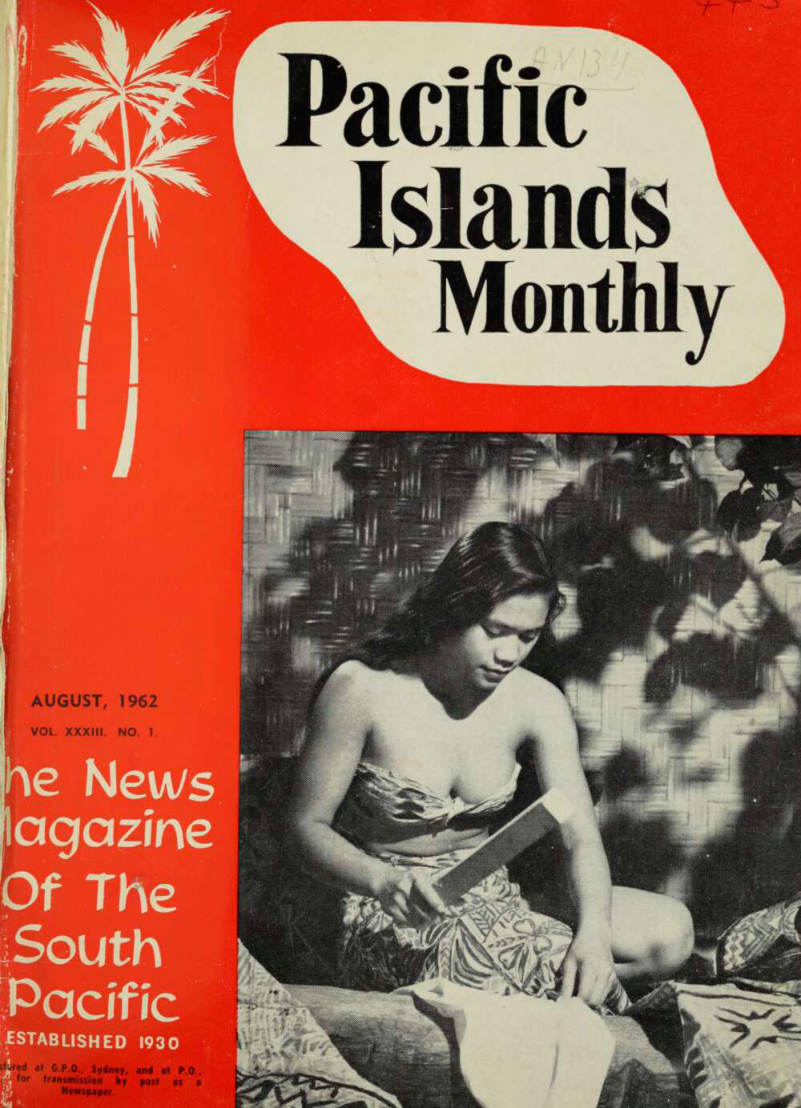 1
1 2
2 3
3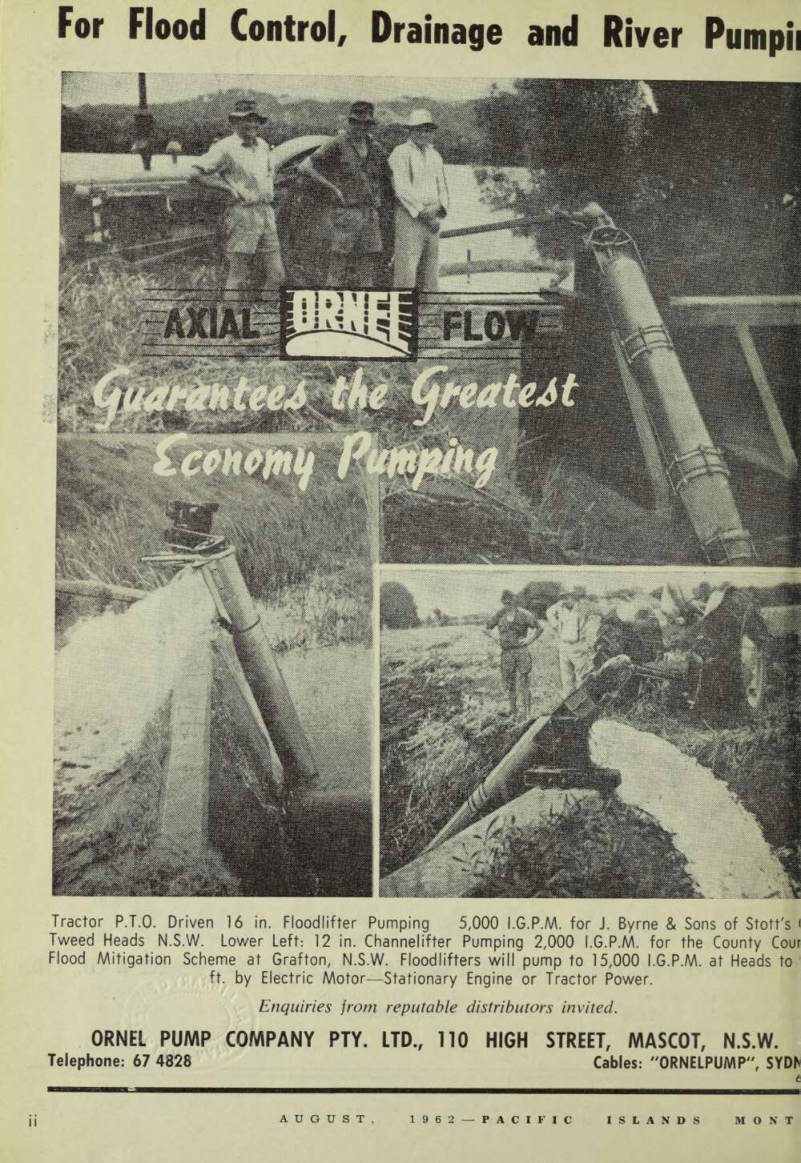 4
4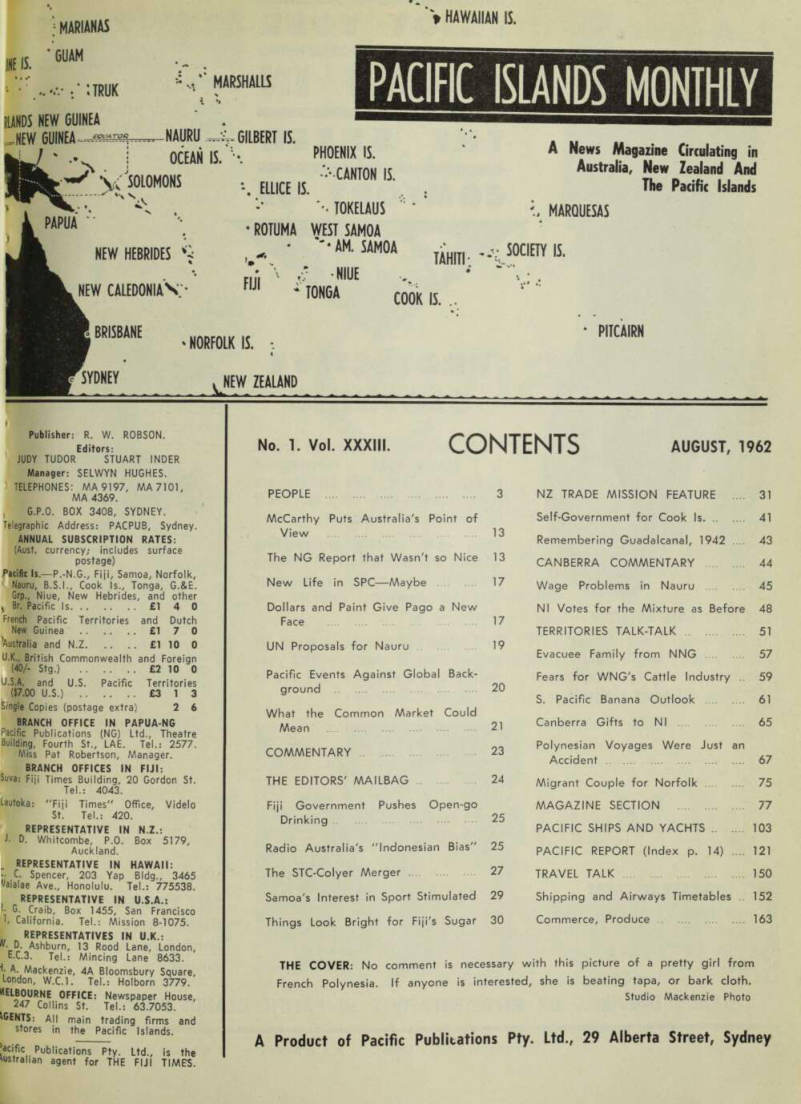 5
5 6
6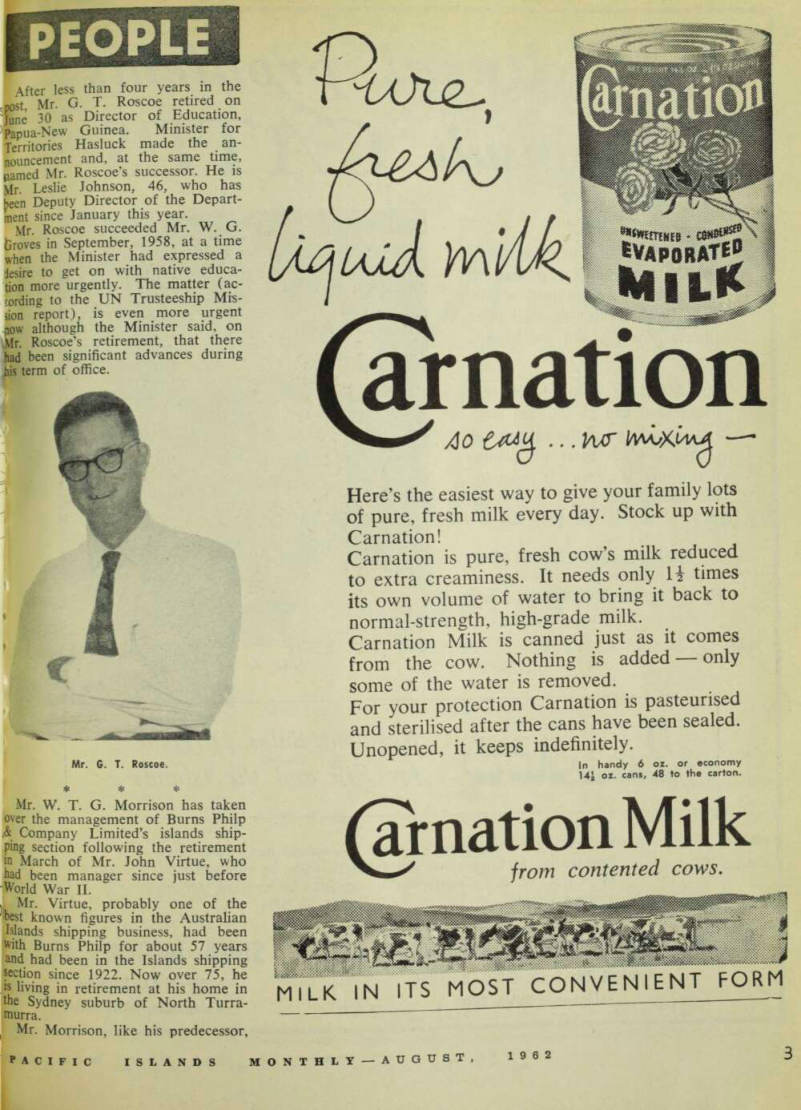 7
7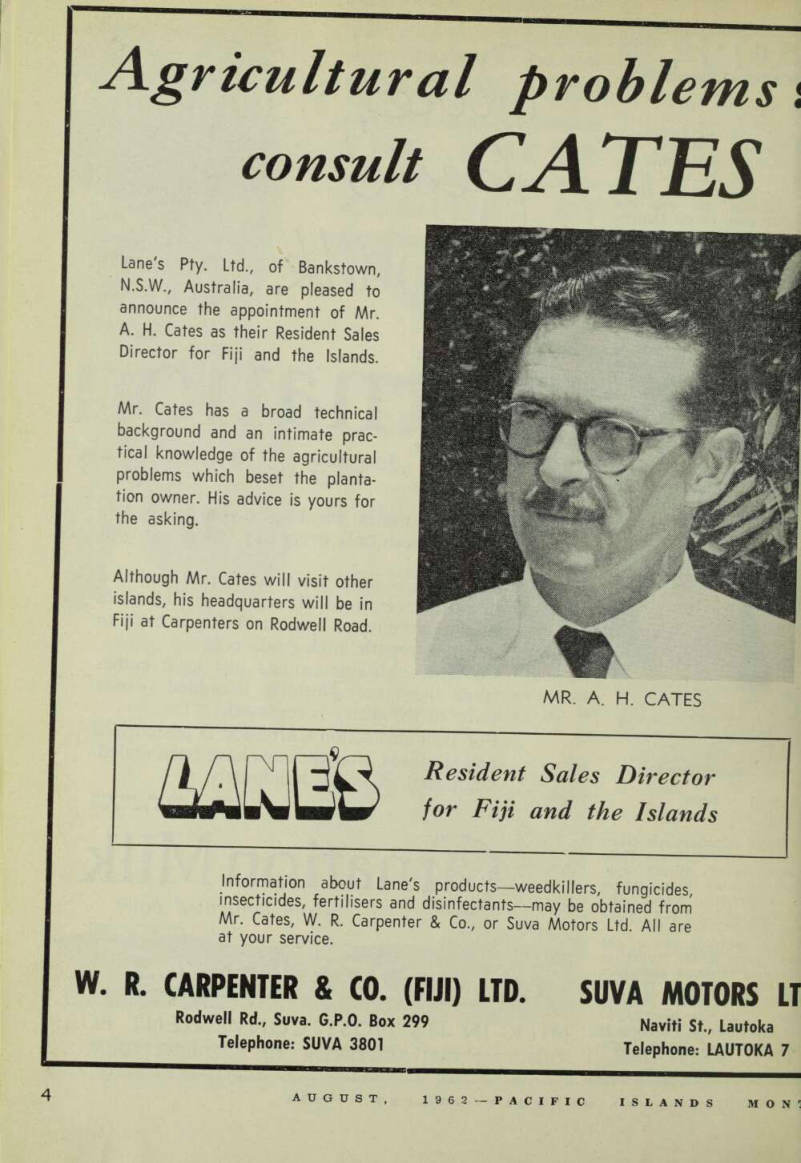 8
8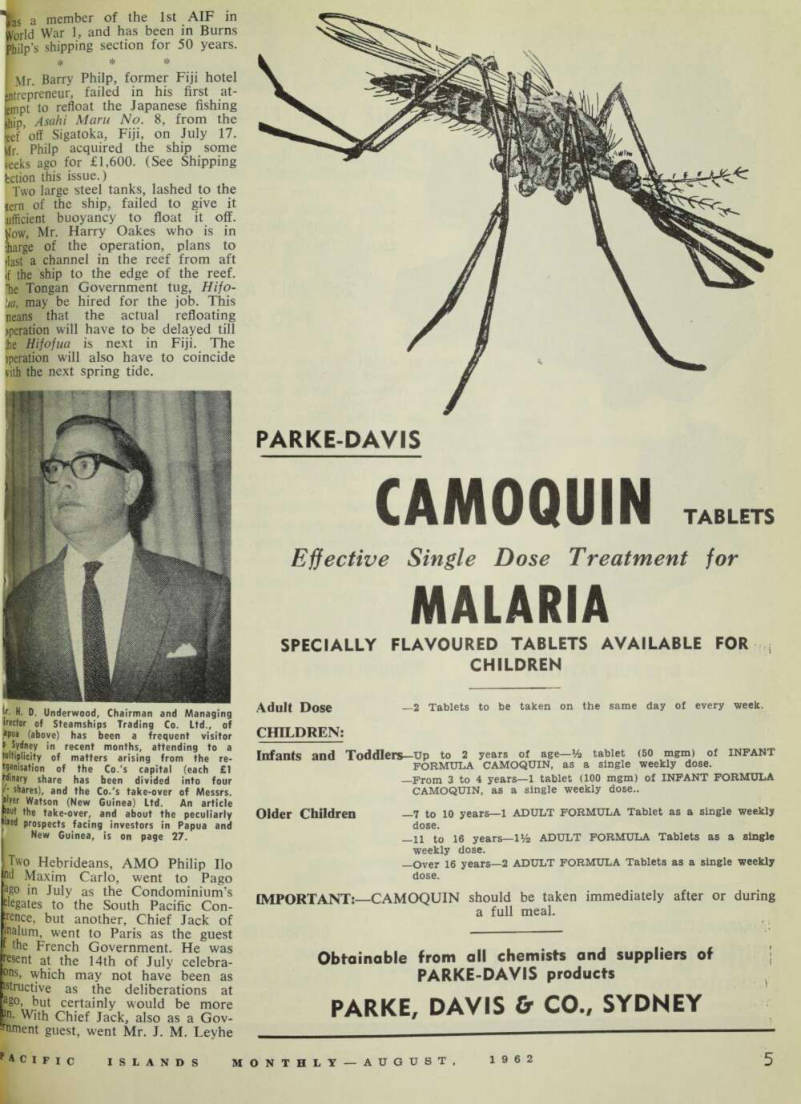 9
9 10
10 11
11 12
12 13
13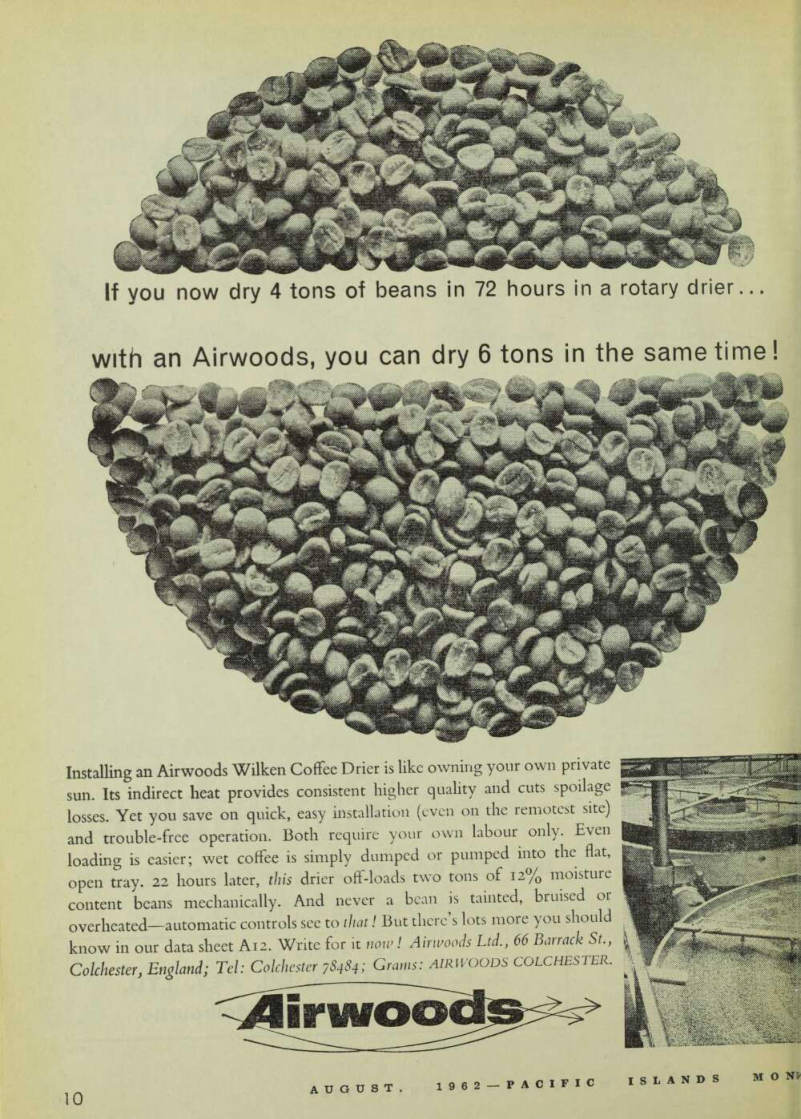 14
14 15
15 16
16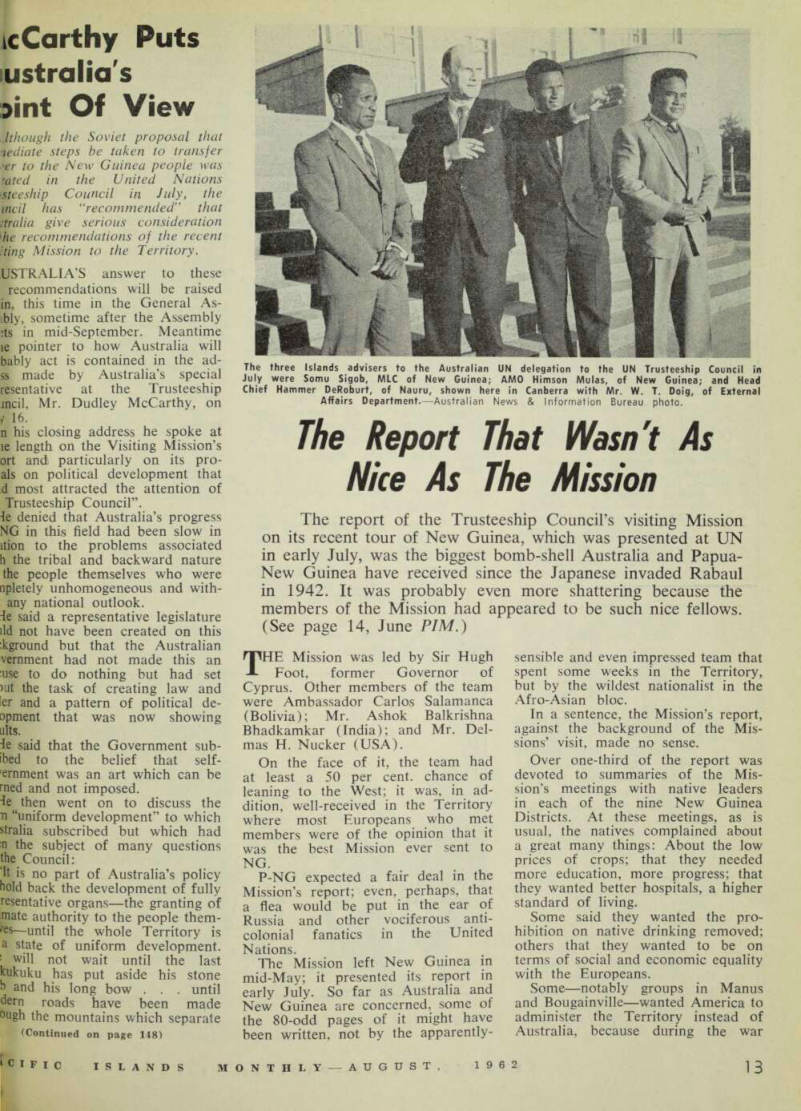 17
17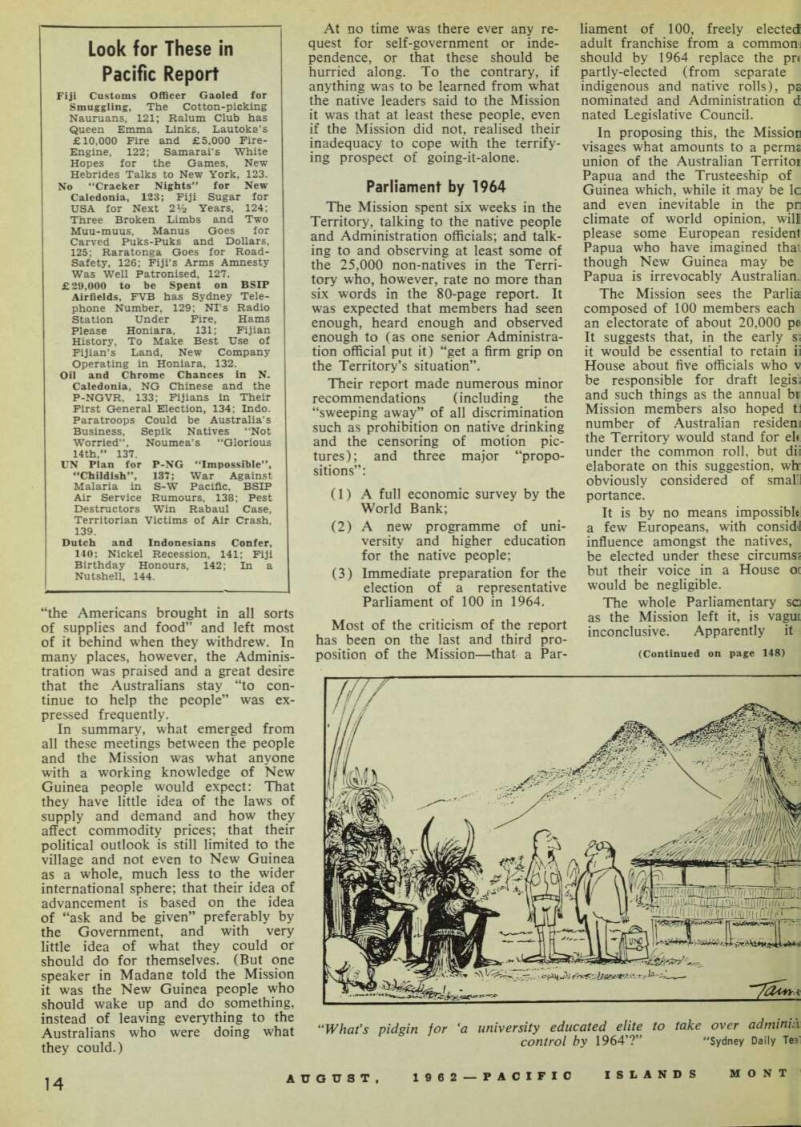 18
18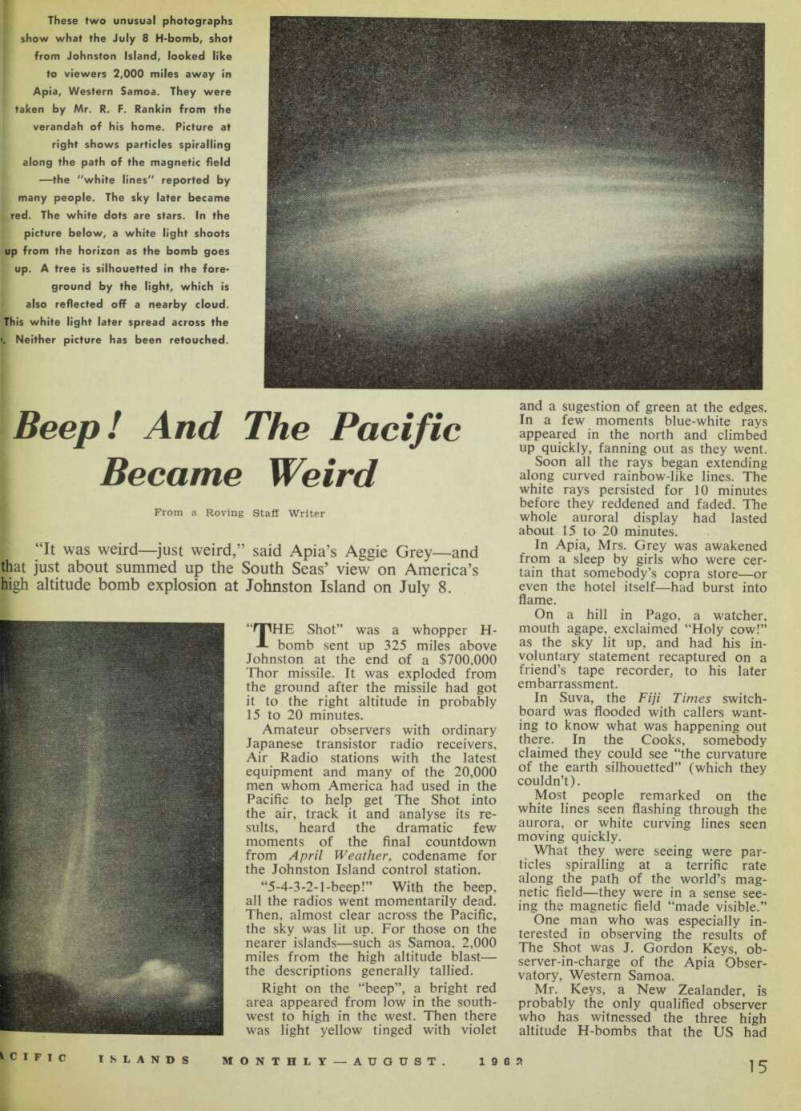 19
19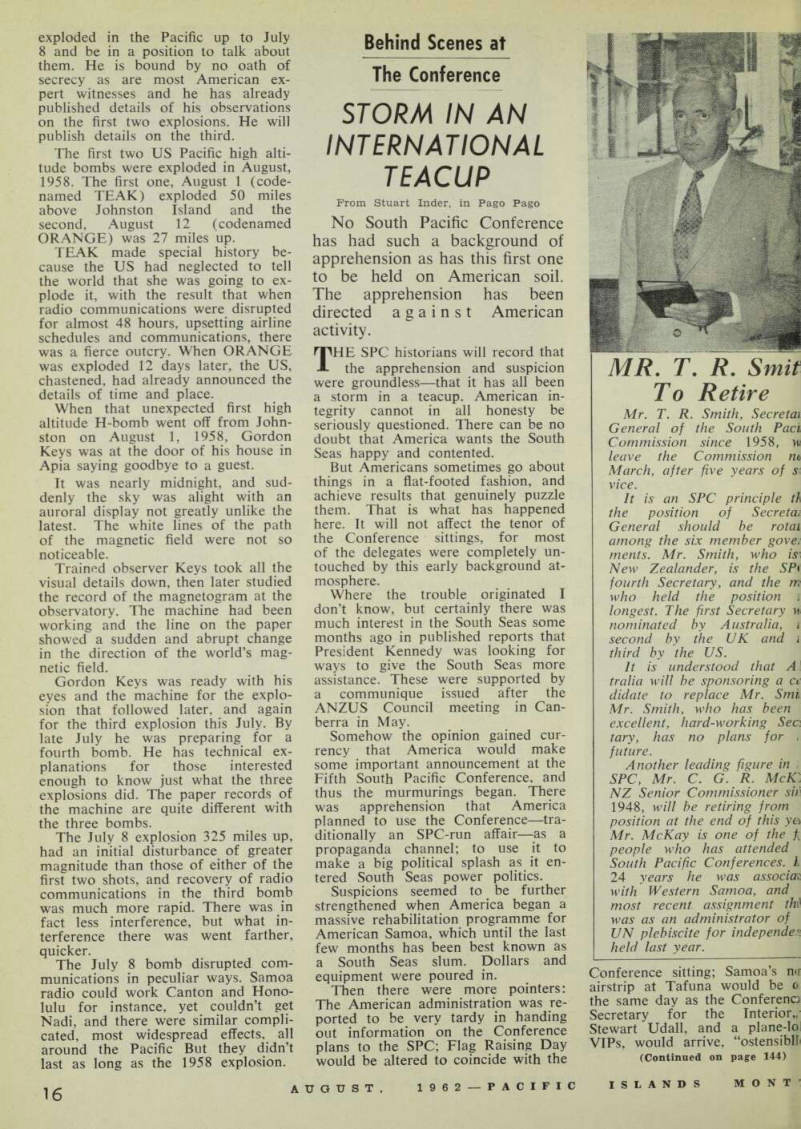 20
20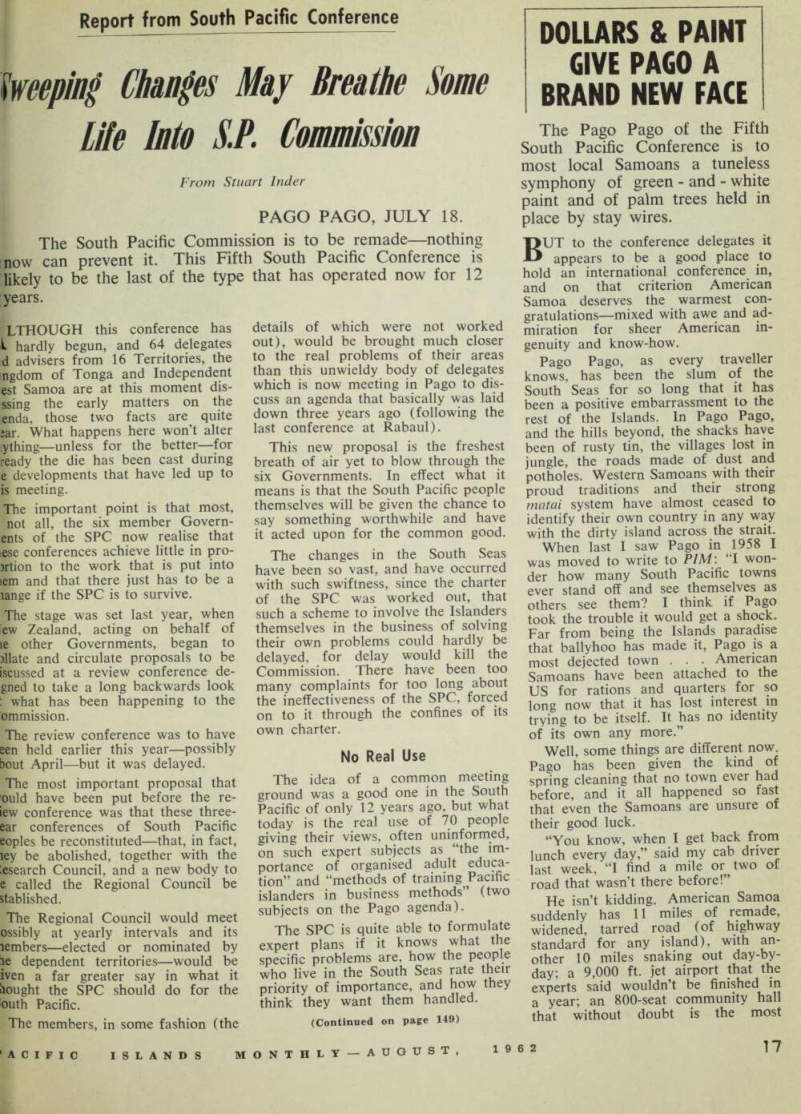 21
21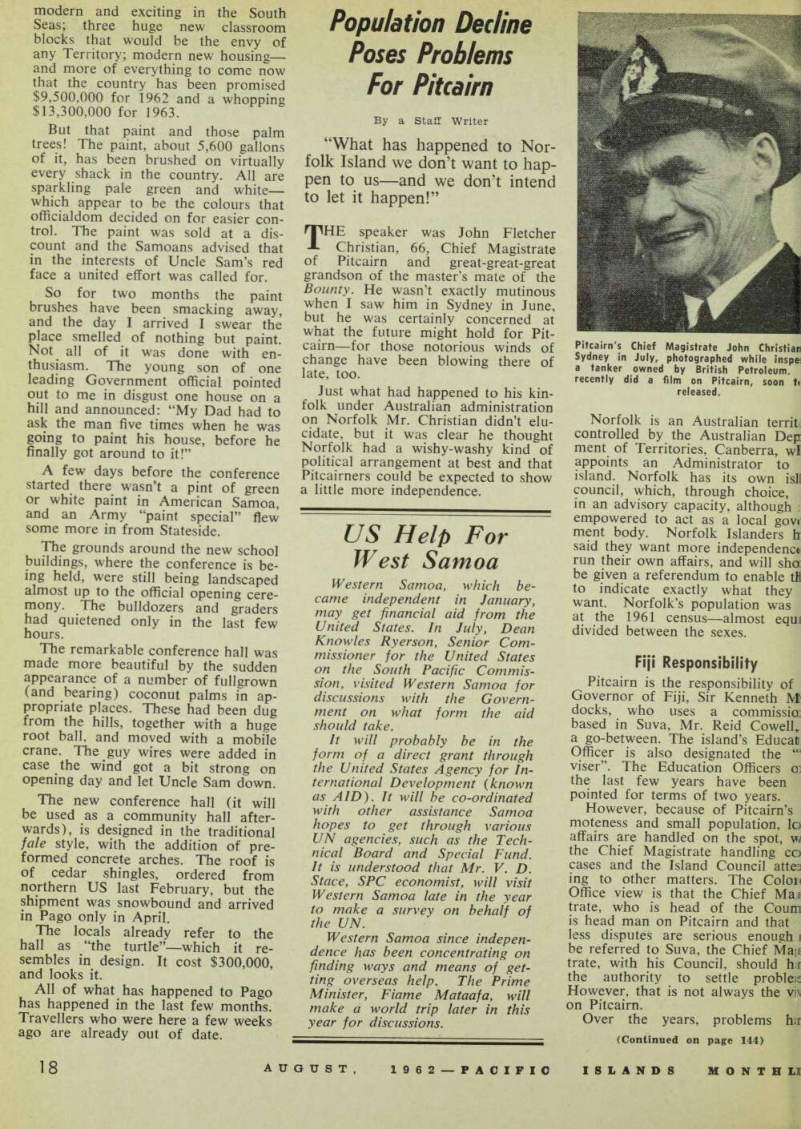 22
22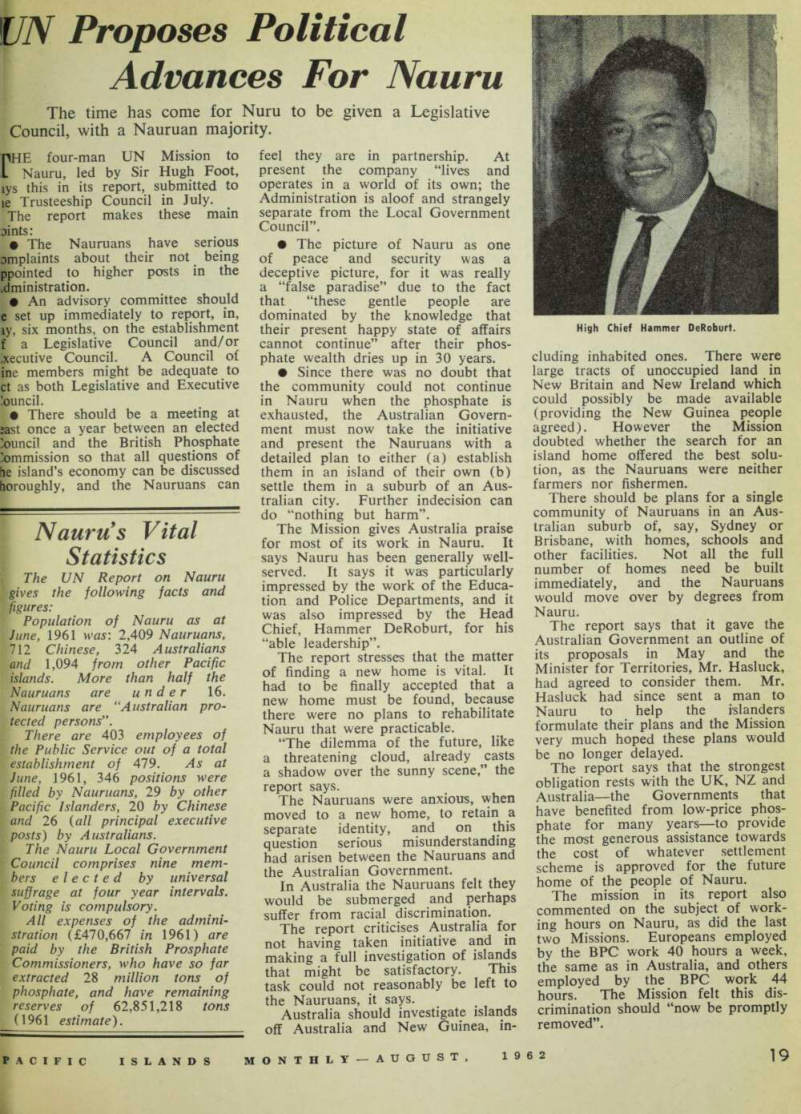 23
23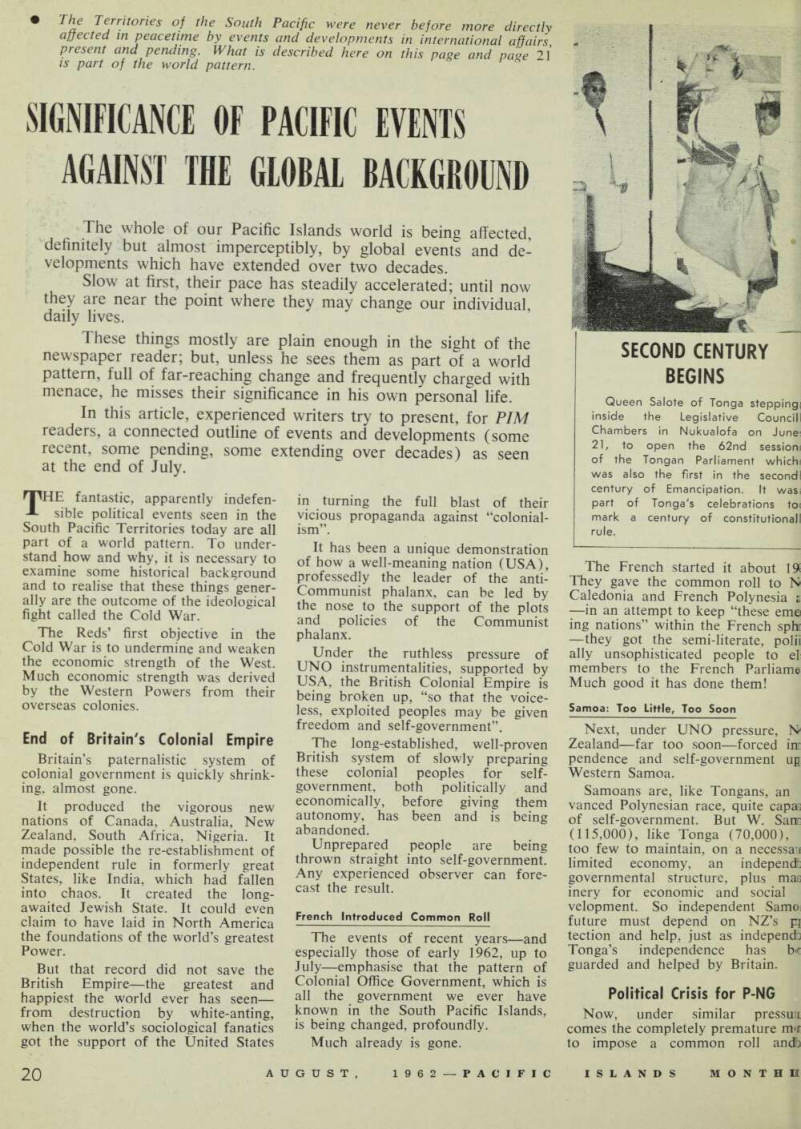 24
24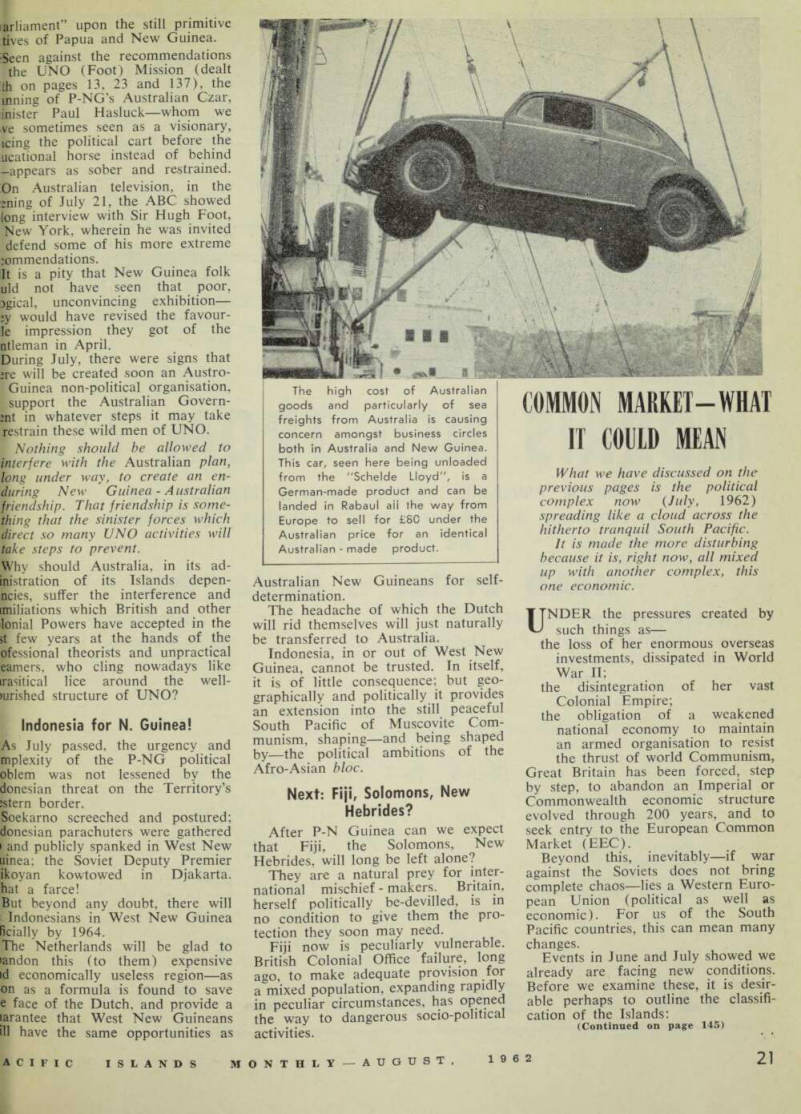 25
25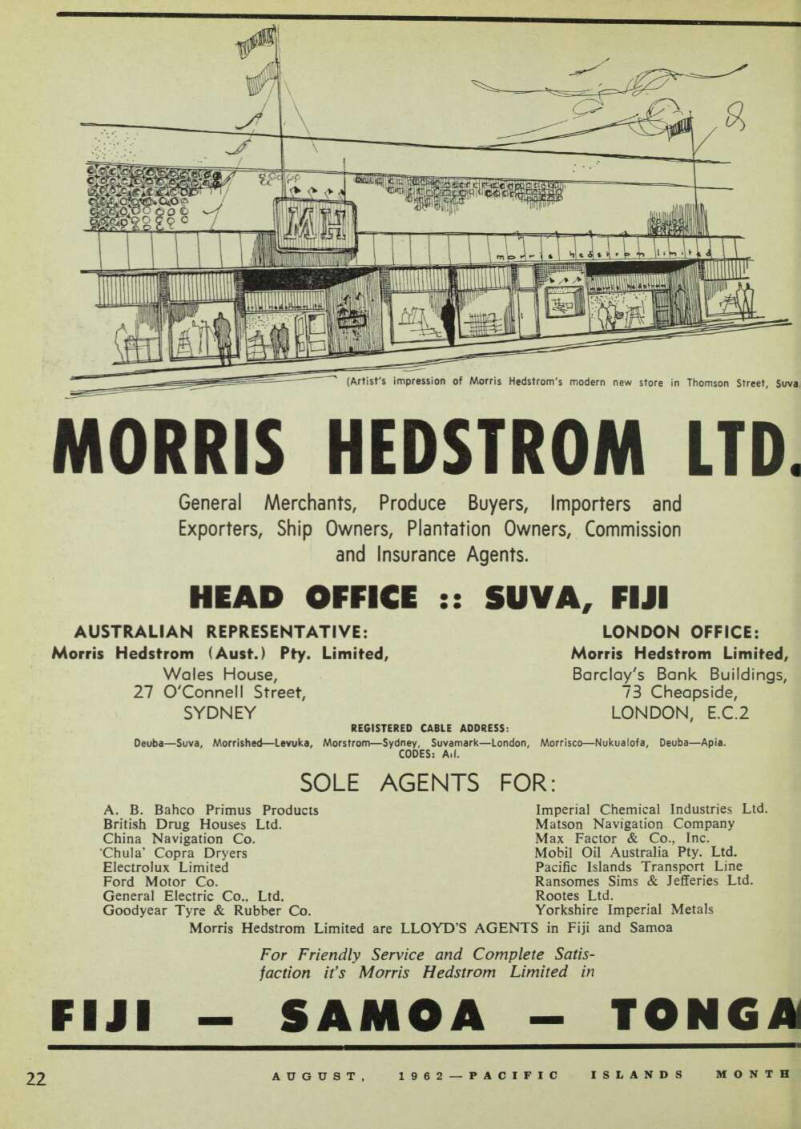 26
26 27
27 28
28 29
29 30
30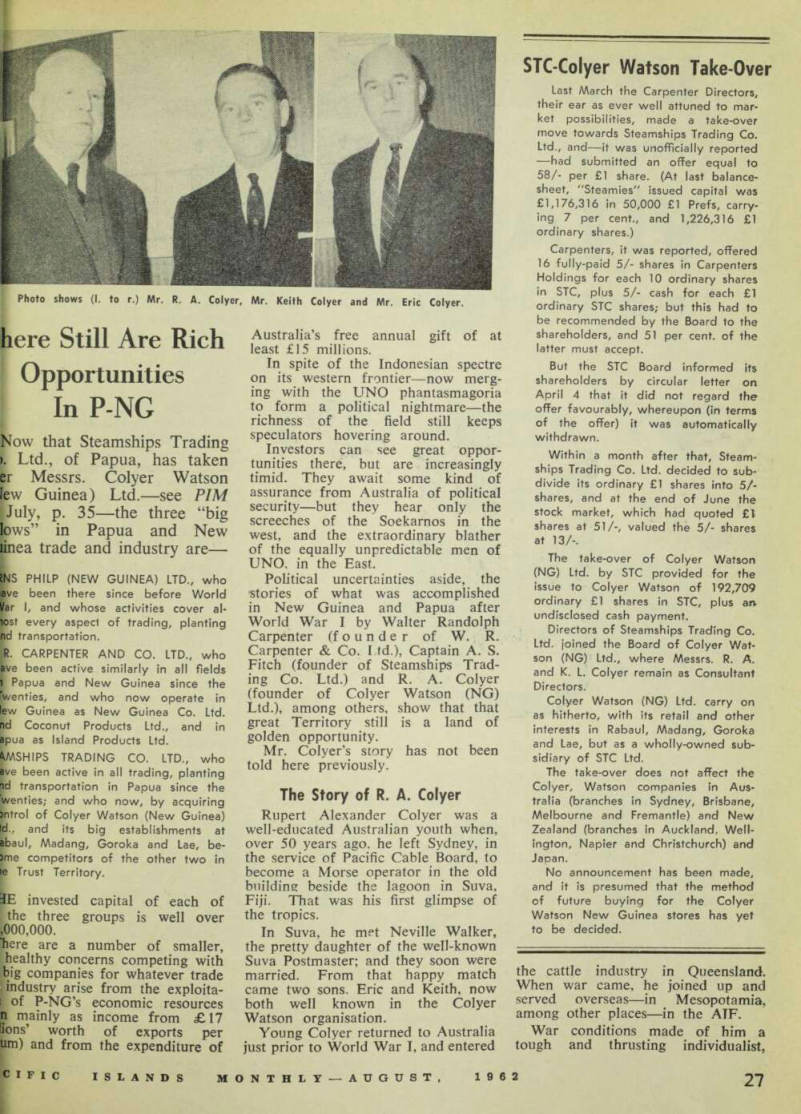 31
31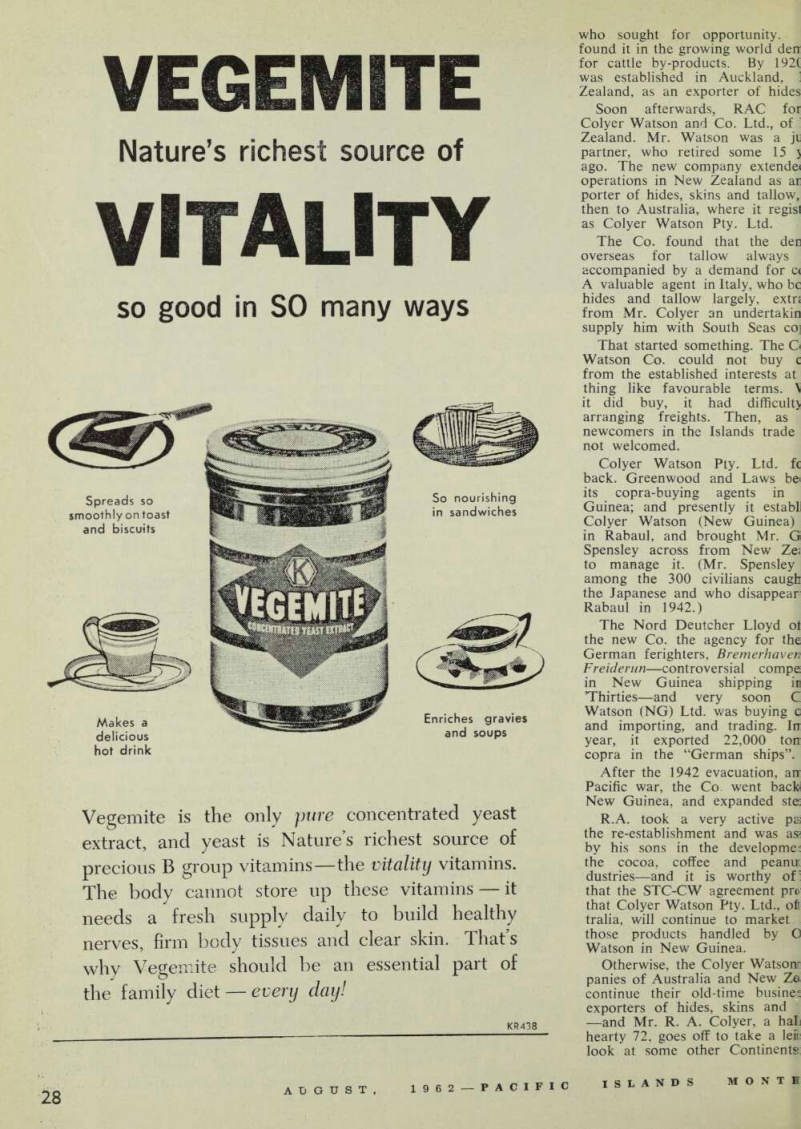 32
32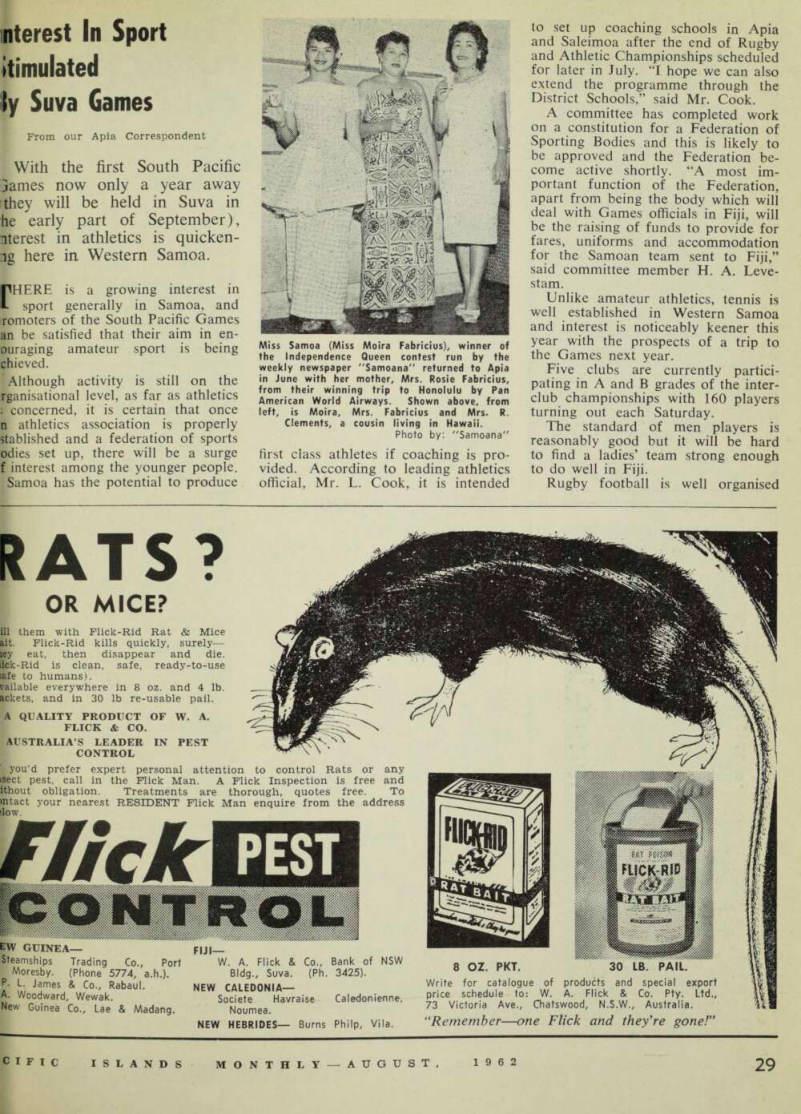 33
33 34
34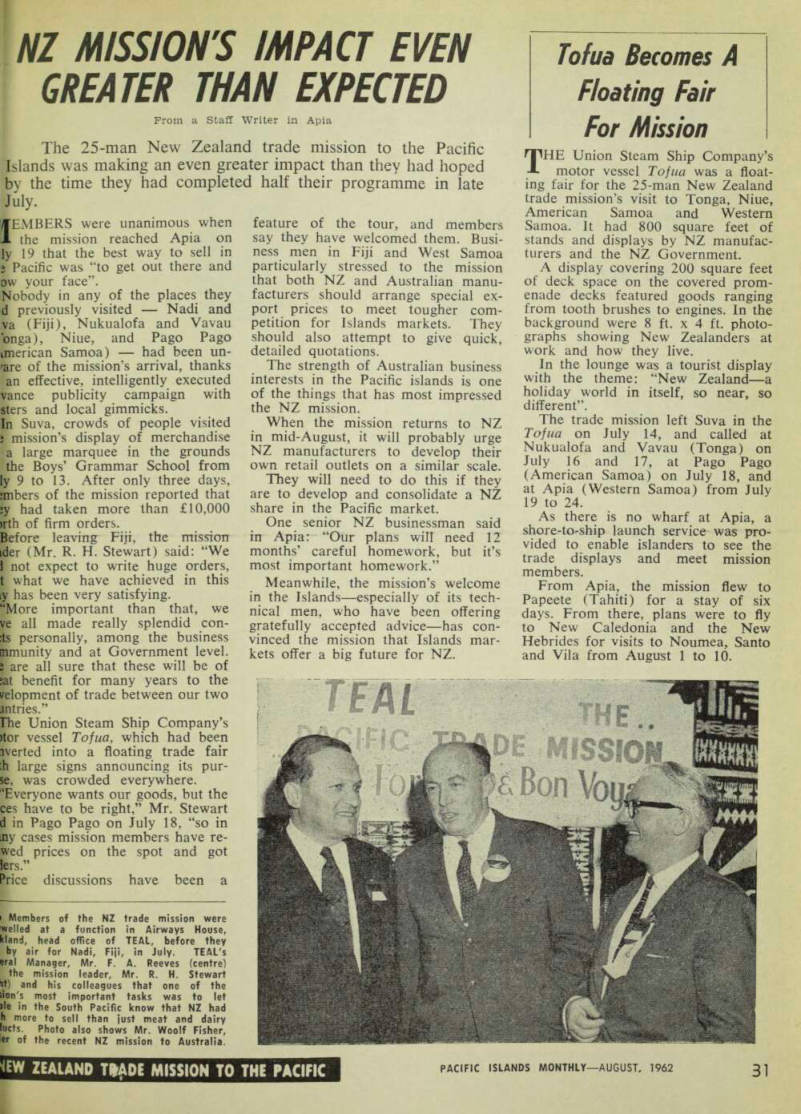 35
35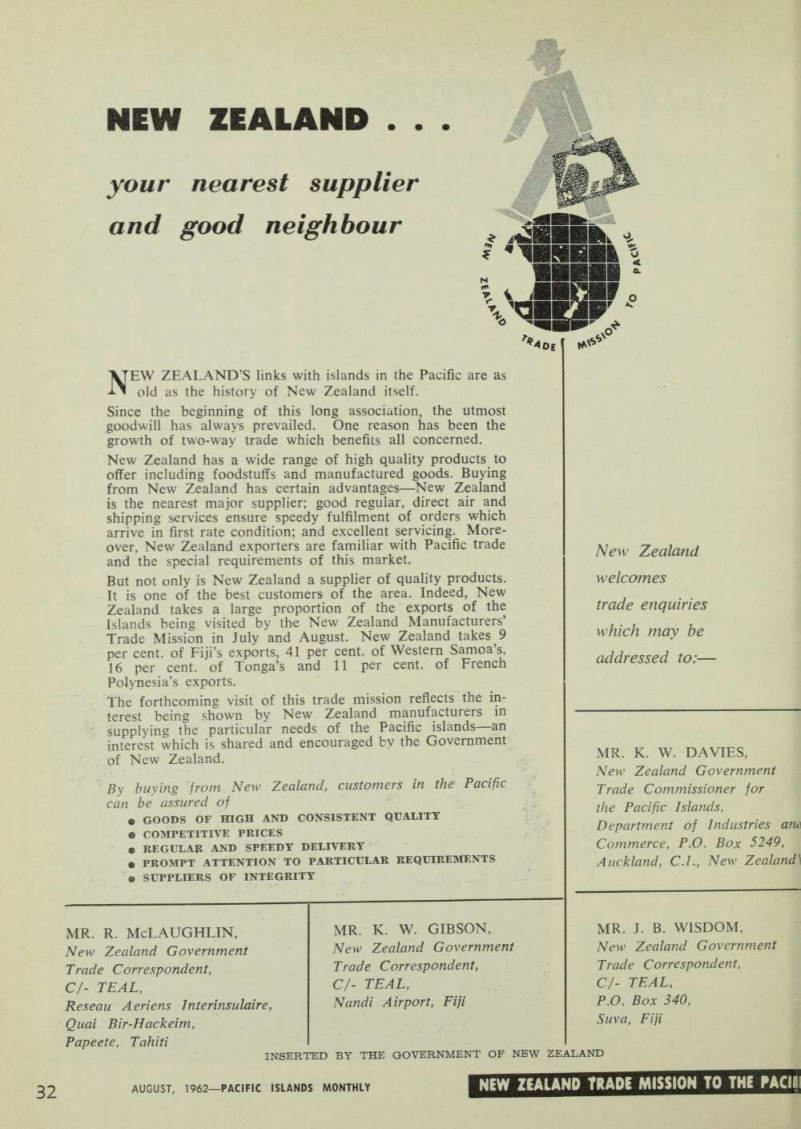 36
36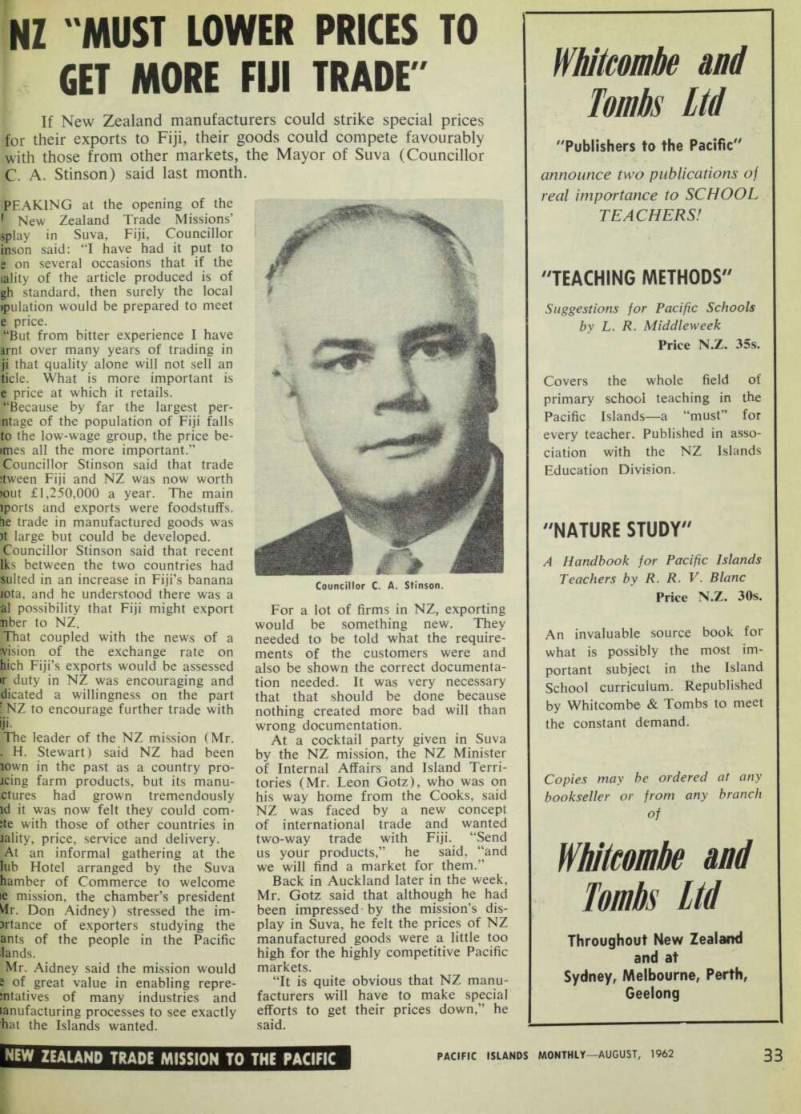 37
37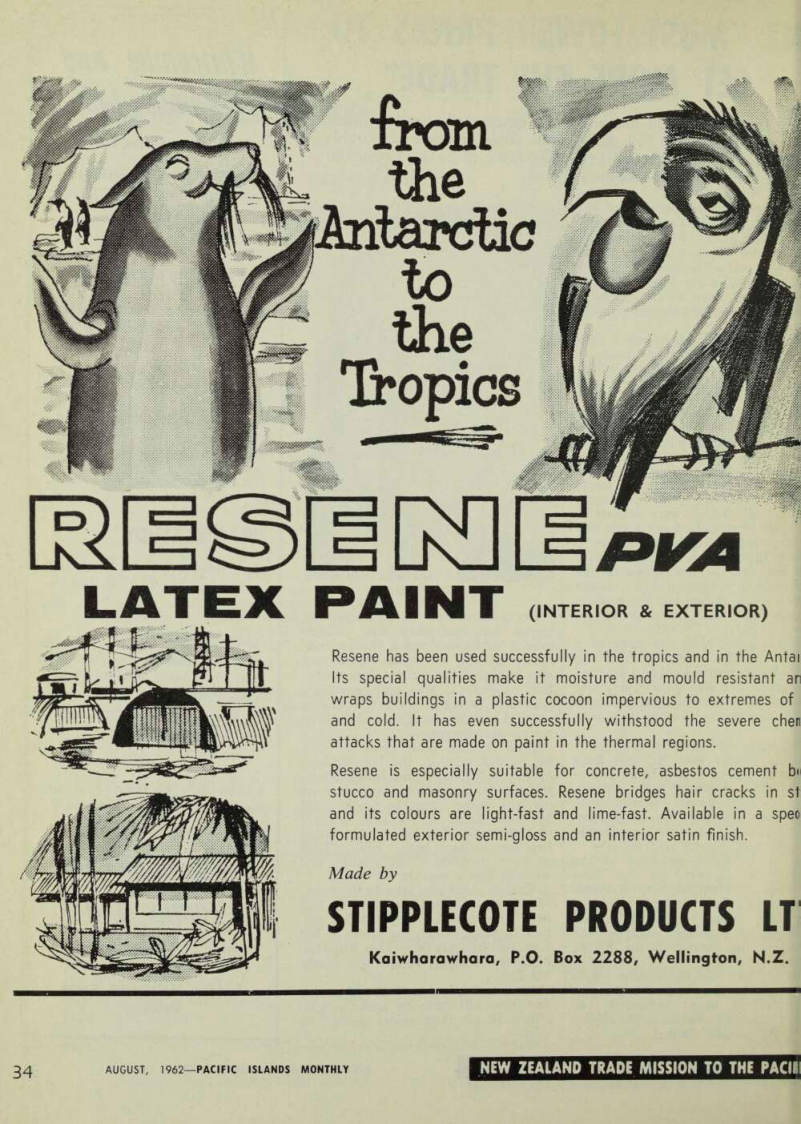 38
38 39
39 40
40 41
41 42
42 43
43 44
44 45
45 46
46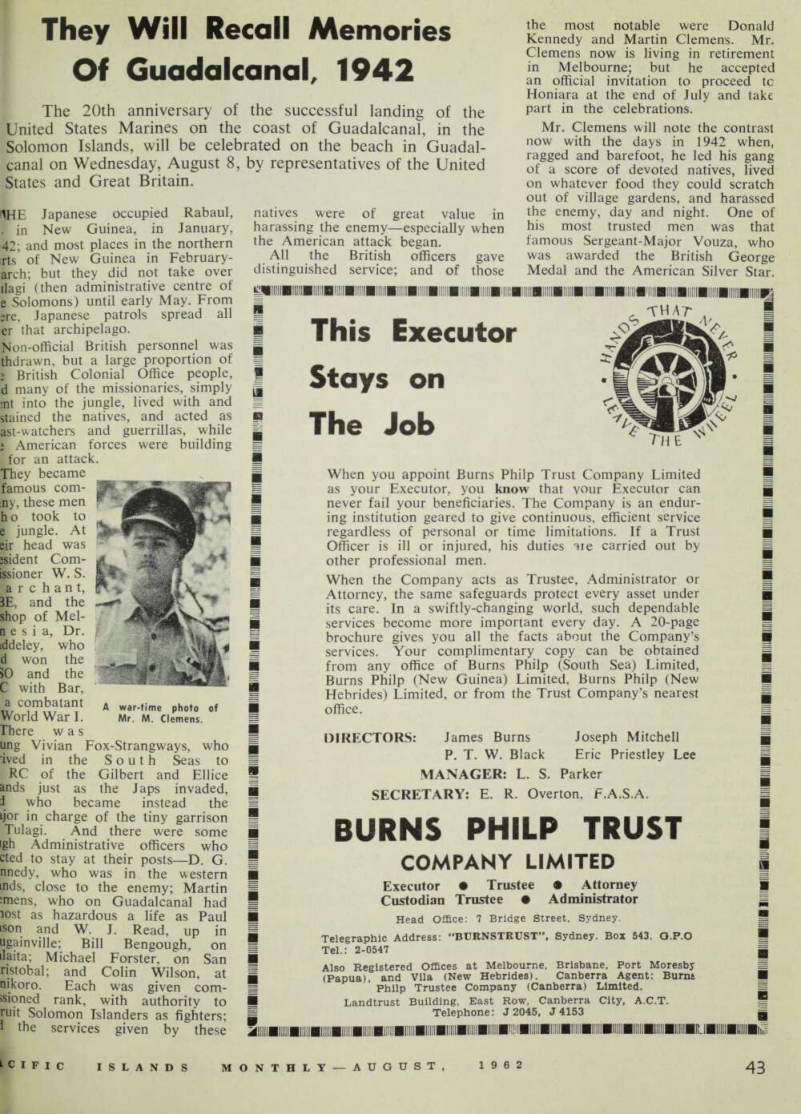 47
47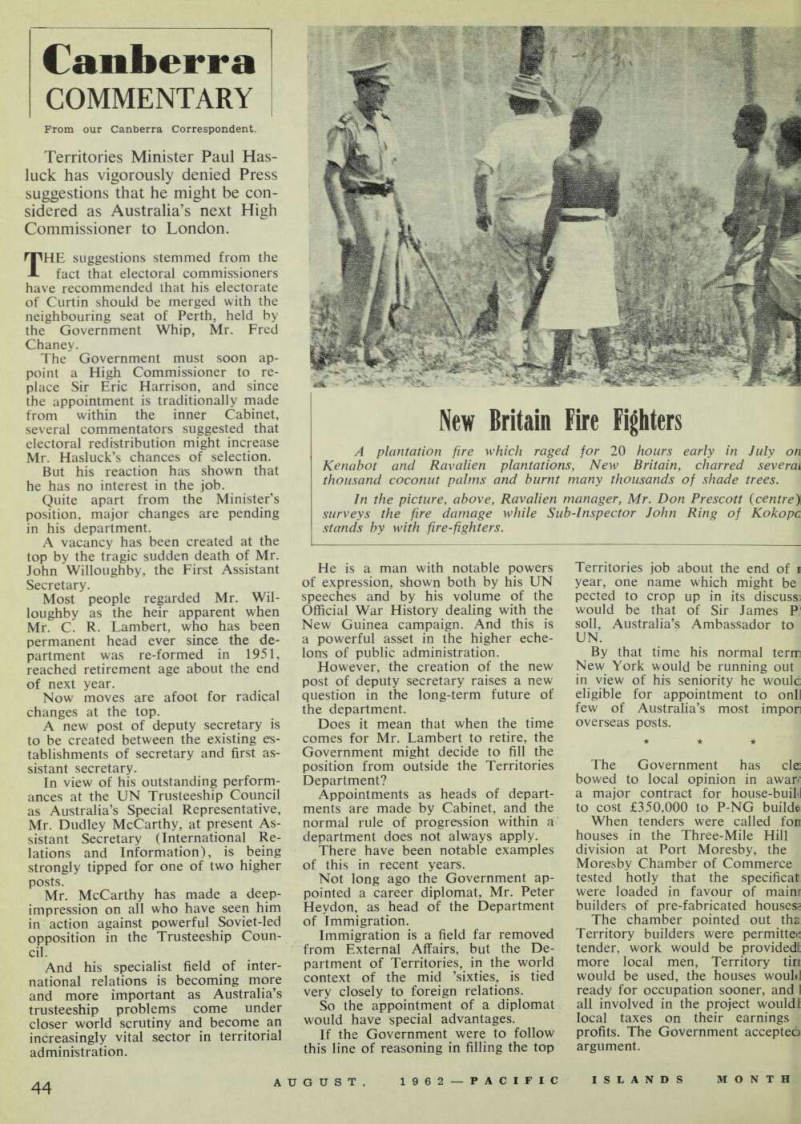 48
48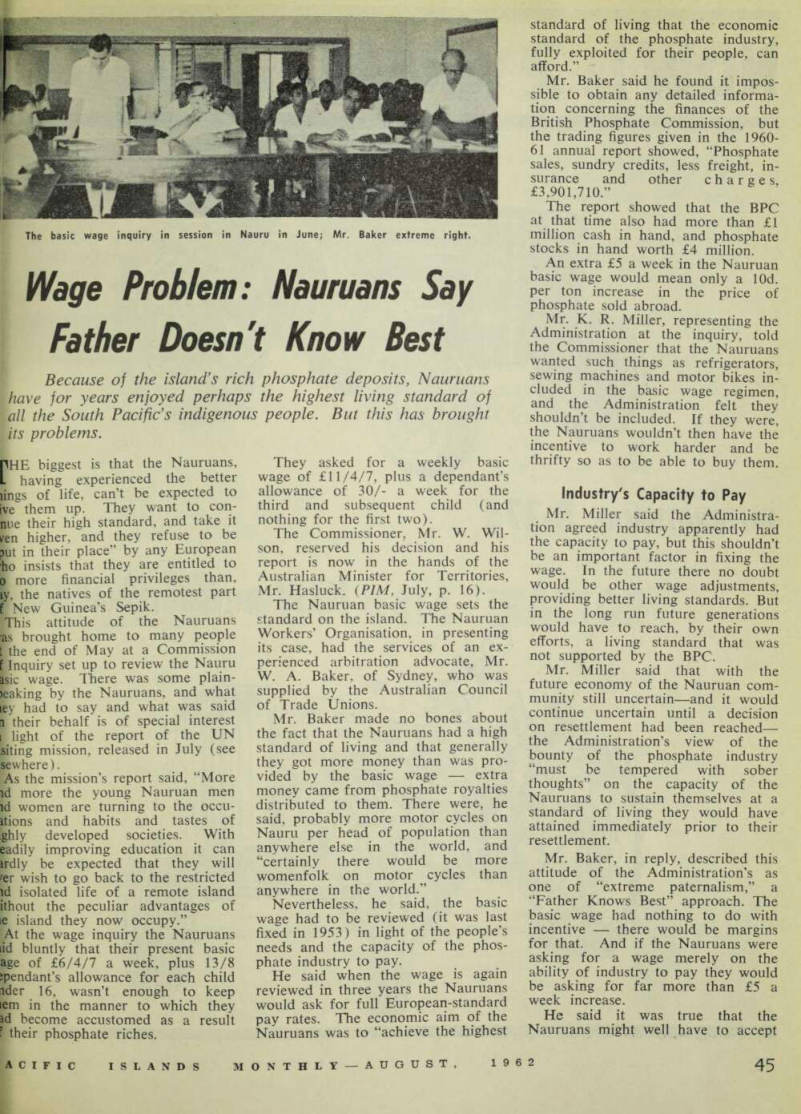 49
49 50
50 51
51 52
52 53
53 54
54 55
55 56
56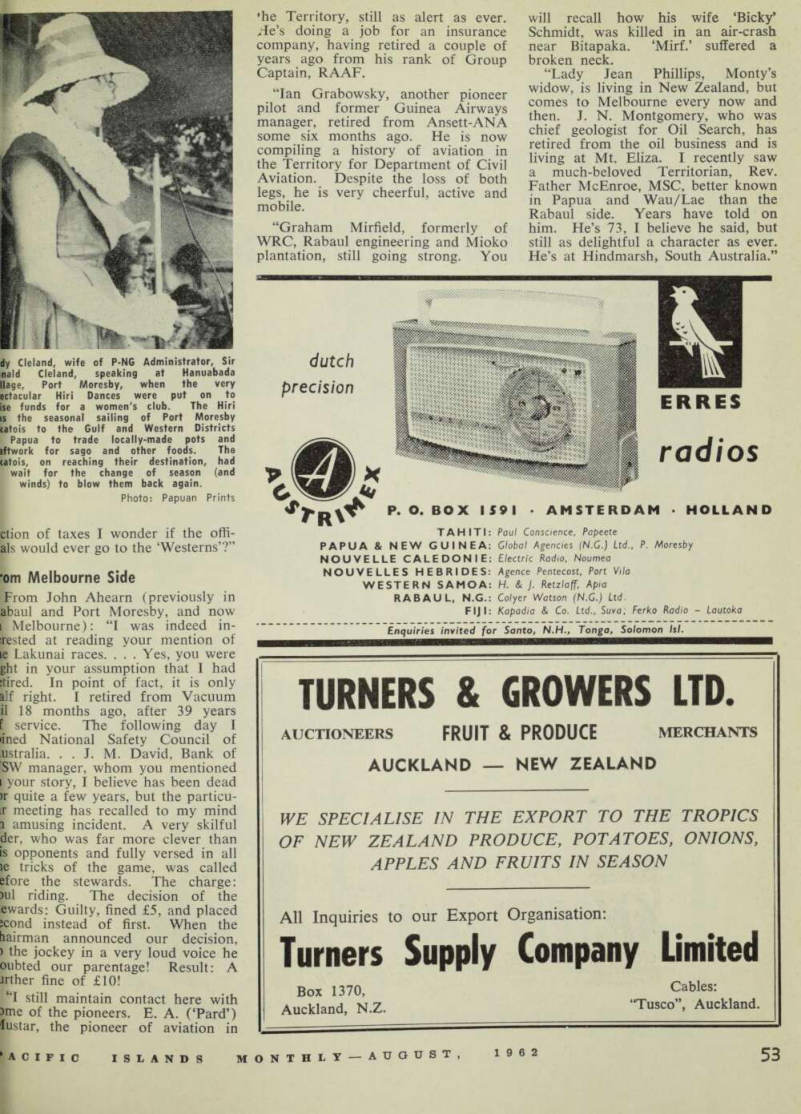 57
57 58
58 59
59 60
60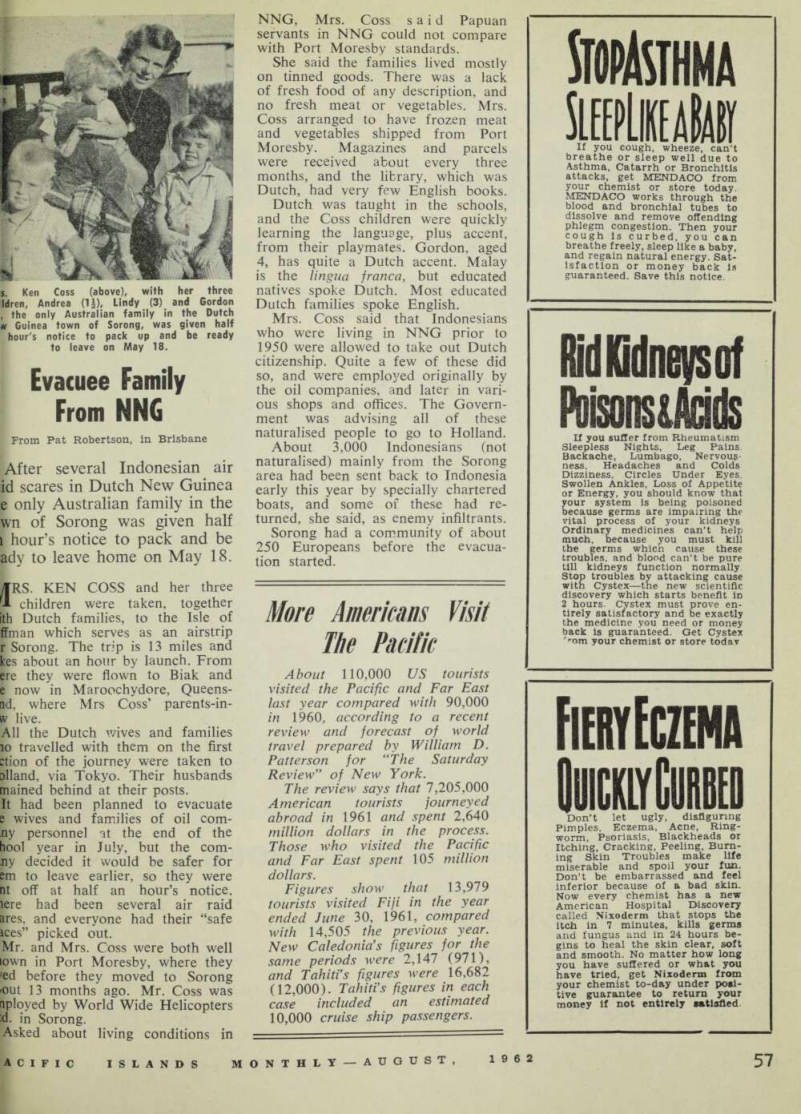 61
61 62
62 63
63 64
64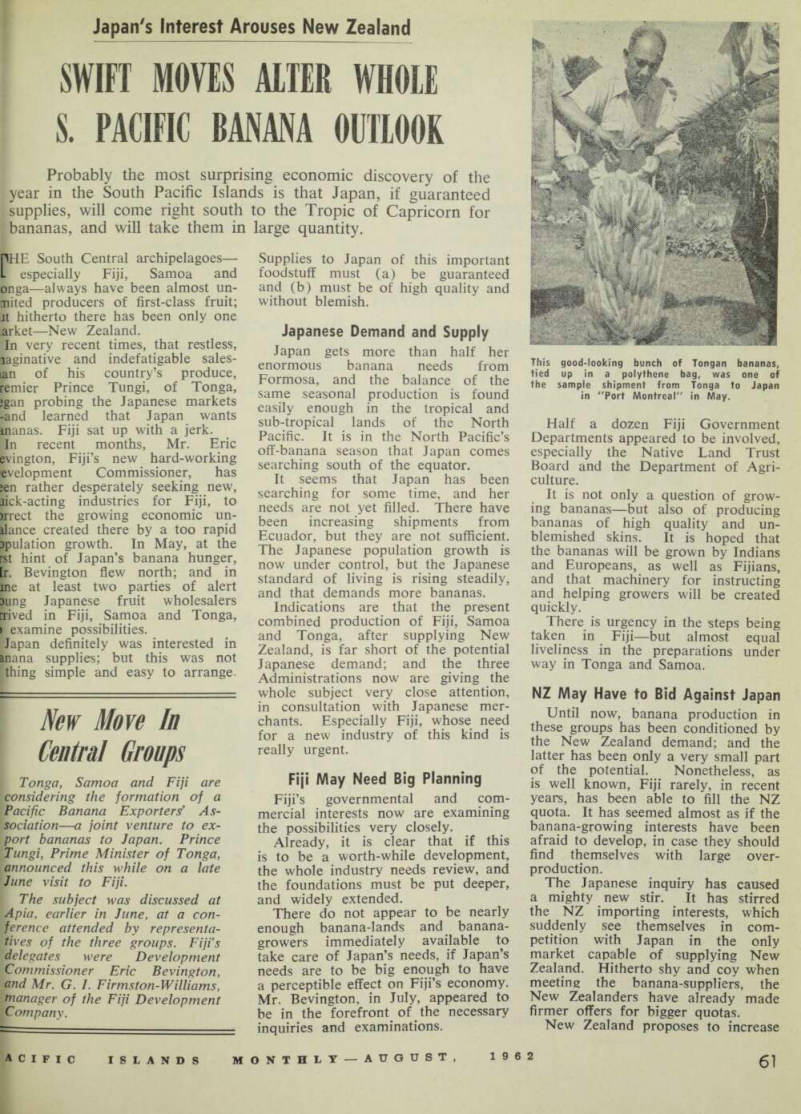 65
65 66
66 67
67 68
68 69
69 70
70 71
71 72
72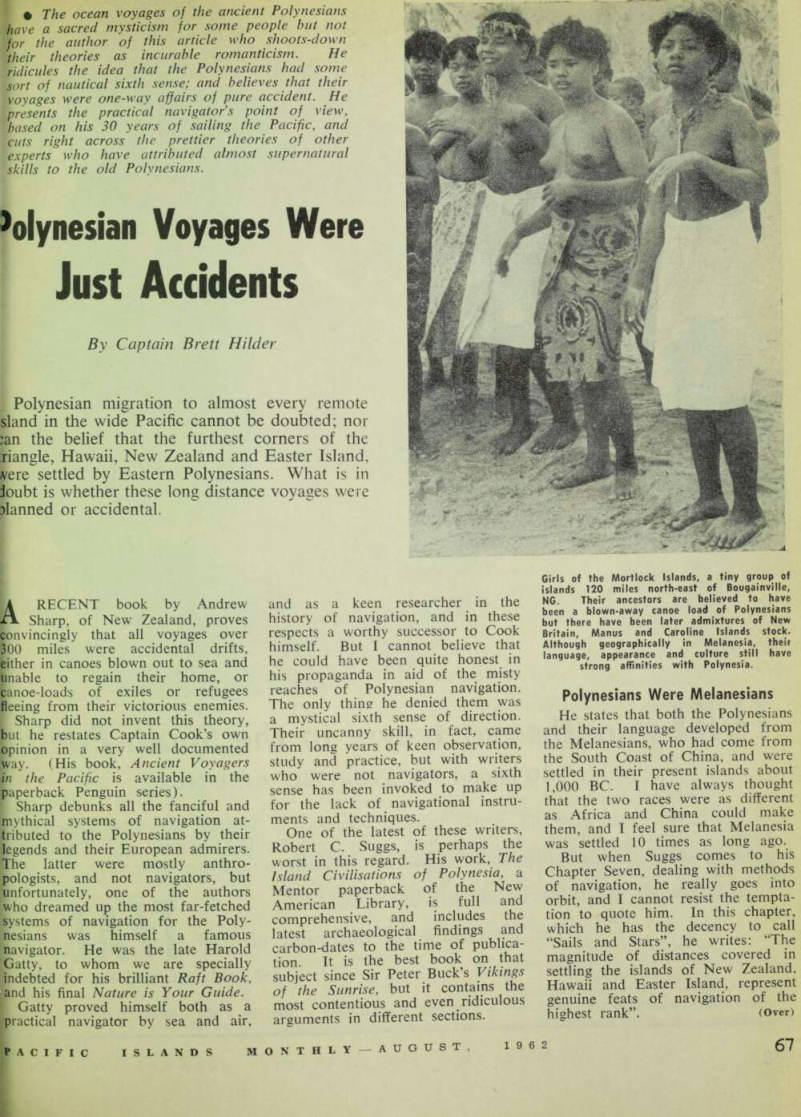 73
73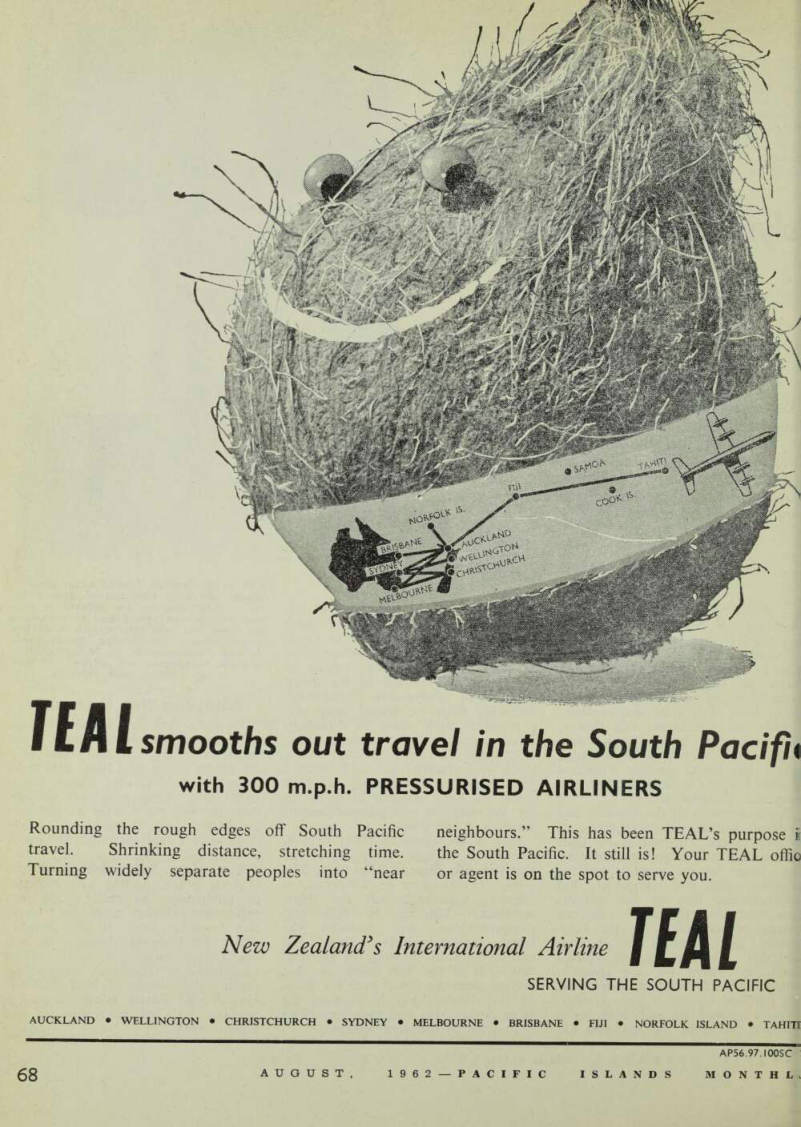 74
74 75
75 76
76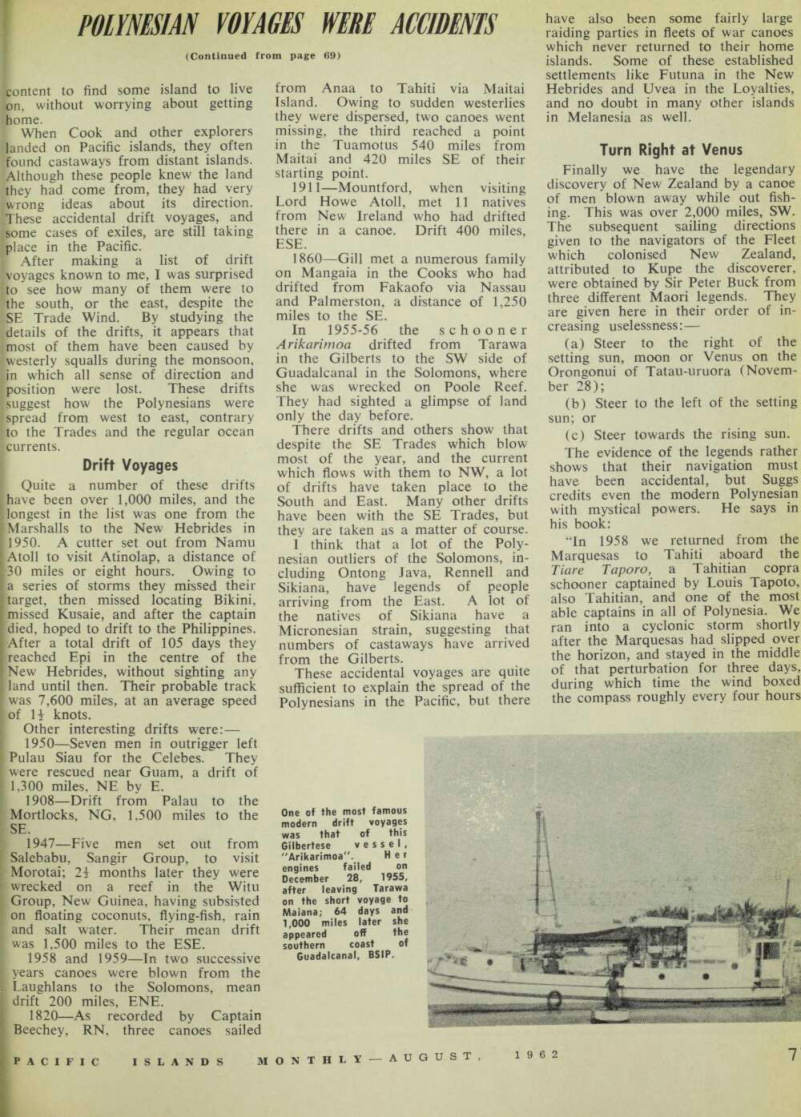 77
77 78
78 79
79 80
80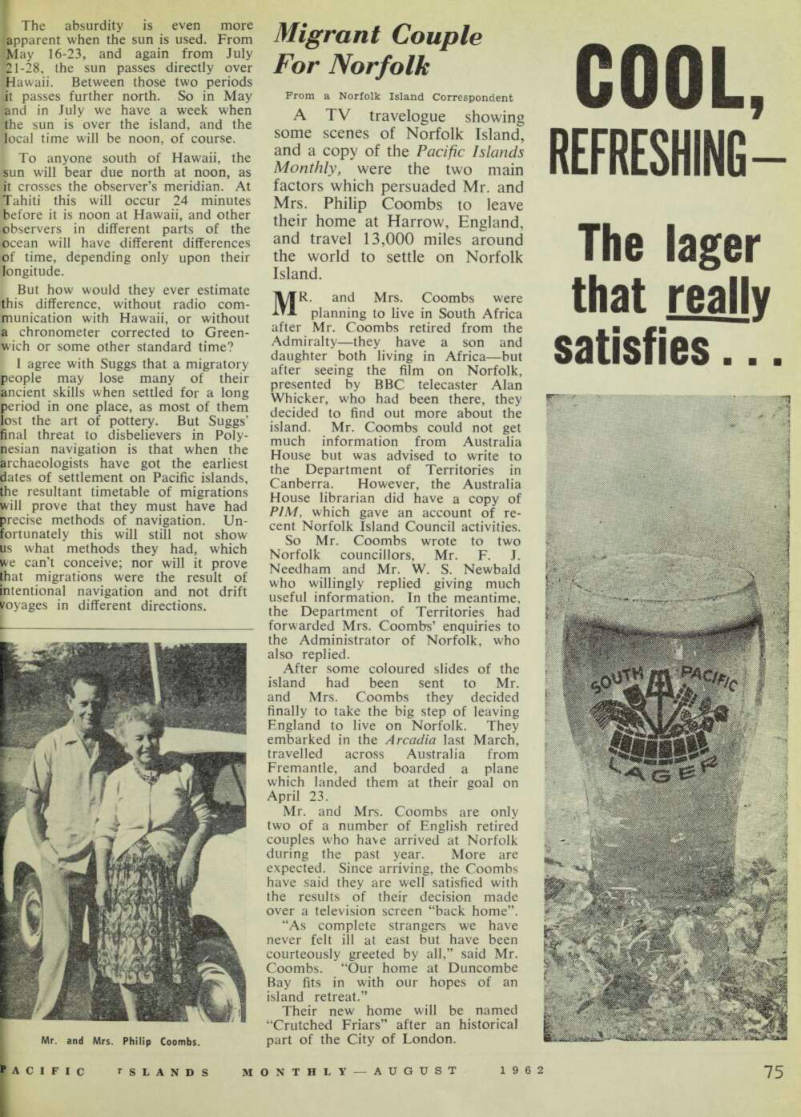 81
81 82
82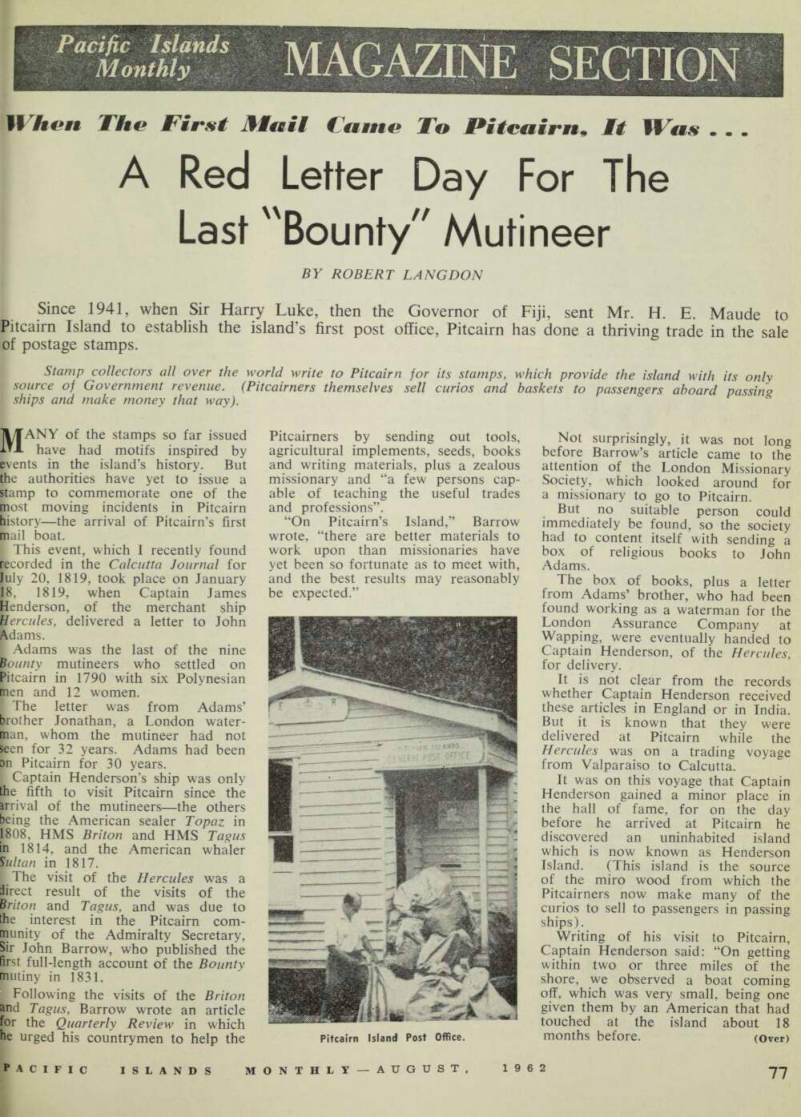 83
83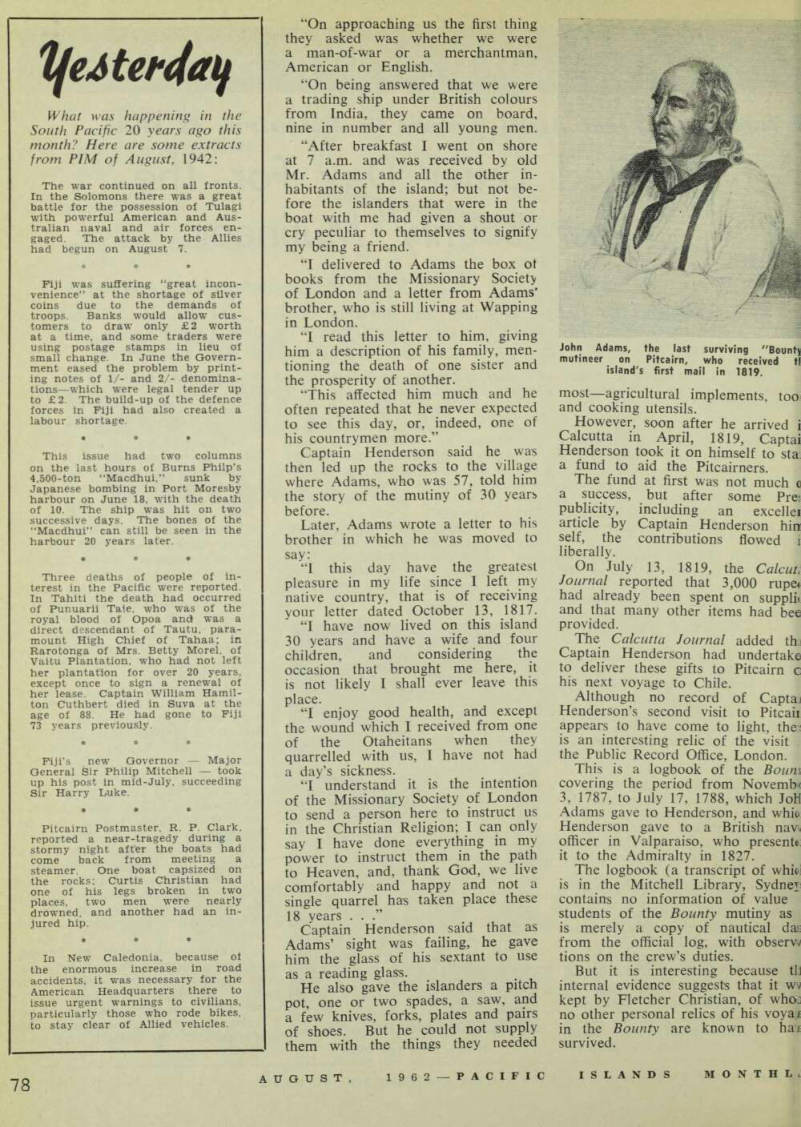 84
84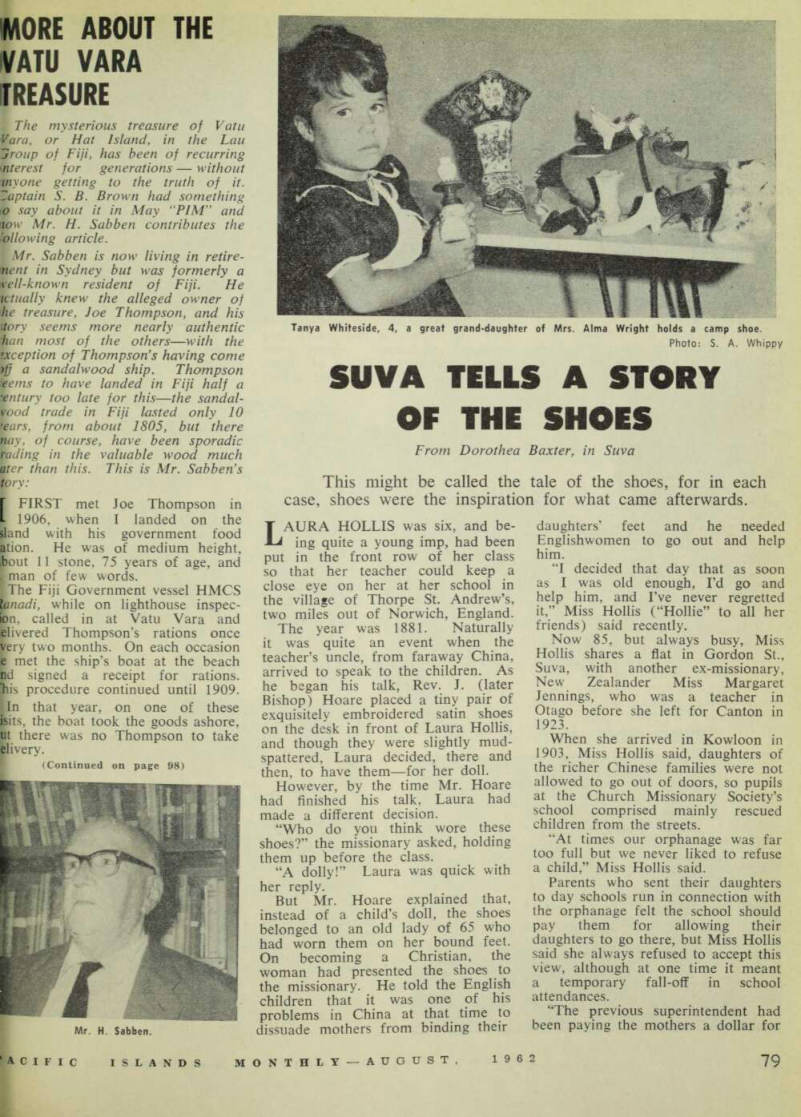 85
85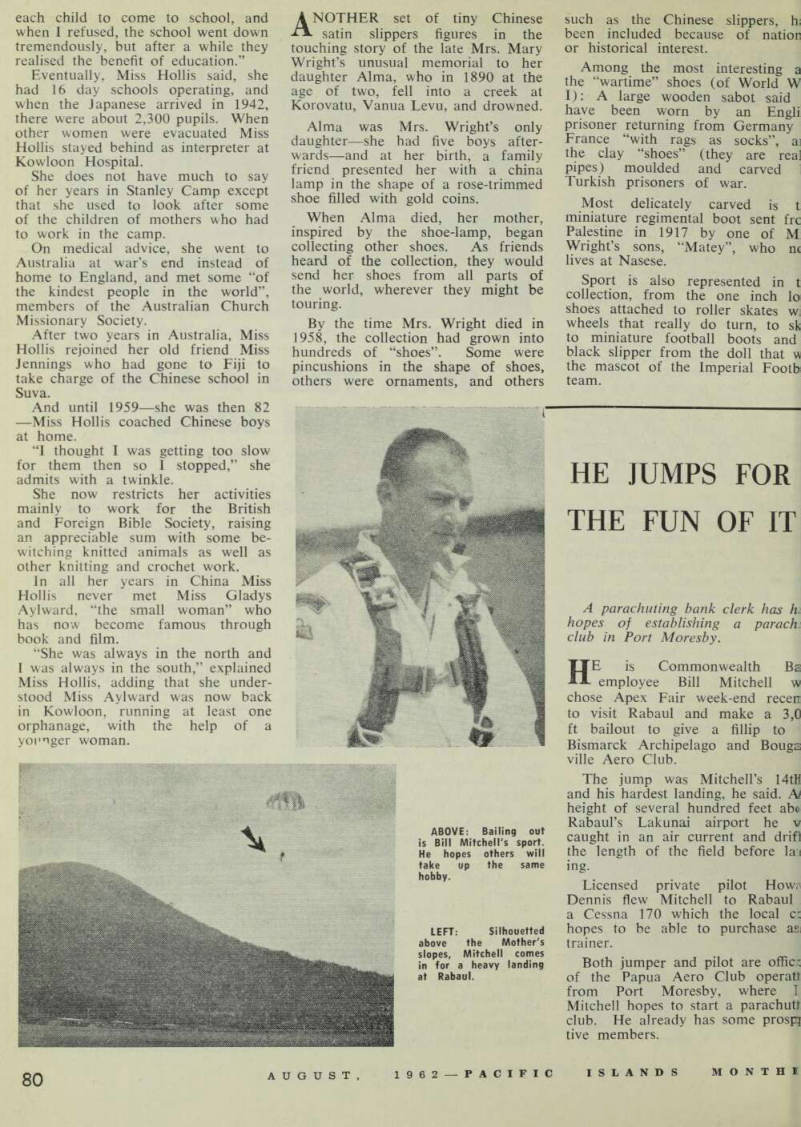 86
86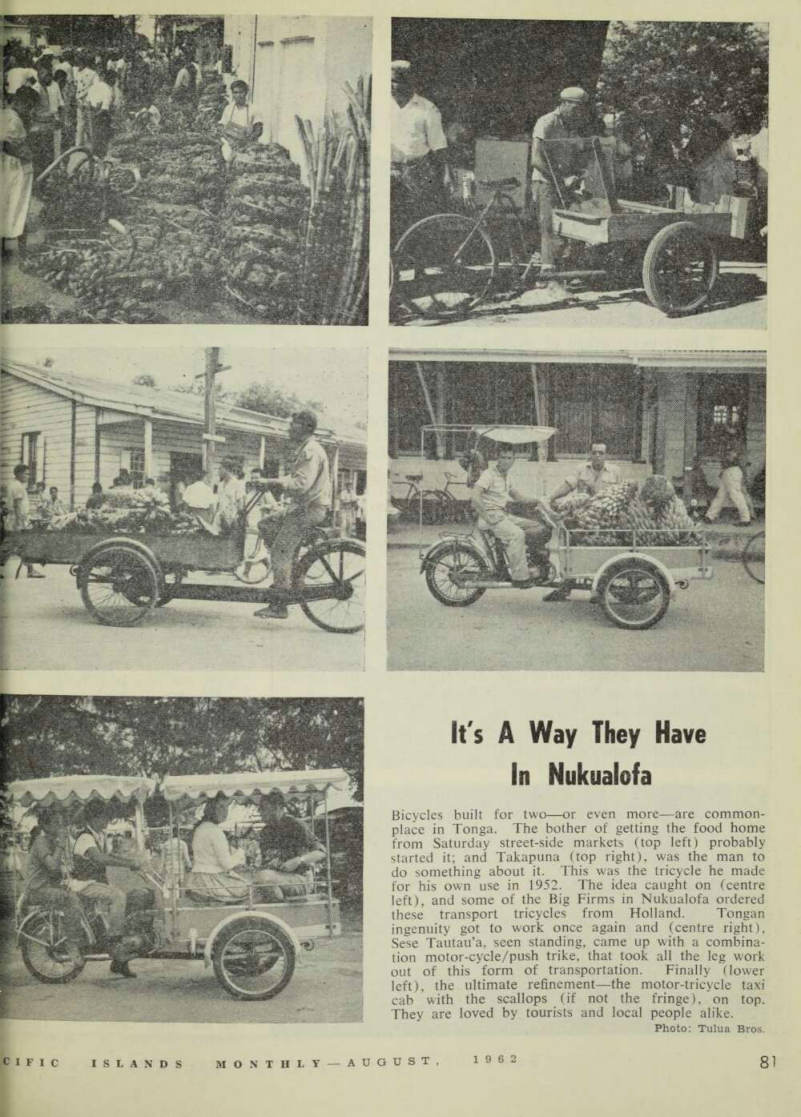 87
87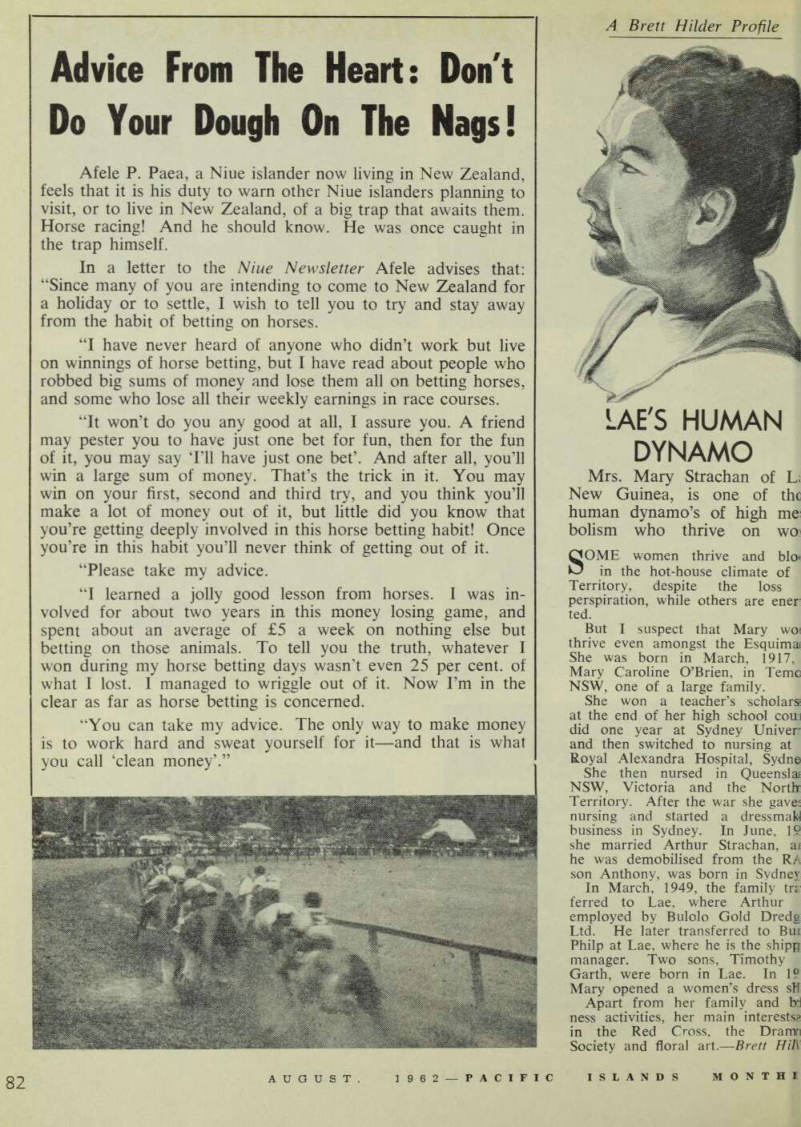 88
88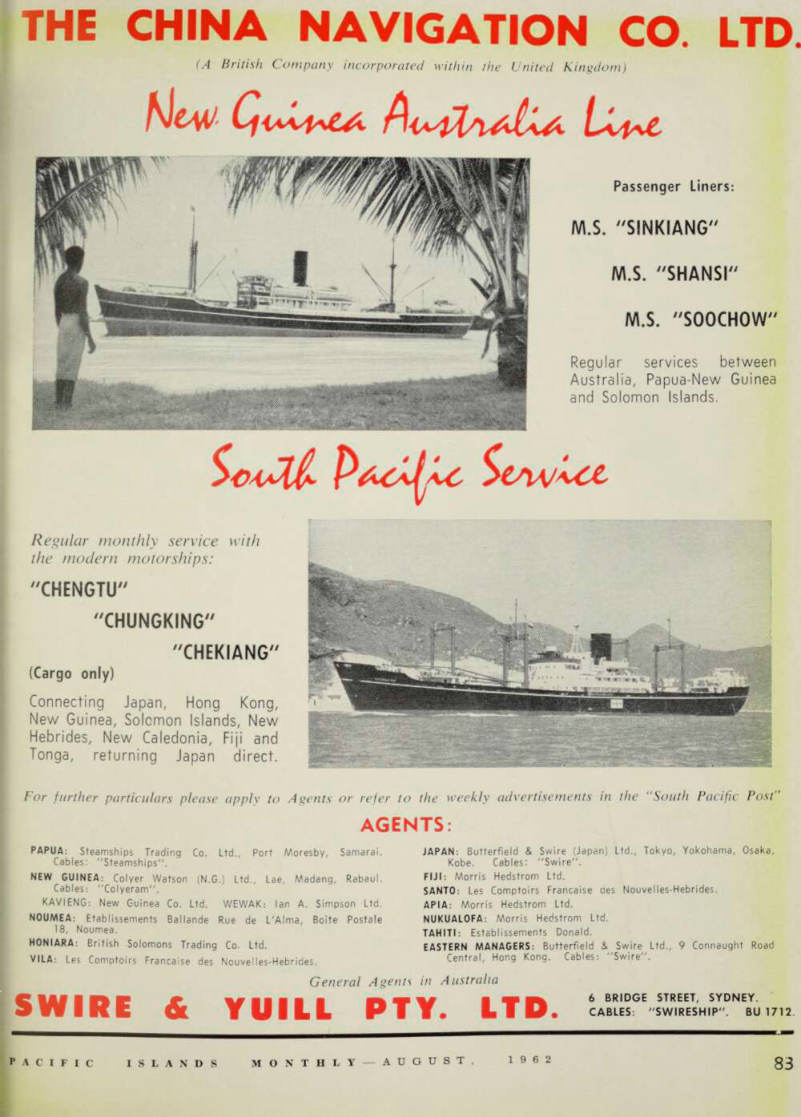 89
89 90
90 91
91 92
92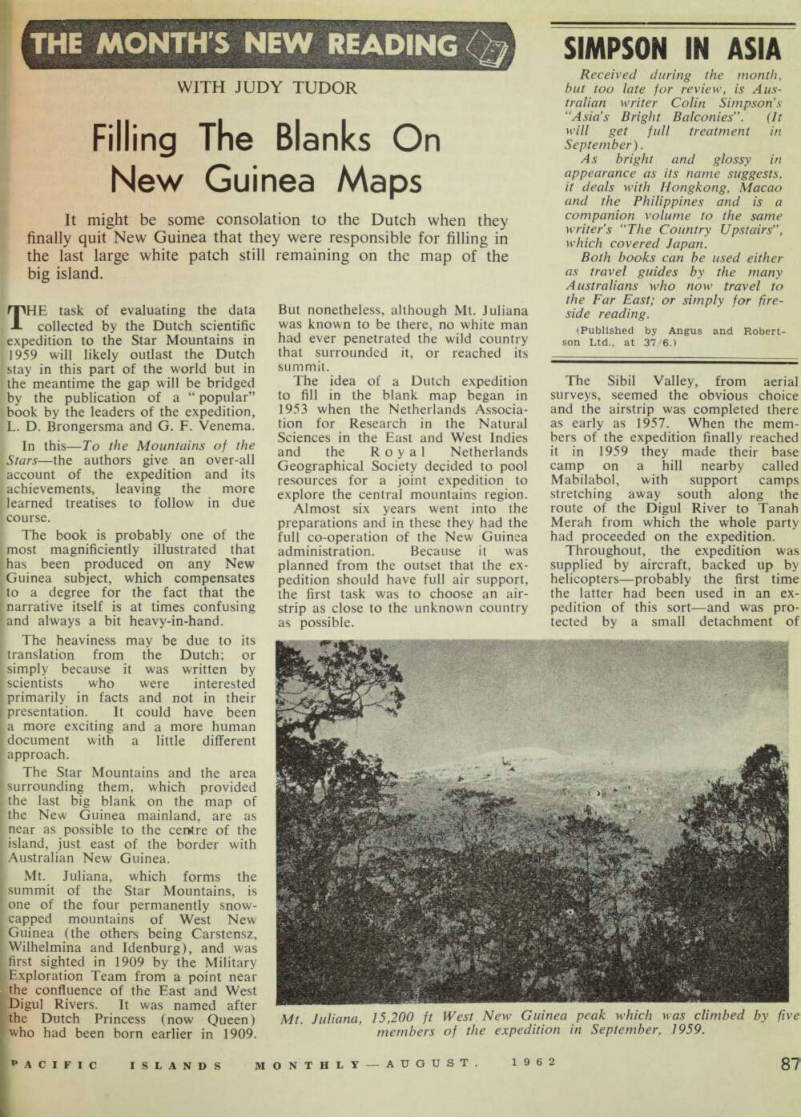 93
93 94
94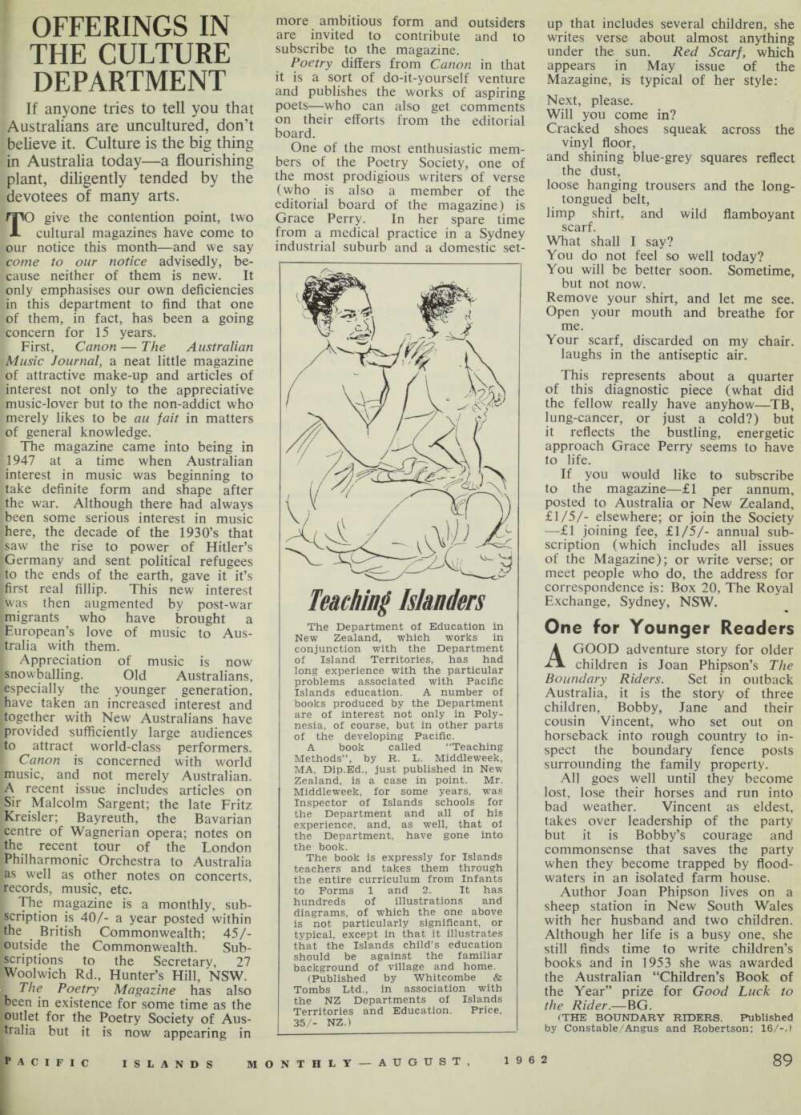 95
95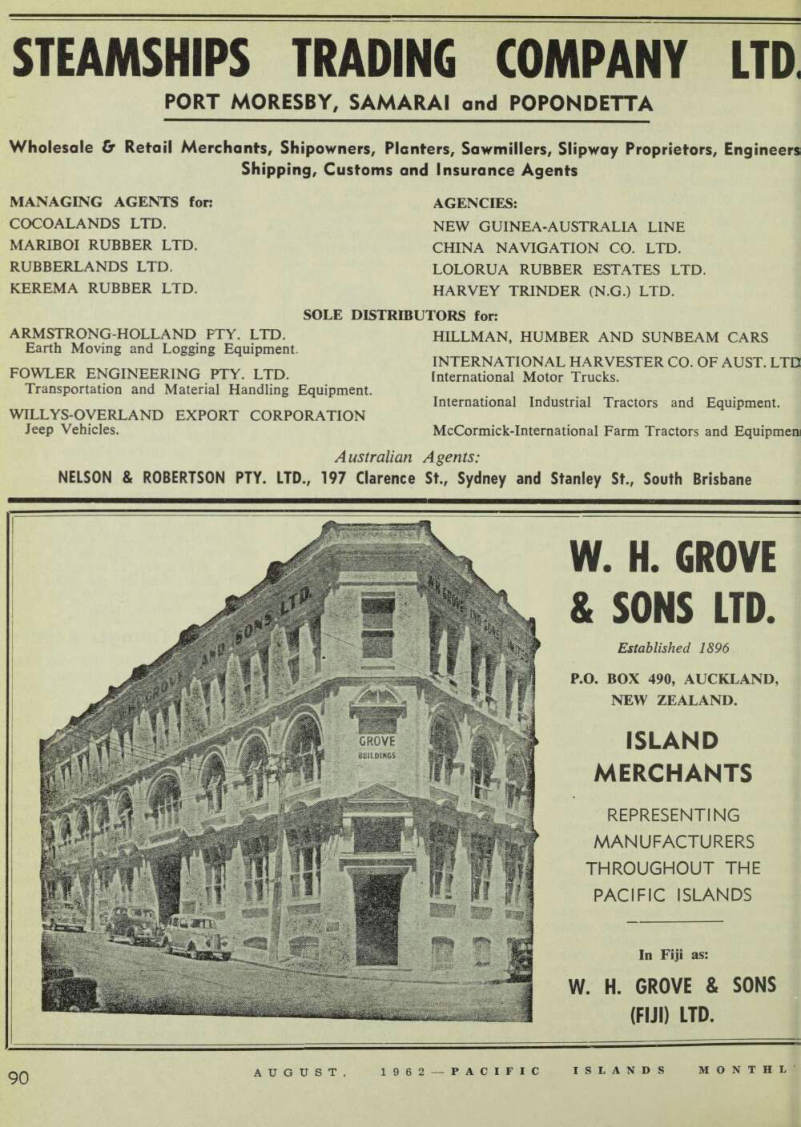 96
96 97
97 98
98 99
99 100
100 101
101 102
102 103
103 104
104 105
105 106
106 107
107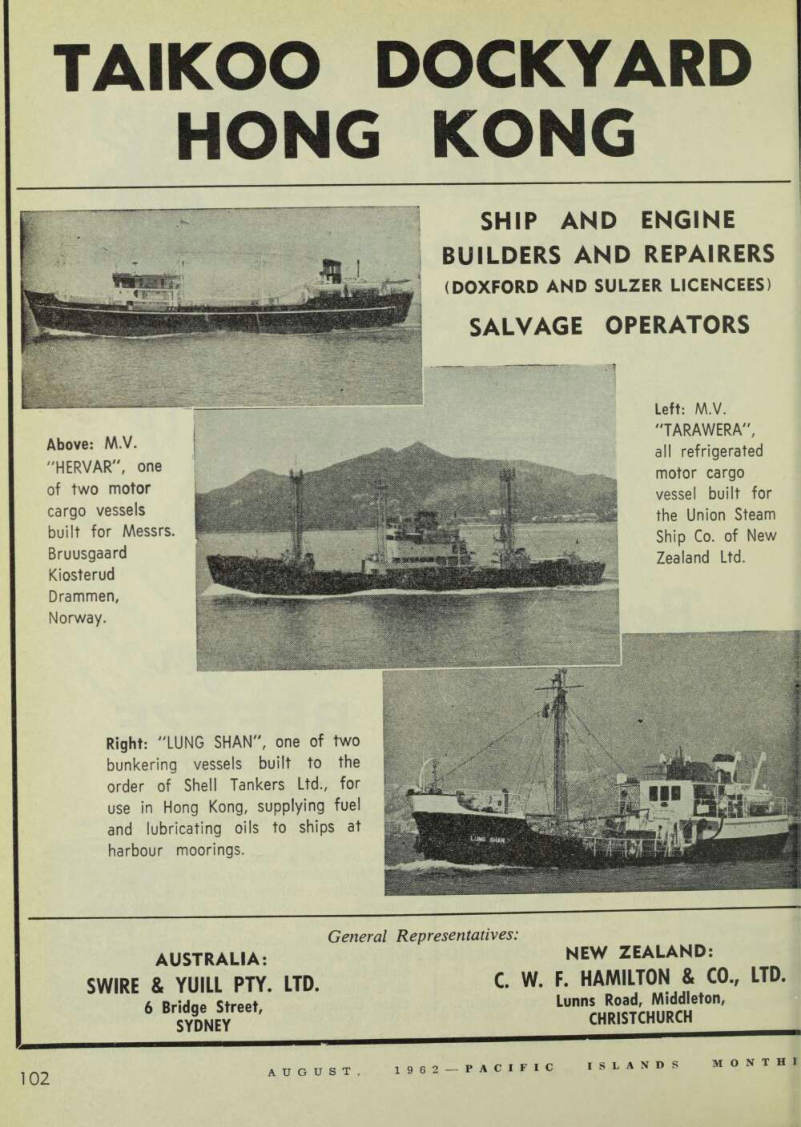 108
108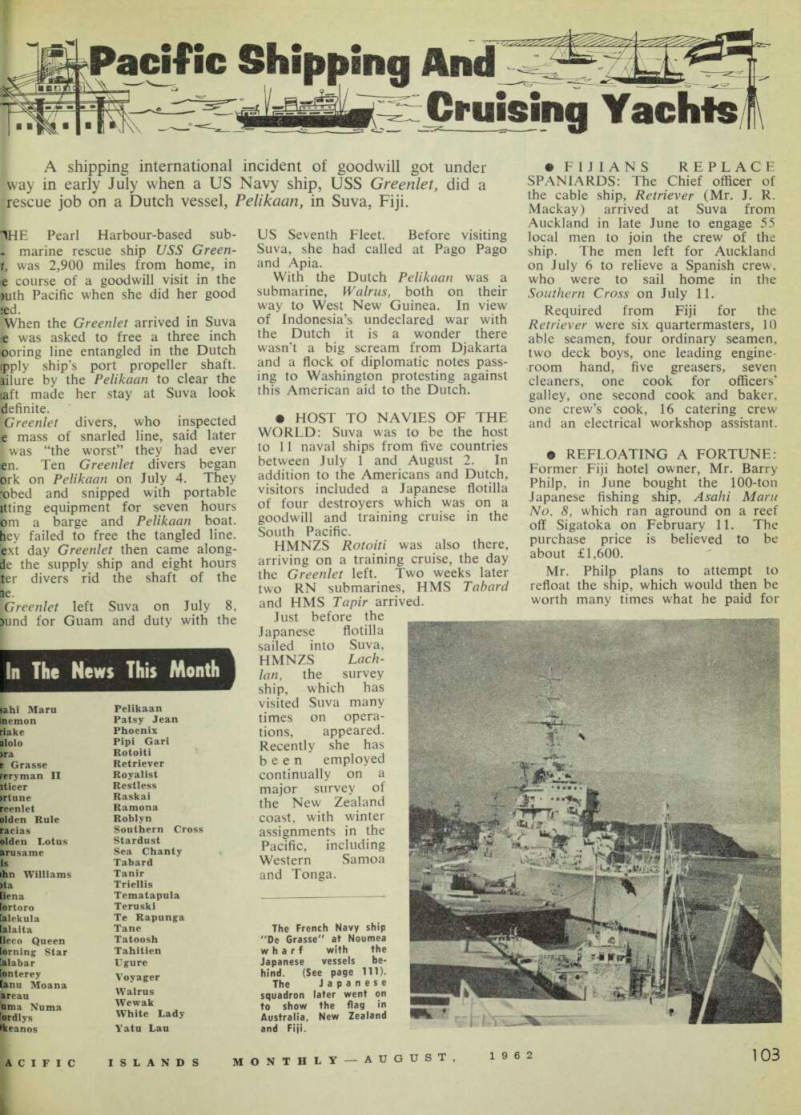 109
109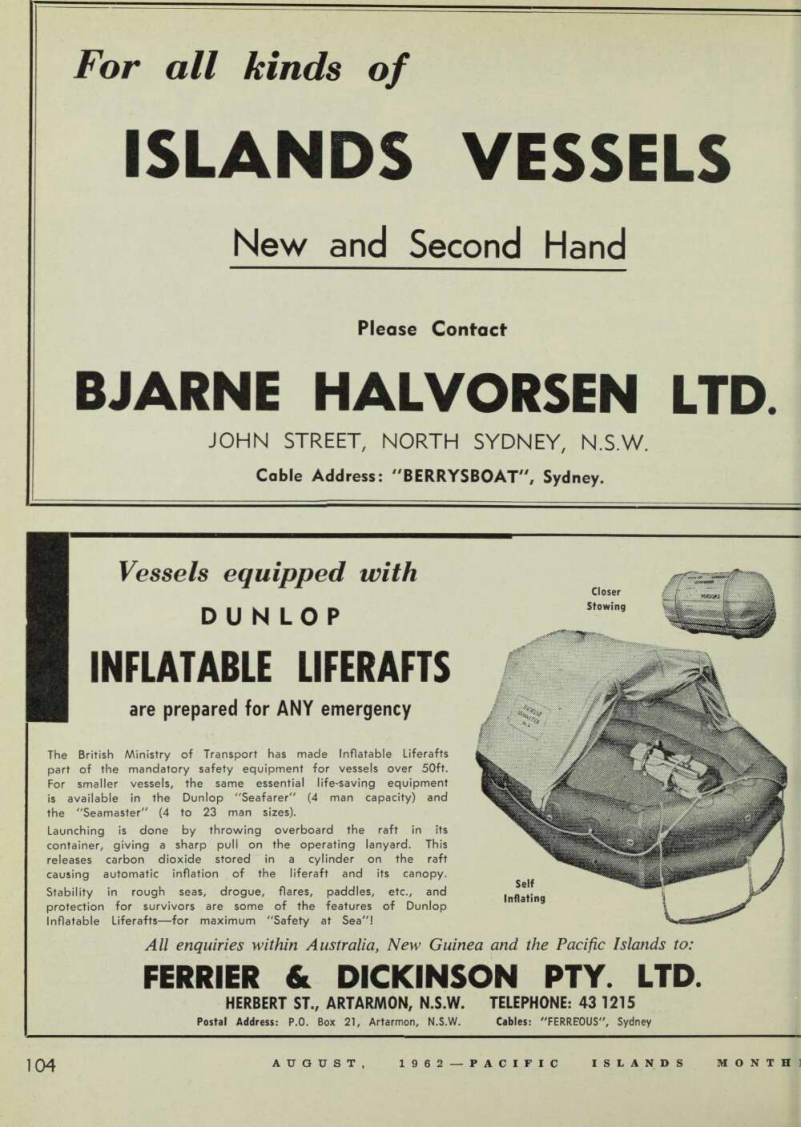 110
110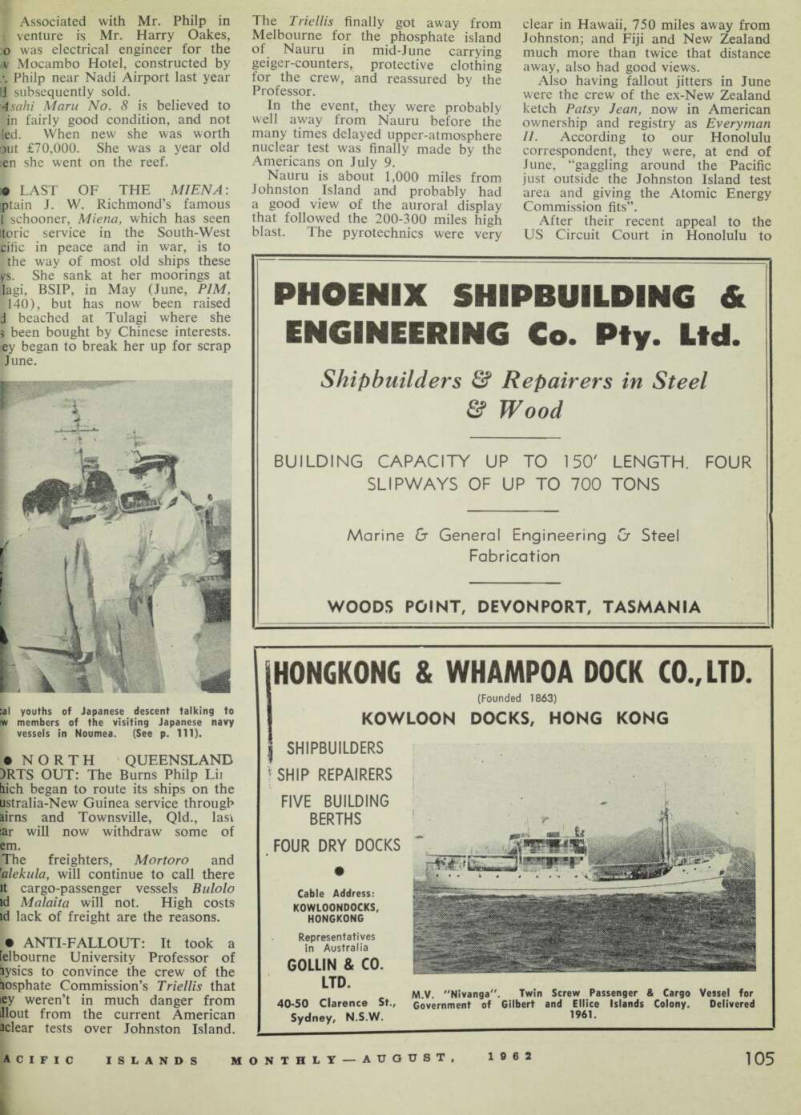 111
111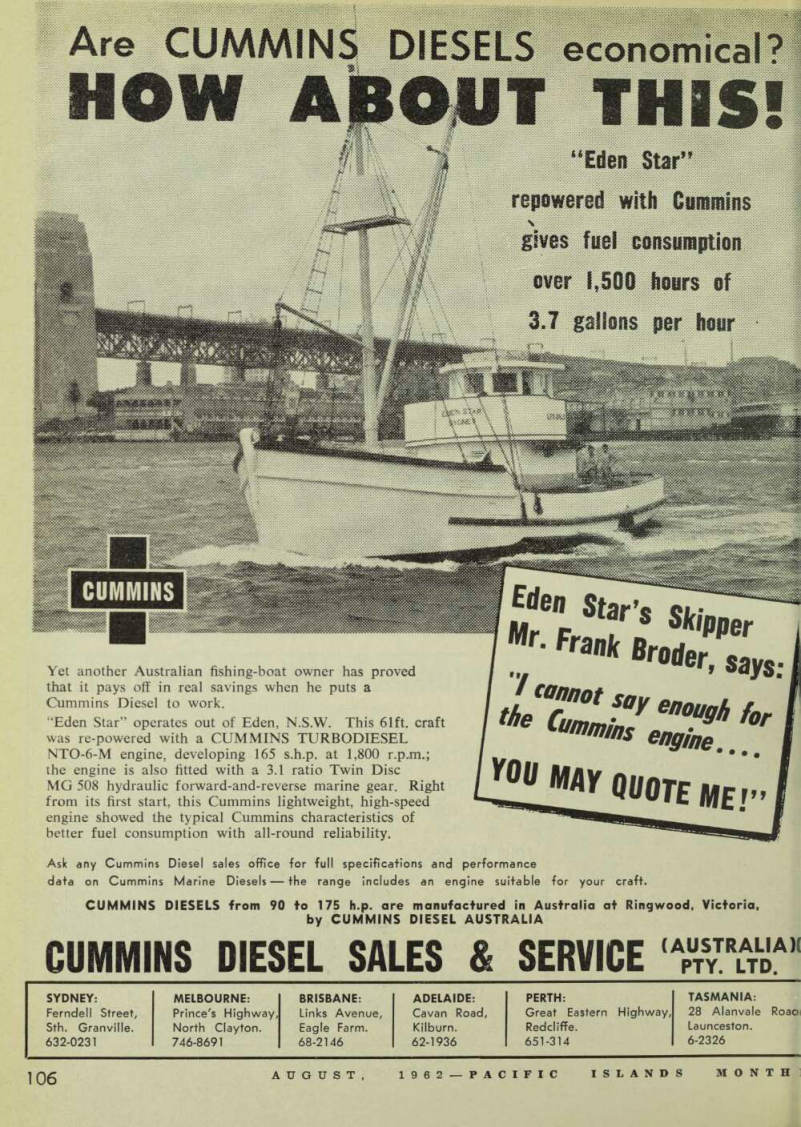 112
112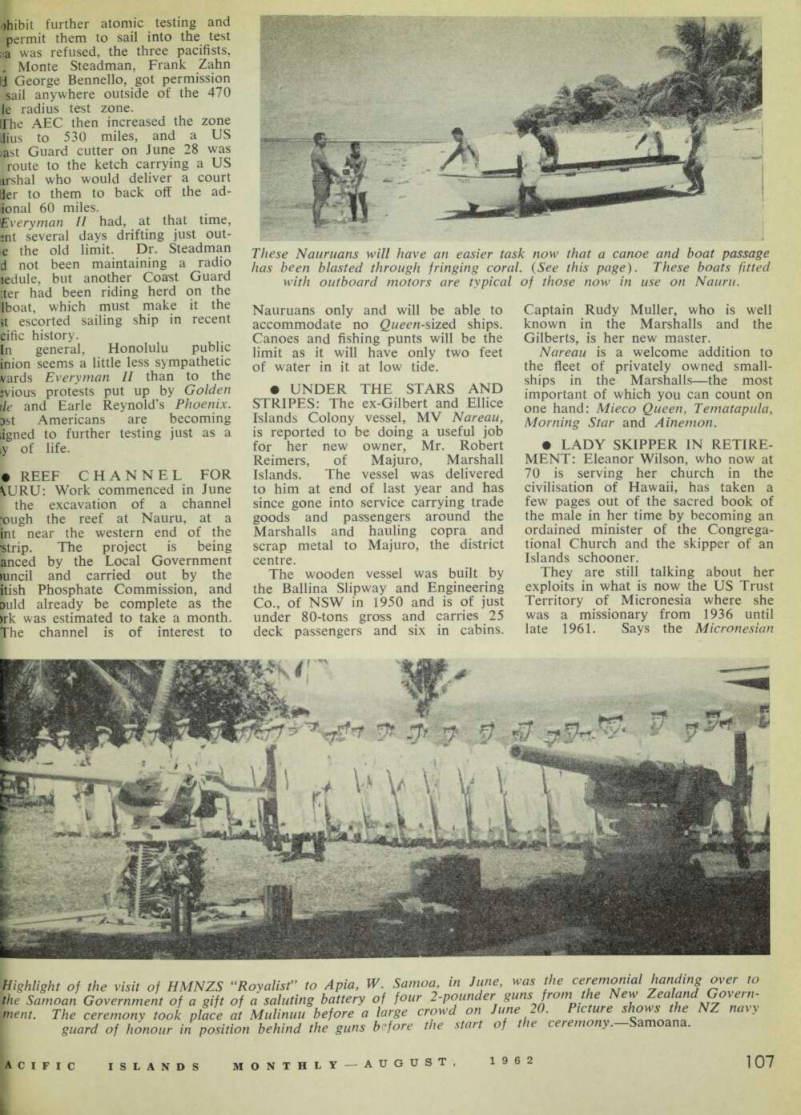 113
113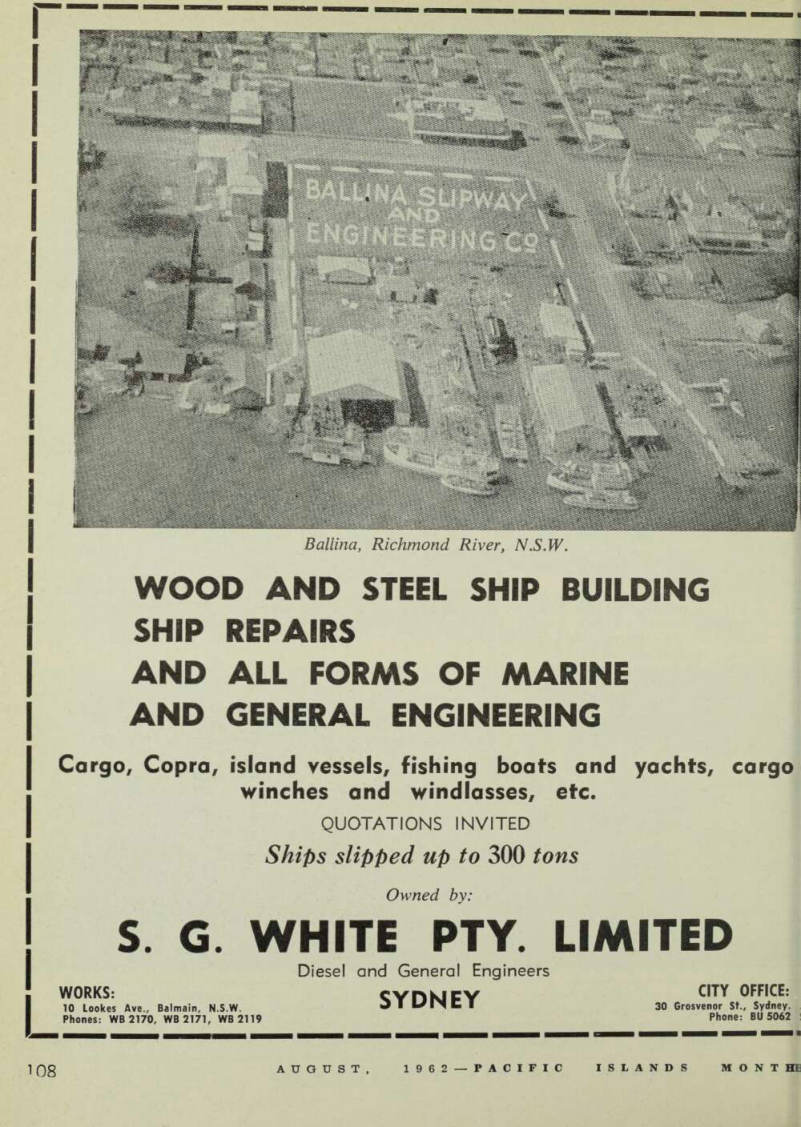 114
114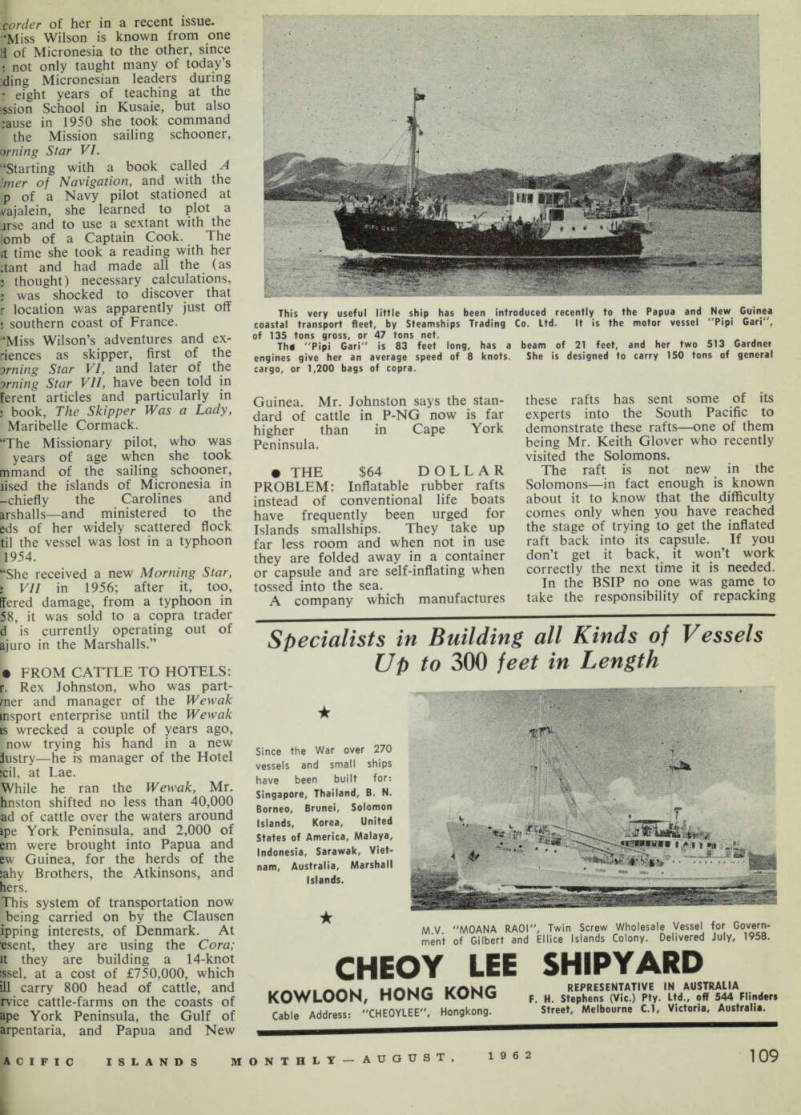 115
115 116
116 117
117 118
118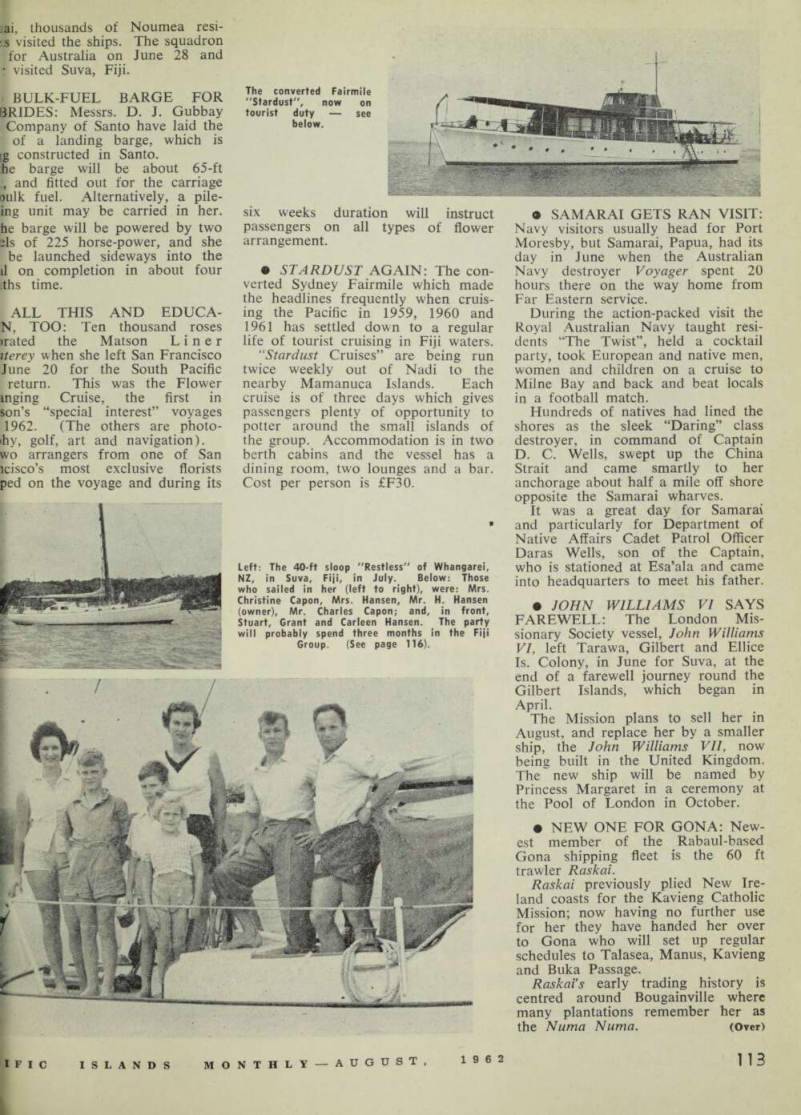 119
119 120
120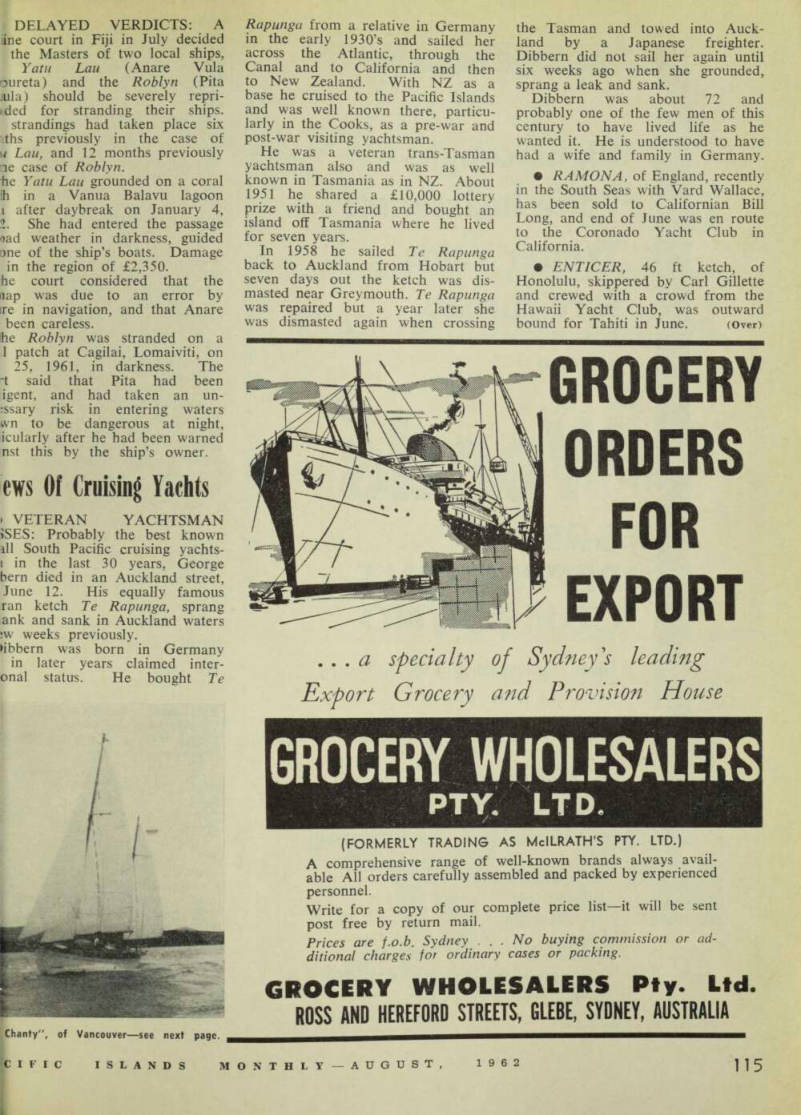 121
121 122
122 123
123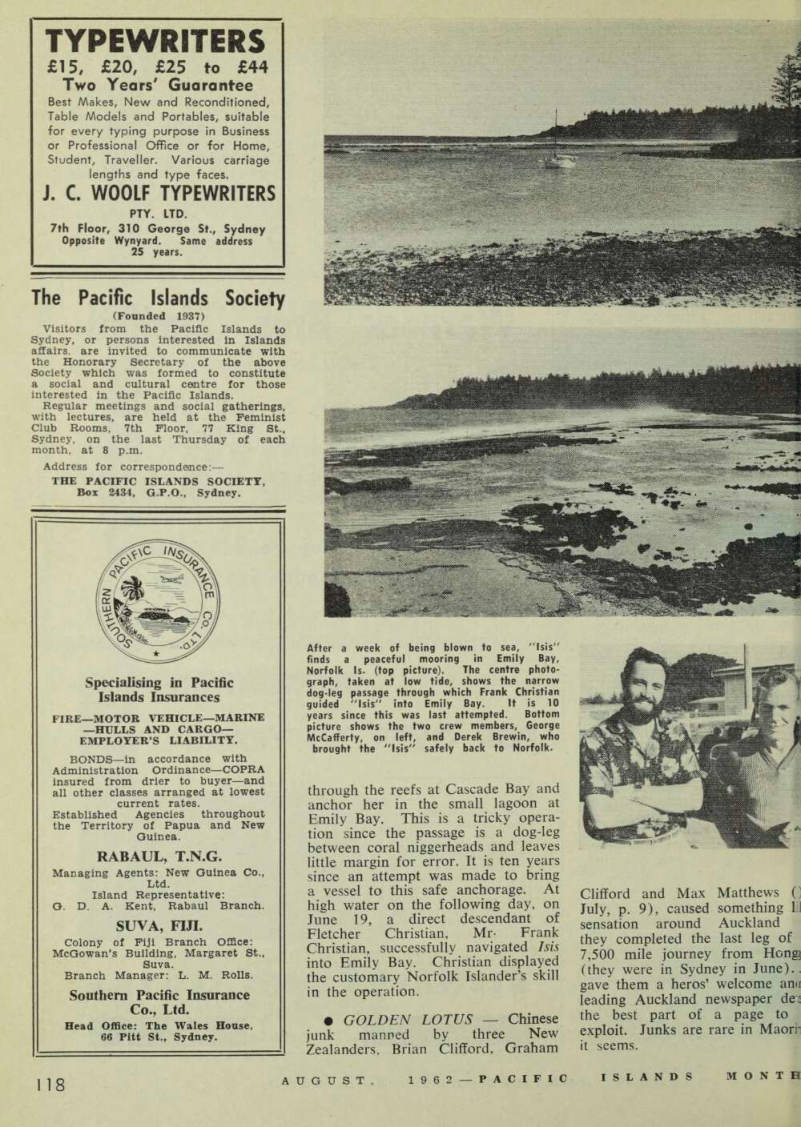 124
124 125
125 126
126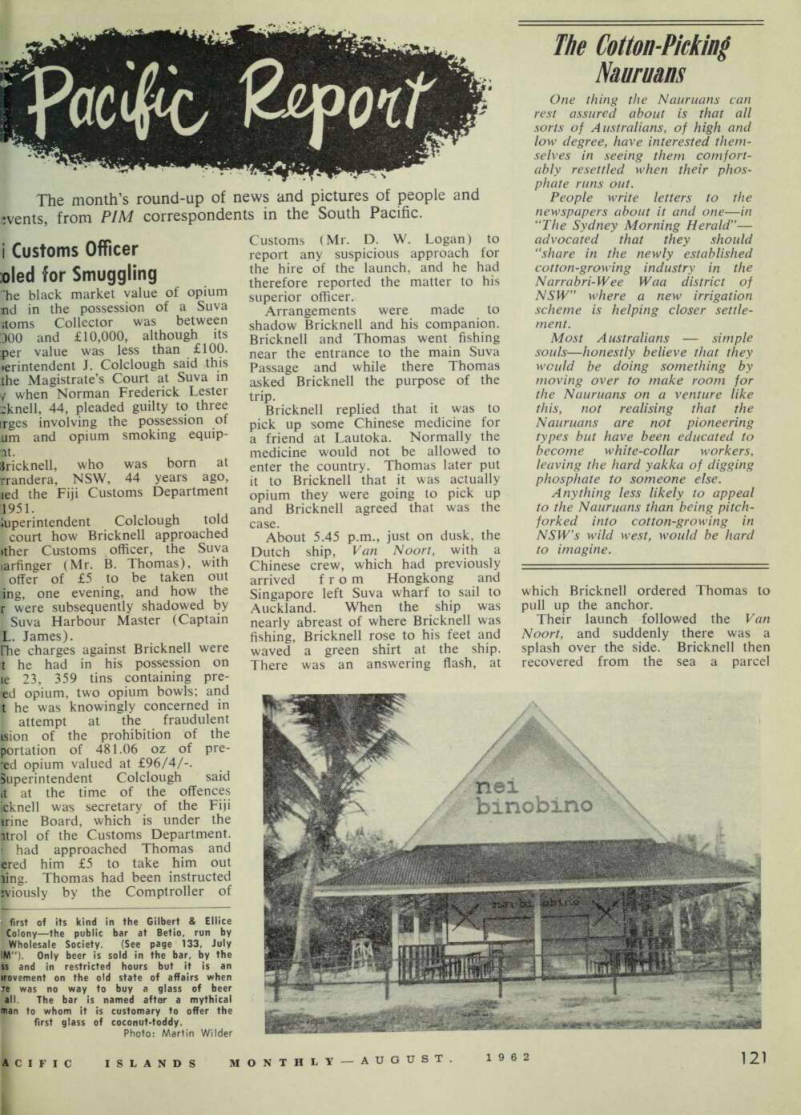 127
127 128
128 129
129 130
130 131
131 132
132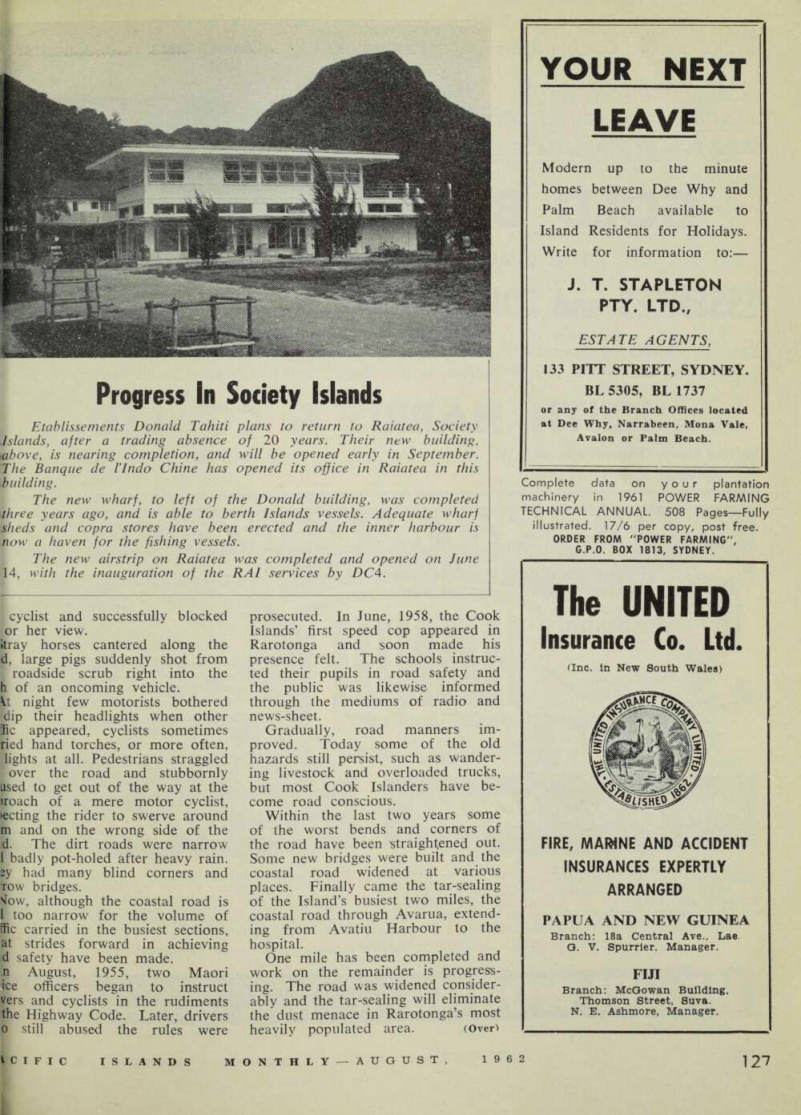 133
133 134
134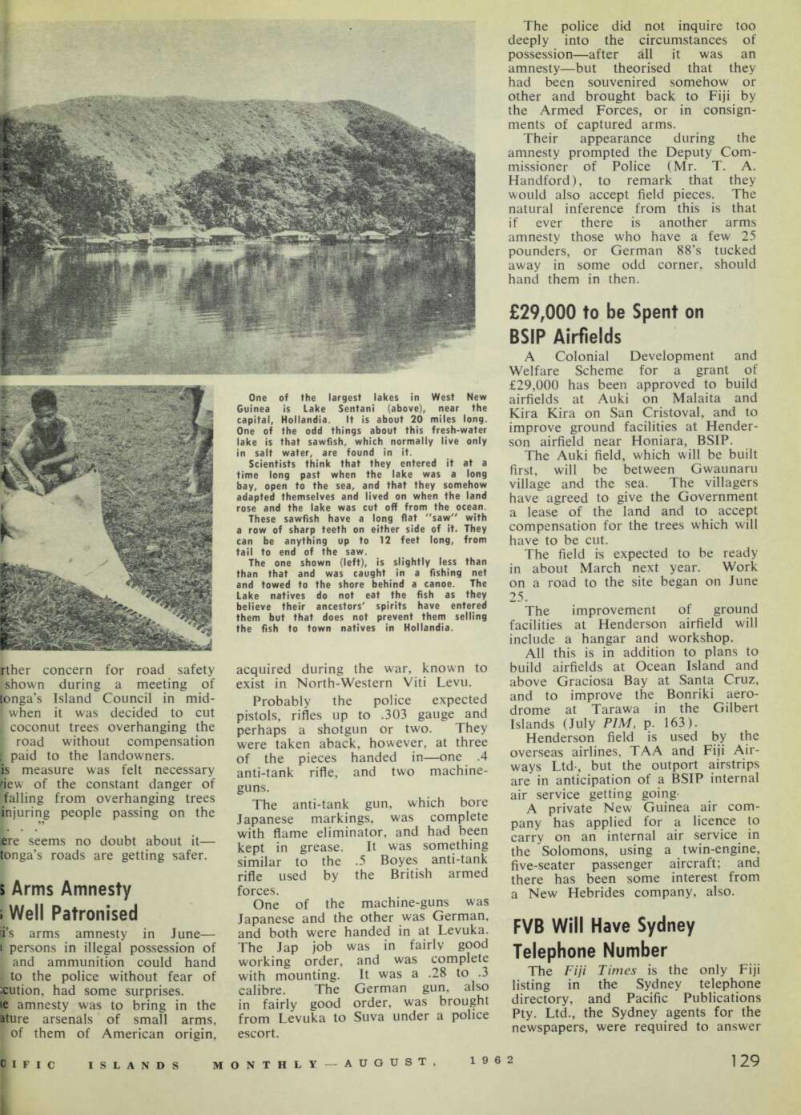 135
135 136
136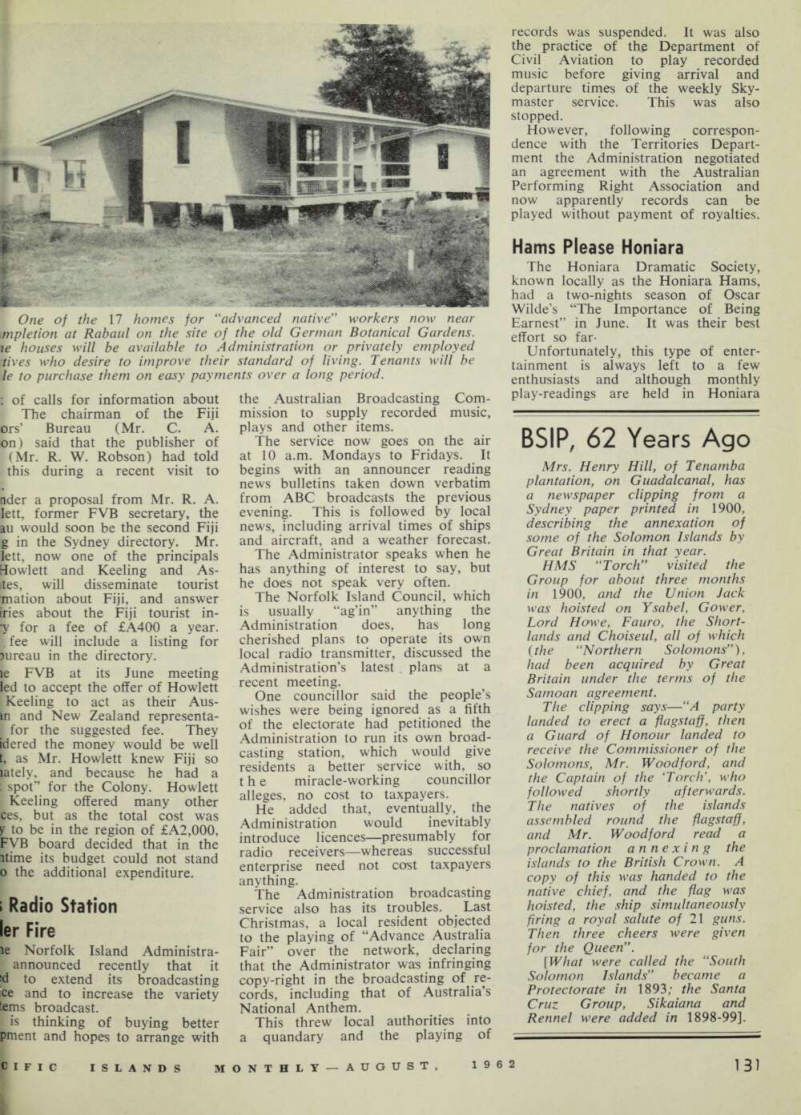 137
137 138
138 139
139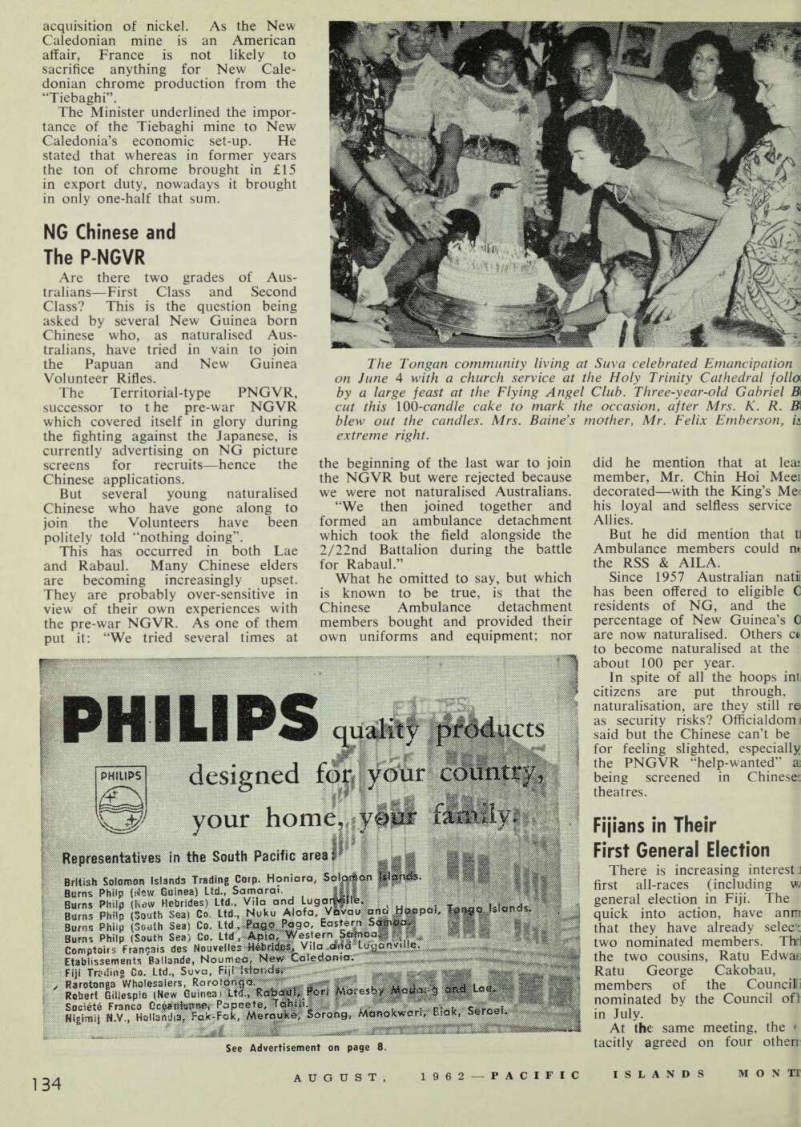 140
140 141
141 142
142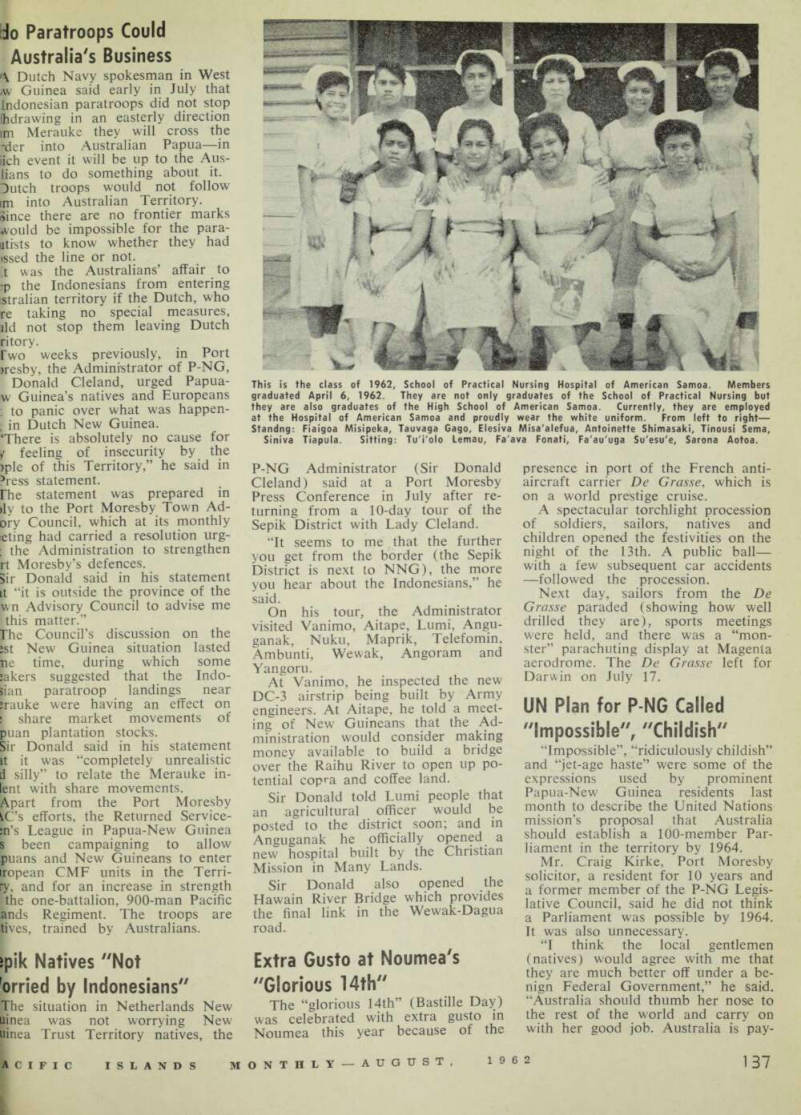 143
143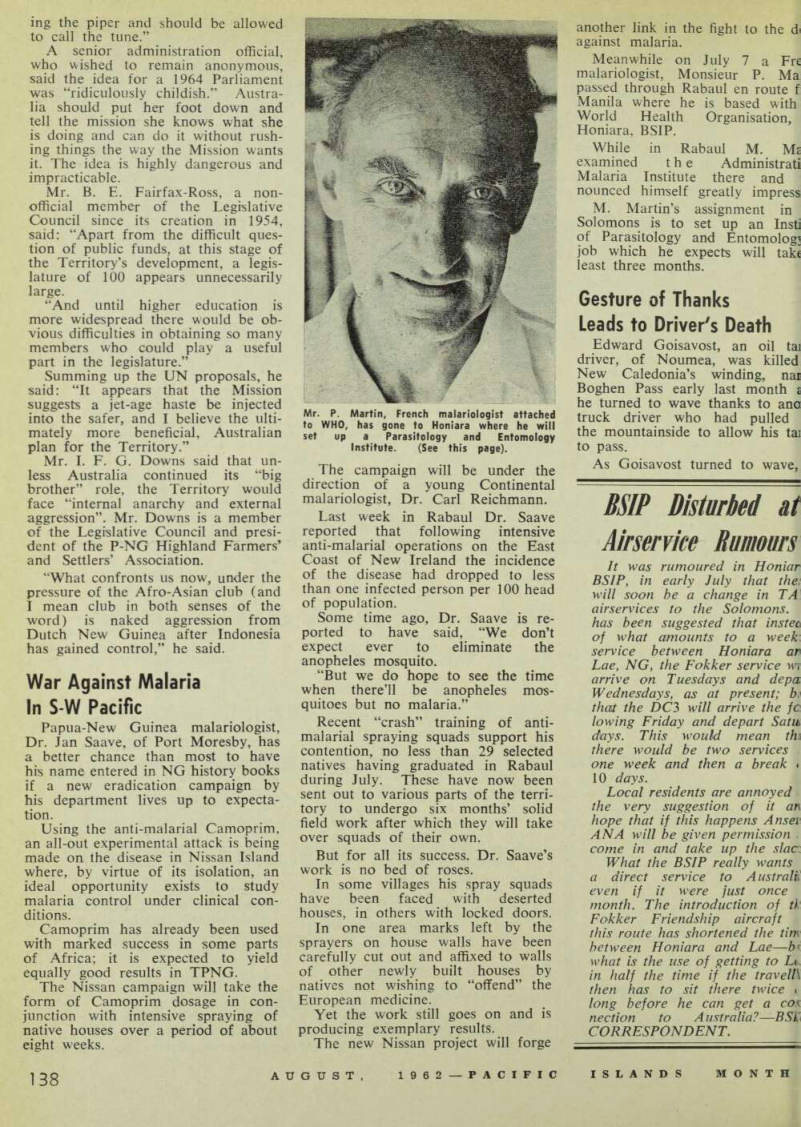 144
144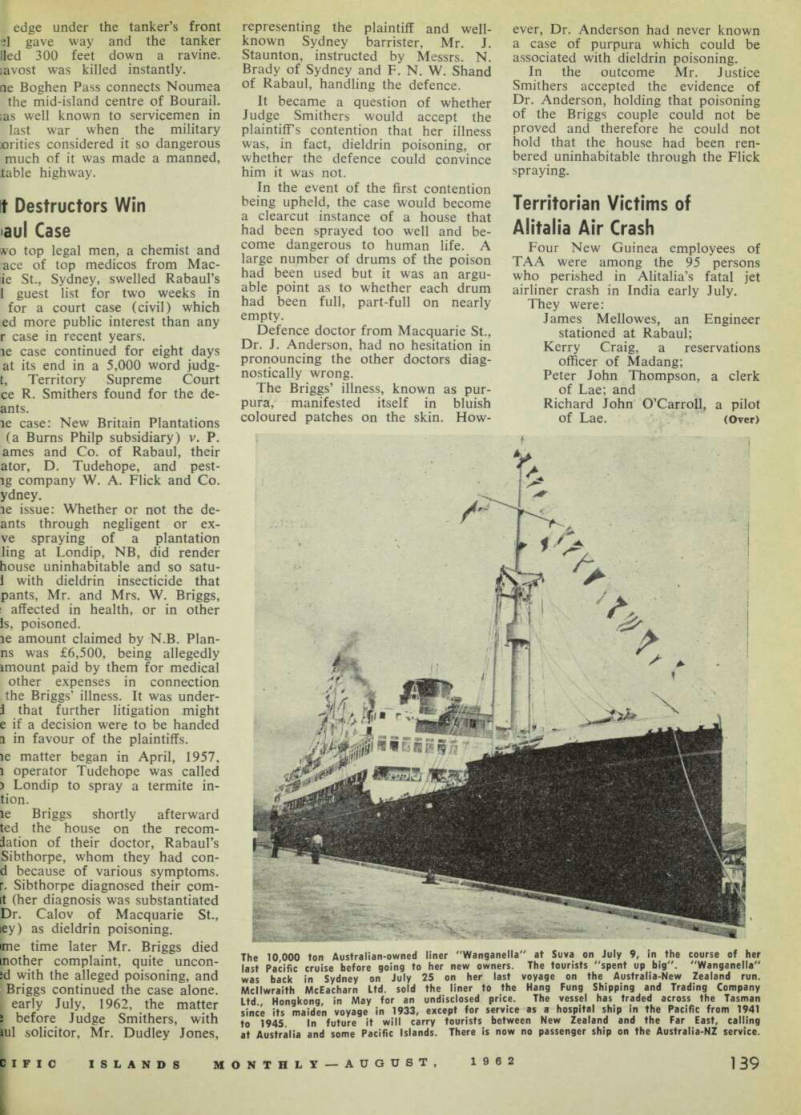 145
145 146
146 147
147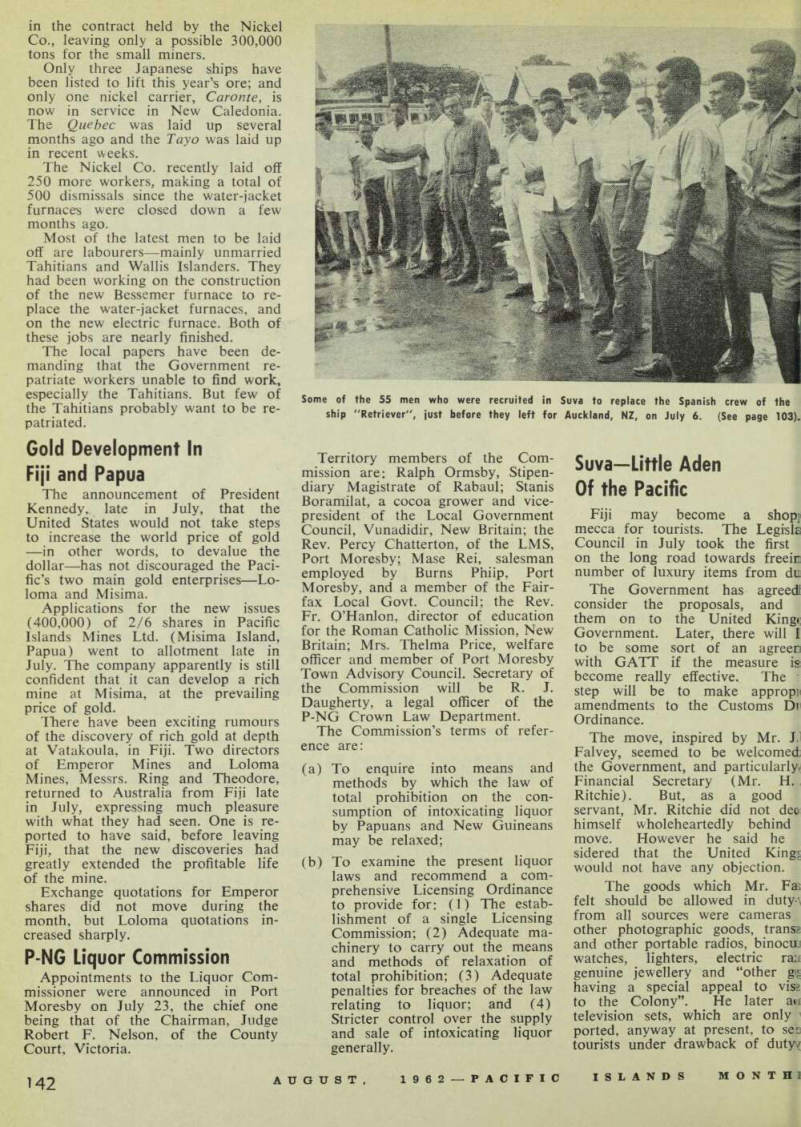 148
148 149
149 150
150 151
151 152
152 153
153 154
154 155
155 156
156 157
157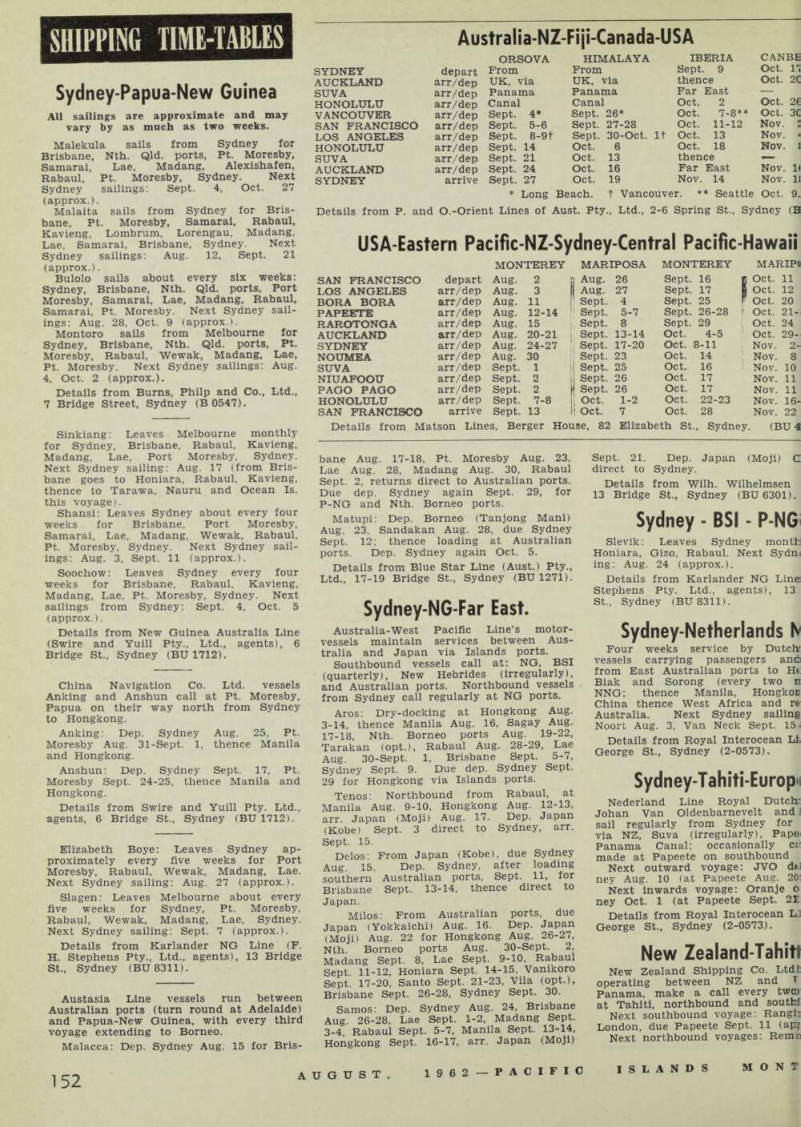 158
158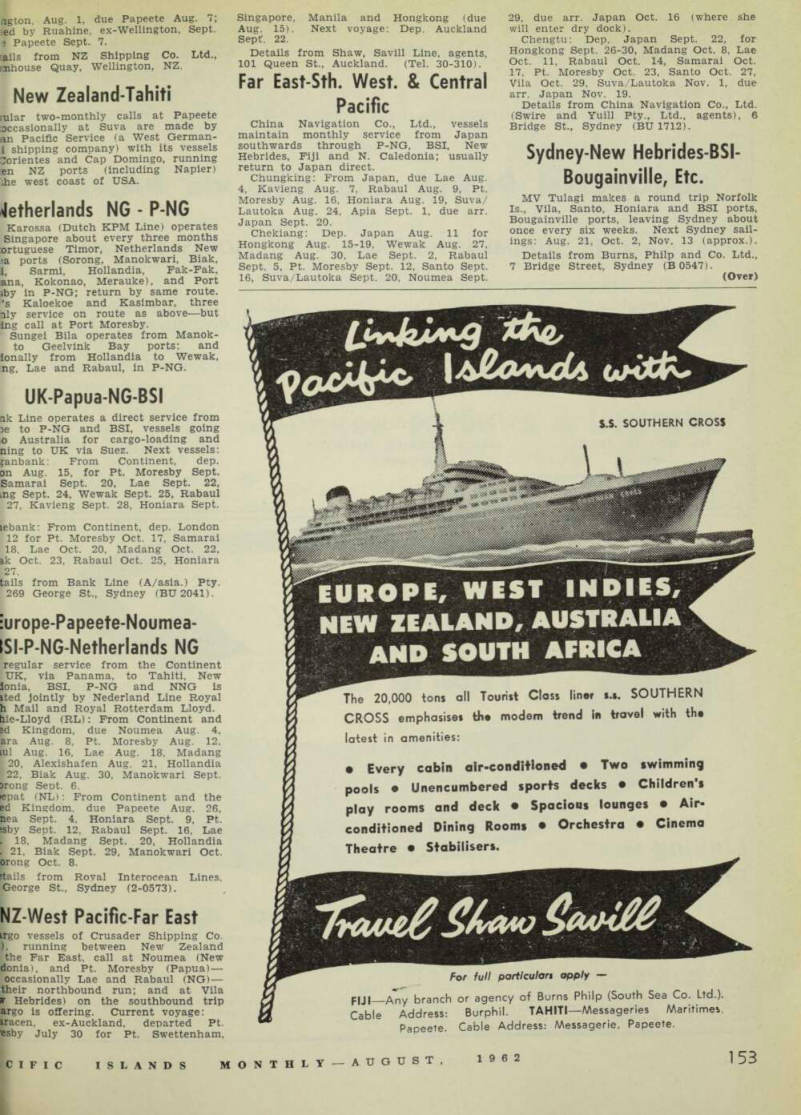 159
159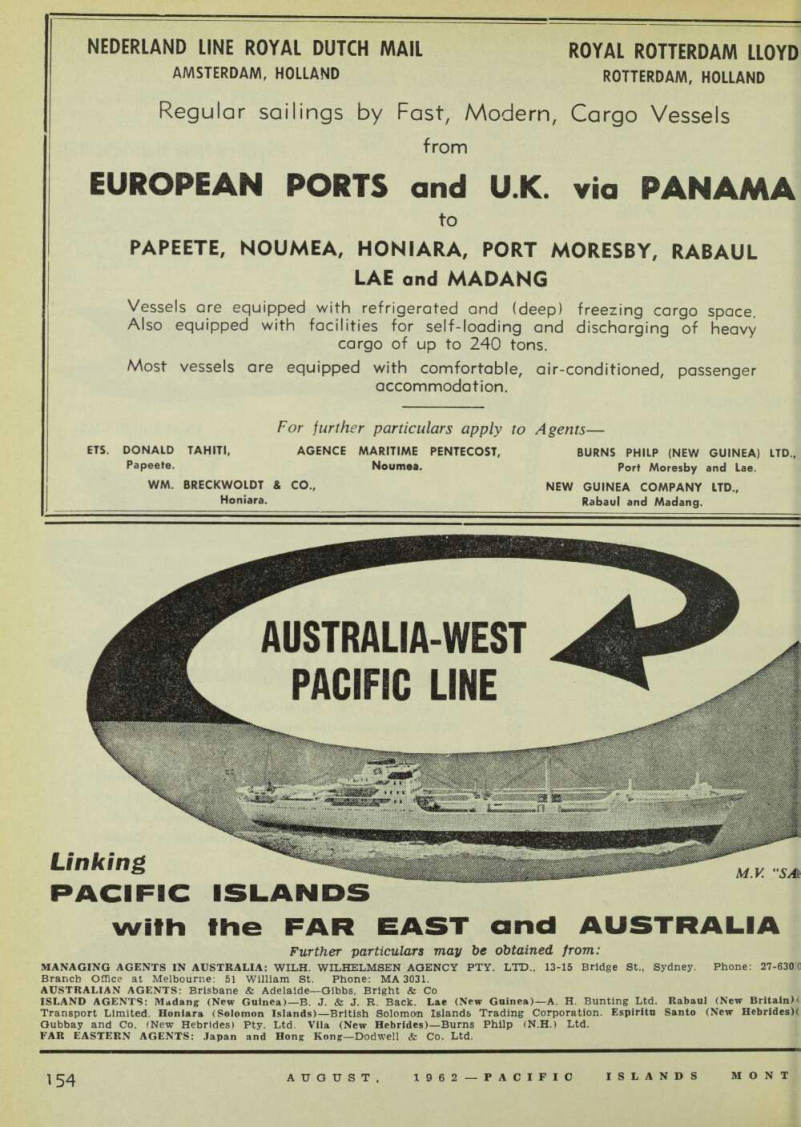 160
160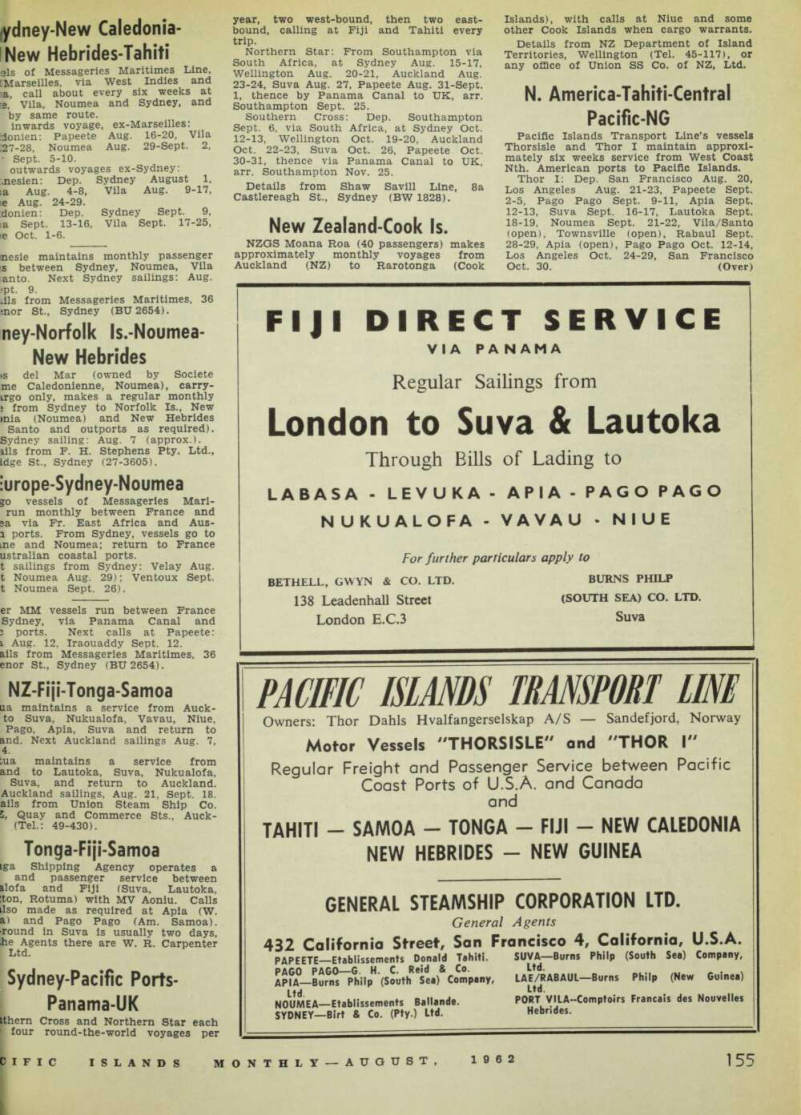 161
161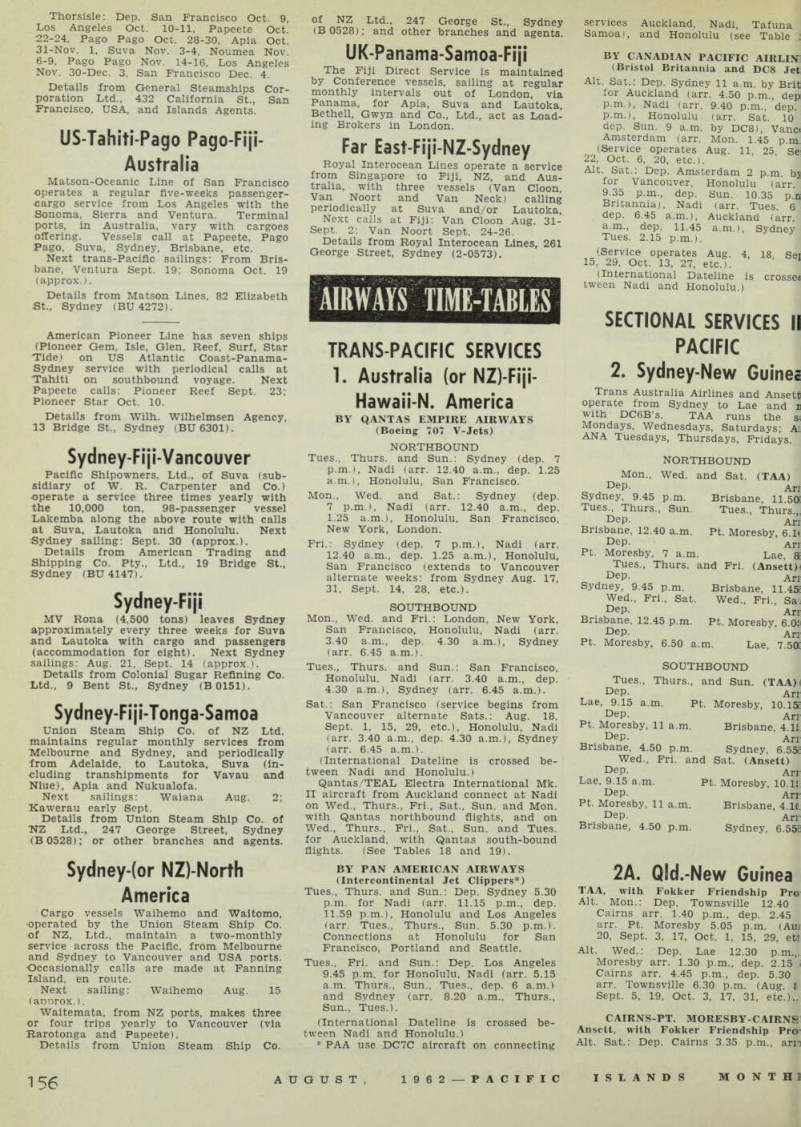 162
162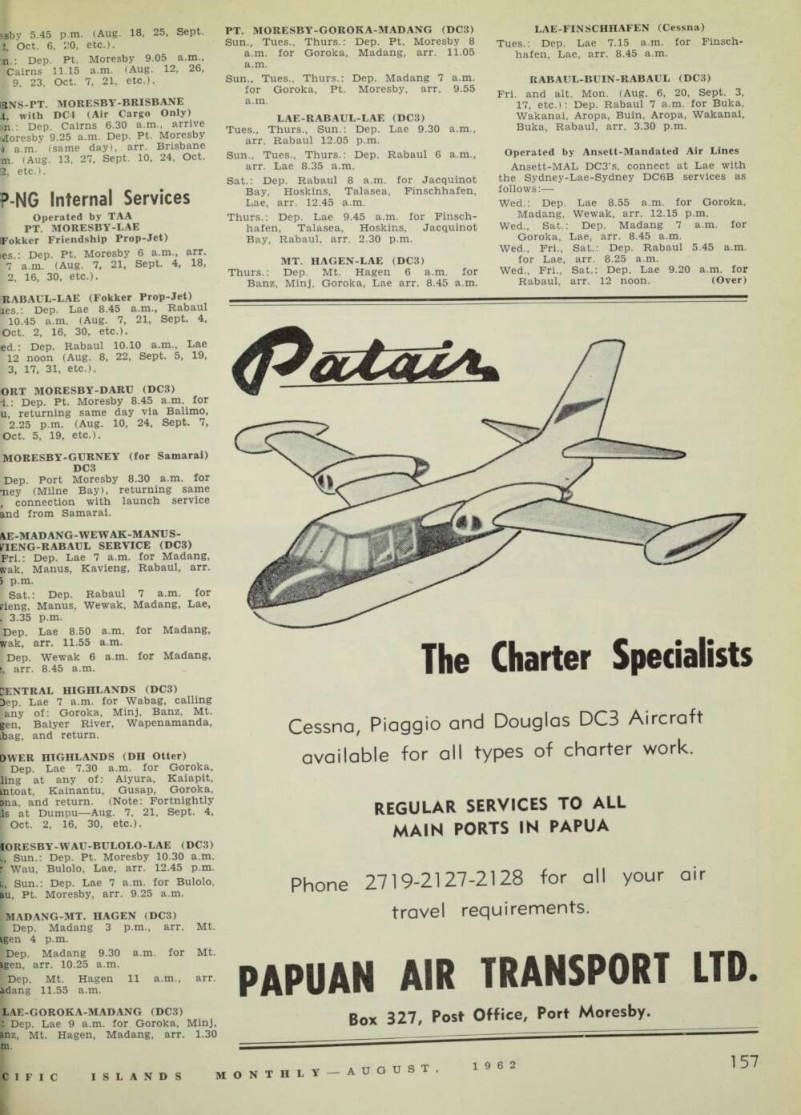 163
163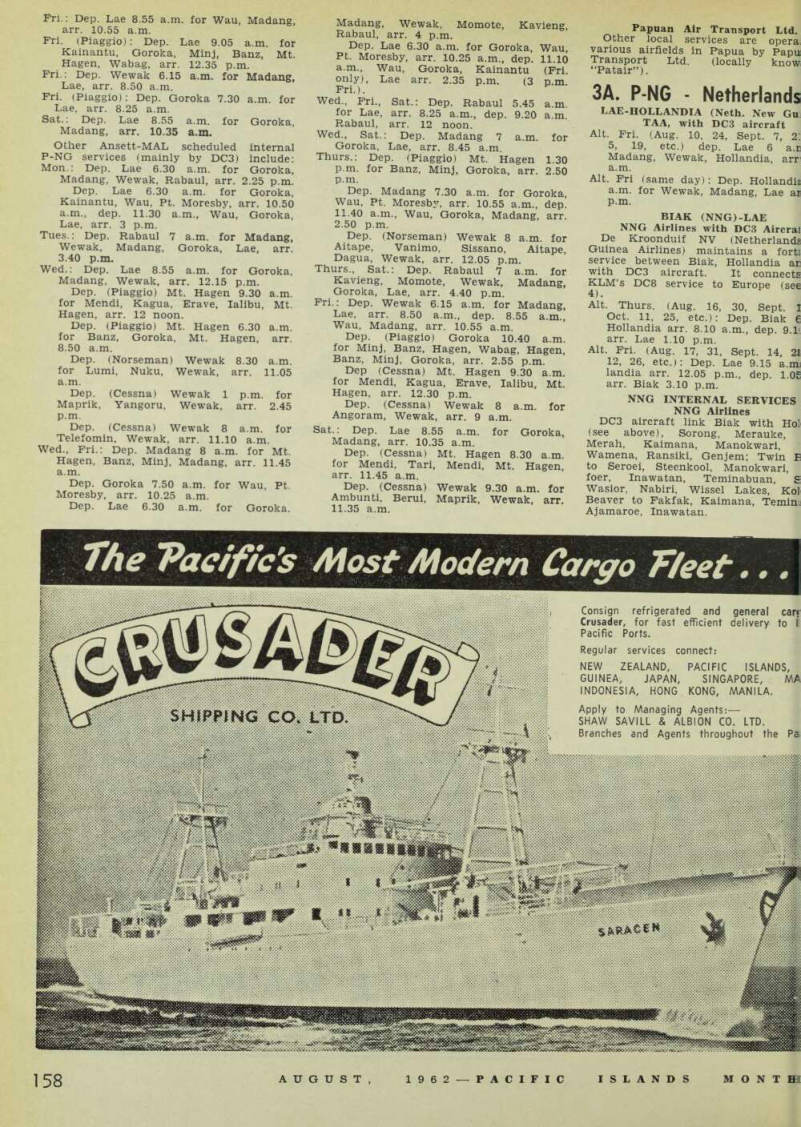 164
164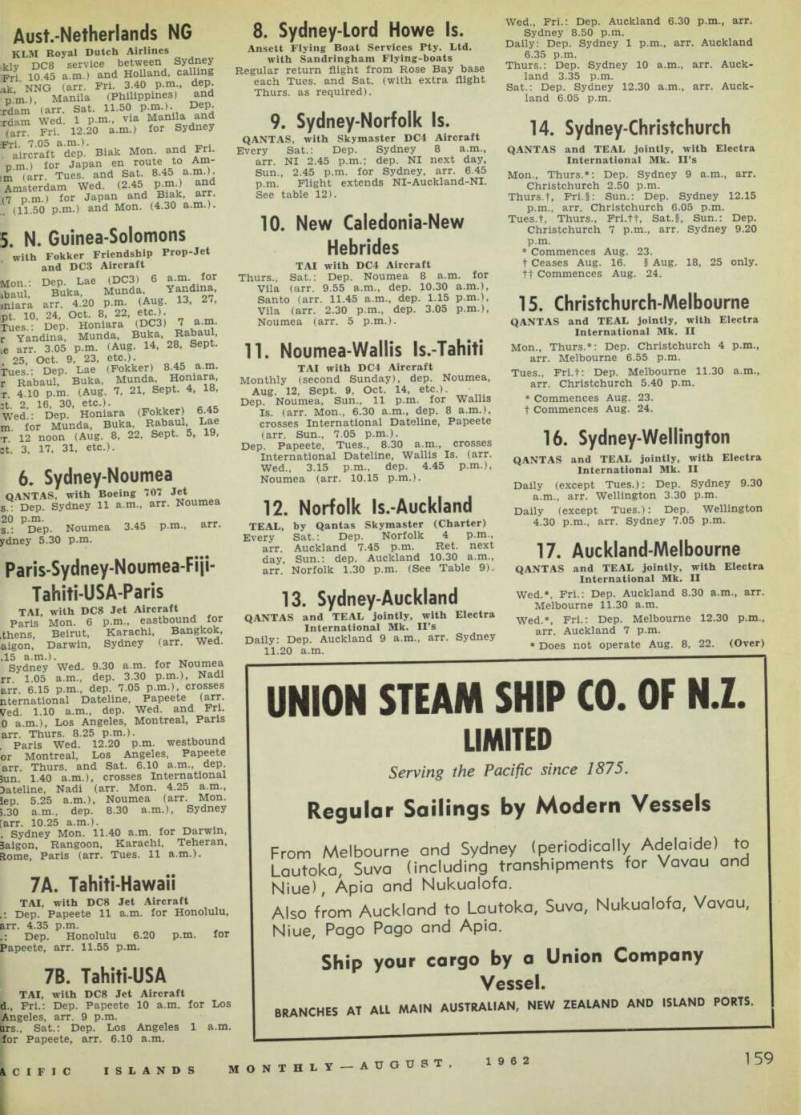 165
165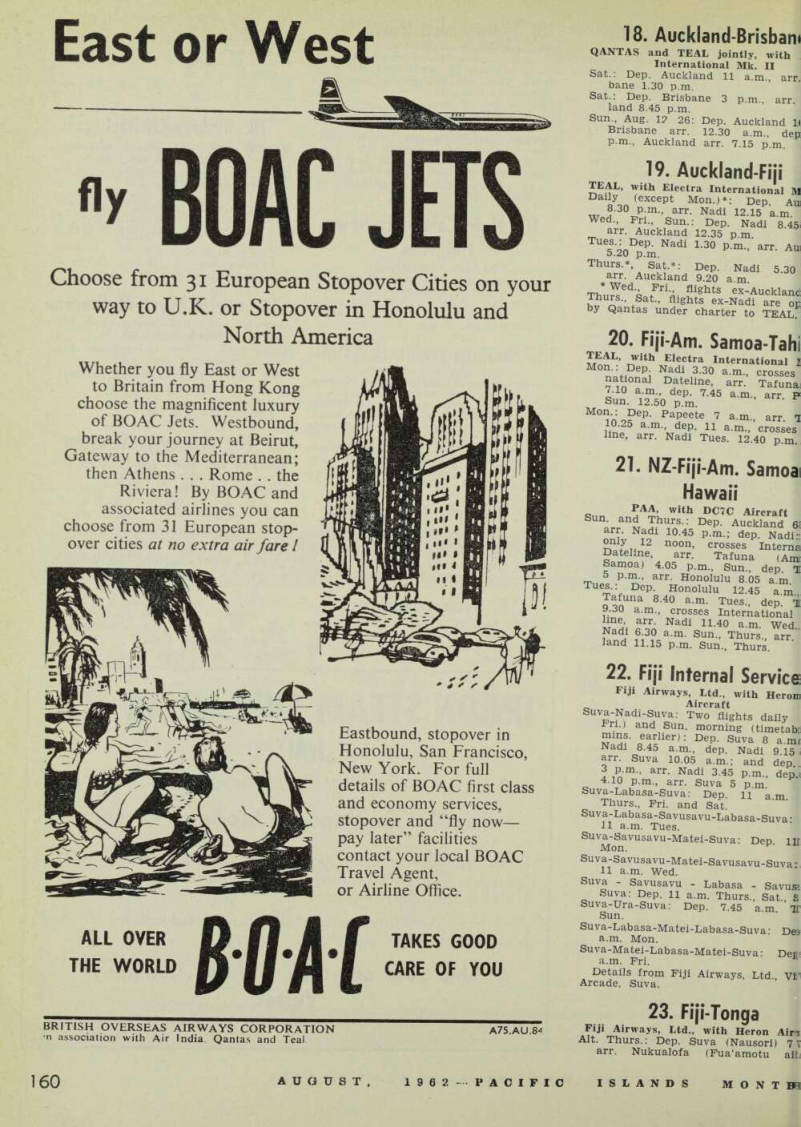 166
166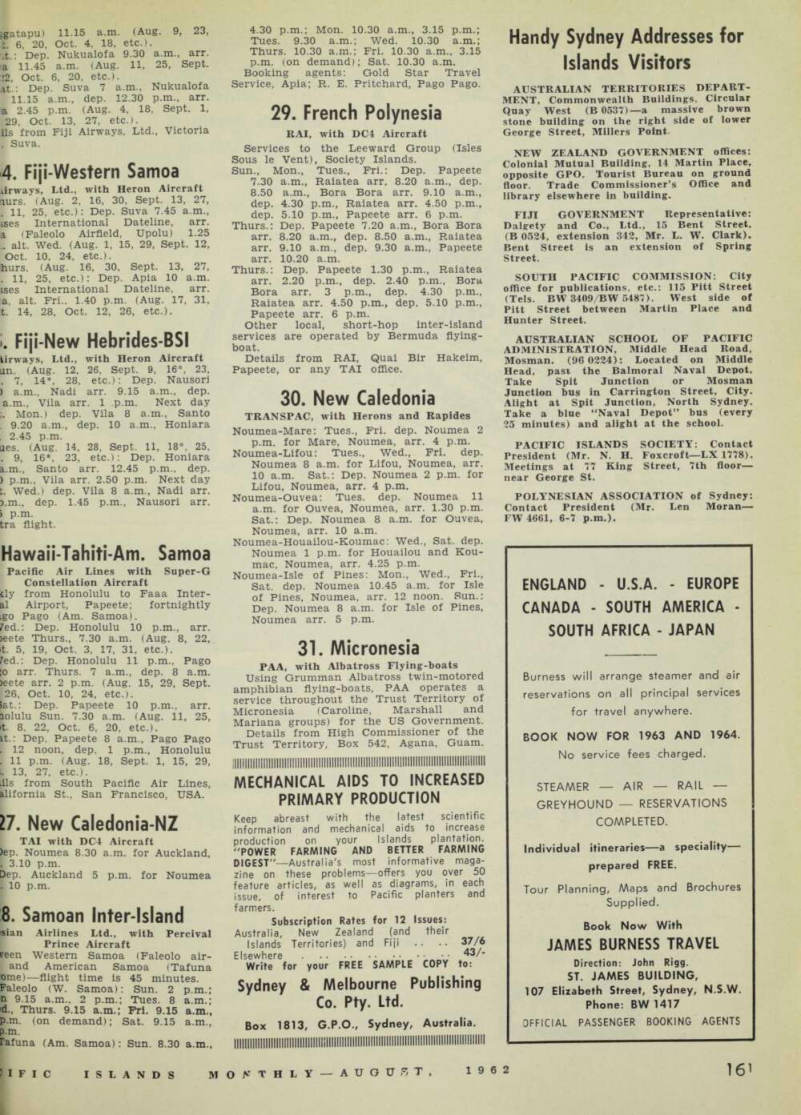 167
167 168
168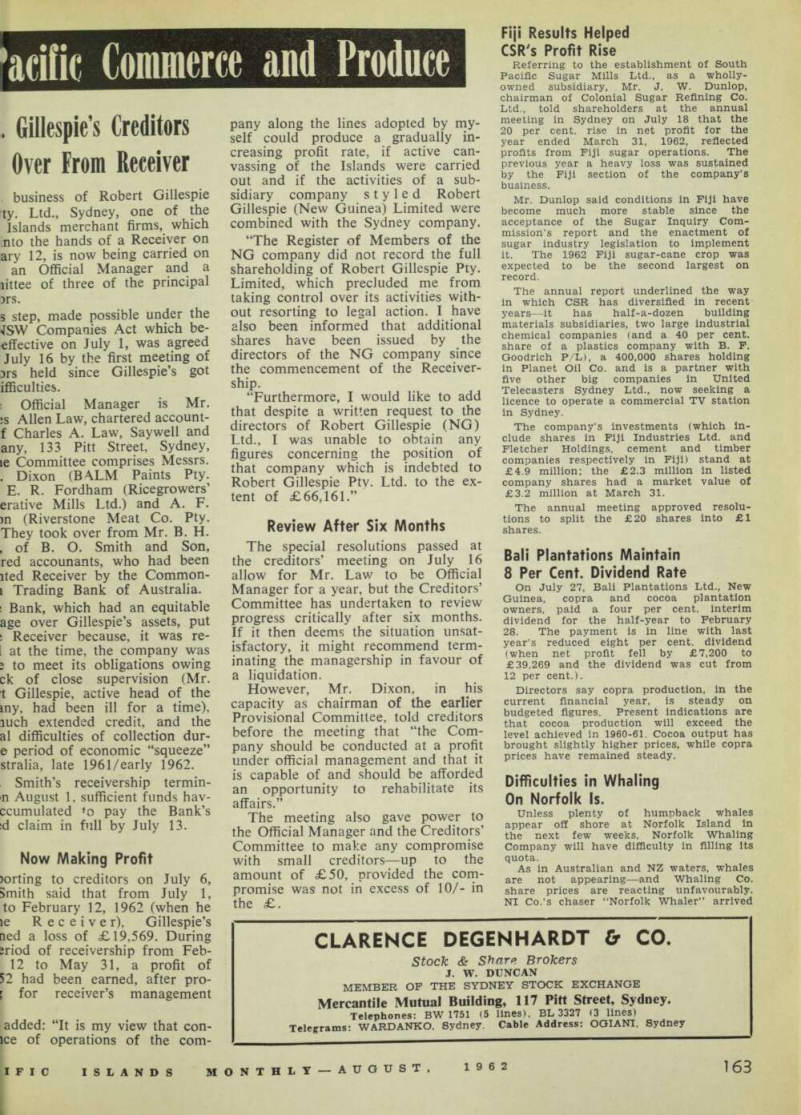 169
169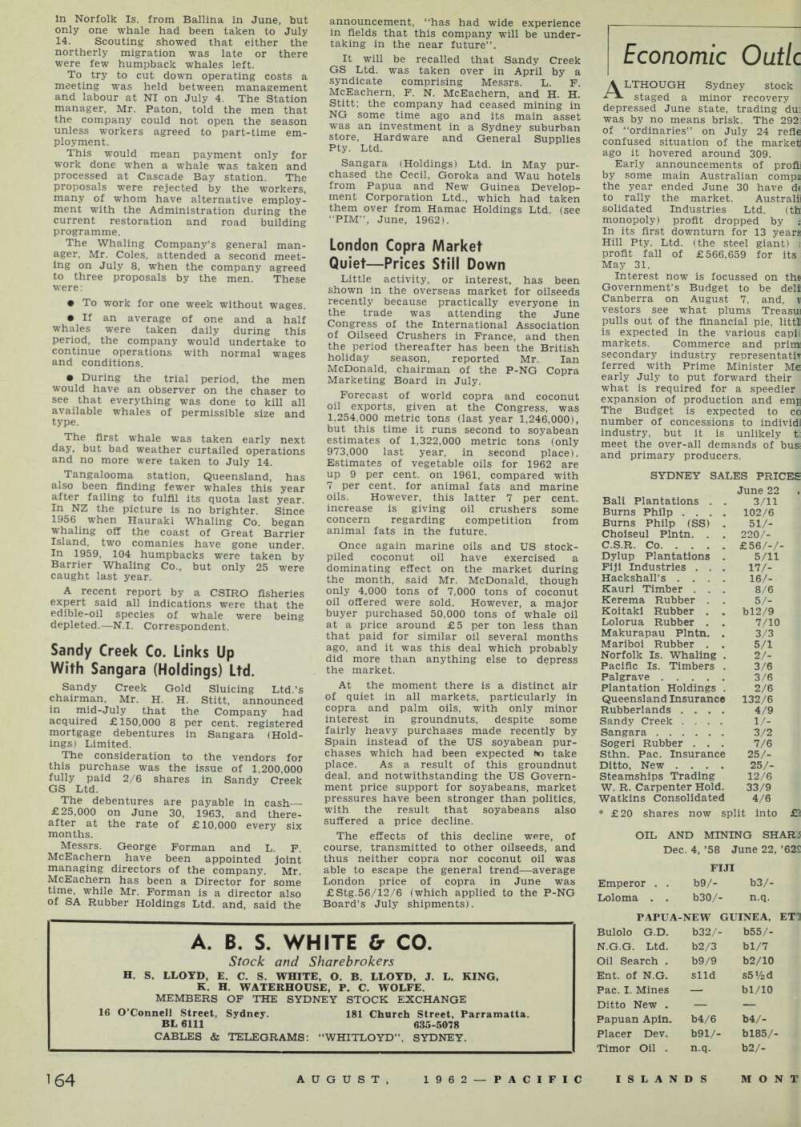 170
170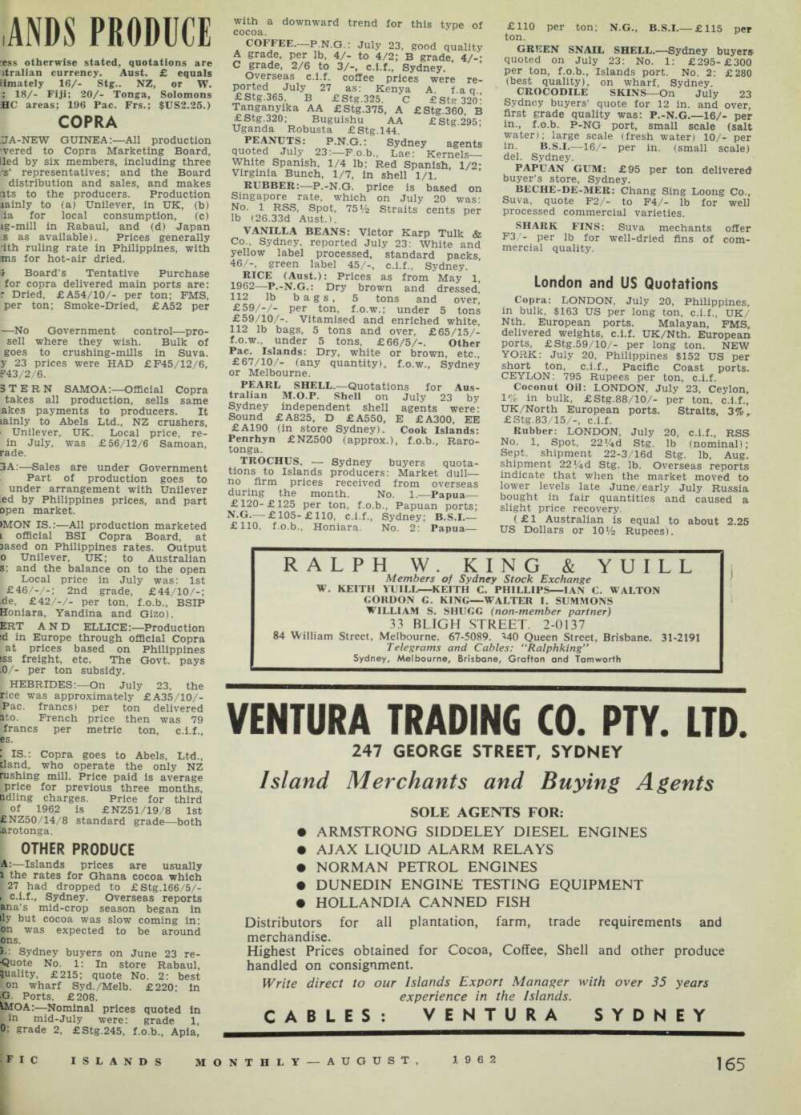 171
171 172
172 173
173 174
174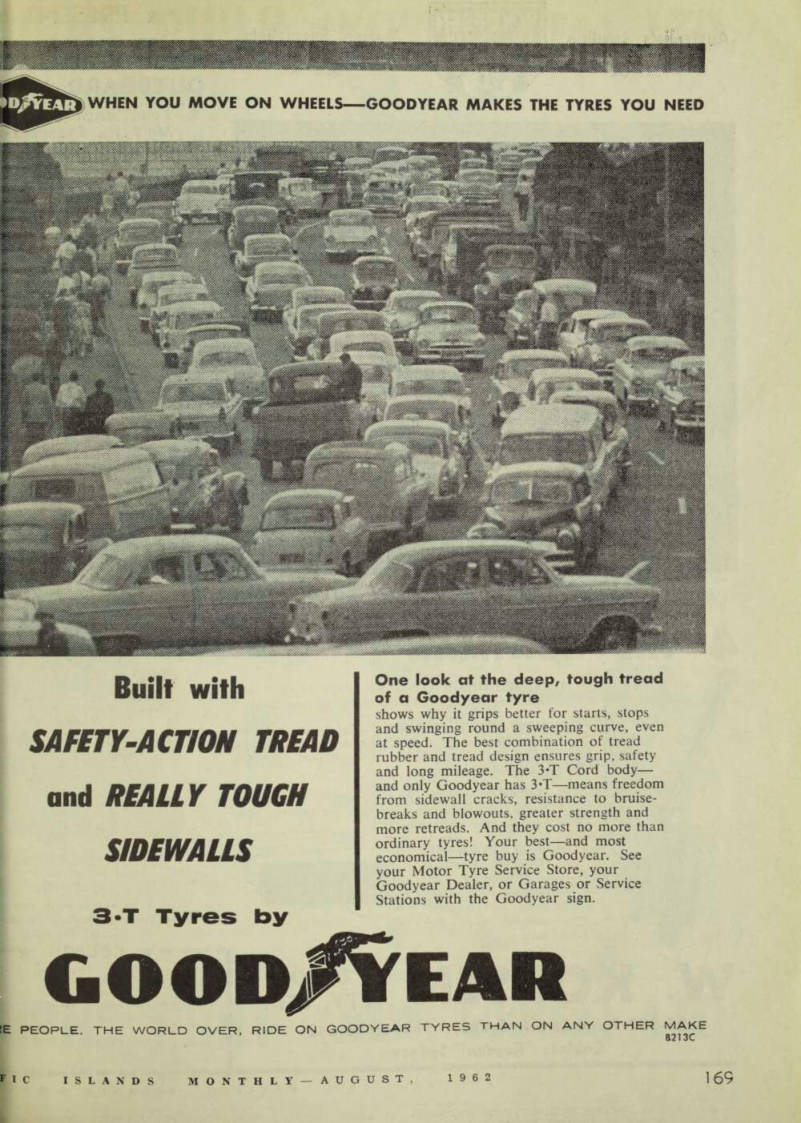 175
175 176
176 177
177 178
178