Advertisements & other items, pp. 1-4 (4 items)
Monthly
Pacific Islands Monthly
JULY, 1962
VOL. XXXII. NO. 12.
ie Neu/s agazine )f The South Pacific
TABLISHED 1930
:red at G.P.0., Sydney, for ission by post as a newspaper.
Trans-Austraua Airlines
FLY
throughout the Territory of Papua/New Guinea and to Australia Sunbird Services throughout the Territory TAA operates ‘Sunbird Services’ throughout the Territory of Papua/New Guinea and to adjacent islands. Whether your destination is Mt. Hagen in the New Guinea Highlands, Honiara on Guadalcanal or any other of the 40 Territory ports served by TAA you will enjoy friendly service WHEREVER you fly with TAA Sunbird Services.
Sunbird Services to Australia Regular TAA services from Lae and Port Moresby to the mainland link the Territory to more than 90 ports throughout Australia. From any location in the Territory you need only one call, one ticket, one airline. TAA operates a huge network of more than 40,000 miles throughout the Territory, to Australia and within Australia.
For your flight to anywhere in Australia, low cost Tourist or Luxury First Class, TAA is the Friendly Way.
SAVE ON TAA TOURIST CLASS FARES BETWEEN PORT MORESBY AND AUSTRALIA For example, you save £B/15/0 (return) when you fly TOURIST to Brisbane with TAA.
Tourist fares from Port Moresby to Brisbane . . . £34/13/0 single, £69/6/0 return.
First Class fares from Port Moresby to Brisbane . . . £4l/4/0 single, £7B/1/0 return
Trans-Austraua Airlines
TAA is general sales Agent for QANT AS throughout Papua/New Guinea.
BOOKINGS:
GOROKA: Airport. Phone 8. LAE: Coronation Drive. Airport Centre. Phone 2311.
MADANG: Kaislan Avenue, Phone 78 or 166. PORT MORESBY: Musgrave Street. Phone 2101 RABAIJL: Mango Avenue. Phone 2567 or 2702 or any authorised TAA Agent.
For safe, economical COOKING...
Kerosene Non-Pressure Stove
Busy housewives will appreciate the economy and ease of cooking on a Coleman kerosene stove .. . brought to the Pacific Islands by Robert Gillespie’s. These well-known stoves are manufactured from heavy-gauge steel . . . precision made, and provide many years of truly economical cooking. Grates are warp-proof . . . fuel bowl and bottle designed to prevent tipping . . . and burners and fuel pipe are aligned to ensure accurate, successful cooking at all times. Three smart models available: No. 341 B—one-burner stove; No. 3428—tw0 burners; No. 344—threeburner stove mounted on a strong stand which has a handy shelf for pots, pans and other utensils. Coleman non-pressure stoves are easily serviced and spare parts are readily available.
Representatives for the Pacific Islands; Cole*°2 ERT GILLESPIE PTY. LTD. ROBERT GILLESPIE (N.G.) LTD. PEARCE & CO 22 Young St., Sydney Rabaul, Port Moresby Suva
334 Queen St., Brisbane Lae, Madang
Cable: "Robergill".
If you now dry 4 tons of beans in 72 hours in a rotary drier... with an Airwoods, you can dry 6 tons in the same time! £ v * V- Installing an Airwoods Wilken Coffee Drier is like owning your own private sun. Its indirect heat provides consistent higher quality and cuts spoilage losses. Yet you save on quick, easy installation (even on the remotest site) and trouble-free operation. Both require your own labour only. Even loading is easier; wet coffee is simply dumped or pumped into the flat, open tray. 22 hours later, this drier off-loads two tons of 12% moisture content beans mechanically. And never a bean is tainted, bruised or overheated automatic controls see to that! But there’s lots more you should know in our data sheet Al 2. Write for it now! Airwoods Ltd., 66 Barrack St., Colchester, England; Tel: Colchester 78484; Grams: AIRWOODS COLCHESTER. \
irwoo
1
IFIC ISLANDS MONTHLY JULY, 1962
2
JOLV, 1962 PACIFIC ISLANDS MONTHL
Pacific Islands Monthly
ilisher: R. W. ROBSON.
Editors:
Iudy Tudor Stuart Inder
Manager: SELWYN HUGHES.
Elephones: Ma9197, Ma7101,
MA 4369.
G.P.O. Box 3408, Sydney,
graphic Address: PACPUB, Sydney.
Annual Subscription Rates:
currency; includes surface postage) fic Is. —P.-N.G., Fiji, Samoa, Norfolk, auru, B.S.I., Cook Is., Tonga, G.&E. rp., Niue, New Hebrides, and other •. Pacific Is £1 4 0 ch Pacific Territories and Dutch bw Guinea £1 7 0 ralia and N.Z £1 10 0 , British Commonwealth and Foreign 0/- Stg.) £2 10 0 A. and U.S. Pacific Territories 7.00 U.S.) £3 13 le Copies (postage extra) 2 6
Branch Office In Papua-Ng
fic Publications (NG) Ltd., Theatre ding. Fourth St., LAE. Tel.: 2577.
Miss Pat Robertson, Manager.
Branch Office In Fiji;
i: Fiji Times Building, 20 Gordon St.
Tel.: 4043.
Representative In N.Z.;
D. Whitcombe, P.O. Box 5179, Auckland.
Representative In Hawaii:
C. Spencer, 203 Yap Bldg., 3465 ilae Ave., Honolulu. Tel.: 775538.
Representative In U.S.A.:
3. Craib, Pacific Publications P/L, 1455, San Francisco 1, California.
Tel.: Mission 8-1075.
Representatives In U.K.:
D. Ashburn, 13 Rood Lane, London, C.3. Tel.: Mincing Lane 8633. i. Mackenzie, 4A Bloomsbury Square, 'don, W.C.l. Tel.; Holborn 3779.
BOURNE OFFICE: Newspaper House, 247 Collins St. Tel.: 63.7053.
NTS: All main trading firms and stores in the Pacific Islands. fic Publications Pty. Ltd., is the ralian agent for THE FIJI TIMES.
No. 12. Vol. Xxxii.
July, 1962
Contents
People 5
“Self Government" for NZ Terri tories 15 Nauruans Want Independence 15 Nauruans Ask for Wage Increase 16 Emancipation Celebrations in Tonga 17 Fiji Liquor Protests 18 It's Now Sir David Trench 19 Fiji's Brightening Aspects 19 Fifth South Pacific Conference Plans 20 South Pacific Trade Talks 21 New Problems for the South Pacific Commission 21
Commentary 23
Spanner Speaks for Mixed Races 24
The Editors' Mailbag 25
US Tracking Stations in NG 27 Aftermath of the Buka Trouble 27 Business as Usual in Hollandia 30 NZ Land Commissioners Have a Big Task 32 Merger, Lively Trading in P-NG 33
Mountains, Gold and Railways 3/ “Come Home" Call to Pitcairners 3^ Memorable Visit to the Cooks ... 41 SYDNEYSIDER at Home Base 4f Bishop Blanc Dies in Tonga 4^
Territories Talk-Talk 5C
Farmer-Fighter Mick Leahy 61 Neglected Kieta Still Awaits a Wharf 67 NG Man's Crystal Collection 69 The Future of New Guinea 71
New Zealand Pacific Trade
Mission Feature 73
Magazine Section 87
Pacific Shipping And Yachts 115
Pacific Report 132
Canberra Commentary 165
Deaths of Islands People 166
Travel Talk 169
Shipping and Airways Timetables .. 172 Commerce and Produce 180 Volume Index 1961-62 185
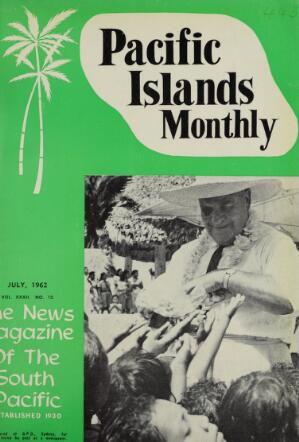
THE COVER: This is Santa Claus in a straw hat. His real name is F. L. A. Gotz and he is New Zealand's Minister for Island Territories. When Mr. Gotz made a visit to rarely-visited atolls of the Northern Cook Islands recently (see p. 41) he had many lolly scrambles like this one at Ngake, on Pukapuka—and each of them was as popular.
Photo: National Publicity Studios.
Advertisements & other items, pp. 5-6 (3 items)
A Product of Pacific Publications Pty. Ltd., 29 Alberta Street. Svdnev
4
JULY, 1962 PACIFIC ISLANDS MONTH
Imperial Chemical Industries
ICI .22 Rimfires embody the indispensable qualities of deadly accuracy, controlled penetration and great shocking power. There’s an ICI Rimfire cartridge to meet all requirements of both field and target shooters.
r LONG RIFLE SOLID. 'CIVIC
. 'IMPERIAL"HOLLOW POINT
Shotgun cartridges include the world-famous ‘Grand Prix' specially developed for lighter types of game, particularly wild pigeons; and ‘Blue Star', a top-grade waterproof cartridge suitable for both trap and field.
'GRAND PRIX" — STAR'
A full range of ‘Kynoch’, ‘Dominion’ and ‘lmperial’
Centre-fire Metallics is available in all popular calibres. Also re-loading components.
ICI CENTRE-FIRE CARTRIDGES
Wasp Pellets No. 1 and Black Boy Slugs —the idea pellets and slugs for air-rifles.
Contact your usual supplier for ICI Manufactured and distributed by Sporting Ammunition
IMPERIAL CHEMICAL INDUSTRIES
OF AUSTRALIA AND NEW ZEALAND LIMITED
People
er catching 23 bonito and losing l-lb swordfish in company with fishing enthusiasts Vernon Mac e and Alphonse Philipp, Hono businessman R. Carpenter in said that Samoan deep sea fish as “terrific”. He was impressed 2 abundance of fish, their near o Apia, and the calm sea. Mr. nter was visiting Samoa in con n with a proposed Coca-Cola y for Pago Pago.
;tery surrounded the purchase ilock of land and buildings in by former proprietor of the nbo Hotel at Nadi Airport, Mr.
Philp. Mr. Philp bought the md building belonging to the ablished Whan Construction ,td. (now in liquidation) for 0. •wing Mr. Philp’s close associ with the hotel industry in Fiji any years locals drew an in -2 that Mr. Philp proposed to a hotel on the site, which is :toria Parade, overlooking the
Miss Marina Kwan, of Kavieng, New (P-NG) gets some drum instruction expert, bandleader Frank Hurst, at [?]ane function to launch her as an in the Miss International Quest. The in aid of a proposed University of [?]nd residential college for overseas Australian students. Judging will be Miss Kwan is a kindergarten teacher-trainee in Brisbane.
imar School Hostel lawns and arbour and reef beyond, m after the purchase was an ;ed Mr. Philp went away to alia for a few weeks. On his i he said he had no plans yet tie future of the site. 5*C * * unusual kind of research it has appeared in New Guinea vid Simonett, from Lawrence, is, USA. He is spending several is in the interior; and his pur is the study of landslides. In nost mountainous country, sub lerpetually to volcanic tremors, ides are a common occurrence.
re will be ceremonies in Honiara August to mark the 20th anni y of the landing of US Marines p-held Guadalcanal in August, One of those who will be pre is Mr. Martin Clemins, who to the BSIP as a cadet at the time as the present High Com ner, Sir David Trench, in 1938, vho stayed on to become a vatcher.
Clemins is now living in re nt in Melbourne, but 20 years e watched the Americans land the hills of Guadalcanal and a week later joined them after ;foot walk through Jap-infested y. He then became British n Officer with the First Marine an and in this capacity ran the ‘ Scouts—of whom the now ated Vouza was one. s understood that the United Consul in Fiji will be another in Honiara during the anni y celebrations in August,
Mave, of Emirau Island, New Guinea, [?]od reason to smile. A Seventh-day [?]st pastor, Joseph has been chosen to [?]ny Pastor J. B. Keith, of Lae, to the Council of his church to be held in [?]ancisco this year. Pastor Mave will [?]e West Coast and speak at church and will also attend the Seattle Space Age Fair.
few South Wales man who has the right to be called at least porary Territorian, has been ted a Supreme Court Judge in He is Mr. David M. Selby, vho was an officer of the 1 Battalion AIF at the time Japanese invasion of Rabaul y 1942. With some of his men :aped into New Britain and ally got safely to Port by. A few years ago he wrote roversial book about the after of the invasion of Rabaul Hell and High Fever. Last ie spent six months in Papua- Guinea filling a temporary y as a Justice of the Terri- Supreme Court. * * * r some bad years, tourist in Norfolk Island is at last ; up-and-up. Tourist Bureau lan F, J. Needham reports that has doubled over the last two It would probably continue to ;e so long as accommodation ansport services continued to I, he said.
s quaintest vessel seen in Syd arbour for many a day” was i Sydney newspaper described nese junk, the Golden Lotus, it turned up there en route to Zealand, from Hongkong. But t Chinese junks aren’t particu are in Sydney these days. They p from time to time. This one board it four young New Zea s, Brian Clifford, 23, Graham
Nayau (Ratu Tevita Uluilakeba), the [?]nt chief of the Lau Group, Fiji, has [?]d a gift of tanoa (pictured) to the [?]ommissioner for the Western Pacific [?]vid Trench), whose headquarters are [?]ara, BSIP. The 13 lb tanoa which [?]legs, is made of vesi (a Fiji hardwood), [?]e is being held by Viliame Rokobuli, Postmaster at Suva. The tanoa, which for the drinking of yaqona, was air [?]to Honiara. Viliame comes from Island, an island in the Lau Group [?]s celebrated for its tanoa and canoes.
Photo: S. A. Whippy
d, 20, Max Matthews, 25 and IcKinnon, 23. The Cliffords are i, the other two are dairy far and they had the junk specially for no other reason than they it she would be a good vessel ;se in. Said Brian Clifford, “We her Golden Lotus after a 5 Chinese temptress with a i temper. We thought, ‘Fair i*. After all, most boats are ry, like women, and you never get to know them.” * * * mo, a Tahitian who in Papeete this year joined the crew of nerican luxury cruiser Wander owned by US businessman odore Carl Heintz, has also /inning himself a fair share of publicity in the South Seas. ) is something of a star with itar, and at every port of call v Zealand and Australia he has eted, filmed and photographed, sbane, in more serious vein, odore Heintz had some criti -0 make of American Samoa, Wanderlure called. “America giving these islands the thought ould have,” he said. “Where ide the mistake was in subsi these people. You just can’t American Samoan to work— on’t have to. America should 1 lesson from NZ and what lia is doing in New Guinea.”
i Fletcher Christian, Chief rate of Pitcairn, was in Aus and New Zealand in June, on st leg of a round-the-world y aboard the Royal Interocean Willem Ruys, which started at n in April, and which would rn back on the island in July, lipping line arranged it all, and hristian did more than his share
was a busy day at Sydney at the [?] Pastor and Mrs. F. P. Ward. It [?]istor Ward's 71st birthday, which to coincide with a happy reunion for [?]ds and John Fletcher Christian, Chief te of Pitcairn, who was in Sydney on part of a world tour (see below), stian shared a birthday dinner. Pastor s. Ward were Seventh-day Adventist [?]ries on Pitcairn from 1938-51 and [?]ep in close touch with the island, despite their retirement.
urn by handling his big Press, and film conferences every with a patient, good-nature, doing some happy fooling the occasion demanded. The ;t questions left him unruffled, is this one asked by a Pressman dney: “Is there any animosity on Pitcairn against Captain lied Mr. Christian, great-great grandson of the first mate of ounty : “We never even think him!”
r was a month in which Nauru get more than its share of at -11 in the UN Trusteeship Coun it as a kind of a warm-up the in June published a petition had been sent to the UN ary-General, U Thant, It was ed by a group called “The sed Nauruan Beer Club”, and n by the proposed club’s sec , Mr. G. Star, who said that prohibition against drink on i was “antiquated” and tans wanted restrictions lifted. sjs H* Hs not easy to do an intelligent, ive, full-scale article on any Seas territory and keep on-side iverybody. But one of National • aphic’s assistant editors, John Id, managed it in his May issue result of a long trip to P-NG at the end of last year.
Guinea people voted the article lass. There has been no better --pictorial coverage of P-NG ;—and the shots were also the of writer Scofield, who regards r photography as “a personal nge”. Among the familiar and •-familiar names mentioned in rticle: The Leahys (including Leahy), Brian Hull, Graham , Mr. and Mrs. David Hook, Ellis, J. K. McCarthy, Dr. Roy g, Dr. Andrew Gray and R. G. i.
[?]torian H. W. Evans, now of Turramurra, with his pretty daughter Miss Patty on the day of her recent marriage [?]ey to Mr. Warren E. Milsom. ("PIM", June, p. 42).
Advertisements & other items, pp. 7-16 (11 items)
5
' I F I C ISLANDS MONTHLY JULY, 1962
"HmJM ojf -Ji/r
PLACE YOUR ORDER NOW!
Secure a First Edition copy of the "HANDBOOK OF FIJI", to be published in August. Compiled and published by the proprietors of "PACIFIC ISLANDS MONTHLY".
The "Fiji Handbook" gives a comprehensive and authoritative coverage of Fiji and its people. It is a handy reference book and will be referred to many times for general information on Fiji.
CONTENTS
The "Handbook" includes the history of Fiji, the system of Government; a list of public servants; main races of people and their history. It also contains numerous maps—a folding frontispiece of the whole Group as well as individual sections of the Group. Towns are fully described and maps supplied.
COMMERCE
There are sections dealing with Fiji industries, trade, agriculture, finance and taxation, communications, land and land policy.
Registered companies are listed, and the Customs tariff published.
SPECIAL TOURIST SECTION
Fiji is widely known as a tourist centre and this section will contain information for the tourist—what to see, where to stay, how to get there—and is a feature of the "Handbook".
The "Handbook of Fiji" is priced at 15/- per copy, plus 1/3 postage, etc. (2/3 to foreign countries) or $2.00 U.S. (including postage).
SEND YOUR REMITTANCE NOW!
How to obtain copies of the “Handbook of Fiji”
Payment may be made by postal note, money order (International Money Order in the case of overseas money orders), bank draft or cheque to:
PACIFIC PUBLICATIONS PTY. LTD.
29 Alberta St. (Box 3408 G.P.0.), Sydney, N.S.W., Australia Copies will be available also at "FIJI TIMES" OFFICE, Gordon Street, SUVA.
DESAI BOOK SHOP, SUVA and LAUTOKA, and at other Booksellers and stores in the Colony.
NEW ZEALAND—Mr. J. D. Whitcombe, Post Office Box 5179, Auckland.
UNITED KINGDOM—Mr. W. D. Tshburn, 13 Rood Lane, London, E.C.3.
'Gmecald
STAINLESS STEEL SINKS
keep their loveliness for a lifetime
Made from high-quality nickel-chrome steel, they simply cannot rust or become discoloured.
Bowl and drainer are formed in one piece, with rounded corners no ledges or corners to collect grease or to harbour germs. Flat-top fluting gives extra convenience and safety the smallest glass won’t tip over. Gentle slope towards bowl ensures positive drainage. Deep recesses prevent water spill-over. Choose a Malleys Emerald sink to make your kitchen a brighter place!
IN A FULL RANGE OF POPULAR
SIZES AND TYPES
CENTRE BOWL MODELS in 4 ft.. 4 ft. 6 in., 5 ft.. 5 ft. 6 in. and 6 ft. lengths.
END BOWL MODELS (with choice of left or righthand bowl) m 4 ft. and 4 ft. 6 in. lengths.
DOUBLE BOWL MODELS in 5 ft.. 5 ft. 6 in. and 6 ft. lengths.
Choice of 2 bowl sizes for all Centre Bowl sinks (except ioA ZASs lPbowi rU * 721 A " °‘ h °' &
CENTRE BOWL
END BOWL
DOUBLE BOWL
STAINLESS STEEL LAUNDRY UNITS
ADD GLAMOUR AMD
TO YOUR LAUNDRY
CONVENIENCE
Spotless stainless steel tubs that will never tarnish, never mark your clothes, housed in a handsome steel cabinet, beautifully finished in full-gloss oven-baked enamel. Gives the advantage of a handy storage cupboard for soap powders, etc. Complete with chromium-plated plugs and washers. (Tubs available without cabinets). cabinet COLOURS: Single-tub Model, White.
Cream, Pink. Twin-tub Model, White.
TWIN-TUB
42" wide x 20" front to back x 34 1/6" high
SINGLE-TUB
25" wide x 17" front to back X 34V2" high
MALLEYS
BUILT BETTER TO SERVE YOU BEST
Sydney • Melbourne • Brisbane • Adelaide
ORDER THROUGH
YOUR USUAL
ISLANDS 7 AGENTS
VI
SYDNEY
9
CAROLINE IS.
; MARIANAS
'GUAM
*•*•* •*: TRUK
> HAWAIIAN IS.
MARSHALLS
t X
NETHERLANDS NEW GUINEA
.NEW GUINEA --sssss* NAURU IS.
OCEAN IS. S
\\ SOLOMONS
...✓ « X N
PAPUA" '
NEW HEBRIDES
NEW CALEDONIAN.’*
BRISBANE
PHOENIX IS.
'.-•CANTON IS.
TOKELAUS
ROTUMA WEST SAMOA
• *'• AM. SAMOA
•. ELLICE IS.
FIJI
'NIUE
TONGA
TAHITI;
COOK IS. .
MARQUESAS
SOCIETY IS.
NORFOLK IS. ;-KERMADECS
. NEW ZEALAND
• PITCAIRN
ALL ROADS, SEALANES AND AIRWAYS
LEAD TO FARMER'S
P s
ERSONAL WHOPPING BUREAU
B WHEREVER YOU LIVE IN THE PACIFIC AREA, you can shop by mail at Farmer’s, the largest single department store in Sydney. Farmer’s has a complete range of goods from fashion, children’s and menswear, to all household needs. Write to Elizabeth Nugent of
Farmer’s Personal Shopping Bureau, describing clearly
what you would like to buy, and she will send a trained shopper into the store to personally select your goods.
FARMER’S PERSONAL SHOPPING BUREAU, G.P.O. BOX 497, SYDNEY, AUSTRALIA
DURABESTOS 1
NOW!
NEW
STYLES
IN 2^ n wr
WALLING
V* M V, 3 ■*:
fitC
Zm
lovelier homes at lower cost
Good news! You can now choose Wunderlich Autoclaved “Durabestos” in four distinctive styles.
Economical to buy, inexpensive to erect and totally unaffected by white ants or weather.
ILOG CABIN for the long, spacious look in today's homes. Quickly and easily erected, immune to the elements.
2DURAWALL
grooved vertically sheets reflect sunshine and shadow in ever-changing patterns to give your home an air of distinction. board 3RIBWALL gives a and batten appearance —one fixing operation for a sheet 3' P/i" wide.
Easily sheathed to timber frames—ideal for interiors or exteriors.
4 WEATHERBOARD
traditional weatherboard styling but fireproof, so you save on insurance premiums. Lengths: B', 9' and 10'.
• DURABESTOS" WALLING
Manufactured and supplied by Asbestos-cement Division . / Free colour leaflets available on application to Wunderlich Ltd., Box 474, G.P.0., Sydney. s Head Office and Showroom: 393 Cleveland Street, Redfern.
83.CAC.1
Ml
PARKE-DAVIS
CAMOQUIN
Effective Single Dose Treatment for
MALARIA
SPECIALLY FLAVOURED TABLETS AVAILABLE FOR
CHILDREN
Adult Dose —2 Tablets to be taken on the same day of every week.
CHILDREN:
Infants and Toddlers— Up to 2 years of age—y 2 tablet (50 mgm) of INFANT FORMULA CAMOQUIN, as a single weekly dose. —From 3 to 4 years—l tablet (100 mgm) of INFANT FORMULA CAMOQUIN, as a single weekly dose..
Older Children —7 to 10 years—l ADULT FORMULA Tablet as a single weekly dose. —ll to 16 years— iy 2 ADULT FORMULA Tablets as a single weekly dose. —Over 16 years—2 ADULT FORMULA Tablets as a single weekly dose.
IMPORTANT:— CAMOQUIN should be taken immediately after or during a full meal.
Obtainable from all chemists and suppliers of
PARKE-DAVIS products
PARKE, DAVIS & CO., SYDNEY
MFS6O TOOLBAR
MFS3B TILLER
MP564 DISC PL
HERE'S THE TRACTOR/IMPLEMENT TEAM TO TACKLE
MORE OF YOUR WORK
JOB OF IT FROM START TO FINISH! m v •
MF527 SUBSOILER
MFSBI OFFSET DISC HARROW
MFSI2 JIB
You can do much more work, more economically with Massey-Ferguson 35 or 65 tractors because of the unequalled versatility of the Ferguson System. They're backed with the widest range of matched equipment in the world ploughs, harrows, drills, planters, hay and utility tools, some of which you see here. All are designed to give you faster working and keep costs low.
All work as integrated units with the tractors, giving the kind of performance and running economy you can get only with Ferguson System.
If you're thinking of getting new machinery, have a chat with your Massey-Ferguson distributor. He'll be able to tell you what is most suitable for your land and fix a working demonstration on your property. m
MFSOI POST HOLE DIGGER
MFS2I MULTI-PURPOSE BLADE
MF532 MO
Look, compare, you’ll see why 'SfW MASSEY-FERGUSON is the world leader in farm mechanisation
MF34O/8
traJi ti onal
deruice
The skill and experience of A.N.Z. Managers and staff are concentrated on the prime objective of conducting an efficient progressive bank. In that way we best serve our customers.
Service to the community has always been our aim. In addition to Cheque and Savings Accounts now being used by thousands of people in every walk of life, we provide comprehensive business facilities, including import and export transactions, trade and economic services, and a modern travel department.
A call or enquiry from you will be welcomed.
A*N*Z BANK
AUSTRALIA AND NEW ZEALAND BANK LIMITED
AUSTRALIA AND NEW ZEALAND SAVINGS BANK LIMITED
lANZ. 161.1290. A|
Australia's Leading
★ SINCE
Marine Specialists
1878 ★ A
VOLVO
PENTA
AQUAMATIC
‘A jewel of an engine worth yo attention
HEAR THIS:—
The 80 h.p. Volvo will drive your boat fas than outboards of similar h.p. and at 1/ the fuel consumption! Therefore, the moi saved in fuel alone (running 600 hours) eqi the cost of your Volvo! Amazing, but] true! Consider this before choosing your ri marine engine, inboard or outboard.
THE inboard engine with outboard drive.
At 80 B. 100 This amazing Volvo Renta Aquamatic 100 H.P. jumps 30 feet over a sandbank at 35 m.p.h. a torture test passed in U.S.A.
THE 22 FOOT
KOPSEN WORKBOAT
The ideal Rugged workboat built especially for the Islands — with — • Storage Space for 2 Tons Plus 10 Passengers.
It has a draught of 2 ft. and a beam of 8 ft. It can be installed with Petrol or Diesel Marine Engine and extras are available.
POST COUPON FOR FURTHER DETAILS
THE BOATMAN
88 superb wm ' mb amt (1) TREVARNO GLASS FABRICS. The ideal fibreglass covering for wooden boats, deck or hull. Trevarno provii a permanent maintenance-free covering that adds strength and beauty to your boat. Easily applied. (2) RESOBOND GLUE. The amazing waterproof glue for boat building, general building, joinery work, caravans odd repairs. (3) CHAIN. A full range of Galvanised Chain in all sizes available plus shackles, thimbles, rigging screws, rope. Rigging a specialty. (4) NAVIGATION LAMPS. A must for safety on your boat are these Copper lamps for port and starboard, slj or masthead in sizes 4 in., 5 in., 6 in. and 10 in.—oil or electric.
W. KOPSEN
★ COUPON ★
& CO.
PTY. LTD.
376-382 Kent Street, Sydney. Phone: 29-6331 Cables: // Kopsen // Sydney Please post further details on [ ] Volvo- Penta Aquamatic [ ] Workboat [ ] Trevarno [ ] Resobond Glue [ ] Chain [ ] Navigation Lamps Name Address
P.I.M.
Influenza colds
Children’s coughs
Rasping throat
Croup
CHECKED INSTANTLY WITH
Woods
GREAT
PEPPERMINT
COMPOUND
Provides wonderful relief and is completely free from habit forming drugs.
Always keep a bottle in the home W. 71
THE
FAMILY
REMEDY
MANUFACTURED TO
LONG LASTING BEAUTY &
UNDER ALL TROPICAL
GIVE
PROTECTION
CONDITIONS
You Won't Repaint
For Years
if You Paint With
iPamlA
SSH -
ns#** is h PafS^Tirni^ Lim
tvTggi^
s 0p E
srau*
ENA
*KIOR
GLOSS,
COLOURS
So /
BRITISH PAINTS
LIMITED
Supalusta
SUPALUSTA will stand up to the most rigorous climatic conditions.
SUPALUSTA is reinforced with the new sensational resin, Penta-Alkyd, whicl guarantees longer lustre life —a toughness and flexibility which prevents peelinj and cracking under the harshest weather conditions.
SUPALUSTA gives the easiest brushing of all enamelised finishes. Its smooth porcelain-like finish that resists dust and dirt, is the highest, finest gleaming lustn of any exterior house paint.
It actually washes clean every time it rains.
SUPALUSTA withstands burning sun and salt sea spray, and is highly resistant t( all fungus and mould growth.
See the delightful range of colour fast shades at your neare* British Paints Limited depot or store.
IMPORTANT:
For maximum protection against fungus and mould growth a I way: treat new or previously painted surfaces with British Paints Limited*! anti-mould solution.
Enquiries are invited from storekeepers to act as authorised agent: for British Paints quality products.
EXTERIOR GLOSS PAINT
Write to British Paints Limited, Box 43, P. 0., Bankstown, N.S.W., Australia.
SOLD AND RECOMMENDED BY;
Burns Philp (New Guinea) Limited: Moresby.
Bums Philp (New Guinea) Limited: Samarai.
Burns Philp (New Guinea) Limited: Wau.
Burns Philp (New Guinea) Limited: Bulolo.
Burns Philp (New Guinea) Limited: Lae.
Burns Philp (New Guinea) Limited: Madang.
Burns Philp (New Guinea) Limited: Goroka.
Burns Philp (New Guinea) Limited: Wewak.
Burns Philp (New Guinea) Limited: Kavieng.
Port Burns Philp (New Guinea) Limited: Rabaul.
Burns Philp (New Guinea) Limited: Kokopo.
Burns Philp (New Guinea) Limited: Daru.
Burns Philp (New Guinea) Limited; Kainantu.
Steamships Trading Company; Port Moresby.
Kam Hong: Lae.
Scotts New Guinea: Lae.
Tang Mow: Wewak.
Laurie Chan: Rabaul.
Wong You: Buka Passage—Bougainville.
HONIARA, 8.5.1. P.
A. C. Blair Ltd., Honiara.
R. C. Symes Pty. Ltd., Honiara.
FIJI
Burns Philp (South Sea) Co. Ltd., Suva.
Burns Philp (South Sea) Co. Ltd., Lautoka.
Narain Construction Co., Suva.
NORFOLK ISLAND
Burns Philp (South Sea) Co. Ltd., Norfolk Island. 833!
6
JULY, 1962 PACIFIC ISLANDS MONTHLI
7
IFIC ISLANDS MONTHLY JULY, 1962
8
JULY, 1962 PACIFIC ISLANDS MONTHL
9
I F I C ISLANDS MONTHLY JULY, 1962
10
JULY, 1962 PACIFIC ISLANDS M O N T H I
11
I F I C ISLANDS MONTHLY JULY, 1862
12
JULY 1962 PACIFIC ISLANDS M O N T H L 1
13
I F I C ISLANDS MONTHLY JULY, 1962
14
JULY, 1962 PACIFIC ISLANDS MONTHL*
Self Government
Immediate Goal"
Or NZ Territories
ew Zealand’s immediate goal ts three colonial territories — Cook Islands, Niue and the
slaus —should be self-govern
t rather than full indepen e, the Minister of Internal irs, Mr. Gotz, said in June. told the Royal Commonwealth Society that although New Zea was listed as a colonial Power le United Nations, which was :ng for independence of all ial territories, full independence he 25,800 people in the three was not practicable, en if the three were amalga- I they would still have a hope ask as an independent State for >mic and geographical reasons, eir economies could never sup educational and health services, Gotz said. ither was full incorporation of lands within New Zealand prac e. atoll dweller with four child >n the family benefit would be lillionaire.” All incentive to ice for export would be de :d, said Mr. Gotz.
II self-government was the :r. The position was very close it now in the Cooks and Niue. i next step was to work to ; executives chosen by and re ible to elected assemblies. w Zealand should retain legis on constitution, external affairs defence and empower the as ies to handle other subjects. kV Zealand subsidies would be d for many years, he said.
Sugar Board
Change
Mr Chief Marshall Sir Arthur iders in late June resigned as lirman of the recently created Sugar Board and returned to UK. The announcement came a shock, for it had not been Used his health would not allow i to continue his good work. He 1 spent two periods in hospital ce his arrival in Fiji last Decem- In the short period of Sir
bur's chairmanship matters in
sugar industry had improved isiderably.
Nauruans Now Say They
Want Independence
From our Canberra Correspondent Newest proposals from the Nauruan people on their future —for the setting up of a sovereign State—seems destined to get no further than other plans which the Nauruans have put up.
HEAD Chief Hammer Deßoburt announced the plan in a Press statement when he was in Canberra for talks before going to New York as an adviser to the Australian dele gation to the UN Trusteeship Council.
He urged creation of a sovereign Nauruan nation governed by the Nauruans in their own interest, but related to Australia by a treaty of friendship.
This would be similar to the Treaty of Friendship proposed be tween New Zealand and Western Samoa, and the one that binds Britain and Tonga.
Nauru wanted Australia as a “big brother,” he said.
Without attempting to spell out the details of a treaty, the Nauruans would expect it to indicate the man ner in which the two nations could co-operate.
It would cover such matters as
trade, treaties, postal agreements, extradition, the extent to which Aus tralia would be willing to act for and give advice on Nauruan external relationships, and political, trade and financial matters.
“We should hope that the earlier offers by Australia, the United King dom, and New Zealand to finance the cost of re-settling Nauruans in those three countries are an indica tion that finance could be made available for the establishment of a sovereign nation, following agree ment on the method of creating our new state,” he added.
“We have already expressed our wish to live in peace with all nations.
But we desire that the creation of the Nauruan nation should do noth ing to weaken Australia’s potential to defend herself against aggression.
“We should consider it appropriate that a treaty of friendship should
These Nauruan schoolgirls, at work at a science class, may be part of a sovereign nation if the Nauruans are granted what they say that want. But how would an independent Nauru survive?
examine ways and means of preserv ing Australia from attack.”
Chief Hammer Deßoburt put his plan before Territories Minister Paul Hasluck. The Minister told him that he (the Minister) could not commit the Australian Government in any way.
He pointed out that there were obvious difficulties in the way of im plementing the proposals as they stood.
But he promised to discuss them further with the Head Chief on his return from New York and with other Nauruan leaders who would then be in Australia.
Chief Deßoburt’s talks with the Minister were only part of a series which he held while in Canberra.
Apart from long talks with Aus tralian officials, he discussed his island’s problems with British and New Zealand officials.
All the indications are that the sovereign nation proposal did not get a very enthusiastic reception.
Most people in Canberra were inclined to write off the scheme as another of the “pie-in-the-sky”
Nauruan dreams which have delayed the day when someone must get down to tin tacks on determining the future of the Nauruans.
The “sovereign nation” proposal did not touch the hard core of the basic problem—where to put the Nauruans when their phosphate de posits are worked out 30 years hence.
Because a nation” must have a home.
"Nebulous"
Indeed, some of those to whom Chief E>eßoburt put his proposition gained the impression that he him self was aware of this flaw in the argument, but that he felt obliged to put the brief given to him by the island’s people.
The basic truth is that Australia, the UK and NZ are waiting for some specific alternative from the Nauruan people to the proposal which the three Governments have made for re-settlement in the metropolitan countries.
So far, the three Governments feel, the islanders have come for ward with only nebulous proposals.
But they are unlikely to commit themselves publicly until after Head Chief Deßoburt has had a chance to put his case to the Trusteeship Council, and the report of the recent UN Visiting Mission to Nauru is tabled. This will be at the end of June or early July.
Any suggestion of an enclave would be politically out.
And the Nauruans’ proposal for an
island for themselves seems to be foundering on practical realities.
No one has yet been able to sug gest an island on which the Nauruans could establish a viable economy without elbowing some existing com munity out of its own home.
Even then, most officials who have studied the problem cannot see how the Nauruans—used to a per capita income comparable with that in Aus tralia and New Zealand—could settle down to a normal tropical island economy.
That suggests that although the Trusteeship Council will air the Nauruan problem, it is unlikely to put forward any solution, and that the next move will still be up to the Nauruans—to put forward some specific proposal.
A late report from New York on June 29 said the UN Mission in its report had proposed that a model village of Nauruans be established in/or near an Australian city, prefer ably Sydney or Brisbane, or that an island be made available to the Nauruans off the Australian or New Guinea coast.
Both schemes should be put to the Nauruan people for a considera tion, but in any case a decision should be reached within 12 months, as it was important that the matter be finalised.
Advertisements & other items, p. 17 (1 item)
15
3IFIC ISLANDS MONTHLY JULY, 1962
Niue Was
Nailed
“How many of you have had a puncture of your bicycle tyres this month because of nails left on the road?” asked the official Niue news-sheet. It explained that the Niue Administration spent £5OO a year on repairing punctures to local vehicles, that it was fed up and that it had de cided to offer 6d a lb for all nails picked off the Niue roads.
It was a fine idea. It was so good that in the following issue the news-sheet called a halt.
The response to the call, it ex plained, had been “staggering”.
It had been intended “that only nails off the roads would be taken, but some people must have misunderstood the request, as they brought nails from rubbish heaps and other places where they would have been better left.”
It added: “We accepted all that was offered in good faith . , . and hope that the money paid out is being put to good use.”
Nauruans Want
Their Wages
Doubled
The Nauruans in May askei that the basic wage on the islam be almost doubled.
THEY made their request to th Administration through a specis arbitration agent supplied to them b the Australian Council of Trad Unions. The advocate, Mr. W. A Baker, BEc, visited Nauru to conduc the Nauruans’ case before a Commi* sioner appointed to enquire into th basic wage, Mr. W. Wilson.
The Administration was reporte to be “not very happy” that th Nauruans had brought the ACT into the enquiry. The Naurua Workers’ Organisation, which mad the request to the ACTU for help, i not affiliated with the ACTU. l| Australian Seamen’s Union wa anxious that the ACTU offer assisl ance.
The Nauruan basic wage applies t all Nauruans employed by the Ad ministration on Nauru. However,! is generally accepted as the basi wage for all workers on Nauru, ex cepting the phosphate labourers, wb are Chinese and Gilbert and Ellio Islanders. About 120 Nauruans wor for the British Phosphate Commis sion on various jobs, mostly skilled.
The basic wage was established! 1953, by Mr. Wilson, at £4/11/1 week. Adjustments have sine brought it to its present £6/4/?! week, plus 13/8 dependant’s allow ance for each child under 16.
The Nauruan Workers’ Organisa tion asked for a new basic wage o £ll/4/7 a week, plus a dependant’ allowance of 30/- a week for th third and subsequent children.
Mr. Baker asked the Commissione to agree that the wage be review© again in another three years. He sal the Nauruan Workers’ Organisation would in the next review ask fo “nothing less than European wag standards”.
The Commissioner agreed to th review but reserved his decision o the wage. His report will now go t the Minister for Territories, Mi Hasluck.
• Unexpected Death: Mi
J. E. Willoughby, First Assistaj Secretary of the Department of Terri tories, died suddenly in Canberra i June. (See p. 166).
Spectacle
Colourful
In Tonga
From “PlM’s” Nukualofa Correspondent The people of Tonga marked 100 years of constitutional rule on June 4, with a sunburst of flowers and the joyous voices of 12,000 children.
NEARLY all members of the community, with guests from neighbouring Pacific Islands, at tended a wreath-laying ceremony at the tomb of King George Tupou I— the Tonga Group’s first king under an 1862 emancipation code declar ing all Tongans free men.
The tombs were decorated with great arches of bamboo and native flowers. In the background were the bell-clear voices of thousands of children joining in hymns.
Wreaths were laid on behalf of Queen Salote, by Prince Tungi, by Sir Kenneth Maddocks, Prince Tu’ipelehake, the British Com missioner and Consul, Mr. E. J.
Coode, by Ratu Penaia Ganilau, and the Tui Nayau, chieftains of Fiji, by High Chief Tufele of American Samoa, Lieutenant Engleberg of the United States Navy and by many local notables and institutions, schools and colleges.
At mid-day, a 21-gun salute echoed over this independent kingdom, which has a treaty of friendship and protection with Britain, and all the school children joined in a military police parade.
The parade marched under arches of palms and flowers, through the
[?]pation celebration scenes in Tonga, from top: Students of Tonga College perform a [?]I gesture-song for the Queen; the new Tonga High School makes an unusual picture [?]tors inspect it at night; the wreath-laying ceremonies at the Royal Tombs; and one cualofa' s street decorations. This one reads: "Long live the Queen—Emancipation of Tonga".—Photos: Rob Wright.
palace grounds and past Queen Salote.
For nearly an hour the procession paid its tribute to the Queen with salutes and cheers.
In the afternoon there was a band contest followed by a demonstration of police dogs of the Tongan Police Force. Under expert instruction from Sergeant ’Akau’ola and other police officers, the well trained dogs were put through their paces, to the delight of one of the largest crowds gathered in Tonga for many years.
Later in the evening Queen Salote opened the new modern two-storey Tonga High School building, which overlooks the Royal Tombs.
While the celebrations were under way in Tonga, on June 4, the Tongan communities in Auckland, Suva and Sydney and other parts of the Pacific also celebrated the centenary of the Tongan emancipation.
There were singing and feasting in all those centres.
The observances in Tonga had begun on the Sunday with church services throughout the Kingdom, including a combined service in Nukualofa with the Bishop in Poly nesia, Bishop Vockler, leading the prayer.
The celebrations continued on June 5, with feasts for 600 guests followed by Tongan singing and dancing. In the evening there was a spectacular ball.
Torchlight Display
The climax came at the end of the third day after more feasting when there was a torchlight display, or Tupakapakanava, extending for over four miles along the water’s edge, turning the Nukualofa fore shore into a fairyland of dancing lights.
These torches date from ancient times, when the chiefs used them to light up any special occasion at night.
They are made from the covering over the flower of the coconut, which when dried is made into torches about six to eight ft in length.
The celebrations in Tongatapu ended with a roller skating exhibition at Havelutoto.
The next morning, June 7, Queen Salote and Prince Tungi left in the Government ship MV Aoniu for the emancipation celebrations in the northern groups of Haapai and Vavau.
At Haapai after swimming and yacht races the first day of the Queen’s visit ended with a dance.
The torchlight display held there rivalled that of Nukualofa. On the third day Prince Tungi attended an
athletic meeting which was followed by feasting. The celebrations con cluded in Haapai with a second Tupakapakanava with simultaneous dancing and singing at Royal and Government residences.
At Neiafu, Vavau, Queen Salote arrived to a quiet and dignified Sunday welcome, with many hundreds lining the route to the Governor’s residence. Lakalakas, singing and dancing began at 12.30 a.m. Monday and continued until daybreak. At nine in the morning, Prince Tungi accepted a presentation of food on the site of the original Free Wesleyan Church. The site was cleared and served as the Mala’e for all the official functions. Feast ing began at one o’clock followed by singing and dancing. In all, 31 choirs performed for the Queen in Vavau.
All of Tonga was able to join in the festivities in the northern islands, thanks to on-the-spot descriptions by teams from Tonga radio station ZCO, The Call of the Friendly Islands. In Nukualofa during the three days of the major celebrations the station was on the air continously with direct broad casts. It was the station’s first big live broadcast since it was estab lished only about 12 months ago.
It came through with flying colours.
Pacific Report
Look For These In Pacific Report
NNG’s Eighth Political Party, Opposition to NG’s Courthouse Plans, 133; NNG Health Figures, 135; New Caledonian Tourism, NZ Tragedy in New Caledonia, 137; NG “Elite”, 138.
New Inspector-General of Pacific Health Service, 138; Islands Paintings on Exhibition, NG’s Political Development, Fiji Duty free Goods, 140; New Theatre for Lae, Fiji Criminal Cases Increase, 141.
P-NG Abolishes Film Censorship, 143; Memorial Museum for Rockefeller, 145; Fiji Airfields, NG Field Day for Danes, 147; Kitione Lave Retires, NG Bananas for Babies, Story of a Papuan Pastor, 149.
Political Upset in New Caledonia, NG Discrimination, 151; Sydney ANZAAS Congress, 153; New Hebrides Bandits in Gaol, Kieta Choral Festival, Papua’s Old Flag, 155.
Samoans May Beat NZ Car Regu lations, 155; Tahiti’s Tuna Business, BSIP’s Electricity, Tikopian Coconut Troubles, 157; P-NG Cattle Imports, Qantas Cuts with NG, Natives Hostile, 159.
On Banana Front, New Hebrideans Get-together, 160; “Isis” Drama, 161; “Oriana’s” Honiara Call, American Samoa’s Recruits, 162.
Liquor Plan
Fiji’s New Liquor Plan Under Fire
Prom a Suva Correspondent
The major changes proposed
in Fiji’s liquor laws (“PIM”
June, p. 138 ) excited surpris
ingly little comment till the Rev.
L. D. Fullerton, acting-chairman
of the Methodist Mission in Fiji,
fired a broadside.
IN June he called the Liquor Bill, which the Legislative Council will debate in July, a “very disturb* ing document”.
He said the general effect of the bill, if it became law, would be to produce a marked increase in con sumption of liquor, a statement with which very few would quibble. To enact legislation such as that envisaged in the bill would be irresponsible and would do the people of Fiji a great deal of harm, he said.
Mr. Fullerton said the legislation would encourage the wage-earnet with enough worries as it was, to spend on liquor, money which was more urgently required for house hold needs.
The Government might gain revenue from increased customs and excise duty, but the net gain would be problematical, for greatly in creased expenditure would be needed to police the wide range of licences suggested hotel, restaurant, off licence, club, etc. There would be an increase in crime, not only the usual run of drunks, but in which liquor was a contributing factor. I
"Disturbing"
Mr. Fullerton drew attention to a disturbing possibility relating to off licences, through which an unlimited amount of liquor in small quantities could be distributed to villages and small communities. With wholesale purchases at present limited tc quantities of two gallons or more, very little liquor gets into the villages. In any case Fijians amj Indians require a permit to bil liquor for consumption away frori licensed premises.
Mr. Fullerton said the only ones who would benefit from the change* would be the local brewery, hotels/ clubs, restaurants, and stores with
(Continued on p. 168)
off-licences. Boiled down this was a minute percentage of the popula tion of the Colony.
Mr. Fullerton said the main objection to the present laws was that they discriminated in favour of Europeans, who could buy liquor at will. (Fijians and Indians can drink beer in hotels without a permit, but for anything else a permit is necessary).
Mr. Fullerton suggested that the best way to remove the discrimina tion was to make the Europeans sub ject to the same restrictions as other races. Europeans who were not prepared to accept that discipline for the good of the whole com munity were free to settle else where.
He recalled that in 1957, when the Government removed the controls on beer-drinking in hotels, it did so in the face of serious misgivings on the part of responsible citizens.
Now, the 1962 Liquor Bill had the avowed intention of removing virtually all control on liquor. As
it stood it would mean the deteriora tion of Fiji.
The United District Committee of the Methodist Church was not long in following the lead given by Mr.
Fullerton. They were quick to en dorse his attack on the Liquor Bill as the view of the Methodist Church.
They boldly asked the Government to delay the bill till there is a new and wider Legislative Council in 1963. (But next year Fijians, and women of all races, will have the direct vote for the first time.)
Advertisements & other items, p. 20 (1 item)
18
JULY, 1962 PACIFIC ISLANDS MONTHL*
Honours For
Two
j ne the Western Pacific High Com er was knighted, and one of his , the British Resident Commissioner ; New Hebrides, was appointed or and Commander-in-Chief of JS. avid Trench's knighthood, a KCMG, mounced in the Queen's Birthday s. The date of the announcement, :, was also Sir David's birthday, id was sworn in as High Commis on March 4, 1961. (Photo above.) . S. Rennie will succeed Sir Colville I as Governor of Mauritius. He ke up the appointment in Sep- Mr. Rennie was Deputy Colonial y in Mauritius from 1951-55, be s present appointment as British t Commissioner in New Hebrides.
Brightening Prospects
Clouds Hover Over Fiji’s Brightening Prospects
By a Staff Writer
SUVA, July 1.
The most important single item of news in Fiji today is that all the sugar-mills are busily crushing a first-class crop of cane, and that all the folk who service the mills—especially the Indian growers and the mill-workers—are quiet and, it seems, industrially content.
THE most disconcerting thing is the announcement that the United States will not take from Fiji the 10,000 tons of sugar per annum, which Fiji thought had been sold, on a recurring basis. The lower House of Congress, it seems, proposes, but the much more powerful Senate dis poses.
But it is not a disaster. While the British Sugar Agreement lasts, Fiji probably can sell all the sugar it can produce. The politicians and the Common Market permitting, of course.
Fiji’s economic outlook has im proved, but it remains tinged with uncertainty. Ninety per cent, of Fiji’s economic woes today can be blamed upon the British Colonial Office ad ministration which dithered with the Colony’s major problems for two decades; but at least it can be said that the present generation of high officials is putting everything it knows into the task of making the archi pelago feed its rapidly-growing popu lation.
New Hope in Bananas That tireless man, Eric Bevington, who stepped from the Treasury into the Development Commissionership a few months ago, and now is the apex of a triangular structure which includes Development, Land Authority and industrial promotion, has just returned from visits to Japan, New Zealand and Samoa. There is nothing tangible to report, yet; but the talk is all of bananas. (See p. 21).
It is a pleasing nrospect—but at tended as usual by a cloud of un certainty—in this case, a meteoro logical cloud.
Two seasons now have passed with out a hurricane. Three years, free of these devastating winds, would be un precedented. A hurricane usually puts banana plantations out of action for at least a year. It could be that any contract with Japan would be dis located by a blow before it gets into gear.
(Continued on p. 168)
Fiji-Japan trade has been growing.
Japanese ships have been coming here for manganese and they have been bringing cargoes of Japanese cement, instead of coming empty. The huge new dock now being built here is based mainly on Jap cement. The new Fiji cement works are running only part-time.
The Japanese have been seeking markets for their manufactured goods throughout these Territories in recent years; and if Japan takes Fiji bananas, Japan will wish to pay in goods rather than in cash.
Suspicious Fijian Landowners
Some of us had expected the new Fiji Development organisation to make early, intimate contact with the Australian corporations which control so much of Fijian industry and goods distribution. Fiji wants capital in vestment, above everything—especi ally investment in Fiji of profits made in Fiji. But, so far, there seems to have been no contacts.
Meanwhile, there is much activity and planning by British-based cor porations financed by Colonial De velopment funds, in the disposal of which Mr. Bevington necessarily has an influential voice.
It could be that the best-laid plans of the Developers, which were re garded as an irresistible force, have met an immovable object in the land owning Fijians.
If there is to be large-scale develop ment, there must be large-scale land availability. And there is not.
On the contrary, the Fijian com munity is more than ever withdrawn, suspicious and non-co-operative. The events of the 1960-61 period, when the Indian cane-growers would not cut cane, and a section of the Indians indulged in vicious political snarling; and the continuing Indian birth-rate of well over 40 per thousand per annum (compared with the healthy Fijian rate of 30 per thousand)— these things have scared the Fijian
community into political immobility.
They will help to a degree in making their lands more productive; but they will do nothing to admit the swarm ing, eager Indians to permanent occu pation of the Fijian heritage.
Nothing is being said publicly. But it is easy to believe that this is the Developers’ Number One headache.
The Fijian Council of Chiefs has just commenced its two-yearly con ference. Political and economic affairs will bulk large in discussions, which are not open to the public.
The Developers, obviously, are awaiting some major Fijian decisions.
There is no reason for optimism.
This Council of Chiefs is conserva tive to the point of reaction. It was this body which killed the main recommendations of the Burns Com mission.
However, the over-all picture in Fiji is by no means depressing.
There are a lot of unemployed among the young Indians who have just finished school, and have nowhere to go; and this section could develop a nasty political edge.
Otherwise, everyone seems busy and content.
The appearance of more and more good hotels is definitely stimulating the tourist business, and it could be that this growing traffic soon will be come Fiji’s second industry—the best money-maker next to sugar.
Men with experience and vision have been begging the Government to make more funds available for pro motion of tourism.
British officialdom, however, is most sympathetic and helpful towards the new Fiji timber industry; and it is likely that a combination of Gov ernment and New Zealand private enterprise (Fletcher Timber interests) will bring in big export earnings from Fiji’s forests quite soon. That is an industry that was very strongly com mended by the Burns Commission.
Advertisements & other items, p. 21 (1 item)
19
IFIC ISLANDS MONTHLY JULY, 1962
Pago Conference
The South Seas Will Meet At Pago Conference
Delegates from all over the Pacific will begin moving to wards American Samoa in early July, where they will attend the Fifth South Pacific Conference in
Pago Pago from July 18-30.
ABOUT seventy delegates will at tend the conference from 18 Pacific territories, including the inde pendent Kingdom of Tonga and the newly-independent State of Western Samoa.
From north of the equator, repre sentatives from Guam and the United States Trust Territory of the Pacific Islands will travel by way of Hawaii. Cook Islands’ delegates will ,fly from Rarotonga to Apia by RNZAF aircraft, and thence by air to Pago Pago.
Delegates from Tonga, Nether lands New Guinea, Papua-New Guinea, British Solomon Islands, New Caledonia, New Hebrides and Wallis and Futuna Islands, together with secretariat staff of the South Pacific Commission, will all travel by way of Fiji. Representatives from French Polynesia and Niue will travel to Pago Pago direct, the former by air, the latter by the Tofua. The Tokelau Islands delegate will travel by sea to Apia, and from there will fly to Pago Pago, as will the Western Samoan delegation.
The meeting will take place at Utulei village, about half a mile from Pago Pago, in buildings of the High School of American Samoa. Dele gates will be housed in three newly erected two-storey blocks. The con ference will meet in the new, cen trally-situated auditorium.
Facilities will be provided for ob servers and visitors, and nearby will be a Press room for newspaper cor respondents covering the meeting, and a temporary post office and bank.
For recreation, delegates will be able to play tennis, volleyball, basket ball or baseball. Of special interest to all attending will be the Pacific arts and crafts exhibition that will be mounted from exhibits sent in by participating territories.
A comprehensive programme of mainly traditional entertainments— kava ceremonies, Samoan dances, singing and feasting—has been ar ranged for delegates. A fautasi race on Pago Pago Harbour is planned (a fautasi is a longboat with about 40
oarsmen); and a visit will be made to the Van Camp Tuna Cannery nearby.
The Government of Western Samoa has also invited all those attending the conference to spend a weekend in Apia.
At the opening ceremony on July 18, conference members will be wel comed by the Governor of American Samoa, the Hon. H. Rex Lee, who will formally open the conference.
The Senior Commissioner for the United States on the South Pacific Commission, Dean Knowles H. Ryer son, will be its chairman.
Main topics that delegates will dis cuss relate to the economic and social development of the South Seas.
As at earlier conferences, discussions will be initiated by introductory papers which have been prepared by various delegations and which were circulated among them in advance for study. These topics, and the dele gations preparing the introductory papers on them, are: ® Methods of training Pacific Islanders in business methods and practices.— Kingdom of Tonga. • The needs for, and methods of, gaining interest and support for
steps to improve the quality o agricultural produce, includini standardisation and inspectioi schemes, and programmes to in crease marketing efficiency.- Papua and New Guinea. • The changing role of women i the South Pacific territories.- Cook Islands. 9 Ways of obtaining a reasonabl balance between social advance ment and economic developmer in South Pacific territories, wit due regard to labour problem and increasing population.- French Polynesia. • The importance of organise adult education schemes in Sout Pacific territories.— Netherlanc New Guinea. • The importance of relating educ< tion to the needs of a territory.- United States Trust Territory. I Following the last Conference hel at Rabaul, New Britain, in May-Jur 1959, delegates put forward a nun ber of proposals for the furth( economic and social development Jc the region. At the July conference progress report on action taken |b the South Pacific Commission Jo these will be tabled.
From the conference will emerg recommendations by delegates fc consideration by the South Pacifi Commission. Commissioners of th six member governments (Australi: France, the Netherlands, New Ze: land. United Kingdom and th United States of America), who wi attend the conference as observer will consider these proposals at special session of the Commissi) that will be held as soon as the coi ference ends.
First in 1950 South Pacific Conferences wei designed to get the peoples of tl South Pacific together to discu common problems. They are he every three years. The first held in Fiji in 1950, the seed in Noumea in 1953, the third aga in Fiji, and the Rabaul conferef was the fourth.
The first conference was morel less an experiment, with everybd nervous. But as the confereni have continued, the nervousness p disappeared and the Rabaul meetin was an excellent exchange of vie| and voted a great success. Out| the Rabaul conference came £ suggestion for a South Pacific Gaffl' —and the first will now be he in Suva in 1963. It is expected! become the Olympics of the Soui Seas.
Early reports indicate that P Fifth Conference at Pago willßj strongly covered by the Amerift
(Continued on p. 167)
For South Pacific
Games
The Governor of Fiji, Sir Kenneth Maddocks (right) inspects plans for the new pavilion at Buckhurst Park, Suva, in June—which will be the venue for the first South Pacific Games in 1963. With him are Mr.
B. Derrick, consulting architect to the Games, and Mr. W. Ragg, acting chairman of the Games Or ganising Committee. The new stand will seat 700 and is in addition to other seating.
Photo: Rob Wright.
radio and Press. This is the first time a South Pacific Conference has been held on American territory and the Americans intend to make the most of it. American Samoa has been given a much-needed face lift recently, and delegates who have known it in previous years will find Pago Pago much improved, and a different atmosphere prevailing.
There will also be a wide Aus tralian and Commonwealth cover age. The Australian Broadcasting Commission will send a team of three, Mr. Arthur Cooke, its Diplomatic Correspondent in Can berra, Mr. Jim White, a Talks officer and Mr. Robert Feeney, a cine cameraman. The team will distribute television material around the Commonwealth and reports will go over Radio Australia. AAP-Reuter is sending a senior journalist from Melbourne, who will give an inter national coverage.
Here are the main participants, in cluding delegates, alternates and advisers:
American Samoa: High Chief S. P.
Aumoeualogo, Mrs. Arieta Mulitauaopele, Dr. Paul Qodinet, Mrs. Saeuteuga L.
Scanlan.
BRITISH SOLOMONS: Francis Bugotu, MLC, Mariano Kelesi, MLC, M. B.
Hamilton.
COOK ISLANDS: Mrs. Poko Ingram, MLA, Sadaraka Metuakore Sadaraka, William Estall, MLA.
FIJI: James Madhavan, MLC, Ravuama Vunivalu, MLC, John Anthony Moore, MLC, Adi Laisa Ganilau, Miss Satya Devi Bali.
French Polynesia: Jean Amaru,
Mrs. J. Mazellier.
Gilbert And Ellice Islands: Te
Babera Kirata, Te Ruotake lantin, Tupua Leupena, R. J. S. Hutchinson (who is also adviser for the New Hebrides).
GUAM: Pedro Martinez, Ricardo J.
Bordallo.
NAURU: John Agege, James Apegam Bot, Raymond Gadabu.
Netherlands New Guinea: Markus
Kaislepo, Herman Womsiwor, Miss Neeltje Urbinas, Fredericus Poana, Saul Hindom, Pieter J. Merkelijn.
NEW CALEDONIA: Raymond Kolndredi, Mrs. Sophie Waia Enoka.
NEW HEBRIDES: Philip Ho, R. J. S.
Hutchinson, Maxime Carlot, Bernard Hebert (also advser to Wallis and Futuna Islands).
NIUE: L. R. Rex, A. Strickland.
PAPUA-NEW GUINEA: Miss Nedulo Boko, Miss Lucy Saikaso, John Guise, MLC, Anton Kiari, Elliott Elijah, Gala Gala Rams, Robin Kumaina, John Parinjo, Jure Makill, Sinaka Goava, Miss Pat Ure, Kevin Sheekey.
TOKELAUS: Tauiliili Lepaio, TONGA: Dr. S. Tapa, T. T. Simikl.
Trust Territory Of The Pacific
ISLANDS: Raymond J. McKay. William Allen, Thomas O. Remengesau.
Wallis And Futuna Islands:
Sosefo Makape, Atelea Matetau.
WESTERN SAMOA: Masiofo Fetaui Mataafa, Asi Vui Tuiataga Leavasa, Afamasaga Samuelu Will, Tuatagaloa Leutele, T, S., MLA.
OBSERVERS: The Most Reverend George Pearce, S.M., representing the Apostolic Delegation to Australia, New Zealand and Oceania; Dr. Lawrence O. Roberts, repre senting the World Health Organisation; Dr. Alexander Spoehr, representing
Hawaii’s East-West Centre and Frederic Duclos Barstow Foundation; Mr. William J. Mullahey (of PAA), representing the Pacific Area Travel Association; Dr.
Roland W. Force, representing Bernice P.
Bishop Museum, Hawaii.
Among the more interesting names are:
Markus Kaisiepo, A Dutch
New Guinea leader who is Vice Chairman of the New Guinea Council and has attended all the previous conferences.
Herman Womsiwor, Also A
member of the Netherlands New Guinea Council, who has attended a meeting of the General Assembly of the UN on behalf of NNG, and who is a leading Papuan business man.
JOHN GUISE, an elected member of the P-NG Legislative Council, who is New Guinea’s only full time politician. He is part-European.
ANTON KIARI, a leading native of Buka, Bougainville, which in recent years has been something of a trouble spot for the Admini stration. At one stage Kiari himself added to the problems.
Mrs. Poko Ingram, A Mem
ber of the Cook Islands’ Legislative Assembly and a women’s leader and Rarotonga businesswoman.
Ravuama Vunivalu, A
Fijian member of the Legislative Council and President of the Fijian Peoples’ United Party. He is a District Officer.
Adi Laisa Ganilau, A Lead
ing Fijian, is the wife of Ratu P. K.
Garni au, Acting Secretary for Fijian Affairs.
Dr. SIONE TAPA, who trained
in Suva, New Zealand and London is Tonga’s Chief Medical Officer.
Masiofo Fetaui Mataafa
is the wife of West Samoa’s Prime Minister, Fiame Mataafa.
Hon. Tuatagaloa Leutele
TEO SIMAILE is the West Samoan Minister of Education. He will be adviser to the West Samoan dele gation.
Advertisements & other items, p. 22 (1 item)
20
JULY, 1962 PACIFIC ISLANDS MONTHS
Three Territories In First Trade Talks
First Trade Talks
West Samoa, Fiji and Tonga in June had joint trade talks the first time. The talks centred around the possibility of
orting bananas to Japan.
MEMORABLE occasion,” is low the Premier of Tonga, Tungi, described the talks, were held in Apia. Prince took part in the discussions for Western Samoa was repre by the Minister for Finance, . F. D. Betham; and Fiji by :velopment Commissioner, Mr.
Bevington, and the manager Fiji Development Company, I. Firmston Williams, ier, Mr. Betham had visited where he had had talks with vernor, Sir Kenneth Maddocks, [r. Bevington. Mr. Bevington so flown to New Zealand for alks there. Bananas were the of discussion on each oc- Bevington had in May been an, where he had been told pan would buy all the bananas iji could supply (see p. 160), rice better than New Zealand’s at present takes bananas from imoa and Tonga), big South Pacific banana deal tried off by Prince Tungi, who iced in April that Tonga had nee which would allow the >m to sell to Japan bananas
worth seven million dollars a year, (PIM June, p. 17.) Fiji has very smartly got in on the band waggon, and after some initial dithering so has West Samoa. Real Samoan interest followed a visit by a Japanese businessman, Mr. T. Suzuki. . A . 0 , . , While in Apia Mr. Suzuki was con ducted round Samoan banana planta tlo"s Acting D * r l ct ° r ° f A .^ l ' CUl i G Mlnto ’ bad discussions Government officials, . “I am very hopeful of Japan buy ing Samoan bananas, and later when good relationships have been estab lished of buying other products such as more cocoa and copra from the South Pacific area,” said Mr. Suzuki.
He said that a decision on importing Samoan bananas should be announced before the end of July, “We have plenty of bananas to sell,” said Prime Minister Mataafa, adding that the decisive factor would be in the price offered, On a visit to Apia in June, Mr.
Ross Walker, the manager of Fruit Distributors Ltd., which under a Government monopoly handles the import of bananas and citrus fruit
(Continued on p. 166)
ENDENCE. The scene at Mulinuu, West Samoa, as Malietoa Tanumafili, a Joint Head [?]te, gives a speech prior to the ceremonial hoisting of the Samoan flag on June 1 [?]ebrate Western Samoa gaining its independence. Independence celebrations will be each year on June 1 and 2 in future. Following the speeches and march-past of [?]s organisations at Mulinuu, there was horse racing at Apia Park, followed by a Samoan regatta and rugby football matches.— Photo: Samoana.
into New Zealand, said he was not disturbed at the banana deals with Japan.
“I would not be surprised if in a couple of years nothing more is heard about the Japanese market,” he said.
Mr, Walker said that the Japanese fruit market was a very difficult one with the highest standards in the world, and he doubted whether Pacific producers could meet the standards required.
“We understand the difficulties fac ing growers in the Pacific area and make allowances by relaxing standards to assist growers after times of hurri canes, etc. I am sure the Japanese market would not be so easy,” he said.
However, later in the month, back in New Zealand, Mr. Walker was re ported to have changed his tune. He described the recent developments as a threat to New Zealand supplies.
Unless the New Zealand Govern ment gave Fiji and Tonga an assured market for a certain quantity of bananas each year, those islands were likely to look with more favour on the Japanese market, he said.
Western Samoa, which was not affected by the New Zealand import restrictions, now was supplying about three-quarters of the New Zealand banana requirements. (Over)
oduction from all the islands this had been heavier than usual, and and Tonga had surplus fruit.
Could Indonesia
Join The Spc?
By Stuart Inder
Indonesia's determined attacks in and on Netherlands New Guinea could bring about far-reaching changes in the South Seas, through the South Pacific Commission.
SHOULD Indonesia succeed in its efforts to take over sovereignty from the Dutch, the participating Governments of the SPC may have to let her participate in the work of the Commission. Indonesia would merely have to state that West New Guinea was a dependant territory and it would be difficult for her membership to be refused in place of the Netherlands.
There is no reason to suppose that Indonesia would not be anxious to become a participating member of the SPC and in fact there is some evi dence that a number of the partici pating Governments are worried at the possibility of Indonesia a country which has strong connections with Russia, and which possibly might even go Red itself entering the South Seas through this method.
There are at present six partici pating Governments in the work of the Commission. These are, with the proportion of money which they con tribute in brackets: Australia (30 per cent.), Britain (15), France (12J), New Zealand (15), USA (12J), Netherlands (15).
Changes in the SPC structure will probably have to follow soon, now that Western Samoa has become inde pendent and could probably be ad mitted as a member nation. America has for some time been wanting to take a larger part in the work, and President Kennedy appears to see a growing Red threat to the South Seas which requires American assist ance although in what manner he would like to see this given, nobody on this side of the Pacific apparently knows.
Possible changes in the Commission will be discussed at a review con ference, no date for which has yet been set. It is unlikely now to be held before the end of this year, as some member Governments are anxious to see how the perplexing Indonesia problem works itself out.
Some of the other proposals to be put before the conference have al ready been formulated and tentatively circulated.
Advertisements & other items, pp. 23-24 (2 items)
21
tFIC ISLANDS MONTHLY JULY, 1962
Morris Hedstrom Ltd
(Artist's impression of Morris Hedstrom's modern new store in Thomson Street, Suva
General Merchants, Produce Buyers, Importers and
Exporters, Ship Owners, Plantation Owners, Commission
and Insurance Agents.
HEAD OFFICE :: SUVA, FIJI
AUSTRALIAN REPRESENTATIVE:
Morris Hedstrom (Aust.) Pty. Limited, Wales House, 27 O'Connell Street,
SYDNEY
REGISTERED CABLE ADDRESS;
LONDON OFFICE:
Morris Hedstrom Limited, Barclay's Bank Buildings,
73 Cheapside,
LONDON, E.C.2
Deuba—Suva, Morrished—Levuka, Morstrom—Sydney, Suvamark—London, Morrisco—Nukualofa, Deuba—Apia.
CODES; Ail.
SOLE AGENTS FOR;
A. B. Bahco Primus Products British Drug Houses Ltd.
China Navigation Co. ‘Chula’ Copra Dryers Electrolux Limited Ford Motor Co.
General Electric Co., Ltd.
Goodyear Tyre & Rubber Co.
Morris Hedstrom Limited are Imperial Chemical Industries Ltd.
Matson Navigation Company Max Factor & Co., Inc.
Mobil Oil Australia Pty. Ltd.
Pacific Islands Transport Line Ransomes Sims & Jefferies Ltd.
Rootes Ltd.
Yorkshire Imperial Metals ►’S AGENTS in Fiji and Samoa For Friendly Service and Complete Satisfaction it’s Morris Hedstrom Limited in
FIJI - SAMOA - TONGA
Co Mmentary
Is Products and the
ion Market
OUGH the Common Market posal has been under dis for a year, the colonies and is of the South Pacific have only just awakened to that, if Britain joins The Six EC—which now seems certain momic future may be vitally ountries most concerned are nd New Guinea, Solomons, and Ellice, New Hebrides, noa, Tonga and Cook Islands, e in the British sphere; and Polynesia, New Caledonia v Hebrides, which are asso ith France.
Tench Territories appear to i the clear. They are politic an integral part of France, ir products (coconut de some metals and phosphatic ye been entering the Common of The Six without let or Colonial Office people in taken it as certain that the of Fiji, Solomon Islands, nd Ellice and Tonga (mainly products and sugar) will be ly protected by Britain in imon Market, just as the of the French territories are porters of copra and coco are not so sure, and they seeking reassurance. Will imodities go into the Euro irket, as produce of British 5 countries”, with the same as is now enjoyed by similar ties from the French archi ve. interests, which market iduction of sugar, seem un- The British-Fiji Sugar it does not expire until 1970, are sure it will be honoured, of the EEC, and of the Office, are less confident, eement, they say may run -rm; but they are sure that does expire, Fiji will face oblem, because sugar always one of the world’s most and uncertain food pro opra interests have other ■namely, the probable fate oducts of the Territories of and New Zealand. Exports uld be in jeopardy are the
coconut products, coffee, cocoa and rubber of Australian Papua-New Guinea; the copra and cocoa of Western Samoa (which, though no longer under New Zealand, is still regarded as NZ’s economic re sponsibility); and copra from NZ’s Islands dependencies.
It is not expected that Britain will treat the Australian-NZ Islands’ pro ducts with any more consideration than she has so far given the pro ducts of the Commonwealth countries themselves.
Some clarification of the position is being urgently sought. But there seems to be no authority competent to represent these diversified Islands’ interests, and prepared to ask Can berra, or Wellington or London for clarification, “It really doesn’t matter in the long run whether Britain joins EEC or not,” said a highly competent observer in Suva in June. “Britain’s economic condition has been slowly deteriorating for years, and if she does not get the help she hopes to get through the Common Market, she simply will be incapable of continu ing to provide the Commonwealth with safe and sheltered markets, as she has done for so long. No use blinking the facts—they are plain for any economist to see.”
P-NG at the End
Of the Tourist Limb
THE development of tourism in New Guinea, which is an uphill battle in any event, has not been helped by the withdrawal of the Qantas Super-Constellation service through Port Moresby to Manila to connect with Far Eastern services.
Qantas originally ran an Electra service from Sydney right through to Hongkong calling alternately at Port Moresby and Darwin. When they switched to Boeing 707 aircraft (which cannot use Port Moresby’s airport), Qantas put on a Super Con stellation aircraft from Sydney through Port Moresby to connect with the Boeings at Manila. It didn’t pay and has been withdrawn.
One reason why it didn’t pay was that Qantas was not permitted to pick up or land passengers on the Port Moresby-Sydney section of the route in competition with Ansett-ANA and TAA which took over the Australia-
New Guinea services from Qantas in 1960. (Through-passengers could, of course, break their journey at Port Moresby.) In view of the great pioneering work that Qantas did in establishing the Papua-New Guinea services in the post-war years, the decision to push Qantas out of P-NG was to be regretted, on sentimental grounds alone.
But on hard, practical grounds the latest development is even more re grettable. The easiest way to develop a tourist industry is to be on the way to somewhere else. The Port Moresby-Far East link was part of a round-the-Pacific circle that must eventually have developed from the present increased interest in the Paci fic. It is a natural for tourists to come down into the South Pacific from Canada and the USA by the old routes through Hawaii, Tahiti and Fiji to New Zealand and Aus tralia and return by Papua-New Guinea, the Philippines, Hongkong and/or Japan. The withdrawal of the through-service at the beginning of this year made this difficult; the with drawal of the connecting service to Manila now makes it impossible.
Tourists who want to include Papua-New Guinea in their travels now have to go there from Sydney or Brisbane and then come back about 2,000 miles in order to get a plane connection to anywhere else.
P-NG is now a complete dead-end as far as international services are concerned—an extraordinary de velopment in view of the fact that the Territory was air-minded at a time when people in most other places in the Pacific were still getting about in canoes or model-T Fords.
New Caledonia, American Samoa, Fiji and Tahiti now all have full in ternational jet airports and are on round-the-world air routes. Papua- New Guinea, which is the biggest, most populous and richest territory of them all now has only air connec tions with Australia and the Solomon Islands. ☆ ☆ ☆
Press and the
Papuan Pastor
THE Case of the Gagged Papuan Pastor provided us, in June, with a good example of how New Guinea Territory affairs can be presented in distorted fashion by the Australian metropolitan Press.
Most metropolitan newspapers gave front-page prominence to a Brisbane story of how Pastor Ravu Hanao, an LMS missionary from a village near Port Moresby, had been “or dered” by the New Guinea Adminis
tration not to make any comments on political matters while in Australia.
After the absurd stories put into Papuan mouths by some Australian newspapers in recent months, such an order might even have been jus tified; but officialdom insisted that Papuans were under no restriction.
The Administrator of Papua-New Guinea and the Department of Ter ritories went to some pains to deny that there was any directive to P-NG natives on what they should say or not say when overseas —and the Pastor denied it, too, eventually. But little notice has been taken of any of it.
The Sydney Daily Mirror, in the same issue in which it ran a story under the heading “Papuan Pastor Now Gagged by Own Church” also published an extraordinary editorial entitled “Fuzzy Wuzzy Fascism,” which said, in part; “The whole affair is unsatisfactory and must be cleared up. The Minis ter for Territories, Mr. Hasluck, must get at the truth of it.
“Assuming the district officer did give the instruction [not to talk politics] on whose authority did he act?
“Coming not so long after the Gluckmann affair when the adminis tration succeeded in keeping out of New Guinea a distinguished author ity on anthropology, this incident can only help those who for their own reasons want to force Australia to abandon New Guinea altogether.
“It is Mr. Hasluck’s duty to re pudiate the instruction absolutely. If he refuses then it can only be taken to reflect government policy. And in that case the sooner we do get out of Papua and New Guinea the better.”
It is statements like these—which would make more sense coming from Pravda —that sometimes make Ter ritorians wonder which side the Aus tralian Press is on. What service has the airing of this piece of non sense done to anyone—except to our enemies abroad?
The Hanao case—based on jour nalistic ignorance of P-NG conditions —does irremediable harm to Aus tralian interests in New Guinea and frequently causes the Papua and New Guinea Administration acute embar rassment in its relations with the UNO authorities.
The number of literate natives in Papua-New Guinea is increasing, but is still very small. Probably there is not a dozen among the whole two million competent to give a thought ful, informed answer to the kind of questions customarily asked of travel lers by newspapermen.
Advertisements & other items, p. 25 (1 item)
23
IFIC ISLANDS MONTHLT-JULY, 1962
Spanner Speaks
For P-NG's Mixed Races
By a New Guinea Correspondent If the self-termed Euronesians will allow themselves to be led, Harry Spanner could be the man who will show them the way to better living conditions and wages.
" i^^ r HEN you're white you're right; When you're brown stick around; When you're black stay right at the back . . .”
So quotes Henry Lewerissa, dis appointed and bitter Ambonese-born partisan for naturalisation among the NG territory’s mixed races.
Since his plea for naturalisation of both Asian and self-termed Euronesians was answered in 1957 by the granting of naturalisation rights to the former only, Henry Lewerissa has faded out of the lime light in favour of more forceful speaker Harry Spanner, another born of mixed race.
Spanner’s father, though, was an Australian—as if that makes any difference.
If any leader exists for these forgotten people, scattered through out the Territory, Harry Spanner is that leader . . . educated, a logical speaker of good presence, Spanner knows his people’s failings— and needs.
Most, the motley of mixed races
(Filipinos, Malayans, Japane Germans, Australians, British, Dutc Spaniards, Italians and Indian need wage equality with whites, f “We want to be paid on ability Harry Spanner says. “If one' our people holds an educati certificate he should be paid sals equal to any white holding the sai qualification.”
Should, is right, but not accordi to a recent advertisement in Territory newspaper (see reprodi tion). The Government maintains DOES pay job applicants on abili thus apparently claiming the uniq distinction in this case of assessi ability before sighting the applican Without doubt more equital wages would make Harry Spannc job of uniting his disunited peo] and raising their living standards less tedious one.
In Rabaul, NB, where live mi of the Territory’s apparently I wanted”, about 300 Euronesiansl housed in squalid “Malaytown” lo since condemned out of hand by t Council of Social Services, w wrote a scathing report on the re dents’ plight back in January, 19( “Unhealthy”, “substandard”, “rai shackle”, “dangerous to health”, we some of the opinions of a su committee of investigation. This Harry Spanner’s second most impc tant target—to urge his people save to build their own homes. I Currently a privately sponsof scheme is afoot to provide a foi stage dwelling equal to the shrunk purses of the Euronesian peop The first stage, a 24 ft x 20 ft dwe ing with concrete walls, doors, shi ters and water tank will cost in t vicinity of £450, rising with impro\ ments to a home of 7i squat “built as a European house”, ai costing £l,OOO.
(Continued on p. 167)
Mr. Harry Spanner.
irry Spanner and his Kombiu cohorts are now exhorting d race members to enter into a ing-savings scheme which will to better housing. “Exhorting” is making a house-to-house (or :-to-shack) appeal to the mixed to help themselves, hey need driving, counselling,” ner admits. “Each man and an is through virtue of mixed itage an individual, not always )le of working with others.” anner’s understanding of his e may go further than that of y Lewerissa, who himself is a naturalised Australian through i of his Ambonese parentage, rissa maintains his people are tious and want the respect of citizens. ut what can they do when they no country they can rightfully home?” Lewerissa asks. “My e receive Australian basic wages They can never live in Aus . We are here for life. r e want security. If—when—we granted naturalisation rights, at 200 locals would apply. There others, affiliated with us, in ;ng, Manus and Madang. Some em would apply.” inner is more conservative. “We the right to be naturalised,” he “but I couldn’t estimate how would exercise that right. It 1 be a matter for the indivi > •wever, the Euronesian is not so trodden as to affect his spirits ;ly. “We are irresponsible some ,” Spanner says. ‘To most of us always sunshine.” mes visited by the Council of 1 Services, though ramshackle, mostly models of cleanliness lomely pride. About 20 per cent.
Elabaul’s Euronesian populace a motor vehicle, about 10 per own their own homes, all homes :quipped with refrigerators.
He, like Lewerissa and George have risen to positions of councillors—though the feeling it this is meant more as an Ad tration sop to their vanity than real appreciation of their worth citizens. Others distinguished selves as soldiers—self-enlisted "ing the last war, two receiving ations of MM and DSM. Most part in sports and are good solid ns.
A minority, as in most unwanted, contribute to petty crime.
Why can’t these people become naturalised? Why are they not paid wages commensurate with their vary ing abilities? PIM has asked these questions often over the years, and they are the questions Spanner wants answered.
Meanwhile, Spanner is undaunted, and looks forward to the day when Euronesians are beyond slights, and are regarded as a progressive people with full citizenship rights—as they are in other parts of the South Pacific.
Advertisements & other items, p. 26 (2 items)
24
JULY, 1 962 PACIFIC ISLANDS MONTHI
Commonwealth Of I
AUSTRALIA
COMMONWEALTH
DEPARTMENT OF WORKS
Temporary Position: Plant Operator. Rabaul.
Weekly Wage: European £,26/1/ 3 per week (unmanned). £2B/9/2 per week (married).
Asian/Mixed Race £l4/12/. per week.
European single accommod* tion available £5/10/- per week.
This advertisement recently appeared in a N Guinea newspaper. Another one in the sai issue sought a ganger—at also much I* money for "mixed race".
The Editors' Maillag
ance of South
Geography
etter this month points out, surprise”, an announcement in nagazine by the distributors of ish firm, setting out a list of gents. Samoa is referred to as i Samoa” and New Guinea is ed as “British New Guinea”, n Samoa, of course, is now an ident country and while New i, in an academic sense, might cribed as under British rule, iarkedly and fundamentally an lian and United Nations re ality, ever, unlike the letter writer, not “surprised” at inaccurate tions of Islands territories by who should know better. It’s perience that more territories ongly described in print than ise. The most common error listake one island for an entire Thus we have travellers return on “the beautiful coral island nga”, wherever that is, and had a honeymoon “on the of Fiji”. And we are always ! about somebody who has just 0 Rabaul, “on the island of Britain, which is near New e is a remarkably widespread ice in both Australia and New 1 on South Pacific geography, r as we know, the schools yet doing anything about it, e future generation will prob e as ignorant as the present
ier Empire
sr Laments
ough Sydneysider's article in PIM (Lament of an Empire ) seems to have got tangled h an argument about duty-free in the Nadi Airport shop PIM, p. 23) one Fiji citizen, t, speaks up in support of the of it—that it still should be ant to be British.
E. Jean Canard, of Lautoka, le has read PIM for 20 years s is the first time she has ever a letter to the editors. She silence to say that she heartily js the article and goes on: le is a pioneer family of these ul islands;, and I’m a fifth ion member of it, still proud British Passport.
“It would be most interesting to know, if as Sydneysider says, the British are now third grade citizens who are the first and second grade citizens?”
Grade maybe is the wrong word; but the idea seems to have got about that the Russians and the Americans are the most important, which is all very well if you are Russian or American.
Who Has Any Early
Information About NG Gold?
Does any reader have any con temporary material or photographs on the prospecting phase of New Guinea’s Bulolo goldfields before the Bulolo Gold Dredging Company was formed? If so, Mr. A. M. Healy, a Research Fellow in Pacific History at the Australian National University, Canberra, would like to have a look at it. He wants to use it as a lead-in to an objective academical study he is working on of the history of the Bulolo Gold Dredging Company.
Mr. Healy, who reports that he has the “full and generous co-opera tion of the company” in his project, will be visiting the Territory later in the year.
If anyone has any material they can post it to Mr. Healy at the De partment of Pacific History, Austra lian National University, PO Box 4, GPO, Canberra, ACT. Mr. Healy assures us that material on loan will be carefully looked after and re turned with the minimum of delay.
It's Happened
To Us, Too
We are not too sure whether this belongs to the Editors' Mailbag page.
But it did come through the mail and it was addressed to the editors. It was in the form of a booklet.
Careers for Solomon Islanders, 1962, a neat little volume, set-up and printed by the South Pacific Commis sion Literature Production Training Centre, Honiara. “See page nine” was scrawled in an anonymous hand on the front cover. Intrigued, we turned to page nine and found, un der the boatbuilding section: “Rates of Pay: You will receive pocket money of £3 a month during your first year of training, and £4 a month in the second year. You will also be given clothing and food, and you will love in very comfortable quarters.”
"No need to hurry, mate. We've got five minutes to take-off!"
They'll Display The Bird
Bird of Paradise
The Bird of Paradise may be Papua - New Guinea’s team emblem at the Perth Empire Games.
No decision has been made, but the Territory's Empire Games Organising Committee has been given permission by Territories Minister, Mr. Paul Hasluck, to use an emblem as a flag in the Perth opening parade.
Mr. Hasluck announced in Canberra that the emblem would have no national status.
Advertisements & other items, pp. 27-28 (2 items)
25
I F I C ISLANDS MONTHLY JULY, 1962
From Tahiti
TEAL
TEAL pioneered air travel through the South Pacific and provides swift, frequent air services in pressurised airliners from fabulous Tahiti
to the friendly and colourful islands of Fiji; from serene Norfolk Island
TO FIJI, NORFOLK
through to Cosmopolitan Australia, a vast and varied vacationland,
AUSTRALIA AND
and to luxuriant evergreen New Zealand where there are
NEW ZEALAND
more scenic surprises per square mile than any place under the sun. mi New Zealand’s International Airline
SERVING THE SOUTH PACIFIC
AP5* 86
[?] ork Begins Soon
On US Tracking Stations In NG
American research space track ’ stations to be built on Manus i Buka probably will be com ted by the end of this year, 1 Administrator of Papua-New linea, Sir Donald Cleland, has jounced.
IE sites have been allocated, the Australian Government has wed and we expect the Ameri will begin work as soon as ?le and finish by late Decem- Sir Donald said, e major station will be built on Negros Island, which is separ from Manus Island a huge naval and air base during the d World War—by a narrow id. e station on Buka will be built plantation on the north-western f the island, 600 miles south of Manus. each case, Administration land Deing used, Sir Donald said. He ted that there would be some for local people during instal e Manus Administrative district population of 18,000, and Buka i’s population is 10,000. s believed in Port Moresby that of the Allied wartime base on is will be incorporated in the is station site. Units of Papua- Guinea’s Pacific Islands’ Regi moved out of Manus Island, mildings last month to new bar at Moem, near Wewak, on the nainland. 1 of May saw a five-man team iterminedly non-talking Ameri on their way to Buka. ly might have gone clean gh their last stop at Rabaul un :ed had not a Sydney news emblazoned their purpose on ont-page. The deputation, said icwspaper, was going to Buka rry out last checks before in tion of a satellite tracking sta -3 five-man team of satellite men ed by William Myklebost, who ieved to have US Defence De icnt connections, but in Rabaul nied the proposed bases had de implications. t previously a party of 23 Aus is and Americans, among them >entatives of General Dynamics the Pacific Missile Range, had 1 Manus.
Complicated Aftermath Of The
Americans, Cargo Cult and the Future Complicated Aftermath Of The New Guinea Buka Troubles
From a Rabaul Correspondent The presence of a permanent American base on Buka Island could result in an up-flaring of the Cargo Cult. Return ing Buka tax-rebels, their vanity inflated by VIP treatment, could use this circumstance as evidence of their Cult-powers.
IT would be improper to comment on the P-NG Chief Justice’s decision to quash sentences in the case of the recent Buka appeals.
It is highly probable that, had not certain Australian unions with doubtful knowledge of issues involved chosen to buy into the sorry Buka business, the sentences imposed at
Sohano by experienced magistrate Ralph Ormsby would have been per mitted to stand, unquestioned.
For although the Sohano hearings were handled with speed (some say with haste) those who know the Buka have little doubt that the original outcome was just—letter of the law notwithstanding.
It took a surprise visit by Mel bourne lawyer Cedric Ralph, financed by a group of trade unions, to introduce the possibility of appeals . . . but Ralph could only handle the prisoners’ cases if the prisoners themselves expressed a desire to consult him.
As Mr. Ralph put it prior to his departure from Rabaul; “Ethically I couldn’t see them because none of them expressed a desire to consult me.
“The fact that a Crown Law officer went out to Keravat jail to do the asking may have had some thing to do with it.” (Over)
Speaking together animatedly here, American space scientists Gordon Summers and William Myklebost were not so communicative when asked about the establishment of US satellite tracking stations at Manus and Buka.
Standing centre of other returning tax-trouble men, Frances Hagai commands attention — a tall powerful man his eyes are his most compelling feature.
In due course the appeals wen put, and with the result that wi know, the offenders were release! by order of Sir Donald Cleland am allowed to return to Buka.
First, however, the ringleader were taken on extensive tours p Port Moresby and Rabaul, traveling in chauffeur-driven government cars Rabaul-ites have been heard to sa; wryly after witnessing the spectacli of touring ex-rebels being chauffeurei about the town and country: “If yoi want VIP treatment you’ve got t< be a politician or a gaolbird”.
The Welfare Society stalwarts I Hahalis village no doubt turned ou en masse to greet the returnin] “heroes” on their arrival; and on of the first big items of news wouh doubtlessly concern the recen descent upon Buka (and Manus) o a team of American scientists to se up satellite tracking bases.
Though “King” John Teosin am Francis Hagai deny Cargo Cultisn flourishes among their villagers, thesi two would be less than human! they did not rise to the opportunity now given them to claim manifesto tion of a cult miracle (see PIM June, p. 14).
One cannot help but wondei whether the decision to grant the US use of Buka and Manus Islands for space purposes (intent to build defence installations is denied) was taken with any kind of knowledge of the issues involved.
Both islands have had long records of Cargo Cultism.
The Cult of Good Things The cult of “good things will come from the sky” is probably more strongly entrenched in these two islands than anywhere else it New Guinea, the New Hebrides oi the BSIP.
The Administration has failed tc stamp out the natives’ traditional Cargo beliefs. It has little hope then of stamping out the newei version which spotlights mythical Americans as providers of all good
things.
Territorians now will watch with close interest any situation which may develop following the return of the Buka “heroes” and the advent of the American satellite team.
What do the Bukas themselves say about it?
“All we want is to get home and plant more copra and cocoa to help pay this year’s taxes.”
So quoth the apparently repentant Buka tax-rebels after their release from gaol.
ur 1958-9 and ’6O taxes were with borrowed money,” Francis i explained in a PIM interview, > we must work to earn more ly further taxes.” laudatory manner John Teosin Francis Hagai went on to tell they would urge the villagers lahalis, Basbi, Hanahan and ia to work earnestly toward future. thing a finger to emphasise his Teosin, a slow speaker until sts going, said that the Buka e must not expect help until had helped themselves, must and raise money for needed :ts. gai, who once wore a Castro- Deard and who moves his big : with lazy ease, even insolence, s more readily than Teosin obviously thinks—and dis cs—faster than his partner, e two were chosen to give our s the benefit of our education,” i explained. “We do not lead, aid men are the leaders. But ve them our ideas.” ted who first started the ition to paying last year’s taxes, men quickly replied, “All the of the villages decided together hey would not pay. They did lave the money having repaid revious borrowed money”, that as it may £5OO was found ! time of the Sohano trials and produced in payment of out ng debts. e collect maybe 88 or 100 bags pra every six months,” Hagai The proceeds are shared evenly gst the men—about £2 per at a suggestion that the is Welfare Society was ently not functioning as mically as a Local Govern- Council might, both men d the society could operate ntly. They are determined that uld not be abandoned, was difficult to ascertain the ity of these young men as »ave “pat” answers to questions ) them. But it was not hard ; the qualities that have made the leaders they deny being. •sin, though slower, less fluent Hagai, is a close kin of Anton Administration protege. (PIM, ’6O, p. 57). His appointment be for this reason only. >ai obviously needs no blood inship to strengthen his >n. The miracle is that he, leosin, seem unaware of the lower that they hold. Having
defied the Government and in some measure got away with it, they are in the supreme position of being able to assume outright control of all who would do the same.
Not only on small Buka Island, but throughout the Territory, there are many who would be willing to listen to the doctrine of these young men.
In short, Teosin and Hagai, or men like them could be the ones to unite many of the dissenting Territory tribes—for the reason that they have defied authority with very little loss of face.
Advertisements & other items, pp. 29-30 (2 items)
27
IFIC ISLANDS MONTHLY JULY, 1962
-Mi 'ST ’ ans
ERRES
dutch precision
**R\* P.0.80X 1591 • AMSTERDAM . HOLLAN TAHITI; Paul Conscience, Papeete PAPUA & NEW GUINEA: Global Agencies (N.G.) Ltd., P. Moresby NOUVELLE GALE DON IE: Electric Radio, Noumea NOUVELLES HEBRIDES: Agence Pentecost, Port Vila WESTERN SAMOA: H. & J. Retzlaff. Apia RABAUL, N.G.: Colyer Watson (N.G.) Ltd.
FIJI: Kapadia & Co. Ltd., Suva; Ferko Radio - Lautoka Enquiries invited for Santo. fonga, ~SohmoW Jsl.~
Established 1870 Cable Address:
u WEYSEAS, SYDNEY ”
Place yourselves in the hands of Specialists for your requirements in
FRESH FRUIT & VEGETABLES
POTATOES & ONIONS
★ We invite your enquiries
WEYMARK & SON (Overseas) Pty. Ltd.
14-18 STEAMMILL STREET, SYDNEY, N.S.W.
Perfect *EP r e s
SOOA WATER
LEMONADE
TONIC WATER
ORY GINGER ALE
CrINGER BEER
SARSAE
ICE CREAM SODA
SUPERCOLA
cz hztmm
SPARKLING ORANGE
BITTER LEMON
BUBBLE UP
PYER/S
TOM COLLINS MIXER
WHISKY SOUR MAKER
EORMAZONE
ORDERS &■ TRADE ENQ.U! R/E £ TO
LEMON SQUASH
LEMON BARLEY
GRENADINE
LIME JUICE
MIX.ED FRUIT
peppermint WHITE
PEPPERMINT GREEN
ORANGE SQUASH
TERRITORY DISTRIBUTORS
British Overseas Agehcies Coup
HONG KONG CABLE PARTNER.
Pir Suggestion 'Absurd'
Th Administrator of Pa pua-New Guinea, sjr Dona|d C e , and in June described as absurd any suggestion that the Territory’s Pacific Islands Regiment should be disbanded, He was comme nting on a report from Sydney that the New South Wales Country Party annual confer epee passed a resolution calling on the Government to disband the 900man native regiment, which was “a threat to white people”.
Advertisements & other items, pp. 31-32 (2 items)
29
IFIC ISLANDS MONTHLY JULY, 1962
Thornburgh
PRESBYTERIAN AND METHODIST SCHOOLS' ASSOCIATION
AND
BIACRHEATH COLLEGES
CHARTERS TOWERS, NORTH QUEENSLAND
For BOYS AND GIRLS from GRADE 3-UNIVERSITY-MATRICULATION
Courses available:—ACADEMlC, COMMERCIAL, INDUSTRIAL, HOME SCIENCE.
MUSIC and ART OF SPEECH taught.
Excellent sporting facilities, swimming pool, good climate.
Third term commences on August 28, 1962 Prospectus from the Principal, G. E. Thomson, 8.C0m., or Secretary, City Mutual Bigs., 90 Queen Street, Brisbane, Queensland.
TURNERS & GROWERS LTD.
AUCTIONEERS FRUIT & PRODUCE MERCHANTS
AUCKLAND NEW ZEALAND
WE SPECIALISE IN THE EXPORT TO THE TROPICS
OF NEW ZEALAND PRODUCE, POTATOES, ONIONS,
APPLES AND FRUITS IN SEASON
All Inquiries to our Export Organisation:
Turners Supply Company Limited
Box 1370, Cables: Auckland, N.Z. “Tusco”, Auckland.
Pure, safe, nourishing
milk for your baby . . .
Give your baby a wonderful start in life give him the best milk money can buy pure wholesome Carnation.
Doctors all over the world recommend Carnation Milk for babies. They know Carnation is the safest, purest, most easily digested form of milk for baby’s bottle. Wonderfully nourishing, it’s no wonder Carnation is the largest selling brand of milk in the world.
Carnation Milk is so easy and convenient to use and it never varies. Every can from first drop to last is pure, wholesome, safe cow’s milk. Ask your Doctor or Baby Health Centre about Carnation for your baby.
Free illustrated folders on formula preparation in English , German or Italian are available from Carnation Co ., 252 Swanston St., Melbourne , Vic.
(airnation
Milk
from contented cows . evaporated milk m.
MILK IN ITS MOST CONVENIENT FORI
There’s No War: It’s
Business As Usual In Hollandia
Prom an AAP-Reuter Correspondent I in Hollandia It is still business as usual in the Dutch New Guinea capital of Hollandia—just as it has beeni every day since the Indonesians l began making parachute land- ■ ings in the Territory at the end of April.
THERE is little evidence in th( capital of the hostilities. Th« fighting is a long way off from th< steamy tropical town stragglinj around the shores of Humbolt Bay only about 25 miles from the Aus tralian Trust Territory of New Guinea.
There is no state of war ir Netherlands New Guinea, a Dutct Government official said.
“We have not declared war on anyone and Dutch troops in New Guinea are taking action against the Indonesians only to maintain the peace of the area,” he added.
Certainly Hollandia itself shows little concern about the Indonesian activities as it goes about its day-to day affairs.
Most of its population of 7.60 C Europeans, 6,400 Papuans and 1,106 Asiastics are astir early each day, for life starts soon after dawn in Hollandia.
Civil servants are at their desks by 7 a.m. local time, and work through until 2 p.m,, when they are finished for the day.
Most shops are open between 8 a.m. and noon and again be tween 4.30 p.m. and 7.30 p.m., but some of the Chinese stores open for longer hours.
Dutch housewives shop at the modern but small shopping centre in temperatures over the 80-degree Fahrenheit mark and in very high humidity.
Nearby, a group will be gossiping by the monument to Captain F. J. P- Sachse, the founder of who brought a landing party ashore here in 1909 from a Dutch naval vessel.
When he found that a German border patrol had christened its camp on the other side of the then German-Dutch New Guinea border, Germania Corner, Captain Sachse named his settlement Hollandia.
h a population of 300 in 1940 vith every house wiped out raids during the Second World Hollandia has grown again the American base and military aarters established here in sn the Americans left, the most ible buildings were taken over j Dutch Government. 5 explains why the capital spreads out over a distance miles around the bay and has 50 miles of roads. even Indonesian landings in erauke area, on the other side island from Hollandia, in June, the tenor of life in Hollandia, gh the Governor, Dr. Plated, g a New Guinea Council ses aid it was “with great indigna that he had to say that Indo leaders had decided to go on heir “cynical way of thought”, were several paratroop land n the Merauke area which is 40 miles from the Australian '. The fact that the landings 0 close to the border caused a greater stir in Sydney and Can- For Hollandia saw no real 1 in the new development, but lia suddenly realised how close getting to the trouble.
By Mail
But It's War By Mail
)utch Government officials ' businessmen in Hollandia e started to receive propa da pamphlets by air mail. )ne of the pamphlets shows kull wearing a tin helmet and rs the words: “Between life ' death ... You can choose . Back with your family and tions and beloved Netherlands offering your life in the jungles New Guinea.” [nother shows a picture of an active woman looking at the in and says: “Tonight she is alone and waiting for you.”
'amphlets so far have been ted in Manila or Singapore.
Dutch official said he thought > had been sent by Indonesian fernment agencies. \e said a group of infiltrators > arrived in New Guinea by t earlier this year carried aphlets depicting a nude nan which obviously was in led for distribution to Papu who in turn might get them Dutch troops.
Advertisements & other items, pp. 33-34 (2 items)
31
I F I c ISLANDS MONTHLY JULY, 11*62
t&cz/uo&ocC
LOCK UP WITH
(kDfjy i
DEV
lor top security..
Don’t take risks when your valuable
and often irreplaceable possessions are
at stake. Invest in a first class padlock—
a Lockwood —for “top security”.
Up to 78,000 different key combinations
ensures that only your key will open your padlock. The shackles are of casehardened steel or all brass, and are available in various lengths. Most
Lockwood pin-tumbler padlocks can be
“master-keyed”.
night latches.
Sturdy, reliable mechanism. Axg. able with or without smb. Nos. IW. 201 and 206 illustrated.
STREAM LATCHES.
Many popular ur * bl % No. 211 illustrated. No. 200 "N*rrostile" also available.
CYL| NDER MORTIC
-Til I LOCKS.
Precision, depen
fbilUy. security
Moving parts soli brass Over 30 «, fr I Plications in
Availabl. .. ,
master-key' ,y„ eni 7^;
LATCH.
Just push door to open, pun a to close I to install and features strong snib
LATCH
,v «- Can be •nibbed from in* •«de. 300/101 eaterior lever handles.
PNEUMATIC CLOSER NO.
401. For all doors up to 40 £ lbs. weight.
NO’s 403, 404 HYDRAULIC
CLOSERS.
For all doors. Brackets and arms for every installation.
OGDEN INDUSTRIES PTY. LIMITED
Edward Street, Huntingdale, Victoria.
Largest manufacturers of cylinder locks in the Southern
THE
YORKSHIRE
INSURANCE
CO. LTD.
(Incorporated in England)
ALL CLASSES OF
INSURANCE
Including Fire Accident Guarantee Motor Workers Marine
PAPUA AND NEW GUINEA BRANCH
James Arcade, Cuthbertson St., Port Moresby.
Manager, K. S. Ewing.
CHIEF ISLAND REPRESENTATIVES
Port Moresby . . . E. A. James & Co.
Rabaul A.S.P. (N.G.) Ltd.
Lae Paul Hyman Madang Roy Macgregor Manus ... Edgell & Whiteley Ltd.
Honiara, 8.5.1. P. . . E. V. Lawson, Ltd.
Suva Williams & Gosling Ltd.
Noumea R. Laubreaux Norfolk Island A. E. Martin Apia E. A. Coxon & Co.
OlandsMadeYound
Vigour Renewed
WITHOUT OPERATION
you feel old before jour time or suffer from nerves, brain and physical weakness, you will find new happiness and health In an American medical discovery which restores youthful vim and vigour quicker than eland operation. It is a simple home treatment in tablet form, discovered by an American doctor. Absolutely harmless and easv to take, but the newest and most powerful invigorate! known to science. If acta directly on your glands, nerves and vital organs, builds new. pure blood, and works so fast that you can see and feel new body power and vigour In 34 to 41 hours. Because of its natural action on glands and nerves, your power and memory often improve amaslngly.
And this amaslng now gland and vigour restorer, sailed VI- Stim, has been tested and proved by thousands In America, and is now available at all chemists here. Get Vi-Stlm from your chemist to-day. Put it to the test. Bee the big Improvement in 34 hours. Take the fuU bottle under the guarantee that it must make you full . , Tl “' T 1 energy, and feel 10 to 30 years younger, or money back. re rosters Vim and Vigour VI.
Commissioners Have
Not Much Money, Either New Guinea Land Commissioners Have A Herculean Task
From a Rabaul Correspondent A mere six men are attempt ing the herculean task of survey ing native-held lands in the NG Territory a job which the Assistant Administrator says is
the Territory’s “most important”.
THE frequent use of the term “native land tenure” in UN Mission discussions pinpointed inter est in this forgotten problem facing Australian Administration.
Forgotten— not by Administra tion who are acutely aware of the task before them—but forgotten apparently by those who hold the budget purse-strings.
The job of surveying communal land and sorting out the complexities of native land custom in New Guinea’s 93,000 square miles is be ing tackled by a mere six men. One, at most two, of these Lands Com missioners have the assistance of a cadet.
The work of ascertaining boun daries and recording ownership is regarded by Assistant Administrator John Gunther as “the most import ant” in the territory. It is also the job getting increasing prominence in Canberra.
The establishment of land titles and the surveying of boundaries are fundamental procedure in any ad vancing society but as Minister Has luck admitted in April, 1960, such work in the Territory would involve research by anthropologists and geo graphers and would take generations to complete.
Such is the work of specialists and no one denies the six Lands Commis sioners are the right men for the job. But the addition of genealogical and anthropological work to their general field work with its geographi cal and legal problems is prolonging the urgent job in hand.
Lack of uniform land laws, and a uniform language throughout the Territory, complicate their task to the point of confusion.
New Britain District Commis sioner, Mr. John Foldi, told the visiting Mission that no one law ap plied to land tenure in the Gazelle Peninsula—there were thousands, changing every mile or so.
This should not have been an eye opener to the Mission. They must have been aware of the nature of native land custom, if not in this Territory then in Africa where UN Missions have seen similar prob lems.
But it is doubtful if they became fully aware of the efforts being made, by so few, to sort out the tangled systems which prevail here.
In the Gazelle Peninsula, where most progress has been made, ap proximately 30,000 acres of com munal land of a total of 130,000 acres have been surveyed by the two resident Land Commissioners* This has been the work not of weeks—but of years. No possible target date can be set for comple tion of surveying work in the Penin sula, for progress is bringing more complications to upset the prevailing matrilineal system.
To the indigenes, Tolai land had little or no value prior to the intro duction of cash cropping. Sub sistence produce of the land was important and little trouble arose from the fact that all land was held communally in the vunatarai sys tem, the basic land-owning unit, fl A vunatarai could, and does, have rights to plots of land in other dis tricts and each member of a vuna tarai has rights over the land. The land is thus owned by a body of people who upon death automatically pass on ownership rights to the children of females —a matter
A native clerk holds up part of a genealogical tree showing six generations—part and parcel of the surveyor's work in New Guinea.
r involved by marriage between ers of vunatarais. a further straw to break the Commissioners’ backs, vuna both sell, buy and exchange iccording to native custom, ic of these customs fit the l land tenure laws and as the listration has stood steadfast ts intention of respecting native i in all of its inquiries the converson is a further prob >r the future. : have spent as much time sort t the ownership of a half acre we have spent on properties 30 acres,” Rabaul-based Lands issioner S. Smith said recently, lo not wait for land disputes ur before going in and sur an area, but it is seldom a t forward job. Counter claims Timon.” method adopted by the Cour iers is painstaking and exact- Mter proceeding to an area surveyed a meeting is held as y as possible on or as near the i question as is possible, native land has strict boun and the Commissioner’s first to define the area involved >cover its district name, mged discussion follows into custom until the name of the an to have used the land is red. This may take hours, -or months, and commonly ack six generations.
Many Problems
land in question may be with coconuts interplanted rcoa. Problems arise when an claims the land, another onuts, a third the cocoa, realisation that they cannot ;e their land, nor even will it jtuity to their sons, has made ogressive Tolais today anxious e absolute title. The old mat system served subsistence > well, but is quite inadequate comes to cash cropping.
I birthrate among the Tolais nother problem—that of re nt. Lands Commissioner :ad of Rabaul is largely oc n surveying land areas which used for this purpose. His no less onerous than that ig Mr. Smith, for every single inch of land in the Gazelle a and beyond is owned and must be exactingly investi iltimate plan is to introduce land holding system through- Territory and to this end ailed Uniform Lands Ordin id the Tenure Conversion
Ordinance are being drafted by the Australian Government. Introduction of these bills is not expected to hasten the job of converting native held land to our system. Persuasion will certainly be needed to induce many natives to adopt the new ways.
A number of diehards still plump for the matrilineal system—others want the best of their own and our systems.
Be that as it may, the projected bills are steps in the right direction.
Another step in the right direc tion would be to allocate more funds to the urgent job being performed by the Commissioners.
Only with additional finance and staff is the job likely to be completed within our time.
NEW GUINEA TRAVELLERS. Travelling recently in the "Malaita" from New Guinea to Aus tralia were New Guinea people Frank Shaw (top) who did a spot of ironing on board, and Mr. and Mrs. L. C. Wellington, of Sohano, Bougainville. Mr. Shaw was afterwards a little concerned that the photograph might somehow fall into the hands of his New Guinea house boy!— Photos: Pat Robertson.
Lively Trading
In Defiance Of Political
Alarmists In P-Ng
Big Merger And Lively Trading
By a Staff Writer
Although some overseas traders, invited to invest in Papua and New Guinea enterprises, have expressed uneasiness about
the Territory’s political future,
the corporations already estab
lished there show confidence in the future. • It was announced on June 1 that Steamships Trading Co. Ltd., of Papua, had purchased the whole of the issued capital of Colyer Watson (New Guinea) Ltd., which has large general stores and other interests in New Guinea—notably at Rabaul, Lae, Madang and Goroka. • The interests which took over Hamac Holdings Limited in P-NG in 1960-61 announced in May that they had sold two of the principal operating companies in the group— namely, Morobe Hotels Ltd. (Wau and Goroka Hotels) and Hotel Cecil Ltd. (Hotel Cecil, Lae) —to Sangara Holdings Limited; and Sangara Hold ings later indicated that it planned to purchase the Guinea Brewery, in Lae, and the Cosmopolitan Hotel, in Rabaul. • The W. R. Carpenter interests m New Guinea (New Guinea Co.
Ltd.), after what was regarded as a period of uncertainty, have made plans for the erection of a modern retail store in Rabaul, to take the place of the large establishment de stroyed by fire last year. (It had been reported—unofficially—that the Carpenter interests would not re place the Rabaul store, but would confine trading mainly to wholesale operations, as in Papua, where they operate as Island Products Ltd.) • Messrs Robert Gillespie (New Guinea) Ltd., after the shock of a far-reaching financial readjustment of the parent company (Messrs. Robert Gillespie Pty. Ltd., Sydney and Bris bane), has decided to carry on with its stores in Rabaul, Lae, Madang and Port Moresby.
Trade Active Despite Politics Although there has been some shrinkage in world prices of some of P-NG’s chief products—notably, copra and coconut oil, coffee and cocoa—the Territory’s total income
:arnings has not diminished; le Territory’s income from the ian subsidy (ranging between Hions and £l7 millions) tends squently, despite persistent alarms—such as the danger ig Indonesians on the western , and the threat of native self lent very soon—general trad *:NG is as lively and healthy it was. The big trading cor is maintain turnover and :omfortable profits; and all operators appear prosperous.
Administration’s “crash pro ” of preparing the natives for jrnment has been regarded by planters and traders as ling” and “depressing”, others realise that “Self icnt” means the increasing anisation” of the natives; and turn means that the natives )re and more of the European id manufactured goods which ers sell. e, the natives will create r n machinery of retail distri ■they are certainly being en- I by the Administration to more and more “co js”.
", the Chinese traders will ex ir operations to take care of business. It is interesting to at the Chinese from New are moving into Port ’s rapidly-growing eastern -there is an expanding f them now at the seaside f Koki, out beyond Ela where the trade is mainly PIM, Nov. ’6l, p. 21.)
STC-Colyer Merger
The announcement of the STC-
Colyer Watson merger, being ad
mirably brief and pointed, is worth
reproducing in full. The merger does
not affect Messrs. Colyer Watson
Pty. Ltd., of Sydney and Brisbane.
Joint statement by the chairman of directors of Steamships Trading Co. Ltd., Port Moresby, Mr. H. D. Underwood, and the governing director of Colyer Watson Pty. Ltd., Sydney, Mr. R, A. Colyer: It is announced that Steamships Trading Company Ltd. has acquired the whole of the issued capital of Colyer Watson (New Guinea) Ltd. The con sideration for the purchase will be the issue to the vendors of 192,709 fully paid £1 ordinary shares in Steamships Trading Company Ltd., plus a cash pay ment.
Colyer Watson (New Guinea) Ltd. will continue its operations and retain its separate identity, but as a wholly-owned sidsidiary of Steamships Trading Com pany Ltd.
The directors of Steamships Trading Company Ltd. will join the board of Colyer Watson (New Guinea) Ltd., and Messrs. R. A. and K. L. Colyer have agreed to remain on the board as consultants. This announcement desires to emphasise that this take-over of Colyer Watson (New Guinea) Ltd. is solely confined to the Colyer interests in New Guinea.
Further statement by Mr. R. A Colyer: The consideration for the pur chase of my interest in Colyer Watson (New Guinea) Ltd. was optional. I had the option of accepting either cash or shares; and I decided to accept shares as a confirmation to the Colyer Watson (New Guinea) Ltd. executives and staff, as well as to the public, of my faith in the future of the Territory and my continuing great interest in its develop ment.
Further statement by Mr. H. D.
Underwood; This move will give Steam ships Trading Company Ltd. its first direct participation in trading in the
Trust Territory of New Guinea, and represents a major change in the com pany’s policy, which has hitherto con fined its operations to Papua.
With stores and other interests in Rabaul, Madang, Goroka and Lae it is envisaged that the merchandising, shipping and other activities in those centres will be developed along the same progressive lines as has been followed in Port Moresby.
Re-alignments
The STC-Colyer Watson merger will have interesting repercussions. It means that STC emerges as Burns Philps’ biggest rival in the P-NG islands.
Hitherto, the opposition to Burns Philp was divided. In Papua, the Big Firm’s chief competitor was Steam ships Trading Co. But STC did not enter the Trust Territory. There, BP’s encountered three big retailers—Car penters, Colyer Watson and Gil lespies.
Now, the BP-STC battle will be joined in both Papua and New Guinea, with the powerful Carpenter interests apparently planning a full return to retail distribution in Rabaul, Madang, Lae and Kavieng.
Trading competition in the Terri tory is keen and ruthless. When the Gillespie headquarters organisation in Sydney got out of order, there was a sharp scramble by other traders for Gillespies’ more valuable Islands agencies. Philips, probably the biggest and best, decided to make a change; and in May it was given to Burns Philp. There was a rush for another valuable Gillespie agency, Coleman’s Lamps; but up to the end of June the big Canadian manufacturer had made no change. (Over)
A SCENE. Labasa, biggest town on Vanua Levu, Fiji, now has its own bulk [?]um installation, provided by the Shell Company. Petrol prices have dropped as a Before installation, all petrol products were brought from Suva in drums, but [? ] in bulk by barge. Here is a group of leading citizens at the official opening of the installation by the Fiji Commissioner Northern, Mr. W. Miller.
Photo: S. A. Whippy
Robert Gillespie Group
It was indicated in May that Messrs. Robert Gillespie (New Guinea) Ltd. were still in the firing line, and that the Port Moresby branch was moving into Kriewaldt and Co.’s former large retail store premises in Douglas Street—Krie waldts having decided to give up their central retail store in order to concentrate on the automobile and transport business.
Mr. Robert Gillespie, whose illness early this year precipitated a financial crisis in the parent company (Robert Gillespie Pty. Ltd., Sydney and Bris bane), has made a good recovery, and has been living quietly in Sydney during reorganisation.
Meanwhile, the two Islands com panies (New Guinea and Fiji) have been carried on independently of the parent company’s troubles; and it is hoped to restore the little group to its customary vigour before the end of the year.
Development of Hotels Lively planning for the improve ment of the New Guinea hotels is under way, since Sangara Holdings Ltd. purchased the Lae, Wau and Goroka hotels from the Hamac sub sidiaries (PIM June, p. 157) and took over control of the Lae brewery.
The same group is now in control of the Cosmopolitan Hotel, Rabaul, through the Sandy Creek Company.
Hamac, in selling the three hotels, took £50,000 cash and £55,000 in Sangara shares, which means that Mr. L. F. McEachern, through Hamac, is interested in Sangara; and Mr. McEachern and Mr. Stitt re cently spread their Austro-New Guinea interests wider by buying sub stantially into Sandy Creek Gold Sluicing Ltd. Sandy Creek in May purchased the Cosmopolitan.
Attempts have been made to add the recently-renovated Madang Hotel to the Lae-Wau-Goroka-Rabaul chain; but views regarding price have differed widely.
As part of improvements now un der way, it is reported that the main structure of the Cosmopolitan Hotel is being altered, so as to open the bar and the western side to the cool har bour breezes; and that the annexe, Crossley House, is being remodelled so that there may be a selection of modern rooms, with air-conditioning and showers, available to travellers.
The same group, in developing a timber mill at Wanigela, Collingwood Bay, is planning a new hotel-motel there, as a special attraction for tourists who wish to see something of the wilder areas, and perhaps engage
in the tougher sports, like crocodile shooting.
This Sangara group announces that, as soon as the hotels have reached a certain standard, and the Markham Valley-Highlands road is through, it will “go after” the over seas tourist traffic, to which the unique attractions of New Guines can lay claim.
Security and 'Compensation'
Meanwhile, outside investors wit! a substantial stake in the Territory especially merchants and planters have been putting pressure on the Administration and the Departmen of Territories to make some sort o declaration of policy.
The Port Moresby Chamber o Commerce, in placing material be fore the visiting United Nations Mis sion in May, said: “Lack of Security:—private enter prise takes the view that with the ad vent of self-government there is th possibility that the system of privat enterprise, as we know it, may not b allowed to function according to it own free enterprise pattern.
“Accordingly, it is the consider opinion that some measure should bi implemented to ensure just am reasonable compensation in the even of any disturbance to democrat! rights.”
In simpler words, private enterprise seeks (a) an official assurance tha its rights will be protected agains losses through political development encouraged by the Administratioi and (b) in the event of such losse
occurring—i.e., from self-governmdb
or through invasion of Western Ne' Guinea by Indonesians —it may e* pect compensation from the Austtf Han-controlled Administration.
That request actually has been bt fore the Territories Minister I various forms in the past years. M the Minister —naturally—has bee very coy in the matter.
There is some anxiety, but ■
panic.
One or two corporations do sf some threat to the future of 1 Trust Territory, but they are coffl dent that there is security in PapJ which is basically an Australian ■ ritory, and which Australia dare* abandon.
“I think the Indonesians will con into West New Guinea,” said oi experienced observer. “But that woi be a good thing. It would mean tn European (Australian) control 01 Eastern New Guinea must contnf at all costs, and that we must tai care of the natives, even if it meai taking them into a political partite ship before they are ready for it. 1‘
Advertisements & other items, pp. 35-38 (5 items)
33
FIC ISLANDS MONTHLY - J U L Y . i 962
34
JULY, 1962 PACIFIC ISLANDS MONT H L 5
Pacific Line
BRAYBON" petrol & diesel sets
TO SUIT YOUR POWER
REQUIREMENTS
2 K.V.A. 240 VOLT
Flange mounted Diesel Set,
£312 F. 0.8. SYDNEY.
H K.V.A. 240 VOLT
Self regulating Petrol Set.
£166/10/- FOB. SYDNEY.
800 WATT 240 VOLT
Portable Petrol Set
£lOB/10/- F. 0.8. SYDNEY
Write for leaflets.
BRAYBON BROS. PTY. LTD.
Electrical Engineers & Manufacturers
27-33 Washington Street, Sydney
Telephone: MA 6853 Telegrams: "BRAYBONIAN", Sydney
Distributed by:
TUTT BRYANT (NG) LTD., Port Moresby, Rabaul, P-NG L, T. STAPLES, P. 0., Rarotonga, Cook Islands.
AUSTRALIA-WEST
PACIFIC LINE
Linking
PACIFIC
M.V. “SAMOS
ISLANDS
with the FAR EAST and AUSTRALIA
Further particulars may be obtained from: MANAGING AGENTS IN AUSTRALIA: WILH. WILHELMSEN AGENCY PTY. LTD., 13-15 Bridge St., Sydney. Phone: 27-6301. I Branch Office at Melbourne; 51 William St. Phone; MA 3031.
AUSTRALIAN AGENTS: Brisbane & Adelaide—Gibbs, Bright & Co. .. . .
ISLAND AGENTS: Madang (New Guinea)—B. J. &J. R. Back. Lae (New Guinea)—A. H. Bunting Ltd. Rabaul (New Britain -low Transport Limited. Honiara (Solomon Islands)—British Solomon Islands Trading Corporation. Espiritu Santo (New Hebrides) Qubbay and Co. (New Hebrides) Pty. Ltd. Vila (New Hebrides)—Burns Phllp (N.H.) Ltd.
FAR EASTERN AGENTS: Japan and Hong Kong—Dodwell & Co. Ltd.
Advertisement
Cockroach
Watcher Advises
The man who has spent years watching the habits of cockroaches to find out how best to control them says: “You must cockroach proof every nook and cranny in your home with a long-lasting insecticide. By attacking and killing those you see, you only get to a fraction of those present. To guard against night intruders, sprinkle Pea Beu Powder on sheets of newspaper and place on the kitchen floor.
This enables you to use the powder over and over again. Pea Beu Powder is the finest cockroach proofer you can use for this purpose as it is everlasting, non-poisonous and odourless.
Advertisement
Beauty Shower
A cold shower in the morning is a wonderfully stimulating freshener. It helps to use up the figure-robbing calories because the body has to generate more warmth. In this way a shower will do much to improve the figure. Whilst the body is cool and you feel invigorated, give your self an all over massage with oil of ulan. The action of massaging is excellent figure improving exercise and the ulan will keep the skin clear and fragrant.
Margaret Merril.
TYPEWRITERS
£l5, £2O, £25 to £44
Two Years' Guarantee Best Makes, New and Reconditioned, Table Models and Portables, suitable for every typing purpose in Business or Professional Office or for Home, Student, Traveller. Various carriage lengths and type faces.
J. C. WOOLF TYPEWRITERS
PTY. LTD.
7th Floor, 310 George St., Sydney Opposite Wynyard. Same address 25 years.
Advertisement
Pretty Hair
To have hair that is alive with glistening highlights, follow this simple plan. Always prepare the scalp for a shampoo by moist ulan oiling. Then, just before the hair is dry, pat on lemon delph freshener. This brings out the highlights because it removes film from the tresses. The freshener also aids setting and quicker drying of the hair. You will rejoice in pretty sparkling hair and a dandruff-free scalp.
Margaret Merril.
35
FIC ISLANDS MONTHLY JULY, 1962
36
JULY 19 6 2 -PACIFIC ISLANDS MONTfII
Mountains, Gold
And Railways
Moutainous Misima island, in Papua's Louisiade Archi go, could again become a fabulous producer of gold, >rding to reports in June. But will Misima's mountains one echo to the shriek of a train whistle, as they did when gold king there?
rain has run there since 1923, »en the railway was sold and e pulled up. And what a ! There were eight miles of half of this length was in the
hills with not a straight rail on it.
There were zigzags, a coral tunnel, 27 bridges (some with bends in them) and in the hilly section the line dropped from 800 ft in four miles like a switchback railway.
There are no railways anywhere in Papua-New Guinea these days, but there is still gold on Misima. Pacific Island Mines Ltd., at its annual meet ing in Sydney in June, announced that it shortly would begin develop ing “potentially rich” goldfields on Misima. The company had pros pected for two years and now was most optimistic over development (see Commerce, p. 180).
The annual meeting was told that part of the old rail route would be turned into a roadway soon.
The railway ran from Bwagaoia wharf to the mine terminal at Umuna. The Government station was at Bwagaoia, and the Block 10 Misima Gold Mines NL were at Umuna, in the hills.
Bwagaoia was established in 1920 by acting Resident Magistrate W. R.
Humphries, who was many years later killed in the Mount Lamington eruption of Papua. He moved the buildings from Woodlark Island.
Soon afterwards, A. H. Symons took
[?]d Misima loco, with passengers from the buffers to the rear axle, negotiates a curved The front of the engine was always the best spot to ride on, Dr. H. Gillbee Brown recollects. This photograph is one from Dr. Bown's collection.
[?]el through the coral hill, one of features of the Misima railway.
as Resident Magistrate and idated the station. railway operated from 1920 3, when Block 10 closed down, line later got going again as irt’s, but this too closed and only in the last few years there been renewed—and ing—activity there by Pacific Mines. But there is no f.
H. Gillbee Brown, who was 1 officer with Block 10 in the iys, and who supplies these raphs from the big collection s of the railway in all its recalls that colourful railway railway carried coal for the furnaces, which had needed s of firewood a day until the 'as imported. It also trans food and general stores for line population, which was 800 native workers and 100 ans. ti the mine at Umuna to ii on the coast the line was r in the hills. From Lapapai igaoia was entirely along the passing through a tunnel in ral cliffs and finally curving
through a grove of coconuts to the small wharf in Bwagaoia Harbour.
Recalls Dr. Brown; “First-class passengers usually rode on the front buffer plate of the engine, with feet dangling in front of the cowcatcher.
This was the coolest spot, and it was also free of the sparks which burnt holes in the shirts of those who had to sit in the open trucks behind”.
At one time there was a guard on the train, put there by one of the mine managers, mainly to check on delays to the train’s schedule, which it was suspected were due to games of poker. But eventually he was removed. It was suspected that he, too, was taking part in the poker games.
The railway also used flat trolley cars in addition to the locomotive.
“A ride on one from Umuna, on the four-mile downhill run to the coast, was a greater thrill than Luna Park could provide,” recalls Dr.
Brown. “With a flat stick through the trolley platform as a brake, you endeavoured to slow down before it was too late.”
Dr. Brown revisited Misima in 1951, and walked the site of the old railway. He saw pieces of coal still „,. 0
The loco and trucks at the mine terminal at Umuna, in the hills.
It ran to Bwagaoia on the coast, eight miles away. Misima is a rugged island, as the top photograph shows.
It was also taken by Dr. Brown.
Advertisements & other items, pp. 39-40 (2 items)
37
FIC ISLANDS MONTHLY JULY, 1962
Your Next
LEAVE
Modern up to the minute homes between Dee Why and Palm Beach available to Island Residents for Holidays.
Write for information to:—
J. T. STAPLETON
PTY. LTD.,
ESTATE AGENTS,
133 PITT STREET, SYDNEY.
BL 5305, BL 1737
or any of the Branch Offices located at Dee Why, Narrabeen, Mona Vale, Avalon or Palm Beach.
Specialising in Pacific
Islands Insurances
FIRE—MOTOR VEHICLE—MARINE
—HULLS AND CARGO-
EMPLOYER’S LIABILITY,
BONDS—in accordance with Administration Ordinance —COPRA insured from drier to buyer—and all other classes arranged at lowest current rates.
Established Agencies throughout the Territory of Papua and New Guinea.
RABAUL, T.N.G.
Managing Agents: New Guinea Co., Ltd.
Island Representative: Q. D. A. Kent, Rabaul Branch.
SUVA, FIJI.
Colony of Fiji Branch Office: McGowan’s Building, Margaret St.
Suva.
Branch Manager: L. M. Rolls.
Southern Pacific Insurance
Co., Ltd.
Head Office: The Wales House, 66 Pitt St., Sydney.
famous
biscuits
Crisp and crunchy, delightful to eat, Guest’s famous biscuits are available everywhere. They’re really at home in the tropics, too, because they’re kept crisp and fresh in their famous moisture-proof gravure wraps and sealed export tins. Buy some tomorrow. Once you’ve tasted them, you’ll agree that the best biscuit is a Guest biscuit! m Q-
smfs
mum
Export Agents Pacific Islands
S. E. TATHAM & CO. PTY. LTD.
MELBOURNE
Papua & New Guinea
BURNS PHILP (N.G.) COY. LTD.
GUEST'S 'BLUE MAGIC’ KRISPY KAN
It saves you £’s in money and lbs. of food, because it keeps biscuits, rice, cereals, etc. crisp and fresh all the time. Stop food waste with a Guest’s “Blue Magic” Krispy Kan.
THE BEST BISCUIT IS A GUEST BISCUIT
Islanders Abroad
" Come Home" Call To Pitcairn Islanders Abroad
An appeal has been made to Pitcairn Islanders living abroad to return home and help the island out of a crisis.
YOU are needed,” they have been told. “Do you wish to see your island abandoned because there are too few left to man the boats and do the work around the place?”
The appeal to the Islanders to re turn has been made by the Pitcairn Education Officer and Adviser, Mr.
S. A. Kinder. He published it in the April issue of the Pitcairn Miscellany, a monthly roneod news-sheet which is circulated abroad as well as locally.
The April issue reached Sydney in June.
In his appeal Mr. Kinder said: “In 1934 there were 251 people living on Pitcairn Island. Today there are only 115 islanders here. This fact in itself is startling enough, but when this number is analysed, it is revealed that there are 24 people over 60 years of age, and 44 under 16.
From the remaining group there is a male working force of only 22. ‘“What a predicament Pitcairn Island is in, for on this small body of men rests the maintenance of the roads and tracks, the boats and the other dozen-and-one jobs which are required to be done. It is little won der that slowly but surely wild vege tation is taking over most of the land.
“How can this present grave situa tion be overcome? ‘“The first and foremost solution is that back to their homeland must come many of those who have left it.”
Mr. Kinder said that in appealing to this group who had left their homeland he wanted to point out that their departure had left “great areas of land” lying untouched and insects and weeds were thriving in these areas and threatening to over run the island.
“Do you wish to see your island abandoned because there are too few left to man the boats and do the work round the place? It is pos sible,” said Mr. Kinder.
“Give serious thought to these matters, for you are needed urgently, “There is plenty of work to be
done and a good living is availabl despite the loss of one or two ship from the present Panama-Pitcain Island-New Zealand route. At pres ent investigations are being made fo more overseas markets for Pitcain Island handicrafts and these we hop will provide a ready sale for all tha are produced.
“‘Come back. You are needed The more who return, the easier i will be for all and the future jo your island is assured.”
Statistics for 1961 showed tha at December, 1961, Pitcairn had hai 127 people, including 10 temporal; residents. During 1961 31 Islander had left Pitcairn and only 11 hai returned.
Mr. Kinder, in the March issue] c the Pitcairn Miscellany, urged Island ers to remember that “future genera tions would still want to live loi Pitcairn and therefore action shouli be taken against the pests such,a “that little green-backed beetle tha gets on your tomatoes and other prc duce; the wasps which are nestin everywhere and becoming a menac to us all; the rats and the mice; th coconut palms which are far fron being healthy; and the trouble in th oranges which makes them go brow in the centre and fall off before the; are ripe.”
Some of these pests were threaten ing the future food supplies of P island.
Mr. and Mrs. Oscar Clark, of Pitcairn, a[?] important citizens. Mr. Clark is the pos[?] master. They are photographed here wi[?] their family. Mr. Clark is brother of th[?] previous postmaster, Mr. Roy Clark.
Advertisements & other items, pp. 41-42 (3 items)
39
FIC ISLANDS MONTHLY JULY. 1962
40
JULY, 1962 PACIFIC ISLANDS M O N T H L 5
Quality
Yardstick of
Ik m m • • • A.CM. have been leaders in the field of cotton products for over 22 years. This 22 years of research and manufacturing technique have proved to the trade that when they deal with A.C.AA. they deal with the best. Only high grade raw materials are used in ALL A.C.AA. products and this is your guarantee of top quality. A.C AA. have borne in mind the everincreasing demands of the buying public for durability, long life, strength and extra comfort from your products. A.C.AA. have developed through their vast wealth of production knowledge, economical and first quality materials your guarantee of finer functional finish to your products. You'll find the quality of A.C.AA. products equally matched by their ability to always deliver orders on time.
Remember, when you think of cotton, think of A.C.AA.
COTTON WASTE
CLEANING CLOTH
STOCKINETTE
INSULATING AND CARPET UNDER-
FELT
FLOCK AND GARNETTED WADDING
GLAZED WADDING AND BORDER
WADDING
NU-FELT
TEASED FIBRE
FIBRE PADS
Consult the Leaders
AUSTRALIAN COTTON
MANUFACTURING CO. LTD.
90-92 O'RIORDAN STREET, ALEXANDRIA, N.S.W.
Phones: AAU 2505-6-7, AAU 1301-2-3.
NAME OR COMPANY
ADDRESS
FOR DETAILS OF AGENCY—PLEASE SEND ME CONDITIONS
Memorable
Visit To The Cooks
From a Special Correspondent “Memorable and unusual” were the words used by a ship load of New Zealand tourists who recently made a three weeks’ tour of the Cook Islands, includ ing the seldom visited atolls of the Northern Cooks, and Niue.
THEY travelled aboard the 2,893 ton Moana Roa in the first direct voyage by a passenger ship from New Zealand to the Northern Cooks in almost 60 years. The last visit was when a New Zealand parliamentary party visited the atolls during a tour of the South Pacific in 1903.
The latest visit was also due to politics. The Moana Roa carried the New Zealand Minister of Island Territories, Mr. F. L. A. Gutz, and other VlP’s. The 30-odd tourists who also went along, saw islands never visited by tourists and enjoyed entertainments and cere monies which were especially arranged for the VlP’s. The view of the tourists was unanimous: “The experience of a lifetime”.
The Moana Roa is designed to handle heavy exports of citrus and other fruit during limited seasons, and to provide year-round facilities for passengers and general cargo.
She usually maintains a monthly service from Auckland to Raro tonga, the islands of the Southern Cook Group, back to Rarotonga, and finally to Auckland.
Her commander is Captain R. A.
Frazer, previously chief officer and acting master of the Maui Pomare.
The ship accommodates 40 pas sengers in 14 double, and three four berth cabins.
First port of call was Rarotonga, where students from N i k a o Teachers’ Training Centre and Tereora High School formed a guard of honour on the wharf, and contingents of Boy Scouts and Girl Guides, members of the Boys’
Brigade and Junior Missionary Volunteers lined up in front of the Administration building, where there was an official welcome. The official party made an extensive tour of the island.
The section of the tour embracing the Northern Cooks began with a visit to lonely Penrhyn Island, nine degrees south of the Equator and 190 miles from the nearest land.
There the programme was the same as occurred later on Manihiki, Rakahanga, and Pukapuka, the other atolls visited in the Northern Group.
The Minister was challenged in
[?]hese are scenes from "Moana Roa's" of the Northern Cooks and Niue. [?]w, reading from top to bottom: [?]his fine decorated mat was one of [?]y gifts from the people of the thern Cook Islands to the New land Minister of Island Territories, vas made by the women of Tau ru on Manihiki. [?]oung Cook Islanders receive an door reading lesson at a new [?]ary school at Omoka village, on [?]rhyn. [?]he new wing at the Lord Liverpool [?]pital on Niue. [?]he Cook Islands Administration's [?]ern citrus-packing shed at Avarua [?]laying a big part in the develop ment of the territory's citrus industry.
Outrigger canoes escort the Minister as he heads for the jetty on Niue in the "Moana Roa's" launch.
the traditional manner as he steppe ashore. He met prominent peop of the island and inspected guan of honour. While the tourists look around the village, the Minister jj spected the local school, hospita and administration buildings, ar discussed local problems wil councillors.
In all Northern islands both M Gotz and the tourists received gif from the inhabitants. These range from pearl shell, pandanus mat articles of Polynesian clothing, an models of outrigger canoes, for tt Minister, to straw hats, fans, bonit hooks made from pearl shell an canoe paddles for the tourists. I Penrhyn, which is visited only b occasional trading schooners,' bf came unusually busy about the tim the Moana Roa called. Two daj before, an American ship arrived t examine the reef passage an prospects for anchoring in th lagoon. Penrhyn is the only islan in the Cook Group with a ree passage large enough to admit ship to the lagoon.
More American ships and air craft soon afterwards establishedfi station for measuring radiation fron nuclear tests at Christmas Island.!
Having been an American basi during the war, Penrhyn is wel endowed with transport facilities. / 7,000 ft airstrip, which has beer maintained in serviceable conditioi was used by parties stationed oi Penrhyn during the Internationa Geophysical Year.
Probably the most striking dance; seen by the Minister and tourist; during their tour were those ol Manihiki. One party, from the village of Tauhunu, performed the drum dance in costumes decorated with Union Jacks and designs in red, white and blue.
Even more impressive, were the dances performed by the people ol Tukao. Dressed in an attractive mixture of European and traditional Polynesian garments, they danced beneath trees at the edge of the lagoon. Rhythm for both groups was provided by musicians beating skin and wooden drums, and a kerosene drum.
At Penrhyn, Manihiki, Raka hanga and Pukapuka, passengers were taken from ship to shore in whaleboats or outrigger canoes. This necessitated skilful handling of boats while transferring passengers. At Manihiki and Rakahanga the boats passed through narrow passages in the reef, and at Pukapuka they had to cross the reef. Split-second tim ing was required to ensure the boats caught the right wave to carry them
h. Pukapuka, an atoll of unbelievable beauty, was for the tourists that blue s, golden sands, vast groves of trees, and houses of grass and io really existed outside of /ood. jrican writer Robert Dean : lived on Pukapuka for many His daughter Johnny, now Carl Hebenstreit, author, and sian dancer, and occasional >utor to PIM, travelled from mga to Pukapuka on the i Roa with her husband and nail children. She was return i Pukapuka, where she spent irs of her childhood, to stay month or two. the islands visited, the tourists Pukapuka was the least d by the twentieth century. ;nuine Polynesian atmosphere indoubtedly enhanced by the strations of traditional skills sports—Polynesian wrestling, g baskets from palm fronds, ig flying fish in hand nets, g coconuts, lighting fires by g pieces of wood together, ng palm trees, and driving fish ets—provided to entertain the er and tourists. apuka was the last port of call Northern Cooks, and then the i Roa headed for the NZ terri af Niue, 300 miles east of Sme, Mr. Gotz travelled to the in a motor launch escorted by •utrigger canoes, and walked :n lines of cheering school :n to the administration offices, a meeting of the Niue Island
Legislative Assembly, Mr. Gotz ex pressed gratitude to the many hundreds of New Zealanders who, during their terms as officials on Niue, had worked hard for the future of the island and the progress of the people.
“Making the first steps towards progress is like starting a canoe,” said Mr. Gotz. “It is difficult to get a boat moving but once it is started it gathers speed rapidly. The canoe of Niuean progress is now moving but I want it to sail even faster. We will do our utmost to train as many Niueans as possible to take up positions occupied by Euro peans.”
The highlight of the visit to Niue
was a massed war dance by school boys dressed in traditional warrior garb and daubed with black paint, and singing and dancing by some 140 people from the village of Hakupu.
Mr. Gotz said that New Zealand was proud of the work done in improving health services in the island territories. “Once we were most ashamed of the high rate of infant mortality,” he said. “Now we can be proud of the fact that the infant mortality for Niue and the Cook Islands are lower than the New Zealand Maori rate.”
The tourists meanwhile voted Niue as fascinating a port of call as the beautiful Northern Cooks.
[?]ue girl is making a basket from [?]s fibre. Tourists on the "Moana Roa" exhausted stocks of Niue's famous plaited ware during their visit.
Advertisements & other items, pp. 43-46 (4 items)
41
I F I C ISLANDS MONTHLY JULY, 1962
Riccaninwf
4
pOV
WiOßk UHu.
rICCANINWf
DDFDAOCn WAV
PREPARED WAX
FLOOR POLISH
fi)H Iffla FLOORS. FURNITURE. LEATHER 6 MOTOR CARS "Twice the shine in half the time”
Piccaninny imparts a glow of youth and beauty to floor surfaces that might otherwise soon begin to show their a 9 e - There is nothing more perfect for linoleum or natural wood floors.
Piccaninny s tough wax skin protects surfaces from tropical moisture, wear and tear—saves you hours of work and gives Twice the Shine in Half the Time!
ASK FOR
PICCANINNY
BROWN STAIN FLOOR POLISH
For Jamih, Cedar, Stained Floors & Woodwork Piccaninny Polishes are manufactured by
PICCANINNY MANUFACTURING CO.
254 PiKwoter Rood, Monly, N.S.W., Australia
THE
I fICTA
Cuts fine lawn and jungle growth with equal ease!
• Instant Height Adjustor
• Foldaway Handle • Safety Ring Guard • 3.6 H.P. Victa Engine Obtainable jrom: SUVA MOTORS LTD., Suva, Lautoka.
ISLAND PRODUCTS LTD., Port Moresby.
NEW GUINEA CO. LTD., Rabaul, Madang, Lae, Kavieng, Kokopo.
Make teas and suppers doubly enjoyable . . . m Manu. and dist. by David Webster and Sons Pty.
Limited
SHREDDED
WHEATMEAL
4 m mhm h
Closer Stowing
Vessels equipped with
DUNLOP
l
INFLATABLE
LIFERAFTS
I
are prepared for
ANY
emergency
i The British Ministry of Transport has made Inflatable Literafts part of the mandatory safety equipment for vessels over 50 ft. For smaller vessels, the same essential life-saving equipment is available in the Dunlop "Seafarer" (4 man capacity) and the Seamaster" (4 to 23 man sizes). »h! n «n n9 *'' S c l one throwing overboard the raft in its container, giving a sharp pull on ° P Jf at n l? nyarc v This releases carbon dioxide stored in a cylinder on the raft, causing ST t tIC - mflatlo u n of the ,iferaft and its canopy. nf thL rJil roU9 r saas ' drogue, flares, paddles, etc., and protection for survivors are some ot the features of Dunlop Inflatable Liferafts—for maximum "Safety at Sea"!
Self Inflating
AQUA-CLEAR
Gives Complete Protection
against fresh and salt water
CORROSION
AQUA-CLEAR introduced into fresh or salt water systems, metal tanks, pipes, etc., seals the metal against rust and corrosion and all types of scale deposits.
AQUA-CLEAR has an affinity for any metal and is especially effective in preventing rust, scale and corrosion in cooling systems, in engines and other types of equipment.
Further details and supplies of
“AQUA-CLEAR ” LIQUID or
CRYSTALS contact: All enquiries within Australia, New Guinea and the Pacific Islands to:
PERRIER & DICKINSON PTY. LTD.
HERBERT STREET, ARTARMON, N.S.W. TELEPHONE: 43-1215.
Postal Address: P.O. Box 21, Artarmon, N.S.W. Cables: "Ferreous", Sydne)
43
I F I C ISLANDS MONTHLY JULY, 1962
44
JULY, 1962 PACIFIC ISLANDS MONTH! 1
Against It?
Sydneydider At Home Base
Are You For It Or
The traditional picture of father nervously pacing the floor ting for the nurse to bring him glad tidings from the labour d might have to be changed if an idea from one Sydney pital catches on.
N a maternity hospital an ounced in June that fathers they wish, be in at the births • children, it gave Sydneysiders ing to chew over in these cold f mid-winter. The arguments d con, have fought for pride ace in letters-to-the-editor s with birth-control pills and mmon Market, of the letters have been pro from men who, while they ot said outright that they en he experience, profess to have it “stimulating”. Others have d how exhilarating it had ;> share with their wives the of the first howl of their off er that it “forged a new bond i them”. Many believe that it elax a woman, especially in ly stages of a confinement, to :r husband with her. arge proportion of the pro are from men—fellows with ily strong paternal instincts em to think that hitherto they sen missing out on something, ost common-sense female ap came from one woman who at if there are already a doctor nurse and several students at i, one husband suitably con aehind mask and gown and somewhere on the sidelines, going to matter one way or er. of the sour “antis” were doc ho said it wouldn’t work; or usbands would have to be logically conditioned to the ex e. The implication was that 1 staffs have enough on their nth mothers without having to n the father as well, this isn’t to say that the in ite majority are for this new ire in fatherhood. To the con nost Australian men probably t be dragged into a labour dth a team of wild brumbies. j fact that it is now a matter n discussion and open choice
is progress of a sort. Even ten years ago the idea would have been dis missed as eccentric, effeminate or as some migrant nonsense. Now the father can do what he wishes and no one cares a hoot.
What’s it add up to? Civilisation, most likely, and not Nature, as some of the protagonists are trying to in sist—the female animal makes sure that her mate is not present at par turition and the instinct is still strong in many women.
But civilised, 1962 man and woman, seeking to get some foothold on the shifting sands of modern life, have invented a whole mystique of marriage and parenthood that would have rocked the Victorians from their top-hats to their bustles. Whether marriages are any happier, or child ren any better, since the days when grandfather found there was to be an addition to the family only by dis covering grandmother knitting tiny garments, is something we can argue about until the end of the century.
The Pill Of even bigger current interest on the domestic front is The Pill, Those who are against oral contraception say it is morally wrong, unnatural and dangerous. That it causes women to grow hair (where they shouldn’t); or induces serious organic disease; causes weight increases, and makes them feel sick; that where a woman forgets to take the pills for a few days, becomes pregnant then, without knowing it, goes on taking the pills, she may produce an hermaphrodite child or a sub-normal one.
Say the experts who are in favour of contraceptive pills: Taken 20 days out of 28 they are 100 per cent effec tive as a contraceptive and, so far as can be ascertained after seven years experimentation and trial, completely safe. (They admit, however, that it will probably be another 15 years be fore it can be absolutely certain that there are no long-term effects.) (Over)
oral contraceptive is based on terone, a hormone produced lly during pregnancy and be to be the factor which, during me, prevents ovulation. It was ;al step from there to produce rmone synthetically and use it to prevent conception, but the the hormone as a treatment ier gynaecological diseases was r well-known before that. In ter case, it is taken in massive and it is the lack of after of this treatment that has en ed researchers to take a able long-term view when the ice is used only as a contra . (Nonetheless, a few women ave had large doses for dis have subsequently produced children with “minor male ;eristics” which can be cured gery; and women with a pre listory of thrombosis of the leg night have a recurrence of the .) >rding to the pro-Pill experts, the amount of progesterone led in 20 oral contraceptive •read over 28 days won’t grow i anyone; won’t produce cysts armal children; will be 100 per afe and yet allow a woman, he wants another child, to con vithout difficulty, the pill is a miracle worker in no doubt, after which, of the play comes back to the aal’s court. It is up to her to whether to believe the experts, ly it is safe; or the theorists, y it may yet prove a monster, illy, The Pill is now accepted ?-room conversation although methods of contraception, i mid-1962, are not. Recently, ien audience of anything up to ion Sydneysiders watched a >n session in which a panel nalists quizzed Dr. G. I. M. consultant endocrinologist in partment of Obstetrics at the ;ity College Hospital, London, jfessor R. P. Shearman, Asso rofessor of Obstetrics at Syd liversity, both of whom were whole in favour of oral con on. acet of The Pill was left un but not even the most re ry fuddy-duddy could have exception to any of it.
Papua-New Guinea Admini has more than 350 trained ians and nearly 1,000 natives I on Territory agricultural i. In 1950-51 the Agricultural nent employed only 73 Aus and 114 untrained natives.
Advertisements & other items, pp. 47-48 (3 items)
45
FIC ISLANDS MONTHLY JULY, 1962
Skin Itch
Mm
Mitt
If you cough, wheeze, can’t breathe or sleep well due to Asthma, Catarrh or Bronchitis attacks, get MENDACO from your chemist or store today.
MENDACO works through the blood and bronchial tubes to dissolve and remove offending phlegm congestion. Then your cough Is curbed, you can breathe freely, sleep like a baby, and regain natural energy. Satisfaction or money back Is guaranteed. Save this notice.
SKIN ITCH
StopslhJMihutes
Don't let ugly, disfiguring Pimple*, Eczema, Acne, Ringworm, Psoriasis, Blackheads or Itching. Cracking, Peeling, Burning Skin Troubles make life miserable and spoil your fun.
Don't be embarrassed and feel inferior because of a bad skin.
Now every chemist has a new American Hospital Discovery called Nixoderm that stops the Itch in 7 minute*, kills germs and fungus and in 24 hours begins to heal the skin clear, soft and smooth. No matter how long you have suffered or what you have tried, get Nixoderm from your chemist to-day under positive guarantee to return your money if not entirely satisfied
Stop Kidney
PdISONINCIODffIf
If you suffer from Rheumatism, Sleepless Nights, Leg Pains, Backache, Lumbago, Nervousness, Headaches and Colds, Dizziness, Circles under Eyes, Swollen Ankles, Loss of Appetite or Energy, you should know that your svstem is being poisoned because germs are impairing the vital process of your kidneys.
Ordinary medicines can’t help much, because you must kill the germs which cause these troubles, and blood can’t be pure till kidneys function normally.
Stop troubles by attacking cause with Cystex—the new scientific discovery which starts benefit in 2 hours. Cystex must prove entirely satisfactory and be exactly the medicine you need or money back is guaranteed. Get Cystex from your chemist or store today
WHEN YOU MOVE ON WHEELS—GOODYEAR MAKES THE TYRES YOU NEED
Built with
SAFETY-ACTION TREAD
and REAUY TOUCH
SIDEIVAUS
3*T Tyres by
One look at the deep, tough tread off a Goodyear tyre shows why it grips better for starts, stops and swinging round a sweeping curve, even at speed. The best combination of tread rubber and tread design ensures grip, safety and long mileage. The 3*T Cord body— and only Goodyear has 3*T—means freedom from sidewall cracks, resistance to bruisebreaks and blowouts, greater strength and more retreads. And they cost no more than ordinary tyres! Your best—and most economical —tyre buy is Goodyear. See your Motor Tyre Service Store, your Goodyear Dealer, or Garages or Service Stations with the Goodyear sign.
GOODYEAR I
MORE PEOPLE. THE WORLD OVER, RIDE ON GOODYEAR TYRES THAN ON ANY OTHER MAKE 8213 C
July, 1962 Pacific Islands Month!*
Council Majority" in P-NG
Natives "Should Have Council Majority" in P-NG
A prominent European member of the Papua-New Guinea Legislative Council, in the June session of Legco in Port Moresby, urged reconstitu tion of the Council to give natives the majority. He is Mr. lan Downs, a New Guinea coffee grower and president of the Highlands Farmers and Settlers’ Association.
Mr. Downs said Papua - New Guinea needed “a national voice.”
“If 80 or 90 Papuans and New Guineans—a frightening figure— sat in this House it would become a real
parliament and what was decided here would be taken notice of,” he said.
The country would profit if the Council contained more people who were going to stay and fewer who were going to leave, “taking every thing with them in a suitcase.”
Mr. Downs said he would like to see a native member for every 20,000 natives. (Under the present consti tution 12 natives represent Papua- New Guinea’s 2,000,000 natives.
There are 12 Government members and 12 other Europeans nominated to the council or sitting as “nonr official” members).
Advertisements & other items, pp. 49-50 (3 items)
47
[FIC ISLANDS MONTHLY JULY, 1962
Hie ieimMt
ILK
• lb. r«H
IW The Famous "ANCHOR” Family includes . . .
• ANCHOR UNSWEETENED (EVAPORATED)
CONDENSED MILK
• ANCHOR FULL CREAM MILK POWDER
• ANCHOR SKIM MILK POWDER
• ANCHOR PAT BUTTER
• ANCHOR CHEDDAR CHEESE
Also ACORN BUTTER (in tins) and SNOWFLAKE
UNSWEETENED CONDENSED MILK
SOLE DISTRIBUTORS: AMALGAMATED DAIRIES LTD.,
AUCKLAND, N.Z.
Weatherboard Danger Area.
Most paints fail here, exposing corner and lower side to weather erosion. But Butex is made to grip, not drip. $
Omf
'll 111 H SURE! Taubmans Butex is durable.
It flows on with the greatest of ease— good paints do. The important difference ... the big plus . . . you will notice is that glistening Butex grips every corner and sharp edge of the weatherboards. This holding quality is vital as you go down and underneath each weatherboard. The more paint shrinks away from corners and edges the less paint there is left to protect those danger spots. Check with any builder or architect and you will be told that wood erosion usually starts from exposed edges. Butex is made to grip, not drip. Protects those edges.
I taubmans
butex
full-gloss umbrella your weatherboards and trims with
TORTURE TESTED
FULL GLOSS
HOUSE PAINT
BUTEX
T 89648
48
JULY, 1962 PACIFIC ISLANDS M O N T H L I
[?]hop Blanc, 90,
[?]ies in Tonga
PlM’s’’ Nukualofa Correspondent ading South Seas missionary, Joseph Blanc, died in ofa in June after 61 years in Tonga. He was 90.
DP BLANC had retired from ive work in 1953, because of health, and a successor was id. He briefly returned to ve France shortly afterwards, »se to come back to Tonga, lie remained for the rest of p Blanc was professed a of the Society of Mary in 893. On the completion of lies in France and England, ordained on June 23, 1895. some years of teaching he himself for work in the and in 1901 he arrived in iga, as assistant to Bishop Later he spent some time lalofa. •12 on the death of Bishop le was appointed Titular )f Dibon and Vicar Apostolic *al Oceania, a territory which eluded in addition to the Islands, Wallis and Futuna d Niue. editing the small newspaper le Fafangu he branched out larger paper called the i lelei. eat deal of his time was travelling. Even in his old
age he could still count up to over 130 different boats he had travelled on to various places excluding local boats.
In spite of incessant labours he found time to publish several books.
Mr. C. V. Edens has been appointed manager of the Grand Pacific Hotel, Suva, succeeding Mr.
Wesley Barrett, managing director of Cathay Hotels (Fiji) Ltd., who held the post in a temporary capacity for a few weeks. At the company’s hotel at Lautoka, the South Pacific, Mr. A. Van Rees has succeeded Mr.
Dick Hyde, former Sydney motor auctioneer, who has returned to Aus tralia.
The late Bishop Blanc.
Advertisements & other items, pp. 51-52 (3 items)
49
FIC ISLANDS MONTHLY JULY, 1962
Special...
A nnual Meeting of
NG Women s Club
The New Guinea Women’s Club of Sydney, which was formed as a war-time centre for New Guinea women evacuated from the Territory, will hold its list annual general meeting at the Feminist Club, 77 King Street, Sydney, on July 26, following morning-tea at 10.30.
The president of the club, Mrs. N. H. Foxcroft, is overseas at present, but in her absence the vice-president, Mrs. J. Edwards, will preside.
SPECIAL...
English "Goldsworthy" high quality EMERY CLOTH
sheets 1 Sin. x 1 Sin. Grades 1 and 3. Price 11/- dozen, F. 0.8., Sydney.
Special price for lots over 10 gross DIESEL ENGINES AT ALMOST HALF THE USUAL PRICES—NEW! NEW! 54 H.P. "Lister" Diesel Engine, with or without Clutch. 18 H.P. "Lister" Diesel Engine. 9 H.P. "Lister" Diesel Engine. 4 and Z\ H.P. Kerosene Running. Petrol Start. 1.75 and 1 H.P. "Jap." Engines. 25 c.c. "Villiers" motors.
The above as new at considerably reduced prices. Ask for specific quotations.
SECOND HAND—"GARDNER" 6 LW 90 H.P. full Marine Diesel Engine, Reverse Gear, thoroughly overhauled, good running order—Price £9OO Australian, c.i.f., any Port South West Pacific.
JOHN CAMPBELL & CO. PTY. LTD.
195 Sussex Street, SYDNEY. BOX 410 GPO. "LORN" Sydney.
Agents for—Cridland & Allen Pty. Ltd.—Engineers & Boilermakers, Heavy Lifting Gear.
"KEY" PITCH FIBRE PIPES FITTINGS
For UNDERGROUND, SOIL & WASTE,
ROAD & LAND
DRAINAGE SYSTEMS
Manufactured to British Standard 2760 with
COMBINING STRENGTH, RESILIENCY, LIGHTNESS
AND EASE OF INSTALLATION
Write for brochure to Sole Distributors for Pacific Islands —
KERR BROTHERS PTY. LIMITED
4 O'Connell Street, Sydney P.O. Box 3838, G.P.0., Sydney Cable Address: "Carefulness"
mm
SffAX
Swallow & Ariell's Quality Biscuits
for every occasion . .
CHICKEN
SNAX
Swallow's Chicken Snax have real chicken flavour. Serve straight from the pack—over 200 to every pound.
POTATO SNAX CURRY CAPPED
BACON
SNAX
m & Bacon Snax t h th breakfc' crisp fast bacon.
I Idea party with
Potato
Snax:
topping.
fLA $m
Curry Capped Potato Snax—an all-time party favourite with baked potato flavour, and just a sprinkling of curry,
VACUUM PACKED FOR LASTING FRESHNESS.
SE-105
makes the world’s finest
ELECTRIC MOTORS
MBB 3-PHASE SQUIRREL CAGE MOTORS
Totally enclosed, fan-cooled, 100% dust and dirt proof. Available In a range of mountings in horsepowers from 1/3 to 15 h.p. Other sizes from stock up to 165 h.p.
ASEA-BARLOW GEARED MOTORS
3-phase, totally enclosed, fan-cooled with single, double or triple reduction gear boxes.
From 4 to 18 h.p. Combine all essential features . . . Helical gears; Highest efficiency; Quiet running; Long, dependable life.
ASEA PROVIDES THE MOST ECONOMI-
CAL ANSWER TO ALL ELECTRIC MOTOR
INSTALLATIONS
smmm Since ASEA engineers invented the 3-phase electrical system ASEA has led the world in electric motor design. From the vast Melbourne factory come electric motors for use in agriculture and industry throughout Australia and the Pacific Area.
ASEA ELECTRIC (AUST.) PTY. LTD.
Melbourne, Sydney, Brisbane.
AE2I.HP
Represented throughout the Islands by
NELSON & ROBERTSON PTY. LTD.
"Plantation House", 197 Clarence Street, Sydney
Cables: "IVAN", Sydney
50
JULY, 1 9 6 2 PACIFIC ISLANDS MONTH 1
Leydin Takes Up
Post On Nauru
R. S. Ley din took up his
s Administrator of Nauru
le. This is Mr. Ley din's ■ appointment as Adminis of Nauru, as he held it usly from 1954 to 1958.
eydin had just completed
' ears as Administrator of k Island. i Mr. Leydin, and his wife, in Nauru on June 1, they greeted by Mr. F. W. aghy who has been Acting strator since January when Administrator, Mr. J. Pres ide, left. (A Port Moresby said that Mr. White was ex ■o be appointed District Corn er of Milne Bay in July. Be r. White was appointed Ad tor of Nauru, he was a New District Commissioner.) was generally a busy month n mgs and goings in Nauru, m June 2 the Tri-Ellis left sailing aboard her were: 7 . W. McConaghy, the Acting itrator, returning to Canberra.
Chief Hammer Deßoburt, > been chosen as the Nauruan tative for this year’s United Trusteeship Council’s session.
N. Wilson, an officer of the an Department of Labour tional Service, who has been inmissioner of Enquiry into imen which constitutes the the Nauruan basic wage. It
was last enquired into in 1953 (also by Mr. Wilson). Mrs. Wilson accom panied her husband, Mr. R. Jackson, an officer of the Department of Territories, who acted as economic adviser to the Commis sioner.
Mr. F. Gillies, an officer of the Department of Territories, who had paid a fortnight’s visit to Nauru to assist the Nauru Local Government Council to consider the questions as sociated with a future home for Nauruans.
Mr. W. Baker, an Australian Coun cil of Trade Unions’ advocate, who at the request of the Nauruan Workers’ Organisation, had arrived earlier to present the NWO case at
the Commission of Enquiry.
A visitor to Nauru, on June 7, was Mr. V. J. Andersen, Resident Com missioner of the Gilbert and Ellice Islands Colony. He was paying a courtesy call on the Administrator, after having visited Ocean Island. He arrived at Nauru on board RCS Ninikoria, and was returning to Tarawa, via Ocean Island, where he intended to meet his new Govern ment Secretary, Mr. R. Angeloni. • For more details on the visits to Nauru of Mr. Wilson and Mr.
Baker, see p. 16, "Nauruans Want Their Wages Doubled".
Mr. R. S. Leydin.
Advertisements & other items, pp. 53-54 (3 items)
Fic Islands Monthly July, 1962
Yard Ley
Love the fragrance of
j YARdIEY
April Violets Skin Perfume.
Lavender Perfume.
Red Roses Talc.
Lavender Hand Soap. •Bond Street* Perfume, ‘Bond Street* Skin Perfume.
YARDLEY • LONDON • SYDNEY • PARIS • NEW YORK
rr V
ISAVeS
YoUR.
HAiR.
So SoFT
v
THE THEORY OF SCALP CARE
THE THEORY OF HAIR CARE
THE HAIR
When the hair is magnified it will reveal millions of small overlapping scales of horny, translucent substances called Cuticle. When the hair is brushed or combed, the hair bends, and one scale slides freely over the next, giving the hair flexibility. The sliding movement of the scales is helped by nature's lubricant, called Sebum. The small cuticle scales have millions of recesses, each capable of holding a few specks of dirt or dust collected from the air. Now, if the hair is cleansed with a good shampoo, it will remove dust, dirt, and nature's lubricant. The removal of nature's lubricant is a great disadvantage, as it prevents the free sliding action of the scales, making the hair difficult to manage. The best way to rectify this and restore the hair to a soft, controllable lustre and a stimulating sheen, is to put back nature's lubricant in between the hair scales, where it was originally. This is exactly what happens when Figaro Hair Stim Cream is applied; it stimulates the hair on the inside, where nature does.
A little different from some of the hair conditioning creams which merely lay a coating of brilliantine on the outside of the hair, making it look artificial. A crude type of conditioning cream may ruin the hair; others simply rinse off, leaving the hair no better than before. But you can always rely on Figaro Hair Stim to give your scalp that healthy look, and the hair a stimulating lustre.
ANATOMY OF THE SKIN AND HAIR
THE SCALP
The scratching of an irritating scalp will cause damage to the surface of the skin by breaking down nature's own barrier of protection against infectious microorganisms. Now, these organisms may give rise to inflammation, starting disorders in the fat glands, which are called Sebaceous. These in turn, produce a variation in nature's lubricant, which forms an oily, waxy or scaly accumulation on the surface of the scalp, popularly called Dandruff. The best way to keep the scalp healthy is to remove all dandruff and stop the scalp irritation with an application of an effective Bacteriostat most suitable for this condition. This will be done with a treatment of Figaro Hair Stim.
Figaro Hair Stim is a luxury hairdressing for the family. Non-greasy, gives hair youthful 100k —improves permanent waves and natural curls —removes baby's cradle cap and father's dandruff, stops falling hair, tones up dry and oily scalps. No other Vitalising Hair Conditioner has these amazing qualities, so be sure that you insist on Figaro when next you buy a Hair Care Product. In more acute cases of hair and scalp disorders your professional hairdresser or chemist will advise you to consult your local doctor.
MEDULLA
CORTEX
CUTICLE
z \
SWEAT
DUCT
SEBACEOUS
GLAND
HAIR PAPILLA
PILI MUSCLE
HAIR FOLLICLE
Sole Distributors for the Pacific Islands:
BURNS PHILP & CO LTD.
52
JULY, 1962 PACIFIC ISLANDS MONTH 1
[?]erritories TALK-TALK
It has often been stated that primitive people have a uliar gift of anticipating events. Some call it prophetic on; extra sensory perception or a sixth sense. The down arth realist brushes it off with the one word: Coincidental.
- it what you may, my own perience with primitives bears j fact they are in possession tie acute faculty which we whites have lost—if we ever i I first went to Buka in the i days (1912) the expatriate ion there was of a more or ternational character; There Paul Schmidt, a German I relieved); Gustav Thurm, Teuton; Eric Sjoberg, a Swede at Petats; a French priest at and a Chinese trader at ly after my arrival a delega »f kukurais (chiefs) from Buka villages approached me, all seriousness asked me when ;lish were coming to take over nd. Such a question put to a ;r in a German colony was te. It was not the French, i or Chinese they were in in; only the English, phatically denied such a pos and in all good faith. The s departed, but I could feel vas an atmosphere of in y amongst them, as though ;re saying: Methinks he doth too much. n a few months Burns Philp’s 1 Plantations had acquired n Bougainville at Soraken, Peopasino and Arigua. Several s came to me then, repeated stion, with knowing nods, and maintained my negative atti- Yho was I to know that Der s just around the corner?) ! War I, and eventually the of Australian troops in New and the occupation of Kieta. ;00, the kukurais to me again.
Id you so,” they said, ed to assure them of my ignorance at the time of their ling. They were not im came the impending invasion ml by the Japanese in 1942.
Tolai luluais asked me what lappen. I was optimistic. The Mild take Rabaul, but even ?e driven out again, I told hey shook their heads. Rabaul vmed; it was finished, they as le. How true they were! Not
a house remained standing at the end of the three and a half years.
And now ... we have the people from Bougainville and Manus asking the UN Visiting Mission for the transfer of the Trusteeship to the USA, which delegate Dalmas H.
Nucker, in no uncertain language, told them was impossible. What hap pened? Shortly afterwards an official announcement stated that the US would establish “tracking stations” in Buka and Manus, entailing astrono mical expenditure!
Europeans, inured to the vagaries of international politics, nuclear war fare and all the nerve-wracking “ad vantages” of our present generation,
With Tolala
can fully realise there is no associa tion whatsoever with the Buka and Manus requests and the establish ment of tracking stations in those areas.
But will the native people realise that? Will they laconically accept such establishments as an answer to their own wishful thinking and which their sixth sense assured them would eventuate? . . . Could be . . . Coinci dental? ... I expect so.
The Importance
Of Names It was in the January issue of PIM (p. 71) that I asked, parenthetically, as to the origin of the name Herbert shohe, now known as Kokopo and one-time capital of German New Guinea.
From Hans Mannsfeld, an old time German resident of the colony and now living in Germany, I re ceived the answer. He writes: “I cannot remember that this nomenclature was ever discussed in the German time but I was always under the impression that it was some sort of homage to Bismarck.
The name of one of his two sons was Herbert (the other’s Bill) and if I am not mistaken it was Herbert who served as Secretary of State un-
der his father and resigned when the Old Man was dismissed by Kaiser Wilhelm 11. The mountain behind Herbertshohe, named by the natives Vunakorkor, got also a European name, viz., Varzin, which was Bis marck’s old family estate in Pom mern.”
One of these days historians (Aus tralian, Indonesian or Chinese!) will be searching for the origins of island place-names, and with what a prob lem they will be faced!
Careless journalism creates much unnecessary confusion. Not so long ago I was reading an article in a Sydney paper where a lady, who held a “one day seminar on Ethno-Musi cology” which, in common parlance, is the study of non-western music, was repeatedly reported as making tape-recordings of native music in the Duke of Norfolk Islands, which ob viously were intended to be the Duke of York Group, between New Britain and New Ireland. Authentic geo graphic names in the Islands are suf ficiently confusing at times without inventing names through slovenly re porting.
Confusion in Place Names And this is what I mean by the confusion: Any NG resident glancing at a map of the Territory must be aston ished at the unfamiliar names given to many of the island groups.
For instances: Nissan is also often shown as Green Island, also Sir Charles Hardy. Carterets appears as Kilinailau, also known as Green Island and Niue Island. The Mort lock group appear as Tauu and also Marqueen and the Tasmans as Nuku manu. The Witu (or Vitu) group used to be known as the Franzos ische or French islands. The Port lands appear as the Tingwon group.
Rabaul Midget
Cars are getting smaller and smaller.
Midgets like this one from Japan are now being sold in Rabaul. Larger sized Japanese vehicles are also on sale there—one shipment of 42 was sold in a few weeks.
Island appears as Wuvulu. ly not Vuvulu, you might ask, most maps there is constant >n with native names contain letter “W”. reason for this (and I don’t ny memory has played me s that in about 1911 the Ger- Iministration issued an order native place names with “W” be spelt with a “V”. In some s charts and maps have been in some the old spelling still . Witu, Wanimo and Kae ire examples of the obser n Walis Island (Aitape coast tape as it was called up until le late ’2o’s) there is further •n, for it is often shown as m error carried down from charts which showed the old ’ (resembling “f” without the is really a subject which re lose investigation by the ap -2 authorities so as to arrive ; specific standardisation of rnies. It is a wonder to me ias not been done before, hange of national control, I is attributable for much of usion. We had New Britain, land and Duke of York; then the change to Neu Pommern, ;cklenburg and Neu Lauen id then back again to their names. te a portion of a geographi cnption of the Bismarck ago, published in a Sydney )k in 1918: large and valuable islands of tain. New Ireland, New Han l the numerous smaller ones, ing them—the Admiralty, Exchequer, Hermit, An
chorite, French, Gerrit Denys, Sir Charles Hardy, St. John, St. Matthias and Squally Islands and innumerable others of little or no importance—are comprised in the collective term of the Bismarck Archipelago. The aggre gate area of these islands is about 20,000 sq. miles.”
Can you pin-point all of them?
As a postcript, I would like to sug gest to my colleagues of the Terri torial Press that they give more at tention to the correct spelling of place-names in their routine reporting of events.
Without trying to appear a pom pous purist, I would point out that on many occasions the names of vil
lages and plantations in their reports have been frightfully mutilated and— at times—almost unrecognisable. I remember the time when the local paper was accepted as a dictionary and a gazeteer. I don’t know whether that would apply these days.
Rackets in
Stamps
After reading the story about Tongan stamp errors (PIM June, p. 29) I am more than ever convinced that something should be done to tighten up the possibility of errors in stamp over-printing becoming so pre valent.
It is some years ago now that I
Guise, MLC, "staunch supporter" of Bishop Strong.
described in my Talk Talk how I was approached in Rabaul to “over print” some of the old German “yacht series” with the GRI sur charge. At the time I was engaged in the printing office, which held the type used in the original overprint ing, and so I realise what potentiali ties exist for this kind of fraudulence.
Insofar as “errors” have occurred in the Pacific 1 note that invariably the “overprinting” is from hand-set type and printed on hand-fed machines—not the modern automatic feed. The loophole, of course, exists in the fact that there is a time lag before surplus issues, over and above the official issues, are discovered. The question naturally arises then as to how are you going to control subse quent issues when type faces are stan dardised and obtainable from any type-founders.
These are features for philatelists to guard against. And I leave it to them to nut out some sort of control, or system, to protect themselves against these possible Surcharge Racketeers.
They Want it
Both Ways
Reports of the debate in the P-NG Legco on the repeal of the Native Women’s Protection Ordinance indi cate some opposition. And so this racial discrimination policy seems to be getting somewhat out of hand. It seems to be all right in certain as pects, but not in others. Surely that is evidence in itself that racial dis crimination cannot be thrown over board in a matter of a year or so. (And, perhaps, the dusky belles are not keen themselves on such pro tection!)
Bishop Strong and his staunch sup porter, John Guise, have both come in the news against such a measure, and Alice Wedega added her opinion that she was worried about alcohol, social behaviour and films.
All of which only goes to show there are straws in the Winds of Change which need careful handling and that racial discrimination should not be accelerated just to please cer tain Afro-Asian members of UNO, irrespective of local conditions in Papua and New Guinea.
In the German days in New Guinea, it was the accepted thing for a single European to have a native woman in his household as a “wash mary”. It did not follow that she was a sleeping partner. But the companies recognised her and she was included as a unit of the labour establishment.
Despite the Teutonic discipline, the Germans observed colour discrimina tion far less than the Australians did when they took over in 1914. Many high-ranking German officials (as well as many of the planters) were married to Polynesian women. And very good matches they proved to be.
But harking back to the stand taken against repealing the Native Women’s Protection Ordinance, if the argument is for protection of native women, how much more is it neces sary to protect the people as a whole against the granting of drinking alco hol? Or doesn’t that apply?
Bits and Pieces Passed to his rest on June 8 was Edward Henty Smalpage, MB,Chem., ERGS (Eng.), a one-time well-known medico in New Guinea in the ’2o’s. . . . On June 18 President of the Sydney Hospitallers, Dr. W. L. Calov and his wife, welcomed members to the Back to Sydney Hospital week.
Doc. Calov is a favourite medical man with NG pioneers. I remember meeting him first in Kieta, where he was MO in 1921. He was a great cricketer and all-round sportsman in those days. . . . Benjamin Alexander Ray Costello, first officer of the ill fated ANA Viscount, that crashed in Botany Bay last November, was the sender of the last message from the plane before it crashed. He was the only son of Mrs. Mildred Costello, widow of Ben Costello, of Gire Gire Plantation in the Kokopo area. . . .
Go-kart racing was to be held in conjunction with horse-racing in Rabaul from June. The Rabaul Go kart Club, formed two years ago, has not been able to hold regular meet ings for want of a track but now it is proposed to run Go-kart races alternately with horse races.
Miss Alice Wedega, MIC.
Advertisements & other items, pp. 55-57 (4 items)
53
F I C ISLANDS MONTHLY JULY, 1962
54
JULY, 1962 PACIFIC ISLANDS MONTH!
Steamships Trading Company Lti
PORT MORESBY, SAMARAI and POPONDETTA
Wholesale & Retail Merchants, Shipowners, Planters, Sawmillers, Slipway Proprietors, Engineefl Shipping, Customs and Insurance Agents
MANAGING AGENTS for; AGENCIES:
COCOALANDS LTD. NEW GUINEA-AUSTRALIA LINE
MARIBOI RUBBER LTD. CHINA NAVIGATION CO. LTD.
RUBBERLANDS LTD. LOLORUA RUBBER ESTATES LTD.
KEREMA RUBBER LTD. HARVEY TRINDER (N.G.) LTD.
SOLE DISTRIBUTORS for:
ARMSTRONG-HOLLAND PTY. LTD.
Earth Moving and Logging Equipment.
FOWLER ENGINEERING PTY. LTD.
Transportation and Material Handling Equipment.
WILLYS-OVERLAND EXPORT CORPORATION
Jeep Vehicles.
HILLMAN, HUMBER AND SUNBEAM CARS .
INTERNATIONAL HARVESTER CO. OF AUST. LT
International Motor Trucks.
International Industrial Tractors and Equipment. I McCormick-International Farm Tractors and Equipmo
Australian Agents:
NELSON & ROBERTSON PTY. LTD., 197 Clarence St., Sydney and Stanley St., South Brisbane
DESIGNED FOR DURABILITY!
QUIRK S G.M. DIESELITE
Illustrated is 2 KVA 230 Volt 50 cycle generating set powered by SLI air-cooled Diesel Engine—Press button starting by 12 Volt systemfitted for remote control —brand new —fully guaranteed C.I.F. your nearest Port— £34s.
FULL RANGE OF AC/DC GENERATING
SETS AVAILABLE IN ALL VOLTAGES
Prices from £45
QUIRK'S VICTORY LIGHT CO.
19 Rosebery Avenue, Rosebery, N.S.W., Australia
AGENTS WANTED
MORRIS HEDSTROM
(AUST.) PTY. LTD.
We are Australian Agents for:
MORRIS HEDSTROM LTD., Fiji, Tonga,
West Samoa.
W R. CARPENTER (FIJI) £r CO. LTD., Suva.
MILLERS LTD., Fiji.
NEW GUINEA CO. LTD., Rabaul, Kavieng, Madang, Lae.
ISLAND PRODUCTS LTD., Port Moresby.
8.5.1. TRADING CORPORATION, Honiara,
Guadalcanal.
G.&E.I.C. WHOLESALE SOCIETY, Tarawa.
MORRIS HEDSTROM
(AUST.) PTY. LTD.
ISLAND MERCHANTS
Wales House, 27 O'Connell St., Sydney Box No. 2512, G.P.0., Sydney. Phone: 8L5421 Cable Address: "Morstrom", Sydney Bank of New Zealand, Sydney; Bank of New South Wales, Sydney.
55
FIC ISLANDS MONTHLT J U L T , 1962
The Rabaul Scene
Highlight of a Red Cross Appeal barbecue held at the Residency* Rabaul, was the hula (top) per formed by Flora Regione, recently arrived in Rabaul from Port Moresby. Some of the audience took the matter very seriously, and one helped Flora out, as seen here.
It is not often that the hula is seen in Rabaul.
As part of a contribution to the Red Cross Appeal, children from the Rabaul Court Street Schools
conducted a mile-of-pennies appeal
raising in all over £9l—all In pennies. Pennies were arrange three deep along Mango Avenue. I
Advertisements & other items, pp. 58-62 (5 items)
56
JULY, 1962 PACIFIC ISLANDS MONTDl 1
57
FIC ISLANDS MONTHLY JULY, 1962
Kriewaldt’S
N \ k\ I ■
xsesm
si- % » f™ E *5^ AUL . T DAUPHINE AND PEUGEOT HAVE MORE OF WHAT MOST PEOPLE WANT 1 Figure up t!l,B ! 1 , 8 most versatile “Performance” cars in the world: NEW ninp E .nH USPENS 0N Dauphme and all-round coil springs on Peugeot flatten the bumps; economy e of the^toTptpTf^T' 0 ?h Sly; \ . DOORS • • ‘ eas y in ’ eas V out ; RALLY-WINNING PERFORMANCE in f° f the toU S hest tests in the world; you get trouble-free motoring; the most comprehensive new car ice; a full six months warranty regardless of mileage . . . including free labour and parts Where else you find cars that adapt so handily and handsomely to anything you want a car to do? A test drive will hi^nd B see S f^ U yp^u^se lf 603U today? 3 * 1 Un ' eSS y ° U 3 deal
RENAULT DAUPHINE
PEUGEOT 404
3269 / 84
KRIEWALDT’S
PORT MORESBY, PAPUA, NEW GUINEA. PHONES: 5388, 5256
& I
TONGUES
CONDENSED MILK
m >
RIVERMEDE” BUTTER
PEEK FREANS BISCUITS
FRUIT JUICES
11 W. ANGLISS & CO. (AUST.) PTY. LTD., Riverstone Meat Co. Pty. Ltd
i the best in canned foods!
it’s tender slices ol Imperial - • • • delicious cuts of lean corned Beel . . . tasty young Mushrooms ... or any one of
s Imperial chef-prepared can-
, you know your family and ;s are enjoying the best when
Imperial.
JikM &, ■ I? ;f«»A Mi
VITA-WE AT
'ffkstszf.
I? f * ... % f
I — zL
TEATIME WAFER
Ci, c
MOCHA
at'.'-*
and
the
best
in
biscuits
come
from
Peek
Jtearid
p 0 If \ s mm ,w.f, ?06 Stanley St, South Brisbane, Queensland.
GOLDEN PUFF
AKv ays crisp, always crunchv, always a delight to eat, Peek Frean’s biscuits are specially packed to keep their freshness and distinctive llavoui in any climate. For morning and afternoon teas, for suppers and parties, choose from Peek Frean’s exciting variety of sweet, cream filled and taslv savoury biscuits. Peek Frean’s \ ita-Weat is Australia’s largest selling crisp-bread.
A
ESSENCES
W. J. BUSH & CO. LTD
Ashgrove London E.B Approach us for Technical Advice !
Vacuum Juice Concentrating Plant in the Witham Factory ( England) Sales Promotional Representatives for the Pacific Islands: 2-12 Carrington St., Sydney. Cable Address: "DEMKAY"
Sydney
58
JULY, ) 96? PACIFIC ISLANDS MONXHI
59
I F I C ISLANDS MONTHLY JULY. 1962
Farming And Fights Bureaucracy
The Belligerent Squire of Zenag Old-Timer “Mick” Leahy Demonstrates Farming And Fights Bureaucracy
By R. W. Robson
A few people in P-NG shake their heads dolefully over hael J. Leahy. “His feuds have wrecked his public use jss,” they say. “It’s a pity. Dear old Mick!”
X maintain that Mick Leahy ic most interesting, wholesome have met in thirty years’ in New Guinea. Maybe it mse I share with him a ion of petty bureaucrats; and racy naturally flourishes in a that gets a free annual Gov t hand-out of over £l5 I, like most people, accept :racy as an inescapable phe >n, like the fruit fly or a cold
in the head, and try to live with it.
Mick fights it.
Mick insisted that Australia’s pig headed engineers, having insufficient knowledge of New Guinea conditions, put the Markham Bridge in the wrong place; and he had many good reasons to support his claim.
When, as a member of the Morobe District Council, his request for sound data to justify the present siting of the bridge produced nothing, he ex pressed his opinion of gentlemen-in-
office and walked out of the Council.
On May 3, I accompanied Mick Leahy in a car from Lae to Zenag.
The Markham was running a banker; and from near the south end of the bridge, until we began to climb to wards the Wampit, we ran through about two miles of flood water from the nearby river, covering the road in places by 12 inches.
In one place, the eroding Markham has cut about 100 yards of formed road completely away, and a tem porary track of corduroy and rock has been built around the gap, through a swamp.
Mick grinned wryly. “That’s exactly what I told them would hap pen,” he said. “And it will keep on happening. If they’d built the bridge near Nadzab, as I urged, they’d have cut out all this useless country, and the road to the Bulolo would have gone up over those ridges, fairly straight and a reasonably easy grade.”
Back Went the MBE!
After World War 11, when he had finished with goldmining, exploring and soldiering, Mick put his all into a cattle-farm at Zenag (or Mumeng) —he had faith in the clean, new pastoral country at 4,000 feet.
A few years later, the deadly Queensland cattle tick appeared, and Mick’s herds were threatened. Mick insisted that the scourge was intro duced through the carelessness of certain officials of the Department of Agriculture; and with the aid of Ter ritory lawyer Dudley Jones, he con vinced the Territory’s Supreme Court that his claim was just. The Chief Justice awarded him some £4,000 damages. The whole Territory, which has a delicate sense of justice, ap plauded.
Regarded with Suspicion
But the bureaucrats carried the case on appeal to Australia, and the verdict was reversed.
I do not remember the legal points
The Leahy's homestead is among the trees in the background of this picture, which shows clearly the type of country in this part of New Guinea. There are clouds in the valleys in the distance.
Mr. and Mrs. Mick Leahy on the verandah of their homestead at Zenag.
on the day; but I do remember ay own faith in the legalistic was badly shaken—especially 1 noted that Mick fought with money, while the bureau of course, used public funds, berra offered Mick a place Order of the British Empire rvices rendered in the develop of the Territory. Mick sent oposition straight back to the : high bureaucracy, with appro comments. Who can blame ;n Mick went in to demonstrate >ssibility of establishing cattle g on these stony plateaux, wasn’t a native village any in that region. ie time later, Mick bought a of 7,000 acres from another ier. I have seen the official drawn in detail in 1934 by 2 Ballam, and attached to I Pastoral Lease, For. 62, for ts (and increased to 99 years) 3,122 hectares. This adjoins original property, and Mick ms got his herds (they total all over it. /, some natives have come in lomewhere, and are challenging occupancy of these lands; and now has appeared an Admini n survey party, which is meticu re-surveying the whole area Dst, Mick estimates, of at least jems absurd—but Mick is con that that section of bureau which so patently hates his s seeking some defect in his vith a view to placating that ttle party of cruising natives
who seem to have come over from the Buangs.
It will be interesting to watch the next move.
Far too many of Australia’s in vestors in New Guinea are most uneasy about their security—they expect that the bureaucrats, under the pressure of UNO from without, and of very Pinkish officials from within, are getting ready to sacrifice Australian interests to natives who are still in political swaddling clothes.
Up on those cool plateaux, Michael J. Leahy has established an impressive farm. He has 1,700 fat cattle grazing over the hillsides; 100 cows being milked by machines; 10,000 poultry housed in the modern fashion—they never touch the ground—and provid ing Morobe district with eggs and dressed cockerels; widespread vege table gardens, where all kind of temperate and tropical vegetables and fruit are produced in astonishing abundance; and a great array of pig pens.
Every morning lorries from this large establishment go south-west to Bulolo and Wau and north-east to Lae, carrying the farm’s produce to the towns, and depositing the surplus in a retail cold store in Lae’s main street.
A book could be written about Mick Leahy’s achievements on this Zenag plateau; but I think his most interesting demonstration is his pastures.
When he went there, these valleys and hillsides were covered thickly with the übiquitous, useless, kunai grass. Mick has developed techniques through which this coarse vegetation can be swept away and its place
[?]ae-Bulolo Road, south of the Markham River, has been severely eroded for 100 yards [?]e Markham floodwaters. The section of the road which was washed away ran left of the coconut tree in the centre of this photograph.
by grasses and legumes of it strength and aggressiveness the kunai, and of sufficient to feed and fatten fussy e-farming in New Guinea has I a stage where it is a story f. Sufficient to say here that „eahy is running, for dairying ;s, the Illawarra Milking Short ind for general grazing Polled rds, with a bit of Brahmin ; through the breeds, there have just arrived in New , from Australia, three Santa iis bulls, two of which have » M. J. Leahy’s herds at Zenag, e to brother Jim Leahy’s herds oroka. Mick is emphatic that ds will benefit much from this ction of the famous Shorthorn tn cross from Texas’s famous lanch. future of cattle-farming in is still obscure. Production cale sufficient to justify freez r export is not in sight; but •reduction is increasing, and be sufficient to take care of rritory’s needs in meat, even h higher native living stan ncrease meat consumption.
Leahy thinks his biggest ry in pasturage is the Brazilian (Stylo) which is bigger and n every way than the Towns icerne, which it somewhat re s. Cattle take it eagerly, and opping its seeds all over the s, where it displaces the Mick found one Stylo runner t long. He established this aluable plant from half a dozen ;ent him in a postal envelope xiend several years ago. >ng the many tropical grasses gumes which now are flourish these flats and hillsides (the so stony that they are useless griculture but they support ;s excellently) are paspalum am, kikuyu, molasses grass, grass, pangola, elephant grass, ima. There does not seem any future pasturage problem ag. dr. Leahy seemed to be demon ic certain farming and animal idry values for the good of the >ry, I asked him what real help I had from the Department of Iture. I gathered that he has s troubles with that section of dom; but he said that in recent tie had received much help and kindness from individual 5. he will go down in history as □tstanding New Guinea farm r who battled through in spite eaucracy.
Advertisements & other items, pp. 63-66 (4 items)
61
FIC ISLANDS MONTHLY JULY. 1962
62
JULY, 1962 PACIFIC ISLANDS MONXHL*
Qrnotts
Triple-wrapped
moisture-proof packets
Biscuits
M O , •:
SSI!:;/:
\ X X *9 Os Cr X O o o <2 <: v
... for extra energy
There is no Substitute for Quality "bTm
COOL,
REFRESHING-
The lager that really satisfies... . ll&5' ' % -V ' ™ r ■ !
J I
EASY WAY TO KILL
COCKROACHES & ANTS
BEDBUGS, FLEAS, TICKS
JOHNSTON'S NO-ROACH:
>n
kills
|ACHES*AH»
Simply brush No-Roach on chairs, beds, and furniture to kill bedbugs.
Brush on cabinets and sinks to kill cockroaches. Apply to table legs and windowsills to control ants.
Brush on bookshelves to kill silverfish. Brush where dogs lie, and dab on fur, to kill ticks and fleas. Colourless, odourless coating is effective for months. No need to move dishes or breathe harmful sprays, when you apply No-Roach, the modem way to control household insects. Available in 8 ounce, and pint bottles.
Also ask for Johnston's HADABUG—the safe to breathe, pleasantly scented fly and mosquito killer.
Brush on once lasts for months.
Distributed exclusively by:
BURNS PHILP CO., INC
Available at All Branches.
Manufactured by: Gaston Johnston Corporation, LIC 3, N.Y., U.S.A
Gillespie’s Anchor Flour Is milled from selected high quality Australian wheats and is entoleted for purity. Its consistent high quality has made It the best-known, most asked-for brand of flour In the Islands. (Entoletion is a special purifying process which reduces the risk of insect infection).
GILLESPIE'S
NCHOR
FLOUR
GILLESPIE BROS. PTY. LTD., ANCHOR FLOUR MILLS, SYDNEY Cable Address: Gillespie, Sydney
64
JULY, 1962 PACIFIC ISLANDS M O N X H I Y
Levuka Tuna Industry
No Date Yet For Fiji 's Levuka Tuna Industry
The Japanese-dominated fishing company which plans to operate out of Levuka, Fiji, will receive a licence under the Protected Industries Ordin ance. Appropriate legislation will be introduced in the Legislative Council soon.
The Fiji Development Commission er, Mr. Eric Bevington, who visited Japan in May, said on his return that he had met members of the South Pacific Fishing Co-operative Association, which would organise the fleet to supply the freezing plant and cannery at Levuka.
The Japanese were keen to press on w j t^e venture, although they gave no likely starting date. They estimated that they would require £750000 in capital, ’ ...
The industry, when established, will give the old capital a shot in the arm. Levuka, since copra from the neighbouring islands of Lomai viti was taken direct to Suva about f our years ago, has taken on the appearance of a ghost town. . , .. , Tourists have provided some sort °f an income, and a little copra grown on Ovalau Island has helped out, but otherwise there has been virtually no income.
Advertisements & other items, pp. 67-68 (3 items)
65
I F I C ISLANDS MONTHLY JULY, 1962
MILLERS LIMITED, Suva & lautoka, Fiji
SHIPWRIGHTS AND SAILMAKERS
ENGINEERS AND BOILERMAKERS
MOTOR DEALERS AND MECHANICS
HARDWARE MERCHANTS
JOINERY AND FURNITURE MANUFACTURERS
TIMBER MERCHANTS
BUILDING CONTRACTORS
PLUMBERS
No job is too big nor too small for
us to tackle
A KEEN PRICE AND FIRST-CLASS WORKMANSHIP
GUARANTEED
Sole Distributors for:
Vauxhall Cars Bedford Trucks Chevrolet Cars Rover Cars Land Rovers Frlgidaire Refrigerators Johnson Outboard Motors Firestone Tyres Vesta Batteries Coseley Prefab, Buildings Allis Chalmers Tractors McKinnon Rice, Cocoa, Coffee and Sugar Milling Machinery Nu-Swift Fire Extinguishers Pioneer Chain Saws Telehoist Tipping Gear Cressi Underwater Gear Priestman Excavators Coles Diesel Electric Cranes Galion Graders Arborite Panels Broomwade Compressors Ruston & Hornsby Engines Hoover Appliances Belling Electric Stoves B.A.L.M. Paints Pye Radios S.K.F. Ball Bearings
MILLERS LIMITED, Suva & lautoka, Fiji
G.P.O. Box 296, Suva Cables: "LUMBA", Suva
© <L
paints
KEEP ON
KEEPING ON!
Be*get
FULL GLOSS
ENAMEL
FOR BATHROOMS, KITCHENS,
WOODWORK ANYWHERE
The only enamel guaranteed steamproof, greaseproof and completely washable. Any- where a full-gloss enamel finish is wanted inside or out on doors, cupboards, walls or woodwork, choose Berger Full Gloss Enamel. It gives the glossiest gloss, is tough and durable, and offers a range of fresh, clean colours. £ S' V A B
WASHABLE PLASTIC
WALL PAINT
You’ll marvel at the ease of Breeze, Goes on like a breeze . . needs no sealers or undercoats $ . . . almost halves painting v time ... is touch dry in 10 to 15 minutes . . . can be 1 scrubbed as soon as dry! Clean f up is easy, too; brushes wash clean in cold water. Available in a glorious range of fresh, clean colours.
AGENTS: BURNS PHILP (N.G.) LTD. • BURNS PHILP (S. SEAS) CO. LTD. • COYLER WATSON (NEW GUINEA) LTD.
XU®
66
JULY, 1962 PACIFIC ISLANDS MONTHS*
leglected kieta
Still Awaits Its romised Wharf
a Bougainville Correspondent people of the Kieta area ugainville, with its town d on one of the finest and licturesque harbours in the
5, are an example of public
iness and community
less that other places could 11 to copy. town has a very strong social b—its building and con es are the envy of visitors jwnships four times its size, ib is by no means the result efforts of only the planting eminent section of the com but the result of the genuine ation of all members. Kieta the Bougainville home of L, the Bougainville Improve- Association and the Rifle Kieta Choral Festival is an it example of co-operation i Administration, private natives and Missions of all nations, and its committee is ed of representatives of all groups. The Festival, corn only four years ago, already visitors from as far as native people are working ir their own development and plantings of coconuts and vould already possibly equal, e expected to surpass, that Folai of the Gazelle Peninsula, in a few years the community particularly wealthy and the farmers themselves not in rable employers of labour. ;rs of Bougainville have faith Territory, as instanced by the opening of the Kieta Guest (soon, it is rumoured, to be sed hotel) with normal ac dation for 20 guests. There is been a move afoot by a floated association to invest in a modern cacao holding rtheless, the people of this and progressive area feel that re often overlooked by the Government in distant Port •y. Almost two years ago, istrator, Sir Donald Cleland, sd that Kieta would be given wharf—Bougainville’s
first —but it has not yet been started.
Although Sir Donald’s promise will be honoured in due course, local people feel that the island’s produc tion (greater than that of Papua) warrants immediate action. The Copra Marketing Board has made it clear that it will not establish a depot until a wharf is built.
Native planters are especially impatient—and in some instances even sceptical—about the wharf.
They feel that to have to pay an additional £7 per ton freight to the CMB depot at Rabaul is unfair, in view of their own efforts and self help. As one leader recently said, “We are building our own roads,
but we are incapable of building a big wharf”.
Another complaint in Kieta is the lack of a Medical Officer over the last six years, although there had been one stationed there since 1913.
Leaders in the community realise! that the Administration has many commitments. But they feel there should be a greater recognition by the central authority of the existing production, the revenues obtained* i the great potential and the prepared* ness of the Kieta community to j knuckle down to the job. Bougain-j \ ville people do not sit back and I vociferously demand the unreason- j able or unobtainable.
Advertisements & other items, pp. 69-70 (3 items)
67
FIC ISLANDS MONTHLY - JULY, 1962
Nuts?
Unlike the monkey in our illustration, whose service is somewhat whimsical, we, at Colyer Watson, offer a service which you can thoroughly rely on.
Also, unlike the monkey, we are able to offer you a complete range of first class products to satisfy your every need. So, if you do want nuts, you can have them; but, if you want a car too (Humber, Hillman or Sunbeam) it's yours—through Colyer Watson, of course.
Our prices are most competitive, tool ' » 2 N(j TS Colyer Watson for —Efficient Service —Top Quality Products
—FOR EVERYTHING YOU NEED
Distributors of: Humber, Hillman and Sunbeam Cars. Commer Trucks. Willys Jeeps and Trucks. Bentall Coffee Machinery. Coventry-Victor Diesel Engines. Metters Refrigerators. Sherwin- Williams Paints. Killrust Paints. Primus Appliances. Vaughan Radio-Telephones.
V.B.W. Tools. Rental Soaps. British Ropes Ltd. Ushers Green Stripe Scotch Whisky. 1
COLYER WATSON (A) LTD.
RABAUL • MADANG • GOROKA • LAE
GENERAL MERCHANTS , ASSOCIATED WITH:
Colyer Watson Pty. Ltd., Sydney, Melbourne.
PLANTATION PROPRIETORS Brisbane, Fremantle Colyer Watson & Co. Ltd., Wellington, Auckland, SHIP OWNERS Christchurch
"SEAFOAM”
“DOMINION”
“SILVER SPRAY
MILLED FROM PRIME SELECTED QUEENSLAND WHEATS.
QUALITY ENSURED BY CAREFUL BLENDING AND TESTING IN OUR MODERN
LABORATORY.
ENTOLETED FOR PURITY.
FLOUR AND MEALS AVAILABLE THROUGH YOUR
IN ALL PACKS INCLUDING LOCAL MERCHANT OR
TINS AND DRUMS. QUEENSLAND BUYER.
THE QUEENSLAND CO-OPERATIVE MILLING ASSOC. LTD., Sth. Brisbane
CABLE ADDRESS: "DOMINION", BRISBANE.
Flours
Attention, Essence Users !
BLUE ARK” ESSENCES WILL PRODUCE
A BETTER PRODUCT
Established 1882 Unsurpassed for— * I G * O «/> -4 k, r *9 U V °U R
★ AERATED WATERS AND CORDIALS
★ SYRUPS
★ CONFECTIONERY
★ CAKES, BISCUITS AND PASTRY
Orders should be placed through your usual Islands’ Agents
ALFRED LAWRENCE
& COMPANY PTY. LTD.,
437 Kent Street, Sydney, Australia World-wide Suppliers of Essences and Edible Colours
68
JULY, 1962 PACIFIC ISLANDS MONTH! 5
Crystal Collection
Timber Man With A £5,000 Crystal Collection
m a Rabaul Correspondent er contractor J. L. {Jack) , of Rabaul, is a man of icets. Timberman, truckman, ' contractor, goldminer, he r the years dabbled in many 'id made a name for himself ' than one. ember of both the Rabaul Advisory Council and of the & New Guinea Legislative , Chipper has been con active over many years in which had to do with lutification and development own of Rabaul. ew ever suspected he is also g collector of Lalique hand talware.
Lalique, it will be recalled, ore his death a few years * of France’s foremost de of crystalware and jewellery, finals are today sought after ctors in many countries, ick Chipper said: “I have all over the world looking uine examples of Lalique’s r my collection”. original Lalique (only are hand-signed on the the designer) is a glorious of the designer’s craft, iple wineglass or goblet in thin crystal contains as • wonder at in perfection of is any of the larger more lar pieces.
Chipper collection, which ore than 150 pieces and is it over £5,000, is the fruit
of at least 20 years’ searching and contains items ranging from diminutive crystal birds to huge bowls and a tablelamp base cut from a single piece of crystal rock.
Some items Chipper has bought for substantial sums—he paid £l5/15/- for a plate only a few weeks ago through one of his scouts in Sydney but many pieces cost five times as much.
Several pieces were acquired re cently when a prominent Lalique collector in France disposed of his treasures.
Others have been picked up, thanks to luck, for a mere song— such as a glorious stained crystal fruit dish, handsigned, which Chipper himself found in a Mosman, NSW, secondhand shop.
In Chipper’s tastefully furnished Rabaul home some of the Lalique treasures are kept in a large glass cabinet under lock and key.
Others are in everyday use . . . for neither Jack Chipper nor his businesswoman wife Joan, believe in owning lovely things just to hide them from sight.
pecimens from the Chipper collection.
Advertisements & other items, pp. 71-72 (3 items)
69
ic ISLANDS MONTHLY JULY, 1962
Thanks To Glaxo Baby Food
f % & % fM A HEALTHY CHILD . . .
Glaxo milk-food gave me the right •tart to a healthy, happy childhood.
It's pure, nourishing and easily digested. There's no check to baby's steady progress with Glaxu,
PERFECT MILK-FOOD FOR BABIES
1.8 fn GLAXO LABORATORIES (N.Z.) LTD., PALMERSTON NORTH. N.Z.
SINCE 1924
★ Columbine Caramels ★ Macßobertson's Confectionery ★ Lifeguard Condensed Milk ★ Keidon Canned Meat ★ Preservene Soap Products ★ Mac's Lilydale Cider ★ Twisties Cheese Krackle Snaps ★ Wing Lee Chinese Foods Available at all Leading Stores throughout the Pacific Export Agents for Pacific Islands: S. E. TATHAM & CO. PTY. LTD.
Phone; 60-1125 414 COLLINS STREET, MELBOURNE Cables: "Set", Melbourne ★ Buyers and Shippers ★ Pacific Island Traders
In the Islands you can rely on the B.N.Z In 1861 the BNZ was established in New Zealand. A few years later —in 1876 —the BNZ extended its services to the Pacific Islands. Today, in its Centennial year, the BNZ continues to give a complete commercial and personal banking service in the Pacific Islands. In addition, all branches in Fiji conduct a Savings Bank Division.
BANKof New Zealand
Established in the Pacific Islands since 1876.
Full branches at: SUVA, LAUTOKA,
LABASA, NADI, BA (Fiji).
Agencies in Fiji at: Marks St. (Suva), Nausori, Nadi Airport, Tavua. Represented at Apia (Bank of Western Samoa). pic ,
BANK
WITH THE
BNZ
70
JULY, 1962 PACIFIC ISLANDS MON*® 1
Government
[?]r New Guinea In Ten Years?
our Canberra Correspondent self-government in P-NG come in 10 or 15 years, sooner, according to the yr of the Research School cific Studies, Australian al University, Sir John >rd.
HN, a former permanent of the Trade Department, in the last of a series of ires arranged by the ANU e-requisites of independence to hand over fully in the or three years would do a to P-NG, he said; to pro ly in the belief that we had more of unprotesting and >-operation was surely self in urged forward planning investment and probable sxpenditure, because this * together developmental ;rammes; ify the case for International k and UN aid; * a first-class opportunity educating native leaders, rward planning might even iscord, but this could pro :al education of the highest creating an awareness that could not be done at that priorities must be lucity of native peoples in 5 political roles, in the ranks of the civil service nior economic roles illus foolishness of talking about ■NG tomorrow’,” Sir John ;se very facts point to the epping up the pace. While ducating people we must eir practice in government Is. lative leaders should quite allowed to share with the tor embryonic Cabinet ties. ) efficiency need to be run = up the rate of indigenes’ n in political government in the civil service.”
Crawford added: “There d conviction that the time before the Papuans and
New Guineans pass from tutelage to self-government is not long. Yet panic is not justified.
“External pressures are real, but unfortunately some are merely ig norant and malicious.
“Internal pressures are not yet great. There is even evidence of anxiety lest Australia withdraw too soon.
“But as we encourage economic and social development so we rightly encourage a pressure from these same people to be allowed to run their own lives.
“A judgment has to be made when the point of self-determination has
been reached. We can share in that judgment most effectively if we con tinuously step up the pace at which we transfer day-to-day responsibility in political and economic manage ment to the people who must finally manage for themselves.”
A new £4,500 automatic telephone exchange at Sogeri, near the start of the famous Kokoda Trail of Papua, began operating in June. It meant that all telephone exchanges in the Port Moresby area are now automatic.
The Administration plans eventually to have automatic exchanges through out P-NG.
Advertisements & other items, pp. 73-74 (2 items)
71
C ISLANDS MONTHLY J U L Y , 1062
Hellaby’S
HELLAS^
f/f
■j/sm'/573
HELLABY’S
CROWN BRAND
canned meats
R &W HELLAB LTD.
A(/CKjliiND
NEW ZEALAND . . .
your nearest supplier
and good neighbour
. r. V f < o mr. r. McLaughlin, New Zealand Government Trade Correspondent,
Cf- TEAL,
Reseau Aeriens Interinsulaire, Quai Bir-Hackeim, Papeete, Tahiti
MR. K. W. GIBSON,
New Zealand Government Trade Correspondent,
C/~ TEAL,
Nandi Airport, Fiji New Zealand welcomes
trade enquiries
which may be addressed to: —
MR. K. W. DAVIES,
New Zealand Government Trade Commissioner for the Pacific Islands, Department of Industries and Commerce, P.O. Box 5249, Auckland, C.L, New Zealand
MR. J. B. WISDOM,
New Zealand Government Trade Correspondent,
C - TEAL,
P.O. Box 340, Suva, Fiji
INSERTED BY THE GOVERNMENT OF
NEW ZEALAND
NEW ZEALAND’S links with islands in the Pacific are as old as the history of New Zealand itself.
Since the beginning of this long association, the utmost goodwill has always prevailed. One reason has been the growth of two-way trade which benefits all concerned.
New Zealand has a wide range of high quality products to offer including foodstuffs and manufactured goods. Buying from New Zealand has certain advantages—New Zealand is the nearest major supplier; good regular, direct air and shipping services ensure speedy fulfilment of orders which arrive in first rate condition; and excellent servicing. Moreover, New Zealand exporters are familiar with Pacific trade and the special requirements of this market.
But not only is New Zealand a supplier of quality products.
It is one of the best customers of the area. Indeed, New Zealand takes a large proportion of the exports of the Islands being visited by the New Zealand Manufacturers’
Trade Mission in July and August. New Zealand takes 9 per cent, of Fiji’s exports, 41 per cent, of Western Samoa’s, 16 per cent, of Tonga’s and 11 per cent, of French Polynesia’s exports.
The forthcoming visit of this trade mission reflects the interest being shown by New Zealand manufacturers in supplying the particular needs of the Pacific islands —an interest which is shared and encouraged by the Government of New Zealand.
By buying from New Zealand, customers in the Pacific can be assured of • GOODS OF HIGH AND CONSISTENT QUALITY
• COMPETITIVE PRICES
• REGULAR AND SPEEDY DELIVERY
• PROMPT ATTENTION TO PARTICULAR REQUIREMENTS
9 SUPPLIERS OF INTEGRITY
[?]W Zealand Seeks To
Increase Long-Standing
Trade With The Pacific
New Zealand manufacturers are looking at the Pacific ids as a natural outlet for the products of their growing stries. They see the basis of a logical mutual trade to fit both.
W ZEALAND trade mission— r 20 strong—visits the Islands and August to tell of the range of goods produced, the Union Steam Ship Corn island trader Tofua, and by lAL and TAI) the mission Fiji, Niue, American Samoa, Samoa, Tahiti, New Cale nd the New Hebrides. Apart splays ashore, the Tofua will ;ed as a trade display ship, nission is led by Mr. R. H. of Christchurch, president Canterbury Manufacturers’ ion.
Zealand and the Pacific Is ave traded with each other ny years. Now, because of ig industrialisation, New is producing a wide range iufactured goods which will Islands’ buyers.
Many Advantages
quality and competitive prices ly two of the advantages by the New Zealand Trade to the Pacific in buying from ealand. Manufacturers draw i to quick delivery by air i, handy servicing facilities, : benefits of increasing two de.
Zealand has traditionally been cer from the land, but since War 11, the level of export as helped to dictate a policy iisive industrialisation. From t New Zealand had to match 1 goods in quality and price, esult New Zealand industry vn in range and efficiency, the products of New Zealand are offered to islands in the from which New Zealand >pical produce amongst other vhich cannot be produced in ealand’s temperate climate, coffee, bananas, pineapples, oconuts and copra have long ipped to New Zealand, and
foodstuffs, including dairy produce and meat, bought in return.
There are many products from New Zealand industries which will meet the needs of developing Pacific territories. Treated timber is used in housing projects; special earth moving and agricultural machinery, chemicals, medical preparations, hard ware, electrical appliances, plumbing supplies, paints, footwear and cloth ing, and many other products are available.
Thorough inspection of meat and dairy produce, and manufacture to the specifications of the New Zealand Standards Institute ensure that over seas customers receive goods of the high quality they have come to ex pect.
New Zealand is well situated to supply the South Pacific, and is the nearest source of supply of manu factured goods to most island groups.
The speedy and regular sea and air services offer advantages to the Is lands buyer. If necessary, goods can be ordered in smaller quantities— there is less need to hold large stocks of perishables. New Zealand goods arrive fresh. Spare parts of machines and appliances are readily available and only a few hours away by air freight. Skilled New Zealand tech nicians are close at hand if quick servicing is required.
Quick Servicing
Air and shipping lines of New Zealand and other countries operate regular and direct services from New Zealand throughout the South Pacific.
Return services carry Islands’ produce for the New Zealand market. By concentrating on and studying Pacific trade, these organisations operate specially designed and equipped craft to serve the two-way trade.
New Zealand manufacturers are now intensifying their efforts to meet the particular requirements of the markets in the Pacific. New Zea
(Continued on p. 75)
jroximity enables salesmen to acific territories regularly to their wares, and to study re :nts and learn consumer tastes ferences. *apidly growing Pacific tourist las created a demand for foodstuffs such as are pro y New Zealand. Besides meat •y produce New Zealand offers range of canned and deep ielicacies. Air freight has al roved economic for carrying od supplies to tourist centres, pplying tariffs on imported Vew Zealand, and British Is ritories and Western Samoa, n the Commonwealth pre system. Trade between New and other Pacific islands is f on a Most-Favoured-Nation r trade between New Zealand itories in the Pacific is sub- Fiji is New Zealand’s largest in the South Pacific, exports in 1960 amounting to 0,000. In the same year ex- Western Samoa amounted to 000; to Tonga £NZ304,000; rench Polynesia £NZ149,000. exports to New Caledonia y £NZ2,OOO; but in the first iths of 1961 this figure rose 0,000. Exports to the New in 1960 were £NZ4,OOO. >tal in 1960 of trade in both 5 between New Zealand and ritories on the mission’s was £NZ4,035,000. rowth of two-way trade be e Islands and New Zealand is logical and necessary by of the New Zealand Trade They believe that New proximity and the nature oducts each has to offer the i good basis on which to ex i two-way trade.
of NZ Trade Mission to the Pacific.
Natural Trading
Area for NZ, Says Minister
New Zealand’s first trade mission to the Pacific presents a wide range of manufactured goods, resulting from the considerable recent expansion of secondary in dustry in this country. Tradition ally a farming country, the need to diversify our economy has led to the growth of vigorous and widely varied light industries.
Reciprocal trade with Pacific groups is long established, but our recent developments are yielding new products which should be of considerable interest in the Pacific.
New Zealand industries repre sented in the mission include high quality producers in the fields of light engineering, construction equipment, hardware, clothing and food specialities.
Through their displays and visits, members of the trade mission hope to interest Pacific clients seeking fresh avenues for local development of consumer sales. As a Pacific state, New Zealand feels this region is an important and natural outlet for its goods on a basis of mutual trade There is nothing new in this, but New Zealand now offers a much more diverse range of products. The mission’s purpose is to establish personal contacts as a foundation for future as sociations.
This New Zealand Trade Mission, initiated by the New Zealand Manufacturers’ Federation, has the full support of the New Zealand Government We all hope that its 8,000-mile journey will strengthen ties between New Zealand and Pacific nations.
J R. Marshall.
New Zealand Minister Of
Overseas Trade
Advertisements & other items, pp. 75-76 (3 items)
73
ealand trade mission to the pacific
PACIFIC ISLANDS MONTHLY—JULY, 1962
74
NEW ZEALAND TRADE MISSION TO THE PACIFIC
JULY, 1962—PACIFIC ISLANDS MONTHLY
Empire
CLIMATE MAKES NO DIFFERENCE!!
Whatever the climate conditions, continuous rain . . . hot, windy weather . . . rugged tropical storms, United Empire Box products aredurable. United Empire Box Co. Ltd. is the largest packaging manufacturer in New Zealand. Satisfied clients have helped them become that. And they’re satisfied because of the service they hoped they’d receive ... and did; because the packs recommended were the only ones for the job; because they were given an original design idea and the goods were delivered on schedule. All this, and much more is the reason why United Empire Box is the packaging specialist for a packaging problem. Perhaps you’ve got one! United Empire Box Co.
Ltd., the largest packaging manufacturer in New Zealand, also make a wide range of plastic goods, from bobby pins to shower curtains.
Better packaging makes better sales
EMPIRE
Head Office: P.O. Box 2793, Wellington 5897
From The Pacific
New Zealand Buys From The Pacific
New Zealand is a ready market for Pacific Islands territories. Though itself situated in the Pacific, New Zealand has a temperate climate, and this has led to a two-way trade based mainly on foodstuffs peculiar to tropical and temperate conditions.
THOSE islands in the Pacific which are administered by New Zea land, do not satisfy New Zealand’s demand for tropical produce. As a result, a large trade in the produce of Fiji, Western Samoa, French Poly nesia and Tonga has grown.
New Zealand’s sugar comes mainly from Fiji, and though imports into New Zealand in 1960 amounted to only £NZ358,000, imports during the first nine months of 1961 were valued at £NZ415,000. Imports of bananas from Fiji in 1960 amounted to £NZ7O,OOO. Compared with total im ports from Fiji in 1960 of £NZ479,000, total imports during the first nine months of 1961 were
£Nzsob,Ooo.
Imports from Western Samoa in 1960 totalled £NZ576,000 of which the main items were copra (£NZ290,000), bananas (£NZ233,000) and cocoa-beans (£NZ42,000).
From French Polynesia, New Zealand imported in 1960 goods worth £NZ251,000. Of this figure rock phosphates accounted for
£NZ238,000, the remainder compris ing mainly vanilla beans and fresh fruit.
At £NZB3,OOO, New Zealand’s im ports from Tonga were £NZIB,OOO greater than the previous year.
Bananas (£NZ7O,OOO) formed the main item of trade.
A glimpse of Auckland city and waterfront —an increasingly popular haven for world cruising yachtsmen.—Whites Aviation Photo.
Advertisements & other items, pp. 77-80 (5 items)
75
PACIFIC ISLANDS MONTHLY—JULY, 1962
lAIAND TRADE MISSION TO THI PACIFIC I
Itinerary
New Zealand’s Pacific Trade Mission visits: FIJI (July 6-14): Lautoka, Korolevu, Suva.
TONGA (July 16-17): Nukualofa, Vavau.
NIUE (July 17): Alofi.
AMERICAN SAMOA
(July 18): Pago Pago.
WESTERN SAMOA (July
19-24): Apia.
TAHITI (July 24-30):
Papeete.
NEW CALEDONIA and
NEW HEBRIDES
(August 1-10): Noumea, Santo and Vila.
• From the New Zealand members of the world's largest group of automotive piston and piston-ring manufacturers . . .
ENZED" Piston-Rings, Pistons and Valves
Now Available to Pacific
Pacific Island motorists will soon be able to buy replacement precision car components made to the world's top standards.
"Enzed" piston-rings, pistons, valves, cylinder-liners and valve-seat inserts for cars, trucks and tractors are on display in the "Tofua" on this month's New Zealand trade mission throughout the Pacific.
They are also being featured in special displays at the New Zealand Trade Fair in Suva All are made by New Zealand's largest manufacturer of automotive components —member of the world-wide Associated Engineering group, the largest manufacturers of pistons and piston-rings in the world.
Members of the Associated Engineering group in England manufacture original piston-rings, pistons and other components for such famous firms as Austin, Ford, Morris, Standard, Vauxhall, Rover, Hillman, Humber and Rolls-Royce—and nearly every other manufacturer.
“Enzed” products are made by Associated Engineering ( N.Z .) Ltd. in New Zealand to the same top standards.
Special-Type Iron Castings,
Associated Engineering (N.Z.) Ltd. also offer the Pacific Islands a wide variety of castings in the special type of cast iron, Spheroidal Graphite—or S.G. Iron.
Commonly known as the iron that bends, S.G. Iron has the same casting and wear properties as cast iron but most of the physical properties of steel.
Because it can be cast with great accuracy, it can often save machining costs on items previously made from steel, such as clamps, brackets, gears, plough-shares and door-hinges.
Samples are on display in the "Tofua" and the Suva Fair—and an executive of Associated Engineering is accompanying the New Zealand Trade Mission to discuss technical and sales arrangements with manufacturers, distributors and agents. ©
ASSOCIATED ENGINEERING (N.Z.) LTD.
New Zealand’s leading manufacturer of automotive components.
P.O. BOX 14-143, PANMURE, AUCKLAND, NEW ZEALAND
■from
r O
the
larctic
to
the
Tropics
mus
PK4
LATEX
EPt
PAINT
(INTERIOR & EXTERIOR)
Resene has been used successfully in the tropics and in the Antarctic.
Its special qualities make it moisture and mould resistant and it wraps buildings in a plastic cocoon impervious to extremes of heat and cold. It has even successfully withstood the severe chemical attacks that are made on paint in the thermal regions.
Resene is especially suitable for concrete, asbestos cement board, stucco and masonry surfaces. Resene bridges hair cracks in stucco and its colours are light-fast and lime-fast. Available in a specially formulated exterior semi-gloss and an interior satin finish.
Made by
STIPPLECOTE PRODUCTS LTD.
Kaiwharawhara, P.O. Box 2288, Wellington, N.Z.
to be lovelier
■ ■“I r«v -w .•‘m- I Hi m
isa
■ ■ « - ! n
BLUE SAPPHIRE
Sonata's condition* ing, brittle-banishing shampoo for dry and normal hair.
WHITE SATIN
Sonata's perfectly balanced, special formula shampoo for normal hair.
PINK VELVET
Sonata's corrective shampoo for oily and normal hair.
GREY'N WHITE
; Sonata's special non-alkaline con- ■' ditioning shampoo to prevent discolouration in grey or white hair.
choose a SONATA
BEAUTY TREATMENT
HIGHLY CONCENTRATED, deeply lathering
SONATA Shampoos cleanse and condition your hair to caressable radiance that lasts days longer.
Creaming quickly to a rich, deep cleansing lather, SONATA Shampoos leave your hair really clean, really shining, revitalized and so manageable.
Dry hair? Oily hair? Normal hair? Grey or white hair that tends to discolour?
SONATA have prepared a special shampoo to suit your individual requirements. can be selectively beautiful when you «hoose a superb beauty treatment SONATA Shampoo. & ©
Available at beauty salons, chemists,
cosmetic counters everywhere.
Trade enquiries to: Sonata Laboratories Limited, P.O. Box 7, New Lynn, Auckland, New Zealand.
AK5771
76
NEW ZEALAND TRADE MISSION TO THE PACIFIC
JULY, 1962—PACIFIC ISLANDS MONTHLY
77
ZEALAND TDADE MISSION TO THE PACIFIC
PACIFIC ISLANDS MONTHLY—JULY, 1962
New Zealand Trade Mission To The Pacific
JULY, 1962—PACIFIC ISLANDS MONTHLY
Pacific Foodhouse
New Zealand
w Zealand” is almost ymous with “food” through le trade world. Responsible 3.1 per cent, of the nation’s as earnings, farming there scientific industry. r Zealand is the world’s t exporter of meat and products, and second only stralia for wool. Meat, wool, and cheese earned £252a of the total export income 300-million in 1960, with by :ts earning £ 13-million ti a population expected to rom 2,400,000 now to three i in 1974, increased farm :tion and export is vital to Zealand. Land development onsiderable farm research is taken. e than 30 laboratory centres ;xperimental farms are en in farm research, particu with soils, plant breeding and y, plant diseases, animal . and nutrition. Two agri al universities, school farm s, and State field instruction r encourage scientific farm ;ures predominate in New id, covering one-third of the y’s total area of 66 million One-third is marginal land for run stock or commercial •y, the last third being too ainous for farming.
Mission Represents
Many Industries
New Zealand manufacturers selling with the Pacific trade mission repre sent a wide range of industry. In fact the variety of accounts indicates just how diverse New Zealand manufac turing is.
MUCH of New Zealand industry is geared to development, so logical entries include welding equip ment, paints, painting concrete, plastic and electrical fittings, builders’ ware, sanitary ware, and heavy-duty clay products.
New Zealand’s primary production has led to sizable food speciality and farm service industries. On the foods side, frozen foods, foodstuffs and beer are represented. Agricultural chemi cals are also offered.
Cosmetics and chemicals, along with soap products, are part of the mission’s selling task. In the clothing field, knitted underwear, knit shirts, fancy skirts and blouses, and other clothing are featured.
A firm of monumental masons and stained glass craftsmen is represented, as are leathergoods, furniture and tubular. Further variety of pro
ducts is provided by manufacturers’ representatives, handling the produc tion of a big range of New Zealand industry.
Mission displays ashore and aboard the Tofua will give a further indica tion of the high-quality lines pre sented by the New Zealand Trade Mission.
Advertisements & other items, pp. 81-84 (5 items)
79
ZEALAND TRADE MISSION TO THE PACIFIC
PACIFIC ISLANDS MONTHLY—JULY, 1962
"Vinegar
ESTABLISHED 42 YEARS
Bromley Park Ltd.
Tuakau, N.Z.
Suppliers of High-Class Poultry to the Pacific Islands Continuous supply through the year £7/10/- per 100 All charges plus freight and customs
FIJI AGENCY—ROBT. GILLESPIE
Victoria Parade, Suva.
YEAST
"VINEGAR
DIRECT orders supplied to any Baker or Grocer
Write to: DOMINION YEAST COMPANY LIMITED
P.O. Box 10,
AUCKLAND, N.Z,
For Price List.
MINIMUM QUANTITIES:
COMPRESSED YEAST
DRY YEAST
DRY YEAST
DRY YEAST
MALT VINEGAR
MALT VINEGAR
in 1 lb pats in 6 oz jars in tins in tins 26 oz bottles i gallon bottles One carton 50 lbs.
One carton 3 doz. jars.
One carton 2 x 5 lb tins.
One carton 1 x 20 lb tin.
Twelve cartons each 1 doz.
Six cartons each doz.
m m m : m
itiiif*' *
& .-■ ■ M “.1 ; g| K ■ I 1
-«lT» 1--P-
->l4 m W* l r -*1 I pi a I m H! 0*?
CROWN LYNN, THE LARGEST MAKERS OF CERAMICS IN THE SOUTHERN HEMISPHERE WILL SHORTLY BE MAKING DINNER- SETS AND ARTWARE SPECIALLY FOR FIJI AND PACIFIC ISLANDS.
Trade enquiries should be addressed to —
F. C. MIDDLETON & CO. LIMITED,
Argus House, High Street, P.O. Box 3023, AUCKLAND.
CROWN LYNN POT I ERIES
LIMITED
AUCKLAND
NEW ZEALAND
A ■m >. m
V. H. GROVE & SONS LTD
Established 1896. P.O. BOX 490, AUCKLAND
ISLAND MERCHANTS
REPRESENTING MANUFACTURERS THROUGHOUT THE PACIFIC ISLANDS.
IN FIJI AS:
W. H. GROVE & SONS (FIJI) LTD.
Queenstown , New Zealand.
For a holiday that's different
VISIT NEARBY NEW ZEALAND
Every day in New Zealand holds a new experience. There's so much to see, so many things to do. The two islands are like two entirely different countries. The North Island has the unusual—a unique Glow-worm Grotto, weird geysers and hot springs, a mildly-active volcano.
The South Island has spectacular scenery—towering, snow-clad mountains, deep fiords, an 18-mile long glacier and lovely lakes.
If you don't visit both Islands, you miss the best of New Zealand.
And New Zealand is a sportsman's paradise—trout fishing; big game fishing; hunting for deer, chamois and thar; skiing.
For further information write to:
NEW ZEALAND GOVERNMENT TOURIST BUREAU
97 Queen Street,
AUCKLAND.
Mercer Street,
WELLINGTON.
Cathedral Square,
CHRISTCHURCH.
80
NEW ZEALAND TRADE MISSION TO THE PACIFIC
JULY, 1962—PACIFIC ISLANDS MONTHLY
81
ZEALAND TRADE MISSION TO THE PACIFIC
PACIFIC ISLANDS MONTHLY—JULY, 1962
82
NEW ZEALAND TRADE MISSION TO THE PACIFIC
JULY, 1962— PACIFIC ISLANDS MONTHLY
Diversifying Economy
New Zealand Has Been Diversifying Economy
New Zealand, biggest island group in the South Pacific, traditionally one of the world’s biggest primary producers, e industries represented in the New Zealand Trade Mission the Pacific are an important recent development which at ipts to diversify an economy still mainly dependent on Uoral production.
NTIFIC farming is coupled th a temperate climate to give »hest productivity per worker in 'orld. In 1960, meat, wool, and cheese were worth £252 i of a total export income of million. By-products such as and skins brought £l3 million ss is the basis of prosperity, ing 47 million sheep and six i cattle with grazing. A third : country is too mountainous rming, another third marginal i a population of 2.5 million Zealand is developing rapidly pe with a population which reach 3 million by 1974. ghout the land new roads and facilities open the way to new y, new land, greater produc- Higher returns are vital if liv andards are to be maintained country is heavily dependent )ort-import trade, t New Zealanders trace British t, 161,000 are Polynesians but equal citizens enjoy the same responsibilities, duties and
privileges. Government follows closely the British system of demo cracy. Universal suffrage decides the Government and a Governor-General represents Her Majesty Elizabeth 11, Queen of New Zealand as well as Head of the British Commonwealth, New Zealanders are perhaps most
(Continued on page 84)
Mr. K. W. Davies, New Zealand Trade Com missioner to the Pacific, and a member of the Trade Mission.
proud of their equality and demo cratic institutions, free education to University level and social security system covering sickness, old age, dis ability and widows benefits. The 40hour five-day week is universal.
Though an agricultural country only a sixth of the working popula tion are farming. Two-thirds of Nev Zealanders live in the North Islam and 55 per cent, in cities of mon than 20,000 people. Auckland, thi main manufacturing centre, has thi greatest population (423,000), thi administrative capital, Wellington has 241,000 and the main Soutl Island city, Christchurch, is a farm ing, industry and manufacturinj centre of 215,000. Dunedin, also ii the South Island, has 104,000.
Despite its long dependence oi Britain for its main market, Nev Zealand has always been a Pacifii nation. Though temperate rather thai tropical, and more than 1,000 mile from its nearest Pacific neighbours New Zealand shares many of th problems and concerns of Pacifi states.
Administrative links with th Cooks, Tokelaus, and Niue, goo transport links by sea and aii common defence arrangements, an a growing two-way trade, all under line Pacific connections.
New Zealand, steadily developin a more active place in Pacific life can do much to stimulate for othe Pacific communities the increase! prosperity that follows an increasei interchange of trade.
A Whole Tourist World
Every year the South Pacific’s largest islands —New Zealand—are the holiday destination of more than 3,000 residents of other South Pacific Islands.
THE lure that attracts them is not hard to define. Nearby New Zealand’s scenic and sporting attrac tions are so many, so varied and so spectacular that they draw tourists from the far ends of the earth. For people in the Pacific there are the added inducements of cheap, fast and frequent transport services by air and sea, and the fact that New Zea-
land’s attractions lie so compactly together that all can be visited with out straining a holiday budget.
As a holiday wonderland, New Zealand has something for everyone —scenic splendour for the sightseer, sporting excitement for anglers, hunters and skiers, modern cities for those who live in isolation, peaceful country panoramas for the city dweller, and a year-round mildness which appeals immensely to those who live in more difficult climates.
World in Miniature New Zealand’s variety is such that it is often described as “a world in miniature”. Certainly, it offers the visitor most of the highlights of a world tour, as well as some extra features uniquely its own.
Contrast is the keynote of the two main islands.
The North Island, more densely populated, has the largest cities and is noted for the world’s greatest con centration of geysers and other awe inspiring thermal activities.
The South Island is more rugged, more spectacular in sheer scenic grandeur. Its alps, rising over 12,000 ft. within a few miles of the western coastline, are greater in extent than the whole of Switzerland and in more (Over)
[?]ateau Tongariro, New Zealand's famous mountain sports resort in the North Island.
than a dozen places are indented with fiords rivalling in beauty those of Norway.
Both islands, although their terrains are different, have many things in common. Both offer splendid trout fishing, hunting and ski-ing for the sportsman, both contain fine examples of New Zealand’s unique glow-worm grottoes—at Waitomo in the North Island, Te Anau in the South; and both are studded with scores of beautiful, forest-fringed lakes, each a scenic gem in itself.
With a wide range of accommoda tion available and with most resorts easily accessible by road, rail or air, New Zealand is one of the few re maining unspoiled countries where the visitor can satisfy almost any interest, travelling independently or in an organised party, at a price to suit all pockets.
Advertisements & other items, pp. 85-88 (5 items)
83
PACIFIC ISLANDS MONTHLY— JULY, 1962
1 ZEALAND TRADE MISSION TO THE PACIFIC)
Diversified
84
NEW ZEALAND TRADE MISSION TO THE PACIfK
JULY, 1962— PACIFIC ISLANDS MONTHLY
Diversified (Continued from page 83)
Paint
WITH THE NEW ZEALAND
TRADE MISSION
m
ilnlfl
sm w*
YOUNG
ARC
WELDERS
Models from 100 to 500 amps.
Special models for Farm and Industrial use.
G.R.YOUNG
& CO. (N.Z.) LTD.
P.O. Box 13019, Auckland, N.Z.
u
There’s a
Paint
for every purpose”
DULUX Super-Enamel The glistening full-gloss enamel.
Dries to such a tile-hard gloss and looks so lovely for so long it's the most economical paint to buy. DULUX Super-Enamel flows on easily, transforms kitchen, bathroom or laundry in a few hours.
DULUX
Hi-Gloss
Flows on evenly, dries to a brilliant hard gloss, won't peel, flake or blister. Colossal modern colour range.
'(•Tjrnrj.
house pai"' 111 {III l*IHllll®l|||)l
sissi
HIIIONE COAT ; i|{
SUPER
MATT
ATi e n a m e *-
lllbßiMlliS
MMBilliailiiuiiiJF
DULUX
Super-Matt
The beautiful, perfectly flat enamel for inside or outside. Needs no sealer. Washes easily.
Bea utif uI, modern colours.
DULUX
Linseed Oil
House Paint
Mould-resistant, specially made to withstand merciless tropical sun; stays fresh-looking far longer.
HOUSE
PAIHT
’Mi
SUPER
SATIN
HEMI cioss ENAMEL 1V...
DULUX
Super-Satin
The true semi-gloss finish. An attractive, durable, soft, satin enamel for all interior woodwork. 0 mm§
COLOUR
DULUX
Super-Latex
The modern plastic paint for outside masonry and inside fibreboard, etc. Resists the worst weather.
IN SERVICE TO
• AGRICULTURE
• INDUSTRY
• COMMERCE
• BUILDING CONSTRUCTION
• THE DOMESTIC CONSUMER
A.C,I. offer a specialised service through these subsidiary companies, Their experience is wide; the field of their activities is various; the quality of their products is consistently high .
Standard or custom mouldings, with or without ■-jwuun cima uoiuu iiiuuiuuigs. vjcuimc ripe. uarnue polythene film for building, household and horticultural use. “Garnite” packaging layflat polythene film. “Garnite” rigid styrene sheet thermoplastic sheet for re-processing by the plastic forming trade.
LTD.
Glass fibre derivatives for precise sound and heat insulation in domestic and Commercial Buildings. co.
Manufacturers of corrugated cardboard for packaging. Single and double face, single and multiple cushioned. Pure white, off white, one-sided white; or factory printed to order in solid colour. Packaging designed and manufactured.
LTD.
Manufacturers of packages and containers in polythene, cellophane and laminates of all kinds.
JOHNSTON CARDBOARD BOX
Manufacturers of cartons and boxes of ah kinds either printed or plain and either corrugated or solid cardboard. using
BANKS BOX
Makers of cartons and boxes of all kinds in solid or corrugated printed or plain. cardboard, either
ACI
A.C.I. subsidiary companies of Australian Consolidated Industries Ltd.
Trade Enquiries to: A.C.I. Industries Limited. Private Bag, Auckland.
AKS7O7
NEW ZEALAND TRADE SUPPLEMENT IS CONTINUED ON P. 102 -3 Vuse it big., use it small.. bend it.. paint it
It's the world's most sheet
lining material the best
Pinex Hardboard is easy to cut and nail —easy to use — easy to buy.
LENGTHS: 8 ft., 9 ft., 10 ft.
WIDTHS 4 ft., 4 ft. 6 in.
THICKNESS: 1/8 in.,, 3/16
in., 1/4 in.
Pinex Hardboard is just one of the many wallboards produced in New Zealand by New Zealand Forest Products Limited, the greatest Forest Utilisation in the Southern Hemisphere.
TPDKItISS
hardboard
Trade enquiries to EXPORT SALES DIVISION
N.Z. FOREST PRODUCTS LIMITED
Wallboard Mills, Penrose, Auckland, N.Z.
Address: Private Bag, Auckland, N.Z.
Zealand Trade Mission To The Pacific
PACIFIC ISLANDS MONTHLY— JULY, 1962
86
NEW ZEALAND TRADE MISSION TO THE PACIFIC
JULY, 1962—PACIFIC ISLANDS MONTHLY
Magazine Section
Pacific Islands Monthly
Are Those Pacific Treasure Stories More Fancy Than Fact?
Sydney Writer Robert Langdon Takes A
Long, Hard Look
Back in the early 1820’s when the South American patriot General San Martin was closing on Lima, Peru, to free the people from the rule of Spain, the wealthy Spaniards of Lima •red their valuables in a fortress at Callao, four miles away, for safe-keeping.
This, it seems, was the starting point for most of the melodramatic stories that have snowballed down the s about buried treasure on islands in the Pacific, and a few others elsewhere.
WORDING to these stories, )me of the Spanish treasure tolen from Callao by pirates the Spaniards sought to ship k to Spain.
I in true-blue pirate style, it uried on lonely, far-off islands the pirates found it too “hot” idle for one reason or another, ong the islands which are d to have caches of Spanish re are Cocos Island, 500-odd west of the Panama Canal; named island in the Marianas; ad Island, 700 miles off the of Brazil; Pinaki atoll in i Polynesia; Hat Island (Vatu in Fiji; and Suwarrow Island Cook Group. cles on the Pinaki and Hat treasures appeared in PIM iy (PP- 76-77) in which one writers took me to task for ng the authenticity of the treasure, among others. (See Feb., p. 21). a result, I made a thorough gation of all the Pacific e stories, and now I am than ever convinced that, with possible exception of the ■ow story, none of them is Ay chief reason for this un tie, spoil-sport outlook is There appears to be no :e that any treasure ever was from Callao in the 1820’s, is what is alleged in the case :e of the islands. tecondly, most of the stories the various islands are vague, here they contain details that
can be checked, the details are almost invariably wrong. • Thirdly, most of the stories are suspiciously similar. • Fourthly, despite numerous expeditions to the various islands, no reliable reports of the finding of treasure have ever been made. • Fifthly, although many of the treasure-seekers have had “authentic” maps, the maps have always proved to be useless.
One of the few facts in the various stories that is undisputably true is that the Spaniards DID store their wealth in a fortress at Callao during the revolutionary wars.
Proof of this is to be found in Lord Cochrane’s Narrative of Services in Chile, Peru and Brazil, published in London in 1858.
Lord Cochrane, an English aristocrat, was in Callao as com mander-in-chief of the Chilean Navy when General San Martin pro claimed the independence of Lima on July 28, 1821.
At that time, the Spanish treasure was still stored at Callao—and it remained there until San Martin allowed the Spaniards to remove it three weeks later, much to the chagrin of Lord Cochrane.
Writing of this incident, Lord Cochrane said: “The Spaniards today (August 19, 1821) relieved and reinforced the fortress of Callao and coolly walked off unmolested with plate and money to the amount of many millions of dollars—in fact, the whole wealth of Lima—which, as has been said, was deposited in the fort for safety”.
Lord Cochrane, however, makes
Is it mere coincidence that most Pacific buried treasure stories bear a resemblance to R. L. Stevenson's "Treasure Island"?
no mention of any of the Spanish treasure being subsequently stolen by pirates—nor, as far as I can find out, does any other writer who was in Peru at the time.
In fact, the first time anyone is definitely known to have heard of such a thing was in the 1880’s. This was just at the time when Robert Louis Stevenson’s Treasure Island was first capturing the imagination of the world.
So it may not be mere coincidence that many aspects of the Pacific’s treasure island stories have a Stevensonian ring.
Take the Cocos Island treasure story, for example. The first man who is definitely known to have heard about that was a German seaman called August Gissler.
Some time in the 1880’s, he was working on a ship bound for Hawaii, when an unnamed Portuguese passenger told him that his grandfather had served under a piratical fellow-countryman called Benito and had helped him to bury some loot on a Pacific island named Las Palmas.
The treasure was said—or has since been said—to have been stolen from Lima in the time of the famous Liberator, Simon Bolivar, who, incidentally, took no part in the liberation of Lima.
The Portuguese also showed Gissler a map of Las Palmas, which Gissler copied, indicating where the treasure was allegedly buried.
Eight years later when Gissler was living in Hawaii, another man showed him a map of Cocos Island,
which belonged to his aged father in-law, which also showed the loca tion of some reputed buried treasure.
On comparing the two maps (which seem to have been two-a penny), Gissler concluded that Las Palmas was really Cocos Island, and soon afterwards he set out for Cocos Island to find the treasure.
Six years later, after two un fruitful treasure-seeking expeditions, Gissler was doing his third stint on Cocos Island when a Mrs. Keating turned up to search for the treasure.
She, too, had a map (so maybe they were three-a-penny), but ac cording to her, the treasure had not been buried by the pirate Benito, but by a sea captain called Thompson, skipper of the brig Mary Dear.
Thompson, so her story went, had been in Callao “about the year 1820” when the Spaniards chartered his brig Mary Dear (unknown at Lloyd’s to take about 12 million dollars worth of treasure back to Spain.
However, after the treasure was loaded into the Mary Dear, Thompson ran away with it and buried it in a cave on Cocos Island —because a Peruvian man-of-war was in hot pursuit.
Thompson was never able to get back to Cocos to retrieve his treasure, but as he lay dying in Newfoundland in 1844, he gave Mrs.
Keating’s husband a chart of the island showing where the treasure was hidden.
Keating then told a Captain Boag (or Bogue) about it, and they chartered a brig, the Edgecombe, to visit Cocos.
The Wife Searched
According to stories that have since grown up, Keating and Boag found the treasure cave and secretly carried some of the gold to their ship in canvas pockets sewn inside their clothes.
Other stories say that they didn’t find the treasure at all; that Boag, his pockets loaded with loot, was drowned in the surf; and that Keating hit Boag over the head and killed him in the treasure cave.
At any rate, Mrs. Keating eventually inherited her husband’s chart and went to Cocos to search for the treasure, which seems to indicate that Mr. Keating had not had much luck.
Ever since then a year has
seldom passed without someone usually armed with an “authentic map—turning up at Cocos to searcl for that treasure.
However, the only person who i known with certainty to have fotin any gold on Cocos is Angus Gissler, who lived there for 2 years. His find was a solitar doubloon minted in the reign c King Carlos 111 of Spain!
The story of the Trinidad Islan treasure is remarkably similar t that of Cocos Island. It, too, wa first heard of in the 1880’s, and according to some versions, it eve features one of the same pirate: the Portuguese Benito.
The best account of this story i in E. F. Knight’s sailing classit The Cruise of the Alerte, which wa first published in 1890.
The Usual Murders
Knight first heard of it in Soul Shields in 1888 when he was tol of several expeditions that had bee to Trinidad to search for treasur reputedly stolen from Lima in 1821 Knight was told in South Shield by a Mr. A , that a Captaii P (don’t laugh!), who com manded an opium trader betweei China and India between 1848 am 1850, was given a map showing p location of the Trinidad treasur by a Russian Finn who died p dysentery in a Bombay hospital.* The Russian Finn had beei Captain P ’s quartermaster, am had bequeathed the map to him oi his deathbed in gratitude for th captain’s kind treatment of him.® The Russian Finn claimed to b the only survivor of the pirates whs had buried the treasure—the other having been hanged in Cuba year earlier.
Knight was told that the myseriou Captain P had intended to 100 l for the treasure himself, but fo various reasons he did not do jso and eventually he told severa people in England about it, soffit of whom did.
However, none of these peoplt managed to find the treasure. Noi did Knight when he went to Trinidac in 1889.
Meanwhile, another story H become current in the Pacific aboui some treasure from Callao being buried on an island in the Marianas near Guam.
According to this story, al ] Englishman serving as a lieutenant
English aristocrat Lord Cochrane, who was in Callao in 1821, told how the Spaniards had stored millions of dollars worth of treasure in a fort in that port, but he said nothing about any of the treasure being stolen.
Peruvian Navy got wind of treasure that was loaded in a n brig for shipment to Cadiz, ping aboard the brig with a band in the dead of night, zed the ship, sailed her out llao Harbour and eventually d the Marianas where the e was buried. :ourse was then steered for jlu, but when quarrels broke mong the crew, the English ant, with his two officers and boy, left the ship in a boat setting it on fire, of the officers was murdered brown overboard before the cached Honolulu, where the >rs claimed they were victims shipping disaster, r, the lieutenant and the other hired a schooner—whose i, believe it or not, was >son —to go to the Marianas se their treasure. the voyage, however, •son suspected their motive, the lieutenant overboard, went b his effects, and lo! found rt of the island where the e was hidden. But, alas, the of the island was omitted, i afterwards, Captain Thomp ;hted another brig, the master ich was a friend of his, and ir agreed to search for the
treasure together. The surviving pirate was to be given a share of the loot, if he pointed out the hiding place.
This, however, did not fit in with the pirate’s ideas of fair play, and in a fit of despair at being so rottenly treated, he filled his pockets with lead and iron bolts and jumped overboard.
Captain Thompson was thus left with the chart of a treasure island, but no one to tell him where it was.
Many of the elements of this story and the others turn up again in the tale of Pinaki. The chief difference is that when this tale was first re corded, the treasure was said to have been stolen from Peru during the war with Chile in 1859-60.
This, however, seriously weakens the story, as Peru and Chile were not at war during those years.
The Pinaki story was first recorded in 1921 in Faery Lands of the South Seas, a book written in collaboration by Charles Nordhoff and James Norman Hall, authors of the well known novel on the mutiny in the Bounty.
In 1920, Nordhoff and Hall were doing separate trips through the islands of French Polynesia in search of material for a book when Nordhoff called at Pinaki atoll. There he found a solitary Englishman, Charles Edward Howe, busily search ing for treasure.
According to Howe, the treasure had been stolen from Peru by four men—a Spaniard named Alvarez, an Irishman called Killorain, and two others of uncertain nationality, Luke Barrett and Archer Brown—in the autumn of 1859.
Another Map!
They had found it under the floor of a church while serving in the Peruvian Army. It comprised seven chests of 30-kilo ingots worth in the neighbourhood of £3,500,000.
Having buried their find in the vicinity of Pisco, the four men set out for Panama (surely a long way to go) in search of a vessel.
In Panama, they signed on as members of the crew of a small schooner, and as soon as they got to sea they knocked the skipper and the two sailors overboard.
Returning in the schooner to Pisco, they loaded their gold on board and set out for the Tuamotus where thev buried the loot on Pinaki. This was in December, 1859.
The four men then sailed for Australia, scuttled their vessel outside
ir Charles Nordhoff told the story >f the elusive Pinaki treasure.
Cooktown and went ashore with a tale of shipwreck.
After going through such gold as they had brought with them, they went to work on the Palmer gold fields, where Alvarez and Barrett were killed in a skirmish with aborigines.
Brown and Killorain were both later gaoled for 20 years for man slaughter. Brown died in prison, but Killorain served out his term and afterwards spent most of his time either stealing or trying to earn enough to get back to Pinaki.
In May, 1912, at the advanced age of 87, he had still not raked up the necessary and was working as a watchman at Rushcutters Bay, Sydney.
Meanwhile, Howe (the Pinaki treasure-seeker) had come to Sydney for treatment for an infected spear wound, sustained in a brush with a native on the New Guinea gold fields.
As luck would have it, Howe got lodgings in the same boarding house where Killorain was staying, and one night he lent Killorain a few shillings to get to Rushcutters Bay.
Several months later—in Decem ber, 1912, to be exact—Howe got a message to go to Sydney Hospital where he found Killorain on the point of death and anxious to repay the loan that Howe had made to him. (Shades of Captain P and the Russian Finn!) Killorain’s repayment was in the form of a map of Pinaki atoll (that had been sewn in the lining of his coat) and a circumstantial story about the theft of the treasure buried there.
Useless Chart
Howe told Nordhoff that his immediate reaction was to dismiss the story as nonsense, but on check ing the story with friends in Cook town and Peru he became convinced it was true.
However, Howe’s enquiries ap parently weren’t very thorough, for in February, 1912—only three months later—he was put ashore at Pinaki by a small cutter.
When Nordhoff called at the atoll in 1920, Howe had dug trenches all over the island but had not found the treasure. Killorain’s chart, he said, had been of little use to him because it referred to trees that had been cut down by natives of neighbouring Nukatavake.
It is not clear from subsequent
literature how long Howe stayed on Pinaki, but it seems that in 1926 he was deported from French Polynesia as an undesirable alien.
One story says that he eventually realised that Killorain’s map was really a map of another island, that he went to this island, found the treasure, and got into trouble with the French authorities when he tried to get away with some of the treasure without notifying them.
The same source—George Hamil ton’s The Treasure of the Tuamotus —says that in 1930 Howe turned up in Sydney again where a journalist called William Edwards became interested in his story.
Three years later Edwards or ganised an expedition to search for the Pinaki treasure on Howe’s other island (unnamed, but near Makemo), but no treasure was found.
Meanwhile, Howe had disappeared into a cloud of blue smoke and he does not seem to have been heard of since.
As for the story of treasure which allegedly exists on Fiji’s Hat Island, it seems that this has been passed down by word of mouth for many years and that it is only since World War II that it has been published.
Many of the details of the pub lished stories differ widely, but the following “facts” are common to all of them: • Until his death on Hat Island in 1909, there was a man called Thompson who had lived there for many years who believed that the island contained some treasure. • The treasure had been buried on the island by Thompson and two companions who had been wrecked in the vicinity in a barquentine which had come from South America. • Somewhere along the line (the versions differ) Thompson killed two men over the treasure. • In the last few years of his life, Thompson’s mind became de ranged and he would never allow any Fijians to land on the island.
In view of this last fact, and also because there is apparently no evidence of a barquentine ever hav ing been wrecked near the island, it may be that the story of Hat Island’s treasure was merely a fig ment of Thompson’s disordered imagination.
It is possible, in fact, that the story may have grown up in his mind after hearing or reading about his mythical (?) namesake, Captain Thompson of the brig Mary Dear!
Advertisements & other items, pp. 89-90 (2 items)
87
[FIC ISLANDS MONTHLY JULY. 1962
Maps. Maps ; Maps-And No
88
JULY. — PAUTFIC ISLANDS MONTH!**
Maps. Maps ; Maps-And No (Continued from previous page)
New Caledonian
Oddities
A New Caledonia tribe has a peculiar custom at the departure of any noted visitor. As the visitor is paddled across the river a young woman climbs to the top of a high tree and jumps into the water. Here is one farewell gesture—on the way down. Lower photograph shows an unusual coral formation, “The Flower Basket”, on the Yate reef, which will soon figure in full colour on a New Caledonian stamp. The top growth is pandanus. The formation suggests different figures, depend ing on the angle it is viewed from.
Here, it could easily be a trumpet ing elephant.—Photos: Fred Dunn.
Advertisements & other items, p. 91 (1 item)
[ Fic Islands Monthly July, 1962
The Gilmores
New Guinea Old-time Who Left Their Mark
By a Special Correspondent
New Guinea’s “Befores” still spt with affection and respect of Jc Joseph Gilmore and his wife, Fh Doris Gilmore, who died within few months of each other last ye after giving 40 years of their li' to the Territory. Theirs was a typi Australian New Guinea story— some special touches of their own.
JACK took Flo and 2-years-i John to Rabaul about 1920, a he became engineer for f Expropriation Board. Later, became the Board’s manager in 1 Duke of York Islands, while 1 energetic wife took over the Koko Hotel. It was about this time the Gilmores purchased Put I plantation.
Fabulous stories from the n< Edie Creek goldfield lured J a Gilmore away, and he and parti Shannon made a clean-up El Dorado mine; while Mrs.# Gilmore kept the home fires burnt at the Kokopo Hotel.
Mr. and Mrs. John Gilmore—photographed Rabaul some years ago at the first Frangi[?] Ball. On the right is Mr. George Clarke, at Madang.
i Jack returned to New they took over the atung Hotel, outside of ; and then, for a time, Flo d the Rabaul Hotel for Ivan d War II came, and young )ined the Army; and a little Irs. Gilmore, with Territory- Peggy and Grahame, went lack Gilmore stayed until the ime in; and he and a small ;ot away to Papua in Jack’s the Gawa. The Army seized nch, and Jack tried to enlist back; but they said he was then joined American Small nd had a remarkable career— s the Americans’ salvage all the way through Oro Bay, afen, Hollandia, right to a—and he ended the war as >nel, and aide to General er.
Fhe Move to Madang
war over, the Gilmores re to Put Put Plantation, had married, and was Mrs. r; but soon afterwards her I was killed in an accident, rried again—she now is Mrs. es Bates had become DC at ;, and insisted that Madang a hostelry; and he persuaded id Mrs. Gilmore to leave in 1952 and establish and Madang Hotel. They spent lainder of their lives there, 1 much public service, and valuable property to the five of John, who is a coffee near Goroka; one child of e, also a Highlands planter; Igy's three children, Flo Gilmore died and was in Australia in May, 1961. ed in Madang in October; demonstration at his funeral how much the Madang loved and esteemed the old and Grahame, for the are managing the hotel ang, and Grahame recently ervised big additions of new odation blocks private with air conditioning, hot From solar gadgets in the md modern things of that and Jack might be a little if they could see the Hotel functioning today; but they heartily approve the enter their two sons.
Advertisements & other items, p. 92 (1 item)
“fuels” On Hat Island Treasure
90
JULY, 1962 PACIFIC ISLANDS M O N T H I
“fuels” On Hat Island Treasure (Continued from previous page)
Coconut Radio
School’s In! On The Coconut Radio
From Elspeth Robbins, in Suva For some reason I always become a little misty-eyed when I listen to Correspondence School of the Air. The mental picture conjured up is probably quite incorrect—but I think of children isolated in some lonely, gale-lashed lighthouse or study ing in some remote farmhouse cradled in the snow-covered alps or way across the arid, parched outback of Australia, and this always brings a lump to my throat.
HERE in Fiji, of course, the mental picture is different. One might almost envy the children who, when released from their lessons, can race bare-footed and carefree along the palm fringed, golden sands of their coconut plantation islands.
But the most interesting feature of Fiji’s school broadcasts is not the Correspondence School of the Air which is designed for English-speaking children who cannot attend school, but the broadcasts directly beamed to the schools themselves.
To appreciate the difficulties which beset the Fiji school broadcasts, one must capture a little of the local atmosphere. The mixture of races, creeds, languages and customs is the most striking feature of the popu lation of Fiji.
The housewife going about her shopping will hear people speaking in English, Fijian, Hindustani, and here and there some of the language
of other Pacific Islands, and also Chinese.
To cater for these people, the Fiji Broadcasting Commission station in Suva has regular Fijian and Hindi programmes, in addition to those in English.
How then does the school broad casting system cope with this multi racial, multi-vernacular problem?
On most mornings of the week regular broadcasting ceases at 10 o’clock. Listeners will then hear the voice of a New Zealander, Mr.
Lindsay Buick-Constable, announce the morning’s lessons to various classes, speaking in slow, simplified English. Up till their fourth year in school all pupils have been taught in their mother tongue, at the same time being coached in English as an extra subject. Most of the multi-racial students surmount the language hurdle by the end of the fourth year and they are a credit to themselves and
Mr. Lindsay Buick-Constable, on the air with a group of Fiji school children of all races.
to the monumental patience and methods of the Education Depart ment and school broadcasts.
Broadcasts to schools first com menced in Fiji in 1956. Although he came to Fiji with a wealth of ex perience behind him in New Zealand, Mr. Buick-Constable had to start from scratch. For instance, villages fortunate enough to possess a radio often had only the simplest know ledge of its mechanical workings.
Pamphlets were prepared to show the teachers the best position to put the receiver in the schoolroom, and how to link up the aerial for best re ception.
Singing lessons had instant appeal, for part-singing is a distinctive fea ture of vocal music in Fiji. As a mbstitute for a piano (such things ixist in Fiji, but mainly in the towns) Dur versatile teacher provided a leries of bottles filled with water to rarious levels.
In early broadcasts, “Boy Boy”, a •adio fairy, was introduced as a gim nick to sustain the children’s listen ng ability. So great was “Boy Boy’s”
Dopularity he received about 3,000 fan mail letters one year—6o to 75 a day at times. Many of the school pupils of 1956 are now fledgling young teachers in Training College and they still giggle a little self consciously about “Boy Boy”, for he 10 longer exists. Now there are real pupils in the radio classroom.
It is tremendously interesting to listen to these half-dozen children who take part with the teacher in .he studio each morning, and to hear their gradual mastering of a foreign tongue as they progress through each class.
Sound Trouble Many English sounds do not exist in Hindi, Fijian or Chinese. Little Johnny Chinese is truly velly velly sad about those “R” sounds that will turn into “Ls”. Joni Fijian and John Indian ripple “Rs” off their tongue easily, but they each find their par ticular hurdle. Rogue “Ps” turn into “Fs”, and “sh” becomes a long hiss.
Not only do the pupils have to learn new sounds but also rhythm, pauses and stress or accents on parts of words. To overcome this, “jingles” are learned each week. Difficult sounds are cunningly introduced to ensure the children of each race have adequate practice in saying the words they find most difficult to utter.
Mr. Buick-Constable now has trained assistants chosen from locally born people. A radio teacher must have a good radio voice and per sonality. He also needs the ability to cope with a great deal of paper
work, duplicating and tape record ing behind the scenes.
Every opportunity is taken to bring to the classroom the voice of an expert, and guest speakers from many parts of the world, and with inter esting occupations, are featured wherever possible.
Mr. Buick-Constable’s present as sistants are Alan Gopalan, son of a well-known Suva doctor, and Jemesa Roborobolevu. Alan spent 17 years of his school life in New Zealand, Jemesa has also been overseas, to England, where he went on a British Council Scholarship.
All Ages Listen Fiji has broadcasts for secondary school pupils, too. The BBC prob ably never envisaged the varied listen ing audience that would gather at the radio in tiny Fiji for 45 minutes each afternoon to listen to its spe cially prepared broadcasts for sec ondary schools. By this time students have completely mastered the lan guage difficulty, and the emphasis of the broadcasts is on English litera ture and social studies.
“Did you hear how she said it?” my neighbour (a MA) asked, poking her head through a hole in the hibiscus hedge. I knew imme diately she was referring to a passage from Macbeth.
We are both avid afternoon listen ers to the rich, resonant voices of some of England’s most experienced Shakespearean players, and there is many a housewife who admits to taking the transistor radio to the bedroom while she has her afternoon rest.
Not only housewives, but pilots from the RNZAF station at Laucala Bay, the crews of ships at sea, nuns and patients from Makogai and other isolated Mission stations, and patients in the local hospital all derive much pleasure in going back to school for the all too short after noon session, and have expressed so in appreciative letters to Mr. Buick- Constable.
Probably some 30,000 pupils in up to 400 schools scattered over a wide area of the Pacific are being reached by radio in some form or another.
While all the radio-linked schools benefit from the radio lessons, the deepest appreciation comes from the most remote areas where the Euro pean voice is still seldom heard except by radio. Many a lonely out post teacher expresses the feeling of being better linked with the world, and not forgotten.
Advertisements & other items, p. 93 (1 item)
91
FIC ISLANDS MONTHLY JULY, 1962
yesterday
The war bulked large in the
affairs of the South Seas 20
years ago this month, as these
extracts from the issue of July,
1942, show:
All South Seas copra distribution was now Government controlled.
The only copra now available was being produced in Fiji, and com paratively small quantities pro duced in Tonga, Samoa, and Cook Islands and the French Colonies.
Planters sold direct to the Gov ernments. » « • Men of the American forces in NG and the Solomons were using the native village greens as base ball grounds, and the natives were picking up the game, and “display ing remarkable throwing powers”. * * • Our correspondent in Fiji re ported that this was the time to think about changes in the administration in Fiji after the war. There must surely, he said, be “a practicable plan’’. He felt that there should certainly be a separation of the offices of Fiji Governor and High Commissioner for the Western Pacific. * * • Since the war, the number of mosquitoes in Suva had risen sharply. Reason was that water was being held in slit trenches, tins, bottles and bamboos discarded by defence workers, drains were blocked by dumpings from new shelters and construction work, and there were hundreds of drums set up as an emergency water supply. Responsibility was placed on householders to keep down the mosquito larvae in their own areas, or risk heavy fines. • * « The amount of clothing coupons issued to New Guinea refugees in Australia was being described by them as “ridiculous”. The coupons permitted purchase of two-piece suit, one extra pair of trousers, two pairs of underpants, two singlets, four pairs of socks, two pairs of pyjamas, one pair of boots and one overcoat. There was no provision for items such as shirts and hats and, in winter, waist coats or cardigans, and the Islanders were feeling the cold. I * * * An appeal was to be made by the Pacific Territories Association against the official decision that compensation for damage suffered in New Guinea would not be paid for “consequential war damage”— that is, looting, and destruction and deterioration caused by the evacuation of owners and care takers.
Advertisements & other items, pp. 94-98 (4 items)
92
JULY, 1962 PACIFIC ISLANDS M O N T H L I
93
CIFIC ISLANDS MONTHLY JULY, 1962
Slew
HE CHINA NAVIGATION CO. LTD
(A British Company incorporated within the United Kingdom)
I r f v**rm+
Passenger Liners:
M.S. "SINKIANG"
M.S. "SHANSI"
M.S. "SOOCHOW"
Regular services between
Australia, Papua-New Guinea
and Solomon Islands.
*>CAA/^CC
legular monthly service with
he modern motor ships:
CHENGTU"
"CHUNGKING"
"CHEKIANG"
largo only)
onnecting Japan, Hong Kong,
lew Guinea, Solomon Islands, New
ebrides, New Caledonia, Fiji and
onga, returning Japan direct.
ir further particulars please apply to Agents or refer to the weekly advertisements in the “South Pacific Post’
AGENTS:
APUA: Steamships Trading Co.
Cables: "Steamships".
EW GUINEA: Colyer Watson (N.G Cables: "Colyeram".
KAVIENG: New Guinea Co. Ltd.
OUMEA: Etablissements Ballande 18, Noumea.
ONIARA: British Solomon Islands ILA: Les Comptoirs Francaise-des
WIRE &
Ltd., Port Moresby, Samarai. .) Ltd., Lae, Madang, Rabaul.
WEWAK: lan A. Simpson Ltd.
Rue de L'Alma, Boite Postale Trading Corporation.
Kouvelles-Hebrides.
JAPAN: Butterfield & Swire (Japan) Ltd., Tokyo, Yokohama, Osaka, Kobe. Cables: "Swire".
FIJI: Morris Hedstrom Ltd.
SANTO: Les Comptoirs Francaise des Nouvelles-Hebrides.
APIA: Morris Hedstrom Ltd.
NUKUALOFA: Morris Hedstrom Ltd.
TAHITI: Establissements Donald.
EASTERN MANAGERS: Butterfield & Swire Ltd., 9 Connaught Road Central, Hong Kong. Cables: "Swire".
General Agents in Australia
YUILL PTV, LTD
6 BRIDGE STREET, SYDNEY.
CABLES: "SWIRESHIP". BU 1712.
2fl -5
D.A.K. BRAND
Quality canned meats are selected from Denmark's finest stock. They are packed under the most hygienic methods and open fresh and delicious at all times.
D.A.K. BRAND
CANNED MEATS
Hill
LUNCHEON MEAT
CinquimA \
111
I HANDKERCHIEFS
SANITARY ■ NAPKINS
AMSTEL
» Allumettiere de Nir
MERCKX & C° S
BELGIAN MA
TAYLOR’S
WITNESS
CUTLERY
Sales Promotional Representatives for the Pacific 2-12 Carrington St., Lt
4 (Regd)
ROTARY
SCYTHES
A.B. EL* S OAS-
SVETSNINO
ARC WELDING &
GAS ELECTRODES
BEREC
BEREC
FLASHLIGHT CELLS
RADIO BATTERIES
TRANSISTOR
BATTERIES
SCALES, MEAT SLICERS, ETC.
■£<x AC'.
FRENCH DELICACIES
Ufitk
XcHyet
t-H* e Address: "DEMKAY", Sydney v * /
BEREC
BURNS PHILP (SOUTH SEA) CO. LTD.
GENERAL MERCHANTS AND SHIPOWNERS
SHIPPING , CUSTOMS AND FORWARDING AGENTS
F* • • ■I 1 : —
SUVA.
LEVUKA.
LAUTOKA.
LABASA.
SAVU SAVU.
BA.
SIGATOKA.
TAVUA.
ROTUMA ISLAND.
TAVEUNI.
BRANCHES
Samoa:—
APIA.
PAGO PAGO.
Tonga:—
NUKUALOFA.
HAAPAI.
VAVAU.
NORFOLK ISLAND.
NIUE ISLAND
Agents for:—
QUEENSLAND INSURANCE CO. LTD.
BURNS PHILP TRUST CO. LTD.
SHELL COMPANY (P. 1.) LTD.
Shipping Agents for:
THE NEW ZEALAND SHIPPING CO. LTD.
(Regular First Class. One Class and Tourist Class Passenger Service from NEW ZEALAND PORTS to UNITED KINGDOM, via PANAMA.)
SHAW SAVILL & ALBION CO. LTD.
(Regular First Class. One Class and Tourist Class Passenger Services from NEW ZEALAND PORTS to the UNITED KINGDOM, via PANAMA; and via AUSTRALIAN PORTS and SOUTH
AFRICA.)
PORT LINE LTD.
(One Class Passenger Service from NEW ZEALAND PORTS
to UNITED KINGDOM, via PANAMA.)
BANK LINE LIMITED
GENERAL STEAMSHIP CORPORATION LTD
(Pacific Islands Transport Line. M.V. "Thor I" and M.V.
"Thorsisle".)
BLUE STAR LINE
(Regular One Class Passenger Service to UNITED KINGDOM.)
CUNARD LINE
(General Passenger Agents for Trans-Atlantic Services, Canada and U.S.A., to and from Europe.)
COMPAGNIE DES MESSAGERIES MARITIMES
(Regular First Class and Tourist Class Passenger Services from FRENCH OCEANIA to MARSEILLES, via PANAMA.)
BRITISH INDIA STEAM NAVIGATION CO. LTD.
ROYAL INTEROCEAN LINES
(Regular sailings to U.K./EUROPE, via PANAMA and SUEZ.
First Class, Tourist Class and One Class Passenger Services.)
AGENTS AND REPRESENTATIVES
FOR:-
N.V. Appelton Pty. Ltd. (Naco Sunsash
Louvres).
Ardath Tobacco Co.
Bradford Insulation Industries Pty. Ltd.
Brush International Ltd.
A. J. Caley & Sons.
Dunlop Rubber Co. Ltd.
General Motors-Holden's Ltd.
Hercules Cycle & Motor Co. Ltd.
Charles Hope Ltd. (Cold Flame Refrigerators).
Huntley & Palmers Ltd.
Joseph Lucas (Exp.) Ltd.
Massey-Ferguson (Export) Ltd.
S. Maw Son & Sons (Surgical Dressings).
McAlpine Refrigeration Ltd.
McLeay Duff & Co.
Mullard (Overseas) Ltd.
O'Cedar Ltd.
Robinson, Thomas & Son Pty. Ltd.
S.F. Appliances Ltd.
Slazengers (Aust.) Pty. Ltd.
Sleepmakers Pty. Ltd.
Standard Motor Co.
Stewart & Lloyds (Aust.) Pty. Ltd.
INTERNATIONAL AIR TRANSPORT ASSOCIATION REPRESENTATIVES for
QANTAS EMPIRE AIRWAYS LTD. TASMAN EMPIRE AIRWAYS LTD,
TRANSPORTS AERIENS ::: ALITALIA
REGISTERED OFFICE; SUVA. FIJI
Code Address: "BURNSOUTH"
95
I F I C ISLANDS MONTHLY JULY, 1962
Four Centuries of Malayan
The Months New Reading
With Judy Tudor
Four Centuries of Malayan Adventure
No person living in Australia or the South-West Pacific i afford these days to ignore South-East Asia. Whether we e it or not this is the uncomfortable camp into which we ’ being forced.
help you understand the back round better, A History of a, by J. Kennedy, Senior Lec in History at the Malayan ers’ College, is timely. It is rief enough and presented well h not to be beyond the capacity >ple who aspire to be nothing elevated than middle-browed, aya, in the author’s sense, ling with the 15th century, in a lot more country than the al entity we call Malaya to- Sumatra came within its orbit; the Moluccas, Celebes and all had fingers in the pie at is times, having alliances with r another of the separate king that existed in the narrow Malay >ula. more than anything, Malaya’s y was shaped by its geographi >sition and the configuration of nd. Hanging down from the nass of Asia, it separates Indian i from China Sea and formed tural gateway through which s and adventurers from east zest must pass.
Malacca's Importance
m the beginning of the 15th y, the most important element shaping of Malaya was the om of Malacca, founded about by Parameswara, a political ;e from Sumatra. Within a e, Malacca, a former pirate and * settlement, on its river port :acing the Straits of Malacca, •ecome an international market, se silks, gold thread, porcelain ottery were traded for Burmese and rice, Arabian opium and nes, Indian cloth, tapestries and ;e. From Malaya itself, into ntrepot of Malacca came tin angle produce, gold, pepper and spices. :h the goods came merchants— Gujerat, Calcutta and Bengal; China, Formosa and the Philip-
By the time Parameswara was gathered to his fathers, his capital was already a cosmopolitan centre of many languages and many cul tures.
When the Europeans finally found the sea route to India, it was in evitable that they should eventually go further, follow the trail already blazed by the Gujeratis and others, and arrive at Malacca, “the city made for merchandise”.
The Portuguese came first in 1509 and were less than welcome. Se queira, who led the first expedition escaped less two ships and a score of men; two years later he was fol lowed by Albuquerque, who took the town by force and fortified it.
The Portuguese held Malacca to their profit until it was taken from them by the Dutch, allied to the Johore Malays, after a six months seige in 1641.
The British took over from the Dutch in 1795—by agreement, with
what might have been called a “Free Dutch” Government in London where Dutch William V had fled when France invaded Holland in 1794.
Although this was to have been a war-time measure, Malacca was not, in fact, returned to the Dutch until 1818 and they held it only until 1824 when under the Treaty of Lon-
One of more than 600 members of the modern public library in Apia, Western Samoa, con siders a point.
don England got Malacca and the Dutch got Bencoolen, on Sumatara, where the British had been established since 1685.
In the meantime, of course, the English East India Company had entered the picture, first with the settlement at Bencoolen and in 1786 through a treaty with the Sultan of Kedah for a settlement on the off shore island of Penang.
Francis Light, ex-Navy officer and sea captain who had promoted the idea, became Penang’s first Superin tendent—a title that was subsequently changed to Lieutenant Governor.
To Penang, in 1805, ten years after Light’s death in office, came a junior officer—an Assistant Secretary —by name of Thomas Raffles, a young man who was just beginning his career in the East after serving the East India Company’s London office from the age of 14.
Raffles' Period Two years later while on sick leave in Malacca, Raffles occupied his time writing a long report on the desirability of the retention of Malacca. A copy of this he sent to the Governor-General of India, Lord Minto, who was so impressed that when the British, in 1811, took Java from the Dutch to save it falling into the hands of Napoleonic French, Raffles was made Lieutenant- Governor, During the period he “made bold and liberal reforms but involved the Company in heavy expenditure” and when Lord Minto died in 1813, Raf fles was dismissed shortly before Java was returned to the Dutch.
Raffles went to London, for health reasons, and whatever the East India Company may have thought about his extravagances, he was feted by London society and knighted by the King (choosing to be called “Sir Stamford”, although born Thomas.) He was appointed to Bencoolen in 1818, but evidently regarded it something of a punishment station.
Within seven months he had set off to visit the Governor-General of In dia, ostensibly to discuss the future of Bencoolen, but in reality to pro pound a favourite scheme for a new British settlement nearer the southern end of the Malacca Straits, A small fleet was put at Raffles’ disposal and having been forestalled by the Dutch on the island of Bin tang (Rhio), landed on the south coast of Singapore Island at the end of January 1819. It was then in habited by a small Malay community and a few Chinese settlers but Raf
fles signed a preliminary arrangement with the ruler of Johore, who claimed it, on the day after his arrival.
There followed the usual recrimina tions, from the Company and from the Dutch, who cared as little for Raffles as he did for them. It was not until the Treaty of London in 1824 that the matter was resolved as far as the Dutch were concerned, but a great influx of people to Singapore within the first few years of Raffles’ first landing, soon showed the Com pany on which side its bread was buttered.
By 1820 revenues from the port were meeting cost of administration, and trade was soon outstripping that of Penang or Malacca.
Raffles himself worked out plans for administration, law and land tenure—a “mixture of idealism and realism”—and laid out Singapore’s first Botanical Gardens and estab lished a college known as the Singa pore Institution.
The 1824 treaty between Britain and Holland marked the end of an era, in that it set out clearly the two spheres of European influence, and as such they remained until the Pacific War of 1941.
It Wasn't Wasted In 1941, the prospect of a united or independent Malaya still seemed a long way off—it took a war, the post-war “Emergency”, and much re thinking to produce the right climate for that. Malaya had never been directly under British rule, with the exception of the Straits Settlements, of Singapore and Malacca; both the four Federated States and the five Unfederated States had various in dividual and group treaties with Britain and different administrations, in which many forms of Malay poli tical power were preserved. More over, the population was almost equally divided between Chinese and Malays, with a minority Indian group.
History is a continuing process and the 4i centuries that Mr. Kennedy has been able to present here seems to prove nothing more than that everything comes full circle. The European adventurers who pushed out from their homelands in the 16th, 17th and 18th centuries and changed the face of the whole world, are now in full retreat. But there is nothing in this book to show that what they accomplished could, by any stretch of imagination, be called a wasted effort. (A HISTORY OP MALAYA. Published by Macmillan. 49/9.)
Like Mother
Made
A Malayan student at Adelaide University has capitalised on the fact that Australians generally like Asian food, and has pro duced an attractive cookery book, “Recipes of the Orient\ He is Ashar I lias Abbas, and in a foreword says that he learned how by trotting around his mother's kitchen at her apron strings.
This is one of the rare occasions we have reviewed a cook-book produced by a man— but for our money, we think there should be more of it.
Men, after all, do most of the eating.
The recipes in this book are made from ingredients obtain able in Australian cities and there are special instructions for soups, rice, noodles, fish, vege tables, meat, curries and sweets —all with Malayan, Chinese, Indonesian or Indian accents. (Published by Rigby Ltd., Adelaide.
Price 8/6.)
Advertisements & other items, p. 99 (1 item)
97
IFIC ISLANDS MONTHLY JULY, 1962
Breaker Morant
The Strange Case o Breaker Morant
A war and a tradition is thl subject of “Breaker Morant”, by F. M. Cutlack. The war was the Boer War and the tradition that of Harry Morant, who was executed in the Transvaal in February, 1902.
THE crime for which Morant w executed was that of shooti Boer prisoners. But whether the were extenuating circumstances! whether he was the victim of British War Office witch-hunt h been a matter of controversy—] Australian controversy—ever since Whatever is the case, the who business was carried through wi the stiff-necked stupidity that h periodically poisoned the relatioi between Britain and her Dominion The court-martial of Morant an the three men who were charge with him, was undertaken under smoke-screen of secrecy. Weeks afte the execution of Morant an Handcock (another Australian), th Australian Government had had n word of proceedings. Even toda) according to the author, inquiry i the War Office about the cour martial meets with the curt repl that the records are no longer ii existence.
The case of Morant has, there fore, been a recurring matter o interest in Australia, althougl Cutlack’s account is probably th( most comprehensive and is givei added interest by the fact that a a youth he knew Morant personally Morant was an Englishman 0 good family although his origins are not precisely known. He arrived in Australia about 1880 and became a drover and a horse-breaker of con siderable merit. He had a gift for writing and jingling verses of this bush-ballad era and under the pen name of “The Breaker” contributed to the Sydney Bulletin about the same time as Paterson and Lawson.
He went to the Boer War with the South Australian Mounted Rifles and became a lieutenant in an irregular unit called the Bush Veldt Carbineers.
The Australian horsemen, used to much the same kind of life as the Boers, needed no training in veldt tactics and this superiority over the English who were trying to win the war on military text-book lines is thought by many to have provided a background of resentment that
i a large part in Morant’s tion, hough neither the Australian :nment nor any other individual ver able to get any satisfaction the British War Office, the nt case did have one lasting When Britain was again at in 1914 Australia refused to the British Army regulations rning the death penalty in the to apply to the AIF. ? second half of Cutlack’s book ts of a selection from the bush- Is of Morant.
BAKER MORANT. Published by mith. Price, 21/-.)
Advertisements & other items, p. 100 (1 item)
98
JULY, 1962 P ACIFIC ISLANDS MONTHL*
The Lunacy and Glory
That was Crete
It is probably not altogether coincidence that the biggest mcies of both World War I and World War II vitally con 'ned Australians and New Zealanders; or that one man was ? architect of both.
- man was Winston Churchill; tie lunacies, Gallipoli and although not even the people said the highest price then are to think of the three facts in lat juxtaposition. the time, the exigencies of loment, patriotism and the lay delusion that High Authority know what it was about, id the issue. It is only in post-mortems, when historians writers vie with one another t cause and effect right on the hat an over-all picture emerges, by then it is too late, s said that Australia and New id found their nationhood on beaches of Gallipoli. The on of Anzac is something the iticists still weave stories d; the bungling, the amateurish ing of the whole campaign, the of direction and intention, are
all forgotten—perhaps as it should be—in the memory of deeds of great courage.
Crete, 26 years later, just as futile, just as bungled, follows on the Gallipoli story.
One of the best accounts of the 1941 campaign in Crete, and the preliminary skirmishings in Greece which preceded it, is Battle for Crete by John Hall Spencer.
Spencer, an ex-regular Royal Marines officer, spent two years in intensive research with access not only to British, Australian and New Zealand records but also to German accounts, and he has corresponded with commanders and private soldiers of all forces. The result is a cohesive story of the whole episode which pulls no punches but dims none of the glory.
He recounts something of the con fused negotiations between Anthony
Eden, Churchill’s emissary, and the Greeks as to whether the British should be called upon to help defend their country; some obvious cloak-and-dagger manoeuvring in Athens by a British General for the same purpose; and the extra ordinary confusion that existed be tween the British War Cabinet and their commanders in the field as to whether Crete should be defended or not.
When the Germans made their first assault on Crete on May 20, 20.000 troops of the garrison of 29.000 were evacuees from Greece, and badly equipped.
Most of them had lost machine guns, mortars and even rifles. Many Australians were without hats and other articles of clothing; few had blankets or any mess kit or personal gear. During daylight hours they sat under the olive trees and licked their wounds and watched the German Stukas play merry-hell over Canea; and at night they huddled together for warmth.
There were, however, diversions in this brief respite. Their behaviour, says the author with fine under statement, was “not of uniform quality”. They looked on the wine when it was red and some “developed a taste for raki, the absinthe-style liquor common to the Levant”.
Three of them tried to shoot Prince Peter, who was General Freyburg’s Greek Liaison Officer,
"I'm sorry, but I think you misunderstand the functions of a New Guinea Native Affairs officer. "
and because of their habit of shooting out any light that appeared after dark a general order was published ordering that “this practice cease forthwith”.
One reason for Australian restlessness was that their whole Corps Headquarters was missing, having been evacuated direct to Egypt from Greece; but the more compelling reason was probably just their Australian nature. When put to it they fought like gods—or demons; when they were idle, they took to their own wild ways and were intolerant of authority, especially of the kind that Spencer
describes somewhere in his book as “that mild hauteur which has been known to afflict British officers in proximity with Dominion colleagues”
The New Zealandens on the other hand seemed to be far less obnoxious in their “off-duty” behaviour. They appear to have done nothing more exhilarating than indulge in “bathing parties in the Mediterranean or bask in the sun”. The author’s special admiration of the New Zealanders is quite plain throughout the story—and not without reason, as the narrative shows, When the Navy ships from Greece discharged their human cargoes at
Suda Bay, a British officer sto( where the road forks and said “Ne Zealanders to the left; Australia! to the right”.
In this lottery, the New Zealand? got Maleme and Canea; the Au tralians Rethimnon and Iraklio; Later regiments of Black Watcl York, Lancaster and Leicester Reg ments and Greek battalions joine the Australians; and companies of tt 2/7 and 2/8 Infantry Battalioi AIF, went to the Kiwis at Suda Ba: But, by and large, the big end ( the stick fell to the NZ-ers, as th Maleme sector contained the mot important airfield and they er countered German troops landed fe glider as well as by parachute.
Historically the battle of Crete/ important as it was the first air borne assault of a defended island Spencer’s book confirms a legen( in which any Britisher, Dominior or Mother Country, can take pri& —at least in their fighting men. I (BATTLE FOR CRETE. Published M Heinemann. Price, 37/3.)
Advertisements & other items, p. 101 (1 item)
99
IFIC ISLANDS MONTHLY JULY, 1962
New Guinea Man
On Crete
In “Battle for Crete”, Spence describes how the battle aroun Rethimnon swayed back and fort between the Germans on the hill an the Australian 2/lst and 2/llth wh were trying to get them off it.
Of interest to Papua-New Guine people is this paragraph; “Th Germans broke up the dawn counter attack with a dense pattern* mortar-fire. Captain D. Channel! one-time radio announcer froi NSW, and Lieutenant W. Delves .9 were both wounded. Their mei advanced 60 to 100 yards unde intensive fire and then were drive; back until they were clinging to i precarious foothold on a spur at th western edge of the hill”.
Douglas Channel, who subsequent! became a POW, is now managerljo the Australian Broadcasting Com mission’s organistion in Papua-Ne\ Guinea, although the book does no state this. It gets on with tb war—Captain O. Moriarty and Lieut.
Col. lan Campbell rallying tb remnants of platoons from four com panics and organising them inti groups. . .
“At 8 a.m. the Australiaii attacked,” writes Spencer. “It wa carried out with the dash anc angry, casual-seeming determinatior of the Australian infantryman anathema in his less sober off-dutj moments to some British regulai officers, but here, at his best, in comparable. As the groups met again, 2,000 yards on, beside the main road, these sweating, rangy men found they had collected 59 prisoners and recaptured the 755.®
Advertisements & other items, p. 102 (2 items)
100
JULY, 1962 PACIFIC ISLANDS MONTHS*
Workshop Manuals
CAR HANDBOOKS AUTO RACING TRUCK and TRACTOR
MOTORCYCLE HANDBOOKS VINTAGE CAR CLYMER SERIES
We are the biggest Autobook sellers the Southern Hemisphere " r,t * f° r f ree catalogue. We specialise in prompt mail-order delivery.
To Order State year make and model, enclose remittance.
A SELECTION FROM OUR VAST RANGE
WORKSHOP MANUALS
Austin A4O Devon & Dorset .. 32/- Austin A4O Somerset 327- Ford Falcon 58/6 Ford Thames Trader 39/6 Ford Consul & Zephyr Mk. 1 34/6 Hillman Minx Mk. VIII .. .. 39/6 Hillman Series I, 11, 111, a .. 52/- Holden 1948-53 42/6 Holden 'EK' latest model . . .. 82/6 Holden 'FJ' 1954-56 42/6 Holden 'FE' & 'FC' 1957-59 .. 55/6 Holden 'FB' 59/6 Land-Rover Series I 1948-58 .. 93/6 Morris Minor 1000 32/- Morris Oxford 'MO' 1948-52 327- Standard Vanguard 1958 111 .. 34/6 Vauxhall 'E & CA' 69/- Volkswagen to 1959 39/6 Volkswagen 1960-62 39/6
BOOKS FOR THE MOTOR
ENTHUSIAST
MY TWENTY YEARS OF RACING.
Juan Manuel Fangio Only the man himself could have written as Fangio has done, of the moments that live in his memory. Of his hopes and fear, his rivals, and the driving ambition that led him to become a legend in his own lifetime 33/.
PORSCHE —The Man and His Cars.
Richard Von Frankenberg.
The full story of this amazing designer whose genius produced the Volkswagen and the Porsche. 52 illustration 41/9
THE M.G. COMPANION.
Kenneth Ullyett
If you are an M.G. owner or fan, this book is a must 20/3 Motors Auto Repair Manual Complete coverage on American Cars 1953-1961 £B/18/- Motors Truck & Tractor Manual Coverage 1952-60 £9/7/- Practical Automobile Engineering mustrafcd ; £2/4/6 Audels Diesel Engine Manual £l/15/9
AUTOMOBILE YEAR 1962
The latest edition of the world's handsomest book
FORD SPECIALS.
P. J. Stephens A comprehensive book describing in detail building, modifying, tuning and racing the most popular of specials 36/9
TUNING FOR SPEED AND ECONOMY.
Phillip Smith
The complete book on tuning engine for improved consumption and better engine £3/10/- «aa.performance 33/. in prompt°servke "“Sll ‘LT, JW • m f i !. lle ' ails ,or f “" information. Wo specialise P p service. All books listed include postage and packing. Sorry no C.O.D.
THE AUTOMOTIVE BOOKSHOP
405 Pitt Street, Sydney, N.S.W., Australia
Spain Made Her Laugh
The Spaniards still have a few old-fashioned ideas about neris place, and the bull-ring is not one of them. But this ’here, according to her own story, Elizabeth Ferguson, by onality Australian, found herself.
E she got back to Australia the last year, Elizabeth has two TV appearances to tell t and has written a book called t Laughter, which is ely guaranteed to make no d laugh. To tell the truth, t do much for this Australian, beth’s comic-opera is laid-on trowel. And Spain is the ace where this sort of treat is unnecessary. To tell it :, with its fun, laughter, sad eauty and ugliness, should be Spain is an anachronism one half of the world (in- Elizabeth) pines to reform; which the other half (includ es truly) likes to escape from /e have made of the rest of rid. beth landed in Barcelona with ney, no Spanish and no place but with the cosy idea that uld make a living teaching ds to speak English. She n a house for revolutionary I students and graduated to ;o dancing before catching the ! a famous matador whose dance, naturally, led to her a bull-fighting school, in turn, naturally, led to her a band of gipsies at Granada, i all too quickly four years The time element alone that the Regime has some :e. No Spaniard could have so long in the UK without :-permit; nor would such an ic as Elizabeth have got past t immigration barrier in Aus whatever else you may feel he girl, you have to hand it that she never sees anything II and mediocre sizes. The s are peasant-ier than any seen elsewhere. Donas are ;r; and the revolutionaries evolutionary than anything in enturies.
Guardia Civile don’t just up and down the beaches and the roads, as poor, bemused see them —they rattle about celona tram-cars leaning on üb-machine guns. And when th flies, the beaten-up DC3
claws and bounces through the air like a yo-yo while the passengers mutter prayers and cross themselves.
But even more extraordinary than her book was her last appearance on Sydney television after the book was published in late May. In a five minute interview, in which she did not stop to draw breath, she described how, since the book appeared, strange Spanish gentlemen have been materialising out of the solid Sydney landscape and threaten ing her with a nasty end.
From all reports, the Generalissimo is rather busy on the home front these days, but if what she says about some of his emissaries is true, we can’t altogether in our hearts blame him. (SPANISH LAUGHTER. Published by Angus & Robertson Ltd. 25/-.)
It Made This
One Sad
A MUCH more mature and authentic Spain emerges from Time is an Ambush, a novel by Francis Clifford, although the theme of it is slight.
It concerns a German couple and an Englishman whom fate throws
together in a town near Barcelona, but although the central characters are expatriates the events that make the story could not have been forged or shaped anywhere but in Spain.
Tyler, an English novelist, has an affair with lisa Scheele, wife of a German tourist who seems more interested in exploring the country than in his wife.
Events become complicated when flood rains cause a dam in the mountains to burst and the husband is a victim, and even more so when it is found that the husband was shot before he drowned, in a deserted mountain village that was destroyed during the Civil War at the com mand of a German officer.
The theme of the novel is guilt complex. That of lisa, because she had been with Tyler at his villa when her husband died—a fact that becomes an impassable barrier to their affair; and the larger guilt of the Spanish people about the Civil War.
The latter is manifested through the behaviour of Captain Romero of the Civil Guard towards those he considers still on the other side of the fence. The cleavages of 1936-39, it is shown, still exist, more dangerously so because the genera tion which suffered most has pushed those years vigorously out of sight in the furthermost recesses of their minds. (TIME IS AN AMBUSH. Published by Hodder and Stoughton. Price, 18/9.)
Advertisements & other items, pp. 103-104 (3 items)
101
FIC ISLANDS MONTHLY JULY, 1962
Seward's Book List
ALL PRICES QUOTED IN THESE
REVIEWS ARE IN AUSTRALIAN
CURRENCY.
SEWARD'S BOOK LIST
We search the world successfully for rare and out of print books.
AGE OF CONSENT (Norman Lindsay), illust. by Author, £l/2/6. Post 1/6.
REALMS & ISLANDS (Mamie Bassett) —World voyage of Rose de Freycinet 1817/20, from her letters, journals, etc., illust., £2/15/6. Post 2/-.
ART IN NORTH-EAST NEW GUINEA (Tiber Bodrogi)—Numerous plates £5/1/-.
Post 3/6.
PIRATES OF THE BRIG “CYPRUS” (Frank Clune & P. R. Stephensen)—True account of the kidnapped Brig from Recherche Bay, Tasmania, 1829, £l/6/-. Post 1/6.
TAMING THE NORTH (Hudson Fysh)—Based on the life of Alexander Kennedy, pioneer of Nth. Australia, illust., £l/7/6. Post 1/6.
TAMBARAN (Rene Gardi, trains. E. Northcott)—An encounter with culture in decline in New Guinea, illust., £l/17/3. Post 2/6.
Also new and secondhand books on Australia, Art, Natural History, Gardening, Orchids, Biographies & General Literature. Lists free.
We are Specialists in Microscopes, Prismatic Binoculars, Telescopes, Magnifiers.
Compasses, Barometers, etc.
N. H. SEWARD PTY. LTD.
457 Bourke Street, Melbourne, Australia. MU 6129.
NEW ZEALAND TRADE SUPPLEMENT CONTINUED FROM P. 86
UNILEVER COMPANIES
IN NEW ZEALAND
Quality goods for every need
The Unilever Companies in New Zealand make and distribute c wide range of products.
★ HOUSEHOLD SOAPS AND
CLEANSERS
★ TOILET SOAPS
★ DENTIFRICES
★ HAIR SHAMPOOS
★ INDUSTRIAL PRODUCTS
★ QUICK FROZEN FOODS
★ CANNED FOODS
★ CATERING FOODS
For washing clothes, doing dishes and genera cleaning purposes.
A range to appeal to every personal want.
World famous brands of Pepsodent and Signal. I Sunsilk with beauty appeal and Clinic, medicated.
Detergents, Soap Powders, Meat and Bone Meal, Chemically Pure Glycerine.
The famous “Birds Eye” and “Crest” brands. I A wide range of easily prepared foods by “Crest”.
For catering establishments, special economy size packs of Vegetables, Fruits and Fish, Unilever holds the proud position of market leader in almost all these fields in Ne\V' Zealand and this has been achieved only by first class rating in quality, service and price. The New Zealand factories are as efficient and up to date as any in the world.
We invite you to contact our representative on the New Zealand Trade Mission visiting your area in early July, MR. W. E. SHAW. He will be glad to tell you how we can supply you through the excellent and frequent transport services available from New Zealand. He will welcome your enquiries.
102
NEW ZEALAND TRADE MISSION TO THE PACIFIC,
JULY, 1962—PACIFIC ISLANDS MONTHLY
High-Quality Products
[?]Ew Zealand Has Many
New Zealand’s economy has long been based on the land its products. But now manufacturing is playing a rapidly ing part, and New Zealand-made products are the equal le best made in other countries.
ZEALAND manufacturers e concentrated their activities ield of light industry, and in ig food specialities because materials are readily avail wenty-six per cent, of New workers are employed in :turing industry, many fac e small, but the last five years en a number of heavy in established or planned, to continuing industrial growth, ; past three and a half years lan £NZBS million has been or committed in the de nt of manufacturing indus 7ields of investment include ;s producing machinery and lanufactures, footwear, goods, carpets, textiles, food hemicals, petroleum products, any other products, which ;sult in increased production alue of £NZBO million annu dded to these figures must be million for the development aluminium industry which is 1 to produce goods to the f NZSO million annually.
Wide Range
luality of New Zealand goods, compares favourably with products from other countries, led in many cases by inter iy accepted Government stan nd inspections. Much atten aaid by New Zealand factories y, efficiency, design and servic he South Pacific, New Zealand
has long produced agricultural pro ducts. The timber trade is growing.
There is now available a much greater range of manufactured products of high quality.
Members of the New Zealand Trade Mission to the Pacific offer amongst other goods, plastics, paints, pottery and chinaware, garments, hospital equipment, furniture, con fectionery, frozen and canned foods, and beer.
For many years New Zealand pro ducts have met the demands and tastes of buyers in the South Pacific.
New Zealand exporters are deter mined to meet the requirements of their customers and to ensure satis faction.
This trade mission is a reflection of the growing interest shown by New Zealand manufacturers in South Pacific markets, and in meeting the special requirements of the area.
Improved shipping and air services
have meant improved delivery and better servicing facilities.
To illustrate how good quality New Zealand goods are in demand through out the area, Tonga has bought build ing materials, paint, putty and varnish, drugs, medical supplies, tobacco and box shooks. Importers in Western Samoa have purchased soap and de tergents, tobacco, drapery, insulated cable and electrical equipment. Be cause it is close by and well served by transport, New Zealand is looked to as the logical source of supply of perishables such as meat, frozen fish, biscuits, frozen foods, fruit and vege tables, and ice cream.
Other products which have been shipped to the South Pacific and which are available in quantity to meet the Islands’ needs, include steel office equipment, pre-cut furniture, timber products such as hard board and coreboard, and timber for all phases of construction.
Many new products come from the expansion of established industries, but many new industries have been or are being established. In the metals field these include a merchant bar mill, a wire-drawing plant, a wire rope works, an aluminium rolling mill, a factory to produce aluminium extrusions, and a plant to produce telephone cable.
New machinery manufactured in cludes such items as fork lift trucks, equipment for use in agriculture, and parts for New Zealand assembled
(Continued on page 105)
vehicles. Sheet glass will be :tured for the first time this though New Zealand glass ave made bottles and tumblers tiy years. Fibreglass is also )duced. ; clay field, production which Hiding in both range and extends from bricks, pipes is, through sanitary ware to r and pottery.
Zealand’s 950,000 acres of irests produce timber and :tures of timber worth about million annually. Consider antities of New Zealand-made rd, cardboard, kraft paper, at and pulp are exported as being used in New Zealand, of forest products including mber, logs, pulp and paper i, are worth about £NZB.S a year. □lture in New Zealand is / the most scientifically de in the world. Not only do methods and equipment in roduction, but also the quality e highest. From agricultural ry and equipment, to vac nsecticides and stock foods, laland manufacturers offer a : products to which New Zea igricultural success is ample iy. neighbour in the Pacific, New finds the Islands’ territories a market. With the growing on of quality goods, quickly J, and easily serviced, New hopes to interest Pacific rs further.
New Zealand Trade Mission 3 acific wishes to increase the substantial trade which exists New Zealand and its Pacific neighbours.
Advertisements & other items, pp. 105-106 (3 items)
103
PACIFIC ISLANDS MONTHLY—JULY, 1962
' ZEALAND TRADE MISSION TO THE PACIFIC
104
NEW ZEALAND TRADE MISSION TO THE PACIFIC
JULY, 1962— PACIFIC ISLANDS MONTHLY
temperzone
RULES THE TEMPERATURE!
AIR CONDITIONING UNITS - HEATING AND COOLING -
FINNED HEAT TRANSFER COILS
Illustrated technical brochures and prices available from your local heating and refrigeration contractors.
TRADE ENQUIRIES TO THE MANUFACTURERS
temperature control limited
P.O. Box 13, Otahuhu, AUCKLAND - - Telephone 594-416
A Message From Mr. T. E. Bower, President Of The
New Zealand Manufacturers 9 Federation
rhe New Zealand Manufacturers’ Federa i, in pursuance of its policy of encouraging manufacturers to take an interest in the ex t business, is particularly pleased to sponsor Pacific Trade Mission.
Comprised of manufacturers from all over v Zealand, the mission, under the leader > of Mr. R. H. Stewart, of Christchurch, very ably represent the country’s manu
facturing industry.
I trust the readers of this journal will be interested in inspecting the variety, quality and value of the display of New Zealand manu factured goods, to be shown wherever the mission goes. Trade between the Pacific Islands and New Zealand can be greatly ex panded and we look forward to the mission making a major contribution in this respect.
Advertisements & other items, pp. 107-110 (5 items)
s Many Products
105
ZEALAND TRADt MISSION TO THE PACIFIC
PACIFIC ISLANDS MONTHLY—JULY, 1962
s Many Products (from p. 103)
Whitcombe & Tombs Ltd.
publishers of good books since 1882
POLYNESIAN
MYTHOLOGY
by Sir George Grey
Originally published in Maori in 1854 with an English edition the following year, Polynesian Mythology edited by William W. Bird and illustrated by Russell Clark, has been republished in an unusually handsome edition. Price 17/6 N.Z. by A Pakeha Maori A perceptive eye-witness account of life as it was lived by the Maori and shared by the author, before the civilisation of the pakeha became established. Price 17/6 N.Z.
Vikings of the Sunrise by Sir Peter Buck An exciting saga of epic voyages that interprets the fascinating history and culture of the Polynesians. 35/- N.Z.
The Coming of the Maori by Sir Peter Buck The standard text on Maori ethnology which for the general reader is a brilliant study of the Maori and of the Polynesians in general. Price 35/- N.Z.
Stories of Old Samoa by Fanaafi Ma’ia’i For young readers these charmingly written folk stories will be a delight. 3/9 N.Z.
Whitcombe & Tombs Ltd.
PUBLISHERS, BOOKSELLERS, STATIONERS, PRINTERS
Christchurch, Auckland, Wellington, Dunedin, Hamilton, Hastings, Lower Hutt, Timaru, Invercargill, Melbourne, Sydney, Perth, Geelong and London
mmsmK
V SVV. GfcOR&U
V m * Old New Zealand
IVON WATKINS LTD.
of New Plymouth, New Zealand, are manufacturers and marketers of a very wide range of chemicals for weed and pest control and the clearance of unwanted vegetation.
Their products include the world-famous Weedone range and they are proud to be represented on the New Zealand Pacific Trade Mission, Already marketing in the Pacific Islands and manufacturing and marketing in conjunction with other interests in Malaya and Australia, Ivon Watkins Ltd., are keen to expand their already considerable trade in Pacific markets.
Enquiries with regard to their Agricultural Chemicals or their specialisd Technical and Service Facilities will be welcomed by the company at any time. Ivon Watkins Ltd. are represented on this Mission by their Associate Director, Marketing, Mr. L. R. Harland, who will be pleased to handle enquiries.
These may be addressed to
MR. L. R. HARLAND
C/- Pacific Islands Trade Mission or sent to
MR. L. R. HARLAND,
Associate Director, Marketing, Ivon Watkins Ltd., P.O. Box 144, New Plymouth, NEW ZEALAND
SAL KNOWS THE SOUTH
\.CIFIC SO WELL Knowledge based on
twenty-one years of service . . . twenty-one years 7 experience of the ;of the South Pacific. New Zealand; Australia; Fiji; Samoa; Tahiti; :)lk Island ... in these lands, along the air-routes of the South Pacific, . has built up, over the years, an unexcelled reputation in passenger n cargo transport. TEAL largo has made a vital ibution to trade in the i Pacific.
fir mi
EALAND'S INTERNATIONAL AIRLINE.
IN ASSOCIATION WITH QANTAS & 8.0.A.C
1
SAMOA
r
FIJI
NORFOLK IS
m ■>; mm m m.
U: Hw r : .■
—New Zealand —
HIGH QUALITY 1
DAIRY PRODUCTS
Enjoyed throughout the South Pacific and the Whole Wide World
BUY NEW ZEALAND . . .
• BUTTER
• CHEESE
• GHEE
• MILK POWDER
NEW ZEALAND DAIRY PRODUCTION AND MARKETING BOARD
WELLINGTON, NEW ZEALAND
106
NEW ZEALAND TRADE MISSION TO THE PACIi
JULY, 1962— PACIFIC ISLANDS MONTHLY
107
■ALAND TRADt MISSION TO THE PACIFIC
PACIFIC ISLANDS MONTHLY— JULY, 1962
108
NSW ZEALAND TRADE MISSION TO THE PACIFIC
JULY, 1962—PACIFIC ISLANDS MONTHLY
Of Success
Mission Leader Is Confident Of Success
This New Zealand trading mission to the Pacific Islands, sponsored by the New Zealand Manufacturers’ Federation, is confident of success.
NEW ZEALAND designs and prices can meet competition, and the enthusiasm and drive of the mem bers to obtain orders and establish long-term trade with our near neigh bours will, I am certain, be realised.
We have many advantages to offer to the areas to be visited.
The fact that our products are designed and produced for a small market means that in many cases they are more suitable than those designed for large markets; our members would certainly be prepared to de sign especially for the particular needs of the importers concerned.
Decisions have been taken to en sure continuity of supply when orders are obtained; and, of course, we have the advantage of nearness.
As Mission leader, I lead a team of keen top executives, able to make decisions on the spot, eager to pro duce results satisfying not only to New Zealand but to our friends in the Pacific Islands.
R. H. Stewart ,
Leader of New Zealand Trade Mission to the Pacific Islands.
Stewart, leader of the New Zealand [?]de Mission to the Pacific.
Advertisements & other items, pp. 111-112 (3 items)
109
EAIAND TRADE MISSION TO THE PACIFIC
PACIFIC ISLANDS MONTHLY—JULY, 1962
D.L Industries Ltd.,
ontinuous
fUALITY
QUALITY YOU TRUST .
. . P.D.L. equipment serves almost every home and industry in New Zealand. More and more manufacturers are specifying P.D.L switches, plugs, sockets, elements and electrical equipment. P.D.L. electrical equipment is wholly designed in New Zealand, to the highest specified standards of quality.
D.L Industries Ltd.,
lazeldean Road, P.O. Box 1367, Christchurch, New Zealand.
A.C.I.
“Comfort Condition” your home with
it’s pink
it’s clean.
The only 100% pure glass insulation
A.C.I. Fibreglass Insulation reduces temperature
highS and lows Give your family and office the height of cool home comfort a two-inch thickness of A.C.I. FIBREGLASS WOOL INSULATION in your ceiling drops hot-season room temperatures up to 15°. 100% pure glass. Fibreglass is the world’s finest insulating material because each tiny fibre sits in its own air-pocket, giving a glass-air combination that refuses to conduct heat or cold.
Fibreglass not only cuts down on air-conditioning costs (and noise too!) but is also moisture-proof, odourless, vermin proof won’t ever sag, rot, warp or settle. It virtually lasts forever. And Fibreglass is the easiest insulation of all to install; you can do-the-job-yourself with compact building batts or flexible Fibreglass rolls. At a cost pleasantly surprising!
Write now for full information N.Z. Fibre Glass Limited, P.O. Box 12069, Penrose, Auckland, N.Z.
Please send me full information on A.C.I. Fibreglass Building and Industrial Insulation.
Name Address
ADMIXTURES
CEMSTIK concentrate for adhesion of plaster and tiles to concrete: Used in Slurry coat gives adhesion.
Used on plaster gives adhesion, abrasive resistance, impact resistance, especially to floors.
Used as surface coat on floors gives dust proofing, oil and chemical proofing.
DISCQN used in Concrete for: Cement dispersal.
Reducing water requirement (12% - 15%).
Retarding initial set.
High early strength.
Considerable increase in compressive strength.
Plasticity and density.
Better placement.
RETARDEX used on Concrete formwork for: Easy release and cleaning of form* work.
Surface retarding.
Exposing aggregate.
Keying for plaster.
Bond breaking for concrete slabs. I CONSETT used In Concrete for: High early strength.
Waterproofing.
Slight air entraining.
CURECRETE Concrete curing membrane: also Bond breaker for lift slab roofs and tilt-up walls.
Further information on the full range
of admixtures available from
STIPPLECOTE PRODUCTS LTD.
KAIWHARAWHARA BOX 2288 WELLINGTON
110
NEW ZEALAND TRADE MISSION TO THI PACIflf
JULY, 1962— PACIFIC ISLANDS MONTHLY
[?]S International
[?]Airline Will
[?] Trade Mission
iAL will fly a special east id Coral Route service Nadi through Eastern oa to Tahiti on July 24 ’ing members of the New 2nd Trade Mission. lON members will join this -rvice at Pago Pago Inter -1 Airport in American Samoa, ag their visit to Western on the morning of July 24 rive in Tahiti early afternoon le day. service has been added AL’s normal schedules to the requirements of the ’s itinerary.
L has also arranged to make es at both Suva and Papeete le as temporary “field alters” of the mission, airline’s general manager, A. Reeves, said TEAL wel the opportunity to. support de mission, and at all points the South Pacific where was represented by staff rs or by agents, assistance fing given in arrangements 0 the mission’s arrival, and during the mission’s visit.
New Zealand’s international we are naturally very pleased e can place our long ex -1 in the South Pacific at the i of this trade mission and the nresent drive for greater sales,” he said.
L began its New Zealand/Fiji
services in June, 1950, and during the next two years extended its routes to include regular services to the Samoas, the Cook Islands, and French Polynesia. Throughout most of the 1950’s TEAL’s Solent flying boats were the only regular air con nections to these otherwise isolated island groups. Flying-boat services were withdrawn late in 1960, and since then TEAL services through the South Pacific have been made by regular Electra flights.
Late 1961, the NZ Government appointed three TEAL men as trade correspondents in the Pacific area.
They were Mr. J. B. Wisdom, Pacific Islands manager, stationed in Suva; Mr. K. W. Gibson, TEAL repre sentative at Nadi Airport and Mr.
R. McLaughlin, TEAL representative at Papeete.
Messrs. Wisdom, Gibson and McLaughlin undertake trade enquiries on the Government’s behalf, provide centres for the issue of trade publicity, act as enquiry points for general information about trade with New Zealand, report on general market prospects and par ticular trade opportunities.
The "Tofua" anchors off Alofi, on Niue Island, to take off passengers and cargo on its regular Islands round.
Trade Fair
‘Tofua' As A Trade Fair
The Islands vessel Tofua has been especially prepared for its part in the New Zealand Trade Mission to the Pacific. rwill be the first time a New Zealand ship has been used as a floating trade fair, but the fittings have been so arranged that they do not intefere with the comfort of the passengers. And Tofua has been noted as a comfortable ship ever since she arrived in New Zealand on her maiden voyage in December, 1951.
Since then she has become a famous and well loved link between New Zealand and the South Sea islands, as she runs her passenger and cargo service in conjunction with the Matua.
Tofua, owned by the Union Steam Ship Co., is 375 ft in length, 54 ft in breadth and has a gross tonnage of 5,299 tons. Speed is 16J knots.
Tofua was built in 1951 by William Denney and Bros. Ltd., Dumbarton, and sailed from Liver pool in November, 1951, for Auck land via the Panama.
She has accommodation for 73 passengers, all in one class. She operates out of Auckland at monthly intervals, the round trip taking about three weeks. Her present master, Captain N. H. Pearson, brought her out in 1951.
Her usual ports of call are Suva, Nukualofa, Vavau, Niue, Pago Pago, Apia, Suva and back to Auckland.
A TEAL prop-j et Electra gets a warm welcome at Tahiti's new airport. TEAL will fly the mission to Tahiti on its Pacific trade tour.
Advertisements & other items, pp. 113-116 (4 items)
111
ZEALAND TRADt MISSION TO THE PACIFIC
PACIFIC ISLANDS MONTHLY— JULY, 1962
112
NEW ZEALAND TRADE MISSION TO THE PACIFIC
JULY, 1962—PACIFIC ISLANDS MONTHLY
Colour
X.:
WELLA
HAIR
COLOUR
how permanent
do YOU want it ?
Y m x :
EUA
Accord
Like to give a colour-lift to your hair, but you’re still just a trifle colour shy ACCORD is for you! It’s not a tint . . . not a colour rinse . ACCORD is a natural colour freshener with 3-in-l instant action conditions, sets, enhances the natural brightness. Brings silver beauty to grey hair too. May be rinsed out if desired.
In 11 colours for natural hair tones, including grey or white hair.
Effecton
In 21 colours including fashion shades, natural and grey tones. Want a semipermanent colour change or accentuation?
EFFECTON is for you! Won’t rub off, won’t rain out, lasts through the next shampoo or two, but EFFECTON is specially semi-permanent to allow a fashion colour switch whenever you wish. And as it colours, it perfumes, and conditions too with “Life-tex” the unique vitalizer
we I la ton
Want hair colour that’s more than semipermanent? WELLATON is for you! It’s the colour toner Continental women rave about because WELLATON colour lasts so much longer. Even grey hair can be shampooed quickly and easily into glowing colour. Conditions as it colours too.
In 27 natural and fashion shades, including silver
WELLATIIsfT
In 17 flattering colours, fashion shades, natural and silver tones. Want a professional type hair colour, simple to apply yourself and really lasting? WELL ATI NT is for you! WELLATINT has a special deep, yet gentle action that reaches right down into the hair shaft and leaves no telltale harsh lines as the hair grows.
Completely covers grey and also conditions as it colours. Never ever drips or runs.
Available at beauty salons, chemists, cosmetic counters everywhere.
Trade enquiries to Sonata Laboratories Limited. P.O. Box 7, New Lynn, Auckland, New Zealand.
m /
TRADITIONAL
m ♦
CONTEMPORARY
Ashley are the largest manufacturers of wallpaper in Australasia. Trade enquiries are welcomed. Write direct to Ashley Wallpapers Limited 9 Elsdony Porirua, New Zealand. 055' i £ X ; . :■:> v:
ASHLEY^WWAILILFAFIIBi
FORMAL
6000
how
can we
stop the
growth?
fi ★ (he refers to the fungi, mould and bacteria growth.)
Here are the 'paint pair
that have proven themselves
in the tropics
DENTOLITE and FUNGI-CHEK
( available in super gloss and matt) • INHIBITS THE GROWTH OF MOULD, FUNGI AND BACTERIA BY A UNIQUE PAINT REACTION, PROVED STILL EFFECTIVE
AFTER 5 YEARS
• A NON-POISONOUS, FINEST QUALITY DECORATIVE AND
PROTECTIVE FINISH.
• COMPLETELY NON-TOXIC TO HUMANS OR ANIMALS. • USED IN HOSPITALS, BREWERIES, FOOD FACTORIES, ETC. • ALSO AVAILABLE 'ANTI-CON', MOULD, FUNGI, AND BAC-
TERIA INHIBITING ANTI-CONDENSATION COATINGS.
Products of . . .
DENTON EDWARDS PAINTS LTD. ,
Manufactured in New Zealand by . . .
SUPERIOR PAINTS LTD.
and distributed throughout FIJI, SAMOA and TONGA by . . .
MORRIS HEDSTROM LTD.
113
W ZEALAND TRADE MISSION TO THE PACIFIC
PACIFIC ISLANDS MONTHLY—JUIY, 1962
Cruising Yachts
Pacific Shipping And Cruising Yachts
The chance discovery on June 15 of a wreck off the NSW east coast was ex pected to solve the mystery of the loss of the 300-ton Fairwind, with all hands, in 1950, while she was en route from Port Moresby to
Sydney.
THERE were 17 aboard the Fair wind when she was struck by a cyclone off the northern NSW coast in June, 1950. Wreckage, but no bodies, was found.
Besides the master, Captain A.
Campbell, 62, there were aboard First Officer J. E. Wilson, 25; Chief Engineer L. T. Myers, 31; Fisheries officer D. Connelly, 25; technician W. Brightwell; and 12 P-NG native seamen.
Captain Campbell was better known to prewar P-NG residents as “Sandy” Campbell, of the BP ships Macdhui and Bulolo. He retired from BP’s during the war, but ferried small ships occasionally and at one time was acting Harbour master, Port Moresby. He captained the Fairwind on Government fisheries research for six months and was bringing her south to return her to the Australian Navy (who had loaned her for the job) when the vessel was struck by the gale. The Fairwind was last heard of on June 23 when she radioed that she was short of fuel and that she was sheltering from heavy seas at Cape Solitary, 12 miles from Coffs Harbour.
She asked for permission to put into Coff’s to obtain additional fuel, but she never put in there. It was believed she ran into the full force of the cyclone shortly after sending the message. In the next few days there were some of the worst seas in the memory of residents of the north coast.
The discovery of what is believed to be the wreck of the Fairwind was made by two Kempsey skin divers who were searching for a prawn net in 45 ft of water near the entrance to the Macleay River. One of the divers, Mr. Roger Blackwell, estima
New Suva Wharf in Operation
has a greater wharf area following the completion of the new section at the Walu end in June. First overseas passenger liner to use the 600 ft section was the on L ine's "Mo n tere y". She is sèn in the top photograph, in scenic surroundings are a ple as ant chan ge from the outlook passengers get when berthing at the main (below). At the main wharf in this picture are the Tonga n Government ship [?]iu" (left, almost out of the picture) the "Southern Cross" and in the background the "Tofua".—Photos: Rob Wright.
ie length of the vessel as 80 ft, ;aid some of the timbers seemed I enough. A section of the boat been badly smashed. The two 5 prepared for a full scale water expedition later in the h, to be carried out with the of the Macleay fishing fleet.
That Yankee Saga
IN!; The story of the cruise Yankee threatens to develop a shipping saga. PIM thought it said the last word in June 103) when Yankee left Port sby for Indonesia with its third in. Trouble looked like being at id. But Yankee got as far as in, Northern Australia, where tayed for a fortnight instead of days, and as a result the new r. Captain P. J. Sullivan, re -1 and flew back to Cairns, ; he had joined her in April, ielay had upset his personal ar ments and he couldn’t wait any r, 0 other passengers and the also left at Darwin. When last of, Yankee was preparing to for Singapore, where owner Burke would meet her, as ed earlier. New captain was the nate, John Cronholm.
A Shot Across Her
S: There have been some in ing paragraphs in the PIM ship section recently about the kind ception mariners can expect in nunist Chinese ports. Last 1 master of a Japanese freighter the Australian Press about his iences in Indonesian waters. The r, Yashiji Hamaskima, of the hima Maru, 3,366 tons, said his was off the Halmaheras, en for Port Hedland, West Aus
tralia, when an Indonesian gunboat fired a shot across her bows and ordered the captain to follow her.
The ship went to Galela Bay, where the captain of the gunboat boarded the freighter, searched the ship and sealed the radio room. He was told the freighter had been stopped because she was in Indonesian territorial waters. Hiroshima Maru was held in custody for 10 days before being allowed to proceed,
• They’Ll Voyage The
OCEAN: Having got their feet wet earlier this year with the help of a specially-made raft, members of the Rarotonga Boys Brigade are now
planning for a longer voyage next year—either by raft or double canoe, in the old Polynesian fashion. The plan is to sail either the 110 miles from Rarotonga to Mangaia or 140 miles from Rarotonga to Aitutaki.
The experience this year was with a raft sailed from Ngatangiia to Avarua, on Rarotonga. It was built during a 10-day camp at Muri, Nga tangiia lagoon, and named Takitumu, after one of the canoes which carried the Maoris to New Zealand from Rarotonga in the 14th century. Taki tumu was 25 ft long, 15 ft wide, drawing 4 ft, and comprised two floats made from petrol drums, and a central bamboo deck. A sail of
it leaves, two outboard motors laddies provided the motive
Won A Dan In The Bsip:
:ientific expedition aboard the l vessel Noona Dan was ex to reach Honiara on July 20. to head for Rennell and Bel flands, then San Cristoval and a. An advance party was to in Honiara by air on July 16. jader of the Noona Dan expe- Dr. Torben Wolff, was in the ms in 1952 with a previous i research expedition in the graphic research vessel Gala- Dr. Wolff’s main job in the vill be to survey the large in- Le on Rennell with a portable ounder. The Noona Dan will to Honiara on October 1, and rs will fly home.
Iarge Means Cheaper
)L: The retail price of petrol asa, Fiji, dropped sharply by gallon, from 4/11 to 4/2 on 8 when the Shell Co. (Paci nds) Ltd., opened a new bulk am depot. At the same time le, sold in 44-gallon drums, d from 3/2| a gallon to 2/5i n. reason was that the company a new bulk storage depot, £30,000, on the banks of the River. The depot comprised ,000 gallon tank, two 26,000 tanks, plus ancilliary buildings, company has bought a barge, will be towed from Suva to by tug in 100-ton shipments, isly petroleum products had lelivered to Labasa by the laborious method of 44-gallon
drums.
The new system is expected to save petroleum consumers in northern Vanua Levu thousands of pounds a year.
• New Timber Wharf:
Karlander NG Line’s MV Slevik be came the first ship to berth along side Thompson & Wright’s new wharf at Cape Hoskins in May.
Slevik discharged logging equip ment and took on a full load of sawn timber and logs for Sydney.
Max Wright, of Thompson &
Wright, operators of the timber mill at the thriving community of Cape Hoskins, said there is 15 ft of water under the new wharf. Before its in stallation timber and logs were lightered or floated out to ships anchored in the bay.
Hereafter Karlander Line ships will use the wharf regularly to unload supplies and take on timber for southern ports.
• Sepik Damaged; Two
small boats played tag around the hull of departing MV Malacca in Simpson Harbour, New Britain, in May, the loser being the 45 ft work boat Sepik, which plies between New Britain and New Ireland ports.
Hit on the portside by the port’s tugboat Bake, Sepik suffered 14 smashed ribs, sprung decking and damaged deckhouse timbers. She was beached to avoid sinking and later towed to Hap King’s slips where she was laid up for several weeks.
Estimating damage at around £6OO, Sepik’s master and part-owner, Joe Chan, said the collision occurred when he went to pass along the Malacca’s portside and Bake sud denly rounded the stern in her path.
• Monterey Has Wharf
HONOUR: The Matson ship, Mon terey, was the first overseas liner to use the new 600 feet wharf at Suva.
She had a slight mishap as she was coming into berth when the bow touched a steel kerb plate, and caused superficial damage.
The Monterey at the time was in
RABAUL SCENE. A gay sight in Rabaul on the Queen's Birthday in June were the [?]s near the small ships' wharf, which were decorated with bunting and flags. Stern end in the foreground are the "Tilburra", "Mercy" and "Garua".
irge of the Suva Harbour (Captain E. L. James). The as behaving normally when Idenly lurched towards the apparently because a light y wind sprang up. in James said later that the nent of water may have had ect on his control of the ship. nterey was 7,000 tons dead md when she moved into the iarf, towards Walu Bay, »ns of water had to make r her. He said he was trying •ut the case of the Monterey lurching towards the wharf, five rubber buffers, about worth, which line the berth, minimised the effect of the Tiese took up much of the 5 Captain James eased the eds of Suva people, braving ents (it was a real Matson y, for Suva very seldom good weather for the Mari- Monterey) to watch the ' berth. The band of the ary Forces was in attendance a musical welcome.
Arge Follows Excess
G; The BSIP Marine De is reported to be “checking on ships coming into to make sure that they are r ing cargo or passengers in that on their certificates, dlows a case in the Central in which a Chinese 1 £5 after having pleaded carrying excess cargo in the g Lee. The MV Hung Lee
was carrying copra from the Eastern District to Honiara. A correspondent reported it was probably the first case of its kind to be heard in the Protectorate. • SEA FOX AGAIN: Now lying on a Darwin beach the US luxury yacht Sea Fox, once owned by actor magician John Calvert, is to be re built and sailed in the next Sydney- Hobart race.
She has been bought by Mr. R. A.
Carr, an Adelaide business man, who plans to spend at least £lO,OOO on repairs.
The Sea Fox’s timbers were sprung and other severe damage caused when she toppled over at Elcho Island three years ago after Calvert, Manila singer Pilita and five other members of the crew had been miss ing with the yacht for several days in the Arafura Sea and made head lines as a result.
The 110 ft Sea Fox was acquired by Darwin marine contractor Mr.
Carl Atkinson, who has sold her to Mr. Carr for an undisclosed sum.
• Maiden Voyage. Shaw
Savill’s one-class 22,000 ton Northern Star will reach Sydney on her maiden voyage from the UK on August 15.
She replaces the recently retired Dominion Monarch and joins her sister ship, Southern Cross, on the around-the-world service via Panama.
Northern Star will carry 1,400 pas sengers. She is fully air-conditioned.
• Red Spy Ships: An Ameri
can Defence Department spokesman
in June claimed that Russian ships are spying on the current US nuclear tests in the Pacific, Three Russian ships fitted with electronic gear were checking all tests in the Christmas Island area but they were outside the restricted area and the US had no power to stop them, he said. The Russians, who had ignored a warn ing of fall-out dangers, were “obtain ing valuable military information”.
He said the largest of the vessels was the Skokal, a 3,600 ton hydro meteorological ship, loaded to the Plimsoll with scientific instruments.
The two smaller ships were converted trawlers equipped to obtain auxiliary electronic data.
Meanwhile in Sydney in June some scientists forecast freak weather to follow the tests. They said they ex pected “freak storms, blizzards, torna does”, and a completely changed weather pattern over Australia. The news never disturbed the local popu lace. They had heard it before.
A bomb carried by a US Thor missile fired from Johnston Island in June went wrong and was destroyed in the air, pieces of it falling into the Pacific. The bomb was meant to be the first in a series to test a high altitude nuclear explosion. Two weeks later the Americans tried again. Result: ditto.
• New Commodore: The
British India Steam Navigation Co. has appointed Captain B. A. Rogers, commodore of its fleet, in succession to Commodore Bond, who is retiring. • NEW PORT: Karlander New Guinea Line Ltd. has added Gizo as a port of call in its freight service
PACIFIC VISIT. A caller at Suva in June was the United States "Spencer F. Baird". a floating laboratory, equipped with the latest electronics to take temperatures earth's crust at its thinnest point. Here she is seen in Rabaul in May, with her for lowering instruments to the seabed towering over Rabaul's main wharf. Details June, "PIM", p. 113 "Spencer F. Baird" is on a Pacific tour for the Scripps raphical Institute of the University of California, sponsored by the National Science Foundation of the USA.
ON THE BRIDGE. Latest photograph of Captain R. A. Frazer, master of the New Zealand Department of Island Territories' ship MV "Moana Roa", which recently visited the Northern Cooks. She was the first passenger ship to make the direct voyage from NZ since 1903.
en the Australian east coast and SIP. The Slagen made the first in June.
NEW SHEEP SHIP: With the ambi (ex Delfino ) just a dim ry as a South Seas sheep ship ing between Australia and the new sheep ship is shortly to '■ She will be the Trangie, a r banana carrier, currently d in New Orleans under the of Eros. She is 6,000 tons, oup of 60 NSW graziers need in Sydney in June that lad bought the vessel, would her in Sydney in the next lonths, and use her to export 100,000 sheep a year mainly entral and South America. e will also carry cattle. A ny named Rigryth Ltd. has ormed to carry on the busi- The company already has orders for shipments, most m from shareholders’ proper- The ship already has air con ig plant, which can be used as ventilation or for chilling ■ated cargoes. Chairman of l » Mr. B. F. Richardson, a of Trangie, NSW, said the ould probably make a round er y two months. The com mas “interested only in export jeding stock, not in carrying ibs for slaughter”.
Heck On Hiri ; New 60
G Co-operatives’ vessel Hiri mpleted 200 hours of running beginning of June, and so 1 a visit from Mr. A. Pollard r fo T her builders, Ballina and Engineering Company, 0 make some routine adjust ed-June Hiri, which was ip from Sydney by a P-NG rew under Chief P-NG Lands isioner, Captain Ivan on was expected to set out first voyage into Eastern waters, including the zasteaux group.
Jva Interest In
L: Gretel, Australia’s speci ilt challenger for the US classic, America’s Cup, will 5 u B °™ , wishe * of the Royal icht Club when she goes into f September. In Sydney on *, the Suva club’s pennant ge was presented to Sir Frank chairman of the Australian s Cup Challenge Association ormer Rear-Commodore of (C, lan Mackinnon. The ;i °n followed a suggestion 1 u r "wM, hn Min ett, son of 1. H. Millett, who conducted
the Melbourne Hotel in Suva for many years. Incidentally, Gretel is pronounced Gray-tel. The yacht is named after the late Lady Packer.
• Aground Near Santo:
A South Pacific Fishing Company vessel (no name supplied) went aground in poor visibility in the Segond channel, near Monsieur Ratard’s plantation, on May 25, but she was refloated with the tide about 10 hours later, with only light damage to her hull. The vessel was loaded with fish at the time.
• Vanikoro Expedition:
Vila diver Reece Discombe, who
has quite a soft spot for Vanikoro, was reported headed that way again in June to look at the possibility of salyaging a cargo of scrap brass which the MV Milos jettisoned when she went on a reef about two years ago.
Discombe will probably make another visit there at the end of the year, too, this time as member of yet another expedition to search for the wreck of La Perouse’s second vessel, La Boussole. The Astrolabe has already been discovered and Reece Discombe has taken part in two expeditions to it. This ex pedition is being led by Monsieur
; , a vulcanologist who visited sw Hebrides a few years ago ho has already taken part in tpedition to Vanikoro. This s being sponsored by the » of La Perouse’s home town ace.
Is Boffins For West
*ALIA: A Naval communica itation costing a mere £A33 is to be erected by the States Government on North Cape, Western Australia, mal sums will be spent on ; and amenities for 450 many of them families. j of the station, according to ian Prime Minister Menzies announcing his Government’s il to Federal Parliament, is ide radio communications for 1 allied ships over a wide area Indian Ocean and Western ’ will be a complete antenna and high powered trans and receiving equipment, in special equipment to enable nications with atom-powered nes. will start “as soon as ” and will be at its peak from 1965, There will be employ er 1,000 people during the Mr. Menzies said a agreement was being worked :over the status of Americans U be working for the station is completed. Facilities at ion will be available to Aus forces. The new station y will be an important link in the South Seas.
Backing Stations:
he same time as Mr. Menzies ed plans for the US naval there was also an announce iat the US would return to time base at Manus, New -this time with a tracking for space flights. The US 3 put in a station at Buka gamville. The Manus site n in the offing for several °IM mentioned it as long i 1959. The Americans ed it at the time they put tracking station at Canton, y also considered putting a n at Honiara. Both Honiara nus were not needed, and in ►ject Mercury flights (man ce) the existing world-wide Juding the two in Australia ith Australia and Western 0 have apparently been There have been suggestions new Manus tracking station e used in conjunction with missile missile project to be
operated from Kwajalein later this year, but officialdom is keeping its mouth shut.
• French Cruiser Visits:
The French cruiser De Grasse re ceived a royal welcome at Papeete in June when she made a goodwill visit. At a reception on board, there were 400 guests including the French actress Martine Carol, who is currently living in Tahiti. She came aboard barefooted, with flowers in her hair, but nobody complained.
De Grasse was due at Noumea about June 25, which was the same day as a flotilla of Japanese warships, and later planned to visit the Loyalty
Islands and the New Hebrides, She will take aboard some naval reservists from Noumea for this cruise, including High Chief Boula of Lifou, who served for a number of years in the French Navy.
• The Dobiri Details: This
section reported last month (p. 101) how the Rarotonga-based Dobiri was the subject of some Search and Rescue flap for a few hours in May, but had turned up all right without an air search being required. The details: Dobiri left Rarotonga for Mangaia on a mercy mission in bad weather. The mission was expected to be a matter of life and death for
f two patients to be picked Vhen Dobiri got into the open was found the winds were jr than had been expected, eather got worse and at times was unmanageable. She got urse. Then the radio broke Dobiri kept going until the got a break in the weather urth day out, which allowed check his true position. She anchored on the sixth day out. ide the 110-mile return trip to nga with two sick patients in rs! The dangerously ill patient operated on in Rarotonga fully.
LAST CRUISE: The trans it Wanganella, which has )ld to a Hongkong firm which ver in October, was due to be the South Sea islands under :sent owners for the last time when she was to make an cruise from Auckland. She ie to leave July 5, returning ) after calls on Fiji, Samoa nga. Wanganella is owned by aith McEacharn Ltd., who Id her to Hang Fung Shipping ading Co. Ltd. She will begin East service for the new
South American Ser
MV Havfalk, first direct ship ustralia to the east coast ports h America, left Melbourne in ►he was farewelled by some icluding the Australian Minis- Shipping and Transport, Mr. an, and the Consul for Brazil »ourne, Mr. E. A. Gloor. tie inaugural voyage the MV carried steel, timber, coal, aral machinery, zircon sand ter Australian products. As • space for liquid and re ;d cargo the ship can provide ;s accommodation for 12 pas-
The MV Havfalk is operated by the Australia-South America Line which will provide a three-monthly service from Australia to the east coast of South America under a sub sidy arrangement with the Australian Government.
The Department of Trade has a small trade display aboard the ship featuring Australia’s rapid industrial development. The new direct shipping service will link major Australian ports with Buenos Aires, Montevideo, Santos and Rio de Janeiro.
News Of Cruising Yachts
• ISIS, 32 ft Sydney cutter for which Australian police were search ing after it left Sydney on May 19, (PIM, June, p. 141) turned up in good condition in Norfolk Island in June. Aboard were owner Walter Martindale, his 21-months-old daugh ter Liane, and two crew members, Derek Brewin and George McCaf ferty. The daughter was taken into custody on Norfolk Island by court order and later was returned to her mother, who flew to Norfolk Island for the reunion. The Martindales (who formerly lived in Tahiti) are estranged.
During the trip from Sydney, Isis hit four storms and during one of them the wind reached 60 m.p.h.
The cutter hove to during two of the storms but kept going through the other two.
The cutter put to sea again from Norfolk to escape bad weather on June 11. Mr. Martindale remained on Norfolk Island. Isis was driven 200 miles north with the two men aboard, and was feared lost, but turned up at Norfolk again.
• Fairweather, 58 Ft
schooner, left Auckland for New Caledonia at the end of May, with
[?]JL SURVEY. HMAS "Paluma", hydrographical survey vessel photographed in Rabaul, [?]s to completely re-sound the harbour within the next two months. Details were given in June, p. 141.
Mrs. William Adams as skipper, after Mr. Adams had flown back to the US for business reasons. Also aboard were sons Rick, 20, Jon, 17, Pat, 12, and daughter Sue, 12, plus Verne Hansen, 31, navigator, Harold Stephens, 35, journalist (from the schooner Nordleys), Melanie Cox, 19 and Ray Pettigrew, electrical en gineer. Fairweather had been in Auckland about five months, arriving via Fiji, and the family plans to cruise the New Hebrides after New Caledonia, thence the GEIC and Japan, From Japan they will head to Sumatra and the Mediterranean and so back to San Francisco. • MEDLEY, a 37 ft staysail schooner in first class condition, should now be in Papeete from Honolulu with owner-skipper Dean Harrel, Charles Tanner, Frank Wade, John Rowe, and Frenchman Jean Froment, who is already well known in Tahiti. • TATOOSH, a heavyweight 34 ft double ended ketch, arrived in Hawaii 24 days out of California, and by now should have departed for Papeete with owner Elmore E.
Brown and crew of two. • MAUI QUEEN, an 85 ft auxi liary vessel, captained by Edward Tremper, arrived in Honolulu after a rough passage from Kwajalein. After a haulout she will continue to the mainland US. 9 TAP AT SCO 11, a sloop of about 40 ft, owned and skippered by a Mr. Murray of New York, is at Honolulu on a round-the-world trip against the Trades. Having crossed the Atlantic and Indian Oceans, Mr.
Murray will leave Hawaii soon to complete the crossing of the Pacific. • MARI NERO, 38 ft Californian ketch which arrived in Auckland in December last year, was in May planning another cruise. Owner Floyd Christensen, his wife, Doris, and their two children Keith and Karen, with a new crew member, R. D. Wood, plan to sail to New Caledonia, Fiji, and New Hebrides, and then back to NZ. • M’S SANTANA, with Homer Parrish and family, was still in Singapore in June after her Pacific crossing of last year. A note from Mr. Parrish says that he has seen a lot of Ed Dreis and his 34 ft cutter BORACHITA, who were in Tahiti in October, 1960, at the same time as M’s Santana. They met again in Suva, Santo, Port Moresby, Thursday Island and finally in Singapore, where Borachita changed from cutter to ketch rig. Dreis lone-handed
through Indonesia for a time, but is currently en route for Japan with a young Japanese crewman who wants to return home. Homer Parrish pub lished a piece in PIM (Jan., p. 63) about his happy experiences in Indo nesian waters, which should be read by anybody headed that way. He found the Indonesians most hos pitable. • SVEA, 38 ft US ketch (last reported here in Nov., 1961) was in the news in June when it was reported a woman was lost over board on Svea’s voyage from Noumea to Port Moresby.
The skipper-owner of the ketch, American Robert Y. Kittredge, told Port Moresby police on his arrival on May 24 that the woman, Miss Patricia Ann Cleveland Crozier- Durham, had apparently fallen over board 90 miles off the Papuan coast on May 20.
Kittredge and the only other person aboard, a young New Zealander, Harold Hudson, had put the ketch about and conducted a search for the woman. They had been below and Miss Crozier- Durham had been on deck when the accident occurred.
Miss Crozier-Durham was the daughter of the late Captain Crozier-Durham and Mrs. Crozier- Durham, of Black Rock, Melbourne.
Reared amongst yachts at St. Kilda Miss Durham had a passion for the sea and in recent years was one of a syndicate operating a trawler off the Tasmanian coast.
On several occasions she had been one of a crew to sail small boats across the Tasman and was gener ally conceded to be fully conversant with the sea and its moods. She was also a good swimmer.
She joined the Svea in Auckland as a crew member hoping to take part in a 12 months cruise througn the Islands, the Red Sea and the Mediterranean. .
The Svea is described as weu found with a good motor, plenty of fuel on board, a rubber dinghy in case of mishaps and carrying emergency rations and shelten Kittredge’s original intention or sailing to New Britain after leaving New Caledonia was cancelled a favour of Port Moresby. It was f this voyage, during a heavy early morning swell, that Miss Crozier- Durham was lost. , Meanwhile the ketch is held up in Port Moresby and an advertise ment calling for a crew-member, man or woman, has appeared mtne local press. Destination is stated v be the Red Sea and Mediterranean.
Advertisements & other items, pp. 117-118 (3 items)
Fic Islands Monthly July, 1962
116
JULY, 1962 PACIFIC ISLANDS MONTH!*
S. G. White Pty. Limited
tSSSSSs#|^i
' S g alii Ballina, Richmond River, N.S.W.
WOOD AND STEEL SHIP BUILDING
SHIP REPAIRS
AND ALL FORMS OF MARINE
AND GENERAL ENGINEERING
Cargo, Copra, island vessels, fishing boats and yachts, cargo winches and windlasses, etc.
QUOTATIONS INVITED
Ships slipped up to 300 tons Owned by:
S. G. WHITE PTY. LIMITED
WORKS:
10 Lookes Ave., Balmain, N.S.W.
Phones: WB 2170, W 82171, WB 2119 Diesel and General Engineers
SYDNEY
CITY OFFICE:
30 Grosvenor St., Sydney.
Phone: BU 5062
The News This Month
abe i bita lion Monarch rasse ind eather lea I lima Maru Lee Ik lussole ini ca i Boa rey
Medley Maui Queen Rlarinero M’s Santana Noona Dan Northern Star Nordleys Slevik Sepik Sea Fox Southern Cross Spencer F. Baird Skokal Slagen Svea Takitumu Taluma Tatoosh Tapatsco II Tilburra Tofua Trangie Woollambi Wanganella Yankee
Advertisements & other items, pp. 119-134 (15 items)
117
I F I C ISLANDS MONTHLY JULY, 1962
Engineering Co. Pty. Ltd.
CAPTAIN W. L. KENNEDY
(Established 1931)
SHIPBROKERS, BUSINESS Cr REAL ESTATE
32-34 Bridge Street, Sydney
Phone: BU 3797. Cables: “CAPKEN” Sydney.
STEEL CARGO VESSEL, carry about 220 tons cargo, diesel, with good accommodation aft, suitable some passengers. This vessel is in full Class, £26,500.
PASSENGER CARGO VESSEL, 104 x 22, carry about 100-tons cargo —2B passengers in 2 and 4 berth Cabins, twin diesel, in Survey and trading, £45,000. Consider offer.
CARGO VESSEL, about 300 tons, twin diesel, accommodation aft. large hatch.
Until recently held Commonwealth Certificate, £9,000.
CARGO VESSEL, 89 x 24, diesel aft., hatch 22 ft. x 12 ft., 2 derricks 5-tons and 2-tons, £12,000.
WORK LAUNCH, suit cargo, 39 x 12.6. Heavy duty diesel, flush deck, heavy sponsons, £4,500.
LAUNCH, 30 x 12, good carrier, diesel powered, large cockpit, £2,500. i WE HAVE SEVERAL HULLS, under construction from 25 to 45 ft. In some ) cases these can be finished to buyers’ requirements. Further details on
J application.
I We shall be pleased to obtain independent Surveys of any craft we offer and j subsequently arrange delivery either on ship’s deck or sea as desired.
PHOENIX SHIPBUILDING &
ENGINEERING Co. Pty. Ltd.
Shipbuilders & Repairers in Steel
& Wood
BUILDING CAPACITY UP TO 150' LENGTH. FOUR
SLIPWAYS OF UP TO 700 TONS
Marine Gr General Engineering & Steel Fabrication
WOODS POINT, DEVONPORT, TASMANIA
' lift . • ;.v v- ■ X
! «X 1,-Mj "v^'n
rjt ■ ' T* 1 *"
pneiHi*
J/.K CORAL PRINCESS
Powered by
GARDNER TWIN BL3
MARINE DIESEL ENGINES
Each 152 b.h.p. at 900 r.p.m.
MARINE
PROPULSION
MARINE
AUXILIARY
DIESEL
ENGINES
3 X*" s 'W The GARDNER BL3B Marine Diesel Engine, 200 b.h.p. at 1,000 r.p.m.
FOR IMMEDIATE DELIVERY
GARDNER 6LX Series 110 b.h.p. at 1,300 r.p.m.
GARDNER LW Series GARDNER 4L3 Series 28 to 94 b.h.p. 76 b.h.p. at 900 2 to 6 cylinders r.p.m.
'' COMPLETE STOCKS OF SPARE PARTS AND REPLACEMENTS FOR ALL GARDNER MARINE
DIESEL ENGINES— IMMEDIATELY AVAILABLE.
Sole Agents for Papua-New Guinea and South West Pacific Islands
CP/BL3/I
FERRIER & DICKINSON
PTY. LTD.
Telegrams: "FERREOUS", Sydney.
SALES SERVICE SPARE PARTS:
lerbert Street, Artarmon, N.S.W., Australia Telephone: 43-1215.
POSTAL ADDRESS:
P.O. Box 21, Artarmon, N.S.W. Australia
Specialists in Building all Kinds of Vessels
Up to 300 feet in Length
■■■l , m f mm *m?m ¥ Since the War ove; 270 vessels and small ships have been built fort Singapore, Thailand, B. N.
Borneo, Brunei, Solomon Islands, Korea, United States of America, Malaya, Indonesia, Sarawak, Vietnam, Australia, Marshall Islands.
M.V, "AKTlNA"—Lighthouse and Buoy Vessel for the -4r Federation of Malaya, Penng. Delivered to Penang on 25/6/1958.
CHEOY LEE SHIPYARD
KOWLOON, HONG KONG
Cable Address: "CHEOYLEE", Hongkong.
REPRESENTATIVE IN AUSTRALIA
F. H. Stephens (Vic.) Pty. Ltd., off 544 Flinders Street, Melbourne C.l, Victoria, Australia.
TESTED AND PROVED
Photo shows the 60 feet "K"
Class Copra Vessel "Keba", built by us for Steamships Trading Co. Ltd. of Port Moresby.
This is the seventh "K" boat built for this company and the fourteenth built in recent times.
Is any better recommendation needed?
These vessels and also 40 feet Army Workboats are in regular production in our yards.
John Street, North Sydney, N.S.W
■SU I.*'*,
m Sydney
For all types of Island vessels
BJARNE HALVORSEN LTD
Cable Address: "BERRYSBOAT'
IVe have been providing efficient:
•W specialise in the requirements of the Pacific Islands.
The experience of 70 years blended with the vigour of youth offers YOU a world-wide buying and selling network which cannot be excelled.
ING
SELLI
SERVI
W. S. TAIT Cr CO
PTY, LTD.
22 Jamison Street, Sydney Cab es: "SUCCESS
Since 1890
TAIKOO DOCKYARD
HONG KONG
SHIP AND ENGINE
BUILDERS AND REPAIRERS
(DOXFORD AND SULZER LICENCEES)
SALVAGE OPERATORS
1 Above: M.V.
"HERVAR", one of two motor cargo vessels built for Messrs Bruusgaard Kiosterud Drammen, Norway.
Left: M.V.
"TARAWERA",
all refrigerated motor cargo vessel built for the Union Steam Ship Co. of New Zealand Ltd.
Right: "LUNG SHAN", one of two bunkering vessels built to the order of Shell Tankers Ltd., for use in Hong Kong, supplying fuel and lubricating oils to ships at harbour moorings. ■ r 81l
AUSTRALIA:
SWIRE & YUILL PTY. LTD.
6 Bridge Street,
SYDNEY
General Representatives .
NEW ZEALAND:
C. W. F. HAMILTON & CO., LTD.
Lunns Road, Middleton, ruDKxrmiprH
HONGKONG & WHAMPOA DOCK CO., LTD.
(Founded 1863)
KOWLOON DOCKS, HONG KONG
SHIPBUILDERS
SHIP REPAIRERS
FIVE BUILDING
BERTHS
FOUR DRY DOCKS
Cable Address:
KOWLOONDOCKS,
HONGKONG
Representatives in Australia
GOLLIN & CO.
LTD.
40-50 Clarence St., Sydney, N.S.W.
UiR BPMi
M.L. "The Lady Maurine". Twin Screw Teakwood Launch for Hong Kong Government. Delivered 1953.
FOR SALE
50' x 13' 9" x 6' 6"
SCHOONER
Built and launched 1961.
Heavily constructed of hardwood, all copper fastenings.
Powered by 6 Cyl. Lister diesel, 2-1 reduction. 3,800 lb. ice box.
Portagas, four burner stove and oven.
Sleeps seven, full headroom.
Suitable professional fishing, charter work or trading.
PRICE: £B,OOO
Contact Owners:
F. & C. J. WATKINS
P.O. Box 229, Townsville, Q'ld., Aust.
A NEW ENGINE
FOR WORK BOATS
Without doubt the greatest value
ever offered on the
Australian marine market!
R I! i ; ■ R I m the new rolls-royce falcon engine, nailed by British fishermen, now offered in Australia. 137 S.H.P. at 1,800 R.P.M. (160 max.) • Capitol hydraulic reverse—reduction gears * Specific fuel consumption only .3 lbs. per B.H.P. per hour • Overall length 77" • Weight 3,200 lbs.
TRADITIONAL ROLLS-ROYCE EXCELLENCE AT ONLY;
A£ 1,948 Keel Cooled (2 ; I reduction standard equipment A£2,200 Heat-exchanger Cooled [(other ratios from li : 1 to 4 . 1 available) If your application calls for higher horsepower, other Rolls-Royce marine units are priced equally attractively.
CONSULT
N.S.W.
and
PACIFIC
AITH MARKWELL PTY. LTD., 22 King Street, Sydney. 8X6508 Telegraphic address: “OAKEN,” Sydney Specialist Suppliers in Marine Power, Fishing Gear and Marine Electronics 786-8:3 Isl.
WORLD-WIDE
K 246 700% British Mad
the light
that never
fails...
The Tilley Storm Lantern is proof against wind and weather... giving 12 hours of brilliant light on one filling (1* pints of ordinary kerosene).
For economical everyday use, for unfailing service in an emergency, you can put your trust in
TILLEY.
In case of difficulty write for name of your nearest stockist to : H 1 r FIJI: Mr. K. WITHERINGTON, 2 Burns Philp Building, SUVA.
AUSTRALIA & NEW GUINEA: T. H. BENTLEY PTY. LTD. 1092 Mi. Alexander Rd.. Essendon, W. 5. Australia.
EXPORTERS . . . Catering to the South Pacific
C. SULLIVAN (EXPORT) PTY. LTD.
66 Pitt Street, Sydney (Corner of O’Connell and Pitt Streets) Telephone: BL 5071 (6 lines). Telegrams & Cables: CHASULL, Sydney.
C. SULLIVAN (Queensland) PTY. LTD. 318 Adelaide Street, Brisbane Telephone: B 4958. Telegrams & Cables: CHASULL, Brisbane.
C. SULLIVAN (N.Z.) LTD.
Windsor House, Queen Street, Auckland Telephone: 43-307. Telegrams & Cables: CHASULL, Auckland.
Offices at: London, San Francisco, Hong Kong, and at Suva and Lautoka, Fiji; Rabaul and Lae, New Guinea
BUYERS OF ISLANDS PRODUCE
J / * /
POMPUW,peM
Australia's best selling non-electric Iron! For reliability, ease of handling, and excellence of quality at a low price, you can't beat the HANOI 1 It's simplicity itself to operate—NO PUMPING IS REQUIRED. IT'S IMPOSSIBLE TO OVERFILL THE FUEL TANK and one filling does approximately 2 hours effortless ironing. Attractively finished in nickel plate. Spare parts always available.
The PORTABLE OUTDOORS COOKER at a sensible price me rUMMDLC UUIUUUI\J v.v»v/i\fc«\ ai a r l '-'” , U, Twin independent burners for fast cooking. Twin tanks for clou capacity. Steel case, when opened, acts as triple-wind shield, ™ ibe, wiien upcncu, aun uo mpiv , . proof. Noisy or silent burners as required. Small or large porcqa enamel ovens also available separately. HANOI —the lowest pnc QUALITY Twin Burner Portable!
Better buy HANDI! Available at leading stores or direct from manufacturers: — ■jm A|m Compo Road, Rocklea, phone 472121
nHlllll WWUKH3 Pfy-LH Brisbane Queensland Australia
Advertisement
Cockroaches
Are Suspicious
Cockroaches will make a cautious approach to any suspicious object. They will even stand back a little to “sniff’ succulent food and make careful prods with their feelers before feeding.
The insecticide, therefore, that spells their doom is one that has no odour or caustic effect.
This is why odourless nonpoisonous ever-proofing Pea Beu Powder is proving so successful.
They walk into it without fear and do not associate it with danger as it kills them off. Simply spread Pea Beu everywhere.
The Pacific Islands Society
(Founded 1937) Visitors from the Pacific Islands to Sydney, or persons interested in Islands affairs, are invited to communicate with the Honorary Secretary of the above Society which was formed to constitute a social and cultural centre for those interested in the Pacific Islands.
Regular meetings and social gatherings, with lectures, are held at the Feminist Club Rooms, 7th Floor, 77 King St., Sydney, on the last Thursday of each month, at 8 p.m.
Address for correspondence:—
THE PACIFIC ISLANDS SOCIETY,
Box 2434, G.P.0., Sydney.
Furnished
Serviced
Suites
In Sydney
Kanimbla Hall, 19-29 Tusculum St., Potts Point, 5 minutes city, next Kings Cross, modern, 9 floors, harbour views, restaurant, S.C., furn. serviced suites with separate Lounge. Bed and Bath Rms. and Kitchenettes. Refrig., H.W., from £3/3/- daily for 1, plus £l/1/- extra per day for each extra person. Some leased flats for longer periods from £l7/17/- weekly. Write or Phone: FL4141 (9 lines); after hours, FL 4149.
Telegrams: ‘Kanimblahall”, Sydney.
Advertisement
To Smooth
Elbows
Gloriously smooth elbows will be yours if you use this simple method. To a teaspoonful of oil of ulan and another of white sugar, add a teaspoonful of lemon delph skin freshener. Pour into the palm of the hand, cap the elbow and rub to and fro until the skin becomes pink and clean. The method removes the rough dead bits of skin, bleaches and tones the skin, and restores skin suppleness. After rinsing, apply a softening film of oil of ulan.
Margaret Merril.
QUEENSLAND
INSURANCE
CO. LTD.
(Incorporated 1886 in Australia) Assets Exceed £15,500,000.
Head Office:
QUEENSLAND INSURANCE
BUILDING, 80-82 PITT STREET,
SYDNEY.
Specialists in South Sea Fire, Marine & Accident Insurance Apply to:— FlJl—Branch Office, Suva: R.
Quartermalne, Manager and at
LAUTOKA BA LEVUKA
LABASA.
Burns Philp (South Sea) Co.
Limited.
NOUMEA—W. Johnstom.
VlLA—Burns Philp (New Hebrides) Limited.
SANTO —Burns Philp (New Hebrides) Limited.
PAPUA & NEW GUINEA
PORT MORESBY—R. D. Kennedy.
Manager for Papua & New Guinea.
PORT MORESBY—SAMAR AI—LAE
—MADANG—RABAUL—
KAVIENG.
Burns Philp (New Guinea) Limited.
Resident Officer at Rabaul: R. P. Hiley.
Resident Officer at Lae: D. J. Granter.
HONIARA (8.5.1. P.)
Wm. Breckwoldt & Compamy.
PAGO PAGO:
Burns Philp (South Sea) Co. Ltd.
G. H. C. Reid & Co.
•OTHER SOUTH SEA ISLANDS:
Burns Philp (South Sea) Co. Ltd.
Also to any of the Company’s Offices in Australia or N.Z.
Urn *.• w
ITS
m
jLoU' CcAt
Electrolux
WEDISH
ially designed to give more cooling power from less ricity, the new range of Electrolux refrigerators is the choice. e elegant refrigerators have many luxury features and 3re fitted with the economical new Electrolux ng unit to keep down running costs. there's a size of cabinet in this superb rolux range that's just right for you 1 t 0 our showrooms and choose it now! also hove available a full range of Swedish olux electric and kerosene operated refrigerators as a complete range of household appliances.
Distributed bv:
lEW GUINEA CO. LTD.
ISLAND PRODUCTS LTD.
ibaul, Madang, Lae, Kavieng, Kokopo 5.C.1.E., Noumea !URNS PHILP (N.H.) LTD., Vila, Sanfo Port Moresby 8.5.1. P. TRADING CORP., Honiara, Gizo F.J.R. SIMMONDS, Norfolk Island
•fv. r O-' L 3 r > L A A A 4 * Ik / 1 <►- » i r :
t Now you can buy
this fresher, livelier tea!
Kinkara Tea is famous for its fresher, livelier flavour.
A wonderfully satisfying tea with flavour that stays fresh cup after cup. Look for this distinctive pack .. you’ll find it at all main stores. Try Kinkara Tea and you’ll always “Start the day well with Kinkara.”
best for the Tropics!
Now that you can buy Mother’s Choice Flour, your baking will be even more successful. Mother’s Choice contains a special raising ingredient perfected for the Tropics. Use Mother’s Choice Flour for better baking. i I • f/
TRothena
Choice!
TRotheW Choice!
<BA
FLOUR 5
SELF-RAISING
I, VlO4/fifl
r NESTLE s »
IDEAL
MILK
FULL CREAM
EVAPORATE O
M
Electrolux
,k
Kerosene
Deep Freezer
Electrolux kerosene-operated deep freezer conserves up to 100 lb. dry weight of pre-frozen packaged foods for many weeks in tropical ambient temperatures as high as 100 deg. Fahr. (38 deg. Cent.) or even higher, provided there is a drop at night. Even fresh foods (meat, game, fish, vegetables, butter, etc.) may be kept for several weeks or many times longer in C 80 than in an ordinary refrigerator.
Uses no ice or electricity. The Electrolux C 80 operates anywhere by kerosene, economically and with high efficiency.
Anywhere
in the
Tropics . . « 9 U % M?- & sss I \ y i?
NEW GUINEA CO. LTD.
Rabaul, Madang, Lae, Kavieng, Kokopo 5.C.1.E., Noumea
BURNS PHILP (N.H.) LTD.,
Vila, Santo
ISLAND PRODUCTS LTD.
Port Moresby 8.5.1. P. TRADING CORP., Honiara, Gizo F.J.R. SIMMONDS, Norfolk Island
119
FIC ISLANDS MONTHLY JULY, 1962
120
JULY, 1962 PACIFIC ISLANDS MONTH h?
121
nc ISLANDS MONTHLY JULY, 1962
122
JULY, 1962 PACIFIC ISLANDS MON T H 1
123
?1 C ISLANDS MONTHLY JULY, 1962
124
JULY, 1962 PACIFIC ISLANDS MONT
125
IFIC ISLANDS MONTHLY JULY, ) g 4 2
126
JULY, 1062 PACIFIC ISLANDS MON T H 1
127
FIC ISLANDS MONTHLY JULY, 1962
128
JULY, 1962 PACIFIC ISLANDS MONTH!
129
FIC ISLANDS MONTHLY JULY, 1962
130
JULY, 1962 PACIFIC ISLANDS MONT H 1 1
131
CIFIC ISLANDS MONTHLY— JULY. 1962
Pacific Report
The month’s round-up of news and pictures of people and mts, from PIM correspondents in the South Pacific.
Now Has Eighth
ical Party
ither native political party has created in Netherlands New a. s known as The People’s Party reedom and Justice, and has uarters at Merauke, in the ex south-east of Dutch New a. mbers of the party say they formed it as a common front t the Indonesian invasion, new party—there are eight now created by the Moejoe people itral Eastern New Guinea, who settled in the Merauke area, ■auke has a European popula f 800, more than 3,000 Papuans, ,000 Chinese and Indonesians.
Indonesians mainly are from loluccas, and have been there j time. is party is important because id despaired of an indigenous al movement in the Merauke said Mr. C. A. B. Pley, Neth s Liaison Officer in P-NG, in Moresby in June.
Opposition to New
ea's Courthouse Plans
ice is traditionally blind. And ; elaborate garb proposed for y Australian Territories Minis isluck, she must be stone deaf ill, else she would heed the >ioned outcry which has resulted the Minister’s proposed court plans in New Guinea, urprisingly, the sturdily indi istic citizens of Rabaul seem heading the rumpus, owing years of urging for bet diaryes, better roads, better facilities, better housing, they tunned by the recent announce that the Minister proposed to a courthouse in Rabaul which cost the princely sum of 100. ncillors at the next Town >ry Council meeting berated
the proposal, claiming that while the present makeshift arrangement of hearing civil and criminal cases in the Masonic Hall was inadequate, nevertheless justice was being done and the Crown’s dignity was being upheld.
A proposal to spend £lOO,OOO on a courthouse when other more urgent works needed fund allocations would be decidedly out of order, the coun cil implied. Other councils on the New Guinea mainland were also critical.
In an attempt to appease and clear the air, Mr. Hasluck then issued an article to a Territory newspaper in which he attempted to explain that Halls of Justice require a certain architectural dignity to impress their purpose upon the indigene.
In Rabaul, Councillor Brian Darcey delivered himself of a scathing speech against the Minister’s plans.
The proposed courthouse for Rabaul represented one quarter of this year’s estimated income tax revenue from the whole of New Guinea, Councillor Darcey said.
The same amount of money would seal all of Rabaul’s dusty pumice streets; it would go a long way to wards sealing the Rabaul/Kokopo Road; it would solve the Euronesian The design of this modern new courthouse at Popondetta, Papua, shows the local influence. —Papuan Prints
housing problem; it would build a new Health Centre.
Darcey was reinforced by MLC John Chipper, who said that New Guinea’s present judicial system had failed and was failing to gain native respect.
He was doubtful that a new and perhaps monumental courthouse would alter this and claimed the money would be better spent building new roads to open up country and thus help produce additional revenue.
He didn’t say, but members knew, that scarcely 50 miles of new road way has been built in New Britain since German times; that vast tracts of country not far from the Rabaul port need only road access to open them up and place them under pro fitable cultivation.
Aside from Administration council
itees who all refrained from , Councillor Darcey’s motion sed strong disapproval of the ouse proposal and requesting s construction be deferred until urgent works were completed, assed unanimously. /ever, some councillors are al. They fear that this motion, lany another in the past, will rridden by officials who accept Ivice of “Advisory” councils /hen it suits them.
'as perhaps inevitable that the ouse issue would come up There was quite an explosion P-NG Legislative Council last iber when the Administration iced it had ear-marked £70,000 ew courthouses at Kerema, , Popondetta, Finschhafen and ig, and that additions were to ade to the courthouse at u. ortunately, the Treasurer chose the House at the same time loney was short and that the istration planned to increase m beer and spirits, soft drinks, is, radios and cars to balance dget. e was no mention of a Rabaul Duse at that time, but elected rs protested about the expense other buildings and attempted i to reduce the Estimates by g the courthouses until next The modern Popondetta court (see picture) was opened re- It is a new departure in ry architecture.
sssful Health Fight
therlands New Guinea
attack on the main diseases g the people of Dutch New has been so succssful that ire less hospital beds in use territory than there were ears ago.
Assistant Director of Health :st New Guinea, Dr. Otto donk, said in June that in here were 1,200 beds in the uent’s hospitals. Today there bout 900. said this was brought about reventive rather than a cura proach to medicine in Dutch fuinea.
Kranendonk also said that in he then Director of Health, Bierdrager, decided to attack malaria, tuberculosis and He selected four doctors ide each of them responsible 3 fight against one of the Kranendonk was chosen to be campaign against yaws.
He said that when he started the anti-yaws campaign about 10 per cent. of the population were affected and his teams had to cover many miles of rugged country to give penicillin injections to the people.
By April, 1957, they had covered the whole area under Administrative control and had given injections to 275,000 people.
“We reckoned that each day we worked for three hours and walked for four hours to the next village,”
Dr. Kranendonk said. He also said that annual surveys showed that the
disease was on the way out. “You would not find a case in the ad ministered area now.”
Dr. Kranendonk said there were about 5,000 cases of leprosy in the territory today, of which about 800 were contagious. Of these 600 were in five treatment and isolation centres.
He feels that leprosy is on the way out.
He said that in the fight against tuberculosis the Health Department had established 18 X-ray centres, More than 2,000 cases were being
ed mostly as outpatients which, aid, was just as good as hospital ment. alaria is also on the way to being oiled. ic doctor said it was technically ble to eradicate malaria, but i were many difficulties in a >aign against mosquitoes. All es had to be sprayed twice a village house does not last more two or three years, so new ones :onstantly being built and must prayed, Dr. Kranendonk said. ; said the budget for the West Guinea Health Department has from £550,000 in 1954 to 8,500 last year.
r Caledonian Tourism Is
.test Developing"
ie rate of development of the st industry of New Caledonia become the highest in the ic, Mr. Henri G. Martinet, a ng figure in the tourist industry, at Wellington in early June, chemist in Noumea, Mr. Mar is also chairman of the directors lew Caledonia’s inter-island air- Transpac, and controls Relais de imera, a tourist resort on the of Pines. r. Martinet was visiting Welling o call on the de Havilland Air- Company, which services the ie’s equipment and to see the Caledonia team play its second ;r match with New Zealand. his diverse roles he said: “The ic is for my pleasure; the tourist t is for the future; the phar r makes all these interests ble.”
;age Named After
h of the 'Bounty'
ie passage by which Captain am Bligh entered the Fiji group lis historic voyage after the ity mutiny, is to be named ity Boat Passage, though earlier mariners had -d islands in the Fiji group, r credit for the discovery and ding of the islands goes to Cap- Bligh when he sailed through group on his open-boat voyage Tonga to Timor, e passage through which Bligh ed Fiji waters is in the Lau 3 between the islands of Moce Komo in the north and Namuka the Yaqasa cluster in the south, ar the passage has been un id. The new name was brought use from July 1.
One other stretch of water in the Colony, to the north of Viti Levu and the south-west of Vanua Levu, through which Captain Bligh passed, has been known as Bligh Water for many years.
Two NZ Visitors Drown
In New Caledonia
Two New Zealand tourists were drowned in a tragic accident in New Caledonia in early June. They were Dr. Lindsay Rogers, 65, and his mother-in-law, Mrs. Beatrice Downes, 85.
The tragedy occurred at the Tchamba River, not far from the tourist centre of Touho. Dr. Rogers
had hired a small car and was tour ing the East coast with his wife and her mother. He was unfamiliar with the road and in the dark ran down the ferry loading ramp of the river into 18 ft. of water. Mrs. Rogers, who was able to open a window, fought her way to the surface. After several diving attempts to rescue her mother and husband, Mrs. Rogers had to give up and swam to the shore. When the ferry arrived she enlisted the aid of the natives on board. The natives dived and brought the bodies ashore, where artificial respiration was applied to no avail.
It is thought that Dr. Rogers either saw the lights of a car on the ferry and thought that he was still some distance from the river, or else in
the dark failed to see the signs de noting the river crossing. Local newspapers were inclined to blame the lack of clear warning signs.
There'll Be New Guinea
Elite Under Another Name
Australia would not create or cul tivate an “elite” group of natives in Papua-New Guinea, Mr. J. K. Mc- Carthy, Director of Native Affairs, said in Port Moresby in May.
Mr. McCarthy had been asked to comment on a claim that whether Australia liked it or not, an elite had emerged or was emerging in the Territory.
The claim was made in Canberra by Dr. F. J. West, Senior Research Fellow in Pacific History in the School of Pacific Studies at Austra lian National University, who said that it was plain there was some emotional dislike for an elite.
“But whether it is liked or not, one has emerged in Papua-New Guinea,” he said during a lecture. (PIM , June, p. 122.) Mr. McCarthy said: “We are not deliberately encouraging an elite. As I see it, the word elite means the fostering of a special separate class of Papuans and New Guineans better educated than the rest, and who at a comparatively early stage, would be selected as leaders.”
The Australian Government’s policy did not run along these lines.
The Government planned general education for a mass of people, Mr.
McCarthy said.
Its policy was obvious, and he thought it was a good policy in a country where “the past has resulted in an unequal development for cer tain areas and people”.
He added: “It is certainly not our intention to hold emerging leaders back, but I think it is true that some men will rise above the rest and are accepted as leaders by the rest. But it is wrong to use the term elite when referring to them.”
New Inspector-General of
Pacific Health Service
Dr. Charles Gurd, 42-years-old superintendent of the CWM Hospital at Suva, has been appointed Director of Medical Services in Fiji, and Inspector-General of the South Pacific Health Service. Dr. Gurd succeeds Dr. P. W. Dill-Russell who returned to London early this year to take up a top post at the Colonial Office. Dr. W. H.
McDonald, who acted as director after Dr. Dill-Russell’s departure, and whose substantive post of
y Director of Medical Services, to retire to New Zealand later ear.
r Islands Paintings
xhibition
a 10 days’ exhibition of 60 igs in June, New Guinea’s Mrs.
Kuster gave Sydney one of its unusual art exhibitions—un in subject matter and unusual cution.
Kuster has been painting she was a small child at the •ope mission school near Ko but, so she told a PIM re , the 60 pictures she exhibited Iney had all been done in the x months. As some of the pic vere as big as murals, the sheer al effort involved would be suf to shake the morale of most eyen if the pictures were all i in this short space of time, overed many periods and Ger many moods. They ranged h the large poster-like pre ons of the old Kokopo Hotel right, theatrical tropic sunsets. were birds-of-paradise, New a flowers and a native mask n another mood, some small, il studies in monotone that had ling about them of the dis d Japanese print, show with the paintings was Kuster’s collection of New i shells-—which includes two a Cowries. (For a reproduc
tion of one of the paintings see PIM Jan., p. 71, and for a report. May, p. 125.)
Fiji 'Recruits' Let
George Do It
A Suva man, George Rajendra Narayan, alias George Chandra, re cently came up with something new, but didn’t get away with it.
Knowing that many young men from Fiji were anxious to get to England, particularly since the British Army recruited 200 of them, Narayan let it be known that he was agent for a British firm which was offer
ing employment to 30 men from Fiji. It did not take him long to recruit the 30. Narayan suddenly be came the most sought-after man in Suva—not by the police, but by other young men who wished to join in the migration.
Even when told that the quota was full they remained hopeful.
Narayan’s scheme was that each man should pay him £25 as an ad vance on his air fare, that the firm, B, Guggenheim Ltd., London, would pay the remainder, and would dock a certain amount each week from the recruit’s wages when they started work.
Narayan carried documentary “proof”, including letterheads carry ing the name of the firm. Most of the men he chose were in employment, and without any checking, they re signed.
By this time the police were be coming interested.
They decided to arrest Narayan, and they charged him with false pretences on three counts. When he first appeared in court he was refused bail, in his own interest, because it was feared that some of the men he “duped” would be out to avenge themselves.
But there was a hard core among them who believed that Narayan was on the level, and that everything would come out all right in the end.
Next time he appeared before the court, Narayan was allowed bail, and apparently police fears that he might be assaulted were unfounded.
The police meanwhile established that there was no such firm as B.
Guggenheim Ltd.
When he appeared in court late in May Narayan changed his not guilty plea to guilty, and received 12 months’ sentence on each count, the terms to be served concurrently.
The “hard core” have since changed their minds. And a handful of those who resigned were lucky enough to be reinstated by understanding em ployers.
Examining New Guinea's
Political Development
The Third Secretary of the United States Embassy in Canberra, Mr.
Paul Cleveland, in June made an eight-day tour of Papua, New Guinea, to “examine political development.”
Mr. Cleveland flew to Rabaul in New Britain on June 21. after meet ing Administration Departmental Chiefs and native leaders.
Mr. Cleveland said he wanted to examine politics among natives and meet the Native Workers’ Association leaders.
The Administration’s executive officer for policy and planning, Mr.
J. Toogood, said the visit was part of the United States Embassy’s policy of learning as much as possible about Australian Territories.
Duty Off on 'Tourist 7 Goods:
Move in Fiji Legco
For years those interested in build ing Fiji into a tourists’ buying Mecca have been hammering at the authori ties for the removal of duty from ' luxury goods, such as cameras and accessories, binoculars, transistor.; radios, watches, etc., without much
s. The main argument is that the average local cannot afford terns, and probably would buy f them even if he could, free ng tourists would, the duty were dropped, the onists claimed, there would not uch loss of revenue to the nment, and in any case with r increased sales retailers would nake it up in income tax. v there is a good chance that ity will be dropped on these and also on cigarette lighters, ' razors, genuine jewellery and goods which have a special to visitors. i lawyer, Mr. John Falvey, a ir of the Legislative Council, ven notice that he intends to at the July session of the coun it the duty on the luxury goods ived, ava correspondent reports: “As alvey is rather a cautious in d, it is confidently expected e has received the nod from iment that an appropriate mo ould receive a favourable hear- And the developing tourist y can expect a shot in the
oon To Have
w Theatre
ie well-built area south of the , at Lae, New Guinea, Mr,
Harry Starr is building a new cinema theatre, 180 feet long, with all mod ern amenities. It will replace the old native cinema, which was built soon after the war between the air strip and the Lae Hotel, and which now is being swept away as part of the operation of enlarging the air field for jets.
The new theatre is designed not only for cinema audiences, but also for large festival gatherings, sporting tournaments, etc. —it will be the largest auditorium in Lae. Mr. Starr, a canny investor, is building the huge place himself, with the aid of Chinese technicians, and it should be in operation by mid-year. Mr. Starr’s
European theatre, up on the terrace in the new town, where Mr. Starr lives, will continue as usual.
Increase in Criminal
Hearings in Fiji
Magistrate’s courts in Fiji in 1961 dealt with over 2,000 more criminal cases than in the previous year, ac cording to the annual report of the Judicial Department.
There was a drop in offences against public order and property, but an increase in offences against morality, against the person, and in public health, liquor and immigra
JINEA WEDDING. Miss Noela Bainbridge lovely bridal picture on the day of [?]dding to Kandrian agricultural officer corn. Before her marriage Mrs. Alcorn high school teacher with the Education Department, Rabaul.
tion cases. The largest increase was in traffic cases, which rose from 2,409 in 1960 to 3,835 in 1961.
Of 9,776 persons found guilty in criminal cases before magistrates, 3,088 were Fijians, 5,878 were In dians and the remainder were from the other races.
The Supreme Court dealt with 30 criminal cases, involving 24 Fijians, 17 Indians and two “others.” There were 10 cases of murder involving five Fijians and seven Indians, and one “other.”
On the revenue side court fees, fines and other receipts at the Supreme Court Registry totalled £17,410/4/4, while in the Magis trate’s Court the “earnings” from fines totalled £22,038, and court fees were £11,534.
Army Roadbuilders On
Wewak-Maprik Rd.
About 120 men of the Australian Army’s 17th and 24th Construction Squadrons have been relieved in North-West New Guinea by the 21st Construction Squadron and a troop from the 24th which had been under separate command in Australia.
The newcomers will carry on where their mates left off—with the reconstruction of the Wewak-Maprik Road. The first team of men spent 11 months in the Territory and the current units will also.
There is already a road from Wewak to Maprik—except when there has been heavy rain, when there isn’t. It was built over half a dozen years back by local New Guinea natives and it is negotiated only by jeep or Land Rover —and then only if you work hard at it.
A Busy Coffee Mill
In NG Highlands
Because the taste of the Dutch was shaped over the years by Netherlands East Indies coffee, and because they now cannot get coffee from what is now Indonesia, they are buying sup plies from the Australian planters in the New Guinea Highlands.
A contract recently was made be tween the Co-operative Coffee Mill in Goroka (which is operated on be half of the co-operative by Messrs.
Colyer Watson Ltd.) under which Dutch consumers will take 50 tons of Highlands coffee each month- This is a good contract for the Terri tory. A The mill, which has been running for about five years, takes in coffee from any Highlands planter, Euro pean or native, grades and processes
d sells to anyone interested. It is supplying a large market in alia and the Southwest Pacific dly.
' mill, also, is providing employ for a considerable number of s. Over 30 girls, for example, day beside moving belts, pick- Jt poor and discoloured beans the stuff that has been taken )y the mill. v equipment that has just been ed in the big building of cement ron in North Goroka should are of all demands for the next ears.
a-New Guinea to
ish Film Censorship
i censorship for Papua-New a natives would be abolished igust 1, the Administrator Sir d Cleland announced on June )m now on Europeans and > all will see the same films,”
Dnald told a Press conference, censorship for the natives has naintained firmly since the end )dd War 11. Sir Hugh Foot, nan of a United Nations n which visited the Territory y, described the censorship as of the discriminations that be swept away in New ing the Press conference, Sir I announced that the com to inquire into the relaxation d liquor prohibition for natives “sit as soon as a chairman >ointed”. The plan for the ssion of Europeans and , with a licensing expert from lia as Chairman, was an :d on May 15, the day on the United Nations Mission pua for Sydney.
The Administration has prohibited liquor for natives since Papua be came an Australian possession in 1905 and since the New Guinea Trust Territory became Australia’s respon sibility in 1920.
After August 1 Australian film standards will be accepted for all races (native and mixed, Chinese and Europeans) in the Territory, Sir Donald said. However, films would be “subject to any special conditions which may be imposed by the Terri tory’s Chief Censor, the Chief Collector of Customs, Mr. Keith Chambers”.
Sir Donald described some films spotlighting sex, violence and racial troubles as unsuitable. He was asked if this meant that films in this bracket normally shown to EUro-
[?]ction of the 36 Eastern Highlands native girls who sit all day beside the travelling [?]ns, and pick defective coffee beans from the moving mass of beans, which go for [?]ment into the Goroka coffee mill. They pass the monotonous hours with cheerful singing—some of their ringing choruses can be heard a quarter-mile away.
would be banned. Sir Donald ited that the same films would 3wn to all races, used the same answer when orter suggested that if certain were considered unsuitable and :es would be shown the same then the new system actually impose censorship on Euro- Donald said his proclamation provide for a censorship )ry Panel of five Europeans mtives, one of whom would voman, re are six theatres, three Euro and three native, in Port by and a total of 40 permanent nakeshift theatres throughout rritory. is being shown to Europeans hout Papua-New Guinea re include: Home from the Hill tised as a “powerful drama legitimate son . . . outshocks i a Hot Tin Roof”), Live Fast, r oung (“today’s beat genera- Let No Man Write My h (“ripped raw and roaring real life”), Indiscreet (“how they?”), Miami (“the mob to bump me off . . . but not I spill everything”), and (“a runaway finds passion”). audiences are shown ns, fantasies and travelogues.
(feller to be
mbered in Hollandia
k on a museum to com ate Michael Rockefeller, son Governor of New York State, art soon in Hollandia, Dutch kiinea, reports an AAP-Reuter iondent. :efeller was lost off the south ast of New Guinea last No
yember when a Catamaran-type raft in which he was travelling, over turned and drifted out to sea. At the time he was on an expedition to collect specimens for the Museum of Primitive Art in New York.
Now a Dutch anthropologist who was with Rockefeller on the raft, is supervising plans to build the museum with 20,000 dollars given by the American’s father, Mr. Nelson Rocke feller, in gratitude for Dutch assist ance in searching for his son.
The anthropologist, Mr. R. S.
Wassing, said the Dutch had wanted
te call the museum the Michael Rockefeller Memorial Museum, but Mr. Rockefeller had not approved the idea. Instead, a plaque in memory of Michael Rockefeller would be placed inside the museum, Mr. Was sing said.
“The accident involving Michael Rockefeller was a great tragedy,” he added. “He was excited about New Guinea and said that when he came here he had begun to live. He really felt that this country had something to offer.”
Mr. Wassing is at present working on the museum project and on col lecting specimens of the native handi crafts in which Rockefeller was so interested. He said the museum, apart from displaying native art, would show the way of life of the Papuan peoples through collections of food vessels, personal decorations and other things in every-day use.
He also hoped to have models of their houses and canoes on display “so that people can take a peep into a section of Papuan life.”
One of the features of the museum will be intricately carved 30-ft. poles consisting of three or four figures, each standing on the shoulders of the one below. These are called “lis” poles.
These are used in a six-months’ long ceremony by the Asmat people in which they commemorate a chief or brave men of the tribe .
FOR ISLANDERS. Sixty boys from Western Samoa, the Cook Islands and Niue, attending Zealand secondary schools on Government scholarships, recently gathered at Reikorangi, [?]iles from Wellington, for a holiday camp. Object was to enable students to in touch with others from their own territories, and to help them get to know [?]nts from other territories. Camps have been held almost every year for the past [?]ears. The camp was arranged for the Department of Island Territories by the islands [?]tion branch of the Department of Education. It was conducted by the Wellington Institute. Here young Niueans practise a little close harmony as they prepare for a concert at the camp.
and Rockefeller had seen the of such a ceremony at Aman ai, a village on a tributary of ■Campong RiVer, and were re ig to see the end of it when ccident happened, Mr. Wassing :h ceremonies were held only once in four years and included ag and feasting, he said. In one the women of the village en the hut where it was taking and had to stab the men per rs with Cassowary-bone dag y strict ritual was involved in :ertain women having to stab i men, according to their rela ip with the person whose ry was being honoured, le of the women did little more »rick the men with the daggers, others inflicted quite large Is. These did not seem to the men and healed very Y
lopment With
irfields
Chris Ritchie, manager of irways, about two and a half ago, expressed an interest in usal to lay an airstrip at Ba, d not receive much in the support from official quarters, mned, if a strip was laid, to egular Drover service between i and Ba, to provide much connections for north-west ;vu. reasoned that there would be traffic offering from Ba, Vatukoula and Raki Raki to t the service. e was much sound sense in ;oning for an air traveller from ihing to visit Suva would first o motor about 40 miles to md once he reached Nausori fid have another 14 miles’ ) Suva, air authorities considered that posed airstrip, at the old Ba rse, was a little tight for a and did their best to dis- Fiji Airways, fay, the airstrip plan for Ba till late in May when the Works Department started to e old racecourse, at Namosau a 2,700 ft. runway, 200 ft.
But it was not for Fiji Air >ut for Korolevu Air Trans >wned by Suva businessman
iji aviation pioneer, Tom
and manager of Korolevu Bill Clark). Korolevu Air rt, or KAT as it is popularly plan to run a service with per Caribbean.
The Ba Township Board has ob tained a lease of the land, and says it will not hesitate to raise the stand ard of the airfield to cater for all weather operations. This could give Fiji Airways a leg-in in the not too distant future.
There is also some talk that the old Drasa airstrip, near Lautoka, may be re-formed. It is at present under cane. Should that ever come to fruition, and with Ba about to become operational, plus the inter national airport at Nadi, north-west Viti Levu will be well served for air fields.
The old airstrip at Drasa may be restored and maintained by the Lautoka Town Council. The Civil Aviation authorities in Fiji have asked the council to take over the strip. Should the council agree, it is likely that in the first instance Koro levu Air Transport will use it for a taxi service with their Piper Carib bean.
From Snakes to Snails: Danes
Have a New Britain Field Day
The Danish schooner Noona Dan reached Rabaul late in May after picking up a four-man team of sci entists who had spent three weeks in the Bainings of New Britain.
The Noona Dan is on an extensive scientific expedition to the Pacific.
Sticks of trade tobacco persuaded the shy Bainings’ people to bring in vast numbers of animals birds, fish and snails to add to the expedition’s collection.
The 450 people of Yalom village in the Bainings also performed their
famous spear and fire dances for the scientists and afterwards willingly sold their tapa masks.
Accompanied by Government inter preter Ismail, of Rabaul, the four men, Torben Wolff, Leif Lyneborg, William Buch and lb Trap-Lind travelled to Yalom on foot, a dis tance of 20 miles in from the coast and 3,500 feet above sea level.
They found wild life particularly prolific and collected in all 70 specimens of bats, comprising six species, wallabies, bush rats and mice, 126 birds of 48 species, including the very rare flycatcher, Myzomela cruentata, of which they were able to get eight good specimens, several gallons of snails, 27 snakes up to six feet in length, 31 lizards, 50 frogs, and 10,000 insects!
Two unusual varieties of fish caught by the scientists in swiftly flowing inland streams exhibited strange sucking disks on their bellies and pectoral fins adapted to hold fast to rocks on the bottom.
“A most successful trip,” Tobin Wolff said.
The Noona Dan left Rabaul on May 29 for Mussau, where team members hoped to locate a fresh water lake. On, the way they set down an ornithologist on Djaul Island, where he was to stay until picked up a fortnight later. Noona Dan then plans a short trip to Manus to investigate freshwater lakes, calling at Cape Hoskins and Duke of York Islands before her return, her last, to Rabaul on July 16.
In Rabaul Danes of the "Noona Dan" expedition exhibit zoological specimens before their despatch to Copenhagen University. From the left, Buch, Lyneborg, Trap-Lind, and expedition leader Torben Wolff.
ie Lave Throws In
fowel for Good
ner Tongan heavyweight Kitione Lave, has given the away. He has also given up his ss, and has joined the Royal mce. He was sworn in recently ffield for nine years, ording to the Yorkshire Post, e has left no doubt in any mind what he thinks about iional boxing. want to forget about boxing tart my life afresh,” Kitione Once I lived for boxing, but it longer a sport. A man is used ancial gain. has got to do what he is told hough that may be wrong to have no regrets. 1 have been top of the boxing world, but I lever been happy. I want to down to a quiet normal life RAF with my family.” me had a chequered career in g. He had some amazing wins, me equally amazing losses, returned to his native Tonga ago, but did not receive dcome he had expected. The is, he said, treated him rather iedly. Kitione became fed up, ft the Kingdom, vowing never irn. announced when he passed b Fiji at that time on his way o England with his English vife and child that in future bed to be known as Kitione of England.
Guinea Should Grow
las for Babies
t the territory of New Guinea according to a visiting Ger otanist and food chemist, Dr.
Kribben, is a research insti 'here preservation and food of tropical fruits can be Kribben spent two months in Iritain and Bougainville study pical fruits and vegetables be aming to his lecturer’s chair
rankfurt-on-Main University,
Jermany. be Gazelle Peninsula’s volcanic ie doctor said, “Your rich soils ;rfect for producing tropical -the soil contains all needed Is and trace elements. Fer would only be necessary to what the plants take out.” to, coffee, avocadoes and s were of particular interest Kribben—cacao and coffee ir respective drugs theo-bromin ffeine, avocadoes for their oils, ns and minerals, and bananas
for their potential as a complete in fant food.
“Germany buys West Indian bananas and by a drying and powdering process makes them into a baby food. This product is sold extensively throughout Europe,” Dr.
Kribben said. “I see no reason why you could not make a similar product here and export it—providing you grow selected strains of bananas con taining the necessary food elements.”
Territory-grown bananas were mostly hybrids of unknown food value, Dr. Kribben said. He could not estimate the cost of establishing a processing plant for producing in fant food, but had “no doubt” it would be a profitable enterprise.
“But first you need a food research institute,” he said. “In avocadoes, for instance, you have one of the richest fruit foods—yet no way has been devised for preserving them. A research institute could probably find the answer.”
Story of the Papuan Pastor—
And What He May Have Said!
Pastor Ravu Hanao, a native minister of the London Missionary Society in Papua, returned to Port Moresby on June 17 obviouslv a somewhat confused man after hav ing unwittingly become involved in a newspaper witch-hunt against the Papua-New Guinea Administration.
Pastor Hanao had been in Aus tralia a month, attending the Bi ennial Conference of the Congrega tional Union, but it was not until June 13, when he was interviewed by a reporter at Brisbane airport, that his troubles began. The story that was printed subsequent to the interview alleged that Hanao had said that he had been asked by the P-NG Administration before he left Port Moresby, not to make any comment on political matters while in Aus tralia.
“I was told I must not do this or I would be in trouble.” He is also alleged to have said that an Administration officer visited him in his village to lay down this directive.
Next day, after the story was given publicity, Hanao refused to see any other reporters, but through the Rev.
T. Rees Thomas, with whom he was staying in Brisbane, denied that he
Dr. Franz Kribben.
NEW GUINEA BROWNIES. At a combined campfire recently held at Vunamami (out of Rabaul) members of the 1st Vunamami Brownie Pack were enrolled. This is a mixed race company, as the photograph shows.
had said what had been attributed to him.
By now the affair had swollen into a sensation and had broken out in a rash of headlines in all Australian newspapers and Minister for Terri tories Hasluck and P-NG Administra tor, Sir Donald Cleland, were being called to account. They denied that any muzzle was put on travelling P NG natives, and the Administrator called for an investigation of the allegation that an official had warned Hanao off, (He said later that he was convinced that no one had.) In Port Moresby, other native leaders who have been out of the Territory, said they had never been told what to say or not to say when they went overseas.
A member of the Legislative Coun cil, Ephraim Jubilee, said the Ad ministration had never told him not to talk politics on tour. Jubilee was adviser last year to the Australian delegation to the United Nations Trusteeship Council.
Another native leader, Somu Sigob, who was to leave on June 23 for New York with the Australian United Nations Delegation, said he was being coached on protocol, but no one was telling him what he could or could not say.
Papuan M.L.C., John Guise, said he talked “with impunity” on Papuan, New Guinea and Dutch New Guinea politics.
Administration officials who are preparing 10 Papua-New Guinea na tives as delegates to next month’s South Pacific Conference in Pago Pago, American Samoa, said it was not part of their jobs to warn the delegates against talking politics. I On the day after he returned to Port Moresby, Pastor Hanao was in terviewed by the local Press in the presence of the Rev. and Mrs. W. G.
Bache of the L.M.S. He denied Brisbane newspaper reports that he was afraid of reprisals by the Papua- New Guinea Administration if he “talked politics” while in Australia.
“I did not say the things they said I talked about,” Pastor Hanao said. “They want to make quarrel ling and confusion between me and the Administration.”
Pastor Hanao said the Brisbane reporter suggested to him that if Hanao or other Papuan visitors talked politics, they would be in trouble and might be banned from further visits.
“If I am an expert on political matters, I am sure the Administra tion would not mind if I talked about them—but I am not interested in politics,” he said.
“‘The reporter asked me to begin
iat I thought about the situa etween Indonesia and the but I said I would not talk > because I did not know about those things,” reporter, said Hanao, then lim whether the Papua-New Administration had asked t to talk politics in Australia.
Id him no. I said that I must things I do not understand.” r Hanao and Mr. Bache luring the interview that when ported to the Port Moresby Office in May, before Pastor went to Australia, they the impression from the as listrict officer, Mr. R. Bourne, at Papuans did not understand juld not talk about. “It was I, but I got this impression,”
Hanao said.
Bache said the impression ned from Mr. Bourne during eral conversation, but it was I down as a directive.
Bache pointed out that the Missionary Society itself had i “no politics talk” directive ; District Office interview, and had been enforced by Terri .ondon Mission Society See the Rev. D. E. Ure, when Hanao and Mr. Ure were ved jointly in Adelaide, ding to the Brisbane report, Tanao told a reporter that a Officer had gone to his vil issue a directive about poli k. ling was said by me in the 5 interview about a District n my village,” Pastor Hanao They made it up.”
al Bog-Down
/ Caledonia
Caledonia’s Conseil de Con which deliberates on any it against the Administration, early June to deal with a by the UNR political party ;nt elections of the Assemblee iale be declared invalid be f “certain irregularities.” majority party in the As (Union Caledonienne) op he request, but the Conseil i favour of the plaintiffs and the elections in the Noumea Jthern New Caledonia elec lull and void.
Conseil consists of the chief tes of New Caledonia and Government officials, ecision is open to appeal, but ;al must go before the Con stat in France, which is highest legal institution for rative disputes.
The decision of the Conseil d’Etat is final. An appeal must be lodged within 30 days and the decision of the Conseil de Contentieux is auto matically cancelled the moment the appeal is made.
The Conseil d’Etat is bound by no time as to when it must hear and deliver a verdict on cases.
It was not known (June 8), whether the Union Caledonienne would appeal or go to the polls again.
Meanwhile, in Paris the govern mental mission under the leadership of President Griscelli, of the As semble, and Vice-President of Con seil du Gouvernement, M. Rocb Pidjot, is cooling its heels.
Members of the mission cannot make any moves without informing the Minister of Overseas Territories, but according to one member of the mission, they are being treated with the greatest suspicion by officialdom generally. Requests to see President de Gaulle or Prime Minister Pom pidou have been unavailing.
The only man who could help them is de Gaulle, but as he is sur rounded by security men and by many troubles, is unlikely to be much wor ried about New Caledonians and their local politics.
Prime Minister Pompidou has Rothschild connections and Roths child money is in the New Caledonia Nickel Co. which has no particular cause to love the Union Caledonienne to whom members of the mission owe allegiance.
Besides which, say New Cale donian cynics, the mission went to Paris to ask for money (as well as political approval), and as everyone knows, that is a heinous offence. It is said that only those former colonies who voted to quit the French Union have the right to ask for and re ceive money from metropolitan France.
Discrimination Off
"Low Europeans"
The Papua-New Guinea Adminis tration, which evidently believes that native women have advanced suffi ciently in the last 10 years to pro tect themselves against what the Bishop of New Guinea calls “low Europeans,” has repealed the Native Women’s Protection Ordinance.
The ordinance was introduced in 1952 at the request of native people and prohibited a European man
a native woman on his prem ;tween 8 p.m. and 6 a.m. un ; had a licence from the Disor was accom by her husband or close rela- There was prohibition on ;an men visiting certain native 5 during the same hours. repeal was made after the ice came up for debate in the leeting of the Legislative Coun -1 all of the 11 native mem resent had something to say it. Most, however, were con pass the buck to the Adminis- Roman Catholic and Anglican i members were against its but most European members it clear that this was an issue uch they had no intention of their colours to the mast.
Anglican Bishop of New i. Bishop P. N. W. Strong, the Administration to curb an campaign that, he /as leaving natives unprotected, reformers got busy they never when to stop. ic Papua-New Guinea Admin m “were a free agent, it would ; so unwise as to repeal this nee. But it had to dance to nd-waggon of the United Na md the condition of the band n at present is to abolish dis ation in all aspects and Drmers “go from one extreme other and what is beneficial pt away together with what is ental.” there is discrimination in this nee,” he added, “I maintain iscriminaton against Europeans
rather than against indigenes—it is discrimination against a certain type of low European.”
Miss Alice Wedega (Eastern Papua), opposing the repeal legisla tion, said natives were grateful for the good things Australia had brought to the Territory, but were worried about the bad things. Al cohol, certain social behaviour and poor films and magazines were among the bad things, she said.
Vin Tobaining (New Britain), said it was too soon to repeal the ordinance, but Somu Sigob (NG Mainland) said—speaking nothing but the truth—that women had been a problem even before Europeans arrived, but some educated young natives thought the ordinance dis criminatory and wanted it removed.
John Guise (Eastern Papua) said, apparently with some regret, that as far as he knew no Europeans had been gaoled for molesting native women.
“But there are many natives in gaol and many are black-listed from towns and when they come to towns are followed about by police,” he said. “If the Government repeals this bill they should make it clear that natives will enjoy the same everyday life as Europeans. . . . We want a common law for all.”
Mr. Paul Mason (NG Islands), said the ordinance was introduced in 1952 because of outside pressure “and now because of outside pres sure it is being stripped away.”
In some cases, Mr. Mason said, natives probably would be more ad vanced had there not been certain legislation.
Mr. L. Hurrell (NG Mainland), said the ordinance was discrimina tory, but only against Europeans.
But of 36 native groups canvassed by the Government, 25 wanted the ordinance repealed and 11 were un decided, he said.
Islands 7 Interest in Sydney
ANZAAS Congress
Subjects of Islands interest will be among those discussed at the 36th congress of the Australian and New Zealand Association for the Advance ment of Science, to be held in Syd ney for four days from August 20.
The congress celebrates 75 years of work for ANZAAS.
Among the papers of special in terest are those dealing with New Guinea administrators, political changes in the New Hebrides, the economy of New Guinea and Pacific archaeology.
R. B. Joyce will speak on Sir William MacGregor; Dr. F. J. West will speak on Sir Hubert Murray, J. A. C. Mackie will present a paper on The Indonesian Regional Revolts of 1957-58.
M. R. Allan will speak on the economic and political changes in Aoba, New Hebrides, and Dr. Paula
GUINEA ARMY OFFICERS. Seen chatting in Port Moresby are, left to right. Major Newman, new Australian Regular Army Commanding Officer of the Papua and New Volunteer Rifles, Lt.-Col. J. W. Norrie, formerly the CO of the Pacific Islands [?]nt, Major Harry Green, of the PNGVR, and the new CO of the PIR Lt.-Col. K. McKenzie.
Jackson's Airport in Port Moresby is chang ing. A new sight for travellers these days is the new control tower under construc tion. New airport offices are at the rear.
will speak on the economic olitical changes in the New i Highlands. irs on Papua-New Guinea also e presented by Dr. Murray , Dr. Peter Lawrence, Dr. R. rndt, and Miss Dawn Ryan, e will be papers on the de ent of New Guinea as seen ) the Geographer, presented j. Irwin and G. A. V. Stanley, e Economist, presented by K. eman, (c) the Anthropologist, ed by Dr. M. J. Meggitt. ews of New Zealand, Pacific ustralian archaeology will be ed by J. Golson, Dr, Roger D. J. Mulvaney, F. D. Mc , and R. Wright, rs on linguistics will be pre by Dr. A. Capell and C. e will be a symposium on ilia’s Position as an Industrial in the Pacific.” aper on “The Present Status (graphical Knowledge in New —A Review of 23 Years of ;s” will be read by Mr. G. A. iley, of Port Moresby.
Wore Hebrides
ts in Gaol
s reported from the New js that British and French ties recently have captured a band of natives who are as the Taptapus Gang, gang of natives, which has :ally terrorised parts of Santo last 30 years, has its head s in one of the most inacces arts of the island. However, f the band were captured early 1 and two more early this Two others were killed some ago and it is believed that re than six of the trouble are now at large, e who have been caught are fing time.
More Than 4,000 at
The Kieta Choral Festival
A special aircraft was put on by TAA to handle the visitors who at tended the 4th Kieta Choral Festival at Kieta, Bougainville, in June.
The occasion was a success with about 4,000 natives attending, and 100 Europeans and Asians. The fes tival attracted a greater number of out-of-town visitors than last year.
The winner of the Kieta Club Shield for the best choir was the
Rumba, Seventh-day Adventist choir, runner-up was the St. Joseph’s Rigu choir. The prize for the best mixed choir also went to the Rumba choir.
The objects of the festival, which is organised by local people, are to allow children of different areas to meet and mix, and to give rise to a spirit of friendly competition, and to show the public one facet of educa tion which will rouse adult interest in education generally. The organ isers stress the word “festival” and say it is not an Eisteddfod.
Samoan Officers May Leave
To Beat NZ Car Regulations
Because of an amendment to New Zealand regulations concerning motor cars, the Samoan Public Service is about to lose 26 seconded officers, they have booked their passages to return to New Zealand before the end of the year, in spite of the fact that their contracts will not have finished for up to two years hence.
The amendment, which comes into operation on January 1 next, dis allows any car being imported into New Zealand tax free unless the owner has been resident outside New Zealand for the preceding five years.
This has caught many officers seconded to Islands territories who
The Kieta Choral Festival is always a spectacular affair. Here crowds line the hills to listen to one choir in action.
bought cars since taking up duties. wording to those people ed, they are now faced with choices —either lose up to £250 turning with their car when their ict terminates, or break their ict before January 1 and lose y as a result of having to pay i fares to New Zealand, eluding those who are terminat heir contract, or leaving for reasons, over one-third of the ry’s overseas officers can be ted to leave at the end of the said J. R. Robinson, president le Western Samoa Overseas rs Association in June. “Western a is in for a difficult time due lis New Zealand regulation, e the support New Zealand :d last January to this newly mdent country.”
\\ Getting Into The
i Business
iiti is hoping to follow the lead me other Pacific territories and into the tuna business. An ican company, Star Kist Foods, lans to construct a freezer there te fish it will catch in adjacent fleet of 16 “chasers,” each of ms, will do the fishing with ese crews. A specially equipped vill call periodically at Papeete :k up the catch to carry it to and America. The company to catch about 30,000 tons of er year, in which event a can will be established which will employment to some 200 is. v Caledonian authorities are ing these developments with interest. In a speech recently, jw vice-president of the Conseil ouvernement, Mr. Roch Pidjot, sed that every encouragement be given to any such project ew Caledonia. Recently charges made in local newspapers that ican and Japanese capitalists een rebuffed in New Caledonia ie local Administration.
as a Fair Day
abaul
mething for everyone” could been the theme of Rabaul’s Fair, 1962, staged on the oon and evening of May 19. crowd estimated at 4,000 ged to Malaguna Technical ge grounds to view exhibits, athletics and buy themselves mce in housie-housie, chocolate s and a monster fun auction.
Standard of booth construction and quality of displays was exceed ingly high with some surprises—for instance few suspected a prominent local builder of being the expert cabinetmaker his display indicated.
Mechanical and industrial equip ment formed the major displays with some emphasis on prefab and semi fab steel buildings suitable for the tropics.
Motor traders were well in the forefront with displays of sleek modern cars and display “gimmicks” were up-to-date and ingenious . . . one prominent trader displayed a luxurious model on a turntable while a remote controlled motor mower fascinated others.
Athletes hopeful of Perth Games selection performed during the afternoon. Others, chiefly women, found their enjoyment in watching fashion parades.
The Fair was officially opened by District Commissioner John Foldi who also judged the exhibits. First award in the outdoor displays went to Rabaul Metal Industries, with J.
L. Chipper & Co. second. Indoors, Joan’s Salons took first place with Malaguna Technical College second.
Apex committeemen Brian Darcey, John Herlihy and Bob Buder—drew thankful sighs at end of day. Long planning and organis ing had paid off handsomely for Apex, given the public a chance to see the newest and choicest in goods and equipment and at the same time given citizens one of their rare chances to spend a day “just look ing”.
BSIP Government Sees
Light on Electricity
The second session and second meeting of the British Solomon Is lands Legislative Council commenced
on June 5 when four new members were sworn in.
The vacancy caused by the retire ment of Mr. C. Reece, from the un official side of the Chamber, has been filled by the Rev. Father J. M.
Wall, SM. (There are 10 Unofficial Members—four Europeans and six Solomon Islanders, with 11 Official Members.) The Council passed seven bills, all except the Electricity Bill, 1962, with out amendment.
This bill, on its first reading, gave complete control to Government. Mr.
E. V. Lawson pointed out that any person authorised in writing by the Authority had powers of entry to inspect any electric appliance at any time, with no come-back for the consumer. He said that with elec tricity voltages fluctuating as they do in Honiara, or carelessness on the part of employees of Government, hundreds of pounds worth of damage could result and the consumer would have no redress.
The bill came up on the first day and as most unofficial members felt they were not concerned with elec tricity, there was very little debate at the first reading. Most of them have to come into Honiara from outlying districts (where there ils no elec tricity) and do so at the last moment which leaves them very little time to study their papers. As one member stated, they “come in to bat on a sticky wicket”.
However, Mr. Lawson’s criticism bore fruit. An amendment now stands that Government accept lia bility for any loss or damage caused to any apparatus or equipment be longing to any consumer and lawfully connected to the electric lines of the Government when such loss or damage is proved to have been caused by the negligence of any per son employed by the Government or the Authority. (Over)
Exhibits at the Rabaul Apex Fair ranged from water tanks to luxury cars. There was some thing for everyone.
The winning outdoor exhibit featured a pre fab steel building.
See below.
ited Tikopia Has
mut Troubles
Tikopia, in the Eastern Solo , a small red insect has caused : in the coconut palms. Damage een extensive and severe as the s turn brown, then black and ately both fronds and nuts fall id the tree appears dead, ne specimens of the insect have sent to the Department of Agri e in Honiara, where the Gov ;nt entomologist, Dr. P. J. M. islade, came to the conclusion he pest is a species of Prome :a. This was later confirmed in an. chemical control of the pest is >le on Tikopia, but the pre ant Oecophylla, which has successful elsewhere is to be in ced into the island in an at to achieve permanent biolo control. ? possibility of spraying the was tested by a climber pull portable sprayer up to the palm is but this was cumbersome and cessful. :onuts on Tikopia are grown in ill bush, often on slopes of 45 es. It was impossible to keep ;er supply for misting the spray the sprayers in these conditions t was decided that chemical con vould be impracticable.
P-NG to Boost
Cattle Imports
The Papua-New Guinea cattle im portation subsidy scheme was broadened in June along lines calcu lated to stimulate the rapid build-up of the Territory’s cattle industry.
The subsidy scheme was intro duced in 1955, and up until now took the form of reimbursement of whole or part of freight payments. The re vised scheme will allow importers to claim up to £5O for bulls, £32-£35 for cows over 42 inches at shoulders, and £25-£27 for cows under 42 inches. The new rates will be of benefit mainly to people who can get their cattle in at freight rates below the maximum subsidy payment. They then can add other approved ex penses (such as veterinary fees in Australia) up to the amount of the maximum.
Other modifications are in the number of breeders permitted each property-owner under the subsidy scheme; formerly the number was limited to one-fifth the carrying capa city of the property; now the limit is one-third. In addition, mixed far mers can come into the scheme with a minimum number of 35 beef cattle (formerly 50); or 15 dairy cattle (formerly 20).
All stock eligible for the subsidy must have passed the usual tests re quired of all importations into the Territory and be of suitable breed for P-NG purposes and have had a purchase price not lower than the fol lowing: £lOO for mature bulls; £5O for bulls 12 months or younger; £3O for mature cows; and £25 for heifers.
Native Hostility Surprises
Indonesian Infiltrators
Papuans’ antagonistic reaction to Indonesian paratroopers in West New Guinea is reported to be surprising to the Indonesians and embarrassing to the Dutch.
The Dutch want the Papuans to bring in Indonesians alive, in case the outside world “thinks the Papuans are savages who have never been taught any better by the Dutch”. But the Papuans take a much more realistic view of the situation and Dutch forces have sometimes found themselves in the position of having to defend Indonesian prisoners from infuriated Papuans.
Papuans who have taken it on themselves to do a job of scouting and guiding for the Dutch have made the Dutch task easier. Without them it would have been almost impossible to comb out the infiltrators from some parts of the jungle.
Paratroops in the Fakfak area deliberately shot one Papuan who had been acting as a Dutch guide— evidently with the idea of discourag ing the others. It had, in fact, the re verse effect.
Indonesians are said to be amazed at the hostile reception they have re ceived from the natives. They had believed that they would be wel comed as “liberators” and inspire “uprisings” against the Dutch. News paper correspondents who have man aged to get some prisoners to talk say that few of them appear to know anything of the background of the current dispute.
Qantas Cuts Last
Link With New Guinea
A last link between Qantas Empire Airways and New Guinea will be cut in July when Qantas ends its weekly air service between Sydney and Manila, via Port Moresby. The ser vice has been declared “uneconomic.”
The weekly service, for passengers and cargo, has been operated by Super Constellations. There have been poor loadings on this route be cause Qantas has not been allowed traffic rights between Australia and New Guinea. This would have brought them into competition with
[?]RMY CHIEF. It was announced in June [?]rigadier Mervyn F. Brogan (above) would [?]moted to Temporary Major General and [?]ed General Officer Commanding, Aus- Northern Command. He succeeds Major I R. E. Wade, who is retiring on July General Brogan was previously Com dant of the Australian Staff College.
the TAA and Ansett-ANA services between Australia and P-NG.
Because all Qantas Australia/Fai Hast traffic travels on the thrice weekly express Boeing 707 V-Jet services which fly Sydney to Manila direct and continue on to Hongkong and Tokyo, the Super Constellation Service had been supported only by the inadequate New Guinea/Far East passengers.
Qantas for many years after the war had a monopoly on the service between Australia and New Guinea and was the main carrier within the Territory.
Latest on the Japanese
Banana Front
Fiji’s Development Commissioner, Mr. Eric Bevington, returned to the Colony from Japan at the end of May bubbling over with good news of a Japanese offer to buy all the bananas Fiji could offer at a price better than that paid by New Zea land. He had two offers from Japanese firms.
Then, to temper enthusiasm, he emphasised that the bananas must reach the high standard demanded by the Japanese market.
These would cost considerably more to produce than the present bananas, but the prices offered would provide an economic return. Growers would need to pay attention to diseases such as scab moth, and follow De partment of Agriculture advice about spraying and fertilising.
Mr. Bevington arrived in Japan only a few hours after the Port Montreal, which had carried a trial shipment of bananas from Tonga and Fiji.
He said the Japanese were de lighted with the quality. A big proportion of the Tongan bananas were in stems wrapped in plastic, and travelled very well. The Fiji bananas, which were shipped in cases, also travelled well, but they did not arrive in such good condi tion because they had rubbed against the rough wooden surface of the boxes, and because insufficient stem had been left on them when they were cut.
Fortunately, the Japanese recog nised this as a packing fault, and not a flaw in the bananas.
Fiji will not have to compete with Formosa, the main supplier of the Japanese market, because her bananas will be available in quantity when the Formosa supplies cease during the northern winter.
Mr. Bevington hopes that another trial shipment will be sent to Japan in three or four months, and that
monthly quotas will be shipped ds the end of this year. He led a warning that several i-Asian countries were trying to ito the Japanese banana market, at Fiji would face competition.
}y New Hebridean
together in Sydney
ibably the largest crowd of New deans and ex-New Hebrideans jet together in Sydney attended silver wedding anniversay of ind Mrs. Hugh McLean on May . and Mrs. McLean were ed in Vila, where Mr. McLean m accountant for Burns Philp. spent many years in the New des before moving to Sydney. w Hebridean and former New dean residents who attended the se party, which was arranged r. and Mrs. McLean’s son and iter, included: M. and Mme. ; Ohlen, Mr. and Mrs. Ben Lod- Mr. and Mrs. Stan Jones, Mr.
Mrs. Stan Breush, Mme. F. ;eois, Mr. and Mrs. Bernard well, Mme. Jean Ratard, Mrs. yn Harris, Mr. and Mrs. Dick M. and Mme. Marcel Faure- Mme. Rossi-mere, Mrs. na O’Ryan, Mrs. Thelma m and her son Brian. Many of guests Mr. and Mrs. McLean lot seen for years.
"Isis" Drama Brightens
on Norfolk Island
urist brochures which advertise >lk Island as a quiet little spot re time stands still under the icring pines”, may have ac ed for the fugitive cutter Isis g course for Norfolk from ly in late May. She arrived on sland on June 5 with few of Dlk’s residents knowing the tur t state of affairs Isis had left d in Syndey ( PIM , June, p.
One who did was Norfolk’s police officer, Mr. Howard sworth, who knew that the ;y Divorce Court had put out rder requesting that the owner le Isis, Walter Martindale, re his daughter, Liane Tiare, 20 hs, to the custody of her mother fdney, pending divorce proceed- Isis, police suspected, was head or Tahiti, where the Martindales married, and also, police sus d, the child was aboard. Nor- Fiji and even the Kermadecs 3een asked to keep a lookout.
'. Farnsworth made it his business on shore when Isis’ dinghy, and member George McCafferty, ashore to sniff the wind and
find out if the people of Norfolk knew anything, about anything. Mr.
Farnsworth feigned ignorance.
So next day Martindale came ashore with the other crew member Derek Brewin. The result: Isis was soon boarded by officialdom and young Liane found herself literally in the arms of the law, with her carefree days before the mast ended.
Said Walter Martindale, ruefully:
“I didn’t know you had police here!”
Father and child were obviously happy with each other, and Liane had been well looked after by Dad!
In a special court session, presided over by Chief Magistrate Thomas Jackson, it was ordered that Liane be held by the Crown, although in the actual custody of her father, until she could be returned to her mother.
Mrs. Martindale flew in from Sydney a few days later, together with three journalists who were there to coyer the story, which was big news in Sydney, Mr. Martindale was handed a divorce petition, and wife and child flew back to Sydney. Soon after the Skymaster departed, events took a dramatic turn. McCafferty and Brewin were aboard the yacht when she was blown to sea by a gale.
There was a search for her. The re volving aircraft beacons atop Mt. Pitt and Mt. Bates were turned on to pro vide a landmark for the yacht. Many days later, after Martindale himself had returned to Sydney, Isis turned up. She had been blown 300 miles northwest of Norfolk and McCafferty and Brewin were obviously sick of the whole business. Martindale cabled his congratulations on their safe return.
By late June, Isis had been taken through the tricky passage into a safe anchorage at Emily Bay. The two crew members had decided to stay at Norfolk “for a few months at least”. But owner Martindale had still not returned to the quiet little spot to claim the now famous Isis.
"Almost" a Holiday in
Honiara when "Oriana" Calls
There were festivities, fun and games in Honiara, BSIP, on June 18 when the P and O-Orient liner Oriana visited the Solomons on a tourist cruise—the first tourist visit since June, 1960, when the Orcades called.
It was not a public holiday—but it might well have been, as 2,000 tourists took over the town, and were taken on tours or watched native dancing. At a picnic lunch in the Mendana Gardens, boys and girls from Bungana and Tenaru, and a
ian team and a team from 1 each put on performances.
Akopians seemed to be the most ar. :al storekeepers reaped benefits ;o did the Girl Guides Asso a, which sold handicrafts and >ed sight-seeing tours. The tours brought them about £2OO.
fican Samoa Takes
uits (And Viewers)
ruiting has started in Apia, rn Samoa, by a private con r Mr, A. Belford, for up to :arpenters, plumbers and plas wanting employment in Tutuila, ican Samoa. en asked about the Govern attitude to workers from rn Samoa leaving for higher offering in the Pago Pago ig boom, Prime Minister ia said, “Naturally we don’t to lose any Government em :s. But we can’t stop anyone the Government if they want to h reference to the introduction icational TV in Pago Pago later 'ear, the Prime Minister said Governor H. Rex Lee had 1 to send over two or three ion sets to see what reception ke in Western Samoa.
» Go Ahead For
Internal Airline
is are going ahead for the shment of an internal air ser i the Solomons. It is now ten since first moves were made, correspondent, who adds that people are now welcoming action at last.
Santa Cruz an airstrip site has :hosen on an escarpment 300 ft Graciosa Bay. The main diffi is to get heavy equipment to »ht to prepare the strip, applications for airline services the Solomons have yet been but they probably will be A number of New Guinea employed by various airlines their eyes on the Solomons, iebrides Airways, in Vila, have een interested.
BSIP Superintendent of Civil on, Mr. A. G. Corbin, has com a general survey of aerodrome es in the Gilbert and Ellice s. He visited Tarawa and drew ns for the improvement of Bon :rodrome. At Ocean Island the ility of an airfield was discussed representatiyes of the British hate Commission and two sites inspected, one of which was to be capable of development.
The Grog Is On
In Betio
As a result of new liquor laws in the Gilbert and Ellice Islands Colony, the first public bar was opened at the Government Sta tion at Betio, Tarawa, in mid- May.
The bar is run by the Whole sale Society, and the Resident Commissioner, Mr. V. J. Ander sen, who is chairman of direc tors of the Society, was there to drink a ceremonial pint.
The bar is named Nei Binobino after the mythical woman for whom the Gilbertese tradition ally offer the first half coconut shell of toddy from each newly cut tree.
The beer is on at Nei Bino bino for three hours each even ing, plus two hours at midday on Saturdays and public holi days.
Advertisements & other items, pp. 135-140 (6 items)
133
IFIC ISLANDS MONTHLY JULY, 1962
July, 1962 - Pacific Islands M O N T H T *
give more miles-per-gallon.
Shell research helps your car to
Shell test drivers add a ‘fifth wheel’ to their cars for precise measurement during mileage tests. Shell research teams around the world are constantly working to improve car performance to get more miles* out of every gallon of petrol. And here are some Shell tips on everyday driving which could help you get up to 20 extra miles per tankful of petrol in your car: 1 Don t race a cold engine. When your car is cold, it uses up more fuel. 2 Don’t ‘play tunes’ on the accelerator. It’s a waste of petrol. 3 As you’re driving along, plan your stops and turns well in advance, to avoid sudden braking and acceleration. 4 To prevent wheel drag, keep tyres at correct pressures. 5 Ask your Shell Dealer regularly to check your spark plugs, distributor points, and the condition of air and oil filters. 6 Drive evenly, without ‘jack-rabbit’ spurts. And for more efficient ignition and greater fuel economy run your car exclusively on Supershell with I.C.A. Benefit from Shell research by becoming a regular customer of your nearest Shell station.
It’s got to be good to be Shell
QC6211/H
SHELL
k
or for at lasion iccasion. Under any conditions Kiwi Shoe Polish, I V
Warnock Bros. Limited
AUCKLAND, N.Z.
Manufacturers of well known brands of Laundry Soap
"KIA ORA" AND "NATURU"
Also: "Foam" Soap Powder Detergent "Electric" Pumice Sand Soap Obtainable from Auckland and Island Merchants
NEDERLAND LINE ROYAL DUTCH MAIL ROYAL ROTTERDAM LLOYD
AMSTERDAM, HOLLAND ROTTERDAM, HOLLAND
Regular sailings by Fast, Modern, Cargo Vessels from
EUROPEAN PORTS and U.K. via PANAMA
to
PAPEETE, NOUMEA, HONIARA, PORT MORESBY, RABAUL
LAE and MADANG
Vessels are equipped with refrigerated and (deep) freezing cargo space.
Also equipped with facilities for self-loading and discharging of heavy cargo of up to 240 tons.
Most vessels are equipped with comfortable, air-conditioned, passenger accommodation.
For further particulars apply to Agents — ETS. DONALD TAHITI, AGENCE MARITIME PENTECOST, BURNS PHILP (NEW GUINEA) LTD., Papeete. Noumea. Port Moresby and Lae, WM. BRECKWOLDT & CO., NEW GUINEA COMPANY LTD., Honiara. Rabaul and Madang.
fresh ...
sparkling.
cooling
RESCH’S
SPECIAL EXPORT
PILSENER
Specially brewed for tropical climates . . . never affected by even the hottest temperatures . . . refreshing . . . cooling . . . invigorating.
RESCHS
SPECIAL EXPORT
PILSENER
RP.4389.HP
' 4
GROCERY
ORDERS
FOR
EXPORT
... a specialty of Sydney's leading
Export Grocery and Provision House I I >
(FORMERLY TRADING AS McILRATH’S PTY. LTD.)
A comprehensive range of well-known brands always available All orders carefully assembled and packed by experienced personnel.
Write for a copy of our complete price list —it will be sent post free by return mail.
Prices are f.o.b. Sydney . . . No buying commission or additional charges for ordinary cases or packing.
GROCERY WHOLESALERS Pty. Ltd.
ROSS AND HEREFORD STREETS, GLEBE, SYDNEY, AUSTRALIA
NOTICE
IS HEREBY GIVEN that the Trade Marks shown in the margin are the sole and exclusive property and proper TRADE MARKS of
THE KIWI POLISH COMPANY
PROPRIETARY LIMITED, (a
Company duly incorporated under the Laws of the State of Victoria, in the Commonwealth of Australia), whose Registered Office is at Ramsay House, Burnley Street, Richmond, Victoria, Australia, Manufacturers, used by them in respect of Cleaning and scouring preparations, detergents, saponaceous preparations for washing and cleaning, Polishes for floors and floor coverings, furniture polish, and the Trade and Public are hereby cautioned against any infringement or improper use of the same.
Legal proceedings will be instituted against any person or persons selling or offering for sale goods, not the manufacture of the aforesaid THE KIWI POLISH COMPANY PROPRIETARY LIMITED, bearing any representation of the said Trade Mark or any colourable imitation thereof.
EDWD. WATERS & SONS
Patent and Trade Mark Attorneys, 422-428 Collins Street, Melbourne, Victoria, Australia
CLEVER
MARY
SHINOLEUM
135
FIC ISLANDS MONTHLY JULY, 1962
137
' I F I C ISLANDS MONTHLY JULY, 1962
138
JULY, 1962 PACIFIC ISLANDS MONTHLI
Treaty Soon
Samoan-NZ Treaty Soon
Wextern Samoa’s Treaty of endship (or Mutual Assist re) with New Zealand should concluded in another two or ee months.
Vestern Samoa’s Prime Minis- Fiame Mataafa, said in May t the Government was going r the draft treaty prepared New Zealand, and discussions •e taking place with New Zea d officials. ilthough the Apia Chamber of mmerce is pressing for trade eements with New Zealand • permanence for the present eement whereby Samoan pro e enters New Zealand duty ?, there are no trade agree 'its in the clauses of the aty, said the Prime Minister.
Neither Samoa nor New Zea i wants to be tied down by set agreement,” he said.
Advertisements & other items, pp. 141-156 (15 items)
139
IFIC ISLANDS M O N T H L Y J U L Y , 1*62
Shinoleum
NOTIFICATION
est donnee par ces preserves que les marques de fabrique indiquees en marge sont la propriete unique et exclusive et les propres marques de fabrique
de THE KIWI POLISH COMPANY
PROPRIETARY LIMITED, situe au
Ramsay House, Burnley Street, Richmond, Victoria, Australia, Fabricants, utilisees par la dite Compagnie peur designer:— les produits de nettoyage et degraissage; les detersifs; les produits saponaces de lavage et nettoyage, les cires pour planchers et les revetements de planchers; les vernis pour meubles, et on avertit par ces presentes le Commerce et la Publique centre quelque contrefacon ou utilisation injuste des dites marques de fabrique.
Les poursuites seront intentees contre quelque personne ou quelques personnes qui vendent ou mettent en vente des produits n'etant pas ceux du susnomme THE KIWI POLISH COMPANY PROPRIETARY LIMITED qui portent quelque representation de la dite marque de commerce ou en quelque imitation specieuse.
EDWD. WATERS & SONS
Patent and Trade Mark Attorneys, 422,428 Collins Street, Melbourne, Victoria, Australia
CLEVER
MARY
SHINOLEUM
9
holidays
in a I
SPECIAL PURPOSE
SAVINGS ACCOUNT
O -JJ
» o o o
BANK OF NEW SOUTH WALES
SAVINGS BANK
LIMITED
(incorporated in new south wales) • o
Professionals
who know
the Answers
that* The Trust Officers who serve the clients of Burns Philp Trust Company Limited are professional men who know their job. They possess the long experience and wide knowledge that counts most in this highly specialised field. They are ready to assist you.
Whether your worries are purely personal or rightly belong to others, you will do well to consult the Company at once.
Executor, Trustee, Attorney, Administrator, Custodian Trustee—whatever your need, Burns Philp Trust can solve your problem promptly.
A 20-page booklet gives you all the facts about the Company’s services. Your free copy is available at any branch of Burns Philp (South Sea) Limited; Burns Philp (New Guinea) Limited, Burns Philp (New Hebrides) Limited; or from the Trust Company's nearest office.
DIRECTORS: James Burns Joseph Mitchell P. T. W. Black Eric Priestley Lee MANAGER: L. S. Parker
SECRETARY; E, R. Overton, F.A.S.A.
BURNS PHILP TRUST
Telegraphic Address: “BURNSTRUST”, Sydney. Box 543, G.P.O Tel.: 2-0547 Also Registered Offices at Melbourne, Brisbane, Port Moresby (Papua), and Vila (New Hebrides), Canberra Agent: Bums Philp Trustee Company (Canberra) Limited.
Landstrust Building, East Row, Canberra City, A.C.T Telephone: J 2045, J 4153
COMPANY LIMITED
Custodian Trustee • Administrator Head Office: 7 Bridge Street, Sydney.
Executor • Trustee • Attorney
What rust resisting
miracle lies in this
plastic tube ?
Actually
doubles the life of
new rainwater tanks!
Simply hang a TECT-A-TANK unit inside each new tank before its first filling. As water flows in, the unit becomes activated to deposit a lasting anti-corrosive film on the inside walls. Cannot harm water in any way.
Never needs replacing. Costs only a few shillings. At all plumbers and hardware stores.
LYSAGHT
ORB
KTMP
Trade Enquiries: John Lysaght (Australia) Limited, Head Office: 50 Young Street, Sydney N.S.W.
TTWMC
BURNS PHILP (New Hebrides) LTD.
REGISTERED Office: VELA, NEW HEBRIDES
Branch office at SANTO
Exporters, Importers and General Merchants
Commission, Shipping and Customs Agents
Representatives for BURNS PHILP TRUST CO. LTD., QUEENS- LAND INSURANCE CO. LTD., and LLOYD’S OF LONDON, Agents for SOCIETE DES PETROLES SHELL DES ILES FRANCAISES DU PACIFIQUE, and numerous overseas manufacturers of all classes of merchandise.
Sydney Agents: BURNS, PHILP & CO.. LTD., 7 Bridge St.
San Francisco Agents: BURNS-PHILP CO. OF SAN FRANCISCO INC., 215 Market St. _London_ Agents: BURNS, PHILP & CO., LTD., 35 Crutched Friars, E.C.3.
A. B. DONALD LTD
AUCKLAND, NEW ZEALAND
Cables and T'grams.; "KINGDOM" Auckland. P.O. Box 1509.
Fruit, Grain fir Produce Merchants. General Merchants. Shipowners Cr Island Traders
PACIFIC ISLANDS BRANCHES
General Merchants (Wholesale & Retail) & Shipowners Importers & Exporters
ETABLISSEMENTS DONALD TAHITI
QUAI DU COMMERCE, PAPEETE. Telegraphic address: "DONALD, PAPEETE"
Branches throughout the Marquesas Islands
A. B. DONALD LID.
RAROTONGA COOK ISLANDS
Branches throughout the Cook Islands
You can Depend on
CRAMMOND
The Crammond CTR2S is designed to operate as a mobile unit or a fixed land station, providing long distance communication for all Marine Services, Flying Doctor, Bush Fire Control, Geological and Oil Search Parties, Pastoral Properties, Outpost Radio and similar
Services in the Pacific Islands.
CTR2S TRANSCEIVER
TRANSISTOR POWERED
P.M.G. approval
throughout
Australia
Papua and
New Guinea
Width; 17 in.
Height: 10 in.
Depth: 11 in.
Weight; 30 lbs.
Special Features
of
CRAMMOND CTR2S
1. Transmission on any of five crystal controlled channels in the tuning range of 1.6 to 10 megacycles. 2. Switched Noise Limiter designed to suppress static, ignition, and other noises of the impulsive type. 3. The receiver tunes the broadcast band, 540 to 1,600 Kc’s, 2-6 Megacycles, and 6-18 megacycles. 4. Meter for efficient transmitter tuning. 5. Provision for the connection of extension speakers. 6. Pi tuning network for leading all types of aerials. 7. The CTR2S is completely self-contained and is enclosed in a robust steel cabinet for protection against entry of dust and moisture. The cabinet is cadmium plated, primed, and finished in a hammerdoc lacquer. 8. The receiver is equipped with a slow motion dial, having a ratio of 55 to 1. 9. Reverse polarity relay protection device to prevent accidental damage to the transistors from reverse connection to the primary supply, which can have either a “Negative” or “Positive” earth. The change-over being carried out in seconds. 10. Standby-by switch saves power when the receiver only is operating. 11. The Carbon microphone with “Press to Talk” switch clips to a bracket on the side of the cabinet.
Designed and Engineered by
CRAMMOND RADIO
MNFG. CO. PTY. LTD.,
463 Vulture Street,
BRISBANE, QUEENSLAND.
Territory Distributors
AMALGAMATED ELECTRONICS LTD.
PORT MORESBY
NEW BRITAIN ELECTRONICS RABAUL
NEW GUINEA ELECTRONICS LAE.
PLAIN AND
SELF RAISING
FLOUR,
Cia/c fv*c
ESTABLISHED 1868
Agents for Fiji, Tonga and Samoa: C. SULLIVAN (PACIFIC ISLANDS) LTD., Suva, Fiji
Always ask for the .. '
FULL CREAM
MILK
ANSETTANA
GOLDEN ORCHID SERVICE
a rM
FINEST SERVICE TO THE MAINLAND
Flying to the mainland? One ticket is all you need when you fly Ansett- ANA. Just walk into any Ansett-ANA or Ansett MAL office and they’ll take care of everything. You get one ticket and it takes you from any point in Papua/New Guinea to any port on Ansett-ANA’s vast mainland system.
You’ll enjoy the luxury of big Ansett- ANA DC6B airliners three flights weekly to Brisbane and Sydney. Plus speedy prop-jet Friendship services to Cairns and Townsville.
From reservation to destination, you’re in good hands all the way when you fly Ansett-ANA . . . with extra service, extra attention, extra experience.
ANSETTANA
GOLDEN ORCHID SERVICE
Corner 4th St. and Coronation Drive.
Lae. Rhone 2291 Champion Parade. Port Moresby. Phone 2113
•^odhands^
fly ANS&
m w imiH \ mmSr ii y ■•: : vn II
Films A WICK TO
4wMdCaSiMi A
\ K Ml L • • . because there Is a glass and a half of pare, fresh, full-cream milk in every half pound of Cadbury’s Dairy Milk Chocolate
MD2S/HP/9
7/WJn MJiiW ¥Tyj
:i; J
FOR OVER 50 YEARS
tough, reliable S. & L.
PIPES and FITTINGS have been specially made for gas, water, steam, etc.
STEEL MERCHANTS and
DISTRIBUTORS also of
GALVANISED IRON
plain or corrugated
ELECTRODES and WELD-
ING EQUIPMENT JOHN
VALVES and SAUNDERS
VALVES (specially suited for difficult fluids). y "■
STEWARTS AND LLOYDS
(DISTRIBUTORS) PTY. LIMITED
[Agents for Now Guinea Territory Burns Philp (N.G.) Ltd.
Fiji Agents: I Burns Philp (S.S.) Co. Ltd., Suva]
Always ask for the best
IF3
TOORALAC FULL CRUM
POWDERED MILK
24 energy breakfasts like this in
every packet of Weet-Bix
n % pa m -i# ’S-S***'-;-:--
wect
JIX
•'»cu Here is the energy food youngsters need straight from Australia’s golden wheatfields! Toasted to tempting crispness. Served in a second and rich in true grain flavour, they keep your energy level up for hours! Great value, too, with 24 man-sized breakfasts in each large packet...about a serving!
You will find big, fullcolour picture plates for your boys and girls in every packet. Watch packets, too, for special “surprise" offers.
Serve weet-bix for 'suverific’ energy!
Hastings peering
LAE : PORT MORESBY
CATERPILLAR
REGD. TRADE MARK
SALES • PARTS • SERVICE
CATERPILLAR
955 TRAXCAVATOR
Regd. Trade Mark Also available Caterpillar 933 & 977 Traxcavator 32?
A .V ■ ■illli . ... .. i... M
HASTINGS PEERING (NEW GUINEA) PTY. LTD
XHD9SS
Are You a Regular Subscriber?
PACIFIC ISLANDS MONTHLY
:* • k ee P s you abreast of news and developments in all the islands Territories. Recognised as THE News-Magazine of the i>outh Seas, PIM provides a complete coverage of affairs and events, and presents their significance against the wider background of the entire Pacific scene.
Place your order with: 'i
PACIFIC PUBLICATIONS PTY
Technipress House, 29 Alberta St., Sydney, Australia, G.P.O.
ANNUAL SEAMAIL
SUBSCRIPTION RATES:
British Pacific Islands, 24/- Aust.; Australia and New Zealand, 30/- Aust.; French Pacific Territories and Dutch New Guinea, 27/- Aust.; U.S.A. and U.S. Pacific Territories, $7 U.S.; Elsewhere, 50/- Aust. (40/- Stg.).
LTD.
Box 3408, Sydney
141
FIC ISLANDS MONTHLY JULY, 1962
142
JULY, 1962 PACIFIC ISLANDS MONTHI*
143
FIC ISLANDS MONTHLT JULY, 1962
144
JULY, 1962 PACIFIC ISLANDS MONTfIl 1
145
F 1 C ISLANDS MONTHLY JULY, 1962
146
JULY, 1962 PACIFIC ISLANDS MONTHS*
147
FIC ISLANDS MONTHLY JULY, 1962
148
JULY, 1962 PACIFIC ISLANDS MONT H L *
149
FIC ISLANDS MONTHLY JULY, 1962
150
JULY, 1962 PACIFIC ISLANDS M O N T H L y
151
■ IC ISLANDS MONTHLY JULY, 1962
152
JULY. 1962 PACIFIC ISLANDS MONTHS
153
I F I C ISLANDS MONTHLY JULY, 1962
Papua's Old Flag?
Do You Remember Papua's Old Flag?
Mr. John Guise, native member for the Eastern Papua electorate in the Papua-New Guinea Legislative Council, wants final union between Papua and New Guinea and a flag and a national anthem to go with it.
In the Legislative Council in Port Moresby in June he called on Australia to bring it about—in view of what is happening in West New Guinea, he said.
The territories at the moment are administered jointly, for con venience. But while Papua is an Australian Commonwealth territory, in the same way as Norfolk Island and the Northern Territory, New Guinea is aUN Trusteeship Territory held only “on trust". Short of straight out annexation, we can’t see Mr. Guise getting what he wants, and in theory, it is possible that self-determination will be forced upon the New Guinea territory while Papua will remain an Australian depen dency. (In the present climate of international affairs, it would be hard to believe that this will happen.) One person who would have been interested in the appeal for a flag would be Mr. E. A. James, now living in Brisbane, who was a Member of the Legislative Council until 1959.
Papua did once have a flag—unofficially perhaps—but it was one of the things that went by the board when Papua was administratively linked with New Guinea. During his time in the Council, Mr. James made several speeches on Papua’s old flag, deploring the fact the Terri tory no longer had it.
Few people now remember what it was like and no textbooks or handbooks mention it or describe it. Maybe some old Territorian can describe it to us, or send us a photograph or drawing of it, so that we can record it before it is entirely buried in the realms of forgotten history.
Advertisements & other items, pp. 158-160 (3 items)
mt
Reduce carbon deposits ... release new power
Mobiloil
By preventing carbon deposits Mobiloil actually lifts your engine’s capacity and gives you more power!
Mobiloil
THE WORLD’S MOST TRUSTED OIL
TRUST YOUR MOBIL DEALER - HE’S THE CAR CARE EXPERT o 0 with..
M 6201.35
157
1 F I C ISLANDS MONTHLY JULY, 1962
158
JULY, 1962 PACIFIC ISLANDS M O N T fl L t
I Can Do Anything
Bigger Than You
It’s good to get some matters straightened out. Rarotonga, in the Cook Islands, has lately been debating honours for the “big gest building in Rarotonga”, with the following results, as re ported in the “Cook Islands News”: “Sometime back we published in the Press the dimensions of the new Scott & Watson factory and claimed this to be the big gest private building in the Cook Islands. However, Island Foods Ltd. have pointed out that we are wrong in that theirs is the biggest building on the island, being 156 ft long, 32 ft wide and 18 ft in height.
“On checking our figures it is now proved beyond any shadow of doubt that Scott & Watson’s building is the bigger of the two, being 6,480 square feet to Island Foods 4,992 square feet. Scott & Watson’s factory therefore re mains the biggest privately owned building in Rarotonga.
Sorry, Island Foods.”
Advertisements & other items, pp. 161-166 (4 items)
159
IFIC ISLANDS MONTHLY JULY, 1962
Skin Balm
MUNGO SCOTT PTY. LTD.
Established 1894
AUSTRALIAN
SYDNEY
AUSTRALIA
FLOUR MILLERS
SUMMER HILL, NEW SOUTH WALES
Cables & Telegraphic Address; SUPERB, Sydney
U<f
SKIN BALM
IN JAM
OR TUBES
your hands deserve the
PROTECTION of
PARKE-OAVIS
SKIN BALM
Available from Your Chemist
N GI i Gilbey’s Gin is one of those travelled people you will meet everywhere ... a true international, the same in all lands, not least Australia.
Gilbey’s Gin is an accommodating spirit, happy to be consumed in many ways.
It can be drunk with water and with bitters, with lime juice or ginger ale, with tonic water or that popular newcomer, bitter lemon, and in a host of cocktails, chief of them the ever-popular Martini, not forgetting the new Gilbey’s and Dubonnet.
In mixed drinks Gilbey’s Gin is supreme whether you are an old timer from Out East thirsting for a Singapore Sling or a hostess meditating what to serve
PERSONALITY
OF THE
MONTH
at a young people’s party when heavy drinks and potent drinks are definitely out.
To lace a fruit cup, a very discreet quantity of Gilbey’s will
provide a beverage to please
everyone, harmless yet sophisticated, refreshing as a breeze off the sea on a summer night.
Everywhere young people are
coming to recognize a hostess who doesn’t believe in the “do it yourself” system for her guests, who is willing to go to just that little extra trouble with a good mixed drink.
The basis of the best mixed drinks of the world, for tycoons or for teenagers, is Gilbey’s Gin.
Try it yourself ... we know
you’ll agree.
GILBEY’S LIMITED
«S 1
that’s the number of creamy rich caramels you enjoy in every a long packet of \
MAC. ROBERTSON’S
Columbines
BUT ENERGY RICH . . . GLUCOSE RICH
“COLUMBINES” TODAY . . .
SOLE PACIFIC AGENTS:
S. E. TATHAM & CO. PTY. LTD. 414 Collins Street, Melbourne Z 716
PsO-ORIENT
lourneys
are all
too short
m Relaxation pays big dividends . . .
Sunshine, sea air, wide horizons, complete relaxation. Comfort, good food, good service!
These are the reasons why more and more wives want their busy husbands to travel by P & O - Orient Lines to New Zealand, the Far East, America, Europe. They can slow down this way, at least briefly, before or after exhausting business tours abroad. This pays harried businessmen big dividends in health and increased personal efficiency. A voyage with P & O - Orient is a first class investment.
Consult any Authorized Travel Agent.
P & O - ORIENT LINES’ WORLD-WIDE SERVICES VIA SUEZ AND VIA PACIFIC G. 12/«
jtou
ure
j in
the most
experienced jet hands
■when you fly Pan Am!
The hands at the controls of your Pan American Jet Clipper make a world of difference—and that difference is experience.
Pan American has flown more jets to more places than any other airline. To date, a million and a quarter international jet passengers!
You can recognize this superior flying experience on every single Pan American Jet flight. It shows in the smoothness, the quietness of the flight itself ... the care tiat goes into Pan Am s famous cuisine . . the way Pan Am stewardesses make you feel completely at home.
And only Pan American offers you the giant Boeing Intercontinental Jet Clippers —the largest, most luxurious jets from Australia to Hawaii . . . the U.S. West Coast, London and on to major cities
in Europe!
The next time you fly, remember—no other airline in the world can match Pan American s Jet Fleet—in size, equipment, world-wide coverage—and experience.
See your Travel Agent about your next trip. Or, you can make your reservations by calling Pan American: Berger House, 82 Elizabeth St., Sydney. Tel. 282621 85 Collins Street, Melbourne. Tel. 63 6351 Clipper, Trade Mark, Reg. U.S. Pat. Off.
WORLD'S MOSI
EXPERIENCED AIRLINE
Pan American World Airways, Inc. Ltd., Incorporated in U.S.A.
PA295
161
CIFIC ISLANDS MONTHLY JULY. 1962
163
I F I C ISLANDS MONTHLY JULY, 1962
Canberra
Commentary
rom our Canberra Correspondent.
The Wearing of the Green”
ndonesian Army jungle
>n —by Australia’s Defence
lister, Mr. Townley, was
dy the classic political boob
the year.
the purpose of Mr. Townley’s dsit to Indonesia in June —reing one made to Australia last by his opposite number, the mesian Minister for National irity. General A. H. Nasution— to improve relations with Indo a, Mr. Townley’s trousers possibly that effect. ut the Minister’s action certainly dated the Dutch, who were al ly incensed at the timing of the On two separate occasions 'he Hague the Netherlands Gov nent lodged high-level protests nst the visit, nd when news that Mr. Townley appeared in Indonesian Army form” reached Australia there a bitter comment from the ch Embassy. his pointed out that Mr. Town ; action had occurred at the very ; when Indonesia was committing ;d aggression against NNG. lr. Townley himself dismissed report of a “uniform” as “arrant sense,” and claimed that to save clothing from jungle mud and an Indonesian Army tailor had him up a pair of trousers and aim Beach shirt.
However, pictures which reached tralia later showed that the “Palm ch” shirt was adorned not only i Mr. Townley’s honourably led war service ribbons, but also i Indonesian Air Force “wings” a tiger’s head colour patch on sleeve. i conjunction with jungle-green isers and army boots, it was in- J a colourable imitation of a ; orm in any man’s language, he photographs showed Mr. /nley hatless. Perhaps Mr. mley thought that lack of head r enabled him to escape the strict nition of “uniform.” lut surely it was a little unusual a Minister for Defence, with a kground as an RANK commander, venture on to a military establish it uncovered?
Publication of the photographs brought another indiscretion from Mr. Townley. He changed his ground, and despite his earlier state ment that the clothing had been made by an Indonesian Army tailor, he later claimed that it was the work of a civilian tailor.
The tailor had put the tiger’s head badge on the sleeve, he said, and he “could not cut it off.”
And, after the photographs were published, Mr. Townley described the garment as a “bush shirt,” instead of as a “Palm Beach shirt.”
There is a world of difference in the image conjured up by the two descriptions. ☆ ☆ ☆ If Mr. Townley’s visit and “uni form” stuck in Dutch gullets, an announcement by the Indonesian Embassy in Canberra a few days later did nothing to ease the pain.
The Embassy announced that a Papuan from NNG, Mr. Moses Werror, would join its staff in July as an attache.
Mr. Werror left his home in Semi (Japen Island) in 1955 for Djakarta, and became one of the first two Papuans in the Indonesian Foreign Service. The other is Miss Merry Hellena Papare, recently appointed to a junior diplomatic post at the Indonesian Embassy in Brussels.
Australia is not a country in which the birthplace of a minor diplomat is a matter of consequence.
But it is no criticism of Mr. Werror personally to suggest that his posting might have been made at some other time, without the background noises of Indonesian paratroopers dropping into his homeland. ☆ ☆ ☆ West New Guinea seemed to embarrass the Government at every turn last month.
A report from The Hague said that two villages, Waris and Jafi, previ ously thought to be in NNG, had been found on a re-survey of the boundary to be in Australian Trust Territory.
This was confirmed by the Secre tary of the Territories Department, Mr. C. R. Lambert, after consulta tion with the Administrator, Brigadier Sir Donald Cleland.
These reports brought angry howls from Indonesian newspapers, which protested against 3,000 “souls” being handed over by the Dutch to the Australians without any consultation with the villagers themselves or—
and perhaps more to the point of the protest—with the Indonesians.
Mr. Lambert found himself invited to a conference with senior officials of the External Affairs Department.
The conference was one of those “hush, hush” inter-departmental affairs, but apparently the External Affairs Department was upset by the Indonesian criticisms.
A few hours later it volunteered an unsolicited and anonymous state ment which denied that there had been any “agreement” with the Dutch for the handing over of the two villages.
The statement said that when the re-survey of the ground boundary was complete, it might be found that one or two villages close to it were not in the territory in which they had previously been assumed to be.
It was all very vague, and seemed to be aimed mainly at assuring the Indonesians that there was nothing yet cut and dried on the handover of the villages to Australian administration.
But it seems certain that although the two villages—which are shown on Dutch maps as lying about 50 miles south and slightly to the east of Hollandia—are really on the Aus tralian side of the border, the Ex ternal Affairs Department does not want the fact admitted at this stage.
P-NG is Less
Wild Now
It was announced in Port Moresby in June that only 4,528 square miles of restricted area still remain in Papua - New Guinea. “Restricted” areas are areas whose inhabitants are primitive people who are still fighting and feuding with their neighbours, and visitors need an administration permit to enter.
The restricted areas that now remain are in the Sepik district (2,120 square miles), Western Highlands (1,270 square miles).
Eastern Highlands (718 square miles), and the Southern High lands (420 square miles). As a result of the latest proclamation, the Madang district is now totally derestricted.
P-NG Director of Native Affairs, Mr. Keith McCarthy, said the administration planned that the remaining 4,528 square miles of restricted area would dis appear by June, 1963.
Advertisements & other items, p. 167 (1 item)
165
CIFIC ISLANDS MONTHLY JULY, 1962
Deaths Of Islands People
Mrs. Viti Snodgrass Mrs. Viti Snodgrass, daughter of i pioneer Taveuni family, died at he CWM Hospital, Suva, on June ), after a long illness. She was the laughter of the late Mr. and Mrs. S. \. McKenzie, of Nagasau Estate, Taveuni, and was born at Mua estate on the same island.
Her family was actively associated vith copra plantations and cattle aising for many years. After her narriage to Dr. Robert Snodgrass, vho went to Fiji in 1927, Mrs.
Snodgrass became well known in nany other parts of Fiji.
She took a prominent part in Red 3ross work and was a member of he Board of Visitors of the famavua Hospital, until failing lealth forced her to curtail her ictivities. Her husband died in Jcotland in 1948.
They had no children.
Mrs. Mabel James Mrs. Mabel James, wife of Pastor . Ross James, died in California, on day 1. Pastor and Mrs. James were leventh-day Adventist missionaries n the New Hebrides from 1917 to 929, and in Papua from 1931 to 936. Mrs. James was much loved ►y the native people where she served, iome years after retiring they went o the USA, and were not able to eturn to Australia because of Mrs. ames’ poor health.
Rev. Dr. A. C. Cato The Rev. Dr. Arthur Cyril Cato, TA, BD, BEd, PhD, who was a dethodist minister in Fiji for more ban 20 years, died at the Balmain >istrict Hospital, Sydney, at the end d May, aged 60.
He started his ministry in Tas mania, and went to Fiji in 1934, as rmcipal of the Teachers’ Training nstitute, Davuilevu, Nausori. In 938, at his own request, he was ap ointed to Kadavu, where he spent ve years.
In 1934 he was back at Davuilevu s Superintendent and Principal of me Theological College. Next year e was Acting Chairman of the Fiji ijian District of the Methodist hurch, and in 1946-47 he undertook full-time study of the Fijian people, nd their attitude to changing social mnditions.
At the end of this research he sub mitted a thesis to the Melbourne niversity and it gained him his h. D. In 1948 he went to Lautoka
as Superintendent of the Ba-Nadroga division of the church.
Dr. Cato left Fiji in 1952, and was appointed to Adamstown, Newcastle, NSW. At the time of his death he was superintendent of the Five Dock Methodist Church, Sydney.
He is survived by his wife and two married daughters.
Mr. Peter Quan Hang At the age of 72, Mr. Peter Quan Hang, widely known and respected Chinese plantation owner and busi nessman, has died in Madang.
Mr. Quan, who was naturalised in 1960, entered New Guinea in 1913 and engaged in mission work. Later he joined New Guinea Company, his work taking him through most Ter ritory centres, including Manus, Ra baul, Wewak and Kokopo.
During the war years Mr. Quan moved to Karkar Island, which he left in favour of Madang in 1947. He is survived by his daughter. Miss Margaret Quan, of Madang.
Mr. J. E. Willoughby Mr. John Edward Willoughby, First Assistant Secretary of the De partment of Territories, collapsed and died while playing golf in Can berra on June 23.
Mr. Willoughby, 53, had been hirst Assistant Secretary since 1956.
He joined the earlier Department of External Territories in 1950 as Assistant Secretary after working with the Commonwealth Public Ser vice Board and the Department of Post-war Reconstruction.
Mr. Willoughby was a member of the South Pacific Commission Re search Council from 1953-56, and was acting Australian Commissioner in 1952 and 1956.
He was a part-time tutor in public administration in the University of Sydney from 1944-47, and a lecturer in public administration and political science at the Canberra University College from 1948-50.
Mr, Willoughby is survived by his widow, two sons and two daughters.
He was to have attended the South Pacific Conference in Pago in July as an Australian Commissioner.
Bishop Darnand
Bishop Joseph Damand, SM, who died at Apia on June 1 at the age of 83, was Catholic Bishop of Samoa from 1919 to 1953, when he retired.
Bishop Darnand, who was born at Lyons, France, was ordained to the priesthood in 1905 and immedi ately volunteered for service in the South Pacific. He arrived in Samoa
in the same year and was appointed to Falefa.
In 1908 he was placed in charge of the Catechists’ Training School, 0a^ 10a , an d held that appointment till he became Bishop, succeeding Bishop Boyer, who died in 1919.
He was honoured for his work by the French Government with the Legion of Honour, and by the British Government with the OBE.
Bishop Joseph Blanc
The death occurred in Nukualofa m June of Bishop Joseph Blanc, at the age of 90. Details of his career are given on p. 49.
Mr. W. F. Hayward Mr. W. F. Hayward, a former Postmaster-General in Fiji, died in an Auckland hospital on June 18, aged 71. He was born at Suva and joined the postal service in 1905 when he was 14.
After his retirement he made his home in New Zealand, before settling in England for a few years. How ever, he returned to New Zealand a few years ago, and lived at Auckland till his death. He is survived by his widow, one son and one daughter.
Advertisements & other items, pp. 168-170 (4 items)
Trade Talks
166
JULY, 1962 PACIFIC ISLANDS MONTHLY
Trade Talks (from p. 01)
Spanner Speaks
167
SP Conference (from p. 20)
' I F I C ISLANDS MONTHLY JULY, 1962
Spanner Speaks (from p. 24)
Powdered Milk
Advertisement
For a Lovely
Neck
You will be amazed how the appearance of your neck will improve by this simple toning and smoothing method. First pat the lemon delph freshener over the neck to wipe away all traces of dullness. Then just smooth on your moist oil of ulan. The toning, fairing and smoothing effect of this treatment will make your neck one of your finest features. It will give the skin that becoming dewy look and will protect against wrinkle dryness.
Margaret Merril.
Always ask for the best... m
TOORALAC FULL CREAM
POWDERED MILK
If it's a
BETTER RUM
you're wanting...
frigate ™
Overproof, underproof, in tl* // quarts, pints and 5 oz. flasks //$ fi/fiff/ipd BLENDED AND BOTTLED by JOHN WALKER AND SONS LTD mrr^r 8.6
Fiji's Prospects
168
Fiji's Prospects (from p. 19)
JULY, 1962-PACIFIC ISLANDS MONTHLY
Liquor Attack (from p. 18)
Of Australia
Travel Talk
Big Events On The Roof Of Australia
While most Australians have a vague idea that something died the Snowy Mountains Scheme is afoot in the highest land ass of their continent, few of them realise the immensity of e work being done. Few visitors know anything of the project though it is the biggest current engineering undertaking in the orld. It has fascinated even non-engineering types who have me up to see it and the country, of course, is quite unlike what e think of as “typical Australia”.
)RE and more people are nowa days taking advantage of the organised Snowy Mountains run by Ansett-Pioneer, with the ing and full co-operation of the ry Mountains Authority, the monwealth statutory body set up ie middle of 1949 to handle the million hydro-electric project. ;ually, these tours commence at na, headquarters of the SMA, connection by coach may be j from any Australian capital For a four-day tour from na the cost is £A2O/10/- per 3n, inclusive
iccommodation all meals, jurists travel 3-seater diesel lies, accom ed by a guide i the SMA
. The tour begins with a visit the Authority’s information re, in North Cooma, where the lucting officer gives an overall ription of the scheme, aided by excellent colour film, tie Snowy scheme, basically, is to water from the eastern side of Great Dividing Range (where it s unproductively to the sea) and, itoring and diverting it under the ntains, make it produce electric er, then send it down the Murray Murrumbidgee Rivers to the dry
western plains where it is used for irrigation—and to a developing Aus tralia the second part of the pro gramme is even more important than the first.
The scheme falls into two sections.
Firstly, the Snowy-Tumut Develop ment, involving the diversion of the Eucumbene (tributary of the Snowy), the Upper Murrumbidgee and the Tooma (tributary of the Murray), to the Upper Tumut (a Murrumbidgee tributary) and the construction of a series of power stations on the Tumut River. Most of this phase of
The
Pacific
the work has been completed.
Secondly, there is the Snowy- Murray Develop ment, involving the diversion of
the Snowy to the Murray by a series of tunnels and the construction of two large power stations to utilise the 2,600 ft fall between the rivers. Subsidiary pro jects of this part of the scheme will generate power from Windy Creek and the Geehi River. A 15-miles tunnel connection between the Snowy and Lake Eucumbene is a “two-way flow”, horseshoe-shaped tunnel de signed to allow storage of the surplus flood waters of the Snowy.
Before setting out for the snow
country, an inspection is made by the tourists of the Authority’s engineer ing laboratories at Cooma, so that visitors may have a better apprecia tion of the problems involved in the gigantic undertaking. (At the labora tory, incidentally, other water pro jects on which the Authority’s scien tists and engineers are assisting in design can be seen in model form.
One is the Laloki River-Rouna Falls hydro-electric scheme, near Port Moresby, Papua.) Highlights of the tour include a visit to the underground Tumut 2 Power Station; a call at Adaminaby, the township that was completely moved by trailers to anew site six miles away, before its valley was flooded; a launch cruise across Lake Eucumbene and an inspection of Eu cumbene Dam, one of the highest earth-and-rock-fill dams in the world; and, if travelling between late May and September, some of the most breath-taking snow scenery of the Australian Alps and the ski resorts.
Accommodation is in comfortable double and single rooms at the SMA township-camps at Cabramurra (4,880 ft, and now the highest town in Australia) and at Island Bend (on the Snowy), during the first and second nights, with dinner and break fast at the SMA staff messes. Meals are well-cooked, wholesome food,
"Pacific Islands Monthly" is a member of the Australian National Travel Association A) and the Pacific Area Travel Association (PATA), which are pledged to promote tourist travel in their areas.
without any fancy frills, served cafe teria-style.
The third night is spent at a modern motel at Khancoban, not far from the Victorian border, with meals at the motel’s up-to-date res taurant.
Each evening, documentary colour films of some aspect of the Snowy Scheme are shown for the tourists’ entertainment.
While warm clothing is essential during the winter months, it is not unpleasant travelling—the coaches are heated and both the barrack-type SMA accommodation blocks and Khancoban motel have individual room-heating.
r
Africa is Still Worthwhile—Part II Since BOAC and South African Airways changed from Super Con stellation aircraft to jets, Livingstone has been off the main Johannesburg- London route (which now goes through Salisbury in Southern Rho desia and on to Nairobi, in Kenya), but the deviation is easy by local air lines and well worthwhile.
The deviation can either be from Johannesburg to Livingstone and on to Nairobi to pick up the jet lines; or from Salisbury as a side trip.
Central African Airways and East African Airways operate the connect
ing services, using mostly Viscount planes.
There is only one reason for going to Livingstone—Victoria Falls, a dozen miles away. Livingstone itself is a small country town which would be equally at home in the American West, or the Australian outback, and has a population of about 2,000 Europeans. It was the capital of Northern Rhodesia until 1935.
Victoria Falls, although it has been a tourist sight for half a century, still manages not to be hackneyed.
It is a visitor’s “must” on the con tinent of Africa and a special must for anyone who has previously seen Niagara Falls—just to note different treatment given these two natural phenomena.
While Niagara is full of the emis sions from the local chemical fac tories, illuminated by coloured lights and stiff with people and whale-sized automobiles, Victoria Falls happens out in the wide, brown veldt without any assistance from man, and has been little spoiled since the missionary-explorer David Living stone became the first white man to gaze upon it in 1855. Like Niagara, it now generates a vast amount of electricity but is unobtrusive about it.
The Falls—part of the Zambezi River—do not fall from a height onto a plain; but from a plain (or a tableland) into a huge gash in the earth. The falls are about three miles wide and an average 300 feet deep.
After falling into the gash, the river then enters a gorge and runs in twists and turns in a canyon 400 ft deep for the next 40 miles (and finally reaches the sea over 700 miles away in Portuguese East Africa). From the
surrounding country the Falls are not visible from afar. You have to be right on them—or over them in a plane—before you see them.
The Zambezi, which is a huge river even above the Falls, is the boundary between Southern and Northern Rhodesia and you can walk from one to the other over the all-purpose bridge built for the railway.
Tourist accommodation is clus tered around the Falls area and not in the town of Livingstone and the best of it is the Victoria Falls Hotel, owned by the Government Railways and first class in any company. In its time it has entertained some of the world’s most famous tourists.
Apart from the usual amenities it has a fresh-water swimming pool and a magnificient shady terrace where you can sit and drink and gaze over the brown countryside and what ap pears to be smoke a quarter of a mile away. To most Australians it looks like a bush-fire in the making; it is, in fact, the spray from the Falls as they tumble into the chasm, (The native name for the Falls means “the smoke that thunders”.) Most visitors can fill in a couple of days (skirting the notices that say “Do not try to make friends with the baboons”) examining the Falls in all their aspects.
In full sunlight, at sunset, by moonlight they come in different moods, all fascinating or you can borrow raincoats and wander in the tropical rain-forest that the spray has produced; or be lucky enough to see the lunar rainbows that a full moon can produce.
As variations from the Falls, visi tors can make launch excursions up the Zambezi to river islands fre quented by elephants; visit the 20-feet high statue of Livingstone, who in his Foreign Legion cap, stands, points and stares along the face of the Falls he discovered over a century ago.
The Falls are just north of Wankie Game Reserve which can be visited either by land vehicle or flown over in small charter aircraft.
Part 111 to follow)
Advertisements & other items, pp. 171-172 (2 items)
169
CIFIC ISLANDS MONTHLY JULY. 1962
A Gourmet?
ARE
YOU
When you come to Sydney, stay at the Metropole. The food is marvellous, the service wonderful ... and the tariff so very reasonable.
Single room from 40/-; with bath, 70/-.
Double from 75/-; with bath, from 115/-.
Bent Street, Sydney. 'Phone: 80522.
Telegrams: Metropole, Sydney.
a
FOR A HOLIDAY
IN THE HEART
OF SYDNEY
STAY AT
HOTEL SYDNEY
Reasonable tariffs, proximity to transport, large stores, theatres and many other places of interest makes Hotel Sydney an ideal choice for your stay in Sydney. Here you will receive Pacific Islands newspapers and journals,- and you’ll appreciate the excellent cuisine, attentive service, quiet lounges and a ) comfortable single, twin or double bedroom. Con- * vention rooms available for special functions Book now—
HOTEL SYDNEY
432 Pitt Street, Sydney. Cable: “Otelsydne.” $ m
No Port Moresby-Far East
Connection Now
. Qantas Airways Super Constella tion service (not an Electra service as stated last month), from Port Moresby to Manila where it con nected with jet services to Hongkong and Japan, has been withdrawn. (See page 159).
Round-the-Pacific tourists who wish to take in Papua-New Guinea must now do it as a separate side trip from Australia.
Advertisements & other items, p. 173 (1 item)
/alpamur paint made in Port Moresby
is so different from the paint
e make in Perth... <* **
we tnaKe m Dublin or Durban tor chat matter! Every )f the world has its own set of requirements and we prospeciai paints to meet them. At the Waipamur plant in dobu Ron Moresby, we have developed paints tor :al conditions, containing mould-resisting fungicides, xample, Waipamur Coloramic Gloss is a superb enamel with a brilliant gloss tmish, ot outstanding >ility for both outside and inside. It flows smoothlv venly, comes in 32 captivating colours and ha« i m I covering capacity ot 800 sq. ft. per gallon! Then there’s Waipamur Coloramic Satin, a semi-gloss finish for interior use. Steam-resis cant, washable, quick-drying this is an ideal paint for children’s rooms, kitchens and bathrooms. In fact, Waipamur makes quality paint for every purpose! « B ' I 9 > ? f or free coloui < and information to E WAIPAMUR CO (N.G.) LTD Lawes Road, Konedobu, Port Moresby. lEMBER Oh THE WORLD-WIDE WALPAMUR GROUP OF PAINT COMPANIES
Sydney-Tahiti-Europe
Shipping Time-Tables
Sydney-Papua-New Guinea
All sailings are approximate and may vary by as much as two weeks.
Malekula sails from Sydney for Brisbane, Nth. Qld. ports, Pt. Moresby, Samarai, Lae, Madang, Alexishafen, Rabaul, Pt. Moresby, Sydney. Next Sydney sailings: July 7, Sept. 1 (approx.).
Malaita sails from Sydney, Bris bane, Pt. Moresby, Samarai, Rabaul, Kavieng, Lombrum, Lorengau, Wewak, Madang, Lae, Samarai, Brisbane, Sydney.
Next Sydney sailing: Aug. 8 (approx.).
Bulolo sails about every six weeks: Sydney, Brisbane, Nth. Qld. ports, Port Moresby, Samarai, Lae, Madang, Rabaul, Samarai Pt. Moresby. Next Sydney sail ings: July 14, Aug. 21 (approx.).
Montoro sails from Melbourne for Sydney, Brisbane, Nth. Qld. ports, Pt.
Moresby, Rabaul, Wewak, Madang, Lae, Pt. Moresby. Next Sydney sailings: July 23, Sept. 27 (approx.).
Details from Burns, Philp and Co., Ltd., 7 Bridge Street, Sydney (B 0547).
Sinkiang: Leaves Sydney for Brisbane, Rabaul, Kavieng, Madang, Lae, Port Moresby, Sydney. Next Sydney sailings: July 11, Aug. 17 (from Rabaul goes to Nauru).
Shansi: Leaves Melbourne about every six weeks for Sydney, Brisbane, Port Moresby, Samarai, Lae, Madang, Wewak, Rabaul, Pt. Moresby, Sydney. Next Sydney sailings: July 13 (Pt. Moresby and Samarai only), Aug. 3 (approx.).
Details from New Guinea Australia Line (Swire and Yuill Pty., Ltd., agents), 6 Bridge St., Sydney (BU1712).
China Navigation Co. Ltd. vessels Anking and Anshun call at Pt. Moresby, Papua on their way north from Sydney to Hongkong.
Anking: Dep. Sydnev Aug. 17 Pt Moresby Aug. 25-27, thence Manila and Hongkong.
Details from Swire and Yuill Pty. Ltd., agents, 6 Bridge St., Sydney (BU 1712).
Elizabeth Boye: Leaves Sydney ap proximately every five weeks for Port Moresby, Rabaul, Wewak, Madang Lae Next Sydney sailings: July 20, Aug. 20 (approx.).
Slevik: Leaves Sydney monthly for Pt. Moresby, Lae, Madang (if inducement) and Rabaul (calling Lord Howe Is en route occasionally). Next Sydney sailings: July 3, Aug. 7 (approx.).
Details from Karlander NG Line (F H. Stephens Pty., Ltd., agents), 13 Bridge St., Sydney (BU8311).
Austasia Line vessels run between Australian ports (turn round at Adelaide) and Papua-New Guinea, with every third voyage extending to Borneo.
Malacca; From Sydney, at Rabaul July Rri^^ Ce t( L NG Sports and direct to norS i t s? nce southern Australian from Q° v r J ! ding; scheduled to sail again from Sydney on Aug. 4 (approx.).
Jn?J at " pi: T , F J om l Sydney, due Pt. Moresby Ju!y 5, Rabaul July io, Lae July 14 Nth an |orn U in 16, f Wewak Jul y 18, thence Aug. u° ° P ° (arr - Tan j° n g Mani r , f o r 0“ ,® lue Star Line (Aust.) Pty., td., 17-19 Bridge St., Sydney (BU1271).
Australia-NZ-Fiji-Canada-USA
USA-Eastern Pacific-NZ-Sydney-Central Pacific-Hawaii
Sydney-NG-Far East.
Australia-West Pacific Line’s motor vessels maintain services between Aus tralia and Japan via Islands ports.
Southbound vessels call at: NG, BSI (quarterly), New Hebrides (irregularly), and Australian ports. Northbound vessels from Sydney call regularly at NG ports.
Samos: Dep. Japan (Moji) July 1 for Hongkong July 5-6, Manila July 8, Nth.
Borneo ports July 10-13, Tarakan (opt.), Rabaul July 19-20, Lae July 21-22, Bris bane July 26-28, Sydney July 30. Dep.
Sydney July 31 for loading in southern Australian ports until mid-August; dep.
Sydney Aug. 24 for NG ports and Japan.
Milos: Due Sydney from Japan (Kobe) July 15; after loading in southern Aus tralian ports, dep. Sydney again Aug. 3, direct to Japan. On her next southbound voyage she will call at NG ports, Honiara and Vanikoro.
Aros: Dep. Sydney July 10, Brisbane July 13, thence direct to Japan (arr.
Yokkaichi July 24). Due dep. Japan (Moji) July 3, for Hongkong Aug. 3; dep.
Hongkong, after dry-docking, Aug. 15, Manila Aug. 17, Nth. Borneo ports Aug. 19-22, Tarakan (opt.), Rabaul Aug. 28-29, Lae Aug. 30-Sept. 1, Brisbane Sept. 5, Sydney Sept. 7.
Tenos: Dep. Sydney July 18, Brisbane July 20-21, Townsville July 23-25, ‘ Lae July 28-30, Madang July 31-Aug. 1, Rabaul Aug. 2-4, Kilinwater (opt.), Manila Aug. 10-11, Hongkong Aug. 13-14, arr. Japan (Moji) Aug. 18. Dep. Japan (Kobe) Sept. 3, direct to Sydney.
Delos: Loading in Japanese ports dur ing July; due dep, Japan (Kobe) Aug. 3 direct to Sydney, arr. Aug. 15. Due dep.
Sydney Sept. 11 after working southern Australian ports.
Details from Wilh. Wilhelmsen Agency, 13 Bridge St., Sydney (BU 6301).
Sydney - BSI - P NG
Soochow (NG Australia Line) leaves Melbourne about every five weeks for Sydney, Brisbane, Honiara (BSI), Rabaul,
Madang, Lae, Samarai, Pt. Moresby, Sydney. Present voyage: Due Hongkong from Townsville (omitting Islands ports) July 1; will be one month dry-docking there; and will resume service at the end of August.
Slagen (Karlander Line) leaves Mel bourne about every five weeks for Sydney, Pt. Moresby, Honiara (BSD, Rabaul, Madang, Lae, Sydney. Next Sydney sailings: July 19, Aug. 31 (approx.).
Sydney-Netherlands NG
Pour weeks service by Dutch motor vessels carrying passengers and cargo from East Australian ports to Hollandia, Biak and Sorong (every two months), NNG; thence Manila, Hongkong and China thence West Africa and return to Australia. Next Sydney sailings: Van Noort July 24, Van Neck Sept. 8.
Details from Royal Interocean Lines, 261 George St., Sydney (2-0573).
Sydney-Tahiti-Europe
Nederland Line Royal Dutch Mall’s Johan Van Oldenbarnevelt and Oranje sail regularly from Sydney for Europe, via NZ, Suva (irregularly), Papeete and Panama Canal; occasionally calls are made at Papeete on southbound trips.
Next outward voyage: JVO dep. Syd ney Aug. 14 (at Papeete Aug. 20-21).
Next inwards voyage: Oranje due Syd ney Oct. 1 (at Papeete Sept. 21-22).
Details from Royal Interocean Lines, 261 George St., Sydney (2-0573).
New Zealand Tahiti
New Zealand Shipping Co. Ltd. vessels, operating between NZ and UK, via Panama, make a call every two months at Tahiti, northbound and southbound.
Next southbound voyage: Ruahine, ex- London, due Papeete July 17 (approx.).
Next northbound voyage: Rangitane, ex- Wellington, July 28, due Papeete Aug. 3.
Details from NZ Shipping Co. Ltd., Customhouse Quay, Wellington, NZ.
Sydney
Auckland
depart arr/dep
Arcadia Orsova
July 8 Prom thence UK, via
Himalaya
From UK, via
Iberia
Sept. 9 thence Far East Oct. 2 1 Oct. 7-8** Oct. 11-12 Oct. 13 , Oct. 18 thence Par East Nov. 14
Suva
Honolulu
Vancouver
San Francisco
Los Angeles
Honolulu
arr/dep arr/dep arr/dep arr/dep arr/dep arr/dep Far East July 31 Aug. 5-6 Aug. 8-9 Aug. 10 Aug. 15 Panama Canal Sept. 4* Sept. 5-6 Sept. 8-9t Sept. 14 Panama Canal Sept. 26* Sept. 27-28 Sept. 30-Oct.
Oct. 6 It
Suva
Auckland
Sydney
arr/dep arr/dep arrive thence Par East Sept. 10 Sept. 21 Sept. 24 Sept. 27 Oct. 13 Oct. 16 Oct. 19 * Long Beach, t Vancouver. ** Seattle Oct. 9.
Details from P. and O.-Orient Lines of Aust. Pty., Ltd., 2-6 Spring St., Sydney i B 0532)
San Francisco
Los Angeles
Bora Bora
Papeete
Rarotonga
Auckland
Sydney
Noumea
Suva
Niuafoou
Pago Pago
Honolulu
San Francisco
Mariposa
Monterey
Mariposa
Monterey
depart arr/dep arr/dep arr/dep arr/dep arr/den arr/dep arr/dep arr dep arr dep arr/dep arr/dep arrive July 8 July 9 July 17 July 18-20 July 21 July 26-27 Jly. 30-Aug. 2 Aug. 5 Aug. 7 Aug. 8 Aug. 8 Aug. 13-14 Aug. 19 Aug.
Aug.
Aug.
Aug.
Aug.
Aug.
Aug.
Aug.
Sept.
Sept.
Sept.
Sept.
Sept. 2 3 11 12-14 15 20-21 24-27 30 1 2 2 7-8 13 Aug. 26 Aug. 27 Sept. 4 Sept. 5-7 Sept. 8 Sept. 13-14 Sept. 17-20 Sept. 23 Sept. 25 Sept. 26 Sept. 26 Oct. 1-2 Oct. 7 Sept. 16 Sept. 17 Sept. 25 Sept. 26-28 Sept. 29 Oct. 4-5 Oct. 8-11 Oct. 14 Oct. 16 Oct. 17 Oct. 17 Oct. 22-23 Oct. 28 Details from Matson Lines, Berger House, 82 Elizabeth St., Sydney. <BU 4272).
New Zealand-Tahiti
ilar two-monthly calls at Papeete ccasionally at Suva are made by a Pacific Service (a West German shipping company) with its vessels irientes and Cap Domingo, running ti NZ ports (including Napier) ie west coast of USA.
etherlands NG - P NG
Karossa (Dutch KPM Line) operates lingapore about every three months rtuguese Timor, Netherlands New ports (Sorong, Manokwari, Biak, Sarmi, Hollandia, Fak-Fak, la, Kokonao, Merauke), and Port y in P-NG; return by same route.
Kaloekoe and Kasimbar, three y service on route as above—but g call at Port Moresby.
Sungei Bila operates from Manok to Geelvink Bay ports; and nally from Hollandia to Wewak, Z, Lae and Rabaul, in P-NG.
UK-Papua-NG-BSi
; Line operates a direct service from to P-NG and BSI, vessels going Australia for cargo-loading and ng to UK via Suez. Next vessels: bank: From Continent, dep. . July 11 for Pt. Moresby Aug. 15, ti Aug. 17, Lae Aug. 18, Madang 10, Wewak Aug. 21, Rabaul Aug. vieng (opt.), Honiara Aug. 26. tbank: From Continent, dep.
Aug. 15, for Pt. Moresby Sept, imarai Sept. 20, Lae Sept. 22, Z Sept. 24, Wewak Sept. 25, Rabaul 27, Kavieng (opt.), Honiara Sept. ils from Bank Line (A/asia.) Pty. 69 George St., Sydney (BU2041).
rope-Papeete-Noumea
l-P-NG-Netherlands NG
gular service from the Continent K, via Panama, to Tahiti, New lia, BSI, P-NG and NNG is d jointly by Nederland Line Royal Mail and Royal Rotterdam Lloyd. s-Lloyd (RL); From Continent and Kingdom, due at Papeete July 24, i Aug. 1, Honiara Aug. 5, Pt. y Aug. 9, Rabaul Aug. 13, Lae .5, Madang Aug. 17, Alexishafen B, Wewak Aug. 19, Hollandia Aug. ak Aug. 28, Manokwari Sept. 1, Sept. 7. at (NL): From Continent, dep.
July 28, due Papeete Aug. 26, i Sept. 4, Honiara Sept. 9, Pt. y Sept. 12, Rabaul Sept. 16, Lae 18, Madang Sept. 20, Hollandia 51, Biak Sept. 29, Manokwari Oct. mg Oct. 8. ils from Royal Interocean Lines, Jorge St., Sydney (2-0573).
Z-West Pacific-Far East
o vessels of Crusader Shipping Co. running between New Zealand ie Far East, call at Noumea (New lia), and Pt. Moresby (Papua) casionally Lae and Rabaul (NG) ;ir northbound run; and at Vila Hebrides) on the southbound trip :o is offering. Current voyage; cen from Auckland due Noumea ), Rabaul July 12, Pt. Moresby 15, thence Pt. Swettenham, ire, Manila and Hongkong (due 31). If inducement will call ta and Vila, southbound, ils from Shaw, Savill Line, agents, leen St., Auckland. (Tel. 30-310).
Far East-Sth. West. & Central
PdClflC
, China Navigation Co., Ltd., vessels maintain monthly service from Japan southwards through P-NG, BSI, New Hebrides, Fiji and N. Caledonia; usually return to Japan direct.
Chengtu: From Hongkong, due Rabaui July 9, Madang July 12, Lae July 15, Samarai July 18, Pt. Moresby July 25, Santo July 29, Vila July 31, Suva/Lautoka Aug. 3, Noumea and Townsville (opt.), due arr. Japan Aug. 20.
Chungking: Dep. Japan July 19 for Hongkong July 23-27, Madang Aug. 4, Lae Aug. 7, Kavieng Aug. 10, Rabaui Aug. 12, Pt. Moresby Aug. 19, Honiara Aug. 22, Suva/Lautoka Aug. 26, Apia and Noumea (opt.), due arr. Japan Sept. 28.
Chekiang: Dep. Japan Aug. 9 for
Madang Aug. 28, Lae Aug. 31, Rabaui Sept. 3, Pt. Moresby Sept. 11, Honiara Sept. 14, Suva/Lautoka Sept. 18, Noumea Sept. 27, due arr. Japan Oct. 15 (where she will enter dry dock) .
Details from China Navigation Co.. Ltd. (Swire and Yuill Pty Ltd agen ts), 6 Bridge St Sydney (BU 1712) *’ pj ti nL*J nri
SydneV-NeW HebndeS-BS|-
BoUfldinVlllP EtC
' MV Tulagi makes a round trip Norfolk Is., Vila, Santo, Honiara and BSI ports, Bougainville ports, leaving Sydney about once every six weeks. Next Sydney sail ings: Aug. 9, Sept. 20, Nov. 1 (approx.).
Details from Burns, Philp and Co. Ltd., 7 Bridge Street, Sydney (B 0547). (Over)
Sydney-New Caledonia-
New Hebrides-Tahiti
Vessels of Messageries Maritimes Line, from Marseilles, via West Indies and Panama, call about every six weeks at Papeete, Vila, Noumea and Sydney, and return by same route.
Next inwards voyage, ex-Marseilles: Melanesien: Papeete July 8-12, Vila July 21-22, Noumea July 23-27, Sydney July 30.
Next outwards voyage, ex-Sydney: Melanesien; Dep. Sydney August 1 Noumea Aug. 4-8, Vila Aug. 9-17 Papeete Aug. 24-29.
Polynesie maintains monthly passenger sailings between Sydney, Noumea, Vila and Santo. Next Sydney sailings; July 20, Aug. 17.
Details from Messageries Maritimes, 36 Grosvenor St., Sydney (8U2654).
Sydney-Norfolk Is.-Noumea-
New Hebrides
Colorado del Mar (owned by Societe Maritime Caledonienne, Noumea), carry ing cargo only, makes a regular monthly voyage from Sydney to Norfolk Is., New Caledonia (Noumea) and New Hebrides (Vila, Santo and outports as required) Next voyage from Sydney: Aug. 2. , Details from F. H. Stephens Pty. Ltd 13 Bridge St., Sydney (BU6311).
Europe-Sydney-Noumea
Cargo vessels of Messageries Marl times run monthly between France and Noumea via Fr. East Africa and Aus tralian ports Prom Sydney, vessels go to ® r . isb “® and Noumea; return to France via Australian coastal ports, juf-* samngs from Sydney: Vanoise 5, Q ?® (at Noumea Aug. 2); Velay Aug. 22 (at Noumea Aug. 29). B and the sv£ vessels run between France Pacific 3 nnrfj’ Z 1& * Panama Canal and 7, Aug. i? Next calls at Papeete: July GrosSnor f Qt m o M jr ssageries Maritimes. 36 Grosvenor St., Sydney (8U2654).
NZ-Fiji-Tonga-Samoa
l maintains a service from Auck- Paao ® Uva i N *nalo(a, Vavau, Niue, Pago, Apia, Suva and return to 10, C ASg d, 7. NeXt Auckland flings: July Aucfklami ai T ntai f n « a service from Affia tv Lautoka, Suva, Nukualofa,
£’aS./ r rBtUrn t 0 Auckland.
n!f f k l Md sailings: July 24, Aug. 21 Detafis from union Steam Ship Co. °ana ' (Tekf Sto - Auck -
Tonga-Fiji-Samoa
Agency operates a
“" d jtsf sssr sss
«%a c ?£ SjS ni “ d . Pa S° Pa &o (Am. Samoa), anrt 4 d ? uva is usually two days, ?Fiji) Ltd. gen ® are W - R - Car Penter
Sydney-Pacific Ports-
Panama-UK
™o S £ Ut *i ern Cross and Northern Star each make four round-the-world voyages per
year, two west-bound, then two east bound, calling at Fiji and Tahiti every trip.
Southern Cross: From Sydney, at Suva July 11, Papeete July 15-16, thence via Panama Canal to UK, arr. Southampton Aug. 10.
Northern Star: Dep. Southampton July 10, via South Africa, at Sydney Aug. 15- 17, Wellington Aug. 20-21, Auckland Aug. 23-24, Suva Aug. 27, Papeete Aug. 31-Sept. 1, thence by Panama Canal to UK, arr.
Southampton Sept. 25.
Details from Shaw Savill Line, 8a Castlereagh St., Sydney (BW 1828).
New Zealand-Cook Is.
NZGS Moana Roa (40 passengers) makes approximately monthly voyages from Auckland (NZ) to Rarotonga (Cook Islands), with calls at Niue and some other Cook Islands when cargo warrants.
Details from NZ Department of Island Territories, Wellington (Tel. 45-117), or any office of Union SS Co. of NZ, Ltd.
N. America-Tahiti-Central
Pacific-NG
Pacific Islands Transport Line’s vessels Thorsisle and Thor I maintain approxi mately six weeks service from West Coast Nth. American ports to Pacific Islands.
Thorsisle: Dep. San Francisco July 23, Los Angeles July 24-26, Papeete Aug. 8-10, Pago Pago Aug. 14-16, Apia Aug, 17-18, Suva Aug. 21-22, Lautoka Aug. 22-23 Noumea Aug. 25-28, Apia (open), Pago Pago Sept. 2-4, Los Angeles Sept. 18-20 San Francisco Sept. 21-22, Thor I: Dep. San Francisco Aug. 21 Los Angeles Aug. 22-24, Papeete Sept. 3-5, Pago Pago Sept. 9-11, Apia Sept. 12-13, Suva Sept. 16-17, Noumea Sept. 19-21, Townsville (open), Rabaul Sept. 25-27, Apia (open), Pago Pago Oct. 4-6, Los Angeles Oct. 19-22, San Francisco Oct. 23.
Details from General Steamships Cor poration Ltd., 432 California St., San Francisco, USA, and Islands Agents.
US-Tahiti-Pago Pago-Fiji-
Australia
Matson-Oceanic Line of San Francisco operates a regular five-weeks passenger cargo service from Los Angeles with the Sonoma, Sierra and Ventura. Terminal ports, in Australia, vary with cargoes offering. Vessels call at Papeete, Pago Pago, Suva, Sydney, Brisbane, etc.
Next trans-Pacific sailings: From Bris bane, Sonoma July 16, Sierra July 31 (approx.).
Details from Matson Lines, 82 Elizabeth St., Sydney (8U4272).
American Pioneer Line has seven ships (Pioneer Gem, Isle, Glen, Reef, Surf, Star Tide) on US Atlantic Coast-Panama- Sydney service with periodical calls at Tahiti on southbound voyage. Next Papeete calls; Pioneer Surf July 12 Pioneer Reef Sept. 17.
Details from Wilh. Wilhelmsen Agency, 13 Bridge St., Sydney (BU6301).
Sydney-Fiji-Vancouver
Pacific Shipowners, Ltd., of Suva (sub sidiary of W. R. Carpenter and Co.) operate a service three times yearly with the 10,000 ton, 98-passenger vessel Lakemba along the above route with calls at Suva, Lautoka and Honolulu. Next Sydney sailing: Sept. 30 (approx.).
Details from American Trading and Shipping Co. Pty., Ltd., 19 Bridge St., Sydney (8U4147).
Sydney-Fiji
MV Rona (4,500 tons) leaves Sydnev approximately every three weeks for Suva and Lautoka with cargo and passengers (accommodation for eight). Next Syckiev sailings: July 20, Aug. 15 (approx.).
Details from Colonial Sugar Refining Co Ltd., 9 Bent St., Sydney (B 0151).
Sydney-Fiji-Tonga-Samoa
Union Steam Ship Co. of NZ Ltd maintains regular monthly services from Melbourne and Sydney, and periodically from Adelaide, to Lautoka, Suva (in eluding transhipments for Vavau and Niue), Apia and Nukualofa.
Next sailing; Waiana July 31 (approx.).
Details from Union Steam Ship Co. of NZ Ltd., 247 George Street, Sydney (B 0528); or other branches and agents.
Sydney-(or NZ)-Norfh
America
Cargo vessels Waihemo and Waitomo operated by the Union Steam Ship Co! of NZ, Ltd., maintain a two-monthly service across the Pacific, from Melbourne and Sydney to Vancouver and USA ports.
Occasionally calls are made at Fanning Island, en route.
Next sailing: Waitomo Aug. 29 (approx.).
Waitemata, from NZ ports, makes three or four trips yearly to Vancouver (via Rarotonga and Papeete).
Details from Union Steam Ship Co. of NZ Ltd., 247 George St., Sydney (B 0528); and other branches and agents.
UK-Panama-Samoa-Fiji
The Fiji Direct Service is maintained by Conference vessels, sailing at regular monthly intervals out of London, via Panama, for Apia, Suva and Lautoka, Bethell, Gwyn and Co., Ltd., act as Load ing Brokers in London.
Far East-Fiji-NZ-Sydney
Royal Interocean Lines operate a service from Singapore to Fiji, NZ, and Aus tralia, with three vessels (Van Cloon, Van Noort and Van Neck) calling periodically at Suva and/or Lautoka, Next calls at Fiji: Van Neck Aug. 7-9, Van Cloon Aug. 31-Sept. 3.
Details from Royal Interocean Lines, 261 George Street, Sydney (2-0573).
Advertisements & other items, p. 175 (2 items)
173
I F I C ISLANDS MONTHLY JULY, 1962
Pacific Islands Transport Line
Owners: Thor Dahls Hvalfangerselskap A/S Sandefjord, Norway Motor Vessels "THORSISLE" and "THOR I"
Regular Freight and Passenger Service between Pacific Coast Ports of U.S.A. and Canada and TAHITI - SAMOA - TONGA - FIJI - NEW CALEDONIA
NEW HEBRIDES - NEW GUINEA
GENERAL STEAMSHIP CORPORATION LTD.
General Agents 432 California Street, San Francisco 4, California, U.S.A.
PAPEETE—Etablissements Donald Tahiti. SUVA—Burns Phi Ip (South Sea) Company, PAGO PAGO—G. H. C. Reid & Co. Ltd.
APIA —Burns Philp (South Sea) Company, LAE/RABAUL —Burns Philp (New Guinea) Ltd. Ltd.
NOUMEA —Etablissements Ballande. PORT VILA-Comptoirs Francais des Nouvelles SYDNEY—Birt & Co. (Pty.) Ltd. Hebrides.
FIJI DIRECT SERVICE
VIA PANAMA
Regular Sailings from
London to Suva & Lautoka
Through Bills of Lading to LABASA - LEVUKA - APIA - PAGO PAGO
NUKUALOFA - VAVAU - NIUE
For further particulars apply to BETHELL, GWYN & CO. LTD. BURNS PHILP 138 Leadenhall Street (south sea) co. ltd.
London E.C.3 Suva
Airways Time-Tables
Transpacific Services
1. Australia (or NZ)-Fiji-
Hawaii-N. America
By Qantas Empire Airways
(Boeing 707 V-Jets)
Northbound
Tues., Thurs. and Sun.: Sydney (dep. 7 p.m.), Nadi (arr. 12.40 a.m., dep. 1-25 a.m.), Honolulu, San Francisco.
Mon., Wed. and Sat.: Sydney (deP -7 p.m.), Nadi (arr. 12.40 a.m., dep. 1.25 a.m.), Honolulu, San Francisco, New York, London.
Prl.; Sydney (dep. 7 p.m.), Nadi <arr. 12.40 a.m., dep. 1.25 a.m.), Honolulu, San Francisco, extending to Vancouver.
Southbound
Wed. and Fri.: London, New York, Francisco, Honolulu, Nadi (arr. a.m., dep. 4.30 a.m.), Sydney . 6.45 a.m.).
Thurs. and Sun.; San Francisco olulu, Nadi (arr. 3.40 a.m., dep. а. Sydney (arr. 6.45 a.m.). ancouver San Francisco. Honolulu I (arr. 3.40 a.m., dep. 4.30 a.m.), icy (arr. 6.45 a.m.). rnational Dateline is crossed be- Nadi and Honolulu.) is/TEAL Electra International Mk. •aft from Auckland connect at Nadi 1., Thurs., Fri. Sat., Sun. and Mon. •antas northbound flights, and on Thurs., Fri., Sat., Sun. and Tues. ckland, with Qantas south-bound (See Tables 18 and 19).
F Pan American Airways
atercontinental Jet Clippers*) Thurs. and Sun.: Dep. Sydney 5.30 for Nadi (arr. 11.15 p.m., dep. p.m.), Honolulu and Los Angeles , Tues., Thurs., Sun. 5.30 p.m.). lections at Honolulu for San icisco, Portland and Seattle.
Fri. and Sun.: Dep Los Angeles p.m. for Honolulu, Nadi (arr. 5.15 Thurs., Sun., Tues., dep. 6 a.m.) Sydney (arr. 8.20 a.m., Thurs., , Tues.). matiooal Dateline is crossed be tfadi and Honolulu.) use DC7C aircraft on connecting i Auckland, Nadi, Tafuna (Am. , and Honolulu (see table 21).
Canadian Pacific Airlines
pistol Britannia and DCS Jet) )ep. Sydney 11 a.m. by Britannia Auckland (arr. 4.50 p.m., dep. 5.35 ), Nadi (arr. 9.40 p.m., dep. 10.35 ), Honolulu (arr. Sat. 10 a.m., Sun. 9 a.m. by DCS), Vancouver, terdam (arr. Mon. 1.45 p.m.).
Dep. Amsterdam 2 p.m. by DCS Vancouver, Honolulu (arr. Sun. p.m., dep. Sun. 10.35 p.m. by mnia), Nadi (arr. Tues. 6 a.m., б. a.m.), Auckland (arr. 10.55 , dep. 11.45 a.m.), Sydney (arr. i. 2.15 p.m.). rnational Dateline is crossed be- Nadi and Honolulu.)
Far East Service
Sydney - P-NG - Manila
Qantas Empire Airways
(Super Constellation) ce withdrawn as from July 1.
Uional Services In
Pacific
. Sydney-New Guinea
i Australia Airlines and Ansett-ANA from Sydney to Lae and return DC6B’s. TAA runs the service r s, Wednesdays, Saturdays; Ansett uesdays, Thursdays, Fridays.
Northbound
lon., Wed. and Sat. (TAA) '• Arr. 9.45 p.m. Brisbane, 11.50 p.m.
Thurs., Sun. Tues., Thurs., Sun.
'• Arr. e, 12.40 a.m. Pt. Moresby, 6.10 a.m.
'• . Arr. esby. 7 a.m. Lae, 8 u.m
Tues., Thurs. and Fri. (Ansett) Dep. Arr.
Sydney, 9.45 p.m. Brisbane, 11.45 p.m Wed., Fri., Sat. Wed., Fri.. Sat.
Dep. Arr.
Brisbane, 12.45 a.m. Pt. Moresby, 6 a.m.
Dep. Arr.
Pt. Moresby, 6.45 a.m. Lae, 7.45 a.m.
Southbound
Tues., Thurs., and Sun. (TAA) Dep. Art Lae, 9.15 a.m. Pt. Moresby, 10.15 a.m.
Dep. Arr.
Pt. Moresby, 11 a.m. Brisbane, 4.15 p.m.
Dep. Arr.
Brisbane, 4.50 p.m. Sydney, 6.55 p.m.
Wed., Fri. and Sat. (Ansett) Dep. Arr.
Lae, 9.15 a.m. Pt. Moresby, 10.15 a.m.
Dep. Arr.
Pt. Moresby, 11 a.m. Brisbane, 4.10 p.m.
Dep. Arr.
Brisbane, 4.50 p.m. Sydney, 6.55 p.m.
2A. Qld.-New Guinea
Townsville-P-Ng-Townsville
TAA, with Fokker Friendship Prop-Jet Alt. Mon.: Dep. Townsville 12.40 p.m., Cairns arr. 1.40 p.m., dep. 2.45 p.m., arr. Pt. Moresby 5.05 p.m. (July 9, 23, Aug. 6, 20, Sept. 3, 17, etc.).
Alt. Wed.: Dep. Lae 12.30 p.m., Pt.
Moresby arr. 1.30 p.m., dep. 2.15 p.m., Cairns arr. 4.45 p.m., dep. 5.30 p.m., arr. Townsville 6.30 p.m. (July 11, 25, Aug. 8, 22, Sept. 5, 19, etc.).
Cairns-Pt. Moresby-Cairns
Ansett, with Fokker Friendship Prop-Jet Alt. Sat.: Dep. Cairns 3.35 p.m., arr. Pt.
Moresby 5.45 p.m. (July 14, 28, Aug. 18, 25, Sept. 8, 22. etc.).
Alt. Sun.: Dep. Pt. Moresby 9.05 a.m., arr. Cairns 11.15 a.m. (July 15, 29, Aug. 12, 26, Sept. 9, 23, etc.). (Over)
Cairns-Pt. Moresby-Brisbane
Ansett, with DC4 (Air Cargo Only) Alt. Mon.: Dep. Cairns 6.30 a.m.. arrive Pt. Moresby 9.25 a.m. Dep. Pt. Moresby 11.30 a.m. (same day), arr. Brisbane 6 p.m. (July 16, 30, Aug. 13, 27, Sept. 10, 24, etc.).
3 P-NG Internal Servirec
O. r mj mTernai services «S pe i , £« b w I Kr
Rr. Mobesby-Lae
(Fokker Friendship Prop-Jet) Alt. Tues.: Dep. Pt. Moresby 6 a.m., arr UptVTs etc'f 10 ' 24 ' AUg - ’• 21 fair pADim ~r x ..
LAE-RABAUL-LAE (Fokker Prop-Jet) Sh Alt. Wed.:’ Dep. Rabaul 10.10 a.m., Lae arr. 12 noon (July 11, 25, Aug. 8, 22, Sept. 5, 19, etc.).
Port Moresby-Daru (Dcs)
Alt. Fri.: Dep. Pt. Moresby 845 a m for Daru, returning same day via Balimo, arr 225 pm (Julv 13 27 Aue 10 24 Sept 7 21 etc) ’ ’ ’
PORT MORESBY-GURNEY (for Samarai)
Dcs
Mon., dep. Port Moresby 8.30 a.m. for Gurney (Milne Bay), returning same day, connecting with launch service to and from Samarai.
Lae-Madang-Wewak-Manus-
KAVlENG.rarattt sppvirr Mon Pri Deo S' 7 a I for Main,
Wewak: • MaSus Kavien“- Jrr"
345 P Iti
Tues.. Sat.: Dep. Rabaul 7 a.m. for frr Vl Tf^ a^ US ’ Wewak ’ Madan S- Lae, arr. 3.55 p.m.
Sun.: Dep. Lae 8.50 a.m. for Madang, „ Wewak, arr. 11.55 a.m.
Lae arr S s " a m “ “ f ° r Madang ’
Central Highlands (Dcs)
Fri - : Dep. Lae 7 a.m. for Wabag, calling at any of: Goroka, Minj, Banz, Mt.
Hagen, Baiyer River, Wapenamanda, Wabag and retum lower HIGHLANDS (OH Otter) Tues.: De P- Lae 7 - 30 a - m - for Goroka, calling at any of: Aiyura, Kaiapit, Wantoat, Kainantu, Gusap, Goroka, Arona, and return. (Note: Fortnightly 4 U '?r7tf 1 , ly 10 ' 24 ’ AUB - ’•
’ P ‘ ’ ’ tc,)>
Pt. Moresby-Wau-Bulolo-Lae (Dcs)
T*A S p?” J? ep ‘ * Lae 7 a^J or Bulol °wau, Pt. Moresby, arr. 9.25 a.m.
Madang-Mt. Hagen (Dcs)
Wed.: Dep. Madang 3 p.m., arr. Mt.
Hagen 4 p.m.
Fr *iL Dep - Madang 9.30 a.m. for Mt.
Hagen, arr. 10.25 a.m.
Fri -: Dep. Mt. Hagen 11 a.m., arr.
Madang 11.55 a.m » AF rO ROKA MAmivr
„ Lae-Gokoka-Madang (Dcs)
“fianzHaMn Martini°^!J 0r i k -fn
Banz, Hagen, Madang, arr. 1.30 p.m.
Pt, Moresby-Goroka-Madang (Dcs)
Sun., Tues., Thurs.; Dep. Pt. Moresby 8 am - for Goroka, Madang, arr. 11.05 a.m.
Sun - Tues - Thurs - : Dep. Madang 7 a.m.
Goroka. Pt. Moresby, arr. 9.55 d.m.
Lae-Rabaul-Lae (Dcs)
Tues., Thurs., Sun.; Dep. Lae 9.30 a.m., arr. Rab aul 12.05 p.m.
Sun., Tues., Thurs.; Dep. Rabaul 6 am arr. L ae g. 35 a.m.
Sat: Dep Rabaul 8 a.m. for Jacqnlnot Bay, Hoskins, Talasea, Finschhafen, Lae. arr - 12 - 45 am - Tnurs.; Dep. Lae 9.45 a.m. for Pinsch nafen, Talasea, Hoskins, Jacqulnot Bay, Rabaul, arr. 2.30 p.m.
MT hagen-lae (dcs) ° e P Mt. Hagen 6 am for Banz ’ MmJ - Goroka ’ Lae arr. 8.45 am
Lae-Finschhafen (Cessna)
Tues.: Dep. Lae 7.15 a.m. for Finsch hafen, Lae, arr. 8.45 a.m.
Rabadl-Bdin-Kabact (Dcs)
Fri. and alt. Mon. (July 9, 23, Aug. 6, 20, Sept. 3, 17, etc): Dep. Rabaul te P ‘ m ‘ Operated by Ansett-Mandated Air Lines Ansett-MAL DC3’s, connect at Lae with the Sydney-Lae-Sydney DC6B services as follows, Wed.: , Dep ‘ ,£ ae a,n J- for Goroka, Madang, Wewak, arr. 12.15 p.m.
Wed., Sat.: Dep. Madang 7 a.m. for Goroka, Lae, arr. 8.45 a.m.
Wed., Fri., Sat.: Dep. Rabaul 5.45 a.m. for Lae arr g 25 a m Wed - Fri -> Sat - : Dep.' Lae 9.20 a.m. for Rabaul, arr. 12 noon, Fri.: Dep. Lae 8.55 a.m. for Wau, Madang. arr. 10.55 a.m.
Fri. (Piaggio); Dep. Lae 9.05 a.m. for Kainantu, Goroka, Minj, Banz, Mt.
Hagen. Wabag, arr. 12.35 p.m.
Fri : Dep Wewak: 6.15 a.m. for Madang, Lac, aii. o.OU a.m.
sfam *
Sat.: Dep.’ Lae 8.55 a.m for Goroka, Madang, arr. 10.35 a.m.
;r Ansett-MAL scheduled internal services (mainly by DC3) include; Dep. Lae 6.30 a.m. for Goroka, dang, Wewak. Rabaul, arr. 2.25 p.m. »ep. Lae 6.30 a.m. for Goroka, nantu, Wau. Pt. Moresby, arr. 10.50 dep. 11.30 a.m., Wau, Goroka, i, arr. 3 p.m.
Dep. Rabaul 7 a.m. for Madang, wak, Madang, Goroka, Lae. arr.
I p.m.
Dep. Lae 8.55 a.m. for Goroka, dang, Wewak, arr. 12.15 p.m. ep. (Piaggio) Mt. Hagen 9.30 a.m.
Mendi, Kagua, Erave, lalibu, Mt. jen, arr. 12 noon. ep. (Piaggio) Mt. Hagen 6.30 a.m.
Banz, Goroka, Mt. Hagen, arr. a.m. ep. (Norseman) Wewak 8.30 a.m.
Lumi, Nuku, Wewak, arr. 11.05 a.m. ep. (Cessna) Wewak 1 p.m. for Drik, Yangoru, Wewak, arr. 2.45 ep. (Cessna) Wewak 8 a.m. for ;fomin. Wewak, arr. 11.10 a.m.
Pri.; Dep. Madang 8 a.m. for Mt. ;en, Banz, Minj, Madang, arr. 11.45 ep. Goroka 7.50 a.m. for Wau, Pt. •esby, arr. 10.25 a.m. ep. Lae 6.30 a.m. for Goroka, lang, Wewak, Momote, Kavieng, iaul, arr. 4 p.m. ep. Lae 6.30 a.m. for Goroka, Wau, Moresby, arr. 10.25 a.m., dep. 11.10 Wau. Goroka, Kainantu (Pri. 0, Lae arr. 2.35 p.m. (3 p.m. ).
Pri., Sat.: Dep. Rabaul 5.45 a.m.
Lae, arr. 8.25 a.m., dep. 9.20 a.m. aul, arr. 12 noon.
Sat.; Dep. Madang 7 a.m. for oka, Lae, arr. 8.45 a.m. : Dep. (Piaggio) Mt. Hagen 1.30 . for Banz, Minj, Goroka, arr. 2.50 ep. Madang 7.30 a.m. for Goroka. 1, Pt. Moresby, arr. 10.55 a.m., dep. 0 a.m., Wau, Goroka, Madang, arr. p.m. ep. (Norseman) Wewak 8 a.m. for ipe, Vanimo. Sissano, Aitape, ua, Wewak, arr. 12.05 p.m.
Sat.: Dep. Rabaul 7 a.m. for ieng, Momote, Wewak, Madang, oka, Lae, arr. 4.40 p.m. )ep. Wewak 6.15 a.m. for Madang, arr. 8.50 a.m., dep. 8.55 a.m., i. Madang, arr. 10.55 a.m. ep. (Piaggio) Goroka 10.40 a.m.
Minj, Banz. Hagen, Wabag, Hagen, z, Minj, Goroka, arr. 2.55 p.m. ep. (Cessna) Mt. Hagen 9.30 a.m.
Mendi, Kagua, Erave, lalibu, Mt. :en, arr. 12.30 p.m. ep. (Cessna) Wewak 8 a.m. for oram, Wewak, arr. 9 a.m.
Dep. Lae 8.55 a.m. for Goroka, lang, arr. 10.35 a.m. ep. (Cessna) Mt. Hagen 8.30 a.m Mendi, Tari, Mendi, Mt. Hagen, 11.45 a.m. ep. (Cessna) Wewak 9.30 a.m. for )untl, Berul, Maprik, Wewak, arr. 5 a.m.
P-NG - Netherlands NG
HOLLANDIA (Neth. New Guinea) TAA. with DCS aircraft jae 6 a.m. alt. Pri. (July 13, 27, 10, 24, Sept. 7, 21, etc.), for iang, Wewak, Hollandia, arr. 10.35 Hollandia 11.35 a.m. same day Wewak, Madang, Lae arr. 5.05
Biak (Nng)-Lae
« T G Airlines with DCS Aircraft Kroondulf NV (Netherlands New Airlines) maintains a fortnightly between Biak, Hollandia and Lae 3C3 aircraft. It connects with DCS service to Europe (see table 4). hurs. (July 5, 19, Aug. 2, 16, 30,
Sept. 13, 27, etc.): Dep. Biak 6 a.m., Hollandia arr. 8.10 a.m., dep. 9.10 a.m., arr. Lae 1.10 p.m.
Alt. Pri. (July 6, 20, Aug. 3, 17, 31, Sept. 14, 28, etc.): Dep. Lae 9.15 a.m., Hol landia arr. 12.05 p.m., dep. 1.05 p.m., arr. Biak 3.10 p.m.
Nng Internal Services
NNG Airlines DCS aircraft link Biak with Hollandia (see above), Sorong, Merauke, Tenah Merah, Kaimana, Manokwari, Kebar, Wamena. Ransiki, Genjem; Twin Pioneer to Seroei, Steenkool, Manokwari. Noemfoer Inawatan, Temlnabuan, Sorong, Wasior, Nabiri, Wissel Lakes, Kokanao; Beaver to Fakfak, Kaimana, Teminabuan, Ajamaroe, Inawartan.
4. Aust.-Netherlands NG
KLM Royal Dutch Airlines Weekly DCS service between Sydney (dep. Pri. 10.45 a.m.) and Holland, calling at Biak, NNG (arr. Pri. 3.40 p.m., dep. 4.40 p.m.), Manila (Philippines) and Amsterdam (arr. Sat. 11.50 p.m.). Dep.
Amsterdam Wed. 1 p.m., via Manila and Biak (arr. Pri. 12.20 a.m.) for Sydney (arr. Pri. 7.05 a.m.).
DCS aircraft dep. Biak Mon. and Pri. (5.15 p.m.) for Japan en route to Am sterdam (arr. Tues. and Sat. 8.45 a.m.).
Dep. Amsterdam Wed. (2.45 p.m.) and Sat. (7 p.m.) for Japan and Biak, arr.
Thurs. (11.50 p.m.) and Mon. (4.30 a.m.‘
5. N. Guinea-Solomons
TAA, with Fokker Friendship Prop-Jet and DCS Aircraft Alt. Mon.; Dep. Lae (DC3) 6 a.m. for Rabaul, Buka. Munda, Yandlma, Honiara arr. 4.20 p.m. (DCS) (July 16, 30, Aug. 13, 27, Sept. 10. 24. etc.i.
Alt. Tues.: Dep. Honiara (DCS) 7 a.m. for Yandina, Munda, Buka, Rabaul.
Lae arr. 3.05 p.m. (July 17, 31, Aug. 14, 28, Sept. 11, 25, etc.).
Alt. Tues.: Dep. Lae (Fokker) 8.45 a.m. for Rabaul Buka, Munda, Honiara, arr. 4.10 p.m. (July 10, 24, Aug. 7, 21, Sept. 4, 18, etc.).
Alt. Wed.: Dep. Honiara (Fokker) 6.45 a.m. for Munda, Buka, Rabaul, Lae arr. 12 noon (July 11, 25, Aug. 8, 22, Sept. 5, 19, etc.).
6. Sydney-Noumea
QANTAS, with Boeing 707 Jet Thurs.; Dep. Sydney 11 a.m., arr. Noumea 2.20 p.m.
Thurs.: Dep. Noumea 3.45 p.m.. arr.
Sydney 5.30 p.m.
7. Paris-Sydney-Noumea-Fiji-
Tahiti-USA-Paris
TAI, with DCS Jet Aircraft Dep. Paris Mon. 6 p.m., eastbound for Athens, Beirut, Karachi, Bangkok, Saigon, Darwin, Sydney (arr. Wed. 8.15 a.m.).
Dep. Sydney Wed. 9.30 a.m. for Noumea (arr. 1.05 a.m., dep. 3.30 p.m.), Nadi (arr. 6.15 p.m., dep. 7.05 p.m.), crosses International Dateline, Papeete (arr.
Wed. 1.10 a.m.. dep Wed. and Pri. 10 a.m.), Los Angeles, Montreal, Paris (arr. Thurs. 8.25 p.m.).
Dep. Paris Wed. 12.20 p.m. westbound for Montreal, Los Angeles, Papeete (arr. Thurs. and Sat. 6.10 a.m., dep.
Sun. 1.40 a.m.), crosses International Dateline, Nadi (arr. Mon. 4.25 a.m., dep. 5.25 a.m.), Noumea (arr. Mon. 6.30 a.m., dep. 8.30 a.m.), Sydney (arr. 10.25 a.m.).
Dep. Sydney Mon. 11.40 a.m. for Darwin, Saigon, Rangoon, Karachi, Teheran, Rome, Paris (arr. Tues. 11.45 a.m.).
7A. Tahiti-Hawaii
TAI. with DCS Jet Aircraft Thurs.: Dep. Papeete 11 a.m. for Honolulu, arr. 4.35 p.m.
Thurs.: Dep. Honolulu 6.20 p.m. for Papeete, arr. 11.55 p.m.
78. Tahiti-USA
TAI, with DCS Jet Aircraft Wed., Pri.: Dep. Papeete 10 a.m. for Los Angeles, arr. 9 p.m.
Thurs., Sat.; Dep. Los Angeles 1 a.m. for Papeete, arr. 6.10 a.m.
8. Sydney-Lord Howe Is.
Ansett Flying Boat Services Pty. Ltd. with Sandringham Flyingboats Regular return flight from Rose Bay base each Tues. and Sat. (with extra flight Thurs. as required!. (Over)
9. Sydney-Norfolk Is.
QANTAS, with Skymaster DC4 aircraft Every Sat.: Dep. Sydney 8 am arr. NI 2.45 p.m.; dep. NI next day’
Sun., 2.45 p.m. for Sydney, arr. 645 p.m. Flight extends Nl-Auckland-Nl (See table 12).
10. New Caledonia-New
Hebrides
TAI with DC4 aircraft Thurs., Sat.; Dep. Noumea 8 a.m for Vila (arr. 9.55 a.m., dep. 10.30 a.m.) Santo (arr. 11.45 a.m., dep. 1.15 pm)’
Vila (arr. 2.30 p.m., dep. 3.05 p.m!)’
Noumea (arr. 5 p.m.).
11. Noumea-Wallis ls.-Tahiti
TAI with DC4 aircraft Monthly (second Sunday), dep. Noumea (July 8, Aug. 12, Sept. 9, etc.).
Dep. Noumea, Sun., 11 p.m. for Wallis Is. (arr. Mon., 6.30 a.m., dep. 8 a.m.), crosses International Dateline, Papeete (arr. Sun., 7.05 p.m.).
Dep. Papeete, Tues., 8.30 a.m., crosses International Dateline, Wallis Is. (arr.
Wed., 3.15 p.m., dep. 4.45 p.m.), Noumea (arr. 10.15 p.m.).
12. Norfolk Is.-Auckland
TEAL, by Qantas Skymaster (Charter) Every Sat.: Dep. Norfolk 4 p.m., arr. Auckland 7.45 p.m. Ret. next day, Sun.: dep. Auckland 10.30 a.m., arr. Norfolk 1.30 p.m. (See Table 9).
13. Sydney-Auckland
QANTAS and TEAL jointly, with Electra International Mk. ll’s Daily: Dep. Auckland 9 a.m., arr. Sydney 11.20 a.m.
Fri.: Dep. Auckland 6.30 p.m., arr. Syd ney 8.50 p.m.
Daily: Dep. Sydney 1 p.m., arr. Auckland 6.35 p.m.
Wed., Fri.: Dep. Sydney 12.30 a.m., arr.
Auckland 6.05 a.m.
Sat.: Dep. Sydney 12.30 a.m., arr. Auck land 6.05 p.m.
14. Sydney-Christchurch
QANTAS and TEAL jointly, with Electra International Mk. ll’s Mon.: Dep. Sydney 9 a.m., arr. Christ church 2.50 p.m.
Thurs., Sun.: Dep. Sydney 12.15 p.m., arr. Christchurch 6.05 p.m.
Tues., Thurs., Sun.: Dep. Christchurch 7 p.m., arr. Sydney 9.20 p.m.
15. Christchurch-Melbourne
QANTAS and TEAL jointly, with Electra International Mk. II Mon.: Dep. Christchurch 4 p.m., arr.
Melbourne 6.55 p.m.
Tues.; Dep. Melbourne 11.30 a.m., arr.
Christchurch 5.40 p.m.
16. Sydney-Wellington
QANTAS and TEAL jointly, with Electra International Mk. II Daily (except Tues., Sun.): Dep. Sydney 9.30 a.m., arr. Wellington 3.30 p.m.
Daily (except Tues., Sun): Dep. Welling ton 4.30 p.m., arr. Sydney 7.05 p.m.
17. Auckland-Melbourne
QANTAS and TEAL jointly, with Electra International Mk. II Wed., Fri.: Dep. Auckland 8.30 a.m., arr.
Melbourne 11.30 a.m.
Wed.. Fri.: Dep. Melbourne 12.30 p.m., arr Auckland 7 p.m.
18. Auckland-Brisbane
TAS and TEAL jointly, with Electra International Mk. II Dep. Auckland 11 a.m., arr. Bris ne 1.30 p.m.
Dep. Brisbane 3 p.m., arr. Auck nd 8.45 p.m.
July 8, 22 only: Dep. Auckland 10 tn., Brisbane arr. 12.30 a.m., dep. 30 p.m., Auckland arr. 7.15 p.m.
19. Auckland-Fiji
with Electra International Mk. IFs (except Mon.)*: Dep. Auckland 10 p.m., arr. Nadi 12.15 a.m.
Fri., Sun.: Dep. Nadi 8.45 a.m., r. Auckland 12.35 p.m. : Dep. Nadi 1.30 p.m., arr. Auckland 0 p.m.
Fri., Sun.: Dep. Nadi 8.45 a.m., arr. ckland 12.35 p.m. !.*, Sat.* :Dep. Nadi 5.30 a.m., ’. Auckland 9.20 a.m.
Zed., Fri., flights ex-Auckland, and '., Sat., flight ex-Nadi are operated antas under charter to TEAL.
9. Fiji-Am. Samoa-Tahiti
, with Electra International Mk. II Dep. Nadi 3.30 a.m., crosses Inter tional Dateline, arr. Tafuna Sun 0 a.m., dep. 7.45 a.m., arr. Papeete n. 12.50 p.m.
Dep. Papeete 7 a.m., arr. Tafuna 25 a.m., dep. 11 a.m., crosses Date ;, arr. Nadi Tues. 12.40 p.m.
1. NZ-Fiji-Am. Samoa-
Hawaii
PAA, with DC7C Aircraft and Thurs.: Dep. Auckland 6 p.m., . Nadi 10.45 p.m.; dep. Nadi: Mon. y 12 noon, crosses International teline, arr. Tafuna (American noa) 4.05 p.m.. Sun., dep. Tafuna ).m., arr. Honolulu 8.05 a.m. Mon.
Dep. Honolulu 12.45 a.m., arr. funa 8.40 a.m. Tues., dep. Tafuna 0 a.m., crosses International Date 5, arr. Nadi 11.40 a.m. Wed., dep. di 6.30 a.m. Sun., Thurs., arr. Auck d 11.15 p.m. Sun., Thurs.
2. Fiji Internal Services
i ’iji Airways, Ltd., with Heron Aircraft ladl-Suva: Two flights dally (Wed., and Sun. morning timetables 30 is. earlier); Dep. Suva 8 a.m., arr. 11 8.45 a.m., dep. Nadi 9.15 a.m., Suva 10.05 a.m.; and dep. Suva .m., arr. Nadi 3.45 p.m., dep. Nadi p.m., arr. Suva 5 p.m. .abasa-Suva: Dep. li a.m. Wed , irs., Fri. and Sat.
.abasa-Savusavu-Labasa-Suva: Dep.
a.m. Tues. lavusavu-Matei-Suva; Dep. 11 a.m. i.
avusavu-Matei-Savusavu-Suva: Dep
i.m. Wed. • Savusavu - Labasa - Savusavu a: Dep. 11 a.m. Thurs., Sat., Sun. ira-Suva: Dep. 7.45 a.m. Thurs., abasa-Matei-Labasa-Suva: Dep 11 Mon. latel-Labasa-Matel-Suva: Dep. H Fri. lls from Fiji Airways, Ltd., Victoria , Suva.
23. Fiji-Tonga
Airways. Ltd. with Heron aircraft iurs.: Dep. Suva (Nausori) 7 a.m., Nukualofa (Fua’amotu airfield!
Tongatapu) 11.15 a.m. (July 12, 26, Aug. 9, 23, Sept. 6, 20, etc.).
Alt. Sat.: Dep. Nukualofa 9.30 a.m., arr.
Suva 11.45 a.m. (July 14, 28, Aug. 11, 25, Sept. 8, 22, etc).
Alt. Sat.: Dep. Suva 7 a.m., Nukualofa arr. 11.15 a.m., dep. 12.30 p.m., arr.
Suva 2.45 p.m. (July 7, 21, Aug. 4, 18, Sept. 1, 15, 29, etc.).
Details from Fiji Airways, Ltd., Victoria Arcade, Suva.
24. Fiji-Western Samoa
Fiji Airways Ltd., with Heron aircraft Alt. Thurs. (July 5, 19, Aug. 12, 26, Sept. 9, 23, etc.): Dep. Suva 7.45 a.m., crosses International Dateline, arr.
Apia (Faleolo Airfield, Upolu) 1.25 p.m. alt. "Wed. (July 4, 18, Aug. 1, 15, 29, Sept. 12, 26, etc.).
Alt. Thurs. (July 5, 19, Aug. 2, 16, 30, Sept. 13, 27, etc.): Dep. Apia 10 a.m. crosses International Dateline, arr.
Suva, alt. Fri., 1.40 p.m. (July 6, 20, Aug. 3, 17, 31, Sept. 14. 28, etc.).
25. Fiji-New Hebrides-BSI
Fiji Airways Ltd., with Heron aircraft Alt. Sun. (July 15, 29, Aug. 12, 26, Sept. 9, 23, etc.): Dep. Nausori 8.30 a.m., Nadi arr. 9.15 a.m., dep. 10 a.m., Vila arr. 1 p.m. Next day (alt. Mon.) dep.
Vila 8 a.m., Santo arr. 9.20 a.m., dep. 10 a.m., Honiara arr. 2.45 p.m.
Alt. Tues. (July 16. 31, Aug. 14, 28, Sept. 11, 25, etc): Dep. Honiara 8 a.m., Santo arr. 12.45 p.m., dep. 1.30 p.m., Vila arr. 2.50 p.m. Next day (alt.
Wed.) dep. Vila 8 a.m., Nadi arr. 1 p.m., dep 1.45 p.m., Nausori arr. 2.35 p.m.
26. Hawaii-Tahiti-Am. Samoa
South Pacific Air Lines with Super-G Constellation aircraft Weekly from Honolulu to Faaa Inter national Airport. Papeete; fortnightly via Pago Pago (Am. Samoa).
Alt. Wed.: Dep. Honolulu 10 p.m., arr.
Papeete Thurs., 7.30 a.m. (July 11, 25, Aug. 8, 22, Sept. 5, 19, etc.).
Alt. Wed.: Dep. Honolulu 11 p.m., Pago Pago arr. Thurs. 7 a.m., dep. 8 a.m.
Papeete arr. 2 p.m. (July 4, 18, Aug. 1, 15, 29, Sept. 12, 26, etc.).
Alt. Sat.: Dep. Papeete 10 p.m., arr.
Honolulu Sun. 7.30 a.m. (July 14, 28, Aug. 11, 25, Sept. 8, 22, etc.).
Alt. Sat.: Dep. Papeete 8 a.m., Pago Pago arr. 12 noon, dep. 1 p.m., Honolulu arr. 11 p.m. (July 7, 21, Aug. 4, 18, Sept. 1, 15, 29, etc.).
Details from South Pacific Air Lines, 311 California St., San Francisco, USA.
27. New Caledonia-NZ
TAI with DC4 Aircraft Fri.; Dep. Noumea 8.30 a.m. for Auckland, arr. 3.10 p.m.
Fri.: Dep. Auckland 5 p.m. for Noumea arr 10 p.m.
28. Samoan Inter-Island
Polynesian Airlines Ltd., with Percival Prince aircraft Between Western Samoa fFaleolo airfield) and American Samoa (Tafuna aerodrome) —flight time is 45 minutes.
Dep. Faleolo (W. Samoa): Sun. 2 p.m.; Mon 9.15 a.m., 2 p.m.; Tues. 8 a.m.- Wed., Thurs. 9.15 a.m.; Fri. 9.15 a.m., 2 p.m. (on demand); Sat. 9.15 a.m., 2 p.m.
Dep. Tafuna (Am. Samoa): Sun. 8.30 a.m., 4.30 p.m.; Mon. 10.30 a.m., 3. 15 p.m.; Tues. 9.30 a.m.; Wed. 10.30 a.m.; Thurs. 10.30 a.m.; Fri. 10.30 a.m., 3.15 p.m. (on demand); Sat. 10.30 a.m.
Booking agents: Gold Star Travel Service, Apia; R. E. Pritchard, Pago Pago.
29. French Polynesia
RAI, with Bermuda flyingboat Services to the Leeward Group (Isles Sous le Vent), Society Islands.
Sun., Mon., Tues., Fri.: Dep. Papeete 7.30 a.m., Raiatea arr. 8.20 a.m., dep. 8.50 a.m.. Bora Bora arr. 9.10 a.m., dep. 4.30 p.m., Raiatea arr. 4.50 p.m., dep. 5.10 p.m., Papeete arr. 6 p.m.
Thurs.: Dep. Papeete 7.20 a.m., Bora Bora arr. 8.20 a.m., dep. 8.50 a.m., Raiatea arr. 9.10 a.m., dep. 9.30 a.m., Papeete arr 10.20 a.m.
Thurs.: Dep. Papeete 1.30 p.m., Raiatea arr. 2.20 p.m., dep. 2.40 p.m., Bora Bora arr. 3 p.m., dep. 4.30 p.m., Raiatea arr. 4.50 p.m., dep. 5.10 p.m., Papeete arr. 6 p.m.
Details from RAI, Quai Bir Hakelm, Papeete, or any TAI office.
30. New Caledonia
TRANSPAC, with Herons and Rapides Noumea-Mare: Tues., Fri. dep. Noumea 2 p.m. for Mare, Noumea, arr. 4 p.m.
Noumea-Lifou: Tues., Wed., Fri. dep.
Noumea 8 a.m. for Lifou, Noumea, arr. 10 a.m. Sat.: Dep. Noumea 2 p.m. for Lifou, Noumea, arr. 4 p.m.
Noumea-Ouvea: Tues. dep. Noumea 11 a.m. for Ouvea, Noumea, arr. 1.30 p.m.
Sat.; Dep. Noumea 8 a.m. for Ouvea, Noumea, arr. 10 a.m.
Noumea-Houailou-Koumac; Wed., Sat. dep.
Noumea 1 p.m. for Houailou and Kou mac, Noumea, arr. 4.25 p.m.
Noumea-Isle of Pines: Mon., Wed., Fri., Sat. dep. Noumea 10.45 a.m. for Isle of Pines, Noumea, arr. 12 noon. Sun.; Dep. Noumea 8 a.m. for Isle of Pines, Noumea arr. 5 p.m.
31. Micronesia
PAA, with Albatross Flying-boats Using Grumman Albatross twin-motored amphibian flying-boats, PAA operates a service throughout the Trust Territory of Micronesia (Caroline. Marshall and Mariana groups) for the US Government.
Details from High Commissioner of the Trust Territory, Box 542, Agana, Guam.
Advertisements & other items, pp. 176-180 (5 items)
174
JULY, 1962 PACIFIC ISLANDS MONTH!*
175
IFIC ISLANDS MONTHLY JULY, 1962
Europe, West Indies,
S.S. SOUTHERN CROSS
~v •»> r
NEW ZEALAND, AUSTRALIA
AND SOUTH AFRICA
The 20,000 tons all Tourist Class liner s.s. SOUTHERN CROSS emphasises the modem trend in travel with the latest in amenities: • Every cabin air-conditioned • Two swimming pools e Unencumbered sports decks • Children's play rooms and deck • Spacious lounges • Airconditioned Dining Rooms • Orchestra • Cinema Theatre • Stabilisers.
For full partlculan apply FIJI—Any branch or agency of Burns Philp (South Sea Co. Ltd.).
Cable Address: Burphil. TAHlTl—Messageries Maritime*, Papeete. Cable Address: Messagerie, Papeete.
The "Pacific's Most Modem Cargo
Consign reirigerateo ana genera cargo by Crusader, tor ast, efficient delivery to leading Pacific Ports. £ w * Regular services connect
NEW ZEALAND. PACIFIC SLANDS, NEW GUINEA
JAPAN, SINGAPORE. MALAYA. INDONESIA
HONG KONG, MANILA
SHIPPING CO. LTD,
Apply to Managing Agent,
SHAW SAVILL & ALBION CO. ITD.
Branches and Agents throughout the Pacific. m ? I " .’..c v '
mm mm
UNION STEAM SHIP CO. OF N.Z.
LIMITED
Serving the Pacific since 1875.
Regular Sailings by Modern Vessels
From Melbourne and Sydney (periodically Adelaide) to Lautoka, Suva (including transhipments for Vavau and Niue), Apia and Nukualofa.
Also from Auckland to Lautoka, Suva, Nukualofa, Vavau, Niue, Pago Pago and Apia.
Ship your cargo by a Union Company Vessel.
BRANCHES AT ALL MAIN AUSTRALIAN, NEW ZEALAND AND ISLAND PORTS.
East or West
k
- BOAC JETS
Choose from 31 European Stopover Cities on your way to U.K. or Stopover in Honolulu and
North America
Whether you fly East or West to Britain from Hong Kong choose the magnificent luxury of BOAC Jets. Westbound, break your journey at Beirut, Gateway to the Mediterranean; then Athens . . . Rome . . the Riviera! By BOAC and associated airlines you can choose from 31 European stopover cities at no extra air fare I * at & at if* »»• 3 ✓ / 4 < Eastbound, stopover in Honolulu, San Francisco, New York. For full details of BOAC first class and economy services, stopover and “fly now— pay later” facilities contact your local BOAC Travel Agent, or Airline Office.
ALL OVER
THE WORLD
BOM
TAKES GOOD
CARE OF YOU
BRITISH OVERSEAS AIRWAYS CORPORATION
n assoc.at.on with Air India, Qantas and Teal
A7S.AU.B4
176
JULY, 1962 PACIFIC ISLANDS M O N T H I y
177
I F I C ISLANDS MONTHLY JULY, 1962
5-150; Jones & Guerrero Inc., of Guam,
5- Papuan Apinaipi, 5-150; South Pacific Sugar Mills Ltd. (CSR subsidiary), 6- 7-119; Loloma (Fiji) NL, 6-145- Emperor Mines Ltd., 6-145; APC Co., 6-146, 10-154; TEAL, 6-146; Aucher Pearling Pty.
Ltd., 6-146; Fiji Sugar Milling Co., 7-36; Thompson & Wright Pty. Ltd., 7-153- Planet Oil Co., NL, 7-153; Lolorua Rubber, 7- Sandy Creek Gold Sluicing Co. 7- 8-146, 9-150, 10-154; Shell Petroleum Co., 7-154; Unilever, 7-154, 9-150; Colo nial Development Corporation, 8-47; Robt Gillespie Pty. Ltd., 8-144; Concrete Indus tries (Aust.) Ltd., 8-145; Quarries Ltd., 8- P. & 0.-Orient Co., 8-146, 9-149; Marlboi, 8-146; Burns Philp Trust Co.’ 9- Century Storage Batteries Ltd., 9- Kerema Rubber Ltd., 9-150; Rub berlands Ltd., 9-150; BSIP Trading Cor poration, 10-78; Burns Philp & Co. Ltd 10- Palgrave Corporation Ltd., 10-154-’
Korfena Plantation Ltd., 10-154; Morobe Hotels Ltd., 11-157; Sangara (Holdings) Ltd., 11-157; Colyer Watson (NG) Ltd., 12-33; Oil Search Ltd., 12-180; Burns Philp (S.S.) Ltd., 12-181; South Pacific Insurance Co., 12-181.
Trusteeship Council Of U.N.: 2-24
9-15, 10-15.
Index to Vol. XXXII
Aug., 1961, To July., 1962, Inclusive
ime XXXII is ing headings: and Asian lirs. lon.
Is. tmas Is. ;rtorn Is. is. rt and Ellice nds. ii. h.
Howe Is. e Industries, tall, Caroline d Marianas . Guam), ms and Mis aries.
Caledonia.
Guinea, West.
indexed under the New Hebrides.
Niue.
Norfolk Is.
Organisations.
Pacific, General.
Palmyra.
Papua-New Guinea.
People.
Pitcairn Is.
Samoa, American.
Samoa, Western.
Solomon Is.
South Pacific Com mission.
South Pacific Con ference.
Tahiti & French Polynesia.
Tonga.
Trading and Indus trial Companies.
Trusteeship Council.
A l AND ASIAN AFFAIRS: Indonesia 1-25, 1-71, 5-16, 6-15, 6-23, 6-40, 7- 8-23, 8-145, 10-16, 12-117, ; Portuguese Timor, 1-71, 6-36.
4Tion: Teal, 1-22, 1-121, 2-120,
10-127; Ansett-ANA, 1-23, 5-149, 10- 10-140; New Hebrides Air -1-113, 8-127; Qantas, 1-121, 2-120, 3-153, 5-113, 6-59, 10-28, 12-23, ; South Pacific Airlines Ltd., 1-129, TAA, 1-131, 4-61, 4-115, 10-133; Fiji fs Ltd., 2-136, 3-20, 4-135, 6-125; 3IP Service, 3-20, 4-135; Hovercraft, 9-107; Polynesian Airlines, 4-135, Korolevu Air Transport, 5-7, 6-121; a, 5-149, 6-11; Airline fares, 7-24; tidia International, 8-122; Crowley rs, 9-26.
C K ISLANDS: NZ Scholarships, 1- Financial Troubles, 2-21; Fishing, 7-105, 8-125, 11-140; Migration to 139, 8-43; Liquor Laws, 4-33; Fruit- Canning, 4-61; Bureaucracy, 4-137; ,tion, 4-137, 8-43; Mr. & Mrs. Gordon 1 Retire, 5-134; Tourism, 6-43, 11- .2-41; Library and Museum, 7-45; ig Industry, 7-73; Citrus Industry, Puka Puka, 8-45; Last “Theatre ” 9-54; Manuae, 9-64; Hurricane ;e, 9-97; Infant Health, 9-119; Com n, 10-9; Presents for Princess Mar -1- Minister’s Visit, 11-121, 12- [iss Rarotonga War, 11-138; Self iment, 12-15.
Istmas Island; 9-17.
’Perton Is.; 9-103.
RA: 1-28, 2-129, 3-63, 3-130, 4-122, 6- 7-153, 8-19, 10-123, 11-158.
D THS: H. van Pel, 1-19; Setareki M. 1-137; J. L. Mitchell, 1-137; Mrs.
Keesing, 1-137; J. Flemons, 1-137; . Austin Malone, 1-137; Samuel S. , 1-137; Mrs. Emily Tutty, 2-141; Thomas Allan, 2-141; Mrs. C. E. re, 2-141; Paul Thompson, 2-141; Meiritz, 2-141; Tualaulelei Mauri, revita Solofoni, 3-128; Ghulam Hus -3-129; Ron Pickwell, 3-141; Ratu • Cokanauto Tuisawau, 3-141; Hon. s A. Banks, 3-141; J. B. Stinson. 3-141; n T. Watson, 3-141; Henley McKegg, H. G. Hari, 5-137; Bedford Kes -5-137; Capt. M. Zuydam, 5-137; bstello, 5-137; L. W. Logan, 5-137- ’ P. Lyons, 6-133; W. J. Lahore, E. H. Griffiths, 6-133; Alfred E. n, 6-133; Rev. Fr. Y. Helliat, 7-139; Lillian Crane, 7-139; Mrs. M. M. 7- George W. L. Townsend, 8- 8-55; Ratu Etonia Seru, 8-132;
V. R. Jam, 8-132; Minto McCoy, 8-132; Q. S. Jagroop, 8-132; Salum, of Karkar. 8- Sir Clifton Webb, 8-132; The Hon.
Havea Tu’iha’ateiho, 9-137; Wilfred Smith, 9- E. H. Mcllwain, 9-137; Dr. C. Keys ser, 9-137; C. S. Sachs, 9-137; Ratu Timoci Vosailagi, 9-137; Miss May Anderson, 10- 141; S. Maharaj, 10-141; H. W. Scope, 10- Timothy Lee, 10-141; J. Peacock, 10- Captain E. W. Harness, 10-141; Mrs. Alice Wilson, 10-141; C. A. Adams, 11- 11-145; Mrs. Mary I. Hendren, 11- 134; Miss Elizabeth Pooley, 11-134; W. P.
Schutz, 11-145; Richard Broadhurst, 11- 145; Arthur Hall, 11-145; Sister Maria Regina, 11-145; Carl Jacobsen, 11-145; Mrs. F. Smith, 11-145; Commander Maxime d’ Andre, 11-145; Bishop Joseph Blanc, 12- Mrs. Viti Snodgrass, 12-166; Mrs.
Mable James, 12-165; Rev. Dr. A. C. Cato, 12-166; Peter Quan Hang, 12-166; J. E.
Willoughby, 12-166; Bishop Joseph Darnand, 12-166.
F FIJI: Liquor Control, 1-19, 1-25, 4-39, 11-138, 12-18; Shooting of A. J. C. Foster, 1- New Stamp Issues, 1-20, 6-117; Operations of U 2 Aircraft, 1-29; Swimming Pool Boom, 1-38; Rugby Football, 1-39, 8- Fiji Kisan Sangh, 1-41; Nadi Fes tival, 1-44, 3-15; Double Canoes, 1-45, 2- 3-101; Cheque Forgery, 1-49; Soccer Football, 1-115; Constitutional Conven tion, 1-131; Telephone System, 1-133; Manganese Mining, 1-150; Trade, 1-150, 4-17, 4-115, 4-133, 4-153, 5-115, 9-119, 9- 149, 11-139, 12-181; Land Development and Policy, 2-18, 6-17, 10-130; Communism. 2-20, 5-109, 10-20; Flood Problems, 2-45; Cement Factory, 2-53, 3-153, 11-130; Film Making, 2-73; Fashions, 2-74; Accident to Police Punt, 2-105; Levuka Fishery, 2-109, 2-153, 4-18, 6-57, 12-65; Lautoka Wharf, 2-109; Visit by French Navy. 2-109; Bad Cheques, 2-115, 5-59; Pacific Games, 2- 117, 6-61, 8-122, 12-20; Pumice Industry, 2- Double Drowning in Ba River, 2-119; Police Chief “Booked”, 2-121; Hotels, 2- 123, 2-128, 3-130, 6-5, 6-111; Pacific Youth Conference, 2-126; UK Grants, 2-127; Army Recruits for UK, 2-128, 3-134, 4-139, 5- 19, 6-111; Solar Heat Dries Copra, 2-129; Fiji Airways, 2-136; Handicrafts, 2-138; Match Factory, 2-153, 4-127, 8-121; Tourism, 3-15, 5-111, 5-117, 6-45, 9-45
100-24; Rnzap, 3-21, 5-128, 9-115, 11-55,
11-101; Suva Traffic Lights, 3-39; Crime, 3- 4-119, 9-115, 12-141; Suva-Levuka Boat Race, 3-105; Hibiscus Festival, 3-115, 4- Arson Case, 3-121; Nadi Women’s Cultural & Sports Club, 3-123; Suva Wharf, 3-124, 4-99, 7-105, 11-133, 12-115; Fish Poisoning, 3-125; Roller Skating, 3- 128; Retirement of Rev. & Mrs. Cowled 3- Trade Fair, 3-128, 9-111; Indian Centenarian Dies, 3-129; Suva Point Air port, 3-129; New Mocambo Hotel, 3-130, 9- Aircrews in Launch Mishap, 3-133, 4- Rice, 3-155; “Miss Sugar,” 4-17; Raintree Exports, 4-53, 10-125; Fijian Footballers Play for Lancashire, UK, 4-57; US Exploring Expedition (1840) and the Battle of Malolo, 4-74; Sugar Industry, 4-115, 5-121, 8-120, 9-21, 9-116, 100-18, 11- 19, 12-21; Trustram Eve Report, 1-133, 2-17, 3-17, 3-23, 3-57, 4-17, 6-18; Sugar Board, 6-18, 7-16, 8-120, 9-21; M’sLC Attack CSR Co., 7-119; South Pacific Sugar Mills Ltd. (CSR subsidiary), 6-145, 7-119- Fiji Sugar Milling Co. Winds Up, 7-36; Suva City Council, 4-117; Praying Lands Indian in Court, 4-121; Fijian Fishing Rights, 4-122; Adi Cakobau Choir in NZ, 4-123, 6-126, 7-126; South Pacific Air Transport Council Meets, 4-123; New Bishop in Polynesia, 4-129; Housing De velopment, 4-154; Legislative Council, 5- 17, 6-17, 8-121, 9-115; Credit Unions.
Better Economy, 5-21, 12-21; Lautoka Fishery, 5-103; Empty Gas Cylinder on Fulaga, 5-103; Banana Industry, 5-109, 10-
(First numeral indicates number of issue, second numeral gives page). 132, 11-17, 12-21, 12-160; Makogai Leprosy Hospital, 5-110; Retirement Dr. p. Dill- Russell, 5-111; Fiji Agricultural Show, 5- 121; Native Asleep on Nadi Runway, 5-123 Copper Discoveries, 5-150; Vince Costello of “Garrick.” 6-5; Self-Government, 6-17’, 6-23; Ratu P. Ganilau, 6-17; Ratu G.
Cakobau, 6-17; Ravuama Vunivalu, 6-17; Search and Rescue Operations, 6-95’
Rhinoceros Beetle, 6-113; Lau Starlings’ 6-113; Garvey Parrot Dies, 6-117; Roads’ 6- Industrial Strikes, 6-119; Develop ment Commissioner, 6-122 7-15 11-139- Cricket Team in NZ, 6-123; Fertiliser Subsidy, 6-126; Isa Lei’s Composer, 7-25 • Furore Over Tabua (Whale’s Tooth) 7- 44, 9-73; Copra Development Bill, 7.53- Maroro” Holiday for Fiji Boys, 7-75 : Government Slipway, 7-105, 11-111; Civil Service Aid Scheme (Expatriate Officers) 7- Nurses Graduate Under NZ Con p’p 0118 ’ 7-l i 7 i 1 Le 6 CO Members Attack CSR Co., 7-119; Douglas Ram Samuj Fa . b / 7 1C £ eSlg r ne /’ 7 ' 125: s y dn ey Publicity.
Tin / ndmn Association of Fiji, 7nnioJ 1S T lt f 0f f Noel Coward . 8-5; Australian Union Interference. 8-13; B. D Laksh in 8-18, 9-110; Registrar Expels Union m^ er r , 8 : 18 ’ 9 0 -\ 10 ’ Fi J' ian Newspaper (Nai Lalakai) 8-19; Fiji Broadcasting Commission, 8-25, 10-25. 11-23; NZ Pro fessor’s Views on Politico-Economy, 8-29- Colonial Development Corporation Chair pil;? V n Sl )7 47 ’ Savusav n Salt Scheme Fails, 8-47; Taxi Control, 8-65; Ovalau H^ n ,< Ch ou Service ’ 8 ‘ 103: Pa tality on Aban doned Ship, 8-114; Namaka School, 8-116- Report on House Rentals, 8-119; Manu facture of Storage Batteries, 8-121; New Chief Justice, 8-122; Air India Trip for Businessmen, 8-122; Neptune Bomber Crash-Lands, 8-124; Provincial Taxes. y-18, Nadi Airport, 9-31, 9.49- Aircraft Landing Fees, 9-49; “Coco £rL? 00ke i y ’” 9 ' 53; Fi j ian “Sulu,” 9-73; I™nk ° r Box p ish, 9-77; Go-Karts, 9-112; 9-115; Population. 9-117, 12-23 The Fijian Association, 9-117’ Need Fr n ee f 1 e Q r ’ 9^ 21 ’ Banno-Akhil Case. 9- 5 De Portation Case. 9- Joyita Mystery, 10-25; Duty-free G °°ds. 10-26. 10-132, 12-141; Strik e at Teachers’ College, 10-43; Hibiscus High way, 10-63; Treasure on Vatu Vara (Hat 10 -^ 12 ; 98; Secon dary InSstrTes!
I?q 17 vin U A^i e -f tlfiec L Flying Dbjects. 10- 119 FI J! Military Forces, 10-120; Youth Proffiems 10-121; Fiji Appeal Court. 10- 123, Land Development Seminar, 10-130- Ri^^ ldemic i,- 10 - 131; Confirmation of H.
Ritchie as Financial Secretary 10-135f n a^° ri SI?* o *}’ 10 ' 137: Suva Civic Centre’, 10- Education, 11-5; Regional Co-op Trammg Genire, H- 16 , 11-73; NZ Service Chiefs Visit, 11-55; Coconut Pests & Dis eases Board n- 101 ; Lautoka Oversized Fire Engine, 11-123; Illegal Arms, 11-133- Bir Lala Sukuna Remembrance Day 11- 139; Correspondence School, 12-91- Lau oka Bulk Oil. 12-119; Bligh Passage 12-137; New Medical Chief, 12-138; Nar ayan False Pretences Case, 12-140- Rn Airfield, 12-147. ’ ua G ViSJ LB o E f RT HC^ D CE l m - v f--- Passages, 2-103, 6-117, 8-98, 10-99; LMS Centenary. 2-125; Tarawa Water Supply 2 : 134 j 3-130; Retirement of Capt W. Farrell, 3-103; Retirement of Resident Commissioner (M. Bernacchi) 4- 25; Living Conditions, 4-76; Wholesale f,°r Cie r ty ' A 4 ; 126: New dom^ssioner (V. J. Andersen). 5-16, 11-18; Early Trade Rivalries, 5-22; Pish Farming 6-113- Census, 6-121; Tarawa Regatta 7-113- Sir A. Grimble, 7-115; Nesting Place of Tarawa Terns, 7-117; Betio Harbour Im
provement, 8-98; Minefields, 8-99; Whale Lassoed, 9-103; Binatake Tekai Appeal Succeeds, 10-123; Political Advancement, 11-18; First Liquor Bar Opened, 12-132.
H
Hawaii; 5-61, 5-127, 9-55, 9-74.
HEALTH; Malaria, 1-123, 8-63, 10-33, 10- Yaws, 2-135; Pilaria, 10-117; Kuru, 11- Tetanus, 11-133.
L
Lord Howe Is.; 9-125.
M
Marine Industries: Whaling. 1-105;
Fisheries Research, 2-105. 4-104, 6-101, 7-109 8-73, 8-99, 8-101, 8-113, 8-122, 8-125. 9-67, 10-103; Commercial Fisheries, 2-109, 2-130; Shell, 6-146; Poisonous Fish, 8-73.
Marshall, Caroline And Mariana
IS. (inc. Guam); 1-74, 7-37, 7-115, 8-11, 8-17, 8-104, 9-7.
Missions & Missionaries: Lutheran,
1- Roman Catholic Missions, 1-123, 4-5, 5-7, 6-9; Conference in Samoa, 2-41, 10-38; International Missionary Council, 2- 3-53; C. of E. 5-Year Drive. 2-45; LMS, 2-125; SDA, 3-123, 10-140; Rev. and Mrs. Cowled, 3-128; Bishop in Polynesia, 4- 10-126; Anglican Missions, 6-7; Rev. lan H. St. Clair, 6-7; Rev. Fr. E. Tremb lay, 6-7; Bishop Guichet, 6-9; Sister Her milande, 6-9; Pastor A. J. Stewart, 6-13; Methodist Mission, 6-31, 10-5; Rev. Eran T. Voivoi, 6-31; Rev. Joseph Mave, 8-5; Archdeacon H. V. C. Reynolds, 8-9; Rev. J.
Goldie, Rev. R. Rooney, 10-5; Monseigneur M. Darmancier, 10-11; Rt. Rev. P N W Strong, 10-11; Dr. C. E. Fox, 10-73, 10-83' The Rev. Wesley Button, 10-122; Bishop Joseph Blanc of Tonga, 12-49 N NAURU; Visit of Trusteeship Mission, I- 9-15, 10-17; Racial Discrimination in Australia, 3-136; German Raiders 6- 103; Resettlement, 6-17, 8-20, 8-24 9-15 10- 10-47, 12-16; Phosphate, 8-115, 11- 27, 11-65; New Administrator, R. s Leydin, 10-17, 12-51; Rehabilitation of Land, 10-47; Independence, 12-15; Basic Wage Claims, 12-16.
NEW CALEDONIA (inc. Wallis and Futuna): Military Conscripts, 1-125, 9-123; Fishing Industry, 1-125, 1-126; Foreign Ex change, 1-126, 6-19; Vietnamese Repatria tion, 1-132; Australianisms, 2-56; Nickel Industry, 3-19, 8-145, 9-19, 9-123. 11-115, II- Tradesmen Shortage, 3-117; Air lifted Australian Vegetables, 3-119; Al gerian Refugees. 3-121, 11-139; Parachute Club, 3-129; Coke from Germany, 3-101; Liquor Laws, 4-38; Aust. Meat Imports Restricted, 4-125; Missile Base, 3-136' Native Health, 5-67; Outboard Motors, 5- 113; Qantas Introduce Jets, 5-113, 6-59; Pin- Ball Games, 5-127; Yate Dam, 5-133; Timber 5- Drive-in Theatre, 6-118, 8-113; Gun- Running. 8-117; Wallis and Futuna Elec tions: Politics, 9-19, 10-19, 10-21, 10-23, 11- 12-151; Dutch Troops, 9-24; Dutch- French Shipping Rivalry, 9-121; Safety Week, 9-121; Recall of Governor De manded, 10-19; Elections, 10-21; Prosti tution, 10-69; Retirement of Capt. C.
Legras, 10-101; War-time Free French Coup, 10-101; Algerian Referendum 10- 119; Industrial Lag, 10-129; Dynamiting Outrages, 10-131; Italian Migrants— Syd ney Judge’s Mistake, 11-7; Women “Fare well Jumpers,” 12-89; Tourism, 12-137' NZ Tourists Drown, 12-137 NEW GUINEA. WEST; Council Mem bers’ Goodwill Tour, 1-19; P-NG-WNG Conference, 1-22, 2-16; Indonesian Claims 1-25, 2-21, 3-15, 5-16, 5-51, 6-15, 6-35! 7-125, 10-16; Handicrafts of Radja Ampat 1-73, 1-75; Development Projects, 1-119 : Self-Government, 1-130, 3-15, 7-18, 8-20, 9-25; Papuan Infantry Corps 2-134- “Underground” Forces, 2-134 •’ Dutch Leaving, 2-135; Palling Exports, 2-153; War Threats and Invasion, 3-23, 3-137,
4-24, 5-16, 6-15, 6-40, 7-31, 9-17, 9-24, 9-26, 11-19, 12-30, 12-159; New Flag, New Name, 4-21, 5-15; Liquor Laws, 4-37; American Film Expedition, 4-137; M. Rockefeller, 4-137, 5-14, 5-15, 12-145; Timber Con cession, 5-122; Hollandia, 7-76; Asmat People of Merauke, 8-69; Shell Currency, 8-125; Austrian Mountaineer, Heinrich Harrer, 8-125; War Air Wreck, 9-7; SPC Membership, 12-19; Business as Usual, in Spite of War, 12-30; Eighth Political Party, 12-132; Health Improvement of Natives, 12-135; Visit of Aust. Army Minister to Indonesia, 12-165.
NEW HEBRIDES: Solar Heating for Hospital, 1-115; Teachers’ Training Col lege, 1-117, 8-29; Police Training in N.
Caledonia, 1-117; Poisonous Fish, 1-117; Manganese Mining, 3-116, 4-137, 7-136; Floods, 3-119; Sydney-Vila Radiophone, 3- Shark Attacks Canoe, 3-133; Old Wreck “Elizabeth” Found, 3-137; Liquor Laws, 4-38, 6-20, 10-18; Economic Unrest, 6- “Carla” in Distress, 7-128, 8-97; Parasite of Common Houseflies, 7-136; Australian Land, 7-137; Ambrym Eruption, 7- Smuggler Captured, 8-98; Aviation, 8- Copra Industry, 9-134; Underwater Exploration and Fishing Club, 11-109;, Mr. J. S. Rennie Appointed Governor, Mauritius, 12-19; Taptapus Gang, 12-155.
NIUE: Radio Activity, 1-51; Population, 4- Traffic Safety, 4-123; Aerial Photo graphy, 4-128; New R.C., 6-111; Adminis tration Expenditure, 11-122; Self-Govern ment, 12-15.
NORFOLK IS.: Politics, 1-23, 1-26, 2-24, 2-133, 3-28, 6-53; Harbour Plans, 2-107; Whaling, 2-117, 5-117, 11-107; Agricultural Show, 4-19; Tardy Annual Reports, 4-59; Tourism, 4-126; New Bus, 5-15; As a Tax free Refuge, 6-120; Bean Seed Industry, 6-120; Air Services, 6-125, 10-28; New Official Secretary, 7-13; Retirement of Mr. A. E. Martin, 9-39; Trade, 9-59; Bounty Cup, 9-120, 11-14; Census, 10-121; New Administrator (Major-Gen. R. H.
Wordsworth), 11-18; As a Shopping Centre, 11-57; Yacht “Isis” Case. 11-141, 12-161.
O
Organisations And Associations:
P-NG Taxpayers’ Assn., 1-41; P-NG Native Ex-Servicemen’s Assn., 1-48; Contact Club, Fort Moresby, 2-71; South Pacific Air Transport Council, 4-123; International Air Transport Assn., 4-123; Pacific Islands Society, 5-121, 7-136, 8-119; NG Women’s Club of Sydney, 7-116; International Com mittee on Urgent Anthropological Re search, 7-127; The Fijian Assn., 9-117; New Hebrides Underwater Exploration and Fishing Club, 11-109; ANZ Assoc, for Advancement of Science, 12-153.
P PACIFIC, GENERAL: Sydney World Trade Pair, 1-21; “Pandora” Mission, 1791, 1-29, 3-133, 11-125; Lessons for Pacific in Africa, 1-35; Coaxial Cable Links, 1-107, 3-103, 8-53; Pyrophorus Beetle (Parasite of Flies), 1-113; Britain’s Entry to Common Market, 1-149, 2-51; Australian Scholarships for Islanders, 2- 23; Mission Conference, 2-39, 3-53; Pacific Books, 2-57; When Melanesians Were Re patriated from Qld., 2-76; Bottle Drifts, 2-109, 3-105, 8-101; Ocean Yacht Races, 2-113; TEAL Photo Competition, 2-115; Pacific Games, 2-117. 6-61, 8-122, 12-20; Future of Islands, 2-125; Pacific Youth Conference, 2-126; Australian Trade Mis sion, 2-134; Asian “Common Market,” 2-153; Communist Activity, 3-17, 10-20; Islands Federation, 3-23; Away-from-it-All Expeditions, 3-24; Blackbirding, 3-44; Solar Housing, 3-65; Oceanography, 3-107, 5- NZ Trade Mission, 3-133, 9-130, 10- 20, 11-127; Pacific Maps, 4-25, 10-25; UK Colonial Office and Minister of State. 4- 26; Round-up of Pacific Drinking Laws, 4- 4-45; In Support of Colonialism, 5- Polynesians in the US, 5-53, 6-116; Canadian Trade Mission, 5-57; Hawaii Tourism, 5-61; Aust.-South American
Shipping Service, 5-97; TEAL Representa tives Become NZ Trade Correspondents 5-125; Cultivation of Gourds, 6-2 T Por tuguese Timor, 6-36; “Funny” Polynesia: Stories, 6-71; Search and Rescue Opera tions, 6-95; International Date-Line, 6-122 Trade, 7-23; Radio Australia, 6-21, 7-2 i 8- Australia’s S-W Pacific Policy, 7-3£ 9- 10-11, 12-165; Buried Treasure, 7-21 10- 12-87; Director for South Pacin of US Travel Service, 7-43; Danish Ex pedition (Noona Dan), 7-107, 11-125 12-147; Western Pacific Common Markel 7-153; Atomic Tests, 8-17, 9-9, 10-20, 12 121; Coconut Research, 8-19; ANZUI Council, 8-36, 11-40; “Polynesian Cult’
Murders, 8-61; Phosphate Deposits, 8-115 10-49; Proposed Kayak Voyage, 9-11; Pro posed Double-Canoe Voyages, 10-7, 11-105 12-117; Earthquake Warning System, 10 39; Archaeological Research, 10-61; Cora Sea Remembrance Celebrations, 10-105 “Anzac” TV Film, 10-120; Vulcanology 10- Buried Treasure, 11-87; US Radi< and Radar Stations, 12-125; Meeting oi ANZ Assoc, for Advancement of Science
Palmyra: 9-20.
PAPUA-NEW GUINEA: Rabaul Riots 1-17, 1-25, 2-15, 3-43; NG Research Unit 1-18; Drift to Port Moresby, Rabaul, 1-18 1-123; Native Languages, 1-20; Tourism
1- 2-27, 11-32, 12-23; W-Ng-P-Ng Con
ference. 1-22, 2-16; Racial Relations, 1-27 2- 4-129, 6-29, 6-49, 11-13; Drink fo: Natives, 1-28, 4-33, 11-21, 11-22; Rupturet Spleen Cases, 1-28, 1-117; Taxpayers’ Assn. 1-41; The Administrator, 1-43, 1-129, 4-20 Rabaul P-NG Native Ex-Servicemen Givi Scholarship, 1-48; Native Cults, 1-55, 8-9 Economic Insecurity, 1-65, 4-31, 8-123 Agricultural Shows. 1-69, 3-20, 3-25, 4-134 Rabaul Art Club, 1-69; Documentarj Films, 1-115; War-time Plane Wrecks 1-119; Westernised Surname System foi Natives, 1-121; Native “Wives” Census 1-123; Sirinumu Dam, 1-125; Kaputin- Parkinson Marriage, 1-30, 2-115, 9-5 Bristol Freighters for TAA, 1-131; Aii Transportation, 1-131, 2-75, 3-20, 5-123 5- 9-112; Iwi Memorial to J. M. Joyes! 1- Coffee Industry, 1-150 , 2-137, 3-140, 6- 9-16, 11-18, 12-142; Native Trade Unions, 2-18, 9-19, 9-23, 10-7; Second Assistant Administrator, 2-17, 2-23; Kieta, 2- 12-67; The Late Lionel P. B. Armit, 2-36; Pidgin English, 2-42, 9-116; Port Moresby Drive-in, 2-47, 8-71, 10-35; Mt, Hagen Zoo. 2-49; US Research on Local Insects, 2-59; War Plaques, 2-74; Jet- Assisted Plane Take-offs, 2-75; Euronesian Citizenship Claims, 2-118 , 4 -23 , 5 -23, 12-24; Police Force Becomes Separate from P.S., 2-118; Military Forces, 2-119, 10-123; Kukukuku Tribal War, 2-119; Baby-sitter Fracas, 2-123; Admittance of Research Workers, 2-126; Hamac Companies, 2-12 11- Budget, 2-133, 3-33; Native Pos masters, 2-136; Prospecting Woodlark Is 2- Australian Grants, 2-154; Unite< Progress Party, 3-18; Legislative Counc 3- 3-32; Giant Toads, 3-19, 6-51; M Hagen Airstrip, 3-20; Import Duty In creases, 3-32; New Britain Tolais, 3-3 7- 9-122, 10-135, 11-131; Tolai Coco Project, 3-33, 3-42; Cocoa, 3-33, 6-124 Industrial Safety Measures, 3-34; Ex Servicemen’s Loan Scheme, 3-37; Sineada Rubber Road, 3-41; Trade, 3-45, 4-55, ' 153; “Capt. Lawson’s” New Guinea, 3-7' Armit Colonising Scheme, 3-73; Jo Holmes’ Coincidence, 3-78; VL9BR, 3-116 Gavera Case, 3-119 ; Rattan Industry 3- 8-25; Self-Determination, 3-12 4- 5-8, 6-114, 9-134. 11-69, 11-12 12- Pacific Islands Regiment, 3-12 8- 11-9; Menyamya Tribal Killing 3- Natives Hoard Money, 3-135, 11 158; Oil Search. 3-135, 5-149, 6-124, 6-146 7-119, 10-154; Nautical School, 3-139, 10 140; Tariff Board Coffee Inquiry, 3-140 4- Territory Loans, 3-154; Peanut In dustry, 3-154, 11-35; Simplified Income Tax Procedure, 3-154; Target Dates, 4-19: Port Moresby’s “Chinatown,” 4-21; Administra tion of Justice, 4-25, 11-21, 11-130; Bou gainville Medical Officer Shortage, 4-28,
Lae Eclipse, 4-28, 6-19, 6-30, 7-121. /isit of Army Minister, 4-31; Hous velopments, 4-47; Rabaul Swimming 4- Old Jap. Operations Centre, , 4-47; Education, 4-47, 10-26, li ke of York Group, 4-49; New Guinea in Sydney, 4-51; Edie Creek, 4-51; •Errol Flynn Case, 4-51, 5-65; White i and Scanty Clothing, 4-51, 4-129; Cotlow Film, 4-73; Port Moresby Club, 4-105; Clutter on P.M. Wharf, Jap. Tunnel Collapses, 4-121; Pro- Visit by Aust. Footballers, 4-123; aya Tourists,” 4-125; Mission-Ad ation Conference, 4-130; UN In ion Centre, 4-133, 10-35; Native , 4-136; Coastwatchers Light, 5-99; ii Water Shortage, 5-99; Wharf g, 5-103, 12-67; Bridge for Strick -- Cattle Industry, 5-122, 12- Iministration Patrols, 5-123, 7-117; T , Airstrip, 5-123; Warplane Wreck i-128; Fatal Air Crash, 5-134; , 5-134; Trade and Industry Direc .49, 7-126; John Landy Trains Ath -9; Teams for Commonwealth and Games, 6-9, 8-21, 10-123, 10-140; Store (WRC) Burnt, 6-19; West linea Border, 6-21, 9-133; NG Legis 3ouncil in 1933, 6-27; Lever Bros. ;, 6-28; Censorship of Pin-up irs, 6-67; Correspondence School, Old-time Herbertshoehe, 6-71; g the Coast, 6-103; Lae Yacht Club, Retirement of Mr. and Mrs. F. ■y, 6-115; Acting Judge David Selby, rongan’s Scholarship Mix-up, 6-121; mportations, 6-123; Training Native Planters, 6-126; Native Public Ser -- Public Service, 7-16, 9-134; ’. Levien Memorial, 7-26; Native !2; Anniversary of Fall of Rabaul, tamps, 7-34; Native Health, 7-53; District, 7-63; NG Travellers in 7- Alder Case, 7-117, 9-18, 10-21, 1-49; Population, 7-123; Buka Tax s, 7-129, 8-15, 8-24, 8-38, 9-18, )-140, 11-21, 11-130, 12-27; Native Jovt. Councils, 7-129, 8-119; Vul- V, 7-135, 9-61; Survey of Milne trict, 8-31; Cameron Plateau, 8-35; towlers in Sydney, 8-40; Imitation Shells, 8-40; Bomb Disposal, 8-59; Coffee, 8-67, 12-181; Misima Gold -115, 12-180; Highlanders (accord ioyal Geographical Society), 8-115; Settlement, 8-116; Paul Mason for Archibald, 8-117; E. J. Ward Fairfax & Sons, 8-118; Director rmation, 8-120, 11-71; Retirement I. Halligan, 8-121; Fisheries Re -- Minister on Tour, 8-129; steeship Mission, 9-15, 10-15, 11-13, 'ake-over Bid for STC, 9-17; Native Officers, 9-21, 11-8; Pre-1914 Inci -40; NG “Book” for Brisbane Bar, irfare Increases, 9-57; Rabaul’s -s, 9-61; Danish Expedition, 9-65, 12-147; Rabaul Manpower Raffle, omana Cemetery Curator Killed, Pinnace Wrecked near New Han -111; Pidgin English, 9-116, 11-78; n Wins Case Against Native Lab- J-120; Salvadori Lizard for Sydney L 23; Jehovah’s Witnesses Sect, 9restry, 9-133, 11-135; District Ad- Councils. 9-135; Retirement of Gore, 10-13, 11-67, 11-125; US = Stations, 10-18, 12-27, 12-125' Royal Show, 10-21; Nursing Col -26; Birds of Paradise, 10-29; Old ustoms of Dress, 10-30; “Rabaul 10-31; Establishment of Com- Ith Bank, 10-31; Visit of Mrs resswell, 10-33, 10-119; Fish Can- Mi; Gulf District Land Settle )-67; Sole Right of Medical Prac ght, 10-70; Papuan Tattooing, 10- ,aul Welfare Clinic, 10-117; Mrs. aister Art Exhibition, 10-125 12lild Welfare Act, 10-129; Aero RabauVßuka, 10-133; Catalina 10-133; Retirement of Roy Mac -10-134; Coaxial Cable to Borneo ig, iO- 137 ; Army Built Bridges’
Native Tradesmen, 10-138 11-158on ’ 1 1 - 14 ; Tom Leah y L-35, Highland Properties Change
Hands, 11-35, 11-140; Misima Goldmining, 11- Readjustment of Views, 11-69; Native Unemployment, 11-73; Snake “Pearls,” 11-80; Barrett Libel Case, 11- 121; Native Elite, 11-122, 12-138; Piaggio Belly-landing, 11-126; “Tolai News,” 11- 126; Rabaul Trades Fair, 11-129, 12-157; Kokopo Road, 11-129; Top Taxpayers of 1961, 11-131; Adelaide Conference on NG Health Problems, 11-133; Cyril Chan, First Chinese Solicitor, 11-133; Enterprise of Nakanai Native, Soa, 11-134; Bride- Price Leads to Murder, 11-135; 5-Year Timber Milling Plan, 11-135; Broadcasting Services Expansion, 11-140; Dunantina Plantation, 11-140; Freemasonry, 11-141; Boroka Development, 11-143; Pastor Hanao Case, 12-23, 12-149; Land Commissioner’s Task, 12-32; Merger STC and CW (NG) Ltd., 12-33; Misima Railway, 12-37; Origin of Herbertshohe, 12-53; Double Place names, 12-53; Mick Leahy, 12-61; Chipper Crystal Collection, 12-69; Memories of Mr. and Mrs. Gilmore, 12-90; Cape Hos kins Wharf, 12-119; Court House Expen diture, 12-132; US Embassy Examines Political Development, 12-140; New Lae Theatre, 12-141; Wewak-Maprik Road, 12- Film Censorship Abolished, 12-143; Research Urged on Local Foods, 12-149; Repeal Native Women’s Protection Act, 12-151; Kieta Choral Festival, 12-155; Papua’s Old Flag, 12-155; Cattle Subsidy Scheme, 12-159; Qantas Ends NG-Manila Service, 12-159.
People:—
Akhil, Hari Charan, 5-7; Anderson, V. J., 5-16, 11-18; Attenborough, David, 9-9 Bernacchi, M. L., 4-25; Berking, Rupert, 5-43; Betham, G. F. D. (OBE), 6-32' Bunting, Robert F. (OBE), 6-32; Bagita’
Sergeant-Major, 7-35; Baker, John A., 8-70; Berendsen, Capt. J., 8-99.
Cowled, Rev. S. G., 1-127, 3-128; Cobham Lord, 2-18; Cleland, Sir Donald. 4-20; Crisp, E. V., 4-154; Craib, Ralph, 5-53; Costello. Vince, 6-5; Cakobau, Ratu George, 6-17; Chan, Gerald, K. H. (B.Sc.
Agric.), 6-30; Common, John (OBE), 6-32; Cook, L. M. (OBE), 6-32; Cannon, Geoffrey D., 7-126; Chan, Cyril, 11-133; Chipper, J. L„ 12-69.
Davidson, Professor J. W., 2-21; Dono van, J. F., 7-13.
Evans, R. A., 10-18.
Frisbie, Johnny (Mrs. C. Hebenstreit), 3-17; Force, Ronald W., 3-9; Fox, Dr Charles, 8-81, 10-73, 10-83; Findlay, Capt L. Gordon, 9-7; Foxcroft, Mr. and Mrs.
N. H., 10-5; Sir Hugh Foot, 10-15.
Garnett, A. W. (OBE), 1-161; Goupil laud, Rev. Fr., 3-115; Guichet, Bishop Pierre, 3-11; Gluck, Mr. and Mrs. Stan ford, 5-55; Ganilau, Ratu Penaia, 6-17- Gow, Harold (OBE), 6-32; Gotz, The Hon.
F. L. A., 6-111, 11-8; Gore, Judge R. T., 10-13, 11-67, 11-125; Gubbay, Donald G., 10-78; Gurd, Dr. Charles, 12-138 Holmes, Jos., 3-78; Heatley, D. M 5- 11; Hugo, Harry, 6-74; Halligan, J. ’ R., 8-121. loelu, Tapeni (MBE), 6-32 Jouwe, Nick, 6-16.
Kempthorne, Rt. Rev. L. S., 4-129; Kelly W. H. (OBE), 6-32; Knox-Mawer, Mrs!
June, 9-13; Kuster, Mrs. Anne, 6-71 10-125; Kaltoli, Peter, 11-79.
Ladener, Rev. Fr. P„ 3-5; Luke, Sir Harry, 5-9; Lawson, Capt. F 5-107- Laban, T. T. (MBE), 6-32; Leong, Chu’, 7-88; Logan-Smith, Nat., 8-11; Leydin R. S., 10-17, 12-51; Lee, Governor H.
Rex, 10-51; Leahy, Michael, 12-61; Levi Noel, 11-8.
Mustar. E. A. (“Pard”), 1-131; Mataafa, Fiame, P.M. of W., Samoa, 2-15, 5-38 5-40; Marsack, Judge, C. C. (MBE), 2-33, 5-33, 6-32; Moulding, Mr. Reginald, Sec! of State, 3-5; Maugham, Viscount 3-55 10-24; Monkton, Capt. 8., 3-9; Malietoa’
Tanumaflli 5-40; Mataafa, Mrs. Fetaui, 5-41; Malietoa, Mrs. Lutu, 5-41; McCuaig’
T., 5-53; McKenney, J., 5-118; Mcßean, A., 5-119; Moors, Capt. J. H., 6-9; Mansell, (MBE), 6-32; Maiava, Mipa (MBE), 6-32; Malefou, Taula Anesi <MBE), 6-32; Molineaux, Chief Judge P. L.,
Niall, H. L. R., (CBE), 1-72.
Price, Willard, 1-67; Pfleuger, Agnes, 5- Paul, Eugene, 5-41, 6-32.
Reeve, H. H., 2-17; Ragg, M. G., 3-121; Reichelmann, Mrs. Bella, 5-69; Ragg, Sir Hugh, 7-5; Rennie, J. S., 12-19.
Sinclair, Capt. L., 1-107; Spiller, Hobart, 2-78; Spoehr, Alexander, 3-9; Stevenson, W. P., 4-13; Salote, Queen, 4-15; Shep hard, Capt. J. S., 6-11, 10-140; Sanders.
Sir Arthur, 6-18; Sharma, Tulsi Ram (MBE), 6-32; Selby, Acting Judge David, 6- Seeto, Francis, 9-76, 10-25.
Tungi, Prince, 1-61; Tamasese, Tupua, 5- 9-37; Tamasese, Masiofo Irene, a-41; Townsend (the late) G. W. L., 8-55; Trench, Sir David, 12-19.
Vockler, Rt. Rev. J. C., 4-129; Vunivalu, Ravuama, 6-17; Vuidreketi, Luke. 8-19.
Womsiwor, Herman, 1-26, 6-16, 9-13; Wells, Joseph John, 3-76; Williams, Capt.
Hugh, 4-101; Wright, J. B. (CBE», 5-40, 6- Wai, Pank Chun, 10-110.
Pitcairn Is.; 3-47, 7-26, 7-35, 11-77,
12-39. s
Samoa, American; Wages, 2-123;
Archaeological Research, 3-139; Liquor Laws, 4-37, 7-117; US Grants, 4-138, 6-125, 7- Storm Fatalities, 4-139; Agriculture, 5-125; TV Station, 7-37, 12-162; Tafuna Airport, 7-57, 9-51; Violent Deaths ol Japanese, 7-117; Building Boom, 8-18, 10- 51. 12-162; Coconut Research, 8-19; Coco nut Products Factory, 8-19, 11-37; Air services, 9-51; South Pacific Conference 9-127, 12-20; Progress, 10-51.
SAMOA, WESTERN: Radio Station, 1- 113; Independence, 2-15, 2-31, 4-15, 5-13 5-21, 5-36. 6-24, 7-47; Professor Davidson Hurt, 2-21; Criticism of Naval Ratings, 2- Economy, 2-137. 3-69, 5-29, 7-71, 8- 9-35, 10-19, 11-41; Foreign Invest ment, 3-21; Trained Personnel Leave, 3- 67, 12-155; Jap. Scientists Measure Skulls, 3- Sport, 3-71; The R. L. Stevenson Legend, 3-77; Archaeology, 3-139; German Era, 3-139; Commonwealth Status, 3-16, 5-35; Liquor Laws, 4-35; USS Co. Scholar ship, 4-123; Fijian Air Service, 4-135; Tongan Boy Meets Samoan Girl, 5-19; Judge Marsack Retires, 5-33; Stamps. 5- Cover, 9-41; Joint Heads of State, 5-37; Prime Minister, 5-38; History of Samoa’ 5- Vailima, 5-73, 7-43; Bananas, 5-122, 6- 10-37, 11-17; Capt. J H Moors, 6-9; Public Holidays, 6-74; Public Health Course, 6-118; The Press, 7-23, 9-33; Visit of UN Regional Adviser, 7-42, 11-37; Amnesty of Prisoners, 7- 9-5; Miss Samoa Competition, 7-43; NZ High Commission’s New Residence, 7- Uniforms for Customs Officials, 7-43' Tourists, 7-128; Atom-Test Protests, 8-17; Auckland Professor’s Views on Politico- Economy, 8-29; Public Service, 8-51 Sexual Deviations, 8-50; Education, 8-51; Scientists on Ant Study, 9-37; Tupua Tamasese, 9-37; Chief Judge P.L Molineaux, 9-37; Strike at High School, 9- W.H.O. Delegate, 10-37; Earthquake Warning Systems, 10-39; Vercoe Case, 11-7; New Surgeon Specialist, 11-7; Mar riage of Malietoa, 11-13; Migration to American Samoa, 11-39; Matai System, 11- Treaty of Friendship with Nz’ 12-
Ships And Shipping: Adi-Keva, 1-103;
Aoniu, 1-105; Alize (ex Trade Winds; 1-109, 8-99; Adios, 1-109, 4-11; Awahnee. 1- 4-111; Arthur Rogers, 1-111; A.U.S.N. Co. 2-24; Ai Sokula, 2-103; Adi Beti 2-103; Atea, 3-111, 4-111; Apanui, 4-101, 7-107, 9-97; Austasia Line, 5-105; Adi Maopa, 7-101; Asahi Maru No. 8 8- Agnes, 8-109; Abacus, 10-113; Aotea 10- Blythe Star, 1-99; Banshu Maru No. 35, 1-107; Babboon, 1-109; Blue Peter, 2- 2-121; Burton Island, 3-101; Bergens fjord, 4-105; Ben Gunn, 4-111, 10-113; British Monarch, 6-102; Beaverbank’ 7-109; Betsy, 9-105; Baird, 11-113; Bora chita, 12-128.
Cap Domingo, 1-97, 4-99; Cap Corientes, 1-97, 4-99; Chadron, 1-99; Cook (H.M.S.)
1-105, 8-95, 8-97, 11-105; Capella, 2-111; Colorado del Mar, 3-99; Changte, 3-107; C’est La Vie, 3-113, 5-107; Canberra, 5-99, 7-99; Carla, 7-128, 8-97; Crusader Shipping Line, 5-105; Crusader, 5-105; Chengtu, 6-97, 8-98; Celeste, 6-101; Charles C. Gil bert, 6-101, 9-67; Celtic Monarch, 6-102; Crane, 7-107; Coral Princess. 9-99; Coontz, U.S.N., 9-107; Caronia, 9-107; Collegiate Rebel, 10-99; Cagi-Mai-Ra, 10-107; Cedar bank, 10-109.
Dewarutji, 1-17; Doris Crane, 1-26; Dedele, 1-101; Dominion Monarch, 1-107, 5-101; Duchess, 2-111; Dorothea, 3-107, 5- 6-101; Diana, 3-109, 4-113, 10-113; Dobiri, 4-101, 6-105, 7-107, 11-101, 12-125; Dobiri, 4-101, 6-105; De Grasse, 12-125.
Elizabeth Boye, 1-97; Eastern Queen, I- Eliza, 1-103; Euphrosyne 11, 1-107, 3-99; Eve, 3-111; Endeavour (Replica) 6- Euskalduna, 9-108, 10-114, 11-116; Emma Claudina, 11-107.
Fitheach Ban, 1-111; Fairweather, 3-109, 7- 12-127; Porso, 5-117, 6-107; Fetu moana, 7-113; Flying Cloud, 10-113; Faith, II- Fairwind, 12-115.
Good News, 3-109; Golden Lotus, 7-111; Gascoyne (H.M.A.S.), 8-98; Gretel, 8-107, 12-123; Garua, 12-119.
Havfruen 11, 1-111; Halamon, 2-99; Himalaya, 4-125, 5-97; Huon, 6-101; Hiro shima Maru 11, 7-101, 9-107; Hoegh Cape, 7-109; Hobart, (ex H.M.A.S.), 8-97; Hiri, 9- 12-123; Hifofua, 9-109; Hannington Court, 10-109; Hermes (H.M.S.), 11-114; Hiroshima Maru, 12-117; Hung Lee, 12- 121; Havfalk, 12-127.
Invermore, 2-115; Inspire, 4-101; Isis, 12-127.
Joyita, 1-107, 3-55, 3-101, 8-103, 10-24; John Williams VI, 3-99, 3-101, 9-109, 11-5; Jason, 5-97; Jeanne D’Arc (Fr. Navy), 7-101; Jubilee, 8-103; John Hanna, 3-111, 10- Kalili, 1-101; Kurwina, 1-101; Kilinailau, 1-101; Katoora, 1-105; Karlander-New Guinea Line Ltd., 1-150, 3-105, 12-121; Kaponga, 2-101; Kehua, 3-111, 10-114; Kinsei Maru, 4-101; Kungsholm, 4-105; Kendec, 4-107; Koyei Maru No. 2, 5-99, 7-105, 8-114; Karen Margrethe, 6-106; Kawerau, 7-105; Kista Dan, 7-109; Kalona, 7-111; Komaliae, 8-95; Kangava, 8-95; Kylie, 8-109; Kavieng Trader, 9-104; Kiakia, 10-99.
Lavinia, 1-103; Lehi V, 1-103; Larapinta, 1-111; Lakemba, 2-103; Lilihina, 3-107; L’Eole, 3-107; La Dunkerquoise, 4-107; Levuka, 4-111; Lakeleo, 10-99; La Capri cieuse, 10-99.
Manoora, 1-97; Monterey, 1-99, 4-107, 7-99, 12-119; Maroro, 1-103, 7-75; ’ Malita, 1-103; Mangaru, 1-103; Mayflower (ex Maui Pomare), 1-105, 3-103; Maluka, 1- Macuata, 1-107; Mangaru, 1-108; Moala, 1-109; Moaia, 1-111, 10-113, 11-116; Manava, 2-99, 4-99; Manoora, 2-101; Maria del Mar (wreck), 2-109; Moonfleet, 2-110; Marie Celine, 2-113, 6-101; Moana Roa 3- 4-101, 12-121; Monarch, 3-103; Makoa, 3-107; Matson Line, 3-109, 4-101, 11-107; Marinero, 3-109, 4-111, 6-109, 7- 8-109, 12-128; Manurere, 3-109, 4- Maylis, 3-111; Malaita, 4-99, 7-105- Malekula, 4-99; Melva, 4-103; Meridian’ 4- 8-107; Matupi, 5-105; Malacca! 5- 10-109; Mariner, 5-107; Miena, 6-95, 9- 10-107, 11-140; Mayflower (Replica) 6- Matua, 7-103, 11-107; Mahina Ite Pua, 7-113; Militobi, 8-104; Milos, 10-109; Meca Ni Nui, 11-101; Margaret Thwaites, 11-111; Myonie, 11-116; Maori, 11-116 Mercy, 12-119; Medley, 12-128; Maui Queen, 12-128; M’S Santana, 12-128.
Nikau, 1-97, 9-97; Northern Star, 1-101 10- 12-121; Nivanga, 2-101, 3-99, 4-10 L 5-103, 7-101, 8-98; New Life, 3-99; Nini- Koria, 3-103, 10-99; Nareau, 3-103, 4-101- New World, 3-111. 4-111, 7-109; Neleh’ 3-111; Nordlys, 6-107, 7-111, 8-105; Noona Dan, 7-109, 9-65, 11-114, 12-119; Nimbus, 8- 8-109; Naree, 9-107.
Outward Bound, l-lll; Ocean Races 2- 6-109; Olwyn, 3-105, 8-99; Oriana,
4- 7-99; Orion, 4-105; Orontes, 6-99; Orsova, 7-99, Orcades, 7-99; Ovalau, 8-103; Okeanos, 9-110, 11-115; Omieron, 10-114.
Pacific Enterprise, 1-99, 2-105, 8-101; Polynesie, 1-103; Papakura, 2-101; Patsy Jean, 2-111, 3-113, 8-107, 9-110; Pandora, 3-133; Phoenix, 3-109, 4-109; Poiseidon, 3-113; Patapsco 11, 5-107; Paluma (H.M.A.S.) 6-103, 12-127; Pollurian, 6-106; P. J. Adams, 7-101.
Queen Mary, 7-99.
Raft, drifts, 1-103, 12-117; Recorder, I- Rouna Falls, 2-110; Ramona, 2-113, 3-113; Royalist, 3-103; Runic, 5-101, 10-105, II- Rafts, rubber inflatable, 6-97; Rotti, 7-101; Roepat, 10-105; Rakino, 10- 11-115; Ra Marama, 11-109.
Slevic, 1-97, 3-105, 12-119; Sorana del Mar, 1-109, 8-101; Sea Wanderer, 1-111; Spartan Spirit, 2-107, 2-115, 4-105; Sink iang, 2-107; Siren, 2-111, 8-109; Southern Cross IX, 3-103, 4-103, 6-107, 9-99, 11-113; Sea Chanty, 3-107, 11-111; Sea Star, 3-109; Sea Fever, 3-109, 4-113, 5-105, 5-107, 8-109; Si Yi Pabil, 3-111; September Song, 3-111; Svea. 3-111, 4-111, 12-128; Sea Wyfe, 4-110; Swedish Orient Line, 5-97; Saracen, 5-105; Strathaird, 6- 7-99; Strathnaver, 6-99, 7-99; Stag hound, 6-107, 6-109, 11-116; Seven Seas, 7- Stratheden, 7-99; Strathallan, 7-99; Slagen, 7-105, 8-95; Sonoma, 8-99; Salute, 8- Silver Cloud, 8-107; Sundowner, 9- San Juanita, 10-99, 11-107; Sydney (H.M.A.S.), 10-101; Solo, 10-114; Sitarum, 11- Sea Wind, 11-116; Sepik, 12-119; Sea Fox, 12-121; Spencer P. Baird, 12-121.
Taisei Manx, 1-103; Tenyo Maru, 1-107, 5- Trade Winds 11, 1-109; Taman Shud, I- 4-111; Tahoe, 1-111; Tzu Hang, 1-111; Toby, 2-99; Tribakor, 2-101; Trefon, 2-107; Trekka, 2-113; Turinga, 2-110; Thorshov, 3-101; Taiping, 3-107; Tiburon, 3-107, 6- 8-109; Trade Winds (motor cruiser), 3-111; Tanganui. 3-111; Tematapula, 4-101; Tiare (Fr. Navy), 4-107; Tuno, 4-107; Tui Nakoba, 5-99; Tulagi, 5-103; Te Matangi, 5-107; Tovata, 6-101; Tui Vunilagi, 7-101; Tofua, 7-103, II- Tarawera, 7-105; Taveuni, 7-107; Two Brothers, 7-107; Testbank, 7-109; Trimarans, 7-111, 8-105; Trade Winds (ex Aoniu), 8-101; Tichera, 8-109; Taurangi, 10- Te Rapunga, 10-114; Takitumu, 12-117; Tilburra, 12-119; Trangie, 21-123; Tatoosh, 12-128; Tapatsco, 12-128.
Utopia, 5-105; Union Steam Ship Co., 8-97.
Voeykov, 1-105, 8-103; Viking 11, 1-111; Veilomani, 2-99, 9-107; Viti, 3-101, 6-105; Vitjaz, 3-103, 5-99; Valjera, 5-105; Valkyrie, 5-105; Varua, 6-107; Victor Schoelcher (Pr. Navy), 7-101; Vivarais, 7-103; Vim, 8-107; Virginia, 9-107; Viaje, 9-110; Vuniwai, 10-107; Vatukoula, 11-101; Val kyr, 11-115.
Waitomo, 1-105, 1-107; Waiben, 1-105; Waikawa, 1-107; Waria, 2-105; Westward Ho. 2-113, 3-113; Woollambi, 4-107, 12-123; Wanganella, 5-99, 6-99, 11-113, 12-127; Wanderer, 5-107; White Squall, 6-107; Waitemata, 7-109; Weirbank, 8-103; Wan derlure, 9-36, 9-109; Womba, 9-97; Wil lowbank, 9-99; Wanderlust, 11-115.
Yanawai, 1-97, 9-97; Yankee (ketch), 1-111, 6-95, 6-107; Yankee Doodle, 2-113, 3-103; Yatu Lau, 7-103; Yankee (brigan tine), 7-109, 8-107, 9-99, 9-131; 11-Cover, 11- 12-117.
Solomon Islands Protectorate:
Timber Industry, 1-55; Kennedy War time Rescue, 1-123; Malaria Eradication, 1-123; Gambling, 2-17, 4-24; Asian ’Flu’
Epidemic, 2-20; Cocoa, 2-154; High Com mission, 3-18, 10-140, 12-19; Liquor Laws, 3-20, 4-20, 4-35, 6-31, 8-18; Fiji Air Ser vice, 3-20; Native Baby for Sydney Hos pital Treatment, 3-63, 5-5, 6-10; Influenza Outbreak, 3-123; Fish Injures Native, 3-103; Trading Corporation Sale, 4-125, 10-78, 10-133; Natives Get Humane Society Medals, 5-105; Japanese TV Team, 5-115; Chamber of Commerce, 6-115; Conscience Money, 6-125; Legislative Council, 7-129; BSIP Trading Corporation, 7-130; Nut
fall Problem, 7-135; Duty on Copra Ex ports, 7-135; Gaol Follows New Year Party, 7-137; Mineral Prospecting, 7-154; Bamboo Lifebuoys, 8-95; New Marine Training School, 8-95; Fisheries Research, 8-101; Bulk Oil Installations, 8-103; New Chief Justice, WPHC, 8-122; Shipping Ser vices, 8-127; La Perouse Cannon from Honiara, 8-129; Copra Export Record, 8- 146; Old Tulagi, 9-71; Submarine Volcano, Vangunu, 9-99; Visit of “Yankee,” 9-131; “Melanesian” Memorial Light, 9-132; Land Trust Board, 9-133; Ex-Coastwatcher A.
R. Evans Revisits, 10-18, 11-15; Mining, 10-59; Wharves, 10-101; Strange Case of the Guided Canoe, 10-103; Ship Unloading Problems at Honiara, 10-105; Vouza's False Teeth, 11-9; Shortland’s Population Explosion, 11-129; Vanikoro Expedition, 12-123; Electricity Service, 12-157; Tikopla, 12-157; Visit of “Oriana,” 12-162.
South Pacific Commission: 2-105,
3- 5-119, 6-112, 6-118, 7-23, 7-109, 8- 10-69, 11-16, 12-19.
South Pacific Conference, 7-121
9- 9-127, 12-20.
T
Tahiti And French Polynesia;
Australian Party Settlement Scheme, 3-24; Liquor Laws, 4-39, 4-41; Trade, 5-51; Tourism, 6-117; James Norman Hall Family, 6-123; “Mutiny on the Bounty"
Film, 7-116; Gauguin Painting, 8-73, 10- 121; Pinaki Treasure, 10-76, 12-87; Tuna Fishing, 12-157.
TONGA: Tricycle Taxis, 1-51; Broad casting Service, 1-61, 6-113; Prince Tungi, I- 5-45; Vavau Recovers from Hurri cane, 2-19; Carillon Installed, 3-123; Roller Skating, 3-128; Postal Services and Stamps, 3-139, 8-113, 9-27, 11-21, 11-29, 12-55; Praise for Royal Family, 4-24; Liquor Laws, 4-39; Capt. Cook Tortoise, 4- Aust.-Trained Police Dogs, 4-125; Niuafo’ou (Tin Can Island), 4-136; Budget, 4- European Planters, 5-11; Tongan Boy Meets Samoan Girl, 5-19; Develop ment, 5-45, 7-69; Nukualofa’s New Satel lite Town, 5-45; Beach House, 5-69; Tongan Waist-Mats, 6-51; Blind Boy Singer, 6-61; Food for the Travelling Queen, 6-72; Re turn of Queen, 10-17; Mystery Flies, 6-73; Premier’s Office, 6-112; Formal Dress, fi lls; Malaspina’s 1793 Annexation, 7-19, 9-129; Spanish Treasure, 7-21; Isa Lei’s Composer, 7-25; Lawn Tennis Assn.. 7-46: Royal Family (Pix), 8-72; Emancipation Day, 9-27, 11-29, 12-17; New High School, 9- Sale of Bananas to Japan, 11-1". 12-21; Japanese TV Film, 11-29; Land Subdivision Complete, 11-125; Kitione Lave Retires, 12-149.
Trading And Industrial Com
PANIES: Norfolk Is. and Byron Bay Whaling Co., 1-105, 4-154, 6-145; Colonial Sugar Refining Co., 1-149, 6-145, 7-153. 10- 12-180; W. R. Carpenter (Holding) Ltd., 1-149, 3-153, 9,-150; Associated Tobacco Co., 1-149; Rabaul Trading Co., M 4 9; E. E. Kriewaldt & Co., 1-150; Bulolo Gold Dredging Ltd., 1-150, 4-153, 11-158; Enter prise of NG Gold & Petroleum Div., l-w°- 5- P-NG Development Co., 2-l«. 3-153; Hamac Companies, 2-128, 3-lw.
II- Karlander New Guinea Line L“-; 1-150; Pacific Manuf. Ltd., 2-154, 4-12'.
Carreras Ltd. (Fiji), 2-154; Kinjibi (Hold ings) Ltd., 2-154, 8-67, 12-181; DyIUP Plantations Ltd., 2-154, 10-153, 11-N* ’
Qantas Airways. 3-153; Koitaki RuW> Co., 3-153, 11-157; Fiji Industries Ltd -3-153, 8-146, 11-130; Pacific Is. M» es ; 3-154, 8-115, 8-145, 10-153, 11-36. 12-18°’
Steamships Trading Co., 3-154, 4-155, 10-154, 11-158. 12-33; TAA, 4-115; G- » EIC Wholesale Soc., 4-126; Placer, 4-iw -5-150; Plantations (Holdings) Ltd., 4-lW; 7-154, 11-157; Makurapau, 3-153, ll; 1 ®”
N.G. Goldfields, 4-154; Bali Plantations Ltd., 4-154. 6-146, 11-157; Choiseul Pl»“: tations (Holdings) Ltd.. 4-154, 12-18' Ansett-ANA, 5-149; Adi Timber Dev. w (for continuation refer back to p. l^O)
Advertisements & other items, p. 181 (1 item)
Volume Index
179
IFIC ISLANDS MONTHLY JULY, 1962
(Continued from p. 188) (Index begins on p. 185)
Pacific Commerce and Produce
"Rich" Gold Prospects
In East Papua
Official announcements made in June by Pacific Island Mines Ltd.—and more especially the chairman’s report at the annual general meeting in Sydney on June 12 —show that the company in prospecting operations extend ing over the last two years, has uncovered a goldfield of large potential value on Misima Island {Eastern Papua) and has indi cated the probability of another, on nearby Sudest Island.
THE company holds 22 square miles on Misima, and the chair man (Mr. G. W. Noe) said that it now has completed nine miles of reconnaissance costeening and two and a-half miles of detailed costeen ing. “This programme has been very rewarding,” said the chairman; and “a large potential has been firmly established.”
The company now is appealing to the public for another £50,000 of new capital (making a total issued capi tal of £100,000); and it now is pro
posed “to commence a programme of development and exploration in depth.”
The initial target will be the fam ous Umuna Lode, from which the Cuthbert interests obtained such startling returns before they were driven out of Misima by the Japanese invasion in 1942. That lode had yielded 3i tons of gold before 1942.
Pacific Mines engineers think the lode will get richer at depth. They calculate that if 50,000 tons of ore are mined per annum, the profit would be £170,000.
The company intends shortly to commence prospecting on its leases on Sudest Island, and its advisers are again very optimistic. “As an alluvial field, Sudest was very rich and was considered second only to the Klondike in output of gold per square mile,” says the official report.
Much has been written about the gold mines on Misima, but little is on record about the phenomenally rich alluvial gold found on Sudest about 1890. It is known that, when Mrs. Elizabeth Mahoney (“the Queen of Sudest”) went to the island soon after 1890, there were more than 200 miners there, living under very primitive conditions, but getting re markable rewards.
PI Mines Ltd. offered a new issue of 406,320 2/6 shares to its present shareholders on the basis of one-for one in June, but it is not known how the issue was received—the share markets at that moment were very timid. PI Mines’ 2/6 shares were being quoted on the Sydney Exchange in June, after the New York Stock Exchange collapse, at less than 2/-; but thev later recovered.
There can be no question about the value of the gold deposits on Misima and Sudest; Pacific Island Mines Ltd., in the hands of its pres ent board, with Mr. L. W. Berg strand as managing director, is con servatively managed—it has achieved wonders with its first £50,000; and this should be an attractive invest ment for anyone seeking a promis ing speculation in gold shares.
Apart from the goodwill of lands and mines officials, the company has had little practical help from the P-NG Administration in its effort to establish a valuable industry in East ern Papua. It cannot even get Port Moresby’s help in introducing a much needed air service to Misima.
Oil Search to Drill
In Papua
IAMARA, on the south-west bank of the Fly River, about 45 miles from its mouth, in the Gulf of Papua, will be the site of Oil Search Ltd’s
stratigraphic well.
The well will be drilled to base ment rock, which is expected at 6,000 ft. Site preparations were scheduled to start on July 1. It is expected that the hole will be spudded in about October and that drilling will be completed next January.
The well is being drilled in ac cordance with arrangements made with Oil Search’s partners, British Petroleum and Mobil of Australia.
Directors of Oil Search say that the surrounding area, in Permit 33 area, will be defined and excluded from the area at present under option to the Burmah-Murphy group.
CSR's £3 Million Profit: Dividend Up Profit of Colonial Sugar Refining Co.
Ltd. for the year ended March 31 rose £511,944 (almost 20 per cent.) to £3,129,679, and the dividend rate will be lifted from 9 to 9Vz per cent.
Result is after provision for taxation of £2,245,886 (up £159,683) and pro vision for replacement and depreciation of £3,865,282 (up £154,465). Earning rate to capital rose from 12.4 to 14.8 per cent. Capital was unchanged over the year at £21.17 million.
CSR intends to split its £2O shares into 20/- units after the annual meeting this month. The company plans to make a l-for-7 issue at a 10/- premium on July 31. Directors say that it is hoped to maintain the dividend at QVz per cent, in the current year.
Choiseul Plantations Felt The Copra Breeze A fall of over 10 per cent, in net profit, down £11,832 to £97,293 was suffered by Choiseul Plantations (Hold ings) Ltd., a BP subsidiary, through the lower copra prices prevailing during its year ended November 30 last. Neverthe less dividend was again 40 per cent, (in* eluding bonus 30 per cent.).
year’s loss, together with the s year’s slump in profit of £94,793, set most of the big rise of £11,953 it for 1959. :nt result was after increasing pro (including tax) to £94,747 (up ). No provision was made for ation (last year, £14,686) as rs consider the book values ate”. Reserve again received 0; and provisions no longer re £12,481, were placed to reserve luation of plantation properties an assets reserve of £161,090. i output increased by 139 tons to tons, and cocoa by 301 tons to is.
i is Still Fiji's
lustomer
visible balance of trade is still her—l96l imports cost £4,059,886 than the Colony earned through exports. However invisible earn irough the tourist trade, should be han £1,000,000. r was again the biggest earner of income, but the figure of ,757, was nearly £3,000,000 below :vious year’s figure because of the oubles in the industry. Copra and ; oil earned £2,376,876 in 1961, •arned £1,202,022 and bananas 32. in was Fiji’s best customer with ;es of nearly £6,000,000 worth of lony’s products. Canada was the ggest buyer at £1,750,000 (mainly followed by Australia at ,000 and NZ £1,250,000. in was also Fiji’s biggest supplier £4,857,215 worth of goods, i by Australia who sold products £4,577,914 to the Colony, and 5 third with £1,322,856 of sale.
East countries and territories prominently in the latest trade chiefly as sellers. •ms revenue from imports and was £377,765 higher than the estimate. The total collected was ,525, compared with an estimated ,560. Import dues accounted for >f the revenue with £2,670,930, i by port and customs service tax 32,459, excise dues £464,474 and ;ax £54,462.
i Coffee Still
I Money
gh it has survived a period of financial difficulty, Kinjibi Hold id., NG Highlands coffee planters, II not yet on a paying basis, said iirman (Mr. Sidney Baume), mak annual report in June, erly Goroka Coffee (Holdings) the company under its present ment appears to have ridden out rm that threatened to engulf the i concern a couple of years ago. iting loss for the year ended er 31 was £11,438 (£13,845 the s yean. After amounts written •,193, and bringing in tax provision sly overprovided, £2,523, the debit forward is increased to £34,914. ;nt liabilities at £7,327 (including
overdraft £1,670) compare with £26,640 a year earlier. A £16,650 12 Vfe per cent, deposit note issue in October, 1961, has since increased by £1,400.
Further plantings on Kinjibi, previously hampered by lack of funds, were made possible by the note issue and consider able increase in coffee production is expected from 1965 onward when new plantings start to bear.
Southern Pacific Insurance
Makes Bonus Issue
Southern Pacific Insurance Co. Ltd., of Sydney, an associate of the W. R.
Carpenter group, last month announced a bonus issue for shareholders at June 15.
Basis was 1-for-l 5/- ordinary share fully paid and l-for-5 contributing shares.
The later represent the 1-for-l par cash issue in April, 1960, that are paid to 1/- each, the balance to be payable as required.
The company’s first bonus issue will in effect double paid capital from £240,000 to £480,000, and is being made in the form of a tax-free dividend.
Dividend rate after the bonus was not forecast in the directors’ preliminary announcement but the rate has been 12 V 2 per cent, since 1959 and was held last year on larger capital.
BP y s See Fiji
Outlook Brighter
Burns Philp (South Sea) Co. Ltd., Suva, showed net profit of £149,133 for the year ended January, 1962, compared with £146,864. With £100,623 carried forward, a final dividend of 1/- per stock unit on 1,000,000 units was declared (interim 1/- per unit was paid last October), absorbing £50,000; £50,000 was added to reserve (making £775,000); and balance of £99,757 was carried forward.
The pattern of the year’s trading varied little from the previous 12 months, said the chairman, Mr. H. Maurice Scott.
While there was a manifest lack of buoyancy owing to continued low pro duce values, the effects of severe hurri cane damage in Tonga and to a lesser extent in Samoa, and slow recovery in the Fiji economy, results nevertheless proved quite satisfactory.
At the annual meeting, Mr. Scott said the outlook for Fiji for 1962 was con siderably brighter than for 1961, as the colony now has the prospects of a stable sugar industry for some years to come.
Because of recent difficulties in the sugar industry the six to eight million pounds distributed to growers in earlier years had last year fallen as low as three million pounds.
Union Co. Staff Changes
Mr. A. E. McPherson, who succeeded Mr. Dave Butler as manager of the Union Steam Ship Company at Suva, Fiji, about three years ago, will retire this month.
He will be succeeded by Mr. David Graham, the present manager of the company at Apia, Western Samoa.
Mr. Jack St. Julian, who has been the company’s 2 i/c at Suva for many years, will go to Apia to replace Mr. Graham.
Advertisements & other items, pp. 182-183 (2 items)
180
JULY. 1962 PACIFIC ISLANDS MONTHt*
Gold, Silver
Purchasers at Full Market Prices on Assay Value of
and PLATINUM
Also Platinum Group Metals Some of Our Services:
ASSAYERS & ANALYSTS.—Assays
of Bullion, Ores, etc. Analyses of Metals, Minerals, Alloys, etc.
SCIENTIFIC AND INDUSTRIAL
METALLURGISTS.—Our range of precious metal manufactures covers all industries Gold and Silversmiths, Electrical Trades, Dental Profession, Glass Silverers, Electro- Platers, etc., etc.
REFlNERS.—Purchasers and Re finers of Bullion, Scrap, Mining By-Products, and Trade Residues of every description carrying Precious Metals.
GARRETT, DAVIDSON &
MATTHEY PTY., LTD.,
824 George St., Sydney. Works: Kogarah, New South Wales.
Assayers to the Bank of N.S.W. and the Reserve Bank of Australia.
CLARENCE DEGENHARDT & CO.
Stock & Share Brokers
C. HUMPHREYS J. W. DUNCAN
MEMBERS OP THE SYDNEY STOCK EXCHANGE
Mercantile Mutual Building, 117 Pitt Street, Sydney.
Telephones: BW 1751 (5 lines), BL 3327 (3 lines) Telegrams: WARDANKO, Sydney. Cable Address: OGIANI, Sydney
A. B. S. WHITE & CO.
Stock and Sharebrokers H. S. LLOYD, E. C. S. WHITE, O. B. LLOYD, J. L. KING,
K. H. WATERHOUSE, P. C. WOLFE.
MEMBERS OF THE SYDNEY STOCK EXCHANGE
16 O’Connell Street, Sydney. 181 Church Street, Parramatta.
BL 6111 635-5078
CABLES & TELEGRAMS: "WHITLOYD”, SYDNEY.
Economic Outlook
A COLLAPSE on Wall Street stock market in late May/early June had repercussions on Sydney Stock Exchange during the month.
Trading in Sydney has been dull and apathetic, with small daily turnovers, as the price index of ordinaries skidded lower and lower —from 302.63 on June 1 to 290.22 on June 22, its lowest level since April last year. With New York stocks still slumped and the London market wavering, the index fell to 283.11 on June 26 before it recovered and began to climb slowly up the scale again.
Mr. Menzies returned to Australia on June 23 after talks with British political and trade leaders, and with President John Kennedy in USA, on UK’s proposed entry into the Common Market. He said that no firm decision would be made by Britain until the full terms for join ing the Market were made known by the Big Six. He added that his general impression was that the British Govern ment is very much affected by what it regards as the political advantages of going into Europe.
Critics of the Common Market proposals were quick with the suggestion that the Royal Visit to Australia and NZ next February will have a vital significance. By that time, Britain will have made her momentous decision. If, as seems likely, UK decides to bind herself to Europe, her relationship with Australia and other Commonwealth countries must change. If that happens, the Royal Visit undoubtedly will play a major part in keeping the Commonwealth together and in maintain the affectionate ties between Australia-NZ and Britain.
Mr. Menzies has scoffed at this suggestion of a political tie-up with the Royal Tour.
Sydney Sales Prices
May 24. '62 June 22 Bali Plantations . . 4/1 3/11 Burns Phllp ... 111 - 102/6 Burns Philp (SS» 49/- 51/- Cholseul Plntn. . . 210/s220/-
C.S.R. Co
£56/2/6 £56 - - Dylup Plantations 5/9 5/11 Fiji Industries . . . 16/9 17/- Hackshall’s ... 17/- 16/- Kauri Timber . . . 9/5 8/6 Kerema Rubber 5/- 5/- Koltaki Rubber . . 13/3 bl2/9 Lolorua Rubber 7/6 7/10 Makurapau Plntn. . 2/9 3/3 Mariboi Rubber . . 5/2 5/1 Norfolk Is. Whaling . 2/3 2/- Pacific Is. Timbers . 3/8 3/6 Palgrave 3/4 3/6 Plantation Holdings . 2/8 2/6 Queensland Insurance 137/6 132/6 Rubberlands ... 5/- 4/9 Sangara 3 6 3/2 Sogeri Rubber . . . 7/3 7/6 Sthn. Pac. Insurance 38/- 25/- Ditto, New ... — 25/- Steamships Trading . 51/- 12/6* W. R. Carpenter Hold. 35/- 33/9 Watkins Consolidated 4/3 4/6 * £ 1 shares now split into 5/- units.
Oil And Mining Shares
Dec. 4, ’58 May 24, ’62 June 22, ’62 Emperor . . b9/b5/b3/- Loloma . . b30/b49/n.q.
Bulolo G.D. b32/b65/b55/- N.G.G. Ltd. b2/3 bl/3 bl/7 Oil Search . b9'9 b3/5 b2/10 Ent. of N.G. slid bSVad s5y 2 d Pac. I. Mines — b2/l bl/10 Papuan Apln. b4 6 b5/3 b4/- Placer Dev. b91/b222/6 bl85/- Tiraor Oil . n.q. b2/7 b2/-
Advertisements & other items, p. 183 (1 item)
181
I F I C ISLANDS MONTHLY JULY. 1962
Islands Produce
(Unless otherwise stated, quotations are in Australian currency. Aust. £ equals approximately 16/- Stg.. NZ, or W.
Samoa; 18/- Fiji; 20/- Tonga, Solomons & WPHC areas; 196 Pac. Frs.; $U52.25.)
Copra
PAPUA-NEW GUINEA;—AII production is delivered to Copra Marketing Board, controlled by six members, including three planters’ representatives; and the Board directs distribution and sales, and makes payments to the producers. Production goes mainly to (a) Unilever, in UK, (b) Australia for local consumption, (c) crushing-mill in Rabaul, and (d) Japan (surplus as available). Prices generally tally with ruling rate in Philippines, with premiums for hot-air dried.
P-NG Board’s Tentative Purchase Prices for copra delivered main ports are: Hot-Air Dried, £AS4/10/- per ton; FMS, £AS3 per ton; Smoke-Dried, £AS2 per ton.
FIJI:—No Government control—pro ducers sell where they wish. Bulk of copra goes to crushing-mills in Suva.
On June 18 prices were HAD £F43/17/6,
Fm £F4I/7/6.
WESTERN SAMOA;-—Official Copra Board takes all production, sells same and makes payments to producers. It goes mainly to Abels Ltd.. NZ crushers, and to Unilever, UK.
TONGA;—Sales are under Government control. Part of production goes to Europe, under arrangement with Unilever controlled by Philippines prices, and part on to open market.
SOLOMON IS.:—All production marketed through official BSI Copra Board, at prices based on Philippines rates. Output goes to Unilever, UK; to Australian crushers; and the balance on to the open market. Local price in June was: Ist grade, £5O/-/-; 2nd grade, £4B/10/-; 3rd grade, £46/-/- per ton, f.0.b., BSIP ports (Honiara, Yandina and Gizo) GILBERT AND ELLlCE:—Production marketed in Europe through official Copra Board, at prices based on Philippines rates less freight, etc. The Govt, pays a £5lO/- per ton subsidy.
NEW HEBRIDES;—On June 14, the copra price was approximately £A3S/-/- (7 000 Pac. francs) per ton delivered Vila/Santo. French price then was 77 heavy francs per metric ton ci f Marseilles.
COOK IS.: Copra goes to Abels, Ltd., oi Auckland, who operate the only NZ copra crushing mill. Price paid is average London price for previous three months less handling charges. Price for second quarter of 1962 was £NZ49/17/7 Ist f ra u 6 ’ £NZ4B /1 2 /"7 standard grade—both i.0.b., Rarotonga.
Other Produce
COCOA:—lslands prices are usually based on the rates for Ghana cocoa which 22 . bad dropped to £Stg.l6B/8/per ton, c.i.f., Sydney. Overseas reports ™J?*, na ’ S , c J urrent main crop has been completely sold out, but Nigeria still has a tew thousand tons remaining unsold an £. o g f rian cocoa sells around £ D tg ; T 2^ lo/ " per ton below Ghana’s.
Sydney buyers on June 22 re pxnnrt Qnote No. 1: In store Rabaul, nn*ml QUahty ’ £212 : quote No. 2: best qual] ‘ ty ’ on „ wharf Syd./Melb. £200; in store N.G. Ports, £2lO.
Svri^f AM ° A: — Nominal Prices quoted in If IstgJ?"/.??. Apia. f S,g 285: grad<> COFFEE,— P.N.G.: June 22, good quality A grade, per lb, 4/- to 4/2; B grade 47-c grade, 2/6 to 3/-, c.i.f., Sydney ’
Overseas c.i.f. coffee prices were re ported June 22 as: Kenya A, f.a.q. £ 5tg.465, B £ Stg.3Bo, C £Stg.34o: Tanganyika AA £Stg.37s, A £Stg.36o, B £ Stg.33o; Buguishu AA £ Stg.33o; Uganda Robusta £ Stg.l66.
PEANUTS: P.N.G.: Sydney agents quoted June 22:—F.0.b., Lae: Kernels— White Spanish, 1/4 lb; Red Spanish, 1/2; Virginia Bunch, 1/7, in shell 1/1.
RUBBER: —P.-N.G. price is based on Singapore rate, which on June 21 was; No. 1 RSS, Spot, 73% Straits cents per lb (25.59 d Aust.).
VANILLA BEANS: Victor Karp Tulk & Co.. Sydney, reported June 22; White and yellow label processed, standard packs, 43/6, green label 42/-, c.i.f., Sydney.
RICE (Aust.): Prices as from May 1, 1962 —P.-N.G.: Dry brown and dressed, 112 lb bags, 5 tons and over, £59/-/- per ton, f.0.w.; under 5 tons £59/10/-. Vitamised and enriched white, 112 lb bags, 5 tons and over, £65/15/f.0.w., under 5 tons, £66/5/-. Other Pac. Islands: Dry, white or brown, etc., £67/10/- (any quantity), f.0.w., Sydney or Melbourne.
PEARL SHELL.—Quotations for Aus tralian M.O.P. Shell on June 22 by Sydney independent shell agents were- Sound £ A 825, D £ASSO. E £A3OO, EE £AI9O (in store Sydney). Cook Islands: Penrhyn £NZSOO (approx.), f.0.b., Raro tonga.
TROCHUS. Sydney buyers quota tions to Islands producers: No.
I.—Papua— £ l2s per ton, on wharf Sydney: N.G.—£l2s per ton, c.i.f..
Sydney; 8.5.1.—£125 per ton, on wharf, Sydney. No. 2; Papua—£l2o per ton; N.G., 8.5.1. £125 per ton.
GREEN SNAIL SHELL.—Sydney buyers quoted on June 22: No. 1: £325 per ton in store Rabaul; No. 2: £2BO (best quality), on wharf, Sydney.
Crocodile Skins—On June 22
Sydney buyers quote for 12. in. and over first grade quality was: P.-N.G.—l6/- per in., f.o.b. P-NG port, small scale (salt water); buying suspended for present for large scale (fresh water) skins. 16/- per in. (small scale) del. Sydney PAPUAN GUM: £95 per ton delivered buyer’s store, Sydney.
London and US Quotations
Copra: LONDON, June 22, Philippines in bulk, $159 US per long ton, c.i.f., UK/ Nth. European ports. Malayan, PMS delivered weights, c.i.f. UK/Nth. European ports—£Stg.sB/-/- per long ton. NEW YORK: June 22, Philippines $159 US per short ton, c.i.f., Pacific Coast ports.
CEYLON: 805 Rupees per ton, c.i.f.
Coconut Oil: LONDON, June 22, Ceylon 1% in bulk, £Stg.Bs/10/- per ton, c.i.f,’
UK/North European ports. Straits, 3%’ £Stg.B4/-/-, c.i.f.
Rubber: LONDON, June 22, c.i.f., RSS No. 1, Spot, 21 %d Stg. lb (nominal); Sept, shipment 22-l/16d Stg. lb, July shipment 21%d Stg. lb. (£1 Australian is equal to about 2.25 US Dollars or 10V 2 Rupees).
Trochus Shell Prices
NOWADAYS, practically the whole of "Papua-New Guinea’s shell exports'go to Europe, Japan, and USA—not Aus tralia. Some overseas principals have recently queried Australian agents and P-NG suppliers about the difference in prices shown in “PlM’s” Islands produce columns (above) and the price they them selves pay.
There are, of course, no “official” rates for trochus shell, and those published by ‘“PIM” (which are supplied by Islands firms in Sydney) are intended as a guide to the prices that producers in the Pacific may expect for their produce, depending on quality and grading.
Advertisements & other items, pp. 184-185 (3 items)
182
JULY, 1962 PACIFIC ISLANDS M O N T H L *
Ventura Trading Co. Pty. Ltd.
PRING, DEAN & CO.
H. H. Dean, V. J. Berner, W. L. Hunt, J. A. Hudson Members of the Sydney Stock Exchange
STOCK AND SHARE BROKERS
Level 9, Kindersley House, 20 O’Connell Street, and 33 Bligh Street, Sydney.
Telephones: BW 4011, BW 5505 (6 lines).
Telegrams Address: Prlng Stock Exchange, Sydney. Cable Address: Linwar, Sydney.
VENTURA TRADING CO. PTY. LTD.
247 GEORGE STREET, SYDNEY
Island Merchants and Buying Agents
SOLE AGENTS FOR:
• ARMSTRONG SIDDELEY DIESEL ENGINES
• AJAX LIQUID ALARM RELAYS
• NORMAN PETROL ENGINES
• DUNEDIN ENGINE TESTING EQUIPMENT
• HOLLANDIA CANNED FISH
Distributors for all plantation, farm, trade requirements and merchandise.
Highest Prices obtained for Cocoa, Coffee, Shell and other produce handled on consignment.
Write direct to our Islands Export Manager with over 35 years experience in the Islands.
CABLES: VENTURA SYDNEY
FOR SALE
WOODEN HULLED SCOW, Australian built, length overall 57 feet, beam 16.6 feet, net registered tonnage 14.52, with Lister Diesel, 6 cylinder engine. May be viewed at Gizo or Honiara by arrangement. £5,000 or near offer. Enquiries to the Secretary, Agricultural and Industrial Loans Board, Box 23, Honiara, 8.5.1. P.
RAILS: 40/45 lb. per yd., 20/30 ft. lengths.
Used, in good condition. £2l per ton.
Min. 5 ton lots, f.0.b., Queensland port.
Berjak (Australia) Pty. Ltd., 792 Elizabeth Street, Melbourne. FJ 9387. ’Grams: “BERJAK”. Melbourne.
BUSINESS INVESTMENT
A BUSINESS INVESTMENT likely to be of particular interest to someone wishing to retire to Auckland’s subtropical climate: In Papakura, one of Auckland’s most attractive residential areas and most rapidly expanding and prosperous business centres—a new, permanently-constructed, commercial building containing two shops on good leases, returning £lO a week, and a large ultra-modern billiards room currently showing a return of from £75 to £ 100 per week. Or purchaser could readily lease billiards room as going concern for £3O per week, and still show a return of £2,040 p.a. on an investment of £17,850. For further particulars write owner: Keith Warwick, 10 Wellington St., Papakura, Auckland, N.Z.
PENFRIENDS WANTED
FIJI—“The Crossroads of the Pacific”.
Headquarters, World’s leading Society (Est. 1933) providing world-wide correspondents Interested In British Colonies and Pacific Islands study and friendly exchange of ideas and hobbles as Philately, Conchology, etc. Write for specimen copy Club journal “Island Life” and application form, to Secretary, South Sea Island Correspondence Club, Natuvu, Fiji Is.
TRADE ENQUIRIES
C. S. & JOHNSON YOUNG CO., P O. Box 3038. Hong Kong. Export Hong Kong Chinese manufactured goods. Import Island produce. Enquiries welcome.
BOOKS, MAGAZINES
ALL BOOKS AND JOURNALS ON AUS-
TRALASIA AND THE PACIFIC BOUGHT
AND SOLD. Catalogues Issued and sent free on application. Correspondence Invited. Berkelouw, 114 King St., Sydney.
Telephone: BW 7874.
ACCOMMODATION
FURNISHED FLATS, Cremorne, Sydney Water frontage, large, comfortable, two bedrooms, linen and cutlery, 10 minutes to city. Enquiries; Nelson £ Robertson Pty. Ltd., Q.P.O. Box 5316, Sydney. Aust.
SYDNEY: Cremorne Point, N.S.W., Australia. “The Laurels”. Exclusive Private Hotel in magnificent harbour parklands; few mins, city: Ist class cuisine, T.V. Ideal families —from 10 gns.
P/W. Please write for brochure.
POSITIONS WANTED
ACCOUNTANT, 36 years age, single, with excellent qualifications and references, highly experienced all accounts including balance sheet, store, shipping, insurance, etc., desires progressive position in Islands. Please reply to: Box “W.S.”, c/- Box 3408, G.P.0., Sydney, Australia.
EFFICIENT, sober, shipmaster, 14 years experience in Islands, desires reengagement. Apply: “Flat 4”, 32 Eastern Ave., Dover Heights, Sydney, Australia.
WANTED
OLD COINS, currency, tokens, primitive moneys. Excellent condition only. Write details and prices desired before sending.
Mrs. J. C. Ostheimer, 811 West 7th St., Los Angeles 17, California, U.S.A.
STAMPS
TOP PRICES PAID FOR ISLAND
STAMPS. Current issues, old accumulations (used or unused), covers, collections.
Seven Seas Stamps Pty. Ltd., Sterling Street. Dubbo, N.S.W., Aust.
I SPECIALISE in Pacific Islands. Will buy or trade Pacific stamps for Canadian, French and South African. Write: M.
Herisson, University of New Brunswick, Fredericton, N. 8., Canada.
assified Advertisements
line, 4/3; Minimum rate, 4 lines.
FOR SALE
IROKERS (AUCKLAND) LTD. Sale
Purchase Brokers for Island ger and trading craft, tugs, lighters leasure craft. Box 1C79, Auckland. : “Shipsales”. T. B. Blakey, Agent, 4850, Suva. rs, 24 ft carvel launch, coppered, ng., 4 berths, toilet, galley, £950. cutter, Terylene sails, £2,100. 51 ft., 59 ft., 66 ft. general purpose and Cargo Ships all tonnage.
S, Rowe’s Bldg., Edward Street, ne, Qld. Cable: “Fleets”, Brisbane. fEN TENDERS are invited for the ise of Messrs. G. R. and J. B.
Us and Mrs. C. M. McCormick’s Id copra plantation in Natewa Bay, Levu, Fiji, called “Valavala” and sing 2,000 acres as contained and ied in Certificate of Title No.
Average annual production of dried 130 tons approximately. Ready from off Hibiscus Highway. The ty can be substantially developed ttle grazing. The highest or any not necessarily accepted. Particumd conditions of sale may be :d from the undersigned: Munro, i, Leys & Kermode, Barristers and >rs, 23 Cumming St., Suva, Fiji.
GERATORS guaranteed completely itioned Kerosene Electrolux, om, 12 months free service. Electric D units only, four years free from £24/10/-, Aust., F. 0.8.
5 EAST COAST AGENCY PTY.
Box 4809, G.P.0., Sydney.
►AN SONGS OF LOVE AND
NG”. 33-1/3 LP record containing the most melodic Samoan songs— :d in Apia. £2/10/- Samoan :y, post paid. Samoa Records, P.O. 19, Apia, Western Samoa.
FOR SALE
ira Plantation and Trading
Establishment at
ROSSEL ISLAND
Papua
Acres Freehold—4ll Acres, 99 year ihold. present 288 Acres under Coconuts. year output 230 tons including s Copra. Plus Shell and Gum; iw Ceylon Dryers; Modern Manager's 5; New Staff Quarters. Launches dinghies, slipway, sawmill, and all ssary equipment to maintain )lishment.
COMPREHENSIVE TRADE STORE
SOLE TRADERS IN THE AREA
r further information apply:
OSBORNE BROTHERS
.0. Box 19, Samarai, Papua.
Phone: Samarai 53
THE FIJI TIMES
Established 1869 Published Every Morning Except Sunday, The Fiji Times is the only English Language Daily Newspaper in the Southern Pacific Islands. It is Distributed by Fiji Airways and Road Bus Services, Every Day, all over Fiji.
Details of this Effective Advertising Medium and of Shanti Dut (Hindi weekly) and Nai Lalakai (Fijian weekly) may be obtained at the Australian Office— PACIFIC PUBLICATIONS PTY. LTD., 29 Alberta Street, Sydney, and 247 Collins Street, Melbourne.
Proprietors: FIJI TIMES AND HERALD LTD. 20 Gordon St., Suva, Fiji NORTH-WEST BRANCH—VidiIo Street, Lautoka.
183
I F I C ISLANDS MONTHLY JULY, 1962
Index to Advertisers
Adams Industries . 35, 36, 127, 128, 167 Airwoods Ltd 2 Amalgamated Dairies Ltd. . 47 Angliss, W. & Co. .. 58, 59 Ansett-A.N.A 146 A. N.Z, Bank Ltd 11 Arnott, Wm. Pty. Ltd. . . 62 Ashley Wallpapers (NZ) Ltd. 113 Associated Engineering (NZ) A Ltd. 76 Aust. Cotton Manufacturing Co. Ltd 40 Austrimex (Nederland) NV . . 28 Automotive Bookshop, The . 100 Ballina Slipway & Eng. Co. 116 B. Paints Pty. Ltd. . 84 Bank of N.S.W. .. 140 Bank of N.Z ’ 70 Berec 95 Berger, Lewis & Sons (Aust.) Pty. Ltd ..66 Bethell, Gwyn & Co. Ltd 173 B°- A - c - ■ 178 Braybon Bros. Pty. Ltd. 34 Breckwoldt & Co., Wm. .. 184 British Overseas Agencies Corp 28 British Paints Ltd. 14 British United Dairies q . pi 1 145 ' 151, 167 Bromley Park Ltd. 79 Brunton & Co. 14*5 BU |s' & Co - ( Aus^ Pty. Ltd 60 B.P. .. 96, 141, 143, cov. iii Cadbury-Fry-Pascall Pty. Ltd 150 Campbell, John & Co. Ltd. 49 Carnation Company Pty. Ltd 30 Carpenter, Ltd. 129, 132, cov. iv Cheoy Lee Shipyard 119 Colyer Watson (NG) Ltd. .' 67 Crammond Radio Co. .. 144 Crown Lynn Potteries Ltd. .’ 80 Crusader Shipping Co 176 c Y st ex ; 45 Degenhardt, C., & Co. ..180
D.A.K
Demka Pty. Ltd. 94, 95 Donald, A. 8., Ltd ' 143 D.Y.C. Ltd 79 Farmer & Co 7 Ferrier & Dickinson Pty. Ltd. 44 Figaro Chemical Products .. 52 Fleets 183 Frigate Rum 168 Gardner Engineering ..118 Garrett, Davidson & Mathey Pty. Ltd 180 Gilbey, W, & A., Ltd. .. 161 Gillespie Bros. Pty. Ltd. . . 64 Gillespie, R., Pty. Ltd. . . 1 Glaxo Labs. (NZ) Ltd. . . 69 Goodyear Tyre & Rubber Co. (Aust.) Ltd 46 Grocery Wholesalers Pty.
Ltd 137 Grove, W. H. & Sons Ltd 81 Guest, T. B. & Co. Pty. Ltd. 38 Halvorsen, 8., Ltd 120 Handi-Works Co 126 Hastings, Deering Ltd. .. 154 Hellaby, R. & W., Ltd. .. 71
Hongkong & Whampoa Dock
Co. Ltd 123 Hotel Metropole 169 Hotel Sydney 170
1.C.1.A.N.Z. Ltd 4
Johnston, Gaston, Corpora tion 64 Kanimbla Hall 127 Kennedy, Capt. W. L. ..117 Kerr Bros. Pty. Ltd 49 Kiwi Polish Co. Pty. Ltd. .. 135 Kopsen & Co. Pty. Ltd. .. 12 Kriewaldt, E. E. & Co. Ltd. 57 Lawrence, Alfred, & Co. P/L 68 Lever Bros. (N.Z.) Ltd. .. 102 Love, J. R„ & Co. Pty. Ltd. 130 Lysaght, John (Aust.) Ltd. .. 142
Mac. Robertson Pty. Ltd. . . 162 Malleys Ltd 6 Markwell, Smith & Co. Pty.
Ltd 124 Massey-Ferguson (Aust.) Ltd. 10 Mendaco 45 Millers Ltd ' 65 Mobil Oil Aust. Pty. Ltd. . 158 Morris Hedstrom Ltd. .. 22, 55 Mungo Scott Pty. Ltd. .. 160 Nederland Line & Royal Rotterdam Lloyd .. ..136 Nelson & Robertson Pty. Ltd. 50 Nestle Co. (Aust.), The 131, 156 N.G. Aust. Line 93 Nixoderm 45 N.Z. Dairy Production Board 108 N.Z. Fibre Glass Ltd. 85, 110 N.Z. Forest Products Ltd. .. 86 N.Z. Government Tourist Bureau 82 N.Z. Trade Mission .. 72 Ogden Industries Pty. Ltd. 31
P.A.A 164
Pacific Islands Society .. 127 Pacific Islands Transport Line 173 Parke, Davis & Co. . 9, 160 P.D.L. Industries Ltd. .. 109 Phoenix Shipbuilding Co. .. 117 Piccaninny Manufacturing Co. 42 Pring Dean & Co 182 P. & 0.-Orient Lines .. 163 Qantas 143 Qld. Co-operative Milling Assoc. Ltd., The . . 68 Qld. Insurance Co. Ltd. .. 128 Quirk's Victory Light Co. . . 54 Sanitarium Health Food Company 152 Seward Ltd 10l Shaw Savill & Albion Co.
Ltd 175 Shell Co. of Aust. Ltd. . . 134 Shipbrokers (Auckland) Ltd. 183 Sonata Laboratories Ltd. 78,112 South Pacific Brewery . 63
Stapleton, J. T., Pty. Ltd. . 37 Stewarts & Lloyd Pty. Ltd. 151 Steamships Trading Co. Ltd. 54 Sthn. Pac. ins. Co 37 Stipplecote Products Ltd 77,1)0 Sullivan Ltd 125 Superior Paints Ltd. . .114 Swallow's Biscuits Pty. Ltd. 50 T-A,A. cov. H Taubman's Ltd 43 Taikoo Dockyard .. 122 Pit' W - S -' & Co - P/L .. 120 Tatham, S. E., & Co. P/L 70
T.E.A.L. 26, 107
Temperature Control Ltd. 104 Thornburgh & Blackheath Colleges 29 Tilley Lamp Co 125 Tooth & Co. Ltd 136 Turners Supply Co. Ltd. .. 29 Union Steam Ship Co. of N.Z. Ltd 177 United Empire Box Co. Ltd. 74 Ventura Trading Co. P/L .. 182 Victa Mowers 43 Vi-Stim 32 Walpamur Co. (NG) Ltd., The 171 Warnock Bros. Ltd 135 Waters, Edwd., & Sons 138, 139 Watkins, F. & C. J 123 Watkins, Ivon Ltd 106 Webster, David, & Sons P/L 44 Weymark Pty. Ltd 28 Whitcombe & Tombs Ltd. . 105 White, A. B. S., & Co. .. 181 Wilhelmsen, W., Agency, P/L 34 Woods, W. E. (Aust.) Ltd. 13 Woolf, J. C., Typewriters, Pty. Ltd 36 Wunderlich Ltd 8 Yardley of London (Aust.) < Pty. Ltd 51 Yorkshire Insurance Co. Ltd. 32 Young, G. R. & Co. (NZ) Ltd. 84
Advertisements & other items, pp. 186-192 (6 items)
Pelrnmax ... the World’s Leading
KEROSENE PRESSURE LAMP
OE IN GERMAN
ORIGINAL
W mi Pel rom \
SUVA
P.O. Box 369.
Tel: 3254
The striking advantages are:
No methylated spirit required
Only 40 seconds needed for pre-heating
Reliability and high
luminous power on low consumption
Sole Distributors:
Wm. Breckwoldt & Co*
HONIARA
P.O. Box 136.
Tel: 84
APIA
P.O. Box 47.
Tel: 76-3 R
RABAUL
P.O. Box 222.
Tel: 2143
185
1 F I C ISLANDS MONTHLY JULY, 1962
187
FIC ISLANDS MONTHLY JULY, 1962
188
JULY, 1962 PACIFIC ISLANDS MONTH! 5
Published by PACIFIC PUBLICATIONS PTY. LTD., 29 Alberta Street, Sydney. (Telephone: MA9197). Wholly set up and printed in Australia by the flyd.ney and Melbourne Publishing Co. Pty. Ltd.. 29 Alberta Street. Sydney.
July, 1962-Pacific I,S Lands Monthl
Burns Philp (New Guinea) Ltd.
BURNS PHILP (NEW GUINEA) LTD
GENERAL MERCHANTS
GENERAL SHIPPING
& CUSTOMS AGENTS
Agents for:
Burns Philp (South Sea) Co. Ltd.
Burns Philp (New Hebrides) Ltd.
Burns Philp Trust Co. Ltd.
Queensland Insurance Co. Ltd.
The Shell Co. of Australia Ltd.
Lloyds of London Stewarts & Lloyds (Distributors) Pty. Ltd.
Australian Agents: Burns, Philp & Co. Ltd. (All States) London Agents: Burns Philp & Co. Ltd., London, E.C.3.
San Francisco Agents: Burns Philp Co. of San Francisco
EXPORTERS OF:
COFFEE BEANS, COCOA
BEANS, PEANUTS, RUBBER
and TROCAS SHELL
OVERSEAS
TRADE
ENQUIRIES
INVITED
DEPOTS:
Kainantu Popondetta For service throughout the Islands
HEAD OFFICE:
PORT MORESBY
BRANCHES;
Port Moresby Kainantu Samarai Modang Kavieng Kokopo Wewak \ Goroko / \ Rabaul /
\ Bulolo /
\ Daru / \ Wau / . * 7® Lae - ..
Qo • • Buto
I FEUTILISER
Sfsl' o o y* */> */. °0 ft BP O?
ELECTRICAL
GOODS
tractors
AMD
STATIONERY
°R
AAAjCHINERV
*fS <2> y^
FLOOR COVERINGS
Sugar <o
BURNS PHILP (NEW GUINEA) LTD.
ASSOCIATED
COMPANIES:
NEW GUINEA:
New Guinea Co. Ltd., Rabaul, Madang, Lae, Kavieng.
Coconut Products Ltd., Rabaul.
PAPUA:
Island Products Ltd., Port Moresby.
FIJI:
W. R. Carpenter (Fiji) Ltd.
Morris Hedstrom Ltd.,"*uva.
Suva Motors Ltd., Suva.
Island Industries Ltd., Suva.
Established 1914 5# 7 ers
MERCHANTS
ears of Development and Service in the Pacific Islands and Retailers.
Buyers for Island trade of ail classes of merchandise from World Markets.
Buyers of Island Produce: Copra, Cocoa and Coffeebeans, etc.
Agents for Australian European and Americar Manufacturers including Electrolux, Chrysler, Fore McCallum's Whisky, Viet; Mowers, Enfield Engines
BUYING ENQUIRIES
LONDON: Morris Hedstrom Ltd., 73 Cheapside, London, E.C.2.
SYDNEY: Morris Hedstrom (Australia) Pty. Ltd., 27 O'Connel St., Sydney.
CARPENTER & CO. LTD
27 O'Connell St., Sydney, Australia , i Cabh Address; Telephone: Postal Address:
'CAMOHE"
BL 5421 G.P.O. Box 168, Sydne-
Page scans (192)
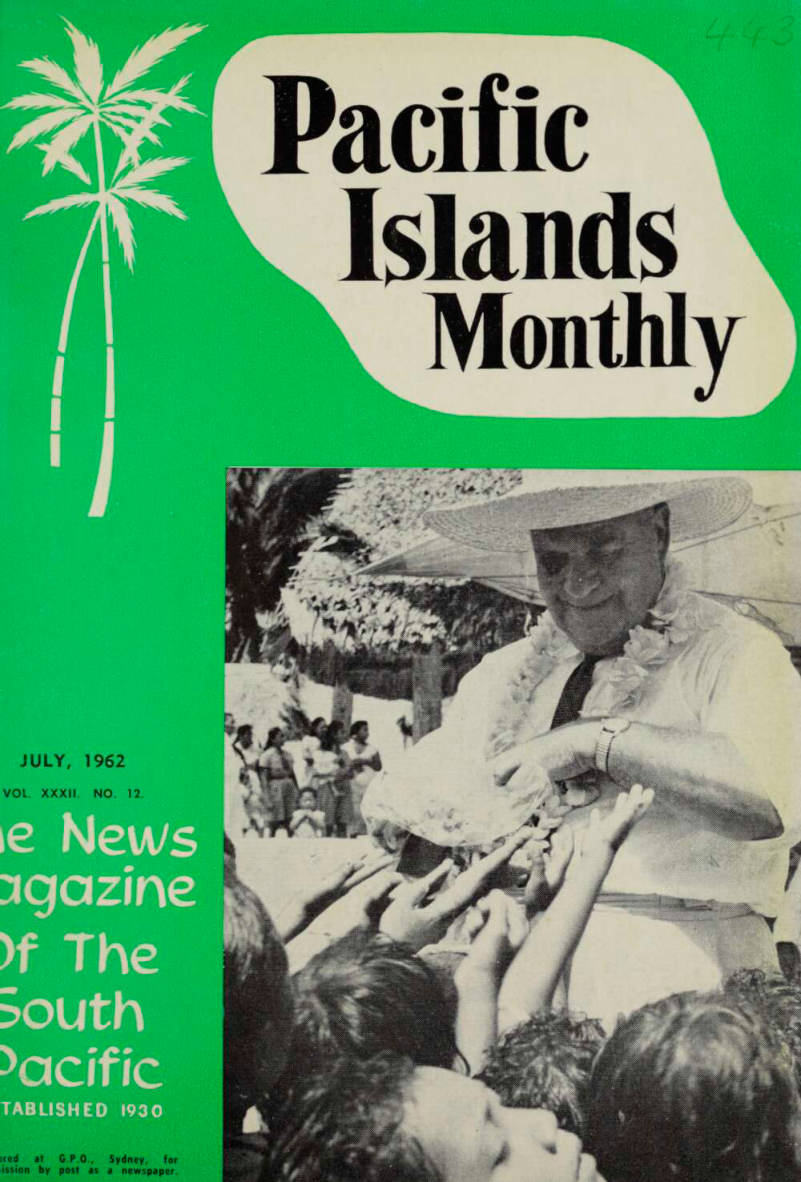 1
1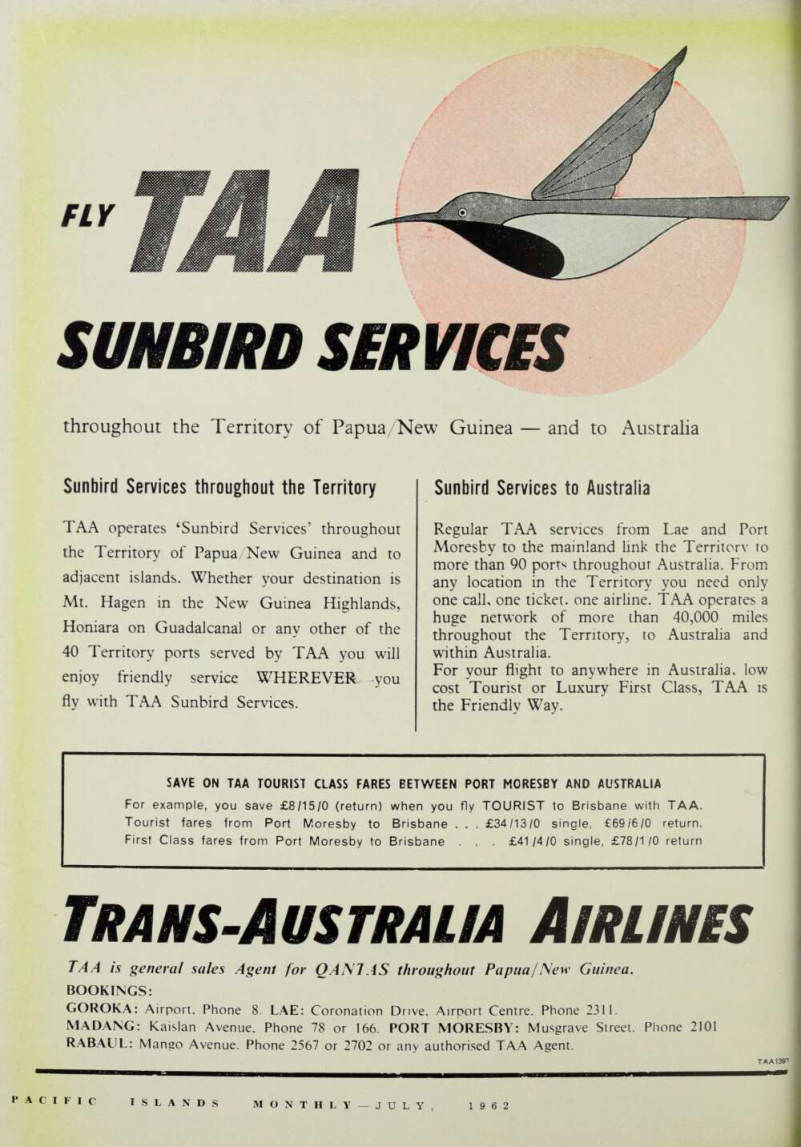 2
2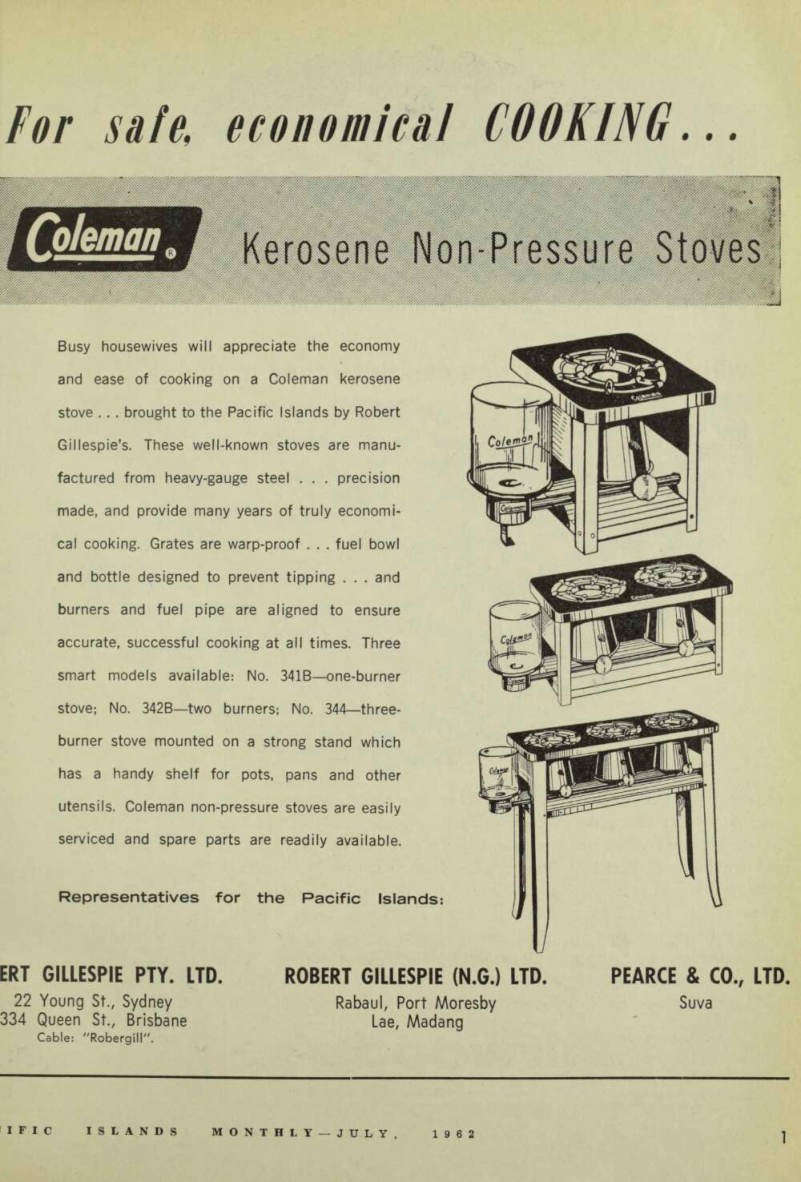 3
3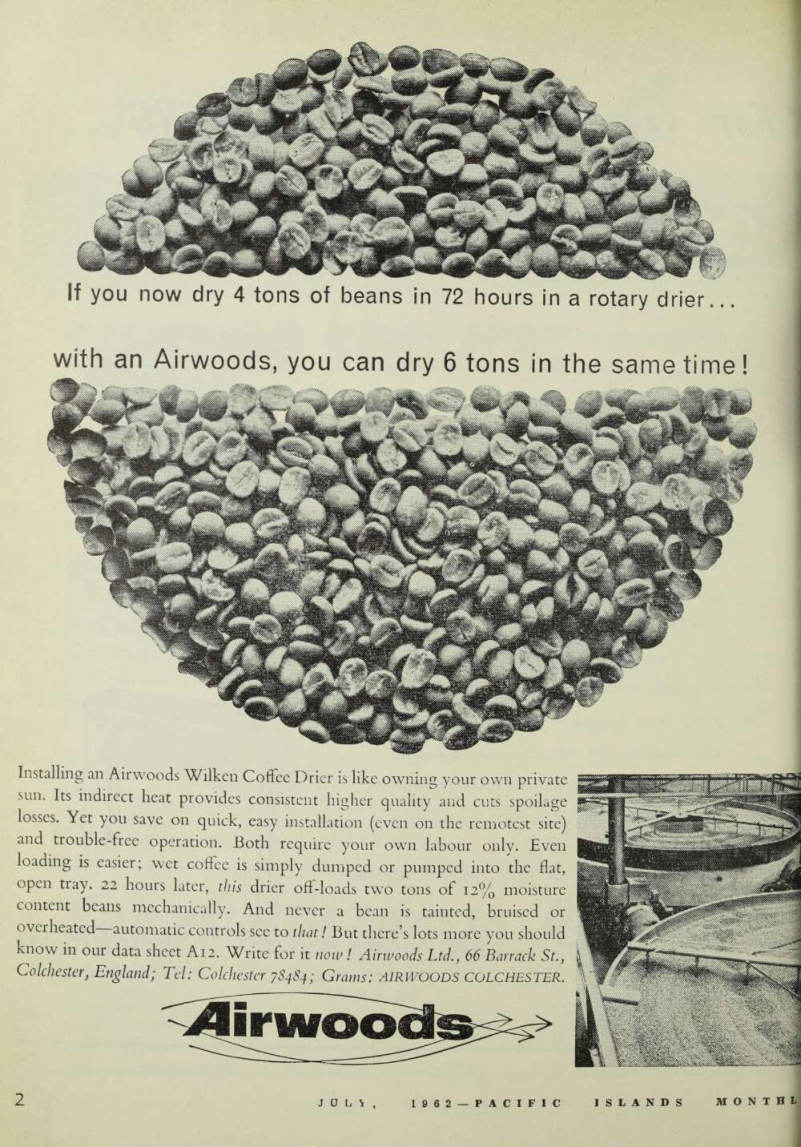 4
4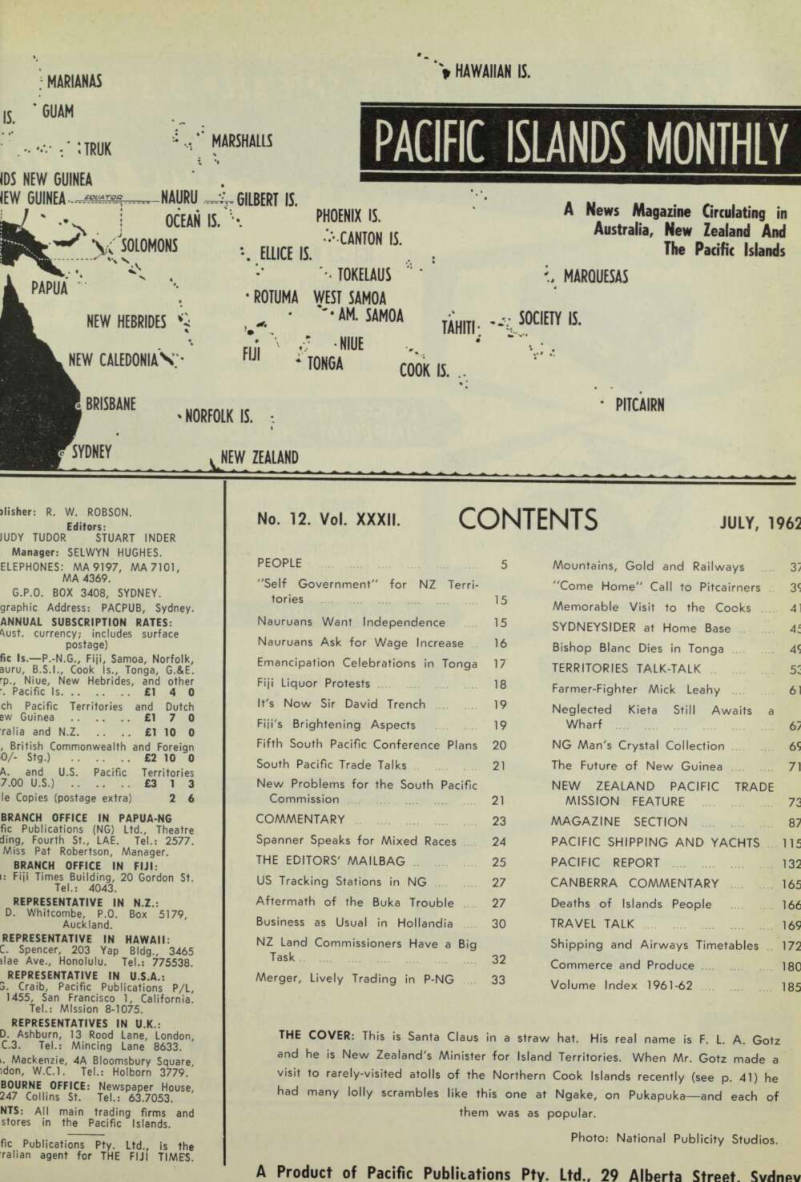 5
5 6
6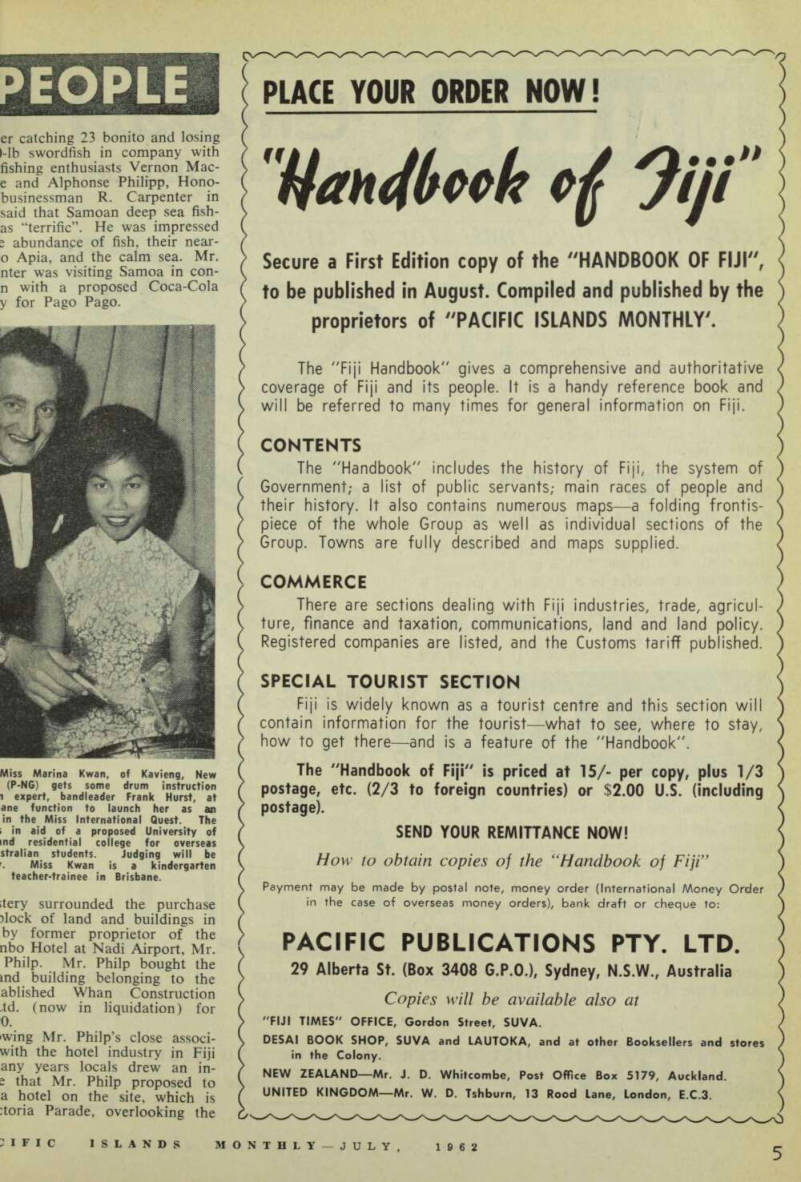 7
7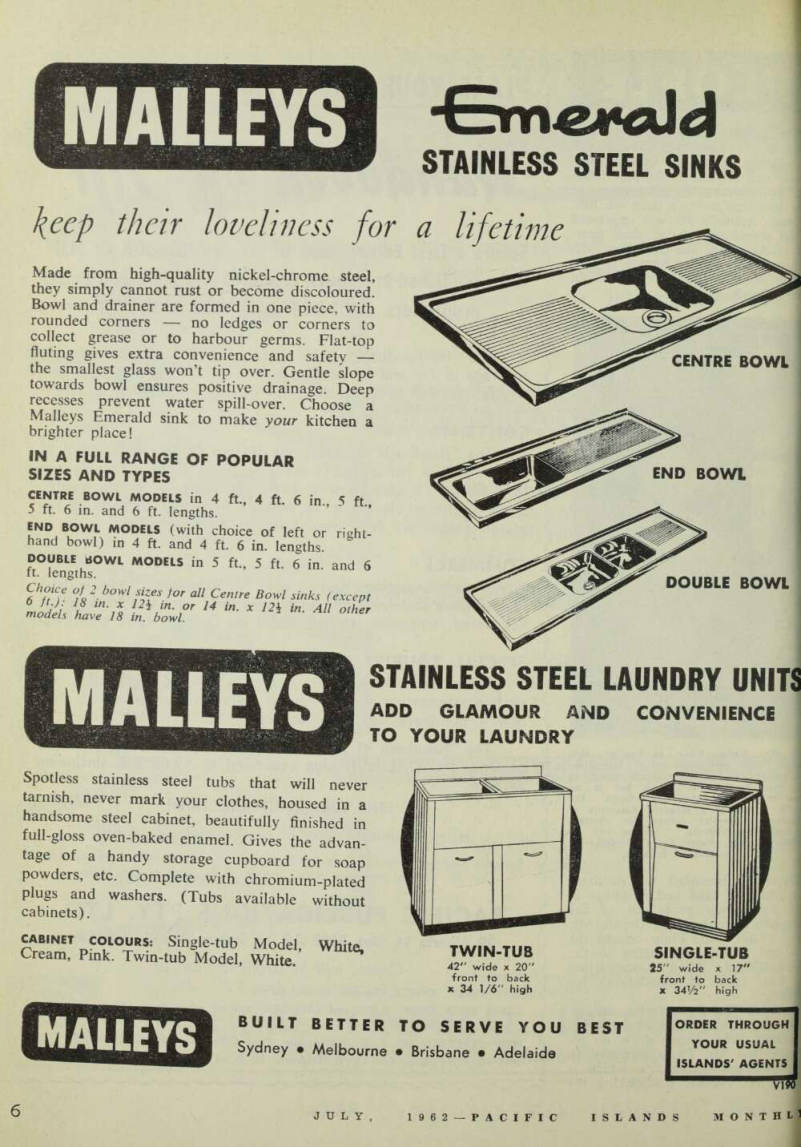 8
8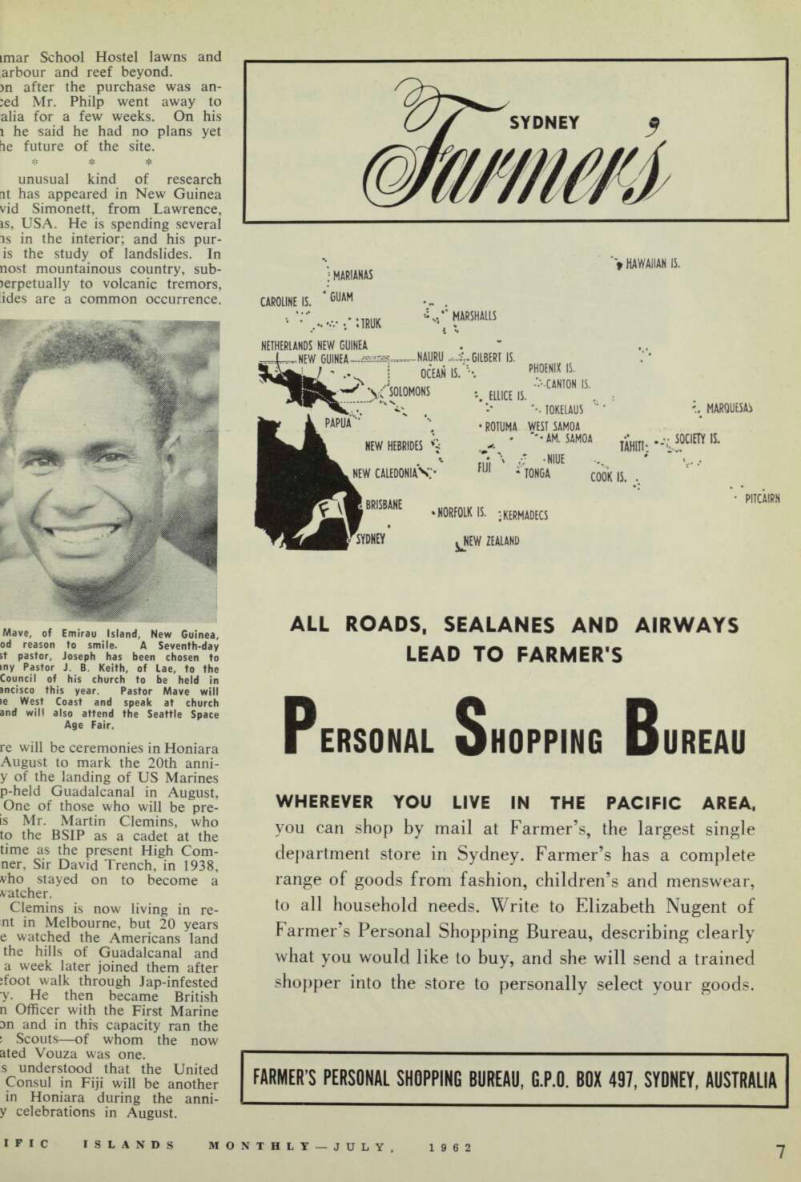 9
9 10
10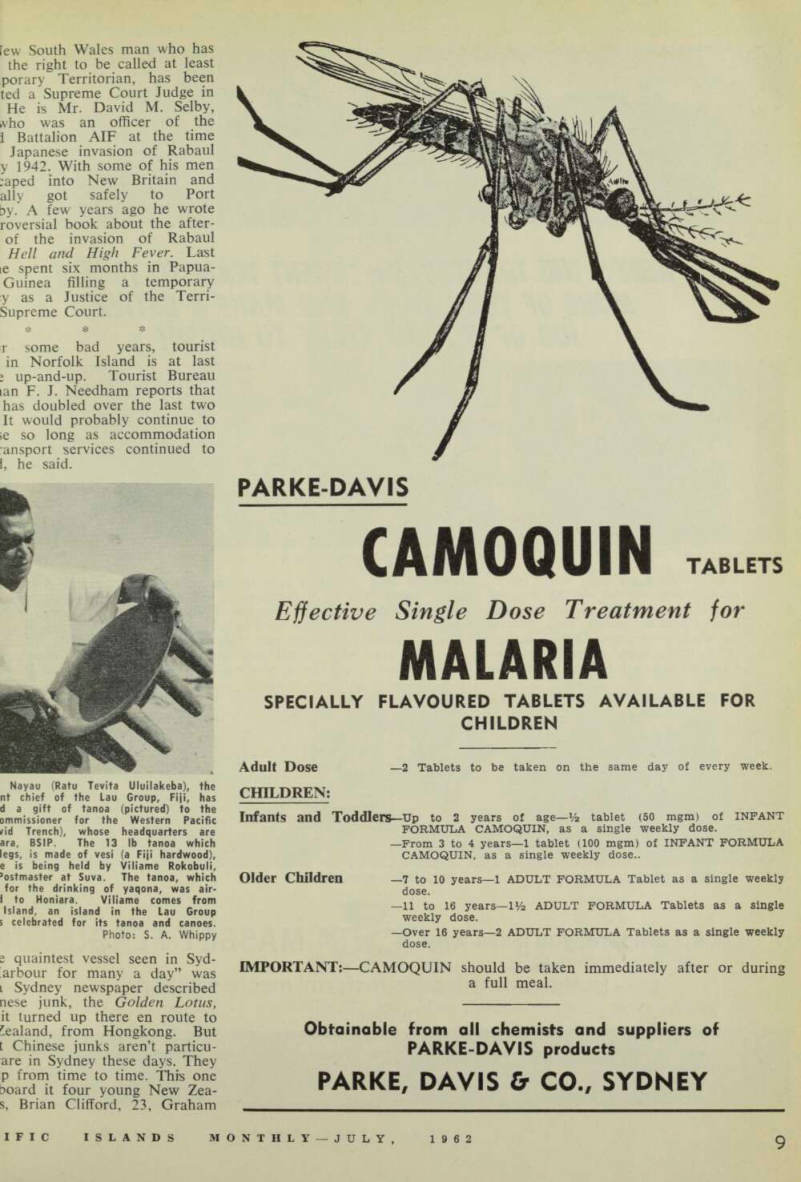 11
11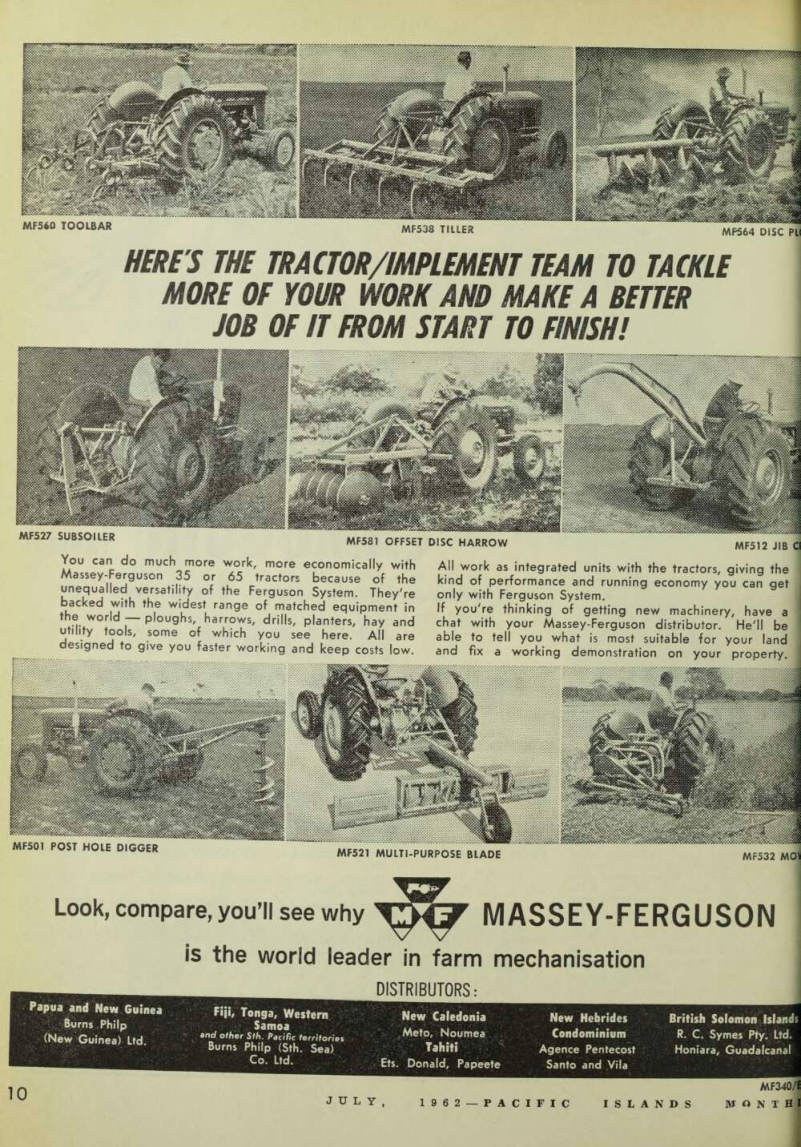 12
12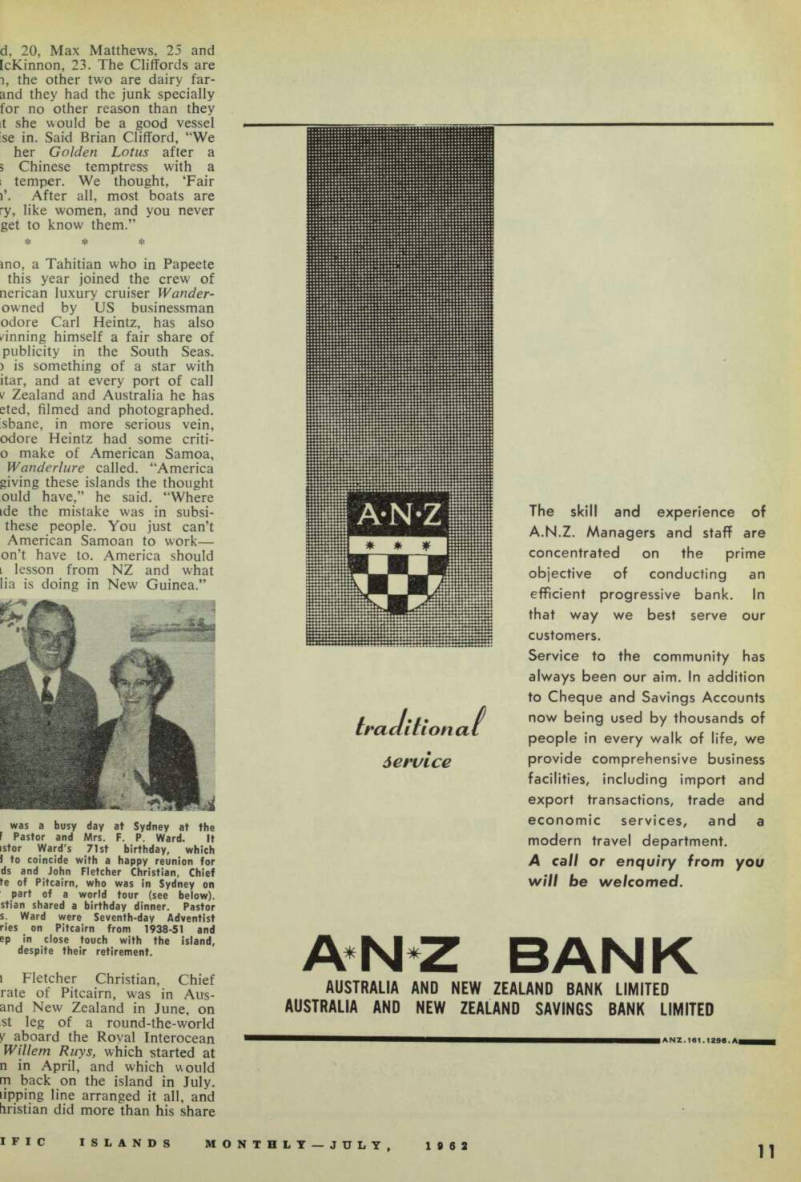 13
13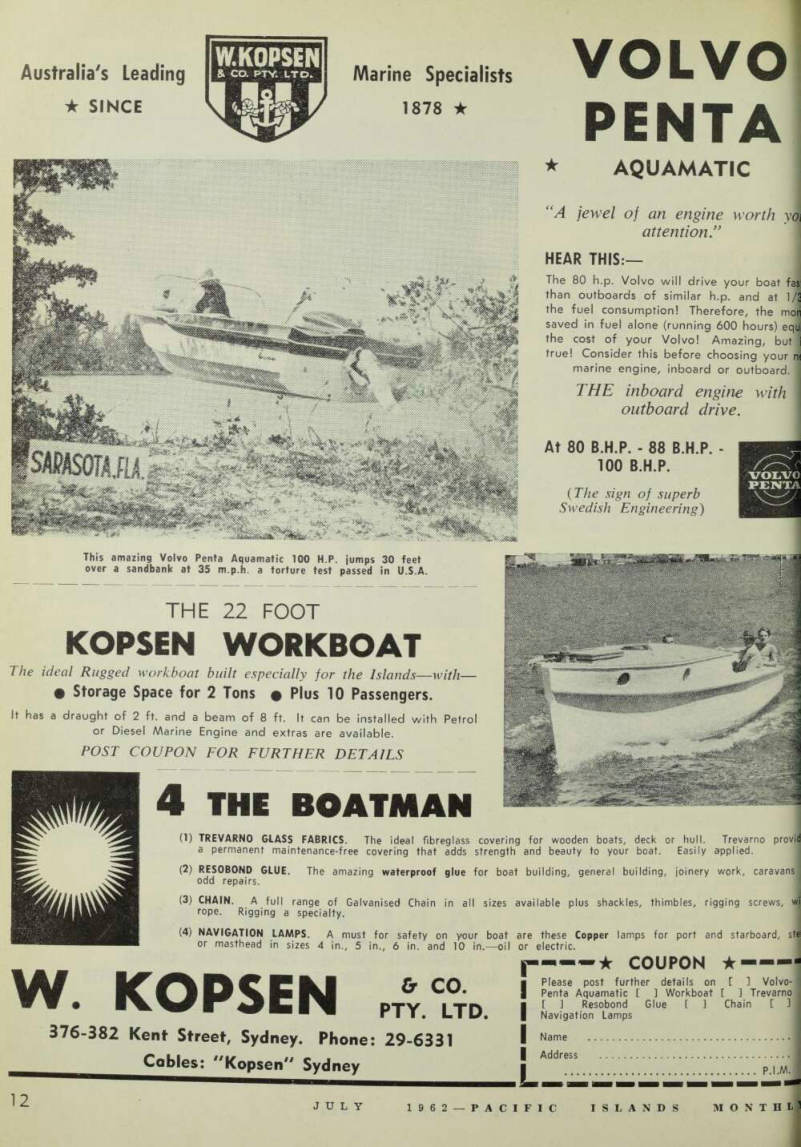 14
14 15
15 16
16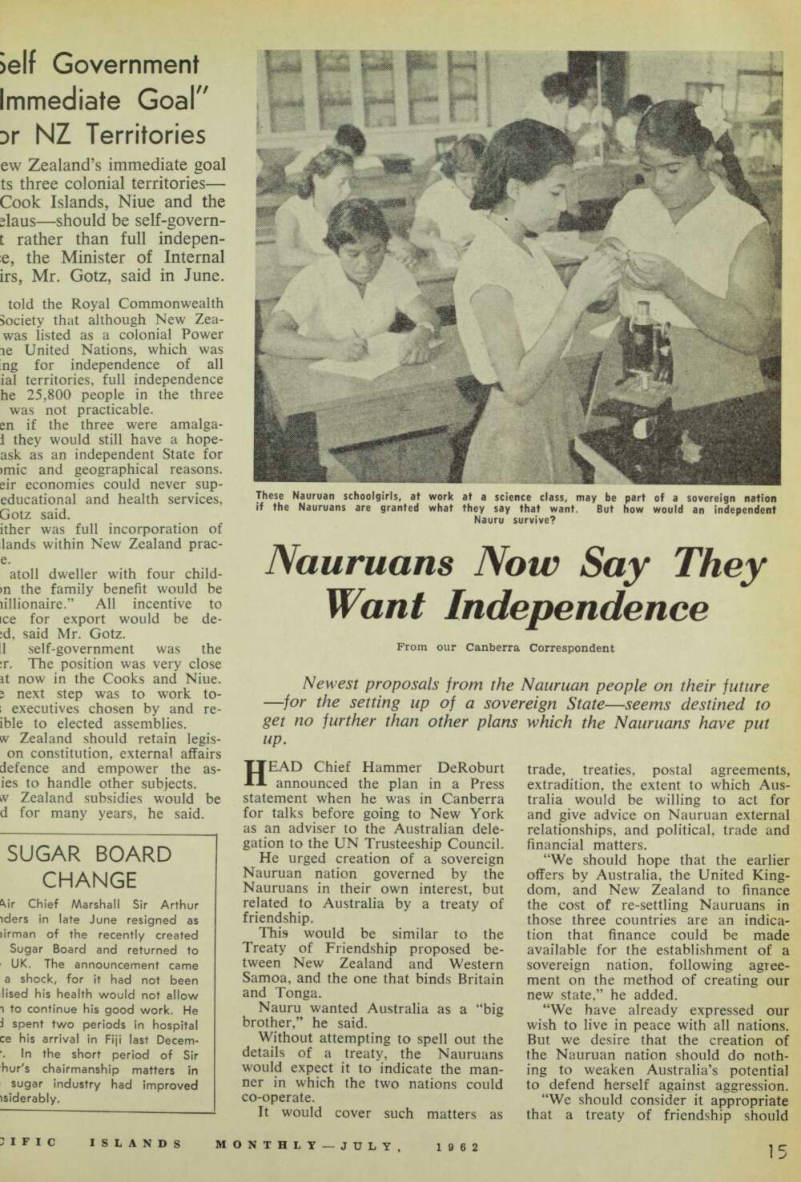 17
17 18
18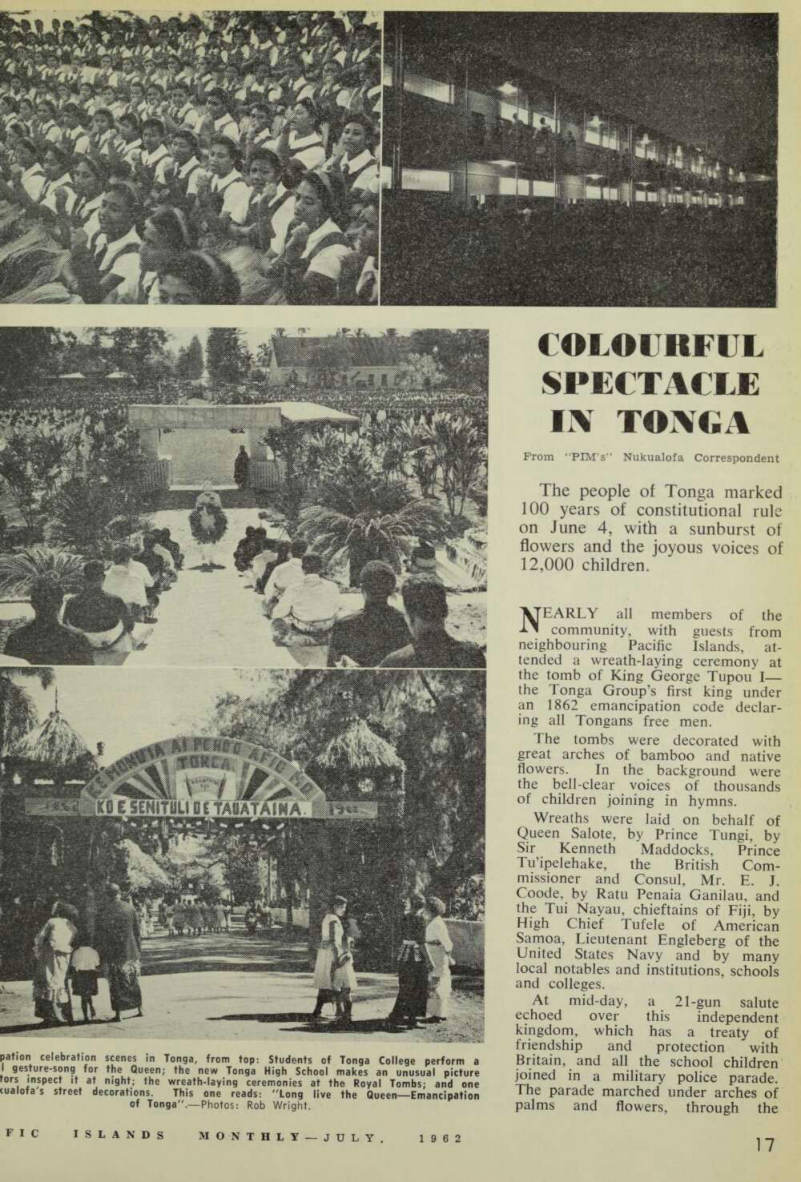 19
19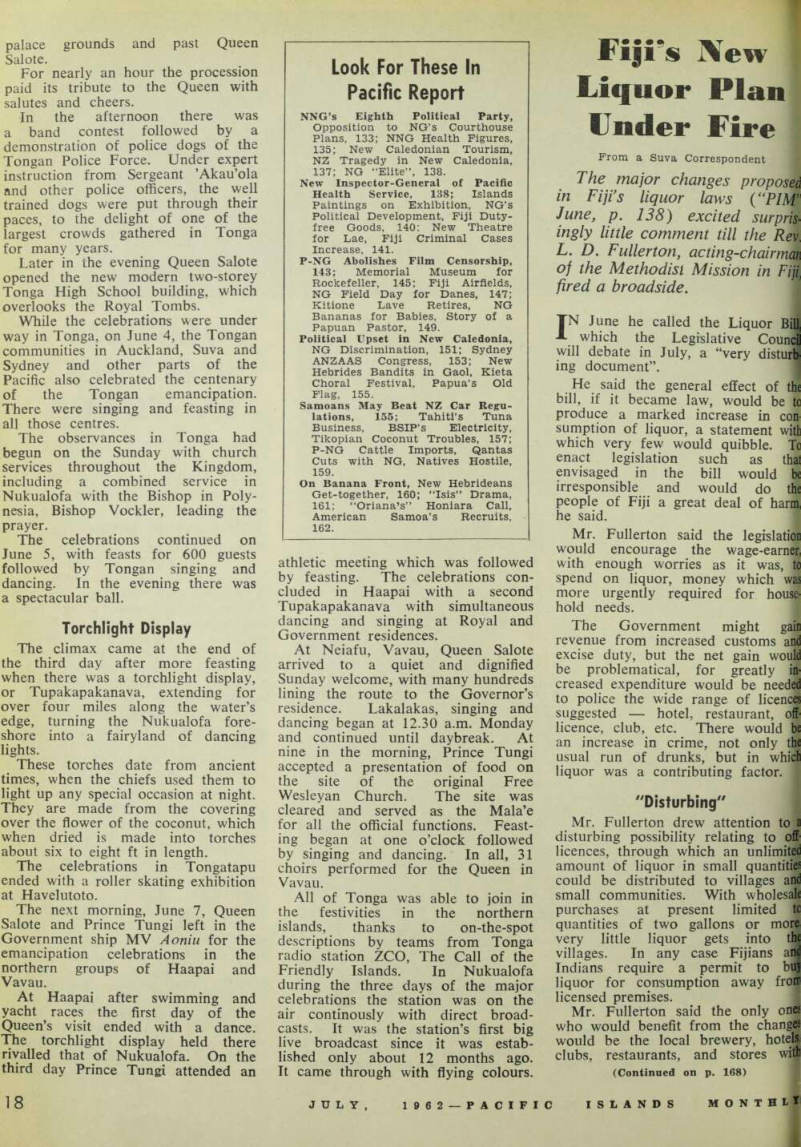 20
20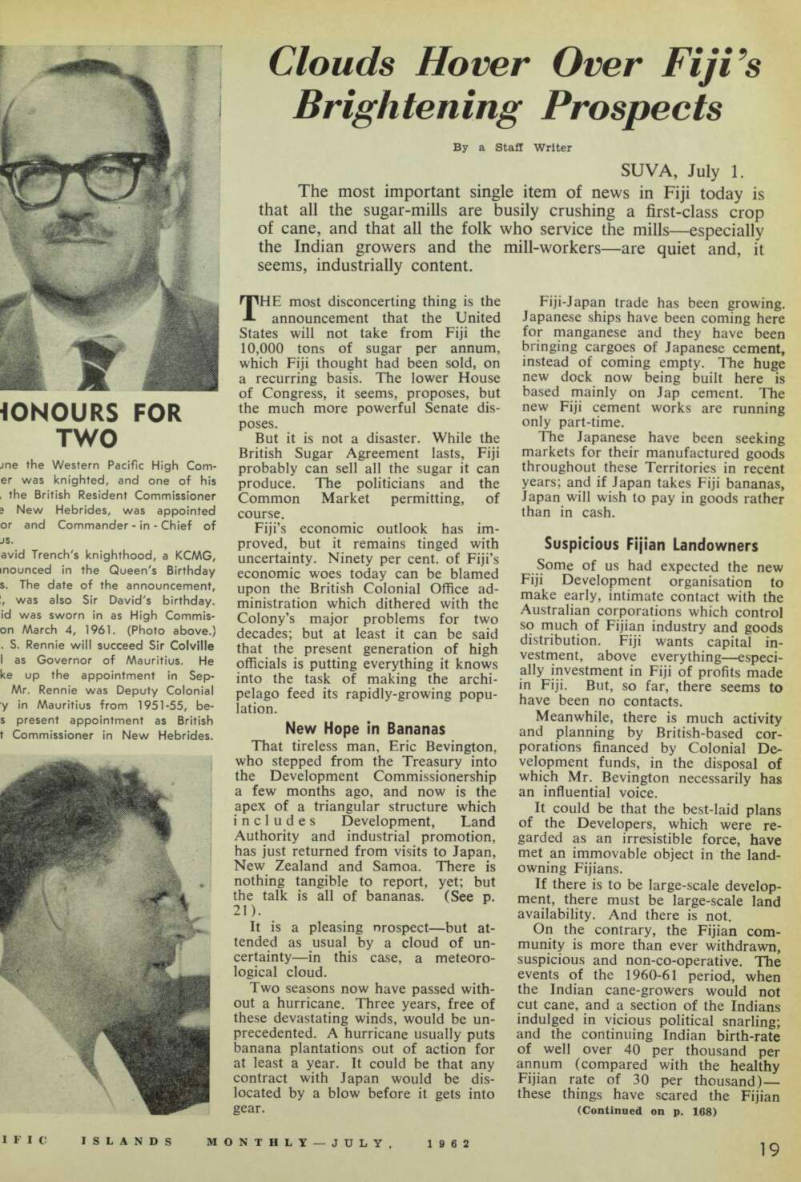 21
21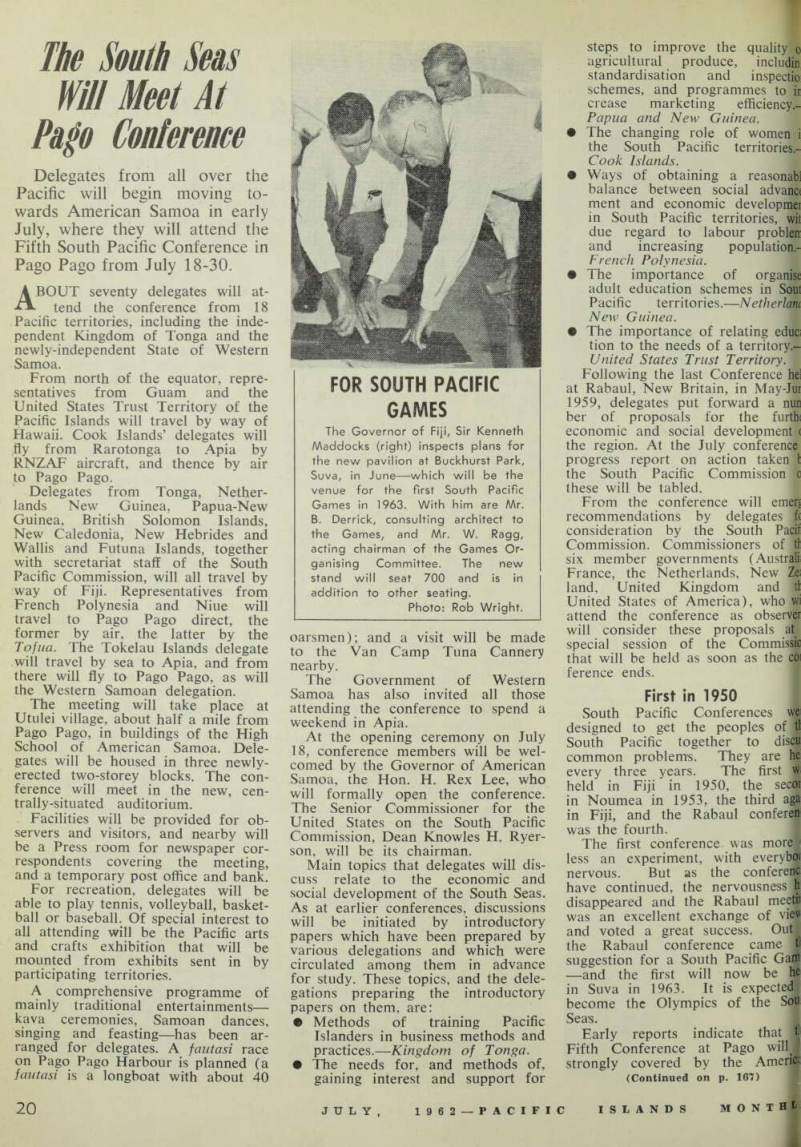 22
22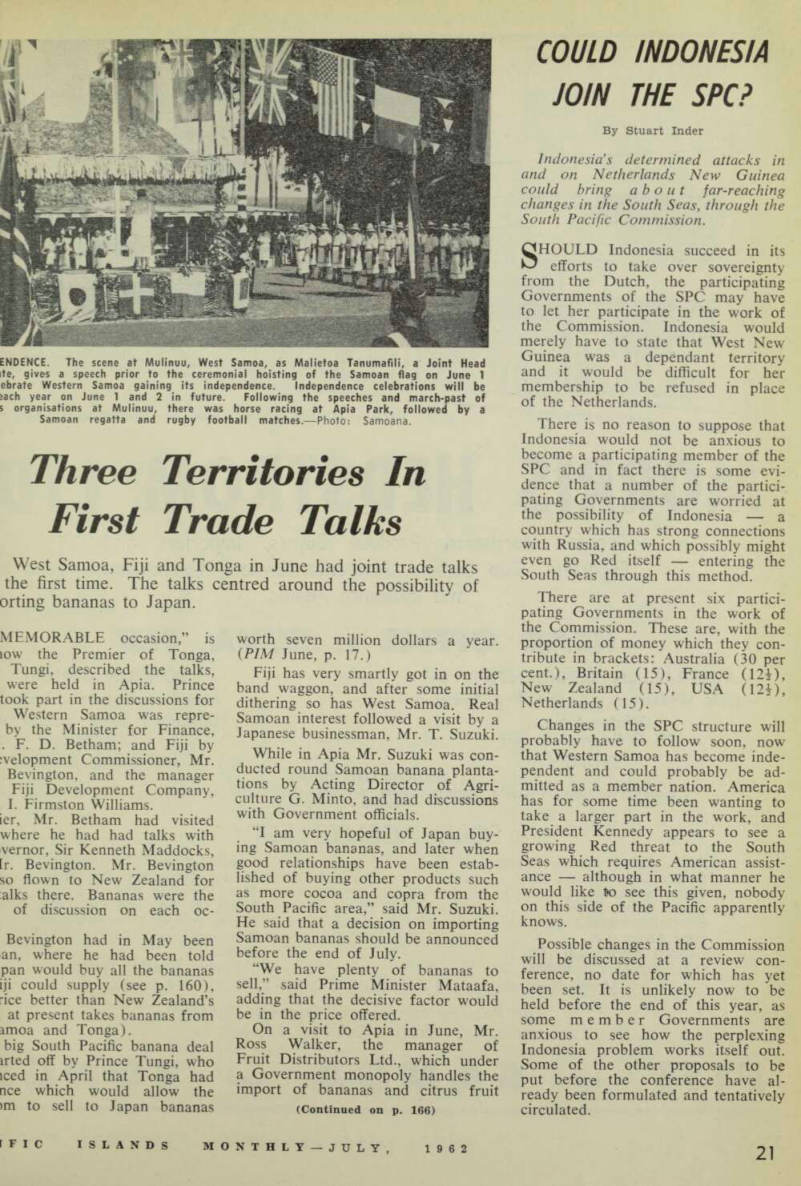 23
23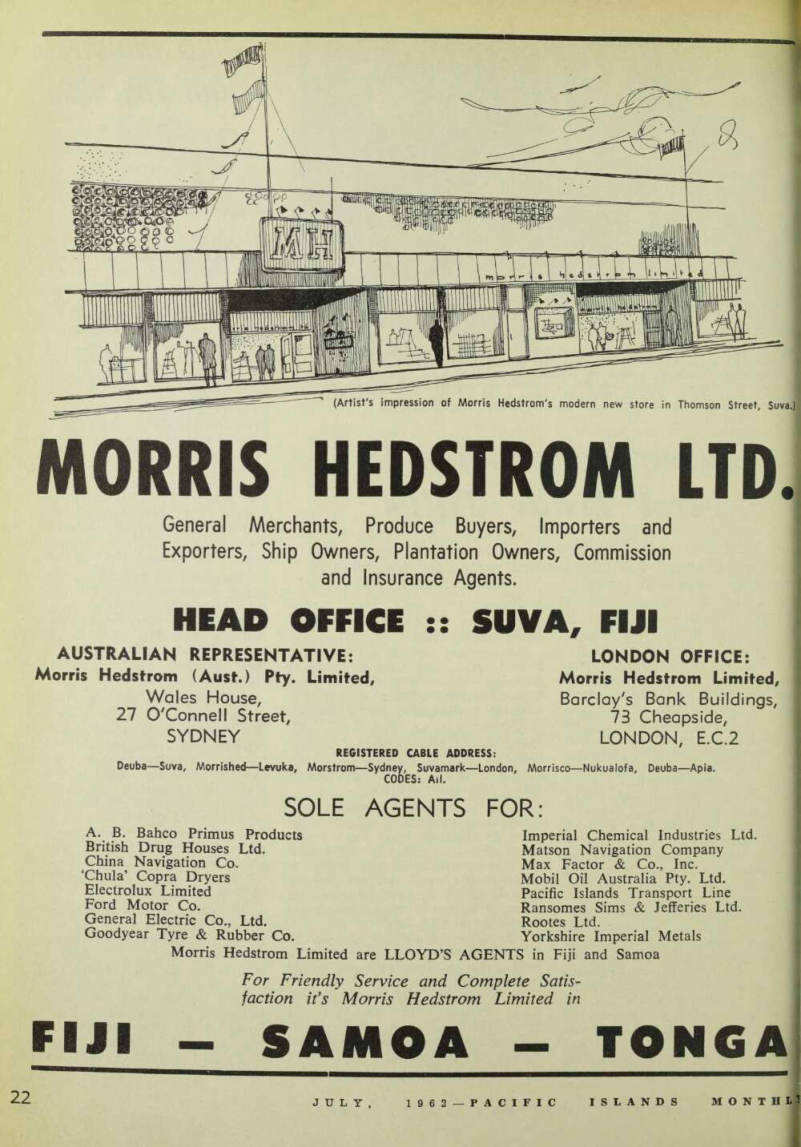 24
24 25
25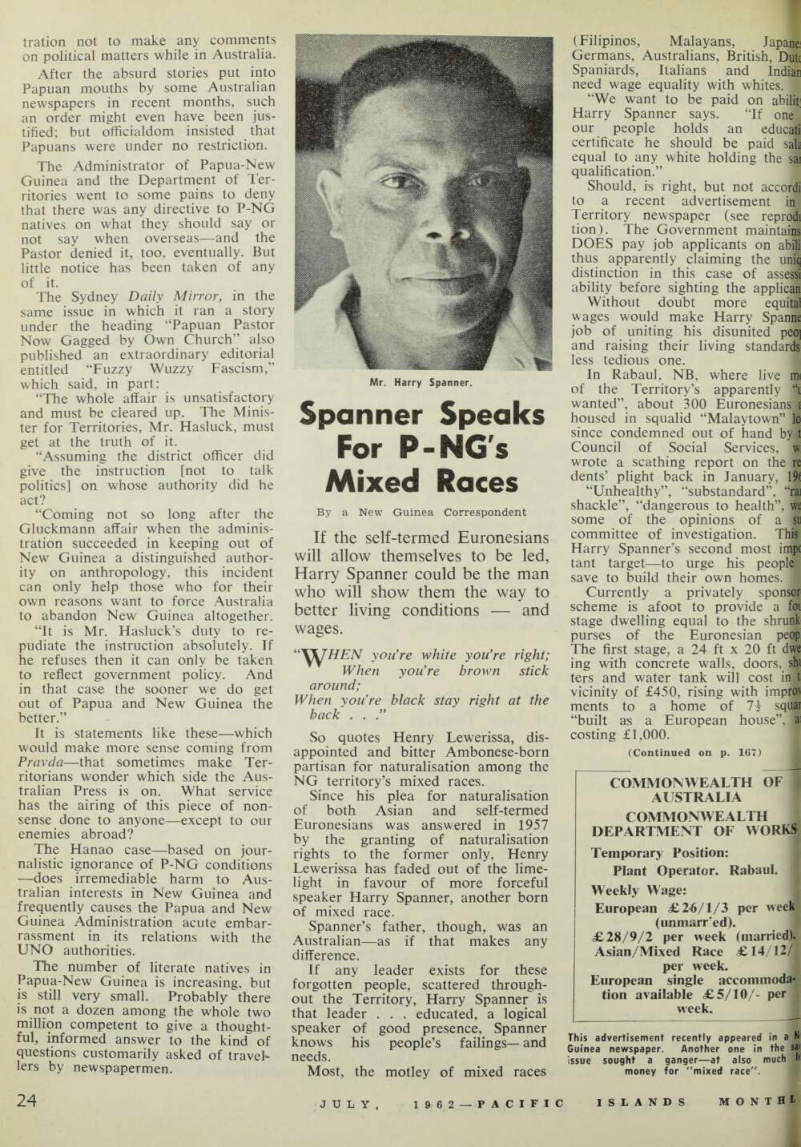 26
26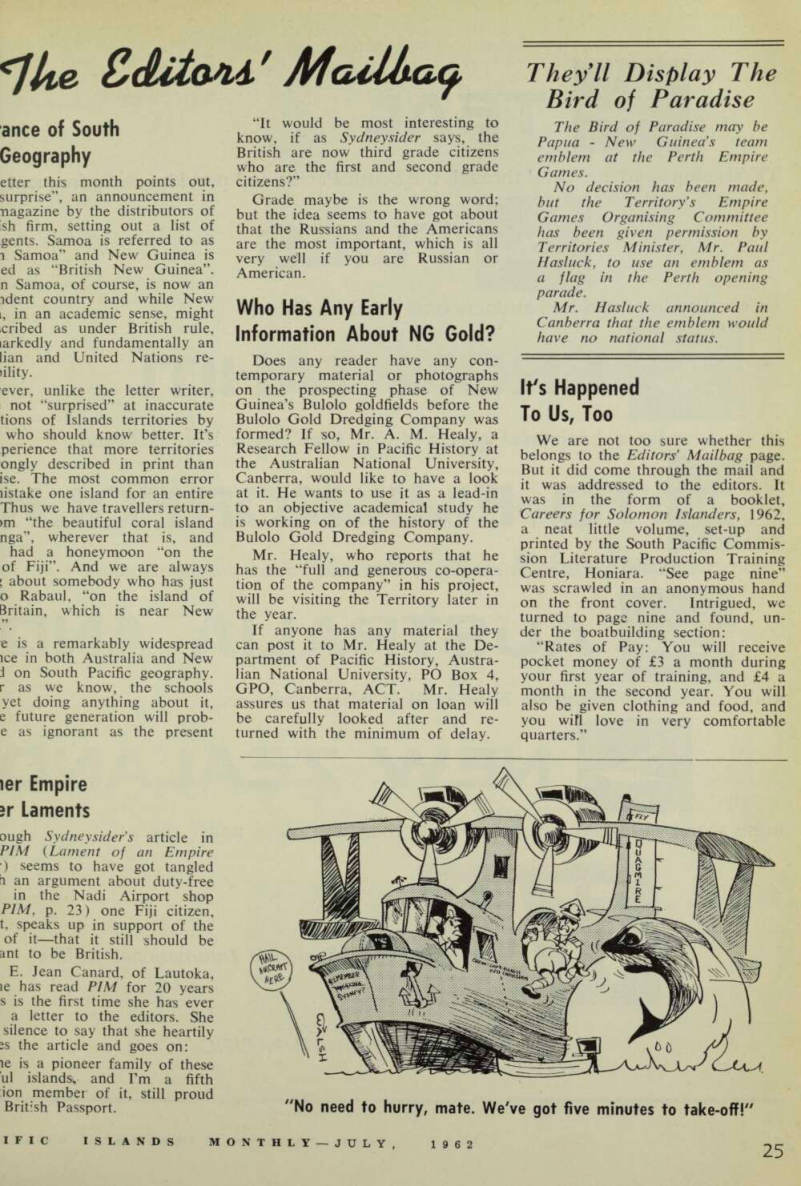 27
27 28
28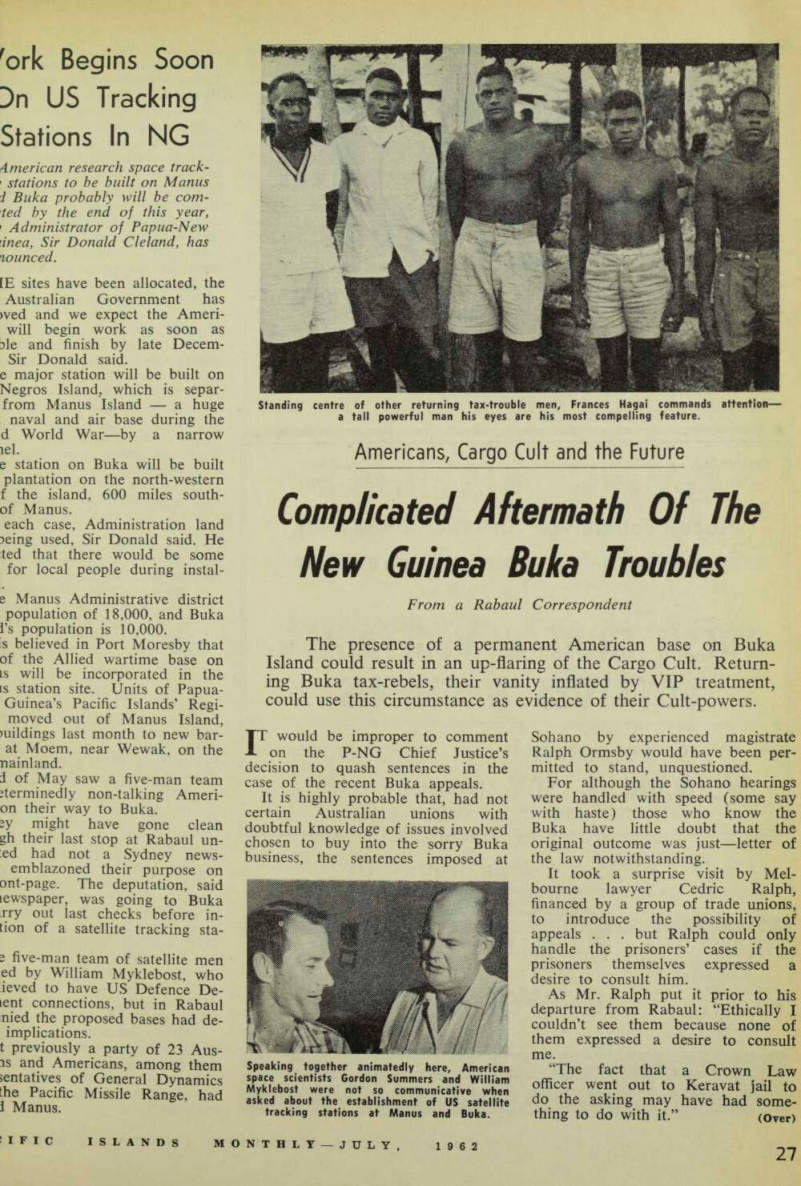 29
29 30
30 31
31 32
32 33
33 34
34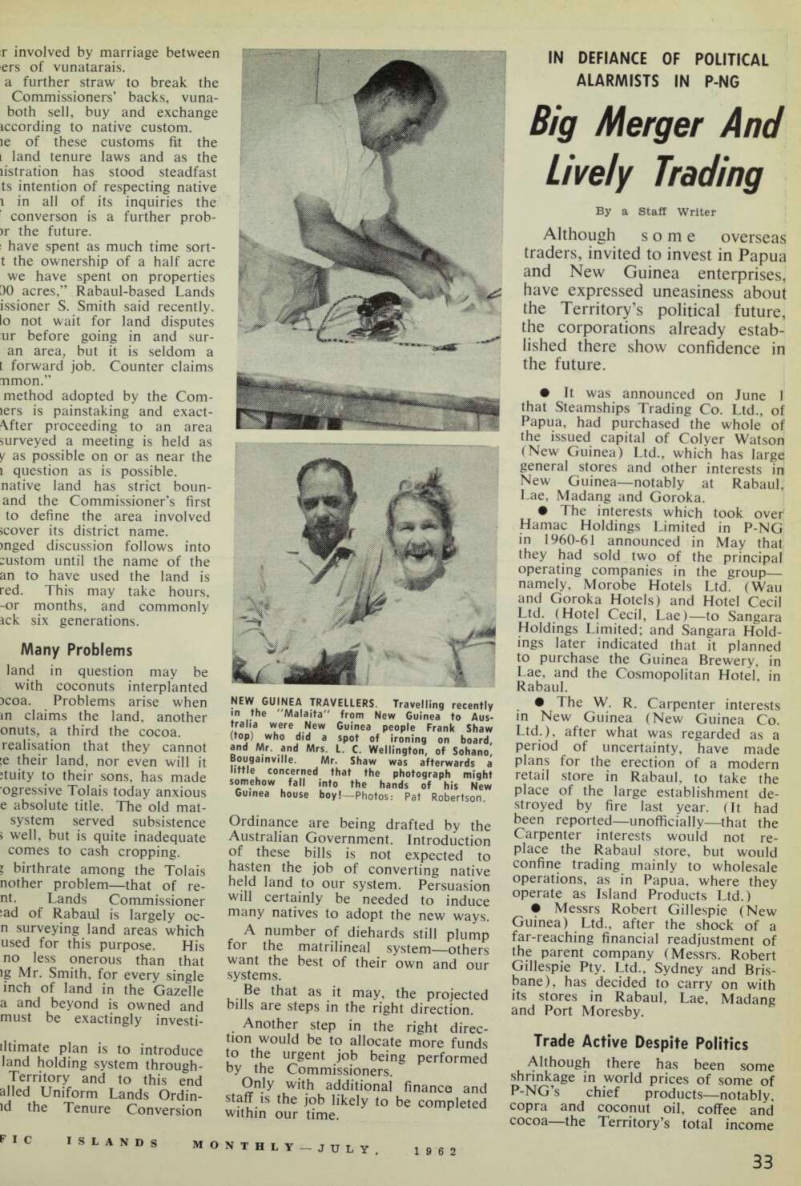 35
35 36
36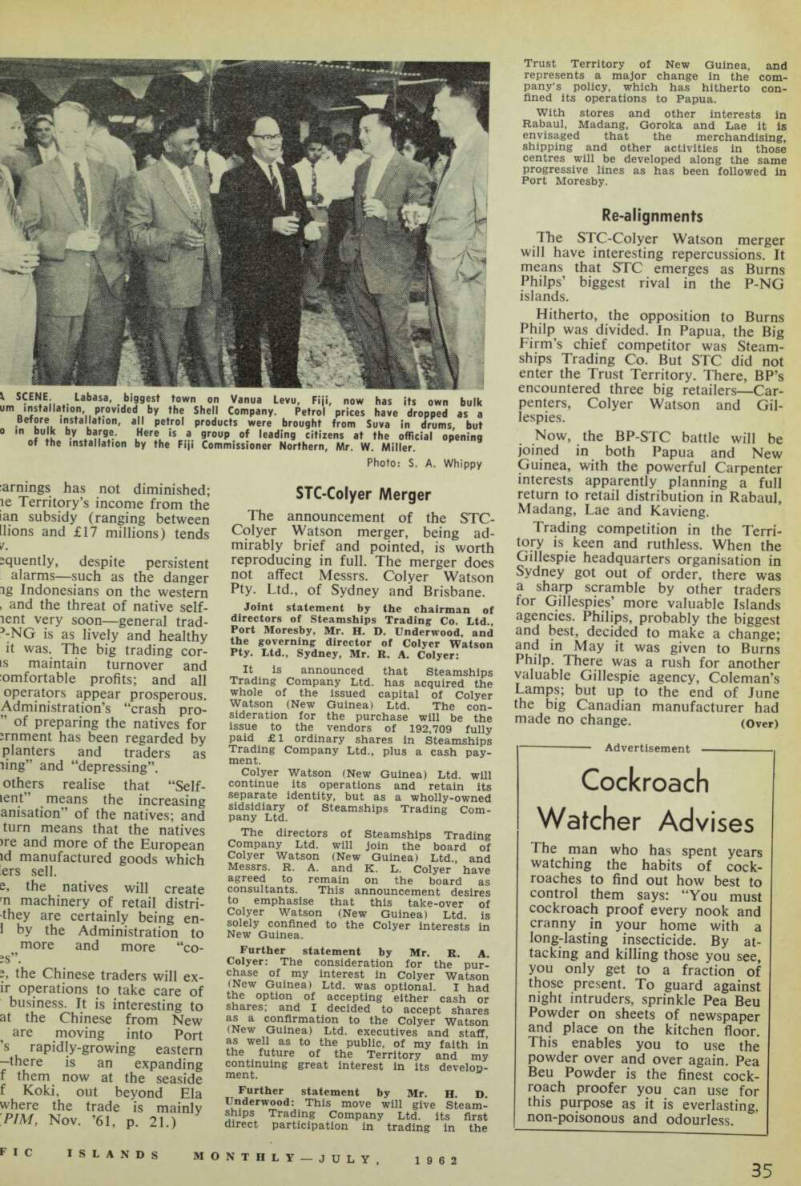 37
37 38
38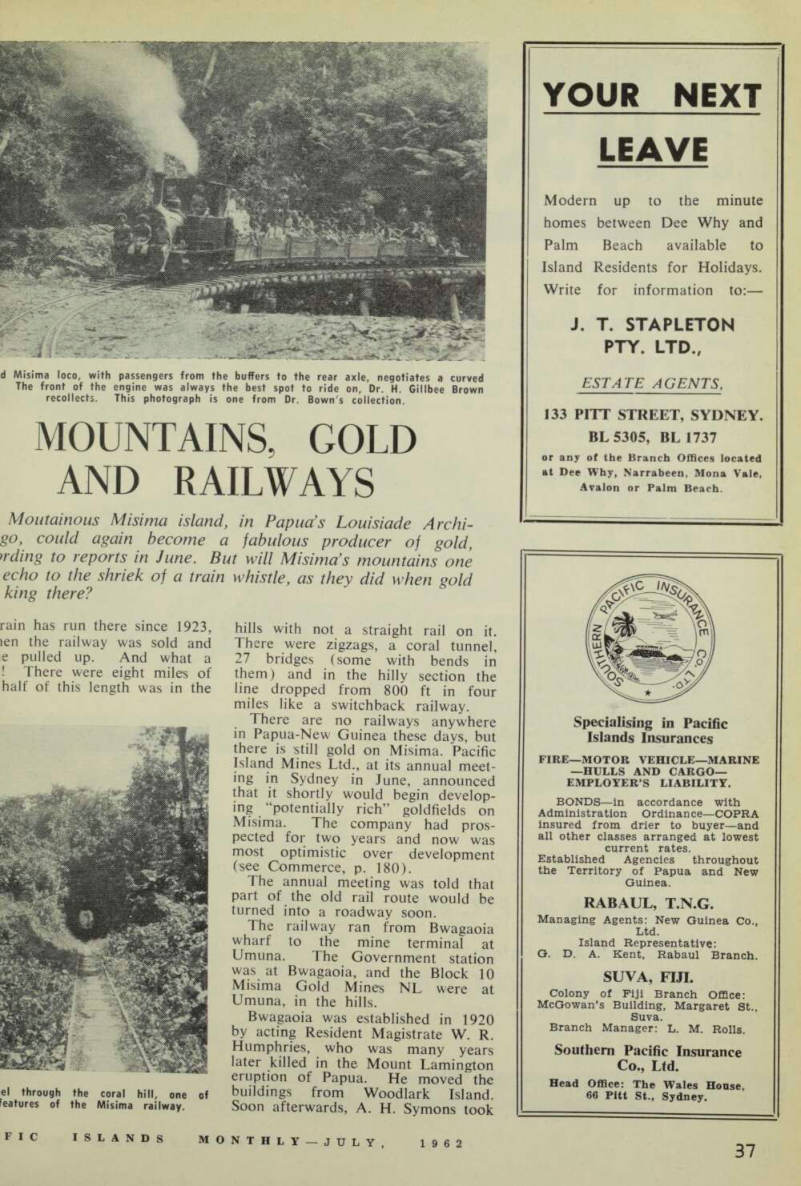 39
39 40
40 41
41 42
42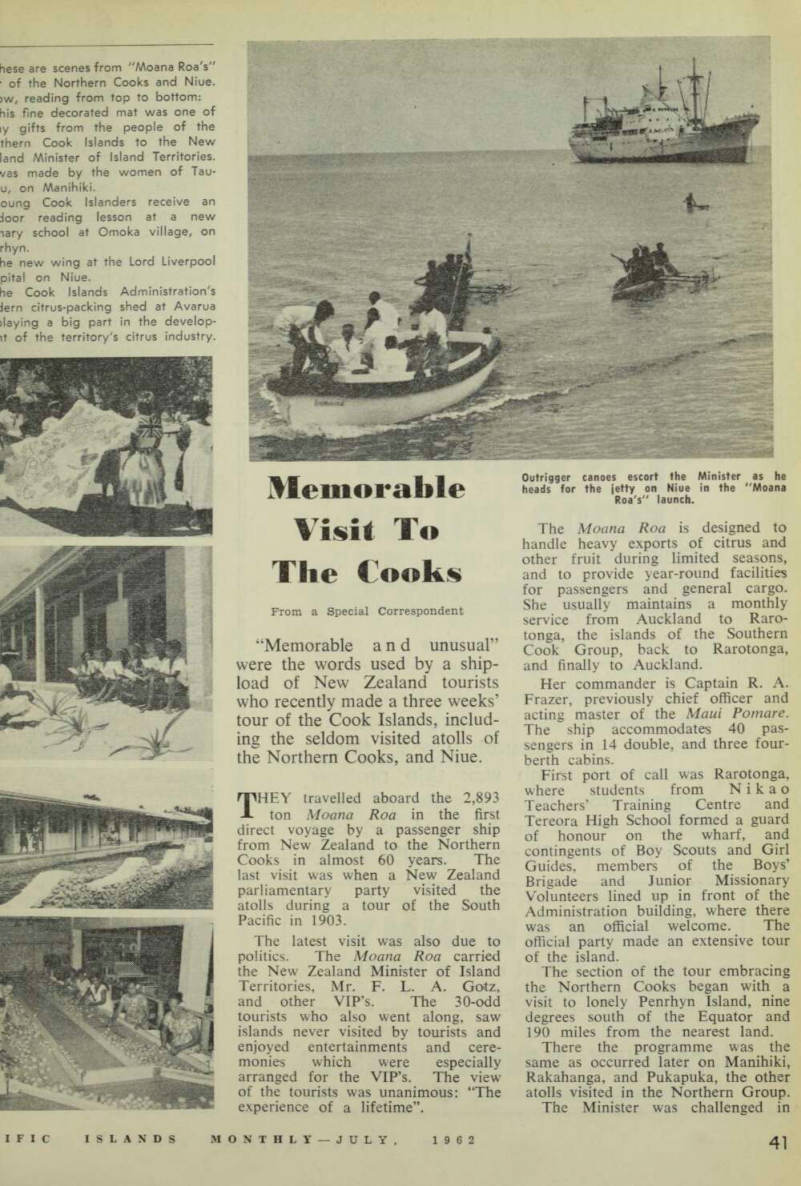 43
43 44
44 45
45 46
46 47
47 48
48 49
49 50
50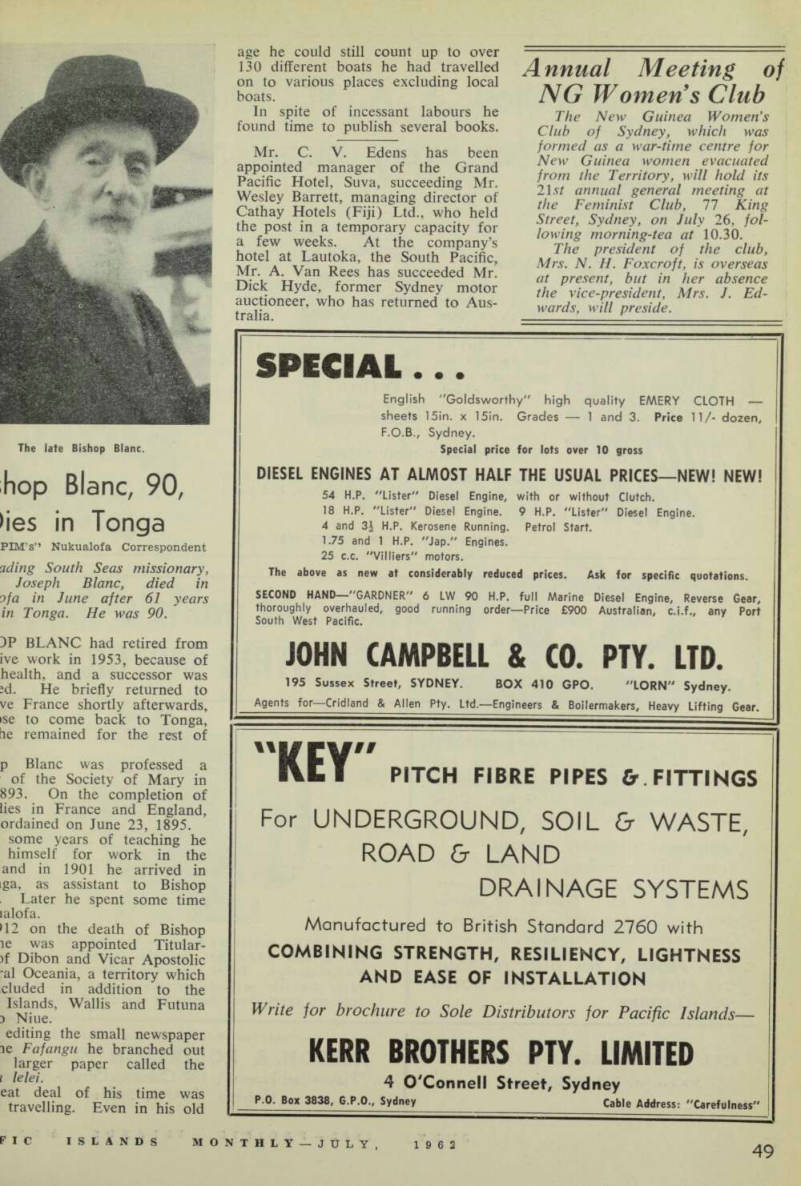 51
51 52
52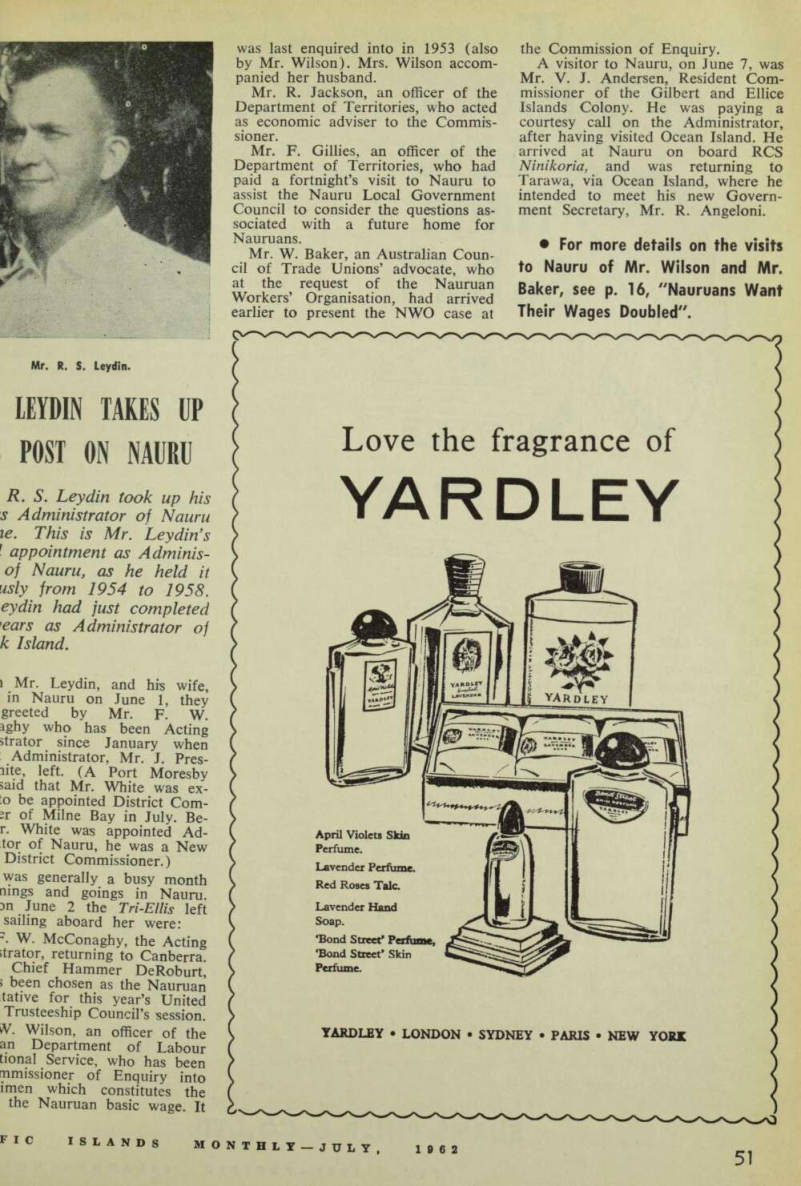 53
53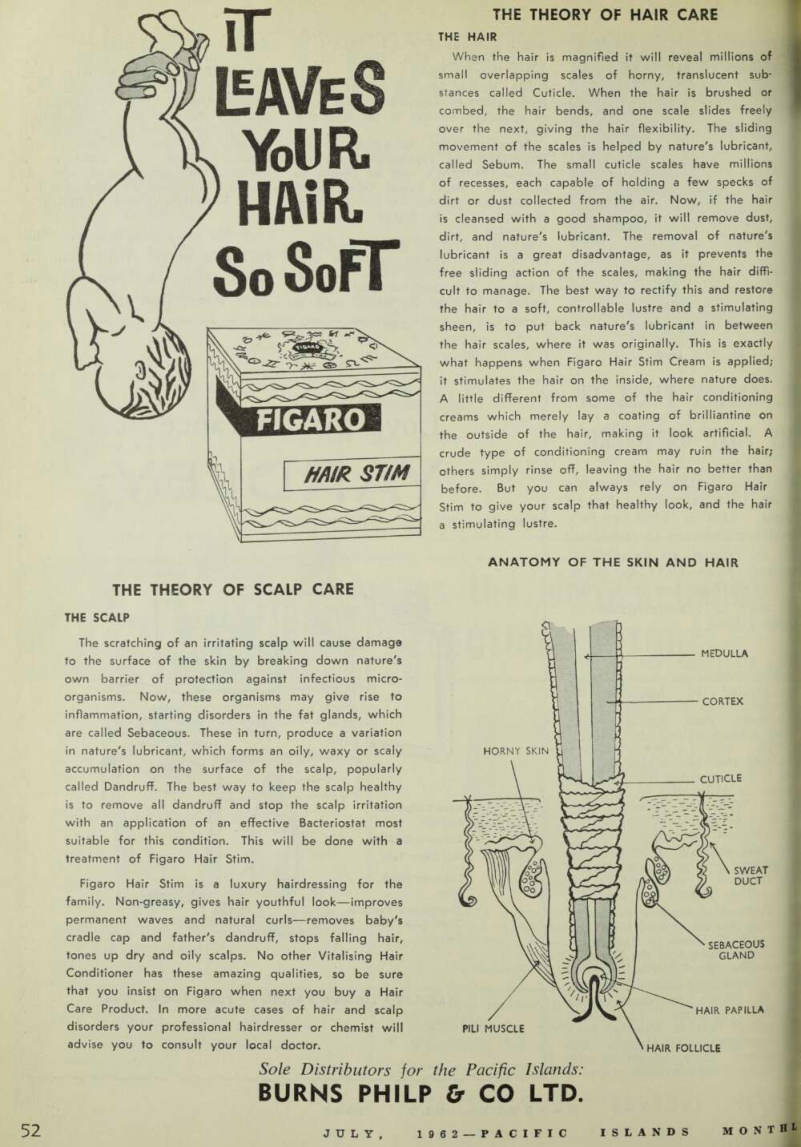 54
54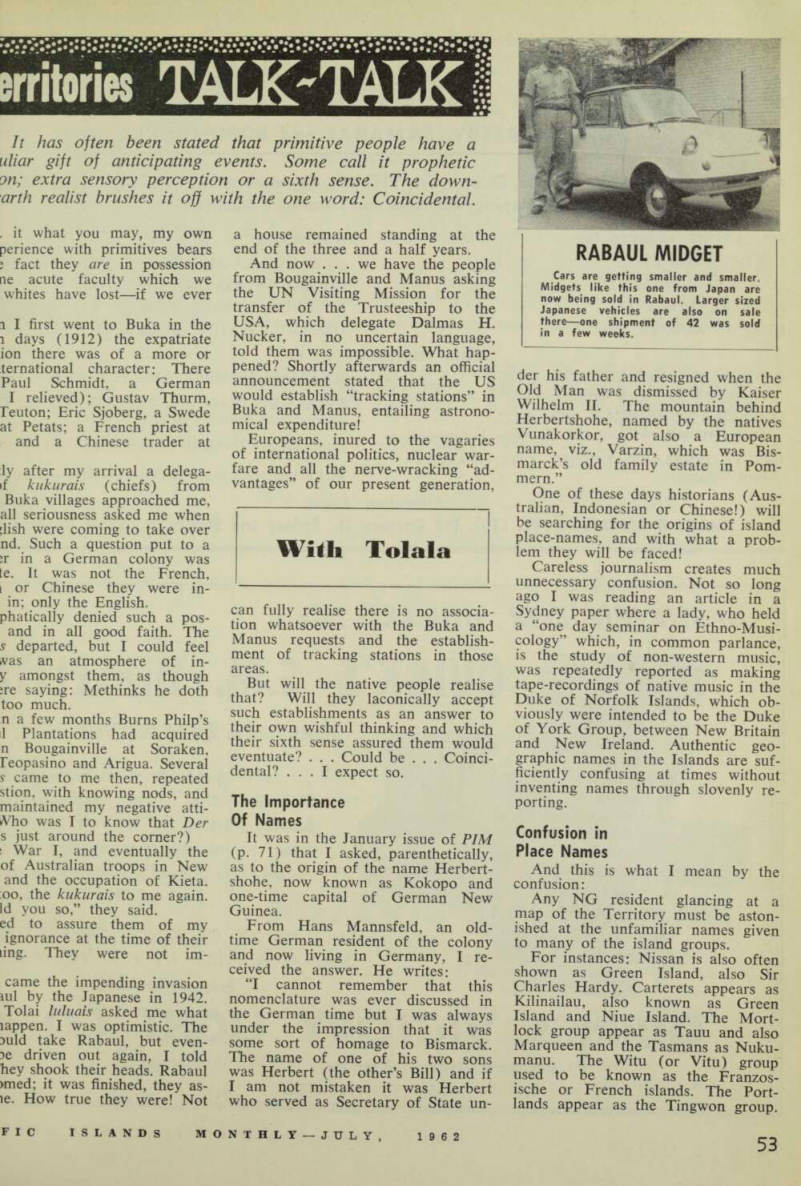 55
55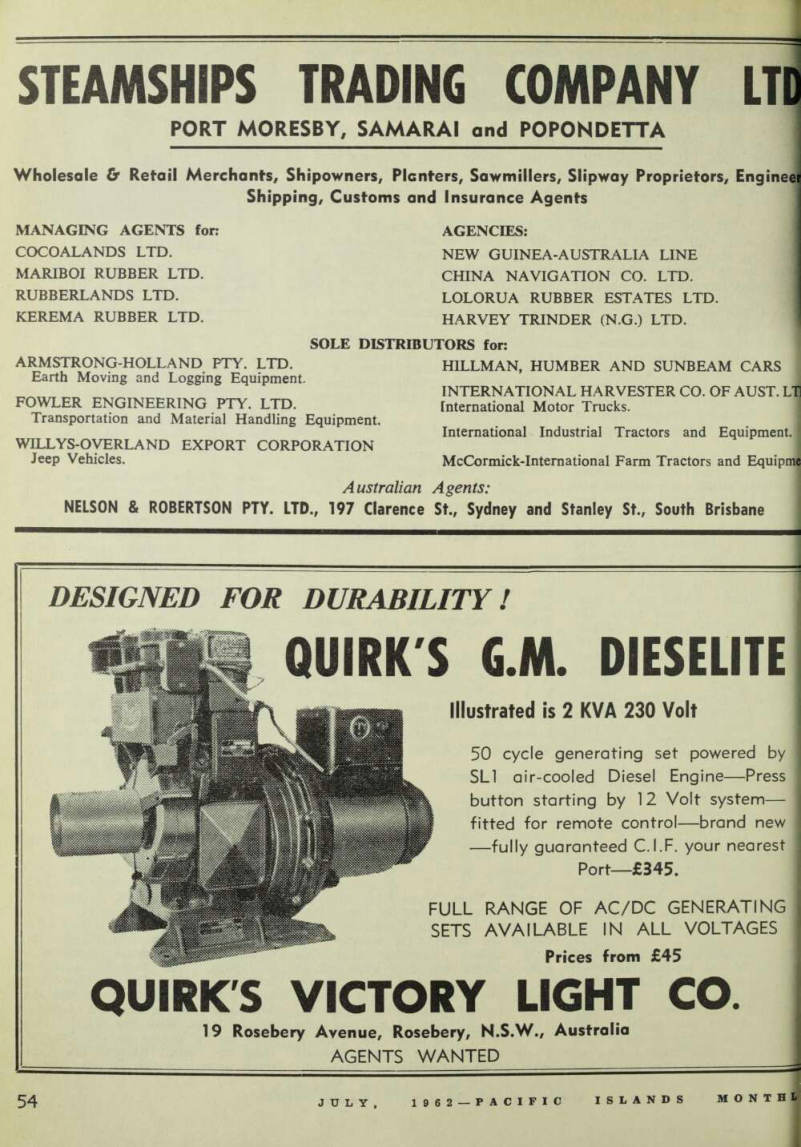 56
56 57
57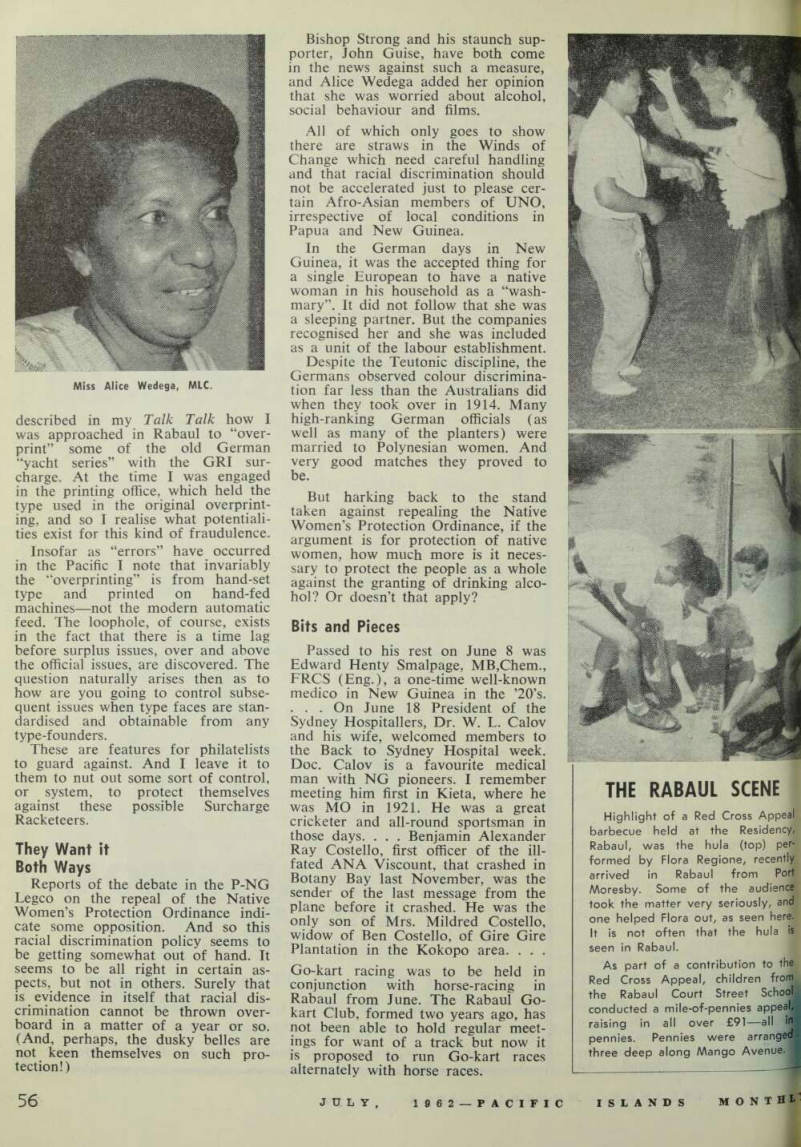 58
58 59
59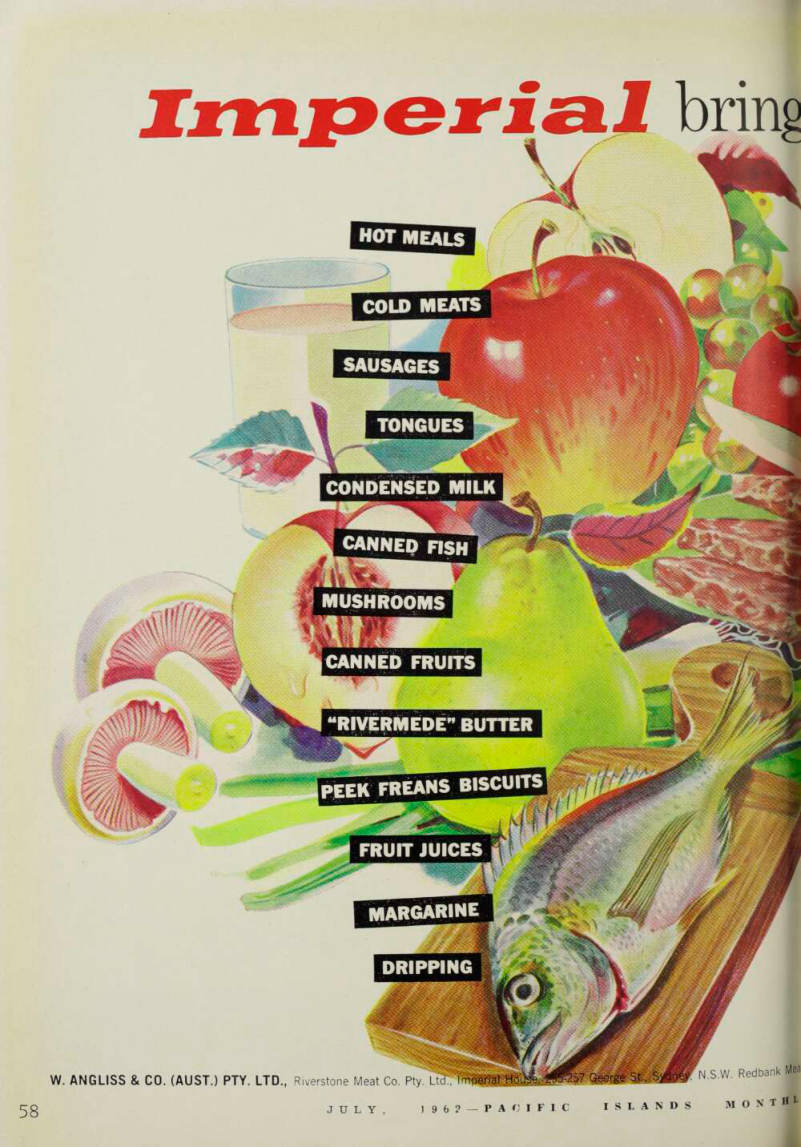 60
60 61
61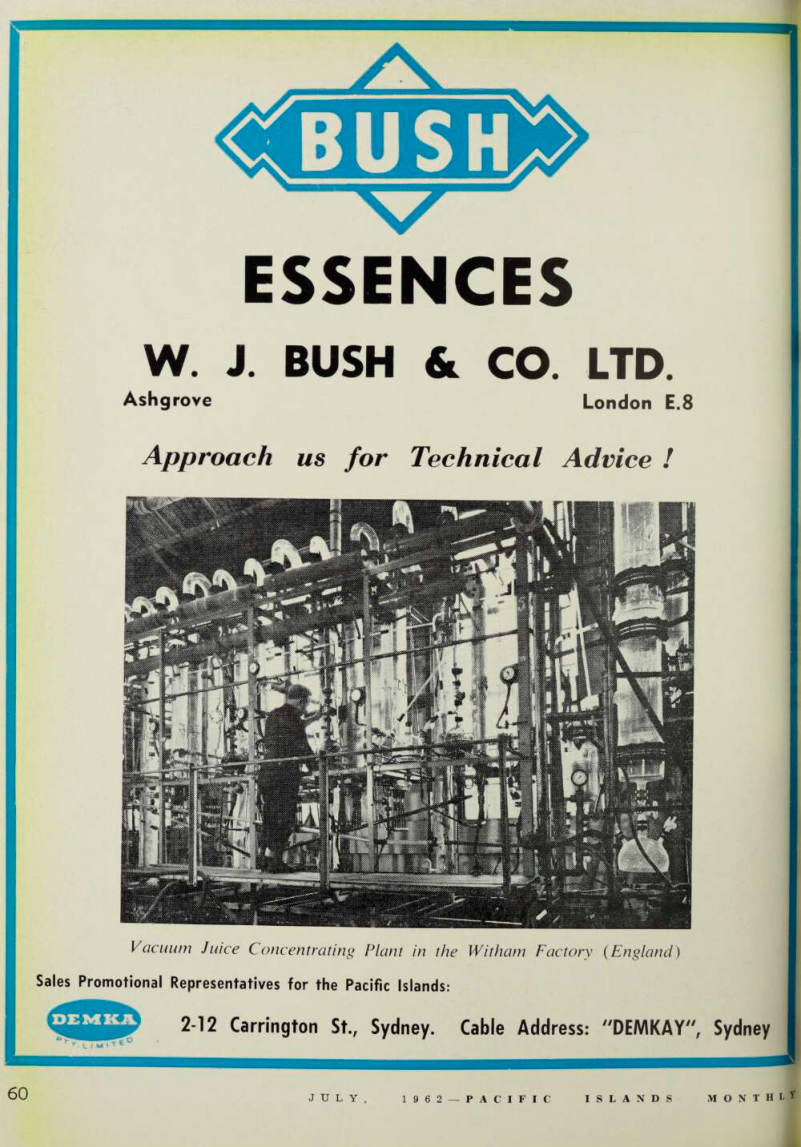 62
62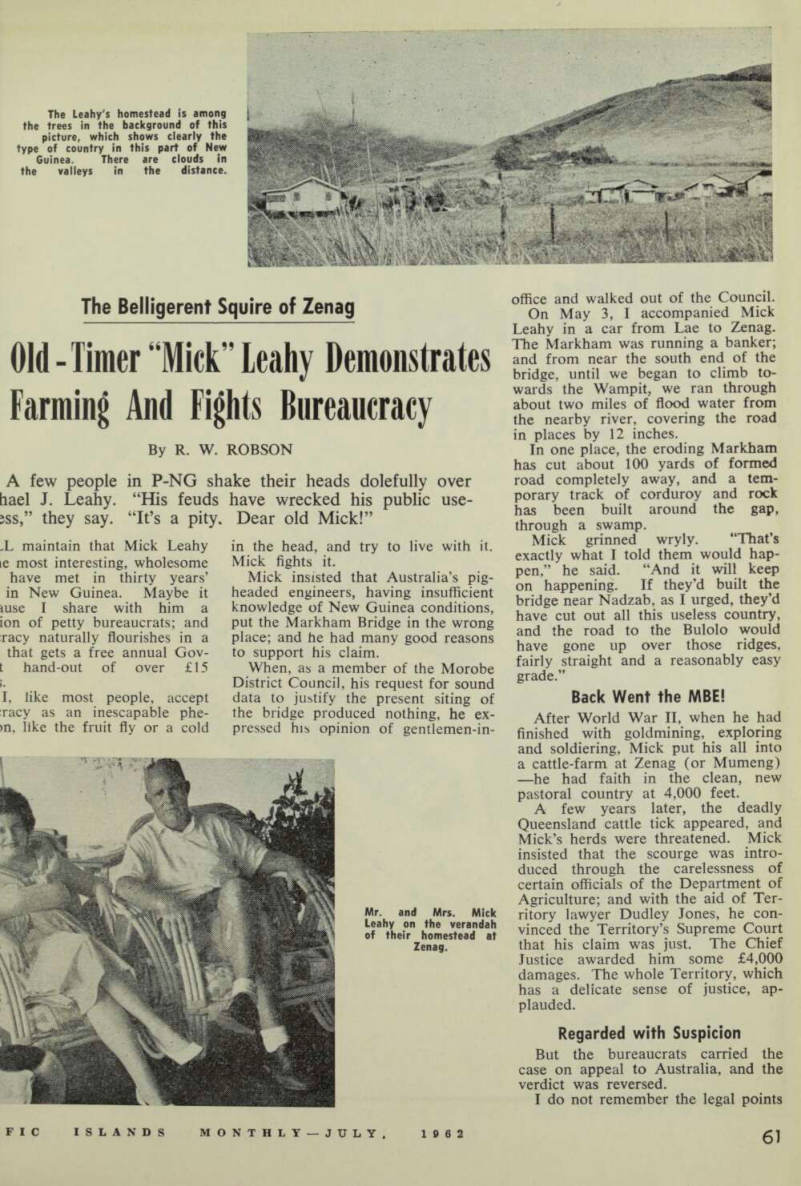 63
63 64
64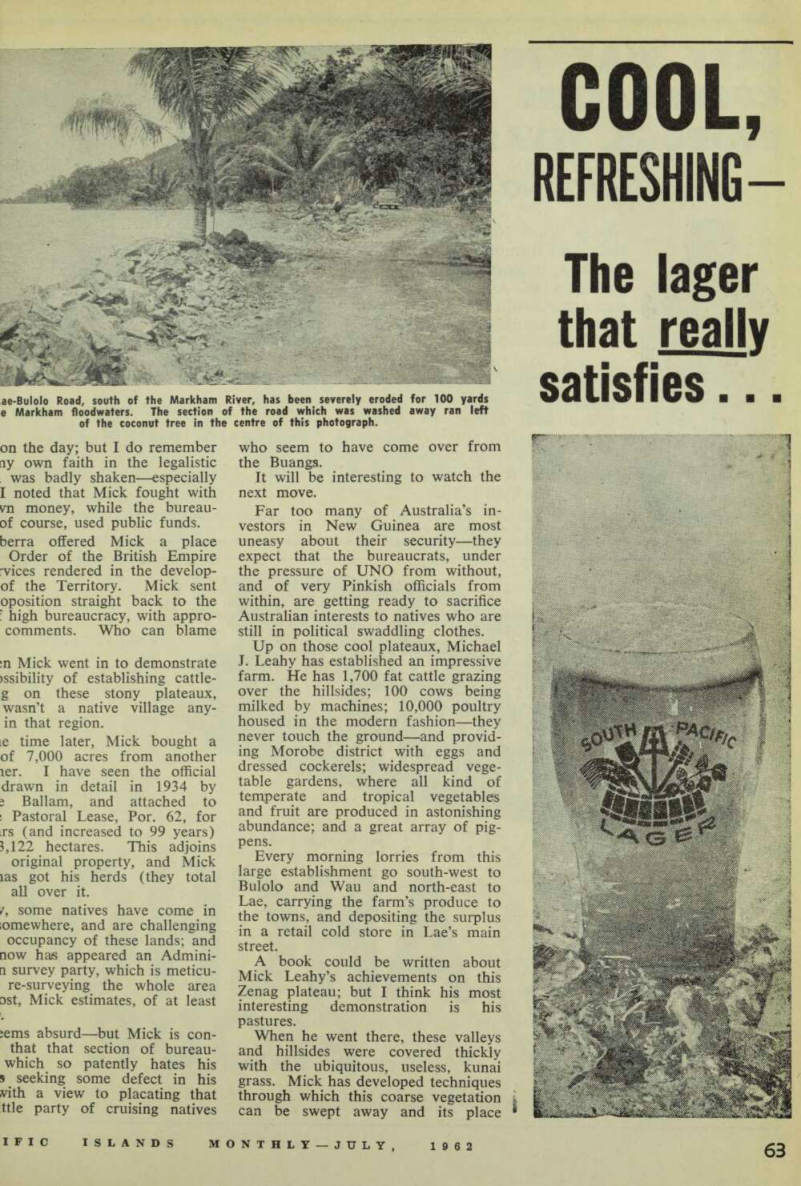 65
65 66
66 67
67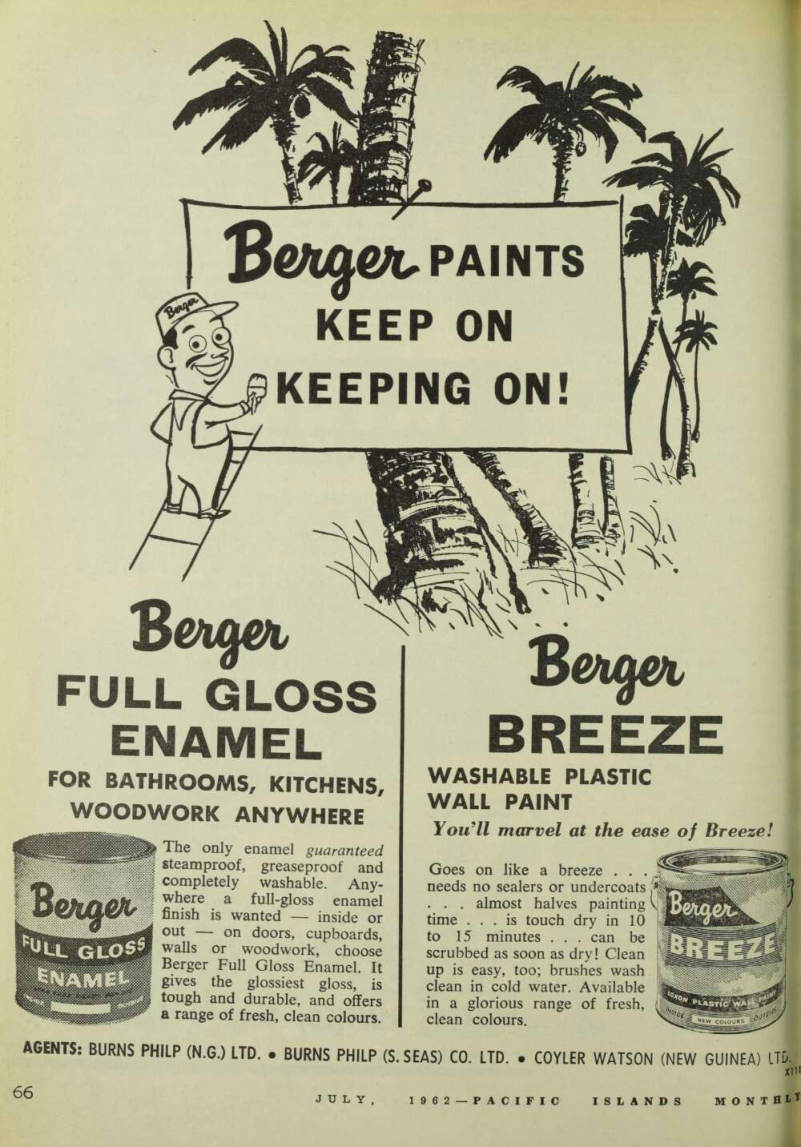 68
68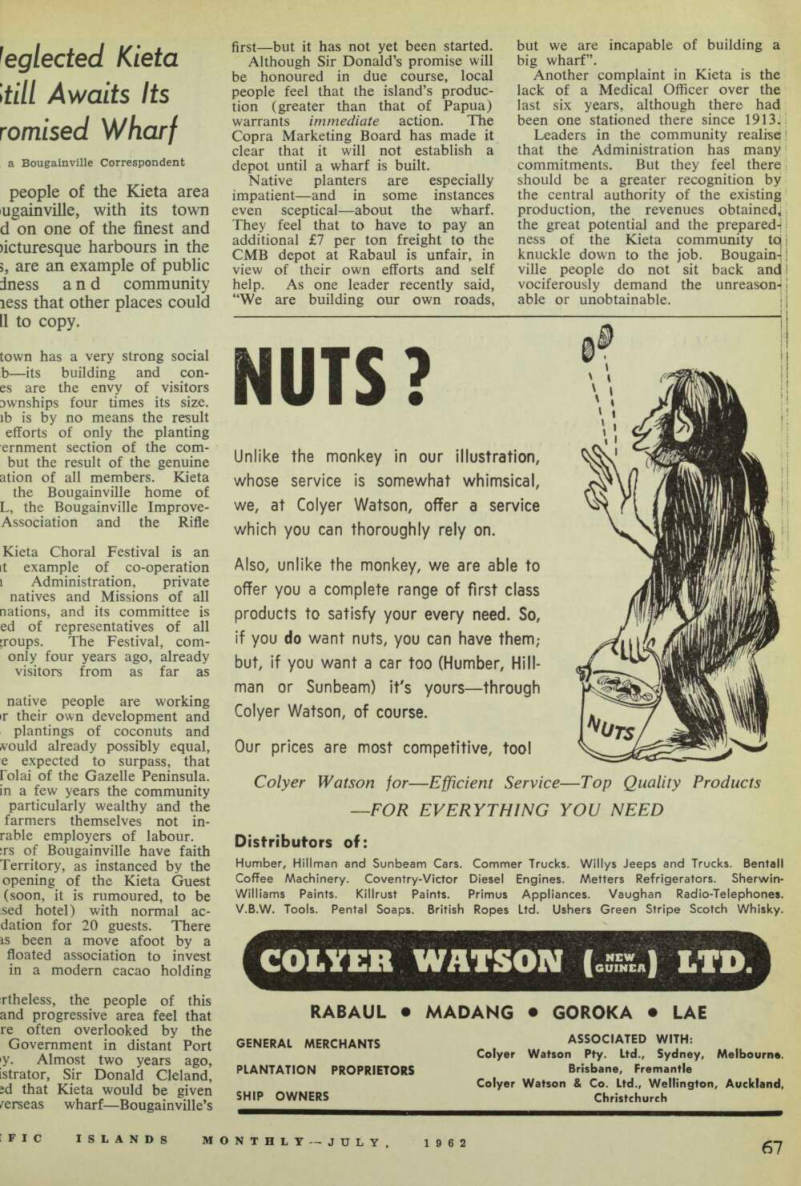 69
69 70
70 71
71 72
72 73
73 74
74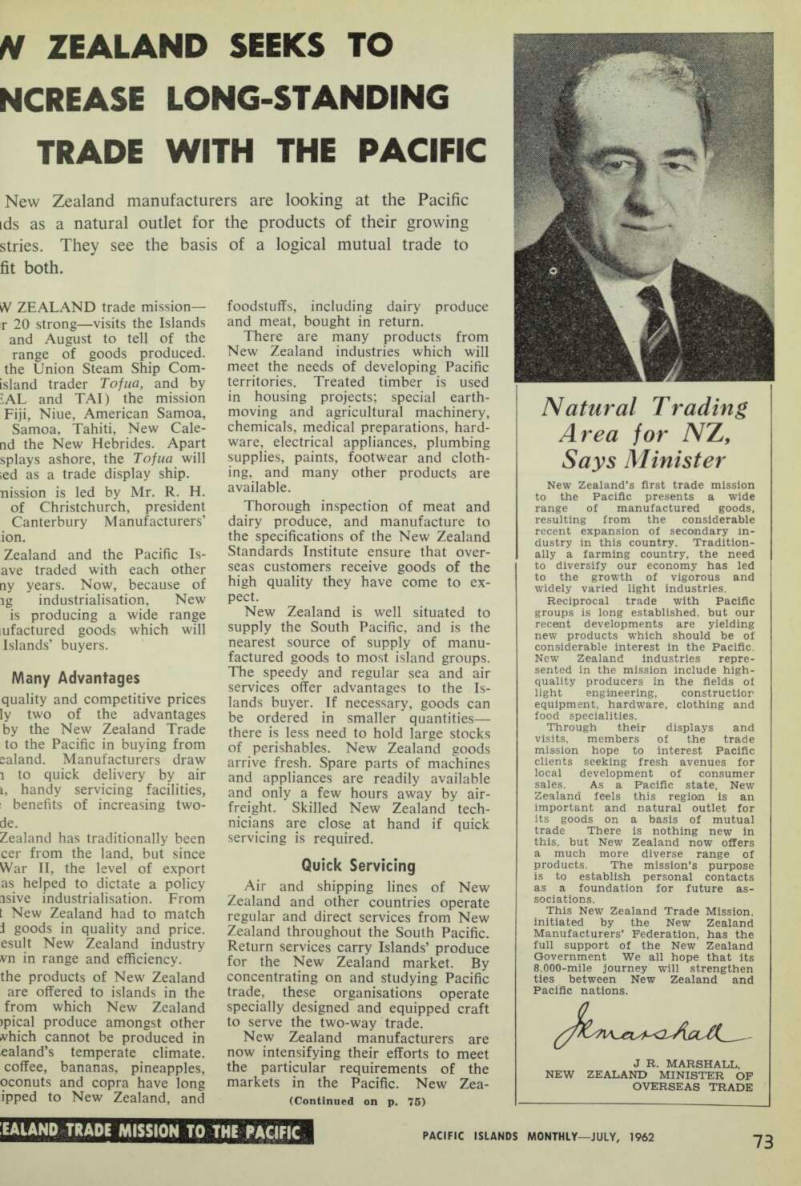 75
75 76
76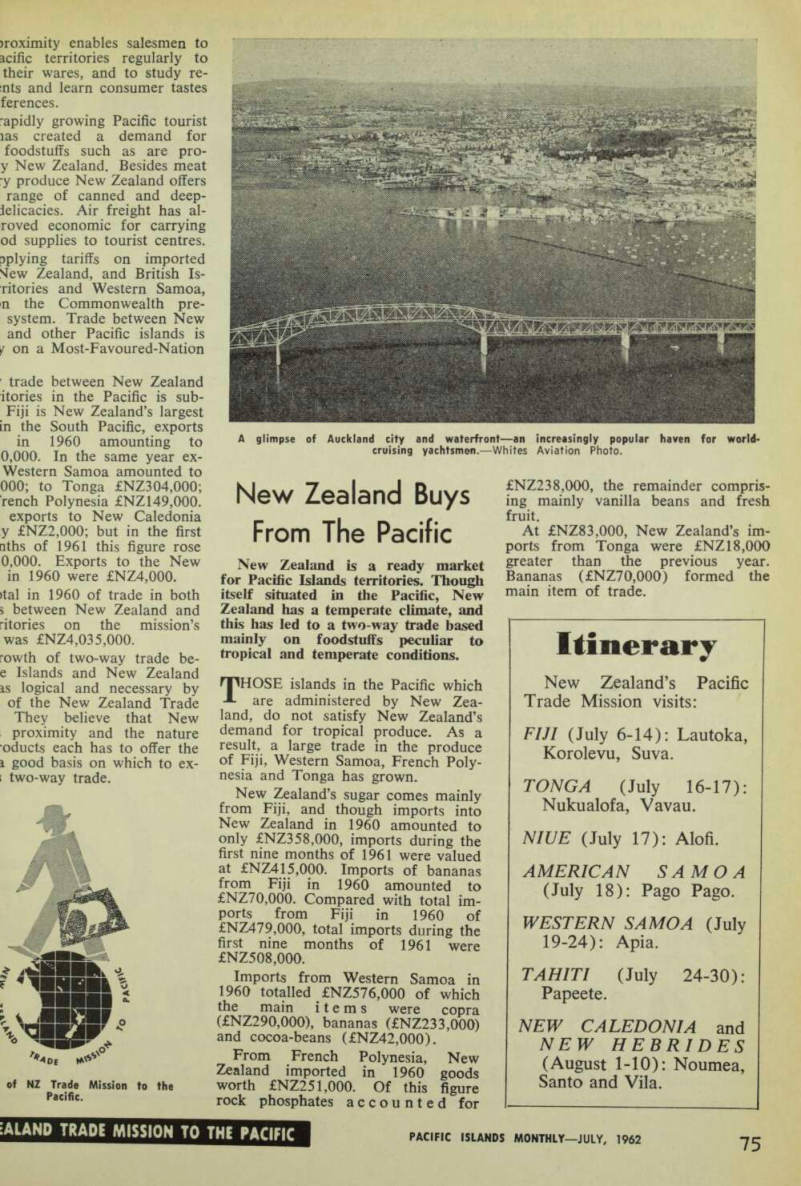 77
77 78
78 79
79 80
80 81
81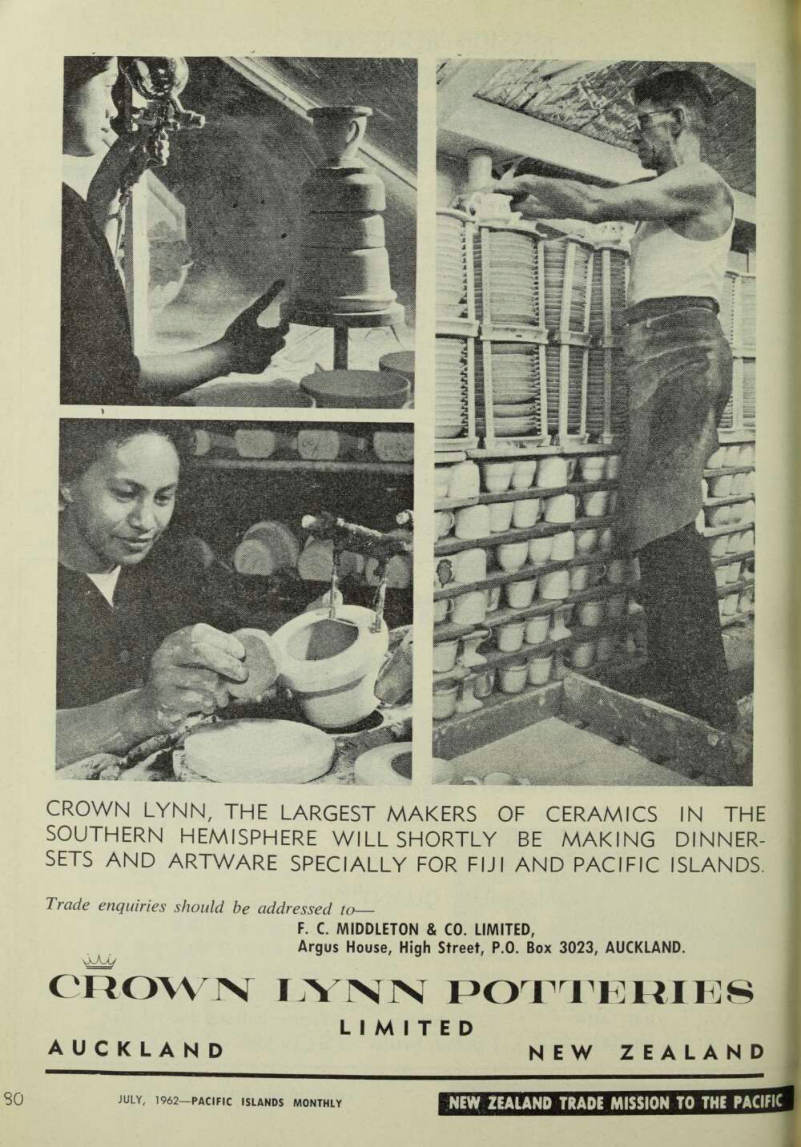 82
82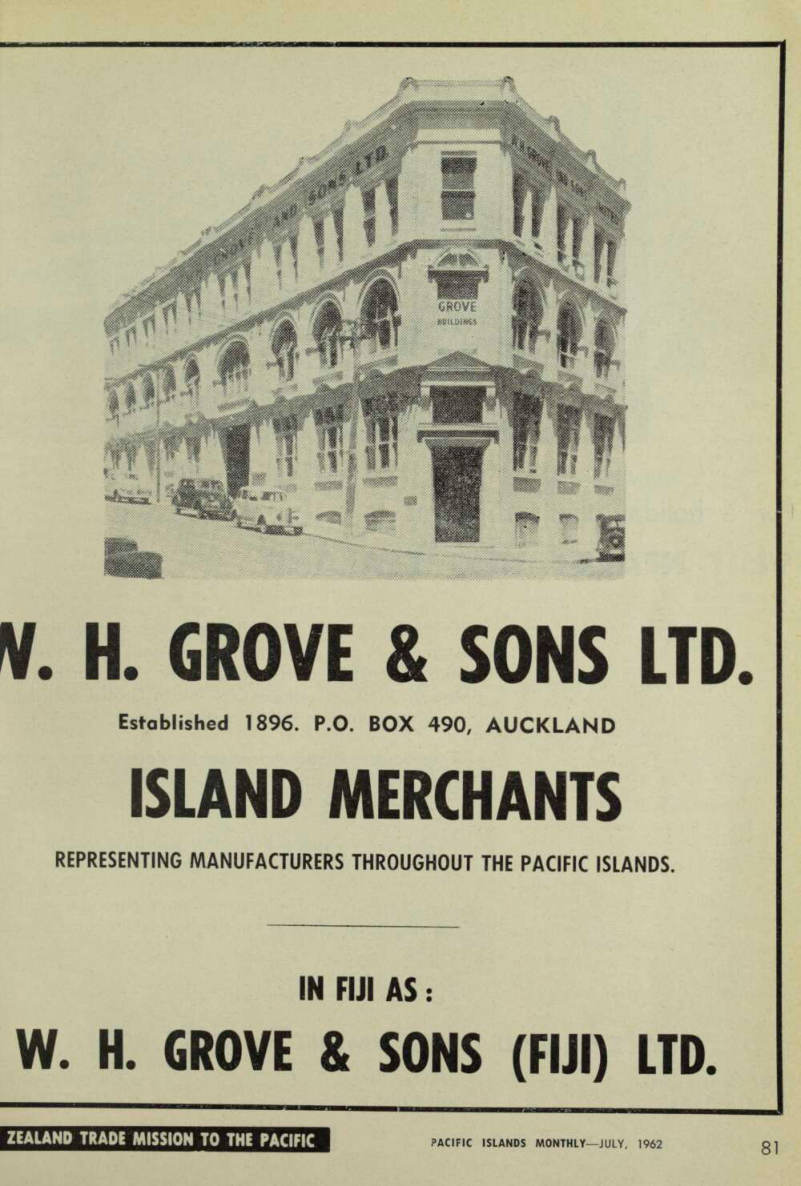 83
83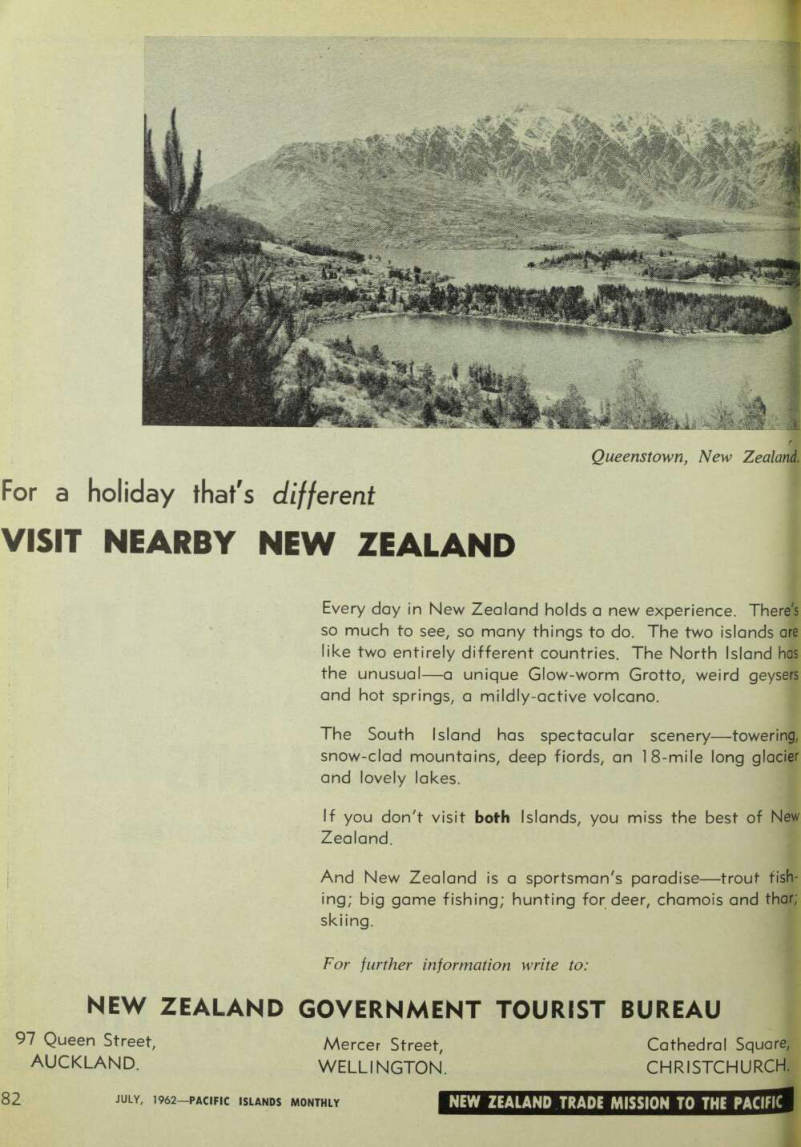 84
84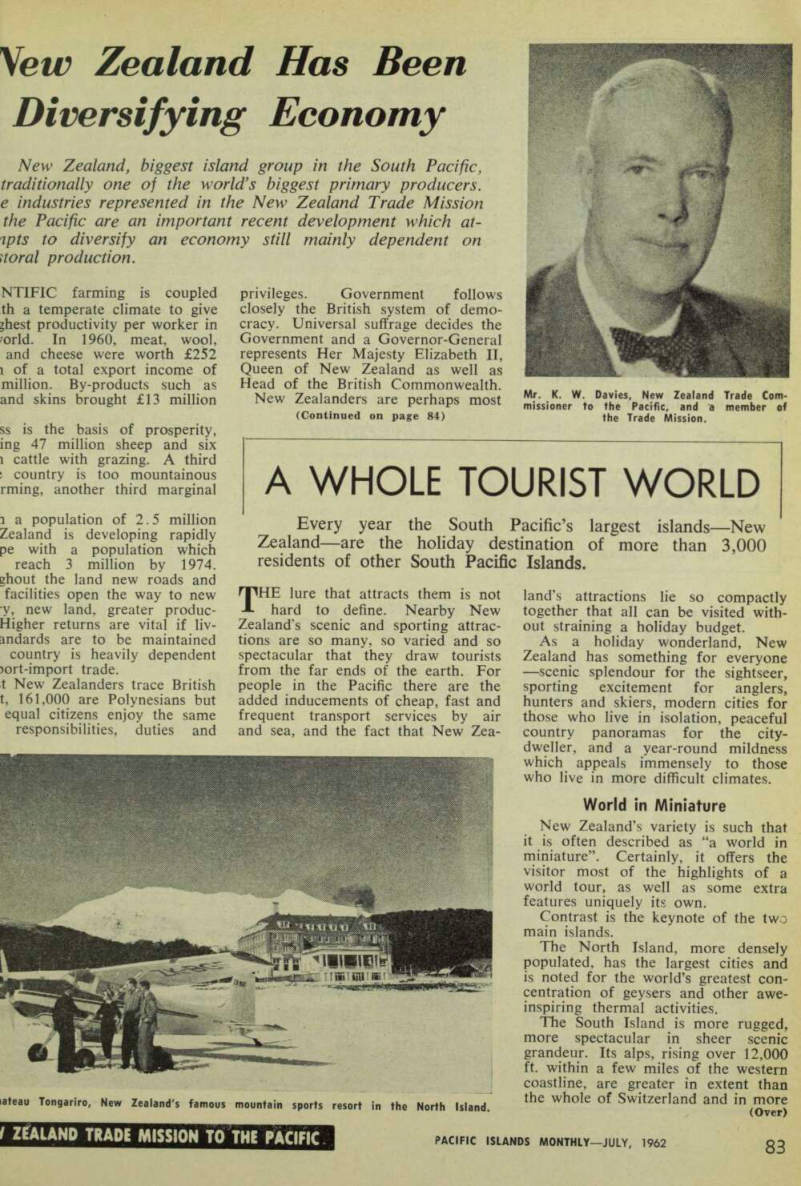 85
85 86
86 87
87 88
88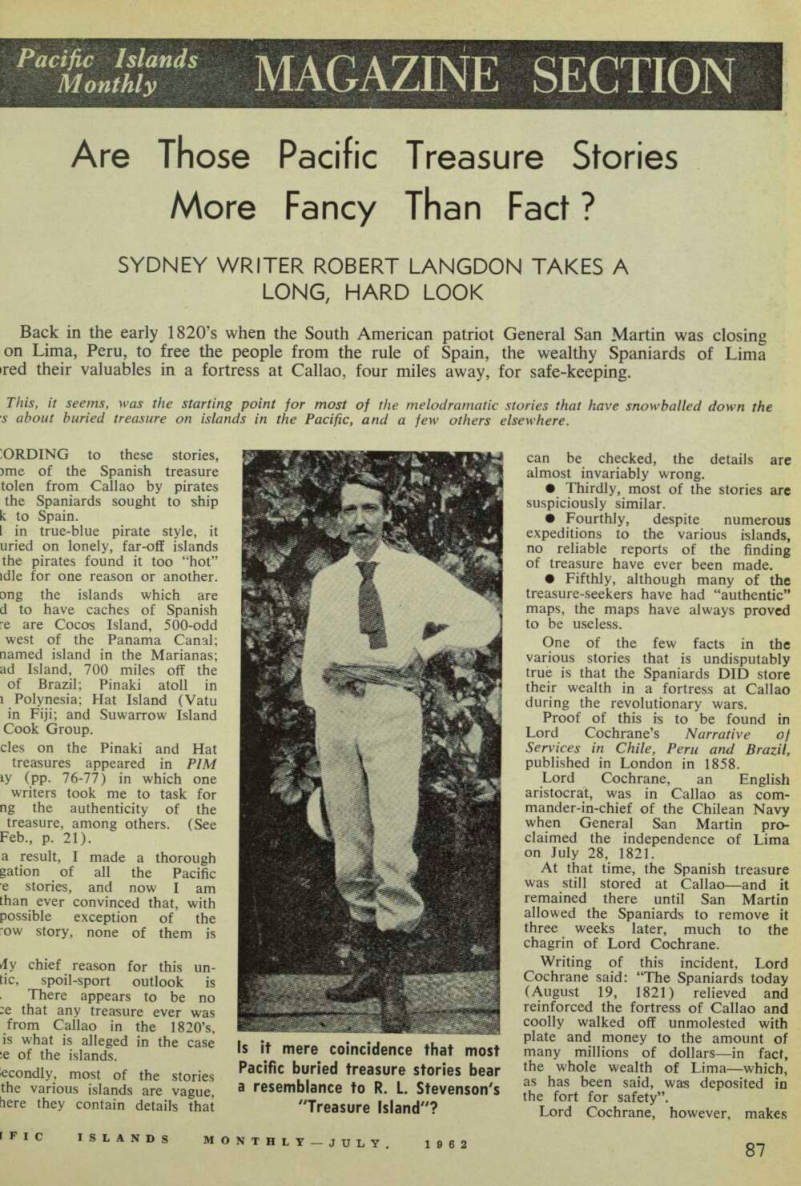 89
89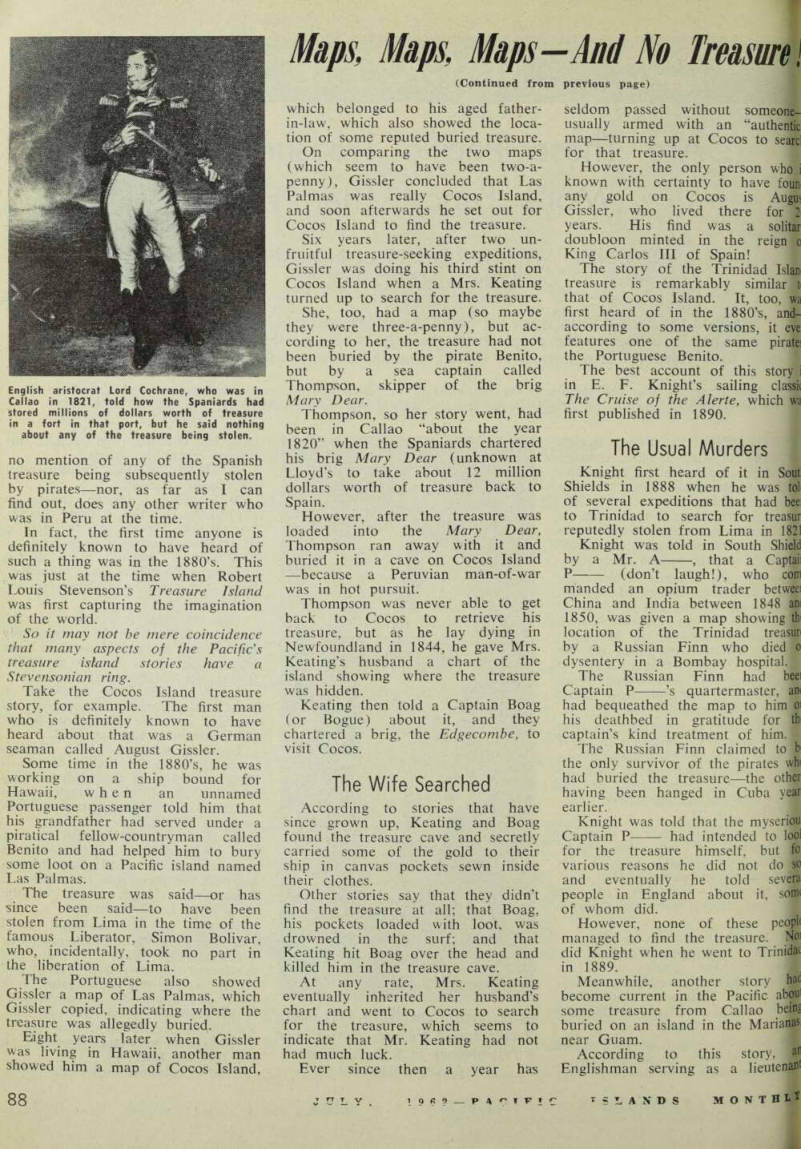 90
90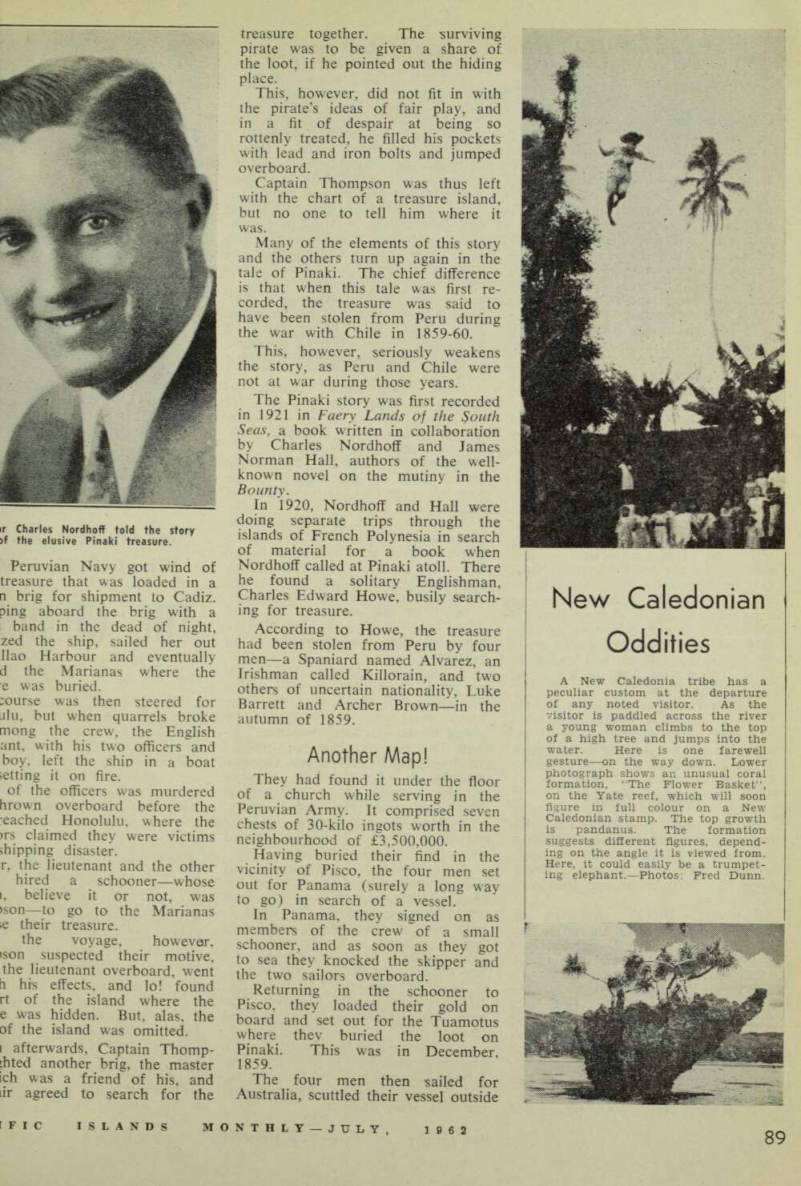 91
91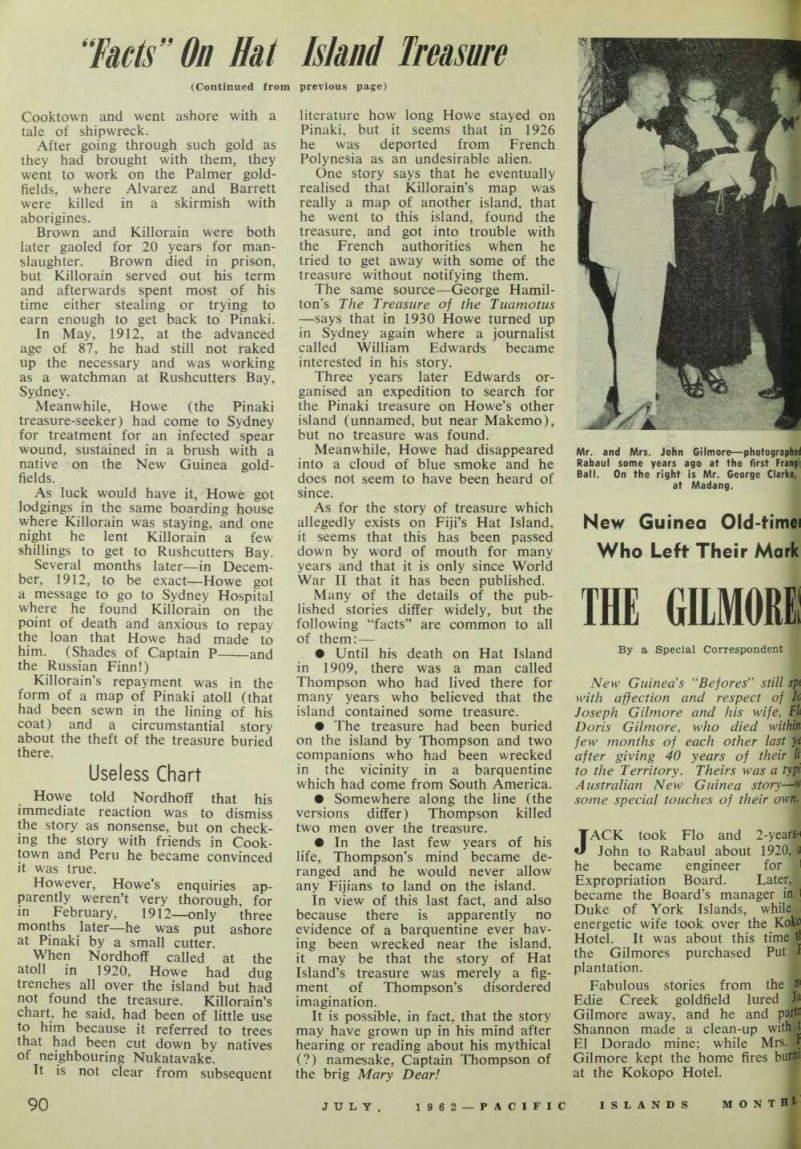 92
92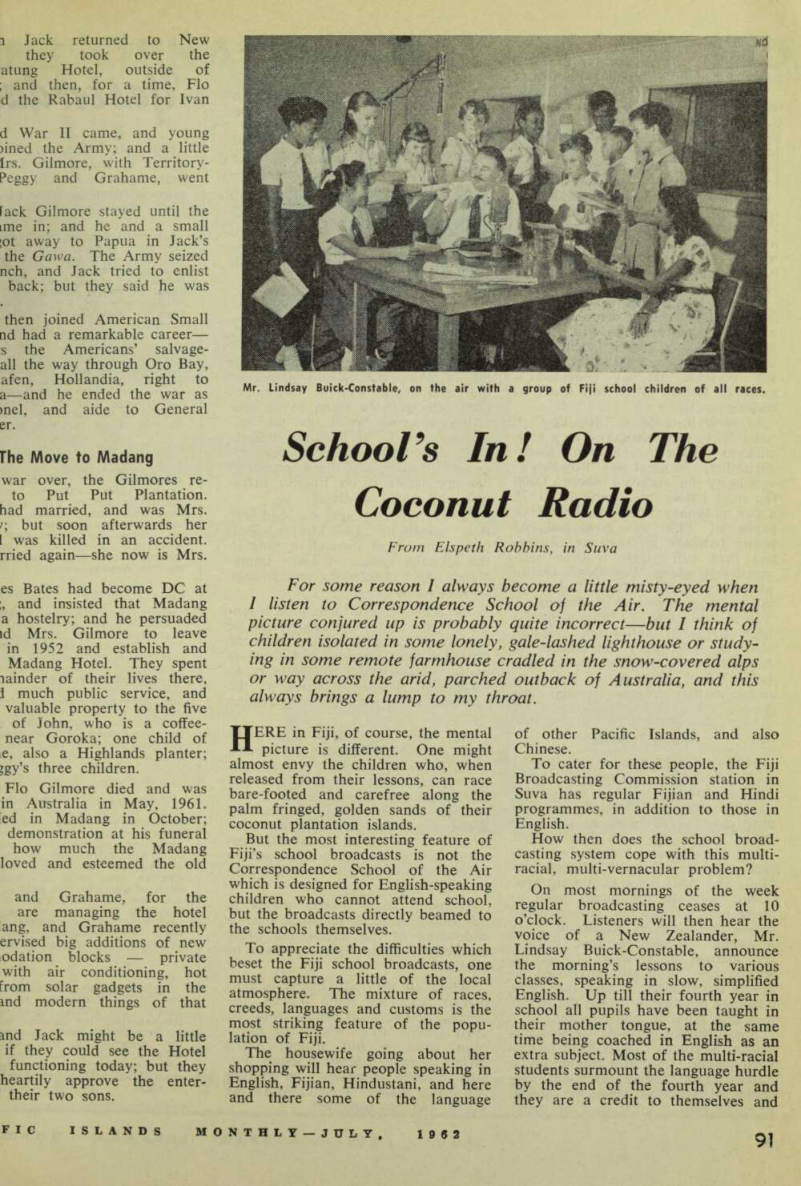 93
93 94
94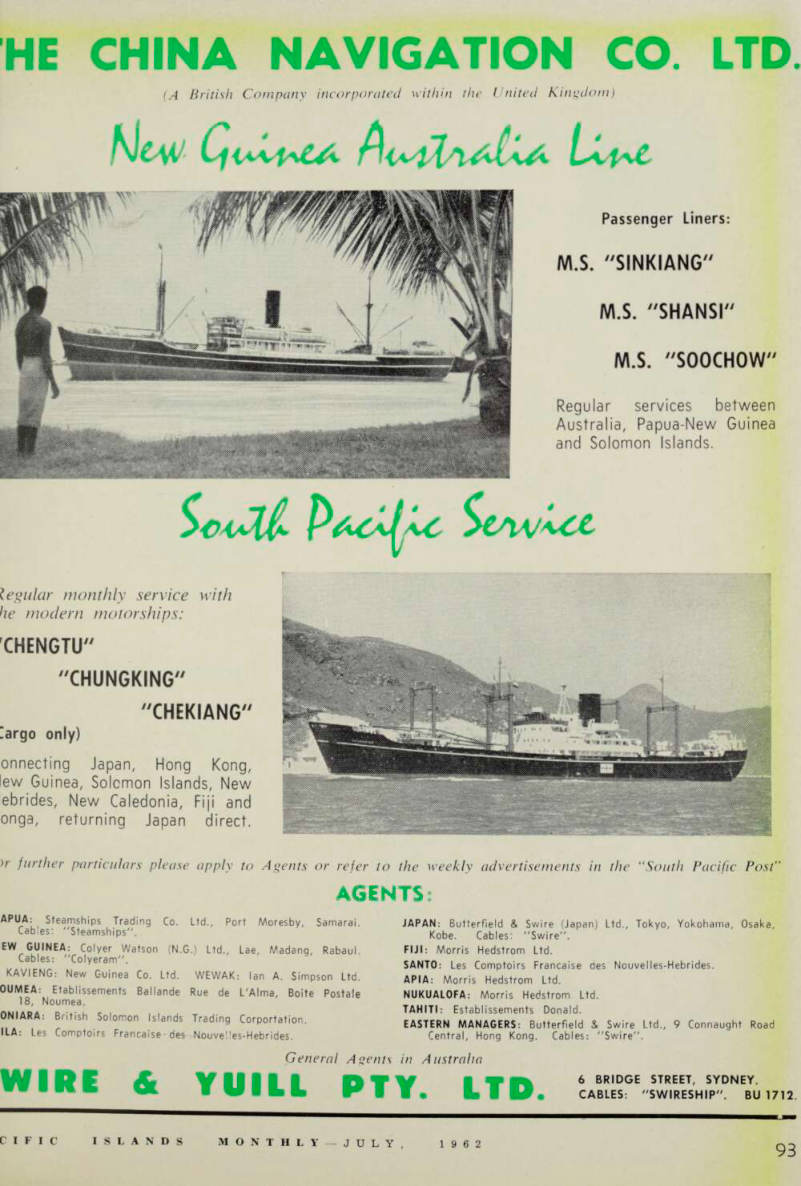 95
95 96
96 97
97 98
98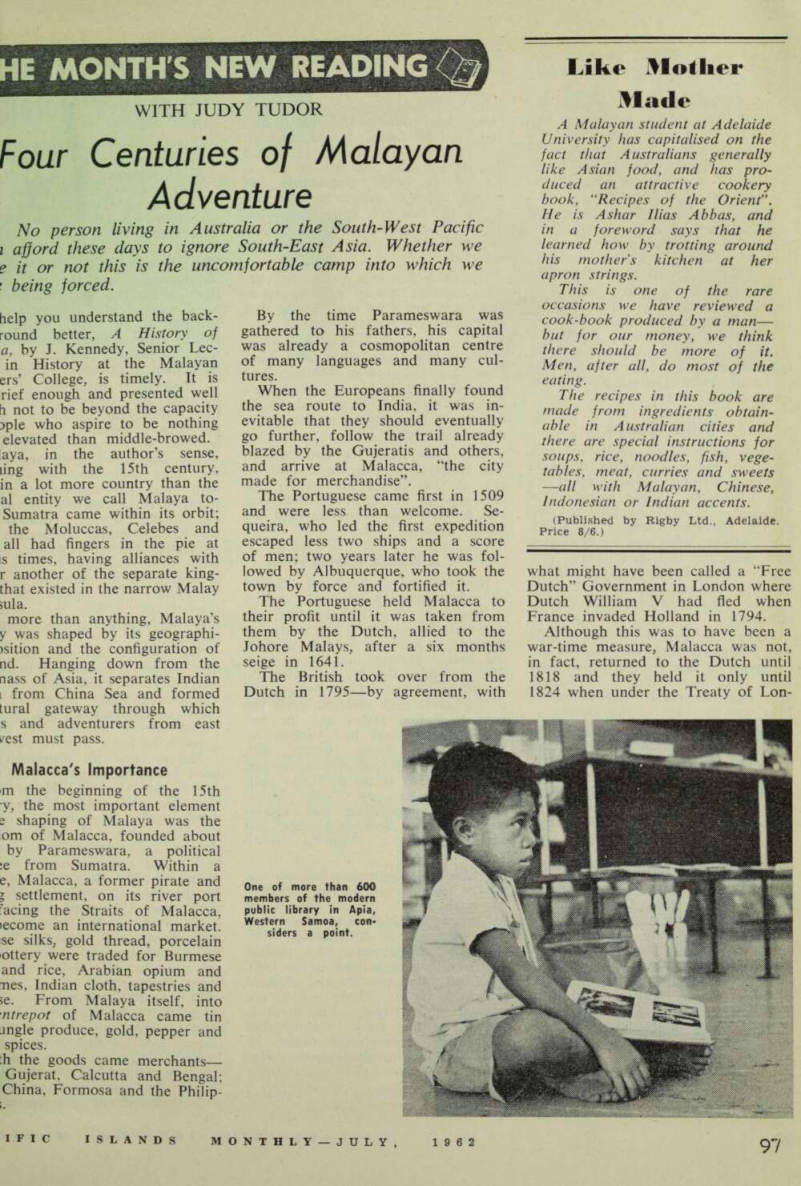 99
99 100
100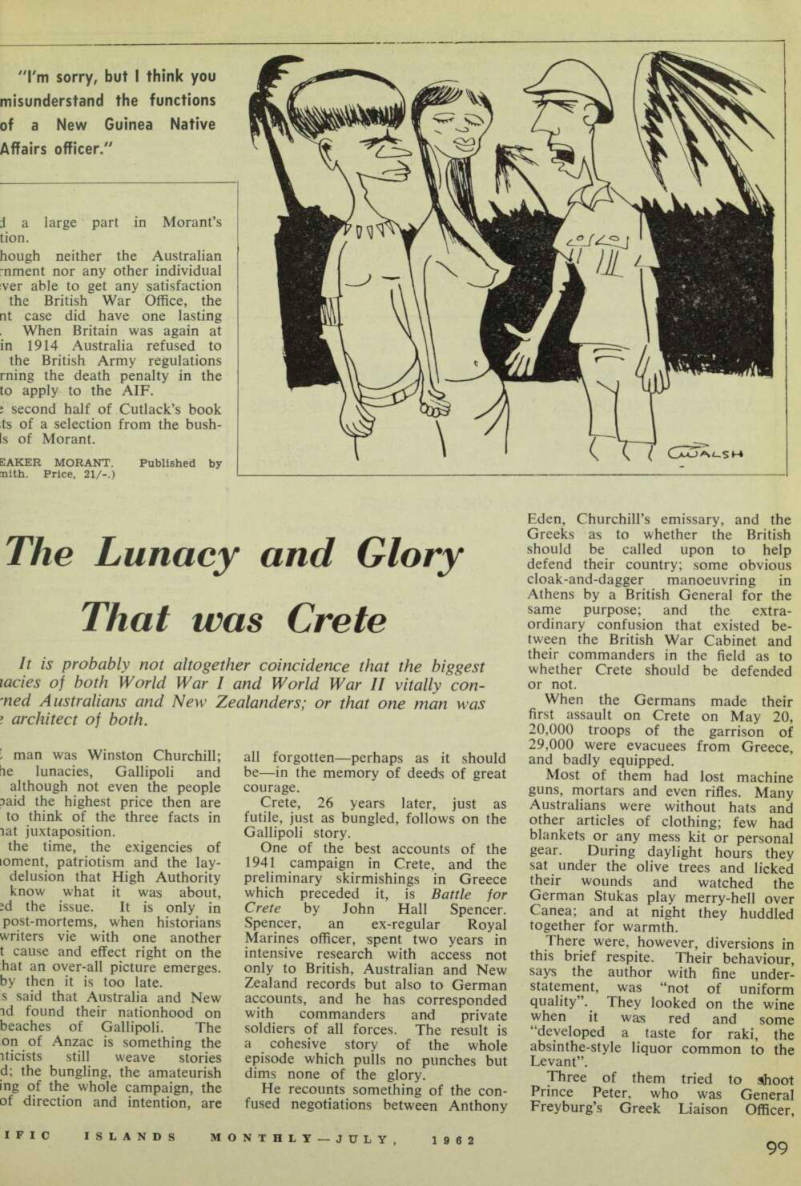 101
101 102
102 103
103 104
104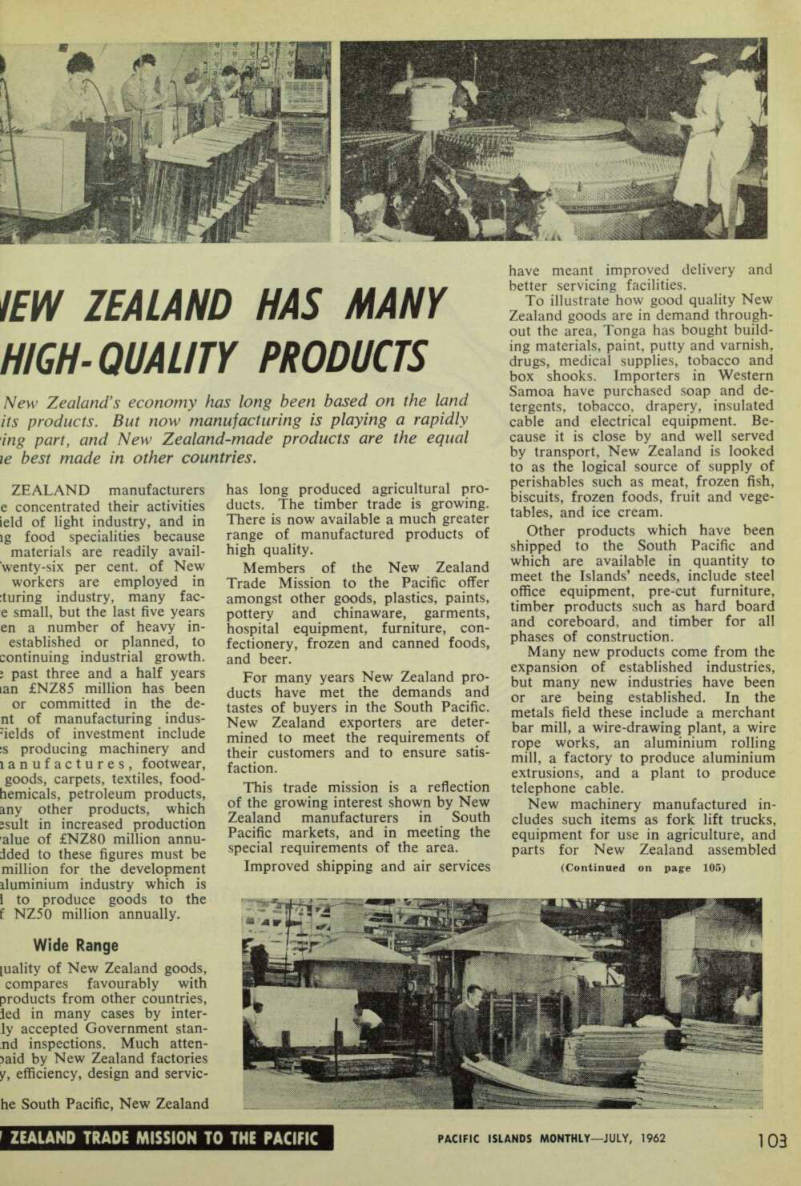 105
105 106
106 107
107 108
108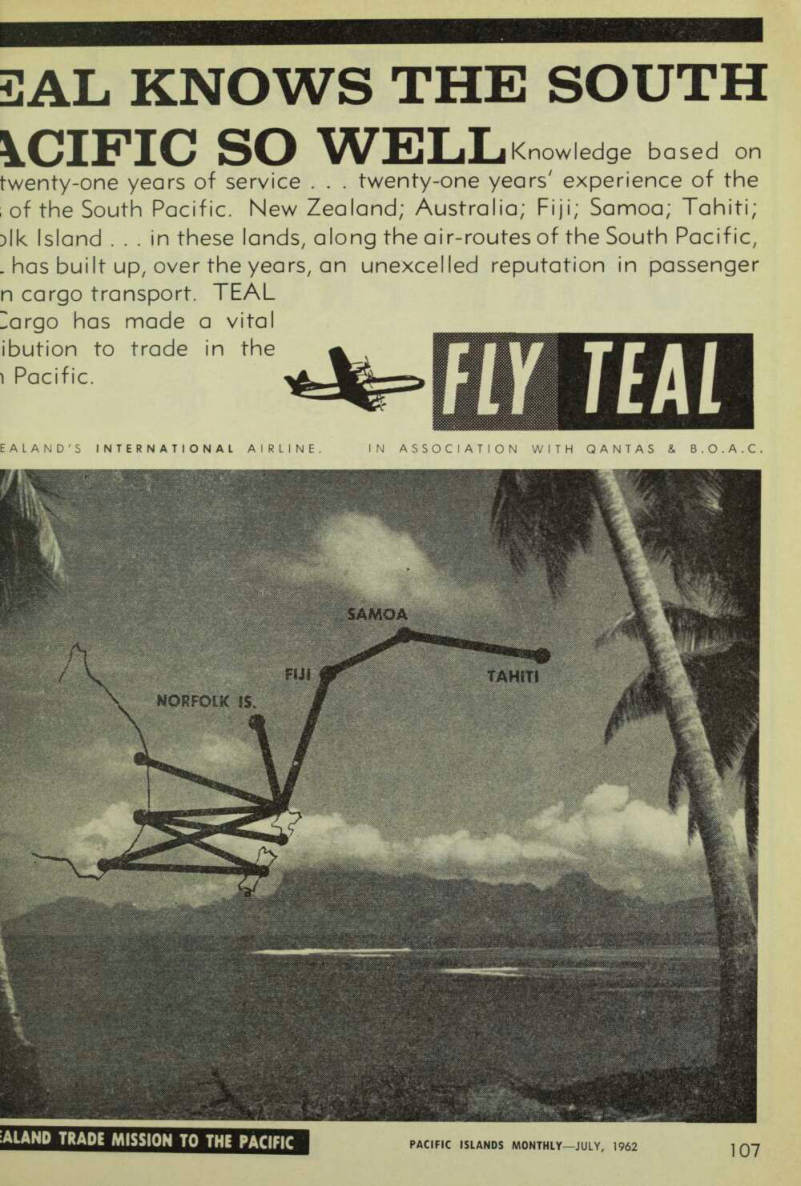 109
109 110
110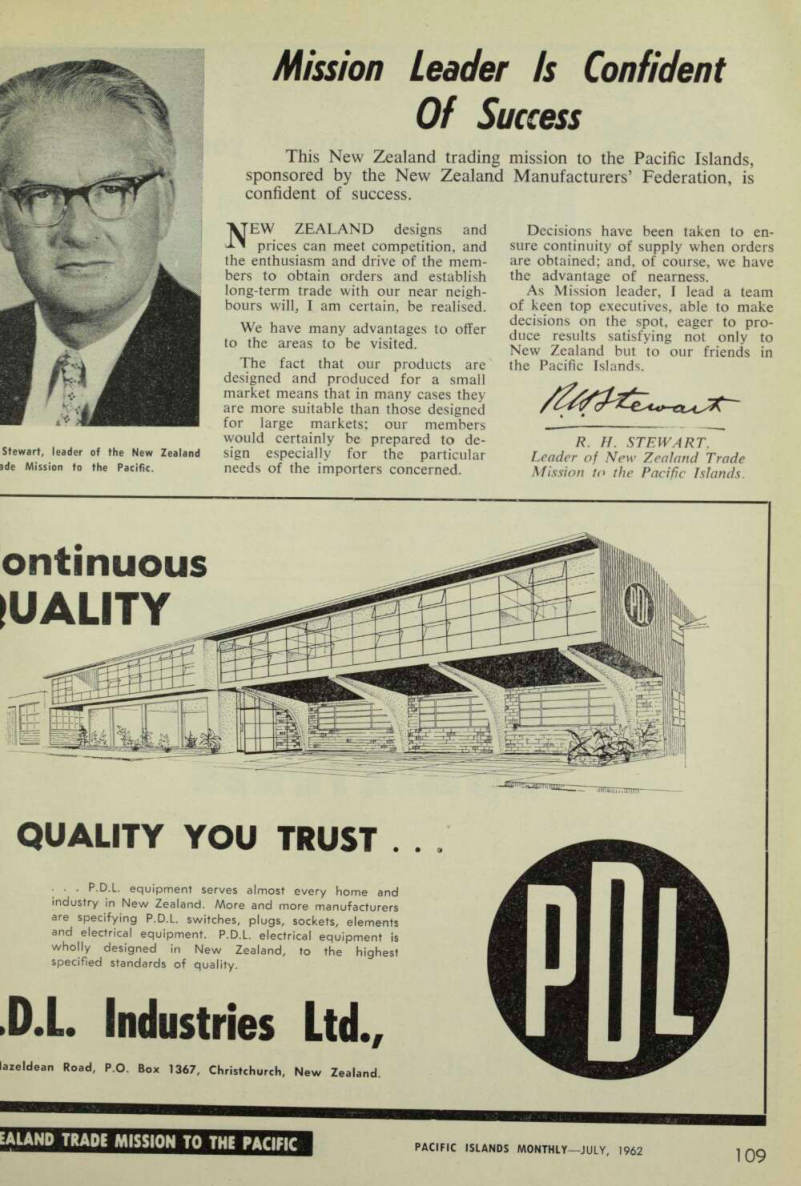 111
111 112
112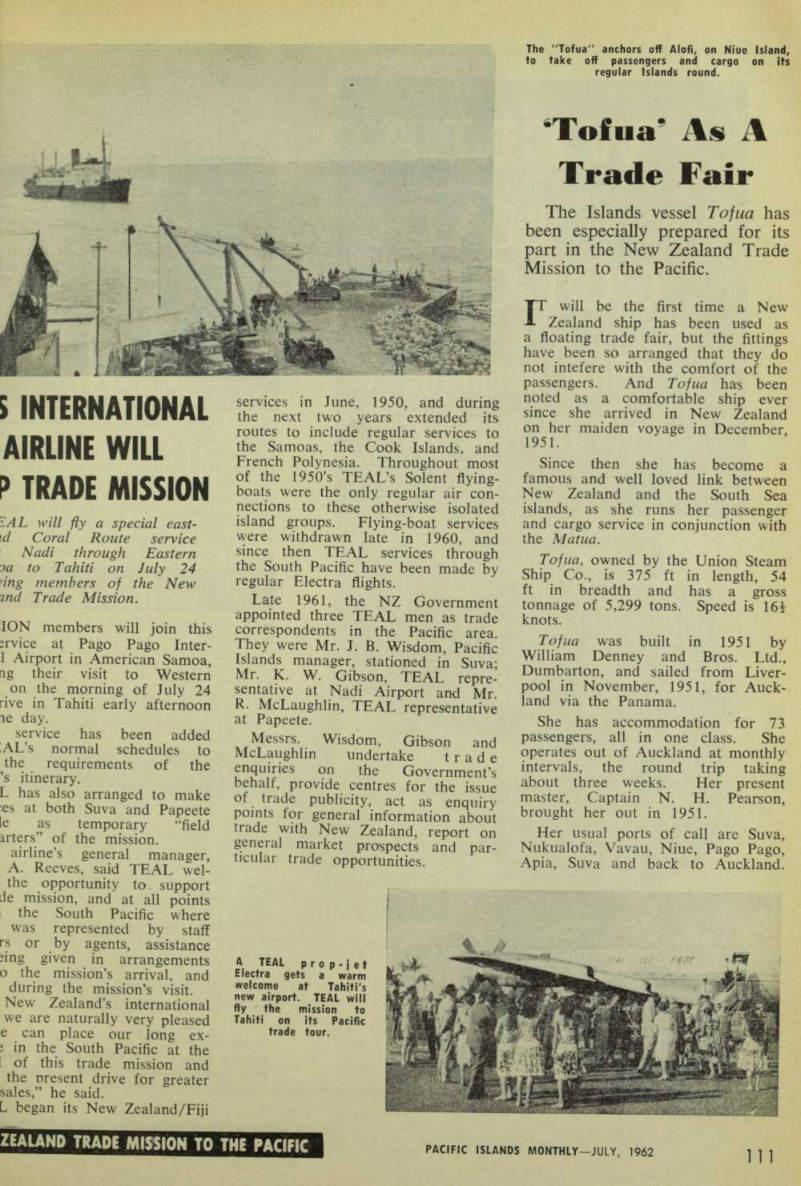 113
113 114
114 115
115 116
116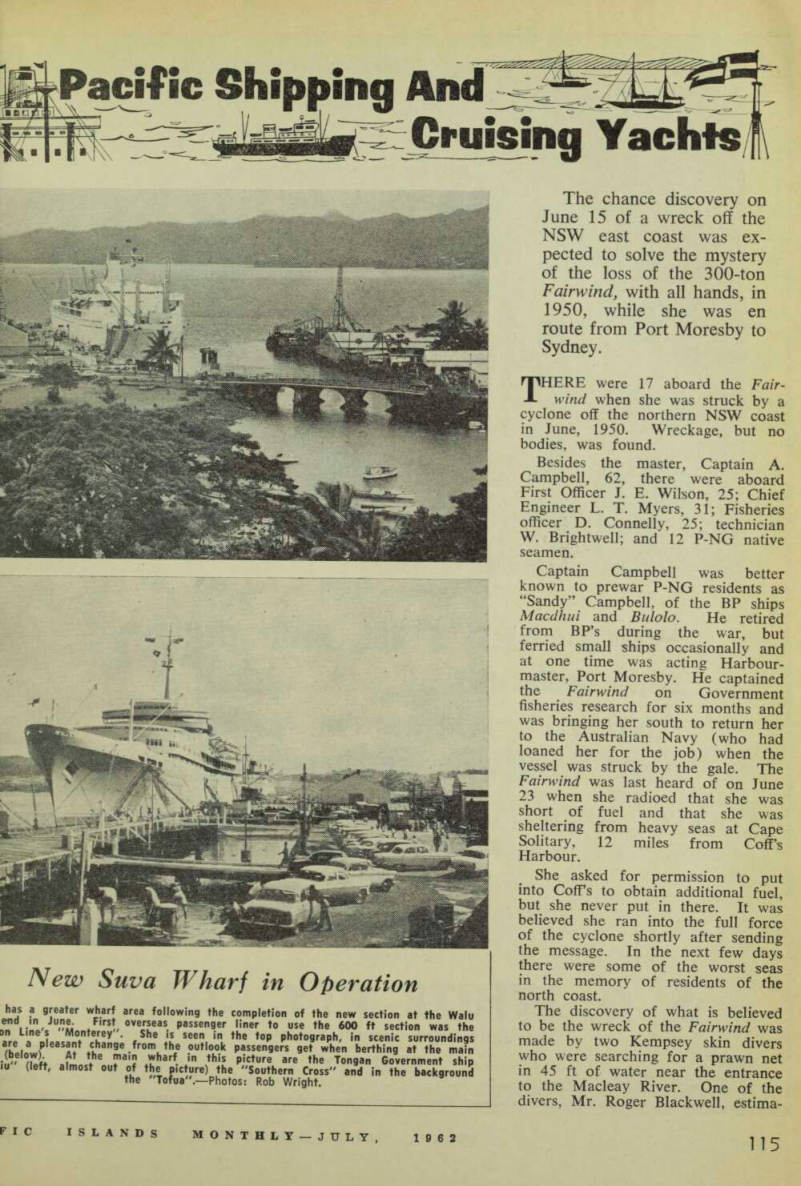 117
117 118
118 119
119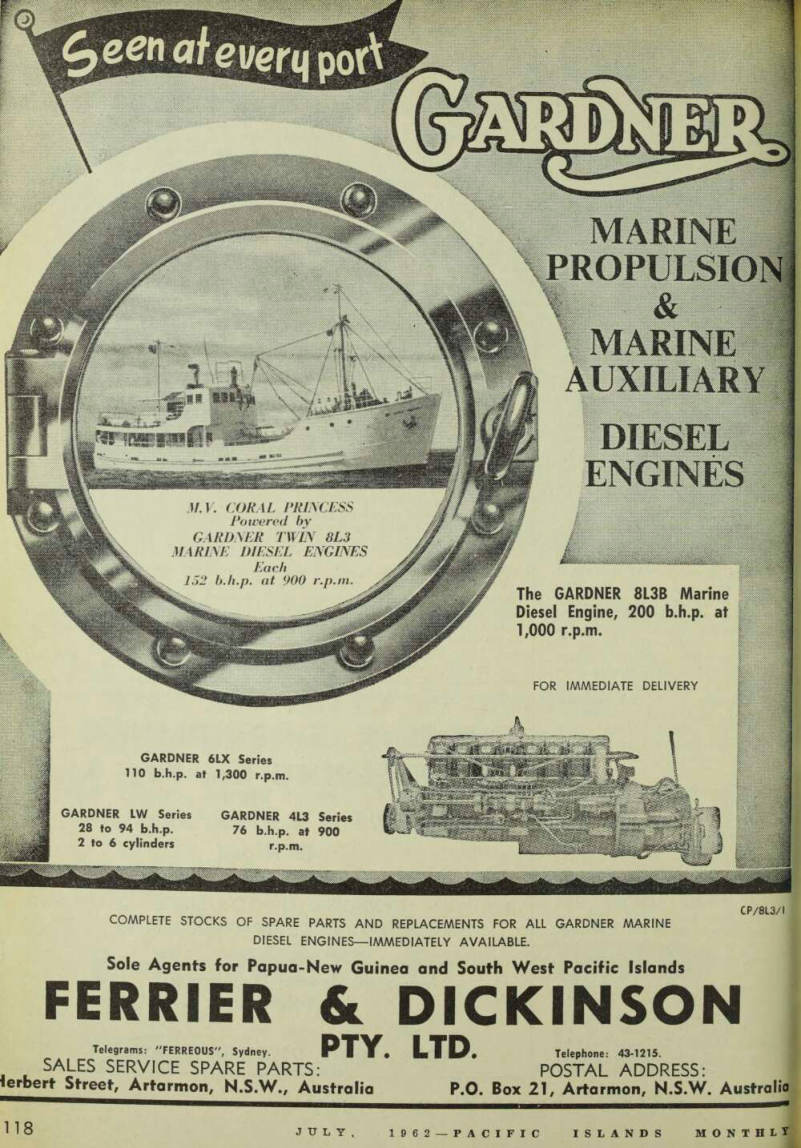 120
120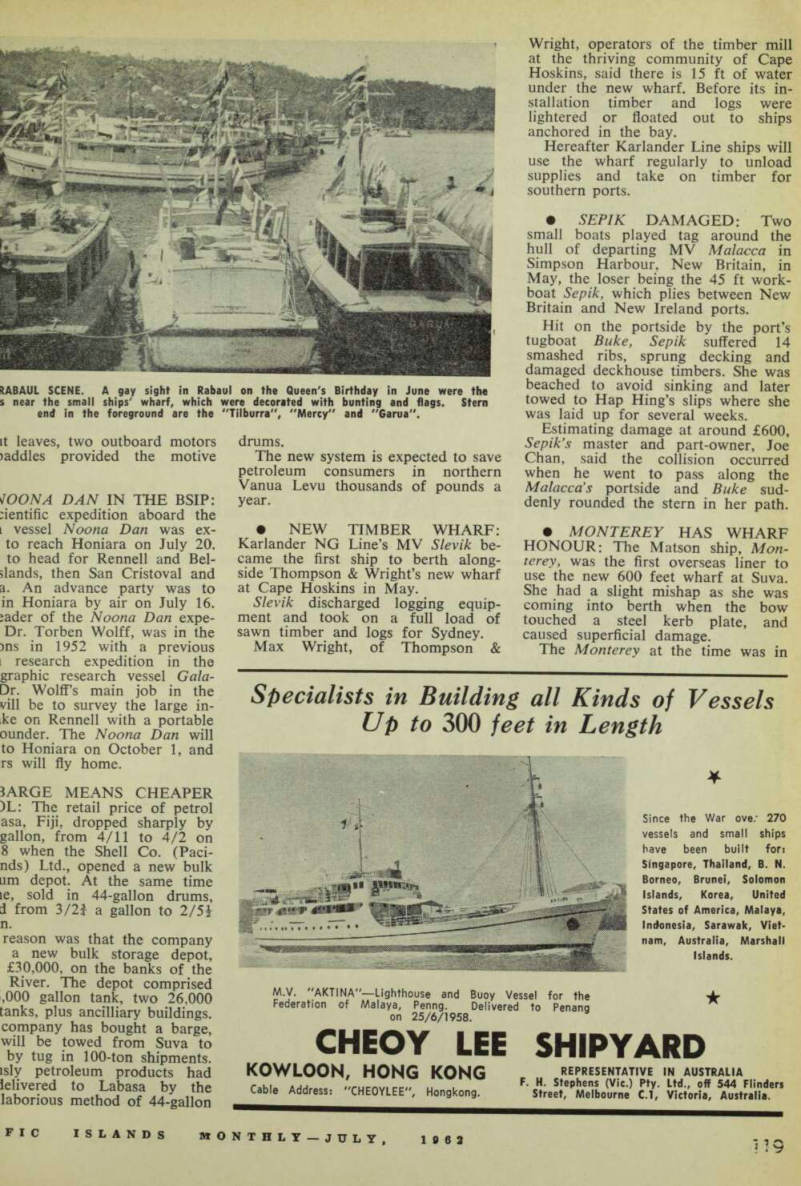 121
121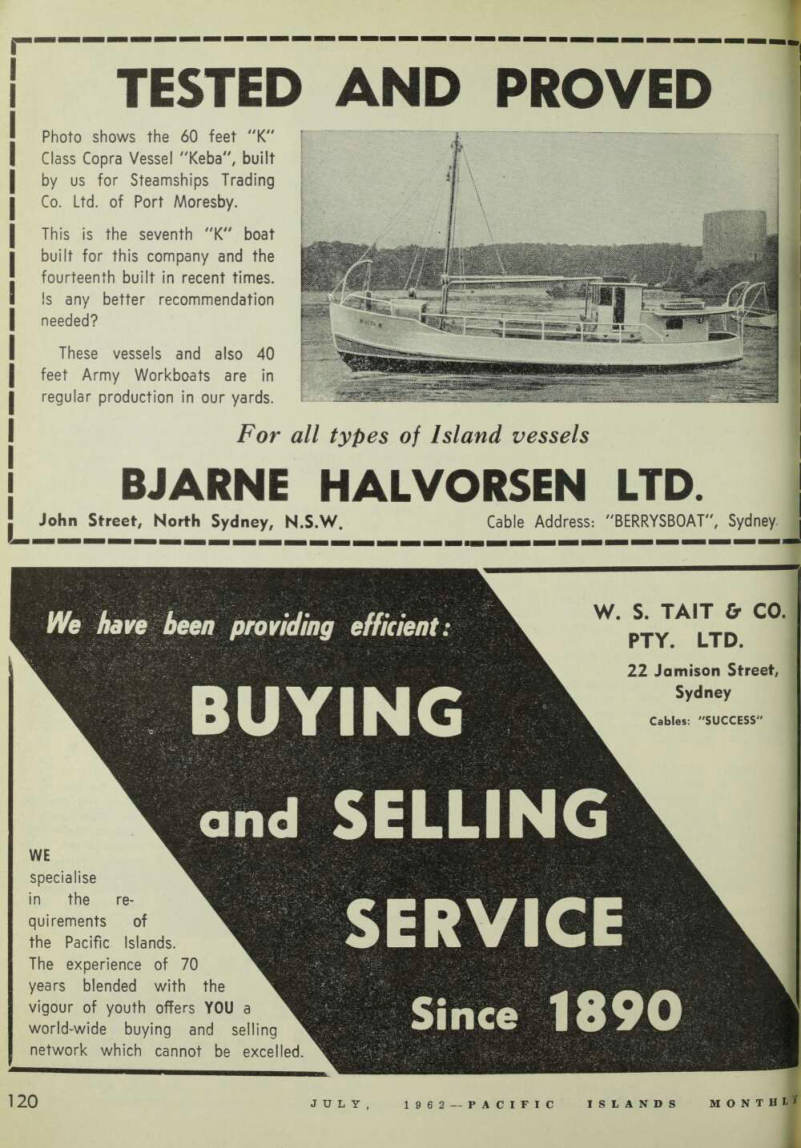 122
122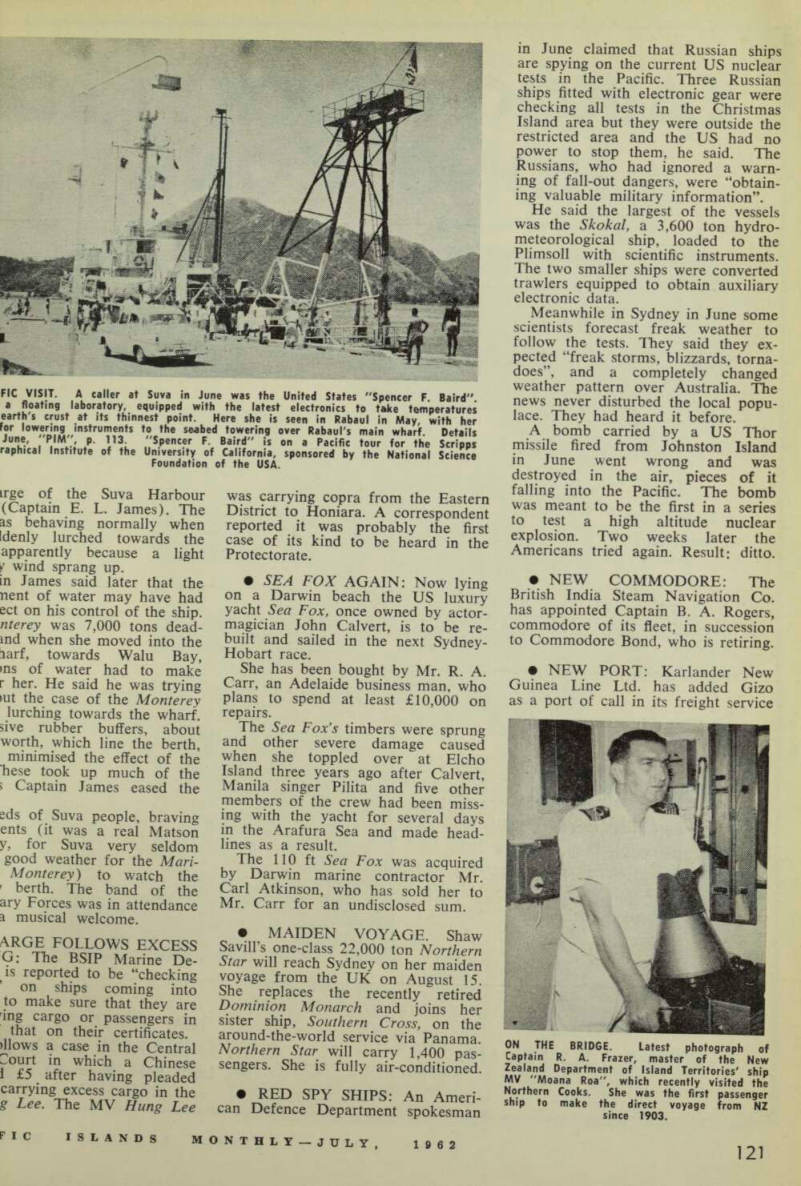 123
123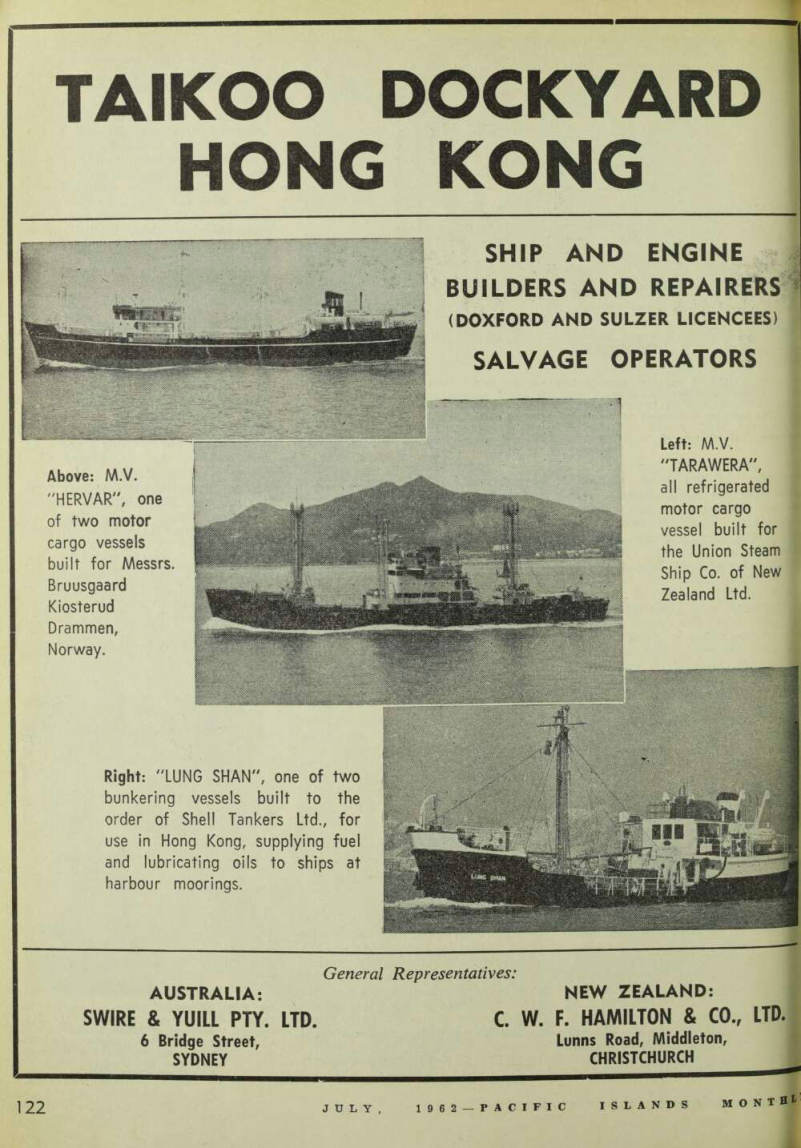 124
124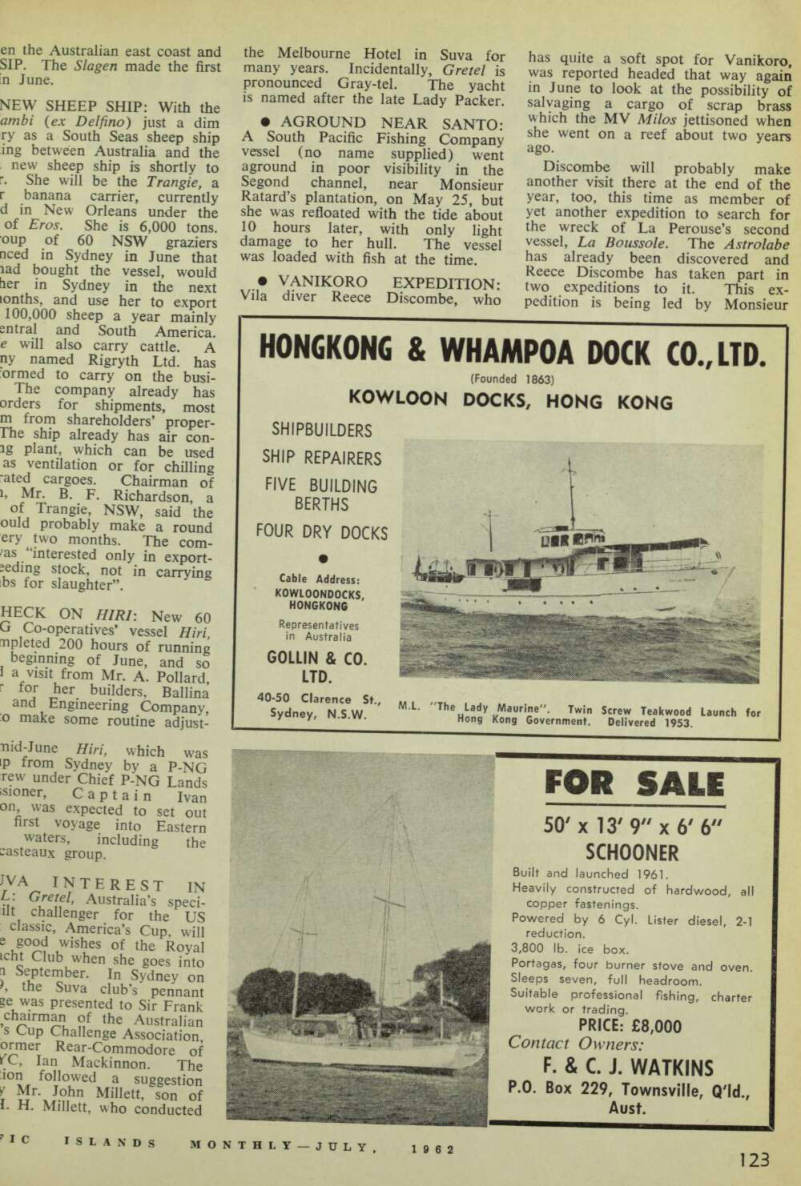 125
125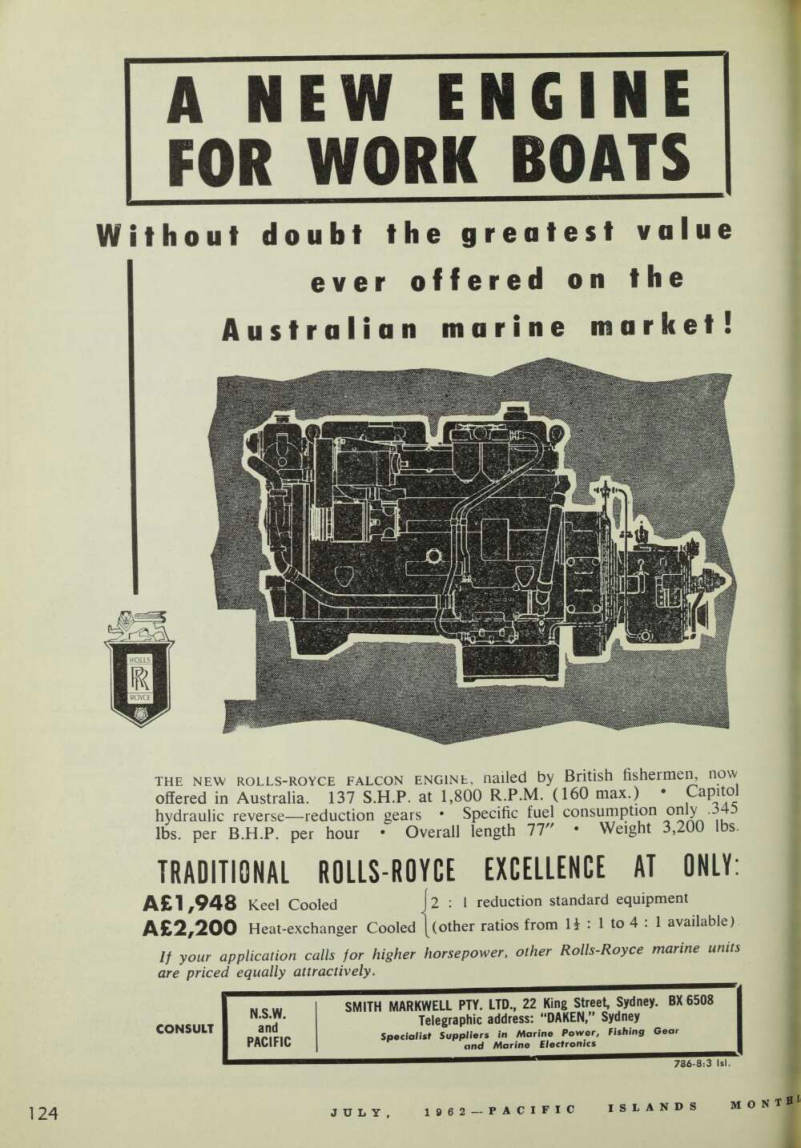 126
126 127
127 128
128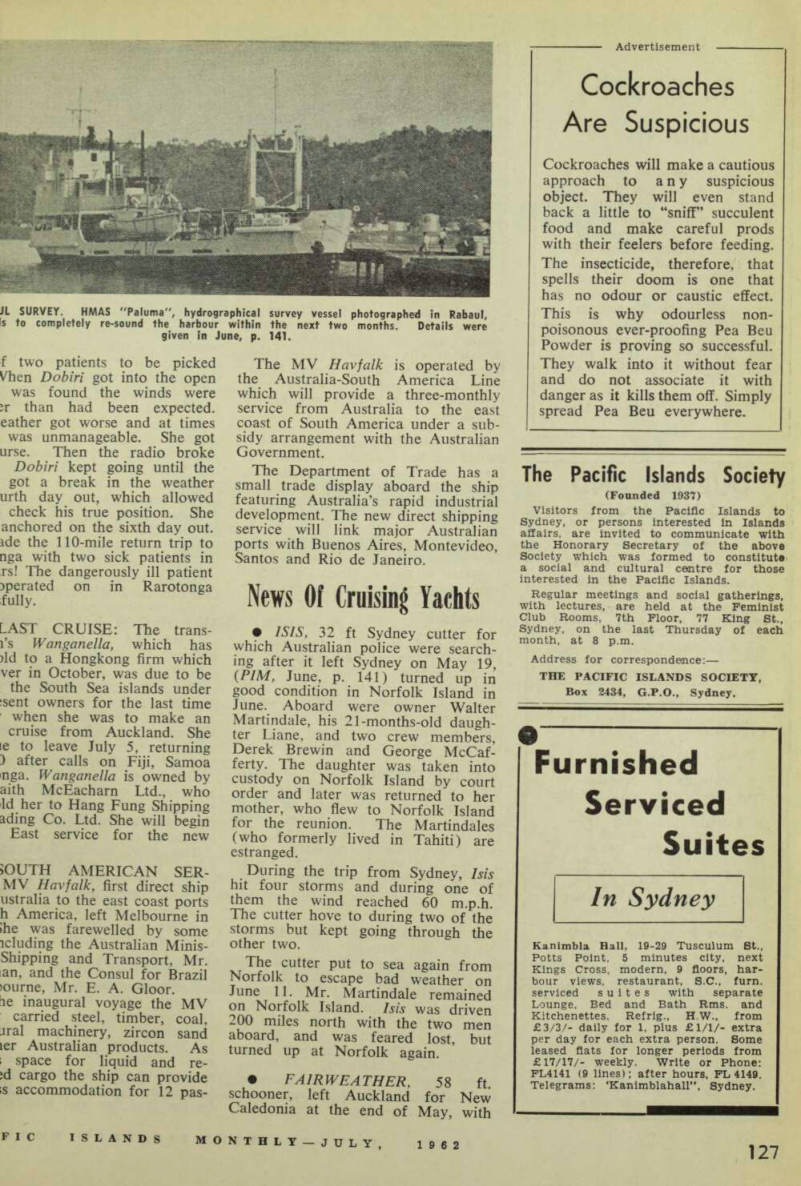 129
129 130
130 131
131 132
132 133
133 134
134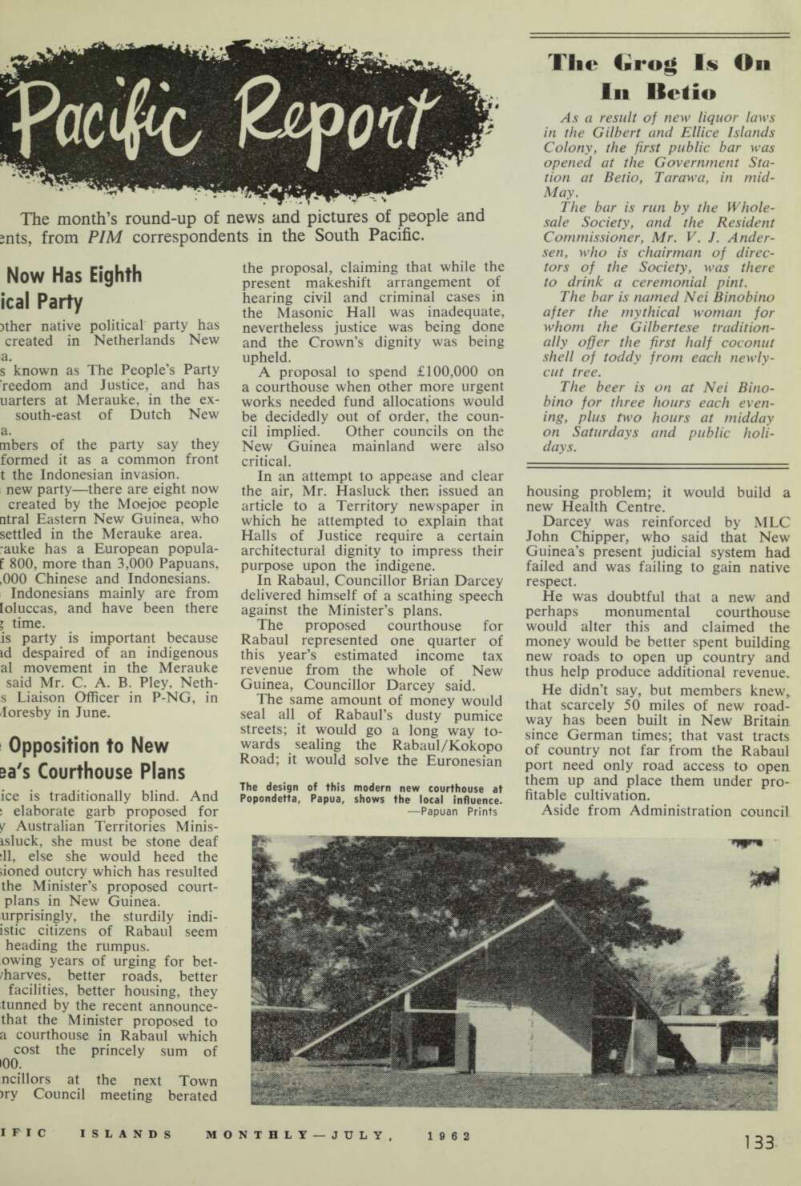 135
135 136
136 137
137 138
138 139
139 140
140 141
141 142
142 143
143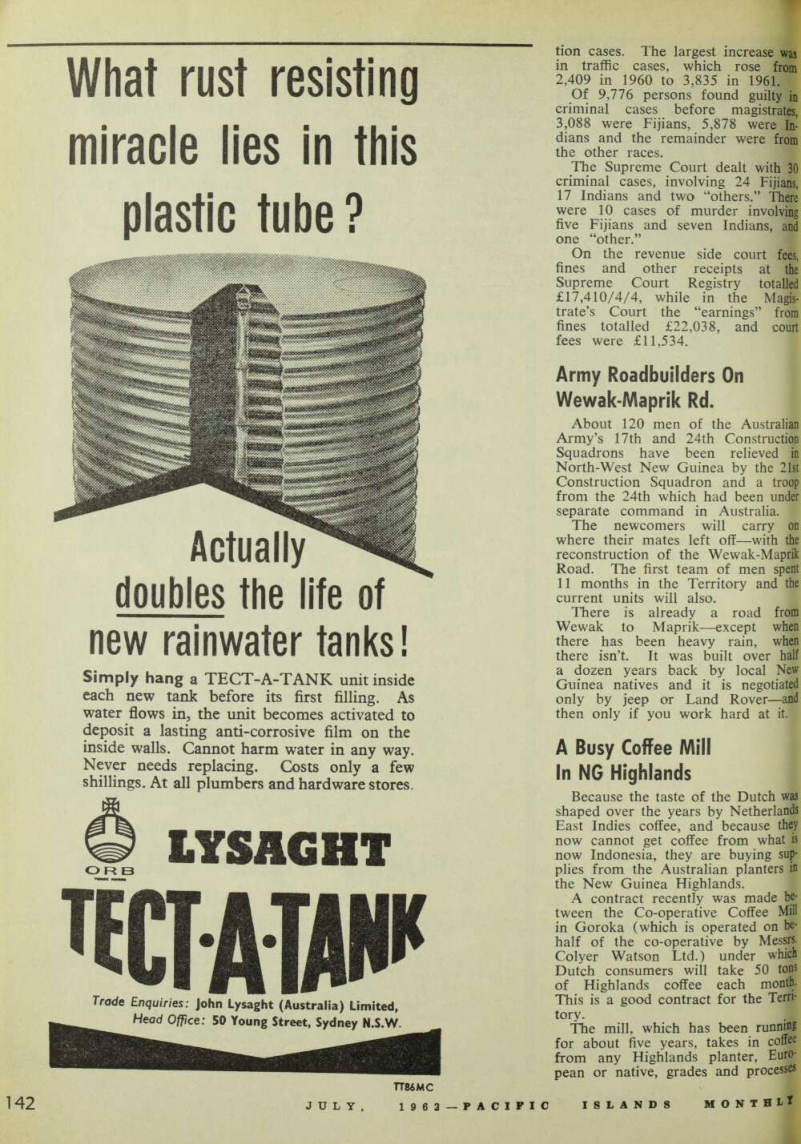 144
144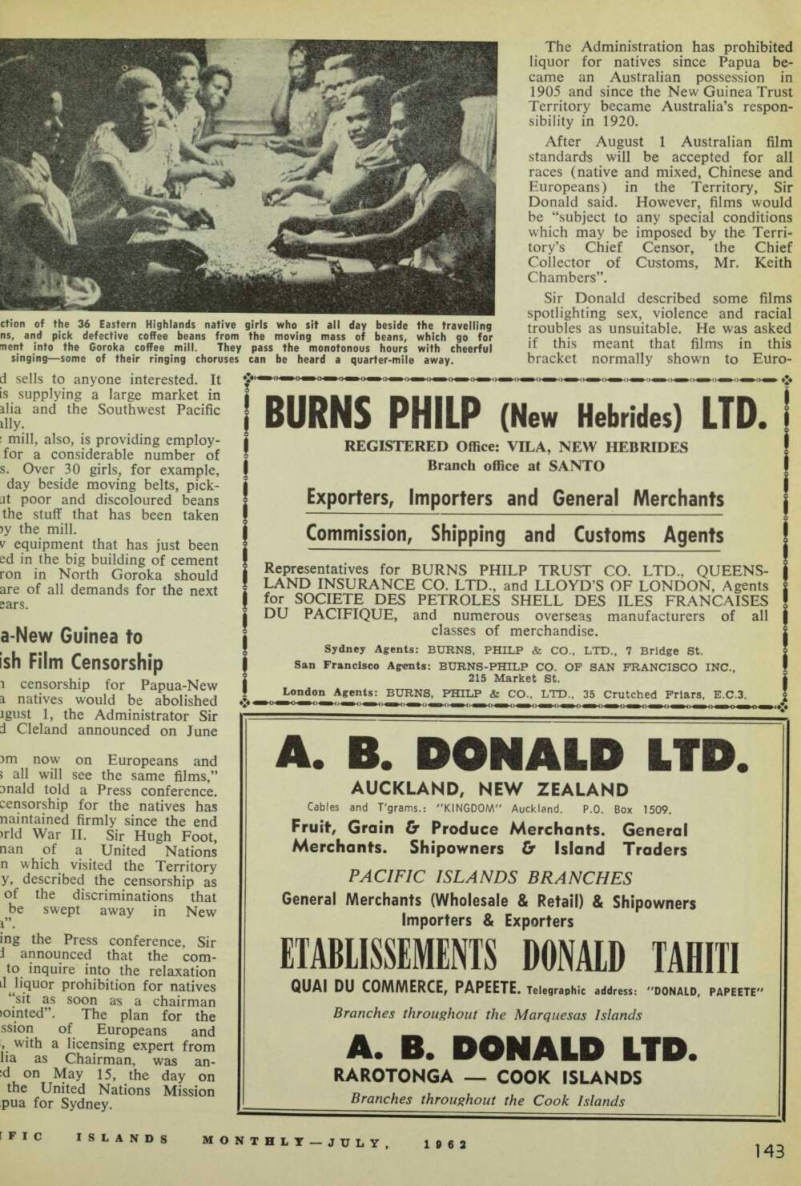 145
145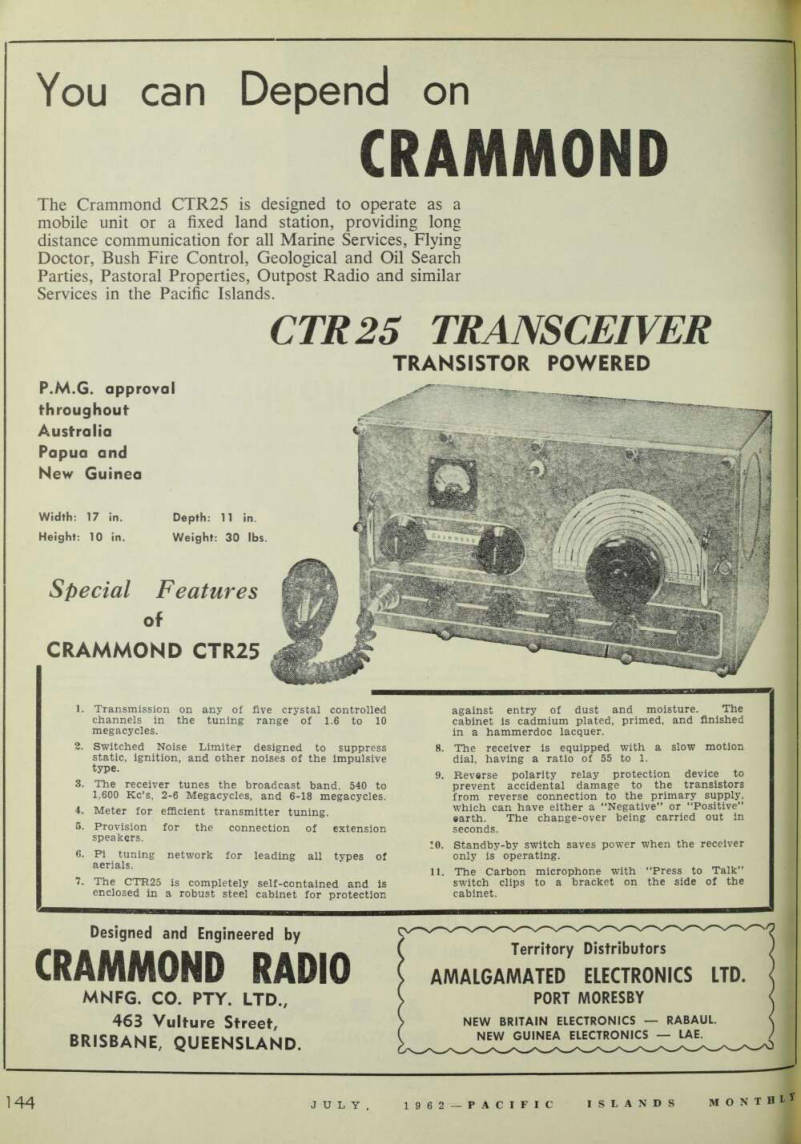 146
146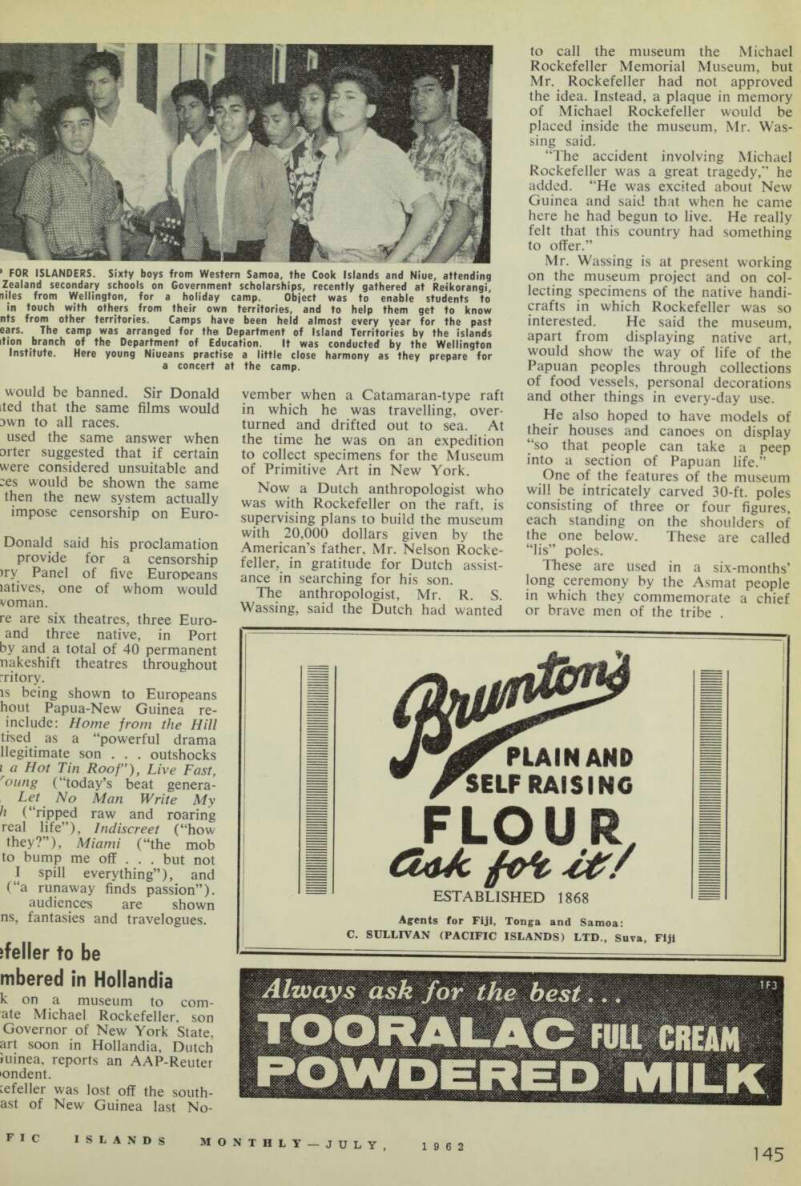 147
147 148
148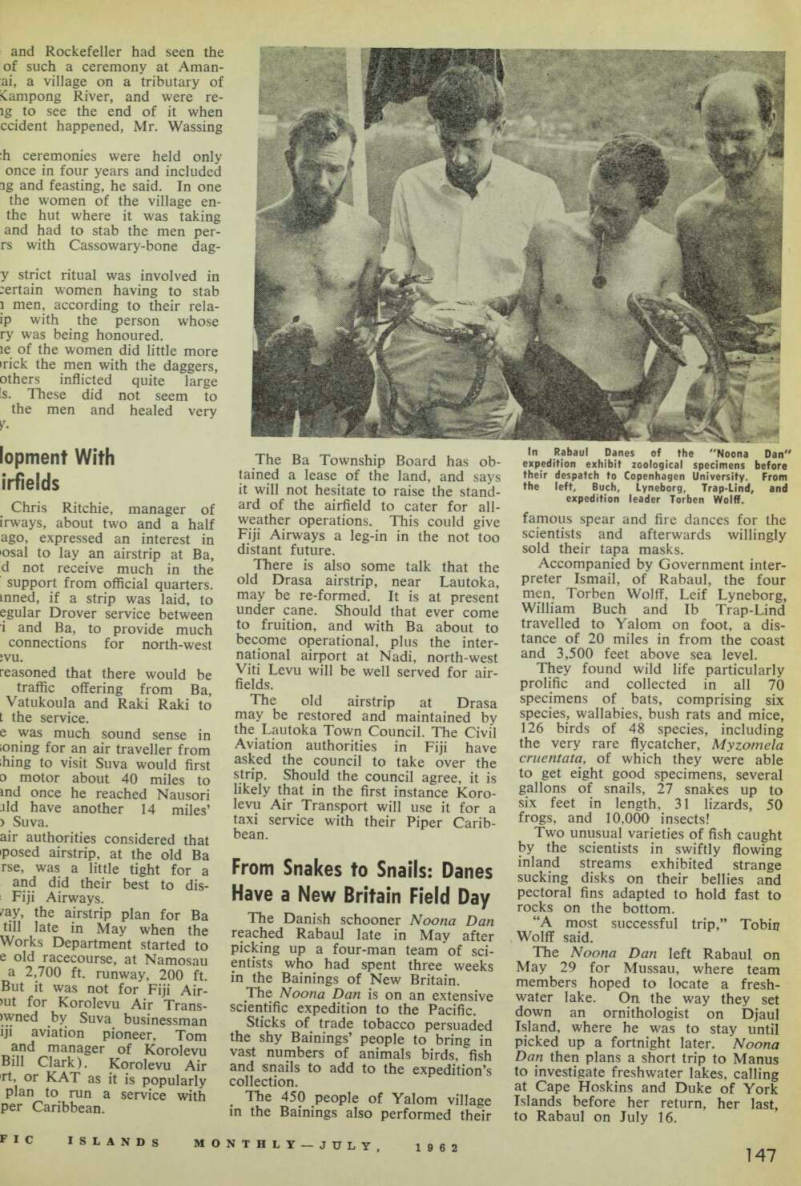 149
149 150
150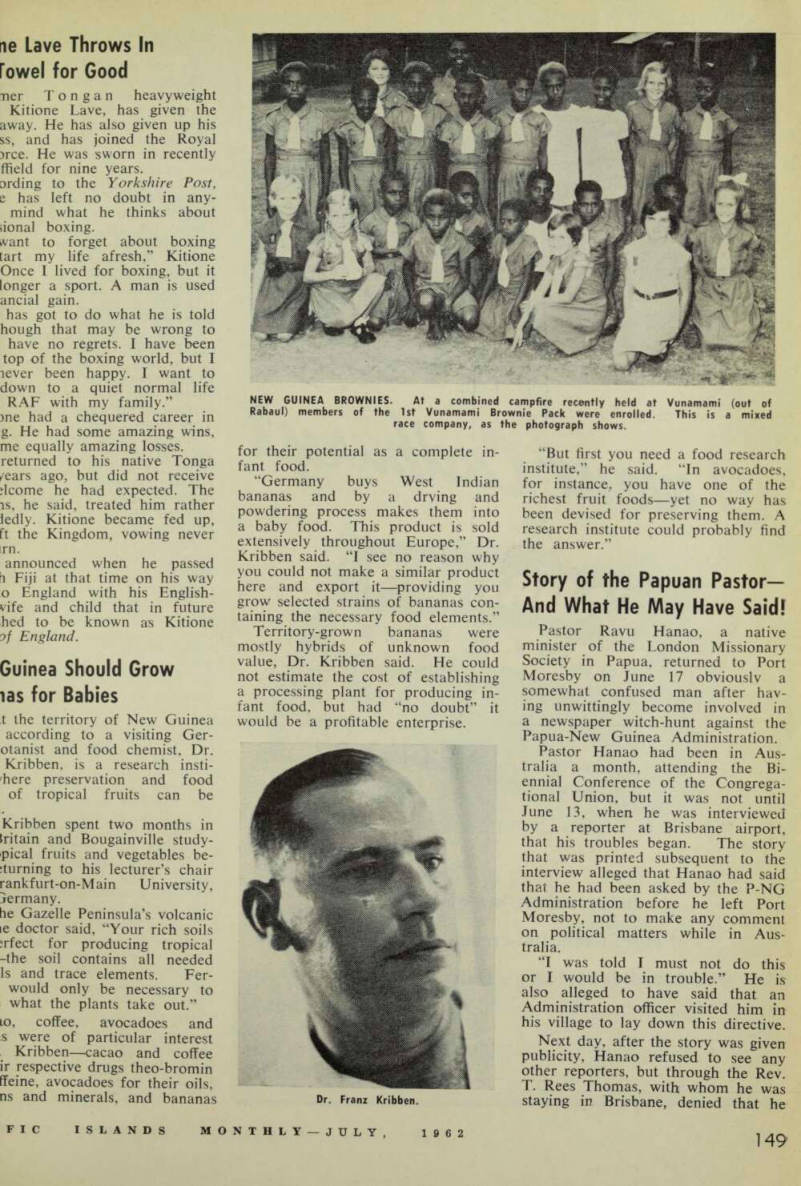 151
151 152
152 153
153 154
154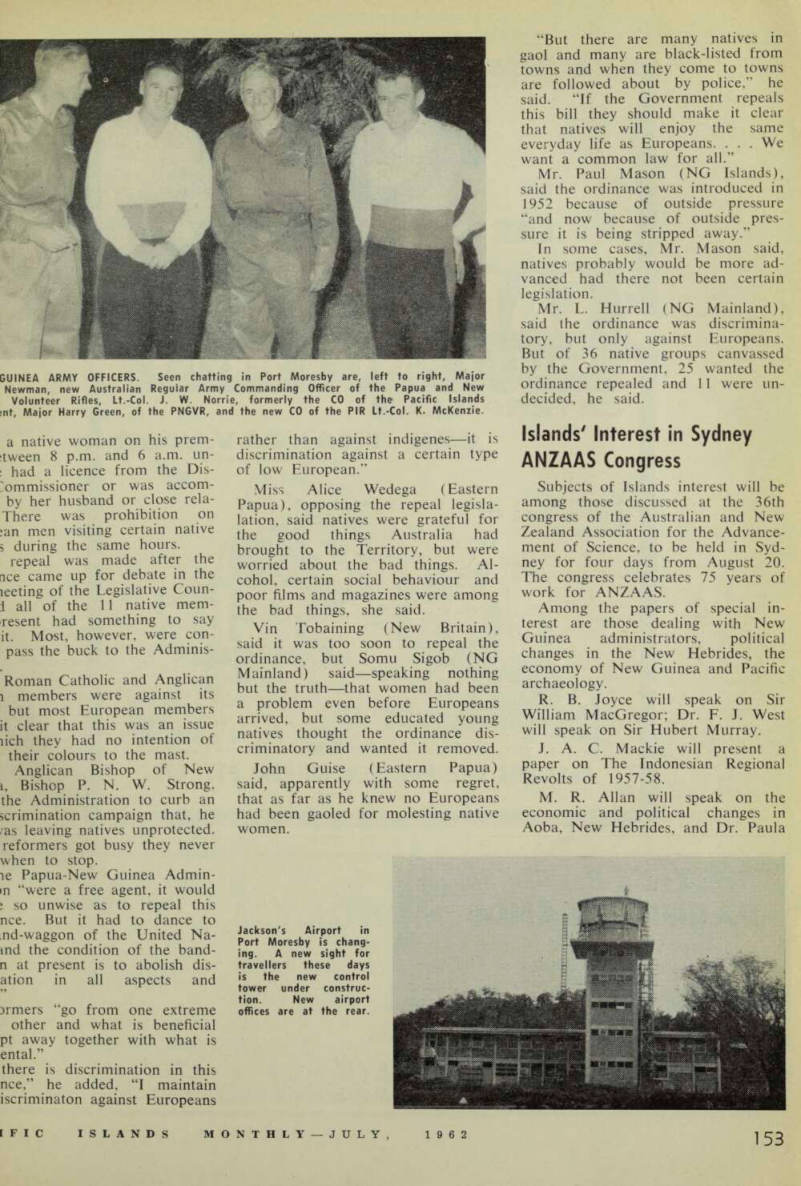 155
155 156
156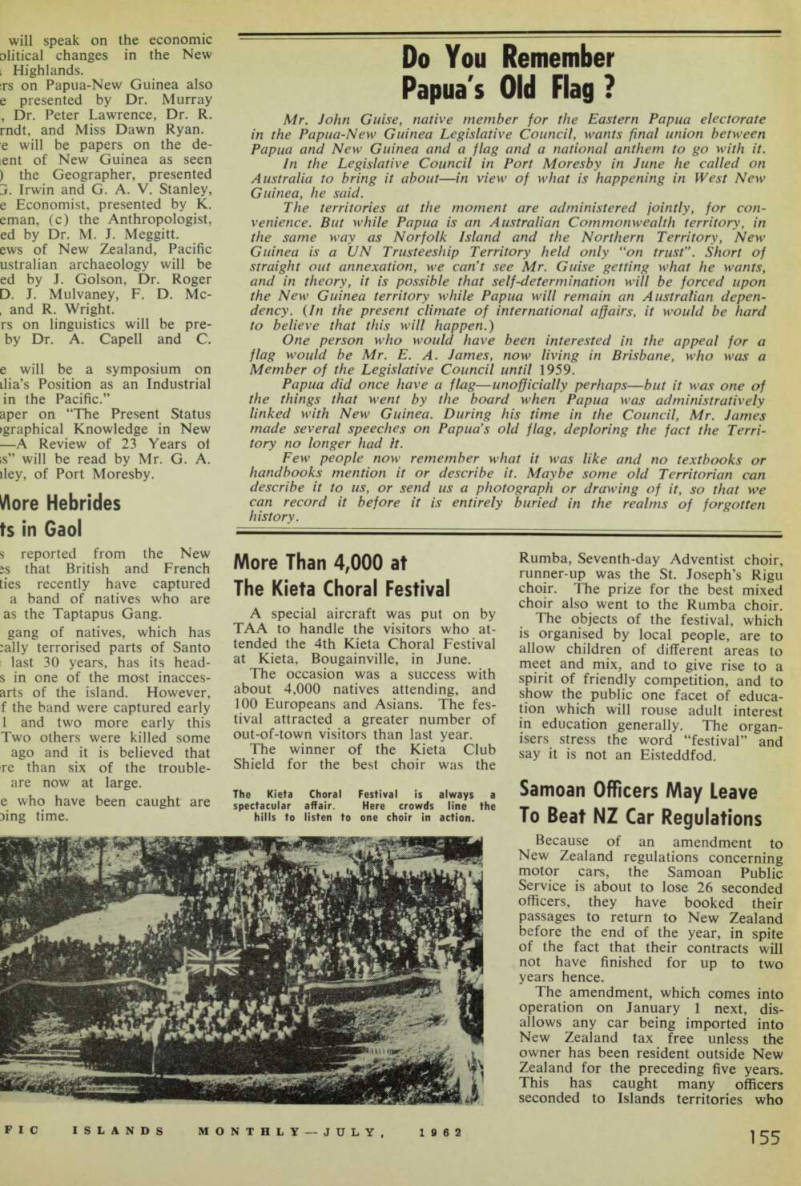 157
157 158
158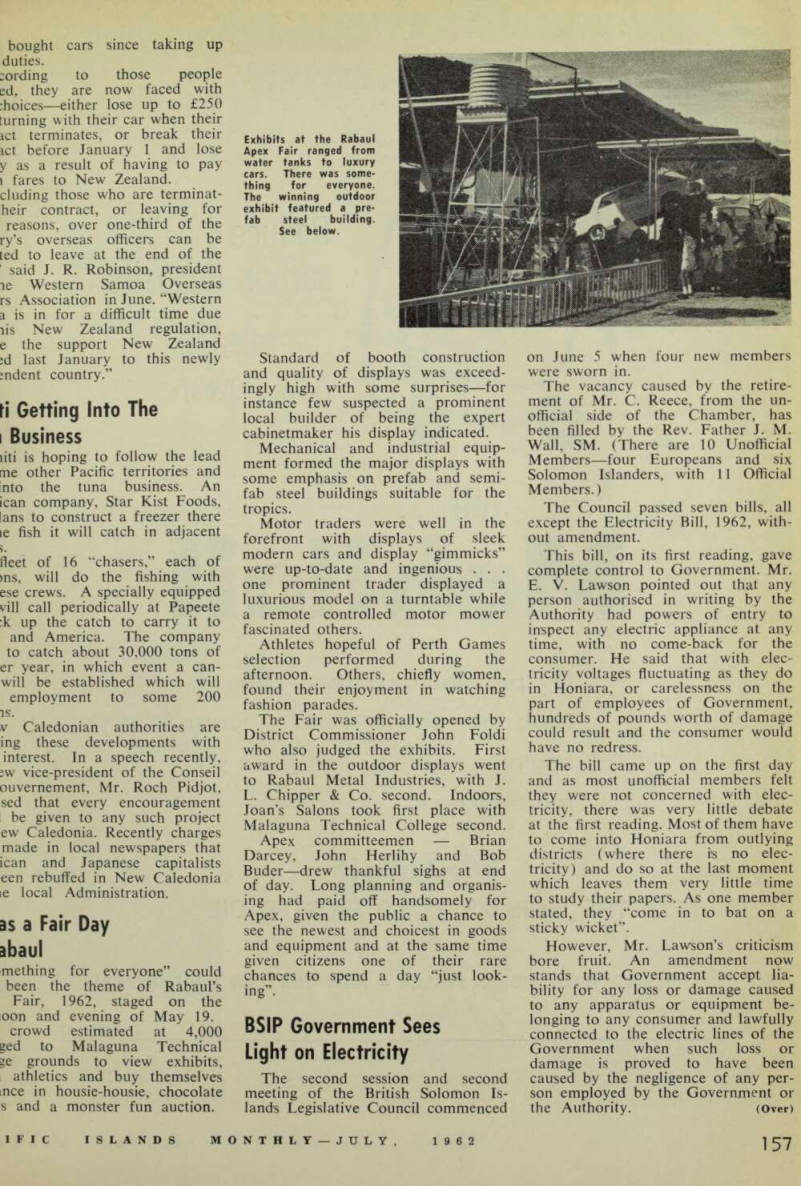 159
159 160
160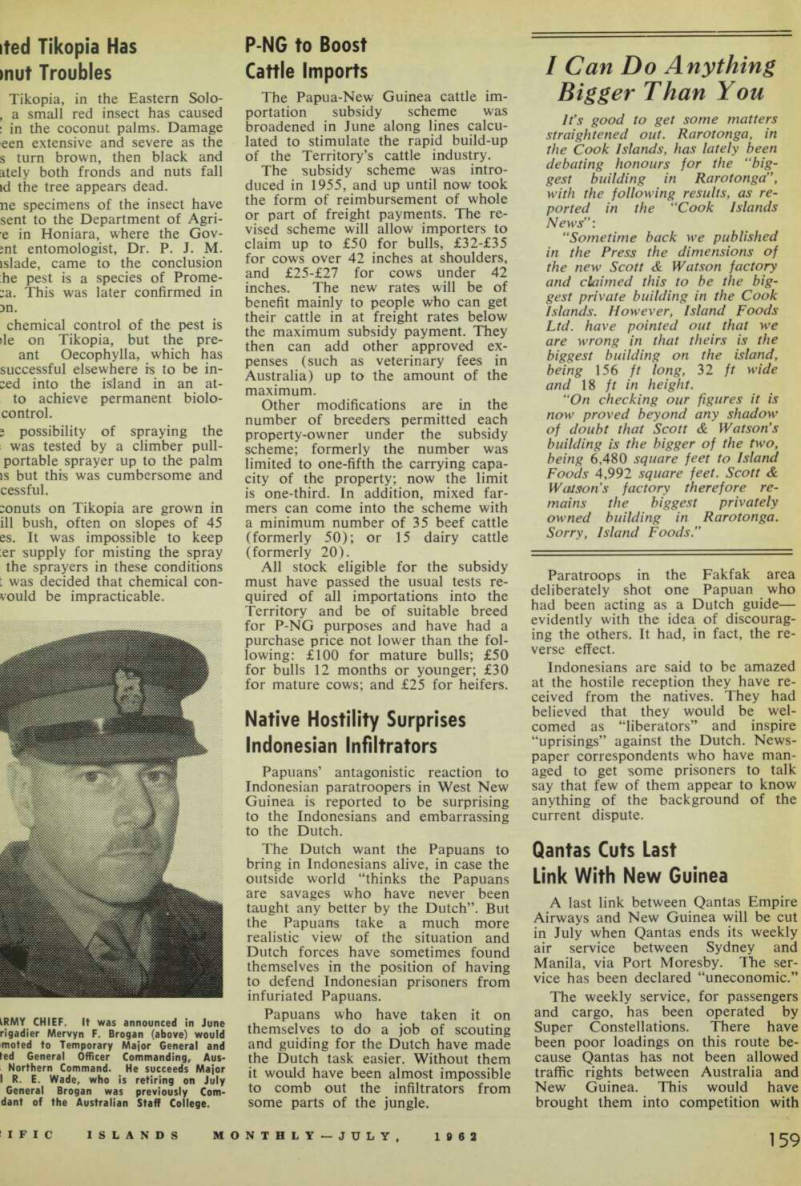 161
161 162
162 163
163 164
164 165
165 166
166 167
167 168
168 169
169 170
170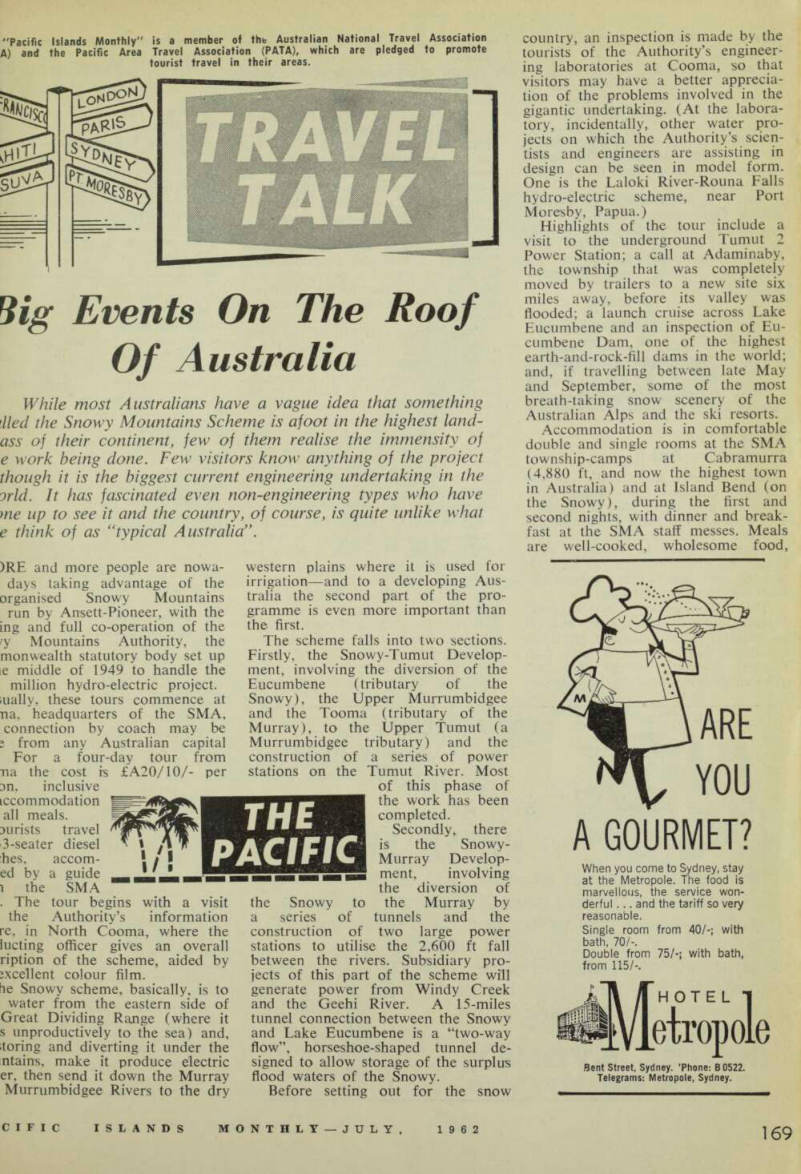 171
171 172
172 173
173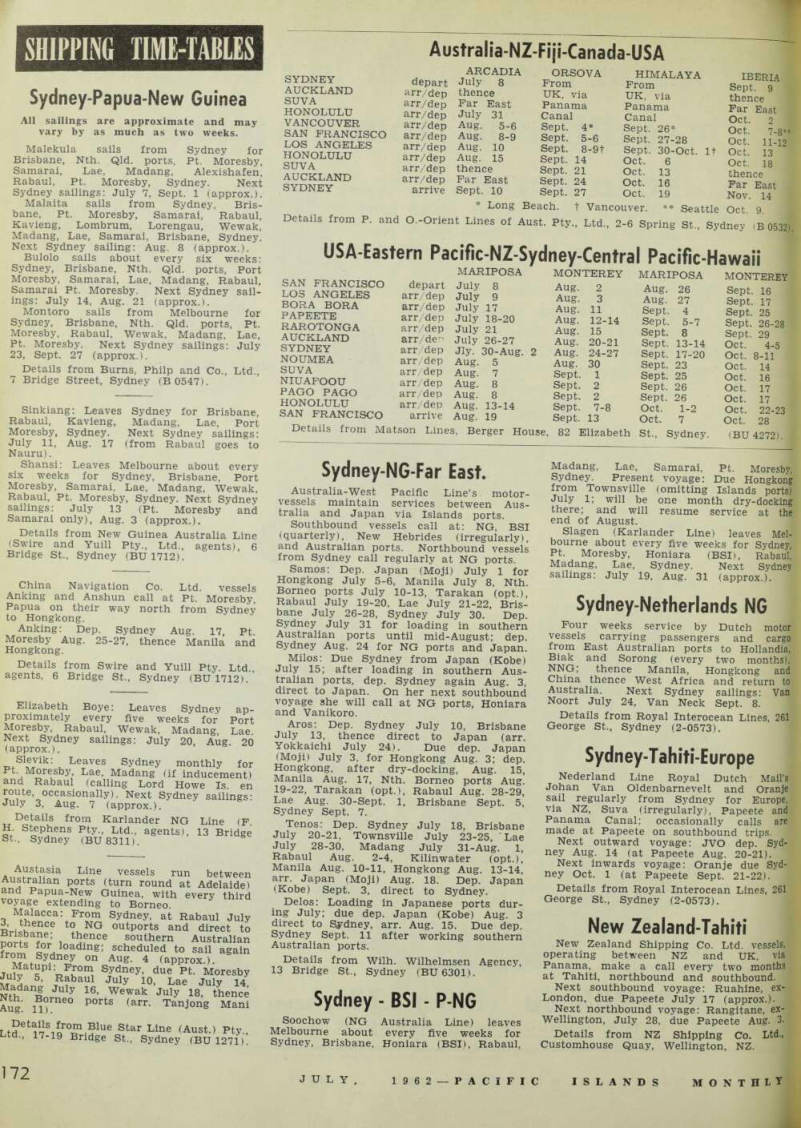 174
174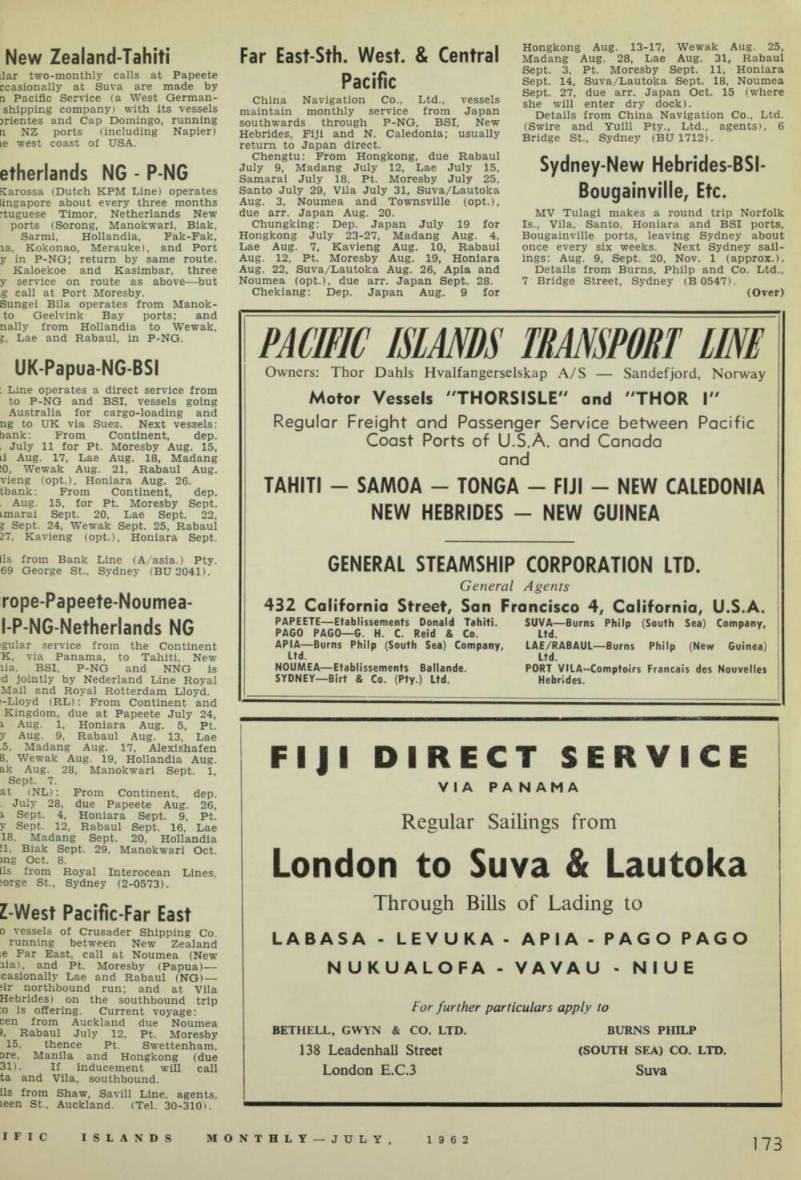 175
175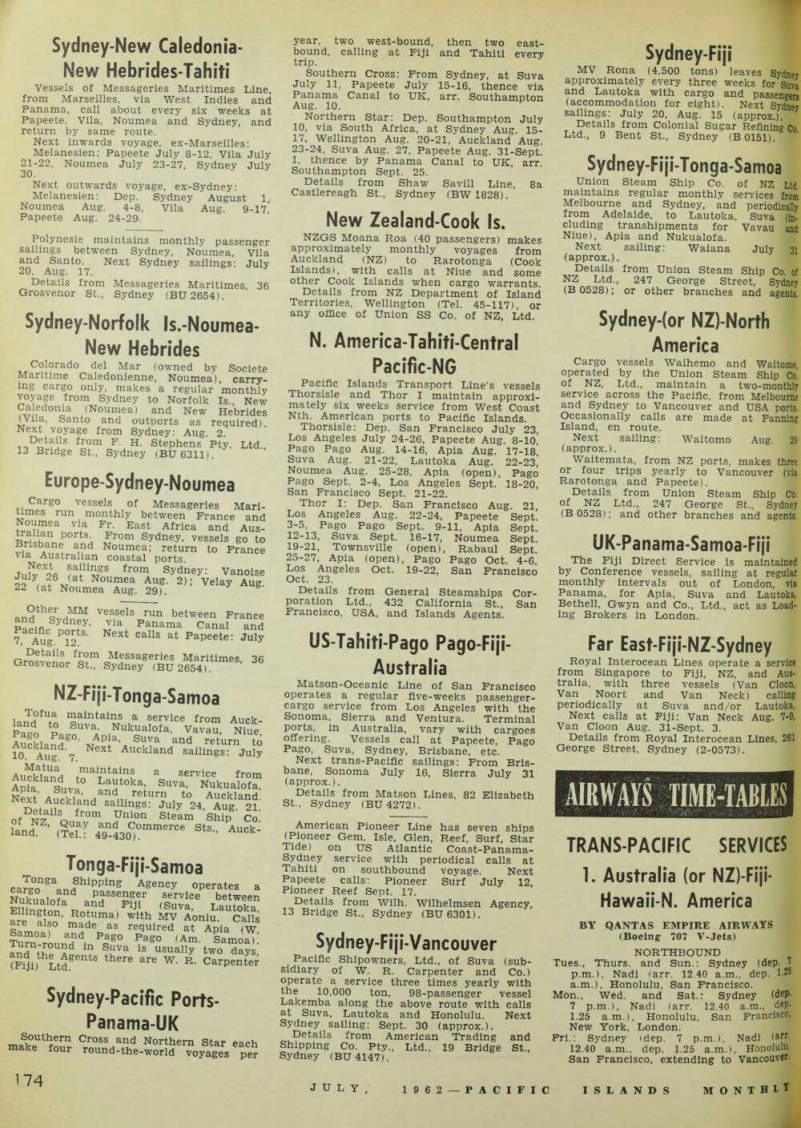 176
176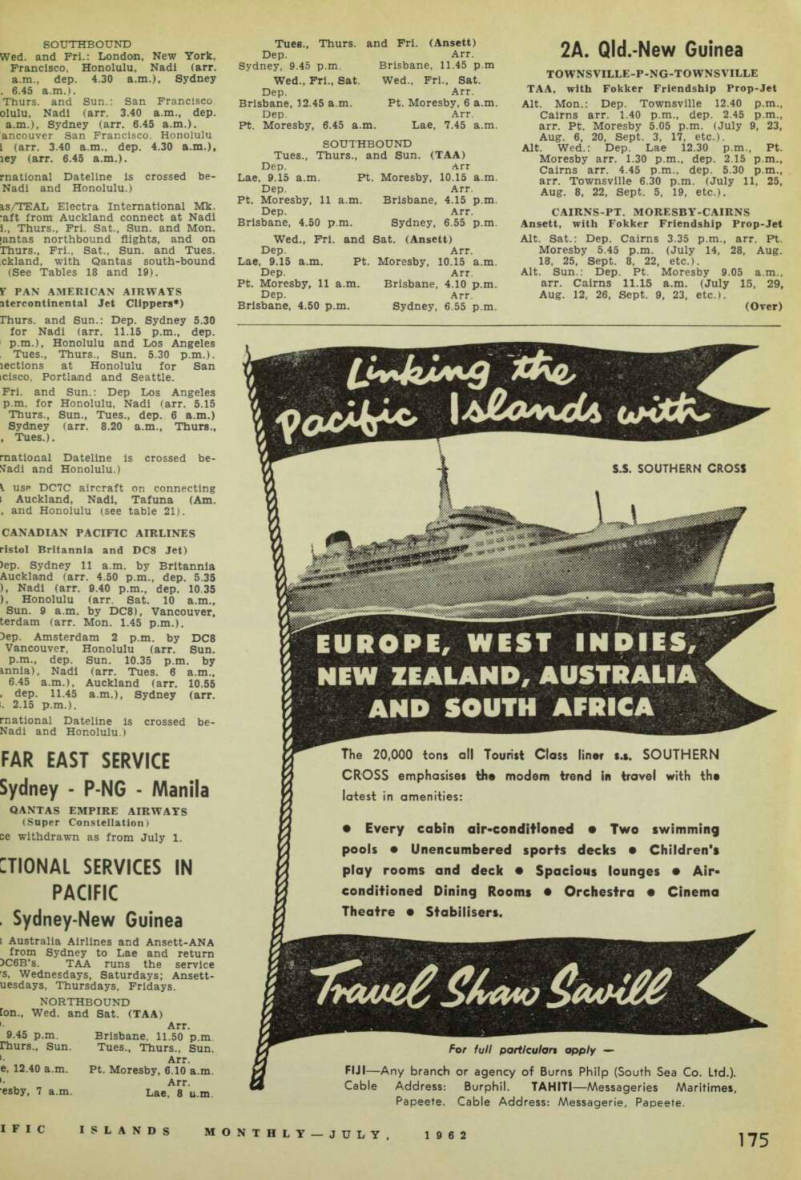 177
177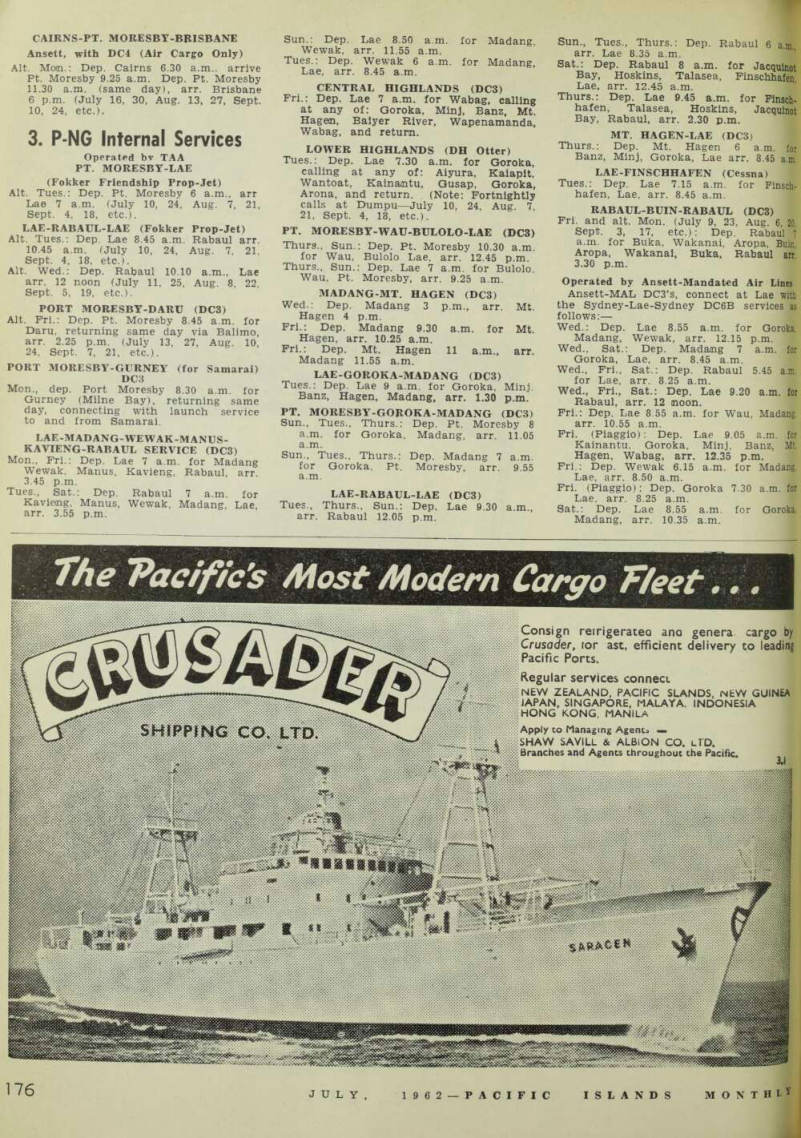 178
178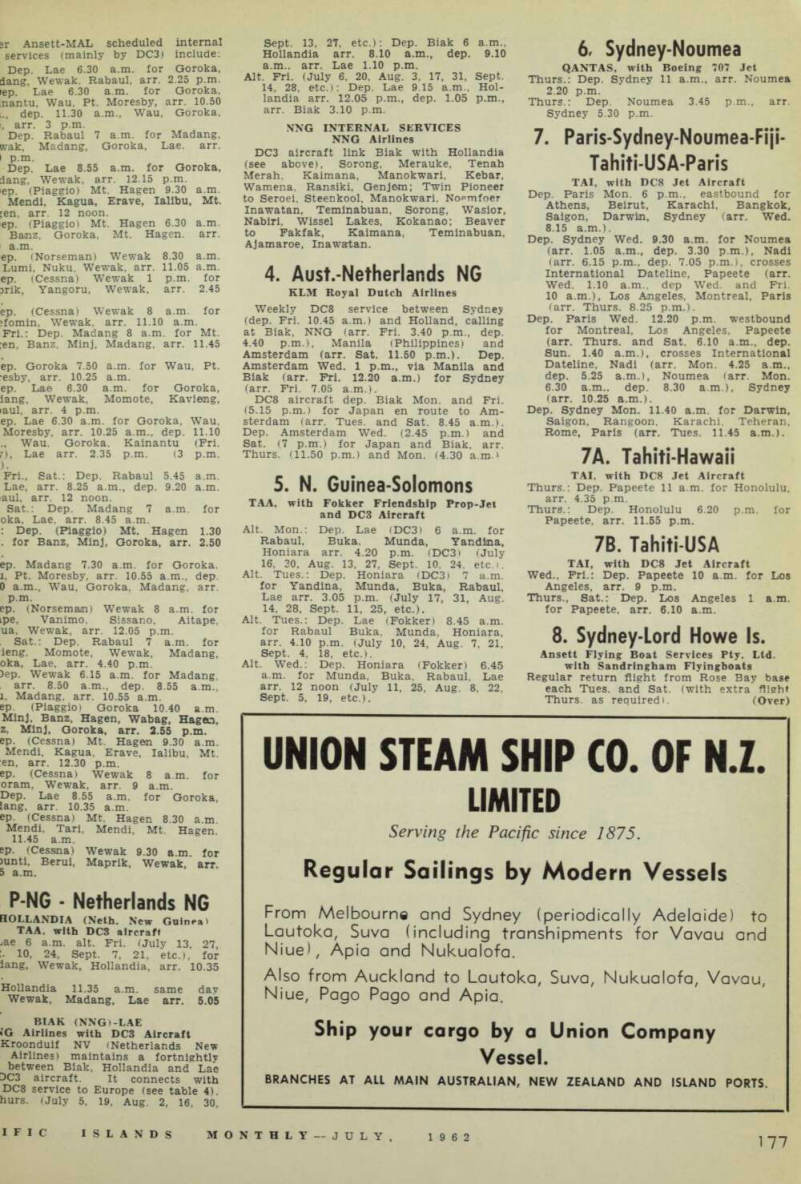 179
179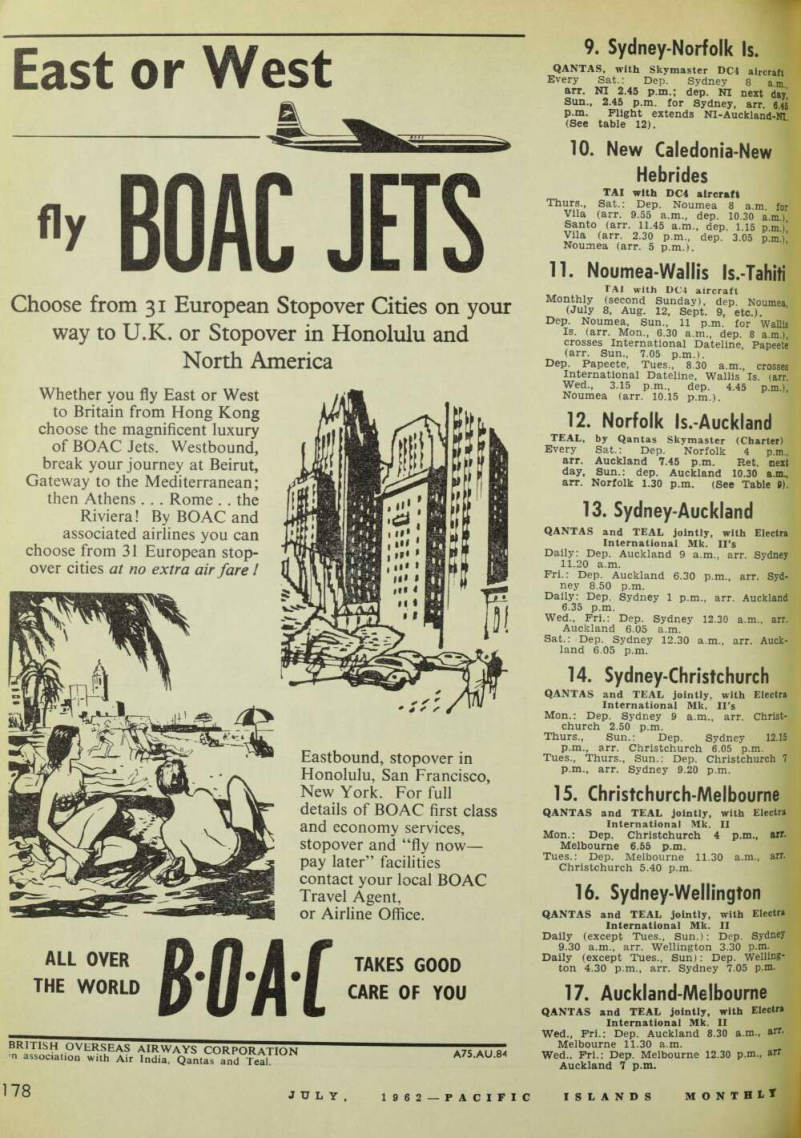 180
180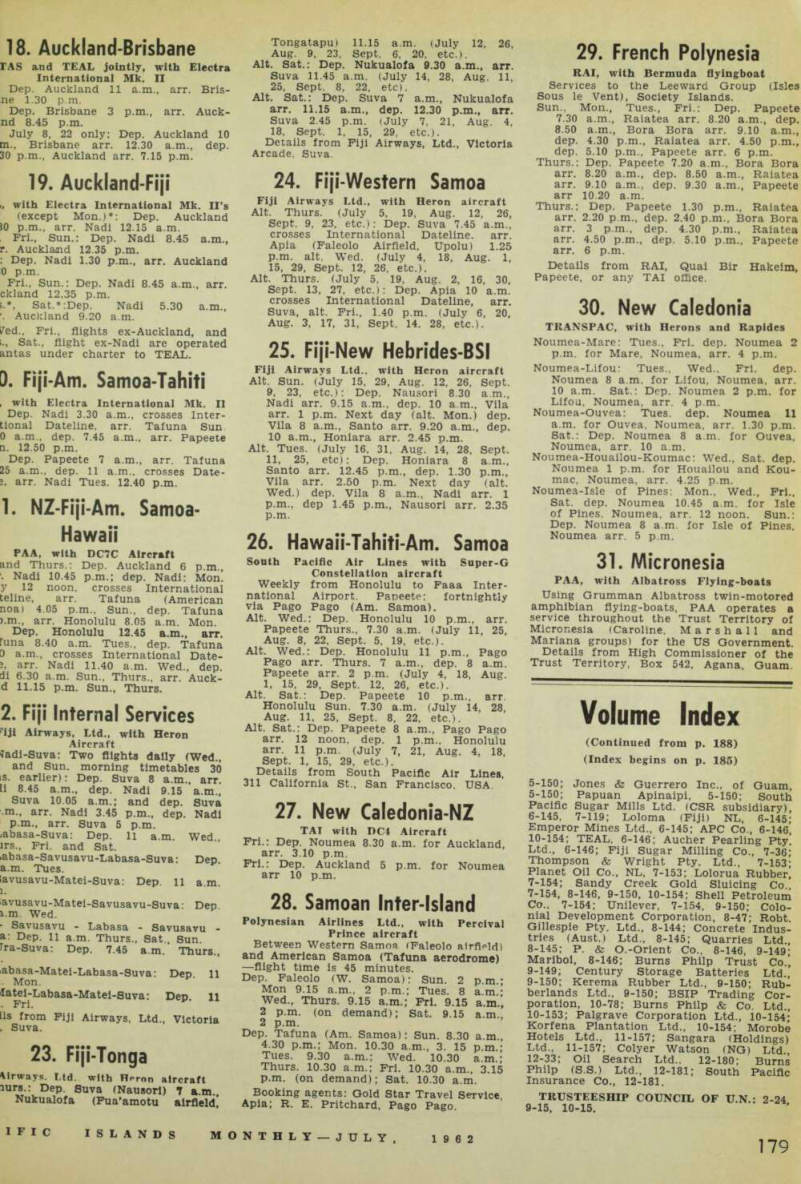 181
181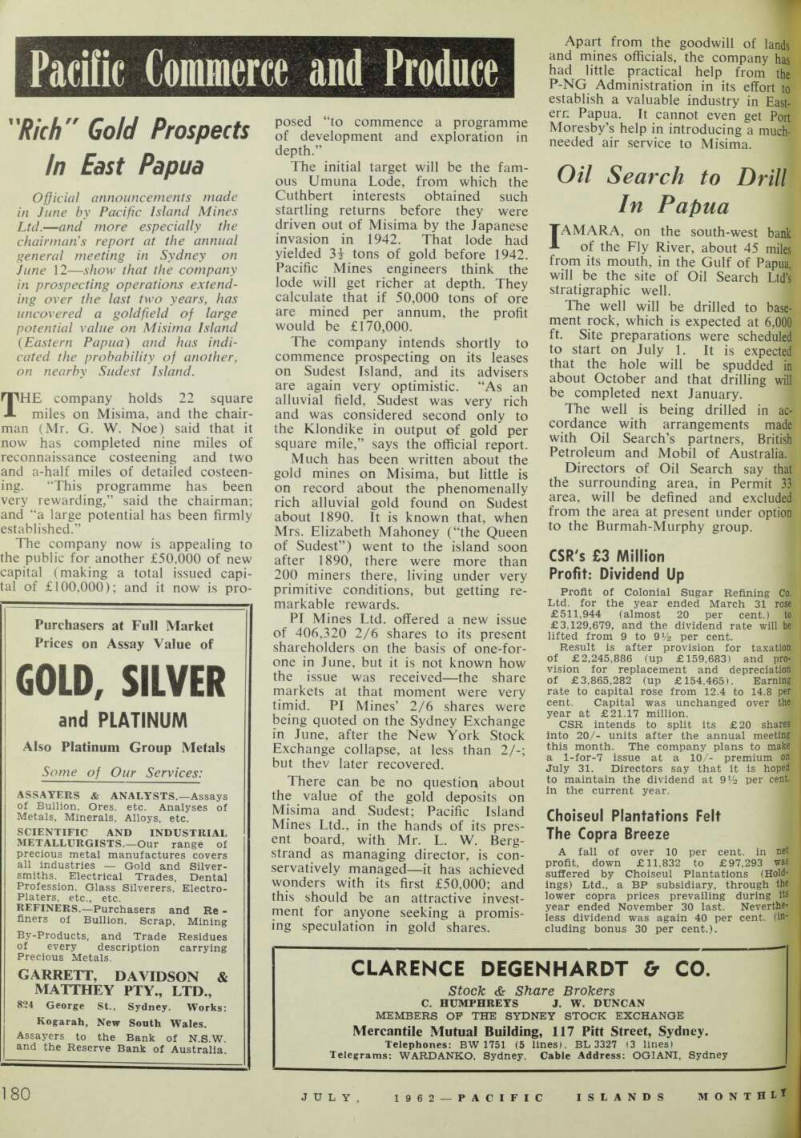 182
182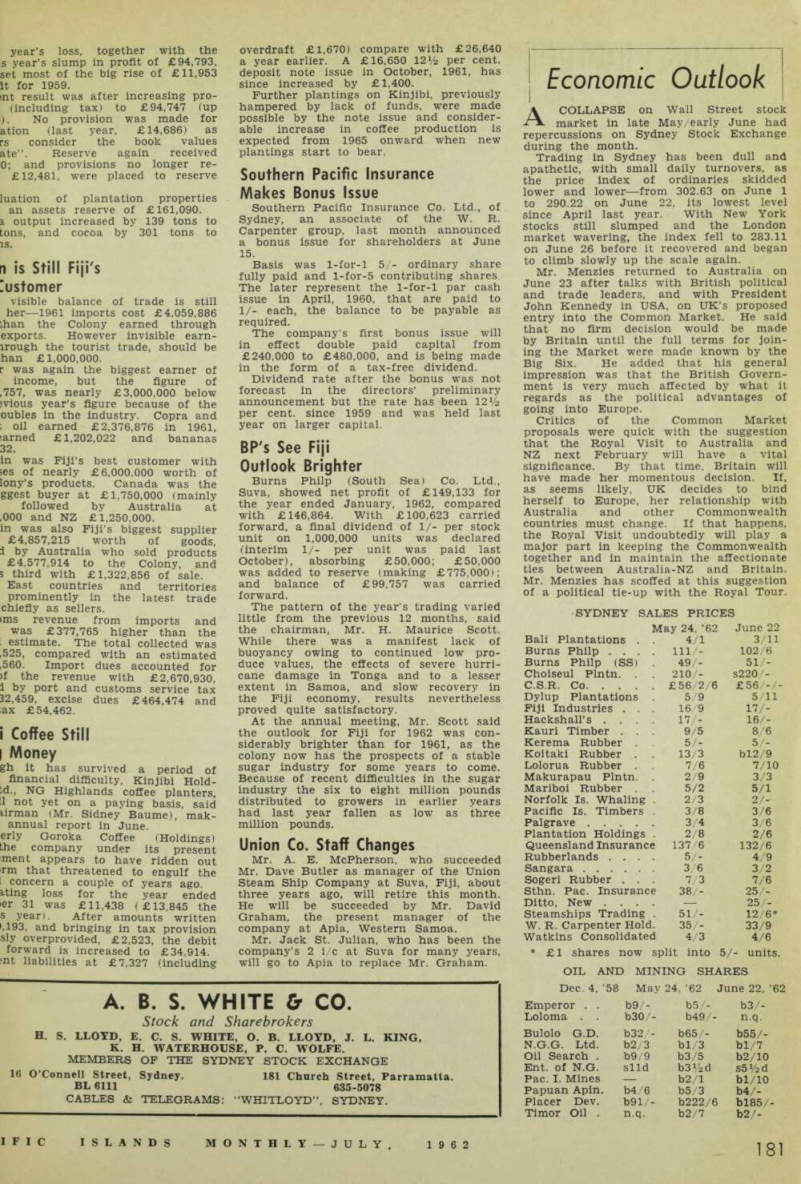 183
183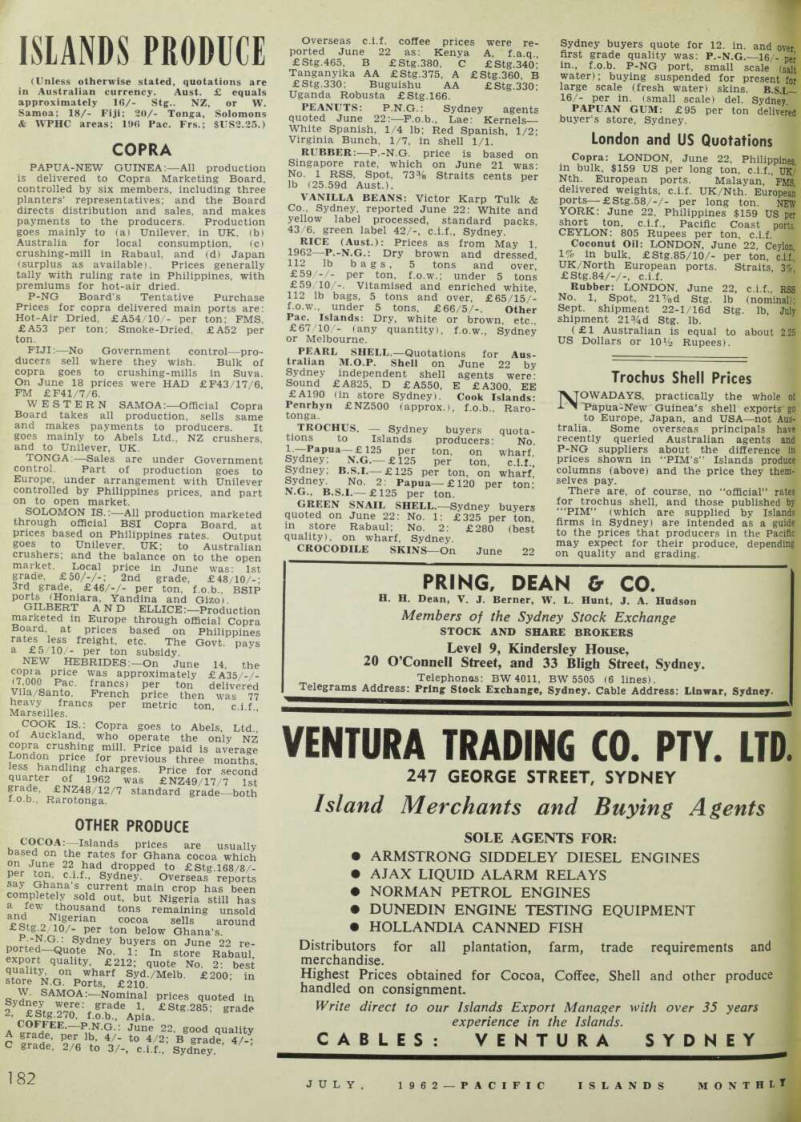 184
184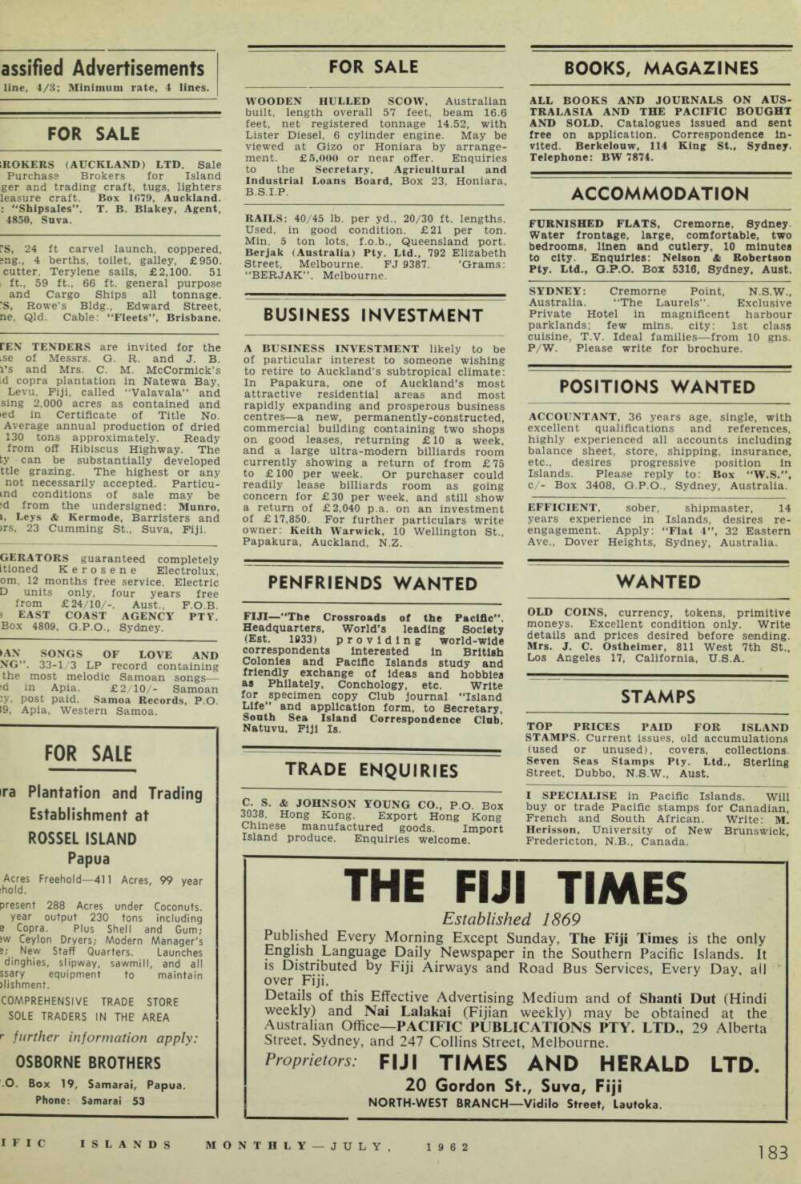 185
185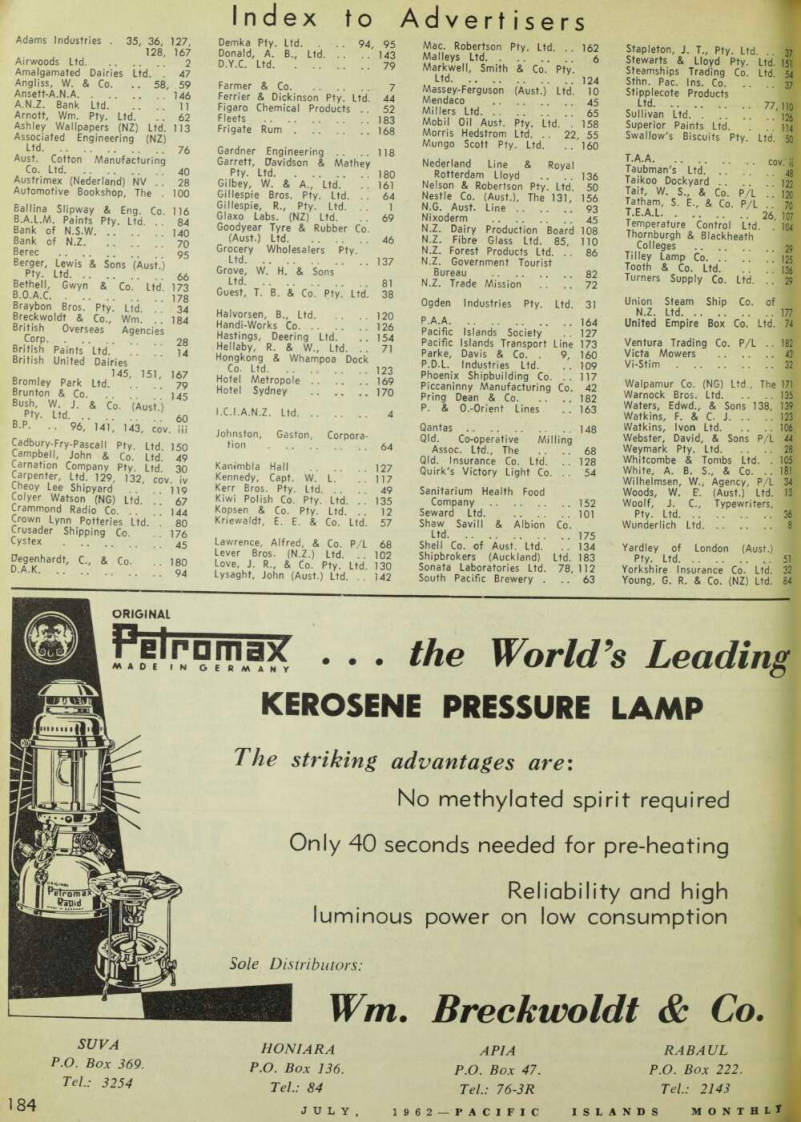 186
186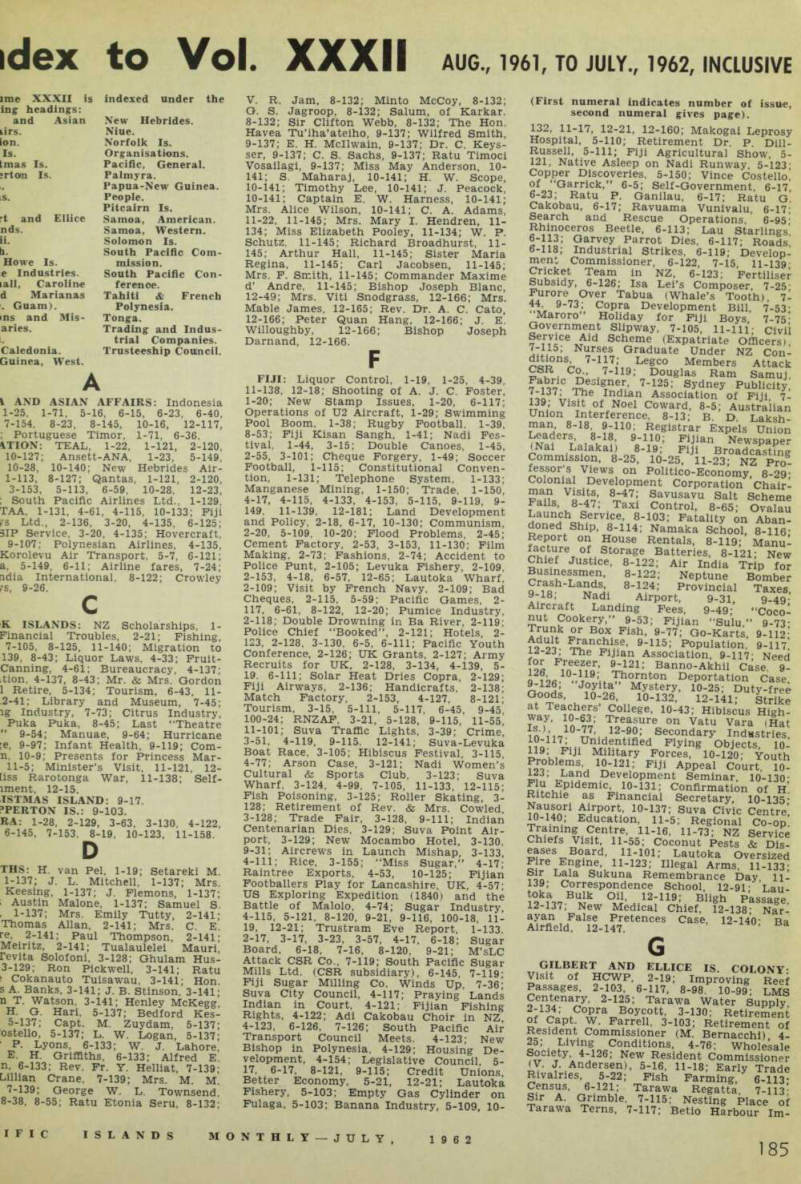 187
187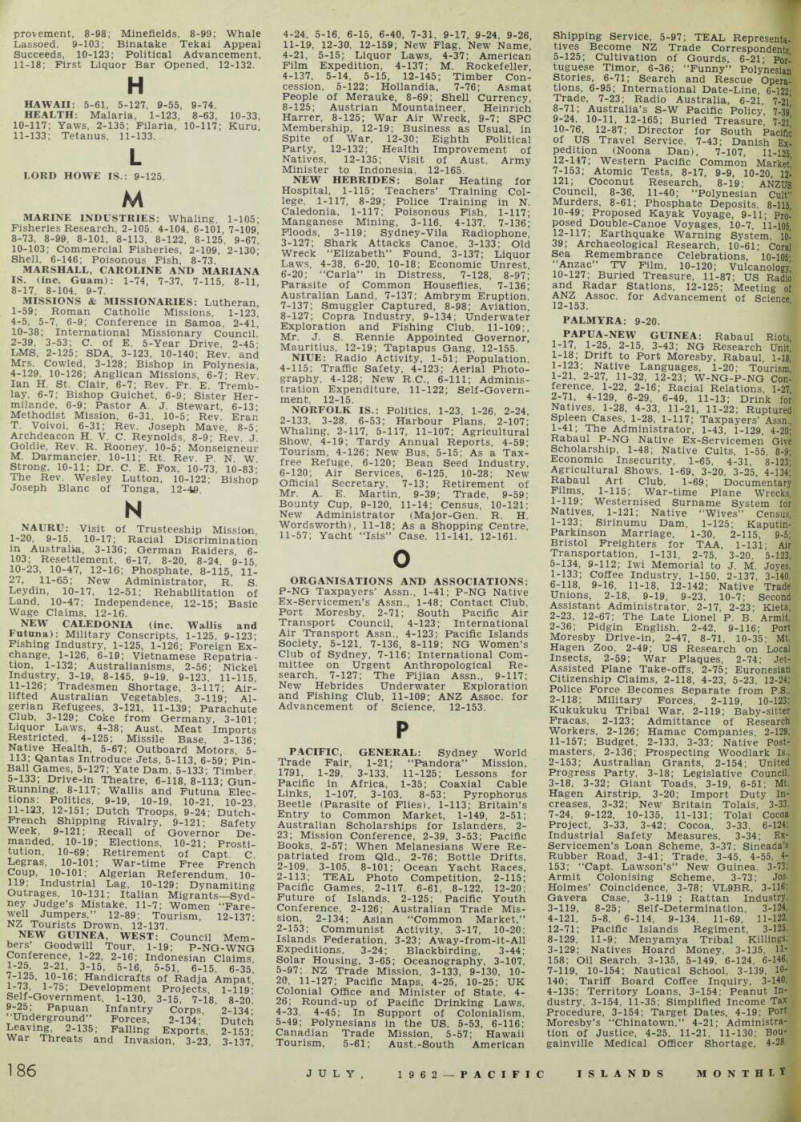 188
188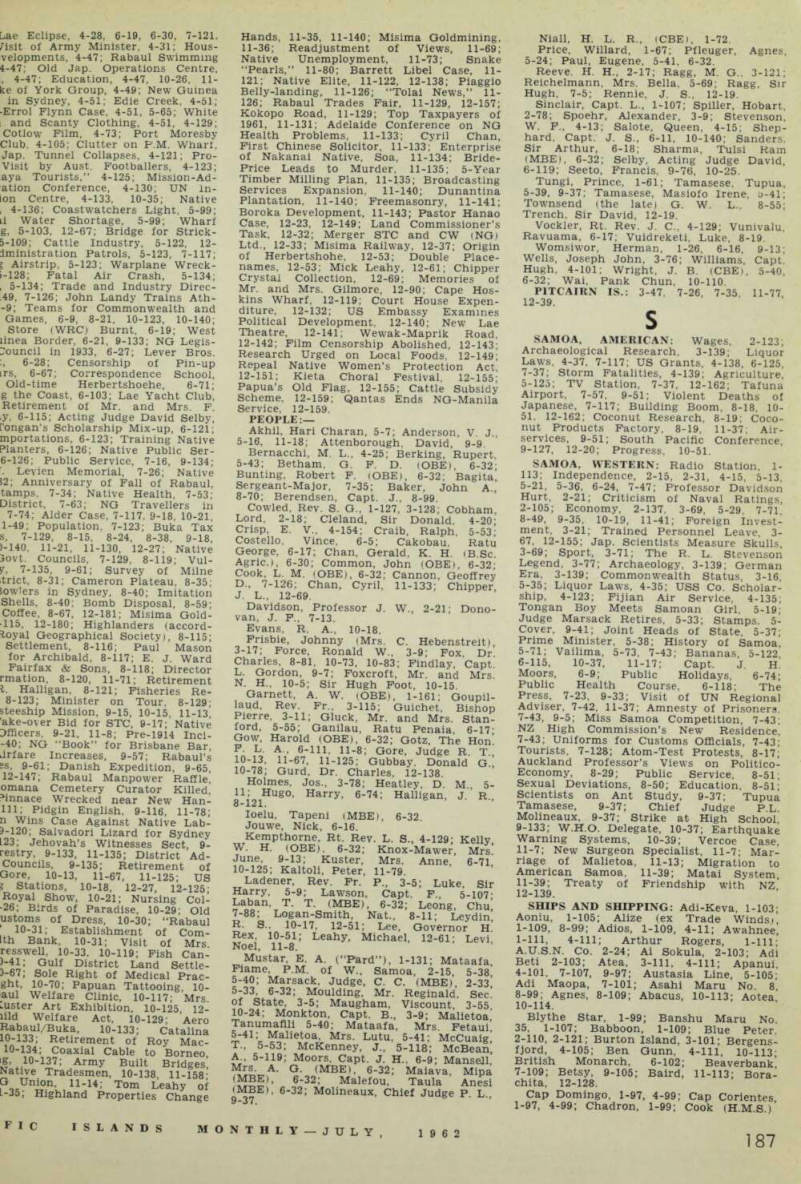 189
189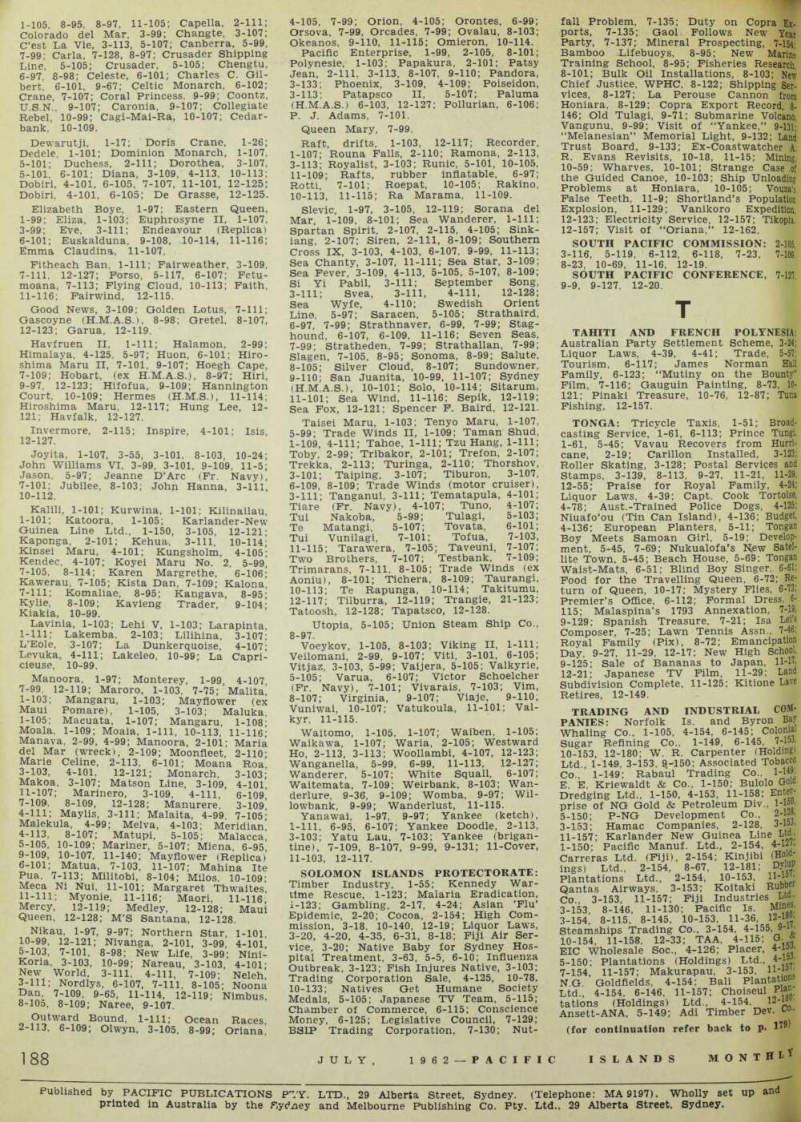 190
190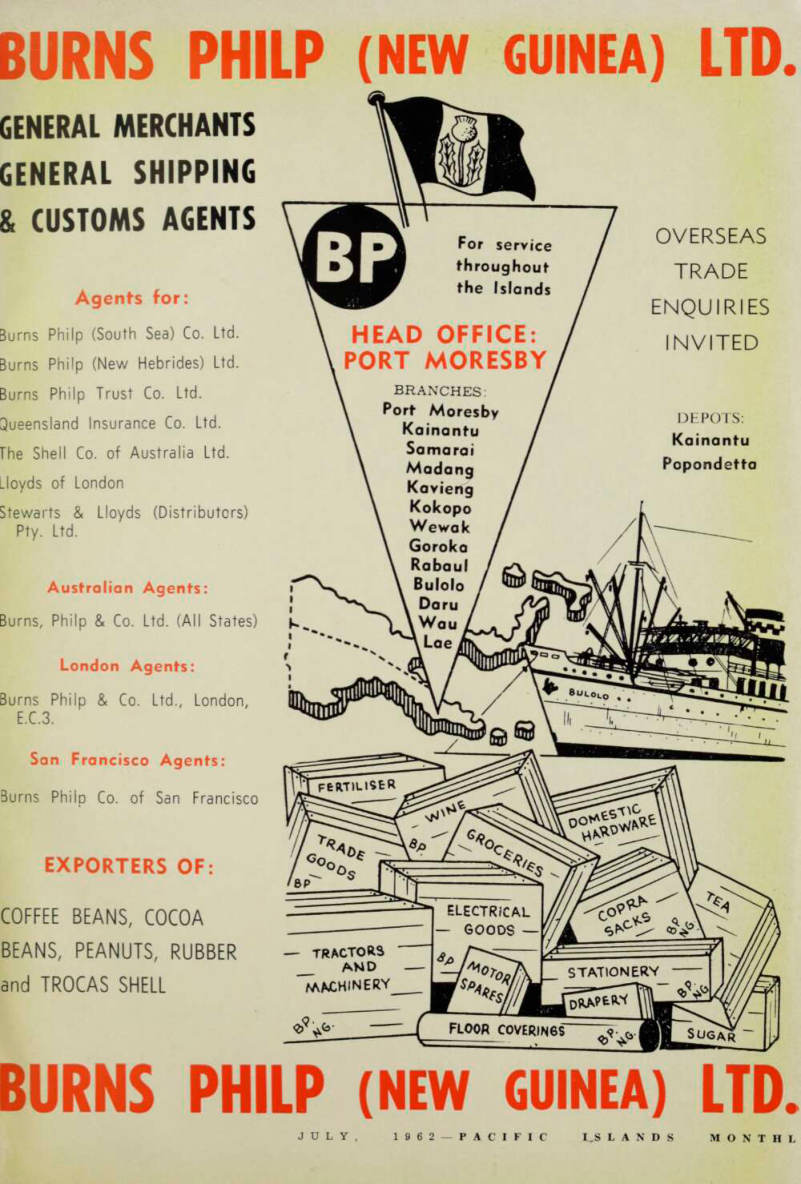 191
191 192
192