
Pacific
Islands Monthly
March, 1961
Vol. Xxxi. No. 8.
ie New/s zgazine )f The South Pacific
Tablished 1930
red at G.P.0., Sydney, for ssion by post as a newspaper.
THE COVER: We don't know her name, but she's a young native girl of the Goroka area of the Eastern Highlands of New Guinea. What interests us is the dignity and character which is shown in her features. Mr. N. V. Salt, of Rabaul, took the photograph.
Advertisements & other items, pp. 2-4 (3 items)
operates
Ar
THE SUNBIRD SERVICE
to 44 places in Papua, New Guinea and the neighbouring Islands.
FLY *AA THE FRIENDLY WA Y
f
c* *° AT **
Cqlemgn
' ■ ... ; «**■* mi ■: :■ '
SUPER PERFORMANCE
Modal 163 A -30 got.
If'-'**'
MASTER
Model 165 Model 166 20 gal. 30 gal.
without waiting
R HEATERS
Check these Important
Advantages...
LOW COST
Burns a minimum of fuel for a maximum of efficiency.
LOTS OF HOT WATER
75 gallons of hot water the first hour from a 30-gallon tank.
RAPID RECOVERY
Heats up to H times its size per hour. No other type of conventional water heating equipment can compare in performance.
COMPLETELY AUTOMATIC
Just set the thermostat at the desired temperature. The fuel is then automatically metered into the burner at exactly the right rate to maintain that temperature.
SUPER PERFORMANCE
Model 163 A—30 gal.
MASTER
Model 165—20 gal.
Model 166—30 gal.
Representatives for the Pacific Islands:
ERT GILLESPIE PTY. LTD. ROBERT GILLESPIE (N.G.) LTD. 22 Young Street, Sydney Lae, Madang, Rabaul, Port Moresby
PEARCE & CO. LTD.
Suva for Fiji Islands
TEAL
TEAL pioneered air travel through the South Pacific and provides swift, frequent air services in pressurised airliners from fabulous Tahiti
FROM TAHITI
to the friendly and colourful islands of Fiji; from serene Norfolk Island
TO FIJI, NORFOLK
through to Cosmopolitan Australia, a vast and varied vacationland,
AUSTRALIA AND
and to luxuriant evergreen New Zealand where there are
NEW ZEALAND
more scenic surprises per square mile than any place under the sun.
New Zealand’s International Airline
SERVING THE SOUTH PACIFIC
APS* 86
1
IFIC ISLANDS MONTHLY MARCH, 1961
2
MARCH, 196 1- PACIFIC ISLANDS MONTH LJ
Pacific Islands Monthly
Publisher: R. W. ROBSON.
Editors:
Dy Tudor Stuart Inder
Manager; SELWYN HUGHES.
HONES: General Business, Editorial,
\ 9197-8, Ma 7101, Ma 4369.
S.P.O. Box 3408, Sydney
aphic Address: PACPUB, Sydney.
Inual Subscription Rates:
(Includes surface postage) cific Is. —Papua-N.G., Samoa, Norfolk, ■u, 8.5.1., Cook Is., ia, G.&E. Grp., Niue, Hebrides, and other Pacific Islands . £1 4 0 Pacific Territories and h N.G £1 7 0 tralia and N.Z. . £llO 0 K., British Common a It h Countries, and ign (40/- Stg.) . .. £2 10 0 i.A. and U.S. Pacific tones ($6.00 U.S.) . £2 12 6 Copies (postage extra) 2 6
Anch Office In Papua-Ng
Publications (NG) Ltd., Theatre Building, Fourth St., LAE Tel.: 2577. iss Pat Robertson, Manager.
Branch Offices In Fiji:
■iji Times Building, 20 Gordon St Tel.: 4043. a: A. J. C. Foster, Vitogo Pde.
Tel.: 38.
Representative In N.Z.:
. Whitcombe, P.O. Box 5179 Auckland. Tel.: 22.570.
Tepresentative In U.K.:
Ashburn, 13 Rood Lane, London, •3. Tel.: Mincing Lane 8633.
URNE OFFICE: Newspaper House Collins St. Tel.: 63.7053. 5: All main trading firms and res in the Pacific Islands.
Publications Pty., Ltd., is the ian agent for THE FIJI TIMES
Contents
No. 8. Vol. XXXI.
March, 1961
People 5
It's Crisis Time for Dutch New Guinea 17 Elections in NNG and P-NG 18 No Solution of Fiji's Troubles 19 Lower Plantation Incomes This Year 19 West Samoa Picks a Vital Cabinet 20 Cook Islanders Want Liquor Reform 20 Fiji's Student-Farmer Scheme 20 Sir John Gutch Talks of the Future 21 New Hebrides Land Case 22 Earl Mountbatten Visits Fiji 22 Tongan Sued for Breach of Promise 23 Future of TEAL May Be Known Soon 23 A Report on P-NG Election Candi dates 23 Priest Suggests We Adapt Native Rite 23
Coaamentary 25
The Editors' Mailbag 26 Report from the Fiji Sugar Inquiry 27 West Samoa's Forthcoming Plebiscite 29 TERRITORIES TALK-TALK, with Tolala 31 The Need for Goodwill in the Islands 33
Sydneysider At Home Base 41
No Shoe Factory for P-NG ... 41 Scholarship Plan for the Pacific ... 45 Honiara Offenders Treated Too
Leniently 47
Air War in the New Hebrides 49 Harold Gatty's Memorial 57 Beryl Sawyer's Report from Papeete 59 Story of Errol Flynn's Daughter ... 51 Americans "Not Wanted" in Tahiti 63 They're Taking the 'Bush' Out of
Flying 65
Island Owner Wants to Meet Others 69 Fiji is Not What it Was, says Lema Low 71
Magazine Section 75-100
News of Pacific Shipping 101
Pacific Report 117
Obituaries 145
Travel Talk 146
Shipping, Airways Timetables 149 Commerce and Produce 157
Advertisements & other items, pp. 5-6 (3 items)
A Product of Pacific Publications Pty. Ltd., 29 Alberta Street, Sydney
4
MARCH, 1961 PACIFIC ISLANDS MONTH
designed specifically for the
a truly modem rotary dryer
for the progressive planter
drying of cocoa I
THE NEW 1961 A.S.P. ROTARY COCOA DRYER for diesel or electric drive • Every A.S.P. Unit is backed by a FULL GUARANTEE! • Capacity is 7,000 lbs. of wet beans. • Drive with either diesel or electric power.
Ask also for particulars of the A.S.P. UNIVERSAL SUN/FORCED HOT-AIR SLIDING
ROOF COCOA DRYERS
O 26 Ridge Street,
North Sydney,
N.S.W.
" "1 To: A.S.P. (Overseas) Pty. Ltd., 1 Please send me full information on your ROTARY COCOA DRYERS [ ] and/or SUN/FORCED HOT-AIR SUITING ROOF COCOA DRYERS [ ] (tick in squares for information required).
Telephone: 92-0271 Telegrams: "Chatspa", Sydney.
NAME
ADDRESS
Sole Agents for Papua & New Guinea: A.S.P. (NG) LTD., Box 166, Rabaul, T.N.G.
P.1.M.3
People
Indonesian Minister for National jcurity, General Abdul Nasution, :th his wife, will make an official re day visit to Australia on April 18. $ will visit Canberra, Melbourne id Sydney. The Indonesian Min ;er for the Navy, Admiral artadinata, will accompany Gen al Nasution but he will under ke a separate tour.
General Nasution has been one of e most outspoken Indonesian iders on the Dutch New Guinea estion and has been rattling his bre in that direction for a long ne.
former commissioner of the ;stern District of Fiji, Mr. H. G. R.
Alpine, who was ambushed and )t outside his house in Lautoka t July, has been retired from the lonial Service on medical grounds. assailant who has never been ntified fired two rounds from a )tgun into Mr. McAlpine’s thighs i abdomen at a time when feel :s were running high over a sugar le strike. * ♦ ♦ JLr. N. H. Foxcroft, in February, s re-elected president of the cific Islands Society, Sydney, Vice ;sidents are Mr. N. B. Casey, Mr, A. R. Howell, Dr. G. W. Mack ess, Mr. H. Sabben and Mr. A. >phens.
[?]gracious and well-informed, Mrs. Lutu [?]ietoa, president of the West Samoan branch [?]he Pan Pacific and South East Asia Women's [?]ciation, was a first class ambassador for emerging independent Samoa when she [?]ed Australia recently. She was publicised [?]every important newspaper—sometimes in [?]rately as the "Queen of Samoa", which [?]as no fault of her ("PIM", Feb. p. 26).
Tele-Photo
Tunde Topangilli admitted to Rabaul court in February that 1 had padded a long stick with cheT ing gum, reached behind the count! of a waterfront shop, thrust tl; stick into the till and drawn a note out of the jackpot. Unfortu:. ately, natives outside the shop ss what was happening, chased Toi angilli for two blocks and held hi until police arrived. He was fim £2. ♦ * * Attractive Japanese, Rose Kam taka, will be the leader of a 1 team which in March and April w make a film in Australia and Ne Guinea. The film, one of a serii on Asia and the South Pacific, w go before a TV audience of million in Japan. * * * Mr. Paul Heller, senior executi. officer of the New Zealand Air D« partment, in February was appoint economic adviser and financii secretary to West Samoa. Mr. Helll is 58.
Mr. and Mrs. Frederick Johnscx who were married at Vila, Ne Hebrides, on February 20, 1911, cell brated their golden anniversary Sydney last month.
Mrs. Johnson was formerly Mii Agnes Cronstedt. Her father fin settled at Aneityum, NH, in 1865. * * * The resignation in February Mr. Arthur Karne, agronomist charge of the P-NG experiment! agricultural station at Keravat, ne:; Rabaul, was the fifth resignatio from the same post in the last tv years. It is believed Mr. Karne w\ join the Victorian Department Agriculture. Others who have r: signed from that post have take.
Ifereimi Kubukawa, of Nadroga, Fiji, a veter [?] of over 30 years service with the Fiji administration, was recently presented wi [?] the Certificate of Honour and medal, by t [?] Governor, Sir Kenneth Maddocks, during [?] official visit to the Sigatoka district.
Photo: Rob Wrigh
ivate appointments in the Terri fy as consulting agronomists or inagers.
iccording to Rev. Father Joseph ischl, of Tavui mission station, ir Rabaul, a Mau Mau-like rorist cult, led by mysterious ;ive priests, is active in New tain. The cult, known as the it, had sworn to kill all Euro ms and Chinese in New Guinea, 1 its members also want to kill een Elizabeth, said Father Reischl. added that Roman Catholic isionaries had been extremely Tied about a recent upsurge of tism. Father Reischl has been 21 rs in P-NG.
ilming of the MGM film Mutiny the Bounty in Tahiti stopped uptly in January (see p. 60)
[?] Sa'euteuga S. Le'au returned to [?]rican Samoa in Feb. to join the teacher [?]ing staff at Feleti Memorial School. Miss [?]uteuga graduated from the American [?]oa High School in 1956, attended San [?]cisco State College and received a BA degree in Education.
[?]ied in Rabaul in February, Miss Patsy [?] to Mr. Bruno Chung, at the Catholic [?]ch. Father O'Hanlon performed the [?]mony. Photo: Larry Chin
ie reasons being given as a spell f rainy weather and the state of roducer Sir Carol Reed’s health, ack in Hollywood in February it as announced that Sir Carol was > longer director of the big film, it whether he was sacked or had signed nobody would say. * * * Recently visiting Wewak, New iiinea —“Johnno” Johnson, diver Niagara fame, who was making i underwater wreck survey for the atsukura Company of Tokyo, lich has recently undertaken suc ssful salvage operations at Manus d New Ireland. The work in New iland is expected to be completed late March, when work may be irted at Wewak, The company pects to get about 5,000 tons from e Wewak area.
Matsukura’s chief diver, Kitazama, rveyed the British battleship ince of Wales, two weeks after e was sunk by the Japanese off igapore at the beginning of the r. She is 200 ft down and on even keel, said Kitazama re itly, but she won’t be salvaged :ause the British have declared r grave a prohibited salvage area.
'ormer missionary in the
omons, who is now president-elect the Methodist Church in New land, Rev. E. C. Leadley, rea warm welcome when he irned to Munda on a visit in Luary. Mr. Leadley was in charge ;he Methodist College at Kokeng ) from 1934 until the Japanese asiqn, and was then responsible taking to safety the vessel Fauro ef with a number of European nen and others, including the * * * tr. A. J. Corbin, who for some e was adviser on civil aviation ;ters to the Western Pacific High amission, Honiara, has been ointed Superintendent of Civil action in the BSIP. * ♦ * ingaroy (Queensland) peanut ner Bert Ford, 61, arrived back Brisbane in February after hav
[?]ng recent departures from Port Moresby [?] Mr. & Mrs. W. Sykes of British Petro [?] Company, who were on loan to Austra lian Petroleum Company. Mr. Sykes went to [?] Zealand, and planned to join Mrs. Sykes [?]children Sarah and John in England a
[?] later. Photo: Papuan Prints
ig climbed P-NG’s famed Kokoda ’rail —“the oldest European to have lade the trek”, he said. He added >r good measure, “There’s nothing ) it. In fact I put on weight.” Mr. brd is an elder of the Seventh-day dventist Church, and he and his ife went to P-NG on a visit to leir sons-in-law, who are mission ries. ♦ * ♦ The Sydney fortnightly review, ation reported in March that the ustralian School of Pacific Admin tration journal, South Pacific, was osed down and replaced by a new agazine, Australian Territories,he ,use the Governor of NNG, Dr. ateel, had objected to an article it by Mr. lan Moles, a history :turer at the school. The Dutch id also told Mr. Moles that though he was planning to visit SJG, he would “not be welcome”, id Nation, and added that the an behind the decision to bow wn to the Dutch was Australian srritories Minister Paul Hasluck.
i report from Washington in iruary, unconfirmed, said that :s ident Kennedy’s administration Jld “definitely” replace Samoan n Peter Coleman as Governor of icrican Samoa, and had asked his resignation. Coleman had n offered an Administrator’s job the Marshall Islands. Governor eman is a Republican nomina 1. * * * Where do we go now?” asked rol Officer Mike Cockburn in iers’ New Guinea Bar, in early rch. PO Cockburn, just down
[?]ecent visitor to the Polynesian Association Sydney was Miss Louisa Crawley. Miss [?]ley was a delegate to the Pan Pacific South East Asia Women's Conference and she comes from W. Samoa.
Photo: Tele-Photos
from P-NG on leave, was mere; one of a dozen NG men asking tl same question in the Castlereag Street bar of Sydney’s famon Ushers’ Hotel, and the reason f their query was that the Mortgai Development company had just ai nounced it had bought Ushe: and would close it down within few weeks and turn it into busine offices. For almost 30 years NG mt —planters, officials, crocodi shooters —have been using Ushe as an unofficial meeting place whi in Sydney. The probable betting o a new meeting spot: the bar Aaron’s Exchange Hotel, Greshai Street, which for some time now h, had a sprinkling of NG drinke among the wool men and shar brokers who frequent it. * * * In Sydney on leave from hi school mistress duties at Lifuk Tonga, Miss Muriel Snell con mented on a fact of Tonga which common in other Pacific islanc too—most enthusiastic buyers ai users of native basket weaving an other crafts are Europeans. TI Tongans prefer to buy Europe* plastic handbags and leather sui cases.
Born on Papua’s Kokoda Tr during a war-time trek just ahe: of the Japanese, Cecil Natera, 19, February, was elected captain Sydney’s Oakhill College, Castle HI where he is a student. Said Cec: “I am named after one of the An tralian soldiers my father carried a stretcher-bearer on the Trail. E father never knew his last naim Said college headmaster Broth Damien: “Cecil has a natural abil:. to lead. He could be one of Papui leaders in a few years.” * * * In Federal Parliament, in ea:j March, Mr. L. D. Clay express himself interested in the absence
A former resident of Fiji, New Hebrides [?] New Caledonia, Mr. Abraham Whippy, is [?] in England, working and studying. He la[?] plans to visit the USA. Photo: A. O'Gr[?]
is from Lord Howe Island, 436 les NE of Sydney, and directed ; following question to Health tiister Dr. Donald Cameron: “In w of the fact that Lord Howe is gularly blessed in many ways, h as being represented by the lourable member for West Syd r, freedom from newspapers, tele mes and the common house fly, house fly having disappeared y during the past five years, will Minister ask the CSIRO to in bigate whether some useful para responsible for the disap rance of the house fly from Lord ve Island can be introduced into itralia?” Dr. Cameron said he ild get the scientific organisation nvestigate the numerous pests to ch Mr. Clay referred.
nong the movements of Se h-day Adventist missionaries duled for February and March; and Mrs. R. O. Yeatts, back i leave in the USA, have taken ge of a new hospital now being ; at Wabag, New Guinea, stor L. A. Gilmore, of New and, is returning to the NG ilands after an absence of some s and will be stationed in »ag. Pastor L. T. Greive will sfer from Tari to Mt. Hagen.
Td Howe Island has a new ster, Pastor D. H. Watson, and or W. P. Claus has been wel sd to Norfolk Island. ,stor R. E. Cobbin has been ap ted to Buca Bay, Fiji, and or Don Davies is on his way to aim, * * * ladalcanal schoolteacher Frank )tu has made local news in iara by being the first Melan a elected to the Guadalcanal • —usually considered something - European outpost of Empire, vas nominated by two Admin on officers and accepted at the
The Lutheran Church, Lae, in February, Mary Wan was married to Mr. Jones Also in the photo are Mr. Bernard (best man) and Miss Marian Wan
[?]smaid). Photo: Larry Chin
annual meeting—after the gen committee had referred the ms to the wider audience. Bugoti, a member of the BSIP’s new Le lative Council and he made a § impression at the first Council m ing in December when he spoke; telligently and without bitten about the dangers of discriminat
When Constable John Chute; into trouble while struggling ’ two violent men who attacked after an incident in a Fiji sal!
Fijian bystander Isoa Koroii went to the constable’s aid and! men were overpowered. In I ruary, Police Commissioner R. E Beaumont presented Koroivuki t a £5 cheque for his help, and c mented: “It is the duty of the pu to assist the police. Unfortunai this is not fully understood in but it is the only basis from w; law and order and stability in. community can be built.”
Captain Joe Shephard, famous in the Pacific as senior flying boat skipper on [?] Coral Route service between Fiji and until the old boats were withdrawn last has been awarded the Brackley Me [?] Trophy by the Guild of Air Pilots and Navigators. The trophy is a memorial to B [?] air pioneer. Air Commodore H. G. Brat and the Duke of Edinburgh will make the sentation at a Guildhall banquet in London April.
The wedding of Miss Jan Duggan to Mr.
Finn was celebrated at the Boroko [?] Church, Port Moresby, on February 3[?] Photo: Papuan [?]
Auckland, NZ, has a Tahiti Nui jb, which has been formed by ■mer residents of French Polynesia ing in NZ. Residents of French lynesia passing through Auck id, or anybody with close links ;h that area, are invited to con t the president, Mr. N. Mara, or retary, Mr. W. F. Barrie. Vice isident is Mr. Charles Halligan, : and the committee includes Mrs. rmaine Duane, Mrs. W. F. Barrie, , Gus Lindsay, Mr. Tony Lindsay 1 Mr. Frank Tumahai. ♦ ♦ * Writing to Norfolk Island’s Ad listration news-sheet, Norfolk vs, in February on the question a forthcoming election to the ■folk Island Council —a body ch has been in the wars a lot sly—old Norfolk Islander R. H. H. )bs warned that electors were ting towards a number of “un dictable and| perhaps explosive Lations”. If electors didn’t wake up ;hem soon it would be too late and ■folk would “only have itself to ne”.
i Christchurch, NZ, in February, 5 “Leper Man”—Mr. P. J. >mey, secretary of the NZ Lepers’ st Board, received an unexpected sr in the person of Sir John ch, retiring Western Pacific h Commissioner, who was on way home to England (see p.
Sir John called in to say how eful he was for the work that Lepers’ Board was doing in the fern Pacific. The Board has n three mission ships for lical work in that area and also established dispensaries and r villages. * • * iva businessman A. E. Pearce donated to Fiji a fully furnished ie for elderly people. It can )mmodate 13, and cost about
Doo.
[?]cent photo of Mr. A. M. Gurau, who in [?]ary was elected as one of the five Euro [?] members of the West Samoa Legislative [?]nbly. The four other members were [?]ed from the previous assembly. See p. 20.
Advertisements & other items, pp. 7-18 (12 items)
5
kOIPIC ISLANDS MONTHLY MARCH, 1961
Credit Of
Consult the man who
can advise you on
your investments • • • w ■> He will tell you how to increase your income.
Invest in Cambridge Credit Corporation Limited, First Mortgage Debenture Stock. 9i% 9%
P.A. 10 YEARS P.A. 4 YEARS
INTEREST PAID QUARTERLY
FREE OF EXCHANGE
SHORT TERM RATES
8% P.A. 12 MONTHS 1 NOTICE
7% P.A. 6 MONTHS 1 NOTICE
6% P.A. 3 MONTHS 1 NOTICE
5% P.A. 1 MONTH'S NOTICE
RENEWAL INTEREST RATES apply to all investments. FUNDS MAY BE WITHDRAWN in a personal emergency.
FIRST MORTGAGE DEBENTURE STOCK
For PROSPECTUS ond APPLICATION FORMS. CALLatTorWlllT^o:
BANK OF NEW SOUTH WALES ccs6
ANY MEMBER of a Recognised Stock Exchange
THE COMPANY'S OFFICES,
Suite 53A, sth Floor, T. & G. Building, Queen St., Brisbane.
Box 1168 P, G.P.0., Brisbane.
UNDERWRITING BROKERS
RALPH W. KING & YU ILL (Members of the Sydney Stock Exchange) CORRIE & CO. (Members of the Brisbane Stock Exchange) LEONARD G. MAY & SON (Members of the Stock Exchange of Melbourne) Applications for the debenture stock accepted only on one of the forms of application attached to a printed copy of the Prospectus.
CAMBRIDGE
CREDIT of
CORPORATION LIMITED
• . . because there is a glass aud a half of pure, fresh, full-cream milk in every half pound of Cadbury’s Dairy Milk Chocolate
WD2s/2FC/9
X
YOUR FAMILY
NEEDS VITAMIN Bl
EVERY DAY!
Get Vitamin Bl in many different
ways, with delicious:
VEGEMITE
SPREADS so SMOOTHLY on toast DELICIOUS on biscuits SO NOURISHING in sandwiches Every member of the family needs Vitamin every day for
VITALITY.
Vegemite is the only pure concentrated yeast extract, and yeast is the richest known natural source of Vitamin Bi the vitality vitamin.
But remember! The body cannot store up Vitamin Bi —it needs
a fresh supply daily. So enjoy
Vegemite every day —for Vitality.
ENRICHES gravies m KR3
DEALING with
D A means
DEALING WITH MANUFACTURERS
DIRECT
DEMKA PTY. LTD,
r*tfi
as
manufacturers' salespromotional representatives in the
SOUTH PACIFIC j
NETHERLANDS NEW GUINEA
PAPUA/NEW GUINEA
BRITISH SOLOMON ISLANDS
the most important being
NEW CALEDONIA
NEW HEBRIDES
FIJI
TONGA
WESTERN SAMOA
EASTERN SAMOA
TAHITI
AUSTRALIA
BELGIUM
CEYLON
DENMARK
for many world-wide
known manufacturers established in
FRANCE
HOLLAND
HONG KONG
INDIA
WESTERN GERMANY
ITALY
SWEDEN
UNITED KINGDOM
UNITED STATES OF AMERICA
ORDERS ARE PASSED ON TO THE MANUFACTURERS WHO EXECUTE AND SHIP DIRECT
2-12 Carrington Street, Sydney
Cablegrams: DEMKAY, Sydn©
5
fascinating cheese flavours
»KRAFT SPREADS
for quick-spreading on sandwiches and savouries
KRAFT
. Blue
c neese spread Blue Cheese Spread
KRAFT
Gorgonzola
c heese spread Gorgonzola Cheese Spread . kraft
'■ream Cheese
Spread
Cream Cheese Spread
KRAFT
Smokay
spread cheese Smokay Cheese Spread Cheddar Cheese Spread These Kraft Spreads come in slim and attractive re-usable glasses which will prove very handy.
KRAFT
Cheddar
Just look! 5 easy-to-spread treats all deliciously different. Kraft Spreads bring new, tasty variety to party savouries —or spread on toast fingers or biscuits for quick snacks ideal for sandwiches, too.
Be sure you always have Kraft Spreads in your pantry there’s a flavour to delight every member of your family.
KRI
A.C.M. PRODUCTS
keep on giving
all through the years . . .
• First QUALITY Raw Materials.
® All NEW Materials.
• Products CUT to your Specifications.
You'll find by using A.C.M.'s materials your
products can be economically produced and
will give life-long durability, service.
FLOCK AND GARNETTED WADDING
SUPPLIED: In rolls or to your specifications from all NEW high-grade material.
GLAZED WADDING, BORDER WADDING
(single or double glazed).
SUPPLIED: In rolls or to your specifications, from all NEW material.
NU-FELT
TEASED FIBRE FIBRE PADS
INSULATING AND CARPET UNDERFELT
COTTON WASTE CLEANING CLOTH
STOCKINETTE
3r A
AUSTRALIAN COTTON
MANUFACTURING Co. Ltd.
90-92 O’Riordan Street Alexandria, N.S.W. m (approved).
SUPPLIED: In rolls from all NEW materials.
Choose the product, choose the time and you'll find A.C.M.'s prompt delivery equally matches their products' quality.
CO./NAME
ADDRESS ;
For details of agency, please send me conditions.
Are y a
Regular
Subscriber?
PACIFIC ISLANDS
MONTHLY
. . . keeps you abreast of news an« developments in all the Islandl Territories. Recognised as THI News-Magazine of the South Seas RIM provides a complete coveragi of affairs and events, and present! their significance against the wide background of the entire Pacifii r scene. «., In addition, there are articles dealim with Islands people, agriculture shipping, aviation, education, socia progress, and a host of other items PlM's complete picture coverage include many exclusive and unusual shots Packed with topical articles of interes for all, PIM offers you many hours a entertaining and informative reading.
Make sure of receiving regular copie; now. Complete the order form hereunde and send with your temittance to:—
PACIFIC PUBLICATIONS
PTY. LTD.
G.P.O. Box 3408, Sydney, Australi
ORDER FORM
Please enrol me as a subscriber to PIA for one year, for which I enclose tfr sum of , commencin' with issue.
NAME
(Block letters please)
ADDRESS
ANNUAL SEAMAIL SUBSCRIPTION RATE!
Papua-N.G., Fiji, Samoa, Cook Is., Tongi 8.5.1., New Hebrides, and other Briti* South Pacific Territories, 24/- (or A* Delivery to P.-N.G. and Fiji, 42/-); Freno Pacific Is., and Dutch N.G., 27 /) Australia and New Zealand, 30/- (N... subs may be remitted through J. I Whitcombe, P.O. Box 5179, Auckland!: U.K., British Commonwealth or Foreign 50/-; U.S.A. and U.S. Territories, $6.0
Pure, safe, nourishing
milk for your baby . . .
Give your baby a wonderful start in life give him the best milk money can buy pure wholesome Carnation.
Doctors all over the world recommend Carnation Milk for babies. They know Carnation is the safest, purest, most easily digested form of milk for baby’s bottle. Wonderfully nourishing, it’s no wonder Carnation is the largest selling brand of milk in the world.
Carnation Milk is so easy and convenient to use and it never varies. Every can from first drop to last is pure, wholesome, safe cow’s milk. Ask your Doctor or Baby Health Centre about Carnation for your baby.
Free illustrated folders on formula preparation m English , German or Italian are available from Carnation Co ., 252 Swans ton St., Melbourne , Vic.
(arnation
Milk
from contented cows.
EVAPORATED
milk m US
MILK IN ITS MOST CONVENIENT FORM
LOCK UP WITH
{Qc/u&oocC
lor top security..
Don’t take risks when your valuable
and often irreplaceable possessions are
at stake. Invest in a first class padlock—
a Lockwood —for “top security”.
Up to 78,000 different key combinations
ensures that only your key will open your padlock. The shackles are of casehardened steel or all brass, and are
available in various lengths. Most
Lockwood pin-tumbler padlocks can be
“master-keyed”.
No c ] 100 No 201 206
Stlfdy T reU?wf mwhanism. Avaflp
able with or without smb. Nos. 100. 201 and 206 illustrated.
No 211 illustrated. No. 200 rcar rostUe" also available.
•Jlf
5705.ri.. CYLINDER MORTICE
• r, ‘ LOCKS.
Precision, depend
ability, security]
Moving parts solid brass Over 30 ap- Plications in a]] Available as a master-key’ system 107 latch.
Just push door to open, pull it to close!
Easy to install and features strong snib.
NO'. 300. 300/101 LATCH.
Sturdy. Attractive. Can be snibbed from inside. 300/101 bas exterior lever handles
PNEUMATIC CLOSER NO.
401. For all doors up to 40 lbs. weight.
NO’s 403. 404 HYDRAULIC
CLOSERS.
For all doors. Brackets and arms for every installation.
OGDEN INDUSTRIES PIT. LIMITED
Edward Street, Huntingdale, Victoria. manufacturers of cylinder locks in the Southern Hemisphere.
What rust resisting
miracle lies in this
plastic tube ?
Actually
doubles the life of
new rainwater tanks!
Simply hang a TECT-A-TANK unit inside each new tank before its first filling. As water flows in, the unit becomes activated to deposit a lasting anti-corrosive film on the inside walls. Cannot harm water in any way.
Never needs replacing. Costs only a few shillings. At all plumbers and hardware stores.
Si?
LYSAGHT
fCWBP
Trade Enquiries: John Lysaght (Australia) Pty. Ltd., „ 70-84 Clarendon Street, South Melbourne
TB6VI
The Wife and I . . . ft rH We’ve been partners in running our home a long time. It was hard at first, but it’s easier now because we budget and have A.N.Z. Cheque and Savings Accounts. We really enjoy the convenience of having both accounts at the one A.N.Z. branch it saves time, effort and money. The children particularly enjoy having Savings Accounts at our Bank; they feel quite grown up. (jau'Qt HaMa, ho*l\cams ext
AN Z BANK
AUSTRALIA AND NEW ZEALAND BANK LIMITED
AUSTRALIA AND NEW ZEALAND SAVINGS BANK LIMITED Cheque Accounts —Savings Accounts
ANZ642.2FC
MP S'- Pierre Smirnoff vodka is a Russian —an aristocratic Russian naturally, born in the days (1818 to be precise) when Grand Dukes were really grand, and a frequent visitor to the Court of the Czars in old St. Petersburg.
With the Revolution, the last Czar lost his throne and his life and Pierre Smirnoff became a world wanderer. Pierre Smirnoff went to Poland and then, a jump ahead of another political upheaval, to the United States.
Here a remarkable thing hap-
pened.
Distilled to the traditional formula, brainwashed and bottled, Pierre Smirnoff became the constant companion of clubmen and millionaires, sportsmen and society women, fantastically popular, the romantic newcomer of the
spirits world.
PERSONALITY
OF THE
MONTH
Soon Pierre Smirnoff had broken all records for new ways of drinking ... the only Russian who could ever conquer the United States!
Now Pierre Smirnoff has come to Australia, made here by Gilbeys under agreement with the American owners, Heublein’s, and well on the way to repeating its triumph.
Colourless, made from pure grain spirit, Pierre Smirnoff, despite the legend, is no stronger than any other spirit.
Pierre Smirnoff vodka can be drunk plain “no taste, no odour” (though “almost no taste” would be more correct), or as the perfect blending ingredient of a multitude of mixed drinks. Try it yourself ... we know you’ll agree.
GILBEYS LIMITED
S 887?
A GUARANTEED
BEAUTIFULLY EVEN,
SATIN FINISH ENAMEL
P'uiila /yvo.* V M.. Bri >»sh Paints 1
SAT|\ FINISH
V v. .enamel y
«lUN OS •!>*
,1 all T) r- V/
MANUFACTURED TO
ALL TROPICAL CONDITIONS
Resists heat, humidity, mildew, fungus and mould! Satis-Tone gives beauty and long-lasting protection. Guaranteed free 1 any brush marks. Dries to a beautiful, even semi-gloss finish.
Satin-Tone is specially manufactured to stand up to the rigorous tropical climates. It dries hard —gives long-lasting proteo to interior and exterior walls, ceilings and all woodwork. It's unaffected by steam and cooking vapours, which makes it ii for kitchens, bathrooms and laundries. You can scrub it and scrub it without hurting or dulling its distinctive satin lustre.
Skilled colour stylists blended Satin-Tone's exceptional colour range. You can choose from a wide selection of strong col! and soft pastels. See them now at your nearest British Paints Limited depot or store.
IMPORTANT: For maximum protection against fungus and mould growth always treat new or previously painted surfaces with British P Limited's anti-mould solution.
Enquiries are invited from storekeepers to act as authorised agents for British Paints quality products.
Write to British Paints Limited, Box 43, P. 0., Bankstown, N.S.W., Australia.
BRITISH PAINTS
LIMITED
SATIN FINISH ENAMEL
SOLD AND RECOMMENDED BY:
Burns Philp (New Guinea) Limited: oomarai.
Burns Philp (New Guinea) Limited: Port Moresby.
Burns Philp (New Guinea) Limited: Wau.
Burns Philp (New Guinea) Limited: Bulolo.
Burns Philp (New Guinea) Limited: Lae.
Burns Philp (New Guinea) Limited; Madang.
Burns Philp (New Guinea) Limited: Goroka.
Burns Philp (New Guinea) Limited: Wewak.
Burns Philp (New Guinea) Limited: Kavieng.
Burns Philp (New Guinea) Limited: Rabaul.
Burns Philp (New Guinea) Limited: Kokopo.
Rums Philp (New Guinea) Limited: Daru.
Burns Philp (New Guinea) Limited: Kainantu.
Steamships Trading Company: Port Moresby.
Kam Hong: Lae.
Scotts New Guinea; Lae.
Tang Mow: Wewak.
Laurie Chan: Rabaul.
Wong You: Buka Passage-Bougainville.
HONIARA, 8.5.1. P.
A. C. Blair Ltd., Honiara.
P>. C. Symes Pty. Ltd., Honiara.
FIJI
Burns Philp (South Sea) Co. Ltd., Suva.
Burns Philp (South Sea) Co. Ltd., Lautoka
NORFOLK ISLAND
Burns Philp (South Sea) Co. Ltd., No: Island.
6
MARCH, 1961 PACIFIC ISLANDS MONTHL
7
CIFIC ISLANDS MONTHLY MARCH, 1961
9
C I F I C ISLANDS MONTHLY MARCH, 1961
10
MARCH. 1961 PACIFIC ISLANDS MONTH
11
C I F I C ISLANDS MONTHLY MARCH, 1961
12
MARCH. 1961 PACIFIC ISLANDS MONTHL
13
CIFIC ISLANDS MONTHLY MARCH, 1«61
14
MARCH, 1961 PACIFIC ISLANDS MONTH
15
C I F I C ISLANDS MONTHLY MARCH, 1961
16
MARCH, 1961 PACIFIC ISLANDS MONTH
Dutch New Guinea
It’S Crisis Time For
From a Special Correspondent in Canberra
The next few weeks could be crisis time for Netherlands New Guinea. If Indonesian huffing and puffing is to come to a climax, if the increasingly warlike statements of Indonesian leaders are meaningful, then March could be their chosen hour.
BECAUSE early in April the Indo ) nesians will lose the propaganda initiative.
On April 5 the Netherlands New iinea Council will sit for the first ne, and the following fortnight ere will be the inaugural meeting the enlarged Papua-New Guinea igislative Council, which has ;cted native members for the first ne.
One of the Netherlands New finea Council’s first tasks will be advise on how the policy of self termination should be put into ect.
There seems no doubt that the tuncil will report in favour of self termination; all eight political rties are committed to such a licy.
Ihe main questions to be decided e how and when.
Speed is the Question
Both these points hinge largely the speed with which the Dutch n train sufficient natives to take er the task of administration.
Latest official figures show that ere were fewer than 2,000 Papuan iployees in the Administration, linly in the lower grades, at the d of 1959.
But 34 of the 69 administrative itricts were under Papuan heads, th administrative control over inhabitants, irrespective of tionality. 3ome Dutch authorities fear that e Indonesians may be tempted to ike some spectacular move in an ort to counter the impetus toward f-government given by the nation of the New Guinea Council, rhe Dutch, however, may them ves make a spectacular move— ;h as internationalisation, rhe Dutch point to the mounting Lligerence of statements by Indo sian leaders. These statements dude; • “The struggle will be deter ned in West New Guinea itself.” — dence Minister General A. H. isution, August, 1960. • “The problem is a military one.” 3en. Nasution, October. • “It will be difficult for Indo sia to guarantee there will not be meeting of armed forces.” —The reign Minister, Dr. Subandrio, (cember. • “A situation endangering world ace.”—The Chairman of the Indo
nesian Nationalist Party, Dr. Ali Sastroamidjojo, December. • “No one can hold Indonesia re sponsible if it is obliged to adopt stronger measures in the face of the continuing Dutch policy of force.”— Indonesian Ambassador to U.S., De cember. • “The Indonesian people are determined to settle the issue within little time in the beginning of the New Year. Dutch forces may have
to face Indonesian forces.”—Dr Subandrio, December. • “Military conflict might break out at any moment. Invasion in New Guinea is imminent.”—lndo nesian Military Attache, Bonn, Jan uary.
Nearer home, a man who has worked unstintingly for better Aus tralian-Indonesian relations, the re tiring Indonesian Ambassador to Australia, Dr. A. Y. Helmi, said on his departure from Canberra at the end of February that he believed Indonesia’s friendly relations with Australia would be unaffected by West New Guinea.
Dr. Helmi said that Australia was a third party in the dispute and “was not directly concerned”.
No Military Alliance
A newspaper report which eman ated from Hongkong in February of an undercover military alliance between Australia and the Nether lands in the event of Indonesian aggression against West New Guinea, is incorrect.
If Indonesia were to attempt to move into West New Guinea it would be reasonable to assume that Australia would quickly strengthen her own very light forces in Papua- New Guinea.
But open military support to the west of the border would be a very different matter.
The Dutch appear to be recon ciled to this.
There is official Dutch recognition of these basic facts of life: • Dutch interest in Australia’s Near North is temporary. • The Dutch have declared their intention of granting self-determin ation to the West New Guinea people as soon as they are able to accept it. • When that happens, the Dutch
Throughout Netherlands New Guinea and Papua-New Guinea in February the native people were voting. In NNG they were hold ing the second and final stage of the elections to the first New Guinea Council. In P-NG they were selecting voting representatives for the election on March 18. Here in Port Moresby, a lone woman candidate Stephanie Maino, an assistant welfare officer with the Administration, looks forlorn as she awaits votes. She was not selected.
Photo: K. Vellacott-Jones
will no longer have any interest whatever with South-East Asia and the Pacific. • The Dutch recognise—ruefully —that they cannot expect military support from Australia, which, they admit, must seek to remain on good terms with the country which will be its nearest neighbour for all time, Indonesia, Another report which got some s P?ce in Australia in February, but which ls f not correct, is a New York report of an angry clash in Washmgton between Prl m e Minister Menzies and President Kennedy over Netherlands New Guinea. . , . , ..
The American and Australian viewpoints on West New Guinea are obviously not the same, but that does not make for an “angry clash”.
Mr. Menzies is believed to have
taken the opportunity during his brief Washington talks to explain Australia’s special interests in the area > and to have recalled that much Australian and American blood was spilled in its defence, President Kennedy is understood to have put the view that the United States, with its long history of anti colonialism, had to refrain from voting on the issue in the UN.
There was nothing new in this. u.S. attitude is that it cannot afford to embroil itself in the area by se eming to espouse what much 0 f the world believes to be Dutch “colonialism” „,,' , A , Such a stand leaves America s re iations with Australia on the Netherlands New Guinea question much the same as Australia’s pre sent o n-the-fence attitude to the Dutch.
P-NG ELECTIONS: The P-NG Director of Native Affairs, Mr. J. K. McCarthy, (centre, top picture) congratulates four successful voting representatives who were elected in the Port Moresby area in February to help vote in the final P-NG elections on March 18. Lower picture, a P-NG official photo, shows the voters lined up for the ballot.
Pacific Report
Turn to these inside pages
for more highlights of the
month’s news: “Excellent” Chance of Oil in P-NG —119; Tonga is Now on the Air; Income Tax is Troubling Some in Fiji—110. Rabaul Airport to be Improved; A Pacific “Naviga tor”—121.
P-NG Natives Want More Wages— 122; P-NG Air Weight Restrictions —125; Expensive Malaria Fight; Gaoled for Supplying Liquor— 127; NNG to Grow Rubber; NNG Film Censorship: “Critical”
Period for Fijians; Norfolk Thinks It’s “Theirs”; New Govt.
Offices for Honiara—129; The Muu Muu Has Arrived—130.
Heavy Food Loss in N. Caledonia Cyclone —131; P-NG Assault Charges—133; Lautoka Has a Wharf at Last—134; Luxury Hotel Plan for Noumea; Dutch Protest at Indonesian Landings—137; Norfolk Weed is Too Tough to Handle—138; Suva Spends All the Money; Why Does P-NG ‘Buy Foreign’?; Fiji’s Magnetite Dis covery—139; Mick Leahy Loses Tick Case—140.
Advertisements & other items, p. 19 (1 item)
17
CIFIC ISLANDS MONTHLY MARCH. 1961
Elections
Two Ng Council
Almost Complete
Netherlands New Guinea a a Papua-New Guinea will inaugura new Legislative Councils in Ap\ thus bringing the move towards in dependence closer. NNG will get council for the first time-P-P will have an enlarged council, wi natives elected for the first time s AN Australian Parliamentary del gation, led by the Minister f Territories. Mr. Paul Haslui will attend opening meetings of ba councils.
Elections for the NNG Council known as the Raad—have be completed, but final results were n known when this issue of PIM we to press. Final elections on the An tralian side of the border were take place on March 18.
Sixteen of the Raad’s 28 membe are elected and 12 appointed. ; early results, three Dutchmen h: been elected, including a Holland lawyer, Dr. O. de Reike, who h been an outspoken critic of the A. ministration. He says the Gover ment is moving too slowly towar independence.
Electoral Colleges
There are 14 electorates, but only two, Hollandia and Manokwai are there direct elections. The othe use the electoral college system.
The New Guinea Raad will r place the old Council of Directoi whose members were Administrate departmental heads.
Native representation in the e: larged 37-member P-NG Legislate Council will be limited to 11—s of whom will be elected by a portio of the native population (500,0! out of 1,800,000). They also will elected by the electoral collet system.
There were no elected natives o the old Legislative Council, whie was established in 1951.
A total of 20,000 eligible Europea voters will elect directly six Eure pean members (three more than : the old Council). However, littt more than 6,000 of these bothered enrol for a vote —a fact whio brought forth the comment froc Administrator Cleland that ni many Europeans were apparent! interested in political development There are nine Europeans and K natives, standing for six Europes and six native seats.
The New Guinea Raad will ho) its inaugural meeting on April and the P-NG Council will meet o April 14.
Advertisements & other items, p. 20 (1 item)
18
MARCH, 19' PACIFIC ISLANDS MONTHL
The Fijians Grimly
No Solution of Troubles in Sight
The Fijians Grimly Hold The Balance
From R. W. Robson Suva, March 6.
An announcement by the Fiji Government on February 28, that it proposed to introduce a little constitutional reform by admitting four non-official Legislative Council members to be supervising “members” of selected Government departments, has been received with general disappointment.
lOLLOWING the virtual collapse of the Burns plan—the result of stubborn and uncompromising position by the Fijians—it was ped that something really positive •uld be done by the Colonial Office meet the Colony’s clamant need.
A.s has been so often pointed out recent years, the Colony is being tried steadily towards economic mble by over-population and der-development. [t has everything except a control in—plenty of good land, com inities (some of them) able and ?er to work, an equable climate, isonably quiet political conditions.
But the population is now over ),000; and, with Indian birth :e at a phenomenal 42 per Dusand a year, and the Fijian ■thrate at 31 per thousand (also narkably high), it is increasing 3idly. 3o also is unemployment, and blic discontent. rhe call is upon the Government, ice the Government cannot itself plement the Burns plan, and is thout the high-powered Develop ;nt Commissioner recommended the Burns Report, the Govern ;nt must find its own way out of increasingly dangerous situation.
The Governor's Plan Afhen it was announced that Sir rmeth Maddocks had, ready for ease, a constitutional reform plan, pes rose. It was thought that ected men of Fiji might be ad tted to that section of the Gov iment which makes policies and rcises real executive power, rhe Governor’s plan is very iple. r our non-official men will be ected from Legco and (if they are t already there) added to Executive uncil. As “members” they will >ervise certain administrative de rtments—but they will have no thority. :f they have criticism, construc e or destructive, they must carry to Executive Council. Then, they ist strictly support whatever de ion is reached by Executive Coun , whether they personally approve not.
As Executive Council is dominated by the Colony’s three top bureaucrats (Governor, Colonial Secretary and Finance Secretary) the Legco “mem bers”—either alone or as a quartet —really will have no authority; they are necessarily “yes-men”.
It is provided that if they will not accept Executive Council de cisions, they must resign.
"To Become Ministers"
After a certain period (an official explanation says “three or four years”) the system (it is hoped) will produce a number of men com petent to accept posts as Ministers in charge of Departments, with a Minister’s usual duties and respon sibilities.
But it is indicated that the majority (and therefore the policy making and executive power) in
Exco still would remain with the Colonial Office’s top bureaucrats.
Thus the innovation of these “members” would have no impact whatever upon the Colony’s present serious situation.
The Colony needs planning, and drive and ruthlessness now in its Government, to deal with an urgent and peculiar situation.
And all the governmental authority is concentrated in the hands of the Governor (Sir Kenneth
FIJIAN WELCOME: Fijian villagers of the Sigatoka district of Viti Levu who have never before been visited by any Governor of Fiji, gave a spontaneous welcome to Sir Kenneth Maddocks when he visited there in February. Sir Kenneth reached one of the villages, Malomalo and some others nearby, by travelling on a special engine on a narrow gauge sugar railway track, because there are no roads. Here the men of Malomalo prepare yaqona during a ceremony of welcome for the Governor. Photo: Rob Wright
Maddocks, who spent most of his official life in West Africa and never saw Fiji before 1959), Mr. Macdonald (Colonial Secretary) and Mr. Bev ington (Finance Secretary).
Messrs. Macdonald and Bevington are Colonial Office career men, who have spent many years in and around the Pacific: but they are not trained for the rough-and-tumble of politics—and it looks now as if rough-and-tumble politics is the only thing that will give Fiji what it wants.
The “member” idea might have served admirably in Fiji if intro duced 10 or 20 years ago. In Malaya it has been a success, and has led on to the introduction there of the Cabinet system. But, while Malayan conditions in some respects re semble those of Fiji, they lack the growing urgency now behind Fiji’s problems.
Here it is again a case of too little being proposed too late.
Silence and Suspicion
The Fiji Times, expressing critic ism and disappointment, urged that the Governor’s “reform” proposals be postponed for a while, and that efforts be directed towards the early assemblage of an All-Fiji Consti tutional Convention.
It urged that all classes should be given an opportunity of discussing the Colony’s problems, and of co operation with the Governor in de vising a form of government which would preserve Colonial Office supervision while giving the people of Fiji a much larger and more useful voice in the government.
But nothing came of it. There is not one solitary move among the communities towards national unity.
In 1959, during the Burns in quiry, there were signs that Fijians and Indians might get together, for the common good; and hopes were high that all communities would unite to promote good feeling and development.
It would have been so easy. This Colony, under direction and control, could support three times 400,000 people in comfort and peace.
And then came the disastrous sugar deadlock of 1960, and clear evidence of the bitter, uncompro mising and unscrupulous machina tions of an influential section of the
(Continued on p. 143)
Indian community against all other sections and classes.
The whole of the Fijians, and a large proportion of the Europeans, were immeasurably shocked by that disclosure—and from that moment (say, mid-1960) all hopes of imple menting the Burns plan, or of bring ing all the communities into some authoritative form of self-govern ment, practically disappeared.
The Fijians, as a community, are now aloof, suspicious, and grim.
Who can blame them?
Something About Indians
The belief now is widely held here that something even more urgent than economic dislocation threatens this Colony; and that is the danger of an attempted take-over by a ceaselessly-working section of the Indians, mainly Gujeratis.
The plan is to dislocate the CSR sugar industry (and the very fed-up CSR could probably be persuaded to depart); to establish “co-operative” sugar-mills; to get possession by fair means or foul of the sugar lands; and to run Fiji for the benefit of certain classes of Indians.
There may be little evidence of such a plot, consciously made; but certain Indians have said far too much, at the wrong times, so that the fear is abroad.
So the Fijians have withdrawn behind a wall of silence; the non official Europeans adopt an unshaped policy of wait-and-see: and the official British bite their finger nails and wonder why they ever were born to be Colonial Office ser vants, anyway—and how many more years to retirement.
Fijians Have the Last Word
It is a most depressing situation and, if it were not for the Fijians, I should say that all the advantages lie with the calculating Indians.
But they do not. The final word lies with the Fijians—and with other sections of the Indians.
It is not sufficiently realised and appreciated that there are far more classes of Indians than those which became prominent in the 1960 troubles. There are wise and re sponsible Indians here—but they
nd to be pushed into the back ound.
One is inclined to say that there 11 be no real progress made wards self-government in Fiji til the Indian community puts its use in order, and shows a sense collective responsibility. Then, it ly be guardedly accepted by the iians. Until then, although a :tion may plot and squawk and el its neighbours, the community sition will be sternly maintained, tfr. Patel and his friends did far ire in 1960 than they had planned, e effects now are seen, in a sort political stalemate. forecast the adoption of the vernor’s “member” system, in de ilt of anything else.
Jut it will serve no real purpose, relation to today’s troubles. >o far as the latter are concerned, Te simply is no solution in sight, the moment.
Lower Plantation
Incomes in 1961
The average UK c.i.f. price for copra during February was £Stg.62/17/6 and this was £Stg.l/12/6 better than last month. During February, prices recovered from the low point of January and on February 10 were over £Stg.64. Unhappily they dropped again towards the end of the month.
All in all, 1961 could be a crucial year for all planting in the South Pacific. Copra, cocoa and rubber prices have all dropped and coffee prices also remain low. At the same time cost of production in all of these industries tends to rise all the time —especially in Papua- New Guinea where all these in dustries are important.
Labour costs are going up and so are many plantations ’ supplies.
Advertisements & other items, p. 21 (1 item)
19
ICIPIC ISLANDS MONTHLY MARCH, 1961
On Liquor
Cook Islanders
Want Action
Firmer action to combat the mounting rate of drunkenness and illegal consumption of alcohol in the Cook Islands seemed forecast following a meeting of community leaders at Rarotonga in February.
At the meeting, there was general agreement that the problem was in creasing and that some action would have to be taken.
I
r!E following seven-point resolu
tion was agreed upon: • The sale of malt and hops should be controlled and restricted. • Penalties for brewing and illegal consuming should be in creased. • There should be a programme of education and a combined cam paign by the churches and the Social Development Department to attack the problem. • There should be wider police patrolling of country areas. • There should be no racial dif ferentiation in the treatment of per sons found breaking the liquor laws. • Great care should be exercised in the introduction of proposed new legislation which would make liquor more freely available. ® There should be some control on the migration of people from the outer islands to the main island of Rarotonga—as landless and jobless persons appeared to be the worst offenders in crimes of drunkenness and associated crimes.
During the meeting, the Chief of Police said that over the past 10 years there had been 6,000 convic tions for consuming alcohol without a permit, 354 convictions for brew ing, and 136 convictions at Raro tonga alone for being in illegal possession of alcoholic liquor. The island has a population of under 8,000.
Student-Farmers
A student farmer scheme has been started at Navuso Agricultural School, Fiji, follow ing upon the recommendation of the Burns Commission. Twelve students will live in small cottages—and each will farm sub sistence and cash crops, for a monthly allowance. Here is one of the houses, built by trade students from the Ratu Kadavulevu school on land cleared by the boys. In a few years it is hoped the scheme will be self supporting.
Photo: Rob Wright
Samoa Pick[?]
A “Vital”
Cabinet
From our Apia Correspondent
The Prime Minister, Fian
Mataafa, and five of his eig
Cabinet ministers, retain the
posts following the general ele
tions in West Samoa of Februa
4. new Legislative Assembi which met for its inaugui meeting on February 14, unanir ously passed a vote of confidence the Prime Minister, which thus e: abled him to appoint his Cabin for the next three years.
And the next three years will three of the most important in We Samoan history—embracing as th do a period before and after the e pected date of West Samoan ind pendence—January 1, 1962.
The five Cabinet Ministers wl retained their old portfolios are tl Minister of Justice, Anapu Solof Minister for Post Office, Radio ai Broadcasting, Fa’alava’au Galu; tl Minister for Land, To’oma Lilomaiava; the Minister for Worl: Mr. F. C. F. Nelson; and the Mil ister for Education, Tuatagah Leutele.
The three new names in Cabin are the Minister for Health, Tufui Fatu; the Minister for Finance, M G. F. D. Betham; and the Minisfc for Agriculture, Asiata Lagolago.
The three new Ministers £ actively participated in the previoi Legislative Assembly, and M Betham sometimes strongly criticise government policy.
Some Criticism
They replace in Cabinet Lus manuvae and Mr. E, F. Paul (neith of whom stood for re-election). ar the former Minister of Agricultur Tualaulelei Mauri, who lost his sea in the elections.
The new Cabinet has not had tH undivided approval of either til Assembly or the public. Some peopi feel it would have been wiser f< the Prime Minister to have appoints a complete new Cabinet, and ! strengthen his position with til many new members of the Assembll Following the elections, more tha half the members are newcomers t the political scene.
As predicted ( PIM , Jan., p. 17 there was a tendency by the Samoa; electorates to elect younger and pre sumably more active representative In 41 of the Samoan constitu encies, 21 nominated only one can didate who was thus elected with out a ballot. Two constituencies di not nominate candidates by tli
(Continued on p. 141)
time nominations closed, and by elections will be held in these elec torates in March. Elections were held in the remaining 18 constitu encies.
One New Face There was only one new face among the five men elected on the European roll —that of Mr. A. M.
Gurau.
In his long residence in West
Samoa (he recently celebrated his 75th birthday and has been in Samoa since he was a young man) Mr.
Gurau has served on two previous Assemblies.
Eight candidates nominated for the five European seats. The four sitting members, re-elected, were Messrs. G. F. D. Betham, H. J.
Keil, F. C. F. Nelson and P. Plow man. Mr. E. F. Paul was the man who did not stand.
Petitions have been submitted to the Apia High Court alleging elec tion offences in the European elec torate, and in the Samoa constitu encies of Palauli East (where the Minister of Agriculture lost his seat) and Faasaleleaga No. 1.
The Legislative Assembly Budget session will probably begin in the last week of March.
The UN Plebiscite on independ ence will take place on May 9.
See “The Story behind Samoa’s Forth coming Plebiscite”, p, 29”.
Advertisements & other items, p. 22 (1 item)
20
MARCH. 19 6 1 PACIFIC ISLANDS MONTHL
Solomons "Is Together"
Sir John Gutch Looks Back—and Ahead
Future Of New Guinea And Solomons "Is Together"
By a Staff Reporter
Native-dominated governments of Papua-New Guinea and the British Solomons may one day choose to bring their terri tories together in some kind of association, and it would be a good idea if their present administrations keep the possibility of such a development in mind.
THIS is the view of Sir John Gutch, retiring High Com missioner for the Western icific, who says he personally »uld like to see some kind of as flation, although, he stresses, the ;imate decision would eventually a matter for the people them ves.
Sir John Gutch was speaking in dney in February, en route to ndon on retirement after spend- I his last five years in the Colonial rvice as WPHC.
He and Lady Gutch spent three eks in Australia visiting friends, d later went on to New Zealand ' a holiday tour, from where they II board a ship home via the nama.
Can't Predict Targets Sir John said he was unable to edict any target dates for the lergence of native-dominated gov iments in the islands.
He said he was unable to predict iat form of association the terri *ies might decide on, if they de led in favour of one at all; whether would, for instance, be as strong a federation.
But personally he believed that e territories had common problems, d interests, and that their stinies would be together one day.
Developments in New Guinea were und to have an impact on the itish Solomons.
Tf the type of co-operation which at present being undertaken by NG and the BSIP were continued d extended, the Melanesian people the two territories would become aware of one another, d thus some type of association uld emerge fairly naturally,” said r John. ‘Australians for this reason should very interested in the kind of -operation which is already going . That northern island chain is ry important to Australia.
“Because of Australia’s position id influence in the South Pacific, e must clearly play a leading part shaping the future of the Mel lesian people.
“The Australian people ought to be more aware of possible future de velopments than they are. I would like to see them more conscious of the Solomons and what it is doing, and what it can do.”
Australia Can Help
Sir John said there was already an increase of administrative co operation between islands of the Western Pacific High Commission and Australia in various fields, in cluding that of education, which was very important.
Australia could probably help more in the sphere of education in the Western Pacific than in any thing, and had already expressed her readiness to give help under arrangements arising out of the Commonwealth Education Confer ence of 1959.
At present a man each from the
J New Hebrides and the BSIP were at Australian secondary schools under scholarships provided by the Commonwealth Government.
Some technical students from the Solomons were also at present undergoing technical training at Malaguna, Rabaul (the Protectorate paying for them).
Arrangements were in train for Australia to supply an instructor for some months to give teacher train ing to local teachers in the Solomons.
This was something in the nature of
Sir John and Lady Gutch, aboard the Matson liner "Monterey" in Sydney in February shortly before they sailed for New Zealand.
They made a brief NZ tour before going on to London.
NEW HIGH COMMISSIONER: Mr. David Trench, new High Commissioner for the Western Pacific, arrived in Honiara from Hongkong with his wife and daughter on March 4, and was sworn in the same evening. Mrs. Trench is an American.
a “crash” programme, to supple ment the normal teacher training being carried out at the Solomons Training College near Honiara.
Sir John said that one problem was that the islands of the Western Pacific could not at the present stage supply students of sufficient qualification for University educa tion.
But this would come as the flow of students from the Protectorate’s secondary school increased, and the provision of places at university and technical institutions would then be a means by which Australia could give vital help to the Solomons.
Needs More Money
Sir John said the BSIP needed more money for its development.
This was despite the fact that the sums which the UK Government was putting into the BSIP com pared favourably, in proportion to the Protectorate’s 100,000 popula tion, with what the Australian Gov ernment was contributing in P-NG, with that territory’s population of almost 2,000,000.
For 1961, the BSIP had a grant in-aid of some £400,000 which he hoped would be matched by develop ment funds of about the same figure.
This should enable the Solomons to maintain services adequately, and to continue a “reasonable” measure of expansion. „ Sir John said he considered it was important to provide economic de velopment which would increase local revenue to bridge the gap and not depend solely on the UK Gov ernment for bigger grants.
That was why the Protectorate was hopefully building up its cocoa plantings, had plans for increased timber extraction, and was spend ing a lot on geological surveys. A recent discovery of copper on Guadalcanal could prove interest ing.
(Continued on p. 143)
Political progress in the BSIP, he said, was at the moment “smooth” but real interest would develop later Inauguration of the Protectorate’s first Legislative Council had been carried out most successfully in De cember.
The Legco's Future
Some critics had said it was ahead of its time and some that it should have had elected members right away (the present composition is 11 official and ten unofficial, six of the unofficial being Melanesians. All members are nominated).
Such criticism was to be expected, but he didn’t believe the critics were right. The Council had not been appointed before it was needed, and he hoped that an elected element could be introduced within the next five years or so, preferably after some experience had been gained in elections to local govern ment councils.
He said the Gilbert and Ellice Islands Colony was now working towards appointment of its first Advisory Council. He thought it might be established in the course of a year or so.
The New Hebrides Condominium was a different, “more difficult” problem.
Sir John said he presumed that constitutional progress would take the course of developing the Ad visory Council (which was estab lished in the New Hebrides in 1958) into a body with legislative functions.
But the precise shape of such future development had not yet been de cided, and what it would be he did not know.
It was important, though, that something be worked out between the British and French.
Drink Question
In the social sphere, Sir John said that the question of native drinking was still important.
It had been under discussion in the New Hebrides and the GEIC, and steps had already been taken in the BSIP, where a large number of Melanesians could now drink beer under a permit system.
The granting of permits had been greatly liberalised in the last twelve months.
It was on the cards that, within the next 12 months, the permit system would be removed so that all islanders in the BSIP would be free to drink beer.
The question of liquor would probably come up at the next meet ing of the BSIP Legco in April, but this would be a matter for the new High Commissioner, Sir John said the question was one that had caused him much con cern, but he had come to the con clusion that liquor restrictions were a mistake for two reasons: Firstly,
because if Melanesians couldn’t drink beer they would get hold of something worse. Secondly, it would increasingly be regarded as discrim ination if they were not allowed to drink as Europeans could, and it would build up resentment.
“I don’t think any island territory can stop the native people from drinking if they want to drink. The matter of lifting the restrictions has to be faced some time, and in my opinion it is best to face it before resentment and ill-feeling have been built up.” [See “What Are We Doing About Goodwill?” p. 33].
Advertisements & other items, p. 23 (1 item)
21
ACIFIC ISLANDS MONTHLY MARCH, 1961
New Hebrides'
Land Case
The New Hebrides Joint Court in late March will hear a case in which the French Govern ment is seeking an injunction to stop Burns Philp erecting a building on land on the west side of Port Sandwich, Male hula, Island, pending final de termination of the ownership of the land.
The case will be defended by Mr. H. P. Ragg, barrister and solicitor, of Auckland, who is the son of Sir Hugh Ragg, of Fiji. Mr. Ragg was until recently practising in Fiji, and many Vila people would like him to establish a law practice in Vila.
Telephone Call
Mountbatten's Visit
Story Of A Suva Telephone Call
By a Staff Writer
It was late in the evening of
Thursday, March 2. A telephone
rang in the residence of a well known Suva man. 1 I AM not going to say which tele phone—but you will find the number among the first dozen names listed in the Suva telephone book.
The caller asked for Mrs. Blank.
Presently, Mrs. Blank responded.
“This is Mountbatten speaking,” said a quiet, cultured English voice.
“Do you remember me?”
The lady gasped. “Yes, yes, of course, I do. But I cannot imagine how you remembered me.”
The caller laughed—that engaging chuckle that is characteristic of the famous British leader and his even more famous nephew.
Three Decades Ago
He told Mrs. Blank that, although more than three decades had passed since he visited Fiji as a young aide, with the then Prince of Wales (re member young Edward’s tour just after World War I?) he had never forgotten his charming dance partner at a Suva Government House ball.
Naturally, the lady was flattered.
Perhaps the setting had some thing to do with it. That evening (March 2) a gorgeous full moon lent enchantment to the view over Suva from Government House hill.
Perhaps it was the dinner. A number of distinguished officials met Admiral of the Fleet Earl Louis Mountbatten at the Governor’s hos pitable board, and the distinguished visitor was in the mood to exchange airy badinage with old comrades of the Services. They say that that famous leg-puller, Ratu Edward Cakobau, had his own leg well pulled.
Whatever the cause, Mountbatten’s kindly action, based on a pleasant memory of Suva of many years ago, will never be forgotten in one Suva household.
Most Informal
The official who controlled Mount batten’s visit to Suva embarrassed the Governor. Many Suva groups— especially Services groups would have liked to meet the famous man who has so deeply influenced the Royal Family and the post-war Em pire. But the ukase went forth: “His Lordship will see such-and-such groups between 6.15 and 6.30”—0r some such time.
The groups met him briefly, 2 scheduled. But his Lordship swej protocol aside. He spotted a knot c ex-servicemen, with medals up, an in one minute he was among then and among them he stayed, e? changing reminiscences of wars i many theatres, while his wretche aides panted impotently in tb background.
It was the same at Nausori aii field next morning, when the bi limousine swept in to let his Lore ship catch a chartered Heron fc Nadi. His Lordship was supposed t step out and walk through a line c perspiring officials, to the aircraft; Not Mountbatten. He got out th wrong side of the car, and strod over to a be-ribboned group of e» servicemen, led by Maurice Scot: daredevil flier of World War I.
They met last somewhere east c Baghdad, when war conditions de finitely were sticky; and both re membered the occasion.
He kept the plane waiting whil he heard one of Mr. Scott’s les risque stories, and told one of hi own, and while he learned th origin of most of the more notabl of the ribbon shown by those men Mountbatten’s visit to this sma capital was very much a privat! occasion, and he dealt with British Commonwealth defence matters, a : they affected Fiji, in about te:; minutes.
But the occasion will not soon ft forgotten by some servicemen—am by one much-envied matron of Suva
Earl Mountbatten speaks with Corpon Jonetani Ratu Tokarua, of the Fiji Milita[?] Forces band during his Fiji visit. The corpon served in the Solomons and Malaya.
Photo: Rob Wright
Teal's Future
Will Be
Decided Soon
In Canberra, in early March the [ustralian Minister for Civil Avia lon, Senator Paltridge, and the r Z Minister for Transport, Mr.
IcAlpine, ended discussions about he future of TEAL. The Ministers lid they could release no details ntil after the two Cabinets had the scheme. rtEY said simply that they had agreed to recommend “certain action on the future ownership nd operation of TEAL”, which was in the best interests of both Duntries”.
The off-the-record tip was that ustralia would give NZ controlling r full interest in TEAL, and that EAL and Qantas would be able to Dmpete against each other if they )und it necessary.
At the moment TEAL has the jonopoly of the Tasman service.
TEAL wants to go out on its own, )r it has been unhappy for a long me over what it believes to be ustralian interference with plans has had for extension and equip lent.
BOAC's Interest Meanwhile, Sir Matthew Slattery, lairman of British Overseas Air ays Corporation got the full treat lent from Press, radio and tele sion when he visited Australia aout the same time.
In New Zealand, Sir Matthew had ad talks with the New Zealand Gov ■nment over future operations of EAL, because, as Sir Matthew put , both his airline and TEAL have milar aspirations with regard to le Pacific.
BO AC wishes to continue its pre int service from the UK which rmmates in San Francisco, down trough the Pacific to Sydney.
Qantas already carries the Com onwealth flag on this service, but OAC’s chairman says that they ould not be in active rivalry with antas over this route—but “in isociation with”, as they already e on the Kangaroo route to Lon m.
TEAL, of course, wishes to extend 5 present service beyond Tahiti here it now terminates, either to onolulu or to the North American est coast. Sir Matthew feels that they do this, they will need bigger t aircraft and he has proposed a irtnership with TEAL in which □AC would lease jet airliners to iem. At present. TEAL is jointly by NZ and Australia. (Until a few years ago the UK overnment also had shares in
(Continued on p. 141)
EAL —and the fact that they got i of them is a matter for regret, id Sir Matthew in a Sydney tele st).
Sir Matthew, looking optimistic ly into the future, feels that air res could be halved within the xt 10 years; but at the same time doesn’t see the supersonic air ier being available for commercial ing before then.
En the meantime, the sub-sonic :craft has just about gone as far it can go, and in the next 10 ars, although there will be medi ations and refinements to our esent jets, nothing really new in ese aircraft will be produced.
A.nd a very good thing that will for airlines economics, he feels, ith individual aircraft costing out £2 million each, it needs 10 ars service from them before they n be considered an economic pro sition.
Norfolk Plans
[n late February, Australia’s isett Transport Industries an unced it had applied for per ssion to operate an air service to rfolk Island. Mr. R. M. Ansett d that if this was granted the npany could make a large in ffment on Norfolk to establish a st-class tourist resort, rhe island would be popular with lerican tourists once it had a Dd hotel and air service, he added. said he would plan for at least 00 visitors annually, rhis announcement followed a re rt from a PIM correspondent on rfolk that the Australian Min =r for Civil Aviation, Senator Itridge, had been “paying a lot attention to Norfolk lately”. \ji unconfirmed report also said it Ansett had purchased the ely old property of “Waveny”, on ylor’s Road, leading to Kingston, comprises about 60 acres, with 'manent water, and fruit trees, rfolkers think it could be made to a wonderful hotel of the dude ich style”.
Owners are Mr. and Mrs. C. J. ilsh.
Santas run the present fort ;htly air service from Australia to rfolk under Government subsidy / Qantas has not been happy with ; arrangement.
The Australian Department of rritories made informal proposals Ansett to interest itself in an service to Norfolk as long as 15 nths ago.
Samoa Services
t was expected that Polynesian lines would renew the air ser e between Apia and Pago Pago late March. In early March two v aircraft for the company were Singapore, being refitted.
Tongan Sued for Breach
Breach of Promise
Leading Tongan boxer Johnny Halafihi, in Auckland in early March , was directed to pay £550 damages to Miss Lucia Riggs 23, for breach of promise.
The case created a great deal of interest.
Miss Riggs, who was born in Tonga and educated in Auck land, sued Halafihi for £1,500, claiming that Halafihi promised to marry her when she was 17, and that he broke oft the en gagement by letter from Eng land in 1959.
Halafihi, 26, now lives in Eng land and is married to an Eng lish girl.
Halafihi admitted the en gagement but in defence said it was broken off by mutual con sent.
The case was heard by a Supreme Court judge and jury.
“Adapt Native Rites "
As A Christian
Ceremony
The tribal initiation rite carried out in Korogo village on New Guinea’s Sepik can, with some modifications, be adapted to serve as a preparation for the Christian initiation ceremony of Confirmation, according to Rev. Dr. Henry Aufenanger, SVD, a Divine Word missionary in New Guinea since 1933.
WRITING in the current issue of the US Catholic paper World mission, edited by Most Rev.
Fulton Sheen, and published under the sponsorship of the National Office of the Society for the Pro pagation of the Faith, Dr. Aufen anger said his on-the-spot studies had convinced him there was noth ing in the Korogo initiation rite that could be considered immoral.
A revival of initiation rites at Korogo had prompted an investiga tion by Father Aufenanger.
“It is my firm opinion that the ceremony can be permitted and ought to be allowed,” he said.
He called for Christianisation of the custom as an aid to better answering the religious needs of the people. , Father Aufenanger, who earned his PhD in anthropology at the University of Vienna and is a regular contributor to anthro pological reviews, explained that the most important part of the initia tion rite at Korogo was a series of
(Continued on p. 141)
courses for the candidates given by tribal elders, stretching over three months, and which were intended “to make them obedient, patriotic, strong and responsible members of their tribe”.
Obedience to the moral code was stressed as of paramount import ance and candidates were filled with a great fear of pre-marital sexual experience, stealing and certain other practices.
"No Paganism"
In adapting the rite as a pre paration for the Christian cere mony of Confirmation, the author said it would be necessary to sep arate the deep and penetrating ex periences of the tribal initiation “from all connection with pagan ism”.
Important parts of the Korogo initiation rite are the frequent beat ings with rods and the deep in cisions made on the chest to pro duce decorative scars.
“The candidates can continue to receive the cicatrices and the beat ings,” Dr. Aufenanger said. “The sufferings they endure will be re stitution that they make gladly for their own sins and the sins of their people.”
The anthropologist denied that this way of thinking was “too hideous” and said “We have to accommodate our way of thinking to that of the natives in this matter.”
Instead of the crocodile which now looms large in the background of the initiation rites, he suggested that the dove, symbol of the Holy Ghost, be substituted and that it be “tatooed or cut or burnt upon their breast” in place of the former scarifications.
Father Aufenanger said he was certain that New Guinea youths adorned in this way “would be very proud of this symbol and would con fess unashamedly and on every possible occasion their allegiance to the Holy Spirit.”
The P-Ng Elections
What sort of men are the 108 native Papuans and New Guineans who offer themselves to six electoral colleges of voters on March 18?
What manner of men—or women— raise their heads from a mass of 2,000,000 to try for the Territory’s first native Legislative Council elec tions? They must he of interest to history not necessarily because they are elected (for only six of 108 will receive that honour) hut because they nominate at all. For these are P-NG’s first budding politicians.
What Manner
Of Men
Are They?
THEY come from all walks of native life—over one-third of them have entered their occupa tion simply as “village native”. In addition, there are a few school teachers; half a dozen luluais; clerks; truck owners and drivers; an imposing array of Native Local Government Council presidents; co operative and other native associa tion secretaries; public servants — and one lone goldminer.
But what they do for a living is less important in this context than how they appear to other men. There is not, in the entire 108 of them, one who can be regarded as a national leader.
I Not Widely Known One may have a certain amount of influence around, say, Port Moresby, or Rabaul —and none at all in Wewak or Goroka, where even his name will likely be com pletely unknown to the people.
Prominent natives are far better known to the European community than to the native community, although few Europeans even of 30 years residence know more than half a dozen of the candidates well.
Mr. Hal Evans, before he left New Guinea to live in Sydney a couple of years ago, had the distinction of being one of the youngest old-timers there. He went to Rabaul as a small boy in the 1920’5, and except for some time at school in Australia, grew up there. He lived and worked closely with natives all these years and, at the end of his Administra tion career, organised the now flourishing Native Co-operative Societies in New Ireland.
(Continued on p. 141)
With one exception, which is in dicated, it is Mr. Evans who has supplied these notes on the more interesting election candidates;
Some Names
The New Guinea Islands’ Elec torate, which includes the Admin istration Districts of Manus, New Ireland and Bougainville, nominated 25 native candidates altogether, of whom the following four can be said to represent a cross-section of native political thought: • BOSKI TOM: Middle-aged, a wise native and a gentleman.
Boski can speak, read and write English fluently; he has had many years experience as an Administra tion schoolteacher going back to pre-war days.
When I last saw him he was teacher-in-charge of an Administra tion school on New Hanover but he has served in other parts of the Territory. He is well thought of by his own people of New Hanover as well as by most of the indigenous population of New Ireland and by Europeans. I have never heard a European or a native speak un favourably of Boski —which in itself speaks volumes as some Europeans were particularly inclined to be critical of any native who was educated.
Of all the native candidates standing in New Guinea Islands’
Electorate I believe he is the man most suitable, for either the native or European communities.
• Joseph Watori: Middle
aged, highly intelligent and quietly spoken: he is a deep thinker and understands, reads and writes Eng lish but does not speak it. Before the war he was employed as an Ad
ministration clerk in the Sepik dis trict.
He was under my control in Kavieng for a couple of years.
Later he became chairman of the North-West Kara Native Co operative Society and was also elected to the Board of Directors of New Ireland Native Societies As sociation Ltd.
Subsequently, Watori was chairman of one of the Native Local Govern ment Councils. He was educated by the Catholic Mission. He is a man who could be a lot of use to his people and to the Territory.
• Hitter Eratius: He Is A
young man of hisfh intelligence who comes from a village in the Nalik linguistic area of New Ireland. The Nalik people are renowned as being “difficult” and are often referred to as “Big Heads” by native leaders from other parts of New Ireland.
There is, too, in this area, an anti- European feeling among some of the people.
A Nationalist
Hitter himself is, in my opinion, a nationalist and I found an under current of antagonism towards Europeans in his area. I would imagine his views on Europeans in the Territory coincide with those expressed by Titimur Epinery, of New Britain.
Nationalism in itself is, of course, to be commended but unfortun ately among native people it nearly always goes hand-in-hand with an anti-European feeling which in the long-run is detrimental to the in digenous people themselves, and their country.
Hitter is an undoubted leader among the Nalik people, particularly in the village of Luapol and one or two adjacent villages. After that his influence wanes a bit.
Upon his return from school at Keravat, which he attended after the war, he lost no time in getting a following of people who, at his instigation, erected a village school building and village trade-store; the store was stocked through money collected from the local people, and Hitter personally managed and supervised its operations which, of course, were in competition with these peoples’ own Co-operative Society trade store.
The school was eventually supervised by the Department of Education, although I understand that when it was first built it had been Hitter’s intention that it be a school operated independently of the Administration and the Missions and was to have been supervised by him personally. However, the Educa tion Officer of the District at the time took a hand in affairs.
What Hitter was aiming at, of course, in both store and school en terprises, was to create something exclusively native, whose success, if any. could not be attributed in any way to European guidance.
• MAZAKMAT ; He comes from the same area in New Ireland as does Hitter, where there is this pocket of anti-European feeling.
He is well on in middle age and his influence in the area is limited and less spectacular than that of Hitter; but I could not say his prestige is any less; he was for some time a school teacher. • PALIAU MALOAT is a native of Baluan Island, in the Manus Dis trict, and he has given his occupa tion as “village native”. However, in the years after the war, Paliau was more than that.
When I visited Baluan in 1951 he was still a thorn in the side of the Administration although not so much so as previously—the Admin istration had established a patrol post on Baluan (still Manus Dis trict’s only one) and a Patrol Officer; later still an Education Officer was stationed there. All this was for Paliau’s benefit and to cut his influence down to size.
A Messiah
He had set himself up as a sort of Messiah, and there developed on Baluan a tendency to disregard the Administration entirely and follow
Paliau implicitly
The Paliau movement had similar ities to the Marching Rule of the Solomons. There was a parallel, too, in Hitter’s activities in New Ireland as both set up community stores and schools. Paliau’s leadership was. however, much more mature, and the fact that he is now standing for the Legislative Council proves that he still has a following.
Paliau and the Administration have learned to live together on Baluan—due in large measure to the men who were at the helm in Manus at the time Paliau was of great influence, and who handled the situation well at a time when the movement could have spread and become difficult.
Little has been heard of Paliau in recent years.
Another ex-New Guinea man sup plies this note on a candidate from Bougainville: • ANTON KEAREI : He is a Buka, from the village of Lonehan, Bougain ville, in his mid ’thirties. He is working as an unofficial assistant patrol officer, but just before the war he trained for the priesthood.
He was at Vunapope, near Rabaul, during the Japanese occupation, but gave up his studies in 1946 because he decided he didn’t like the life.
After this he worked for the Ad ministration as a clerk but later went out on his own and organised a kind of unofficial native co operative, which fell through. He has been with the Administration again since 1959 and undoubtedly is regarded as a leader by many Bougainville natives, and he has quite a lot of authority. But nobody really knows what the future holds for him, or in exactly what direc tion he would head if he were given
even more authority. He la sorr thing of a puzzle, with friends a opponents among both natives a Europeans.
Mainland Electorate
Although the New Guinea Mai land electorate is one of the larg< in area, it has nominated the le£ number of native candidates—seve • SIMOGUN PET A is one these. He has the distinction of ha ing served on the Legislative Cou cil right from its inception in 19 as one of the three native Nomi ated Members. This shows, if not ing else, that he has had the co tinued confidence of the Admi istration.
As things have turned out, Sim gun has voted with the unoffici minority more often than not; ci be said to be pro-Euronean—ai pro-Territory-European. He has fr quently flayed newspaper criticis and other Australian mainlai criticism of affairs in New Guin on the grounds that they kne nothing of conditions in the Ten tory. He speaks only Pidgin, b that fluently, and his contributio: to Legislative Council debate a invariably blunt and to the poinl He lives in Dagua, a coast village just north of Wewak. Befo the war he was a sergeant in tl NG native police force and had distinguished career with the Coas watchers during the war when 1 earned the British Empire Med and the Loyal Service Medal. Er Feldt gives him 14 mentions in h book, The Coast Watchers, and d scribes him as “big and cheerfi with a strong personality whit showed itself in his ability to hand other natives”.
Anton Kearei, of Bougainville, who is am [?] the candidates for the P-NG elections.
But ability to handle other natives twithstanding, even Simogun will ve an uphill battle—as will every ler candidate, of course—to exert y sort of influence over an elec •ate as big as this one and in Lich the people are still not con ioned to thinking much beyond ;ir village boundaries. For anyone :h nationalistic leanings, on the ier hand, he may be considered i pro-Status Quo. >imogun is one of the founding rubers of the United Progress rty. ► STAHL SALUM ; Another can iate in this electorate recently be ne the first native member of the MG Copra Marketing Board. le is the son of Salum, who was Paramount Luluai on Kar Kar 1 a big land holder—very wealthy his own right. Salum (Snr.) ned, among other lands on Kar r, a fully-planted and bearing ntation. le was educated by the Lutheran ssion, and can read, write and ak English. He is a young man 1 because of the plantation train he received from his father, 0 was a loyal native leader with igressive ideas, he would make a •d representative of his people the Council, although certainly ; one with radical ideas, le has had excellent experience the field of native economic de apment under the guidance of Administration, and although abilities as a leader are probably ; as high as his other qualifica is, or have yet to be proved, he > the advantage of education, is has already enabled him to e his place as a representative his people where more natural ive leaders are unable to venture ause of lack of education, includ the ability to speak English.
SO MU SIGAU: He is a native standing in his community, an dligent man who could be a per ality on the Council, n addition to his intelligence and qualities of leadership, Somu’s ading in his community has bably stemmed somewhat from fact that he took a leading part the filming in the Territory of production, Walk Into Paradise. »uring that period he apparently :ed quite a bit with European nbers of the cast, of both sexes— opeans who probably were not d to the ways of the Territory 1 its people.
'his experience, and his subse nt career, may not have endeared i to local Europeans, or Enro ns to him, but Somu is a ight” lad and could be a serious eat to Simogun’s re-election, he Bemhi, well known Sepik, , coastal and river vessel owned Mr. Laurie Thomas, went ound on a reef off Moem Point, wak, recently, and efforts to re t her failed.
Advertisements & other items, pp. 25-26 (2 items)
23
ACIFIC ISLANDS MONTHLY MARCH, 1961
Morris Hedstrom Ltd
PK~1? era Wl 7 □ (Artist's impression of Morris Hedstrom's modern new store in Thomson Street, Suva.)
General Merchants, Produce Buyers, Importers and
Exporters, Ship Owners, Plantation Owners, Commission
and Insurance Agents.
HEAD OFFICE :: SUVA, FIJI
AUSTRALIAN REPRESENTATIVE;
Morris Hedstrom (Aust.) Pty. Limited, Wales House, 27 O'Connell Street,
SYDNEY
LONDON OFFICE:
Morris Hedstrom Limited, Barclay's Bank Buildings,
73 Cheapside,
LONDON, E.C.2.
REGISTERED CABLE ADDRESS;
Deuba—Suva, Morrished—Levuka, Morstrom—Sydney, Suvamark—London, Morrisco —Nukualofa, Deuba —Apia.
CODES: All.
SOLE AGENTS FOR:
A. B. Bahco Primus Products British Drug Houses Ltd. ■China Navigation Co. ‘Chula’ Copra Dryers Electrolux Limited Ford Motor Co.
General Electric Co., Ltd.
Goodyear Tyre & Rubber Co.
Imperial Chemical Industries Ltd.
Matson Navigation Company Max Factor & Co., Inc.
Pacific Islands Transport Line Ransomes Sims & Jefferies Ltd.
Rootes Ltd.
Vacuum Oil Co. Pty. Ltd.
Yorkshire Imperial Metals Morris Hedstrom Limited are LLOYD’S AGENTS in Fiji and Samoa For Friendly Service and Complete Satisfaction ifs Morris Hedstrom Limited in
FIJI - SAMOA - TONGA
Commentary
low Unlucky
!an You Get?
lOME people in Tahiti don’t like 1 American hotel interests. They say the local French adminis ition has “sold out to American pitalism” merely so it can get tels built. The whole developing ihiti tourist industry, they say, has en put in the hands of those ghtful capitalistic Americans.
We wonder how many other South cific territories will read the re ft about this on p. 63 and howl aot because they have found miselves in Tahiti’s sorry plight, t because they haven’t! rhere are territories in the South cific who would give the whole next year’s budget if only they ild encourage one good American iel man to come in and boost up ? local tourist trade, the way )se American capitalists are doing Tahiti. f the Tahiti critics have found way of getting free enterprise, ether from America or from any ere else, to develop an industry nothing, we wish they would let all know about it. ☆ ☆ ☆
seise, Mr. Menzies—
More Presents!
VUN as early as March, specula tion was rife amongst the crystal-ball boys as to what ilutionary notion Australian ne Minister Menzies would bring k from the Commonwealth ne Ministers’ Conference this r. It was being freely tipped b it would be a “firm target for self-government in Papua j Guinea. will be remembered that it was n Mr. Menzies came back from Conference in 1960 that he le his historic remark that he believed that it was “better to self-government too early ler than too late”. That was on e 20, and although the remark later qualified, it was a mile e in New Guinea history, lings have not been quite the e since. me 20, 1960, was, of course, be the Congo debacle which has :ht the world that “too soon” sometimes be disastrous, but much this has tempered Mr. zies’ thinking is not known. ie present speculation about set a target date for P-NG self
government is inspired by (a) Mr.
Menzies’ talks with President Kennedy in Washington, which are known to have included the West New Guinea situation; (b) his later with the Foreign Minister in the Netherlands; and (c) the re cently reaflirmed intention of the be out of New Guinea within 10 years if they can possibly manage it (which they may not) There is a school of thought that believes that when independency comes to Netherlands New Guinea, Australian New Guinea cannot afford to be far behind—a school of thought that makes no allowance for the fact that although the Dutch have excellent reasons for getting out of New Guinea, Aus tralians have equally good ones for staying.
In 10 years’ time, if the Dutch have left, does Dr. Soekarno, of Indonesia, go quietly, honour satis fied? Does he still claim West New Guinea as his own? Does he exert any pressure on the new native Prime Minister?
No matter what state of political advancement P-NG has reached at that stage, Australia is still going to have a vested interest in the answers to those $64 questions.
It seems likely, in any event, that the tidy disposal of New Guinea will be small beer at this year’s Prime Ministers’ Conference with South Africa and Rhodesia already on the mat. Mr. Menzies, as a statesman and a realist, no doubt
occasionally thanks his Presby terian God that his forebears chose to settle in Australia and not Africa; and that Fate decreed that he should be, not the PM of a five sixths black South Africa, but of an almost white Australia, where the original inhabitants were disposed of many generations ago.
Where your great grandfather or grandfather happened to settle has a profound effect on the way you view racial relations today although the majority of Australians, Can adians and New Zealanders are so busy yelling “Pull up the ladder, Jack—l’m alright”, they haven’t much time to spare for counting blessings.
One of the toughest roles in which to be cast today is as a member of a white minority in the black country, and —notwithstanding what sort of gift Mr. Menzies brings back for P-NG in his brief case—all the signs are that it’s going to get tougher. ☆ ■& . ☆
BSIP, P-NG Should
Have Those Aircraft
DUE to “circumstances beyond its control”, Trans Australia Air lines has been unable to com mence its Fokker Friendship ser vices in Papua-New Guinea and on the Lae-Honiara, BSIP route.
The “uncontrollable circum stance” in this case is the Terri tory’s old friend, the Department of Civil Aviation, plus, it seems, pressure brought to bear from another quarter.
Up until mid-March, DC A had not issued the necessary licences for TAA to operate the Friendships either in P-NG or on the Honiara route and until the Department does this, there is nothing the airline can do but wait.
TAA had made all the arrange ments for fuel supplies along the routes to be used (the Friendships are turbo-prop aircraft and use a kerosene-type fuel) and had also organised the extra cabin service that the use of these aircraft will permit for the first time in P-NG.
The fact that they have not been permitted to operate has been a keen disappointment to the airline and to SW Pacific air travellers.
There is no doubt at all that TAA will be graciously permitted to pro ceed with its plan eventually—so why not now?
This airline is no fly-by-night organisation.
It no doubt knew that the use of Friendships on the routes proposed was entirely feasible before it ever considered introducing them.
The “certificates” awaited from DC A are a mere formality—so the Department should get on with it despite that pressure from that other quarter.
The Geologists
May Win
Bodies of high grade copper sulphide ore have recently been discovered in an area near Mount Gallego, not far from Honiara, BSIP. A Canadian com pany has applied for a prospecting licence.
In January last year mining began of manganese deposits on Hanesavo, BSIP, and by June 176 tons, worth £B,OOO, had been exported.
Meanwhile, the Australian Bureau of Mineral Resources, and the British Phosphate Commission are showing interest in phosphate deposits on Bellona, and more is likely to be heard.
All these developments are of in terest in view of recent criticism in the BSIP Legco of the “lack of real results” from the expenditure on the BSIP Geological Survey Branch. Geo logists everywhere are notoriously slow in getting results, but it could be that the BSIP is on the threshold of some real development, especially as a number of other Canadian com panies have recently shown serious interest in BSIP geology. The BSIP badly needs this kind of development and it would be foolish to curtail this work now.
Advertisements & other items, p. 27 (1 item)
25
CIFIC ISLANDS MONTHLY MARCH, 1961
The Editors' Mailbag
He Remembers That
Catty Flight
Mr. Angus B. Wilson, now with Tasmania Industrial Development Branch, asks us for extra copies of the February issue because of his interest in the article on the late Harold Gatty’s memorial (for more news see p. 57 of this issue).
The memorial will shortly be un veiled at Campbell Town by the Tasmanian Deputy Premier.
Mr. Wilson adds: “As I was as sociated with Harold Gatty many years ago I have been interested in the erection of the memorial. Until 1 retired recently I was general manager for Vacuum Oil in Tas mania. When the epic flight around the world was made I was in our Melbourne head office, watching the daily progress of these two intrepid aviation pioneers, by means of sporadic messages from their refuel ling and check points.”
Pillar Dollars Averted
First Currency Crisis
In an article about the wreck of the Eliza on a Fiji reef in 1797 (January PIM ), R. W. Robson asked what was a “Pillar Dollar” —something with which the Eliza was equipped to the tune of 30,000.
The answer comes from Mr. Syd ney V. Hagley, who has a lot of Interesting things to say about these large, silver coins.
They got their name from the Pillars of Hercules —the name for the closest points on the Spanish and African mainlands (the Straits of Gibraltar, of course, being m be tween) . The Pillars of Hercules were shown on the reverse of each dollar. .„ These Spanish “pieces of eight were, says Mr, Hagley, the only acceptable international currency of the period and large sums in them were carried on all trading ships— so the 30,000 coins that Eliza carried would not have been considsred out of the ordinary. There were no banks in the South Pacific at that time; ships had to be their own dollars were basic currency in NSW in the early days of that Colony and were used to buy goods from the trading ships that came to Sydney. And, as a result of this, probably the first case of Australia s “overseas balances” running down happened in Governor Macquarie s keep the dollars in the Colony, he punched a “dump” out of the centre. The dump itself was valued at 15 pence while the Holey
Dollar” retained its usual inter national value of 5/-.
Apart from the fact that Gov ernor Macquarie was thus turning 5/- coins into something worth 6/3 (the first devaluation of Australian currency?) they were not acceptable to ships’ captains in their holey state as they would have been use less for trade elsewhere.
The business of cutting the dump out of the dollar saved the currency problem in New South Wales for about 10 years—until, in fact, the effect of the 1816 minting of coins of large denomination in England had percolated through to the Colony.
Apart from an issue of shillings and sixpences, there were no silver coins struck in England between 1787 and 1816.
Copra In Out Of
The Wet
There are fancier kinds of copra driers, of course, but the one in the accompanying picture does turn out “smoke” grade copra to the satisfaction of the owners.
What’s unusual about it, apart from being made of large boulders, is that it is built in a cave —a fact that is not entirely clear from the photograph.
The drier is on the boundary of Devo Estate, Vanua Levu, Fiji, where it was photographed by Mr. W. S.
Stevenson of the Fiji Loans Board.
Our information comes from Mr.
B. W. Kesteven, of Devo Estat who adds at the end of his lette: “I am an avid reader of PIl though not a subscriber to it. Oi of my friends gets it and we swap A statement, we might say, thi while giving considerable pleasui to the editors is guaranteed make any self-respecting circulate department spit tacks.
Object Lesson
A Noumea reader asks us to plea report, as an object lesson f tourists, the fact that in New Cal donia in February a car driven an Australian and another driv by a New Caledonian collided. Poli said the Australian was driving ■ the left-hand side, which happe to be the wrong side in Freni Territories. Righto.
The copra drier in a cave.
President Kennedy Makes It Official
When we rana Mr. Reg Evans, in Sydney, early March, to find out how he felt now that he is famous on both sides of the Pacific as the man who got President Kennedy off that war-time BSIP islet, we found him cheerful, still considering it all a hit of a joke, hut, as he put it, “browned off with everyone in the journalistic profession”.
He has been run ragged by reporters trying to squeeze just a bit more out of the story and asks that next time “PIM” lets loose a journalistic rabbit, not to point it in his direction. (See “PIM”, Feb. p. 26).
But President Kennedy now knows who sent that canoe for him— it was reported from Washington, end of February, in such official terms that even the Australian Broadcasting Commission has caught up with the story and is prepared to believe it.
According to the Washington despatch, President Kennedy has. the note Evans sent him framed and on his office wall.
Only in the last month has he learned that it was an Australian who had organised his rescue and before Australian Prime Minister\ Menzies lunched with him in February, he had in five handwriting, experts to look the note over.
The experts came up with the information that the signature wasi “R R. Evans”. This has cast-down Reg Evans no end. He says he. never realised before how illegible his signature must be. For 17 years, he was supposed to be “Wincote” —and now the experts say hisi initials are R.R. (They are really A.R.).
He reckons that next time he writes any note to any Navy lieutenant\ he is going to sign it with a thumb print and a cross.
Advertisements & other items, p. 28 (1 item)
26
MARCH, 1961 PACIFIC ISLANDS MONTHL
Fiji's Sugar Industry Under A
Trustram Eve Microscope
From a Staff Writer in Suva Fiji, facing the problems of over-population and a mal adjusted economy, has endured many official inquiries.
Nowadays, at the suggestion of another “commission”, the average resident is inclined to roll his eyes and scream.
r[EY keep on coming, and they do nothing,” he says, gazing in frustration upon the now dere ct Burns Report.
But this new sugar inquiry is a ;tle different. Within hours of its >ening at Lautoka, on March 1, had the issues lined up, the in rested parties on their toes, id the Gujeratis looking very oughtful.
This is due mainly to the breezy ertness and competence of the airman, Sir Malcolm Trustram r e, a 70-years-old, distinguished leen’s Counsel, from London. He es not miss a pass.
Phat large section of Indians who e tired of being led around by e nose by regulations-bound npany men, unscrupulous politici s, and calculating traders are iking at him with great respect, d growing hope. rhis inquiry, ordered at the end the year by the Colonial Office, the urgent request of the Gov lor, is trying to sort out the momics of the Fiji sugar industry.
Disputes between the CSR and the
janised cane-growers paralysed 1'
i industry in 1960, so that only •tion of that year’s magnificent le crop was cut, and the crush season was reduced from seven about 3i months, to the great comfort of all classes. ’he CSR wanted to reduce the 3e it paid for cane, on the ground t the price was uneconomic in ition to the world market; while growers insisted that the com fy was well equipped to pay a i higher rate. ach side pleaded inability to *7 on. The argument deadlocked industry. inally, to start the industrial iels moving, the CSR offered to the 1959 rates. A section of the vers accepted—a large section ised. The cane-growers’ ranks t. The mills reopened, but dy, one by one, in the September od; but finally the recalcitrants J Al ? atel group) surrendered— of mighty trouble “next tie Government ordered the in y, to ascertain the basic facts he industry, so it could dispense ihanded justice—if need be, i force. 1 parties have co-operated, by gmg all available data—much t confidential —to the Co m non. Especially the CSR. The
attitude of the latter suggests it has nothing to fear.
Backbone of CSR Finance
The Indian cane-growers have charged the CSR with grabbing far too large a proportion of the profits of the industry, by one pretext and another. The CSR has retorted by publishing its Fiji profits year by year—
which is something the people of Fiji had not previously seen. The profit from milling, once half a million, is moving towards vanish ing point.
The canegrowers said that the re turn demanded by the company on
its investment was fantastic, be cause the assets had been heavily written up. The company replied by disclosing its Fiji assets and show ing the actual writing-up of the assets in 1957 (as the result of in dependent valuations made by ex perts) —namely—
A Nepalese cane farmer gives some information to a member of the Sugar Commission, Mr. I. S. Wheatley, while another member Mr. C. J. M. Bennett (his hand on the car) listens. Mr. Wheatley and Mr. Bennett made an extensive tour of inquiry in the western district before the arrival of the Commission chairman, Sir Malcolm Trustram Eve. They stopped at random to speak to farmers, and attended farmer association meetings.
Photo: Rob Wright
Sir Malcolm Trustram Eve, chairman of the Commission of Inquiry into the Fiji sugar industry.
1959-60 1955-56 £ £ From sugar milling 83,195 315.361 From its own estates 59,413 7 531 From rents 61,032 38*391 From other (loss) . (461) 10,475 Total profit .. ..£201,224 371.658
£ }?fS 5,408,563 1957 6,754,366 (After re-valuation) 12,788,842 12,841,100 1960 13,127,260 (Over)
There could be no answer to the jrinciple involved here. It is already oo well known that corporations irhich do not re-value their assets o keep pace with inflation, sooner t later inevitably fall into the jaws f the modern take-over monsters.
I
The Share of the Farmer
Then the CSR carried the war ito the sugar-farmers’ camp. They ave produced a lot of figures and rguments, with a view to showing lat the average Fiji-Indian cane rower, so far from being a down •odden serf, actually is a gentle tan in comfortable circumstances— regular fixed income (from his me at the mills’ guaranteed price), well-built house, a car and often tractor, and at least a proportion ' his children at secondary schools ■ at NZ or Australian universities.
“And why shouldn’t they?” fiercely ;mand the argumentative Indian wyers (all lawyers delight in argu ent; and each group of cane owers before the inquiry seems to ive a quota of Indian legal men).
The grave and earnest officials in e CSR corner (why do CSR man ors in Fiji so rarely smile?) reply at the price paid by the miller r cane is the chief factor in the st of producing a ton of sugar; id the price which sugar can com and in world markets is deter ined by the price accepted by untries with the lowest produc m cost.
If the CSR in Fiji is to be com lled to pay for cane at rates cal lated to maintain the cane-farmer the style to which he has be me accustomed, then (says the >R) the company cannot derive )m the sale of Fiji sugar the pro to which it claims it is entitled.
Charging fiercely into the middle these arguments come the repre
sentatives of the canegrowers in Mr. Patel’s group (rather extreme) Mr. Bayly’s group (moderate), Mr’
Lakshman’s group (mostly mill workers) and the Fijian growers’ group (somewhat aloof and disil lusioned) ; and with ingenuity and figures, and data, from overseas brought in by experts whom they have engaged, they are attacking the CSR, hip and thigh.
That write-up of £6m. to £7m in the company’s working capital is a subject of much argument.
Dominating Figure
The outstanding figure, in all this clash of arms and wits, un doubtedly is Sir Malcolm Trustram Eve. His memory is as merciless as his logic, and his sense of humour never departs.
Indian advocates are very partial to generalities—they like to intro duce sweeping assertions and then, before they can be challenged, ride them to a triumphant conclusion.
But such tactics avail them nothing with this skilled English lawyer.
“But just a moment, Mr. Soandso,” he mildly interposes. “What is your evidence of that? The official statistics do not support you—look at page Umpteen”—and the 70years-old memory rarely fails, and the experienced old eye twinkles as the unhappy advocate, bereft of his premises, struggles to regain his argument.
It is not a dull inquiry—on the contrary, it is a delight for those onlookers who know the history and background of the sugar industry in Fiji.
Some of the sidelights are most interesting.
Money-Lending Sharks
For example, the CSR produced a series of statements and figures to show how a horde of unscrupulous Indian moneylenders, sharp traders and cunning solicitors prey upon the cane-growers.
The CSR declares that, while a substantial proportion of the growers are comfortably independent, an equally large proportion are habitu ally in debt—first, because they try to acquire farms without enough capital, and then through bad man agement.
To mortgage future expectations is a characteristic of very many folk in Fiji, Indian and otherwise.
The financing of dependable primary producers is a function of the average bank, and their legit imate charge is 6 or 7 per cent, per annum. But banks are wary about very many Indian growers—the im provident kind, who are a risk any where. , , So the banks lay off the hard cases, and then the whole tribe of money-lending sharks step in; and they use all kinds of cunning in evading the law, which says that no more than 12 per cent, per annum
(Continued on p. 145)
y be charged for “accommoda i”. ’he CSR says that, by sheer :kery, many Indian farmers are ipelled to pay as much as £5 per 0 per month in interest, and it e details of how excessive debts interest are added to the in jst-bearing principal, until the etched farmer is tied up beyond r hope of recovery. ’he company argues that this d of enslavement of farmers by neylenders places a perceptible [ embarrassing and unnecessary den upon the industry, he Commission may, or may not ept the company’s arguments; it certainly showed a lively in ;st in learning how one section the industry is financed. This is new thing, of course—the Burns »ort dealt with it at length, and 1 acid comment.
'. is very likely that the sugar liry will give the Colony exactly it the Colony needs —a skilful convincing analysis of the lomics of the sugar industry, he aim of the Government aably will be attained—namely, expert summary will be of such haracter that it will be impos -3 in future for either side of this 1 industry to again hold up pro tion for months, while each ises the other of practices based ?reed, cunning and political am m. nd then, what? Shall we then e peace in the sugar industry? r e shall see. Much depends upon the temper and the motives of men, from both sides, who dead ed the industry during most of ' and (b) the ability of the Fiji eminent to keep control over Colony’s major industry, so that vidualistic liberty shall not be e subversive licence.
Advertisements & other items, pp. 29-31 (3 items)
27
c 1 F I C ISLANDS MONTHLY MARCH. 1961
28
MARCH. 1961-PACIFIC ISLANDS MONTHU
Ra’ivavae
An anthropologist's
major expedition to a
controversial "lost "
of the Pacific...
Ra’ivavae
(pronounced Rah-ee-vah-vie)
By Donald
Marshall, ph. d.
The following review, which appeared in the January 15th issue of LIBRARY JOURNAL, is quoted in its entirety: “A number of years ago the curious anthropological researcher J. Frank Stimson wrote down his observations of a sex-oriented civilisation in pre-European Polynesia.
Scientists have argued about his data, his conclusions, and his own personality, with little more to go on than their own meagre assumptions, until Harvardtrained Dr. Marshall took an expedition to SUmson’s base of researches, the beautiful island of Ra ivavae, 400 miles from Tahiti in the South Pacific, The expedition was inspired by Stimson’s notes, initiated by the Amercan Museum of Natural History, and partly supported by the Peabody Museum of Salem, Mass., and a grant from the Council on Sexual Behavior of the Medical Division of the National Science Foundation. It should be obvious from this that sensationalism is not the purpose of the book.
Mr. Marshall describes all aspects of life in the present native community at Ra’iyavae in order to provide background for his analysis of Stimson’s assumptions about the existence of an extremely erotic civilisation
Abundantly illustrated with pictures
in the past. Most of the past of Ra’ivavae is go into limbo however, and the author gives intrigui and apparently sound reasons for the evaporation such deep-set cultural patterns, a social phenomen most curious in itself.
Beyond all this though it is, perhaps, the acknowledi editorial assistance of Kermit Lansner that has m; the book into a beautiful exposition for the ni scientific reader. It is a work which merits comparii with some of the most sensitive narrations of Rob Louis Stevenson, Nordhoff and Hall, and others wht writing flourished in the glorious aura of the Sot Seas. Adult readers who are aware of good writ and are interested in sex rites in primitive cultures T find enough here to please them and to wish for sirm frank speaking in other books. For the authropokx and the sociologist, the psychologist and the histori the author’s vindication of the important work J. Frank Stimson, and his own comments on some; the pitfalls in interpreting ethnological data, will rewarding. Highly recommended for anthropolc sociology, and travel collections used by mature reao of any age.”— LEE ASH, Yale University Library.
and photographs; endpaper map.
$4.95 at all booksellers, or from the publisher
DOUBLEDAY & COMPANY, INC.
GARDEN CITY, N.Y., U.S.A.
(Advertisement*
Pretty Hair
Hair that is alive and aeautiful comes from a healthy scalp. To have pretty highlights, hair needs frequent vashing but don’t dry out the scalp by leaving highly concentrated shampoo on too long.
Always prepare the scalp for i shampoo by oiling it. Do ;his by rubbing in oil of ulan vith the finger tips and add i little lemon delph to the 'insing water to add lustre.
Jnmanageable dryness can be cured by a touch of oil of ulan o help shape the tresses.
Margaret Merril
Samoa Prepares
The Story Behind It
For Its Vital
Plebiscite
By R. F. Rankin, managing director of Samoa Newspapers Ltd.
With the arrival in Apia in
February of Mr. C. G. R.
McKay, representing the New
Zealand Government as Ad
ministrator for the United
Nations plebiscite on indepen
dent government for Western
Samoa, preparations are now
under way for this final step to
wards the establishment of
the first independent Polynesian
State.
i r[E plebiscite, which will be held in May, consists of two questions on which all Samoan citizens over the age of 21 will be entitled to vote. The questions are: • Do you agree with the Consti tution adopted by the Constitutional Convention on October 28, 1960? • Do you agree that on January 1, 1962, Western Samoa should be come an independent State on the basis of that Constitution?
Not Wanted
At the meeting of the United Nations held last November to de termine the future of Western Samoa, it was argued by the Samoan Prime Minister, Hon. Fiame Mata’afa, that a plebiscite was un necessary because the Constitu tional Convention, which approved independence and drew up the Con stitution, was a legally constituted body and fully representative of the people.
This view was supported by New Zealand.
However, the United Nations, apparently believing that the Con vention was not fully representative since its members had been elected only by the matai as the heads of families, decided that a plebiscite was necessary.
The first step in organising the plebiscite is the registration of all adult citizens over the age of 21 who wish to vote.
This involves enrolment of approximately 42,000 people and as a new roll is required separate from any rolls now in existence, it in volves fresh enrolment of every voter.
A United Nations observation team, under Dr. N. Rifai, of the United Arab Republic, will arrive in the Territory sometime before the plebiscite is held to ensure the
plebiscite is run according to t) wishes of the United Nations.
Some knowledge of the Samot political system is necessary understand the United Nations’ i sistence upon a plebiscite.
There is no universal suffrage Samoa and the vote is restricted title holders (matai) as heads families and about 1,000 vot» registered as Europeans.
Of 42,000 people eligible to vo under universal suffrage, in fa only about 6,000 people had tl privilege at voting at the genei elections held early in February l The plebiscite will provide tl first opportunity in history f thousands of Samoan women a untitled men to have a direct vo; in any matter of government.
Samoan leaders claim that as tl matai is directly responsible for I actions to his family and that only the more capable members the society became matai, the ma; system is just as efficient and re resentative as universal suffra;, if not more so.
However, as increasing numb* of young Samoans return fro education in New Zealand and educational standards rise with the Territory, anomalies within t system become more striking.
For instance, a young Samoi graduate of Otago Medical Sch« with a brilliant record, who has n< returned to Samoa, is denied a vo because he is not a matai.
Danger of Change
There is increasing pressu even among the matai themself for modifications in the syste and the introduction of univera suffrage but the problem is not any means easily solved.
Samoa lags far behind t: Western world in political devela ment, and the clash of cultures the modern world, with increasii rapidity, encroaches upon the priß itive society and customs of c Samoa, has brought in its wai many problems, not the least which is insufficient respect for Is and order.
There is no doubt that even no the authority of the matai in t; villages is the strongest force fl order, and it is likely to have remain so for many years.
Any electoral reform therefc brings the danger that the author! of the matai might be weakeni and this may result in a serio: threat to the stability of Samof society.
The Constitution on which t: people are being asked to vote si restricts the vote to matai and!
“Yes” vote will mean a perpetu: tion, at least until the Constitute is changed, of the present restricts franchise.
A “Yes” vote would be a stran* reversal of historic trends in whiii a people will be voting again themselves receiving the right vote.
Advertisements & other items, pp. 31-32 (3 items)
29
1 O I F I C ISLANDS MONTHLY MARCH, 1961
30
MARCH, 1961 PACIFIC ISLANDS MONTHL
Columbines
Enjoy!
fIM- • i i m
■the glucose rich caramel that gives quick energy
SOLE PACIFIC AGENTS
S. E. TATHAM & CO. PTY. LTD. 414 Collins St., Melbourne
Territories TALK-TALK
With Tolala
Lately I have noticed that newly-launched cargo cults have a decided American background in their ethical con struction. This tendency has been remarked on by others.
[THERE is no one more than I who L realises the debt we owe to the U.S. services during War 11. ut I also realise that the average merican citizen—be he serviceman, >urist, scientist or missionary—is at always realistic in his approach i the native mind.
In his endeavour to ingratiate mself with the primitive peoples ’ the world he has the tendency to ;come extravagant in offering wards in order to attain his >jective.
His enthusiastic patriotism and merosity, by the time they are anslated by an interpreter, are too ten misunderstood by his native idience.
And, once again, we have that in plicable danger arising out of “it’s it what was said or the speaker tended to say as much as what e native thinks he meant to say”.
This danger of misinterpretation of course, not only applicable to e citizen of the United States. [t is a danger that besets all new mers who have not a really work le language with their native teners. Great offenders are mem rs of ships’ crews, using a garbled igin chop-suey talk to convey sir ideas of justice for the wage rner.
Little wonder then that we have ne ambitiously-inclined sophis ates cooking up Yankee sub irines; a setting of eggs that tch out soldiers, and all that sort thing. it seems as though as a cautionary asure the Administration might m a team of licensed interpreters, ly primed as to the dangers of interpretation by enthusiastic v-chums, and one to be attached each party making contact with mitive or near-primitive people. >uch a system might easily save ; Administration many a future idache.
pping Up
ence notice in a P-NG newspaper article under the heading tfGVR Recruiting Drive Starts lay”. ’here follows an ostensible official id-out about the support the ninistrator will give to such a /e and how public servants will granted leave while serving with unit. bllowing on the Pacific Islands
Regiment riot affair, John Citizen may be excused if he assumes that the authorities realise that the native regiment “ain’t just wot it orter be”.
Whether they realise also that an
adequate—repeat adequate—defence
force requires, at least, officer per sonnel who know something about the country and its people is another matter.
Australian officialdom has an un happy knack of trying to force New Guinea to conform with Australian conditions and standards, instead of adapting itself to New Guinea conditions.
That was only too well illustrated in War 11, with the troops in Rabaul awaiting the Japanese in vasion, when it was only at the eleventh hour that the Army re cognised the existence of the NGVR unit in Rabaul and, even then, not at all graciously.
And yet, when post-mortems were held and the final figures went up, it was generally admitted that the local units, such as the Coast watchers and the NGVR, played a most important part in the show. (I will qualify that statement: It was admitted by the U.S. brass, but I don’t recall any orchids being tossed about by the Aussie heads.) There is and always has been, in New Guinea, despite social integra tion and club-land camaraderie, an inherent jealousy between Army Brass and NG long-time residents when military matters come into the picture.
The former are envious of their local experience and the latter don’t like being pushed around by coves who don’t know conditions, and further more, won’t take advice.
It was just as apparent in War I, when the AN&MEF landed, as it was in War 11.
Let’s hope then that in the new drive for PNGVR recruits there is ample provision made for experi enced Territorians to occupy some, at least, of the senior ranks and that their voices are not dimmed by the impractical adherence to army traditions in Canberra.
The Anti-Canberra
Complex
Following on my last paragraph it’s strange in a way (or is it?) that non-Canberra people have developed an antagonistic attitude towards the Australian Capital Territory. It used
to be anti-Melbourne, when gov ernment departments were estab lished there.
You meet the individual Can berra-ite and he seems to be quite an acceptable sort of bloke: Has a job to do, y’know; must conform to regulations and all that sort of thing. All of which you quite re alise.
But you admit to yourself he’s an unrealistic sort of blighter. Other facets you also realise, especially in correspondence, in his inexplicable
superiority; his domineering man
nerisms and the dictatorial phrases he employs to convey the simplest messages.
Why can’t someone suggest a campaign Towards Better Under standing between the Masses and the mis-called Public Servants; for the dispensing of the worn-out, antediluvian officialese in corre spondence and a general attempt at get-togetherness between official and non-official folk of the Com monwealth?
It would make life so much easier for everyone.
Let's Have
A Museum!
An orchid for Mr. Justice Mann for his attitude towards the estab lishing of a “museum more than just a museum but a very alert organisa tion. very much alive and stretching out its influence throughout the Territory”.
It has always seemed strange to me that anyone desiring to see New Guinea native curios, artifacts, and natural history specimens must needs go to New York, Chicago, Rome or Sydney; the home of these exhibits would be the last place to see any systematic collection.
Mr. Justice Mann has stressed the
The Highlands Farmers and Settlers' Association of New Guinea opened its brand new associa tion building at Goroka in February. It is built of local brick. The Administrator, Brigadier D. M. Cleland, speaks at the opening ceremon y. P-NG Official Photo
importance of marine biology that could be put on exhibition. How true!
Sydney’s Taronga Park has an aquarium which owes its popularity, in the main, to New Guinea pro ducts. And these, if my memory serves me right, were first intro duced in the early ’3o’s through the enthusiasm of an employee of Choi s e u 1 Plantations Ltd., at Soraken, Bougainville, and “Sandy”
Campbell, skipper of Macdhui, whose place has more recently been taken by that enthusiastic mariner, Bill Wilding on the Bulolo.
Whitehead, of Soraken, used to spend his spare time collecting marine specimens off the reefs around Saposa Island and the im mediate neighbourhood. And a very good job he did, too.
Incidentally, the last I heard of “Whitey”, a most lovable lad, was being caught up with by the Japs in Kavieng and liquidated there.
Here’s wishing you luck, Y’Honour, and may the housing be not a mod. con. fibro, unimaginative structure.
What about Keith McCarthy’s scheme for a ceremonial native house as mentioned by me in March, 1960 Talk-Talk.
An Old Time
Token
A reader writes enquiring as to the approximate date of issue of some tokens by a store in NG owned by Mouton.
I should say round about 1908-9.
The Belgian, Jean Baptiste Octavius Mouton, arrived in New Guinea as a cabin-boy in one of the Marquis de Rays’ vessels in 1880.
After that famous Utopian expedi tion folded up a few years later, he worked for Queen Emma for some years and then eventually started trading and planting on his own.
He planted up the Kiniqunan property, adjoining Vunapope Mission headquarters at Kokopo which, in the ’3o’s he sold to the mission.
Incidentally, he owned The Rabaul Times when the Japs invaded Rabaul in 1942. He died about 1947.
During the German days it was the usual practice for planters to issue tokens to their native em ployees in lieu of money, which were acceptable only in the planters’ own trade stores.
It was a practice common throughout the South Seas in those days. There were no banks then; the Big Trading Firms acted as bankers for their various clients.
Before 1899, when the German government was established in New Guinea, the administering body was the Neu Guinea Kompagnie, which issued its own currency—the now much-sought-after bird-of-paradise coins. In the British Solomons, Burns Philp had a note issue at one time.
It was only during the Australian military occupation of New Guinea, after War I, that the Common wealth Bank was established in
Rabaul and cheques took the place of “chits”, or orders on the various companies.
After a poker game it used to be the usual practice for the loser to write a “chit”, addressed to the com pany financing him: “Please pay to Tom Jones the sum of three thousand marks and debit my account. Bill Smith.”
I have known of several occasions when company white employees’ accounts were in “the red” and they were transferred temporarily from Rabaul to a good productive plant ation. There they received liberal commission for copra and shell shipments, which soon “squared” the accounts in the books, and they returned again to the capital.
Now, that was a Welfare State!
The Question
Of Mixed Races
More power to Theo Thomas, a member of the Kokopo Town Ad visory Council, on his persistent fight for the naturalisation of Euronesians in the Territory. Mr.
Thomas even went off to Canberra about the matter (PIM, Oct., 1960, p. 127).
The Minister’s excuse that the gobbledegook of the Immigration laws precluded the admission of mixed bloods as Australian citizens appears woolly thinking and his ignorance of Harry Spanner’s back ground does not say much for Territorial records or Security knowledge.
Harry’s father (who was also named Harry) was a roadmaster in the Kavieng area during the early days of Australia’s administration of the Territory; later he settled on New Hanover.
He was an outspoken, down-to earth Aussie and I think he origin ally came up with the military forces in 1914.
Harry Junior apparently take after his old man and Canbern does not look favourably upon out spoken, down-to-earth folk, bu every encouragement should tri given to these torch-bearers of neglected section of the New Quines people.
If officialdom wants to discrimn inate in the mixed-race people tt be naturalised, let it follow the oil German rule (which I have oftee mentioned here before) of acceptinr those who have adopted the Euros pean way of life and not worn about those who have “gone bacc to the blanket”.
Laws are altered quickly enough when it suits the government’s res quirements, so let it be altered fos a well-deserving section of private individuals.
And Still
They Come
To add yet one more Christian denomination to the many dozens already engaged in P-NG to snatac brands from the burning, are fouj Latter-Day Saints’ workers in thr vineyard, who announce they wfi combine missionary propagandt with sport. The Mormans, of course are well known in the Eastern Pacific.
One can’t help but wonder whes this high-pressure drive for natives souls will ease and so lessen thi confusion in the native mind. Whss happens when (and if) the evangeL ists of Buddha and Mohammed stea down from our Near North?
Paging Mrs. Whaley
In The Sydney Morning Herald Agony column in February is a£ appeal for Mrs. Colleen Evelyy Whaley, late of Rabaul, or any pen: son, etc., etc., to write to No. 16411 Herald. There might be a ston behind this. . . . Over to you, Mrn Whaley.
Vale
Mary Backhouse
Gone to her rest on February 2 in a Sydney hospital is Mary Back! house, one who did so much for thf musical life of the TNG in pre-Was II days. One of her favourite comr posers was Australian Percy Grainger, who died only a few day before.
Mary Backhouse was an accomr plished pianist and organised mam a delightful musicale in the olic days.
She was the wife of Dr. Cliv Backhouse, a noted pathologhi (now in Sydney) and was a sisteJ of Colonel Walstab, for many yean head of the NG Police Force am the founder of the NGVR.
Mary Backhouse was always keen worker for the Red Croso Society and during War 11, and fo: many years afterwards, spent moio of her time in the service of thrf organisation, A charming lady; loved by/ all. .
Mr. W. T. Thomas, who has been fighting for naturalisation of Euronesians.
Advertisements & other items, pp. 33-34 (2 items)
31
C I F 1 C ISLANDS MONTHLY MARCH. 1961
32
MARCH, 1961 PACIFIC ISLANDS MONTHL
Towards Goodwill
What Are We Doing Towards Goodwill In The Islands ?
Stuart Inder Comments on People and Events
The interveiw with Sir John Gutch in this le, containing as it does so much information m a man who has just completed a highly cessful and popular five-year term as Britain’s ]h Commissioner for the Western Pacific, is ertheless almost as valuable for the things ; ch Sir John does not say.
is hardly to be expected that ;he holder of such a delicate in :ernational post in the Pacific speak as freely to the Press as :an in confidential reports to the ne Government. It is very satis fy that in this interview he chosen to speak as frankly as has. he points which he does not e, but which I think he implies tiis interview are: i) The British islands of the stern Pacific are now likely to ance very swiftly, but that both British and Australian public not realise how swiftly, or what advancement will mean. Par larly is Australia in the dark as he importance of their progress. )> Despite the fact that the ley which the UK Government jutting into the BSIP compares mrably with what Australia is ting into New Guinea, in pro :ion to the population of both ;es, more money is still needed he Solomons if the government o keep ahead of economic and tical demands there. :) The New Hebrides could de p into a serious problem for ;ain and France unless the two ers get together soon and de t just what shape they think constitutional future of that itory should take.
These are all important matters.
They have existed for some time but they have developed apace in Sir John’s five-year term.
How they are handled in the next five years will be of vital concern.
Sir John himself in his quiet way has done a great deal towards mak ing the right people aware of them —including Australians. But only re peated pushing and publicity in the right quarters will get things done.
A great deal more publicity is needed in Australia for instance if Australians are to become aware that the Solomons and the New Hebrides even exist.
In the last 10 years, Australia has heard a great deal abput how im portant is the goodwill of South East Asian countries to her welfare.
The man-in-the-street knows all about that. It has been drummed into him on every hand.
We Need Goodwill
Only in the last 12 months has it apparently begun to occur to any body in Australia that the goodwill of almost 2,000,000 natives under Australia’s own control in P-NG is one day going to be just as im portant. , With consciences, or perhaps geographical knowledge, as sluggish as they are, how long is it goms to take before Australians realise
that the British Solomons, right alongside New Guinea, and the New Hebrides, right alongside the Solomons, are also Australia’s close neighbours whose goodwill we are going to need?
And what is more important, how long before anybody admits that now is the time when assistance should be offered to them?
We Take No Interest
It seems hardly believable that Australia, as separate colonies be fore Federation, took more interest in the New Hebrides before the turn of the century. If Australia had been able to talk as one at that time, the situation in the New Hebrides today would probably have been very different.
But it is not yet too late.
Australia ought to show all it can that progress in the Solomons and the New Hebrides is as much in her interests as is progress in NNG and P-NG.
Progress in the two halves of the island of New Guinea is the subject of regular international confer ences, and frequent exchanges. But there is nothing of the type regularly operating in regard to the New Hebrides, BSIP and P-NG, although Sir John expressed appreciation of the co-operation extended by the P-NG Administration. Is this lack
A tuna industry in Santo, New Hebrides, making use of Japanese know-how, is bringing money into the Condominium and there are brighter hopes for the future. The Japanese fishermen go to sea for many weeks at a time, and work round the clock at their task. When their vessel returns to port for a break, crews welcome the opportunity for a change. Here are two of them—squatting at the end of the tuna wharf, fishing!
because the British Commonweaj takes itself too much for grant© Australia makes friends with t Netherlands, but doesn’t bother go to any trouble with Britain!
Buses to Indonesia •J? , Australia can afford to se c gilt buses to Indonesia, it can affc to offer much-needed education and other kinds of help to ti Solomons and the New Hebrides; Sir John makes it clear in his i teryiew that amongst the thin which these territories need mosti help with education.
At present there are BSIP tec meal students training in Rabai The Protectorate pays for thu studies but is this necessary?
We can offer, and should offer, mm in the way of training facilities a; free scholarships for those who c; reach the standard, and there w be a growing number reaching f standard in the years ahead.
This will be the case in the N< Hebrides too—but there we can al do something of a slightly differ© order.
Are Commonwealth relations delicate that the Australian Prin Minister can’t raise at a Prin Ministers’ Conference in Londo the importance of an internatior discussion between France ai Britain on the future of the Ne Hebrides?
It’s in Australia’s interest for the to be an intelligently planned futu for the New Hebrides, and Austral should press for something to done.
The Condominium can’t real progress until the two powers rea*. agreement on exactly what they at supposed to be trying to do then Obviously, they haven’t yet done s
Future of New Hebrides
One assumes that both Britat and France are working vague towards a Council with legislatfi powers, but neither of them knor exactly what form it should take Possibly Britain’s! idea of a politic: future for the New Hebrides is dii ferent from that of France.
Naturally enough, Britain worn probably like to see the New Hebridf make some kind of political arrange ment with the rest of the Wester Pacific.
France, just as naturally, ms like to see the New Hebrides ir fluenced eventually towards Ne Caledonia.
There are some people who ss, let the French have it all now that the French have put in moc money and done most to build it ut Britain, they say, virtually ignore' the place for years and only mn has started to take any real interee in it.
All these things should be diii cussed now.
The protocol, which has had vei; little done to it over the last 50-ocb years, needs revision in some inr portant respects, because of weak
>ses that have developed. Here is opportunity for Britain and mce to discuss a revision of the )tocol in conjunction with a full ,le conference designed to hammer / some kind of blueprint for these inds, islands which at the moment not have even a joint education icy.
Jany of the difficulties in the New brides are caused by this lack a political blueprint, iway from politics, British and mch planters and businessmen i Government officials, too, seem get on very well together on the ole. On these levels the Con ninium is in fact a fairly good mple of friendly relations —of in lational “togetherness”, if you ►ut it is the future of the New iridean himself which is at stake v, and he himself is beginning to e an interest in it and will do so reasingly. ’he political moves which the tish and French make in the ;t 10 years are vital to him. ust as vital —just as dangerous haps—are the decisions which the i powers do not make. r E humans being what we are, it is probably not surprising that one hears few whole-hearted lutes to Islands’ administrators n people in their own area. Nor it merely a case of a prophet ing no honour in his own land, en criticism is quite personal. •ne hears that such-and-such a ior departmental head, or admin ator, is “not really a bad fellow, ...” followed by what is sup ed to be the good oil. Perhaps
the question has two faces Perhaps he drinks too much, or he is a wowser because he doesn’t drink enough. Perhaps he is a snob, or he mixes too casually with one or two of his favourite hoi polloi, whom he leans too much on for advice. Or perhaps he is none of these things— it’s just that his wife is a pain in the neck.
How to be Popular
All of this observation is by way of introducing my own very personal comment that Sir John and Lady Gutch will be missed a great deal from the Solomons because they have been a genuine example of how to live in the box seat for five years with o ut invoking any personal criticism.
In the Solomons you never heard, “The Gutchs are nice, but . .
What you heard was, “The Gutchs are nice . . .” followed by examples of just how nice they were. There were always plenty of examples.
How could anybody leave the South Pacific with a better record than that!
Sir John will be lost to the Colonial Office following his retire ment, but he won’t sit back and rusticate in the English woods. He will probably enter the London busi ness world about mid-year. And good luck to him.
“11/HEN I’m flying over the reef,” ft says Tom French, “I usually take her down to about five feet. I go up to eight feet when I see anybody walking out there!”
Tom must be exaggerating a little bit, although I wondered later when I flew with him in his happy little four-seater Piper Caribbean around the reefs.
Tom’s Caribbean has the distinc tion of being the only aircraft per-
manently attached to a South Pacific hotel—Fiji’s Korolevu.
He started it as an experiment, and the experiment has paid off. In the first 15 months since the air craft first operated in October, 1959, it carried 2,600 people on 1,200 flights. These figures exclude such things as forestry surveys, tours of inspection and air searches.
Tom encourages visitors to fly direct to the hotel from Nadi international airport or Suva, rather than spend hours on the road. He also makes scenic flights.
It hasn’t surprised Tom to find that American tourists take to his air transport best of all.
“They think less about getting into an aircraft than others do
Solomon Islanders are progressing rapidly. [?]man drives a large crane on the Honiara wharf.
Tom French, beside his four-seater Piper Caribbean ... in the picture below, the Korolevu Hotel is spread along the beach front, and in the valley at the back can be seen Tom French's airstrip.
lout getting into a car,” he says. : soon realised a lot of them were it even interested in looking at le scenery, so now I have equipped le cabin with magazines, like a mtist’s waiting room.”
Easy-going Tom French is a 54- ;ar-old Australian, who used to be bank clerk until he was taught to / after winning a scholarship in 34.
During the war, when he was with e RAAF in New Guinea, he and erry” Pentland used to fly old st-off Tiger Moths, or “anything ittered”, in c 1 o a k-and-dagger lerations, putting down on beaches, c.
All Theory!
That was the theory, anyhow, but )m says all he remembers rescu g personally was a goat which got ngled up in a barbed-wire fence.
He did a great deal of flying in ji after the war, before Fiji Air tys got going. His Taylorcraft, rich he bought for $4OO in a box, is pretty famous during the four ars he operated it on charter work.
He has other interests in Suva w besides flying, and he will obably go back to them soon now irolevu is a success. But flying is s first love.
LSO met on the islands round- L about recently—William W.
Brandt, who has a high-sound- Z title as curator of the Common salth Scientific and Industrial Re irch Organisation’s National New linea Insect Collection, Canberra, hat that means is that he has },OOO moths and butterflies in his ssession, mostly collected by him f.
Fhe figure is something in that ler, anyhow. Brandt’s face will ht up. and he will fall over his irds in enthusiasm, when he tells u of the thrill of the chase after tterflies. There is no more dicated man than the remarkable andt, and whether or not you re for butterflies, Brandt is in 'esting because of his scientific votion.
■ fl we l known in the Western Pacific. He has been collectmg Lepidoptera from these islands, which he refers to as the Papuan sub-district, for the last 10 years. , .. . , .. , , H e does the job the hard way, climbing the razor-back ridges, and moSfhf atVttaS 1 with th nobo o d r v f hS
Hearn of nativT carriL and nf?en
?ven without Item '
even wunout
He Wants Them All
„ William Brandt has set his heart on identifying all the species of Lepidoptera in Papua-New Guinea.
It’s a 20-year programme, on which
he has already spent 10 years. He reckons he has another five years’ field work before he can go to Europe to check on the species which were taken there in the old days.
Many are in the British Museum, and the Dutch have the next biggest collection Butterflies and moths have been collected from those parts for 150 years. sa y s Brandt - Warships took some Qf the first to Europe) and missionaries took others. All these have to be studied from the point of view of the discoveries of the last 10 years, “I must keep working until my collection is safe!” says Brandt.
The P-NG administration still
[?] lliam W. Brandt, who has already devoted [?] large slice of his life to butterfly hunting.
rovides a grant of £l,OOO a year > help make the collection, although i 10 years this has lost a lot of s buying power.
It’s no surprise, probably, that e is a little critical of some over ;as scientists who make occasional speditions to his area, backed by ig grants from wealthy museums.
What Can You Collect?
“What can you collect in a week • two in New Guinea?” says the ian who has been collecting for ) years, and who is only just half ay. “You can spend a lot in equip ent and in fares and accommoda on in getting from the other side ' the world, but what value do you ;t from the money you spend?”
In the early days, Brandt tried ;tting missionaries and natives to flp collect, but it never worked out. be natives especially did too much image to his specimens.
On a typical New Guinea expedi m these days Brandt may employ carriers to help move his bulky tting boxes (where the specimens e kept with pins through their iddles), plus about a dozen four illon drums of kerosene for the
lamp which attracts his moths and for his cooking primus. He may let the carriers go as soon as he gets where he is going, and recruit others along the way. He pays off each line before he recruits others, Npuer Mac Trouble Never nas ,roume “I never have any trouble with labour because I always pay,” he says, “I also take a lot of stick to bacco. Everything I get on the trip x pay f or That often includes wa ter ” Once he paid £l2O for carriers to take him from Saidor to the Finisterres and back. He was away four months that time,
Tt . , . . Qc
Upon the has paid s &S & shilling a bucket for ’ .. . . And up there on the ridges the J s much to jin and much to make him p there, a butterfly may move 3 for half an hour a week, but when he moves Brandt has often got a rare specimen, , finnn 5f® n “where and 9,000 ft in New w 90 per cent, of my specimens have been new to science”.
In one three-week period at that height, he had only three good nights.
Like most dedicated scientists, Brandt loses himself completely in his work, and out in the field he is inclined not to notice discomforts, and to brush aside the smaller problems. He stands on ceremony for nobody; consequently he can be a puzzle to some people who come up against him.
How To Catch Moths “The best nights are warm and dark with no moon,” says Brandt, He sets his lamp on a ridge be hind a white sheet, and snaps poison bottles over the specimens as fast as they appear. On good nights he may keep going the whole night through, “scared to put my light out for fear just the specimen I want will appear in a few more minutes”.
Often dawn arrives to find Brandt has not found time from his labours to mount his specimens; a task which must be done within a few hours as they relax from the fumes in the bottle. Then he has a furious job of work ahead of him mounting the moths as they relax. On these occasions he is unable to go chasing butterflies.
By the time he has finished that job. night may have fallen again and so he goes on with the moth hunt.
He’s had no sleep, but the game’s afoot and it’s all for science.
Brandt is 55 now. When those 20 years are up he is hopeful—although he is by no means sure—that his collection will be about as complete as any one man can make it.
A hand clasped on the leather case which contains many of his poison bottles, William Brandt, aboard the “Tolagi", looks out on one of the Solomon Islands, as he arrives on an expedition.
Advertisements & other items, pp. 36-42 (6 items)
34
MARCH, 1961 PACIFIC ISLANDS MONTHL
an^naot^
You name the job...
L ISO does it!
No matter what the season or the task, Landmaster L 150 will make light work
of the toughest jobs you
can give it. Landmaster's
rugged 4 h.p. engine will
work at any angle and
deliver power continuously
under all climatic condi-
tions.
GET DETAILS OF LANDMASTER LISO
AND GARDENMASTER SBO THE
LANDMASTER MACHINE FOR THE HOME GARDEN
NEW GUINEA DISTRIBUTORS:
llimo Farm Products, Port Moresby.
ISLAND DISTRIBUTION
from Company's Plant, Ballarat, Victoria.
PLOUGHING
Balanced reversibl plough cuts through the soil so easily and so smoothly it's not like work at all.
B id
SEEDING
Completely automatic single or twin unit seeder plants the finest grasses and coarser seed, e.g peas and corn.
WEEDING
MULCHING
CULTIVATING
From the roughest tilling to the finest seed bed preparation adjusted from 7V2' oa si Super efficient self-priming pump will lift 6,000 gallons per hour. More than enough 36" Cutter Bar makes quick work for crop cutting, rough grass cutting, etc. mm t tines or hoe blades and other static tools to the Landmaster Tool Bar for, thorough harrowing.
TRANSPORTING
All-purpose carting up to 7 cwts. capacity. c tronq angle iron frame.
LANDMASTER 1150 & GARDENMASTER S
Produced in Ballarat. Victoria, by
FIRTH CLEVELAND
LANDMASTER DIVISION
m
MAIL THIS COUPON NOW! ‘
Please forward me, completely free and without obligation, details of ♦he Landmaster LTSO and Gardenmaster SBO.
NAME
ADDRESS
83D
SEAFOAM”
DOMINION”
SILVER SPRAY
Flours
MILLED FROM PRIME SELECTED QUEENSLAND WHEATS.
QUALITY ENSURED BY CAREFUL BLENDING AND TESTING IN OUR MODERN
LABORATORY.
ENTOLETED FOR PURITY.
FLOUR AND MEALS AVAILABLE THROUGH YOUR
IN ALL PACKS INCLUDING LOCAL MERCHANT OR
TINS AND DRUMS. QUEENSLAND BUYER.
THE QUEENSLAND CO-OPERATIVE MILLING ASSOC. LTD., Sth. Brisbane
CABLE ADDRESS: "DOMINION", BRISBANE.
Here is Ransomes Typhoon—the new rotary that takes the hard work out of mowing—the versatile machine that tackles every grass-cutting job from the smoother stretches to the rougher, overgrown areas. The Typhoon gives fast, effortless motor mowing at minimum cost. In all ways it is a winner. lOOKI —a “Typhoon’ of features.
Ransomes 18
Typ/ioon
Choice of 2-stroke or 4-stroke engines. Shrouded cutters for maximum safety. Variable height of cut from 3 A in. to 2% in. Inset wheels allow cutting close to trees, walls, etc.
One control for easy handling.
LCOKI —New Air-FIo Cutters.
Look at these blades —tip-tilted at each end to cause an up-draught of air to lift grass. This ensures a cleaner, easier cut than with any rotary mower yet. 1 \
nxCv
/T?
ansomes
Write for particulars of Typhoon and other Ransomes Mowers—the largest range in the World
RANSOMES SIMS & JEFFERIES LTD.,
IPSWICH, ENGLAND.
CD m r/»4.
3,0 r
comp
fete j^ood
Service Always send your grocery order to:
McILRATH'S
Sydney's leading export grocery and provision store
FOR QUALITY, PRICE AND SERVICE
202 Pitt Street, Sydney, Australia Cable Address: “ROTUNDA”, Sydney Our efficient Island order staff specialise in attention to every order —large or small —and your requirements have the same personal attention, as if you shopped in person.
We stock and supply a complete selection of quality groceries and provisions at competitive prices—together with leading brands of Australian ales, wines, spirits, tobacco and cigarettes at competitive “in bond” prices.
Wheat, bran, pollard, laying mash, poultry pellets, potatoes and onions also available.
ALL PRICES F. 0.8. SYDNEY—NO BUYING COMMISSION OR ADDITIONAL CHARGE FOR ORDINARY CASES OR PACKING.
Special Order Forms Post Free on Request
FLY ONE JEJUNE
AMI A
> !u-_— l,ttltlf *ntm HAM n
AROUND
THE WORLD
AUSTRALIA'S ROUND-THE-WORLD AIRLINE
Q 50.74.119
(Advertisement) ,
A Smooth
Neck
For sheer loveliness in womanhood there is little to equal a beautiful well-cared-for neck. If your neck is short, help to lengthen it with offthe-shoulder hair styles and low “V” necks. Keep your neck scrupulously conditioned.
Bleach, tone and refine with lemon delph and soften and protect against wrinkle dryness with oil of ulan. This will give the skin that becoming dewy look and check the drying effect of powder on the bare skin. . . . Margaret Merril
test: St^rvdo^d
TARGET SHOOTING IS GOOD SPORT!
ss O o ■< ‘S On the inside of each new ICI .22 Rimfire Cartridge pack there is a practice target.
Your retailer also has free five-bull practice targets. Ask for them each time you buy .22 Rimfires your perfect partner for good shooting.
The new colourful packs in the ICI range contain the same high-quality .22 Rimfire Cartridges famous the world over for consistent accuracy and excellent performance. a
SPORTING CARTRIDGES
Manufactured by
IMPERIAL CHEMICAL INDUSTRIES OF AUSTRALIA & NEW ZEALAND LTD.
AM77S
35
CIFIC ISLANDS MONTHLY— MARCH, 1961
36
MARCH, 1961 PACIFIC ISLANDS MONTH
37
4CIFIC ISLANDS MONTHLY MARCH, 1961
39
ACIFIC ISLANDS MONTHLY MARCH, 1961
Sydneysider
At Home Base
Life With The
Other Half
( O n The Waterfront)
Once having adjusted himself to the 30-year sentence oi uymg a suburban house; having just about completed the in alments on the family car; and having polished 1 refrigerator, washing-machine and TV set in tancial noose does Mr. Average Sydneysider aim to put his
sT chances to one it’s got some hing to do with a boat. Not hat the idea, in itself, is new the kind of boat that comes that category. And not that hasn’t always been scope. • its size—now nudging two
>n there probably isn’t
ter city on earth which has any facilities for water sports, ;he climate to go with it. [inning at the north, there be waters of the Hawkesbury, enough to be regarded as outer bia; and the fiord-like fra Waters and Pittwater. is Middle Harbour and the eds of bays that run off y Harbour proper, and the waters where the Lane Cove Parramatta Rivers enter it. th of the city are Botany Bay George’s River—also more like than typical river; and of that again, Port Hacking ts dozen bays and a river Hows good-sized ferries to get up to Audley, in National Come the Revolution 'e never has been any lack ts on these waters since Euro came here to stay about 180 ago. Big yachts and 12 VJ’s and 18 footers; VS’s he rest—they are all here, have been motor boats, too
i, middling and frankly
-types; and the two-popping, •oat that you can hire by the r fishing.
„ none of these has created any revolution— not the sort of revolu tion we ve had in the last two That’s been caused by £nmn?o d f V ? nt of the speed-boat, a completely new kind of water vehicle that threatens to take over Sydneys waterways and maybe cut short a few citizen’s lives (though not necessarily those of the people who drive them). .It’s a trend that has followed a similar boom in the United States in recent years—born of new de signs and materials in these boats;
bigger and more powerful out motors; and congestion on the roads that makes people have a yen for elbow room and space To b My one of these space vehicles, it isn’t, of course, necessary to go down to any oyster-encrusted boat yard, take a dinghy and row out to a mooring to inspect vour prospective purchase. Instead, you < f e plush cit y an d near suburban showrooms that have sprung up in the last couple of years and there see the full Sitter what?s Verfng flbre ' gIaSS range of Nor could you call most of the people who buy these vehicles by the honorable title of “sailor”
They are essentially speed-hungry
Power boats of all sizes, outb oard motors, skiffs all in together await a growing army of buyers at a growing number of marine supply shops in Sydney.
torists who have simply taken to lew element. kit the speed-boat fad does not, course, affect only the fellow d owns one; it’s already had its ct on waterfront living in this fhen this “Sydneysider” came *ort Hacking to live in 1956, the ;est excitement that ever ruffled nea Bay was when one of the turned over his VJ and needed e help to stand on the keel to it upright again. Today it even safe to take out anything low as a VJ unless experienced jetting out of the way of the d demons from round the t. fmea was—and still is, for that ter —one of the most beautiful *ort Hacking’s bays. The bay is steep-to and although it ow stiff with houses, there is a jungle growth of gum trees a local pine that you can see a fraction of them, is still, too, comparatively quiet ays go in Sydney because all and is privately-owned right to waterfront and it is impossible he speed-boat boys from other rbs to bring their boats down ar trailers.
So Far—Good Enough
is private ownership of the :front is one of those real e accidents that date from back, and in this case, any the owners are far from the »naire class. st of them are on pensions of us kinds and they came out before the post-war suburban d into this Shire, st of the older inhabitants it their land 20 or 30 years One of my neighbours bought about 25 years ago, for £BO. 7 a similar block—if there were would bring around £3,000 or if the would-be purchaser was of the early land buyers elsewhere in Sydney and came )nly at the week-end, living in 3 or boathouses down on the front. Then, when they re they built permanent houses arer the road. Most of the are long and as time has on some of these have been ided, but the waterfront has iept intact. And so far, the las been kept comparatively But “so-far” and “com ply” are the operative words [’m sitting here writing this, coking about 80 feet down ' bay below. It’s a perfect y afternoon, late February; ky is deep blue, the sun but tempered by a light ster. bay is brighter blue than the Jn speckled, and until about a hour ago, reasonably peace-
£ ul - ° n ! of the local dlehards had rowed out to what they call the reef and was dangling his line. Someone in a 12 ft sailing boat, with very dirty sails, was runnmg before the breeze.
Then like the roar of a 707 let taking off, three speed boats swooped in from round the point One is of the jumping type that hits only every 10 feet; one is towing two skiers, cutting converging and diverging patterns of white foam on the blue water; the third is lust along for the hell of it.
They went three times round the bay as a starter, crossing just in front of the sail boat whose skipner apparently in doubt as to what avoiding action to take, merely dropped everything and wallowed m the churned-up wake of boats and skiers.
Chicken!
Then thev decided to have fun with our fisherman, darting in passing close, while the skiers played chicken with each other and with him, and his boat bobbed like a cork in the tumbled water.
I couldn’t hear what he said from here—but I could almost see it.
Now he’s pulled up his kellick cleared out for shore, leaving the field to this new generation of water sportsmen.
Until now, of course, a water frontage has been considered the most desirable piece of Sydney real estate. But I can see the time coming when it isn’t. I’m told that house values have fallen by about £2,000 at Kangaroo Point—until a year ago the classiest place on George’s River in which to live— because the residents have to spend their summer week-ends with their ears stuffed with cotton-wool.
George’s River is recognised around these parts as a speedway for the new boats.
It is paradoxical, of course, that although waterfrontages are heavily land rated and then sur taxed, landholders seem to have no redress from the speed fiends who arrive like some special week end locust plague wherever there is a ramp from which they can launch a boat.
There is no driving licence re quired of a speed boat driver: no tax at all on his craft.
There is only one small ray of hope in this thing they call the ‘trend” for more and bigger speed boats—that’s what is known here abouts as the Australian “credit squeeze”.
As a result, there has been a falling off in the sales of these boats, for which waterfront dwellers can thank God —and, of course, Prime Minister Menzies and Treasurer Holt.
They Won't Make Shoes In P-NG
It seems that Papua-New Guinea is not to have a shoe manu facturing industry after all. A report in the South Pacific Post at the end of last year, suggested that an Australian shoe manu facturing firm was interested. manu . However, in January, in trying to track down the source of the story, was told by a spokesman for Goldberg Footwear Ltd that a visit of representatives to the Territory had been nurelv exploratory . It was, PIM was told, premature to make any other statement. (PIM, January, p. 44). y Now K. A. Webb, general manager, Goldberg International Ptv Ltd., has issued an emphatic denial of the story.
He is “at a loss to understand the item appearing in the South Pacific Post, because “we have no intention of onenine- » factory in New Guinea”. p s One reason why this decision has been taken could be that the original report was picked up by the Australian Boot Trades Employees Federation and was re-published in the Union’s magazine Unity.
The spectre of P-NG’s alleged “cheap black labour” has a habit of making chills run up and down the spines of Australian workers.
Advertisements & other items, pp. 43-46 (5 items)
[ F 1 C Islands Monthly March, 1961
42
MARCH, 1961-PACIFIC ISLANDS MON T H L
Island need
8.1. FIBERTEX Insulating Materials are available for . . .
Home and Building Insulation . Sound Control and Acoustic Correction Sectional Pipe Insulation 'V 8.1. Styrene Foam for Low Temperature Insulation
For every
Island need
in HEAT... COLD
and SOUND
INSULATION
there's
ROCKWOOL
INSULATING MATERIAL
No matter what your insulation requirement, there's an fireproof 8.1. Fibertex insulating material to do the job efficiently and economically.
It may be for air conditioning insulation of offices, homes, hospitals* schools, stores or clubs.
It may be for refrigerated cold rooms, cold stores . . . for steam and hot water pipes and vessels ... for sound insulation and acoustic correction.
Whatever it is, there's a 8.1. Fibertex or allied product available for every heat . . . cold . . . and sound insulation requirement.
For prompt attention fill in and post coupon
BRADFORD INSULATIOK
INDUSTRIES PTY. LTD.
Percy Road, Auburn, N.S.W.
Please send me literature about 8.1. FIBERTEX ROCKWOOL PRODUCTS, for ... (Type of Application) Name Address
The Pacific Islands Society
(Founded 1937) Visitors from the Pacific Islands to Sydney, or persons interested in Islands affairs, are invited to communicate with the Honorary Secretary of the above Society which was formed to constitute a social and cultural centre for those interested in the Pacific Islands.
Regular meetings and social gatherings, with lectures, are held at the Feminist Club Rooms, 7th Floor. 77 King St...
Sydney, on the last Thursday of each! month, at 8 p.m.
Address for correspondence;—
THE PACIFIC ISLANDS SOCIETY,
Box 2434, G.P.0., Sydney. ★ Why not give a “Pacific Islands
Monthly subscription to your
friends? See rates on page 3. ★
QUEENSLAND
INSURANCE
CO. LTD.
(Incorporated 1886 in Australia)
Assets Exceed £13,000,000
Head Office;
QUEENSLAND INSURANCE
BUILDING, 80-82 PITT STREET
SYDNEY.
Specialists in South Sea Fire,
Marine & Accident Insurance
Apply to:— FlJl.—Branch Office: J. P. Drury, Manager.
Burns Philp (South Sea) Co. Ltd.
NOUMEA.—W. Johnston.
VlLA.—Burns Philp (N.H.) Ltd.
SANTO.—Burns Philp (N.H.) Ltd.
NEW GUlNEA.—Manager for the Territory of Papua and New Guinea. R. D. Kennedy.
PORT MORESBY—SAMAR4I—LAE
—MADANG—KAVIENG— RABAUL.
Burns Philp (New Guinea) Ltd.
Resident Officer at Rabaul; K. Johnson.
Resident Officer at Lae: D. J. Granter.
HONIARA (8.5.1. P.)
Wm. Breckwoldt & Company.
PAGO PAGO.
Burns Philp (South Sea) Co. Ltd.
G. H. C. Reid & Co.
OTHER SOUTH SEA ISLANDS
Burns Philp (South Sea) Co. Ltd.
Also to any of the Company’s Offices in Australia or N.Z.
YEOMANS
PRESENT THE MIGHTY
TRITTER
The one implement pulverises non
igneous rock, lacerates and
mulches scrub, cuts and collects grass crops. In one or two tritterings, overgrown land is conditioned into mowable pasture. The Tritter is operated by one man—it loads its carryall basket which when filled can be dumped without the operator leaving the tractor. You can take your tritter where you take your tractor. 1. Now in use all over Australia. 2. Has knocked down and mulched up standover cane to 45 tons per acre. 3. Ideal for cleaning up unwanted coconuts, disintegrating regrowth in forests, lantana, etc. 4. Pasture topping. 5. Simple to operate, little maintenance. 6. Sizes from 42 in. to 80 in.
Tritters are P.T.O. operated and tritters are controlled either manually or by remote hydraulic cylinder.
FOR FURTHER DETAILS WRITE
YEOMANS PROPRIETARY LTD
537 Elizabeth Street, Sydney, N.S.W.
Receive regularly the highly informative Keyline publication “Keyline Comment” send your name and address now. “Keyline Comment” is dispatched free and post free and is devoted to discussions and opinions on soil development, flow irrigation technique and the latest Keyline developments.
NEDERLAND LINE ROYAL DUTCH MAIL
AMSTERDAM, HOLLAND
ROYAL ROTTERDAM LLOYD
ROTTERDAM, HOLLAND
Regular sailings by Fast, Modern, Cargo Vessels from
EUROPEAN PORTS and U.K. via PANAMA
to
PAPEETE, NOUMEA, HONIARA, PORT MORESBY, RABAUL
LAE and MADANG
Vessels are equipped with refrigerated and (deep) Also equipped with facilities for self-loading and cargo of up to 240 tons. freezing cargo space, discharging of heavy For further particulars apply to Agents —
ETS. DONALD TAHITI,
Papeete.
WM. BREKCWOLDT & CO.,
Honiara.
AGENCE MARITIME PENTECOST,
Noumea.
BURNS PHILP (NEW GUINEA) LTD.
Port Moresby and Lae.
NEW GUINEA COMPANY LTD.,
Rabaul and Madang.
43
[FIC ISLANDS MONTHLY MARCH, 1961
44
MARCH, 1961 PACIFIC ISLANDS
The Pacific
A Chance For The Pacific
From a Suva Correspondent
Vhen Mr. James Anthony,
eral secretary of the Whole ; and Retail Workers’ General on left Fiji on February 1 to ? up a scholarship at the Uni
iity of Hawaii, the Colony
generally surprised.
DT because Mr. Anthony had won a scholarship, not even be cause he would not, at least for e time, be able to resume his ire role in union affairs, but be ;e few people had heard of the larships in question, le reason for that is that this is first year the scholarships have i available.
S. Vice-President Lyndon John piloted the bill through the ite under which some 30 million irs will be granted by the U.S. artment of State in the next few s for an “East-West Centre” at University of Hawaii.
Everything Free
nong other things, the bill pro s for an eventual 2,000 two-year larships, designed to bring East West together in an academic □sphere. •ansportation, tuition, room and ■d plus a study tour to the US
mainland are all provided for the successful applicants who can study in any field they wish except medicine and law.
As the project really got rolling only about last October, probably not more than 200 scholarships have been granted this year, including three to Fiji, to Mr. Anthony, Manu Tupou, Fiji Visitors’ Bureau officer at Nadi, and to James Surendra Jagai, a student.
But by going the right way about it, Fiji, and indeed other Pacific islands should be able to stake quite a claim to these scholarships in the future.
Naturally, Asia’s many students will be after them, but by immedi
ately setting up local committees to consider possible applicants for next year’s scholarships, the Pacific territories should be able to submit some solid opposition.
Lethargy will simply see the Pacific students’ chances lapse, with all the scholarships going to Asians.
Surely, the chance is too good for Fiji to let drift by. Now is the time for the Government to set up a small screening committee, such as operates in the awarding of other famous scholarships overseas.
There need be no qualms about lack of ability. As one visiting educationist sighed in Fiji recently: “There’s a whole university here, with no place to go.”
[?]s Anthony, Fiji union leader who took [?]in the Fiji oil company disputes of 1959, [?] led to the Suva riots. He now has a scholarship in Hawaii.
Advertisements & other items, pp. 47-48 (2 items)
45
CIFIC ISLANDS MONTHLY MARCH, 1961
If you buy tyres
FOR OVER
FOR OVER 50 YEARS
tough, reliable S. & L.
PIPES and FITTINGS have been specially made for gas, water, steam, etc.
STEEL MERCHANTS and
DISTRIBUTORS also of
GALVANISED IRON
plain or corrugated
ELECTRODES and WELD-
ING EQUIPMENT JOHN
VALVES and SAUNDERS
VALVES (specially suited for difficult fluids).
SO YEARS
STEWARTS AND LLOYDS
(DISTRIBUTORS) PTY. LIMITED
Agent* for Now Guinea Territory;
Burns Philp (N.G.) Ltd.
Fiji Agents:
Burns Philp (S.S.) Co. Ltd., Suva
If you buy tyres
You cannot buy BETTER QUALITY than
HARDIE
. . . the BEST TYRE for miles Prices are keenly competitive and the range includes passenger, truck, tractor, grader and industrial tyres in all wanted sizes.
Write for details!
Sole distributors throughout the Pacific Islands:
KERR BROS. PTY. LTD.
4 O’CONNELL STREET, SYDNEY
P O Box 3838, G.P.0.. Sydney Cable Address: “Carefulness”.
ELECTROLUX
m iiv mjL si
MODEL L5l
... the refrigerator
with a difference ...
ELECTROLUX
the universal
refrigerator
for every
household need.
• A convenient full-width frozen storage section. • Trays with easy release handles for ice cubes, ice cream, frozen desserts. • Rustless food shelves with special provision for upright bottle storage. • Vitalisers to keep fruit and vegetables fresh and dewy crisp. • Glacier blue porcelain enamel lining with oven-baked enamel exterior in Cream or Polar White. • A special compartment In the door for butter or cheese . . . racks for eggs and for bottles. Chrome plated cover strips protect the front edges of these racks. • The cabinet Interior is illuminated with an electric light which comes on and goes off automatically when the cabinet door is opened or shut. The light can be connected to a 6v. or 12v. battery ... to your own homelighting plant ... or to a town supply.
Motorless, ever-silent freezing unit has no moving parts and is guaranteed
for FIVE (5) YEARS.
See your local Electrolux agent now: NEW GUINEA CO. LTD., Rabaul, Madang, Lae, Kavieng, Kokopo. ISLAND PRODUCTS LTD., Port Moresby. 5.C.1.E., Noumea. 8.5.1. P. TRADING CORP., Honiara, Gizo. BURNS PHILP (N.H.) LTD., Vila, Santo. F. J. R. SIMMONDS, Norfolk Island
W. R. CARPENTER & CO. LTD.
THE WALES HOUSE, 27 O'CONNELL STREET, SYDNEY, NSW PHONE 8L5421
"Too Leniently”
Honiara Offenders Treated "Too Leniently”
a Special Correspondent in Honiara
-ight sentences by magistrates
s been coming under fire in
liara.
E police force is inadequately staffed as it is, and local people ire sympathetic to their dif ties when, as has happened, fes with previous convictions been let off with what are re ed as nominal sentences, e Honiara station police force iprises a European assistant rintendent, together with a sub ;ctor, a station sergeant, s i x >rals and 48 constables, all Mel ian. They have a job of keeping md order in a town of 800 Euro s and Chinese, and up to 2,500 nesians. seems to many people here that ly a week elapses before there eport of Melanesians being dis d in a European house—to or for other reasons, lanesians themselves are fre tly the victims of local crime, some of the sentences handed o those convicted are not always ;errent. lanesian civil servants are fre tly the victims of organised s who thieve regularly from food gardens, which they have ed in an effort to supplement rations. This is a serious and ng problem. e gardener recently caught an der red handed with a potato s hand. The thief was fined t’s not unexpected that punish did not prevent further thefts that particular garden.
More Drinkers
? European planter lost 30 which he had imported from alia. Three men were caught, idmitted taking one fowl each, man was fined 30/- with 30/ensation. shoplifter who took four tins at valued at 18/- was fined £3. a charge of drunkenness, there ‘standard” fine of £l. drinking charges have in id considerably since the re on of drinking permits. were four in 1959 and 60 in Charges of trespass increased eight in 1959 to 18 in 1960 and es of assault and malicious je from 17 to 41 in the same L iara people are wondering portion of all these increases ? attributed to the big increase inking since the restrictions relaxed, and what proportion iency sometimes shown in the
Advertisements & other items, pp. 49-50 (3 items)
47
IFIC ISLANDS MONTHLY MARCH, 1961
Danish Canned Meats
ARE REALLY DELICIOUS!
Now on Sole at your GROCERS If not available and for trade enquiries approach the Sales Promotional Representatives for the South Pacific or the cannery direct (United Canneries Ltd., Roskilde, Denmark).
PORK SHOULDER
Shell House, 2-12 Carrington St., Sydney, N.S.W., Australia.
You too, tan save
on your milk bills!
TOORALAC
FULL CREAM
POWDERED
MILK
Available in
3-lb. & 12-oz.
TINS
Enquiries direct or through our Sales Promotional Representatives for the Pacific Islands:
DEMKA
PTY. LIMITED
2*12 Carrington Street, Sydney, New South Wales, Aust Enjoy full-cream, fullflavoured milk whenever you want it! Simply sprinkle two heaped tablespoons Tooralac Full Cream Powdered Milk on a pint of cold or tepid water, whisk for a few seconds . . . and you’ve delicious freshtasting milk for economical cooking or drinking! Comes in easy-to-open tins . . . made only from pasteurised full-cream milk in one of the world’s most modern factories at Toora, Victoria.
Manufactured by: BRITISH UNITED DAIRIES PTY. LTD. 141 OSBORNE ST., SOUTH YARRA, VICTORIA. AUSTRALIA.
Cable* "HANDBURY" MELBOURNE. QJU 14
mum ’fUU
Mil*
NM«(I •»
Wind Gauges from PROUD
"VENTIMETER" Direct Reading Wind Gauge (left) Amazingly accurate hand held wind speed indicator, an ideal instrument for off shore racers, accurate 1 m.p.h. even in gusts, with a range from 5 to 55 m.p.h. Plastic, rustproof, buoyant.
Complete, with holding bracket for cockpit fitting. £3/19/-.
DWYER Wind Speed Indicator (right) A practical and accurate wind indicator for anyone interested in wind and weather. Wind speeds in m.p.h. and in Beaufort Scale designations.
Particularly suitable for YACHT practical accessory to any ho vinyl-plastic "lead-in" tube 50 ft, indicator. PRICE £l5/15/- inclu A pocket size wind gauge, with two scales -0-10; 2-60 m.p.h. Indicating accuracy is plus or minus 3 m.p.h. on the high scale and plus or minus £ m.p.h. on low scale.
Lifetime accuracy is assured. PRICE 62/6 including tax.
The DWYER Wind Meter (left)
PROUDS OVERSEAS
PTY. LTD.
35 Pitt Street, Sydney. BU 3260 i External attachment External attachment may be fitted to chimney or any outside location.
48
MARCH. 1961 PACIFIC ISLANDS MONTH!
New Hebrides’
Air War
“You can see now what has happened as a result of your ’ °rk. What was a useless belt of bush has now been turned into ime thing useful for the benefit of all living here, and all our reams have come true {pointing to the aeroplane ). Now is ot the time to let up. We must follow closely the directions ven to us by these people if we want to move ahead”
A native chief said this at the opening of Loasia airfield on mna. New Hebrides, on November 18, 1960.
OSE words were significant, soming as they did from that nan, in that of all places. The which has led up to it is a nating one. starts in 1954-5 when the ,te company Societe Calc ine de Transports Aeriens came into existence oumea, New Caledonia, to pro an internal air service connect- Noumea, the Loyalty Islands the Isle of Pines, primarily for lative people. was successful, and the fleet soon expanded. Managing tor was Monsieur F. Martinet, made the first flight from New lonia to Paris, in 1938. e company now has a big staff excellent workshops at mta Airport, Noumea. It soon ne obvious to M. Martinet an air service would be success n the New Hebrides.
Bob Paul's Plan wever, M. Martinet was anti ed in the New Hebrides, b Paul, then operating an -island vessel, the Miti Vaka, in 1952 discussed with the ch Resident Commissioner,
Monsieur Pierre Anthonioz, the idea of a New Hebrides internal air ser vice.
It was then thought possible that Transpac might be able to operate in conjunction with a company which could be formed within the New Hebrides, and in 1956 Tran
spac’s senior pilot, Monsieur La farge, was the guest of Paul on Paul’s plantation at Lenakel, Tanna.
Lafarge was looking at the possi bilities of an air link between Noumea and Vila, via the Loyalty Islands and Tanna.
Tanna was of utmost importance, too, for an internal airline.
It is 50 miles closer to Fiji than Vila. It is a stepping stone on the route from the Loyalty Islands to Vila. It is a very lovely island, with great tourist possibilities. It has a good road network and good sites for airports of any size.
Its 8,000 people live on extremely fertile land, rich in agricultural products, including cash crops.
Native Help Needed But virtually the whole of the land surface of the island is owned by the natives and as the law stands, no airport could be built without their consent.
Nothing came of discussions at
[?]eft are some of the natives of Tanna with the crude instruments they used to build their airstrip at Lenakel when high officialdom refused [?]ake a road grader available. Steel plates were welded to a truck chassis as a makeshift grader. Brooms were made out of coconut [?]s. At right is an historic notice board. It gives details of the first are flight to Loasia airstrip, which was also constructed by the native [?]e. Without tools or pay they levelled the strip from the top of a 1,500 ft mountain. It took them 15 months. Willy Aiu, who donated for the Lenakel strip, is on the right. The notice reads, in the New Hebrides brand of pidgin: "E out long 8 clock e faldown long Loasia after e go long Erromanga e faldown back agen. After e go long Vila. After e cumback long 5 clock, long place eer".
One of the partners in New Hebrides Airways, Paul Burton, beside the company's Dragon, "Miti Vaka II", shortly after the aircraft arrived in Vila from Australia last year. The photo graph was taken by Reece Discombe.
: time, but nevertheless under ct encouragement from the ich Resident Commissioner M. honioz, other officials and pri i persons visited Tanna from i to time, and there the necessity a local airline was constantly /assed in 1956-57. it the venture could never be under way. ml was not daunted, hen one day in 1958, while ging a load of cattle from Vila Lenakel in the Darnley in a itful sea, he became really sea for the first time in his life, made a quick decision. ► soon as he had gratefully set on dry land, he said, “I am g to buy an aeroplane!” early 1959 he went to Australia to ify as a pilot. If he couldn’t en age anybody else to start an ne, he could start one himself.
Company Formed
Australia he met Paul Burton, had been running a country air ice from Bourke. irton, interested, went to the and looked the situation over decided with Paul that they it be able to make a go of it heir own. Transpac had, they led, lost interest for the time tey formed a company, New ’ides Airways. ul had had an idea to use his tation on Tanna as an airstrip it was now decided there wasn’t gh land—that something half a long and 100 yards wide would ceded. get a suitable strip they re- Jd native land—which seemed
nsuperable difficulty.
Enter Jon Frum! tey did not count on the in ice of the Jon Frum movement! ;re entered an almost unbe ble factor. The natives who
were anti-Jon Frum began to help an ah semce taken shane rtf^v™Vn? ad a red £SSf ce ite 0 sub lMdpVs U n?p' fv , Keenpr? b of OWn aS the K ThPv S Jmf fw SS ™ i. • dnv Inn tt™™ 6 miS B !?™ ll a - certam nnd a ? pear .. ] j ri P°wer pvprvthiw Wlll receive everything they need.
Amongst other things, Jon Frum has “aeroplanes”, so the local people are air-minded, and those who are anti-Jon Frum are as much so.
As it is not possible for the Tannese to leave Tanna unless they undergo a- rough sea-voyage of 24 hours, the idea of travelling by air appealed to them.
IVIr Paul said tn fhpm • “Tf vnn are willing to work and’build Y an aerodrome I will produce the plane compZny." ° an bUy Shar6S “ the This was in Au g ust > 1959. Loasia 18 111 the centre of the large bay that cuts into north-east Tanna.
The country rises steeply from the sea and there is nowhere on this part of the coast where a strip can be located. m ...
D T , Koor ' oo,s The people of Loasia therefore started to level the top of a moun tain 1,500 feet above sea-level, some miles inland from the village, Their tools were axes and garden spades. Their only wheeled vehicle
[?]a planter Bob Paul, who has seen his [?] ervice become airborne, despite opposition.
s an old car trailer capable of ding half a yard of earth. Slowly i painfully the work proceeded, irteen great banyan trees were ved up piece by piece and burnt.
The bush was cleared little by le and the top of the hill re ved and used to fill the saddle ween it and the next hill. l hurricane destroyed the young onuts and very little copra could made for the next six months, s people filled in time by work on the airstrip.
'rom time to time Paul supplied dstuffs, such as rice and tinned ats, to help them along. With coming of the winter, the air p was sufficiently advanced to in planting couch grass.
Officialdom's Attitude
•n Burton’s arrival in the New )rides, Paul and Burton sub ted written plans to the two ident Commissioners. This im iiately raised difficulties, as there ; no Condominium legislation erning the operation of commer airlines within the Group, he then French Resident Com sioner, M. Favreau, appeared ently opposed to the introduc l of the service, owever, as the construction of airstrip proceeded, Transpac ime interested again in the Ability of connecting their ser s with Vila, via Tanna, and be negotiating within the Group private capital, with the inten of forming a new company )e known as Hebridair. be French RC agreed with the ;ish RC, Mr. John Rennie, to ig in the two air advisers, at led to the respective High Com mons, M. Donzel, of Noumea, Mr. Corbin, of Honiara, t a meeting between the air ad rs and all interested parties in
December, 1959, New Hebrides Air ways agreed to operate Transpac machines in New Hebrides on a charter, the proceeds to be pooled Starting date was to be February 25, 1960.
Meanwhile a second airstrip was being built.
The people of the Lenakel area, on the coast, had become interested and were building a strip about half a mile from Paul’s plantation.
Here, the Loasia performance was being repeated. Using the most primitive tools, an airstrip was cut and levelled, from heavily timbered country.
It is the practice in NH to hire out Condominium-owned earth moving equipment to the general public, and the services of a grader
were now sought from the British Agent at Isangel.
He made available a small grader, but his action was countermanded upon the orders of the then French Resident Commissioner, and the grader was withdrawn. No one knows why.
Said the Tannese: “Why does the Government tell us we must move with the times, then cut the ground from under our feet?”
Transpac Comes Back
Following the meeting in Decem ber, 1959, Transpac became active in the New Hebrides.
M. Martinet flew to Tanna in his private Stinson plane, landing on the ash plain below the volcano,
[?] ot Bob Paul's sons inspects a Jon Frum [?]e on the ash plain at the foot of Yaouwey, active volcano on Tanna. The volcano is [?]ed 1o the Jon Frum movement because that where he is supposed to live. There are various gates of the sort in this area.
>re benzine had been left for i by the Condominium vessel, •inante. nth the assistance of George £ht, of Lenakel, an arrangement i made with the native people fc a strip should be constructed Transpac’s own use on native i near Lenakel. ut, after two hundred yards had i cleared, the natives stopped k; and nothing that the French :rict Agent could do would in -5 them to start work again.
Dr various reasons the charter mgement plans for February, , did not eventuate, ew Hebrides Airways decided to an aircraft of its own, and in tralia in April, 1960, Burton and I bought a Dragon Rapide that been serving as an aerial ambu e in Queensland, le aircraft was overhauled, n an Australian certificate, 3 for twelve months, and chris d Miti Vaka 11. le pair flew it to the NH via Moresby, Rabaul, and Honiara.
Still No Grader •ossing the long stretch of ocean reen Honiara and Santo one Dr gave trouble, but they An il the flight safely.
Tanna there was feverish ac y to complete the strip at ikel sufficiently to allow the 'aft to land, and there was t excitement when the Dragon Ide came in sight. did land, but with so little ?in of safety that 500 natives shed up to the French District it and asked that the grader made available to finish the eld. le District Agent, however, re ted that as he was acting under •uctions from Vila, the grader i not be made available. He d, however, pass on their re difficult situation was averted surton constructing a makeshift er by welding steel plates on truck chassis. This was towed Qd a Land-Rover, sst of the grading was * by rubbing the ground with c pieces cut from the butt end sconut fronds and mounted on s. was three weeks before the f°n Rapide was able to take rom the strip, to go to Noumea iiscussions with Transpac. ilations with Transpac were still , as they always have been, ys Paul: “New Hebrides Air ! kept Transpac informed of all ss and that firm made repre ssions to the Government to us to get started, still on a i of co-operation. They have very straight all the way along line.” it there has been some strange oeuvring against the Austra air interest; and if Transpac
are not in it, suspicion points to other French interests.
For three months of last year after its arrival, the Australians’
Dragon Rapide was flown as a private aircraft in the New Heb rides, for it was not a registered operator.
Improvement!
Things improved after last Octo ber. The Parliamentary Under-Sec retary of State for the Colonies, Mr. Julian Amery, flew to Tanna and took a great interest in the progress that had been made.
Soon after his return to Vila, Messrs. Paul and Burton were in formed that an inspector of Civil Aviation would be sent from New Zealand to Noumea, at the request of the Government of Fiji, and that if his report were satisfactory, a validation of current Certificate of Airworthiness and Registration would be issued.
In October, the Dragon Rapide was taken to Noumea, where M.
Martinet made available the whole of the workshop facilities of Trans pac, and generally made Paul and Burton very welcome.
The aircraft returned to Vila with its certificate in November, New Hebrides Airways Limited was meanwhile registered as a company, the aircraft issued with the letters VQ-FAZ and the company allowed to commence regular services be tween Tanna and Vila as from early November, 1960.
The first flights in the NH were received with great enthusiasm.
“Ship finished now!” was the way one New Hebridean expressed it.
It had been argued in Vila that no Hebridean would pay £5 to fly from Tanna to Vila when he could make the same journey by ship for £2.
All Want a Ride In the first week of operations 35 passengers paid to travel between Tanna and Vila, each way, necessi tating daily flights.
At Lenakel there is a tremendous pride of possession. £570 has already been subscribed by the local Tan nese people to purchase a share in the aircraft.
A regular watch has been estab lished over the aircraft when it is not in use. An emergency service is manned at every landing and take-off. Assistance is given with the maintenance and servicing of the aircraft.
An airport taxi service has been established; and further work is being carried out on the strip, de spite the lack of any mechanical aids.
The cleared land in the vicinity of the strip has been laid out in gar dens and the construction of a hangar has been commenced. (Over)
[eanwhile, on the top of the intains, in the “middle bush”, people of Loasia were heart ier! at the thought of the work t had gone into their airstrip, they felt that it would now no ?er be of any use. he late starters at Lenakel had the plane.
oasia Mourns—Then Rejoices
owever, Paul Burton decided ; the work was sufficiently far meed to permit a landing. 3 a result, a landing at Loasia carried out, to the great joy he Loasia people. It was decided iave an “official opening” of the trip on the following Friday, No ber 18. It was a social and ial event of importance—all the ve people took part. It is their it the excitement was not con i to Tanna. Here at last was 3thing important and modern the New Hebrides people could or themselves. i Aniwa, a small atoll to the heast of Tanna, the people a “Custom field”, i Futuna (a steep-sided moun ■top rising vertically from the fic, to the east of Tanna) the nese, who are great travellers sailors, cut down their precious lut trees across the top of the d and eventually made a ser ble airfield some 650 yds in h.
Quoin Hill, northeast Efate, jmergency strip 1,200 yds in h has been completed on a er American wartime field.
A Major Topic Now
Tongoa, a small heavily lated island in the centre of ?roup, several hundred people Jutting a strip along a razor ridge. roughout the group the estab
lishment of air transport is a major topic of native discussion.
If enthusiasm and hard work can produce them, it will not be long before the group is dotted with air fields.
But the native peoples wish to re tain the control of these airfields in their own hands.
In the interests of safety a com promise will have to be reached; but the measures have not yet been worked out.
Meanwhile M. Martinet of Trans pac has continued his company’s interest in the New Hebrides. A French company has been formed, known as Hebridair.
In mid-December, on the day that M. Martinet left the New Heb rides to return to Noumea after forming the company, a Fiji Air ways Heron touched down at Vila on the proving flight of what is shortly expected to become a regu lar British service from Fiji to the Solomons via the New Hebrides.
Since December, Fiji Airways has operated several charter flights through the NH in anticipation of a regular service.
Thus, in the air, the New Hebrides is finally looking up.
Jon Frum Again And what of the Jon Frum move ment? The leaders are already em barrassed by the comings and go ings of the Dragon Rapide, so close to their headquarters.
But theirs is not primarily an anti-European movement. It is, in its present manifestation, rather anti-Government and anti-Mission.
Basically it is an expression of a desire for a more advanced way of life, which they feel can be obtained through a better form of education and leadership than either the mis sions or the Government are at the moment providing.
These people also feel that they must not surrender the things that
can help them achieve it, particu larly control of the land. They will work on a road themselves rather than allow the Government to re pair it with mechanical equipment, in case it gives the Government the right to claim the road.
Last month one of the interested Australians summarised the events of the last year or two this way: “New Hebrides Airways have had to build their own or organise and assist in the building of the air fields, with no assistance whatso ever from the Government—in fact, fierce opposition—and fight a poli tical war and push a very lethargic British Government into register ing them, put up with ‘spies’ travel ling on the aircraft, and all the petty goings-on of political wars.
“We are still battling; but our allies, the natives themselves, have stuck to us through the worst patches and we are indebted to them. Also there are now six Tanna people who would not be alive to day but for the plane.”
Memorial to Harold Gatty
[?]pbell Town, Tasmania, birthplace of Pacific aviator Harold Gatty [?] died in 1957, is erecting a memorial to him ("PIM", Feb., p' The townspeople also hope to endow a scholarship for a local [?]d with proceeds from the memorial fund, which is still open [?] memorial itself has been built by students of the Hobart [?]hnical College, for the cost of materials only. It is in a form a globe, showing the route Gatty and Wiley Post took in the first [?]ht around the world, and mounted on a 20 ft steel column [?]ve the globe is a replica of Post's aircraft, "Winnie Mae". Here the globe, photographed in the PMG depot, Campbell Town last [?]th, as it awaited erection. On the right is the Warden of Campbell [?]n, Cr. J. C. O'Brien, with the PMG line foreman, Mr. E Davis. [?]w, children of Mr. K. G. Worsley, Campbell Town's Council clerk, [?]lay the "Winnie Mae" and the plaque which will go on the [?]e of the monument. The plaque reads: "This monument is to our the memory of Harold Gatty who in 1931 won world fame an air navigator after his record-breaking flight with Wiley Post the Winnie Mae'. During the Second World War as a Group [?]ain in the RAAF he was Director of Air Transport for the Allied [?]es in the Pacific Area. Born at Campbell Town, 1903—died at 1957. This memorial was constructed by the Hobart Technical College. J. C. O'Brien, Warden, 1960".
Advertisements & other items, pp. 52-60 (10 items)
50
MARCH, 1961 PACIFIC ISLANDS MONTH
Nile
2
AERO UNDERWEAR
TOWELS'**^
COLOURFAST
HANDKERCHIEFS
ond TEA TOWELS
SHEETS and
PILLOW
CASES
NILE
Sand castles are an expression of a child’s desire to build, to create something solid. Their castles in the air their dreams of the future will have much more chance of coming true if they learn to save while they are young.
It’s always easier to realise ambitions if you have some money behind you, and the surest way of achieving this is to start saving now.
BANK OF NEW SOUTH WALES
SAVINGS BANK
LIMITED
(Incorporated in New South Wales)
/ Only TWO
heaped tablespoons
Manufactured by:
BRITISH UNITED DAIRIES
PTY. LTD.
141 OSBORNE ST., SOUTH YARRA,
VICTORIA, AUSTRALIA,
cables “HANDBURY” MELBOURNE.
make a PINT of
FULL CREAM
MILK!
Enjoy full-cream, full-flavoured milk whenever you want it!
Simply sprinkle two heaped
tablespoons Tooralac Full Cream Powdered Milk on a pint of cold or tepid water, whisk for a few seconds . . . and you’ve delicious fresh-tasting milk for economical cooking or drinking! Comes in easy-to-open tins . . . made only from pasteurised full-cream milk in one of the world’s most modern factories at Toora, Victoria.
TOORALAC
FULL CREAM
POWDERED MILI
Available in 3 lb
C *eAM
°yy D &
tRED
VILK
12 oz
tins
•ait. **fUi Enquiries direct or through our Sales Promotional Representatives for the Pacific
DEMKA PTY. LIMITED
Islands:
OJU 16
9.19 Carrinaton St.. Svdnev. New South Wales, Aust
five
,more
from
monier
Masonry Blocks, Pre-cast Concrete
Drainage Pipes,
Sewerage Pipes, Septic
Tanks, Step Treads,
Paving Flags, Pre-cast
Flooring Units and all forms of pre-cast concrete work.
Available from Monier Factory, 6 Mile, Port Moresby House built of Monier pre-cast M-ty\ building blocks at Boroko. Builder: Ko Sckrierer.
Enquiries to the Manager —
MONIER PIPE CO. PTY. LIMITED
Box 328, P. 0., Port Moresby, Papua. Telephone 5334 & Monier Pipes being supplied for drainac at Jackson Airfield for Commonwealh Department of Works.
Trade store at Koki. Builder: D. G. Watkins.
Monier Pipes for sub-divisional roads at Boroko. Builder: Hornibrook Constructions Ltd.
Monier pre-cast grandstand at Boroko Oviv
MORRIS HEDSTROM
(AUST.) PTY. LTD.
We are Australian Agents for:
MORRIS HEDSTROM LTD,, Fiji, Tonga,
West Samoa.
W. R. CARPENTER (FIJI) & CO. LTD., Suva.
MILLERS LTD., Fiji.
NEW GUINEA CO. LTD., Rabaul, Kavieng, Madang, Lae.
ISLAND PRODUCTS LTD., Port Moresby.
MANDATED AIRLINES LTD., Lae.
8.5.1. TRADING CORPORATION, Honiara,
Guadalcanal.
G.&E.I.C. WHOLESALE SOCIETY, Tarawa.
MORRIS HEDSTROM
(AUST.) PTY. LTD.
ISLAND MERCHANTS
Wales House, 27 O'Connell St„ Sydney Box No. 2512, G.P.0., Sydney. Phone: BL 5421 Cable Address: "Morstrom", Sydney Bank of New Zealand, Sydney; Bank of New South Wales, Sydney .
anchor
IfeIS&ETEMED COKD^ 1
ILK
llb.MlL
HU te£iaMe
The Famous "ANCHOR" Family includes . . .
• ANCHOR UNSWEETENED (EVAPORATED)
CONDENSED MILK
• ANCHOR FULL CREAM MILK POWDER
• ANCHOR SKIM MILK POWDER
• ANCHOR PAT BUTTER
• ANCHOR CHEDDAR CHEESE
Also ACORN BUTTER (in tins) and SNOWFLAKE
UNSWEETENED CONDENSED MILK
SOLE DISTRIBUTORS: AMALGAMATED DAIRIES LTD.,
AUCKLAND, N.Z.
Furnished
Serviced
Suites
In Sydney
Kanlmbla Hall, 19-29 Tusculum St., Potts Point, 5 minutes city, next Kings Cross, modern, 9 floors, harbour views, restaurant. 8.C.. turn, serviced suites with separate Lounge, Bed and Bath Rms. and Kitchenettes. Refrig., H.W., from £2/15/- dally for 2, from £3/15/for 3. Under new management.
Write or Phone; PL 4141 (9 lines); after hours. PL 4149. Telegrams: “KanlmblahaU”, Sydney.
"PACIFIC ISLANDS YEAR BOOK"
BTH EDITION
Price 37/6. Postage: British Commonwealth, 2/3; Foreign, 4/-; when ordering direct. (In U.S. Currency, $5.00 including postage.)
PACIFIC PUBLICATIONS PTY. LTD.,
Technipress House, 29 Alberta St., Sydney. (Box 3408, G.P.0., Sydney, N.S.W., Aust.)
THE
YORKSHIRE
INSURANCE
CO. LTD.
(Incorporated in England)
ALL CLASSES OF
INSURANCE
Including
Fire Accident Guarantee Motor Workers Marine
PAPUA AND NEW GUINEA BRANCH
James Arcade, Cuthbertson St., Port Moresby.
Manager, 0. S. Podney.
CHIEF ISLAND REPRESENTATIVES
Port Moresby . . . E. A. James & Co.
Rabaul A.S.P. (N.G.) Ltd.
Lae Paul Hyman Madang Roy Macgregor Manus ... Edgell & Whiteley Ltd.
Honiara, 8.5.1. P. . . E. V. Lawson, Ltd.
Suva Williams & Gosling Ltd.
Noumea R. Laubreaux Norfolk Island A. E. Martin Apia E. A. Coxon & Co.
just right!..
y* •
% made by
vm W"\
**nr > , 40* *f 4,1 In the heart of Northamptonshire, more than 1400 John White craftsmen are now producing millions of pairs a year just right in style, comfort and value-for-money. with TRADE ENQUIRIES from bulk-buyers for wholesale quantities can be addressed either to John White Footwear Ltd., Higham Ferrers, Northamptonshire, England or their Agents for the Pacific Islands Messrs. Whiteaway, Bickley & Bell Ltd., 25-31 Moorgate, LONDON, E.C.2.
This smart Oxford style storm-welt k particularly popular
MADE IN ENGLAND
wm I^Bs How refreshing to sit at ease with a glass of sparkling cool K.B. Lager . . . truly "lager as you like it" ... truly the favourite of men and women everywhere!
Tooth's
Lag*
•REWED AND BOTTLED IY TOOTH & CO. LIMITED K 8.198
to tame
Lightning!
to save the wealth of
the South Pacific
It takes fifteen years for a coconut palm to become fx productive. It takes less than a second for lightning reduce it to a charred stump.
This lesson was quickly learnt by the Lever men, T pioneered the copra industry in the South Pacific. Co quently, wherever possible, they planted their palms in containing ironstone. They worked on the theory that ironstone would help to disperse and tame the tremenc electrical charges and thus save the trees.
Of course there were many other hazards plant dise insect pests, and the devastation of war.
But through the years, hazards and uncertainty, particu economic uncertainty, have been pushed steadily into background. This is due in great measure to the role pis by the Unilever organisation in developing the economy o islands. By promoting the world-wide sale of products m from copra, Unilever is working to make the future of area more secure.
Each year the bulk of all copra exported from the Pacifi bought by Unilever. And each year, ships that take out copra bring in a wide range of famous Unilever produ ranging from toilet soaps to packaged foods . . . prod synonymous with good health and better living the world Unilever’s simultaneous export and import, a uni two-way traffic, assures for the Pacific area contim prosperity and future progress.
These famous Unilever products are available throi wholesale, retail and indent houses in all areas J.
RINSO
LUX TOILET SOAP
LUX FLAKES
LUX LIQUID
LIFEBUOY
EXPORT DIVISION,
KITCHEN & SONS PTY. LTD.
SUNLIGHT SOAP
PERSIL
SURF
VELVET
PEARS SOAP
SOLVOL
PEPSODENT
REXONA
CONTINENTAL SCI
MELLAH DESSERT
Representatives for the Unilever Organisation, Lo Brothers Pty. Ltd., J. Kitchen & Sons Pty. Ltd.
World Brands Pty. Ltd.
JK.62R
51
D I F I c ISLANDS MONTHLY MARCH. 1961
52
MARCH, 1961 PACIFIC ISLANDS MONTHH
53
CIFIC ISLANDS MONTHLY MARCH, 1961
54
MARCH. 1961-PACIFIC ISLANDS MONTH
55
C I F I C ISLANDS MONTHLY MARCH, 1961
March, 1961 Pacific Islands Month
57
DlFic ISLANDS MONTHLY MARCH. 1961
March. 1961 Pacific Islands Month
Tahiti’s Youth ?
Beryl Sawyer Reports from Papeete
What Is The Future For Tahiti’s Youth ?
Tahiti’s Protestant monthly, Vea Porotetani, in a story entitled ‘What will happen to Tahiti’s youth?’ deplores the lack of employment openings for Tahitian young men and women in Papeete. A few Tahitians are able to obtain work in the new hotels as kitchen help, waiters, waitresses and the like—and the more fortunate as hostesses and office workers.
But in a country without industries, without even a future in agriculture, what sort of a future awaits the new generation of Tahitian youth?
Economists reply that Tahiti’s future lies in tourism, but for a Tahitian that means a life of servitude in hotel work. Surely this is a sad future for those equipped mentally and physically for better things?
A POSSIBLE solution might be found in the creation of enterprises directly connected with the land, or with fishing—the canning of fish and the making of preserves, etc.
Vea Porotetani asks, surely this would not be more difficult than the construction of an international airport’
Meanwhile, figures issued by the French Government Tourist Office reveal that in 1960, 6,151 tourists visited French Polynesia.
These figures comprise the arrivals by air and do not include some 14,000 persons who arrived for a one-day or two-day stopover aboard passenger liners.
Of the 6,151 tourists, 70 per cent, were from the United States; 19 per cent, were Anglo Saxons; 10 per cent, were Europeans and one per cent, from Asia or South America.
“TJELP!” say some local wags, IX ‘‘Tahiti is beginning to look like the French Riviera!”
Visiting Tahiti recently were the Earl of Dudley, Princess Marie Grace Radzivill, and former French cinema producer (Carnet du Bal ) Alfred Fua, who has since turned from film-producing to the sale of de luxe clothing to such notables as the Prince of Monaco.
Also on the Tahiti scene was Alfred Cartier (no relation to the famous French jeweller), owner of a block of seven buildings on the Paris Champs Elysees, here in Tahiti to look over the possibilities of building yet another hotel.
The latest hotel project on paper is announced by George Rolley, of the South Pacific Investment Com pany, Washington, who “played possum” for several weeks before announcing that he has acquired for hotel construction a section of magnificent beach and bay land at Taravao, some 40 miles west of Papeete. (Over)
[?]ng the visitors to Tahiti in [?]uary was “Johnny" Frisbie (above), has written two best [?]rs and will shortly study the [?]age and folklore of Puka And with more tourists now [?]ing in Tahiti more people going to see at first hand that [?]us view of local scenery below.
Also in Tahiti is authoress Johnny Frisbie, daughter of Robert Dean Frisbie, “Ropati”. Born of an American father and a Cook Is. mother, she has written two English language best sellers, Miss Ulysses From Puka-Puka and The Frishies of the South Seas.
Johnny, who in private life is the wife of Carl Hebenstreit, Honolulu radio and television director, has been commissioned by the directors of Honolulu’s Bishop Museum to make a study of the language and folk lore of Puka Puka.
FILMING of Mutiny on the Bounty ceased abruptly at the end of January and stars, cameraman, technicians, tons of costumes, wigs and makeup were abruptly flown back to Hollywood.
Reasons given—the spell of rainy weather and the state of producer Sir Carol Reed’s health —he was suffering from a kidney stone.
Left in Tahiti is an assistant producer, a head gardener and flower arrangements man, and the good ship Bounty with her crew aboard. . .. .
Word has been received that MGM plans to return to Tahiti in April to continue filming.
Comments a local paper, “No doubt those who decided to come to Tahiti during the rainy season failed to read the journal of Captain Bligh, which states ‘the rainy season begins in November and may extend until the end of March!’”
Meanwhile, local French citizen and ceramist Frank Fay has been fined a total of 25,579 francs—about £AI28 —as self-confessed author of painted street signs in Papeete,
“Mgm Go Home!”
He will appeal against the de cision.
The next film venture to come to Tahiti, during a brighter season in late July, will be the Britishers of the Arthur Rank organisation.
Producer Ivan Foxwell, and writer Geoffrey Cotterell, are already in Tahiti, working on the script and scenario for a new film which will be entitled, Tiare Tahiti, starring James Mason and John Mills.
Filming in July will continue for about six weeks.
Foxwell says he hopes to be able to take over the entire laorana Villa hotel to house his cast and tech nicians, who will number more than 60. r HITTS se 1 f-styled Robinson Crusoe. Jacques Talrich, has quit the simple life of the island of Mehetia and returned after a month —emaciated, bearded and sunburned —to the delights of easier living in civilisation. He was able to last out the required month in solitary.
Divorced, 36-year-old Talrich was chosen in Paris from among hundreds of willing applicants for a simple life on a desert island, as part of an experiment conducted by radio station Europe Number One to prove (or to disprove) that a
man, accustomed to the comforts of modern living in a city, could adapt and acclimatise himself to the primitive solitary life of a Robinson Crusoe.
With his only companion a Tahitian dog, Kazan (who started off on the adventure by badly biting the hand of his new master), Talrich was armed with 66 lb of luggage, a radio set and two bread fruit.
On his return to Papeete from Mehetia, he was barely recognisable.
In the place of a white-faced, flabby, taciturn Frenchman, there was a thin, voluble, brown-skinned man who only interrupted the eat ing of several steaks and French fries to converse loudly and ani matedly with his dinner companions.
Was the experiment a success?
It is difficult to say, but Talri is a new and a better man.
P-Ng Crayfish Industry
The P-NG Fisheries departme is carrying out a survey which cok put “up to 50,000 crayfish a year” the Australian market.
An administration official said Port Moresby in February that; crayfish export industry “look promising”. The crayfish would coi from the Papuan coast betwe Port Moresby and Yule Island.
Native fishermen last year s* 30,000 crayfish in Port Moresby du ing the season February to May
Advertisements & other items, pp. 61-62 (3 items)
59
C I F I C ISLANDS MONTHLY MARCH, 1961
60
MARCH, 1961 PACIFIC ISLANDS MONTHL
Tropics
SICHEN TESTES
TRIPLE
SEALED
for the
TROPICS
The superior quality of Fountaii Self-Raising Flour is maintains! from the mill to your kitchen hi the special 3-individual wraj]
ping-for-the-tropics packs. 2 111
packets or 2 lb. and 7 lb. tin;
FOUNTAIN Self-Raising FLOUR
Fountain Self-Raising Flour is a FIRST
PRIZE WINNER at the ROYAL EASTER
SHOW, SYDNEY.
Try this Prize-Winning
Recipe for Scones
3 cups Fountain Self-Raising Flour 1 teaspoon of salt 1 teaspoon of butter, i pint of milk Sift flour three times with salt added. Rub in butter with fingertips. Mix with a knife. Knead well and bake for 15 minutes in a moderate oven.
Other Famous Fountain Products Rich, Red
FOUNTAIN
TOMATO SAUCE
Vacuum sealed.
Vitamin-filled
FOUNTAIN
TOMATO JUICE.
FOUNTAIN
SOUPS, SPAGHETTI
and
BAKED BEANS
W. C. DOUGLASS LIMITED, FOVEAUX STREET, SYDNEY, AUSTRALIA. n«ir -
Flynn's Eur
More Echoes Flynn's Eur Daughter
lemories of Errol Flynn pub ,ed in “PIM” since his death ie brought other memories to it. The following was told to M” by Mr. “Ted” Bishton, who \ well known as an Amalgamated •eless pioneer in New Guinea be > the war, and who still has a nection there through his lership of a couple of planta is in New Ireland. He knew nn well when the then young manian was rocketing around i Guinea over 30 years ago.
IROh FLYNN had som e romantic associations with native women in New Guinea: a New Ireland girl was his tress in Kavieng for a while, s girl bore him a daughter; and her and child were cared for by people of the mother’s village, m Flynn went away, he child was named Marguerite, was light in colour, and clever attractive. A European planter ced her in a native village, and fired about her, and was in aed that she was the property i Malay. be planter interviewed the ay, and persuaded him to sell child; and he took her home i him to his coastal plantation, was then about 10 or 11 years
Pretty Little Girl
be Assistant District Officer at ieng was Mr. M. S. Edwards, noticed this pretty little Euro an girl on the coastal planta , where she seemed well cared and he knew her to be the ited daughter of Errol Flynn, did not like the child’s environ it, however, so he persuaded the iter to allow him to take her y. ius, Marguerite Flynn entered household of Mr. and Mrs. ards, in Kavieng, where she was >emaid to the two Edwards’ iren, and received suitable ;ation and training. year or two later, when guerite was about 13 or 14, the invasion of New Guinea atened, and Mrs. Edwards and children hurriedly were sent ;h.
X) Edwards remained there, thus became a prisoner of the i; and he was among the many )pean civilians who were killed aat area. ius, Marguerite lost her pro )r and her home.
It is not known what happened to her after the invasion. But it is known that, during the enemy occupation, she became the wife of a New Guinea police-boy; and she died when giving birth to her first child.
“She was a pretty and a clever half-caste girl,” said Mr. Bishton, “and she knew that she was the daughter of Errol Flynn, who by then had become famous in Hollv wood.”
Committee On Names
The BSIP has formed a com mittee to standardise the spelling of place names in the Protectorate.
The committee will also recommend names for places and features that do not have any.
Noumea Talks On
Sth. Pacific Games
Sporting representatives of at least 18 Pacific Territories will meet in Noumea in early March to dis cuss the possibility of a South Pacific Games.
The talks, which will last a week, have been arranged by the South Pacific Commission.
They follow proposals made at the South Pacific Conference at Rabaul in 1959. The talks will dis cuss possibilities, the type of events to be included, and when and where the first games will be held. Most territories have already indicated their support of a games. (See PIM, Feb., p. 20).
Advertisements & other items, pp. 63-64 (3 items)
61
C I F I C ISLANDS MONTHLY MARCH, 1961
Yardley
Love the fragrance of
ei V*
'% YARDLEY
0 0> 1 April Violets Skin Perfume.
Lavender Perfume.
Red Roses Talc.
Lavender Hand Soap. ‘Bond Street’ Perfume : ‘Bond Street’ Skin Perfume.
YARDLEY • LONDON • SYDNEY • PARIS • NEW YORK
Most regular travellers fly
ANSETTANA
... every time For helpful , cheerful , reliable service ring Ansett-ANA or any Travel Agent
62
MARCH, 1961 PACIFIC ISLANDS MONTHLI
"Not Wanted”
Americans "Not Wanted”
In Tahiti
Papeete’s French Government
jurist Office comes in for a
/ere battering in an issue of
peete’s weekly anti - French,
ti - American, pro - Tahitian
ibune Tahitienne.
THAT it has to say is not sur ' prising, because of the stand it always takes against capital i, and American capitalism in :ticular.
But its comments are of interest :ause there is a body of opinion ich supports them.
Opinion is divided in Tahiti on e desirability of encouraging irists, which was one of the sons why Tahitian representatives the Honolulu Pacific Area Travel sociation conference in January and that they would not pay hiti’s dues for PATA publicity s year (PIM, Feb., p. 9).
The Tribune Tahitienne article > a lot of critical things to say mt “foreign hotelmen”, “specu- Drs of every sort” and even about avelling artists”. t says that for several years local ninistrators have been attempt to create a tourist industry to e the place of phosphate mining, ich is diminishing. They built an port but “by pure stupidity or s of forethought no plans were de for a hotel industry which Id have done wonders for the nomy of the Territory”.
No Specialists
t added, ft is amazing that no one thought call in hotel specialists from tzerland, Italy, Spain—or even nee—countries which have for rs catered expertly to some of wealthiest and most demanding rists in the world. [nstead, an inexperienced man ; placed at the head of the irist Office, one who happened 3e available at the time, and one ) spoke a little English.
For his professional information* was sent not to the South of nee, Normandy or the better ch resorts in France, but to the fist factories of Honolulu, which ;d him with admiration not only their high standards of hygiene also for their charming com
’cial courtesy.”
he paper says that instead of acting tourism towards char ;ristics of the Territory it was nd simpler to cede the key of the el industry to Americans with ttering ram investments”. :s parting shot:— Everyone knows the differences
that exist between the French Gov ernment Tourist Office and the Syndicat d’lnitiative. But it is re markable to discover that they have something in common—they each hold out their hand to Capitalist Uncle Sam.
“Ninety-five per cent, of tourists to Tahiti are Americans. It is an obvious fact that they bring money to the Territory. But where does the money go? Right back to the Ameri cans, naturally.
“Thanks to our Tourist Office, 80 per cent, of our hotels are owned by Americans, and American hotel owners have the right to re-export
their capital and their profits.
“More than 40 cars are rented out to tourists by an American.
“The most beautiful homes are owned by Americans, who rent them out and gather in the profits. And where do you find a Tahitian in all this?” (See "Commentary", p. 25) I The Royal Australian Navy’s battle class destroyer, HMAS Anzac is to become a fleet training ship. It will be used to train junior officers and ratings at sea.
Advertisements & other items, pp. 65-66 (3 items)
63
ICIFIC ISLANDS MONTHLY MARCH 1961
frigate
If it s a
BETTER RUM
you're wanting...
frigate
Overproof, underproof, in quarts, pints and 5 oz. flasks its 6/ended F 4.6 V
TITTTTXy
A. B. DONALD LTD.
AUCKLAND, NEW ZEALAND
Cables and T'grams.: ' KINGDOM" Auckland. P.O. Box 1509.
Fruit, Grain £r Produce Merchants. General Merchants. Shipowners & Island Traders
PACIFIC ISLANDS BRANCHES
General Merchants (Wholesale & Retail) & Shipowners Importers & Exporters
ETABLISSEMENIS DONALD TAHITI
QUAI DU COMMERCE, PAPEETE. Telegraphic address: "DONALD, PAPEETE"
Branches throughout the Marquesas Islands.
A. B. DONALD LTD.
RAROTONGA COOK ISLANDS
Branches throughout the Cook Islands.
ber£ c
BEREC
m o
BEREC
radio batteries with longer life — they save you mor
TRADE MARK
-ACTORY REPRESENTATIVES:— DEMKA AGENCIES PTY LTD SHELL HOUSE 2-12 CARRINGTON ST SYDNEY
We have been providing efficient:
k specialise in the requirements of the Pacific Islands.
The experience of 70 years blended with the vigour of youth offers YOU a world-wide buying and selling network which cannot be excelled
W. S. TAIT & CO
PTY. LTD.
8 Spring Street, Sydney Cables: "SUCCESS"
Since 1890
64
MARCH. 1961 PACIFIC ISLANDS MONTHII
They're Taking The 'Bush'
Out Of Flying!
From a Special Correspondent
Australia’s Department of Civil Aviation in February ook the first step to remove Papua-New Guinea aviation from he “bush” school of “flying-by-the-seat-of-your pants”.
IE department brought in new safety standards for the old Douglas DC3 workhorses in the ritory. They will now have to •y reduced payloads.
CA’s plan is to bring Territory ig into line with the aviation lirements of mainland Australia, fhat this is likely to mean to Territory is increased costs to et the reduced payloads, ivil Aviation Director-General, Don Anderson, warned in Feb ry that the Territory could not e added aviation safety “on the ap”. He challenged P-NG air s to try and absorb the cost by e efficient operations, the airlines can’t do this, Terri people, particularly those in more remote areas, will, of rse, have to foot the bill.
Doesn't Always Know r lth this fact in mind, there are of people in the Territory who going to argue that DCA doesn’t lys know what is best for avia anyhow, and that passengers not really going to get any
benefit from the new regulations.
Nevertheless, many of them are going to have to admit, too, that aircraft in the Territory since the war have been carrying out a
special kind of flying not seen on the mainland, and that it was in evitable that the hand of progress would catch up with them.
Just how safe things have been, or how much safer they will be, is probably a moot point that nobody is going to be able to prove one way or another.
All we know is that, despite the far greater risks which DCA says have existed in the Territory, there have been very few accidents.
And, of course, it was the Depart ment of Civil Aviation which agreed to special P-NG techniques in the first place.
A Different Country
When aviation was reorganised in P-NG just after the war, the then Regional Director of Civil Aviation, small, active John Arthur, agreed that progress would be held back if his department insisted on standards required elsewhere.
P-NG was a different kind of country, and many of the ex wartime men who were flying in it knew this very well, and knew what their aircraft were capable of in that kind of country, despite what the text books might say.
The department allowed the all important DC3’s to carry signifi cantly higher weights than they would be permitted in Australia.
With few roads, it was impera tive that aircraft get into many areas that had no other form of transport. And ideal, textbook air-
New safety regulations in Papua-New Guinea mean that the old DC3 work horses won't be allowed to carry as much as they did. At left is a typical scene of DC3 operations within the Territory. Below is Omkolai. The top ena of the airstrip, where the aircraft is parked, is 250 ft higher than the lower end, seen in the distance.
rips could not always be built be ■use of the type of country into tiich the aircraft were flying.
Some airstrips, in fact, had almost do-or-die approach. They were lilt on mountain tops and bill ies, so that brakes would have to applied immediately on landing prevent the aircraft from rolling ,ck down hill.
Hold on to Your Seats!
Among the more tricky, better lown airstrips are Wau, with a 11 of 200 ft in a length of 2,620 (an eight per cent, slope); and nkolai, with a fall of 250 ft in !00 ft—a slope of 13.4 per cent. > add to the fun one side of Om lai is a sheer drop of 1,500 ft into ravine.
Tapini, 2,150 ft long, has a seven r cent slope, with a hump at one d to make it even harder. It is ilt on a mountain side, with a ir-raising approach along a Hey.
Df the three, only Wau is a DC3 ip, but it never appears to worry :al pilots. Visiting pilots have netimes come to grief—the latest ing a team in an RAAF DC3. A liting Bristol freighter also bit 5 dust there on one famous occa n during a demonstration flight.
For a long time now the depart ing has been recognising that the rritory is passing from the de opmental era. It has tightened here and there as opportunity rhe real chance came when Aus trian airlines moved into the area t year and Papua-New Guinea :ame, in effect, an extension of stralia’s domestic civil aviation twork. fhe two main Territory opera 's, Trans Australia Airlines and mdated Airlines (now owned by isett-ANA), have been given air e licences in place of their pre us special charter licences.
Boots-and-AII
Vith a boots-and-all competition passengers and freight now de oping in the Territory, this has med the ideal time to really mp down. (Tie airlines hope to make such tnes as Lae, Madang and Goroka well known to the sun-seeking
Australian tourist as Cairns and Townsville.
One benefit for passengers from this switch from charter to licence services is financial security. In the event of accident, Territory airline passengers will now be able to re cover the same damages as passen gers in Australia. For a man with dependents, this could be worth £7,500.
DC A, behind the scenes, has been expecting some kind of reaction to its tighter requirements to come from Territory operators.
Huge Transport Plane
For New Guinea
That was the headline "PIM" used in [?]s issue of July, 1939, to describe this [?]eing transport which veteran pilot [?]y Parer flew to New Guinea that [?]onth to start a new aerial transport [?]rvice between Wau and the coast. was claimed to be the biggest transport freighter in Australia.
Advertisements & other items, pp. 67-70 (4 items)
65
CIFIC ISLANDS MONTHLY MARCH, 1961
66
MARCH, 1961-PACIFIC ISLANDS MONTHL
G. B. Ham & Company Ltd.
G.P.O. Box 170. Renwick Road, Suva, Fiji Cables: "Nivas", Suva. Phone 4039 Exporters of textiles, general merchandise and clothing, including PARADISE brand shirts, shorts, and trousers, made in their own modern factory for all the islands of the South Pacific.
Gilbert & Ellice New Hebrides Samoa Tahiti
G B HARI & Co Ltd
exporting
from FIJI
Cook Is Niue
Tonga
New Caledonia
ASSOCIATES
G.
B. HARI & COMPANY (INDIA)
188 KHETWADI BACK ROAD, BOMBAY 4.
EXPORTERS OF TEXTILES AND GENERAL MERCHANDISE
(UmtltlaJufi.
\ is a "must" for
tropical baking
% is# Aunt Mary’s Baking Powder is always fresh and maintains its full strength. It never deteriorates in its airtight container, that’s why your cakes and pastries will have an extra lightness and stay fresh longer when you use Aunt Mary’s Baking Powder. You also cook with the important, and in the tropics, the vital advantage of adding the rising agent when you do your mixing—that is the right time—the best time for sure results.
You’re in for a wonderful treat when you try Aunt Mary’s Tomato Sauce, Tomato Juice, Jellies, Custard, Baked Beans, Spaghetti, Lemon Butter and Canned Soup.
SINCE 1924
★ Columbine Caramels ★ Macßobertson's Confectionery ★ Lifeguard Condensed Milk ★ Keidon Canned Meat ★ Preservene Soap Products ★ Mac Lilydale Cider ★ Twisties Cheese Krackle Snaps ★ Wing Lee Chinese Foods Available at all Leading Stores throughout the Pacific Export Agents for Pacific Islands: S. E. TATHAM & CO. PTY. LTD.
Phone: 60-1125 41 4 COLLINS STREET, MELBOURNE Cables: "Set", Melbourne ★ Buyers and Shippers ★ Pacific Island Traders
Attention, Essence Users!
BLUE ARK” ESSENCES WILL PRODUC
A BETTER PRODUCT !
Established 1882 * x G /i * <P O •A U. «/ < V Ou r * Unsurpassed for—
★ AERATED WATERS AND CORDIALS
★ SYRUPS
★ CONFECTIONERY
★ CAKES, BISCUITS AND PASTRY
Orders should be placed through your usual Islands’ Agents
ALFRED LAWRENCE
& COMPANY PTY. LTD.,
437 Kent Street, Sydney, Australia World-wide Suppliers of Essences and Edible Colours
67
I C I F I C ISLANDS MONTHLY MARCH, 1961
Meet Others
Island Owner Wants To Meet Others
By a Staff Writer
The owner of Palmyra island, e last authentic piece of the old ngdom of Hawaii now that awaii in a State of the US, ants all private owners of ands in the Pacific to write to T.
EVENTY-SIX years old, Mrs.
Ellen Fullard-Leo said in Syd ney in February that “many itters of mutual interest” might raised in correspondence with aer island owners.
Vtrs. Fullard-Leo should know nothing about running an atoll, she fought the US Government e times in nine years to defend r title to Palmyra. She retains the le.
Palmyra is SSE of Hawaii, and isists of about 50 small islets, ailing about 250 acres. The islets ? only about five or six feet above i-level, and total length of the )11 is about seven miles by one and iialf miles. .t has never had any native in bitants, it has no native fauna, t it does have about 40,000 self ded coconut trees. 3 almyra was discovered by Cap n Sawle of the American ship Imyra in 1802.
Many Owners
t has changed sovereignty quite quently in the last 159 years. It s annexed by the kingdom of waii in 1862, by Britain in 1889, i was included by the US among ■ Hawaiian Islands by Act of rigress in 1898. formal possession was taken by I US cruiser West Virginia in 1912. lowever, Judge Cooper acquired e to the island in 1911, and he i all but two islets to Mrs. llard-Leo and her husband in the o’s. When Cooper died in 1929, islets passed to his heirs.
Jonstruction of a civil airfield Pan Am use began in 1938. After erica entered the Pacific War, airstrip was completed and used a defence base. It was a pro ited area. ’he US occupation, which resulted all sorts of vermin and rodents ng introduced to the island as 1 as the destruction of thousands coconut trees, was the subject a series of five court cases, ex ding over nine years, during ich Mrs. Fullard-Leo sought to end her title. mother US airline planned to
use Palmyra on a Pago Pago- Hawall service, but it couldn’t be cause the British began H-bomb tests on nearby Christmas Island, in 1955.
While the British tests were under way, the US Air Force made use of the strip on Palmyra.
Today they still fly in and out of Palmyra, and have personnel based there.
The five law suits were brought by the US Government to obtain title to Palmyra. The Supreme Court’s decision in favour of the Fullard-Leo family in 1947, recog nised the original Hawaiian Mon archy title and a settlement was made for damages only.
Until she was 19, Mrs. Fullard- Leo, who was born in South Africa, spoke no English.
But for the last 30-odd years she has been a sportswriter on the Honolulu Advertiser. She is the only woman sportswriter in the business in the United States.
Her lifelong interest has been in athletics ( PIM , Feb., p. 20).
Her first visit to Australia was in 1919, in connection with the Pan Pacific Union movement, founded by her late husband, Leslie. In 1925 she came back with a swimming team.
A Writers 7 Colony After the Fullard-Leo’s bought the Palmyra islets in 1922, they planned to establish a colony of writers and artists in a native village. Like most similar idealistic ventures it came to nothing.
The islands produce nothing now (once they produced copra) because labour costs would be too high.
Palmyra is now a family corpora tion and the three Fullard-Leo brothers hope to develop the islands as a resort or private club when South Seas labour is available. In stead of making copra, there is a good market for fresh nuts in both Hawaii and the U.S.
Mrs. E. Fullard-Leo.
Photo: Alan Fitzgerald
Advertisements & other items, pp. 71-72 (3 items)
69
CIFIC ISLANDS MONTHLY MARCH, 1961
Mihmt
If you cough, wheeze, can’t breathe or sleep well due to Asthma, Catarrh or Bronchitis attacks, get MENDACO from your chemist or store today.
MENDAOO works through the blood and bronchial tubes to dissolve and remove offending phlegm congestion. Then your cough Is curbed, you can breathe freely, sleep like a baby, * a iiao m umu t, and regain natural energy. Satisfactlo on or money back la guaranteed. Save this notice.
Rid Kidneys of
Poimflcids
If you suffer from Rheumatism Sleepless Nights, Leg Pains Backache, Lumbago, Nervous ness, Headaches and Colds Dizziness, Circles Under Eyes Swollen Ankles, Loss of Appetite or Energy, you should know that your system is being poisoned because germs are impairing the vital process of your kidneys Ordinary medicines can’t help much, because you must kill the germs which cause these troubles, and blood can’t be pure till kidneys function normally Stop troubles by attacking cause with Cystex—the new scientific discovery which starts benefit in 2 hours. Cystex must prove entirely satisfactory and be exactly the medicine you need or money back is guaranteed. Get Cystex from your chemist or store todav
FieryEczena
Quickly Curbed
Don’t let ugly, disfiguring Pimples, Eczema, Acne, Ringworm, Psoriasis, Blackheads or Itching, Cracking, Peeling, Burning Skin Troubles make life miserable and spoil your fun.
Don’t be embarrassed and feel inferior because of a bad skin.
Now every chemist has a new American Hospital Discovery called Nixoderm that stops the itch in 7 minutes, kills germs and fungus and in 24 hours begins to heal the skin clear, soft and smooth. No matter how long you have suffered or what you have tried, get Nixoderm from your chemist to-day under positive guarantee to return your money if not entirely satisfied
a R
COLONIAL
N So T E vO- C<^ o- e
CORNED
M yTf^i
u
BRONTE" & "COLONIAL" BRAND
SPECIALLY PACKED FOR THE PACIFIC ISLANDS
CORNED BEEF CORNED MUTTON SHEEP TONG
CORNED BEEF with CEREAL ROAST MUTTON OX TONGUE
MINCED BEEF LOAF CURRIED MUTTON
ROAST BEEF
CURRIED BEEF
Available in 12-0 z .% 16-oz. and 2-lb. cans.
Products of THE COLONIAL WHOLESALE MEAT CO. PTY. LTD.
Canning Factory:
STATE ABATTOIRS, HOMEBUSH, SYDNEY
N.S.W., AUSTRALIA
TELEPHONE: 76-0397. CABLES: "WOOLMILL", SYDNEY.
70
MARCH, 1961 PACIFIC ISLANDS MONT
They Guzzle From
“Fiji Is No What It Was! ”
Jugs Of Beer
By Mrs. Lema Low
In mid-1960, Lema Low, a
i Viti —she is a daughter of
’ late Mr. Jack Price, of
mua Leva—returned to her
nhers plantation, at Savusavu,
a lengthy visit. Mrs. Low did t like the conditions that have veloped in Fiji in recent years,
re, she describes her impres
ns. fHEN I reached Nadi from Auck land, not long ago, I could feel the tension.
'here was a sinister, quiet watch ness on peoples’ faces, which was lly disturbing, and so unusual in 3 hitherto happy, carefree, little ony.
Iven the Immigration officer at ii did nothing to inspire confid e. He checked our passports in amine silence, never a comment, er so much as looking up from ier the peak of his cap. /hen my fellow-traveller re rked blithely that she would like ro to Suva by road, the Immigra i officer, still without looking up, wled; “I wouldn’t, if I were you, 7” hat really jolted me into a re ation of the situation, and I did feel at all glad to be back in , until I landed at Savusavu.
What of the Future? t my mother’s plantation, dear “Qaranikula”, far from the Jding crowd, where the mynah [s screeched as of yore, the wind led the palms and the waves >ed gently on the beach, I often and cogitated on Fiji’s future, [ am sure many people do to- Tiat lies ahead of these beautiful ads? Are they going to be torn rt by racial strife? Or are the ales of Fiji going to join hands forces and go forward together larmony? have read Mr. Carfax-Foster’s ales in The Fiji Times, and I k his ideas are excellent. He has qusly studied Fiji’s problems, is not afraid to put forward his rs and solutions, in a manner ah all can understand, tie wonder is that responsible,
and (one supposes) highly-trained, Government officials should not have placed similar useful proposals be fore the Colonial Office in London long before Fiji’s present confused situation developed.
It seems to be clear that most officials take little real interest in the future welfare of the Colony. It also seems to me that Fiji is going to have to rely less on handouts from the Colonial Office, and more on the capacity of its people for hard work.
Whilst there is a land-hungry race like the Indians in Fiji, the Fijians themselves will have to demonstrate much more plainly than they do at present that they
wish to have, hold and USE their land.
All too often one sees Fijians coveting land which has been de veloped and cultivated by a Euro pean or an Indian, or a Solomon Islander, or a member of some other race.
What a Solomon Islander Did
The Fijians angrily declare that their land has been taken from them, but they completely overlook the fact that they own hundreds of acres of land which is completely undeveloped.
At my mother’s plantation there is a Solomon Islander who has established a small settlement for
mself and his family on a few ;res of land rented from my other.
It is near a creek, and they have >od running water. They have a w fowls. They have cultivated a jarby valley, and have a splendid irden of bananas, paw-paws, green igeta tales, taro, tapioca, yams— enty of everything.
The man works on the plantation, id always has money in his pocket, ley are healthy and happy, and it a joy to see them thus.
But they are greatly envied by the jians living nearby—why, I cannot iderstand. Those Fijians could ive the same joys and conditions r themselves, with a little effort.
A great need among the Fijian ople is for more leaders—and good ies. I don’t mean chiefs who sit councils and keep themselves re- Dte from their people.
I mean Fijian MEN, trained iders, men of character and ibility, one to every village, who II live with their people, lead them, struct them, guide them, under md them, work with them and t* them, and be an example and inspiration to them.
Expert footballers and cricketers e of no use to the country. If ivernment can have a school to tin medical students, and turn out od ones, why not a training -1001 for Fijian leaders?
Perhaps there is one, but I haven’t ard of it.
Fiii?nr a win 1 c J? Ubt Wh f tl i er the thir^ 15 nnw ?vS oUn £ to any ‘ arrpfc ha +.Y. e easy access to as much beer as they can . ...
Plain Words About Beer o n m nnv , ,
ambition thPsl £
nav envplonpq fin g £ a thei l P ® veiopes, board a bus, and head for the nearest pub, to spend the lot. What happens to hom*s wives and families, I shudder to think. , , . , . ...
The saddest sights I saw in Fiji were these upstanding, physically
magnificent Fijian men sitting ar °und guzzling jugs of beer, and bein £ reduced to reeling, leering, be fuddled, useless wrecks.
In some Suva hotels, iron grilles have had to be erected in order to keep these poor, slobbering creatures, almost reduced to the level of animals, from mounting the stairs and ncrhans molesting tbp mipefe T + Pernaps molesting tne guests 15 °Pmion that the people ™ho K e responsible for bringing this thing to the Fijians, and to other native peoples who are nowhere near ready for it, should be hung, drawn and quartered.
[?]ere was a time when Fijians drank only [?]qona (kava) from bowls like this one being [?]ade made by a craftsman. These days, says [?]e writer of this article, too many Fijians sit around guzzling from jugs of beer.
Advertisements & other items, pp. 73-76 (4 items)
71
CIPIC ISLANDS MONTHLY MARCH, 1961
Cuts fine lawn and jungle growth
THE
with equal ease!
• Automatic Height Adjustor • Foldaway Handle • Safety Ring Guard • 3.6 H.P. Victa Engine I Obtainable from: SUVA MOTORS LTD., Suva, Lautoka.
ISLAND PRODUCTS LTD., Port Moresby.
NEW GUINEA CO. LTD., Rabaul, Madang, Lae, Kavieng, Kokopo.
mmz
W. H. GROVE
& SONS LTD.
Established 1896.
P.O. BOX 490, AUCKLAND,
NEW ZEALAND.
ISLAND
MERCHANTS
REPRESENTING
MANUFACTURERS
THROUGHOUT THE
PACIFIC ISLANDS
In Fiji as:
W. H. GROVE & SONS
(FIJI) LTD.
GILLESPIES
Gillespie’s Anchor Floor l> milled from selected hlgb quality Australian wheats and is entoleted for parity. It* consistent high quality ha* made It the best-known, mos> asked-for brand of floor lo th» Islands. (Entoletion is a special purifying process which reduces the risk of insect Infection).
NCHOR
FLOUR
GILLESPIE BROS. PTY. LTD., ANCHOR FLOUR MILLS, SYDNEY Cable Address: Gillespie. Sydney
r e t m A HEALTHY CHILD . . .
THANKS TO GLAXO BABY FOOD
Glaxo milk-food gave me the right •tart to a healthy, happy childhood.
It's pure, nourishing and easily digested. There's no check to baby's steady progress with Glaxo,
PERFECT MILK-FOOD FOR BABIES
1.8 GLAXO LABORATORIES (N.Z.) LTD., PALMERSTON NORTH, N.Z.
More people, the world over, ride on Goodyear Tyres than on any other make
Deep, safe Goodyear
tread and 3-T nylon
cord body make this
Australia’s biggest
selling nylon tyre ...
s > i
9T BECAUSE IT HAS
or
ot GREATER STOP-START
ROAD GRIP!
BECAUSE IT IS
STRONGER. SAFER
AND MORE STABLE
ON ROUGH ROADS
S
BECAUSE IT GIVES
STEEP
GRADE
BETTER MILEAGE
AND MORE
SAFE RECAPS!
4 In just 12 months Goodyear Imperial has firmly established itself as the finest car tyre ever built in Australia. Here’s why ... it is stronger than any previous tyre. That means it lasts longer, that it resists bruise breaks and damage. You get more recaps on this tyre. Cooler running Nylon Cord is tempered like steel by the exclusive Goodyear 3-T process for greater strength and longer tread life.
The new tread design gives unequalled traction, adjusts instantly to every condition of driving. No matter where or how you drive you’ll get greater performance, more safety and longer wear from Goodyear Imperial than from any tyre you’ve ever used. b&v , i\y r.
AVAILABLE NOW AT YOUR
GOODYEAR DEALER, GARAGE
OR SERVICE STATION
goodAear
(Jtttpc'iiui n y(( )n
THE FINEST TYRE EVER BUILT IN AUSTRALIA* C229S
73
ICIFIC ISLANDS MONTHLY MARCH. 1961
74
MARCH, 1961-PACIFIC ISLANDS MONTHL
Magazine Section
Pacific Islands Monthly
Tahiti Was Never
Like This
No, not a group of Melanesian women, although with that fuzzy hair, it could well be. It's a pastoral scene from the interior of Abyssinia, showing women drawing water from a well.
By Lew Friday
Czech-born Jack Valenta, now a French citizen, a photo grapher who has spent most of his life since before the war in Tahiti and New Caledonia, has a particular reason to remember Abyssinia and its Emperor, recently in the news because of an unsuccessful revolt there.
►EFORE he thought of making a ► career in the south Pacific, he six times made the journey be een Djibuti and Addis Ababa, the gus’ capital, by the railway built the French. (The Negus is known us as Emperor Haile Selassie). [ would recommend anybody who i get this rather retiring photo ipher to himself for a quiet hour, get him talking of the feudal item, in the Negus’ dominions of it time, the informal way justice s dispensed in the streets, the rbarous way slaves and prisoners re often treated—they perished starvation unless somebody night them food, and had to beg imelessly from passers-by. rhere were also some peculiar itrimonial customs.
Most Primitive i/alenta made his first trip to yssinia in 1924, and stayed ten »nths; the second in 1930 when made a travel film for a German npany and then returned later ; same year and remained there • three or four years. He was ally driven away by the approach the Italian invasion in 1935. le came across conditions then ich he says were much more mitive than he has found on cific journeys. \t Dire-Dawa, for example, the •st important centre next to the yssinian capital, he underwent trches by bare-foot Customs in ;ctors armed to the teeth who irched the baggage much less m an idea of duty than for the ‘er joy of handling strange things.
No Cars Phey would turn things over with ;ir feet, asking what the various ides were for; and none was Jkward in demanding “goursha” iksheesh)—a habit that is, un
(Continued next page)
fortunately, also prevalent in civil ised France.
There were no motor cars in 1924, and Europeans were expected to hire servants on the spot, and remove their baggage on mules and horses.
Currency was the Maria Theresa dollar.
Once, when I was engaged on a chrome mining venture in New Caledonia with Mr. Valenta, he told me that Ras Tafari, who was then Regent (he was crowned Emperor in 1930) had allowed him to take his photo several times.
It was not the thing to speak to the Negus directly—it had to be done through the intermediary of a court official.
The current rumour had it that the old Queen had been poisoned at his orders, and that was how he became Regent and then Negus.
Anyway, the Negus himself was afraid of poison, and was accom panied at meals by an official taster.
Valenta also photographed several of the ceremonies in which this Emperor, who claims descent from Solomon and the Queen of Sheba, took part.
Among occupations Valenta en gaged in was that of trader in leonard, otter and black-and-white goriza monkey skins, which he shipped to Europe. He was also partner in a firm which turned out both soap and sausages.
At different times he made trips into the wilder interior.
Despised Whites
The Ethopian was then always making difficulties for the white man and looking for opportunities to break any contract —he pretended to despise the white race, and was even then angry about the Emperor’s Western innovations.
Altogether my old friend prefers the Pacific. That preference also rules out his early homeland.
Czechoslovakia, which he visited after the war, but found it no longer to his taste, so that he re turned to Tahiti with small regret.
Like This!
And New Guinea
Was Never
With Mutiny on the “Bounty’ ’ not yet finished filming in Tahiti, it seems that the Pacific is going to have to survive another technicolour epic, Swiss Family Robinson.
WALT DISNEY is the man behind this one (MGM are encouraging the Mutiny ) and Walt is spending $5,000,000 to create his version of the story. He is shooting it on the island of Tobago, in the West Indies, but that’s not the point, The setting for the film is really in the “Colony of New Guinea”!
In view of what this Colony of New Guinea is going to look like, nobody should have any real objections about it being filmed in the West Indies. The real Territory of New Guinea would hardly be anxious to get involved in it.
Disney’s Colony of New Guinea has an elephant, three tigers, one lion, and two cheetahs. The New Orleans Zoo also provided ostriches and zebras—which, as every student knows, are standard New Guinea fauna.
Miami has provided a vegetarian tortoise (fed, at the cost of $5OO dollars a week, on airfreighted lettuce).
Great danes, hyenas, vultures and John Mills complete the cast, assisted by 100 or so Tobagoan “Malay” pirates, Dorothy McGuire and several American adolescents playing the part of the children.
The original story of Swiss Family Robinson was written by Johann Wyss and published in Germany in
1813. Its locale was on a fertile island south-east of Java, and the critics of the day regarded it as a steal from Robinson Crusoe.
Disney’s Swiss family of five, abandoned by the crew of a storm tossed ship, fend for themselves on this strange island, and apart from being good at wood work (tree houses, et al) they fight wild animals, pirates and find a teen age girl, Roberta, There had to be a nubile teen ager, of course. Even Disney’s girls these days have busts. (Remember that precocious fairy, “Tinkerbell”, in Peter Pan?) Roberta is rescued from the “Malay” pirates, but this being a Disney production, Roberta is both chased and chaste to the last reel, Disney doesn’t mind what you do with your adult imagination after you leave the cinema but he is using only female monkeys “to stop them fighting over sex problems” (accord ing to some publicity on the film).
Personally, I think Walt is on the wrong track and that what the public wants is a million-dollar expose of the marital morals of Rhesus monkeys. How about, “I was a Teenage Baboon Bride”, set in the African veldt and filmed in New York’s Central Park?— -Alan Fitz gerald.
Advertisements & other items, p. 77 (1 item)
75
ACIFIC ISLANDS MONTHLY MARCH, 1061
Ship's Passengers
Luganville Was Named By Ship's Passengers
The area for a long time known as Luganville, in the New Hebrides, is known more widely these days as Santo. There is still a Luganville, but it has spread a lot since the war, and the general name of Santo is considered a better one for the part that has spread. The subject has been discussed from time to time in “PIM”.
If they were alive today, a number of important passengers in the Messageries Maritimes vessel “Tanais”, which visited that area in 1889, would be unhappy at the changes that have come about. For they were the people who named Luganville.
The story is told by one of them, Mr. G. Verschuur, in his book “At the Antipodes”, published soon after the event :— WE cast anchor in Segond Canal, which owes its name to the visit of a French man-o-war under Admiral Petit-Thouars, about twelve years ago.
The bay where we were moored
was very large, but we saw no trace of habitation. A courageous colonist) M. Bernier, is living some distance from the shore, in the midst ok natives who are supposed to be verj hostile.
M. Bernier started a coffee plantation some time ago, and is devoting all his energies to the success of his enterprise.
M. Bernier dined with us on board. He belonged to a family of travellers. His grandfather was one of the survivors of the Medusa.
Several toasts were given at, dinner, and one of our party, Ml Cudenet, a lawyer in Noumea, pro posed that the name of the captain of the Tanais should be given to the river which flows into the Segond Canal, and that the station then in the course of erection should be named Luganville.
M. Cudenet repeated the formulae for the naming of the river in the following words: On May 14th, 1889, the under signed passengers of the Messageries Maritimes Company’s ship Tanais r t anchored in Segond Canal, being desirous of giving to M. Armand: Lugan, the captain of the Tanais\ a proof of their profound esteenr for his abilities and character, have decided that the name Lugan shall, be given to the river flowing into the Segond Canal, and that the station founded by M. Bernier irr the name of the Caledonian Com pany of the New Hebrides, near the mouth of the river, shall be called: Luganville. ‘The undersigned further request) the Governor of New Caledonia and the Minister of Marine to causea these names to be inserted on thea maps, in remembrance of the first) voyage made to these parts by ae steamer of the Messageries Mari— times, at the instigation of M. Noelf Pardon, Governor of New Cale donia.’
Luganville, this area of the New Hebrides was once named. Today it is known as Santo, and there are more changes occuring every year The flying-boat service which used to land there a few years ago (above) has now ceased, and a new fishing industry has sprung up, using Japanese workers (left). It was all very different in 1889.
Advertisements & other items, p. 78 (1 item)
Tahiti's Better!
(From previous pag»e)
The Year We Fought The Rats
By Doug Askew
I had never seen rats—l mean a lot of rats—until I went to Papua’s Conflict Group just after World War 11.
HAD left Sydney in the Ormiston in March, 1946, with about 250 other pre-war residents—the st back-to-the-Territory pilgrims.
I had been engaged by W. R. irpenter to open up a coconut rm over on New Ireland, but in Tt Moresby we found that it was t possible to get there. So I be me a plantation manager for eamships Trading Co. and finished in the Conflict Group—which is string of small islands midway tween Samarai and Misima.
By then the Conflicts had been andoned for about eight years d the secondary growth was rac -1; the palms to see who would be st “into orbit”. [t was something of a shock to e accustomed to the large well -3t plantations of the pre-war lomons. The old homestead had en it away to the termites, and my of the palms had no tops. It s a sort of planter’s nightmare er a whisky session.
A Challenge
lowever, it was a challenge! At st I was back in the Islands at a month. was on the homestead island of taessesa, roughly three-quarters of mile long by half-a-mile wide, i about eight feet above sea-level. had a labour force of 20 siagos, plus a large canoe fitted h a copra-bag sail for getting und it. Later, they gave me a all 8-ton cutter without an ;ine, which could carry 50 bags copra into Samarai. looking back now, it was a lot of l —even if I was on my own for months without radio or shipping idee, and no spuds, onions, or beer ten months. had been in worse places pre -7e got going with the usual tine of plantation work. Then rats appeared—without benefit any Pied Piper, as far as I could They just seemed to burst out of ground, swarming masses of m!
'here was an iron shed, some 40 : long, with 10 feet walls. Half dais was the copra store and the er section was for rations. As ra as we started to accumulate le copra, the rats would get busy it, and also on to our precious - e of flour and rice. ■ you went out at night with a da you walked over rats. I sup e, after eight years solitude, they corned this new tucker. It was
impossible to bag up any copra, be cause the rats soon tore the full bags to shreds, and so we would fill a few bags every day, and load them straight on to the cutter.
Something had to be done, so I organised a special “Rat Gang”—an elite corps of 12 smart lads on a bonus of three extra sticks of to bacco per week. This was something, because tobacco was still in very
short supply.
The Drill
The drill was to line them all up outside the double doors about 8 p.m. with myself, in the lead, carrying a Coleman lantern. Then we would whiz open the shed doors, rush in madly, and close them again with a couple of bags along the bottom.
Everyone had a waddy—including myself—and we would go to work on a seething mass of rats, scamper ing up the framework, along the shelves, and into the stack of rations.
It doesn’t take long for a gang of boys to get steamed up, once they get going, and they really enjoyed this game. It would have been a bang-up, smash hit on TV!
What with rats in their hair, and running up their legs, everyone soon found it more comfortable to be stark naked, as covered in sweat and flour, and screaming like banshees, they beat rats down from the walls and picked them up in handfuls to bash on the cement floor.
Just Temporary
Soon the store would be clear —for the time being I would call a halt, and we would solemnly count all the bodies, and I would note the tally down in my “Rat logbook”. Then we shovelled them into copra sacks.
Sometimes we would have thre? shows per night, and a tally of up to 1,200! At the end of six months, according to the logbook, we had killed 14,800 rats. All of them were dug in around the palms as fertiliser.
Finally, we felled all the nearby bush, piled it up, and set fires through it. With a brisk sou’-east blowing, it made a wonderful sight one night.
This seemed to discourage the rats —for several months.
Before I left the Conflicts, how ever, they were mobilising forces for another offensive. An old Samarai resident told me the rats had been there in 1909, when he was planting some of the adjacent islands.
He's Seen Rabaul
Rise Again
Mr. Richard Broadhurst, of
Rabaul, is one of the more per
manent citizens of that town,
which is known for its recurrent eruptions, wars and other dis
turbances.
HE has seen it disappear under dust and ashes, only to rise again, despite the efforts of the Administration to move it to a safer site.
One can share his affection and pride in a town which refuses to be beaten, and this is a welcome change from the pessimism and whinges of many who come and go through the years.
Dick Broadhurst was born in Sydney in 1907, of old Colonial stock.
He was educated at Sydney Boys’
High School and later studied economics at Sydney University.
After some experience in advertis ing, he joined Burns Philp and was sent to Rabaul in 1933.
He spent 1934 in Madang, and continued his studies which enabled him to qualify as an accountant.
Later studies made him a member of the Australian Institute of Cost Accountants.
His happy years as a bachelor—or, if you prefer, his lonely single life— ended in 1936, when his charming confidence with women won him the heart of an SDA missionary’s daughter.
His bride, Mavis McLaren, had lived in the Islands since early childhood, mostly in Fiji, and she had a special gift for native languages.
In the 1937 eruption Mavis and
(Continued on p. 99)
A Brett Hilder Profile
t were in the last car which got >ugh Tunnel Hill and on to uawutung, where they camped at late J. O. Smith’s place with •owing number of other refugees, he torrents of rain had swollen rivers and cut the roads, and one had any dry clothes, schooner appeared at Wunawu ? three days later and collected arty of 70, including the Broad sts, who were landed at Kokopo, re the Catholic Mission at tapope did a superhuman job.
•I? became associated With J. L. Chipper, and took up a timber lease at Open Bay.
In 1 2, 40> he was looking after the Shell Company s interests at Salasiaua»5 iaua » a nd the goldfields area.
In 1941, he joined J_.ever Bros, in Sydney as an accountant, and was with them for six years.
In 1948, he became secretary to the Westcott Hazel Engineering Steel Companies. After a visit to Rabaul in 1949 he took up a banana plantation on the Tweed River, and spent the next two years in the timber industry in South Queensl an d.
He then returned to Rabaul to live, becoming a director of J. L.
Chipper & Company Ltd. in 1952, and he is still on that board as well as being a director of the Bougainville Company, Chipper
Holdings Ltd., and managing director of Papua New Guinea Credits Limited Dick has had a lot to do with the modern phase of Rabaul’s develop ment, and has been active in the formation of several companies and businesses there. He was chairman of the New Britain Bakery from 1953 to 1957.
The Chipper interests, while mainly based on timber, also include cocoa plantations, building and real estate, importing and exporting, in surance, and have agencies for machinery, and for cars.
The Broadhursts recently bought a home at Wahroonga as their Syd ney headquarters. They have three children; Robyn, who was married last year in Perth, and Kevin and Alan who are both attending Knox Grammar School in Sydney.
Advertisements & other items, p. 79 (1 item)
77
CIFIC ISLANDS MONTHLY MARCH. IS6I
The Raft And The River
Basil Hall Recalls Some of the Good Times in Fiji and Papua A raft and a river are a good combination when coming down hill—but they are not much good when you are going up hill.
WE had been going up hill for the previous ten days, crossing some tangled country as we followered the Wainimala River towards its source in Viti Levu, Fiji, In a day’s march we might only cover a dozen miles, because half of the miles were stood up on end.
We met spurs of 1,500 ft, followed by the sliding plunge leading down to the river again.
Thunder storms rock’n’rolled among those hills.
But at every village, school children stood grinning under flags, There was the baby welfare hut to inspect before we accepted the yaqona offered by the older men, who always had something to say about that river.
Dhmr lc P\/or\/+hinn KlVer IS tveryining Everything hinged upon the river, for it formed a highway down which the banana crop found its way to market, and the authorities were at pains to keep the channel clear.
Now the time had come when we proposed to use it also. The rafts required were waiting at Lutu, a tiny village on the western edge of the province of Tholo East.
A bush knife and a clump of bamboos are the only things necessary to make a raft.
When it is tied together with a
few fathoms of liana vine it will carry about half a ton. The ones we used were a trifle more elab orate, as well they might be since they set us back 10/- apiece.
They had a bow of sorts besides a midships section some five feet square, above a main deck that was constantly awash. The current sup plied the motive power, while a boy at either end kept the contrivance in mid-stream, The river was in spate, and in a matter of moments our flotilla was slipping along at a fair clip.
We gathered it green (or brown) and we took it often, With one of the party casting for Ika N’droka (of the perch family) with a Devon, and myself waiting for duck with the kind of gun that sheds its fore-end without notice, we Stormed along in a cloud of spray, or sometimes even poled placidly through some wider reach,
A RrnarlciHp
n uiuauiiuc Every now and then, the Devon would foul the bottom and throw our line-ahead formation into a dog’s breakfast of colliding rafts and yelling crew boys, As a brace of astonished duck took off in a climbing turn, my own shouts would sometimes send the
Rafting down Fiji's Wainimala—
a photograph taken by
Basil Hall at the time of which he writes. These rafts were
a little more elaborate than the
normal banana-carrying rafts.
bowman diving for safety into whai could have been the chain locker The ducks would receive a broad! side as they skimmed the trees.
It had been a bad start. Everyone felt slack after the strenuous goinij of the outward journey.
It had been a late night, too, thj musical items picked up by oui radio being returned in kind by thr village girls putting on their usua “meke” dance.
Then someone had started a “trr la la”.
The lovely “meke” dance of Fii means different things to differenr people.
In some cases it is merely a disc play of grace and rhythm, accomi panied by harmless little songs thaj are half hymn, half nursery rhyme At other times—well, here it was as willing as you like, spicy am pointed, and done to roars of ape plause from the male members oc the audience.
They were just in the mood foe a “tra la la”.
I’ve always understood that thj “tra la la” was introduced by thj early missionaries, who were all to* conscious of the spell the “mekee maidens weave.
It was felt that something mor becoming was the thing, and thj always obliging Fijian was induces to try his hand at parlour games oc the “ring a ring of roses” order.
It was realised, of course, that this involved a certain amount oc freedom, especially when performer by firelight on the village green.
Into The Shadows
The young things put their armr around each other’s waists; thr movements of the dance took them further and further into thr shadows, and, what with one thinu and other, it wasn’t long befon the conservative elders of that da,j began to look down their broaij noses. In the end, the Governmem banned the “tra la la”.
Reaction soon set in, for whae was once held to be an affront td well bred feelings was also founu to be a means of bringing reluctanr swains to the point of declaring themselves, and, with such things as vital statistics in mind, that ii just as important in Fiji as anyv where else.
And so the “tra la la” came bacM * * * SOME months later I was ill Papua, where the “bitut (bamboo) raft of Fiji becomes
(Continued on p. 97)
"baubau tupis” in the Motuan tongue.
Apart from that, the idea is just the oaxne. it was another patrol involving a walk oi miles or so north-east of Pori Moresby, towards the 12,000 ft peak of Mount Obree. There it was intended to strike the upper reaches of the Kemp Welsh River, down which rafts would return us to the coast.
The going was hard in some places. The pack ponies of Fiji would never have managed tracks requiring both hands and feet.
A walking stick was enough for me to carry, but those Koiari carriers—women as well as men— made nothing of their 40-lb loads and seemed delighted with the few sticks of tobacco or spoonful of salt, that was legal payment for a day’s work.
It happened to be the time of yam harvest, and the feasts and dancing that go with it put all thoughts of rafts entirely out of mind.
When the rafts did appear, they lacked the finish of those used in Fiji. But they were just as buoyant, and, without rapids to contend with, paddles took the place of poles.
The Kemp Welsh River was dif ferent as well.
It was hot and windless; silent and empty except for the screams of cockatoos.
On each raft there was someone armed. Each police boy had a Martini Henry rifle and three rounds of ammunition.
The two Europeans had Service .303’s, and any crocodile basking on a mud bank was certain of a fusilade.
It was nice to relax and leave it to a current flowing in the right d ; rection.
But that was about all the two patrols had in common.
What had been a picnic in Fiji was a job of work in Papua; a job made easier admittedly by a river road that always runs down hill.
Enough’s Enough In The
Fiji Reader M. T. Pezet has Trouble with Pen Pals and Postage Stamps
Enough’s Enough In The Tranquil South Seas!
When we first came to Fiji, life was quiet and uneventful and I faced no greater hazard than those of multiplication, that is, being fruitful and multiplying. True, we were living on a South Sea Island, although we never experienced the “high adventure” associated with such a life by people who don’t live there.
YTHEN my older children had ff learnt to write, they sent let ters to the children’s pages of woman’s magazine in Australia.
After their first letters were pub shed, with their names and ddress, the greatest peril of ving in the South Seas soon came ome to us.
Letter after letter came in to the hildren, asking for stamps and en-friends. Those asking for tamps promised to send some in “turn.
Well, the children didn’t save :amps, but those letters had to be nswered.
As my children suffer from the ell-known Malua Fever, (“Never 0 today what you can put off till imorrow”), I sorted used stamps tid soaked the paper off them, and ;ood over the children while they rote letters in reply.
Alas, people who are the first to sk for something for themselves pparently are the last to thank du for it.
No Replies
In vain did my children wait for ;plies to their letters and the [•omised stamps.
When a letter came from a oman asking if we knew someone ith whom she could correspond id exchange stamps, I wrote to 3r myself giving her the address : a few people in the Philatelic iciety in Suva.
At the same time, a woman from orth Queensland wrote asking if ie children would exchange shells ith her.
Most of our coastline is mangrove /amp, and when we go to the ;ach we do not collect shells.
However, I wrote to her and sent ir a cutting about a newly-formed lell society in Suva. I noticed that either one acknowledged my let rs and information.
Every now and again a chain let r arrived. These were thrown to the waste paper basket. 1 objected to keeping the chain
going by asking my friends to send postcards to people they didn’t know. And I wasn’t going to be bludgeoned into it myself by the information that “polio patients” were in it.
As for sending tea-towels to strangers! If I were going to re stock anybody’s linen cupboard it would be my own!
They Poured In
By this time, more letters asking for stamps (but not sending them) poured in every time one of the children had something published.
My children still didn’t collect stamps.
Among the letters was one from a boy in New Zealand enclosing a little collection of nice New Zealand stamps. My eldest wanted to keep them, so once more I sorted out stamps and stood over him while he replied.
The upshot was that the young N. Zedder sent more stamps. The eldest never replied, and then came another letter from New Zealand with more stamps, asking if he had received his previous letter.
To end this unasked-for corres pondence, I wrote to the little boy asking him not to send any more stamps as the eldest really wasn’t very interested and he just would not write letters.
I enclosed an unused 5/- stamp which I bought him for his trouble.
Desperate!
The result was that I soon had a letter thanking me for it, and ask ing me if I would send him stamps if he sent stamps to the eldest.
And his mother would like a pen friend!
Things were now becoming des pcratG At the same time I had a letter from a woman in America who had seen my children’s name in the magazine.
Her hobby was corresponding
(Continued on page 97)
with people all over the world but she had no correspondent in Fiji.
Would I?
I wrote back telling her that I was among the world’s worst corres pondents, and gave her the name of a local paper which I was sure would advertise for pen-friends for her if she asked them.
She replied that if she did that c he might get more than she could handle (apparently she was com
stely ignorant of the local Malua ver>, and would I find a cores ident for her? 3y this time, we had had so many bers from strangers asking for ngs, especially stamps, that I )te a paragraph about the prob i in an Australian weekly maga e, under a pen-name. l few weeks later I received two ;ers which had been sent to the gazine for forwarding on. )ne enclosed some stamps and ed for some Fiji ones.
Tie other—wonders never cease! heartily concurred with my con ination of the modem young”
I enclosed some stamps for my idren, and asked for absolutely King in return. was so grateful, I immediately ite thanking him and enclosing le stamps for any young rela is he might have.
Thanks, Thanks
also sent some stamps to the er correspondent, thanking him the Australian stamps he sent politely omitting that we al iy had a stack of Australian nps we couldn’t jump over, put in a number of used ones bought a few small denomina i stamps of which I didn’t have i ones, and put a higher value np than I need have on the en >pe, e replied promptly, thanking me the stamps, enclosing more Aus ian stamps I didn’t want, and i enclosing a list of more stamps I like me to get for him.
Hiat am I to do?
II I have ever done is sympathise i a few collectors and oblige n by sending stamps at their re ■>t. ut I don’t save stamps. My
dren’s stamp-saving is almost
sly theoretical (and all I can do ut stamps aside for the day when r might possibly be interested). i fact, I am now building up an nse dislike of stamps, he word stamp is becoming to what a red rag is to a bull; and is not quiet and uneventful any e.
They Make Stamps
From His Pictures
A medal for “the finest stamp issued in Oceania” has been
awarded to a Fiji stamp designed
from a photograph taken by Fiji
Government photographer Rob
Wright.
THE choice was made by an inter national panel of experts, and a medal for the design was pre sented to the British Ambassador to France, Sir Pierson Dixon, at a ceremony in Paris. The stamp is the 4/- one, showing the Kadavu parrot named “Fiji”, which is a pet of the former Governor of Fiji, Sir Ronald Garvey.
Sir Ronald is now Lieutenant- Governor of the Isle of Man—and the parrot is there, too.
Production of the stamp has probably created some kind of a record for Fiji-born Rob Wright.
It is the fourth stamp of Fiji de signed from photographs taken by him. Some of the designs have fol lowed the composition of his photo graphs very closely.
Hibiscus Stamp
And the stamp makers, Harrison and Company of London, will shortly produce a new 8d hibiscus stamp from a colour transparency made for the purpose, which will give Wright five stamps to his photographic credit.
This stamp is expected to be re leased later this year.
Others of his designs have been taken from photographs of bananas, the sugar industry and the copra industry.
The type of Kadavu parrot used on the prize winning stamp is known in Fijian as “Kaka” and it is an attractive bird. About 20 inches long, it has a scarlet head and breast, with a broad band of azure across the nape of the neck. The
Fiji's 4/- stamp showing the Kadavu parrot "Fiji". Kadavu has two spellings—with or without the "N", although it is pronounced as it is spelled on the stamp.
back, wings and tail are a brilliant green.
The Kadavu parrot differs in colour from the Viti Levu and Taveuni parrots but the Kadavu variety become good talkers.
“Fiji”, is a very accomplished talker.
In Suva, in January, Rob Wright explained how he took “Fiji’s” pic ture. He said he had to get into the aviary at Government House to do the job.
“Fiji” was most unco-operative at first,” said Rob. “He did a lot of high flying, and I had to gradually coax him down to ground level. I used chillies and a tomato, which helped a lot. I made a selection from my transparencies and sent them to London.”
With age, and travel, “Fiji” now seems to be taking a calmer view of life. He was sitting quietly in his cage in the drawing room of Gov ernment House, Douglas, Isle of Man, last year when a PIM editor last saw him.
Perhaps “Fiji” didn’t like what he saw from the window —a strictly non-tropical scene of leafless trees, grey skies and green grass studded with daffodils.
Sir Ronald and Lady Garvey had been doing a lot of quiet publicity work to sell the Isle of Man to the British holiday-maker and had entertained many newspapermen in the course of it.
To their surprise, the reporters —like their tribe the world over, always looking for an angle or a gimmick—seemed to be far more interested in the parrot from Fiji!
The Beautifiers
These two citizens of Suva, Mr. Carl Corbett (top) and Mr. L. F. Garnett, have recently received praise from the Mayor of Suva. They have both voluntarily put in a lot of work on the upkeep and planting of the road side verges near their homes. The Mayor has appealed to others to con tribute to a drive to make Suva a real Pacific beauty spot.
Advertisements & other items, p. 81 (1 item)
79
ACIFIC ISLANDS MONTHLY MARCH, 1981
Remember ?
Do You Remember ?
The big news in the South Pacific of 20 years ago was the statement to the Japanese
Diet by Foreign Minister
Matsuoka : “I believe that the white race must cede Oceania to the Asiatics. It must be made a place to which Asiatic people can migrate. We be lieve we have a natural right to migrate there.” A “PIM”
editorial warned : “Japan
wants to sweep triumphantly over all Eastern Asia and the Western Pacific, in a cam
paign of extermination of all
that is European.”
Here are some other extracts from PIM of March, 1941; From Paris was coming a spate of anti-de Gaulle propaganda directed at New Caledonia. The propaganda was anti-British, too, and was trying to make out that there was strong feeling in New Caledonia against both de Gaulle and Australia. The propaganda was being blamed on Frenchmen who had been thrown out of New Caledonia by the Free French several months earlier. Meanwhile New Caledonia had placed a com plete prohibition on the export of metals to Japan. * * The South Pacific was in the centre of the hurricane season again, and one severe blow had caused much damage to houses and crops in Fiji, Samoa, Niue and the Cooks. Many small vessels were lost. Little Niue was worst hit. * * * The High Commissioner for the Western Pacific, Sir Harry Luke was reported to be taking steps “to advance the Solomons gold mining industry from the stage of unsystematic scratching to prac tical mining”, sir Harry said the only hope for the Solomons lay in the development of its mineral resources. * * » W. R. Carpenter company was reported to be having trouble in buying two new aircraft for its New Guinea-Australia service. War needs came first, but meanwhile, with only one aircraft on the New Guinea run, and that booked out for many months ahead, New Guinea people were complaining.
A correspondent in New Guinea reported a conversation with an unnamed American oil man who had been looking at P-NG’s oil P£> spects - Said the American: They’ll never get permanent oil in New Guinea. After seeing the results of many bores I have come to the conclusion that the island is badly fractured by earthquakes.
It will be possible to find oil, but the flow will not last”. * * ♦ Energetic efforts by Apia’s War Fund Committee had brought success in sight in a drive for £5,000 for a Spitfire for Britain.
Advertisements & other items, pp. 82-86 (3 items)
Fiji Is A 'Talker'
80
MARCH, 1961 PACIFIC ISLANDS MONTHL
Fiji Is A 'Talker' (From previous page)
Men/ Cfuii^CA
THE CHINA NAVIGATION CO. LTD
(A British Company incorporated within the United Kingdom)
\ I Passenger Liners:
M.S. "SINKIANG"
M.S. "SHANSI"
M.S. "SOOCHOW"
Regular services between Australia, Papua-New Guinea and Solomon Islands.
Regular monthly service with the modern motor ships:
"CHENGTU"
"CHEFOO"
"CHEKIANG"
(Cargo only) Connecting Japan, Hong Kong, New Guinea, Solomon Islands, New Hebrides, New Caledonia, Fiji and Tonga, returning Japan direct.
For further particulars please apply to Agents or refer to the weekly advertisements in the “South Pacific Post”
AGENTS:
PAPUA: Steamships Trading Co. Ltd., Pert Moresby, Samarai.
Cables: "Steamships''.
NEW GUINEA; Colyer Watson (N.G.) Ltd., Lae, Madang, Rabaul.
Cables: "Colyeram".
NOUMEA: Etablissements Ballande, Rue de L'Alma, Boite Postale 18, Noumea.
HONIARA: British Islands Trading Corporation.
VILA: Les Comptoirs Francaise des Nouvelles-Hebrides.
JAPAN: Butterfield & Swire (Japan) Ltd., Tokyo, Yokohama, Osaka, Kobe. Cables: "Swire".
FIJI: Morris Hedstrom Ltd.
SANTO: Les Comptoirs Francaise des Nouvelles-Hebrides.
APIA: Morris Hedstrom Ltd.
NUKUALOFA: Morris Hedstrom Ltd.
TAHITI: Etablissements Donald.
EASTERN MANAGERS; Butterfield & Swire Ltd., 9 Connaught Road Central, Hong Kong. Cables: "Swire".
General Agents in Australia
WIRE 6l YU ILL PTY. LTD.
Bringing
you
the best
of the world's products ..
81ACK
WHITE
WCNMH
!WOI
KING
11
“UckTwHlT'
C Holrt!! c '* l e “ NO ..cKV fl Cf olo SCOTCH WH' S OfCH Whisky oiS T,ItIPS J;‘ s *»6o» > „ ••
BLACK & WHITE
SCOTCH WHISKY
PRODUCTS
REFRIGERATORS
WASHING MACHINES
LAWN MOWERS
ROBERT GILLESPIE PT
ROBERT GILLESPIE (N.G.) LTD.
LAE, MADANG, RABAUL, PO
• JAMES BUCHANAN & CO. LTD. Black & White Whisky. • COLEMAN Lanterns, Stoves, Irons, Water Heaters, Room Conditioners. • JOHN FISCHLE & SONS. "Sunnyside" Canned Fruits and Juices. • F. W. GREEN & CO. PTY. LTD. "Storm Line" Louvres. • MASSE. Car and Homelighting Batteries. • NAMCO FURNITURE PTY. LTD. Tubular Steel Household Furniture, Office Equipment and Aluminium Windows. • POPE PRODUCTS LTD. Electrical Refrigerators, Washing Machines, Mowers, Garden Equipment. • R. J. REYNOLDS TOBACCO COMPANY. Camel, Winston & Salem Cigarettes, Prince Albert & Carter Hall Tobaccos. • LAWLER & SONS PTY. LTD. Lotusland and Simmons Matresses and Bedding. • SIMPSON BROS. LTD. Food Products. • TOOTH & CO. LTD. Pilsener, KB, & DA Beers.
GMmid
all Young Street, SYDNEY Phone: BU 2221. Cobles: "Robergill". 334 Queen Street, BRISBANE, Q'LD. Phone: 2 7778. Cobles: "Robergill"
ROBERT GILLESPIE (FIJI) LTD.
Victoria Parade, SUVA, FIJI
BURNS PHILP (SOUTH SEA) CO. LTD.
GENERAL MERCHANTS AND SHIPOWNERS
SHIPPING, CUSTOMS AND FORWARDING AGENTS
Fiji:—
SUVA.
LEVUKA.
LAUTOKA.
LABASA.
SAVU SAVU.
BA.
SIGATOKA.
TAVUA.
ROTUMA ISLAND.
TAVEUNI.
BRANCHES
Samoa:—
APIA.
PAGO PAGO.
Tonga:—
NUKUALOFA.
HAAPAI.
VAVAU.
NORFOLK ISLAND.
NIUE ISLAND.
Agents for:—
QUEENSLAND INSURANCE CO. LTD.
BURNS PHILP TRUST CO. LTD.
SHELL COMPANY (P. 1.) LTD.
Shipping Agents for:
THE NEW ZEALAND SHIPPING CO. LTD.
(Regular First Class. One Class and Tourist Class Passenger Services from NEW ZEALAND PORTS to UNITED KINGDOM, via PANAMA.)
SHAW SAVILL & ALBION CO. LTD.
(Regular First Class. One Class and Tourist Class Passenger Services from NEW ZEALAND PORTS to the UNITED KINGDOM via PANAMA; and via AUSTRALIAN PORTS and SOUTH
AFRICA.)
PORT LINE LTD.
(One Class Passenger Service from NEW ZEALAND PORTS
to UNITED KINGDOM, via PANAMA.)
BANK LINE LIMITED
GENERAL STEAMSHIP CORPORATION LTD.
(Pacific Islands Transport Line. M.V. "Thor I" and M.V.
"Thorsisle".)
BLUE STAR LINE
(Regular One Class Passenger Service to UNITED KINGDOM.)
CUNARD LINE
(General Passenger Agents for Trans-Atlantic Services, Canada and U.S.A., to and from Europe.)
COMPAGNIE DES MESSAGERIES MARITIMES
(Regular First Class and Tourist Class Passenger Services from FRENCH OCEANIA to MARSEILLES, via PANAMA.)
BRITISH INDIA STEAM NAVIGATION CO. LTD.
ROYAL INTEROCEAN LINES
(Regular sailings to U.K./EUROPE, via PANAMA and SUEZ.
First Class, Tourist Class and One Class Passenger Services.)
AGENTS AND REPRESENTATIVES
FOR:-
N.V. Appelfon Pty. Ltd. (Naco Sunsash
Louvres).
Ardath Tobacco Co.
Bradford Insulation Industries Pty. Ltd.
Brush International Ltd.
A. J. Caley & Sons.
Dunlop Rubber Co. Ltd.
General Motors-Holden's Ltd.
Hercules Cycle & Motor Co. Ltd.
Charles Hope Ltd. (Cold Flame Refrigerators).
Huntley & Palmers Ltd.
Joseph Lucas (Exp.) Ltd.
Massey-Ferguson (Export) Ltd.
S. Maw Son & Sons (Surgical Dressings).
McAlpine Refrigeration Ltd.
McLeay Duff & Co.
Mullard (Overseas) Ltd.
OXedar Ltd.
Robinson, Thomas & Son Pty. Ltd.
S.F. Appliances Ltd.
Slazengers (Aust.) Pty. Ltd.
Sleepmakers Pty. Ltd.
Standard Motor Co.
Stewart & Lloyds (Aust.) Pty. Ltd.
INTERNATIONAL AIR TRANSPORT ASSOCIATION REPRESENTATIVES for
QANTAS EMPIRE AIRWAYS LTD. :: TASMAN EMPIRE AIRWAYS LTD.
TRANSPORTS AERIENS INTERCONTINENTAL^
REGISTERED OFFICE: SUVA, FIJI
Code Address: "BURNSOUTH"
83
ACIFIC ISLANDS MONTHLY-MARCH 1961
Of Logarithm Tables ?
The Month's New Reading
With Judy Tudor
Have You Got A Book Of Logarithm Tables ?
Something quite new in monthly journalism went down the publishing slipways in February —The Australian Scientist, Volume 1, Number 1.
r will be a monthly magazine produced on the premise that science is going to play an in easing part in our daily lives.
It is written by experts in their m particular fields—in other »rds, scientists—but its prospective dience—or so we gather—is you d me, in the expectation that we 11 want to know what is in store r us and also something of the plication to everyday life of re nt scientific studies.
In a letter accompanying the first ue, it is stated that the magazine written to “Leaving Certificate r el”, which while being true ough, won’t prevent these people io passed this particular Aus ilian school examination a long ne ago having quite a battle with ne of the articles.
Phis is going to be the editor’s rgest problem—getting over what scientific writers want to say in nple terms without seeming to k down to the customers.
"Science Important"
Most laymen are prepared to be ve what the scientists tell us— it scientific advancement is the >st important thing in the world lay.
But when the same scientists try talk to us about it, in a language it is very familiar to them, how my of us understand one-quarter what they are saying? r or example, S. T. Butler, Pro sor of Theoretical Physics at the dversity of Sydney, in an article a t discusses the elementary )bability theory in relation to nes of chance—a subject that I 1 would probably interest a lot of stralians who haven’t got their aving Certificates—describes the ince of turning up two sixes from •owing a pair of dice by saying it if we want to have a “50-50 mce of turning up this particular nbination, the probability should I”. And goes on to say that “the mber of throws n necessary for a 50 chance” is expressed in an lation with which our linotype mot cope. )r, as the Professor puts it ernatively:
This can also be solved “most simply” by taking logarithms, with the result: log 2 n = = 24.605 log 36 log 35 Now, when I was about 17, and in Form 6A, I am sure that I’d have known perfectly what the Professor was talking about, but as I just about need a set of logarithm tables to calculate the elapsed time since then, I am prepared to take for gospel what Professor Butler says in the beginning of the article— that when you throw two dice there are 36 possible combinations in which the spots can come up. And I am mightily comforted by the fact that I am not addicted to throwing dice, anyhow.
I think that if this magazine is to be the success that it deserves, its editorial board is going to have to forget its obvious obsession that everyone who has ever passed a Leaving Certificate examination, or its overseas equivalent, has kept up with their mathematics.
There are hundreds of thousands of people in Australia shining
lights in their own fields of law, journalism, commerce and industry —who are terribly anxious to understand what Science is trying to tell them, but it seems to me un realistic if they are to be expected to keep a book of logarithms on their office desks so they can work out some of these articles.
If the magazine is to be aimed at other scientists, of course, it is a different matter, but in that event it would defeat one of its stated aims—“to increase interest in and knowledge of scientific subjects”.
Apart from Professor Butler’s theories on throwing dice, this first issue covers a vast range of sub jects.
There are several articles on medical matters—including one on heart drugs from a plant which old fashioned gardeners in places like Tasmania, NZ or England called “Foxglove” but whose real name is Digitalis purpurea.
Another on automatic computers —which newspapers usually call electronic brains.
Isobel Bennett, of the Sydney University Department of Zoology, writes about the marine life found on Australian sea-shores.
There is an article that describes the part science plays in civil en gineering; one on cosmic radiation, and another on what goes on in a cyclotron.
There is, above all, a long article by Professor Harry Messel (the guy who has gone on record elsewhere as saying that .anyone incapable of learning mathematics is fit only to
be a road labourer), on his pet sub ject of a “New Deal in Science Education”.
The editor of the magazine is Dr.
E. P. George, Director of the Physics Department of St. Vincent’s Hospital, Sydney; and there is a formidable array of talent on the Editorial board: Prof. A. A. Abbie, FRACP; Prof. S. T. Butler; Dr. A. S.
Fraser; Prof. R. J. W. Le Fevre, FA A, FRS; Prof. H. Messel; Prof.
Sir Mark Oliphant, KBE, FRS; Prof. R. N. Robertson; Prof. R. H.
Thorp; Prof. Sir Samuel Wadham.
This is one of the most ambitious projects ever attempted in Aus tralian magazine publication. Its layout and display is modern and technically excellent; its illustra tions are numerous and many of them are in colour. Price per issue is 9/6; or £4/4/- per annum for 12 copies posted, which taking all things into consideration, is reason able enough for what you get.
(The Australian Scientist, 9-23
Upward St., Leichhardt. Sydney, NSW.)
The Music That
Lurched
Miss Sylvia Aston-Warner
is alleged to write with a “kind of explosive passion”, accord ing to the Sunday Times of Lon don —which may be true if one could find out what she is trying to write about at all in Incense to Idols.
This Exercise in Odd Prose — which proves, if nothing else, that New Zealand writers have graduated from the bougeois class that be lieves the written word should be comprehensible—takes the form of a low, first person, muttered solil oquy.
Germain de Beauvais is the dame who mutters, and she travels from France to New Zealand for no reason, so far as we can make out, than to practice playing the piano in a church hall.
Four or five others, including ham-handed New Zealanders, make passes at Germain but it’s really the minister in the church next to the hall who she has her eye on— and who is the subject of most of her muttering. . . . “It must be vou mon cher . . ” she cries. “What makes the inner music I constantly hear lurch to a halt? There’s noth ing to my taste about you.”
At the end of the book they really get down to things, face to face, and decide that they both burn in cense to idols —although other than that, it appears to have been a pure relationship.
Good on you, Sylvia, anyway. So long as the fellows that matter on the Times and Observer know what you are nattering about, who the heck cares about those poor types just across the Tasman? (INCENSE TO IDOLS Published by Seeker and Warburg. Australian price, 22/6.)
The Tales They Told In Fiji
Collectors of legends and folk tales will probably be glad to have a small book which has been published in New Zealand and is called “Legends of Fiji and Rotuma”. It is written by Inez Names of Auckland and illustrated by Miss Ruth Pook of Queensland so is, in effect, a trans- Tasman adventure in partnership.
IN a foreword, the late Mr. R. A.
Derrick describes the place that the telling of tales had amongst primitive people The importance of recording the unwritten literature of Pacific peoples has been widely recognised he says although, unfortunately, little has been done along these lines in Fiji.
With the Fijian people in their present stage of advancement, many Of the old legends—some Of which throw a new light on pre-European
times in Fiji—are in danger of be ing lost for ever, Miss Hames thus has done a con siderable service by this collection, In primitive society story-tellers were professionals and although some of their tales were for no other purpose than to entertain, others have been of great significance to the social anthropohsist. copies of the books may be obtained from Brookings Book Shop, 20 Customs Street East, Auckland. Price is 15/- NZ.
Advertisements & other items, p. 87 (1 item)
85
CIFIC ISLANDS MONTHLY MARCH, 1961
Do You Believe In Fairies?
Oscar Wilde has never had any sort of niche in my mind as a writer of fairy tales. Nor is it probable that the edition just published by Bodley Head is intended merely as entertain ment for small fry.
r[IS edition of Wilde’s Fairy Tales contains The Happy Prince and Other Tales, first published in 1888, and A House of Pomegran ates, first published in 1891. It is a beautifully produced volume, with illustrations by Charles Mozley, and is more a coliector’s piece than something you would give young Mary on her 7th birthday.
The Tales are not of the happy ending variety, and like other similar writings of that time, used more to express the writer’s inner sorrow over life and its inequalities in general, and man’s inhumanity to man.
They have an inner meaning, if perhaps not exactly a moral, quite above the heads of most youngsters even though they are capable of appreciating the thread of sadness that runs through them.
I remain unconvinced that the folk tales and fairy stories of the masters of this craft are suitable, in unexpurgated versions, for chil dren —not as bed-time stories any way.
I can still remember as a youngster going to bed with solid, undigested lumps of the Brothers Grimm and
other classical fairy-story write stuck in my chest, while the cc New Zealand wind shrieked outsic and witches and worse lurked in t;. corners of the bedroom.
I may have been one of the fashionable “highly-strung” ch: dren of the period—l often hea: my mother say so—but I very mm doubt it.
All I remember now is that in tl privacy of my own bedroom I somi times suffered hell on behalf Bluebeard’s victims or sweet litt maids who were forced to wa through snow-bound winter wooi inhabited by wolves, demons ai wicked uncles.
The fact is that even children wl are arrogant, little hellions durii daylight hours are capable of bi coming arrant little cowards oni the light is out, they are alone an soaring imagination takes over.
Wilde, of course is not in tl same class as Messrs. Grimm f; creeps but the beautiful English which the tales are written, pi. their note of cynicism, will probab give more pleasure to adult rathi than child audiences. (FAIRY TALES. Published by Bodll Head. Australian price, 22/6.)
Here With A Flask Of Wine, Etc.
For many seasons, the Murray Valley fruit growing areas in Victoria and South Australia have attracted seasonal workers from all over the Eastern States of Australia. And it is probable that many of the pickers have taken with them their own emotional problems, as do Nancy Cato’s three beautiful heroines in “Green Grows the Vine”.
THIS is a slight, at times amusing if not very penetrating, novel of the two young Australians, Marty and Mitch, and their Italian friend Maria, who worked and loved and lived for one autumn season at the imaginary centre of Vindura, in South Australia.
And, if it is not likely to qualify in the Great Australian Novel Stakes, at least it is a straight forward story of people who appear next door to normal—and that in itself claims some attention among others of this month’s more artistic
compilations.
There seems no really good reason why Marty, being both rich and beautiful, should choose to expend four good months of her life living
in a vineyard; or why Mitch, wl was married and in love with hi husband, should choose that way escape from her in-laws.
Once having accepted the fai that the girls are in Vindura, the re is credible enough—even Marty and Maria’s rivalry for the affec: tions of the same overseer, the d: scriptions of dried-fruit area socit life, and the permanent and ten porary citizens who contribute to Of the three girls, Maria fits be into the picture, probably becauj she is much surer of what she wanr and being of uncomplicated mini takes the shortest route towarr getting it.
(Green Grows The Vine. Publishu
by Wm. Heinemann. Australian prio 18/9.)
Advertisements & other items, p. 88 (1 item)
86
MARCH, 1961 PACIFIC ISLANDS MONTHL
Novel That’S
[?]Ormal
I his novel about the West Indies, he Cross and the Drum,” by Hugh Cave, also comes nearer to being a ‘mal novel than most of the ers in this month’s collection. its setting, an isolated French speaking island in the Carib bean; and in its theme, the con t between Christian mission and followers of vodun, it produces iation enough on the more usual me. tut it is, in essence, a story in ich you can concentrate on what ikely to happen to this and that racter instead of having to grope und in literary mists while the ter uses you and his novel merely express the writhings of his own stic soul. or that much, at least, we thank , Mr. Cave.
Man with Mission his is in no sense a religious el. arry Clinton was a young man ti a mission rather than a sionary in the accepted sense of term. He had little patience with old, more orthodox members of mission church and no doubt, hey had Patrol Officers and As ant District Officers in the West ies, as they do in New Guinea, author would have found it just :onvenient to make Barry in that ge. e thought of the native people ais people in that way, and not brands to be plucked from the tiing. s well as the intertwined stories he leading characters, and plenty iction, the portrayal of this seg it of West Indian life is ex snt. Cave is a resident of Haiti is a recognised authority on ibbean background—a fact that obvious from this, his second el.
Superstitious
he people, long in touch with lisation, are yet steeped in their -old superstitions and a very ;hy way of life that would, ight old Leander Mitchell whom ry relieved, provide untold ptations for the young mis ery. nly that week, Mitchell recalled, had been waylaid by a girl who iped naked from a stream as he >ed, tried to drag him into the ies and demanded that he should her a white baby, oor Pere Mitchell’s 72-year-old es melted at the thought and held no high hopes that Barry Id be able to tread the path of itude—although as things turned Barry seemed to manage alright his department.
He Cross And The Drum. Pub
d by Werner Laurie Ltd. Australian , 20/.)
When Mal Verne
Was Cut Up
There is a wide streak of the macabre in most of West Indian Edgar Mittelholzer’s novels, but the latest of them, Eltonsbrody, is a really juicy number complete with old creak ing houses, grave robbsrs and dismembered bodies.
NOT all Mittelholzer’s stories are about the West Indies—at present he lives in England— but this one is.
Eltonsbrody is an old house, with atmosphere, in the hilly north eastern corner of Barbados. But the atmosphere of the house is insig nificant besides the personalities of its inhabitants, and particularly that of Mrs. Scaife, its owner.
She is an elderly, sweet-seeming little woman; white, but the widow of a negro doctor. Her preoccupa tion and hobby is death and she collects it and its appurtenances as other people do postage stamps.
Not only can she foretell death, but she likes to keep the physical remains of her nearest and dearest at hand —and for this purpose makes good use of her late hus band’s surgical kit.
There is much action with skele tons in locked rooms, and lumps of human flesh in hidden trunks.
The old house, therefore, not only had odd creaks but some odd odours as well, as young Mr. Woodsley, the English artist who tells the story, finds out.
He was taken in by Mrs. Scaife when he found the two local hotels full up over Easter. He lingered on to paint the old house —then lin gered some more as his curiosity got the better of him.
Some of Mrs. Scaife’s servants are almost as peculiar as she is.
Particularly Malverne, the upstairs maid.
She was of poor white parentage, had a long sad face that never smiled, and a good figure.
As soon as she found herself alone with a man, she would undo her bodice—or take it right off —and ex pose her bosom.
Woodsley came to accept this as standard practice, and when he of fered to “haul her behind one of the oleander bushes in the front garden and give her what she really wanted”, her stock reply was: “Oi don’t do no nastiness with men.”
But poor Malverne was to have a short life. She died—more or less of natural causes—and Mrs. Scaife immediately shut herself up with the corpse.
Finally Woodsley had to force his way in, whereupon he was imme
diately invited by his hostess to look at the pretty sight. He goes on: “The pretty sight was what the corpse of Malverne had been con verted into.
“The marble-topped washstand had been cleared of the toilet recep tacles. Now it was piled with human remains—two legs cut up neatly and expertly into sections and ar ranged in an orderly clump at one end of the washstand. At the other end, as though for symmetrical ef fect, sections of arms stood in an other clump.
“In the middle lay the torso dis embowelled and with the shaven head of the girl set in the middle of the glistening coiled mass of intes tines. The mouth gaped rigidly, the eyes stared blue and glassy,”
Malverne, unfortunately, was only one of a number on which Mrs.
Scaife practised her unusual art.
A good book to read on a hot day when it acts like an air conditioner.
But definitely not recommended for lone reading on a dark, windy night. (ELTONSBRODY. Published by Seeker and Warburg. Australian price, 15/6.)
Advertisements & other items, pp. 89-90 (3 items)
87
CIFIC ISLANDS MONTHLY MARCH. 1961
Headers
For l , re-Teen
PRE-TEEN girls and maybe their brothers—will like Tansy of Tring Street, a story written especially for this age group.
Tansy’s story is divided between her life at home in a north country industrial town, and her holidays on her Uncle’s farm in Wales.
When Tansy returned from one of her country visits she found that the family next door, which had included her bosom pal Bill, had moved and in its place was another family with another boy about the same age.
But this boy had red hair and a thin face and was as nasty as Bill had been nice. That’s what Tansy thought at first, and what makes her change her mind is the plot of the story—as well as being, perhaps, an introduction to the romantic novel formula that our young reader will be meeting later in life: Girl meets boy; girl doesn’t like boy; girl falls in love with boy.
(TANSY OP TRING STREET. Pub-
lished by Wm. Heinemann, Ltd. Australian price, 15/6.)
STEAMSHIPS TRADING COMPANY LTD
PORT MORESBY, SAMARA! and POPONDETTA
Wholesale Cr Retail Merchants, Shipowners, Planters, Sawmillers, Slipway Proprietors, Engineers Shipping, Customs and Insurance Agents
MANAGING AGENTS for:
COCOALANDS LTD.
MARIBOI RUBBER LTD.
RUBBERLANDS LTD.
KEREMA RUBBER LTD.
ARMSTRONG-HOLLAND PTY. LTD.
Earth Moving and Logging Equipment.
FOWLER ENGINEERING PTY. LTD.
Transportation and Material Handling Equipment
WILLYS-OVERLAND EXPORT CORPORATION
Jeep Vehicles.
HILLMAN, HUMBER AND SUNBEAM CARS
AGENCIES:
NEW GUINEA-AUSTRALIA LINE
CHINA NAVIGATION CO. LTD.
LOLORUA RUBBER ESTATES LTD.
HARVEY TRINDER (N.G.) LTD.
SOLE DISTRIBUTORS for:
INTERNATIONAL HARVESTER CO. OF AUST. LTD
International Motor Trucks.
International Industrial Tractors and Equipment.
Farm Tractors an< McCormick-International Equipment.
Australian Agents : NELSON & ROBERTSON PTY. LTD., 197 Clarence St., Sydney and Stanley St.
South Brisbane
The
K I
stands out
for service in the Islands
Throughout the islands you’ll find Bank of New Zealand branches and agencies giving a complete commercial and personal banking service. The 8.N.Z., the Dominion’s Leading Bank, has been serving the Islands since 1876.
BANKof New Zealand
Full branches at: SUVA, LAUTOKA, LABASA, NADI. BA (Fiji) Agencies in Fiji at: MARKS ST. (Suva), NAUSORI, NADI AIRPORT, TAVUA Represented at Apia (Bank of Western Samoa).
Establishes in thi Pacifii Islandt since 1876
PIM.9
88
MARCH. 1961 PACIFIC ISLANDS MONTHL
What’s New in Paper Backs
back editions are becoming
more varied, gaudier, brighter
and are coming along in increas g numbers than ever. It’s a oosey reader who can’t get suited r his 3/9 these days, and the time gms to be closing when books —or
hter grade fiction, anyhow—will
straight into paper backs with t the gesture of the initial bound
ition ’ -14.
Here are some that came in last mth: TRST OVERLAND, by Tim Slessor. ■ryone with a spark of adventure wants do something like this, at some time their lives—drive a Land-Rover over d from London to Singapore. But - d 0 it. In this expedition there ually were two Land-Rovers and six mg men from Oxford and Cambridge iversities. The expedition took them months and 32,000 miles—because once ring got to Singapore they did what adventurers would have done —they ned around and drove right back to idon. heir route took them across Europe Turkey, across Persia to India and r the foothills of the Himalayas down ough Burma and Thailand to Malaya [ Singapore. Their return trip, given y in brief summary as an appendix to book, was an ingenious system of >-frogging. Oxford, spent a few weeks survey and resrearch here, while Cam- Ige drove on to there; then Cambridge ;mbarked to do a bit of the same where while Oxford caught up by •e orthodox transportation and took r the driving from Cambridge for ther few weeks. (Australian price, ).
EVIATHAN, by Warren Tute. The y of the most gigantic liner ever iched. A floating palace in peace e, when war came it became a troop > and Number One target for every mat in the Atlantic. This could have i the story of one of the Queens —but Isn’t. (Australian price, 5/-).
DMETHING WRONG, by Ernest Borne i. The place of jazz in the American of life shouldn’t be under-estimated it shouldn’t be surprising to find the > of this suspense thriller not only a clarinet player (or the player of a clarinet) but a successful business i—the manufacturer of mouthpieces, plastic kind, for wind instruments — the kind you call for when arrested, rything should have been roses for e Sommerville and his wife, but some was trying to drive them nuts and very nearly they succeeded is what book is about. (Australian price, 00 HOT TO HANDLE, by Patrick vart, but based on a film (starring ae Mansfield) of the same name. The y of the Soho strip joints where lagers and suburban housewives earn 1 money by taking off their clothes the entertainment of the men omers. (Australian price, 3/9).
E»YCATCHER 3, by Lt.-Col. Oreste ;o. Anyone who has looked at TV in tralia or UK will probably know the ycatcher” series based on the life Colonel Pinto and starring Bernard lard. This book is written by Pinto
himself, includes some of the incidents told on TV but gives also a brief outline of Pinto s early life. He is regarded as perhaps the world’s greatest expert on security and his early life and background played a great part in this.
Although a Dutchman, he has lived about two-thirds of his life in England. He attended the Sorbonne before World War I and was, at 20, invited to attach himself to the French Deuxieme Bureau the French equivalent of Britain’s MIS. Like many of his countrymen, he is a gifted linguist. He is married to an Englishwoman and at the outbreak of WnrM War I and again at the outbreak of World War II he was living in England. (Australian price 3/9) * —, MURDER BY NEGLECT, by Elizabeth Jenkins. This crime story was first published back in 1934—but the date doesn’t matter, anyhow, as the action takes place about (50 years before that, evidently to give more atmosphere to the “black
and hideous” outrage that was perpetra ted against poor Harriet. (Australian price, 3/9).
Tarzan’S Quest And Tarzan
AND THE COLDER LION, by Edgar Rice Burroughs. These were written way back in the 1920’s and 1930’s before Africa got nationalism. The things Burroughs conjured up—cannibals, fierce man-eating beasts, pagan rites and white girls in terrible predicaments—are tame com pared to what’s really happening in Africa today. (Australian price, 3/9).
TEXAS RIFLES, by Elmer Kelton. The Texas Mounted Rifles were something like the Canadian Mounties, only in Texas, and about 100 years ago. And, of course, this story is of a time before the Americans saw the light and when they believed that the only good Indian was a dead one. A beautiful white girl and, according to the cover, some shapely Comanche ones, provide the frills. (Aus tralian price, 3/9). (Over)
The Bushwhackers, By Frank
ruber. This is a gory incident out of te American Civil War and how it re ;ted on the life on one citizen. The ushwhackers were Missouri irregulars— ro-Colt men, who rode with the reins ;tween their teeth so they could use gun with each hand. (Australian price, 9).
THE HARD BLUE SKY, by Shirley Ann rau. The people of the Isle aux Chiens f the Louisiana coast were Inbred, lusty id uninhibited but they seemed reason ily happy until young Annie Landry t her “need for a man” drive her off ie island. Then things began to happen.
Lustralian price, 5/-).
HURRICANE, by Charles Nordhoff and imes Norman Hall. This was written a time when the authors, both now sad, were at the height of their fame portrayers of the Pacific scene. The ►vel contains a classic account of what hurricane can do to a Pacific Island, mstralian price, 3/9).
BARABBAS, by Par Lagerkvist, who ceived the 1951 Nobel Prize for Litera re for it. Today it might have been id of Barabbas that he had a guilt mplex. In the days immediately after e crucifixion of Christ, he was re dded as a hardened criminal who metheless felt called on to make a mis lided attempt to further the cause of e Master. (Australian price, 3/9).
TEA AT SHADOW CREEK, by Geoffrey ►tterell. As we understand it, the ithor was sent out from England to istralia to write a novel —Australia ing fashionable just now. His hero, larlie Anderson, finds himself a place the outback and he also finds himself lite a parcel of women —young and rich, autiful but poor, foreign and exciting, id English and "reserved”. All of rich seems to prove that the statistics ■ when they say that there are about '2 men to every 5 women in Australia, ther that, or Charlie was a lot luckier an most migrants who complain that ey can’t get any woman at all. (Aus ilian price, 3/9), (ALL THE ABOVE ARE IN THE FOUR iUARE SERIES. Our copies from Wm. jinemann, Ltd., Sydney.)
The following books have come to us from Wm. Collins (Overseas) Ltd., Sydney.
The Called And The Chosen, By
Monica Baldwin. This is not a sequel to “I Jump Over the Wall”—that was fact while this is fiction and the author takes great pains to emphasise the fact.
Nonetheless, we can’t imagine that it is on the list of required reading for Roman Catholics. Torn between the normal wants and desires of a young woman and the surrender demanded by her vows, Sister Ursula pours out her doubts and fears in her diary. (In case you have forgotten, the author—a relative of a late Prime Minister of the UK—also was onoe a member of a closed religious order. She left it during the
War). (Pan Giant).
THE FORGER, by Edgar Wallace. They call him the "immortal” Edgar Wallace— and he’d need to be. This thriller was
first published in 1927. Jane Leith married Peter Clifton because her Daddy told her to, but soon she was wonder ing if she had got into the clutches of a master criminal or just a maniac.
(Great Pan).
HORROR STORIES. Selected by Herbert van Thai. Fifteen frightening tales dis tilled from the gruesome, the macabre and the diabolic. (It says so on the cover). Agatha Christie, Edgar Allan Poe and H. G. Wells are amongst the contributors. (PAN GIANT).
Partners In Adventure. This Is
a Pan Original by Derek Ingram, night editor of the London “Daily Mail”, who does not waste time regarding the old British Empire as a spent force but is convinced that our Commonwealth of Nations can be a great adventure and of profound value to the rest of the world.
It is a challenging survey of inter- Commonwealth relations, pulling no punches for what he thinks are past mistakes, and being quite specific about how we should proceed in the future.
You don’t have to agree with him in every respect but you can applaud his attempt to tear away some of the silliest misconceptions. Most "Colonials”, of whom there are more in the UK now at any given time than at any other period in history, will applaud his con tention that people in the UK know less about the Commonwealth than the other people in it. The average Englishman is capable of having recurring nightmares about the flood of negroes coming in from the West Indies, but otherwise he could not care less about his cousins from overseas.
As Ingram says, Australians often find that all that is known about their country is that its people are descended from convicts (or indeed are convicts), and that Captain Cook landed there.
He thinks that a lot more money than the £BO,OOO allowed the Commonwealth Relations Office for publicity in 1959-60, might do the trick. Maybe. But even that doesn’t help with people who shut their minds to information. (GREAT PAN). (Over)
AST SEEN WEARING, by Hillary agh. An 18-year-old freshman at a ■s college in Bristol, Mass., dis ears without reason or trace and this ightforward story of police efforts to out how and why, has been claimed be the whodunnit with everything: >ence, shocks, false alarms, good ogue— and convincing. Try it for and see. (GREAT PAN).
HEY CAME TO CORDURA, by Glendon rthout. The now famous novel of incident following the American itive Expedition into Mexico in 1916. vas made into a movie a couple of ■s ago and starred Gary Cooper, Rita worth, Van Heflin, Richard Conte and Hunter. (GREAT PAN).
Dw To Avoid Matrimony, By
ild Froy. A funny book about a ly subject. A cad’s eye view, they of debs, show girls, blondes and :r types. Instruction that tells rogue es how to swallow the bait without ing hooked and still get what they t. Illustrated. And how. (GREAT D.
IDNIGHT LANCE, by William mmond. Another Pan Original based the movie starring Rex Harrison as husband, and Doris Day as hi§ rican bride who was driven almost the brink, by a killer who made telephone an instrument of terror.
Eat Pan).
IE JURYMAN, by Donald MacKenzie. only chance for Sullivan was if one he 12 jurors in the Old Bailey court a bad guilt of his own and could ?ot at through blackmail, or bought, linkable in England? Perhaps—but le made the attempt. (GREAT PAN). (Over)
THE CAVALIER’S CUP, by Carter ckson. “One of the Big Five detective >ry writers”. (Who are the other ur?) Carter has his pet sleuth, Sir mry Merrivale, going through his paces ring to find out why someone didn’t >al the cup. (GREAT PAN).
OPERATOR, by Charles Williams. A riller in the American manner. Crime d dames and sex and smart operators, t the Manchester “Evening News” viewer liked it. Why shouldn’t you?
Reat Pan).
IHE MURDERER IS A FOX, by Ellery leen. Davy inherited his tendency vards killing wives. His father had led his, so why shouldn’t he do the me? That’s what he asked Ellery icen who had the job of straightening all out.
Ihe Pan Book Of Card Games,
Hubert Phillips. You’ll find every rd game from contract bridge to 28 rieties of Patience in this book. Over 1 pages of solid information. (FAN
Ant).
Rhe Case Of The Angry Mourner,
Erie Stanley Gardner. A playboy is irdered in his lakeside cabin and two men—his girl friend and his mother — j desperately in need of Perry Mason’s
Ip. (Great Pan).
50PHIE, by Geoffrey Wfcgner. An itorical novel of how a London nggler’s daughter became a power ilnd the throne of France —until she •reached herself. The novel is historical fact and the authentic, if scandals of the time. (GREAT N).
SEIDMAN & SON, by Elick Moll. A novel with a gimmick. Supposedly written first person by a Seventh Avenue dress manufacturer who has a heart of gold under a piquant exterior, GREAT PAN).
Tales Of Mystery And Imagina
TION. Famous 10 stories by Edgar Allan Poe, the fellow who was born a few generations too soon. He would have been a cinch as a writer for the TV series called “The Twilight Zone”.
(Great Pan).
A BOOK OF WIT AND HUMOUR. A collection of pieces chosen by Michael Barsley. Artists include Ronald Searle and Osbert Lancaster; authors include A.
P. Herbert, A. A. Milne, Stephen Potter and Eric Linklater. Barsley provides a “profile” with each contributor—and this helps. (GREAT PAN). (Great Pans, 3/9 Aust. Pan Giants, 5/-.)
Advertisements & other items, pp. 91-92 (2 items)
89
CIFIC ISLANDS MONTHLY— MARCH. 1961
Gordon’S
* Better have Gin a /i rz 0. cc }1 \ / Better still, have a x
*ASK FOR IT BY NAME
GORDON’S STANDS SUPREME
IMPORTED FROM LONDON. ENGLAND
i m a V I
Oke P4d 3L
our
SNOWSTREAM STARCH REDUCED FLOUR
WHEATMEALS FOR EVERY PURPOSE
SHARPS OF HIGHEST QUALITY
STOCK AND POULTRY FOODS
F
THE
P IF E WHITE ROSE FLOUR MILLING CO. PTY. LTD.
ULTIMO, SYDNEY. N.S.W., 8A4027.
CABLES: "WHITEROSE", SYDNEY
Lottie Is An Odd Ball
Lottie Curlow is what might he described as an odd ball, but she's the heroine of Rhys Davies' “Girl Waiting In the Shade”—a novel in which the title makes about as much sense as the rest of it.
3OOR Lottie was the only child L of an ambitious mother who owned a Midlands leather ictory. Mother’s contribution to ,ottie’s well-being was to marry her ff to a young man who owned a ival factory while she herself larried another young man, with ’horn Lottie later falls in love.
All this, of course, makes for com lications in the placid pool of lidlands social life, for while Lottie retends a butterfly-brained docility, ie plans revenge—and she gets it. y ruining the peace of mind of
her conventional husband, by get ting into the bed of her young step father and by causing her mother to die of a mysterious seizure.
That may be said to wrap the plot up—although what Mr. Davies does with it is another matter.
His character study of Lottie is no doubt feasible to him. To us she’s still an odd ball and her mundane husband much to be pitied—even if he did insist on wearing a kilt.
(Girl Waiting In The Shade.
Published by Wm. Heinemann, Ltd. Aus tralian price, 20/-.)
Advertisements & other items, pp. 93-94 (3 items)
91
ACIFIC ISLANDS MONTHLY MARCH, 1961
Books For Everyone
ISLANDS OF MEN—INSIDE MELANESIA (Colin Simpson)—An exciting and important book beautifully illustrated £l/5/-. Post 2/6.
ALL MEN ARE BROTHERS—LIFE AND THOUGHTS OF MAHATMA GANDHI, as told in his own words. Illustrated 15/9. Post 1/9.
ILLUSTRATED POCKET GUIDES —Some Bush Birds of Australia (Keast) —Sharks and Other Predatory Fish of Australia (Goadby). Some Common Shells of the Australian Sea-shore (McMichael). Native Freshwater Fishes of Australia (Whitley). Each— -12/6. Post 1/-. Other titles available soon include—Marsupials, Eucalypts, Flowering Trees, Insects. At the same price. Order now.
PAPUA—ITS PEOPLE AND TS PROMISE—PAST AND FUTURE (Lett). Illustrated 5/-. Post 1/3.
THE OPAL BOOK (Frank Leechman, Sydney Gemnologist)— 24 plates, Bin colour.
Published February, 1961. Order now £2/5/-. Post 2/6.
THE AGE OF OIL—HISTORY OF THE PETROLEUM INDUSTRY IN AUSTRALIA (edited Petroleum Information Bureau of Austialia). Illustrated £l/10/-. Post 3/6.
Also new and secondhand books on Australia, Art, Natural History, Gardening, Orchids, Biographies and General Literature. Lists free.
We are Specialists in Microscopes, Prismatic Binoculars and Day and Night Astronomical Telescopes. Magnifiers, Compasses, Barometers, etc.
N. H. SEWARD PTY. LTD.
457 Bourke Street Melbourne, Australia. MU 6129
V-& I 0 .
J * m
NOW! Your
soft drinks can
capture the flavour
of fresh fruit
choose from the House of Bush range of true-to-the-fruit flavours, made with the finest oils, extracts and juices.
The large Bush range includes Lemon, Orange, Lime, Mandarin and Pineapple fruit flavours, plus many other essences. For full information, contact: —S/
W. J. BUSH & CO.
(AUSTRALIA) PTY. LTD.
129 Parramatta Rd., Five Dock
ISLAND REPRESENTATIVES:
DEMKA PTY. LTD.
2-12 Carrington St., Sydney * \ m >
NOW! for snapshot cost you can
make your family movie stars with a
BROWNIE MOVIE CAMERA!
BROWNIE Bmm.
f/1.9 Movie Camera You’ll take some fine actionpacked Bmm. colour movies when you get behind the Brownie Movie f/1.9 Camera. Simply adjust the lens to the light conditions, then aim and shoot. A built-in exposure guide gives you the correct lens setting.
Also available is the Brownie f/1.9 Three-Lens Turret Movie Camera. It gives you a choice of wide angle, regular or telephoto shots simply by a twist of the lens turret mounted on the front of the camera.
The Brownie //2.3 Automatic Movie Camera with the built-in “magic eye” is another of the Brownie Movie range. This camera automatically adjusts exposure to changing light conditions . . . even while shooting.
And for sparkling projection of your home movies there’s the simple to use, highly efficient, Brownie Eight-58 Projector.
Kodak
liiiiiiiiiiiiiiiiiiiiiiiiiiiiiiiiiiiiiiiiiiiiiiiiiiiiiiiiiiiiiiiiiiiiiiiiiiiiii
KODAK (Australasia) PTY. LTD.
FROM KODAK DEALERS
THROUGHOUT THE ISLANDS
KM2535
92
MARCH, 1961 PACIFIC ISLANDS MONTHLB
Magazine
The Fiji Police
The “Fiji Police Magazine”, in its black cover with design of white tuning-forks, occa sionally finds its way this far south—as has the Christmas- Wew Year number just now. It’s i couple of months late, but it node it.
The Fiji police were pretty msy boys in 1960 —what with he leftovers from the riots at he beginning of it, and the \ugar strikes towards the end of t, and the wonder is that the ?orce had time to produce a nagazine at all.
Editor of the magazine is ASP >. E. Baker, who, in this issue, [escribes how not to photo graph the take off of 707’s from he “unstick” area of Nadi's nain runway.
There are also —as well as the isual material of “shop” in erest only—other funny stories, nost of them of the shaggy dog ariety. We wonder if this can \e attributed to traditional British humour seeping through. )r is it police humour? Cost of he magazine is 2/6 Fijian.
Advertisements & other items, pp. 95-96 (2 items)
93
CIFIC ISLANDS MONTHLY MARCH, 1961
Where You
WANT IT!
2KVA
ELECTRIC START
DIESEL SET
£325 F. 0.8., Sydney *0 ►
1,500 WATT DIESEL SET
£249/10/- F. 0.8., Sydney AH plants illustrated are 240 volt single phase A.C. current suitable for lighting and power for domestic requirements. Write for pamphlets.
1,000 WATT
“MINOR"
£146/10/- F. 0.8., Sydney
1,500 WATT "MAJOR"
£166/10/- F. 0.8., Sydney
BRAYBON BROS.
PTY. LTD.
27-33 Washington Street, Sydney. Telephone: MA 6853 )ISTRIBUTORS; Tutt Bryant (N.G.) Ltd.
Port Moresby and Rabaul.
O
1C *r / < 0*
Fresh Foods
The C 80 will conserve up to 100 lb. dry weight of pre-frozen packaged foods.
Even fresh foods may be kept for several weeks or many times longer in the CBO than in an ordinary refrigerator.
Cold Drinks
Up to 80 bottles can be stored in the four wire baskets supplied with the C 80; beer and all kinds of soft drinks are rapidly and economically cooled even in places where there it no electricity available.
The C 80 cooling unit carries a 5-yeai guarantee; the chest and other part# arc guaranteed for one year.
KEROSENE -
OPERATED
The C 80 is the first cooler in the world to operate t vithout electricity or blocks of ice. Economic in use pays for itself in a short time.
ELECTROLUX
W. R. CARPENTER & CO. LTD., The Wales House, 27 O'Connell St., Sydney. BL 5421 AGENTS: New Guinea Co. Ltd., Rabaul, Madang, Lae, Kavieng, Kokopo. Island Products Ltd., Port Moresby. 5.C.1.E., Moumea. 8.5.1. P. Trading Corporation, Honiara, Gizo. Burns Philp (NH) Ltd., Vila, Santo. F. J. R.
Simmonds, Norfolk Island.
Ttclcc lux A Swedish quality product
Vikings In
The Plot
Only recently we reviewed here a book whose plot had been based on the fact that the remains of an old Viking ship had been discovered near one of the great lakes in the United States. And some years ago, the late Nevil Shute used the same plot for one of his novels.
Elizabeth Coatsworth now carries the idea a bit further in “Door to the North”, a Viking saga of the lAth century. All of which looks like a concerted effort to rob poor old Christo pher Columbus of the fame he has enjoyed for so long.
Miss Coatsworth’s characters, who finally wound up in Minne sota, had originally set off in the 1360’s to try to win the Greenland colonists, who had reverted to paganism, back to Christianity. Their further ad venture to the West is based on a legend carved on a stone and a tribe of blue-eyed, light skinned Indians.
(Door To The North. Pub
lished by World’s Work. Australian price, 18/9.)
For Collectors Of
Sth. Pacific Books
More people than ever now are making collections of books about the Pacific— and judging by the way prices have in creased over the last generation, it is a much better investment than buying oil shares.
The Cellar Book Shop, Box 6, College Park Station, Detroit 21, Michigan, USA, sent word last month that they would be happy to send any “PIM” readers their free catalogues on Pacific Islands subjects. They issue them at regular intervals throughout the year Readers may be interested In this American source. Australia, of course, has quite a number of secondhand bookshops of its own that are interested in South Pacific material N. H. Seward, Mel bourne, and Berkelouw, Sydney, are regular “PIM” advertisers.
Advertisements & other items, pp. 97-102 (6 items)
95
ACIFIC ISLANDS MONTHLY MARCH. 1961
MILLERS LIMITED, Suva & Lautoka, Fiji
SHIPWRIGHTS AND SAILMAKERS
ENGINEERS AND BOILERMAKERS
MOTOR DEALERS AND MECHANICS
HARDWARE MERCHANTS
JOINERY AND FURNITURE MANUFACTURERS
TIMBER MERCHANTS
BUILDING CONTRACTORS
PLUMBERS
No job is too big nor too small for us to tackle
A KEEN PRICE AND FIRST-CLASS WORKMANSHIP
GUARANTEED
Sole Distributors for: —
Vauxhall Cars Bedford Trucks Chevrolet Cars Rover Cars Land Rovers Frigidaire Refrigerators Johnson Outboard Motors Firestone Tyres Vesta Batteries Coseley Prefab. Buildings Allis Chalmers Tractors Priestman Excavators "Coles" Diesel Electric Cranes Galion Graders Taylor "Jumbo" Cranes Broomwade Compressors Ruston & Hornsby Engines Hoover Appliances Belling Electric Stoves B.A.L.M. Paints G.E.C. Radios S.K.F, Ball Bearings
MILLERS LIMITED, Suva & Lautoka, Fiji
G.P.O. Box 296, Suva Cables: “LUMBA”, Suva
Hi
mayic
AUTOMATIC
PHOTOGRAPHY
Completely automatic exposure control with filter compensation does away with all exposure worries and makes photo technical knowledge unnecessary. Black and white or color with the fully automatic ROLLEI-MAGIC requires simply: a glance, a click for a perfect ROLLEI picture. Nothing could be easier or quicker.
Every problem is solved for you. No guessing about sharpness or composition. The future picture is seen on the super clear focusing screen with bright corners, clear and full of color. It is sharp and in full size just as itwill appear finally as it is automatically photographed by
ROLLEI-MAGIC.
AUTOMATIC
P R OJ ECTOR
The new ROLLEI PROJECTOR for all sizes of slides, from miniature to 6x6 cm image size.
Further ROLLEI programs: ROLLEI- FLEX T ■ 3.5 F • 2.8 F TELE-ROLLEI-
FLEX • ROLLEI PENTA PRISM
ROLLEI MICRO ATTACHMENT
Visit your photo dealer, he will gladly advise you. wmr
Qollei
YOU SEE WHAT YOU GET
FRANKE & HEIDECKE . BRAUNSCHWEIG • GERMANY
W. H. GROVE & SONS LTD.
Established 1896. ’ * •V • : i ‘
Island Merchants
16-18 FANSHAWE STREET, AUCKLAND
Telegraphic and Cable Address; “Grove”, Auckland. P.O. Bos 490, Auckland, New Zealand Entrust your requirements to the firm with more than 60 years' practical experience in the Island trade.
REPRESENTING MANUFACTURERS
THROUGHOUT FIJI, SAMOA, TONGA, NEW HEBRIDES, NEW CALEDONIA, SOLOMON ISLANDS, SOCIETY ISLANDS, COOK ISLANDS, NIUE, PAPUA,
NEW GUINEA, ETC.
SHIPPERS OF ALL CLASSES OF NEW ZEALAND MANUFACTURES AND PRODUCTS SPECIALLY PREPARED FOR THE ISLAND TRADE WE HANDLE ALL KINDS OF ISLAND PRODUCE IN FIJI as: W. H. GROVE & SONS (FIJI) LIMITED
WESLEY COLLEGE
Paerata, N.Z.
A Boarding School for Boys,
Forms 111 to VI.
ROLL: 160 TO 180 BOARDERS.
COURSES: Academic, General, Agricultural.
Boys are prepared for the following Examinations: School Certificate, University Entrance, Junior University Scholarship.
The College is set in beautiful surroundings, 28 miles south of Auckland, with a farm of 400 acres attached, providing a source of revenue and an excellent training ground for Agricultural students. The school is well-equippeo, with modern classrooms, excellent hostel facilities, firstclass playing-fields. All staff are residential.
Fees; £73/6/8 per Term, plus "extras".
Write for Prospectus and Enrolment Forms to The Principal, Wesley College, P.O. Box 58, Pukekohe, New Zealand.
YOUR NEXT
LEAVE
Modern up to the minute homes between Dee Why and Palm Beach available to Island Residents for Holidays.
Write for information to;—
J. T. STAPLETON
FTY. LTD.,
ESTATE AGENTS ,
133 PITT STREET, SYDNEY.
BL 5305, BL 1737
or any of the Branch Offices located at Dee Why, Narrabeen, Mona Vale, Avalon or Palm Beach.
OlandsMaoeYouno
Vigour Renewed
WITHOUT OPERATION
If you feel old before your time or suffer from nerves, brain and physical weakness you will And new happiness and health in an American medical discovery which restores youthful vim and vigour quicker than gland operation It Is s simple home treatment in tablet form, discovered by an American doctor Absolutely harmless and easy to take, but the newest and most powerful Invigorator known to science It acts directly on your glands, nerves and vital organs, builds new, pure blood, and works so fast that you can see and feel new body power and vigour In 24 to 48 hours. Because of Its natural action on glands and nerves your power and memory often Improve amaalngly.
And this amazing new aland and vigour restorer, called VI- Stlm, has been tested and proved by thousands In America, and Is now available at all chemists here. Oet Vl-Btlm from your chemist to-day Put It to the test. See the big improvement In 24 hours Take the full bottle under the guarantee that it must make you full of vim, vigour and energy, and feel 10 to 20 years vounger, or money back.
To rasters i Visa and
i Vigear
Vi-Stim
Specialising in Pacific Islands Insurances.
FIRE—MOTOR VEHICLE—MARINE
—HULLS AND CARGO-
EMPLOYER’S LIABILITY.
BONDS—in accordance with Administration Ordinance —COPRA insured from drier to buyer—and all other classes arranged at lowest current rates.
Established Agencies throughout the Territory of Papua and New Guinea.
RABAUL, T.N.G.
Managing Agents: New Guinea Co.
Ltd.
Island Representative: G. D. A. Kent, Rabaul Branch
SUVA, FIJI.
Colony of Fiji Branch Office; McGowan’s Building, Margaret St.
Suva.
Branch Manager: L. M. Rolls.
Southern Pacific Insurance
Co., Ltd.
Head Office: The Wales House, 66 Pitt St., Sydney.
SCIENTIFIC
CROP
DRYING
METHODS
PAY
Growers all over the world are proving that it pays to install warm air crop drying equipment developed by Woods of Colchester.
If you harvest and market crops like cocoa, coffee, tea, cereals or rubber write to us — and see how Woods can help you.
WOODS REPRESENTATION IS WORLD WIDE.
Write in the first place to our Head Office
WOODS
■■ W
CROP DRYING PLANT
WOODS OF COLCHESTER LTD.,
cWo
WOODS
Makes you independent of the weather.
WOODS
Dries crops faster, stops deterioration.
Maintains consistent quality, cuts wastage. wood: Cuts labour costs.
AGRICULTURAL DIVISION. DEPT. C. 4. COLCHESTER, ESSEX, ENGLAND
CRC 12
THE BEST DRINK
Satisfies the most discriminating!
C % i SfyiiJt&v j Lager Products of perfect fermentation!
CARLTON BREWERY (FIJI) LTD.
SUVA, FIJI
TAIKOO DOCKYARD
HONG KONG
Above: M.V.
"HERVAR", one of two motor cargo vessels built for Messrs.
Bruusgaard Kiosterud Drammen, Norway. •»
SHIP AND ENGINE
BUILDERS AND REPAIRERS
(DOXFORD AND SULZER LICENCEES)
SALVAGE OPERATORS
Left: M.V.
"TARAWERA",
all refrigerated motor cargo vessel built for the Union Steam Ship Co. of New Zealand Ltd.
Right: "LUNG SHAN", one of two bunkering vessels built to the order of Shell Tankers Ltd., for use in Hong Kong, supplying fuel and lubricating oils to ships at harbour moorings. if 1
AUSTRALIA:
General Representatives:
NEW ZEALAND:
SWIRE & YUILL PTY. LTD.
C W. F. HAMILTON & CO., LTD. 6 Bridge Street,
SYDNEY
Lunns Road, Middleton,
CHRISTCHURCH
Stamp Trouble!
97
The River Rafts (Continued from p. 78)
ICIFIC ISLANDS MONTHLY MARCH. 1961
Stamp Trouble! (Continued from p. 79)
98
MARCH, 1961 PACIFIC ISLANDS MONTH!
Milder Profile
99
CIFIC ISLANDS MONTHLY— MARCH, 1961
Milder Profile (Continued from p. 77)
100
MARCH, 1961 PACIFIC ISLANDS MONTHL
Pacific Shipping And Cruising Yachts
A careful study of the marine disasters which have re sulted in loss of life in the South Pacific in post-war years leads to the firm conclusion that many lives could have been saved had those vessels been equipped with automatic self-inflatable life rafts and automatic distress radio transmitters of the hand generator-powered type.
ro better insurance exists for the I mariner today—particularly for the Islands mariner, where ?re is a high proportion of un ,ined or insufficiently trained en teers and navigators, where repair :ilities are often inadequate, and ere make-shift arrangements are en the order of the day. of now, another Joyita or unique, or Melanesian incident ild happen any day of the week. ls of now, such lives—or many of m could be saved with the lipment available, ill that is missing is the initiative the various Islands administra is to introduce the regulations i to police them. At the very least sels carrying passengers, or more n a certain minimum number of w, should be forced to carry such lipment. n areas where circumstances de nd that passengers be carried in allcraft whose owners have little iital backing and genuinely can afford to spend the money in yed, the administrations should vide the necessary equipment, on n or hire. The capital cost is all when viewed as the best in ance for many lives over the ny years the equipment should lut the equipment alone is not
sufficient. There must be policing to see that it is properly stowed in the upper part of the ship where it will float free in the event of sudden disaster.
In a small ship the monkey island or the top of the wheel-house is usually the best place.
Latest on the list of suitable radio equipment is the English Marconi Company’s transistorised crystal controlled hand-cranked Lifeline transmitter-receiver which operates on the voice distress frequency of 2182 kc/s.
The complete equipment measures 17 x 7 x 5 inches, weighs about 20 lb, is painted bright orange, and floats on the sea surface if tossed overboard.
Within its watertight case is a telephone handset. There is a whip aerial. With this set any untrained person could make contact with searching aircraft or ships, and, at night, with coast stations at quite distant points.
Amalgamated Wireless (Aust.) Ltd. are Marconi’s representatives in the South Pacific.
To those who believe that regula tions compelling the regular survey of hulls and equipment are all that is required to ensure safety, it may be mentioned that many well-found surveyed ships have met with dis
aster —such as collision, where there is no time to launch heavy life boats —and there is also the import ant fact that there are financial and administrative difficulties in instituting such surveys in certain Island areas.
First let’s have life-rafts and dis tress transmitters and portable radar reflectors—and the policing of reasonable safety standards for hulls, engines, and ship gear. The strict surveys and the “in Class” ships can come later. (Over)
Tonga's Government tug "Hifofua", which has found a lot of work to do since joining Tonga's growing fleet in the last year or two, takes the dumb lighter "Lolo Mana'ia" in tow in Suva harbour. The "Lolo Mana'ia" plies regularly between Nukualofa and Suva under tow with bulk petroleum products for Tonga.
Photo: Stinsons
• New Regs. In Cooks: In
le Cook Islands, maritime safety is »ing approached from the angle \ the ship’s radio station meeting srtain requirements.
New regulations have just been •epared—but they do not call for ly form of self-contained emerg icy distress transmitter, which is ie only means of communication ice the ship’s batteries are sub erged or the main equipment is her wise out of operation.
When the new regulations come to force every trading or fishing ssel of over 30 ft waterline length sed in the Cooks and intended to crate more than 10 miles from nd must carry a transmitter of least 30 watts aerial power and minimum daylight range of 750 lies on one of its frequencies.
Ships operating only in the nthern Group must be equipped r 2182/2162 kc/s transmitting and ceiving.
Vessels trading to the Northern *oup must also have the local msmitting frequencies of 4122.5 d 8245 kc/s. There must be main d emergency batteries, a clock, emergency light, battery charg ? facilities, certain tools in a ;ked tool-box, and a spare aerial ide up.
There must be at least two proved operators, and neither of ese should be an engineer—who iuld be otherwise engaged in an lergency.
A. proper radio log must be main ined, with a record of the cou pon of the batteries signed at ?ular intervals by the master, rhe aerial must be erected before s ship leaves port, and the trans fer must be tested on all its iquencies by communication with rotonga Radio prior to leaving at port, on every voyage.
Regulations governing lifeboats 3 also being prepared. The draft dilations do not require the carri e of inflatable rafts, though they ty replace rigid lifeboats if the ner desires. The passenger licence il be fixed according to the avail le lifeboats.
» Training Ship Cruise: The
lifornia-based US Department of mmerce merchant marine officers’ lining ship Golden Bear was due Pago Pago in mid-February in 3 course of one of her regular uses, and would probably be seen some other Polynesian ports, too. twin-screw, welded steel turbo ctric vessel of 6,059 tons gross, s ship was built by the Walsh iser Co. in 1945 at Providence, Ne last reported her in South cific waters in 1955, though she iy have been south since then, ptain C. G. Bowman, USCG et.) is in command.
► Pinching The Pilgrims:
me months ago there were reports >ot that the lamb-liner Delflno, inging to a Sydney buoy these
many months, might soon do a charter voyage with pilgrims from Indonesia to the Red Sea.
Now it looks as though another equally well-known Australian coastal passenger ship, the 11,004ton Kanimbla, just sold to Pacific Marine Transport of Hongkong, might have got the charter.
Under the Liberian flag she was to leave Australia for Japan in Feb ruary for conversion to her new duties. Delfl.no (ex Westralia ) still lay at Sydney.
• Joining The Family; The
239 -to n Auckland-built Rosalie sold to New Caledonia some years ago and recently owned by Mr.
Andre Mouledous, has now joined Captain Emile Savoie’s “del Mar”
line. As Sorana del Mar she made her first run to Australia in Feb ruary, The previous Sorana del Mar was purchased as Wombat in Australia in September, 1954, and sold again to a Brisbane firm in August, 1956.
She may since have undergone another name change, or been scrapped, as she is no longer listed in Lloyd’s Register.
The other present “del Mar” ships in the Savoie fleet are Maria del Mar ex Marua —third of the post war series to bear the name—and Damadora del Mar ex Comer a.
• Under The Red Flag:
Some further details of that Russian ship Shokalsky, which the world’s Press said “disappeared” after leav-
\ Suva in December, show that ; was flying the flag of the Russian vy, had a gross tonnage of 3,500 is approximately, a length of 278 and a speed of 18 knots or more. professional seaman who looked r over said she was a very poorly ished vessel “as drab as they ne” but that some of her female entists made a somewhat better )wing. fhe tall, bearded professor in irge of the scientific work —be it eking sputniks or whatever —who 1 lost a leg at Stalingrad, said it the ship would return to Suva April. mother Russian boffin-s hip isumably also one of the fleet of lar-ships which has been loiter in Central Pacific waters for iks past, was also to drop in to /a, unless plans were changed, r name was given as Aivoeikov; other details. »ome of the “mysterious” light ;hes and flying objects reported m Fiji in recent months might 1 be traced to these vessels which apparently been launching kets as part of a space research ject. iaptain Stan Brown, of Maroro, d can be considered a reliable erver, reported one such display lights early January when his d was in the Lau Group. ’he only reason for Shokalsky iling hurriedly from Suva a day ad of schedule” was because her th was required for another sel and she had no reason to lain longer in port under the cir istances, according to a Suva in nant.
Memo For Beach
MBERS: Drift-bottles may be th less than ambergris, but erthless any bottles of a batch several thousand being released ntervals this year in the vicinity
of the Hawaiian Islands will be of considerable oceanographic interest if found on beaches south of the Line.
Their purpose is to provide fuller knowledge of ocean currents in the Hawaiian Islands.
Some may drift up on beaches there, but many will carry on south westward and might well enter the South Pacific current system some where in the Gilberts area.
The bottles are of clear glass, ballasted with a small amount of sand to make them ride low, free of windage.
They also contain an addressed
card with instructions for filling it in. On the back of the card are bright orange stripes to attract at tention.
Any finder returning a card will receive a chart showing the time and place that the bottle was re leased. The Fish and Wildlife Ser vice vessel Charles H. Gilbert will make the launchings.
• Back To New Guinea;
Berg Shipping Company’s 297-ton Kurimarau, running petroleum pro ducts in drums out of Suva to the Gilberts and Samoa for the past four years, is now to be based at Lae, NG, due to a decrease in the drum-oil trade with the appearance of a number of new bulk-oil in stallations in her present operating zone.
Originally built for Lever’s Solo mons trade in 1930, this little ship was later acquired by the BSIP Government.
She operated for a while in Papuan waters under charter to APC upon hoisting the Berg house flag and went to Fiji following an extensive refit at Ballina and Syd ney.
Among various rumours in Suva concerning BP vessels was one in January that Ratanui —also largely in the drum-oil trade—might also be based in New Guinea. (Over)
Canadian Visitors
Fiji recently had a visit from three frigates of the Royal Canadian Navy. Here a guard and band from the frigates put on a display for Suva in a march from the King's Wharf.
Workers and pedestrians pause to watch.
Photo: Stinsons
• Lct For French Poly
NESIA: Completing a 52-day pas age from Rouen, the brand-new jCT-type landing craft Meherio ecently arrived at Papeete as a re ilacement for the war-time-built 'e Porionuu owned by the Govern ment Public Works Department, rhich foundered off Huahine in uly, 1959.
The latter vessel was 235 tons ross. The new ship, built by Etab ssements Varnier at Rouen, is 210 ons gross and 180 tons net, with a argo capacity of about 160 tons.
She is a welded craft 128 ft long y 261 ft by 5 ft loaded draught nd is powered with two pairs of iesels single-reduction geared to vo shafts. The four motors are laudouins.
The vessel is equipped with gyro compass, direction finder, and R/T. he will be used like her prede essor for the carriage of heavy onstruction equipment and laterials between the many islands f French Polynesia.
• New Sausage Tanker:
Oracone Operations Ltd. of the UK as recently commenced production f a third and larger model of its übberised nylon tubular tank arges.
There are thus now three models vailable ranging from 10,000 to 03,000 gallons capacity—3s tons, 00 tons, and 370 tons.
Dracone barges, which seem to ave obvious applications in cer ium Islands areas, are now in use m many parts of the world, includ mg Australia, A recent purchaser is the Nomi os Shipping Company of Greece, hich is using dracones for the de very of fresh water to some of the rreek islands.
The new large model, known as “ype-K, is about 227 ft long and )i ft in diameter fully loaded, mpty, it winds on a reel to about ft diameter.
Experiments are now in hand to 3e if these flexible tankers can be sed also for the carriage of grain.
They can be classified with Lloyd’s ist like rigid vessels, are much lore easily towed by a tug, and are oiled up and carried on deck on aeir reel if not in use on the return oyage.
• Summer Fishing; This
immer for the first time a Japan se tuna mothership fleet has been perating in the South Pacific. In me past, mothership operations ave been confined to the winter nd spring months in these waters.
The Taiyo Company’s Tenyo laru No. 3, heading the fleet of 15 mgliners, made a run in to Suva or bunkers and water in mid anuary and was to call again in ebruary before returning to Japan or drydocking.
In May she will head south again s usual, with the first Taiyo fleet f the new season.
• READY FOR WORK: Captain Helbig’s Noumea-registered 270-ton ex-naval YMS-type vessel Volon taire—better remembered as the French Navy’s Tiare and predeces sor to the present naval craft of the same name and type, completed refit in Suva in February.
She had been there converting to cargo carrying since November. She will now operate, it is understood, in the New Caledonia-Loyalties trade.
•An Unrecorded Loss; Un
recorded previously in these pages, we now learn that the 190-ton Papeete-registered ex-subchaser Kariga was lost in the Marquesas about a year ago.
Under the name of Kaumoana this vessel lost her propeller east of the Marquesas while on delivery voyage from France via Panama in 1952.
She was unable to make radio contact with Papeete so despatched
a lifeboat under sail to the Mar quesas where it arrived safely to fortunately find a French warship anchored. This vessel was de spatched to tow the derelict in.
• Open For Bids: Bp’S Suva
based wooden 56-ton auxiliary ves sel Totoya, damaged on a reef in the Lau Group last September and later refloated and towed to her home port, is now for sale as she lies at moorings in Suva’s Bay of Islands.
She was built by Marlow & Co. in Suva in 1927 and largely rebuilt by Whippy’s yard in 1951.
• She May Go Places: An
other Suva vessel, the former Fiji Government 49-ton patrol craft Adi Beti, recently declared surplus and sold to Messrs. Alf and Robert Lepper, is said to be under con sideration by another syndicate now.
Their plans: to head her to
rards the UK when they go on fur nigh. She was built by the Fiji WD in 1927.
• Ng Weather Broad
ASTS: From the annual summary I Notices to Mariners which ap ears at this time of the year, it is oted that during the past year le Port Moresby and Rabaul coast ations have instituted regular R/T gather broadcasts for smallships.
For Moresby-VIG on 6405 kc/s ansmits his bulletin at 0018/0718 MT Monday to Saturday inclu de, and at 0018 GMT only, on indays and holidays.
Rabaul-VJZ on 6410 kc/s is listed transmitting daily at 0618/2103 VIT. Thursday Island-VII on 10 kc/s transmits weather daily
0648/2318 Gmt.
Fhese are the only stations in the w Guinea area making routine ather broadcasts for smallships— th the addition of course of the rt Moresby broadcasting station iich has weather bulletins several les each day from its two trans fers on 1250 kc/s and 6130 kc/s. » STILL UNSAFE: Though all own World War II mine-fields in ? Islands have long since been ept, many areas are still classi d as unsafe for anchoring due to >sible mines or unexploded depth arges. tfilne Bay (Papua), Blanche Bay ew Britain), and Gazelle Harbour ougainville) have potential depth arge dangers. rhe possible mine-danger areas lude the approaches to Port iresby, Kavieng, Buka Passage, againville Strait, the Shortlands, .laita, the New Hebrides, New ledonia, parts of Fiji, Tongatapu, nafuti, Butaritari, Mili and Wotje
in the Marshalls, and Truk in the Carolines.
There are no known dangers in the South Pacific east of Tonga.
• New Light On Currents:
As a result of a recent research cruise by Scripps vessel Horizon, mariners will have more accurate information on ocean current move ments in the extreme eastern South Pacific.
It has been proved that there is an eastflowing surface current spread over about 300 miles of lati tude between 5 deg. S and 10 deg.
S. Less strong than its northern hemisphere counterpart, the North Equatorial Countercurrent, it can yet push a ship well east of her course.
Charts which at present show an
unbroken cold Humboldt Current sweeping the length of the South American coast from the Antarctic to the tropics will also have to be revised.
Horizon proved that there are two separate current systems—one off Chile and another off Peru. Be tween them is an area of compara tively dead and relatively warm water which is a prolific tuna fish ing area.
The cold waters of the north flowing Peru current were found to be underlain by a current flow ing in the opposite direction.
Horizon was not able to deter mine what happens to east-flowing Cromwell current after it passes the Galapagos.
The Scripps research vessel Stranger, operating in Thailand waters since May, 1959, will leave Bangkok in March and after carry ing out oceanographic work en route, will arrive at San Diego, her home base, in May.
• Shifting The Fijis; It Is
anticipated that some of the Fiji Islands will have a new position on navigation charts after the Fiji Lands Department has completed work with a pair of “little black boxes” which it currently has on loan from the British Directorate of Overseas Surveys.
The instruments are tellurometers and are essentially radio trans mitter-receivers. Based on the fact that speed of radio waves is known, these instruments can measure dis tances of up to 50 miles within an accuracy of nine inches.
Some of the Lomaiviti and Lau Islands are known to be inac curately charted. These instru ments will establish their correct positions.
Similar work has recently been carried out in the Solomons with the same instruments.
[?]ew addition to Samoa's shipping service was made early in February with the launching the MB "Telefoni" which was built at Apia for H. & J. Retzlaff Ltd. The "Telefoni" 42 feet long with a beam of 12 feet and draws 4½ feet. She is powered by Gardner [?]ylinder engine giving a cruising speed of 11½ knots. She was built by Mr. Vincent Ah [?] to an Australian design. Timber used was kauri with a sheathing of yellow cedar. will carry passengers and copra between Savaii and Upolu. Picture shows the new ship being moved on rollers along Beach Road, Apia, prior to the launching.
Samoana
Nauru has nearly completed a new twin cantilever for loading its valuable phosphate deposits.
This recent photograph, taken by Mr. M. Wilder, shows the "Trienza" moored at the buoy.
• Passing Stranger: A
nail ship which loitered for a tiile off Rarotonga on January 20 used some speculation until radio ntact disclosed that she was the and new American-built tuna pper Favorite, manned by eight istralians and bound from San ego to Sydney, on delivery to an istralian tuna fishing company, ic was a vessel of 125 tons gross.
• Pirates—And Looters:
racy on the high seas—well to the :e recently—is comparatively rare lay, but looting on the high seas if anything, on the increase. \ fair sample of it was seen when 3 new Orient liner Oriana made r first trip to Sydney and San ancisco and return.
Almost every one of the hundreds specially designed ashtrays was >len—“souvenired” is the word w used—from the public rooms :oughout the ship in the course the Sydney-to-Sydney circuit.
Tow to replace the attractive ash ys are plain aluminium ones.
• Still On The Bottom; The
l-ton, two-masted schooner Tiare tori, damaged by fire and sunk the fire-fighters in six fathoms Fareute, Papeete Harbour, in ouary, was still on the bottom in d-February. 3 lans were afoot to raise her as in as conditions were suitable— ;re had been some bad weather.
► For Cooks Trade: Captain
[gh Williams, of Sydney, who has in operating vessels in the Cook a-nds inter-island trade for some irs past—first Inspire, then Melva, i latterly Dohiri —purchased the rman-b ui 11 steel single-screw sel Apanui from the Northern lamship Company of Auckland e in February.
The purchase was made following announcement by New Zealand’s v Minister of Island Territories it it had been decided to sub ise the operations of inter-island pping in respect of vessels which i “in survey” with one or other the recognised classification ieties, such as Lloyds, Bureau ritas, or to New Zealand Marine partment survey standards. anui meets the requirement.
Taptain Williams had also just jotiated a three-year agreement the carriage of citrus fruit from er Southern Group islands to the v processing factory of Gregg & The agreed freight rate of 3/- per e will permit economic operation this new industry which should one of great value to the Cooks.
Vpanui, built 1938, is a vessel of tons gross, 139 nett. She is vered by an English Allen diesel make more commonly found afc auxiliary in large ships, lobin is up for sale but mean ile will continue to operate in the 3ks with Apanui as required. She s undergoing annual refit in
Auckland in February. Both ships will probably head for the Cooks in March-April.
Apanui is being replaced by a new vessel currently building in the Pacific Islands Shipbuilding Co. yard in Hongkong.
• New Name, New Life: Sold
to Australia Pacific Shipping Com pany (Hongkong) Limited, the New Zealand Government’s 34-year old, 1,215-ton, fruit-and-passenger vessel Maui Pomare was expected to be heading for the Far East by mid- March, wearing the new name May flower —a symbol of good luck in China —and the new port of registry, Hongkong.
The ship’s company of European officers and Chinese crew was, fit tingly, to be under the command of Captain L. C. Boulton, who was master of the ship from 1930 until he reached Government retiring age a quarter of a century later.
In all, the ship made 231 voyages from New Zealand to Samoa, the Cooks, Niue, and—once at least —to the Chathams. The money that has been poured into the operation of the “Pom Pom” through those years is astronomical.
In 1955 alone, £lBO,OOO was spent in putting her in suitable condition for another five years of service pending her replacement. Offered for sale at the end of last year she
ought a best bid of just £lO,OO0 — us the cost of the fuel oil in her nks.
Mr. James Lee, Chinese managing rector of the Hongkong ship brok g firm to whom she was knocked iwn, said in Auckland in February at he had not yet re-sold the old ip, but that she would certainly on be back at work in some trade, rhaps based in Formosa.
There was no question of scrap- Qg her at present.
A cargo for the northbound yage to help cover the cost of the livery, was still being sought in id-February.
• Still Searching: Mr. S.
mnett, returning to his Auckland adquarters after looking at a :ond-hand ship in Australia in bruary, said that the French lynesia subsidiary of his company A. B. Donald Limited—was still fidng another ship to be based at peete.
Fhe Australian vessel had proved suitable and a company repre itative would now look at likely ssels in European waters. • MORE SHIPPING? Discussions re “in train” for additional ship ig services to outlying tropical ands of NZ, said the NZ Minister Island Territories, Mr. Gotz, in bruary. He didn’t name the ands. ‘Shipping has been a major Dblem for these islands,” he said. am hoping to devise a major leme by which shipping can be •re regular. If this can be done I i confident the export of copra a be increased.”
Je added that he hoped it might possible to establish a tuna anery in the islands.
» New Observatory: The
■lP’s new seismological observ >ry at Honiara has been opera nal for the last couple of months, e observatory has three seismo ■ters in an air-conditioned vault, d can help warn against tidal ves caused by earthquakes. The lipment is designed to record •thquakes within a range of 600 les of Guadalcanal, although the mary object is to detect any mge in the condition of the cano on Savo Island, 20 miles ay.
• Tulagi Fishing: Fishing
trials carried out in January by SPC Fisheries Officer H. van Pel, in fishing grounds within easy reach of the SPC Fisheries Course head quarters now being established on Tulagi, BSIP, showed that they were rich. There were excellent catches of mackerel, trevally, schnapper and three varieties of tuna.
Twenty-five trainees from four Pacific territories will attend a two month course at Tulagi in July. An Australian, Mr. Murray Aylett, who has just been appointed Fisheries Officer for the Solomons, will be an instructor for the course.
• Ships In Funeral; Two
ships provided the funeral pro cession for August Nicholas Lanzarotte, 67, when he was buried on his New Ireland plantation in February. Lanzarotte, who was born
on Thursday Island and who went to New Guinea in 1904, died at sea in his own vessel Manmo, and after a church service at Rabaul his body was taken back to his ship for the 120-mile crossing to his plantation.
A second ship, the Michael, fol lowed with a party of mourners.
Flowers were thrown on to the sea as the ships passed.
• Freighter Aground: The
British freighter Runic went aground on a reef north of Lord Howe Island in February while en route to Auckland from Brisbane.
When the 13,587-ton Shaw Savill ship couldn’t be refloated in the first attempts, most of the crew were taken off by the Australian destroyer Vendetta and landed in Sydney. In 1953 the Runic damaged her stern while berthing at Ham burg and about a year later she ran aground in dense fog off the south coast of England. In 1955 she spent six weeks in Wellington for the re pair of a damaged boiler. • NEW FRIGATE: The second of the RAN’s new anti-submarine frigates HMAS Yarra began her sea trials in Melbourne in February.
The Yarra was built at Williams town Naval Dockyard, in Melbourne.
She was known as a Type 12 frigate, based on the RN’s Whitby class, but these designs have been modified for Australian conditions, and have more extensive air-condition ing. According to the Navy, they
Geic
Launch
The Resident Com missioner of the GEIC has a new launch, built in the Wholesale Society's Boatyard at Betio, Tarawa. It was designed by Martin Wilder and built under his supervision. Its length is 26 ft, breadth 9 ft, draft 2 ft 6 ins.; powered with 100 hp Perkins diesel engine.
offer a “new standard of comfo< for frigate crews”, which will ce:: tainly be good news if it’s true. For frigates are being built. The firs HMAS Parramatta, completed lu sea trials in December. Yarra an Parramatta will be commissioned i July, and the other two frigates wi be launched later this year and wi join the fleet in 1963.
• Better For Passengers
Because Australian interstate shifl ping has been getting less an less over the years (the recent saj of the Kanimbla has reduced tli number of licensed interstai passenger vessels to one) the Com monwealth Government in Februai announced that it had “liberalisec the conditions under which bj overseas liners can carry passenger between Australian ports.
Under the new procedure, shij ping agents will be able to obtai permits to carry passengers up i six months ahead of sailing date At the moment passengers do n« know until a day or two before sail ing whether or not the overseas sh; is allowed to carry them betwee ports.
The original legislation coverir the issue of permits was to gh protection to Australian coash passenger vessels.
News of Cruising Yachts;
THE TASMAN RACE: The eight Trans-Tasman Yacht Race, and tH first to be sailed since 1954 (AucH land-Hobart) was won on handica by the new 38-ft Sydney cuth Norla owned by the Halvorse brothers—their fourth win in fou attempts.
Norla’s elapsed time from Auch land to Sydney—eight days seve hours 39 minutes, was howevt bettered by the 57-ft steel Sydne cutter Solo with fastest time t seven days 22 hours 11 minutes, an by the 73-ft Victorian schoone Astor with seven days 22 hours 8 minutes.
All three beat by a considerab) margin the previous best elapse time of slightly more than 10 daj set by Halvorsen’s Peer Gynt in 194 J Under the handicap system th actual placings in the latest ever were Norla first, Solo second, an the 40-ft Australian cutter Kinta third.
One of the 15 boats withdrew—th 34-ft Auckland ketch Bounty pu back from 300 miles west of th Three Kings with her owner suffer ing a mild heart attack.
The American 52-ft cu 11 ee Awhanee, which had cruised dow* through the Islands to Aucklant. crossed the line some two days be hind the winner, and tenth in th final placings.
Last home was the 28-ft Aucklan r ketch Shiralee— for which she woe a special £25 prize. Her elapsed tim was 15 days 15 hours 45 minutes.
The weather was variable, with fair breeze for the start, followed lx
ms just west of New Zealand, m some heavy weather, and a fair ish. ) » WANDERER 111, of England i the Hiscocks, currently cruising northern New Zealand waters, I head on for New Caledonia in itinuation of the west-bound ise at the beginning of April. 1 AAFJE, 60-ft schooner with d and Evelyn Gaylord, Tony •ter, and Pete Smiley aboard ived in Honolulu January 23, 23 r s out of Bora Bora. The ooner left San Francisco in June I has visited the Marquesas, rniotus and Society Islands. The ylords plan on sailing for home t at Sausalito very soon.
FREE FLIGHT, 34-ft Atkins 3h, returned to Honolulu in late tuary from Tahiti. Owner Ron derman and Bob Silver aboard.
Flying Walrus, 37-Ft Bill
'den ketch of Vancouver, BC, ived Honolulu February 1. John i Diana Wells and two-year-old ghter sailed the boat from Bora a to Hilo, Hawaii in 23 days. The Us’ have been cruising the South ific for four years. Present plans to sail to Los Angeles, Calif., in 11.
STARDUST, the 112-ft con ned Fairmile, which has been in . out of PlM’s pages since it left ney in July, 1959, with a team nen and women pleasure seekers, ie the news again in the Hono l Press in February, nder the heading, “Hollywood w Charges Tyranny in South s”, the Honolulu Star Bulletin I a team of eight photographers, )rs and skindivers arrived at lolulu by air “with a tale of a innical South Seas charter boat >per”. They said they had hired ptain Richard Smith”, of the irdust, on November 11, in •eete, to cruise the islands while 7 shot documentary films, he Press report went on, “How r, they claimed he put them to
work as crew members, confiscated their equipment and refused to re turn them to Tahiti when they de manded he do so. They claimed they finally jumped ship and caught a ride from the Marquesas to Tahiti aboard a copra boat. South Pacific Air Lines extended them credit to purchase tickets to Hawaii”.
Stardust, when it left Sydney, was supposed to be on a three months cruise to America. PIM reported at the time that “the betting along the Sydney waterfront was that half the amateur crew would leave at the first port of call” Islands cruising being what it is. In fact, all the originals had gone by the time Stardust left Fiji, except for skipper R. S. Smith.
"Stardust”—see below.
In The News This Month
Aivoekov Adi Beti Apanui Astor Awhanee Aafje Bounty Charles H. Gilbert Delfino Dobiri Favorite Free Flight Golden Bear Horizon Inspire Kanimbla Kurimarau Kaumoana Karlga Kintail Maroro Meherio Melva
Maui Fomare Manmo Michael Norla Oriana Peer Gynt Parramatta Rosalie Ratanui Runic Shokalsky Stranger Solo Shiralee Stardust Te Porionuu Tenyo Maru No. 3 Tiare Maori Volontaire Vendetta Wanderer 111 Yarra
Advertisements & other items, pp. 104-118 (10 items)
102
MARCH, 1961 PACIFIC ISLANDS MONTHL
Cargo Vessels
Photo shows the 60 feet K Class Copra Vessel, built bv us for Steamships Trading Co. Ltd. of Port Moresby, here carrying 420 bags of copra on a draft of only 5 feet 6 inches These vessels and also 40 feet Army Workboats are in regular production in our yards.
For all types of Island vessels
BJARNE HALVORSEN LTD.
John Street, North Sydney, N.S.W. Cable Address: "BERRYSBOAT". Sydney. * f
RADIO
COMMUNICATION
ANY TIME—ANY PLACE
UNDER ANY CONDITIONS
JBi
O Y '
*WVm. T*
CTR
SHIP-TO-SHIP
SHIP-TO-SHORE
INTER-ISLAND
CTR 14
CRAMMONDS "CTR 8"
Range of more than 500 miles. Most powerful and operates under most hazardous conditions.
Twelve volt D.C. Can be supplied with 1 to 4 fixed frequencies for transmitting.
CRAMMONDS "CTR 14"
This transciever provides amazing results when used on coastal fishing boats and pleasurecraft. Most suited, too, for inter-island communication. It will receive and transmit up to and over 300 miles. Operated on 12 volt D.C.
CRAMMOND RADIO MNFG. CO. PTY. LTD.
463 VULTURE STREET, EAST BRISBANE,
QUEENSLAND.
TERRITORY DISTRIBUTORS:
AMALGAMATED ELECTRONICS LTD.
PORT MORESBY
NEW BRITAIN ELECTRONICS RABAUL
NEW GUINEA ELECTRONICS LAE
CAPTAIN W. L. KENNEDY
(Established 1931)
SHIPBROKERS, BUSINESS Cr REAL ESTATE
32-34 Bridge Street, Sydney
’Phone: BU 3797. Cables: “CAPKEN,” Sydney.
LISTING:
We can offer several Steel Diesel Cargo Vessels from 300 to 850 tons dwt. well maintained, in Survey and working. Farther details will be supplied on request.
A 'WIN SCREW DIESEL CARGO VESSEL, about 300 tons dwt., one hold/hatch, 4 derricks. Owner definite seller. Consider offer, £12,000.
CARGO KETCH, 96 x 23 powered with BL3 Gardner Diesel, carry about 100 tons.
At present working, £12,000. Consider offer.
STEEL SCHOONER, built to highest standards ofV 4 in. plate on heavy frames, 100 h.p. Diesel. This vessel cost £22,000 to build in 1956—owners will accept £10,500.
WORKBOAT, 45 x 16 x 5.6, built 1956, 100 h.p. Diesel, flush deck, in full Survey £6,300. J WORKBOAT, 30 x 10, large cockpit, wheelhouse, Lister Diesel, £2,250.
NEAR NEW LAUNCH, 19 x 7, Twin Simplex, strong, £B5O.
WE HAVE SEVERAL HULLS, under construction, from 38 to 45 ft. In some cases these can be finished to buyers’ requirements. Further details on application.
We shall be pleased to obtain independent Surveys of any craft we offer and subsequently arrange delivery either on ship’s deck or sea as desired.
• TUGS
• PUNTS
• BARGES
• LAUNCHES
• COASTERS
• PONTOONS
• WORKBOATS
One of four Dumb Barges 60 ft. long by 20 ft. beam.
Send your enquiries to:
WALKERS LIMITED
SMALL CRAFT SECTION
P.O. Box 211, Maryborough, Qld., Aust.
Ballina, Richmond River, N.S.W.
WOOD AND STEEL SHIP BUILDING,
SHIP REPAIRS
AND ALL FORMS OF MARINE
AND GENERAL ENGINEERING
Cargo, Copra, island vessels, fishing boats and yachts, cargo winches and windlasses, etc.
QUOTATIONS INVITED
Ships slipped up to 300 tons Owned by:
S. G. WHITE PTY. LIMITED
WORKS:
10 Lookes Ave., Balmain, N.S.W.
Phones: WB 2170, WB 2171, WB 2119 Diesel and General Engineers
SYDNEY
CITY OFFICE:
30 Grosvenor St., Sydney Phone: BU 5062
Specialists in Building all Kinds of Vessels
Up to 300 feet in Length
★ Since the War over 270 vessels and small ships have been built for: Singapore, Thailand, B. N.
Borneo, Brunei, Solomon Islands, Korea, United States of America, Malaya, Indonesia, Sarawak, Vietnam, Australia, Marshall Islands. f* •mtww I
wnmmum «... mJSm. 1
1 ~w ■ i mi**
Ferry "PULAU AMAN", launched February, 1959, for Penang, Malaya. Seats 460 passengers, 32 cars. Voith-Schneider propulsion.
CHEOY LEE SHIPYARD
i/A W i nON HONG KONG representative in Australia KOWLUUIN, nUINEj IVWfNO F h. Stephens (Vic.) Pty. Ltd., off 544 Flinders Cable Address: "CHEOYLEE", Hongkong. Street, Melbourne C.l, Victoria, Australia.
175
Marine Propulsion
DIESEL ENGINES
GARDNER 4L3 MARINE
ENGINE ... 76 B.H.P. at 900
R.P.M. with reversing and reducing gears.
L 3 SERIES—S SIZES
57,76, 95, 1 Hand 152 B.H.P.
Prompt Delivery r tx Wm mm r* i » m i K 1 M.V. “Neptune”. Owner: Mr. G. Holland, Vila, New Hebrides. Architects: Ekilin and Doherty, Sydney. Powered by Twin 4L3 Gardner 76 B.H.P. Engines.
LW SERIES—S SIZES. 28, 42, 56, 76 and 84 B.H.P. at 1300 R.P.M.
Prompt- Delivery Sole Agents for Papua-New Guinea & South West Pacific Islands
FERRIER & DICKINSON PTY. LTD.
POSTAL ADDRESS: P.O. Box 21, Artarmon, N.S.W., Australia Telegrams: "FERREOUS" Sydney. Telephone: 43.1215
HERBERT ST., ARTARMON, N.S.W., AUSTRALIA
PLAIN AND
SELF RAISING
FLOUR,
CixUc fob*#/
ESTABLISHED 1868
Agents for Fiji, Tonga and Samoa:
C. SULLIVAN (PACIFIC ISLANDS) LTD., Suva,
£Sr
VINYLFLEX TILES
for floors and walls
★ BEAUTIFUL
★ LONG WEARING
★ COOL
★ EASY TO CLEAN
Available from all island traders
KOPSEN 22ft. WORKBOAI
—a heavily-
This Kopsen boat is designed essentially as a cargo carrier, and by concentrating on this we have evolved a boat with tremendous space for its size. It is powered with the Australian Simplex 12 h.p. engine, or the Swedish Renta 14 h.p., giving a speed of about 10 m.p.h. If a larger engine is desired, either petrol or diesel, this can be fitted. The boat will carry a mast for auxiliary sail; we can supply a 15 ft. mast of 3? in. diameter, or you can fit your own locally. We will cut the hole in the cabin roof at no extra charge; you also have your choice of colour for the paint job. A pipe rail awning can be fitted over the cockpit if desired. built boat for 2 tons of stores
PLUS 10 Passengers
Draught 2 ft., Beam 8 ft.
I i a ...,
'tSK.
KOPSEN VORTEX BILGE PUMP
11
SEAMFLEX
for deck and hull seams
Installs permanently at the lowest part of the bilge, with a removable handle that fits through a hole in the floorboard. Pumps 30 g.p.m. through a 1 -5- in. discharge pipe.
SEKURA LIFEBUOYS
7-Se P Ustic New featherweight approved lifebuoys, copper framed and filled with plastic foam and covered with strong canvas.
Can be thrown long distances without risk of hurting the man overboard. More efficient and cheaper than cork buoys. Sizes 24 in. and 28 in. diameter.
An English waterproof seam compositior strongly adhesive and elastic; ideal fc deck or hull seams or for filling aroun deck fittings and windows. Applied col with putty knife. 1 lb. tins, in black, white, yellow, or mahogany.
Australia s leading hands in power and sail requirements —
W. KOPSEN & CO. PTY. LTD.
376-380 KENT ST., SYDNEY - Phone BX 6331 - Cables: "Kopsen", Sydney
SHIP CHANDLERS SINCE 1878.
In industry ... in every task
DUNLOP INDUSTRIAL HOSE
Over 700 types and sizes for conveying liquids, acids, fats, solids, gases, high and low pressure, or extreme temperatures!
Designed to give flexibility without damaging the hose. Discuss your needs with your Dunlop dealer. There’s a Dunlop hose for every job!
DUNLOP TRANSMISSION BELTING
Dunlop ‘Super Pliant’ moulds itself to pulley face to give extra drive power. Increased flexibility allows efficient use of small pulleys. Waterproof, cut edge construction resists ply separation gives longer belt life.
DUNLOP WEDGROPES
Can operate efficiently at any angle. Highly flexible to handle large, intermittent, sudden loads quickly and with ease. Low in initial maintenance and running costs, Dunlop Wedgropes give longer service,are almost impervious to moisture. Wide range of sizes.
Make 7967
A CAREER TRAINING YEAR . . .
ACCOUNTANCY, BANKING, COSTING,
SECRETARYSHIP. SALES MANAGEMENT. ADVERTISING
Throughout its history since 1897 the Hemingway Robertson Institute has provided instruction in business subjects to residents overseas in the Pacific territories. The business training comprises a
two-way plan:
1. H.R.I. Plan of Study at home Personal-Individual Method of home study tuition. 2. H.R.I. Plan of Study in Australia Full-time daytime supervised study.
Every H.R.I. student enjoys a host of special privileges. These include: •Personal-Individual tuition. *Fixed all-inclusive fee —no text books to buy. •No time limit. •Guarantee of tuition success.
H.R.I. Career Training includes: ACCOUNTANCY • SECRETARYSHIP • COST ACCOUNTANCY • BOOKKEEPING • ADVERTISING • SELLING AND SALES MANAGEMENT • BUSINESS ADMINISTRATION • ALL KEY BUSINESS SUBJECTS.
Take The initiative—post the coupon for FREE informative literature today!
UNDER H.R.I. YOU MAKE NO EXPERIMENT
Hemingway Robertson Institute
Consulting Accountants - - - Professional Tutors
126 BANK HOUSE, BANK PLACE, MELBOURNE
126 BARRACK HOUSE, 16 BARRACK ST.. SYDNEY Name.— Address. .Age.
Interested in. 126/8294
HAIRCUTTING is easy and fun with
BOSCLIP ELECTRIC HAIR CLIPPERS
and length measuring Snap-on Plastic Combs that auto* matically measures length of hair to be cut thereby prevent
gapping.
THINK of these advantages :
• Well trimmed hair all the time • Eliminates waiting in the Barber Shop • Perfect for mens' shorter hair styles • You will save £££ with every hair cut • Bosclip is perfectly balanced, trouble free and shock proof, safe at all times • Spare parts always available, made in Australia.
Did you realise that a family of four spend at least £l7 per year on hair cuts and yet for less than this amount a complete hair cutting set may be purchased.
Join the ranks of thousands of elated customers that are proud to possess such a machine.
Why aren't you one of the many who have enjoyed the pleasure of saving money and being well groomed with so little effort and having well trimmed hair at all times?
Australian distributors—WlSS U.S.A. SCISSORS, BARBERS COMBS, ETC.
BOSELEY CLIPPER CO. PTY, LTD.
Phone:; LA 4765
45-47 MEEKS ROAD, MARRICKVILLE.
P.O. Box 152, Marrickville
Refrigeration
We Carry Spare Parts for
"PRESTCOLD" and "McALPINE"
REFRIGERATORS
ALSO AVAILABLE ARCTON FRIGEN
AND DUPONT REFRIGERANTS
Consult Us For Your Problems
BURNS PHILP (South Sea) COMPANY LTD.
SUVA, FIJI
You’ve earned it
IMM
1 c enjoy it I
FOSTER'S LAGER
MUNGO SCOTT PTY. LTD
Established 1894
AUSTRALIAN
cc HBama
SYDNEY
AUSTRALIA
FLOUR MILLERS
SUMMER HILL, NEW SOUTH WALES
Cables & Telegraphic Address: SUPERB, Sydney
m s?*:a I
Thinking
of
Leave?
If you're planning a trip don't overlook the money angle.
Start a "Holiday Account" at the Commonwealth Savings Bank.
Save something every week.
That's the way to ensure your money lasts longer than your leave. $
COMMONWEALTH
SAVINGS BANK
m
HELLABY’S
CROWN BRAND
canned meats
R. &W HELLA LTD.
AUCKLAND
keep pace with modern construction needs! m $ f/
awmastvv
PORTABLE
The Builder’s Machine
Designed especially
for today's and
tomorrow's need for
speed and accuracy
on the Building Project,
the Joinery and
Furniture Factory.
Petrol and Electric Motors Interchangeable making it equally efficient in yo workshop or on a site far remor kv» s
£SSO
\C> ot" l\on 6% ie r, Acd dvo?. etc dr"
Plus Sole distributors for Pacific Islands — W. S. TAIT & Co. Pty. Ltd 8 Spring Street, Sydney. Cables: "Success"
Box 5315, G.P.0., Sydney
PORTABILITY.
single phase electric or petrol engine power enables the Sawinaster to be used on the site.
Manufactured by
ANGLO-AUSTRALIAN ENGINEERING CO ; PTY. LTD
Exceller Avenue, Bankstown, Sydney Australia
103
CIFIC ISLANDS MONTHLY MARCH, 1961
105
CIFIC ISLANDS MONTHLY MARCH, 1961
107
ACIFIC ISLANDS MONTHLY MARCH. 1961
109
CIFIC ISLANDS MONTHLY MARCH, 1961
111
CIFIC ISLANDS MONTHLY MARCH, 1961
113
iCIFIC ISLANDS MONTHLY MARCH, 1961
114
MARCH. 1961 PACIFIC ISLANDS MONTHLT
115
CIFI C ISLANDS MONTHLY MARCH, 1961
Pacific Report
The month’s round-up of news and pictures of people and events, from PIM correspondents in the South Pacific.
\ Tape-Recorder
\t The Elbow
The tall young American with he quiet Indiana drawl and the ape-recorder merges surprisingly asily into the Fiji village back round.
Usually in the shadow of a )istrict Officer, he is there, but usiness goes on just the same, yhich is just what 24-year-old Jbert Schutz wants.
For Albert, with another Amen an linguist scholar, Floyd Camack, ; devoting 10 months to a study f the Fijian language and its ialects, and it is the everyday peech they want to hear.
Both are in Fiji on National cience Foundation grants admini tered through Cornell University, ’heir choice of Fiji was basically le brainchild of their professor, harles F. Hockett, of Cornell, who as been interested in the Fijian mguage for a good 20 years. In loyd and Albert, both bachelor -ee, he found just the boys for the )b.
Since their arrival last Novem er, both have knuckled down to sarning to speak and understand ijian, but neither claims to be past le “primer stage” as yet.
Suva is their depot, but each eek they drift off in different irections, Floyd to Bau to put up i a bure hospitably provided by atu Niko Komaitai, and Albert, aywhere, north, east or west of uva on Viti Levu.
While Floyd delves into the ructure of Bauan, which, for istorical reasons—and more, be luse the missionaries plumped for —is the common language.
Albert, at Rakiraki, Nadroga, or herever he may roam with his ipe recorder, collects material for is research into the dialects.
They count themselves lucky that ) much work on their subject has sen done in the past 100 years.
“Fijian has been given the best eatment of any Pacific language 7 earlier scholars and missionaries, id we have their excellent ground ork to use as a jumping off 3int,” says Floyd, adding that the
work of Dr. A. Capell, of Sydney University, and Bruce Biggs, of Auckland University, is particularly valuable to them.
But all is not work. While Albert finds it relatively easy to be anonymous by day, he has been getting the full honoured-guest treatment by night in the villages he has visited.
“The immense consideration, co operation and hospitality we have received from the Fijian people is just indescribable,” says Floyd, his Bauan bure now obviously vying for affection with his old Kentucky home.
To try and reciprocate then hosts’ warm welcomes, Floyd and Albert often join in the festivities, Floyd with guitar, and Albert with a recorder which has proved quite a novelty.
Their musical prowess might surprise their professor when he looks in on his two budding PhD’s in June!
"Excellent" Chances
Of Oil in P NG
The experts who took part in two discussion panels on Sydney’s ABC television station in February, were all agreed that the chances of find ing oil in Australia and in Papua are excellent.
They attributed the fact that it has not yet been found in com mercial quantities in either place
INDIAN REPUBLIC DAY. This group attended the Indian Republic Day tea-party which was given in Suva in late Janaury by the newly appointed Commissioner for the Government of India in Fiji, Mr. J. K. Ganju. Mr. Ganju is on the left, and with him are Mrs. M.
Tikaram, Ratu K. K. T. Mara, Mrs. Ganju and Mr. M. Tikaram.
Photo: Stinsons
ot to the fact that we haven’t been rilling long enough, but to the ict that we haven’t been drilling ften enough.
It was stated that of the 10 drill ig rigs in existence in Australia ad Papua, only four are currently aerating. In overseas countries— ich as Canada —hundreds of new ells were drilled each week.
The experts were of the opinion lat seismic work and geophysical irveys were necessary—but that ice their work had shown that an •ea could be oil-bearing, the only ay to tackle the problem from iere on was by a massive attack trough drilling. Not only should ie rigs in Australia never be lowed to be idle, but there should ; vastly more of them.
An American expert described oil ; the “most übiquitous mineral” all. and said that there was arcely a place on earth where it 'Uldn’t be found. He said the idea at Australia was “too ancient” to i oil-bearing was an old woman’s le and that the sedimentary rocks Texas, where the country was ;avily oil-bearing, were just as icient.
He described how some of the st gas deposits that had been dis vered in Texas as a result of oil filing were piped all over the lited States —even as far as the irth-eastern seaboard—and used r industrial purposes.
It was stated during the session th the last panel of experts—of 10m Mr. G. B. Kater, chairman of 1 Search Ltd., was a member— at one day the huge gas deposits at have been discovered in the ilf District of Papua might be ed in a similar way.
Mr. Kater is firmly of the opinion at his company will eventually id oil in Papua, although he esn’t under-estimate the cost of ing so.
He said that the last well drilled that at lehi—had cost Australian troleum Company £l| million.
He said, however, that if oil were and in this part of Papua, the st of getting it out wouldn’t add eatly to the cost.
Asked whether he thought the litical aspect might have to be nsidered in Papua he said that is did present a problem, although personally believed that Papua -w Guinea would want to link it f with Australia, Nonetheless, he would be in 'ested to know the outcome of e recent talks between President mnedy and Mr. Menzies on the itherlands New Guinea situation. iy change in our approach to was bound to affect Aus ilian New Guinea.
come Tax Is
oubling Them
rhe perplexing peregrinations of
3 Australian income tax return [1 be puzzled over by quite a few ii residents for the first time this
year.
With maybe a few hundred pounds invested in Australian companies they are the incidental victims of the Commonwealth’s latest pre cautionary measure against over seas tax truants—to wit, the With holding Tax legislation, which came into force last July, and thus applies for the first tax year this year.
Amounting as it does to a com pulsory pay-as-you-earn system, to the tune of 6/- in the dividend £, it has come as more than a slight shock to Fiji residents who have to pay it.
The whole thing is probably troubling small investors more than large ones as the latter are likely to have long standing arrangements
for dealing with overseas invest ments and to be paying tax at more than the arbitrary 6/- rate anyway.
What is happening, of course, is that the Australian Taxation De partment is making sure of getting its cut by getting the company that is paying the dividends to make the deductions at their source for in vestors who are not domiciled in Australia. The deductions in respect of Fiji are at an arbitrary rate of 30 per cent.
This is just part of the “usual form” of the Australian Taxation Department. The taxgatherers get the money first, then they are pre pared to listen to taxpayers’ argu ments as to whether or not they should have paid it.
Dividends are not taxed at a igher rate in Australia than any ther kind of income, and the bvious way out, if Fiji residents ?el that 30 per cent is too much, to submit an Australian income ix return—and this is what, in fact, mk managers in Fiji are advising leir clients to do. If the amount lat has been deducted from their ividends is then in excess of what ley would normally pay on that nount of income, refunds will be ade to them.
There is a reciprocal provision in le laws of both Australia and Fiji •oviding that income already taxed . one is not re-taxed in the other. is obligatory on the taxpayer in astralia, as well as the taxpayer in iji, to disclose all sources of all come, at home or overseas, when dging an income tax return.
Perhaps the unkindest cut of all this tax trouble came to a Suva ink manager who had a bundle about 40 Australian tax-returns nt to Suva for the convenience of s clients. He was required by Fiji istoms Department to pay duty on em!
}o Many Eggs
i Their Basket
The Minister for Territories, Mr. asluck, has authorised an inquiry to the affects of alleged Australian :g “dumping” on the Port Moresby arket.
The president of the Papuan :imary Producers’ Association. Mr.
Pikett, said his association had mplained to Canberra that eggs 3re being air-freighted to the from Queensland.
The glut of eggs, he said, had reed some local poultry farmers it of business.
This is an unusual development New Guinea. Usually, people such Australian passionfruit producers id plywood manufacturers com ain to Mr. Hasluck about what iports of NG produce are doing to em.
abaul Airport To Be
iproved
In February work began on the •st stage of remodelling Rabaul’s ikani airport when builders be ,n putting down foundations for e new £35,000 air operations build g.
The building, scheduled for com etion within 26 weeks, is planned incorporate facilities for aeradio, eteorology, flight planning and uipment storage.
ats Off to a
acific Navigator
Sailing ships, steam ships, and otor ships may successively sappear from the oceans, and
man-made methods of aerial travel may change, but, almost forgotten m this age, the migratory birds still wing their way north and south with each successive season over vast stretches of land and ocean, just as they have done for centuries past—though even their routes have changed.
Bird No. 523-60398, banded by the US Fish & Wildlife Service, found floating dead in Aitutaki lagoon, Cook Islands, on November 26 last, was a reminder of these aerial navigators, whose methods of navigation are still incompletely explained.
PI M’s inquiry regarding this particular bird brought a response
in February from the Petuxent Research Refuge at Laurel, Mary land, USA.
The bird in question, a Common Tern, was banded on July 8, 1956, by Dr. Stuart Houston at a mountain lake eight miles east of Imperial, Saskatchewan, Canada, As it was reported to be only recently dead, judging from the condition of the body when found by Roi Marama, a Cook Islands boy, it may be reasonably assumed that this tern had made at least four and possibly five round trip flights from Canada to the Cooks — or at least to Polynesia—in the intervening years, The distance between the two
points by the shortest route i about 5,700 nautical miles.
Longest ocean flight would pre sumably be from the mainland.
United States to the Hawaiia:, Islands, about 2,000 miles, thenc south via the Line Islands and thi Northern Cooks, with the end-of] year months in the Southen Hemisphere and the mid-yeai months in the North—following thi warmer weather.
For a bird which weighs a matte; of ounces this is pretty fair bikini —with no hitches.
Finding a Good Thing
And Sticking To It
Pyrethrum, the basic ingrediem of most insecticides, comes from th< flower of a species of chrysanthe mum—and about 30 strains of thi plant with high pyrethrum conten have been bred at Aiyura, P-NG’i high-level agricultural station ir the Eastern Highlands.
Such has been the success a' Aiyura that a leading UK firm o; manufacturing chemists, Stafforc Allen and Co., last year sent one oi their experts to the Highlands tc have a look at what was going on.
The expert’s report is encouraging and a five-year programme of de velopment for the Highlands area has been worked out. By the end of that time, production is expected to be at such a peak that the Eng lish company will consider building a local extraction plant in the Highlands. In the meantime the firm will buy all the commercial quantities of these particular pyrethrum chrysanthemums that the Territory can produce, for treat ment in London.
They All Want
More Money
Native wages were still causing headaches in Papua-New Guinea ini February.
P-NG Administrator Brigadier D. M. Cleland.
Jatives in Madang petitioned the ministration for £2/3/9 a week ge rise. ?hey asked the Administrator, gadier D. M. Cleland, to have dang covered by the recent jotiated urban wage agreement. ?his agreement, which covers all :ive workers in Port Moresby, Lae i Rabaul, fixes the basic cash ge for unskilled workers at £3 a ek. 7he agreement came into force on luary 2. low the Ambenob Native Local vernment Council in Madang nts town native workers to get a week, too. it present Madang natives come ier the 25/- a month rural basic e in force in all areas throughout aua-New Guinea except in the ee towns covered by the urban cement. ’he chairman of the Native Em yment Board, Mr. F. Caterson, 1 the board would begin hearing Ambenob Council’s case at the liest possible date, m Administration source said the dang employers were likely to □rously oppose any wage increase native employees, le added: “The Council’s applica i for wage rise is also likely to rt a flood of similar applications m native organisations in other ’ritory towns.” le could say that again!
e Japanese
w Surface-Fishing?
lext to tourism, the fishing in >try is probably the greatest ential money-earner available to ith Pacific territories, yet at Gov ment level there is a great lack serious interest in it, Auckland
correspondent J. P. Shortall re ported in February.
He added: Tuna longlining undoubtedly pre sents the greatest opportunity utilising Japanese know-how and equipment in the early stages at least. But it is very doubtful whether any South Pacific Administration possesses one officer who has made a serious study of tuna longlining in all its aspects.
Though reams of published in formation on Japanese fishing operations in the South Pacific are available from that country, in the English language, no one on a South Pacific government level knows —or seems to care—much about what is going on.
For those who do show an in terest in Japanese activities a photo which appeared in February PIM (p. 115) should have been of more than passing interest.
It was a photo of the vessel Toyo Maru No. 18 —a skipjack sur face-trolling vessel, distinguishable by her long overhanging bow plat form. Tuna longliners do not have this.
It is possible that this vessel is carrying out skipjack fishing near home during the season, and is en gaged in South Pacific longlining for the remainder of the year.
The answer to this question would be of some interest, as very few if any skipjack tuna fishing vessels have been seen south of the Line
[?]ING OF AGE. Holding the traditional key [?] party held in his parent's home in Port [?]esby in February, is popular Port Moresby [?]rting figure Bruce Richter, who was 21.
Papuan Prints
post-war years. This may repre it a further extention of Jap- Bse fishing methods in the South cific.
Lmerican surface-fishing methods,
ng hand poles or rods, were un cessfully tried in the Fiji area t after the war. t would be interesting to know ether Japanese skipjackers are v having success in a method ich is a good deal less costly squipment and labour than long ng. 5
*JG Complains Over
■ Weight Restrictions
ir safety moves in Papua-New aiea, which will reduce the ghts DC3 aircraft will be allowed carry in future, caused a great 1 of grumbling in the Territory February and early March, and re were indications that more iplamts were on the way he new restrictions affect the »s operating from some airstrips, bicularly in the Highlands. Some ;taJ strips are little affected, but 5 the Highlands which has the itest need for air transport.
Hderthe new restrictions (see p.
DC3s operating from Madang 2 > 000 lb less freight on r flights to Goroka. From Lae, •s will carry 450 lb less.
CA officials in Australia had ex ed protests when the decision announced. to a Territory report, G pilots themselves sparked off i action by threatening to im their own restrictions if some g was not done. 3wever, when the cuts did come, were reportedly more than been bargained for. The re tions reduced the DOS’s carry capacity by amounts up to it 26 per cent. le new restrictions still do not ? the regulations exactly into with those in Australia, and are still liberal from the main point of view, hat rocked Territory people on their heels was receipt of estimates that the restrictions i increase Territory freight • by up to 20 per cent. No firm
announcement had been made in early March.
Mr. John West Lau, personal as sistant to Mr. R. Ansett, managing director of Ansett Transport In dustries, who are the recent pur chasers of Mandated Airlines, said m Lae m February the restrictions were introduced for the sake of safety and general efficiency in the Highlands, and Ansett-ANA had no argument with that.
However, they raised economic problems, which the company had to deal with. . He said his technical staff were investigating the possibility of jet assisted take-offs for New Guinea DC3s. A small jet propulsion unit was already used overseas.
He said this might enable the aircraft to get better performances— perhaps to those previously accepted.
He added that his company hoped to add three more DC3s soon to the Mandated Airlines fleet.
Malaria Fight To
Cost Aust. Millions
Australia, in February, announced an increased payment to the World Health Organisation’s anti-malaria campaign. She will give a special grant of £20,000, an increase of £5,000 on the previous year.
Yet the amount is only a fraction of what Australia is spending on the
it against malaria. She knows 7 well what malaria means, and aims at eradicating the disease n her own territory of Papua -7 Guinea within 14 years, his P-NG programme will cost •e than £2,750,000, and annual idmg is running around £200,000. 11 information gathered on aria in Papua-New Guinea is led with the 90 member nations he World Health Organisation.
'HO is mounting the biggest paign ever conducted against a le disease. alaria, described as the most ly disease in the world, threatens ) million people in 148 countries territories. ost current research is concen -3d on finding insecticides which kill all malaria-c arry i n g quitoes.
World War 11, scientists ight they had found the answer )DT. it a decade later it became 3us that insecticides were not lly effective because they killed 3nly those types of mosquitoes ■h did not resist them, ientists found that 19 species ted one or other of known in cides. it there are now only three
ScTde WhiCh reSlSt ail types ° f in nLu tt , orld Health Organisation is pooling knowledge from all malarial areas, in an effort to beat these final ree ypes. r . . '
Six Months for
CimnliiiHM IPoli
auppiying Liquor
t v, v- Charles John Fonceca, 66, a European identity of Rabaul, who for the
apparent'means 114 ol
ment n in d Rabaul "Tto a a nL n tfve SUPPlied a b ° Mle ° f ™ m t 0 Evidence was that Fonceca had
been seen by a native constable handing a parcel containing the rum to a native, and Fonceca had admitted he had received 30/- for it.
Fonceca told the court that it had been done on the spur of the moment. ce in evidence said that in quines at four licensed stores showed that Fonceca had purchased the following liquor supplies in the last two months: „ De “ m ber: 128 bottles of rum. 211
January
Plus 36 tetttafrf gta/^basi^lS
four bottles of brandy, 2 bottles of whisky and 15 cartons of beer.
NG Will Encourage
übber Growing
NGG’s Division of Agriculture has ;gun a scheme to get natives in mth New Guinea to plant rubber.
Hundreds of thousands of rubber edlings have already been flown om the Ransiki rubber estate in trthern NNG to Tanah Merah, just er the NNG-P-NG border in the uth, where they have been re anted in nursery beds. Later this ar this material will be distributed aong natives of three nearby sub stricts.
An official statement from Hol adia in February said that “ex ctations with the project are gh” because of the very satis ctory trial plantings already made.
Later, the Government plans to troduce a similar rubber scheme West New Guinea.
)niara Will Get
bw Govt. Offices
3ne of the last official tasks per maed by the Western Pacific High unmissioner, Sir John Gutch, be *e he and Lady Gutch left Honiara retirement in January, was the nng of a foundation stone for a w Secretariat building.
Fhe new building, which eventu y will be flanked by a Supreme urt building and a Legislative uncil Chamber, will take the ice of primitive huts left over >m the war—probably the worst vernment offices still standing ywhere in the South Pacific lich is really some kind of a )ord.
Phe new government buildings 11 follow the modern trend in >IP design, like Honiara’s new st Office.
Nobody in Honiara is likely to spute the need for them.
itical Period for
|ians, He Says
Fhe immediate future is likely to a critical period in the progress the Fijian people, according to
the Sscretary for Fijian Affairs, Mr.
A. C. Reid. He makes this com ment in his annual report, in which he observes: “With crop and marketing diffi culties affecting the farmers; with the workers worrying about wages and the threat of unemployment; and with their traditions and their Administration under fire, it is not surprising that during 1959 an air of tension built up among the Fijian people.
“The immediate future is likely to be a critical period in their pro gress, and much will depend on the way the Burns Commission Report is handled and whether, arising out of it, emerges a fair deal for the Taukei” (the indigenous Fijian people).
He refers to the McDougall Re port, the Spate Report, and the Burns Commission report, and observes: “One can say that for three successive years, Fijian affairs have been subject to almost con stant examination and the exam iners have been submitting, at con siderable lengths, their findings.
This has not only led inevitably to a certain amount of marking time but has also caused some de gree of confusion.
“For example, the McDougall Re port recommended as a major measure the raising of produce taxes. The Spite Report endorsed this. Legislation was introduced to implement the proposal and an ordinance was passed.
“The Burns Commission, in the meantime, made strong representa tions against it and the ordinance has not been brought into force”.
Mr. Reid comments: “One cannot resist the feeling that, from the Fijian point of view, it might have been better if there had been one comprehensive report and that Pro fessor Spate could, with advantage, have been a member of the Burns Commission.
“The Fijian community has re ceived plentiful advice as a result of the detailed inquiries which have been carried out into its social system and now it requires time to assimilate all that has been said about it and its future.” (Over)
NNG Looks at
Film Censorship
NNG has decided not to appl direct film censorship in her Terri tory. However, films will be importe only from countries where th standard of censorship and class! fication correspond with th o s accepted in the Territory.
A Hollandia report says a ordinance has been brought in fol lowing an inquiry, made by th Office of Native Affairs, to find on what influence films were having o natives.
The inquiry said that most native attended films merely to see diversion and because “films wer associated with progress”. To man natives the films were no more tha: a series of incoherent pictures.
However, action films were pre ferred and elaborate love scenes an romantic films were little appreci ated.
An important point made by th report is that “no correlation what ever is proved to exist between film and unsocial behaviour among in digenes, nor is it expected for th future”.
It is because of this last reaso: that the Government decided not t include in the new ordinance an; regulations debarring natives fror attending certain films.
Death in Tanker
Smash
The driver of a tanker, Boy< Evans, single, was killed in Februar; when his vehicle, carrying 1,60 gallons of motor spirit distillate plunged from the Wau-Lae Road a Gurako Creek, The tanker is ownei by the Shell company. A Vacuun tanker crashed from this road las year, but the driver escaped witl slight injuries.
The Muu-muu
Has Arrived!
Two things have happened t< Fiji’s women in recent weeks, which while completely unrelated, coulc have a lasting effect on the Colony says a Suva correspondent.
One was the appointment to tht Nadroga Rural Authority of school teacher Regina Vidyawati, anc housewife Mereula Guivalu, th e first time women have ever made the grade on a local authority—anc the other was the arrival, apparently for keeps, of the Muu-muu.
Naturally, Regina and Mereula’s appointment sent Women’s Interests Officer Ruth Robertson into ecstasy as they have been two of her stars in the Sigatoka firmament since the WIO work began last year.
As for the Muu-muu, well, judging by their present contagious capacity and the fact that they rated two mannequin parades during the Orsova’s two-day stay, Hawaii may
ion rue the day her Muu-muu got vay!
NG and P NG
/lust Co-ordinate'
Co-ordination of development be /een Australia and Netherlands bw Guinea was inescapable in the ng run, said the Netherlands State ;cretary for New Guinea, Mr. Theo Dt, at The Hague in February.
Mr. Bot had been asked whether e preparation of the natives on e NNG side of the border for self termination was being timed to incide with self-determination in NG.
Mr. Bot did not answer the ques >n directly. He said it was dif :ult to forecast what the outcome )uld be.
Mr. Bot said that Holland was ending about £I2J million a year NNG, not counting defence.
He added that he “could not be ve” Indonesia would seriously nsider an armed attack on NNG, w or in the future.
pex Scholarships
The Australian Association of >ex Clubs and the P-NG Admin ration in February jointly an
nounced three £5OO scholarships for native students to study for matric ulation in Australia. The three students are an assistant patrol officer, a trainee co-operative clerk, and a trainee teacher.
Ansett-ANA will fly the students free to Australia and will provide return trips for each year of study.
Heavy Food Loss
In NO Cyclone
An appraisal of damage done in New Caledonia by the cyclone in early February has shown a heavy loss in food crops, and help will have to be given native and Euro pean planters.
In Noumea damage was confined to the uprooting of trees, and a roof or two suffered. The Nickel company lost about 2,000 sheets of iron and fibro cement from its buildings, and a small cutter was blown ashore at Ducos peninsula.
Considerable damage was done in the most southern of the Loyalty Islands, Mare Island.
Five Mare fishermen, who were out in a small boat powered by an outboard, landed at a small unin habited coral speck some miles off Mare when the blow threatened, and remained on the coral for nearly six days before they could even begin to move. The island is just a block of coral as hard as glass, with a
few pandanus. Their only food was coconut crabs and fruit from the pandanus.
They were later able to signal to a Transpac Heron which was diverted to look for them.
Bizare Case Of
Electrocution
The peculiar case of the electro cuted man puzzled Noumea in Feb ruary.
A medical auxiliary employed at the Yate power station was one day startled to see coming down the road an erratically driven car, be hind the wheel of which was the fearful sight of a man shockingly
Islands Weddings
Among recent weddings in Rabaul were those of Miss Pat Swann, formerly a sister at the Nonga Base Hospital, to Mr. Dudley Hellietz (top picture) and Miss Doreen Lee to Mr. Alfred Woo. These photos are by Larry Chin and C. H. Meen.
rned, covered in blood, almost ked and in the last stages of ex ustion. rhe auxiliary rushed the man to iumea hospital, where he died six ys later without having regained nsciousness. rhe dead man was Daniel ilahaye, a French painter and corator, married with two chil en, who had been about eight ars in New Caledonia. The Press ls very guarded in its reports, and e case caused quite a stir because definite statement was made as how Delahaye was injured, and me startling rumours ran about ivn.
A. few days after Delahaye’s death, e Yate operating authority re ised a brief statement, pointing t that high tension wires carrying wer from Yate were very danger s and that it was “forbidden to mb them”. Children were advised it to fly kites near them.
PlM’s Noumea correspondent re
rted the probable explanation: flahaye had apparently driven up e Noumea-Yate road, climbed iwn a steep embankment and up a lon carrying 175,000-volt power les.
He touched one line, which burnt s clothes off, and inflicted 75 per nt. burns over his body, and he is then thrown from the pylon ill alive.
Such was the tenacity of life, at Delahaye had climbed the em nkment, and had driven off in his r towards Noumea.
P-NG Natives On
Charges of Assault
Magistrates in Rabaul and Port Moresby in late February handed out gaol sentences on assault charges of more than the usual in terest.
In Rabaul, 122 natives were gaoled for five months on charges of mass assault on a Local Government Council employee on February 8.
Evidence was that the natives had waited a week in a clearing at Tin tinagalip, near Rabaul, for a mythical American helicopter. They began talking of prominent natives in nearby villages as being “govern
ment spies”. They went to the home of a council employee named Takep and beat him up, allegedly “with the intention of putting a law-abid ing native out of action”.
They had admitted the offence and had said to Native Affairs officers: “Now what do you and the government intend to do about it?”
The leader of the mass group had been an assistant village headman named Tikaika.
The courthouse was flooded with exhibits taken from the defendants, including clubs, knives, axes, black jacks. and coshes made from steel bolts and war-time shell nose cones wrapped in fern leaves. Evidence was that these weapons had been carried to attack so-called native spies.
In Port Moresby, Tomarut Tavalue, of Rabaul, was gaoled for two months for having made an un provoked attack on a 74-year-old theatre proprietor, John Mclntyre, whom he knocked to the ground and kicked in the stomach.
Mclntyre told the court that he had asked Tomarut to behave him self and Tomarut had screamed at him, “white b—. I’ll kill you all!”
Tomarut had then attacked him.
There was evidence that Tomarut had been drinking.
They're Losing Some
Viets—And Most Vegetables
An attack on local Vietnamese was published in a roneod news sheet produced in Noumea in Feb ruary by a local “Committee for the Defence of New Caledonian In terests”.
This committee has been agitat ing for years for the repatriation of the Viets. (Repatriation finally began at the
A INTEREST: A marriage of interest to [?]took place in the Church of the Holy [?]ity, Devonport, NZ, recently when Miss [?]is Wendy Sell married Mr. Robert Lester, only son of the Rev. R. H. J. Lester, of The marriage was performed by the Rev. [?]ndeacon Mayo Harris, also well known in Fiji.
Photo: Stinsons
end of last year, and the third sail ing of the liner Eastern Queen carrying Viets from New Caledonia to Haiphong, in North Vietnam, was expected to take place in early March. Two more voyages of the Eastern Queen will be made from Santo, carrying Viets from the New Hebrides.) The Noumea news-sheet says that despite the fact that more than 1,000 Viets have so far returned home on the two voyages, there were “just as many Viet commercial activities in Noumea as ever”. It said not one shopkeeper had re turned.
According to the news-sheet there is a “plot” to have the remaining Viets granted French nationality (instead of being registered as foreigners) and the Committee says
it is opposed to any such move.
A Noumea correspondent says it is correct that Viet shopkeepers have not been repatriated. They have too many interests. Tradesmen and market gardeners—and footballers— have gone.
One result is that fresh vegetables are very scarce. The Viets have been responsible for most of the market gardens in New Caledonia (and also in the New Hebrides).
It is considered unlikely that Europeans or native people will take over abandoned Viet gardens, so New Caledonians in the future will have to rely more on canned vegetables, or high priced imported fresh ones.
That same situation can be ex pected in the New Hebrides after the first Viets go later this year.
At Last! Lautoka
Has Its Own Wharf
A long-awaited dream of t great Northwest of Fiji came tr on March 13, when the Lauto Wharf was officially opened by t Governor of Fiji, Sir Kenne Maddocks.
First mooted as far back as 19 (the records of this period are i complete) and finally finished 1961, it has made some peo{ wonder what happened in the inte vening 53 years.
Critics in the Northwest blar the Government, the CSR, the shi ing companies and the ineptitude Local Government officials.
Probably all of them have had finger in the pie at some time another for the fragmentary recor show that many people have figun in the battle to get a wharf f Lautoka.
In an early stage a tender appea to have been given for a timber pi wharf, of about the same dimension as the present one, to be plac( about 800 yards from the presei Post Office.
This tender was for a little moi than £14,000 but did not indue sheds, which “would be erected s necessary by the Public Works D< partment”.
Today’s wharf cost slightly und< £1,500,000!
The estimated price for a whar somewhat smaller, also withoi sheds, in 1953 was about £230,000.
Personalities known to older Fi residents crop up in the files.
Such names as Ragg, Costelb Johnson, Waddingham, Garnet Rourke, and Kennedy appear ove the years. Later on, in the Fiftie: names like Bruen, Costello agai: (Pat) and others come up who ar still interested in the project. Ther were many battles between local an Suva interests in 1951, 1952 an 1953, and a Government statemen about that time promised the com pletion of the wharf by 1954.
A former secretary of the Lautokj Chamber of Commerce well re members publishing screeds abou it in 1951 and 1952, when the Lau toka Chamber was protesting volubly and angrily about the actioi of the Government in allowing th( site to be selected by a crowd o: people from Suva.
But all this is now in the past and Lautoka possesses a fine nev wharf capable of taking almost anj vessel from overseas.
The main berth is dredged to 34 feet at low tides, and the north side is already the subject of a proposal that it be dredged to 24 ft, as at nresent it goes from 34 ft to 14 ft The south quay is for launches and small craft, and the east will accommodate local interinsular and coastal vessels.
The importance of the wharf to the citizens is evident.
For some years Lautoka has had to depend upon the CSR wharf be
g vacant to get a ship alongside, le result has been that vessels ive had to be unloaded into ;hters with subsequent higher costs r stevedoring which have been ,ssed on to the consumer.
Barges have been provided by the Dvernment and apart from the tra time factor there has been Duble with leaky barges and darn ed cargo.
Now that the wharf is ready for >rk, all overseas vessels which rmerly unloaded Northwest cargo Suva will be able to come direct Lautoka and residents are ex cting to reap considerable benefits Dm the cancellation of the extra sights from Suva, which in the ,st have been heavy.
Lautoka interests feel rightly that is wharf is the greatest benefit t bestowed upon the Northwest stricts; since it should also open ) new avenues for tourist traffic id for new export ventures which »w lose the hampering influence of ipping from Suva, It is not too much to expect that me new exports will appear from e Northwest growers.
The CSR wharf will continue to rnish facilities to CSR vessels and, though it is now quite aged, ipears to be capable of many more ore Qprvipp Although its presence has rangled for many years the emerg ice of a Government wharf, it has me yeoman service.
Appropriately present at the •ening was the Matua, the Union earn Ship Co. vessel which has a Dse association with Lautoka. The wn has had New Zealand food jffs from this vessel and her pro cessors for many years, operat g many times under great dif :ulty from the stream.
Power, Water, Disrupted
In Port Moresby
Port Moresby’s electricity and water supplies were disrupted for several days in late February when a landslide swept away a section of the four-mile water race at the Rouna hydro-electric power station, about 20 miles outside the town.
Until repairs were made all Port Moresby’s power was supplied by a small diesel station, and power was rationed, together with water sup plies.
The landslide followed three days of torrential rain, which damaged roads and bridges.
Luxury Hotel" Reported
lanned for Noumea
Noumea newspapers in February »re reporting a joint French istralian scheme to build a big sury hotel near Noumea’s Arise ita beach, to cost at least £200,000. icording to the report, 49 per cent. the finance will be sought in istralia and the remainder in ance.
Staff will be brought from France operate the hotel.
However, the scheme is yet to be bmitted to Paris authorities, and Noumea report says in the past lancial schemes of this type have en rejected.
utch Protest at
donesian "Landings"
A district court in Hollandia in ;bruary sentenced six Indonesians gaol terms for having landed in e Fakfak area of West New ainea in April last year. They were cused of gathering information of ilitary importance for a foreign untry.
The leader of the group was ntenced to five years, and the hers were given terms of from ree to five years.
The group, said to be among 11 ao landed in the area at that time, ?re alleged to have gathered in rmation about military and police rength in the Fakfak area.
The group was arrested with the
help of local people, but five were not prosecuted because they did not know the purpose of the infiltration, the magistrate said. (Another group was arrested in this area as long ago as 1953, and given gaol terms).
On February 8, the Netherlands Government at The Hague released text of a protest Note to Indonesia about the activities of Indonesian armed forces in the New Guinea area.
The Note said Indonesia had re peatedly accused the Dutch of aggressive acts and intentions against Indonesia, all of which the Netherlands had rejected.
However, said the Note, Indonesia continued to make intrusions. Last November 13, a group of 20 armed Indonesian Army men had landed near Etna Bay, on the south-west coast, and on November 27 the In donesian vessel Singkuan had been intercepted with 12 Indonesians aboard, seven of them members of the armed forces, and various items of military equipment, including supplies for the Etna Bay group.
P NG Has a Record
Trading Year
The Territory of Papua-New Guinea had a record trading year ending June 30, 1960. Total trade was £A40,000,000 (with imports at £A18,800,000 and exports at £A21,000,000). Imports increased by £A2,500,000 and exports by £A768,000.
The rise in exports was due mainly to greater production of copra, coconut oil, cocoa, timber and plywood, coffee and rubber. It was due also, in part, to the boom copra prices that occupied some of that period.
Top of the export list was copra and coconut oil and meal—with
GOOD SHOTS: The sport of rifle shooting got off to a good start in Apia in February when the Apia Rifle Club opened, officially at the range at Fagalii, near Apia. Here are some of the members and guests on the opening day: Front, from left-J. Baer, J. Schwalger, G.
Hagedorn, P. Kwan, W. Skelton. Centre: J. Hunt, A. Belford, E. F. Paul (president), A. M.
Gurau (vice-president), Prime Minister Mataafa (patron), K. O'Dwyer (captain). Back: C.
Schwalger, J. Schaafhausen, G. Keil, H. Schuster, G. Paul, F. Stowers, N. Finch, A. Lee, R. Phillips, E. Reid, and G. Fepuliai. Photo: Samoana
YOUTH CLUB: One of the most rapidly growing organisations in Suva at present is the British Council Youth Club, which is multi-racial and has a seemingly infinite range of activities including debates, hikes, film evenings and dramatic productions. Here, Lavinia Cruickshank, Michael Deo (secretary of the club), John Harrison (British Council rep. in Fiji), Lindsay Buick-Constable (school broadcast officer) and Tevito (FBC technician) get together in the studio for "Tobias and the Angel" produced by the club particularly for school broadcast.
£A10,300,000. Gold, once New Guinea’s biggest export earner, accounted for only £A634,000.
The easing of import restrictions during the period probably had something to do with the rise in the importation in manufactured goods—amounting to £A7,600,000.
Australia bought £A9,200,000 worth of Territory produce and sold £A13,200,000 worth of goods—includ ing foodstuffs—in exchange.
Can't Have Their Road
And Seal It Too
The New Caledonian Territory Assembly, at its Budget session In February, was seeking the solution
to the problem of sealing the im portant 35-mile road between Noumea and the international air port of Tontouta.
A local firm which has been using heavy machinery to extend the air port submitted a price for tar-seal ing the road in the vicinity of £A700,000. It made use of its equip ment to put down a sample stretch of tar-sealing and everybody agreed that the result was superb—but for the price! All political parties at the session agreed that the road has to be rebuilt, but nobody could see where the money was to come from.
Meanwhile the Assembly will have to make some decision before the contractor finishes his airport con tract and takes his machines away.
This Weed is
Too Tough to Handle
Norfolk Island, in February, c dared as noxious a weed with spil capable of penetrating cycle ty: and rubber soled shoes, and entering tractor tyres in sui quantity that they cause the rubl to fret away.
The seed is known as “double ge and “cat’s eye”.
The only sure method of eradic tion is to dig up individual plan together with the soil within i inches of them, and then dur them in the sea. The weed does n burn easily.
Noumea Liked
The Tivoli Girls
A live revue from the Sydm Tivoli theatre, Plaisirs de Paris, w. such a great success in Noumea February that, at even 35/- a seg extra shows had to be given satisfy audiences. New Caledon had never seen a stage show of tl size presented by the Tivoli.
However, there was some oppos tion from the clergy, some of whoi warned church-goers of tl “dangers” of attending this kind < spectacle.
There was also a storm in tea cup during the party’s arrivj at Tontouta airport.
According to the news-she< owned by Senator Lafleur, “gre£ zeal was shown by Customs officer and the Chief of Customs himse! helped search luggage.”
The paper added that a local ney photographer had taken a photo graph of the Customs Chief makin a search, and that the Custom Chief had called the airport author ities and the police in an effor to have the film seized, but thi could not be done.
However, following an interview with the High Commissioner, th editor of the newspaper was re ported to have agreed not to u» the photograph.
According to a Noumea corre spondent, “the curious episode ha caused much discussion”.
)utlook Brighter" on
gilt for Euronesians
Vlr. W. T. Thomas, president of 3 Planters’ Association in New linea, said in Rabaul in February, ortly after returning from Can rra. that the Minister for Terri ■ies’, Mr. Hasluck, had agreed to ntinue negotiations to allow about 3 New Guinea Euronesians to mre Australian citizenship.
He said Mr. Hasluck would negoti -3 with the Parliamentary Liberal rty and the Department of Immi ition.
Vlr. Thomas said Australia’s mi gration laws were wrongly pre ating mixed blood people from taining citizenship, but the posi n now “looked brighter”.
hy Does P NG
ly Foreign?
rhe Townsville (Q’ld) Chamber Commerce wants more trade be een the Australian mainland and pua-New Guinea. ;t decided recently to submit an m for discussion on this to the nual meeting of the Associated .ambers of Commerce, to be held Adelaide in April. It will ask that •re shipping between New Guinea d Australia be used as a means increasing trade. member told the Townsville amber recently that he had been 'prised to find that “very few” .stralian manufactured goods re on sale in P-NG. Most were •eign. rhe member Mr. D. R. Gilmour d he would like to see an in stigation aimed at finding out iy New Guinea people prefer to y from other countries.
"Suva Spends All
The Money"
“No Government Favouritism for Suva” said the heading in the lead item in the official weekly Fiji Public Relations Office Newsletter in February.
It went on to explain that the Nadi-Lautoka district, “known coloquially as the Great North West; and from time to time rivalry de velops between this area and Suva”, had complained that the Fiji Gov ernment gave preference to Suva over other parts of the colony.
It said the Nadi Chamber of Com merce had alleged that the major portion of finance always went to Suva, and that a recent sum from Colonial Development and Wel fare Funds should have been given to the Lautoka Hospital and not to the Colonial War Memorial Hospital in Suva. , ..
The Government’s reply, said the
REWELL. When West Samoa's Minister of Health, Luamanuvae Eti, retired from politics [?] before the general elections of February, the West Samoan Health Department [?]ewelled him at this party. The guest-of-honour is on the right. With him are the Director Health, Dr. J. C. Thieme (who in February was to leave for a year's course in NZ), Mrs.
Luamanuvae and Mrs. Thieme. The new Health Minister is Tufuga Fatu.
Photo: Samoana
Newsletter, was that the Suva Hospitai was not solely for the people of Suva but was a specialist centre for the whole of Fiji.
In any case, said the Government, if one excluded money spent on the Central Medical School, the Adi Cakobau School and the Queen Victoria School, “which catered for students from the whole colony” the money spent on the Central Division, which included Suva, was less than the money spent on the Western Division, which included Nadi and Lautoka.
It is doubtful if the Government's r T y m ni h mU T f°° d it will still be hard to convince the outer areas of Fiji that the Central Government doesn’t spend most of its money on the capital— just as they complain similarly in New Guinea the Solomons, the Cooks, and the rest of the Pacific!
l ; MIIAI , * r j
Liquor Report: Trade
Store Value Rises
„ . ... „ P ri 9 es for trade stores on New Britain were reported to be soaring February following rumours that t V, e Administration was going to allow natives to drink liquor, A correspondent said trade stores n ? lle s from the nearest town have va . lue because of the belief iP . bquor trade would swell their turnovers.
The is ySSn*
likely that fading ifieAces wm *be issued indiscriminately, but this has not stemmed the tide of optimism Meanwhile, in a Rabaul court in February, a native told how he had salvaged tubing from an old Jap anese fighter shot down in World War 11, and then taken petrol drums
from a plantation to make an illici liquor still.
He was fined £4O on a charge c having supplied the means of estab lishmg a still.
Want Permits "Tightened"
New Guinea’s Wau-Bulolo Tow: Advisory Council, in February, re commended that the Administratioi tighten up on the entry permi system to P-NG. The council sail it wanted to know what steps wen being taken to keep undesirable out of the Territory, as the presen system was “ridiculous and absurd’ 1
BRIDE FROM ROTUMA: Married in Sydney- Mr. and Mrs. Karl Benz. The bride was formerly Sister Elizabeth Gibson, of Rotum [?] who had recently graduated from Sydney Prince Henry Hospital.
Tonga Is Now
On The Air
The new 10-kllowatt broad casting station at Nukualofa, Tonga, commenced test trans missions in February.
Judging by the excellent signal strength reported from Auckland in the early evening, the station is going to be very popular with the many Tongans living in New Zealand as well as with those at home.
The station, which is operat ing on 1020 kc/s in the standard broadcast band, has been given the call-sign ZCO.
It was first heard in Auckland on February 22 with a test pro gramme of recordings. The station closed down at 0800 GMT (9 p.m. Tonga time, 8 p.m.
Suva time) with the Tongan national anthem.
Announcements made in Tongan and English requested reports from listeners every where.
Advertisements & other items, pp. 120-126 (4 items)
Milk Arrowroot Biscuits
EXPORTERS . . . Catering to the South Pacific
C. SULLIVAN (EXPORT) PTY. LTD.
66 Pitt Street, Sydney (Corner of O’Connell and Pitt Streets) Telephone: BL 5071 (6 lines). Telegrams & Cables: CHASULL, Sydney.
C. SULLIVAN (Queensland) PTY. LTD. 318 Adelaide Street, Brisbane Telephone: B 4958. Telegrams & Cables: CHASULL, Brisbane.
C. SULLIVAN (N.Z.) LTD.
20-22 Swanson Street, Auckland Telephone: 43-307. Telegrams & Cables: CHASULL, Auckland.
Offices at: London, San Francisco, Hong Kong, and at Suva and Lautoka, Fiji; Rabaul and Lae, New Guinea
BUYERS OF ISLANDS PRODUCE
. . . and for even brighter taste, top off Webster’s Milk Arrowroot biscuits ideas . . .
IWEBSTER'S
WORK
WONDERS WITH
ARROWROOT
with your own spreads or borrow our
The only glucose -
enriched milk arrowroot biscuit.
“Hello people! I’m a WEBSTER’S Milk Arrowroot biscuit . . . full of health and flavour and glucose-enriched. I’m good fun, too; even butter, jam or honey combines with me to give you a bright and exciting taste: and to be really gay, try me with butter and honey, sprinkled with nuts. Or two of me, stuck together with chocolate icing . . .or - try my special party-dress for kiddies; honey or jam sprinkled with, hundreds and thousands. Webster’s MILK ARROWROOT . . . ask for me by name or look for my pack at your store.
Webster’s MILK ARROWROOT . . . my manufacturers guarantee my quality . . . and oh yes ... I taste better.”
MILK ARROWROOT BISCUITS
If quality is important to you, insist on Webster’s quality-first biscuits from DAVID WEBSTER & SONS
PTY. LIMITED, BRISBANE, QUEENSLAND.
FOR ALL CATTLE
SHIPMENTS
■' W: ' mm mm. m T mm. 1 *
THE NEW M.V. "SLEVIK
Specially fitted in accordance with Australian Government Regulations
CONTACT
F. H. STEPHENS PTY. LTD.
176-182 Day Street, Sydney, Australia
PHONE: BM 6601 (25 LINES)
fewift For a lifetime of hard wear in all types of weather insist on only Genuine WARDEN proofed Duck The protection of your property is assured because WARDEN is guaranteed waterproof, rotproof and colourfast.
Your guarantee is branded on the selvedge.
Manufactured by
BRADFORD COTTON
MILLS LIMITED
All over the world Smart people —
START the day right
with a Kiwi Shine
From New York to Timbuctoo— From Birmingham to Hawaii— From London to Papua Smart people shine daily with Kiwi.
Kiwi puts a gleam on your - shoes that lasts all day.
“They’re well worn, but they’ve worn well, thanks to
KIWI”
8156 /
Do You Require a Business or
Investment in Australia ?
• Maybe a house, home unit, or property in the Country. • Holiday accommodation arranged in New South Wales and Queensland. • A modern self drive car can be placed at your disposal for a moderate charge. • Just name it. Our trained staff will be only too happy to help you.
Island Clients specially catered for. It is our pleasure to serve you.
R. T. RALPH & COMPANY
(Proprietor resident in New Guinea for 15 years.) Business Consultants, Real Estate and General Agents. 330 Pacific Highway, Crows Nest, N.S.W., Australia Telephones: JF 1452, JF 1630 Cable Address: "RALCOAUS"
mm Concentrated Germicide A 'c *r*r
Australia's
Best Selling
GERM
KILLER
now comes to you!
PICCANINNY~"Pic-a-lyptus
Fresh as a new day Piccaninny’s new disinfectant brings ‘Hospital-clean’ protection to your home. Every time you clean use Piccaninny Pic-a-Iyptus. Australia’s most popular germ-killer, is now available to you in the large economy priced bottle.
Powerful, safe and fragrant.
AT ALL ISLAND STORES
Made by Piccaninny Manufacturing: Company, Manly, N.S.W., Australia.
PIC-A-LYPTUS ... a disinfectant and deodorant
Self-locking, galvanised iron
GARBAGE BINS
t For health's sake, get a Malleys garbage bin with the patented pest - proof 'LOX-IT-ON' lid the lid that stays securely, firmly In place, keeping out flies and other disease - spreading vermin. Strongly built in heavy gauge iron, galvanised and reinforced.
Sizes: 7V2 gal. and 11% gal. Also lid 17 gal. with standard only.
HOUSEHOLD BUCKETS
• 3-gal. capacity bucket finished in vitreous porcelain enamel, in white, pink or blue. Matching lids available • 2?-gal. capacity heavy gauge galvanised bucket. • Foot-pedaloperated, galvanised mop bucket, fitted with two positively-secured wooden roolers.
Order through your usual Islands' Agents.
BUILT BETTER TO SERVE YOU BEST
SYDNEY • MELBOURNE • BRISBANE • ADELAIDE
Queensland quarantine launch
Re-powered with a
The Department of Health chose CUMMINS NH-220-M for this 52ft. vessel-and increased cruising speed from 8i to 10 knots . . .
Irrespective of time of day and weather conditions, a Quarantine launch must rendezvous with overseas ships at port of entry, a service which requires the ultimate in engine reliability. For this reason, a CUMMINS Marine Diesel Engine Model NH-220-M. rated 150 B.H.P. at 1800 R.P.M., was selected to repower this craft.
There are heavy duty, slow revving engines for tug service; medium speed, heavy duty engines for fishing boats and work boats; and high speed, high power-to-weight ratio engines for pleasure craft.
CUMMINS dependable, economical diesels for marine use have a range from 48 to 1120 Each en 9'ne is covered by the CUMMINS standard Warranty of twelve months or For analysis of your power requirement by a competent Naval Architect, consult your nearest CUMMINS Diesel Sales Office.
CUMMINS DIESEL SALES & SERVICE (Australia) pty. limited
jri
nnAwiin
119
ICIFIC ISLANDS MONTHLY MARCH, 1961
121
AOIFIC ISLANDS MONTHLY MARCH. 1961
123
CIFIC ISLANDS MONTHLY MARCH, 1961
That’s Settled
Mrs. George Whiteside’s patience wore thin after numerous concerted attacks on her cherry guava tree by some neighbourhood pirates in Gorrie St., Suva.
Finally , she warned them off iltogether. They threw stones, 'she went and got the saw, and 'ut the tree down.
Now, no cherry guavas for the ipys—and none for the White-
Advertisements & other items, pp. 127-128 (3 items)
125
IFIC ISLANDS MONTHLY MARCH. 1961
if it’s Nestle’s
fe V A p o RATED
..whenever milk is required!
It’s really marvellous what you can do with Ideal and it’s marvellous what a wonderful difference Ideal makes to all your meals. Use it, straight from the tin, on cereals, on fruit, or with Nescafe . . use it for cakes, pies and for making ice cream. Be sure to specify ideal Full Cream Evaporated Milk because Ideal is creamy-rich—so creamy it whips just like cream. And . . . it’s backed by the famous Nestle’s name.
for ice cream
and 311 des
HESmZE’S
pull N,T WliqhT 12 or
fPA *€O IN AUSTRAI
-lor ffuif k /
•So creamy if- whips
like, cream!
AVAILABLE IN 6-oz %
AND LARGE *
ECONOMY 12-oz. TINS
~f°r all yOMr cook\r\qy
if it’s Nestle’s
it’s good . . .very good!
1D.136A.12
\ \ ZS' Is! 0 m
HI-GLOSS LIFTS
YOUR HOME RIGHT
OUT OF THE RUT!
With just this one easy operation, yours can be the smartest house in the street ... a shining example of the difference DULUX Hi-Gloss can make between "just-a-house" and a house to be proud of!
It's the toughest, most durable paint, expanding and contracting without flaking, cracking, blistering or peeling.
DULUX Hi-Gloss is Australia's easiestto-use house paint. Why? Because it contains an amazing self-lubricating resin that makes using it just a pushover!
In 51 fade-proof colours, easily the largest range of outside colours available; including "Ultra White" the brilliant, new non-yellowing white that makes your home look bigger. /
1 11 l!Uh
Xte *«or
exte
foam green
every
Kitchen bright as a
BUTT©N with
»i ' xx ••
Super-Enamel
FULL GLOSS
Glossy as tiles and stays just as clean! 195 colours, all brilliantly glossyl Washable, and so easy to apply. j
IMSa
fSfcs,
frihtste?
ficm
ifie
ofi
20
DULUX
I SUPER
I LATEX:
P UST| C WALL *A*" T
stop mould
C your home!..use-p
DULUX Super-Latex dries rubber-tough in 20 minutes. Brushes wash clean under cold tap!
DULUX Linseed Oil House Paint is a highly efficient mould-resistant paint which dries to an extremely hard, smooth, glossy surface, hard for fungus to cling to. Leadfree and specially formulated for the tropics. <332P
house
paint.
8P690.
March, 1961-Pacific Islands Month I
Those Direct
Services
Following a story in December “PIM” about the new Bank Line shipping service, UK/Con tinental ports to P-NG and BSIP ports fwhich we inferred was the first direct service) Royal Interocean Lines respect fully remind us that a Nedlloyd Joint Service has been operat ing between these same ports nnce mid-1960.
It seems that we have all been it cross-purposes here.
As we understand it, the Vedlloyd Service is via Panama md now makes calls at Papeete md Noumea as well as Honiara, yrt Moresby, etc. Although the irst vessel in this new service lid make Honiara first port of all.
The Bank Line vessels sail ia Suez, and Torres Strait, and xcept for bunkering, make Port loresby their first port of call.
Other than that, all we can ay is that we hope that both hipping lines continue to lourish, unaffected by the urrent economic complaints of credit squeeze” or “recession”.
In contrast to those lean post >ar years, the SW Pacific is ow well served by these ship ing lines and it will be a pity anything happens to spoil it.
Advertisements & other items, pp. 129-130 (2 items)
Nuts?
Unlike the monkey in our illustration, whose service is somewhat whimsical, we, at Colyer Watson, offer a service which you can thoroughly rely on.
Also, unlike the monkey, we are able to offer you a complete range of first class products to satisfy your every need. So, if you do want nuts, you can have them,but, if you want a car too (Humber, Hillman or Sunbeam) it's yours—through Colyer Watson, of course.
Our prices are most competitive, too!
' i £ N(j rs Colyer Watson for —Efficient Service—Top Quality Products
—FOR EVERYTHING YOU NEED
Distributors of: Humber, Hillman and Sunbeam Cars. Commer Trucks. Willys Jeeps and Trucks. Bentall Coffee Machinery. Coventry-Victor Diesel Engines. Metters Refrigerators. Sherwin- Williams Paints. Kil trust Paints. Primus Appliances. Vaughan Radio-Telephones.
V.B.W. Tools. Rental Soaps. British Ropes Ltd. Ushers Green Stripe Scotch Whisky.
COLYER WATSON (A) LTD.
RABAUL • MADANG • GOROKA • LAE
GENERAL MERCHANTS
PLANTATION PROPRIETORS
SHIP OWNERS
ASSOCIATED WITH:
Colyer Watson Pty. Ltd., Sydney, Melbourne, Brisbane, Fremantle Colyer Watson & Co. Ltd., Wellington, Auckland, Christchurch
LOGS TO LUMBER
atAAIMIAAUAAcost!
CM %L OF All Caterpillar track-type Tractors are available with Hyster Towing Winches, for increased pull and easier logging even across hills or swamps. The further addition of a Hyster Logging Arch allows a greater volume to be hauled faster and cleaner. iv\ /\ fr o i X
CATERPILLAR
Caterpillar and Cal are Registered Trademarks of Calcrpittp tractor Co., OJA For loading logs. Caterpillar builds log and lumber lift forks, Interchangeable with the buckets of its Traxcavators. The buckets are useful in road building, sawdust handling and many other jobs.
Whether powering a tractor or a sawmill, a Cat Diesel Engine Is a real profit-maker. It burns non-premium fuel without fouling, and it responds quickly to load changes. Its component parts are made for the most severe duty.
The proper choice, application and maintenance of machinery help the logger to operate at minimum cost. Our equipment specialists will gladly supply the facts for your consideration.
HastingOleMG
Full information
HASTINGS
(NEW GUINEA)
& prices from
DEER I N G
PTY, LIMITED
HD437 Milford Haven Road, Lae, New Guinea Box No. 61 Telephone: Lae 2487 Port Moresby, Papua Box No. 138 Telephone: Kone 4328
March, 1961 Pacific Islands Monthl
Polynesian Assoc.
Guests Of The
Guests of honour at a re cent reception in Sydney by the Polynesian Association were these leading Polynesian women, who were among those visiting Australia in January as delegates to the Pan Pacific and South East Asia Women’s Conference, held at Canberra. The ladies spoke and then later gave songs and dances. Members of the As sociation entertained them in turn, during a pleasant even ing.
From left they are Miss Fonokimoana, of Vav a’u, Tonga; Miss Louisa Crawley.
Mrs. Fa’alavau; Mrs. M.
Taula; Miss J. Phineas (all of Western Samoa); and Mesdames Takarangi (both from Wanganui, NZ).
Norfolkers “Think
It’s Theirs!”
Widely-read syndicated Aus tralian columnist Don Whiting ton wrote in his column, “Can berra Comment”, in February that Australian Minister for Territories Paul Hasluck “faced something like a secessionist movement” on Norfolk Island.
He said that deep down Nor folkers thought Norfolk was really theirs and that “main landers, especially those cloaked with authority, are the serpents in the garden of this idyllic island paradise”.
Whitington added that the new Norfolk Island Council “seems to be dominated by a few expatriate mainlanders with strange and rebellious ideas about imagined injustices im posed by Australia.
“It won’t even sit in the fine Council Chamber in which hangs Prince Phillip’s personal standard, presented in 1956. In stead, it sits at a trestle table in the lobby of the local public hall” Whitington added.
Advertisements & other items, pp. 131-136 (4 items)
129
ACIFIC ISLANDS MONTHLY— MARCH, 1961
PalaDac
for the
UNDERWEIGHT CHILD
PARKE-DAVIS
PalaDac
DELICIOUS ORANGE-FLAVOURED
VITAMIN SYRUP FOR CHILDREN
One teaspoonful each day supplies nine important vitamins to promote healthy growth and improve the appetite.
Get Paladac from Your Chemist
make home i° cooler
ALUMINIUM
S/SALAT/ON
ANOTHIt
PRODUCT
SISALKRAFT DISTRIBUTORS PTY. LTD.
(Advertisement)
Outdoor
Complexion
That lovely fair complexion of yours was never meant to stand up to drying weather.
Be kind to it and see that it is protected when you are at sport or anywhere in the great outdoors. To keep free from sun stains, coarseness or dryness of the face, neck and hands, there is nothing finer than your oil of ulan. Always smooth it on under your makeup before you venture out and don’t forget your shady hat and smart sunglasses to prevent screwing up your eyes.
Your cosmetic counter will have oil of ulan. . . . Margaret Merril
TURNERS & GROWERS LTD.
AUCTIONEERS FRUIT & PRODUCE MERCHANTS
AUCKLAND NEW ZEALAND
WE SPECIALISE IN THE EXPORT TO THE TROPICS OF NEW ZEALAND PRODUCE , POTATOES, ONIONS,
APPLES AND FRUITS IN SEASON
All Inquiries to our Export Organisation:
Turners Supply Company Limited
Box 1370, Cables: Auckland, N.Z. “Tusco”, Auckland.
IfYOOilMB&R
YOOUIOVI
coipw
cag&r ■ftIDEN
5\ fXPORT SPECIAi^
TKYITFOR
WAYS
Jj y ov//*oftce ffa difference
Holiday
on
your
way
to U.K.
Stop-over at your choice of Eastern and Continental cities en route. u • i in* nun ft linn mi
NO EXTRA AIR FARE!
Whether you fly West by fast, smooth BOAC Comet from Sydney, or East by magnificent BOAC Boeing 707 from Honolulu, you fly the all-British Airline and have a wide choice of interesting stop-overs. Break your journey wherever you wish, as long as you wish in Eastern or Continental cities en route at no extra air fare. Enjoy, too, the superb luxury of BOAC jet travel . . . Luxury or economy services.
For hookings and information consult vour BOAC Trave Agent, or Qantas Empire Airways Ltd. 9
WORLD LEADER
JET TRAVEL
BRITISH OVERSEAS AIRWAYS CORPORATION IN ASSOCIATION WITH
AIR-INDIA, QANTAS AND TEAL.
A2c.84
mumssep/-
for over 50 years Blaxland
Chapman Marine Engines
Renowned for over 50 years for long, unfailing service in all climates and under all conditions. Nine precision built models from 21 H.P. to 20 H.P., each completely equipped and fitted with patented, vertically mounted “Bounce” start magneto.
Sole Pacific Distributors:
KERR BROTHERS PTY. LTD.,
e/s h.p. greyhound. 4 O'Connell St., Sydney, Box 3838, G.P.O.
Cables: “Carefulness”, Sydney.
PACIFIC ISLANDS
YEAR BOOK
By R. W. ROBSON
EIGHTH
cmnnuH publishers.- pacific pubucatiohs pit., ltd.
IUIIIUIiH iecwupress housl 29 alberta n. syomey
OBTAIN
YOUR COPY
/i town
PACIFIC ISLANDS
YEAR BOOK
Bth Edit.
Price: 37/6
(Add postage, packing, etc., British Commonwealth, 2/3; Foreign, 4/-) when ordering direct (in U.S. currency, $5.00, including postage).
The "Pacific Islands Year Book" provides authentic information relating to Administrations, Geography, History, Industries, Trade and Commerce (full statistics and lists of main Trading Firms) of the Pacific Islands. Also included are many maps and indices plus many Special Sections, such as: Communications; Notable Developments in the 1940-59 period; Islands Port Facilities; Chronology of the Pacific War (1941-45); etc.
Available from leading booksellers in Australia and New Zealand and at the main Pacific Islands stores and booksellers, as well as from the publishers
PACIFIC PUBLICATIONS PTY. LTD.
Technipress House, 29 Alberta St., Sydney
(Box 3408, G.P.0., Sydney, N.S.W., Australia.)
131
LCIFIC ISLANDS MONTHLY MARCH. 1961
133
ACIFIC ISLANDS MONTHLY MARCH, 1861
They Sip Sundowners and Nostalge
It’s a good thing when a wife admires her husband’s achievements as much as Susan Dairy mple-Hay. And it’s obvious that she does from the 1,500 word eulogy of Ken Dalrymple-Hay’s Mendana Hotel, Honiara, BSIP, in the newly face-lifted Australian “Woman’s Mirror” (which was taken over with the “Bulletin” recently by Australian Consolidated Press).
The new Mendana, she says, is a tourist dream of a, tropical hotel . . . “from the immaculate barboys in white sarongs to giant baskets of hibiscus decorating the verandahs and bars”.
As well as the immaculate barboys there are also two immaculate chefs from Hongkong “who cook almost up to Cordon Bleu standard'’, refrigerator, deep freeze , a sprung dance floor, a juke box, real soda water (the kind you drink, not Pidgin English kind) and a “plentiful supply of crushed ice”.
So far, so good—we can really see these tourists beating a track to the BSIP. But then she spoils the dream by saying that the old hotel, under a full moon, was almost “unbearably romantic” and that even as they sit in the big luxurious verandah of the new hotel, many a planter and Government official, sipping sundowners, speaks nostalgically of the atmosphere of the old hotel.
Come, come, Susan. As a one-time tourist who spent five days and four nights (repeat, four nights) in the old pub, all I can say is that if those boys really feel that, then they are around the bend, up the wall, not right in the head-piece and have been far too long in the
big Solomons bush!
JT.
Advertisements & other items, pp. 137-140 (3 items)
135
ACIFIC ISLANDS MONTHLY MARCH, 1961
Warnock Bros. Limited
WHITES PICTORIAL REFERENCE
OF NEW ZEALAND
A superb compete visual reference of New Zealand of over 400 pages of whole page representative aerial views of cities, towns and counties, with informative and useful text and maps. Standard binding, ENZ6/6-. De Luxe presentation, ENZ7/7/-.
Also available 10 in. x 8 in. (NZ7/6d) or larger aerial black and white prints Norfolk Island, Apia, Rarotonga, Papeete, Moorea. Coloured enlargements suitable oecoration —send for full price list.
WHITES AVIATION LTD.
C.P.O. Box 2040, AUCKLAND,
New Zealand
(Advertisement)
Stop Dry
Skin
When the harsh weather robs the skin of moist oil quicker than those little oil ducts can replace it, the results are wrinkle dangers. Those of you with dry skins should take a little extra care at this time of the year by smoothing oil of ulan over the face and neck daily before you make up and again before retiring. This hygroscopic (moisture attracting) oil will give the complexion a youthful bloom and is the finest protection against wrinkle dryness. Your cosmetic counter will have oil of ulan. . . . Margaret Merril
Warnock Bros. Limited
AUCKLAND, N.Z
Manufacturers of well known brands of Laundry Soap
"KIA ORA" AND NATURU"
Also: ''Foam" Soap Powder Detergent "Electric" Pumice Sand Soap Obtainable from Auckland and Island Merchants
IN SYDNEY OR CANBERRA
FOR BUSINESS OR PLEASURE
ON A
HOTEL
iHOTELSf
IN SYDNEY
THE CARLTONREX. In the heart ot Sydney. Fully air-conditioned. All suites and bedrooms with private bath, TV. radio and phone.
THE HOTEL REX, KING'S CROSS, in
cosmopolitan Macleay Street. Continental cuisine, luxury lounges, nightly entertainment in the Canberra Lounge.
THE REX AT BONDI. Executive’s choice for top-level conventions and functions, catering for up to 400 guests.
IN CANBERRA
T v Qr 9
“THE REX AT CANBERRA" HOTEL
Fully air-conditioned. All suites and bedrooms with private bath, radio and phone.
“THE AINSLIE-REX HOTEL” Spacious
suites, bedrooms and lounges. Ideal facilities for receptions, conventions, weddings.
THE REX MOTEL, CANBERRA. Unique
in the motel field . . . Table and wine list comparable with the Nation's finest hotels.
RESERVATIONS
CENTRAL BOOKING OFFICE:
CARLTON REX HOTEL, 56 Castlereagh Street, Sydney. Phone: 28-5541.
Telegrams; “HOCAR.”
CANBERRA BOOKING OFFICE:
“THE REX AT CANBERRA” HOTEL,
Northbourne Avenue, Braddon ACT Phone: 4-5311. Cables; “REXBRAD.” or through your usual Travel Agent R. 8.1
EFFICIENCY
MARINE DIESELS
STuarT
RELIABILITY
For the discriminating owner who wants the utmost efficiency in normal or auxiliary power, we offer the STUART 100 per cent. Marine Diesel Engine rated 9/11 h.p.
This unit is of typical STUART high quality and finish. It is smooth running, quiet and has no smell, objectionable fumes or overheating problems.
It is compact, yet extremely accessible, with wide crank case doors. It is equipped with electric starting and easy raised hand starting.
As is customary throughout the world with STUART engines, these units are supplied complete with all equipment for installation. Controls are simple and maintenance is light.
GENERATING SETS
STUART Generating Sets are 100 per cent, marine units built to last and will not cause excessive vibration and noise.
Petrol sets 300 to 1,500 watts. Diesel sets 4 to 5 K.W. m ■• a w- ...
AMPLE SPARES AVAILABLE
THORNYCROFT (Aust.) PTY. LTD.
Box 2622, G.P.0., Sydney. FF 4224. Cables: "Thornmotor", Sydney.
137
ACIFIC ISLANDS MONTHLY MARCH, 1961
Population
Latest Fiji Population
Latest figures released in Fiji show that the population is now more than 400,000.
There are 197,952 Indians; 167,474 Fijians; 10,667 Euro peans; 8,696 part-Europeans; 11,184 other Pacific Islanders; 4,943 Chinese and 103 others.
Thus there are 30,000 more Indians than Fijians in Fiji, with the population rising.
Fiji Magnetite
Discovery
There are thousands of tons of iron-bearing sand here in the sand dunes of Sigatoka, Fiji.
See above.
Fiji's Governor, Sir Kenneth Maddocks, in February visited the Sigatoka sand dunes, where he saw these samples of magnetite deposits, which have been discovered there by a Fijian, Ilami Ratuvu. Ratuvu has been prospecting for about 10 years, and he demonstrated to the Governor how he made the find by dragging a magnet over the sand.
Picture below shows the magnet backed by a piece of paper resting on the sand. When turned over, particles of the iron sand adhere to it. It is probable that the deposits will be worked commercially.
Photos: Rob Wright
Advertisements & other items, p. 141 (1 item)
139
ICIFIC ISLANDS MONTHLY MARCH, 1961
Mick Leahy Loses
Tiek Case
The High Court of Australia, in early March, upheld the appeal of the P-NG Administra tion in what has become a cele brated legal battle—the Mick Leahy tick damages case.
P-NG pioneer M. J. Leahy, of Zenag, was given £i,ooo damages, plus costs, by the P-NG Supreme Court in 1959 after claiming neglect by the Administration in allowing his cattle to become tick-infested after they had contracted to control ticks.
The High Court ordered that the Supreme Court decision be set aside.
The judgment said the Ad ministration had been perform ing a social service in treating Leahy’s cattle, was not under contract and could not be held responsible for the loss of the cattle.
Costs were allowed.
Advertisements & other items, pp. 142-146 (6 items)
Potatoes_& Onions
BURNS PHILP (New Hebrides) LTD.
Registered Office; VILA, NEW HEBRIDES Branch office at SANTO
Exporters, Importers and General Merchants
Commission, Shipping and Customs Agents
Representatives for BURNS PHILP TRUST CO. LTD., QUEENS- LAND INSURANCE CO. LTD., and LLOYD’S OF LONDON, Agents for SOCIETE DES PETROLES SHELL DES ILES FRANCAISES DU PACIFIQUE, and numerous overseas manufacturers of all classes of merchandise.
Sydney Agents: BURNS PHILP & CO., LTD., 7 Bridge St.
San Francisco Agents: BURNS-PHILP CO. OF SAN FRANCISCO INC., 215 Market St.
London Agents: BURNS, PHILP & CO., LTD., 35 Crutched Friars. E.C 3
I Established 1870 Cable Address:
‘WEYSEAS, SYDNEY
Place yourselves in the hands of Specialist's for your requirements in
FRESH FRUIT & VEGETABLES
POTATOES_& ONIONS
★ We invite your enquiries WEYMARK & SON (Overseas) Pty. Ltd.
14-18 STEAMMILI STREET, SYDNEY, N.S.W.
P-NG Candidates
141
P-NG Candidates (Continued from p. 23)
Initiation Rites (Continued from p. 23)
SAMOAN CABINET
(Continued from p. 20)
CIFIC ISLANDS MONTHLY MARCH, 1961
TEAL'S FUTURE
(Continued from p. 23)
142
MARCH, 1961 PACIFIC ISLANDS MONTHL
Report From Fiji
143
Report From Fiji (Continued from p. 20)
Sir John Gutch (Continued from p. 22)
CIFIC ISLANDS MONTHLY MARCH. 1961
144
MARCH, 1961-PACIFIC ISLANDS MONTHL
You’re
in
the most
experienced jet hands
"when you fly Pan Am!
The hands at the controls of your Pan American Jet Clipper make a world of difference—and that difference is experience.
Pan American has flown more jets to more places than any other airline. To date, a million and a quarter international jet passengers!
You can recognize this superior flying experience on every single Pan American Jet flight. It shows in the smoothness, the quietness of the flight itself . . . the care that goes into Pan Am’s famous cuisine . . . the way Pan Am stewardesses make you feel completely at home.
And only Pan American offers you the giant Boeing Intercontinental Jet Clippers —the largest, fastest jet from Australia to Hawaii . . . the U.S. West Coast, London and on to major cities in Europe!
The next time you fly, remember—no other airline in the world can match Pan American’s Jet Fleet—in size, equipment, world-wide coverage—and experience.
See your Travel Agent about your next trip. Or, you can make your reservations by calling Pan American: Berger House, 82 Elizabeth St., Sydney. Tel. 8W2252 Pan American World Airways, Inc. Ltd., Incorporated in U.S.A.
Clipper, Trade Mark, Reg. U.S. Pat. Off.
WORLD'S MOST
EXPERIENCED AIRLINE
PA257
Deaths Of Islands People
Pastor Wabealo
The death occurred in New Caledonia in February of a leading member of the New Caledonian Protestant church—Pastor Wabealo at the age of 76.
Pastor Wabealo was one of the native teachers organised by the famous missionary, Maurice Leen hardt, and was one of the men who took over the affairs of the church when, for political reasons. British Protestant missionaries had to re tire from the Loyalty Islands at the beginning of the century.
Pastor Wabealo was for many years pastor of the native church in Noumea and played an immense role in helping the New Caledonian native people to progress. He was greatly respected for his knowledge and advice, and was a true friend of France.
He was buried in his tribal ground of Bako, northern New Caledonia, the heads of both the native and European branches of the Protestant church presiding at the burial ser vice. Among those who attended was a representative of the High Commissioner, and several Govern ment Ministers.
Capt. F. J. Williams
A well-known and highly re spected resident of Western Samoa, Captain F. J. Williams, died on Feb ruary 21, after a long and lingering illness, aged 69.
Captain Williams was born in New York and went to sea as a boy. During World War I he was mate of the four-mast schooner Manilla, of San Francisco, which was captured by the German raider Seeadler, under the command of Count von Luckner, in the South Pacific.
Captain Williams and the crew of the Manilla and two other American schooners were kept prisoners on Mopelia, a small Tahitian island, and later escaped in an open boat to Pago Pago, American Samoa.
Captain Williams was master of the island schooner Manua at Pago Pago from 1919 to 1922 and later of another American vessel, the Ajax , trading in the Samoas, the Solomons and the Philippines.
Captain Williams went to Western Samoa to live in 1922 and became master of inter-island vessels. Be tween 1927 and 1940 he acted as manager of Burns Philp’s coconut plantation on Nassau Island, in the Cook Group, where he was able to give his children a sound education.
In 1940 he returned with his family to Apia and was appointed Marine Superintendent of Burns Philp (SS) at Apia.
He retired in 1958 because of ill health. He is survived by his wife
and 12 children, of whom seven live in New Zealand and five in Samoa..
In accordance with his own request.
Captain Williams was buried at sea off Apia in February.
Mr. F. G. Brooks Frederick Gordon Brooks, who spent more than 30 years in Fiji as a field officer for the CSR died in Sydney on March 8, following a motor accident. He was 50.
Mr. Brooks, who was born in Fiji, had been living in Sydney for the last two years, where he was em ployed at the CSR head office. He was on his way to attend a meeting of the Pacific Islands Society in Sydney in late February when he was struck by a car.
He was taken to hospital uncon scious and died without having re covered consciousness.
Mr. Brooks was a popular field officer, and well known as a sports man in Fiji. He was born at Labasa, but worked for the CSR mainly in Lautoka, Nadi and Sigatoka areas.
He was unmarried.
His parents, Mr. and Mrs.
Frederick Brooks, formerly of Fiji, and a sister, Bonnie, are all now living in Sydney.
Mr. Arthur H. Ferris
The death occurred in West Aus tralia on March 3 of Arthur H.
Ferris, a licenced minister of the Seventh-day Adventist Church for more than 50 years. He was 91.
Commencing in 1911, he spent about 25 years serving on Norfolk and Lord Howe Islands. His older children received their education on Norfolk. In 1918, Mr. Ferris, with the help of his sons and the lay men of Norfolk, completed the pre sent Seventh-day Adventist church there.
His sons devoted many years to missionary service in Fiji, the New Hebrides, the Solomons and Pit cairn.
The eldest, Pastor N. A. Ferris, MBE, lost his life in a tragic acci dent while superintendent of the Mona Mona Mission for aborigines in North Queensland two and a half years ago. Pastor D. A. Ferris is in West Australia, and Pastor W. G.
Ferris is president of the Gilbert and Ellice Islands Mission Mrs. A. H. Ferris, who ably sup ported her husband in all his activ ities, died two years ago.
An earthquake reaching force 7 on the Mercalli scale was felt on Raoul Island, in the Kermadecs, be tween New Zealand and Fiji, in February. It was within about 500 miles of the Kermadecs.
Advertisements & other items, p. 147 (1 item)
Sugar Inquiry
145
CIFIC ISLANDS MONTHLY MARCH, 1961
Sugar Inquiry (Continued from p. 29)
Talk
Travel
This is a new department with ideas, facts and figures for those who want to travel ... or for those who just dream about it. For South Pacific residents planning a trip abroad, PIM this month suggests South America. For those who want to see the Pacific there are two suggestions—Tahiti, and a special tour of Papua-New Guinea. Travel Talk presents new ideas each month.
Pacific
The
Tahiti Is Costly
But Popular
ALTHOUGH residents of Tahiti are not at all sure that they want a tourist industry —see elsewhere in this issue—there is no doubt at all that tourists (especially American tourists) want Tahiti. The situation is therefore rapidly de veloping where demand by tourists is rapidly exceeding Tahiti’s capacity to deliver the goods.
It is essential therefore, to book well in advance.
Getting There By Sea: The
Matson Line vessels Monterey and Mariposa call at Papeete south bound from the American west coast to Australasia at about four weekly intervals.
Shaw Savill Line’s Southern Cross calls four times a year at Papeete— twice going to Australia, and twice going from Australia to UK.
Three vessels of the Messageries Maritimes, Tahitien, Caledonien, and Melanesien sail from Marseilles through the Panama to Papeete, Noumea (New Caledonia) Vila (New Hebrides) Sydney and return to Marseilles by the same route.
The two vessels of Pacific Islands Transport Line, Thor I and Thorsisle call at Papeete southbound only from US west coast ports on a route that includes most of the South Pacific Islands.
The two large Royal Dutch Mail vessels, Oranje and Johan van Oldenbarnevelt , make regular calls at Papeete northbound only, be tween Australasia and North Euro pean ports via Panama.
The Italian Sitmar Line vessels
Fairsea, Castel Felice and Fairsky make several irregular calls per year at Papeete between Australia and Southern European ports via Panama. (The addresses of all the above shipping lines can be found in the Shipping Timetable section. Inquire direct for fares which vary con siderably.
Getting There By Air: At
present three companies operate into Faaa—Papeete’s airport: Transports Aeriens Intercon tinentaux which operates a service with DC7 aircraft from Noumea, New Caledonia, to Papeete and then on to San Francisco via Honolulu, and returns on same route. This service connects at Noumea with TAl’s DCS jet airservice via Syd ney and Middle East to Paris.
Tasman Empire Airways Ltd., which operates services from Auck land, NZ, to Papeete via Nadi, Fiji, and Cook Islands, with DC6 aircraft (they will shortly be using Electras).
South Pacific Airlines Ltd. which operates services between Honolulu and Papeete with Super Constella tion aircraft.
Air Fares: Syd n e y-Papeete £A326/5/- first class return from Auckland, £NZ2O6 first class return; from San Francisco $1,022.40, first class return; $754.20 economy class return.
At present Papeete’s Faaa airport is not up to jet standard but this will be rectified by May this year and by July it is expected that three jet services per week, capable between them of landing 1,000 passengers there, will be in use.
Entry Requirements: A
passport, with tourist visa issued by a French Consul. (Tourists arriv ing by air from a place where there is no French Consul can obtain a visa on arrival in Papeete if the rest of their affairs are in order— see below); A return ticket or a repatriation
guarantee—the latter in the foi of a cash deposit sufficient to e
sure repatriation;
A confirmed hotel reservation this is a must as Consuls will refi to issue visas unless tourist c prove he has some place to sta and
A smallpox vaccination certifica
More Hotels Soon
It is estimated that by the tii those three jet planes are runnii there will be 450 double hotel rooi or bungalows available and abo 80 private bungalows for rent the month.
There is a great deal of new ho building going on in Tahiti but of end of February the situati was as follows:
First Category
Hotel Tahiti, with 18 de luxe bungal suites of living room, dressing rot bedroom and bathroom, fitted w refrigerator and the latest Amerit fixtures. There is a bar and snack-1 at this hotel, with restaurant aim complete and 22 rooms each with bi and balcony scheduled to be finished July. Present tariff is $18.50, 1,660 P fcs., or £AB per day, without mei single tenancy: or $20.50, 1,775 Pac. i or £A9 per day double tenancy.
Hotel Faratea, about 40 miles east Papeete. This has 12 Polynesian st bungalows, with bathroom, and Indus of meals tariff is approximately $23 £AIO/10/- single and $34 or £AIS/1 double per day.
Hotel Aimeo, on the island of Mooi about 12 miles by small passenger s] from Papeete, has half a dozen bungalc available and prices charged are ah the same as for Hotel Faratea.
By July this year there will be a deli hotel at Bora Bora, with tariff, includ meals, from $27 or £AI2 per day ] person and up.
Second Category Hotels
Hotel les Tropiques: Accommodati here varies from the very old bungalo at about $7 or £A3 per day the three new bungalows suites wh are very good and cost around $l3 or £6/10/- per day. (Meals not include The Grand Hotel, right in Papee where the tariff goes up to 800 Pac. f< per double room, without meals.
The new Tiki Tabu bungalow ho( which has no restaurant; the sm bungalows rent from about $5.75 £ A2/10/- per day to $7.75 or £A3/1( for double tenancy.
Further out (6 miles) the 32 Polynesi style bungalows of the laorana VI Hotel rent from approximately $9 £A4 to $13.50 or £A6 per day. Th« are also some double rooms that slightly cheaper. This hotel has a t and a restaurant.
Other Accommodation
Other types of accommodation are t Bel Air bungalows, about 5 miles out Papeete, which have kitchens as well the other fixings and rent for about $] or £A44 for two people per week (larg bungalow that sleeps four, £AS6 p week).
The Lotus Village (6 miles out), wh( the bungalows include kitchenettes, about $l3 or £AS/10/- f and up, per di Bill Stone’s cottages, near Taao Beach where you can pay from $63
18 per week up to about twice that ich. depending on the cottage.
Juesnot’s, where the bungalows also re kitchens and the charges are about 50 or £ A3/15/- per day.
There are a number of Tahitian inns the country districts—which are just at the name implies; and about 65 el rooms which are unclassified be ise they lack some or all of the al tourist amenities.
Before we leave the subject of tels, we can perhaps be permitted interpolate here that all Tahiti tels, etc., seem to be run on the staken notion that people always vel in pairs and that those pairs to. sleep in the same room. In i best hotels, therefore, while i couple who share will be irged the equivalent of £A9; the iple who won’t will pay £AI6 be jen them. It seems a very big dif ence.
Zac Day—War Graves
Jr Of P-Ng
NSETT-ANA have arranged a nine-days tour of Papua-New Guinea to take in the annual zac memorial service at Bomana r Cemetery, near Port Moresby, 1 a subsequent visit to the War netery at Lae. )ther points of interest around se two towns are also on the lerary. Visits to Koki market, in t Moresby, and a full-day tour the Sogeri rubber-growing area lind Port Moresby and up to the inning of the Kokoda Trail are t of the tour. And from Lae ts are made by road to Bulolo I Wau, with all the usual breaks inspect cocoa and coffee plant >ns, the plywood-mill at Bulolo I gold sluicing at Wau. he tour leaves Sydney (or Bris ie) on the night of April 21 and irn commences from Lae on the owing Saturday morning, leav seven full days in the Terri 7. Accomodation, cost of which is uded in the tour, is arranged at els in Port Moresby, Lae and 010. s Anzac Day (April 25) this year s on a Tuesday, four days are at in the Port Moresby area and remainder of the time in the *obe District. Arrangements are le for members of the tour to aid the Dawn Service at Bomana Anzac Day and they will then free later in the morning to at i the Anzac march and the mid ning service at the War norial which is right in Port ■esby. he inclusive cost of the tour, i tourist-class air travel, is £l3l n Brisbane and £143 from Syd . With first-class air travel the usive cost is £153/1/- from Syd ; £l4l from Brisbane, itending travellers might do well lote that “tourist and first-class’ el as it relates to both airlines ;he Sydney-Lae route is domestic •ist and first-class, and not in lational.
A baggage allowance of 44 lbs is allowed for first-class travellers and an allowance of 35 lbs for tourist The accommodation for tourist class passengers on these planes is re stricted as most travellers to and from P-NG travel first-class (the smaller baggage allowance being one reason for this).
The seating in the small tourist section is three one side of the aisle and two on the other and as the forward journey is made between 9.45 p.m. and 6 o’clock the next morning, elderly tourists (as war graves’ visitors might well be), and those who like leg room, would be well advised to spend extra on a first-class ticket.
Ansett-ANA will have, as well as this special Anzac tour, three longer P-NG tours later in the year. These are of 15 days duration —i.e., 13 full days in the Territory—and include visits to Madang and Goroka (New Guinea Highlands) in the itinerary.
These leave Sydney on June 9, July 28 and September 8. Cost from Sydney is approximately £AI96 tourist class.
Advertisements & other items, p. 148 (1 item)
146
MARCH, 1961 PACIFIC ISLANDS MONTHL
Abroad
South America Comes
A Little Nearer
One of the most rewarding continents and yet one of the most difficult to get at from the South Pacific resi
dent’s point of view, is South
America, although tieawise it is not as difficult now as it was a
couple of years ago before the
Dutch Mails pioneered a new round-the-world route which took in Callao (port of Lima, in
Peru ).
THE 23,000-ton Willem Ruys makes four round-the-world trips a year, calling at Callao after Sydney and Wellington, NZ, and before passing through the Panama Canal to Miami (or New York), Bermuda and Southampton.
It is quite a simple proposition to break the journey at Callao, spend three months in various of the South American countries and re turn to Lima to pick the vessel up on her next call.
The Sydney-Southampton first class fare on Willem Ruys is from £A3OO and tourist is from £AIS4, with discounts for return bookings (via Suez) and as these things go, and in view of its unusual route, it is good value for money.
The one item on the debit side
of this particular voyage is the long sea haul from Wellington to Callao without sight of land. This might be pleasant enough if the company concerned could be persuaded to head for the tropics once leaving Wellington. But that doesn’t happen.
If you prefer to fly to South America, this is easy enough although from the South Pacific it still amounts to the long way around, and that is expensive.
The projected Santiago-Sydney air service that they were talking about as far back as 1957 has come to nothing; neither has the service from Santiago to Papeete via Easter Island.
The airstrip on Easter Island is, as far as we know, still in the talk ing stage, although international airlines —including BOAC—are still interested in it, in an academic way.
The only way to fly to South America from this part of the world at present is to use one of the normal airline routes to the United States and then take it from there.
Of probable interest to such tourists are the 90-days excursion rates Pan American Airways are currently offering to South Ameri can tourist centres from both the east and west coasts of the United States.
These excursions, if you don’t mind using the older pistoned engined aircraft like DC7s, can cost as little as $450 tourist-class return New York-Rio de Janeiro. The New York-Buenos Aires jet excursion round trip tourist-class is $550. The Los Angeles-Buenos Aires excursion roundtrip is $6B7 —and there are a dozen other combinations of the same theme, all saving some hundreds of dollars.
However, for residents in the South Pacific, Pan American can quote for other travel plans that may be even more interesting. Their round-the-world ticket, Australia back to Australia (or Fiji back to Fiji) is priced at £A564/16/- tourist and £ABB3 first-class.
This covers the usual Pacific route from Sydney to Los Angeles, then over the Pole, or through New York, to London (or other Euro pean capital), returning to Sydney via the Middle East.
At the moment, PAA has to use another carrier from Bangkok to Sydney, but landing rights to com plete this link in their round-the world services have been granted.
If the tourist wants to add that diversion to South America to this round-the-world plan, he does so from Los Angeles.
From LA the route is Mexico City, Guatemala, Panama, Bogota (Colombia), Guayaquil (Ecuador), Lima, La Paz (Bolivia) Antofagasta (Chile). Santiago, Buenos Aires, Montevideo, Rio de Janeiro, Sao Luis (Brazil), Cayenne, (Fr.
Kuiana), Trinidad, San Juan (Puerto Rico), Kingston (Jamaica) and New York.
In New York, of course, you take up your round-the-world journey.
Advertisements & other items, pp. 149-150 (3 items)
147
C I F I C ISLANDS MONTHLY MARCH, 1961
148
MARCH. 1961-PACIFIC ISLANDS MONTH
reasons why Gaydec ii'l'M'lllmffllrii paint is better than
leaps ahead again with pure acrylic painl 8 reasons why Gaydec ii'l'M'lllmffllrii paint is better than any other plastic paint for inside or outside 'os.' : e -
colour
retention
♦» 1 JV Even once-difficult colours, such as violets and pinks, stay bright and fresh throughout rigorous exposure conditions.
no smell
at You can actually paint the walls of a dining room with Gaydec while the family eats a meal, because there is so little odour. 2 $3.
easy
cleaning
4 Clean-up is a snap witr Gaydec. Brushes, rollers and other equipment wash clean with just soap and water; spatter marks can be wiped away with a damp cloth. #0
can be used
f in damp
weather
Within minutes after out-ofdoors application sudden rain won't spot the surface. Indoors, scrubbing won’t mar the finish. & 1 J*L
grease spatters
Gaydec is the only plastic that is scrubbable—and even more amazing, grease spatters from frypan or oil from men's heads can be scrubbed off. 8
easy touch-up
If paint surface should be marked in any way, it is easy to go back at any time and touch up affected areas.
best adhesion
Gaydec holds to exterior walls as well as interior walls —resists flaking and peeling —paint over wet or dry masonry, old or fresh plaster, stucco, cement asbestos, or previously painted wood.
easy
application
Gaydec goes on over wet or dry masonry, old or fresh plaster, stucco, cement or previously painted wood. Brush, roller or spraygun can be used. Coverage is excellentwide brushes won't drag, lap marks won't show.
ALL TAUBMANS PAINT NOW IN
F 87848
Shipping Time-Tables
Sydney-Papua-N. Guinea
All sailings are approximate and may vary by as much as two weeks.
MV Montoro sails from Melbourne for rdney, Brisbane, Port Moresby. Samarai, abaul. Kavieng. Wewak. Madang. Lae, >rt Moresby. Next Sydney sailings: Apr.
May 31 (approx.).
MV Malekula sails from Sydney for risbane, Port Moresby, Samarai, Lae, ibaul, Wewak, Alexlshafen, Madang. Lae. rdney. Next Sydney sailings: Mar. 27, ay 9 (approx.).
MV Malaita sails from Sydney. Bris ine. Port Moresby, Samarai, Rabaul, •rnbrum, Lorengau, Madang, Lae, Samarai, •isbane, Sydney. Next Sydney sailings: ir. 11, May 23 (approx.).
MV Bulolo sails about every six weeks: rdney. Brisbane, Port Moresby, Samarai. le, Madang, Lombrum, Rabaul. Last rdney sailing: Mar. 15. Next Sydney flings: Apr. 25, June 6 (approx.).
Details from Burns. Philp and Co., Ltd., Bridge Street, Sydney (B 0547).
MV Shansi: Leaves Melbourne for Sydney, •isbane. Port Moresby, Samarai. Lae, adang, Wewak, Kavieng, Rabaul, Port oresby, Sydney. Next Sydney sailing; ir. 14 (approx.).
Details from New Guinea Australia Line iwire and Yuill Ptv. Ltd., agents), 6 •idge St., Sydney (BU1712).
MV Elizabeth Boye: Leaves Sydney jproxlmately every five weeks for Port oresby, Lae, Madang, Rabaul. Next rdney sailing; Apr. 16 (approx.).
MV Slevik: Leaves Sydney monthly for >rd Howe Is., Pt. Moresby, Lae. Next rdney sailings: Mar. 25, Apr. 22 .pprox.).
Details from Karlander (NG) Line (P. . Stephens Ptv.. Ltd . agents). 176 Day ;. Sydney. (BM 6601).
MV’s Malacca and Matupi (Austasia ne) maintain a regular service between ustralian ports (turn round at Adelaide), ipua-New Guinea, and Borneo.
Malacca: From Sydney, due Pt. Moresby ar. 24, Rabaul Mar. 29, Lae Apr. 2, adang Apr. 4, thence Sandakan and Drneo ports, arr. Labuan Apr. 22 for irn-round for southwards voyage direct Australian ports.
Matupi: Dep. Adelaide Apr. 7, Melbourne pr. 9-14, Sydney Apr. 16-19, Brisbane pr. 21-22, Pt. Moresby Apr. 27, Rabaul ay 2, Lae May 6, Madang May 8, thence orneo and Sarawak ports, arr. Labuan me 2 for turn-round on southwards >yage to Australian ports.
Details from Blue Star Line (Aust.) Pty.. td., 17-19 Bridge St., Sydney. (BU1271).
Sydney - Papua-NG - BSI
MV Sinkiang; Leaves Sydney for Bris ine, Port Moresby, Samarai, Honiara, abaul, Madang, Lae, Port Moresby, Sidney. Next Sydney sailing: Apr. 25 ipprox.).
MV Soochow: Leaves Melbourne for ydney, Brisbane, Pt. Moresby. Samarai. oniara, Rabaul, Madang, Lae, Port ioresby, Sydney. Last Sydney sailing Car. 11. Next Sydney sailing; May 6 ipprox.).
Details from New Guinea Australia Line (Swire and Yuill Pty., Ltd., agents), 6 Bridge St., Sydney. (BU 1712).
Sydney-Netherlands NG
Three weeks service by MV’s Sigli, Silin doeng, Sibigo and Sinabang carrying pas sengers and cargo from East Australian ports to Hollandia, Biak and Sorong, NNG call at Manokwari alternate trips), thence Borneo, Bangkok, Singapore, thence Australia direct. Next Sydney sailings: Sinabang Apr. 5, Silindoeng Apr. 18 Silbigo May 10.
Details from Royal Interocean Lines 255 George St., Sydney. (8U6771).
Netherlands NG—Papua-NG
The Dutch KPM Line operates MV Arfak (70 tons) from Hollandia, NNG, on
the sth of each month (approx.) to Wewak, Madang and Lae, in P-NG; and MV Karossa (2,000 tons) from Merauke (south coast of NNG) about every six weeks to Port Moresby (P-NG), Sorong (NNG), Dill (Portuguese Timor), and Singapore.
UK-Papua-NG-BSI
Bank Line (Andrew Weir & Co. Ltd.) operates a direct service from Europe to Papua-New Guinea and British Solomon Is., vessels going on to Australia for cargo loading and returning to UK via Suez.
Loading brokers in London are Bethell, Gwyn and Co. Ltd. Burns Philp (NG) Ltd., act as agents In P-NG, and BSI Trading Corporation in the Solomons.
Carronbank: Due Pt. Moresby Apr. 10, Samarai Apr. 12, Lae Apr. 14, Madang Apr. 17, Rabaul Apr. 19, Kavieng (if inducement), Honiara Apr. 22. (Over)
Australia-NZ-Fiji-Canada-USA
USA-Tahiti-Cook Is.-NZ-Sydney-Fiji-Samoa-Hawaii
Foylebank: Dep London Apr. 6, due Pt.
Moresby May 13, Samarai May 15, Lae May 16, Madang May 19, Rabaul May 22, Kavieng (if inducement), Honiara May 25.
Details from Bank Line (A/asia.) Pty.
Ltd., 269 George St., Sydney. (BU 2041).
Europe-Tahiti-Noumea-BSI-
Papua-NG-Netherlands NG
A regular service from the Continent and London, via Panama Canal to Tahiti, New Caledonia, BSI, Papua-New Guinea and Netherlands New Guiunea is operated jointly by Nederlands Line Royal Dutch Mail and Royal Rotterdam Lloyd.
Neder Waal (NL): From Continent, dep. London Mar. 20, due Papeete Apr. 15, Noumea Apr. 23, Honiara Apr. 27, Pt. Moresby Apr. 30, Rabaul May 3, Lae May 6. Madang May 10, Hollandia May 13. Biak May 18, Mamokwari May 21, Sorong May 24; thence Europe via Singapore.
Wonosobo (RL): From Continent, dep.
London Apr. 20, due Papeete May 17, Noumea May 25, Honiara May 29, Pt.
Moresby June 2, Rabaul June 5, Lae June 8, Madang June 11, Hollandia June 14, Biak June 19, Manokwari June 22, Sorong June 25; thence Europe via Singapore.
Details from Royal Interocean Lines, 255 George St., Sydney. (BU 6771).
NZ-Papua-N. Guinea
Vessels of Crusader Shipping Co. (London), running between New Zealand and Japan, now call at Pt. Moresby (Papua) and Rabaul (New Guinea) on their northbound run.
Next vessel: MV Crusader due Pt.
Moresby Apr. 27.
Details from Shaw, Savill Line, agents, 101 Queen St., Auckland (Tele. 30-310).
Far East-Sth. West. & Central
Pacific
Australia-West Pacific Line’s motor vessels maintain services between Japan
and Australian ports. Southbound vessels call at: Hongkong, Manila, Sandakan, NG, BSI (quarterly), New Hebrides (irregularly), Brisbane, Sydney, Melbourne and Adelaide; northbound vessels from Sydney call regularly at Manila and Hongkong and occasionally at Islands ports.
Citos: Southbound via Rabaul Mar. 22-23, Lae Mar. 24-26, Sydney Apr. 6-8 to unload cargo; then into dry dock for 14 days.
Delos; From Sydney via Brisbane and Townsville, due Lae Mar. 27-28, Madang Mar. 29, Rabaul Mar. 30, thence Manila, Hongkong and Japan. Dep. Moji (Japan), southbound, Apr. 21, via Hongkong, Borneo ports, Madang May 10-11, Lae May 12-14, Rabaul May 15-16, Honiara May 18-19, Vanikoro May 21-23, Santo May 24-25, Vila May 26, Brisbane May 29-31, Sydney June 2.
Aros: Dep. Kobe (Japan) Mar. 21 southwards for Hongkong, Nth. Borneo ports, Rabaul Apr. 11-12, Lae Apr. 13-15, Brisbane Apr. 19-21, Sydney Apr. 23-27 Adelaide Apr. 30. Dep. Adelaide next northbound voyage May 3.
Tenos: On direct voyage to Japan, omitting Islands ports; turns around at Kobe Apr. 3 for direct run to Sydney, arr. Apr. 15.
Milos: Dep. Sydney Apr. 6, Brisbane Apr. 8-10, Townsville Apr. 12-14, Lae Apr. 17-18, Madang (opt.), Rabaul Apr. 19, thence Manila, Hongkong, and Japan.
Dep. Moji (Japan), southbound, May 14 for Hongkong, Rabaul, Lae, Brisbane, Sydney, arr. June 8.
Samos: After working Australian southern ports second half of March, dep.
Sydney Apr. 8 for Brisbane Apr. 10-12, thence Japan direct.
Details from Wilh Wllhelmsen Agency Pty., Ltd., 13 Bridge St., Sydney (BU 6301), and Islands Agents. (Note: B.
J. and J. R. Back have replaced Strachan and Strachan as agents at Madang, NG).
The China Navigation Co.. Ltd., vessels Chefoo, Chekiang and Chengtu maintain a 5 to 6 weeks’ service from Japan to Hong kong thence southwards through P-NG
ports, BSI, New Hebrides, Fiji and N Caledonia: usually return to Japan dire Chengtu: From Japan and Hongkong, d Madang Mar. 31, Lae Apr. 3, Kavie: Apr. 6, Rabaul Apr. 8, Pt. Moresby Ai 16, Honiara Apr. 18, Santo Apr. S Noumea Apr. 24, Suva/Lautoka Apr. i thence via Hongkong to Japan, arr. M 17. Dep. Japan, southbound, May (approx.).
Chefoo: Dep. Japan Mar. 31, via Hon kong, Madang Apr. 16, Lae Apr Kavieng Apr. 22, Rabaul Apr. 24, I Moresby May 3, Honiara May 5, San May 8, Suva/Lautoka May 11, Noum May 18, thence direct to Japan, ai June 9. Next southbound voyage win Japan-Australia direct and return. Th dep. Japan, southbound, via Islands nor Aug. 1.
Chekiang: Dep. Japan May 4, v Hongkong, Wewak May 19, Madang Mi 22, Lae May 24, Rabaul May 27, I Moresby June 4, Honiara June 6, San June 9, Suva/Lautoka June 12, Noum June 19, thence direct to Japan, arr. Ju 9. Dep. Japan, southbound, July (approx.).
Details from China Navigation Co LI (Swire and Yulll Pty.. Ltd., agents) Bridge St., Sydney. (BU1712),
Sydney-New Hebrides-BSI-
Bougainville, Etc.
MV Tulagi makes a round trip Norfo Is., Vila, Santo, Honiara and BSI pon Bougainville ports, leaving Sydney abo once every six weeks. Next Sydney sai ings: Mar. 27, May 11 (approx.).
Details from Burns, Phllp and Co..
Bridge Street, Sydney. (B 0547).
Sydney-New Caledonia-
New Hebrides-Tahiti
Vessels of Messageries Maritlmes Llr from Marseilles, via West Indies ar Panama, call about every six weeks ; Papeete. Vila, Noumea and Sydney, ar return by same route.
Next inwards voyages, ex-Marseilles- Tahitien; Papeete Apr. 6-10, Vila Ap 17-18, Noumea Apr. 19-23, Sydney Ap 26. Melanesien: Papeete May 30-June Vila June 12-13, Noumea June 14-1 Sydney June 21.
Next Sydney sailings: Tahitien May (Noumea May 4-7, Vila May 8-16, Papeei May 22-27). Melanesien June 5 (Noumea June 26-30, Vila July 1- Papeete July 16-21).
MV Polynesie (Messageries Marltlmei maintains about monthly passenger sal ings between Sydney, Noumea and Ne Hebrides (Vila and Santo). Next Sydne sailings: Mar 31, Apr. 21, May 12.
Details from Messageries Maritimes, 2 Grosvenor St., Sydney. (8U2654).
Europe-Sydney-Noumea
Fast cargo vessels of Messageries Mar times Line maintain a regular month! service between Dunkirk (France) an Noumea (New Caledonia), via French Eai Africa, Ceylon and Australian ports. Eac has accommodation for 6 to 12 passenger Prom Sydney, vessels go to Brisbane an Noumea; then return to France via Aus tralian coastal ports.
Next sailings from Sydney for Noumea Vosges Apr. 7, Vivarais May 5.
Details from Messageries Maritlmes, 3 Grosvenor St., Sydney. (8U2654).
Oriana
Iberia
Oriana
Canberra
Sydney
depart May 8 May 12 June 14 July 1
Auckland
arr/dep May 11 May 15 June 17 July 4
Suva
arr/dep May 14 May 18 June 20
Honolulu
arr/dep May 18 thence June 24 July 10-11
Vancouver
arr/dep May 22-23 to June 28-29 July 15-16
San Francisco
arr/dep May 25-26 Japan July 1-2 July 18-20
Los Angeles
arr/dep May 27 and July 3 July 21-22
Honolulu
arr/dep May 31 Par thence July 26
Suva
arr/dep June 6 East UK
Auckland
arr/dei June 9 Ports via Aug. 3*
Sydney
arrive June 11 June 26 Panama Aug. 6 * Wellington Instead of Auckland Details from P. and O.-Orient Lines of Aust. Pty .. Ltd.. 2-6 Spring St., Sydney. (B 0540)
Mariposa
Monterey
Mariposa
Monterey
San Francisco
depart Apr. 5 May 3 May 21 June 18
Los Angeles
arr/dep Apr. 6 May 4 May 22 June 19
Papeete
arr/dep Apr. 14-16 May 12-14 May 30/June 1 June 27-29
Rarotonga
arr/dep Apr. 18 May 16 June 3 July 1
Auckland
arr/dep Apr. 22 May 20 June 7-8 July 5-6
Sydney
arr/dep Apr. 25-29 May 23-26 June 11-14 July 9-12
Auckland
arr/dep May 2-3 May 29-30 June 17 July 15
Suva
arr/dep May 6 June 2 June 20 July 18
Pago Pago
arr/dep May 7 June 3 June 21 July 19
Honolulu
arr/dep May 12-13 June 8-9 June 26-27 July 24-25
San Francisco
arrive May 18 June 14 July 2 July 30 Details from Matson Lines, Berger House, 82 l Elizabeth St., Sydney. (BU 4272).
NZ-Fiji-Tonga-Samoa
MV Tofua maintains a service from Luckland to Suva, Nukualofa, Vavau Hue, Pago Pago. Apia, Suva and return o Auckland. Next Auckland sailings: Apr. 8, May 16.
MV Matua maintains a service from .uckland to Lautoka, Suva, Nukualofa, ,pia, Suva, Lyttelton, Wellington and re urn to Auckland. Next Auckland sailings: ,pr. 6, May 4.
Details from Union Steam Ship Co. f NZ, Quay and Commerce Sts., Auck ind. (Tel. 49-430).
Sydney-Pacific Ports-
Panama-UK
Shaw Savill’s one-class all-passenger ner Southern Cross makes four round tie-world voyages per year, two west ound, then two east-bound, calling at Iji and Tahiti every trip.
Present voyage: From Southampton, t Papeete Mar. 24-25, Suva Mar. 30, Wellington Apr. 3-5, Sydney Apr. 8-10, aence via Sth. Africa to Southampton, rr. May 15.
Next voyage: Dep. Southampton May 5 (Suva July 11, Papeete July 15-16).
Details from Shaw Savill Line, 8a Castle jagh St., Sydney. (BW 1828).
New Zealand-Cook Is.
NZGS Moana Roa (40 passengers) makes pproximately monthly voyages from .uckland (NZ) to Rarotonga (Cook slands), with calls at Niue and some ther Cook Islands when cargo warrants.
Details from NZ Department of Island erritories, Wellington (Tel. 45-117), or ny office of the Union SS Co. of NZ, td.
N. America-Tahiti-Central
Pacific-NG
Pacific Islands Transport Line’s vessels horsisle and Thor I maintain a regular ;rvice from Pacific Coast North American orts, with sailings every alternate month.
Thor I; Dep. San Francisco Apr. 24, os Angeles Apr. 25-27, Papeete May 7-10, ago Pago May 14-17, Apia May 18-20, uva May 23-24, Noumea May 26-29, ila May 30-31, Honiara June 2-3, Rabaul une 5-7, Apia (open), Pago Pago June 1-17, Los Angeles June 29-July 1, San rancisco July 2-3.
Thorsisle; Dep. San Francisco June 27, os Angeles June 28-30, Papeete July L-13, Pago Pago July 17-19, Apia July 0-21, Suva July 24-25, Noumea July 7-29, Apia (open), Pago Pago Aug. 3-7, os Angeles Aug. 21-23, San Francisco ug. 24-25.
Details from General Steamships Cor oration Ltd., 432 California St.. San rancisco, USA, and Islands Agents.
US-Tahiti-Pago Pago-Fiji-
Australia
Matson-Oceanic Line of San Francisco perates a regular five-weeks passenger irgo service from Los Angeles with the onoma, Sierra and Ventura (now C3-type lawaiian vessels). Southern terminal arts, in Australia, vary with cargoes ffermg. Vessels call at Papeete, Pago ago, Suva, Sydney, Brisbane and other ustralian ports depending on cargoes.
Next trans-Pacific sailings, from Brls
bane: Sonoma Apr. 6, Sierra May 12 (approx.).
American Pioneer Line has eight ships (Pioneer Gem. Isle, Glen, Reef, Cove, Star, Tide, Gulf) on Australia - Panama -US Atlantic Coast service with calls at Papeete on southbound voyage. Sailings approx, every 3 weeks.
Sydney-Fiji-Vancouver
Pacific Shipowners, Ltd., of Suva (sub sidiary of W. R. Carpenter and Co.j operate a service three times yearly with the 10,000 ton, 98-passenger vessel Lakemba along the above route. Accommodation is entirely first class, two-berth cabins, with calls at Suva. Lautoka and Honolulu Next Sydney sailing: Apr. 27.
Details from American Trading and Shipping Co. Pty.. Ltd., IB Bridge St., Sydney. (8U4147).
Sydney-Fiji
MV Rona (4,500 tons) leaves Sydney approximately every three weeks for Suva and Lautoka, with cargo and passengers (accommodation for eight). Next Sydney sailing: Apr. 7 (approx.).
Details from Colonial Sugar Refining Co.
Ltd., 9 Bent St., Sydney. (B 0151).
Sydney-(or NZ)-North
America
Cargo vessels Waihemo and Waitomo, and others, operated by the Union Steam Ship Company of NZ, Ltd., main tain a monthly service across the Pacific, from Sydney to Vancouver and USA ports, via Suva, Lautoka, Nukualofa and Apia, as cargoes offer. Occasional calls are made at Fanning Island. They have limited passenger accommodation. (Over)
Last Sydney saailing: Waiana: Mar. 15 for Suva, Lautoka, Apia and Nukualofa, then return to NZ. Next Sydney sailing for USA, via Island ports: Waihemo late Apr.
Waitomo, after docking at Vancouver, will re-enter service on Mar. 23 for voyage to Australia, via Rarotonga; due Sydney late May.
The Waitemata, from NZ ports, makes 3-4 trips yearly to Vancouver (via Raro tonga and Papeete).
Details from Union Steam Ship Co. of NZ Ltd., 247 George St., Sydney. (B 0528).
UK-Panama-Samoa-Fiji
The Fiji Direct Service is maintained by Conference vessels, sailing at regular monthly intervals out of London, via Panama, for Apia, Suva and Lautoka.
Bethell, Gwyn and Co., Ltd., act as Load ing Brokers in London, and Burns Philp (South Sea) Co., Ltd., are agents in Fiji.
Cargo for transhipment at Suva for Tonga is handled onwards by the Union Steam Ship Co. of NZ Ltd.
Sailing dates from London for 1961 (subject to alteration without notice) are as follows; Apr. 27, June 8, July 20.
Far East-Fiji-NZ
Royal Interocean Lines operate a service from Singapore to Fiji, NZ, and Aus tralia, with three vessels (Van Cloon, Van Nort and Van Neck) calling periodically at Suva and/or Lautoka.
Next call at Fiji; Van Neck Lautoka Apr. 7, Suva Apr. 9.
Details from Royal Interocean Lines, 255 George Street, Sydney. (8U6771).
Sydney-Tahiti-Europe
The Nederland Line Royal Dutch Mail’s MV Johan van Oldenbarnevelt and MV Oranje sail irregularly from Sydney for Europe, via NZ, Tahiti and Panama Canal, giving Sydney-Papeete connection; occasionally calls are made at Papeete on southbound trips.
Next outwards Sydney sailing: Johan van Oldenbarnevelt May 17 (Suva May 27. Papeete May 31-June 1).
Next inwards call at Papeete: Oranje June 6-7.
Details from Royal Interocean Lines, 255 George St., Sydney. (8U6771).
The Italian Sitmar Line (Panama flag' vessels sail from Sydney for Europe, via NZ and Panama at irregular intervals, with eastbound calls two or three times yearly at Tahiti.
Next outwards Sydney sailing: Fairsky Dec. 27 (Papeete Jan. 5-6).
Details from Navcot Aust. Pty.. Ltd., 58 Margaret St., Sydney. (8U3464).
NZ-Tahiti-UK
New Zealand Shipping Co. Ltd. vessels, operating between NZ and the United Kingdom, via Panama, mainly Rangitane Rangitoto and Ruahine make an approximate two-monthly call at Papeete, Tahiti, on both northbound and south bound voyages.
Next northbound voyage: Rangitoto, dep. Wellington Apr. 27 (due Papeete May 3).
Next southbound voyage: Ruahine, due Papeete Apr. 29.
Details from NZ Shipping Co. Ltd., Customhouse Quay, Wellington, NZ. (Tel. 45 496).
Tonga-Fiji Shipping Service
The Tonga Shipping Agency, as agents for the Tonga Copra Board, operates a regular monthly cargo and passenger service between Nukualofa and Fiji (Suva and Lautoka) with MV Aoniu, 500 tons gross. Calls are made, as required at Haapai. Vavau, Niuatoputapu and Niuafoou; also occasionally at Apia, Western Samoa. Turn-round in Suva is usually two days, and the Agents there are W. R. Carpenter and Co. (Fiji) Ltd.
Next scheduled departure dates from Nukualofa are: Apr. 22 (Suva 24-25 Lautoka Apr. 26, Apia Apr. 28); May 20 (Lautoka May 22, Suva May 23-24 Apia May 26).
Advertisements & other items, pp. 151-153 (4 items)
149
ACIFIC ISLANDS MONTHLY MARCH, 1961
Pacific Islands Transport Line
Owners: Thor Dahls Hvalfangerselskap A/S Sandefjord, Norway Motor Vessels "THORSISLE" and "THOR I"
Regular Freight and Passenger Service between Pacific Coast Ports of U.S.A. and Canada and TAHITI - SAMOA - TONGA - FIJI - NEW CALEDONIA
NEW HEBRIDES - NEW GUINEA
GENERAL STEAMSHIP CORPORATION LTD.
General Agents 432 California Street, San Francisco 4, California, U.S.A.
PAPEETE—Etablissements Donald Tahiti. SUVA—Burns Philp (South Sea) Company, PAGO PAGO—G. H. C. Reid & Co. Ltd.
APlA—Burns Philp (South Sea) Company, LAE/RABAUL —Burns Philp (New Guinea) Ltd. Ltd.
NOUMEA—Etablissements Ballande. PORT VILA —Comptoirs Francais des Nouvelles SYDNEY—Birt & Co. (Pty.) Ltd. Hebrides.
FIJI DIRECT SERVICE
VIA PANAMA
Regular Sailings from
London to Suva & Lautoka
Through Bills of Lading to LABASA - LEVUKA - APIA - PAGO PAGO
NUKUALOFA - VAVAU - NIUE
For further particulars apply to
BETHELL, GWYN & CO. LTD.
138 Leadenhall Street London E.C.3
BURNS PHILP
(SOUTH SEA) CO. LTD.
Suva
S.S. SOUTHERN CROSS
iii m •k >*
EUROPE, WEST INDIES,
NEW ZEALAND, AUSTRALIA
AND SOUTH AFRICA
The 20,000 tons all Tourist Class liner s.s. SOUTHERN CROSS emphasises the modem trend in travel with the latest in amenities: • Every cabin air-conditioned • Two swimming pools ® Unencumbered sports decks • Children's play rooms and deck • Spacious lounges • Airconditioned Dining Rooms • Orchestra • Cinema Theatre • Stabilisers.
For full particulars apply FIJI Any branch or agency of Burns Philp (South Sea Co. Ltd.).
Cable Address: Burphil. TAHITI Etablissement* Donald Tahiti.
Papeete. Cable Address: Donald. Papeete.
150
MARCH. 1961 PACIFIC ISLANDS MONTHL
151
ACIFIC ISLANDS MONTHLY MARCH, 1961
Airways Time-Tables
Transpacific Services
1. Australia (or NZ)-Fiji-
Hawaii-N. America
(First and Economy Classes)
By Qantas Empire Airways
'Boeing 707 Jets)
Northbound
Tues., Thurs. and Sun.; Sydney (dep. 7 p.m), Nadi (arr. 1.05 a.m. dep. 1.50 a.m.), Honolulu, San Francisco.
Wed. and Sat.: Sydney (dep. 7 p.m.), Nadi (arr. 1.05 a.m., dep. 1.50 a.m.). Hono lulu, San Francisco, New York, London.
Fri.: Sydney (dep. 7 p.m.), Nadi (arr. 105 a.m., dep. 1.50 a.m.), Honolulu, San Francisco, extending to Vanvouver.
Southbound
Mon. and Fri.: London. New York, San Francisco, Honolulu, Nadi (arr. 5.45 a.m., dep. 6.30 a.m.), Sydney (arr. 9 а.
Tues. Thurs. and Sun.: San Francisco, Honolulu, Nadi (arr. 5.45 a.m., dep. б. a.m.), Sydney (arr. 9 a.m.).
Sat.: Vancouver, San Francisco, Honolulu, Nadi (arr. 5.45 a.m., dep. 6.30 a.m.), Sydney (arr. 9 a.m.). (International Dateline Is crossed be tween Nadi and Honolulu.) Qantas Super-Constellation aircraft, under charter to TEAL, from Melbourne and Auckland, connect at Nadi on Wednes day and Friday with Qantas northbound flights, and on Thursday and Saturday with southbound flights (see Table 17).
TEAL Douglas Electra aircraft from Auckland, New Zealand, connect with Qantas northbound flights at Nadi on Tuesday and Thursday (from Auckland) and Saturday (from Christchurch) and at Nadi on Wednesday (to Auckland) and Monday (to Christchurch) for southbound flights.
By Pan American Airways
(With Intercontinental Jet Clippers*) Tues., Thurs. and Sun.: Dep. Sydney 5 p.m. for Nadi (arr. 10.50 p.m., dep. 11.59 p.m.), Honolulu and Los Angeles (arr.
Tues., Thurs. and Sun. 4.35 p.m.). Con nections at Honolulu for San Francisco, Portland and Seattle.
Tues., Fri. and Sun.: Dep. Los Angeles 8.30 p.m. for Honolulu, Nadi (arr. 5.20 a.m.
Thurs., Sun. and Tues., dep. 6.30 a.m.) and Sydney (arr. 8.45 a.m., Thurs., Sun. and Tues.). (International Dateline is crossed be tween Nadi and Honolulu.)
• Pan American DC7C Is used < connecting services Auckland, Nadi, Tafui (American Samoa), and Honolulu (see tab 20).
By Canadian Pacific Airlines
(With Super DC-6B Aircraft) Every Fri.: Sydney (dep. 2 p.m.), Aucl land, Nadi (arr. Sat. 3 am., dep. am.), Honolulu, Vancouver, (thence 1 Britannia aircraft on to Amsterdar arr. Mon 11.35 a.m.).
Every Sat.: Dep. Amsterdam (by Britanni) at 11 p.m. for Vancouver (dep. by D< 6B 12 noon Sun.), Honolulu, Na< (arr. Wed. 6.30 a.m., dep. 730 a.m.
Auckland, Sydney (arr. Wed. 5.: p.m.).
International Dateline is crossed b( tween Nadi and Honolulu.)
Sectional Services In
Pacific
2. Sydney-New Guinea
Trans Australia Airlines and Ansett-AN operate from Sydney to Lae and retui with DC6B’s. TAA runs the servu Saturdays, Mondays, Wednesdays; Anseti ANA Tuesdays, Thursdays, Fridays.
Northbound
First and Tourist Classes Sat. and Mon. (TAA) Dep. Arr.
Sydney, 9.45 p.m. Brisbane, 11.45 p.c Sun., Tues. Sun., Tues.
Dep. Arr.
Brisbane, 12.45 a.m. Pt. Moresby, 6.15 a.n Dep. Arr.
Pt. Moresby, 7 a.m. Lae. 8 a.n First and Tourist Classes Tues., Thurs., and Fri. (A/ANA) Dep. Arr.
Sydney, 9.45 p.m. Brisbane, 11.45 p,n Wed., Fri., Sat. Wed., Fri., Sat.
Dep. Arr.
Brisbane, 12.45 a.m. Pt. Moresby, 6 a.n Dep. Arr.
Pt. Moresby, 6.45 a.m. Lae. 7.45 a.n First and Tourist Classes Wed. (TAA) Dep. Arr.
Sydney. 8.20 p.m. Brisbane. 10 20 p.rr Wed. Thurs, Dep. Arr.
Brisbane, 11.20 p.m. Townsville, 2.15 a.n Thurs.
Dep. Arr.
Townsville, 3.15 a.m. Pt. Moresby, 6.15 a.m Dep. Arr Pt. Moresby, 7 a.m. Lae, 8 a.rc
Southbound
First and Tourist Classes Tues., Thurs., and Sun. (TAA) Dep. Arr Lae. 9.30 a.m. Pt. Moresby, 10.30 a.m Dep. Arr.
Pt. Moresby, 11.30 a.m. Brisbane, 4.45 p.m Dep. Arr.
Brisbane, 5.30 p.m. Sydney, 7.35 p.m First and Tourist Classes Wed. and Sat. (A/ANA) Dep. Arr.
Lae. 9.30 a.m. Pt. Moresby, 10.30 a.m Dep. Arr.
Pt. Moresby. 11.30 a.m. Brisbane, 4.45 p.m Dep. Arr.
Brisbane, 5.30 p.m. Sydney, 7.35 p.m First and Tourist Classes
Fri. (A/Ana)
Dep. Arr.
Lae, 9.30 a.m. Pt. Moresby, 10.30 a.m Dep. Arr.
Pt. Moresby, 11.30 a.m. Townsville, 2.15 p.m.
Dep. Arr. rnsville, 2.55 p.m. Brisbane. 5.40 p.m.
Dep. Arr. jbane, 6.25 p.m. Sydney, 8.30 p.m.
2A. Qld.-New Guinea
Airns-Pt. Moresby-Townsville
TAA, with Fokker Friendship (First Class Only) Mon.: Dep. Cairns 3.10 p.m., arr. Pt. idoresby 5.30 p.m. (Apr. 3, 17, May L, 15, 29, etc.).
Wed.: Dep. Pt. Moresby 2.15 p.m., irr. Cairns 4.45 p.m., dep. 5.30 p.m., irr. Townsville 6.30 p.m. (Apr. 5, 19, Hay 3, 17, 31, etc.).
Cairns-Pt. Moresby-Brisbane
A/ANA, with DC4 Airfreighter (Air Cargo Only) Mon. (Apr. 10, 24, May 8, 22, tc.): Dep. Cairns 6.30 a.m., arrive Port doresby 9.25 a.m. Dep. Port Moresby I. a.m. (same day), arr. Brisbane p.m.
3. P-NG Internal Services
Operated by TAA
*Ort Moresby-Ihu (Dh Otter)
Fri.: Port Moresby, Kerema, Ihu, 'eturning same day (Apr. 7, 21, May i, 19, etc.).
Ort Moresby-Baimuru-Kikori
(DH Otter) 3.: Port Moresby, Yule Is.. Kerema, iaimuru, Kikori, returning same day ia Baimuru, Kerema, Yule Is.
Thurs.: Port Moresby, Ihu, Baimuru. :ikori; returning via Baimuru, Ihu the ame day (Apr. 6, 20, May 4, 18, etc.).
Port Moresby-Daru (Dcs)
Baimuru: Alt. Thurs., returning same lay via Balimo (Apr. 6, 20, May 4, .8. etc.). (DH Otter) Kerema. Baimuru: Alt. Wed. Mar. 19, Apr. 12, 26, May 10, 24, etc.), eturning alt. Fri. (Mar. 31, Apr. 14, 18, May 12, 26, etc.).
Kt Moresby-Samarai (Dh Otter)
Moresby, Abau, Samara! each Mon eparting Port Moresby 8.15 a.m., re aming same day Wed.: Port Moresby. Samaral. depart ig Port Moresby 8.15 a.m., returning ame day (Apr. 5, 19, May 3, 17, 11, etc.).
Sat.: Port Moresby, Samarai, depart ag Port Moresby 8.15 a.m., returning ame day (Apr. 1, 15, 29, May 13, 27, tc.).
Sat.: Port Moresby. Samaral, Esa’ala. eparting Port Moresby 8.15 a.m., re urning same day (Apr. 8, 22, May 6, 10, etc.).
L Ae-Madang-We Wak-M Anus
:avieng-rabaul service (dcs) ..*: Dep. Lae 6.30 a.m., Madang arr. .35 a.m. Wewak, Manus. Kavieng, tabaul, arr. 3.45 p.m. s.: Dep. Rabaul 6.30 a.m., Kavieng danus, Wewak, Awar (on request), dadang, Lae, arr. 3.55 p.m. rs.: Dep. Lae 6.30 a.m., Madang, iwar, Wewak, Manus, Kavieng, Rabaul, irr. 4.05 p.m.
Dep. Rabaul 6.30 a.m. Kavieng. danus, Wewak, Awar (on request), dadang, Lae, arr. 3.55 p.m.
Calls Awar on request for school- Iren only.
Ientral Highlands (Dh Otter)
: Dep. Lae 7 a.m. for Wabag, calling at my of: Goroka, Nondugl, Minj, Banz, dt. Hagen, Baiyer River, Wapena
manda, Wabag. Arrival back at Lae depends on stops made.
Lower Highlands (Dh Otter)
Tues.: Dep. Lae 7.30 a.m. for Goroka. calling at any of: Aiyura, Kaiapit, Kainantu, Gusap, Goroka, Arona.
Arrival back at Lae depends on stops made.
Lae-Bulolo-Wau (Dcs And Dh Otter)
Wed.: DC3 dep. Lae 8.30 a.m., Wau arr. 9.10 a.m., dep. 9.45 a.m., Bulolo arr. 10 a.m., dep. 10.15 a.m., Lae arr. 10.45 a.m.
Mon., Fri.: DH Otter dep. Lae 8.30 a.m., Wau arr. 9.10 a.m., dep. 9.25 a.m., Bulolo arr. 9.40 a.m., dep. 9.55 a.m., Lae arr. 10.25 a.m.
Pt. Moresby-Wau-Bulolo (Dcs)
Wed., Sun.: Dep. Pt. Moresby 7.20 am., arr. Bulolo 8.30 a.m.
Wed., Sun.: Dep. Bulolo 8.50 a.m., arr. Wau 9.05 a.m., dep. Wau 9.35 a.m., arr.
Pt. Moresby 10.40 a.m.
Madang-Goroka-Madang (Dcs)
Mon., Thurs.: Dep. Madang 12 noon, via Mt. Hagen, Banz and Minj, Goroka arr, 3 p.m., dep. 3.20 p.m., Madang arr. 3.55 p.m.
Madang-Lae (Dcs)
Sun.: Dep. Madang 4 p.m., arr. Lae 5.05 p.m.
Lae-Goroka-Madang (Dcs)
Tues.: Dep. Lae 7.30 a.m., Goroka 9 a.m., Madang arr. 9.35 a.m.
Mon., Thurs.: Dep. Goroka 3.20 p.m., Madang arr. 3.55 p.m.
Pt. Moresby-Mt. Hagen-Madang
(Dcs)
Tues. and Fri.: Dep. Pt. Moresby 7.30 a.m. via Goroka, Minj, and Banz, arr. Mt.
Hagen 11.50 a.m., dep. for Madang (direct or via airfields as required) 12.20 p.m.
Sun.; Dep. Pt. Moresby 12 noon, Kainantu arr. 1.40 p.m., dep. 2 p.m. Goroka arr. 2.25 p.m., dep. 2.55 p.m., Madang arr. 3.30 p.m.
Madang-Pt. Moresby (Dcs)
Fri. and Sun.: Dep. Madang 7.30 a.m., Goroka 7.35 a.m., dep. 8 am., Port Moresby arr. 10.20 a.m.
Tues.: Dep. Madang 7 a.m., Goroka arr. 7.35 a.m., dep. 8 a.m., Kainantu arr. 8.25 a.m., dep. 8.45 a.m., Pt. Moresby arr. 10.25 a.m.
Lae-Rabaul-Lae (Dcs)
Mon.; Dep. Lae 6 a.m., Rabaul arr. 8.40 a.m.
Tues., Fri.; Dep. Rabaul 5.45 a.m., Finsch hafen 8.10 a.m., arrive Lae 8.45 a.m.
Tues.: Dep. Rabaul 1.05 a.m., Lae arr. 3.45 a.m.
Tues., Fri.: Dep. Lae 10 a.m., Flnsch hafen 11 a.m., Rabaul arr. 1.15 p.m.
Thurs.,* Sat., Sun.: Dep. Lae 10 a.m., arr. Rabaul 12.40 p.m.
Thurs., Sat., Sun.: Dep. Rabaul 5.45 a.m., direct to Lae, arr. 8.25 a.m.
Wed.: Dep. Rabaul 6.10 a.m., Hoskins 7.05 a.m., Lae arr. 8.50 a.m.
Wed.; Dep. Lae 10 a.m., Finschhafen 11 a.m., Hoskins 12.35 p.m., Rabaul 1.45 p.m. * Calls Jacquinot Bay, on request, Thurs.
Rabaul-Buin-Rabadl (Dcs)
Mon.: Dep. Rabaul 6.30 a.m., Buka, Wakanai, Aropa, Buin arr. 10.30 a.m., dep. 11 a.m., Aropa, Wakanai, Buka.
Rabaul arr. 3 p.m.
Alt. Thurs.: Dep. Rabaul 1.45 p.m., Buka, arr. 3.05 p.m., dep. 3.35 p.m., Rabaul arr. 5 p.m. (Mar. 30. Apr. 13, 27, May 11, 25, etc.).
Services By Mandated Airlines
(Scheduled flights with DCS Aircraft) Mon.: Depart Lae 7 a.m. for Ooroka, Madang, Wewak, Madang, Rabaul— remaining overnight.
Dep. Lae 7.30 a.m. for Goroka, Wau, Pt. Moresby, Wau, Goroka, Lae.
Tues.: Depart Rabaul 7 a.m. for Madang, Wewak, Madang, Goroka, Lae.
Wed.: Depart Lae 7 a.m. for Goroka, Madang, Boram, Momote, Kavieng, Rabaul.
Dep. Lae 7 a.m. for Goroka, Wau, Pt.
Moresby, Wau, Goroka, Lae.
Dep. Madang 8 a.m. for Minj, Banz, Mt. Hagen, Madang.
Thurs.; Depart Rabaul 7 a.m. for Kavieng Manus, Wewak, Madang, Goroka, Lae.
Dep. Madang 7 a.m. for Goroka, Wau, Pt. Moresby, Wau, Goroka, Madang.
Fri.: Dep. Lae 7 a.m. for Goroka, Madang, Wewak, Momote, Kavieng, Rabaul.
Dep. Lae 7 a.m. for Goroka, Wau, Pt.
Moresby, Wau, Goroka, Lae.
Dep. Madang 7 a.m. for Minj, Banz, Mt. Hagen, Madang.
Sat.: Dep. Rabaul 7 a.m. for Kavieng. Momote, Wewak, Madang Goroka, Lae.
3A. P NG - Netherlands NG
LAE-HOLLANDIA (Neth. New Guinea; TAA, with DCS aircraft Dep. Lae 9 a.m. alt. Sat. (Apr. 8, 22, May 6, 20, etc.), calls at Madang and Wewak, and arr. Hollandia 1.30 p.m.
Dep. Hollandia 10 a.m. alt. Sun. (Apr. 9, 23, May 7, 21, etc.) and with calls at Wewak and Madang, arr. Lae 3.50 p.m.
Biak (Nng)-Lae
Netherlands New Guinea Airlines, with DCS aircraft De Kroonduif NV (Netherlands New Guinea Airlines) maintains a fortnightly service between Biak, Hollandia and Lae with Dakota DCS aircraft. It connects with KLM’s DCS service to Europe (see table 4).
Dep. Biak, alt. Sun. 7 a.m., Hollandia arr. 9.05 a.m., dep. 9.35 a.m., Lae arr. 1.25 p.m. (Apr. 2, 16, 30, May 14, 28, etc.).
Dep. Lae, alt. Mon. 6 a.m., arr. Hollandia 9 a.m., dep. 9.45 a.m., arr. Biak 11.55 a.m. (Apr. 3, 17, May 1, 15, 29, etc.).
Nng Internal Services
Netherlands New Guinea Airlines DC3 aircraft link Biak with Hollandia, Lae (see above), Sorong, Merauke, Tenah Merah, Kalmana, Manokwarl, Noemfoer, Kebar, Wamena, Ransiki and Genjem; Twin Pioneer to Seroei; and Beaver to Steenkool, Fakfak, Kaimana, Temlnabuan, Sorong, Ajamaroe, Napan, Wisselmeren, Kokonao, Waslor and Inawatan.
4. Aust.-Netherlands NG
KLM Royal Dutch Airlines
(Dcs)
A weekly service between Sydney (dep.
Mon. 8.15 a.m.) and Holland with calls at Biak, NNG (arr. Mon. 1.25 p.m., dep. 2.10 p.m.), Manila (Philippines) and Amsterdam (arr. Tues. 10.50 a.m.). Dep.
Amsterdam Fri. 10.50 a.m., via Manila and Biak (arr. Sat. 9.55 p.m.) for Sydney (arr. Sun. 7 a.m.).
DC7 aircraft dep. Biak Mon. 2.30 p.m. and Thurs. 9.45 a.m. for Japan en route to Amsterdam (arr. Tues. 9.15 p.m. and Fri. 4.30 p.m.). Dep. Amsterdam Thurs. and Sun. 7.30 p.m. for Japan and Biak (arr. 10.30 p.m. Sat and Tues.).
5. N. Guinea-Solomons
TAA, with DCS Aircraft Mon.; Dep. Lae 6 a.m. for Rabaul, Buka, Munda, Yandina, Honiara, arr. 5 p.m. same day.
Tues.: Dep. Honiara 7 a.m. for Yandina, Munda, Buka, Rabaul, Lae, arr. 3.45 p.m. same day.
Alt. Tues. (Apr. 4, 18. May 2, 16, 30, etc): Dep. Lae 6 a.m. for Rabaul, Munda, Honiara, arr. 3 p.m. same day Alt. Wed. (Apr. 5, 19, May 3, 17, 31, etc.): Dep. Honiara 7 a.m., for Munda Rabaul, Lae, arr. 2.05 p.m. same day.
6. Sydney-Noumea
Qantas, with Electra International Weekly service, every Fri. (from Mar. 31) with First (sleeper-chairs) and Economv classes.
Dep. Sydney Fri. 9.15 a.m., arr. Noumea 2 p.m. same day.
Dep. Noumea same day (Fri.) 3.15 p.m arr Sydney 6.30 p.m.
7. Paris-Sydney-Noumea-Fiji-
Fr. Polynesia-USA
TAI, with DCS jet and DC7C aircraft Dep. Paris by DCS every Mon. for Athens.
Teheran, Karachi. Bangkok. Saigon, Darwin. Sydney (arr. Wed. 7.05 a.m., dep. 8.05 a.m.), Noumea (arr. 11.40 p.m.).
Dep. Noumea by DC7C every Wed. 4.30 p.m. for Nadi (arr. 8.30 p.m., dep. 9.30 p.m.), Papeete (arr. Wed. 7 a.m., dep.
Thurs. 10 p.m.), Honolulu, Los Angeles.
Dep. Los Angeles by DC7C on return flight Sat. 2 p.m. for Honolulu, Papeete arr. Sun. 8.30 a.m., dep. Tues. 12.15 a.m.), Nadi (arr. Wed. 6.15 a.m., dep. 7.30 a.m.), Noumea (arr. Wed. 9.45 a.m.).
Dep Noumea by DCS every Thurs. 8.30 a.m. for Sydney (arr. 10.40 a.m., dep. 11.40 p.m.) for Darwin, Saigon, Bang kok, Karachi, Teheran, Athens and Paris (arr. Fri. 1 p.m.). (Note. Crosses International Dateline be tween Nadi, Fiji, and Papeete, French Polynesia.)
8. Sydney-Lord Howe Is.
Ansett Flying Boat Services Pty. Ltd. with Sandringham Flyingboats Regular return flight from Rose Bay base each Tuesday and Saturday (with extra flight Thursday as required).
9. Sydney-Norfoik Is.
Qantas, with Skymaster DC4 aircraft Alt. Sat. (Apr. 8, 22, May 6, 20, etc.): Dep. Sydney 8 a.m., arr. NI 2.45 p.m.; dep. NI next day, alt. Sun (Apr. 9, 23, May 7, 21, etc.) 2.45 p.m., for Sydney, arr. 6.45 p.m. (Flight extends NI-Auckland-NI. (See table 12 below.)
10. New Caledonia-New
Hebrides
TAI with DC4 aircraft Tues. and Thurs.: Dep. Tontouta (N. Cal.) at 7 a.m., arr. Vila 8.55 a.m., dep.
Vila 9.30 a.m., arr. Santo 10.45 a.m., dep. 12.15 p.m., arr. Vila 1.30 p.m., dep Vila 2.05 p.m.. arr. Tontouta 4 pm.
11. N. Caledonia-Wallis I
TAI with DC4 aircraft Monthly, from Noumea on Apr. 9, Maj June 11, etc.
Dep. Noumea, Sun., 6.30 a.m., arr. W Is. 2 p.m.; dep. Wallis Is. Mon noon, arr. Noumea 5.30 p.m. same
12. Norfolk Is.-Auckland
TEAL, by Qantas Skymaster (Chart Alt. Sat. (Apr. 8, 22, May 13, 27, e Dep. Norfolk 4 p.m., arr. Auck 7.45 p.m. Ret. next day, Sun. ( 9, 22, May 14, 28, etc.), dep. Ai land 10.30 a.m., arr. Norfolk 1.30
13. Auckland-Sydney
TEAL, with Jet-Prop. Lockheed Elect Daily, except Tues., Thurs.: Dep. Ai land 8.30 p.m. arr. Sydney 10.55 Tues., Wed., Fri.; Dep. Sydney 4 p arr. Auckland 9.55 p.m.
Tues., Wed., Fri.: Dep. Auckland 1 p.m., arr. Sydney 2.55 p.m.
Mon., Fri., Sun.: Dep. Sydney 12.30 a arr. Auckland 6.25 a.m.
Tues., Thurs.: Dep. Sydney 9 a.m., Auckland 2.55 p.m.
14. Sydney-Christchurch
TEAL, with Jet-Prop. Lockheed Elect) Tues., Thurs., Sat.: Dep. Sydney a.m., arr. Christchurch 2.30 p.m.
Mon., Wed., Thurs.: Dep. Christchi 4.30 p.m., arr. Sydney 6.55 p.m.
15. Christchurch-Melboum
TEAL, with Jet-Prop. Lockheed Elect Tues.: Dep. Christchurch 3.30 p.m., Melbourne 6.30 p.m.
Tues.: Dep. Melbourne 9 a.m., Christchurch 3.30 p.m.
16. Sydney-Weilington
TEAL, with Douglas DC6 Aircraft Uy except Tues., Thurs.: Dep. Sydney 12 noon, arr. Wellington 6.10 p.m. ily: Dep. Wellington 7.30 p.m., arr.
Sydney 10.10 p.m.
17. Melbourne-NZ-Fiji
AL, with Super Constellation chartered from Qantas d., Fri.: Dep. Melbourne 10 a.m., arr.
Auckland 6 p.m., dep. Auckland 7 p.m., arr. Nadi 12.15 a.m., Thurs., Sat.
Return, same route, Thurs. and Sat.
Connects at Nadi with Qantas Boeing jet service from Sydney to USA.)
18. Auckland-Fiji
EAL, tfith Jet-Prop. Lockheed Electras and Qantas Super Constellations ss., Thurs.; Dep. Auckland 6.45 p.m., arr. Nadi 10.30 p.m. d., Fri.*: Dep. Auckland 7 p.m., arr.
Nadi 12.15 a.m. d., Fri.: Dep. Nadi 7.30 a.m., arr.
Auckland 11.30 p.m. urs.. Sat.*; Dep. Nadi 7 a.m., arr. Auck land 12.15 p.m.
Wed., Fri. flights ex-Auckland, and ars. Sat. flights ex-Nadi are operated Qantas under charter to TEAL.
19. Christchurch-Fiji
TEAL, with Douglas DC6 Aircraft Dep. Christchurch 4 p.m., arr.
Auckland 5.45 p.m., dep. Auckland 6.45 p.m., arr. Nadi 10.30 p.m. n.; Dep. Nadi 7.30 a.m., arr. Auckland 11.30 a.m., dep. Auckland 12.30 p.m., arr. Christchurch 2.15.
20. NZ-Fiji-Am. Samoa-
Hawaii
PAA, with DC7C Aircraft 3. Auckland 5.30 p.m., Sun. and Thurs., arr. Nadi 10.15 p.m.; dep. Nadi Mon. only 12 noon, crosses International Dateline, arr. Tafuna (American Samoa) 4.05 p.m., Sun., dep. Tafuna 5 p.m., arr. Honolulu 5 a.m. Mon. ?. Honolulu 12.15 a m. Tues., arr. Tafuna 8 a.m. Tues.; dep. Tafuna 8.45 a.m., crosses International Dateline, arr. Nadi 10.50 a.m. Wed.; dep. Nadi 6.45 a.m.
Sun., Thurs., arr. Auckland 11.35 a.m.
21. Fiji-Tahlti
EAL, with Jet-Prop. Lockheed Electra :.: Dep. Nadi 11.59 p.m., crosses Inter national Dateline, arr. Papeete Sat. 8 a.m. a.: Dep. Papeete 2 a.m., crosses Inter national Dateline, arr. Nadi Mon. 6.40 a.m.
22. Fiji Internal Airways
i Airways, Ltd., with Heron and Drover Aircraft and Beaver Amphibian va-Nadl-Suva: Two flights daily (dep. 3uva 8 a.m., arr. Nadi 8.45 a.m., dep. 4adi 9.15 a.m., arr. Suva 10.05 a.m.; ind dep. Suva 3 p.m., arr. Nadi 3.45 >.m., dep. Nadi 4.10 p.m., arr. Suva 5 J.m.). va-Labasa-Suva: One flight daily, except Sun.
Suva-Labasa-Suva (via Matel, Taveunl): One flight—Mon.
Suva-Labasa-Suva (via Savusavu): One flight—Thurs., Sat., Sun.
Suva-Savusavu-Suva: One flight—Mon.
Suva-Ura (Taveuni)-Suva: One flight Wed., Sun.
Suva-Matei-Suva: One flight—Sat.
Suva - Savusavu - Labasa - Savusavu - Matei-Suva: One flight—Tues.
Suva - Matei - Labasa - Matei - Savusavu - Suva: One flight—Fri.
Suva-Levuka-Suva: Return flights Tues. and Thurs.
Suva-Kadavu-Suva: Return flights alter nate Fri. afternoons (Apr. 14, 28, May 12, 26, June 9, 23, etc.) and alternate Mon. mornings (Apr. 3, 17, May 1, 15, 29, June 12, 26. etc.).
Details from Fiji Airways. Ltd., Victoria Arcade. Suva.
22A. Fiji-Toncja
Fiji Airways, Ltd., with Heron aircraft Dep. Nausori (Suva) 7 am. alternate Thurs. (Apr. 6, 20, May 4, 18, June I, 15, 29, etc.) arr. Fua’amotu (outside Nukualofa on Tongatapu) 11.15 a.m.
Dep. Fua’amotu 9.30 a.m. on return flight alternate Sat. (Apr. 8, 22, May 6, June 3, 17, July 1, etc.), arr. Nausori (Suva) 11. a.m.
Details from Fiji Airways, Ltd., Victoria Arcade, Suva.
23. Hawaii-Tahhi
South Pacific Air Lines, of Honolulu, with Super-G Constellation aircraft Weekly service by American airline South Pacific Air Lines, from Honolulu to Faaa International Airport, Papeete.
Fri.: Dep. Honolulu 10 p.m.. arr. Papeete Sat. 7.30 a.m.
Sat.: Dep. Papeete 10 p.m., arr. Honolulu Sun 7.30 a.m.
Details from South Pacific Air Lines.
Rue Collette, Papeete, Tahiti, or 311 California St., San Francisco, USA.
24. N. Caledonia-loyalty Is.
Internal Service
TRANSPAC. with Herons and Rapides Noumea-Mare: Tues. (dep. Noumea 2 p.m., arr. Mare 4 p.m.) and Thurs. (dep Noumea 8 a.m., arr. Mare 10 a.m.).
Noumea-Ouvea: Wed.. Thurs. and Sat (dep. Noumea 8 a.m., dep. Ouvea 10.30 a.m.).
Noumea-Llfou: Tues;. Wed., Sat.. (dep Noumea 8 a.m.. dep. Lifou 10 a.m.).
Thurs. (dep. Noumea 11 a.m. dep. Lifou 1 p.m.).
Noumea-Kounie (Isle of Pines); Mon., Wed., Sat. (dep. Noumea 10.30 am., dep Kounle, noon).
Noumea-Koumac; Mon.. Sat. (dep. Noumea 1 p.m., dep. Koumac 4 p.m.); Wed_ (dep. Noumea 2 p.m.. dep. Koumac 5 p.m.). Note: On this flight a call will be made at Plaine des Gaiacs if re quired.
25. Micronesia
Trans Ocean Airways Using Grumman Albatross twin-motored amphibian flyingboats, TOA operates a service throughout the Trust Territory of Micronesia (Caroline, Marshall and Mariana groups) on behalf of the us Government.
Details from Trans Ocean Airways Agana, Guam.
Advertisements & other items, pp. 155-156 (2 items)
153
CIFIC ISLANDS MONTHLY MARCH. 1961
Australia-West
PACIFIC LINE
*» fin spwtm
M.V. “MILOS
Linking PACIFIC ISLANDS
with
the FAR EAST and AUSTRALIA
Further particulars may be obtained from:
MANAGING AGENTS IN AUSTRALIA: WILH. WILHELMSEN AGENCY PTY. LTD., 30 Pitt St., Sydney. Phone: 27-6301.
Branch Office at Melbourne: 51 William St. Phone: MA 3031.
AUSTRALIAN AGENTS: Brisbane & Adelaide: Gibbs, Bright & Co.
ISLAND AGENTS; Madang (New Guinea) —B. J. and J. R. Back. Lae (New Guinea)—A. H. Bunting Ltd. Rabaul (New Britain) —Town Transport Limited. Honiara (Solomon Islands)—British Solomon Islands Trading Corporation. Espiritu Santo (New Hebrides) —D. J. Gubbay and Co. (New Hebrides) Pty. Ltd. Vila (New Hebrides)—Burns Philp (N.G.) Ltd.
FAR EASTERN AGENTS: Dodwell & Co. Ltd., Manila, Hong Kong & Japan.
Pacific Air Fares
(Approximate Only)
[NOTE: Exchange rates for equivalent of Australian currency in other Territories: Aust. £1 equals approximately 16/- Stg., NZ, or West Samoa; 18/- Fiji; 20/- Tonga, Solomons and WPHC areas: 196 Pac Frs.; $U52.25.]
From Sydney (Aust.
currency) TO— Single Return Table £ s. d. £ s. d.
No.
Moresby . . . 48 14 0 92 5 0 2 Lae 59 13 0 112 19 0 2 Rabaul ... 69 18 0 130 9 0 2. 3 Noumea ... 56 18 0 102 8 0 6, 7 Honiara . . . 91 14 0 169 13 0 2. 5 Norfolk Is. . . 27 10 0 49 10 0 9 Lord Howe . . 16 9 0 32 18 0 8 Nadi 85 9 0 153 17 0 1. 7 Suva 92 0 0 167 0 0 1-22 Auckland . . . 53 15 0 96 15 0 13 Christchurch . 53 15 0 96 15 0 14 Wellington . . 53 15 0 96 15 0 16 Honolulu . . . 282 12 0 508 14 0 1. 7 San Francisco 350 9 0 630 17 0 1 Vancouver . . 350 9 0 630 17 0 1 Papeete . . . 181 5 0 326 5 0 1-21, 7 Biak 103 15 0 186 15 0 4
From Auckland (Nz
currency) TO— Nadi 41 7 0 74 9 0 18 Norfolk Is. . . 19 15 0 35 11 0 12
Papeete . . .
114 10 0 206 2 0 18-21
From Suva (Fiji
currency) TO— Nadi 5 16 0 11 12 0 22 Levuka . . . 5 17 0 11 14 0 22 Nukualofa . . 18 10 0 34 0 0 22a
From Nadi (Fiji
currency) TO— Noumea ... 32 13 0 58 16 0 7 Papeete . . . 87 0 5 157 1 0 7, 21 Fares quoted are First Class.
Cheaper Economy Class fares are available to some ports.
Exchange Rates
FlJl.—Through BANK OF NSW, ANZ BANK and BANK OF NZ. Australia on Fiji, basis £lOO Fiji: Buying, £Alll/2/6; Selling, £ All 3. Flji-London, basis £lOO London: B. £llO/15/-; S. £ll2. NZ-Fljl, basis £lOO NZ: B. £lll/11/9; S. £llO/4/3.
SAMOA.—Through BANK OF NZ. Aus tralia on Samoa, basis £lOO Samoa T. T. B. £ A123/12/6; S. £124/10/9. Samoa- London, basis £lOO London: B. £99/7/6, S. £lOl/10/-. Samoa-NZ, basis £lOO NZ B. £100; S. £lOO/10/-. Samoa-Fijl, basis £lOO Samoa; B. £111; S. £llO.
NORFOLK IS.—Commonwealth Bank quotes exchange rate Australia - Norfolk Island: 5/- per £AIOO.
Papua - Ng.—Commonwealth Bank
(Pt. Moresby, Lae, Rabaul, Goroka, Bulolo, Kavieng, Madang, Wewak), BANK OF NSW (branches: Port Moresby, Lae, Bulolo.
Rabaul, Madang, Samarai. Goroka; agencies; Wau, Boroko, Kokopo), ANZ BANK (Port Moresby, Lae, Rabaul) and
National Bank Of A/Asia. (Port
Moresby, Lae) quote exchange rate Australia-Papua-NG: 10/- per £AIOO
French Pacific Colonies.—Pacific
francs (CPF) are used in New Cale donia. New Hebrides, and Pr. Polynesia.
FRENCH BANK (Comptoir National D’Escompte de Paris) in Sydney, Mar., 1961, quotes; Selling. Noumea, 196 Pac. francs to £ Aust.; Papeete 196 (nom.) Pac. francs to £ Aust.; 246 Pac. francs to £ Stg.; 88.55 Pac. francs to US $; Noumea. 18 Pac. francs to 1 French heavy franc (conversion rate: 1 Pac. franc equals 0.055 heavy franc). Paris- London; Selling, 13.731 heavy francs to £Stg.
Advertisements & other items, pp. 157-158 (3 items)
155
ACIFIC ISLANDS MONTHLY MARCH, 1961
156
MARCH, 1961 PACIFIC ISLANDS MONTHL
Sim Flex ™ Ena "
YOU TRUS
World Famous:
PERKINS DIESEL MARINE ENGINES
56 (m) six cylinder 75/100 h.p.
Standard drive or 2:1 reduction models
SIMPLEX PERKINS
"P. 3" three cylinder, 37 h.p.
"P. four-99" four cylinder, 33 h.p. ► m
FOUR CYCLE MARINE ENGINi
i
SINGLE CYLINDER 5 H.P.
SINGLE CYLINDER 7 H.P.
TWIN CYLINDER 10/12 H.P.
FOUR CYLINDER 10/20 H.P.
Available as direct drive. Clutch onl' reverse gear models.
Standard reverse, generator only or electric models.
Full electric, clutch only or mag ignition models available.
TWO CYCLE 3 H.P. SINGLE CYLINDER ENGINES
COMPLETE
CONVERSION KITS
To convert popular car engines for marine use.
Range of
MARINE GEARBOXES
"THRUSTMATIC"
and plate clutch types.
ENGLISH REVERSE
GEARS
New Wilson Self-Change Hydraulic Boxes, Ex-stock, with or without 2:1 reductions. Transmits approximately 150 h.p.
Direct Drive: £A335.
With Meadows 2:1 reduction £A6OO.
Special Export Prices.
SIMPLEX
GENERATING SETS
300 W 12 Volt or 32 Volt £9O plus packing F. 0.8., Sydney
SIMPLEX
ENGLISH WICO
MAGNETOS AND
SPARES
SIMPLEX CENTRIFUGAL
GOVERNORS
BATTERY
CHARGING SET
12 Volt 200 W For the accurate speed control of internal combustion engines.
Manufactured by: Powered by "Simplex" air cooled, petrol motor.
English "Lucas" generator.
Simple charging of your 2, 6 or 12 volt batteries. £4O plus packing, F. 0.8., Sydney.
HARDMAN & HALL
► (f* m 151 Missenden Rd., Newtown, N.S.W., Aust. Phones: LA 3597, LA 5973 Cables; "SIMPLEXENG", Sydney, Aostra
Pacific Commerce and Produce
"Paris Thre at" To Pacific Franc
According to Senator Henry
fleur, in his roneod news-sheet
Dlished in Noumea, there is
aove afoot in Paris to devalue
Pacific franc.
3E senator warns the New Cale donian Government that it has to keep the country’s finances healthy as possible, so as not to i any of the agitation in France excuse to push the devalue eme ahead. ’.e says any devaluation of New edonia’s franc would mean “utter
i for the country”,
urrent selling rates for the ic, 196 PF’s to £1 Aust. 246 PF’s
al 1 Metropolitan France Heavy
ic; 196 PF’s to £1 Aus., 246 PF’s •IStg., and 881 PF’s to $1 U.S.
nal End to Sandy Ck.
d Sluicing in NG
ie directors’ report to shareholders of ly Creek Gold Sluicing Ltd., at the annual meeting in Sydney on March told the story of the end of another nining venture in New Guinea, ie balance sheet for the year to March .960, showed loss of £4,555 from gold ng. mid-1959, the mine manager resigned g to ill-health and left NG, and it me necessary for the company to >fer mining operations from Sandy Ic to a new site. Difficulties galore experienced in opening up the new and even then results were unsatis iry. The plant was transferred to al other areas, but payable ground not located. rally, to avoid further depletion of s, it was decided to cease alluvial ig operations altogether, couple of years earlier, Sandy Ck. together with Gold and Power Ltd. :h worked leases in the vicinity) ap :hed the P-NG Administration about ig up agricultural leases, for coffee- Lng as the gold petered out. How all the Upper Watut Valley land needed for the natives, entually, the plant, equipment and ings were put up for sale but there few takers. Two natives now are aking the property, anwhile, Sandy Ck. directors sold very :ably shares held in other companies, proceeds, with cash funds, were in d in a new company being formed, ware and General Supplies Pty. Ltd., i took over a thriving business at Sydney suburb of Brookvale. Sandy interest is £12,000 in an Issued al of £24,700; it expects to increase share to £15,000. ireholders re-elected Mr. W. J.
Iregor as director. His co-directors Messrs. H. G. Hyde (chairman) and . Hinks.
Closing the Gap
In Fiji's Trade
Trade figures released in February by the Fiji Comptroller of Customs showed an encouraging trend, in view of the eco nomic condition of the Colony—November (1960) exports far exceeded the value of imports that month from overseas coun tries: exports £ F 1,877,701, imports £F936,215.
Although goods imported during Janu ary-November, 1960, were worth £F14,597,645 against products exported valued at £F12,394,324, the gap between imports and exports was narrower than in the same 11 months of 1959 when im ports totalled £F15,282,175 and exports were only £F11,970,453.
Principal imports for November, 1960, were;—food, £F212,842; manufactured goods, £F190,285; machinery and trans port equipment, £F183,293; oil and fuel, £F119,827; and miscellaneous, £F84,966.
Domestic exports the same month were:—sugar, £ FI, 169,147; coconut oil, £F225,213; gold, £F72,166; copra, £F49,070; oil cake, £F28,078; and bananas, £F22,870.
In connection with trade and produc tion statistics, it is interesting to note that the Colony’s Standing Finance Com mittee has just agreed in principle to the appointment of an economic statistician, probably on secondment from UK for two years.
The Burns Commission reported that the economic statistics of Fiji were “in a rather primitive state” and that, as a result, it was exceedingly difficult to carry out any proper economic planning. Legis lation empowering the Government to col lect economic statistics is now being drafted for submission to the Legco, with in the next few months.
Profits of Papuan Rubber:
Marlboi Up, Kerema Down
Mariboi Rubber Ltd.’s profit for the half-year to December 31, 1960, rose to £33,250 (up £6,819 on previous year), mainly because the Papuan rubber price averaged 40.79 d. per lb compared with 35.29 d for the same period of 1959.
Result was after providing £2,515 de preciation, £2,500 amortisation, £5,682 tax provision, and £750 directors’ fees.
Rubber production dropped slightly, from 458,650 lb to 452,925 lb for the six months.
Interim 7Va ordinary dividend was paid on March 11.
Kerema Rubber Ltd.’s profit for the full year to December 31, 1960, was £24,050, a fall of £1,398 (almost SVz per cent.) on the previous year. Final dividend of 7% per cent has been recom mended, making 12 Vz for the year.
Present result is after tax of £5,590 (up £3,270), steady amortisation £2,016, and depreciation £2,611 (down £176).
Annual general meeting of shareholders will be held in Port Moresby on March 30.
Prominent Noumea Merchant
Interested in Fiji Manganese
Mr. Edward Pentecost, head of the Pentecost business group in New Caledonia (nickel mines, importing and exporting, retailing, and a host of other activities), left Noumea in February for Suva. He is reported to be interested in the exploita of a Fiji manganese mine, ore from which will be shipped to Japan.
Over the last few months Mr. Pentecost has caught the prevailing “take-over” fever. His group bought the Noumea merchant business of Societe Havraise Caledonien by acquiring all the shares from the parent firm in Le Havre, France.
He has recently been busily engaged in taking over the old-established importing and retailing house of Ventrillon and Co., which among other agencies, has repre sented Kodak’s in New Caledonia for many years.
Carpenter Group Lifts
Its Dividend Rate
W. R. Carpenter Holdings Ltd., one of the biggest Australian firms in the Pacific, has raised its dividend rates, despite some set-backs in Islands trading.
An interim dividend of 7Vi per cent, was announced in February, indicating an an nual rate of 15 per cent.
The dividend was at the same rate as the final for 1959-60 which with the then interim 6V4 per cent, made 13% per cent, for the year.
Directors say activities of the group have continued in the same pattern as in previous years. Profit was adequate to cover the dividend payment.
However, a recession occurred in some Islands areas in the prices of copra, cocoa
Well known among Islands businessmen, for his company's sales promotion work, Mr. D.
M. Kamerling, governing director of Demka Pty. Ltd., Sydney, will be making an extended business tour to the Continent and the United States in April and May.
and coconut oil and this affected mer chandise turnover.
New l-for-4 Issue for
Bali Plantations Ltd.
Shareholders in Bali Plantations Ltd., New Guinea, on March 7 were offered 152,000 ordinary 10/- shares at par in a ratio of one for every four held. The offer is open until April 4 and the rights are being traded on Sydney Exchange.
Ranking for dividend from June 1, the new shares will receive half the dividend normally payable in December, and thenceforward will rank equally with exist ing ordinary shares.
After the new issue, paid capital will be £380,000. The funds will be used to complete the purchase of Iwi Plantation, Bougainville, recently added to the string of first-class estates owned by the com pany—Bali, Witu Group; Morau and Kolai, south-east New Britain; Stockholm, north-west New Britain; and Londolovit, New Ireland.
In his circular to shareholders, Mr. J.
Dunbar Reid (chairman) said that, although copra and cocoa prices had fallen recently, there were signs of a re covery; and the board was satisfied that a 12 per cent, dividend would be main tained for the current year, since costs had been kept at a minimum and no labour difficulties had been experienced.
Coffee as a 'lively and
Remunerative" Crop for Fiji
While warning that it is a crop subject to wide market variations, Fiji Agriculture Department has lately been encouraging farmers to grow coffee for export.
NZ merchants recently received test samples of Arabica coffee from Ra Pro vince and found them surprisingly good.
They valued the coffee at £NZ2SO a ton, c&f, Auckland, and reported that proper drying and grading would probably have increased the price to £NZ3OO or more. It is hoped to make a shipment to Auckland shortly.
Indications are that, for a beginning, there are good prospects for an export industry for some 50 tons of coffee a year, worth about £FIO,OOO per annum.
Coffee plantings in Rewa area and else where are flourishing, now that the need for proper management and the use of fertilisers is realised. The Agriculture Dept, says that the quality factor will be of the greatest importance and farmers will be helped to produce the best possible quality of beans for what could well develop into a “lively and remunerative new industry”.
PI Mines Ltd. Looks
To The Future
Results of the programme to prove the worth of the Misima (Papua) areas held by Pacific Island Mines Ltd. have been sufficiently encouraging to justify directors turning their attention to the ultimate operational development of gold-bearing lodes already discovered, shareholders were told at the annual meeting in Sydney on March 16.
The board is now studying the avenues of financing these future operations, Mr.
Keith Waterhouse, one of the directors, having just returned from an inspection visit to Misima.
At balancing date, October 31, 1960, the company has issued capital of £49,148; sundry creditors and accrued expenses amounted to £2,252 —total of £51,400.
Its fixed assets (plant, tools, stores, buildings) were valued at £B,BBB (cost).
Current assets totalled £23,466 —bank cash, £13,618; term deposits and security, £9,050; sundry debtors, £252; prepay ments, £546. Cost of rights to prospect
on Misima was £3,325. Development penditure amounted to £8,667 (includ £22 from 1959). Formation and sh issues expenses accounted for £5,965.
The prospecting rights were acquired the purchase of all shares in Ocea Minerals Development Pty. Ltd. The lai was shown in the accounts as ow £1,087 to Pacific Is. Mines Ltd. for “ vances”.
Messrs. George W. Noe and Rupert Brierley were re-elected directors. Ot three board members are Messrs. Norn A. K. Wallis, Ernest R. Hudson, and K< H. Waterhouse.
Drive-In Theatre
For Port Moresby
Success of drive-in movie theatres Australia has induced Watkins Cons dated Ltd., builders and contractors Townsville, Qld., to join with Far North Theatres Ltd., of Cairns, in planning drive-in cinema at Port Moresby, Pap It will be completed by June.
Watkins Consolidated Ltd. will use P-NG subsidiary (D. C. Watkins Ltd.) the operating partner with Far North Theatres.
Recently listed on Sydney Stock change, Watkins Consolidated will pay first half-year dividend of 5 per cent.
October this year, according to a Ma announcement. Directors say the groi construction section has a £l% mil programme of work lined up, mostly Commonwealth and State government c tracts.
Development of Fiji's
Timber Industry
Timber is one of the principal nati resources of Fiji (over half the total 1 area is under forest) but the industry been largely undeveloped. The Colony ports almost as much timber as is mi locally.
In Fiji in February-March was Mr.
S. Sibley Elliot, of Melbourne, assist chief of Forest Products Division of Commonwealth Scientific and Indust Research Organisation, conferring v Forestry oflicials, studying what the 1( Department is doing, and visiting s mills. He will draw up a plan under wl certain Fiji timber will be sent to / tralia for scientific study.
Grants for the research have alre been allocated by the Colonial Devel ment and Welfare Fund, UK.
I, New Motor
Vehicles in P-NG
Figures released by the Port More Bureau of Statistics in February revei that there was a record number of i motor vehicles registered in Papua-1 Guinea last year. Up to September 1960, the period covered by the statist 1,095 new vehicles were put on the rc Motor-cars totalled 429 (Papua 245, 184), commercial vehicles 519 (Papua : NG 122), motor-cycles 98 (Papua 73, 25), and tractors 55 (Papua 43, NG : The figures include vehicles registered both Administration and privately.
Most popular car registered in the Ji Aug.-Sept, quarter was the French-m Peugeot (32), followed by the Gern Volkswagen (22) and the Austral Holden (19).
In the commercial field, Internatio (46) were most in demand, just pipp British Land Rovers (45), with Hoi utilities and station wagons (39) runn third. BSA cycles (22) far outstripped i of their competitors.
Advertisements & other items, pp. 159-160 (3 items)
157
CIFIC ISLANDS MONTHLY MARCH. 1961
Clarence Degenhardt & Co.
Stock & Share Brokers
C. HUMPHREYS J. W. DUNCAN
MEMBERS OP THE SYDNEY STOCK EXCHANGE
Mercantile Mutual Building, 117 Pitt Street, Sydney.
Telephones: BW 1751 (5 lines). BL 3327 (3 lines) Telegrams: WARDANKO, Sydney. Cable Address: OOIANI, Sydney
RALPH W. KING & YUILL
Members of The Sydney Stock Exchange
KINDERSLEY HOUSE
33 BLiGH ST., 20 O’CONNELL ST., SYDNEY. 2-0137 84 WILLIAM STREET, MELBOURNE. Ph. 67-5089, 67-5080, 67-1257 Cables and Telegrams: “Ralphking,” Sydney and Melbourne Branches at Grafton and Armidale
VENTURA TRADING CO. PTY. LTD.
247 GEORGE STREET, SYDNEY
Island Merchants and Buying Agents
SOLE AGENTS FOR;
• ARMSTRONG SIDDELEY DIESEL ENGINES
• AJAX LIQUID ALARM RELAYS
• NORMAN PETROL ENGINES
• DUNEDIN ENGINE TESTING EQUIPMENT
• HOLLANDIA CANNED FISH
Distributors for all plantation, farm, trade requirements and merchandise.
Highest Prices obtained for Cocoa, Coffee, Shell and other produce handled on consignment.
Write direct to our Islands Export Manager with over 35 years experience in the Islands.
CABLES: VENTURA SYDNEY
158
MARCH, 1961 PACIFIC ISLANDS MONTHI
Economic Outlook
SAG in share prices mid-February sent the “Ordinaries” index on Sydney Stock Exchange back into 280’s. However, the Federal Govt.’s ouncement of the lifting of extra sales clamped on motor-cars last November cted some buying confidence into the ket. Prices recovered and the index, March 8, climbed shakily to 292.22. lother of the Government’s “shock get” measures also has been tempered e proposal to force insurance and rannuation fund Investments into the inels of Commonwealth securities, to tune of 30 per cent. A revision now is y to give insurance offices a positive Qtive of further tax concessions if willingly invest more of their present future funds with the Government, inberra this month announced its s to boost the national export drive, sessions include: Double the present tion allowance for expenditure on seas market development, from 8/- 6/- in the £, for three years from next; rebate of pay-roll tax accord to the percentage increase in export me aligned to a base figure of average rt earnings over 1958 to 1960, to ate retrospectively from last July; and • trade missions to other countries, ther with the opening up of new trade nissioner posts.
iff reshuffles in Vacuum Oil Co. Pty. have brought back to Australia two who became well-known and well in their Islands territories —Mr.
Bourke, of Fiji, and Mr. Bruce h, of New Caledonia. Both have re id to take up senior posts in Mel le.
Sydney Sales Prices
Feb. 8, '61 Mar. 7, 61 Plantations . . 13/11/2 13/is Phllp ... 86/- 91/9 is Phllp (SS) . 55/- 55/p Plantations 9/8 £79/10/- 10/5 Industries . . :shaU’s . . . rl Timber . ma Rubber akl . . . 13/- 12/9 18/6 7/9 19/9 15/6 12/6 17/9 6/8 18/6 ua 9/6 9/6 jrapau ... 4/6 4/4 boi . . . . 9/4 9/6 oik Is. Whaling . 5/6 4/11 Notes (5/-) . 5/6 5/5 Be Is. Timbers 6/6 7/tatlon Holdings . 5/2 4/8 nsland Insurance 88/- 88/jerlands . . 5/9 7/- Pac. Insurance 24/- 24/mshlps Trading . 47/- 47/6 Carpenter Hold. 30/- 31/6 tins Consolidated 5/- >r Oil . . . 7/1 5/3
Oil And Mining Shares
Fiji
July 9. '58 Feb. 8, '61 Mar. 7, '61 eror . . b5/B s5/b3/5 na . . . b40/- 543/-
Papua-New
quinea lo . . . b35/b57/6 b51/- O. Ltd bl/BVb b2/bl/9 Search . b2/6 b2/4 b2/4 of N.O, b7d s3d b2V a d I. Mines — bl25/bll5/an Apin. bBd b2/6 b2/opt. b6Vad b4d b3d ir Dev. b86/6 sl40/bl47/6 V Creek b4d biy 2 d b3Vad
Islands Produce
(Unless otherwise stated, quotations are in Australian currency. Aust. £ equals approximately 16/- Stg., NZ, or W lB- Fiji; 20/- Tonga, Solomons & WPHC areas; 196 Pac. Frs.; SUS 2 25.)
Copra
The British Ministry of Pood 9-yeara Contract, which governed Copra prices In Papua and New Guinea, Fiji, Western Samoa. Solomon Islands, and Gilbert and Ellice Colony (and. to some extent, in Tonga and Cook Islands) expired on De cember 31 1957; since when each Terri tory has made its own arrangements for collection and marketing of copra.
PAPUA-NEW GUINEA:—AII production is delivered to Copra Marketing Board, controlled by six members, including three planters’ representatives; and the Board directs distribution and sales, and makes payments to the producers Production goes mainly to (a) Unilever (30,000 tons under contract covering 1961), (b) Aus tralia (30,000 tons for local consumption), (c) crushing-mill in Rabaul (40,000 tons), and (d) Japan (300 tons per month or more if available). Prices generally ar ranged in accordance with ruling rate In Philippines market, with premiums for hot-air dried.
From January 1, 1961, P-NG Copra Board’s Tentative Purchase Prices, for copra delivered main ports: Hot-Air Dried £AS4/10/- per ton; FMS, £AS3 per ton; Smoke-Dried, £AS2 per ton.
FIJI:—No Government control—producers sell where they wish. Bulk of copra goes to crushing-mills in Suva. On Mar. 6 prices were: HAD £PS3, FM £5O/10/-.
WESTERN SAMOA:—Official Copra Board takes all production, sells same and makes payments to producers. In 1961, 3,500-4,000 tons will go to Abels Ltd., NZ crushers, and about 6,000 tons to Unilever, UK, out of an estimated 15,000 tons pro duction, under this year’s contracts.
Prices last year were; Hot-Air Dried, £867/13/8 per ton, Sun-Dried No. 1, £ 565/3/8, Sun-Dried No. 2. £S6I/13/8.
The 1961 prices have not been made public yet.
TONGA:—Sales are under Government control. Part of production goes to Europe, under arrangement with Unilever con trolled by Philippines prices, and part on to open market.
SOLOMON IS.:—All production marketed through official BSI Copra Board, at prices based on Philippines rates. Of the Protectorate’s 1961 output (about 20,000 tons). 14,000 tons will go to Unilever, UK; 4.000 tons to Australian crushers; and the balance sold on the open market.
Local price (which is partly financed from reserves) for March; Ist grade, £A6O; 2nd grade, £ASB/10/-; 3rd grade, £AS6 per ton, f.0.b., BSIP ports.
GILBERT AND ELLlCE;—Production marketed in Europe through official Copra Board, at prices based on Philippines rates, less “stabilisation fund” charges.
E. SAMOA:—Producers receive 7 cents lb ($U5156.8 or £A7O/4/6 approx, per long ton). Periodic bonus, if average proceeds exceed Govt, buvlng price and expenses.
NEW HEBRIDES: —On Feb. 20 rate recovered slightly to £A4O (8,000 Pac. frs.) per ton delivered Vila/Santo.
French price on Feb 20 was 89 heavy francs per metric ton, c.i.f., Marseilles.
COOK IS.:—Subject to the copra contract provisions between Cook Is. shippers and Abels, Ltd., of Auckland, who operate the only NZ copra crushing mill, the price paid is average London price for previous three months, less handling charges. Price fixed for first quarter of 1961: £NZS6/0/2 Ist grade,
£NZS4/15/2 standard grade—both f.0.b., Rarotonga.
TOKELAUS; Price is based on the average London price for the month prior to shipment to Auckland crushers.
Other Produce
COCOA:—lslands prices are based on the rate for Ghana cocoa which on Mar. 9 had slumped to £ Stg. 155 per ton c.i.f., Sydney.
W. SAMOA: —Nominal price quoted in Sydney on Mar. 9: £SIBS, f.0.b., Apia, grade 1; £SI7S, grade 2.
P.-N.G.: Mar. 9—Quote No. 1: £lBO (top grade). Quote No. 2. £l9O (medium quality).
COFFEE.—P.N.G.: Mar. 9, good quality A grade, per lb, 4/1; B grade, 4/-; C grade, 4/- c.i.f., Sydney.
Overseas coffee prices were reported on Mar. 10 as: Tanganyika A £ Stg . 340 per ton, B £Stg.32s, Undergradings £Stg.26s; Kenya A £Stg.4oo, B £Stg.36s Undergradings £Stg.3lo; Uganda Robusta Stg.l4s.
PEANUTS: P.-N.G.: Mar. 9, Kernels.
White Spanish 1/7 lb del. buyer’s store; Red Spanish, 1/4; Virginia Bunch, 1/9.
In Shell, 1/- lb.
RUBBER:—P.-N.G. price is based on Singapore rate, which on Mar. 8 was: No. 1 RSS, Spot, 84% Straits cents per lb (29.55 d Aust.).
VANILLA BEANS: Victor Karp. Tulk &• Co., Sydney, reported Mar. 9: White and yellow label, processed, standard packs 50/9; green label, 48/9, c.i.f., Sydney.
RICE (Aust.): Prices as from May 1960—P.-N.G.: Dry brown and dressed, 112 lb bags, 5 tons and over, £56/10/per ton. f.0.w.; under 5 tons £57 per ton. Vitamised and enriched white. 112 lb bags. 5 tons and over, £63 per ton. f.0.w.; under 5 tons, £63/10/- per ton.
Other Pac. Islands: Dry, brown, etc., £66 per ton f.0.w., Sydney or Melbourne PEARL SHELL.—Quotations for Aus tralian M.O.P. Shell on Mar. 9 by Sydney Independent shell agents were- Sound £ A 825, D £ASSO. E £A3OO, EE £AI9O (in store Sydney). Cook Islands: Penrhyn £NZSOO (approx.), f.0.b., Raro tonga.
TROCHUS: Quote No. I.—Papua-N.G. £l6O per ton, c.i.f., Sydney; 8.5.1. £l6O per ton, c.i.f., Sydney. Quote No 2 Papua-NG, 8.5.1.—£150 per ton.
GREEN SNAIL SHELL.—StiII in short supply—£46o-£470 per ton.
CROCODILE SKINS: 12 in. and over, small-scale, first quality; P.-N.G.—l2/per in.; 8.5.1.—15/- per in.
PAPUAN GUM: £95 per ton delivered buyer’s store, Sydney.
BECHE-DE-MER: Chang Sing Loong Co Suva, quote F 2- to P 4- lb for well processed commercial varieties.
SHARK FINS: Suva merchants offer P3/per lb for well-dried fins of commercial quality.
London and US Quotations
Copra: LONDON, Mar. 9, Philippines, in bulk, $l6B US per long ton, c.i.f., UK/ Nth. European ports. Malayan, FMS, delivered weights, c.i.f. UK/Nth. European ports. £Stg.63/15/- per long ton. NEW YORK: Mar. 9, Philippines $157.50 US per short ton, c.i.f. Pacific Coast ports.
CEYLON; 920 Rupees per ton, c.i.f. (£1 Australian is equal to about 2.25 US Dollars: £1 Aust. equals approx. 10% Rupees).
Coconut Oil: LONDON, Mar. 9, Ceylon, 1%, in bulk, £Stg.loo per ton, c.i.f., UK/ North European ports. Straits, 3%. £Stg.92 c.if.
Rubber: LONDON, Mar. 9, c.i.f., RSS No. 1, Spot, 25%d Stg. per lb.; RSS July/Sept. 25V2d Stg. lb.; Mar. shipment 25V8d Stg. lb.
Advertisements & other items, p. 161 (1 item)
159
CIFIC ISLANDS MONTHLY MARCH, 1961
Index to Advertiser
Adams Industries 29, 39, 131, 135 Angliss, W., & Co 162 Amal. Dairies . . 54 Ansett-A.N.A. ... 62 A.N.Z. Bank ... 14 Arnott, Wm. . .163 A. 16 Aust. Cotton ... 10 Ballina Slipway . 104 B. Paints . . 4 Bank of N.S.W. . . 51 Bank of N.Z. . . 88 Berec 64 Bethel I, Gwyn . 149 Blaxland-Rae . . 133 8.0. AC 132 Bosley Clipper Co. 11l Bradford Cotton Mills Ltd. . . 120 Bradford In stallations ... 42 Braybon Bros. . . 93 British Dairies 48, 52 British Paints . 126 Brunton & Co. . 107 Bush, W. J. . .92 B. . . . 84, 111, 140, cov. iii Cadbury 6 Cambridge Credit . 5 Carlton Breweries 99, 112 Carpenter Ltd. . 46, 94, cov. iv Carnation Milk Co. 11 C'wealth Bank . 114 Cheoy Lee . . .105 Colonial Meat . . 70 Colyer Watson . 127 Concrete Industries 52 Crammond Co. . .102 C. 107 Cummins Diesel . 124 Cystex ... 69 D. 47 Degenhardt, C. . 157 Demka P/L. ... 8 Donald Ltd. . . 63 Doubleday ... 28 Douglas, W., Co. 60 Dunlop Rubber . 110 Firth Cleveland . 34 Franke & Heidecke 96 Frigate Rum . . 63 Gardner Eng. . . 106 Gilbey, W. & A. . 15 Gillespie Bros. . 72 Gillespie, R. .1, 82, 83 Glaxo Lab. ... 73 Goodyear Tyre Co. 74 Gordon's Gin . . 89 Grove Ltd. . 72, 96 Halvorsen, B. . . 102 Handi-Works Co. . 64 Hardman & Hall . 156 Hari, G. B. . , 66 Hastings Diesels . 128 Hellaby Ltd. . . 115 Hemingway Robert son Institute . 110 1.C.1 40 International Harvester . .164 Kanimbla Hall . 55 Capt. Kennedy . 103 Kerr Bross ... 45
Kitchen, J. . .
Kiwi Polish . .
Kodak ...
Kopsen & Co. .
Kraft Food Co. .
King & Yuill . .
Lawrence. A. . .
Lysaght, J. . .
Mcllrath's . .
Mac. Robertson Mai leys Ltd. . .
Mendaco . . .
Millers Ltd. . .
M. H. Ltd. . 24 Mungo Scott . .
Nestles . . . .
N. Aust. Line Nile Products .
Nixoderm . .
Ogden Industries
P.A.A
Pacific Islands Transport Line Parke Davis 130, P. 1. Society .
Piccaninny Wax .
Qantas ...
Qld. Insurance .
Old. Milling .
Ralph, R. . . .
Ransomes, Sims i Jeffries Ltd.
Rex Hotels . . .
Royal Interocean Lines ...
Seward Ltd. .
Shaw Savill . .
Sisalcraft . . .
S. P. Brewery .
Stapleton, J. .
Steamships Tr.
Stephens, F. H. .
Stewarts Lloyd .
Sthn. Pac. Ins.
Sullivan Ltd. . .
T. ci Taikoo Dockyard Tait, W. S. . 48, Tatham, S. E.
Taubman's Ltd. .
T.E.A.L. . . .
Thornycroft Co. .
Ti I lock & Co. .
Tooth & Co. .
Turners Supply Co Victa Mowers .
Ventura . . . .
Vi-Stim . . .
Walkers Ltd. , .
Warnock Bros. .
Webster, D. . .
Wesley College Weymark P/L .
White, John .
White Rose . .
Whites Aviation Wilhelmsen, W. .
Woods of Colchester . .
Yardley . . .
Yeomans . . .
Yorkshire Ins. .
Advertisements & other items, pp. 162-168 (5 items)
160
MARCH, 1961 PACIFIC ISLANDS MONTH
Camoquin
Wh)
PARKE-DAVIS
Effective Single Dose Treatment for
MALARIA
SPECIALLY FLAVOURED TABLETS AVAILABLE FOR
CHILDREN
Adult Dose —2 Tablets to be taken on the same day of every week.
CHILDREN:
Infants and Toddlers— Up to 2 years of age—y 2 tablet (50 mgm) of INFANT FORMULA CAMOQUIN, as a single weekly dose. -From 3 to 4 years—l tablet (100 mgm) of INFANT FORMULA CAMOQUIN, as a single weekly dose.
Older Children —7 to 10 years—l ADULT FORMULA Tablet as a single weekly dose. —ll to 16 years— lV2 ADULT FORMULA Tablets as a single weekly dose. —Over 16 years—2 ADULT FORMULA Tablets as a single weekly dose.
IMPORTANT:— CAMOQUIN should be taken immediately after or during a full meal.
Obtainable from all chemists and suppliers of
PARKE-DAVIS products
PARKE, DAVIS & CO., SYDNEY
161
CIFIC ISLANDS MONTHLY MARCH, 1961
Bind Your Copies Of "P.I.M.
Classified Advertisements
Per line, 4/-; Minimum rate, 4 lines.
FOR SALE
WO ADJACENT BLOCKS LAND, two
tods each, Town Water Front, close [iministration Offices and Wharf. Home irnished, adjacent store. Small cottage irnished, Flag Pole. Out Kitchen, Bov ouse, workshop 20 x 30, shed 30 x 40. alv. Iron and Timber. Battery “seti” and town electricity. Hand Saw it Tropical fruits. On Daru, Western ipua. Make offer to: L. Maidment, 172 miera Road, Eastwood, N.S.W.
)R SALE AT FREMANTLE. Western
istralia. 68 ft. trawler of 58 tons, gross iwered by 150 H.P. Caterpillar Diesel, pper sheathed, fitted with wheelhouse id galley/mess, accommodation for 6 low decks, echo sounder and transceiver, rge cargo hatch. For further particulars •ite P.O. Box 10, Mt. Hawthorn, estern Australia. cLAREN BRUSH DIESEL Electric merating Set, 3 phase, 400/440 volts, KVA. In very good order, run for proximately 300 hours only. Stand y inspection. Price: £l,OOO or offer, iply: W*n. Haughton & Co. Ltd., ottish Union House, Eagle Street, isbane, Q’ld., Aust.
EETS. New 40 ft carvel bridge deck liser, new mar. diesel £9,000. Shallow aft, 160 ft twin screw, diesel, steel tieral purpose ship £50,000. Diesel ift 160 ft twin screw, diesel, steel ;h opening bow, £90,000. Fleets: Rowe’s ilding, Edward St., Brisbane, Qld., st. Cable: “FLEETS”, Brisbane.
ACCOMMODATION
RNISHED FLATS, Cremorne, Sydney iter frontage, large, comfortable, two (rooms, linen and cutlery, 10 minutes city. Enquiries: Nelson & Robertson ’• Lt d-. Q.P.O. Box 5316, Sydney, Aust.
PENFRIENDS WANTED
FIJI—“The Crossroads of the Pacific”.
Headquarters, World’s leading Society (Est. 1033) providing world-wide correspondents Interested in British Colonies and Pacific Islands study and friendly exchange of ideas and hobbles as Philately, Conchology. etc. Write for specimen copy Club journal “Island Life” and application form, to Secretary, South Sea Island Correspondence Club, Natuvu, Fiji Is.
TRADE ENQUIRIES
HONGKONG EXPORTING HOUSE holding
many important exclusive agencies and handling all Hongkong and Japan products wishes to appoint Agents. Free samples supplied. Interested parties write direct to P. 0., Box 13202, Hong Kong.
C. S. & JOHNSON YOUNG CO., P.O. Box 3038, Hong Kong. Cable address: “Cisij”.
Hong Kong Manufacturers’ Representatives. Inquiries cordially solicited. Prices on application. Samples available.
EXPORT CONSUMER GOODS; apparel,
footwear, foodstuffs. Import Islands products. Please apply: Mercantile Trading Co., P.O. Box 131, Hong Kong. Cable: Mertracomy.
STAMPS WANTED
TOP PRICES PAID FOR ISLAND
STAMPS. Current issues, old accumulations (used or unused), covers, collections.
Seven Seas Stamps Pty. Ltd., Sterling Street, Dubbo, N.S.W., Aust.
EDUCATIONAL
SYDNEY, North Shore, full secretarial training, Pitman’s Shorthand, short courses. Lindfield Secretarial Training Centre, 12 Milray St., Lindfield, N.S.W., Australia.
CAR HIRE IN ENGLAND
1959/61 Cars, 8/25 h.p. to drive yourself, from £3B per month (May/ Sept.) including comprehensive insurance and A.A. membership. Delivered to docks or airport.
Martins Selfdrive, 49/50 High St., Winchester, England.
DRIVE YOURSELF CARS
FIJI HIRE - DRIVE LTD. Modern cars accommodating 5, 6 and 9 passengers.
Minimum formalities. Rates include insurance and free mileage plan. Aircraft and ships met. Queen’s Road, Walu Bay, Suva (P.O. Box 299). Cables: “Hiredrive”, Suva. Also at Lautoka.
BOOKS, MAGAZINES
ALL BOOKS AND JOURNALS ON AUS-
TRALASIA AND THE PACIFIC BOUGHT
AND SOLD. Catalogues issued and sent free on application. Correspondence invited. Berkelouw, 114 King St., Sydney.
Telephone: BW 7874.
“PACIFIC ISLANDS YEAR BOOK”. See
advertisement on page 61 for full details of this world famous work of reference.
A ‘“must” for all who have interests in the Pacific Islands. Pacific Publications Pty.
Ltd., Box 3408, G.P.0., Sydney, Aust.
Why not take out a subscription to “Pacific Islands
Monthly” for your friends.
A most welcome gift for all people interested in Pacific Islands affairs.
See Subscription Rates on page 3.
BIND YOUR COPIES OF "P.I.M.
Volume 30 of "Pacific Islands Monthly" was completed with the July, 1960, issue and we now offer an attractive folder (embossed in gold on a green background) to bind the full 12 copies. It has a hard, durable cover and opens out flat for easy access.
PRICE 17/6
(POSTAGE: BRITISH EMPIRE, 1/3; FOREIGN, 2/3)
Send your order and remittance to
PACIFIC PUBLICATIONS PTY. LTD.
Box 3408, G.P.0., Sydney, Australia
HERE’S A QUICK
SOLUTION TR IOUR
MEALTIME PROBLEMS
F
perial
16-oz. 16-oz. 16-oz. 16-oz. 8-oz. 8-oz. 8-oz. 12-oz. 12-oz. 12-oz. 12-oz. 6-lb. 6-lb. 12-oz. 12-oz. 12-oz. 16-oz. 16-oz. 16-oz. 16-oz. 8-oz. 4-oz. 8-oz. 12-oz. 12-oz. 12-oz. 12-oz. 2-lb.
HOT PACKS
Vegetables & Steak.
Steak & Kidney Pudding.
Irish Stew.
Vegetables & Sausages.
Irish Stew.
Vegetables & Steak.
Vegetables & Sausages.
COLD MEATS
Trim (Pork & Beef).
Camp Pie.
Corned Beef W/C Taper Corned Beef.
Taper Corned Beef W/C.
Taper Corned Beef.
Taper Corned Beef W/C.
Al-Tayib Halal Corned Mutton.
Al-Tayib Halal Curried Mutton.
SAUSAGES
Beef Sausages.
Oxford Sausages.
Cambridge Sausages.
Pork Sausages.
Vienna Sausages.
Vienna Sausages.
Frankfurters.
TONGUES
Sheep Tongues.
Lamb Tongues.
Calves' Tongues.
Lunch Tongues.
Ox Tongues. 16-oz. 16-oz. 16-oz. 16-oz. 16-oz. 16-oz. 16-oz. 16-oz. 16-oz. 16-oz. 29-oz. 29-oz. 29-oz. 29-oz. 29- 30- 56-lb.
Mb.
Mb. 12-oz. 16-oz.
CANNED FRUITS
Peaches.
Pears.
Apricots.
Grapes.
Two Fruits.
Cherries.
Loganberries.
Gooseberries.
Raspberries.
Solid Pack Apple.
Peaches.
Pears.
Apricots.
Two Fruits.
Grapes.
Crushed Apples.
"RIVERMEDE" BUTTER
boxes Bulk Butter, pats Butter, pats Butter, tins Butter, tins Butter.
FRUIT JUICES
16-oz. 30-oz. 16-oz. 30-oz. 16-oz. 30-oz. 16-cz. 30-oz.
"Berri' "Berri "Berri "Berri "Berri' "Berri "Berri "Berri Tomato Juice.
Tomato Juice.
Orange Juice.
Orange Juice.
Grapefruit Juice.
Grapefruit Juice.
Apricot Nectar.
Apricot Nectar.
MARGARINE
56-lb. boxes Cake Margarine. 56-lb. boxes Pastry Margarine.
DRIPPING
16-oz. 37-lb.
Tins Dripping.
Tins Dripping.
PEEK FREANS BISCUITS
In 4-lb Tins and 8-oz Packets.
Caramel Crunch, Cheddar Crackers, Digestive Ovals, Ginger Slice, Honey Snaps, Lattice, Vita Wheat, Wafers, Dairy Milk Arrowroot, Wheat Crunch, Dainty Creams, Mocha Creams, Custard Creams, Coquette Creams, Petite Creams.
AGENCIES: EASTERN TASMANIAN
FISHERMAN'S CO.OP. SOCIETY. (Flair
Canned Fish). TONGALA MILK COMPANY
("Jersey Cow" and "Mont Blanc" Condensed
Milk). PORT HUON FRUITGROWERS CO.OP.
ASSOCIATION LTD. ("Huoncry" Canned Fruit
and Jams). PEEK FREAN (AUST.) PTY.
LTD. (Biscuit Manufacturers). MORAY
PARK CANNED FRUITS.
CONDENSED MILK
14-oz. Sweetened Condensed Milk.
Unsweetened Evaporated Milk. 12-oz. Chocream. 8-oz. Reduced Cream. 14-oz. Natural Milk. 7-oz. Tubes Sweetened Condensed Milk.
POWDERED MILK
12-oz. "Jersey Cow" Full Cream Powered
MUSHROOMS
-oz. Sliced Mushrooms.
THE JERSEY COW
POWDERED MILK
This fine quality full cream powdered milk is now available in the Pacific Islands. Economical and convenient for household, and cooking purposes. Wonderful as a food for infants. Another famous Tongala Product. m I Milk.
CANNED FISH
12-oz. Flair Fish Cutlets.
Ccx'<*' 0 ‘ V*
itf*
TOU.C*.
W. ANCLISS
& CO. (AUST.) PTY. LTD.
RIVERSTONE MEAT CO. PTY. LTD.
’lmperial" House, 255-257 George Street Sydney, N.S.W. . *
REDBANK MEAT WORKS PTY. LTD.
154-206 Stanley Street South Brisbane, Queensland
ARNOTTS
TRIPIE-WRAPPED
MOISTURE-PROOF,
PACKETS J
Vi V
MOT
m *** $ <> 9 «> ,v * v $ <? 0 f' *» v cr
r WHEN NOT IN USE
KEEP IN A CLOSED
TIN TO MAINTAIN
CRISP FRESHNESS
Qrnott's
flunouA
Biscuits
There is no Substitute for Quality
X/EXS/5
INTERNATIONAL TRUCKS |J|
Proved in Operation
Throughout the Pacific Islands
There is an International truck to do your job better and at lower cost. Choose from the AA-160 series (illustrated) the big, brawny trucks for the big jobs, or the smaller 1 ton AA-120 series or from the many medium duty models. Standard and 4wheel-drive trucks are available with a big range of body types. f
P.I.M. 402/F.P.
DISTRIBUTORS:
DUTCH NEW GUINEA: H. Englebert n.v., Hollandia. SOLOMON ISLANDS: Mr. K. H. Dalrymple Hay, Honiara. NEW CALEDONIA: Agence Automobile, Noumea. TAHITI; Hintze & Company, Papeete. NEW HEBRIDES: Kerr Bros. Limited, Sydney. FIJI: Niranjan's Service Station, Suva. PAPUA AND NEW GUINEA: Steamships Trading Company Limited, Port Moresby and Samarai. Dealers N.G.G. Trading Co., Wau and Lae. Rabaul Trading Co. Ltd., Rabaui.
INTERNATIONAL
HARVESTER
International Harvester Company of Australia Pty. Ltd. District Sales Offices in Capital Cities of Australia. Works: Dandenong, Geelong and Port Melbourne, Victoria.
GENERAL MERCHANTS
GENERAL SHIPPING
& CUSTOMS AGENTS
Agents for: Burns Philp (South Sea) Co. Ltd.
Burns Philp (New Hebrides) Ltd.
Burns Philp Trust Co. Ltd.
Queensland Insurance Co. Ltd.
The Shell Co. of Australia Ltd.
Lloyds of London Stewarts & Lloyds (Distributors) Pty. Ltd.
Australian Agents; Burns, Philp & Co. Ltd. (All States) London Agents Burns, Philp & Co. Ltd., London, E.C.3.
San Francisco Agents: Burns Philp Co. of San Francisco
EXPORTERS OF:
IOFFEE BEANS, COCOA
BEANS, PEANUTS, RUBBER
)nd TROCAS SHELL
OVERSEAS
TRADE
ENQUIRIES
INVITED
For service throughout the Islands
HEAD OFFICE:
PORT MORESBY
BRANCHES: i
i Port Moresby /
\ Kainantu / \ So marai / \ Madang / \ Kavieng / \ Kokopo / \ Wewak j \ Goroka /
\ Rabaul /
\ Bulolo / w tjj "V. \ Daru / MX
Xv\ Wau /^v/^y
in) mf i ¥ Buco
FERTILISER
<M> % *o* G o rs BP Vs
ELECTRICAL
GOODS
TRACTORS
AND
<*P
STATIONERY
N\ACHINERV
eF'jSy %
FLOOR COVERINGS
Sugar <*> *
BURNS PHILP (NEW GUINEA) LTD.
ASSOCIATED
COMPANIES:
GENERAL MERCHANTS
Forty-six years of Development and Service in the Pacific Islands
NEW GUINEA:
New Guinea Co. Ltd., Rabaul, Madang, Lae, Kavieng.
Coconut Products Ltd., Rabaul.
PAPUA:
Island Products Ltd., Port Moresby.
FIJI:
W. R. Carpenter & Co. (Fiji) Ltd.
Morris Hedstrom Ltd., Suva.
Suva Motors Ltd., Suva.
Island Industries Ltd., Suva.
Established 1914 Wholesalers and Retailers.
Buyers for Island trade of all classes of merchandise from World Markets.
Buyers of Island Produce: Copra, Cocoa and Coffeebeans, etc.
BUYING ENQUIRIES
Agents for Australian, European and American
Manufacturers including:
Electrolux, Chrysler, Ford, McCallum's Whisky, Victa Mowers, Enfield Engines.
LONDON: Morris Hedstrom Ltd., 73 Cheapside, London, E.C.2.
SYDNEY: Morris Hedstrom (Australia) Pty. Ltd., 27 O'Connell St., Sydney.
CARPENTER & CO. LTD.
27 O'Connell St., Sydney, Australia Cable Address: Telephone: Postal Address: "CAMOHE" BL 5421 G.P.O. Box 168, Sydney
164
MARCH, 1961 PACIFIC ISLANDS MONTHLI
Published by PACIFIC PUBLICATIONS PTY. LTD., 29 Alberta Street, Sydney. (Telephone: MA9197). Wholly set up and printed In Australia by the Sydney and Melbourne Publishing Co. Pty. Ltd.. 29 Alberta Street. Sydnev.
Page scans (168)
 1
1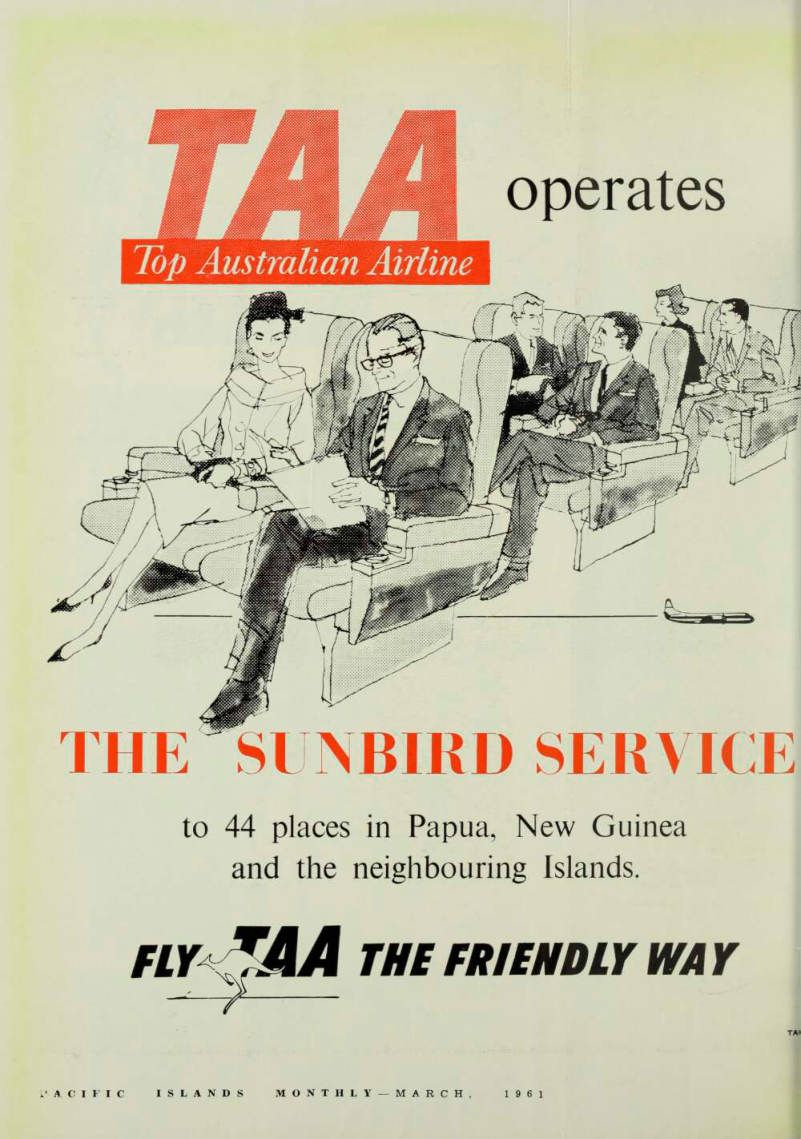 2
2 3
3 4
4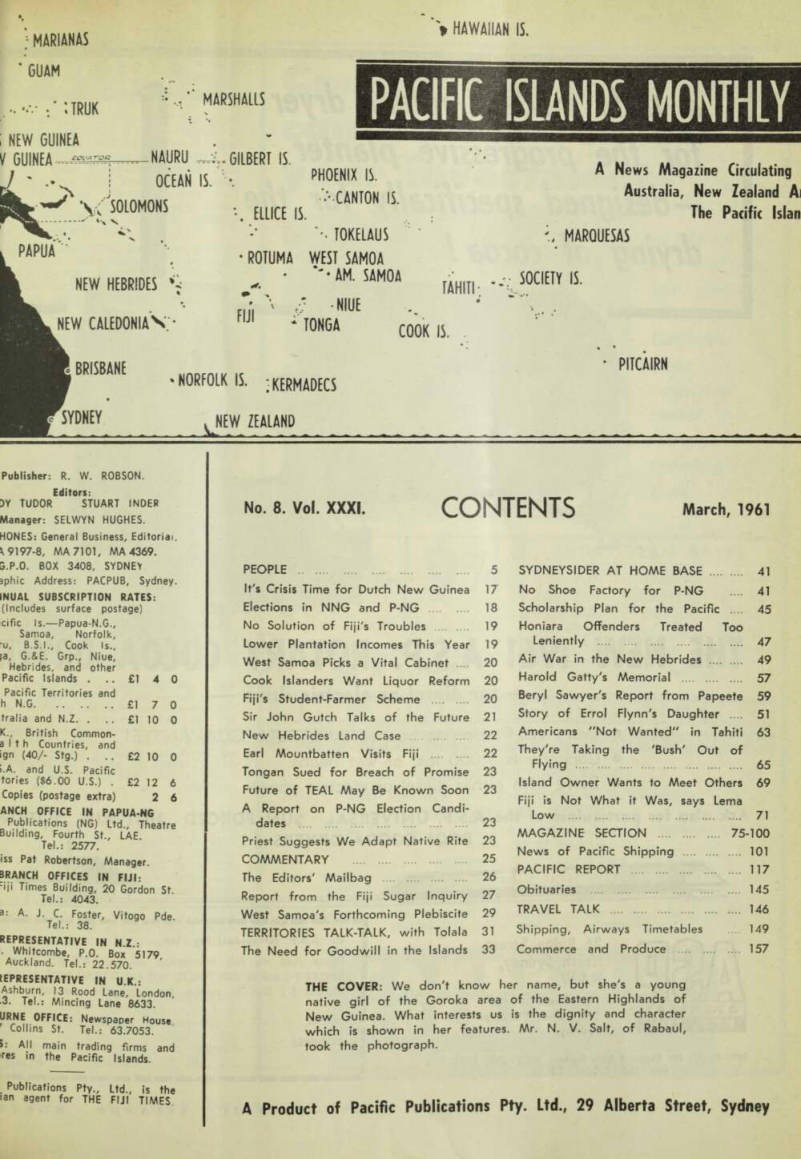 5
5 6
6 7
7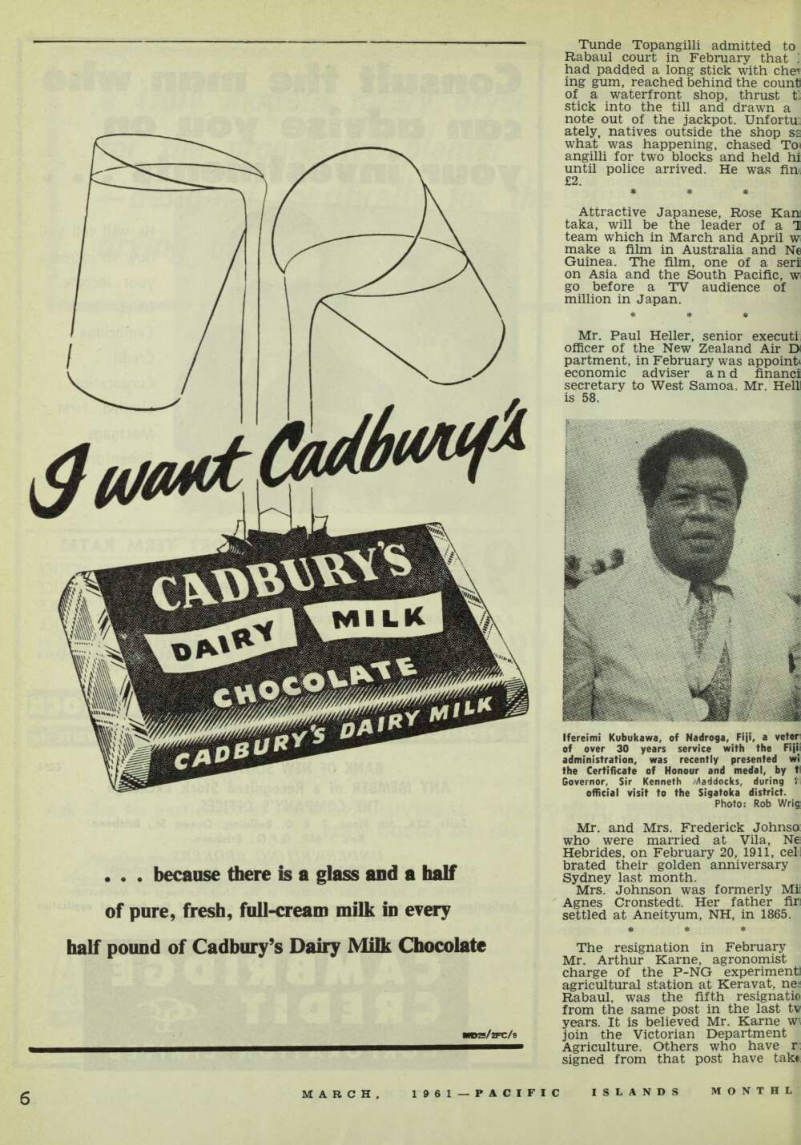 8
8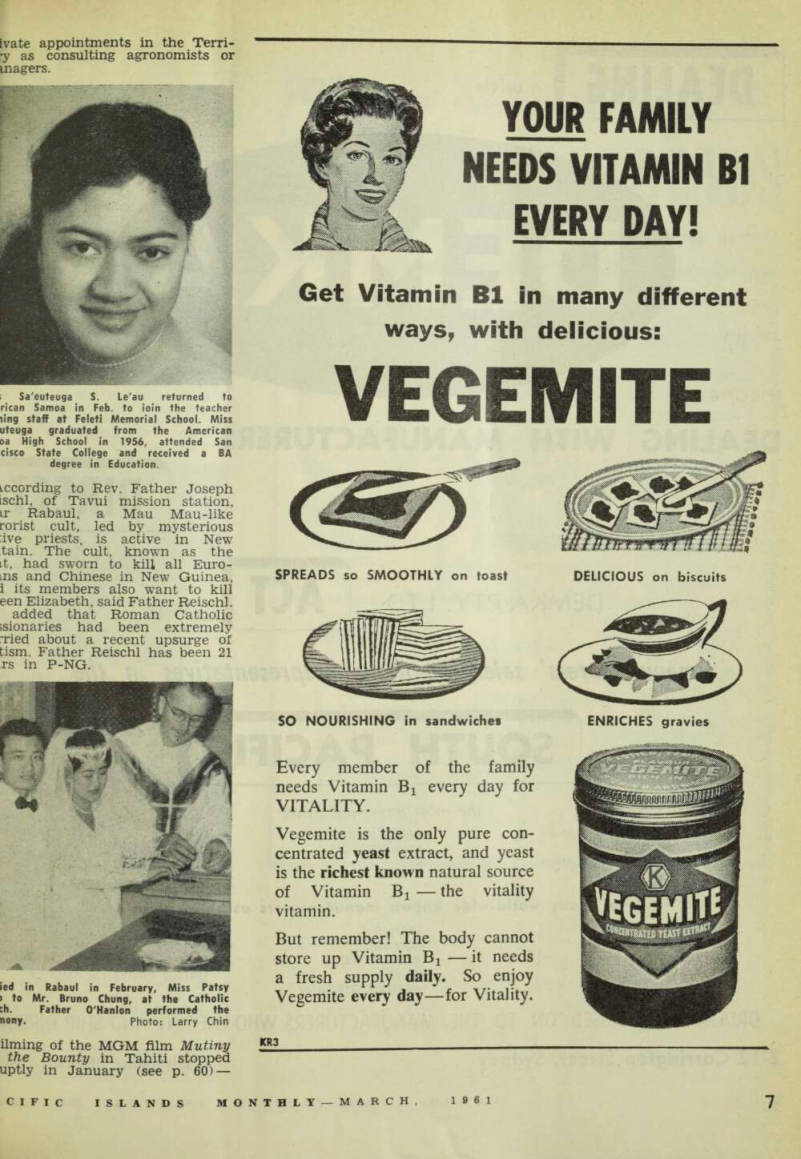 9
9 10
10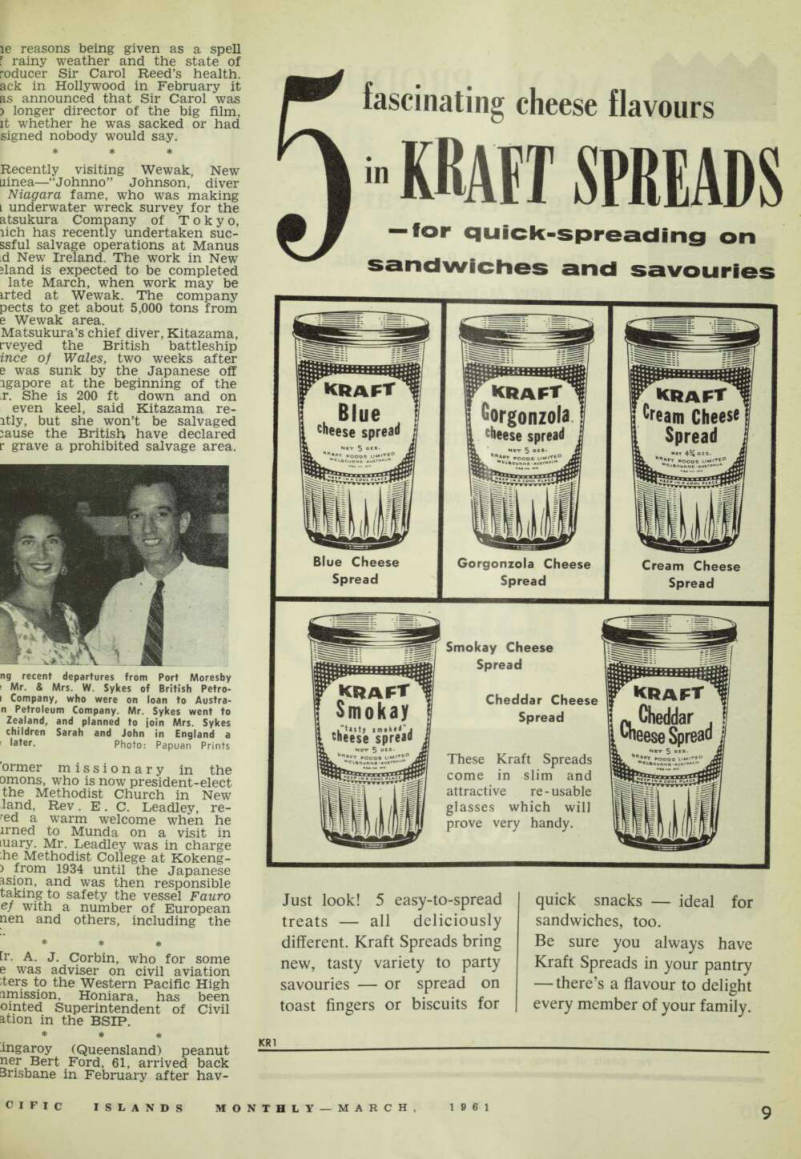 11
11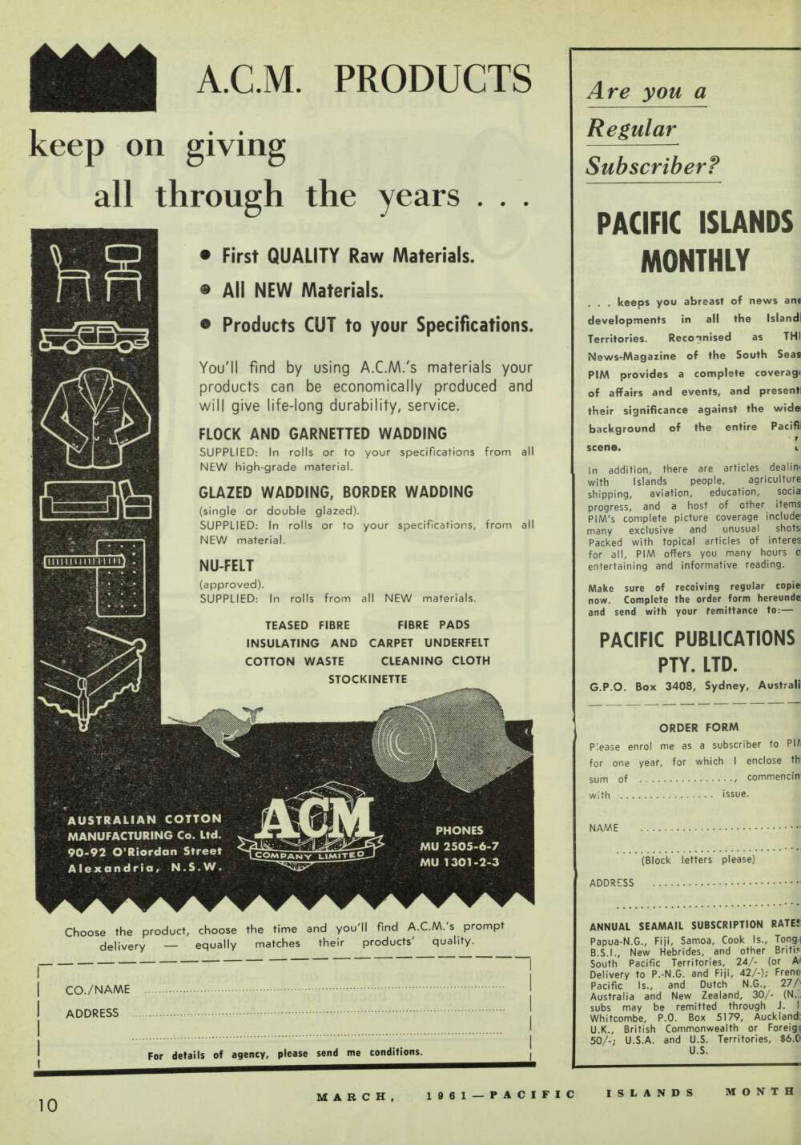 12
12 13
13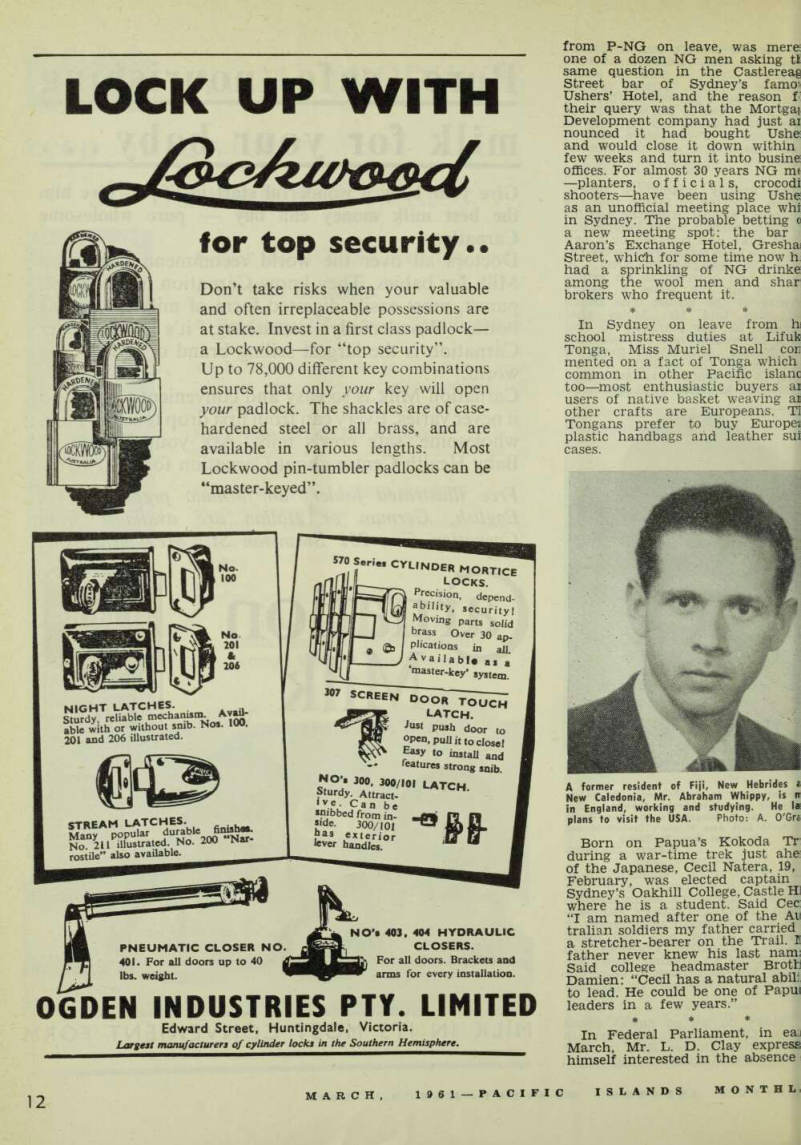 14
14 15
15 16
16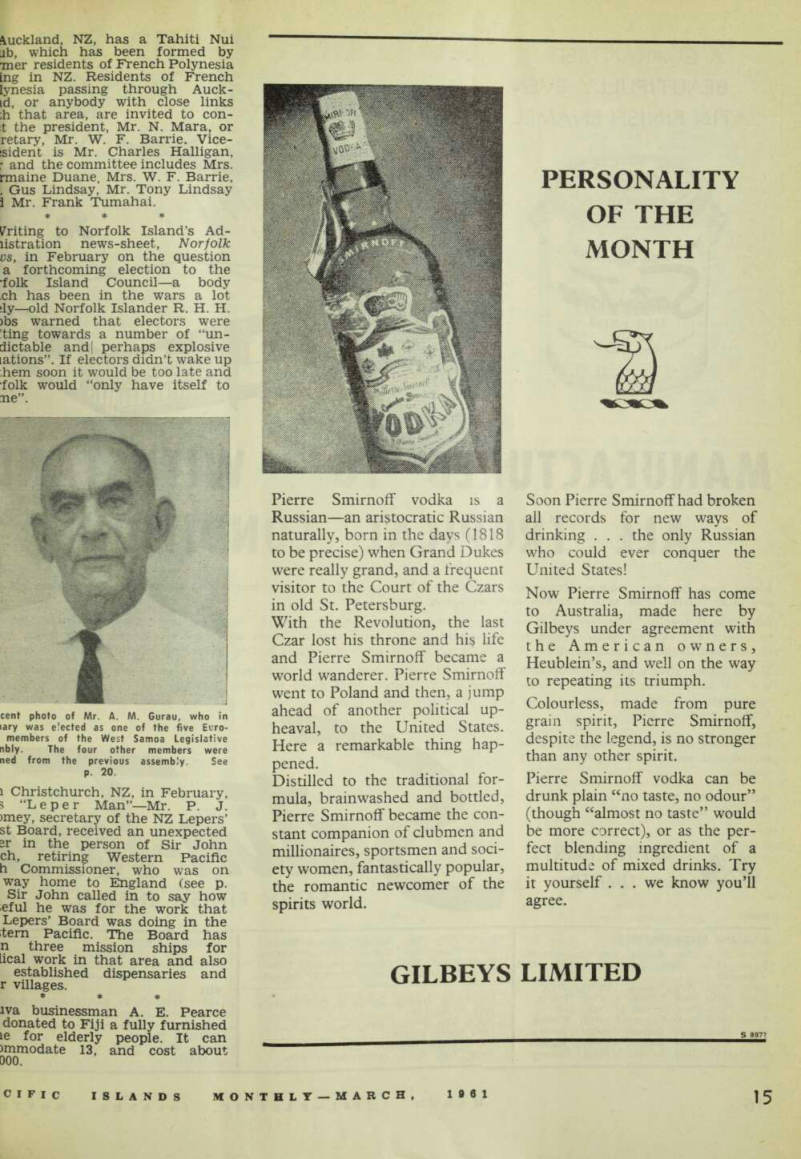 17
17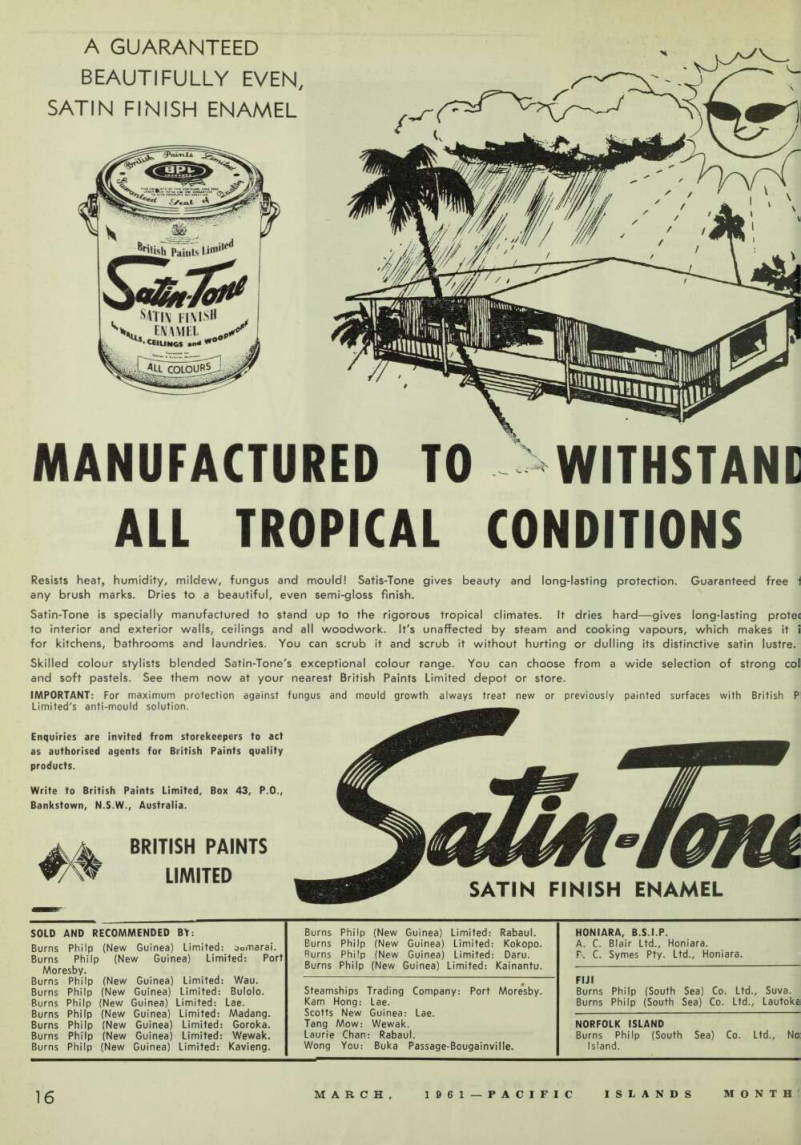 18
18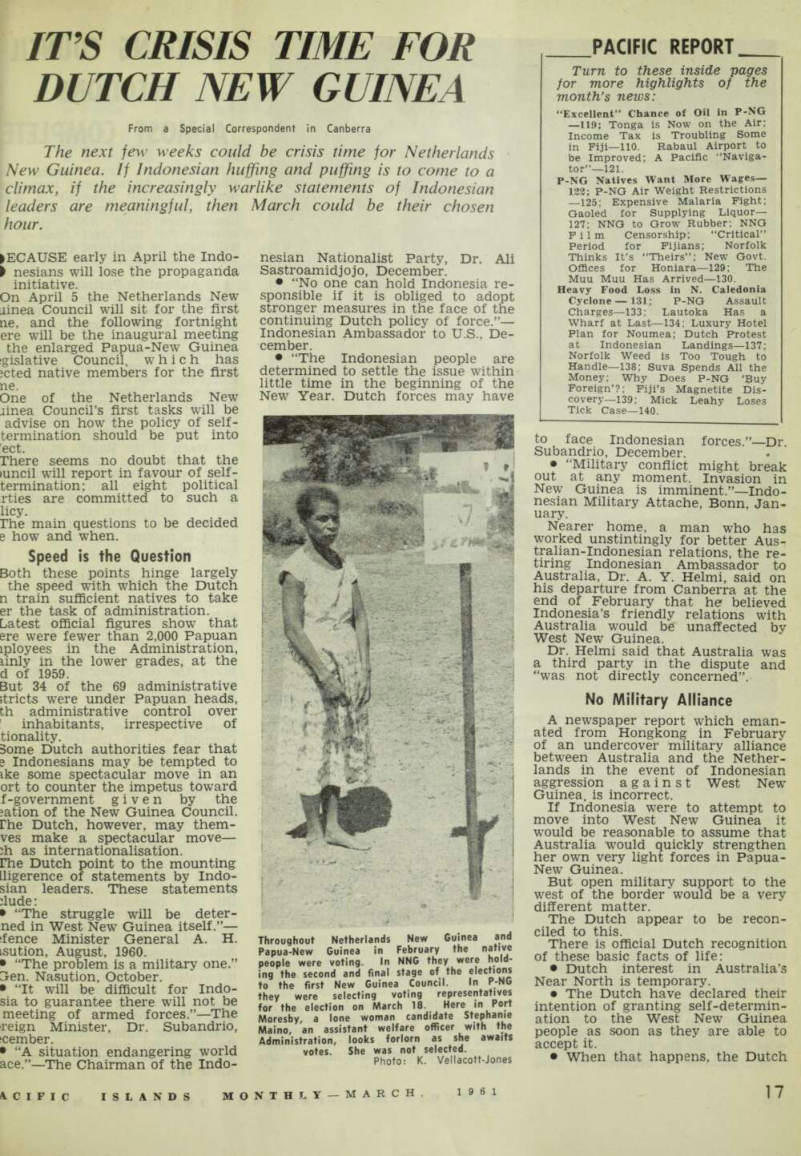 19
19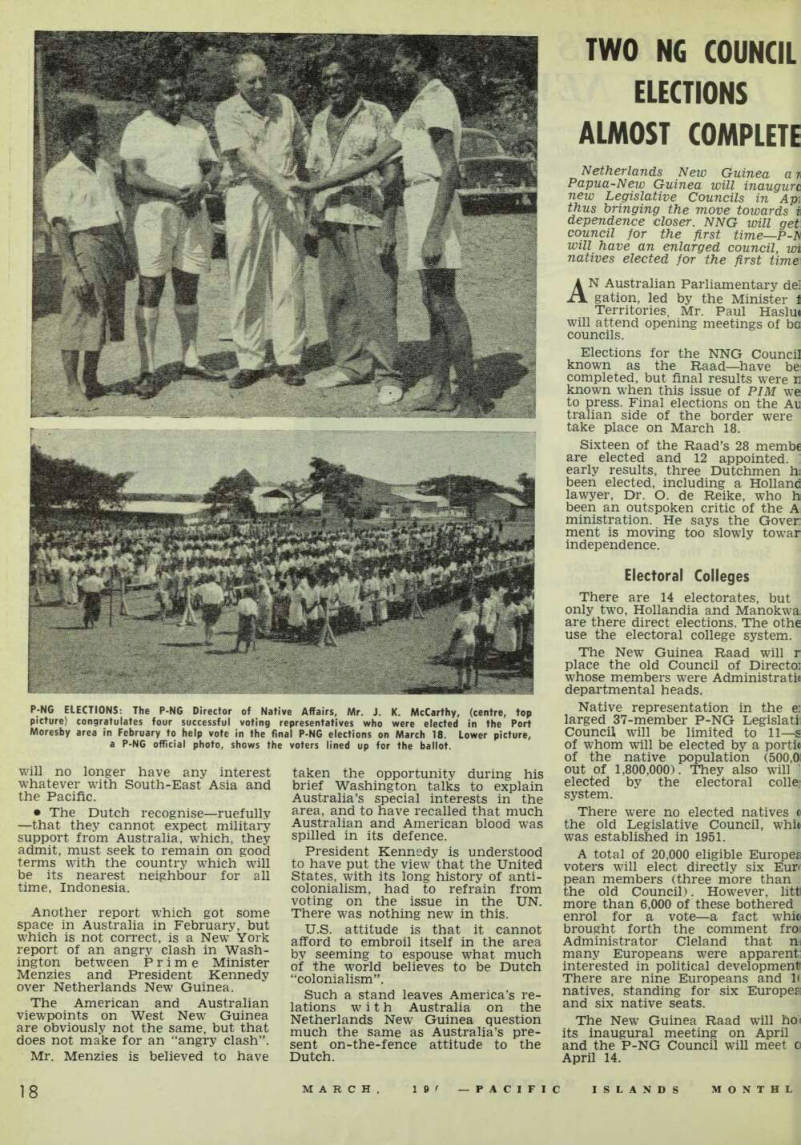 20
20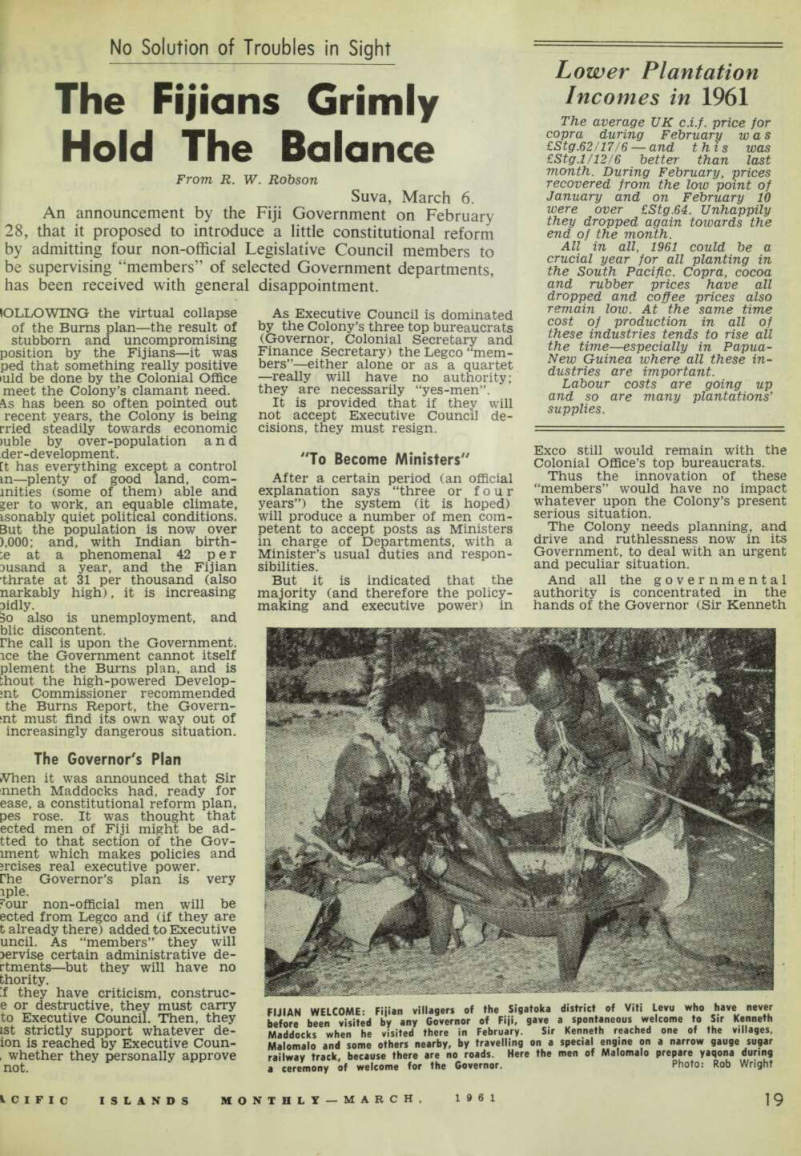 21
21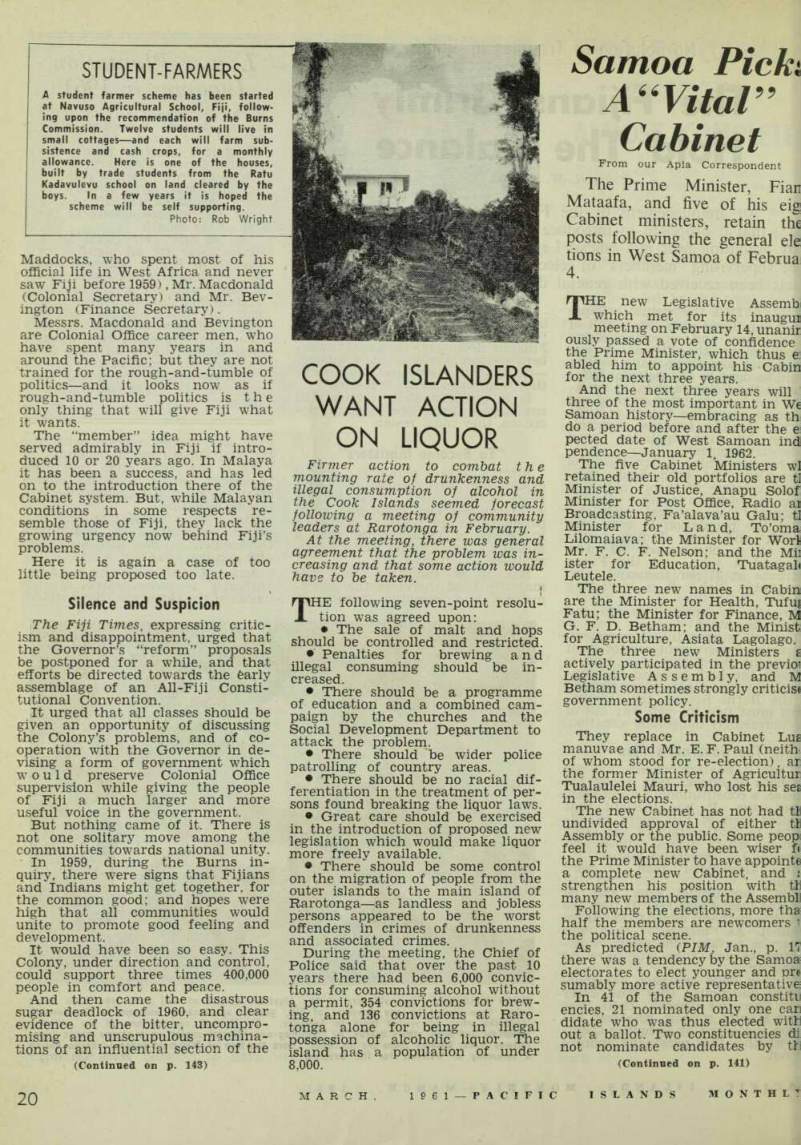 22
22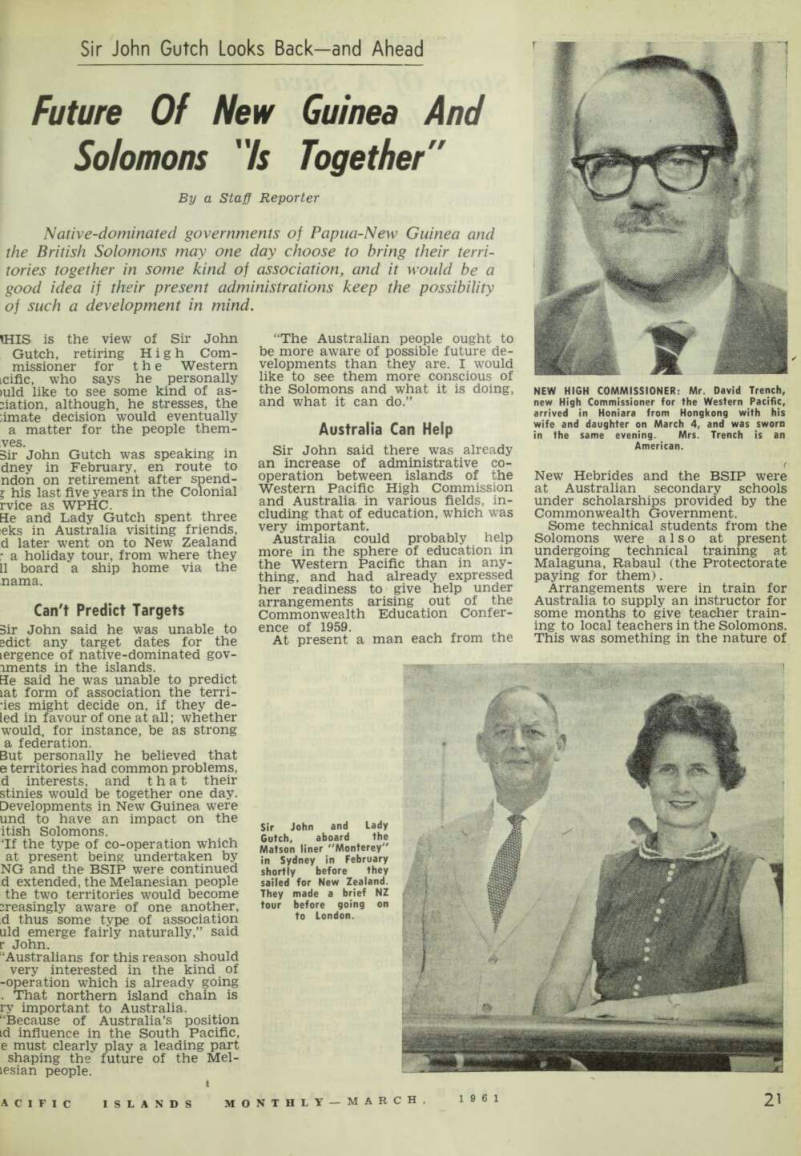 23
23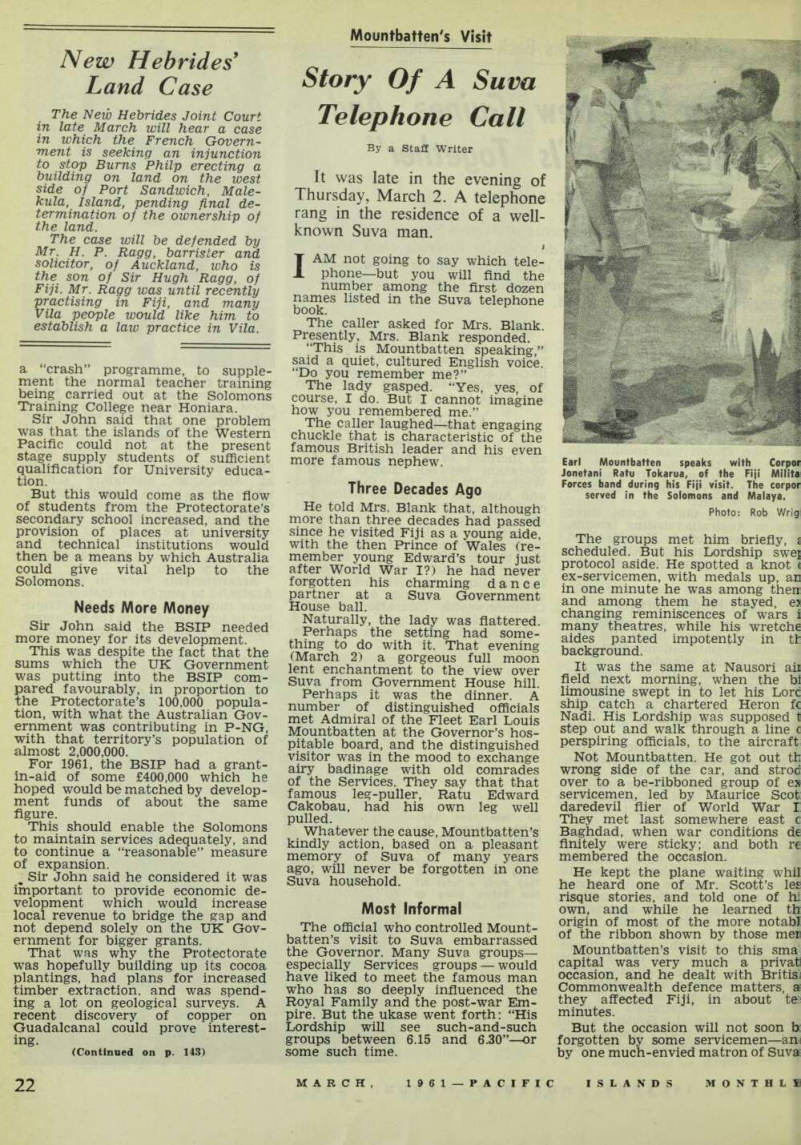 24
24 25
25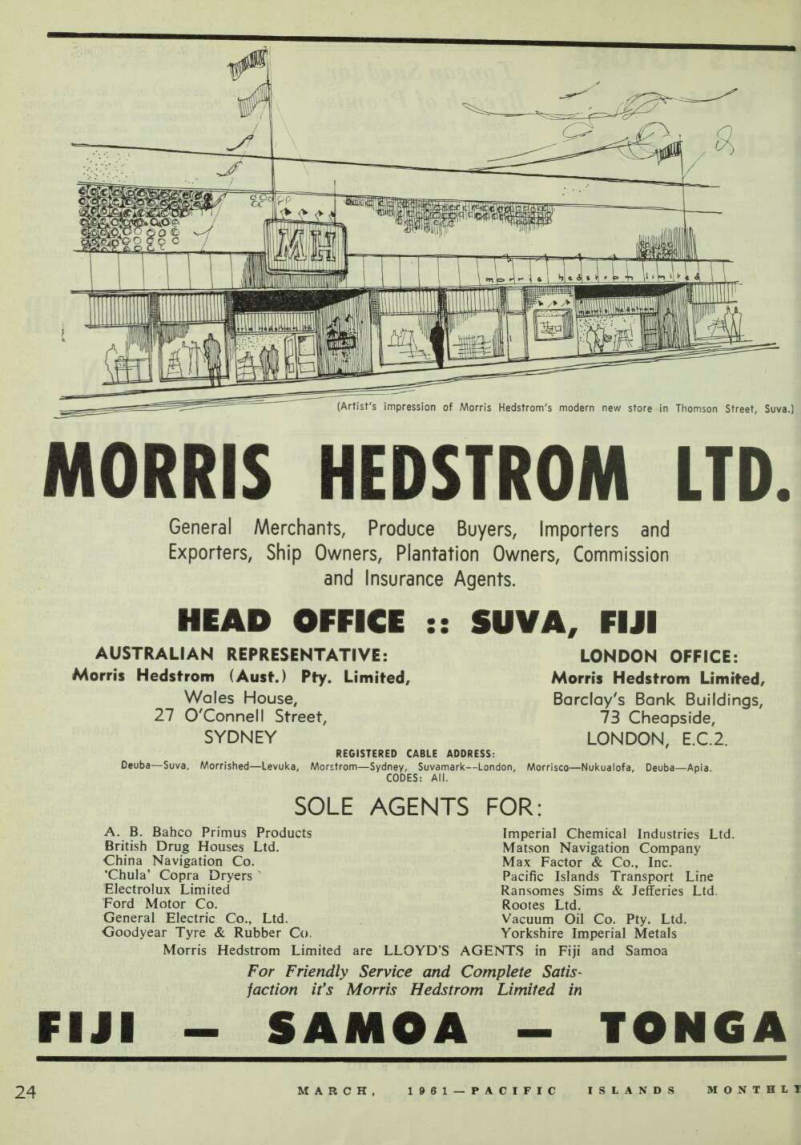 26
26 27
27 28
28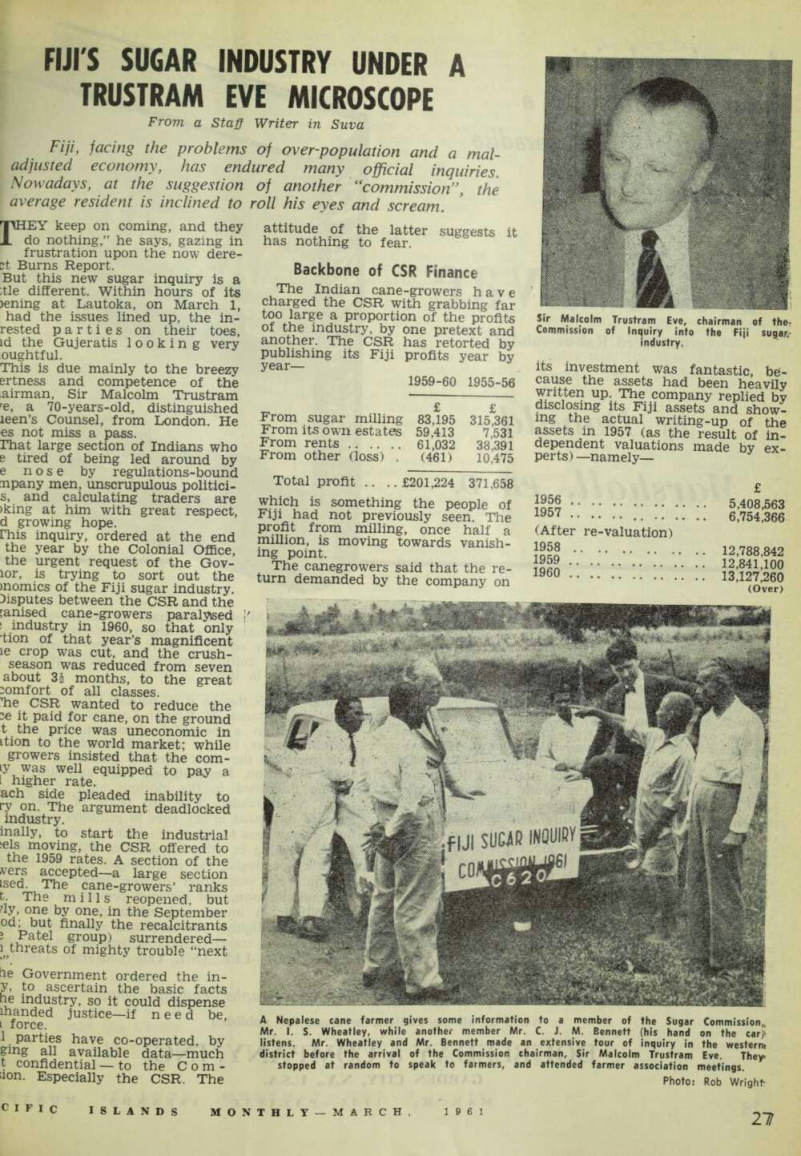 29
29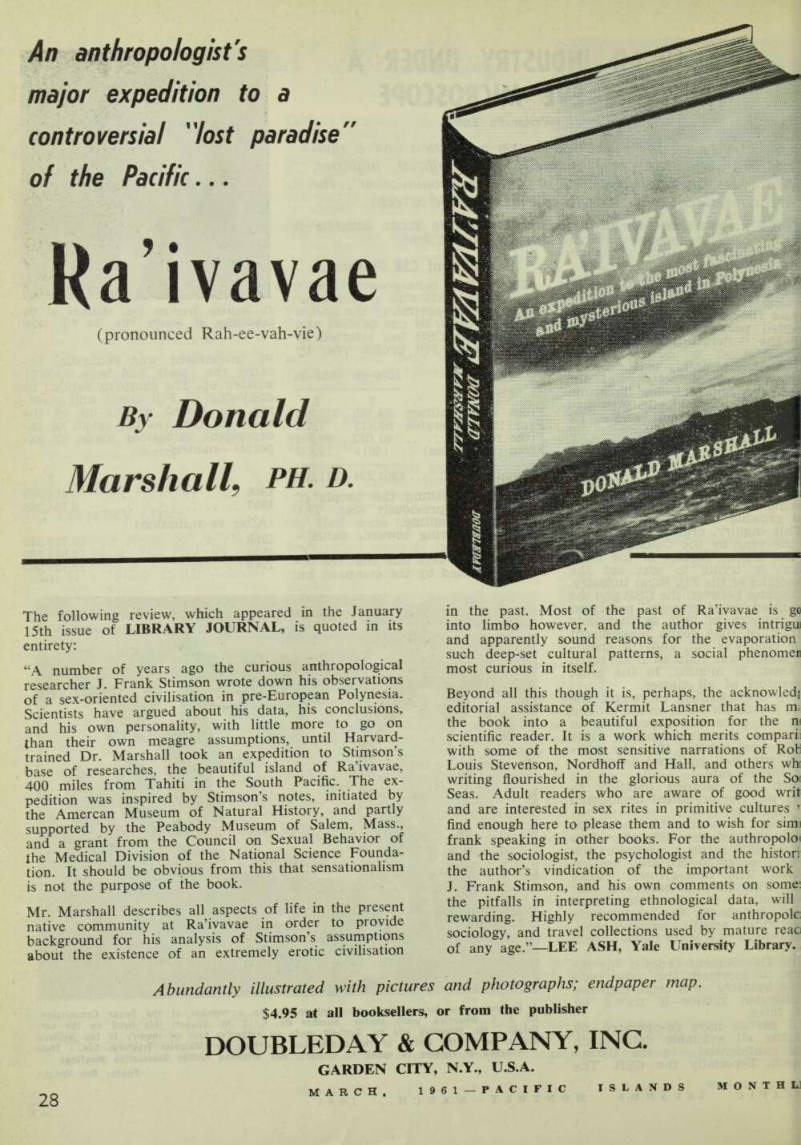 30
30 31
31 32
32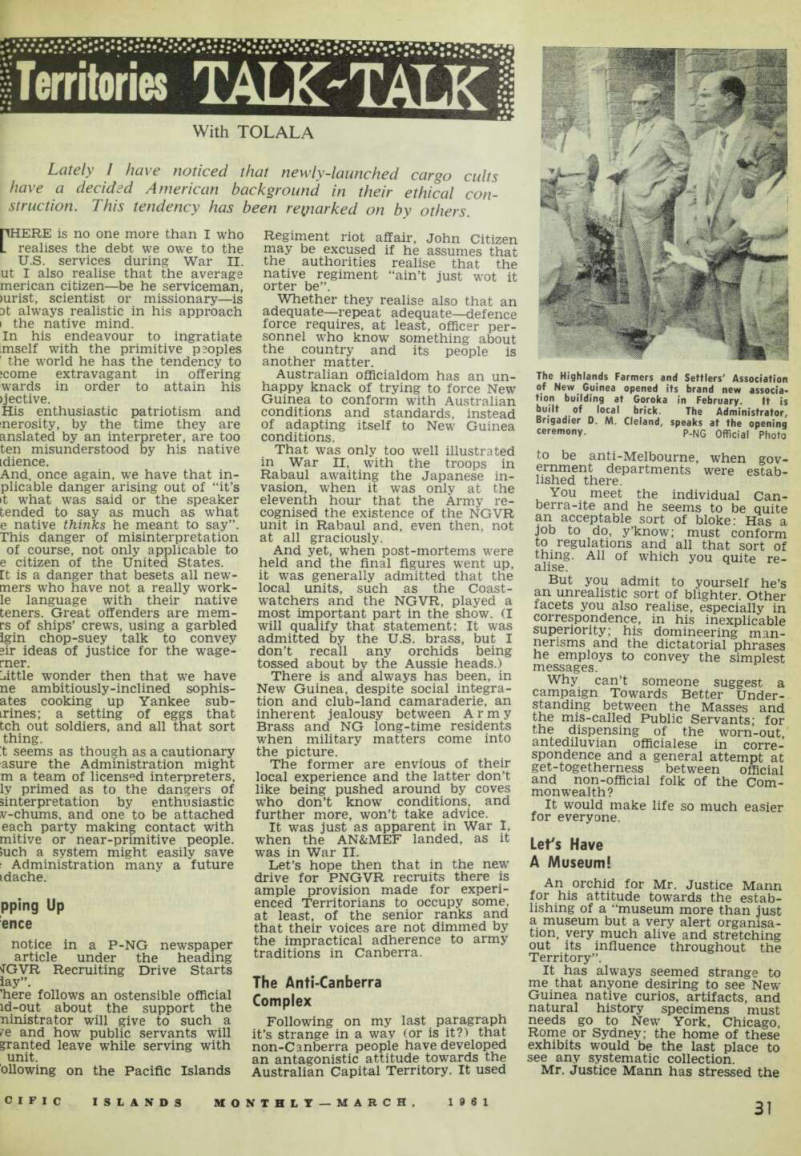 33
33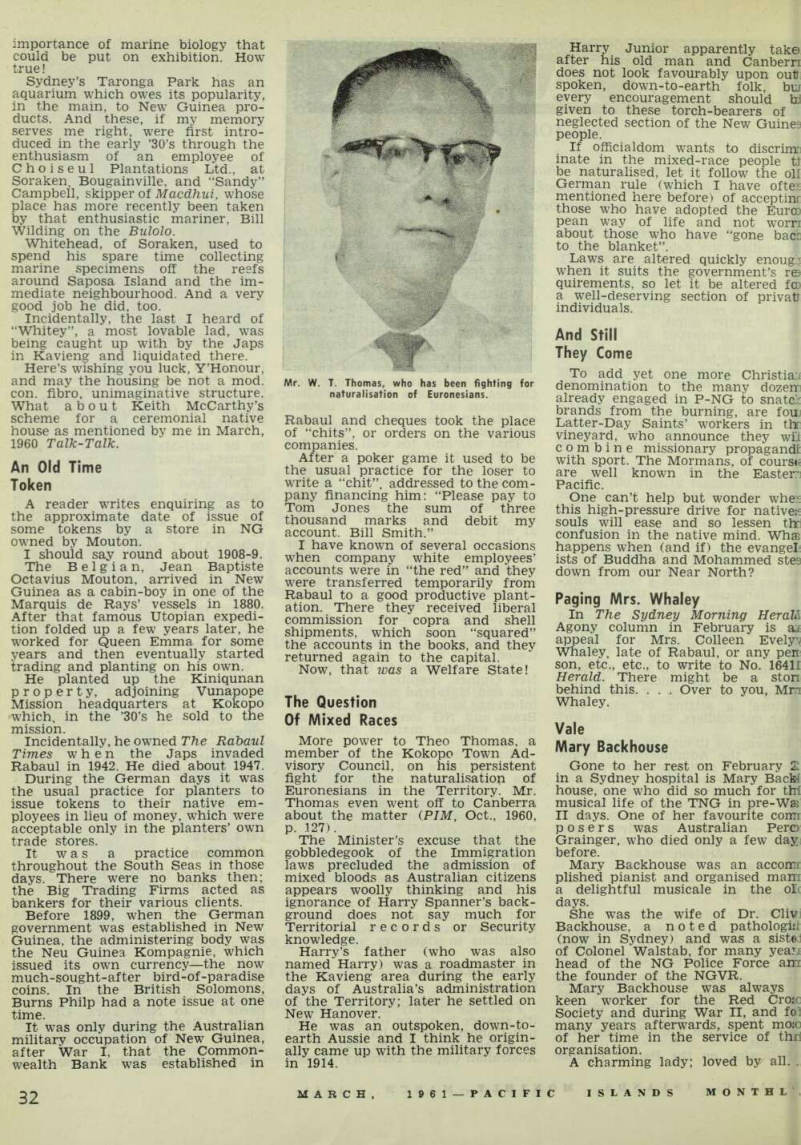 34
34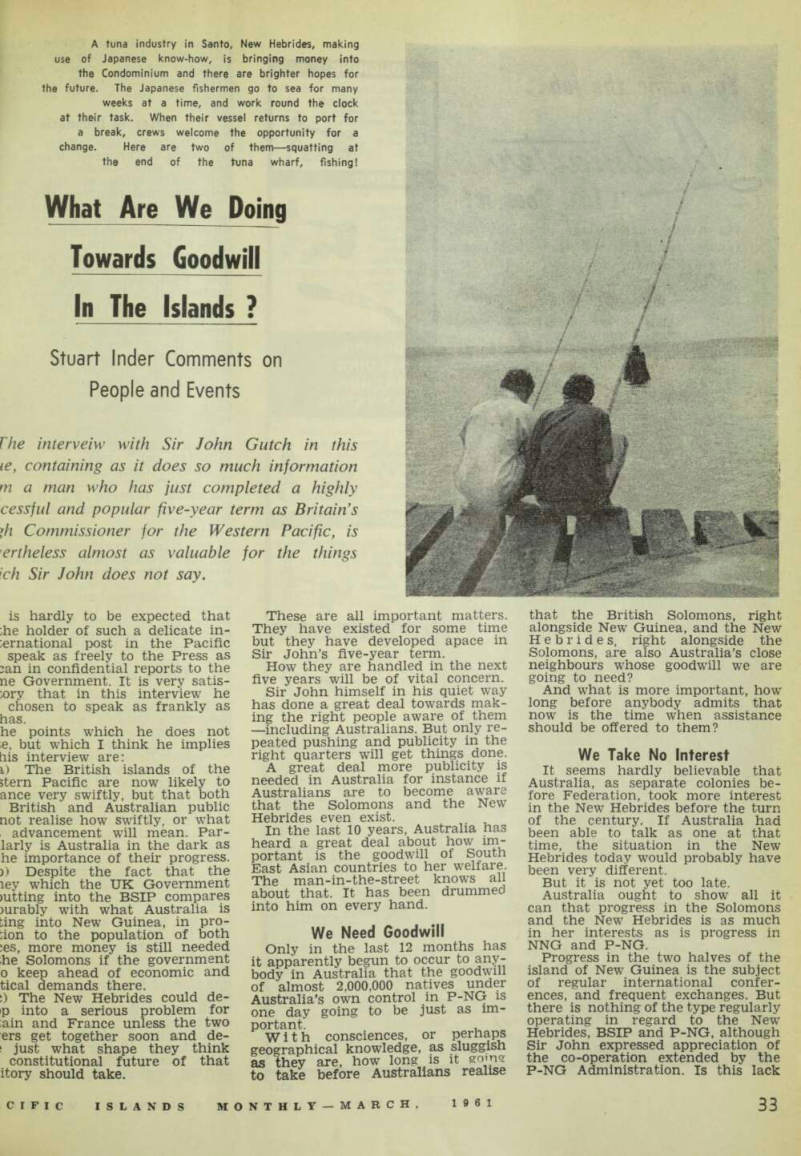 35
35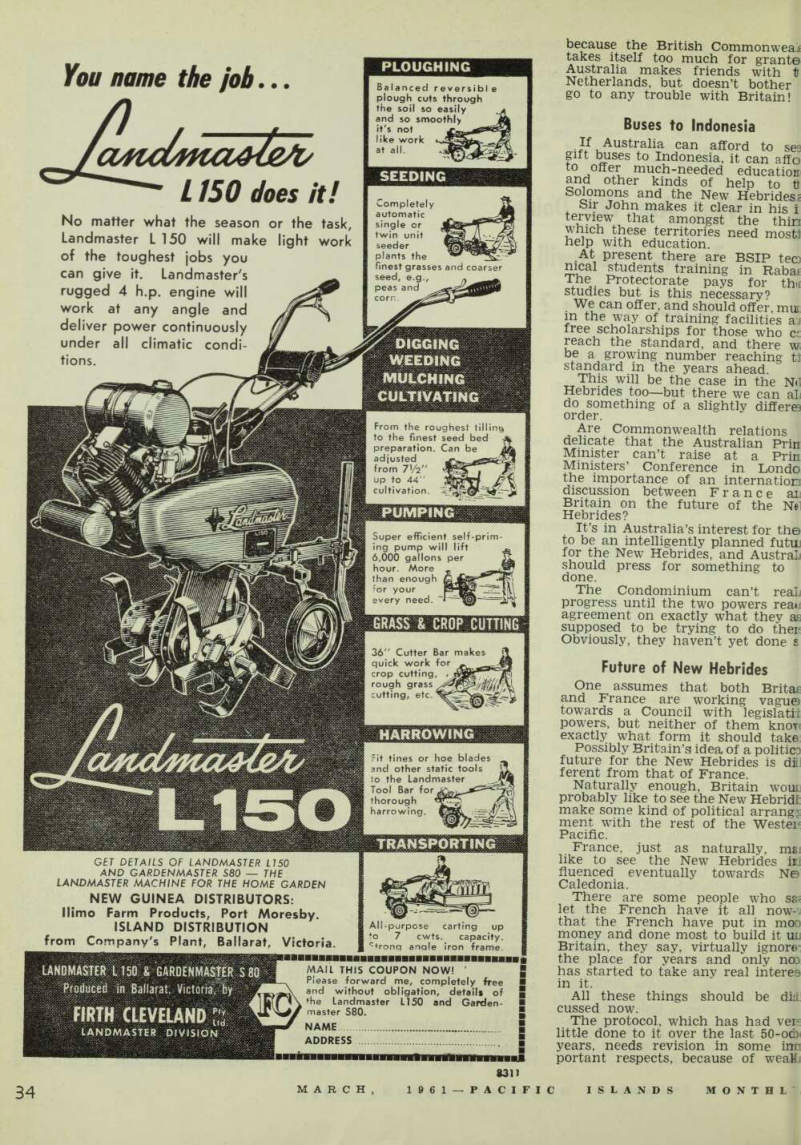 36
36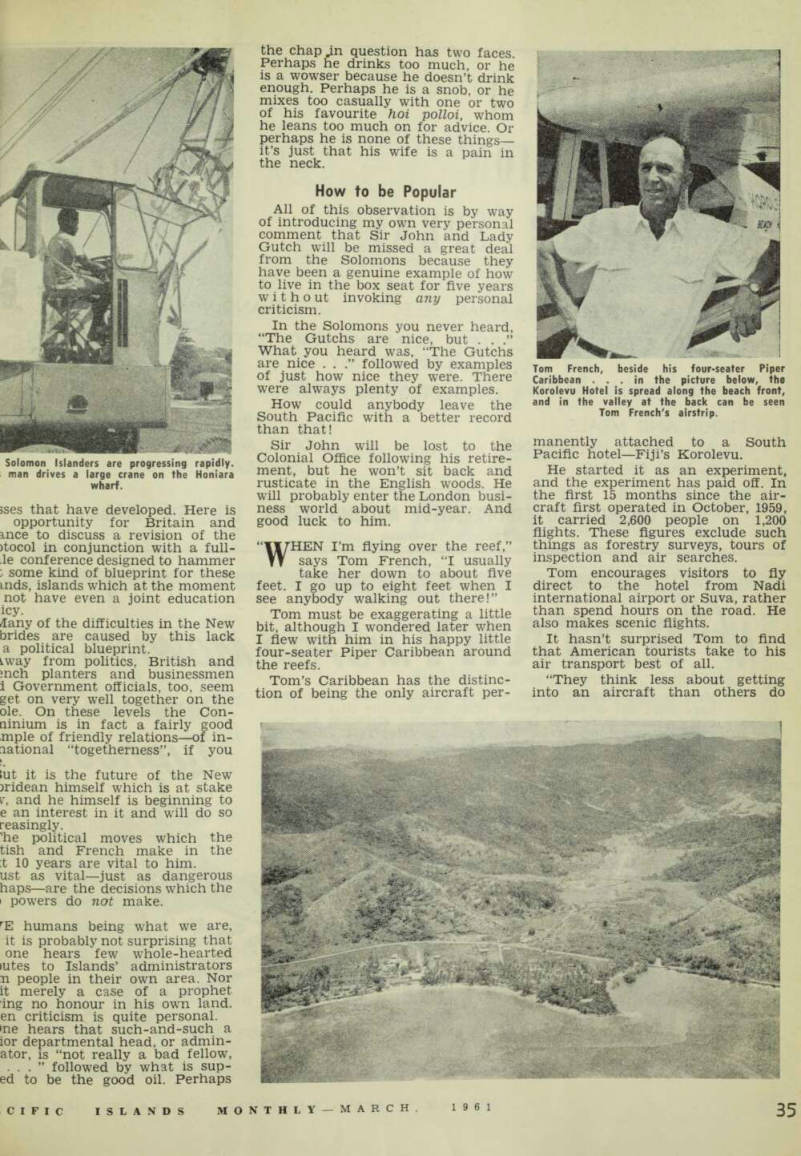 37
37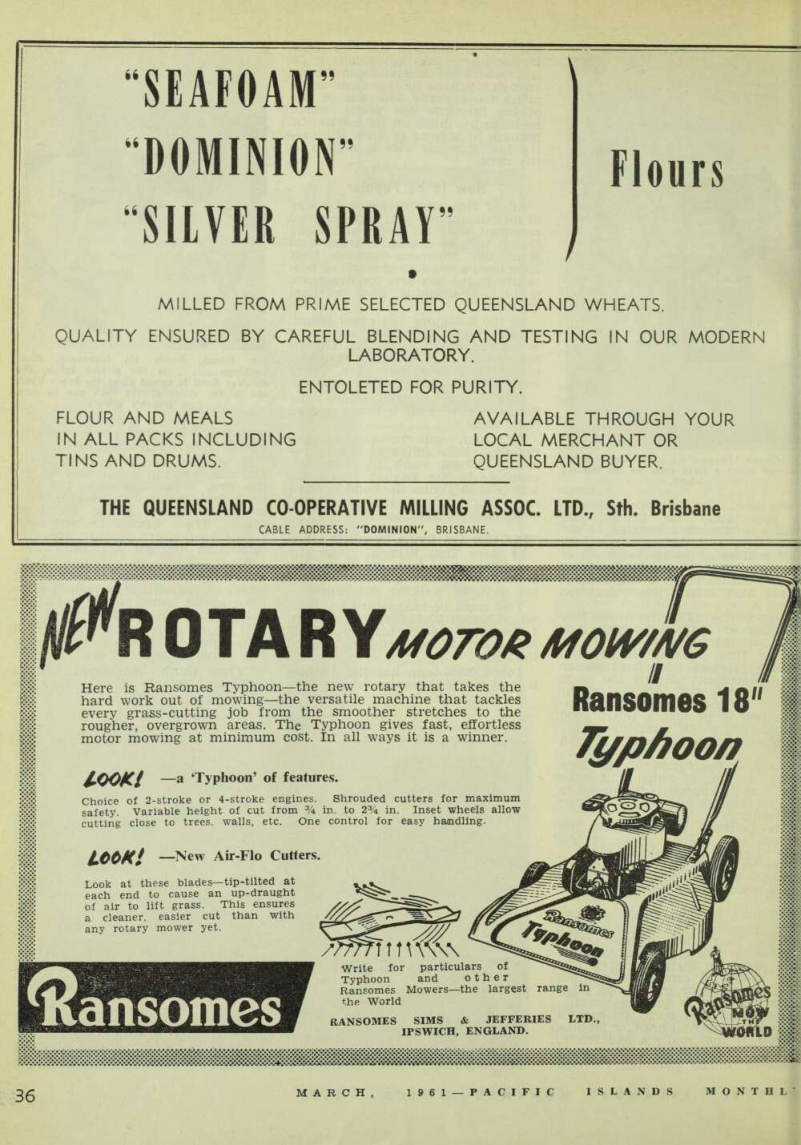 38
38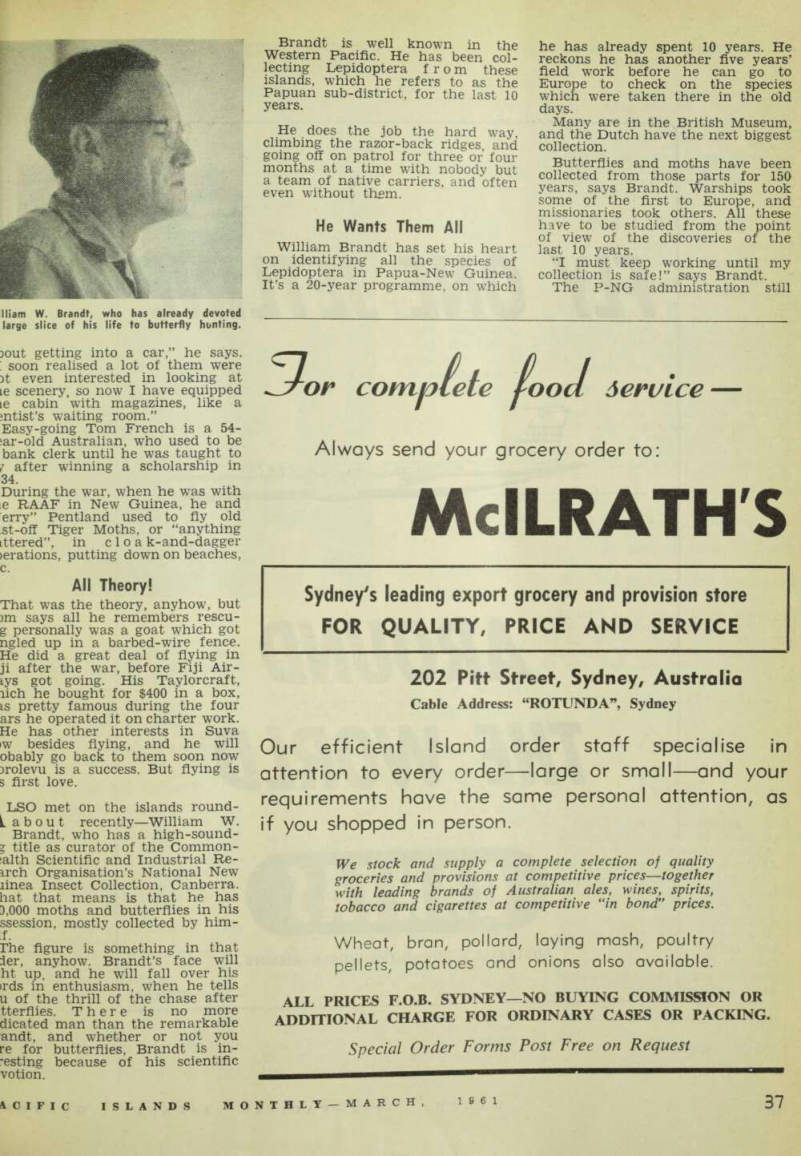 39
39 40
40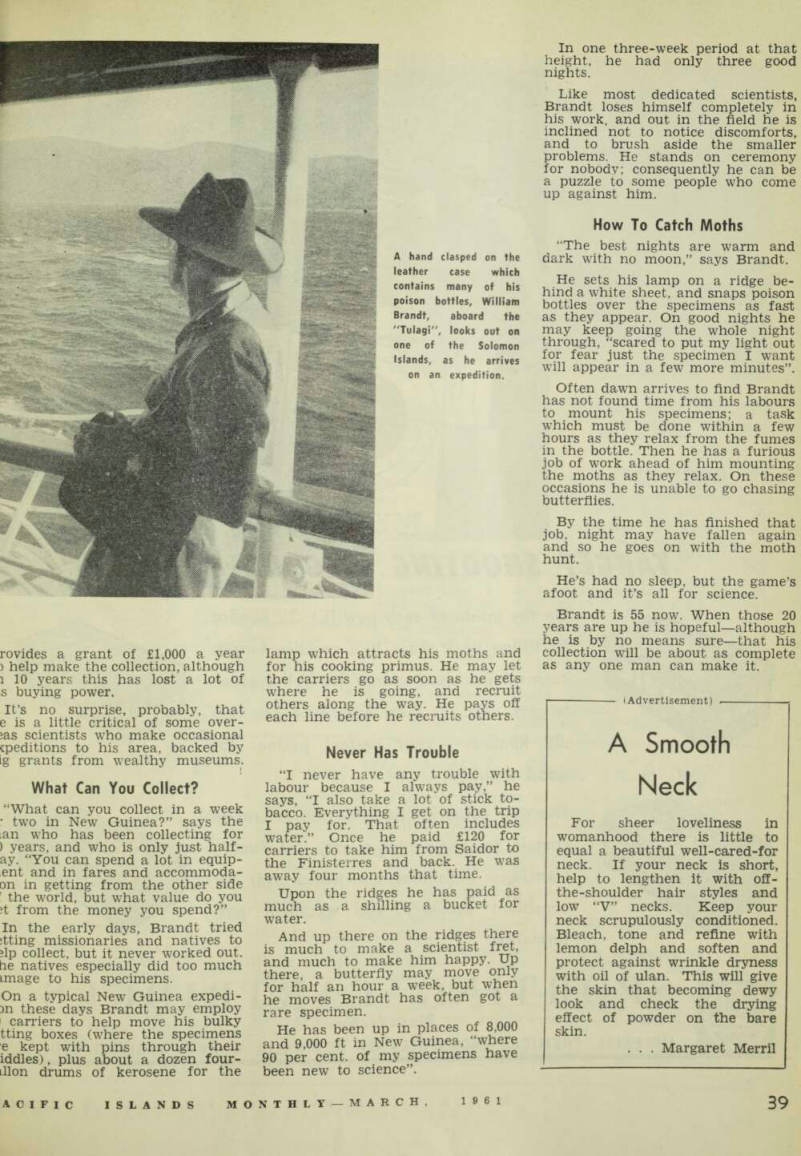 41
41 42
42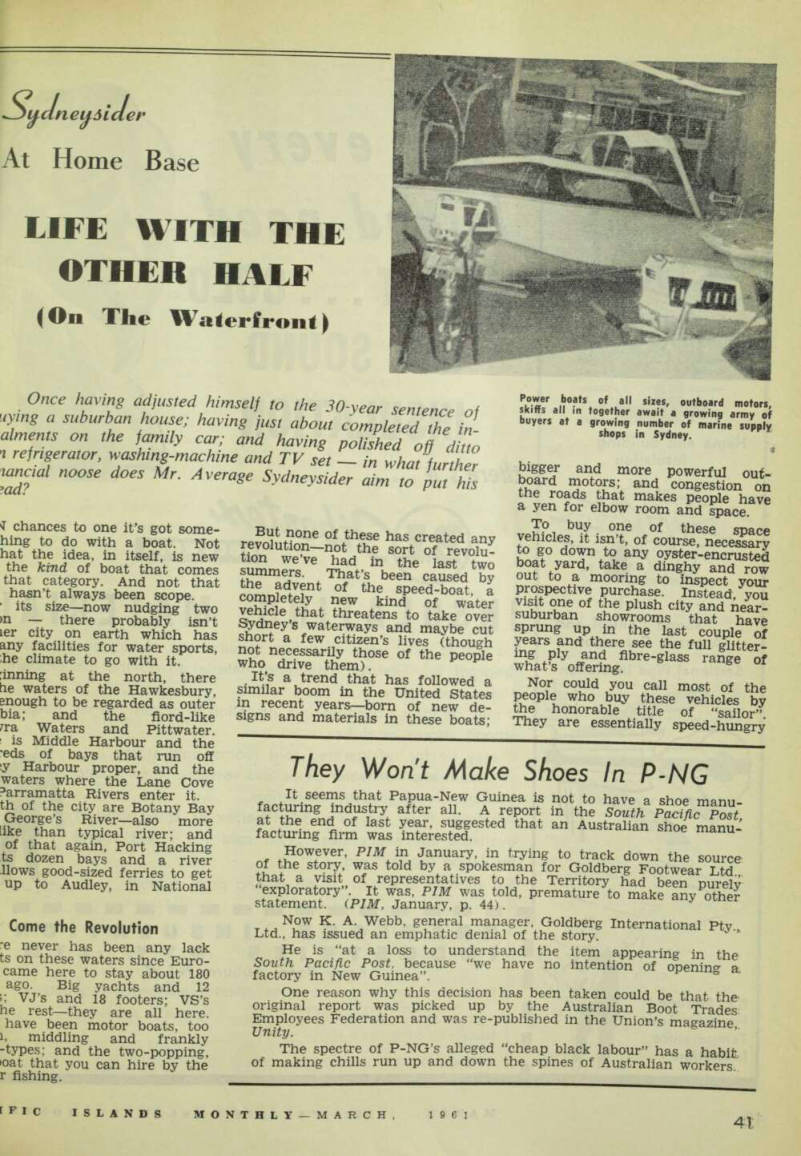 43
43 44
44 45
45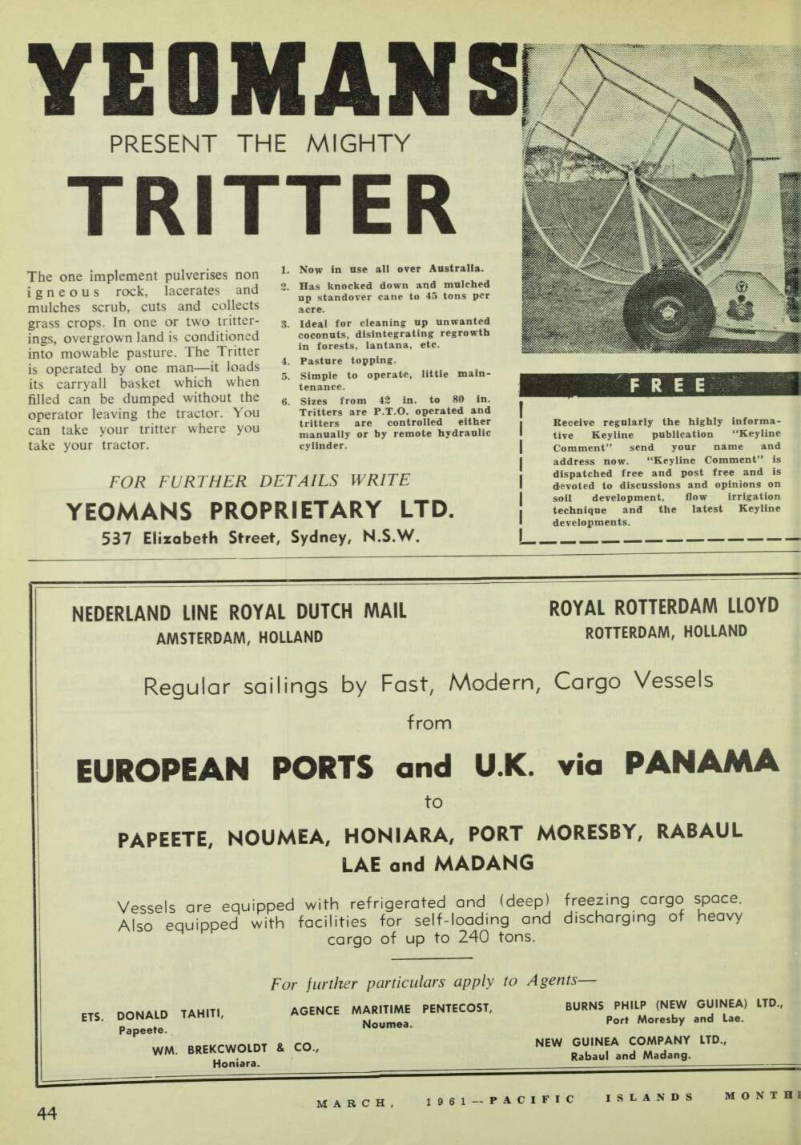 46
46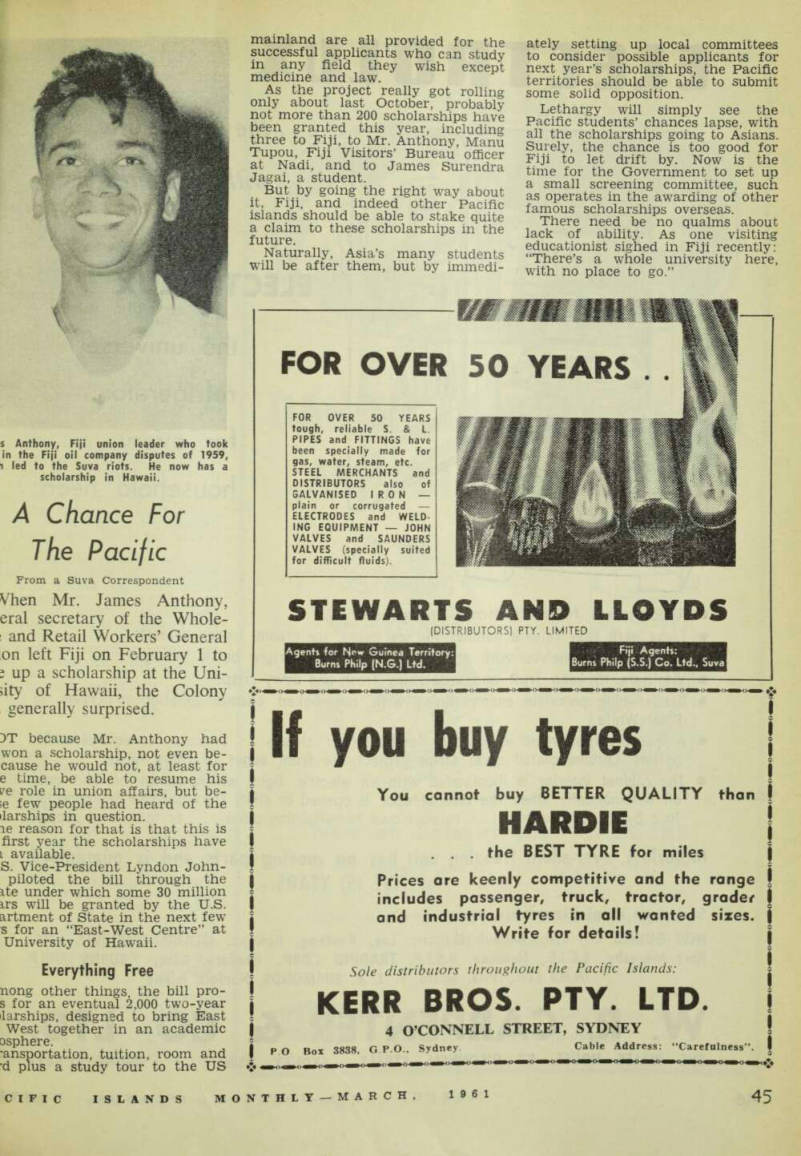 47
47 48
48 49
49 50
50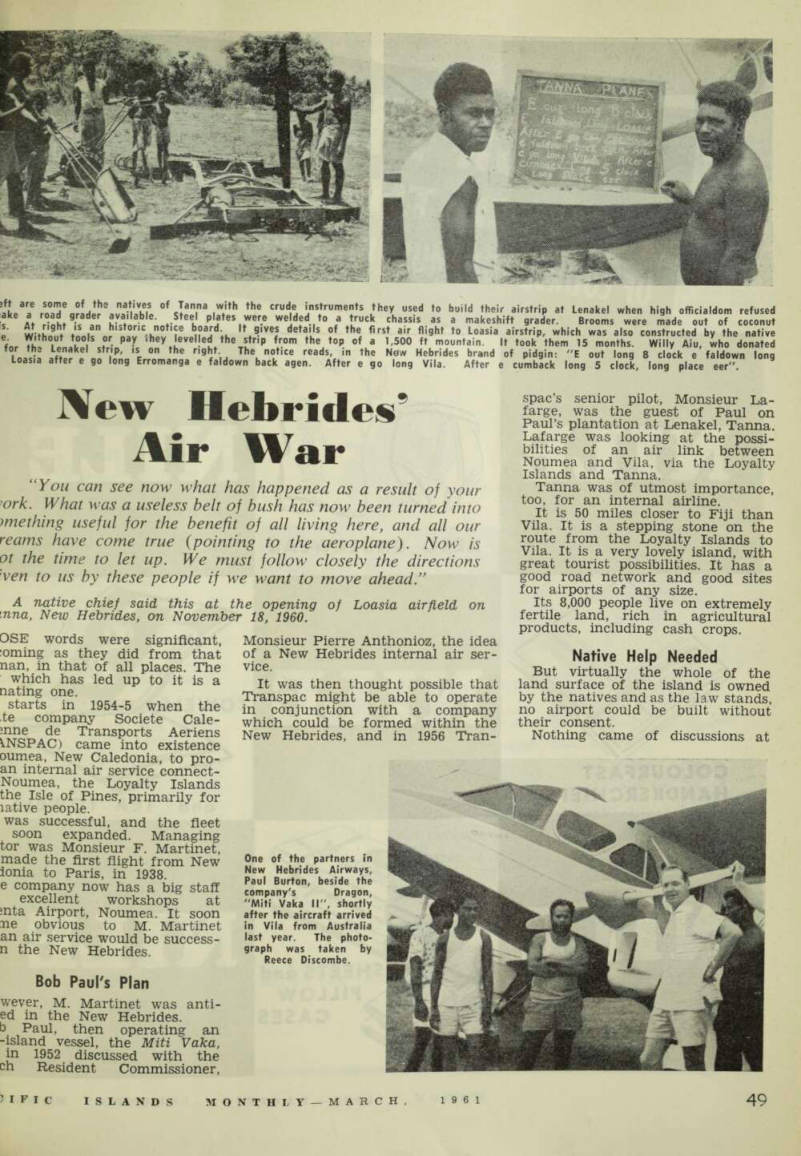 51
51 52
52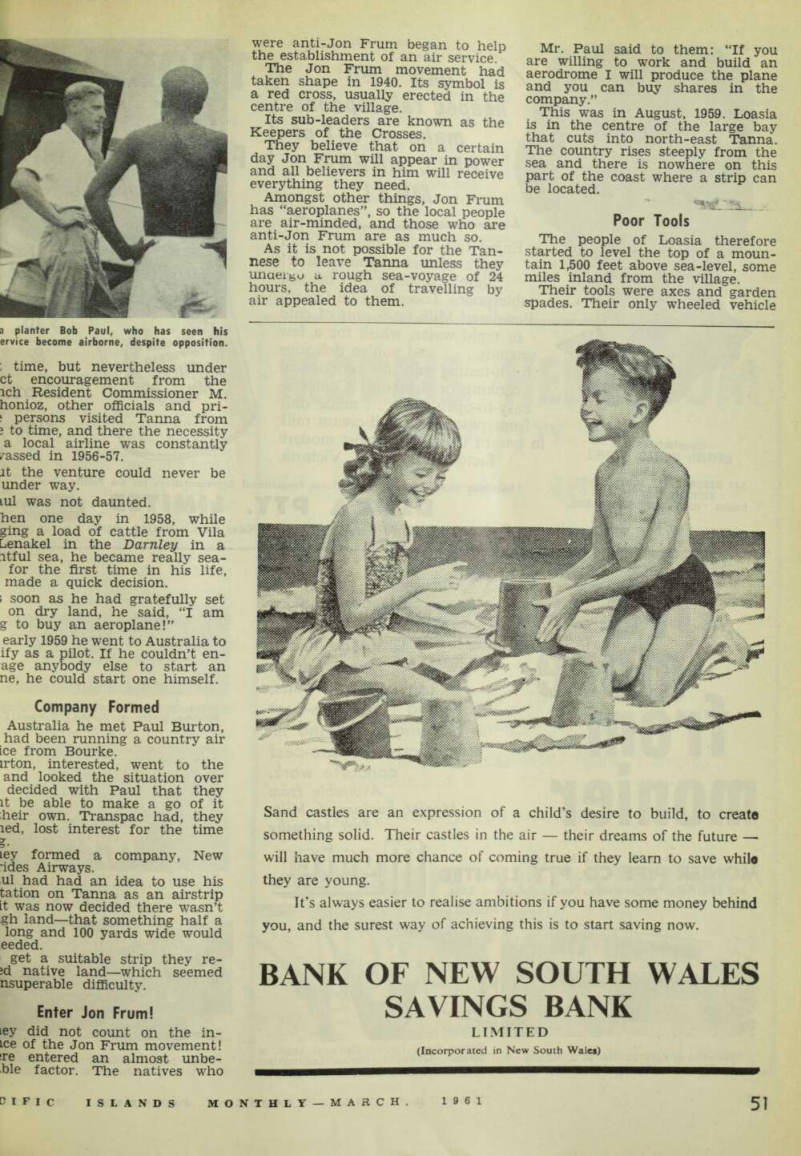 53
53 54
54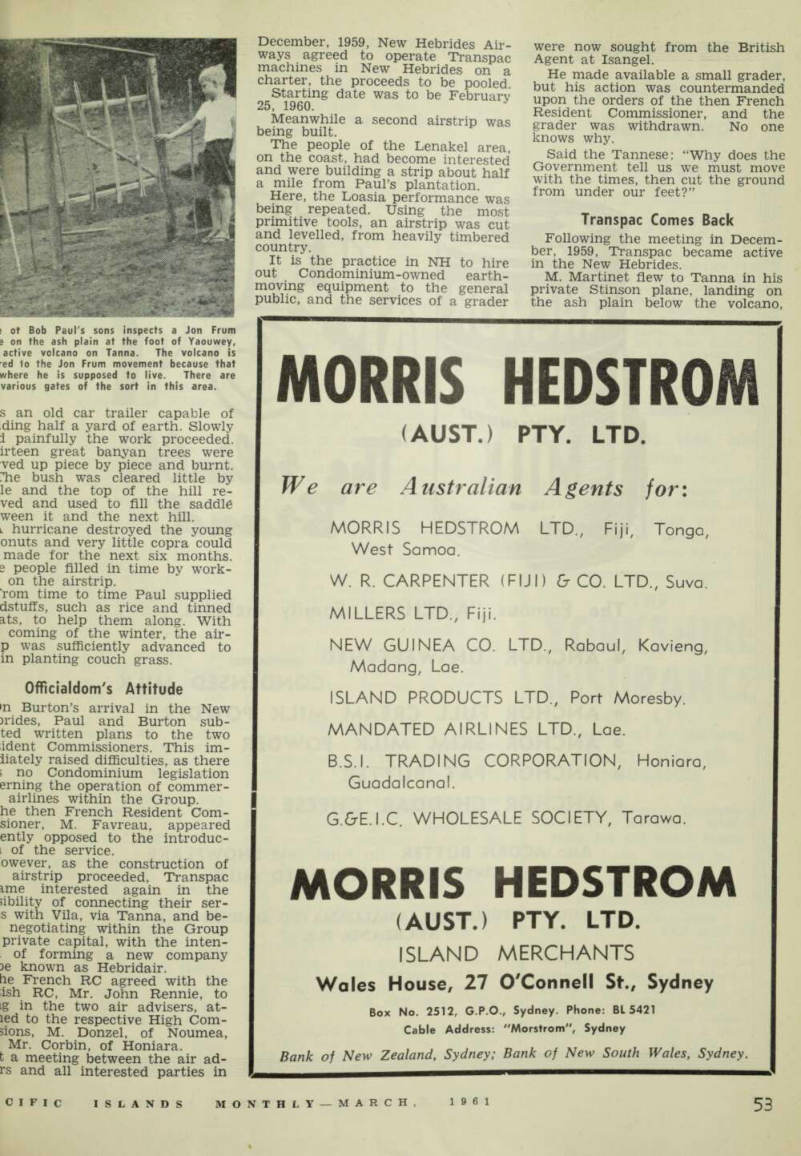 55
55 56
56 57
57 58
58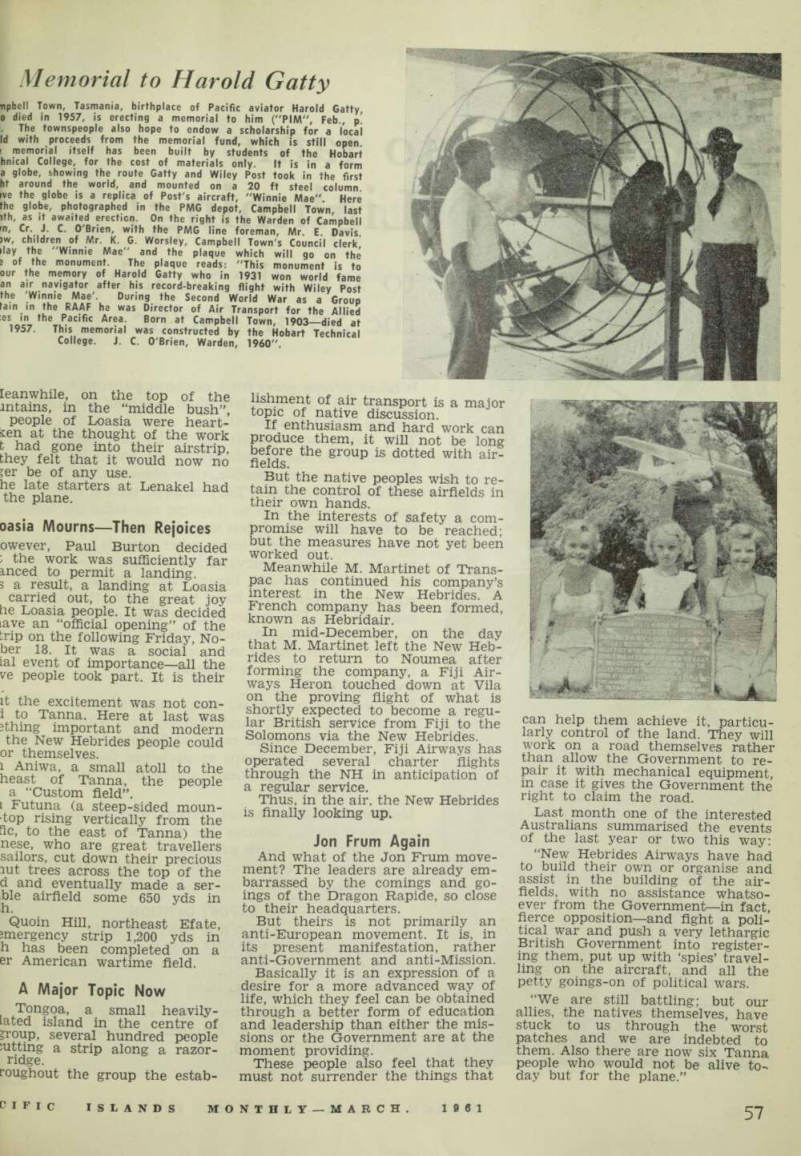 59
59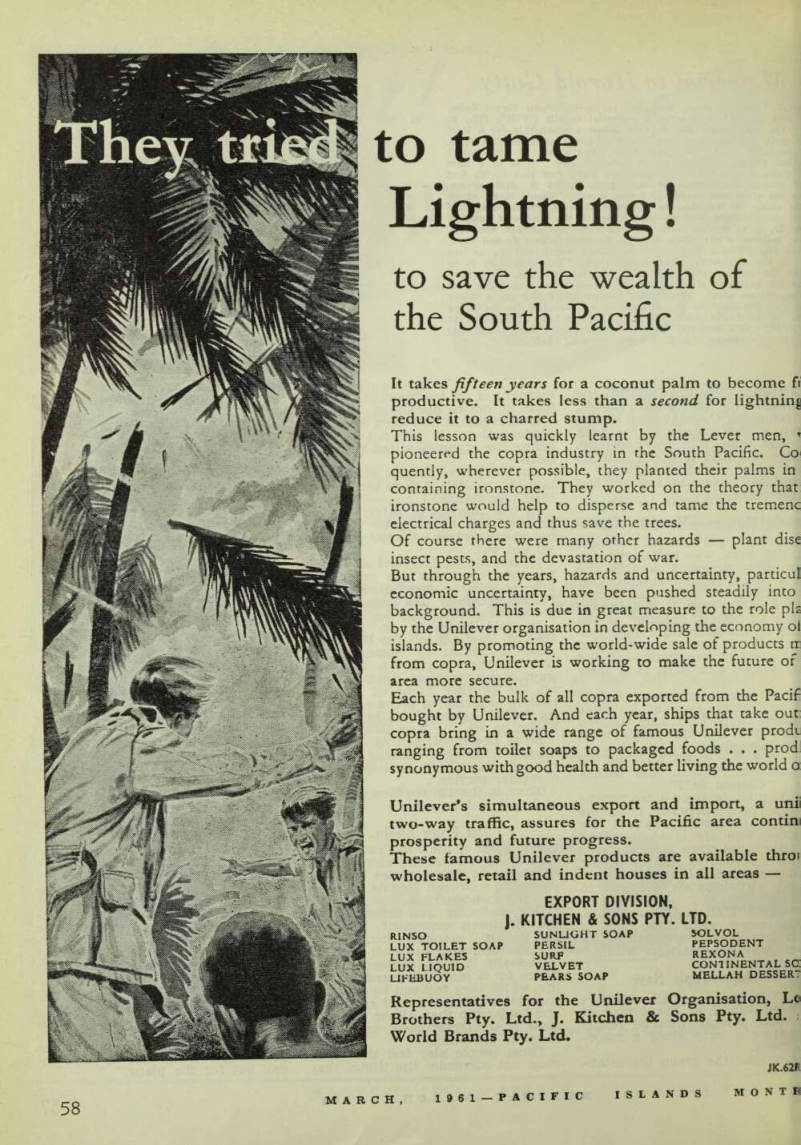 60
60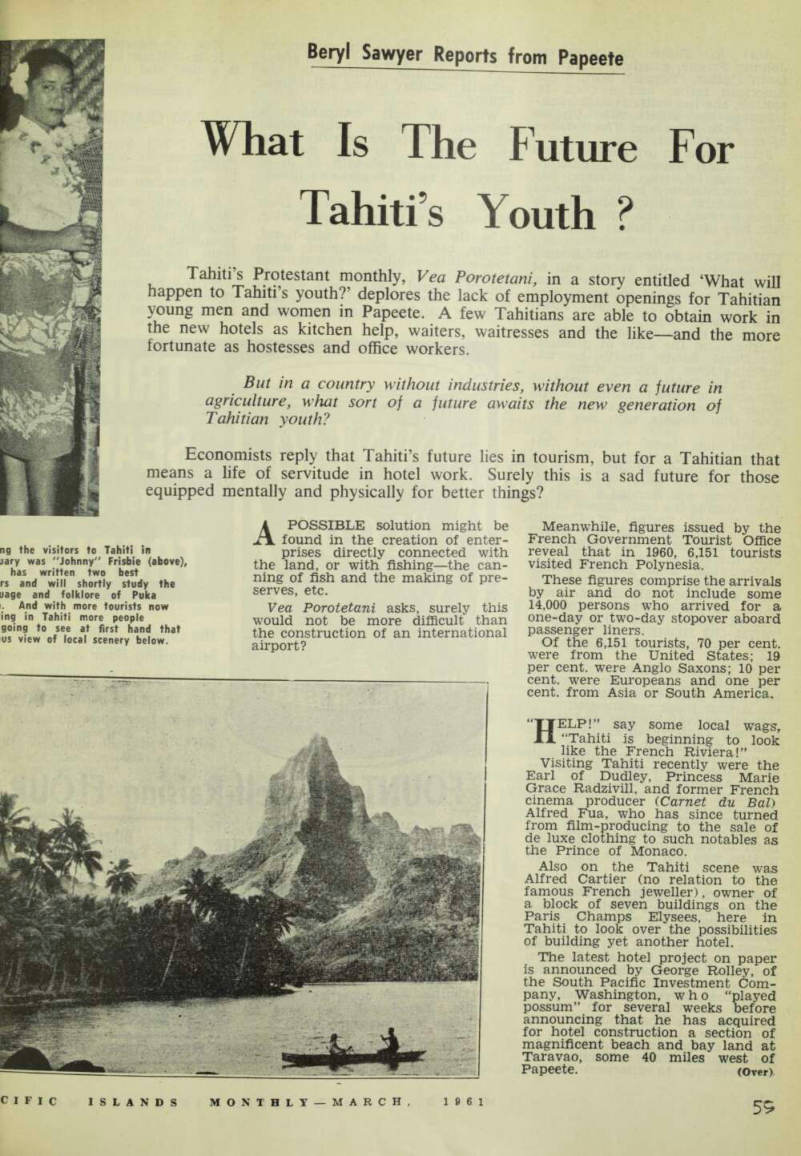 61
61 62
62 63
63 64
64 65
65 66
66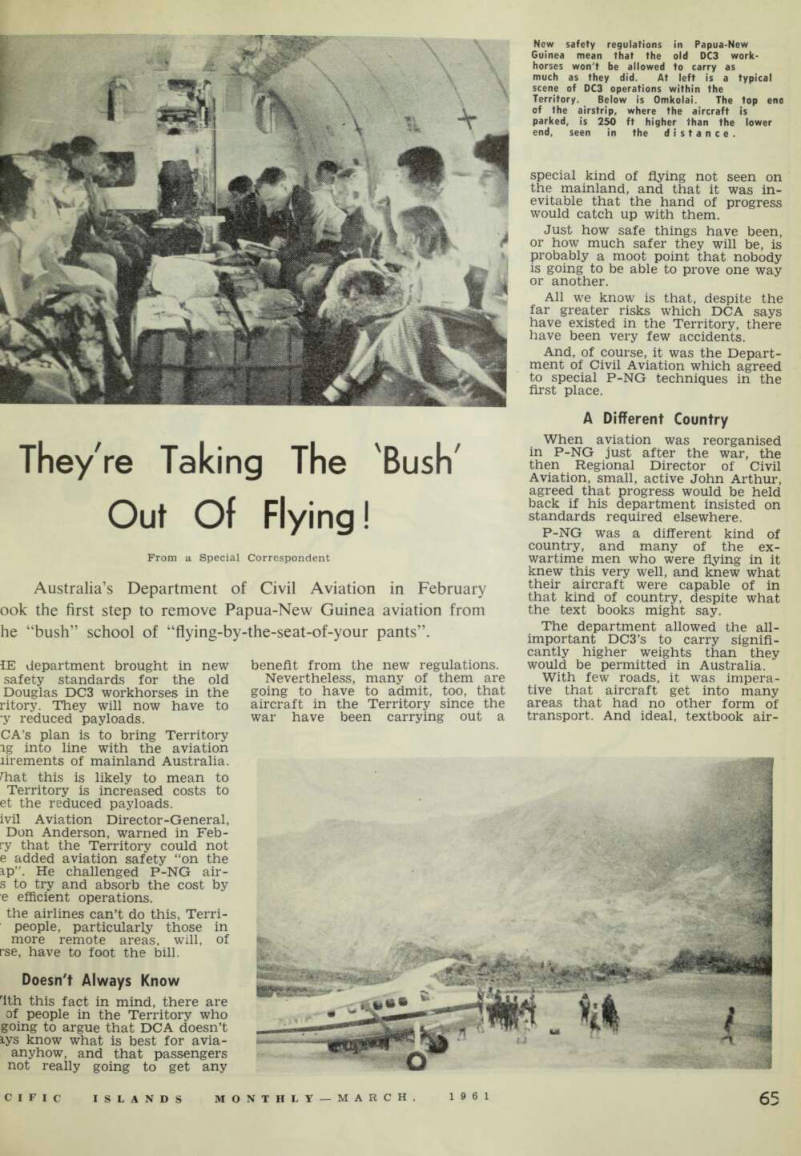 67
67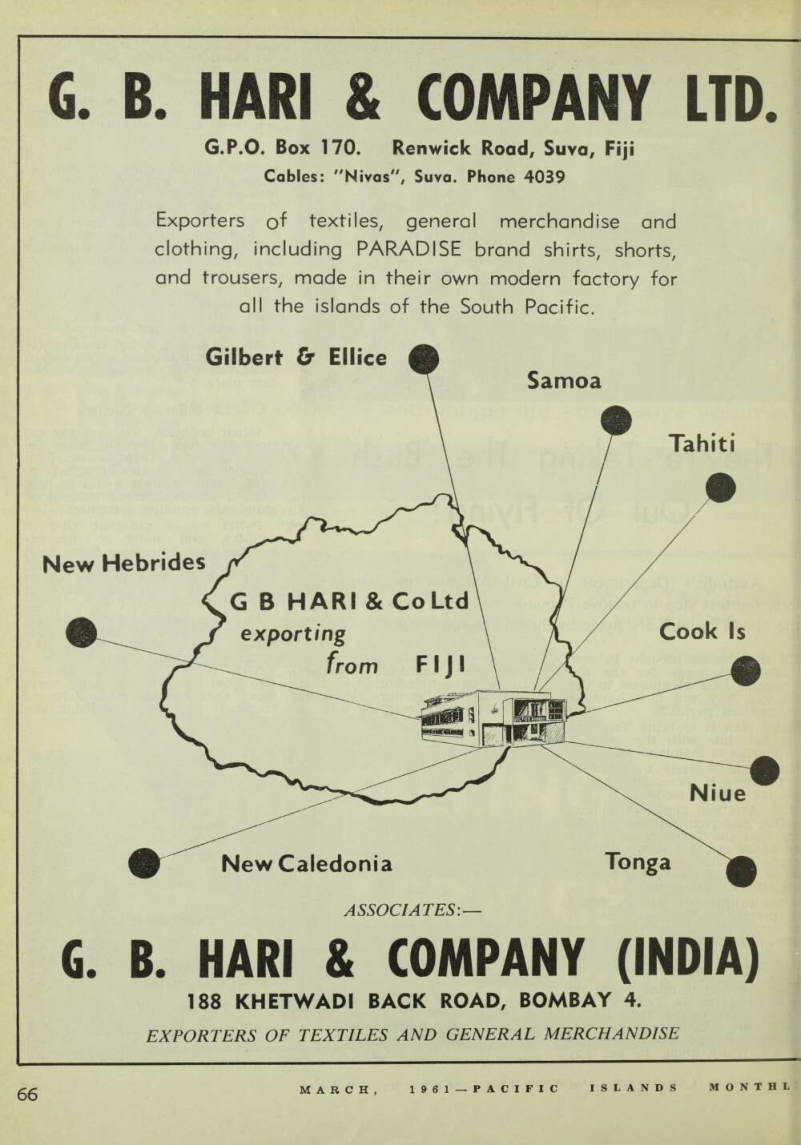 68
68 69
69 70
70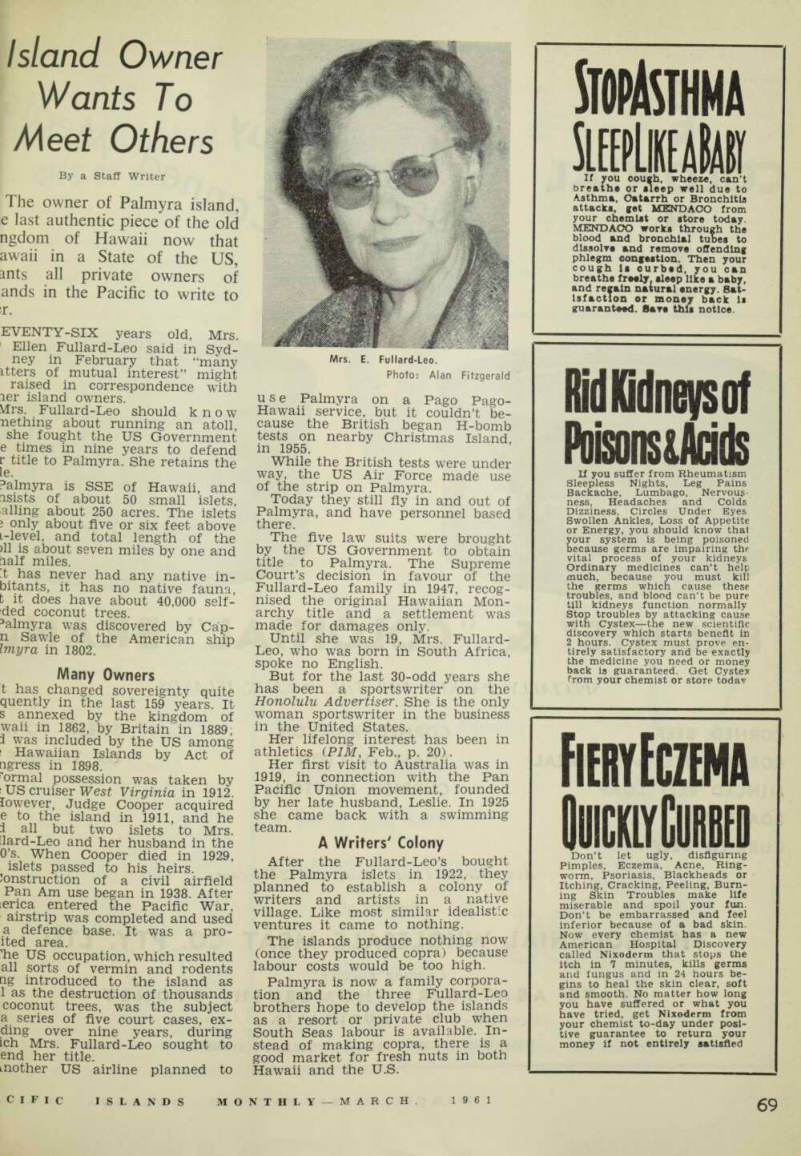 71
71 72
72 73
73 74
74 75
75 76
76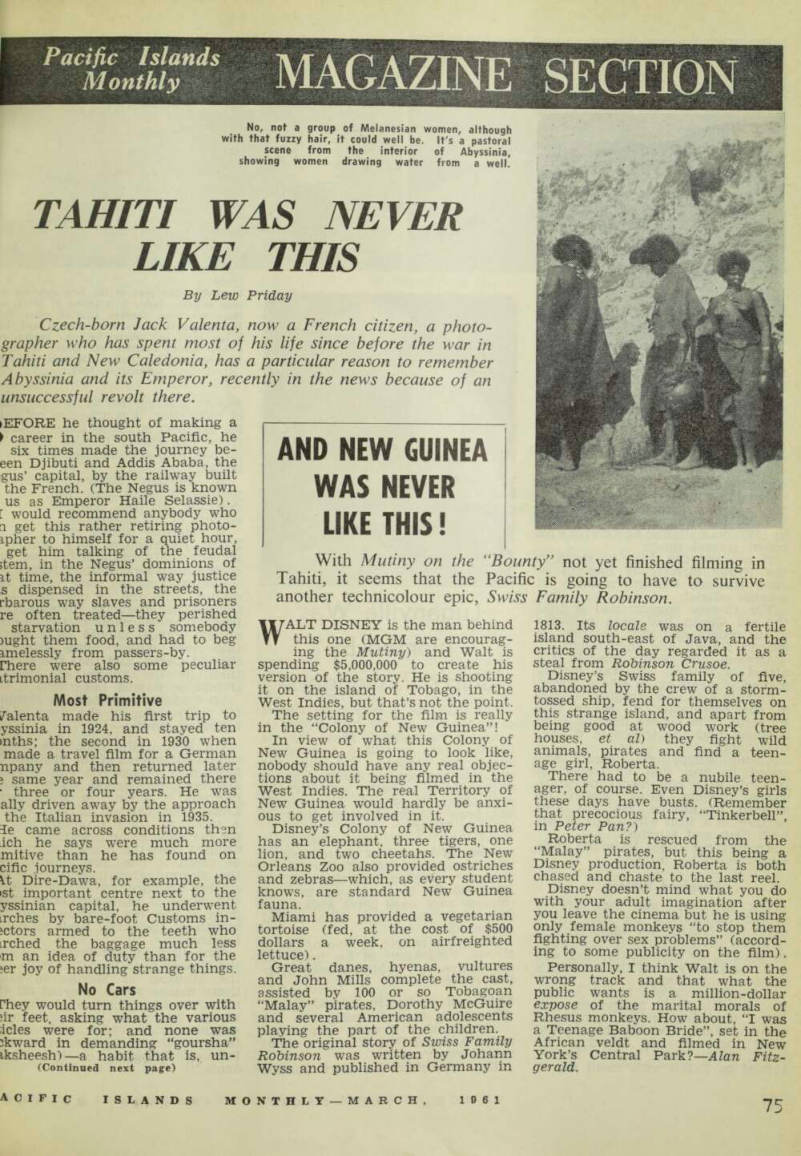 77
77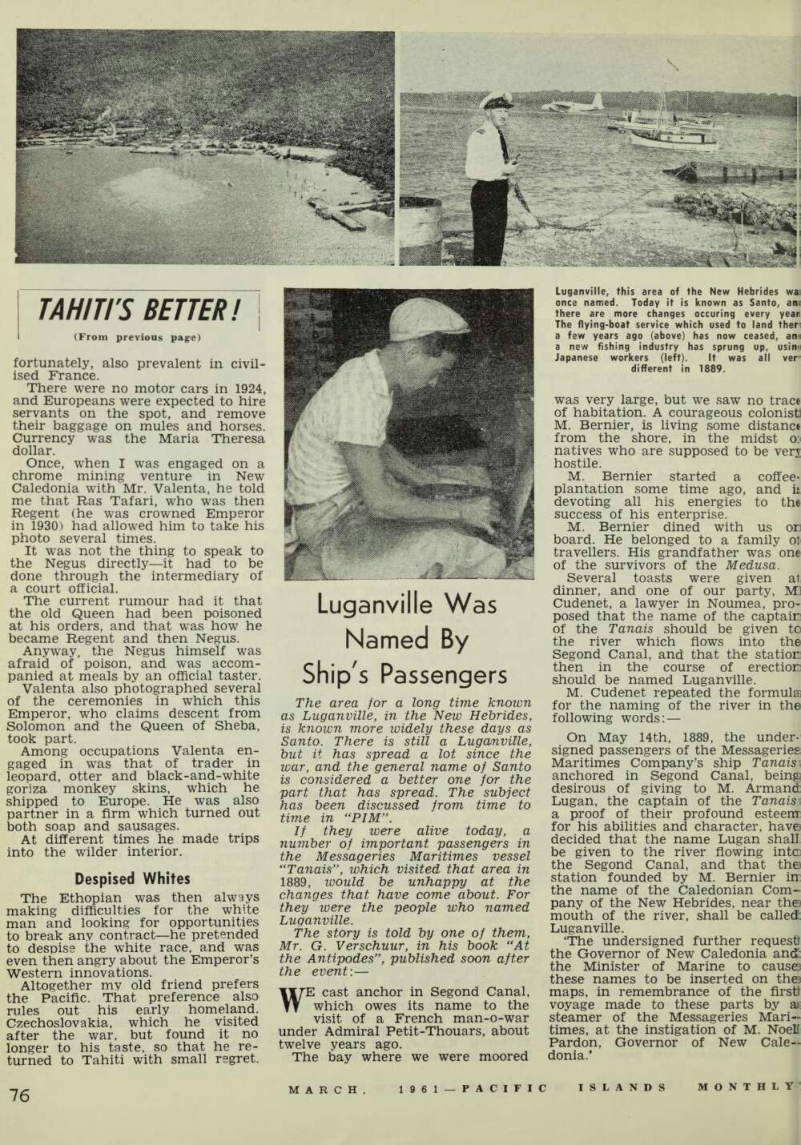 78
78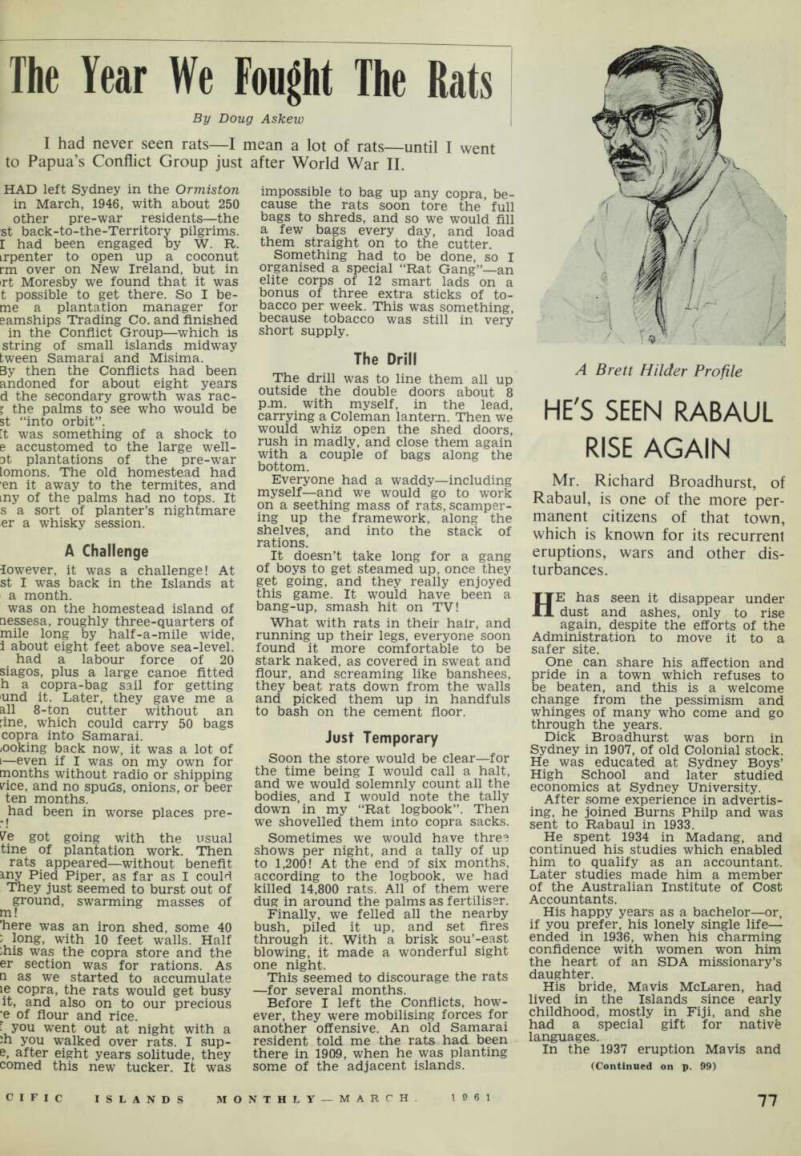 79
79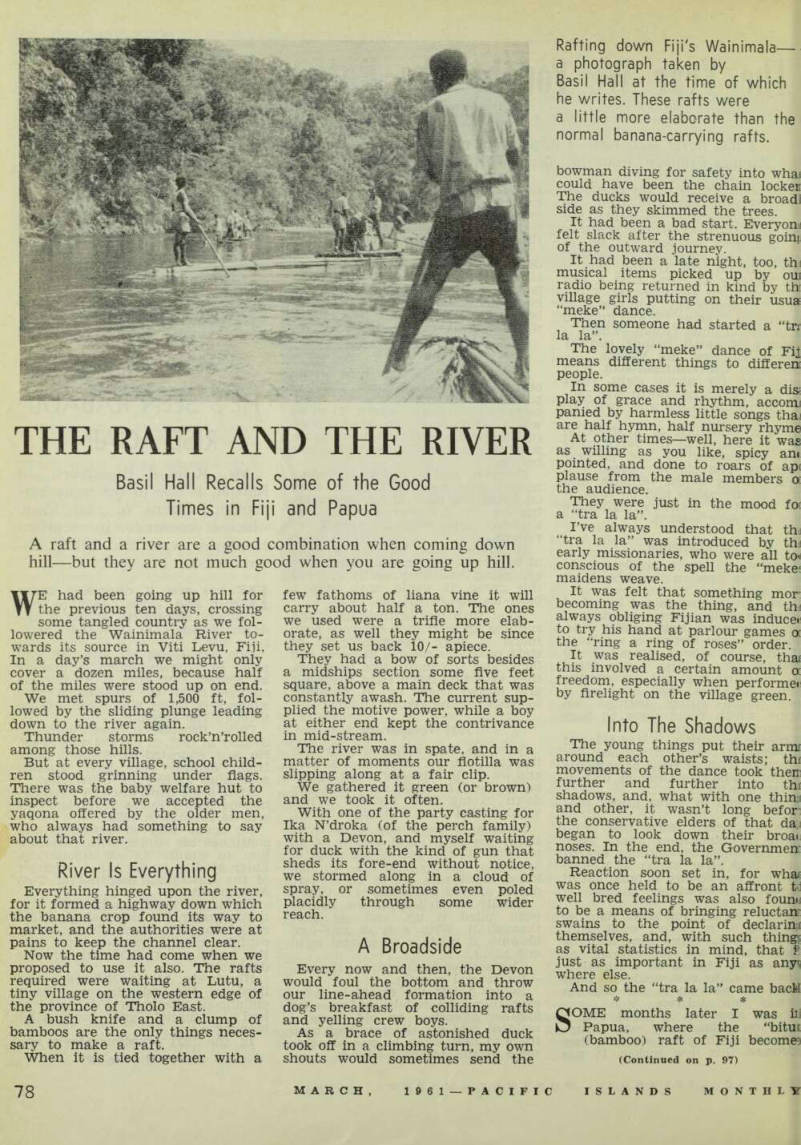 80
80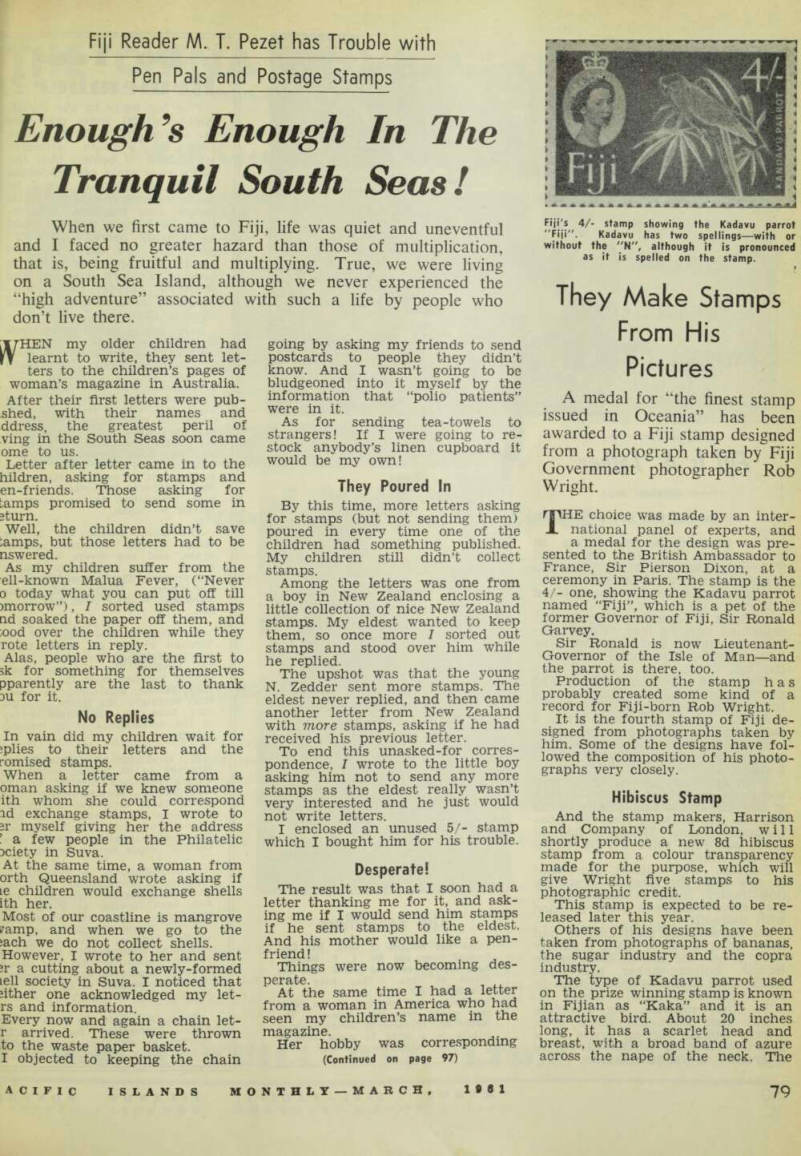 81
81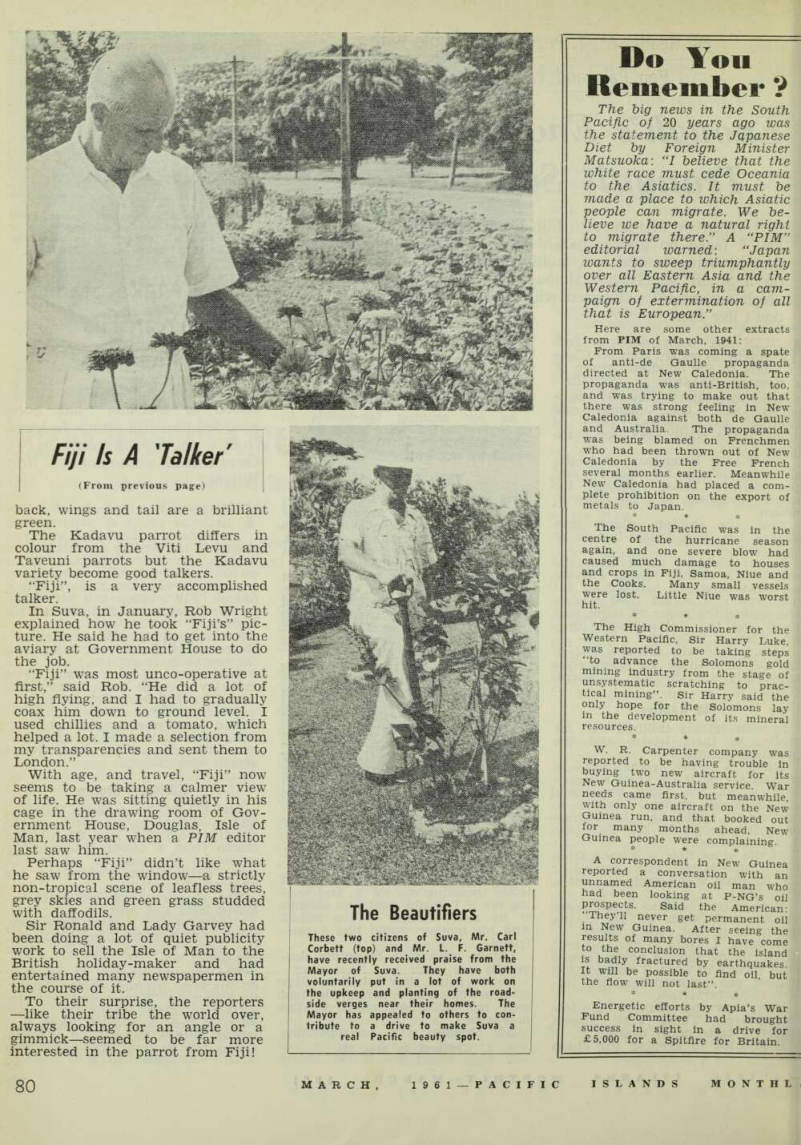 82
82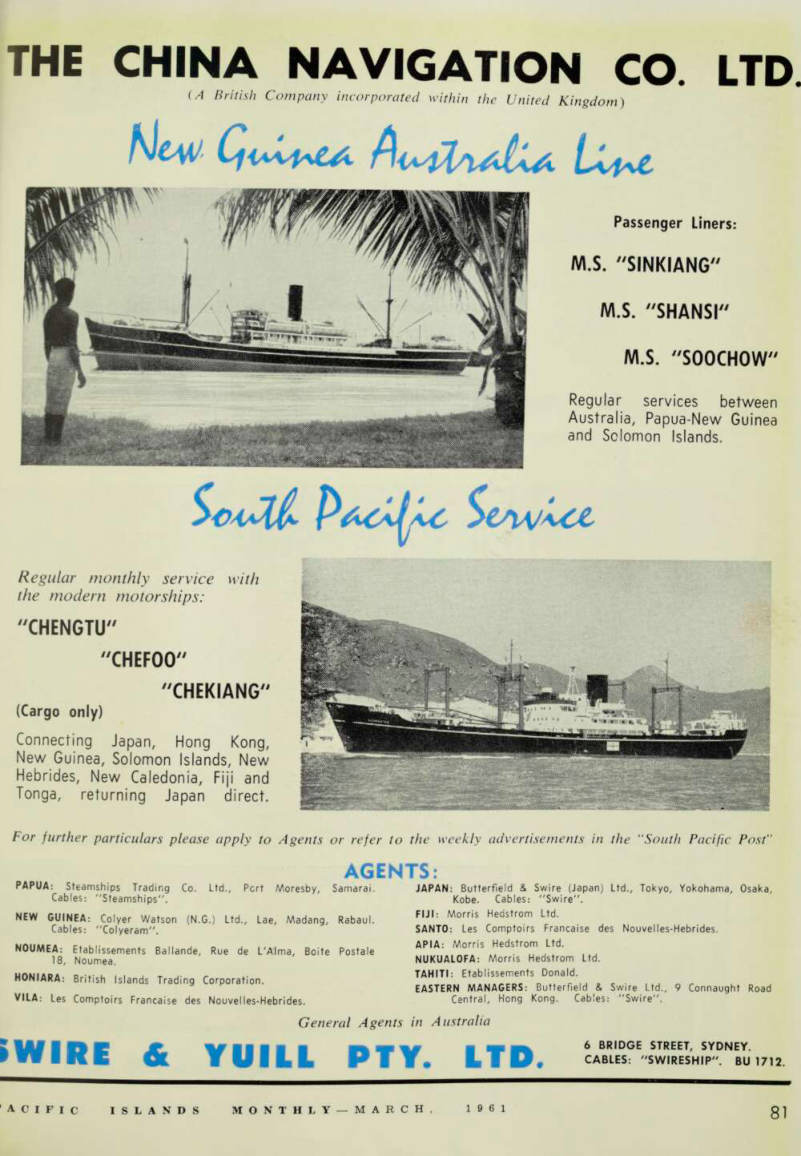 83
83 84
84 85
85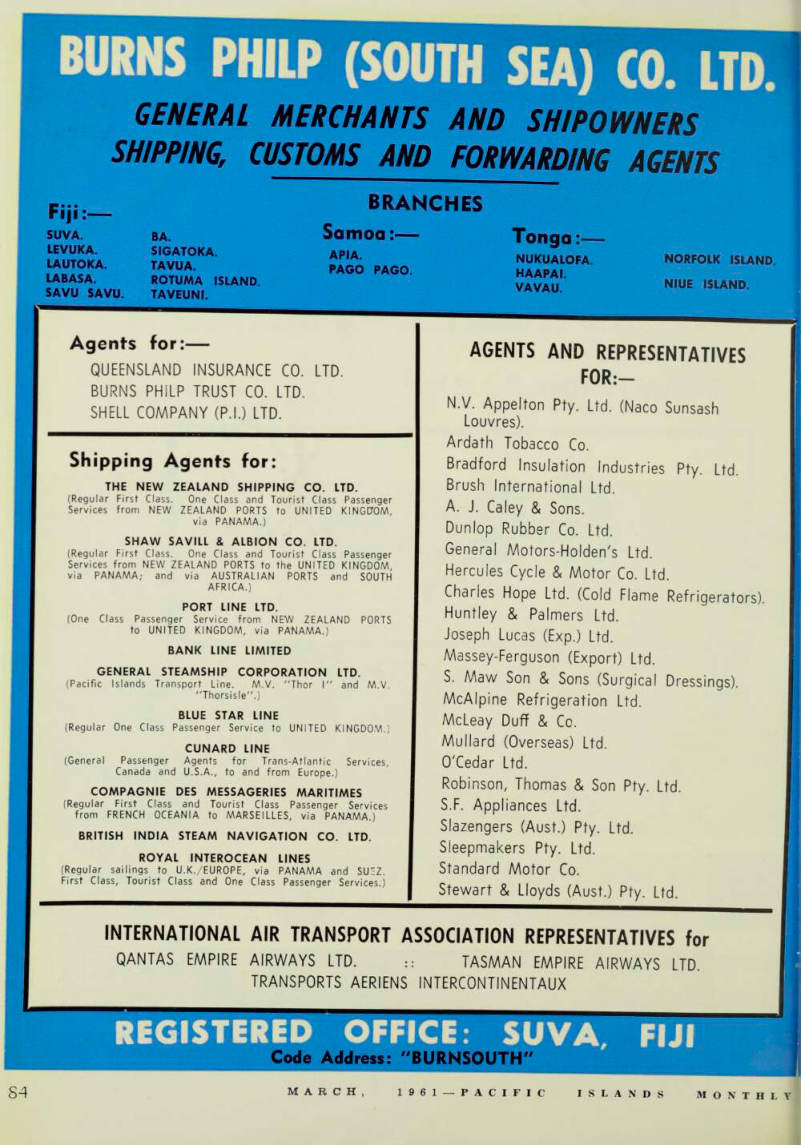 86
86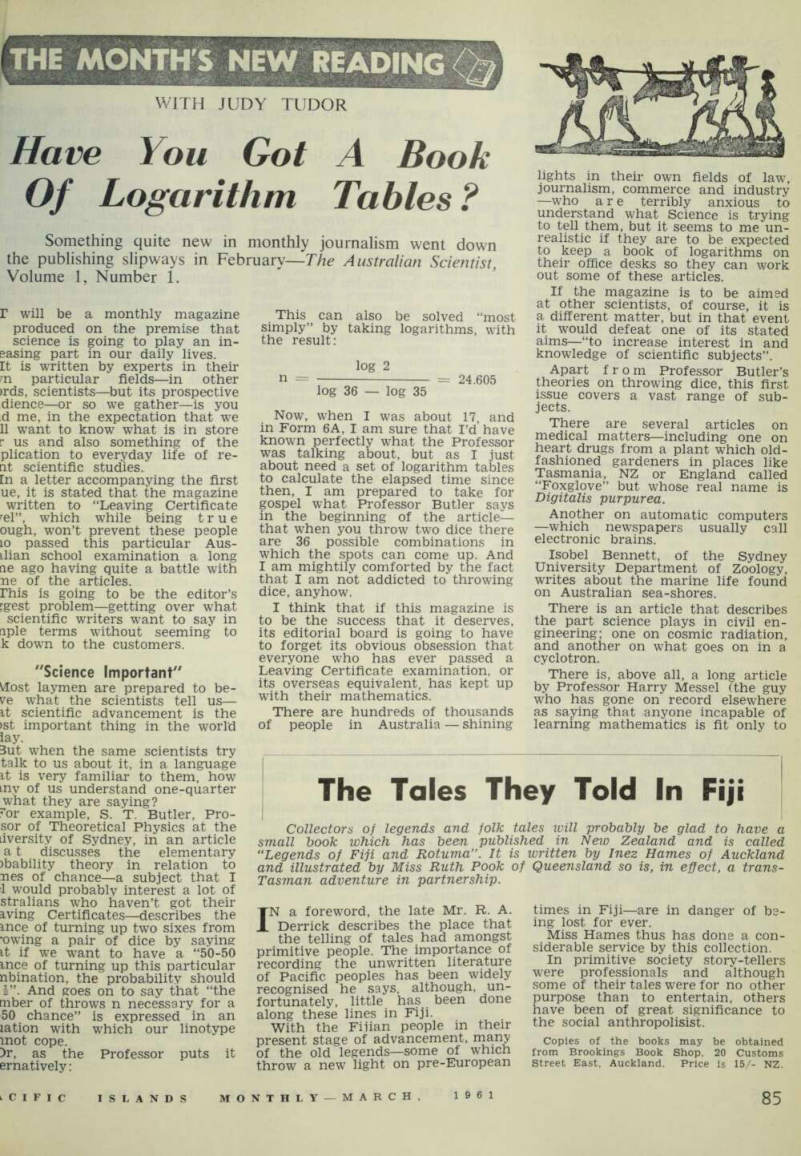 87
87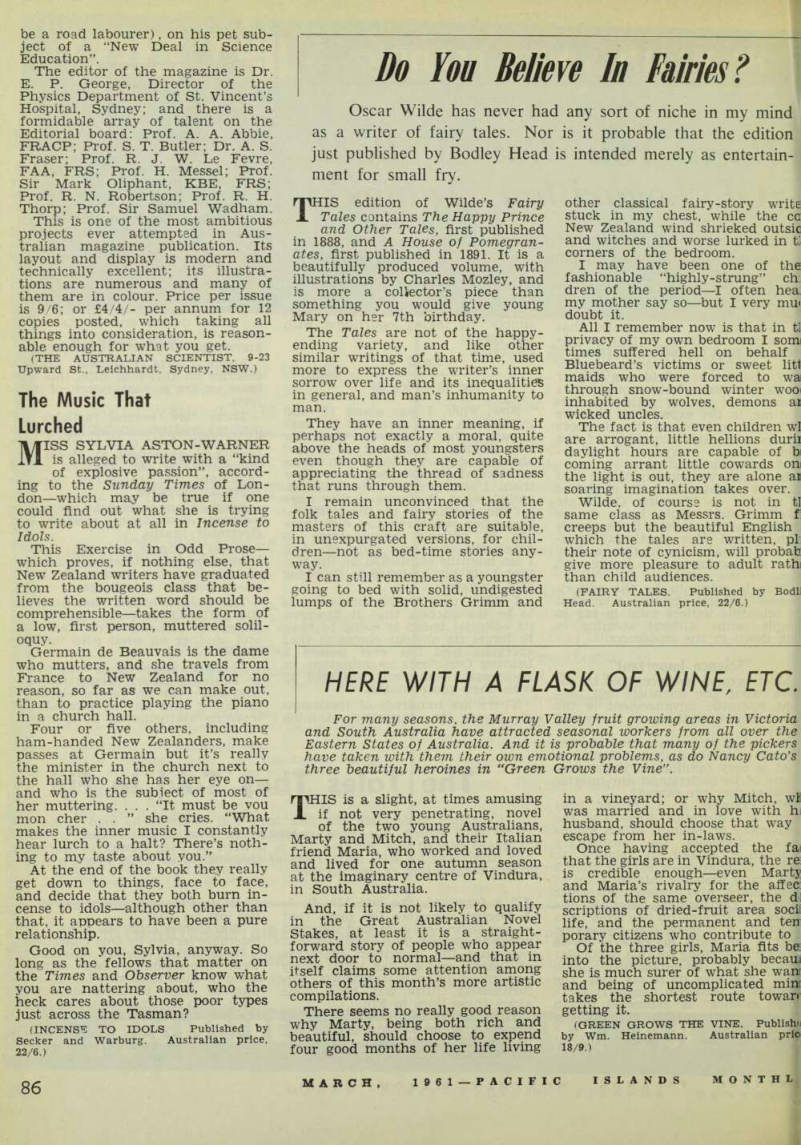 88
88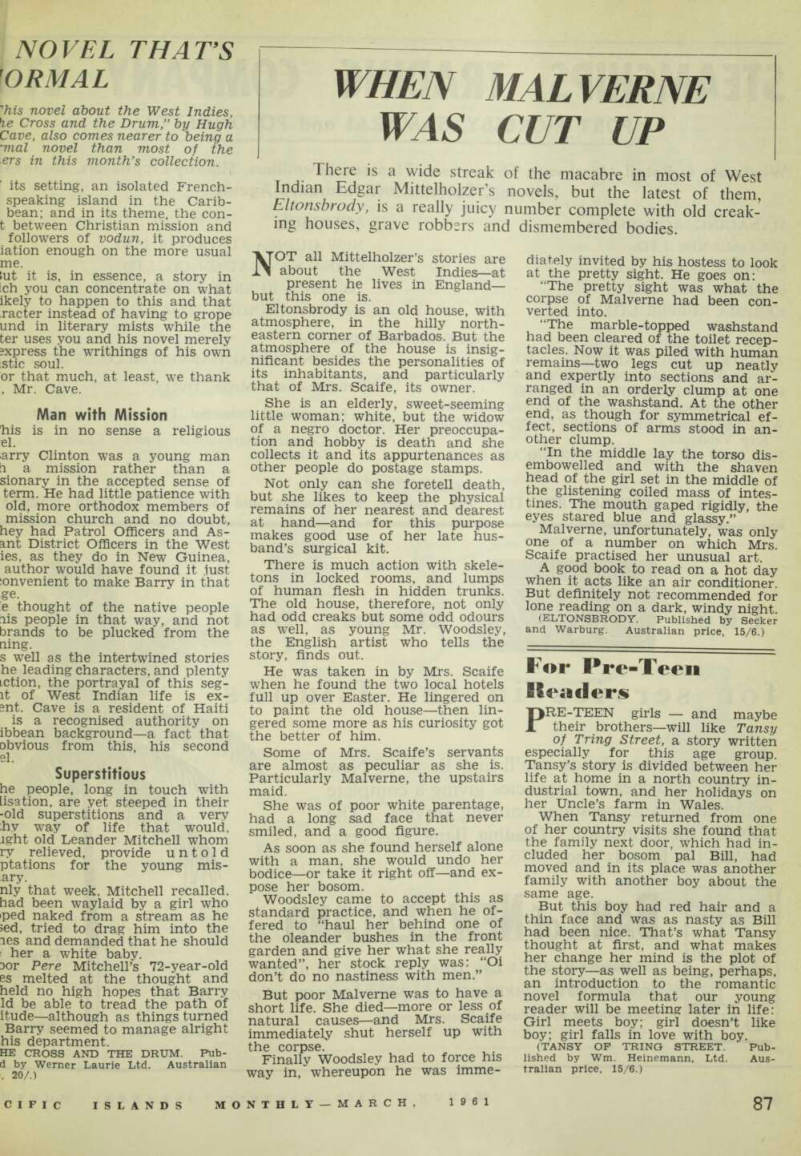 89
89 90
90 91
91 92
92 93
93 94
94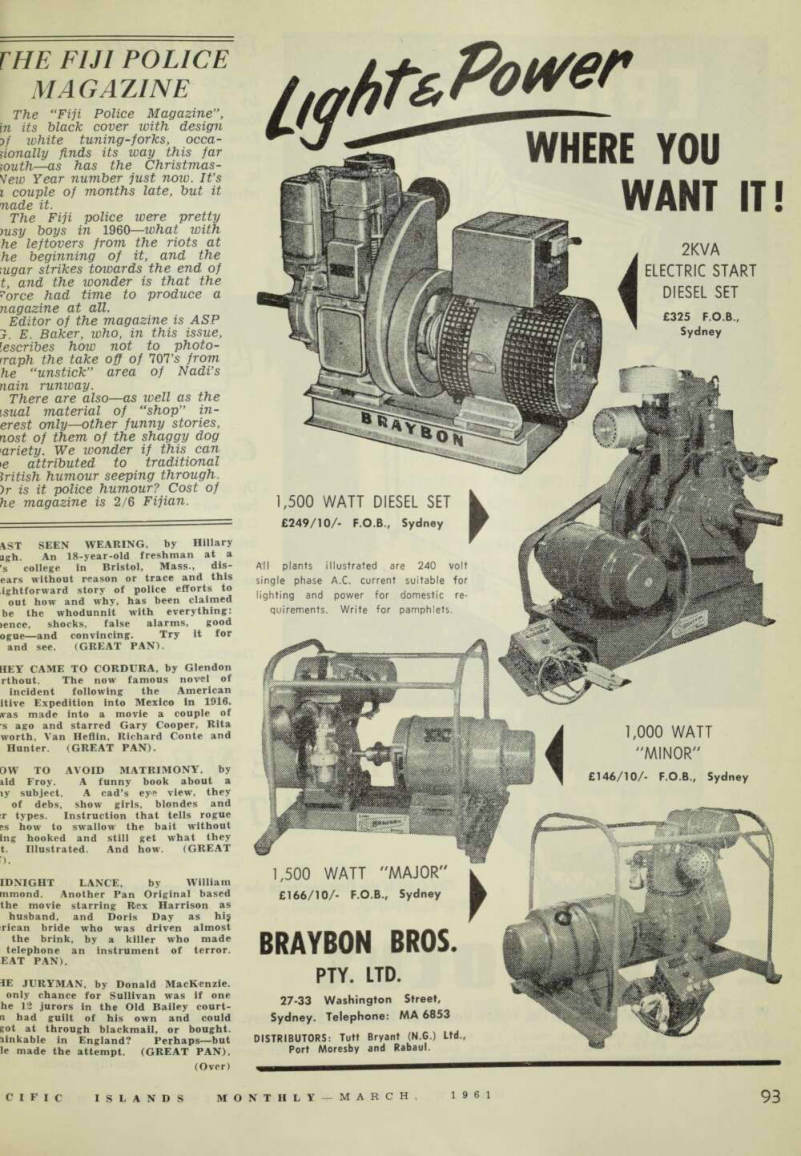 95
95 96
96 97
97 98
98 99
99 100
100 101
101 102
102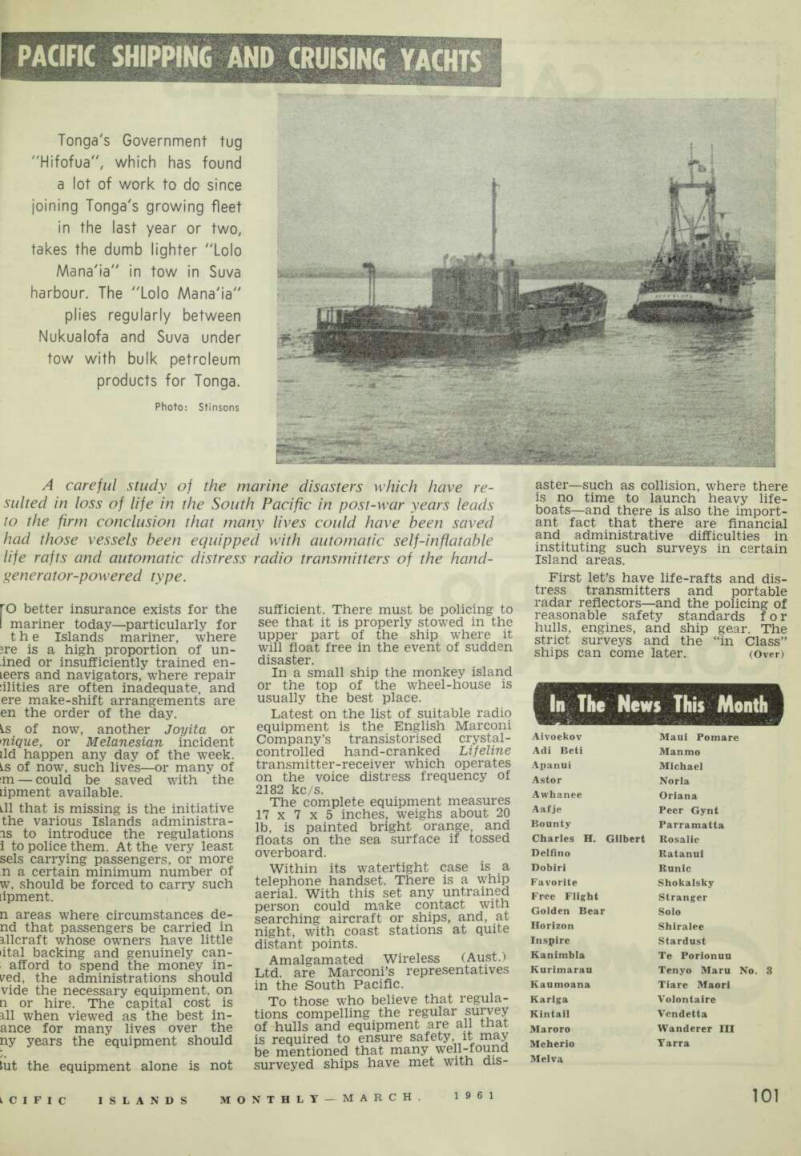 103
103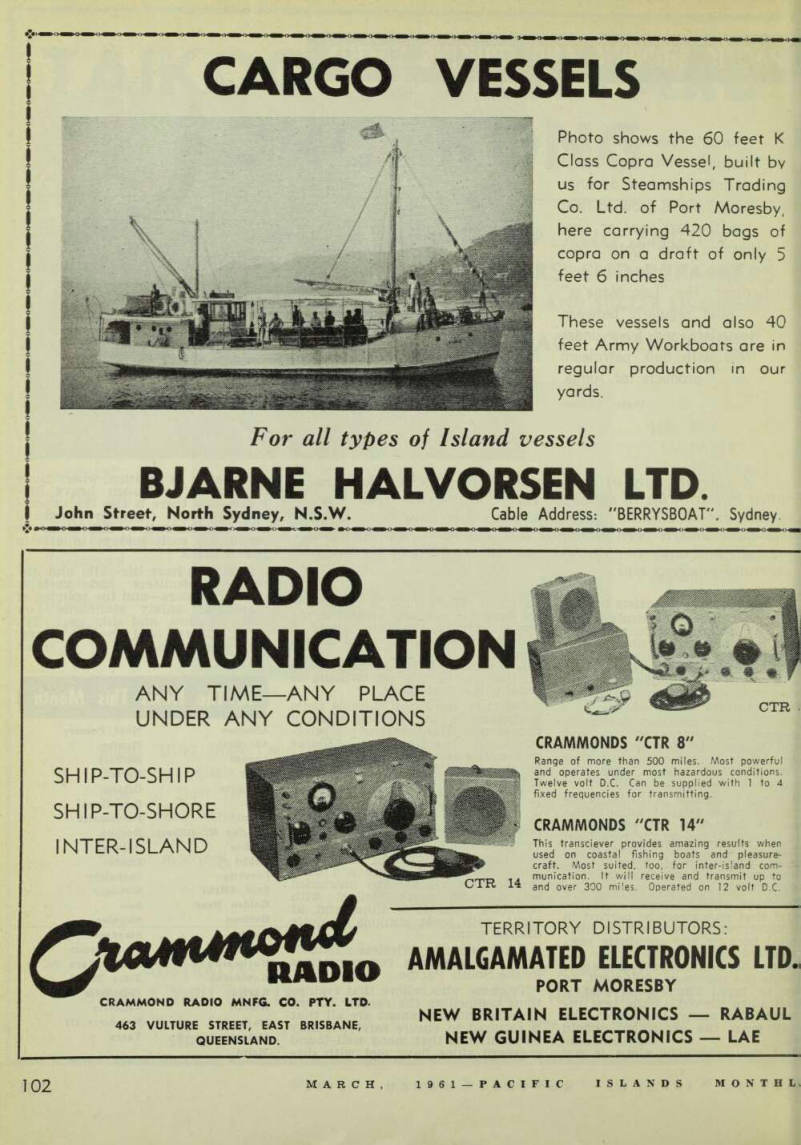 104
104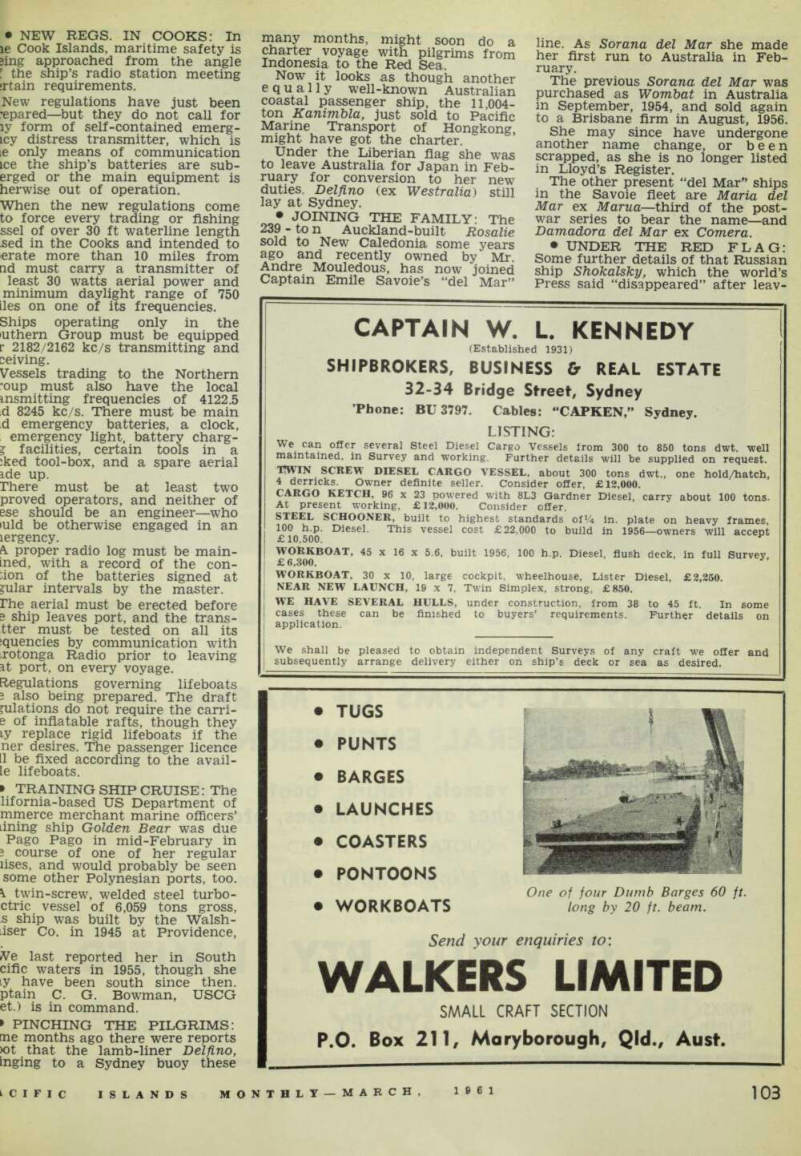 105
105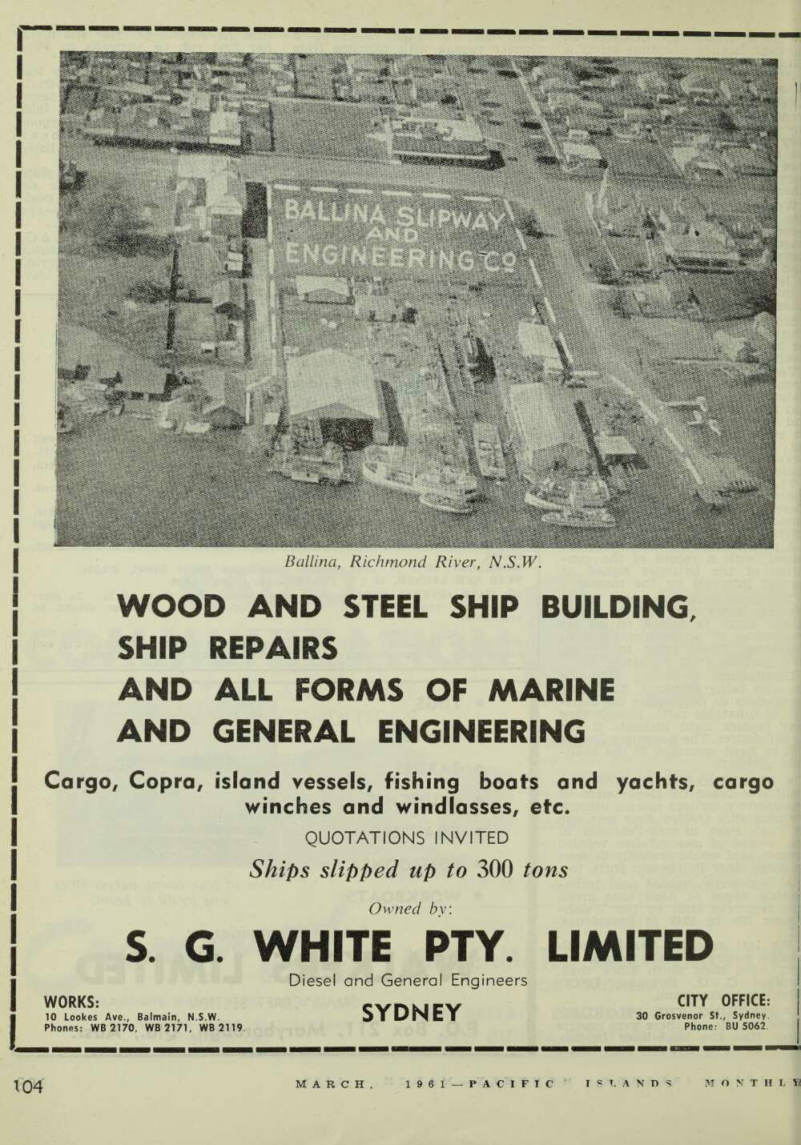 106
106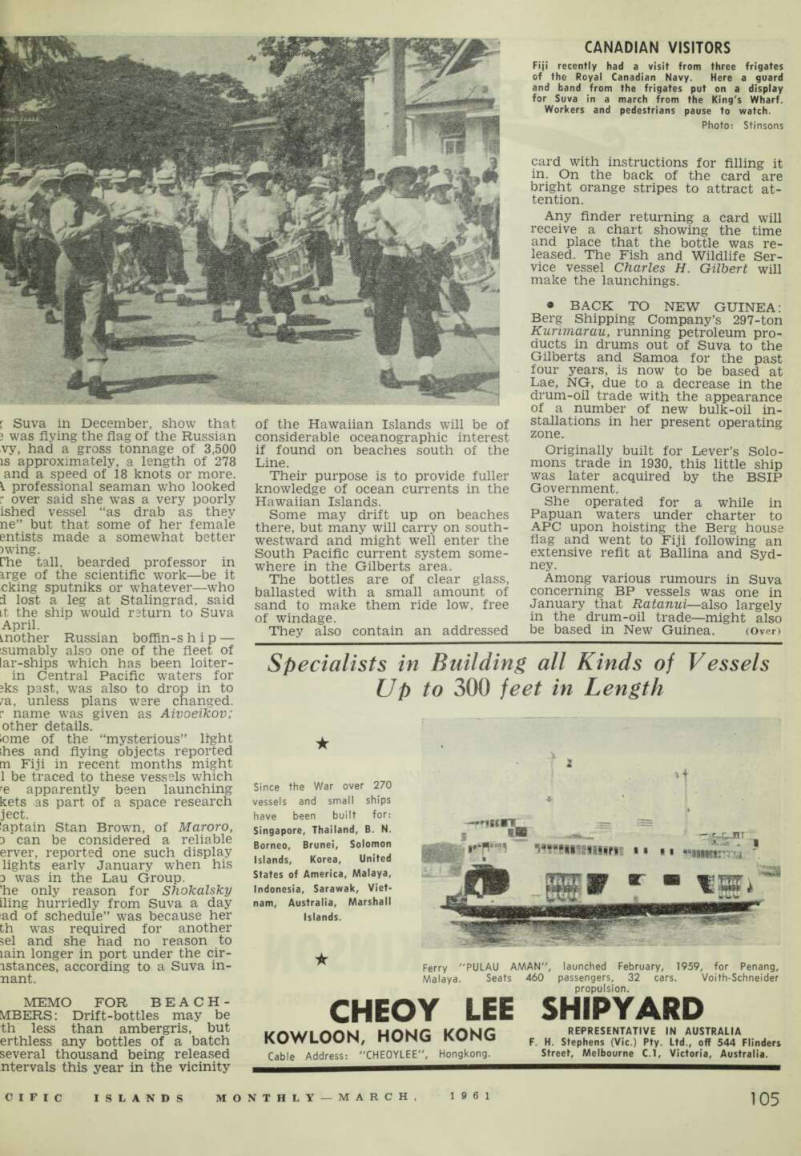 107
107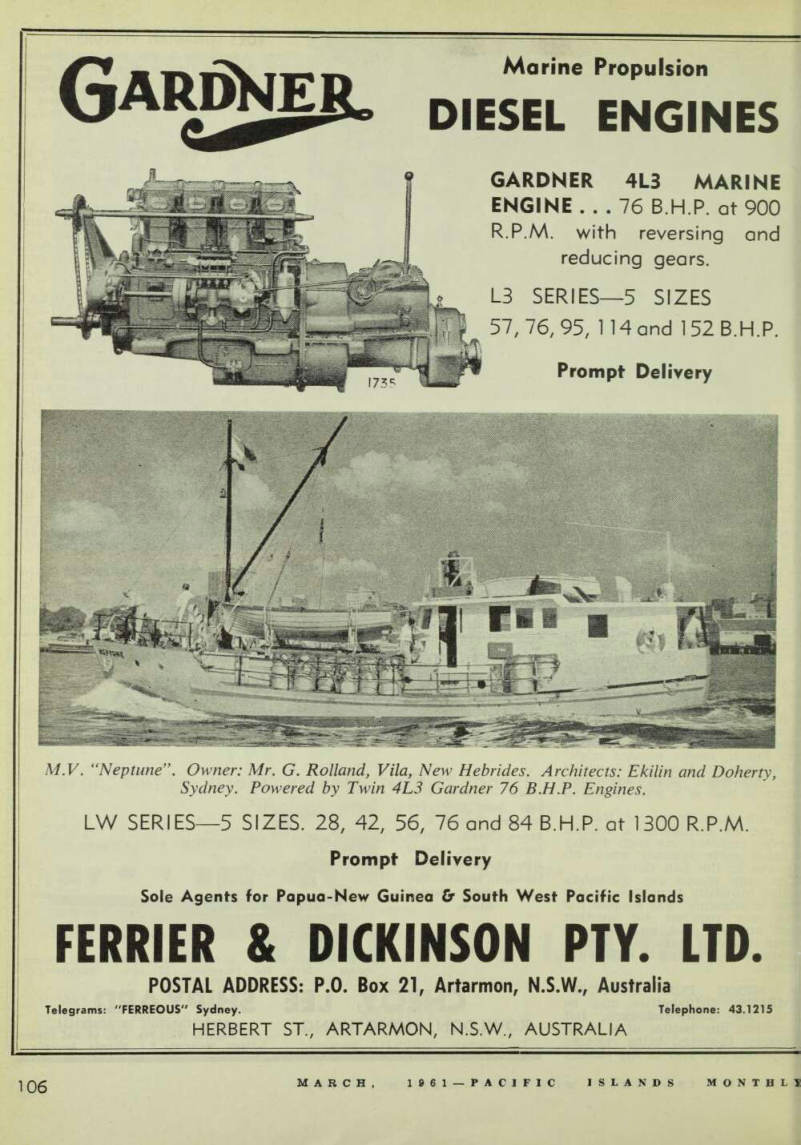 108
108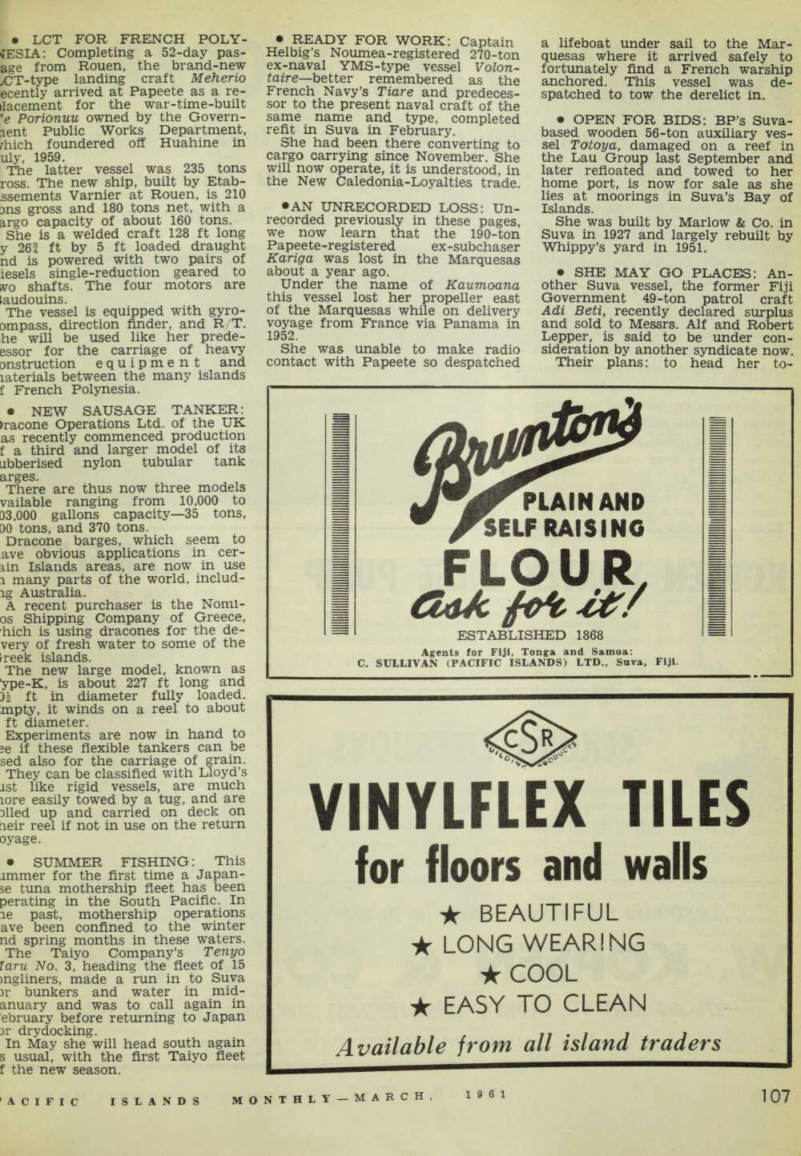 109
109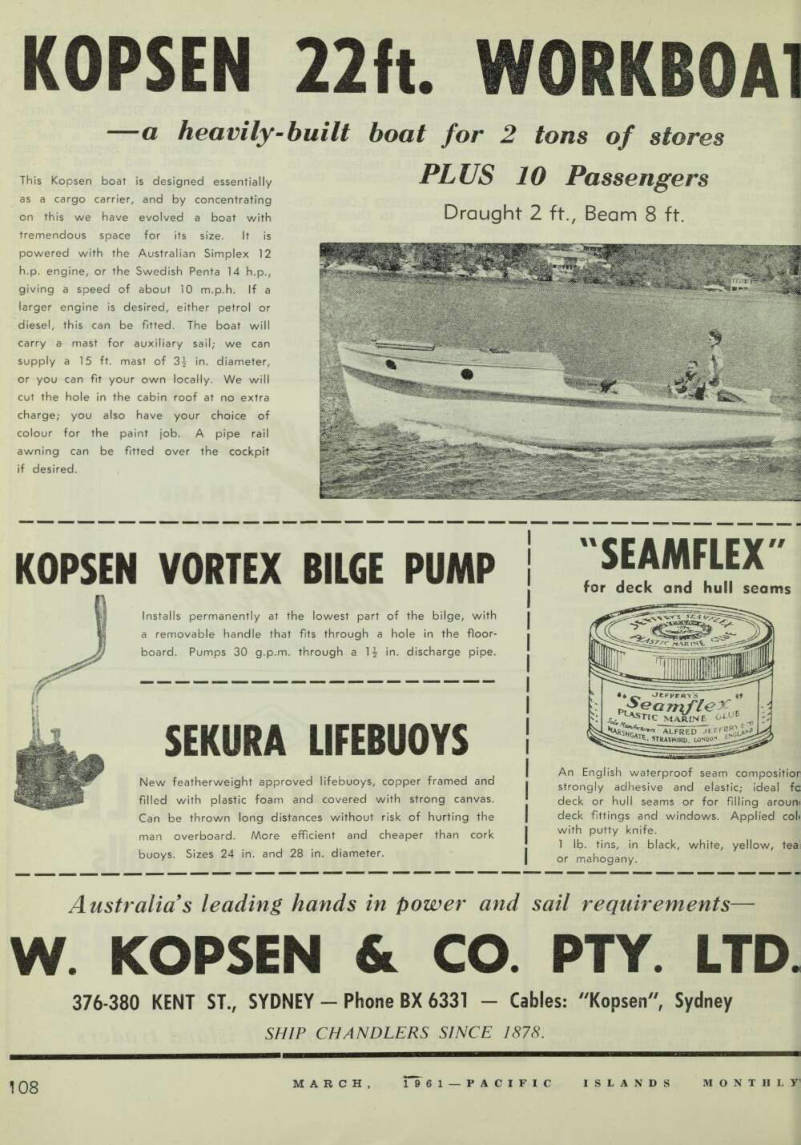 110
110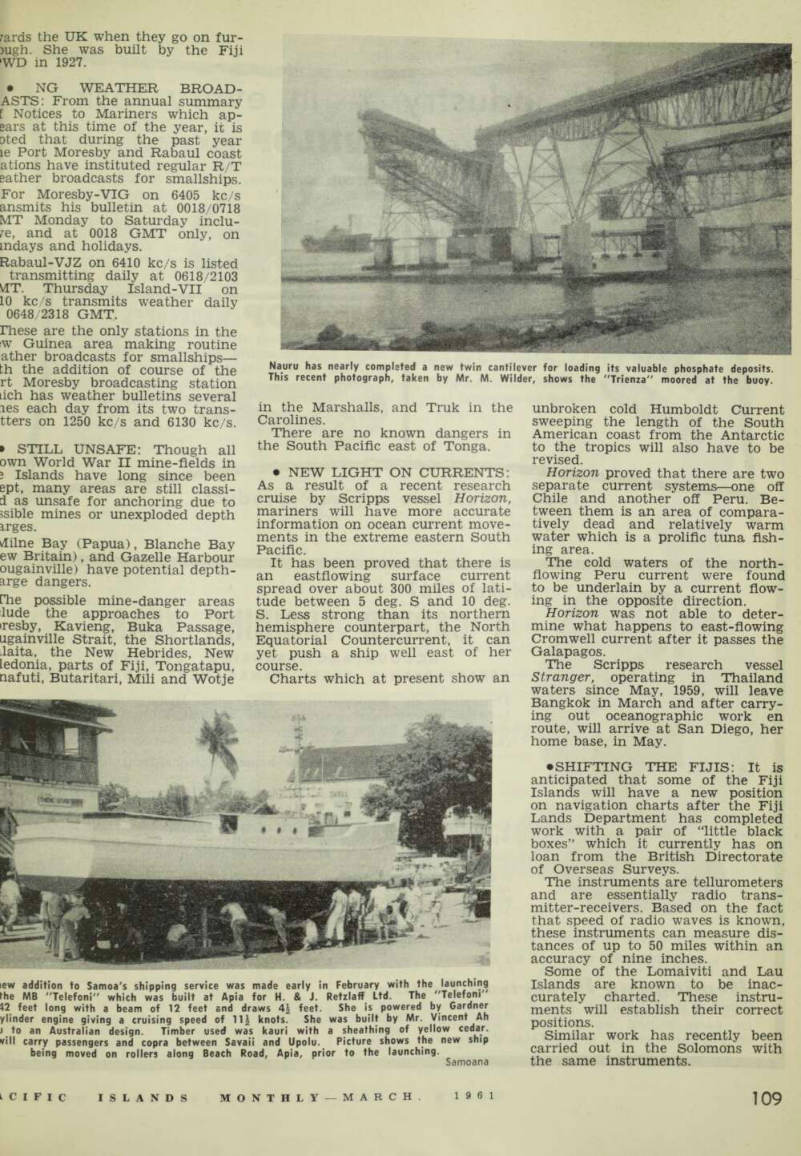 111
111 112
112 113
113 114
114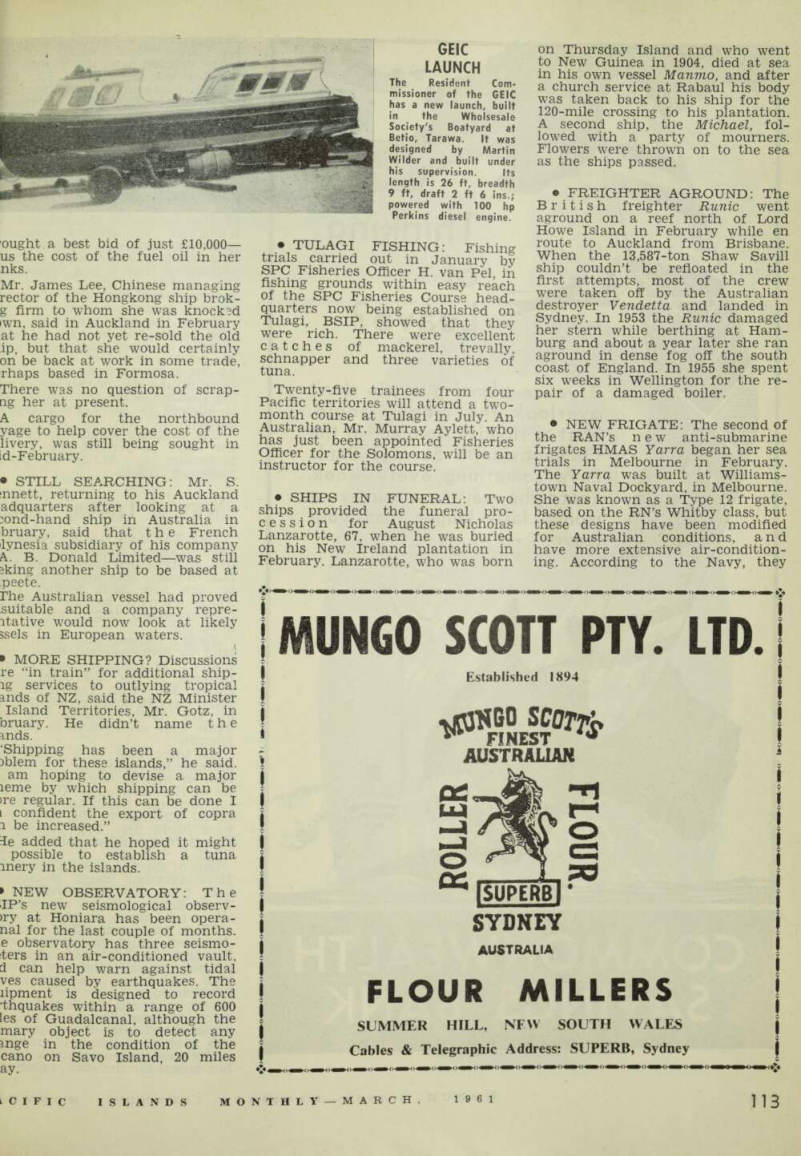 115
115 116
116 117
117 118
118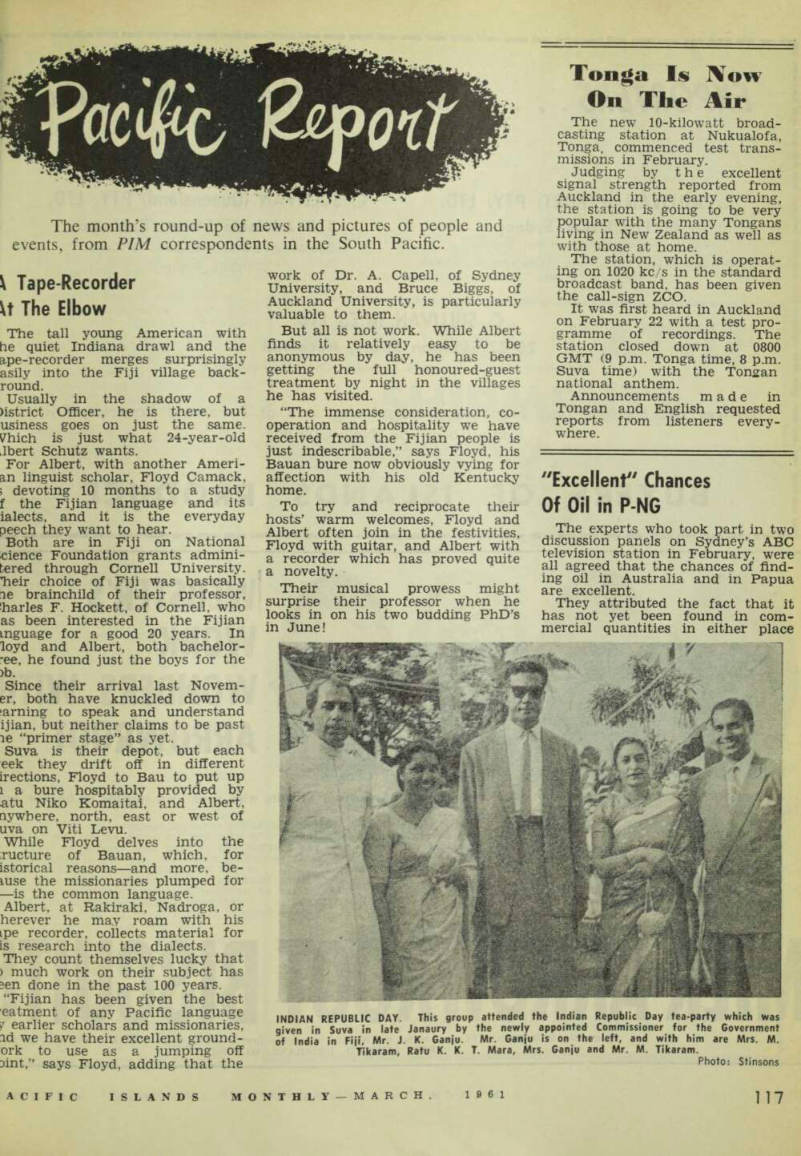 119
119 120
120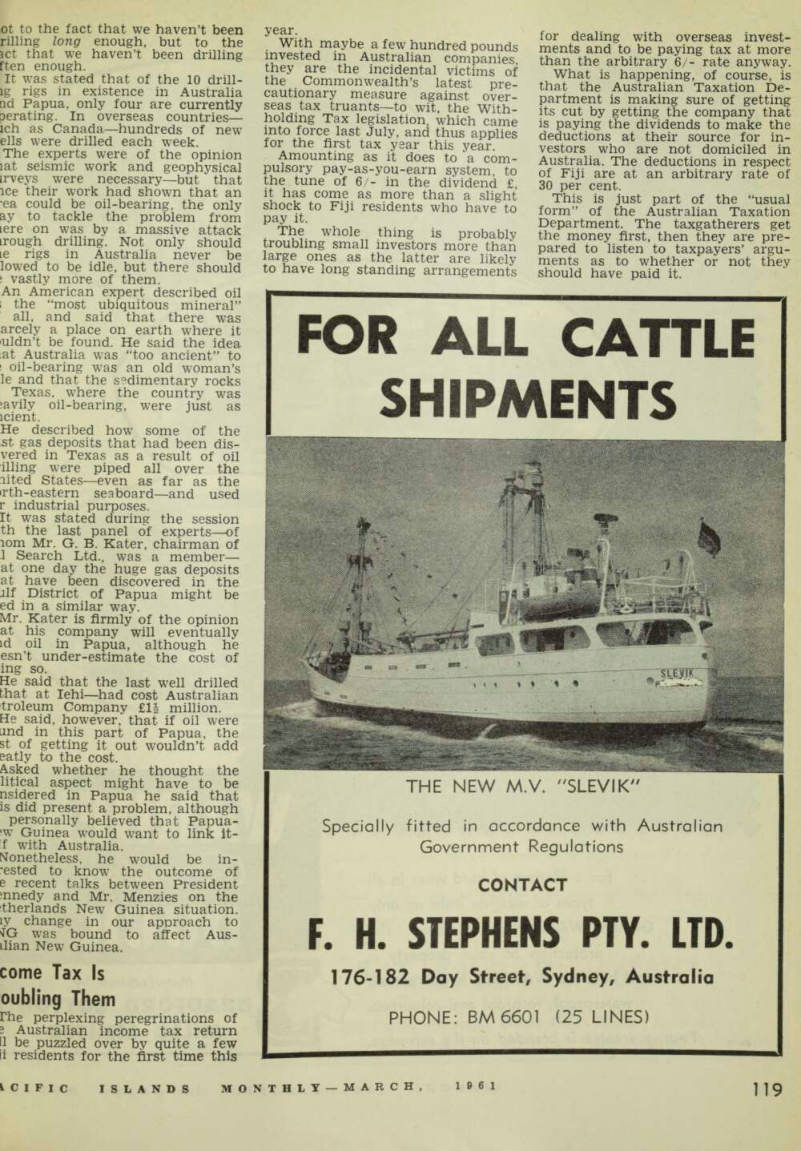 121
121 122
122 123
123 124
124 125
125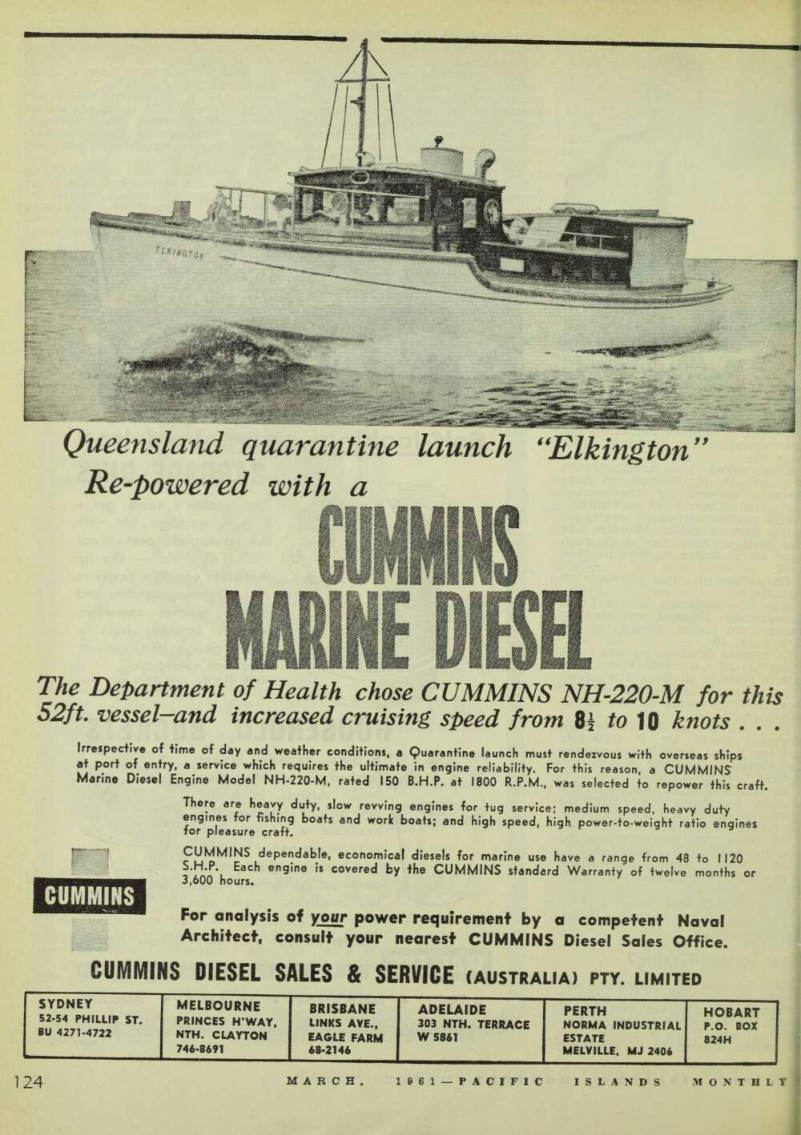 126
126 127
127 128
128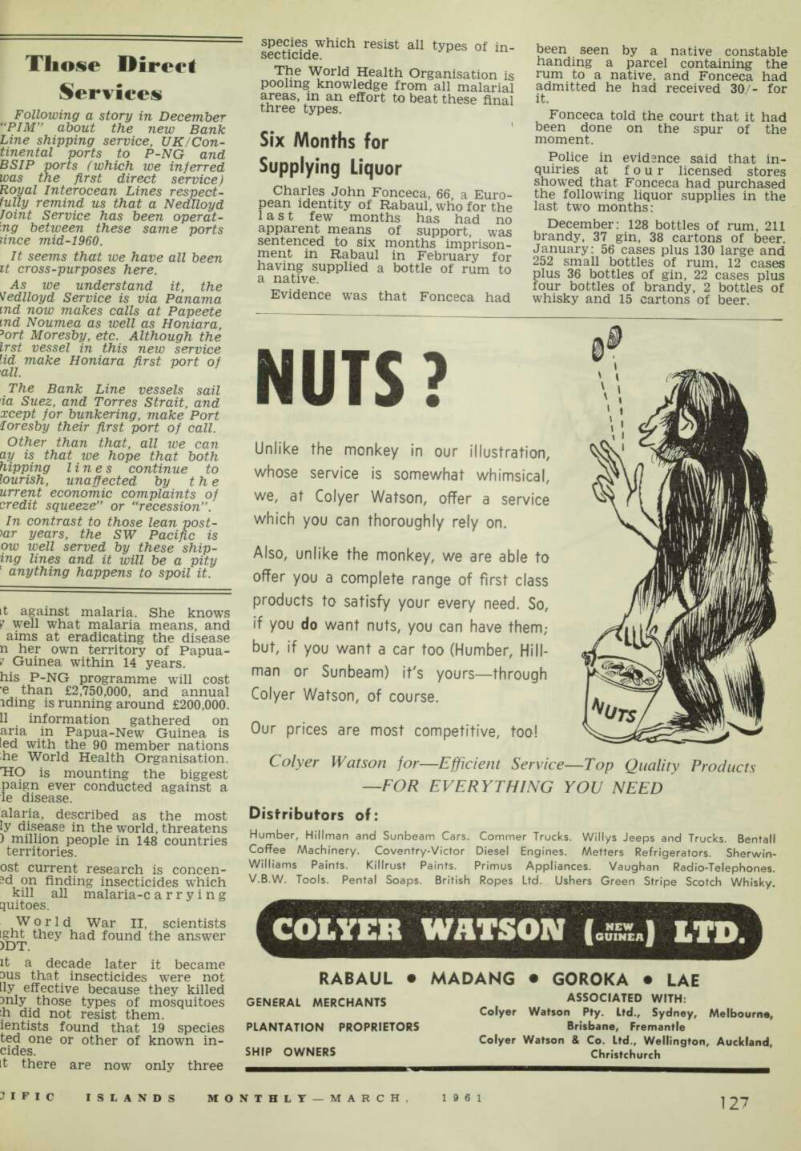 129
129 130
130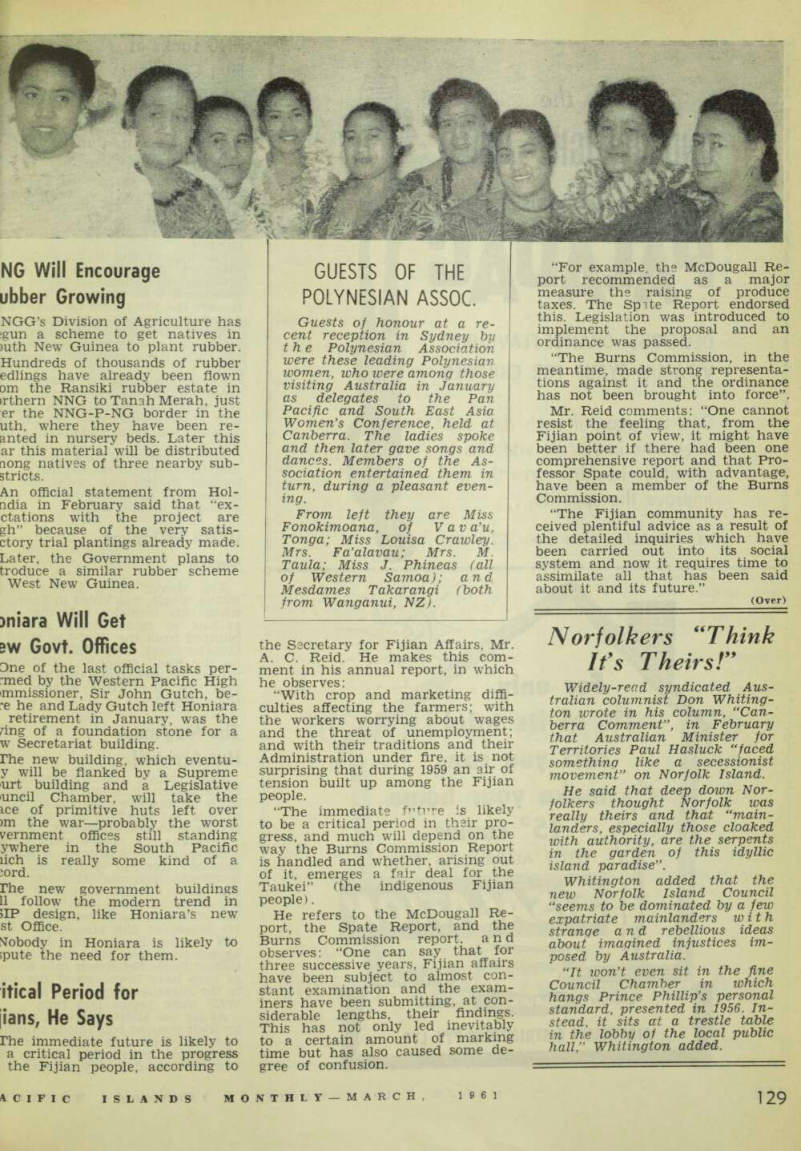 131
131 132
132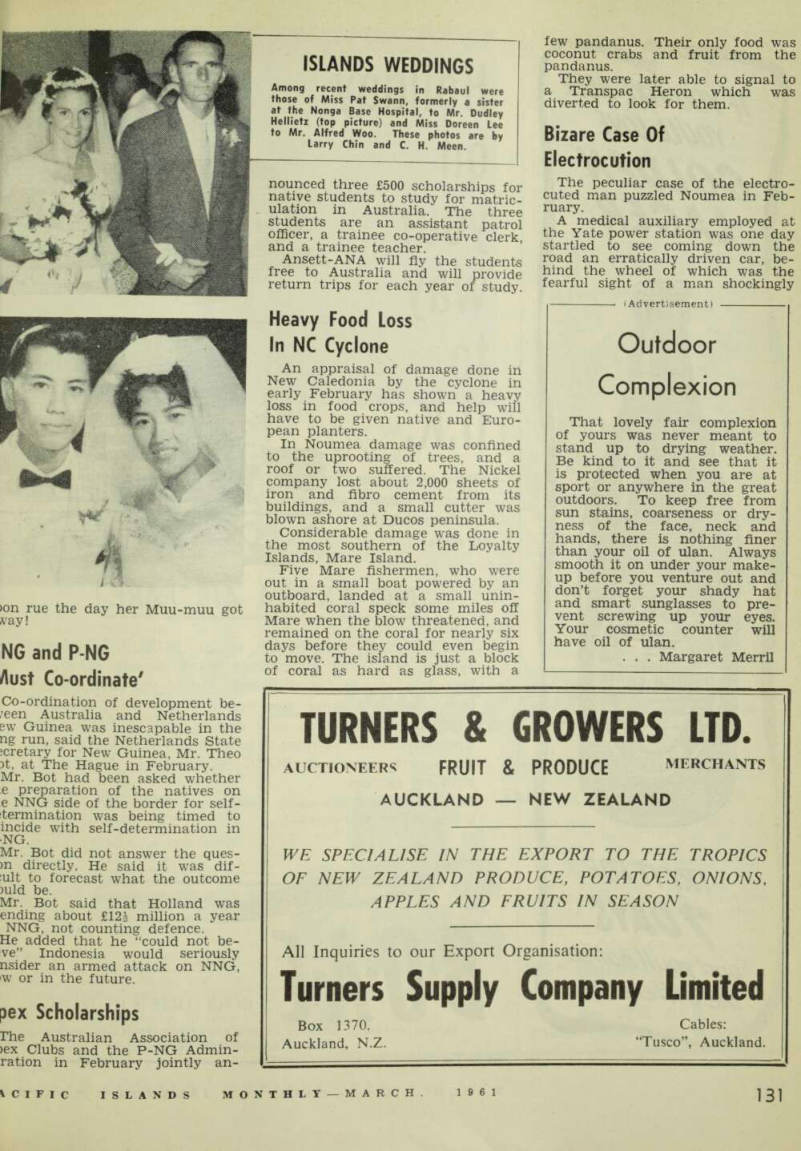 133
133 134
134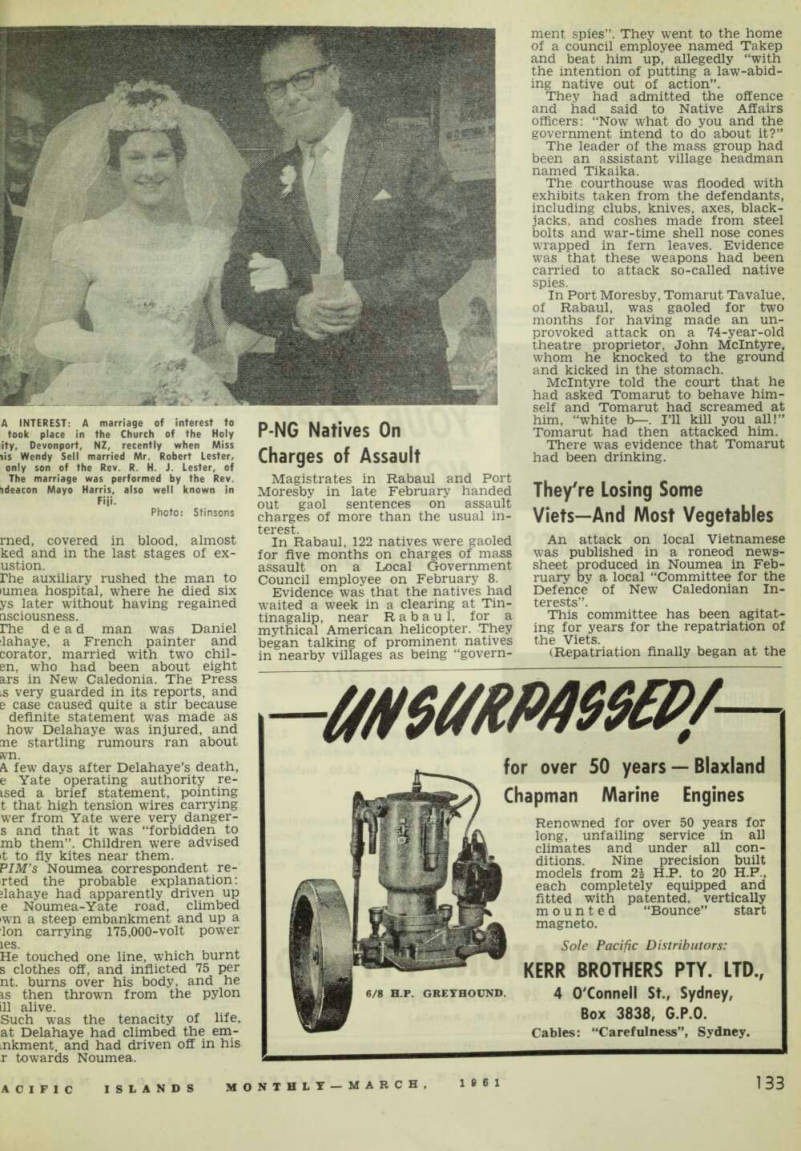 135
135 136
136 137
137 138
138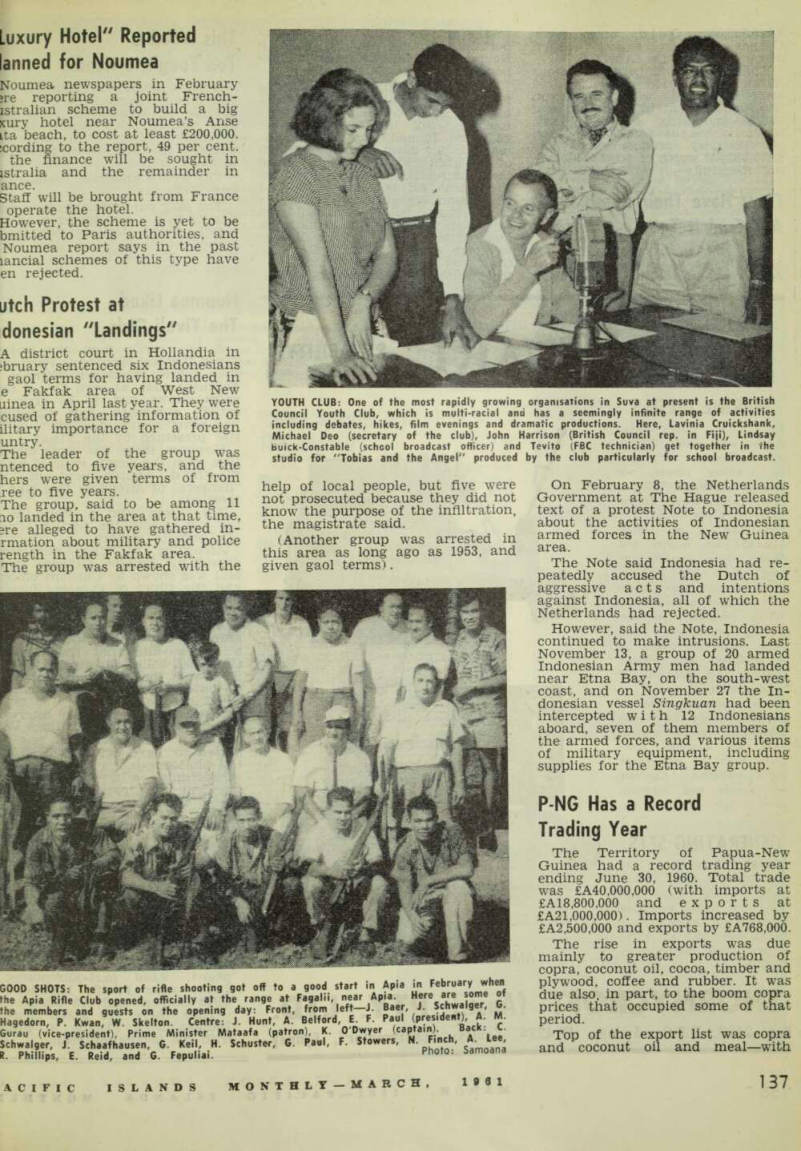 139
139 140
140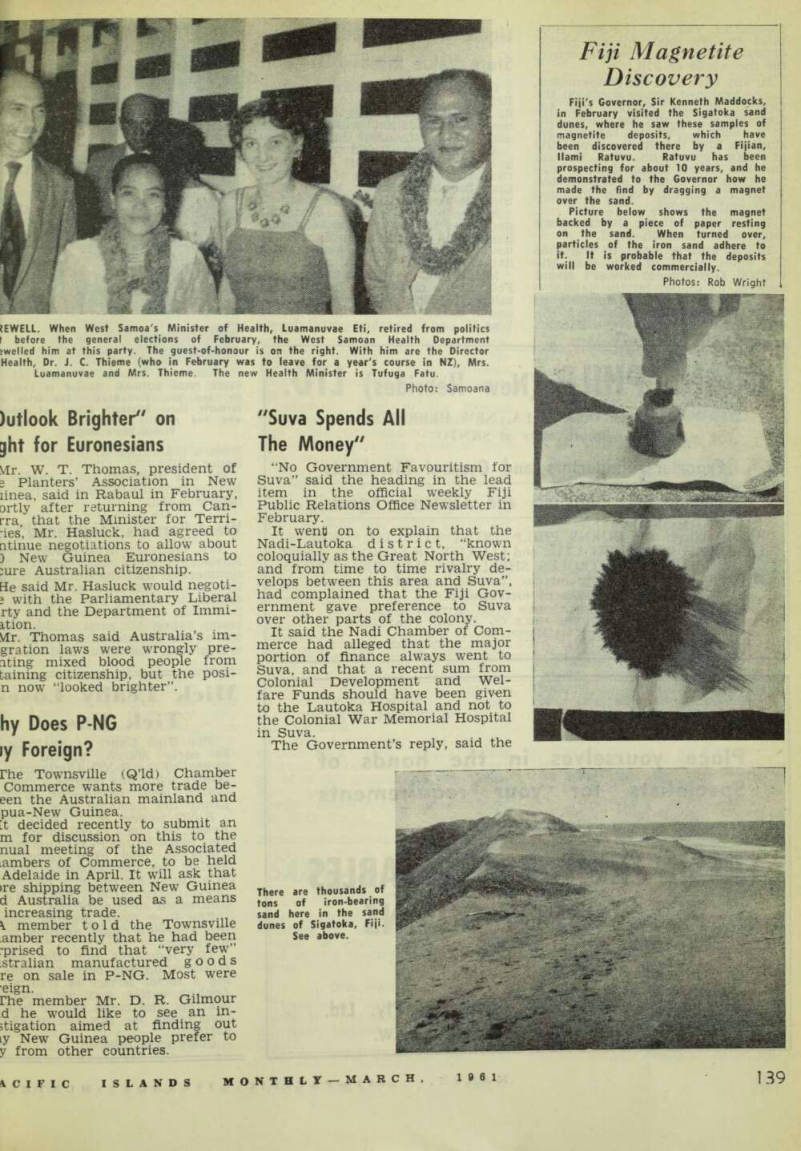 141
141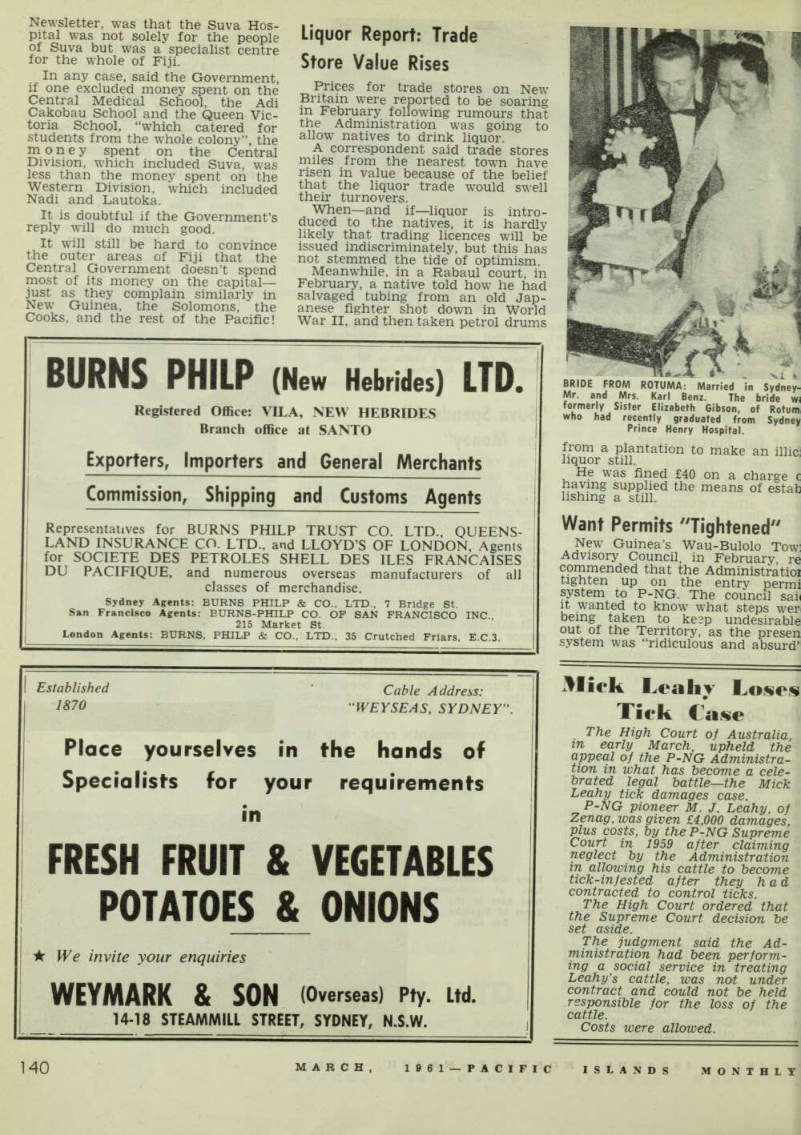 142
142 143
143 144
144 145
145 146
146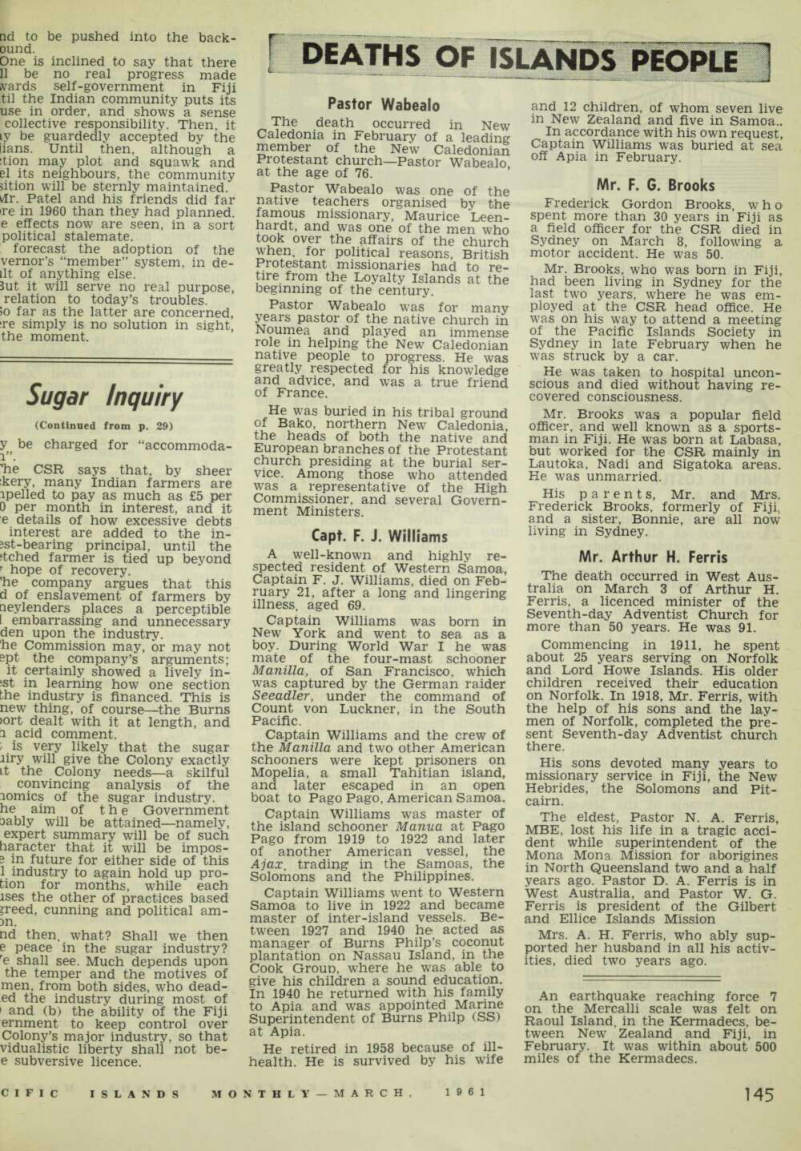 147
147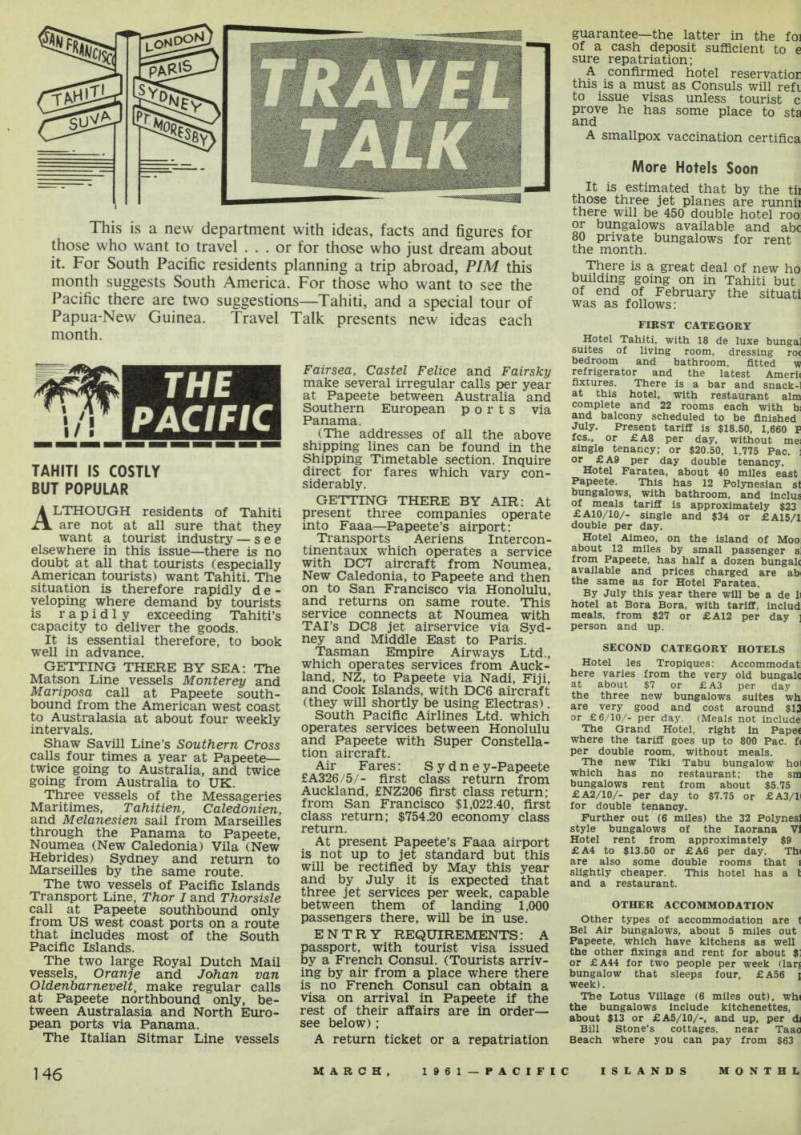 148
148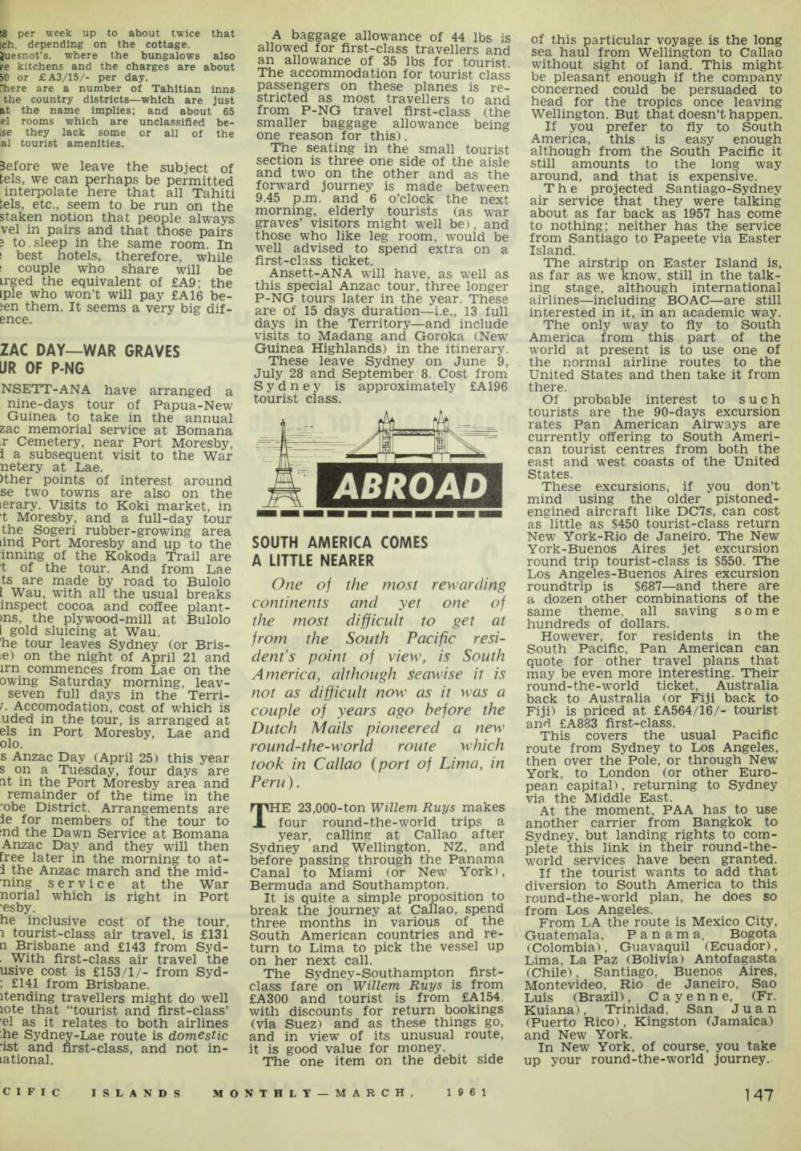 149
149 150
150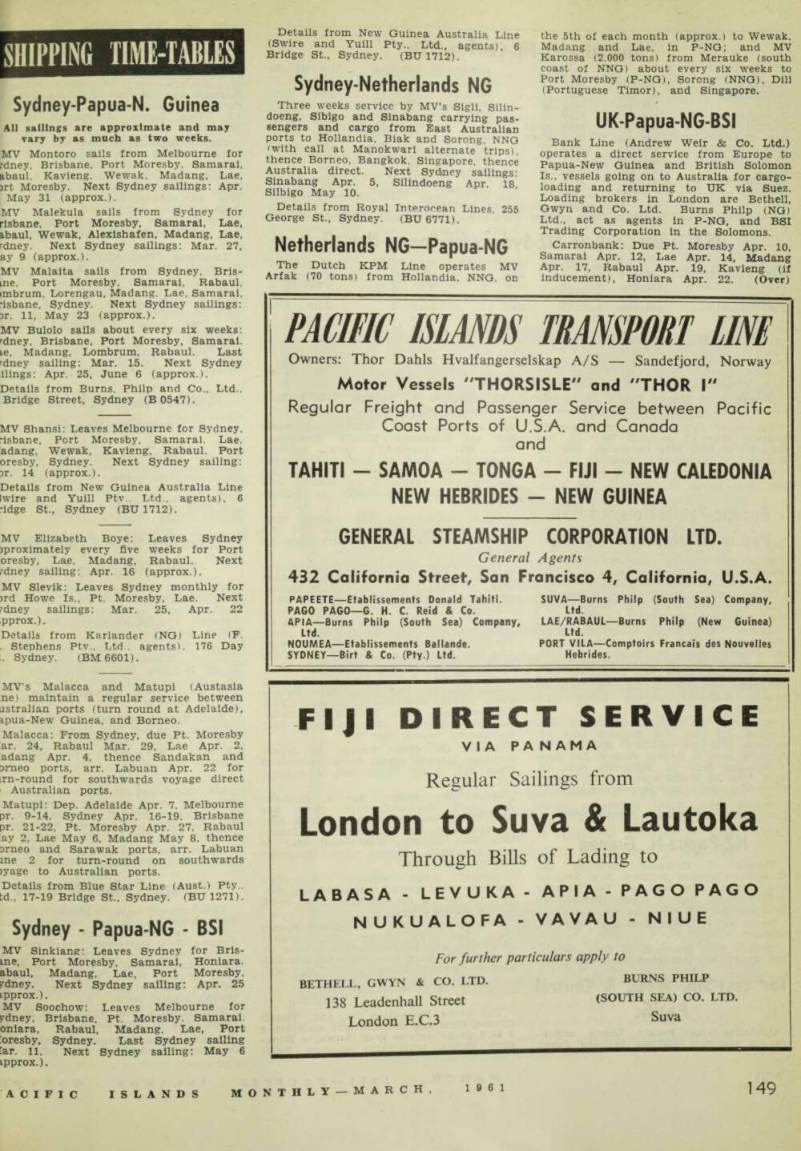 151
151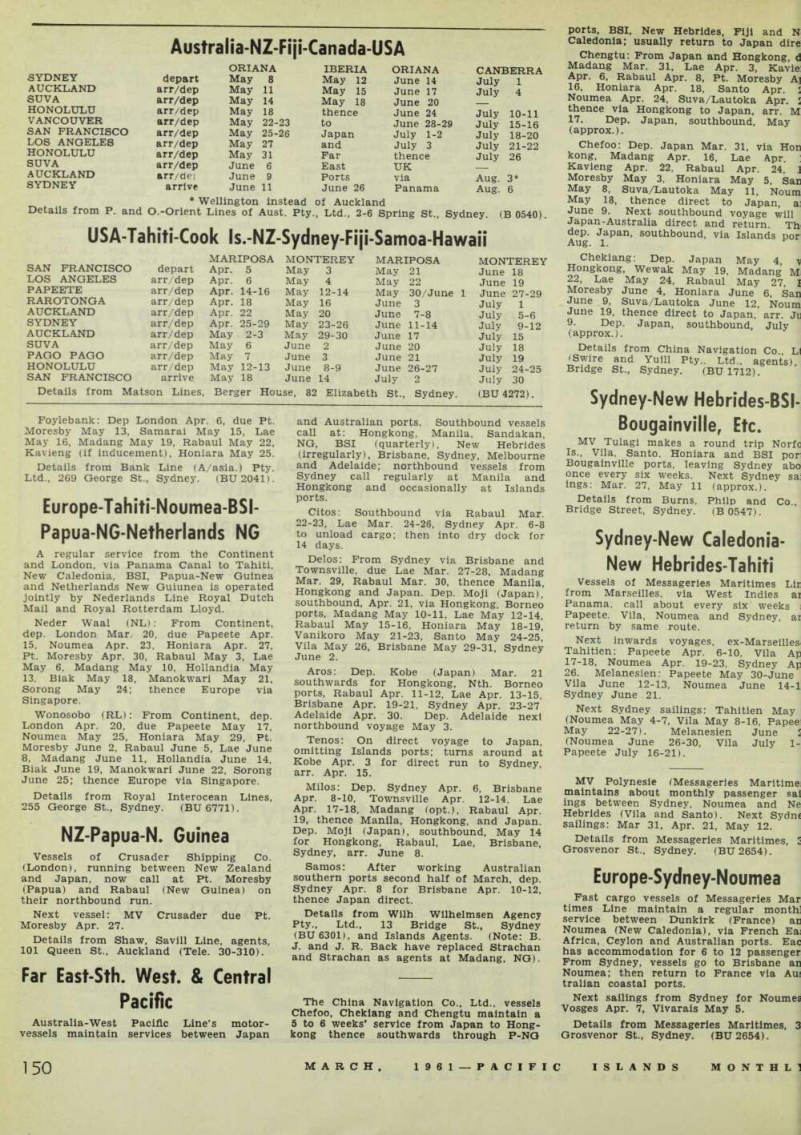 152
152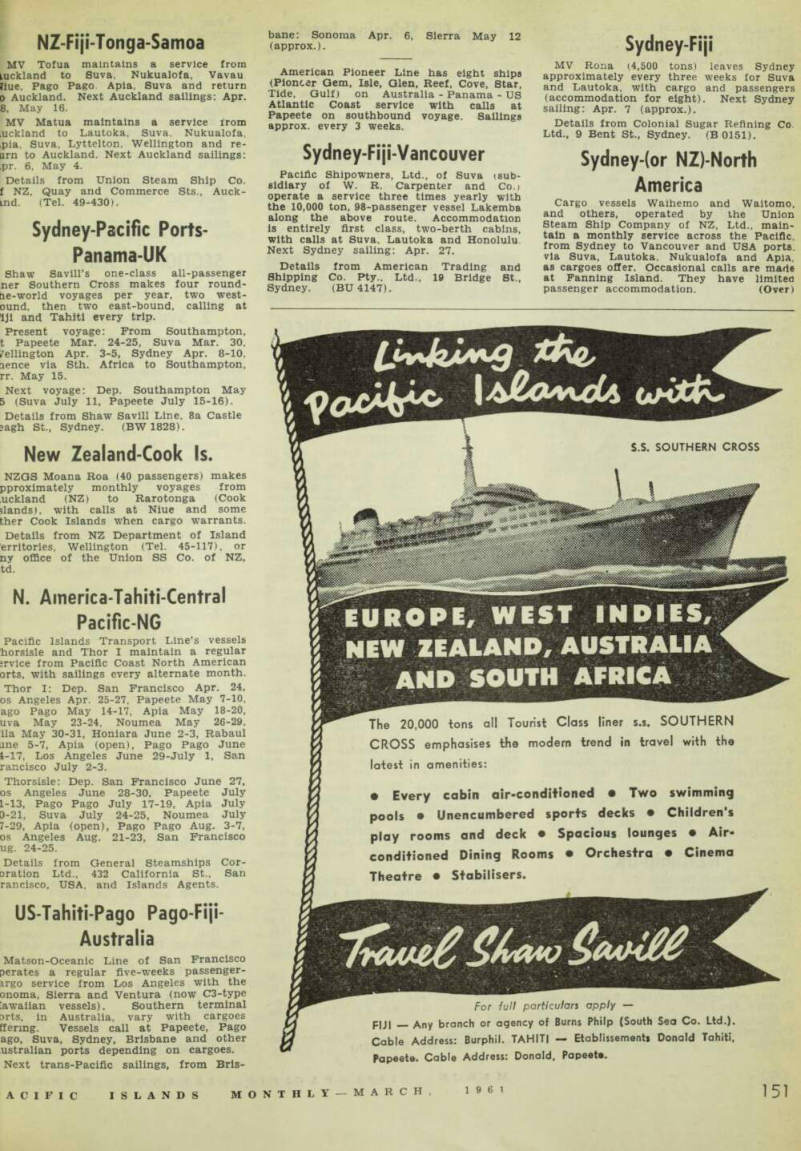 153
153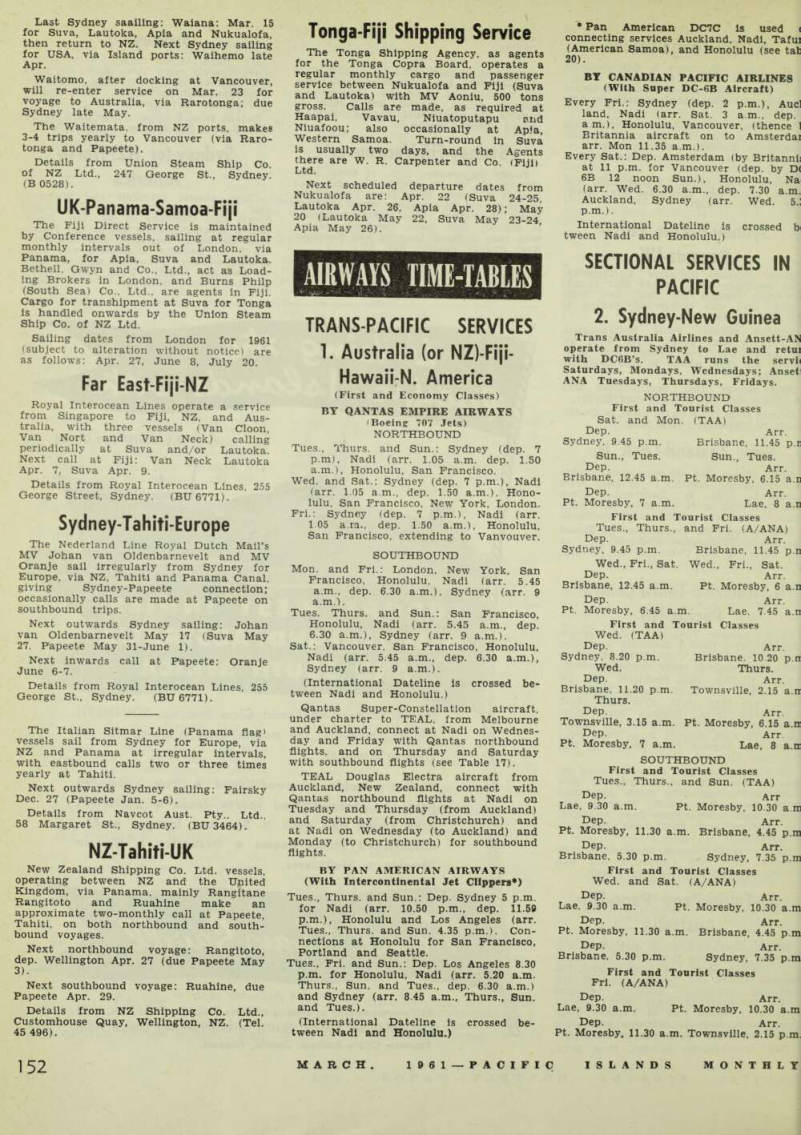 154
154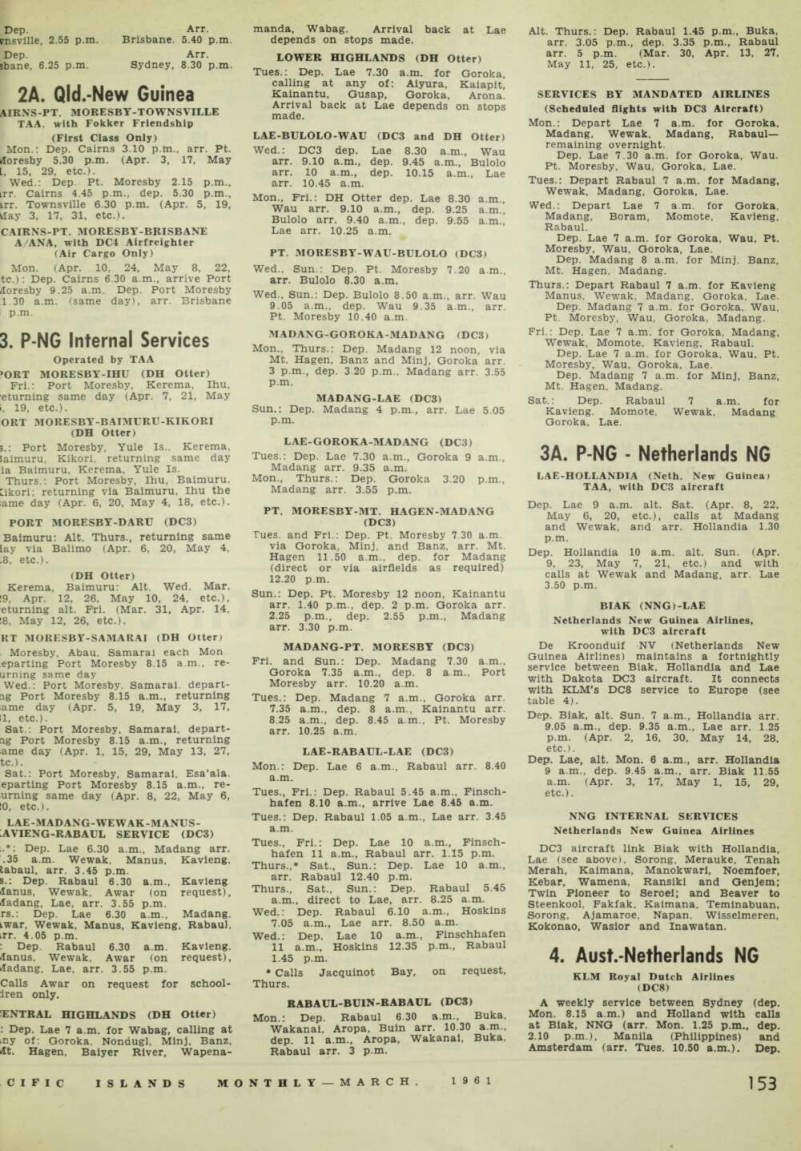 155
155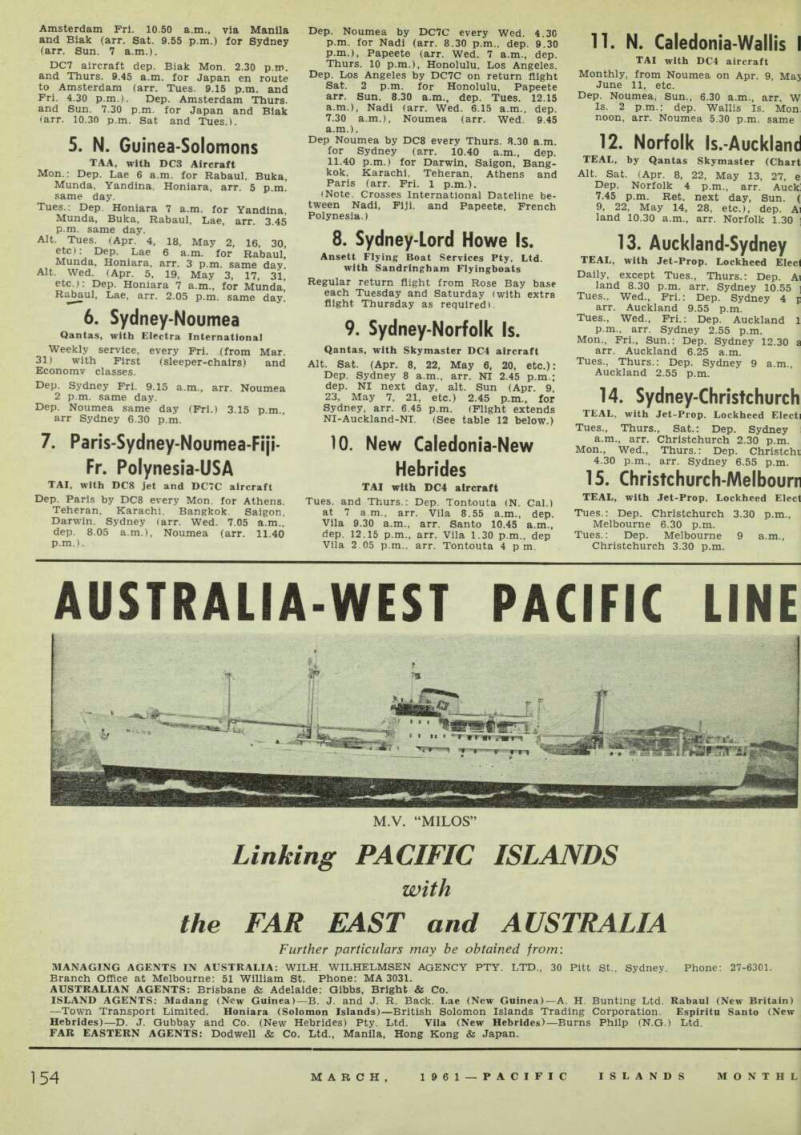 156
156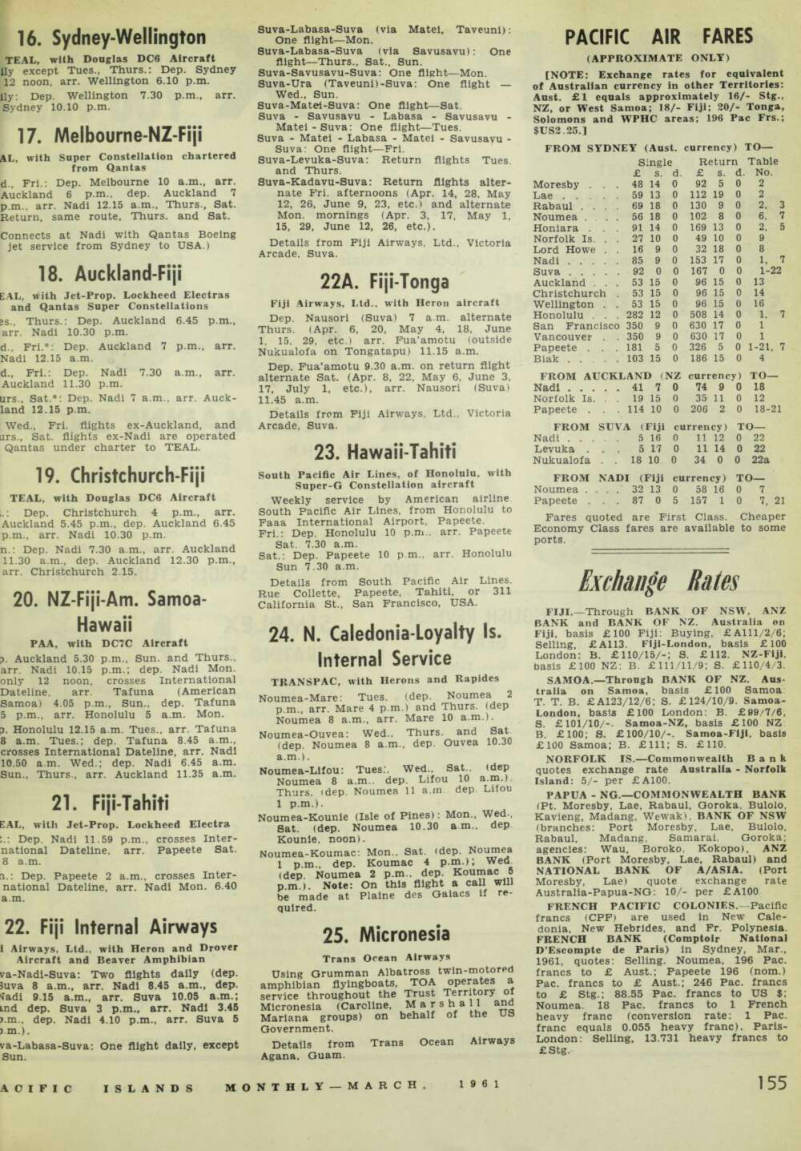 157
157 158
158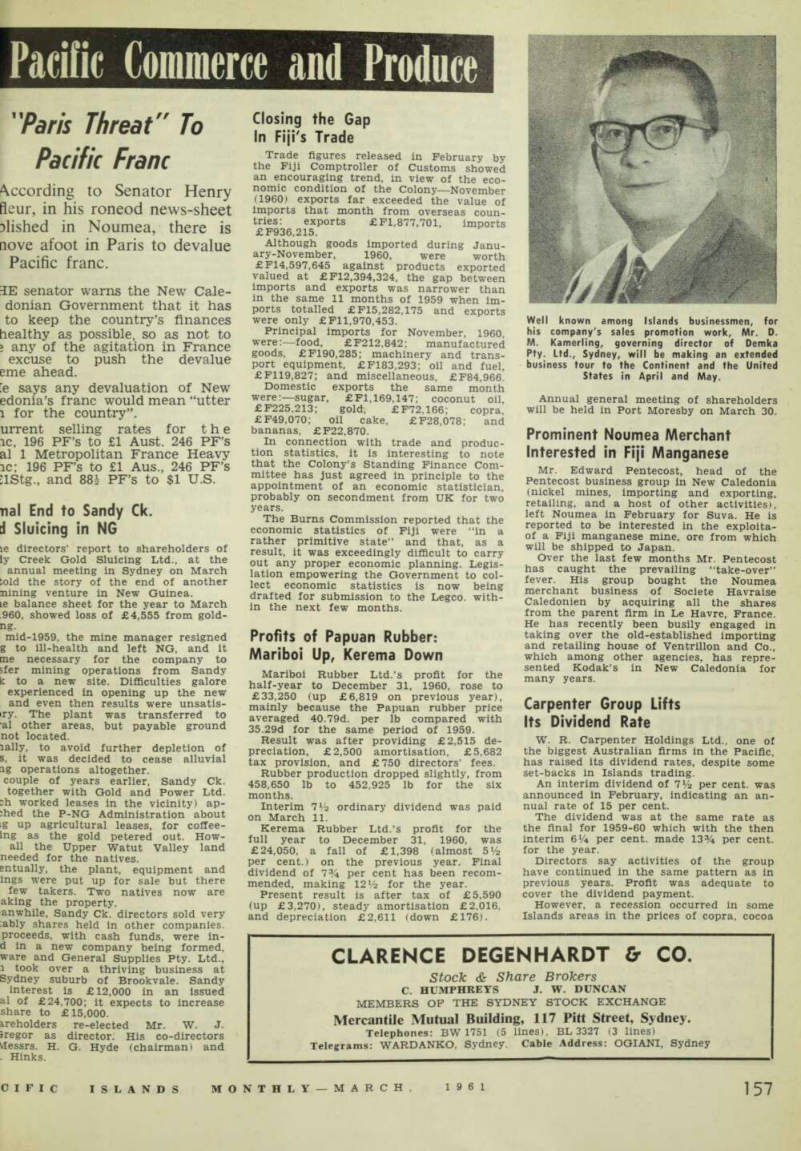 159
159 160
160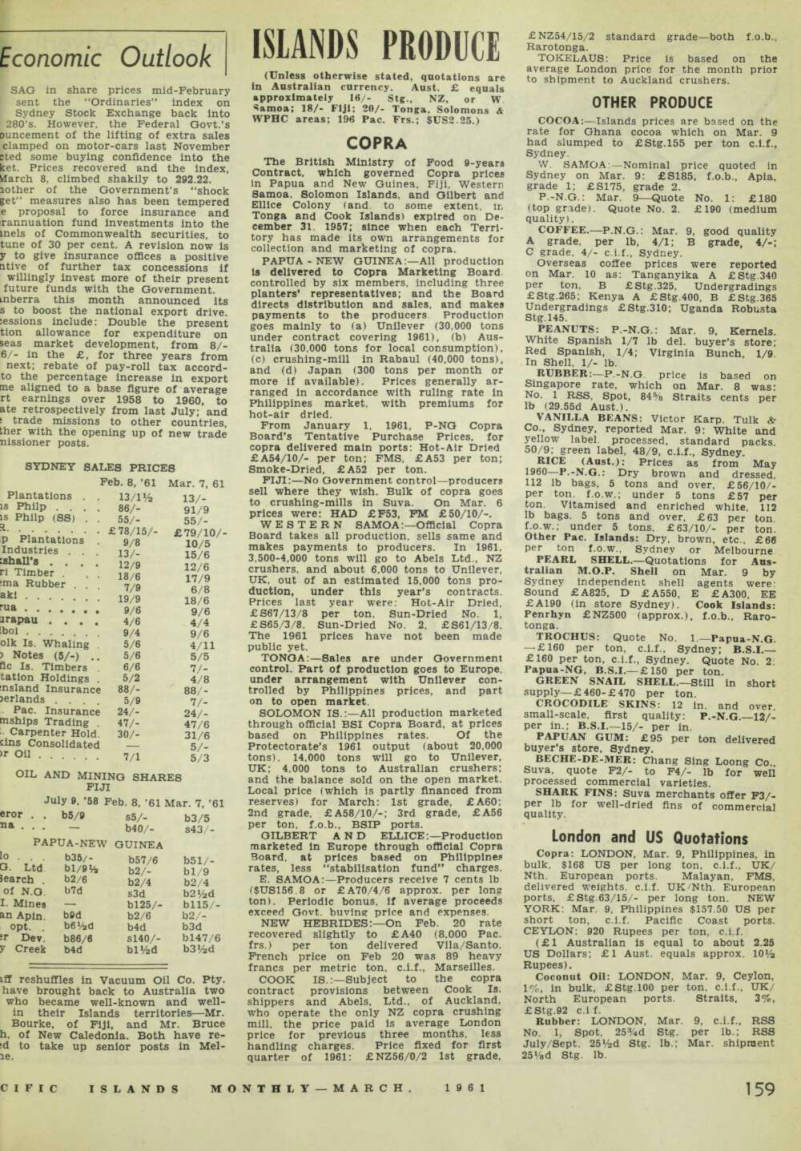 161
161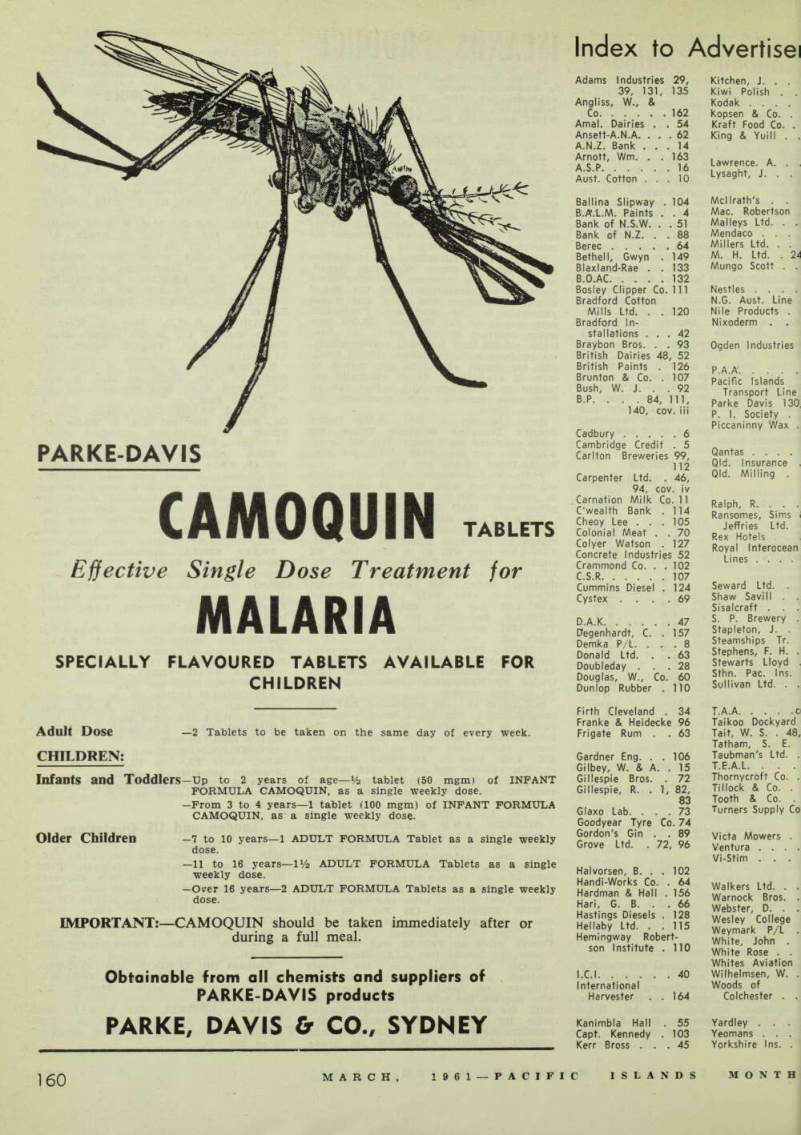 162
162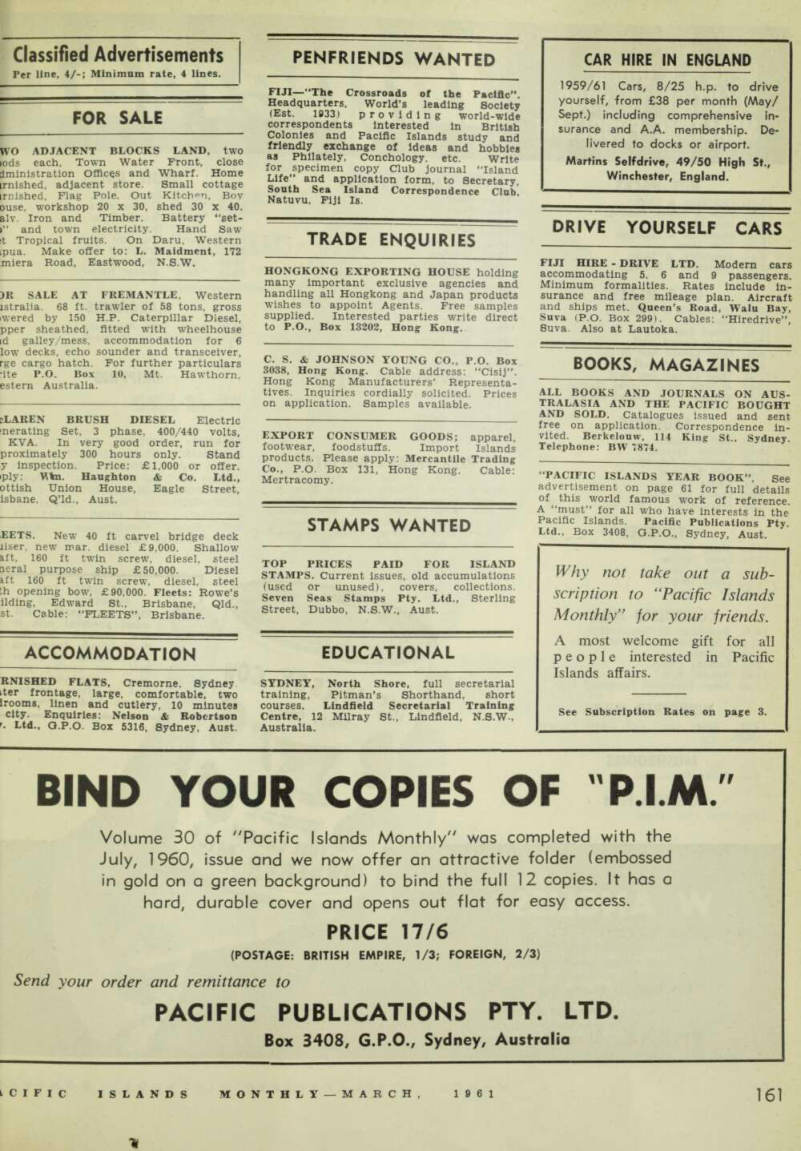 163
163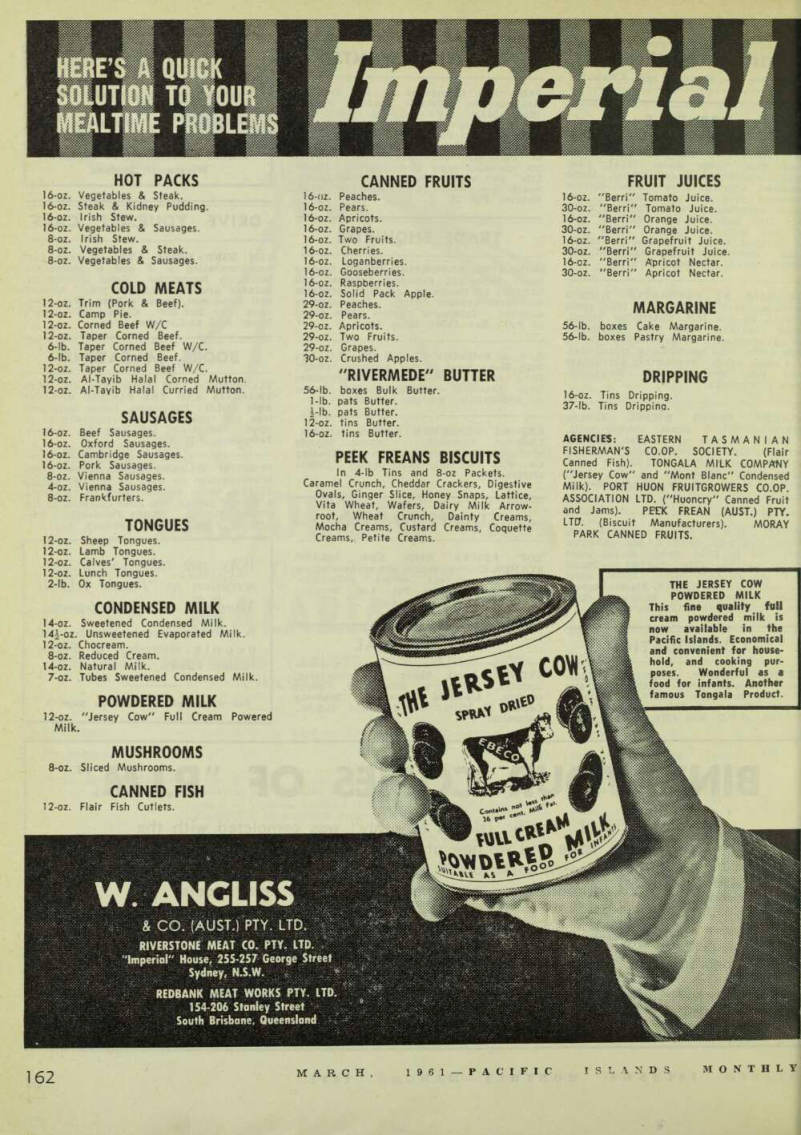 164
164 165
165 166
166 167
167 168
168