Silands
Pacific
Monthly
July, 1960
Vol. XXX. No. 12
tablWed 1930
sieved at the G.P.0.. . K ransmisshi by post a a newspaper
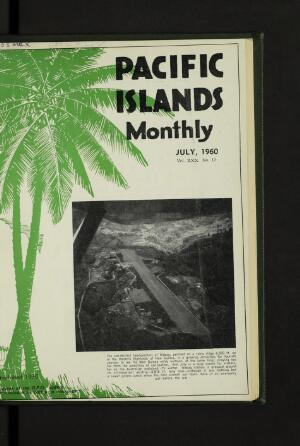
The sub-district headuarters of Wabag, perched on a rainy ridge 6,500 ft.up in the Western Highlands of New Guinea,is a growing attraction for tourists anxious to see the New Guinea wilds without, at the same time, straying too far from the amenities of civilisation. And July is a busy month for visitors, for on the Australian mainland it's winter. Wabag station is grouped aroud its all-important airtrip- 3,810 ft. long now -although is was nothing but a sweet potato patch when the first aircraft put down there in an emergency just before the war.
Advertisements & other items, pp. 2-6 (5 items)
Around
FLY ONE JEJUNE
A Ml A
ij it■ > m I 1 111 11 > i nunc QAN T A
AROUND
THE WORLD
oa ms
AUSTRALIA'S ROUND-THE-WORLD AIRLINE
Q 50.74.119
-A
‘dULUI
Arm
LANTERNS. LAMPS
STOVES AND /RONS
**ot ***
SET*
INTERNS:
Petrol or Kerosene. )0, 300 and 500 C.P.
THE &
sJr-'*' »Hs
rmmM
k
THE RESULT
OF OVER
50 YEARS'
EXPERIENCE
ySsfe
'ABLE LAMPS;
100 C.P. will give 12 hours ight.
IRONS:
Kerosene or petrol. Easy guiding, easy gliding.
SOLUS STOVES:
In silent and roarer types.
Representative for Pacific Islands
ROBERT GILLESPIE PTY. LTD.
22 YOUNG STREET, SYDNEY. PHONE BU 2221. CABLES: "ROBERGILL"
ALSO 334 QUEEN STREET, BRISBANE, QUEENSLAND.
ROBERT GILLESPIE (N.G.) LTD.
Lae, Madang, Rabaul, Port Moresby
PEARCE & CO. LTD.,
Suva for Fiji Islands
KOPSEN
AUSTRALIA'S
LEADING
SHIPCHANDLERS
ALDIS
AGENTS
FOR
AI ISA CRAIG
SIMPLEX
PENTA
MARINE ENGINES
DAYLIGHT
SIGNALLING LAMP
New improved model. Used as daylight signalling lamp or as a powerful spotlight at night.
An invaluable safety aid and a necessity on all cruising yachts and ships. Operates on 12 volt system.
JABSCO PUMPS
World famous self-priming pump, Neoprene Impeller, self-lubricated, gearless, quiet in operation. Easily installed to any marine engine.
"DELUXE"
YACHT TOILET
New Deluxe model with vertical handle for added convenience. Available in white or pastel shades.
Price (white) £7B/6/- (colours) £B3/11/- also Standard Model £4B/18/9.
PATENT CQR ANCHOR
The CQR anchor is famous for its positive efficiency and ease of handling. One-third the weight of the ordinary anchor, but three times the holding power. Sizes from 5 lb. to 140 lb. Prices from 51/- each.
GALVANISED EWBANK SPIKES
Patent* taper bellied spikes with tremendous holding down capacity.
Ideal for wharf and bridge planks —pontoons —ramps, etc. Sizes: 3", 3*", 4", 4\". 5", 6", 7", 8", 10".
COPPER AND MONEL NAILS
BRASS AND MONEL SCREWS
COPPER SHEATHING
Soft Rolled Copper Sheathing available in 24 or 26 gauge.
Sheet size 48" x 14".
Also Copper Keel Strip (half round). Sizes from 5/16" to f".
W. KOPSEN & CO. PTY. LTD.
ex lines) 376-380 Kent St., Sydney '“Usy
ALTIC SIMPLEX MACHINERY
for Tropica!
Applications
TTILISER BROADCASTERS
illustrate our Model 18 3 Point Linkage Broadcaster, manufacture a full range of Broadcasters covering 3 it Linkage and Motor Truck attachment models, also contained machines with steel or wooden hopper, per capacities up to 12 cwt. Spreading rates up to on or more. Whatever the fertilizer you may wish to ;ad, we have a machine for the purpose. 1
JACKO STEAM
BOILER
Available in three models. For solid fuel or oil firing, ideal for low cost steam production for any purpose, heating, cleaning, honey extraction, fat rendering, etc.
HAMMER MILL GRINDERS
We have a full range of hammer mills with horsepower requirements ranging from 3 h.p. to 35 h.p. or more Outputs up to 4 tons per hour are possible. If you have any material at all to be shredded or ground, we invite your enquiry.
THRESHERS AND WINNOWERS
Illustrated above is the "Little Wonder" combined thresher and winnower which will thresh and clean practically any small seed or cereal grain. The "Little Wonder Winnower is a similar machine for seed cleaning. For hand or power operation, it may be fitted with bagging elevator. All metal construction, widely used for treating paddy rice. mi
EARTH MOVING EQUIPMENT
We have a full range of low cost earth moving equipment, our self tipping trailer type tractor scoop being illustrated above.
We also have a 3 Point Linkage Ripper Scoop, which rips, scoops, dumps and spreads without the operator leaving the tractor seat.
Enquiries invited from Agents or Stockists in ail areas.
We also supply : —
DAIRY MACHINERY
We illustrate the Baltic Separator, available in capacities from 10 to 120 gallons per hour. Our Dairy Machinery Range includes the Simplex Domestic Type Milking Machine, suitable for 1 to 10 cows, or the Simplex Milking Machine for larger Commercial Dairies.
Enquire about our full range of Dairy Equipment including welded bails, vats, milk coolers, etc.
MOWERS, HAY RAKES, HAY BALERS, SAW BENCHES,
SLASHERS, BUCKRAKES, ENGINES, SHEARING MACHINES,
SPRAY IRRIGATION EQUIPMENT.
BALTIC SIMPLEX MACHINERY CO. LTD.
Showrooms: 446-450 FLINDERS STREET, MELBOURNE
Offices and Factory: 210-220 HALL STREET, SPOTSWOOO, VIC. 608-614 HARRIS ST, SYDNEY -170-181 MARY ST, BRISBANE
THE CHSNA NAVIGATION CO. LTI
(A British Company incorporated within the United Kingdom.)
Passenger Liners:
M.S. "SINKIANG"
Art.S. "SHANSI"
M.S. "SOOCHOW
Regular services between Australia, Papua-New Guinea and Solomon Islands
Regular monthly service with
the modern motor ships:
"CHENGTU"
"CHEFOO"
"CHEKIANG"
(Cargo only)
Connecting Japan, Hong Kong,
New Guinea, New Hebrides, New
Caledonia, Fiji and Tonga, thence
return Japan direct.
For further particulars please apply to Agents or refer to the weekly advertisements in the “South Pacific Post ”
AGENTS:
m I * ■ PAPUA: Steamships Trading Co. Ltd., Port Moresby, Samarai.
Cables: "Steamships".
NEW GUINEA: Colyer Watson (N.G.) Ltd., Lae, Madang, Rabaul.
Cables: "Colyeram".
NOUMEA: Etablissements Ballande, Rue de L'Alma, Boite Postale 18, Noumea.
HONIARA: British Islands Trading Corporation.
VILA: Les Comptoirs Francaise des Nouvelles-Hebrides.
JAPAN: Butterfield & Swire (Japan) Ltd., Tokyo, Yokohama, Osaka, Kobe. Cables: "Swire".
FIJI: Morris Hedstrom Ltd.
SANTO: Les Comptoirs Francaise des Nouvelles-Hebrides.
APIA: Morris Hedstrom Ltd.
NUKUALOFA: Morris Hedstrom Ltd.
TAHITI: Etablissements Donald.
EASTERN MANAGERS: Butterfield & Swire Ltd., 1 Connaught Roa Central, Hong Kong. Cables; "Swire".
General Agents in Australia
SWIRE 6l YUILL PTY. LTD.
6 BRIDGE STREET, SYDNEY.
CABLES: "SWIRESHIP". BU 1712
Ific Islands Monthly July, 1960
2
JULY, 1960 PACIFIC ISLANDS MONTH
3
CIFIC ISLANDS MONTHLY J U L Y . 1860
4
JULY, 1960 PACIFIC ISLANDS MONTH!
People
famous old pioneer of the n days in New Guinea, Mr. :h Rudolph Wahlen, of Ham- Uermany, celebrated his 87th ly early in June. In a note dend in Sydney he says that is at Bramstedt in April, r oing some medical treatment, •he doctors called him a rnienon”. And. for a man of jore years and a bit he really aenomenon—he still takes his ig dive into the swimming ear his home in Bebelallee He 'ears ago, that he intended to be 100, and he now is within of his century.
er a long stint in the South ic, and an even longer stint ibraltar, Mr. A. h. Abraham xpected to return to the Pacific me as Chief of Police in the 3 h Solomons. Mr. Abraham has Commissioner of P° llce 1f iltar since 1953, but from 1944 )50 he was in Fiji. He later ;ferred to British Honduras.
a real islands night in Vila, New [?]s when the Australian destroyers, [?] nand "Anzac" called in on a cruise.
Vila Harbour, Commander A. W. Savage [?]k") and Lieut.-Commander B. D. Gordon [?]Anzac") get into the swing of things.
Photo: Reece Discombe.
"Tanks for a nice time," says Commander Savage (see top photo), as he presents plaques from the two Australian ships to Bill Reid, president of the Vila Ex- Servicemen's Association.
Photo: Reece Discombe.
A spare time occupation of U Fanaafi Maiai, of Western Sam is the translation of English classl including R. L. Stevenson’s Treasi Island, into the Samoan langua This fact was mentioned in in June when it was officially a nounced that Miss Maiai, who 1958 became the first West Samo woman University graduate, 1 been appointed Lecturer in Edii{ tion at Victoria University 0 lege, Wellington now the fi Samoan to become a Univers lecturer.
Dr. Jan van Baal, the form governor of Netherlands New Guin( visited San Francisco in early Ju en route to The Hague after teaci ing anthropology to University] Oregon graduate students for £ weeks. He went to Oregon as a gu« member of the faculty. These da Dr. van Baal is on the staff of t] Netherlands Royal Insthute : Tropical Affairs and lectures young men and women prepari] for careers in Dutch New Guinea * * * Auckland has an important futu as a centre for South Pacific r search, said Mr. Jack Golson, : Auckland, in June, after he had n signed as senior lecturer in pn history at Auckland University i he can take up a Fellowship : archaeology at the Australia National University, Canberra ne: year. “Auckland should be able exploit the South West Pacific fiel and there are moves here alrea( for a School of South West Pacif Studies,” he said. “This could tal in NZ’s islands territories, pli territories like Tonga, and Same as well as parts of Melanesia sue as Fiji and New Caledonia for whic no one has a prime responsibilil in the study field.” * % ♦ Young Frenchman Guy Clabau( who is making a lone-handed voyag around the world in a small yact
Mr. and Mrs. M. L. Bernacchi, photographed Suva aboard the GEIC Government vessel "N[?] koria". They recently made a visit to Austral Mr. Bernacchi is Resident Commissioner of Gilbert and Ellice Islands.
finding it pretty strenuous, led up at Mare Island, in the r group, one Sunday morning June in what was described ‘very feeble physical condi and shortly afterwards he )wn to hospital in Noumea, d left Bora Bora in April ide a short call at Rarotonga, Cooks. ♦ * * lure of television was strong rac L ive Karana, 18, of Kavieng, •eland, who had her heart set pearing in a TV film being by an Australian company in I in June. The company lined 0 fly her to Rabaul. But then igrv brothers stepped in and 1 her away, fearing that a would never come back from right lights and her family lose her bride money. After aing in vain that Karana’s appearance would earn her cash than her bride price, the ,ny got itself another star.
shop George Bernarding, SVD, ntlv consecrated in Pittsburgh, isylvania, as Vicar Apostolic to Hagen, New Guinea, is, like most he American missionary priests -NG, an ardent baseball fan. In it was he who introduced the L ’e to Lae while he was building Mary’s Church there ten or 12 *s ago. He is a “Before” and one of those evacuated from a Bena when the Japs cut on yone’s retreat after they occupied NG coast in 1942.
[?]tinguished figure at Noumea' s June 18 ony at the de Gaulle memorial, which [?]morates New Caledonia's decision in to adhere to de Gaulle and Free France, Henri Sautot, French Pacific's war-time leader.
Coinciding with the 75th am versary of the establishment of t Seventh-Day Adventist church the South Pacific, is the discove of the grave of Captain j ■ Marsh, master of the Pitcairn'fu
Seventh-Day Adventist schooner!
sail into the South Pacific area Ca tain Marsh died in 1892 and 1 grave is in the Remuera, Aucklar cemetery. Adventist Public Relatio Director in the South Pacific j, Ernie Steed, announced in Ju that a monument will now be bu over the grave to all pione workers in the area.
The US Navy Commander-h Chief, Admiral Arleigh Burke, w quoted as saying at The Hague ] June that the US was “interested! having bases all over the world, eventually a base in Hollands This caused a mild international ii cident, whh Indonesia in the va until the US State Department sh the Admiral down with the explaru tion that he hadn’t said that at a or, anyway, hadn’t meant what 1 was supposed to have said. * * * There seemed to be need for tt appointment of a new Administrate of P-NG who “would approach h responsibilities without thinking i terms of keeping the whites on top said The Canberra Times in a editorial on July 5. Some of tt utterances of the present Admir istrator, Brigadier D. M. Clelam represented “crass stupidity”. Or of the considerations in the appoint ment of administrators of all terri tories was to avoid the “politics favouritism which has entered int too many of these appointments i the last three decades”. In repb Port Moresby’s South Pacific Pos described the Times’ editorial a “shabby”, “despicable” and part c a smear campaign aimed at remov ing Brigadier Cleland from office.
Two senior staff members of TEAL are due leave the company at the end of July—ch engineer George Bolt (left) and assistant gene manager John Veale. Mr. Bolt is retiring; I Veale will take up a position as gene manager of a new business shortly to be est lished in Auckland.
that Norfolk Island has got i elected Council (it started ;) local resident H. S. New s publicly suggested that what : wants is a “kind of watch ilance group” to see that those keep their promises, or else he reason why. “Everyone is > he said “how on the mam-
Jiticians don’t keep promises/’
is was immoral and brought atic government into disre [t could happen in Norfolk, [r Newbery, adding, “It’s no ce a year just electing a per id letting him run wild.”
lightning trip” is how aNether : official information bulletin ibed the visit to Netherlands Guinea in July of three Aus m politicians, headed by Mr.
Lucock, vice-chairman of the amentary Foreign Affairs Com ;e. It certainly was: They ed in Hollandia by air from > on July 6, met top officials local people at the Governors ence in the evening, saw india in the morning and re ed to P-NG by air an hour or later. The three men wre ;ly a small proportion of a big i of Australian politicians from iarties. who were swarming over ralia’s tropical northern islands une and July, as Canberra was tie depths of winter. * * * miara, BSIP, people are friendly easy-going, but good neighbour 's became a bit strained recently n a few of them insisted on play their radios too loudly. The dif- Ity was to know who the culprits
[?] t the gift equipment given to the Ducos
[?] aledonia) Hansenide sanatorium in recent
perhaps the most useful (in objects ot ative size, anyway) is this magnificent [?] ope, here being used by one of the staff The microscope is rendering immense [?] ce, according to the Sister-in-Charge.
Photo: Fred Dunn.
were, and the telephone system 1 came jammed with irate hou holders accusing each other Th somebody discovered that the mu was coming not from local rad but from a public address systi on a Japanese ship anchored ■ Point Cruz.
Federal Secretary of the Australii Printing Industries Employees’ Uni( Mr. C. Colborne, turned up in Pc Moresby in July hot on the hei of Australian newspaper repo] that he was going there to establi unions among the natives and g them a pay increase. But to t Territory’s Press he said, “The i ports that I am here to organ] native unions are completely wror I am on a fact-finding mission”.
Married in the Roman Catholic Church, P [?] Moresby, recently. Miss P. Partridge and [?] D. Baldwin. Mr. Baldwin is a member of well known Territory family.
Photo: Papuan Prin[?]
Papua-New Guinea needed a good public re[?] tions set-up in Australia to see that it a fair go, said old Territorian and pre- [?] owner-editor of the "Papuan Courier", Mr. E.
James, in Port Moresby in early July. M [?] recent Press publicity in Australia was adve[?] to administration and non-native residents, [?] some of it showed lack of facts and insuffici[?] knowledge of Territory affairs, he said. A pul relations bureau could help.
lesian subject Mrs Tamhatu, f a cargo clerk aboard the ship Karossa, arrived in lia in June as a stowaway, he had been refused an entry into NNG. She had boarded p at Singapore, and explained he didn’t want to go back onesia because her husband
sected of sympathising with
in the South Moluccas. Un ie Dutch agree to give Mrs. itu an entry permit, she is d to spend her days aboard irossa between Singapore and because Singapore won t allow hore, either.
e last surviving relic of the bad alackbirding days of the Aus m sugar-cane fields is Jack iree now pushing 90 —he thinks. is a “member” of the Hassal ly, has been for 35 years, and at present living on the farm [r. J. C. Hassal about 90 miles h of Brisbane. He is a Malaita and wasn’t blackbirded; he ally stowed away on a recruit cutter anchored off his home ge and was so small at the
. prospective employers turned
their noses. First he became a :’s offsider, then he worked on * farms around Geralton and daberg, Q’ld. He says the Aus- Lans treated them worse than dogs and paid them 2/6 a week es in those days—but Jack still ’erred it to the Solomons and in the Australian Government ed blackbirding and repatriated the Solomon Islanders from jensland canefields, he decided to lain—a step which he has never retted.
[?]ecent visit to Sydney from Fiji, by PAA, enaia Ganilau, and his wife Adi Laisa. enaia was awarded an OBE in the recent [?] Birthday Honours list. He is Economic
[?]ment Officer and Roko Tui Cakaudrove.
A black toe protruding fron stack of timber in the Lakemba Sydney in June led Customs offk to three young Fijian stowawj The three, who gave their names Netiri, 19; Sailosi, 21; and Suru all waterfront workers, had b hiding in a three-foot gap betwi the timber stack and the de head, living on water, biscuits s dry bread They explained that tl just wanted to see Sydney”. 1
Mr. R. L. Moyle, who has be chief accountant for Millers Limit in Suva, Fiji, for the past two yea will return to Suva in Septemb at the conclusion of leave and v join the staff of Fiji Times a: Herald Ltd. as accountant and bu ness manager. Mr. Moyle car originally from Brisbane, and b had considerable experience of t printing industry.
The lack of either a tiled bathroom or water service doesn't appear to detract ro the enjoyment of a bath for this young fell a Papuan from Port Moresby's Hanuab village. Photo: N. V. S
At the recent Charter Night of the Goroka (Ne[?] Guinea) Rotary Club—club secretary Mr.
Bolton and Mrs. Bolton. There are other phot of New Guinea rotary on page 135.
Photo: R. Schumake
-Day Adventist missionary Day Adventist missionary ing in retirement in Mel- Vic., is one of those who self-government for New i a natives yet awhile. r ” he told a Melbourne reporter recently, when the out NG was at its height, re s f ill eating each other up He went on to describe how, e was visiting a village out inantu about 18 months ago, was cooking on the fire e talked to the village men. >orter was so impressed that Hare got quite a piece of y for his old mission. Pastor ascribed this particular tribe some years ago; they are es who don’t always bury >ad—they eat them.
Loke, of Singapore, who has i Suva for the past two years
a representative of Cathay
Ltd. (new owners of the Pacific Hotel) recently pur the residence of the late E. Goodsir on Tamavua Hill, and plans to make that her nent home. Her son, who is ?ad of the Cathay group of nies in Singapore, probably risit Fiji in September or *r. * * * iouble drowning tragedy in New Hebrides, in la"e June ;d the townspeople, who are a f -knit community. Stephen dw 6, and Brian Kay, 4, dis red while playing at the s edge at Blacksands Beach, rch later recovered the body phen, but despite a search by of Vila for a week no trace found of Brian. Mr. dw and Mr. Kay are with , philp. Mr. D. Kay was re y manager when the hurricane : Vila in December, and he and ife, Joan, lost everything. PIM □ruary publi hed a photograph s. Kay in the wreckage of their
[?]is now doing some substantial busi ness the Indian population of Fiji. Photo here are Mr. A. F. Pinto, Air India's [?] manager, with Mr. and Mrs. Alfred at a cocktail party in Suva in June.
Advertisements & other items, pp. 7-17 (7 items)
5
CIFIC ISLANDS MONTHLY-JULY, 1960
\
K L Ml VC* , , . because there is a glass and a half of pure, fresh, full-cream milk in every half pound of Cadbury’s Dairy Milk Chocolate Moa/sFc/s
/ f / / /
OEREW
T *»Aoe marks
Battery
Power your flashlight with
EVEREADY
BRAND
D5O FLASHLIGHT BATTERIES
UNION CARBIDE AUSTRALIA LIMITED
CONSUMER PRODUCTS DIVISION
"Eveready" and "Nine Lives" with the Cat Symbol are registered trade marks of Union Carbide Australia Ltd., Sydney
E2BI
hhjuz^
•KL&slr^,
VKT J'WuX
-a /do Here’s the easiest way to give your family lots of pure, fresh milk every day. Stock up with arna tion Carnation is pure, fresh cow’s milk reduced to extra creaminess. It needs only 1 2 times its own volume of water to bring it back to normal-strength, high-grade milk.
Carnation Milk is canned just as it comes from the cow. Nothing is added only some of the water is removed.
For your protection Carnation is pasteurised and sterilised after the cans have been sealed.
Unopened, it keeps indefinitely.
In handy 6 oz. or economy Ui oz. cans, 48 to the carton. from contented cows. mmm
MILK
TS MOST CONVENIENT FORM
f E«
M/WS
J*r
your
attention
please!
• • Announcing the departure of flight No. 335 on the Bird of Paradise route to Sydney via . . .”
Going south this year? A mainland furlough, meeting old friends or seeing your children at school, is an event to look forward to.
Make it a carefree holiday. Let the Commonwealth Savings Bank’s Travellers’ Cash System take care of all your
holiday finances.
Call at any of the following branches for further information:— Wewcii\ Honiara Bulolo Lac
Norfolk Island
COMMONWEALTH
SAVINGS BANK
58.128.83 Port Moresby Goro\a Madang Rabaul Kavieng
6EP\ For a long cool drink on a long hot day % / o\€ v Never any risk ot running out ot soda-water with a Sparklels syphon. You make the soda yourself-the easy way. Just fill the syphon with water, screw on a Sparklets bulb ... and up comes the soda, cr.sp and lively. And you know without doubt that it’s fresh and pure. it you keep your new Sparklets syphon in your refrigerator you’ll have a supply ot ice-cold soda always ready. There’s a fine range of colours to choose from *nd it makes a wonderful gift.
Sparklets syphons
SPARKLETS LIMITED LONDON Nl7 ENGLAND
Q 1
PARKE-DAVIS
(AMOQUIN „. lm
Effective Single Dose Treatment for
MALARIA
SPECIALLY FLAVOURED TABLETS AVAILABLE FOR
CHILDREN
Adult Dose
CHILDREN:
—2 Tablets to be taken on the same day of every week.
Infants and Toddlers— Up to 2 years of age— y 2 tablet (50 mgm) of INFANT FORMULA CAMOQUIN, as a single weekly dose. —Prom 3 to 4 years—l tablet (100 mgm) of INFANT FORMULA CAMOQUIN, as a single weekly dose.
Older Children -7 to 10 years—l ADULT FORMULA Tablet dose. —ll to 16 years—iy 2 ADULT FORMULA Tablets weekly dose. a single weekly a single ~dose 16 years—2 ADULT FORMULA Tablets as a single weekly IMPORTANT:— CAMOQUIN should be taken immediately after or during a full meal.
Obtainable from all chemists and suppliers of
PARKE-DAVIS products
PARKE, DAVIS & CO., SYDNEY
AH NEW TWIST!
GOLDEN
BIRD
MADE
THE VERY
FINEST
imported
TOBACCO
Keeps longer! Smokes belter in humid conditions long storage life! „ . . , First Class Tobacco. Golden Bird special Twist is made from highest grade overseas tobacco leaf as used “J expensive pipe tobacco. It is not bitmgly strong but smokes sweet and mellow. Any pipe smoker would enjoy Golden Bird in his pipe.
Uniform Quality. Golden Bird is well made by modern, improved machines, each twist being of regular shape and even weight.
Mould Resistant. “Golden Bird’ was tested b* the*C.S.I.R.O. Here is the text of the report: ‘‘The f ailurt to develop mould growth within four weeks at 90% relative humidity at 77° F. temperature indicates that the samples submitted have manifested a considerable resistanceto attack by moulds.” (Mould grows fastest at this temperature). , . . .
Special Packing. To guard against the effects of high humidity and to ensure complete smoking satisfaction, Golden Bird is supplied in moisture-proof, sealed polythene bags of 3 lbs. Packed in 30 lb. outers and in 90 lb. shippers.
GOLDEN BIRD fine imported twist tobacco, manufactured by
LEONARD NORMAN PTY. LTD.
15/19 AMELIA ST., WATERLOO, SYDNEY, N.S.W.
Cables and Telegrams: “LENORM” ‘ n
BUY AUSTRALIAN BUY GOLDEN BIRD
8/6 lb. f.o.b. Sydney Special prices for contract quantities.
1 * 9 w»
TMI
»0V *\.oo& <7/©
SViWN»
WWW*
s7^3^
UNO
f^ICCAHINNY
PD FDADCn U/AV
PREPARED WAX
FLOOR POLISH
FOR UNO. FLOORS. FURNITURE. LEATHER e MOTOR CARS Twice the shine in half the time"
Piccaninny imparts a glow of youth and beauty to floor surfaces that might otherwise soon begin to show their age. There is nothing more perfect for linoleum or natural wood floors.
Piccaninny's tough wax skin protects surfaces from tropical moisture, wear and tear—saves you hours of work and gives Twice the Shine in Half the Time!
ASK FOR
PICCANINNY
BROWN STAIN FLOOR POLISH
For Jarrah, Cedar, StaJned Floors & Woodwork Piccaninny Polishes are manufactured by
PICCANINNY MANUFACTURING CO.
254 Pittwater Road, Manly, N.S.W., Australia
Enjoy!
0 if —r- • < i u
COLUMBINES
the glucose rich caramel
that gives quick energy
SOLE PACIFIC AGENTS
S. E. TATHAM & CO. PTY. LTD. 414 Collins St., Melbourne Z 614
u Next to myself I like B.V.D. best. * 1 .* vis • ■ ’ m
imm
W|r| MM!!
2§f s '». mM itltitfri
uted in AUSTRALIA,
r ZEALAND and the
ng PACIFIC ISLANDS:
i Territories: Papua. Norfolk Island. Cocos Island, ust Territories; New Guinea.
Nauru.
Irown Colonies: Fiji. Gilbert and Ellice. >rotect orate; Solomon Islands, h Protected State: Tonga, ritories: Cook Islands. Niue, st Territory: Western Samoa.
Territories: New Caledonia.
French Polynesia. . French Condominium: New Hebrides, ftories: American Samoa. Hawaii, t Territory: Micronesia (Caroline, Marshall and Mariana).
Territory: West New Guinea.
Publisher:
R. W. ROBSON.
Editors:
TUDOR STUART INDER
Manager;
SELWYN HUGHES.
)NES: General Business, Editorial, dvertising. Subscriptions:
9197-8, MA7IOI, MA 4369,
MAI 395.
P.O. BOX 3408, SYDNEY,
ered Address for Telegrams grams, and Cables: "Pacpub , Sydney.
lUAL SUBSCRIPTION RATES:
ific Is. —Papua-N.G., Samoa, Norfolk, i, 8.5.1., Cook Is., i, G.&E. Grp., Niue, Hebrides, and other h South Pacific Terri- (includes surface postage) . • • • • • Pacific Territories (N. onia, Fr. Polynesia); Dutch N.G. (includes ce mail postage) .. ralia and N.Z. .
British Common- It h Countries, and gn (40/- Stg.) . .. .A. and U.S. Pacific lories ($6.00 U.S.) . lopies £l4 0 £l7 0 £1 10 0 £2 10 0 £2 12 6 2 6
BRANCH OFFICE, PAPUA-
NEW GUINEA
Publications (New Guinea) Ltd., i Building, Fourth St., LAE, New Guinea. Tel.: Lae 2577. iss Pat Robertson, Manager.
BRANCH OFFICE IN FIJI:
mes Building, Gordon St., Suva.
Tel.: 4043.
REPRESENTATIVE IN N.Z.:
l. Whitcombe, P.O. Box 5179, Auckland. Tel.; 22.570.
REPRESENTATIVE IN U.K.:
Ashburn, 13 Rood Lane, London, .3. Tel.: Mincing Lane 8633. lURNE OFFICE; Newspaper House, ‘ollins St., Melbourne, Victoria.
Tel.: 63.7053.
S: All main trading firms and ores in the Pacific Islands.
TIMES AGENCY IN AUSTRALIA
Pacific Publications Pty. Ltd., press House, 29 Alberta St., y (Telephone MA 9197-8), is the ilian Agent for THE FIJI TIMES, of Suva, Fiji.
7
CIFIC ISLANDS MONTHLY - J U L Y , 1960
Cific Islands Monthly J U L Y . 1960
10
JULY, 1960 PACIFIC ISLANDS MONTHL
13
;IFIC ISLANDS MONTHLY JULY, 1960
14
JULY, 1960 PACIFIC ISLANDS MONTHI
Contents:
PEOPLE: Personal Para graphs of Islands’ Interest 5 They’ll Talk Our Way Out Of New Guinea! I 7 Minister’s Statement On P-NG Target Dates ... I 7 New P-NG Election Can didates i 8 Qantas Leaves New Guinea, But More Moves Soon .. 19 Cuba’s Trouble May Benefit Fiji The Last Cruise of the Monowai 21 The Bumpy Road to Samoan Self-Government 21 J. B. Wright As West Samoan High Commissioner .. .. 22 What Happened to Amelia Earhart? 22 These New Guinea People Suffer For Their Aus tralianism 23 A Decision on New Cale donia’s Viets 23
Commentary 25
The Editors’ Mailbag .. .. 27 Sugar Deadlock Threatens Fiji’s Economy 29 A Moresby Guest House That’s Different 33 All NZ Under Leo White’s Camera 35 R. W. Robson’s Fiji Roundup 37 Education In Papua-New Guinea 4 5
Territories Talk-Talk,
With Tolala .. 48 New Guinea Has Roads But Not Bridges 51 HOMEBASE with Sydney sider 58 Letter On New Guinea Sugar Situation 57 Odd Angles On Lord Howe Island 61 Life With the Frisbies ... 63 Old New Guinea Flyers Meet 67 New Guinea Self-Govern ment—Ready Or Not ... 69 Tin Can Islanders Are Back 75 Fiji’s Paralysed Artist .. .. 77 Letter On Fiji’s Leper
Colony .. .. 79
Magazine Section:
Tropicalities, 81; The Old Walrus Amphibian, 83; New Guinea Gamblers 84; Ode To a Conche Shell, 85; Use For Oil Drums, 86; Do You Remember? 87; Alice Bowring in the US, 87; Book Reviews 88 This Month’s News of Ships and Yachts 101
Pacific Report; Round
up of Pacific News and Pictures (index p. 17) .. 115
Obituaries 1 47
Sports Review • • 150 Shipping and Airways Time tables 154 Commerce and Produce .. .. 161 Volume Index 165
Advertisements & other items, pp. 17-18 (3 items)
A Product of Pocifie Publications Pty. Ltd., Technipress
House, 29 Alberta Street, Sydney (29 Alberta Street is 10 yards from the intersection of Goulburn Street and Wentworth Avenue.)
16
JULY, 1960 PACIFIC ISLANDS MONTHL
Manufactured To Withstani
GUARANTEED,
BEAUTIFULLY EVEN,
SATIN FINISH
ENAMEL
British Paints Limited
SATIN MSB
ENAMEL
f*r WALLS, CEILINGS_ond WOODWORK
as r f
UilllU
MANUFACTURED TO WITHSTANI
ALL TRUPICAL CONDITION!
Resists heat, humidity, mildew, fungus and mould! Satin-Tone gives beauty and long-lasting protection. Guaranteed free from any brush marks. Dries to a beautiful, even semi-gloss finish.
Satin-Tone is specially manufactured to stand up to the rigorous tropical climates. It dries hard—gives long-lasting protection to interior and exterior walls, ceilings and all woodwork. It’s unaffected by steam and cooking vapours, which makes it ideal for kitchens, bathrooms and laundries. You can scrub it and scrub it without hurting or dulling its distinctive satin lustre.
Skilled colour stylists blended Satin-Tone’s exceptional colour range. You can choose from a wide selection of strong colours and soft pastels. See them now at your nearest British Paints Limited depot or store.
IMPORTANT: For maximum protection against fungus and mould growth always treat new or previously painted surfaces with British Paints Limited’s anti-mould solution.
Enquiries are invited from storekeepers to act as authorised agents for British Paints quality products.
Write to British Paints Limited, Box 43, P. 0., Bankstown, N.S.W., Australia.
BRITISH PAINTS LIMITED
me,
SATIN FINISH ENAMEL
They’ll Talk Our Way
It's Open Season For Opinions They’ll Talk Our Way Out Of New Guinea
By a Staff Writer
On the New Guinea front, June was the month of itements”. They were being made by Prime Ministers and nomists; building contractors and coffee planters even by 4ew Britain native. ( ; The Australians have been here 50 rs isn’t it about time they got out?”) All the statements concerned the future of the Territory, and them up and subtract the number you first thought of; and ! may draw the lucky prize.
statement that got the most iblicity was that of Mr. R. G. enzies, Australian Prime Mm who returned from abroad attending the Prime Minister’s rence in London—on June 20. .and pressmen in Sydney that he changed his mind about the r of self-determination for i-New Guinea. said that he would rather see endence come in the Territory > the natives were ready for it, risk the hostilities delays could had once thought that it was • to go slowly in granting in idence, he said; but the pre g thought now was “if in doubt, :>ner”—and he now belonged to school. (“But that does not ” he interpolated, “that you vrite a timetable out for, say, ars’ time.”)
Mr. Hasluck Started It
b statements, of course, had r started rolling weeks before, ff by Mr. Paul Hasluck, Aus ,n Minister for Territories, who accompanied Mr. Menzies l< The Hague, on May 25, he ed “against rushing into cal changes in New Guinea.” leal change without social ge didn’t mean a *hing, he said, as Australia’s aim in its NG tory to put the two million r es economically on their feet •e thinking of political develop ne of the worst things to do a primitive people is to i to a certain standard of living out teaching them how to look ■ themselves when they are m ndent.” . , ... bo could disagree wi f h that? 1 June 10, Mr. Hasluck was in Francisco, where he World Affairs Council of hern California, and said that future of what he called the
European “migrant p9pulation” in Papua and New Guinea “is in timately linked to the future of the
indigenous population”. If Eur9~
peans were to continue to stay in P-NG it would be “only on terms of partnership with the indigenous group”. , , , The future, he said, would depend largely on the way the relationships between the indigenous and the European peoples were worked out.
A lot of Americans thought in stinctively of the overthrow of George 111 and depositing tea in Boston harbour when “colonialism” was mentioned; or the end of British
rule in India, or the presently emerging states of Africa.
But some of the areas of the world were unique, Mr. Hasluck continued, and were in no position to govern themselves. “What we must recognise is that each situa tion is unique unto itself.” (over)
Obstacles in the way of self-gov ernment for New Guinea, he said, included “the almost unbelievably primitive people who are divided by 500 distinct languages.”
Australia took pride in its NG administration, which was “provid ing the people with the rungs of a ladder,” which would make it possible some day for them to govern themselves. Those rungs in clude establishment of law and order, establishment of a common language, improving health and food supplies, and providing ways of earning a living.
These tasks must be accomplished before the natives were suited to determine their own fu f ure. A time table was unpredictable—but Aus tralia’s goal was to reach a point where the natives could govern themselves, and he hoped that when that time came “we are able to sit down in a friendly way and reach an agreed course of action”.
Who could challenge any of that?
Australia Into Line Mr. Hasluck also in June but this time in New York, told a New York Times reporter that the Territory would not be ready for self-govern ment for 30 years although he ex pected Australia “to be under great pressure in the coming years to grant independence.”
It was probably no real surprise, following all this talk by Mr.
Hasluck and Mr. Menzies, when on
June 25 the United Nations Trustee ship Council asked Australia to fix early target dates for political, social and educational development in New Guinea. The move, accom panied by quite a fanfare, was sponsored by Russia and India, two of four nations which had drawn up a report on the Territory. The other two were Belgium and Britain, who drew up a less direct formula, which was rejected.
On June 27, now back in Can berra, Mr. Hasluck said that Aus tralia would “set immediate and realistic” target dates for stages of educational, social and economic advancement in the Territory. (This was by way of being a major policy statement and is dealt with else where) .
On June 26, H. J. Roethof, des cribed as a expert ex plained why the Dutch in their part of New Guinea are pressing ahead for independence, perhaps within 10 years. “Recent developments— particularly in Africa—have set the Dutch thinking ... (developments) convince us that it is no longer pos sible to develop colonial territories towards self-government in an orderly way.” And in Canberra, Leader of the Federal Labour Opposition, Mr. A. Calwell, said: “It is unrealistic at present to believe that the people of P-NG will be fit for self-government in 30 or 40 years.”
He renewed a suggestion made a year ago that an all-party com mittee visit New Guinea and report on its future; and said that Mr.
Menzies’ statement placed Mr Hasluck on the horns of dilemma: and that he (Calwell) intended to
visit the Territory forthwith. (A few days previously, in Di win, Mr. Calwell said that Labour Party favoured an agr< ment on P-NG between Indones
(Continued on page 149)
DUTCH VISIT. The first Dutch warship to drop anchor in Port Moresby harbour in post-war ye[?] arrived in June on a four-day visit. She was the frigate "Piet Hien", the former British destroy "Seraphis" , seen here at the Port Moresby wharf. "Piet Hien" is one of two Dutch ships constant patrol in NNG, which are shortly to be joined by the Dutch aircraft carrier "Ka[?] Doorman", on an extended visit to NNG. "Piet Hien's" visit to Port Moresby was a courtesy ca[?] —Papuan Prin[?]
md and Australia to keep the is quo until the natives were y to choose for themselves — itement which brought rumbles the Dutch in NNG). week or two earlier, Sir Douglas and, an Australian economist, that it might be a good idea astralia and Holland met their is on their own ground, handed Jew Guinea over to the United □ns, but agreed to continue their Dnsibilities of trusteeship pro w the UN nominated two other ■tries of the SE Asia area to P ate also. This, he thinks, would an interesting and perhaps ex g experiment in raising the liv standards and political status of NG natives.”
What Port Moresby Thinks
Port Moresby, on June 21, e leading European residents e statements: There was more i commonsense in them than the others put together.
'he time is not ripe to talk of
iting self-government to the
■itory,” said Mr. H. H. Stubbs, hiding contractor and vice-pre at of the Port Moresby Chamber Commerce. He said that the ves don’t discuss it, and neither ■he Europeans —the only people talked about it were politicians, e thought Mr. Menzies’ state t unwise, and that the time to n to think about independence when the natives, who at pre spoke 500 different languages, d exchange views with one :her. , e said that when independence ; come most people expected it ie a joint government of natives Europeans—and that’s what the ves wanted. r. C. P. Kirke, Chairman of the t Moresby Town Advisory Coun who is a solicitor, and also a didate for this year’s P-NG islative Council, said he did not why Australia should admit that /as unable to judge the proper b for self-government, he Australian Government should think in ferms of “hostilities”, should direct its policy to in ising co-operation between the igenous and immigrant popula ls. “On this basis, independence Id emerge harmoniously, in a n of representative and respon e govenment.” ;e said the Prime Minister’s ;ement seemed to suggest that Europeans would have to get when self-government came. He sonally did not believe it.
Ir. E. A. James, an ex-MLC (he gned last year over the methods d in introducing income tax to Territory) said it certainly would better to grant independence be -3 hostilities developed—but surely
it was possible to arrive at the proper stage for granting independ ence without considering such a thing as hostilities.
Three days previously, on June 18, at the opening of the new Public Service club (the Kone Club) in Port Moresby the Administrator, Brigadier D. M. Cleland had said that the future of white residents of Papua-New Guinea was secure.
“We are here and we are going to stay here. Those who talk about something else happening in a short time do not know what they are talking about.”
He deplored the talk of low morale in the Public Service and “insecurity” of European residents as a whole.
Exploitation and Colour Bar
And, finally, among the despatches from Australian newspaper corre spondents who were sent to the Territory while the June furore was at its height, were these two; Brian Harris, in the Brisbane Telegraph of June 23, in a story headlined “Natives Pay Higher Prices in NG Shops—Exploitation in Port Moresby,” said; “Some shops here are flagrantly exploiting Papuan natives. A survey showed one price for foods for white people and a higher price for natives who receive one-fifth European wages or less.”
The second was from Frank O’Neill, and appeared in the Sydney Sunday Mirror of July 3. The head line said, “Colour Bar Holds Back Progress in NG”; and O’Neill re ported : “If there is any doubt whether segregation operates against the natives in New Guinea, it is swiftly dispelled by talks with the more enlightened native leaders here.
“Stories they told me of insuhs and indignities they have suffered made me feel almost ashamed of being an Australian.
“They insist that this colour bar is holding up their advancement.”
One of the native leaders to whom he spoke was “Dr. Reuben Taureka, a graduate of Suva Medical School.” He complained that people sometimes called him “Boy”; and once a European woman asked him to get up and let her sit in a bus seat.
Another leader was Marua Rama Rarua, one of the three native MLC’s. He also had sometimes been called “Boy”, has been kept waiting in offices and, he said (according to the story): “Segregation even extended to the passenger terminal at the airport, where there were separate places for whites and natives to wait.”
FOOTNOTE; Graduates from Suva Medical School are not “Doctors” —although naturally any Mainland Australian reading the story would identify “Dr” Reuben Taureka and his troubles with his own GP down the road. Marua Rarua Rarua may be correct in that native passengers go and sit by
themselves in the one airport wait ing room, but we have never noticed that they do. Certainly there are no seats marked “Whites” and “Coloureds” or wai t i n g-rooms marked similarly—as there are in South Africa and some American States. As usual with newspaper stories, there is some truth in these despatches; but the damage is done because it is only a very small part of the whole story.
(See Commentary, p. 25)
Pacific Report
Turn to these inside pages
for more highlights of the
month’s news: Fiji’s Fishery Future—lls; Work on Manihiki—lls; Cook Islands Buy Store; Tongan Dried Bananas — 117; Cooks Drinking—ll 9.
One Dead in Papeete Fire—l2l; Noumea’s Viet Namese—l22; Housing Help for Niue—l23; New Guinea’s Euronesians in Struggle for Citizenship—l2s; The Toad Trade; P-NG Coffee, Cocoa Pro duction—l 26; New Hebrides Polio Scare —127.
Nickel Helping New Caledonia Again 129; Goroka’s Soldiers —129; Who Marked That Fish?; Bannos Ship First Fiji Copra—l3o; BSIP’s Cheaper Petrol; Sir John Gutch on GEIC Farewell Visit —131; Army Crosses NG; Vila Restora tion Work; Warangoi Land De velopment—l 33.
New Guinea Leper Position—l 37; New Guinea’s Punishment by Strap—l3B; Address to Tongan Assembly on Future; SPC Health Meeting; Noumea Murder Verdict 139; Tahiti to Choose Pouvaana Successor; Birthday Honours 141, BSIP Explosion; Australian Move on the New Hebrides; New Guinea Tells the Minister What it Thinks 142; Tinginagalip Natives Win Appeal—l 43.
Target Dates For P-NG
"Immediate and Realistic Target Dates For P-NG
Australia is to set immediate “ and realistic” target dates for dll stages of educational economic and socml “dvancemeri by the es pamia-New Guinea. This was announced by Minister for Territories, p au i Hasluck, as a major policy measure, on June d 7.
HASLUCK’S announcement Jy| followed a statement by Prime Minister Menzies on his return an p <“ e s f d ° V^ y th united Nations Trusteeship council asking Australia to fix a step-by-step programme for native d f a ncement - his SU b S equent elaboration of statement, Mr. Hasluck was SDecific about means of political ad- V ancement but vague on the other aspects of the UN request.
P that Australia was He s v, e honouring that she had token under the UN L.narrer ®at full hut Australia’s was the responsibility S 3 the best way of reaching
Worts VWrove
health s^ n education food supply and incomes But New Gumea people
kindness beings
walk over cliffs in the d , A
Scheme Outlined
Mr. Hasluck then outlined the means by which political advance ment could be achieved and said that the Australian Government wished this to be through the exist ing Legislative Council. This had, however, been delayed by the current challenge in the Australian High f Q valld p y of the Coun j,g exlstence (see June. p.
If th(J Hlgh Court (ound tha t the Council was a validly consti -ISHe°"aid that these proposals had been made:
• Non-official membership is to be increased. • There will be direct representa tion of the large section of the native population which has for some years been operating Local Government Councils, and thus were considered reasonably familiar with the processes of government. • There would be other forms of native representation on the Council for those still living under primitive conditions. • And, finally, “increased repre sen + ation of inhabitants who qualified for admission to the normal electoral rolls”.
Minister Visits P-NG
On June 30, Mr. Hasluck made a further statement to the effect that he would, between July 10 and 15, visit P-NG centres “solely to dis cuss sugges f ions for political develop ment with representative citizens and organisations”.
(Continued on page 151)
He went on: “Proposals for the reform of the Legislative Council have been largely influenced by the 1954 report of a Select Committee of the Legislative Council and by subsequent expressions of opinion in the Council and in the Federal Parliament, “The Government has also been helped by discussions I have had on previous visits to the Territory, and the communications received from organisations and individuals.
The results of studies pf the problem were also examined in conference with the Administrator in Canberra last March.
“Before preparing further sub missions to Cabinet I wish to talk over various aspects of the situation with both European and native
representatives.”
In a statement made in Port Moresby on July 10, at the beginning of his tour, Mr. Hasluck said proposals for Legco reform were not the direct result of Holland’s actions in NNG or of the UN Trusteeship Council’s report— they were being worked out before this. He had believed for the last two or three years that natives were ready for a greater role, but he had given priority to other legisla tion that took longer than expected to pass.
The main claim over the last few years had been for more elected members of the Legco, but he had said previously that there could be no increase in European elected members until there were native elected members. He wanted in creased native membership to be effective and not a sham.
Mr. Hasluck said Legco reform has become mixed up with talk about self-government. But these reforms were merely one more step in that direction. Before any country such as P-NG could become self governing it has to see great social and economic advances.
“Social, economic and political change will only come with the help of Australians not only public servants but others.
“Good economic foundations for the self-governing Papua and New Guinea of the future demand Aus tralian investment, management and technological skill.
“The security for those who bring them here is, as I have often stressed, in building up among all the people a tradition of respect for each other’s rights and in partnership between indigenous and immigrant Territorians.
“The greatest disservice is being done today by those who, by folly or design, damage that kind of re lationship.”
Advertisements & other items, p. 19 (1 item)
17
CIFIC ISLANDS MONTHLY JULY, 1960
Candidates For P-NG Elections
P-NG Elections
Two of the three electorates for th P-NG Legislative Council will elec candidates unopposed in the Territoii forthcoming election. The thir electorate will see a contest betwee: four candidates.
The elections will be on August This was the position when nomina tions closed on July 4: PAPUA: Mr. C. P. W. Kirk ( solicitor, Port Moresby.
New Guinea Islands; Mr. Do
Barrett, planter.
MAINLAND; Mr. Lloyd Hurrel farmer, Wau; Mr. Sydney Bertrai Barker, miner and dentist, Wau: M: Keith Charles Watkins, importer an exporter, Lae; Mr. Paul Hyman, publi accountant, Lae.
Mr. Kirke has been a prominel member of the anti-tax forces I Papua, who protested at the way k come tax was introduced into th Territory last year.
Mr. Barrett was an MLC for tvs terms until he lost his seat to M- Dudley Jones in 1957.
Mr. Hurrell, of Wau, is a forme assistant District Officer with th Administration.
Mr. Watkins first went to Ne Guinea in 1934 as an accountant fc Burns Philp.
Mr. Barker was elected as Taj payers’ Association candidate for th Legislative Council last year, and im mediately resigned with the other tvs elected men as a protest against th Government.
Mr. Hyman first went to New Guine five years ago as an accountant wit Qantas and two years ago took u private practice.
Advertisements & other items, p. 20 (1 item)
New Guinea: Everyone Wants a Say
18
JULY, 1960 PACIFIC ISLANDS MONTHL
P-NG Target Dates (Continued from previous page)
New Guinea: Everyone Wants a Say (Continued from previous page)
Dre Changes Coming
Antas Bows Out, But
SSi?.; r. fiz tas ==
S Super Constellation on the mal Qantas flight was fl o wl jky lantain J. G. Morton, who flew L e P DC3 that made the Qantas ;ural flight between Sydney and Moresby on April 2, 1945—15 ntas in future will eaU at Port sby, in Electras, only on i s Far >m service between longkong, and it is not permitted arry any traffic between New ea and Australia, is last fact has not been re d happily m NG, for tne *as are faster, but the arrange t was apparently forced upon is still operating its in i\ p-NG services, but only until it September when it pulls out leaves it all to TAA.
Taa & Ana
inaugural DC6B flight got rom Sydney on July 9 and the stt DC6B got away on July 11. \A won the right to be the first tralian domestic airline to ■ate overseas when TAA’s gen manager, Mr. John Ryland won ss of a coin from Ansett’s man ig director, Mr. Reg Arnett, ach airline has two services a k on set days, and each has ext v a service on alternate rri s (Details are on p. 157.)
Both airlines are wooing the customers with promises of six course menus, with free cigarettes and liquors, for first-class passengers.
Mr. Ansett met success with his campaign to win the right to fly his service through to Lae. ine Civil Aviation Departments Plan was for Ansett to terminate at Port Moresby, and TAA to go on to Lae but the Ansett chief said he would lose too much through-traffic.
He took one of his DC6B’s to the Territory in June, loaded with aviation officials, and landed it at Lae to prove it could be done safely.
Qantas had been using a DC4 on
[?] better learn this," former P-NG court interpreter John Rigg [?] Melbourne class of air hostesses who wii serve on TAA's new pute. He was teaching them some pidgin English, but one of [?] ases seen on his blackboard - balus bugerup pinis-is one every [?] pes there will be no need of In plaing English is means the aircreft has had it.
The new terminal build ing at Nadi, Fiji's re cently enlarged inter national airport, seen from the air. Fiji is a vital link in Pacific air services, and a growing one.
Photo; Rob Wright.
Australian freelance pilot Paul Burton (top) and Tanna planter Bob Paul stand in ex-aerial ambulance Dragon Rapide just after it had landed at Vila, New Hebrides, on a long flight from Australia. The two men b ought the aircraft after forming themselves into New Hebrides Airways with the hope of starting much- needed internal service in the New Hebrides. But they have been striking diffi culties (see story).
Photos; Reece Discombe.
the Lae-Moresby sector.
This forced TAA to use its DC6B in that sector, too, although up to then it had intended to use a smaller aircraft.
Ansetts have a working arrange ment with Mandated Airlines to supply other feeder services.
Return fares remain the same now that TAA and ANA have taken over the Australian run but there is a drop of five per cent, on the single first-class fare.
Qantas "Unhappy"
Meanwhile Qantas, which has done some remarkably good work in P-NG since the war, is still no happier at having been forced out of the Territory. It fought the move when it first became a live issue this year, arguing that New Guinea has developed into a very valuable training ground for Qantas pilots; and that the P-NG division allowed the company to spread its costs and equipment better.
Qantas also pointed out that it hoped to run trunk routes from Port Moresby through the Solomons and the New Hebrides connecting with Fiji and it would be best to retain its installations in P-NG Now TAA, when it takes over in September, will operate the present Qantas services from Lae to Honiara, BSIP, and Lae to Hollandia, NNG—
services that are certainly inter national.
And there now appears to be some pressures within the Common wealth Government for TAA to be used eventually as the Australian carrier down through the Solomons and on to the New Hebrides and then to Australia—a plan which naturally Qantas may be expected to oppose, for it, and not TAA is
supposed to be Australia’s inti national airline.
Qantas also part-owns Fiji A ways, which may be used as a carr between Fiji and the New Hebric and the Solomons. Fiji Airways a nounced early July it had appli for a licence to fly Herons betwe Nadi - Vila - Santo - Honiara fo: nighly.
Developments in New Guinea ra affect the fortnightly Norfolk Isla service, operated by Qantas wi the aid of a subsidy. Now there : no need for a DC4 to operate I tween Port Moresby and Lae, t only work Qantas has for the 4’s the Norfolk service, and this is r worth the expense of aircraft a crews. Qantas could ask to be i lieved of the service so it could s its aircraft.
TEAL's Future
New Zealand’s TEAL, too is ha ing its problems. A French deleg tion is expected in Auckland on Ji 20 to renew earlier aviation tal which broke down.
TEAL’S Solent flying-boat mi shortly be withdrawn from the Coi route, and NZ wants fo replace with an Auckland-Fiji-Americi Samoa-Tahiti-Honolulu Electra s( vice, probably weekly.
In return for the American Sam right*, America wants Pan-Americi to have the rights to fly the Ta man in competflion with TEAL.
For the use of Tahiti, the Freni will be asking to compete with N( Zealand on the Coral route, ai they are proving difficult negol ators.
There are some observers wl foresee the eventual eclipse of TEA for she has few cards in her pac and may find herself in the ne few years pushed right down in a corner by the growing compel tion in the South Pacific.
There is a bright spot in figun released in June showing the fir
(Continued on pag'e 149)
Antonio Uruvaru of Rotuma, an employee of International Aeradio, Ltd., has been under going a course in air traffic control in London.
Here he is, nearest camera, under the watchful eye of Chief Instructor B. Rofe of IAL. International Aeradio, Ltd., provides all radio communication services at Fiji's lesser airfields—as it does in many other British Colonial Territories.
six months of TEAL’S jet prop Electra operations. Both the Fiji and Trans-Tasman services showed a 31 per cent, increase in passenger traffic compared with the same period last year when DC6 s were used.
New Hebrides
In June, there appeared to be plenty of work offering in the New Hebrides for the ex-aerial ambulance Dragon Rapide owned by Messrs.
Bob Paul and Paul Burton, which the two men flew to the New Hebrides, from Australia, in May.
But officially, apparently, they couldn’t take what was offering be cause they still hadn’t been given permission to undertake regular ser vices.
Bob Paul is an Australian planter on Tanna and Mr. Burton is an Australian freelance pilot. The two men last year formed themselves hflo New Hebrides Airways with the idea of starting a much needed in ternal service in the New Hebrides.
Shortly after the Rapide, with the two men aboard, arrived in Vila via the Solomons in May ( PIM, June, p. 141) it was flown to Tanna, where it caused great interest among the natives after landing on a new air strip near Lenakel.
It was the first passenger aircraft to land on Tanna, and the strip had been cleared by the locals under Mr. Paul’s supervision. Mr.
Paul had put a great deal of work in on building airs f rips in the hope that the service could begin operat ing.
In June the Rapide made several local flights and on one occasion dropped supplies to isolated Futuna and on another flew out a sick woman from Tanna on a mercy mission.
South Pacific Air Lines South Pacific Air Lines’ firs* month of operation between Honolulu and Tahiti was described by company president J. H. Dollar, in June, as “beyond anticipation”.
He said extra services would probably have to be run in July to cope wflh the Bastille Day celebra tions in Papeete.
Advertisements & other items, p. 21 (1 item)
19
CIFIC ISLANDS MONTHLY - J U L Y , 1960
Cuba's Political Frenzy
Could Benefit Fiji
. Jj l6 dispute in Fiji, which still was dead
ON July 6, USA retaliated upon the Castro Communist Govern ment’s seizure of Anglo-Ameri can properties in Cuba by summarily cancelling the balance of the con tract under which Cuba supplies USA with sugar.
This meant that USA had to look elsewhere for about 740,000 tons of sugar, which normally Cuba would supply. USA was looking to other Central American countries, and to the Philippines.
On July 8, a high official of the CSR Co. left Sydney by air for USA.
Obviously, CSR Co. was making an effort to sell much of Australia’s surplus sugar and, almost cer
tainly, Fiji’s surplus sugar.
At this moment, in Fiji, there is a bumper, uncut crop of cane esti mated to hold 300,000 tons of raw sugar. Hitherto, the company has been unable to con f emplate crush ing more than two-thirds of it.
Also, lying under tarpaulins at Lautoka, there is a veritable mountain of raw sugar—*aid to be between 85,000 and 100,000 tons—a carryover from the bumper season of 1959.
A sale of a large additional quantity of Fiji’s raw sugar would greatly change the outlook in that Colony. (See “Fiji Sugar Deadlock”, page 29)
This huge stack of sur plus raw sugar, covered by tarpaulins, was photographed in a field at Lautoka in June.
Advertisements & other items, p. 22 (1 item)
20
JULY, 1960 PACIFIC ISLANDS MONTHL
West Samoa's Europeans
The Bumpy Road to Samoan Self-Government
Are In A Dilemma
At end of June it still appeared that European residents of^tern ™’s insistence that they take Samoan nationality.
ERE is strong objection by European electors to -he new election These re j them to become Samoan ms and swear an oath of iance before they can exercise • voting rights. iropeans held the view that they id not be compelled • old nationality and become oan, because the new State of tern’ Samoa does not at present . . spite of desperate efforts and ated postponements of tne sing date for nomination of candidates, con :ably less than half the potential mean electors (some 500 out of )) have enrolled, and cmly tnree iidates have been nominated ind of the ten provided for. tie Samoans, on their part, nelv objected to candidates havto put up a deposit of £lO which be forfeited if they do not ree the required number of votes. consequence, the clauses reqmrdeposits, have been hastily withwn , he UN Trusteeship Council durthe debates on Western Samoa May polled ° u t that negotmis for a treaty of friendship or treaty governing the future re onship between New Zealand I Western Samoa, should not take wdS K s b h e e Ca^a|s
SS an«t conclude
a A tie s S imia h r n a go%hich e fXwfnf ?he declara-
tion * co-" p ration wi th Belgium). fa(jt that Wes tern Samoa still * is a Trusteeship Territory nprrnd -o the argument that the de
j^ and that political and particularly
voting rights should be exercised only a fter adoption of Samoan citizen ship, is quite wrong.
State Does Not exist It is di fncult to understand why neonle are requested to become £ itizens of a state not yet in being in fact i ong before it becomes an state. Neither the con stitution nor the basic laws of the prospective new State have been de termined. under these circumstances it is no j. Pe W ondered at that a majority of the European voters re fuse enrolment on the new electoral roll> and that this majority includes t he more prominent local-born Europeans who prefer to retain their New Zealand, British, American or other national status in preference to t he uncertainties involved in accepting Samoan citizenship, . Mata I System Samoan elections of an dditional three representatives for of the 41 Samoan electoral dis 4. 1 dc + ;s (f o r the Constitutional Con vention) are to take place in -ve active and ship Council during the latter’s last
session in May, to induce the Samoans to adopt universal suffrage.
They have, however, agreed to universal suffrage for the referen dum next year which is the legal instrument of terminating the Trusteeship Agreement. .
And, as far as it goes, this is an encouraging sign. It may indicate that at some future stage universal suffrage will be introduced in Western Samoa, particularly as some prominent leaders of the Samoan people have expressed themselves in favour of it—notably the present Prime Minister of Western Samoa, the Hon. Fiame Mata’afa.
The closing of the Samoan and European electoral rolls and the closing date for nominations fo r candidates for the Constitutional Convention, have been postponed twice by the Government in order to persuade potential electors to
enroll. But it seems certain that the final number of registered voters will fall far short of the number registered on the 1957 roll, and that the number of European candidates will be smaller than the ten repre sentatives permitted.
From the point of view of Euro pean residents it would be most re grettable if there were no adequate European representation at the Convention. It is important that, even if European representatives constitute only a small minority at the Convention, European interests be safeguarded and that any objec tions to certain clauses of the pro posed Constitution, which might affect Europeans adversely, be placed on record.
The 'Monowai'
Last Cruise of The 'Monowai'
After much speculation on what would eventually happen to her (see shipping section, page 101), t Union Company * a "! that the old Trans-Tasman pas senger liner “Monowai” had been :«W to a Hongkong Arm for breaking-up. Purchasers « e Far East Metal Industries and Shipping Co., Ltd.. and the P rlc « is £NZ165.000, with delivery at Well -111 Above, are some of the identities who made the final cruise in “Monowai” in June, photographed bv “PIM” staff correspondent in Suva, Jim Shortall, as the ship made her last call there. From left, they are: Captain Frank Young, in com mand; Captain Edwards, who was navigating officer during her years of naval service, and who travelled as a passenger: Radio Officer Pat Rae, second most senior of the Union Company’s radio staff, who has been in charge of the ships radio station in post-war years, and who was in “Awatea” when she was sunk in the Mediterranean dur ing the war; Mr. George Tuaine, of Aitutaki, the ship’s chef, 54 years with the company and who has not seen his home island since 1914; and Mr. Arthur Izod, Cabin Class steward, who has also had long service in “Monowai” and was in ‘Awatea” during the war, and who will now retire to his Bondi, Sydney, home.
Advertisements & other items, p. 23 (1 item)
21
ACIFIC ISLANDS MONTHLY-JULY, 1960
Commissioner
J. R. Wright High
The announcement by the New Zealand Minister of Island Terri tories, Mr. Mathison, of the appoint ment of the present Acting High Commissioner, Mr. J. B. Wright as High Commissioner of Western Samoa, has met with general approval by all sections of the com munity.
HE succeeds Mr. G. R. Powles, who has become New Zealand High Commissioner to India.
Mr. Wright is a New Zealander, 51 years old. and entered the New Zealand Public Service in 1926.
In 1929, he was transferred to the Island Territories Department. He served in the Cook Islands and Niue for some time and in 1936 was appointed accountant to the Samoan Treasury. In 1939, he married Miss Ailene Fabricius. a descendant of one of the pioneer European families of Samoa.
After a second term in the Cook Islands, Mr. Wright returned to Samoa as Treasurer and Collector of Customs, and in 1948 was appointed Secretary to the Samoan Government. In 1952, he became Secretary of the Island Territories Department in Wellington, a poit which he occupied un f il April 1959, when he retired from the Public Service and returned to Samoa where he acquired a cocoa planta tion.
Following the departure of Mr.
Powles, a few months ago, Mr.
Wright was appointed Acting High Commissioner. During his long Pacific service he has gained a reputation for integrity, straight forwardness and honesty, and there is no doubt that he will be able to contribute to Western Samoa’s political development by his advice and guidance.
Though, undoubtedly, the office of High Commissioner has lost a great deal of its former importance, there are still a number of important problems to be solved.
Solved, They Claim
Amelia Earhart Mystery Solved, They Claim
From Ralph Craib, in San Francisco.
July 1
An American radio news reporter and a Saipanese dental technician may possibly have solved the mystery of how famed American aviatrix Amelia Earhart and her navigator Frederick Noonan died more than 20 years ago.
THEY believe that the flying pair crash landed into a Saipan bay in July, 1937, and were executed by the Japanese, who had illegally fortified their League of Nations Mandate islands.
For 23 years ever since the Earhart Lockheed took off from the airfield at Lae, NG, on July 2, 1937, the fate of the pair has been a mystery. They were en route for Howland Island, 1,660 nautical miles southwest of Hawaii.
But the rumour has long persisted that Miss Earhart and Noonan met death before a Japanese firing squad. Japan withdrew from the League of Nations in 1935; entrance of Europeans to the islands north of New Guinea was almost im possible after that.
Woman's Story
Fred Goerner. of San Francisco Radio Station KCBS, returned to San Francisco today after three weeks on Saipan. His companion on the trip was Maximo Akiyama, a dental technician in the suburb of San Mateo, and a former Saipan resident.
Akiyama’s wife, Josephine, a nurses’ aide, recently told in a news paper story here how when she was
11 years old she saw the arrivi of “an American girl with her ha cut short” at Panapag Harbou where she was then living.
She said she had ridden her bicyc to the Japanese navy base when st heard a spluttering motor and sa a huge silvery two-engine plane flj mg low over the water and gradi ally coming down. She later saw huge crowd gathered around woman, a man and the aircraf which was on the beach.
“The people were talking aboi the American lady pilot”, she sai( “She wore long trousers and sweater or a jacket.
“I think she had a dark seal around her neck. She had reddis! or light brown hair cut very shor She was very thin and looked ver tired.”
She was told later that the woma: had been shot.
Many persons scoffed at Josephine 1 story but Goerner determined to g to Saipan, in the northern Mariana: to verify the facts. He took Mi Akiyama as interpreter.
On his return today, Goerner sai( that the report was true. A Japanesi naval launch had picked up Mis Earhart and Noonan, he said, an<
(Continued on page 145)
This is probably the last photo of Amelia Earhart. It is in the possession of a Post Mores[?] man. Mr. Tom Leonard, and shows Miss Earhart and her Lockheed at Lae, NG, just before [?] take-off into the unknown.
them to headquarters of the ary base. ter separate interrogation, Miss lart was taken to a small build near the headquarters. Noonan taken away in a car and never again.
Plane Fragments
jerner displayed a huge collec of fragments—coral encrusted lich. he said, were recovered l the area where natives said
plane alighted.
,ul Mantz, famed movie stunt who was in charge of prepara -5 for the Earhart round-the d flight attempt, identified one 3 as a high-capacity Leece-Nevil irator which “could be the irator I installed in her plane”, will have to make a detailed y of his files, he said, antz said that another part—a 3 of pipe about a foot long— have been part of special fuel p valves he had installed, ■itics had discounted the r ama story because it indicated the Earhart Lockheed had n north-north-west from Lae, 3ad of east-north-east to reach land, where a rough landing > had been prepared and where aited States Coast Guard cut f er standing by. The Saipan land report indicates that the air t was more than 1,500 off se.
Native Witnesses a Saipan, Goerner talked to 11 ve witnesses who verified Mrs. /ama’s story. Goerner and
Akiyama said they talked to more than 300 people.
“I heard from the Japanese officers about the American lady flier,” one witness, Gregorio Camacho had said.
“The Japanese were very surprised to see a lady flier because at that time it would never happen that a lady would fly.”
Another native told the reporter and his interpreter that Japanese officers had invited him to attend the execution of Miss Earhart in her gaol cell—but that he had refused the invitation.
The two-acre military compound was destroyed during the war and is covered by vegetation now.
The key to the mystery depends now on verification of the 600 pounds of parts returned by Goerner today.
At the time of the disappearance of Miss Earhart, the US Navy made
widespread searches, estimated to have cost about $4 million.
Friends financed later search missions, all of them fruitless.
A i a ter report from San Francisco said that Captain Paul Briand, Jr., an instructor at the US Air Force Academy, claimed that Captain Joseph Gervais, a pilot now stationed a t Okinawa, had written to him to say he had a photograph and affidavits from 72 witnesses to prove that Earhart and Noonan were executed on Saipan.
But former Captain Zenshiro Hoshina, who had legal respon sibility for executions in the Jap anese Navy, said that no execution could have occurred on Saipan with out his permission, and that no execution of Americans ever did occur there.
Advertisements & other items, p. 24 (1 item)
22
JULY, 1960 PACIFIC ISLANDS MONTHL
Australianism
Islanders Like This Need Help
They Suffer for Their Australianism
By a Special Correspondent
The Returned Servicemen’s League in New Guinea may ZTmLXTZo G n :ZrwL Australian Zs inTe Pacific war and who still have disabilittes ym Japanese ill-treatment.
rER what I saw recently in hp Rabaul district I feel that 0 deny continued help to some iese people would be nothing ; of a terrible injustice. eir bravery earned them some ;nition after the war but m where sickness and injury >d by their experiences will w them to the end of their days need continued recognition. vould like to draw particular at on to a Chinese, now an Aus an citizen, whose case Ulus ;s this need. lily for four months Frank Woo tortured by the Ja P a^® e 9^92
Lending Australians of.the 2/22
-alion escaping down the south t of New Britain after the Jap ;e landing at Rabaul.
Permanent Injury
5 a result Frank has a permanent al injury which keeps him a sick et at his own expense, Joe has 1 out £3OO for injections since the i Rabaul. and at his brother-in ’s house at Kokopo, I talked with nk about his unhappy expen es. He took off his shirt and wed me his back, fter 17 years it was still covered > a starry sky with cigarette
ns Japanese-inflicted.
'o me, this quiet-spoken Chmese stralian, whose wife and children net, is an unhonoured hero. He as much worthy of respect and dical attention as any wounded stralian soldier. He is a worker i and was just moving off to a i’ as a plantation mechanic, rhis is what Frank told me; “My ithers and I were brought up by stralians, so when the Australians ssed through Kilinwata Plant on aPer the Japanese landing we Iped them in every way we could, g gave them supplies and helped em on their way. ‘The Japanese were in Rabaul for ree months before we saw them it one day they moved in and
arrested my whole family on charges of spying for the Australians. They found batteries which they ui" correctly claimed had been used foi radio transmission, and they n we had been signalling to Allied aircraft. We had not.
Beheaded
“After long torture they took away my brother Jerry (Gerard) and beheaded him.
“Besides burning my back and hanging me upside down they thrust needles under my finger nails.
Frank told me his story quite un dramatically, and even if I had not seen his injured back, his Sl i| would have convinced me In any case, I had read the family s story in the late Canon James book, Prisoner's Base and Home Again.
Canon Benson says; “. • -A Chinese family was brought into the prison. There was an old lady, well over 60 I would have thought and her six sons, the youngest of whom was Gerard.
“If, as I have been told, every story must have a hero, then the hero of mine is Gerard. He was a fine upstanding man, aged about 21.
He had attended the mission school at Vunapope and so was considered by the Japanese to be well educated, and consequently of more danger than his brothers.
“Gerard was thrown into my cell and his mother and brothers were kept in the guardroom. That night he whispered his story to me.
“His family had owned a small plantation about 40 miles from Rabaul. A Japanese patrol came to search their land and found two 12-volt batteries. . . . The whole family was beaten, together with two elderly Chinese friends who happened to be visiting them at the time.
Water Torture “At last Gerard was thrown into my cell; his back was raw and bleeding and his face was darkened with great bruises. He spent the
early hours of the night shivering and weeping in my arms, as softly we prayed together.
“In the early morning he slept, but his poor misused body kept twitching and jerking, and several times he cried out terrible things in his dreams, . . . The punishment went on for days. They were beaten hung up by their feet, and several times they were put through the water torture; that is, tied down with the face covered by a cloth on to which water is constantly poured.”
The narrative continues with an account of how Gerard and Frank and the family were tortured until some of them could no longer walk, and were then released. Gerard was arrested again a few months later, and beheaded.
Frank’s round and genial wife, also an Australian citizen now, comes from another family which befriended Australian soldiers. They are citizens of whom New Guinea can be proud.
Any move today to provide new help for people such as these should not fail, for these people still carry the sad legacy of their bravery, fortitude and loyalty.
Firm on The Visets
At Last— Something Firm on The Visets
in early July the New Caledonian Gov ernment an announcement con cerning the repatriation of Viet Names 6 agreement about which had been reached between France and North Viet Nam. (See page 122, this issue.) By some date yet to be Axed, Viet Namese will have to choose or repatriated to Haipong (North or Communist, Viet Nam); or/ 2 ) to be repatriated to Saigon (South Vet Nam); or (3) to remain in New Cale donia.
If they choose to stay in New Cale donia. they lose any further rights to be repatriated and must conform to all the requirements of other foreigners in New Caledonia.
It is expected that about 5,000 will be opting for repatriation—Bo per cent, to North Viet Nam; and that about 600, who are Roman Catholics, will be staying. In general, however, it is the older people who wish to return to their old home which they have not seen since before the war. when they left for what they imagined was a short period of work in New Caledonia.
The younger people, who were born and educated in the French colony are not keen—and are probably un fitted—for life in Asia.
If there are no further hitches, and repatriation does begin about Septem ber New Caledonia’s labour force is sure to suffer. Many of these people are employed in the building trade, they are employed by the Nickel Co. also; most of Noumea’s vegetables are produced by them; and they make up about 50 per cent, of the unskilled labour force in the colony.
Advertisements & other items, pp. 25-26 (2 items)
23
ACIFIC ISLANDS MONTHLY - J u L Y , 1960
Morris Hedstrom Ltd.
G r n in (Artist's impression of Morris Hedstrom's modern new store under construction Thomson Street. Suva.)
General Merchants, Produce Buyers, Importers and
Exporters, Ship Owners, Plantation Owners, Commission
and Insurance Agents.
HEAD OFFICE :: SUVA, FIJI
AUSTRALIAN REPRESENTATIVE:
Morris Hedstrom (Aust.) Pty. Limited,
Wales House,
27 O'Connell Street,
SYDNEY
REGISTERED CABLE ADDRESS:
Deuba Suva, Morrished—Levuka, Morstrom—Sydney, Suvamark—London,
CODES: All.
LONDON OFFICE:
Morris Hedstrom Limited,
Barclay's Bank Buildings,
73 Cheapside,
LONDON, E.C.2.
Morrisco—Nukualofa, Deuba—Apia.
SOLE AGENTS FOR;
A. B. Bahco Primus Products British Drug Houses Ltd.
China Navigation Co. ‘Chula’ Copra Dryers Electrolux Limited Ford Motor Co.
General Electric Co., Ltd.
Goodyear Tyre & Rubber Co.
Morris Hedstrom Limited are LLO For Friendly Service Imperial Chemical Industries Ltd.
Matson Navigation Company Max Factor & Co., Inc.
Pacific Islands Transport Line Ransomes Sims & Jefferies Ltd.
Rootes Ltd.
Vacuum Oil Co. Pty. Ltd.
Yorkshire Imperial Metals 'D’S AGENTS in Fiji and Samoa and Complete Satisfaction ifs Morris Hedstrom Limited in
FIJI - SAMOA - TONGA
Commentary
Dr Moves Awaited On
i Burns Plan
Fiji’s chief industry—sugar paralysed by a millowner negrower deadlock (see article 29) Fiji has not been in a to deal with the urgent recom itions of the Burns Report n those who resist as of the Report a political economic and ;al crisis is approaching and jomething must be done about n iio co-ordinated, constructive s towards reform are the milling dispute threatens locate the country’s major in y, which brings m about £8 ns per annum. ’s harassed Governor seems to arking 18 hours a day on his cting troubles. *re are 124 recommendations - Report, covering almost every of administrative and industrial most observers see it the ipal and most important re -5 may be placed in two groups nely, (a) the merging and mlining of the Central and n Administrations, so as to greater economy and efficiency, to assist the communities m ral, and the Fijians in par \x, in (b) the more effective Df the Colony’s available land, lat the present population of 00, and its rapid natural m ;e, may be better provided for. present, the Government is entrating on the task of S Fijians a clearer and a better
irstanding of the. Report
the beginning, either through ranee or by design, some lead men and some important media the communities, and espea the native people, a very dis >d and misleading view of the Drt. They judged it by then* per -1 reactions to various bits of it, reas it must be examined as one grated plan, designed to keep Colony out of the worst of the lomic doldrums it n ow reaching, as a result of the ire of the British Colonial Office nake plans to take care of an aordinary situation, ne situation, of course, is well vn* but it may be outlined agam > because it explains both the plexity and the urgency of the Diems; The Colony’s economy is dom ;ed by the first immigrant com lity, which is European (mainly
tralian), and comparatively
01.
More than half the population
now is Indian, and consi ts of a comparatively recent second im migrant community—increasing rapidly and generally landless. 3 The Fijian community lives generally under a village communal system; and competes very litUe with either of the two immigrant communities (three, if. or Jf OT S 5,000 Chinese, mostly traders) .The Fijians are a proud, virile, highly intelligent race of Islanders, in creasing rapidly in numbers. 4 The land generally is the in alienable property of the Fijians and a large proportion of it is not bB wfthin that situation, there is room for great misunderstanding, calculated misrepresentation and racial antagonism. Unbalanced pre sentation of the Burns Report has accomplished some of this already, especially among the Fijians.
The Governor has been active in bringing his field staffs togstheir and instructing them, so that they may in turn explain the proposals to both Fijians and Indians. But it is a colossal task. In September or October, the Burns plan should come before the Legislative Council for considera tion. If the Council adopts it, many of the most important recommenda tions, in both (a) and (b) above, will go forward for rapid imple mentation. A Natural Resources Council will be set up and a most carefully selected Development Com missioner appointed to direct and co-ordinate the whole plan, and, what is most important, large sums will be made available from the Colonial Development Fund.
But before the Legislative Council meets, something vital has to be done— namely, the plan must gam the goodwill and support of the Fijian community. And that, at the moment, is far from accomphshm The Fijian villagers are awaiting guidance from their leaders; and most of the leaders, in this matter, so far, have been affected asi ™uch by prejudice and misinformation as by a clear understanding of the Ppiiort The Governor has countered this by having the whole Report trans lated into Fijian and, it has been printed and published for the Gov eminent by the Fiji . mes-e™ of the biggest and quickest printing jobs ever done in the Colony. The Report now is out among the Fijians; and the Fijians, this month are discussing the plan at their several Provincial Councils.
The Governor, meanwhile, is con ferring frequently with the younger Fijian chiefs, especially those in the Administration. .
Next month, data and mstruc
tions will go from the Fijians’ Pro vincial Councils to the Great Council of Chiefs; and the latter then will give directions on the matter to their representatives in the Legis lative Council. . ...
But time is running very short, and it is exceedingly harassing for the Governor that his careful plans in this respect should be disrupted by the stubbornness of the cane growers in refusing to settle the sugar dispute. , Meanwhile, quite a number of the Report’s minor recommendations are being put into effect. They in clude : Expenditure on new planting or replanting of coconut plantations, up to £l.OOO p.a. (instead of £5OO p.a.) is now deductible for income tax calculation. . .
More money is being spent on the Rhino ceros beetle eradication campaign. The fund is being expanded by an increase of the copra tax from 17/6 to £1 per ton. and the Government is increasing its contribution similarly.
The tender system of purchasing Govern ment stores has been adopted; and, since last November, this has shown a saving of £4,000 per month.
Encouragement is being given to the building of smaller hotels, by reducing the amount of private capital which must be invested to qualify for Government assist ance. The amounts, previously £75,000 in Suva and Lautoka and £60,000 elsewhere, are now £50,000 and £30,000. In ex tensions of existing hotels, the sum has been reduced from £20,000 to £lO,OOO.
But nothing on a scale likely to have a perceptible effect on the Colony’s economy is likely to take place until the plan has been through the Legislative Council, and until a Development Commissioner is available to plan, co-ordinate and drive. Little can be accomplished until departments, communities and corporations are lined up in a planned united effort—and that is a big task for a big man. ☆ ☆ ☆
And This Is Our
Policy For New Guinea
WE have been asked what is PI M’s policy on the future of New Guinea. PI M’s policy is, as it always has been: A fair deal for the native people, and the sort of Territory that its most responsible citizens —at present, Europeans want it to be.
We believe that three generations of Australian administrators and public servants have —within the limits of the inequalities of life and of human frailties —seen that the natives have got a fair deal.
We believe that the 3,000 Euro pean public servants now in the Territory can be trussed to carry on that tradition, and that when they have erred, it has been in exaggerated mother-henism towards the natives; and that, if there is to be any realism in the stepped-up rate of political, social and educa tional advancement that the Minister
for Territories has announced, in creased responsibilities must go with it. The natives must give as well as take.
We believe that the best people to decide the future of New Guinea are not theorists sitting on their backsides in Moscow, Melbourne, New Delhi or New York, but the people within the Territory, native and European; and that, given time, a political set-up acceptable to all will be found.
We believe that the biggest obstacles that Territorians have to overcome in the orderly advance ment of the Territory are (a) the Australian Press, which never misses an opportunity of belittling all sections of the European community in the Territory or of slanting stories with headlines and in nuendoes; and (b) the uninformed and apathetic Australian public which has no interest in the Terri tory; that, if Australians were as single minded on the subject of New Guinea as an earlier generation was in 1884, there would be no shopping around of NG’s future by aliens with ideological drums to beat.
We believe that New Guinea is important to Australia; and that Australia is vital to New Guinea, if it is not to be over-run by Asia.
We believe that the Administrator of P-NG and the Assistant Admin istrator, both of whom have recently berated Territorians for talking “insecurity,” are occupying ivory towers; and that Territorians, look ing around at the Congo, SE Asia, South Africa. Cuba and a dozen other countries; reading newspaper articles; and listening to politicians of all countries disposing of the Territory as if it were so much over produced wheat, not only have good reason to feel insecure, but also for selling up and getting out—if they can.
But we believe, too. that there is no need for panic, and that if NG is to have this 30-years’ grace which the Minister thinks desirable, this present phase of namby-pambyism, where everyone is being thrown self government even if it kills them, may have passed; and that even the New Guinea natives might then when the time comes, be of the opinion that collective security is better than fragmentary nationalism.
At Last, Some
Action From Mr. Hasluck
AUSTRALIAN Territories Minister Paul Hasluck was undoubtedly right when he said in Port Moresby in July that there was not the slightest difference in outlook between anything Prime Minister Menzie<? had said about New Guinea’s future and anything he had said.
But if the Minis f er thus meant to convey that the Prime Minister,
himself, and the rest of Cabinet, have been in complete agreement about the way things have been handled in New Guinea lately, then he is not on such strong ground.
The evidence indicates that Mr.
Hasluck has been given a kick by his colleagues and told to get a move on. Nobody has questioned his good faith. His trouble simply is that he has been talking too much when he doesn’t need to talk at all, and not at all when he should.
His latest statement on P-NG Legislative Council reform (see p. 17), forced out of him after many months, at last says something con crete. He is definitely going to re form the Legislative Council, and hopes to have legislation ready this year, and he has given us a good idea of how his planning looks.
As PIM has reported in its last few issues, Mr. Hasluck got as far as that principle at least by last March, and although there have been some changes since then there has been no valid reason at all why he couldn’t have made a similar kind of statement on Legco reform be fore this. At the least it would have saved him the necessity of having to explain to the world, as he did the other day. that his decision on Legco reform had nothing to do with all the agitation that has been whipped up recently by the UN
Trusteeship Council.
However, if the delay in Legco re form only involved a matter of months, and in the loss of a little bit of face before UNO, nobody would have very much to complain about.
Unfortunately the situation is not as straight-forward as that, although many thousands of Australians think it is. In their ignorance, they be lieve that the v e never were any problems in New Guinea before the United Nations started making loud noises in June.
The fact is, although there has always been plenty of room for argu ment about just what the future of P-NG should be, there has never been any argument within New
Guinea about the one step that I to be taken before anything! —that is recomposition of the Lei lative Council.
It was as long ago as 1953 tha select committee of the Council \ set up to make suggestions fori improved Legco. And that waJ done simply out of the blue, but! cause there had already been qi a lot of agitation.
The time to act was when It! report was submitted at the beg ning of 1954, but Mr. Hasluck sirri put it on ice.
Those members who had given much time to compiling the rep were thus given another exari of how their own feelings and! thusiasms were given contemptu consideration by Canberra. J It was simply another discoun ing link in the chain of frustrate built up month by month betwl Canberra and New Guinea, w both the Australian Parliament a Australian people unaware of] Papua-New Guinea was control completely by the Minister; it ] no representatives in Federal P liament able to ask pertinent qu tions or to give an outline to) House on just what the situati was in the Territory.
And it was because of this wh series of frustrations on Legco a other matters that New Guinea \ ripe last year for uproar. Upn turned into a revolt with the wa out of the three elected Legco me bers, and finally in the High COl challenge on tax and other math The signs had been there for yei for everybody to see, but it v another case of there being none blind. . . . The tax issue was mer the explosion point.
The New Guinea uproar did fina froth over into Federal Parlianu —introduced there by a number the Government’s own back bench who had been to New Guinea a reported in plain terms just wl the Government’s—i.e., Minister’i handling of things was leading t They were promptly labelled “mouthpieces of white pressi groups!” The exclamation mark ours, for it is still a matter amazement to us why every Em pean in New Guinea should be ] garded as a white supremist, th( for no other reason than to sa the country and ill-treat the nativ The whole of the trouble in t last few years can quite firmly laid at the door of the Minist because of his weakness for politic gobbledegook and evasion, and t cause of the view he holds th nobody can see the way ahead e cept him.
Is it too much to hope that IV Hasluck’s latest announcements ai actions mean that he is at last g ing to turn over a new leaf aj admit that he and the New Guin people both want the same thin in the end, and that it is he ai not they, who are most times 0 of step?
NOTABLE FIRST. The advance of the Cook Islander is portrayed in this photograph of Mr. Tere Mataio, taken in Wellington in June just after he was admitted as a solicitor by NZ Chief Justice, Sir Harold Barrowclough. He is the first Cook Islander to qualify.
Advertisements & other items, pp. 27-28 (2 items)
25
LCIFIC ISLANDS MONTHLY - JULY. 1960
26
JULY, 1960 PACIFIC ISLANDS MONTHL
The Editoes'Maillay
Looking For Some
holographs
;d V. Frankenstein, art critic San Francisco Chronicle, who ipiling a book on certain * of Christian art in the South has appealed to us for help lining some photos, first of these is of the Catholic ch at Hatiheu. Nukuhiva, esas, demolished by a tidal in 1945. This church was i by Brother Michel Blanc, a {man, who was stationed m islands from 1863 until his in 1899. The church, a work t in stone, is described m ison’s in the South Seas. Pos some yachtsman or other who called at Hatiheu inpre- Lays may have a photo. There ja huge statue of the Virgin itiheu, the work of Brother 1 which is presumed to be still tng on a pinnacle overlooking iv a photo of which is sought, rankenstein has made very ex e inquiries all over the woHd ood photos of these, without is also seeking s of murals executed by Father Berchmans Veighe, a Dutch which decorated the interior ie Hatiheu church mentioned ther churches in the Marquesas Tahiti prior to 1899. Probably hotos of these exist (Father ie also decorated a church at unau, Hawaii, which is still in mce and which has been fully nented. No photos of these Is are required.) yone with photos should con- Mr. Frankenstein direct.
Elections About
oconut Palm
;’ve made it pre f ty clear by now we are not looking for more mation about double-headed i trees (following Lew Friday s al in February PIM) but a note L Hamburg, Germany, from »us German-New Guinea pioneei irich Rudolph Wahlen, now 87 he subject is interesting not so h because of the double-headed i but because of the rest °f the v he tells. Writes Mr. Wahlen.
)n Wuwulu plantation, nearly
rears ago, I discovered a palm l two branches. I was preparing ake a photo, but a branch of a i-tree was in the way, and I >d my foreman to send a native to cut away the branch he boy went up to do the job, while chopping he stood on the Qch itself, and so fell down vily as soon as the branch was
“I asked William Leonard (an old Danish sailor who arrived m Matupi m April, 1895, in the Danish barque Embla, shor ty after my arrival) to tell the boy to be careful. But that native of Wuwulu just answered; Sir you ordered me to cut the branch .
“That showed the power the native king (the Pualla) had. Any SSe who did not obey at once was severely punished. I was the Pualla ° f “The Wl coconut palm on Wuwulu had two branches, and I gaye the photo to Professor Preuss J?^ re «ho of the New Guinea Company, who published this phenomenon in his book. It may be that th ft is still alive—the present ownei of th.
Wuwulu plantation would know.
“William Leonard was hrst a trader in New Ireland, and his partner was a Mr. Lundin, a Swede.
They had troubles with the natives, who Y killed Lundin and wounded Leonard badly in the face. In 1909, when he had been 14 years in the Islands, I told him to make a trip at my expense to Australia to re cover his health, he answered. Sir, I never shall leave Wuwulu and my natives. Here I live and here I die.
He died there during World War I and his children now are living m Brisbane, or somewhere m Aus tralia—others were taken care of by the Catholic Mission at Vunapope.
They Were Working
On The Railroad
In May we were speculating about Nukualofa’s Railway Road and how it got its name. Now we have an answer from old Tonga-hand Mi. j D. Whitcombe, of Auckland; .
“When Shirley Baker was Premier (1880-1890) the prison plantation was near the (inner) lagoon and a good quantity of bananas and other produce shipped to New Zealand in those days came from this planta tion and others by the lagoon.
“So Shirley Baker had a line laid from the Government wharf to the lagoon. The trucks were pushed by prison labour but horses were also US “This line was still in use when our family arrived at Nukualofa in 1890. It was done away with alter King George Tubou II came to the throne, except for that portion of the line from ship’s side to Customs shed at the shore end of the wharf.
It Was Probably Two
Other Stations
PlM’s Noumea correspondent, Fred Dunn, who happens to be an Aus tralian, writes a chastened note to
sav that Radio Australia has been blowing its top oyer a paragraph Se sent to PIM m April (£18).
That paragraph rePfted that a French radio inspectorhad turnea up in New Caledonia to do some thing about the reception of Radio Noumea in country distncts, wmch seemingly is subject to interference by Radio Australia .
Fred Dunn says Radio Australia cajd through local consular channels ’no less th^ t 5'i ch A u s traiia a wls ta l er “al b^^iTbiU^ tr and that Australia isn’t the radio cul P Comments Fred; “Some station is causing interference, and the local naner definitely claimed it was an Kalian station. But apologies to Radio Australia.”
That History in a
Scots Church Yard
Two American readers. Captain Fred Klebingat, of Cali fornia, whose name often appears in PIM, and Mr. George Darsie, of San Marino, California, supply us this month with some facts on Princess Titaua, the . Tahitian princess whose grave is in a Scots church yard.
Mr W. R. M. Low, a Honiara reader, sent us a photograph of the grave in March and inquired if any body knew the story.
Captain Klebingat Quotes from the old book, A Ladys Crmse /w a French Man o’War, by Miss C F.
Gordon Gumming, who wrote from Tahiti in the 1870’s that Princess Titaua was the eldest of a family of three sons and five comely daughters half whites, who were the children of young Queen Marau Pomare of Tahiti. Titaua was her seTa high chieftess of Tahiti and Moorea, and at 14 married a/wealthy Scots merchant, Mr. Brander, and had three children, including p|lomaT Brander died in 1877 and in 1880 the beautiful princess married Mr. George Darsie, who according to Miss humming, was manager of her Tahiti store, and they went off to Anstruther, in 1894. She died there in 1898.
PI M’s correspondent, George Darsie, who doesn’t make it clear what his own relationship is, says the original George Darsie was a blown -away Scot who his marriage to the princess came into his own title of Lord Holderness and Earl of Liermonth.
He says there were three children of the Darsie marriage, two of them still alive Mr. Tuteru Tepau Darsie, of Minnesota, and Mrs.
Georgina Darsie Murray, of Brazil.
Nobody seems to think there was anything to prevent the princess from going back to Tahiti at any time if she had wanted to.
Advertisements & other items, pp. 29-30 (3 items)
27
.CIFIC ISLANDS MONTHL T - J D L Y 1960
28
JULY > 1960 PACIFIC ISLANDS MONTHL
NOW...TAA serves the Territory
fr
NEW
GUINEA
AND
PAPUA
WAN a
fr i.
S2BM&I
HEW
0
«*««? MOTfSB
Esa'lU <»•>•■ >• '
NOW...TAA serves the Territory
TAA, Top Australian Airline—already the largest single domestic airline in the British Commonwealth—now flies the routes, between Australia and the Territory of Papua and New Guinea, formerly served by Qantas. Soon TAA will also fly to 44 places within Papua, New Guinea, Dutch New Guinea and the neighbouring islands. More people fly TAA to more places on more flights because they know that TAA offers more of everything that “Service” means. Next time you fly, fly TAA. Reservations and information at any authorised Travel Agent or TAA Office.
FLY TAA THE FRIE
TAA 342
m
Fiji's Economy
Patel and Co. Versus The Rest Sugar Deadlock Threatens Fiji's Economy
Standing in Fiji’s fertile fields, between the mountains and sea, from Raki Raki right around to Sigatoka, in Viti Levu, along the rich northern plain in Vanua Levu, there is one he best crops of sugar-cane in the Colony’s history.
une 21, an army of Indian i Fijian cutters should have amenced work in the fields, e four big mills at Lautoka, snang and Labasa, should ommenced crushing, to turn ne into at least £8 million, the sugar industry’s annual ution to the Colony’s now onomy. on July 14 the cutters were le mills had paid off approxi -1,400 mill-hands nothmg im to do. isands of cane-growers stood ntly on their little hill-tops, itched endless miles of cane ripened feathers in the soft vind. and seeming to cry: I am, grown rich and fat on abour and your land, burst th sweetness. Come and get id hurry up before I begin ivel back into the earth.”
i equal impotence—and with
g rage—all classes in Fiji ealising that if this deadlock n the Colonial Sugar Com md cane-growers were to con an economic disturbance iting to disaster would fall the Colony within a few s. the cause of it all? the face of it, this is an icilable dispute between com and cane-growers regarding erms and conditions under cane should be cut and de ictuality, it can be traced to nost incredible hatred of the :o. by a small group of Indians up to the present—have been ;d to assume the leadership > growers, and whose thinking loured by extreme racial iveness. e-Saw of a World Market i dispute itself has a history traced i years ago, the company made the growers —now about 95 per Indian, 5 per cent. Fijian—a ict governing the purchase of cane. World economic condi and the international sugar et have changed much since and generally in favour of ;rs. recent years, under this con
tract, the growers have done very well. The company has not been so happy—it contends that, while Fiji growers have prospered, its returns from its Fiji investment have steadily shrunken.
Nevertheless, in 1957-58 prospects seemed good, and the company urged the growers to plant more and more cane. The growers did.
The company introduced to the growers new cane varieties de veloped in Queensland. They were phenomenally successful, adding to the sugar crop.
Prospects changed at the end of 1958. Early 1959, the company began begging the growers to reduce pro duction, and warning that much cane already growing would not be needed.
But, already, it was too late — there was great over-production in 1959; and in 1960 it is clear that the cane, from a generous season, extraordinary richness of new varieties, and the vigorous growth of the 1958 ratoon (second cutting) crop, could produce 300,000 tons of raw sugar, instead of the 199,000 tons stipulated under the quota.
The old, ten-years contract ex pired at the end of May.
The company, since 1959 has been trying to negotiate a new and very different contract, at a lower rate, and under conditions which mean that only enough of the 1960 cane will be taken to produce 199,000 tons of raw sugar—which will mean that a startling proportion of this magnificent 1960 crop will not be required.
Bewilderment The farmers, of course, resisted any lower rate. And, being simple men, they were completely bewildered by the crop position—they planted lavishly in response to company urging, and now the company can take only part of their cane.
As everyone knows, there is critical over-production of sugar through out the world, and only the quota system introduced through the In ternational Sugar Agreement has kept the industry steady in the vari ous countries concerned.
Fiji’s export of sugar is rigorously controlled by the quota fixed each year: and the price similarly is con-
Mr. A. D. Patel, a lawyer, of Nadi, Fiji, probably is the most able Indian in the Colony.
He is aged about 50, a brilliant advocate in either English or Hindi, and he has taken a prominent part in discussions of public affairs. He is regarded as fiercely pro-Indian and anti-European, and as an am bitious politician ready always to champion causes carrying those banners. He is a man of culture and charm, and has European as well as Indian friends and admirers.
It is generally believed in Fiji that, without Mr. Patel and his im mediate followers, the cane-growers would have settled their dispute with the CSR Co. in June, on quite advantageous terms; and that they were influenced into the present deadlock (July 8) through I.ir.
Patel’s personal hatred and sus picion of the CSR Co., and his fan tastic belief that, if the CSR Co. is driven out of Fiji, the cane-growers can take over and run the sugar industry.
The CSR Co., through its chair man’s address on June 29, gave a plain indication of its dissatis faction with its huge investment in Fiji and the treatment it has re ceived at the hands of organised groups, and of its ability to with draw from Fiji without seriously disturbing its widely-spread struc ture.
The situation is outlined in this article by R. W. Robson, who was in Fiji between June 14 and July 4.
trolled by international agreement.
This, of course, limits the area for bargaining as between the company (millers) and the farmers (cane growers) .
It is not easy to explain all this to the Indian growers.
Argument and Deadlock
Discussions between the com pany, and the several associations of growers, extended from last October until May, when signs of deadlock began to appear.
The associations gradually came together into one bargaining unit, and the well-known Indian lawyer, politician and newspaper owner, of Nadi, Mr. A. D. Patel, emerged as their chief spokesman.
Associated with Mr. J. C. Potts (the company’s chief manager in
in carrying on discussions, Vlr. Nicholls, the company’s inspector in Fiji, and Mr. >od, a top executive there.
Jr Patel were Mr. J. P. Bayly 3 a well-known Fiji farmer ivestor, the chairman of the of the farmers’ unions; Mr. another lawyer who is in ti in cane-growing and politics, Jr. Prasad, an organisation company tried to show that, v of world conditions, and its to show a reasonable profit Fiji investment and opera and the ever -rising costs in t could make no substantial sions. The growers insisted In view of the profits shown e company’s balance-sheets, ie undertakings implicit in the ,ny’s 1958 urgings to plant the company could afford to he 1959 rates for cane, and I reasonably compensate the rs for all cane grown in 1960, ot cut. , , rs and days and weeks passed national economics we re i, balance-sheets challenged,
faith questioned,
quick thrusts and impassioned mce of Mr. Patel were blunted
Dent against the stony-faced
sivity of Mr. Potts, and the less of his associates to answer lever pleading with grim jics. dlock came in June. Actual r spread through the Fiji com ;y when it appeared that the would not begin crushing on 21.
Enter The Governor ; Governor, Sir Kenn e t h ocks, intervened. He brought arties back to a series of con ces, at which he presided, pointed out that this was not tter of mere buying and sell it was the Colony’s business.
important development
red. it appeared that the chief was whether the company cpuld nue to pay the rates provided le 1950-60 agreement, just ex it was proposed that the =» economic position of the in ■y in Fiji, as it affected the ers and the company, should nvestigated by an officially inted Commission of Inquiry, e findings should guide the es in future negotiations, is not clear whether this sug on came from the Governor or company; but in mid-June it clear that, if the growers would pt the idea of an official m / by economic experts, the com
pany would agree to pay the 1959 rates for all the cane it accepted for crushing in the 1960 season — leaving the rates for the 1961 season still to be negotiated (presumably in the light of the report of the
economic inquiry). , ,
This looked like a good win for the growers, because it gave them the higher rate for the waiting, un cut cane, and it provided a means by which the growers’ doubts con cerning company claims about its
Fiji unprofitableness could be
checked officially. There also was some back-room talk of a method by which growers would be com pensated for the uncut cane through a special fund.
Why No Commission?
The growers caused amazement in Fiji by flatly refusing this pro posal, and no real explanation of the refusal was given. But this appeared in Mr. Patel’s Nadi newspaper of June 16: The growers have previous experience of such Commissions in the past. They know how the company bamboozles such commissions to its own way and how abortive and expensive they turn out in the end. . .
Such commissions go further and treat the farmers as if they belonged to a lesser species than the Europeans and go to the extent of laying down the size of the farmer’s family, what he and his wife and children should wear and eat and what they should not. Only their physical needs are taken into account.
The Commissions have only added insults to injuries. The farmers belong socially to the middle class of Fiji—the same class to which the company’s officers and managers belong.
If buying cane is the company’s business, selling it is the business of the growers.
And farmers have the same freedom to sell as the buyers to buy.
The company is trying to ram the Com mission down the throats of the growers by laying down the condition that unless they accept it, the company will not buy their cane. The time has now arrived for the parting of the ways.
The growers must prepare to stand on their own feet, establish their own co operative mills and become the processors as well as the producers of their cane.
That way they will emancipate themselves and this country from the economic bondage of such ruthless monopoly. It can be done. It should be done. It must be done if the growers and their families want to live in security, peace and free- After that, two further attempts
were made by Fiji’s super-patient
Governor to get the parties to an agreement, but without success.
All the circumstances, added to a study of the newspaper article re ferred to, give colour to the growing belief that Mr. Patel, so far, has been able to persuade the growers that they are being tricked and ex ploited by the CSR Co.; that the company has a racial prejudice
against Indians; and that the farmers and the Colony can escape from what the paper calls the clutches of this ever-hungry wolf by establishing co-operative mills and processing their own cane—a truly fantastic idea in a world where the business of making and selling sugar is already so fiercely com petitive that only the most powerful and efficient can survive.
A Break-Away?
By the middle of July there were indications that a section of the Indian cane-growers—probably, with Fijian growers in the lead—would break away from the Patel-domin ated group and begin cutting cane.
It also was likely that, if this hap pened on a large enough scale, the company would bring its mills into action. . , „ But the Governor, rightly fearing that fighting, cane-burning, etc., might ensure, was trying everything possible to get agreement among the growers before breakaway cane cutting could commence.
If there is no agreement, then a break-up of the cane-growers’ front, and the commencement of in dependent cane-cutting, are likely before the end of July. To guard against disorder, the authorities have been quietly moving small bodies of police into handy positions.
Sir Kenneth Maddocks.
Advertisements & other items, pp. 31-34 (3 items)
29
I F I C ISLANDS MONTHLY JULY, 1860
30
JULY, 1960 PACIFIC ISLANDS MONTH
NEW Simplex
12 VOLT 200 w
• Powered by cooled, petrol 'Simplex" motor. air • English "Lucas" Generator.
Simple charging of your 2, 6 or 12 volt batteries. Will charge one 12 volt battery, two 6 volt batteries or six 2 volt batteries. • Light, easy to carry tubular frame.
Hardman & Hall
161 Missenden Road, Newtown, N.S.W., Aust.
Phones: LA 3597, LA 5973.
Cables: "Simplexeng", Sydney.
SET
\ & •m K
YOU GET WHAT YOU SEE
(Rollei
s FRANKE & HEIDECKE • BRAUNSCHWEIG • GERMANY Taking pictures with the ROLLEI pure joy. Nothing photographic w seem difficult; there will be r trouble in focusing, no guesswork framing and composing the pictur the superbright „Rolleiclear" foe sing screen always shows the pr view of the picture to be, alwa visible in exactnegativesize,colorf with maximum sharpness, bright ai brilliant, exactly as it will come 01 You get what you se« This is the important feature of tl ROLLEI. Perfect design, precisk and quality are accepted as tak< for granted with this world-famo camera.
Any Ro I lei Dealer will be glad to demonstrate the entire Rollei line —top models Rolleiflex 3.5f, 2.8f and Tele-Rolleiflex.
WESLEY COLLEGE
Paerafra, N.Z.
A Boarding School for Boys,
Forms 111 to VI.
ROLL: 160 TO 180 BOARDERS.
COURSES: Academic, General, Agricultural.
Boys are prepared for the following Examinations: School Certificate, University Entrance, Junior University Scholarship.
The College is set in beautiful surroundings, 28 miles south of Auckland, with a farm of 400 acres attached, providing a source of revenue and an excellent training ground for Agricultural students. The school is well-equippea, with modern classexcellent hostel facilities, first- ass p.aying-fields. All staff are residential.
Fees. £73/6/8 per Term, plus "extras”.
Write for Prospectus and Enrolment Forms to The Principal, Wesley College, P.O. Box 58, Pukekohe, New Zealand
METHODIST STUDENTS
HOSTEL
Herberton, North Queenslaiu
Established 1924 Providing accommodation and stud facilities for girls and boys attendirl Herberton State High and Primal Schools. Students met at plane 3 Cairns. Special provision made fo holiday periods. Moderate tariff J £3/5/- per week.
Applications being received for 1961.1 Apply R. Toft, Superintendent, Box 36, Herberton, Nth. Queenslan
Furnished
Serviced
Suites
In Sydney
Kanimbla Hall, 19-29 Tusculum St., Potts Point, 5 minutes city, next Kings Cross, modern, 9 floors, harbour views, restaurant. S.C., furn. serviced suites with separate Lounge, Bed and Bath Rms. and Kitchenettes. Refrig., H.W.. from £2/15/- daily for 2, from £3/15/for 3. TTuder new management.
Write or Phone: FL 4141 (9 lines); after hours. FL 4149. Telegrams: “Kanimblahall”, Sydney.
.hcrroQraph
* r m
RECORDING
ECHO
SOUNDER
Here is model. a version of the popular Ferrograph "Inshore"
The "Offshore" has a range of 50 fathoms in three ranges, with
indicating
5 fathorr overlap and information is printed on 4? of four speeds, between 10" and 60" per hour wide recording paper at any one providing a graphic recording of see • x I Ml • bottom contour and fish shoals. For nightwork the unit is fitted with internal illumination Of robust construction equipment "consists of 3 units: Wheelhouse recording unit, electronic unit and new design underwater transducer, with separate elements foi transmitting and receiving. \.
OPERATING VERTICALLY
Hori zomt ally
OR LATERALLY
vz Literature giving specifications and other details sent on request.
Price: £135 Indicator models now available at NEW price: £72. (Prices plus sales tax if applicable) -</'>■ N.
PROUDS
35 PITT STREET. SYD N E Y-T ELEPH O N E BU 3260
Shots Fired at Official
As Mr. G. R. Me Alpine, Com missioner in charge of the Western Administrative District of Fiji, stepped from his car at his home at Natabua, some miles from Lautoka, about 11 p.m. on July 12, he was shot twice with a shot gun—once in the shoulder and once in the groin. He was taken to Lautoka hospital, gravely but not critically wounded. A large number of police began an intensive search on July 13.
Motive of the crime is obscure.
The cane price dispute in the area does not involve the District Com missioner, except that he has been trying to arrange conferences be tween the parties.
Advertisements & other items, pp. 33-34 (2 items)
Will There Be a Break-away?
(Continued from previous page)
32
JULY, 1960 PACIFIC ISLANDS MONTHL
That's Different
lessons in Table Manners included Koki Has a Guest House
From a “PIM” Correspondent about three years since the Salvation Army quietly set them- Is vi in PapZ-New Guinea. In that time timber of social activities but their greatest contribution to the Ttcene is the Transit Hostel at Koki , Port Moresby. In the words ntless politicians have been using for countless generations it a long-felt want.
ative life, a traveller didn’t have v accommodation problems in strange place. He simply moved th a relative or family con >n. But in those days he didn t . very far. . v even natives from remote of the P-NG Territory travel ; distances —either to Port by. the capital; or through it >eyond. They haven t any one ’ there, so their accommodation em becomes the same as that the Salvation Army in, and a grant of something E 20,000 was made available by administration for building and ping the Koki Hostel. It was Bd for business at the end of hough the cost of building was > by the Administration, the Lng of it is strictly up to the ition Army. Major and Mrs 1 Rumpf, who are in charge le hostel, told a PIM reporter itly that it paid its way, with ing over. „ . e hostel consists of a main ing containing offices, reading meeting rooms, a dining room kitchen. The sleeping accommo m is in several separate build each containing a number of lv furnished double rooms. ie of the buildings is reserved married couples and families this block has outside kitchens, hostel is not designed for per ent residents, but some of the lies once having established iselves are, according to Major ipf, pretty hard to shift.
What To Do With a Fork ie hostel will accommodate 100 )le and at any one time contains □ss-section of the more advanced ves of the Territory—one or two of-town pupils at Port Moresby i School; scholarship students ing from and going to Australia; ve teachers, or observers at islative Council meetings, em cees of local firms who go there a few weeks until permanent immodation is found for them, ingle accommodation, room only, 2/6 per week; and for a family
room, £l/5/- per week. Full board and lodging may be had for £2/10/per week, and for this sum the guest eats adequate but simple meals served at small tables with all the appointments including gay tablecloths, in a pleasant room.
If the guest does not quite know what to do with knives and forks and is a bit hazy on table manners generally, there is a Salvation Army officer around to show him how ladies and gentlemen behave in polite society.
And that is real progress. Village natives don’t sit at table to eat, and they don’t eat in company. If they cannot withdraw any other way, they simply turn their backs on the assembled company, squat on their
haunches and shovel in the food by the shortest route. .
After the meal is finished, they meticulously clean up all the food scraps and dispose of them, because, fallen into the wrong hands, they could be used for “making poison (i.e., casting a spell), by the local sorcerer.
Now the same native —chosen per haps to “observe” at a meeting of the P-NG Legislative Council—pays his £2/10/- (or has the Administra tion pay it for him), and lives like a Christian in the Koki Transit Hostel in Port Moresby. It is just another way in which the wheel is turning in the Territory; cutting across old tribal iambus and bring ing some of the native people much nearer to that state so ardently de sired by Australia’s UNO critics.
Major and Mrs. A. E. Rumpf, who are in charge of the Koki Transit Hostel, Port Moresby.
Advertisements & other items, pp. 35-36 (3 items)
33
kCIFIC ISLANDS MONTHLY JULY, 1960
Unique Islands Service
LAWRAL MAIL ORDER BOOKSTORES
Offer regular supplies of
THE LATEST ISSUE BOOKS
July, 1960 list
THE ARMCHAIR ESQUIRE
A further anthology of the "Esquire” senes.
RETURN TO PEYTON PLACE, by Grace AAetalious COP THIS LOT, by Nino Culotta Even funnier than "They're a Wierd Mob".
THE LONGEST DAY, by Cornelius Ryan The full story of D-Day. Illustrated.
BORN FREE: A Lioness of 2 Worlds, by Joy Adamson Topped the list of last month's best-sellers!
TRUSTEE FROM THE TOOLROOM, by Nevil Shute THE LOTUS AND THE DYNAMO, by C. D. Rowley A traveller in changing South-East Asia.
Individual copies, add 1/6 postage and packing 6 copies or more post free Send crossed cheque with order to: —
LAWRAL MAIL ORDER BOOKSTORES
4/15 Como Parade East, P.O. Box 65, Mentone, S.ll, Victoria 22/6 20/- 17/6 29/9 31/- 17/6 30/-
FOR THE COMFORT AND CONVENIENCE
Potvet
/ OQ We feature here one of our most popular diesel sets for application to the average bungalow, which is available in 240 or 110 volts A.C. current. All sets are tropicproofed electrically and are simple to install Skilled labour is not V red req
BRAYBOI
BROS Pty. Lt
ality Products 27-33 WASHINGTON ST.. STD
Telephone MA6
fu TELEGRAMS: “Bravbon r s bl
The name PHILIPS now suggests a thousand quality products.
But the first one chronologically was LIGHT.
And though research on lamps led to many new products, it also led to a splendid range of world’s finest lamps. vO T" Names of Philips' Agents/Distribut
PHILIPS
can be found on page 135.
34
JULY, 1960 PACIFIC ISLANDS MONTH
[?] New Zealand Was
Under His Camera
publication that probably is ualled anywhere in the world second edition of Leo Whites orial New Zealand”—is to hand. WHITE, of Auckland, is one ,f the world’s pioneer aerial jhotographers. As a craftsman, as an ardent New Zealand ot he applied himself years ago ie’ task of photographing the e of New Zealand from the air, nbling his air photographs so make a comprehensive picture; then publishing the result in a of a large size, most beauti printed on over 400 pages. iis book has become one of the :anding souvenirs with which Zealanders greet each other, their friends oversea. Within its -indexed pages you may find a p clear photograph from the air racticaly every city, town, town and settlement in the Dominion. >r example, the writer of this *w found without difficulty the ote valley in an isolated section Southland, New Zealand, where vas born. is an expensive bopk —but ite’s enterprise in taking and sifying these pictures, their -rb reproduction in fine print and the beautiful binding com > to make it a “must” for any ;on interested in New Zealand. nother recent publication of in >st to Pacific Islands readers is o Zealand’s Tropical Provinces ,
pages of first-class photographs
text concerning the Cook Islands, e and the Tokelaus. t is a product of the NZ Gov ment Tourist and Publicity De tment, Wellington, and it is free, turally enough, there is nothing
in the booklet likely to show the NZ Islands’ administration in a critical light, but there is nothing too blatant about its propaganda, either, and the publication can stand on its own feet as a useful little booklet that anybody would be pleased to possess, whether familiar with those particular islands or not.
As an intelligent publicity job it reflects a great deal of credit on NZ’s Publicity Division, and on the Island Territories’ Department— which are both organisations that seldom miss an opportunity to do some neat public relations work on Scuth Pacific matters. In that re gard they do a far better job than either the Australian News and In formation Bureau or Australian De partment of Territories—as Aus
tralia may one day realise to its C ° S New Zealand’s Tropical Provinces includes a short bibliography, and a directory of Government and council officers in the Islands.
Mr. Leo White.
Solomons Life On An
Uneven Keel
When the BSIP vessel Kovala went ashore on a mud flat in Marau Sound, eastern Guadalcanal, in June and listed heavily, meals were a problem for Commissioner of Labour, Mr. Arthur Pickwood, and Co operatives Officer, Mr. M. Hamilton who were aboard. They solved it by climbing over the side into the dinghy and eating there.
Advertisements & other items, pp. 37-38 (2 items)
35
\CIFIC ISLANDS MONTHLY JULY, 1960
lete food
Dor
comp
deruLce — Always send to
McILRATH'S
Sydney's leading grocery and provision store
FOR QUALITY, PRICE AND SERVICE
202 Pitt Street, Sydney, Australia Cable Address: “ROTUNDA”, Sydney Our efficient Island order staff specialise in attention to every order —large or small —and your requirements have the same personal attention, as if you shopped in person.
We stock and supply a complete selection of quality groceries and provisions at competitive prices together with leading brands of Australian ales, wines, spirits, tobacco and cigarettes at competitive “in bond” prices.
Wheat, bran, pollard, laying mash, poultry pellets, potatoes and onions also available.
ALL PRICES F. 0.8. SYDNEY—NO BUYING COMMISSION OR ADDITIONAL CHARGE FOR ORDINARY CASES OR PACKING.
Special Order Forms Post Free on Request
Finest flight south...
ANSETT-ANA
GOLDEN ORCHID FLIGHT
NON-STOP TO
BRISBANE - SYDNEY
• iSSS-S?
- CONNECTIONS
ON AUSTRALIA’S
AIRLINE NETWORK
ANSETT-ANA GOLDEN ORCHID FLIGHTS
LAE - PORT MORESBY - BRISBANE - SYDNEY
EVERY TUESDAY AND ALTERNATE SATURDAY
AND EVERY FRIDAY VIA TOWNSVILLE
ANSETT-ANA introduces yet another fine service, the colourful, luxurious Golden Orchid flights South. One booking takes you anywhere on Australia’s biggest airline network . . . you enjoy the spacious comfort of international DC6B’s and the superb personal service and greater experience of the nation’s finest crews.
Fly the Golden Orchid flight
ANSMTT-ANA
... System of the Golden Jets
[?]T’S Almost The Same
R. W. ROBSON takes a Dogs-to-Doves Look at Fiji
As It Ever Was
Suva.
Like an ashamed girl, with her hand over her eyes, central /a still keeps unsightly boards over her shop windows, which re smashed by the hoodlums in the December riots. But this not altogether fair comment on affairs as they are at the iment.
central shops like Stinsons, ho took a cruel beating, now it up the shutters every even- Boots, the Chemists, whose w display used to constitute de of the town’s Triangle, have iken them down since last De >r—a daily, disconcerting re >r to the citizens, who would d forget the wretched incident, h Carpenters and Burns Philp, w side, suffered window-smash nd a bit of looting. At week- Carpenters are sternly boarded >ut most of BP’s windows are
not. Does this represent conflicting views among the commercial Top Brass, regarding the probabilities of the future? ..
I prowled around among all the communities, alert for a word or a look which might show anti-Euro pean feeling. I had been told on occasions, that the snarling and in sults of the December rioters were symptomatic.
But, so far, I have found no evid ence of marked deterioration in the relations between European, Indian, Fijian and Chinese. It was hooligan ism rather than political rancour.
Unquestionably the hoodlum gangs were egged on by some very un pleasant, subversive people among the Indians, Fijians and Euronesians.
But unpleasant people, and hoodlum gangs, are always with us. They just don’t get the chance to cut loose, like they did on December 10.
They never again will get the chance, if the regular police do their duty. (But, I will add, in parenthesis, that frequently at night, and week ends, one sees bits of incipient hooliganism around the streets and hotel bars which should not be per mitted in a well-policed city. Too many idle, silly youths loafing about in this place, with apparently noth ing to do.) A Time for
Co-operation
Some private people are making plans for liquidating their properties and moving away. Company directors study balance sheets and wonder what to do. Bank managers sit in front of their shaving mirrors, practising that implacable, cold eyed look that goes with “No”.
Myself. I think the danger of anti- European developments has been overdrawn. A tendency to unplanned hooliganism in the towns of Viti Levu is the inevitable outcome of the country’s present inability to absorb the battalions of lads who are growing up and seeking jobs.
This was foreseen years ago. The fact that little or nothing has been done, in a planned way, to take care of the problem is the measure of the incompetence of the British Colonial Office.
The riots, as riots, had no signific ance beyond the fact that unem ployment and poverty and hopeless ness are naturally breeding hooligan ism They could have been settled in an hour or two, if the police had been used as police should be used.
But they have great significance as a pointer to what will happen if the root causes are not removed.
With great respect, I suggest that the occasion does not call for liquida tion and packing, but for full blooded co-operation with the authorities in dealing with Fiji’s fundamental problems.
The Colonial Office is awake, at
The Tanoa Worker
[?]ijian craftsman on island of Kabara, [?]au group, Fiji, gives a finishing touch with his favourite tool (a boar's tusk) [?]o a tanoa (kava bowl) which he has [?]arved from a solid block of selected wood. The carving was done with a European chisel, bound to a handle in the shape of an adze. In the old days, a stone adze was used.
Photo: Capt. S. Brown.
The Tara Worker
With stencils cut skilfully from large, tough leaves, this knowledgeable lady of Kabara village, Lau Islands, Fiji, uses home-made dyes to place a taste ful design upon tapa; and, in the lower picture shows how the finished article can be draped around the body.
Photo: Capt. S. Brown.
ist and in a mood to get things It is late, but not too late— hat is, if the said authorises ret a united effort from the ’s of the five communities n, Indian, European. Chinese Suronesian).
Pig and
Lived Dogs
angements for filming the sue il Fiji novel, Long Pig, were ■j well complete, when some in the politics which govern ilm world caused a postpone of the project, t the making of the picture in course, seems certain; and the dll bring a bunch of film stars, a large sum of money, into The job probably will be done
ie exceedingly pleasant south
coast of Viti Levu somewhere Korotogo. where author Russell man has his home, reman, an Australian news r man with a French wife some ite means and an exceedingly pendent spirit, made his home iii about 12 years ago. He has i a good deal of freelance wnt but now he need not worry any x—his Long Pig has already at -d the kind of sales figure which doubting publishers into ids-for-life. . lother Foreman book, a sequel Long Pig, is being given final )e. and already has been sold, ing unseen. , , , 3W the author, well-endowed, has V feet. So has Madame—Pans ;. But there are four dogs, inci sively pedigreed and greatly be d All animal-lovers know the iy of the choice. . . .. a he dogs come romping in to the emails’ big, cool lounge, whence see a perfect picture of palms lagoon and foaming white reef, isieur and Madame hurriedly put lv their travel folders, and stare amedly at the dogs How can y go away and leave these trust creatures? think Fiji may see the Foremans und for a while yet. What is the mal life of a pampered dog?
Suva Also Has
Its Pigeons
These übiquitous pigeons! I thought as I watched about one thousand of them perching atop the buildings of Boots, the Chemists, i Suva, that they must be the world s most widely-spread bird Six months ago, I noticed them bowing and cooing in a s< l in Lima, Peru, just as they do in Martin Place, Sydney.
In all the ensuing weeks, as we visited cities in Florida and Ber muda, Britain and Southwestern Europe, and all across Southern Asia to Hongkong, I looked for
pigeons—and I never missed out In some places where they P® rc^, ingly on the heads and shoulders of people who feed them regularly London and Malaga and Naples and Srinagar come especially to mina they are a much -photographed tourist attraction. . Was this world-wide distribution of the pigeon (or dove) deliberate or accidental? I have never read or heard any authority on the subject.
Psychology and a Bar-Room Floor The hotel manager, having joined us in a drink, looked down at his feet, and cursed. . . , “Dirty bastards” he exclaimed.
“They throw matches, and spit, and throw cigarette ends and even their beer on the floor. Look at it.
We looked. “Permit holders?’ I suggested. A .
“No, Europeans of a certain type.
The Fijians and Indians don t do the things that some of these low class people do.”
Then the manager told us about a hotel-keeping friend of his in New Zealand. He had this dirt problem in his bar—so he had the floor covered, wall to wall, with a good carpet. They thought he was crazy; but from that time on, the nuisance disappeared—the “types” were so conscious of the luxury conditions upon which their feet rested that they automatically put their cig
Tonga's
Influence
This house of unusual type was designed and built of concrete blocks, in the village of
Dakuiloa, Oneata, Lau
group, Fiji, by Fijian school teacher Gade Ovetaga, who is seen in the photograph. It is of solid European materials, designed to withstand the occasional hurri canes, and it conforms to the Fijian idea of how a house should be shaped. The rounded ends show the Tongan influence, which is still strong in the Lau Islands.
Photo; Capt. S. Brown.
be debris and their spittle in places reserved for same, 'sychology, eh?” said the man “l’d like to try it here, but t a feeling that Sir Hugh would tubborn about it.” is Inclined to :e it at Home a and large, Australian flour >ably is Fiji’s most important le foodstuff—the Colony pays a £1 million to £2 million per um for it. A . . . ow, there is a project afoot for erection in Fiji of a flour mill. argument is that it would be *h cheaper to buy wheat abroad, mill it in the Colony. This is eaction to the fact that, while tralia sells Fiji millions of nds worth of goods each year,
Australia buys remarkably little
Z^b^asa
rS oP beer and 7'S
number of cigarettes. Now, a local brewery caters efficiently for the local thirst; and two rival tobacco factories are supplying the population with millions of cigarettes.
Thus very large sums already have been saved In Fiji’s precious overseas exchange.
tnfha and KeS 2A
Now Fiji will have its local product —employment here for funds and men (unless the Japanese undercut again) and no call on overseas funds.
So far, the flour-mill is only a few sheets of typed material, and some drawings.
Outboard Motors Destroying
Fijian Waist-Lines
That well-known picture of the lean, brown Fijian, standing up and poling or paddling his canoe along the quiet waterways of the Fijian rivers, is now being shattered. Tfle outboard motor has arrived, and transformed river life. Fijians are fatter. . , The modern “outboard” is cheap, reliable and can be fitted to the s"ern of almost any craft. Some of
lapeliest boats lying in front ; Royal Suva Yacht Club are ed by luxurious outboards, ng all the gadgets, urally, the Fijian has no wish ive at paddle or pole when n squat down in front of a lit f le outboard, and get there quarter of the time. It is just atter of scratching up the sary cash, or persuading the :eeper to extend credit a bit.
5 is a Wild Dog
mce in Fiji
ere are people in Fiji who be that sheep-farming could be ed on profitably in certain i, for food purposes, rather ’for wool. t . tcks of sheep have been esco rt on some of the islands in past, but all have disappeared.
The factors against them, it seems, are partly tropical disease, but mostly wild dogs. . , Dogs roaming the uninhabited valleys and jungles of Vanua Levu and Taveuni have become a very great nuisance. Planters and settlers try to combat it by poisoning; but the marauders’ numbers are con stantly added to again Indians’ reluctance to take life of any kind. .. , In most communities, the dog population is kept down by the prompt drowning of unwanted litters. But the Indians will not kill the pups, and a large proportion of these mongrels, seeking susten ance, naturally go bush, and prey on anything they can find.
I am told that in certain parts of Taveuni the dog danger is so great that village women will not allow their small children to wander away into the bush, out of sight.
the beginning of a wedding feast-two turtles were caught by young Fijians at Waoqori Lau group. photo: Capt.s Brown
Advertisements & other items, pp. 39-42 (5 items)
37
CIFIC ISLANDS MONTHLY - J U L Y , 1960
38
JULY, 1960 PACIFIC ISLANDS MONTHLI
Qrnott's
ARNOTT’S
TRIPLE-WRAPPED
MOISTURE-PROOF
m X 5 Wsk
PACKETS
* *** mk : h h S 0 N* $ WM 0 & a
f WHEN NOT IN USE
KEEP IN A CLOSED
TIN TO MAINTAIN
CRISP FRESHNESS
Qrnott's
famcu4
Biscuits
There is no Substitute for Quality
X/EXS/5
V *. 1 1 .*
vjA Ls •
£ v \A* (
make
home
15° cooler
WITH ALUMINIUM
SISALATION
PRODUCT
ANOTHER
SISALKRAFT DISTRIBUTORS PTY. LTD.
NEDERLAND LINE ROYAL DUTCH MAIL ROYAL ROTTERDAM LLOYD
AMSTERDAM, HOLLAND ROTTERDAM, HOLLAND
Regular Sailings by Fast, Modern Cargo-Vessels
Between
MADANG, LAE, RABAUL, PORT MORESBY
and HONIARA (8.5.1.)
and SOUTH and NORTH EUROPEAN PORTS, including U.K. and vice verso, either direct or with transhipment in owner's option.
Vessels are equipped with refrigerated and (deep) freezing cargo space.
Also equipped with facilities for self-loading and discharging of heavy cargo of up to 240 tons.
For further particulars apply to the Agent : BURNS PHILP (NEW GUINEA) LTD. WM. BRECKWOLDT & CO. NEW GUINEA COMPANY LIMITED Port Moresby and Lae Honiara Rabaul and Madang
9$ & £ £ O LO --7 O
Over 60 Years Experience as
SHIP OWNERS - ISLAND MERCHANTS -
IMPORTERS & EXPORTERS
Merchandise Purchased For Clients From All Parts Of The World At Best Factory & Wholesale Prices.
Original invoices supplied—Quotations on request.
Cocoa Beans, Coffee, Trocas Shell and All Island Produce Sold On World Markets At Best Prices.
SOLE AGENTS FOR:
Skandia Diesel Engines.
Archimedes Outboard Motors.
Aster Canned Fish.
El Trust Shot Guns.
Avrika Axes.
New Hudson Bicycles.
DISTRIBUTORS OF:
Trade Blankets.
Bush Knives.
Cotton Piece Goods.
Rayon Piece Goods.
Copra Sacks.
And All Trade Requirements.
Take Advantage of Our Branch Office: NELSON & ROBERTSON PTY. LIMITED, Stanley Street, South Brisbane—Cables: “Ivan”, Brisbane. or our N.G. Representatives RABAUL TRADING CO. LIMITED, Rabaul and Lae, New Guinea—Cables: “Ivan”, Rabaul; “Ivan”, Lae.
NELSON and ROBERTSON PTY. LTD.
PLANTATION HOUSE, 197 CLARENCE ST., SYDNEY. BOX 5316 G.P.O.
Cables: “Ivan”, Sydney.
39
LCI F I C ISLANDS MONTHLY - J U L Y , 1960
40
JULY, 1960 PACIFIC ISLANDS MONTHL
runting Crayfish
Was Just An Old runting Crayfish
etuming to Suva from euni, lawyer Maurice Scott 'presented by a grateful m client with a fat little, n little pig, tidily done up i bag. is vision of the piece de stance at an early Scott ter-table was rather tempered )he knowledge that Fiji Air 's have rules which, sternly rpreted, mean that live ■fc may not be carried on a senger plane. However, yrding to the Maurice Scott id, one can always try any ig once. he airport official, an alert an, showed lively interest in )art of Mr. Scott’s luggage, moved around, and made What is that, sir?” he de eded. , , . he traveller turned his test, cross-examining eye m the man.
That,” he said, sharply, “is rrunting crayfish.”
'he official staggered a little, I stared unbelievingly at the i.
I’m allowed to carry a Cray l, aren’t I?” . T 7 es, sir,” said the official. it Nausori, the lawyer col ted his bags. “What the hell l got there, Maurice?” de rided a less respectful Euro in, looking at the squirming, Isy package dangling from the veller’s left hand.
'This is a grunting crayfish— ite a delicacy in Taveuni,” d Maurice, hurrying off to his r before the airways man could lion and fine him.
But there is always a next n,e. Airways are waiting for m.
Advertisements & other items, pp. 43-44 (3 items)
41
CIFIC ISLANDS MONTHLY JULY, 1960
with equal ease!
THE
Cuts fine lawn and jungle
• Automatic Height Adjustor • Foldaway Handle • Safety Ring Guard • 3.6 H.P. Victa Engine Obtainable from: SUVA MOTORS LTD., Suva, Lautoka.
ISLAND PRODUCTS LTD., Port Moresby.
NEW GUINEA CO. LTD., Rabaul, Madang, Lae, Kavieng, Kokopo.
A
WHATEVER CAR OR UTILITY YOU DRIVE . . . m ; /
WHATEVER KIHD OF TRUCK YOU OPERATE...
H vtrl f. / CN A vv WHATEVER KIND OF TRACTOR YOU USE ...
THERE’S AN
Olympic
TYRE TO SUIT EVERY NEED
The AH-Australian Quality Tyre I tJ M
42
JULY, 1960 PACIFIC ISLANDS MONTHLI
The Lure of the Forbidden
There is a glint of reminiscent happiness in the eye of Suva book ner Desoi whenever one mentions New Zealand tourists.
New Zealand’s assessment of hook immorality is 2 thereabouts. Modern novels of the sexy type, now so that ey aren’t interesting any more, and which mcs entries are sternly denied entry at New Zealand s ports. New zea JSSTaSSrS still learn the facts of life from the bees and the OWe So when New Zealanders, sauntering through exotic Suva,, see these rbiddenZokTin the Desai window they ithout argument. (Heaven knows what happens to the mwguiaea retches when the Customs inspectors in Auckland . an ? itch them with the volumes coyly hidden under their folded under ear M^^esat\oithThe U gentle smile of a delinquent schoolboy, told me tat a few weeks ago he received 200 copies of “Lolita . Two shiploads f NZ tourists have been in—and now the only “Lolita insight is that i” Z i^ZZ° e put there I suppose to hold interest pending the rrival of another consignment—RWß
Advertisements & other items, pp. 45-46 (3 items)
43
ICI F I C ISLANDS MONTHLY J U L Y . 1960
Queensland
TOM WHITWORTH & CO.
PTY. LTD.
Queensland’s Leading Real
Estate Agents
SELLS QUEENSLAND FROM
COOLANGATTA TO CAIRNS
• SUBDIVISIONAL LAND
9 INVESTMENTS
• BUSINESSES, FLATS
O HOUSES
• FARMS incl. Cane Farms
• INDUSTRIAL PROPERTIES
• CITY BUILDINGS
Write or call to
TOM WHITWORTH & CO.
PTY. LTD.
360 Queen Street, Brisbane Phone 31-2331, 10 lines Branches at Surfers Paradise, Coolangatta Tweed Heads (phone Tweed Heads 112/) Coolum.
"HANDS OFF PIDGIN ENGLISH
by Professor R. A. Hall, Jnr. price- 10/- (posted; 6d extra within British empire; Foreign, 1/-) or $1.50 U.S. (indud.ng nnstaaei.
PACIFIC PUBLICATIONS PTY. LTD.,
29 Alberta St., Sydney, Australia.
QUEENSLAND
INSURANCE
CO. LTD.
(Incorporated 1886 in Australia)
Assets Exceed £13,000,000
Head Office:
QUEENSLAND INSURANCE
JUILDING, 80-82 PITT STREET,
SYDNEY.
Specialists in South Sea Fire,
v/t-irinp & Accident Insurance Apply to:— FIJI. —Branch Office; J. F. Drury, Manager.
Burns Philp (South Sea) Co. Ltd.
NOUMEA. —W. Johnston.
VILA. — Burns Philp (N.H.) Ltd.
SANTO. — Burns Philp (N.H.) Ltd.
NEW GUINEA.— Manager for- the Territory of Papua and New Guinea. R. D. Kennedy.
PORT MORESBY—SAMARA!— LAE
—MADANG—KAVIENG— RABAUL,
Burns Philp (New Guinea) Ltd.
Resident Officer at Rabaul: K. Johnson.
Resident Officer at Lae: D. J. Granter.
HONIARA (8.5.1. P.)
Wm. Breckwoldt & Company.
PAGO PAGO.
Burns Philp (South Sea) Co. Ltd.
G. H. C. Reid & Co.
OTHER SOUTH SEA ISLANDS
Burns Philp (South Sea) Co. Ltd.
Also to any of the Company s Offices in Australia or N.Z.
choose your favourite in oven-fresh packets and sealed tins
>Vita\W
bK&i spoors
VITA-WE AT CRISPBREAD
i^V
TEA TIIVIE WAFERS
Ask for Peek Frean s Biscuits at your Store TRADE ENQUIRIES FROM SOLE AGENT FOR PAPUA,
NEW GUINEA AND PACIFIC ISLANDS:
WILLIAM ANGLISS & CO.
( AUST.)
PTY. LTD,
Imperial House, 255-257 George St., Sydney, N SW, Australia
44
JULY, 1960 PACIFIC ISLANDS MONTHL
Education Right At Home
It's There If They Want It
Education Right At Home In The Territory
By a “PIM” Correspondent
One of the risks that European parents have to take wh™ froniml service is that, once their children reach school age, f literal 'lv sel the lalt of them. This, however, isn’t true in Papuo i Guinea any more; there now are educational facilities available n Pre-School to Secondary levels —but only a small proportion of ents are taking advantage of them.
;RE are various reasons for iis—quite valid ones, such as ic wisdom of getting children >f a tropical country into a jrate one (and also out ot rv where they tend to become more “spoiled” than normal); > not so valid reason of accept :he snob value of a “good
vever, these arguments which
been going on for years in j- and most other tropical ories, need not concern us We are interested only in the that parents in the Territory at present, not availing them s of all of the educational rtunities that are offering there heir children.
PIM representative recently >d two of these schools St. r s School, Goroka. Eastern lands; and the Port Moresby School. Both schools are co ational and take children of all r both are under-patronised, from there they go their sep ; ways.
Mary’s School is a primary, ding school conducted by the ts of the Divine Word Mission, dren are accepted from seven s of age and boys may remain L the year in which they turn 11.
One-Fifth of Capacity
ass rooms are separate and the ■ding establishment is a huge building that nestles into one Goroka’s hillsides, and has a manding view of town and air [. The whole project was built er the supervision of Father Mike nar. an American missionary of Order, whose station is about
20 miles out of Goroka, but who still takes a personal interest in the school.
The school is modern in every respect and provides far pleasanter living conditions for b(3arders than many private schools in Australia.
There is accommodation for over 100 children in two-bedded rooms but at present the school has only about one-fifth that number of pupils.
Some of the teaching staff intended for this school have been transferred to local native village schools.
This school should be a boon to children living on isolated planta tions and government posts. Corre spondence lessons are excellent in their way, but they aren’t for every child—nor for every parent. Most children need the companionship and stimulus of working and playing with others in their own age group.
It should be equally acceptable to parents anywhere in the Territory, who for any reason, want a local boarding school for their youngsters, in a climate that cannot be beaten, and under the guidance and super vision of women who have made the care and training of children their life’s work.
And because Goroka has frequent
air services, transportation for children or parents doesnt present problems, either.
It seems a pity that only 22 or 23 youngsters are now rattling around in this commodious establishment, when it could accommodate over IOU of them. In a commercial sense, the school may have done better ii it had had a secondary department.
However, this, no doubt, would have involved the Mission in considerable more expense in the way of provid ing teaching staff.
Parents Wait and See The Port Moresby High School is in a different category, but it isnt currently receiving all the parent support that it might, either. How ever, as this is its first year of existence, no doubt some parents are doing a little fence-sitting to see how things turn out, and m the meantime are accepting the £l4B secondary school subsidy from the Administration and sending their children to school in Australia.
The High School has no boarding hostel attached to it. To provide any thing of the sort would have in volved the Administration in ex traordinary difficulties, but at the same time, lack of it limits the scope of the school.
Only children in the Port Moresby area are able to attend, and so far as the native pupils are concerned, it would probably be a great deal better for them if they could live in, anyhow.
We understand that a couple of them live at the Salvation Army’s Transit Hostel at Koki. There are few facilities here for the youngsters to study and do their home-work, but they are probably better off than the native children living in local villages where there are no facilities at all.
High Schools like Port Moresby’s are to be built at Lae and Rabaul — but even these will not cater for all Territory secondary school pupils.
This is likely, eventually, to create difficulties over the secondary school subsidy. At present, a subsidy is still paid for any child—even those in Port Moresby—who has reached the required standard and whose parents wish it to go to school in Australia.
But it seems unlikely that when secondary schools are fully function ing at the main centres, the subsidy
[?] e two of [?] w Guinea's number of schools. At St. Mary's Goroka, Highlands, right the presby High Both are [?] in this [?] port.
Father M. E. Bodnar, who built St. Mary's School, Goroka.
,e still extended to everyone, question will then be —which en are to get it? t Moresby High School this has 57 pupils, seven of them >s Classes are divided into 5 *1 and 2, and supervision is led for correspondence courses Queensland and New South i for those pupils who have ed a higher grade. Next year 3 will come into being, there year by year, other classes ie added until the whole high I class will be available, present 15 subjects are taught se include commercial subjects Dutch (presumably following juggestion of the NNG-P-NG rence). There are five full- European teachers and two ig part-time teachers, under lirection of the school’s head er, Mr. J. C. Reilly.
French Comes Easy
Reilly says that native nts do reasonably well in com on with European students— suffer mostly because at least i-quarters of their time is spent
non-English-speaking environ
and this is one reason why he :s a boarding hostel attached e school would be a good thing. ■ Reilly said that some of the re students are doing extraord ly well in French, a subject at h they have started off from )ch with first-form European Iren. This could prove ePher all things being equal, they hold their own with European Iren intellectually; or that, as have already had to learn a ign language —E ngl i s h—their is are conditioned to the pro i the material side, the school been going through the usual ling pains. At end of May, pupils had no proper desks, but were dng at tables borrowed from all the town; scientific equipment the science room had arrived i some vital bPs missing; and playing fields of the future are nothing but a bulldozed clay iit on the credit side, there eared to be an excellent relation > between pupils and teachers— icthing that could only happen, daps, when the teacher-pupils o is about 1:10. Perhaps, too y realise that they are part of experiment and one that the : of the Territory is watching h interest.
Tie present unit of six classrooms th woodwork room in the base nt) is one of the first Port resby buildings made of bricks, is planned that five more similar ts will eventually be built out re on that pleasant Boroko hill e. Let’s hope that P-NG’s first )eriment in mixed-race, secondary ication is a success, and that the low of pupils keens pace with this ibitious building project.
Advertisements & other items, pp. 47-50 (4 items)
45
CIFIC ISLANDS MONTHLY-JULY. 1960
46
JULY, 1960 PACIFIC ISLANDS MONTHI
Electrolux
m 5a t!
MODEL L5l
... the refrigerator
with a difference ...
ELECTROLUX
the universal
refrigerator
for every
household need.
• A convenient full-width frozen storage section. • Trays with easy release handles for ice cubes, ice cream, frozen desserts. • Rustless food shelves with special provision for upright bottle storage. • Vita Users to keep fruit and vegetables fresh and dewy crisp. • Glacier blue porcelain enamel lining with oven-baked enamel exterior in Cream or Polar White. • A special compartment in the door for butter or cheese . . . racks for eggs and for bottles. Chrome plated cover strips protect the front edges of these racks. • The cabinet interior is illuminated with an electric light which comes on and goes off automatically when the cabinet door is opened or shut. The light can be connected to a 6v. or 12v. battery ... to your own homelighting plant ... or to a town supply.
Motorless, ever-silent freezing unit has no moving parts and is guaranteed
for FIVE (5) YEARS.
See your local Electrolux agent now: NEW GUINEA CO. LTD., Rabaul, Madang, Lae, Kavieng, Kokopo. ISLAND PRODUCTS LTD., Port Moresby. 5.C.1.E., Noumea. 8.5.1. P. TRADING CORP., Honiara, Giro. BURNS PHILP (N.H.) LTD., Vila, Santo. F. J. R. SIMMONDS, Norfolk Island
W. R. CARPENTER & CO. LTD.
THE WALES HOUSE, 27 O'CONNELL STREET, SYDNEY, NSW PHONE 8L5421
TURNERS & GROWERS LTD.
AUCTIONEERS FRUIT & PRODUCE
MERCHANTS
AUCKLAND NEW ZEALAND
WE SPECIALISE IN THE EXPORT TO THE TROPICS
OF NEW ZEALAND PRODUCE, POTATOES, ONIONS,
APPLES AND FRUITS IN SEASON
All Inquiries to our Export Organisation:
Turners Supply Company Limited
Box 1370, Auckland, N.Z.
Cables: “Tusco”, Auckland,
FOR PLANTATION SIMPLIFIED
ACCOUNTANCY
>T I IB6C
w
EST
Use W. C. PENFOLD S
RETURN FORMS
We Stock : —
Labour Monthly Wages Register in Pads of 50 Monthly Trade Store Return Cash Statement « ”
Daily Distribution of Labour (Copra) „ „ „ „ „ (Cocoa) „ Plantation Return (Copra) » ” „ (Cocoa) „ » Plantation Stock & Issues Plantation Monthly Report Daily Native Roll in Books each 120 leaves
SEND FOR SA MP LES
Sheets @ 32/6 @ 32/6 @ 32/6 @ 32/6 @ 32/6 @ 32/6 @ 32/6 @ 40/- @ 45/- @ 40/-
W.C PENFOLD tC°P"r
111 PRINTERS.STATIONERS I
m S/STEMATISTS 4
841-88 PITT STREET. SYDNEY
c
Curry
makes very
clever
cooks! Jll
A true :::i
Indian p
type nn
curry ijj:
Vigour Renewed
WITHOUT OPERATION
If you feel old before your time or suffer from nerves, brain and physical weakness, you will find new happiness and health In an American medical discovery which restores youthful vim and vigour quicker than gland operation. It Is a simple home treatment in tablet form, discovered by an American doctor. Absolutely harmless and easy to take, but the newest and most powerful Invlgorator known to science. It acts directly on your glands, nerves and vital organa, builds new. pure blood, and works so fast that you can see and feel new body power and vigour In 34 to 48 hours. Because of Its natural action on glands and nerves, your power and memory often improve amaiingly.
And this amazing new gland and vigour restorer, called VI- Stim, has been tested and proved by thousands In America, and is now available at all chemists here. Qet Vl-Btlm from your chemist to-day. Put it to the test. See the big improvement in 24 hours. Take the full bottle under the guarantee that it must make you full of vim, vigour and energy, and feel 10 to 20 years younger, or money back.
Vi-StinrS*
47
kCIFIC ISLANDS MONTHLY JULY, 1960
Territories TALK-TALK
With Tolala
A pat on the back for Bob Bunting and the interest he hal shown in the Forgotten Islands that comprise the Bougainville district (June PIM , p. 39) and I see from more-recent NG newspapers that the Administrator has been making a tour of inspection and somewhat glowing accounts given (presumably from the pen of a PRO) of a steel bridge in Buin and a floral -! decorated air-strip on Buka.
MORE practical developmental planes, as outlined by Bob Bunting, are not mentioned.
No doubt they will “receive consider ation in due course”. Bougainville is a long way from Port Moresby.
And I mean just that.
But then it was ever thus.
These geographically-s itua te and islands in the Solomons have for years been expected to battle along under their own steam to a great extent.
In Retrospect
Well do I remember the months we waited in Bougainville for the advent of the Australian Military Forces to take over the district when War I broke out. Rabaul was cap tured by our troops in September, 1914, but it was not until December of that year our siege was lifted and we could breathe freely again.
It was no light task to keep the wheels of planting turning for six months without supplies.
In 1912, when I first went to Buka there were only a half a dozen planta tions on Bougainville and one on Buka. There was Gustav Thurm’s planting at Dewau on Buka and then on Bougainville Carl Diercke at Tinputz; Buka Trading & Planting Co.’s plantation at Numa Numa (an Australian company); Louis Summer at Aropa; Fehr at Iwi; Peter Hansen at Kekere and Hickey at Toimona pau (also an Australian concern).
There were three European traders in Buka: Paul (“Karkar”) Schmidt for Queen Emma at Pororan (whom I relieved), Eric Sjoberg for Hern sheim & Cos. at Petats and Thurm at Dewau, who also had a trading station down in Buin. Thurm was financed by the Neu Guinea Kom pagnie. The only mission repre sentative then was Father Flaus at Burunotui. Our shipping communica tion was the NDL steamer Sumatra.
By 1914, however, BP’s child, Choiseul Plantations Limited had opened up big areas at Soraken.
Kunua, Ban iu, Teopasino and Arigua, and Capt. “Squeaker” Hamil ton had started Inus.
I left Bougainville in 1915 and when I returned from War I at the
beginning of 1921 there had more plantation development According to the old German Lad Laws of 1900, certain virgin lad areas had to be improved within! years and the HSAG Compar (which had taken over Qued Emma’s assets) had contracted wit individual planters to plant u virgin land at Kessa, which m being carried out by Schnackenberg Raua by Les Mutton and Mabiri t Ludwig Kramer. The DH & Pi owned Jame and Sale Islands an contracted with Charlie Huson ft the planting.
Needless to say, after an absent of nearly six years I saw mar changes on my return in Januarj 1921. Kessa was a well-planted are and anew estate had been develope at Karola Harbour, adjacent t Dewau; Jame was a compact sho and there was a potential plantatio at Tulaen, started by Huson whi] planting up Jame; Mathias Islam in Buka Passage, was planted an a government station had bee established at Bonis (later to b transferred to Sohano Island) an it was there I met up with Cec: Levien for the first time, who wa in charge of the station.
I lunched with him and was some what surprised when he insisted o: doing all the cooking. And aver excellent cook he was, too!
Calling at District Headquarter at Kieta I met up with Kiap Harr Cardew (later to be the first Nativ Protector in TNG in Rabaul). Hi Medical Officer was Dr. W. L. Calo\ and no better known medico t ailing Islanders who, to this daj seek him out in his Macquarie Street Sydney, rooms.
But Bougainville remained th Forgotten Island during the Ex propriation Board’s regime. The bi| plantations had their own tie-uj for transport; the little bloke hat to be content with what he coult get and shipping became a problem This problem was a contributing factor in the early ’3o’s for the ole NDL (German) line to inaugurate a shuttle service to Hongkong with the Bremerhaven and later othei boats. In post-War II years shipping
ill a problem in this area and istrumental, I believe, in the ishment of the now-flourish ougainville Shipping Co. s noteworthy, perhaps, that problems were overcome not vernment assistance or inter n but purely by private enter- Was the
Writer?
ich reminds me of rather an ng incident which occurred in the late ’Twenties (I think s) when an article appeared > Sydney Mail entitled. “A Trip Copra Catcher”, depicting vhat intimate details of the dure adopted on some of the island vessels, the rather up ask with which planters and rs were faced in these For i Islands, coupled with critical nations by the writer, whose appeared as “Wanda Lust . lal photographs from Buka and ainville left no doubt as to the ty. ivas not until some years ibaul over a noggin or two with shipping manager of one of did I realise how wide d had been the ramifications e article. companion mentioned the aches he had had searching -nger lists of interisland vessels ng for Miss Wanda Lust, ad Office in Sydney wanted the 1 of the vessel and the captain "was responsible for divulging >any business to a “round ier”. The search had been in en out of the goodness of my t (and after a couple more ins) I told my shipping com on that he was at the moment tie presence of Wanda Lust. I not record his remarks; the or would not pass them, any- Tale Can - Be Told id this incident brings to mind many chuckles I had had ter when editing The Rabaul es in the middle ’Twenties. Older ients of Rabaul (they are few ) will probably remember the nen’s Column on the back page he paper, which consisted of a ■ty letter from Nan to Marjorie. ost of the important social hap ings were referred to with the il comments made by one woman mother and I believe they were i with interest—more especially ig to Nan’s anonymity. rho was she? It became a general stion where the local ladies ‘gathered; each eyeing the other i suspicion. The Administrator s 3 was named Nan. Surely it
couldn't be the First Lady in the I Tea M s™me ny oAh q e Ui i e adief imping that they were responsible. I knew they were not. It was the same srribe who later created Wanda Lust. ad i warcfl A Book Of Verse You can’t beat the Islands’ folk for thinking up some novel way to earn an honest penny for a good cause Latest evidence of this to reach me is an effort in verse entitled, Kaviana, written by S. M. Pasley, and sponsored by the Kavieng Branch of the Red Cross Society.
It is printed at Vunapope, by the courtesy and generosity of the Sacred Heart Mission”. It is dedicated to the memory of the late William Johnson, “whose sense of humour, kindness and charity were such outstanding facets of his character .
There are a dozen “poems” and a leeend entitled King David’s Dream.
But as most of the subjects are of purely “Sal interest the outside reader cannot fully appreciate their TOISI But I do like the Prologue: They built our little township atop
aShJSSI tf "with white beaches,
and the sunshine of His smile.
When the sun sets over Nusa, and the purple shadows fall, We are thankful that we live here, in this fairest spot of all.
Take a bow, Sid., and I hope it
brougM *Um shekels to the
Who Was Kubary?
Here’s a query from Lew P rl^ay, directed towards students of New Guineana: “Does anybody in New Guinea know anything about a chap called ‘Kubary’? I believe he came to Rabaul in the Queen Emma days and he seems to have be en one of the people with local knowledge that made more easy than it might have been the take-over by the Germans, «j have heard it said that he was tosse d out of the Philippines for D i av i ng his own brand of politics f h ere.
“When Ray Sheridan visited Bill Bil Is j and SO me time ago, tracking down stories abou t the Russian sc i e n ti s t Miklouho-Maclay, the Islanders told him that a man named ‘Kubary’ had called in from time to see Maclay, and that he went out to survey some of the offshore islands of Madang with the Russian. The Bili Bil Islanders were quite definite in their that Maclay had another friend besides the two mentioned m he There^ 6 ” rfver on the Ral coast called “Kuban”, too.”
M n pi pn tv " i~y Talk-Talk sorry but sickness has cramped my at fa a bit this mo nth. Hence the brevity.
THE UPSIDE-DOWN LOOK. According to lay experts in the Eastern Highlands of New Guinea, this bridge over one of the local rivers was put in upside down. The bottom side of the girder it will be noticed, is level and that side should have been at the top. Putting the girder wrong way round certainly gives the bridge a humped-backed appearance—-but at least it is strong and trafficable, which is more than com be said for mast of the bridges in the area. See over the page for extra details.
Advertisements & other items, pp. 50-52 (4 items)
48
JULY, 1960 PACIFIC ISLANDS MONTHL
49
CIFIC ISLANDS MONTHLY-JULY. 1360
50
JULY, 1960 PACIFIC ISLANDS MONTHL
I like presents that last. They become more
personal as time goes by and remind you of events. For Christmas, father is giving me a Parker “51” which I shall be using for years and years. It’s beautiful to look at and it’s so much more fun writing with a pen that’s really individual. When you have a Parker “51” you really do have the best.
Parker “51” Rolled Gold Cap Pen: 177/6. Pencil: 103/9.; Ballpoint: 90/-. Parker “51” Lustraloy Cap Pen: 135/-. Pencil: 61/3; Ballpoint: 55/-. Parker “17” Pens from 48/3 to 90/-. Parker Lady: 48/3 to 83/9. Parker Slimfold: 48/3. Other Parker Pencils and Ballpoints: 32/6 to 65/-.
Distributor and Repair Service Station: Brozvn & Bureau Ltd., James Arcade, Port Moresby.
A PRODUCT OF
THE PARKER PEN COMPANY
W ?J6b
now They Have The Roads
But Not The Bridges
With at least a Quarter of a million pounds of available funds spent (and therefore lost to Papua-New Guinea) there are still areas the Territory that are desperately in need of public works.
, a ii part of complicated Admin tration financial policy and ficial book-keeping—but Eastern lands people are among those don’t think much of it. There, of Goroka, large sections of s are becoming impassable due ie collapse of bridges. ie bridge over the Asaro gave ;he ghost finally in May, and has put more miles of road of use. People at the top of valley are using about 16 miles rivate coffee estate road to get i where they want to go. If vy McFarlane closed down on said Father Michael Bodnar, ie Catholic Mission at Miramar, h lan Downs and I would be cut :rom Goroka.”
The Roads Went Out i 1953-55, when lan Downs was ;rict Commissioner of Eas ern blands, he pushed roads out and west of Goroka with noth much more than his own drive initiative and local labour to ) the job along. e constructed hundreds of bridges 1 simple affairs of bush timber t were, however, adequate for times. The bridges were never irded as anything but tem-
porarv and in those days the road itself was expected to carry only jeep traffic. , , .
As time went on, more and bigger vehicles—with Administration lorries leading the way—toiled up from the coast, were dragged through the
Leron and other rivers, and reached the Highlands to put more and more strain on the old bridges. And the inevitable happened: one by one they are becoming unsafe or col lapsing altogether.
The Asaro bridge has been un safe for all but the lightest vehicles for some time, but in May some one with an I’m-alright-Jack com plex took a lorry loaded with four tons of gear over it—and that was the end of the Asaro Bridge. (In the Legislative Council meet ing in Port Moresby, in May, the Assistant Administrator said that the Highlands road and bridge problem was to be inquired into on the spot, soon).
[?]of these signs on the Highlands road [?] outside of Goroka, give blunt warning to traffic.
Advertisements & other items, pp. 53-54 (3 items)
51
acific islands monthly July. 1960
'Bosclip"
Established 1870 Cable Address:
‘WEYSEAS, SYDNEY ’
Place yourselves in the hands of
Specialists for your requirements
in
FRESH FRUIT & VEGETABLES
POTATOES & ONIONS
★ We invite your enquiries
WEYMARK & SON (Overseas) Pty. Ltd
14-18 STEAMMILL STREET, SYDNEY, N.S.W.
Into the manufacture of this machine has gone many years of experience on hair clippers.
'BOSCLIP"
ELECTRIC HAIR
CLIPPER
Unlimited power, twin control, tailored balance grips, feather touch adjustable blades for su- -240V A.C. AND 110 V A.C. 50 Cyc.
Mfs. Bosclip electric hair clippers. • Snap-on combs. • J.B. Clipper oil.
Aust. Distributors of:
• WISS (U.S.A.) BARBER SCISSORS, ETC.
• Agent: BURMAN HAND CLIPPERS.
perior tapering, large hanger loop, long life double pole sealed switch. Spare parts always available.
Made in Australia
BOSELEY CLIPPER Co. Pty. Ltd.
45-47 Meeks Road, Marrickville, N.S.W. Cables BOSCLIP
AGENTS AND DISTRIBUTORS WANTED.
■ ' m BH <m. * ! -■ ■>
fc.*L-j :..•*. i
- - - - : ■-■ ’ - A •**«•• V... ...x-_..i mi ■ rf H filfii ii I ; > H 4x § fe... '■ K *!•*»• Ifc* M • -1 sm Ballina, Richmond River, N.S.W.
WOOD AND STEEL SHIP BUILDING,
SHIP REPAIRS
AND ALL FORMS OF MARINE
AND GENERAL ENGINEERING
Cargo, Copra, island vessels, fishing boats and yachts, cargo
winches and windlasses, etc.
QUOTATIONS INVITED
Ships slipped up to 300 tons
Owned by:
S. G. WHITE PTY.
WORKS:
10 Lookes Ave., Balmain, N.S.W.
Phones: WB 2170, W 82171, W 82119.
Diesel and General Engineers
SYDNEY
LIMITED
CITY OFFICE:
30 Grosvenor St., Sydney.
Phone; BU 5062.
52
JULY, 1960 PACIFIC ISLANDS MONTHL
Back To Kangaroos
Sydneyiider At Home Base Back To Kangaroos In Wine Sauce
When I walked into the still overseas terminal at Brisbane and the Customs guard said: “Put your bag there , lady”, I knew I was home.
.THOUGH in the previous six months I had been called madam, ducks, love, madame, >rita, senora, memsahib, missie the nicest-sounding one of all, ink—sinabada—this was the first y” with a hint of an i instead >r the Australian returning home, e is, of course, more than a »ting. This is where, in the toms sense, Nemesis finally •hes up. i the months immediately before, may have got used to seeing nchmen being keel-hauled by a nch douanier, while you were sed through the barriers with a le • or to seeing homing Spaniards aging their hands with anguish le the magnificent border guards ichalantly waved you on; or to ig nonchalant yourself, as polite persistent UK Customs officers ~d-degreed Englishmen. For you v had only the wish that your y in their country would be
asant. , .
5ut now it’s Australia, and you Australian, and it says so in ir passport and the sheaf of ms you filled in before arrival, ere is no escape. ... „ ’ve never found out whether irists get the same welcome-mat atment from Customs officials in s country as they do elsewhere, e usually got worries of my own such times.
jr Bridge Costs More
But now we’re back in Sydney
vn, what’s new? .
Dne thing that’s new is the in cased toll on the Sydney Harbour idge. Since the Bridge was opened years ago, the toll had been 6d r car and driver and 3d for each ssenger. The toll has now been ►ped to 1/-, flat rate.
This happened about two months o I was told indignantly by a toll eper when I offered 6d, and cording to friends who live on the Drth Shore, at the time the increase •ought forth a stream of protests
from residents on that side of the harbour. Not that it did any good.
The toll is up, and doubtless there it will stay. , , .
No one, of thought to storm Parliament House 200,000 strong; no University students did snake dances in front of the Premier’s residence, or ran around with placards saying “Go Home, Mr.
Hills”, or “We don’t like you, Mr.
Hills”. (Mr. Hills is the State Min ister wot done it).
It seems to me that democracy, and the alleged rights that go with it have become poor, weak tools in our hands and that we could learn a trick or two in this department from our Asian friends.
Mr Hills’ reason for the increase was not that the cost of living had gone up, but that, as a shilling was a “good round sum”, it would help to prevent congestion at the toll gates. How Mr. Hills works it out that 1/- is a rounder sum than 6d, no one has explained; and although it looks on the face of it that Sydneysiders will make on the roundabouts what they lose on the swings, this, in fact, is not so.
Although the Harbour Bridge benefits the whole State, and just about everyone in Australia patronises it at some time, it is residents of the North Shore suburbs who pay most of the debt on it.
They stream over the bridge each morning into the chy to work and stream out again at night and the average load per car is one or two persons. There has to be four before there is a benefit from Mr. Hills “round sum” of 1/-.
There was a time when Sydney siders were proud of their old coat hanger bridge, but in the last decade they have got browned off about the contraption.
Not only is it the biggest traffic bottleneck in the State, but it is obvious that we will never pay for it. Even after 28 years, we are still about £8 million in the red, and the money taken from motorists does nothing much more than pay the
interest on the loan that financed it, and the wages of the fellows who paint it and man the toll gates.
Case of the Striped
Car-cushions
New, too, is the cult of the car cushion, for motorists must have something to divert themselves. A few years ago it was plastic dicky birds that, in matched pairs, were stuck on the windscreen or back windows. With the motion of the car they pecked at each other.
Then there came the car-sick strap. This was a rubber strap im pregnated with metal. It was fixed under the bumper and trailed on the road. The theory was that It dispersed static electricity and pre vented car sickness.
Gone now are both dicky birds and car-sick straps, and in their place is the striped car-cushion.
These are of the drawing-room, scatter-cushion size, spiked in the middle with a button, with bright stripes on white to “go” or con trast with the car’s decor.
They may be bought in depart ment stores or in some of the classiest petrol palaces, and pre sumably their theoretical use is to ease the aching back of driver or passengers.
But that’s not how it works out.
There they sit in pairs, more viewed by following traffic than used; spaced equidistant on the shelf below the back window like china shepherdesses on a Victorian mantelpiece; pre served unsullied in their original beauty, some even in their original polythene wrappings. (Over)
Queen Salote of Tonga, flew in to Sydney in June, showed she could be a television per sonality, and caused a sensation when she lost her brooch. (See page 55).
unt the car cushions next time are in Sydney.
it Happened to
Royal Brooch
to Sydney recently came Queen te of Tonga, on a five-day visit, ight off the TEAL plane, wear i new, flowered hat, she walked the television cameras to prove she was a natural TV per lity. Modest, with just a trace shyness in her manner, but ing and unhesitating, she said was here to visit friends and 0 a little research on early Tonga the Mitchell Library. She m ted that work was in progress compiling the archives of the gdom of Tonga. sxt morning it was on . Some re between coming off the plane entering her car for the city, en Salote had lost what was re ;ed as a “very valuable brooch . 1 vain, Queen Salote said it wasn t *y valuable” at all —it had just mtimental value because it had a given her by Prince Tungi. ut the newspapers weren’t going lave any of that—Royalty doesn t le to Sydney every day and lose brooches. What resulted was the rest piece of fuss since King John ■ the English Crown jewels m How S the Royal Jewellery was it”, screamed the midday posters, i both evening dailies ran a series front page pictures to show at t what point at Kingsford Smith port the brooch must have dis- Deared off the Royal coat lapel.
Vhat Queen Salote really lost was j of those carved mother-of-pearl ivers that come from Tahiti. As itume jewellery, they are very at ,ctive indeed, but their cash value £2 or £3—not the ransom in imonds, emeralds and rubies the
wspapers suggested.
Four Sydneysider had a replica ot i Royal brooch and it was much mired, but, alas, it met a far less >pectable fate than Queen Salote s. ended in four pieces some months o when the clasp came undone id it fell onto the marble floor of Spanish bar.
But driven on by the publicity, L of the airport’s myrmidons got work shifting, raking and shovel ig and after a couple of days, the neen’s brooch was found —on the ibbish heap. ed Wine
/ith Kangaroo
Everyone knows about kangaroos, ay “Australia” to any foreigner in le remotest recesses of America or urope, and he will immediately re ly; “Ah, yes. Kangaroos.” It is ard to convince any of these people lat there are millions of Australians ho have never seen these animals utside a zoo. So, so far as foreigners
are concerned, Australians are stuck with kangaroos, although, inside the country, it is obvious that some people are more stuck than others.
Out west, where they are in hundreds of thousands, they are re garded as vermin; almost as big a pest as the rabbit before myxoma tosis, and for the same reasons— namely, the damage they do to cattle and sheep pastures.
It’s now open-season for them, anyone can hunt them and as a big man-kangaroo is capable of travel ling at 30 mph in top gear, and goes in 20 ft leaps, it can be fun.
So much for kangaroos on the hoof. In the past year, a few enter prising souls have got another idea and are selling kangaroo meat as a
human food. A few thousand tons of it have already been exported— to Europe, particularly West Gei many, where there is a perennial shortage of meat; and to the United States where there is a specialised demand for exotic foods.
And now the fly in the oint ment: All meat for human con sumption, domestic or export, is killed under Government supervision in Australia and is certified free from disease. Kangaroos, of course, are not slaughtered in any recog nised abattoirs; and after killing, the meat is snap-frozen and goes onto the market without any health certificate.
So far there has been no trouble at point of delivery, except in
, « rectmirant which tiey where one re jjjnc has
ia £ serving kangaroo
L But it P co“d come from when it sets around ; the meat leaves here without i whole thing so 6 far‘with* no solution ™roo meat on a “food news” iion. A French chef from a Sydrestaurant was brought along; > a wine expert.
'he chef said kangaroo meat was ilesome delicious—and then went why It was.
P ,, -Drsofnn vmi first eet ,ike Mrs. t yo thpn ou ,r kangaroo steak then you even n b°Uer'stlllf in ? clareh°Ster
that time, you take it out of the liquid, sear it quickly on both sides, then return it to the pan and simmer slowly in the wine. Result: Magntflque!
R “Now, burgundy IS from
S .Tone d o °f the
probablTit
“ a \fL& one heck of a 0 ( trouble for meat that has no spec i a i virtues (except being naturally tough like old boots), anyway.
There is a thought in it, however, With all that prospective meat bounding about out there, and with iamb and beef prices reaching record —™ not be i o n| before » man to Go West
M^Sep^ ®
Advertisements & other items, pp. 55-58 (3 items)
53
•ACIFIC ISLANDS MONTHLY JULY, 1960
atAAIMIMUAAcost!
LOGS TO LUMBER
VJ\ 4/^t V %L k\ i /\ All Caterpillar track-type Tractors are available with Hyster Towing Winches, for increased pull and easier logging even across hills or swamps. The further addition of a Hyster Logging Arch allows a greater volume to be hauled faster and cleaner. i
CATERPILLAR
Caterpillar and Cat are Registered Trademarks of Caterpillar Tractor Co.. O.S.A.
For loading logs, Caterpillar builds log and lumber lift forks, interchangeable with the buckets of its Traxcavators. The buckets are useful in road building, sawdust handling and many other jobs.
Whether powering a tractor or a sawmill, a Cat Diesel Engine is a real profit-maker. It burns non-premium fuel without fouling, and it responds quickly to load changes. Its component parts are made for the most severe duty.
The proper choice, application and maintenance of machinery help the logger to operate at minimum cost. Our equipment specialists will gladly supply the facts for your consideration.
Full information
HASTINGS
(NEW GUINEA)
& prices from
PEERING
PTY. LIMITED
HD437 Milford Haven Road, Lae, New Guinea Box No. 61 Telephone: Lae 2487 Port Moresby, Papua Box No. 138 Telephone: Hone 4328
11,
is a must" for
tropical baking
% vm I I 111
PQVO
Aunt Mary’s Baking Powder is always fresh and maintains its full strength. It never deteriorates in its airtight container, that’s why your cakes and pastries will have an extra lightness and stay fresh longer when you use Aunt Mary’s Baking Powder. You also cook with the important, and in the tropics, the vital advantage of adding the rising agent when you do your mixing—that is the right time—the best time for sure results.
You’re in for a wonderful treat when you try Aunt Mary’s Tomato Sauce, Tomato Juice, Jellies, Custard, Baked Beans, Spaghetti, Lemon Butter and Canned Soup.
You can qualify for
a big future through
Merchants, Bankers and business organisations are always seeking the fully qualified man. YOU can be that man successful prosperous, with a bright future simply by studying at home in your spare time. The Hemingway Robertson Institute will gladly assist you in your ambition. Since 1897, H.R.I. has been preparing ambitious men and women for all business positions. Our tuition is simple, practical and modern and up-to-the-minute with the latest, thus ensuring success. f.nder 85.15.8. Yau Make iVo Experiment
Minfjtt'tttj Kohertsvn Mnsiiiuiv
.—Please send me informative literature FREE!
To H.R.
H.R.I.
Consulting Accountants ... Professional Tutors 126 BANK .HOUSE - BANK PLACE - MELBOURNE Offices all Capital Cities, Newcastle and Launceston car eer Trai"’ 1 " 9
H.R'- SUCCeSS^Ver S ecre'f^ c roTr
*«o»"'£2our>'a nc \ on Ver 5 v
- csfcr#
H "tßerfWa V' 0 ' \ a d' . \ —■
a 7d SeW^er^ld
T ka\\ ?ra °'' C As Co^ se T\cVe' 8 , Cou^ e^Bus^s^ a n-
*£SSS
*» ines
aqereeM
EXPORTERS. . . Catering to the South Pacific
C. SULLIVAN (EXPORT) PTY. LTD.
66 Pitt Street, Sydney (Corner of O’Connell and Pitt Streets) Telephone: BL 5071 (6 lines). Telegrams & Cables: CHASULL, Sydney.
C. SULLIVAN (Queensland) PTY. LTD. 318 Adelaide Street, Brisbane Telephone: B 4958. Telegrams & Cables: CHASULL, Brisbane.
C. SULLIVAN (N.Z.) LTD.
20-22 Swanson Street, Auckland Telephone: 43-307. Telegrams & Cables: CHASULL, Auckland.
Offices at: London, San Francisco, Hong Kong, and at Suva and Lautoka, Fiji; Rabaul and Lae, New Guinea
BUYERS OF ISLANDS PRODUCE
55
acific islands MONTHLY-JULY, 1960
It’s Got Built-in Heating
tju> Hen Houses irreverant Port Moresby calls its latest archi •.ctural Zghtmafe’lt's an Administration single-girls’ hostel that ings to one of Moresby’s steepest hillsides.
“Crook outide good-oh inside,” said my Australian w/omfl»t. wney on the new Legislative Council Chamber. iindZs me into the hillside or the scrub at the side Ml leal for this little-used method of water heating.-JT.
To Protection
Expert Replies To The Experts
Territory Sugar
Entitled
To Protection
Sir,—Your article in the May “ pim” headed, “What Chance for a Sugar Industry in New Guinea?” commenting on the views of Mr. M. J. Leahy, a well Known Territorian, has been read with interest by the writer, a well known chief executive in Queensland sugar mills for many years. Mr. Leahy should be com mended for his recommendation, which in the writer’s opinion is 30 years overdue. However, the comments of your ex perts’ opinions cannot be let pass without some criticism.
SINCE Mr. Leahy’s views were given the writer has been co opted by the Morobe Settlers’ and Planters’ Association, of Lae and district, to advise and guide them on the possibilities of a sugar industry for the Territory. I have recommended in the first instance, that a small raw sugar factory be erected possibly near Lae m the Markham Valley, to supply the Territory’s needs, viz., 6,000 tons of sugar. This would necessitate a cane crop of 50/60,000 tons annually.
Later on as the country develops, naturally export sugar would be available. The foregoing recom mendation was received very favour at> Surely in all fairness, if the Aus tralian peanut growers are seeking an embargo against New Guinea peanut growers exporting their pro duct into Australia, the Territonans should get the same protection from our Administration backed by the Commonwealth Government, for protection for locally grown cane and sugar.
Australian Help
Regarding a later possible export quota of sugar being available, surely the Australian Government, which controls our destinies here, would not debar a small quota of sugar from this Territory, just to further protect a very highly-protected in dustry at present, namely the Aus tralian sugar industry.
Further, as the Australian con sumption of sugar is increasing by some 12/15,000 tons annually, surely the Queensland cane growers and millers would not begrudge us a portion of this added new annual increase—that they do nothing to create. Also the Australian tax payers should add their weight be hind any new industries in New Guinea, which must ultimately lessen
mount of taxation they are 1 now to keep this country go regards the Commonwealth here, we must in all fairness e our quota as being part and I of this great family. With the free market, I feel confiden.
Inited Nations will protect us s field, as they are continually g the Australian Government eate more industries for the 3 people. r arding the continuous cry of Australian sugar industry about production, I would point out that they have been over icing since 1915, with ever ising vigour, and although they have to sell the surplus at a price to England and Canada the Australian price, it has
7 s been a paying proposition,
■wise it would have been dis nued.
More Sugar Needed
im of the firm opinion that if world is to be properly fed, i more sugar will Lave to be need than at present; this co;n on is further amplified by a it report from the United Dns, which read as follows; e world faces a sugary future rding to the United Natrons
J and Agriculture Organisation.
l , y a war consumption, until non, ily confined to advanced suga tries , will spread to und f£l loped countries, as well as the et bloc. The organisation pre , fhn f by 1970, the world sugar umption will be up to 67,000 000 58 per cent, more than in 195 S ’ most significant increase will n those countries where at pre the average man eats less than lbs sugar per year—less than tourist airline baggage allow ?. These countries at the pre : time comprise one-half of the
Id’s population.
r. Leahy was wrongly quoted as immending a sugar mill in the tral Highlands of New Guinea.
Central Highlands would be i for growing experimental and n seed plots of sugar cane. As I e stated, the sugar mill would t likely be built in the Markham ley adjacent to Lae, where the essary shipping facilities would available. hank you for giving our efforts e to create anew industry some ly prominence in your valued and I read magazine.
I am, etc..
S. B. Best
;hnical Advisor on Sugar In ustry, TNG. lag, via Lae.
Advertisements & other items, pp. 59-60 (3 items)
57
LCIFIC ISLANDS MONTHLY - J U L Y . 1960
58
JULY, 1960 PACIFIC ISLANDS MONTHLI
White Rose
I
Pke Perfect PL
our
SNOWSTREAM STARCH REDUCED FLOUR
WHEATMEALS FOR EVERY PURPOSE
SHARPS OF HIGHEST QUALITY
STOCK AND POULTRY FOODS
E F
THE
P IF WHITE ROSE FLOUR MILLING CO. PTY. LTD.
ULTIMO. SYDNEY. N.S.W.. 8A4027.
CABLES: "WHITEROSE", SYDNEY
What The Rocks Tell Mr.Tarling
A study of the movements of the land masses of the South Pacific through the ages is being made by Mr D. Tarling, an Englishman, under a research scholarship pro vided by the Australian National University, Canberra. Mr. Tarling has already completed work m French Polynesia and the Cooks and was in Fiji in June. .
His work is based on the magne ic material cast from volcanoes which
aligned itself in a certain way before it solidified in ages past. In subsequent centuries the land masses have moved and the extent of that movement can be determined by studying the magnetic properties, of the rocks today.
Mr Tarling will make studies in Samoa, Fiji, Tonga, New Hebrides, New Caledonia, Papua-New Guinea, and the Solomons.
Advertisements & other items, pp. 61-62 (3 items)
59
acific islands MONTHLY j u L Y , 1960
ansomes
A QUALITY
MOWER AT
A POPULAR
PRICE
ansomes
16" 'MERCURY'
the first name in mowers manufacture a wide range machines covering every mowing need. of i
MOW
WORLD
. will produce a superb satinsmooth finish to 1,800 sq. y • of lawn in less than one hour using under i pint of fuel.
Light in weight, pertecuy balanced with easy finger-tip controls, it can be used by any member of the family with complete confidence.
A first class performer, easy to operate, and exceptionally low price MORRIS HEDSTROM, LTD., Suva, Lautolca and Ba, Levuka, Nukualofa, Apia Made by: RANSOMES SIMS & JEFFERIES LTD., IPSWICH, ENGLAND
The smartest homes have the MALLEYS look.
MALLEYS all-steel baths and basins
with gleaming vitreous porcelain
enamel finish.
MALLEYS
Made to last a lifetime. Won't scratch or stain. Baths available in the following sizes 4' 3", s', 5' 6". A full range of popular colours.
PUSH-
BUTTON
CISTERN
For
trouble-
free
flushing
SYDNEY
MELBOURNE
BUILT BETTER
TO SERVE YOU BEST
No levers. Gives years of trouble free service. Easily fitted to existing pans. Choice of colours. Unconditionally guaranteed for 12 months.
Orders should be placed through your usual Islands' Agents.
BRISBANE
ADELAIDE
STEAMSHIPS TRADING COMPANY LTD
PAPUA, PORT MORESBY and SAMARA)
Wholesale & Retail Merchants, Shipowners, Planters, Sawmillers, Slipway Proprietors, Engineei Cordial Manufacturers, Bakers and Pastrycooks, Cold Store and lee Manufacturers, Shippin
Customs and Insurance Agents.
MANAGING AGENTS for;
COCOALANDS LTD.
ACME BAKERY COMPANY
MARIBOI RUBBER LTD.
RUBBERLANDS LTD.
KEREMA RUBBER LTD.
AGENCIES:
NEW GUINEA-AUSTRALIA LINE
CHINA NAVIGATION CO. LTD.
LOLORUA RUBBER ESTATES LTD.
HARVEY TRINDER (N.G.) LTD.
SOLE DISTRIBUTORS for:
INTERNATIONAL HARVESTER CO. OF AUST. LT
ARMSTRONG-HOLLAND PTY. LTD.
Earth Moving and Logging Equipment.
FOWLER ENGINEERING PTY. LTD.
Transportation and Material Handling Equipment
WILLYS-OVERLAND EXPORT CORPORATION
Jeep Vehicles.
HILLMAN, HUMBER AND SUNBEAM CARS
International Motor Trucks.
International Industrial Tractors and Equipmer McCormick-International Farm Tractors ar Equipment.
Australian Agents:
NELSON & ROBERTSON PTY. LTD., 197 Clarence St., Sydney and Stanley St., South Brisbane
60
JULY, 1960 PACIFIC ISLANDS MONTHL'
Im Seed, Nevingation
And Honeymoons
Ord Howe's
Odd Angles
By Lew Friday
hough, like some others, it itside the coconut belt with i PIM is normally concerned, Howe has become a vital tional centre tor aircraft rsing Pacific routes, and as still belongs. radar and weather station, rhose masts rise on the heights verlooking Jim’s Point and le Beach, is to the outside I far and away the most mi nt building there, wer and Lidgbird, Gibraltar and over 2,500 ft high, stand nels at the southern end of even-mile long crescent-shaped and in superb solitude, 11 more ; to the south, is that extra tary rock, 1,500 feet high, known
all’s Pyramid.
ese isolated features have ys been landmarks for ship between Noumea, Port Vila, Sydney. tourist isle now, Lord Howe “dinkum Pacific” in the old ing and trading days. French el Company colliers, Noumea id from Newcastle or Port bla. still look on it as the half milestone for home. And kum Pacific” is the reef which 3ses the lagoon on the more :ered side. ell south of the Great Barrier it is the most southerly coral in the world; and is alive with of the recognised island type, iding the “dream” fish which s you those nightmares, i this reef at low tide you may the bones of Captain Savoie’s >oner Jacques del Mar, which t aground, her engine out of an, in 1956. On her to mea from Sydney, she had been missioned to take the islanders r four-monthly supply of stores grog. re-war this vessel was a Tas lian dredge, the Wombat, be dng to the Ulverstone Marine rd, but with shipping so much lemand during the war, she was tted as a cargo carrier. She had been in French hands long be i she went agound. saw Lord Howe a few weeks ago. n the deck of the Adelaide iliary schooner Jillian Crouch, ise master, Captain Roy Simms,
was based on Noumea during the war with the schooner Evaleeta, carrying stores round the islands for the Yanks and recruiting hundreds of Loyalty Island natives for Noumea docks.
A friendship based on wartime experiences led him to take me to Lord Howe with him, on the same sort of mission that had ended so unluckily for the Jacques del Mar.
We unloaded a few hundred 44gallon oil drums and a few hundred cases of beer, which the 200 islanders will share with their tourists.
Revival in Seed Trade
Our second purpose was to bring back the largest consignment of Lord Howe palm seed to reach Aus tralia since the war. The variety we freighted is known as Kentia forsteriana, and it’s quite a different Kentia than those grown in New Guinea. The seeds take at least nine months to germinate.
Sydney seed merchants will send overseas all they don’t want for local use, and the palms, when grown, will decorate the world’s night-clubs, and the palm courts of luxury hotels and liners. With string orchestras, ukuleles, an artificial moon and a girl in a hula skirt, they will give people who have never been there, the illusion of the glamour of Pacific nights.
A small contribution to our Aus tralian economy, these hardy and ornamental palms are also in de mand for weddings and church ceremonies, municipal functions, and concert platforms. Europe was a big buyer in the days when the islanders depended entirely on this trade, and is buying again, as are Japan and the Americas.
The Island Board is delighted to see the trade revised. The Jillian brought back 313 bags, each con taining two bushels (120 lbs), and
each worth £lO landed in Sydney.
No wonder the young men, in weather that caused us to shift our anchorage more than once, set to with a will, lightering out the seed in steel barges towed through the reef by their launch Viking 11.
As there is now no passenger shipping service to Lord Howe, the tourist industry which keeps the island going, depends entirely on the Ansett-ANA seaplane which leaves Rose Bay twice weekly. But there is now talk of an airstrip for land planes—a question about which opinion is divided.
Civil Aviation Dept, officials from Sydney have been there to survey and advise on two possible sites — one between the settlement and Ned’s Beach, and the other between the lagoon and Blinkie’s (or Blinkenthorpe’s) Beach.
The problem is that at these only two suitable places the island is less than a mile wide.
The chairman of the Lord Howe Island Board, Mr. A. G. Kingsmill, who is Under-Secretary of the NSW Chief Secretary’s Dept., and the vice-chairman, Mr. W. J. Broadfoot, who is Under Secretary for Lands, visited the island recently.
They Call Them Mister
The Board is now studying the feasabilhy of finding a landplane with a vertical takeoff. If this comes about, small and lonely Pacific islands with difficult topography and lack of space might well profit from Lord Howe’s example.
Other, local, considerations are that a strip would mean cutting into the island’s palm reservations; also it is desirable to avoid any pos sibility of erosion of the limited land available for grazing and gardens.
The present Superintendent of Lord Howe is Mr. J. H. McKeaknie, apparently one of the two people to whom the islands give the title of “Mister”. (The second “Mister”,
This photograph, taken from the Admiralty Islets of Lord Howe looking towards Mts. Gower and Lidgbird, shows something of the teeming bird life of Lord Howe. The fishing is good, too.
eve, is in charge of the radar n) McKeaknie, a former NSW 'tment of Lands Inspector, has here since the middle of 1959. le island is without a police r in addition to his normal 5, he holds the position of special able. . . teard some talk of a sort of ky galore”-like incident after r acques del Mar was wrecked, ■ding to the story, the in t reached a climax when the i discovered that a police con j had been sent from Sydney g as a tourist, and that he was e lookout for illicit liquor taken le sunken vessel. It would have i a good film scenario, e islanders are, in fact, worthy, folk, and I don’t want to ; it appear otherwise. Their tiful island is spotlessly clean, ere are many good guest 3S now but no hotel; the Board acts a store where liquor is re i at Sydney prices, plus hi and handling costs. Fair gh.
Bird Sanctuary
fore the war the National iraphic magazine informed the 3 that the mutton bird was islanders’ favourite fishing bait, is certainly no longer the case, ke Tasmania, mutton birds are protected; the parent birds j in at sunset, from grounds jut at sea, to feed their young, hich there is just one per hole. 5e holes simply honeycomb the beneath the palms, which col -3S under your feet, le tiny Admiralty group to the h of Lord Howe, as well as ton Bird Island, Rabbit Island, two big mountains, and Malabar ;ht, as well as Ball’s Pyramid wonderful places for bird life, nets are plentiful, is doubtful, however, whether honeymoon couples which uent this island (and provide :h of its income) are really in sted in bird life.
Advertisements & other items, pp. 63-64 (3 items)
61
iCI F I C ISLANDS MONTHLY JULY. 1960
62
JULY, 1960 PACIFIC ISLANDS MONTHL
liu ssSuMa
Sy|i*ETEHEO COHO^
ILK
I lb. nett.
I
liu ssSuMa
T£\a*u&
The Famous "ANCHOR" Family includes . . .
• ANCHOR UNSWEETENED (EVAPORATED)
CONDENSED MILK
• ANCHOR FULL CREAM MILK POWDER
• ANCHOR SKIM MILK POWDER
• ANCHOR PAT BUTTER
• ANCHOR CHEDDAR CHEESE
Also ACORN BUTTER (in tins) and SNOWFLAKE
UNSWEETENED CONDENSED MILK
SOLE DISTRIBUTORS: AMALGAMATED DAIRIES LTD.,
AUCKLAND, N.Z.
T he Coastwatchers
Recalled
On the afternoon of June 11 apanese troops landed at latupit Island, Rahaul. The Mowing week they blew up a ouse at Nonga, three miles rom Rahaul. Patrols moved trough isolated jungle ctnd there ios a skirmish on the New Britain coast.
No, it wasn’t real. It was part f an intensive filming of equences at Rahaul in June for television film called “The toastwatchers”. destined for \ustralian and overseas tele vision. The film is being made w a Melbourne unit, Pacific ?ilm Productions.
Frisbies
Another Member of The Family Writes About—
Life With The
Robert Dean Frisbie, the American novelist, died 12 years ago in Rarotonga.
He passed on his gift to one of his children, Johnny, who is, however, probably more interested in providing a memorial to Papa Ropati than in becoming a professional writer.
FEW men have earned the continuine: love and respect of K children to the degree that Robert Dean Frisbie did. Few have earned it under such extraordinary circumstances, for none of the background of their lives together in Polynesia might be regarded as
child-psychologist-approved.
It is something of a shock to realise that it is 12 years since Frisbfe died in Rarotonga. A new generation has been born, or moved into the Pacific; a generation that nrobablv knows nothing of the books Frisbie wrote Mr. Moonlight’s Island, Island of Desire and others.
He was of the same generation of writers as James Norman Hall and Charles Nordhoff, and since these three men are now dead, this phase of Polynesian writing has ended. No one, at any rate, has yet appeared to take their place.
Now, to keep Frisbie’s memory alive, comes Johnny (Florence) Frisbie, second child of Frisbie and Ngatokorua-a-Mataa, a Puka-Pukan girl, with a story w£ ic h might pave been called Our Life With Father, but has emerged under the tit e The Fnsbies of the So The book was published in America towards the end of last year, but so far has not appeared in an edition English, edition. brm£nt y nf the five b F b r£bie h chilSen, and her highly developed sense of
responsibility early made her Frisbie’s first lieutenant, when the mother died ol the Cook Islands’ perennial —e TB soon after the birth of the last child.
Charley, the first born, was adopted out of hand by a relative, j n the Polynesian manner. Jakey appeared 16 months after Johnny, and at suitable intervals, so did Elaine and Nga. Charley and Jakey both went to New Zealand shortly before Frisbie died; the girls, with Johnny in the lead, to Honolulu one after the o her. They graduated from High School there, and later achieved amei as Polynesiani dancers —although Johnny had, first, a spell of two years as secretary to a US Army colonel in Japan. j n 1953, s he married an American, carl Hebenstreit, a TV personality a t a Honolulu television station.
They now have a young son, and an even younger daughter.
Johnny’s new book is an enter taining account of a brood of part- Polynesian youngsters who lived a Swiss Family Robinson life in some Qf the mogt delightful parts of the pacific, the centre of their existence being always their erratic, gifted and unpredictable father. oinerficial amrle for That is tne supernciai angle, lor those who are makm S their flrst acquaintance with the Frisbies. For others, who knew Frisbie and Frisbie’s books, there is a great deal
Johnny
:e than that in this tribute from daughter. ,obert Frisbie’s father was a iker who later embraced, in turn, umber of the odder religions of erica. The young Robert and his 3r brother Charles, spent four their most formative years in a aastic sort of establishment called ja Yoga Academy, while their tier was going through a phase Theosophy.
The Pension Helped Vith his mother, Robert had a y close relationship right up to time of her death, even though the last 20 years of it, it was intained only by correspondence, n 1918, Frisbie was discharged m the US Army with TB and a i pension of 45 dollars a month, ich, as his daughter records, in er years sometimes meant the ference between starvation and a nfortable existence in the South eifle. \t this time, Frisbie had already id everything he could about the nth Seas—and particularly every ng written by Robert Louis svenson, who was his idol. It was ibably no coincidence that Frisbie lowed RLS in taking his TB to 5 Pacific. kfter working for a year as a re rter, he had saved enough to irt his adventure. He went to hiti in 1920, and Polynesia there ter became his home. He died in irotonga, Cook Islands, in No mber, 1948.
By all social standards, his life is certainly unconventional. He d those 45 dollars a month, and thin himself undoubtedly the opensity for becoming a suc ssful beachcomber —still a very sy thing to become in the )lynesia of the 1920’5.
But there were several reasons of Laracter why the easiest path was ;ver taken. Early background may ive had something to do with this, it even more, was the determina m to keep his family of four part alynesian children together after ieir mother died.
Hammered Out His Books In Polynesia there is no difficulty l disposing of children, and the amour for these children, from ieir maternal relatives, was an em arrassing problem of its own. He mid have farmed them out, and ane on his way. Instead, he kept iem with him, made a family life jr them that, while it was not scactly according to the best prin [ples of the Mothers’ Union, had le happiest results.
But the thing that, most of all, aised him above the pattern that rtiite men usually made in the touth Seas in those days, was his writing. Frisbie took writing sen iusly. Like most writers, he no
doubt hoped to make money from his efforts, but this was not the dominant objective.
As Johnny tells it, he was a “hard” writer; he hammered out each sentence, and belted each word into place; he experimented with styles, and became despondent when he felt he was not achieving suc cess. He was never satisfied with what he had done, and was always striving for something he —but not necessarily his publisher or his public —felt would be better.
In the last years of his life Frisbie was a very sick man, and it is likely that he never ever did achieve his
full literary potential; he still seemed to be experimenting around, when Time caught up with him.
Towards the end, spurred on by a desire to leave a legacy for his children, his literary output was stepped up. It was at this stage that he collaborated with Johnny in Miss Ulysses of Puka Puka. As Johnny s English was then sketchy, it was obvious that there was more Robert than Johnny in this book, although the style was completely different from anything he had pre viously written. This was fitting, of course, for a story told by a teen ager who, with her part-Polynesian
side, lived with a let’s-face-the facts-of-life simplicity; and with the other, tried to be the ycung European lady minding her manners and the lessons Papa had taught idea was probably a deliberate gimmick on the part of Frisbie to catch the best-seller market, and it had every ingredient for this except one —luck. It sold moderately well, but it just did not get that nod from Dame Fortune that sends the public scuttling like rabbits to send sales into the millions.
Johnny’s current story lacks some of the deliberate and engaging naivety of Miss Ulysses— which is natural from a now mature young
woman writing entirely under her own steam. But it is, in its own right a pleasant and entertaining story of Polynesia, and one into which has gone a great deal ot tecn nical skill and know-how par ticularly in the way pieces of earlier and private RDF writings have been lasting memorial to one of that almost extinct of fine Pacific writers who flourished in the years between the wars —and one of which, we think, Robert Dean Frisbie himself would have been ex traordinarily proud.
(The Frisbies Of The South Seas.
Published by Doubleday and Co. Inc., New York. >
Advertisements & other items, pp. 65-68 (4 items)
63
ICIFIC ISLANDS MONTHLY JULY, 1960
64
JULY, 1960 PACIFIC ISLANDS MONTHLI
Stops
from eating away
your VALUABLE ASSETS
\ c J RUST-ANODE is a metal coat applied to steel surfaces by brushing, spraying or dipping, leaving a coat of pure zinc which is strongly adherent, rust-proof and ageproof.
This protection is attained with "Rust-Anode” which gives as much as 95% of pure zinc in the dried film.
It is for this leason that "Rust-Anode" is referred to as "Cold galvanising" since it gives an equivalent type of coating.
The extraordinary rust inhibitive properties of "RUST-ANODE" are shown by test to be superior to the more expensive methods of coating steel.
What "Rust-Anode" does ... and how it functions— When a steel surface is treated and exposed to a corrosive environment "RUST-ANODE” protects in thfee ways: 1. It forms an ageproof and intimately bonding coat which improves with age. 2. In an electrolytic environment, sacrificial protection of the action n ° b 6 baSB m6tal ' S ensured by electro-chemical cathodic 3. Where slight corrosion exists on the base metal before application a chemical reaction between the zinc hydroxide created and the iron salts takes place to create a protective and particularly clinging form of ferric hydroxide or magnetic.
Manufactured under license by: — I WILD RIDGE & SINCLAIR PTY. LTD.
SYDNEY: 97 Pitt Street. MELB.: 14 Railway Place, Preston. BRISBANE: Fison Avenue, EAGLE FARM AGENTS AT: NEWCASTLE, WOLLONGONG, ADELAIDE, PERTH AND HOBART.
Attention, Essence Users!
U
BLUE ARK ESSENCES WILL PRODUCE
A BETTER PRODUCT >
Established 1882 G * <P O A U.
I kj < *9 v Unsurpassed for—
★ AERATED WATERS AND CORDIALS
* SYRUPS
* CONFECTIONERY
* CAKES, BISCUITS AND PASTRY
Orders should be placed through your usual Islands' Agents
ALFRED LAWRENCE
& COMPANY PTY. LTD.,
437 Kent Street, Sydney, Australia °U R World-wide Suppliers of Essences and Edible Colours
TAKE A CLOSER LOOK !
If you are looking for a new export market take a close look at New Guinea. Others have and have been enthusiastic with the potential. Enthusiastic, too, with the results they have achieved by placing their distribution in the hands of Colyer Watson. We at Colyer Watson specialise in selling top class merchandise specialise, too, in marketing coffee, cocoa and shell throughout the world.
Distributors of:
Humber, Hillman and Sunbeam Cars. Commer Trucks; Willys Jeeps and Trucks. V.B.W. Tools. Coventry-Victor Engines.
Bentall Coffee Machinery. British Ropes Ltd. Rental Soaps.
Charles Hope Refrigerators. Primus Appliances. Vaughan Radio- Telephones. Sherwin-Williams Paints. Robbialac Paints. Killrust Paints. Nordex Hardboard. Ushers Green Stripe Scotch Whisky.
Agents for:
The China Navigation Co. Ltd. New Guinea Australia Line.
The Hong Kong New Guinea Line. Lombard Insurance Co. Ltd.
Union Assurance Society Ltd. iT / / 9 5^ \
COLYER WATSON (£.) LTD.
RABAUL • MADANG • GOROKA • LAE
GENERAL MERCHANTS
PLANTATION PROPRIETORS
SHIP OWNERS
ASSOCIATED WITH:
Colyer Watson Pty. Ltd., Sydney, Melbourne, Brisbane, Fremantle Colyer Watson & Co, Ltd., Wellington, Auckland, Christchurch
Before you buy canvas
ask yourself is it tough? . . waterproof ? . . long-lasting ? . .
is it ‘Kuralon’ ?
i v n v\ For complete protection, insist on KURALON Synthetic Waterproof Canvas. Three times stronger than cotton, Kuralon has undergone the most rigorous tests for strength and durability. Tests have also proved that Kuralon is mould and acid resistant, completely water repellent and impervious to salt water.
KURALON
Synthetic Waterproof Canvas. In rolls 55 yds. x 36" wide. Boat awnings, hatch covers and tarpaulins made to specification.
Available in three colours: Waterproof White, Waterproof Green, Waterproof Khaki.
KURALON
There's too! Strong, light under all conditions.
ROPE,
and flexible For complete technical information and free quotations, contact Pacific Islands sole distributors: KERR BROS. PTY. LTD. 4 O'CONNELL street, SYDNEY
65
» A C I F I C ISLANDS MONTHLY JULY, 1960
It Was Aviation's
Who's Who Night
DEUNION of Famous Australian tC Aviation Pioneers”, S y d7 \fV newspapers called it, in , vp W hen 60 of them met in the Officers’ Chib to welcome ick °to 6 Australia Major Hereward . Havilland. But it could almost tually as well have been called a union of ex-New Guinea pilots.
Maior de Havilland founded the > Havilland company in 1927 (later it was transferred to Sydney, and now has its jadquarters at Bankstown). Major ! Havilland later returad to the company in the UK and was iere until recently. He now r^urns > Sydney as deputy-chairman o 5 Havillands in Australia.
Photograph shows the Majoi, ;ated, looking at a cancatureof imself; and standing, Richard, ,unny Hammond and Ray Parer.
Ray Parer doesn’t need any m rodmition to Territorians. Group captain H. T. (Bunny) Hammond 5 now managing-director of Adastra drways; he went back to the Tern ory after the war to represent luinea Airways, but when they did tot resume operations he left.
Present too, were ex-Temtorians rommy O-Dea. another old Guinea Lirways pioneer; Nev 4*® fQ S for causer, now senior captain lor (nsett-ANA; andl Goya Henry who n recent years has switched from he air to the sea, and is captain >f a P-NG Administration ship )ased on Wewak. Henry is still a Dicturesque and unusual character ind an older generation of Sydney siders remember him as th % young iaredevil who, in the early 30 s, flew a light plane under the Sydney Harbour Bridge.
Advertisements & other items, pp. 69-70 (2 items)
Life With The Frisbies
(Continued from page 65)
CJhe I'fjfwj/ting
loueh
Cool and crisp
"471 V EAU DE COLOGNE
revives as it refreshes. And for those extra hot days and nights
4711 "ICE" EAU DE COLOGNE
a i&numa
EAU DE COLOGNE
COLO^
EAIiDE
m m
[<* EMI be COLOGNE?
m & iuawssaf m Representatives: Robert Blau (Australia) Pty. Ltd., Box 4711, G. P.O. Sydney. 69/09 V
TOORALAC
fUll CR
POWDERED MILK
raw ? <y*v v\\v* pmo»« c%
OJUI3
Enquiries direct or through our Sales Promotional Representatives for the Pacific Islands:
DEMKA PTY. LIMITED
2-12 Carrington St., Sydney, New Sooth Wales, Aust. -I ■
My Dairyman
lives in Australia yet I'm never without
supplies of
PURE FULL CREAM
MILK!
Iff My friends and family enjoy my cooking ... I always use TOORALAC Full Cream Powdered Milk ! It’s so deliciously creamy, always freshtasting, and I make it as I need it. Made in Australia from pure, pasteurised country milk, Tooralac is economical, with full milk values . . delicious for cooking and drinking!
Available in 12-oz., 3-lb. and 28-lb. tins.
Manufactured by BRITISH UNITED DAIRIES PTY. LTD. 141 OSBORNE ST,, SOUTH YARRA, VICTORIA, AUSTRALIA
Cables: “HANDBURY”, MELBOURNE
The
ft I
stands out
for service in the Islands
Throughout the islands you’ll find Bank of New Zealand branches and agencies giving a complete commercial and personal banking service. The 8.N.Z., the Dominion’s Leading Bank, has been serving the Islands since 1876.
Bankol New Zealand
Full branches at: SUVA, LAUTOKA. LABASA. NADI, BA (Fiji) BNZ/ Ancles in Fiji at: MARKS ST. (Suva), NAUSORI, NADI AIRPORT. TA VUA Represented at Apia (Bank of Western Samoa).
Establishet in thi Pacifii Island since 1876
PIM.9
Self-Government For Ready
Ready Or Not!
?EE
by A. D. Blue
New Guinea got its name from an early navigator’s fancied esemblance between the natives of the Guinea Coast of West vfrica and those of this Pacific Island. I think the con etween the two outweigh the similarities but this could be he fault of the Australians, rather than of the New Guinea latives.
IE history books tell us that New Guinea received its name frpm the Spanish navigator Ynigo iz de Retez in 1545. Sailing along north coast on his way to South erica, de Retez, in the lordly casual manner of 16th century lorers, formally took possession the island in the name of the Lg of Spain. (I wonder if Pre ;nt Soekarno remembers that e incident of history). ie Retez thought that the natives saw resembled those he had seen the Guinea coast of West Africa, from my knowledge of both ces I feel sure that his acquaint ;e with them must have been :ht. ifter having spent a good many rs in West Africa, and having "owed this up by several voyages md the coast of Papua-New inea I don’t think the two places i at all similar. But in spite of s, many of the problems now fac ■ the Australian administration in pua-New Guinea, are similar to >se which faced the early British aiinistrators in West Africa. [These are the basic colonial jblems of poverty, under-nourish ;nt, illiteracy, tribalism, and so No one with knowledge of West rica can fail to be interested in w Guinea and this applies equally the reverse.
No European Counter-Hands
My own experiences were mostly that part of West Africa called geria, with which I was intimately nnected for 18 years. Nigeria, with jopulation of 35,000,000, has a Euro an population of only about 6,000; hie Papua-New Guinea with a pulation of 1,750,000 has a Euro an population of about 20,000. icse figures, intelligently inter eted, tell much of the story.
They should be read in the further knowledge that the area of Papua- New Guinea is about half that 01 Nigeria. This large ratio of Euro peans to natives in New Guinea is the first thing which must strike the visitor from West Africa—in fact, the visitor from any British colony.
I remember calling at Port Moresby post office on my first visit
e and seeing four Europeans ing behind the counter, some g I have never seen in west ca. I doubt, indeed, if, even in earliest days, any European has served behind the counter of r est African post office, find it hard to believe that Port esby has no native people ible of this by no means onerous s Whether there are or not, this e of affairs is a grave indictment he Australian administration of Territory. tie situation, in this respect, is quite as bad in Rabaul, and in >r places in the old German ritory, because of the valuable lent of Chinese and people of ed-blood there. bserving the number of highly i Australians doing work of a iparatively unskilled nature iv the wives of Government lials—I cannot escape the con iion that a substantial proportion Australia’s generous financial p to New Guinea is frittered iy - , . much more vigorous policy of ploying the native people is re red, and I say this after making i allowances for their extreme kwardness.
"he economy of British West •ica is based almost wholly on peasant production of the staple ps of the various countries; cocoa Ghana; cocoa, groundnuts, oil m products, and cotton in r e na - groundnuts in the Gambia; i oil palm products in Sierra me.
Mineral production, at present, tys a small part in the national momies, unless in the case of gold Ghana, and diamond and iron ; production in Sierra Leone, neral production is the only part the economy under European ptrol.
Australia’s land policy in New linea is similar to the traditional itish policy in West Africa. Non ,tives cannot buy land in West rica, and there are no privately med freehold European planta ms there.
The few European-owned planta
ins in West Africa are held under ase, and operated by the large unpanies who deal in the staple ops, and they occupy a small •oportion of the available land, heir main raison d'etre is in their iucational and scientific value to le native producers, and to the ivernment.
No Land Problems West Africa, of course, is much Lore densely populated than Papua ew Guinea, so that any alienation f land for European plantations or arming was never really a practic ble proposition. Climatic and other onditions reinforced this.
The early British administrations
recognised these factors, and acted upon them. Unfortunately, admin istrations in other colonies have not been so ready to recognise the 0t in New Guinea as regards availability of land f.® r European farming is entirely de ferent from that in West Africa.
The administration’s recent plan to allot land to ex-soldiers, if carried out under proper safeguards for the future, as well as the present needs of the native peoples, could be of great benefit to New Guineas economy. . ... ..
With carefully selected settlers it could also be of great benefit socially and educationally. The slightest suggestion of a “White Highlands” policy must, however, be strictly avoided.
The Australian Government s re fusal to draw up a time-table for New Guinea’s advance to self-gov ernment is understandable. So long, that is, as this is not taken to mean that there is all the time in the world for a gradual approach to this problem.
Won't Be Ready For It I have often heard Australians in New Guinea say complacently that “of course, one must remember that these people are hundreds of years behind the times”. And: It will take three or four generations, at least, for these people to be educated to a stage where they can govern themselves”.
I heard similar talk in Nigeria less than 20 years ago. spoken by
same kind of people. Whatever 3-table the Australian Govern it may draw up in the secret re es of Canberra, self-government certainly be granted to Papua t Guinea before the people are iy for it. nless, that is, Australia and New nea are to write a new and ilutionary chapter in colonial nry. ■ is true that West Africa, when came under European control, tained native states at a com atively high level of culture, and t for a century ago and more, re have always been a small nber of highly educated West icans. in the other hand, it is the case t many of the men who are play prominent parts in West African tirs today, came from tribes ich were almost completely un ilised when the Europeans first ived on the scene, anthropologists and sociologists re long realised that western cul e and civilisation have often been re readily adopted by completely fivilised peoples than by peoples an intermediate stage of civilisa ?his is not an unmixed blessing, it can sometimes lead to ,stility between the different iples in a country, and upset what s for long been looked on as the tural order of things, n Nigeria the Ibo peoples of the stern Region have made greater vances in the past 50 years than 3 Yoruba peoples of the west, who ve a much longer tradition of ilisation and culture. In the rth the pagan peoples—once the ,ves of their Fulani and Hausa ighbours—are taking to modern iys with greater zest than their :mer masters.
A somewhat similar reversal of lationships has a lot to do with e troubles between the id their former slaves in the dgian trust territory of Ruanda mndi.
They Mean Well Whatever one’s opinion of the pre nt administration’s record in ipua-New Guinea, no impartial iserver can doubt that the Aus alian Government is honestly arching for a policy which will ork in the best interest of the itive peoples.
Colonial policy is, at best, a case ’ the half-blind leading the blind, id the Australia-New Guinea re tionship is no exception to this lie That this would probably de corate the blind leading the iind, should the United Nations rusteeship Council have a greater iy in policy, still leaves no room ir complacency.
I sometimes wonder if Australia’s chool of Pacific Administration is laking the most—or any—use of
the vast pool of knowledge and ex perience which is at the disposal of Britain’s Colonial Office. In the field of personnel, at least, I am sure that there are many former officers, both administrative and technical, who could be of great assistance to the Papua-New Guinea administration.
Australians in New Guinea may be interested to know that income tax has been levied on West Africa s Europeans for at least 30 years, and is in force in most British colonies.
Hongkong and Singapore, however, did not institute it until the post war years.
The principle of “no taxation with out representation”, therefore, is more honoured in the breach than in the observance in Britain s colonies and former colonies.
The Legislative Assemblies in most British colonies, however, although usually officially controlled until the post-war years, have never just been rubber stamps for Colonial Office decisions. They have, even in the earliest days, been much more rep resentative of local opinion than the Papua-New Guinea Legislative Council.
This can be taken as a reflection of the greater prestige and authority of the British Colonial Service, and perhaps, also, of greater under standing on the part of the Colonial Office and British Colonial Secretaries.
The PM May Be In Gaol In the matter of readiness for self-government, it can be said that New Guinea is hardly at the stage of British West Africa at the be ginning of the century. It should be remembered, however, that political and economic progress in West Africa between 1900 and 1940. was almost insignificant, and that ninety per cent, of the advance to self-government has been telescoped into the decade and a half since be tween 1945 and 1960. This could happen, too, in P-NG.
In 1945. the Senior Service of the British West African administra tions contained very few Africans.
Ten years later the proportion was approaching one-half, and there were several African heads of de partments in positions of authority over Europeans.
There were also African Cabinet Ministers, directing the policy of Government departments to senior British civil servants.
It is, therefore, not being over fanciful to suggest that New Guinea’s first Prime Minister could today be a Tolai cocoa planter, or the son of a cannibal chief in some remote village in the Highlands.
Or—if the British pattern be even more closely followed —New Guinea’s first Prime Minister may even be, at present, languishing in some prison cell.
They’re Happy to Do It Themselves
Do It Themselves
Once it was roads, now it’s air strips.
The Hube people, from Pindiu, in rugged mountain country near Finschhafen, New Guinea, in June turned up in force to see Morobe District Commissioner H. NiaLl officially open a brand new airstrip which they themselves had built so they could get their coffee to market easier.
Previously they had a two day walk to carry coffee to the nearest road.
There was a small Cessna airstrip at Pindiu, but the Administration located this and laid it out to take larger aircraft, and the Hube people set to work. t In the photograph below (taken by K. Vellacott-Jones) Mr. Niall on the new strip, which is at an altitude of 2,800 ft, is telling the Hube people that due to their ex tensive planting of coffee in the last few years they were now out of the classification of a “backward bush people”, and the new strip would mean even more accelerated develop ment.
Advertisements & other items, pp. 71-76 (4 items)
69
ACIFIC ISLANDS MONTHLY J U L Y . 1960
You’ve earned it
a J r enjoy it !
FOSTER'S LAGER
3
TRIPLE
SEALED
for the
TROPICS
The superior quality of Fountain Self-Raising Flour is maintained from the mill to your kitchen by the special 3-individual wrap-
ping-for-the-tropics packs. 2 lb.
packets or 2 lb. and 7 lb. tins.
FOUNTAIN Self-Raising FLOUR
Fountain Self-Raising Flour is a FIRST
PRIZE WINNER at the ROYAL EASTER
SHOW, SYDNEY.
Try this Prize-Winning
Recipe for Scones 3 cups Fountain Self-Raising Flour 1 teaspoon of salt 1 teaspoon of butter, 4 pint of milk Sift flour three times with salt added. Rub in butter with fingertips. Mix with a knife. Knead well and bake for 15 minutes in a moderate oven.
Other Famous Fountain Products Rich, Red
FOUNTAIN
TOMATO SAUCE
Vacuum sealed.
Vitamin-filled
FOUNTAIN
TOMATO JUICE.
ISrl FOUNTAIN
«5j SOUPS, SPAGHETTI
and
BAKED BEANS
w. C. DOUGLASS LIMITED, FOVEAUX STREET, SYDNEY, AUSTRALIA.
W. H. GROVE & SONS LTD.
Established 1896.
Islond Merchants
16-18 FANSHAWE STREET, AUCKLAND
Telegraphic and Cable Address: “Grove”, Auckland. P.O. Box 490, Auckland, New Zealand Entrust your requirements to the firm with more than 60 years' practical experience in the Island trade,
REPRESENTING MANUFACTURERS
THROUGHOUT FIJI, SAMOA, TONGA, NEW HEBRIDES, NEW CALEDONIA, SOLOMON ISLANDS, SOCIETY ISLANDS, COOK ISLANDS, NIUE, PAPUA,
NEW GUINEA, ETC,
SHIPPERS OF ALL CLASSES OF NEW ZEALAND MANUFACTURES AND PRODUCTS SPECIALLY PREPARED FOR THE ISLAND TRADE WE HANDLE ALL KINDS OF ISLAND PRODUCE IN FIJI as; W. H. GROVE & SONS (FIJI) LIMITED
RADIO
COMMUNICATION
ANY TIME—ANY PLACE
UNDER ANY CONDITIONS
o •i ■
CTR 8
SHIP-TO-SHIP
SHIP-TO-SHORE
INTER-ISLAND
CRAMMOND RADIO MNFG. CO. PTY. LTD.
103 WICKHAM ST., VALLEY,
QUEENSLAND
CRAMMONDS "CTR 8"
Range of more than 500 miles. Most powerful and operates under most hazardous conditions.
Twelve volt D.C. Can be supplied with 1 to 4 fixed frequencies for transmitting.
CRAMMONDS "CTR 14"
This transciever provides amazing results when used on coastal fishing boats and pleasurecraft. Most suited, too, for inter-island comr"TT? i a munication. It will receive and transmit up to UlrC 13 anc i over 300 miles. Operated on 12 volt D.C.
PAPUA & NEW GUINEA AGENTS:
PACIFIC RADIO & ELECTRICAL
P.O. Box 193, Port Moresby
Mm
Bronchitis
If you cough, wheeze, can t breathe or sleep well due to Asthma, Catarrh or Bronchitis attacks, get MKNDAOO from your chemist or store today.
MENDACO works through the blood and bronchial tubes to dissolve and remove offending phlegm congestion. Then your cough Is curbed, you can breathe freely, sleep like a baby, and regain natural energy. Satisfaction or money back Is guaranteed. Save this notice.
SKIN ITCH
i Don’t let ugly, disfiguring Pimples, Eczema, Acne, Ringworm, Psoriasis, Blackheads or Itching, Cracking, Peeling, Burn- Ski ing Skin Troubles make Hie miserable and spoil your fun.
Don’t be embarrassed and feel inferior because of a bad skin.
Now every chemist has a new American Hospital Discovery called Nixodertn that stops the Itch in 7 minutes, kills germs and fungus and in 24 hours begins to heal the skin clear, soft and smooth. No matter how long you have suffered or what you have tried, get Nixoderm from your chemist to-day under positive guarantee to return your money if not entirely satisfied.
Stop Kidney
POISONINGIODM
If you suffer from Rheumatism, Sleepless Nights, Leg Pains, Backache. Lumbago, Nervousness, Headaches and Colds, Dizziness, Circles under Eyes, Swollen Ankles, Loss of Appetite or Energy, you should know that your system is being poisoned because germs are impairing the vital process of your kidneys.
Ordinary medicines can’t help much, because you must kill the germs which cause these troubles and blood can’t be pure till kidneys function normally.
Stop troubles by attacking cause with Cystex—the new scientific discovery which starts benefit in 2 hours. Cystex must prove entirely satisfactory and be exactly the medicine you need or money back is guaranteed. Get Cystex from your chemist or store today.
a
%kmL
Ombi
This dream home is a reality when you build with “Durawall”
Here’s a low-cost home with a luxury look—the utmost in design and appearance—brought about by the use of “Durawall”—the magical asbestos-cement sheeting which gives glorious shadow contrasts.
“Durawall” can be fixed direct to timber frames without cover battens—the vertical grooves give added strength the lap joints are perfectly weatherproof.
Easy to paint in gay, modern colours—ideal for exterior walls, car-port screens and wind breaks.
Less maintenance when you build with “Durawall”
Australia's most sought-afte- Asbestos-Cement Sheeting .
Durawall
I VERTICALLY GROOVED ASBESTOS-
CEMENT WALL SHEETS
Manufactured by / Baptist Street, REOFERN, SYDNEY Plan ST.77l — Available from Small Homes Service, N.S.W., Box 4360, G.P.O. Sydney.
FREE BOOKLET
Write to Dept DW Wunderlich Limited, Box 474, G.P.0., Sydney, N.S.W 83.0W.5
71
PACIFIC ISLANDS MONTHL Y - J u L Y 1960
73
acific islands mONtHLY J U L Y , 1960
Tin Can Island
They're Back, But High And Dry
Out On A Limb
Tonga’s north-western out r, Niuafo’ou, better known the world-at-large as Tin
m Island from its past mail
ndling history, is having its
oblems.
ALLOWING a volcanic eruption there back in 1946 the 1,300 in habitants were transferred to . Island in the south of the group. , for a variety of reasons not all ;hem were happy there. For one ig there was not enough land Eua for all to receive land allot ats according to the Tongan tern Others preferred the hotter late of the north, and others were ply homesick for the island where y were born. Only a portion of lafo’ou was affected by the erup i, so there was plenty of fertile d remaining there, but the Goy iment was reluctant to permit ; people to return in case of Dther eruption. Parties of copra rkers were, however, allowed to back on a temporary and rotat : basis.
rhe uprooted population came
der the care of the Niuafo’ou acuation Committee consisting of iresentatives of the people and
•tain government departmental
ads. Copra earnings from aafo’ou were administered by this mmittee and used for their re dlement, after the wages of the pra workers had been deducted.
Decision to Return In 1956, a group of the resettled ople made representations to the ivernment that they be permitted return to Niuafo’ou permanently, id in 1958 it was finally decided at they might do so. It was pro ved by the Committee that at first ily a few representatives of each mily should go back and establish od crops so that the community ould be self-supporting from the oment of its return, but the people ould not agree to this. They wished i go in a body.
This proved technically impossible lie to their numbers, but Uy they did return in two separate ayages of the new A’oniu at the ad of 1959, the entire group umbering 237 persons in 19 families,
plus horses, cattle, pigs, fowls, goate, dogs, cats, personal effects, build ing materials, and foodstuffs.
The returnees established them selves at the site of the former village of ’Esia, handy to the ship anchorage at Futu and well placed as regards concrete water-storage tanks.
Since then numbers have increased to about 300 and the situation is such that the people are now ask ing for Government services, such as a radio station, medical officer, school teachers, and similar services, none of which they had up to June of this year.
The Government’s attitude is re ported to be that the people re
turned to Niuafo’ou at their own insistence and against the wishes of the Government, though with Government permission. Therefore it is felt that these services should be financed by the people them selves or by Evacuation Committee funds.
Evidently something will have to be done in the way of providing these services very soon—one way or another.
Niuafo’ou’s only commercial valu able export is copra, the export quantities for recent years being: 1956, 170 tons; 1957, 243 tons; 1958, 152 tons. Periodic droughts effect production as elsewhere in Tonga.
Advertisements & other items, pp. 77-78 (1 item)
Gordon’S”
55
Better have a Gin
CC A W
“Better still, have a
GORDON’S”
Gor
PjV&IH
?!^y [t’s Gordon’s for choice with nen and women everywhere who appreciate a better gin because Gordon’s* has that full smoothness and fine, distinctive flavour that only perfect distilling can achieve.
*ASK FOR IT BY NAME
GORDON’S STANDS SUPREME
IMPORTED FROM LONDON. ENGLAND
m u m V i w m & CD T 3 0) S v J 5 1 u *- CD o £ g r e 8. £ in >- 0 CL y q- O <D _C £ i_ <u > 0 ._ to EE to = - b I O <U = -c > = w (D E O u "D 0) C CD c ■§ o> CL c E ■•§ O _c CD S *
JO -O
0 C c 0 ® CD ■£ T 3 ■t 0 Jo u b O = 3 c o = 0 3 = tc D) = C/D W CD u C _C - c (TJ to C 2 F M- — o
Q-Q uj
g N o _n Q. 0 - O CL .r K 0 ro 3 _Q -F Od H T 5 - £ 0 0 > < s fU O Ph 0 .
CD 0 CD 00 T 3 oo -n <
•JZ TJ
< *fc IA» ul tr < 0 HJ w "O uo t- M ~3 -j 0 „
iiiiiiiiiiiiiiiiiiiiiiiiiiiiiiiiiiiiiiiiiiiiiiiiiiiiiiiiiiiiiiiiiiiiiiiiiiiiiiiiiiiiiiiiiiiiiiiiiiiiiiiiiiiiin
o 3 15 > w 0) n > 0) c 0 E o o *_• ■— o £ § to O .E _0 -D r 5 * < I = a: 1 °- 1 Q i z = < = QC 1 O 0 -b N v
•o CO -E
0 c ' U CO c TJ 00 3 ra ' o O < “ < < - 0 >. _c o ■- >v JO > t/) 0 3 O 1 CO t: < 5 =) x < 5
Partly Paralysed. But
He’s An Artist
New Zealand, Fiji View Work of Discharged Leper
From Jim Shortall, in Suva A partly paralysed Fijian artist who might become as well known as the late Australian aboriginal artist Albert Namatjira was to have some of his work displayed in Wellington, NZ, in June, and the Suva public was seeing some of it for the first time, too, in May.
PATIENT at Makogai leper L settlement for two periods of five and ten years respectively,
and now living at St. Elizabeth s home for discharged leper patients at Suva, the artist is Semisi Naivakasoro, of Korovou.
Through the encouragement of Mr A. R. Stone, a well known Suva artist, Semisi started to paint four years ago after coming to the re habilitation centre, which is run by the Sisters of Mercy.
He has developed great skill in poster-colours, oils, and to a lesser extent in charcoal drawings. Almost all of his work so far is in land scapes but he is now going to turn his attention to portraits as well.
Uses Forearm Semisi’s hands are partly paralysed, preventing him from holding brushes in the ordinary way, but this is no obstacle to his work. With the use of the side of his hand, his knuckles, and a discarded plastic spatula from a glue-pot he demonstrated his
technique in poster-colours to me, executing a beautiful coastal scene in a matter of a few minutes.
A dripping wet sheet of glossy art paper was spread on a wet metal bench An assistant placed two blobs of paint of different colours on the bench alongside, and Semisi went to work first with the side of his hand and forearm, spreading the paint on the paper. Then with a few deft touches of the spatula and his knuckles and without the use of a brush, the picture took shape with extraordinary speed.
Some of his paintings have been based on photos but many are purely from memory, and are scenes of Makogai Is. or of his home village area. There is no doubt at all that he has extraordinary talent and that his paintings, which have a very distinctive character about them, will be readily saleable if properly promoted.
Fiji Arts Club and Mr. Stone are assisting in publicising Semisi’s work.
The Makogai colony has also pro duced a wood carver—Sven Ortquist, a Samoan, who has been described as a “natural” carver, without arty special training.
He has been using bush timber and ordinary carpenter’s tools until recently when Sir Hugh Ragg, of Suva, presented him with a proper set of carving tools.
The crucifix he carved below has been placed in the Roman Catholic Church on the island. He has also done a lifesized statue of Joseph the Worker.
Semisi (left) gives some close attention to one of his oils. Semisi is a former Makogai patient -but Sven Ortquist (right) is still at Makogai, where he has been winning acclaim as a wood carver. This photo of him was taken by another patient, Charan Singh.
See next page: “A Patient’s View of Makogai”.
Advertisements & other items, pp. 79-80 (3 items)
77
ACIFIC ISLANDS MONTHLY JULY, 1960
78
JULY, 1960 PACIFIC ISLANDS MONTHL
Nchor
m Mi, &
The longer lasting
batteries that really
save money!
BEREC
TRADE MARK
Factory Representatives:— DEMKA PTY. LIMITED Shell House, 2-12 Carrington St., Sydney, N.S.W.
A» s BO
tke
ClF» c
GILLESPIE S
Gillespie’s Anchor Floor h milled from selected high quality Australian wheats and Is entoleted for purity. Its consistent high quality has made It the best-known, most asked-for brand of flour In tht Islands. (Entoletlon Is a special new purifying process which reduces the risk of Insect Infection).
NCHOR
FLOUR
GILLESPIE BROS. PTY. LTD., ANCHOR FLOUR MILLS, SYDNEY Cable Address: Gillespie. Sydney. 0.1.07
"Fiji's Leper Colony
A Patient's View
"Fiji's Leper Colony i s A Back Number "
ome months ago, Dr. P. W. Dill -ssell Director of Medical Services Fiji’said that it would be unwise substitute leprosy treatment on out-patient basis for the present tern of complete isolation on kogai. Now here is a reader who agrees with Dr. Dill-Russell, and seems to have a point: He is iself an inmate of Makogai. We holding his name from publica t, although his letter is signed. an address which he made two years ago, Dr. Dill-Russell stated that, at the then rate of dis irges at Makogai, the leprosarium ild be closed in 15 years. This imistic outlook is not borne out present trends.
Vhile he quoted 125 cases as ring been discharged in 1958, he d that record would be broken 1959 The figures for 1959 showed it about half a dozen more tients left Makogai than in the wious year but that 42 of these re transferred to their own lepro •ium in the Gilbert Islands. Only a ry few of these were ready for ich&rgc For the current year a maximum 45 will be discharged. The actual mber will probably be nearer to as several already on the list 11 be bacteriologically positive ain before their time for dis arge.
With the present influx of new tients, it is improbable that the akogai Leprosarium will ever close, id this is largely because of the stem of isolation now in practice.
In very few cases do those m cted with leprosy come willing Makogai, and therefore the edical Department has the support highest authority, in apprehend g infected persons.
Because of the drastic measures ;ed to isolate patients, and be iuse they are vitually deprived of 1 civil rights through the isolation is hardly to be wondered at that come reluctantly. These ays the stock argument to induce atients to come is to tell them : the wonderful new drugs, and how aey will be discharged as cured m o time.
However, once the patient is larooned on Makogai, the story is sually quite different, and the atient regrets having been per aaded by half truths.
No Incentive
Not that conditions and treat aent on Makogai are anything but he best. But who wants to live
in paradise when their loved ones are in hell, without protection, with out adequate sustenance, without any prospect of improvement of their lot? Most patients lose every thing they possess besides their material assets—their wives and families and their incentive to start their lives over again.
It is to be hoped that the pend ing, general revision of the Fiji Laws based on the findings of the Burns Report, will have some in fluence on the isolation laws of Fiji in bringing them in line with those in more civilised countries. But, it is doubtful, as the Burns Commission did not come to Makogai and there is probably little chance of their having learnt anything about it, ex cept in the very best terms. I was notified by Mr. Strick. the secre ary of the Commission, that they would be glad to meet me soon after their arrival in Fiji to discuss certain gen eral proposals I had put forward in their quest for suggestions. My isola tion, as a patient at Makogai, made the meeting impossible; leave for a purpose of this kind had heyer been given in the 48 years of the Fiji Leper Ordinance.
Poverty Caused Riots
The Suva riots in December have been given a lot of publicity, in cluding a five weeks inquiry into the causes. While there has been much talk about the accompanying strike, the tear-gas bombs and the racial aspect, the real underlying cause that has only had passing attention is the great amount of poverty in Suva. v- * +v^ Dr. Hemming, in charge of the Bayly Clinic, in his annual report, stressed the significance of the amount of poverty in Suva and gave some authentic details of its causes.
In his statement about the 40 families that he is assisting each week, he said 6 per cent, were desti tute because of the isolation system of Makogai, which he de scribed as inhuman and out-of-date, when it made it quite impossible for bread-winners to attend to their affairs, and only occasionally gave a sadly inadequate, “destitute allowance to dependents.
But, with other government de partments living in the distant past, it is little wonder that the general condition of the poorer classes has to be brought to public notice by street rioting.
With modern knowledge of leprosy and its control at the disposal of all governments, the Fiji Medical Services prefer to support a system that was condemned 12 years ago by the sth International Congress of Leprologists, and most vehemently by the 7th Congress of 1958, which represents the world’s most eminent specialists in the field of leprosy.
Makogai’s isolation system has no support in modern medical science: it is uneconomical, irritational and out-of-date.
Advertisements & other items, pp. 81-82 (2 items)
79
acific islands MONTHIY - J U L Y . 1960
Yorkshire
THE
INSURANCE
CO. LTD.
(Incorporated in England)
ALL CLASSES OF
INSURANCE
Including
Fire Accident Guarantee Motor Workers Marine
PAPUA AND NEW GUINEA BRANCH
James Arcade, Cuthbertson St., Port Moresby.
Manager, 0. S. Pudney.
CHIEF ISLAND REPRESENTATIVES
Port Moresby . . . E. A. James & Co.
Rabaol A.S.P. (N.G.) Ltd.
Lae Paul Hyman Madang Roy Macgregor Manus ... Edgell & Whiteley Ltd.
Honiara, 8.5.1. P. . . E. V. Lawson, Ltd.
Suva Williams & Gosling Ltd.
Noumea R. Laubreaux Norfolk Island A. E. Martin Apia E. A. Coxon & Co.
WHITES PICTORIAL REFERENCE
OF NEW ZEALAND
A superb complete visual reference of New Zealand of over 400 pages of whole page representative aerial views of cities, towns and counties, with informative and useful text and maps. Standard binding, ENZ6/6-. De Luxe presentation, ENZ7/7/-.
Also available 10 in. x 8 in. (NZ7/6d) or larger aerial black and white prints Norfolk Island, Apia, Rarotonga, Papeete, Moorea. Coloured enlargements suitable decoration —send for full price list.
WHITES AVIATION LTD.
C.PO. Box 2040, AUCKLAND,
New Zealand
YOUR NEXT
LEAVE
Modern up to the minute homes between Dee Why and Palm Beach available to Island Residents for Holidays.
Write for information to:—
J. T. STAPLETON
PTY. LTD.,
ESTATE AGENTS,
133 PITT STREET, SYDNEY.
BL 5305, BL 1737
or any of the Branch Offices located at Dee Why, Narrabeen. Mona Vale, Avalon or Palm Beach.
m I V> #r* * ff' £ i * ■ ir Mi &. - - ■ *2* If!; • !■ § •i.: ' . ■
bssz
im : I m w
Meet
the man
who sells
Power by the
Pound/F00t...
HE’S THE MAN FROM
’S LEADING ENGINE HOUSE
He doesn’t carry samples in his briefcase . . . but a wealth of facts ... facts on engines built by Chrysler, Hercules, Meadows, Parsons, Kelvin, Armstrong Siddeley and Villiers.
These are world famous names for quality, performance and for the many uses throughout the industrial, maritime, agricultural and scientific world where dependability counts most.
The man from Perkins can recommend an engine type and make to suit your requirements, and his knowledge and experience in power application will prove invaluable in solving your technical problems.
CALL Berk ins FOR POWER
A UNIT Or
AUSTRALIAN NATIONAL INDUSTRIES LTD.
PERKINS STEEL & ENGINEERING PTY. LTD., 16 PARRAMATTA ROAD, LIDCOMBE, N.S.W. YX 2951.
VICTORIA: Capel & Queensberry Sts., North Melbourne. FY2231.
WEST AUSTRALIA: 265-267 Great Eastern Highway, Rivervale, Perth. M 3316.
SOUTH AUSTRALIA: 138 Port Road. Alberton, Adelaide. J 2831, and Service Centre at 63 Flinders Street. Adelaide. 8-6566.
QUEENSLAND: 112 Montague Road, South Brisbane. 44141. 8948
Tropicalities
Pacific Islands Monthly
Magazine Section
Mitiaro has always been ;scribed as one of the lesser ands of the Southern Cooks, now turns out that it isn’t
- or not quite, anyhow.
LISTING maps give the island an area of 2,529 acres, or about four square miles. But photo phs taken from an official air ft at 6,000 ft now reveal that iaro’s true size is 5,500 acies, .ch is almost double 0 they’ve announced that ntue iaro is the fourth largest in the ire Cook group of 15, coming 3 r Rarotonga, Mangaia and Atm.
Unfortunately, whether double its ; or not, a lot of Mitiaro is still imp and makatea.
Mystery Lights
UI and New Caledonia lately have both been having an out break of mysterious lights in have been reported by erll people in Suva and Noumea the last couple of it have disappeared at a fast late, \f ter several weeks, Fiji authonti^
Ven~ -
iteorological balloons sent up by ather forecasting stations neai va. The balloons are Jtfed with hts when they are used at night- Phis may have laid Fiji’s ghosts, t in New Caledonia no such ex mation has been offered.
Footnote ; Sydney people m late ne also got into the act, when
ey reportld “mysterious brilliant
een lights flashing across the sky .
Mystery Sounds
S if mystery lights were not L enough, the South Pacific is also having trouble trying to loca.e vstery sounds. .
Are they Russian submarines, omic fallout, pieces of sputniks, Little Green Men? , The Cable and Wireless people anklv do not know what has been msing cable traffic disturbances 1 the Suva -Fanning Island sector nee February, 1959. They have had Fiji Government geologist meverybody knows, any metal Dject touching a radio aerial can mse a noise in the loudspeaker, he same thing can happen to tele raph cables—the ends of which for mile or so near the shore are rmour-covered to prevent this kind f interference.
Any electrical device operating near ie unarmoured sections of the deep
water cable could cause interfernatura? I magn e in the earth.
The trouble has been occurring about five times a month, and it lasts from five to 15 minutes. It was severe during the tidal waves set off by the Chile earthquake in May, and hurricanes and heavy weather increase the frequency. There have, however, been intervals as long as 26 days without interference.
Mr. R. E. Houtz, the geologist, has offered one possible explanation— that the trouble arises from a bed of iron sand. But it’s only an idea.
The mystery has not yet been solved.
Just Lost, That s All T H p uv a gaol missed aprisoncrin 1 SSSSsTaIr he « u p p rls f oJ uniform, walking down a forest trail a few miles away.
iSfSLSSIrtSS;
when he He was glad to Fccaoer's Tribute P . tore recent visit to New Guinea by Fre d Hargesheimer. the former American wartime pilot wbo was sb ot down over New Brita in and escaped after many months living with the natives (PIM, May, June ). has brought to light som e information on a little known organisation called the Royal Air Forces Escaping Society, society has as its membership men Qf the Br iti S h Commonwealth air forces who escaped from behind enemy lines. The chairman of the
Aust.alia^branch, Captam
ahho g. part of the island,
This West Samoan is pleased with himself be cause he's just got him self an octopus, using the lure he's holding in his left hand. The lure is a stone labourously ground to a conical shape.
This photo is on of many from "People in the Sun", by Lyndon Rose, with photographs by Ronald Rose, to be published in Sydney by Angus and Robertson in October.
Bill Townsend is now boss of the Royal Australian Air Force at Williamstown, NSW, and he said in June that the Australian branch of the society used its money to help those who had helped its members during the war. On occasions it erected tablets over the graves of those helpers who had died. The society intends to erect one on the grave of Paramount Luluai Golpaik, who died in New Britain last year, and who was awarded the MBE for his help during the war.
Bill Townsend has heard (cor rectly) that there is to be a memorial erected to Golpaik by a group of Rabaul people, and he’s been making inquiries lately to see if the Escaping Society tablet can be erected at the same time that the memorial is unveiled.
There are 700 members of the organisation of the society.
There are 60 eligible for the Aus tralian branch, of which 50 are registered.
Dugout Express
A MIGHTY dugout turned up at Honiara from the weather coast of Guadalcanal recently. It was 25 ft long, and took nearly two years to make. Twelve men brought the canoe (named Geona, which is said to be an old local name for Guadalcanal) from Talise, some times paddling and sometimes, sail ing.
Object of the visit: The builders hope to get a loan from the Gov ernment to buy an engine so that they can freight cargo and passengers to Honiara.
He Is Now A Five-Starred
General!
WHEN the publisher of the Pacific Islands Monthly , Mr.
R. W. Robson, returned to his desk in May, from a world-wander, he found awaiting him an honorary commission in the Territorial Militia of Guam, couched in these terms:
This is to certify that R. W. Robsdi is hereby commissioned an honoran
General Of The Guah
MILITIA, and is entitled to wed upon his lapel five miniature goU stars in a half circle (if he can ge them). It also entitles him to al the rights and privileges pertainm to his exalted position, including hi lifelong friendship for the peopt\ of Guam.
In Testimony whereof, I hav i hereunto signed my name and causei the Seal of the Governor to bi affixed this 20th day of October 1959, Agana, Guam.
Richard Barrett Lowe,
Commander-in-Chief and Governed As this probably is the only oppor tunity he will have, in a long life time, of becoming a five-s:arrec General, the modest publisher of th( PIM now is following up the matte] avidly—even if it means that h( must call some day in person upor the former genial Governor o] American Samoa and of Guam, ir his retirement at Alexandria, Vir ginia, USA.
The Long Way Round
PUKAPUKA atoll, in the Northerf Cooks, is probably one of the most isolated inhabited islands in Polynesia, rarely receiving more than four ship visits per year anc sometimes only two.
Mr. Athol Rusden, skipper of the yacht-cum-trading craft Tradt Winds, said that when he called there last year in the yacht Mana wanui, bound for Honolulu, the local authorities asked if he would mind taking the school children’s examination papers and posting them to Rarotonga from Hawaii, as otherwise it might be months before the results could be known —bj radio—at Pukapuka.
The papers eventually reached Rarotonga per favour of the air lines. as a result of Mr. Rusder explaining the situation to Par American Airways in Honolulu There was no charge.
They Created Records IN a sense, the Law is particularly fair in Tonga—there are now three Tongan lady lawyers whe have been admitted to the Supreme Court.
Latest of the trio qualified with credit last February, and has since established herself as the firs* woman to stand for Parliament in the Kingdom of Tonga. (The elec tions were held in May). She is Mele ’Umukisia Tu’ipulotu. This was the first occasion that women have had a vote.
Another woman candidate was Tuna ’Ulukalala-Ata, wife of the Honourable Minister of Police, who, a late report indicates, came fourth on the poll for Tonga*apu and caused her male opponents some anxious moments.
Advertisements & other items, p. 83 (1 item)
81
ACIFIC ISLANDS MONTHLY JULY, 1960
Crossquiz
Across
I. —What is the science by which the origin of families is traced? 7. —Which people wrap a haik around the head and body? 9. —What river do you cross when taking any decisive step? 10. —Who convinced Othello of Desde mona's affection for Cassio? 11. —ln which town in the south of France did Van Gogh attack Gauguin when they were painting there together? 13. —What is another name for a quagga? 14. —ln which Gilbert and Sullivan opera do the characters Robin Oakapple and Rose Maybud appear? 16. —Which British sea captain, commis sioned to suppress pirates, turned pirate himself?
(Solution on page 95) 17. —Which racing motorist holds the world's land speed record? 18. —What type of person would practise Meditation, Contemplation and Absorption? 21. —From which genus of palm trees do betel-nuts come? 22. —What is the right of first choice belonging to the eldest called? 23. —lt would be difficult to extend a warm welcome in these houses! 24. —What is the term in golf when a player's ball lies directly between his op ponent's ball and the hole?
Down
1. What is the name for the compara tively new branch of medicine devoted to the health of elderly people 2. Which Swedish chemist is remembered
every year for his Prizes? 3. —ln Greek legend, who was the wife of Admetus and the sub ject of a tragedy by Euripides? 4. —What is the scien lific study of birds called? 5. —What is the longest river in China? 6. —Which English poet wrote "The Beggar's Opera"?
B.—Who composed "The Stars and Stripes Forever"? 12.—Who was cast into the fiery furnace with Shadrach and AAeshach? 15.—Who was the composer of "Clair de lune"? 19. —What flower is "for thoughts"? 20. —Which son of Jacob was the ancestor of the priestly caste amongst the ancient Israelites?
When The Walrus Came,
You Waded Ashore
When Mr. Eric Mclllree, now owner of a hire car service in Sydney, recently completed reconstructing a \\ cker * Su ? er marine Walrus amphibian for fun, it reminded Mrs. Marjorie Long, now also of Sydney, of some of the post war trials of air transportation in Bougainville.
By Marjorie Long
r;E recent Sydney newspaper publicity brought to mind the time when Mr. Eric Mclllree made a number of trips in a similar plane to Buka Passage, and other parts of Bougainville, from Rabaul in 1951.
Air services to Bougainville then were inadequate, the regular services being a fortnightly flying-boat to Buin via Buka Passage and Kieta, and a landing at Torokina on the West Coast by a DCS on its Lae to Honiara run, three weeks in every f °Residents in and around Buka Passage welcomed Mr. Mclllree s Walrus. Besides being useful, it was also a novelty. There had not been an amphibious aircraft in those parts since the war, and its antics particularly in taking off, were amus m|t made two special trips to Bonis Plantation in Buka Passage, where my husband was manager, and on the first occasion the whole station, including my house staff, downed tools and rushed to the beach.
As the Walrus dropped on to the water, close to the plantation beach, Mr. Mclllree emerged from a door in the roof and asked for a native to be sent out to him. „ “Got some recruits for you, he called to my husband, as he handed the native an anchor to carry ashore and hook into the sand. Wi h the aircraft thus anchored, a number of native passengers emerged from a side door, stepped hesitantly into the shallow water, and waded ashore Business done, Mr. Mclllree pre
pared to take off. The anchor was returned to the plane, and while the second member of the crew wound the propeller into action with a kind of crank handle, two natives stood in the water holding the tail.
Jet Take Off Suddenly the propeller turned, the engine started and two very startled natives were literally blown backwards by a spray of water and sand. By the time they had re covered their wits, the Walrus was airborne. , ..
Unfortunately, the visits of the Walrus to Buka Passage stopped and there was no improvement in the air services until the end of 1953, when Buka aerodrome was put into service The making of Buka strip on Buka Island was begun before the war under the supervision of the late Mr Raleigh Farlow, then ADO at Buka Passage. The work went on without interruption until the end of 1941 when the strip was com pleted but before it could be used, the Japanese occupied Rabaul and later Buka Passage.
They used this strip and also built a small strip on Bonis Plantation, on the opposite side of Buka Passage, but Allied bombing soon rendered them both useless.
Restoration of Buka strip was completed in December, 1953, and from then on the Lae-Honiara DC3 landed at Buka instead of Torokina.
As the Administration station was on Sohano Island in Buka Passage and practically all the shipping for Bougainville passed through the passage, this arrangement was an advantage to all Bougainville residents—those in and around the passage because they were now in direct touch with the service, and those in other parts of the island because of the saving in time for transport by ship from the passage.
In the last four years air trans portation on Bougainville has im proved considerably. The old Jap anese airstrip at Kara, near Buin, was enlarged and brought use.
Two other small strips on the East Coast (Wakanai and Aropa) became intermediate stops between Buka Passage and Buin, and last No vember, the weekly Lae-Rabaul- Buka service was extended to Buin.
Mails, fresh foods and passengers now get speedy despatch. Govern ment officers are provided with a quicker and more convenient mode of transport than the workboats, canoes or jeeps previously used.
Some of them still have to walk to places not available by air or ship, but, then, a certain amount of “shank’s pony” is always part of the Government officer’s lot.
You don't see them in the Islands any more (like this one photographed on Bougainville in 1951) and more's the pity, says this writer
Facts—Mixed
Specially designed for aerial Frank dunes who like statistics with their travel. This notice board is one o the few distractions at Port Moresby’s new but temporary in ternational airport terminal—there is going to be a better one later on.
The figures are quite interesting, even if it is only because some of them show how Port Moresby has grown in post-war years. But whether you are the ‘ Before type, who still calls a spade a shovel, or a sensitive “Behind’ , with
a don’t-let’s-hurt-anyone’s-feelings
complex, the three divisions into which they have divided the popu lation are merely confusing.
If “indigenous” means native, or born in the country, non-indigenous refers to people who were not— which includes most of Port Moresby’s 4,470 Europeans. So if the 11,000 “indigenous” include natives from other parts of P-NG, then who in fact are the 530. not - born -in - the - country, non indigenous? Not Chinese—there are very few in Port Moresby. If they are people of mixed blood (who cer tainly were born in the country) it might have been less confusing to call them by the honourable term of “Euronesian” which is used in the rest of the Pacific.
Gambling: Number One
New Guinea Pastime
From Alan Ramsey, AAP-Reuter Correspondent in Port Moresby Gambling, the age-old “recreation” of the civilised world, rapidly is emerging as the number-one pastime of thousands of natives in Papua-New Guinea.
ACCORDING to churchmen, more natives in the Territory’s urbanised areas now spend their leisure hours gambling than doing anything else.
A missionary who has been 35 years in the territory believes gambling to be the country’s major social problem.
Children were going hungry and homes were being broken because their fathers, in the majority 25/- a month labourers, continually gambled away their pay envelopes, he said.
Even native children, in many cases unable to tell the difference in one card from another, have been known to play cards for stones and shells.
That "Lucky" Game Native gambling takes many forms, easily the most popular being a card game called “lucky”.
This has scores of variations, but basically a lucky hand consists of three cards, of which the face values are added together.
The last digit of the total is the number gambled on and the winner is the player with the highest number.
London Missionary Society Min ister Rev. S. H. Butler said “lucky” was probably the greatest “curse” among native gamblers.
“From my own observations, it’s the usual way of spending a Sun day afternoon for the young men,” he said.
“Most of the native women who come to me with family problems usually admit the basic cause is her husband’s gambling.
“Either this or drink, which goes hand in hand with gambling.”
“Lucky” is illegal and natives play under penalty of a £AS fine or a month’s gaol if caught.
But the majority of “lucky” schools are well hidden and very few players end up in court.
Gambled His Wife In the Highlands, the Goroka Dis trict Advisory Council was told re cently that “lucky” gambling was reaching astronomical proportions.
Some natives were gathering fortunes in cash and store goods, which were sold at a handsome profit, and in one case, a native had gambled away his wife.
Lotteries are another great at traction for the New Guinea native and he spends freely in his quest for a winning ticket.
Occasionally, a native does win a major prize, like the policeman who two years ago reaped £A6,000 from a Queensland consultation.
Such instances are rare, however, and few buyers ever see anything to show for their outlay.
According to leading Port Moresby missionary, Rev. P. Chatterton, lottery gambling among natives is fairly new.
“It is, however, developing into a headache,” he said.
“Many natives spend far more money on lottery tickets than they can afford.
“As a result they and their families go hungry, or are reduced to stealing.
“The answer to stopping it is not an easy one.
“I, for one, couldn’t even hazard a guess to the solution.”
In the Highlands, a type of gol: is a favourite betting game.
Small holes are dug and playen bet on how few strokes they tak< to knock in a small wooden ball.
In the Sepik district of northen New Guinea canoe races and arrov shooting contests are favoured bet ting mediums.
A senior Native Affairs office: said he even knew of instances ir Western Papua where high stake! (usually in food or ornaments) wen wagered on how smartly a native could climb a coconut palm.
According to the Territory Com missioner of Police, Mr. C. Normoyle however, gambling in Papua-Nev Guinea is no worse than anywhere else.
“Wherever you go in the world people gamble,” he said.
“And wherever you go you find people who say gambling in theii country is a major problem.”
Father James Dwyer.
And He Started A Controversy
From a NG Correspondent Father James Dwyer, the political priest of New Guinea he’s a Member of the Legislative Council was the central figure in May in a hot controversy over native gambling.
CRITICS tore into him on the grounds that he was raising money for his parish at Rabaul by promoting a regular Saturday gambling casino for native people.
The critics were aggrieved when investigation showed the organisation was inside the law. But they hit back on moral grounds.
Father Dwyer, too, had his supporters who went to great pains explaining that gambling as such was not morally wrong, and became evil only when the gambler carried it to extremes.
But throughout the controversy, Father Dwyer himself did not come into the picture, neither defending himself nor attacking his critics, In fact, the early chapters of the story contained nothing to publicly indicate who was running the gambling or for what purpose. A simple sign outside a new block of shops opposite the Rabaul native market proclaimed “Fair Here On Saturday”.
And behind the sign inside the building a crush of eager native bodies sweated in the heat, clutched
week’s earnings in hot hands, bed and clamoured around the nbling tables.
Tie anonymous nature of the fair the usually astute Rev. Wesley :ton, Chairman of the Methodist erseas Mission at Rabaul, to take step which later provided him h some embarrassment.
Ar. Lutton, whose church rigidly loses gambling, laid the founda ns for an all-out attack by ask ; questions at a meeting of Rabaul wn Advisory Council. He planned launch the attack when he re ved his answers at the following seting.
Moral Issue
But in the meantime he learnt at the Catholic Church was con cted with the fair. When the ategic moment to attack arrived, sat down tongue-tied. He was re cant to take a course of action rich could be mischievously con ned as an inter-church feud. ‘lf only it had been someone else 10 raised the matter in council . ”, he said privately later As a matter of fact, Mr. Lutton mself was caught unawares by the nation in the belief that all native mbling was prohibited by law. He id not known of an amendment Papua-New Guinea legislation ’o years ago which gave the native rtain gambling rights. If he had mwn, he certainly would have ught the issue months ago on the de ground of native welfare A police report confirmed that here is nothing illegal and full ficial approval has been given for ganised games of chance of which b have knowledge in Rabaul at -esent.” , .
But by this time the moral issue as coming to the front. Letters ere published in the Press arguing ith sides. One of the most telling as a scathing attack on the situa on by Dr K. Furst, of Rabaul, a ractising Catholic who was not fraid to put his name to the letter.
Other members of the church, owever, claimed there was nothing rong in the gambling fair. One of le letters contained strong per jnal support for Father Dwyer and ie work he was doing for the arish But' whatever happened behind he scenes, the fact remained that he sign, “Fair Here On Saturday isappeared quietly one day. It has iot come back. . And no one can say that Father )wyer hasn’t a sense of humour. On he day that the last spate of letters ppeared in the newspaper columns ie turned up at the newspaper iffice with an advertisement for the lext issue. „ “I want to advertise a big raffle, le said, “put the advertisement be ;ide' the -letters to the Editor ;olymn!”
Advertisements & other items, p. 87 (1 item)
IsumgsMiMm
Ode To A Suitable Conche Shell
FW Marine regulations introduced into a certain Pacific territory are
launch carries “one stutabte shell in jg something> SZ '^ent^our^stanzas of it was, to “PIM”. We haven’t the space to print it all hut we offer a sample.
Perusing my new Ship’s Permit to continue to exist and float, I found therein amongst “ herc ” in”, “therefore”, to wit , a hitch.
It was issued only on condition I placed upon my boat, At once, a conche shell for a foghorn! Fail ing which I’d incur the grave displeasure of the De partment of Marine, And forthwith forfeit every right to use the ocean!
Such an order from an office of Her Majesty. The Queen.
Would cause me sad distress and deep emotion.
Accordingly, in meek compliance with the bull*, The village boys at my request went diving off the reef; At dusk they brought ashore to me a canoe-full Of conche shells. You may imagine my relief!
I chose a large one; cleaned it well and drilled a hole.
For regulations now I was feeling very staunch, Obedient, law-abiding, happy—virtue in my soul; I whistled gaily as I placed it on the launch.
The crew boys grinned and jabbed each other’s ribs;
Knowing a thing or two about blowing conche shells, “Ha! Ha!” their antics plainly said, “His Nibs— Is bent on sailing past the village for sugar-talk to gells!
“Master.” said one, “whichway you tak’im this shell come?
For mak’im sweet talk along altogether meri, along night?” (Young thoughts on conche wolf-whoops; glad cries of welcome From girls gaily dancing on the beach in moonlight).
“No, No, my boy,” I said, “this shell’s a safety aid, For our protection in time of fog and snow at sea; To guard us from such dangers a regula tion’s made; None can tell how temporary this tropic clime may be!”
“As brawling seas close round my old bald head, We’ll tell each other the time is getting late — There’s yet a duty to perform before we join the dead; We’ll tell old Davey Jones to hold his hand and wait!
Then, with final lunge above the water wild and troubled, We’ll sound for all to hear, ‘God save the Queen!’
And, from lower down, softly there will come bub-bub-bubbled A final ‘Ber-ber-blub!’ Our tribute to De partment of Marine!”
* Explain this term I must, ‘Bull’ in the sense ‘Papal bull’; and not, Of course, bull (dust)!
Oil Drum!
Tribute To A 44-Gallon
By Lew Friday
As a sign, or harbinger, of civilisation, the 44-gallon oil drum has become as universal in the tropics as the flying machine or the Land Rover. Wherever life, and some sort of industry, no matter how humble, goes on, these drums turn up to play their part in village existence.
THE war threw them up as flotsam and jetsam in places where they had never been seen before, P° st “ war boom in copra and other cash crops, bringing in
mnhn^ 6^ 6 ’
mobile and the tractor, has seen their conversion, in isolated townships, at anchorages, on plantations, l n^L t jlL! ill ?f e lc a Q nd f ° n Eu I r °P ean homesteads, to uses formerly unareamea oi.
I had many a good bath in a 44gallon drum in the days before Pearl Harbour, when a Japanese named Noda, at Ounia, on the south-east coast of New Caledonia, used to grant me prior use of his modest bathing shed before he nightly
undertook the bathing of his own large family, from his wife, who was an Indian, to the smallest tot.
A sim iiar bath, with a second drum for heating the water, was installed, this time in the open on another property 15 miles away which at the time had a Japanese caretaker p The usual heavy afternoon rain did not matter once you were steeped in this welcome tub.
But my eyes were not properly opened to the modern uses of the modest oil drum until I visited New Guinea. Here I found it universally put to service, often enough in as sociation with cement, You can earn the gratitude of
native villagers by procuring thei empty drums.
I witnessed the contentment c one community, at Lambon Islam near the southern tip of New Ire land, when the MV Marr, on whid I was a passenger, pulled in wit some of these gift drums on board
A Thing of Beauty!
Tondavi, the plodding, sincere ol Luluai of the village, drew me asid and pointed down through 18 fee of clear water in which the core fish (those things the touris brochures go into raptures about were darting hither and thither.
I thought it was these bright be ings he wanted to show me, bn no, it was a number of prosai cement-filled drums holding up th solidly constructed wharf which i the village pride!
What they wanted the newl arrived drums for was to build ; copra-drier.
I saw some of these easy-to-buil driers at work in other places ii the Rabaul area; they were bein used for cocoa drying as well. Th flues are constructed of as many a ten petrol drums from which botl ends have been removed. Thes drums are jointed by metal collars 4 ft wide.
The joints are packed witl asbestos tape, and the co 11 a tightened by means of two bolt passing through brackets of angl iron riveted to the collar. Th South Pacific Commission’s maga zine and pictures have given detail of the construction.
In plantations far afield you corm across large cooking vessels left be hind by the Japanese for frying the daily ration of wheatmeal cake: for the labourers.
But on other plantations the top of drums are used as baking trays They are put on coals and the sun face of the metal smeared wiT coconut oil. The lid proves a goo( cooker of cakes for the labour line since it can hold the heat evenly for hours.
They're Ovens, Too
Once oil drums set in cemen made good ovens at the old native hospital in the “Matupit Farm’ area of Rabaul.
As a water collector, drums an placed at the base of coconut palms just where the first slant straighten*
Drums, drums and more drums. The stocks at right were photographed in New Guinea a few years after the war. Those below were a wartime legacy for Fiji. Where are they now? All put to good and varied use no doubt.
intn the unward surge of the
n SrSrS.?
f %er
ill is deflected there by a stick, ic end of which is stuck into the unk while the lower points into ie drum. , Practically all the first rain tanks it in at Rabaul after the war were t on foundation of four oil-drums icked with cement; on this was lilt a heavy timber platform, and len the corrugated iron tank.
I came on a medicinal use, and a lost unexpected one, of the oil rum when the MV Mainiro took ie to Lihir, the volcanic isle 30 hies off the New Ireland coas L .
Passing along the coast of Lihir, igh and serrated like a dragon’s ack you can see steam rising rom the hot springs and the smell f sulphur becomes quite strong.
Planter Jim Sciortino puts the Deal sulphur supply to use as a cure or the fairly common native skin ilment known as grille or actinia.
Up fifq o 44-eallon drum up as S bath 4 Ihh a seat and a oot rest A quantity of sulphur is oread on the bottom of the drum, telow which a small coconut-shell ire is lighted. The “patient” is proected from the choking fumes by ■overings through which his head irotrudes; and another native
stands by to see that he is standing . is satis factory and permanent, u-.j-.iie® Japs Had a Use In Rabaul, I was told of another extraordinary use that was made of oil drums during the uneasy Jap anese occupation. With pipes', they ingeniously linked up drums to tap the natural heat of Matupit volcano, so that the drums were turned into boilers to extract me sa lt from sea water, The Japanese incorporated drums in their dug-out defences in accord ance w ith the principles of military engineering. Filled with sand and stones they walled the funk-holes on the mountain slopes, An d round the coast, when small ships cannot get through rough seas to the shore you can sometimes see goods tossed over the side m on drums with a good sealing lid. The swe ll drifts them and their contents to the beach.
Pacific island plantation man agers and Territorial could name a score of other uses to which the humble drum is nowadays put, no doubt some of them P o^ pen a better tnbu e to an indispensable article of fsiands’ hfe than a mere passer-through the Islands like my self.
Advertisements & other items, p. 88 (1 item)
86
JULY, 1960 PACIFIC ISLANDS MONTHLI
Do you Remember?
Many will remember, and those who don’t will be interested anyhow from “PIM” of July, 1940-20 years ago:
A sign of the times was this quip in that issue: , . .
Hitler was conversing with his head men when one of them remarked, “I hear they’re starting another campaign against malaria”.
“And about time, too,” snarled Adolf. ‘‘The way these Malarians have been treating our German minority is some thing terrible!” * * * Another sign of the times was an announcement that “PIM” was short of paper and that the journal was being severely condensed. That issue contained 72 pages. * * * In the New Hebrides, the recent capitulation of France was causing a reaction described as chaos . Fre ££h currency and the copra industry had been “strangled”. Nearly all the Group’s copra went to Marseilles. * * * Somebody had announced that the salary for Papua’s new Administrator was to be £1,500 a year, compared with £l,BOO for the New Guinea Ad ministrator, and for once the critics came in on the side of the Administra tion The sum was too low. Wrote one objector to “PIM”, “No man can live with the dignity necessary and enter tain, as Administrator, on £1,500 a year”.
The veteran Canadian Australasian liner “Niagara”, 13,415 tons, which had been running between Sydney and Van couver for 25 years, struck a mine ott the coast of Auckland early in the morning of June 19 and foundered two hours later. Nobody was lost. * * * “Why not a cement industry in Fiji?” a Suva correspondent asked. He said it was hard for people in Fiji to under stand why they had to import cement, when there was an abundance of coral, lime cheap labour and transport. (It s coming, but it’s taken 20 years) Norfolk Island was reported to be making “steady economic progress”.
Passionfruit, beans, bananas and oranges were all doing better, and there was a keen demand for farmers to cultivate flax. The Administration was planning to overcome the lack of a sheltered port by building a causeway from near the boat landing at Kingston out to Nepean islet. * * * The South Pacific now had an air mail service between San Francisco and Auckland, via Honolulu, Canton and Noumea, operated by Pan American Airways. Suva was unhappy at being missed.
Americans Are Nice
She Liked What She Saw
Americans Are Nice At Home Too
Mrs. Alice Bowring is one of New Guinea’s best known pioneers. During the war she was evacuated with other women to Australia, but she
didn’t stay put long. She
worked with the American Red Cross, particularly in New
Caledonia, and made many
friends. Last year she visited some of them in the States.
Her verdict: As friendly at home in peacetime as they were when at war and abroad.
Here are some of her other
impressions:
FOR many years I had promised to “drop in” on my war-time buddies, and sisters, of the American Army, Navy, Air Force and Red Cross in the South Pacific, so in 1959 I decided it was now or never.
I took off with my grand daughter, to find out if the Ameri cans were as friendly and hospitable at home as I had found them abroad. , .
They were. They made me feel like the Queen of Sheba when she came unto King Solomon; “The half was never told me.”
From the time we landed at Los Angeles until we left New York for London, we were treated with the most affectionate hospitality, so lavish at times that it was almost embarrassing.
In Washington, DC, it was a great pleasure to meet again so many old friends of the Marines and the Red Cross, including the great Tom Stowe, Red Cross Public Relations officer.
The Americans are a very warm hearted and generous people, as is evidenced by their national be haviour in times of disaster any where in the world.
Their Red Cross is a magnificent organisation. Many millions of dollars are contributed annually by the charitable American public, and spent in alleviating want and dis tress anywhere, regardless of nationality.
General Alfred M. Grueifiher is the present head of the American Red Cross. Formerly chief of NATO, he is a man of considerable personal charm, a great admirer of our Aus tralian tennis players, and, in
(Continued on page 99)
dentally, is a champion tennis ayer himself. , Mr. Kevin Kelly, Australian Chair an of Committee of United ations, gave a luncheon par"y in ir honour at UN Delegates Room, id we were invited afterwards to isten in” on this and on a sub iquent occasion, to a discussion on ew Guinea affairs.
Kevin Kelly has a beautiful leaking voice, and elegant grace of iction—if one can use such a hrase—and I admired immensely his lurteous and diplomatic handling r a very mixed assembly of UN elegates.
Admission, One Cabbage
In Virginia we stayed wi f h Lucy irockett, the American authoress, nd her mother. Lucy introduced us 3 Bob Porterfield, founder of the amous Barter Theatre. During the epression years of the early hirties, handsome Bob, an actor limself, had a bright idea to help ither out-of-work actors. He re used that most people could not,
at that time, afford money for theatres, but that a system of barter might appeal to them. He acquired an old building in Abingdon, got to gether a team of actors and actresses, among them many famous stars of stage and screen today, made the price of admission to their shows farm produce—a cabbage, eggs, any kind of food-stuff, so the actors could at least eat—and presto, the famous and immediately successful Barter Theatre was launched, and is still flourishing in Virginia. Bob now has a model farm, with a rotor actor and all mod. cons.
I went to the USA, as I said, mainly to meet again many cherished friends; and secondly, to sample the much publicised “Ameri can way of life,” and I found very little difference from our Aussie living-standards in the corresponding income groups. .
They buy their goods in fancier packages, whh increased cost accord ingly; and housewives are able to purchase almost any kind of food that is ready to pop into the oven.
We are very fortunate in Australia and in New Guinea with our all
the-year-round temperate climate,
making expensive central heading and air conditioning (very comfort ing in the extreme changes of tem perature in America) unnecessary.
Taking it all round, the more I saw of the rest of the world, the luckier I feel we are, and considering the comparative youth of our nation and the small population, I feel quite smug about being an Aussie.
Meeting Mrs. Roosevelt
The highlight of my visit was meeting Mrs. Eleanor Roosevelt, for whom for many years I have had the greatest admiration. When she first asked me to visit her I was committed to a prior engagement to visit friends in “the Roosevelt country” in Georgia, where her uncle Teddy Roosevelt’s parents were married and he was born.
But, to my great joy, she repea f ed the invitation some weeks later. She is a charming woman; friendly and natural in manner, very much more attractive than her photographs Sh ?n‘Washington, DC, whilst being driven round by a Negro driver, he asked me had I seen the Lincoln Monument. I said yes, but that I would like to see it again.
When we arrived, he said, “Every time I pass this monument, I think of that wonderful Mrs. Roosevelt.
Do you know, Ma’am, when the Daughters of the American Revolu tion refused to have Marian Ander son sing at their reunion, Mrs.
Roosevelt brought her down here, where she sang to thousands of American citizens, right here on the steps of the Memorial to The Father of Freedom! Now, wasn’t that something, Ma’am?”
It certainly was.
Advertisements & other items, p. 89 (1 item)
87
ACIFIC ISLANDS MONTHLY JULY, 1960
The Month's New Reading
With Judy Tudor
No one but Australia’s own Frank Clune would attempt to squeeze a book of 264 pages out of the 190 miles journey (“ramble-amble”, he calls it), between Sydney and Canberra.
That's over a page per mile, which is pretty good going, even for Frank.
NOT that the Clune literary cavortings, both in time and space, don’t range far and wide from that narrow piece of bitumen.
Starting from Vaucluse —e very reader of Clune knows that he lives in Vaucluse, which, in Sydney, is just the best—practically everything reminds him of something else. Of the bad old Convict days (all convicts, according to Clune, were maligned angels, victims of a vicious system); of Bushrangers, who are his heroes; of Dastardly Police and Troopers; of Wild Colonial Boys.
To say nothing of pieces of for gotten history and personal anecdote.
Perhaps “squeeze”, used in the first paragraph above, is the wrong word entirely in connection with Author Clune. His literary output floods out like water from a burst reservoir, and if the real Sydney- Canberra journey were carried through in such spate, poor Mrs. C. —Brown Eyes, in Clune books, where she is now one of the standard props —must have been quite dizzy before they reached, as her husband put it, the Hard Heart of the nation. (Meaning that the Commissioner for Taxation lives there), It is said in the trade that Frank dictates all his works onto a machine, a typist transcribes them, and the result is sent, as is, to his publishers. This is probably quite un true, although his books have the sound of having been spoken, against time, on a radio session.
But Clune in Australia is to be infinitely preferred to Clune abroad fßoaming Round Europe. Tale of Tahiti. Flight to Formosa, etc., etc., etc.). And if, by some piece of literary chemistry, you could put some of Clune’s Australian stories in a crucible and render-out the Clunisms and other solecisims, you would probably come up with some plain Australian history that is in teresting now and will become quite valuable as time goes on.
The best thing in the current Clune, and quite worth the rather exorbitant price of 27/6 that the publishers put upon it, is the story of Stella Maria Sarah Miles Franklin, better known by her two last names, Miles Franklin.
Her erratic and extraordinary career has, no doubt, been set out in print on previous occasions, but as far as this reviewer is concerned, it was left for Frank Clune to shed some light on this enigmatic Aus
tralian novelist whose All That Swagger is still the most brilliantly written and most readable story of Australian pioneering. It was left for him to suggest, too, that that other Australian novelist, '“Brent of Bin Bin”, who produced another classic of its kind in the 1930’s {Up the Country ) was simply Miss Franklin under another name. (“Brent of Bin Bin” produced other novels subsequently, but these, according to Clune, were probably in collaboration with another Aus tralian women writer who also chose to live in England).
Miles Franklin wrote her first novel in 1899, when she was 19. She called it My Brilliant Career, and as it was written in the first person, the people around Goulburn, which provided the setting, read a great deal more into it than was intended, imagined that they saw some of themselves caricatured, and were suitably indignant. To escape from their unsought attention, Miss Franklin went to Melbourne, and a few years later, to the United States
where she stayed until the outbreak of World War I, when she crossed to England, enlisted in one of the women’s services, and went tc Salonika.
Except for one brief visit, Mild Franklin did not return to Australia until 1933. In her entire life—and she was 75 when she died in Sydney in 1954—she wrote only four boold under her own name ( My BrilliavX Career, in 1899; Old Blastus o\ Bandicoot, in 1931; Bring thi Monkey, in 1933; and All Thai Swagger, which won the Prioi Memorial Prize in 1936).
After All That Swagger, in 1936 she appears not to have written anything else—even in collaboration with Mary Fullerton, who is sup posed to have been the other part of “Brent of Bin Bin”.
In the years just before and just after her last novel, Clime says that he saw a great deal of Miles Franklin, and, with Brown Eyes as the third member of the party, they travelled together by car in South Australia, Victoria and NSW.
For once in a while, Author Clune is quite reticent as to the reason for this —but for what you did tell, we humbly bow and say, Thanks, Frank, (JOURNEY TO CANBERRA. Published by Angus and Robertson, Ltd. Australiar price, 27/-.)
It's That Nino And
The Aussies Again
11/’HEN an Australian book, pub f? lished in Australia, sells 250 000 copies, it is not only unusual, it is downright miraculous. It has
MONSTER. Not the islands' division of the Ku Klux Klan, but a Solomon Islander practising his fire drill at Honiara. The men in the background are putting out a practise fire on an aircraft that doesn't look as if it will fly again.
ppened only once —Nino Culotta/ in O’Grady’s They’re a Weird )b. [n Weird Mob, Nino, a migrating irnalist from North Italy, took a ) in Sydney as a builder’s labourer order to get to know the Aus ilians better.
Nino had prided himself on his owledge of English, and in fact, □ke like a phrase book. But that ls the first thing he learned about istralians: They didn t speak Eng h.
The second thing was about that
her Australian phenomenon—male
ateship.
On these slim threads the book is based —and from John O’Grady s traordinary genius for getting istralian dialogue down on paper, ,me success. Oddly, perhaps, the >ok appealed strongly, not only to istralians, but to New Australians do identified themelves with Nino id his assimilation troubles. This id quite a part in boosting sales.
So much for Weird Mob. But with ich success, something further ong the same lines was inevitable, id in 1959 John O’Grady went to irope to gather the material for return match. The result has just ;en published— Cop This Lot.
This tells the story of how Nino, is Australian wife Kay, his builder lend Joe and his wife Edie, and ieir friend Dennis, visit Europe, id in particular, Nino’s family who ve about 20 miles outside Milan.
Can a sequel ever be as good as le first book? Would Cop This Lot :and on its own as a successful tory, without the prop of Weird lob? These are questions to which very reviewer who chuckled at the rst Nino, is now trying to propound rudite answers.
The answer is probably “no” to oth questions; but as a logical con inuation of the adventures of those haracters, if a continuation there iad to be, it is hard to see how ohn O’Grady could have improved >n it. .
At times it does come perilously lose to plain corn—as, for example, vhen the Australian party meet up vith that beloved instrument of Continental plumbing, the bidet, ind discuss its possible use and vhether it is intended for washing ;he feet. But, as in Weird Mob, the ’antastic Australian dialogue steers ;he story round some sticky pa f ches md provides a number of the verbal dots that delighted fans in the first aook.
The language difficulty, of course, helps. When on a train journey be tween Karlsruhe, they ignore an an nouncement in German, and go on eating breakfast in the dining-car.
When Joe leaves first, he finds that everything that was once behind has been detached. He returned to the dining car, “wild eyed and running”.
“Hey,” he yelled, “the bloody train’s
gone.’”
“Wodda yer mean gone? Gone where?”
“Gone to buggery. There’s only one carriage behind this one. Were stuck in a siding miles from bloody nowhere.”
“Yer mad.”
“Mad, am I? Come and ’ave a look. We been got at. Suitcases an’ everything. Gone ter buggery.”
They finally found the right piece of train again, by running miles over tracks and between shunting engines while frenzied German officials screamed at them and blew whistles.
Along with his talent for repro ducing dialogue, O’Grady has in
sight into character and his own way of expressing it. In few words Nino is the everlasting sentimentalist, the Australians, casual to the last.
It was decided the women should travel to Europe in some state; the men, so they wouldn t have to “dress up”, in a cargo ship which they picked up in Fiji. In the Australian view, it was an ex cellent idea to have two months holiday away from one’s spouse, but Nino was torn by emotion, and as the plane pulled out of Mascot, leav ing Kay waving from the tarmac, he wept. He tpld himself that he was just a sentimental Italian, then he glanced across the aisle to Joe.
Joe, too, was looking serious and
/ quiet. He obviously wasn’t en ng the departure any more than o. Nino called across to him: is all right. They will be all it.”
Drright be buggered,” said Joe, icy bend about a foot every time goes over a bump. Wodda yer con’s in them tanks on the ends? ,d?” oe’s mind wasn’t on wives or nen; he was worried about the g, tapering wings of the Super istellation aircraft and their well >wn habit of trembling like a leaf a breeze. ’o sum up: Your sequel is Lght, Nino, but, as Joe might say, use hoggin’ the flamin’ idea to ,th, but. It’s a smart author who iws when to take another tack, 1 we’d hate to see Nino degener into some kind of an Australian lyanna series. tefore he took to writing books, in O’Grady was a pharmacist, and the time They’re a Weird Mob s published, he was working in it capacity in Western Samoa, ring his time in Apia he wrote novel about that Territory and mght it back to Australia with n. lis publishers put it on ice—until
lird Mob’s sequel appeared—but
might be a good idea to bring out of the deep freeze now. There ? stil) a lot of people undecided to whether this bloke can really ite, or is just a recorder of the i-bal antics of homo sapiens Aus ilensis.
COP THIS LOT. Published by Ure ith, Sydney. Australian price, 17/6.)
3—The Way That
ley Saw It
WER hear of Mt. Hercules, 37,783 i ft high —B,OOO ft more than Everest? Or “moolah’s”—animals :e tigers? Or scorpions 13 inches tig, and trees 337 ft high?
This was New Guinea, as seen by gentleman called Captain Lawson, io also discovered buffaloes, onkeys, wild goats and vultures in e same territory.
Modern journalism? No—“ Captain iwson” wrote his Wanderings in New uinea in 1875 and probably thereby t the pattern for all the literary hoppers that have been told about le Territory ever since. (When aptain Moresby challenged the uthfulness of the book, it was ithdrawn from sale; no one ever »und who “Captain Lawson” really as.) This is one of the sidelights in small booklet on New Guinea dis ivery just published by the OxfOTd hiversity Press in their “Australian
xplorers” series.
As with a lot of other publica ons from semi-academic institu ons, this one arrived quite un erased on the editorial desk. lin ing, too, which is a pity.
Purely commercial publications
are never lacking in blurb, and their purpose is always quite obvious. But with the booklet under discussion, and many others in the same category, it is not clear just what purpose they are designed to serve.
This one could be a sort of “historical reader” for junior high school pupils; or, at a pinch, de signed for general reading—although, as the “general reader” now seems to have switched over to TV Westerns, it is difficult to see where this particular audience would come from.
The story covers concisely and in terestingly the period from the Portuguese and Dutch navigators in the early 16th century, to Clancy’s penetration of the Lavam
Valley in the Southern Highlands in 1954, It mentions all the explorers we know the Leahys, MacGregor, Hides, the Champions and the rest.
But in a booklet of 32 pages it can’t do much more than whet the appetite for more —and this it suc ceeds in doing very well.
The author is Roger Joyce, who is unknown to us, and it is interesting to see that he spares the space to say in relation to exploration of the NG’ Highlands; “. . . . The German surveyor Detzner, who went inland when the war broke out and man aged to remain hidden till 1918 .. . was the first European to reach the grasslands of the Central High lands.” <° ver)
Vhether Detzner ever did reach Highlands has been a matter controversy ever since his book ut his alleged NG adventure was dished in Germany, in the 1920’5. * “war” has broken out sporadic r in PIM ever since 1933 or 1934, I it all came up again for dis sion last year. Detzner, who we ierstand is still alive, has never hered to contradict the allega i that he never got closer to the jhlands than the Saruwaged nges.
Australian Explorers New
INEA. Published by the Oxford Uni sity Press. Australian price, 4/-.)
istair Maclean
>es It Again
OR a rattling good yarn, Alistair Maclean is hard to beat. He has given us some pretty good stuff, t the least of them HMS Ulysses i d The Guns of Navarone. iclean, a Glasgow schoolmaster, pt from obscurity to fame over gh t following publication of ysses, and he deserved it (that rticular book sold over a quarter a million copies within six mths, a record for a first novel).
Vlaclean’s latest book, Night ithout End, isn’t up to the same mdard as either Ulysses or The ms of Navarone, but it has the me well tried Maclean recipe action and suspense, and aclean-enthusiasts won’t be dis
pointed,
Maclean, as usual, manages to -etch a point a bit too far here id there but—again as usual—it iesn’t seem to make much differ lCo.
Night Without End tells of a crash an airliner on the Greenland ice p. close to where an IGY station being operated by Dr. Peter ason and a team. It soon turns it that this is no ordinary crash id hardbitten Dr. Mason finds mself involved in a spy drama hich has to be played out in the iddle of an Arctic winter. He wins it in the end, of course, but only ■ter a series of narrow escapes that imetimes threaten to freeze your iood solid. (NIGHT WITHOUT END. Published by ollins. Australian price, 18/6.)
»ony Lands A
[ecord Catch
VS we have said, Arthur Upfield’s mysteries are not always of the most mysterious and his enouements sometimes lack the ig surprises of other thriller writers. However, in the background department he is tops, and for his urrent model The Mystery of 'wordfish Reef— the Progress Asso iation (if there is one), of Ber nagui NSW South Coast, should
erect some sort of monument to him. It is about the best publicity that neck of the woods has received since the late Zane Grey put his seal upon it as a big-game fishing resort.
Although the South Coast of NSW has always been known as a good fishing ground, it was not until the early 1930’s that it was discovered that it was the haunt of marlin— or swordfish—in the summer months.
Bermagui, a small village, became the centre for this sport, and still remains so for those who can afford the expense involved.
Once, long ago, when your re viewer was much younger and per haps sillier, she spent a week-end at Bermagui. It was primarily for romantic purposes but af er the traditional Sunday meal at the pub (of roast beef and apple pie with thick yellow cream), she was mis guided enough to go “outside” in a fishing boat with the reason for it all and a bunch of local fishermen.
She spent the afternoon, while the rest of the party fished, lying in the bottom of the boat with two gummy sharks, getting rid of the cream, etc and envying the sharks which had died quite quickly.
This was her first and last visit to Bermagui—but she was pleased to note that the sea off that spot did not affect Upfield’s part aborigine sleuth in the same way.
Although we are more accustomed to having Detective Inspector Napoleon Bonaparte detecting around the arid outback (where his creator spent a lot of time as a young man), he not only took to the sea like a born sailor, but succeeded in landing the second biggest sword fish ever.
It is hard to decide whether this is a story about game fishing, with a mystery about the disappearance of the Do-Me thrown in; or jus" the other way about. But, in any event, it is a bright piece of Upfieldism, and calculated to do no harm at
all to the Australian business of big game fishing.
(The Mystery Of Swordfish Reef.
Published by William Heinemann, Ltd.
Australian price. 15/6.)
He Lived To
The Tale
Stanley S. Pavillard Looks
like a Spaniard, has a name that might be foreign, and has a medical practice in Las Palmas.
It could all add up; or it could be just environment triumphing over heredity. He acts British enough, in all that elastic term can mean In 1940, he went as a medical officer to Malaya and until the balloon blew up, lived the normal existence of any bright young doctor around that rubber growing community. , . „ Like many other people in Malaya, war—real war—came unexpectedly, springing up right there at the bottom of his garden. .
He became Medical Officer in the Ist Straits Settlements Volunteer Forces, and in this capacity ulti mately became an inmate of Changi and after various vicissitudes, ended the war in Thailand. Sixteen years later, back in Las Palmas, he wrote Bamboo Doctor, which has just been released in Australia.
We have lost count of the number of stories about life as a prisonei of war of the Japenese, and so it all boils down to what there is that is new to say about this one.
Firstly, of course, it is written by a doctor, a doctor, moreover, who was responsible not only for in geniously patching up the abused bodies of fellow POW’s, but, through his bluff cheerfulness and his belief that nothing was too much trouble if “his patients” were to benefit, helped keep the men around him on a mentally even keel.
The second thing about this book, is the time it happened to be pub lished. Read in conjunction with the great hoo-hah that has been going on in Tokyo in recent weeks over President Eisenhower’s visit (which didn’t come off) and the signing of the American security treaty: and the shelling of Quemoy Island by Red China because Eisenhower dared to visit Nationalist held Formosa, it tends to make even the most ardent do-gooder feel that we could have saved ourselves a lot of future trouble if we had not drawn the line at just the Nagasaki and Hiroshima bombs.
It is hard to believe now, that one set of humans could be so cold bloodedly cruel to another set of humans; that men should have been expected to live under such condi tions as existed in the Japanese POW camps. But these cruelties did happen not only in Malaya and Thailand but even closer to home, in the South West Pacific. (BAMBOO DOCTOR. Published by Mac millan and Co.. London. Australian price, 22/6.1
Advertisements & other items, pp. 91-98 (7 items)
{Urns Philp (New Guinea) Ltd.
ENERAL MERCHANTS
ENERAL SHIPPING
, CUSTOMS AGENTS
Agents for: urns Phi Ip (South Sea) Co. Ltd. urns Phi Ip (New Hebrides) Ltd. urns Philp Trust Co. Ltd.
Queensland Insurance Co. Ltd. he Shell Co. of Australia Ltd. loyds of London tewarts & Lloyds (Distributors) Pty. Ltd.
Australian Agents: )urns, Philp & Co. Ltd. (All States) London Agents: Jurns, Philp & Co. Ltd., London, E.C.3.
San Francisco Agents: Burns Philp Co. of San Francisco
EXPORTERS OF:
COFFEE BEANS, COCOA
BEANS, PEANUTS, RUBBER
and TROCAS SHELL
OVERSEAS
TRADE
ENQUIRIES
INVITED
For service throughout the Islands
HEAD OFFICE:
PORT MORESBY
BRANCHES:
Port Moresby Kainantu Samarai Madang Kavieng Kokopo i Wewak \ Goroka j \ Rabaul / \ Bulolo /
\ Daru /
\\Wau
Lae h k.
Oo • • . Buto LO sH' % */> G o °o BP o>
ELECTRICAL
GOODS
tractors
AND
MACHINERY
3 fi
l_ STATIONERY
Sty
FLOOR COVERINGS
Sugar
BURNS PHILP (NEW GUINEA) LTD.
= Wm l li 8 t
W. H. GROVE
& SONS LTD.
Established 1896.
P.O. BOX 490, AUCKLAND,
NEW ZEALAND.
ISLAND
MERCHANTS
REPRESENTING
MANUFACTURERS
THROUGHOUT THE
PACIFIC ISLANDS
In Fiji as:
W. H. GROVE & SONS
(FIJI) LTD,
r* 8 «*»
tcHferas/otffike &/
How refreshing to sit at ease with a glass of sparkling cool K.B. Lager . . . truly "lager as you like it" . . . truly the favourite of men and women everywhere!
Tooth's
m
Lagei
BREWED AND BOTTLED BY TOOTH & CO. LIMITED
NESTLES
V ws* * \V N 446-59
9$ Good
i
I m Hi ill ' * mm m - ■■ ' - ; mmmrnm c ***
MONT BLANC
MILK PRODUCTS
Yours For Qualify Flavour and Value
Pasture fresh Products from one of Australia’s
most modern Milk Food Producers.
MONT BLANC and JERSEY COW Sweetened Condensed MILK.
Prepared from pure, creamy cow’s milk, keeps its wonderful flavour right to the bottom of the can.
MONT BLANC Evaporated unsweetened MILK.
It’s richer, creamier and retains all its smooth, farmfresh flavour right to the last drop.
SWEETENED condensed MILK in TUBES.
Stops waste. Just the thing for picnics, boating, camping. Keeps for a long period, stays fresh.
TONGALA MILK PRODUCTS LIMITED
MELBOURNE AUSTRALIA
MONT BLANC. Natural pure whole MILK.
Use straight from the can. Sterilised for added purity and long lasting qualities.
MONT BLANC CHOCREAM.
A delicious blend of milk and chocolate that may be used for iced drinks or as a topping for Ice Cream or desserts, MONT BLANC Reduced Cream.
It’s rich—it’s pure—it’s wholesome—Serve it straight from its flavour-saving gold-lined can.
Associate of BERNESE ALPS MILK CO.,
SWITZERLAND
TMB/240
MORRIS HEDSTROM
(AUST.) PTY. LTD.
We are Australian Agents for:
MORRIS HEDSTROM LTD., Fiji, Tonga,
West Samoa.
W. R. CARPENTER (FIJII & CO. LTD., Suva.
MILLERS LTD., Fiji.
NEW GUINEA CO. LTD., Rabaul, Kavieng, Madang, Lae.
ISLAND PRODUCTS LTD., Port Moresby.
MANDATED AIRLINES LTD., Lae.
8.5.1. TRADING CORPORATION, Honiara,
Guadalcanal.
G.&E.I.C. WHOLESALE SOCIETY, Tarawa.
MORRIS HEDSTROM
(AUST.) PTY. LTD.
ISLAND MERCHANTS
Wales House, 27 O'Connell Sh, Sydney Box No. 2512, G.P.0., Sydney. Phone: BL 5421 Cable Address: "Morstrom", Sydney Bank of New Zealand, Sydney; Bank of New South Wales, Sydney.
SEAFOAM”
DOMINION”
SILVER SPRAY
Flours
MILLED FROM PRIME SELECTED QUEENSLAND WHEATS.
QUALITY ENSURED BY CAREFUL BLENDING AND TESTING IN OUR MODERN
LABORATORY.
ENTOLETED FOR PURITY.
FLOUR AND MEALS AVAILABLE THROUGH YOUR
IN ALL PACKS INCLUDING LOCAL MERCHANT OR
TINS AND DRUMS. QUEENSLAND BUYER,
THE QUEENSLAND CO-OPERATIVE MILLING ASSOC. LTD., Sth. Brisbane
CABLE ADDRESS: ''DOMINION”, BRISBANE.
Km frmft Kodak!
mm % m '5 msin W\ \l\W
|lllllllllllllllllllllilllllllllllllllllllllllllllllllllllllilllllllllllllllllillllllllllllllllllllllllllllllllllllllllllllllllllllllllllllllllllllllllllllllllllllllllllllllllllllllllllllllllliy
I BROWNIE CAMERA I
... the most versatile, easy-to-use flash camera
for either black-and-white or colour!
Illlllllllllllllllllllllllllllillllllllllllllllllllllllilllllllllllllllllllllllillllllllllllllllfllllillllllllllllllllllllllllllllllllllllllllllllllllllllllllllllllllllllllllllllll It’s the modern, easy way to go picture taking indoors or out, day or night. It’s the Brownie Starflash America’s top-selling camera. Versatile the flash reflector and battery case are built in, no need for a separate flasholder. Easy-to-use just aim through the eye level viewfinder and press the button for twelve sparkling black-and-white pictures from 127 Kodak Verichrome Pan Film, or better still natural colour pictures with Kodak’s new Kodacolor 127 Film. You can also load your Starflash with Kodak Ektachrome 127 Film and take Super Slides for brilliant colour projection. Neat, compact and handsome, the Brownie Starflash is the camera you’ll be proud to own. Don’t miss seeing one soon!
Kodak
FROM KODAK DEALERS
THROUGHOUT THE
ISLANDS
KODAK (AUSTRALASIA) PTY LTD
I
93
ACIFIC ISLANDS MONTHLY JULY, 1960
94
JULY, 1960 PACIFIC ISLANDS MONTHLI
Crossquiz Solution From P. 82
95
*ACI F I C ISLANDS MONTHLY JULY, 1960
96
JULY, 1960 PACIFIC ISLANDS MONTHL
Electrolux
rv \ K 0» I
Fresh Foods
The C 80 will conserve up to 100 lb. dry weight of pre-frozen packaged foods.
Even fresh foods may be kept fox several weeks or many times longer in the CBO than in an ordinary refrigerator.
R 'mimwm, p
Cold Drinks
Up to 80 bottles can be stored in the four wire baskets supplied with the C 80; beer and all kinds of soft drinks are rapidly and economically cooled even in places where there is no electricity available.
The C 80 cooling unit carries a 5-yeat guarantee; the chest and other part* are guaranteed for one year.
KEROSENE
OPERATED
The C 80 is the first cooler in the world to operate without electricity or blocks of ice. Economic in use pays for itself in a short time.
ELECTROLUX
W. R. CARPENTER & CO. LTD., The Wales House, 27 O'Connell St., Sydney. Bl 5421 AGENTS: New Guinea Co. Ltd., Rabaul, Madang, Lae, Kavieng, Kokopo. Island Products Ltd., Port Moresby. 5.C.1.E., Moumea. 8.5.1. P. Trading Corporation, Honiara, Gizo. Burns Philp (NH) Ltd., Vila, Santo. F. J. R.
Simmonds, Norfolk Island. ■Uclcc lav A Swedish quality product
mmmi
That’s New in Paper Jackets
Ally Round The Flag. Boys, By
k Shulman. This is the Great American y of Life, brought up to date. The Life es place at a US Missile Base, some >re in New England. A story of men h “untamed hearts” and women with ging juices”. All the ingredients are re for the Americans to have a good gh at themselves and cut their sacro ct missile down to size. (GREAT PAN).
Nother Little Drink, By Peter
»yney. The supply of Cheyneys is well h inexhaustible. Month by month they rie onto the bookstalls, most of them re nts of ancient numbers. The current del, published first in 1940, has been re nted in paper backs in each of the last ee years. (GREAT PAN).
Iutobiography Of A Saint Is The
obiography of St. Therese of Carmelite nun who died in 1897 aged 24, nslated by Ronald Knox. It is a better nslation than an earlier version. [)NTANA, Black).
Ietween The Stirrup And The
iOUND, by Diana Raymond. A character dy of a brilliant man whose undoing s a lesser brand of woman. In a ment of mad jealousy, he murders her. d as the clerk said, there were those o hadn’t a good word to say for him erwards. Did this one mad act negate ; man’s whole, previous character. This >ms to be the point at issue in this ex lent, tense and well-sustained novel.
An Giant).
Children Of The Archbishop, By
irman Collins. This is one of the lesser own of this author’s far from prolific vels but although it concerns the London the 1920’s and 1930’5, it follows the same cipe of “London Belongs to Me” (London iring War II), and the more recent tond Street Story”. The central figures e two children, inmates of Archbishop idkin Orphan Hospital, in Putney; but is. as well, the separate stories of a zen other people whose lives touch them some respect. As in all Collins novels, e hero isn’t a person at all—but London.
Ontana Monarch).
THE MASK, by Stuart Cloete. This mewhat gruesome story of eariy Boer story in South Africa was first published r Collins in 1958, and was reviewed in icse columns then. (FONTANA).
SPY CONVERTED, by Pierre Boulle. nee the movie success of “Bridge on the iver Kwai” —before which few people had eard of Pierre Boulle—a number of this iithor’s works have been resurrected. The rst “library” edition of this current one as translated from the French and pub shed in England, in 1955, as William onrad”. The French writer was born in vignon, but became a rubber planter in [alaya. Perhaps that is why he adopts cynical attitude to his British characters ith whom the current story is concerned. spy story with a different twist.
Fontana).
Your Baby—And You, By Dr. Wini
red de Kok. This is a third-time-over re dinting, too. It was first published m 957, especially for Pan Books, Ltd., and pas reviewed in “PIM” at that time. Dr. le Kok has. in recent years, become a adio and TV personality in the UK where ier “Tell Me, Doctor”, programmes are a IBC feature. Her book is a splendid guide o what goes on, and what to do about it, rom the time of conception until the ■hild is about two years old. (GREAI •AN).
THE TALL MAN, by A. M. Harris. This story is described as “the great Australian arize-winning novel of the Korean war
b„t It was on, that gat away Iran, us SS n aSaut re . C he published “ 1958, by Cassell). It Is, hawever, quite a competent suspense novel based on the war in Korea. (GREAT
Pan).
mmmi
ing on her was a brand new apprentice, our author, Bestic. This is the story of that voyage, seen through his eyes.
(Great Pan).
EMERGENCY EXIT, by Harry Car-
r k chnrd *„"p d
c[«tb<- S B„l sh, was ta^dle^ be,are ~abn Piper was called in by the Insurance company. (FONTANA), H.M.S. ULYSSES, by Alistair Mac Lean.
This was the noV el that turned a Glasgow schoolteacher into a best-selling a ut^ or ? n
mmm
(Fontana).
MORALS AND MAN, by Father Gerald Vann. This is a revision of the author’s famous religious work, “Morals Makyth Man", first published 1n.1931'
IVl iniTueitced^y^ready*made*Weas^and*ldeals.
re once they were a matter of con ion, now they are put out by news >rs, radio and TV. He warns Christians religion is no substitute for thought.
Ntana).
_OTILDE, by Cecil Saint Laurent. Even [o ut “France-Soir’s” recommendation . The enchanting Clotilde gives ms in history and love at the same s”, most people know what to expect ' French novel. And in this one they not disappointed. Seventeen-year-old ilde becomes involved in the serious ness of men at war—the intrigues of Viche regime, and the heroism of the [stance. But whichever side it was to Clotilde was far more interested in the i, than their wars. (PAN MAJOR).
ALL MAN RIDING, by Norman Fox. A item. Need we say more? (FONTANA).
HE DOOMSTERS, by John Ross Mac aid. This is in the tough school of erican crime fiction —all told by Lew her, one of the increasing band of mg-arm crime breakers who tell their ies in the first person. (GREAT PAN).
HE DEVIL TO PAY, by Ellery Queen — )38 original, and now reprinted in paper k. If there is anything new to say ut Mr. Queen, we can’t think of it it now. (GREAT PAN).
AMES DON’T CARE, by Peter Cheyney. s is of 1937 vintage. See paragraph ve this—and second item this section.
3Eat Pan).
he RED PLANET, by Charles Chilton, aren’t quite sure whether this one is children or adults—although in some ds there is not much difference between two species. An opus based on a BBC ice thriller series. It is all about the it earth expedition to reach Mars. A advanced for us. (GREAT PAN).
IOUTHWAYS, by Erskine Caldwell. This thor has now sold 58 million of his as ted works and this particular one is m the well-tried formula: Sex (especi y when it’s fried Deep Southern style) wonderful! (GREAT PAN).
Advertisements & other items, pp. 99-102 (3 items)
Savings Bank
m m w M m w Sand castles are an expression of a child’s desire to build, to create something solid. Their castles in the air their dreams of the future will have much more chance of coming true if they learn to save while they are young.
It’s always easier to realise ambitions if you have some money behind you, and the surest way of achieving this is to start saving now.
BANK OF NEW SOUTH WALES
SAVINGS BANK
LIMITED
(Incorporated in New South Wales)
DAK
BY APPOINTMENT TO THE ROYAL DANISH COURT
BRAND
DANISH CANNED MEATS
COOKED BONELESS HAMS and SHOULDERS
LUNCHEON MEAT
CHOPPED HAM
CHOPPED PORK
CHOPPED HAM & TONGUE
COCKTAIL SAUSAGES
VIENNA SAUSAGES
FRANKFORT SAUSAGES
READY MADE DISHES
PORK IN JUICE
SLICED HAM
DEVILED HAM
PATE DE FOIE
SLICED BACON
LUNCH TONGUES
SMOKED SLAB BACON
SMOKED HAMS
...and many other SPECIALITIES
SUPERIOR QUALITY IN ATTRACTIVE PACKINGS
APPROACH US DIRECT OR THROUGH OUR
REPRESENTATIVES IN THE PACIFIC ISLANDS
DEMKA PTY. LIMITED
2-12 Carrington Street, Sydney, Australia
&IMS
srlakfast
bacon...
B / w V*
Manufacturers:
DAK MEAT PACKERS LTD. Roskiide Denmark
Telegrams; DAK Roskiide - Telex: 5949 - Telephone: Roskiide 2500
We have been providing efficient :
BUYING
and
W. S. TAIT Cr CO.
PTY. LTD.
8 Spring Street-, Sydney Cables; "SUCCESS' WE specialise the requirements of the Pacific Islands.
The experience of 70 years blended with the vigour of youth offers YOU a world-wide buying and selling network which cannot be excelled.
SELLING
SERVICE
1890
IfWOUM
Yooum lags*
EXPORT SPECIE
m itro*
WAYS
g £y.*** fie difiv^ ee
CUMMINS
CUMMINS
/ J
Now Represented
in New Guinea and Island Territories
The world’s most dependable Diesel is note represented in your area as detailed below. Ask them for full details of Cummins Marine Diesels , rated from 48 h.p. to 600 h.p.
B. LAMONT P.O. BOX 219, PORT MORESBY
TO BE APPOINTED
L. BERKEFIELD BOX 66. RABAUL
F. KRESSLER K.B.L ENGINEERING. MADANG
Cummins Diesel Sales & Service (Aust.) Pty Ltd. 52-54 Phillip Street. Sydney Phone BU 4721
PORT MORESBY
SAMARA/
98
JULY, 1960 PACIFIC ISLANDS MONTHL
Mum's U.S. Trip
99
*ACI F I C ISLANDS MONTHLY JULY, 1660
Mum's U.S. Trip (Continued from page 87)
S“ill MSS
Pacific Shipping And Cruising Yachts
Lloyds of London celebrated a birthday in May and while \e insurance side of that great organisation does not look with articular favour on Pacific inter-island traders, this seems a fan pportunity to recall just exactly what Lloyds is, and is not.
of two entirely separate 5
Shipping. ’
he Corporation is a society of ut 2 000 individual elected mem- , who deposit a substantial £*• indiVidUally aCCePt ln ' MV J Co?oni? W with ek Lloyds I *for yds “headquarters ‘ The SSfM le™riters q then decide how much, inv of this total sum they are pared to risk One may take £lOO ?h another £lO 000. Generally, v each have many small sums L on a great many separate p S sS that g the of any one 0 will not be great for any parliar underwriter. mrnoration has many ndrcds asenetes all over the
S“ill MSS
veying ships and other property, 1 assessing damage. lie Corporation also, in the days ore radio, operated a world-wide ;work of lighthouse and other nal stations and provided a sere of information to owners and mts concerning passing vessels. day there are less than 200 of jse stations operating but the rporation gathers its information
Shipping Index,
ich gives the latest information the whereabouts of an average 1 500 shins of over 100 tons gross all nnti(ma?ities in A 2OQ t pages of ,Siing at as well as the P flmous oyds List daily shipping news-
paper, and several other valuable The May birthday concerned the other branch of Lloyds—Lloyds Register of Shipping, a society founded for the survey and classi
"emb°e f rs In
1 The first. edition of the now “of which is kept up date by monthly supplements—was published in 1760.
This organisation, too has repre sentatives all over the world to m spect shipping, buildings, machinery, etc., under construction or repair, to see that it meets Lloyds speci fications.
About 42 per cent, of the worlds effective tonnage is at present classified with Lloyds, the latest
information^on SSfWSW?
Monowai’S Future; Last
year, when the Union Co.’s Monowai called at Suva on an Islands cruise, the Ftp Times precipitated a ™ witch hunt aboard the vessel by announcing that she as t° be J lald off and put up for sale in 1960.
The report was strenuously denied from Wellington—but, as predicted, the anno uncement was duly made SQme months later .
This year, as the vessel bade her farewells to the Pacific Islands in a final June cruise, another predic tion as to her future was afooLThis came from the Pacific Area Travel Association’s official bulletin PaciHc Travel News.
In the April issue, in publisher Frederic M. Rea’s Trade Winds column, was this morsel; “Spencer Weaver’s Hotel Tahiti is coming along very well —nine Poly nesian bungalows nearing comple tion, each with two units, and more under construction. This is the only ‘major’ hotel development (in Tahiti) so far, but there is this possibility: Union Steamship Com pany may sell Tahiti their 10,000ton Monowai, which could be tied up in the harbour, transformed into a floating hotel capable of handling 350 visitors. Sounds good!”
Well, it could happen, perhaps as an interim measure, for one or two years, but from what could be learned in June it appeared most unlikely that these interests would find the necessary finance.
Monowai might very well still have some sea life in her at 35 years of age, under foreign ownership, but assuming that she is only worth scrapping, she would not be the first ship bought by scrappers which has managed to pay for itself on a profit able voyage to the scrapping yard.
Sometimes, sold in advance to a yard by a buying agent, such ships have been put to work again for a few profitable voyages before taking aboard a final load of scrap and heading for self-destruction.
Judging by the prices realised for vessels scrapped in recent months, Monowai would probably be worth about £lOO,OOO.
It was known that the vessel had been looked over by representatives
Left, the Union Company's 11,037-ton 35-year old passenger liner "Monowai" leaving Suva in pouring rain for the last time on June 15.
a Japanese ship-breaking firm,
a Hongkong shipping company, latter with a view to putting ship into the passenger trade in 1 East waters.
Those Near Misses: Cap
i G H. Edwards, who was navi ine officer in Monowai during 000 miles of the 140,000 miles t the ship sailed as an armed rchant cruiser during the Second rid War, and who travelled as a senger in her on her last Islands ise in June, told in Suva of how jg Japanese submarine fired two pedoes at Monowai just outside ia in January, 1942. ►he was escorting the Australian op ship Taroona from Lautoka to va, at the time. Fortunately for Twwai, the torpedoes, which were course for the target, collided 1 exploded when nearing the ship, e submarine commander saw the fiosion, thought he had made a I and surfaced, to be met with ivy fire from Monowai which :aped.
Dn January 11, a week or so rlier, this same submarine had >bed some shells across the hills ;o Pago Pago Harbour in a night :ack. A Pago Pago correspondent id that ironically each of the zen shells just missed worth iile targets, and the very first Ivo hit and demolished a house rmerly owned by a Japanese sident. One US Navy officer and ie enlisted man were slightly junded during the attack.
•Down For Refit: Making
>r first visit to Suva since her de rery voyage from Sydney in May, 56, the Sacred Heart Mission’s fdney-registered 79-ton, twin rew, wooden motor vessel Santa eretia arrived in Suva from the ilberts for refit on June 8 and was
[?] the "Macuata", which was in trouble been Suva and New Zealand in June. See [?] page 107 and other photograph on page At right is the "Maria del Mar", Noumea [?] and third to bear the name in the Rea trade of Emile Savoie and his asso [?]ates in post-war years. See page 105.
pected to be there for over a mth. Captain Peter Teke of ru was in command, Peter Man ua, chief engineer, that veteran the Gilberts, Brother Joseph tutier as, “let us say a sort of percargo”, nine other crew-men, d two schoolboy passage-workers, rhe little ship had cleared Tarawa ay 20, called at ten islands on the n south, and had departed Funa ti June 3 direct for Suva. She ought no cargo but had some rap-metal as ballast, Santa Teretia was built by W. •amm and Sons, of Nowra, NSW, r Mr. Gramm’s own use. She was mmenced in 1949 but circum ances prevented her completion itil 1952, when she was named lie, but she was never put to work, le ’Mission purchased her in 1955, id certain alterations made, and ie was relaunched January 28, 56, as Santa Teretia, taking the ime of at least two predecessors the Mission’s Gilberts service, ie measured 79 ft x 201 ft x 6h ft •aught. A double-ender type, she is >wered with pair of 98-hp Ruston Hornsby diesels—which were idly in need of an overhaul. Dur- Lg the past four years the ship as been beached at Tarawa for Dttom cleaning, but this year it as essential that she come to Suva >r certain work which could not be andled at Tarawa.
Among her crew members was aim Nabuti, who was awarded the ueen’s Commendation for Bravery >r diving from the ship to save a nail girl who had fallen over oard one night some months ago hile the vessel was at sea.
• Emergency Call; The
foumea-based Maria del Mar, under ommand of Captain R. Le Pironec, lade an unscheduled call at Suva n June 4-5 to bunker. Making one
of her quarterly government charter trips to Wallis and Futuna north east of Fiji, the 20-ton vessel met bad weather all the way. She was homeward bound with 30 deck and two cabin passengers and 80 tons of copra aboard after having made three shuttle trips between the two French island groups. Commandant Renee Thomas, chief of the gendarmerie in New Caledonia, was one of the cabin passengers, making his official rounds.
This ship is the third to bear the name in the Noumea trade of Cap tain Emile Savoie and his associ ates in post-war years. She was pur chased late last year in Auckland as Marua and renamed. A month or two earlier the New Guinea vessel Kokoda had been purchased and given the name, but she was sold again and renamed Liro. The first
When "Macuata" left Fiji late in May in her new role as a yacht these were the people manning her (right front, Capt. Henry Simpson, and next to him Mr. Roy Lidgard, the new owner). However, she struck trouble and re turned and in a renewed voyage in June the composition of the crew was changed. Below, LC 120, "Pacific Star", which originally be longed to the Pacific Islands Salvage Company, Rabaul, and later got into trouble in the New Hebrides, was recently sunk there by owner Reece Discombe. Here she is just before she finally turned over.
iria del Mar was the ex-NZ ister Margaret-W, sold to Jap ese ship-breakers in March, 1957. e was delivered there by Captain Ime, who delivered Gaitcha to peete as reported last month, ptain Le Pironec called at Suva t February in command of .madora del Mar. (A misprint PIM gave the tonnage of Gaitcha 24 instead of 274 tons).
• Mothership Zone Ex
JNDED: When the Japanese tuna ithership Tenya Maru No. 3 made r first call of the 1960 season at ,va in mid-June, the Japanese jvernment Fisheries Agency in ector, Hachiro Miura, reported at the South Pacific zone in which 3thership fleets are permitted by 3 government to operate, has this ar been extended westward to 160 grees East. Last year the western ait was 170 degrees East, and iters west of that meridian were served for the independent vessels it attached to any mothership iet. One effect of the change could that many more Japanese tuna igliners will be sighted in Southern >lomon-New Hebrides-New Cale mia waters this year. The southern nit of the mothership zone is 25 ;grees South, and there is no re riction to the Eastward.
This zoning of the mothership jets is a purely Japanese internal •rangement. It came about through ■otests by the independent boat vners, who have to send their small lips far from their home ports to nd the best fishing grounds. There icy naturally operate at a consider ate disadvantage to the boats at iched to mothership fleets. • FOR SOLOMONS? A crew was ;anding by in Suva late in June waiting word from Auckland that le sale of the New Zealand coaster naha, 255 tons, had been completed, t was thought that the Vila egistered, 37-year-old twin-screw, rooden vessel would be going to a loniara buyer. With Foxton, do wered in May to Papeete, Inaha ras purchased for resale last year y an Auckland syndicate.
• Resisting All The Way;
7he ex-BP trading ketch Macuata, /Inch was towed back to Suva on ler first attempt to reach Auck and in May, was in trouble again n June. She sailed from Suva again in June 6 and ten days later was breed to ask for assistance due to mgine trouble, and other problems.
Some of the sails also blew out. The Auckland Fairmile launch yacht Wgaroma, owned by Mr. J. Lawler — i friend of Mr. Roy Lidgard, owner af Macuata —was despatched to tow the ketch from a point 340 miles aorth of Auckland. Aboard the Fair mile was Mr. Jim Lidgard, who flew back to New Zealand after helping to prepare the ketch for the voyage south. Ngaroma is a standby vessel for the Search and Rescue Organ isation.
Warrant Officer Mike Tiller, of the Laucala Bay RNZAF station in Fiji, on leave and acting as navigator, was hit on the head with one of the booms and was in bed for a day or two.
• Back In Harness? The
ketch Trade Winds, more or less a sister to Macuata, which is now a yacht, was planning to move back from the yacht category to a work boat again in May, when it was re ported by travellers from Apia that owners Rusden and Copsey were negotiating to put the vessel to work in the area. Trade Winds is the former Tonga Copra Board’s Aoniu.
• He Sailed In A German
RAIDER: Bound for the UK as a passenger in Orsova in June was Mr. Dan McMahon, of Auckland, who will probably be joining the New Zealand Government’s new Moana Roa as Radio Officer. During the Pacific War the McMahon family was returning aboard the coaster Holmwood after a tour of duty as officer in charge of the NZ Post & Telegraph Department s radio station in the Chatham Islands when the ship was inter cepted by a group of German com merce raiders.
The McMahons, the officers and crew, and a large number of live sheep, were taken off Holmwood and the coaster was sunk by gunfire.
The McMahon’s joined of victims of other sinkings in the raiders, which then sank the liner Rangitane out from Auckland before heading for Nauru to sink five more vessels lying off the phosphate island.
By then the raiders were so crowded with prisoners that the Germans were forced to get rid of some—which they did at Emirau Island, north of New Ireland. The marooned party was eventually brought to Australia and Dan MCMahon returned to work with the
P & T. Reaching retiring age a few years ago he decided to join, the Union Company radio staff and since then has served in several ships on the Islands run.
• Cruise Rearranged: The
New Zealand coaster Marlyn, under charter to a large group of New Zealand South Island people, shed a number of her personnel in Suva in June, following some domestic problems aboard.
The converted Fairmile, after do ing some local inter-island cruising, returned to Suva with radio trouble on June 17, and sailed again for Lau Islands on June 20. Plans to head east for Samoa and Tahiti were abandoned and the vessel was to return to New Zealand via Nukualofa.
Marlyn , which has a 60-ton re frigerated hold and a 40-ton gen eral-cargo hold and is powered by a pair of 200 hp GM’s giving her a service speed of 11 knots, was for sale, with a starting-price ticket of £NZI7,OOO, when at Suva.
• Uk Will Build Them:
Three new wooden vessels for the British Solomons Government, one 80-ft replacement for the ill fated Melanesian, and two 65footers, are to be built in the UK.
Whether they can actually be built and delivered from there to the Solomons at a lower figure than is possible by building in Australia or New Zealand is not stated in the official announcement, but this is presumably the case. It would seem likely that the vessels may be shipped out as deck cargo.
• Poking Around; An Un
identified warship which passed be tween Guadalcanal and Savo on April 14 caused a good deal of speculation in the Solomons; but it eventually turned out to be HMAS Gascoyne on an oceanographic cruise. (Over)
In Suva in June on her first visit since her delivery from sydney in 1956, the "Santa Teretia II"
Standing third from left in this photograhp by "PIM" man Jin Shortallis Brother Joseph Gautier.
Sixth form left, wearing a pullover, is John Nabuti, who was awarded a medal for bravery re cently. See story on page 130, and for a photograph of "Santa Teretia II" see page 109.
I Trial Voyage; The Geic
ony Wholesale Society’s 20-ton rigaru made a run south from Gilberts to Suva in June to d a general cargo of CWS sup ;s on trial. Due to a period 9f ikness in the copra trade the ship 3 able to be freed for the voyage, rmally, cargoes for Tarawa come ect from Hongkong, or in phos ite ships via Ocean Island, the ter involving trans-shipment. An asional tramp calling at Tarawa load copra also brings direct ■go. If it is found that the cost landing cargo ex Fiji is favour e, further occasional voyages may made by CWS vessels.
Captain J. B. Wallace, of Glasgow, 0 has been with CWS for the >t two years, was in command of ngaru. Mr. D. Lopian, CWS mer mdise manager, came south to ndle the shipment. The vessel mght 800 empty drums and 400 ;ks of empty beer bottles from rawa. She met very bad weather the Fiji group. A call was made Funafuti in the Ellice Group.
» Still Rolling In: From
Imerston Island, in the Cooks, mes word of another bottle jssage found there in the first half May by Mrs. Alice Manuka. The ?ssage indicated that the bottle d been tossed from the Standard icuum tanker M. E. Lombardi, 125 tons gross on August 8, 1959, 8.19 S and 145.05 W—about 270 lies due west of Nukuhiva. It had us travelled about 1,200 miles uthwest, but there was no know g how long it had taken as it may ive been lying on the beach for □nths before being found.
It will be recalled that this tanker ;nt to the assistance of the 222n Japanese fisheries training vessel oyama Maru when the latter sssel sprang a leak 170 miles north ist of Palmyra Island in February . (March PIM, p. 113). •TSUNAMIS; The tsunami (tidal ave) of May 23 did little damage 1 boat harbours or yachts in the awaiian Islands. Most yachts went ) sea to wait it out. Some small □ats and outrigger canoes were
washed ashore. Some of the boats that remained in the Ala Wai Boat Harbour went aground and heeled dangerously over when the water went out. Mostly frayed nerves and a new respect for tsunamis resulted. • ISLAND QUEEN, a 65 ft motor vessel, was recently purchased from the assets of the defunct Hawaii Water Transport Company for ferry service between Tahiti and Moorea.
The Island Queen and her sister ships provided fast, regular service between Oahu, Molokai, Maui and Hawaii until the high cost of opera tion forced the company out of busi ness Departure time was set for the middle of June with a stop at Flint and Caroline Islands to pick up 40 tons of copra.
• Cruising Newcomer: Be
lieved for the first time, an Italian passenger ship, the 10,002-ton Ger man-built 21-years-old Aurelia will make an Islands cruise from Syd ney in August. Originally named Huascaran, sold to the Canadian CPR Line in 1947 and renamed Beaverbrae, and purchased by her present owners, the Cogedar Line of Genoa, in 1954, she is a diesel-elec tric vessel powered by three engines magnetically coupled to a single shaft.
Calls will be made at Nukualofa, Suva, and Noumea before the ship returns to Sydney. She will arrive at Suva on the evening of August 21 and remain for 24 hours at that port.
• Master’S Ticket Next:
Visiting his home port of Suva in June was Mr. George Williams, 26year-old grandson of that well known Fiji master, the late Captain Frank Williams, and son of Mr. and Mrs. George Williams. George, junior, served first in the mission ship John Williams VI, then five years ago joined the Union Com pany. Since then he has qualified as second mate and lately as mate, so is well on the way to joining the very small band of Fiji-born seamen who have qualified for a foreign going master’s certificate.
• Was Once A Gunboat:
Nusa, oldest ship operating out of Rabaul and formerly a German steam-powered gunboat, is being broken up at Rabaul. The 54-year old vessel, now diesel-powered, has reached the end of her economic life.
For the last 35 years she has been a copra-carrier on the New Britain and Bougainville coastal trade.
Nusa was in use by German Gov ernment for patrol duties when Australia occupied Rabaul in 1914.
Until three years ago the oldest ship operating out of Ilabaul was the motor vessel Bellbird, which caught fire and sank off the New Britain south coast in 1957. Four people lost their lives.
• Newcomer Took Richest
SHIPMENT: On her first run in a new direct service between Europe and Papua/New Guinea ports, MV Neder Eems took out of Rabaul a cocoa shipment valued at £75,000. It was the biggest single shipment of cocoa ever to leave a P-NG port, and went to England and Europe.
The 10,000-ton Germa n-built vessel was the first in a regular nine-weekly schedule being operated jointly by Nederland Line Royal Dutch Mail, and Royal Rotterdam Lloyd. . ±1 Neder Eems and other ships in the line also become the biggest vessels to go into regular schedule through P-NG ports. The ships carry 12 passengers, and their equipment in cludes mechanical hatch covers.
• It’S Official Now; Cargo
and passenger transport by native canoes on the Papuan coast (paddles, sails or outboard motors) has be come such big business that authority has investigated the legal and safety factors involved.
The result is new legislation from the Papua-New Guinea Legislative Council to control and licence the newly-developing traffic.
• New Home For Mo Ala:
Burns Philp’s small vessel Moala, which in recent years has been based on Santo, New Hebrides, has been sold to R. G. Symes Ltd., of Honiara, BSIP. It was expected that
Below, the "Santa Teretia II" in Suva in June—see photo on page 107.
At right is the "Gaitcha", recently delivered to Papeete from Noumea.
"Gaitcha" was built in Tasmania in 1945.
she would, reach her new port earl
in July.
Moala was built for Burns Phi|
by Millers, Suva, about 1947, an
was virtually a sister ship t Taveuni (later purchased by Die Brown, of Rarotonga), Cora an Macuata. She was sold through th
agency of Captain J. Kennedy, Syd
ney shipbroker.
News of Cruising Yacht
• TREKKA’S owner John Guzzwell Victoria, BC. has been awarded the covet* Slocum Award by the Slocum Society fi his four-year lone-handed circumnavigate via San Francisco, Hawaii, Samoa. Ne Zealand, Australia, South Africa, Ascer sion, Barbados, Panama, and again Hawa in his 20-ft. o.a. Laurent Giles-design* self-built yawl.
The Slocum Society announcement sa] that Guzzwell is honoured not because 1 sailed round the world in the smalle! yacht, but because he made the voyaj without incident. The award is only mad when fully merited and is not a regula award.
Guzzwell, by his cruise, joined the sele< band of lone-handed circumnavigator Joshua Slocum, Alain Gerbault, Han Pidgeon (twice), Edward Miles, Alfre Peterson, Jean Gau, Marcel Bardiau: Louis Bernicot, and Vito Dumas. • CRAIG-J and Dayton J. Lalonde t California, now at Sydney, are possibl candidates for a future Slocum Award— Lalonde can, as he hopes, make the fastei single-handed circumnavigation wither mishap. We are not quite certain wheth* TREKKA is 20-ft. w.l. or o.a. Lalonde saj that his craft is 20-ft. o.a. and 18-ft. w. approximately. • PHOENIX of Honolulu—the 50-f ketch which caused all the excitement i 1958 by flouting the US government’s ba on entering the Eniwetok nuclear bom testing area, should be back at Hiroshima Japan, the port where she was built, whe this appears. (See opposite).
Dr. Earle L. Reynolds, owner and maste of the ketch, received two years’ gaol fo the offence after a number of legal battle: but in March the Supreme Court of the U granted his release, subject to certai conditions, and permitted him to sail fo Japan to again take up a university ap pointment there as visiting Professor o Anthropology at Hiroshima Women’s Col lege. The doctor has an appeal case lodge with the Supreme Court against his con viction, but it may be some time befor this comes up.
Many people in the South Pacific me and liked the Reynolds’ family during th course of their world cruise prior to th test area incident. With them on the wort cruise were Japanese university student Niichi Mikami, Motosada Fushima, am Mitsugi Suemitsu, all experienced yachts men.
Dr. Reynolds was attached to the Atomi Bomb Casualty Commission at Hiroshim; after the war, and it was from that ex perience that his active opposition to al nuclear bomb testing stemmed. He wa also convinced that his government <3i< not have the right of interfering with navi gation, even of American vessels, on th high seas. • STARDUST, the Sydney Fairmile which has been in Fiji waters since abou last September, cleared Suva on June 11 for Taveuni, Wallis Island, Pago Pago Suwarrow, and Papeete. • SHAMROCK of Wellington, NZ, will
Smith family, which returned to Suva e 4 after local cruising, departed again outer islands on June 20 and will then and for Vila or Noumea—depending on the ds—thence probably New Guinea and itralia. i BABBOON, 52-ft. American-registered ooner, still lay at Suva late in June ler a caretaker crew. Mr. and Mrs. Paul ier, now in possession, returned to the to recruit a crew for the voyage to ifornia. > VIKING AHOY, owned by Mr. Burns bber of Invercargill, NZ, and lying idle Walu Bay, Suva, for the past two years, I probably sail for New Zealand in July, e sturdy twin screw motor cruiser has sly been re-engined and was being gener i prepared for sea in June. > READWILL, converted clinker-built (boat which crossed the Tasman from iney to Auckland in September-October, ■B, with Messrs. A. Svedlund of Sweden i A. Taumees of Estonia, and which ided off for Polynesia some months ago, s in trouble at Rarotonga on June 4. tering Avarua Harbour the 29-ft. engine s ketch was set on the reef and suffered ne damage. There were four men aboard ; yacht, which is said to be westbound ck towards Auckland. • ARAWA, a 34-ft. sloop manned by •. and Mrs. Gerald Hunter, and bound im New Zealand to Tonga in May, put ck to Russell from a point 130 miles out, th a leaking water tank, and arrived that port May 28. With the owners are o sons and another crew member. They ire sailing for Nukualofa again as soon repairs were completed. • NANETTE of Whangarei, NZ, a H-28pe manned by Charlie Capon and M. sarlove, cleared that port for Brisbane on ay 29. This is the ninth yacht to leave hangarei on a deepwater cruise this ason. • FLYING FISH, a 60-ft. ketch ap irently based in the Hawaiian Islands, eared Kailua direct for Papeete late May. • KYLIE, 39-ft. steel yawl of Sydney in bich Harry Fink and companions made a uise to Auckland and return at the be nning of 1954, was to sail for Russell, Z, and Polynesia ports en route for the S in April. We have no report of arrival Russell up to mid-June and do not row whether she actually left Sydney. • STARDUST, 34-ft. Gulfweed-type ketch
with UVz-tt. beam and 5Vz-tt. draught—no connection with the Sydney Fairmile men tioned earlier—was to clear San Diego for the Hawaiian Is. and later for the South Pacific in July. Louis and Jessie Bendixen are the owner-navigators. A Welsh terrier named Curley sails before the mast. • PATSY JEAN with Don Silk, his wife, daughter Patsy Jean, G. Fell, and K. Saul aboard, which cleared Whangarei, NZ, April 30, arrived at Aitutaki May 26, next port Rarotonga, where Don will commis sion his rebuilt ketch SlßEN—reported as renamed NEW SIREN, the latter uncon firmed. • WILD GOOSE II of Seattle, Wash., with owner Max Wyman, skipper Black burn, and others aboard called at Christ mas Island, Penrhyn, and the Marquesas in May and after visiting the Tuamotus and Tahiti was to call at Rarotonga. This yacht was at Hiva-oa Island when the
tsunami wave of May 22 did damage to shore facilities there. A report from Pen rhyn where she had arrived on May 2, said that this 300-ton yacht is on a two year world cruise. • NINA, 34-ft. yacht of Tauranga, NZ. which was one of those in Avatiu Harbour.
Rarotonga, at the time of the May tsunami and was last month reported as un damaged, did suffer some straining. She put to sea before the second senes of waves arrived on May 23, but was found to be leaking and has been undergoing some repairs since then. This yacht is manned by Mr. and Mrs. Buckthought and their four children, and Bob Boyd who last year was a crewman in PATSY JEAN. • KEHUA of Whangarei, NZ, with Selwyn Mathison, Peter Ashcroft, Don Beer and John Pettit, and TAHITI owned by Lorrin Smith of Honolulu and based
irotonga. both suffered extensive e during the above tsunami incident atiu Harbour, Rarotonga, and are auled up on the beach there.
OUTHERN CROSS II, a 44-ft. steel is heading for the South Pacific lodney Wesley Garrett in command, uver newspapers say he plans to ssionary work in the Islands.
He Search For Drifter: In Our
issue (page 109) we discussed the for Mr. J. P. Moore of Wellington, nd his yacht DRIFTER, and men that though Mr. Moore said he had in one of the New Zealand forms r out details of his yacht prior to r, and had handed this form to a , it had never reached the Search tescue authorities. Mr. Moore, in a ly letter, now tells us that the form anded to Search and Rescue within ays of his SOS signal being inter 1. ‘ “PIM’s” authority for saying that ;tails did not reach the SAR was the of a discussion with the SAR Co itor in the Auckland Office of Air tment. Perhaps the Wellington rities did not consider it necessary rise the Auckland co-ordinator, as we no reason to doubt that the state of both parties are correct. State which appeared in the Press during ir search and later, and which ap- J to originate from the SAR authori certainly did not suggest that the had reached the correct quarter, as is stated that inquiries had shown DRIFTER had no radio equipment d capable of sending the 500 kc/s Is now known to have eminated from acht. is also worth noting that the correct dure is for a yachtsman to make sure the form is correctly lodged prior to ture. [M” does agree with Mr. Moore’s con >n that the regulations now proposed ic control of off-shore voyages by the Zealand Government are unreasonable mduly restrictive. “PIM” believes that ig as a yachtsman is not going to en er the lives of others he should be 0 go where he pleases within the limits ternational law—and free to sign away ghts to any search and rescue opera- The proposed regulations deny the r right and impose a strict control 1 could have the effect of effectively g the worthwhile spirit of adventure iated with deep-water cruising.
EOLE, steel double-ender of France, Guy Clabaut lonehanding it, was at tonga in May, westbound from Papeete e the yacht arrived in July, 1959. port in the world cruise was given robably Noumea. We have no precise Is but believe this craft to be about a oter. Clabaut operates on the amateur i bands, details unknown. Clabaut Its no English.
EWA. gaff-rigged ketch, left Honolulu 14 for Tahiti via Kona, Hawaii with ;r Jerry Yatsunoff and two crewmen rd.
AWAHNEE, cutter, left Honolulu June 4th skipper-owner A. L. Griffith and hter; Michael Bates, Nancy Higgins 6 year old son; E. C. Jones, wife and ?ar old son. They will spend about 10 on Maui and Hawaii and then sail Flint Island to make observations of a temperatures and sea life, and on French Oceania for a three-month le.
TE MATAI, 73-foot ketch, motor-sailer leave Hilo June 16, with owner-skipper Fraser and crew of three, plus seven engers for French Oceania and the ; Islands, to return in a year or so.
Bob plans to visit many of the islands he missed with his former boat, KURU. • KOCHAB, 40 ft. ketch from London, arrived at Hilo, Hawaii, June 8 after a 17 days sail from Manihi in the Tuamotus.
Skipper-owner John Evans credited a help ful current in helping make the fast trip.
Also aboard was Dick POhe of Auckland, NZ. She will leave in August for US west coast and, eventually, Jamaica. • FIESTA, 72 ft. schooner, just com pleted a movie contract as “The Wackiest Ship in the Army”. Owner Martin Vitousek is removing the temporary additions made to make her conform to Hollywood’s version of a South Seas trading vessel. When work is completed, plans are for a trip south. • OUTWARD BOUND, owned and sailed by John Caldwell and family, and currently on a westward-round-the-world cruise, called at Port Sudan in mid-March and in April sailed off into the Red Sea. Our news comes from Bill Reed, now stationed in Port Sudan, who is the unofficial welcome-committee for cruising yachts.
Another yacht which he says will eventu ally cruise the Pacific and which also was in Port Sudan at about the same time as the Caldwells, was TAOS BRETT 11, sailed
by another cruising family—Claude Graf and wife and four months old baby. • ADIOS —A couple of weeks in Port Moresby were apparently enough for Tom and Jan Steele of this ketch. They arrived on May 24 and were gone again by June 3, bound Darwin via Thursday Island and thence into the Indian Ocean and Red Sea —a route that is becoming just about as popular with cruising yachtsmen as the Pacific. The large boom on the main-mast caused a couple of raised eyebrows in Moresby where this rig has not been en countered before—the Steeles use it for two square sails instead of the conventional twin spinnakers. • D’VARA and the Bradfields are still in Madang, NG, where they went originally to wait for an engine spare, and probably to see also that the skipper’s leg was com pletely seaworthy. He tore a muscle on their trip between Port Moresby and Rabaul and Mrs. Bradfield had to sail the yacht virtually single-handed. • LAMMERHAK 11, of Haifa, reported last month as clearing Rabaul for Indian Ocean ports, turned back at Kavieng to wait for better conditions. The 23-ft. yawl and lone-voyaging owner Joseph Havkins are now back in Rabaul.
In The News This Month
Macuata Moana Roa Marlyn Melanesian Ngaroma Nusa Neder Eems Nanette Nina Outward Bound Phoenix Patsy Jean Readwill Santa Teretia Stardust Shamrock Southern Cross Trade Winds Tenya Maru Tungaru Trekka Te Matai Viking Ahoy Wild Goose II
Aurelia Arawa Awahnee Adios Babboon Craig-J Drifter D’Vara Eole Ewa Foxton Flying Fish Fiesta Gascoyne Holmwood Inaha Island Queen Kylie Kehua Kochab Lammerhak II Monowai Maria del Mar Margaret-W
Advertisements & other items, pp. 103-112 (8 items)
101
\ C I F I C ISLANDS MONTHLY JULY. 1960
102
JULY, 1960 PACIFIC ISLANDS MONTHI
Cargo Vessels
WCI
I . SINCE 1924
★ Columbine Caramels ★ Macßobertson's Confectionery ★ Lifeguard Condensed Milk ★ Keidon Canned Meat ★ Preservene Soap Products ★ Mac's Lilydale Cider ★ Twisties Cheese Krackle Snaps ★ Wing Lee Chinese Foods Available at all Leading Stores throughout the Pacific Export Agents for Pacific Islands: S. E. TATHAM & CO. PTY. LTD.
Phone: 40-1,25 414 COLLINS STREET, MELBOURNE Cables: -Ser, Melbourne ★ Buyers and Shippers ★ Pacific Island Traders
CARGO VESSELS
Photo shows the 60 feet K Class Copra Vessel, built by us for Steamships Trading Co. Ltd. of Port Moresby, here carrying 420 bags of copra on a draft of only 5 feet 6 inches These vessels and also 40 feet Army Workboats are in regular production in our yards.
For all types of Island vessels
BJARNE HALVORSEN LTD.
John Street, North Sydney, N.S.W. Cable Address: "BERRYSBOAT", Sydney.
SHIPBROKERS • SURVEYORS
FOR SALE I Exclusively ii our hands: MV "TUHOE" Wooden motor vessel, 97.8 x 24.7 x 6.3 loaded dr Ms' tons deadweigh,. Built Auckland 1919. Engines: Two Atlas Intpenal, installed new 1947. Still in Class.
MV "CORONATION". Built 1902, rebuilt 1951. Deadweight (cargo) 125 tons, loaded draft 8 ft. Main propulsion 140 H.P. Fairbanks Classification: New Zealand Marine Department Price as is I (the recon struction and refastening of this vessel in 1951 cost owners £22,000, Particulars believed correct, not guaranteed.
Full particulars, drawings, etc., on application.
CAPTAIN G. W. DUNSFORD, M.I.N.
Marine Surveyor, Nautical Adviser. Assessor-Adjuster. Broker, Navigation Correspondence FAC BUILDINGS, CUSTOM STREET EAST, BOX 3269, AUCKLAND, N.Z.
Cable and Telegrahphic Address: "Ounshlp" Phones: Business 34-128; Private 547-637
0
6/8 H.P. GREYHOUND.
for over 50 years Blaxland
Chapman Marine Engines
Renowned for over 50 years for long, unfailing service in all climates and under all conditions. Nine precision built models from 2 h H.P. to 20 H.F., each completely equipped and fitted with patented, vertically mounted “Bounce” start magneto.
Sole Pacific Distributors:
KERR BROTHERS PTY. LTD.,
4 O'Connell St., Sydney, Box 3838, G.P.O.
Cables: “Carefulness”, Sydney.
DUTCH NEW GUINEA
ill r m i r -zsr * f y fW A I ■rfA-i. i
~||rW!MMliii
T tfliii T w* saw
WSJ,
a Hi Hi
BROADSIDE SLIPWAY
Length: 400 ft. Lifting Capacity: Up to 3,500 weight tons
SCHEEPSWERF-KONUNENBURG, MANOKWARI, NETHERLANDS
NEW GUINEA
Postal Address: Scheepswerf Konijnenburg.
Telegraphic Address: REPAIRS MANOKWARI.
Telephone: 50, 51 and 91.
Code: ABC sixth edition.
Banker: Nederl. Handel Mij N.V. Agentschap AAanokwah.
Builders of all kinds of small craft: Lighters, Hopperbarges, Houseboats, Tugs, etc. Repairers for The Royal Dutch Navy, The Dutch New Guinea Government, The Royal Packet Navigation Co. A. S. O.
Prices are cheapest
in Hong Kong
NEW ! ! BELL & HOWELL
"ELECTRIC EYE" Cameras available in 8 mm. and 16 mm. Cine AND Photo Models 1 BELL & HOWELL 8 mm. and 16 mm. Silent and Sound Projectors and latest models Slide-projectors, etc.
POLAROID "Land" Cameras.
GAMI 16 mm. Subminiature Cameras. 35 mm. AKAREX & ARETTE Cameras.
CASTLE —■ Home Movie Films.
Please write for catalogue and prices.
Sole Agents
FILMO DEPOT
313 Marina House, Hong Kong lllllllllllllllllllllllllllllllllllllllllllllllllllllllllllilllllllllillllllllllllllllllil^ Obtain your copy now!
"PACIFIC ISLANDS YEAR BOOK"
BTH EDITION
Price 37/6. Postage: British Commonwealth, 2 |, 3; Foreign, 4/-; when ordering direct. (In U.S. Currency, $5.00 including postage.)
PACIFIC PUBLICATIONS PTY. LTD.,
Technipress House, 29 Alberta St., Sydney. (Box 3408, G.P.0., Sydney, N.S.W., Aust.)
BOAT DESIGNS
FOR THE
AMATEUR
Over 100 Plans of
All Types of Craft
Work Boats, Launches, Runabouts, Ski-boats, Sailing Yachts, Dinghies, etc.
Send 2/6 plus 8 d postage for fully illustrated catalogue to: —
NAUTICAL SERVICES PTY. LTD.
Ist Floor, 3 Castlereagh St., Sydney. 'Phone 8W5177
& wm im
LINES
WORLD-WIDE ROUTES
via Suez . . . via the Far East . . . via America . . . via Panama . £ V.
DJ7 j j.-.
With a P & O - Orient Lines’ ship as your home ... whether on a refreshing short sea holiday or on your choice of the wonderful, world-wide routes of discovery and delight with which these two great passenger Lines girdle the earth (linking 5 continents) . . . you’ll find every modern amenity at your disposal and that your every taste and preference has been thoughtfully anticipated throughout each long eventful day at sea.
s*. i % e -? o
NEW LIGHTWEIGHT
Chrysler 177h.p. Sea-1
Sea-V, the latest addition to the brilliant Chrysler range, is the most exciting new engine in years. It a true marine VB, weighs only 898 lbs., yet it develops 83 h.p. at 1,500 r.p.m. and 177 h.p. at 3,60* r.p.m. Standard equipment includes fullyhydraulic reverse gear. Reduction gears from 1.43:1 to 3.95:1 optional.
The Sea-V is ideal for speedboats, runabouts, auxiliaries, etc. Write to Box 13, P. 0., Ryde, or phoi for full details.
OTHER FAMOUS
CHRYSLER MARINE ENGINES ,
ACE: 6 cyl. Develops 52 h.p. at 1,500 r.p.m., 110 h.p. at 3,600 r.p.m. CROWN: 6 cyl. Develops 57 h.p. at 1,500 r.p.m., 125 h.p. at 3,600 r.p.m. IMPERIAL: VB. Develops 90 h.p. at 1,500 r.p.m., 275 h.p. at 4,000 r.p m.
Reduction gears for all models from 1.43:1 to 3.95:1. Also available with Vee drive. • Spare parts available for all Chrysler engines—including industrial engines. • Halvorsen’s specialise in all underwater gear shafts, propellers, stern gear, rudders, etc., to the trade or private builders. • Expert installation advice free.
MARINE TOILETS ALSO AVAILABLE
LARS HALVORSEN SONS PTY. LTD
Designers and Builders of Halvorsen Boats.
Waterview Street, Ryde (at foot of Prince's Street) Phone: WY 02 51. Telegrams: Halvorsens, Sydney
TAIKOO DOCKYARD
HONG KONG
« ' Above; M.V.
"HERVAR", one of two motor cargo vessels built for Messrs.
Bruusgaard Kiosterud Drammen, Norway.
SHIP AND ENGINE
BUILDERS AND REPAIRERS
(DOXFORD AND SULZER LICENCEES)
SALVAGE OPERATORS
Left; M.V.
"TARAWERA",
all refrigerated motor cargo vessel built for the Union Steam Ship Co. of New Zealand Ltd.
' ■ • • * ■' v- ' -V- , Right: "LUNG SHAN", one of two bunkering vessels built to the order of Shell Tankers Ltd., for use in Hong Kong, supplying fuel and lubricating oils to ships at harbour moorings. iii * d
AUSTRALIA:
General Representatives:
NEW ZEALAND:
SWIRE & YUILL PTY. LTD.
6 Bridge Street,
SYDNEY
C. W. F. HAMILTON & CO., LTD.
Lunns Road, Middleton,
CHRISTCHURCH
The only Outboard Motor specially
constructed for the Tropics!
Archimedes have bronze underwater gear, are tropic proofed throughout with typical Swedish precision engineering and therefore give unbelievable reliability so essential for Island operation. Only Archimedes are made in both Commercial and Pleasure models for your specific need—3, 4,6, 12 and 25 h.p.
For demonstrations, spares and service
contact your local dealer
PAPUA: Steamships Trading Co. Ltd., Port Moresby, Samarai.
LAE AND RABAUL: Rabaul Trading Co. Ltd.
SEPIK RIVER: Peter England Trading.
MANUS: Edgell & Whiteley Ltd.
NELSON & ROBERTSON PTY. LTD.
12 Sole Agents Plantation House, 197 Clarence Street, Sydney Cables: "Ivan", Sydney Tel.: BX 2871 (10 lines) Trade enquiries invited from other areas.
103
ACIFIC ISLANDS MONTHLY JULY, 1960
104
JULY, 1960 PACIFIC ISLANDS MONTHL
105
. A C I F I C ISLANDS MONTHLY JULY, 1960
106
JULY, 1960 PACIFIC ISLANDS MONTHL
109
ACIFIC ISLANDS MONTHLY JULY, 1960
Phoenix in Hiroshima
Dr. Earle Reynolds of the well-known cht PHOENIX, who ran foul of the > authorities when he sailed into a ohibited atomic-testing area a couple years ago (he has been involved in urt cases ever since) writes a cheery te from Yokohama on June 21: We have arrived here 44 days out of jnolulu and sail tomorrow for Hiro ima which we expect to reach about ily 20.
In Hiroshima I will teach at the Iroshima Jogakuin (Women’s College), i Guest Professor of Anthropology. iis gratifying appointment was made spite of the fact that I am still ider sentence of two years’ imprison ent (now subject to appeal), in the ;deral Court of Honolulu. American •lieges, of course, are afraid to offer e a position.
We will be in Japan perhaps a year, fter that our plans are still undecided ■perhaps we will re-cross the North aciflc; perhaps on west, on another •und trip; perhaps south, to Sydney, I very pleasant memory.
Advertisements & other items, pp. 113-116 (5 items)
111
ACIFIC ISLANDS MONTHLY JULY, 1960
A. B. Donald Ltd.
CAPTAIN W. L. KENNEDY
(Established 1931)
SHIPBROKERS, BUSINESS & REAL ESTATE
32-34 Bridge Sheet, Sydney
’Phone: BU 3797. Cables: “CAPKEN,” Sydney.
LISTING:
CARGO VESSEL, built 1952, 900 tons dwt.. engines aft, one hold 2 hatches, heavy lifting gear, hydraulic winches, just completed Special Survey. £loo,ouu, delivery this side.
CARGO VESSEL, 450-tons dwt., in Lloyds Class, one hold, 2 large hatches, engine aft, in good all-round condition and working. Delivery this side. £~o,OOU Stg.
CARGO VESSEL, 115 ft. x 25 ft., aux. ketch, excellent accommodation aft, H.D. diesel aft, hold 10,000 cu. ft.. 2 large hatches, hydraulic winch, in Commonwealth Survey. £20,000, consider offer.
CARGO KETCH, 56 ft. x 15 ft., in excellent condition, diesel engine aft, large hatch, copper sheathed. £8,500.
PERSONNEL LAUNCH, 46 ft. x 13.6 ft., twin Gray Marine diesel engines speed 17 m.p.h., 2 cabins, toilet, galley, large deck house. In good all-round condition. £6.500.
We shall be pleased to obtain independent Surveys of any craft we offer and subsequently arrange delivery either on ship’s deck or sea as desired.
A. B. DONALD LTD.
AUCKLAND, NEW ZEALAND
Cables and T'grams.: "KINGDOM" Auckland. P.O. Box 1509.
Fruit Grain & Produce Merchants. General Merchants. Shipowners & Island Traders
PACIFIC ISLANDS BRANCHES
General Merchants (Wholesale & Retail) & Shipowners Importers & Exporters
ETABLISSEMENTS DONALD TAHITI
QUAI DU COMMERCE, PAPEETE. Telegraphic address: "DONALD, PAPEETE"
Branches throughout the Marquesas Islands.
A. B. DONALD LTD.
RAROTONGA COOK ISLANDS
Branches throughout the Cook Islands.
BURNS PHILP (SOUTH SEA) CO. LTD.
Registered Office: SUVA, Fiji
Code Address: “BURNSOUTH”.
GENERAL MERCHANTS AND SHIPOWNERS
BRANCHES:
Fiji:-
Suva.
Levuka.
Lautoka.
Labasa.
Savu Savu.
• Queensand
Samoa
Ba. Apia.
Sigatoka. Pago Pago.
Tavua.
Rotuma Island.
Taveuni.
Norfolk Island. Niue Island.
Agents for:—
Tonga:-
Nukualofa.
Haapai.
Vavau.
Insurance Co. Ltd. • Burns Philp Trust Co. Ltd.
Shell Company (P. 1.) Ltd.
• N.V. Appelton Pty. Ltd. (Naco Sun-
sash Louvres).
• Ardath Tobacco Co. • Brush International Ltd. • A. J. Caley & Sons (Confectionery). • Dunlop Rubber Co. Ltd. • General Motors-Holden's Ltd. • Charles Hope Ltd.-Cold Flame
Refrigerators.
• Hercules Cycle & Motor Co. Ltd. • Huntley & Palmers Ltd. (Biscuits). • Joseph Lucas (Exp.) Ltd.
• Massey-Ferguson (Export) Ltd.
Shipping, Customs
& Sons (Surgical
• McAlpine Refrigeration Ltd.
• McLeay Duff & Co. (Whisky). • Mullard (Overseas) Ltd. (Radios). • O'Cedar Ltd. (Oils & Mops). • S.F. Appliances Ltd. • Robinson, Thomas & Son Pty. Ltd.
• Slazengers (Aust.) Pty. Ltd.
• Sleepmakers Pty. Ltd.
• Standard Motor Co. • Stewarts & Lloyds (Aust.) Pty. Ltd.
and Forwarding Agents
ALSO AGENTS AND REPRESENTATIVES FOR:
•S. Maw Son
Dressings).
Shipping Agents for
THE NEW ZEALAND SHIPPING CO. LTD.
(Regular First Class. One Class and Tourist Class Passenger Services from NEW ZEALAND PORTS to
UNITED KINGDOM, via PANAMA.)
SHAW SAVILL & ALBION CO. LTD.
(Regular First Class. One Class and Tourist Class Passenger Services from NEW ZEALAND PORTS to the UNITED KINGDOM, via PANAMA; and via AUSTRALIAN
PORTS and SOUTH AFRICA.)
PORT LINE LTD.
(One Class Passenger Service from NEW ZEALAND
PORTS to UNITED KINGDOM, via PANAMA.)
BANK LINE LIMITED
GENERAL STEAMSHIP CORPORATION LTD.
(Pacific Islands Transport Line. M.V. “Thor I” and M.V. “Thorsisle”.)
BLUE STAR LINE
(Regular One Class Passenger Service to UNITED
KINGDOM.)
CUNARD LINE
(General Passenger Agents for Trans-Atlantic Services, Canada and U.S.A., to and from Europe.)
COMPAGNIE DES MESSAGERIES
M A RETIMES
(Regular First Class and Tourist Class Passenger Services from FRENCH OCEANIA to MARSEILLES, via PANAMA.)
BRITISH INDIA STEAM NAVIGATION
CO. LTD.
ROYAL INTEROCEAN LINES
(Regular sailings to U.K./EUROPE, via PANAMA and SUEZ. First Class, Tourist Class and One Class Passenger Services.) Also INTERNATIONAL AIR TRANSPORT ASSOCIATION REPRESENTATIVES for QANTAS EMPIRE AIRWAYS LTD. :: TASMAN EMPIRE AIRWAYS LTD.
TRANSPORTS AERIENS INTERCONTINENTAL
h\ tf VAnpirr
YARD LCt
/ma
TALC fOWM«
Keeps you
fresh and fragrant
Have Yardley Lavender always about you. Keep a bottle on your dressing-table, and for your bath and after, use superb Yardley soap and Talc.
YARDLEY
LAVEN DER
THE NEW CHULA COPRA DRYING MACHINE
Constructed for capacities between 1,500 lbs, and 13,500 lbs., the new Chula Copra Dryer is built up in units of 1,500 lbs. Thus the capacity of the drying chamber can be increased as required by adding additional units. The design ensures easy loading and unloading, and reversible air-flow control gives uniform drying. An efficient oil burning machine, the new Chula has automatic control and is fully safeguarded against fire risks, Tyneside Foundry & Engineering Co. Ltd. also provide:
• Solid FuelCopraDryers (Wood, Husk,etc.)
• Dessicated Coconut Processing Machinery • Rubber Machinery Reduced in cost...
Efficient in operation...
Requires minimum labour You are invited to write for full details and name of your nearest agent
TYNESIDE FOUNDRY & ENGINEERING CO. LTD.
NEWCASTLE UPON TYNE, ENGLAND
"My Dairyman lives in Australia
... but I have no worries about
PURE FULL CREAM MILK!"
TOORALAC
FULL CREAM
POWDERED
MILK
MANUFACTURED BY
BRITISH UNITED DAIRIES PTY. LTD.
141 Osborne Street, South Yarra, Victoria, Australia, Cable Address: "Handbury" Melbourne.
Enquiries direct or through our Sales Promotional Representatives for the Pacific Islands: Tooralac Full Cream Powdered Milk is my choice, because it tastes so fresh and creamy . . made from pure, pasteurised country milk in one of Australia’s richest dairying districts, I use it in tea, coffee, and in all my cooking . . . with wonderful results.
Tooralac Full Cream Powdered Milk is all the dairy I need !
Available in 12-oz., 3-lb. and 28-lb. tins.
DEMKA PTY. LIMITED
2-12 CARRINGTON ST., SYDNEY, NEW SOUTH WALES, AUST.
J
’IULI C
POWDER?
M\l>
OJUIS
112
JULY, 1960 PACIFIC ISLANDS MONTHLI
113
CIFIC ISLANDS MONTHLY JULY, 1960
114
JULY, 1960 PACIFIC ISLANDS MONTHL
Pacific Report
The month’s round-up of news and pictures of people and ents, from PIM correspondents in the South Pacific.
Could Have A
Jy-Made Fishery
e Taiyo Gyogyo (Ocean :ry) Company of Tokyo, largest ig company in the world, is m :ed in establishing a tuna fish lase in Fiji.
Iwao Kitayama, business man of the Tenyo Maru No. 3 tuna at present operating near Fiji, in Suva in June that his com was interested to know what Fiji Government’s attitude i be in this matter, and an ish-speaking official would be ig at Suva in July to seek m ation on the subject, e idea might be to base the ership Tenyo Maru No. 3 at a port to use her as a floating ry completely self-contained it for liberal supplies of fresh r—at least 50 tons per day would quired. The company would ex to pay duty on all fish handled igh the floating factory and provide a useful revenue to at no cost, local labour would need to be oyed, but if this were a point jsue the employment of local
fish-handlers for the stowage of fish in the refrigeration chambers of the vessel would be open to discussion.
Tenyo Maru No. 3’s fish output is controlled by the Japanese Fishery envisaged, she might have a larger QUO t a She would operate the year p ound iik e the bases at Pago Pago and Pa nikulo.
TT n nw <?hp has had to serve SS* i 9 n thl AntarcUc! 1 but '**•a base lactor y snip - Fiji interests have been negotiat ing with another smaller Japanese company over the past year in re the establishment of a tuna J ann at Lev uka. The latest pro , would involve no Fiji capital P c U hiect to the availability of
SSld be put "into
operation almost immediately. (It not SU it the Levuka interests, ho wever as the main idea there was to e industry pointed out that
one problem which might restrict the location of the floating factory would be the discharge of blood and offal though this problem would not be insurmountable.
The company’s interest in such a base stems from the fact that in anything but smooth weather con ditions it is not easy for the fishing vessels to transfer their catches to a mothership on the high seas, and much less easy for a large freezer vessel to load from the mothership.
That is why this is currently carried out at anchorage in Suva harbour.
The Fiji Government derives little revenue from these operations at present.
Getting Down To
Work on Manihiki
The Cook Islands Administration —or the New Zealand Government which provides the finance —took a long time to appreciate the great value of the mother-of-pearl re sources of Manihiki lagoon and their future development and conserva tion, but over the past several years something has at last been done.
In recent months a very thorough examination of the lagoon and of the shell beds has been under way.
In the past, no factual information on the life-cycle of these shell fish, the chemical constituents of the water, and the environmental con ditions under which they thrive, has been assembled.
Conservation methods have been sheer guesswork, all or part of the lagoon being declared closed to div ing operations for arbitrary periods.
No attempt had been made by the Administration to transplant shell to other lagoons in the Group.
These things are all now being at tended to.
A New Zealand DSIR team headed by Mr. J. S. Bullivant, MSc, and accompanied by the Cook Islands Fisheries Officer, Mr. Ron
Ball Of The
Season
The Scots were out in force in Port Moresby in June for the town's first Caledonian Ball. There was white heather, and tartans galore. In the picture at left, P-NG Administrator Donald Cleland dances with Mrs.
A. Brittain, wife of Port Moresby's Caledonian Chieftain, at right are Mr. and Mr. Eric Mur ray. Mr. Murray is Deputy Chieftain. —Papuan Prints.
ell was to go to the atoll in j to make a hydrological survey, ,ng the temperature, salinity, other chemical and nutrient >erties of the lagoon at various :hs. complete sounding of the lagoon iccurately establish its varying ;hs is also being made with aid of a portable echo sounder, party of four and their assist ! and some 15 tons of equip it was to be transported north a Rarotonga by the local vessel iri. b the same time, as the first in a plan to transfer mother - >earl shellfish from Manihiki to Tokelaus north of Samoa by SAF flying-boat next year, Flight- J. F. Harrison, a pilot of No. 5 dtime Squadron based in Fiji, to visit Manihiki and survey an hting area. ext year’s aerial operation will ► include a further shipment of trochus to Aitutaki. A consign it of trochus transplanted there n Fiji in 1958 has become estab ed.
iter—But Not
The House
'or years past the residents of 21-mile-round island of Raro ga have been pleading with the ministration for a modern water iply to replace the present system Ich delivers mud, twigs, and even poles following heavy rain, low they can have their new tern—but New Zealand will pro e it only on certain conditions.
The conditions are, said Mr.
B. F. Cotterill, MP, who was rep enting the New Zealand Govern nt at the June Legco meeting, it the maintenance and operating ts must be met from a local water e.
Phe capital cost will have to be t mainly by the New Zealand tax yer.
Administration
jys on TP
rhe Cook Islands Administration s purchased from the New Zea id Government the Rarotonga otel (unlicensed), the electric wer scheme, and the public ;ezer.
The sale was, however, almost a ft. For the sum of £50,000, to be id off in easy instalments at the te of £7,000 per annum, the Ad inistration takes over property Drth hundreds of thousands of >unds.
There is an undertaking, however, iat if these services show a profit, ilf of this is payable to the New 3aland Government.
, . i . . .i
Additional Interest In
t / pv * J d
Tonqa S Dried Bananas
, • i Last year when a revival of the dried banana industry was under discussion in Fiji, the Tonga Government was quick to invite the promoter of the industry Mr. B.
Proweller, to go to Nukualofa and tell them about it.
In May, a company formed in Fiji through Mr. Proweller s efforts was
tfmp man rep?esen?ta|
nther mterelts wts ’in Nukualoll
aIOT making 6 proposals To the Tonga Sld'ban^nataduTr* 1011 W “ h * The Tonga visitor was a Dutch
company promoter, Mr. Anton Van impelen, now of New Zealand, and in partnership with an American, Mr. C. E. Davidson. Between them they appear to have access to Dutch and American investment capital, The p ar^ners are promoters only, when they spo t what they consider od inves tment, they thoroughly inves ti ga te it. If it proves sound, th call on the financiers, The partners establish the company nd nit a going concern once
ftVsoundly established.
They have established a number of such companies in New Zealand, all of which were sold out to other Impelen said that he had been in touch with Mr. W. Skudder,
[Tonga, who operates a small dried tana industry of his own. Pre inary investigations into such industry on a large scale in igatapu were promising, and an the-spot investigation was de ad upon. It was not until he ched Tonga. Mr. Van Impelen 1 that he learned that Fiji in -sts had also been discussing ming a company there, and that Proweller had visited Tonga, le said that he had offered to vide all the finance to establish ;600,000 factory which would em y about 60 persons and would be >able, when in full production, of icessing the equivalent of 200,000 es of fresh fruit per annum.
The Tonga Government had made iounter offer that Tonga Produce ard had a 50 per cent, interest, t the promoters preferred full itrol for at least two years until » company was a going concern. ;n they would sell part or all of to the Government, rhe Government insisted on con il of the industry in the long run, d that would be acceptable, mming that an agreed price for ce-over was reached, but there ire certain difficulties in part vernment control in so far as the n-government interests were con med. , Because of the very high cost of ;ctricity in Nukualofa, Mr. Van ipelen said that investigations ire being made now into an iernative source of heat for the iers, using diesel oil burners. If reement could be reached on con -3l of the industry in its early iges, he would be returning to mga about August.
Mr. Van Impelen feels confident at a big potential market is ailable for dried bananas, especi ly in Holland and Germany, pro ded they are packed to suit the
market. But, said Mr. Van Impelen correct packaging is vital-and what may go well in one country may be all wrong in another. . He discounted the Fiji Govern ment’s unenthusiastic statement of some time ago concerning the mwket outlook. The dried banana business, properly handled, would be a thoroughly sound investment, Mr. a Van Impelen said. The: weevil infestation problem that had killed other South Pacific dried banana enterprises presented no serous problem. Modern drying methods could meet the situation, and there was no secret method involved.
New Fiji Index
Goes Up Too
To replace the Cost of Living Indices established in 1943 (one re ferred to the cost of living of the Indian section of the Fiji popula tion in Suva; one to country dis tricts; and a third to Europeans), the Fiji Government has now established a single, new index.
It is intended to serve as a re liable guide to changes in the cost
of consumer goods normally pur chased by Indian and Fijian work men in Viti Levu who earn between £3/0/6 and £B/5/- per week. There is no index now for Europeans.
The new index is the result of a survey carried out by an official of the New Zealand Department of Statistics in 1958.
It is based on an analysis of 90 Fijian and 90 Indian family budgets and covers 103 consumer items.
The new index is based on a figure of 100 for March, 1960. By June, the figure had risen to 101.4.
A new figure will be published each quarter.
Grogging On-
In The Cooks
A committee set up to recom mend revisions to the liquor laws in the Cook Islands is not in favour of any licensed hotels and considers that liquor should still be sold only by the Administration.
The permit system should be much more flexible, however, with beer and light wine freed from con trol to a large extent, and made as cheap as possible to compete with illicit bush-beer.
Spirits should remain under strict control, but the issuing of liquor permits should be removed from the administration of the Health De partment. As at present, permits should be refused to those convicted of offences associated with liquor.
Before the recommendations can be made law, certain legislation has to be passed in New Zealand and it is expected that this will be passed at the next session of Parliament in Wellington.
Suva's Whan Construction
Co. Changes Ownership
One of Fiji’s oldest building firms, the Whan Construction Company, changed ownership in June, Visitors to Suva have often gained the impression from the name that this was a Chinese firm.
This was not so. The man who founded the firm in 1910, Matthew Whan, was a Scot. (Over)
Progress On
Bsip Wrecks
The Japanese salvage company which is cur rently breaking up the old wartime wrecks along the Guadalcanal coast, in the Solomons, in June shipped approxi mately 1,750 tons of scrap metal to Japan on the "Chitose Maru". The vessel was also the first overseas ship to come alongside Honiara's stub jetty after nightfall. A new shipment of scrap will be available within the next few weeks. This photo shows one of the wrecks now destined for Japan.
Tonga School
A recent photo of Tonga College, the Tonga Government's agricul tural boarding school for boys. It is located on its own farm lands in central Tongatapu.
e retired due to ill-health about , and settled in Australia, and management was continued by Felix Emberson, a member of >ld Fiji family. Mr. Walter Whan, m, who owns a newsagency at •rickville, Sydney, has visited at intervals, on his father’s be he business was put up for sale at two years ago and has now i purchased by Mr. S f anford ck, Mr. Emberson’s son-in-law, • first visited Fiji as a service i in the United States Navy was later an inspector of air t with Pan American Airways. !r. Gluck is now a principal of Asiatic Animal Import Company san Francisco, a firm which im :s a great many of the monkeys fired in the United States for ntific and medical purposes. [r. Emberson will continue in the lagement. here had been suggestions that front half of the company’s lable site opposite the Boys’ immar School on Victoria Parade . Kimberley Street corner, would offered for sale, but Mr. Ember said at the end of June that such decision had been reached. ; firm would continue in business, he sale price was believed to be fie vicinity of £25,000.
Japs Get Them
In The End
Following the signing of a con tract with a Japanese firm of scrap iron merchants, a team of fully equipped Japanese specialists is ex pected in Noumea during July to start cutting up and shipping away wrecks on New Caledonian reefs.
Work will be started at Noumea where some half-dozen hulks are lying on the bottom close to the nickel smelters.
These hulks are one-time nickel ore carriers and have been an eye sore for many years. Indeed, dur ing the last war the Japanese radio
more than once claimed that they were ships sunk by Jap planes.
Following the disposal of the hulks, the team will work on the many wrecks situated around New barrier reef second Caledonia is b;arner ieei, longest m the worm, ,
Qne Dead in
[gS TrOPIOUeS Fire
r \ , The chef lost his life and other staff members suffered injury when fire destroyed the staff quarters. dining room, lounge and bar of Tahiti’s best known hotel, Lea Tropiques, in mid-June, Les Tropiques is a bungalow-type
hotel consisting of many separa buildings, with the guest accomra dation completely detached from tl public buildings. Had the hotel be< of the single-unit type, damage ar perhaps loss of life, would have be< much greater.
Apart from the personal losses ii volved, the damage has come at tl height of the tourist season whi accommodation is always short. 1 The hotel’s managing director, W Arne Hogsted, who was at Honolu when the fire occurred, later ai nounced that no reservations wou be cancelled but requested visito to reconfirm bookings, because tl major portion of the hotel’s fil had been destroyed.
Damage was partly covered by ii surance.
According to a Honolulu report !
June, a San Francisco financier ai real estate developer, Mr. Robert I Fraser, has announced there th he plans to build two hotels Tahiti. “All I need is the okay fro the Governor of Tahiti,” he sai but he declined to give details. I later left by air for Tahiti.
Fraser arrived at Honolulu fro Acapulco, aboard the 73-ft keti Te Matai, which he recently boug from a Buenos Aires millionaire.
Rough Road for
Viet Namese Repatriates
Noumean newspapers in June pu lished a report that an agreeme; had been signed between the Freni Government and the North Vi Nam authorities, which will perir the repatriation of some 6,000 Vi Namese at present in New Caledoni This colony of Viets in the Coloi has been responsible for much hea burning amongst New Caledonia: who have often petitioned to ha them repatriated.
No official confirmation of the ai nouncement has been made but is believed correct.
First departures by ship are e: pected to be around September nej It is freely stated that only tho who wish to leave will be repatriate This is not exactly what the Nt Caledonians want —they would lil to see all go.
The great majority of the Vi Namese have manifested their d sire to be repatriated often enoug and they will take the chance if offers.
Soon after the rumours started fly, it was reported that Vi Namese were buying large quantiti of transportable goods in Noumi stores. One store sold 100 bicycl In a few days; another was sellii expensive fountain pens in lari quantities.
Since the departure of the Soul Viet Nam delegation from Noumi some months ago, fhere has be( silence on the Viet Namese probler The delegation visited New CaL
nia to survey the actual position Viet Namese in the Colony. On parture a spokesman for the dele tion said that Sou f h Viet Nam mid put no obstacles in the way repatriated Viet Namese who nded at Saigon and finally Pro eded to Hanoi (North Viet Nam) that is what they wished.
It seemed then that progress m patriation was at last being made However, a sour note was injected to the proceeding later in June hen it became known that the mth Viet Nam Government con ■mned the rumoured agreement be veen France and North Viet Nam -claiming that it was the only jthority to be consulted on any lestion of Viet Namese living Droad. , , Nonetheless, New Caledonians were ill hopeful that the first lot of jpatriates would be leaving in Sep ;mber.
mti-Filaria Drive
i Cook Is.
A carefully organised project to radicate the filarial mosquito from ,tiu Island in the Cooks has been nder way for some months. Similar rejects have been carried out in 'rench Polynesia in recent years.
The project is being controlled by )r. McCarthy, Permanent Research )fficer for the New Zealand Medical lesearch Council and is a pilot cheme for a general attack on this lisease (whose ou f er manifestation s the swellings of elephantiasis) in
membef a oT S Atfu’s th pop g X&n E fir7t
2-!S»Tcs
known as Banocide (identical to Hpfra/an) the strength of this dose befn?Tradually increased over a two-yeai period by which time it KS that the disease will be wiped out. ... n .
Niue Will Get
.. . u I
More Housing Help
As the result of the visit of a delegation from Niue Island to Wellington in April, the New Zealand Government announced early in June that it was making a grant
sJructio^ofhouses to replace those
MMSSSe it
would have taken many build all the houses destroyed. The delegation sought the provision of 30 qualified carpenters to assist the unskilled local labour force of 230 m under the original grant the 700 houses destroyed could only be re placed at the rate of 250 a year, assuming that all work on public buildings was halted. The Niue Legislative Council and the Resident Commissioner con Q s^? re d. that it was absolutely essential that woik on the repair of public buildings be pressed ahead.
ANDS VISITORS. Recent visitors from the [?] nds to the Polynesian Association of Sydney [?](top) Fred Pasene, from Niue, accompanied Ria Clarke, Don Clarke and Marie Morehu, NZ. (Lower), Miss Kitty Cokanasiga, of Suva, [?] is nursing in Sydney, with Mr. Pat Dwter Kairuku, Papua, and Fergus Anderson of Rigo, Papua. -Tele-Photos.
te Your Case
d Send It, Too
he adoption of collapsible ninium containers for the citrus t export trade from Cyprus, to overseas market suggests that eone might make themselves a i business and at the same time he means of raising the financial irn to the Cook Islands growers. i the Cook Islands fruit trade New Zealand, the growers pay roximately 7/3 for every li bel case in which they export ir oranges. The sawn timber :ions for these cases are im bed by Cl from New Zealand, led together at shipment island, L used once only. Apart from actual cost the sawn timber Lipies valuable space that could occupied by other cargo on the th-bound voyages from NZ. ’o meet the problem, the Cl Ad listration some years ago began establish stands of fast-growing :wood timbers in some of the ithern Group Islands. They have yet quite reached the milling ?e. ’he aluminium containers which re just come into use in Cyprus
are the idea of a man who has been expounding their virtues for 20 years without much support.
Each container holds the same quantity of fruit as the standard carton previously used. About 30 per cent, of the surface area of the six aluminium plates forming each container is perforated with one inch ventilating holes. The plates are hinged together in such a way that the containers fold completely fiat for return shipment, thus cut ting down on shipping costs. Labour involved in nailing together wooden crates is eliminated. In many cases the aluminium crates, after being emptied of fruit in Germany, Switzerland, and other countries, are repacked with eggs, fresh vege tables, and other types of return cargo.
The inventor, Mr. Jacob Mouchly, who established a £20,000 company to have the crates manufactured in Germany and Switzerland, charges the shippers 1/6 per voyage hire fee which is about one-quarter the cost of a wooden fruit crate of the same capacity in Cyprus. The growers or exporters thus save 4/6 on every crate of fruit exported and Mouchly recovers the cost of his investment after about 20 voyages.
NG Euronesians Struggle
For Citizenship
Nothing yet has been done in Papua-New Guinea to make it easier for Euronesians to become Australian citizens. This privilege was extended to Chinese, who fulfilled certain re quirements, several years ago. Last year the Minister for Territories said that negotiations between his Department and that of Immigra tion were proceeding on this matter —but so far, apparently, without re sults.
At the June meeting of the Kokopo Town Advisory Council, a letter to a prominent mixed blood resident, Mr. Harry Spanner, from the Aus tralian Department of Immigration was read, and subsequently described
as a “slap in the face” and “almost insulting”.
Mr. Spanner is a member of the Kokopo TAG and said that he has been trying for naturalisation since 1952 without avail. The latest letter said,’ in part: “The question of naturalisation was recently con sidered by the Government and it is considered that your case is not one
for approval.”
No reason was given for the re jection. Mr. Spanner considers that because of the Australian Govern-
RUNG: Denis Payne and John Wakeford, completing terms of service with Cable and [?] ess, Ltd., at Suva, have departed for vaca [?]in the United Kingdom, and for reassign to other stations of the world-wide C. and W. system.
Enough To Make A Chap Blush
Net result of a mannequin parade, held in Port Moresby to help the Red Cross £15.000 Appeal along, was a cheque for £175 and a lot of fun for every one.
Eleven of the town’s prettiest young women took part; so did six of the town’s scaredest-looking young men. Recruiting the young women for the job presented no problems. The male mannequins were volunteers without the option. They were all employees of Steamships Trading Company which supplied all the clothes that were shown and the personnel to organise the parade including Alcea Avery who compered the show.
At first the young men loped up and down the cat-walk dragging their young women in their wake, as nervous as rabbits who expect a double barrelled shot gun to pop out of the nearest vase of flowers. But with the help of the audienpe, who showed them early in the piece that they were going to be the hit of the show, they slowly relaxed—as shown by the samples in our photographs.
Our photos were taken during the grand parade at the end—hence the tuxedo accompanying Heather Joan John’s sports “skort” (lower picture). With her is Bryan Holdcroft. At top is Maureen O’Brien and Des. Martin. —Photos by Papuan Prints.
merit’s refusal to listen to his re quest, it is refusing him one of th( basic human rights—nationality! laid down in the United Natioa Charter, to which Australia is 1 party.
The Kokopo TAG supports Mi Spanner’s appeal and the Ministi for Territories has now been ad vised of this fact. i
They're in the Toad Trade 1
-Why Not You?
Some months ago PIM reports that the Otago Medical School, Nei
Zealand, was desperately seeking
regular supplies of frogs in lard qualities and was prepared to pa; air freight on them plus a casl price to anyone in New Zealani We suggested that there might b a market for the toads, giant o otherwise, which are common enoug] in some Islands’ territories.
As the result of a news item re porting that a consignment o “frogs” had escaped from thei container aboard the vessel Galli bound from Suva to Dunedin, N 2 in June, PI M’s Suva man learnq that the Queen Victoria School ii Fiji has in fact sent four consigrj ments of toads to Canterbury Uni versity since 1957—about four gros of toads in all—and has receive 2/- per head for each, plus the cos of the freight. Caught by the Fijia: boys of this school, the toads hav provided a useful item of schoc revenue. There were 12 dozen toad in the Gallic consignment.
The toads need very little atten tion during transit. They can surviv without food for long periods an only require to be kept reasonabl damp.
P-NG's Cocoa and Coffee
Production
In 1958-59. 4,253 tons of cocos valued at £1,491,847, and 969 ton of coffee, valued at £456,037, wer exported from Papua and Guinea.
This represented an increase ove the 1954-55 export of these com modities of 3,147 tons of cocoa an 862 tons of coffee —a phenomens development of two important in dustries.
Australia is the main buyer c both cocoa and coffee from th Territory. The balance goes to th United Kingdom, Germany, t h Netherlands, Japan (cocoa only) an Hongkong (coffee only).
Young Fijian's Mountain
Enterprise
In a project being carried out i: the Fijian province of Ra. a youn villager has organised youths of hi age group into an industrious wor force.
iey have built a large barracks lative materials high on the i-capped, reed-covered hills e their village. Under their rous leader they have, in the few years, cultivated many s of yaqona (the root from ;h kava is made) on the pre ;ous slopes. They work in the ten by day, sleep in the barracks light, and return to their village at week-ends. ie Burns Commission’s report on s land and population problems les out this project for special mendation. “We consider this dopment, with its spirit and •gy, to be an excellent example Fijian enterprise and initiative, irving of high praise.”
lio Scare in
w Hebrides
p to late June, no further cases polio had been reported from ito, New Hebrides, reviously three cases, one fatal, , been reported. n anti-polio vaccination cam yn, with Salk vaccine from Aus ia, is currently being carried out. lanes landing in Noumea from New Hebrides are being checked I a vaccination campaign in New edonia will be started as soon as cine arrives from France.
ar Against N. Cal/s
imon Drivers
Eighty-five New Caledonians, in ; first four months of 1960, had ;ir driving licences suspended periods ranging from two days
permanently.
;f this average is kept up through-
marriage of New Guinea interest the Miss P. Weimess to Mr. Paul Rainer.
It took place in Port Moresby. —Papuan Prints.
the year, 1960 looks like being cord. 1959 there were only 140 ensions for the whole year.
sy're Dumping Eggs
1/- Each
istralia is again in the bad :s of certain New Caledonians — poultry farmers. When price of I eggs rose to 179 francs (about ) per dozen, permission was n to import eggs from Australia, plies were flown in from Aus ia and sold for 130 francs — it 12/-. This caused local pro >rs to reduce their price to 140
Lcs
idignant “letters to the editor” i appeared in the local Press ising Australia of “dumping” ip eggs on the New Caledonian ■ket to the detriment of local iucers. However, says our imea correspondent, the public ch has to pay is not making any ;est. (Current price of large hen 3 in Sydney is 6/6 per dozen, ch housewives regard as com
ely outrageous).
;kel Helps Recovery
N. Caledonia's Economy
i comparison with a year or two , New Caledonia is now regarded being in a satisfactory economic it ion. his is due to record exports of iel-ore to Japan and smelted al to France. he new electric smelters at imea that came into operation in :il reached their full potential put in June —of 1,000 tons of e refined nickel; it is anticipated t this output will be maintained, lodernisation of the old thermic tion of the smelters will soon be ier way, and when completed it ;xpec f ed that the cost of produc nickel from the Noumea alters will be considerably reduced, to now the industry has been
heavily subsidised by the French Government. but these subsidies are nvnppfpri to cease this vear expected to cease mis yeai. . w , A „
Goroka Volunteer Soldiers
/I TL l tL * n
Go Through Their races
A different kind of entertainment was given residents of Goroka, Eastern New Guinea Highlands on the night of June 26 when a military tattoo was held at the Sports Ground, This was the first attempt by a small unit in New Guinea to stage such a show and considerable diffipultips wptg fSiCGd.
Cant Frank Hoeter was the organiser and as CO of the unit gave a commentary of the proceedings for the benefit of the spectators.
Guests included Mr. H. P. Seale, District Commissioner for the Eastern Highlands and Mrs. Seale and Brigadier S. Eskell, OC 14th Inf.
Bgde. (HQ), 2 Division, from Aus tralia.
A demonstration of squad RUd rifie drill by the newly formed Cadet unit from the Goroka Central School, under the command of Cadet Lieut.
Hiob, began the night. This was the youngsters’ first public appearance and they got loud applause from the crowd. . . , A teams race, m which three teams had to a rifle, Owen machine pun and Bren gun over a set distance (it was won by Sgt. K.
Turners team), was :followed by a realistic night patr 'o\ by members of “O” Coy. in which <in &tt&ck w&s made on an enemy-held building, Parachute flares, imitation grenades, shells all added to the fun.
The Cadet unit and ptplice from the Goroka Police Training Depot then combined to demonstrate the changing of the guard, and a con tingent of Tolais gave the onlookers
[?]]RTURES; Mr. and Mrs. Peter 0. Dunn [?]eft Suva in the "Orsova" recently. Mrs. was Miss Robin Crowe —until the day be [?] sailing. Mr. Dunn had spent 3£ years [?] uva with the Geological Survey Branch.
a study in rhythm with a series of dances.
The tattoo concluded with a march-past by all participating units, led by the Police Band from the Training Depot. The salute was taken by District Commissioner Seale, who complimented Capt.
Hoeter for his initiative in staging such a show.
Who Marked That Fish?
Chief Engineer P. M. Stephen, of the Fiji-based vessel Tui Cacau hooked and landed a crevally— known in Fiji as saqa (pronounced sang-gai) when his ship was passing
Tavea Island, north coast of Vanu Levu, at about 10 a.m. on June 2 Branded in black figures three-quarters of an inch high, c the left upper ’midships area m
a number—possibly several number
The consecutive figures 517 cou] be identified, with a figure 2 an possibly another figure nearer tt tail. Nearer the head were ah some marks which could not I identified. The figures 517 were c an area which had the appearanl of having been scraped, leaving] light patch. There also appeared be a few very fine strands of nyld thread embedded in this area.
A number of organisations a: marking fish—the United Stafc Fish & Wildlife Service, Japan® fishery research organisations, tl Australian CSIRO, and possibi fishery officers in New Guine Noumea, Rarotonga, and Papeel The tuna fishing organisations bas< at Pago Pago and Pallikulo ms also be marking fish. No organisl tion in Fiji is known to be doing s The crevally is a far-ranging fis so this one could have come fro a considerable distance. It weighs 7 lbs gutted—the ungutted weigl was not recorded —and measured : inches overall. These fish are knov to weigh in excess of 100 lbs some cases, so this one was evident young.
The US Fish and Wildlife Servi usually now mark their fish by pas ing a fine length of plastic tubii through the back muscles. Insii the tube is a number. This numb will never fade and will always 1 legible. It is not known wh methods are being used by oth organisations. The marking is usual associated with growth, movemei and migration studies. The peop who marked this fish, which is beii held by the Department of Agi culture in cold storage in Su\ would no doubt be interested in tb catch —even if only to see the i: effectiveness of their numberii system.
The marked fish.
ios Ship Their
Fiji Copra
ano (Oceania) Ltd. shipped : 630 tons of copra from Fiji apan late in June per their ;ered vessel Incharran. This :he first shipment by the com since they entered the Fiji i market late in May (PIM, ). They have come to an agree with Carpenters over prices, the 630 tons, 230 tons was >ed from Suva and the re der from Lautoka. The same 1 also loaded about 650 tons jrap metal, 500 tons of man se and 3,500 tons of iron ore.
Employers Form
Inion Too!
,th the Fiji labour unions gain iteadilv in strength, some of the
fipal ‘employers formed their
association in June, vied the Fiji Employers’ Con- Jive Association it includes the Company, Pacific Biscuit Com r, Joong King Loong, Morris strom & Cos., G. B. Hari & Cos., =l. Carpenter & Cos., and Burns p (SS) Cos. Ltd. The first pre it is Mr. L. M. Sherwood, of the , Cos wording to a statement, the ciation’s operations will not ex to “regulation of relations be m employers and employees” but Id aim to promote amicable re ms in this field.
ko Inquiry Report
lected Soon
summary of the findings of the rt of Inquiry into the loss of Tongan tuna fishing vessel Teiko to be issued late in June, but to poor communications with : territory it was too late for in ion in this issue of PIM. , is understood, however, that inquiry was open to the public,
and that evidence was given that the vessel did carry an inflatable dinghy of Japanese manufacture Teiko was lost in Tonga in March, with the loss of 22 lives. nrm r x
The BSIP Gets
Cheaper Petrol
Bulk petrol installation in the ■Rqip has resulted recently in a to thp installation of bulk diesoline and motor spirit tanks by Shell at Honiara all fuel entered the protertorate in 44-gallon drums at a price of 4/2 for diesoline and 4/9 for petrol. The new installation has resulted in the reduction of 7d. a gallonof diesoline and 6 id. for motor |p iri t
Sir John Gutch On
GEIC Farewell Visit
The High Commissioner for the Western Pacific, Sir John Gutch. who retires towards the end of this year, in June made a farewell visit to the Gilbert & Ellice Islands Colony. Sir John, accompanied by his wife and son (acting as aide-de camp) , travelled on the Coral Queen via Sikaiana. It is expected that the High Commissioner will be on tour for a fortnight.
On his return from the Gilbert and Ellice Islands he was to make a farewell tour of the Western Dis trict of the Solomon Islands; this tour to include the Treasury and Shortland Islands.
Army Crosses
/ Guinea
party of native Pacific Islands ment troops crossed New Guinea i coast to coast in June, right ugh the middle of some un rolled territory occupied by the Kukukukus, who gave the 3S some anxious moments, i occasions a party of 60 armed iors screamed and yelled at the 01, shouting down abuse from steep hillsides. le patrol included one native ;eman, and was led by one Euro i officer, but it had no Native irs officers. Patrol members :ed at least 300 miles, which is iderably more than the direct mce between the main points he trek—Kerema, in the Gulf 3 apua, and Menyamya, in the obe district. le patrol was led by Lieutenant Adamson, 25, formerly of NSW, has been with the Pacific ids Regiment (P-NG troops with ipean officers) in the Territory more than three years, aey set out from Port Moresby ird an Army vessel on May 30, went to Kerema. From there, patrol went three hours up r by boat, and started walking June 1. The walk took 22 days— final stage of the journey from ;e Creek, in the Morobe District, being made by truck, he patrol crossed the big un brolled stretch so as to familiarise If with the country, to make tact with the natives and to
i some operational training,
ay of the villages it passed mgh had never seen an army form before, and some had not a a white man. hey were the first troops to carry army’s new 7.62 mm self-loading
Each man carried a 60 lb pack and lived on restricted army rations, plus local foods bartered as they went along.
The long trek took the patrol as high as 9,000 feet when crossing the Watut Divide, near Menyamya.
They forded many rivers and walked up one river for about three hours.
The patrol usually camped in the open and reported that the country was “very miserable”.
About 10 other Army patrols have been operating throughout the Terri tory this year, and in early July two of them were still out—one operating from Morobe to Kairuku, and another from Ambunti to Tele fomin.
Work Goes Ahead On
Restoring Vila Storm Damage
When the new village school at Fila Island, near Vila, was officially opened on June 8 by Acting British Resident Commissioner C. H. Allan, it had the distinction of being the first of the hurricane : damaged village schools to be rebuilt in the New Hebrides.
The new school, of a double class room was originally erected in 1958, and destroyed in the first blow of last December. The people of Fila Island did the reconstruction work, with the help of a skilled car penter from Australia. Its new iron roof provides catchment for much of the village water supply.
Meanwhile in Vila reconstruction work is still going on in other direc tions. In June, of a total of 15 pre cut houses freighted into Vila from Australia the previous month, eight had been completed, and work on the others was well under way.
Help Came The
Long Way Round
An emergency signal sent out by a 247-ton Japanese fishing boat, the Sachi Maru, which went aground on a reef at Aneityum, New Hebrides, on June 28, was picked up in Port Moresby, and air-sea rescue stations alerted. As a result, the French naval sloop Francis Gamier, which was recently established in New Caledonia again after a long absence, arrived at the scene— directed by a French Lancaster from Tontouta airport.
The sloop found that the 28 mem bers of the crew had reached shore safely, so landed provisions for them for several days. The fishing boat was reported to be a total loss.
Some Action on
New Britain Development
Land development is going ahead in New Britain’s Warangoi valley, a stretch of land which has created great interest in the last few years —mainly because the Administration had previously refused to do any thing about development there.
But when the Administrator, Brigadier Cleland, visited the valley in early July, his first visit in three years, he found instead of the almost virgin bush and timber, blocks being cleared for planting all up and down the valley.
Of 33 Vunadidir native settlers who started in January, four have their clearing. All 33 have
[?] C. Adamson, with the native constable (on [?]ft) and members of the Pacific Islands [?]ent party which crossed New Guinea in June.
Photo: Pat Robertson.
KOKODA WEDDING. An important social event for Papua was the wedding in June of Miss Kathleen Mary Kienzle, of Mamba Estate, Yodda Valley, to Mr. John Hardy. The guests arrived from Port Moresby aboard two DC3 aircraft.
The couple will live at the plantation. —Papuan Prints.
t houses and have their families re and food gardens, bout 15 European settlers are eloping blocks averaging 400 acres h In addition, Mr. John Chipper, Rabaul, who has always been an husiast for the Warangoi and d cleared and planted a 380-acre ck there three years ago is now eloping a similar block, a tmra which is already planted, m ex-service settler, G. (‘‘Blue’’) rris. former Registrar of P-Nb -operatives, has a 298-acre block, re :han half of it cleared and 300 cocoa trees planted. He re itly won prizes at the Kokopo ow for his poultry and pigs. He >ects to have 45,000 cocoa trees ,nted by June next year. )n the opposite side of the valley ,m the area at present being de oped are thousands more acres Government land suitable for joa which should allow an ex ision of the Warangoi settlement.
Administrator Cleland, while at haul also announced that there s a clear and definite policy for e development of the Talasea ea of New Britain.
District Officer F. Kaad had Advisory the Administration had already purchased 5,500 acres of native land in the Talasea- Cape Hoskins area, and another 7,800 acres had been offered for sale by the natives.
The land already purchased and other land likely to be available would provide land for European and native settlers, including native ex-servicemen, said Mr. Kaad.
BSIP Orders Replacement
• i/M i • //
For Traqic Melanesian
3 i. t, The BSIP Government has now given a firm order for a vessel to replace the MV Melanesian, lost in tragic circumstances in the Solomons two years ago with the loss of many The Scots firm of Herd and McKenzie have successfully tendered for an 88-ft wooden vessel to cost about £A83,000. Speed will be about eight to nine knots, there will be a cargo capacity of 3,000 cubic feet, and the vessel will be sheathed with nylon instead of copper. This is renorted to keep down maintenance costs.
The Melanesian, and the present
touring vessel of the High Com missioner, Coral Queen, were both built of steel in Hongkong, and the Government thus seems now to show a preference for a return to wooden vessels of UK construction.
Delivery is expected to be in 1961, although no date has been given officially.
P-NG Will Launch
Another Loan
Papua-New Guinea’s first post war loan, launched last April, turned out to be such a success that the Australian Loan Council is happily locking forward to bigger and better loans. It has approved a borrowing in the Territory of £500,000 for 1960-61.
The April loan was aimed at £lOO,OOO, which was reached in five weeks, after a poor start, and finally over-subscribed by £20,000.
Administrator D. M. Cleland an nounced on July 1 that the ov subscription would go towards the new £500,000 target, and there would be a continuance of sales of certificates to natives. The balance might be sought in different forms of security, such as special bonds.
Loan money is to go towards Terri tory development.
Cooks to Process Fruit
Subject to a satisfactory agree ment being reached soon regarding the supply of fruit and the pro vision of certain facilities in Raro tonga, the firm of W. Gregg and Co of Dunedin, NZ, should have a citrus juice and pineapple can
GUINEA ROTARY. It was quite a gala [?]ion when the newly formed Rotary Club Brok in the New Guinea Highlands was [?] ted with its charter in late May. There [?] ow three Totary clubs in the Territory -at [?] Moresby, Lae, Gorka, and a provisional [?] Rabaul.Top photo shows the offical table [?] Goroka charter night, when visitors in [?] the presidents of other Territory clubs. [?] to right Mr. Bill Johns (Port Moresby, [?] and Mr. Lex Fraser (he is a Rotary Inter [?]nal counsellor and came from Queensland [?] resent the charter), Mrs. and Mr Tom [?]ton (Goroka), Mrs. and Mr. David Dickie [?] A few days after the top photo was [?] Mr. Bill Johns (left) handed over his [?] Moresby post to incoming president Mr. O. [?] (right)in the presence of the visiting Mr. [?] Fraser, at a function in Port Moresby.
Photos: R. Schumaker, and Papuan Prints.
y plant in operation next year. report on the projected new astry, which would provide at ,t a partial answer to a use for -standard oranges, or oranges ch cannot be shipped to New land through shipping difficulties any time, and would give the eapple industry a valuable boost, ►eared in March PIM (p. 135). ince that report, the Adminis :ion has agreed to make avail s space and freezer facilities in new Rarotonga Central Packing ;d and Cool Store for the use of company, t has also apparently been agreed ,t the actual purchase of the it from the growers would be idled by the Administration along h the citrus involved in the pre it fresh-fruit export trade.
Ireggs are also interested in er products in the Cooks and uld consider canning fish if sup bs could be assured.
>umea Can't Make
ds Meat
;n early July, Noumea, New ledonia, entered its fourth meat s week with none of the parties icerned in the “strike” looking e giving in. Graziers stopped iding meat into Noumea in June ten the Government refused to ow them to put up the price. So : most people have managed—by ying canned meat and eating >re fish. Some imported frozen itton has also made an appear ce in local butcher shops.
Such meat as there is is at a jmendous price sausages, for ample, are the equivalent of 10/r lb, which works out at about S per sausage.
Says our Noumea correspondent: .ny tourist who fancies a couple fried sausages for breakfast here ould think twice about it.”
If tempted to add the traditional g to it, he should think three nes—they are 1/- each, too.
New Guinea Won't Treat
Lepers By Isolation
The Australian Administration of Papua-New Guinea has fired the first shot in an intensive war to oust the scourge of leprosy from the Territory, an AAP-Reuter re port from Port Moresby said in June.
Adopting a new technique in treatment it is setting up a chain of clinics for the mass treatment of the country’s estimated 8,000 lepers.
Instead of shutting patients away in isolated colonies, medical officers will travel from village to village treating sufferers in their own en vironment.
Each officer will be based at a clinic with nursing sister amd several native medical orderlies, while only the worst leprosy cases will be hospitalised Dr. D. A. Russell, of the Depart ment of Health in Port Moresby, explained: “Patientswill continue to live as much as possible in their own family groups.
“We believe that isolating a leper does more harm than good, except in extreme cases, “Here in New Guinea the most common form of leprosy is non infectious, and 39 the patient can safely continue living at home, “That is why we hope to extend this new method of treatment as far and as often as possible, The first of the clinics, to be
built at Orokolo, in the Papuan Gulf, is a joint venture between the Ad ministration and the London Missionary Society, The Mission will build the clinic with a £A1,500 aid grant from the Mission to Lepers, an international organisation based in the United States.
It will also supply the staff but all equipment, maintenance and salaries will be met by the Administration.
According to medical authorities, leprosy rates behind malaria and tuberculosis as the third major health problem among Papua-New Guinea’s 1,800,000 natives.
It is a disease common to all parts of the Territory but certain areas have a much higher incidence rate than others.
In the Orokolo region, a recent survey found 120 lepers in a six square mile area—one of the highest casualty figures in the Territory.
According to Dr. Russell, leprosy in Papua-New Guinea poses two serious problems.
He explained: “Firstly there is the high rate of infection and secondly in most cases it leaves the victim a helpless cripple.
“This is because this form of leprosy attacks the peripheral nerves —those in the arms and legs.
“Thus, apart from arresting the disease, there is also the problem of rehabilitating the patient.
“If he is left to his own resources he would soon die. After all, what can a man do if he cannot use his arms and legs.
“If the patient is treated in hii own environment, his family or clai gradually can be taught to assura] the responsibility of looking aft® him.
“In isolated colonies this woul| be impossible.” (See “A Patient’s View of Makogai”, I page 79.)
The Territory Discusses
Punishment By Strap
A 15-year-old native was orderej a strapping by a Port Moresby courl in June for having stolen a shilling’ worth of wheatmeal. The magia trate, Mr. L. Foster, ordered tha he be given two strokes with £ leather strap.
In evidence, the boy said h( worked full-time for £2 a weel without rations or quarters. He hac stolen wheatmeal after spending al his money on sweets, cakes anc “lolly” water. He had not eaten foi two days. [A Native Regulations Ordinance says a person under the age o] 18 cannot be imprisoned for offences committed under a Native Affairs Ordinance. The Ordinance says 2 Court of Native Affairs may ordei an offender to be privately whipped for such an offence. A person up tc 14 may not receive more than five strokes.]
LAE WEDDING. Mr. and Mrs. Peter Emery after their marriage at St. Mary's Catholic Church, Lae, in June. She was Miss Trixie Chard.
There was a big reception at the Masonic Hall, Huon Road —formerly Emery Road. The bride groom is a member of one of Lae's oldest families.
following this case, the Minister • Territories, Mr. Paul Hasluck, ced for a departmental report on rporal punishment in the Ternlater still, on June 24, the sistant Administrator, Dr. John mther, told a Press conference in irt Moresby that strappings dered by magistrates for juvenile tive offenders were no worse than ose meted out in many Australian bools. . , . £ „ This type of punishment was lai tter than putting such offenders gaol with hardened criminals, : said. . . . .
Dr Gunther said the Admims ation’s Secretary of Law had been structed to investigate the matter.
Administrator Brigadier D. M. eland had called for a full report i how often the magistrates dered strappings and under what rcumstances. .
Dr. Gunther added, “Such pumsh ent is handed out only on rare icasions.
“These occur where a young fender deserves some punishment ; a reminder that he cannot con nue to break the law, and where 101 amongst criminals certainly ould not be correct.
“As yet in this country, we have 3 institutions for juvenile offend •s,” Dr. Gunther said.
onga's "Only Way
0 Survive"
Speaking at the opening of the onga Legislative Assembly in June, rince Tungi, the Prince Regent in le absence of Queen Salote, re ared to overseas troubles.
“Are we not all aware of the state f affairs in the world today?” he aid. “Tidings of disorder and hard hip involving millions of people ving under conditions of great suf ering and fear are common daily ccurrences. .
“We have been made to suffer he effects of such disorders in ountries nearer us, and thereby we hould learn to value more and re am firmly our peaceful way of life, ,s that is the only means by which 1 small and poor country like ours ould survive.
“So let us not imitate indiscrim nately questionable examples set rom outside, but let us hold on to >ur unity with renewed vigour.”
SRC Health
Members Meet
The South Pacific Commission’s health programme was being studied at a meeting in Noumea, New Caledonia, July 12-20, by the health members of the Research Council.
Specialists from France and Eng
land attended the meeting as con sultants. They were Professor H.
Gounelle, a leading French authority on nutrition; and Sir Selwyn Selwyn-Clarke, a specialist in public health.
This is the first time since 1957, when the whole of the activities of the SPC came under critical scrutiny, that the Commission’s full health programme has been reviewed. A report and recommendations of the meeting will be considered at the annual meeting of the SPC, which begins in Noumea in October.
Time Payment Was
His Downfall
A 26-year-old New Caledonian, Aurelian Cazeau, appeared before the Assize Court in Noumea in early July and was found guilty of hav ing murdered a young Viet Namese,
New Club
"The Most Elegant Sports Club" in Fiji is how they are describing this modern new club house officially opened in June on behalf of the Nadi Sports Club. It was built at a cost of £15,000 on land donated to the club by Mr. A. B.
Edwards in 1911. There are tennis, bowls, squash, a children's playground, and later there will be a swim ming pool.
q Uy. He was sentenced to life
prisonment. ,
Jazeau’s crime was one of tne st brutal and most stupid in the tory of New Caledonia. Worried his creditors, he sold his car to ; Viet Namese, who was a popular itballer, and arranged to pick a up, collect the purchase money ,000 francs, or £300) and go to
; registration office.
Jazeau. however, drove his victim a lonely spot on the road and >t him dead with a rifle.
Ie dragged the body into the shes after stealing the 60,000 ncs and went off to pay his debts, hiding one to a gendarme.
Vhen the Viet Namese was missed ; police had no difficulty in re istructing the crime and soon er his arrest Cazeau confessed, [is defending counsel declared that zeau was a victim of “credit”, was credit that made possession his car possible and it was this • which had caused his fall.
Che widow of the victim was arded one million francs damages sOOO). It is a little obscure as to v she will ever collect it, as the irderer has no possessions and ; remainder of his life is to be ;nt in prison.
hiti To Choose
luvaana's Successor
;t was reported from New ledonia in early July that in an ction held in Tahiti recently to the vacancy caused by the im sonment of former Deputy, uvaana a Oopa, Pouvaana’s son, ircel, was leading the poll. Final ult of the poll has not been re ved.
Deputy Pouvaana a Oopa was •ested after disturbances in peete in 1958 and charged with iempted murder, arson and illegal ssession of arms. He was kept in d 1 for almost a year without a
trial and in October, 1959, was sentenced to eight years imprison ment and banned from living in Papeete, for 15 years. He is now in France.
A win for his son in the by election would, reports a corre spondent be considered a “slap in the face for a Oopa’s political enemies.”
Queen Honours For
Island Territories
In this year’s Queen’s birthday honours the award was announced of the Most Excellent Order of the British Empire to two residents of Western Samoa.
The Prime Minister, Hon.
Mata’afa Fiame was made a Com mander of the Order (CBE) and Mr. Mamea Matatumua an Officer of the same Order (OBE).
Mr. Mamea Matatumua has re
[?] GAN MEDICOS These men are Tonga's Assistant Medical Officers, photographed with the [?] dom's Acting Chief Medical Officer, Dr. W. A. E. Robertson, of Melbourne (front, centre), at [?] 1960 annual conference, held recently in Nukualofa. During the conference, president of [?] Tongan AMO's Association, AMO Alo Eva, urged that an attempt should be made to affiliate [?] all AMO Associations whose members are graduates of the Central Medical School, Suva.
Photo: Hetting
cently retired from the Government Service after a record of 40 years of service as chief interpreter and Registrar of the Land and Title Court at Mulinu’u.
Among the honours conferred in the BSIP and New Hebrides were; Mr. M. D. I. Gass, the BSIP Chief Secretary, CMG; Mr. S. Kodavaru, of Choiseul, and Miss M. Fagan of the Melanesian Mission, New Hebrides, both the MBE; and Father E. Sabatier of the Catholic Mission in the Gilberts, the MBE (honorary).
In Fiji, Ratu Penaia Kanatabatu Ganilau, Economic Development Officer and Roko Tui Cakaudrove, was given an OBE.
Mr. Deodatt Singh, for di s tinguished service to Scouting in Fiji; Rev. George Ratcliffe Hemming, for distinguished service in the sphere of social welfare; and Rev. Setareki Tuilovoni, for distinguished services in the sphere of au U an W MBE in the Methodist Church .
Desmond Murray McGusty Deputy Superintendent of Police, for distinguished police work since 1946, was awarded the Colonial Police Medal.
une Lieaa, Une m|Urea
Dc Id
*" Cxpiosion
a native warder at the Honiara prison was killed, and another in jured in an explosion in the prison gardens in late June. The men were burning-off rubbish when the ex plosion occurred. The dead man was from Tikopia. The injured man, Timothy, from San Cristoval, was wounded in the chest and was flown to Port Moresby hospital aboard a special Shell company aircraft that arrived in Honiara on July 3. Sister Joy Bell accompanied him. Port Moresby hospital had a chest specialist standing by for the opera tion—one of a medical team which happened to be doing special work on P-NG natives,
Thpv Want Tn A net
1 VVdnT lu MUST ‘
In The New Hebrides
The New South Wales Air Force Association, which is an Australian ex-servicemen’s body, decided at its annual meeting in Sydney in June that it would like to see Australia
take over Britain’s partnership in the New Hebrides.
The association passed a resolu tion, moved by Mr. P. C. Alexander that “this assembly considers thai the British Commonwealth’s interest in the New Hebrides Condominium should be transferred from the British Government to the Aus tralian Government.”
Some speakers said Britain tool little interest in its administratioi of the group.
Mr. Alexander, who is Federa Treasurer of the association, pointec out later that the Federal Counci would have to approve the Stati body’s resolution before it could b( passed on to the Australian Govern] ment as an official association opinion.
BSIP Public Servants
Want More Money
The Solomons’ Civil Servants As sociation, at Honiara, has the sara complaint of the P-NG Public Ser vice Association—the high cost o living. In June, the Honiara bod] held a meeting in which there wa some vigorous discussion on cost and the end result was that thq decided to press for an all-round in crease in salaries.
Association chairman is Dr. Bo Roberts, and membership, which ha been quickly growing, is now 256.]
P NG Tells The Minister
What It Thinks
Australian Minister for Territorid Paul Hasluck had a big day i Rabaul on July 11, during his five day survey of what native and Euro pean Territorians think about hi new Legislative Council proposal (See p. 17).
European, Euronesian and nativ groups had been hurriedly as sembled in Rabaul from other part of New Britain. New Irelam Bougainville and Manus to stat their minds to Mr. Hasluck.
European organisations such a Town Advisory Councils, Taxpayer Association, Planters’ Associatioi Chamber of Commerce, etc., were a fully represented and all said the were of the opinion that ther should be more elected Europea members —probably three from eac electorate instead of one as at pre sent; and more native member both elected and appointed. (Thes recommendations followed closel those made in 1954 in a report b a Legislative Council Select Com mittee; the report has been kept o: ice by the Australian Governmer ever since.) The natives who saw Mr. Hasluc —about 100 of them apparentl were not so concerned about th composition of the Legislativ Council, but they did discuss self government and convinced them
yes and the Minister that they ren’t quite up to it yet. delegation of three from the tive Ex-Servicemen’s Association l s accompanied by Mr. Don rrett, who until a few weeks ago s Liaison Officer for the Pacific ands Regiment in Port Moresby me, PIM, p. 21) The delegates re Tapioli Matpulpul, Military ;dal winner from New Britain, o killed 74 Japanese during the r (he is also Mr. Barrett’s natation overseer); Samison Gila, New Ireland; and Sergeant tjor Bapi, of the Royal Papua w Guinea Constabulary.
Papioli told the Minister that it uld be time enough if the ildren’s children of his generation irted to think about self-govern ;nt; in the meantime the people ould be more concerned with get ig themselves educated for it.
M the end of the meeting, when Hasluck asked if there were ything else any native would like discuss, one got up and said that ey appreciated what Australia had ne and wanted Australia to stay the Territory. They were not ady for self-government yet.
The only person who cast a sour
note was again Epinery Titimua who had created a diversion at a meet ing held by Administrator D. M.
Cleland a few weeks earlier by ask ing when the Australians were go ing to get out, and leave the natives to manage their own affairs. He put the same question to the Min ister—and got the same answer: That it will be some time yet.
In Lae, Mr. Hasluck heard roughly the same views from the native people as he had heard in Rabaul— they wanted more representation, but not self-government yet.
But the Europeans gave some more varied opinions.
Goroka planter lan Downs, former District Commissioner, MLC and now President of the Highlands Farmers and Settlers’ Association, told Mr. Hasluck that reports of Mr.
Menzies’ statement on New Guinea’s future had done a lot of harm to investment in the Territory.
Mr Downs pointed out that the charter of his association supported a policy of integration of New Guinea as a State of Australia.
Discriminatory laws such as native administration regulations would have to be removed so the native people could be brought under the
Hube people from Pindiu, in the Morobe [?] rict of New Guinea, are finding it a lot [?]er of get their coffee to market now that have their own airstrip, officially opened [?]une (see page 69). These photographs, by Vellacott-Jones, show District Agricultural [?]er E. R. Wilson supervising removal of [?]ee from a storage building into a waiting [?]raft and below, three Hube leaders, who [?] others helped to organise labour for the [?] ding of the new strip. They are active coffee growers themselves.
same responsibility as anybody else.
They should be given full Australian citizenship rights, although first a plebiscite should be held.
Mr. Mick Leahy, farmer, and one of the Highlands pioneers, said the Europeans had no security in the Territory—they had less than five years, and all they could do was salvage what they could.
Mr. Lloyd Hurrell, a former ADO and now a farmer of Wau, told Mr.
Hasluck that Territory investment was at a standstill. It should be encouraged by an assurance of com plete indemnity in the event of sequestration of property.
a t l„
" Replacement rOT The
nrQ l M a;..
"w m Ihe Air Britain’s new civil airliner, the turbo prop Avro 748, made a suc cessful first flight in June—less than 17 months after its builders, the Hawker Siddeley Group, decided to go ahead with the project.
The importance of the 748 in the aviation world is that it has been designed as a replacement for the famous DCS, work-horse of the air ways, and still a vital aircraft in places like Papua-New Guinea, The new 748 aircraft, which can
carry from 40 to 48 passengers I a cruising speed of 265 mph an can operate from short and poorl prepared airstrips, is due to begi operations with two independq British operators by the beginna of next year.
Tinginagalip Natives
Win Their Appeal
Eight natives from the RabJ village of Tinginagalip, in tl Supreme Court in June won the appeal against their conviction an sentence for having failed to pg Local Government Council tax.
The appeal was regarded as i important one (see PIM, May, p. 20 The natives had been sentencl to a month’s gaol for having failj to pay their tax to the Vunadiq Council. The Tinginagalip villa] people were closely connected wil the Navuneram incident of 191 when two natives were shot deg by an Administration patrol duril a tax collection and census.
Mr. Justice Gore upheld tl natives’ appeal on the ground thi a Village Book admitted in evideri in the lower court hearing shou not have been admitted.
The win for the natives was r garded as a technical one, but son Administration officials said tin were concerned lest many othl natives regarded it as a straight-oi win for those who didn’t want 1 pay their taxes.
The Native Local Governmd Council Ordinance would have j be reviewed following the success! appeal, officials said.
"Too Many Traffic
Accidents" in W. Samoa
West Samoan officials are becon ing concerned at the increasii number of traffic accidents.
In one recent fortnight at lea six accidents were reported, wii two persons dead and several i] jured.
Some critics say too many drive are found to have been drinkin and also that there should be mo: care exercised in the issuing of drr ing licences.
Salt-Making Trials
In Fiji
The Fiji Geological Surve Branch is carrying out sea-wat( salt-recovery trials near Nadi i investigate the possibility of a con mercial salt industry, one of tl recommendations of the Bun Commission Report.
At present Fiji spends aboi £23,000 annually on imported sa so there would appear to be scoi for such an industry—as the Gilbe: and Ellice Islands Colony has alread observed. It plans to try exportiri salt to Fiji.
nerally speaking, conditions for making by seawater evaporation r , sunshine are far from ideal e oceanic islands of the tropics, to the high humidity and rain nditions in the Nadi area, on eeward side of the high island iti Levu are probably about as as can be found in Fiji, as a ■ deal of the moisture in the ,e Winds is precipitated out in all in the interior due to the icing cooled as it is forced up the mountain slopes. This re in the rainfall being much less tie lee side—a fact very evident i flying across Viti Levu, e evaporation is being tested with the use of black polythene [ trays, the black surface help to retain the sun’s heat and increasing the evaporation rate, m dye, wind breaks, and vary lepths of salt water in the trays also being tried. ie experimental work will con i until about November.
Okinawans Are
Model Migrants
According to a Radio Aus tralia broadcast to the Islands on June 27, a party of 70 Okinawan shell divers brought in to Australia two years ago to meet the need for skilled deep-divers for the Thursday Island pearl-shell industry have proved to be model citizens.
The broadcast said that the divers have gained the admira tion of the local people for their diving skill. Four of the 70 men have lost their lives. One has married a local girl and another is to marry soon. Most will be renewing two-y ear contracts which have just ended.
Advertisements & other items, pp. 117-122 (7 items)
115
ICIFIC ISLANDS MONTHLY JULY, 1960
116
JULY, 1960 PACIFIC ISLANDS MONTHL
Mom/ Stays Fresh
EVEN AFTER OPENING
W m mJ T 2 Q Yes, rich, fragrant Virginia tobacco that’s always fresh and moist thanks to Capstan’s new Skru-Seal lid. The new Skru-Seal lid keeps the tin airtight even after the vacuum seal has been broken.
FLAKE, FINE CUT & MEDIUM FRAGRANT VIRGINIA TOBACCO
WRR.S.FP
lamps
burn
longer!
brighter
100% BRITISH.
SOLID BRASS CONTAINER.
HIGHLY-POLISHED PLATED FINISH.
BURNS 12 HOURS ON H PINTS OF KEROSENE,
300 BRILLIANT CANDLEPOWER.
FEW SPARES NEEDED.
If you have any difficulty in obtaining TILLEY Products t plaase contact your nearest representative for further information.
REPRESENTATIVES
Mr. K. WITHERINGTON, 1 Burn* Philp Buildings, SUVA.
AUSTRALIA & NEW GUINEA;
T. H. BENTLEY Pty. LTD. 1092 Mt. Alexander Rd.. Essendon. Victoria
THE
E
MARINE PROPULSION
DIESEL ENGINE
NOW OFFERS
Another fine addition to the comprehensive range of world-famous Gardner Marine Engines with
INCREASED
POWER
r
GREATER
FUEL
ECONOMY
Illustrated
THE NEW 6LX MARINE DIESEL ENGINE
110 BHP at 1,300 RPM Fuel Consumption 127 BHP at 1,500 RPM .330 Ibs/BHP/Hour Available with 2:1 or 3:1 Reducing Gears Sole Agents for Papua-New Guinea & South West Pacific Islands
FERRIER & DICKINSON PTY. LTD.
POSTAL ADDRESS: P.O. Box 21, Artarmon, N.S.W., Australia Telegrams: "FERREOUS", Sydney Telephone: 43-1215 SALES SERVICE SPARE PARTS: Herbert Street, St. Leonards, N.S.W., Australia
[REG'DI
For a lifetime of hard wear in all types of weather insist on only Genuine WARDEN proofed Duck The protection of your property is assured because WARDEN is guaranteed waterproof, rotproof and colourfast.
Your guarantee is branded on the selvedge.
DUCK
Manufactured by
BRADFORD COTTON
MILLS LIMITED
117
ACIFIC ISLANDS MONTHLY JULY, 1960
118
JULY, 1960 PACIFIC ISLANDS MONTHL
119
ACIFIC ISLANDS M O N T H L Y - J U L Y . 1960
120
JULY, 1960 PACIFIC ISLANDS MONTHLI
Duty-Free Grog
They Draw Line At Duty-Free Grog
\ concession to sell duty-free uor to international travellers ssing through Nadi Airport, ji, has raised some protests.
Phe concession has been mted to South Pacific Host is Limited, a company re itly formed to provide the tering at the airport. The cision is being disputed by the Iders of the airport’s duty ;e shop concession, who claim at they should have been ren this right.
A.t the same time, Mr. Barry lilp, proprietor of the ocambo Hotel at the airport, fis he should be considered.
Mr. Philp claims that when aders were called for the ty-free shop concession, he ha ired and received an assur ice from the Fiji Government at a duty-free liquor permit mid not be granted.
It appears that the liquor con ssion has been granted by the rport Authority, with per ission from Wellington and at the Fiji Government had ily a partial (and obviously inor) say in the matter, any )W.
Advertisements & other items, pp. 123-132 (9 items)
121
CIFIC ISLANDS MONTHLY JULY, 1960
MILLERS LIMITED, Suva & Lautoka, Fiji
SHIPWRIGHTS AND SAILMAKERS
ENGINEERS AND BOILERMAKERS
MOTOR DEALERS AND MECHANICS
HARDWARE MERCHANTS
JOINERY AND FURNITURE MANUFACTURERS
TIMBER MERCHANTS
BUILDING CONTRACTORS
PLUMBERS
No job is too big nor too small for us to tackle
A KEEN PRICE AND FIRST-CLASS WORKMANSHIP
GUARANTEED
MILLERS LIMITED, Suva & Lautoka, Fiji
Sole Distributors for: —
Vauxhall Cars Bedford Trucks Chevrolet Cars Rover Cars Land Rovers Frigidaire Refrigerators Johnson Outboard Motors Firestone Tyres Vesta Batteries Coseley Prefab. Buildings Allis Chalmers Tractors Priestman Excavators "Coles" Diesel Electric Cranes Galion Graders Taylor "Jumbo" Cranes Broomwade Compressors Ruston & Hornsby Engines Hoover Appliances Belling Electric Stoves B.A.L.M. Paints G.E.C. Radios S.K.F. Ball Bearings G.P.O. Box 296, Suva Cables: “LUMBA”, Suva
She's wise.. • she fights tooth
decay and bad breath
with
the toothpaste
recommended by
8 out of 10 dentists
Yes, she's following sound advice indeed when she uses Ipana toothpaste, because Ipana contains WD 9 (sodium lauryl sulphate)—the antienzyme which destroys decay-causing bacteria better than any other. And Ipana's refreshing flavour leaves the mouth clean and breath sweet for hours.
Be wise and always use Ipana, the toothpaste recommended by 8 out of 10 dentists.
A product of Bristol-Myers . 8M.12.57
MR. PLANTATION OWNER!
For advice and time-saving hints on the proper maintenance of your machinery you need "Power Farming and Better Farming Digest", in addition to a comprehensive coverage of farm machinery developments, this journal provides readers with a free advice service on their mechanical problems.
Subscription rate is 37/6 (British Commonwealth) or 43/- (Foreign) for 12 issues post free. If you prefer, write for a sample copy to: "POWER FARMING", BOX 1813, G.P.0., SYDNEY, AUSTRALIA
m
jme#ysyj?
HELLABY’S
CROWN BRAND
canned meats
R. &W HELLA B
AUCKLAND
STOP BAD BREATH
- COLGATE
WHILE YOU
Fight Tooth Decay All Day!
/ "V S-f \
Colgate Dental Cream
CLEANS YOUR BREATH
while it
CLEANS YOUR TEETH
JUST ONE BRUSHING
WITH COLGATE
STOPS BAD BREATH INSTANTLY
FIGHTS TOOTH DECAY ALL DAY
KEEPS TEETH SPARKLING WHITE
Use Colgate Dental Cream to stop bad breath and fight tooth decay. Colgate’s active, penetrating foam gets into hidden crevices between your teeth, removing decaying food particles, the cause of much bad breath and tooth
decay.
Protect your teeth the Colgate way.
To stop bad breath, to fight tooth
decay, to keep your teeth sparkling
white, brush your teeth with Colgate.
Children love its extra minty flavour.
You will love it too.
WHITE
TEETH
AND
FOR
MORE
FRESH
BREATH
BUY
COLGATE
PEOPLE
DENTAL
THAN
ANY
OTHER
WORLD!
CREAM
IN
THE
WIOI
If it’s your deal lead with a bottle of Gilbey’s Gin and take tricks for the rest of the evening. There’s something about the clean, fresh taste of Gilbey’s that goes with the game. In the tall bottle or the cool glass — that’s Gin !
GILBEY’S!
THE INTERNATIONAL GIN
Free! Gilbeyfs Guide to Cocktails and long drinks that break the ice.
Write to Gilbey’s Limited, Rosslyn Street, West Melbourne, Australia, for your copy.
DON’T SAY GIN—SAY GILBEY’S
by the bottle ... by the case lt
MUNGO SCOTT PTY. LTD.
Established 1894
AUSTRALIAN
os U 4 OS, f
SYDNEY
AUSTRALIA
FLOUR MILLERS
SUMMER HILL, NEW SOUTH WALES
Cables & Telegraphic Address: SUPERB, Sydney
for the
UNDERWEIGHT CHILD
PARKE-DAYIS
paWa**
DELICIOUS ORANGE-FLAVOURED
VITAMIN SYRUP FOR CHILDREN
One teaspoonful each day supplies nine important vitamins to promote healthy growth and improve the appetite.
Get Paladac from Your Chemist
B R
COLONIAL
N So 1 E ?> e<
SoN . )^e
& vOtv®
CORNED
product or o-si*’ 1 1 U
BRONTE" & "COLONIAL" BRAND
SPECIALLY PACKED EOR THE PACIFIC ISLANDS
CORNED BEEF CORNED MUTTON SHEEP TONGU
CORNED BEEF with CEREAL. ROAST MUTTON OX TONGUE
MINCED BEEF LOAF CURRIED MUTTON
ROAST BEEF
CURRIED BEEF
Available in 12-0 z .% 16-oz. and 2-lb. cans.
Products of THE COLONIAL WHOLESALE MEAT CO. PTY. LTD.
Canning Factory:
STATE ABATTOIRS, HOMEBUSH, SYDNEY
N.S.W., AUSTRALIA
TELEPHONE; UM 8436. CABLES: "WOOLMILL," SYDNEY
BURNS PHILP (New Hebrides) LTD.
Registered Office: VILA, NEW HEBRIDES Branch office at SANTO
Exporters, Importers and General Merchants
Commission, Shipping and Customs Agents
Representatives for BURNS PHILP TRUST CO. LTD., QUEENS- LAND INSURANCE CO. LTD., and LLOYD’S OF LONDON, Agents for SOCIETE DES PETROLES SHELL DES ILES FRANCAISES DU PACIFIQUE, and numerous overseas manufacturers of all classes of merchandise.
Sydney Agents: BURNS PHILP & CO., LTD., 7 Bridge St.
San Francisco Agents: BURNS-PHILP CO. OF SAN FRANCISCO INC., 215 Market St.
London Agents: BURNS. PHILP & CO., LTD., 35 Crutched Friars, E.C.3.
Warnock Bros. Limited
AUCKLAND, N.Z.
Manufacturers of well known brands of Laundry Soap
"KIA ORA" AND NATURU"
Also: "Foam" Soap Powder Detergent "Electric" Pumice Sand Soap Obtainable from Auckland and Island Merchants
If it s a
BETTER RUM
you're wanting...
frigate
Overproof, underproof, in quarts, pints and 5 oz. flasks tzzzzzzzzzz: ifs 6/ended /* jrr rV rJfj V
If you buy tyres
You cannot buy BETTER QUALITY than
HARDIE
... the BEST TYRE for miles Prices are keenly competitive and the range includes passenger, truck, tractor, grader and industrial tyres in all wanted sizes.
Write for details!
Sole distributors throughout the Pacific Islands:
KERR BROS. PTY. LTD.
4 O’CONNELL STREET, SYDNEY
P.O. Box 3838, G.P.0., Sydney. Cable Address: “Carefulness”.
122
JULY, 1960 PACIFIC ISLANDS MONTHL
123
ACIFIC ISLANDS MONTHLY JULY, 1960
125
ICIFIC ISLANDS MONTHLY JULY, 1960
126
JULY, 1960 PACIFIC ISLANDS MONTHLI
127
\CIFIC ISLANDS MONTHLY JULY, 1960
129
ICIFIC ISLANDS MONTHLY JULY, 1960
130
JULY, 1960 PACIFIC ISLANDS MONTHL
He Was Going
Too Far
rocodiles are all right in Ir place, hut when a small turned up in Honiara’s main et Mendana Avenue the er day, there was a certain runt of excitement. Nearby dents weren’t necessarily vinced that one crocodile n’t make a summer, and that re might he more —and higger irieties in the locality. r owever, Melanesians who nd the crocodile while cut j grass near the Melanesian sion grounds didn’t take it seriously. They explained that crocodile was probably only hristian on its way to church.
Advertisements & other items, pp. 133-134 (3 items)
131
CIFIC ISLANDS MONTHLY JULY, 1960
smile
your
Enjoy chewing delicious »ARROWHINI^ Gum, healthful chewing helps keep your teeth bright. \ All over the world Smart people—
START the day right
with a Kiwi Shine
From New York to Timbuctoo — From Birmingham to Hawaii— From London to Papua Smart people shine daily with Kiwi.
Kiwi puts a gleam on your shoes that lasts all day.
“They’re well worn, but they’ve - worn well, thanks to /
KIWI
Githpiei(fin Stfmce
Buying Agents for all Pacific Territories and Authorised Agents for
LOTUSLAND
INNERSPRING
MATTRESS
The Lotusland "40"
Winker Innerspring Mattress has soft, flexible prebuilt borders which cannot sag or break down with use; attractive, uniform button tufting. The spring unit is manufactured entirely in the Lotusland Factory. Look for the "40" Winker label.
POPE
PRODUCTS
Pope products are made in the largest and most modern organisation of its kind in the Southern Hemisphere. They include: Washing Machines, Wringmaster Wringers, Refrigerators, Wimbledon Lawn Mowers and Electric Motors.
MASSE
DRY-FRESH
BATTERIES
They're One-Pak. Everything including drycharged battery, polythene bottles, each with its own pourer, containing acid of correct specific gravity ready to pour.
Springs into life immediately acid is added. Has Permassep Separators and Massaloy Plate grids.
V
ROBERT GILLESPIE PTY. LTD.
Phone: BU 2221
22 YOUNG STREET, SYDNEY
ALSO 334 QUEEN STREET, BRISBANE, QUEENSLAND.
Cables: “Robergill’
Associate Companies ROBERT GILLESPIE (N.G.) LTD. ROBERT GILLESPIE (FIJI) LTD.
Lae, Madang, Rabaul, Port Moresby Victoria Parade, Suva
132
JULY, 1960 PACIFIC ISLANDS MONTHL
The Solomons?
Are There The Solomons?
Are there Japanese war-time stragglers still left in the Solomons?
Some BISP people have been wondering about this lately fol lowing reports from the Western Solomons of the appearance of “bearded men”.
One recent report came from a woman on Vella Lavella who said that while she was attend ing her potato garden, eight small men, with slant eyes and beards, appeared from the sur rounding bush. The village people later searched the bush and found no evidence of the mysterious men.
However, the Government of the BSIP has asked all villages on Vella Lavella to give any in formation which could lead to solving the mystery. Govern ment officials think it probably unlikely that any Japanese re main on the island so long after the war, but they are not taking any chances.
Advertisements & other items, pp. 135-138 (4 items)
133
CIFIC ISLANDS MONTHLY JULY, 1960
TRACTOR for every job!
B-250
McCORMICK
INTERNATIONAL
Here's a tractor you can keep busy all year round—it's economical to operate and runs on low-cost diesel fuel. The B-250 is a versatile tractor —operating equipment from the belt pulley, P.T.0., drawbar, 3 pt. linkage, as well as front-mounted hydraulically controlled equipment. You can operate both types of 3 pt. linkage equipment with this tractor—you can work it in sticky and wet conditions when other tractors can't get traction—because it's got a "diff lock". The amazing 30 h.p.
B-250 is a comfortable tractor to drive, safe on hillsides, easy to service and features
a completely independent built-in hydraulic system.
In all types of places doing all kinds of jobs the B-250 is proving itself the tractor that sets the pace. It is available to you from Australia through your distributor— you can be sure of service, spare parts and a choice from a big range of low-cost matched equipment. Get full details and prices now! IMMEDIATE DELIVERY. distributors PAPUA AND NEW GUINEA: Steamships Trading Company Limited, Port Moresby and Samarai. Dealers; New Guinea Goldfields Ltd., Wau and Lae. Rabaul Trading Co. Ltd., Rabaul. DUTCH NEW GUINEA. H. Englebert n.v., Hollandia.
SOLOMON ISLANDS: Mr. K. H. Dal-
rympte Hay, Honiara. NEW CALEDONIA: Agence Automobile, Noumea. TAHITI: Hintze & Company, Papeete. NEW HEBRIDES: Kerr Bros. Pty. Ltd., Sydney.
FIJI; Niranjan's Service Station, Suva.
HI 9
PIM 134.32
INTERNATIONAL HARVESTER
International Harvester Comparry of Australia Pty. Ltd. District Sales Offices in Capital Cities of Australia. Works: Dandenong, Geelong and Port Melbourne, Victoria.
PHILIPS
designed for your
-jv f -
your home, y©
in the South Pacific area S ’ „ British Solomon islands Trading Corp. Honiara Burns Philp (New Guinea) ltd., s amaraK Burns Philp (New Hebrides) Ltd Vila and “*9 Burns Philp (South Sea) Co, Ltd., Nuku Alofo, Burns Philp (South Sea) Co. Ltd , Pago Pago, Burns Philp (South Sea) Co. Ltd, Comptoirs Frangais des Nouvelles I Etablissements Ballande, Noumea, New Caledonia.
Fiji Trading Co. Ltd,, Suva, Fiji islands.
Rarotonga Wholesalers Rarotonga Robert Gillespie (New Guinea > ltd., Raocrai. Fort Mores Societe Franco Oceattfewm Papeete, U Nigimij N.V., Hollandia, Fcjk-Fak, Merau
PHI UPS
orong
cts
pai Manokwarl, Btak,
See also advertisement on page 34.
Tropic tests” prove extra durability of Taubmans glossy enamels! (All Taubmans paints now in Spectrocolor)
P 5 1
“Weatherometer” test demonstrates the amazing
durability of Butex Full-Gloss!
Sample panels of Butex Full-Gloss were put in the most severe “climate” an outside paint ever has to endure. In Taubmans Weatherometer, the temperature was turned up to 100°, the humidity to 95%. The panels were bombarded with ultraviolet rays for the equivalent of 5 years" ordinary wear! But when the panels were removed, not one showed any sign of flaking or cracking.
Use Butex on any outside surface. Butex is the only paint that gives years more beauty, years more protection against tropical erosion. 40 colours in a full-gloss enamelised finish. Start painting this weekend with Butex Full-Gloss. Easy to use!
A gallon covers approx. 800 sq. ft.
Butex for outside
JAUBMANS^
butex
“Sun-drench” test demonstrates the extra
resistance of Revelite colours!
Sample panels of Revelite and other glossy enamels were left exposed to blazing sun for months on end more sun than an inside paint would ever meet in years of wear! While other paints faded, Revelite Full-Gloss and Semi-Gloss stayed colour-bright!
Revelite enamels are tough, wipe sparkling clean in a minute.
Use Revelite Full-Gloss or Semi-Gloss on all inside woodwork and on walls and ceilings in the hardest worked rooms in your house kitchen, bathroom, children’s rooms. 42 colours in Full-Gloss and Semi- Gloss. And both finishes are so easy to apply! A gallon covers approx. 800 square feet.
Revelite for inside
W*
TAUBMANS
hEVllltf
fade
ESPECIALLY FORMULATED FOR THE TROPICS T82244R
135
ACIFIC ISLANDS MONTHLY JULY, 1960
136
JULY, 1960 PACIFIC ISLANDS MONTHL
Longest Routes
It Will Have The Longest Routes
Trans Australia Airlines in oduction into New Guinea ser ves in July is a step towards aking it the largest internal rline in the British Common ?alth. It will achieve that dis ruption after it takes over all e internal flights at present \ing run by Qantas, in Sep mber. The New Guinea in rnal routes will give TAA an Iditional 7,519 route miles, and total of more than 37,000 miles.
Domestic American airlines aerating on America’s easi est routes are the only other rlines that may exceed TAA’s 3W network. TAA is owned by \e Australian Government.
Advertisements & other items, pp. 139-140 (2 items)
137
ACIFIC ISLANDS MONTHLY JULY, 1960
STuarT
We offer a range of Marine Diesels —12 to 145 H.P. 16 B.H.P. 2-cylinder. Robust, positive, 2-1 Reverse Reduction gear. Simple Automatic Hand Starting. Fresh Water Cooling. Very accessible. CAV Equipment.
Economical and easily operated. Accepted by Lloyds
& M.O.T.
This 100 per cent. Marine Diesel engine has been based on the design of the Worldfamous Handybilly petrol kerosene engine which has proved so successful over the past 20/25 years and retains all the most desirable features and characteristics. Ideal for Islands operation.
STuarT
For the discriminating owner who wants the utmost efficiency in normal or auxiliary power, we offer the STUART 100 per cent. Marine Diesel Engine rated 9/11 h.p.
This unit is of typical STUART high quality and finish. It is smooth running, quiet and has no smell, objectionable fumes or overheating problems.
It is compact, yet extremely accessible, with wide crank case doors. It Is equipped with electric starting and easy raised hand starting.
Type RJD2
• GOOD DELIVERIES
• AMPLE SPARES AVAILABLE
■i gy*g*rl... » T m I
THORNYCROFT (Aust.) PTY. LTD.
Box 2622, G.P.0., Sydney. FF 4224. Cables: "Thornmotor", Sydney
Responsibility
Comes easily to
This Trustee
Before they go overseas, prudent people appoint Burns Philp Trust Company Limited as their Trustee. Many Trusts are created to manage property during the widow’s lifetime, others protect children or charitable bequests. The Company’s specialised activities, experienced officers, and enduring status enable it to perform Trustee work of every kind.
As Executor, Administrator and Attorney, the Company is constantly engaged in looking after other people’s assets. As Custodian Trustee for wellestablished firm, it safeguards those who invest in Debentures or Notes. A 20-page booklet giving full information about these services, will be forwarded on request.
This booklet is available at all branches of Burns Philp (South Sea) Limited, Burns Philp (New Guinea) Limited, Burns Philp (New Hebrides) Limited, or from the Trust Company’s nearest office.
DIRECTORS: James Burns Joseph Mitchell P. T. W, Black Eric Priestley Lee MANAGER; L. S. Parker
SECRETARY: E. R. Overton, F.A.S.A.
BURNS PHILP TRUST COMPANY
Executor • Trustee • Attorney Head Office: 7 Bridge Street, Sydney.
Telegraphic Address: “BURNSTRUST”. Box 543, G.P.O.
Also Registered Offices at Melbourne, Brisbane, Port Moresby (Papua), and Vila (New Hebrides).
LIMITED
NG Meeting
Womens Annual NG Meeting
The annual general meeting of the New Guinea Club of Sydney will be held in the Feminist Club Rooms, 77 King Street, at 11 a.m. on July 28.
The meeting will be preceded by morning tea at 10.30. All members and Territorians who are in Sydney on that date are cordially invited to be present.
Advertisements & other items, pp. 141-148 (8 items)
139
> A C I F I C ISLANDS MONTHLY JULY, 1960
Flour.
PLAIN AND
SELF RAISING
euk fob i#/
ESTABLISHED 1868
Agents for Fiji, Tonga and Samoa: C. SULLIVAN (PACIFIC ISLANDS) LTD., Suva, Fiji.
FOR OVER 50 YEARS
FOR OVER 50 YEARS
tough, reliable S. & L.
PIPES and FITTINGS have been specially made for gas, water, steam, etc.
STEEL MERCHANTS and
DISTRIBUTORS also of
GALVANISED IRON
plain or corrugated
ELECTRODES and WELD-
ING EQUIPMENT JOHN
VALVES and SAUNDERS
VALVES (specially suited for difficult fluids). m
STEWARTS AND LLOYDS
(DISTRIBUTORS) PTY. LIMITED
Agents for NJew Guinea Territory:!
Burns Philp (N.G.) Ltd.
Fiji Agents:
Burns Philp (S.S.) Co. Ltd., Suva
ALLTHE
6
LATEST
FROM
NEVIS
Order now from your Nearest Supplier
HOT PACKS
16-oz. Vegetables & Steak. 16-oz. Steak & Kidney Pudding. 16-oz. Steak & Tomato. 16-oz. Irish Stew. 16-oz. Beef Steak Pudding. 8-oz. Irish Stew. 8-oz. Steak & Kidney. 8-oz. Vegetables & Steak. 8-oz. Vegetables & Sausages.
COLD MEATS
12-oz. Trim (Pork & Beef). 12-oz. Camp Pie. 12-oz. Corned Beef W/C. 12-oz. Taper Corned Beef. 6-lb. Taper Corned Beef W/C. 6-lb. Taper Corned Beef. 12-oz. Taper Corned Beef W/C. 12-oz. AI-Tayib Hal a I Corned Mutton. 12-oz. AI-Tayib Hal a I Curried Mutton.
SAUSAGES
16-oz. Beef Sausages. 16-oz. Oxford Sausages. 16-oz. Cambridge Sausages. 16-oz. Pork Sausages. 8-oz. Vienna Sausages. 4-oz. Vienna Sausages. 8-oz. Frankfurters.
TONGUES
12-oz. Sheep Tongues. 12-oz. Lamb Tongues. 12-oz. Calves' Tongues. 12-oz. Lunch Tongues. 2-lb. Ox Tongues.
CONDENSED MILK
14-oz. Sweetened Condensed Milk. 14i-oz. Unsweetened Evaporated Milk. 12-oz. Chocream. 8-oz. Reduced Cream. 14-oz. Natural Milk. 7-oz. Tubes Sweetened Condensed Milk.
CANNED FISH
12-oz. Flair Fish Cutlets.
CANNED FRUITS
16-oz. Peaches. 16-oz. Pears. 16-oz. Apricots. 16-oz. Grapes. 16-oz. Fruit Cocktail. 16-oz. Cherries. 16-oz. Loganberries. 16-oz. Gooseberries. 16-oz. Raspberries. 16-oz. Solid Pack Apple. 29-oz. Peaches. 29-oz. Pears. 29-oz. Apricots. 29-oz. Two Fruits. 29- Grapes. 30- Crushed Apples.
"RIVERMEDE" BUTTER
56-lb. boxes Bulk Butter. 1- pats Butter. 2- pats Butter. 12-oz. tins Butter. 16-oz. tins Butter.
MUSHROOMS
8-oz. Sliced Mushrooms.
FRUIT JUICES
16-oz. "Berri" Tomato Juice. 30-oz. "Berri" Tomato Juice. 16-oz. "Berri" Orange Juice. 30-oz. "Berri" Orange Juice. 16-oz. "Berri" Grapefruit Juice. 30-oz, "Berri" Grapefruit Juice. 16-oz. "Berri" Apricot Nectar. 30-oz. "Berri" Apricot Nectar.
PEEK FREANS BISCUITS
In 4 lb. Tins and 8 oz Packets.
Bourn Vita Cream, Caramel .Crunch, Cheddar Crackers, City Crackerette, Custoda, Custard Creams, Digestive Ovals, Ginger ■Slice, Honey Snaps, Lattice, Treasure, Vita Weat, Wafers, Wilton Raspberry Cream, Dairy Milk Arrowroot, Wheat Crunch
STOP PRESS
AVAILABLE NOW!
"IMPERIAL"
CAMP PIE
IN A 12-OZ.
SQUARE CAN
Just turn the key provided and there you have that easy slicing, smooth textured delicious “IMPERIAL”
Square Camp Pie.
MARGARINE DRIPPING
56-lb. boxes Cake Margarine 16-oz. Tins Dripping. 56-lb. boxes Pastry Margarine. 37-lb. Tins Dripping.
AGENCIES: EASTERN TASMANIA FISHERMAN'S CO-OP. SOCIETY,
Tasmania. (Flair Canned Fish). TONGALA MILK COMPANY, Victoria. ("Jersey Cow" and "Mont Blanc" Condensed Milk). PORT HUON
FRUITGROWERS CO-OP. ASSOCIATION LTD., Tasmania. ("Huoncry"
Canned Fruit ard Jams). PEEK FREAN (AUST.) PTY. LTD. (Biscuit Manufacturers).
W. ANGLISS & CO. (AUST.) PTY. LTD.
RIVERSTONE MEAT CO. PTY. LTD.
"Imperial" House, 255-257 George Street, Sydney, N.S.W.
REDBANK MEAT WORKS PTY. LTD.
154-206 Stanley Street, South Brisbane, Queensland.
CAMP
PI EC?
Are You u Regular Subscriber ?
PACIFIC ISLANDS
MONTHLY
. . keeps you abreast of news and developments in all the Islands Territories.
Recognised as THE News-Magazine of the South Seas, PIM provides a complete coverage of affairs and events, and presents their significance against the wider background of the entire Pacific scene.
In addition, there are articles dealing with Islands people, agriculture, shipping, aviation, education, social progress, and a host of other items. PIAA's complete picture coverage includes many exclusive and unusual shots. Packed with topical articles of interest for all, PIM offers you many hours of entertaining and informative reading.
Make sure of receiving regular copies now. Complete the order form hereunder and send with your remittance to:
PACIFIC PUBLICATIONS PTY. LTD.
G.P.O. Box 3408, Sydney, Australia
ORDER FORM
Please enrol me as a subscriber to PIM for one year, for which I enclose the sum of commencing with issue.
NAME .
ADDRESS
(Block letters please)
ANNUAL SEAMAIL SUBSCRIPTION RATES:
Papua-N.G., Fiji, Samoa, Cook Is., Tonga, 8.5.1., New Hebrides, and other British South Pacific Territories, 24/- (or Air Delivery to P.-N.G. and Fiji, 42/-); French Pacific Is., and Dutch N.G., 27/-; Australia and New Zealand, 30/- (N.Z. subs may be remitted through J. D. Whitcombe, P.O. Box 5179, Auckland); U.K., British Commonwealth or Foreign, 50/-; U.S.A. and U.S. Territories, $6.00 U.S.
S
PACIFIC ISLANDS
YEAR BOOK
By R. W. ROBSON
EIGHTH
CfMTlAkl XS PUBLISHERS: PACIFIC PUBUCATICNS PTY., LTD tUiIIUNH lECHNIPRESS HOUSE, 29 ALBERTA ST.. SYDNEY
OBTAIN
YOUR COPY
NOW!
■UMMCMBIHIW lllimni-n
PACIFIC ISLANDS
YEAR BOOK
Bth Edn.
Price: 37/6
(Add postage, packing, etc., British Commonwealth, 2/3; Foreign, 4/-) when ordering direct (in U.S. currency, $5.00, including postage).
The "Pacific Islands Year Book" provides authentic information relating to Administrations, Geography, History, Industries, Trade and Commerce (full statistics and lists of main Trading Firms) of the Pacific Islands. Also included are many maps and indices plus many Special Sections, such as: Communications; Notable Developments in the 1940-59 period; Islands Port Facilities; Chronology of the Pacific War (1941-45); etc.
Available from leading booksellers in Australia and New Zealand and at the main Pacific Islands stores and booksellers, as well as from the publishers
PACIFIC PUBLICATIONS PTY. LTD.
Technipress House, 29 Alberta St., Sydney
(Box 3408, G.P.0., Sydney, N.S.W., Australia.)
O' o Which hard board is always
white-ant proofed...
and at no extra cost?
CSR769
• TUGS
• PUNTS
• BARGES
• LAUNCHES
• COASTERS
• PONTOONS
• WORKBOATS
One of four Dumb Barges 60 ft. long by 20 ft. beam.
Send your enquiries to:
WALKERS LIMITED
SMALL CRAFT SECTION
P.O. Box 211, Maryborough, Qld., Aust.
BOOK MISCELLANY
We Search the World Successfully for Rare and Out-of-print Books ANTHROPOLOGY AND NUTRITION (Charles P. Mountford) Vol. 2. Records of the American/Australian Scientific Expedition to Arnhem Land —just published. Illustrated. £6/6/-, postage 5/-.
WHITE MAN’S SHOES (Olaf Reehen). New novel of the Pacific Islands. 18/9, postage 1/6.
IMPRINTS OF THE FIJI CATHOLIC MISSION, Including the Loreto Press. Limited edition. Illustrated. £2/15/-, Postage 1/-.
NEW HEBRIDEAN PAPERS—Scientific Results of the Oxford University Expedition to the New Hebrides, 1933-34 (Baker, Harrison and Others). Includes the following subjects —Botany, Ornithology, Natural History, etc. Illustrated. Bound together. £2/7/-, postage 3/9.
COP THIS LOT (Nino Culotta). Hilarious sequel to “Weird Mob”. 17/6, postage 1/6.
Also new and secondhand Books on Australia, Art, Natural History, Gardening, Orchids, Biographies, and General Literature. Lists free.
We are Specialists in Microscopes, Prismatic Binoculars and Day and Night Astronomical Telescopes, Magnifiers, Compasses, Barometers, etc.
N. H. SEWARD PTY. LTD.
457 Bourke Street, Melbourne, Australia. MU 6129
Everyone admiref a
fine, healthy baby
And Glaxo babies are perfect specimens of health and happiness because Glaxo has all the nourishment of mother’s milk at its best. full cream
Step on board for
the time of your life
v.
to and from America
5»!Ps Sailing Dates Northbound
S.S. MARIPOSA S.S. MONTEREY
Matson service makes you feel you’re America’s special guest. Life on board these yacht-like ships is the peak in sheer travel pleasure. Each stateroom is blessed with its own hi-fi, private bath and toilet, push-button air-conditioning.
The food’s marvellous, the entertainment is fun of the first order. It’s First Class comfort all the way in these stabilized ships superb travelvalue for your money.
See your Travel Agent or Sydney: 82 Elizabeth Street . Fiji; Morris Hedstrom Ltd., Suva Auckland: 73 Queen Street • Samoa: B. F. Kneubuhl, Pago Pago Tahiti: Etablissements Baldwin, Papeete w
YISI
141
KIFIC ISLANDS MONTHLY JULY, 1960
142
JULY, 1960 PACIFIC ISLANDS MONTHL
143
ACIFIC ISLANDS MONTHLY JULY, 1960
144
JULY, 1960 PACIFIC ISLANDS MONTHL
Earhart Mystery
145
CIFIC ISLANDS MONTHLY JULY, 1960
Earhart Mystery (Continued from page 22)
146
JULY, 1960 PACIFIC ISLANDS MONTH!
Deaths Of Islands People
’Tain George Wilhelm
Hagendorn
)tain George Wilhelm Hagen once described as “the rather citizen” who probably saved from bombardment at the out of World War I, died in Syd n June 21, aged 79. He had lived arlingford, near Sydney, for il years. en war broke out between in and Germany, on August 4, Captain Hagendorn was a ut planter at Mulifunua, at western end of Upolu, Western a, then a German Colony, i German warships Scharn , Gneisenau and Nurnberg, at in the South Pacific, appeared ipia, early on September 13; 'ently observed that the place ly was occupied by New Zea troops; and then steamed 25 westward, to Mulifunua, and lied. Hagendorn rowed out, and 'oyally entertained by Admiral t von Spec. 3 Germans were inclined to ard the NZ establishment in but Hagendorn pleaded the ssness of it, and pointed out the New Zealanders had treated Germans in Samoa courteously correctly. e warships sailed away (to •ard Papeete, in Tahiti, a few later); but Hagendorn was ptly gathered in by the NZ lel as a suspicious character and ned in NZ. He later was re el, but at war’s end his Samoan jrty was expropriated, and he in Australia. He was interned i during World War FT, and went to reside in Germany. His had been broken by the wars, to Australia in 1955. His esting story was told in PIM in 1956.
Mr. K. P. Wright
■. K. P. Wright, a famous grazier >mani, Quirindi, Northern NSW, died in June, aged 76, made , e valuable contributions to tical knowledge of animal andry and plan f ation condi i in Viti Levu, Fiji, some 50 3 ago. out 1908, then aged 25, he went his father, the late Mr. P. P. ;ht, to Fiji, and they at first rubber and bananas at Nai ) Koro (ten miles west of Suva). r, they ran sheep and cattle much success on a large area le Sigatoka Valley, an article in PIM of January, Mr. Wright described how his evement in producing first-class e at Sigatoka for export to Syd drove him out of the Colony.
British Colonial Office gentle in 1915-16 forbade the export
of cattle from Fiji because it was feared that the local prices for meat might be raised. Mr. Wright, in dis gust, then sold his properties in 1917 to Messrs. Bryce and Howard, of Brisbane, and left Fiji, and settled in NSW.
In 1908, Messrs. Wright and Son imported 1,298 sheep from Australia, and for nine years they shore some 2,000 sheep each year at Sigatoka, and sold the wool in London and the surplus sheep to the CSR Co.
Mr. Wright said, after a visit in 1957, that he found the sheep in dustry now was extinct and the people had forgotten it was ever carried on in Fiji. “The property has deteriorated beyond recognition.
Homestead, yards, sheds and pad docks have disappeared, and the land is a wilderness. . ”
Mr. A. B. L. R. Tattersall
One of the most popular and re spected citizens of Apia, the former Registrar of the Apia High Court and Commissioner of the Court for nearly 30 years, Mr. A. B. L. R.
Tattersall, died on June 17, in his 62nd year. He had been ailing for a long time, but had been sitting in court only recently, so that his
death came as a surprise to his many friends.
Mr Tattersall had been one of the few locally appointed senior officials with a long and dis tinguished record of service m the Territory. He was well known and respected for his honesty, straight forwardness and sincerity.
At a special meeting of the High Court, the Chief Judge Mr. C. C.
Marsack. expressed the deep regret felt by the members of the legal profession at the death of Mr.
Tattersall, whose association with the High Court, he said, covered a longer period than that of any other member of the court and who had rendered sterling service and been of the greatest assistance to him self, particularly by his knowledge of Samoan custom and the Samoan outlook on life.
Mr. Ralph Tattersall was born at
The late Mr. A. B.
Tattersall.
Apia in 1898, where his father, Mr.
A. B. L. Tattersall had been one of the pioneers as a photographer well known to tourists and visitors to Apia.
The funeral was attended by a large and representative gathering.
The deep sympathy of many friends was extended to the widow, Mrs.
Dora Tattersall. Two sons live in New Zealand.
Mrs. Hen A Wolfgramm
Mrs. Hena Langi Wolfgramm, wife of Charles A. Wolfgramm, member of a well known Tonga family, died suddenly at Auckland in her 46th year on June 25.
The funeral was attended by a large number of the Tongan residents of Auckland.
Mrs. Wolfgramm is survived by her husband and three children.
Rev. Brother Alfred
The senior member of the Marist Brothers’ teaching staff, Apia, West Samoa, Rev. Brother Alfred, died there peacefully on May 28 at the age of 80. Born in Switzerland, he had taught at the Marist Brothers’ school at Apia for 63 years—having arrived in Samoa at the age of 17.
Generations of pupils, both Samoan and European, owe their education to him and remember him with love and gratitude. Some of the most prominent citizens of West Samoa were among his pupils.
A very big crowd attended his
funeral after solemn requiem, at Apia Catholic Cathedral, at which Rev. Father Ross officiated.
Mr. George Kingsley Roth
A man whose life and work were closely integrated with Fijian affairs for 30 years, Mr. George Kingsley Roth, died suddenly in a London theatre on June 30, aged 57.
An Oxford-educated Englishman, he joined the Colonial Service as an administration cadet in 1928 and, except for a couple of years in Zanzibar, he spent his working life in Fiji. He and his wife left the Colony in 1957, and he then filled a position in the Cambridge Museum of Ethnology.
Mr. Roth was a cultured, scholarly man, and took a deep interest in the Fijian race, and gave invaluable service to the Fiji Museum. He served the Colony in various public offices, such as the Town Board, and the Defence Forces. He became As sistant Secretary in 1943, and Secre tary for Fijian Affairs in 1944. He was responsible, in the next ten years, for a great deal of the Fijian Affairs organisation.
Kingsley Roth had his cri f ics; some of his work was condemned forthrightly in the Burns Report, but he was a charming, sociable man who made friends easily, and was held in high regard by all classes in Fiji. He was awarded the QBE in 1954.
Advertisements & other items, pp. 149-152 (4 items)
147
CIFIC ISLANDS MONTHLY JULY, 1960
Wolfschmidt
\t ginal the on
RIGA
recipe
WOLFSCHMIDT
The Fiji Times
Established 1869 Published Every Morning Except Sunday, The Fiji Times is the only English Language Daily Newspaper in the SoutH Pacific Islands. It is Distributed by Fiji Airways and Road Bus Services, Every Day, all over Fiji.
Details of this Effective Advertising Medium May Be Obtained at The Fiji Times' Australian Office PACIFIC
PUBLICATIONS PTY. LTD.,
Technipress House, 29 Alberta St., Sydney, and Newspaper House, Collins St., Melbourne, Proprietors :
FIJI TIMES AND HERALD LTD.
20 Gordon St., Suva, Fiji
lift your game with DUNLOP
DUNLOP
VOLLEY ‘O.C.’ TENNIS SHOES
65’ GOLF BALLS
Famous
WATERPROOF FOOTWEAR
Peter Thomson GOLF CLUBS
TENN S BALLS
Precision BOWLS
TENNIS RACQUETS
Specialising in Pacific
Islands Insurances.
FIRE—MOTOR VEHICLE—MARINE
—HULLS AND CARGO-
EMPLOYER’S LIABILITY.
BONDS —in accordance with Administration Ordinance —COPRA insured from drier to buyer—and all other classes arranged at lowest current rates.
Established Agencies throughout the Territory of Papua and New Guinea.
RABAUL, T.N.G.
Managing Agents: New Guinea Co..
Ltd.
Island Representative: G. D. A. Kent, Rabaul Branch.
SUVA, FIJI.
Colony of Fiji Branch Office: W. R. Carpenter & Co. (Fiji), Ltd., Bldg., Suva.
Branch Manager: R. W. Connolly.
Southern Pacific Insurance
Co., Ltd.
Head Office: The Wales House, 66 Pitt St., Sydney.
Purchasers at Full Market Prices on Assay Value of
GOLD, SILVER
and PLATINUM
Also Platinum Group Metals
Some of Our Services:
ASSAYERS & ANALYSTS.—Assays
of Bullion, Ores. etc. Analyses of Metals, Minerals, Alloys, etc.
SCIENTIFIC AND INDUSTRIAL
METALLURGISTS.—Our range of precious metal manufactures covers all industries — Gold and Silversmiths. Electrical Trades, Dental Profession, Glass Silverers, Electro- Platers, etc., etc.
REFINERS.— Purchasers and Re finers of Bullion, Scrap, Mining By-Products, and Trade Residues of every description carrying Precious Metals.
GARRETT, DAVIDSON &
MATTHEY PTY., LTD.,
824 George St., Sydney. Works: Surry Hills & Chippendale, N.S.W.
Official Assayers to Bank of N.S.W.
Gazetted Agents of Commonwealth Bank, under the Gold Regulations of the National Security Act.
148
JULY, 1960 PACIFIC ISLANDS MONTHI
NG Opinions
149
Air Services (Continued from page 20)
CIFIC ISLANDS MONTHLY— JULY, 1960
NG Opinions (Continued from page 18)
Sports Review
He's Fiji's Olympic
Sprint Hope
(From Norman Baxter, in Suva) FIJI’S Olympic Games sprint hope, Sitiveni Moceidreka, belies the literal translation of his surname—at least as far as his form on the track is concerned. His father, or it may have been his mother, may have been asleep in a ship round about the time Sitiveni first saw the light of day for Moceidieka means “sleep in the hold” (of a ship).
Sitiveni may not bring any gold medals back to Fiji from Rome, in fact he may not even be there unless a public appeal for funds succeeds, but this won’t be the fault of his trainer, Eric Harrington.
Harrington has taken the 23-year old Fijian under his wing. Apart from giving him proper coaching, he has persuaded his wife to serve Sitiveni meals appropriate for an athlete in training for an important event.
He believed that Sitiveni’s normal diet was deficient in protein, so to make it up he has Mrs. Harrington serve Sitiveni a thick juicy steak at least once a day. The result has not been an increase in weight, but a considerable increase in strength and stamina.
Harrington will be going to Mel bourne soon and plans to take Sitiveni to give him a couple of weeks’ training on cinder tracks.
Athletic officials in Fiji are con vinced that after a few runs under something approaching Olympic conditions Sitiveni will be capable of giving the best of them a fright over the 100 and 220 metres events.
Sitiveni comes from a somewhat parochial area as far as sport is
concerned, and if he does not » to Rome it will not be becaui ardent supporters in his own N Viti Levu have failed to ran enough cash.
In everyday life Sitiveni is senior refueller in the employ J the Vacuum Oil Company at Nai Airport.
It Was Rough
Football
FORGET about the ball, let I get on with the game” was fairly apt description of Rugl football in Tonga and Samoa on a few years ago, but under ove seas influence the players gradual became more sophisticated. But ihi must have reverted to type to son extent a month or so ago when tl NZ Maoris went to a “picnic” toi of those territories.
Judging by the appearance j some of the Maori warriors wh( they returned to New Zealand th( must have been in one of tl toughest tours ever.
But they made no complain about their opponents—after all tl Maori is no lilywhite on the Rugl field, as NSW and British teat will testify. But injuries were i heavy on the six-week tour that tl Maoris were reduced to only j available players for the test again Tonga, and half of these were unf No wonder the Maoris took a towe ling at Nukualofa.
Only one match in the two ten tories ended with the Maoris ha' ing the full complement of I players on the paddock. One play returned home with a broken le and another had a glorious blai eye.
It Was Discr
They Claimed
r[E cry of racial discriminatic was heard again in Po Moresby, in June, where only few months previously the Po Moresby Basketball Association h£ been criticised for racial prejudt —unfairly as it turned out—for ing rejected applications by tv native teams to play in a Europea competition (Sports Review, April Basketball was again the soun of the June trouble, which mac headlines in Australian Pres This time the discrimination c~y ws raised against Port Moresby’s Kor Club, a social club for Administi\
Sprint hope Sitiveni Moceidreka.
officers at Konedobu, Port ■esby’s administrative hea d rters. he charges followed the club’s isal to allow a native team to its basketball court. One of the >’s two European teams had ;ht to use the court to play Lnst the native team, fter all the fuss had built to a iax, the club’s president, Mr. is Normoyle, an old New Guinea id who also happens to be P-NG ice Commissioner, explained that trouble had started not from ;rimination but simply from the : that the club’s by-laws banned of club facilities to all but mcial members. i any case no official application I been made to the club for a
match between the European and native team on the club’s court.
An individual member of the team had merely approached several com mitteemen to ascertain their re action to an application, and he had been told about the by-law. The committee had previously refused use of the court for the same reason to a team of women basketball players, who happend to be Euro peans.
Added Mr. Normoyle: “It is most likely that if official application is received for a correctly sponsored competition team under the auspices of the Port Moresby Association, it would be approved.”
What many Port Moresby people were wondering was where all these allegations of sport discrimination kept coming from.
Papua Are The
Tennis Champs
(From Pat Robertson, in Lae) k S Australian players dominate A the world amateur tennis titles, so Papuan players dominate the Papua-New Guinea titles —or they did this year anyhow. The cham pionships were played at Lae before an enthusiastic gallery.
Peter Frankland, of Port Moresby, beat his team mate, John Trama, 6-2, 6-2, to win the Territory’s singles championship and Mrs.
Shirley Bullock, of Port Moresby, won the women’s singles from Mrs.
Jane Sloot, of Lae, 6-1, 6-2.
Frankland partnered Bob Daniels (Porf Moresby), to win the men’s doubles from Trama and Arthur Bullock, also of Port Moresby. And mixed doubles went to Mr. and Mrs.
Bullock, after defeating the Bulolo (NG) pair, Jim Muir and Mrs. B.
Lega.
[?]ew Zealand Maoris [?]s so successful [?] their rugby in [?] but they won all [?] matches, includ [?] the two tests, in [?] Samoa. Here [?] are being intro [?] to West Samoa's [?] appointed High [?] missioner Mr. J. B. [?] it, before the first [?] at Apia Park. See story.
left, P-NG tennis champs Mrs. Shirley Bullock and Peter Frankland.
Advertisements & other items, pp. 152-154 (4 items)
150
JULY, 1960 PACIFIC ISLANDS MONTHL
P-NG Target Dates
151
P-NG Target Dates (Continued from page 18)
ACIFIC ISLANDS MONTHLY JULY, 1960
152
JULY, 1960 PACIFIC ISLANDS MONTHLI
Australia-West Pacific Line
Delightfully situated in magnil cent grounds overlooking Suva beautiful harbour, the Gran Pacific Hotel is the social centj of Fiji.
Specially designed for ft tropics. Excellent cuisine, a tentive service by trained India waiters and servants. Tarif Singles £2/15/- to £3/15/i Doubles £7/10/- to £B/10/ Telephones in every room. ] Hotel in the process of\ complete modernisation. ] Under the new Managemet of:
CATHAY HOTELS LTD., Singapo:
Cables: GRANPACIF SUVA
AUSTRALIA-WEST PACIFIC LINE
a it U » Trrwwn ‘ if
“M.V. MILOS
Linking PACIFIC ISLANDS
with
the FAR EAST and AUSTRALIA
Further particulars may be obtained jrom:
MANAGING AGENTS IN AUSTRALIA: WILH. WILHELMSEN AGENCY PTY. LTD., 30-32 Pitt St., Sydney. Phone: BU 6301.
Branch Office at Melbourne: 51 William St. Phone: MA 3031.
AUSTRALIAN AGENTS: Brisbane & Adelaide: Gibbs. Bright & Co.
ISLAND AGENTS: Madang (New Guinea)—Strachan & Strachan. Lae (New Guinea) —Buntings. Rabaul (New Britain'? —Town Transport Limited. Honiara (Solomon Islands) —British Solomon Islands Trading Corporation. Espiritu Santo (New Hebrides) —D. J. Gubbay and Co. (New Hebrides) Pty. Ltd. Vila (New Hebrides) —Wm. Breckwoldt & Co.
FAR EASTERN AGENTS: Dodwell & Co. Ltd., Manila, Hong Kong & Japan.
Hipping Time-Tables
lydney-Papua-N. Guinea
sailings are approximate and may vary by as much as two weeks. r Montoro sails from Melbourne for ey, Brisbane, Port Moresby. Samarai, ,ul! Kavieng, Wewak. Madang, Lae, Moresby. Next Sydney sailing; Aug. after docking in Melbourne). 1 Malekula sails from Sydney for >ane, Port Moresby, Samarai, Rabaul eng Wewak. Alexishafen, Madang, Sydney. Next Sydney sailings: Aug. )ct. 6 (approx.). j Malaita sails from Sydney for Bris- Port Moresby, Samarai, Rabaul, Drum, Lorengau, Madang, Lae, Samarai, Dane, Sydney. Next Sydney sailings; 12, Sept. 26 (approx.).
J Bulolo, modern liner, sails about y six weeks: Sydney. Brisbane, Port ;sby, Samarai, Lae. Madang, Lom i, Rabaul. Next Sydney sailings; Aug. ept. 20 (approx.). tails from Burns, Philp and Co., Ltd., idge Street, Sydney.
I Pakhoi; Leaves Sydney for Bris ■ Port Moresby, Samarai, Lae, Port 3sby, Sydney. Next Sydney sailing: 19 (then withdraws from this service).
V Soochow; Leaves Melbourne for iey, Brisbane, Pt. Moresby, Samarai, aul, Kavieng, Madang, Lae, Port esby, Sydney. Next Sydney sailings; . 5, Sept. 9 (approx.).
V Shansi: Leaves Melbourne for Sydney, bane Port Moresby, Samarai. Lae. lang, Wewak, Rabaul, Sydney. Next aey sailings: Aug. 6, Sept. 28 (approx.).
V Sinkiang: Leaves Sydney for Bris e Honiara (BSIP), Rabaul, Kavieng. a’wa (G&E), Rabaul, Lae, Sydney. Last ney sailing; July 2 (for Central Pacific er charter to British Phosphate Com sion). Next Sydney sailing: Late Oct. rmal trip). etails from New Guinea Australia Line ire and Yuill Pty., Ltd., agents), 6 Ige St.. Sydney.
V Elizabeth Boye: Leaves Sydney ithly for Port Moresby, Lae, Rabaul. t Sydney sailing: July 20 (will call also jo rd Howe Is.. Norfolk Is.). Next Sydney ing: Aug. 21 (approx.). etails from Karlander (NG) Line (P.
Stephens Pty., Ltd., agents), 176 Day Sydney.
IV’s Malacca and Matupi maintain a ular service between Australian ports, ma-New Guinea, and Borneo, lalacca; Dep. Adelaide Aug. 3, Mel irne Aug. 5-11, Sydney Aug. 13-16. sbane Aug. 18-20, Port Moresby Aug. 25, Daul Aug. 29, Lae Sept. 4, Madang Sept.
Sandakan Sept. 17, Jesselton Sept. 19, njong Mani Sept. 23. Miri Sept. 26, Duan Sept. 30; return to Sydney via llace Bay, Cairns, and Brisbane.
Jatupi: Dep. Sandakan, southwards, g. 20, via Wallace Bay, Queensland ports, Iney (Sept. 12-16) and Adelaide, arr. )t. 19. Dep. Adelaide Sept. 23, north ind, Melbourne Sept, 25-30, Sydney t. 2-5, Brisbane Oct. 7-8, Port Moresby t. 13, Rabaul Oct. 18, Lae Oct. 22, idang Oct. 24, Sandakan Nov. 4, Jessel i Nov. 6, Tanjong Mani Nov. 10, Miri v. 12, Labuan Nov. 14.
Details from Blue Star Line (Aust.) Pty., Ltd. (agents), 17-19 Bridge St.. Sydney.
Sydney-Netherlands NG
Three weeks service by MV’s Sigll, Silln doeng, Sibigo and Sinabang carrying pas sengers and cargo from East Australian ports to Hollandia, Biak and Sorong. NNG (with call at Manokwari alternate trips), thence Borneo, Bangkok, Singapore, thence Australia direct. Next Sydney sailings: Sibigo July 26, Sigli Aug. 16, Sinabang Sept. 7, Silindoeng Oct. 7.
Details from Royal Interocean Lines. 255 George St., Sydney.
Netherlands NG—Papua-NG
The Dutch KPM Line operates MV Arfak (70 tons) from Hollandia, NNG, on the sth of each month (approx.) to Wewak,
Madang and Lae, in P-NG; and MV Karossa (2,000 tons) from Merauke (south coast of NNG) about every six weeks to Port Moresby (P-NG), Sorong (NNG), Dill (Portuguese Timor), and Singapore, with passengers and cargo.
United Kingdom-Australia-
Port Moresby
The Federal Steam Navigation Co., Ltd., has extended its regular quarterly UK- Australia service to Port Moresby.
The vessels sail from Liverpool via Suez to Sydney, Brisbane, Townsville, Cairns.
Port Moresby. Next vessels: Donegal: Port Moresby, arr. July 30.
Middlesex: Port Moresby, arr. Sept. 30.
Sydney agents: Birt and Co. Pty., Ltd., 4 Bridge St. Port Moresby agents: Burns Philp (New Guinea), Ltd.
Europe - P NG - Netherlands
NG A new direct service from the Continent and/or London, via Panama Canal to Papua-New Guinea and Netherlands New Guinea was inaugurated jointly by Neder lands Line Royal Dutch Mail and Royal Rotterdam Lloyd when MV Neder Eems called at P-NG ports in June. There will be an approximate four to five weeks schedule and the service will include Honiara (BSI) once a quarter.
MV Karachi: From Continent, due Honiara Aug. 19-20; then Pt. Moresby (Aug. 23). Rabaul, Lae (Aug. 28), Madang; and Hollandia, Biak, Manokwari, Sorong in NNG; return to Europe.
MV Mataram: Dep. Hamburg Aug. 4, via Panama, due Pt. Moresby Sept. 28-30, Rabaul Oct. 2-4, Lae Oct. 5-6, Madang
Australia-NZ-Fiji-Canada-USA
Oct. 7-8, Hollandia Oct. 10-13, Biak 0( 14-18, Manokwari Oct. 19-21, Sorong 0( 22.
MV Bintang: Dep. London Sept. 17, di Ft. Moresby Nov. 2, then Rabaul, La Madang and NNG ports.
Details from Royal Interocean Lim 255 George St., Sydney.
Far East-Sth. West. & Centr.
Pacific
The China Navigation Co., Ltd., vessf Chefoo and Chekiang maintain a si weekly service from Japan to Hungkoj thence southwards through Papua-Ne Guinea ports, BSI, New Hebrides, Nt Caledonia and Fiji with an extension I Tonga if cargo is available; usually d turns to Japan direct.
Chefoo: From Japan, via Hongkoil Rabaul, Madang, Lae July 21, Port Mores!
July 27, Townsville July 30, Santo Aug.
Noumea Aug. 6, Suva/Lautoka Aug. 7, r turn via Hongkong to Japan. Dep. Japs next south-bound voyage: Sept. 23 (a] prox.).
Chekiang: Dep. Japan Aug. 3. via Honj kong, Wewak Aug. 19, Madang Aug. 21, Li Aug. 23, Kavieng Aug. 25, Rabaul Aug. 2 Pt. Moresby Sept. 6, Honiara Sept. 9, San Sept. 13, Noumea Sept. 15, Suva/Lautol Sept. 26, thence via Hongkong to Japa arr. Oct. 17 (approx.).
Details from China Navigation Co.. Lt fSwire and Yuill Pty.. Ltd., agents).
Bridge St., Sydney.
The Australia-West Pacific Line mot vessels Arcs, Citos. Delos and Milos mail tain regular services between Australis ports and Japan. Northbound vessels cs at Manila. Hongkong and Japan; soutl bound vessels call at any or all of tl following: Hongkong. Manila. Sandaka Madang. Lae, Rabaul. Brisbane, Sydne Melbourne and Adelaide, with quarter calls at Gizo (opt.), Honiara and Van koro. in BSIP; and at Santo and Vili New Hebrides.
Milos: From Japan, via Hongkong. Ntl Borneo ports, Madang, Rabaul, Honiai July 20, Vanikoxo July 23, Santo July 2 Vila July 28, Brisbane July 31, Sydney Aui 3. Dep. Sydney Aug. 17 (approx.) vi Manila and Hongkong for Japan, arr. Sep 9. Dep. Japan on next south-bound voyag( Sept. 16 (approx.).
Citos: Prom Japan, via Hongkong. Ntl Borneo ports. Rabaul July 26, Lae (open Brisbane Aug. 2, Sydney Aug. 6. Dei Sydney Aug. 30. via Manila and Hongkon for Japan.
Delos: Dep. Japan Aug. 10, via Hong kong, Nth. Borneo ports, Rabaul Aug. 3( Lae Sept. 3, Brisbane Sept. 9, Sydney Sepi
Sailings of P. & O. and Orient Line Passenger Ships
Himalaya Iberia Orsova Iberia ]
SYDNEY depart Aug. 2 Prom Prnm , 'I SUVA LAND lr'r / /ril V Japan Panama Japan and Oct' 11 1 SoNOLULU IV//TZ A n ur26 E ‘ St tT5 * Oct. 14 IV/All gj?t. 3 3-t ePt ' 1 S l Pt ' 15 - 16 °| lliij
■mss- ass su SJ ill
sa s ga 2 . 8 g? t . g &sA SYDNEY arrive Sept. 23 Oct. 4 Oct. 25 Nov. 30 1 Details from agents: P. and O.-Orient Lines of Aust. Pty., Ltd., 2-6 Spring St., Sydnej
Dep. Sydney Oct. 5 via Manila and ;kong for Japan, arr. Oct. 22 (approx.), as: Dep. Japan Aug. 31. via Hongkong.
Borneo ports, Lae Sept. 20, Brisbane 26, Sydney Sept. 29. Dep. Sydney 19 via Manila and Hongkong for n, arr. Nov. 12. tails from Wllh. Wilhelmsen Agency Ltd., 30 Pitt St., Sydney, or Islands ts (Buntings, Lae; Town Transport, iul; Strachan and Strachan. Madang; > Trading Corp., Honiara; D. J. )ay and Co.. Santo; Wm. Breckwoldt Co . Vila).
Sydney-New Hebrides-BSI-
Bougainville, Etc.
J Tulagl, 10 passengers, makes a round Norfolk Is., Vila. Santo, Honiara BSI ports, Bougainville ports, leaving ley about once every six weeks. Last icy sailing: July 19. Next Sydney sail- Sept. 8. stalls from Burns, Philp and Co., 7 ge Street. Sydney.
Sydney-New Caledonia-
New Hebrides-Tahiti
sssels of Messageries Maritimes Line, ing from Marseilles, via West Indies Panama, call about every six weess ’apeete, Vila (New Hebrides), Noumea Sydney, and return by same route, present on this run are the motor s, Tahitlen and Caledonlen and a •tered vessel, Melanesien. Next Sydney ngs: Tahitien Aug. 6. Melanesien Sept. 3aledonien Nov. 9.
V Polynesie (Messageries Maritimes) ntains about monthly passenger sail between Sydney and Noumea and New Hebrides (Vila and Santo). Last ney sailing: July 17. Next Sydney ings: Aug. 12, Sept. 2. etails from Sydney agents: Messageries •itimes, 36 Grosvenor Street, Sydney.
I. Zealand-Fiji-Tonga-Samoa
IV Tofua maintains a service from :kland to Suva. Nukualofa, Vavau, e. Pago Pago. Apia, Suva and return Auckland. Last Auckland sailing; July Next Auckland sailings: Aug. 9, Sept.
Dct. 4.
IV Matua maintains a service from ;kland to Lautoka, Suva. Nukualofa, a. Suva, Lyttelton, Wellington and re n to Auckland. Next Auckland sailings: y 28 (after survey). Aug. 25, Sept. 22. >etails from all offices of Union Steam p Co. of NZ.
Sydney-Pacific Ports-
Panama-UK
shaw Savill’s one-class all-passenger er Southern Cross makes four round >-world voyages per year, two west ind, then two east-bound, calling at i and Tahiti every trip; Due Liverpool g 10 from Papeete (dep. July 17). xt voyage: Dep. Southampton Sept. 8, , Capetown, Sydney Oct. 14-16, Welling i Oct. 19-21, Suva Oct. 25, Papeete Oct. ■3O, thence via Panama Canal to uthampton, arr. Nov. 23.
N. Zealand-Cook Is.
The passenger vessel Maul Pomare Untains a monthly (approx.) service be een Auckland, NZ, and Cook Group Details on application to NZ Govern
ment Department of Island Territories, Wellington, or to any office of the Union SS Co. of NZ, Ltd.
N. America-Tahiti-Central
Pacific-NG
Pacific Islands Transport Line’s vessels Thorsisle and Thor I maintain a regular service from Pacific Coast North American ports, with sailings over 35-40 days. Some ports depend on cargoes offering.
Thorsisle: Dep. San Francisco Aug. 9, Los Angeles Aug. 10-12. Papeete Aug. 23- 25 Pago Pago Aug. 29-31, Apia Aug. 31- Sept. 2, Suva Sept. 5-6, Noumea Sept. 8-9, Brisbane Sept 12-14. Rabaul Sept. 19-20, Santo Sept. 24-25, Apia (open), Pago Pago Sept. 29-30. Los Angeles Oct. 14-15, San Francisco Oct. 16-17. Thor I: Dep. San Francisco Sept. 19, Los Angeles Sept, 20-22, Papeete Oct. 2-4, Pago Pago Oct. 8-10, Apia Oct. 10-12, Suva Oct -15-17 Lautoka Oct. 18-19, Noumea Oct. 21- 22. Vila Oct. 23-24, Townsville. Rabaul, Lae, Apia (all open), Pago Pago Oct. 28-31, Los Angeles Nov. 10-12. San Francisco Nov. 13.
Details from General Steamships Cor poration Ltd., 432 California St., San Francisco, USA, and Islands Agents.
US-Tahiti-Pago Pago-Fiji-
Australia
Matson-Oceanic Line of San Francisco operates a regular five-weeks passenger cargo service from Los Angeles with the Ventura, Sierra, Sonoma and Alameda, Southern terminal ports vary with cargoes offering. Vessels call at Papeete, Pago Pago, Suva, Sydney, Brisbane and other Australian ports depending on cargoes.
Last Sydney sailing; Alameda July 15.
Next Sydney sailings for USA; Sierra Aug. 23, Sonoma mid-Sept.
American Pioneer Line has eight ships (Pioneer Gem, Isle, Glen, Reef. Cove, Star, Tide, Gulf) on Australia - Panama -US Atlantic Coast service with calls at Papeete on southbound voyage. Sailings approx, every 3 weeks.
Sydney-Fiji-Vancouver
Pacific Shipowners, Ltd., of Suva (sub sidiary of W. R. Carpenter and Co.) operate a service three times yearly with the 10,000 ton. 98-passenger vessel Lakemba along the above route. Accommodation is entirely first class, two-berth cabins, with calls at Suva, Lautoka and Honolulu Last Sydney sailing: July 15. Next Sydney sailing; Late Nov.
Details from American Trading and Shipping Co. Pty.. Ltd.. 19 Bridge St..
Sydney.
Sydney-Fiji
MV Rona (4,500 tons) leaves Sydney approximately every three weeks for Suva and Lautoka, with cargo and passengers (first class accommodation for eight); Last Sydney sailing: July 15 (after docking).
Next Sydney sailing; Aug. 8.
Details from Colonial Sugar Refining Co.
Ltd., 9 Bent St., Sydney.
Sydney-(or NZ)-North
America
Cargo vessels Waihemo and Waitomo, and others, operated by the Union Steam Ship Company of NZ. Ltd., main tain a monthly service across the Pacific,
from Sydney to Vancouver and USA ports, via Suva, Lautoka, Nukualofa and Apia, as cargoes offer. Occasional calls are made at Panning Island. They have limited passenger accommodation. Next Sydney sailings: Waihemo July 27, Waitomo late Aug.
The Waitemata, from NZ ports, makes 3-4 trips yearly to Vancouver (via Raro tonga and Papeete).
UK-Panama-Fiji
The Fiji Direct Service, with various vessels, maintains sailings at regular monthly intervals out of London, via Panama, for Suva, Fiji, and occasionally to Lautoka. Bethell. Gwyn and Co.. Ltd., act as Loading Brokers in London, and Burns Philp (South Sea) Co., Ltd., are agents in Fiji. Cargo for transhipment at Suva to Samoa and Tonga is handled on wards by the Union Steam Ship Co. of NZ Ltd.
Sailing dates from London for 1960 (sub ject to alteration without notice) are as follows: July 28, Aug. 25, Sept. 22, Oct. 20, Nov. 17, and Dec. 15.
North America-Tahiti-N.Z.-
Sydney-Fiji-Samoa-Hawaii
Matson Line’s Mariposa and Monterey make round passenger trips from US Pacific Coast ports to New Zealand and Australia, via Pacific Islands ports.
Monterey; From San Francisco and Los Angeles, at Papeete July 26-28, Auckland Aug. 3-4. Melbourne Aug. 8.
Sydney Aug. 10-12, Auckland Aug. 15, Suva Aug. 18, Pago Pago Aug. 19, Honolulu Aug. 24-25, San Francisco Aug. 30 Mariposa: Dep. San Francisco Aug. 14, Los Angeles Aug. 15, Papeete Aug. 23-25.
Auckland Aug 31-Sept. 1, Sydney Sept. 4-7, Auckland Sept. 10, Suva Sept. 13, Pago Pago Sept. 14, Honolulu Sept. 19-20, Van couver Sept. 26, San Francisco Sept. 28.
Details from Matson Lines. Berger House, 82 Elizabeth Street, Sydney.
Far East-Fiji-NZ
Royal Interocean Lines operate a service from the Far East (Singapore) to Fiji, NZ, and Australia, with three vessels call ing periodically at Suva and/or Lautoka.
They are Van Cloon. Van Nort, and Van Neck. Next calls at Fiji: Van Nort, Lautoka July 26, Suva July 27; Van Neck, Lautoka Aug. 30, Suva Sept. 1.
Sydney-Tahiti-Europe
The Nederland Line Royal Dutch Mail’s MV Johan van Oldenbarnevelt (quarterly) and MV Oranje (irregularly) sail from Sydney for Europe, via NZ, Tahiti and Panama Canal, giving Sydney-Papeete con nection in eastbound direction only. Next Sydney sailings: Johan van Oldenbarnevelt Aug. 12 (Papeete Aug. 22-23), Oranje Oct. 11 (Papeete Oct. 18-19).
Details from Royal Interocean Lines, 255 George St., Sydney.
The Italian Sitmar Line (Panama flag) MV’s Fairsea and Castel Felice sail from Sydney for Europe, via NZ, Papeete and Panama at irregular intervals, with east bound calls at Tahiti. Next Sydney sailing: Fairsea Jan. 12, 1961.
Details from Navcot Aust. Pty., Ltd., 58 Margaret St., Sydney.
Tonga-Fiji Shipping Service
The Tonga Shipping Agency, as agents for the Tonga Copra Board, operates a
regular monthly cargo and passenel service between Nukualofa and Suva witl MV Aomu, 500 tons gross. Turn-round 1 Suva is usually two days, and the Agent there are W. R. Carpenter and Co. (Fiji) Ltd.
Next scheduled departure dates fron Nukualofa are: Sept. 17 (after survey!
Auckland, NZ), Oct. 8, Nov. 5, Dec. 1 (leaving Suva about four days later 1 each case).
Advertisements & other items, pp. 155-158 (4 items)
153
ACIFIC ISLANDS MONTHLY JULY, 1960
S.S. Southern Cross
aw**: mm ••Vl.
The 20,000 tons all Tourist Class liner s.s. SOUTHERN CROSS emphasises the modern trend in travel with the latest in amenities; • Every cabin air-conditioned • Two swimming pools ® Unencumbered sports decks • Children's play rooms and deck • Spacious lounges • Airconditioned Dining Rooms • Orchestra • Cinema Theatre • Stabilisers.
For full particulars apply FIJI Any branch or agency of Burns Philp (South Sea Co. Ltd.).
Cable Address; Burphil. TAHITI Etablissements Donald Tahiti, Papeete. Cable Address: Donald. Papeete.
FIJI DIRECT SERVICE
VIA PANAMA
Regular Sailings every four weeks
London to Suva & Lautoka
Through Bills of Lading to LAB AS A - LE V U K A - AP I A - PAG O PAGO
NUKUALOFA - VAVAU - NIUE
For further particulars apply to BETHELL, GWYN & CO. LTD. BURNS PHILP 138 Leadenhall Street (SOUTH SEA) CO. ltd.
London E.C.3 Suva
PACIFIC ISLANDS TRANSPORT UNE
Owners: Thor Dahls Hvalfangerselskap A/S Sandefjord, Norway Motor Vessels "THORSISLE" and "THOR I"
Regular Freight and Passenger Service between Pacific Coast Ports of U.S.A. and Canada and TAHITI - SAMOA - TONGA - FIJI - NEW CALEDONIA
NEW HEBRIDES - NEW GUINEA
GENERAL STEAMSHIP CORPORATION LTD.
General Agents 432 California Street, San Francisco 4, California, U.S.A.
PAPEETE —Etablissements Donald Tahiti. APIA —Burns Philp (South Sea) Company, SUVA—Burns Philp (South Sea) Company, Ltd.
Ltd. NOUMEA—Etablissements Ballande.
PORT VlLA—Comptoirs Francais des Nouvelles LAE —Burns Philp (New Guinea) Ltd.
Hebrides. SYDNEY—Birt & Co. (Pty.) Ltd.
Fly BOAC jets
world wide
BOAC
BOAC
ROLLS-ROYCE 707
JET-PROP BRITANNIA
BOAC
To-day, BOAC’s network of jetliner services links all continents.
Choose from 3 magnificent jets linking important cities all over the world. Enjoy fast, quiet, vibration-free jet travel and BOAC’s friendly personal service.
5 COMET SERVICES WEEKLY FROM
SYDNEY —3 FROM MELBOURNE.
For full details of Luxury or Low-Fare services, see your Travel Agent, or Qantas Empire Airways Ltd. (BOAC Genercl Sales Agents for Australia).
WORLD LEADER IN JET TRAVEL
BRITISH OVERSEAS AIRWAYS CORPORATION WITH AIR-INDIA QANTAS, TEAL, S.A.A., C.A.A
A44/AU.62
BOAC
154
JULY, 1960 PACIFIC ISLANDS MONTHLI
155
ACIFIC ISLANDS MONTHLY JULY, 1960
Airways Time-Tables
Transpacific Services
1. Australia (or NZ)-Fiji- 1
Hawaii-N. America
(First and Tourist Class available betweei Australia and North America; First ani Economy between San Francisco and UK.;
By Qantas Empire Airways
(Boeing 707 Jets)
Northwards
Tues.: Sydney (dep. 5 p.m), Nadi. Fij (arr. 10.50 p.m.. dep. 11.40 p.m.), Hono lulu (Hawaii), San Francisco.
Wed. and Sat.: Sydney (dep. 5 p.m.), Nad (arr. 10.50 p.m., dep. 11.40 p.m.). Hono lulu, San Francisco, New York, Londoii Fri.: Sydney (dep. 5 p.m.). Nadi (arr 10.50 p.m., dep. 11.40 p.m.), Honolulu San Francisco, extending to Vancouver Sun.: Dep. Sydney (5 pm.), Nadi (arr 10.50 p.m., dep. 11.40 p.m.), Honolulu San Francisco.
Southwards
Mon. and Fri.: London, New York, Sar Francisco, Honolulu, Nadi (arr. 5 a.m. dep. 5.40 a.m.), Sydney (arr. 8.30 a.m.); Tues.: San Francisco, Honolulu, Nad: (arr. 5 a.m., dep. 5.40 a.m.), Sydnej (arr. 8.30 a.m.).
Sat : Vancouver, San Francisco, Honolulu Nadi (arr. 5 a.m., dep 5.40 a.m.) Sydney (arr. 8.30 a.m.).
Sun.: San Francisco, Honolulu, Nadi (arr 5 a.m., dep. 5.40 a.m.), Sydney (arr 8.30 a.m.). (Note: International Dateline crossed be tween Nadi and Honolulu.) Qantas Super-Constellation aircraft under charter to TEAL, from Melbourne and Auckland connect at Nadi on Wednes days with Qantas northbound flights, and on Thursdays with southbound flights (see table 17).
TEAL Jet-Prop. Lockheed Electra air craft from Auckland, NZ, connect with Qantas northbound flights at Nadi on Tuesday, Friday and Saturday (from Christchurch) and at Nadi on Wednesday (to Auckland) and Sunday (to Christ church) for southbound flights.
Qantas Fri. service ex-Sydney connects with BOAC London service at San Fran cisco (dep. Sat.).
BOAC service ex-London Mon. connects at San Francisco Tues. with southbound Qantas service; ex-London Sat. connects QEA southbound ex-San Francisco Sun.
By Pan American Airways
(With Intercontinental Jet Clippers*) Mon. and Thurs.: Dep. Sydney 5 p.m. for Nadi (arr. 10.40 p.m., dep. 11.55 p.m.), Honolulu and Los Angeles (arr. Mon. and Thurs. 5.25 p.m.). Connections at Honolulu for San Francisco, Portland and Seattle.
Tues. and Sat.: Dep. Los Angeles 9.30 p.m. for Honolulu, Nadi (arr. 5.10 a.m.
hurs. and Mon., dep. 6.30 a.m. Thurs. nd Mon.) and Sydney (arr. 8.50 a.m. hurs. and Mon.). iternational Dateline is crossed be n Nadi and Honolulu.) 3 an American B-377 (Stratocruiser) sed on connecting services Auckland, :, Tafuna (American Samoa), and }lulu (see table 20).
Iy Canadian Pacific Airlines
(With Super DC-6B Aircraft) y Fri.: Sydney (dep. 1 p.m.), Auck ind, Nadi (arr. Sat. 3 am., dep. 4 .m.), Honolulu, Vancouver, (thence by ritannia aircraft on to Amsterdam, rr. Mon 11.35 a.m.). y Sat.: Dep. Amsterdam (by Britannia) t 11 p.m. for Vancouver (dep. by DC- B 1.30 p.m. Sun.), Honolulu, Nadi arr. Wed. 6 a.m., dep. 7 a.m.), Auck md and Sydney (arr. Wed. 5 p.m.). rote: Crosses International Dateline en e.)
Sectional Services In
Pacific
2. Sydney-New Guinea
om July 9, Qantas’ Sydney-New Guinea ices have been taken over by Trans ;ralia Airlines and by Ansett-ANA, op ing from Sydney to Lae and return. . runs the service Saturdays and Tues- Ansett-ANA Mondays and Thursday: each airline operates the Friday ice alternately.
Northbound
(Dc6B)
First and Tourist Classes Sat. (TAA) Dep. Arr. icy, 9.45 p.m. Brisbane, 11.45 p.m.
Sun. Sun.
Dep. Arr. bane, 12.45 a.m. Pt. Moresby, 6 a m.
Dep. Arr.
Moresby, 6.45 a.m. Lae, 7.45 a.m.
First and Tourist Classes
Mon. (A/Ana)
Dep. Arr. ney, 9.45 p.m. Brisbane, 11.45 p.m.
Tues. Tues.
Dep. Arr. bane, 12.45 p.m. Pt. Moresby, 6 a.m.
Dep. Arr.
Moresby, 6.45 a.m. Lae, 7.45 a.m.
First and Tourist Classes Tues. (TAA) Dep. Arr. ney, 9.45 p.m. Brisbane, 11.45 p.m.
Wed. Wed.
Dep. Arr. ibane, 12.45 p.m. Pt. Moresby, 6 a.m.
Dep. Arr.
Moresby, 6.45 a.m. Lae. 7.45 a.m.
First and Tourist Classes Thurs. (A/ANA) Dep. Arr. ney, 8.20 p.m. Brisbane, 10 20 p.m.
Thurs. Fri.
Dep. Arr. ibane, 11.20 p.m. Townsville, 2.15 a.m.
Fri.
Dep. Arr. msville, 3.15 a.m. Pt. Moresby, 6 a.m.
Dep. Arr Moresby, 6.45 a.m. Lae, 7.45 a.m.
First and Tourist Classes Fri* Dep. Arr. ney, 9.45 p.m. Brisbane, 11.45 p.m.
Sat. Sat.
Dep. Arr. ibane, 12.45 a.m. Pt. Moresby, 6 a.m.
Dep. Arr.
Moresby, 6.45 a.m. Lae, 7.45 a.m.
TAA: July 22, Aug. 5, 19, Sept. 2, 16,
30. etc.; A/ANA: July 29, Aug. 12, 26, Sept. 9, 23, etc.
Southbound
First and Tourist Classes Sun. (TAA) Dep. Arr.
Lae, 9.30 a.m. Pt. Moresby, 10 30 a.m.
Dep. Arr.
Pt. Moresby, 11.30 a.m. Brisbane, 4.45 p.m.
Dep. Arr.
Brisbane, 5.30 p.m. Sydney, 7.35 p.m.
First and Tourist Classes Tues. (A/ANA) Dep. Arr.
Lae, 9.30 a.m. Pt. Moresby, 10.30 a.m.
Dep. Arr.
Pt. Moresby, 11.30 a.m. Brisbane, 4.45 p.m.
Dep. Arr.
Brisbane, 5.30 p.m. Sydney, 7.35 p.m.
First and Tourist Classes Wed. (TAA) Dep. Arr.
Lae, 9.30 a.m. Pt. Moresby, 10.30 a.m.
Dep. Arr.
Pt. Moresby, 11.30 a.m. Brisbane, 4.45 p.m.
Dep. Arr.
Brisbane, 5.30 p.m. Sydney, 7.35 p.m.
First and Tourist Classes
Fri. (A/Ana)
Dep. Arr.
Lae, 9.30 a.m. Pt. Moresby, 10.30 a.m.
Dep. Arr.
Pt. Moresby, 11.30 a.m. Townsville, 2.15 p.m.
Dep. Arr.
Townsville, 2.55 p.m. Brisbane, 5.40 p.m.
Dep. Arr.
Brisbane, 6.25 p.m. Sydney, 8.30 p.m.
First and Tourist Classes Sat.* Dep. Arr.
Lae, 9.30 a.m. Pt. Moresby, 10.30 a.m.
Dep. Arr.
Pt. Moresby, 11.30 a.m. Brisbane, 4.45 p.m.
Dep. Arr.
Brisbane, 5.30 p.m. Sydney, 7.35 p.m. * TAA: July 23, Aug. 6, 20, Sept. 3, 17 etc.; A/ANA; July 30, Aug. 13, 27, Sept. 10, 24, etc.
Cairns-Pt. Moresby-Cairns
TAA, with Fokker Friendship Alt. Mon.: Dep. Cairns 3.10 p.m., arr. Pt.
Moresby 5.30 p.m. (July 25, Aug. 8, 22, Sept. 5, 19, etc.).
Alt. Tues.: Dep. Pt. Moresby 7.35 a.m., arr. Cairns 10.05 a.m. (July 26, Aug. 9, 23, Sept. 6, 20, etc.).
Townsville-Pt. Moresby
Townsville
A/ANA, with DC4 Airfreighter (Tentative Schedule) Alt. Mon.; Dep. Townsville 12.15 p.m.. arr.
Cairns 1.15 p.m., dep. Cairns 2.15 p.m., arr. Pt. Moresby 4.45 p.m. (July 18, Aug. 1, 15, 29, Sept. 12, 26, etc.).
Alt. Tues.: Dep. Pt. Moresby 7.35 p.m., arr. Cairns 10.05 p.m., dep. Cairns 11.05 p.m., arr. Townsville 12.05 p.m. (July 19, Aug. 2, 16, 30, Sept. 13, 27, etc.).
3. P-NG Internal Services
Operated by Qantas
Port Moresby-Kikori-Baimuru
(DH Otter) Via Yule Island, Kerema, Baimuru, Kikorl: Alt. Tues., returning same day via Baimuru, Kerema, Yule Is. (July 26, Aug. 9, 23, Sept. 6, 20, etc.).
Port Moresby-Kikori (Dh Otter)
Via Yule Is., Baimuru: Alt. Tues. return ing same day (Aug. 2. 16, 30, Sept. 13, 27, etc.).
Via Ihu, Baimuru, Kikori: Alternate Thurs. (July 28, Aug. 11, 25, Sept. 8, 22,
etc.), ret. via Baimuru, Kerema the same day.
Port Moresbt-Daru (Dcs)
Via Baimuru: Alt. Thurs, returning same day via Balimo (July 28, Aug. 11, 25, Sept. 8, 22, etc.).
Via Kerema. Baimuru: Alt. Wed. (Aug. 3. 17, 31, Sept. 14, 28, etc.), returning alt.
Fri. (Aug. 5, 19, Sept. 2, 16, 30, etc.).
Port Moresby-Samarai (Dh Otter)
Port Moresby, Abau, Samara! each Mon., departing Port Moresby 8.15 a.m., re turning same day.
Alt. Wed.: Port Moresby, Samarai, depart ing Port Moresby 8.15 a.m., returning same day (July 27, Aug. 10, 24, Sept. 7, 21, etc.).
Alt. Sat.; Port Moresby, Samarai, depart ing Port Moresby 8.15 a.m., returning same day (July 23, Aug. 6, 20, Sept. 3, 17, etc.).
Alt. Sat.: Port Moresby, Samarai, Esa’ala, departing Port Moresby 8.15 a.m., re turning same day (July 30, Aug. 13, 27. Sept. 10, 24, etc.).
L Ae-Madang-Wewak-Manus
Kavieng-Rabaul Service
(Dcs)
Mon.: Dep. Lae 6.30 a.m., Madang arr. 7.35 a.m. Wewak, Manus, Kavieng, Rabaul, arr. 3.45 p.m.
Tues.: Dep. Rabaul 6.30 a.m., Kavieng, Manus, Wewak, Madang, Lae, arr 3.55 p.m.
Thurs.: Dep. Lae 6.30 a.m., Madang, Awar, Wewak, Manus, Kavieng, Rabaul. arr. 4.05 p.m.
Fri.: Dep. Rabaul 6.30 a.m. Kavieng, Manus, Wewak, Madang, Lae, arr. 3.55 p.m.
Central Highlands (Dh Otter)
Fri.: Lae (7.45 a.m.) to Wabag, calling at any of: Goroka, Nondugl, Minj, Banz, Mt. Hagen, Baiyer River, Kainantu,
Wapenamunda. Wabag. Arrival back at Lae depends on stops made.
Lower Highlands
(DH Otter) Tues.: Lae (7.30 a.m.) to Goroka, calling at any of Gusap, Aiyura, Kaiapit, Rintebe. Kainantu, Goroka, Arona.
Arrival back at Lae depends on stops made.
Lae-Bulolo-Wau
(DH Otter) Mon.: Dep. Lae 7.30 a.m., arr. Wau 8.10 a.m Mon.: Dep. Wau 8.25 a.m., via Bulolo, arr.
Lae 9.25 a.m.
Wed., Sat.: Dep. Wau 925 a.m., via Bulolo, arr. Lae 10,25 a.m.
Wed., Sat.; Dep. Lae 8.30 a.m., arr. Wau 9.10 a.m.
Pt. Moresby-Wau-Bulolo (Dcs)
Sun.: Dep. Pt. Moresby 7.20 a.m., arr.
Bulolo 8.30 a.m.
Wed.: Dep. Pt. Moresby 8.20 am., arr.
Bulolo 9.30 a.m.
Sun.: Dep. Bulolo 8.50 a.m., arr. Wau 9.05 a.m., dep. Wau 9.35 a.m., arr.
Pt. Moresby 10.40 a.m.
Wed.; Dep. Bulolo 9.50 a.m.. arr. Wau 10.05 a.m., dep. Wau 10.35 a.m., arr.
Pt. Moresby 11.40 a.m.
Madang-Goroka-Madang (Dcs)
Mon., Thurs.: Dep. Madang 10.30 a.m., via Mt. Hagen and Minj, arr. Goroka 1 p.m., dep. Goroka 1.20 p.m., arr.
Madang 1.55 p.m.
Madang-Lae (Dcs)
Sun.: Dep. Madang 7 a.m., arr. Lae 8.05 a.m.
Pt. Moresby-Mt. Hagen-Madano
(Dcs)
Tues. and Fri.: Dep. Pt. Moresby 7.30 a.m., via Goroka. Minj, arr. Mt. Hagen 11.10 am.; dep. Mt. Hagen for Madang (either direct or via airfields as re quired) 11.40 a.m.
Madang-Pt. Moresby (Dcs)
Tues. and Fri.: Dep. Madang 7.30 a.m., via Goroka, arr. Port Moresby 10.20 a.m.
New Guinea-New Britain
(Dcs)
Wed.*: Dep. Lae 11.30 a.m. Finschhafen 12.30 p.m., arr. Rabaul 2.45 p.m.
Wed.: Dep. Rabaul 6.45 a.m. direct to Lae, arr. 9.15 a.m.
Sun.: Dep. Rabaul 5.45 a.m., direct to Lae, arr. 8.15 a.m.
Sun.; Dep. Lae 10.30 am., Finschhafen 11.30 a.m., Rabaul 1.45 p.m.
Tues., Fri.: Dep. Lae 10.30 a.m., Finsch hafen 8.10 a.m., arrive Lae 8.45 a.m.
Tues., Fri.; Dep., Lae 10.30 a.m., Finsch hafen 11.30 a.m.. Rabaul arr. 1.45 p.m. * Calls Hoskins and Jacquinot Bay before Rabaul, on request, on Wed.
Rabaul-Buin-Rabaul (Dcs)
Thurs.: Dep. Rabaul 6.30 a.m.. Buka, Wakanai, Aropa, arr. Buin 10.30 a.m., dep. Buin 11 a.m., Aropa, Wakenai, Buka, arr. Rabaul 3 p.m.
Rabaul-Hoskins-Rabaul (Dcs)
Alt. Mon.: Dep. Rabaul 9 am., via Jacquinot Bay, arr. Hoskins 10.55 am., dep. Hoskins 11.15 a.m , arr. Rabaul 12.20 p.m. (Aug. 1, 15, 29, Sept. 12, 19, etc.).
Services By Mandated Airlines
(Scheduled flights with DCS Aircraft) Mon.: Depart Lae at 7 a.m. for Goroka.
Madang, Wewak, Madang, Rabaul— remaining overnight.
Mon.: Dep. Lae 7 a.m. for Goroka, Wau, Port Moresby, Wau, Lae.
Tues.: Depart Rabaul at 7 a.m. for Madang, Wewak, Madang, Goroka, Lae.
Wed.: Depart Lae 7 a.m. for Goroka, Madang, Wewak, Momote, Kavieng.
Rabaul.
Wed.; Dep. Lae 7 a.m. for Goroka, Wau, Port Moresby, Wau, Goroka, Lae.
Wed.: Dep. Madang 7 a.m. for Minj, Banz, Mt. Hagen, Madang.
Thurs.: Depart Rabaul 7 a.m. for Kavieng Momote. Wewak, Madang. Goroka, Lae.
Thurs.: Dep. Madang 7.30 a.m. for Goroka, Wau, Port Moresby, Wau, Goroka, Lae.
Fri.; Dep. Lae at 7 a.m. for Goroka, Madang, Wewak, Momote, Kavieng.
Rabaul.
Fri.: Dep. Lae 7 a.m. for Goroka, Wau, Port Moresby, Wau, Goroka, Lae.
Fri.: Dep. Madang 7.30 a.m. for Minj, Banz, Mt. Hagen, Madang.
Sat.: Depart Rabaul at 7 am. for Kavieng, Momote. Wewak, Madang.
Goroka, Lae.
LAE-HOLLANDIA (Neth. New Guinea) Qantas, with DCS aircraft Dep. Lae 11 a.m. alt. Wed. (Aug. 3, 17. 31.
Sept. 14, 28, etc.), calls at Madang and Wewak, and arr. Hollandia 3.30 p.m.
Dep. Hollandia 10 a.m. alt. Thurs. (Aug. 4, 18, Sept. 1, 15, 29, etc.) and with calls at Wewak and Madang, arr.
Lae 3.50 p.m.
Biak (Nng)-Lae
Netherlands New Guinea Airlines, with DCS aircraft De Kroonduif NV (Netherlands New Guinea Airlines) maintains a fortnightly service between Biak. Hollandia and Lae with Dakota DCS aircraft. The airline is a private company operated with the assistance of the Dutch Government.
Dep. Biak, alt. Thurs 6 a.m., arr. Hollandia 8.10 a.m.; dep. Hollandia, 12.30 p.m., arr.
Lae 4.30 p.m.
Dep. Lae alt. Fri., 10 a.m., arr. Hollandia 1 p.m., dep. Hollandia 2 p.m., arr.
Biak 4.10 p.m. (Dep. Biak July 28, Aug. 11, 25, Sept. 8. 22, etc.; dep. Lae July 29, Aug. 12, 26, Sept. 9, 23, etc.)
4. Aust.-Netherlands NG
KLM Royal Dutch Airlines (Super Constellation Service) A weekly service between Sydney (dep.
Fri. 3.45 p.m.) and Holland with calls at Biak, NNG (arr. Sat. 1.05 a.m., dep 2.15 a.m.), Manila (Philippines) and Amster dam (arr. Sun. 3.20 p.m.). Dep. Amster dam Sat. 6.35 p.m., via Manila and Biak (arr. Tues. 12.05 a.m.) for Sydney (arr.
Tues. 12.20 p.m.).
DC7C aircraft dep. Biak Tues. and Sat. at 2.45 a.m. for Japan, Alaska and Amster dam (arr. Wed., Sun., 1 p.m.). Dep. Am sterdam Wed. and Sat. 10.50 p.m. for Alaska, Japan and Biak (arr. Sat . Tues. 12.25 a.m.).
Nng Internal Services
Netherlands New Guinea Airlines DCS aircraft link Biak with Hollandia, Lae (see above), Sorong, Merauke, Tenah Merah, Kaimana. Manokwari, Noemfoer, Kebar and Ransiki; Twin Pioneer to Seroei, Genjem and Wamena; and Beaver to Steenkool, Fakfak, Kaimana, Teminabuan, Sorong, Ajamaroe, Napan, Wisselmeren, Kokonao, Wasior, Inawatan, Nabire, Arso, and Kokas.
5. N. Guinea-Solomons
Qantas, with DC3 aircraft Mon.: Dep. Lae 6 a.m. for Rabaul, Buka, Munda, Yandina, Honiara (BSD, arr. 5 p.m. same day.
Tues.; Dep. Honiara 7 a.m. for Yandina,
Munda, Buka, Rabaul, Lae, arr, 3.4 p.m. same day.
6. Sydney-Noumea
Qantas, with Electra International 1 Fortnightly service, every alt. Fri., wit tourist and first (sleeper-chairs) classes!
Dep. Sydney alt. Fri. (July 22, Aug. 5.11 Sept. 2, 16. 30, etc.) 10 a.m., ar Noumea 2.30 p.m., same day.
Dep. Noumea same day (alt. Fri.) 4 p.m arr. Sydney Fri. 7 p.m.
7. Paris-Sydney-Noumea-Fiji
Fr. Polynesia-USA
TAI, with DC7C aircraft Dep Paris every Sun, 6.45 p.m.. f( Athens, Teheran, Karachi, Bangkoj Saigon, Djakarta, Darwin, Sydni (arr. Wed. 6.35 a.m.).
Dep. Sydney Wed. 9.30 a.m. for Noun® (arr. 3 pm., dep. 5 p.m.), Nadi (ai 9 p.m., dep. 11 p.m.), Bora Bora (ai Wed. 7.55 a.m., dep. Thurs 7.45 pm. connects with Papeete by RAI flyim boat, see Table 24), Honolulu, L Angeles (arr. Fri. 6.10 p.m.).
Dep. Los Angeles, on return flight. Si 3.50 p.m. for Honolulu, Bora Bo: (arr. Sun. 8.55 a.m., dep. 10 p.ma connects with Papeete by RAI flyin boat—see Table 24), Nadi (arr. Tu< 3.35 a.m., dep. 4.35 a.m.), Noumi (arr. 6.30 a.m., dep. 4.30 p.m.), Sydn (arr. 8.10 p.m.).
Dep. Sydney Tues. 9.40 p.m. for Darwi Djarkata, Saigon, Bangkok, Karacj Teheran, Athens and Paris (arr. Thui 5.45 p.m.). (Note: Crosses International Dateline b tween Nadi, Fiji, and Bora Bora, Freni Polynesia.)
8. Sydney-Lord Howe Is. i
Ansett Flying Boat Services Pty. Ltd. with Sandringham Flyingboats Regular return flight from Rose Bay ba each Tuesday and Saturday (with ext flight Thursday as required).
9. Sydney-Norfolk Is.
Qantas, with Skymaster Alt. Sat. (July 30, Aug. 13, 27, Sept. 10, etc.); dep. Sydney 8 a.m., arr. NI 2. p.m.; dep. NI next day, Sun., 2.45 p.: for Sydney, arr. 6.45 p.m. (Flight e tends NI-Auckland-NI. See table ] below.)
10. New Caledonia-New
Hebrides
TAI with DC4 aircraft Tues. and Thurs.: Dep. Tontouta (N. Ca at 7 a.m., arr. Vila 8.55 a.m., and( Vila 9.30 a.m., arr. Santo 10.45 a.r dep. 12.15 p.m., arr. Vila 1.30 p.m., and( Vila 2.05 p.m., arr. Tontouta 4 p.m.,
11. New Caledonia-Fiji-
Wallis Is.
TAI with DC4 aircraft Monthly, from Noumea on Aug. 14, Se] 11, Oct. 9, etc.
Dep. Noumea, Sun.. 6.30 a.m., arr. Na 11.35 am., dep. 12.55 p.m., arr. Wal Is. 3.45 p.m. Dep. Wallis 7 a.m. Mo: arr. Nadi 9.50 a.m., dep. 11.10 p.i arr. Noumea 2.15 p.m. same day.
2. Norfolk Is.-Auckland
\L, by Qantas Skymaster (Charter) >at. (July 30, Aug. 13, 27. Sept. 10, 24, :.). Dep. Norfolk 4 p.m., arr. Auck id 7.45 p.m. Ret. next day, Sun. uly 31, Aug. 14, 28, Sept. 11, 25, etc.), ■p. Auckland 10.30 a.m.. arr. Norfolk 30 p m.
13. Auckland-Sydney
L, with Jet-Prop. Lockheed Electras (except Sun.): Dep. Auckland 9.30 m., arr. Sydney 11.55 a.m. (except Sun.): Dep. Sydney 1.30 tn., arr. Auckland 7.25 p.m.
ISA. Auckland-Brisbane
IL, with Jet-Prop. Lockheed Electra Dep. Auckland 8.30 a.m., arr. Bris ne 11 a.m.
Dep. Brisbane 12 noon, arr. Auck nd 6.30 p.m.
38. Auckland-Melbourne
kL, with Jet-Prop. Lockheed Electra ; Dep. Auckland 8.30 a.m., arr. Mel iurne 12 noon.
Dep. Melbourne 1.15 p.m.. arr. ickland 8 p.m.
14. Sydney-Christchurch
iL. with Jet-Prop. Lockheed Electras , Sun.: Dep. Sydney 9 a.m., arr. iristchurch 3 p.m. s. Sun.: Dep. Christchurch 4 p.m., t. Sydney 6.25 p.m.
i. Christchurch-Melbourne
IL, with Jet-Prop. Lockheed Electra : Dep. Christchurch 4 p.m., arr. Mel mrne 7 p.m. ■s.: Dep. Melbourne 8.30 a.m., arr. hristchurch 3 p.m.
16. Sydney-Wellington
\L, with Jet-Prop. Lockheed Electra (Commencing July 26) Fri., Sat.: Dep. Sydney 9 a.m., arr. r ellington 3.10 p.m. Fri., Sat.: Dep. Wellington 4.30 m., arr. Sydney 7.10 p.m.
17. Melbourne-NZ-Fiji
L, with Super Constellation chartered from Qantas .: Dep. Melbourne 7 a.m., arr. Auck ind 3 p.m.. dep. Auckland 4.15 p.m., rr. Nadi 9.30 p.m. Return, same route, allowing day. onnects at Nadi with Qantas Boeing jet service from Sydney to USA.)
18. Auckland-Fiji
AL, with Jet-Prop. Lockheed Electras and Qantas Super Constellations 5.; Dep. Auckland 6.30 p.m., arr. (adi 10.25 p.m. .*: Dep. Auckland 4.15 p.m., arr. Nadi .30 p.m. : Dep. Auckland 11 a.m., arr. Nadi .55 p.m.
I.: Dep. Nadi 11 a.m., arr. Auckland p.m. rs. Dep. Nadi 11 a.m., arr. Auck and 4.15 p.m.
Dep. Nadi 4 p.m., arr. Auckland ; p.m.
* Wednesday flight ex - Auckland, and Thursday flight ex-Nadi are operated by Qantas under charter to TEAL.
18A. Christchurch-Fiji
TEAL, with Jet-Prop. Lockheed Electra Sat.: Dep. Christchurch 3.45 p.m., arr.
Auckland 5.30 p.m., dep. Auckland 6.30 p.m., arr. Nadi 10.25 p.m.
Sun.: Dep. Nadi 11 a.m., arr. Auckland 3 p.m., dep Auckland 4 p.m., arr.
Christchurch 5.45 p.m.
19. Fiji-Western Samoa
TEAL, with Solent Flyingboats Dep. Suva alt. Thurs., 9 a.m., crosses Date line, arr. Satapuala (Western Samoa) Wed. 1.55 p.m.
Dep. Satapuala Mon. at 8 a.m., crosses Dateline, arr. Suva Tues. 10.55 a.m. (Dep. Suva July 21, 28, Aug. 4, 18, Sept. 1, 15, 29, etc.; dep. Apia July 25, Aug. 1. 8, 22, Sept. 5, 19, Oct. 3, etc.)
20. NZ-Fiji-Am. Samoa-
Hawaii
Pan American Airways, with 8377 (Stratocruiser) aircraft Dep. Auckland 4.45 p.m., Mon. and Thurs., arr. Nadi 10.10 p.m.; dep. Nadi Tues. only 11.30 a.m., crosses International Dateline, arr Tafuna (American Samoa) 3.50 p.m. Mon.; dep. Tafuna 5 p.m., arr. Honolulu 6.20 a.m. Tues.
Dep. Honolulu 10 p.m. Mon., arr. Tafuna 9.05 a.m. Tues.; dep. Tafuna 10 a.m., crosses International Dateline, arr. Nadi Wed. 12.45 p.m.; dep. Nadi 6 a.m., Thurs. and Mon., arr. Auckland 11.40 a.m.
21. Fiji-Tahiti
TEAL, with Solent Flyingboats Dep. Suva 9 a.m. alt. Thurs., crosses Inter national Dateline, arr. Satapuala (W.
Samoa) 1.55 p.m. Wed.; dep. Satapuala 2.30 a.m. Thurs., arr. Aitutaki (Cook Is.) 8 a.m.; dep. Aitutaki 9.30 a.m. arr.
Papeete (Tahiti) 2 p.m. (Dep. Suva July. 21, 28, Aug. 4, 18, Sept 1, 15, 29, etc.) Dep. Papeete 7.30 a.m. alt. Sun., arr.
Aitutaki 11 a.m.; dep. Aitutaki 12.30 p.m., arr. Satapuala 5 p.m.; dep. Sata puala 8 a.m. Mon., crosses International Dateline, arr. Suva 10.55 a.m. Tues. (Dep. Papeete July 24, 31, Aug. 7, 21, Sept. 4, 18, Oct. 2, etc.)
22. Fiji Internal Airways
Fiji Airways, Ltd., with Heron and Drover Aircraft and Beaver Amphibian Suva-Nadi-Suva: Two flights daily morning and afternoon.
Suva-Labasa-Suva: One flight daily.
Suva-Labasa-Suva (via Matei, Taveuni): One flight—Mon.
Suva-Labasa-Suva (via Savusavu): One flight—Thurs., Sat., Sun.
Suva-Savusavu-Suva; One flight—Mon.
Suva-Ura (Taveuni)-Suva: One flight Wed., Sun.
Suva-Matei-Suva; One flight—Sat.
Suva - Savusavu - Labasa - Savusavu - Matei - Suva; One flight—Tues.
Suva - Matei - Labasa - Matei - Savusavu - Suva: One flight—Fri.
Details from Fiji Airways, Ltd., Suva.
Suva-Levuka-Suva; Return flights Tues. and Thurs.
Suva-Kadavu-Suva: Return flights alternate Mon. mornings (July 25, Aug. 8, 22, Sept. 5, 19, etc.) and alternate Fri.
afternoons (July 22, Aug. 5, 19, Sept. 1, 15, 29, etc.).
22A. Fiji-Tonga
Fiji Airways, Ltd., with Heron aircraft On a non-scheduled basis, with flights generally departing Nausori (near Suva) on the morning of each fourth Thursday (Aug. 11, Sept. 8, Oct. 6, etc.) and depart ing Fau’amotu, Tongatapu, on return flight on following Saturday morning (Aug. 13, Sept. 10, Oct. 8, etc.). Flying time is about three hours each way. Tourist Class only, with 44 lb baggage allowance. The airline leases the only accommodation house in Nukualofa, Tongatapu, and arranges reservations.
Details from Fiji Airways, Ltd., Suva.
23. N. Caledonia-Loyalty Is.
Internal Service
TRANSPAC, with Herons and Rapides Noumea-Mare: Tues. (dep. Noumea 2 p.m., arr. Mare 4 p.m.) and Thurs. (dep.
Noumea 8 a.m., arr. Mare 10 a.m.).
Noumea-Ouvea: Wed., Thurs. and Sat. (dep. Noumea 8 a.m., dep. Ouvea 10.30 a.m.).
Noumea-LIfou: Tues., Wed., Sat., (dep Noumea 8 a.m., dep. Lifou 10 a.m.), Thurs. (dep. Noumea 11 a.m., dep. Lifou 1 p.m.).
Noumea-Kounle (Isle of Pines): Mon., Sat. (dep. Noumea 10.30 am., dep.
Kounle, noon).
Noumea-Koumac: Mon., Sat. (dep. Noumea 1 p.m., dep. Koumac 4 p.m.); Wed. (dep. Noumea 2 p.m., dep. Koumac 5 p.m.). Note: On this flight a call will be made at Plaine des Gaiacs if re quired.
24. French Polynesia Inter-
Island Service
Reseau Aerien Interinsulalre with flyingboats Service to the Leeward Group (Isles Sous le Vent).
Sun.: One morning (dep. 7 a.m.) flight Papeete-Raiatea-Bora Bora (arr. 8.45 a.m.); and one morning (dep. 10 a.m.) return flight Bora Bora-Papeete-Bora Bora. arr. 4.15 p.m.
Mon.: One morning (dep. 8 a.m.) flight Bora Bora-Raiatea-Papeete (arr. 10 a.m.).
Wed.: One morning (dep. 6.30 a.m.) return flight Papeete - Raiatea - Bora Bora - Papeete (arr. 10.45 a.m.).
Fri.; One morning (dep. 7.30 a.m.) flight Papeete-Raiatea-Bora Bora (arr. 8.45 a.m ) and one afternoon flight (dep. 12.15 p.m.) Bora Bora-Raiatea-Papeete (arr. 2 p.m.).
Booking agents in Tahiti; Messageries Maritimes, Quai Bir Hakeim, Papeete.
25. Hawaii-Tahiti
South Pacific Air Lines, of Honolulu, with Super-G Constellation aircraft Pending completion of Papeete Airport, SPAL aircraft lands at Bora Bora and the final 140 miles of the route is by Bermuda flyingboat of the local RAI service. (See table 24.) Mon.; Dep. Honolulu 10 p.m., arr. Bora Bora 7.30 a.m., Tues., connects with RAI service for Papeete.
Tues.: Connection from Papeete by RAI service then dep. Bora Bora 10.30 a.m., arr. Honolulu 8 pm.
Tahiti agent: John Lynch, Hotel Grand Faugerat, Papeete.
(Continued on page 168)
Polynesia Airlines Ltd., of Apia, Western Samoa, using a Percival Prince aircraft, operates a once daily service between Western Samoa (Faleolo airfield) and American Samoa (Tafuna aerodrome).
Flight takes 45 minutes, each way.
Dep. Faleolo (W. Samoa) Mon. 2 p.m., Tues. 8 a.m., Wed., Fri., Sat. 10 a.m.,
Sun. 2.45 p.m.
Dep. Tafuna (Am. Samoa) Mon. 4 Tues. 9.45 a.m., Wed. 11.45 a 4 p.m., Sat. 11.15 a.m., Sun. i: Booking agents: Gold Star Trave Apia; B. P. Kneubuhl and Cos., Pa Samoan Air Lines, of Pag American Samoa, with a DC3 Vie operates Monday to Saturday fron (Am. Samoa) to Faleolo (Western as follows: Dep. Tutuila: Mon. 9.30 a.m. 4 Tues. 9.15 a.m.. Wed., Thur’s., , 2 p.m.
Dep. Faleolo: Mon. 10.25 a.m., a.m., 10.20 a.m., Wed.. Thu Sat. 3.05 p.m.
Booking agent in Apia: Mr. Pet man.
27. Micronesia
Trans Ocean Airways Using Grumman Albatross twin amphibious flyingboats, TOA op service throughout the Trust Ter Micronesia (Caroline, Marshs Mariana groups) on behalf of Government.
Details from Trans Ocean Agana, Guam.
Advertisements & other items, pp. 159-162 (5 items)
157
tCIFIC ISLANDS MONTHLY JULY, 1960
Ship - Air - Rail
5
TOURS PLANNED
EXCURSIONS
HOTELS COACHES
TRAVEL SERVICE
For all shipping and airlines to and from the Pacific, Australia, Europe, U.S.A., Japan, etc.
Our Expert Advice Free :
EUROPEAN EXPRESS
COMPANY
Dalton House, 115 Pitt Street,
SYDNEY
Telephone BW 8663-4
Classified Advertisements
Per line, 4/-; Minimum rate, 4 lines.
BOOKS, MAGAZINES
ALL BOOKS AND JOURNALS ON AUS-
TRALASIA AND THE PACIFIC BOUGHT
AND SOLD. Catalogues issued and sent free on application. Correspondence invited. Berkelouw, 114 King St.. Sydney.
Telephone: BW 7874.
FREE AND POST FREE —64 page illustrated Bargain Catalogue. Stern’s (Dept.
P.l.j, 200 George St.. Sydney, Australia.
STAMPS WANTED
STAMP EXCHANGE. Australia, India, Pakistan. Germany, Europe in return for Pacific Islands, Asian countries. Can send recent Australian in singles or multiples.
D. Grant, 13 Loreen St., South Oakleigh, 5.E.13, Melbourne, Victoria, Australia.
STAMP EXCHANGE. World wide stamps wanted in exchange for very large variety of Australian stamps. E. L. Savage, 22 Le Cateau St., Pascoe Vale South, W. 7, Victoria, Australia.
PENFRIENDS WANTED
FIJI—“The Crossroads of the Pacific”.
Headquarters, World’s leading Society (Est. 1933) providing world-wide correspondents interested In British Colonies and Pacific Islands study and friendly exchange of ideas and hobbles as Philately. Conchology, etc. Write for specimen copy Club journal “Island Life” and application form, to Secretary.
South Sea Island Correspondence Club.
Natuvu, Fiji Is.
FOR SALE
McLaren brush diesel electric GENERATING SET, 3 Phase, 400/440 Volts, 50 KVA. In very good order, run for approximately 300 hours only. Stand any inspection. Price £l,OOO or offer. Apply: Wm. Haughton and Co.. Ltd., Scottish Union House, Eagle Street. Brisbane, Queensland, Australia.
LAND. Currumbin Beach, Queensland Gold Coast. Four adjoining blocks each 20 perches, 55 ft. frontages, bitumen road, freehold, between highway and surfing beach, close shops, bird sanctuary and scenic reserve. Virgin soil, cleared, water, electricity, septic. F. C. Nommensen, 65 Raby Rd., Coorparoo, Brisbane, Australia.
Phone: 97-1167.
FLEETS. Diesel Auxiliaries—2B ft. £1,250, 30 ft. £3,150. 37 ft. £3.150, 40 ft. £5,500. 48 ft. ketch, mar. petrol, £4,200. Diesel workboats—2s ft. £l,lOO, 28 ft. £1,450, etc. 300 ton Diesel Cargo Ship, £15,750. Fleets. 525 Stanley St., South Brisbane, Queensland, Australia.
DRIVE YOURSELF CARS
FIJI HIRE - DRIVE LTD. Modern cars accommodating 5 6 and 9 passengers.
Minimum formalities. Rates include Insurance and free mileage plan. Aircraft and ships met. Queen’s Road, Walu Bay, Suva (P.O. Box 299). Cables: “Hiredrive”, Suva. Also at Lautoka.
ACCOMMODATION
SYDNEY: The Stratford Manor Private Hotel is generally praised for Delightful Accommodation. Genuine Hospitality and Restful Informality. £AI/5/- per Person Daily Bed/Breakfast. Children up to 12, half rate Own car-park free. 24 Goodchap Road, Chatswood—l2 minutes car City. Phone: JA 8910.
FURNISHED FLATS, Cremorne. Sydney Water frontage, large, comfortable, two bedrooms, linen and cutlery, 10 minutes to city. Enquiries: Nelson & Robertson Pty. Ltd.. G.P.O. Box 5316, Sydney. Aust
TRADE ENQUIRIES
C. S. & JOHNSON YOUNG CO., P.O. Box 3038, Hong Kong. Cable address: “Cisij”.
Hong Kong Manufacturers’ Representatives. Inquiries cordially solicited. Prices on application. Samples available.
POSITION WANTED
ENGLISHMAN, single, age 35, seeks position, on one of the Pacific Islari Trained as a Botanist for 2 years at K Gardens; in Australia for 8 years w N.T.A. Has a good knowledge of rice a tropical fruit growing. Fit and will! consider any position, please reply; j 1673, Brisbane, Queensland, Australia.!
ENGLISHMAN, 52, single, good educatic employed New 7 Guinea Mainland four yea desires change. Experience stores, cost! records, office routine, native supervisii Solomon Islands or Rabaul, N.G., ar preferred. Please write first install “Qualified”, C/- Box 3408, G.P.0., Sydn
N S.W.
The Pacific Islands Socie
(Founded 1937) Visitors from the Pacific Islands!
Sydney, or persons interested in Islan affairs, are invited to communicate w the Honorary Secretary of the abo Society which was formed to constifl a social and cultural centre for th( interested in the Pacific Islands.
Regular meetings and social gatherin with lectures, are held at the Femir Club Rooms. 7th Floor. 77 King S Sydney, on the last Thursday of ea month, at 8 p.m.
Address for correspondence:—
THE PACIFIC ISLANDS SOCIETY, ■]
Box 2434, G.P.0., Sydney.
PEN-FRIENDS FOR PARTICULAR PEOPLE
Persons 14 to 24 years old, interested in globe-trotting by mail, practising foreign languages, swapping everyday experiences as well as views on world affairs, learning things about other lands and peoples not available in textbooks, are invited to participate in the intercontinental correspondence program of YOUTH OF ALL NATIONS, INC., 16 Saint Luke's Place, New York 14, New York, U.S.A.
For sample pages of MIRROR FOR YOUTH, the YOAN publication, a descriptive booklet and an application form, send a self-addressed envelope and an INTERNATIONAL (not a Commonwealth) REPLY COUPON. Tell your age, what languages you can read and which you can write a letter in, and indicate Ist, 2nd, and 3rd preferences as to countries where pen-friends are wished.
AMERICAN DOLLARS
FOR BUTTERFLIES
From all islands in the Pacific
Any boy or girl scout, student, teacher, hobbyiest or nature lover, in fact anyone on any island in the Pacific can earn American dollars from this fascinating hobby. We would like to receive butterflies from any islanders who are now collecting and know how to send perfect butterflies. Specimens from New Guinea, Indonesia, Borneo and Malaya, especially required. Will pay for any perfect specimens received. Write for free instructions, concerning collecting, packing, etc.
BUTTERFLY ART
289-297 East 98th Street, Brooklyn 12, N.Y., U.S.A.
158
JULY, 1960 PACIFIC ISLANDS MONTHL
159
CIFIC ISLANDS MONTHLY JULY, 1960
160
JULY, 1960 PACIFIC ISLANDS MONTH L
Pacific Commerce and Produce
They Want More P-NG Capital
or a pleasant change, every -
in June and early July ted to be talking about the
f for development capital in
m-New Guinea.
STRALIAN Prime Minister (lenzies told a Melbourne meet ng that the Territory needed >tment from outside to raise its g standard. rritories Minister Mr. Paul uck said in Port Moresby that Guinea’s future demanded ralian investment, management technological skill, and the irnment wanted the Territory ave all three. columnist in the Sydney ncial Review called for new lopment work in P-NG. ew Guinea is a place for real lopment, the non-sophisticated that built western civilisation,” said. “And it’s in Australia’s . . . When the urgent time ; is drafted there will be a big that only Australian business play.” le columnist, Mr. H. W. Herbert, that now Fiji Industries Ltd. been created by several iralian-Fijian companies to ark on Fiji’s first cement manu uring business, it was time the e sort of thing occurred in New aea. lere could be a “New Guinea istries Ltd.” to embark on pro ng a dozen different basic modities. .1 these views brought support i Australian businessmen, in ing one comment from Mr. K.
J. Milburn, managing director Concrete Industries (Australia) (part of the Monier group) took the opportunity to point that Concrete Industries at
least had already begun as a pipe opener in New Guinea —it had built a big factory in Port Moresby in late 1958 and now had a pipe mak ing and concrete block making factory going at a cost of £lOO,OOO.
Houses of all sorts were now being built of the company’s products in New Guinea, and concrete blocks equivalent to about 500,000 bricks had been used in Territory building work in the last three months alone.
Drop in World
Copra Prices
NEW lower tentative prices for P-NG copra, following a world market decline in June, were announced by the P-NG Copra Marketing Board late last month.
From July 1, rates at main port depots were reduced by £7/10/- per ton, and now are; Per ton Hot Air Dried .. .. £65 0 0 Fair Merchantable Sun Dried £63 10 0 Smoke Dried £62 10 0 In other territories, too, the price paid to growers has fallen —in Fiji, for example, early July rate for Hot Air Dried copra was £FS3/17/6, against £F79/2/6 in January; and in BSI the Copra Board dropped the price by £5 on June 20 and another £5 as from July 1, making First Grade £6O per ton (£B6 last Feb ruary) .
The abrupt decline mid-month in world prices was due mainly to reports of increased production and anticipated heavier shipments from the Philippines and Indonesia, stated Mr. I. McDonald, P-NG Board chairman, on June 30.
However, there appears to be a stronger buying interest in forward parcels than is usual at this time
of year, he continued. Thus, in dications are that some consumers at least do not expect prices to fall much lower in the near future.
On the other hand, there are others who suggest that copra will have to drop to around £S L g.62/10/per ton if it is to attract new con sumers or even win back some of those driven to using substitutes in 1958 and 1959. Average London price during June was £Stg.69, lowest for two years.
COPRA’S RlVALS.—Latest world crop estimates for 1959-60 indicate that the quantity of groundnuts entering inter national trade this year will be consider ably less than in recent years, and that much of the European demand for edible oil seeds will continue to be met by US and Chinese soyabeans. Only a moderate expansion at best in copra and coconut oil can be expected, as little improvement can be foreseen in the Philippines, particularly following typhoon damage in May and again in June.
World production in copra has been de clining, although given a return to normal or better seasons in the Philippines and more settled conditions in Indonesia an increase would probably result. In this regard, the following figures relating to world production of the main oilseed crops are of interest: Copra Groundnuts Soya Tons Tons Tons 1938-39 . . 2,410.000 8,011,000 12,562,000 1955- . . 3.417.000 11,575,000 20,666,000 1956- . . 3,325,000 12,456,000 23,776,000 1957- . . 2,947,000 12,603.000 24,396,000 1958- . . 2,898,000 13,050,000 27,412,000 1959- . 2,898,000 12,450,000 27,400,000 * Estimated.
CSR Shows Increased Profit,
But Gives Fiji a Warning
Colonial Sugar Refining Co., Ltd., earned net profit of £2,882,633 (increase of £343,349) for the year ended March 31, with non-sugar activities of the company contributing more than usual and off setting some of the sugar profit setbacks.
In Fiji, raw sugar production was 283.000 tons, up 43 per cent., and greatly exceeded available markets, restricted by the International Sugar Agreement.
The Fiji activities received prominence in the company’s annual report and in the address to shareholders given by Mr, J. W. Dunlop, chairman, in Sydney on June 29.
“Profits from Fiji mills were very poor despite the large crop, mainly because of high costs, a prolonged season, low sugar content of cane and a type of contract with growers which, in the circumstances that have arisen, resulted in too high a price for cane,” said Mr Dunlop “Because of the large carry-over stock position and restriction on exports, it will be necessary to limit 1960 production to 199.000 tons. Each cane farmer in Fiji has, therefore, been individually advised of the tonnage which can be harvested from his farm.
“The company, as the mill-owner in Fiji,
This recently completed native trading store at Koki, Port Moresby, is built of concrete masonry blocks made by Papuans at the factory of Concrete Industries (NG), Ltd., at Port Moresby.
has been adversely affected by the working of the 10-year agreement with growers for the purchase of cane. It expired in May and negotiations for a new one have been proceeding for some time. Circumstances altered over the period of the last agree ment, resulting in a reduced proportion of the sugar proceeds accruing to the miller. We have given attention to efficiency, and higher utilisation of plant and other improvements have been ob tained, but the miller has had to face costs for wages, salaries, etc., which rose steadily, and recently more rapidly, and which have had to be met out of his lower share of the sugar proceeds.
“The new cane purchase contract we seek is proving difficult to negotiate. It is designed to promote sound organisation in the industry, to improve our share of the sugar proceeds and to safeguard our financial position in Fiji reasonably. The adjustments we seek can be effected with out materially altering growers’ prosperity.
“There can be no long-term future place or function for private enterprise capital and the expertise that goes with it, if economic or political circumstances take away reasonable security for assets or satisfactory prospects for the rate of earn ings required by the owners of the capital and available to them elsewhere. Great importance for our future prospects in Fiji attaches to the new contract for the pur chase of cane and to the general attitude in Fiji towards capital investment, especi ally capital from outside Fiji.
“Great efforts are being made to find a solution to the problems in Fiji on a basis which will enable CSR to continue to play a constructive part in that Colony, in accordance with our tradition and con tinuing policy. We remain hopeful that a fair solution will be found.
“But failure of income earning ability in Fiji, or even loss of assets there, would be
much less detrimental to the company’s overall financial position than it would have been some years ago, before the diversification and amplification of our activities in Australia,” he stressed.
It was announced at the annual meeting that CSR £2O shares will be split into £1 shares “in association with and as a part of the next major capital issue, whenever this may be necessary”—but no hint as to the timing of this move was given.
Oil Search Pulls
Out From BSI
Oil Search, Ltd., will not proceed with its plan to take out exploration licences to seek petroleum in the British Solomon Islands, as “PIM” predicted last month.
Since last December, the company carried out preliminary investigations in an area east of Honiara, Guadalcanal, but results were not encouraging, it has officially an nounced.
Another Carpenter Take-Over
As part of its policy of diversification, W. R. Carpenter Holdings, Ltd., has en tered the neon sign business by acquiring Neon Holdings, Ltd., of Sydney, biggest neon company in Australia, as a fully owned subsidiary. WRC recently took over two other concerns outside the normal scope of its Islands trading, planting and shipping interests—paper merchandising and flour milling.
Price for Neon Holdings was satisfied by issuing 711,705 WRC 5/- shares, having face value of £177,926. At current market price of around 30/- for Carpenter shares, the deal is worth over a million pounds.
Directors say that earnings acquired are more than adequate to cover additional dividend requirement at the current 12y 2 per cent. rate.
Fiji Fails To Fill
NZ Banana Quota
In the first four months of 1960, |P shipped 60.000 cases of bananas to N( Zealand The quota was 80 000 cases.® These figures were given by S. Raisela field officer of the Agricultural Depai ment. in a radio talk on banana prodU tion from Suva in June.
“People in banana areas think that th( bananas will be wasted because thev ca not be sold to NZ, but I would like! make it clear that the quota which® will accept from Fiji is not being filled he emphasised.
New Zealand will take 20,000 cased month—24o,ooo cases a year, for whi Fiji would receive £264,000. Last ye growers shipped only 73.831 cases, valu at £81.124. Thus £182.876 which cou have come to Fiji remained in NZ. 1 “It is believed that we will not ful our quota this year. Indeed, Fiji cann fill its quota unless banana plantatio are looked after properly. Unfortunate most plantations are overgrown with wee and very neglected,” he added.
Lolorua Rubber Profit
Up—Steady 20 Per Cent. Div. j
Lolorua Rubber Estates, Ltd., Papi earned net profit of £22,496, an lucres of £2,718 (or 13.7 per cent.) for the ye ended April 30.
Unchanged 20 per cent, dividend 1 quired £20,000.
Earning rate on capital moved up frc 19.8 to 22.5 per cent.
Record Production for
Commonwealth-NG Timbers
Commonwealth and New Guinea Timbe: Ltd., jointly owned by the Commonweal Government and Bulolo Gold Dredgii Ltd., had record production for the ye ended June 30.
The Bulolo mill produced 32,000,C square feet of 3/16-inch thick plywood,! well as other sizes, against 28.000,000 I the previous year.
P&O and Orient Co/s
Get Together
The successful introduction to the Pad passenger and cargo service of the I Orient and P. and O. liners under a joi arrangement not long ago has led 1 further integration.
From July 1, the shore establishments the two lines in Australia ceased to open as separate entities and were merged in new company known as P. and 0.-Orie Lines of Australia Pty., Ltd.
The change marks the disappearance! two old Sydney shipping names, as far the Pacific is concerned—Orient Stes Navigation Co., Ltd., and Macdons Hamilton and Co. Pty., Ltd. (though IV will be registered again to carry on ott Australian shipping and airways busines Overseas, P. and O. and Orient s) operate separately, but the Austral! changes are part of an overall plan whei by port agencies and establishments both fleets are being co-ordinated throug out the world. P. and O. now own i Orient shares.
Direct Shipping Would
Assist NZ Goods in P-NG
One possible result of a brisk 12-da market survey of Papua-New Guinea ] Mr. R. J. Inglis, of NZ Department Commerce and Industry, might be t! establishment of a direct shipping servi between Auckland and P-NG.
Mr. Inglis, on his return from the Ten tory, said prospects of P-NG becomingi
et for NZ goods were "exceedingly t”. He added that P-NG merchants importers had welcomed his trade ires.
Lth direct shipping, which I’ll discuss Mr. P. N. Holloway, NZ Minister of tries and Commerce, goods such as inned and frozen meat, butter, cheese ish would be able to compete favour with Australian exports,” said Mr.
Advertisements & other items, pp. 163-164 (3 items)
161
CIFIC ISLANDS MONTHLY JULY, 1960
162
JULY, 1960 PACIFIC ISLANDS MONTHL
Ventura Trading Co. Pty. Ltd.
RALPH W. KING & YUILL
Members of the Sydney Stock Exchange
113 PITT STREET, SYDNEY. BL 5771-2-3
Cables and Telegrams: "Ralphking" Sydney and Melbourne 84 WILLIAM STREET, MELBOURNE. 67-5089, 67-5080, 67-5127.
Branches at Grafton and Armidale
VENTURA TRADING CO. PTY. LTD.
247 GEORGE STREET, SYDNEY
Island Merchants and Buying Agents
SOLE AGENTS FOR:
• ARMSTRONG SIDDELEY DIESEL ENGINES
• AJAX LIQUID ALARM RELAYS
• NORMAN PETROL ENGINES
• DUNEDIN ENGINE TESTING EQUIPMENT
• HOLLANDIA CANNED FISH
Distributors for all plantation, farm, trade requirements and merchandise.
Highest Prices obtained for Cocoa, Coffee, Shell and other produce handled on consignment.
Write direct to our Islands Export Manager with over 35 years experience in the Islands.
CABLES: VENTURA SYDNEY
conomic Outlook
estors in the past year have become inditioned to market buoyancy that was scarcely a ripple of interest Sydney Stock Exchange shares, after usual end-of-flnancial-year lack of ty, rose again to a record level on 12—ordinaries index was 338.50. ile takeovers in themselves do nothing iprove earnings or growth prospects >mpanies outside the deal, they do ;n the investment market by giving ;o optimistic expectations all around, was illustrated during the month by 'avourable reaction on ’Change to a »y chain store giant, Woolworths, of million for Matthews Thompson », largest grocery chain in NSW.
July 18, G. J. Coles and Co., Ltd., worths’ rivals (335 stores against dies” 371) offered £7V 2 million for a lews Thompson takeover. MT have rocery shops. ese new developments moved the spot from General Motors-Holden which. iual each year, was under fire for its million profit and because half of it to USA in dividends, svever, GMH critics are apt to over the benefits derived from the company ding the most popular and suitable car Lustralian conditions: £64 millions to •alian firms supplying goods and :es; employment of 20,000 workers a £22 million payroll; and a very antial slice of its profits to the Gov ent through taxation.
Sydney Sales Prices
June 6, ’60 July 11 Plantations . . 16/3 16/3 s Philp ... 94/- 94/s Philp (SS) . . 64/6 64/- 84/2/6 £83/17/6 p Plantations 35/- 13/industries . . . — 19/3 .shalls 62/- 16/- •i Timber ... 22/6 21/3 ma Rubber . . . 11/3 11/3 aki 30/- 30/rua 13/3 13/boi 10/9 10/oik Is. Whaling . 7/2 7/6 tic Is. Timbers . 7/- 7/tation Holdings . 10/2 9/6 nsland Insurance 96/6 99/aerlands ... 7/4 7/3 . Pac. Insurance 28/- 28/- . New 23/- 23/mships Trading . 55/- 53/3 1. Carpenter Hold. 30/3 30/ar Oil 4/11 4/3
Oil And Mining Shares
Fiji
July 9, ’58 June 6, ’60 July 11 »eror . . b5/9 s5/b4/3 ma ... — b43/6 b39/-
Papua-New
Guinea
>lo . . - b35/b45/b40/- G. Ltd bl/9% b2/6 b2/4 Search . b2/6 b4/10 b4/ll>/ 2 of N.G. bid s6d b4d I. Mines — bl40/bl30/lan Ap.in. b9d b3/5 s3/6 ). opt. . b6V 2 d bl/blOd :er Dev. b86/6 bl07/6 bll5/dy Creek b4d b3d b3d
Islands Produce
(Unless otherwise stated, quotations are In Australian currency. Aust. £ equals approximately 16/- Stg., NZ, or W.
Samoa; 18/- Fiji; 20/- Tonga, Solomons & WPHC areas; 196 Pac. Frs.; $U52.25.)
Copra
The British Ministry of Food 9-years Contract, which governed Copra prices in Papua and New Guinea, Fiji, Western Samoa. Solomon Islands, and Gilbert and Ellice Colony (and to some extent, in Tonga and Cook Islands) expired on De cember 31. 1957; since when each Terri tory has made its own arrangements for collection and marketing of copra.
PAPUA - NEW GUINEA:—AII production Is delivered to Copra Marketing Board, controlled by six members, including three planters’ representatives; and the Board directs distribution and sales, and makes payments to the producers. Production goes mainly to (a) Unilever (under con tract covering 1960), (b) Australia (for local consumption) and (c) crushing-mill in Rabaul. Prices generally arranged in accordance with ruling rate In Philippines market, with premiums for hot-air dried.
From July 1, 1960, P-NG Copra Board’s Tentative Purchase Prices, for copra delivered main ports: Hot-Air Dried. £A6S per ton; FMS. £A63/10/- per ton; Smoke-Dried, £A62/10/- per ton.
FIJI:—No Government control—producers sell where they wish. Bulk of copra goes to crushing-mills in Suva. On July 8 price
Was: Had £Fs3/17/6, Pmi £Fs3/10/-,
Fm2 £Fsi/5/-.
WESTERN SAMOA;—Official Copra Board receives all production, and sells same and makes payments to producers.
Large proportion goes to Unilever, at Philippines FM grade rates, plus pre miums up to £S3 per ton for hot air dried. Prices since March, 1959, have been: Hot-air dried, £867/13/8 per ton; sun-dried No. 1, £865/3/8; sun-dried No. 2. £B6l/13/8.
TONGA;—Sales are under Government control. Part of production goes to Europe, under arrangement with Unilever con trolled by Philippines prices, and part on to open market.
SOLOMONS: —All production marketed through official Copra Board, at prices based on Philippines market. Price de clared as from July 1; Ist grade, £A6O; 2nd grade, £ASB/10/-; 3rd grade, £AS6 per ton, f.0.b., BSIP ports.
GILBERT AND ELLlCE;—Production marketed in Europe through official Copra Board, at prices based on Philippines rates, less “stabilisation fund” charges, etc.
E. SAMOA: —Producers receive 7 cents lb. ($U5156,8 or £A7O/4/6 approx, per long ton). Periodic bonus, if average proceeds exceed Govt, buying price and expenses.
NEW HEBRIDES; —Price dropped to ap proximately £ A4O (8.000 Pac. francs) per ton delivered Vila/Santo on June 29. French price on June 29 was 90,500 Metrop. francs per metric ton, c.i.f., Marseilles.
COOK IS. AND NIUE IS.: Subject to the provisions of the copra contract be tween the Cook Islands and Niue Island shippers and Abels. Ltd., of Auckland, who operate the only New Zealand copra crushing mill, the price paid is the average London price for the previous month, less handling charges. The actual price paid to producers varies widely from island to island, ranging from £NZ3O to £NZSO per ton.
TOKELAUS: Price is based on the average London price for the month prior to shipment to Auckland crushers.
Other Produce
COCOA: —Islands prices are based on the rate for Ghana cocoa which on July 12 was £Stg. 232/10/- per ton, c.i.f., Sydney.
W SAMOA; —Nominal price quoted in Sydney on July 12: £S22O, f.0.b., Apia, grade 1; £S2IS, grade 2.
P -N.G.: July 12.—Quote No. 1: £255- £265 (best quality). Quote No. 2: £240 (medium grade).
COFFEE; —P.-N.G.: July 12, good quality A grade, per lb, 4/2 to 4/3; B grade. 4/1; C grade, 4/- c.i.f., Sydney.
In early July world coffee prices were; Tanganyika A grade, £Stg.37s; Kenya A, £Stg.4oo, B, £Stg.3Bo; Uganda Robusta, £Stg.l32/10/-; all per ton, c.i.f., Sydney.
PEANUTS: P.-N.G., July 12, Kernels: White Spanish 1/6 lb del. buyer’s store; Red Spanish, 1/4; Virginia Bunch, 1/7V 2 .
In Shell, 1/- lb.
RUBBER:— P.-N.G. price is based on Singapore rate, which on July 11 was: No. 1 RSS, spot. 108 7 /b Straits cents per lb (38y 4 d Aust.).
VANILLA BEANS: Victor Karp, Tulk & Co., Sydney, advised July 12: White and yellow label, processed, standard packs, 62/-; green label, 60/- c.i.f., Sydney.
RICE (Aust.):—New prices from May, 1960—P.-N.G.: Dry brown and dressed, 112 lb bags, 5 tons and over, £56/10/per ton, f.0.w.; under 5 tons £57 per ton. Vitamised and enriched white. 112 lb bags, 5 tons and over, £63 per ton, fow.; under 5 tons, £63/10/- per ton.
Other Pac. Islands: Dry, brown, etc , £66 per ton f.0.w., Sydney or Melbourne.
PEARL SHELL.—Firm quotations for Aus tralian White M.O.P. Shell in July by Sydney independent shell agents were; Sound £ AB5O, D £A6OO, E £A3OO. EE £A2OO (in store Sydney). Penrhyn Island; Approx. £NZSOO, f.0.b.. Rarotonga. Mani hiki Island: Lagoon still closed. N.G.: No supplies offering, but last Sydney sales of Black-lip M.O.P. were at £292 per ton.
TROCHUS: Quote No. I—Papua-N.G. and 8.5. 1.—£190-195 per ton, c.i.f., Sydney.
Quote No. 2; £lB5-£l9O per ton.
GREEN SNAIL SHELL.—In demand, with buyers offering £465-£475 per ton.
CROCODILE SKINS: 12 in. and over, small-scale, first quality No. 1 quote; 12/per in. No. 2 quote: 11/6 per in.
PAPUAN GUM: £BO per ton del. buyer’s store, Sydney.
BECHE-DE-MER: Chang Sing Loong Co..
Suva, quote 2/- to 4/- lb for well processed commercial varieties.
SHARK FINS: Suva merchants offer 3/per lb for well-dried fins of commercial quality.
Londor and US Quotations
Copra: London, July 8, Philippines, in bulk, $l9O US per long ton. c.i.f., UK/ Nth. European ports. Straits/Borneo, FMS. delivered weights, c.i.f. UK/Nth. European ports, £Stg 68/10/- per long ton. (£1 Australian is equal to about 2.25 US Dollars.) Coconut Oil: London, July 8, Ceylon, 1%, in bulk, £Stg.lo3 per ton, c.i.f., UK/Nth.
European ports. Straits, 3%, £Stg.97/10/c.i.f.
Rubber; London, c.i.f., July 11, RSS No. 1, Spot, 31 l Ad Stg. per lb.
Advertisements & other items, p. 165 (1 item)
163
CIFIC ISLANDS MONTHLY JULY, 1960
Index to Advertiser
Amal. Dairies . . 62 Angliss, W., & Co. 140 Ansett-A,N,A, ... 36 Arnott, Wm. ... 38 Australian National Industries Ltd. . 80 Ballina Slipway . 52 Baltic Simplex . . 3 Bank of N.S.W. . 97 Bank of N.Z. ... 68 Berec Ltd 78 Bethel I, Gwyn . . 154 Blau, Robt. ... 67 Blaxland-Rae . . 103 8.0.A.C 156 Boat Plans P/L . 164 Bosley Clipper Co. 51 Bradford Cotton Mills Ltd. . . 120 Braybon Bros. . . 34 Bristol Myers . . 122 British Dairies 68, 114 British Paints . . 16 Brunton & Co. . 139 B. 89, 112, 129, 138 Cadbury 5 Carlton Breweries 70 Carpenter Ltd. . 46, 96, cov. iv Carnation Milk Co. 7 C'wealth. Bank . . 8 Colgate ... 124 Colonial Meat . . 128 Colyer Watson . . 65 Crammond Co. . . 72 C. Co. ... 143 Cummins Diesel . 100 Cystex 73 D. Meat Packers ... 98 Donald Ltd. ... 111 Douglas, W., Co. . 71 Dunlop Rubber . 148 Dunsford, Capt. . 103 European Express 157 Filmo Depot . . 105 Franke & Heidecke 30 Frigate Rum . . 130 Gardner Eng. . .118 Garrett, D. & M. 150 Gilbey, W. & A. 126 Gillespie Bros. . . 78 Gillespie, R. . 1, 132 Glaxo Lab. . . . 145 Gordon's Gin . . . 75 G. (Suva) . . 152 Grove Ltd. . 90, 145 Halvorsen, B. . . 102 Halvorsen, L. . . 106 Hardman & Hall . 30 Hastings Diesels . 54 Hellaby Ltd. . . 123 Hemingway Robert son Institute . 56 H. & R. Sports Centre ... 164 I. 76 International Harvester ... 134 Kanimbla Hall . . 32 Keen's Curry ... 48 Kennedy, Capt. . 11l Kerr Bros. . . 66, 130 King & Yuill . . 162 Kiwi Polish ... 131 Kodak Ltd. ... 94 Kopsen & Co. . . 2 Lawral Book Co. . 33 Lawrence, A. . .64 Mcllrath's ... 35 Mac. Robertson . 13
Malleys Ltd. . . 1 Manokwari Slip-1 way . . . . ■ Matson Lines . 9 Mendaco . . . I Methodist Hostel * Millers Ltd. . . .1 M. H. Ltd. , 24,: Mungo Scott . .1 Nathan & WyetW Nautical Services!
Nestles . . . . J N. Aust. Line I
N.G. Co. . . . I
Nile Products . I Nixoderm ... 9 Norman, Leonard I N. & R. . . 40,1 Olympic Tyre Co.B Orient Line . .9 Pacific Islands 9
Transport Line!
Parke Davis . . a Parker Pen Co. . I Peak Freen . . I Penfold, W. C.. I Philips . . . 34,3 Piccaninny Wax 1 P I. Society . .!
Prouds P/L . . I Qantas . . . cov,
Qld. Insurance . !
Qld. Milling Co. !
Ransomes, Sims & ] Jeffries Ltd. . 1 Seward Ltd. . . 1 Shaw Savill . .fl
Sisalcraft . . .
Sparklets Ltd. . I S. P. Brewery . 1 Stapleton, J. . J Steamships Tr. . .1 Stewarts Lloyd . I Sthn. Pac. Ins. .M Sullivan Ltd. . J T. .1
Taikoo Dockyard !
Tait, W. S. . . . Tatham, S. E. . j Taubman's Ltd. .
T.E.A.L. . . .cov< Thornburgh College . . . j Thornycroft Co. . j Tilley Lamp Co. . ] Ti I lock & Co. . .1
Tongala Milk . .]
Tooth & Co. . . J Turners Supply "I Co i Tyneside Eng. . . ' Union Carbide Co. .
Ventura . . . . j
Victa Mowers . .’
Vi-Stim I Walkers Ltd. . . !
Warnock Bros. . 1 Wesley College . / Weymark P/L . J White Rose Flour Milling Co. . .1
Whites Aviation . ]
Whitworth, Tom .- Wildbridge & Sin- ] clair ...
Wilhelmsen, W. . 1 Wills Ltd. . . . 1 Wrigley's . . . . 1 Wunderlich . . .
Yardley . . . . 1 Yorkshire Ins. . .
Advertisements & other items, p. 166 (2 items)
164
JULY, 1960 PACIFIC ISLANDS MONTHL
Thornburgh
at Vs the Cost
EASY-BUILT PLANS
WHY NOT save money and build your own boat from our simplified boatbuilding plans a selection of OVER 200
DESIGNS:—
• CABIN CRUISERS
• FISHING CRAFT
• RUNABOUTS & SKI BOATS
• SPEEDBOATS & OUTBOARDS
• SAILERS SURFBOARDS
• DINGHIES & CANOES
for the amateur. Contains descriptions and illustrated lists of over 200 boats you can build. With practical hints and technical data.
BOAT PLANS PTY. LTD.,
Free Price List.
HANDBOOK
8/6 or 10/6
posted
BUILD-A'-BOAT handbook is compiled espec.ally 841 George Street, Sydney
H. & R. SPORTS
CENTRE
Stockist of
Australia's largest
range of Guns,
Rifles and Shooting
Accessories,
offer you a chance to purchase your requirements through our World-Wide mail order Department.
Over 1,000 New and Secondhand Firearms to choose from.
SEND 2/- FOR OUR
FULL ILLUSTRATED
CATALOGUE.
Write today!
JACK HOCHSTADT'S, H. & R.
SPORTS CENTRE PTY. LTD.
758 George Street, Sydney, N.S.W.
Phone: MA 3972
PRESBYTERIAN AND METHODIST SCHOOLS' ASSOCIATION
THORNBURGH
AND
BLACKHEATH COLLEGES
CHARTERS TOWERS, NORTH QUEENSLAND
For BOYS AND GIRLS—PRIMARY-UNIVERSITY-MATRICULATION
Courses available:—ACADEMlC, COMMERCIAL, INDUSTRIAL, HOME SCIENCE.
MUSIC and ART OF SPEECH taught.
Excellent sporting facilities, swimming pool, good climate.
Third term 1960 commences August 30.
Prospectus from the Principal, G. E. Thomson, 8.C0m., or Secretary, City Mutual Bigs., 90 Queen Street, Brisbane, Queensland.
index to Vol. XXX
lume XXX is indexed under the follow headings:
and Asian fairs, tion. a.
KC. l Islands. •a. ths. er Is. hin g , Pearl g and Marine dustries. ,ert and Ellice Ith.
istries( Misc.).
shalls. Mari
us, Carolines.
iru. r Caledonia.
New Guinea (Neth.).
New Hebrides.
Niue Is.
Norfolk Is.
Organisations.
Pacific (General).
Papua-New Guinea.
People.
Pitcairn Is.
Samoa, American.
Samoa, Western.
Solomon Is.
Ships and Shipping.
S.P.C.
Sport.
Tahiti.
Tonga.
Trading and Other Companies.
A
Tst Jtssi
o’mbo Plan. 3-25; S.E. Asia Problems, 25.
VIATION: Samoan Airlines Ltd., 1-45, ynesian Airlines, 1-45. 9-125; Jet ft Control. 1-129; Fiji Airways, 2-17, 2 4-161 7-113. 11-119, 12-19; New lies, 2-17. 6-41. 8-17. 12-19; Fares 2-17, 9 6-116, 8-137. 9-136; Baglee s Do-It urself Plane, 2-117, 5-51; Papeete. Air •t 2-136 3-21, 9-129; Easter Is. AirporL 36; Nadi Airport. 3-37, 6-119 8-19, 25th niversary of Lady Southern Cross Flight, 3- Qantas Empire Airways, 4-161. 5-137, 0 7-19 9-123, 10-21. 12-19; T.E.A.L.. 5-
6-141. 7-129, 12-19; Rnzaf, 5-122;
n American Airways, 5-127; Dart-Herald me on NG Visit, 5-137; Ansett-ANA. 5r 7-19 10-21, 11-20, 11-129. 12-19; stralian-French Negotiations, 6-20 7- ) 8-17 ‘ Sydney-Noumea Service, 6-20, 29- Vital Period in Air Transportation,
11- Taa 7-19, 10-21, 12-19, 12-137;
fiina Airport. Am. Samoa. 8-119; De Lvilland Caribou Aircraft, 9-75; Replacing e DC3 9-75. 12-143; BSIP Navigational ds 9-117; Marlins for RNZAF, 10-123; »rfolk Is Service, 12-19; Solomons-New ;brides Link. 12-19; New Hebrides Air ies. 12-19: Reunion of Famous Airmen, -67.
C rorOA (see also individual Territories); 143; 6-158, 7-120, 7-125. 7-133, 7-159.
COFFEE (see also under individual Terri fies): 2-37, 7-159. 9-132.
COOK ISLANDS: Citrus Industry, 1-127, 135 12-125; Broadcasting, 1-131; Palmer on Is 2-26. 6-123, 10-145; Co-operatives, 'B6- Oil Supplies. 2-117; Mangaia, 2-119: arment Trade. 2-126; Manihiki Pearl hell Farm, 3-57, 12-115; Air Services, 5- 3; NZ Radio Broadcasts, 5-43; Mr. T. luir Becomes Director of Social Dev., 5- 9 Trade. 5-125, 8-131; Education, 6-71; few Taxes, 6-116; Teurukura Tungarangi
Aug., 1959 To Jul, 1960, Inclusive
(First numeral indicates number of issue, second numeral gives page.)
Ariki. 6-123; Bulk Oil Terminal. 9-157; Manihiki Closed for MOP. 9-157; Taxation, 10-22; Suwarrow. 10-127, 11-121; Land Sur veys 10-138; Labour Conditions, 10-160; Liquor Laws, 11-37, 12-119; Mangaia Candied Pineapple, 11-52; Shell Fishing at Suwarrow, 11-121; Reef Blasting, 11-103, Reflector-tape Beacons. 11-103, Water Supply. 12-117; Rarotonga Hotel, 12-117, Anti-filaria Campaign, 12-123; Fruit Pro cessing, 12-135.
COPRA (and edible oils): 1-19, 2-21, 2- 131 3-17 4-143, 5-17, 5-61, 6-157, 7-35, 8- 162’, 9-18, 9-127. 9-157. 10-129. 10-160, 10- 162. 11-158, 12-161.
D DEATHS: Tom Harris, 1-87; Lily Tavia, 1- Dr. W. P. Williams, 1-135; Mrs. V.
Langdale, 1-151; Mrs. H. Doughty, 1-151; R. Schulke, 1-151; Mrs. W. E. Wyatt, 1- 151; Mrs. H. Van Pel. 1-151; Father Petelo Hamale. 1-151; A. Seo, 1-151; Admiral W.
Halsey. 2-73; W. M. Dupain. 2-151; Toby Millar, 2-151; J. C. Hammett, 2-151; George Bogese, 2-151; William B. Thompson, 2-151; Capt. A. H. Prosser, 2-151; O. J. Atkinson. 2- Capt. A. C. Bird, 3-152; P. R. Best, 3- R. E. P. Dwyer, 3-152; Robert Melrose, 3-153; W. E. Hardaker. 3-153; Norman Saggers, 3-153; Hung Lee-Lo, 3- 153; J. Twycross. 3-153; A. G. Smyth, 4- 23; Paul Best, 4-82; Pastor Mohaka, 4-149; G Shepherd, 4-149; K, A. Lewis, 4-149; Aio Tapiro, 4-149; B. J. White, 4-149; Charles Kuppswami. 4-149; Alan Heppner, 5-121; Donald Gerber, 5-121; Mrs. Sulita Mann. 5-147; Miss Beverley Bunting, 5-147; Apororaki Rameka, 5-147; W. A. Goddard, 5- Edgar George. 5-147; A. T. McL.
Scott, 5-147; Puati Ngatama, 5-147; J. A.
Chaprontier, 5-147; Ram Deo, 5-147; Henry J. Forsgren, 5-147; Commander R. B. M.
Long, 6-21, 7-41; Guiseppe Zavattaro, 6- 145; The Rev. Tom Dent, 6-145; Jim Hoile, 6- Paul Vois. 6-145; Capt. Julius Lun din, 6-145; W. E. Hancock, 7-145; Thomas Chambers, 7-145; S. H. Edwards, 7-145; Capt. J. Flynn, 7-145; Noel Carson Barry, 7- R. V. Robertson, 7-145; Mrs. Frances Becke, 7-146; Hector R. Wales, 7-146; Allan Young, 7-146; Lady Mildred Murray, 7-146; August Batze, 7-146; George Saunders, 7- 146; Cecil Hendrick, 7-146; Eric Riechel mann, 8-151; Rasual Buksh, 8-151; Bishop W. H. Baddley, 8-151; Mrs. Sheba Austen, 8- Frederick Green, 8-151; Angus Mad dock, 8-151; Llewellyn Tracey, 8-151; Pastor Tupe, 8-151; Ernest Stanfield, 8-151; David Smith, 9-146; Mrs. Amy Lumley, 9-146; Richard Stewart. 9-146; M. R. Meecham, 9- 146; Miss Elsie Walter, 9-146; George Christie, 9-146: Mrs. D. Roberts, 9-146; Stephen Prasad. 9-146; Harm Nam, 9-146; R. C. Evans, 10-150; The Rev. Albert Aufinger, 10-150; W. D. Mander, 10-150; Hugh Ellis O’Keefe, 10-150; The Rev. Wes ley Amos, 10-150; David Cunningham, 10- 150; George Wedgemann, 10-150; The Rev.
Father C. Destable, 10-150; Rev. J. Sau Faupula, 11-146; Tupe George Short, 11- 146; Oswald Hayman, 11-146; Sydney Ash ton, 11-146; Graburn Stanley Barrack. 11- 146- Arthur Lewis, 11-146; Capt. George W. Hagendorn, 12-147; K. P. Wright, 12- 147; A. B. L. R. Tattersall, 12-147; Mrs Hena Wolfgramm, 12-148; Kingsley Roth 12-148.
E
Easter Is.: 2-136, 6-80.
F FIJI: Rewa Rice Project, 1-20, 1-53. 5-25. 7- 7-124, 9-39, 11-22: Sugar Industry Inquiry. 1-21, 2-23: CSR Co., 1-25, 1-53, 4-23 9-131 12-29; Internal Airlines. 1-46, Reef-viewing Tube. 1-119; Sukuna Decora tions for Museum, 1-121; Rice Imports, 1- 123, 10-160; Homogenised Milk, 1-133, 4-135; Private Korolevu Air Service, 1-137. 4-65; Legco Elections, 1-143, 2-18, 3-117; Sukuna Memorial School. 1-147; Grand Pacific Hotel, 2-22, 4-17. 6-127, 11-75; D. B. Laksh man 2-23, 3-22, 3-25, 4-25, 9-121; Burns Report, 2-25. 4-123, 6-17, 6-25, 7-15, 8-18. 8- 9-20, 9-21, 9-25, 9-33. 10-23, 10-25, 10-53. 10- 12-25; Constitutional Reform. 2-49; Banana Industry, 2-63, 3-69, 6-126, 7-65, 7-131 10-162, 12-162; Rhinoceros Beetle. 2-117, 11-127; Hotel Suva, 2-119; Aerial Survey, 2-121; FMF Band in US, 2-123. 3- 45- Garlic Imports, 2-123; Levuka History, 2- Population, 2-129. 3-123; Rewa Sugar Project, 2-137, 4-21, 5-25, 5-49, 7-18, 11-22; Tourism, 2-139, 7-117, 9-132; Sugar In dustry (General), 2-141, 3-22, 4-22, 4-133, 5-49, 7-140, 9-131, 11-130, 12-20, 12-29; Hibiscus Festival and Queen, 3-17, 4-83; Nadi Airport, 3-39. 6-119, 8-19; Forestry. 3- Dried Bananas, 3-69, 8-119, 10-160. 11- Old Attempt to Introduce Japanese. 3-84; Paint Factory, 3-121; Birth Control Clinics, 3-123; Copra Industry, 3-127, 7-140. 11-19; Port and Service Tax Remissions, 3-131; Varasikete Case, 3-133; Installation of Vunivalu at Bau. 3-139; Migration Policy, 4-49; Labour Statistics, 4-51; Earth quakes, 4-77; Lautoka Wharf, 4-117; Namoli Hotel. 4-117; Honey for Export, 4- 123; Low-cost Housing, 4-129, 7-135, 8-131; Water Charges Reduced, 4-138; Suva Riots, 5- 6-17, 6-18, 6-25, 6-29, 6-129, 6-130, 7- 13, 8-19. 10-18, 12-37; Economic Situa tion, 5-21. 6-125; NZ Labour Leader Criticises Fiji Conditions, 5-23; 1958-59 Trade Report, 5-63; Rotuma, 5-84; Fiji Broadcasting Commission, 5-121; Suva Traffic Lights, 5-131; War I Flags for Museum, 5-131; Budget. 5-133; Drinkers Gaoled. 5-139; Port Dues Reduced, 5-141; Income Tax Concessions, 5-143; Savu Savu Wharf, 5-109; Future of Fiji and Fijians, 6- £2O Notes Called In. 6-118; Cathay Hotel at Lautoka. 6-141; Wage Increases for Oil Co. Workers, 7-14; TV Reception, 7- Cricketers Visit Australia, 7-16; Historical Document —Britain’s Rejection of Fiji, 7-65; Crime Increase, 7-115; Govt.
Wages Rise, 7-115; Ghazitas Sledges Pro hibited, 7-123; Cocoa Industry, 7-125, 7- 159; “Arcadia” Mishap, 7-127; Youth Clubs, 7-136; Cement Industry, 7-136; Colonial Mutual Co.’s Central Buildings, 7-137; Suva Street Numbers, 7-141; India Co.
Registers Copra Crushing Company, 7-157; Liquor Hours, 8-22, 10-22; Great Astrolabe Reef, 8-61; Cable Laying, 8-117; Banno Bros., 8-129, 11-19, 12-131; Education, 8-133, 9- Increases in Police Force, 8-135; Tobacco Prices, 8-136; Transistor Radio Cases Dutiable, 8-137; NZ Trade Drive, 8- 162; Need for Australian Assistance, 9-41; Suva City Airport, 9-123; Fijians on Christ mas Is., 9-131: Korolevu Hotel, 9-136; Mining, 9-158, 10-121, 10-161; Industrial Unrest, 10-20: Sigatoka Underwater Cave, 10- Fiji Broadcasting Commission, 10- 127; Teenagers Problem, 10-131; New Build ings, 10-133; Oil Search, 11-27; Wrought Iron Industry, 11-75; Levuka Fishery, li ne, 12-115; Sugar Industry Dispute, 11-130, 12-29; Garoda Banking Co., 11-157; Moko gai Artists Semesi and Ortquist, 12-77: Mokogai Leper Hospital, 12-79; New Cost of Living Index, 12-119; Whan Construction Co., 12-119; Duty Free Liquor at Nadi Air port, 12-121; Banno Bros. Ship Copra,
12-131; Fiji Employers’ Union. 12-131; Birthday Honours, 12-142.
Fishing. Pearling And Marine
INDUSTRIES: Tuna Pishing, 4-79, 5-129, 11-63, 11-116, 12-115; Cultured Pearls, 5- 45, 10-77; Shark Fishing, 5-47, 7-53, 8-124- Pearl Shell. 8-33. 10-161, 10-162, 11-121 Trochus, 8-33; Kite Pishing, 8-85; Jap Interest, 10-129; Beche-de-Mer, 11-49- Fish Tagging, 12-130.
G
Gilbert And Ellice Is. Colony:
3- 3-75, 5-26, 5-37, 6-107, 6-126 7-&5 7-77. 7-129. 9-27, 10-117, 10-123, 10-127 10-160, 11-103. 11-105, 11-129.
H HEALTH: Malaria, 3-41, 9-117, 10-145; Migratory Birds and Health Hazards, 3-59; Anti-yaws Campaign, 5-119; Immunity to Insecticides, 6-63; Kuru, 11-121; TB, 11- 121; Leprosy. 11-135, 12-79; Filaria, 12-123.
I INDUSTRIES (Miscellaneous): Dried Bananas, 3-69, 5-125, 8-119, 10-160; Chillis. 4- Macadamia Nuts, 4-61; Honey. 4-123; Vanilla, 4-125; Phosphate, 6-115; Candied Pineapple, 11-52.
M
Marshalls, Marianas And Caro
Lines: 1-27. 8-111, 9-126.
MISSIONS: Methodist Overseas Mission, 1-73; Rev. Ben Danks, 1-84; RC Missions, 1- 10-136: SDA. 1-131, 5-119; LMS, 3- 85; Misfits in Mission Field, 4-45; French Protestant Missions, 4-75; Bishop T. J.
Wade, 7-42; New Caledonia Protestant Church, 10-137.
N
Nauru And Ocean Is.: 10-116, 10-141.
NEW CALEDONIA: Sunflower Seeds. 1- 135; Yate Dam. 2-29, 8-31; Walpole Guano. 2- Noumea’s Proposed Casino, 2-137; M. Soustelle's Visit, 3-136; Tourism, 4-37. 5- Motor Vehicle Census, 4-43; Miss New Caledonia, 5-21: The Citizenship of Wallis and Futuna Residents, 5-57, 6-20; Coke from NSW, 5-161; A-Bomb Bases in French Pacific, 6-20. 7-19, 8-143; Noumea- Sydney Air Services, 6-20; Nickel Industry. 6- 7-140, 12-129; French Aid, 6-135; New Metropolitan Franc, 6-141; Viet Namese. 7- 9-115. 12-23, 12-122; Foreign Ex change Office, 7-141; Australian Influence, 9-18; Drought. 9-115; French Military Service, 9-121, 10-144; Jap. Interest in Smelting, 10-121; Road Accidents, 10-123; 12-127; Cost of Living, 10-133; Explosion at Chatenay Home, 10-133; Tidal Wave, 11-20; TB Increasing, 11-121; Japanese Salvage of War Wrecks, 12-121; Driving Licences Sus pended, 12-127; High Priced Eggs, 12-129; Meat Strike, 12-137; Cazeau Case, 12-139.
New Guinea (Netherlands): Local
Government. 1-23: Air Services, 1-46; “Weeping” Axes, 1-142; Birds of Paradise, 2-125; Foreign Aid, 4-47; Phone Link with Aust. NG. 4-55; Union with Aust. NG, 5-20; Indonesian Claim, 5-37, 7-21, 10-17; Hol landia Conference with Aust. NG, 6-23, 8- 18, 9-19; New Hollandia Wharf, 7-109; Japanese Interest in Timber. 7-132; Moun tain Peaks and Snowline. 8-27; New Hand book, 8-43; New Guinea Council, 9-17, 10-
18, 11-18; New Stamps, 9-55; 50th Anni versary, 9-113; Trade Figures Drop, 9-157- Defence Build-up, 10-17; Trans-NNG Ex pedition. 10-37; Hollandia Buildings 10- 137; Oil Search, 10-161; Baliem Valley as Tourist Resort, 11-113; Visit of “Karel Doorman”, 11-139.
NEW HEBRIDES: John Frum Movement, 2-129; Yaws, 2-129; Hurricane, 6-19, 8-45. 12-133; Phosphate, 6-115; Tuna Fishery, 6- 128, 10-161; New Caledonia Lends a Help ing Hand, 7-75; No UK Takeover Bid 8- 23; La Perouse Relics, 8-23; Pentecoste Land Divers, 9-83; Cost of Living, 9-133; Resettlement of Surplus Tahitians, 10-23; Fish Poisoning Fatality. 10-117; Aust. Pre fab. Houses. 10-127; Internal Airlines, 11- 141; Polio Scare, 12-127; NIUE IS.: 2-119, 7-17, 7-21, 10-143 11- 119, 11-123, 12-123.
NORFOLK IS.: 2-73, 3-131, 7-18, 7-23 9- 55. 10-142, 12-19. o
Organisations And Associations:
NG Women’s Assn., Melbourne, 1-133; Sydney Island Agents Assn., 2-23; NG Women’s Club. Sydney, 2-135, 4-142, 12- 138; Lepers’ Trust Board, 4-41; Polynesian Assn, of Sydney. 5-143; Pacific Islands Society, 9-43.
P PACIFIC (GENERAL): La Perouse Relics. 1- 1-59, 2-25, 4-53, 8-23; Low Cost Hous ing, 1-69; Pacific Art in Chicago, 1-77, 3- 51; Amelia Earhart. 1-81, 12-22; “Euro nesians”, 1-141; When Burns and Car penter Fought the Dutch, 2-84; Queen Competition. 2-119; Weather Forecasting, 2- 5-125; Coastwatchers Story Repub lished, 3-18. 7-23; Repudiating “Colonial”, 4-26; Polynesian Migrations, 4-49, 11-61; Market for Minor Pacific Products, 4-49; Islanders in NZ, 4-134; Oceanography, 5- 43, 11-123; Cultured Pearls, 5-45; Phosphate Survey, 5-117; Shell Collecting, 5-133; Pro jected Capt. James Cook Film, 5-105; NZ’s Thermal Power. 6-49; Japanese War Stragglers, 6-53; Space Research, 6-61; NZ Warning to Island’s Firms, 6-115; Ham Radio, 6-123, 9-79, 10-144; When Hordern Bros. Were in Pacific Shipping, 7-23; Hurricane Diversion, 7-80; Increase Pre dicted in Ship Travel, 7-135; Record Dive Off Marianas, 7-103; Sea Conference, 7- 107, 10-101, 11-97; Future of NZ Territories Dept.. 8-22; Liquor Problem in Pacific Territories, 8-25; An Islander Looks at NZ, 8-35; Wanted —A Distinctive Islands Soup, 8-67; Microfilmed Pacific History, 8-120; World War II Mines, 8-101; Navigation Aids, 8-101; Bottle Drifts, 9-16, 11-107, 12- 109; NZ Aid to Education, 9-18; Proposed Ship Fares Reductions, 9-125; Radio Lessons in Japanese, 9-126; Rhino Beetle Pest, 9-127, 11-127; New Navy Charts. 9- 105; Search and Rescue Organisations, 9- 109; Red Submarines, 10-19; The Day the “Malabar” Was Wrecked, 10-84; San Francisco’s Polynesian Colony, 10-86; Aust.- Vancouver Cable, 10-142; Canton Is. Track ing Station, 10-143; Tidal Waves, 11-20, 11- 57, 12-109; Islands’ Weaving Techniques, 11-33; Dumping Atomic Waste at Sea, 11- 47; Japanese-Polynesian Racial Link, 11- 61; Minerals on Sea Floor, 11-123; Raoul Island (Kermadecs), 11-129; Pacific Federa tion. 11-131; Indians Appeal for Migration to NZ, 11-135; Coastal Radio Stations, 11- 99; Trans-Tasman Yacht Race. 11-109; Study of Rock Movements, 12-59; Lord Howe Is., 12-61; Life of R. O. Frisbie and Family, 12-63; Use of Übiquitous 44-gal.
Drums, 12-86; Lloyds of London, 12-101; Pacific Toads for Medical Research, 12- 126; NZ Interest in NG Trade, 12-162.
PAPUA-NEW GUINEA; Taxpayers’ Hie oourt Case, 1-17, 1-26, 2-25, 3-19, 8-ll 11-17, 12-26; Legislative Council ResieJ tions, 1-17, 2-19, 3-139, 4-77, 8-145 9-* Income Tax Fight, 1-18, 1-61. 2-19 2-» 2; 43 . 3-19, 4-77. 5-19, 11-17; Copr Stabilisation Fund, 1-19, 9-117; Yount Whitford’s Sydney House, 1-21- sell Government, 1-26, 1-73. 12-17, 121e9. 15 142; Hotel Standards, 1-27; Hagen Mom ment, 1-29, 2-27, 3-26. 4-27, 11-27- Ej Territorians in SA, 1-35; Breweries ’ 1-3' 11-130; Import Tariff Variations, 1-37 I 29; Liquor Imports. 1-39; Missions an Taxation, 1-47; Coastwatchers’ Memoria 1-49, 2-69; Minister Hasluck, 1-61 2-21 1 19. 4-17, 5-19, 6-23, 6-135, 12-23; Roadi 1- 1-131. 7-33, 9-126, 9-130; Individui Planters Moving Out, 1-77; Story of Rei Ben Danks. 1-85; Kuaki Rum-drinkin Parrot, 1-85; Native Women’s Club, 1-115 Agricultural Shows, 1-121, 1-140. 6-57, « 129; Ex-Service Settlement, 1-128, 4-25,1 132; South Pacific Post, 1-128; GiJ Snails. 1-131; Native Trade Unions, I-13; 7- Native Drinking, 1-139, 10-122, 11-2 f They Want to be “Euronesians”, 1-14] Queen Emma’s Old Store, 2-29, 3-26 Maidment. 2-29; Professor Goto’s Visit,! 37, 4-61. 4-137; Coffee Industry. 2-37 ! 61, 7-157, 9-132, 9-147, 12-126; Leen Cad 2- Old Wrecks on Rossel Is., 2-53 7-61 Duna Tribes, 2-61; NGVR Veterans’ 2-7!
Port Moresby High School, 2-129, 12-4!
Leahy Case, 2-139, 11-137; Local Govern ment, 2-143; Moresby Morgue Mix-up, I 145; Australia’s Grants, 3-22; Educatid] 3- 5-69, 6-65, 7-69, 12-45; UN Intel ference, 3-39; Malaria Control, 3-43, 4-14! 10-145; High Electricity Charges, 3-41 Hvdro-Electricity. 3-47, 8-143; Neglect Old Parkinson Cemetery, 3-77; Fresh Bee Supplies, 3-79; Recordings of Coas| watchers, 3-125; Copra Industry, 3-12' 8- S-157; Melbourne Show Exhibit. 1 141; New Postal Rates, 3-150. 9-125; Tou of J. Howse, MP, 4-17; Ryan’s Crasj watching Story, 4-20; Monument to Kokod Carriers, 4-20, 5-83; Hamac Holdings, Ltd 4- 7-139, 8-145, 9-134, 10-20; Treat ment of Euronesians, 4-25, 12-125; Germa Flag Returned to NG, 4-31; Natives an Self-help, 4-33; Forests, 4-37, 5-131; Si Hubert Murray Memorial, 4-43, 11-131 Jap Operations Room Now Rabaul Liqu| Store, 4-53; Phone Link with NNG, 4-5!
Stock Prom Govt. Cattle Runs, 4-59; Uji rising That Didn’t Come Off, 4-67; Lachla Is. Castaways, 4-69; Sydney Meeting Placi 4- Errol Flynn’s NG Career, 4-84, 7-1! 10-23, 11-113; Auditor-General’s Report, 1 123; New Director of Agriculture, 4-12!
Banana Expert’s Visit, 4-127; NSW Liberal Debate NG, 4-127; Labour Contra( Breakers, 4-129; “Kanimbla” Cruise. 4-131 Cargo Cult, 4-136; Ex War I Veteran Re visits Bita Paka, 4-137; Union with NNC 5- End of Non-BMA Doctors Schemi 5-22; Earthquakes, 5-23; NNG Issue, 5-31 Native Coffee Growers, 5-45; Rabaul Copi Mill, 5-61; Capt. H. L. Griffin. DSO (His torical Sketch), 5-86; National Bank Ex tends to Lae. 5-121; Missions Confereno 5- Dart-Herald Plane on Visit, 5-131 Jap. Salvage Teams Pull Out, 6-21; Intel Territory Conference at Hollandia, 6-23, 8 18, 9-19; Minister’s Tour, 6-23, 6-25. 6 135; The Old Bird of Paradise Trade, 6 27; Papuan Dogs, 6-27; Lihir Is., 6-47 Thermal Power, 6-49; Hewton Amess Case 6- Rabaul RSSAILA Club, 6-140; Nei Airways Set-up, 7-19, 10-21, 12-19; Bishoi Wade, 7-42, 11-27; Health Department’
Job. 7-45; New Britain Storms, 7-113 Mineral Prospecting, 7-113; Lae’s Ploatim Trade Store, 7-117; Jap Fishing Vesse Aground, 7-120; Tolai Cocoa Scheme, 7-12 C 9-47, 10-129; Museum, 7-123. 8-129, 11-22 Cocoa Industry, 7-133. 12-126; Jame Plan tation, 7-137; Buntings. Ltd. (Laei, Retire From Retail Trading, 7-141; Oversea, Trade Representation, 7-156; Export Value.
Rise, 7-156; Lakekamu Goldfield, 7-157 Natives for NNG Nautical School, 7-101
ive Tax Dodgers, 8-20, 9-118. 10-20, 12- Tolai Natives, 8-25, 8-53; Nakanai ■ders, 8-26; “Blue Walnut” Timber, 8- Progress in the Highlands, 8-75; Air- Stowaways, 8-86; Mortlock Is., 8-87, ti-racial Problems, 8-117; UN Trustee i Visitor, 8-121. 9-133; Hospital Board ased, 8-129; Labour Quarters. 8-145; J.
Shipper Attacks Administration, 8-145: anese Gaoled in Manus. 8-147; Oil Ex ation, 8-162; Goroka (Holdings). Ltd., ee Scheme. 9-19: Rabaul Swimming 1, 9-42. 10-142; Colombo Plan Money, i, 9-139; Kosi. the Manus Sculptor, 9- Srhooner 'German Period), ;; Vulcan Island “Land” Dispute, 9-115; R., 9-121: Rabaul Gift to Father nke. 9-127; Manum Eruption. 9-130; la” Pass 9-134; Head Tax, 9-137; Aus ian Tariffs on NG Produce, 9-157; Iron iosits on Woodlark, 9-158; BP Small >s Wharf at Rabaul, 9-105; Reconstitu i of Legco, 10-19, 12-17. 12-26, 12-142", posed Sugar Industry. 10-23, 12-58: dbit at Sydney Show, 10-41; Town and trict Advisory Councils, 10-69; Cotton iwing in the Markham, 10-77; Native ges Inquiry, 10-119; Rabaul School ike. 10-119; Sorcery, 10-125; Rabaul Bus ■rations, 10-129; Bride-price Fight, 10- : Visit of F. Hargesheimer. 10-135. 11- ; Free Dental Service to Schools, 10-143: n Radio Club, 10-144; Individual Land les, 10-145; Chile Tidal Wave, 11-20: t Meeting of 3rd Legislative Council. 11- Elections, 11-21, 12-18; Bougainville’s acuities, 11-39; Public Loans, 11-45. 12- ; Kuru, 11-121; Retirement of Mr. tice Kelly, 11-139; Visit of NZ Trade nmissioner. 11-157; Helo Needed for •onesians and Asians Who Helped in :ific War, 12-23; “PlM’s” NG Policy, 12- Salvation Army’s Koki Hostel, 12-33; Mary’s School, 12-45; Vickers Super rine Walrus Service, 12-83; Native mbling, 12-84; Goroka Military Tattoo, 129; PIR Troops Cross NG. 12-133; Development, 12-133; Leprosy ;atment. 12-137; “Strapping” Natives, 138; Development Capital Needed, 12- ’EOPLE: Vishnu Deo, 1-25; The Rev. R. ant, 1-73; Sir Walter and Other Mc ;olls 1-127; G. M. Rio, 1-129. 2-119; bert C. Hayes, 1-139, 4-52, 10-121; Miss thie Stuart. 1-145; D. B. Lakshman. 2- 3-25, 4-25; F. P. Archer, 2-23, 7-137: thur Freeman, 3-83; Miss B. A. Mc chlan. 3-125; Rev. W B. Gill, 3-135; L. Chipper, 3-139, 8-145; Pouvaana a pa, 4-17; Mrs. Mollie Carrington, 4-21; gh Chief Fiame Mataafa, 4-23; Dr. H.
Thieme. 4-139; J. R. Halligan. 5-19; ic de Bisschop, 5-65; Siarua of Bougain le. 5-85; Mohammed Tora, 6-18; James ithony, 6-19, 11-121; Professor J. W. ividson, 6-20; Mrs. Alice Bowring, 6-26; T. Roscoe, 6-65; Sir Hubert Murray, 6- ; Marion A. Radcliffe-Taylor, 6-83; Rear- Imiral J. Richard Evenow, 6-103; Eric Idt, 7-23; Bishop T. J. Wade, 7-43. 8- , 11-27; Henry Devenish Skinner, 7-49; adame de Beausacq, 7-55; Charles Ashley, 83: P. J. Twomey. 7-119; L. M. (Pat) ;nry. 7-131; G. R. Powles, 8-21; Sir Alan irns, 8-29; Jos Holmes, 8-81; Michel iblais, 8-83; Jack Read, 8-85; John E. hnstone, 9-81; Father B. Franke, 9-127; ;v. Dr. R. M. Wiltgen, 9-134; A. E. ephens, 9-135, 11-124; Les Martin, 9-145; magma Tamarama, 10-8; Mrs. Eileen nery. 10-85; Fred Hargesheimer, 10-135; ;t. Maigugu. 10-138; Major Don Barrett, -21; Allan Roberts, 11-29; Sir Ronald arvey and Family, 11-80; J. B. Wright, !-22; Leo White, 12-35: Sir John Gutch. 1-131.
Pitcairn Is.: 11-41.
S
Samoa, American: 1-45, 1-87, 3-121, 3-
>3. 4-17, 5-161. 8-67, 8-119, 8-127, 10-86,
10- 11-19. 11-131. 11-135.
SAMOA. WESTERN: Local Airlines, 1-45. 9-125; American Imports, 1-142, Po Salaries 1-43 2-133; Self-Government. 2- 2? 3-23. 5-18. 6-20, 11-23. 12-21; NZ Governor’s Visit, 2-21: Newspaper War . 2-51" First Prime Minister, 3-23, i-zj, Samoan Citizenship. 3-23 11-23 12-21.
How John Williams Took the Bible to Samoa. 3-85; Radio Licences, 3-U7; Public Relations Office, 4-53; Local Music Habits, 4-71" Tokelaus, 4-121, 9-63; New Director of Health. 4-139; NZ’s Education Grant, 5- 143; Import Duty Anomaly Corrected, 5- 160; Professor J. W. Davidson, 6-20; Home brew 6-55; Liquor Laws, 6-55; Monthly Newspaper, “Savai’i”. 7-121; Population, 7- 125, 8-123; Top Public Servants for Train ing Course, 7-133; Good Trading Year. 7- 139" High Commissioner Powles’ New Ap pointment, 8-21; Joining Br. C’wealth 8- 21" Petty Crime, 8-141; Taxation, 8-162: Production, 9-112; Apia Harbour Improve ments. 9-119; Land Use Survey, 9-121 10- 138; Rhinoceros Beetle, 10-142; Tidal Wave, 11- Telephone Exchange, 11-124; Chief Killed in Brawl. 11-131; Banana Industry, 11- J. B. Wright Appointed NZ High Commissioner, 12-22; Birthday Honours, 12- Traffic Accidents, 12-143.
SHIPS AND SHIPPING (rough alpha betical): Adios, 1-115, 4-111, 4-115, 11-111. 12-113; Arthur Regers. 2-107; Anitra, 2- 113; Aust -West Pacific Line, 2-139, 9-105; Aust.-Guam Service. 3-20; Asahi Maru, 3- 109; Aoniu 11, 4-107, 10-105; Aoniu I (Tradewinds), 5-111. 11-82; Arfak, 5-113, Amsterdam, 5-113; Alice May, 7-23; Avalon, 7- Axelle, 7-111; Arcadia, 7-127; Affje, 8- Airco, 9-105; Anzac (HMASi, 11-97; Aranui 11-97; African Reefer, 11-107; Adi Maopa, 11-108; Adi Beti. 11-108; Armorel. 11- Aberdeen Anzac, 11-111; Aurelia, 12- Arawa. 12-111; Awahnee, 12-113; Beaverbank, 1-114; Babboon. 1-115, 3-114, 4-111, 11-111, 12-110; Burns Philp Skippers, 3-83, 4-35. 5-26; Blue Sea, 4-113, 5-113; Baleout, 6-109; Brunner, 7-22; Barcoo, 7- 107; Barbary, 7-111; Bluebird 11. 7-117; Baruku, 7-139; Ben Gun, 10-114; Coral Queen, 1-103. 2-101. 4-101; Celeste, 1-115; Cantuta 11, 1-115, 1-135; Crusader, 2-113. 9- Cimba. 2-113, 9-111; Constellation, 2-113, 4-113; Chubasco, 2-113; Charlotte Donald, 3-113; Chimere, 3-115. 4-113; Changsha, 5-105; Craig-J, 5-113, 6-109, 10- 115, 11-111, 12-110; Camilla, 6-109, 6- 111; Corinthic, 7-101; Carla Manus, 8-115, 9-111, 11-111; Catamaran (P. Moresby), 8- 115; Chitose Maru, 9-103; Canberra, 9-105; Charles H. Gilbert. 10-113; Coastal Radio Watch. 11-99; Dida, 1-115, 2-113; Delfino, 2- 3-105, 4-103, 6-99, 7-105, 10-107, 11-101; Dirrigo 11. 2-113; Debit, 2-113; Dobiri, 3-113. 6-105, 7-105, 9-107; Degei 11. 3- 4-105; Debonaire, 4-113, 9-111, 11- 111; Drifter, 4-113, 6-107, 7-109, 8-133, 9- 97. 12-111; del Mar Ships, 5-101; Dau Tataro. 5-105; Dugout. 6-109; Duali, 8-103, 9-103; Doric, 8-106; Dracones (flexible oil bargesi, 8-111; Diari, 9-107; D’Vara, 9-111, 11-111, 12-113; Equatorian Trader, 1-103; Endeavour, 2-107; Esmeralda, 3-105; Ela. 4- Elizabeth Boye, 4-111, 7-107; Elbe. 6-105; Eole, 6-111, 12-113; Elina, 9-111; Ewe. 12-113; Flying Walrus, 1-115, 4-111, 9-111, 11-109; Faith. 4-111; Freight and Fare Rates, 5-141; Foxton, 6-101. 9-107, 11-97; Fingali, 8-115; Fortune. 10-114; Fijian Princess. 11-108; Flying-fish, 12-111; Fiesta, 12-113; Greathope, 1-111; Goodwill, 2-113; Goodwind (Goodwin or Goodewindi. 2-115, 8-115, 10-114, 11-109; Guanavou, 3- 143, 4-105; Gemini, 4-113; Ginga Maru, 6- 103; Glina, 8-115; Gaitcha, 11-97; Gas coyne, 12-107; Hifofua, 1-113, 10-107, 11-97; Halcon Rojo. 1-115; Hugh M. Smith, 2-107; Himalaya. 2-109. 9-107; Hsin-Li. 7-108; Hamutana, 7-111, 8-114; Horizon, 10-103; High Tea, 10-115; Isobel-May, 4-107, 5- 105; Inaha, 5-107, 6-101, 8-111, 9-107, 11- 97, 12-107; Isabel Rose, 8-107, 10-109; Isa Lei, 8-107; Iberia, 9-107; Inchon, 11-105;
Island Queen, 12-109; Johan van Olden barnevelt. 2-109. 5-107; Japanese Fishing Ships, 4-105, 4-110. 6-103. 7-120. 7-97. 7- 101 7-109, 8-113, 10-103, 11-107; Joyita, 6- 99 9-107" Janis, 6-109, 8-114; Jellicle, 7-111.
John Marie. 10-111: Kelpie, 1-115, 7-111. 11- Kovala, 2-23, 3-101; Kehua, 2-113, 5-115, 9-111, 11-IH, 12-111: Kochab, 2- 113 5-115. 6-109. 8-114, 9-111. 11-111. 12- 113; Kualoa. 2-115; Kulu, 3-107; Komalwai. 4-109; Komaki Maru (Rabaul’s smallships wharf). 4-109; Kiwi, 4-111, 8-114; Kudo, 4- Kim, 5-115; Korrigan, 6-111; K.P.M.
Line, 6-113; Karel Doorman. 10-111. 11-139; Kylena, 11-111; Koae, 11-111; Kylie, 12- 111; Lolo Maana’ia, 3-103, 5-113; Llro (ex- Kokoda, ex-Maria del Marl, 5-101, 7-107. 12- Lammerhak 11, 5-115, 9-111, 10-115, 12-113; La Confiance, 6-105, 8-113; Lorraine, 7- Los Negros, 7-117; Los Angeles- Papeete Race. 8-115; L’Hirondelle, 10-114; Lady Ellen, 11-111: Lady Stirling, 11-111; Muniara, 1-103. 3-143, 4-101; Morwak. 1- 115; Moonfleet. 1-115, 2-113, 5-115; Margery. 2-23 3-101; Maui Pomare, 2-107, 7-101; Manawanui, 2-113. 4-111; Marco Polo, 2- 115 8-114; Moano Raoi, 3-103; Maria del Mar 3-114, 5-101, 12-105; Moana Roa, 4- 109, 6-105, 7-109, 8-105, 10-109, 11-107. 12-107; Meridian, 4-115, 5-115; Monowai. 5- 11-109. 12-101; Marita Thornden. 5- Mei Maru. 5-107; Melva. 5-109; Matson Line, 5-109; Manua Tele, 5-111. 7- 139, 10-103; Marilen, 5-113, 6-111, 7-111, 8- 101 11-111; Moana Toa. 6-101; Monarch, 6- Mundalla. 6-101: Maroro. 7-99; Matua, 7-111; Matai, 8-102; Malacca, 8- 113; Matubi, 8-113; Margaret, 8-114; Macuata, 10-107, 11-101, 11-125, 12-107; Melinga, 10-111; Manana. 10-115; Marie Celine 10-115, 11-109; Melanesian. 11-107, 12-107; Marlyn, 11-111. 12-107; Moala, 12- 109; Nerides. 1-107. 2-115, 8-114: Novia. 1-115; New Silver Gull, 1-115. 4-113, 5-115, 6-111, 7-97; Nunniong, 1-115, 3-115; Nojima Maru, 2-103; Nalu 11. 2-113; Nareau, 3- 107; New Siren, 6-97; Nagasaki Maru, 6- 107. 8-113, 9-109; Nereus, 8-107: Nevehu, 8- Northern Star. 9-105; Ninikoria, 11- 103; Nanette, 11-109, 12-111; Nina, 11-109. 12-111; Nusa, 12-109; Neder Eems, 12-109; 00-la-la, 2-105, 6-73; Outward Bound. 2- 115, 4-113, 7-111. 12-113; Orsom 111. 6-99: Orient and Pacific Lines, 7-107, 7-135, 7- ???; Oisuea des lies. 8-107; Oranje, 8-109; Oriana, 9-105; Orsova, 12-107; Piri. 2-107, 8-106; Patsy Jean, 2-109, 6-107, 9-111. 11- 109, 12-111; Pavana, 2-113; Phoenix, 3-115. 12-110, 12-111; Poseidon, 6-109; Pu’ori, 6- 109; Pukaki, 7-108: Quest, 7-111: Rundo, 1- 115, 2-115, 4-113; Rubia, 1-115, 4-113. 5- 115; Reposado, 2-113, 4-111, 8-114, 9-111, 10-114; Romayne. 4-113, 5-113, 6-107, 7- 103, 7-111, 8-114, 10-115; Raiatia, 4-113; Ranginui, 6-109; Raft Drifts, 6-109; Recorder, 8-109, 8-117; Revel, 11-111; Rangilani, 12-107; Readwill, 12-111; Stag hound, 4-111, 4-115; Sea Chanty. 4-111, 6- 107, 8-115, 9-111; Southern Cross (Shaw Savill). 5-59, 6-97, 9-105; Stranger, 6-99: Sarong, 6-109, 7-111, 8-114, 9-107; Singora. 6-109; Sacred. 6-111; Swingle. 7-109; Silver Cloud, 8-114, 11-111; Skyline, 1-115; Slevic. 2- 101; Siren, 2-109, 6-107; Shell-40, 2-109, 4-107, Shearwater, 2-111, 3-115, 6-109. 8-114, 11- 109; Soochow, 2-139; Stardust. 2-139, 4-113, 4-139, 9-111, 10-115, 12-110; Sea Wanderer, 8-115; Stanvac Nairobi, 9-103; Search and Rescue Organisations, 9-109, 10-113; Spencer P. Baird, 10-101; Samoa, 10-109; Si Yi Pambill, 10-114, 11-111: Secret, 10- 114; Symbol 10-114; Sirena, 11-99; Sham rock, 11-109, 12-110; Skall, 11-111; Santa Teretia, 12-103; Southern Cross II ( yacht I, 12-111; Te Matangi, 1-29. 1-115, 1-125, 2- 115. 4-111, 6-111, 7-111; Tenyo Maru, 1- 105, 12-107; Trekka, 1-115, 2-115, 12-110: Tovata, 2-109. 8-106; Tzu Hang, 2-115; Tofua, 3-109; Taveuni, 3-113; Tiare Taporo. 3-113, 8-133, 10-109; Tahiti, 3-115. 11-111: Tongan Govt.-Owned Shipping, 3-133; Tiare, 4-105; Tiburon, 4-113, 7-111, 11-109: Tradewinds (ex-Aoniu I). 5-111, 11-101, 11-111; Tokelau, 6-103; Te Porionuu, 6-105,
Te Rapunga, 6-109; Te Matapula, 7-103, 8-107, 10-103: Tofua, 7-111; Teiko, 7-136, 8-109, 9-17. 9-105, 10-29. 10-105, 11-109, Tiare Maori, 8-105; Trewellard, 8-106; Tradewinds, 8-114, 10-113, 10-115, 12-107; Tahi Waitangi, 8-115, 9-111, 11-111; Thor shall. 9-107; Thorsisle. 9-107; Thor I, 9- 107; Te Vega. 10-103; Tobruk iHMAS), 11- 97; Ta-i-na-toba, 11-108; Trans-Tasman Race, 11-109; Tungaru, 12-109; Te Matai, 12-113; Union Co. Ships, 6-101, 7-111; Venus, 3-109; Van Yung, 6-99; Viti, 6-101; Vingrom, 7-101; Verna. 9-103. 10-111; Ven ture, 11-109; Viking Ahoy. 11-109, 12-111: Wallach, 1-103. 7-109; Westward Ho, 1- 115; White Seal. 2-113, 4-101, 4-113; White Squall, 2-113, 6-109, 8-114, 9-111, 11-111: Wanderer, 2-113, 4-113, 6-109. 8-114, 11- 111; Whence. 4-113, 11-109; Waikawa, 6- 101; Wanderer 111, 6-111, 11-109; Wakaya, 8- Wairuna (Bonnai, 9-105; Waihape, 9- 10-115: Wild Goose, 12-111; Yosu, 1-51, 1-109; Yatu Lau, 8-106, 11-108; Zarya. 3-103. 8-113, 9-103, 10-101, 10-109; Zia, 4- 113; Zenata, 4-113.
SOLOMON ISLANDS: La Perouse Relics, 1-23. 1-59, 2-25, 4-53, 8-23; Cocoa, 1-79, 2- 143. 4-140, 6-158; Boat-building School, 1- 125. 11-107; Import Duty Variations, 1-126, 8-162; Lunga Bridge. 2-18, 4-121; Land Survey, 2-139; Earthquakes, 2-143; US Tracking Station, 4-138, 8-20; War Wreck Salvage, 4-142. 10-145; Memorial Light for Melanesian Victims, 5-123; Scientific Ex pedition. 6-119; Oil Search. 6-157, 11-158: Benjamin Boyd Quest, 7-22. 7-63, 9-80; Ship Survey Requirements, 7-107; Popula tion, 7-140, 9-129; Malaita Kite Fishing, 8- 84; Air Navigation Aids, 9-117; Radio Watch for Shipping, 9-101; Gilbertese Settlement, 10-123; Tidal Waves, 11-20, 11- 57; Whooping Cough Epidemic, 11-133; Direct UK Shipping Link. 11-141; Govt.
Shipping, 11-107; Birthday Honours. 12- 141; Sir John Gutch Farewelled, 12-131; Jap. War Stragglers, 12-133; Explosion Kills Native, 12-142; Public Service Salaries, 12-142.
South Pacific Commission: 4-139,
5-20, 5-119. 6-65, 12-139.
SPORT: Boxing, 1-153, 2-153. 3-133. 3- 151, 4-148, 7-147, 8-153; Bowls, 1-153; Basketball, 1-153. 9-145, 12-150; Rugby Union. 2-152. 3-151. 10-151, 12-150; Rugby League, 2-153, 10-151, 11-147; Honiara Sports, 2-153; Australian “Rules”, 3-151; Fiji’s Regatta, 4-147; Horse Racing, 4-147; Cricket, 4-147, 5-151, 6-147, 7-147, 8-153; Olympic Games. 6-147; Fiji Cricketers in Australia, 7-16, 8-153; Horse Racing, 8-153; Mosese Verasekete, 8-153, 9-145; Land’s End Walk, 9-145; Golf, 10-151, 11-147; Go- Karts, 11-147; Fiji Sprint Hope. 12-150.
T
Tahiti And French Polynesia;
E. Lund, 1-22, 10-141; Island of “Love”. 1- 27- Hotels, 1-122, 6-141. 10-139; Pouvanaa a Oopa Case, 1-137, 2-133, 4-17. 12-141; Cole of California Visits, 1-142; German Bom bardment of War I. 2-77; Visit of Andre Kostelanetz, 2-117; Papeete Airport, 2-136, 3-21, 5-117, 9-129; M. Soustelle’s Visit, 3- 137. 4-18, 5-53; Last of Pomare Family. 5- 53; Eric de Bisschop’s Last Book (“Tahiti- Nui”», 5-65; Chinese Community, 5-141; New Metropolitan Franc, 6-141; Rotary Club, 7-41; Tourism. 7-116, 10-117; Scottish Grave of Princess, 8-26, 12-27; Pier Lengthening, 10-121; Tidal Wave, 11-20; Paul Gauguin. 11-53; Bar Tiare, 11-63; Fire in Les Tropiques Hotel, 12-121.
TONGA: Aviation, 1-45, 7-113; Treaty of Friendship, 1-83; BBC TV-makers Visit, 3- 41; Mariner’s Cave, 3-61; Whale Steaks, 3-i26; Copra Board Funds, 3-131; Rhino
ceros Beetle, 4-65; Tuna Fishing, 4-79, 9- 17; Vanilla. 4-125: Wendt Case. 4-134; Kitione Lave, 4-148; Queen Visits Keppel, 5-123; Prince Tungi’s Asian Tour, 6-121. 8- Japanese Relations, 7-31, 9-53; Nukualofa Guest House. 7-113, 10-49; Tieko Tragedy, 9-17, 10-29, 11-108, 12-131; Entry Requirements, 9-121; Bulk Oil Tanks. 9- 105; Broadcasting, 10-47, 11-131; Decimal Coinage, 10-49; News Service, 10-125; Land Survey, 10-138; Bananas, 10-160; Desiccated Coconut, 11-117; Bamboo Grow ing. 11-117; Vegetable Growing, 11-124; Nukualofa Railroad, 12-27; Tin Can Is. (Niuafo’ou), 12-75.
Trading And Other Companies:
Hamac Holdings, Ltd., 1-20, 2-135, 4-23, 7- 139, 8-145, 9-134, CSR, 1-25, 6-158, 10-20, 11- 158, 12-161; Burns Philp and Co., Ltd., 1- 165, 2-84, 3-166, 11-157; South Pacific Post, 1-128. 4-161; Bulolo Gold Dredging, 1-165, 4- 5-162, 6-158, 7-157, 10-162; Camelot Nominees, 1-166; Plantation Holdings, Ltd., 1- 4-162, 10-162; Norfolk Is. and Byron Bay Whaling, 1-166, 5-162, 7-158, 8-162; New Guinea Goldfields. 1-167, 4-162, 5-160, 7-157; Fiji Tours and Travel, 1-167; Timor Oil Co., 1-167, 4-161; Cathay Hotels, Ltd., 2- 6-127; W. R. Carpenter and Co., 2- 84, 3-165, 7-157, 12-162; Concrete Industries, Ltd , 2-125; Banno Bros., 2-137, 8-129, 11-19; Steamships Trading Co., 2-165, 9-158; Mariboi/Kerema/Rubberlands. 2-165, 2-166, 9- Enterprise of NG, 2-166, 3-165, 4- 162, 5-161, 6-158. 7-157; Pacific Tobacco and Dev. Co., 2-166, 3-167; Aust. Gold Dev..
Ltd., 2-166, 6-158, Bali Plantations, Ltd.. 2- 4-162, 9-158; Aust. Petroleum Co., 2- 166. 4-162. 5-160, 7-156. 9-158, 10-162, 11- 15P; Pacific Islands Mines. Ltd., 3-165, 4- 161. 6-157, 9-157, 10-161, 11-157; Koitaki, 3- Placer Dev.. 4-161; Dylup, 4-162. 9- 10-162; Sandy Creek, 4-162, 5-163, 10- Loloma, 4-162, 6-157; Papua Apinaipi, 4-162, 5-162, 7-157, 10-162; CSR Co., 4-162, 11-158; Queensland Ins , 5-161; Commonwealth-NG Timbers, 5-161; Van Camp Cannery, 5-161; Hackathorn Oil, Ltd., 5- Colyer Watson (NG), Ltd., 5-163; Oil Search, Ltd., 6-157, 12-162; Emperor, 6- Ass. Tobacco Manufacturers (Hold ings), Ltd., 6-158; Buntings. 7-141; Union SS Co., 7-156; Burns Philp Trust Co., 7- 157; Akhil Industries, Ltd.. 7-157; Southern Pacific Insurance, 7-157; Goroka Coffee (Holdings), Ltd., 9-19; Neth. NG Petroleum Co., 10-161; Burns Philp (SS) Co., 10-162; Pacific Is. Timbers (Holdings), Ltd., 10- 162; Fiji Industries. Ltd., 11-157; Garoda Banking Co., 11-157; Fiji Fruit Products, 11- Whan Construction Co., 12-119; Lolorua, 12-162; P. and O. and Orient Tie Up, 12-163.
U
United Nations Trusteeship
Council: 3-39, 6-121, 8-121, 9-133, 12-17.
Pacific Air Far
(Approximate Only)
NOTE ; Exchange rates for Lent of Australian currency i Territories: Aust. £ 1 equals a mately 16/- Stg. f NZ, or Samoa; 18/- Fiji ; 20/- Solomons & WPHC areas; 1 Frs., SC/52.25.
Fares quoted are First-Class.
Tourist Class fares (approx. 20 p lower) are available to some port: to points east of Nadi Include : nection to Suva by Fiji Airways.
From Sydney
(Aust. currency Single Retun £ s. d. £ s.
Moresby . . . 48 14 0 92 5 Lae 59 13 0 112 19 Rabaul . . . . 69 18 0 130 9 Noumea ... 54 17 0 98 15 Honiara . . . 91 14 0 169 13 Norfolk Is. . . 27 10 0 49 10 Lord Howe . . 14 15 0 29 10 Nadi 85 9 0 153 17 Suva 92 0 0 166 19 Auckland . . . 53 15 0 96 15 Christchurch 53 15 0 96 15 Wellington . . 53 15 0 96 15 Honolulu . . . 282 12 0 508 14 San Francisco 350 9 0 630 17 Vancouver . . 350 9 0 630 17 Papeete . . . 178 2 0 320 12 Apia 118 14 0 214 14 Aitutaki . . . 155 12 0 231 2 Biak 103 15 0 186 15
From Auckland (Nz
currency Apia 62 0 0 111 12 Aitutaki . . . 93 10 0 168 6 Nadi 39 7 0 70 17 Norfolk Is. . . 19 15 0 35 11
Papeete . . .
114 10 0 206 2
From Suva (Fiji
currency) Apia 25 0 0 45 0 Aitutaki . . . 57 15 0 103 18 Nadi 5 16 0 11 12 Nukualofa . . 18 10 0 43 0 1 Papeete . . . 82 14 0 148 18
From Apia
(Samoa currency) Pago Pago . . 4 4 0 7 '0 l
Advertisements & other items, pp. 170-172 (2 items)
July, 1960 Pacific Islands Moni
AIR SERVICES —(Continued from p. 159) 26. Samoan Inter-Island Services
Teal
EXOCOETUS VOLITANS
COVERS THE SAME GROUND!
o // EXOCOETUS VOLITANS, the flying fish; in the Polynesian tongue “Maroro.” A familiar sight in South Pacific waters.
Familiar also are the airliners of TEAL, covering, in a sense, “the same ground” but in a more regular and predictable fashion, bringing the blessing of modern transportation to the Pacific Islands.
Significantly the “Maroro” - is the TEAL emblem symbolising the airline’s function of serving the South Pacific. \
TEAL
New Zealand's International Airline
SERVING THE SOUTH PACIFIC
Enquiries or reservations your Travel Agent or nearest TEAL office. In association with Qantas and BO AC
APTB~<)*
* t
GENERAL MERCHANTS
CAPITAL £10,000,000
ESTABLISHED 1914
GENERAL MERCHANTS
and
PROVIDORES
TRADE THROUGHOUT THE PACIFIC
OVER FORTY YEARS OF PACIFIC ISLANDS DEVELOPMENT AND SERVICE
WHOLESALERS AND RETAILERS
BUYERS AND EXPORTERS OF ALL KINDS
OF ISLAND PRODUCE, COPRA, COCOA,
M.O.P. SHELL, TROCAS SHELL, ETC.
AGENTS FOR AUSTRALIAN, EUROPEA
AND AMERICAN MANUFACTURER
DISTRIBUTORS OF EVERY DESCRIPTIO
OF MERCHANDISE.
Through our Sydney office, branches and agents, we distribute a wide and comprehensive range of general merchandise
W. R. CARPENTER & CO. LTD.
Head Office: THE WALES HOUSE, 27 O'CONNELL STREET, SYDNEY, N.S.W.
Cable Address: Telephone: Postal Address: “CAMOHE” BL 5421 G.P.0., Box 168, Sydney hi London: W. R. Carpenter Cr Co. (London) Ltd., 13 Rood Lane, London, E.C.3
ASSOCIATED COMPANIES THROUGHOUT THE PACIFIC:
IN NEW GUINEA: IN PAPUA:
New Guinea Company Limited, Rabaul. Island Products Ltd., Lae, Madang, Kavieng, Kokopo. Port Moresby.
IN FIJI:
Morris Hedsfrom Ltd., Suv W. R. Carpenter & Co. (Fiji) Ltd
Page scans (172)
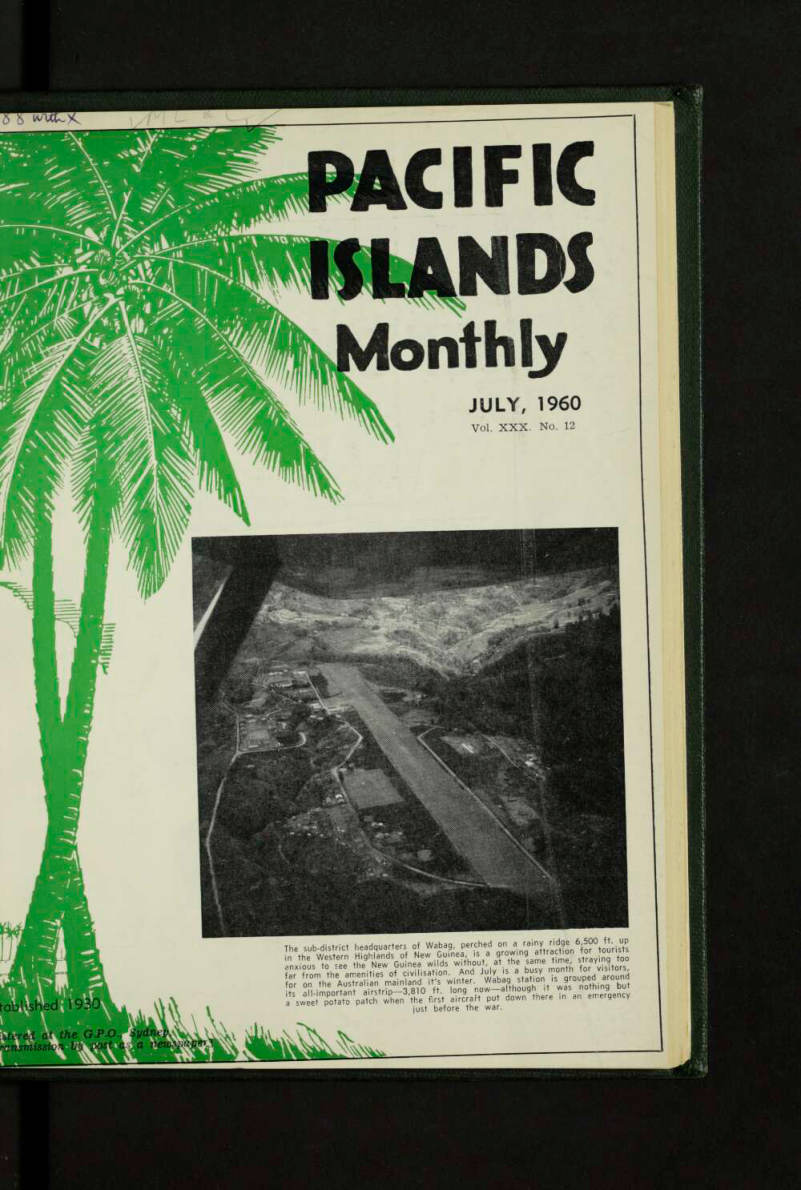 1
1 2
2 3
3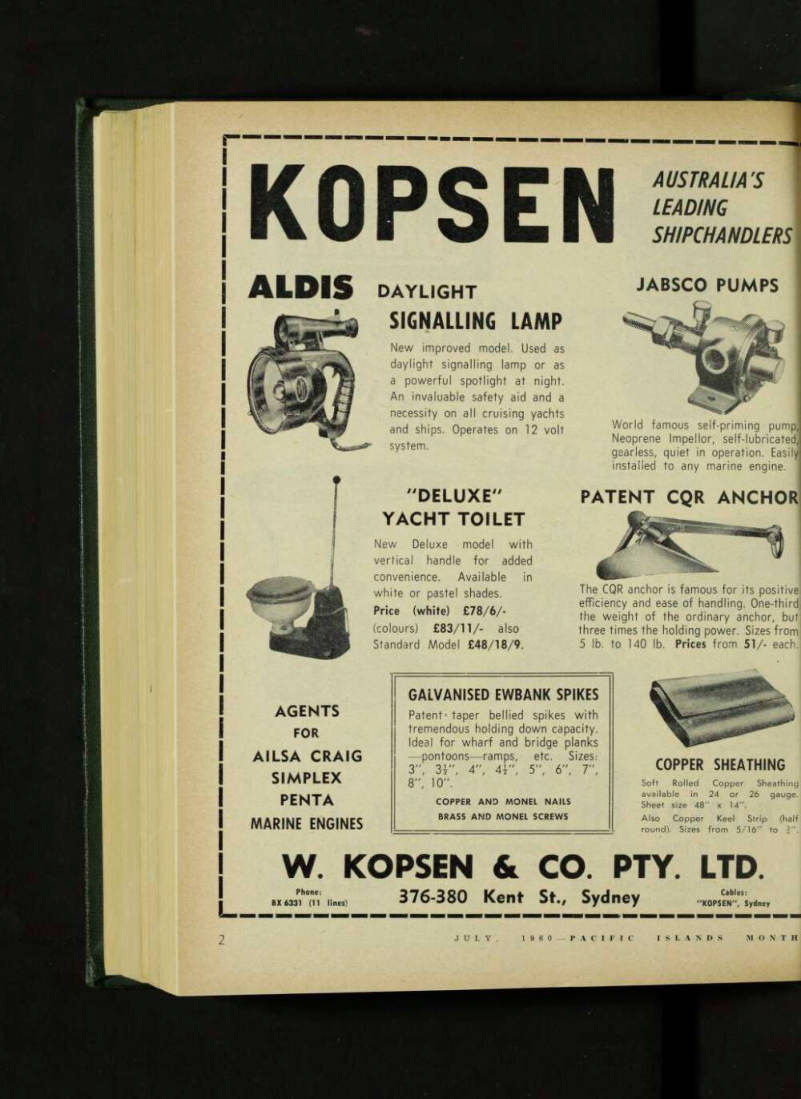 4
4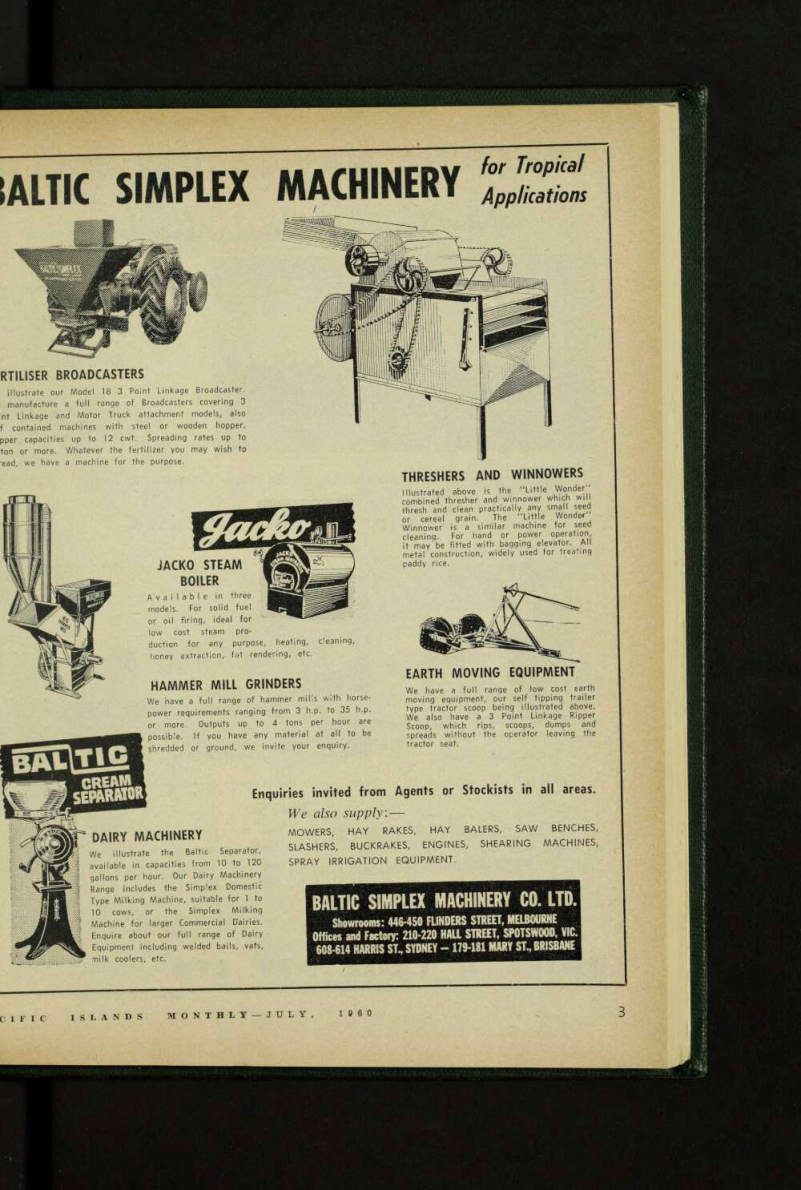 5
5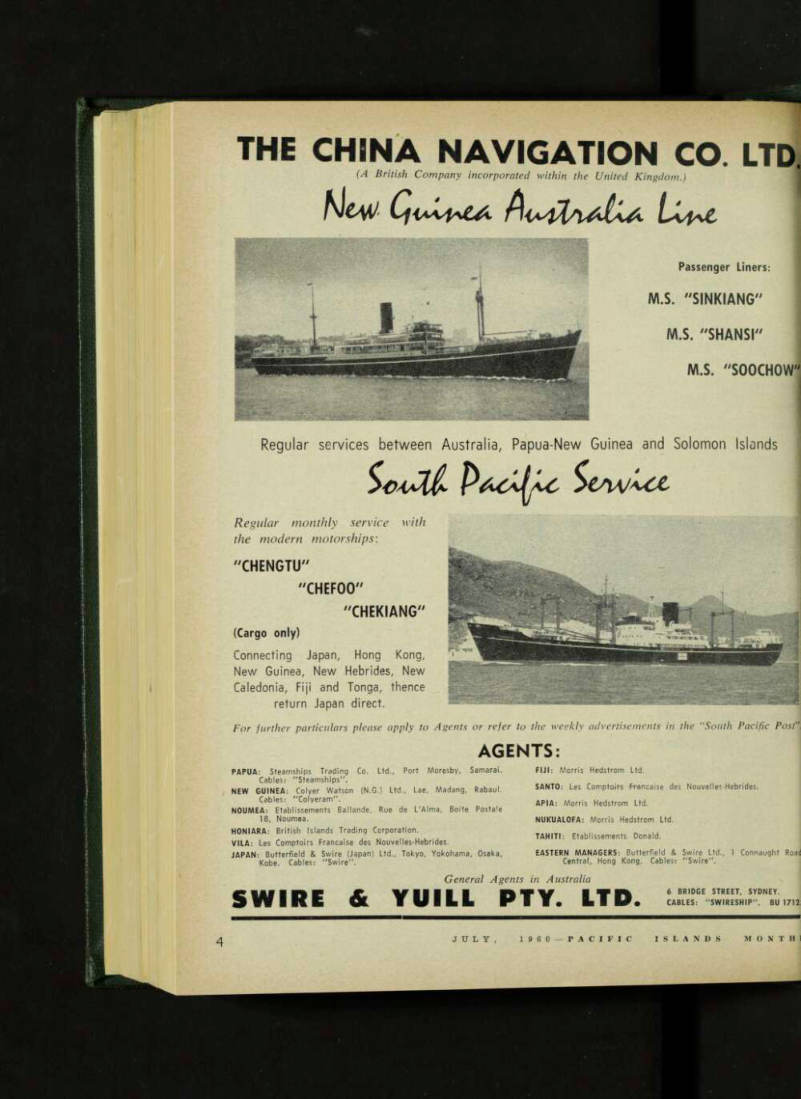 6
6 7
7 8
8 9
9 10
10 11
11 12
12 13
13 14
14 15
15 16
16 17
17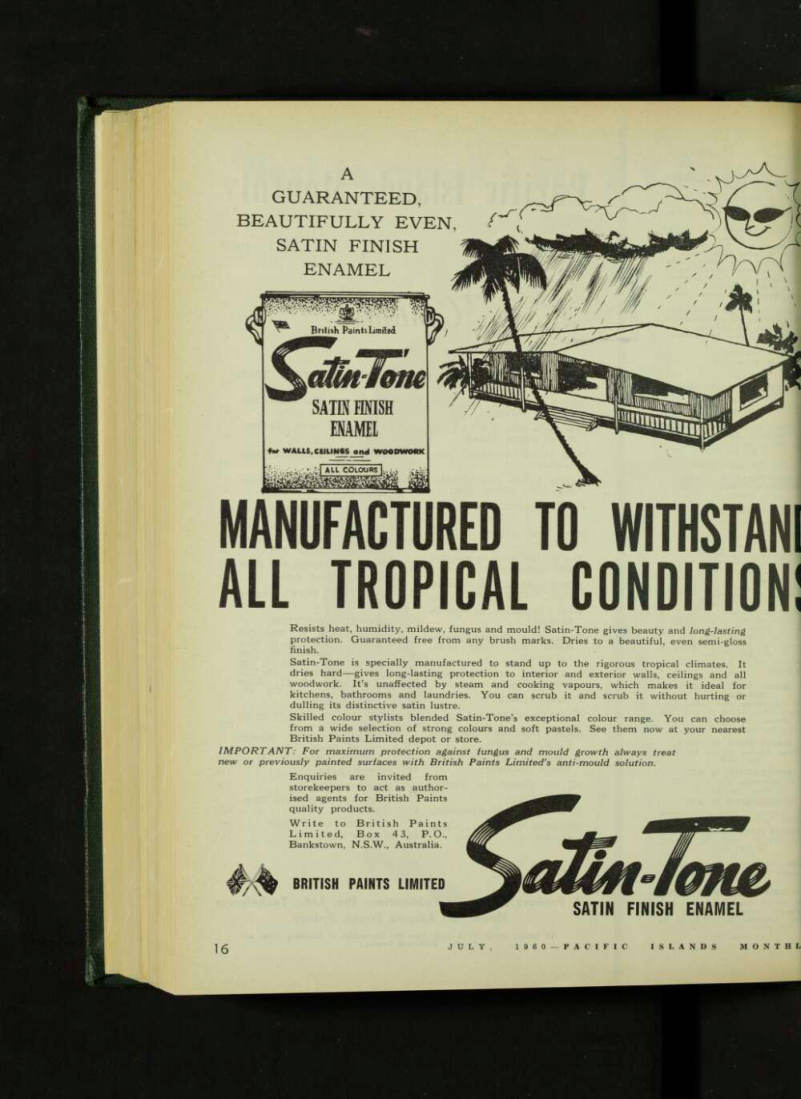 18
18 19
19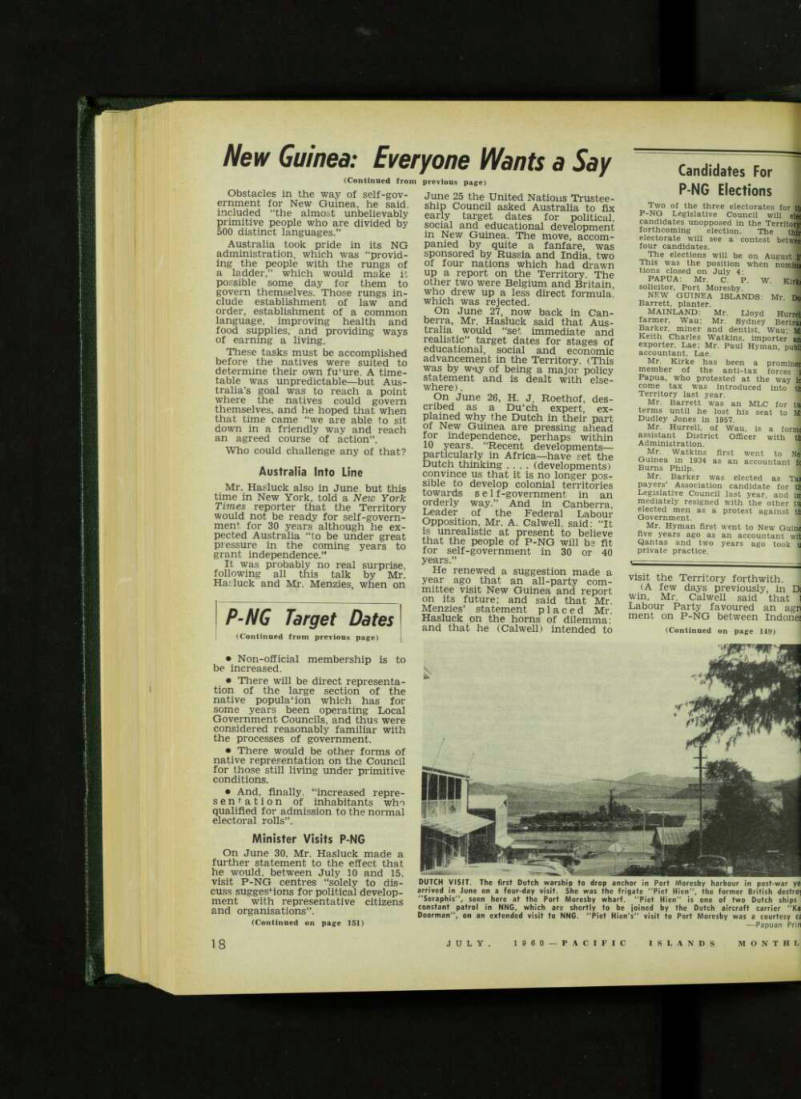 20
20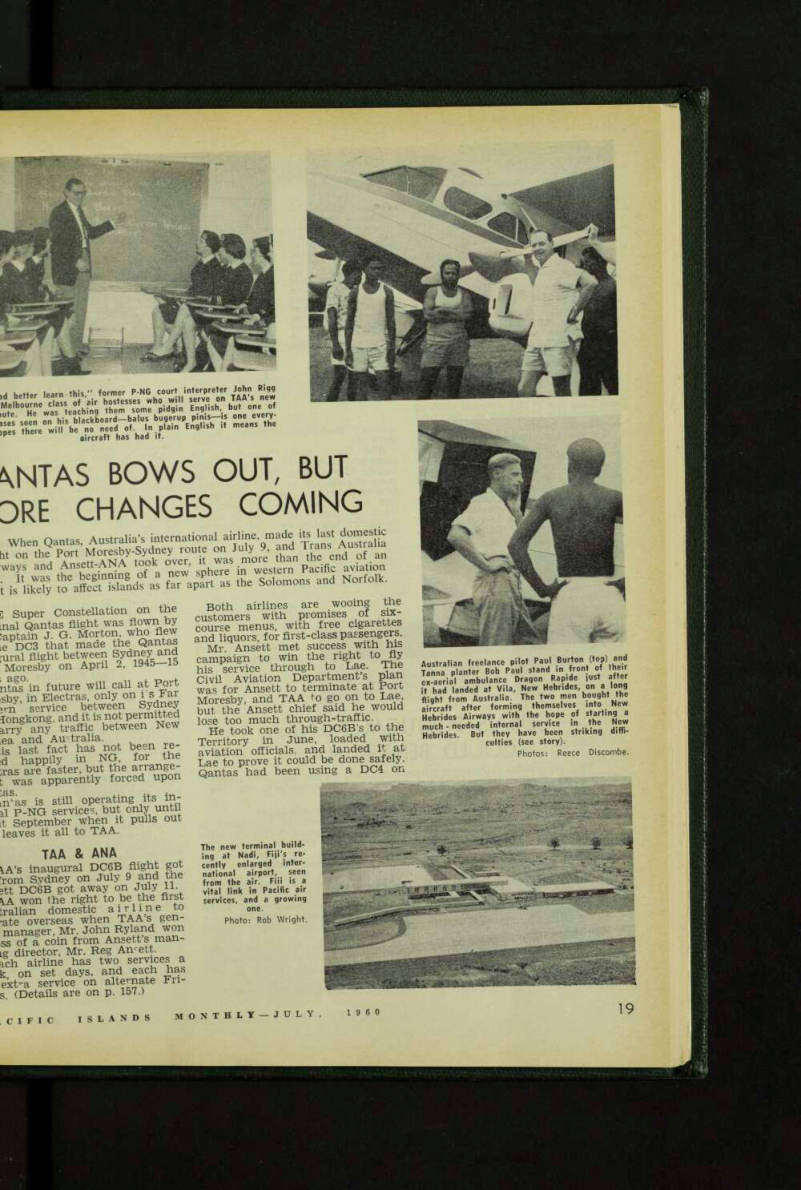 21
21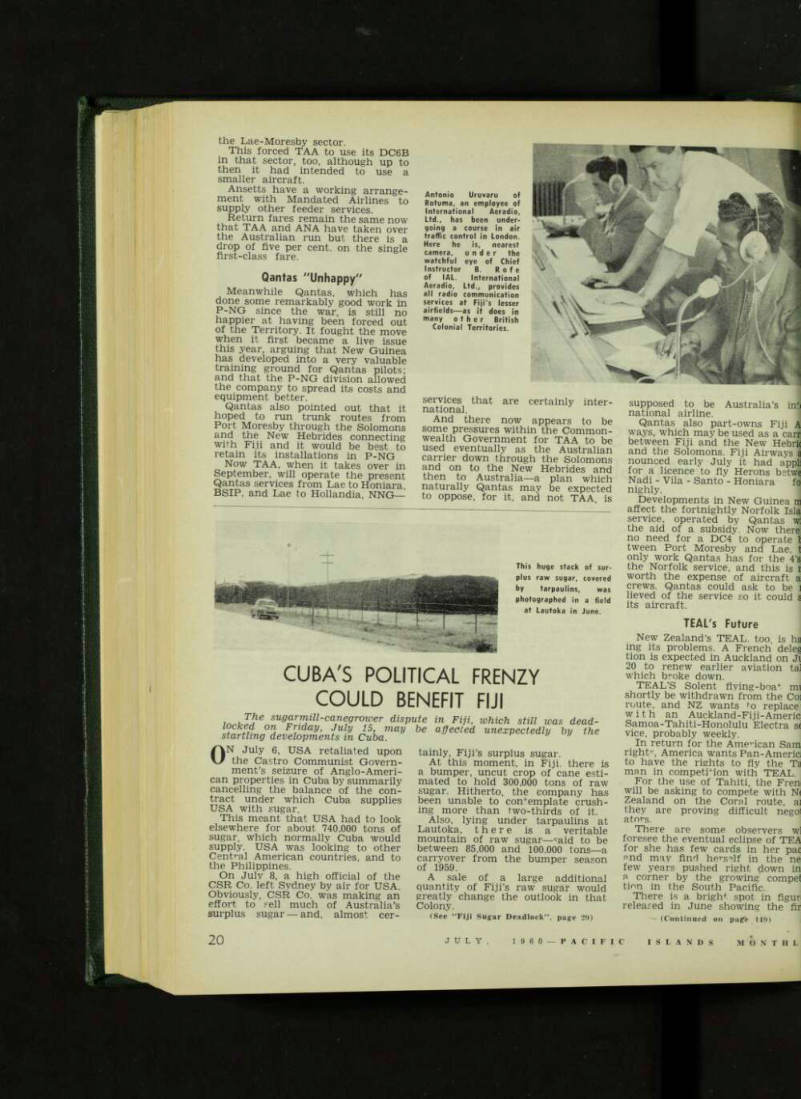 22
22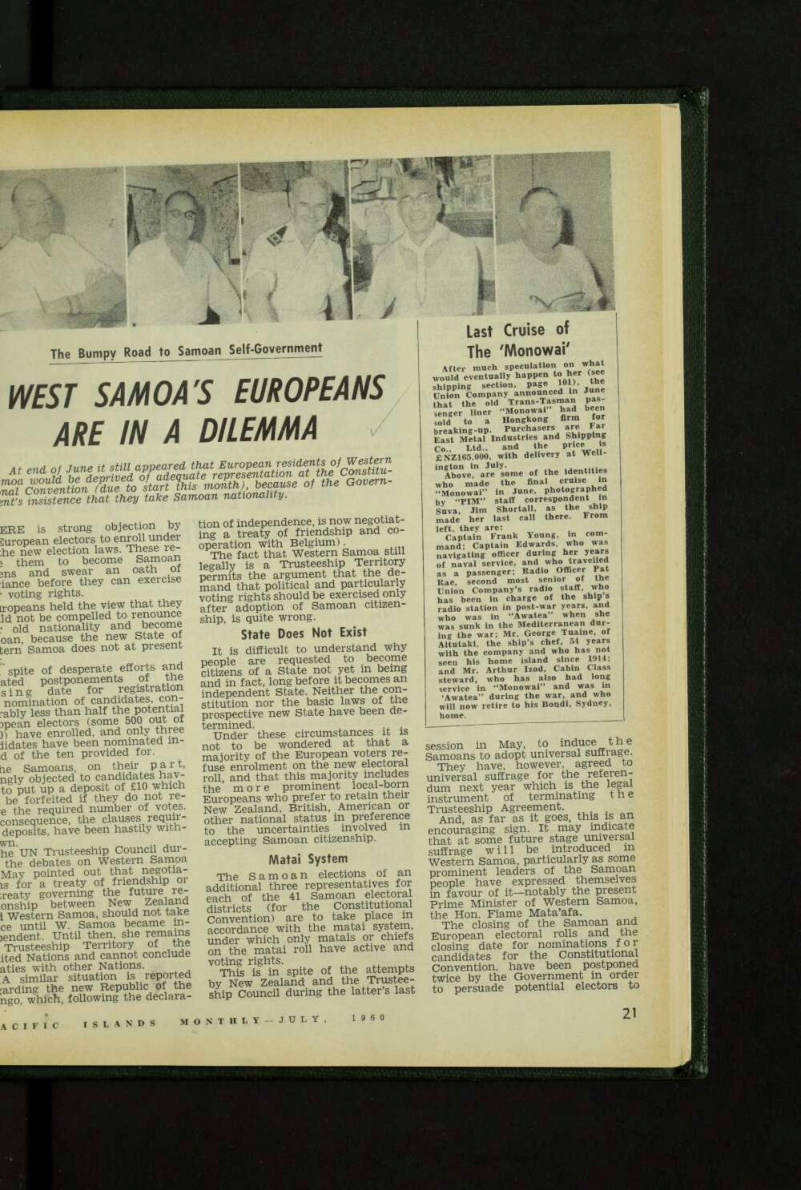 23
23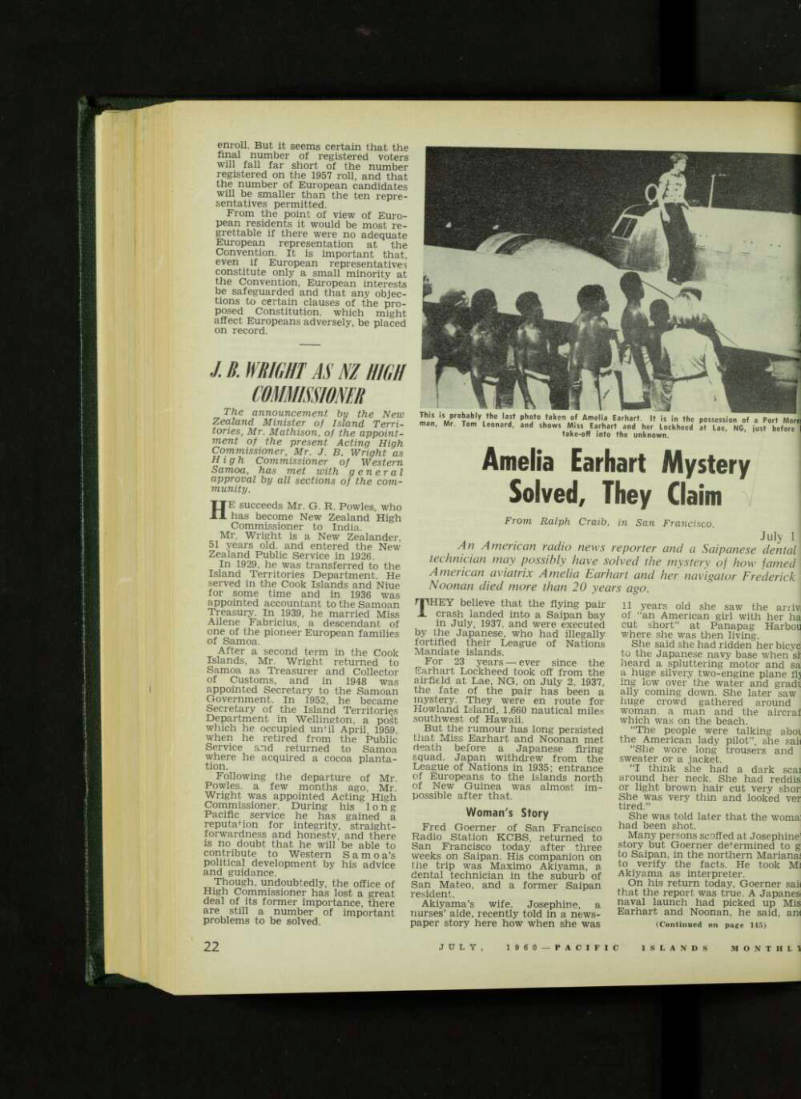 24
24 25
25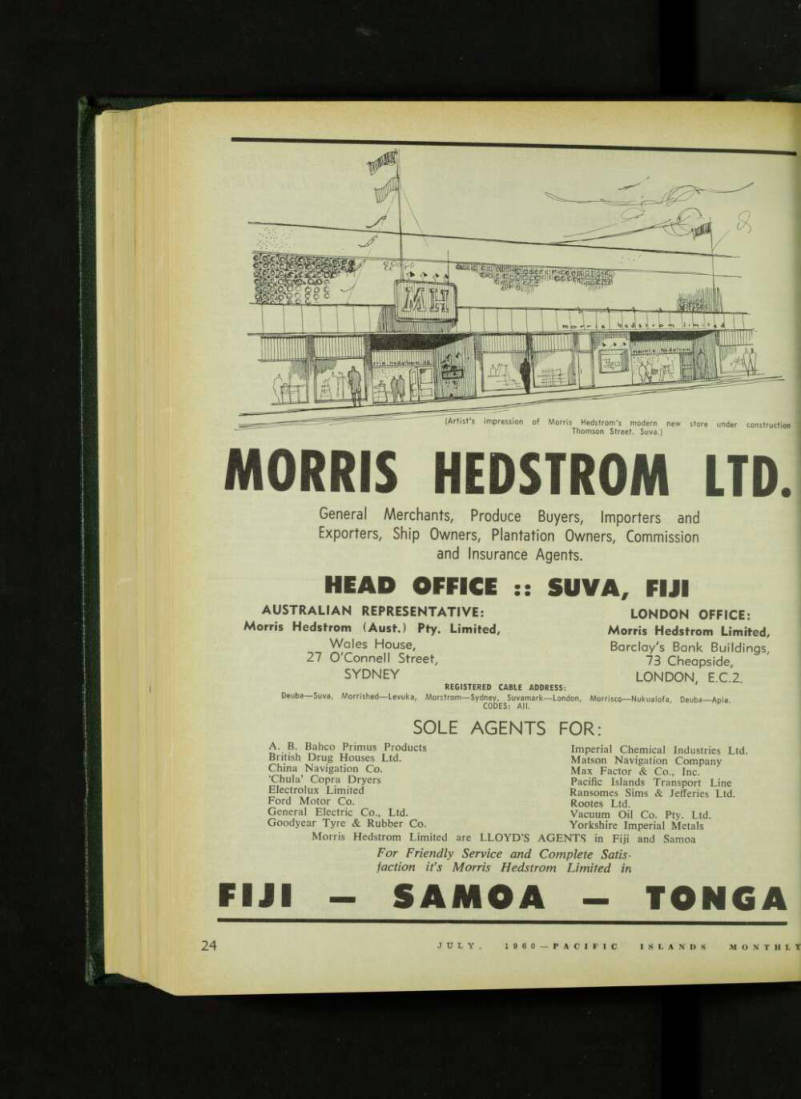 26
26 27
27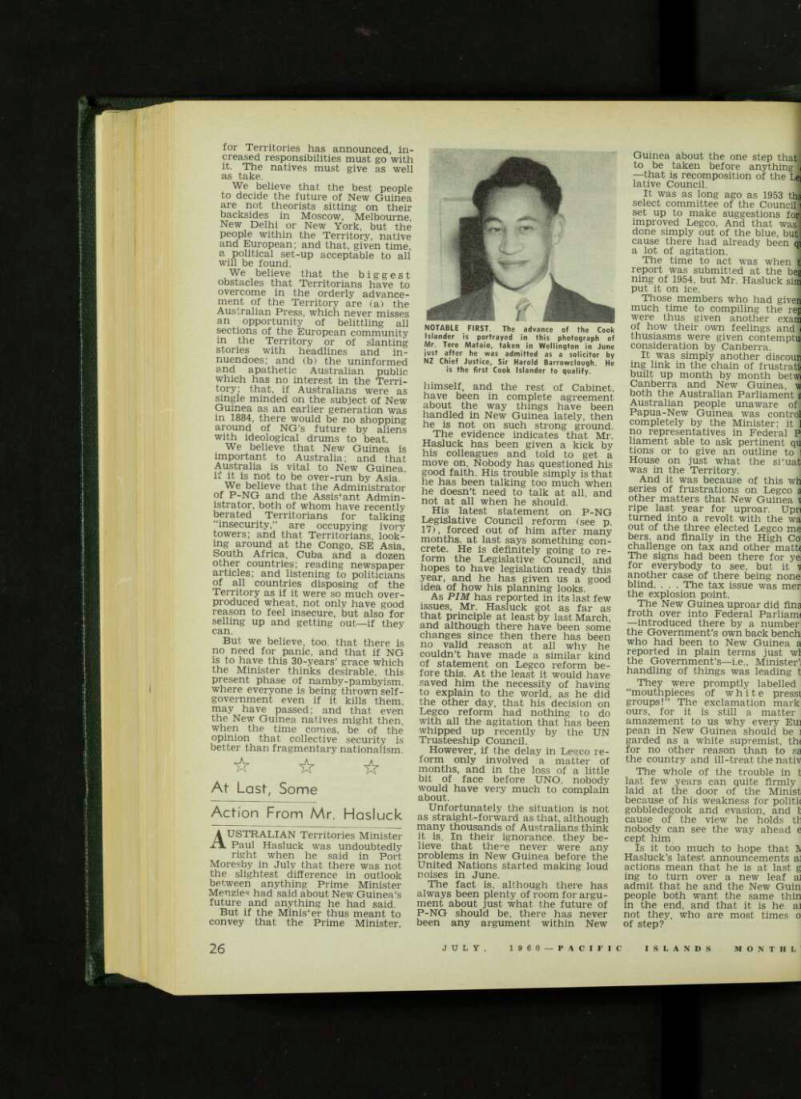 28
28 29
29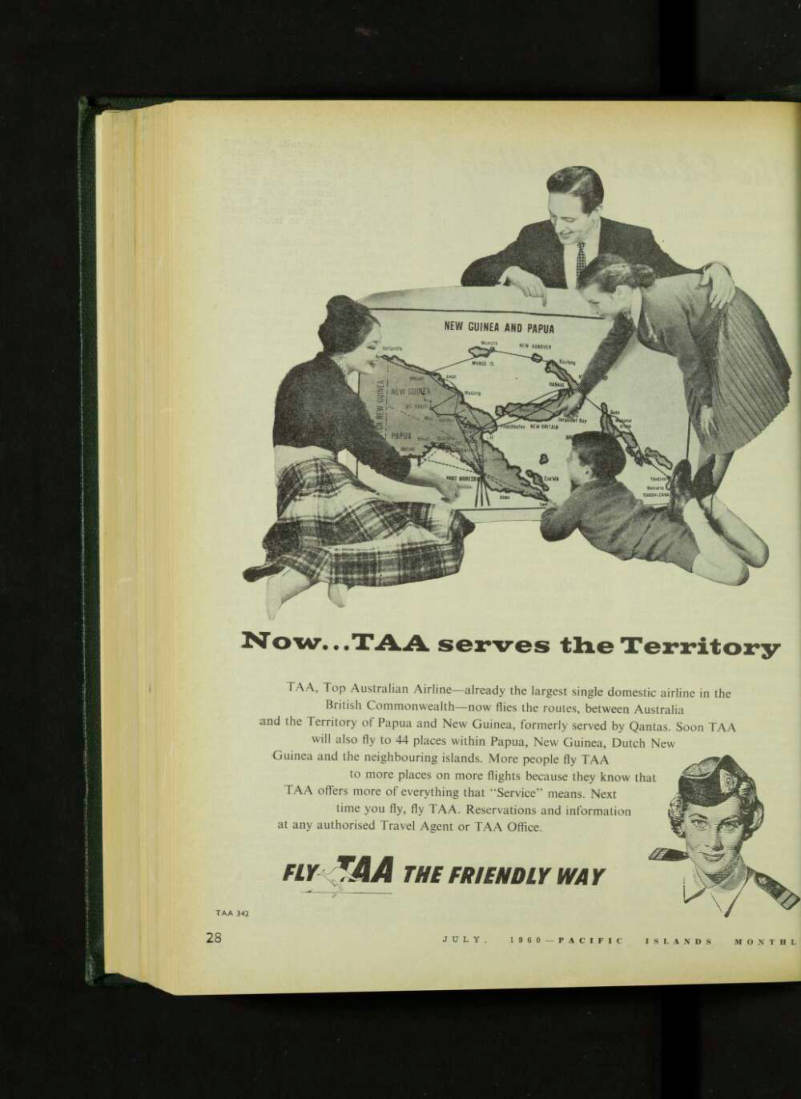 30
30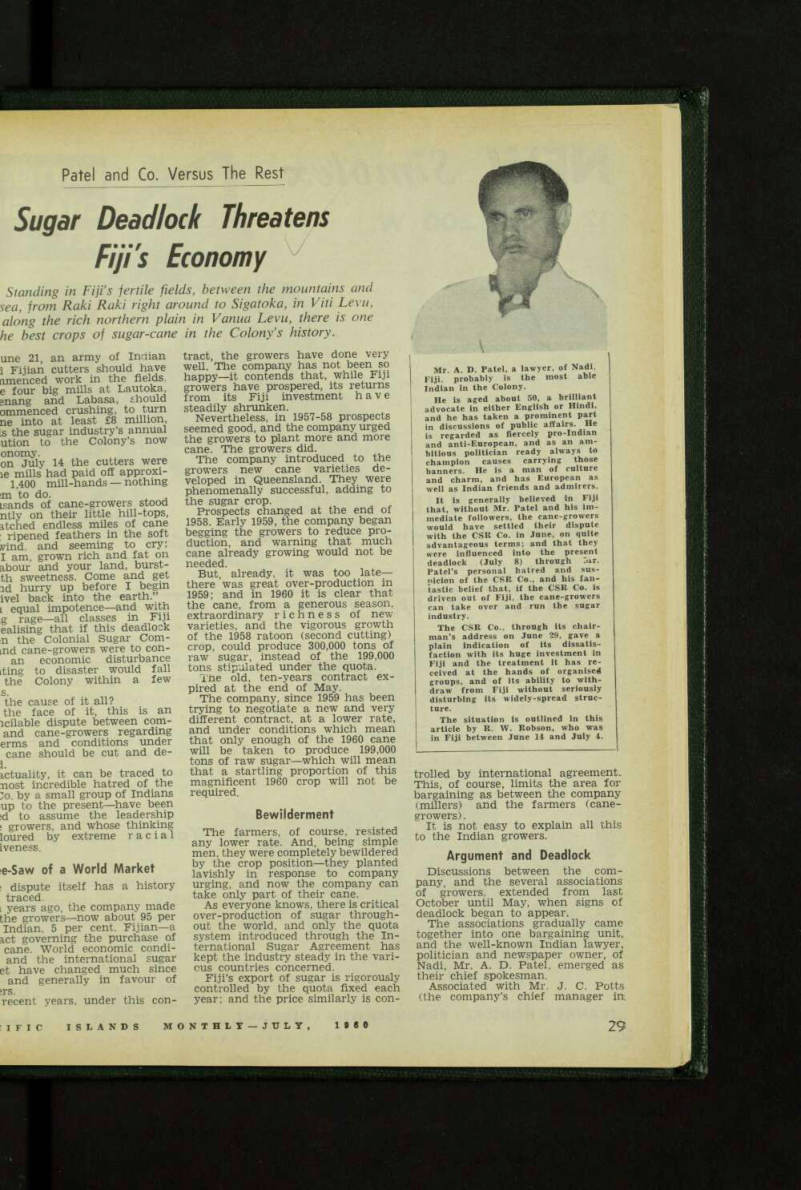 31
31 32
32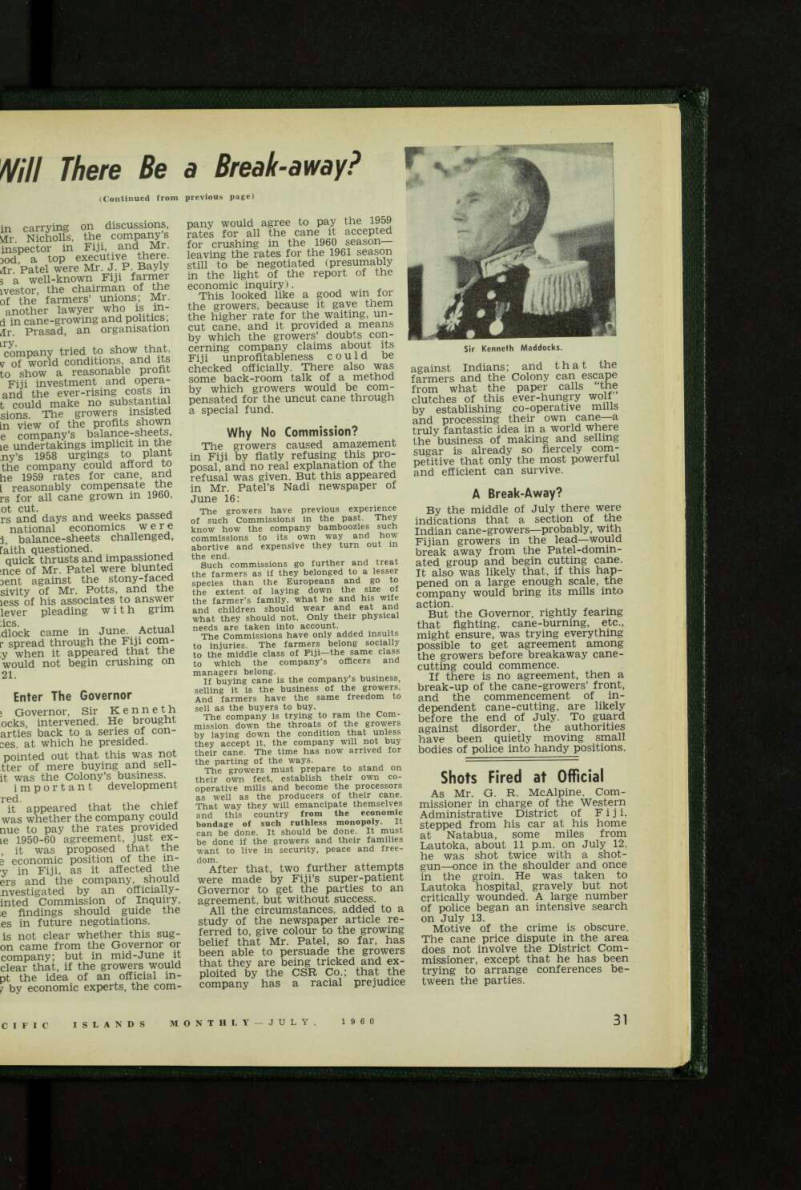 33
33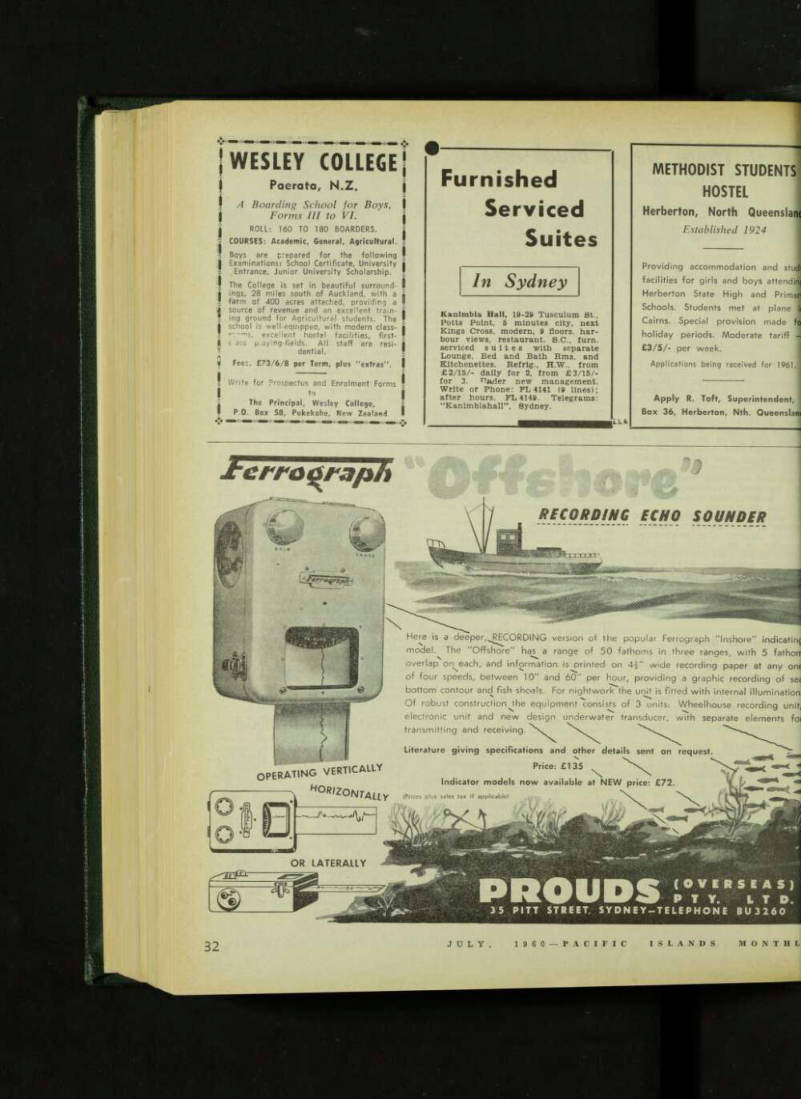 34
34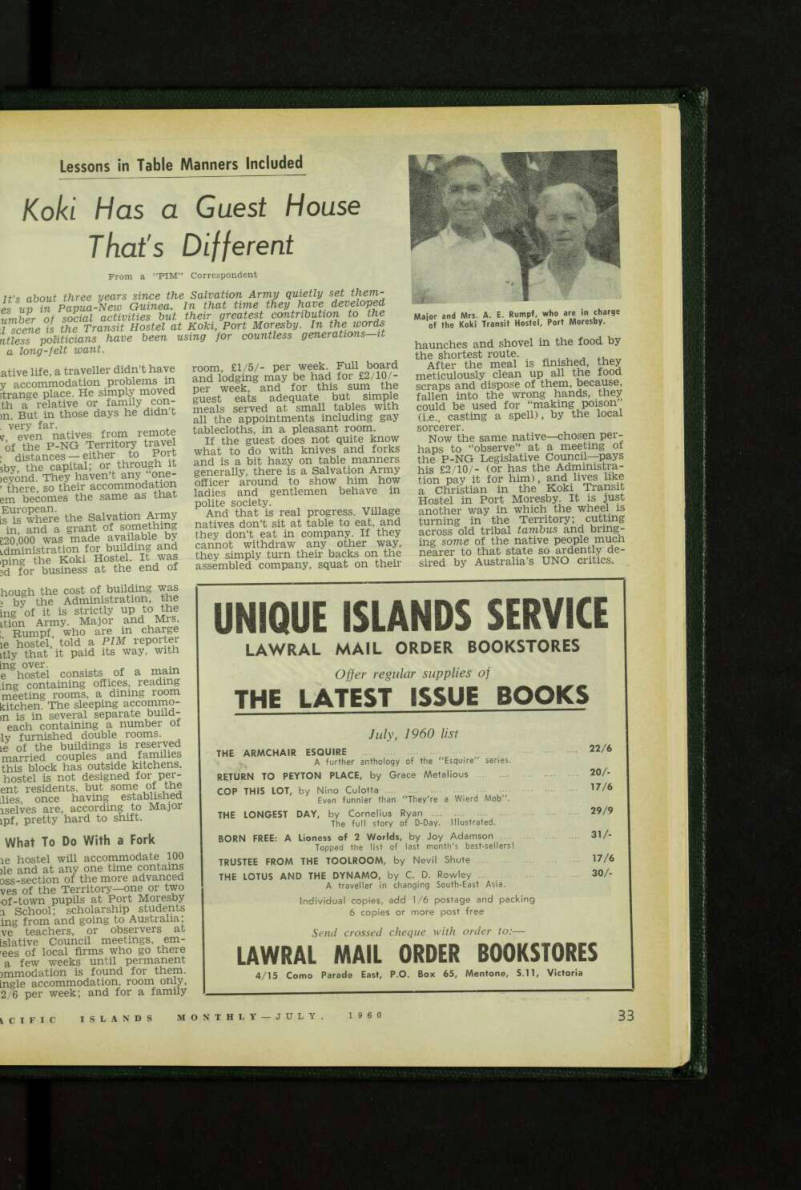 35
35 36
36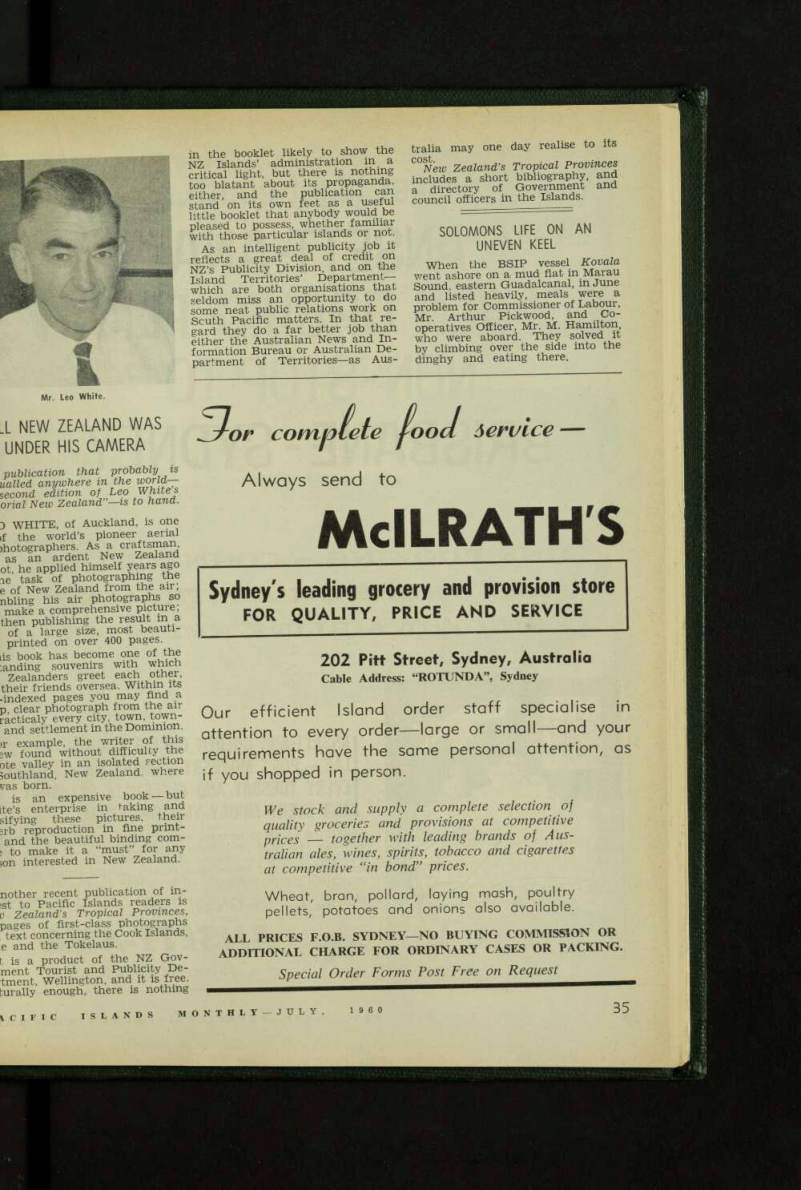 37
37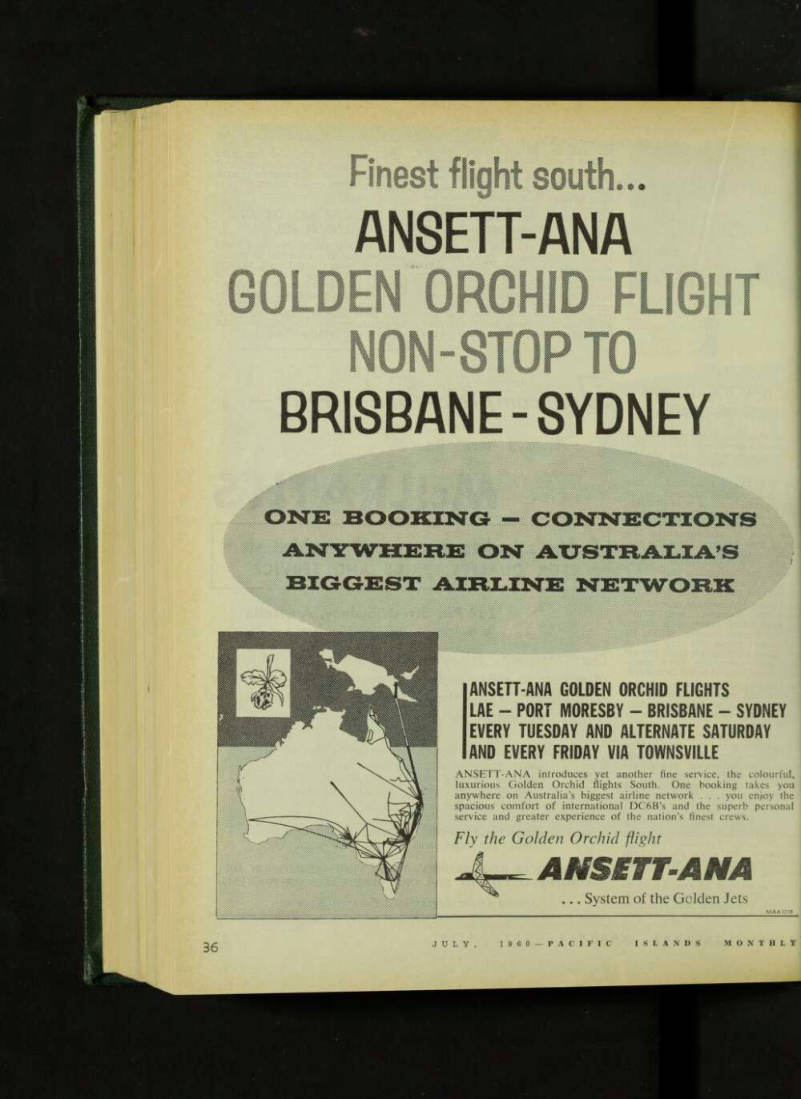 38
38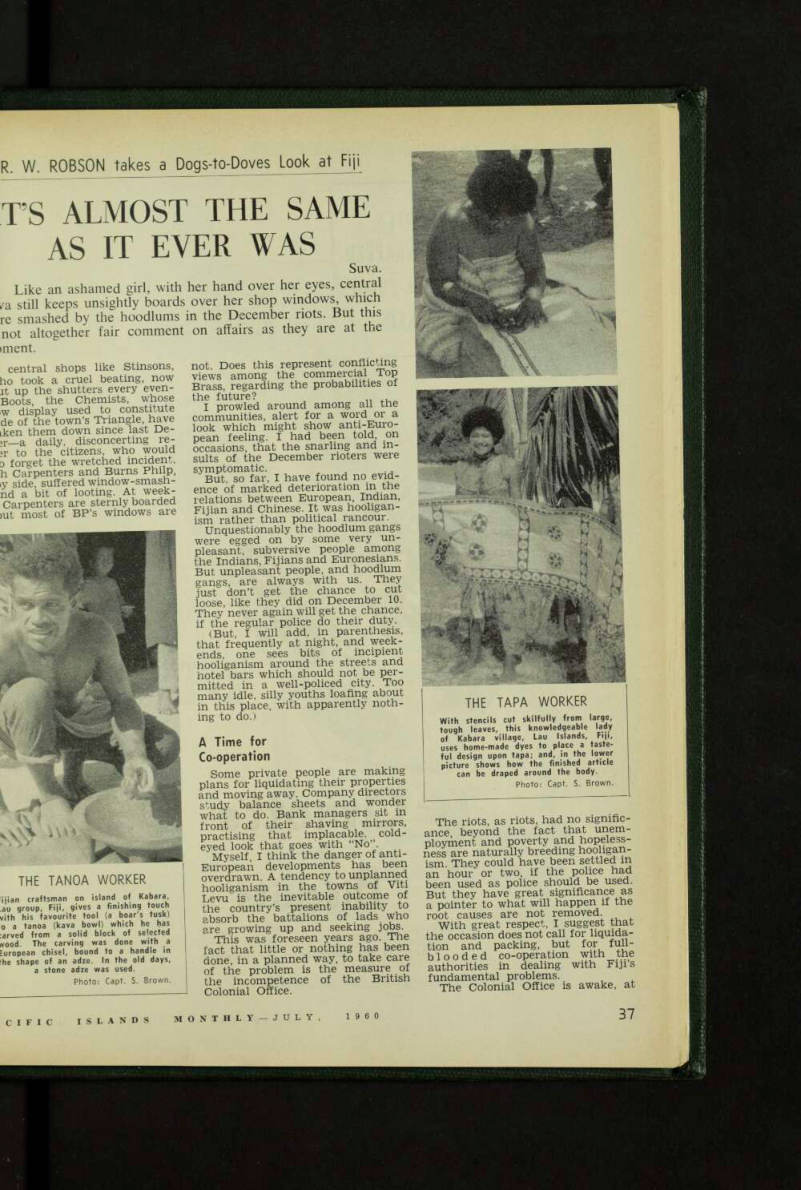 39
39 40
40 41
41 42
42 43
43 44
44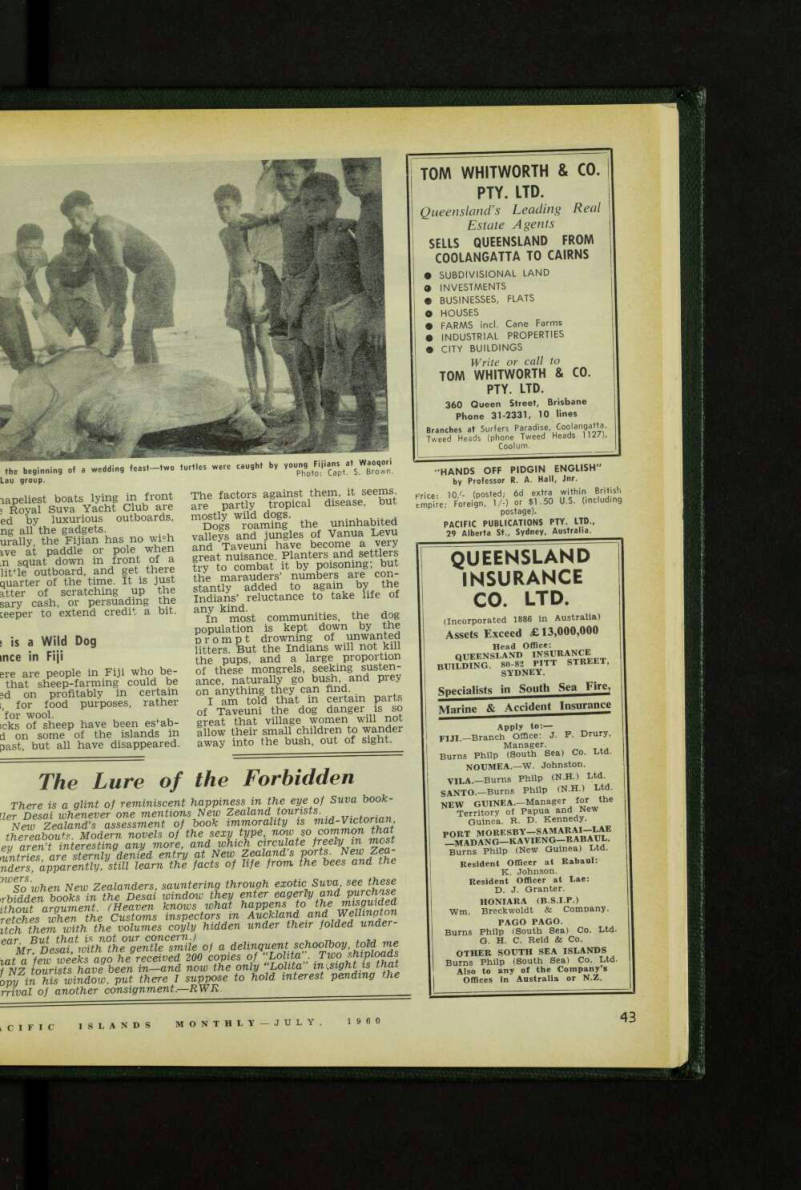 45
45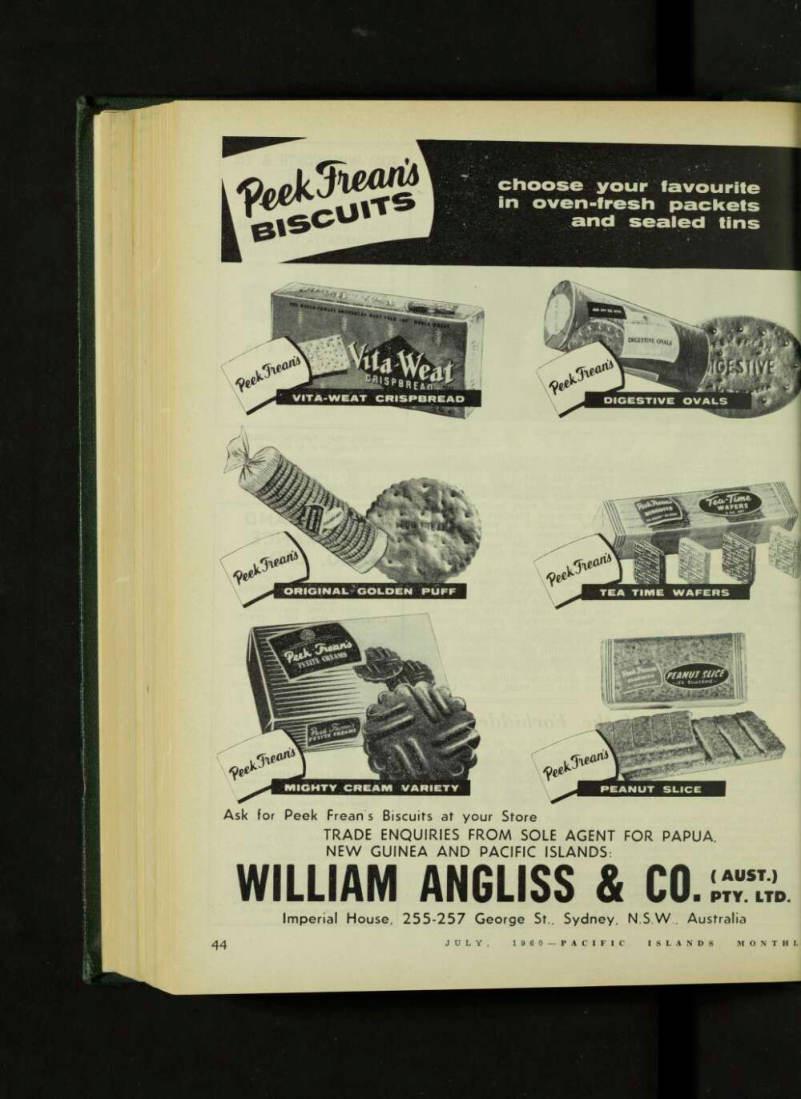 46
46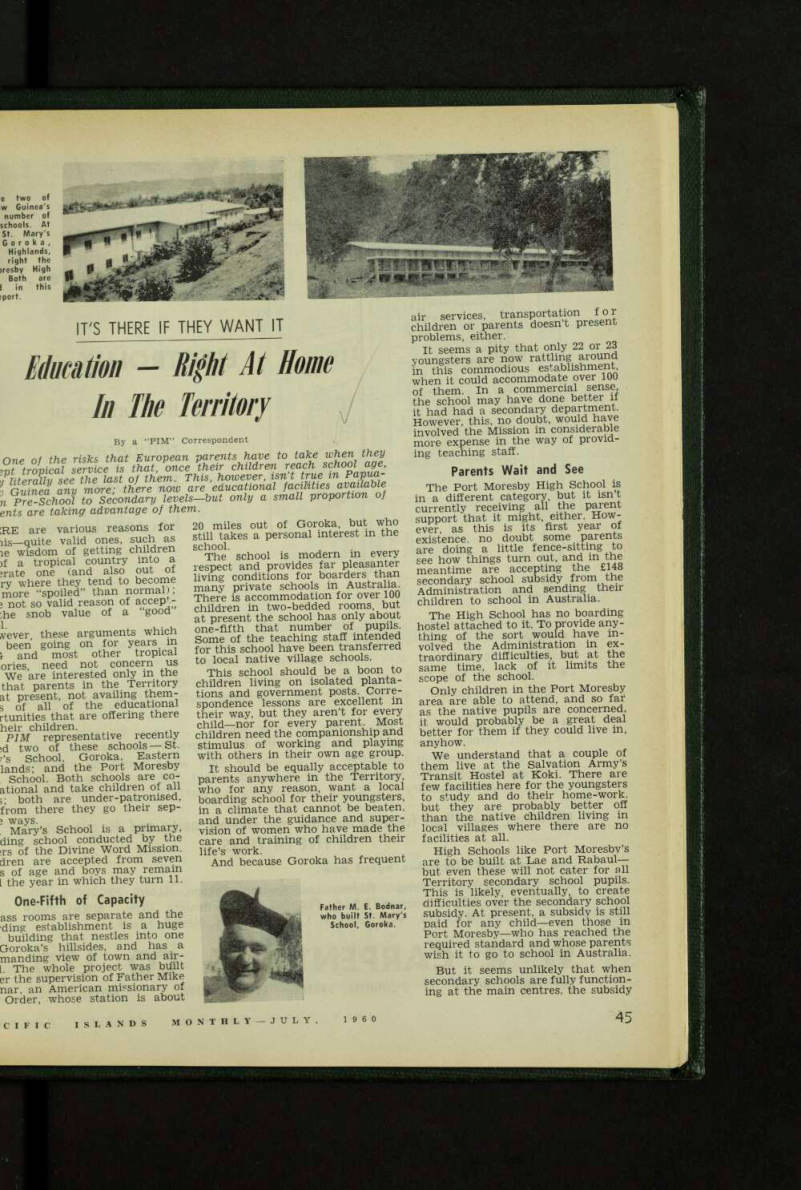 47
47 48
48 49
49 50
50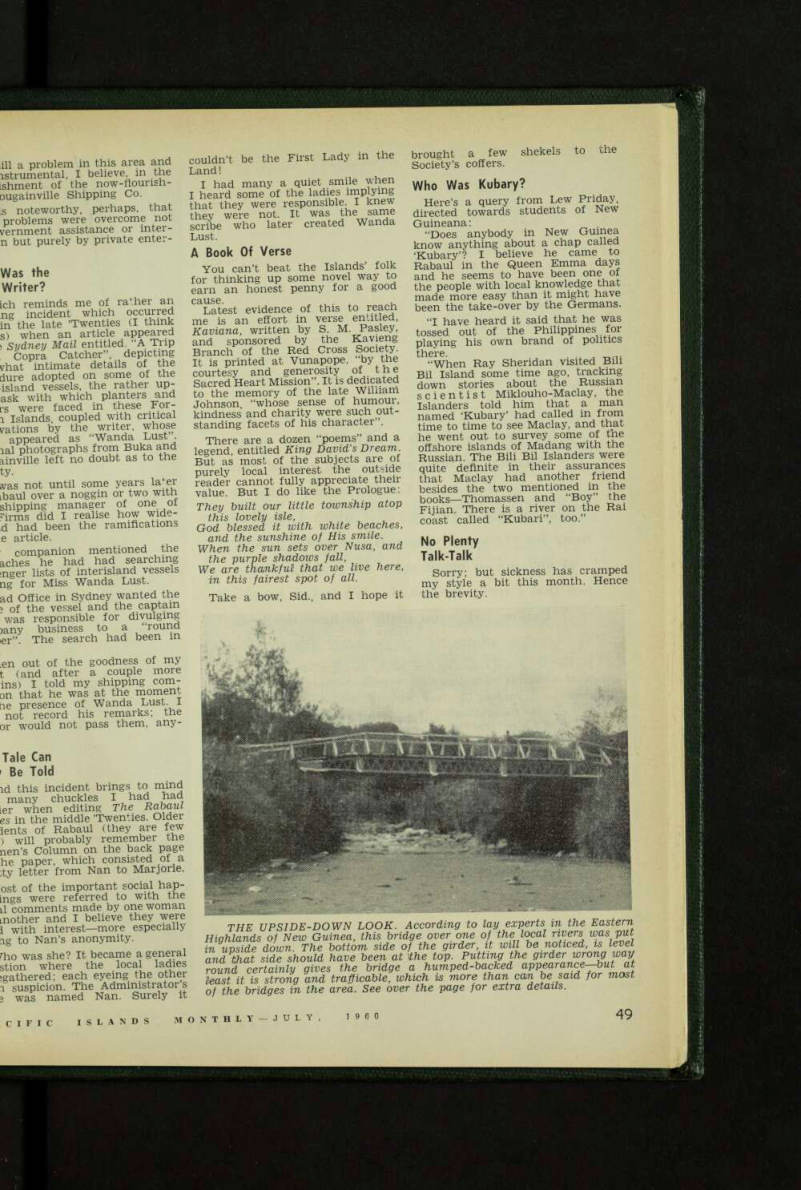 51
51 52
52 53
53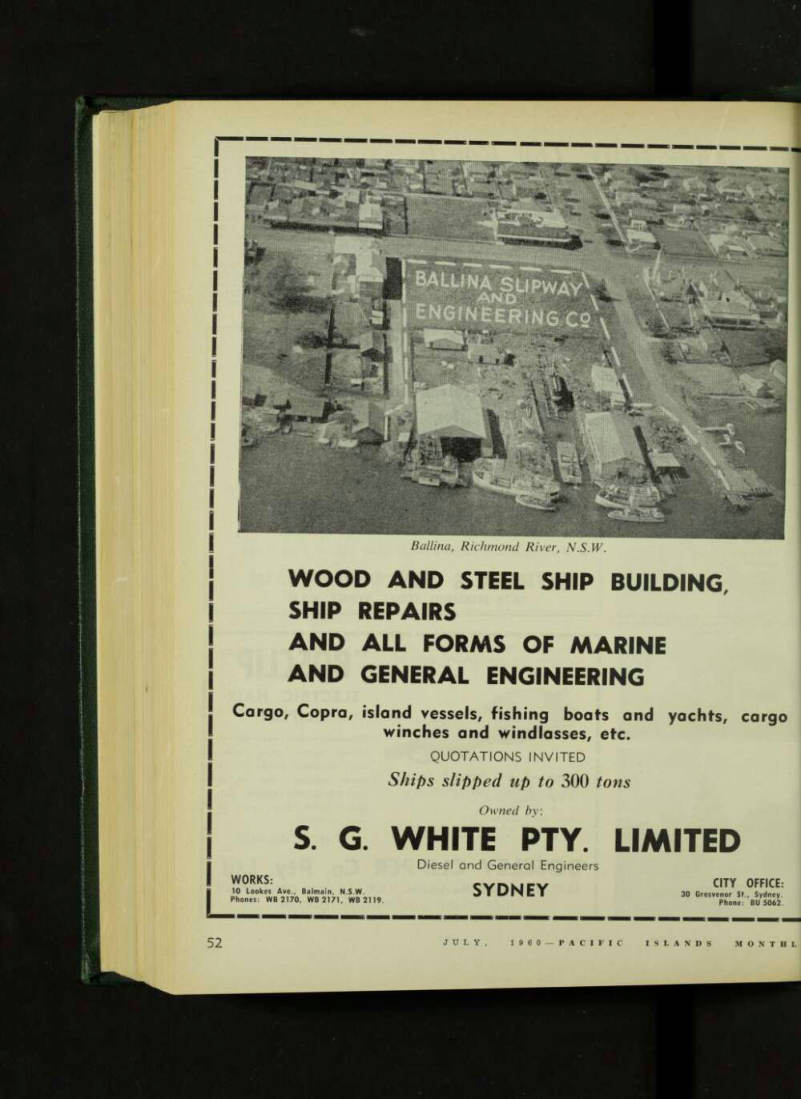 54
54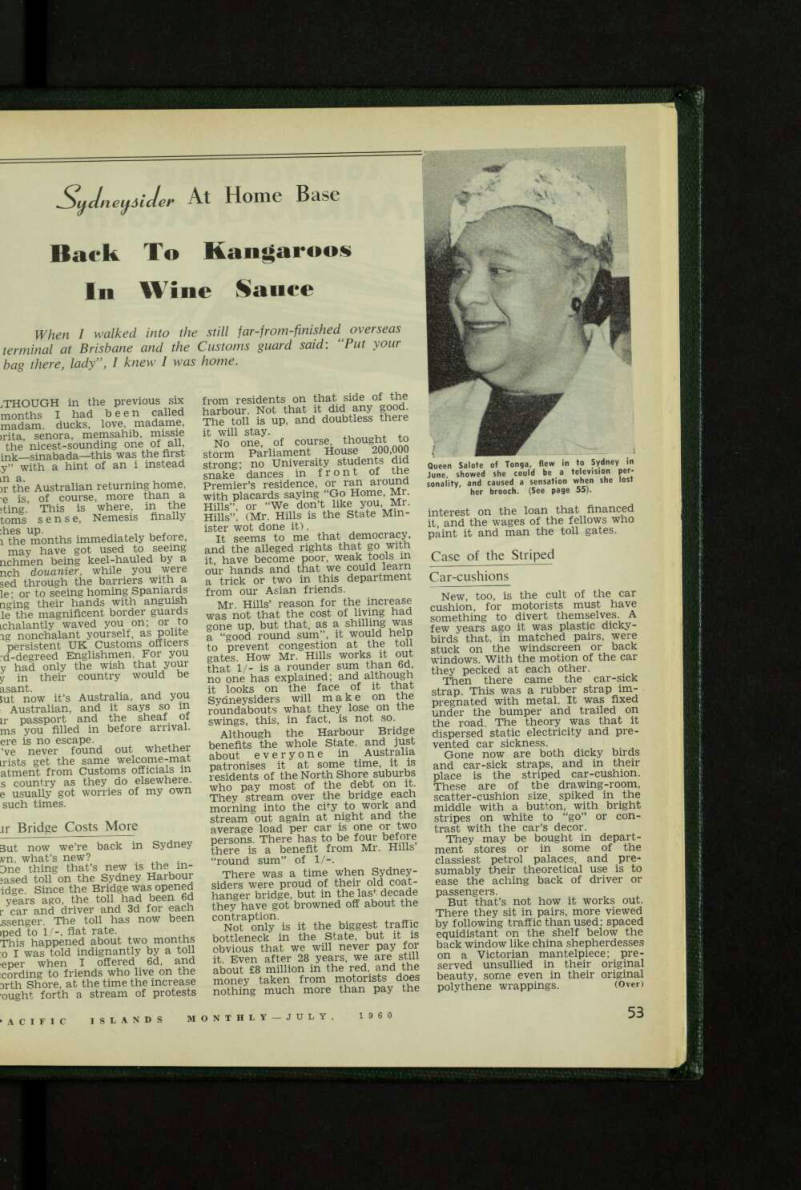 55
55 56
56 57
57 58
58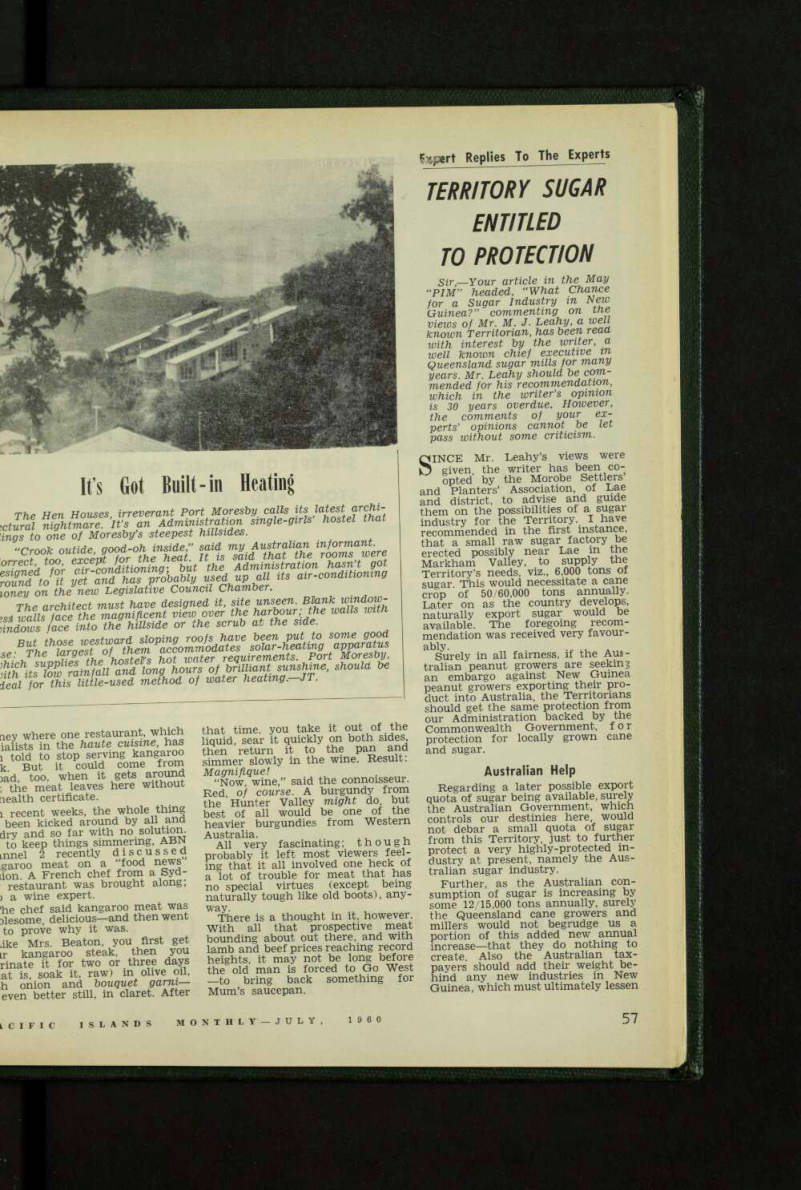 59
59 60
60 61
61 62
62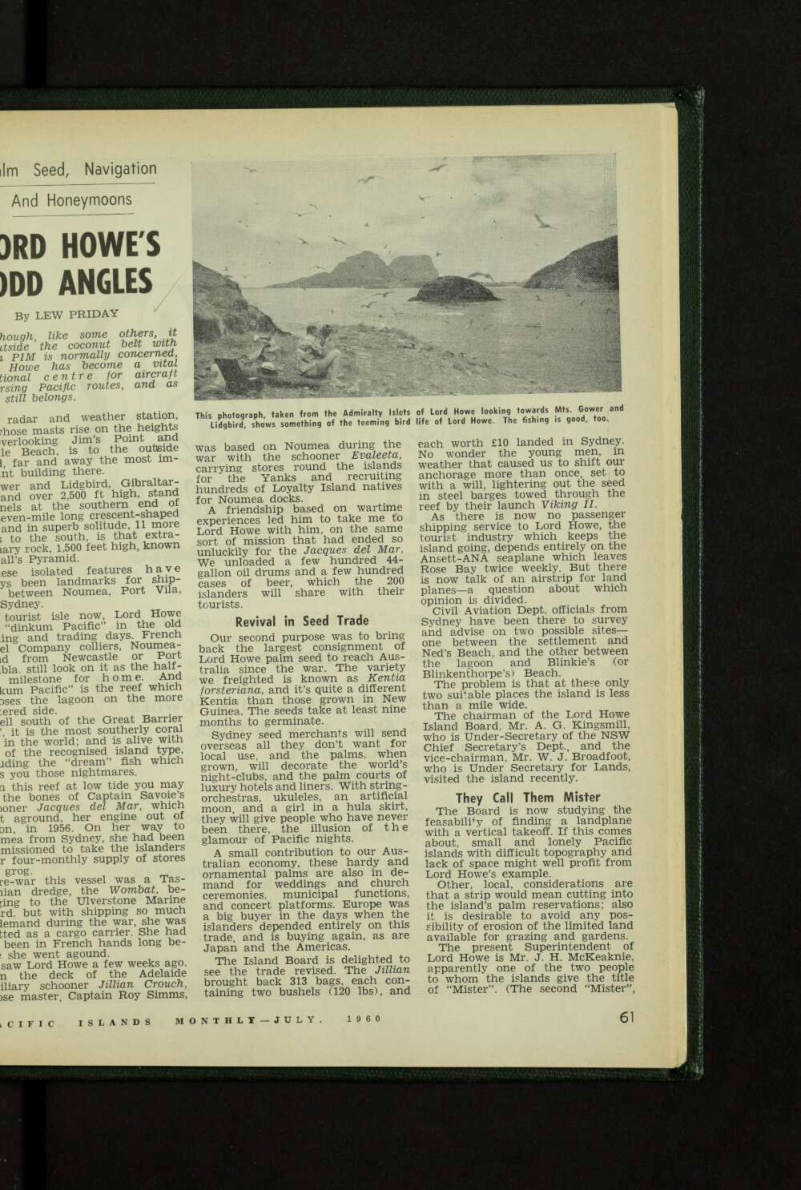 63
63 64
64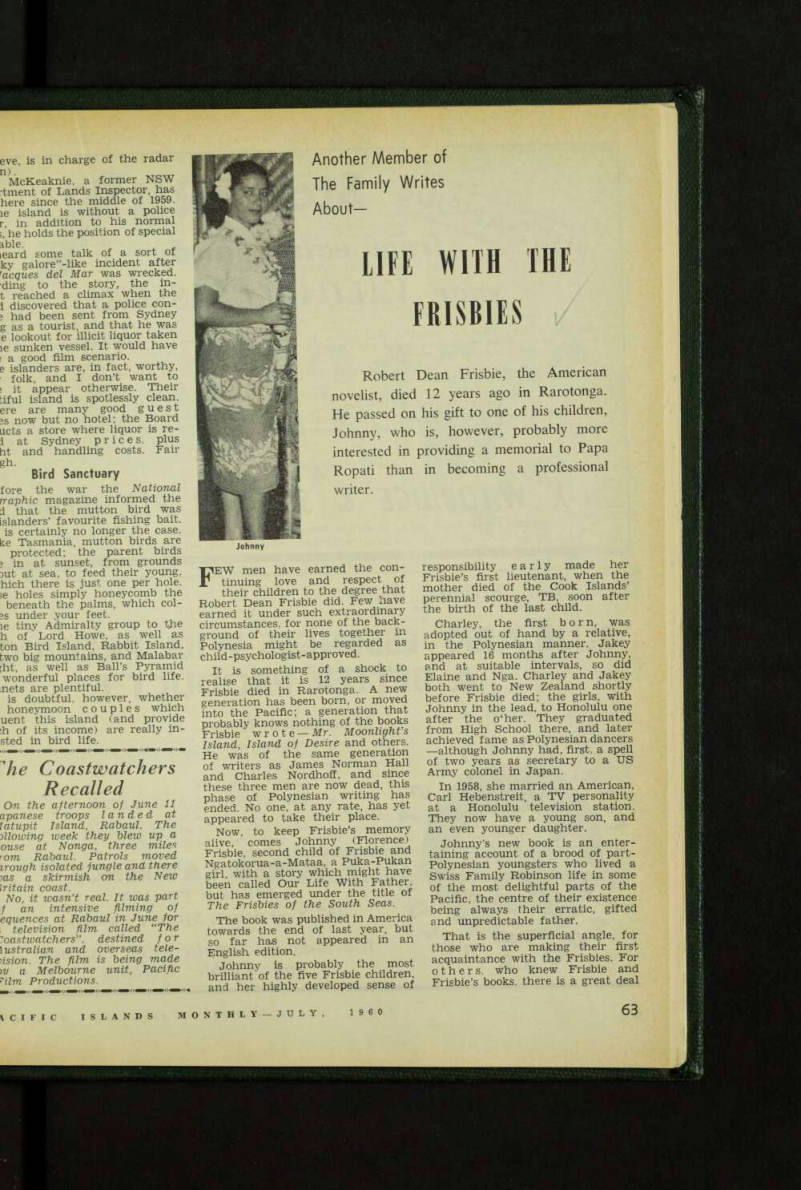 65
65 66
66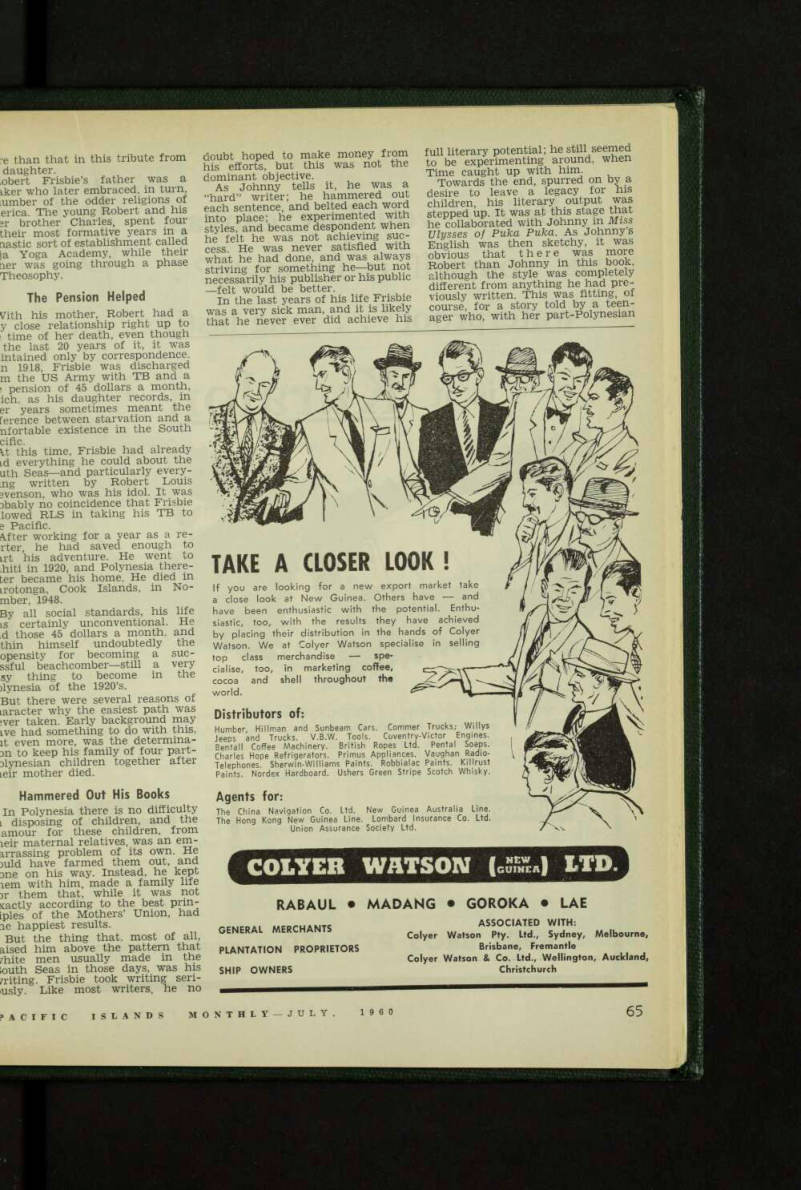 67
67 68
68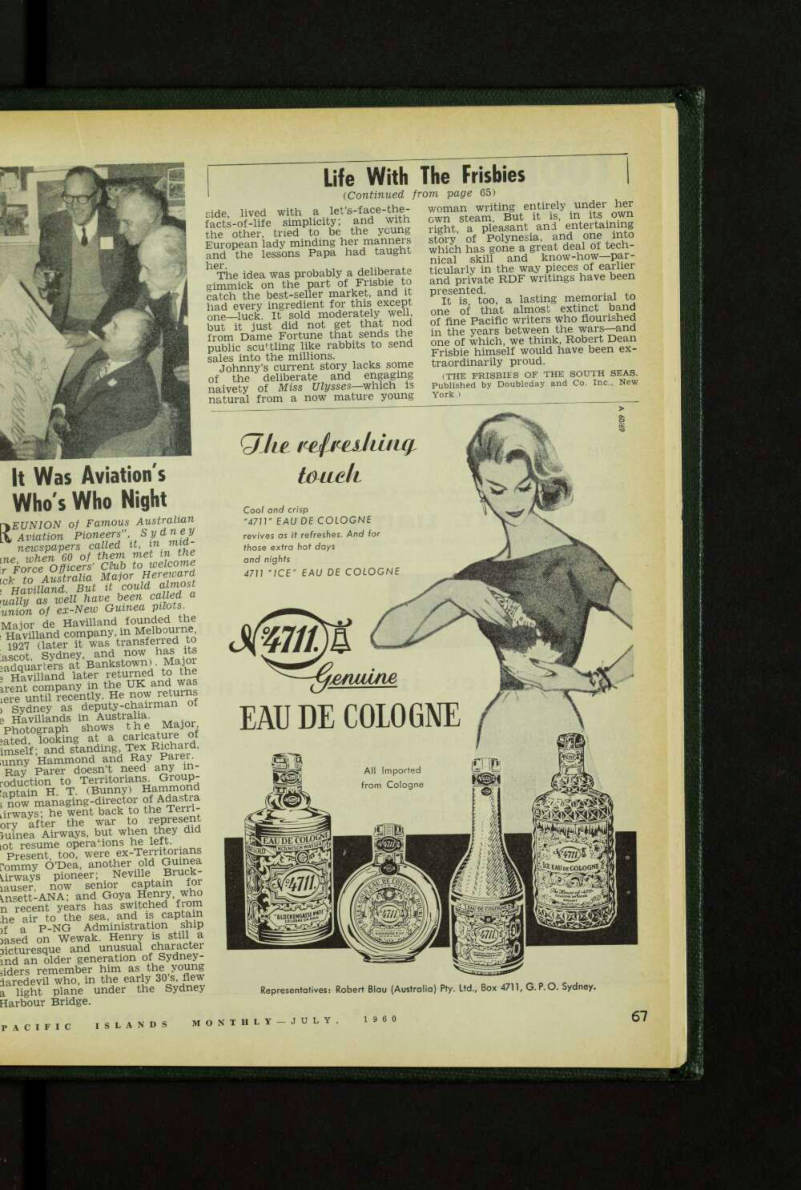 69
69 70
70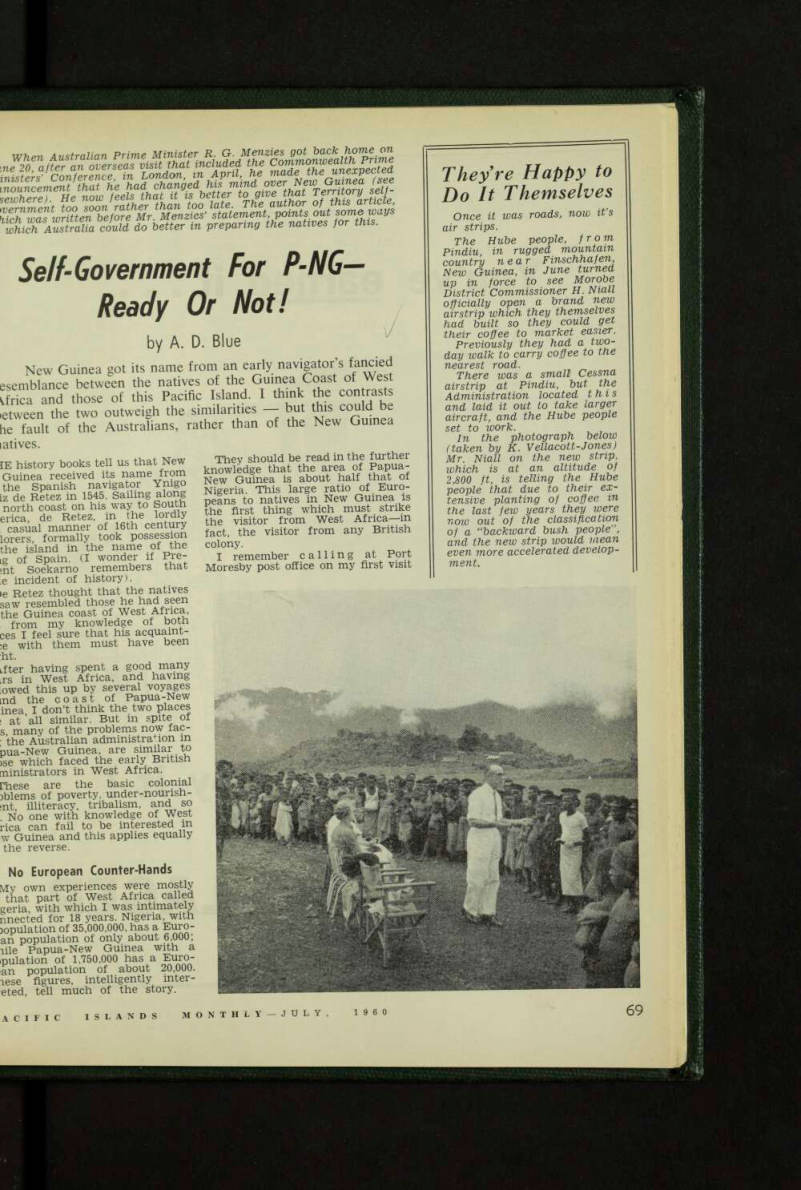 71
71 72
72 73
73 74
74 75
75 76
76 77
77 78
78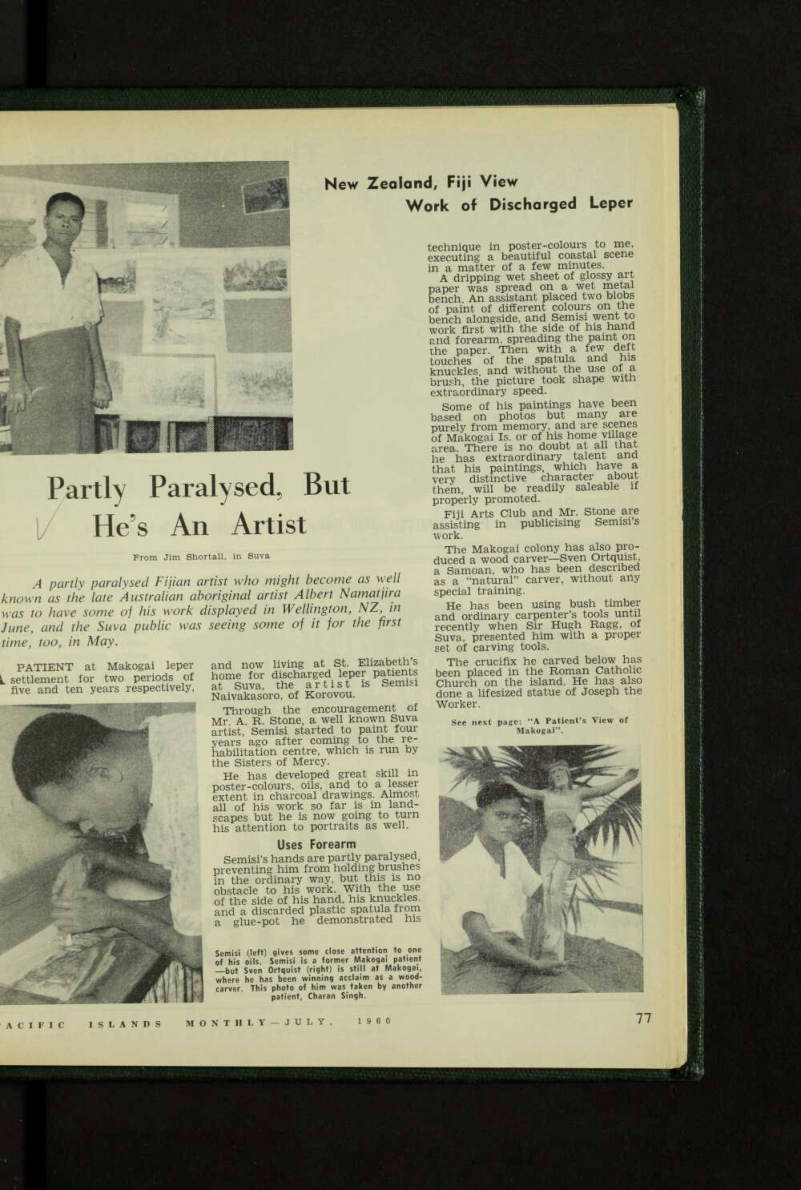 79
79 80
80 81
81 82
82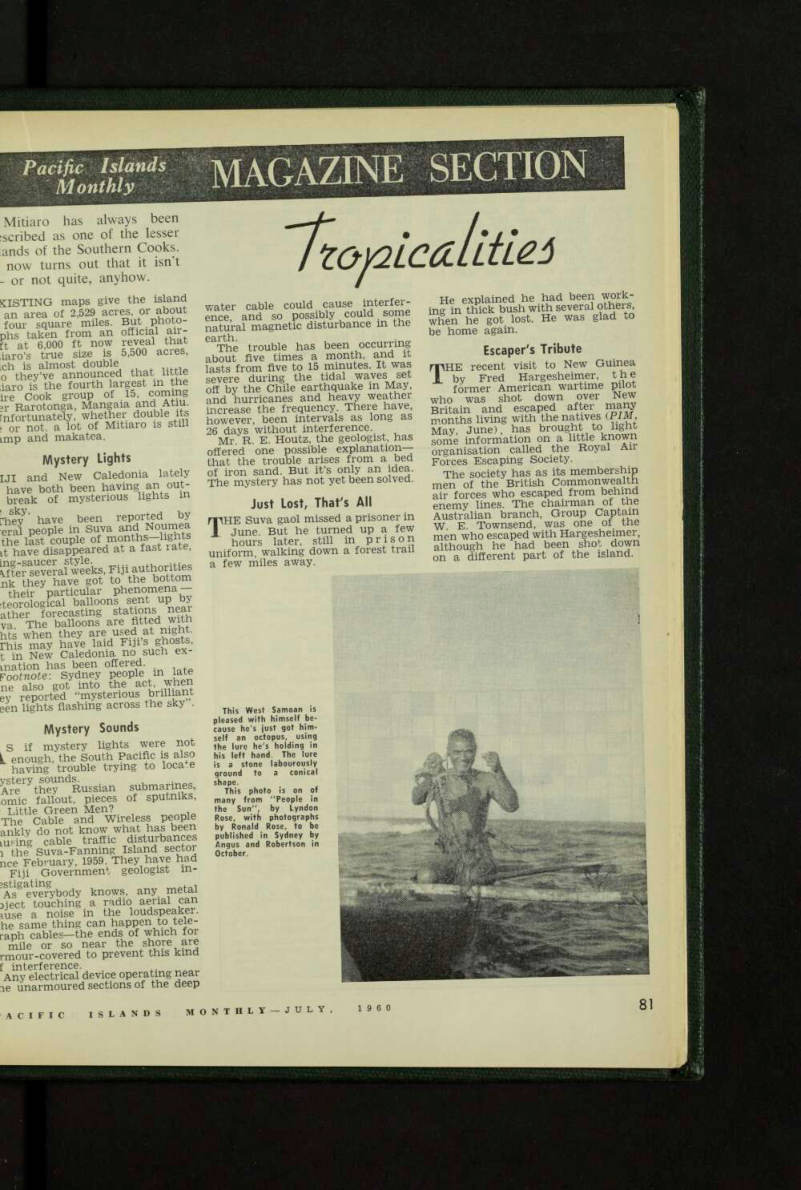 83
83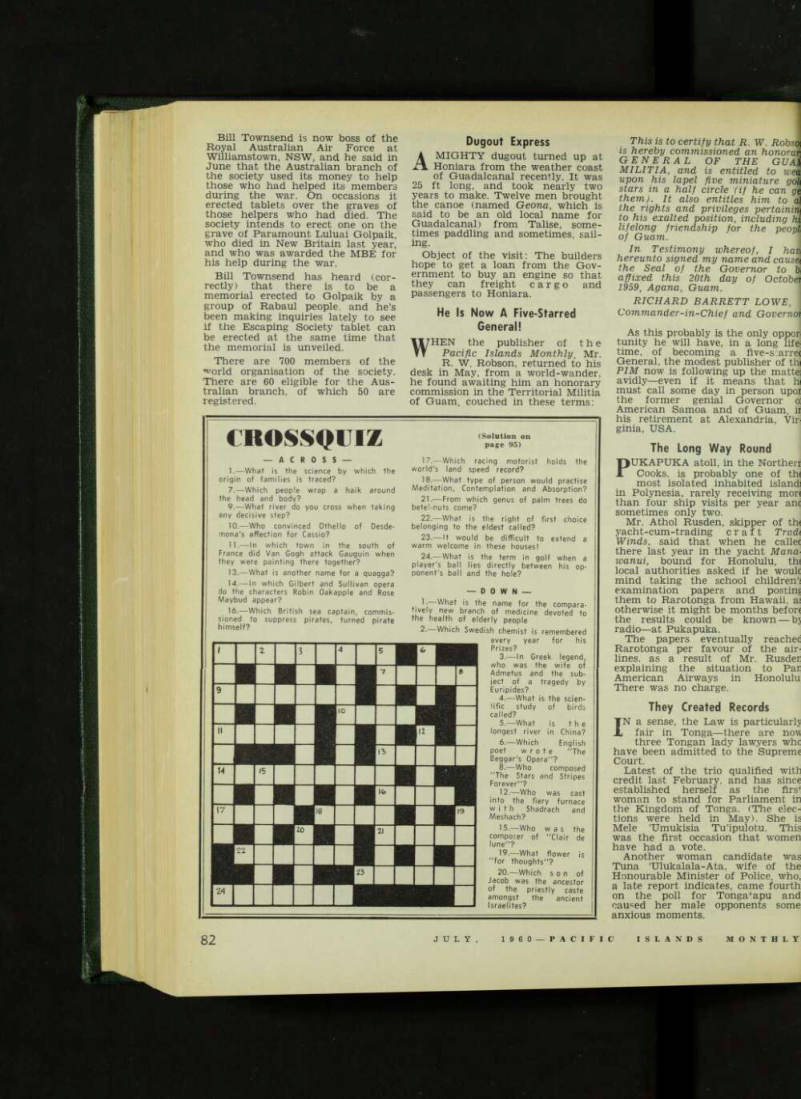 84
84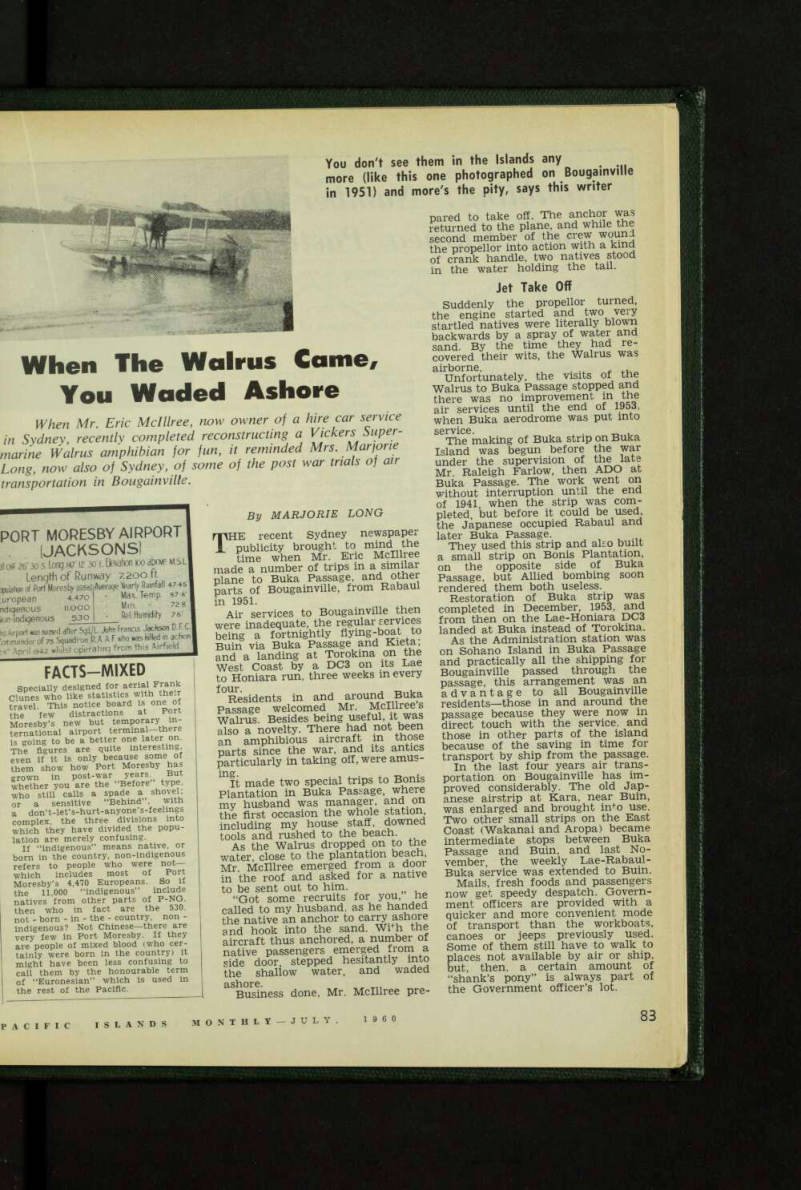 85
85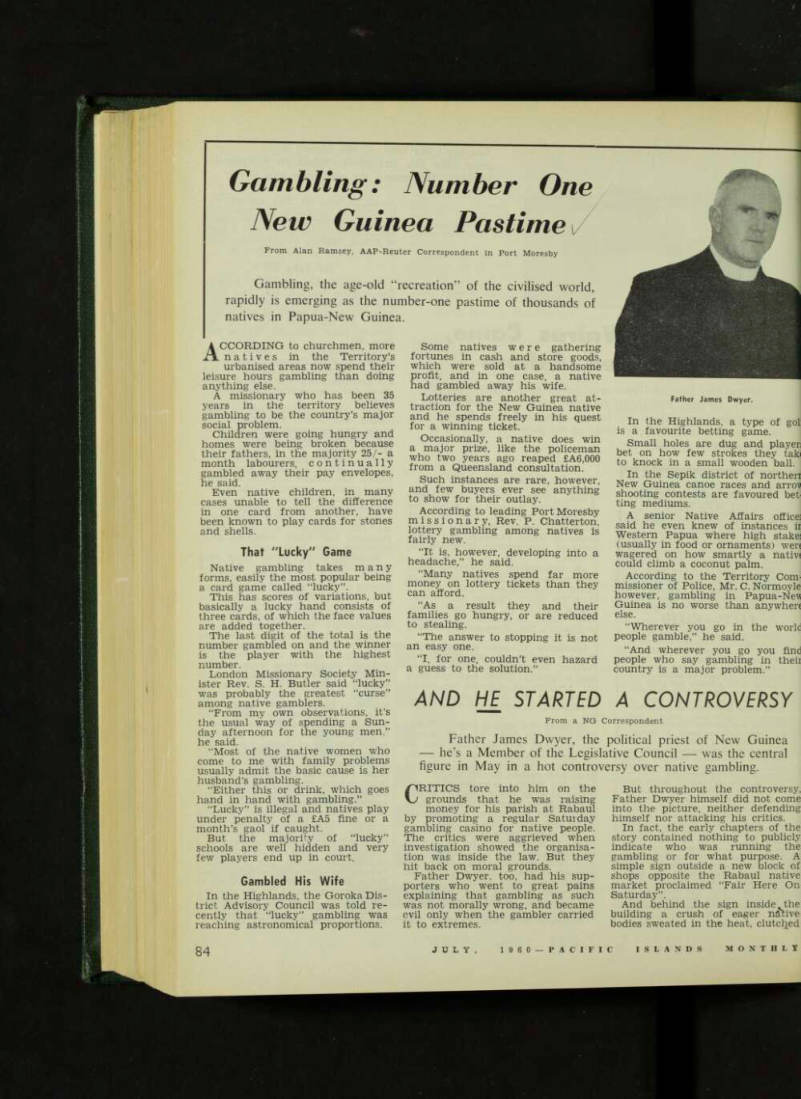 86
86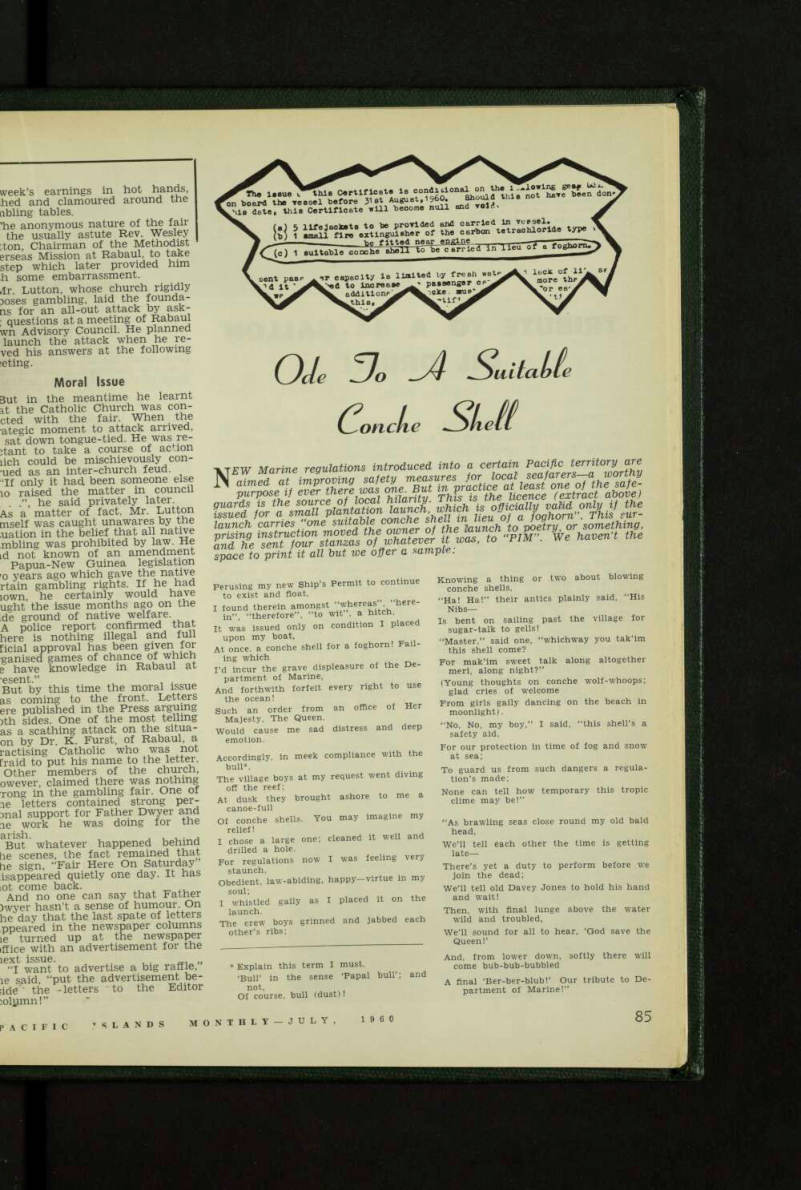 87
87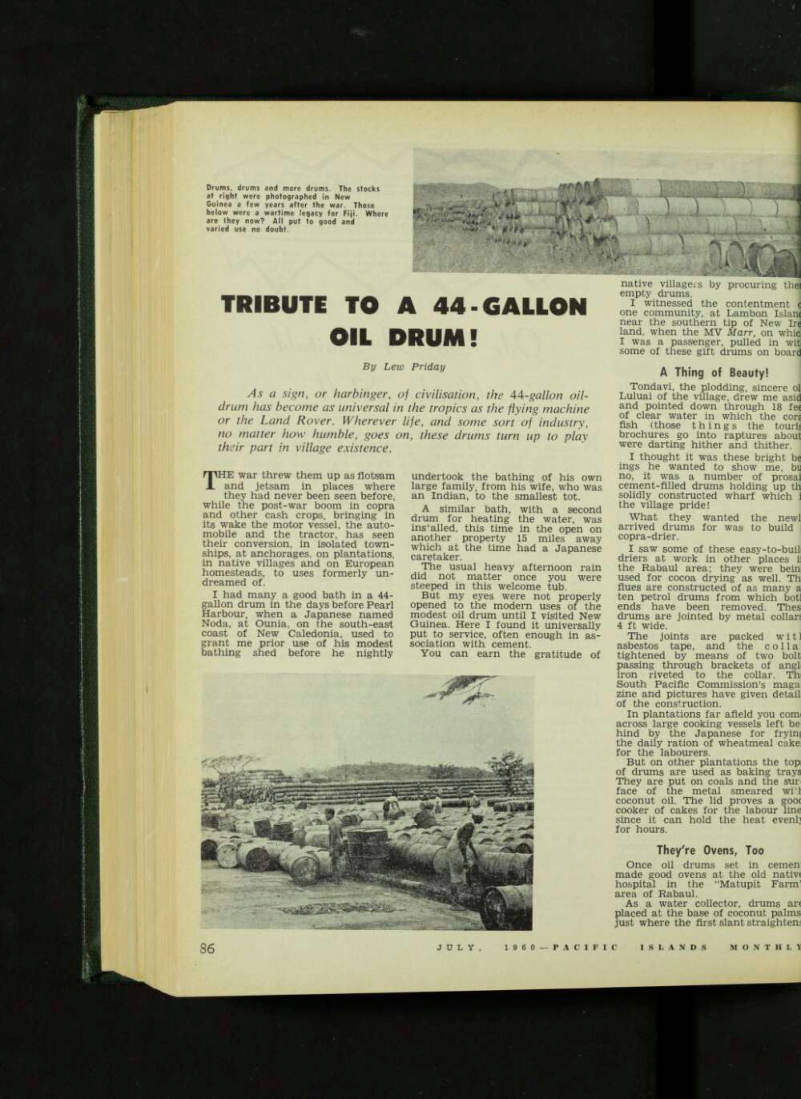 88
88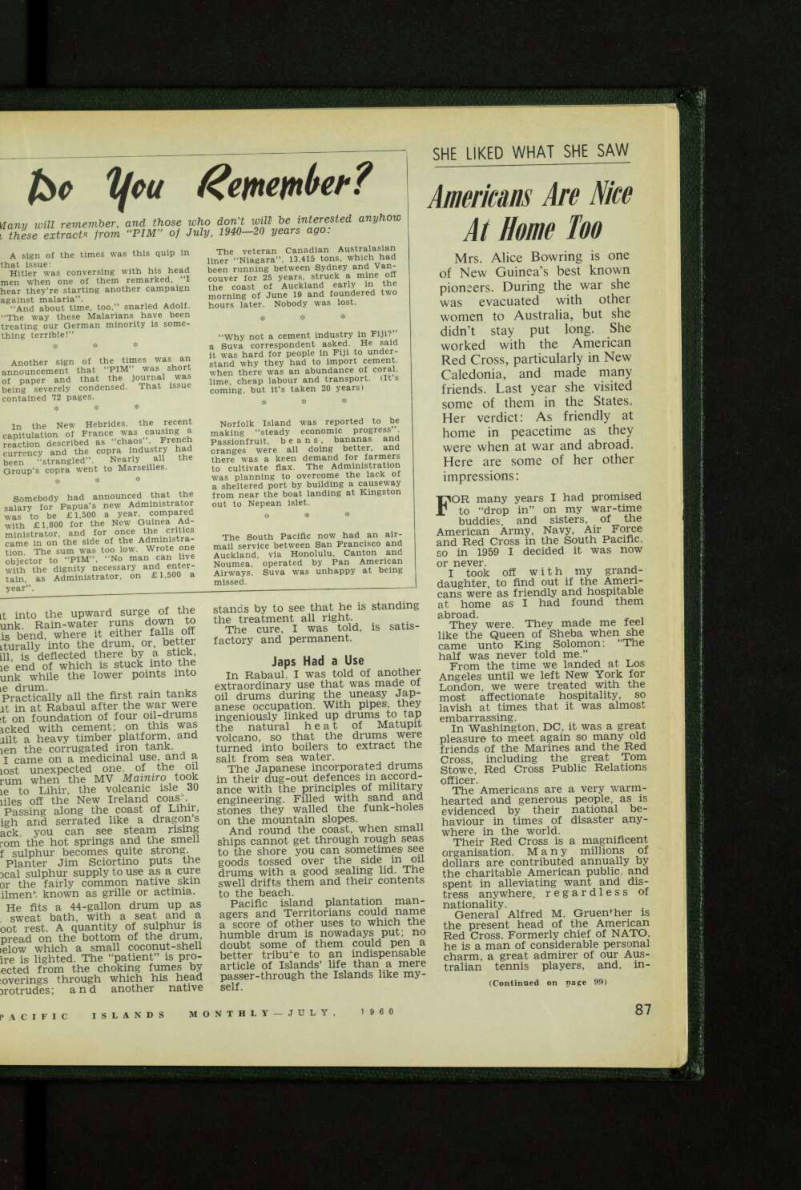 89
89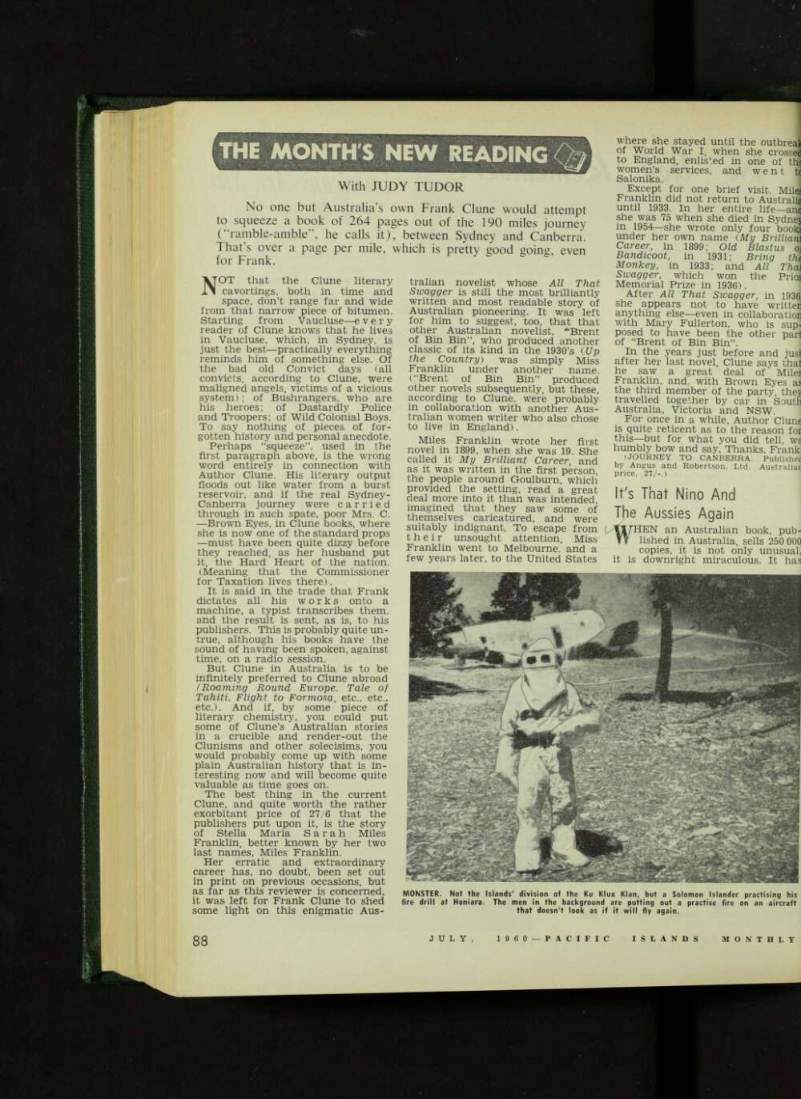 90
90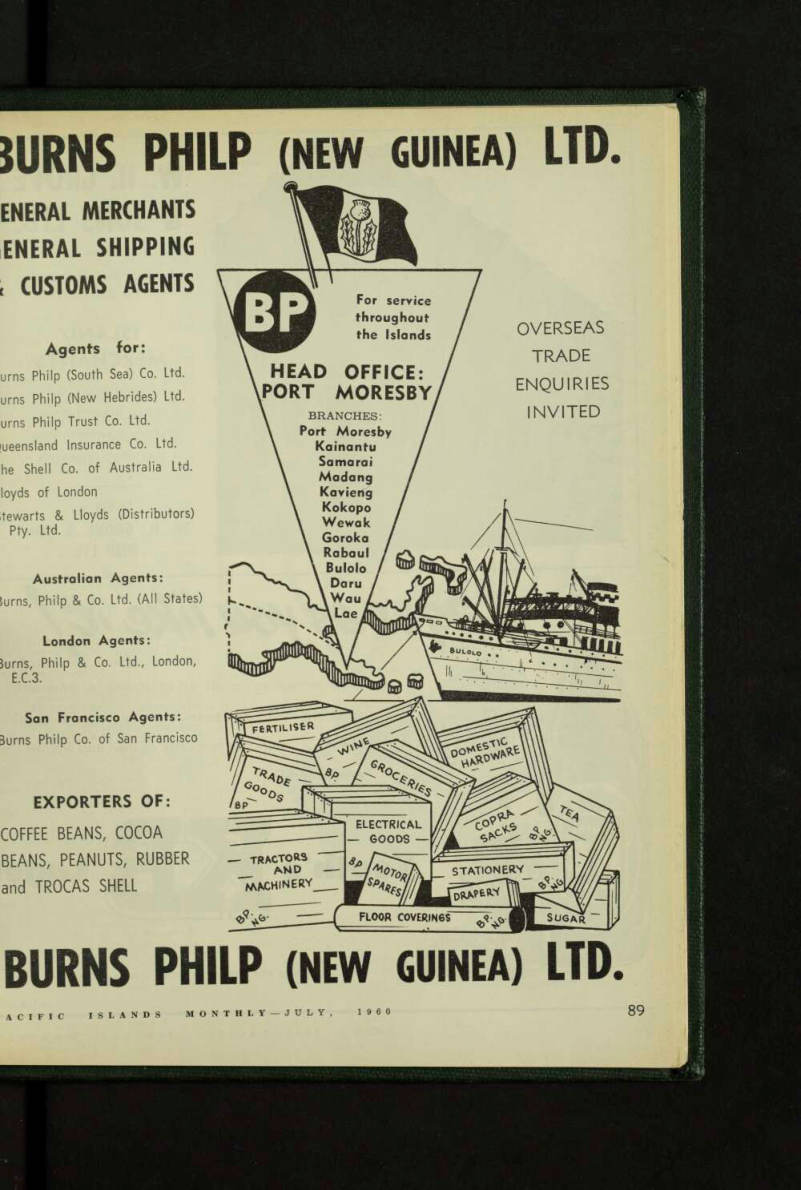 91
91 92
92 93
93 94
94 95
95 96
96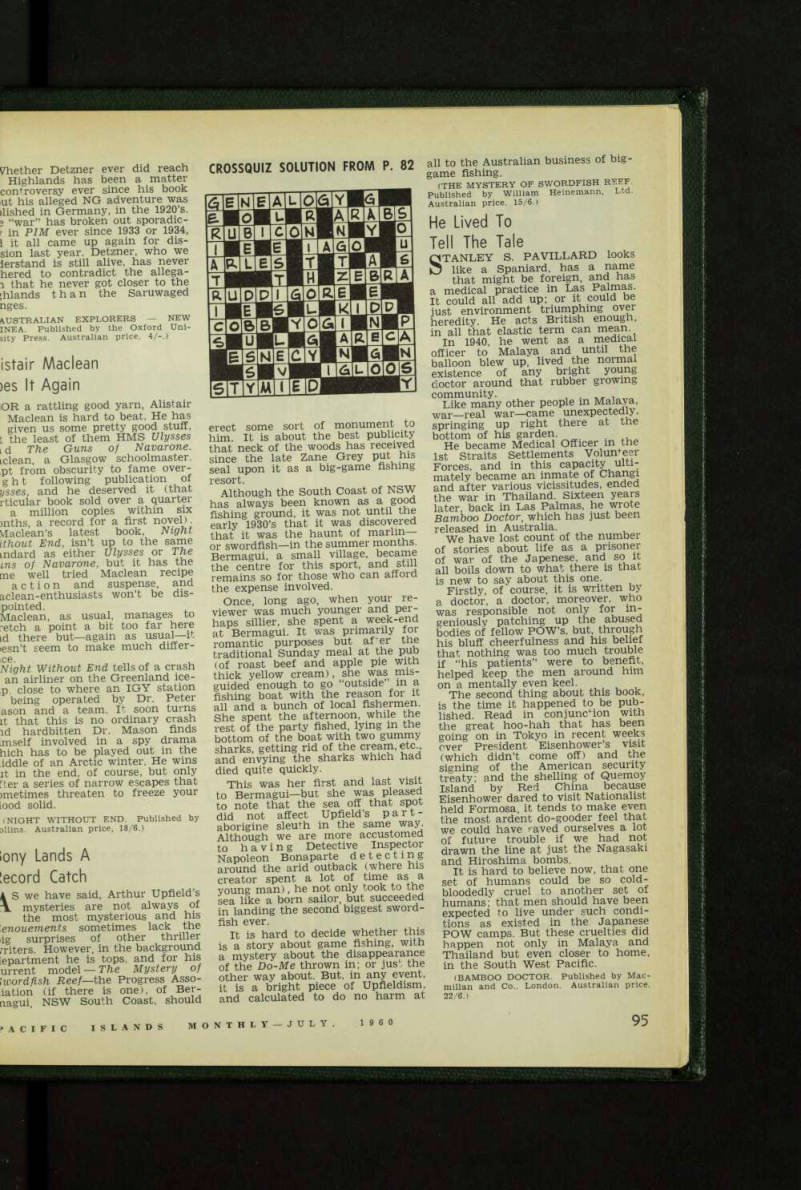 97
97 98
98 99
99 100
100 101
101 102
102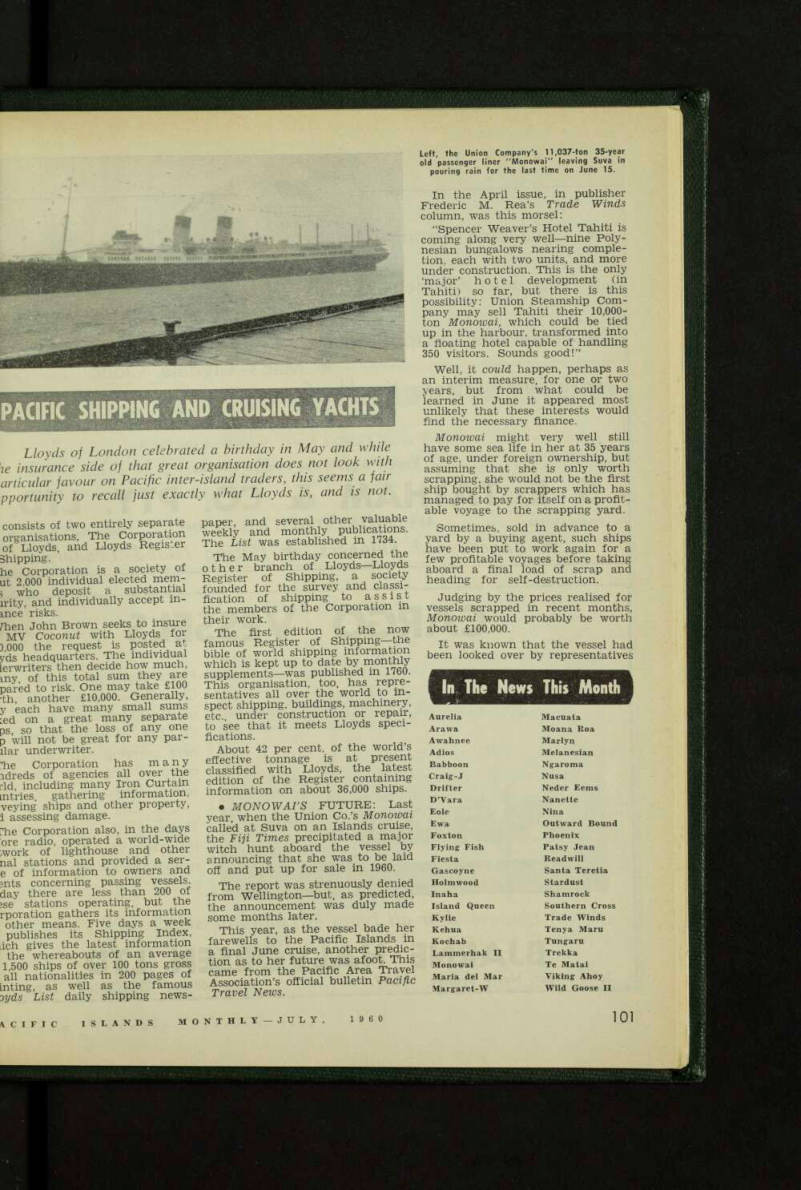 103
103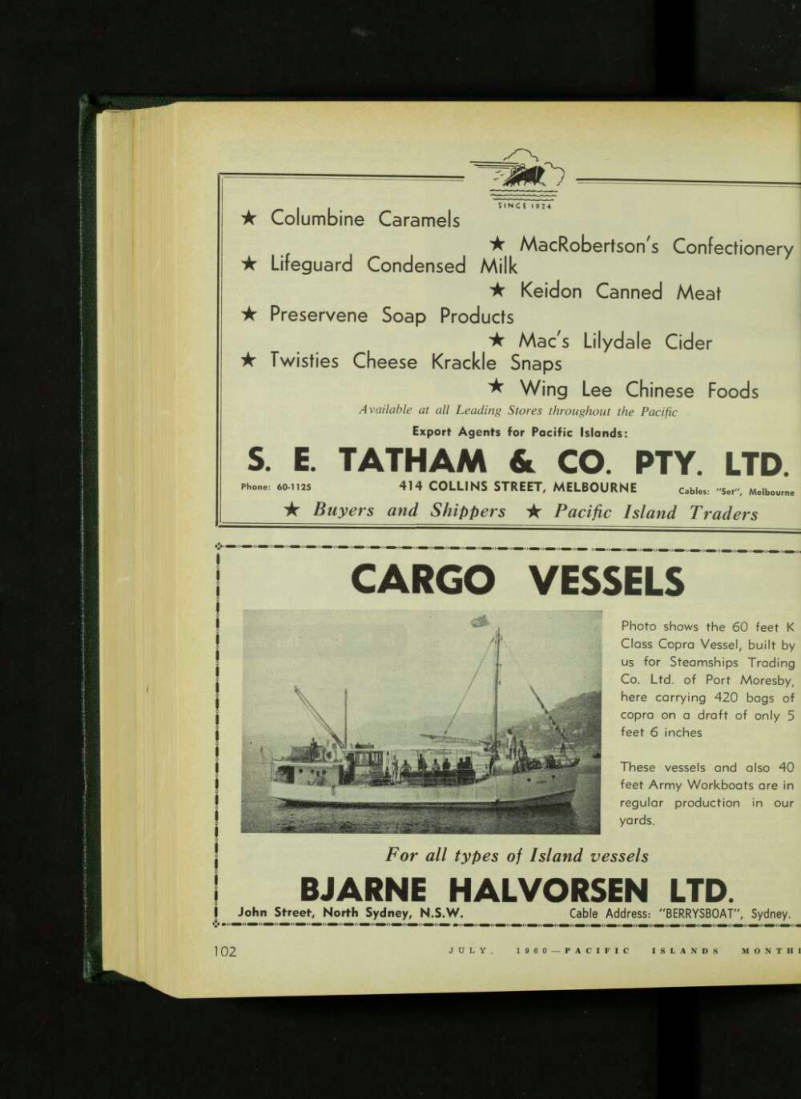 104
104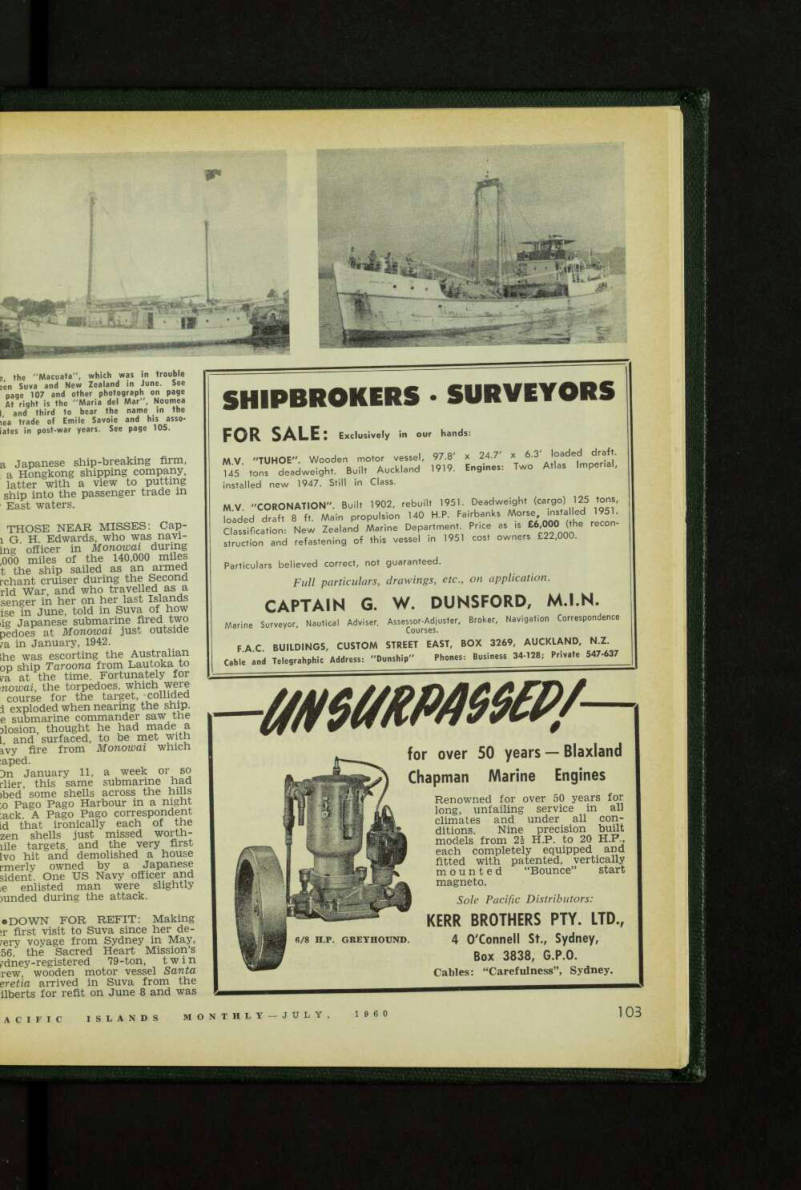 105
105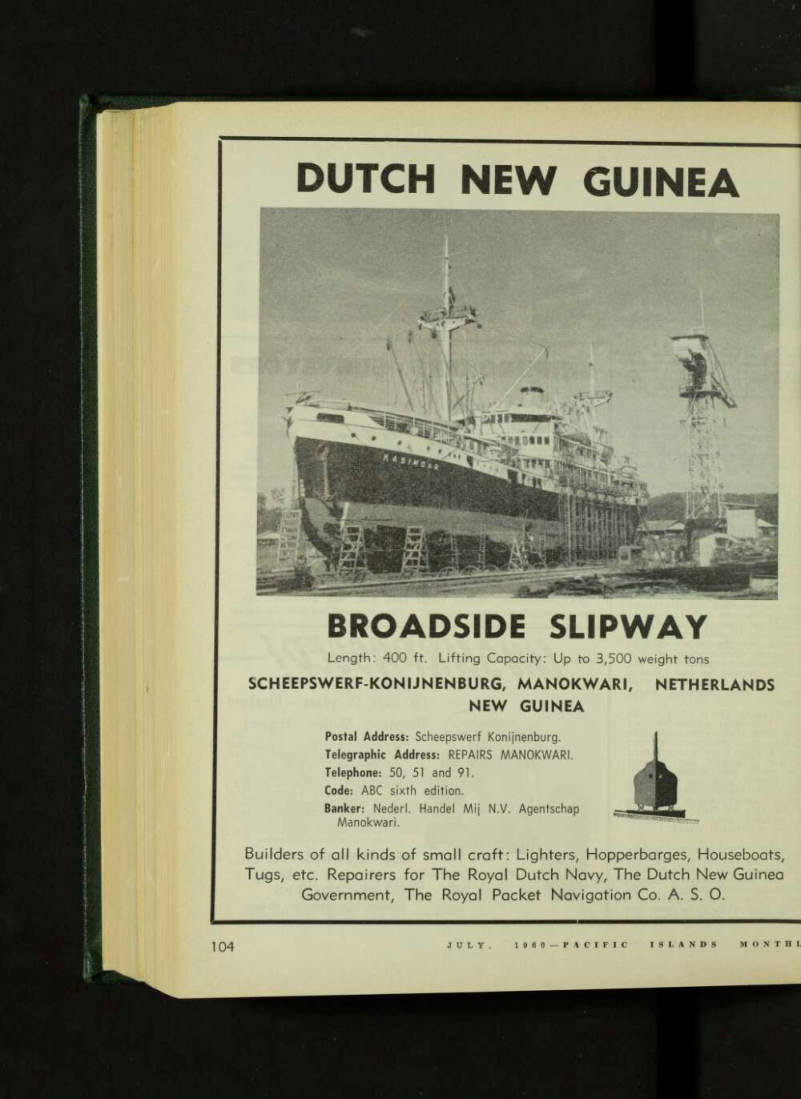 106
106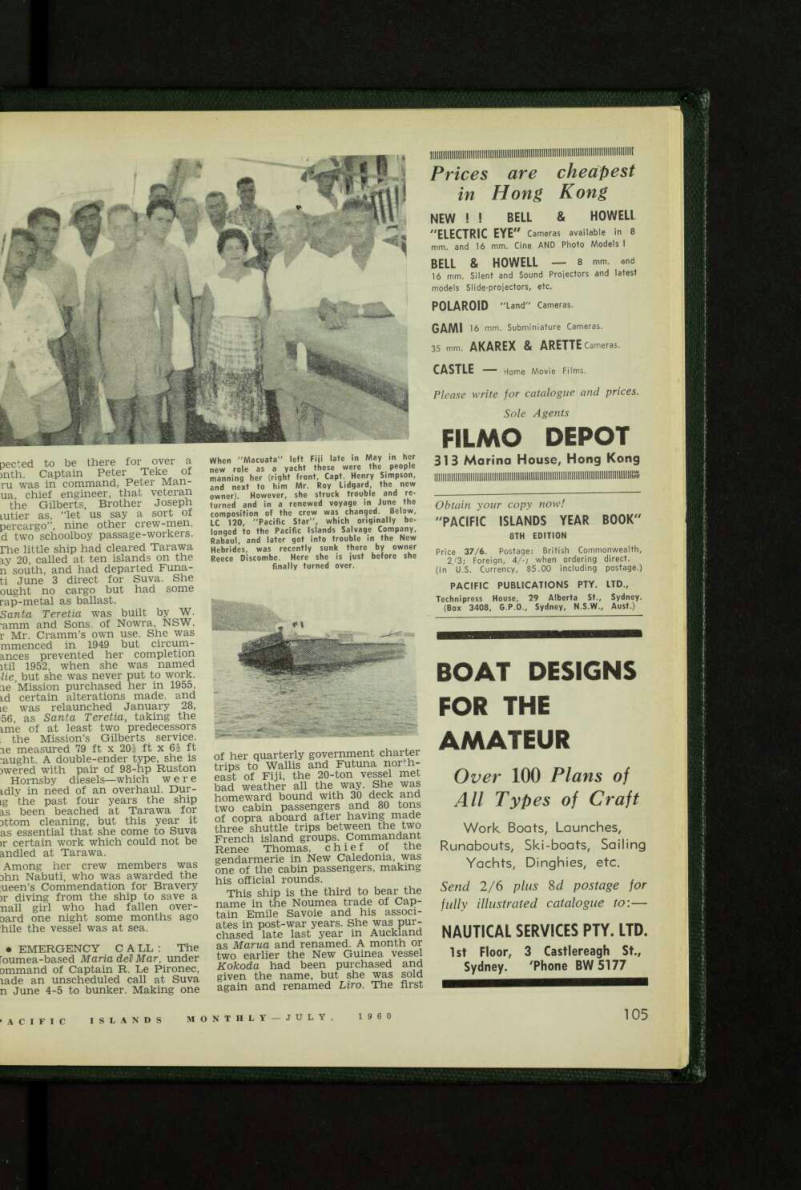 107
107 108
108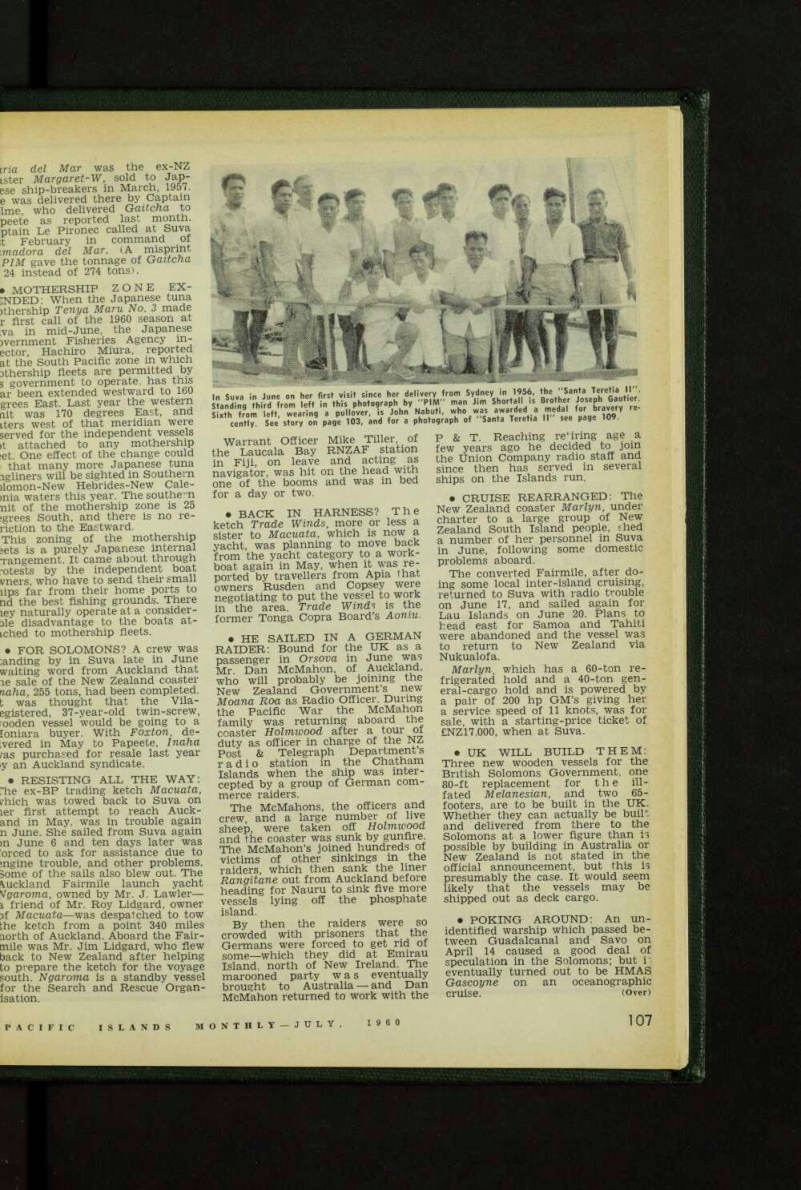 109
109 110
110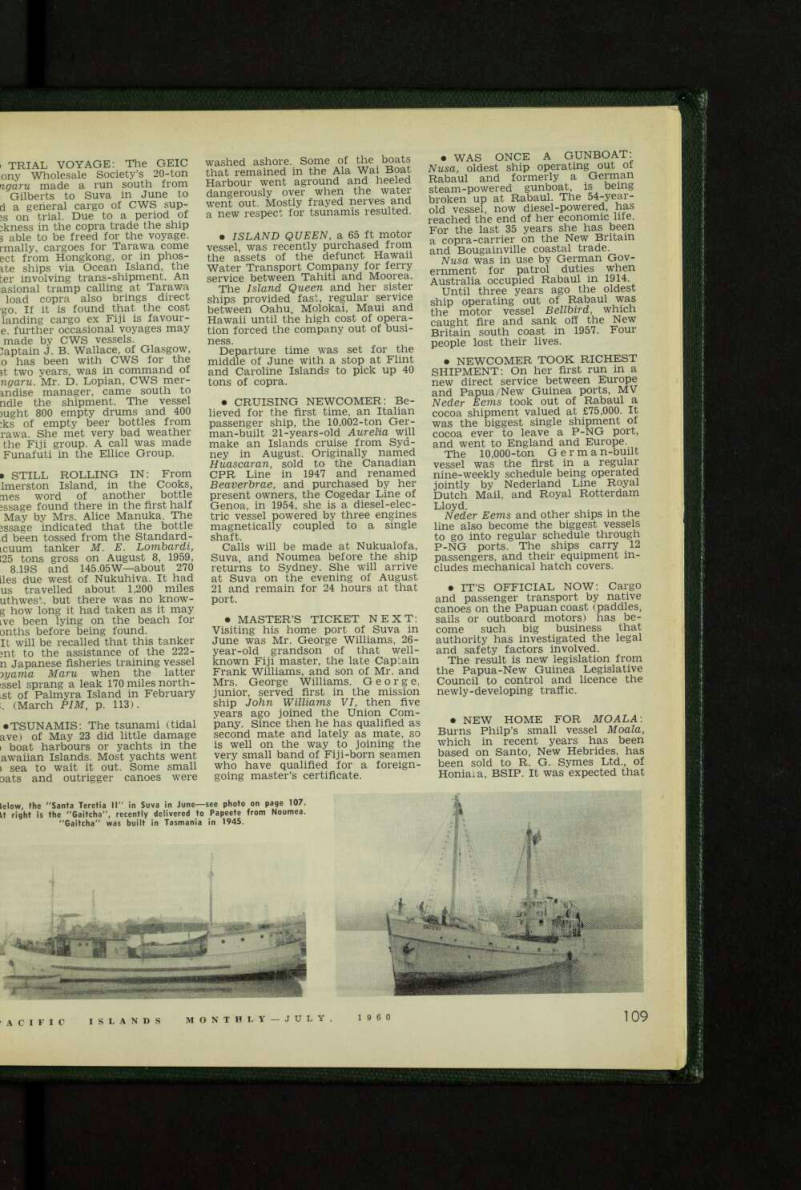 111
111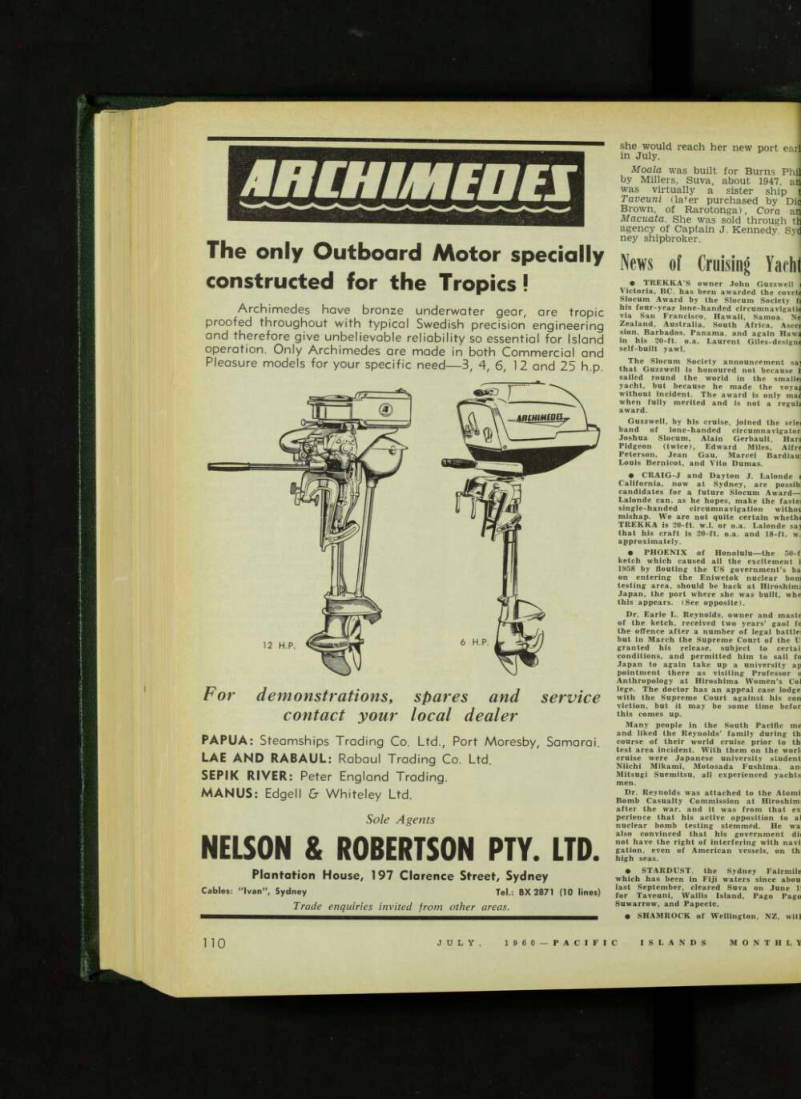 112
112 113
113 114
114 115
115 116
116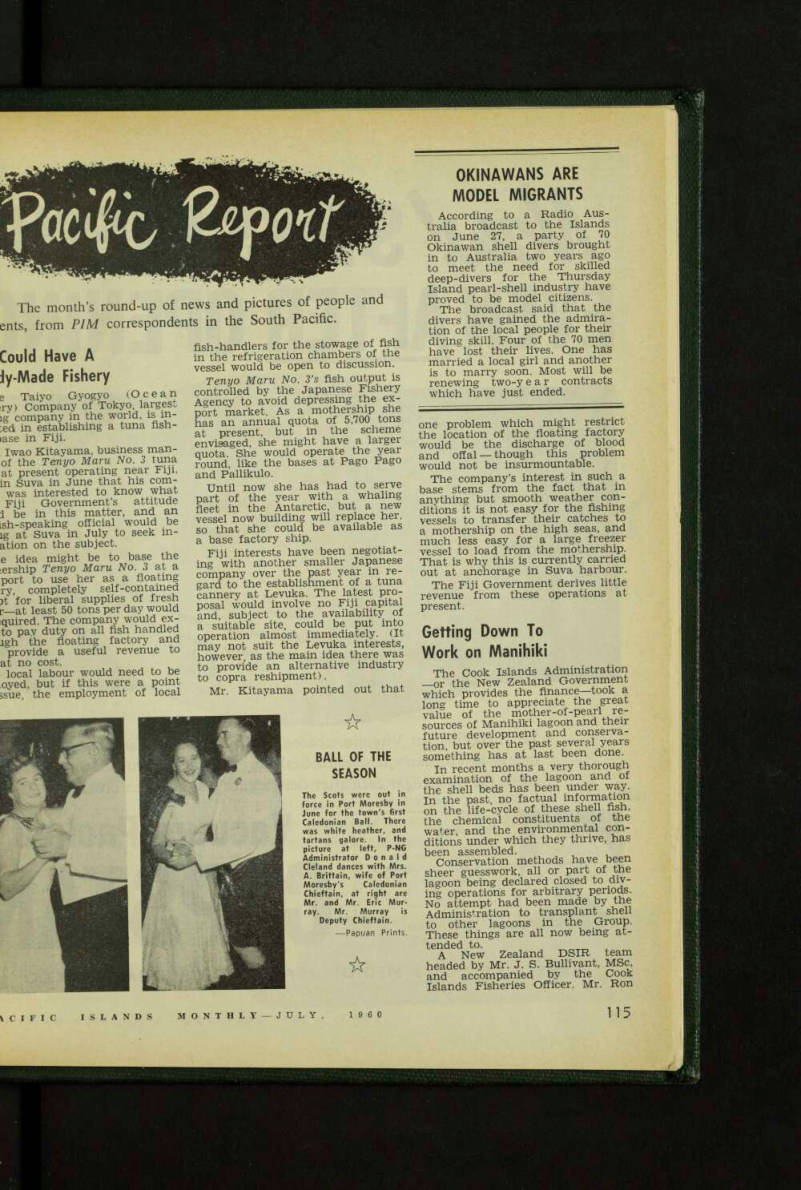 117
117 118
118 119
119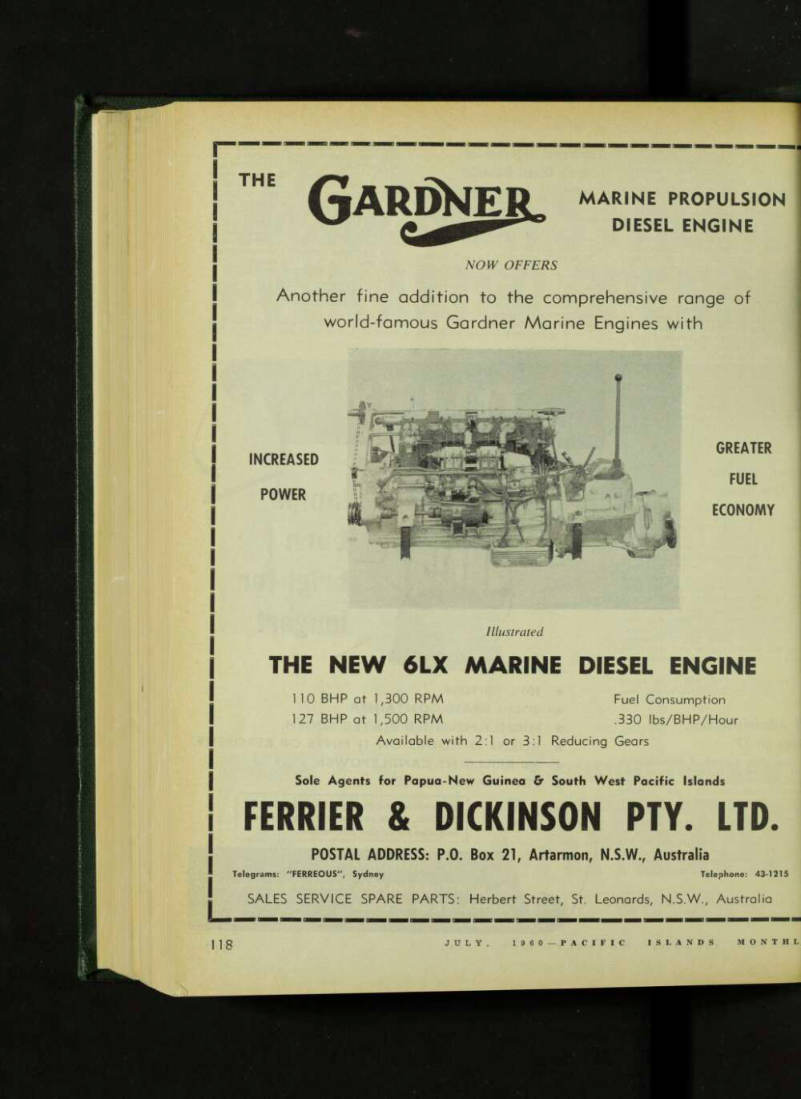 120
120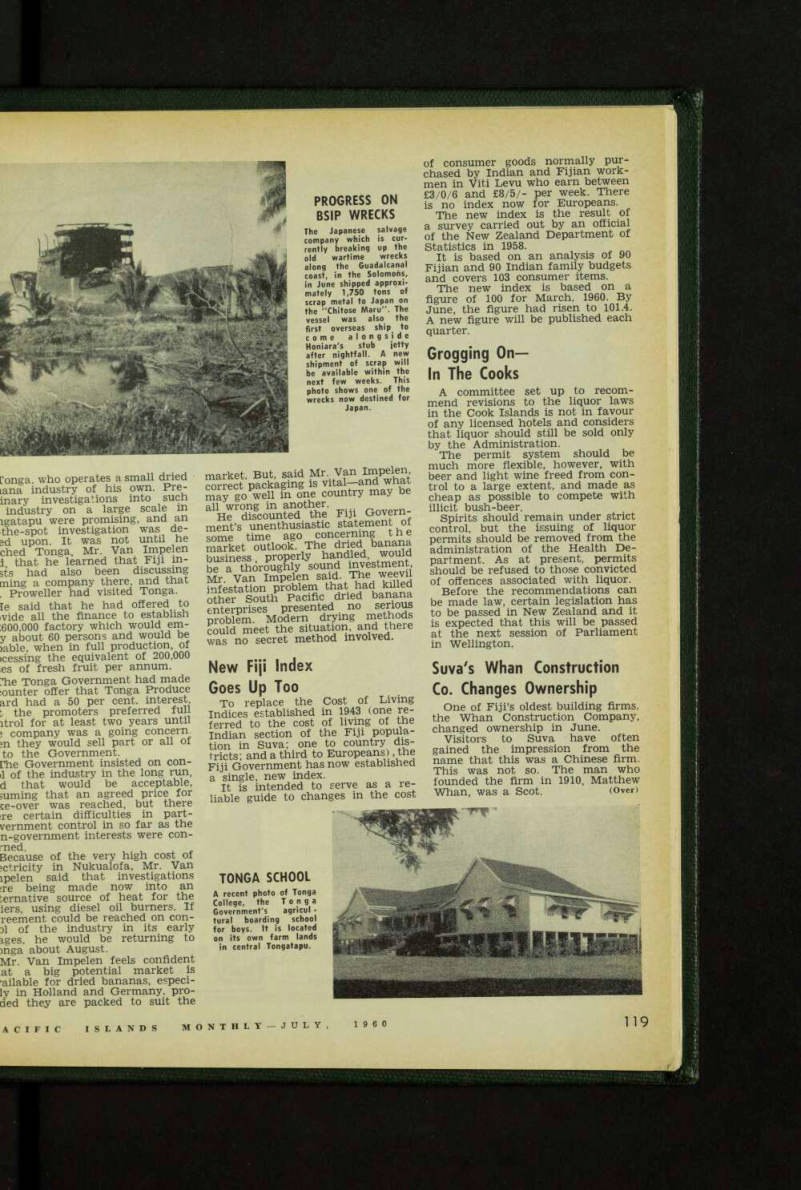 121
121 122
122 123
123 124
124 125
125 126
126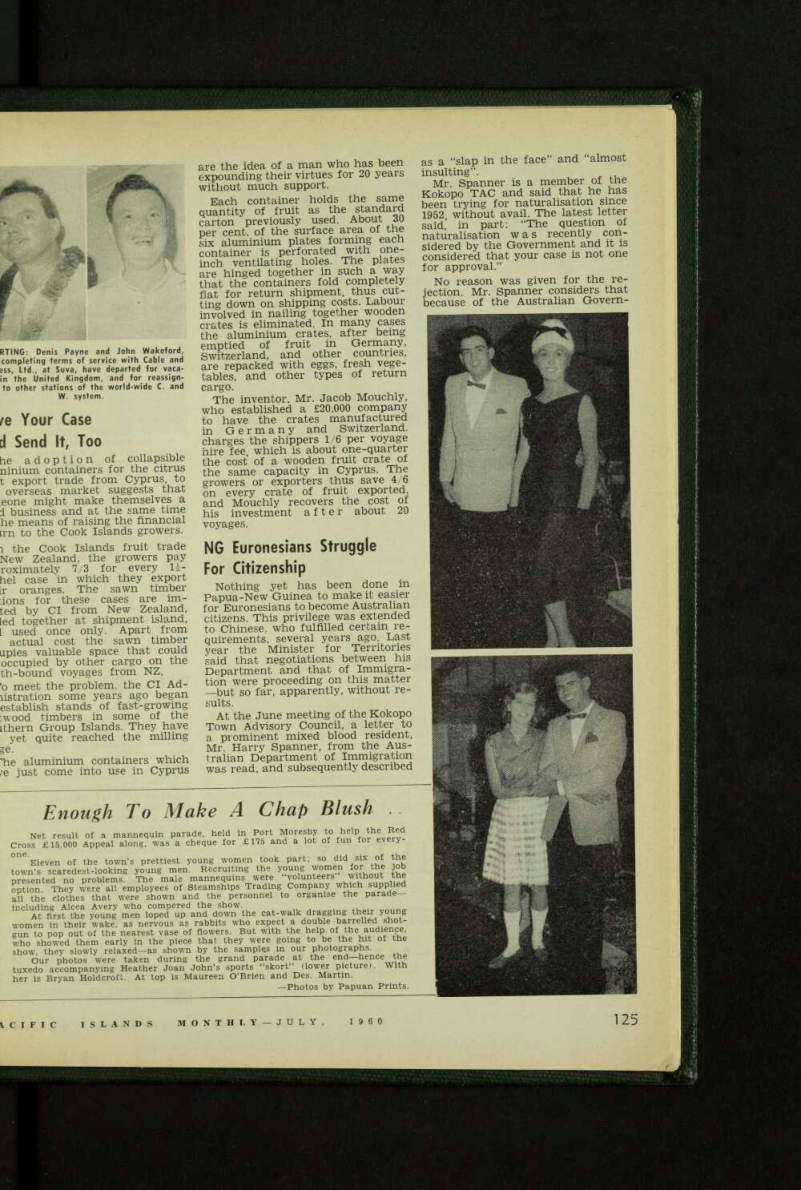 127
127 128
128 129
129 130
130 131
131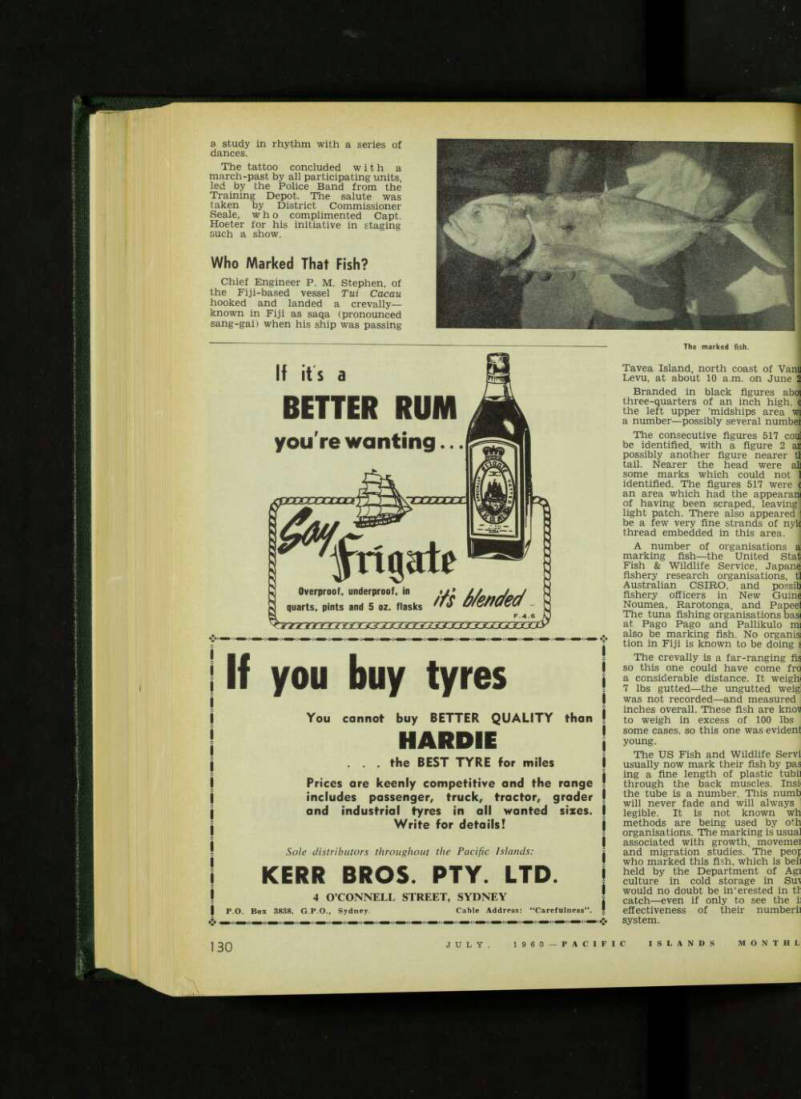 132
132 133
133 134
134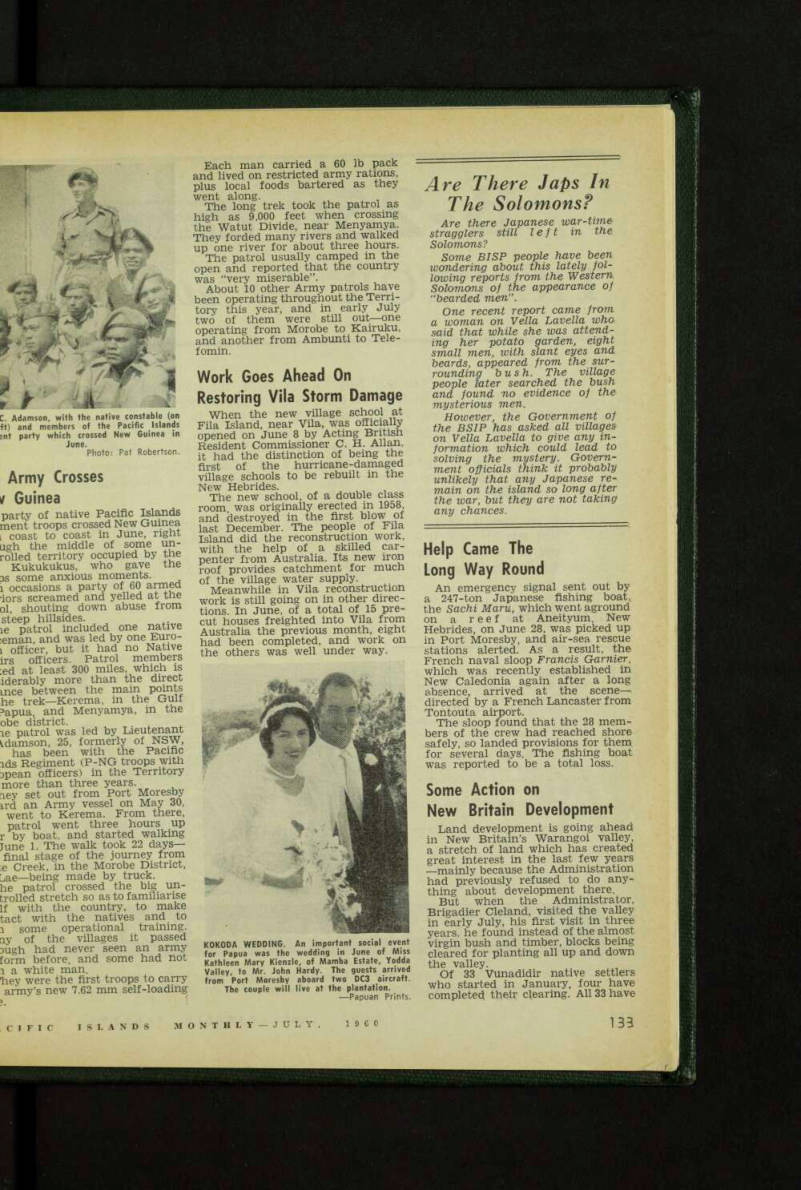 135
135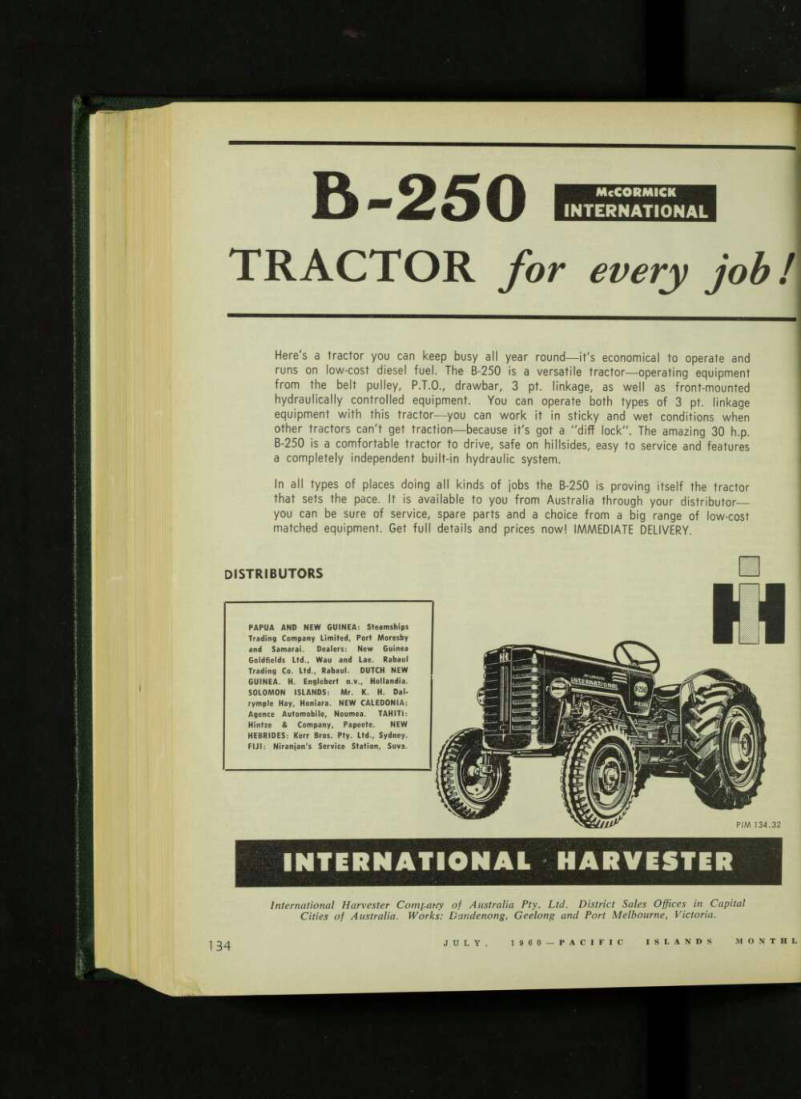 136
136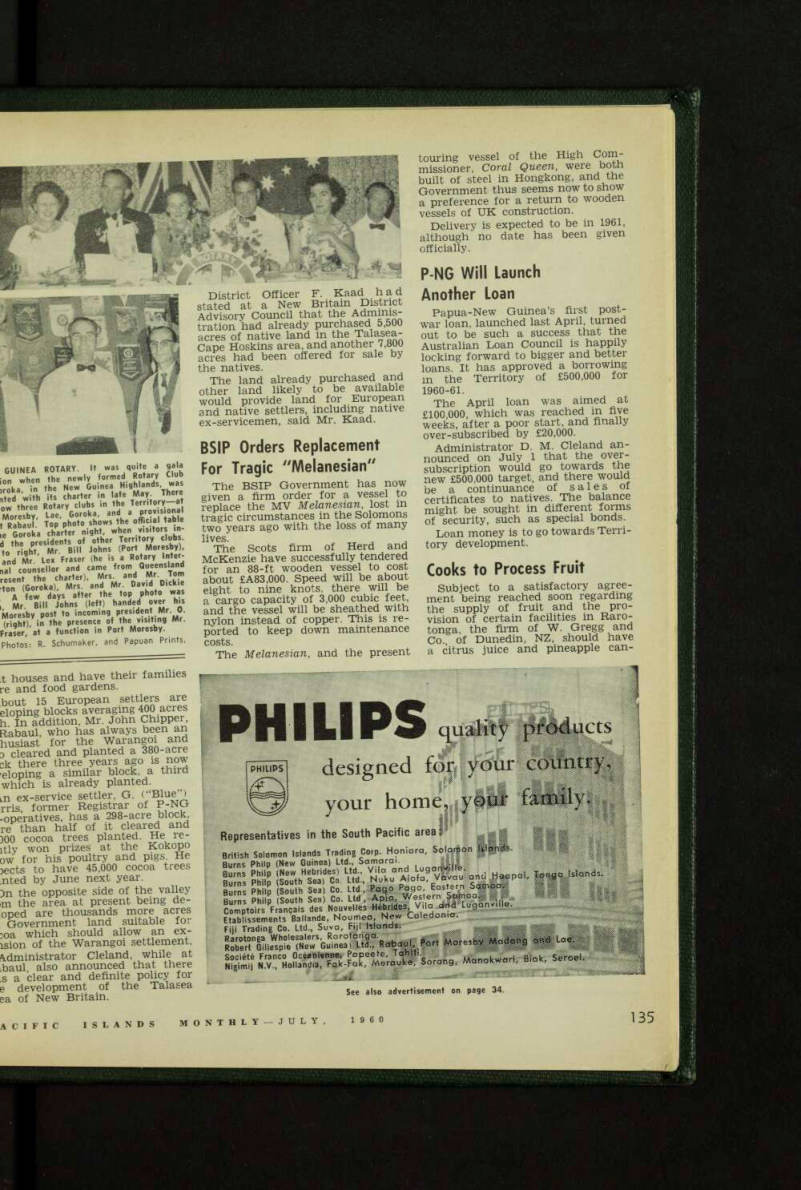 137
137 138
138 139
139 140
140 141
141 142
142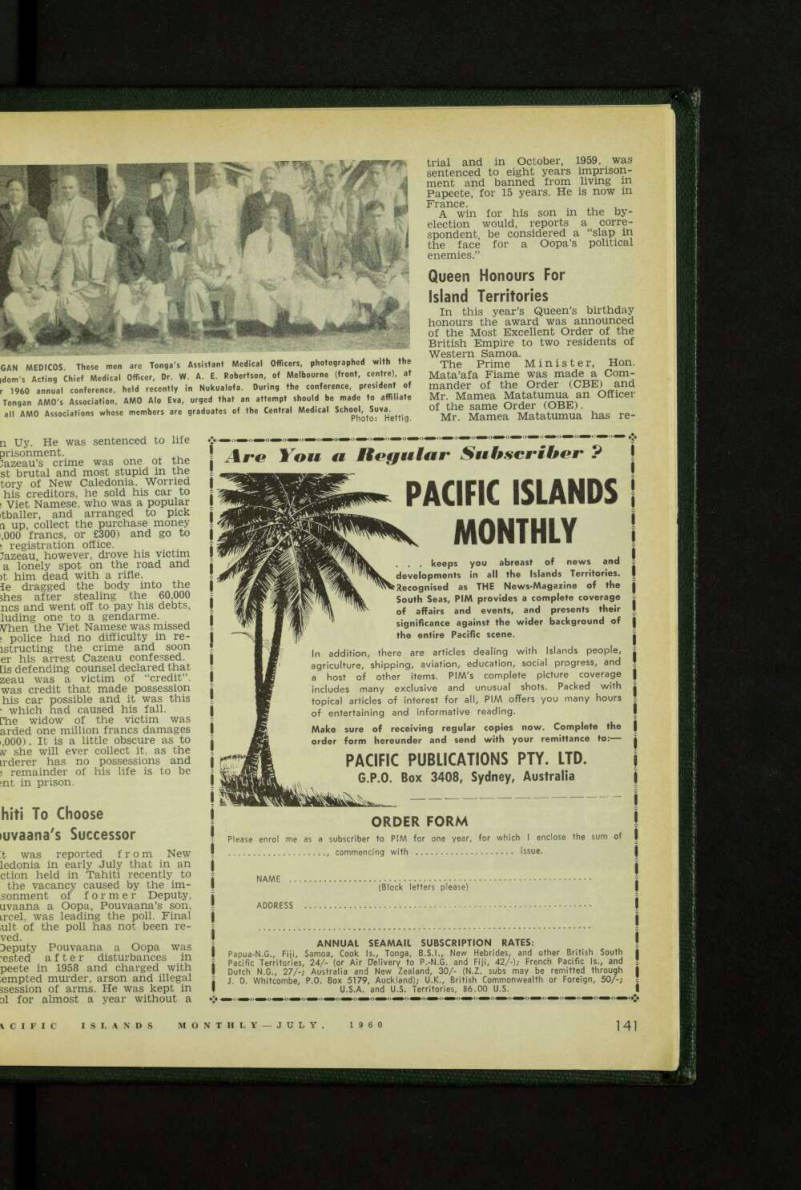 143
143 144
144 145
145 146
146 147
147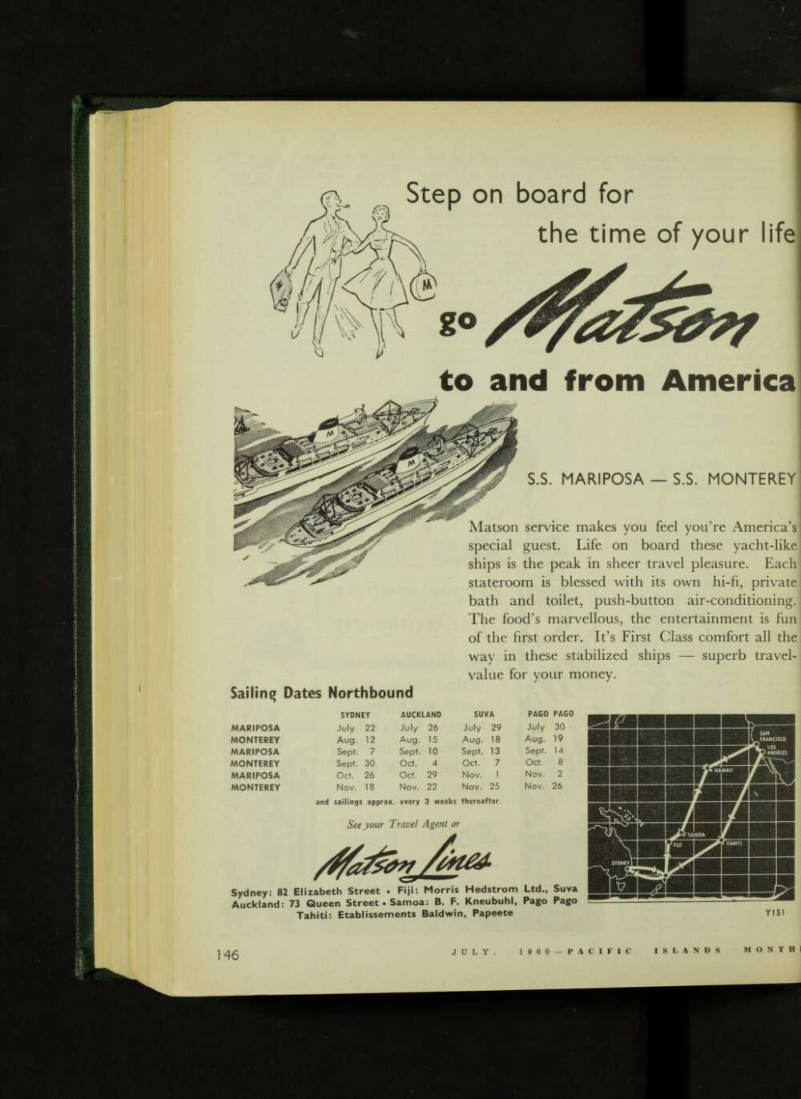 148
148 149
149 150
150 151
151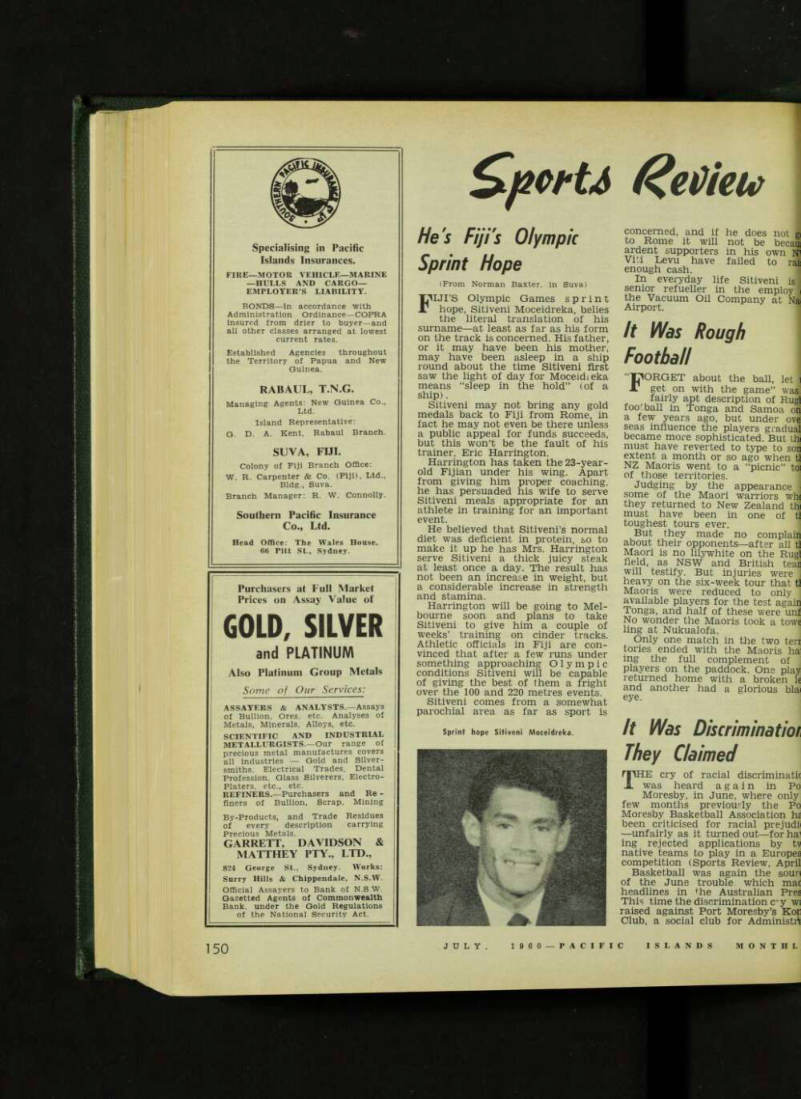 152
152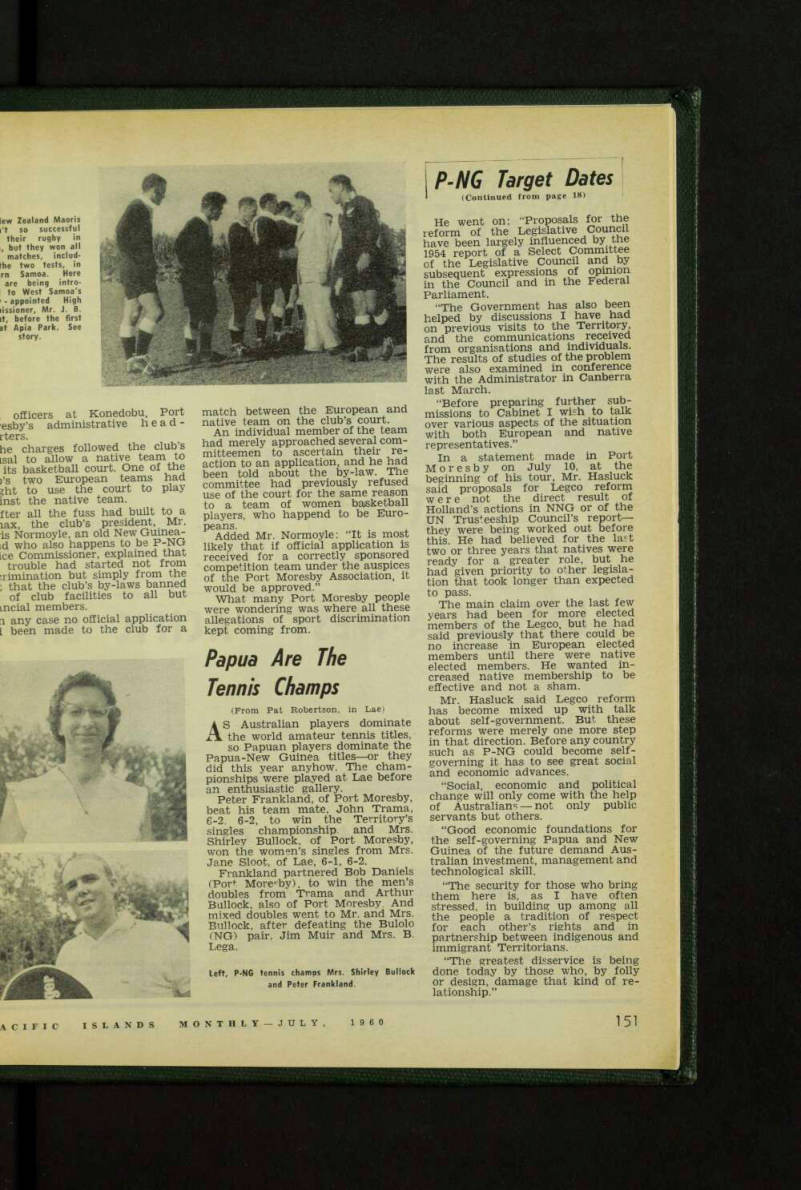 153
153 154
154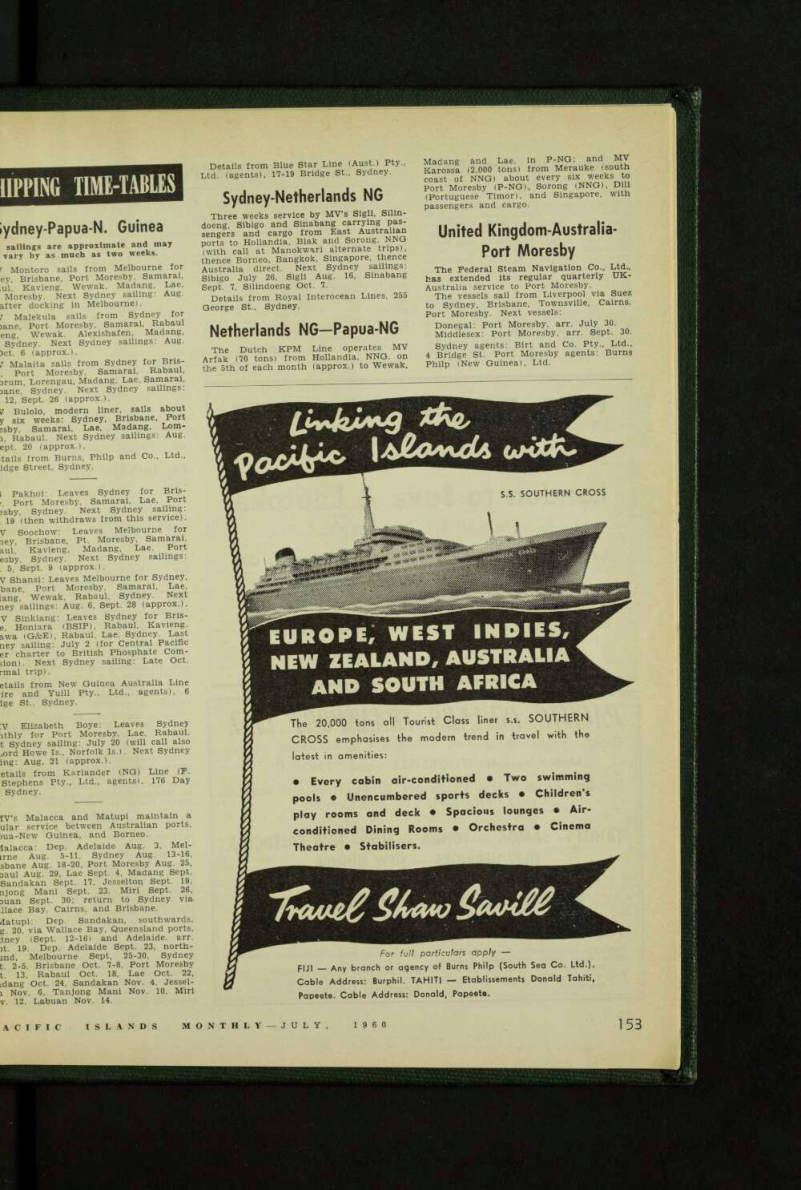 155
155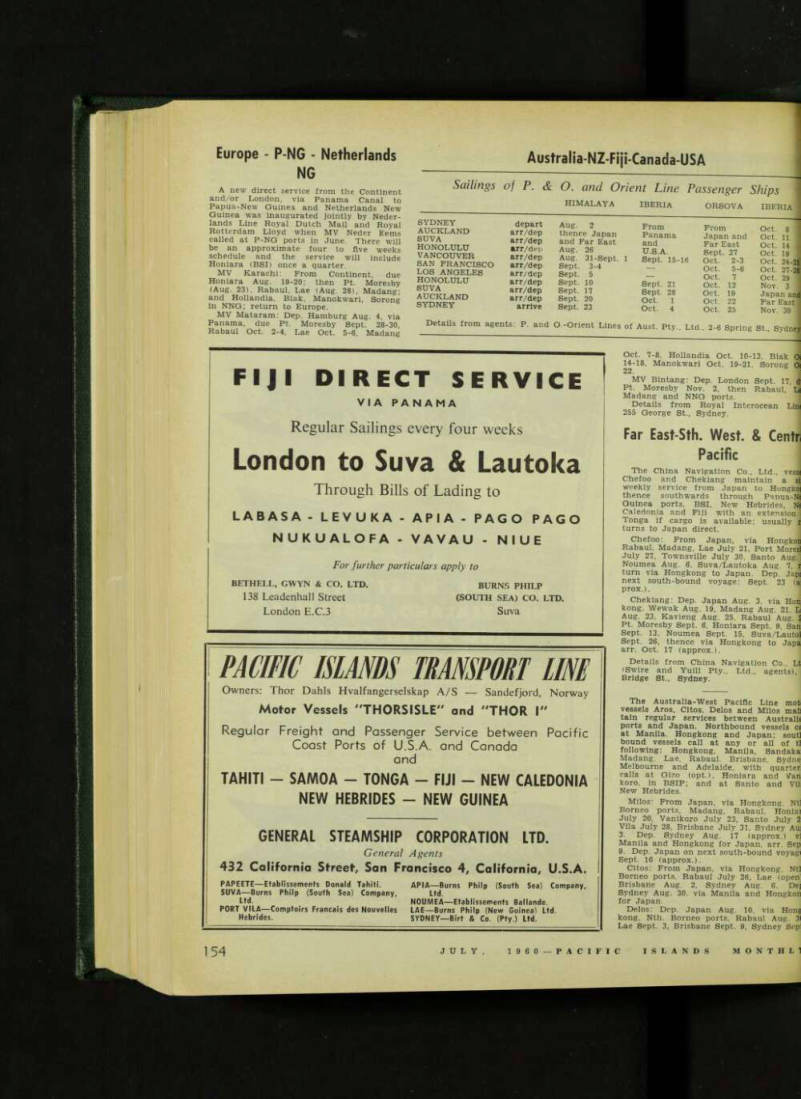 156
156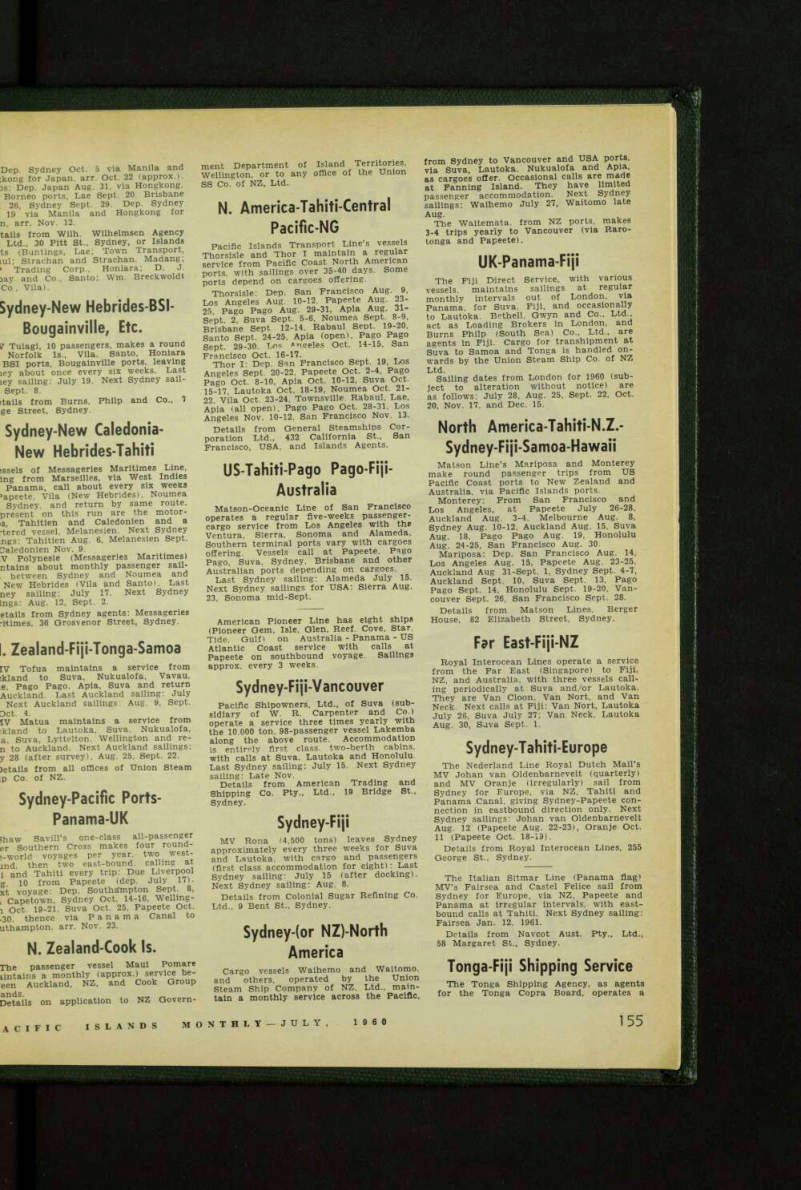 157
157 158
158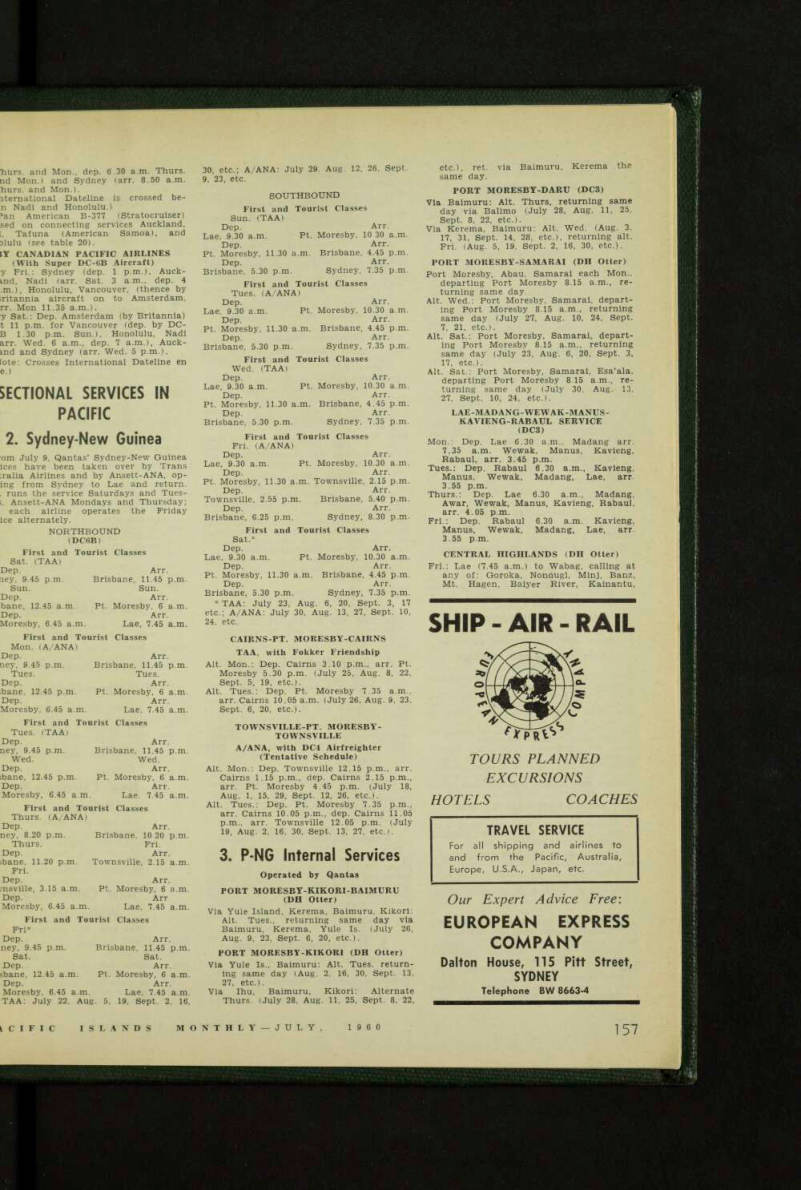 159
159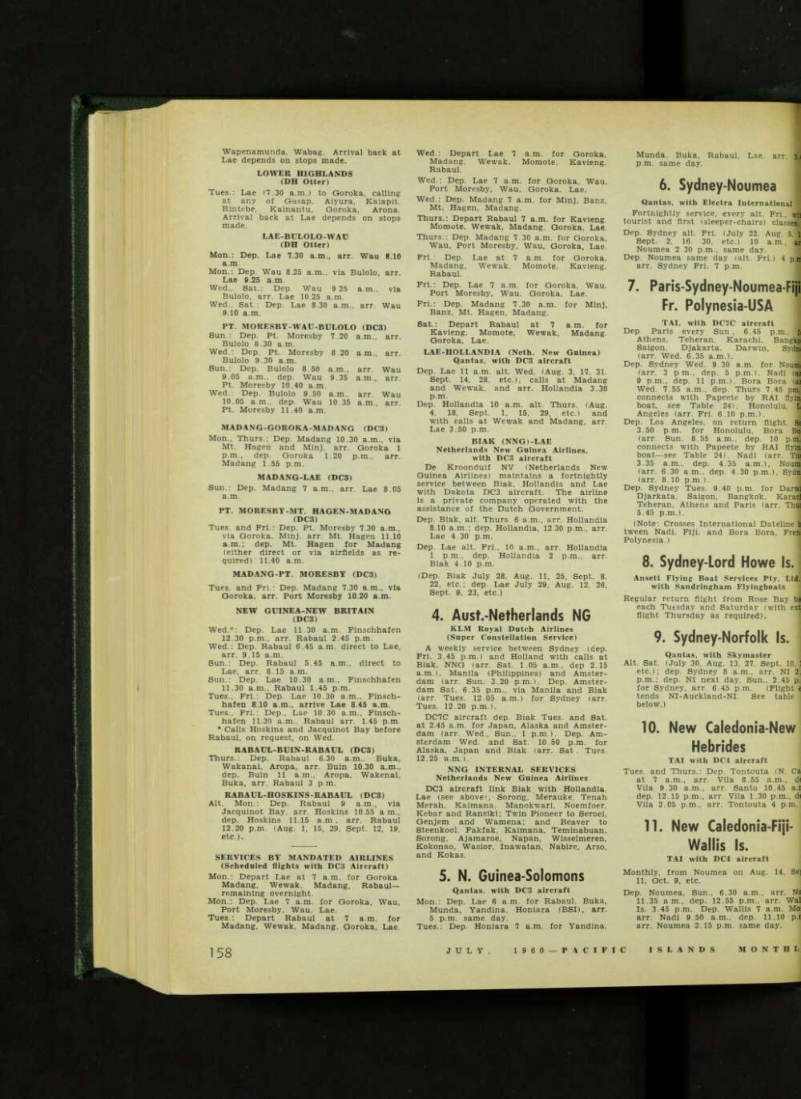 160
160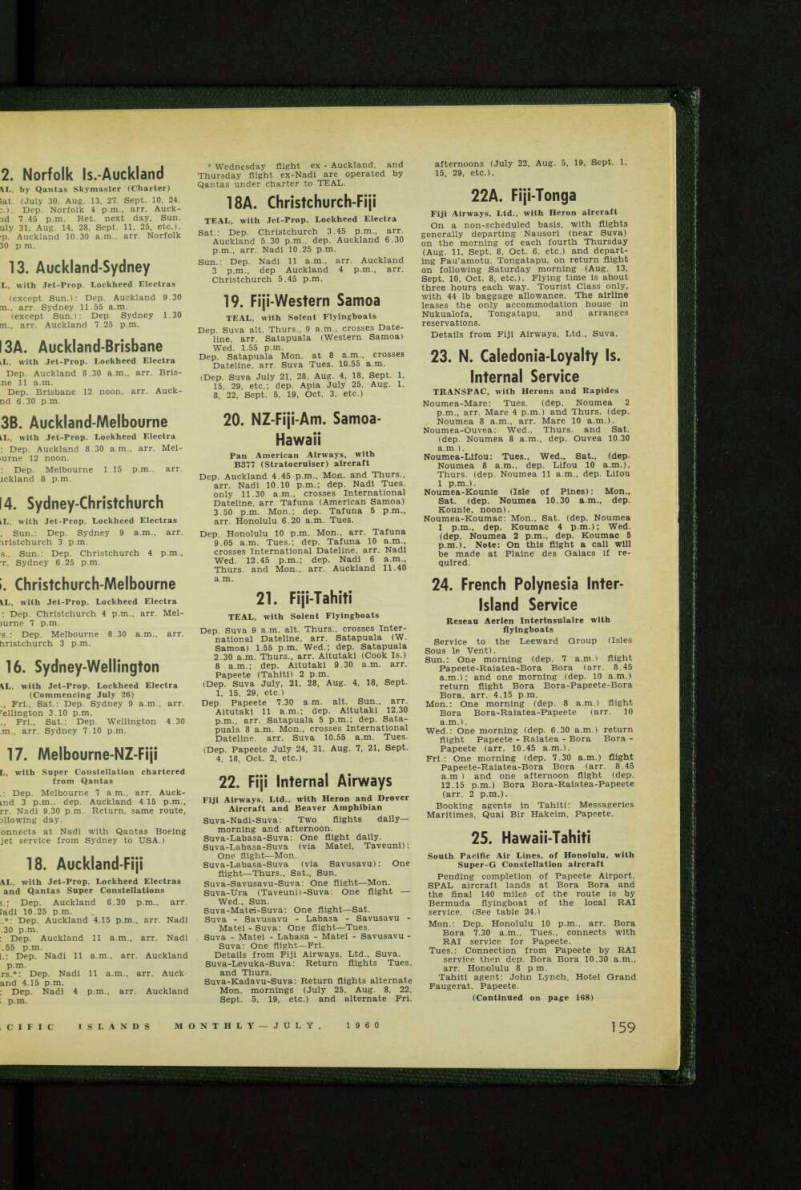 161
161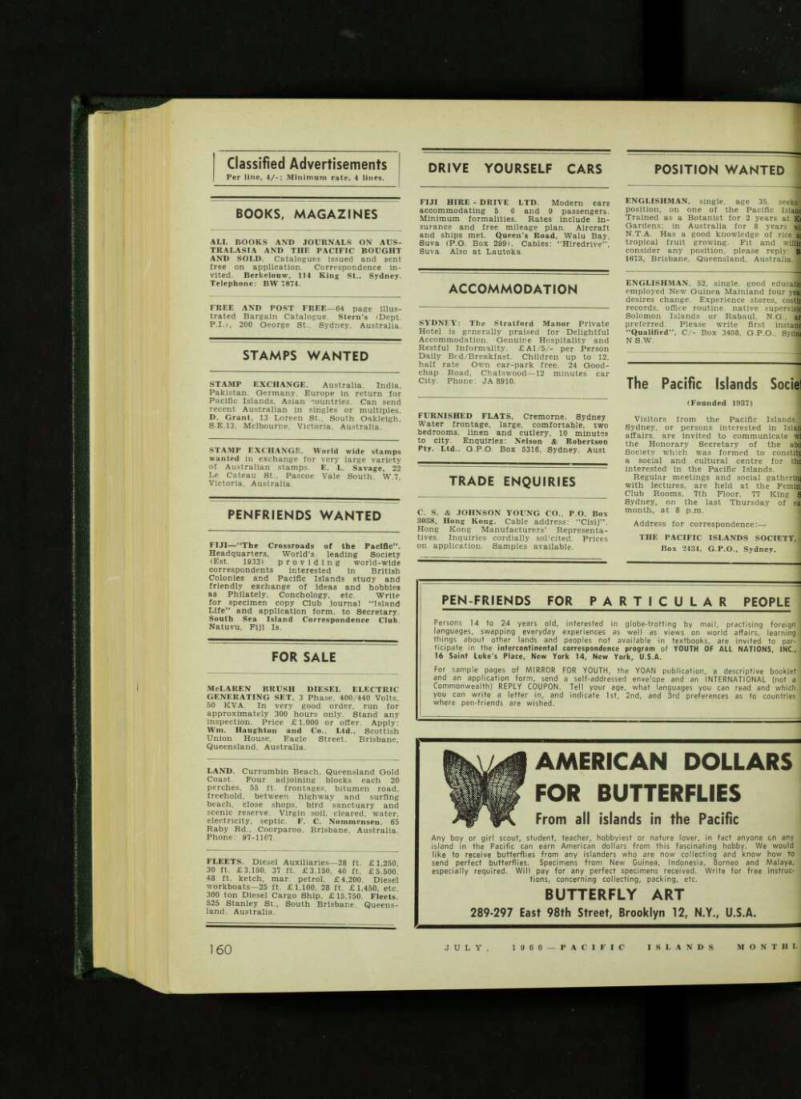 162
162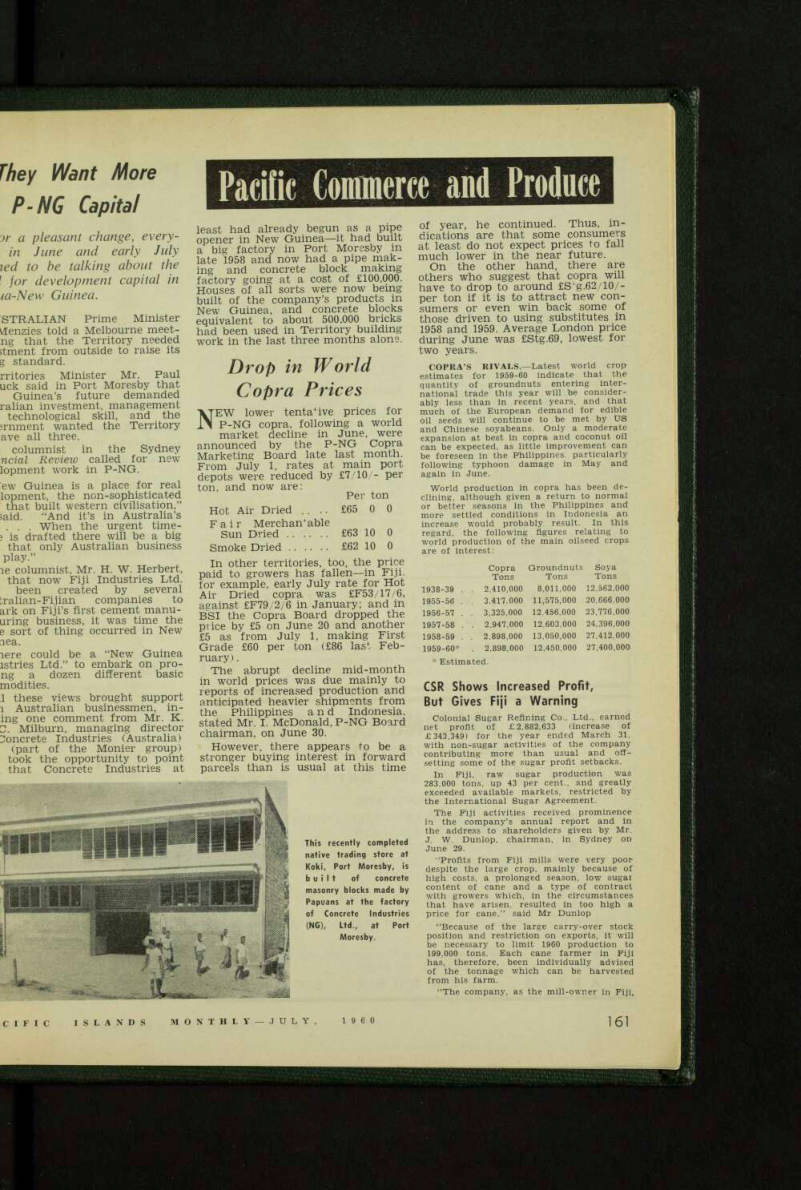 163
163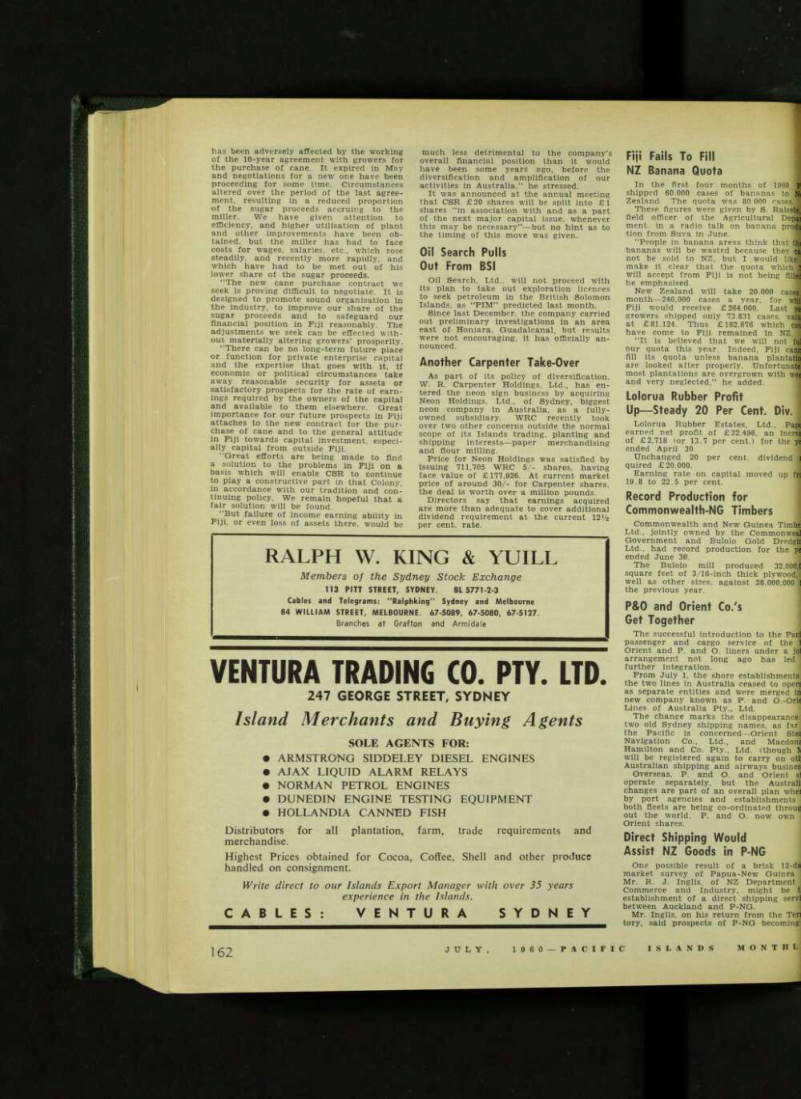 164
164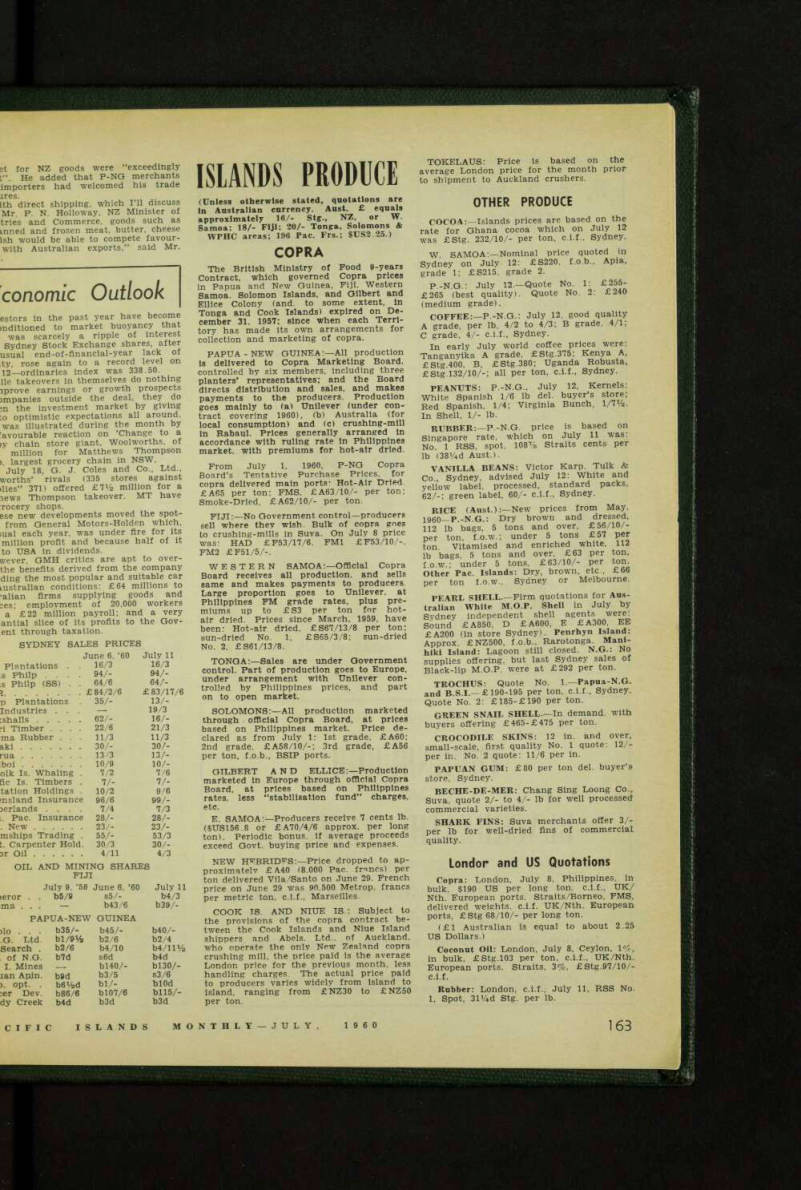 165
165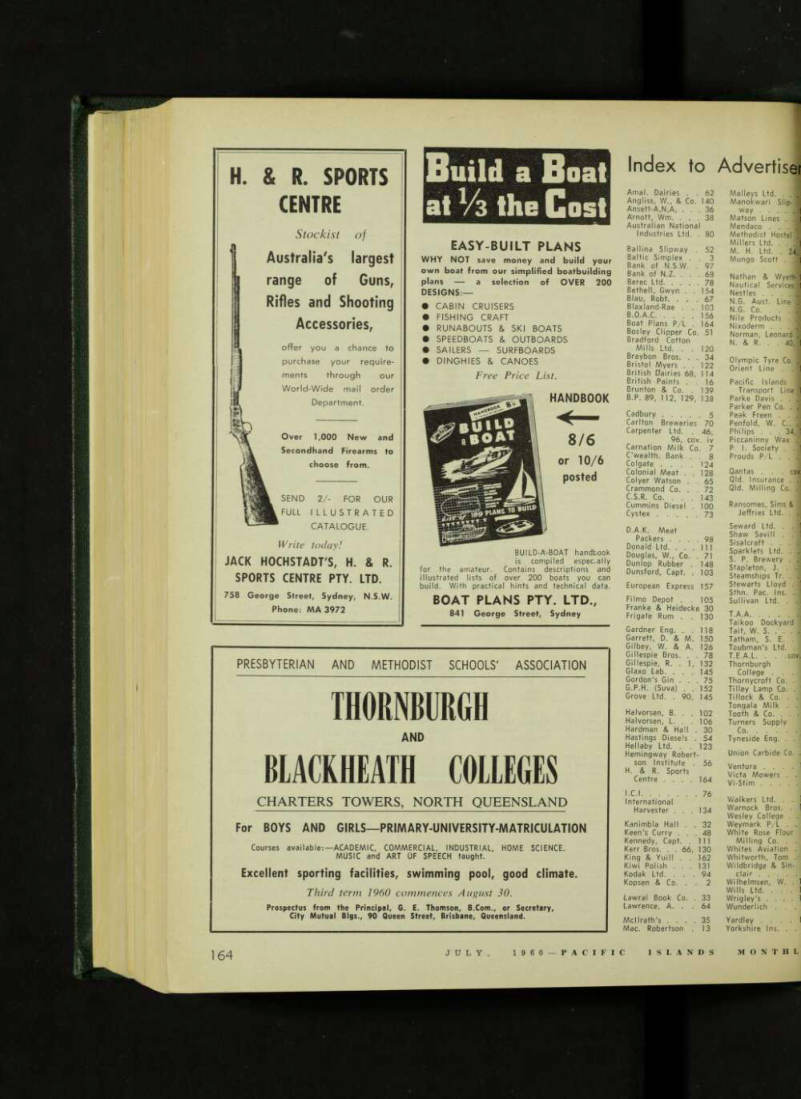 166
166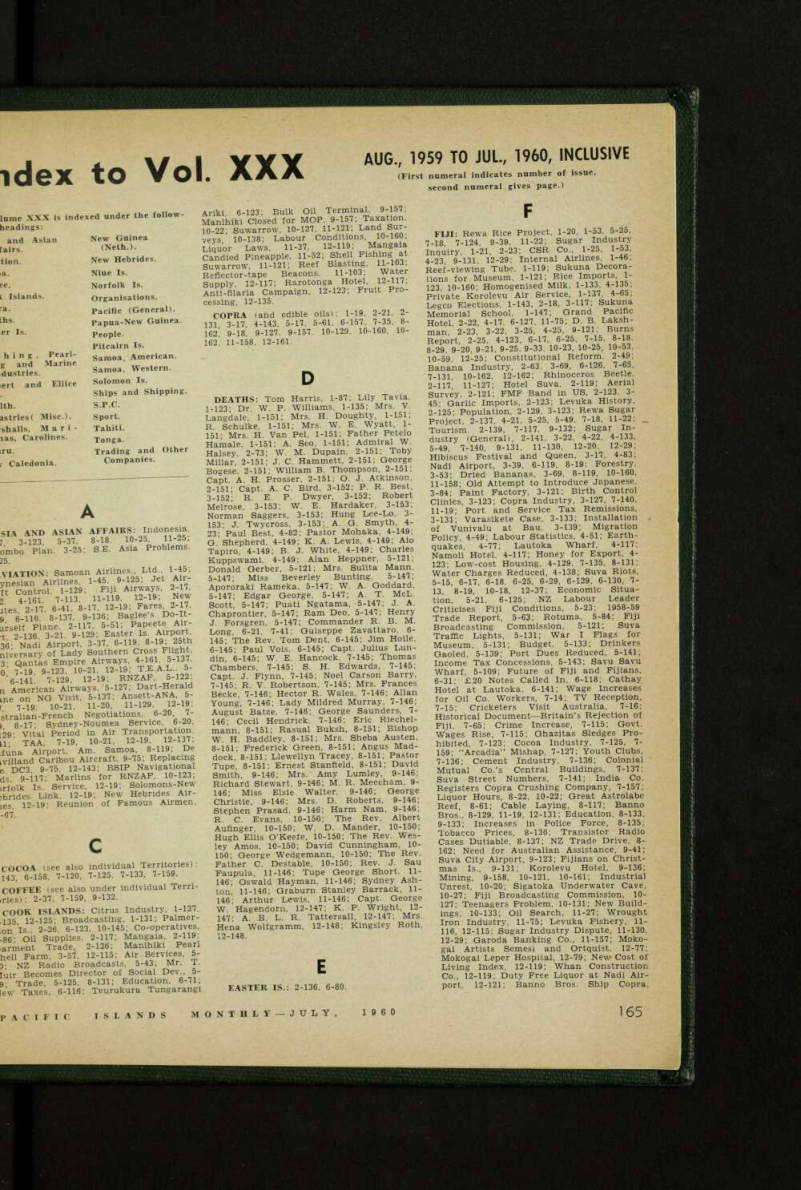 167
167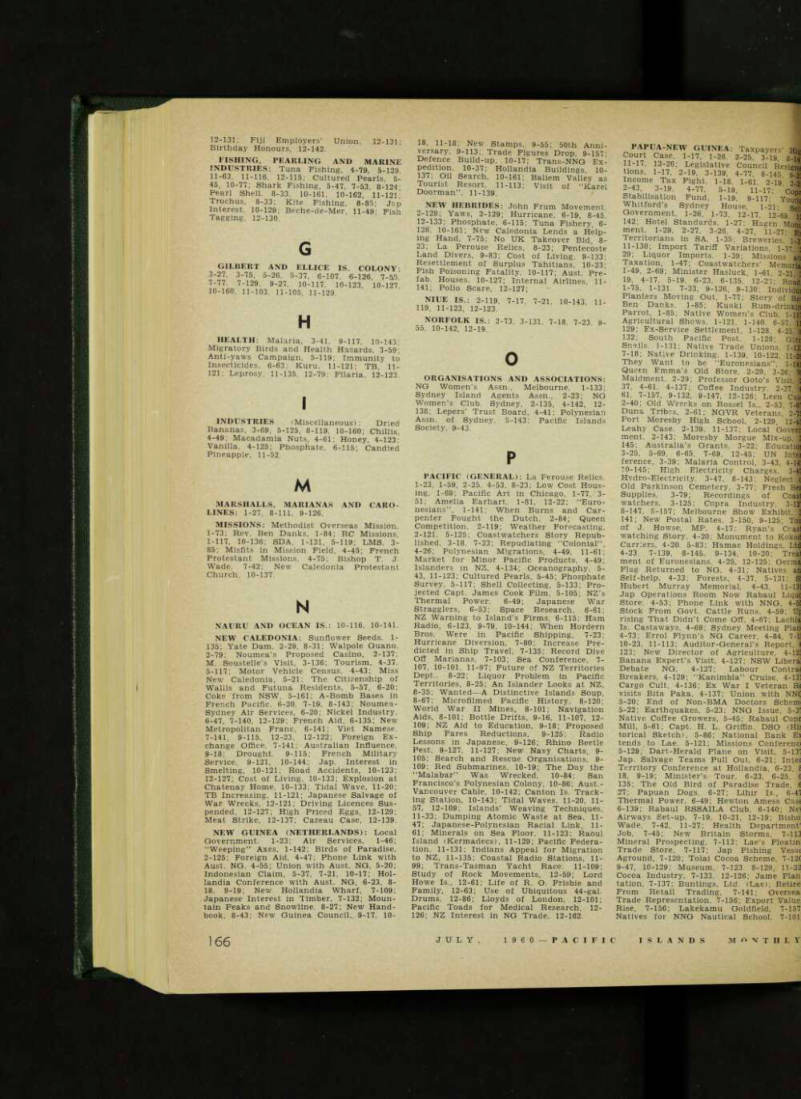 168
168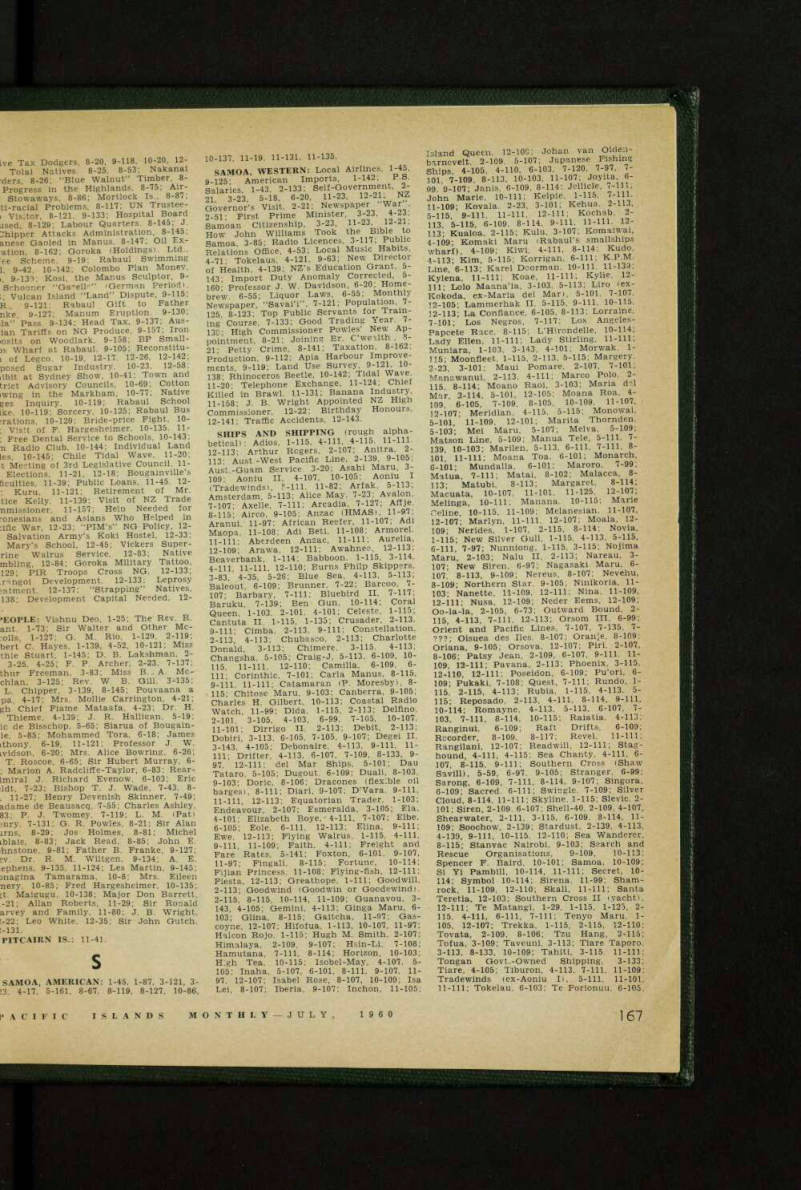 169
169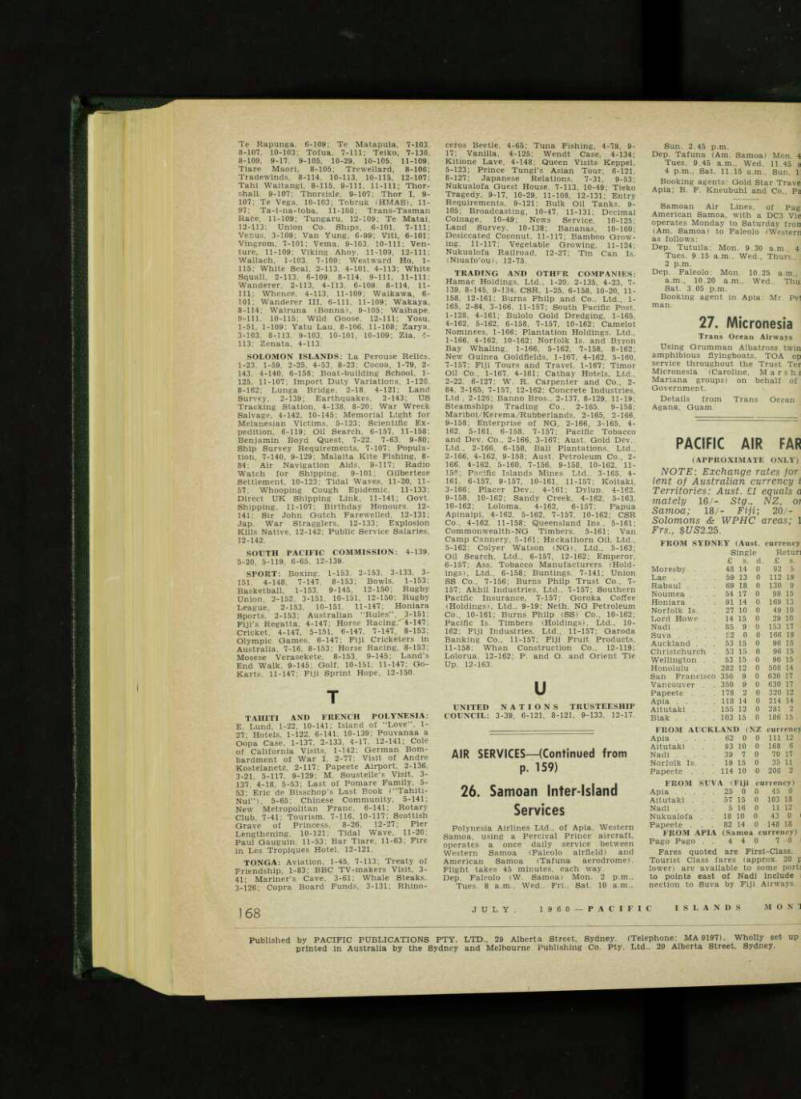 170
170 171
171 172
172