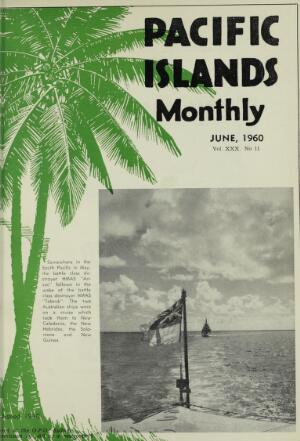
Ihands
Pacific
Monthly
June, 1960
Vol. XXX. No 11
•fished 1930
ife’d at the G.P.O. Sydne WW-j tmissiun hy post t 3 a new*paper}
Somewhere in the South Pacific in May, the battle class de stroyer HMAS "An zac" follows in the wake of the battle class destroyer HMAS "Tobruk". The two Australian ships were on a cruise which took them to New Caledonia, the New Hebrides, the Solo mons and New Guinea.
Advertisements & other items, pp. 2-6 (5 items)
Cif Ic Islands Monthly June, 1960
The World
FLY ONE JEJUNE
'V
ASIA
~tlst>> ■mm OAM T A I
AROUND
THE WORLD
OANTAS
AUSTRALIA'S ROUND-THE-WORLD AIRLINE
050.74.119
The Coleman Company Inc.
60 YEARS
WORLD
WIDE
PROGRESS
N 1
THE HYDRO CARBON CO
LEMAN
ISTO-I
m From its humble beginning in 1900, providing gas lighting service for the tent cities of the Oklahoma boom territory, The Coleman Company has become an international organization. For many years, it has provided service, comfort, convenience and more of the good things in life for millions of people in all parts of the world.
Coleman products have crossed the seven seas, travelled to the Arctic and Antarctic, brought light and warmth to peoples on every continent. Coleman products have climbed mountains, explored jungles, served gallantly on the beaches of Normandy, and along the ridges of Korea. And they have made daily living much better for three generations of people everywhere on earth.
As we celebrate our 60th Anniversary and look back on the millions of outing products, heating and air conditioning units bearing our name, we renew our pledge to you and to all our customers everywhere to make every Coleman product “the best of its kind”.
Representative for Pacific Islands
ROBERT GILLESPIE PTY. LTD.
22 YOUNG STREET, SYDNEY. PHONE BU 2221. CABLES: "ROBERGILL"
ALSO 334 QUEEN STREET, BRISBANE, QUEENSLAND
ROBERT GILLESPIE (N.G.) LTD.
Lae, Madang, Rabaul, Port Moresby
PEARCE & CO. LTD.,
Suva for Fiji Islands
Trim I Modern 0 Rattle Free...
Wunderlich Aluminium Windows
WEATHERPROOF FOR ALL CLIMATES . . .
Wunderlich Aluminium Windows incorporate the latest American features and are manufactured under licence from Cupples Corporation, U.S.A. These windows are low cost —actually you save—as no maintenance is required—painting is not necessary.
There is a big range available for brick, asbestos-cement and timber homes.
Ask your architect or builder about Wunderlich Aluminium Windows —you’ll be glad you did.
/Building
y ... priced
\ right for
v ' \ //t
ALUMIN9UM WINDOWS
combine the money-saving advantages of low-cost installation with complete freedom from maintenance.
A product of .. .
Metal Works Division, Wunderlich Limited, Baptist Street, Redfern.
YOU’LL LIKE THESE FEATURES
FLY SCREENS are available for all Wunderlich Windows—light and easy to handle.
REMOVABILITY— so easy to lift out —a boon for quick cleaning—simple to replace, too.
SMOOTH SLIDING —touching is believing — a really noiseless action.
BIG RANGE to choose from; Double Hung, Picture, Horizontal Sliding, Sliding Picture Windows. money-saving folder on low-cost Aluminium Windows available from Dept. “AW," Wunderlich Limited, Box 474, G.P.0., Sydney.
ALLY DEVELOPED FOR
ISLAND USE . . .
WATERPROOF
DRY-ROTPROOF
PLYWOOD
New Material with a Hundred Uses!
Cemac Chemists have developed a patented PERMANIZING Process which makes "Seaply"
completely and permanently rotproof—and proof
against attack by lyctus and anobium borer as well.
At the same time this process improves the strong, tough and waterproof qualities for which genuine "Seaply" is famous.
PERMANIZED "Seaply" is the Ideal material for constructing boats, yachts, ships—and ashore for hundreds of jobs, from complete buildings to an odd piece of furniture.
PERMANIZED "Seaply" retains all its natural, timber beauty. It can be polished or painted in the normal manner, and worked as easily as standard "Seaply".
Seaply is now available in two grades: Standard, and Permanized. If you are in any doubt as to the grade you require for your job we will be pleased to post you full information, together with typical samples.
Also available: plans for dinghies and launches you can build yourself.
"PERMANIZED" is patented (prov.) patent 41948/58. This process has been approved by the Division of Wood Technology, N.S.W. Forestry Commission, as complying with the provision of the Timber Marketing Act.
seiipiv
PERMANIZED
CEMAC PTY. LTD.
695 Gardeners Road, Mascot N.S.W.
STANDARD
THE CHINA NAVIGATION CO. LTD
(A British Company incorporated within the United Kingdom.)
Plw t Lil*c
I Passenger and Cargo liner
M.S. "SINKIANG"
M.S. "SHANSI"
M.S. "SOOCHOWI
S.S. "PAKHO
Regular services between Australia, Papua-New Guinea and Solomon Islands Regular monthly service with the modern motor ships:
"CHUNGKING"
"CHEFOO"
"CHEKIANG"
(Cargo only)
Connecting Japan, Hong Kong, New Guinea, New Hebrides, New Caledonia, Fiji and Tonga, thence return Japan direct.
For further particulars please apply to Agents or refer to the weekly advertisements in the ‘‘South Pacific Po
AGENTS:
PAPUA: Steamships Trading Co. Ltd., Port Moresby, Samarai.
Cables: "Steamships".
NEW GUINEA: Colyer Watson (N.G.) Ltd., Lae, Madang, Rabaul.
Cables: "Colyeram".
NOUMEA: Etablissements Ballande, Rue de L'Alma, Boite Postale 18, Noumea.
HONIARA: British Islands Trading Corporation.
VILA: Les Comptoirs Francaise des Nouvelles-Hebrides.
JAPAN: Butterfield & Swire (Japan) Ltd., Tokyo, Yokohama, Osaka, Kobe. Cables; "Swire".
FIJI: Morris Hedstrom Ltd.
SANTO: Les Comptoirs Francaise des Nouvelles-Hebrides.
APIA: Morris Hedstrom Ltd.
NUKUALOFA: Morris Hedstrom Ltd.
TAHITI: Etablissements Donald.
EASTERN MANAGERS: Butterfield & Swire Ltd., 1 Connaught I Central, Hong Kong. Cables: "Swire".
General Agents in Australia
SWIRE & YUILL PTY. LTD. IST
2
JUNE, 1960 PACIFIC ISLANDS MONT
3
FIC ISLANDS MONTHLY JUNE, 1960
4
JUNE, 1960 PACIFIC ISLANDS MONT
People
1 the Australian Parliament, in f backbencher and former Min- Sir Wilfrid Kent Hughes, >;ted a question to the Acting titer for External Affairs: ‘Tn > of the fact that the Russian ssentative at the United Nations recently criticised Australia for Having set an exact target date uie granting of independence for ) Guinea, will the Minister in t the Australian representative con the next occasion when the tsr is raised he should inquire [ Russia when it proposed to set iact target date for the restora of independence of Latvia, jania, Estonia, Poland, East j,any, Czechoslovakia, Hungary, Lnia, Ukraine and Bulgaria, just ention a few of the countries ii have been absorbed into =a’s colonial empire since World
Cii?”
;8n Salote of Tonga received more attention than normal : a short visit to Sydney in where she did some reading rly Tongan history in the s Mitchell Library. As she got f TEAL aircraft from NZ she brooch that had been given one of her sons, Prince Tungi, ’s Premier. Despite Queen ’s charming insistence that y should go to any bother finding it, the Sydney public great interest in the missing t and two days later it turned i an automatic sweeping ne on the airport.
emus, son of Mr. K. H. Hemus, Principal a College, is causing some interest in fa with his one-wheeled bicycle, which s might be the only vehicle of its type Islands. Brent is capable of putting it [?]h just about any kind of manoeuvre.
• many adventures, Mrs. 3d Staples returned home to ilia in May with her family naving sailed to the United in 1957 aboard the yacht i'st. The yacht had been fcd in Hawaii, and the Staples fcd a great deal of publicity e Government in f ervention Jl them to remain in the I Mr. Staples didn't come home ).e family. He is in Tahiti writ oout his adventures with 'St.
ii Tapini (Papua) native unployee Kevin Haraha found the outgoing mail he was ug a letter addressed to his send by a rival he thought r w what to do with it. He :it, read it and burnt it. That, T , was the allegation made him in a court hearing in afore he was committed for
■ was a major and somewhat ? move-a round of top 'es of Burns Philp (Sou f h united in May, following the Aon of Mr. M. H. Helsen ae chief executive post in Mr. Helsen had been the 'e head of the Company at
in insect borne diseases, notably borne, with the South Pacific Com- Dr. M. O. T. Iyengar, and his charm (above) are soon to leave Noumea, [?]y are extremely popular, to return to [?]cently Dr. Iyengar visited French Poly [?]give advice, including suggestions for [?] mosquitoes in the region of Papeete's [?]airport, to make it conform to inter national health regulations.
Photo: Fred Dunn.
married in Port Moresby—Miss Pat to Mr. A. Russell. The ceremony place at the Ela Beach Church.
Photo: Papuan Prints.
Suva for several years, since retirement of the late Mr. j Trotter. He also was a Director, was a prominent figure in Fiji,' he also was the Consul there France.
Following Mr. Helsen’s depart Mr. J. Stewart was promoted f the managership at Ba to be rr ager of the Suva branch, j Siewart joined the Burns Philp service, from Australia, before ’W War II ; and he has been at S Levuka, Labasa and Apia as accd ant, and at Labasa, Pago Ba as branch manager.
It is reported from Suva that L. R. Pearson, well known j leading member of the Burns I staff for many years at Suva, who recently became a cl executive of Northern Hotels will return to the Burns Philp vice as a branch manager.
A man who has had a lot with giving the Cook Islands down copra industry a much-r shot in the arm, Mr. H. O. I Deurs, has left there because health. Mr. van Deurs, orig from Denmark, has been ass to the Director of Agriculti the Cooks. * * * The official BSIP news-she now given an account of wh people at Wanderer Bay told Lennox-Boyd about the death great uncle Ben, in 1850, whs Lennox-Boyd visited there rei An old native, whose fathe a child when Ben Boyd was told the former British Sec for the Colonies that he remer his father saying that the isl had helpfully gone out t Wanderer to tow her t< anchorage, but Boyd’s mer
The Catholic Mission at Yule Island, Pap celebrate its 75th anniversary on July first priest to land there was Bishop H. on June 28, 1885, and he offered Mass 4. In the foreground above, holding one 130 descendants, is 85-year-old "Granny Natera, who still remembers the Bishop'* as a small girl. "Granny" is one of Papuans to live to such an age. With some of the members of her family. Tl five generations in the picture.
•J3d at the villagers and fired 1,1 shots. That did it. When came ashore next day the villagers had grabbed him, if his head, dried it and placed a ceremonial shelf.
Australian High Commissioner iia, Mr. W. R. Crocker, men to newsmen during a visit )t Moresby in May that when ;e served on the Trusteeship :.l of UNO he used to hear a i eal of ignorant criticism about •uinea. But at that time there group in the Secretariat led nmunists and fellow travellers [referred to carry out their ii a great revolution on high is and diplomatic immunities, inong their activities “was the : of anti-Colonialist speeches irtain delegates and delega-
Historian, R. A. Derrick, who 7 had to resign as Scout Com er in Fiji because of ill has been appointed Honorary Commissioner by the Com
L. Ninnes, director of Bristol Siddeley Ltd., who made a side trip by TEAL [?]ying-boat from Fiji to Tahiti in May ding discussions with the New Zealand [?]ent on the supply of aircraft engines, that this would be his last chance to Solent flying-boat which his company [?]ned. Mr. Ninnes has been in aviation for 40 years.
Symes, of Sydney, former long-time [?]f the Solomons and New Guinea (left) Max Lovell, manager of Suva's Club [?]r. Symes, in May, was returning from Cook Is., where he had been inspecting [?]p on behalf of his Solomons firm.
ijsalth’s Chief Scout. This is coreciation of the devoted ser- Mr. Derrick has rendered to J Scouting movement. * * * j-aul, New Guinea, artist Ivy V exhibited at an art exhibi nere in May a surrealist paint -I,lied “Main Street in Rabaul, Ten Rabaul businessmen, Dover the condition of Rabaul’s promptly bought it for five 2s with a special intention. Ex td one of them, Mr. J. L. er: “Maybe I’m not an art „ but when I saw this great >of dirty grey paint smeared a piece of canvas to repre jur main street I knew it was ose to the truth to be funny. 11l wrap it up nicely and send Territories Minister Paul [;k with a little card. We hope .1 appreciate the picture better we appreciate the reality.”
;uests of the Colonial Office, iji newspaper men are making f h’s aerial visit to the United i>m in June. The men are Mr. , P. Mishra, editor of the weekly Jai Fiji; Mr. Sam k, editor of the Fijian weekly, iewa ni Pasifika; Esa 1 a i. editor of the Fijian weekly, una, Mr. Stan Whippy, re of the Fiji Times daily; and ob Wright, photographer of ji Government’s Public Re- Office.
[?]d-operated machines and eight operators out 450 bricks a day at Goroka in the Highlands of New Guinea these days. [?]cal Government councils are operating [?]th the idea of erecting their own including schools and general accom- There are two machines now in use there and six more on order.
Photo: Pat Robertson.
Australia’s special representati on the Trusteeship Council, & J. H. Jones, told the council in M that the term most commonly us in the Territory to describe the 3 digenous people was “native”, I this was not intended to be insu ing. He said no steps had be taken to find an official name New Guinea people, but Austra proposed to take steps about giv them a name “when it conside] it practical to obtain a coherent] pression of opinion on the subjei
Elaine Fifield, former pr: ballerina, who established he with the Sadler’s Wells Ballet was considered a possible succ to Dame Margot Fonteyn until gave up dancing about two ; ago, married Papua planter I Farley, in Port Moresby, in They will live in a simple hou Cape Rodney, about 100 miles s( east of Port Moresby, where Farley is described as havin modest copra plantation”. * * * When Mr. “Andy” Nola 1: teaching at a Mangaia school, i] Cooks, he noticed that the r pork, derived from very hardy pigs left by Captain Cook, somewhat tough and totally diff from the white pig meat of Zealand. He fixed that by im ing NZ pigs and breeding thei well as inbreeding them witl “Captain Cookers” to improvi centuries-old strain. Now, thar Mr. Nola and his non-profit € prise which is run as a school munity effort, Mangaia has v sales of New Zealand style pc very much under “mainland” (an average of 1/8 a pound) live pigs are being sold to i farmers, Mr. Nola’s enterprise changed Mangaia Island. * * * There are many plans afo improve Tahiti’s tourist accomr tion in time for the big influ
Mr. and Mrs. Ron Gardner, of Fiji, who been spending seven months leave at ho Southampton, UK, travelled both ways by Dutch Mails vessel "Willem Ruys". Mr. G[?] will return to duty with the Customs D ment, at Lautoka, at end of June. But Gardner will probably spend some time wi mother and sister who are now livi Brisbane, Queensland.
when the new Papeete air jets into operation at the end year. Latest plan is that of 7, Tahiti businessman, Mr.
IBambridge, who proposes to ji cottage type hotel soon on orth coast of the Taiarapu uula, at the south-wes era end hiti. * * * Ley builder K. W. Dean, son [ Rev. E. C. Dean, left Sydney iy June for Niue Island, east inga, where the London nary Society has engaged him set church rebuilding work.
INiue was hit by two severe unes within 12 months, most Lants being left homeless, and jchurches being damaged or red.
[h Labour member Llywelyn .is asked Mr. lain Macleod, iry for the Colonies, in the ins, in May, whether “in view high increase in population iion to the economic develop f the Fiji Islands” would the ment introduce proposals for ring birth control there? : Macleod replied that the Commission had recom that the Fiji Government take certain practical steps ith control, but the Corn ’s report was now being con by the Fiji Government, is responsible for taking any s on its recommendations rrying them out”. * * * Moresby Salvation Army Major W. A. Smith, men in May that the Salvation 7ould import hula hoops to -'lew Guinea “to combat the ig instinct” in native chil ne hoops would be in "reduced tools and villages to replace imes and “pitch penny”. “I jen native tots who could :nt playing cards for sticks ones”, commented Major
in May was Captain Henri J. Helme of cha", who was delivering the vessel mea to Papeete. Tahiti-born Captain as making his first visit home for 11 years.
Photo :J. P. Shortall.
Advertisements & other items, pp. 7-17 (11 items)
5
IFIC ISLANDS MONTHLY JUNE, 1960
order,ke GILBEY’S!
3ST
Crl
■ 1 A If its your deal lead with a bottle of Gilbey’s Gin and take tricks for the rest of the evening. There's something about the clean . fresh taste of Gilbey’s that goes with the game. In the tall bottle or the cool glass -h Gin !
order,ke GILBEY’S!
THE INTERNATIONAL GIN
Pree! Gilbey’s Guide to Cocktails and long drinks that break the ice. ” nte to Gllbe y s Limited, Rosslyn Street, West Melbourne, Australia, for your copy.
DON’T SAY GIN SAY
by the bottle the case
GILBEY’S
PROVEN TO BE THE. . .
Four Best Performers with Speed
and Sea Worthiness. • •
38 - ft/COMMANDER'
37’6"x 12’x 2'9” with twin Chrysler 177 HP speed 27MPH Sleeps six in comfort. This boat is offered with custom modification in arrangement where the full balance and basic hull strength scheme are not affected.
16-ft.’SERENA'
16’X 6’beam, sleeps two. This miniature cruiser is a practical type of hull for rugged all around use. Ideal ski boat with 4oHP outboard motor.
2* 21-ft.’SPORT-CRUISER'
/ 21* xB’ beam. This express cruiser is equipped with two berths, toilet, ice b - sink and galley, with Chrysler 177 HP speed 35MPH.
M
IS-fI.’SKIBOAT’
15’x 6 6”beam.This outboard runabout has an extremely roomy cockpit for water ski equipment and cruising gear Powered by outboard motors from IoHP to 75HP.
INQUIRIES FOR PLEASURE CRAFTS
FROM NEW GUINEA
PLEASE CONTACT:
C. SULLIVAN (NEW GUINEA) LTD.
P. O. BOX 214, AUGUSTA HOUSE,
WIRRAWAY ST., RABAUL, N. G.
Manufactured by :
SCIENTIFIC SERVICE CO., LTD
447, Alexandra House, Hong Kong, P. O. Box 923
a'J'W,.. -/
delicious Carnation
one-whip ICE-CREAM
You can make the most delicious ice-cream you’ve ever tasted quickly and easily with doublerich Carnation Milk.
Carnation makes the smoothest, richest, creamiest ice-cream and, best of all. Carnation icecream needs only one whip.
There’s no messy, time-wasting second beating when you use double-rich Carnation.
VANILLA ONE-WHIP ICE-CREAM
1. Set refrigerator at coldest point. 2. Combine 3 rounded tablespoons castor sugar with 1 level teaspoon gelatine and 2 tablespoons water in a saucepan and stir over a low heat until dissolved. Remove from heat. 3. Whip 7 large (14± ozj can Carnation Milk in a chilled bowl until thick. Gradually beat in the syrup. Flavour with 7 teaspoon vanilla. 4. Pour into trays and freeze. Makes 2 trays.
Carnation ice-cream is economical, too. One large 14T oz. can makes two big freezer trays of delicious ice-cream. So you can afford to make this family favourite often.
Children, especially, love icecream, so serve them nourishing Carnation ice-cream for dessert.
Alternative Method: Make enough for one meal only, leave out gelatine and water.
If this is done the ice-cream must be used the day it is made.
I k
ed Cows
I
Evaporate®
MilK
CM6OI/24
MILK IN ITS MOST CONVENIENT FORM
\ K Ml L id S 3 . . . because there is a glass and a half of pure, fresh, full-cream milk in every half pound of Cadbury’s Dairy Milk Chocolate
M025/2FC/9
i'/ii/Sj fa ¥m m y
CVEREADV
s atter*
Power your flashlight with
EVEREADY
BRAND
D5O FLASHLIGHT BATTERIES
UNION CARBIDE AUSTRALIA LIMITED
CONSUMER PRODUCTS DIVISION
"Eveready" and "Nine Lives" with the Cat Symbol are registered trade marks of Union Carbide Australia Ltd. Sydney
E2BI ' T ‘
Complete your world of entertoinmer
f 9^
PHILIPS RADIO
o> Philips Radio world-famous for advanced technical features and long-life dependability gives you superb reception of broadcasts from all over the globe. Yet there are other realms of entertainment that radio alone cannot bring you. The realm of recorded music with its great composers, its eminent performers. The realm of tape recording that can give you and your family endless pleasure. Only Philips can offer such a comprehensive range of equipment, with every instrument carefully matched for use with any other in die range. See the full Philips range at your dealer's now!
PHILIPS
From powerful portable sets to large spread ’ instruments made for m battery operation, Philips make a tree range of first-class radios. Buy Phili you buy for tomorrow as well as toda
PHILIPS RECORD PLAY
Philips make many superb record pis use either as self-contained amplifies combination with Philips radio, to g standing stereophonic reproduction.
Record Players are the pinnacle of technical achievement.
PHILIPS TAPE RECORD
Increase your enjoyment of everyda; Capture your children’s first words . family’s laughter. Re-live your i moments with a Philips Tape R Designed and developed by the work sound engineers, it will record and re every sound with complete fidelity.
PHILIPS
PHILIPS RECORDS
value for money
Names of Philips’ Agents/Distributors can be found on page 131 The world’s greatest soloists, conduct orchestras record the music of all co for Philips—many of them exc World-wide experience and superior t equipment enable Philips recording e: to capture for ever superb performar live again whenever you play Philips
M'S
PARKE-DAVIS
(AMOQUIN
Effective Single Dose Treatment for
MALARIA
SPECIALLY FLAVOURED TABLETS AVAILABLE FOR
CHILDREN
Adult Dose —2 Tablets to be taken on the same day of every week.
CHILDREN;
Infants and Toddlers— Up to 2 years of age— Vz tablet (50 mgm) of INFAN' FORMULA CAMOQUIN, as a single weekly dose. —From 3 to 4 years—l tablet (100 mgm) of INFANT FORMUL.
CAMOQUIN, as a single weekly dose.
Older Children -7 to 10 years—l ADULT FORMULA Tablet as a Single weekly dose. —ll to 16 years—iy 2 ADULT FORMULA Tablets as a single weekly dose. 6 -Over 16 years—2 ADULT FORMULA Tablets as a single weekly IMPORTANT: —CAMOQUIN should be taken immediately after or during a full meal.
Obtainable from all chemists and suppliers of
PARKE-DAVIS products
PARKE, DAVIS & CO., SYDNEY
W-
H ELLA B V
tsi
HELLABY’S
CROWN BRAND
canned meats
'I - % t{ \- V V K ' \ ■
K. HELLA BY LTD.
AUCKLAND
MR. PLANTATION OWNER!
For advice and time-saving hints on the proper maintenance of your machinery you need "Power Farming and Better Farming Digest".
In addition to a comprehensive coverage of farm machinery developments, this journal provides readers with a free advice service on their mechanical problems.
Subscription rate is 37/6 (British Commonwealth) or 43/- (Foreign) for 12 issues post free. If you prefer, write for a sample copy to; "POWER FARMING", BOX 1813, G.P.0., SYDNEY, AUSTRALIA
wm r. ... -Af-.c m Concentrated Germicide
5 AJP^
liri
°SA S/ Of
Australia's
Best Selling
GERM
KILLER
now comes to you!
PICCANINNY
fl Fresh as a new day Piccaninny’s new disinfectant brings Hospital-clean’ protection to your home. Every time you clean use Piccaninny Pic-a-lyptus. Australia’s most popular germ-killer, is now available to you in the large economy priced bottle.
Powerful, safe and fragrant.
AT ALL ISLAND STORES
Made by Piccaninny Manufacturing Company, Manly, N.S.W., Australia.
PIC-A-LYPTUS
a disinfectant- and deodorant
to tame
Lightning!
to save the wealth of
the South Pacific
It takes fifteen years for a coconut palm to become 1 productive. It takes less than a second for lightnin reduce it to a charred stump.
This lesson was quickly learnt by the Lever men, pioneered the copra industry in the South Pacific. Cc quently, wherever possible, they planted their palms in containing ironstone. They worked on the theory thai ironstone would help to disperse and tame the tremen electrical charges and thus save the trees.
Of course there were many other hazards plant dis insect pests, and the devastation of war.
But through the years, hazards and uncertainty, particu economic uncertainty, have been pushed steadily into background. This is due in great measure to the role pi by the Unilever organisation in developing the economy c islands. By promoting the world-wide sale of products i from copra, Unilever is working to make the future oi area more secure.
Each year the bulk of all copra exported from the Paci bought by Unilever. And each year, ships that take ou copra bring in a wide range of famous Unilever prod ranging from toilet soaps to packaged foods . . . proc synonymous with good health and better living the world < Unilever’s simultaneous export and import, a un two-way traffic, assures for the Pacific area contii prosperity and future progress.
These famous Unilever products are available thre wholesale, retail and indent houses in all areas Representatives for the Unilever Organisation, L Brothers Pty. Ltd., J. Kitchen & Sons Pty. Ltd.
World Brands Pty. Ltd.
EXPORT DIVISION,
J. KITCHEN & SONS PTY. LTD
SOLVOL
PEPSODENT
REXONA
CONTINENTAL S»
MELLAH DESSER
RINSO
LUX TOILET SOAP
LUX FLAKES
LUX LIQUID
LIFEBUOY
SUNLIGHT SOAP
PERSIL
SURF
VELVET
PEARS SOAP
JK.62
\buted in AUSTRALIA, \W ZEALAND and the
v>ing PACIFIC ISLANDS:
san Territories: Papua. Norfolk Island. Cocos Island.
Ifrust Territories: New Guinea.
Nauru.
Crown Colonies: Fiji. Gilbert and Ellice.
Protectorate: Solomon Islands, iish Protected State: Tonga, iserritories: Cook Islands. Niue, rrust Territory: Western Samoa.
Territories: New Caledonia.
French Polynesia. »- French Condominium: New Hebrides, irttories: American Samoa. Hawaii. 2 st Territory: Micronesia (Caroline, Marshall and Mariana), i Territory: West New Guinea.
Publisher:
R. W. ROBSON.
Editors:
V TUDOR STUART INDER
Manager:
SELWYN HUGHES.
ZONES: General Business, Editorial, Advertising, Subscriptions:
>9197-8, MA 7101, MA 4369,
MAI 395.
I.P.O. BOX 3408, SYDNEY.
itered Address for Telegrams, [grams, and Cables; "Pacpub", Sydney.
(UAL SUBSCRIPTION RATES:
ific Is. —Papua-N.G., Samoa, Norfolk, B.S.I., Cook Is., 4, G.&E. Grp., Niue, I Hebrides, and other n South Pacific Terri- (includes surface postage) £1 4 0 “acific Territories (N. onia, Fr. Polynesia); Dutch N.G. (includes ie mail postage) ..£170 ,-alia and N.Z. . .. £1 10 0 British Common- II t h Countries, and in (40/- Stg.) . .. £2 10 0 A. and U.S. Pacific ories ($6.00 U.S.) . £2 12 6 opies 2 6
IRANCH OFFICE, PAPUA-
NEW GUINEA
‘Publications (New Guinea) Ltd., Building, Fourth St., LAE, New Suinea. Tel.: Lae 2577. is Pat Robertson, Manager.
IIANCH OFFICE IN FIJI:
ies Building, Gordon St., Suva.
Tel.: 4043.
■PRESENTATIVE IN N.Z.:
Whitcombe, P.0. Box 5179, Auckland. Tel.: 22.570.
IPRESENTATIVE IN U.K.:
ishburn, 13 Rood Lane, London, . Tel.: Mincing Lane 8633. 1NE OFFICE; Newspaper House, Tins St., Melbourne, Victoria.
Tel.: 63.7053.
All main trading firms and s in the Pacific Islands.
MES AGENCY IN AUSTRALIA
iacific Publications Pty. Ltd., iss House, 29 Alberta St., Telephone MA 9197-8), is the 1 Agent for THE FIJI TIMES, of Suva, nil.
June, 1960 Pacific Islands Mont
7
F I C ISLANDS MONTHLY JUNE, 1960
8
JUNE, i 960 PACIFIC ISLANDS MONT
9
FIC ISLANDS MONTHLY JUNE, 1960
10
JUNE, 1960 PACIFIC ISLANDS MONI
11
I F I C ISLANDS MONTHLY JUNE, 1960
12
JUNE, 1960 PACIFIC ISLANDS MONT
Fic Islands Monthly June, 1960
14
JUNE, 1960 PACIFIC ISLANDS MONT
Contents:
PEOPLE: Personal Para graphs of Islands’ Interest 5 High Court Case on New Guinea Covers a Lot of Ground 17 For That Case: They Got Money from Everywhere .. 17 Secret Talks On Dutch New Guinea Council ... 18 How Taxpayers’ Anger Grew Into a High Court Case .. 18 American Samoa Gets a New Constitution and a New Flag 19 Japanese Bring Interest to Fiji’s Copra Market ... 19 Chile Tidal Wave Is One They Won’t Forget .. .. 20 Ansett-ANA Deal In New Guinea Is Up In the Air .. 20 Will Major Barrett Make a Comeback? 21 In Five Hours the P-NG Legco Was All Over .. .. 21 Rice Mill Operating In Fiji’s Rewa Valley 22 Pictures Of Cruise by HMAS Tobruk and Anzac 23 There’s Some Citizenship Confusion In West Samoa 23
Commentary: A Look At
Pacific and World Affairs 25
The Editors’ Mailbag .. .. 27
Territories Talk-Talk
with Tolala 28 Mr. Allan Roberts’ Departure From New Guinea 29 The Mystery of the Pacific Looms 33
Statement On Cook Islands’
Liquor Laws 37 Bougainville Should Be Put On the Map 39 A Modern School From Pit cairn Island Stamps .. .. 41 There’s High Finance In
P-Ng 45
Beche-de-mer: Food for Princes and Potentates .. 49 Gauguin Was Tahiti’s First Journalist 53 Danger: Seismic Seawaves! 57 Tahiti Has a Bar With a Difference 63 Sydneysiders WALKABOUT 65 Metal Furniture Is a New Fiji Industry 75
Magazine Section:
Tropicalities, 77; Cross quiz, 78; The Wewak Gold Rush, 79; The Garveys On the Isle of Man, 80; Jubilee Year for the Girl Guides, 81; Where The Trade Winds Play, 82; Do You Re member? 83; Book Reviews 84 The Month’s News of Ships and Yachts 97
Pacific Report: Round
up of Pacific News and Pictures (Index p. 17) .. 113
Obituaries: Rev. J. Sau
Faupula; Mr. Tupe George Short; Mr. Oswald Hay man; Mr. Sidney Ashton; Mr. Grayburn Barrack; Mr.
Arthur Lewis 146 Sports Review 147 Shipping and Airways Time tables 149 Commerce and Produce .. 157
Advertisements & other items, pp. 17-18 (3 items)
A Product of Pacific Publications Pty. Ltd., Teehnipress
House, 29 Alberta Street, Sydney (29 Alberta Street is 10 yards from the intersection of Goulburn Street and Wentworth Avenue.)
16
JUNE, 1960 PACIFIC ISLANDS MONI
Gioss-MSTA
m
est for yourself this
amazing enamel!
it wears
for years!
is:* ? r ilish Paints Lid- • • •
"one coat covers
any colo
ily
cA Ij I f
50 washed!
fyr°u T COVERS ANf,
SSiALL COLOURS]^
'"•ihimH"
amazingly
brilliant!
British Paints Limited
Gioss-MSTA
BRILLIANT GLOSS ENAMEL
FOR INTERIOR AND EXTERIOR
The only brilliant gloss enamel made that
covers any colour with one coat
MAXIMUM MOULD
* THE MOST EXCLUSIVE AND EXPENSIVE
ENAMEL MADE YET THE MOST i
ECONOMICAL BECAUSE IT CUTS CMMftIK DCCKTANCE LABOUR AND MATERIAL BY HALF! i rUNVIUi KC3I3IMIIWI
★ KNOCK-RESISTANT HARDNESS
★ SO VERY EASY TO APPLY
★ LUXURIOUS COLOUR RANGE
Gloss-Masta is manufactured to withstand the Pacific Islands* climatic conditions. It is lead free, and provides MAXIMUI and fungus resistance.
Important: ANTI-MOULD SOLUTIO Enquiries are invited from storekeepers to act as authorised agents for British Paints Ltd. quality products. Write to British Paints Ltd., Box 43 P. 0., Bankstown, N.S.W.
On new unpainted or previously painted surfaces, where r fungus growth is evident or suspected, always apply Britis Ltd. ANTI-MOULD SOLUTION before paint application.
COMPANION PRODUCTS . . . RECOMMENDED FOR ALL SURFACE TREATMEN u NdercoA* tURUtCi* mcnuxi®
GLOSS-MASTA
Double Density
UNDERCOAT
5®
*U COL
PRIME MASTA
Primers For Wood & Metal Surfaces.
PalnU L l 4 UlfcUSj*
SEALMAST
All Purpos Sealer For all Pc Surfaces.
Scope Of High Court Case
That Status For Wide Scope Of High Court Case
From a Staff Correspondent Melbourne, June 7 \By the time the six judges of the High Court of Australia \settled down today to their supremely important task of the exact status of the dual Territory of Papua (an old salian territory ) and New Guinea (a Trust territory), they before them masses of books and documents which indicated cope of the inquiry.
nds from the Treaty which ::ed the League of Nations ne end of World War I (and ave NG a “C” Class Man :rough the Mandates system, Id War II administration of Territories in 1942-45, the iion of the United Nations ,tion for the League of the creation of the Trustee mcil to take over the Man stem, the Charter of the Nations, the Trusteeship nt between UNO and Aus le Papua and New Guinea the Australian Parliament, > which created the P-NG ve Council, to latter’s Tax dinance of 1959. ?r words, it appears that the ich of the High Court is give close scrutiny to the the machinery and process bich the dual Territory was and now is administered, ish, probably, is to prevent her embarrassing challenge *-NG Administration, ligh-ranking procedure never was even dreamed of who, in June, 1959, initiated ititutional attack upon the :ation Ordinance. (For the how it occurred, see next
:t Application to Court
ligh Court action has been ’ described as an appeal to Bench of the High Court decision of the Territory’s Court. It is not. The Court’s decision of July, 5 not appealed against, be . R. Bunting would not con l action which challenged [ity of the Papua and New ict. action was initiated by Mr.
Ish wick, on behalf of the inea Taxpayers; and this is now gone straight to the >urt, thus by-passing the ’s Supreme Court. It asks Tax Ordinance of 1959 be d on the following grounds: Papua and New Guinea )/ 1949-57, under which the lative Council was created,
went beyond the powers con ferred on Australia by the UN Charter and the Trusteeship Agreement with Australia. Con sequently — (2) There was no power given to Australia to create a legislative union between Australia and Papua. (3) The Legislative Council, when it passed the Tax Ordinance, was not properly constituted, be cause the three elected members, provided for in its constitution, had resigned. (4) The legislation conflicts with Commonwealth law, which gives exemption from taxation to residents of the dual Territory.
The Commonwealth Attorney - General, Sir Garfield Barwick, QC, appeared In person to defend the Commonwealth Government and the New Guinea Administration and the Acts under challenge, and he had with him Mr. A. F. Mason.
The case for the NG Taxpayers was
presented by Mr. J. D. Holmes, QC, with Mr. D. Mahoney and Mr. W.
Deane, and instructed by Mr. Dudley Jones, of Rabaul. Mr. M. W. Fish wick also was present. Both Mr.
Mason and Mr. Mahoney were be fore the Supreme Court in Port Moresby in the taxpayers’ challenge there in July, 1959.
Attorney-General's Challenge
At the commencement of pro ceedings, Sir Garfield Barwick chal lenged the jurisdiction of the High (Continued on page 145)
Court in this case on a number of
grounds;
• New Guinea was not an entity that could be sued in courts. • The Administrator of the Territory was not a “Federal officer”. • The question of the constitution of the Legislative Council could only come be fore the High Court on appeal from the Supreme Court of Papua and New Guinea. • The High Court had no “original juris diction” to deal with matters relating the status of the Territory to the Com monwealth. • If it had, the case could not be re solved according to evidence put to the court. A certificate of the facts by a Minister of State was required.
It appeared that this objection
arose more or less from the fact
that the application to the High
Court had been made directly, in stead of by way of appeal from a decision of the Territory’s Supreme Court.
The Court decided that argument on Sir Garfield’s submissions re garding jurisdiction should be re served, and Mr. Holmes proceeded with the main issues.
Meanings of Words and Phrases It was apparent that the argu ment and submissions of learned counsel will occupy some days.
The judges appeared to be deeply interested in the issues raised. There were lengthy discussions, for ex ample, over the significance of the phrase, in the United Nations’
Agreement with Australia, that the Territory of New Guinea “shall be administered as if it were an in tegral part of Australia”, whereas in other agreements with other nations the phrase used is “as an integral part of Australia”.
There was interest also in certain verba! changes in the Charter under which the Trusteeships were created compared with the document which created Mandates under the League Of Nations, (Over)
Interpretation of these phrases could affect the application of the Papua and New Guinea Act.
There appeared to be also much interest in the way in which Aus tralia’s authority over New Guinea, conferred by Sec f ion °f the Aus tralian Constitution (the external affairs authority”) was affected or modified by the acceptance by Aus tralia of the Agreement with the United Nations. . . - The arguments and submissions of Mr. Holmes occupied most of June 6 and June 7.
The findings of the Court, either way, could have an important bear ing upon the future government of New Guinea.
The six judges who are hearing the application are Sir Owen Dixon (Chief Justice) and Justices McTiernan, Fullagar. Kitto, Windeyer and Menzies.
There were some very interesting exchanges between Bench and Bar.
For example: Mr. Justice Windeyer: It seems to me that the chain of events (?r circumstances which gave Australia title (over New Guinea) was broken.
It seems that New Guinea, in De cember, 1946 (when it was formerly handed over to Australia as a Trust Territory) was in the hands of the United Nations, not because of any thing done by the League of Nations, but because Australia, as the authority which had occupied the country militarily in 1942-46, had placed it there.
Mr. Holmes said that the supervis ing body (the League of Nations) had virtually gone out of existence during World War II; but the authority (Australia) which had accepted certain national obliga tions from that body, continued to honour them and, in pursuance thereof, handed the Territory over to UNO after the war.
Mr. Holmes added: It could be submitted, perhaps, that at that stage Australia was in possession of New Guinea, after the Japanese occupation, as a conqueror, and had an international right to retain possession. However, I am not making that submission. Australia, in 1945-46, chose instead to con sider herself bound by the Condi tions of the League of Nations Man date, and to accept UNO as the suc cessor of the League of Nations.
Could There Be Privy
Council Appeal?
I asked Sir Garfield Barwick: In a case of this kind, can there be an appeal from the Full Bench of the High Court to the Privy Council 9 (In other words, is not the Full Bench the final arbiter in any Con stitutional issue of this kind 9) Sir Garfield replied: “Your question cannot be answered authoritatively.
I do not think I should venture any view to you.”
Advertisements & other items, p. 19 (1 item)
Pacific Report
The Money Came From Everywhere!
The people of Papua-New Guinea made donations of £ 2,500 in five days when a sudden change in arrangements brought an alarming increase in the costs of their taxation case in the High Court of Australia. *
AFTER 12 months of disappointing waiting for the case to come up for hearing, interest revived with a rush with the news that the case would open in Melbourne on June 6.
But organisers of the appeal at Port Moresby and Rabaul had a moment of sunken hopes when they first heard the news. There had been such a substantial increase in anticipated costs that there was insufficient money in reserve to meet the needs of the case.
They need not have worried.
Money poured in from all parts of the Territory as soon as the people were assured that a definite date had been set Said one donor: Our hopes were sinking because we thought we were
getting a run-around. But now we know the date has been set we can get plenty of money to meet the additional costs.”
The appeal is being made nomin ally by Rabaul accountant Mervyn Wallace Fishwick to test the validity on several major grounds of the Papua-New Guinea Income Tax Ordinance.
The reason for the increased costs was a decision by the High Court that the case would be held in Melbourne instead of in Sydney This was to suit the convenience of the court, Immediate steps were taken to raise the extra money In five davs £2,500 poured into the fund and more was arriving. Rabaul alone raised £5OO in five minutes at a
nnblic rally, and subsequent dona- Sons more than doubled the figure 1 In the first five days of the appeal the following amounts were re ceived- Port Moresby, £5OO and more coming; Rabaul, £1 500 including an anonymous single donation of Lac £500; Kavicng, £5O, Wewak £150; Goroka, £l5O with a Sll public appeal still to be organ ised’ Madang, £lOO with a full public appeal still to be organised. (These figures total more than the £2,500 quoted above as some of the amounts include funds in hand from earlier appeals). • The two major organisations be hind the appeal were the Taxpayers Association of Papua and the New Guinea Taxpayers’ Association. They were helped by chambers of com merce and at least one primary pro ducers’ association. .
The president of the New Guinea association, Mr. Dudley Jones, said: “The response brought us back to the right perspective. We could see the matter was still popular with the people and there could be no turning back.” , „ ‘ Mr. Jones estimated that the direct expenses of the hearing itself were probably doubled by the switch fro yv ' Sydney to Melbourne.
for more highlights of the
Turn to these inside pages
month’s news: Dutch NG’s Highlands Development —113; Errol Flynn’s Facts Put Straight—113; Fiji Fishing Com pany—116; Desiccated Coconut for Tonga—117; Fiji Air Flights; Niue Woven Goods —119.
Moves Against NG’s Kuru—121; Divers Back at Suwarrow—121; Niue’s Election: Samoan Phone Exchange—123; Ex-Editor Under Fire—124; “Macuata” in Trouble —125; Raoul Casualties; Ansett Air Tours; Private Enterprise in Tarawa: Goroka Show —129.
Fiji Sugar Negotiations Deadlock— 130; West Samoan Murder; US Samoan Population; Mr. Gratton’s Statement: Monument to Sir Hubert Murray—131; Many Deaths in the Solomons—133; Appeal for Indian Immigration to NZ; The Donohugh Case; Fred Hargesheimer’s Return —135; Mick Leahy Cattle Case—137; P-NG Laws—139; New Hebrides Internal Air Line; Direct BSIP Shipping Link—141.
Advertisements & other items, p. 19 (1 item)
17
IC ISLANDS MONTHLY JUNE, 1960
Secret Talks On
Dutch Council
While the Australian High Court argued the future of Pap\ia-New Guinea's Legislative Council, natives and Europeans in Hollandia, Netherlands New Guinea, we' e meeting in a series of discussions on the details of NNG’s projected New Guinea Council.
THE plan will go before the Dutch Parliament later this year, and the Council will probably get going in the first half of 1961. The 1961 Budget will include a sum for the erection of Council chambers.
The first Council will comprise 28 members, whh a native majority (for details see PIM, May, p. 18).
First talks on the Council’s com position began in Hollandia on May 17, when the Governor, Dr, Flatted, opened a three-day conference at tended by about 20 well known Papuans from all parts of NNG.
Discussions were secret. Director of Internal Affairs, Mr. A. Boender maker, and three advisers, conducted the meeting.
A similar meeting, this time at tended by non-indigenous residents, was scheduled for May 24, when the Government hoped to get a cross section of European opinion NNG is working on a 10-year plan to develop the natives to a point where they can see their way to taking over their own affairs. The Dutch Government has made it clear, however, that this term is not necessarily intended as a target date for independence.
How Taxpayers' Anger Grew
Into A High Court Case
The validity of the Papua and New Guinea Act, being argue d before the Full Bench of the High Court of Australia in Mel bourne, in early June, has been described as “an attempt bj Papua and New Guinea people to escape from income tax”. It is nothing of the sort.
THE dual Territory became re conciled, long since, to the imposition of income tax.
The present case arose because of the way in which Australian Territories Minister Paul Hasluck introduced the taxation measure.
Territorians pleaded with him repeatedly to consult with them about the timing and character of the measure, so that it would cause as little disturbance of pri vate business organisation as possible. The Minister treated the potential taxpayers (both official and non-official) and their representatives in the Legislative Council with singular discourtesy and brusqueness, and aroused throughout the Terri tory a spirit of defiance.
Step by Step
The following paragraphs show how, step by step, the anger of the Territorians mounted and finally expressed itself in this most important case to the High Court. The validity of much that has been done in the Territory since the war is now in question.
But this action was not in t ended when the taxpayers launched their first application to the Supreme Court in June, 1959. Here are the steps; 1957: The Commonwealth Gov ernment secretly approved the Hasluck proposal to introduce income taxation in Papua-New Guinea, and preparations were made. But in 1957, 1958 and early 1959, neither Minister nor bureaucrats would give any in dication of whether, or when, in come taxation would be intro duced.
Asked for Timetable EARLY 1959: Believing incmne taxation was imminent, various representatives of P-NG interests asked the Minister to discuss plans and timetable with them.
It was clear that what the people really wanted to know was not whether the tax was coming, but when, and the method of its in
troduction and collection. I the Minister would give no j formation whatever —his ret ence infuriated the whole P-1 community. The Legco meeti in Port Moresby in March, 19 was given no information ab( tax procedure.
APRIL 20, 1959 ; Suddenly 1 Taxation Ordinance (to oper from July 1) was introduced ii the Council; and, by using 1 official majority, the Administ tion rushed the measure throi to second reading, and then j journed it to June 22. This ci temptous treatment of the Coi cil by the Minister was stron resented by all classes in Territory.
Repeated Appeals
April-June, 1959 : Repea
appeals to Minister to postp the measure for one year, allow time for examination economic effects and, if nec sary, amendment of the measi were brushed off. The non-offi classes then swung into ] action by forming associati of taxpayers in both Territoi pledged to fight. The hi handed dictatorial methods Minister Hasluck were respons for “the tax rebellion”.
They Resigned
JUNE 22: Legco met ur Canberra instructions to pass Tax Bill. The three elected, r official members (Messrs. E James, Dudley Jones and : Downs) thereupon resigned, the ground that the Council merely an instrument of hi handed bureaucracy.
JUNE 23: All remaining m bers of Legco were served dividually with writs, sumrt ing them to the Territc Supreme Court, to am an application by Mr. R.
Bunting for an injunction, daring the Tax Bill invalid that the Council was not <
(Continued on page 141)
stituted in accordance with Section 36 of the Papua and New Guinea Act (which says that the Council must include three elected mem bers) . The Council put the Tax Bill through the Committee stages and adjourned until July 13, pend ing the Supreme Court action.
JUNE 24-25 ; Counsel D. L.
Mahoney, representing taxpayers before Supreme Court, not only challenged the competency of the Legislative Council, but also the validity of the Papua and New Guinea Act of the Australian Parlia ment, under which the P-NG Ad ministration and the Legislative Council were created. This was un expected and caused a mighty furore on both sides. The validity of the Act had been under question for a long time. If it were declared invalid, the whole structure of the P-NG Administration would be affected.
JUNE 26: Because some did not
• n rhalwish to be associatedwith lenge to the Papua Act, Mr. Bunting in the event of an Supreme Court verdict dis the taxpayers application, h not go orlas appellan to the Court; and the heads of tn<e firms Withdrew their supporr the taxpayers associate s.
JULY 7: The Supreme Court dismissed Bunting’s application for an injunction. It held that the Legco was competent to pass the Tax Bin and that the Papua and New Guinea Act was valid. The Administration announced by-elections on september 12 to fill the three vacancies on Legco.
JULY 13-15' Legco met and finally passed ’ the Tax Bill, to operate from August 1, 1959.
LATE JULY : The taxpayers rallied and closed their ranks. They r a^SnC ed that more funds had been subscribed to carry on the that they would run three candidates for the by-elections—re who, if elected, WO uld P mmediately resign> in order to demonstrate the New Guinea re sidents’ resentment of the manner in which they had been treated by the Minister, LATE JULY: M. W. Fishwick seC retary of the Rabaul branch of Taxpayers’ Association, applied d i rec tly to the High Court for an injunction to prevent the Tax Act being proclaimed, pending a decision on question of whether the Legco had power to pass the Act.
But at 8 a.m., on July 30 —21 hours before the application was to come before a High Court Judge in Syd
ney—the Tax Act was proclaimed in Moresby by special Gazette.
Before High Court AUGUST 4: The challenge of the Taxpayers’ Association (with Mr M. W. Fish wick as nominal plaintiff) came before a Judge of the High Court in Sydney. It questioned the validity of the Tax Act on three grounds—(a) The Papua and Neu Guinea Act of Australia is invalic for a number of reasons—most o: which stem back to the Trusteeshi] Agreement between United Nation and Australia, under which Aus tralia was authorised to administe New Guinea; (b) Even if the Ac is valid, the Tax Ordinance is nol because the Legislative Council i not properly constituted, (c) Th Tax Ordinance is in conflict witl the Commonwealth Taxation Ac The Judge agreed that the matte should go before the Full Bench c the High Court.
AUGUST: Split in taxpayer organisation emphasised when eac section nominates three candidati for the three by-elections—one si of candidates being pledged to resig immediately, if elected, as a protei against Minster Hasluck’s methoi in introducing income tax.
SEPT. 12: The candidates nomil ated by the “fighting” section of tl Taxpayers’ Association won all thn by-elections, with large majoriti over the non-fighting section’s cai didates.
SEPT. 29: Legco met, and tl three newly-elected membe: (Messrs. V. TANARUS, Sanders, J. L. Chipp and S. Barker), formally resigne as a protest against the Ministe: handling of the taxation co troversy, and to show that they ful supported the action of the thi non-official members, James, Joe and Downs, who resigned in Juir JUNE 6, 1960: After a very loi unexplained delay the applicati of the taxpayers’ association (s under August 4, 1959) came befc the Full Court of the High Cou sitting in Melbourne. This nearly one year to the day (June! 1959) after the taxpayers first ma their appeal to the P-NG Suprei Court.
Advertisements & other items, p. 20 (1 item)
18
JUNE, 1960 PACIFIC ISLANDS MON
Panese Bring Interest To
Fiji Copra Market
new element has entered the Fiji copra industry that makes for erahle local interest and, from some angles, a little tension.
Japanese firm of Banno hers, which was established *onga before the war, and ■e recently been operating mostly in shipping man re. has begun buying local i result of this, Island In- Ltd., a subsidiary of W. R. r and Co. Ltd., has ceased ' their buying prices (which i they declared each week) ocal Press. Evidently it is id that this helped the Jap n in fixing a price, although ilikely that the Japanese ave too much trouble in ut what the local crushing aying. Nor is it likely that ild want to pay more than rice” anyway.
Others, Too
Sieved that there are other interests with represent- Fiji; but they would have difficult task than Banno ho have their own ships :rading between Suva and arrying ore. It is expected 7 will “top up” their main ore with the copra they lent, they are buying copra , Suva. It is unlikely that le big firms who engage in ►ping would carry the copra outer plantations for them; possible that they could, were interested enough, independent small vessels ic job for them, or even something of their own. he end of the UK Ministry copra agreement in 1957, ters have been free to sell
their copra where they wished. They have, in the event, sold almost ex clusively to the local copra crushing mill. Theoretically, by thus having all their eggs in one basket, Fiji
(Continued on page 145)
have been rather more fie than planters in other Pacific Territories where /eminent Copra Boards have al copra over a wider field, iji planters, by selling to the ,ve actually done very well and over the last 21 years obably come out of the deal little better financially than cpmVi ptp then, should anyone want ge? One suggested reason is ,nno Bros, are paying cash /ery; and, as over half of ipra is produced by Fijians, a certain amount of appeal, rts of loyalties and prejudices dragged into this develop but none is relevant to business practice, g the long view, old observers say it is probably not a bad bat Fiji should have some ive avenue of disposing of f its copra. Just how seri i Japanese firm is, is not This may be simply an ex y move, which may or may elop further.
New Constitution, New
Flag For US Samoa
American Samoa now has a Constitution. It will be the basic law of the Territory of Samoa and all laws will flow from it. Sixty-eight delegates approved it after a five-day convention and the US Secretary of the Interior, Mr. Fred Seaton, was present at its promulgation at Samoa's 60th anniversary of the raising of the American flag. American Samoa on the same day got its own flag, which was hoisted for the first time by Mr. Seaton and Governor Peter Coleman.
THE red, wnite and blue flag shows an American eagle in flight. The eagle clutches a Samoan fue (or fly whisk) in one claw and an uatogi or Samoan war club, in the other. The fue repre sents wisdom through traditional Samoan counsel, and the war club is the power of Samoa, channelled into peace and order under the guid ance of the US.
Before the Constitution session began there where rumours that parties who were in disagreement planned to try to delay decision on the Constitution by various methods, including the ousting of the Gov ernor as chairman.
But the first step failed as dele gates voted 47 to 20 for Governor Coleman as chairman (one vote was not acceptable) and the other steps came to nothing. On Flag Day, all 68 delegates, plus Mr. Seaton and the Governor, signed the new Con stitution.
[?]eaton, US Secretary for the Interior, at the Flag Day ceremony [?]go. Behind him is Governor Peter Coleman and Mrs. Coleman.
Photo: Fritz Reed.
Beauty
Indian Youth and Beauty
A cross section of some of the youth and beauty among Fiji's Indian community is seen in this photograph, taken at a recent farewell party in Suva to Miss Amina Khan (front left), before she left for overseas. S.ttmg next to Miss Khan is Miss Doris Prasad, and standing, from left to right aer: Mrs: Ag Hiralal Miss Narayan, Miss Pamela Grant, Miss Caroline Vandenberg, Mrs. Amla Dhar, Mrs. Sugra Sahai, Mrs. Alice Dhari, Miss Patricia Chandulal, Mrs. Roseary Photo: Caine's.
Advertisements & other items, p. 21 (1 item)
19
I C ISLANDS MONTHLY JUNE, 1960
They’ll Remember
Chile Wave Crosses The Pacific
It’s A Tidal Wave They’ll Remember
May 24 is the day likely to be remembered in one part of Z Caledonia as The Day The Dam Almost Broke.
TT happened on the estuary of the I Yate River, which is only a few miles below New Galedoma s big hydro-electric scheme linked to the huge Yate Dam. /‘bout 4 a.m., on the 24th the native ferry operator in the estuary was awakened by a noise, and going outside found himself up to his knees in water. . v ._. l<sp He waded some yards to a house where a French official was spend ing the night and broke the news “that the dam had broken”. They both made for the hillside, the official in his pyjamas.
From there they saw the water It wasn’t till later that they learned that what they were ex periencing was one of the many tidal waves which raced across the entire Pacific following the big series of earthquakes in Chile in May. Death roll in Chile was about 6,000.
ftfany Affected
At Atuana, in the Marquesas, the Government radio station was de molished when a 21-foot wave swept ashore. In Papeete, several blocks near the waterfront were inundated.
The waves were felt even in Syd ney Harbour, where many small craft were damaged.
In Rarotonga, in the Cooks, three yachts were damaged, two of them being thrown ashore and there was considerable turbulence (see p. Ill).
West Samoa received its first warning of the tidal wave from a man who had been listening to a broadcast from Honolulu, and he notified Apia observatory. Warnings were put over the local Apia radio station.
One wave, at Fagaloa Bay, ad vanced 90 yards through the village, causing considerable damage, and rose as high as the roof of one fale (house) where children had been asleep prior to radio 2AP’s warning.
The people had taken refuge on higher ground.
Another wave, at Aleipata, washed two fishermen out of a canoe near the reef and deposited them on the road!
Apia's Fright
Later the same week Apia picked up news from Radio Australia that another tidal wave was active in the South Pacific, and police stopped all cars along the beach road at
Apia and warned the drivers to be nrenared. But nothing happened.
The Samoan Bulletin described West Samoa’s reaction to the wave reports—especially some sections of Apia—as a “panic”. Some schools sent children home and some workers asked permission to leave their jobs. , „ . .
Many people rushed from Apia, and many came into Apia from other areas, hoping to see something Commented the Bulletin ; “There appears to have been very little need for the sudden fright which seized a large section of the PoP}fJ a " tion . . . evidently, most forgot that so far in this century tidal waves have not caused any real destruc tion or loss or life in Samoa.”
Fiji was protected by its extensive barrier of reefs but yachtsmen were caused anxiety in Walu Bay, Suva, where a fairly strong current de veloned the water running out for about ten minutes then running back in again. The effects continued for about 12 hours, and some small craft were moved out farther into the harbour. Some continued to cruise about in case of danger.
Wharf Swept Away
The Yate and Goro regions of New Caledonia seemed to be the only ones affected by the waves and no damage was done, although in some areas the waves were re ported to be about 15 ft high and many natives—in addition to the ferry man—fled from their huts.
As Ysabel, in the Solomons, a new wharf was swept away, but this appeared to be the only damage re ported in the BSIP. Extensive changes in the tides were recorded.
In Simpson Harbour, Rabaul, New Guinea, the water level rose about four feet above normal high water, flooding a copra store and a cocoa store and carrying out to sea native owned canoes and fishing nets. In Wewak, and in other parts of the north coast of the New Guinea mainland, the water flooded low lying areas, including roads as it rose.
The high tides were followed by abnormally low water. On the north coast of New Britain reefs which are usually covered were exposed, trapping fish in rock pools.
In some parts of New Guinea
(Continued on page 145)
2vels changed as rapidly as 3S in five minutes, geophysical station at Port r at the time recorded large centred 8,300 miles from iresby, one of which caused al ground movement of I of result of the experiences the ive warning system at pre lerating in Suva may be d, reported PlM’s corre it in Suva, Jim Shortall. id the Pacific Wave Warn >tem, with headquarters at u, is mainly organised to the approach of seismic sea rom the far North Pacific — tska-Aleutians-Japan area — is the source of nearly all ives. s one of the seismic wave ig stations associated with :ning system, but due to lack and finance the instruments under constant surveillance,
Honolulu's Action
ulu is usually nearer the Df the earthquake than Fiji, equest comes from there for t. The technician then has from Suva to Laucala Bay, a film, and radio the re ck to Honolulu—an operation ;akes at least 40 minutes, initial Chile earthquake reached Suva earlier than
Honolulu but nothing was known of it in Suva until an urgent call came from Honolulu later request ing the data. Until Honolulu had this, and reports from Apia and the few places with seismographs, an accurate assessment of the approach of the seawaves could not be made.
To be able to report waves from other directions besides the north will involve establishment of a wider network of seismic stations, each with facilities for rapid radio communication with Honolulu, and with a better system of checking what the instruments are recording.
No Trouble in Fiji
In Suva the recording film is normally only developed once each week and there is no means of con stantly monitoring the seismograph.
Though Fiji may not be troubled by these waves, the information which it can provide is valuable in issuing warnings to other areas like the Cooks, Tahiti, the Marquesas.
Research carried out by the Fiji Geological Survey Branch seems to indicate that there never has been any record of damage in the Colony from waves originating outside the group.
A tidal wave which struck Suva in 1953 originated within the group, and other waves which had caused damage originated from “air pressure jumps” associated with hurricanes.
The full force of the tsunami was apparently felt at Pitcairn Island and it was fortunate that the village is located high above sea-level. Two of the Pitcairners’ surf boats were smashed to pieces and others were damaged, and huge boulders weigh ing many tons each, located about 40 ft above sea-level, were moved many yards when the first wave struck in the early hours of the morning. (See also “Danger! Seismic Seawaves!” page 57.)
The Air !
It's Up In The Air !
Prize for the most confusing] statement of the month went to Mr. Reg Ansett, managing director of Australia’s giant and still-growing internal air A line, Ansett-AN A.
Speaking in Lae, New Guineaj where he was visiting, Mr: Ansett announced that Ansett- ANA had ordered six new French turbo-prop. Super Broussards to replace the com pany’s DCS work-horses.
He said ANA would develo* tourist services within Nev Guinea and intended to us< some of the Broussards foi internal work there. In th( meantime, he Intended t< bring up some DCSs.
He added that it was not hi intention to duplicate an: work being done by other air lines in New Guinea.
What Mr. AnseH didn’t and apparently nobody at th time thought to ask him, wa how did he intend to run an internal New Guinea service without a licence to do so The recent Canberra decisio: (PIM, May, p. 21) was to giv him authority to fly only th trunk services, Sydney Moresby. ; Mr. Ansett has certain] been involved in some behind the-scenes struggling for piece of the internal service but so far as anybody kne when he made his statemei in Lae, he hadn’t met wit
success. ]
This was confirmed whe immediately after Mr. Ansett statement was reported ] May Australian Civil Aviatic Minister Senator Paltridge r plied that (a) Mr. Anse hadn’t applied to the Goven ment for permission to bi any Broussards and (b) didr have the internal franchise In Lae, they spoke to N Ansett again. Said he, “Nev at any time did we intend, confine our operations to tl Australia-Port Moresby run.
I am going back now to to the Department of Civil Avi tion what we want. i “We want to operate dire passenger services from P( Moresby, to Rabaul, U Madang and Goroka.” J added that he would wg hand in hand with Mandat Airlines of New Guinea.
What the next move isj this war of nerves, the aw tion world was still wonden in early June.
Advertisements & other items, p. 22 (1 item)
20
JUNE. 1930-PACIFIC ISLANDS MONT
[?] The Major Make
A Comeback
lend of May, Major Don
:t metaphorically hung up
een Pacific Islands Regi
ueret and went back to his
ion near Vunadidir, New
and perhaps to Papua
juinea politics.
years ago—shortly after the ific Islands Regiment riots Koki and Port Moresby—Don went on active duty with .ment as liaison officer. His * that of adviser in native ;o the Australian officers of 0 were doing only a short duty in the Territory. ■n’t all one-way traffic, how- Ir. Barrett said in Port » in May, that the two years just completed in the Regi me the most valuable he’d 1 in the Territory, as it had him to get to know the of every part of P-NG.
MR Came With Him
he gets back to work on Ration —about 100 acres of ited cocoa and coconuts img into bearing, and a acreage of Robusta coffee— In’t be homesick. He calcu it by 1961, all the labour on the place will be ex l their families who will a share-farming basis once 5 18 m full production, t t be missing the PIR pipe ther—he already has a k&nd of his own estab the plantation. There were ’s and three drummers at t> with probably more to sitors to the Toma Valley to come need not be sur-
Mitinued on page 142)
Major Don Barrett.
prised if they hear the skirf the pipes coming from behind 3 nearest clump of coconuts; or they are piped up the road onj Barrett plantation to the tune Road to the Isles or Cock O’ I North.
He Disagrees
Don Barrett says that he I agrees entirely with Mr. Jc Hohnen, MLC, who in a lettefi The Sydney Morning Herald on B 9 put the case of Big Business
Titory. Mr. Barrett believes e future of the Territory lies small man whose interest is i. mid like to see European and ex-servicemen’s land settle chemes extended to include y men who fought in World (which, after all, finished s ago) but men who have twice since. of the ex-service settlement n the Territory has been in rangoi and Popondetta areas, ild like to see the Nakanai n New Britain —a vast area ins up from Hoskins and has an airstrip and a good ige—thrown open for settle- Lt present part of this area worked for timber by Messrs, ion and Wright, but accord- Mr. Barrett it could provide land for the settlement of ins, individual natives and. 1, the surplus population ic Tolai area. i are also large areas around in Bougainville, which he :ould be similarly developed.
Native Destiny
Barrett believes as implicitly destiny of the New Guinea is he does in the future of velopment. Tapioli, a Pacific teran with an MM and 74 d his credit, has been in of the Barrett plantation s inception, and is the only says Barrett, why he has le to absent himself for two Meantime, affairs at the on have proceeded as normal 'apioli’s direction, with Hopni, ex-PIR lad. managing all siderable clerical work that 3d in this sort of business.
Barrett believes that the are potentially the best laterial in the Territory, and y the most intelligent. He at the trouble-makers come small section, most of them land, who were youngsters time of the Jap occupation o matured in the frustrating r period that followed.
Did people and the present ers are bitterly ashamed of ddle section of discontents ke the rest of the world’s and Teddy-boys, feel that ve to live up to their reputa trouble-makers. He thinks they didn’t get so much y it would have a salutary n them.
lunger For Education
ays that it is nonsense to t all the Tolais are wealthy, f them are, but a great many have no land at all. Amongst ungsters there is a great for advancement and educa hich explains, in part, why ast recruiting trip to Rabaul PIR there were 500 volun- Et was not so much the
soldier’s life that attracted them but the educational opportunities that are given to all serving PIR men.
What the Tolais need more than anything says Don Barrett, is the sort of European leadership that they can respect and admire. And this, at the moment, he feels they have not got.
After serving two three-year terms in the Papua-New Guinea Legislative Council as elected member for New Guinea Islands, Don Barrett was defeated by Mr. Dudley Jones at the 1957 elections. Mr.
Jones of course, resigned last year with the other two elected members as a protest against the way
income-taxation was introduced to the Territory, and at the lack of adequate representation in Legco, in Port Moresby, in late May, be fore he returned to New Britain, Major Don Barrett indicated that when he became plain Mr. again, he would be interested in re-entering P-NG politics at the forthcoming election “if the ( people indicate that they wan t me.”
Indications are that there are many Territorians, both in and out of the New Guinea Islands elec torate, who would be pleased to see the beaming Barrett face back in the Legislative Council when it meets in its new air-conditioned home about next September.
Five Hours And It
At The End of a Remarkable Three Years
Was All Over
From Judy Tudor, in Port Moresby said l M e r )la ;l ng °I icket T mSt a team with no bowlers, said Keith McCarthy, Acting Director of Native Affairs as widZC Guinea’s “Parliament” in late May ended its’ Hie with a bare five hours of tepid law-making
GONE from the scene were former members “Jimmie” James, lan Downs and Dudley Jones who, elected in 1957, resigned in June, 1959 as a protest against the way in which income-taxation had been introduced to the Territory.
Gone, too, were Messrs. V. T.
Sanders, J. L. Chipper and S Barker who went in, in their place, at a by-election in September, 1959, and who also had resigned as a tax-fight gesture by the end of the same month.
They Carried The Flag
With the strength of the Opposi tion thus missing, four official mem bers-P-NG Treasurer, H. H. Reeve; Director of Health, Dr R F Scragg; Director of Posts and Tele- IF' F * Ca rter. and Director of Education, G. T. Roscoe—evidently felt it was safe to take overseas leave; Mr. A, A. Roberts, former Director of Native Affairs, had re tired and left the Territory a couple of days before the meeting began; and also on overseas leave was Mr.
B. Fairfax-Ross, nominated member from Port Moresby, whose long ex perience in Papua, his good common sense and clear thinking have made a u. °PP osit ion asset since the betas to V 1951 OUnCII firSt Came lnto hr^ eS ;P 3, Bunting and J. Hohnen, both nominated members, were left to carry the flag for private enter -
p . n ? e * and a s the legislation was strictly non-contentious and un spectacular, and as the official mem bers were disposed to consider such minor amendments to it as were proposed, the entire business of the meeting was pushed through the machine like so much bread-crumbs and so much meat, to emerge at the other end like a smug, uniform string of metaphorical sausages Ex-IVILC James once called *P NGs Legislative Council a “glorified debating society”, but it had to struggle hard on this occasion to measure even as high as that. Only ° n adjournment”, when the Coun cil fulfilled its other purpose of allowing members to voice public grievances in a public place, did the five representatives of Press and radm bestir themselves from their u£ lca i , tor P° r in the little dark cubby-hole that is the press-gallery m the Red Cross Hall, and reach for their ball-point pens. (Items from adjournment” speeches are re ported elsewhere.) This was a watch-the-clock, let’s be-done-with-it session. And there were a lot of “lucky lasts” in it, too n T? ome cataclysm overtakes the old European hospital that is now being face-lifted for P-NG’s new Parliament House; or the ex pensive air-conditioning blows un m someone’s face, this will be the last appearance of the Council and its trimmings at Port Moresby’s (Over)
Outside it hasn't changed; it looks what it was—the old Euro pean hospital on a Port Moresby hill. But inside it is rapidly becoming the expensively air conditioned, new Legis lative Council chambers.
Main entrance is just behind the station wagon.
Ped Cross Hall, which has served as a meeting place since the incep don rf the council nearly 10 years ago - • .
A New Chair!
It will be the last time, too that t-hP President His Honour Admin- Ltrator D M. Cleland,. will, sit on his little coloured cushion, in that out-sized dining chair A delegation of Australian MP’s will attend the onening of the new House, when the new Council meets in September, and bring with them, as a gut, a real Presidential Chair.
In late May, the old European hospital—it was vacated last year when everyone moved out to the huge new establishment near Boroko —outwardly was looking much as usual. But inside, a transformation had already taken place.
The whole interior of the main floor has been taken out and a huge central, hermetically-sealed hall constructed in its place. This is windowless, artificially lighted, and air-conditioned at a rumoured cost of £40,000. It will be tough on any one with acute claustrophobia and certainly will provide no side amusements for bored reporters who, up to now, from the Red Cross Hall, have been able to watch an occasional lakatoi sail by, or see the wind blowing through the coconuts on Eia Beach —signs of real life frequently missing from the chamber itself.
But it will have a lot of items on the credit side, too. Members will not have to stew in their own juice during the hot months; nor have their ears assailed by the scream of native-driven lorries going along Ela Beach Road; nor their noses annoyed by the smell of dead fish and old seaweed during the mid year period of phenomenally low tides.
A Meeting Hall Around the main Council chamber in the new edifice are a number of smaller rooms, with windows and no air-conditioning, which will be used as members-rooms, press rooms small meeting rooms and serve a generally useful purpose while the Council is in session.
Because it is built on one of Port Moresby’s steepest hills, the old hos pital-cum-new Legislative Council Chambers is of one storey on part of the elevation to the road, but runs off into two storeys at the side, and three at the back. It is in these lower storeys that P-NG’s Museum will be established—a fact that is not entirely pleasing to the Museum trustees, who hoped for something D6liGr, TTie life of the third Papua-New Guinea Legislative Council ended on May 24. Rolls for the fourth election will close on June 6; nominations for the elected European members v? oS ilr ,/ uly 4; the election will hfto on August 27, and the new Council will meet with bands, flags,
Very Important Visitors and the Australian Governor-General to open it, in September.
That’s what they hope—if no spanners are thrown in the works by the challenge to the validity of the Papua-New Guinea Act which is at present being heard before the full bench of the Australian High Court (see report elsewhere).
Nothing Different
The fourth Council will be con stituted precisely as have the previ ous three; Three elected European members, three nominated native members, six nominated European members representing various sections of the community including religious missions; and a pre ponderance of official members.
Some time soon afterwards the Council is expected to be recon stituted with a greater number of native members and probably more European elected members as well.
Currently it’s the most-repeated story in Port Moresby, and it is, of course, what Territorians, and certainly the non-official members of the Legislative Council, have been asking for, for years, and failure to do this was one facet of the troubles that stemmed from the taxation fight last year.
If this reconstitution is to come so soon Territorians are asking now, why can’t it be done at once, before the 1960 elections?
The fact that it will not, is at tributed to nothing more or less than Ministerial face-saving.
Advertisements & other items, p. 23 (1 item)
Ic Islands Monthly _ J U N E . I 960
Ic ISLANDS MONTHLY J u N E . i 960
South Pacific
It's Later Than
You Think!
Who's Who In The
South Pacific
Will all Islands residents who received questionnaires in connec tion with the proposed publication of a reference book to be called
Who's Who In The South
PACIFIC ISLANDS, but who have not completed them and returned them to this office, please do so as soon as possible? If you send them back by airmail, so much the better.
If you have lost your question naire, let us know and we'll send another.
And we also remind you that it's not necessary to fill in all sections of the questionnaire if you don't wish to. You may supply as little, or as much, in formation as you want.
Pacific Publications Pty. Ltd.,
G.P.O. Box 3408,
Sydney, N.S.W., Australia.
On Fiji’s Rewa[?]
Sugar Is Out And Rice Is "In On Fiji’s Rewa[?]
Six months ago the veteram sugar mill on the banks oj Rewa River, at Nausori, grow a halt for the last time. In 1 a very different set of machi sprang to life again in the\ building, and the CSR was in ness as a rice milling concem:m Rice Ltd.
AS the mill plans have been on the farmers have also 1 busy—although, in some I rather tardily. In recent years! 10,000 acres of the Rewa Valley been under cane, and about' acres under rice. Now that sus not being milled there, about; acres have been put under J but since a Government sur? 1958 classed only about 6,100 as fully suitable for rice, the chi over has probably been excellej this reckoning.
Much of this year’s rice, ho\ was planted late, and the valle; has had a dry season and some ous attacks by disease and pe In June, it was impossible tc mate what the total rice yie the Rewa would be, or how of it would go to the new CSB Some Indian-owned mills wen to be buying at a somewhat 1 price.
Fiji’s total rice acreage is i vicinity of 40,000 acres. Ai yield is about 14 cwt to the j comparatively high on w standards.
"Not So Bad"
Provided moisture content above 16 per cent., long grat medium grain will be paid 1 CSR at £3O and £26 a to spectively.
A PIM correspondent in Sui ports that while there is grumbling of farmers at the and at methods of delayed pa (60 per cent, of the value c livery, 40 per cent, three rr later with the possibility of a at the end of the season) the already signs that many it who have been in the Rews business all their lives are th that after all rice may not bad.
They have also realised it 1 sible for them to increase 1 yields (even on average yielj CSR estimates that the rice fa gross takings would be abou per ton as compared with £1 cane).
Meanwhile much of the old sugar milling equipment it sold as scrap.
Advertisements & other items, p. 24 (1 item)
22
JUNE, 1960 PACIFIC ISLANDS MONH
Samoan Citizenship
There's Confusion Over West Samoan Citizenship
Western Samoa, heading swiftly now towards full indepen dence (Independence Day tentatively marked down for January 1, 1962), was finding itself in slight political confusion in late May. It was the old problem of what comes first, chicken or egg, all over again, but with Samoan variations.
Next step towards self government of the NZ Trusteeship Territory of Western Samoa, is the setting up of the Constitutional Convention, whose duty it will he to meet and devise the constitution of the new Stat Membership will comprise the Fautua, members of the present Legislative Assembly, the high chief Afioga TuimalealVifano, three members tor each Samoan constituency in addition to the elected member of me Assembly for that constituency, and 10 European members in addition y to the five elected members of the Assembly.
ELECTION of the extra European and Samoan members is to take place on July 16 —and, in regard to the Europeans, this is the rub. Who, indeed, are the Europeans of the required “Samoan citizenship”, and who are the electors, with the same qualifications, who are to elect them?
According to the new law, it is necessary for European electors to prove they are qualified to vote, and for both the Constitutional Convention election in July, and for that of the new Legislative Assembly election that comes later this year, it is necessary to have taken Samoan Citizenship and to have forsaken all others.
It's a Non-Existent State There is confusion in the minds of many local Europeans, especially those of mixed blood, over this, and it is held by some that Europeans cannot, as yet, be compelled to adopt Samoan citizenship, as they cannot become citizens of a non-existent State The up-coming elections should therefore, they say, be held under the old regulations Under the new set-up, some citizens, through birth
or for other reasons, automatically have Samoan citizenship; others of European status must formally adopt it. It has been possible for some months, now, for Europeans to become citizens of Samoa, but only an insignificant number — about a dozen in all—have so far taken this step.
It might have made for a smoother change-over if the new State had actually been allowed to come into being before the business of citizenship was enforced. As it is, Europeans are being asked to renounce one long-held citizenship in favour of another in an in dependent State that will not, in fact, exist for at least another 18 months.
Matais Only
Samoans, too, are having their constitutional worries. Though the United Nations Trusteeship Council has insisted that voting at the Referendum, to be held in 1961, be by universal suffrage, the Samoan elections for the Constitutional Convention, as well as the elections to the Legislative Assembly, are
(Continued on page 141)
UISE. The destroyers HMAS "Tobruk" and "Anzac" returned to Sydney in June after s training cruise in the South Pacific. At top, a guard-of-honour from the "Tobruk" [?]ttention at Noumea as the C-in-C French Forces in the Pacific leaves after his return [?]mmander A. W. Savage. Centre, CPO A. E. Myatt explains some of the workings of to CPO Tausi, L/Seaman Toni (wearing caps) and their group of ratings of the P-NG the RAN when the ships were at Manus. Below, the scene at the Vila War Memorial, captains of the "Tobruk" and "Anzac" placed a wreath. Left to right, Mr. C. H. ng British Resident Commissioner), Commander Savage, Lieut-Cdr. B. D. Gordon ("Anzac") and Mr. B. Favreau (French Resident Commissioner).
again to be held with only matai (chiefs) as candidates and voters.
This excludes the majority of Samoans from expressing their preferences and exercising political rights.
It is apparent that the Samoans, or at least the 5,000 to 6,000 Samoans who are Chiefly title holders, will continue to refuse to adopt democratic principles and will disregard the repeated urgings and recommendations of New Zealand and the United Nations on this important subject.
Meanwhile the United Nations Trusteeship Council has been dis cussing West Samoa’s future.
The Council rejected an Indian bid to include in its report on Western Samoa a reference to ex pressed New Zealand intentions not to set up military bases or to station troops in the Trust Territory.
New Zealand spoke against the move, but abstained from voting.
India, the Soviet, the United Arab Republic and Burma voted for it.
In Auckland, the former High Commissioner for Western Samoa, Mr. G. R. Powles, said New Zealand had been criticised from all sides for going too fast in Samoa but Samoa probably “would end up as the tortoise in the political field”.
The tortoise would get there, while one never knew where the hare would jump next.
He said Samoa would have diffi culties and it would be necessary for the Samoan Government to take bold steps toward economic develop ment.
Advertisements & other items, pp. 25-26 (2 items)
23
FIC ISLANDS MONTHLY JUNE, 1960
Morris Hedstrom
n (Artist's impression of Morris Hedstrom's modern new store Thomson Street. Suva.)
General Merchants, Produce Buyers, Importers and
Exporters, Ship Owners, Plantation Owners, Commission
and Insurance Agents.
HEAD OFFICE :: SUVA, FIJI
AUSTRALIAN REPRESENTATIVE:
Morris Hedstrom (Aust.) Pty. Limited, Wales House, 27 O'Connell Street,
SYDNEY
REGISTERED CABLE ADDRESS:
Deuba—Suva, Morrished —Levuka, Morstrom —Sydney, Suvamark —London, Morrisco —Nukualofa, Deuba Apia.
LONDON OFFICE:
Morris Hedstrom Limited, Barclay's Bank Buildings,
73 Cheapside,
LONDON, E.C.2.
CODES: All.
SOLE AGENTS FOR;
A. B. Bahco Primus Products British Drug Houses Ltd.
China Navigation Co. ‘Chula’ Copra Dryers Electrolux Limited Ford Motor Co.
General Electric Co., Ltd.
Goodyear Tyre & Rubber Co.
Imperial Chemical Industries Ltd.
Matson Navigation Company Max Factor & Co., Inc.
Pacific Islands Transport Line Ransomes Sims & Jefferies Ltd.
Rootes Ltd.
Vacuum Oil Co. Pty. Ltd.
Yorkshire Imperial Metals Morris Hedstrom Limited are LLOYD’S AGENTS in Fiji and Samoa For Friendly Service and Complete Satis' faction it’s Morris Hedstrom Limited in
FIJI - SAMOA - TONGi
Cmmentary
vppalling Problem
jth-East Asia
Robson turns a South Pacific e upon South-East Asia: INING from Europe to Aus a, I spent a month in India, on, Singapore and Hong- Jsing modern planes, one a great deal in a month, relation to the whole pic rot only a few glimpses of 30,000,000 people whose habits colour and limit the f the South Pacific nations, few glimpses, however, sent 3 with a feeling of mingled rustration and despair, or 50 years ago, I began to elf (and the few readers I lat would happen to Aus id New Zealand when Asia . Thirty years ago, I began icise my conviction that muld strike at us, as part in to turn the Pacific into ese lake. Japan struck in ng something of Asian md temper, I was sure after far II that Japan would try Tien came the ejection of ish from India, Ceylon and of the Dutch from In of the French from Indo and —most significant of all tablishment of Red China, apan has more than enough in her own frontiers to keep lome. But our own danger ly increased. lussia created Red China, issia’s fear of the monster shaped grows with each year. Japan is similarly id be that Red China caused apse of the Summit Con- Khrushchev, probably be ’ his fear of Pekin, seemed -awing nearer to the West, lan for “co-existence”. Sud ven as the Summiteers as in Paris, he was snatched ito an atmosphere of savage ice and greatly increased ional tension. mse, still, is anybody’s guess, it is China. on of even 640 million people develop much military while it is unable itself guns and ships and planes, is building. Today’s news jay that, as China will have war-heads by 1965 —and the if delivering them —Britain iring to remove her great establishments from Singa
pore to Fremantle, Western Aus- I was in New Delhi in May, while Chou En-Lai was visiting Nehru.
They were openly snarling at each other. I talked to high-ranking Indians and Europeans, sensed the growing tension.
India and Red Banditry India, today, under independence, is more Anglicised and pro-Britain than ever before in her history. She has need to be. Nehru is becoming so busy defying Red banditry that he has little time to be neutral.
Since the rape of Tibet, Chinese armed units, aggressive and in solent, have crossed the Indian frontier in a few places. The man ager of the hotel where I stayed briefly in Kashmir said to me, jok ingly, “One of these mornings a tunnel is going to open in that mountainside, from within, and the Chinese army will come marching into this quiet valley”.
It is quite possible. Numbers of fleeing Tibetans came through those Himalayan passes into India.
India will move to rapproche ment with Pakistan, and closer re lations with the British Common wealth. But she could be more of an embarrassment than a source of comfort. India’s leaders are doing their utmost to make India’s pro duction feed some 370 million people.
But what can the best of them do when every Five-Years-Plan is de feated by the appalling birthrate?
Unlike India, Ceylon is un pleasantly anti-European, politic ally chaotic and, economically—and for the same reasons—she is follow ing Indonesia into the gutter.
Burma’s plight is similar.
They Do Not Flourish In Singapore, Chinese property owners have contrived so far to keep a hold over the Chinese Leftists who last year took control of the Singapore Government from the British. But they know their time is limited —some people predict that Singapore will become Communist within ten years—and they are quietly and steadily shifting their money out of the former rich British Colony.
Siam, and the three States of Indo-China are resisting rather hopelessly, I fear the increasing political pressure from the north, from Red China.
There is no anti-British, pro-Red movement discernible in Hongkong —that million Chinese community is far too close to the sMnks and political terrors of Red China to want anything other than the efficient, incorruptible rule of the
British Colonial Office. But Hong kong’s time of freedom is limited— it is away out on the end of a limb.
Indonesia, of course, is an in describable politico-economic mess, I did not call there, but I was there in 1955, and in Singapore I was right on the edge of it. The present regime offers no hope at all to the 85 million Indonesians, who are the South Pacific’s nearest Asian neighbours. * ♦ * One’s over-riding impressions of all these SE Asian countries are over-crowding, squalor, hunger and hopelessness.
The Great Powers, with increas ing urgency, are telling each other that they must make a united effort to give these countless masses a higher living standard, a more human outlook.
We must do this, if Western civil isation is to survive. But how?
Governmental gifts, United Nations organisation, Colombo Plans, gestures of goodwill, make so little impact upon the over-all problems as to be ludicrous. Western efforts, like the efforts of the Asian nations’ own leaders, are defeated by the appalling birth-rate of the already appalling populations.
I cannot even guess at the answer —not while all the surplus energy and wealth of the West are en gaged in the Cold War. ☆ ☆ ☆
Soekarno's Ferocity And
Our North-West Frontier
THE future of the archipelagoes of the East Indies—which lie like a shining network across the Indian and Pacific Oceans, be tween Asia and Australasia —is of interest and significance to all South Pacific countries.
At present, the archipelagoes com prise the bankrupt “republic” of Indonesia, all that remains of what was once the orderly empire of the Netherlands East Indies.
Is Indonesia going to break up into a series of little Islands States, or will it eventually be seized by the Indonesian Communist Party, now waiting and ready?
The answer matters a lot to us.
The East Indies provide a natural land bridge by which people may come from overcrowded Asia to the desirable, under-populated lands of the South Pacific.
If it were not for that, the screechings and posturings of Soekarno, the playboy-dictator “pre sident” of Indonesia, would be merely funny. He got back from a world-wander the other day (where much-publicised photographs in dicated a wide and liberal taste in cuddlesome ladies) to announce that Indonesia now would move additional
forces into the Dutch New Guinea Sea Indonesia, he stated feroci ty was ready to meet any hostile move by the treacherous Netherlands recently tpok the precaution of sending an aircraft carrier to Western New Guinea m case some of Indonesia’s excitable soldiery, always shouting and gesticulating, took it into their irre sponsible heads to cross to Dutch territory.
As seen from the South Pacific, Indonesia now is merely a nuisance.
Bu" if its inevitable politico economic collapse should allow the Communists to take over, it could become a menace. We should have Asian Reds right on our north-west borders. . ...
Recent action against the three million Chinese who had settled in Indonesia, and taken over most of the small trading, is hastening the collapse. The Chinese under pressure, now are leaving Indonesia for China in shiploads, emphasising the crippling of the nation’s economic machinery, which com menced when the Dutch were driven out.
The continuing paralysis of in dustry generally, including coconut plantations, is one of the big factors today in the world’s copra market.
Indonesia’s rupiah is now practically valueless outside Indonesia.
Singapore opinion is confident that Indonesia soon will break up, and that the first section of full in dependence will be Sumatra, home of large and powerful oil interests.
Already, it is partially independent. ☆ ☆ it
To Grog or Not To Grog
In New Guinea?
WHILE authority (in the shape of Minister, Australian Terri tories Department, and the Papua-New Guinea Administra tion), is still engaging in shivering fits of terrible uncertainty, or put ting off the evil day of decision, the natives of the Territory are in no two minds about whether they should be allowed alcoholic drink, or not. With them it is not a matter of should they, but simply one of when.
According to one high Admini stration official, the unresolved drink question could be the anvil on which anti-Administration if not anti-European, feeling is forged An exaggeration perhaps—but not much of an exaggeration.
At the recent meeting of the Legislative Council, Simogen Peta one of the three native members,’ said, m his usual forthright fashion; Five years ago you said you would reconsider the drink question about now. Well, the time is up. Is the Administration con
sidering it? And when will we know the verdict?”
“Personally,” Simogen went on, “I don’t think that liquor will do us that much harm. For years people worried about giving us shot-guns for hunting. Well, we got them—and no one has got killed, up to date. There are already laws for dealing with drunk and disorderly people. These should be protection enough.”
Simogen indicated that it was the 600-odd members of NG Mainland native RSSAILA and other clubs who were most “on his back” over the drinking question.
He was supported by John Vuia, native MLC from New Britain, who also pointed out that the promised time for reconsideration was now, and that this his constituents, too, wanted to know when.
The whole question of drinking, from the native view point, has got beyond one of simple permission to engage in what they imagine is a desirable social activity. To them it is now one of racial discrimina tion.
In the last 10 years, native re« sentatives from Papua-New Gim have quite frequently met representatives of other K Islands territories at conferee and in other ways, and they well aware that, although irk places as the Cooks and West Samoa it is still necessary ft through the hocus-pocus of “doctor’s prescription” before can buy liquor, P-NG is the i place in which there is a compi blanket drink prohibition on native people.
In such places as Fiji, Net 1 lands New Guinea, and I Caledonia there is an “opei policy on beer drinking. Ini places there are various pe systems—but in all, there isl means, no matter how compile; whereby at least some memb|i the indigenous populations! obtain liquor legally.
Some New Guinea natives f course, drink alcoholic liquor:! brew it, steal it, obtain it byl illegal means or resort to| coctions of methylated spill other crude alcohol. This is 01 the reasons advanced for all(j the natives to drink—they will how, so it might as well bel wholesome beer.
But there are many other 1 torians, missionaries and laj with years in the Territory, wH completely against any relal of the present prohibition.
Their reasons are sound! commonsense but probably I have much bearing on the ulti decision.
It no longer is a matte whether liquor is good, or bad one of eouality, and the only ; way to level that up is to j Europeans, as well, under prohibition—a weak tool in j and one that would cause ) Territorians to quit P-NG thai income tax legislation has yet Australians, unfortunately, j the worst drinking habits in world. Far too large a propo still drink in order to get d and not simply as a pleasant pastime. They took their dri: methods to New Guinea with and for at least 50 years ns there have had plenty of ot tunity of watching the Territ in his cups. How then will the when the last barrier is them?
It seems a bit much to expeci they will accept the privilege the casual indifference that Englishman gives to his pir mild-and-bitter in the local or the Frenchman to his gla vin ordinaire.
Perhaps, in the ultimate, tl; what Authority is afraid of: beer, of itself, but the Austi six o’clock swill (it still goes spite of 10 o’clock closing in States) translated into Papua?
Guinea conditions for Papua?
Guinea natives.
Advertisements & other items, p. 27 (1 item)
25
FIC ISLANDS MONTHLY JUNE, 1960
P-NG Legco Ends
With a Whimper
What a wonderful future it had!
What rosy things they said about it!
Democracy had arrived at last, way back there on November 26, 1951, when they inaugurated, with all that pomp and ceremony, Papua-New Guinea’s first Legislative Council.
Now, nine years later, the Terri tory’s third Council has ended not with a bang but a whimper ... a miserable mess that had been boy cotted by the electors, its very raison d’etre at this moment challenged in the High Court. Even the native people, who were to be the greatest legatees of this new democracy, have got not a sniff of it over a depressing nine years. It is five years since they were promised (annual report, ’55-56) that their representation would be in creased “as suitable individuals be came available” and that local govern ment councils probably would be given a chance to nominate natives to the Council (not, we all hoped then, merely as “observers”, but to sit on it and act).
But the only real development they, too, have seen is the Council’s increas ing tendency to fall apart at the seams.
And who has been responsible for this miserable failure? Of course it’s Territories Minister Paul Hasluck— whose grip on New Guinea Government is such that hardly a typist is given a job there that he doesn’t okay the file.
Recomposition is on the way, we know that. But under a Minister like Mr. Hasluck there is always a good chance it doesn’t go far enough. Thus we’re pleased to hear the talk in Canberra lately which says that the Cabinet has been getting restless and has taken recomposition more into its own hands than it had intended.
That’s good news. It’s time Cabinet did a little more of its own thinking on New Guinea.
Advertisements & other items, p. 28 (1 item)
26
JUNE, 1960 PACIFIC ISLANDS MONTI
The Editors' Maillag
Happens To
ronze Eagle?
t-of-arms, set up high over Hagen District exhibit at •oka Agricultural Show on and 22 (see picture) m es the Kurt von Hagen eagle (as well as a couple Hagen axes and some nderstand that the former Commissioner of Western ds, Mr. lan Skinner, had ig to do with designing it, mention it here because should remember from all ns that have appeared in Mailbag in the last 12 that the big bronze eagle t topped the monument to gen (manager of the old New Guinea Co.), at n, near Madang. ime towards the end of the war, it was broken off its vandals and eventually was and taken to Mt. Hagen, ikinner had plans for re it suitably there. But Mr. has now been transferred not be going back to the Highlands and what is d happen to the German )w no one seems to know.
j Struck No
■••• •i' if the by-products of the turbances of last December jtter we received from Mr.
H. Roskelly, of Cornwall, wanting to know whether been “found on the sites id disclosed to the Governor Inspector of Mines” as a re rospecting which he carried r iji between 1933 and 1937 wn account. oskelly may relax; they’ve > oil in Fiji yet, except that »mes out of oil tankers and mfusion arose through the ;encies speaking of the as “oil workers” when they more properly have been il distribution workers or ch term, for that is what kers were —the men who iker trucks and work at oil iepots. er, although oil has not duced or drilled for in Fiji litions and formations in il is found are present in ,toka Valley of Viti Levu, g to Mr. R. E. Houtz, of ogical Survey Branch. )utz said in June that some in that area are of the
type in which oil is found else where. But no evidence of oil seep ages is on record.
Some people have been tricked by the thick black sap of a tree commonly found along the banks of Fiji streams and which is often found in the water. It resembles crude oil or tar.
A British Petroleum Company oil expert visited Fiji in the early 1950’s but he was not encouraged by what he found. It was also worth men tioning, Mr. Houtz said, that while there still appears to be plenty of optimism regarding oil possibilities in Australia, nowhere south of about ten degrees south latitude has there ever been any major oil strike up to the present. No reason is known for this.
That Bougainville
Tosh Was Tash
Which Japanese namad “Tosh” was it who spoke to Bishop Wade at Kieta, Bougainville, during the Japanese landing there in July, 1942, and gave him a friendly warning to leave before it was too late?
There has been a debate going on in these columns since Mrs. Alice Bowring, of Wau, New Guinea, men tioned the incident in a tribute to Bishop Wade (who has retired) in February PIM. Some argued that the Japanese was a man called Toshiro; some said that he was a Tashiro—both well-known Japanese in that area before the war.
Now we have a note from Bishop Wade himself, in Boston, which settles the argument.
Says the Bishop: “Before the war there was a Jap whom we called ‘Tosh’ employed at Numanuma plantation. He left Numanuma long before the war, and to my know
ledge, did not return and was in no way concerned in military activ ities. The one to whom Mum refers is Tashiro, who worked around Buka and Kieta and Rabaul, and returned with the Japanese forces.”
So there it is. Bishop Wade sends his wishes “to all my good friends in New Guinea and the Solomons,” including, of course, “my dear friend Mum Bowring”.
Note From a Satisfied
New Zealand Reader
A note from Mr. Paul Pettit, of Taradale, New Zealand: “My wife r who comes from Samoa, and I both; enjoy your magazine each month. I must congratulate you on the un biased and frank manner in which your articles are presented, par ticularly those of a political nature”.
Note From One
Who Isn't
Another New Zealand corre spondent is not quite so satisfied, but fortunately he takes it out not on us but on Professor David Ausubel, professor of Educational Psychology at the University of Illinois. Dr.
Ausubel is author of The Fern and the Tiki, published by Angus and Robertson, in Sydney, in April, and reviewed on p. 23 of April PIM.
He spent 12 months in New Zea land, didn’t like it a bit; and said so, quoting chapter and verse.
Mr. R. Wilkinson, a manufacturer, of Henderson, NZ. says there has to be some truth in what Dr.
Ausubel writes, but “blatant ex aggerations place Dr. Ausubel in the category of the late Dr. Goebbels and the late Senator McCarthy”.
He adds, “Dr. Ausubel’s reference to New Zealand meanness could, in fact, be caused by an independent spirit and because such work is a hobby. New Zealand is not naturally wealthy except in climate, but we have 823,000 motor vehicles for 2,300,000 people. Also lots of houses with bathrooms (more than USA on a population basis).
“Some white New Zealanders dis like Maoris and some Maoris dis like whites. But we are miles more friendly than Australian whites versus aborigines, American white versus Indians and Negroes, and white South Africans versus coloured people.
“If Dr. Ausubel feels ill at ease with New Zealanders and considers they are unfriendly, I am sure it’s his fault. Many visitors here praise the friendly New Zealand people. Just where was Dr. Ausubel during his. trip?”
Reader Wilkinson adds that If there are some irate New Zealanders who read the professor’s book, there will be more “who quite understand.
Dr. Ausubel’s bid for a big royalty cheque”.
The Western District coat-of-arms (see item at left).
Advertisements & other items, p. 29 (1 item)
27
IC ISLANDS MONTHLY JUNE, 1960
Territories TALK-TALE
With Tolala
To make the “Personal Items” page in the Sydne\ “Bulletin” is usually indicative of a boost to anybody’s b, ( except, of course, in the bottom right-hand corner ) and the New Guinea identities had that uplift in April and May issue ; complete with appropriate sketches.
THEY were District Commissioner Tom Ellis, “Patrol Master” D. M.
Fienberg and Denys Faithful.
Their biographical notations made interesting reading and of such a variable mass of experiences in con nection with the Territory that it will be surprising if we do not hear more of these officers in the future years of P-NG expansion.
It Was
Good Timing
Careful timing for the launching of propaganda is perhaps one of the most important phases of modern diplomacy, and I’m not re ferring to the Spy Plane over Russia, but to a series of announce ments made by Dr. Helmi in P-NG during his recent visit and by his chief, Dr. Soekarno, in other parts of the world.
Both their utterances anent their claims to Dutch New Guinea co incided with the UN Trusteeship Council’s consideration of our NG report.
Dr. Helmi’s visit to the Territory was also well-timed. It gave him the appropriate locale for making statements which would have raised eyebrows had they been made in Australia.
His reference to “pressure of world opinion might force Australia to give premature independence to P-NG” only serves to emphasise the need for outside busy-bodies to mind their own back-yards and leave Australia to use i f s own discretion in such matters.
Topical subjects, such as apartheid and racial independence, have had such a global influence during the past few months that it puts logical reasoning for ultimate native betterment right into the discard.
Whether Australian politicians realise this, and have sufficient guts to disregard global opinion remains to be seen.
Paul Hasluck may have picked up a few pointers during his con tinental tour. Let’s hope the dinkum welfare of the New Guineans is not sacrificed for a few laudatory re marks from the Afro-Asian-Soviet bloc.
Whence the
Tolais?
An enquiry comes from a Ra reader: “Do you know whe| Tolais first came to New Br from New Ireland, as this miga in land matters?”
Without any stalling, I I answer: “I don’t know; I donl know that any “Tolai” native! from New Ireland.
The name “Tolai”, insofar am aware, has no particular i graphic significance. Since Wl it has been rather a loose ten all Gazelle Peninsula indigena they include a somewhat mixel both in appearance and dia varying skin pigmentations, pH qualities and dialectal differ between, say, the Matupi Isla and the North Coast dwelled As for variances between tha Ireland and Gazelle Peninsula are legion: culturally and lingi ally, one outstanding feature I “f” in the New Ireland lari (which suggests Polynesian d and quite unknown in New Bi Strangely enough, with the] ings and goings of anthropol to the Territory, which have; numerous since the 1920’5, fi them have made a study o: Rabaul or Gazelle Peninsula They have always gone fi afield: Sepik, Manus, Bougaiß For information dealing these neglected “Tolais” one I refer more or less to the wi of the German days, and the not always easily available.
Therein lies the value of: Barry’s translation of Parkii Thirty Years In the South when and if it is ever pub in the English language.
But, after all, perhaps reader has the answer to “ did the Tolais come to New Brii . . . If so, by all means con please.
A Few Comments Last month I received a we screed from Basil Challis, known to pre-War Territorial] wrote from Glen Osmond,
a, making a few comments paragraphs. ;uch comments I would say, )me years’ association with tors of PIM, are most wel rhey at least show that a ;rest exists in the statements ig in its pages, ring back to the February ). 147) where a Niue Island :ored 104 not out and then ed the hat trick, Basil writes; eminds me of a match we Rabaul pre-war when the at sportsman, Charlie Bates, for our Administration jainst Commerce, scored 104 and followed his fine innings ne afternoon with a hat ink has been spilled now ie Nakanai murderers and te since the Flynn outburst
OBERTS BOWS OUT. Allan Roberts, f Papua-New Guinea Native Affairs for eight years has "gone finish" to Mel [?]fter 35 years in the Territory. He [?]e Administration in 1925 as one of [?], and has always been a popular and officer. He won the Military Cross [?]ork as a Coastwatcher for Australia [?]ritain during the war. The top photo [?]ows him at the farewell party given [?]is staff at Port Moresby last month, with him the warm wishes of every is retirement. His wife died in Mel bourne recently.
i this issue) but Basil SS remarks are worthy B fl,r"Rp March issue, p. 26, I disagree wtth my old frieng Cyril Fidred who disagreed with our mutual friend, Ted Taylor, on the hanging of the Nakanai murderers of 1926 “T remember well on the eve of the dav staged for the hanging learning 7 from Dr. W. L. Calov (now of M?c g quarS Street, Sydney, but then amongst other duties the gaol medical officer) that the convicted murderers had been reprieved and consequently Cyril Eldred’s gallows were not used for their constructed job.”
He also has something to say about the Mortlock Islanders and
my doubts regarding their origin (March, p,, 87); He refers ,to E. W. P. Chmnery’s Anthropological Report, Vol, 1, p. 67. and quotes; “j n the eastern waters of the Territory are three widely separated groups of small islands, in atoll formations, inhabited by people who are related in culture, and who speak a language which appears to be a branch of the Polynesian family.”
Challis continues: “I understand Parkinson also classifies these people a s Polynesians and they certainly i oo k it in my opinion. Photos of Maty Island belles support your claim to beauty rating, but ‘Chin’ (as we affectionately knew him) published several photos which sup
port recent opinion that the lock Islanders are the pretties® in this part of the Pacific.”® Of course, the obvious solu i| r to whether the Maty or MoiJ belles rate the highest in the Bfe Stakes is to hold a Miss New G® Beauty Contest!
An afterthought: The Mor® being so isolated, might have I thing to do with my high-rati their female beauty. One must forget that the greater the dil from civilisation the more gll ous females appear to be in til of the male beholder!
Out Of The Past From Hans Mannsfeld, noi Germany but who was at one! manager of Arawa plantation Bougainville for Hernsheim & comes a welcome addition to New Guineana. He writes: “In the March issue of PIM l' read with interest your article!
Mystic Mortlock Islanders”. M contribute something to it? “When I was in Bougainvilj 1920, old Peter Hansen told md Mrs. Calder had been married] times. One of her husbands v German by nationality and a t layer by trade. He was the! who built that substantial houl the Mortlocks out of coral si Peter did not mention the nai me but I should think it mu the Emil Altmann, whose tomb is shown in the photo.
“On the other hand one woul pect that the inscription or tombstone would indicate hi the second husband of Mrs. Cali That reminds me, when the proboard later on sent oversei the Mortlocks one after the died on the island, so the m went, and all sorts of surmises spread around then that the was haunted, that the natives poisoned the whites and so o: The remarks about the fre deaths on Mortlocks are very Deaths on the Tasmans wen fairly regular, and well do member the difficulty the : had in obtaining white oversee both these groups. So far as i: the ghosts have never been ] Identified Mr. Mannsfeld also ref err; the photo of the Uechtritz-P 1 son wedding (Nov. PIM, p. 2g writes: “The ‘unknown’ man centre of the back row is TI von Hein, at that time manas Hernsheim’s Kavieng branch man next to him is his clerk, I Richter, not Kaufmann.
“Richter and Kaufmann bob alike on account of their shaven heads. . . Mrs. Macco alive, staying with one oc daughters in Bavaria. She PIM with keen interest.
“One of Uechtritz’ two soni
Dver as an engineer and is to a cousin of Theod. von . . The oldest of the Ger i-timers [who were in New is Fritz Guyot, formerly of plantation, Weberhafen, 70.” iod to hear about these old th NG.
bout
always encouraging to read tfG’s primary products are on ease and, naturally, govern iepartments preen them ccordingly. . figures, released by Act ister of Territories Osborne, 253 tons of cocoa exported 59, an increase of over 3,000 compared with the previ r. ;here is every indication of increases as native growers continued encouragement to p this commodity. But. . . . tide which appeared in the sue of New Commonwealth, le London publication which finger on the pulse of world and markets, says that production in 1959-60 has embarrassingly large,” and ;s foresee a surplus of some tons. tfier any of this surplus will n up by chocolate manu s as increased stocks is dubious. If the manufac are not prepared to carry ocks, the producing countries r e to. In these circumstances and Nigeria may yet be ;o accepting some restrictive ng sch e m e.” Overtures
made to them for such a plan have so far not met with any interested response.
Cocoa development in the Terri tory may need watching to avoid over-production. And we should know what that might lead to even in this age of market controls.
Catch That
Fly
An American professor of zoology is out after the vinegar fly in New Guinea, according to newspaper re ports to aid his studies in heredity.
Doubtless, flies are amongst the most common companions humans have all over the earth; they are pests in many instances but I sup pose they have their uses; otherwise
they wouldn’t be here. I have no idea what a vinegar fly is like, 01 wh£it it is supposed to do other than “breed rapidly and have a short life,” to quote the professor, i remember one species that always intrigued me when I was in the Islands. Whenever I had occasion to use Antinea (a patent medicine for the eradication of tinea) these flies would immediately make their appearance and hover about the bottle or the particular part of my anatomy requiring its application. They were the size of small blow-flies, but striped like wasps. Only when Antinea was be ing used did I ever see them, Whenc# and why? . . . Any en tomologists want to come in? (Over)
HONOUR. Mrs. Heather Johns looks [?]en though she is goest-of-honour at many parties given in Port Moresby, [?]efore she left for a holiday abroad and, Bill, and daughter, Heather Joan, worried, she said, not only because t really like air-travel but because she s not photogenic. "PIM" editor Judy took the photograph, said she would the latter only so far as that this doesn't do justice to Mrs. Johns' bright and charming personality.
Wot!
No Name?
Browsing through the May issue of South Pacific Post, I notir two large advertisements: one; nouncing that the “First Territ Loan” had reached £100,000: other a reminder to Territ residents that an election for Legislative Council would be h on August 27,1960. Neither advert ment indicated by whose audio; it was inserted, though presums they both come from some resp sible government department. Kdi to the publishers.
Anonymous advertisements cai embarrassing at times. Readers entitled to know the identity of vertisers and government dep ments should surely set a good ample. Or should they?
High Living Costs
In P-Ng
One hears quite a lot about high cost of living in P-NG am doubt, many of the reports are when comparing prices of I commodities there and in Aus| However. . , .
I notice in a P-NG newa advertisement for a Port Mo; store that AI Rump Steak wa a lb which made me rathej vious. Calling at my local (fl butcher this morning I notq price for choice Rump Steals 6/8 a lb, while fillet was up ai the 8/- mark.
Any connection between I tralia’s high prices for beel the decision handed down b; Land Board at Lae recent: favour of the local company?
As my Fair Lady would sayl bloody likely”.
That Rabaul
Airport
Once again the Matupi Isis are proving difficult in regai aerodrome extensions.
Latest advices state they ha, fused to give up land for tli alignment of the airstrip at R so that planes would not hs fly over the volcano, adjace Rabaul (Tavuvur), At least the Matupi Islande consistent in their attitude r» ing the enlargement of the ai Back in the ’Thirties and ag; the ’Fifties they had an arg; with the government regardii linquishing land rights, and how I seem to think they will out the winners in this latest; they have taken.
They are great lovers of the; land, and refuse to be shifted have other land in exchange.; will tell, no doubt.
Advertisements & other items, pp. 30-34 (7 items)
28
JUNE, 1960 PACIFIC ISLANDS MONT
Don't forget
Specialising in Pacific
Islands Insurances.
FIRE—MOTOR VEHICLE—MARINE
—HULLS AND CARGO-
EMPLOYER’S LIABILITY.
BONDS —in accordance with Administration Ordinance—COPßA insured from drier to buyer—and all other classes arranged at lowest current rates.
Established Agencies throughout the Territory of Papua and New Guinea.
RABAUL, T.N.G.
Managing Agents: New Guinea Co..
Ltd.
Island Representative: G. D. A. Kent, Rabaul Branch.
SUVA, FIJI.
Colony of Fiji Branch Office; W. R. Carpenter & Co. (Fiji), Ltd..
Bldg., Suva.
Branch Manager: R. W. Connolly.
Southern Pacific Insurance
Co., Ltd.
Head Office: The Wales House, 66 Pitt St., Sydney.
Don't forget the Mustard ' I '■ K
COLMAN'S
of course!
29
FIC ISLANDS MONTHLY JUNE, 1960
Woods
Night coughs
Voice hoarseness
Winter colds
Sore throat
DEMAND
Woods
GREAT
PEPPERMINT
COMPOUND
Gives soothing relief to the distressing symptoms of all forms of coughs and colds.
Always keep a bottle in the home W. 72
THE
FAMILY
REMEDY
MORRIS HEDSTROM
(AUST.) PTY. LTD.
We are Australian Agents for:
MORRIS HEDSTROM LTD., Fiji, Tonga,
West Samoa.
W. R. CARPENTER (FIJI) & CO. LTD., Suva.
MILLERS LTD., Fiji.
NEW GUINEA CO. LTD., Rabaul, Kavieng, Madang, Lae.
ISLAND PRODUCTS LTD., Port Moresby.
MANDATED AIRLINES LTD., Lae.
8.5.1. TRADING CORPORATION, Honiara,
Guadalcanal.
G.&E.I.C. WHOLESALE SOCIETY, Tarawa.
MORRIS HEDSTROM
(AUST.) PTY. LTD.
ISLAND MERCHANTS
Wales House, 27 O'Connell St., Sydney Box No. 2512, G.P.0., Sydney. Phone: BL 5421 Cable Address: "Morstrom", Sydney Bank of New Zealand, Sydney; Bank of New South Wales, Sydney.
3or
comp
fete j^ood
Service Always send to
McILRATH'S
Sydney's leading grocery and provision store
FOR QUALITY, PRICE AND SERVICE
202 Pitt Street, Sydney, Australia Cable Address: “ROTUNDA”, Sydney Our efficient Island order staff specialise in attention to every order —large or small—and your requirements have the same personal attention, as if you shopped in person.
We stock and supply a complete selection of quality groceries and provisions at competitive prices together with leading brands of Australian ales, wines, spirits, tobacco and cigarettes at competitive “in bond” prices.
Wheat, bran, pollard, laying mash, poultry pellets, potatoes and onions also available.
ALL PRICES F. 0.8. SYDNEY—NO BUYING COMMISSION OR ADDITIONAL CHARGE FOR ORDINARY CASES OR PACKING.
Special Order Forms Post Free on Request
55 A
NEW TWIST!
GOLDEN
BIRD
MADE FROM
THE VERY
FINEST
IMPORTED
TOBACCO
Keeps longer! Smokes better in humid conditions — long storage life!
First Class Tobacco. Golden Bird special Twist is made from highest grade overseas tobacco leaf as used in expensive pipe tobacco. It is not bitingly strong but smokes sweet and mellow. Any pipe smoker would enjoy Golden Bird in his pipe.
Uniform Quality. Golden Bird is well made by modern, improved machines, each twist being of regular shape and even weight.
Highly Mould Resistant. “Golden Bird” was tested h ' the C.S.I.R.O. Here is the text of the report; “The failure to develop mould growth within four weeks at 90% relative humidity at 77° F. temperature indicates that the samples submitted have manifested a considerable resistance to attack by moulds.” (Mould grows fastest at this temperature).
Special Packing. To guard against the effects of high humidity and to ensure complete smoking satisfaction, Golden Bird is supplied in moisture-proof, sealed polythene bags of 3 lbs. Packed in 30 lb. outers and in 90 lb. shippers.
GOLDEN BIRD fine imported twist tobacco, manufactured by
LEONARD NORMAN PTY. LTD.
15/19 AMELIA ST.. WATERLOO, SYDNEY. N.S.W.
Cables and Telegrams: “LENORM” SYDNEY.
BUY AUSTRALIAN — BUY GOLDEN BIRD
8/6 lb. f.o.b. Sydney Special prices for contract quantities.
30
JUNE, 1960 PACIFIC ISLANDS MONT
31
FIC ISLANDS MONTHLY JUNE, 1960
32
JUNE, 1960 PACIFIC ISLANDS MONTI
The Mystery Of The Islands ' Loom
Islands ' Loom
By Brett Hilder
, About 10 years ago I was presented with a rare piece of >e matting by Ernie Palmer in the Solomons; it was very thin and translucent,but at the same time it was stiff, as eh it were made with wood fibre. 6
ild me that he had collected n Sikaiana atoll, where the nen made these mats on ►oms, but they would not he looms when men were “because the loom made a ike breaking wind”, umed that the loom was a ) contraption like a Euro hand-loom, and wondered came to be used on this atoll where the natives are ian, with an occasional strain 'oneslan blood. ; two years ago I was shown »ms with mats almost com m them, collected by Kevin n when he visited the Tas nd the Mortlocks as District ssioner at Bougainville. He resented the one from the ks to the museum at Port y. I took photographs of these is I could see that the weav ; identical with the Sikaiana Peru Looms b this time a book was sent ibout the Incas of Peru, and ;t the illustrations was an old i drawing of a similar loom about 1565. I am told that rm of loom has been used lout the Americas for ids of years, and is still in parts of South America.
This loom is called the back strap or belt loom, as the tension on the weaving is controlled by a strap around the back of the woman doing the weaving.
I then saw a similar drawing in
a book on the Aztecs of Mexico, and thus I began to wonder whether this type of loom had spread from America with the very mythical Kon-tiki, or by the later voyages of Mendana.
I could find no trace of such a primitive loom in the recorded history of ancient civilisations else where, but this may be because much larger fixed looms had been developed by the time any written records were made.
I referred my problem to the Bishop Museum, at Honolulu, that storehouse of Pacific folk-lore.
So now I can state, on their authority, that the back-strap loom is unknown in Polynesia proper, or in eastern Micronesia. It is definitely known in different parts of In donesia, the Philippines, the Caro-
and modern at work on the loom. [?]er makes this comparison between the the ancient Aztecs and the loom of na atoll in the Solomons. The draw [?]e left is from the book “The Aztec: [?]ribe", by Victor W. von Hagen, 1958. [?]s girl is weaving a continuous loop a single sheet of matting as in the Aztec drawing.
This is a back-strap loom from the Tasmans, east of Bougainville, showing the batten in place, and the bobbin held in the Papuan's hand. The part still to be woven is near the bottom of the loom and the beginning of the weaving is half way up. where the two pairs of sticks are lashed to gether. The pole at the base is held by a back strap to the weaver's back. A loom rather similar to this, from the Mortlocks, is now in the P-NG Museum, Port Moresby.
lines and parts of South-East Asi?
It is believed to be an extension o cultural influence from Malaysia, It no doubt reached the America by the long northern land rout with the waves of immigrants frot Asia who now form populations c North, Central and South America!
Apart from the Tasmans, Mor{ locks and Sikaiana, the only othf islands where any similar weavii is done are the small outliers nort of Kavieng, New Ireland. Here \ find narrow strips 1 of weaving use for belts.
I believe that in this case, instes of a back-strap being used, tl lower end of the warp is secured the big toe of the weaver, the upp end being made fast to a tree, to a house, as is done in Sikaiaru The weaving of similar belts detailed in a paper written by S.
Riesenberg, and A. H. Gayt( “Caroline Island Belt-Weavini published in the Southwesk Journal of Anthropology, vol| 1952.
The Method
At the Tasmans, Mortlocks I Sikaiana the weaving is made if continuous loop like a roller-tcro The roller at each end is held! a bridle, so that the warp car| moved as the weaving progrei keeping the working area wit! easy reach of the weaver’s hans The drawings from the Inca I Aztec records appear to shod single sheet of weaving, but I sus| that this is due to over-simpliq tion by the artists or the copyisl It can be seen from the drawl reproduced here that it would impossible for the weaver to w at the upper height of the loom! still keep any tension on the ba strap. I think that the writers! the American cultures have b ignorant of this complication. 1 Some patterns can be introdij into the weaving by using coloi strands in both the warp and] weft. It is also possible to ir either fine or coarse material the loom.
All the mats I have seen I been made of strands about i feet long, wtiich have theirel to be joined by knotting to the required length of warp or y I don’t know what fibres are u but they look like plant fibres f the hibiscus to me.
The Aztecs and Incas usee great variety of fibres, inchu sizal, hemp and flax, wool cotton, but the latter had, of cov to be spun into thread before could be used.
Among the Aztecs, as in Pacific, weaving was solely dom women.
In Peru, the men were wea T too, and this may account for fact that larger and more chanical looms were developed tb both vertical and horizontal moi
to those used in Ancient in 1900 BC. e the back-strap loom re in use in South America, nth the larger looms, it has 5d from Mexico. All we have I drawings of the looms and itterns of cloth, and some c spinning whorls: the woven and the sticks which com the looms have all been lost.
m Important Difference
main difference between the an and Western Pacific :rap looms appears to be le former were held at the end to a tree or post, while ter are usually made fast to II of a house. appears to be a very slight ice, but it has a purpose. The and Incas did their weaving kneeling position, while the eople sit on the ground with egs out-stretched and their aced against the wall of the This may be because they :ing on loose sand, instead of arth.
Sikaiana loom consists of ten and the admirable Ernie • has given the native names ne of them: >le held by the back-strap— J. vo pairs of small sticks at ad of weave—TEKAPI. tick in middle of working
Reukomalo.
ettle, bobbin or shuttle — VA. le secured to wall of house — >A. dimension of the finished •e five feet by two. ay last visit to Rabaul I was i loom from the Tasmans by ircher, of Buka, and it was te with an almost finished :e the one illustrated. • examining it carefully I still quite understand the knack d to work it. As will be seen he pictures, all the mats are unfinished, but it is not pos
sible to finish them as a complete loop of material. .
When the weaving reaches afoot or so from the start ° f the weave, there is very little room for the manipulation of the various sticks and the bobbin.
The weaving generally stops about nine inches from where it started, and the loose strands of the warp are then cut across to produce a mat five feet long with the warp ends forming a fringe of four or five inches at each end. These are sometimes plaited to save the weave from unravelling.
There is so much that I do not know about these looi^ s q and the mats woven on them, that I hope some readers will come forward with additional information,
Appeal for Help
we do not know the native names for the loom, the mats or the fibres used, nor the use of the mats except for presentation to honoured visitors, They are lucky people who receive them, and twice blessed are those who get the mats still on the looms, for they can hold in their hands a relic of prehistoric culture older than any organised civilisation.
[?]his ancient loom with the Islands one. [?]ing is by Felipe Huaman Roma de out 1565, from the book "Relm of the Victor W. von Hagen, published by e New American Library, 1957.
Advertisements & other items, pp. 35-38 (5 items)
33
FIC ISLANDS MONTHLY JUNE, 1960
34
JUNE, 1960 PACIFIC ISLANDS MONTH
An Z Bank
Jack’s a man worth knowing
rS'l a Even with a growing family he lives within his means. Of course he uses an A.N.Z. Cheque Account to control expenses. Insists on thrift too! All Jack’s family have A.N.Z. Savings Accounts at the same branch as the Cheque Account. This saves time, effort and money. Living to a plan
and banking regularly certainly brings
peace of mind. ijou'Qt JWoe, ha+tfcing ode
AN Z BANK
AUSTRALIA AND NEW ZEALAND BANK LIMITED
AUSTRALIA AND NEW ZEALAND SAVINGS BANK LIMITED Cheque Accounts—Savings Accounts
ANZ644.2FC
to
tV\e
\\te o*
raw
vja tcV
ta«^ 8 wi tar So simple I Hang a Lysaght TECT-A-TANK unit inside each tank before the first filling. So effective! It releases a corrosion-inhibiting film on inside walls. Guaranteed not to affect water.
Never needs replacing. So economical! Costs only a few shillings! Insist on ...
LYSAGHT
TEMP
Trade inquiries to: JOHN LYSAGHT (AUSTRALIA) PTY. LTD., Offices in Sydney, Newcastle. Melbourne, Brisbane, Adelaide, Fremantle
TT77C
fT / V i
Fresh Foods
The C 80 will conserve up to 100 lb. dry weight of pre-frozen packaged foods.
Even fresh foods may be kept for several weeks or many times longer in the CBO than in an ordinary refrigerator.
Cold Drinks
Up to 80 bottles can be stored in the: four wire baskets supplied with thei C 80; beer and all kinds of sofj drinks are rapidly and economically cooled even in places where there it no electricity available.
The C 80 cooling unit carries a 5-yea| guarantee; the chest and other paxt| are guaranteed for one year.
KEROSENE-
OPERATED
The C 80 is the first cooler in the world to operate without eleetrieti or blocks of ice. Economic in use pays for itself in a short time
ELECTROLUX
W. R. CARPENTER & CO. LTD., The Wales House, 27 O'Connell St., Sydney. BL 5421 Ltd. , Rabaul, Madang, Lae, Kavieng, Kokopo. Island Products Ltd., Port Moresby, moumea. 8.5.1. P. Trading Corporation, Honiara, Gizo. Burns Philp (NH) Ltd., Vila, Santo. F. J. R.
Simmonds, Norfolk Island. lav A Swedish quality product
35
[FIC ISLANDS MONTHLY JUNE, 1960
36
JUNE, i 960 PACIFIC ISLANDS MONTH
Liquor Laws
Went By Chief Judge
The Cooks' Liquor Laws Out of Step?
: Islands liquor laws “may
f much out of step with
opinion”, says the Cooks’
lief Judge Chief Judge
ade an important sta f ement he liquor question in Raro :a recently—giving opinions rill be supported by many Judge Stace made his re iter having surveyed a list art cases, 31 of which turned be charges of having consumed liquor, id he felt it was his duty constructive remarks when as a danger of the law fall disrespect. e made it clear that while stood, it would be enforced. aid that in future first s on charges of illegal con i would be fined £l. A second would bring a fine of 30/-, re would be rises of 5/- for >eated offence up to a maxi £s. ; end of each year the slate be wiped clean and old s would be treated in the r as new offenders.
Judge Stace added: Court’s concern with liquor however, does not, in my stop there. There is a mportant consideration, and he opinion I formed shortly rival here that this part of might well be very much itep with public opinion. is is so it is dangerous, for state of affairs can only iisrespect, or even contempt, liquor laws, and must also rards disrespect of the law ■al.
"In Sympathy"
ie application of the liquor these islands there seems m almost unavoidable dis :ion between most Maori and Europeans, and which 1 very largely on race. In nlightened times the only ir discrimination should be /e every sympathy with the whose difficult, and I sup ankless, job it is to apply isent permit system or to ict or combat its results. It
is, incidentally, an unpleasant duty for me to brand as lawbreakers, people, so many of whom, whatever may be their propensity for mischief, certainly do not seem to be criminals at heart.”
He added that he had recently gone to some trouble to find out what local public opinion is on the liquor question.
“I thought this might be difficult to do but perhaps it is easier than I thought, for my attention has been drawn to the recommendations of the select committee of the Legislative Assembly for 1958. . .
“I know that . . . the matter is under consideration in Wellington.
In the meantime, unless and until there is a change, the law stands and it is the duty of this Court to enforce it fairly and impartially but with reasonable firmness. That will be done.”
A recent visitor to Western Samoa has been Dr. Edwin M. Lemert, Pro fessor of Sociology at the University of California, who is making a year’s study of liquor laws and problems in the Pacific. Professor Lemert said Samoa was one of the most interesting places he had visited from the point of view of drink, and said the subject seemed to be very much in people’s minds.
Advertisements & other items, pp. 39-40 (3 items)
37
FIC ISLANDS MONTHLY JUNE, 1960
If you buy tyres
You cannot buy BETTER QUALITY than
HARDIE
... the BEST TYRE for miles Prices are keenly competitive and the range includes passenger, truck, tractor, grader and industrial tyres in all wanted sizes.
Write for details!
Sole distributors throughout the Pacific Islands:
KERR BROS. PTY. LTD.
4 O’CONNELL STREET, SYDNEY
P.O. Box 3838, G.P.0., Sydney. Cable Address: “Carefulness”.
Into the manufacture of this machine has gone many years of experience on hair clippers. 240 V AC. AND 110 V A.C. 50 Cyc.
Mfs. Bosclip e'ectric hair clippers. • Snap-on combs. • J.B. Clipper oil.
Aust. Distributors of:
• WISS (U.S.A.) BARBER SCISSORS, ETC.
• Agent: BURMAN HAND CLIPPERS.
"BOSCLIP"
ELECTRIC HAIR
CLIPPER
Unlimited power, twin control, tailored balance grips, feather touch adjustable blades for superior tapering, large hanger loop, long life double pole sealed switch. Spare parts always available.
Made in Australia
BOSELEY CUPPER Co. Pty. Ltd.
45-47 Meeks Road, Marrickville, N.S.W. Cables BOSCLIP
AGENTS AND DISTRIBUTORS WANTED.
MITHE
§ e
LATEST
from
hew
Orcfe/' /7oiv from your
HOT PACKS
CANNED FRUITS
16-oz. Vegetables & Steak. 16-oz. Steak & Kidney Pudding. 16-oz. Steak & Tomato. 16-oz. Irish Stew. 16-oz. Beef Steak Pudding. 8-oz. Irish Stew. 8-oz. Steak & Kidney. 8-oz. Vegetables & Steak. 8-oz. Vegetables & Sausages.
COLD MEATS
12-oz. Trim (Pork & Beef). !2-oz. Camp Pie. !2-oz. Corned Beef W/C. 12-oz. Taper Corned Beef. 6-lb, Taper Corned Beef W/C. 6- Taper Corned Beef. !2-oz. Taper Corned Beef W/C. 12-oz. Al-Tayib Hal a I Corned Mutton. (2-oz. Ai-Tayib Ha• a I Curried Mutton.
SAUSAGES
16-oz. Beef Sausages. 16-oz. Oxford Sausages. 16-oz. Cambridge Sausages 16-oz. Pork Sausages. 8-oz. Vienna Sausages. 4-oz, Vienna Sausages. 8-oz. Frankfurters.
TONGUES
12-oz. Sheep Tongues. 12-oz. Lamb Tongues. 12-oz. Calves' Tongues. 12-oz. Lunch Tongues. 2-lb. Ox Tongues.
CONDENSED MILK
14-oz, Sweetened Condensed Milk. 14J-OZ. Unsweetened Evaporated Milk. 12-oz. Chocream. 8-oz. Reduced Cream. 14-oz. Natural Milk. 7- Tubes Sweetened Condensed Milk.
CANNED FISH
12-oz. Flair Fish Cutlets. 16-oz. Peaches. 16-oz. Pears. 16-oz. Apricots. 16-oz. Grapes. 16-oz. Fruit Cocktail. 16-oz. Cherries. 16-oz. Loganberries. 16-oz. Gooseberries. 16-oz. Raspberries. 16-oz. Solid Pack Apple. 29-oz. Peaches. 29-oz. Pears. 29-oz. Apricots. 29-oz. Two Fruits. 29- Grapes. 30- Crushed Apples.
"RIVERMEDE" BUTTER
56-lb. boxes Bulk Butter. 1-lb. pats Butter. £-lb. pats Butter. 12-oz. tins Butter. 16-oz. tins Butter.
MUSHROOMS
8-oz. Sliced Mushrooms.
FRUIT JUICES
16-oz. "Berri" Tomato Juice. 30-oz. "Berri" Tomato Juice. 16-oz. "Berri" Orange Juice. 30-oz. "Berri" Orange Juice. 16-oz. "Berri" Grapefruit Juice. 30-oz. "Berri" Grapefruit Juice. 16-oz. "Berri" Apricot Nectar. 30-oz. "Berri" Apricot Nectar.
PEEK FREANS BISCUITS
In 4 lb. Tins and 8 oz Packets.
Bourn Vita Cream, Caramel .Crunch, Cheddar Crackers, City Crackerette, Custoda, Custard Creams, Digestive Ovals, Ginger ■Slice, Honey Snaps, Lattice, Treasure, Vita Weat, Wafers, Wilton Raspberry Cream, Dairy Milk Arrowroot, Wheat Crunch \
STOP PRESS
A VAILABLE NOW
"IMPERIAL
CAMP PIE
IN A 12-OZ.
SQUARE CAN
Just turn the key provid and there you have easy slicing, smooth textur delicious “IMPERIAL
Square Camp Pie.
MARGARINE
56-lb. boxes Cake Margarine 56-lb. boxes Pastry Margarine.
DRIPPING
16-oz. Tins Dripping. 37-lb. Tins Dripping.
AGENCIES: EASTERN TASMANIA FISHERMAN'S CO-OP. 1
Tasmania. (Flair Canned Fish). TONGALA MILK COMPANY, ("Jersey Cow" and "Mont Blanc" Condensed Milk). POR.
FRUITGROWERS CO-OP. ASSOCIATION LTD., Tasmania. ("H
Canned Fruit ard Jams). PEEK FREAN (AUST.) PTY. LTD.
Manufacturers).
W. ANGLISS & co. (aust.) pty.
RIVERSTONE MEAT CO. PTY. LTD.
"Imperial" House, 255-257 George Street, Sydney, H.l
REDBANK MEAT WORKS PTY. LTD.
154-206 Stanley Street, South Brisbane, Queensland.
38
JUNE 1960 PACIFIC ISLANDS MONT
[?]inville
Neglected Paradise [?]inville [?]ould Be Put "On The Map"
beautiful island of nville, TNG, is being neglected — and, since the ition of the member for ruinea Islands from the tive Council last year, ot even got an official piece. That is one reason dr. R. Bunting, nomin nember of P-NG Legco, 0 the cudgels on Bougain behalf at the May meet- Port Moresby.
BUNTING recently spent ne time on the big island, ich the old geography books the Northern Solomons. He t its agricultural produc eady equals that of the Peninsula, the oldest nd most prosperous part of tain. were 40,000 natives on dlle and large areas of land for settlement both by md Europeans. His advice ie who sought to take up the Territory was to look dlle over first, ay down the 100 miles of coast, was the sub-station This was originally settled ermans prior to World War etween the wars the Man irritory administration had the head station of the r ille District. estimation, it was a great er World War II to move [ station away from Kieta it at Sohano, which is a md unapproachable except Even to get to the local t is necessary to take a would have served the in f the district better if the don had remained at Kieta, as a magnificent natural and is the centre of the nting industry. ould Be Copra Port sent, although copra from plantations is picked up by vessels, the smaller planters tinville must ship all their •om their plantations to or reshipment. Copra pro ilready exceeds that of the Papua—i.e., 14,000 tons a d very shortly cocoa pro will be greater than from J else in P-NG, with the 1 of the Gazelle Peninsula, said Mr. Bunting, should ped as a port for the direct shipment of copra. At pre
sent, the Territory was expecting too much from the small planters of the district who were handicapped in having to ship on local vessels to Rabaul.
If hi<? hone also that exservicemen’s blocks’for the cultivabemadeTallaWe W ° Uld be made available. hr ftimthor Dr. buntner bays boon Bougainville’s requirements will be reviewed “soon” said Dr. J.
Gunther, Assistant Administrator, in answer to Mr. Bunting. The review would be made on the spot, and the development of Kieta port, ineluding the construction of a wharf, would be considered.
However, he pointed out that the development of Kieta as a copra shipment port depended on the Copra Marketing Board establishing a depot there.
At present, only one shipping com-
pany has the right t(D carry copra from Papua-New Guinea to Aus tralia. That company picked up copra from its own plantations along the Bougainville coast, but it had also agreed to pick up privately copra all “ated'to P AusZha ly the C&5. [Burns Philp Line’s Tulagi usually picks up the copra along the Bougainville coast for the Australian crushers. This vessel also calls at British Solomon Islands’ ports, and i n order to provide it with back loading from the Protectorate picks up copra there for Australia. The amount of copra it could pick up i n Kieta, therefore is not unlimited, what Mr. Bunting was asking for, 0 f course, was the development of as a port and as a Copra Marketing Board depot, so that Bank Line vessels can call there and pick up copra for European destinations].
Advertisements & other items, pp. 41-42 (3 items)
39
FIC ISLANDS MONTHLY JUNE, 1960
Bath Heater
POWER & GAS INCREASES
YOU
WON'T AFFECT
WITH YOUR . . .
h~h4 • I 5^ s 3 * 7i m
Kerosine-operated
BATH HEATER
Challenger now shows greater savings than ever, giving three to four steaming hot baths or numerous showers from one quart of kerosine—pay as you go and cut out big quarterly bills.
Slim, attractive appearance, corrosion-proof copper construction . . . heavily nickel-plated.
No priming—no pumping.
Easy to Imtal and suitable for tank or main pressure. cowl.
Complete with nine feet of flue and From Local Stores or Island Traders.
Distributed by
EVERYDAY PRODUCTS PTY. LTD.
105-107 Reserve Rd., Artarmon, Sydney.
'Phone: JF 2014.
CATERPILLAR
SERVICE
•3s 3 \ , s> „„ 5 >* when, where and the way you need i . No, you'll not need mechanical service on Cat Diesel Tractors very often, but, when you do, service is close by. Give us a call, and our factory-trained serviceman will be there in short order, equipped with labour-and-money-saving tools to cut your down time to a minimum. He'll carry the Caterpillar spare parts you need for a perfect repair job, too. And these parts have the precision fit and fitness of ones that came on your Caterpillar Diesel Tractor.
ATERPIUAR
Caterpillar and Cit are Registered Trademarks of Caterpillar Tractor Co., U.SA Full information & prices from
HASTINGS DEEPING
HastingsdeMG
(NEW GUINEA) PTY. LIMITED
HD425 Milford Haven Road, Box No. 61 Lae, New Guinea Telephone: Lae 2487 Port Moresby, Papua Rnv Mr, 128 Toionlinrip• Kone 4328
40
JUNE, ’i 960 PACIFIC ISLANDS MONT
Modern School
Thanks To Postage Stamps
By E. Schubert, recently Schoolmaster at Pitcairn.
Not on isolated Pitcairn Island do the children move like , “unwillingly to school”. They love it.
t’s probably not surprising, idering the fine modern ol building and excellent nal equipment that Pitcairn e days. brary especially has grown years and today equals the at can be seen anywhere . a small school enrolment, i also a 16 mm movie pro id a 35 mm still projector. 8, a piano was bought, and a new sewing machine, a layer and a duplicator were long being a “sole charge”
Pitcairn now has an assist her to help with the lower She is an island girl, one Irst islanders to complete a ndence course up to Form I. She was appointed last m’s present fine new school was opened in 1949, with iment of between 15 and 18 By 1958, the number had o 27 and at the beginning it was over 30.
They Enjoy It
11 school children on Pit ear shoes, but all of them (form and enjoy it. The girls ?reen pinafore with a white and the boys wear khaki nd shirts. range from five to 15 years re is now a growing tend • some to remain at school secondary correspondence (from New Zealand) under her’s supervision. iis modern school develop irted with a postage stamp. ppened this way: Pitcairn, 30ut of nine of the world- Bounty mutineers had its iool just before the begin the 19th century. This first Pad walls of rough hand mber and a thatched roof, or was smoothed with an id desks and chairs were ade. Pencils and books as v them today were absent. )le and prayer book taken
from the Bounty before burning served as the only reading books. (Though taken away from Pitcairn in 1839, this famous Bible is today back on the island, having been re paired and returned in 1950.)
Bible Only Reader
The school was opened by John Adams and Edward Young, after the deaths of seven of the nine mutineers and the six Tahitians. By this time 23 children had been born to the mutineers and most of them were of school age.
Attendance at school was made compulsory, thus Pitcairn became one of the first places (possibly the first) in the world to introduce compulsory, primary education.
Young died shortly after and left Adams, a near uneducated man, to
Stamp Error. In 1951
Pitcairn brought out an 8d stamp showing its new school (above, lower stamp). When it brought out a new Queen Elizabeth stamp in 1957, instead of showing the school, as intended, the stamp showed the school master's house (centre).
The error was corrected in 1958, but the caption, not the building, was
changed (top).
Pitcairn school, with its rugged backdrop. The children all wear uni forms and love going to school. The school master, E. Schubert, is standing on the right.
:he education and govern this growing community, cere and consistent applica s untrained and unpaid settled into what turned rly 30 years of selfless ser e best part of the next 100 tcairn had untrained but :ious teachers. A few years he beginning of the 20th the Seventh-Day Adventist of North America began mission teachers there for iars at a time. They would ;ime train island teachers, their departure, would take school. Eventually, teachers e same church were sent stralia. not until 1948 that the first lent-t rained and paid ;et foot on Pitcairn Island.
realm's First Stamps
1940, Pitcairn Islanders sed British or New Zealand for outgoing mail. In that Nairn’s first stamps went on le series illustrated the on the Bounty ” and the ;ttlement. They proved an te success as collectors all world sought stamps from smallest and most remote i possession. than 10 years, besides pay administration costs, suf inds had been accumulated for the building of a new ad schoolmaster’s residence. buildings were pre-cut in hipped to Pitcairn on a chartered vessel, and there by the islanders under the on of three Indian car sent from Fiji for the job. in 1949, the first properly and equipped school on was opened.
Mr. Moverly, Pitcairn’s first Gov ernment schoolmaster moved into a new school and residence costing
in all £Stg.7,ooo thanks to Pitcairn’s first stamp issue.
In 1951, a new Bd. stamp, showing the school, was issued. This was fine, but when in 1957 a complete new Queen Elizabeth II issue went on sale the first thing noticed by the islanders was an error in the new 4d stamp.
The building pictured on the stamp bearing the caption “Pitcairn School” was actually the school master’s house!
The error was quickly brought ta the notice of the Administration in Fiji but it was not until November, 1958, that this erroneous stamp was withdrawn and a new one, of exactly the same design but with the caption, “Schoolteacher’s house” on it, put on sale.
It may be safely claimed that the schoolmaster on Pitcairn is the only teacher in the world to have both his school and his house pictured on postage stamps!
[?]lated Pitcairn, photographed from a high point on the island, with the sea in the distance. Photograph is by the author.
Advertisements & other items, pp. 43-46 (5 items)
41
FIC ISLANDS MONTHLY JUNE, 1960
42
JUNE, i 960 PACIFIC ISLANDS MONTI
You Get What You See
1 Taking pictures with the ROLLEIjj pure joy. Nothing photographic wil seem difficult; there will be nc trouble in focusing, no guesswork! framing and composing the picture the superbright ~Rolleiclear" focu sing screen always shows the pre view of the picture to be, alwm visible in exact negative size, color* with maximum sharpness, brightal brilliant, exactly as it will come o| You get what you see This is the important feature of If ROUE I. Perfect design, precisk and quality are accepted as tak for granted with this world-fame camera. 13 FRANKS & HEIDECKE • BRAUNSCHWEIG • GERMANY
THE NEW OHO LA COPRA DRYING MACHINE Constructed for capacities between 1,500 lbs, and 13,500 lbs., the new Chula Copra Dryer is built up in units of 1,500 lbs. Thus the capacity of the drying chamber can be increased as required by adding additional units. The design ensures easy loading and unloading, and reversible air-flow control gives uniform drying. An efficient oil burning machine, the new Chula has automatic control and is fully safeguarded against fire risks.
Tyneside Foundry & Engineering Co. Ltd. also provide:
• Solid FuelCopraDryers (Wood,Husk,etc.)
• Dessicated Coconut Processing Machinery • Rubber Machinery You are invited to write for full details and name of your nearest agent Reduced in cost...
Efficient in operation...
Requires minimum labour
TYNESIDE FOUNDRY & ENGINEERING CO. LTC
NEWCASTLE UPON TYNE, ENGLAND
For that well-groomed look
There is nothing so excellent for keeping the hair smooth, glossy and healthy as Yardley Lavender solidified brilliantine. It gives your head that sleek look of grooming which is so desirable, and you will like the clean fresh tang of the perfume. Use it regularly and beware of imitations.
YARDLEY
LAVENDER BRILLIANTINE
NEW CASE. LINE
MORE POWER
. . . up to 25% increase
% COST-CUTTING DIESELS
available in every power class
$ Oa&E-o-matic dr
. . . gives you up to DOUBLE
puH-power automatically!
3 f r*
mss*
* mi "% Sea level (calculated) maximum horsepower (based on 60° F. and 29.92- Hg.), Manufacturer's rating. Nebraska Test not yet available.
CASE
J. I. CASE
Address all inquiries to S3O tractor. 83* h.p.; 6 speeds; 6 cylinders; wide swinging drawbar.
INTERNATIONAL S. A.
117 Keizersgracht, Amsterdam, Netherlands Distributors of products manufactured by J. I* CASE Company, 700 State Street, Racine, Wisconsin, U.S.A.
43
f IC ISLANDS MONTHLY JUNE, 1960
44
JUNE, 1960 PACIFIC ISLANDS MONT HI
Guinea Fills Its
Inance In The Territory
Guinea Fills Its Loan —But It [?]'t Need The Cash
>m a Staff Correspondent in Port Moresby
ia-New Guinea’s first pub
i of £lOO,OOO it was
iscribed by £B,OOO a
before closing date lat the Americans call a
in”. The Territory doesn’t
le money this year; it is
garded as good practice
the time when loan might be a welcome ad
;o Treasury funds.
DHING like £273,000 of ua-New Guinea’s available Is will be unspent at the end financial year—and about of it will be the money iy the Territory loan. The ference, presumably, is that e other £173,000 will go back Australian Treasury, the y will be able to keep its tucked away somewhere for ise. [We presume this, but official confirmation of it. ritory loan was floated at ge mainly to get the in public used to the idea, [though the Territory can’t 11 its money this year, it ording to the Assistant Ad tor, who made a statement subject at the May meeting P-NG Legislative Council— to dispose of something like 00. onwealth grants in this ;i a 1 year were around [)0 and internal P-NG would amount to approxi £6,s29,ooo.
Revenue Buoyant
Dry internal revenue was said Dr. John Gunther, ue to a calculated £1,800,000 come taxation. This was lillion more than first ex and was entirely due to mal tax”, returns for which n completed in January, sional taxation is a peculiar m invention which was n to New Guinea with some nore vicious clauses of the m regulations when income was introduced into the 7 last year. Under the pro f both Australian and P-NG >ns, people who are in busi
ness on their own account, or who earn money other than as straight out salary, are forced to pay tax a year in advance on those earnings.
Because this was the first year that taxation operated in the Territory, taxpayers who come into the “pro vision-tax” category, were forced to calculate what they thought they would earn in 1959-60, and put in a return to that effect by January, 1960. There were penalties for those who undercalculated their 1959-60 earnings to any marked degree.] Failure of Commonwealth Works Department to complete some of its projects was the reason why some funds would be returned to the
Australian Treasury, Dr. Gunther concluded —but explained at a later stage of the debate that this was not always this department’s fault.
In the current year one item out side their control was the slow de livery from the UK of some power house equipment which had been provided for in the original esti mates.
Non-official members had some different ideas on Territory finance —although in this department, the keen accountant’s brain of ex-MLC E. A. James was very noticeably missing. (He resigned in disgust last year).
Mr. R. Bunting said that every
ie Territory underspent the that was available to it, h vital development work iting to be done. If Comworks fault, surely something could i about it. his calculations, something 300,000 would go back to the nwealth Government and not d in the Territory at all. im was about equal to the . of income tax that would ected in the whole 1959-60 “Someone's Fault" ohn Hohnen said that while was lying in the Treasury large sections of Highlands /ere now impassable because collapse of bridges. The fact lis vital construction work ing neglected must be the : someone in Port Moresby, word on this subject was Dr. Gunther, who had not ipared by irate Highlands :s when he had visited for the annual Show the s week-end. He would, he lortly be going to the High dth the Director of Work to with residents their road is, especially as they related ?es.
Advertisements & other items, pp. 47-48 (3 items)
45
F I C ISLANDS MONTHLY JUNE, 1960
Kiwi
All over the world Smart people —
START the day right
with a Kiwi Shine
From New York to Timbuctoo— From Birmingham to Hawaii— From London to Papua Smart people start the day right with a Kiwi Shine.
Kiwi puts a gleam on your shoes that lasts all day. -- They're well worn, but they’ve worn well, thanks to
KIWI
/ 8156
A. B. DONALD LTD.
AUCKLAND, NEW ZEALAND
Cables and T'grams.s "KINGDOM" Auckland. P.O. Box 1509.
Fruit, Grain Cr Produce Merchants. General Merchants. Shipowners & Island Traders
PACIFIC ISLANDS BRANCHES
General Merchants (Wholesale & Retail) & Shipowners Importers & Exporters
ETABLISSEMENTS DONALD TAHITI
QUAI DU COMMERCE, PAPEETE. Telegraphic address: "DONALD, PAPEETE"
Branches throughout the Marquesas Islands.
A. B. DONALD LTD.
RAROTONGA COOK ISLANDS
Branches throughout the Cook Islands.
For the finest Quality fl and Perfum
contact the
'•.\v
ISLANDS REPRESENTATIVES:
DEMKA PTY. LTD.
2-12 Carrington St., Sydney
HOUSE OF
FREE TECHNICAL SERVICE
Don't hesitate to write immediate!) on all your technical problems.
M 5.711
EXPORTERS . . . Catering to the South Pacific
C. SULLIVAN (EXPORT) PTY. LTD.
66 Pitt Street, Sydney (Corner of O’Connell and Pitt Streets) Telephone: 8L5071 (6 lines). Telegrams & Cables: CHASULL, Sydney.
C. SULLIVAN (N.Z.) LTD.
20-22 Swanson Street, Auckland Telephone: 43-307. Telegrams & Cables: CHASULL, Auckland.
Offices at: London, San Francisco, Hong Kong, and at Suva and Lautoka, Fiji; Rabaul and Lae, New Guinea C. SULLIVAN (Queensland) PTY. LTD. 318 Adelaide Street, Brisbane Telephone: B 4958. Telegrams & Cables: CHASULL, Brisbane.
BUYERS OF ISLANDS PRODUCE
46
JUNE, 1960 - PACIFIC ISLANDS MONT
The Indigenes
Helped a Lot
e interesting thing about first Papua-New Guinea c Loan was that out of the K)0 that had been sub id to May 23 (over a month e final closure date) such ge contribution came from ive Papuans and New eans. sir contribution, in all, nted to £52,000. Of this
, approximately £25,000,
from native co-operative ;ies and another £20,000 Native Local Government cils. ividual Europeans in the tory subscribed approxi y £24,000.
Tourist Increase
than $300,000,000 was spent 000 tourists in the Pacific ar the Pacific Area Travel tion has reported. Tourist howed an overall increase of r cent. And every indication ;oward further growth, PATA st visits showed increases e previous year in Fiji, New lia and Tahiti, but showed a for American Samoa.
Atomic Waste Dumps Dangerous?
The sighting of living creatures even at the bottom of the Challenger Deep by the crew of Trieste has proved, according to the oceanographers that there is a mixing of the waters even at this depth.
This confirmed findings by oceanographic ships during the IGY in the Eastern Pacific that cold water, sinking to the bottom in the Antarctic regions, flowed northward at the rate of about seven miles per year towards the equator, where it apparently rises, not to the
surface, but to flow back south at a mid-level.
To check on fears that the flow might be faster in some areas— there is a suspicion that it might be—and that atomic waste dumped in the ocean’s deeps might be brought to the upper levels into the habitat of fish consumed by humans much more rapidly than previously thought, there is likely to be a further major ocean sampling pro ject launched in the Western Pacific in the next two years.
Advertisements & other items, pp. 49-50 (2 items)
47
FIC ISLANDS MONTHLY JUNE, 1960
ansomes
NEW!
DUAL-
PURPOSE!
ansomes
MULTIMOWER
27" ROTACUTTER ..
or 30" REELCUTTER
The fully-driven, 4-stroke power unit is fitted with a 2-speed gearbox and can be used with either Heavy Duty Rotary Cutter having single lever height adjustment for clearing grass up to 2 feet high, or Heavy Duty 3-knife Cutting Cylinder.
Ideal for clearing overgrown areas and for cutting grass verges, sports grounds, parks, etc.
Send for details of the full range o f Ransomes mowers to — MORRIS HEDSTROM LTD., Suva, Lautoka and Ba, Levuka, Nukualofa, Apia.
WORLD
Made by RANSOMES SIMS & JEFFERIES LTD., IPSWICH, ENGLAND
For a lifetime of hard wear in all types of weather insist on only Genuine WARDEN proofed Duck The protection of your property is assured because WARDEN is guaranteed waterproof, rotproof and colourfast.
Tour guarantee is branded on the selvedge.
Manufactured by
BRADFORD COTTON
MILLS LIMITED
It's Food For Princes
There's An Export Drive On Beche-De-Mer
It's Food For Princes And Potentates
From J. P. Shortall, in Suva If you’ve done well in the past from the sale of trochus and shells, you might well pause from bewailing fallen prices ik into some other products of which a good deal less is \ beche-de-mer and shark fins.
there is more work in arino* thpm and. there are ultils irbbtalning ere s ome irnnwlpHs r p including cur- 10 ds But 8 at least one oli ed Fiji firm, in the business nast 20-odd years is going P wav about nromoting the of those who want to pro- 3 products and those who pat thpm
advertisements have
□earing in a Fifi-language
er setting out the mlthod ig beche-de-mer, and the formation has been printed t form. ;ly, the Fiji Times jobbing mt was busy manufacturttractive tapa-design carton iting a 15-page recipe book iclosed with the processed i-mer, for the firm of Sing Loong Co., of g Street, Suva. nanager, Mr. Fong Wing ys there are a great many of the sea slug—known tsen in Chinese—but that
in general only two of these are of interest to his firm as exports. In Fiji these are well-known as = walu —which, translated, means “eight teats/’-and which means black . „ It is not very easy to define them for the benefit of people outside Fiji- The sucu walu is black and has the appearance of a large cucumber, with four or more slight projections—they are hardly equiva lent to teats—along the lower edge on either side. The actual number varies with size.
What They Look Like
j n no case should sucu walu be j ess four inches in length after drying, and about seven inches is a f a j r aV erage sample. The larger anc f a tter they are, the better, loaloa is somewhat smaller, and j s comparatively smooth after drying compared with the sucu walu, which has many wrinkles, Brown varieties, or black varieties with the underside all white, are not saleable.
All are found on sandy bottoms in lagoons, usually at no great depth. They must not be speared or cut.
According to Mr. Fong Wing Fook, the correct method of pre paring beche-de-mer for sale is to wash any dirt off them and to plunge them into boiling water as soon as possible after they are gathered. Like any other marine product they will spoil quickly.
Boiling should be continued for about half an hour, with the water fully boiling. Sea water can be used.
Next the beche-de-mer are opened by cutting full length down the back only. The sand and guts are removed cleanly but the main gut tube extending the full length must not be removed. This is important.
It is merely slit and its contents removed. This tube protects the inner surface of the beche-de-mer from the smoke in the drying process.
Use a Copra Drier This can be carried out on a copra smoke-drier, or on netting frames rigged over a fire, or on wire netting rigged on the open side of a petrol drum which has been cut in half lengthways, then laid on its side with a fire in it.
There is no objection to smoky wood being used as fuel, but naturally oil or tar or anything likely to taint the beche-de-mer should not be used. Alternatively, any type of oven where no smoke is involved may be used. (Over)
This Is
IT This is beche-de-mer.
Two samples as received from the fishermen are in the front, centre. On the left is the pro cessed, sliced product, and on the right is the "puffed" form. The granulated form is on the paper at the back, and alongside is one of the attractive tapa pattern cartons designed to help capture the ex port market.
It's all here, the secrets of beche-de-mer, in Mr.
Fong Wing Fook's new recipe book.
nportant point is that the kept at a low level and e kept sufficiently far from ; to prevent any roasting or This would ruin the about 24 hours of continuous le drying can be completed sun, over a further period •al days, care being taken that the beche-de-mer is ?ht out in a shower, properly dry they will be ly solid and not in the bbery. The shipping con should protect the product iling. >rice offered in Suva is on »f 2/- per pound—£F.224 per : large, fat, well-prepared 3-mer will bring up to twice dee if the shipment is graded.
Much Work Yet ;at deal more painstaking nd know-how is involved the produce is ready for from Suva in its attractive some designed for Chinese and others for English * areas, especially the States, In the US the Suva y is starting to build up a i connection. In pre-war >st of the company’s output i the China mainland, but irket is now almost closed, -de-mer qualifies as “third list of the eight rare and Chinese foodstuffs favoured nces and Potentates” —acto Mr. Fong Wing Fook’s >ook. >ook contains such items as e-mer granules with ham licken soup, beche-de-mer 3 and crab or prawns (or id chicken), steamed beche with wild duck or pigeons, [ beche-de-mer with turtle, ” beche-de-mer. »ook has been compiled over rs by Mr. Fong Wing Fook, yes sparkle with pleasure at re mention of the delicacy s forms, and who is himself rt cook.
A number of firms export the raw unprocessed beche-de-mer from the Pacific Islands, but Chang Sing Loong Company claim they are the only people packaging it in finished form ready for the cook in slices, granules, and in “nop” form. * Don't Need Much uon i need The latter is produced by heating slices until they bubble into puffy fingers. This is the most expensive form, partly because, due to its bulkiness, it is costly to ship overseas, but it is also the most delicious form.
Only about an ounce of the finished beche-de-mer product is required per person in the dishes
in which it is used. Thus, while the price is high, it is n<pt confined to the tables of Princes and Potentates today, With beche-de-mer, shark fins are also high on the list of Chinese delicacies. Here again the finished product in no way resembles the original. Only the hair-like sinews go into the kitchen. Skin, cartilage, n( j flesh, are all discarded—sharks have no real bones, At present, it is not possible to obtain sufficient supplies of shark fins i n Fiji to build up a regular export market, but if these could be obtained there would be a very big market for them, and the Suva firm is paying 3/- per lb or £F336 per ton for clean, we JJ d™* The tail fins are not favoured,
Wing Fook with some of the pro [?]k fin material. This sample actually the usable sinews from a great [?]any fins. It's expensive!
as only the outer fringes an usable, but all other fins can h used.
Where the climate is satisfactor they can be sun dried by stringin them up on wires or laying then out on netting suspended above th ground, or a copra drier can t employed. They must be absolute) board-hard for shipment to marke and will be light grey or yellowisl
Send Samples
Those in other Islands areas wist ing to ship either beche-de-mer ■ shark fins to Suva would be advise to send along samples, particular in the case of beche-de-mer, labe ling each kind with the local nan so that the buyers can name tl desirable varieties and warn agair. the undesirable kinds.
Well dried beche-de-mer or sha fins will keep in storage for a lo: time without deterioration, and t finished product, after process! in Suva, will keep for many yea It takes many pounds of sha fins to produce a pound of i finished product, which looks I a tangle of nylon fishing line a involves a great deal of work producing.
The retail price in Suva is £2/1! a lb, which is an indication bt of the cost of producing and how highly it is esteemed by th familiar with its proper use.* If the supply position canl improved Mr. Fong Wing Fi intends bringing out a shark! recipe book!
Advertisements & other items, pp. 51-54 (4 items)
49
FIC ISLANDS MONTHLY JUNE, 1960
50
JUNE, 1960 PACIFIC ISLANDS MONTHI
out rodents
with
aluminium rat guards
N< OW is the time to pro your coconut trees by ins ling 2S Aluminium Rat Guai These Aluminium Strips can be pla around trees at convenient heights from ground to prevent attacks on coconuts by rats.
These guards are easy to install, do not involve much cost or labc are a deterrent to the rat population and can save valuable coco crops from destruction.
Further details about Aluminium Rat Guards can be obtained fr our Agents;
A lea it Australia Limited
{lncorporated in Australian Capital Territory) OCEAN HOUSE, 34 MARTIN PLACE, SYDNEY. N.S.W.
ALCA
Sales Agents: i n atffn 3 " a ' R'CHARDSQN. McCABE & CO. LTD Wellington, Auckland. Christchurch. ' UMITED! St Su n va. Sa F ?ji 0a a " d Tonga: MORRIS HEDSTROM French Oceania: ETABLISSEMENTS DONALD T> Papeete, Tahiti.
New Caledonia and New Hebrides: ETABLISSEN
BALLANDE.
Cook Islands: A. 8. DONALD LID., Rarotonga, Cook Islands.
ONDON MONTREAL CALCUTTA
Territory of Papua—New Guinea: BURNS PHILP GUINEA) LIMITED, Port Moresby.
SYDNEY BRUSS
If it s a
BETTER RUM
you're wanting..
MJ
frigate
6/ended
Overproof, underproof, in quarts, pints and 5 oz. flasks F. 4.6
XJUUUOOOL^JU^OOOOOOOCXi
TfTT
Established Cable Address:
1870 “WEYSEAS, SYDNEY
Place yourselves in the hands of Specialists for your requirements in
FRESH FRUIT & VEGETABLES
ONIONS
★ We invite your enquiries
WEYMARK & SON (Overseas) Pty, ltd.
14-18 STEAMMILL STREET, SYDNEY, N.S.W.
■Hi %
She's wise ... she fights tooth
decay and bad breath
with
a <! i
the toothpaste
recommended by
i out of 10 dentists
Yes, she's following sound advice indeed when she uses Ipana toothpaste, because Ipana contains WD 9 (sodium lauryl sulphate)—the antienzyme which destroys decay-causing bacteria better than any other. And Ipana's refreshing flavour leaves the mouth clean and breath sweet for hours.
Be wise and always use Ipana, the toothpaste recommended by 8 out of 10 dentists.
A product of Bristol-Myers. 8M.12.57
SIL ROHU
143 ELIZABETH ST., SYDNEY MA 3540
I? n hioL man j Friends . and Clients in the Islands. We invite you to consult us in your problems and wants m Shooting requirements—Rifles, Ammunition and Accessories, etc.
A so Fishing Tackle to tackle your fishing—large or small. Queries, etc., promptly answered.
Underwater Spear Fishermen also very adequately catered for.
Mail Orders Our Speciality Write For Our Catalogue
51
FIC ISLANDS MONTHLY JUNE, 1960
Candied Pineapple
Outlet for Manga
Through the initiative of missionary interested in a g ri c: tural projects for the betterment the people of Mangaia IslanJ the Cooks, there is promise o useful export trade in dried pi apple to New Zealand.
The missionary, the Rev. Fa} Placidus of the Catholic Miss has received orders for 50.000 1) the product from confectioi firms in New Zealand, and if] standard of the present produo maintained there are signs than trade can be expanded.
Through experimentation W' fertilisers on school pineapple it has been found that the p apple season can be consider lengthened at Mangaia.
In the past, a large part of: island’s pineapple crop has o been wasted due to irregularity shipping, or to it not being w while for a ship to call for a o paratively small shipment.
A big planting project is uc way at Mangaia, about 500,000 * pineapple plants having gone i about 220 new plots between « 1959, and March this year, am 1961 Mangaia should be prodv at least 10,500 bushels of export fruit.
Advertisements & other items, p. 54 (1 item)
52
JUNE, 1960 PACIFIC ISLANDS MONTH
First Journalist
Some More Copies of His Old Journal Located
Gauguin Was Tahiti's First Journalist
By Freddy Drilhon
Judging by popular films and books turned out about them the past jew years, it appears that those great painters, douse-Lautrec, Van Gogh and Gauguin arouse more interest ay than they did in their lifetime.
trouble with the popular rsions is that they overdo the nantic or sentimental side, iss the solid realities. ?uin, for instance, was a par ly outspoken man, and from ters and other writings much wn of his life, not only as iter, but as banker, pere de sailor, and navvy on the ia Canal. a . is known of what I will dis sre, his two-year venture into i journalism. I knew nothing episode myself until I went in Tahiti and the Marquesas; us pieced together an account Tom evidence I came across here and in the letters the r wrote to his friend in Daniel de Monfried. an interesting story. When in returned to France after his tay in the Pacific, the satis ls he looked for in life again d him; yet although Tahiti m once again, the peace and for which he longed were as ray as ever.
Hot in Quarrel know of him there, ill, nervy, ollen foot a torture, and un > give the attention to paint lat he would have wished. 5 hot in a quarrel, he soon >ul of the French colonials, f certain of the natives as 50, when the Public Prosecutor i to take seriously his charge his vahine had stolen the > he valued, he declared war icialdom. ras this anger that led him is exploits in journalism (for )f a better word).
'apeete, Gauguin made friends an old sailor-cum-trader, a (dth a grudge who wanted to local politics. Gauguin readily [ to become editor, publisher, r, artist and office boy of a they launched under the title uepes (“The Wasps”). Its aim to expose administrative ils. t was that, for one and a half he gave up serious painting, id thought that copies of Les ’s were to be found only in
the Papeete Museum (whose supply I consulted), and in the USA —that is, until I went to the Marquesas.
But in Hiva-Oa I came across six numbers of the journal, and these are now in my possession. (The administrator in the Marquesas I also found to be the guardian of the painter’s death certificate.) For all the sporadic nature of its printing, Les Guepes was, I found, one of only two Tahitian journals which had had an existence of more than 12 months. It advertised itself as “the organ of French interests, to appear monthly, or more often if necessary”. The initial poster ran: “Do you want to learn the truth? Do you want to be amused?
Do you want to learn to sketch? If so, then read Les Guepes!”
Small Circulation
The number of copies printed per issue varied between only 50 and 100. The price was 50 Chilean cents per copy. Most would have been passed from hand to hand and then thrown away.
“For the first number,” he wrote to de Monfried, “I have written a violent letter attacking the Public Prosecutor. This should force him to bring an action in the courts or else challenge me to a duel.”
To his disgust, the Pub 1 ic Prosecutor took no notice. Gener ally sympathetic to the natives and spoiling to attack officialdom, Gauguin sometimes called members of the administration by names which would have been libellous in Australia. Frenchmen like verbal fun of this nature (as witness that great journalist the Count de Roche fort) , and Gauguin had a gift for invective, and boasted that he could use his pen “like a sword”.
in Defence of Beachcombers
He called the Governor, M.
Gallet, “a ferocious despot”. The Protestant missions he attacked for preaching war on the Catholics, but later, in the Marquesas, he was just as fiercely bitter about the Catholic bishop. He urged the metropolitan Government to send out governors who were “real Republicans”, mean ing anti-clericals. (Over)
n those he fulminated against i at him as a vagabond, in came out with a lyrical de of his fellow beachcombers. >nly dangerous and greedy nds in the Pacific, he said, he missionaries, it the time Les Guepes ceased ition, Gauguin was busy on r sporadic one-man effort, irire (“The Smile”). It was r malicious “Smile” and just ti-government as its pre >r. Its title didn’t prevent it ng advertised as a “serious I”. Intended as a monthly, it its debut in August, 1899, 50 being published per issue, the eing one dollar fifty, Chilean, is in this journal that Gauguin Df one fonc^ionnaire; “X has i another rung of the admin re ladder. Whose boots has n licking this time?” —and he n to insinuate that the man’s as carrying on with somebody L y one readily forgives such rings of bile for the excellent ings which enrich Le Sourire. imber I have before me, that srnber. 1899, bears on i f s cover ticularly striking design, a is animal framed in a border rers and fruit. surprising of all was in’s third venture, a family I entitled, Le Monde pour innual subscription 15 francs, unable to obtain a copy and is only one issue ever saw jht of day, but it certainly ed. In it the painter entered t rancour into designing t but inexpensive robes for aent-conscious Polynesians, acially Gauguin’s ventures into lism did him more harm than tie failed to rouse the popula ,gainst the officials, and in d the government took action t him and he had to pay a r of stiff fines. Also the co r of Les Geupes left him in rch. he same time efforts to sell intings in Paris were unsuc . His old maladies returning, it into hospital in December, md in the following year he to the Marquesas, where he vo years later.
"I Will Show Them!" the beginning, Gauguin had nder the illusion that he could some influence with his pen. ye become a journalist,” he 3e Monfried, “I will show ” And again: “Things have to look up. My credit is grow hey begin to fear and respect his journals sold few copies >e, as he complained, people . them from hand to hand, drst of Tahitian journalists i he was, he was not taken
seriously, nor his pain'ings either, as the destruction by ignorant white men of so much that he carelessly left behind goes to show. Uncom promising, incorruptible, and a genius, he was unable to introduce into his public life that 49 per cent, of hypocrisy which brings success to more worldly men.
That Gauguin had literary as well as artistic genius is evident from his letters from Oceania; also for the arresting contents of his book, Non Noa.
In the Marquesas, Tioka took me climbing to the height where “Koke”,
as the natives called Gauguin, lies buried; death claimed him at 46 years.
“Koke was good to us,” Tioka said. “He was poor, but he gave what he had to men poorer than himself. He was a Frenchman, but a friend, one of the few who have not come here to exploit us.”
Tioka then took me to his hibiscus-shaded home and showed me a pencilled letter the painter had written. “For these pieces of paper,” he said, “people have offered me many francs; but they were Koke’s —I will never sell them.”
Advertisements & other items, pp. 55-58 (5 items)
53
I F I C ISLANDS MONTHLY JUNE, 1960
Furnished
Serviced
Suites
In Sydney
Kanlmbla Hall, 19-28 Tusculum St..
Potts Point, 5 minutes city, next Kings Cross, modern, B floors, harbour views, restaurant. S.C.. furn. serviced suites with separate Lounge, Bed and Bath Rms. and Kitchenettes. Refrlg., H.W.. from £2/15/- dally for 2. from £3/16/for 3. Trader new management.
Write or Phone: FL 4141 (9 lines); after hours. FL 4149. Telegrams: “Kanlmblahall”, Sydney,
"HANDS OFF PIDGIN ENGLISH"
by Professor R. A. Hall, Jnr.
Price: 10/- (posted; 6d extra within British Empire; Foreign, 1/-) or $1.50 U.S. (including postage).
PACIFIC PUBLICATIONS PTY. LTD.,
Technipress House, 29 Alberta St. (G.P.O. Box 3408), Sydney, Aust.
QUEENSLAND
INSURANCE
CO. LTD.
(Incorporated 1886 in Australia) Assets Exceed £13,000,000 Head Office;
QUEENSLAND INSURANCE
BUILDING. 80-82 PITT STREET.
SYDNEY.
Specialists in South Sea_Fire,
Marine & Accident Insurance
Apply to:— FlJl.—Branch Office; J. P. Drury, Manager.
Burns Philp (South Sea) Co. Ltd.
NOUMEA.—W. Johnston.
VILA. —Burns Philp (N.H.) Ltd.
SANTO. —Burns Philp (N.H.) Ltd.
NEW GUINEA.— Manager for the Territory of Papua and New Guinea. R. D. Kennedy.
PORT MORESBY —SAMARAI —LAE
—MADANG—KAVIENG—RABAUL.
Burns Philp (New Guinea) Ltd.
Resident Officer at Rabaul: K. Johnson.
Resident Officer at Lae: D. J. Granter.
HONIARA (8.5.1. P.)
Wm. Breckwoldt & Company.
PAGO PAGO.
Burns Philp (South Sea) Co. Ltd- G. H. C. Reid & Co.
OTHER SOUTH SEA ISLANDS
Burns Philp (South Sea) Co. Ltd Also to any of the Company’s Offices in Australia or N.Z.
STOP BAD BREATH
WHILE YOU
- COLGATE
Fight Tooth Decay All Day!
t sJ /
jL J
JUST ONE BRUSHING
WITH COLGATE
Colgate Dental Cream
CLEANS YOUR BREATH
while it
CLEANS YOUR TEETH
Use Colgate Dental Cream to stop bad breath and fight tooth decay. Colgate’s active, penetrating foam gets into hidden crevices between your teeth, removing decaying food particles, the cause of much bad breath and tooth decay.
Protect your teeth the Colgate way.
To stop bad breath, to fight tooth decay, to keep your teeth sparkling white, brush your teeth with Colgate.
Children love its extra minty flavour.
You will love it too.
STOPS BAD BREATH INSTANTLY
FIGHTS TOOTH DECAY ALL DAY
KEEPS TEETH SPARKLING WHITE
FOR WHITE TEETH AND
FRESH BREATH . . . MORE
00*"' PEOPLE BUY COLGATE
7 than ANY OTHER DENTAL
CREAM IN THE WORLD! J
WIOI
if? 9 \
rSt
TAKE A CLOSER LOOK !
If you are looking for a new export market take a close look at New Guinea. Others have and have been enthusiastic with the potential. Enthusiastic, too, with the results they have achieved by placing their distribution in the hands of Colyer Watson. We at Colyer Watson specialise in selling top class merchandise specialise, too. In marketing coffee, cocoa and shell throughout the world.
Distributors of;
Humber, Hillman and Sunbeam Cars. Commer Trucks; Willys Jeeps and Trucks. V.B.W. Tools. Coventry-Victor Engines.
Bentall Coffee Machinery. British Ropes Ltd. Rental Soaps.
Charles Hope Refrigerators. Primus Appliances. Vaughan Radio- Telephones. Sherwin-Williams Paints. Robbialac Paints. Killrust Paints. Nordex Hardboard. Ushers Green Stripe Scotch Whisky.
Agents for;
The China Navigation Co. Ltd. New Guinea Australia Line.
The Hong Kong New Guinea Line. Lombard Insurance Co. Ltd.
Union Assurance Society Ltd.
COLYER WATSON („SS£.| LTD.
RABAUL • MADANG • GOROKA • LAE
GENERAL MERCHANTS
PLANTATION PROPRIETORS
SHIP OWNERS
ASSOCIATED WITH:
Colyer Watson Pty. Ltd., Sydney, Melbourne, Brisbane, Fremantle Colyer Watson & Co. Ltd., Wellington, Auckland, Christchurch
0$ & * £ 'P o -A <■o LP !/o Over 60 Years Experience as
SHIP OWNERS - ISLAND MERCHANTS -
IMPORTERS & EXPORTERS
Merchandise Purchased For Clients From All Parts Of The World At Best Factory & Wholesale Prices.
Original invoices supplied
SOLE AGENTS FOR:
Skandia Diesel Engines.
Archimedes Outboard Motors.
Aster Canned Fish.
El Trust Shot Guns.
Avrika Axes.
New Hudson Bicycles.
Take Advantage of Cocoa Beans, Coffee, Trocas Shell and AH Island Produce Sold On World Markets At Best Prices. —Quotations on request.
DISTRIBUTORS OF:
• Trade Blankets. • Bush Knives. • Cotton Piece Goods. • Rayon Piece Goods. • Copra Sacks. • And All Trade Requirements.
Our Branch Office: NELSON & ROBERTSON PTY. LIMITED, Stanley Street, South Brisbane—Cables: “Ivan”, Brisbane. or our N.G. Representatives RABAUL TRADING CO. LIMITED, Rabaul and Lae, New Guinea—Cables: “Ivan”. Rabaul; “Ivan”, Lae.
NELSON and ROBERTSON PTY. LTD
PLANTATION HOUSE, 197 CLARENCE ST., SYDNEY. BOX 5316 G.P.O.
Cables: “Ivan”, Sydney.
The longer lasting batteries that really money! <5 S'
BERIf
BEREC
MARK
TRADE
Factory Representatives.
DEMKA PTY. LIMITED Shell House, 2-12 Carrington St., Sydney, N.S.W.
54
JUNE, 1960 PACIFIC ISLANDS MONTHU
55
I F I C ISLANDS MONTHLY JUNE, 1960
56
JUNE, 1960 PACIFIC ISLANDS MONTH L.
Pacific Tragedy
4 series of major earth akes which caused great s of life in Chile in May, off tidal waves which :ed across the entire Pacific i caused damage along istlines as far off as Japan, w Guinea and Australia, my people were drowned the waves in Hawaii, ese waves—k no wn as smic seawaves, or tsunamis ire not uncommon in the cific. They especially occur, a much smaller scale hut irly frequently, in the lomons, and in the New brides and there have been ne notable instances in the t few years in that area, ■us, “PIM” asked Mr. John over, Chief Geologist of the itish Solomon Islands Pro torate, to comment on the enomenon.
This photo, taken by Mr. Grover following the Vella Lavella (Solomons) earthquake and sea wave of last August, shows how a tidal wave can permanently affect the land. The channel side of Binskin island subsided, the retaining walls were shaken down and boulders were washed away. Today the boathouse, which was well away from the sea, is now a foot deep with water at high tide. The little park seat which also was well above the sea is now in the water.
Danger! Seismic
Some Hints For Islanders
Danger! Seismic Seawaves!
By John Grover
Not every earthquake under the sea will generate a seismic vave only a few do. And rarely are they of the magni j of the Chile earthquakes which sent shock waves right >ss the Pacific to Australia.
luake occurs, a ship’s master )uld start his engines and ve seawards just as soon as ices a withdrawal of the sea is, if he is able to notice any since, as in the instance of t quakes in Chile, great sea can be generated long es away and there may be rthquake shock to provide g, any unusual withdrawal sea from the shore line should garded with suspicion. It I indicate an approaching seawave. sea may withdraw slowly for minutes in the greater waves, e warning is distinct enough.
Solomons experiences seismic es relatively frequently. This use many earthquakes occur sea to the south and near 3 main island, although they are too small to have feet. Many waves along the
southern rugged “weather” coast lines of the Solomons —which are the coastlines mainly affected—are usually considered as not worthy of reporting.
There are no European settle ments or plantations there as a rule and it is rare that the effects are noted on the more sheltered lee coast, such as that where Honiara lies.
Grounded At Anchor But small ships may be grounded where at anchor—which is what happened to the late Henry Kuper in the big earthquakes of October, 1931, on San Christoval. With great presence of mind, Kuper had his anchor carried seawards on the ex posed sea bed, to the full extent of the anchor chain. Thus, when the sea waves came back his ship was afloat and not swept ashore.
During the 1939 earthquakes be tween West Guadalcanal and the Russell Islands, a small ship at
Lavaro plantation, on the west coast of Guadalcanal, was lying at anchor but ended up by being carried inland hundreds of yards through the plantation and finally being wrapped around a tree. You can still see its remains today.
The house at Lavaro plantation, which was then right on the beach, was completely destroyed.
It’s rare that catastrophic sea waves occur like that on San Christoval and such as the sea waves of last month in the Pacific.
The San Christoval seawaves de stroyed 18 major villages on the south coast.
Mr. Ernest Palmer, who was near the epicentre at the time in his 200-ton small ship gave a vivid de scription of that 1931 phenomenon.
He said that the ship was lying be calmed one and a half miles off shore when there was a rumbling crescendo of noise and the ship was shaken violently.
Mountains Move
“The steep mountain-sides started to slide out to the shoreline and into the sea with a roar,’’ he said.
“Marunga Harbour was slowly emptied of water. The five-fathom anchorage could be seen exposed.
“Then the sea rose slowly, creep ing up the beaches, above high wa f er mark, over the rim of higher ground into the lower lying swamps,
hen about two minutes later i to recede. e pent-up water burst through ligher beach ramparts and it with it large quantities of ,tion and debris; the nearby usually a few feet wide, was ninute the width of the bay. e onrush was met by a new sweeping shoreward and the and commotion were terrific, hough well out beyond the horn line, the sea around the vas at this time discoloured ouds of churned-up bottom mt, and for a time the ship winging round in circles, out itrol. >m the landslides there was ited a strong gust of wind lasted for several minutes y means of which the ketch ble to make its way seawards under sail alone). Four waves )bserved and the sea for some from the shore was confused ;ide rips. e rest of the day was spent g eastward towards Cape Sur igainst the rising south east wind. Rumbling noise pre the seaquake shocks, which ed frequently during f he day. med each time that the ship itruck a rock, it vibrated so y that it was noticeable in of the heavy sea and wind was now blowing at full gale from the south east,”
They Did Not Know
yas seven days before rescue ;ions were begun and the DO ht to the spot, for on the jrn, more sheltered coastline, had been no conception of lagnitude of the disaster, ies were taken from the tree les where they had been t with broken limbs, and ed from exposure and starva at heights up to at least 20 rom the ground.
Fifty bodies were found, of which 18 had evidently been killed out right, and 32 had died of injuries and exposure.
True casualties were never known, as the surviving population fled to the mountains, and there they suf fered further casualties from epidemics.
Modern seismological instruments can pick up the peculiar vibration which is set up if a seismic sea wave (or tsunami) has been gen erated. We call this the T-wave.
Jet Plane Speed
This shock wave in the sea travels across the Pacific at about 490 miles an hour —the speed of a jet plane.
In the shallower waters of the Solomons it travels at about 90 mph.
As the speed is a function of the depth, the shoreline effects are usually quite slow moving.
There is absolutely no danger to shipping in open waters as the height of the wave may only be about two feet in a wave length of 20 miles; inshore the wave is higher and slower moving.
The rise of water is relatively leisurely, yet the speed of retreat is sudden, and this is usually re sponsible for any damage, if the wave is large enough.
The last big earthquake in the Solomons was a deep-focus one centred at Vella Lavella on August 18 last year and faulting on the west coast of Ranongga. This trans mitted a shock to the sea and gen erated a seismic seawave.
Islanders at Bori village on the north end of the island saw the wave go by them at right angles to the shore without affecting them.
It also by-passed many protected places on Vella Lavella and caused no damage, as it was only three to four feet high above low tide.
At small Binskin Island off Baga (just south of Vella) its affects were
[?]la Lavella earthquake of last August caused no loss of life, no doubt because the worst [?]s are unpopulated. Inland, mountains changed their shape. The coast was affected by seawaves. Here, at the Emu Harbour plantation, natives attempt to prop up crazy-leaning houses a month afterwards.
;d by funnelling in a channel subsistence of the land.
Florrie Binskin, resident Dr 50 years, was thrown to r of her house by the earth ier table and shelves emptied ly everything by the severe which consolidated the ve mud and coral filling, the area to subside by more >ur feet.
tand By The Canoes!"
ea receded, her double front ere shaken off their hinges, rd the islanders shouting in m language, “Stand by your the water is coming!” Slowly l came through her front [ling her house gradually to i inches depth, and engulfing personal belongings. ;nly it retreated, taking everything with it (except vy furniture and stove, etc.). >oy later on had to dive in f to get saucepans to cook oral gardens on the channel I saw them later—had been d by the sea’s action, taghorn coral had been flat ,nd laid down pointing sea ,nd hundreds of substantial head coral growths, previ hazard to shipping, had been I off.
Binskin, who is about 70, arly all of her possessions second time in her life; the jasion was during the Jap ivasion. low, at high tide, her small > no longer a few feet above ;1, but within six inches of m she hears splashing under hroom she says that all she s that it is fish and not es!
Great Radius
earthquakes of August, jre felt over a radius of 300 Greatest damage was done mountains of central Vella which are unpopulated, was killed, and the only that were damaged or col were improperly built with gonal bracing. : tanks were destroyed in Diaces, all of them because re supported on inadequately i stands, again often without only person to suffer loss the seismic seawave itself to have been Mrs. Binskin. is was a very great earth- Df a magnitude (on Guten istrumental scale) of about Solomons has previously felt eismic seawaves originating s far off as Alaska, four to Dusand miles away. 57, we observed effects from amchatka tsunami, which i us in 13 and-a-half hours.
The effects resembled high tides but there was no damage.
Since, in areas of the South Pacific seismic seawaves might be expected from time to time, it is certainly as well that they should be understood.
Advertisements & other items, pp. 59-62 (5 items)
57
I F I C ISLANDS MONTHLY JUNE. 1960
58
JUNE, 1960 PACIFIC ISLANDS MONTHD
Esin
Sion
■ x>v
IHItHtW?
■ ' .-*/; I m m m * » if i .■ SH| I I -L-
-450 TONS OF SUGAR PER HOUR
JED . . . withthhetp <tkMidugw
Helping to load sugar at the rate of 450 tons per hour is, to use a colloquialism, a "sweet cop" for this Michigan 75A Tractor, operated by the Bundaberg Harbour Board at their sugar terminal, near Bundaberg, Q’land. The storage shed has a capacity of 50,000 tons of raw sugar, which is loaded through hoppers in the shed floor on to conveyor belts and thence direct to the ships' holds.
However, raw sugar is "free flowing" only for a while—it quickly becomes a sluggish, sticky mass, which has to be fed or pushed on to the conveyors.
A Michigan 75A Tractor Shovel with a 2 cu. yd. bucket dozes four to five yards of sugar every push on to the conveyors.
Even damp sugar, which sets to rock-like consistency, is no match for terrific bucket break-out force of the Michigan, whose four-wheel drive, powerassisted rear wheel steering, torque converter and four-speed power shift transmission enables It to handle this job with top efficiency.
MICHIGAN FEATURES
• 80 h.p. Diesel Engine • Easy, fast operation • Handy controls • Power Steering • High tractive ability • Balanced weight distribution • Excellent visibility
Esin
equipment
CLARK EQUIPMENT AUSTRALIA PTY. LTD.
BOX 50. P. 0.. HORNSBY. NEW SOUTH WALES. 47 071
Branches; BRISBANE, MELBOURNE, ADELAIDE, PERTH
CE 56/FP. I
The UNITED
Insurance Co. Ltd.
(Inc. In New South Wales) Cd r 2 £
%/SHtO
FIRE, MARINE AND ACCIDENT
INSURANCES EXPERTLY
ARRANGED
PAPUA AND NEW GUINEA
Branch: 18a Central Ave., Lae.
O. V. Spurrier, Manager.
FIJI
Branch: McGowan Building, Thomson Street, Suva.
C. H. Cornish, Manager.
SlridsMadeYoing
Vigour Renewed
WITHOUT OPERATION
If you feel old before your time or suffer from nerves, brain and physical weakness, you will And new happiness and health in an American medical discovery which restores youthful vim and vigour quicker than gland operation. It is a simple home treatment In tablet form, discovered by an American doctor. Absolutely harmless and easy to take, but the newest and most powerful Invlgorator known to science. It acts directly on your glands, nerves and vital organs, builds new. pure blood, and works so fast that you can see and feel new body power and vigour In 34 to 48 hours. Because of Its natural action on glands and nerves, your power and memory often Improve amaslngly.
And this amazing new gland and vigour restorer, called VI- Stim, has been tested and proved by thousands In America, and is now available at all chemists here. Oet Vl-Btlm from your chemist to-day. Put It to the test. See the big improvement In 34 hours. Take the full bottle under tbs guarantee that It must make you full of vim, vigour and energy, and feel 10 to 30 years younger, or money back.
Vi-Stim
To restore I Via and
I Virour
You can qualify for
a big future through
H.R.I
Merchants, Bankers and business organisations are always seeking the fully qualified man. YOU can be that man successful prosperous, with a bright future simply by studying at home in your spare time. The Hemingway Robertson Institute will gladly assist you in your ambition. Since 1897, H.R.I. has been preparing ambitious men and women for all business positions. Our tuition is simple, practical and modern and up-to-the-minute with the latest, thus ensuring success.
Under H.Ml.t. You Make iVo Experiment To H.R.l.—Please send me informative literature FREE!
MB anting tv ay MS o tf€*vis « n Mnstiiuiv Consulting Accountants - - - Professional Tutors 126 BANK HOUSE - BANK PLACE - MELBOURNE Offices all Capital Cities, Newcastle and Launceston Train'" 1 * tul Car . i Su cCeS cove rs: VaT ysh'P .'I H.R-'* S© cT ®' j Pa c '° l cm "" , an< * \nsVv'°' t .*4 Se e - *!\\ ?r a °' L Covi rS ® T\cV e ' *<*- So^9°f a Co fcos'" 6 * 5
Gillespie’s Anchor Flour milled from selected 1 quality Australian wheats an Is entoleted for purity, consistent high quality made It the best-known, nu asked-for brand of flour In Islands. (Entoletlon Is a special purifying process which duces the risk of insect fection). *r A* s r
THE
(SLANDS-
GILLESPIES
FLOUR
GILLESPIE BROS PTY. LTD., ANCHOR FLOUR MILLS, SYDNEY Cable Address: Gillespie. Sydney. 0.1.
59
I F I C ISLANDS MONTHLY JUNE, 1960
60
JUNE, 1960 PACIFIC ISLANDS MONTHI
Cdc Man In Fiji
Mr. G. I. Firmston-Williams, a representative of the Colonial De velopment Corporation, was in Fiji in May-June.
Mr. Firmston-Williams is from the Kuala Lumpur office of the Cor poration. He had discussions with the Government about CDC par ticipation in a number of develop ment projects in the Colony and preliminary arrangements for set ting up an office of the Corporation in Suva.
Polynesian Link
Search For Japan- Polynesian Link
Professor I. Iwasa, of Kure Uni versity, a member of a group called the Japanese Scientific Investiga tion of Polynesia, passed through Fiji at the end of March, after studying native and Maori culture in Tahiti, Samoa and New Zealand.
He said that an investigatory party will visit Polynesian islands late this year to discover if there was any similarity between the people of ancient (6th century) Japan and Polynesia. The group, which is trying to trace the origin of Japanese characteristics, previously made a similar study in Melanesia.
They found some similarity in cus toms and in tools used, but no anthropological link.
Advertisements & other items, pp. 63-64 (3 items)
61
FIC ISLANDS MONTHLY JUNE, 1960
Tropics
||lchen test6£
TRIPLE
SEALED
for the
TROPICS
The superior quality of Fountain Self-Raising Flour is maintained from the mill to your kitchen by the special 3-individual wrap-
ping-for-the-tropics packs. 2 lb.
packets or 2 lb. and 7 lb. tins.
FOUNTAIN Self-Raising FLOUR
Fountain Self-Raising Flour is a FIRST
PRIZE WINNER at the ROYAL EASTER
SHOW, SYDNEY.
Try this Prize-Winning
Recipe for Scones 3 cups Fountain Self-Raising Flour 1 teaspoon of salt 1 teaspoon of butter, f pint of milk Sift flour three times with salt added. Rub in butter with fingertips. Mix with a knife. Knead well and bake for 15 minutes in a moderate oven.
W. C. DOUGLASS LIMITED, FOVEAUX STREET, SYDNEY, AUSTRALIA.
POWERFUL
TRACTORS
from your
’■ntlrnational
DISTRIBUTOR
9
DISTRIBUTORS
DUTCH NEW GUINEA: H. Englebert n.v. Hollandia.
SOLOMON ISLANDS: Mr. K. H. Dalrymple Hay, Honiara.
NEW CALEDONIA: Agence Automobile, Noumea.
TAHITI: Hintze & Company, Papeete.
NEW HEBRIDES: Kerr Bros. Limited, Sydney.
FIJI: Niranjan's Service Station, Suva.
PAPUA AND NEW GUINEA:
Steamships Trading Company Limited, Port Moresby and Samara!.
Dealers; New Guinea Goldfields Ltd., Wau and Lae. Rabaul Trading Co.
Ltd., Rabaul.
B-250
iiS
The B-250 is one of the most versatile tractors ever. It can be used on all sorts of jobs from hauling trailers to cultivating sugar cane crops, or mowing plantation, public parks or aerodromes. There is a vasft range of Australian built matched equipment for the B-250, that will be useful on many applications, in| eluding high wheel equipment to give crop clearance of nearly 2 ft. Thel B-250 is a powerful 30 h.p. diesel tractor with 3-point linkage and hydraulic lifting system for front amj rear attached equipment. It has rear mounted power take-off and “differential lock” which gives greater grip in hard going.
BTD-6
Here’s real pulling power—built into a tractor less than 9 feet long! This International BTD-6 has a cold start] ing, economical 50.5 h.p. diese engine, with an exceptional drawbar pull of 10,250 lb. The ruggedly built transmission is designed to give trouble-free service for long periods] The BTD-6 is ideal for land clearing, road making, and for all kinds of work in wet or rugged conditions.
INTERNATIONAL HARVESTER
International Harvester Company of Australia Pty. Ltd. District Sales Offices in Capital Cities of Australi Works: Dandenong, Geelong and Port Melbourne, Victoria. PIM 280-35
62
JUNE, 1960 PACIFIC ISLANDS MONTH
eete's Bar With
A Difference
ete has many bars, but attractive little one which
med up recently has filled
ds of regular patrons and
alike who are seeking
ing a little out of the or -3 HOST” is Alec Tarran, an uerican who has lived in ahiti for many years, and an authority on Polynesian gy, a keen collector and of Gauguin’s works and of rench historical documents, es his interest in these sub- Lth his patrons by holding re expositions and displays, e claims are the smallest in Id. iny Bar Tiare features a Fahitian throne as a centre hile the ceiling is decorated )lynesian symbols and rep ions of Polynesian artifacts ar-top, tables and chairs are isly finished with a surface iu cloth impregnated with rent fibreglass paint, eiling has been constructed a way as to act as a sound ard for two stereophonic ikers hidden above the bar. selection of music, ranging )pular hit tunes to a mag collection of choral items Soviet Army choir can be ere. This is certainly a con the Tahitian rhythms from apeete bars! tly Tarran was displaying tion of rare documents from ench history. These included signed by King Francis I, and documents signed by [enry II (1519-1559), King 111 (1551-1589) who was
murdered: an announcement signed by Cardinal Richelieu; a paper signed by Marie Antoinette (beheaded 1793); a document bearing Napoleon Bonaparte’s signature; another signed by Charles IX (1550- 1574), and others. scrip? a P nd er ci a^fled Wr titled for the benefit of the viewers.
Tarran’s next display was to be of Japanese prints on silk, followed by a collection of Polynesian mythological plaques.
The atmosphere of this unusual place is at once Tahitian, American, French, Bohemian, or what ever!
But above all it is certainly interesting and different.
[?]n, host of Papeete's "bar with a difference".
lananPSP May Fish
Japanese Waters
In preparation for the re-settle ment of a large colony of Japanese fishermen and their families from r * s es ma r k ,; n u g n a d ThT Galagos islands —wh i c h are owned by Ecuador.
The fishery training ship Umitaka Maru —a stern-trawler which called at Australian and New Zealand ports at the end of 1958—is making a survey of shrimp, sardine, and tuna resources on behalf of the colonists.
Advertisements & other items, pp. 65-66 (3 items)
63
FIC ISLANDS MONTHLY JUNE, 1960
Thanks To Glaxo Baby Food
r t * % m A HEALTHY CHILD . . .
Glaxo milk-food gave me the right start to a healthy, happy childhood.
It's pure, nourishing and easily digested. There’s no check to baby's steady progress with Glaxo.
PERFECT MILK-FOOD FOR BABIES
Glaxo Laboratories (N.Z.) Ltd., Palmerston North, N.Z. full cream
MCI H**
milk FOOD •»
KNRICHCO WITH
S* HIM o V "7 AND *** 14
ship-to-ship
SHIP-TO-SHORE
INTER-ISLAND
RADIO-COMMUNICATION
is an Essential BE SURE WITH THE FINEST EQUIPMENT AVAILABLE
CRAMMONDS "CTR 20
// * vp I i V Latest in the Crammond range is that 50 wal CTR 20, the most powerful radio telephone manuj factured. It is designed and built specially for the Fishing Industry. Available in 24 volt D.C., 240 volt A.C.
CRAMMOND
RADIO
Manufacturing Co. Pty., Ltd.,
103 WICKHAM ST., VALLEY
QUEENSLAND
PAPUA & NEW GUINEA AGENTS
PACIFIC RADIO & ELECTRICAL
F.O. Box 193, Port Moresby
CT)
NEW
u
PRICE £9B/10/
New Features Shielded ignition lead, shielded spark plug, shielded stop switch—Lotone muffler. Variable output, open type switch panel, improved cylinder head giving greater heat dissipation, etc.
Spare parts for Amplion and Briggs & Stratton machines available.
"PETROLBLBCTRtC
GENERATOR!
• MODEL 500 12 volts 400 W. D, • MODEL 600 32 volts 400 W. D.
Press button start generators providing po for . . . Homes, Farms, Weekenders, Cam Caravans, Yachts, Battery-charging, or Em gency Lighting anywhere any time.
Will operate many electrical accessories, i Fans, Elec.-shavers, Vacuum Cleaners, Pa Drills, etc. Light, compact, sturdy can carried by one man.
WRITE FOR ILLUSTRATED PAMPHLET
Manufactured in Australia by
AMPLIONi»«PTY. LTI
Camperdown, Sydney, N.S.W.
64
JUNE. 1960-PACIFIC ISLANDS
Sydneysider Goes Walkabout
The Tourists Are Back In Asia
Keep to the high valleys amongst the shepherd folk; to > rushing snow-fed streams. Keep your eyes on the white iped ring of mountains that surround you; walk in the gardens Shalamar or Nishat : Then Kashmir is, indeed, the fabled id of the poets; the earthly paradise of the ancient Persians.
’ let your eyes fall to ground vel, and you’re sunk. One of ie many ways that Kashmir ; from the rest of India (to it is hitched, by all accounts, ingly) is that its dirt is wet In other words, mud. the weeks before we arrived, hole area had had more than rmal quota of rain, but that bly makes little difference to ormal picture. The Vale of nir is a natural drainage sump.
Dal Lake at Srinagar and the Jhelum that winds itself ?h the Vale of Kashmir and r into Pakistan, both made is by the poets of the past ie travel brochures of the pre spread out into an amazing ork of canals and waterways ilong these the people have ;heir huddled villages of mud, bricks, fired brick and un d timber, fronts of the hole-in-the bops face outward to the pass ater traffic instead of to any and the adjacent gardens which the people live, are a foot or two above the sur ing swamp.
Does Kashmir c About It?
Y when you move back into ountains, one or two thousand >ve the 6,000 ft of Srinagar, pital, does the Jhelum emerge its mud and become a smaller ifinitely gayer stream, rushing - pebbled bed. From its banks marching away up the moun into the perpetual snows, are line and fir trees that are air’s biggest income producer, hmir is, of course, disputed >ry—disputed between India 3 akistan all the years since ion. And now, in part of its ;rn border, disputed between
t India and Chou En-Lai’s China.
About 90 per cent, of the population is Muslim; and about the same pro portion (so it is said) would vote to join Pakistan—if they got a chance to do so which up to date they have not.
Why India denies these people a free choice in this matter is some thing only India can explain, though the Kashmiri who thinks that his troubles would be over if he got into the Pakistan fold is probably kidding himself.
The lot of the average citizen in the sub-continent of India is pitiful.
The lot of the Kashmiri is worse only in degree. The fact that he appears to have the filthiest villages, the dirtiest towns and the greatest number of unwashed citizens per head of population may seem so only in contrast with the undeniable beauty of the surroundings.
The arable land is divided and subdivided into holdings no larger than suburban lawns, for Kashmir shares Asia’s fundamental problem:
Too many people for the available resources.
There are various solutions offered for this—from Communism, to the enterprising outfit responsible for the large sign near the BOAC city terminal in New Delhi—in its own way a quite practical introduction to the problems of the country.
“Plan your family,” says the sign. “Use Tib-Tabs. For Birth Control.”
With some 400 million Indians already inhabiting this part of Asia, even Tib-Tabs have come a bit late on the scene.
Meantime the travel literature continues to sing the songs of fair Kashmir and there is a steady stream of tourists through this State, 99 per cent, of them Ameri can, with a sprinkling of well-to-do Indians and a few English who work in the country and take short leave in the mountains. Of English tourists, in tourism’s broadest sense, there are nil.
The Ancient Road Is Closed The Indian official view of Kashmir is that it has always been an integral part of India and they carefully exclude any mention of Pakistan in their tourist literature.
The 570-miles road from New Delhi to Srinagar, they are careful to note, is the “only road into the valley”.
This is not so. Before the days of air transportation and the present comparatively new road over the 8,000 ft Banihal Pass (in the Pir Panjal Range that cuts Kashmir off from the northern plains of India), the way into the Vale of Kashmir was from Rawalpindi, in Pakistan.
This means of exit and entry is now closed. In Srinagar we were given a lift by a young Englishman
The scene on Dal Lake, Srinagar, where house boats stand together in an intimate line, sport ing such exotic names as "Queen of Sheba".
The theory is that they can be poled to any part of the lake —but that's just theory, as "Sydneysider" explains in this chapter of her tour.
attempting to drive a Ford from Malaya to the UK. ow he had strayed into ,ir only to find that he had outh about again, to get into in, as the old direct route ised by the jealous Indians. s Of New Guinea
mote Kashmir
a I staggered into the waiting >f the airport at Srinagar to ;he impedimenta of air travel, st tripped over a small case ; floor plastered over with Philp Line labels—“ Passenger \olo”. Shades of Captain Bill y in remote Kashmir! srs of the case were Lois lie and Jack Corbett, pro of educational films (Lobett tions) of California, who in =vious three months had in a week in Fiji and a round Bulolo to Papua-New Guinea Im-making world tour, i we met them they had just ted a week in Kashmir. They n their way to Bombay, and tii we left them —two out of lousands of perambulating we have encountered who aterested in more than just off another name on an ry. jrms of mere transportation, ir is not remote any longer, Srinagar’s airport, remoteness ime and primitiveness—does /•er. atched a trio of elderly an she-tourists head in the m marked “Toilets” and, in leconds, I watched them come / back. A little later I headed e same direction myself, ng in my hand the necessary on of coins. ial Note For The
e People
were in the airline business, ive written into the lATA tent a prohibition on all in-the-slot lavatories or jhments presided over by bs whose only means of liveli ; obviously is. It does nothing ! morale of air travellers, de at some strange foreign air ir an hour while the plane re to be unable to find the try penny for the slot; or to assed by the attendant, who iround you with a piece of towel and a wail for back , annas, cents or whatever the egal tender happens to be. ily recourse you have, at the it, is to take from the bottom r bag some of the miscellane oins of travel —threepences, 5, the aluminium bits and of France and Italy—and a handful her way. If you fast, you will be at the door
before she finds that she has been betrayed, and lets out the first howl of anguish.] But at Srinagar there was a vari ation on the usual theme. Two teenage boys were in charge and, with the more positive approach of their sex, didn’t wait for business, but came out and hustled it in.
The romantic thing to do in Srinagar is to live in a houseboat.
But when, in London, I had been given the choice —houseboat or hotel that had once been a Maharajah’s palace—the romance of houseboat ing seemed no compensation for coping with the four servants that went with it. Moreover, Maharajahs have a reputation for knowing when they are well off.
The houseboats are slightly more elaborate versions of what Mr.
Noah once built. In theory, they can be poled or rowed “to any part of the lake or river that the hirer fancies”, but in practice they rarely are. In an intimate line they stand side by side, canned-sardine fashion, along the edges of a muddy canal or the far side of the swampy Dal.
They sport exotic names like Queen of Sheba, Pin Tail, Chicago, Colombo (“with flushing toilet”).
Our ex-Bulolo, American friends of the educational films, had tried out the houseboat idea, and pro fessed themselves satisfied—“except for the hawkers”.
The Hawker Trouble Is Immense Whenever they sat down at the dinner table, there would be the noses of half-a-dozen amphibious merchants pressed on the window panes.
When they went up on deck, fur salesmen, laundry-men, jewellers, etc., would rise up from under their feet like a cloud of mosquitoes.
We got much the same treatment when we ventured on the lake in the local version of the gondola, or walked in the public street—but we could always escape to the sanctuary of the Maharajah’s garden where we have nothing more rapaci ous to contend with than the hotel servants.
No sooner had we pushed off from the shore, and the smell of Rich Foreign Tourist had been wafted on the breeze, then half a dozen flat boats, paddled madly by opportunist shopkeepers, converged on us from six directions.
Photographers, a floating chemist shop, and trinket merchants rammed their boats alongside and did every thing short of beating us over the head, to attract attention.
On, on. on would go the persistent voices, whining, sibilent, persuasive —and wholly maddening.
No tipping, says the notice behind the door in Delhi’s plushest hotel (government-owned and run). “Any
it who solicits tips or accepts will lose his job.” Fifteen per is added to the bill to cover rvants’ loss. theory it is a good way out. ;he lads who bring up your ge wait expectantly until you peeled off the right number of notes. The woman in the ng-room at the swimming pool down the blessings of God you give her another. The servant says significantly that 11 be off duty when you leave lay. jy From The Tourists ,n Ancient Art in that particular hotel, no in view of the 15 per cent., do not make a welter of it. tiere, reefing money off the b has reached a peak of tech perfection that in the course st one day runs into real T. r shoes are virtually taken your feet and whisked away cleaned —for a consideration, i cannot produce laundry or ng on the instant, you are left in ibt that your non-co-operation wrecked the family budget of oom servant for at least a i. very minute of your de •e is known by some telepathy jhout the hotel and the whole ;akes some opportunity to get your feet. :s Are The r Of The Day even the disappointed Indians isonably quietly, found later in Hongkong’s New ories, close up to the border d China, that all the kids in e-field left what they were and threw stones at our car one of the passengers had pted to make a movie shot, ilarly, I was pursued and i all over the Kowloon wharf rickshaw coolie who swore he i the film I was attempting to jf the nearby street. rule here is that you bribe me in sight before (not after) et your camera into position, n’t worry,” said the young i tea planter, as he backed the behind out, to overhang a above Kandy, Ceylon. “I’m x> it.” idn’t doubt it, but it seemed putting overmuch faith in a car’s brakes, d hired it ourselves the previ iay down in Colombo, had i the 70-odd miles to Kandy irere now being shown over a ;tate by our Indian host, who ffered to drive as he knew the this plantation there were
about 400 acres established in tea— planted right up the almost; vertical side of the mountains; there were 500 workers on the estate, some of them of the third generation to work there Our host had been born in Madras, but was a Singalese citizen by virtue of the fact that he had married a girl born in Ceylon, although she is of Indian parents. The workers on the estate were also Indian. Singalese do not work on the tea plantations.
If you wanted to make sweeping, and certainly superficial, sta f ements about Ceylon generally you could say that the Indian, Tamilspeaking part of the population, affects to despise the head Singalese “because they are lazy”.
The Singalese, on the other hand, hate the guts of the Indians and devote quite a slice of their time to annoying them and keepmg them in India—for which last you can scarcely blame them, as Ceylon is a small, lush country while India is huge, mostly dry, and over populated. if you wanted to make more snap judgments, you could say that while 50 per cent, of the Singalese are living an uneventful peasant exist ence, the energies of the other 50 per cent, are devoted exclusively to filling in forms, making other people fill in forms, or filing and keeping track of forms. No country I’ve ever visited is so carried away by the full processes of fumbling bureaucracy as Ceylon. (Over>
the tea, copra and rubber tlons you can thank British and industry of the past, ritish colonial administration e built the network of excel led roads, the railways and institutions. But for this no )f praise is currently forth
iy Remembers
British guide books mention Portu- Dutch —but nothing about the who ruled the island (accord their lights, honourably) for irs.
Singalese has not got to so much as other Asians his next meal is coming and consequently can in in politics to his own ruina- And here, too, and for the reason, the process of dis ,tion goes on faster, le mountains beyond Kandy p to and stemming away Juwara Eliya, at 6,000 ft, are df million acres of Ceylon’s states —her biggest overseas earner. needs a cool climate, a well i situation and above 100 of rain a year. The soil on the tea bushes are planted— they are in bearing they are 0 a fiat topped, level shape, 18 inches to 2 feet high—is poor-looking, broken rubble, iderable amount of manuring artificial fertiliser is carried
)n Ceylon’s Tea
1 lions i estate has its own tea >r y—a place of elaborate lery and driers —in charge of jerienced tea-maker, but the mportant asset on the estate team of tea pickers who have up to the job. lanical tea picking has been n Ceylon but is not favoured. , because the machine is not linating and picks everything appens to stick up above the nding foliage—not just the x>p leaves and the bud”, of dvertisement. Secondly, for nical picking, the tea bushes . be planted in hedges, or and Ceylon’s long established > have not been planted in ay. tea planter in Ceylon has a i kind of relationship with his force. He can’t, as in New a, for example, “pay them off ’, or send them “back to their . The plantation is their place, ) long as he owns the planta he responsibility of the people is his. recent years there has been opulation on some plantations.
This has not been solved in the normal way by funnelling off surplus labour into outside industries, but in rationing the work on the estate. The Indian tea workers belong to the plantation, and scarcely at all to Ceylon. The estate is their livelihood and their security and, once off it, they are aliens.
In Ceylon there is much talk of nationalising the tea industry, which would be as good a way as any of wringing the neck of the goose that lays golden eggs. Most estates are still owned by European companies and individuals, although it is possible to drive the 110 miles from Colombo to Nuwara Eylia and not see one European face.
All over the East this inconspicuousness of the European is now an
established fact. They are still there, in considerable numbers, but they don’t sit in the front windows of administration or commerce—which is as it should be.
It is only in Ceylon that the effect of the withdrawal of Euro pean supervision is obvious. It is the final justification of all the prophesies of all the I-told-you-so pukka sahibs who ever lived In addition, the once-famous hotels of the inland towns now are grubby, dark and decrepit. Where knobs fall off, they stay off. Where the carpet is worn and torn, it re mains that way. The menus are still in French, but the food is atrocious. Giggling Indian school girls and their staid parents make up the clientele. (Over)
gkong, bigger, brighter, more ng than ever—the biggest vindow in Asia, someone calls rrently at the beginning of its jason. is down to bedrock in ervoirs and dams and water is ble only from 4.30 p.m. to m. rou axe one of those people ke to scrub your teeth or take ih at other times, you have op water from a bucket that >tel staff obligingly leaves full, jerform your ablutions in a i dipper. ould be worse, they say. Two ago the water position was [ that it was available for only ours every second day. water shortage may have a >n soon —if the Hongkong Y administration can agree led China on supply of water the newly constructed Shum- Reservoir which is on the side of the Bamboo Border. mid-May, heavy negotiations going on over an issue that be possible only when dealing Jie Red Chinese or with Mr. ommunist China insists on r ing the water free to the ;ong Colony; Hongkong, on iher hand, insists on paying ery pint of it. So far, no one idged an inch, though on the :ong side, work is proceeding e pipeline through 10 miles New Territory, and it is ex to be complete before the f this year. ) will lose face over this one? it out and it is obvious that s, as in most other respects, :ong can’t win whichever way arble drops.
kong Embarrassed By
Fourist Rood current with the water m, is the hotel shortage, t propaganda of recent years suddenly bore embarrassing ind Hongkong is flooded with s. In mid-May it was calculated or every hotel bedroom there four prospective occupants. hotels figure largely in the it building boom that is ing towering skyscrapers into ;y. One hotel of 35 storeys is Jd for the site of the three waterfront building which our lends, Butterfield and Swire, recently sold for £Stg.6oo,ooo. will move into new leased ses closer to the down-town he greatest Asian enigma con to glitter and glow—a guessed million existing in the area at the end of the war, held ); with the 99 years’ lease of ejw Territories that constitute, a, at least seven-eighths of the having another 37 years to nd the stock market reaching that are an all-time high, nge goings-on in a Colony
that according to all the signs, portents and prophets, is just living on borrowed time Chou En-Lai and his millions could snutf it out overnight World Refugee Week, May 8-15, had more than normal significance in Hongkong, with the European community behind most of the collection-boxes and with the European community and visitors doing most of the contributing.
The smart little Suzie Wongs, their cheong-sams slit just a fraction higher still this year, pass the boxes by, uninterested. The Terylene-suited young Chinese men don’t see the problem, either. It is none of their business. Typical!
It is strictly the business of the
British administration which is stemming the continuing drift over the Red border as successfully as holding water in a sand-sieve, Week by week the drift goes on, with more refugees finding a nook or hole in the squatters’ huts that fester on the hillsides, or bedspace on some stairway or hall. Ultimately, if they are lucky, they may even get a room in the gigantic blocks of Government-built flats that con stitute the fantastic Resettlement Area.
Britain has got rid of most of her headaches in Asia. But even with the wisdom of Solomon and a whole battery of crystal-balls, it would be difficult to see a cure for this one.
It’s Back To Homebase
Homebase
Sydneysider will be back in Sydney in June after her walk about, which in six months has taken her across the South Pacific via New Zealand, Easter Island, Peru, on to the UK and the Continent and down through South-east Asia. In July she will again report the news from her homebase Sydney, the hub of the South Pacific.
Advertisements & other items, pp. 67-76 (11 items)
65
IFIC ISLANDS MONTHLY JUNE, 19 60
66
JUNE, 1960 PACIFIC ISLANDS MONTH!
ikpiafaSmiM
Buying Agents for all Pacific Territories
and Authorised Agents for
LOTUSLAND
INNERSPRING
MATTRESS
The Lotusland "40"
Winker Innerspring Mattress has soft, flexible prebuilt borders which cannot sag or break down with use; attractive, uniform button tufting. The spring unit is manufactured entirely in the Lotusland Factory. Look for the "40" Winker label.
POPE
PRODUCTS
Pope products are made in the largest and most modern organisation of its kind in the Southern Hemisphere. They include: Washing Machines, Wringmaster Wringers, Refrigerators, Wimbledon Lawn Mowers and Electric Motors.
V
MASSE
DRY-FRESH
BATTERIES
They're One-Pak. Everything including drycharged battery, polythene bottles, each with its own pourer, containing acid of correct specific gravity ready to pour.
Springs into life immediately acid is added. Has Permassep Separators and Massaloy Plate grids.
BERT GILLESPIE PTY. LTD.
Phone: BU 2221
22 YOUNG STREET, SYDNEY
ALSO 334 QUEEN STREET, BRISBANE, QUEENSLAND.
Associate Companies Cables: “Robergill’
ROBERT GILLESPIE (N.G.) LTD. ROBERT GILLESPIE (FIJI) LTD.
Lae, Madang, Rabaul, Port Moresby Victoria Parade, Suva
IfYOOIM MW
Yooum
COIW
FXPOBTSPfOM
® fitf/T fOf
WAYS
a nc/yoo//rt°t ce f/,e ct/ffereflce
w. H. GROVE & SONS LTD.
Established 1896.
Island Merchants
16-18 FANSHAWE STREET, AUCKLAND
Telegraphic and Cable Address: “Grove”, Auckland. P.O. Box 490, Auckland, New Zealand Entrust your requirements to the firm with more than 60 years' practical experience in the Island trade.
REPRESENTING MANUFACTURERS
THROUGHOUT FIJI, SAMOA, TONGA, NEW HEBRIDES, NEW CALEDONIA, SOLOMON ISLANDS, SOCIETY ISLANDS, COOK ISLANDS, NIUE, PAPUA,
NEW GUINEA, ETC.
SHIPPERS OF ALL CLASSES OF NEW ZEALAND MANUFACTURES AND PRODUCTS SPECIALLY PREPARED FOR THE ISLAND TRADE WE HANDLE ALL KINDS OF ISLAND PRODUCE IN FIJI as: W. H. GROVE & SONS (FIJI) LIMITED
. y
EL REALLY WEL
better than you have ever felt before
DRINK DELICIOUS, VITAMIN-FULI
AKTA-VITE
TRADE MARK
To feel ‘‘really well” you need the right vitamin intake. You need ‘akta-vite’. akta-vtte’ contains the four important vitamins A, C and D which are essential to your good health and vigour. Vitamins that make you feel ‘‘really well”, better than you have ever felt before. The daily loss of the fortifying vitamins B x and C through perspiration is a major cause of this need for
‘AKTA-VTTE’.
And the taste of ‘akta-vtte’ is delicious— chocolatey, thirst-quenching and satisfying.
You’ll enjoy a glass many times a day.
TRY ‘AKTA-VITE* TODAY!
o*2lo/
dutU Ithtfufi.
is a "must" for
tropical baking
22
Of TART**
m
WKK
Aunt Mary’s Baking Powder is always fresh and maintains its full strength. It never deteriorates in its airtight container, that’s why your cakes and pastries will have an extra lightness and stay fresh longer when you use Aunt Mary’s Baking Powder. You also cook with the important, and in the tropics, the vital advantage of adding the rising agent when you do your mixing—that is the right time—the best time for sure results.
You’re in for a wonderful treat when you try Aunt Mary’s Tomato Sauce, Tomato Juice, Jellies, Custard, Baked Beans, Spaghetti, Lemon Butter and Canned Soup.
I r
DEEP, TOUGH
TREAD ON TH!S
GOODYEAR
NYLON TYRE
WILL GIVE YOU
SAFER, LONGER
MILEAGE
Imperial Nylon gives maximum reliability
for fast, hard driving
Ask a man who knows about tyres, a service station operator—he’ll tell you that the finest car tyre ever built in Australia is Goodyear’s Imperial with 3.T Nylon cord.
Its new nylon construction matches the toughest driving conditions with extra body strength, more tread mileage, outstanding road adhesion and improved flex for a softer, more comfortable ride. No matter where or how you drive, you’ll be SAFER, longer, on a Goodyear Imperial Nylon Tyre.
Safety goes far deeper than the tough, roadgripping tread in a Goodyear Tyre. Only Goodyear builds tyres with 3.T cord —cord that is tempered like steel for greatest strength, greatest bruise and blowout resistance. See your Goodyear Dealer, Garage or Service Station and insist on Goodyear Tyres.
'They treat you fine
at the Goodyear Sign."
Wherever you drive, there's a Goodyear Dealer nearby, ready to serve you with better tyre values and better tyre care.
LOOK FOR THIS SIGN
GOOD/YEAR
TYRES
MORE PEOPLE, THE WORLD OVER, RIDE ON GOODYEAR TYRES THAN ON ANY OTHER KIND
THE
Cuts fine lawn and jungle growth
with equal ease!
• Automatic Height Adjustor
• Foldaway Handle • Safety Ring Guard • 3.6 H.P. Victa Engine Obtainable from: SUVA MOTORS LTD., Suva, Lautoka.
ISLAND PRODUCTS LTD., Port Moresby.
NEW GUINEA CO. LTD., Rabaul, Madang, Lae, Kavieng, Kokopo. n**mr A
~W*t)
SINCE 1924
★ Columbine Caramels ★ Macßobertson's Confectionery ★ Lifeguard Condensed Milk ★ Keidon Canned Meat ★ Preservene Soap Products ★ Mac's Lilydate Cider ★ Twisties Cheese Krackle Snaps ★ Wing Lee Chinese Foods Available at all Leading Stores throughout the Pacific Export Agents for Pacific Islands: S. E. TATHAM & CO. PTY. LTD.
Phone: 60-1125 41 4 COLLINS STREET, MELBOURNE Cables: "Set", Melbourne ★ Buyers and Shippers ★ Pacific Island Traders
Keep your home valuable and beautiful with
HOUSE PAINT
LEAD FREE! ANTI-MOULD
Specially made for tropical conditions!
Ip
House
ANTI
PROTECTS AND PRESERVES!
DULUX Linseed Oil HOUSE PAINT is specially made for tropical homes. After years of research in the BALM Laboratories, this paint was formulated to combine the purest linseed oil with the latest synthetic resins and selected pigments, which will protect and preserve your home better than any other paint has ever done.
For free colour schemes: Send to the DULUX COLOUR CENTRE, Ist Floor, Dymocks Building, 426 George St., Sydney, for a FREE DULUX Colour Questionnaire.
L01655A
NESTLE's
V. * * N 446-59
% Good
i
"As good as a cow
in your kitchen!'
Tooralac Full Cream Powdered Milk . . . genuine cow’s milk from Australia’s finest dairy herds with only water removed. Whenever you need real milk, mix a little Tooralac Full Cream Powdered Milk . . . economical, handy, delicious for cooking and drinking.
In 12-oz., 3-lb. and 28-lb. tins i Champion Australian Jersey cow.
II
fULL CREAM
POWDERED
MILK
spray drub
P *ODUC| OF AUSTRAU*
TOORALAC
FULL CREAM
POWDERED MILK
TOORALAC
t/MMIIKPOm
VMYIO
Buy also: TOORALAC SKIM MILK
POWDER . . . pure pasteurised milk with fat and water removed. Retains goodness and flavour, cuts milk bills in half. 12-oz., 3-lb. and 28-lb. tins.
Enquiries diiect to BRITISH UNITED DAIRIES PTY. LTD., 141 Osborne St., South Yarra, Victoria, Australia. Cable Address: "HANDBURY MELBOURNE"; or through our Export Promotional Representatives for the Pacific Is.: —
• DEMKA PTY. LIMITED
2-12 Carrington Street, Sydney, New South Wales, Australia.
67
I F I C ISLANDS MONTHLY JUNE, 1960
68
JUNE, 1960 PACIFIC ISLANDS MONTH
69
I F I C ISLANDS MONTHLY— JUNE, 1960
70
JUNE, 1960 PACIFIC ISLANDS MONTHL
I F I C Islands Monthly June, 1960
72
JUNE, 1960 PACIFIC ISLANDS MONTH L.
73
I F I C ISLANDS MONTHLY JUNE, 19 60
74
JUNE, 1960 PACIFIC ISLANDS MONTH
they're Changing
A New Industry
[?]he Face Of Fiji
r business may be hesitant in ting money in Fiji but Suva ving another demonstration oj possibilities existing in that ly for the “little man” witti .live and enterprise, in the form prospering wrought-iron busi which has sprung to life since September.
E of the partners—Fiji hern ias also demonstrated his faith n Fiji by transferring a good less in New Zealand back to his dand purely because he was [need that prospects there were jod or better than in New Zea e founders of this business — xght Iron Manufacturers —are lie Williams, originally of Lau and Paul Van der Meer, orig yr of Holland, both aged 31 and married to New Zealanders. . Williams left Fiji in 1948 as aman in a British Phosphate mission vessel which was trad- Detween New Zealand and the phate islands. saw there were opportunities employment in New Zealand, :ar later signed off the ship, ned entry into that country and found work as a welder in land. 1950, he shifted to Christ ch and went into business on iwn account. There, in 1952, he Mr. Van der Meer, who had ed in the country in 1951 and also in the welding business, two decided to join forces in ucing wrought-iron furniture, h was then in the full flush of larity. len the two decided last August y their luck in Fiji, competition becoming much keener in New md. Within a month of decid to transfer they were in Suva all their tools and equipment
and had set up shop at Walu Bay, next door to another pioneer busi ness—a metal-plating firm started by an Australian last year.
It Was New Wrought-iron furniture was com paratively new to Fiji, though some items had been imported from over seas, so the first task was to show the public, including the local archi tects, just what could be done in this field. For six weeks Wrought Iron Manufacturers all two of them —turned out over 50 sample items—chairs, tables, ornamental stands, balustrading, etc., and arranged a display in a city store.
This brought many inquirers bear ing pages from overseas magazines illustrating a variety of types of at tractive wrought-iron work. Could these be made? They could, and were.
The firm received a substantial order from Lady Ragg for furnishings for the chain of Northern Hotels in Viti Levu. The business had been started at an ideal time, too, with some other big hotel building projects under way or mooted. The new wing to the Grand Pacific Hotel in Suva contains many items of the new firm’s craftsman ship, as does the Club Hotel, which has lately been undergoing ex tensions.
The Man Friday cabaret and coffee lounge opened in April, and the new Chungking Restaurant opening in June are other valuable clients. And now that Fiji archi tects have seen the workmanship and know that this type of furnish ing is available locally, they are incorporating fancy grilles and balustrades in Fiji’s private and public buildings.
Plenty of Variety
Most of the wrought-iron work is finished in black or white, but tubular steel furniture is also being manufactured, the chromium plat ing being done by the firm next door. Car roof carrier s—rear carriers are forbidden by Fiji law playground equipment, and rotarj clothes-lines are other items pro duced.
When the firm first started up in Fiji there was a feeling that wrought iron craftsmanship would not be satisfactory in this damp tropica] climate, but the partners knew in advance, and time has confirmed that after the ironwork has beer passed through the process em ployed it will not rust.
The firm is now employing out siders and has reached the stage where it is ready for considerable expansion. The outlook seems bright,
Wrought iron may be changing the face of Fiji (see below) but so is the Grand Pacific Hotel, Suva's famous landmark. Here, viewed from Albert Park are the new extensions—the big new wing on the left of the old building and the new bar and beer garden on the right. Guests will occupy the new wing in June. The furnishings include some samples from Suva's new wrought iron industry. These are pictured below, together with their manufacturers, Paul van der Meer and Charlie Williams.
Advertisements & other items, pp. 77-78 (3 items)
75
CIFIC ISLANDS MONTHLY JUNE, 1960
76
JUNE, 1960 PACIFIC ISLANDS MONTH L.
K Meadows
HERCULES
Kl
ALL STATES EXCEPT N.S.W
M int
HOUSE
THESE ARE
THE ENGINES
THAT MAKE
AUSTRALIA’S LEADING ENGINE
CALL
FOR POWER
It’s easy to decide that an engine is needed . . . the real problem is what make and type is best suited to your power requirements. That’s where Perkins specialise.
With long experience and precise knowledge of working engines, Perkins’ name has become linked with the seven great internationally-known engines: Villiers, Chrysler, Kelvin, Meadows, Parsons, Hercules and Armstrong Siddeley.
Somewhere in the vast range of top quality machines manufactured by these names, Perkins has the answer to your problems. Let a man from Perkins call and discuss facts and figures with you. Make the most of Perkins’ experience PERKINS STEEL AND ENGINEERING PTY. LTD., 16 PARRAMATTA ROAD, LIDCOMBE. YX 2951.
VICTORIA: Capel & Queensberry Sts., North Melbourne. FY 2231. QUEENSLAND: 112 Montague Road, South Brisbane. 44141.
SOUTH AUSTRALIA: 138 Port Road, Alberton, Adelaide. J 2831. WESTERN AUSTRALIA: 265-267 Great Eastern Highway, Rivervale, Perth
A U N IT OF
M 3316.
AUSTRALIAN
NATIONAL INDUSTRIES
LTD.
8949 A.
Trapicalities
Pacific Islands Monthly
Magazine Section
argument about whether
imbing dragons really exist
w Guinea was receiving
prominence in the Terri
i May.
,rted quietly enough a few aths ago, after a field officer, Gibbons, had reported that had told him these dragons i 20 feet in length. Probably, ught, they were the Indo komodo dragons, ving this, there was interest g Canberra officials, who one captured, and Admin n anthropologist Char 1 e s vent out on a limb by saying bted if they existed, his has been duly reported r ious issues of PIM, but in .1 sorts of information was into Port Moresby to in that there are dragons at tom of New Guinea’s garden
ertainly exist in Indonesia).
Cleland, wife of the Admin , claimed she had seen a ne in the Balimo area.
P-NG Department of Agri produced a photograph y of a young specimen seven ig, taken by an Archbold Ex i on the lower Fly River in dney man, Mr. Eric Worrell, ced he was prepared to visit ritory to search for a dragon, if captured alive “would ex rld interest”, he said, merican reader of PIM, Mr.
E. L. Mauseth, of Alden, Minnesota, wrote to say that when he was with the US Army Engineers building an airstrip at Sausapor, Netherlands New Guinea, in 1944, his party had flushed three of the dragons from the jungle. They were six feet high, and one of them came within 10 feet of Mr. Mauseth, reared up on his hind legs and stuck out his 18inch tongue.
Adds Mr. Mauseth: “I was so paralysed I couldn’t shoot. That same year, November 22, I saw a sea monster in the Dampier Strait about a quarter of a mile out from Sorong, believe it or not.”
Believe or not.
A New Export Industry
riRASS skirts might be waning in \J popularity in the Islands, but that doesn t mean that the grass skirt industry is dying, if we can believe the evidence of a letter sent to the Cook Islands Administration recently by Mr. Bernard Elsey, of the Beachcomber Hotel, Surfers Paradise, Queensland.
Wrote Mr. Elsey: “I am interested in the purchase of 500 grass skirts, with a continual supply following on.
“The grass skirts would have to be of reasonable quality and low
in price as they are to be given away to our guests, so would you please advise by return air mail if they can be supplied, also cost and date of despatch.”
News from Palmerston
LATEST intelligence from Palm erston Island, as extracted from the Cook Islands’ News : “ Patiariki, the boat of the head teacher and his assistants was launched on Friday. It was built by Joseph Dick, son of the well known boat builder, Dick Marsters. Every one assembled on the beach for the launching ceremony, “The telegram continues, ‘Pastor Ned Marsters conducted a short service for christening. After christening Mrs. Mehau Joseph, the builder’s wife, knocked a bottle on her bow and she was pushed into the sea with many good wishes from all the people. As a custom of Palmer ston, every inhabitant of the island had a sail round on her.’ ”
They Can Prove Half Of It
LATEST true fish story comes from Penrhyn Island, in the Cooks. It tells how Teaurere and Murisau battled two hours to land a fish, which finally turned out to be a barracouta. However, half of it was swallowed by a shark while the fish was being played. What was left measured over six feet and weighed 124 lb. The Penrhyn Islanders are now wondering whether this is some kind of record for the Northern Cooks—but whether they mean a record in fish or in shark meat we’re not too clear.
New "Come-And-Get-lt"
Fish Hook THE Japanese have done it again.
A musical fish hook will soon be taking its place on the shelf in the Islands trade store.
A fishing tackle firm near Osaka has just gone into production on a gadget which is hitched to the fish ing line just above the hook. A streamlined plastic container 3J inches long and an inch in diameter encloses a battery and a “works” which produces a varying tone when switched on.
The tone can be altered in pitch to suit the kind of fish you want ior dinner. Fish within cooee of this
[?]IJI. The mountains that cut across Viti Levu, the main island of Fiji, divide it into and a "dry". On the Suva side of the island it's much wetter than on the Nadi side international airport is. This photograph, taken recently by Rob Wright of the Fiji [?]s how rugged is the country around the Namosi area. The highest peak in Fiji, Mount Victoria, 4,341 feet, is on an extension of this range.
, T e call come at the double; the pst is up to the baited hook.
An American firm has placed an 4“ to the first 10,000 squealers T<ev’re expected to retail in the slands at about £1 a piece.
One That Never Got Away ITHE ketch Trade Winds , like most I small craft, trailed a fishing line and lure all the way from mckland to Tonga Tie line went over again as the etch moved out through the Nukualofa passage bound for Suva.
As the ketch neared Totoya m he Fiji Group next day there were ish about, and hopes r °se high that >ne might be hooked as the south vest point of the island was passed, [’hey often take a lure near the reef. 5o a man stood by the line.
The crew looking hopefully far istern noticed after a time that here did seem to be a fish break ng surface occasionally at the end >f the line, but it wasn’t putting up nuch of a fight.
The line was hauled in to reveal a baby’s nap! It had been dropped overboard accidentally some hours earlier and by sheerest luck had been hooked.
First Catch Your Cat IN the New Guinea Sepik District, in May, at the same time as a court at Wewak was hearing evidence against a party of Sepik natives accused of raiding a village and eating some of the male occupants, another Sepik court, at Lumi, was hearing a case against a native who killed and ate an Administration officer’s prize Persian Ca Lumi’s Assistant District Officer complained that the local mission had brought a native to Lumi from Green River, a primitive area, and was showing him around Lumi when the bushman suddenly spotted the Persian 20 yards away. Before he could be stopped he had put an arrow to his bow and shot the cat, then dashed up to the thrashing
animal and hit it with a spade.
The bushman explained to the court that back home in Green River everybody ate wild cats be cause they were Number One food.
That’s not the way its done at Lumi apparently. The bushman had an award made against him of £7/10/- compensation for the prize Persian.
G&E "Soil" a Courtesy Title
APROPOS the item in May PIM (p. 161) that prospects jfoi alternative crops for copra ir the Gilbert & Ellice Islands wen poor, a reader recalls that sample: of so-called soil from the Grouf have been sent overseas from timf to time for examination. In som* cases, says our correspondent, tht laboratories receiving them though that someone was having a job at their expense!
One Resident Commissioner one accurately described the soil a “sand, flavoured with copra sack”.
The hardy coconut palm is abou the only flora that can surviv in those atolls on a commercis scale.
Just A Few Million Out IN case anybody happened to be in terested, the Fiji Governmen revealed recently that Fiji wa 15 to 30 million years older than! was thought to be. Its age is no\ estimated at about 60 million year —the figure based on fossils sub mitted to the US Geological Surve Department, by Mr. R. W. Bartholc mew, of Fiji’s Geological Departmei
Papeete Changed All Over I
IF your last visit to Tahiti was! few years back you’ll be los when you return —and everyol does return some day. 1 In the process of rebuild! central Papeete, which has been gc ing on since the big fire of sevej years ago, many well known ston and haunts have disappeared. Latest to be marked for demcl tion are the Vaihiria Bar and 3 Maurice. No doubt new ones w spring up to replace them, as othe? have done recently, but for so! visitors of past years there willl happy memories of these places nci disappearing.
At least three new restauratf have opened recently Chi Chapiteau, Canton, and Faratea, tl latter at Taravao at the far er of the island.
Advertisements & other items, p. 79 (1 item)
77
FIC ISLANDS MONTHLY JUNE. 1960
Crossquz
Across
1 _What is the belief in intercommuni cation between the living and the dead in which Sir Arthur Conan Doyle was deeply interested? 8. which 16th century painter was noted for his curious elongated figures? 9. —Who wrote the "Cloister and the Hearth"? 10. —What was the name of the French army officer who was discovered to be the real criminal in the Dreyfus case? 12. —The eggs of which garden pest always hatch into females in the spring? 13. —From which city did Tibet's Dalai Lama escape? 15. —What was the name of his pupil with whom Peter Abelard fell in love? 17. —What was the name of the theatre that was famous for its association with Shakespeare?
(Solution on page 91)
18—Who was the author of the World War II book "A Time to Love and a Time to Die"? 2i. —What colour is the ensign flown by British vessels not belonging to the navy? 23. —What is the largest island in the Society group? 24. —Who composed "Land of Hope and Glory"?
Down
1. —What is the scientific study of caves called? 2. —What is the term for a mass of unwrought metal cast in a mould? 3. —What type of boat is used to open a passage for navigation in ice-bound waters? 4. —You know this famous Organisation? 5. —Which mouth-organ virtuoso had an orchestral work specially written for him by Vaughan Williams?
6. —What is the chief commercial city and port of China? 7. —Which American labour leader has been the champion of the miners since 1920? 11.—At which city in Holland in 1944 did the Allies launch the greatest airborne opera tion ever undertaken? 14.—What is the positive terminal in a cell or battery through which the current enters? 16. —In which bay in Italy was Shelley drowned? 19. —Which king of Israel married Jezebel who influenced him to worship Baal? 20. —A piece of chew ing tobacco? 21. —From what part of the sturgeon is caviare prepared? 22. —What type of animal is a harrier?
Advertisements & other items, p. 80 (2 items)
78
JUNE, 1960 PACIFIC ISLANDS MONTHL
Tropic Topic
He never won an Oscar In films or in plays, And he won't get the Nobel Prize for Peace For “My Wicked, Wicked Ways?’! -Tin
Eighty Good Recruits
“Holiday” In A Sepik Village
[?]ow A Blonde Got Eighty Good Recruits
The Wewak gold rush was well under way, and Tom >uld was running a general store with bottle licence, in con iction with his and Dick Glasson’s plantations.
I the convenience of his istomers, from far and near, e built “The Blood House”—a construction of native •ials, mainly verandah, with ng cubicles a deux along one Any overflow—which in- Dly occurred at “boat time” — 3d its tents between the nearby ay were the old Morobe Is we met, trying for better on these new fields. Bob ie was there, Ray Parer and msin, Ben, Eric Weine, Jimmy n, Jack Williamson, Vic ace, Norm White, etc. t, but not least, Commander hope, who had just received of his retirement from the [ Navy with the rank of t i n _an excellent reason for ity. ntually the schooner Boram ichored, with Geoff Shaw as er and, as passengers, besides :wo selves, Nick Carter, Mrs. (with her daughter and er) and Wally Hook. 5 treacherous Yakamui natives murdered Wally and handed his body to the Japs—only to awarded with chastisement.
Japs wanted Wally alive with invaluable knowledge of the e district.
Karawap, at dusk, we were med and entertained by Mrs.
Corrigan—then Mrs. Marcus it day I procured a mount for n from the Boikin Mission, /as a piebald, sleek and full uischief; and as he w as onised, I treated him with ist. im Karawap we wended our through the plantation and : the sandy coast to Dagua.
How Lucy Got Away
humour my own Daguans— ously recruited —but chiefly to ,tiate myself with some arts that I failed to impress ty last visit, I decided to mark for a space. Maski! We were led to any schedule and a few here or there were of no rt. ■ wife held a permit to employ ler single mary, and one dusky named Lucy caught her eye.
Luckily the girl attached herself to Missus and refused to leave her.
I managed to “grease” her parents who, for a consideration of “3 fella ten marks” (30/-) agreed to her “making paper”—they stubbornly refused any less.
About an hour later, Lucy (who had gone to collect her belongings) came flying back, with a huge native yelling at her heels. She dived onto the house-kiap verandah and got behind my wife whilst he stood, baffled at the steps.
Air of Impartiality
Assuming my gravest air of impartiality, I soon learned the cause of it all.
His name was Koanis, a brother of Lucy and, perhaps, one of the most perfect specimens of native physique I had ever seen. He was a recruiter’s dream: but he had always scorned my suggestion that he “make paper”. Koanis now stood there defiant, and demanding. He point-blank refused to allow his sister to leave the village.
As there was no point in antagonising perhaps the whole village over one mary, I suggested to Lillian that it might be wiser to allow Lucy to remain. I might have met with success if I’d had only one woman to deal with.
Lucy was adamant in her tearful intention to “make paper” with “Missus”, and “Missus”, encouraged by such loyalty and devotion, fluently advised Koanis to scram, in a wonderful outburst of Pidgin.
He Made His Mistake
Then Koanis made his mistake.
He insolently tossed a tobacco tin containing the 30 marks hand money on the floor at my feet and turned away with the remark: “You hear him. Finish talk-talk.
Sister belong me he stop. He no car* fo one time along you two fella. We talk”—a studied and intended insult.
I saw red, sprang up and chucked the tin at his departing head— luckily I missed —and informed Koanis, and anyone else interested in the fate of the mary, that she would be coming away with us the next afternoon.
Later, when returning through
the village from a swim in the lagoon, I came upon Koanis sitting alone —moping. I touched his thick thatch of “grass” (hair) and said: “Maski think-think along Lucy one-talk (friend). Missus belong me he good fella —he look out good along sister belong you”, and passed on.
Half an hour later Koanis appeared at our steps with a broad grin and announced, “Master! me like make im paper—before me long-long—now me savvy”.
I lost no time in binding the deal.
As far as the native is concerned, the subsequent contract signed be fore the Kiap is just a piece of paper—the real contract is in the simple process of payment of hand money.
Eight other splendid types—five
with their wives—lined up to follow in Koanis’ footsteps—a delightful climax to what might have been an embarrassing situation.
This was an example of the un expected thrills that compensate for the many disappointments and set-backs that can dishearten the recruiter. Any sound mining man would willingly have paid me £l5O for those nine perfect recruits, if I would agree to the transfer.
Papa Would Not Die
We idled and lazed there in an atmosphere of perfect trust and good fellowship. I organised com petitive sports for the men (foot races, broad and high jumping, swimming and archery). My wife took the women and did the same —and we men all bowed our heads in shame when Lillian trounced all-comers with the bow and arrow at 30 paces. Prizes consisted ol trade tobacco, beads, razor blades matches, salt.
At night the strains of our por table gramophone rhythmically accompanied by the gentle beat ol
(Continued on page 91)
the kundus, enticed the whole village to squat in front of our temporary home.
Amid this joviality and happiness, we met again one of the funniest and wittiest natives we ever knew.
His name was Matapau, and he was no chicken —he had been employed by Lillian, at Kokopo, years before, and then he was no “monkey” (boy).
He recognised his old “Missus”, and she chiacked him about not
eager to make paper. He ised and said nothing would ;er to his heart; but the pre uncertain health of his -in-law prevented it. i he gave us a buffoon on of the varied ills of Bara, >ed by him as “Papa belong belong me”. ppeared that, some months Bara, who had been ailing, The village, with the corpse n state, set up the customary I and lamentation in honour •a. Then the feast was par of. In the midst of this the sat up and, in sepulchral demanded of his daughter, ! Me like kai-kai water”! months later, Bara again with all the symptoms of -“eye belong him he round; le fast; screw (joints) belong le tight”. Yes, they said, vas dead this time, n he was mourned, and the village held a wake, and Bara revived. ipau ended his story as “Goddam! Bell belong me ,e hot. What name this fella i? Bara he make him plenty ig. Alright! Suppose he like le time more, me fella dig along mat-mat (cemetery) Dlant him quick time, now him up. Suppose he no die ;, Bara must make him i all the same kuka (crab).”
In the Dream Village
ctant though we were to end halcyon days at Dagua, was anxious to see my village. I had arranged for s and we said au revoir to —Lillian astride of “Satan” afoot. n passing a level stretch at ick of Dagua, I remarked on itability as an airstrip; and where the Japs, some seven later built an airfield which ich a nuisance to the Allies ) long, but which was so /ely obliterated by our lads 6th and the RAAF. m and up into the foothills Torricellis to Wanai —one of Ithiest villages I ever saw. nore hours, over steep grades, mutually reached Enuenum. choice of this village was >d. Lillian fell in love with ilace, and apparently the rs fell in love with her—as ; proved. old Luluai, his face alight >ride and joy, cried; “Masta! moon before you talk you im Missus along you along belong me. Now you bring ’E good fella fashion”, r Lillian was comfortably ed, with a dependable staff to or and protect her, and after ■ranged for more carriers, I uluai and Tultul that I would bruiting over the Torricellis, into the kunai beyond, and I’d be absent two or three
weeks. I said I would leave my Missus protected at Enuenum, in their care. They said I could tear them limb from limb if any harm befell Missus.
That was one of the most dismal and unsuccessful recruiting trips I ever experienced. God knows how many weary miles I trekked in 17 days for 13 boys.
The blowflies, mosquitoes and high stifling kunai made me a nervous and physical wreck. I had already decided to return, in beaten disgust, when a runner caught up with me, with a two-page note from Lillian beginning “Darling, how are things, etc.” and ending “so you’d better return, Dill. I’ve got a village-full”.
I soon was back at Enuenum with my 13 mediocre recruits.
Blonde Missus Is A Success The peaceful quiet Enuenum I left three short weeks ago now was the excited centre of laugh ing, screeching, squalling, yelling natives —youths, lasses and piccan innies.
There was, naturally, a pre ponderance of marys whose ever exuberant curiosity was whetted by the presence in the area of a “Missus”. My sudden appearance, for once, in no way affected the freedom of the young native women —the shrewd old men presumed that the presence of my “Missus” rendered me immune to the flaunted charms of the dusky belles.
The verandah of the house-kiap was heaped high with at least a ton of native produce—pawpaws, beans, pineapples, tomatoes, bananas, Chinese cabbage, kau-kau, taro, breadfruit, yams. All had been pur chased for beads, salt, an odd packet of razor blades, matches, sticks of tobacco, and a bowl or two of rice.
Asked what we should do with it, Lillian said: “Well! I hated to disappoint them by not entering into the spirit of things. Some have brought ‘bilun’ fulls of stuff for miles, and some have brought it from the other side of the Torricellis. They came to look at me—and sell their produce. I have made them all happy—and there are up to 100 prospective recruits there —I have kept them here for your return. If I had only pur chased enough kai for my needs, they’d have cleared out”.
She was a born recruiter.
That really was recruiting de luxe. The applicants actually queued up, whilst I sat in state on the verandah and called up each boy in turn, to record his name, next of kin, village and district; chest measurement, age and period of indentureship. The Native Labour Ordinance was strict and demanded all details.
There and then, I signed up 80 first-class recruits.
Humour and pathos were there
,ded through that lone line. a weeping old mother beseech me to refuse her son, whose desire was to my his young mates, to see i new, or to break away tie humdrum village life, ly, an extra lap-lap, a or a few beads would pacify soul. Sometimes her pleas urn to vindictive vitupera , an ancient but shrewd would put on a show, in ses in a vain endeavour to le ante. Often, an older having himself, perhaps, gars away from his village for the white man, and f that more work would his own shoulders, would itly flaunt his disapproval to be summarily and iously dealt with, much to ght of the onlookers, that job completed, I on a few days’ relaxation.
Relaxation
ife, with the assistance of uai, had formed a system ling this influx of strangers nany for Enuenum’s not esources. village for miles around suaded to add its quota and ‘ding of the throng was e. Payment was left to my >n and generosity at our re. i and I enjoyed ourselves, ticularly large, deep bathing ad been assigned by the solely for the use of the ”. Trusty sentries were on the kanaka tracks near >ol, to divert male traffic gr “Missus he like go wash twice a day, blonde Lillian n that clear mountain pool ked on the warm gravel bevy of her dusky girls— usual picture where the : of colour was pronounced, moticed, such was their enjoyment and companion f, accompanied by a horde hs and “monkeys”, I would vantage of the ladies’ with and similarly disport—l was gr then than the youngest escorts. refreshed, we would return house, to epicurian meals of luck, pigeons, bush-fowl, arkey, fish, kukamul soup e delicious grilled breast of awkward and weird bird, egetables and fruits. The m district was a veritable e of game, which suc to an unlimited supply of jes fired out of single-barrel ns. by our shoot-boys, g daily, mid-morning and our recruits (80 plus 13) De lined up along the whole of the village square, whilst arys placed before them long
lines of piping-hot, heaped bowls of native foods. At the OK from the Luluai, those recruits would set to in no amateur style.
Never was there a complaint of shortage, and never was there an instance of bullying or gluttony, The whole place, and everyone in it, seemed imbued with goodfellowship, harmony and contentm ent.
At nights, there were delightful and entertaining singsings. The gyrations of the dancers were accompanied by the beating of the kundus and the deeper booming of the garamuts.
Unhappily, the time came to depart, First, the settlement of accounts
with the Luluai. He shyly suggested that, as I had a couple of 100 lb bags of rice, the marys who had done the .cooking would each be satisfied with a bowl of rice. When I protested at the inadequate charge, he persisted; and so they were rewarded—not 100 lbs of rice for all those meals! However, I quietly pressed gifts upon prac tically all of them.
As we thanked them for their wonderful kindness and hospitality, I noticed that on many of those dark cheeks, and on at least one white cheek, there were genuine tears of regret. We promised to return one day to happy Enuenum, and we intended to—but we never did.
Toby Millar
From an Account by Toby Millar
Among the papers of the late Toby Millar, of New Guinea (who died in Sydney in August last year), there was an account of an unusual recruit ing trip in the Sepik made by him and his wife in the ’Thirties. On an earlier recruiting trip, south-west of Dagua, he had found the ideal village of Enuenum—so clean and in such beautiful surroundings, and so well governed by an exceptional luluai, that he decided that he would return there some day. The luluai begged him to bring his “missus” with him next time as they had never seen a white woman. A year later Toby and Lillian Millar made the visit, and this is his description after they had dis embarked at Boram.
Advertisements & other items, p. 81 (1 item)
79
CIFIC ISLANDS MONTHLY JUNE, 1960
From The Pacific Isles
To The Isle Of Man
From Judy Tudor.
On. a fine day, from the highest point on the Isle of Man, you can see England, Scotland, Wales and Ireland. Repeat on a fine day and according to the pretty, souvenir booklet, in colour, that they sell at the airport.
r\N the day we visited the Isle, it \J seemed doubtful if the pilot could see it, and we flew down unongst the purple clouds of rain ind the bumps at 2,000 feet, pre sumably the better to pick out the vhole, tip-to-tail, 30 miles of it rom the rest of the wet, heaving :rish Sea.
Early April is a chancey time to dsit Man. or for the matter of that, my other place north of the Thames.
But we didn’t have any choice if we vere to see how Sir Ronald and Lady Garvey were surviving the switch from directing the destinies jf a tropical Pacific Island group, to performing the same duties for a sub-arctic island off the coast of England.
It mattered little if the “mar vellous” weather of the previous evening (and every kind of weather short of actual rain or snow, and with no reference at all to tempera ture, is regarded as “marvellous” here) had given place to the usual half gale with steady downpour.
This was the day and we were for it. In sweaters, scarves, rain coats, umbrellas, plastic rain boots, look ing, as usual, like overstuffed duck billed platypus, we faced the elements and the airways.
Plus a Fiji Parrot Sir Ronald and Lady Garvey, with young daughters Lavinia and Juha, and a Fiji parrot, left Fiji at the end of 1958 for pre-retiren * en -/'nln ave in En £ lan d- In the winter }2 5 ? (prudently, so that they t the worst), they found ana bought a charming old Suffolk
farmhouse near Ipswich, and the 90 acres of land that went with it. (Most of the acres are let to a local farmer; on the remainder, Sir Ronald plans some experiments in asparagus growing).
Then, on the day before the family moved in, Sir Ronald was offered the Lieutenant-Governor ship of the Isle of Man, for an initial term of five years.
With two young daughters still to educate, they could not afford to turn it down. They lived in the farmhouse during last summer, and, in the autumn, reluctantly moved out, leased it to an American family for two years 1 , and —complete with Fiji parrot and a new poodle
pup—took up the gubernatorial task again, at Douglas, Isle of Man.
The Kingdom of Man is the kind of anachronism that the English love. It elects no member to the House of Commons but is attached to the bigger Kingdom through the British monarch (one of Queen Elizabeth’s titles is “Lord of Man”), and the Home Office (Sir Ronald Garvey’s new boss). It governs it self through Deemsters and Council and House of Keys, the members of which occasionally get together in a third convocation, the Tynwald.
That Other Kingdom Man raises its own revenues income tax and social services or the same scale as the Other King dom—and pays its own way, which is not an easy thing for any smal community in these days of let' government-do-it.
There is no trace of Saxon o Roman influence on Man; the peopli are of Celtic and Scandinaviai origin. (Ronaldsway, site of th modern airport, is not named afte the latest Lieut-Governor, but afte the Viking, Ronald, who used th nearby beach to haul up his long boats.) Physically, it is an island I rounded green hills highest poir
A link With the
South Pacific
The Garveys and their Fiji parrot (whose fame has now hit the Fleet Street headlines) are not the only connection between Man and the great South Seas, as this picture shows. It is the entry in f he register of the Onchan Parish Church, Isle of Man on February 10, 1781, recording the mar riage of Captain Bligh off the "Bounty”
Fletcher Christian, and other members of the ship's company at the time of the mutiny, were Manxmen.
The local weatherman, after the fashion of English forecasters, had promised gales, rain and "some bright periods". We got it all —but the bright periods were in the singular.
This was it. The needle on my Weston meter re luctantly crept up to 50, and the Garvey family arranged them selves on the terrace steps outside Govern ment House, Douglas.
From left to right—the poodle (poodles come in small, medium or large, family sizes; this one is family sized, not yet 12 months old); Julia, hold ing poodle; Lavinia; Lady Garvey and Sir Ronald.
ft), treeless except in the and where modern man has ,t work. It looks like another f the Hebrides, blown away further into the Gulf Stream, ler Skye, with some excellent and safe beaches, le colour pictures do not lie, am told that they don’t, in immer the island’s gardens ’orth in colour of an intensity hese northern latitudes can e. in the same season, the bursts forth into tourism.
Tourists Keep Them , these days, lives off its three ir months of tourist season, tnmer, visitors swarm from lainland into those rows of ian hotels and boarding , that front Douglas Bay and, u a little less degree every bayside town on the island, herring and mackerel fishing iclined; the famous lead mine xey has> been closed down nany years; the farm produce needed locally. But tourism >omed, though this year, with tions off UK foreign travel, nen are keeping their fingers 1 n June to September, mds of visitors sample the res of sea bathing and the i-type seaside amusements of iromenades at Douglas and 5l; or go tramping the glens >untry roads that are mercifully I of the press of the everlast affic of England proper, usands more crowd in to see cyclists from all over the compete in the annual Tourist y (the famous TT), or the Grand Prix, over the 37circuit. t do the Garveys fit into all m they look out of the front of their new Government and see, not coconuts, Royal ; and hibiscus; but barren hes, shaking against the grey, sky, and a driveway bordered carpet of daffodils and prim do they think longingly of the South Pacific. sibly; but they don’t talk it. 3 most people who have given to tropical service, they find they have not yet caught up their family. Lady Garvey, of j, was born in Fiji, daughter . and Mrs. McGusty, now liv i retirement in New Zealand, a great part of the time that arveys worked from the Pacific
(Continued on page 91)
into Africa, to Central America and back to the Pacific, son Anthony and eldest daughter Grania were at school or university in England.
Now that the Garveys themmselves are in the UK permanently,
Anthony has migrated to Australia and Grania is working in the Berkeley Square Branch of the bank of NSW, in London.
With the two young “after thoughts”, Lavinia and Julia, the fates have been kinder. They were able to go to school in Suva, and now again locally, on the Isle of Man.
Settled Down Well For the rest of it, the Garveys seem to have fitted into Man with no more trouble than they once adjusted themselves to life in the G & EIC, Suva, East Africa or British Honduras.
They can tell you the history of Man right back to the Vikings; Sir Ronald indicates that, in certain respects, the administration of Man is one of his toughest assignments (I imagine that the Manxman has his fair share of Celtic stubborn ness) ; Lady Garvey remembers to bow and wave to the fairies who live in the Glen, as we cross the Ballalona bridge on our rush to the airport, and is her usual charming self to every VIP and Visiting Fire man who comes within the orbit of Government House.
And what do the local Manxmen think about having a Governor fresh from the far-fung, outlandish tropics they do not wot of? An in teresting question, but one we had little time to explore. Those few we did talk to didn’t seem unduly per turbed, one way or another.
And that is as good a point as any at which to leave this visit to the Garveys; but leave it, as I did, with a thought as to what would have been the reaction had the position been reversed—with an ex-Governor or Man newly arrived in Suva.
“No experience,” they would wail there, into their tea-cups. “Just what you’d expect from the Colonial Office,” they’d weep into their beer.
Our masters at Whitehall apparently have a theory that a good administrator is a good admin istrator irrespective of latitude In that they are probably right, and in any event, Sir Ronald Garvey now seems to be in an excellent position for proving it.
Advertisements & other items, p. 82 (1 item)
80
JUNE, I 9 6 0 - PACIFIC ISLANDS MONT.
The Guides
It's Jubilee Year For The Guides
By Lew Friday
This year marks the 50th anniversary of the Girl Guide
Movement. The Jubilee, to be
celebrated in Britain with inter national rallies and three days of massed entertainment at
Wembley Pool, offers the oppor
tunity to pay tribute to the work that is going on in the Islands.
IN some places the job is an uphill one—as, for instance, in Papua- New Guinea, where last year there were 2,500 Guides and Brownies. The few European Guiders do their best, but as the Rabaul Area Commissioner’s report for 1958-59 puts it, “The native ,hii dren are not easy to teach and at times we despair of ever getting through to them, but perhaps we can instill some useful knowledge into them.”
The Territory Commissioner, Mrs.
D. M. Cleland (wife of the Admin istrator) invited me recently to visit the Guide House in Port Moresby, opened in 1956 as Territory head quarters and training centre. There I was shown round by Miss Nancy Kempt, former camping adviser for NSW, and now Guide trainer in New Guinea. She introduced me to the nine girls whom she is train ing to be trainers, and showed me their neat, mat-strewn dormitory.
They come from many parts of the Territory. (Over)
For the first time in Tonga, two royal princesses are members of the guiding movement First Nukualofa Brownie Pack. The Brownies were formed in Tonga in 1956 and Princess Mata'aha, wife of Prince Tungi, is their head. In the top photo are Brown Owl W. Brown, Brownies J. Irvine, J. Skinner, Princess Pilole'vu Tupou (daughter of Prince Tungi), P. Skeen, K. Tamahori, S.
Mocomber, J. Jones, Princess Taone Tupou (daughter of Prince Tu'ipelehake), J. Weunsell, J. Jessup, and Tawny Owl A. Kalanivalu. Below (also part of the pack) are Sixer Leader J. Denny, and B. Van den Ende.
Three of them, Niawaseu Doi, Himaleia Beruaia, and Badiri Kabue have recently visited Sydney in her charge; their picture was in the newspapers.
One weekly event they look forward to is the Friday evening folk-dancing. Many of the boys who come along to partner them are from Rabaul, Manus and Lae; they work in Moresby as transport drivers police, or with the Pacific Islands Regiment. Boys and girls all have a particular fondness for Scottish reels.
No Common Language The girls from the outlying areas had been brought in in February last year, which means they will have returned to their districts by
now to make way for another group of trainers.
The course covers cooking, sew ing, child care, health, first aid, English and all Guide and Brownie work. Everything has to be done in English as there isi no common language, and this needs a lot of patience.
On Tuesday evenings the girls do the St. John first-aid course; on Wednesday mornings they work at the Koki maternity hospital, at the pre-school for European children, and at the native pre-school; with a home nursing course with the Red Cross in the afternoons; and on Saturdays they go to villages around to train classes and watch the native Guiders run their packs.
Two trainers go regularly each week
(Continued on page 91)
io Island, the TB and Han hospital, near Port Moresby, they help the Guides and es.
They'll Move About in their villages after their the girls will be employed association as trainers. The that they will travel round e a circle of villages as pos ,raining the women in cook eedlework, laundry, child I, and inducing them to teach lildren so that they may for their Guide badges, a mile or two away at Port >y is a second Guide House, d, with its handicraft shop native crafts are sold, ade a point of visiting the >uide House in the Territory, t Rabaul. This is handsome House, which cost £5,000, aich was only opened in Jan last year. To this Rabaul its liberally contributed money, and material. When Lady -Powell, the World Chief
Guide, was there in March, 1958, it was a mere framework of steel.
I found a white Brownie troop enjoying games under Brown Owl Mrs. Arthur Hall. Native Brownies outside were enjoying themselves tying knots, which they held up for me to see. They have regular meet ings on Tuesday afternoons, and sometimes they go out on hikes and picnics. They make scrap boxes which they take to Nonga hospital for the native children.
Mrs. A. Richardson, wife of the regional forestry officer, is the Rabaul Area Commissioner.
In Kavieng, where there is a native Guide Company and a Brownie Pack, the Area Commis sioner is Mrs. J. Park.
The Rabaul report to which I have referred says that in the 1958-59 year new companies were formed at Pila Pila, Nodup, Matupit, and Rabaul township; a new Brownie Pack at Pila Pila also.
Older companies are at Tavui, Raluana, Kalamanaguna, Vunairi maand; the Rabaul Brownies in Rabaul.
The report added: “One of our greatest problems is the continual moving population; a native Guider is no sooner appointed and com mences a group, than she moves to another locality, and unless she is chased up does no more Guide work. This goes on all the time and the guides themselves move just as much. It is a really uphill job try ing to be a Guider here.”
So you have to take off your hat to these women for the work they are doing in the face of such dif ficulties .
Advertisements & other items, p. 83 (1 item)
81
I F I C ISLANDS MONTHLY— JUNE. 1960
They Miss Pacific ? ied from previous page)
Winds Play
Where The Trade Winds Play
Not everyone wants to go to sea in a converU Islands trading craft, no matter how nicely she me have been converted into a pleasure boat, how goe the cuisine, or how well stocked the bonded store; &i for “PIM” reporter Jim Shortall it was a pleasa change recently and a convenient way of visim Tonga and then going on to Suva.
AS things turned out, despite tl early threat of a tropical ston the entire run from Aucklai to Suva was favoured with ligJ and mainly fair winds, and smoo:
seas. 1
When Trade Winds put out fra Auckland with her nine-man cn —the youngest 14-months-old Pa' son of Skipper Athol Rusden there were hurricane warnings I the radio shipping bands.
Into Drunken Bay No one knew it then, but I storm had already taken Tona new tuna vessel Teiko, and 1 showing signs of swinging towal New Zealand as it moved down I west side of the Tonga Group. I That night Trade Winds puti to Drunken Bay, Rangitoto Islai traditionally a place where shipsa another day, and yachtsmen st complete stowage of surplus ge secure their boats, and generally; themselves of the litter which 1 accumulated prior to sailing.
Next day radio reports were s-
Clear skies, fair winds and sails drawing nicely as the "Trade Winds" heads east. Above right, a pair of Tongan chickens meet their fate and Tongan crewmen Essi and Faa, out beneath the bowsprit, prepare them for the cook.
dte, but a move was made Great Barrier Island’s whal ation, and the real voyage meed on the following morn th a clear indication that the was now heading away to nth-east. lentally, work was proceeding at the whaling station in ation for the opening of the reason, which is on an en scale this year. Captain Fred formerly of Fiji, is well here with his little am a aircraft. vn where the Trade Winds down where they lose a day” le romantic words of that y Hollywood song. But no day st, or gained, on this cruise, iga, though 20 minutes ahead 7 Zealand and Fiji in time, is i the western side of the In lonal date line.
The Days Slide By
thankfully, were the Trade playing, for they would have it a less-than-fair wind idling Tonga. vith Barbara presiding in the and turning out three good per day, ably assisted by chief dess Reidun with the ul aid of Paul, and with the members, including the two n paid hands, each doing wo-on twelve-off trick at the the days slid by. js of a close look at, and some of Ata, Tonga’s southern , were dashed when the island assed at night and was far by daylight. At this point adio brought news of the for Teiko. next afternoon Trade Winds anchor in Nukualofa Harbour, lys out of Auckland, n this is read, Trade Winds robably be winging her way Is Honolulu.
Aboard the converted Islands trading craft “Trade Winds”, “PlM’s” camera records the pause that re freshes. Catering is by Barbara, on the right. Also present: Paul and Reidun, Athol and Ted, and Beau.
Below, Barbara, photographed a little earlier as she presides in the galley. Below her the cabin boy takes his bath—just what a fellow needs in that climate.
Advertisements & other items, p. 84 (1 item)
Jubilee Year For The Guides
82
JUNE, 1960 PACIFIC ISLANDS MONTHI
Jubilee Year For The Guides (Continued from previous page)
Remember ?
Do You Remember ?
Copra was news in the South Pacific of 20 years ago. The outlook for the industry was “dark”, and planters were be ing urged to face up to the fact that there was a lack of markets and a lack of trans portation. The war was now
being felt.
Here are some extracts from that Issue of “PIM” of June, 1940; In Rabaul the New Guinea Branch of the Returned Soldiers’ League asked for the deportation or Intern ment of enemy aliens and all per sons “having or suspected of having Nazi sympathies, and in particular the following persons”. It then supplied a list. * ♦ ♦ In Fiji, income tax, which had been increased only recently, was further increased by the measure of lowering the figure at which ex emptions were granted. Still free of tax were married men with less than £450 a year and single men with less than £2OO. ♦ * * The outbreak of war was forcing Tahiti to severely ration its dollar imports from America, and to re place them with imports from Australia. Hopes were expressed by Tahiti businessmen that reciprocal trade would continue after the war. + * ♦ “PIM” reported that when Mr.
Winston Churchill, Britain’s new Prime Minister moved into 10 Downing Street in May. one of the first radiograms he received read: “Samarai, May 9—Congratu lations. Hold fast. We are com ing.—Dusty Millar”.
When it was explained to the new PM that this apparently was Papua’s way of saying that men were enlisting for the war, Churchill replied, “Well, we want all the humour we can get—so long as there is a rifle at the end of it!” * * * A murder case had shocked people in Western Samoa. A young Samoan woman was sentenced to death for having strangled her 10 months old child. The murder created wide interest because Samoans are passionately fond of children. * * * Despite the dark cloud that hung over the Pacific copra industry, other industries were booming— including New Caledonian nickel, New Hebrides cocoa and coffee, Fiji’s gold and sugar, and the fruit industry of Tonga, Samoa and the Cooks. This was being looked on as something in the nature of a lesson for the future. All crops shouldn’t be placed in the nn» basket.
Advertisements & other items, p. 85 (1 item)
83
IFIC ISLANDS MONTHLY JUNE, 1960
The Month's New Reading
There’s variety in this month’s reading. Nevil Shute is top of the class with his novel of the South Pacific, but for those who prefer fact to fiction there’s a first class account of the ad ventures of a lioness in two worlds, and the story of the Great Barrier Reef.
ascinating Account
)f Wild Life
yORN FREE, by Joy Adamson, is J the unique story of Elsa, a lioness of Kenya, who was reared s a cub and then set free to return 3 the wild. Elsa not only returned 3 the wild, killing her own food nd giving birth to cubs but she till maintained her friendly re itionship with Joy Adamson and er husband, who is Senior Game harden of the Northern Frontier district of Kenya.
Elsa is free today—the last hapters of this beautifully produced ook were completed only a few lonths ago. No doubt the world rfil hear more, for it is the first ime that anybody has been able 3 have this kind of success with a on, and her career is being observed ith interest.
Success in this case is undoubtedly ue to the Adamson’s knowledge f and sympathy for wild animals, 'his fact shows through every page f Born Free, as Austrian-born Irs. Adamson (who has had 22 ears experience in Kenya) details i clear, simple English the events lat followed the arrival of Elsa as cub, with her eyes not yet open, ntil the time she was released to 2nd for herself.
The release was not a simple pro edure, Elsa had to be taught to ill, and her confidence had to be uilt up, if she was to survive mong lions who might otherwise ill her because of her human taint.
Many pages of large glossy photo raphs, including some in colour, ake us through each step with lisa.
This is a book not only for animal )vers, but for anybody looking for n absorbing story of wild life. (BORN FREE. Published by Collins ustralian price, 31/-.)
levil Shute at His
itory Telling Best
SHUTE, who died this i year, was a first-rate story teller. although his output fluctuated i Quality like most writers. He was t his best when he remembered lat he was a story teller and not nrophet of doom.
J/ustee from the Tool Room, hich is his last novel, is in the est of his story telling tradition,
and it might well be the best novel he ever wrote.
It is certainly a first-class piece of entertainment—warm, friendly, human, full of interest—a pleasure tQ read And its fairy tale happy ending will make most of us realise what we have been missing these last few yea rs at the hands of those authors (including, at times, Shute) who see m to want to prove that happy endings are out of fashion, Trustee from the Tool Room is the s t o ry of Keith Stewart, who lived in Ealing with his wife, and worked very hard for a small salary as chief contributor and experi menter with the Miniature Mechanic, a magazine run on a shoe-string anc j catering for engineering hobbyists.
Stewart is a careful man, never hasty in his decisions, painstaking i n everything he does, yet a con tented man. and one of thousands of Englishmen who take a pleasure i n minding their own business, when his sister and her husband che in tragic circumstances on an island in the Tuamotus, and create f or him and for the small daughter they leave orphaned, a whole series 0 f new problems, Stewart meets them as he has met everything else —carefully and thoughtfully, The result is that he gets himself to Honolulu and then makes a 2,000-
mile voyage across the Pacific in a small yacht with one rather odd companion.
Shute s South Pacific is real.
There was no air connection be tween Honolulu and Papeete when the book was written —and this is an important link in the story although there is now. There are splendid descriptions of life aboard a cruising yacht—particularly one account of a storm at sea which is memorable.
Englishman Stewart’s packing for the South Seas is a delight. He and his wife, Katie, “decided that he should travel in his best blue suit and the heavy woollen overcoat that he had bought after the war and kept for best, and wear the imita tion Panama hat that he reserved for his annual August holiday in Cornwall He packed a suitcase with his cricket shirts, blazer, and grey flannel trousers, two suits of heavy woollen underwear, and a clean grey workshop coat. He got from his bank £lOO worth of dollar traveller’s cheques and took with him a few pounds in notes. Then he was ready to go.”
Naturally, he found it pretty hot in Honolulu, and what was worse, the hotel showers there were some thing of a problem until he learned what to do about them. He had never used a shower in his life be fore.
Keith Stewart, and all associated with him, deserve their happy end ing, and it is a pity, too, that Nevil Shute was not spared a little longer to give us more of this kind of pleasant fare.
(Trustee From The Tool Room:
Published by Heinemann, Ltd. Australian price, 17/6.)
A College Scandal
In Muted Tones
IT may disappoint some that Tin Affair is a scientific scandal ant not a juicy dalliance, but in hi: story of a miscarriage of justij and the struggle to right it, autho: C. P. Snow has an absorbing then® and a scholarly style to match $ On a return visit, Lewis Eliot (exi Fellow of a Cambridge college when his brother, Martin, is a Fellow tutor) learns of Dr. Donal Howard’s dismissal after beirij caught out in a piece of scientiffi fraud. The scandal has been I tightly hushed up that only th college’s 20 Fellows know th
details. I
Then, in circumstances dim! like Vaffaire Dreyfus (hence th title) a doubt springs up. Secret! the college is split into two factiol —one led by Martin Eliot and coj vinced that the scientist (ai uncharming character) is victim I his own lack of critical sense; an the other equally certain thl Howard faked a photograph to u| as decisive experimental evidenci in his Fellowship thesis and a pubi lished paper.
lly, the brothers marshal a r majority of dissentients and he reluctant college Court of 3 to re-open the case, with the lawyer in the role of pro ci interrogator. author’s mature men of the entsia show up as real and perceived people, and he y paints in with affection rivate, cloistered world of dons, their ambitions, their linded intentions and their unshakable devotion to their >de. ly regarded in British j circles, C. P. Snow has i seven other books, all well d, part of a novel-sequence ill run to 10 or 11 volumes, designed to be read in tently of the others. The which will have the title of ers and Brothers (after the 30ok) , deal with the ex jes of one man, Lewis Eliot, us direct experience and, as ! present, eighth book, that he gains through others’
AFFAIR Published by Macmillan , Ltd. Australian price, 22/6.)
ort Little Tale
\ the Old NEI
,IA DERMOUT, who wrote Days Before Yesterday, is a Dutch woman in her 70’s who most of her life in the old East Indies. Those were the days before Soekarno, and jails some childhood memories , odd little book—her second, first, a novel called The Ten md Things, was begun when as 68, but although she cer left it late before taking up ;n, her work does not appear e suffered, for she is a charm riter, with an eye to a de ve phrase, and a way with s Before Yesterday is hardly than a snapshot which can id in an hour, but it has a ing quality about it and will special interest to those who the Indies long before the
S Before Yesterday. Pub
jy Seeker and Warburg. Australian 5/6.)
)ugh Road—
lont Style
rGH ROAD HOME is about memory, too, but it bears as uch relation to the Dutch book as chalk to cheese, a Mather is an American n, the kind who writes letters nators, and with opinions on things, who took her young t to a farm in Vermont fol l the sudden death of her • husband in 1950. tunately he left her pretty provided for, insurance-wise, ;he got plenty of help from Is, relatives and neighbours, so
she wasn’t exactly staring poverty in the face.
But she had her troubles—some of them made by herself by the sound of it, for she doesn’t shine through this autobiography as a person everyone would take to—and here she sets them out in detail on The Egg and I principle.
She has a bright turn of phrase and she generally manages to be interesting, even when you don’t like her.
But there are occasions when she manages to be tedious, such as in the chapter on the Great Hartland School Fight. Here she gets herself embroiled in a Battle for Better Education for the American Child — including, of course, her children — and just about all the details of this battle will be a great mystery to everybody living outside of Hart land, Vermont.
Anvway, this book may help some outsiders to understand why a cer tain type of red-blooded American woman is like she is. (ROUGH ROAD HOME. Published by Heinemann, Ltd. Australian price, 20/-.)
A Book About a
Triangle—or Something
Eddie, Bette and Cliff found themselves united by a love so simple and perfect that it was as if they had found “a rent in the fabric around Eden and had
crept in past the Bearer of the flaming sword”. ... It was perfect but brief. , A .
That’s what the dust jacket has to say about Kathleen Sully’s new book, Shade of Eden. After having read it we can say the novel is any thing but perfect, but happily brief.
Miss Sully apparently has a reputation for writing novels about squalid events in surburbia. although according to some of the critics she manages to turn ugliness into poetry. She certainly doesn’t make this one rhyme.
It tells of a handful of tedious and dreary suburbanites having hysterics about each other’s dull matrimonial love life, and of a few others who would like some love life without matrimony, and are supposedly frustrated because they don’t know how to go about it.
It’s no doubt all meant to be somewhat daring. We couldn’t find a shock, or anything else worth re membering, in 175 pages. (SHADE OF EDEN. Published by Peter Davies, Ltd. Australian price, 17/-.)
Pablo Wins the
Fair Juanita
THE Spanish Fan, by Paul- Jacques Bonzon is one for the youngsters. Girls of about 12 should love it.
It’s the story of Pablo, an orphaned boy of 13 who sells
de from a street barrow in who takes an interest in roung Juanita, who sells fans •ists outside the cathedral, i is a mystery about Juanita, ;ed on by the pangs of love — arently they start fairly early n—Pablo makes up his mind out what it is all about, he help of a blind man, a if gypsies and various odd round and about, he finally the mystery and when we im he is on the way to whi le fair Juanita. The setting book is realistic.
SPANISH FAN. Published by nn, Ltd. Australian price, 15/6.)
alia's Unique
ir Reef
a distance of more than 1,200 es, stretching from Rock npton northwards to Cape nd beyond, the vast, labyrin maze of the Great Barrier ias been raised hundreds of im sea, floor to surface, there le the long swells of the wide Ocean on the north coast bralia. only is the structure the of barrier reefs, but it covers sa greater than any other fields—Bo,ooo square miles, approximately the combined f England, Wales and Ireland, in size is the coral reef framing New Caledonia, 00 miles farther to the east, aces, the crowded coral banks Great Barrier Reef are as as 45 miles across, and for sater part they are still only ly charted and explored, diere there are intricate and g channels and it is this 1 which makes the Great • Reef highly dangerous to tion. r, deep water passages across ral barrier are comparatively here are only 10 well defined or openings, and of these a number are in regular use as
shipping lanes. One is Trinity Opening, near Cairns; another is Flinder’s Passage, off Townsville.
The seaway between the coast and the reef is a hemmed-in channel, studded with islands and isolated coral banks, but its width varying from 15 to 70 miles.
At some times of the year along at least a lengthy section of the southern part of the Reef, fortunate visitors can enjoy the unusual ex experience of travelling eastwards from the coast for 40 and 50 miles over a sea like a mill pond.
At its northern extremity, the Great Barrier Reef reaches to with in a few miles of the picturesque volcanic isles of the Murray Group opposite the Gulf of Papua. The rather abrupt ending to the coral banks at this point is due to the influence of the rivers pouring into the sea from the high mountain ranges of New Guinea. Their fresh water with a high silt content, are detrimental to the coral growth.
An important strategic role is played by the Great Barrier Reef in the natural protection it gives against sea-borne invasion of the north-eastern Australian coast. With the counter of effective air power, enemy ships might well be trapped in confined waters.
Everything that anyone might want to know about this unique coral barrier has now been collected into a superbly produced book, The Great Barrier Reef and Adjacent Isles. The book is a comprehensive survey for visitor, naturalist and photographer. The general text is by Mr. Frank McNeill, Curator of Invertebrates at the Australian Museum, Sydney, and the photo graphy and related text is by Mr.
Keith Gillett.
The book, which has many colour photographs and charts in addition to more than 130 black-and-white photographs, all on art paper, dis cusses all matters that would in terest either naturalist or layman, including the reef structure and its inhabitants, with an important secion on coastal and reef shells.
In addition, it gives detailed tech nical data for photographers, in cluding those who want to take their camera underwater.
Miss Elizabeth Pope, of the Aus tral i a n Museum, contributes a chapter on Lord Howe Island, which is 600 miles south-east of the Great Barrier Reef—and contains the most southerly coral reef in the world; the Pacific counterpart of Bermuda in the north Atlantic.
Lord Howe is not part of the Great Barrier Reef but is included in this book because there is a strong affinity between the marine fauna of both reefs, and from the marine naturalist’s point of view, Lord Howe can be regarded as a kind of zoological outlier of the north reefs. A valuable book, this.
(The Great Barrier Reef And
ADJACENT ISLES. Published by the Coral Press Pty., Ltd., Sydney. Australian price, 70/-.)
What's New in Paper Backs
THE usual variety—something for
everyone—in the latest batch of paperbacks from Fontana and Pan. Our copies from William Collins (Overseas) Ltd., Sydney.
KIDNAPPED, by Robert Louis Stevenson.
Though written almost three-quarters of a century ago, the adventures of young Scottish orphan David Belfour, who sets out to claim his rightful inheritance from wicked Uncle Ebenezer, still makes exciting reading, through the measured prose of R.L.S. (FONTANA, Yellow).
Miss Bungle’S Book, By D. E.
Stevenson. Dorothy Emily will never at tain the eminence of her distant relative Robert Louis, but she has apparently found her niche in feminine lending-library fiction. About the stir a maiden lady causes when she anonymously writes a book about the local villagers. (FONTANA, Blue).
THE HOUSE IS FALLING, by Nigel Fitz gerald. A lively, romantic thriller with a tightly constructed plot involving death at a family reunion in a west of Ireland setting. (FONTANA, Yellow).
GUIDE FOR LIVING, arranged by Maurice Quinlan. A selection from the letters and addresses of the late Pope Pius XII. In four parts: Family Life, War and Peace, Science and the Technical Age,
and Buka
[?]asta Ben
ers to Laymen (on industrial and tblems). (GREAT PAN), by Philip MacDonald. Because a eral was absent on leave with his , a report was neglected by his 700 men died one night in a 1918 episode. The self-appointed 12 years later begins to execute me the officers he blames for the (FONTANA, Yellow).
Diamond Smugglers. Lan
(creator of super-spy James Bond) s the factual story of the Inter- Diamond Security Organisation’s ainst a smuggling racket that away £ 10-million worth of s from Africa each year. As grip iny of his fiction works. (GJIEAT listrated).
Er Round The Corner, By
Meynell. Rigby’s death in South looked like suicide, but his widow on thought otherwise. She per irivate investigator Hooky Heffer ; names they think up!) to go to Eca to find the answer among and sundry shootings. (FON rellow).
JG ALWAYS PAYS, by Thomas ig. Sam Pilling, Yorkshireman, his father’s bookmaking business mkruptcy and builds it into a us concern. His children, given ig they want, grow up selfish, md spoilt. So Sam evolves a plan them to their senses. (FONTANA, IN IN ANTIQUITY, by Charles A frank appraisal of women’s the early Mediterranean civilisa jn which our present Western way based. (GREAT PAN, Illustrated).
COAST STORIES, by Erskine The sultry, steamy region of cans, USA, is the setting for these hort stories of innocence and ex in the relationship between men
Len. (Great Pan),
alian prices: Great Pan, 3/9; Pan /-; Pan Major, 7/6; Fontana, 3/9 : otherwise marked.)
Moonlight
I saw the moon rise above Rockhampton, As we flew over the sea; It spilled its silver on sleeping city.
And wrought its magic on me.
I watched the same moon through palms at Wewak, Like a golden lantern swung low, As we walked along the silent cliff face, Where the red poinciannas grow.
I have seen its splendour at Soraken, as I sailed from the Solomon Isles, Now as it drifts across Sydney's Harbour I think of the millions of miles That the moon through the ages has travelled.
And how it was destined to be A reverent, silent spectator, As it went by Gethsemane.
Freda Macdonnell.
Sydney.
Advertisements & other items, pp. 86-98 (16 items)
84
JUNE 1960 PACIFIC ISLANDS MONTHL
85
FIC ISLANDS MONTHLY JUNE, 1960
Jrns Philp (New Guinea) Ltd.
ERAL MERCHANTS
lERAL SHIPPING
:USTOMS AGENTS
Agents for:
Philp (South Sea) Co. Ltd.
Philp (New Hebrides) Ltd.
Philp Trust Co. Ltd. sland Insurance Co. Ltd.
Jhell Co. of Australia Ltd. i of London rts & Lloyds (Distributors) . Ltd.
Australian Agents: , Philp & Co. Ltd. (All States) London Agents: , Philp & Co. Ltd., London, 3. •on Francisco Agents: Philp Co. of San Francisco
EXPORTERS OF:
EE BEANS, COCOA
iS, PEANUTS, RUBBER
TROCAS SHELL
OVERSEAS
TRADE
ENQUIRIES
INVITED
For service throughout the Islands
HEAD OFFICE;
PORT MORESBY
BRANCHES;
Port Moresby Kainantu Samarai Madang Kavieng Kokopo , Wewak \ Goroka / \ Rabaul / \ Bulolo /
\ Daru /
Lae ifiv
CIO
• • Buco
RTIUStR
Ft Co °o BP S 3 o?
ELECTRICAL
GOODS
TRACTORS
AND
machinery S A
STATIONERY
°R %
FLOOR
COVERINGS
SUGAR
JRNS PHILP (NEW GUINEA) LTD.
STEAMSHIPS TRADING COMPANY LTD.
PAPUA, PORT MORESBY and SAMARAI
Wholesale b Retail Merchants, Shipowners, Planters, Sawmillers, Slipway Proprietors, Engineers Cordial Manufacturers, Bakers and Pastrycooks, Cold Store and Ice Manufacturers, Shipping Customs and Insurance Agents.
MANAGING AGENTS for;
COCOALANDS LTD.
ACME BAKERY COMPANY
MARIBOI RUBBER LTD.
RUBBERLANDS LTD.
KEREMA RUBBER LTD.
AGENCIES:
NEW GUINEA-AUSTRALIA LINE
CHINA NAVIGATION CO. LTD.
LOLORUA RUBBER ESTATES LTD.
HARVEY TRINDER (N.G.) LTD.
SOLE DISTRIBUTORS for;
INTERNATIONAL HARVESTER CO. OF AUST. LTi
ARMSTRONG-HOLLAND PTY. LTD.
Earth Moving and Logging Equipment.
FOWLER ENGINEERING PTY. LTD.
Transportation and Material Handling Equipment
WILLYS-OVERLAND EXPORT CORPORATION
Jeep Vehicles.
HILLMAN, HUMBER AND SUNBEAM CARS
International Motor Trucks.
International Industrial Tractors and Equipmei McCormick-Interna.ional Farm Tractors ai Equipment.
Australian Agents:
NELSON & ROBERTSON PTY. LTD., 197 Clarence St., Sydney and Stanley St., South Brisbane
/ OQ
r Ha
V
FOR THE COMFORT AND CONVENIENCE 0
hUPotver
We feature here one of our most popular diesel sets for application to the average bungalow, which is available in 240 or 110 volts A.C. current. All sets are tropicproofed electrically and are simple to install Skilled labour is not required
BROS Pty. Ltd
q 27-33 WASHINGTON SI.. SYD
Please write for full particulars with obligation on your part out TELEGRAMS: “Braybom
the riginal RIGA recipe
WOLFSCHMIDT
B R
COLONIAL
N So T E
fc e<
VO-
COP-
& 4^l n
mutt
CORNS©
BRONTE" & "COLONIAL" BRAND
SPECIALLY PACKED FOR THE PACIFIC ISLANDS
CORNED BEEF CORNED MUTTON SHEEP TONGIi
CORNED BEEF with CEREAL ROAST MUTTON OX TONGUE 1
MINCED BEEF LOAF CURRIED MUTTON
ROAST BEEF
CURRIED BEEF
Available in J2-0z. % 16-oz. and 2-lb. cans.
Products of THE COLONIAL WHOLESALE MEAT CO. PTY. LTD.
Canning Factory:
STATE ABATTOIRS, HOMEBUSH. SYDNEY
N.S.W., AUSTRALIA
TELEPHONE: UM 8436. CABLES: "WOOLMILL," SYDNEY
GROVE
88JIBW6S'
W. H. GROVE
& SONS LTD.
Established 1896.
P.O. BOX 490, AUCKLAND,
NEW ZEALAND.
ISLAND
MERCHANTS
REPRESENTING
MANUFACTURERS
THROUGHOUT THE
PACIFIC ISLANDS
In Fiji as:
W. H. GROVE & SONS
(FIJI) LTD.
We have been providing efficient:
BUYING
and
W. S. TAIT & CO.
PTY. LTD.
8 Spring Street, Sydney Cables: "SUCCESS specialise in the requirements of the Pacific Islands.
The experience of 70 years blended with the vigour of youth offers YOU a world-wide buying and selling network which cannot be excelled.
SELLING
SERVICE
Since 1890
86
JUNE, 1960 PACIFIC ISLANDS MONTH
87
I F I C ISLANDS MONTHLY JUNE, 1960
88
JUNE, 1960 PACIFIC ISLANDS MONTH!
89
FIG ISLANDS MONTHLY JUNE, 1960
90
JUNE, 1960 PACIFIC ISLANDS MONTH!'
Crossquiz Solution From P. 78
Sepik Recruiting
(Continued from page 79)
The Garveys (Continued from page 81)
Guides Jubilee (Continued from page 82)
92
JUNE, 1960 PACIFIC ISLANDS MONTHi
Sporting Cartridge
1 ... reliable ICI Sporting Cartridges. 1 Designed for top performance they're the 1 choice of champions everywhere. For trap 1 or field shooting there's a powerful ICI j shotgun cartridge in gauge, shot size and 1 load to meet the needs of every shooter.
IHlitliillilllillllilllllllllllllllllllllllllllllllllllllllillillllilN^
best value
for money . . . m BLUE STAR: The dual purpose, trap or field cartridge available in shot sizes, 3, 4,5, 6,7, 8, 10, with TV's ounces of shot.
ICIL SPECIAL: Available in a full range of shot sizes with VA ounces of shot.
These cartridges are star crimped for tight patterns and lacquered for moisture resistance.
GRAND PRIX: Available in shot sizes 88-10 = with V/\b ounces of shot. 1 MAXIMUM: Heavy field load in shot sizes SG, SSG, AAA, 88, 1,2, 3,4, with 1 Va ounces of shot. 1
SPORTING CARTRIDGE
Manufactured in Australia for Australian conditions by IMPERIAL CHEMICAL INDUSTRIES OF AUSTRALIA & NEW ZEALAND L as SI
AMTh
Min
wiute
If you cough, wheeze, can’t breathe or sleep well due to Asthma, Catarrh or Bronchitis attacks, get ItfENDACO from your chemist or store today MENDACO works through the blood and bronchial tubes to dissolve and remove offending phlegm congestion. Then your cough Is curbed, you can breathe freely, sleep like a baby, and regain natural energy. Satisfaction or money back Is guaranteed. Save this notice
RidKidneysof
PaisonsiAcids
U you suffer from Rheumat.sm Sleepless Nights. Leg Pains Backache, Lumbago, Nervous ness, Headaches and Colds Dizziness, Circles Under Eyes Swollen Ankles, Loss of Appetite or Energy, you should know that your system is being poisoned because germs are impairing the vital process of your kidneys Ordinary medicines can’t helo much, because you must kll the germs which cause these troubles, and blood can’t be pure till kidneys function normally Stop troubles by attacking cause with Cystex—the new scientific discovery which starts benefit in 2 hours. Cystex must prove entirely satisfactory and be exactly the medicine you need or money back is guaranteed. Get Cystex " r om your chemist or store todn’
f i ery Eczema
Quickly Curbed
Don’t let ugly, disfiguring Pimples, Eczema, Acne, Ringworm, Psoriasis, Blackheads or Itching, Cracking, Peeling, Burning Skin Troubles make life miserable and spoil your fun.
Don’t be embarrassed and feel inferior because of a bad skin.
Now every chemist has a new American Hospital Discovery called Nixoderm that stops the itch in 7 minutes, kills germs and fungus and in 24 hours begins to heal the skin clear, soft and smooth. No matter how long you have suffered or what you have tried, get Nixoderm from your chemist to-day under positive guarantee to return your money if not entirely satisfied.
In industry ... in every task
DUNLOP INDUSTRIAL HOSE
Over 700 types and sizes for conveying liquids, acids, fats, solids, gases, high and low pressure, or extreme temperatures!
Designed to give flexibility without damaging the hose. Discuss your needs with your Dunlop dealer. There’s a Dunlop hose for every job!
DUNLOP TRANSMISSION BELTING
Dunlop ‘Super Pliant’ moulds itself to pulley face to give extra drive power. Increased flexibility allows efficient use of small pulleys. Waterproof, cut edge construction resists ply separation gives longer belt life.
DUNLOP WEDGROPES
Can operate efficiently at any angle. Highly flexible to handle large, intermittent, sudden loads quickly and with ease. Low in initial maintenance and running costs, Dunlop Wedgropes give longer service,are almost impervious to moisture. Wide range of sizes.
Attention, Essence Users !
BLUE ARK" ESSENCES WILL PRODUC
A BETTER PRODUCT !
Established 1882 * 1 G H <P O •A 44 i -ft r *7 V ©OR 4* Unsurpassed for—
★ AERATED WATERS AND CORDIALS
★ SYRUPS
★ CONFECTIONERY
★ CAKES, BISCUITS AND PASTRY
Orders should be placed through your usual Islands' Agents
ALFRED LAWRENCE
& COMPANY LIMITED
437 Kent Street, Sydney, Australia World-wide Suppliers of Essences and Edible Colours
SHIPWRIGHTS AND SAILMAKERS
ENGINEERS AND BOILERMAKERS
MOTOR DEALERS AND MECHANICS
HARDWARE MERCHANTS
JOINERY AND FURNITURE MANUFACTURERS
TIMBER MERCHANTS
BUILDING CONTRACTORS
PLUMBERS
No job is too big nor too small for us to tackle
A KEEN PRICE AND FIRST-CLASS WORKMANSHIP
GUARANTEED
MILLERS LIMITED, Suva & Lautoka, Fiji
Vauxhall Cars Bedford Trucks Chevrolet Cars Rover Cars Land Rovers Frigidaire Refrigerators Johnson Outboard Motors Firestone Tyres Vesta Batteries Coseley Prefab. Buildings Allis Chalmers Tractors
Sole Distributors for: —
Priestman Excavators "Coles'" Diesel Electric Cranes Galion Graders Taylor "Jumbo" Cranes Broomwade Compressors Ruston & Hornsby Engines Hoover Appliances Belling Electric Stoves B.A.L.M. Paints G.E.C. Radios S.K.F. Ball Bearings G.P.O. Box 296, Suva Cables: “LUMBA”, Suv*
TAIKOO DOCKYARD
HONG KONG
’I 1 n
SHIP AND ENGINE
BUILDERS AND REPAIRERS
DOXFORD AND SULZER LICENCEESI
SALVAGE OPERATORS
1 Above: M.V.
"HERVAR", one of two motor cargo vessels built for Messrs.
Bruusgaard Kiosterud Dram men, Norway.
Left: M.V.
"TARAWERA",
all refrigerated motor cargo vessel built for the Union Steam Ship Co. of New Zealand Ltd. usm i n m iii Right: "LUNG SHAN", one of two bunkering vessels built to the order of Shell Tankers Ltd., for use in Hong Kong, supplying fuel and lubricating oils to ships at harbour moorings.
General Representatives:
AUSTRALIA;
SWIRE & YUILL PTY. LTD.
NEW ZEALAND:
C. W. F. HAMILTON & CO., LTD. 6 Bridge Street,
SYDNEY
Lunns Road, Middleton,
CHRISTCHURCH
93
I F I C ISLANDS MONTHLY JUNE, 1960
94
JUNE. 1960 PACIFIC ISLANDS MONTH ll
95
FIC ISLANDS MONTHLY JUNE, 1960
96
JUNE, 1960 PACIFIC ISLANDS MONTH
Acific Shipping And Cruising Yachts
Though the worth of UNO is often assessed purely on its capabil ? as a war-preventing or peace-making organisation, and its spicuous success in many international fields of endeavour is rred, its prestige was certainly not enhanced by the results of the 7 of the Sea Conference. There, by one vote short of the 55 re ed for a two-thirds majority, agreement on territorial waters : fishing rights failed.
S conference was a graphic smonstration of how under the resent UN system of one ry-one-vote the solution to an lational problem can be iged by parties having no real iction with it. ty-four of the maritime nations, ig three-quarters of the world’s ing, were in agreement, 28 ime nations owning less than ith of the world fleet were ed, or abstained. ;y were joined by nations such lung a r y, Byelorussia, and loslovakia who possess not a i ocean-going ship or an inch astline, yet they had the same I power as the great maritime as. Thus was demonstrated the iity of the one-nation-one-vote r in issues of this kind.
CONTRACT JOB: The Tonga rnment’s 228-ton, 500-hp motor iifofua took on her first pri contract job in May—the de of two big steel pontoons 3 the Tasman from Auckland bbart. The contract was ged by Captain G. W. Duns- Auckland shipbroker and le surveyor. i pontoons, which had been for floating sections of the land Harbour bridge into posi during construction, each
measure 109-ft by 29-ft. Hifofua lost the tow at one stage in a storm 500 miles out. • SOLD TO TAHITI; Business must be looking up in French Polynesia if the delivery of three ships to that area within a month or so is any indication. First de livered was the 209-ton, 31-year-old wooden twin-screw motor vessel Foxton, veteran New Zealand coaster, which, with Inaha, was purchased by a syndicate last year for recon ditioning and resale.
Leaving Auckland, April 14, under command of Captain Ron D.
Barnett, and with the head of the syndicate, Mr. Lewis Graham, as chief engineer, Foxton was handed over to her new owner. Mr. Tony Bambridge, at Papeete, days later. She is to undergo some alter ations and will be renamed Namiota after Mr. Bambridge’s second daughter.
Foxton’s registry, transferred from New Zealand to Fiji last year when the vessel changed hands, was again transferred to Papeete in May.
Passing through Suva by air in May on return to Auckland, Captain Barnett said that he would be clear ing Auckland again late in the month or early June with 243-ton composite-built twin screw motor vessel Aranui, sold through the agency of Captain G. W. Dunsford to Wing Man King, of Papeete.
Built in Auckland in 1945, Aranui is one of a type originally intended for the American Army. Several others are in Islands’ service from New Caledonia to Micronesia.
Captain Barnett said that the French Polynesia government had now received instructions that no further funds were to be granted for the purchase of second-hand foreign tonnage.
On May 19, a somewhat similar vessel, the 24-ton Gaitcha, dropped in to Suva with a broken lubricat ing oil sump shaft. Under command of Captain Henri J. Helme and with Mr. Mara Maratua as mate and Mr.
Gilles Paquier as chief engineer, this vessel was on delivery from Noumea to Papeete, where she was on be handed over to Marcel Hart Societe of Raiatea.
Gaitcha was built in Tasmania in 1945 and was well known under the name of Hiahd until purchased in Sydney by Societe des Transports Maritimes Caledoniens in mid-1957 for the New Caledonia trade. Cap tain Helme, who was born in Tahiti, was making his first visit home for 11 years.
For five years he was master of the old Maria del Mar, which was
The new "Moana Roa", which will replace the 33-year-old "Maui Pomare" on the New Zealand- Cook Islands service, is guided into the River Forth after having been launched in Scotland by Mrs. G. R. Laking, wife of the Acting High Commissioner for NZ in London. The new motor ship is expected to leave on her delivery voyage in September, via Panama. See page 107.
lally sold for scrap to Japan, s lately commanded Lorraine. of Gaitcha’s crew had been cross from Tahiti, tain Helme said that he had i a large stock anchor lying ; edge of Conway Reef when ssed very close on May 16. nchor had the appearance of of no great age. Does it per jelong to some Japanese fish ssel?
Uam-Nz Link Forecast:
;ular shipping link between and New Zealand seemed as the result of a visit by . O’Connor, general manager big Guam company, to New id in May. company, Jones & Guerrero, irge food contracts with the ilitary forces and would uplift s of primary produce in part ige for logs from a mill which impany owns in the Philip vessel Sirena, which has y made one or more voyages stralia since it was purchased the US Army in Japan last would provide the link, ever, there were some doubts the plan raised in late May Mr. O’Connor indicated that oduce was costly and that he fill up this trip in Sydney, in Sydney on June 7 three of ew were injured, and the ship 3d, in an engine-room ex i.
Uva Po On Guard: As
May 1, VRO-Suva Post Office sumed the entire responsibility lallships radio-telephone guard Formerly the Post Office i provided contact with the inter-island fleet only, and Eladio-VPD, the Cable & Wire !o. station located near Lau 3ay, maintained contact with essels voyaging outside the . This station now handles norse communications, includ e 500 kc/s continuous watch, a. Post Office now maintains nous watch on 2182/4073.9/kc/s. Calls on 2182 kc/s are red on that frequency, then
ttle coast station shifts to 4379.3 kc/s—unless the ship is unable to listen on that frequency for technical reasons. If that is the case Suva PO will use 2110 kc/s as its working frequency, but this frequency is only used where essential.
Suva PO has roll-calls at 0230/- 0400/2130/2300 GMT daily, including holidays. The latest weather information is first broadcast then traffic is cleared, after which the complete 4 and 8 Mc/s shipping bands are tuned for calls from vessels unable to use the spot frequencies mentioned above. Suva PO uses 8811.5 kc/s when replying to 8 Mc/s calls and 4379.3 kc/s when replying to 4 Mc/s calls.
It is thus important for overseas shipping to note that though Suva PO is maintaining continuous watch on the 4 and 8 Mc/s bands, the re ceivers are crystal controlled on the spot shipping frequencies of 2182/- 4073.9/8262.3 kc/s, and calls on any
*SS£ To l-TaTl
?^_ r eceivea al tne lOUr r
umes -
Few overseas vessels will probably have these 4 and 8 Mc/s spot fre quencies, but if they have the in ternational calling and distress fre quency of 2182 kc/s they will be heard at any hour if they are with in range.
Suva PO broadcasts storm warn ings on the shipping frequencies,
Ron D. Barnett, who delivered "Foxton"
'Aranui" from Auckland to Papeete.
ji alerts are in force, hourly GMT half-hour (e.g. 0030/d:T, etc.) The Suva broad station on 930 kc/s and one e of its other frequencies 80/6005/840 890 kc/s) broad e same information on the NE YACHTING: Like the ketch Aoniu, which has be le yacht Trade Winds, the ding ketch Macuata, name ?ed, left Suva for Auckland May as the yacht of well Auckland boat-builder Roy : in new paintwork and with Iterations to her accommo the 128-ton, 14-year-old Suva-built vessel was com by Captain Henry Simpson run south. With him was Jdgard, Percy Dawson, Brent , Mr. and Mrs. “Snow” —all of whom came up from
New Zealand—and several Fijian crewmen.
Mr. Jim Lidgard, Roy’s son, who came up to assist with the work of preparing the ship for sea after her lengthy lay-up in Suva’s Bay of Islands, flew back to the family business.
Mr. Roy Lidgard said that he will probably reappear in Fiji waters in a few months time with friends, then he will return to Auckland to deliver the 55-ft x 141-ft yacht Lady Leila, which he was building for himself but was persuaded to sell to Captain Percy London, of Sydney, who crossed the Tasman in his yacht Tahi Waitangi last summer.
The terms of sale included delivery to Sydney. Next winter Mr. Lidgard will possibly cruise to Polynesia in Macuata.
• Now Sheep And Cattle;
Fijian crewmen returning to Suva from Hongkong some time ago re ported that the stock ship Delfino would be going off the trans-Pacific lamb trade and would be running cattle in future. They were incorrect, however, as Delfino, back in Sydney from Hongkong, called for another gang of Fiji stock-tenders, loaded her fourth big cargo of Australian lambs, and headed for San Diego again in May.
When the 8174-ton ex-passenger liner (Westralia ) put in to Suva for fresh water on May 23 there was the usual strict quarantine. The lamb tally was given variously as 26,800 and 28,500, of which only about 100 had died since the vessel left Syd ney a week earlier, indicating that earlier ventilation and feed problems have been mastered.
The drainage from the stock pens had also evidently been increased in Hongkong, judging by the numerous outlets in the vessel’s sides along the waterline.
The pens have apparently now
been re-designed so that either sheep or cattle can be carried by some simple alterations. A cattle cargo was carried from Darwin to Brisbane on the run sou h from Hongkong.
Delfino is apparently having staff ing problems, as many changes of officers had recently taken place.
Captain J. P. Sullivan, in command at Suva, was said to be the third master since the vessel arrived in Sydney some weeks earlier. En gineers had also changed. Of the crew there were said to be 32 Fijians, including stockmen, a few Australian stockmen, a dozen Chinese cooks and stewards, and the officers were of various nationalities.
As usual, the ship created a great deal of interest in Suva, many hundreds of people assembled to ex-
THE SUVA SCENE. Top left, the handsome yachts "Goodewind" and "Babboon" on Suva s Public Works Deoartment slipway. "Babboon" was later in legal trouble, and "Goodewind (another view of her is below left) later reached Australia. At right is the scene ,n . Suva . harbour near the Whippy shipyard in May when the Suva vessel "Kadavalevu" filled and sank after being caught on a concrete embankment on a falling tide.
The stock-ship "Delfino" arriving in Suva for fresh water in the course of another lamb run to California in May. See above.
greetings from a distance ;nds on board.
'Air Advantage; If One
want to be landed with an ne in the Islands one has ery careful where one is ake for instance the girl a launch on Penrhyn Northern Cooks, in March. ires to be named either - which means “coral head” nau Moana, which means y across the sea” or some nilar. ns just possible that when ng lady is old en(pugh to diat she has been inflicted e may feel inclined to re e party responsible, perhaps name that was prevalent Jew Guinea small-ship crew pre-war years—Silibaga.
;F-Blasting Galore:
(gramme of widening and ig the cargo-lighter reef in the Cooks is proceeding od a similar big programme to commence in the Gil l Ellice Islands.
Cooks, where PWD Super ,t W. H. Ryan is devoting time to the job, the project great assistance from the Z Navy in the supply and of over-age ammunition as formerly dumped at sea. h, 296 such bombs were ex >y the Ryan team at Tau id Tukao, Manihiki, result , considerable improvement. is a lot to learn about suc reef-blasting, if the maxi :ect is to be obtained with liable ammunition —and if villages are not owered with hunks of coral, m learnt the job the hard er undergoing a special ex course with the Navy at 1 Some of his experience is ig passed on to the Gilberts, bout 20 passages are to be in the next year or two. 80,000 has been set aside job, most of it provided UK’s Colonial Welfare and nent Fund. Navigational h as beacons are also being ted there.
Q-Light-Em Beacons:
ectiveness of reflector-tape which are being established entrances to the reef ge s at Avarua, Avatiu, oa, and Rutaki, Rarotonga, watched with interest in :ands. ost of establishment will be Dwer than lighted beacons, ibly the tape will have to be sly sealed in some trans container to prevent rapid ition. But even so there may i loss of reflection through ation of salt spray and [ents.
Craft using the beacons will naturally have to play a searchlight or torch on them as they approach • UNDER CONTROL; That new harbour embankment at Betio, Tarawa, which was showing signs of erosion, is not going to collapse after all, according to a Government statement. Action has now fur“ero“lon effectiVely preVent Tn Mav work was nroceedine also onth^ a LrThage W S ref of the harbour where two of the largest local vessels will be able to berth at the same time when this job is completed soon.
• Changes In Ninikoria :
The GEIC Government vessel Nini koria, 288 tons, one of the finest vessels in the South Pacific Islands trade, was in Suva in May for a general refit and installation of cathodic protection to the hull. The latter simply consists of three groups of zinc electrodes mounted aft, ’midships, and forward on either side well below the waterline.
Chemical action between these and the hull plates se s up a weak electric current which, it is expected, will prevent bottom growth.
The ship had accumulated a dense growth of coral branchlets about two inches long since she was
ix months ago. Work on ivernment ships has this i withdrawn from private i given to the Fiji Public spartment. mand of Ninikoria now— [ the ship just before she iwa for Suva —is Captain ington-Strong, who was irbourmaster at Hongkong ne that the ship was built 1958. through his meeting Cap idie at that time that he nterested in the Gilberts led to apply for the com en it recently became avail pshire-man, Captain War- Itrong has 29 years of naval He specialised in naviga the cadets now training in should have a first-class this field. Mrs. Warrington so travelled south to Suva, iptain P. J. Kenny, of Lon relinquished the command e years in GEIC service.
Captain Kenny’s wife was invalided home last year with a badly broken arm and this had decided him to resign. He caught Orsova at Suva— with a few hours to spare.
Ninikoria’s chief engineer is now Mr. T. L. Macquarie, who travelled north from Auckland in the phos phate vessel Vingrom in February to replace Mr. J. Robinson, of Suva.
Well known in the Islands, Mr.
Macquarie has a son in the Cook Islands PWD. The chief officer is Mr. S. J. Taomia, of Nanomea, who received his Second Mate’s certificate in Auckland last year. He will return there to sit his Mate’s ticket next year. The junior officers are two cadets in their fourth year.
They will eventually go to New Zea land if their preliminary work is satisfactory.
• More Koreans: Until 1958
the Korean flag was virtually un known in the South Pacific, then came a few Korean tuna longliners to join the Pago Pago fishing fleet.
Last year the first Korean ship ever to visit Fiji showed up. This was the heavy-lift ship Yosu.
In May, another, Inchon, 3,818 tons, with the same type of Ameri can-built C-2 hull but not rigged for heavy lifts, called at Nukualofa and Suva under time charter to the Japanese Banno firm, and a third, Pusan, will call later in the year.
These vessels will load ore and copra in the Islands and coal and timber in New Zealand, so a good deal is likely to be seen of the Koreans this year. Inchon was under command of Captain Lee Seyong, The chief engineer, Won Ki Chun, and the second mate, Ahn Sungsoo, were serving in Yosu last year.
The latter vessel is now running steel barges from Hongkong to Colombo. • A DEAD LOSS: Though the Gilbert and Ellice Islands Colony has two fine modern ships in Ninikoria and Moana Raoi, the Resident Commissioner said in Suva in May that the Government has to foot a loss of between £20,000 and £25,000 a year at present.
Apart from a few very small co operatively owned craft, no ship ping in Colony waters is operated by private enterprise—the Wholesale Socie y is backed by the Govern ment. .
To maintain communications its necessary for the Government to operate many uneconomic routes, some over great distances —to Fan ning and Christmas, for example. An average freight rate for all services has been set at £6/10/- per ton re gardless of distance. Even cargo landed direct at Tarawa from over seas and not subject to further trans-shipment, is subject to this rate of loading.
The Resident Commissioner did not say so, but it is understood that negotiations are in hand for a pro portion of the Colony’s copra to be made available to a Suva crushing mill in exchange for a direct freight service from Fiji. This would re duce landed costs, as most cargo reaches Tarawa through trans-ship ment from Ocean Island at present.
The copra back-loading would
On Research
[?]iversify 's research vessel "Verna"
Wellington, NZ, on a cruise round [?]he may be seen in the Islands some See "PIM" May, page 111.
Photo: P. Shortall.
[?]n F. Warrington-Strong and his wife nikoria" at Suva in May. Captain Strong took over command of the from Captain P. J. Kenny (below) 9 years in the Royal Navy, lately as ourmaster, Hongkong. Captain Kenny ears with GEIC vessels and returned on in May. See story this page.
"Ninikoria" on the Suva PWD slipway in May.
ie link worthwhile. The of some copra to Fiji pparently involve negotia h Lever’s who buy the en [C output on yearly con the present time.
S That Bottle: There’S
aled lemonade bottle head across the South Pacific nt which will be worth a ib. to PIM to the finder, led at 0215 GMT, on March
.375, 177 W from the yacht
inds, its route will be any ess. It could curve south r Zealand and westward to merica. then perhaps back the Kon-Tiki route, could curve north into the a and perhaps finish up on Guinea, Solomons, or New a beach. The chances are t we’ll never know.
Jmons Replacements:
e GEIC has turned thumbs a wooden ships for its routes, the Solomons Gov is evidently returning to hips. It has lately been con the tenders received for an oden vessel to replace the steel Melanesian lost in 8, with all hands, ier has just been placed mders-Roe of the UK for ’t vessels with ventilated pable of carrying 10 tons ht of cargo or 30 passengers 3 holds are empty, tails of these craft are but the name of the uggests that they may be m or plywood in construe i is to be used for the trans itaff and equipment during icoming colony-wide map vey. ! BAD EXAMPLE; Recent into Solomons Government losses have not enhanced jge of the Government as ner. e investigation into the ; and loss of the 60-ft >n a reef in the Russells in the master said in March auxiliary engine had been [oniara for repair and the compass was lit by an iron ane lamp which was d about 12 inches from the rht was not a good one, the was dirty and not easy to re was a crack in the card, e was a large bubble in the a result, says the report iddence, “he was awakened ap”. ie hoped was a floating log mfortunately to be a reef as some miles away from ;’d hoped it was. lip had been surveyed by ernment in November and “conditional certificate of tiiness, subject to certain de
fects being made good within four months”. Unfortunately, the reefs had not been informed of this certificate.
• Spc Boatbuilding
COURSE: Selected trainees from all the South Pacific Commission member territories will be as sembling in Honiara in July for a two-year course in boat-building, and marine engine installation and maintenance. Each trainee will re ceive free transport, food and accom modation and £3 per month pocket money. A Cook Islands notice says that the trainees will be expected to return to work in their home territories at conclusion of the course, but they will not become Government employees.
C Coming Via Panama: The
new NZ Government vessel Moana Roa, for the Cook Islands —NZ trade, will be delivered via Panama, with a full load of cabin passengers and cargo, and she will call at Rarotonga en route to Auckland in
September-October.
Captain J. Hare, Electrician T.
Dooran, and Chief Steward W.
Kain were to leave Auckland by air on June 3 to join the ship. The Chief Engineer, Mr. F. Evans, has been standing by the vessel for some months. It is assumed that other members of the ship’s company will be found from UK personnel.
Gross tonnage is now given as 3,050 tons. Service speed will be 13J knots. The colour scheme will be pale green hull, white superstruc ture, red funnel with a black band, buff derrick and masts, and dark green waterline.
Moana Roa is certain to be for ever confused with the GEIC Wholesale Society’s 504-ton Moana Raoi in newspaper references.
Pending the arrival of the new vessel, the Cook Islands Adminis tration is arranging three calls by outside vessels to assist Maui Pomare in uplifting this season’s citrus and tomato crop.
As in the past two years, it is expected that the refrigerated Danish LaurTzen Line Reefer vessels, on their southbound empty runs from the United States, will be available. These ships are engaged in running frozen meat from New Zealand to California and Japan.
First Rarotonga call this year was to be made at the beginning of June by African Reefer. • LISTENING-IN: Unseen from the shore, but active on their work ing radio frequencies, the Japanese tuna fleets are back on the job until November. For radio men in terested in their movements it may be of interest that the Nippon Suisan fleet, headed by the mother ship Nojima Maru- JMKU uses 3030 kc/s and the Taiyo Gyogyo fleet headed by the mother-ship Tenyo Maru No. 3- JBRT uses 2060 kc/s.
The ships use Japanese Katakana code but a smart morse operator cani pick out the position of the vessels as these are given in figures the same as international code.
Any evening now the mother-ship; can be heard on their roll-cal schedules. Last year Tenyo Man No. 3 sent regular messages t( Suva Radio once she came inu range, and her posi'ion is includet in these messages. Later in th season these mother-ships will b replaced respectively by Jinyo Maru JKBM and Koyo Maru-J HVK, an late in the season a third fleet wii probably appear headed by ot Maru, of the Hokosuisan Co., a ne 1 contender in the South Pacific tun harvest. To know where they ai working can be interesting and j times useful. • TEIKO INQUIRY: An offici; inquiry into the circumstances sir rounding the loss of the Tonga tuna longliner Teiko opened i Nukualofa on May 12, but no fini ings had been received by PIM shipping roundsman up to late Ma In April. Tonga Copra Boan Aoniu bound from Nukualofa Apia and the Tokelaus, hove to a point about 27 miles north Vavau in the area of the presum loss of Teiko while a memorial sc vice was conducted by a Tong pastor. Many wreaths, taken aboa at Nukualofa and Vavau, were ci into the sea as a tribute to t memory of the 22 seamen lost in t March disaster.
• New Management: Manai
ment of the Fiji provincial vess Yatu Lau and Ta-i-na-tobaM taken over in May by the Stan Shipping Service, a registered ■ ness formed by Roy W. Sellarsi Captain Stan Brown, of Maroro.'i will also operate the Shell sm ships bunkering service at Prim Landing by the Suva HarU Master’s office.
• Soon For Sale?: It Wasl
dieted in Suva in May that the! ernment would soon call tent for the 60-ton wooden auxili ketch Adi Maopa, 56 ft x 5? ft; the 49-ton wooden m vessel Adi Beti, 53J ft x 144 ftl ft; and the 27-ton twin sc wooden launch Venture, 45 ft xs ft x 5i ft. All are well know| Fiji Government service.
Another well known Fiji 1 which changed hands in May!
Fijian Princess, which will rej in Fiji waters. This 119-ton I was built by W. Baker, at Na Lomaiviti, in 1948. The Bl family has sold the ketch I syndicate headed by Mr. A* Evans.
• Nh Patrol Craft:
Kraft Boatyard, Bulimba, Que land, was the successful tent recently for building a new wo; 68-ft patrol vessel for the Bi Administration in New Hebii
iction will commence shortly,
leld-designed, she will have of 181 ft and a draught of
fin Gardner engines will give
peed of 10 knots. There will
enger accommodation for 12,
'go capacity of four tons.
St Crossing: Uss Co.’S
i i left Sydney on May 27 on t trip across the Tasman to aland. The voyage ended the y’s passenger service between
ia and NZ, begun in 1876.
Pacific Islands cruise from id, on June 2, she will be
for sale.
of Cruising Yachts
\Ns-Tasman Race: The Royal
Yacht Club of Auckland has an a Trans-Tasman Auckland to Race, to start late January or iruary next, subject to a minimum itries being received. RORC Rules -ft. minimum waterline will apply, •son Girl” or other approved dis io transmitter will be compulsory ild probably be arranged in Auck td yachts must have self-draining and carry approved dinghies, y of the inflatable type, act date of closing of entries will meed later and the entrance fee £ NZS/5/-, about SUSIS.OO. Boats equired to assemble for inspection and at least a week in advance tarting time. raditional trophy is the Trans- Cup (and miniature) which has npeted for seven times in five d and two eastbound races. There be the Rangi Cup (and miniature) irst boat across the finishing line, umsoring club is keen to receive rom overseas yachtsmen and will possible assistance and encourage them. Interested owners should the secretary, Royal Akarana lub, GPO Box 854, Auckland, New for fuller details. •ODEWIND, of England, cleared • Noumea and Sydney on May 7, hed Coff’s Harbour. NSW, on May Australian landfall. Michael transferred to the motor yacht ST but the crew otherwise re unchanged—see May PIM.
LING AHOY, Brisbane-built motor hich was purchased over a year Suva from the Seventh Day Ad lission, has lately been fitted with if 60-hp Buda diesels in place of nal Southern Cross motors. Owner lubber, of Invercargill, NZ, was in Suva late May and this craft, y brought to Fiji by Mr. Hugh mder charter to the ‘‘Blue Lagoon” t about 12 years ago, should sail Zealand in June.
IMROCK, of Wellington, NZ, gaff 1-ft. yawl, with owner L. R. Smith, , and his father E. Smith aboard, »t Suva April 29, 12 days out from NZ. This yacht will cruise Fiji or several months then head west ' New Caledonia, New Guinea, and i.
NETTE, of Whangarei, an H-28 rned by Charlie Capon, was ex o clear that New Zealand port for we and Brisbane in May.
YING WALRUS and the Wells )f Westview, BC, after a lengthy Whangarei, NZ, was to clear for
Noumea, and all points westward, in continuation of their world cruise, on May 31. • PATSY JEAN and NINA of New Zealand were to clear Whangarei for Raro-
•as r sHsT SteS
PATSY °JEAN will presumably e» chased in 1958, *is she sat in a cradle on the beach in poor condition. • SHEARWATER, of Brisbane, which left Russell, NZ. early April, was back in her home port by the end of the month.
This yacht cruised Tonga-Fiji last year. ... „ , • WHENCE, a 25-ft. cutter with Gordon and Roberta Lopez and their three-yearold daughter Roberta aboard, cleared Bora Bora for Maupiti, Suwarrow, Pago Pago and Suva on April 3. This yacht is from San Diego, Cal.
• MARIE CELINE with Winston‘ WilHams of San Pedro, and three other Americans aboard, cleared Papeete in April for some loca i cruising, perhaps as far west as the Cooks.
-a r: tz'zst'szstz
A^^l^fo'r'Bora^Boll,‘"suwarrow. "samoa!
SS .indolences ”o TSLfSA
papeete two wee ks after the yacht arrived there last December. Ed is a Ham, W6PDV, and may be heard on the 10metre band. The yachts commercial R/I signal letters are W 85182. WANDERER 111, Eric Hiscock’s latest, is apparently expected soon at Papeete, as there are reports of considerable mail ac cumulating there cumulating mere. • KELPIE, 65-ft. schooner gaff-rigged on the fore, owned by Newport, Cal., yacht broker George Minnies, and with his sons
and Joseph, and George McLeod e Estoban aboard, which has been ch Polynesia waters since last t, was headed for Honolulu in MOREL, 38-ft. cutter, purchased and Jane Van Blaricon of San 0 at Southampton. England, is ific bound. The yacht made a fast crossing from the Canaries to s. lUA, which we said in April would loing any deep-water cruising this doing some after all. She left •ei April 30 for the Cooks, Tahiti, and may call at New Guinea and i, during a 12 months’ cruise, ’eter Ashcroft, Selwyn Matheson, ;tlt (all of Whangarei) and Donald tastings). She was damaged at fa in May—see final item this page. 4AL, 35-ft. double-ender cutter of re have no previous record and as sailed to Papeete by two Nor some time ago, is reported now at that port.
RILEN and the Gee family sailed >lulu from Papeete in mid-March. 54-ft. schooner of Newport, Cal., masts between the Cooks and >me months ago. New masts were down from the US and the yacht igged at Papeete. James Uhlman, 1 author, joined the crew there passage north in March. □LENA—other versions make it II and KAILANI—a 32-ft. steel nanned by Ted and Izzie Mangels Jerry, 11, of Newport, Cal., at at Papeete, will sail for Samoa, sbane and Sydney after the July ons.
AE, 30-ft. ketch manned by Mr. s. Carlton Taylor, which left , Cal., last August and spent some Honolulu, arriving at Papeete in lylor built the yacht at Paulsboro, JSA, in 1958.
IITE SQUALL and the Norgroves and, NZ, bound for the US, were te in May.
VER CLOUD of Auckland, S4-ft. left Papeete westbound for Aus a Islands ports in May.
INDERER of Auckland, with T. n and crew, was in Papeete in I planned to head westward soon. iONAIR of New Zealand, about to r Fiji, again suddenly cancelled >r the second year in succession.
Roberts had notified Fiji of his departure date and Suva ETA, it further advice that the yacht ot sail this year.
ADE WINDS which sailed from Apia in early April, was in Pago mid-May and there was talk of a charter to Apia interests, failing lext port would presumably be and Honolulu.
FE PAMBILI, reported out of Bal y March, was in Papeete in May. ith African yacht is heading west.
DY ELLEN, 73-ft. Sydney ketch rossed the Pacific in 1958 with lorn, wife, and crew of 10, lately hands at Jamaica.
BBOON, 52-ft. 73-year-old wooden , which arrived in Suva under a ownership and control some ago, and later was purchased in ith by a Suva resident, was re i by another American who ar the Colony in May. At the end Mr. Paul Didier and his wife were and making preliminary plans to California. This fine yacht has a aplex legal history.
• MARLYN, a converted naval Fairmile launch which has traded on the NZ coast and to the Chatham Is. in recent years was north-bound on an Islands cruise in May under charter to a party of 16 South Islanders who had each put in £250. The 110-ton cargo vessel, commanded by Cap tain R. J. Barnett (no connection with Captain R. D. Barnett mentioned else where in connection with the vessels FOX TON and ARANUI) left Auckland May 12, called at Raoul in the Kermadecs, and was expected at Nukualofa later in the month. Next port was to be Suva. • KOCHAB, of England, arrived in Papeete from New Zealand late April after a fast 19-day passage. Honolulu. Mexican coast, Panama, and the West Indies is the route planned. With Dr. John Franklen-Evans is Dick Pohe and Leo Conaglen. • ABERDEEN ANZAC, 45-ft. Scottish fishing vessel, with 10 aboard including two women, was at Barbados in mid- April bound for Galapagos, Papeete, Raro tonga, Raoul and Auckland where an early August arrival is planned. The 27-ton craft will be offered for sale there. The voyage commenced from Southwick, Surrey.
• Carla Manus, Ex-Amohine, Which
traded in New Guinea waters for several years until sold in Sydney last year, ar rived at Auckland May 19 bound Tahiti with Mr. W. Mitchell in command. The 66-ft. schooner was to continue her voyage about May 24. • LADY STIRLING, of Auckland, the 48-ft. motor-sailer in which Stan Worthing ton and family cruised the Western Pacific in 1956-58, made a cruise to Norfolk Island in April-May under the command of Mr.
L. K. Mclver. Bad weather was ex perienced, anchors being lost at Norfolk and some other damage suffered but the yacht was safely back at Russell, NZ, on May 19. • TAHI WAITANGI, 58-ft. ketch with owner-skipper Percy London and four Sydney crewmen aboard, struck trouble on a Tasman crossing after leaving Auckland on May 4. Exceptionally heavy seas bat tered the yacht and forced London (a 76years-old retired businessman) to use the auxiliary engine. Their fuel became ex hausted before they reached Sydney. An RAAF Sabre jet found them drifting, after they had radiod for assistance, and a tug towed them into Newcastle harbour on May 23 after a three-days’ battle against mountainous seas off the NSW coast.
• REVEL, 30-ft. Auckland yacht In which John and Marlene Smith made a honeymoon cruise to Australia in April, 1958, left the home port again on May 21 bound Papeete, Honolulu, and Canada.
Marlene is a trained nurse. John was a crewman in MARCO POLO in 1957 for a time. The run to Papeete should take perhaps five weeks. • ADIOS, with Tom and Janis Steele aboard, arrived in Port Moresby from Noumea on May 24. The Americans, the Stars and Stripes well in evidence, an chored next to Moresby’s remaining yacht ing family—Mr. and Mrs. Myles Lewis, of SOUTHERN MAID, who live on board with their two youngsters pending their next adventure on the high seas. Myles Lewis is an air pilot with Patair. It’s not known yet how long the Steele couple will re main in Port Moresby, but when they de part it will be via Darwin to Ceylon. • D’VARA, West Australian yacht, with Stan and Dorothy Bradfield, left Port Moresby on March 12 after about 16 months of working holiday there, to continue their world cruise. When we last heard of them on May 26 they were in Madang, NG, awaiting a spare part for their auxiliary engine to arrive from Australia. Some where around the islands between Samara! and Rabaul a piece of nipa palm fouled the propeller and had managed to do some damage to a gear. After Madang their planned route is Hollandia, NNG, Cocos Islands, Red Sea, Mediterranean and eventually Canada.
• Yachts Damaged At Raro
TONGA: The May 24 seismic wave which swept the Pacific caught the New Zealand yachts KEHUA and NINA. and the American yacht TAHITI in Avatiu Har bour, Rarotonga, at 9-30 p.m. on that day.
KEHUA and TAHITI rolled together and the former lost her mainmast. TAHITI was holed in several places. Both were thrown ashore. NINA remained afloat and appeared undamaged. There was con siderable turbulence in this little harbour.
TAHITI, owned by Lorrin Smith of Hono lulu, recently made a voyage to Suwarrow Island. Mr. Smith has been employed in Rarotonga for many months past and the yacht is based there at present.
The " Shamrock” team. —L. R- Smith and his wife, and (right) Mr. E. Smith. This Wellington yacht was in Fiji waters in May-June.
See p. 109.
In The News This Month
Aberdeen Anzac Adi Beti Adi Maopa Adios African Reefer Aoniu Aranui Armorel Babboon Baruku Carla Manus Craig-J D’Avara Debonair Delfino Fijian Princess Flying Walrus Foxton Gaitcha Goodewind Haihd Hifofua Inaha Inchon Jinyo Maru Kadavalevu Kehua Kelpie Koae Kochab Koyo Maru Kylena Lady Ellen Lady Leila Lady Stirling Lorraine Macuata Marie Celine Marilen
Marlyn Maui Pomare Melanesian Moana Roa Monowai Namiota Nanette Nina Ninikoria Nojima Maru Otu Maru Patsy Jean Pusan Revel Shamrock Shearwater Si Yi Pambili Silver Cloud Siren Sirena Skaal Southern Maid Ta-i-na-toba Tahi Waitangi Tahiti Teiko Tenyo Maru Tiburon Trade Winds Verna Venture Viking Ahoy Vingrom Wanderer Westralia Whence White Squall Yatu Lai Yosu
Advertisements & other items, pp. 99-112 (15 items)
97
I F I C ISLANDS MONTHLY JUNE. 1960
98
JUNE, 1960 PACIFIC ISLANDS MONTHL
Cargo Vessels
m Photo shows the 60 feet K Class Copra Vessel, built by us for Steamships Trading Co. Ltd. of Port Moresby, here carrying 420 bags of copra on a draft of only 5 feet 6 inches These vessels and also 40 feet Army Workboats are in regular production in our yards.
For all types of Island vessels
BJARNE HALVORSEN LTD.
Johns Street, North Sydney, N.S.W. Cable Address: BERRYSBOAT , Sydney.
• TUGS
• PUNTS
• BARGES
• LAUNCHES
• COASTERS
® PONTOONS
« WORKBOATS
u by *** One of two 150 H.P. Pusher tugs for service in N.G. mm One of four Dumb Barges 60 ft long by 20 ft. beam.
In full technical collaboration with:
THE FAIRMILE CONSTRUCTION CO. LTD.
ENGLAND
Enquiries welcomed—advice freely given.
WALKERS LIMITED
P.O. Box 211, Maryborough,
QUEENSLAND, AUST.
SHIPBROKERS • SURVEYORS
FOR SALE:
Exclusively in our hands: M.V. "TUHOE". Wooden motor vessel, 97.8' x 24.7' x 6.3' loaded draft. 145 tons deadweight. Built Auckland 1919. Engines: Two Atlas Imperial, installed new 1947. Still in Class.
M.V. "CORONATION". Built 1902, rebuilt 1951. Deadweight (cargo) 125 tons, loaded draft 8 ft. Main propulsion 140 H.P. Fairbanks Morse, installed 1951.
Classification: New Zealand Marine Department. Price as is £6,000 (the reconstruction and refastening of this vessel in 1951 cost owners £22,000.
Particulars believed correct, not guaranteed.
Full particulars, drawings, etc., on application.
CAPTAIN G. W. DUNSFORD, M.I.N.
Marine Surveyor, Nautical Adviser, Assessor-Adjuster, Broker, Navigation Correspondence Courses.
F.A.C. BUILDINGS, CUSTOM STREET EAST, BOX 3269, AUCKLAND, N.Z.
Cable and Telegrahphic Address: "Dunship" Phones: Business 34-128; Private 547-637
KERR BROTHERS PTY. LTD. FOR . . . m ★ Blaxland Chapman marine engines 'k Famous Chapman launches ★ "8.R." pumping units ★ "8.R." engineering products Engineered for heavy sustained operation, minimum up-keep, Blaxland Rae’s products are ideal for Island service.
Sole Pacific Distributors:
KERR BROTHERS PTY. LTD.,
4 O'Connell Street, Sydney Box 3838, G.P.O. Cables: "Carefulness" Sydney
ALUMINIUM
for the Building Industry
RIGIDAL
• Industrial Trough T • Industrial Trough LT • 3" Pitch • Mansard • Seamwall
LOKROLL
SUPER PURITY
Roofing Quality Flashing Quality ★
PATTERNED SHEET
GLAZING BARS
Manufactured by
BRITISH ALUMINIU
THE BRITISH ALUMINIUM COMPANY LIMITED
NORFOLK HOUSE ST JAMES'S SQUARE LONDON SWI Office of the Pacific Area Representative: P.O. BOX 100, HONGKONG BANK CHAMBERS, SINGAPORE AGENTS.—FIJI: W. R. Carpenter & Co. (Fiji) Ltd., Suva.
NEW GUINEA: New Guinea Co. Ltd., Rabaul, Lae, Madang, Kavieng.
PAPUA; Island Products, Ltd., Port Moresby. 0
Only Mom/ Shafting
Gives You All These Advantages
CORROSION-RESISTANT..NON-RUSTING
and 72 to 105% STRONGER . . 42% STIFFER . . OVER 85% TOUGHER . . . 57% HARDER . . . than shafting of other materials.
In your boat, you want a propeller shaft on which you can always depend—no other shafting offers such an outstanding combination of properties as Monel.* So ... if you're building a new boat or replacing a shaft, make sure your new shaft is just as safe and dependable as possible by specifying MONEL.
Further information about Monel propeller shafting will gladly be forwarded by: WRIGHT & COMPANY PTY. LTD., 81 Clarence St., Sydney Sole Australian Distributors of Monel :: :: Phone: BXI2II (Six Lines) • Monel is a registered trade-mark covering a rich nickel alloy, mined in Canada and rolled in Great Britain
tfe
igyepssyou %/
How refreshing to sit at ease with a glass o sparkling cool K.B. Lager . . . truly lager as you like it" . . . truly the favourite of men and women everywhere!
Tooth's
BREWED AND BOTTLED BY IOOTH & CO. LIMITED
Warnotk Bros. Limited
AUCKLAND, N.Z.
Manufacturers of well known brands of Laundry Soap
KIA ORA" AND "NATURU"
Also: "Foam" Soap Powder Detergent "Electric" Pumice Sand Soap Obtainable from Auckland and Island Merchants
FOR SALE
"KORARA", "KARALTA", "KATOORA"
"KORARA" "KARALTA"
All three vessels single deckers about 8/9 knots. Diesel engines placed aft. Two hatches, derricks, winches.
Prompt delivery, Townsville, Queensland, Australia.
Full particulars, plans and photographs on application.
All enquiries and offers to
"KORARA"-"KARALTA"
Sisterships built 1947, Italy.
Length: 144 ft. Breadth; 27 ft. Loaded draft: 9 ft. 5 in. Deadweight: 436 tons.
Price: Owners' ideas £A50,000 each.
"KATOORA"
(Not shown in photo) Built 1927, U.K.
Length: 135 ft. Breadth: 26 ft. Loaded draft: 8 ft. 10 in. Deadweight: 349 tons.
Price: Owners' ideas £A20,000.
BERTIE N. BLACK & SON
Shipbrokers, 26 Bridge Street, Sydney
Phone; BU 1052 Cables: "BERBL", Sydney
DUTCH NEW GUINEA
I■l ■ ■ ■ 111 ■I: I■ ■ ■ ■ : : . *
I " ’ J «*S|>
-sgrj
:. ■■ 1 ■
xi be
s t * *** ftiiii vt*X m r;; f# t'4: J# ./• l|2g «
BROADSIDE SLIPWAY
Length: 400 ft. Lifting Capacity: Up to 3,500 weight tons
SCHEEPSWERF-KONIJNENBURG, MANOKWARI, NETHERLANDS
NEW GUINEA
Postal Address: Scheepswerf Konijnenburg.
Telegraphic Address: REPAIRS MANOKWARI.
Telephone: 50, 51 and 91.
Code: ABC sixth edition.
Banker: Nederl. Handel Mij N.V. Agentschap Manokwah.
Builders of all kinds of small craft: Lighters, Hopperbarges, Houseboats, Tugs, etc. Repairers for The Royal Dutch Navy, The Dutch New Guinea Government, The Royal Packet Navigation Co. A. S. O.
Gardner
Marine Propulsion
DIESEL ENGINES
The Popular Choice in the Islands
M.V. “ MONOKAI ”
Owned by Levers Pacific Plantations Pty. Ltd.
Powered by Gardner 4L3 Marine Engine. for all Makes of Craft
L 3 SERIES
Gardner 4L3 Marine
Engine
with Reversing Gr Reducing Gears All Models Available Prompt Delivery Sole Agents for Papua-Hew Guinea Cr South West Pacific Islands
PERRIER & DICKINSON PTY. LTD.
POSTAL ADDRESS: P.O. Box 21, Artarmon, N.S.W., Australia Telegrams; “FERREOUS”, Sydney Telephone: 43-1211 SALES SERVICE SPARE PARTS: Herbert Street, St. Leonards, N.S.W., Australia
THE
YORKSHIRE
INSURANCE
CO. LTD.
(Incorporated in England)
ALL CLASSES OF
INSURANCE
Including
Fire Accident Guarantee Motor Workers Marine
PAPUA AND NEW GUINEA BRANCH
James Arcade, Cuthbertson St., Port Moresby.
Manager, 0. S. Pudney.
CHIEF ISLAND REPRESENTATIVES
Port Moresby . . . E. A. James & Co.
Rabaul A.S.P. (N.G.) Ltd.
Lae Paul Hyman Madang Roy Macgregor Manus ... Edged & Whiteley Ltd.
Honiara, 8.5.1. P. . . E. V. Lawson, Ltd.
Suva Williams & Gosling Ltd.
Noumea R. Laubreaux Norfolk Island A. E. Martin Apia E. A. Coxon & Co.
Obtain your copy now!
"PACIFIC ISLANDS YEAR BOOK"
BTH EDITION
Price 37/6. Postage: British Commonwealth, 2 f 3; Foreign, 4/-; when ordering direct. (In U.S. Currency, $5.00 including postage.)
PACIFIC PUBLICATIONS PTY. LTD.,
Technipress House, 29 Alberta St., Sydney. (Box 3408, G.P.0., Sydney, N.S.W., Aust.)
BOAT DESIGNS
FOR THE
AMATEUR
Over 100 Plans of
All Types of Craft
Work Boots, Launches, Runabouts, Ski-boats, Sailing Yachts, Dinghies, etc.
Send 2/6 plus 8 d postage for fully illustrated catalogue to: —
NAUTICAL SERVICES PTY. LTD.
Ist Floor, 3 Castlereagh St., Sydney. 'Phone 8W5177
The only Outboard Motor specially
constructed for the Tropics!
Archimedes have bronze underwater gear, are tropic proofed throughout with typical Swedish precision engineering and therefore give unbelievable reliability so essential for Island operation. Only Archimedes are made in both Commercial and Pleasure models for your specific need—3, 4,6, 12 and 25 h.p. 12 H.P.
I % 6 H.P.
For demonstrations, spares and service contact your local dealer PAPUA: Steamships Trading Co. Ltd., Port Moresby, Samarai.
LAI AND RABAUL: Rabaul Trading Co. Ltd.
RIVER: Peter England Trading.
MANUS: Edgell & Whiteley Ltd.
Sole Agents
NELSON & ROBERTSON PTY. LTD.
Plantation House, 197 Clarence Street, Sydney Cables: "Ivan", Sydney Tel.: BX 2871 (10 lines Trade enquiries invited from other areas.
» MARINE DIESEL ENGINES <HL
We offer a range of Marine Diesels —12 to 145 H.P. 16 B.H.P. 2-cylinder. Robust, positive, 2-1 Reverse Reduction gear. Simple Automatic Hand Starting. Fresh Water Cooling. Very accessible. CAV Equipment, Economical and easily operated. Accepted by Lloyds
& M.O.T.
This 100 per cent. Marine Diesel engine has been based on the design of the Worldfamous Handybilly petrol kerosene engine which has proved so successful over the past 20/25 years and retains all the most desirable features and characteristics. Ideal for Islands operation. r\ Type RJD2
STuarT
• GOOD DELIVERIES
• AMPLE SPARES AVAILABLE
For the discriminating owner who wants the utmost efficiency in normal or auxiliary power, we offer the STUART 100 per cent. Marine Diesel Engine rated 9/11 h.p.
This unit is of typical STUART high quality and finish. It is smooth running. quiet and has no smell, objectionable fumes or overheating problems.
It is compact, yet extremely accessible, with wide crank case doors. It is equipped with electric starting and easy raised hand starting.
THORNYCROFT (Aust.) PTY. LTD.
Box 2622, G.P.0., Sydney. FF 4224. Cables: "Thornmotor", Sydney.
Ifel ** iKfir r M •* & * » v^aA- , : - -ri ris^F* ■
SP,M®i-! pv
jiii jpiiiiiiipi
H . \ I \
■I ' If Jife^
! J - * ■•- H m
' %fe-.v.;
'4-'. : , : c " i Jfc 1
KJs
MM m Ballina, Richmond River, N.S.W.
WOOD AND STEEL
SHIP BUILDING, SHIP
REPAIRS AND ALL
FORMS OF MARINE AND
GENERAL ENGINEERING
Cargo, copra, island vessels fishing boats and yachts.
Cargo winches and windlasses, etc.
Quotations invited. .. m m m M b n . & Sini One of our recent vessels built for service in the Pacific Islands.
Ships slipped up to 300 tons
Owned by:
S. G. WHITE PTY. LIMITED
WORKS:
10 Lookes Ave., Balmain, N.S.W Phones: WB 2170, W 82171, WB 2119.
Diesel and General Engineers
SYDNEY
CITY OFFICE:
30 Grosvenor St., Sydney.
Phone: BU 5062.
99
I F I C ISLANDS MONTHLY JUNE. 1960
100
JUNE, 1960 PACIFIC ISLANDS MONTHL
101
FIC ISLANDS MONTHLY— JUNE, 1960
102
JUNE, 1960 PACIFIC ISLANDS MONTH
103
FIC ISLANDS MONTHLY JUNE, 1960
104
JUNE, 1960 PACIFIC ISLANDS MONTH
105
IC ISLANDS MONTHLY JUNE, 1960
106
JUNE, 1960 PACIFIC ISLANDS MONTH*
107
?IC ISLANDS MONTHLY JUNE, 1960
108
JUNE, 1960 PACIFIC ISLANDS MONTI
109
FIC ISLANDS MONTHLY JUNE, 1960
110
JUNE, 1960 PACIFIC ISLANDS MONTHf
“Craig-J” In Australia
Australia
Craig-J, with Dayton J.
Lalonde, reached Sydney on May 26 after a Pacific crossing which commenced from Los Angeles on June 4, 1959.
Before her Sydney arrival, last word of this 20-ft. 0.a., 16-ft w.l.
Marconi ketch was that she had cleared Apia west-bound on March 20, and had advised PIM from Tahiti that she would call at Suva.
Following the yacht’s non arrival at Suva, the Marine authorities started inquires and found that Craig-J had called at Lomati village, Matuku Island, in the southern Lau group of Fiji, about April 9. They said the yacht had broken the Rhinoceros Beetle Regulations as well as the ordinary quaran tine regulations.
Advertisements & other items, pp. 113-114 (3 items)
111
FIC ISLANDS MONTHLY JUNE, 1960
112
JUNE. 19 6 0 -PACIFIC ISLANDS MONTH*
huntings
A. H. BUNTING LTD.
SAMARAI and POPONDETTA
LAE and GOROKA
Wholesale and Retail Merchants-Shipowners-Importers and Exporters, Planters-Shipping, Customs, and Insurance Agents Agents: BUNTINGS BISCUITS LTD. rabaul
SMASHi«io COIDSt/fK/
AS PRO
I* Take 2or 3 ‘aspro’ tablets immediately. 2. Repeal the dose every three hours. 3. Before going to sleep take your 2 or 3 ‘aspro’ tablets with a hot, stimulating drink. ‘aspro’ acts quickly. It breaks up the cold and ‘flu symptoms, clears that heavy head, relieves you of all trace of trouble and discomfort. The important thing is to have ‘aspro’ handy and get in early. Then keep on taking ‘aspro’ as long as the symptoms remain. This way you’ll save yourself days of misery.
FOR SORE THROAT
Mix two ‘aspro’ tablets in half a glass of water, gargle then swallow. The tiny ‘aspro’ particles adhere to the lining of the throat and soothe away the soreness. m
P acific Report
The month’s round-up of news and pictures of people and ts, from PIM correspondents in the South Pacific.
Will Popularise
ghlands
rlands New Guinea’s stone ,em Valley is to be made at to tourists. has begun on the erection wn on virgin land in the The first stage includes a
ouse (to accommodate 16),
inium houses, a 10-bed hos ilice barracks, native accom n, workshops and sports This stage will be completed end of the year. ;ond stage, to begin soon •ds and to take longer, will schools and a swimming a beautification programme. iew town is an extension of age of Wamena, which is Ititude of 5,000 feet and 70 flying time from Hollandia. mta airstrip near there was traffic last year and there ular air service operated by iif Airlines. A road is now iuilt between Wamena and age of Bokondini, and this will also have its share of extension project, rlands New Guinea’s plan Highlands should make that popular as are Wau-Bulolo roka in Papua-New Guinea. ; 40 Dakota flights, which ready started, are taking in terials for the first stage of nstruction job. Tradesmen ollandia are being flown in. irst stage of the plan covers I to 20 acres, and the second nay cover an additional 48
Guinea Puts Errol
s Facts Straight
ate Errol Flynn, Australian m star, may have turned in ve had he been able to hear ime old New Guinea hands ; of him last month. :ing in the Pa p u a-New Legislative Council on May ng Director of Native Affairs McCarthy, and Morobe Dis bmmissioner H. Niall had ng to say about the swash
buckling hero’s real life exploits m New Guinea in the late 1920’5, before Flynn had made his name in Holly wood.
Their comment arose as a result of the “horror hanging” report Flynn put in his book, My Wicked, Wicked Ways. In this, he had alleged that a “District Officer Taylor” had publicly hanged, without trial, about a dozen Madang district natives suspected of having murdered four white men. He gave the full, gory description.
PIM drew attention to the account in February (p. 15) and mentioned it in May (p. 23).
Speaking in the Legislative Coun cil, Mr. McCarthy read out long ex tracts from Flynn’s book as serial ised in the American magazine True. He said one of the passages in the book was “too revolting” to be read out.
Mr. McCarthy told the Council that he knew Flynn when Flynn was appointed a cadet patrol officer in 1927.
At the latter part of 1926, four
prospectors, Marley, Collins, Fischer and Page had been killed by natives at Nakanai, New Britain, about 150 miles from Rabaul on the northern coast of New Britain, and this was the incident apparently used by Flynn in his book.
However, the Administration had already taken action at Nakanai be fore Flynn’s appointment, and Flynn was stationed at Kokopo, 20 miles from Rabaul.
Fifteen men were undergoing trial before Mr. Justice Wanliss, on charges of murdering the four prospectors and were found guilty and sentenced to death. Later all the sentences were commuted to
Netherlands New Guinea's Baliem Valley, which is now on the way to being made into a Highlands tourist resort—similar to the Highlands centres popular with people from the coastal areas of Papua-New Guinea. The cross marks a patrol post in the valley. Height of the valley is 5,000 feet.
: imprisonment by the Ad tor, Brig a d i e r-General gle man had been executed, gusting scene” of the public i at Madang as described by dimply did not happen”. a foul lie that slanders the >f a distinguished District Ax. Edward Taylor, who was Officer of New Britain at ; as well as being the most eflection on the reputation Australian administration,”
McCarthy. ! Flynn was never employed Administration at Madang never carried out a patrol, ministration had cancelled intment after he had been lort months at Kokopo. cCarthy said he presumed rote the lies to get money i, but he also believed that ad personally disliked Mr.
Taylor. aylor later had been Dis ficer at Salamaua when as there in 1933 [as a re as he had admitted in his s then practising a confid ;k on the native people by ig to change copper coins r er by the use of quick ,ylor was investigating these its, said Mr. McCarthy, but eft the country suddenly, y to Hongkong, “where we ard of him through the g police”. cCarthy added: “The police ?kong stated that Flynn, arrival there, reported the thousands of pounds of un aonds, which Flynn stated found in New Guinea. I j. Taylor lost no time in
giving the man’s character to the Hongkong police.”
Mr. McCarthy said that there were other exaggerations, lies and untruths in the book.
Nobody saw Errol Flynn in the country again after 1933 which was, he commented, a pity, “for we could have used a man in the war that was to come who was pre sumably capable of taking Burma almost single handed”.
“I have no doubt that the articles and the book will have caused Mr.
Taylor, now in honourable retire ment, great distress,” said Mr.
McCarthy.
“According to Flynn, he is a murderer and a brutal executioner of men condemned without a trial.
I hope that this telling of the truth and its official publication in Hansard will alleviate some of Mr.
Taylor’s sufferings that the lies of Errol Flynn have caused him.
“I also hope that this will be taken as an official contradiction of the slandering he has done to the Gov ernment of this country.”
Mr. McCarthy said Australia was sometimes criticised by members of the United Nations fofe- the in adequacy and slowness of its educa tional programme in P-NG. But a great deal of the criticism came from groups who did so for reasons of their own. They were prepared to grasp at any instance that would give them further ammunition to fire at the Administration.
Highly-exaggerated reports of past history which purported to give evidence of how the brutal colonial administration treated an inferior people were “particularly
—New Guinea in May put his facts straight.
acceptable to these political aei tators.”
He felt that when the opportunity offered some of those lies should be brought to light so that they could be officially denied and the truth told, as it was now being done in the Flynn case.
District Commissioner Niall toll the Legislative Council that he hai shared the same house and offic with Errol Flynn all the time tha Flynn had been a patrol office (about three months). Flynn ha never been on a bush patrol—“th only patrolling he did was betwee: his house and the Kokopo hotel”, Mr. Niall said the world kne’ little about New Guinea and ws therefore prone to believe what: read. The Territory could receh bad publicity from such account as Flynn’s.
Mr. Niall said it was not rights claimed by one reader in PIM, ths some or all the Nakanai murder® had been hanged. None was hange (Mr. Niall was apparently n ferring to a letter published in Pll in March, p. 26, from Mr. A. i Eldred, of Wau, who said his reco lection was that two of the Nakan* if not more, had been hanged# Rabaul in 1927. Mr. Eldred said had been his job to build* scaffold for the hangings, althoj “he did not see the actual drops!
Fiji Fishing Company
"Before End of I 960"
Plans for the establishment o| tuna fishing base and a canner® Levuka, Fiji, were still very mu alive and definite progress was| ing made, Mr. A. G. McCown I in Suva late in May.
Mr. McCown said that since! return from Japan last year it® not been possible to give mj publicity to the progre:s of 9
sequent negotiations.
To establish a company of tM proportions £500,000 to £BOOl was now the anticipated figure-1 volved a great deal of tedious <1 fidential negotiation and invest!
Mr. J. K. McCarthy, Acting Director of Native Affairs in P.
NG, who had some thing to say abou Errol Flynn's facts
the many factors involved, s true that following dis in Japan it became evident irould not be worth establish nall company, Mr. McCown isequently a good deal more would now be involved —far an could be found in Fiji, was now every indication s outside capital would be , ble from non-Japanese soon. ipanese would have a certain 1 interest, of course, and »uld do the actual fishing, panese interest preferred ere be a substantial Fiji I participation in the com r. McCown said, t confident that a Fiji tuna company would be formed ;he end of 1960 and that would be under way next fear it had been proposed cannery would handle tuna )art of the year, and pine uring the remainder of the ow it was more probable f would be handled instead pples, Mr. McCown said. He ed that one of the Burns >ion recommendations was jef industry and these two ;s could be linked, about the Levuka trochus ndustry, Mr. McCown said tput was dependent upon pplies. It was well known ire had been a heavy fall us prices and this had dis l the fishermen who had heir attention to other pro itervals, however, as a ile quantity of shell was a ted, the factory went into on and was exporting or blanks.
JcCown said that plastic had hit the trochus button ut he was convinced that the trochus but f on was re to favour, as few of the stood up to the boiling and ng that a genuine shell pould stand.
Tonga Is Planning For
Desiccated Coconut
Tonga produces an average of 20,000 tons of copra a year, though output fluctuates widely with climatic conditions, and there is a feeling that most of that may be exported in the form of desiccated coconut eventually.
Tonga Copra Board considers that by using its own shipping it can deliver the product overseas at a competitive price and make more from it than it can make by ex porting copra.
Time will tell, but a desiccated coconut pilot plant is at present on order from the well known Chula
firm in England. Capable of pro ducing 400 tons a year it should be in operation early in 1961.
New Zealand consumes about 1,100 tons each year, and that market will be the first target.
If the trade develops it would also provide useful additional work for Tonga’s own shipping and make it economic for Tongan vessels (there is only Aoniu at present but a larger vessel seems to be in the offing) to uplift Tongan cargo in New Zealand and thus make further savings in freight and in landed costs of imported goods.
Together with desiccated coconut, Tonga is also looking into the pos sibilities of a wall-board industry employing coconut by-products, and
Chief-of-Staff of International head f the Salvation Army, Commissioner [?]y, recently made a visit to the Sal [?]y in Port Moresby. Among those he to were Papuan Tamarua Lahui. —Papuan Prints.
industry. A pilot plant for ing fibre is at present on resent the sales agents for ra produced on Tongatapu nfic Vegetable Oil Corpora ' San Francisco, while all rom the Haapai-Vavau area Unilever. latter is sold at contract while the Tongatapu copra in the dollar area on com at free-market prices to the ailable market. The standard jan copra is steadily improv present about 70 per cent, classed as first grade. » are very considerable losses ra through rats — at least worth is lost from this cause Vavau area alone, and the j much higher on Tongatapu. erage loss in Vavau is esti at 40 per cent, and is as 80 per cent, in some areas, ombat it a programme of mding with aluminium bands ;n under way on a limited ad there is also a plan for ension of a poisoning pro i which so far has been con to business premises and Ihinoceros beetle is still con ) the Vavau area but there constant danger that despite ;ine measures it will spread rhere is a feeling, however, e beetle would already have established in Tongatapu if >ns were suitable for it there, mght by some that the cooler might be the saving factor, s beetles have twice been in ships arriving in Tonga le Solomons to load copra in
recent months. The latest was found on the Cederbank at Haapai in March.
Nausori-Levuka Flights
Are Coming
Fiji Airways’ Beaver amphibian aircraft made a survey flight from Nausori to Levuka on May 2, and as soon as a pontoon has been established at Levuka regular flights will commence. The single fare will be £4/10/-. Meanwhile some charter flights are taking place as traffic offers, the charter rate for the aircraft being £2B per hour.
The Beaver has been kept fairly busy since it was brought from Aus tralia some months ago. Captain J. Laing, who on completion of his service in Fiji with the RNZAF immediately joined Fiji Airways, is the pilot. While the Savusavu air strip is under repair the Beaver has been maintaining that service, making water landings.
New Life for Niue
Woven Goods
As a result of a display of Niue Island basket ware and other woven pandanus goods in a New Zealand store, there are indications that this trade can be considerably expanded.
PIM stressed in an article more than a year ago that there is a very definite New Zealand market for well made Islands baskets and table mats and that there are many large towns there where these items are totally unknown or where re tailers were keen to handle sup plies but do not know how to go about it.
Some months ago, Mr. A. Mcßean, headmaster of Niue High School, on leave in the South Island, arranged a display of goods for two days in a large store in Christchurch to test the response.
The result was overwhelming. The firm which allowed the display im mediately placed an order for £250 worth of similar items and a pro mise of further monthly orders for this amount or more.
On his return to Niue, Mr. Mcßean reported his findings and a Niue Weaver’s Association, a sort of co operative society, was subsequently formed by the women of the island interested in the trade.
The trade so far has been in the hands of local firms who, if they have made any effort to promote business overseas, have not been very successful from the point of view of the producers.
The situation appears to have been that the price offering to pro ducers, after the local firms and the overseas retailers have had their cut. was not sufficient to en courage the production of a high
Gee! Is This It?
[?] first taste of yaqona—Fiji's name [?]-for Auckland City Town Clerk Fred (left) and Auckland's Acting Lord [?]g Savory in Auckland in May. The offered by 25-year-old Fijian Rasola, flown to New Zealand by TEAL in help promote expansion of TEAL's [?]requencies to Fiji. During the two Rasola's visit. New Zealanders sipped through 35 gallons of yaqona. One ran recipe details on "how to mix kava".
Niue basketmakers at work. There are in dications that the trade can be expanded—see story at right.
or consistent product, issociation. by selling direct Slew Zealand retailer, should a higher return, yer, there have been some pains. Poor shipping con i have delayed deliveries, and t is not made until the goods he retailer. As the associa fs its individual members at 3 that they deliver the goods 3 for shipment, there has me discouragement to pro vhen purchasing has had to 3d through lack of funds, major obstacle to greater in the basket trade is the is and consequent high cost jilting the goods overseas. ,y of meeting this problem be to adopt a design of vhich will permit close nest the items for packing, ght be practicable to have idles fitted in New Zealand, t a folding type of hinged But any change from lal designs would certainly ;ed by the producers and the instructing them in new 5 would be a major task, so, viewed as a contribution sconomy of this little island, t well pay major dividends ong run. What is now clear s that a brisk New Zealand does exist.
'loves Against
Guinea's "Kuru"
Papua-New Guinea Admin l, in May, announced a plan i the Fore area in the Highlands of New Guinea special kind of restricted nove involves 30,000 natives ver 884 square miles of the y.
Ldministration’s action is an to stop the spread of the ry disease, kuru, or “laughing so called because of the y to laugh which the victims one stage of the disease, fc there is no known cure for though teams of researchers
from Australia and the United States have been working in an at tempt to solve the problem.
The Administration has accepted the findings of Professor J. H.
Bennett, of the University of Ade laide, who has proved almost con clusively, according to the Admin istration, that kuru is spread through a genetic process from father to son.
The Assistant Administrator of the Territory, Dr. John Gunther, releasing details of the Administra tion’s move, said statistics seemed to show that kuru killed one-half of the women in the Fore area and caused one-tenth of the deaths among the men.
Dr. Gunther was Director of Health of P-NG when the disease was first discovered a few years ago and has since taken a close interest in research work.
He recently made a visit to Aus tralia during which he had talks with Professor Bennett and other medical men who are investigating kuru.
Dr. Gunther’s view has been that kuru is a social problem as well as a medical one and that some action should be taken on the social plane while the medical men continue to investigate the medical reasons for the disease.
Dr. Gunther said that as a result of the larger fatality rate among women, in some areas of the South Fore area there are now two and a half times more men in the villages than women.
He added that this had caused the men to seek employment outside their villages. This led to the pos
sibility of kuru spreading through out the Territory.
To prevent this, the Minister for Territories, Mr. P. M. Hasluck, had agreed that the people of the kuru affected area should be restrained from moving out of their own region.
Dr. Gunther said every effort would be made to return all Fore men to their own district.
He emphasised that this would be done by strictly legal means and that no “strong arm” tactics would be used.
The Administration would appoint a medical panel, which would in clude leading geneticists from the United States, England and Aus tralia to examine whether the genetic hypothesis on kuru was correct.
IB On The Increase
In New Caledonia
Tuberculosis is on the increase in New Caledonia. In five years, 1,060 new cases have been reported, de spite the work that has been going on to stamp the disease out.
Medical men have called for re newed efforts by the public to help fight the disease —especially to give financial help. New Caledonia has a modern sanitorium in the mountains outside Noumea, and has recently opened a modern TB block at the Noumea general hospital.
Shell-Divers Back
At Suwarrow
A team of 40 Manihiki and Penrhyn shell divers are now at Suwarrow atoll in the Cooks to re sume mother-of-pearl shell diving in that lagoon. Mr. D, C. Brown’s licence extends to the end of October, that is, the commencement of the hurricane season.
Apart from the visits of several yachts, Suwarrow has not been inhabited since the Japanese Solar Eclipse Expedition was there in October, 1958, and the last shell
Gunther, Assistant Administrator of Papua-New Guinea.
Dr. Vincent Zigas of Kainantu, who was the first man to investigate kuru as a medical problem. First reports of it came from anthro
pologists.
was done there some years that. gh the lagoon is deep and conditions not very popular he divers, some very fine black-lip shell has been there on the two post-war ns that Mr. Brown, of iga, had teams operating for eriods. There is every reason )ose that a lot of good shell [able in this lagoon, lext few months should show r the local divers are equal task he previous two occasions they d in only the shallower parts lagoon. This time they will certainly have to go deeper, itions are under the control Tom Neale, who will watch ings on behalf of the Ad ation to see that undersized not fished.
Has First
ibly Election
Island has had its first i-style democratic election •esentatives to the island’s ;ive Assembly, and the vot iponse was reported highly tory. een members were elected, per cent, of the registered who totalled 2,118 in all, id their voting rights. There nly 29 informal votes. The followed a publicity pro j explaining the system hly to the population, elected members were, for Electorate: Togia Pahiva; lapa, Tamatoe Tom; for Lilu, Feleti; for Hikutavake, a Poepata; for Toi, Liumai for Mutalau, Talipule; for ia, Kaliatama; for Liku, Nogotau; for Hakupu, Aue; for Avatele, Tagaloa for Tamakautoga, Peika; ifi South, Robert Richmond id for Alofi North; Arumaki tnd. ether, 39 members stood for the maximum number for ie electorate being five for j, the largest electorate where Les were registered, first meeting of the new As was scheduled for May 2. e of the old Assembly ended ch 31 but the new members lot be sworn in until their had been submitted to the or-General of New Zealand proval and confirmation.
's Gold in Them
Oceans!
3 may be as much mineral on the bottom of the Pacific as there is in “them thar surrounding it, according to pps Institution of Ocean ia report. uple of years ago, following
an IGY cruise, Scripps announced that they had located valuable deposits of manganese east of French Polynesia. A more detailed report has now been compiled by Henry W.
Menard Jr., Associate Professor of Geology at Scripps.
The report s »ys ‘tot “fflions of 5c once have been paved with volcanic ash shot out of underwater volcanoes and distributed by ocean currents. Dredges have lately recovered numerous slabs of the material, once ash, now consoli dated as rock.
A characteristic slab, the report says, is one inch thick and five inches across. It is believed that the layer, once continuous, has been broken up by chemical action and by worms and other bottomdwelling creatures hundreds of thousands of years ago. The slabs
now being recovered are manganese ° x ide. , .
Billions of tons of nickel and cobalt are associated with these vast manganese deposits, and m addition rounded manganese nodules of more recent origin dot the areas tiiat's missing at pre
nsiso{!
them-eatoce^denthstonro
the ocean depths, to pro
Stoerlf wealth
mmerai weaitn.
Samoa's New Telephone
, r .
Exchange Nearly Ready
3 ' ' Apia’s new telephone exchange, which will accommodate 1,500 sub scribers compared with the present 500, is expected to be completely installed by July. (Over)
It comprises six switchboards equipped for 600 lines initially, ana one toll board provided for laM extensions to outer areas. Its maidl mum capacity is 1,200 lines, and til new exchange will eventually tal 1,500 subscribers by converting son single connections into party lines
Tonga Will Try Bamboo j
(Among Other Things)
When the ill-fated fishing vess Teiko came south from Japan re) cently her cargo included cutting of a few varieties of Japanel bamboo. They have since been planted at the Tongatapu expert mental station.
These were specially selected ii Japan, at the request of Princ Tungi, as varieties suitable fo furniture making. The South Pacifi Commission had pointed out th commercial possibilities of bambot If it proves successful in Tong it could be the basis for an expoi furniture industry as well as pro viding local needs. It would be further avenue of employment ft the expanding population.
And among other agricultun produce also being tried in Tong will soon be an item less famili* in the South Pacific —olives. Whe Mr. Julio Masasso, officer in char? of the experimental station, M on leave this year he will sele some olive varieties in Italy If experimental introduction to Tong The Tongans are not likely to ’ much excited by olives as an ite of diet, but there is considered be a useful export market for tl product. Tonga climate may, course, turn out to be unsuitab Many vegetables equal to the bf that New Zealand can produce a readily grown on Tongatapu, %: Tonga would like to get in 1 the Fiji vegetable import trade. I Fiji has turned thumbs down it.
The people in Tonga say ® don’t know why. Their veget* certainly look healthy enough. ■ But in Suva the Departmeiji Agriculture says that there* plant diseases in Tonga which not exist in Fiji, and they f to keep it that way.
Though Fiji won’t take tnt Tonga is managing to markjt quota of watermelons and fl apples in New Zealand. ■ The same restrictions appl* Fiji to Tonga’s meat, but in To) they consider that a mooted poult meat industry could find an overs market, with eggs for local* sumption a useful by-product.*
The Ex-Editor
Was Under Fire
Ex-editor of the South Pat Post , Mr. A. E. Stephens (“Stev; has created a record in Papua# Guinea that few journalists wilj hope to equal: The number of tt
iis works have been “men on adjournment, in the egislative Council is now sressive. ieparted from Port Moresby le probably considers better Sydney, some months ago. 3ril, p. 134). But he is still red by the members of jegco. Perhaps not with —but remembered, anyhow, n Peta, one of the three tembers, led the attack at meeting of the Council. He to an article written by dens in the Sydney Sunday if early April, connecting lationships in Papua-New idth those in South Africa, n denied that conditions in dtory were anything like Africa and contended that oing the Territory a dis > publish such irresponsible in Australia where the 3re quite uninformed about were, said Simogen, good amongst the Europeans and es. but the article was not cture of general conditions erritory. “When my people ited and maybe it will take s—they5 —they will themselves be mswer such articles.” was no racial unrest at all Guinea, and articles such tephens’ one should not be I for general reading, is supported by Mr. R. a nominated member, and ; of the Papua-New Guinea anch of the RSSAILA. Mr. said that such an article icularly damaging because ralian public knew nothing elationship between Euro id natives and so believed y read. i that the P-NG RSSAILA shortly after the article in early April, and had adio to all leading news i Australia and the Terri is had read, in part: “We ; the article as a distortion ruth and an abuse of all iples of journalism. We . . . interpret the article as a 3 attempt to create mischief
and intend to bring the matter be fore the Government.”
Mr. Bunting said that with the exception of the local Lae news paper—the New Guinea Courier —all other newspapers had ignored the radio. (PIM also used it).
Dr. John Gunther, Assistant Ad ministrator, said that he felt the article was scurrilous, and had told
Mr. Stephens so when he had re cently been in Sydney. However, he felt that the Chamber should note that the body of the article did not mention Africa and that Stephens had stated that the banner headline, “NG Smoulders Africa on our Doorstep”—had been put there by the sub-editor and not by Stephens, and so also had the photographs of the African shootings that appeared down the side.
Stephens had said, further, that he had expressed all of the senti ments separately and on various previous occasions while he had been in the Territory.
To various calls of “rubbish” from the other side of the Chamber, Dr.
Gunther then gently subsided.
"Macuata" In Trouble
Off Fiji
The Fiji trading ketch-gone-yacht Macuata was towed back to Suva from 60 miles out with a broken tail shaft on May 29.
The ketch had been delayed
New
Building
The latest addition to Port Moresby's growing business area Papua House, Cuthbertson St. -contains three shops and several offices. It was officially opened in May. —Papuan Prints.
days while repairs were )ut to the auxiliary motor, ally sailed on May 28. before sailing time Captain resigned and Mr. Lidgard, r. decided to take command r oyage to Auckland, lat evening, advice was re- Suva from Auckland Radio ; that the ketch was in and required a tow back Due to freak radio condi e ketch’s signals had not ,rd in Suva. eared that the ketch had line trouble and had just t to return to Suva when ; broke. iva Harbour Master, Cap i. James, put to sea in the 3wing launch No. 8 in the urs of May 29. Mr. Alan f Cable & Wireless staff, •uited as volunteer radio Radio contact was estab tween tug and ketch and dio, and the two vessels ised about 10 a.m. The was rough but the tug ack with her charge about tch was to go on the PWD or repairs early in June.
iments On The
Front
ry of the Rhinoceros beetle locality in Fiji, the intro to the Colony of what to be a valuable means of control, and interesting >rm an electrical means of ; and killing the beetles are in the battle major enemy to the coco announced in mid-May ties had been found at Moturiki Island, between ad Viti Levu. team was immediately de to the island to treat every ne 6,800 in all —with . This operation was ex i take about three weeks. ; quarantine regulations as the infected area of Viti e been extended to Motu sls leaving there now re ispection certificates. 5 credit side, the beetle m authorities in Fiji are ; guarded optimism con beetle with the scientific Gigas, of the Scaritids hich has been located in y an SPC entomologist, ipplies of this predator re rived in Fiji and were re the Komave area on the st of Viti Levu. ate results appeared ex promising. Some supplies • reached Western Samoa ler consignments of these ill be arriving from West intervals. biological control of the >s beetle is the real answer
to the problem, other methods are constantly being explored and the latest of these is an electrical means, which is used widely in the United States for killing other kinds of in sects such as mosquitoes and moths in private residences. (See PIM, May, p. 142).
The first of these devices is be lieved to have been brought to Fiji by Mr. S. Barry Philp, of Korotoga, mainly for residential use. It was seen by the Coconut Pests’ people and some inquiries were made with the manufacturers in California.
As a result, Mr. L. G. Marcus, president and general manager of Gardner West Coast Distributors, of Sacramento, manufacturers of the device which has the trade name of Insect-O-Cutor, gave demonstra tions of the equipment in Western Samoa and Fiji in March-April.
The device attracts the insects by means of an ultra-violet or infra red lamp, then electrocutes them as they come into contact with a wire screen or grid. The machine was found to be effective in attract ing and killing Rhinoceros beetles.
Unlike insect predators which would spread themselves widely throughout Fiji once became established, to do their job of killing the beetles electric devices would only be effective over a very re stricted area and in a widely in fested area a great many such machines would be called for.
However, the electrical device, in portable form, might be a very useful weapon for use in a new area of infestation, in a drive to clean up the situation before it becomes out of hand.
The Government is interested in the machines for this aspect of the campaign in Fiji and has now been told that similar and less costly models are being produced in the United Kingdom as the result of experimental work carried out by the Commonwealth Institute of En tomology. The English model, less the motor generator set required to supply the power, is believed to cost about £6. The machine requires a power source of only about 80 wat^s Consideration has been given to the possibility of these machines killing commercially valuable insects as well as pests, but it is believed that all such insects are not nigh" fliers and would therefore not be affected.
Experiments have also seemed to indicate that the electrified screen may not be essential. It has been found that the beetles fly at the lamp and on striking it, fall. They will not be killed, but a funnel shaped trap can be placed below the lamp and the beetles captured alive.
It is expected that the Govern ment will be carrying out further experiments with these electrical insect exterminators later in the year.
Raoul Casualties
n a Week the second time in a week sing ship was diverted to p a sick man from the Raoul weather observing station in The Union Company’s mo was diverted to pick up 0 man on May 22. He was to Auckland.
May 26 the British Bucknall vessel City of Winchester, from Panama to Brisbane, mechanic off the island who een injured in an explosion, hip was diverted 400 miles, le took the injured man to le. Raoul is in the Kermadecs.
Ansett-ANA Air
Scheduled
n recent years, Ansett-ANA 1 making a number of Sand m flying-boat air tours from t to as far east as Tahiti in mths ahead. first of these was to leave r about mid-June and there lers scheduled for the second ' July, of August, and of Sep >. Ports of call are understood Suva, Nukualofa, Aitutaki, e, Moorea, Bora Bora, Sata (Apia), Suva, and back to 7 via Lord Howe.
te Enterprise Rears
gly Head at Tarawa
three thousand residents of islet, the commercial head rs of Tarawa and of the t and Ellice Islands Colony, tching with interest a curious on which has developed in cal commercial world, : in the years before World I some of the South Pacific’s irms had branches in those >, but after the war they did id the situation favourable to ig off again from scratch. In place the Government estab the Trade Scheme —later to e known as the Colony Whole ociety. r still, encouragement was to the establishment of native rative societies, who pur l their goods wholesale from WS and retailed them in the s. The CWS withdrew largely the retail business, but has ued to operate some stores at a, mainly to provide the more live “luxury” lines in demand ;he European population and who can afford them —items the average co-operative could not afford to handle ibly. co-operatives probably could sir own overseas buying if they i, but—theoretically anyway— WS is best placed to do this
for them. It has its buying agents overseas, its own shipping, and it probably gives a certain amount of financial credit to the co-operatives.
The government’s shipping organ isation operates at a considerable loss, however, largely because of the widely scattered geographical make-up of the Colony, and this has resulted in high freight rates to distant points.
So that these distant communities are not penalised unfairly the Gov ernment has worked out an average freight rate —at present about £6/10/- per ton —and this is loaded onto the landed cost of all goods handled by the CWS, whether for
trans-s hipm e n t to far away Christmas Island, or for local de livery to co-op. stores at Tarawa, The standard freight rate system has naturally been welcomed in the distant islands, but there has been some opposition in Tarawa. Out of this opposition has sprung some thing which the Government, with its Government-backed co-ops., is reported to be watching with a somewhat jaundiced eye, something that the book does not provide for —yet!
Two bright young local boys, Phillip Wilder and Henry Schutz— who operate one of the two Betio picture theatres—have answered the
question: “Why should we pay this extra freight in Tarawa”, with the answer; “No reason at all”.
They’ve set up their own store and are importing their own goods from overseas—not through the CWS. And what is more, they’re selling them less the £6/10/- per toe CWS loading. Business is brisk—oi it was in May—but people were wondering what might happen. Gov. ernments do not usually allow these things to proceed for long, thougl in this case a lot of people seem te be barracking for private enterprise Progress will be watched with in terest.
Sugar Negotiations
Reported Deadlocked
Negotiations between the Fiji Can Growers’ Association and th Colonial Sugar Refining Compan concerning the price to be paid fc raw cane in 1960 appeared t be deadlocked at the end of Ma; and the Fiji Government the stated that if an agreement coni not be reached within a reasonabl period it might be necessary for tfc Governor to set up a Commissio of Inquiry.
The negotiations have been undf way for many mon hs past. Pri( to his visit to Australia early i May, the Governor had discussioi with both parties, and while in Au tralia he had discussions with tl heads of a milling company. statement on these discussions k released.
Mr. A. D. Patel has been repr senting the Planters and Mr. J.
Potts the CSR. Mr. John Amputc Commissioner of Labour, has bei assisting as meditator.
They re Missing Eight
Million Bottles
South Pacific Brewery’s I Johns stood beside a crate of I favourite beverage, South Pad Lager, in Port Moresby in May, a
Mr. Bill Johns, of South Pacific Brewer
pleased with the world in e might: In early June he f and headed for 4i months in Europe, secure in the ige that the old brewery i of getting enough empty had just about solved itself :te of the restrictive practices b rival Australian breweries, e fact that, on Mr. John’s :ions, 8,000,000 bottles have missing” in the Territory re war. . . i Pacific Brewery is doing well at present and it is all for greatly increased pro “when the time comes’. me will be when the P-NG are allowed to drink alcohol, jht now leading natives are mighty vociferous on the As they pointed out in ley are now the only people Pacific Islands whq are some means of drinking
For Tonga's
casting Station
British Government will nga a start when it gets its iroadcasting station into mi (the building for it has r been finished, PIM, May, The Government will give a transcription equipment cords to the value of more 1,600.
Samoan Chief
by Knife
Bst Samoan chief, Tia Sefu, s hacked to death with a e, and his son, Joane Tia bout 20, was terribly injured le same knife following an in the village of Falefa, 15 ;ast of Apia, in May. ations were that the chief tacked by a group of young s who had been drinking in ly hours of the morning. His d gone to his father’s assist
ation Dropping
nerican Samoa
us takers are now winding up i complete population survey erican Samoa. Figures show pulation is declining. 156, population was 20,154 and rrent report indicates a drop Since 1956, a total of 2,883 ns have migrated to the US. [t’s Still Samoa—lf Far From , PIM, May, p. 86).
c Integration Scheme
s "No Response"
rican writer C. Hartley n, who for 30 years has been imentator on South Pacific
matters and who is probably best known for the book, Introducing Australia, told radio listeners in Fiji in May that neither Australia nor New Zealand could be thought of as an open market for expanding
Fiji production.
“I found the Australians almost wholly preoccupied with New Guinea and the New Zealanders chiefly concerned about their imminent withdrawal from Samoa,” he said.
“It seemed to me that the A ustralians and New Zealanders were in a phase of little interest in the Islands save those for which they have direct responsibility.
“My efforts to revive the idea that the South West Pacific should
be thought of as an area with in terlockmg problems . . no The limited integration achieved by the South Pacific Commission seemedtobe taken as a kind of proof that area integration was indeed an idle dream,
Rapua S Monument TO
Simple Man
r A simple monument to a simple man, was how Mr. Jus ice R. T. Gore described the monument to the late Sir Hubert Murray, which was un veiled in Port Moresby late in the evening of May 24. (Over)
Moresby—being Port Moresby a lot of other things to say the memorial to Papua’s amous Lieut.-Governor. Some s would have liked to see a ed statue of Sir Hubert. have been rude about the in itself.
Judge Gore was probably and those who knew Sir ; most intimately feel that aid have approved the con f a memorial park, of which mntain, and its wall with ig-fountains (ladies to the gentlemen to the left?) take y a small corner, resent, the large harbour-side r here Lower Port Road meets Road on the way to Kone and which will become the ■ial Park, has been filled in ot surfaced. The fountain has been laid out as a garden tien the trees already planted grown, it will be a very it spot, indeed. 3 ort Moresby, of course, at seasons of the year, the > are forces to be reckoned jo that even with the feeble i-spray with which the foun > now equipped, those using inking taps, or sitting within t, are likely to get a shower On the evening of the un
veiling a crowd of several hundred residents watched fascinated as the fitful breeze wafted the spray nearer and nearer the famous felt hat of Administrator D. M. Cleland, which he had parked at the back of his chair while he performed the un vening It is thought that the spray hazard may be overcome by instal ling porcelain “frogs” which will merely spout water into the lower basin John Hubert Plunkett Murray went to Papua as Chief Judicial Officer in 1904. In 1908, he became Lieutenant-Governor and he re mained in this office until he died suddenly while on an official visit to Samarai, in 1940.
Later that same year, a Memorial Fund was started but war and post war uncertainties intervened and it was not until 1951 that a real at tempt at reviving the idea was made.
Working committees were formed in Papua and Australia and with a very generous grant from the
Commonwealth Government, suf ficient money was available for the present memorial.
At the opening ceremony, the president of the Memorial Com mittee, Judge Gore, said that a fountain was chosen as being symbolic. . . “for Sir Hubert Murray was a fountain of learning, a fountain of wisdom, a fountain of justice and of friendship.”
Addresses were given also by Kabua Gairo, Supreme Court in terpreter, who has 60 years of ser vice to the Crown; and the Admin istrator, Brigadier Cleland.
Official guests who went from Australia for the occasion were Pro fessor P. D. F. Murray, of the New England University, who is a son of Sir Hubert; Mrs. Mary Pinney, daughter of Sir Hubert; Miss Maura Pinney, grand-daughter of Sir Hubert; Mr. Leonard Murray, a nephew of Sir Hubert, who himself gave long years of service to Papua, and who was the Administrator from 1941 to the end of Civil Ad ministration, in 1942; Mr. W. H.
Champion, who was Government Secretary in Papua before the Pacific War, and for a year after Sir Hubert’s death, Acting Lieut.-Gov ernor; and Mr. J. T. Bensted, Director of Works in Papua before the war. (Mr. Bensted and Mr.
Champion are two of the few re maining officers who were in the Papuan service in the days when the Territory was still called British New Guinea).
Many Deaths In
The Solomons
Some of the outlying islands of the BSIP have been having a seri ous whooping cough epidemic.
Murray
Memorial
The new Sir Hubert Murray memorial foun tain, unveiled in Port Moresby on May 24.
Below, at the unveiling ceremony, is Supreme Court interpreter Kabua Gairo, who gave an ad dress, Administrator D.
M. Cleland (centre) and Mr. Justice Gore. —Papuan Prints.
80 deaths, mostly among a, have been reported from , and Lord Howe (not to be d with the Lord Howe island f Australia), most of the resulting from pneumonia iria following the original in
il for Indian
ration to NZ
Lalbhai Patel, President of lian Association of New Zea ild a gathering of Indians in jring a visit last month that ociation would continue to 'Jew Zealand authorities to leir immigration policy, and ndians in.
Patel was replying to Mr. r Pratap, President of the lians Friendship Association, d requested Mr. Patel to get iciation to induce New Zea to open their doors for immigration—“even on a ystem, as is being done by ited States for the residents Pacific Islands”.
's Investigate The
Hugh Case"
sequel to the “Dr. Donohugh (PIM, May, p. 137) two were in American Samoa in an investigation which they ill bring out the true facts incidence of leprosy in are Dr. Byron Olson, head ologist from Carv i 11 e,
Louisiana, and Dr. Paul Fasal, of San Rafael, California, who was consultant in leprosy to the US Public Health Service. They ex pected to take a few weeks on their survey. [ln March, Dr. Donald Donohugh, a Government Medical Officer in Pago Pago, reported directly to the Press that the spread of leprosy in American Samoa had assumed ominous proportions. Following this statement, he was dismissed, but was re-instated again pending an inquiry and a medical investigation.
The inquiry was held in April by the American Samoa Legislature, but it will not publish its findings until after the medical team, brought from the US, has made its survey.] In May, Dr. and Mrs. Donohugh planned to leave Pago on a visit to NZ and Australia, before returning to the US after the doctor’s tour of duty.
They Gave Fred a
Warm Welcome
Fred Hargesheimer, the former American airman who was shot down over New Britain by the Jap anese in 1944 and who spent more than seven months behind the lines until taken out by submarine, finally made a return visit to the New Britain village of Nantambu in May.
It was a great success.
Hargesheimer, now living in White Bear, Minnesota, arrived in Sydney in early May on his sentimental journey to Nantambu, whose natives
had nursed him back to health (PIM, May, p. 135).
When he reached Rabaul he went to the village by ship with Matt Foley, now of Rabaul, but formerly with the Coastwatchers. They arrived at midnight, and the head man of the village came aboard wearing the ribbons which he won for helping the Allies in the war. He and Hargesheimer recognised each other right away.
Later the village gave Hargesheimer a big reception and a feast, with natives coming from miles away to welcome the American. The village itself now only has a population of about 40, and many of the old identities are dead. (Over)
[?]esheimer (centre) with Mr. Matt Foley, chats in Rabaul with Commander A. W. Savage, the battle class destroyer HMAS "Tobruk”, which was on a visit to Rabaul when Mr.
Hargesheimer made his return visit to Nantambu. See story above.
ieadman, Laua, gave a speech in English, in which he said pie had looked after Harges in the war because the air as a hero. They were now touched that he had come ielighted Hargesheimer took recording of the speech to ick to ex-servicemen’s asso i in America. in Rabaul later, Harges met again Aida, a woman of ibu, who had specially helped >e him back to health. She a widowed mother of seven, j brought six of the children ir to see the former airman, ssheimer’s return made an lon on the New Guinea too. Commented the New Times Courier : “An orchid Hargesheimer, the pilot who jack. As everyone who met dd: ‘What a helluva nice Yes, it’s good to get visits allows like that”.
Leahy Cattle Case
Years Later
a hearing lasting two days, :h Court of Australia, in Syd- May 24, reserved its decision appeal made by the Admin n of Papua and New Guinea the verdict of that Terri- Supreme Court, under which chael J. Leahy was awarded damages, and all legal costs, >ect of alleged mistreatment cattle on his large farm at in the Morobe District, case has been dragging on .rs. ’e 1950, “Mick” Leahy, New pioneer, was experimenting >astures on the high lands
overlooking the Markham Valley, with a view to establishing herds of good cattle there. He had consider able success, both in introducing grasses and in acclimatising cattle.
Then came disaster. The Queens land cattle tick somehow got through the Territory’s guard, and Mr.
Leahy’s herds —imported at great
expense from Australia —were badly infected before the danger was re cognised. In 1954, officers of the Agriculture Department accepted the task of eradicating the cattle tick on Mr. Leahy’s Zenag property.
Certain measures were taken in 1954-5, but they were not successful.
Several months later, Mr. Leahy’s cattle began dying from red water fever —he lost 53 head.
Mr. Leahy insisted that there had been serious negligence on the part of Agriculture Department officials; and eventually, on the advice of the Rabaul solicitor, Mr. Dudley Jones, he went to the Territory Supreme Court with a claim against the Ad ministration for £18,625, for dam ages sustained. The claim was heard in December, 1958, by Chief Justice Mann; and the latter, hav in g examined lengthy evidence, found that there had been a con tract made by the Department to treat Mr. Leahy’s cattle with a view to eradicating ticks; that the De partment’s officers had been negligent in carrying out the tasks allotted them under the contract; and that in consequence Mr. Leahy had suffered injury and loss. He awarded Mr. Leahy £4,055 damages, and ordered the Administration to pay the legal costs.
After a considerable delay, the Administration decided to appeal against the verdict. It appeared that the Administration was not so much concerned with the merits of the
AY SUVA. Chatting after the annual service and parade on Anzac Day, which com ; the war dead of Australia and New Zealand, are War I veteran C. Abrahams (left); W. Foubister, CO of the Fiji Military Forces; Cr. C. A. Stinson, Mayor of Suva; and rks. President of the Returned Soldiers and Sailors Association. Photo: C. L. Cheng.
:laim, as with the alarming [ties opened up by the it liability of the Administra : damages claimed to have used by the negligence of its 5 of whom there are ds in Papua-New Guinea, in close contact with private .SG. i was a further long delay he appeal reached the High in May, 1960. It was sub by Mr. Holmes, QC, and Mr. instructed by the Common- Urown Solicitor; and opposed If of Mr. Leahy by Mr. N. H.
KC. and Mr. A. H. Conlon. ed by Mr. Dudley Jones, i his Sydney agents, Messrs.
Patience and Mclntyre, the Administration, it was ed that the Department did ;pt responsibility for the per se of such tasks as the iion of ticks its officers tuthorised merely to take easonable step to carry out zy of assisting primary pro in every reasonable way. of individual officers to carry h tasks did not involve the stration in financial re- Qity. There had been no con he Department’s officers had been instructed to give most possible assistance to thy, and there was no charge ,t service. If they failed to on with the spraying, in ,nce with their promises, ?as nothing to prevent Mr. limself from proceeding with aying. lost his cattle early in ,esponsibility for the loss was ing argued five years later.
e For The
• In The BSIP
ara in the last few months ;en having an outbreak of •y with liquor apparently ain attraction. Among the were 25 cases of beer, with cases of whisky, gin, rum, tgne and liqueurs—all from !wong Chow Hotel. The also removed a number of ! Later, considerable quan )f stolen liquor were found in sand on a beach.
I Doorman" on its
to Dutch New Guinea
srlands New Guinea’s aircraft Karel Doorman, accom by two destroyers, Lin and Groningen, left the lands on May 31 on the first of “their showing the flag” f South East Asia and Aus- The carrier will be stationed andia after visiting Fremantle Australia) and then making ig haul round the south and >asts of Australia. The ships
are expected in Hollandia at the beginning of August and to be back in the Netherlands in December, The visit of the ship has set off the usual stream of abuse from the Dutch-hating Indonesians, who see in it a “threat to Indonesia’s security”. ( PIM , May, p. 17).
Thou'ro Rrmnmn P.NG l ney re Drmymy r nu I aiA/c lln Tn Hato LaWS up 10 UdTO Work on amending and codifying the laws of Papua-New Guinea is now going on, and a year to two may finish the job.
And the job is certainly overdue, according to Mr. Justice Kelly, who has just retired from the Papua-
New Guinea Supreme Court bench after ten years as a judge, and a connection with the Territory which has extended over 30 years, in Sydney, in June, where he is holidaying before making arrange ments to build his own home in Bris bane, Judge Kelly said that the necessity for amendments to the Territory’s laws have followed the linking of two territories which were separate before the war, each with its own i eg i s i a ture and laws. And bi addition, some of the old laws were now well out of date, Some maximum fines still being followed by judges today were set early in the century, and bore little relation to present values, said Mr.
Justice Kelly. (Over)
job of bringing them up to ong overdue. The late Chief Sir Beaumont Phillips was on them before he died and k is now being continued.” w Kelly’s connection with Territory of New Guinea in 1930, when he set up in Rabaul. There were only ivate practitioners and three aw officers in the whole of lew Guinea then. He had an extensive practice when je out, and in 1939 he joined r Force as a Flight ing the war he practised in until he was appointed to G Supreme Court bench in a Supreme Court judge he l based in Port Moresby and ved on circuit throughout ritory for his regular sit -New Guinea has in addi the Chief Justice, four ; Court judges, all of whom nissioned by the Queen, and ve no administrative links j P-NG Administration. An gainst a decision of a P-NG adge is to the High Court alia. -New Guinea has only four gistrates—in Port Moresby, Rabaul and Lae. but Mr.
Kelly predicts that this will be increa c ed. igh Mr. Justice Kelly and i (they have no children) * in Brisbane. Mr. Justice )es not anticinnte “an earlv nt”. He has left the Terri mch, but he is still a few om the retirement age and some plans to occupy him- Brisbane.
Justice Kelly doesn’t re how many cases he’s , but presumably he remem case which created a con in Australia last year. This =n he fined a Lae farmer, 1 John Sear, £lOO on a Df having unlawfully killed lis native workers. Sear had :he native, who later died jtured spleen. was a public outcry that ilty should have been more that it was injustice of the an against the black, igh Mr. Justice Kelly y had no comment to make following the outcry (and 1 not discuss the Sear case other New Guinea case) it ;nerally realised in New that that fine was in correct on to the maximum of £5OO dmum set in the Criminal 1900.
BSIP Shipping
/ith The UK
people in May heard with ism an announcement that ch shipping line Koninklijke amsche Lloyd, proposed to
extend its services and give a direct shipping link between the UK and Honiara. At present the Dutch service from the UK goes as far as New Guinea.
The company plans to make quarterly calls with 12-passenger air-conditioned 10,000 ton vessels, with freezer and cooler space. The first voyages will be something in the nature of an experiment and the BSIP people are going to watch them with great interest.
At present all UK cargo to the BSIP is transhipped at Hongkong.
Hope For Internal
New Hebrides Airline
Loaded to the Plimsoll, or whatever aircraft have, a former Queensland ambulance Dragon Rapide renamed Miti Vaka II (or “dreamboat”) flew off from Cairns, Queensland, on May 19, to bring an internal air service to the New Hebrides.
The Rapide arrived at Vila in late May, after a long flight via New Guinea and the Solomons—a route apparently made necessary because French authorities wouldn’t allow a direct flight from Australian terri tory.
Flying the aircraft was Sydney freelance pilot, Paul Burton, accom panied by Tanna planter Bob Paul.
The two men last year formed themselves into New Hebrides Air ways Ltd., and built many of their own airstrips on private land in the New Hebrides, with the idea of starting a much needed internal service—linking possibly the New Hebrides and the Solomons, There is no air link between the two areas at present. But the two men have found it hard going, and planter Bob Paul has complained that French authorities have previously adopted a dog-in-the-manger attitude “in an effort to keep them out of the air”. They still haven’t permission to fly.
In Honiara, the pair made a sur vey of local conditions with the view to possible charter work within the BSIP. The aircraft made a flight over Auki, on Malaita, and on to Ysabel.
The Court of Appeal in Suva in May reduced the sentence of three years with hard labour imposed upon Otto Louis Wendt by a Western Pacific High Com missioner’s Court at Nukualofa last September, to two years without hard labour. Wendt had been found guilty of the fraudulent conversion of £BO2 of Tonga Club funds while serving as treasurer of that club.
Two more Japanese servicemen, in hiding since World War 11, gave themselves up at Guam Island in May within a few days of one another. At intervals in the years since the war ended small groups have been surrendering at this major US base.
Official Thanks
For American
PlM’s San Francisco corre spondent, Ralph Craib, was officially thanked in the P-NG Legislative Council in May for bringing passages of Errol Flynn’s book to official notice.
Said Mr. J. K. McCarthy, “Mr.
Ralph Craib is an American journalist, who lives in Cali fornia, and who has visited this territory on several occasions and is an admirer of the way in which the country is admin istered. His disgust at the article in the magazine equals our own and he sent a copy to the editor of Pacific Islands Monthly.
Pacific Islands Monthly com mented on Flynn’s book and sent a copy of it to me.”
Mr. McCarthy said Mr. Craib’s service was appreciated.
Advertisements & other items, pp. 115-122 (9 items)
113
FIC ISLANDS MONTHLY JUNE, 1960
114
JUNE, 1960 PACIFIC ISLANDS MONTH
cuimvastc/u
keep pace with modern
construction needs!
PORTABLE
The Builder’s Machine
PORTABILITY.
single phase electric or petrol engine power enables the Sawmaster to be used on the site.
cuimvastc/u
Designed especially
for today's and
tomorrow's need for
speed and accuracy
on the Building Project,
the Joinery and
Furniture Factory.
Petrol and Electrij Motors Interchanged making it equally efficient! workshop or on a site far f from power V\» s ce3- A\e covo VA« fte*' \\oP AaV« A\t\S n\« Ar' v Plus Sole distributors for Pacific Islands — w
S. TAIT & Co. Pty. L
8 Spring Street, Sydney. Cables: "Success"
Box 5315, G.P.0., Sydney
Manufactured by
ANGLO-AUSTRALIAN ENGINEERING CO ; PTY. L
Exceller Avenue, Bankstown, Sydney Australia
PLAIN AND
SELF RAISING
FLOUR.
dik fob-i#/
ESTABLISHED 1868
Agents for Fiji, Tonga and Samoa: C. SULLIVAN (PACIFIC ISLANDS) LTD., Suva, Fiji.
The Test of Time . . .
Manufacturers for over 50 years of tough, reliable *‘S. & L” PIPES and FITTINGS specially made for GAS, WATER, STEAM and other purposes.
Distributors, also, of GALVANISED IRON —plain or corrugated—NUTS and BOLTS,
ELECTRODES AND WELDING EQUIP-
MENT—JOHN VALVES AND SAUNDERS
VALVES (SPECIALLY SUITED FOR
DIFFICULT FLUIDS.)
STEWARTS AND LLOYDS
(DISTRIBUTORS) PTY. LIMITED
Agents for New Guinea Territory: Burns Philp (N.G.) Ltd.
Fiji Agents: Burns Philp (S.S.J Co. Ltd., Suva GO
Sp only For total of 1% its cost can you ■ make your home 11 f ' ; 15" cooler
WITH ALUMINIUM FOIL
SISALATION
PRODUCT
ANOTHER
SISALKRAFT DISTRIBUTORS PTY. LTD
SKIN
BALM
fN JARS
OR TUBES
your hands
deserve the
PROTECTION of
PARKE-DAVIS
SKIN BALM
Available from Your Chemist
KEROSENE
TILLEY
PRESSURE
\ v o
irons
smoother
faster!
7 / \
★ EASY TO USE,
★ DRAUGHTPROOF- USE IT IN OR OUT OF DOORS.
★ NO WIRES OR FLEXES.
★ COMPLETE AND SIMPLE HEAT CONTROL
★ BURNS 4 HOURS ON ONLY |rd PINT
OF KEROSENE.
If you have any difficulty In obtaining TILLEY Products, please contact your nearest representative for further information.
REPRESENTATIVES
FIJI:
Mr. K. WITHERINGTON, 2 Burns Philp Buildinjs. SUVA.
AUSTRALIA & NEW GUINEA:
T. H. BENTLEY Pty. LTD. 1092 Mt. Alexander Rd.. Essendon, Victoria.
Mju/SUHS FRESH
EVEN AFTER OPENIN
■ : - % " • v " ' II ■ Yes, rich, fragrant Virginia tobacco that’s always fresh and moist thanks to Capstan’s new Skru-Seal lid. The new Skru-Seal lid keeps the tin airtight even after the vacuum seal has been broken.
It's so simple To open, twist a coin.
To reseal, screw the lid and you keep Capstan’s vacuum-packed freshness right to the last fragrant strand.
Vacuum Packed
CAPSTA
FLAKE, FINE CUT & MEDIUM FRAGRANT VIRGINIA TOBACCO
WRR.S.I
ARNOTTS
TRIPLE-WRAPPED
MOISTURE-PROOF
PACKETS
& <k * m * i * rm * 0 ft* r m * * * * W -£T
WHEN NOT IN USE,
KEEP IN A CLOSED
TIN TO MAINTAIN
CRISP FRESHNESS
Qrnott's
Biscuits
There is no Substitute for Quality
X/EXMA/5
115
? IC ISLANDS MONTHLY JUNE, 1960
116
JUNE, 1960 PACIFIC ISLANDS MONTH}
117
7 1 C ISLANDS MONTHLY JUNE, 1960
118
JUNE. 1960 PACIFIC ISLANDS MONTH!
119
IC ISLANDS MONTHLY JUNE, 1960
120
JUNE, 1960 PACIFIC ISLANDS MONT*
Mr. Anthony Makes
A Denial
Mr. James Anthony, secretary of Fiji’s Wholesale and Retail Workers’ General Union, who was criticised by Chief Justice Lowe for his part in the Suva riots (PIM, May, p. 18), denied at a public meeting in May that he had knowingly associated with criminals, or that he was a Communist or a Communist sympathiser.
He said nevertheless author ities would not hesitate to use the charge as a red herring and say, “This man is a Red. He is dangerous”.
Advertisements & other items, pp. 123-130 (9 items)
121
FIC ISLANDS MONTHLY JUNE, 1960
122
JUNE, 1960 PACIFIC ISLANDS MONTHL
world's largest
Onjy Pan Am flies the
INTERCONTINENTAL
PMSTtIST
jrPMPIr m
zsss
>%tV AMERICAtV
mm mm
WORLD'S MOST
EXPERIENCED AIRLINE
TO HAWAII
U.S. WEST COAST... LONDON
Now fly the BIG Jets, Pan American’s Intercontinental Jet Clippers*, across Pacific and over the Pole to London.
The Intercontinental cruises at speeds up to 600 miles an hour. Flying time to Hawaii 9f hours, to San Francisco 14i hours. This is the fastest way to the USA. On the West Coast you connect with Pan Am’s exclusive Jet service over the Pole to London. Or fly connecting carrier Jet to New York, via your choice of U.S. cities, where you can stop over at no extra charge then fly on across the Atlantic to London by Pan Am Jet.
Enjoy deluxe President Special or tourist-fare Rainbow service on Intercontinental Jet Clippers to Los Angeles, San Francisco, Portland or Seattle.
For expert trip planning, call your Travel Agent or Ansett/A.N.A., General Sales Agents, Queensland.
Pan American, Sydney, 8W2252. Suva, 2641.
Voyagence Pentecost, General Sales Agents, Noumea, 20.85. *Trade mark, Reg. U.S. Pat. Off. p an American World Airways , Inc., Ltd., Incorporated in U.S.A.
BURNS PHILP (New Hebrides) LTD.
Registered Office: VILA, NEW HEBRIDES Branch office at SANTO
Exporters, Importers and General Merchants
Commission, Shipping and Customs Agents
Representatives for BURNS PHILP TRUST CO. LTD., QUEENS- LAND INSURANCE CO. LTD., and LLOYD’S OF LONDON, Agents for SOCIETE DES PETROLES SHELL DES ILES FRANCAISES DU PACIFIQUE, and numerous overseas manufacturers of all classes of merchandise.
Sydney Agents: BURNS PHILP & CO., LTD., 7 Bridge St.
San Francisco Agents: BURNS-PHILP CO. OF SAN FRANCISCO INC., 215 Market St.
London Agents: BURNS, PHILP & CO.. LTD., 35 Crutched Friars, E.C.3.
TURNERS & GROWERS LTD.
AUCTIONEERS FRUIT & PRODUCE MERCHANTS
AUCKLAND NEW ZEALAND
WE SPECIALISE IN THE EXPORT TO THE TROPICS
OF NEW ZEALAND PRODUCE, POTATOES, ONIONS,
APPLES AND FRUITS IN SEASON
All Inquiries to our Export Organisation:
Turners Supply Company Limited
Box 1370, Cables: Auckland, N.Z. “Tusco”, Auckland.
r\ \ ff/ms AT iiii .
MlL-
your
attention
please!
**, , , Announcing the departure of flight No. 335 on the Bird of Paradise route to Sydney via . .
Going south this year? A mainland furlough, meeting old friends or seeing your children at school, is an event to look forward to.
Make it a carefree holiday. Let the Commonwealth Savings Bank’s Travellers’ Cash System take care of all your holiday finances.
Call at any of the following branches for further information: — Port Moresby Corolla Madang Rabaul
Kavieng
Wewa\ Honiara Bulolo Lae Norfolk Island SB.l 28.83
£ V & O v * Ov F.ll
ENJOY WHAT
YOU’RE DOING!
Feel satisfied ...
Chew P.K. Gum.
Helps relieve monotony, boredom.
Makes time pass pleasantly.
You feel better do better.
VleaUfc* uU
Refreshing-
Delicious!
Countries where
TELE RADIO
5A and 5B
RADIO TELEPHONE UNITS
arem use
ASIA :
AFRICA
Northern Rhodesia Ethiopia Kenya Tanganyika Nigeria North Borneo India Sumatra Dutch New Guinea
ISLANDS OF
THE PACIFIC :
New Caledonia New Hebrides Papua, New Guinea Santa Cruz Group Society Islands Line Islands Western Samoa Solomon Islands New Britain Gilbert and Ellice Group Fiji Islands In addition A.W.A. Teleradio 5A and SB are in use in all parts of the Commonwealth and in New Zealand.
ON LAND
The A.W.A Teleradio 5A removes the barrier of isolation in outback areas. In the remote islands of the Pacific, or in the many sparsely settled area? of the world, the 5A can be an invaluable help
AT SEA
Small ships engaged in any trade can benefit by fitting the A.W.A. 5A radiotelephone. There is widespread network of shore stations available for speech communication Trained operators an not required.
The Teleradio 5A uses the most modern valves and design features to provide simplicity of operatioi and efficiency.
Distributed in New Guinea by: Pacific Productions Ltd., Port Moresby, (P.O. Box 25, Tel. 2726) With A.W.A. service available at:
PORT MORESBY • LAE • GOROKA
Manufactured and Guaranteed by
AMALGAMATED WIRELESS (AUSTRALASIA) LIMITED
47 YORK STREET. SYDNEY CCOA 1
YOUR NEXT
LEAVE
Modern up to the minute homes between Dee Why and Palm Beach available to Island Residents for Holidays.
Write for information to:—
J. T. STAPLETON
PTY. LTD.,
ESTATE AGENTS,
133 PITT STREET, SYDNEY.
BL 5305, BL 1737
or any of the Branch Offices located at Dee Why, Narrabeen, Mona Vale, Avalon or Palm Beach.
AIR PHOTOGRAPHS
Every city and town in New Zealand, Including rural and scenic areas.
Norfolk Is., Lord Howe, Noumea.
Suva, Lautoka, Nukualofa. Apia.
Altutakl, Rarotonga. Papeete.
Moorea, Kermadecs, Rabaul, Port Moresby, Lae.
Sizes 10 by 8 inches—7/6 (N.Z.) ea.. plus 1/- pack and post. Enquiries invited for colour or larger sizes.
WHITES AVIATION LTD.
P.O. Box 2040, Auckland, New Zealand.
Introducing
CORRASCOPE FILMS
in Beautiful Colour!
50 ft. (Bmm.) £Stg. 2.5 100 ft. (16mm.) £Stg. 5.15
60 DIFFERENT SUBJECTS
Japan Hong Kong Macao Formosa Bali Bangkok Angkor Malaya Singapore India Suez Riviera Paris Rome Venice Spain Coronation England Switzerland, etc.
Catalogues Upon Request
FILMO DEPOT
313 Marina House, Hong Kong
ELECTROLUX
...the refrigerator
with a difference...
ELECTROLUX
the universal
refrigerator
for every
household need.
• A convenient full-width frozen storage section. • Trays with easy release handles for ice cubes, ice cream, frozen desserts. • Rustless food shelves with special provision for upright bottle storage. • Vitalises to keep fruit and vegetables fresh and dewy crisp. • Glacier blue porcelain enamel lining with oven-baked enamel exterior in Cream or Polar White. • A special compartment in the door for butter or cheese . . . racks for eggs and for bottles. Chrome plated cover strips protect the front edges of these racks. • The cabinet interior is illuminated with an electric light which comes on and goes off automatically when the cabinet door is opened or shut. The light can be connected to a 6v. or 12v. battery ... to your own homelighting plant ... or to a town supply.
Motorless, ever-silent freezing unit has no moving parts and is guaranteed
for FIVE (5) YEARS.
See your local Electrolux agent now: NEW GUINEA CO. LTD., Rabaul, Madang, Lae, Kavieng, Kokopo. ISLAND PRODUCTS LTD., Port Moresby. 5.C.1.E., Noumea. 8.5.1. P. TRADING CORP., Honiara, Gizo. BURNS PHILP (N.H.) LTD., Vila, Santo. F. J. R. SIMMONDS, Norfolk Island
W. R. CARPENTER & CO. LTD.
THE WALES HOUSE, 27 O'CONNELL STREET, SYDNEY, NSW PHONE BL 5421 d
MODEL L 73
123
FIC ISLANDS MONTHLY JUNE, 1960
124
JUNE, 1960 PACIFIC ISLANDS MONTH'
125
IC ISLANDS MONTHLY JUNE, 1960
126
JUNE. 196 0 PACIFIC ISLANDS MONTI
127
IC ISLANDS MONTHLY JUNE, 1960
128
JUNE, 1960 PACIFIC ISLANDS MONT®
Field Day For Planes And Shutter-bugs
Like Mr. Wordsworth’s daffodils, these planes stretch in never ending line around the edges of Goroka airstrip, Eastern Highlands, New Guinea. There were 23 of them at this count, including one representative of the newest comer to P-NG aviation, Ansett-ANA.
The occasion was the 1900 Goroka Agricultural Show. It at tracted 500 visitors, who flew in and out in chartered planes from Lae Madang and Port Moresby in May, and something like 20,000 Highland natives, many of them—although not as many as in former years—in all their war paint, fur, feathers or plastered with mud.
The agricultural exhibits —which is what the show is supposed to be for, anyhow—were up to the standard of previous years, and maybe even better. (The Highlands produces everything from coffee to potatoes, and gladioli to strawberries, to perfection). And a lot of people seemed to get fun from the ring events. But the big thing at the Goroka show is the natives.
Wig-men came from Wabag; Mt. Hagen men were there in mob caps and string girdles; mud-men arrived in their hundreds from Asoro. A couple of years ago, these mud-men made their first coy appearance. This year they were coy no longer. Using the look out hill as a dressing room, house-boys and labour-line gentry were turning into mud-men behind every bush.
Estimate was that it was 200 mud-men (clothed in nothing more than a thick coating of grey mud, with a few ornaments in the most 'provocative places) who finally got together to stage a mock battle .
Judging by the noise, and the scrimmages, it could just as well have been 2,000.
Because of this feast of primitive native life —which is getting steadily less primitive year by year—Goroka Show is the mecca of every amateur and professional photographer in the Territory, and attracts people from overseas as well.
Virtually every European there is hung around with cameras, light meters and other photographic paraphernalia. Here and there you get the odd native who wants money for being a model, but by and large, these people pose endlessly, gracefully and just for the fun of it, for every shutter-bug who desires it.
Someone should think seriously of changing the name of the show to the Goroka Agricultural and Photographic Show.
Advertisements & other items, pp. 131-146 (17 items)
129
I F I C ISLANDS MONTHLY JUNE, 1960
130
JUNE, 19 6 0 -PACIFIC ISLANDS MONTH
Going places?
Your trip will be much happier if you know that every detail has been settled in advance but there is no need to do it yourself. Much time and trouble can be saved by letting the Bank of New South Wales Travel Department assist you.
WTiat the “Wales” Travel Department offers you Whether your journey is in Australia or overseas, the “Wales’ will gladly plan itineraries, make transport bookings and hotel reservations, arrange travel finance, and, for trips overseas, advise on passport, visa, and taxation clearance procedure.
Travel finance The modern way to carry money safely is by Bank of New South Wales Travellers' Cheques, which are readily accepted by all banki and by principal tourist bureaux, transport offices, hotels, restaurants and stores.
FIRST AND LARGEST TRADING BANK OPERATING IN AUSTRALIA.
NEW ZEALAND, FIJI, PAPUA AND NEW GUINEA These services are available through all branches of the
BANK OF
NEW SOUTH WALES
UNCOKPOBATED IN NEW BODTH WALKS WITH LI If IT ID LIABILITY) A 54470
MR. PLANTER! ■>»
I
> you hove equipment maintenance
problems?
g and Better Farming Digest” an invaluable source UG V*OU Will finH nuor mmcflnnc anrl ancu/orc pyif W ‘" ,/p °y ver Farm . in 9 an d Better Farming Digest" an invaluable source nl a in.nr .J" orma L ,or V . n eacll issue y, ° u will Fir| d over 40 questions and answers extion. Write NoW an L 5, 7F y RET?AMPLE he COpt IemS WhiCH COnstantly arise on yOUr planta ' SubJc D rSn A R^t o ?. EL ?7/A RNE PU , b a lishin G CO., Box 1813, G.P.0., Sydney, Australia.
P es. 37/6 p.a. (Aust., N.Z. and Pacific Islands); 43/- p.a. elsewhere.
SEWARD'S FOR BOOKS
We Search the World Successfully for Rare and Out-of-print Books POLYNESIAN ARTIFACTS. The Oldman Collection Illustrated and Described: Tahiti.
Austral and Cook Groups, Tonga, Fiji, Easter Island. Marquesas. £l/16/3, postage 4/b.
THE GREAT BARRIER REEF AND ADJACENT ISLES (K. Gillett and F. McNeill). With numerous colour and black and white plates. £3/10/-, postage 2/9.
THE LOTUS AND THE DYNAMO (C. D. Rowley). Story of travels in Thailand, Laos, Cambodia and Vietnam. Illustrated. £l/10/-, postage 1/6.
MUTINY ON THE BOUNTY (Wm. Bllgh). Replica of the original 1790 edition, and three rare pamphlets. Australian Facsimiles Production. Full Morocco. £lO/10/reduced to £7/7/, postage 4/-.
A LETTER FROM THE SOUTH SEAS BY A VOYAGER ON THE "DAEDALUS” 1792, introduced and annotated by John Earnshaw. Talkarra Press. Ltd., edition. £l/1/-, postage 1/3.
Also new and secondhand Books on Australiana, Art, Natural History, Gardening, Orchids, Biographies and General Literature. Lists free.
We are specialists in Microscopes, Prismatic Binoculars and Day and Astronomical Telescopes, Magnifiers, Compasses, Barometers, etc. Write for Lists.
N. H. SEWARD PTY. LTD.
457 Bourke Street, Melbourne, Australia. Phone MU 6129
PHILIPS
PHILIPS,
designed c
your home,,||^§
Representatives in the South Pacific area British Solomon Islands Trading Coip. Honiara, Sot Burns Philp (New Guinea) Ltd., Samarat.
Burns Philp (New Hebrides) Ltd.. Vila and Lug Burns Philp (South Sea) Co. Ltd., Nuku Alofa, Vfcvou and Burns Philp (South Sea) Co. Ltd, Pago Pago, Eastern S< Burns Philp (South Sea) Co. Ltd, Apia, Western Comptolrs Framjais des Nouvelles Hebrides, Vila, add Luaonvt Etablissements Ballande, Noumea, New Ca Fiji Trading Co. Ltd., Suva, Fiji Islands* Rarotonga Wholesalers, Rarotonga , .
Robert Gillespie (New Guinea) Ltd., Rabdwl, Port fApres Societe Franco Oceanlenne, Papeete, Tahiti.. \ . D< , Nlgimij N.V., Hotiandla, Fqk-Fok, Merauke, Sorong, Manokwarl, Btak
' 'L.tMt **
jledorvia ; i-f l y* stand pal.
Seroei TT , See also advertisement on page 10.
KOPSEN WORKBOATS
“ —22 ft. - 2 sft.
PENTA",
SIMPLEX
& m
BOUNDER
MARINE
ENGINES
Designed essentially for carrying cargo and stores.
Built to give years of satisfactory service.
Length 22 ft. Beam 8 ft. Draught 2 ft. Length 25 ft. Beam 8i ft. Draught 2 ft Specially designed for Island Service /
PENTA
THE WORLD'S FINEST MARINE ENGINES
MDI
5 HP, 4 CYCLE
MARINE DIESEL
WATERCOOLED • WEIGHT 285 LBS.
• REVERSE AND REDUCTION GEAR
Ideal new engine for boats up to 20 ft. or as
auxiliary engine—sailing craft
Write for Details
ADFAST
ALL PURPOSE WATERPROOF ADHESIVE
Can be applied to any material and invaluable for large joints on boats does not get hard or brittle. 3/4 tube, 5/3 5 pt., 7/10 pt„ 12/3 i gal., 21/- I gal., 39/- gal.
W. KOPSEN 6l CO. PTY. LTD.
BX 6331 (11 lines> 376-380 Kent St., Sydney "KOPSEN", Sydney
HOST HOLBROOK says:
The difference between “just eating” and
REALLY ENJOYING
your food is
ffo lbr°°^ s
* SWEET MUSTARD SAUCE
•'QP
eer in
andy cans
% m
FOSTER’S LAGER
VICTORIA BITTER
Enjoy the convenience of beer in cans. HANDY CANS are ideal for all occasions, especially out-of-doors, because they’re light to carry, compact, and unbreakable. HANDY CANS are quick to chill, too, and retain all the world famous flavour of Foster’s Lager and Victoria Bitter. You’ll like them.
Distributed throughout the Pacific Islands by: — Burns Philp fir Co. Ltd., W. R. Carpenter Cr Co. Ltd., Morris, Hedstrom Ltd., Nelson Cr Robertson Pty. Ltd., Steamships Trading Co. Ltd.
WESLEY COLLEGE
Paerota, N.Z.
A Boarding School for Boys,
Forms 111 to VI.
ROLL: 160 TO 180 BOARDERS.
COURSES: Academic, General, Agricultural.
Boys are prepared for the following Examinations: School Certificate, University Entrance, Junior University Scholarship.
The College is set in beautiful surroundings, 28 miles south of Auckland, with a farm of 400 acres attached, providing a source of revenue and an excellent training ground for Agricultural students. The school is well-equippeo, with modern classrooms, excellent hostel facilities, firstclass playing-fields. All staff are residential.
Fees: £73/6/8 per Term, plus "extras".
Write for Prospectus and Enrolment Forms to The Principal, Wesley College, P.O. Box 58, Pukekohe, New Zealand.
You can now enjoy good reading at small cost.
Paper backed editions on all subjects.
WRITE TODAY FOR
FREE CATALOGUES
No obligation
MIDGET
BOOK SHOP
78 Pitt St., Sydney - N.S.W., Australia
“Tropic tests” prove extra durability
of Taubmans glossy enamels!
(All Taubmans paints now in Spectrocolor)
WzimSmmms m ..
frm
“Weatherometer” test demonstrates the amazing
durability of Butex Full-Gloss!
Sample panels of Butex Full-Gloss were put in the most severe “climate” an outside paint ever has to endure. In Taubmans Weatherometer, the temperature was turned up to 100°, the humidity to 95%. The panels were bombarded with ultraviolet rays for the equivalent of 5 years' ordinary wear! But when the panels were removed, not one showed any sign of flaking or cracking.
Use Butex on any outside surface. Butex is the only paint that gives years more beauty, years more protection against tropical erosion. 40 colours in a full-gloss enamelised finish. Start painting this weekend with Butex Full-Gloss. Easy to use!
A gallon covers approx. 800 sq. ft.
Butex for outside
taubmans,
Ibuti*
L_ *
“Sun-drench” test demonstrates the extra f<
resistance of Revelite colours!
Sample panels of Revelite and other gloi enamels were left exposed to blazing sun I months on end more sun than an inside pi would ever meet in years of wear! While ot paints faded, Revelite Full-Gloss and Semi-Gl stayed colour-bright! I Revelite enamels are tough, wipe sparkl clean in a minute.
Use Revelite Full-Gloss or Semi-Gloss on inside woodwork and on walls and ceilings inj hardest worked rooms in your house kitch bathroom, children’s rooms. 42 colours in Full-Gloss and Semi- Gloss. And both finishes are so easy to apply! A gallon covers approx. 800 square feet.
Revelite for inside
TAUBM
bevel
ESPECIALLY FORMULATED FOR THE TROPICS
Tl
MUNGO SCOTT PTY. LTD.
Established 1894
AUSTRALIAN
CC UJ
SYDNEY
AUSTRALIA
FLOUR MILLERS
SUMMER HILL, NEW SOUTH WALES
Cables & Telegraphic Address: SUPERB, Sydney
BURNS PHILP (SOUTH SEA) CO. LTD.
Registered Office: SUVA, Fiji
Code Address: “BURNSOUTH”.
GENERAL MERCHANTS AND SHIPOWNERS
BRANCHES:
Fiji
Suva.
Levuka.
Lautoka.
Labasa.
Savu Savu.
• Queensand
Samoa
Ba. Apia.
Sigatoka. Pago Pago.
Tavua.
Rotuma Island.
Taveuni.
Norfolk Island. Niue Island.
Agents for:—
Tonga
Nukualofa.
Haapai.
Vavau.
Insurance Co. Ltd. • Burns Philp Trust Co. Ltd.
Shell Company (P. 1.) Ltd.
ALSO AGENTS AND REPRESENT A TIVES FOR: • N.V. Appelton Pty. Ltd. (Naco Sunsash Louvres). • Ardath Tobacco Co. • Brush International Ltd. • A. J. Caley & Sons (Confectionery). • Dunlop Rubber Co. Ltd. ® General Motors-Holden's Ltd. • Charles Hope Ltd.-Cold Flame
Refrigerators.
• Hercules Cycle & Motor Co. Ltd. • Huntley & Palmers Ltd. (Biscuits). • Joseph Lucas (Exp.) Ltd.
• Massey-Ferguson (Export) Ltd.
Shipping, Customs
•S. Maw Son & Sons (Surgical
Dressings).
• McAlpine Refrigeration Ltd.
• McLeay Duff & Co. (Whisky). • Mullard (Overseas) Ltd. (Radios). • OXedar Ltd. (Oils & Mops). • S.F. Appliances Ltd. • Robinson, Thomas & Son Pty. Ltd. • Slazengers (Aust.) Pty. Ltd.
• Sleepmakers Pty. Ltd.
• Standard Motor Co. • Stewarts & Lloyds (Aust.) Pty. Ltd.
and Forwarding Agents
Shipping Agents for
THE NEW ZEALAND SHIPPING CO. LTD.
(Regular First Class. One Class and Tourist Class Passenger Services from NEW ZEALAND PORTS to
UNITED KINGDOM, via PANAMA.)
SHAW SAVILL & ALBION CO. LTD.
(Regular First Class. One Class and Tourist Class Passenger Services from NEW ZEALAND PORTS to the UNITED KINGDOM, via PANAMA; and via AUSTRALIAN
PORTS and SOUTH AFRICA.)
PORT LINE LTD.
(One Class Passenger Service from NEW ZEALAND
PORTS to UNITED KINGDOM, via PANAMA.)
BANK LINE LIMITED
GENERAL STEAMSHIP CORPORATION LTD
(Pacific Islands Transport Line. M.V. “Thor I” anc M.V. “Thorsisle”.)
BLUE STAR LINE
(Regular One Class Passenger Service to UNITED
KINGDOM.)
CUNARD LINE
(General Passenger Agents for Trans-Atlantic Services, Canada and U.S.A.. to and from Europe.)
COMPAGNIE DES MESSAGERIES
MARITIMES
(Regular First Class and Tourist Class Passenger Services from FRENCH OCEANIA to MARSEILLES, via PANAMA.)
BRITISH INDIA STEAM NAVIGATION
CO. LTD.
ROYAL INTEROCEAN LINES
(Regular sailings to U.K./EUROPE, via PANAMA and SUEZ. First Class, Tourist Class and One Class Passenger Services.) Also INTERNATIONAL AIR TRANSPORT ASSOCIATION REPRESENTATIVES for QANTAS EMPIRE AIRWAYS LTD. :: TASMAN EMPIRE AIRWAYS LTD.
TRANSPORTS AERIENS INTERCONTINENTAL
You, Your Will
and
■» hat.
Your Executor
In case you haven’t made a Will, it’s high time you instructed a Solicitor to draw up the most important document that you will ever sign. Otherwise, the protection and distribution of your Estate could prove a slow and costly business. As every Will must name its Executor, the appointment of Burns Philp Trust Company Limited is the safest, most practical way to safeguard your assets—and your family.
Or, if you have already appointed a private Executor, replace one inexperienced person with this experienced, enduring Company. Either way, you make certain that probate, taxation, finance and management will become the full time responsibility of capable Directors and Trust Officers.
A 20-page booklet is available at all branches of Burns Philp (South Sea) Limited, Burns Philp (New Guinea) Limited, Burns Philp (New Hebrides) Limited, or from the Trust Company’s nearest office.
DIRECTORS: James Burns Joseph Mitchell P. T. W. Black Eric Priestley Lee MANAGER: L. S. Parker
SECRETARY: E. R. Overton, F.A.S.A.
BURNS PHILP TRUST COMPANY
LIMITED
Executor • Trustee • Attorney Head Office: 7 Bridge Street, Sydney.
Telegraphic Address: “BURNSTRUST”. Box 543, G.P.O.
Also Registered Offices at Melbourne, Brisbane, Port Moresby (Papua), and Vila (New Hebrides).
NEDERLAND LINE ROYAL DUTCH MAIL
AMSTERDAM, HOLLAND
ROYAL ROTTERDAM LLOYD
ROTTERDAM, HOLLAND
Regular Sailings by Fast, Modern Cargo-Vessels
Between
MADANG, LAE, RABAUL, PORT MORESBY
and HONIARA (8.5.1.)
and SOUTH and NORTH EUROPEAN PORTS, including U.K. and vice versa, either direct or with transhipment in owner's option.
Vessels are equipped with refrigerated and (deep) freezing cargo space.
Also equipped with facilities for self-loading and discharging of heavy cargo of up to 240 tons.
For further particulars apply to the Agent :— BORNS PHILP (NEW GUINEA) LTD. WM. BRECKWOLDT & CO. NEW GUINEA COMPANY LIMITED Port Moresby and Lae Honiara Rabaul and Madang
Trouble savers for tradesmen and handymen!
MALLEYS
TOOL
BOX
It is big to take all Q your tools — light to make carrying easy —sturdy to stand up to years of use.
Tray fits into lid when closed, to save space, hold small tools safely. 22gauge mild steel with oven-baked "Hammertone" enamel finish. 182 in. x 7% in. x in. deep.
MALLEYS
"TOTER"
CARRIER
BOX
All-steel multipurpose for tools, etc. Rounded edges to save clothes.
Hard-wearing, oven-baked enamel finish. 18 in. x 7 in. x 7\ in. deep. w —, "Auey
MALLEYS
STACK
BOXES
its, Handy, all-steel storage uni designed to stack firmly to contain small articles (nails, screws, etc.). Bin front makes contents easily accessible. Two sizes: 12 in. x 5 in. 4| in. deep (Bin Front SMALL); 12 in. x 10| in. x in. deep (Bin Front LARGE).
BUILT BETTER
TO SERVE YOU BEST
ORDER THROUGH YOUR
USUAL ISLANDS' AGENT
SYDNEY • MELBOURNE • BRISBANE * ADELAIDE
have a Gin
S> s \ / w
Better still, have a"
GORDON’S”
It’s Gordon’s for choice with men and women everywhere who appreciate a better gin because Gordon’s* has that full smoothness and fine, distinctive flavour that only perfect distilling can achieve. msk for it by name
OHS
®JN
GORDON’S STANDS SUPREME
IMPORTED FROM LONDON. ENGLAND
visitTSHITI
and HAWAII
on your way
to the U.S.A.
or the U. K.
Now it’s easy to include both the Paradise Isle of French Oceania and Hawaii on your eastbound journey to the United Kingdom or United States — and at only slight added cost!
Fly to Tahiti by the airline of your choice. After an exotic interlude in Tahiti, continue via luxurious South Pacific Air Lines to Hawaii and connecting services to your final destination.
For full information and reservations, see your travel agent.
UTH PA
A! Ft L. lIME 5
A Scheduled U.S. Certificated Air Line Fly with the Dollar Flag • Pioneer in Pacific Luxury Travel V ft
mm IB & ■ :V : TH£ c m *Uk a% »^
MONT BLANC
MILK PRODUCTS
v 'ours For Qualify Flavour and Value Pasture fresh Products from one of Australia’s
most modern Milk Food Producers.
MONT BLANC and JERSEY COW Sweetened Condensed MILK.
Prepared from pure, creamy cow’s milk, keeps its wonderful flavour right to the bottom of the can.
MONT BLANC Evaporated unsweetened MILK. it’s richer, creamier and retains all its smooth, farmfresh flavour right to the last drop.
SWEETENED condensed MILK in TUBES.
Stops waste. Just the thing for picnics, boating, camping. Keeps for a long period, stays fresh.
TONGALA MILK PRODUCTS LIMITED
MELBOURNE AUSTRALIA
MONT BLANC. Natural pure whole MILK.
Use straight from the can. Sterilised for added purity and long lasting qualities.
MONT BLANC CHOCREAM.
A delicious blend of milk and chocolate that may be used for iced drinks or as a topping for Ice Cream or desserts.
MONT BLANC Reduced Cream.
It’s rich—it’s pure—it’s wholesome —Serve it straight from its flavour-saving gold-lined can.
Associate of BERNESE ALPS MILK CO.,
SWITZERLAND
TMB/240
131
I F I C ISLANDS MONTHLY JUNE, i 960
132
JUNE, 1960 PACIFIC ISLANDS MONTH
133
IFIC ISLANDS MONTHLY JUNE. 1960
134
JUNE, i 960 PACIFIC ISLANDS MONTH!
135
FIC ISLANDS MONTHLY JUNE, 1960
136
JUNE, 1960 PACIFIC ISLANDS MONT*
137
FIC ISLANDS MONTHLY JUNE. 1960
138
JUNE. 1 960 PACIFIC ISLANDS MONTH!
139
[FIC ISLANDS MONTHLY— JUNE, 1960
140
JUNE, 1960 PACIFIC ISLANDS MONTH L
Taxpayers' Anger
141
Taxpayers' Anger (Continued from page 18)
Samoan Citizenship (Continued from page 23)
FIC ISLANDS MONTHLY JUNE, 1960
Don Barrett
142
(Continued from page 21)
JUNE, 1960 PACIFIC ISLANDS MONT Hi*
143
IFIC ISLANDS MONTHLY JUNE, 1960
144
JUNE, 1960 PACIFIC ISLANDS MONTH
Nobody Cared About Fishwick
Fishwick and Cleland
On an inconspicuous door inside a very modest building in a back street of Melbourne there appeared a little typewritten notice:
Fishwick And Cleland
Inside, one found the solemn panoply of one of the world’s most famous judicial bodies —the Full Bench of the High Court of Australia, in session.
It appeared singularly unexciting.
Now and again, a newspaper reporter would look in, listen for a minute to the quiet drone of an eminent legal authority as he read from books and documents, and flee.
This went on day after day. There were no reporters in the Press box and practically nothing about it in the newspapers. Three or four spectators nodded drowsily on the public benches.
The radio broadcasts mentioned it once.
Yet this was the scene of one of the most interesting constitutional argu ments ever heard in Australia. The verdict of that Court will be closely studied in United Nations and on it depends the shape and character of the future government of Papua and New Guinea.
With every hour that passed, huge sums provided for Australia’s most highly-paid judges and counsel were disappearing from the pockets of the public.
But the public could not care less.
Neither newspapers nor radio gave more than a bare Inkling of what “Fishwick versus Cleland” meant. (“Pishwick” is Mr. M. W. Fishwick, of Rabaul, who initiated the High Court action on behalf of the Tax payers’ Association: and “Cleland” is Brigadier D. M. Cleland, Administrator of the Territory.)
Advertisements & other items, p. 147 (1 item)
High Court Case
145
High Court Case (Continued from page 17)
FIC ISLANDS MONTHLY JUNE, 1960
he Tidal Wave Continued from page 20)
) Copra Interest Continued from page 19)
Deaths Of Islands People
Rev. J. Sau Faupula
The sudden collapse and death of the Rev. J. Sau Faupula, at Roseville railway station while on a visit of Sydney, on May 27, has been a great shock and a loss to friends and colleagues in Australia and Tonga.
He had been, for the past 17 years, Secretary of the Tongan Con ference of the Methodist Church and was in Australia with the Pre sident of that Conference (the Rev.
R. A. Woodgate), to attend the Gen eral Conference of the Methodist Church in Australasia. The Confer ence had concluded the previous day.
Mr. Faupula was only 51, and although a post-mortem showed a deteriorated heart condition, there had been no prior warning of any trouble.
He was regarded by his colleagues as an outstanding man —of strong character, able, loyal and wise. He was the first Pacific Islands Methodist to attain the Diploma of LTh at the Melbourne College of Divinity, an interdenominational divinity college which operates under charter from the Victorian State Government.
He was educated at Tupou College for Boys, at Nukualofa, and was for many years senior master there. Re cently he has, as well, been head of the Young Peoples’ Department in the Tongan church.
His funeral service was conducted in Sydney by Mr. Woodgate, and after cremation, his ashes were scattered on the burial place of his grandfather, K. Faupula, who by a strange coincidence also had died while on a visit to Sydney some years ago.
Although not of chiefly rank, the Rev. J. Sau Faupula was closely associated with Queen Salote in the work of the church. The Queen was shocked at his death and sent messages of regret to the Methodist Church, from New Zealand, where she was then holidaying.
Mr. Tupe George Short
Mr. Tupe George Short died at Rarotonga in April, aged 84 years.
A leader of the Takitumu tribe and a very keen sportsman he went to sea as a youth in the schooner Takitumu, of which his uncle was master, and later served in the schooner Ngamaru before joining the Union Company and serving in their trans-Pacific vessels for some years and later in a shore job with that company at Raro tonga. Later he transferred to Bonar & Shearman, and in his later years confined his attention to his own plantation. He was organiser of Rarotonga’s Pokata Band.
Mr. Short is survived by his wife, three sons, and three daughters.
Mr. Oswald Hayman
The death occurred in Lae Hos pital. New Guinea, on June 3 \ Mr. Oswald Patrick Hayman, wh had been employed by Qantas Aii ways for the past seven years* Demonstrating diving to childre at the Hotel Cecil pool, Lae, on 23, Hayman plunged into the parti filled pool and struck his head i the concrete bottom. He sufleri dislocation of the neck and coi cussion.
Mr. Sidney Ashton*
Member of a pioneering fami in Papua, Mr. Sid Ashton died i May 10 at Southport, Queenslai where he had been living in i tirement, aged 61.
The Ashtons went to the Ter tory from Queensland in 19 settling on a plantation at Keren Gulf Division. Both Sid and 1 brother, Lea, were in the Papu Patrol Service, but resigned in li to go across to New Guine Morobe goldfield. Later, he returr to Papua to manage the fair plantation.
One of the first from Paj to enlist in the AIF, he served Tobruk and came back with i 2/9th Battalion to take part the New Guinea campaign. He v the Military Medal for patrols i Japanese-held areas. He recer commission rank and, as a lieutens was Mentioned in Despatches al being seconded to ANGAU.
He is survived by Mrs. J.
Ashton, Mr. Lea Ashton (Mon NG), and five sisters (now living Queensland).
Mr. Graburn
Barrack
After living in NZ for seven yt since his retirement from servia Fiji, Mr. Graburn Stanley Barr died suddenly in Auckland on 1 21. He was 63.
Stan Barrack joined the Fiji G ernment as a revenue officer in 1 and served for many years accountant and auditor both in District Administration and I Audit Department. Later, he joi the Western Pacific High C( mission in Suva, serving there I he retired in 1956.
Mr. Arthur Lewis I
Formerly well known in Suva, Arthur Lewis died in Auckland! on May 25. He had gone to Fiji a World War I to join the ship! and customs firm of Williams!
Gosling Ltd. Later, he married!
Gladys Williams, daughter ofl late Captain Frank Williams.!
Because of his expert handliq natives, he went to BSI as a m in World War 11, and helped! the BSI Labour Corps. Mr. Lew survived by his wife and « married daughters (Doris, The and Joan).
Advertisements & other items, p. 148 (1 item)
146
JUNE, 1960 PACIFIC ISLANDS MONTH
Sports Review
ts . r
(jQ-Krirt Craze
CThan*
\jOl Hem Robertson in Lae om Pat Robertson, in Lae a push to start, everyone m grandma to junior can go •kart, and that’s what doing in New Guinea. ,rt clubs have been formed ;e Territory centres—Port ', Bulolo and Lae—and there things ahead. Enthusiasts >ady talking of chartering for inter-Territory races. »rt Moresby they are using Drary track at Ward’s airit they are going to build ™fno circuh course vet have had a few runs
airstrhf lnd on football
The District Commissioner mised a block of land, and iat’s available the club mem- .1 get on to it with a bulllon’t need a licence or regisfor these glorified can’t drive them on roads, roper circuit course you can ■o 85 mph hub president, Bud Hanson, club already has a member- 20, and go-karts are being i every corner. Committee Dave Poulton built Lae’s -kart, and among other local are two policemen.
President Hanson built his go kart in three weeks, from an Ameri can design, but he is planning to import them from Australia. Cost should be about £AI4O. Bud’s kart has a two-stroke engine and will gQ fQr three Qr fQUr h()Urs Among his drivers is his seven years-old son, Dallas, who looks good j n a cras h helmet. And he can drive, too. , - f
Tpg-bjp Him Llflntlu
§€§Ul!C §lllll LiyUUy #/ ' _„x
— TIG S rTGOndtlt
** From Norman Baxter, in Suva npHE annual Colonial War Memorial 1 Hospital Week at Suva gave sports enthusiasts a real chance to indulge. First of all veteran hockey players, braving a heavy ground, me t the women in a match which confused both players and spectators.
The men wore female attire. Most of . the women wore the pants, Most delightful of the “vets” was youthful Harry Apted, who looked as though he would, in a few days, be ready to celebrate a certain happy event. It may have been, of course, that he wanted to guard himself against possible injury if he fell over (which he did).
Between times he played good hockey, Play continued into near dark
ness, and as soon as the women scored the only goal of the day, the umpires blew their whistles for full-time. That settled the score satisfactorily.
Piece de resistance was the scheduled Garrick Hotel v. George Houng Lee soccer, with the head of Houng Lee’s on his familiar motor-cycle, and Vince Costello, “head” of the Garrick, in a side car, leading their teams on to the field.
Vince had exercised hard for the match, even to the extent of one day leaving his car in the garage at Tamavua, and walking to work in his hotel.
But the senior Houng Lee re mained on his motor-cycle to the end. Perhaps he considered he was fit enough.
All in all, everybody had a lot of fun.
The Ladies Made
It a Walk Over
CADDIES at the Fiji Golf Club, Samabula, near Suva, played a caddish trick on the associates early last month when they staged a lightning strike for higher fees.
They wanted 2/6 for the nine holes, instead of 1/6.
But the associates, woman-like, refused to be stood over.
They left the caddies in no doubt that they would lug their own clubs round the course if necessary.
The solidarity of the associates was stronger than that of the caddies, the caddies caved in suddenly after two or three groups of women players hit off from the first tee —and then set off with their clubs.
But there were no hard feelings.
The associates offered the caddies a little helpful advice. They told them to put their claim in writing to the club committee.
Native Players
Make NG History
FOR the first time in the 12-year history of in + er-Territory Rugby League matches in Papua-New Guinea, natives were chosen to play in league games in Madang in early June.
Kaputen, a Rabaul native playing in Port Moresby, was chosen to play wing in the Papua representative side.
Papuan native Malaga, working in Wewak, was selected to play wing in the New Guinea reserve team.
The New Guinea representative team also included one Chinese and one mixed-race player.
[?]-old Dallas Hanson, with his crash helmet, looks pretty efficient behind the wheel of his father's go-kart in Lae, New Guinea.
Advertisements & other items, pp. 149-150 (3 items)
147
FIC ISLANDS MONTHLY JUNE, 1960
148
JUNE, 1960 PACIFIC ISLANDS MONTHI
Australia-West Pacific Lin
at VO-
Stiver
stay
m t\\£ Delightfully situated in magniff cent grounds overlooking Suva's beautiful harbour, the Grand Pacific Hotel is the social centre of Fiji.
Specially designed for the tropics. Excellent cuisine, at tentive service by trained India; waiters and servants. Tariff Singles £2/15/- to £3/15/- Doubles £7/10/- to £B/10/- Telephones in every room. .
Hotel in the process of complete modernisations Under the new Managemer of: CATHAY HOTELS LTD., Singapoi
Cables: GRANPACIF SUVA
AUSTRALIA-WEST PACIFIC LIN
O
M.V. MILOS
Linking PACIFIC ISLANDS
with
the FAR EAST and AUSTRALIA
Further particulars may be obtained jrom: MANAGING AGENTS IN AUSTRALIA: WILH. WILHELMSEN AGENCY PTY. LTD., 30-32 Pitt St., Sydney. Phone: BU 6301| ° ffice at Melb °urne: 51 William St. Phone: MA 3031.
Brisbane & Adelaide; Gibbs. Bright & Co. .. . . ™ ND AGENTS: Madang (New Guinea)— Strachan & Strachan. Lae (New Guinea)— Buntings. Rabaul (New Britain;— To,., iransport Limited. Honiara (Solomon Islands) —British Solomon Islands Trading Corporation. Espiritu Santo (New Hebrides] pvr PACTrBv . a nl Co, (New Hebrides) Pty. Ltd. Vila (New Hebrides)—Wm. Breckwoldt & Co. far EASTERN AGENTS: Dodwell & Co. Ltd., Manila, Hong Kong & Japan.
Ping Time-Tables
iey-Papua-N. Guinea
ngs are approximate and may by as much as two weeks. ntoro sails from Melbourne for risbane, Port Moresby. Samarai, Cavieng, Wewak, Madang, Lae, »sby. Next Sydney sailing: Aug. docking in Melbourne). ilekula sails from Sydney for Port Moresby, Samarai, Rabaul Wewak, Alexishafen, Madang, ley. Next Sydney sailings; July r. aita sails from Sydney for Bris rt Moresby, Samarai, Rabaul, Lorengau, Madang, Lae, Samarai, Sydney. Last Sydney sailing: (calling NI, New Hebrides, BSI ilnville ports). Next Sydney sail -12 (normal trip), 1010, modern liner, sails about weeks: Sydney, Brisbane, Port Samarai, Lae, Madang, Lom jaul. Next Sydney sailings: June (approx.). from Burns, Philp and Co., Ltd., Itreet, Sydney. hoi: Leaves Sydney for Bris t Moresby, Samarai, Lae, Port Sydney. Last Sydney sailing: Next Sydney sailings: June 10 (through P-NG to Hong n withdraws from this service), ochow; Leaves Melbourne for Brisbane, Pt. Moresby, Samarai, Kavieng, Madang, Lae, Port Sydney. Next Sydney sailing: uly 29 (approx.).) isi; Leaves Melbourne for Sydney, Port Moresby. Samarai, Lae.
Wewak, Rabaul, Sydney. Last iling: June 10. Next Sydney sail -29. kiang: Leaves Sydney for Bris liara )BSIP), Rabaul, Kavieng. }&E). Rabaul, Lae, Sydney. Next ilings: July 29 (after NG will go Pacific under charter to British Commission), late Oct. from New Guinea Australia Line id Yuill Pty., Ltd., agents), 6 .. Sydney. izabeth Boye; Leaves Sydney [or Port Moresby, Lae, Rabaul. ey sailing: June 8. Next Sydney ily 22 (approx.), from Karlander (NG) Line (F. ns Pty., Ltd., agents), 176 Day y [alacca and Matupi maintain a srvice between Australian ports, iv Guinea, and Borneo.
Dep. Adelaide June 22, Mel ne 24-28, Sydney June 30-July 4, July 6-8, Port Moresby July 13, ily 18, Lae July 22, Madang July ikan Aug. 4, Jesselton Aug. 6, Mani Aug. 9, Labuan Aug. 15. » Sydney (via Wallace Bay and irr. Sept. 11. : Dep. Adelaide Aug. 8, Mel .ug. 10-15, Sydney Aug. 17-20, Aug. 22-24, Port Moresby Aug. 29, :pt. 2, Lae Sept. 6, Madang Sept. :an Sept. 14, Jesselton Sept. 16, Mani Sept. 20, Labuan Sept. 27.
Details from Blue Star Line (Aust.) Pty., Ltd. (agents), 17-19 Bridge St.. Sydney.
Sydney-Netherlands NG
Three weeks service by MV’s Sigli, Silln doeng, Sibigo and Sinabang carrying pas sengers and cargo from East Australian ports to Hollandia, Biak and Sorong, NNG (with call at Manokwari alternate trips), thence Borneo, Bangkok, Singapore, thence Australia direct. Last Sydney sailing; Sinabang June 10. Next Sydney sailings; Silindoeng June 28, Sibigo July 22, Sigli Sept. 13 (approx.).
Details from Royal Interocean Lines, 255 George St., Sydney.
Netherlands NG—Papua-NG
The Dutch KPM Line operates MV Arfak (70 tons) from Hollandia, NNG, on
the sth of each month (approx.) to Wewak, Madang and Lae, in P-NG; and MV Karossa (2,000 tons) from Merauke (south coast of NNG) about every six weeks to Port Moresby (P-NG), Sorong (NNG), Dili (Portuguese Timor), and Singapore, with passengers and cargo.
United Kingdom-Aostralia-
Port Moresby
The Federal Steam Navigation Co., Ltd., has extended its regular quarterly UK- Australia service to Port Moresby.
The vessels sail from Liverpool via Suez to Sydney, Brisbane, Townsville, Cairns.
Port Moresby. Next vessels: Donegal: Port Moresby, arr. July 30.
Middlesex: Port Moresby, arr. Sept. 19.
Sydney agents: Birt and Co. Pty., Ltd., 4 Bridge St. Port Moresby agents; Burns Philp (New Guinea), Ltd.
Far East-Sth. West. & Central
Pacific
The China Navigation Co., Ltd., vessels Chefoo and Chekiang maintain a six weekly service from Japan to Hongkong thence southwards through Papua-New Guinea ports, BSI. New Hebrides, New Caledonia and Fiji with an extension to Tonga if cargo is available: return to Japan direct.
Chefoo - Dep. Japan June 22, via Hong kong, Rabaul July 9. Madang July 13, Lae July 16 Port Moresby July 22, Townsville July 23, Santo July 30, Noumea Aug. 1, Suva/Lautoka Aug. 4, then Hongkong Aug. 23 and return Japan, arr. Sept. 1.
Chekiang: Dep. Japan July 31, via Hong kong Wewak Aug. 16, Madang Aug. 18, Lae Aug. 20, Kavieng Aug. 22, Rabaul Aug. 26, Port Moresby Sept. 3, Honiara Sept. 6, Santo Sept. 10, Noumea Sept. 12, Suva/
Australia-NZ-Fiji-Canada-USA
Lautoka Sept. 23, thence Japan direct, u Oct. 14.
Details from China Navigation Co., Lt (Swire and Yuill Pty., Ltd., agents), Bridge St., Sydney.
The Australia-West Pacific Line mol vessels Arcs, Citos, Delos and Milos mal tain regular services between Australl ports and Japan. Northbound vessels c at Manila. Hongkong and Japan; soul bound vessels call at any or all of I following: Hongkong, Manila. Sandaki Madang. Lae, Rabaul. Brisbane, Sydn Melbourne and Adelaide, with quart* calls at Gizo (opt.), Honiara and Va koro. in BSIP; and at Santo and VI New Hebrides.
Arcs: Prom Japan. Hongkong. Mar and Nth. Borneo ports, due Lae June Brisbane July 4, Sydney July 8. B Sydney Aug. 1 for Japan direct, arriv Aug. 24.
Milos: Dep. Japan June 27, via Ho kong, Nth. Borneo ports, Madang July Rabaul July 14, Honiara July 17, Vanik July 20. Santo July 23. Vila July 25, B bane July 28, Sydney July 31. Dep. Syd Aug. 17 for Japan direct, arr. Sept. 4.
Citos: Dep. Japan July 6, via Hongto Nth. Borneo ports, Rabaul July 29, Aug. 1, Brisbane Aug. 7, Sydney Aug.
Dep. Sydney Aug. 31 for Japan direct.
Delos: Dep. Japan Aug. 7. via Hongk and Nth. Borneo ports, Rabaul Aug.
Lae Aug. 30, Brisbane Sept. 5, Syd Sept. 8. Dep. Sydney Sept. 28 for Ja direct.
Details from Wilh. Wllhelmsen Ag( Pty., Ltd., 30 Pitt St.. Sydney, or Isli agents (Buntings, Lae; Town Transf Rabaul: Strachan and Strachan. Madi BSIP Trading Corp., Honiara; D.
Gubbay and Co., Santo; Wm. Breck|l and Co.. Vila).
Sydney-New Hebrides-BS
Bougainville, Etc.
MV Tulagl, 10 passengers, makes a r< trip Norfolk Is., Vila. Santo. Hor and BSI ports, Bougainville ports, lea Sydney about once every six weeks* Sydney sailings; July 21, Sept. 8 iappr Details from Burns, Philp and C( Bridge Street. Sydney.
Sydney-New Caledonia-
New Hebrides-Tahifi j
Vessels of Messageries MaritimesS coming from Marseilles, via West I and Panama, call about every six I at Papeete, Vila (New Hebrides > Noi and Sydney, and return by same I At present on this run are the m
Sailings of Orient and P. & O. Line Passenger Ships
Orcades
Arcadia
Himalaya
Orsova
Sydney
depart June 25 July 4 Aug. 2 From
Auckland
arr/dep thence Japan July 7 thence Japan Japan an
Suva
arr/dep and Far East July 10 and Far East Far East
Honolulu
arr/dep July 19 July 15 Aug. 26 Sept. 21
Vancouver
arr/dep July 24-25 July 20-21 Aug. 31-Sept. 1 Oct. 2-3
San Francisco
arr/dep July 27-28 July 23-24 Sept. 3-4 Oct. 5-1
Los Angeles
arr/dep July 29 July 25 Sept. 5 Oct. 7
Honolulu
arr/dep Aug. 3 July 30 Sept. 10 Oct. 12
Suva
arr/dep Aug. 10 thence Japan Sept. 17 Oct. 19
Auckland
arr/dep Aug. 13 and Far East Sept. 20 Oct. 22
Sydney
arrive Aug. 16 Aug. 25 Sept. 23 Oct. 25 Details from Orient and Pacific Lines, 2-6 Spring St., Sydney.
'ahltlen and Caledonlen and a I vessel, Melanesien. Next Sydney Caledonien June 29, Tahitien Aug. lesien Sept. 24. olynesle (Messagerles Marltlmes) s about monthly passenger sail ween Sydney and Noumea and Hebrides (Vila and Santo). Next aillngs: June 24. July 15, Aug. 12. from Sydney agents; Messagerles s, 36 Grosvenor Street, Sydney.
aland-Fiji-Tonga-Samoa
ofua maintains a service from 1 to Suva, Nukualofa, Vavau, go Pago. Apia, Suva and return and. Last Auckland sailing: June Auckland sailings: July 12, Aug. 6. :atua maintains a service from to Lautoka, Suva, Nukualofa, va, Lyttelton, Wellington and re- Uickland. Next Auckland sailings; (after survey in Auckland), Aug. from all offices of Union Steam of NZ.
ydney-Pacific Ports-
Panama-UK
Savill’s one-class all-passenger athern Cross makes four round -1 voyages per year, two west ;hen two east-bound, calling at Tahiti every trip. Present voyage: ney from Southampton, via Cape ly 1-3, thence Wellington July 6-8, !y 12, Papeete July 16-17, thence ma Canal to Liverpool, arr. Aug. 10. rage: Dep. Southampton Sept. 8, town, Sydney Oct. 14-16, Welling -19-21, Suva Oct. 25, Papeete Oct. lence via Panama Canal to pton, arr. Nov. 23.
4. Zealand-Cook Is.
passenger vessel Maui Pomare s a monthly (approx.) service be .uckland, NZ, and Cook Group on application to NZ Qovern spartment of Island Territories, m, or to any office of the Union f NZ. Ltd.
(\merica-Tahiti-Central
Pacific-NG
Islands Transport Line’s vessels and Thor I maintain a regular rom Pacific Coast North American th sailings over 35-40 days. Some pend on cargoes offering. ;le: Dep. Vancouver July 14, New ster July 15-18, Tacoma July 19land July 21-23, San Francisco 8, Los Angeles July 29-30, Papeete 12, Pago Pago Aug. 16-17, Apia 18, Suva Aug. 21-22, Noumea Aug.
Townsville (open), Rabaul/Lae Pago Pago Aug. 30-31, Los Angeles 16, San Francisco Sept. 17-18.
I: Dep. Tacoma Aug. 20, New ster Aug. 21-24, San Francisco •Sept. 1, Los Angeles Sept. 2-6, Sept. 16-18, Pago Pago Sept. 22- , Sept. 23-25, Suva Sept. 28-29, Oct. 1-3, Townsville (open), j&e (open), Pago Pago Oct. 7-8, ;eles Oct. 20-22, San Francisco i from General Steamships Cor- Ltd., 432 California St., San a, USA, and Islands Agents.
US-Tahiti-Pago Pago-Fiji-
Australia
Matson-Oceanic Line of San Francisco operates a regular five-weeks passenger cargo service from Los Angeles with the Ventura. Sierra and Sonoma. (Alameda is on charter to an associate company for an indefinite period.) Southern terminal ports vary with cargoes offering. Vessels call at Papeete, Pago Pago, Suva, Sydney, Brisbane and other Australian ports de pending on cargoes.
Next Brisbane sailings for USA: Sonoma June 24 (approx.), Ventura early Aug.
American Pioneer Line has eight ships (Pioneer Gem, Isle, Glen, Reef, Cove, Star, Tide, Gulf) on Australia - Panama -US Atlantic Coast service with calls at Papeete on southbound voyage. Sailings approx, every 3 weeks.
Sydney-Fiji-Vancouver
Pacific Shipowners, Ltd., of Suva (sub sidiary of W. R. Carpenter and Co.) operate a service three times yearly with the 10,000 ton, 98-passenger vessel Lakemba along the above route. Accommodation is entirely first class, two-berth cabins, with calls at Suva, Lautoka and Honolulu.
Next Sydney sailing; July 14 (approx.).
Details from American Trading and Shipping Co. Pty., Ltd., 19 Bridge St., Sydney.
Sydney-Fiji
MV Rona (4,500 tons) leaves Sydney approximately every three weeks for Suva and Lautoka, with cargo and passengers (first class accommodation for eight). Next Sydney sailing; July 8 (after dry docking).
Details from Colonial Sugar Refining Co.
Ltd., 9 Bent St., Sydney.
Sydney-(or NZ)-North
America
Cargo vessels Waihemo and Waitomo, and others, operated by the Union Steam Ship Company of NZ, Ltd., main tain a monthly service across the Pacific, from Sydney to Vancouver and USA ports, via Suva, Lautoka. Nukualofa and Apia, as cargoes offer. Occasional calls are made at Fanning Island. They have limited passenger accommodation. Next Sydney sailing: Waihemo July 8 The Waitemata, from NZ ports, makes 3-4 trips yearly to Vancouver (via Raro tonga and Papeete).
UK-Panama-Fiji
The Fiji Direct Service, with various vessels, maintains sailings at regular monthly intervals out of London, via Panama, for Suva. Fiji, and occasionally to Lautoka. Bethell, Gwyn and Co., Ltd., act as Loading Brokers in London, and Burns Philp (South Sea) Co., Ltd., are agents in Fiji. Cargo for transhipment at Suva to Samoa and Tonga is handled on wards by the Union Steam Ship Co. of NZ Ltd.
Sailing dates from London for 1960 (sub ject to alteration without notice) are as follows: June 30, July 28, Aug. 25, Sept. 22, Oct. 20, Nov. 17, and Dec. 15.
North America-Tahiti-N.Z.-
Sydney-Fiji-Samoa-Hawaii
Matson Line’s Mariposa and Monterey make round passenger trips from US
Pacific Coast ports to New Zealand and Australia, via Pacific Islands ports.
Mariposa: Dep. San Francisco June 29.
Los Angeles June 30, Papeete July 8-10.
Auckland July 16, Sydney July 19-22, Auck land July 25-26, Suva July 29, Pago Pago July 30, Honolulu Aug. 4-5, San Francisco Aug. 10.
Monterey: Dep. San Francisco July 17, Los Angeles July 18, Papeete July 26-28, Auckland Aug. 3-4, Melbourne Aug. 8, Sydney Aug. 10-12, Auckland Aug. 15, Suva Aug. 18, Pago Pago Aug. 19, Honolulu Aug. 24-25, San Francisco Aug. 30.
Details from Matson Lines, Berger House. 82 Elizabeth Street, Sydney.
Far East-Fiji-NZ
Royal Interocean Lines, operate a service from the Far East (Singapore) to Fiji, NZ, and Australia, with three vessels calL ing periodically at Suva and/or Lautoka.
They are Van Cloon, Van Nort, and Van Neck. Next call at Fiji: Van Cloon, Lautoka June 22, Suva June 23; Van Nort, Lautoka Aug. 17, Suva Aug. 18.
Sydney-Tahiti-Europe
The Nederland Line Royal Dutch Mall’s MV Johan van Oldenbarnevelt (quarterly) and MV Oranje (irregularly) sail from Sydney for Europe, via NZ, Tahiti and Panama Canal, giving Sydney-Papeete con nection in eastbound direction only. Next Sydney sailings: Johan van Oldenbarnevelt Aug. 12 (Papeete Aug. 22), Oranje Oct. 11 (Papeete Oct. 18).
Details from Royal Interocean Lines, 255 George St., Sydney.
The Italian Sitmar Line (Panama flag) MV’s Fairsea and Castel Felice sail from Sydney for Europe, via NZ, Papeete and Panama at irregular intervals, with east bound calls at Tahiti. Next Sydney sailing: Fairsea Jan. 12, 1961.
Details from Navcot Aust. Pty., Ltd., 58 Margaret St., Sydney.
Tonga-Fiji Shipping Service
The Tonga Shipping Agency, as agents for the Tonga Copra Board, operates a regular monthly cargo and passenger service between Nukualofa and Suva with MV Aoniu, 500 tons gross. Turn-round in Suva is usually two days, and the Agents there are W. R. Carpenter and Co. (Fiji).
Ltd.
Next scheduled departure dates from Nukualofa will be July 2; no August trip— she goes direct to Auckland, NZ, for sur vey: Sept. 17; Oct. 8; Nov. 5; Dec. 3 (leaving Suva about four days later in each case).
Advertisements & other items, pp. 151-152 (3 items)
149
Fic ISLANDS MONTHLY JUNE, 1960
TwamCShaw
S.S. SOUTHERN CROSS
*••• mm mm
EUROPE, WEST INDIES,
NEW ZEALAND, AUSTRALIA
AND SOUTH AFRICA
The 20,000 tons all Tourist Class liner s.s. SOUTHERN CROSS emphasises the modern trend in travel with the latest in amenities: • Every cabin air-conditioned • Two swimming pools • Unencumbered sports decks • Children's play rooms and deck • Spacious lounges • Airconditioned Dining Rooms • Orchestra • Cinema Theatre • Stabilisers.
TwamCShaw
For full particulars apply FIJI Any branch or agency of Burns Philp (South Sea Co. Ltd.).
Cable Address: Burphil. TAHITI Etablissements Donald Tahiti, Papeete. Cable Address: Donald, Papeete.
Fiji DIRECT SERVICE
VIA PANAMA
Regular Sailings every four weeks
London to Suva & Lautoka
Through Bills of Lading to LABASA - LEVUKA - APIA - PAGO PAGO
NUKUALOFA - VAVAU - NIUE
For further particulars apply to BETHELL, GWYN & CO. LTD. BURNS PHILP 138 Leadenhall Street (SOUTH SEA) CO. LTD.
London E.C.3 Suva
PACIFIC ISLANDS TRANSPORT TINT
Owners: Thor Dahls Hvalfangerselskap A/S Sandefjord, Norway Motor Vessels "THORSISLE" and "THOR I"
Regular Freight and Passenger Service between Pacific Coast Ports of U.S.A. and Canada and TAHITI - SAMOA - TONGA - FIJI - NEW CALEDONIA
NEW HEBRIDES - NEW GUINEA
GENERAL STEAMSHIP CORPORATION LTD.
General Agents 432 California Street, San Francisco 4, California, U.S.A.
PAPEETE—Etablissements Donald Tahiti SUVA—Burns Philp (South Seal Company, Ltd.
PORT VILA— Comptoirs Francais des Nouvelles Hebrides.
APlA—Burns Philp (South Sea) Company, Ltd.
NOUMEA —Etablissements Ballande.
LAE—Burns Phi?p (New Guinea) Ltd.
SYDNEY—Birt & Co. (Pty.) Ltd.
150
JUNE, 1960 PACIFIC ISLANDS MONTI
Airways Time-Tables
Transpacific Services
1. Australia (or NZ)-Fiji-
Hawaii-N. America
(First and Tourist Class available between Australia and North America; First and Economy between San Francisco and UK.)
By Qantas Empire Airways
(Boeing 707 Jets)
Northwards
Tues.: Sydney (dep. 5 p.m.), Nadi. Fiji (arr. 11 p.m., dep 11.45 p.m.), Hono lulu (Hawaii), San Francisco.
Wed. and Sat.; Sydney (dep. 5 p.m.), (arr. 11 p.m., dep. 11.45 p.m.), hS lulu, San Francisco, New York, London Fri.; Sydney (dep. 5 p.m.), Nadi (arr 11 p.m., dep. 11.45 p.m.), Honolulu San Francisco, extending to Vancouver Sun.: Dep. Sydney (5 p.m.), Nadi (arr 11 p.m.. dep. 11.45 p.m.), Honolulu San Francisco.
Southwards
Mon. and Fri.: London, New York, Bai Francisco, Honolulu, Nadi (arr. 5 a , m dep. 5.55 a.m.), Sydney.
Tues.: San Francisco, Honolulu, Nac (arr. 5 a.m., dep. 5.55 a.m.), Sydney.
Sat.: Vancouver, San Francisco, Honoluli Nadi (arr. 5 a.m., dep. 5.55 a.m, Sydney.
Sun.: San Francisco, Honolulu, Nadi (at 5 a.m., dep. 5.55 a.m.), Sydney. * (Note: International Dateline crossed b( tween Nadi and Honolulu).
Qantas Super - Constellation aircraf under charter to TEAL, from Melboun and Auckland connect at Nadi on Wedne days with Qantas northbound flights, at on Thursdays with southbound fligh (see table 17).
TEAL Jet-Prop. Lockheed Electra ai craft from Auckland, NZ, connect vrt Qantas northbound flights at Nadi i Tuesday, Friday and Saturday (frc Christchurch) and at Nadi on Wednesd (to Auckland) and Sunday (to Chris church) for southbound flights.
Qantas Fri. service ex-Sydney connei with BOAC London service at San Fra cisco (dep. Sat.).
BOAC service ex-London Mon. connei at San Francisco Tues. with southbou Qantas service; ex-London Sat. connei QEA southbound ex-San Francisco Sun.
By Pan American Airways
(With Intercontinental Jet Clippers*) Mon. and Thurs.: Dep. Sydney 5 p.m.
Nadi (arr. 10.40 p.m., dep. 11.55 p.c Honolulu and Los Angeles (arr. M and Thurs. 5.25 p.m.). Connections Honolulu for San Francisco, Portia and Seattle.
Tues. and Sat.: Dep. Los Angeles 9.30 p for Honolulu, Nadi (arr. 5.10 fi Thurs. and Mon., dep. 6.30 a.m. Thi and Mon.) and Sydney (arr. 8.50 1 Thurs. and Mon.). (International Dateline is crossed* tween Nadi and Honolulu.) * Pan American B-377 (Stratocruis is used on connecting services Auckla Nadi, Tafuna (American Samoa),* Honolulu (see table 20).
By Canadian Pacific Airline*
(With Super DC-6B Aircraft) ■ Every Fri.: Sydney (dep. 1 p.m.), Au land, Nadi (arr. Sat. 3 a.m., dep a.m.), Honolulu, Vancouver, (thence Britannia aircraft on to Am stem arr. Mon 11.35 a.m.).
Every Sat.: Dep. Amsterdam (by Britain at 11 p.m. for Vancouver (dep. by| 6B 1.30 p.m. Sun.), Honolulu,* (arr. Wed. 6 a.m., dep. 7 a.m.) Ai land and Sydney. (Note: Crosses International Datelint route.)
Sectional Services In
Pacific
2. Sydney-New Guinea)
By Qantas Empire Airways fl
Northbound
(Super-Constellations) First Class Tues.
Dep. ArlJ
Sydney, 10.30 p.m. Brisbane, 12 45 j
’ed.
Arr. 1.45 a.m. Pt. Moresby, 7 a.m.
Arr. by*, 7.45 a.m. Lae, 9.05 a.m.
First Class it.
Arr. .30 p.m. Brisbane, 11.45 p.m. in.
Arr. 12.45 a.m. Pt. Moresby, 6 a.m.
Arr. by*, 6.45 a.m. Lae. 8.05 a.m.
First and Tourist Class on.
Arr. .30 p.m. Brisbane, 11.45 p.m les.
Arr. 12.45 a.m. Pt. Moresby, 6 a.m Arr. by*, 6.45 a.m. Lae, 8.05 a.m.
First and Tourist Class lurs.
Arr. p.m. Brisbane. 10.15 p.m. iurs. Fri.
Arr. 11.15 p.m. Townsville, 2.15 a.m. 1.
Arr. i, 3.15 a.m. Pt. Moresby, 6a m.
Arr. by*, 6.45 a.m. Lae, 8.05 a.m. t Prop. Lockheed Electra) First and Tourist Class . & Sat.
Arr. a.m. Pt. Moresby, 6.15 a.m. . & Sat. iy, 7 a.m. nila and ig).
Southbound
First and Tourist Class i.
Arr. a.m. Pt. Moresby, 10.30 a.m.
Arr. by, 11.30 am. T’vllle, 2.10 p.m.
Arr. i, 3.10 p.m. Brisbane, 6 p.m.
Arr. 7 p.m. Sydney. 9 p.m.
First Class ed.
Arr. ) a.m. Pt. Moresby, 11.30 a.m.
Arr. >y, 12.30 p.m. Brisbane. 5.45 p.m.
Arr. 6.45 p.m. Sydney, 8.45 p.m.
First Class in.
Arr. a.m. Pt. Moresby. 10.30 a.m.
Arr. )y, 11.30 a.m. Brisbane, 4.45 p.m.
Arr. 5.45 p.m. Sydney, 7.45 p.m.
First and Tourist Class les.
Arr. a.m. Pt. Moresby, 10.30 a.m, Arr. >y. 11.30 a.m. Brisbane, 4.45 p.m.
Arr. 5.45 p.m. Sydney, 7.45 p.m. sn Lae and Port Moresby pas •e carried in DC4 aircraft. t-Prop. Lockheed Electra) First and Tourist Class rs. & Sun. Arr. gkong Pt. Moresby, 7.15 a.m.
Arr. >y, 8 a.m. Sydney, 1 p.m.
Pt. Moresby-Cairns-Pt. Moresby
(Douglas DC4) Dep. Port Moresby Sun. 12.30 p.m., arr.
Cairns 3.20 p.m.; dep. Cairns Mon. 10 a.m., arr. Port Moresby 12.50 p.m.
3. P-NG Internal Services
Operated by Qantas
Port Moresby-Kikori-Baimuru
(DH Otter) Via Yule Island. Kerema, Baimuru. Kikorl: Alt. Tues., returning same day via Baimuru, Kerema, Yule Is. (June 28, July 12, 26, Aug. 9, 23, etc.).
Port Moresby-Kikori (Dh Otter)
Via Yule Is., Baimuru: Alt. Tues. return ing same day (July 5, 19, Aug. 2, 16, 30, etc.).
Via Ihu, Baimuru, Kikori, Baimuru: Alt.
Thurs. (June 30, July 14, 28, Aug. 11, 25, etc.), ret. via Baimuru, Kikori, Kerema the following day (July 1, 15, 29, Aug. 12, 26, etc.).
Port Moresby-Daru (Dcs)
Via Baimuru: Alt. Thurs, returning same day via Balimo (June 30, July 14, 28, Aug. 11, 25, etc.).
Via Kerema, Baimuru: Alt. Wed. (July 6. 20, Aug. 3, 17, 31, etc.), returning alt.
Fri. (July 8, 22, Aug. 5, 19, Sept. 2. etc.).
Port Moresby-Samarai (Dh Otter)
Port Moresby, Abau, Samarai each Mon., departing Port Moresby 8.15 a.m., re turning same day Alt. Wed.; Port Moresby, Samarai, depart ing Port Moresby 8.15 a.m., returning same day (June 29, July 13, 27. Aug. 10, 24, etc.).
Alt. Sat.: Port Moresby, Samarai, depart ing Port Moresby 8.15 a.m., returning same day (June 25, July 9. 23, Aug. 6, 20, etc.).
Alt. Sat.: Port Moresby, Samarai, Esa’ala, departing Port Moresby 8 15 a.m., re turning same day (July 2, 16, 30, Aug. 13, 27, etc.).
Lae-Madang-Wewak-Manus
Kavieng-Rabaul Service
(Dcs)
Mon.: Dep. Lae 6.30 a.m., Madang arr. 7.35 a.m. Wewak, Manus, Kavieng, Rabaul, arr. 3.45 p.m.
Tues.: Dep. Rabaul 6.30 a.m., Kavieng.
Manus, Wewak, Madang, Lae, arr 3.55 p.m.
Thurs.: Dep. Lae 6.30 a.m., Madang, Awar, Wewak, Manus, Kavieng, Rabaul, arr. 4.05 p.m.
Fri.: Dep. Rabaul 6.30 a.m. Kavieng, Manus, Wewak, Madang. Lae, arr 3.55 p.m.
Central Highlands (Dh Otter)
Fri.: Lae (7.45 a.m.) to Wabag, calling at any of: Goroka, Nondugl, Minj, Banz, Mt. Hagen, Baiyer River, Kainantu, Wapenamunda, Wabag. Arrival back at Lae depending on stops made.
Lower Highlands
(DH Otter) Fri.; Lae (7.30 a.m.) to Goroka, calling at any of Gusap, Aiyura, Kaiapit, Rintebe. Kainantu, Goroka, Arena.
Arrival back at Lae depends on stops made.
Lae-Bulolo-Wau
(DH Otter) Mon.: Dep. Lae 7.30 a.m., arr. Wau 8.10 a.m, Mon.; Dep. Wau 8.25 a.m., via Bulolo, arr, Lae 9.25 a.m.
Wed., Sat.: Dep. Wau 925 a.m., via Bulolo, arr. Lae 10.25 a.m.
Wed., Sat.: Dep. Lae 8.30 a.m., arr. Wau 9.10 a.m.
Pt. Moresbt-Wau-Bulolo (Dcs)
Sun.: Dep. Pt. Moresby 7.20 a.m., arr.
Bulolo 8.30 a.m.
Wed.: Dep. Pt. Moresby 8.20 am., arr.
Bulolo 9.30 a.m.
Sun.: Dep. Bulolo 8.50 a.m., arr. Wau 9.05 a.m., dep. Wau 9.35 a.m., arr.
Pt. Moresby 10.40 a.m.
Wed.: Dep. Bulolo 9.50 a.m., arr. Wau 10.05 a.m., dep Wau 10.35 a.m., arr.
Pt. Moresby 11.40 a.m.
Madang-Goroka-Madang (Dcs)
Mon., Thurs.: Dep. Madang 10.30 a.m., via Mt. Hagen and Minj, arr. Goroka 1 p.m., dep. Goroka 1.20 p.m., arr.
Madang 1.55 p.m.
Madang-Lae (Dcs)
Sun.: Dep. Madang 7 a.m., arr. Lae 8.05 a.m.
Pt. Moresby-Mt. Ha Gen-Mad Ano
(Dcs)
Tues. and Frl.: Dep. Pt. Moresby 7.30 a.m., via Goroka, Minj, arr. Mt. Hagen 11.10 a.m.; dep. Mt. Hagen for Madang (either direct or via airfields as re quired) 11.40 a.m.
Madang-Pt. Moresby (Dcs)
Tues. and Pri.; Dep. Madang 7.30 a.m., via Goroka, arr. Port Moresby 10.20 a.m.
New Guinea-New Britain
(Dcs)
Wed.*; Dep. Lae 11.30 a.m. Finschhafen 12.30 p.m., arr. Rabaul 2.45 p.m.
Wed.: Dep. Rabaul 6.45 a.m. direct to Lae, arr. 9.15 a.m.
Sun.: Dep. Rabaul 5.45 a.m., direct to Lae, arr. 8.15 a.m.
Sun.: Dep. Lae 10.30 am., Finschhafen 11.30 a.m., Rabaul 1.45 p.m.
Tues., Fri.; Dep. Lae 10.30 a.m., Finsch hafen 8.10 a.m., arrive Lae 8.45 a.m.
TUPS Fri.; Dep., Lae 10.30 a.m., Finsch hafen 11.30 a.m.. Rabaul arr. 1.45 p.m * Calls Hoskins and Jacquinot Bay before Rabaul, on request, on Wed.
Rabaul-Buin-Rabaul (Dc3)
Thurs • Dep. Rabaul 6.30 a.m.. Buka, Wakanai, Aropa, arr. Buin dep. Buin 11 am., Aropa, Wakenai, Buka, arr. Rabaul 3 p.m.
eabaul-hoskins-rabaul (DCS)
Alt. Mon.: Dep. Rabaul 9 am via Jacquinot Bay, arr. Hoskins 10.55 a.m., dep. Hoskins 11.15 a.m., arr. Rabaul 12.20 p.m. (July 4, 18, Aug. 1, 15, 29, etc.).
Services By Mandated Airlines
(Scheduled flights with DCS Aircraft) Mon.: Depart Lae at 7 a.m. for Goroka.
Madang. Wewak, Madang, Rabaul— remaining overnight.
Mon.: Dep. Lae 7 a.m. for Goroka, Wau, Port Moresby, Wau, Lae.
Tues.: Depart Rabaul at 7 a.m. for Madang, Wewak, Madang, Goroka, Lae.
Wed.: Depart Lae 7 a.m. for Goroka, Madang, Wewak, Momote, Kavieng, Rabaul.
Wed.: Dep. Lae 7 a.m. for Goroka. Wau, Port Moresby, Wau, Goroka, Lae.
Wed.: Dep. Madang 7 a.m. for Minj, Banz, Mt. Hagen, Madang.
Thurs.; Depart Rabaul 7 a.m. for Kavieng, Momote, Wewak, Madang. Goroka, Lae.
Thurs.: Dep. Madang 7.30 a.m. for Goroka, Wau, Port Moresby, Wau, Goroka, Lae.
Fri.: Dep. Lae at 7 a.m. for Goroka, Madang, Wewak, Momote, Kavieng, Rabaul.
Fri.; Dep. Lae 7 a.m. for Goroka, Wau, Port Moresby, Wau, Goroka, Lae.
Fri.: Dep. Madang 7.30 a.m. for Minj, Banz. Mt. Hagen, Madang.
Sat.: Depart Rabaul at 7 am. for Kavieng, Momote, Wewak, Madang.
Goroka, Lae.
LAE-HOLLANDIA (Neth. New Guinea) Qantas, with DCS aircraft Dep. Lae 11 a.m. alt. Wed. (July 6, 20, Aug. 3, 17, 31, etc.), calls at Madang and Wewak, and arr. Hollandia 3.30 p.m.
Dep. Hollandia 10 a.m. alt. Thurs. (July 7, 21. Aug. 4. 18, Sept. 1, etc.) and with calls at Wewak and Madang, arr.
Lae 3.50 p.m.
Biak (Nng)-Lae
Netherlands New Guinea Airlines, with DCS aircraft De Kroonduif NV (Netherlands New Guinea Airlines) maintains a fortnightly service between Biak, Hollandia and Lae with Dakota DCS aircraft. The airline is a private company operated with the assistance of the Dutch Government.
Dep. Biak, alt. Thurs. 6 a.m., arr. Hollandia 8.10 a.m.; dep. Hollandia, 12.30 p.m., arr.
Lae 4.30 p.m.
Dep. Lae alt. Fri., 10 a.m., arr. Hollandia 1 pm., dep. Hollandia 2 p.m., arr.
Biak 4.10 p.m. (Dep. Biak June 30, July 14, 28, Aug. 11, etc.; dep Lae June 31, July 15, 29, Aug. 12, etc.)
4. Aust.-Netherlands NG
KLM Royal Dutch Airlines (Super Constellation Service) e / K kly service between Sydney (dep.
R and Holland with calls at N ™ G M (arr - Sat - 105 am - de P 215 ama.) Manila (Philippines) and Amster dam Saf I’3 1 ’ 3 20 pm ‘ )- De P- Amster (a?J tL 6 ' S ' via Manila and Biak (arr. Tues. 12.05 a.m.) for Svdnev farr Tues. 12,20 p.m.) y ney (arr. at D 2 C 4 7 s C n a i rCl r aft T dep Biak Tues - a " d Sat. dm ,rr w a °J Japan ’ Alaska and Amster dam (arr. Wed., Sun., Ipm) Den Am sterdam Wed. and Sat. 10.50 p.m A flsr
Alaska, Japan and Biak (arr. Sat . Tues. 12.25 a.m.).
Nng Internal Services
Netherlands New Guinea Airlines DC3 aircraft link Biak with Hollandla, Lae (see above), Sorong. Merauke. Tenah Merah, Kaimana. Manokwari, Noemfoer, Kebar and Ransiki; Twin Pioneer to Seroei, Genjem and Wamena; and Beaver to Steenkool, Fakfak, Kaimana, Teminabuan, Sorong, Ajamaroe, Napan, Wisselmeren, Kokonao, Wasior, Inawatan, Nabire, Arso, and Kokas.
5. N. Guinea-Solomons
Qantas. with DCS aircraft Mon.: Dep. Lae 6 am. for Rabaul, Buka, Munda, Yandina, Honiara (BSD, arr. 5 p.m. same day.
Tues.; Dep. Honiara 7 a.m. for Yandina.
Munda, Buka, Rabaul, Lae, arr. 3.45 p.m. same day.
6. Sydney-Noumea
Qantas, with Electra International Fortnightly service, every alt. Fri., with tourist and first (sleeper-chairs) classes.
Dep. Sydney, alt. Fri. (June 24, July 8, 22, Aug. 5, 19, etc.) 9 a.m., arr. Noumea 1.30 p.m. same day.
Dep. Noumea same day (alt. Fri.) 3 p.m., arr. Sydney Fri. 6 p.m.
7. Paris-Sydney-Noumea-Fiji-
Fr. Polynesia-USA
TAI, with DC7C aircraft Dep. Paris every Sun , 6.45 p.m.. for Athens, Teheran. Karachi, Bangkok, Saigon, Djakarta, Darwin, Sydney (arr. Wed. 6.35 a.m.).
Dep. Sydney Wed. 9.30 a.m. for Noumea (arr. 3 p.m., dep. 5 p.m.), Nadi (arr. 9 p.m., dep. 11 p.m.), Bora Bora (arr.
Wed. 7.55 a.m., dep. Fri. 9.45 a.m.— connects with Papeete by RAI flying boat, see Table 24). Honolulu, Los Angeles (arr. Sat. 6.55 a.m.).
Dep. Los Angeles, on return flight, Sat. 3.50 p.m. for Honolulu, Bora Bora (arr. Sun. 8.55 a.m., dep. 10 p.m.— connects with Papeete by RAI flying boat —see Table 24), Nadi (arr. Tues. 3.35 a.m., dep. 4.35 a.m.), Noumea (arr. 6.30 a.m., dep. 4.30 p.m.), Sydney (arr. 8.10 p.m.).
Dep. Sydney Tues. 9.40 p.m. for Darwin, Djarkata, Saigon, Bangkok. Karachi, Teheran, Athens and Paris (arr. Thurs. 5.45 p.m.). (Note; Crosses International Dateline be tween Nadi, Fiji, and Bora Bora, French Polynesia.)
8. Sydney-Lord Howe Is.
Ansett Flying Boat Services Pty. Ltd. with Sandringham Flyingboats Regular return flight from Rose Bay base each Tuesday and Saturday (with extra flight Thursday as required).
9. Sydney-Norfolk Is.
Qantas, with Skymaster Alt. Sat. (July 2, 16, 30. Aug. 13, 27, etc.); dep. Sydney 8 a.m., arr. NI 2.45 p.m.; dep. NI next day, Sun., 2.45 p.m. for Sydney, arr. 6.45 p.m. (Flight ex tends NI-Auckland-NI. See table 12 below.)
10. New Caledonia-New
Hebrides
TAI with DC4 aircraft Tues. and Thurs.: Dep. Tontouta <N. Cal.) at 7 a.m., arr. Vila 8.55 a.m., dep.
Vila 9.30 a.m., arr. Santo 10.45 a.nr dep. 12.15 p.m., arr. Vila 1.30 p.m., den Vila 2.05 p.m.. arr. Tontouta 4 p.m,
11. New Caledonia-Fiji-
Wallis Is.
TAI with DC4 aircraft Monthly, from Noumea on July 10, Aua 14, Sept. 11, etc.
Dep. Noumea, Sun., 6.30 a.m., arr. Nad 11.35 a m., dep. 12.55 p.m., arr. Wallii Is. 3.45 p.m. Dep. Wallis 7 a.m. Mon, arr. Nadi 9.50 a.m., dep. 11.10 p.m arr. Noumea 2.15 p.m. same day. *
12. Norfolk Is.-Auckland
TEAL, by Qantas Skymaster (Charter) Alt. Sat. (July 2, 16, 30, Aug. 13, 2' etc.). Dep. Norfolk 4 p.m., arr. Auck land 7.45 p.m. Ret. next day, Sui (July 3, 17, 31, Aug. 14, 28. etc.
Dep. Auckland 10.30 a.m., arr. Norfol 1.30 p.m.
13. Auckland-Sydney
TEAL, with Jet-Prop. Lockheed Electrai Daily (except Sun.): Dep. Auckland a.m.. arr. Sydney 11.55 a.m.
Daily (except Sun.): Dep. Sydney® p.m.. arr. Auckland 7.25 p.m.
Sat.: Dep. Auckland 7.30 p.m., ai Sydney 9.55 p.m.
13A. Auckland-Brisbane
TEAL, with Jet-Prop. Lockheed Electi Sun.: Dep. Auckland 8.30 a.m., arr. Br bane 11 a.m.
Sun.: Dep. Brisbane 12 noon, arr. Aui land 6.30 p.m.
14. Christchurch-Sydney
TEAL, with Jet-Prop. Lockheed Electn Thurs., Sun.: Dep. Christchurch 4 p. arr. Sydney 6.25 p.m.
Wed., Sun.; Dep. Sydney 9 a.m.® Christchurch 3 p.m.
15. Christchurch-A/lelboum
TEAL, with Jet-Prop. Lockheed Electi Wed.: Dep. Christchurch 4 p.m., arr. I bourne 7 p.m.
Thurs.: Dep. Melbourne 8.30 a.m.® Christchurch 3 p.m.
16. Auckland-Melbourne
TEAL, with Jet-Prop. Lockheed Elect Mon.: Dep. Auckland 8.30 a.m., arr.l bourne 12 noon.
Mon.: Dep. Melbourne 1.15 p.m.,® Auckland 8 p.m.
17. Melbourne-NZ-Fiji^
TEAL, with Super Constellation chart* from Qantas Wed.: Dep. Melbourne 7 a.m., arr. Ai land 3 p.m.. dep. Auckland 4.15 F arr. Nadi 9.30 p.m. Return, same t following day. (Connects at Nadi with Qantas Bo 707 jet service from Sydney to USAI
18. Auckland-Fiji
TEAL, with Jet-Prop. Lockheed Elecfj and Qantas Super Constellation^ Tues.; Dep. Auckland 6.30 p.m., I Nadi 10.25 p.m.
ip. Auckland 4.15 p.m., arr. Nadi n. . Auckland 11 a.m., arr. Nadi ,m. p. Nadi 11 a.m., arr. Auckland Dep. Nadi 11 a m., arr. Auck -15 p.m. . Nadi 4 p.m., arr. Auckland sday flight ex - Auckland, and flight ex-Nadi are operated by der charter to TEAL.
\. Chrlstchurch-Fiji
ith Jet-Prop. Lockheed Electra . Christchurch 3.45 p.m., arr. id 5.30 p.m., dep. Auckland 6.30 rr. Nadi 10.25 p.m. ». Nadi 11 a.m., arr. Auckland , dep. Auckland 4 p.m., arr. hurch 5.45 p.m.
Fiji-Western Samoa
L, with Solent Flyingboats alt. Thurs., 9 a.m., crosses Date rr. Satapuala (Western Samoa) .55 p.m. puala Mon. at 8 a.m., crosses e, arr. Suva Tues. 10.55 a.m. a June 30, July 7. 14, 21, 28, 18, etc.; dep. Apia July 4, 11, Aug. 1,8, 22. etc.)
NZ-Fiji-Am. Samoa-
Hawaii
American Airways, with ?7 (Stratocruiser) aircraft land 4.45 p.m., Mon. and Thurs., idi 10.10 p.m.; dep. Nadi Tues.
L .30 a.m., crosses International e, arr. Tafuna (American Samoa) m. Mon,; dep. Tafuna 5 p.m., nolulu 6.20 a.m. Tues. )lulu 10 p.m. Mon., arr. Tafuna m. Tues.; dep. Tafuna 10 a.m., International Dateline, arr. Nadi [2.45 p.m.; dep. Nadi 6 a.m., and Mon., arr. Auckland 11.40
21. Fiji-Tahiti
L, with Solent Flyingboats 9 a.m. alt. Thurs., crosses Inter ,l Dateline, arr. Satapuala (W. 1.55 p.m. Wed.; dep. Satapuala a. Thurs., arr. Aitutaki (Cook Is.) ; dep. Aitutaki 9.30 a.m. arr. > (Tahiti) 2 p.m. r a June 30, July 7, 14, 21, 28, 18, etc.) eete 7.30 am. alt. Sun., arr. 1 11 a.m.; dep. Aitutaki 12.30 rr. Satapuala 5 p.m.; dep. Sata a.m. Mon., crosses International e, arr. Suva 10.55 a.m. Tues. ►eete July 3, 10, 24, 31, Aug. 7, )
Fiji Internal Airways
ys, Ltd., with Heron and Drover Aircraft -Suva: Two flights daily— g and afternoon. isa-Suva; One flight daily. .sa-Suva (via Matei, Taveunl): ght—Mon. .sa-Suva (via Savusavu); One Thurs., Sat., Sun. isavu-Suva: One flight—Mon. (Taveuni)-Suva: One flight 3un.
Ji-Suva: One flight—Sat.
Suva - Savusavu - Labasa - Savusavu - Matei-Suva: One flight—Tues.
Suva - Mate! - Labasa - Matei - Savusavu - Suva: One flight—Fri.
Details from Fiji Airways, Ltd., Suva.
22A. Fiji-Tonga
Fiji Airways, Ltd., with Heron aircraft On a non-scheduled basis, with flights generally departing Nausori (near Suva) on the morning of each fourth Thursday (July 14, Aug. 11. Sept. 8, etc.) and depart ing Fau’amotu, Tongatapu, on return flight on following Saturday morning (July 16, Aug. 13, Sept. 10, etc.). Flying time is about three hours each way. Tourist Class only, with 44 lb baggage allowance. The airline leases the only accommodation house in Nukualofa, Tongatapu, and arranges reservations.
Details from Fiji Airways, Ltd., Suva.
23. N. Caledonia-Loyalty Is.
Internal Service
TRANSPAC, with Herons and Rapides Noumea-Mare; Tues. (dep. Noumea 2 p.m., arr. Mare 4 p.m.) and Thurs. (dep.
Noumea 8 a.m., arr. Mare 10 a.m.).
Noumea-Ouvea: Wed., Thurs. and Sat. (dep. Noumea 8 a.m., dep. Ouvea 10.30 a.m.).
Noumea-Llfou; Tues., Wed., Sat., (dep Noumea 8 a.m., dep. Lifou 10 a.m.), Thurs. (dep. Noumea 11 a.m., dep. Lifou 1 p.m.).
Noumea-Kounie (Isle of Pines): Mon., Sat. (dep. Noumea 10.30 am., dep.
Kounie, noon).
Noumea-Koumac: Mon.. Sat. (dep. Noumea 1 p.m., dep. Koumac 4 p.m.); Wed. (dep. Noumea 2 p.m., dep. Koumac 5 p.m.). Note: On this flight a call will be made at Plaine des Gaiacs if re quired.
24. French Polynesia Inter-
Island Service
Resean Aerien Interinsnlaire with flyingboats Service to the Leeward Group (Isles Sous le Vent).
Sun.: One morning (dep. 7 a.m.) flight Papeete-Raiatea-Bora Bora (arr. 8.45 a.m.); and one morning (dep. 10 a.m.) return flight Bora Bora-Papeete-Bora Bora, arr. 4.15 p.m.
Mon.; One morning (dep. 8 a.m.) flight Bora Bora-Raiatea-Papeete (arr. 10 a.m.).
Wed.; One morning (dep. 6.30 a.m.) return flight Papeete - Raiatea - Bora Bora - Papeete (arr. 10.45 a.m.).
Fri.: One morning (dep. 7.30 a.m.) flight Papeete-Raiatea-Bora Bora (arr. 8.45 a.m.) and one afternoon flight (dep. 12.15 p.m.) Bora Bora-Raiatea-Papeete (arr. 2 p.m.).
Booking agents in Tahiti; Messageries Maritimes, Quai Bir Hakeim, Papeete.
25. Hawaii-Tahiti
South Pacific Air Lines, of Honolulu, with Super-G Constellation aircraft Pending completion of Papeete Airport, SPAL aircraft lands at Bora Bora and the final 140 miles of the route is by Bermuda flyingboat of the local RAI service. (See table 24.) Fri ; Dep. Honolulu 10.45 p.m., arr. Bora Bora 7.30 a.m., connects with RAI service for Papeete.
Sun.: Connection from Papeete by RAI service then dep. Bora Bora 10.30 a.m., arr. Honolulu 7.15 p.m.
Tahiti agent: John Lynch, Hotel Grand Faugerat. Papeete.
26. Samoan Inter-Island
Services
Polynesia Airlines Ltd., of Apia, Western Samoa, using a Percival Prince aircraft, operates a once daily service between Western Samoa (Faleolo airfield) and American Samoa (Tafuna aerodrome).
Dep. Faleolo (W. Samoa) Mon. 2 p.m., Tues. 8 a.m., Wed., Thur., Frl., Sat. 10 a.m. Sun no flight.
Dep. Tafuna (Am. Samoa) Mon. 4.15 p.m., Tues. 9.45 a.m., Wed., Thur., 11.15 a.m., Fri. 4 p.m., Sat. 11.15 a.m.
Sun. no flight.
Booking agents: Gold Star Travel service, Apia; B. F. Kneubuhl and Co., Pago Pago.
An American Company, Samoan Airlines Ltd., which uses a DC3 Vlewmaster, runs a similar service.
27. Micronesia
Trans Ocean Airways Using Grumman Albatross twin-motored amphibious flyingboats, TOA operates a service throughout the Trust Territory of Micronesia (Caroline, Marshall and Mariana groups) on behalf of the US Government.
Details from Trans Ocean Airways Agana, Guam.
Advertisements & other items, pp. 153-156 (5 items)
151
FIC ISLANDS MONTHLY JUNE, 1960
152
JUNE, 1960 PACIFIC ISLANDS MONTH
Boac
Fly BOAC jets
world wide
JET-PROP BRITANNIA
BOAC
BOAC
BOAC
To-day, BO AC’s network of jetliner services links all continents.
Choose from 3 magnificent jets linking important cities all over the world. Enjoy fast, quiet, vibration-free jet travel and BOAC’s friendly personal service.
5 COMET SERVICES WEEKLY FROM
SYDNEY —3 FROM MELBOURNE.
For full details of Luxury or Low-Fare services , see your Travel Agent, or Qantas Empire Airways Ltd. (BOAC Genercl Sales Agents for Australia).
WORLD LEADER IN JET TRAVEL
BRITISH OVERSEAS
AIRWAYS CORPORATION WITH AIR-INDIA, QANTAS, TEAL, S.A.A., C.A.A.
A44/AU.62
SHIP - AIR - RAIL
TOURS PLANNED
EXCURSIONS
HOTELS COACHES
TRAVEL SERVICE
For all shipping and airlines to and from the Pacific, Australia, Europe, U.S.A., Japan, etc.
Our Expert Advice Free :
EUROPEAN EXPRESS
COMPANY
Dalton House, 115 Pitt Street,
SYDNEY
Telephone BW 8663-4
153
f IC ISLANDS MONTHLY JUNE, 1960
154
JUNE, 1960 PACIFIC ISLANDS MONTH
Pacific Air Fares
(Approximate Only)
NOTE ; Exchange rates for equiva lent of Australian currency in other Territories: Aust. £1 equals approxi mately 16/- Stg., NZ, or West Samoa; 18/- Fiji ; 20/- Tonga, Solomons & WPHC areas; 196 Pac.
Frs., st/52.25.
Fares quoted are First-Class. Cheaper Tourist Class fares (approx. 20 per cent, lower) are available to some ports. Fares to points east of Nadi include air con nection to Suva by Fiji Airways. Ltd.
From Sydney (Aust.
currency) TO—
Single Return Table £ s. d. £ s. d.
No.
Moresby . . . 51 5 0 92 5 0 2 Lae 62 15 0 112 19 0 2 Rabaul ... 72 9 0 130 9 0 2. 3 Noumea ... 54 17 0 98 15 0 6. 7 Honiara . . . 94 5 0 169 13 0 2, 5 Norfolk Is. . . 27 10 0 49 10 0 9 Lord Howe . . 14 15 0 29 10 0 8 Nadi 85 9 0 153 17 0 1. 7 Suva 92 0 0 166 19 0 1-22 Auckland . . . 53 15 0 96 15 0 13 Christchurch . 53 15 0 96 15 0 14 Honolulu . . . 282 12 0 508 14 0 1, 7 San Francisco 350 9 0 630 17 0 1 Vancouver . . 350 9 0 630 17 0 1
Papeete
178 2 0 320 12 0 1-21. 7 Apia 118 14 0 214 14 0 1-19 Aitutaki . . . 155 12 0 281 2 0 1-21 Biak 103 15 0 186 15 0 4
From Auckland (Nz
currency) TO— Apia 62 0 0 111 12 0 18-19 Aitutaki . . . 93 10 0 168 6 0 18-21 Nadi 39 7 0 70 17 0 18. 20 Norfolk Is. . . 19 15 0 35 11 0 12 Papeete . . . 114 10 0 206 2 0 18-21
From Suva (Fiji
currency) TO— Apia 25 0 0 45 0 0 19. 21 Aitutaki . . . 57 15 0 103 18 0 21 Nadi 5 16 0 11 12 0 22 Nukualofa . . 18 10 0 43 0 0 22a Papeete . . . 82 14 0 148 18 0 7. 21
From Apia
(Samoa currency)
1 o H Pago Pago . . 4 4 0 7 0 0 26
Advertisements & other items, pp. 157-158 (3 items)
155
FIC ISLANDS MONTHLY— JUNE, 1960
156
JUNE, 1960 PACIFIC ISLANDS MONTI
American Dollars
Classified Advertisements
Per line, 4/-; Minimum rate, 4 lines.
OBITUARY NOTICE
HAYDEN —Bertha Margaret—April 10th suddenly at Manly, N.S.W. Beloved mother of Cliff (deed.) and loving cousin of Lionel and Mildred Small.
accommodation
SYDNEY: The Stratford Manor Private Hotel is generally praised for Delightful Accommodation, Genuine Hospitality and Restful Informality. £AI/5/- per Person Daily Bed/Breakfast. Children up to 12, half rate. Own car-park free. 24 Goodchap Road, Chatswood —12 minutes car City. Phone: JA 8910.
GEORGE and MOLLY MACLENNAN have
purchased the modern Mandalay Flats, Alexandra Headland on the North Coast.
Queensland, and invite all friends to book for holidays through T. Richardson & Co., Alexandra Headland, Q’land.. Aust. Telegrams, “Teerico”, Mooloolaba. Phone: Mooloolaba 231.
FURNISHED FLATS, Cremorne. Sydney Water frontage, large, comfortable, two bedrooms, linen and cutlery, 10 minutes to city. Enquiries; Nelson & Robertson Pty. Ltd., G.P.O. Box 5316, Sydney. Aust.
TRADE ENQUIRIES
C. S. & JOHNSON YOUNG CO., P.O. Box 3038, Hong Kong. Cable address: “Cisij”.
Hong Kong Manufacturers’ Representatives. Inquiries cordially solicited. Prices on application. Samples available.
PENFRIENDS WANTED
FIJI—“The Crossroads of the Pacific Headquarters. World’s leading Socie (Est. 1933) providing world-wl correspondents interested in Brltl; Colonies and Pacific Islands study ai friendly exchange of ideas and hobbl as Philately, Conchology, etc. Wrl for copy dub journal “Islai Life and application form, to Secretar Naluvu, njl““ a Corr< ' SP " ndenc ' Cl "
DRIVE YOURSELF CARS
FIJI HIRE-DRIVE LTD. Modern ci
accommodating 5. 6 and 9 passenge Minimum formalities. Rates Include surance and free mileage plan Aircr and ships met. Queen’s Road Walu B Suva (P.o. Box 299). Cables: “Hiredriv Suva. Also at Lautoka.
FOR SALE
NORFOLK ISLAND. Beautiful two bedroom, fully furnished home with every convenience on this island paradise for a mere £3,000 (Aust.l. Full particulars available by contacting: A. Vandyke, 70 Hume Highway, Bankstown, N.S.W., Aust.
FLEETS. —25 ft. carvel workboat. 2 cylinder diesel. £l,lOO. Diesel workboats, 48 ft., built 1956, 6LW Gardner. £7,350. 300 ton diesel cargo ship, £15,750. Fleets, 525 Stanley St., South Brisbane, Q’land., Aust.
BOOKS, MAGAZINES
ALL BOOKS AND JOURNALS ON AUS-
TRALASIA AND THE PACIFIC BOUGHT
AND SOLD. Catalogues issued and sent free on application. Correspondence invited. Berkelouw, 114 King St.. Sydney.
Telephone: BW 7874.
FREE AND POST FREE—64 page illustrated Bargain Catalogue. Stern’s (Dept.
P. 1.;, 200 George St.. Sydney. Australia.
BOOKS, second-hand, novels, etc. Any quantity. Box 27, West Ryde. Sydney, Aust.
POSITION VACANT
COMMONWEALTH SCIENTIFIC AND
INDUSTRIAL RESEARCH
ORGANISATION
Division of Land Research and Regional Survey
TECHNICAL ASSISTANT (LABORATOR
MALE
Salary: Grade I, £9OO-£1,053 p.a.; Gra 11, £1,104-£ 1.219 p.a.; plus special Disti and Survey allowance. General: The R Guinea Survey Unit of the Division Land Research and Regional Survey seeking the services of a BotanicallAs! tant for botanical collecting in the fi and for routine herbarium work in 0 berra. A.C.T. He will be engaged A < lecting in areas investigated by the Sur Unit, initially under the supervision the systematic botanist, but later dependently when sufficient ability been acquired. From 3-6 months field u in New Guinea will be involved eachyj The appointee will be based in Canb( and, when not engaged on field work, be occupied in working on the collet in Canberra. Qualifications: Leaving ( tificate or equivalent ferably with some training in Botany Biology. Keen interest in floristi* essential and experience in field collet an advantage. Applications quoting ference number 570/86 should reaclS CHIEF, Division of Land Research Regional Survey, C.5.1.R.0., P.O. Box City, Canberra, A.C.T., by 22/8/1960r
Plantation Owners!
POSITION REQUIRED
NEW BRITAIN-NEW IRELAND DISTRICT PREFERRED
Experienced in all aspects Cocoa, Copra, Small Ships| Machinery, Maintenance, etc.
Prefer long term basis.
BOX 1188 K, G.P.0., MELBOURNE
AMERICAN DOLLARS
FOR BUTTERFLIES
From all islands in the Pacific
Any boy or girl scout, student, teacher, hobbyiest or nature lover, in fact anyone on ! island in the Pacific can earn American dollars from this fascinating hobby. We wo like to receive butterflies from any islanders who are now collecting and know howj send perfect butterflies. Specimens from New Guinea, Indonesia, Borneo and Mala especially required. Will pay for any perfect specimens received. Write for free msti tions, concerning collecting, packing, etc.
BUTTERFLY ART
289-297 East 98th Street, Brooklyn 12, N.Y., U.S.A.
acilic Commerce and Produce
Ie Bp Balance-Sheet
uch Changed In Years - But Div. [?]ill 10 Per Cent.
1960 balance-sheet of Philp & Co. Ltd. is in ig to read in conjunction
the 1935 balance-sheet,
red in our files. )-60, BP’s made £906,572, and Daying the usual 10 per cent, n issued capital of £6 millions, irter-century ago, in 1934-35, rofit was £239,089, and they per cent, on an issued cap £l 500,000. reserves now are £9,897,077. , they were £1,492,775. Then vas £3,215,210 in property, Z and investments; f oday, iparable figure is £16,082,739.
Comparisons Difficult
ver, two important factors imparisons difficult. The first since 1935, a large proper the company’s operations en transferred to subsidiary ies registered outside of Aus !Burns Philp New Guinea, r example). The second, of is inflation —the Australian •35 was equal to about £4 lirectors of the parent corn today, are Messrs. James (chairman and managing ), Joseph Mitchell, P. T. W.
Sir William Currie, F. E.
G. R. Rickards, and J. D. O. (The last-named is a son of nes Burns, and joined the ist year.) 5, the directors were: Messrs.
Burns (chairman), R. J. hy (managing director), Armstrong, Joseph Mi'chell, Mac Kay, F. E. Loxton and Mackintosh. (Mr. Armstrong eral manager in Sydney, Mr. in Queensland, and Mr. osh in London; while Mr. exercised general manage er Burns Philp (South Sea) subsidiary which took care Samoa, Tonga, New Hebrides, and Ellice, and Solomons, interesting to note that in e BP managers in the New area were: Rabaul, Philip Salamaua, W. G. Mitchell; . P. W. Horton; Kavieng, lay; Port Moresby, W. M.
Dupain; Samarai, G. E. Aumuller.
All are now dead.
In May, 1959, BP shares were selling at 76/-. By May, 1960, they were at 97/6. The dividend rate does not vary; but shareholders in these old-established companies, with huge hidden assets (created partly by inflation) go everlastingly in hope of new hand-outs in the shape of bonus shares.
Giant Cement Co.
Formed in Fiji
Three of the biggest Australian firms in Fiji—Colonial Sugar Re fining Co. Ltd., W. R. Carpenter & Co. Ltd. and Burns Philp (SS) Co.
Ltd. —have combined with half a dozen important Sydney public com panies to form Fiji Industries Ltd. in Suva with £F500,000 capital in 1,000,000 shares of 10/- each.
The company will manufacture cement in the Colony from local materials and market it in Fiji and adjacent territories. It is receiving the support and encouragement of the Fiji Government, which has provided it with 50-year leases for raw materials, a suitable plant site, and other concessions.
Kiln, mills and associated plant have been purchased in Australia and preparations are under way for its erection in Fiji on arrival.
Cement-making is scheduled to commence in 1961.
Paid capital is £F221,238, consist ing of 442,476 ordinary 10/- F. shares.
Listing on Sydney Stock Exchange will be sought.
Directors are: Messrs. H. Maurice Scott, J. M. Hedstrom, and J. C.
Potts (all well-known Fiji men), and A, L. Bell (also chairman of Kandos Cement Co., Sydney), W. P.
McGrath (director, Besser Vibrapac Masonry Ltd., Sydney), R. A. Dick son (Dickson Primer & Co., Sydney), and L. J. Abrahams (National Bag Co. of Aust. Ltd.) Formation of this company was forecast last year when the backers sought tariff protec L ion against overseas cement, reports our Suva correspondent. The matter was de bated at length in Legco and the protection was granted. There was also considerable opposition to the siting of the works in Lami re sidential area, a couple of miles from Suva on the harbour shores.
As a result, the site was changed to a point further inland, but in the same general area. Strict standards were laid down by Gov ernment concerning permissible air polution.
More opposition was building up in the Lami area in June, however,
following publicity in NZ concerning
the nuisance being caused over a wide area there by a recently established cement works.
PI Mines To Install
Pilot Plant at Misima
Operations by Pacific Island Mines, Ltd., covering 60 of the 13,000 acres held, have continued to locate further extensions to the new lode system found earlier this year, reported the directors in May.
Detailed testing in the oxidised zone.
Imgubinaina Creek area, has exposed three lodes spaced 300 ft. apart and gold values appear to be persistent, they said. Opera tions are insufficiently advanced to permit an estimate of average grade and tonnage, but indications are that the lodes have minimum combined surface length of 1,500 ft. and extend to a depth of 150 ft. Ex posed lode widths range from 5 to 45 ft.
In addition to higher grade structures, there are large tonnages carrying lower gold concentrations. which may be economically worked by large scale, open cut methods.
In view of the company’s low capital structure and the desirability of commenc ing productive operations as soon as pos sible, it is proposed to install a small pro duction unit and to expand current pros pecting operations into new territory on Misima. The plant will initially operate on a pilot scale to determine ore reserves and most efficient treatment processes.
Later, the plant may be modified into a full scale production unit to treat 40-50 tons of oxidised ore per day.
The expanded testing programme and subsequent productive operations will be financed by the new 1-for-l issue an nounced last month.
Directors state that Austral Malay Tin, Ltd., is to take a shareholding in the company of 1,000 shares, payable in cash at par after the current issue. Austral Malay has had valuable experience and extensive technical knowledge in large scale mining.
Indian Bank, NZ Battery Co.
May Open in Suva
It was reported in Suva in June that the Garoda Banking Company of India was investigating the possibility of estab lishing branches in Fiji.
Three banks already cater for the needs of the Colony—Bank of NSW. ANZ Bank, and Bank of NZ, but the Garoda Banking Co. would be assured of support from the large number of Indian merchants and trading firms in the Colony, many of which have substantial accounts.
An application has been lodged with Suva City Council on behalf of a NZ battery manufacturing company for per mission to establish a factory. The name of the firm has not been revealed yet.
NZ Seeking Trade
Outlets in P-NG
A much-travelled New Zealand “trade ambassador” is exploring the possibilities of selling more NZ products in Papua-New Guinea. He is Mr. Robert Inglis, formerly NZ Trade Commissioner in both Melbourne and Bombay (India), who in the past 12 months has been surveying export outlets in Fiji, Africa and, just recently, in Indo nesia.
Mr. Inglis was due to arrive in Port Moresby on June 24 and later was to visit Lae, Madang, and Rabaul. His intention was to find out what NZ can supply of merchants’ needs in those centres and, perhaps, open up a modest market in new lines. (Over)
New Zealand is nowadays building up auite a sizable trade in canned and frozen foodstuffs and is seeking more and more to open up fresh markets throughout the area to her north and west.
New CSR Sugar Cane
Research Centre
Colonial Sugar Refining Co.. Ltd. will spend £300.000 on establishing a plant re search centre in Brisbane, Qld., to obtain greater knowledge of the physiology of sugar cane. It will be in operation during 1961 and will be known as the David North Plant Research Centre, after a retired CSR officer who did much pioneering work on cane breeding and plant diseases con tfDr. Kenneth T. Glasziou, a Sydney Uni versity graduate, who joined CSR in 1955 as plant physiologist, will be in charge of the establishment. He worked last year with the Hawaiian Sugar Planters’ Asso ciation experimental station.
Main feature of the new Brisbane centre will be a phytotron—a series of specially designed laboratories containing growth chambers and green houses for growing sugar cane under conditions where humidity, light, wind, temperature and other factors are strictly controlled.
Because the phytotron will provide ways of varying many conditions and making numerous experiments quickly, years and years of work can be saved, compared with slow, laborious field tests.
Fiji will benefit from the researches, as the results will be made available to all cane farmers both in Australia and in the Fiji Group. The CSR Co. does not grow cane commercially itself in Australia and only to a small extent in Fiji.
Research will be directed towards gain ing an understanding of how the sugar cane plant manufactures and stores sugar and how one variety makes more sugar than another. The knowledge obtained should help plant breeders to grow sweeter cane, to breed canes with an extended period of maximum sweetness, to produce canes which will give juices that are easily pro cessed, and perhaps to develop canes that will stand more erect for easier mechanical harvesting.
DIVIDEND RAlSED.—Colonial Sugar Re fining Co., Ltd.’s, dividend for year ended March 31, 1960, had been raised to 9 per cent., compared with 8 per cent, the pre vious year. It represented £l/16/- per £2O share.
Directors hope to maintain half-yearly dividends of 4y 2 per cent. (18/- a share) for the current year.
CSR’s dividend has raised by y 2 per cent, each year since the rate was reduced from 10 per cent, after a l-for-3 bonus issue in 1957—i.e. 1958, 8 per cent.; 1959, 8y 2 per cent.; 1960, 9 per cent.
Increased Savaii Production
Saves Samoa Banana Trade
The Samoan banana situation has shown some improvement recently, due to in creased production and shipments from the island of Savaii. Up to the end of May, the shortage of banana shipments to nz, against last year, amounted to 100,000 cases. The May “Matua” was the first fnr?Wh 0 C ? I Ti ier f ? r some time past which took the full quota.
P roducti °n on Savaii is rapidly expanding with new cultivations in all £ a^ s ? f the island - On the other hand, production on Upolu is decreasing, owing , P°° r 5011 t * ie us e of bananas for local consumption. ( D S,i r S entS say that - if Savaii r °ads cS hi acc f s f roads t 0 Plantations) could be adequately extended and if sea transport from Savaii could be improved
production in Savaii would be further stimulated and greatly increased. An alternative, of course, is for banana vessels to load direct from Savaii harbours.
Fiji Dried Bananas
Scheme on the Move
An advance copy of the prospectus sup plied to “PIM” last month gave the name of one of the directors of Fiji Fruit Pro ducts, Limited, as Mr. Ram Jati Singh.
Later Mr. Singh’s name was withdrawn and Mr. C. G. O. Parr, planter, of Muani cula, Savusavu, replaced him.
The company was registered on May 19, but at the end of the month was awaiting certain printed forms and copies of the prospectus before it could start selling shares.
It was expected that as soon as the first general meeting was held, in June, the company would send Mr. B. Proweller (prime mover in the dried bananas project) overseas to examine and order drying ovens and machinery. He would probably visit NZ, Australia, Europe and USA to com plete arrangements with buying agents.
ARC Is Ready To
Drill at lehi
Erection of the drilling outfit at lehi and ancillary site preparatory work are almost completed, reported Australasian Petroleum Co. on June 7. The hole is expected to spud-in about mid-June and will commence drilling in limestone forma tion. with a National 50 rig capable of going to 10,000 ft.
The company has been granted £300,000 subsidy for stratigraphic drilling at lehi by the Commonwealth Government.
The Kevi and Trans-Hegigio geological surveys, in Papua, are continuing.
Has Copra Reached A
"Sensible" Level?
Main point of interest in May/June copra market movements is whether copra has now reached a price level which will encourage consumers to start using more of it again, reported P-NG Copra Market ing Board Chairman, Mr. lan McDonald, in his monthly summary on June 3.
Recent high copra and coconut oil prices have swung margarine manufacturers to other oils—it will only be a matter of price that will bring them back again.
One leading UK consumer stated copra would have to fall to £Stg.6s or less per ton before he would increase his con sumption of it again at the expense of other oils.
However, this view presumed that other oils would remain constant in price— whereas, in fact, practically all other edible oils advanced in May. Hence, the brake on the downward price trend in copra. On May 6, London price was £Stg.72/2/3, but by May 31 it had re covered slightly to £Stg.74/0/10.
Copra in recent months suffered a heavier price fall than coconut oil, but the margin between them has now narrowed to a point where it is probably more economical for consumers to buy oil rather than copra. Average May price for each commodity was; Copra, £Stg.73/10/-; Coconut Oil, £ll4/15/0.
New Copra Board Member.—In
Canberra on June 6, Acting Minister for Territories, Mr. F. M. Obsorne, announced the appointment of Mr. F. R. Wilson, of Watawa Plantation, Rabaul, as a member of the P-NG Copra Marketing Board. Mr.
J. Dunbar-Reid was named as his deputy.
Both were selected from a panel of names supplied by the Planters’ Association of New Guinea.
Oil Search in BSiP
It’s understood that preliminary id gations carried out by Oil Search! into petroleum prospects east of Hoi extending from the Lunga River tol Bay, have not met with a great de success. Although there has bee] official announcement, “PIM” unders the possibilities of finding oil then not considered good, following this eafl vestigation.
Advertisements & other items, p. 159 (1 item)
157
FIC ISLANDS MONTHLY JUNE, 1960
Economic Outlooi
A new market record for Sydney; Exchange was established at the ei May, when the February peak inda ordinaries was passed and the gain! held in early June. By June 7, it Wi to 336.65 (February’s best touched 33 The rise has been steady, compared the runaway rush earlier in the I more along the lines of a carefulla sidered move based on the long-terj pectations of the Australian market!
Holding of a National Export Convj in Canberra in May focused attentij Australia’s great need—export da ment. Federal Trade Minister McEwl the need for more exports at £250 n within five years: a 25 per cent, expa Just which products (other than wd course) to concentrate on, to j countries to look for an export booa how to keep the level of Australian down are subjects now giving the e: king-size headaches.
Although the current year is ex] to be one of the best for exporta the war (probably over £l3O million] than 1958-59), imports are flowing ii at an accelerated rate, since the liftj most restrictions last February.
It seems, therefore, that 1959-6ffl balance will be little better than last Without a lift in exports, the balaj Australia’s overseas funds could sod appear—with the certain reimpositi tight import restrictions and born abroad.
Sydney Sales Prices J
May 9, ’60 Jui Bali Plantations . . 16/9 16 Burns Phllp ... 97/6 94 Burns Phllp (SS) . . 64/6 64 £81/17/6 £84 Dylup Plantations . 36/- 35 Hackshalls 55/6 62 Kauri Timber ... 21/9 22 Kerema Rubber . . . 11/3 11 Koitakl 28/9 30 Lolorua 13/1 13 Maribol 10/6 10 Norfolk Is. Whaling 7/4 7 Plantation Holdings . 9/9 10 Queensland Insurance 96/- 96 Rubberlands ... 7/5 7 Sthn. Pac. Insurance 28/- 26 do. New 25/- 23 Steamships Trading . 58/- 55 W. R. Carpenter Hold. 27/6 30 Timor Oil 4/2 4
Oil And Mining Shares
Fiji
July 9. '58 May 9, ’60 Jui Emperor . b5/9 b5/6 s5 Loloma . . — b42/ ■ b4
Papua-New Guinea
Bulolo . . . b35/b38/ta- N.O.O. Ltd. bl/9Va b2/7 1 /a bs Oil Search b2/6 b4/7 fa- Ent. of N.O. b7d sSMsd st Pac. I. Mines — b200/b: do. rights . — — b Papuan Apln b9d b3/8 b^ do. opt, . beVad bl/bl Placer Dev. b86/6 b!05/bl Sandy Creek b4d b2d b:
Advertisements & other items, p. 160 (1 item)
158
JUNE, 1960 PACIFIC ISLANDS MONT
Ds Produce
erwlse stated, quotations are ,n currency. Aust. £ equals ly 16/- Stg., NZ, or W.
Fiji; 20/- Tonga, Solomons & as; 196 Pac. Frs.; 5U52.25.)
Copra
sh Ministry of Food 0-years rhlch governed Copra prices id New Guinea, Fiji, Western mon Islands, and Gilbert and y (and. to some extent, in Cook Islands) expired on De -1957; since when each Terrl ide its own arrangements for id marketing of copra. fEW GUINEA:—AII production to Copra Marketing Board, 7 six members, including three presentatlves; and the Board ibution and sales, and makes 0 the producers. Production to (a) Unilever (under con ng 1960), (b) Australia (for option) and (c) crushing-mill Prices generally arranged in with ruling rate in Philippines h premiums for hot-air dried. ly 1, 1959. P-NG Copra ntative Purchase Prices, for red main ports; Hot-Air Dried, ier ton; FMS, £A7I per ton; 1, £ A7O per ton.
Government control —producers ;hey wish. Bulk of copra goes mills in Suva. Report received June 13 said Carpenters and . made interim agreement to
F57/5/-, Fmi £Fss/17/6, Fm2
(See page 19).
R N SAMOA;—Official Copra ives all production, and sells makes payments to producers, (ortlon goes to Unilever, at FM grade rates, plus pre to £S3 per ton for hot- Prices unaltered since March, ,ir dried, £867/13/8 per ton; No. 1. £865/3/8; sun-dried ./13/8. -Sales are under Government t of production goes to Europe, .ngement with Unilever con- Philippines prices, and part market.
MS: —All production marketed Bclal Copra Board, at prices Philippines market. Price de- May: Ist grade, £A7S; 2nd (3/10/-; 3rd grade, £A7I per BSIP ports; in addition, BSI d is making a bonus payment nately £AIO per ton to pro -1 accumulated profits.
AND ELLlCE:—Production a Europe through official Copra prices based on Philippines “stabilisation fund” charges. —Producers receive 7 cents lb. or £ A7O/4/6 approx, per long )dic bonus, if average proceeds t. buying price and expenses.
SBRIDES: —Price was approxl -46/10- (9,300 Pac. francs) per d Vila/Santo on May 12. French ay 12 was 98,000 Metrop. francs ton, c.i.f., Marseilles. 3. AND NIUE IS.: Subject to ons of the copra contract be- Cook Islands and Niue Island ,nd Abels, Ltd., of Auckland, ;e the only New Zealand copra ill, the price paid is the average
London price for the previous month, less handling charges. The actual price paid to producers varies widely from island to island, ranging from £NZ3O to £NZ6O per ton.
TOKELAUS: Price is based on the average London price for the month prior to shipment to Auckland crushers.
Other Produce
COCOA:—lslands prices are based on the rate for Ghana cocoa which on June 7 was £ 5tg.226/5/- per ton, c.i.f., Sydney.
W. SAMOA:—Nominal price quoted in Sydney on June 6: £S2OO f.0.b., Apia, grade 1; £S2IS, grade 2.
P.-N.G.; June 7.—Quote No. 1: £265 (best quality), £255 (medium). £245 (low grade). Quote No. 2: £250-£255 (first class, export quality).
COFFEE: —P.-N.G.: June 7, good quality A grade, per lb. 4/3; B grade, 4/2; C grade, 4/- c.i.f., Sydney.
In early June, prices quoted for Tanga nyika were: A grade—no supplies offering: B grade £ 5tg.345; Undergradings, £ 5tg.255- £ 5tg.275, all per ton and c.i.f., Sydney.
Uganda Robusta was approx. £ Stg.l4s June, £ Stg.l42 July, c.i.f. Sydney.
PEANUTS: P.-N.G., June 7, Kernels: White Spanish 1/6 lb del. buyer’s store; Red Spanish, 1/5, Virginia Bunch, 1/7V2.
In Shell, 1/- lb.
RUBBER:—P.-N.G. price is based on Singapore rate, which on June 3 was: No. 1 RSS. spot, 125% Straits cents per lb (43d Aust.).
VANILLA BEANS: Victor Karp, Tulk & Co., Sydney, advised June 7: White and yellow label, processed, standard packs, 66/-; green label, 65/4, c.i.f., Sydney.
RICE (Aust.): —New prices from May,
1960—P.-N.G.: Dry brown and dressed, 112 lb bags, 5 tons and over, £56/10/per ton, f.0.w.; under 5 tons £57 per ton. Vitamised and enriched white. 112 lb bags, 5 tons and over, £63 per ton, f.0.w.; under 5 tons, £63/10/- per ton.
Other Pac. Islands: Dry, brown, etc., £66 per ton f.0.w., Sydney or Melbourne.
PEARL SHELL. —Firm quotations for Aus tralian White M.O.P. Shell in June by Sydney independent shell agents were; Sound £ AB5O, D £A6OO, E £A3OO, EE £ A2OO (in store Sydney). Penrhyn Island; £NZSOO, f.0.b., Rarotonga. Mani hiki Island: Lagoon still closed. N.G.: No supplies offering, but last Sydney sales of Black-lip M.O.P. were at £292 per ton.
TROCHUS; Quote No. I—Papua: £2lO per ton, c.i.f., Sydney. N.G. and 8.5.1. £l9O-£195. Quote No. 2; £lB5-£l9O per ton. green SNAIL SHELL.—In demand, with buyers offering £465-£470 per ton.
CROCODILE SKINS: 12 in. and over, small-scale, first quality, 12/- per in.
PAPUAN GUM: £BO per ton del. buyer’s store, Sydney.
London and US Quotations
Copra: London, June 3. Philippines, in bulk, $204.50 US per long ton, c.i.f., UK/ Nth. European ports, Straits/Borneo, FMS, delivered weights, c.i.f. UK/Nth. European ports, £ Stg.7s per long ton. (£1 Australian is equal to about 2.25 US Dollars.) Coconut Oil; London. June 3, Ceylon, in bulk, £Stg.ll4/10/- per ton, c.i.f., UK/Nth.
European ports. Straits crude, £Stg.loB/10/-, c.i.f.
Rubber: London, c.i.f., June 3. RSS No. 1, Spot, 38 s /ad Stg. per lb; July 36 5 /ed Stg.; Mar., 1961, 36%d Stg.
Advertisements & other items, pp. 161-162 (2 items)
159
1C ISLANDS MONTHLY— JUNE, 1960
Ventura Trading Co. Pty. Ltd.
PRING DEAN & CO.
H. H. Dean, V. J, Berner, W. L. Hunt. J. A. Hudson
Members of the Sydney Stock Exchange
STOCK & SHAREBROKERS
27 Hunter Street, SYDNEY. Telephone: BW 4011 (3 lines) Telegrams Address: Bring Stock Exchange, Sydney.
Cables Address: Linwar, Sydney.
VENTURA TRADING CO. PTY. LTD.
247 GEORGE STREET, SYDNEY
Island Merchants and Buying Agents
SOLE AGENTS FOR:
• ARMSTRONG SIDDELEY DIESEL ENGINES
• AJAX LIQUID ALARM RELAYS
• NORMAN PETROL ENGINES
• DUNEDIN ENGINE TESTING EQUIPMENT
• HOLLANDIA CANNED FISH
Distributors for all plantation, farm, trade requirements and merchandise.
Highest Prices obtained for Cocoa, Coffee, Shell and other produce handled on consignment.
Write direct to our Islands Export Manager with over 35 years experience in the Islands.
CABLES: VENTURA SYDNEY
. -r *
Enjoy!
a ms- » i u
COLUMBINES
the glucose rich caramel
that gives quick energy
SOLE PACIFIC AGENTS
S. E. TATHAM & CO. PTY. LTD. 414 Collins St., Melbourne Z 614
Index to Advertis
Akta-Vite ... 68 Amplion Ltd. . . 64 Alkan Ltd 50 Angliss, W., & Co. 38 A.N.Z. Bank ... 34 Arnott, Wm. . . 120 Aspro H 2 Australian National Industries Ltd. . 76 A. 126 Ballina Slipway . 110 BALM Paints ... 72 Bank of N.S.W. . 130 Berec Ltd 56 Bethel I, Gwyn . . 150 Black, B. N. . . 103 Blaxland-Rae ... 99 B. 152 Bosley Clipper Co 37 Bradford Cotton Mills Ltd. ... 48 Braybon Bros. . . 86 British Aluminium 100 Bristol Myers . , 52 British Dairies . . 74 British Paints . . 16 Brunton & Co. . 115 Bunting, A. H. . 112 B.P. 85, 123, 138, 139 Bush, W. J. . . 46 Cadbury g Carlton Breweries 134 Carpenter Ltd. . 36, 128, cov. iv Case Tractors . . 44 Carnation Milk Co. 7 Cemac Pty. Ltd. . 3 Clark Equipment . 58 C'wealth. Bank . 124 Colgate ... 54 Colonial Meat . . 88 Colyer Watson . . 55 Crammond Co. . . 64 Cystex 93 Donald Ltd. ... 45 Douglas, W., Co. . 61 Dunlop Rubber . . 94 Dunsford, Capt. . 99 European Express 153 Eveready Batteries 9 Everyday Products 39 Filmo Depot . .127 Franke & Heidecke 42 Frigate Rum ... 51 Gardner Eng. . . 106 Gilbey, W. & A. . 5 Gillespie Bros. . . 60 Gillespie, R. . 1, 66 Glaxo Lab. ... 63 Goodyear Tyre Co. 70 Gordon's Gin . .142 G.P.H. (Suva) . . 148 Grove Ltd. . 68, 90 Halvorsen, B. ... 98 Hastings Diesels . 40 Hellaby Ltd. ... 12 Hemingway Robert son Institute . 60 Holbrooks ... 133 1.C.1 92 International Harvester ... 62 Kanimbla Hall . . 53 Kerr Bros 37 Kitchen, J., & Sons 14 Kiwi Polish ... 45 Kopsen & Co. . . 132
Lawrence, A, Lysaght, J. I
Mcllrath's .1
Mac. Roberts!
Mai leys Ltd.l Manokwari Sli way . . 1 Mendaco . ■ M. H. Ltd. .1 Midget Book!
Millers Ltd. 1 Mungo Scott I Nathan & Wyt Nautical Servi Nestles . . I N. Aust. Lii N. G. Co. Ltd.
Nixoderm . i Norman, Leorij
N. & R. . I
P.A.A. . . I
Pacific Island Transport L Parke Davis I
Philips . . I
Piccaninny Wi P. I. Society!
Pring Dean .1
Qantas . . I
Qld. Insurants Ransomes, Sim: Jeffries Ltd Reckitt K Coin Rohu, Sil . I Scientific Seri Co. . . I Seward Ltd. J Shaw Savill J Sisalcraft . I South Pacific! lines . . I S P. BrewerJ Stapleton, J.l
Steamships Trj
Stewarts Lloyi Sthn. Pac. InS Sullivan Ltd.!
Taikoo Dockyl
Tait, W. S. .1 Tatham, S. E.‘ Taubman's Ltd
T.E.A.L. . . I
Thorncroft Co.
Tilley Lamp C< Til lock & Co.l Tongala Milk I Tooth & Co. j Turners SuppH Co. . . .1 Tyneside Eng.!
United Insuran
Ventura . . J
Victa Mowers]
Vi-Stim . . I Walkers Ltd. i Warnock Brosj Wesley Collegt
Weymark P/Lj
Whites Aviatid Wilhelmsen, W Wills Ltd. .
Woods, W. E.
Wright & Co. ]
Wrigley's .
Wunderlich . I
Yardley . .
Yorkshire Insi
Advertisements & other items, pp. 162-164 (3 items)
Published p/ PUBLiCATIONS PTY. LTD.. 29 Alberta Street, Sydney. (Telephone: MA9197). Wholly set up
Australia py the Sydney and Melbourne Publishing Co. Pty. Ltd., 29 Alberta Street. Sydney.
at is a neighbour?
i c \ \ Who can say? Definitions change with time. People separated by hundreds ot miles o Pacific Ocean can rightfully claim to be neighbours.
Flying by TEAL you can, in a matter oi hours, visit a distant friend, make an overseas business trip or send merchandise to once remote places in the South Pacific.
TEAL’S business—and pleasure —is serving the South Pacifimaking near neighbours oi widely separated peoples.
Enquiries or reservations — vour Trove 1 Agent or nearcs TEAL office
New Zealand's International Airline
SERVING THE SOUTH PACIFIC
IN ASSOCIATION WITH QANTAS AND 8.0.A.C.
AP<6 9 (
m m
GENERAL MERCHANTS
CAPITAL £10,000,000
L
GENERAL MERCHANTS
and
PROVIDORES
TRADE THROUGHOUT THE PACIFIC
OVER FORTY YEARS OF PACIFIC ISLANDS DEVELOPMENT AND SERVICE
WHOLESALERS AND RETAILERS
BUYERS AND EXPORTERS OF ALL KINDS
OF ISLAND PRODUCE, COPRA, COCOA,
M.O.P. SHELL, TROCAS SHELL, ETC.
AGENTS F Oi! AUSTRALIAN, EUROPEA
AND AMERICAN MANUFACTURER
DISTRIBUTORS OF EVERY DESCRIPTIO
OF MERCHANDISE.
Through our Sydney office, branches and agents, we distribute a wide and comprehensive range of general merchandise
W. R. CARPENTER & CO. LTD.
Head Office: THE WALES HOUSE, 27 O'CONNELL STREET, SYDNEY, N.S.W.
Cable Address: Telephone: Postal Address: CAMOHE 8L5421 G.P.0., Box 168, Sydney In London: W. R. Carpenter b Co. (London) Ltd., 13 Rood Lane, London, E.C.3
ASSOCIATED
IN NEW GUINEA;
Guinea Company Limited, RabauJ, Lae, Madang, Kavieng, Kokopo.
COMPANIES THROUGHOUT THE PACIFIC:
IN PAPUA; IN FIJI:
Island Products Ltd., Morris Hedstrom Ltd., Suv Port Moresby. W. R. Carpenter & Co. (Fiji) Ltd
Lcific Islands Monthly— June, 1960
Page scans (164)
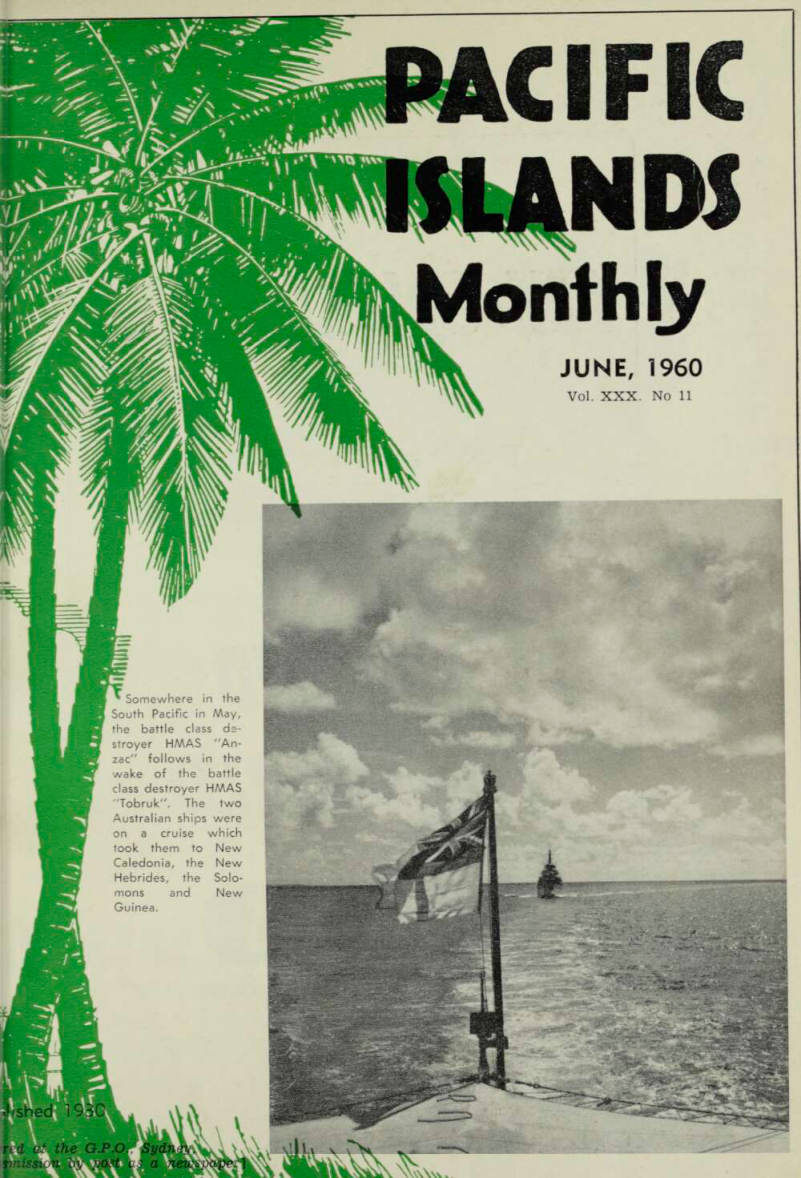 1
1 2
2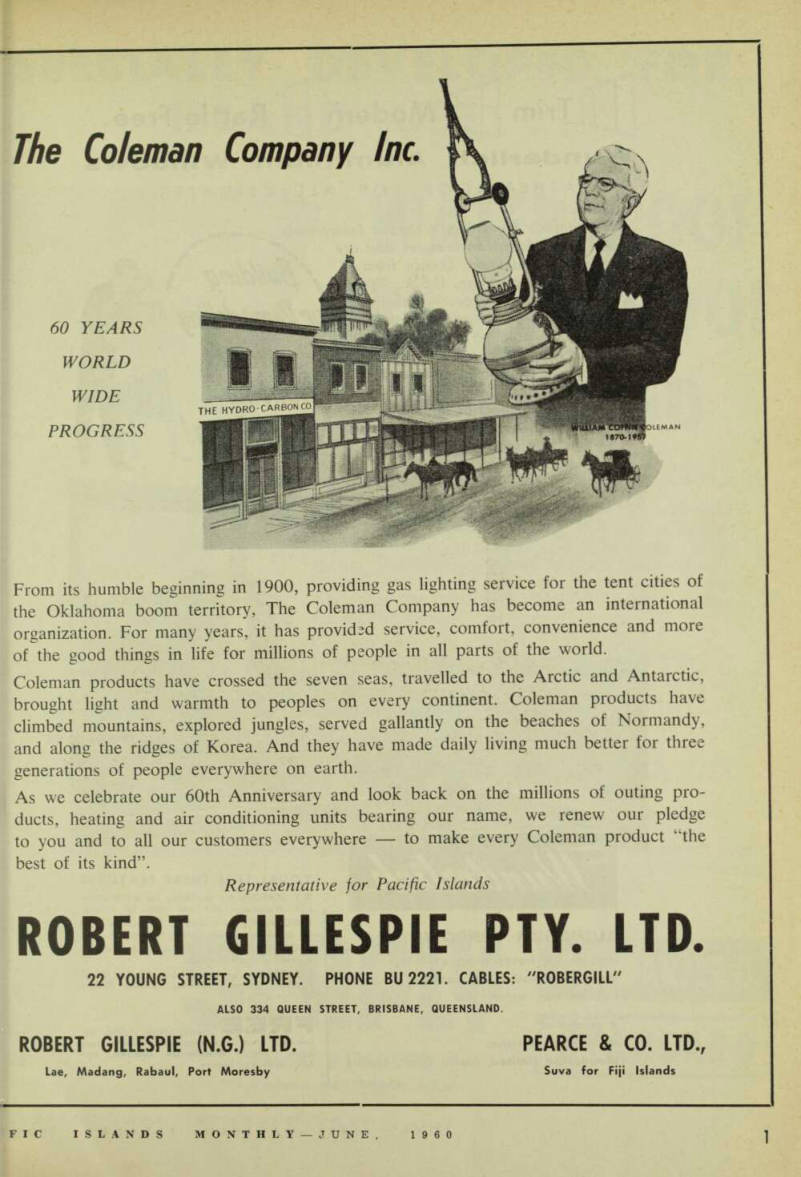 3
3 4
4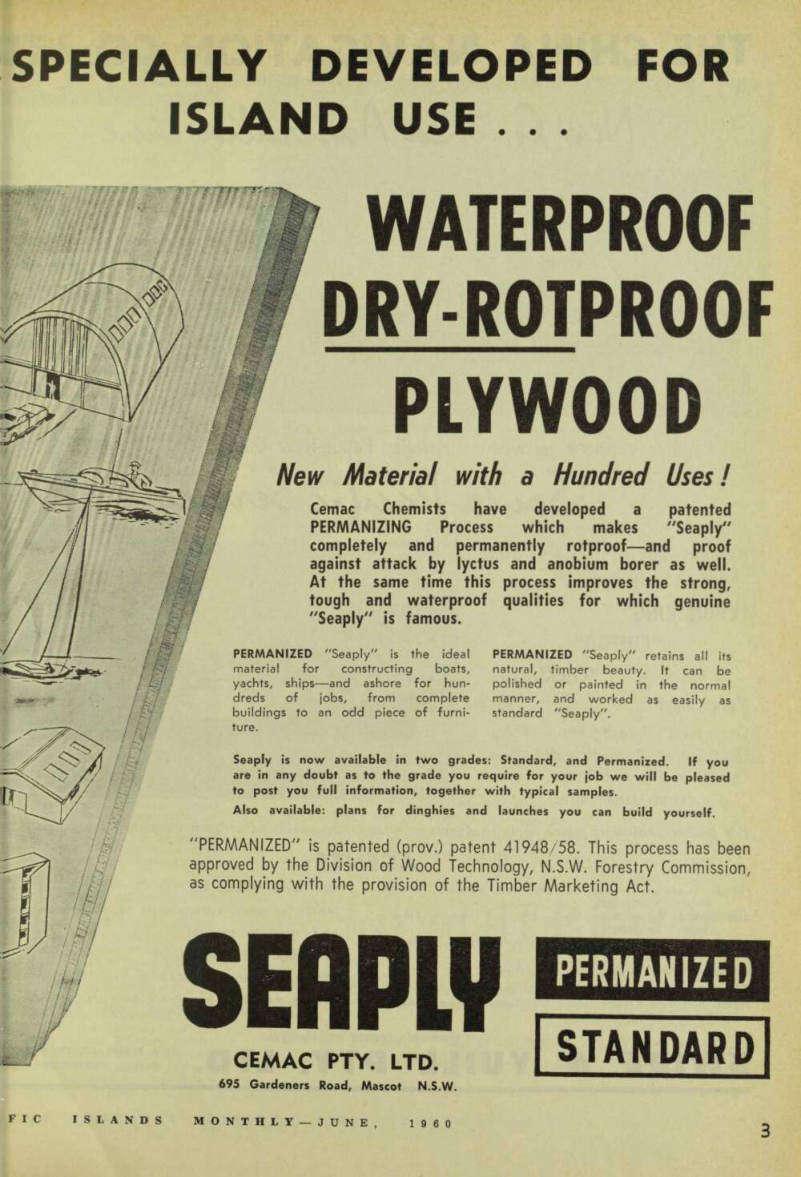 5
5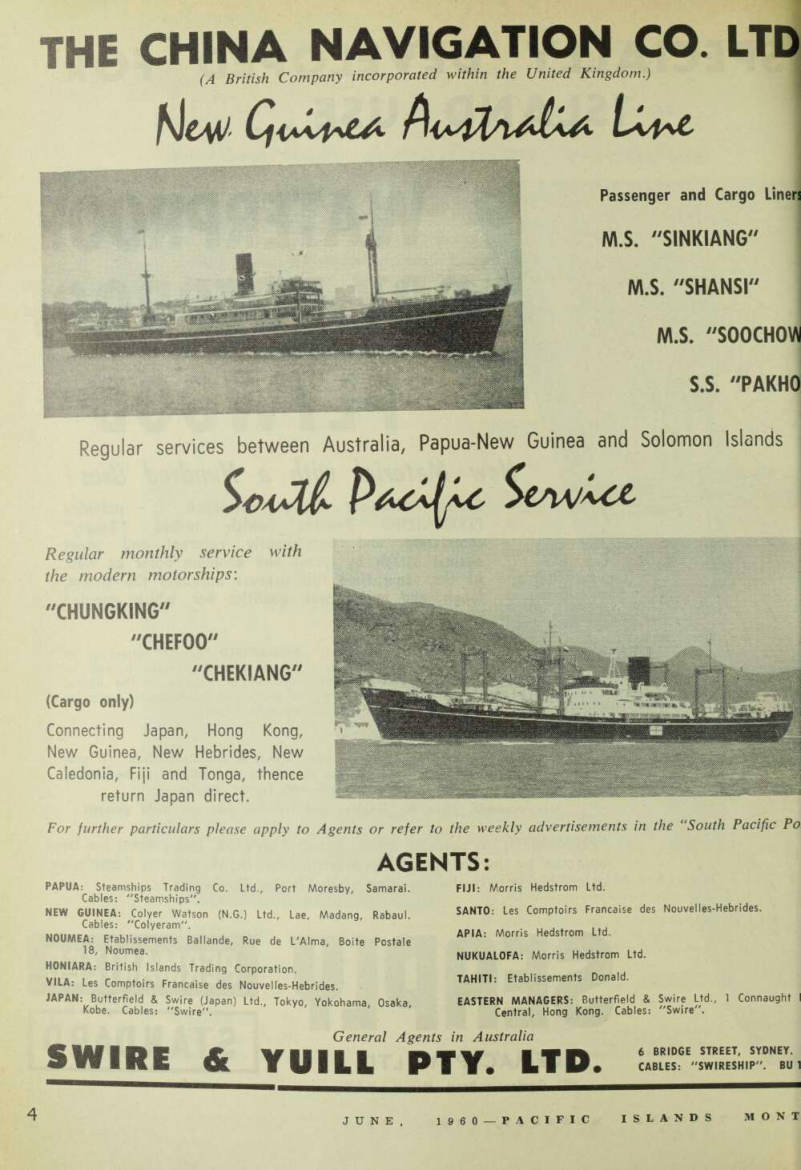 6
6 7
7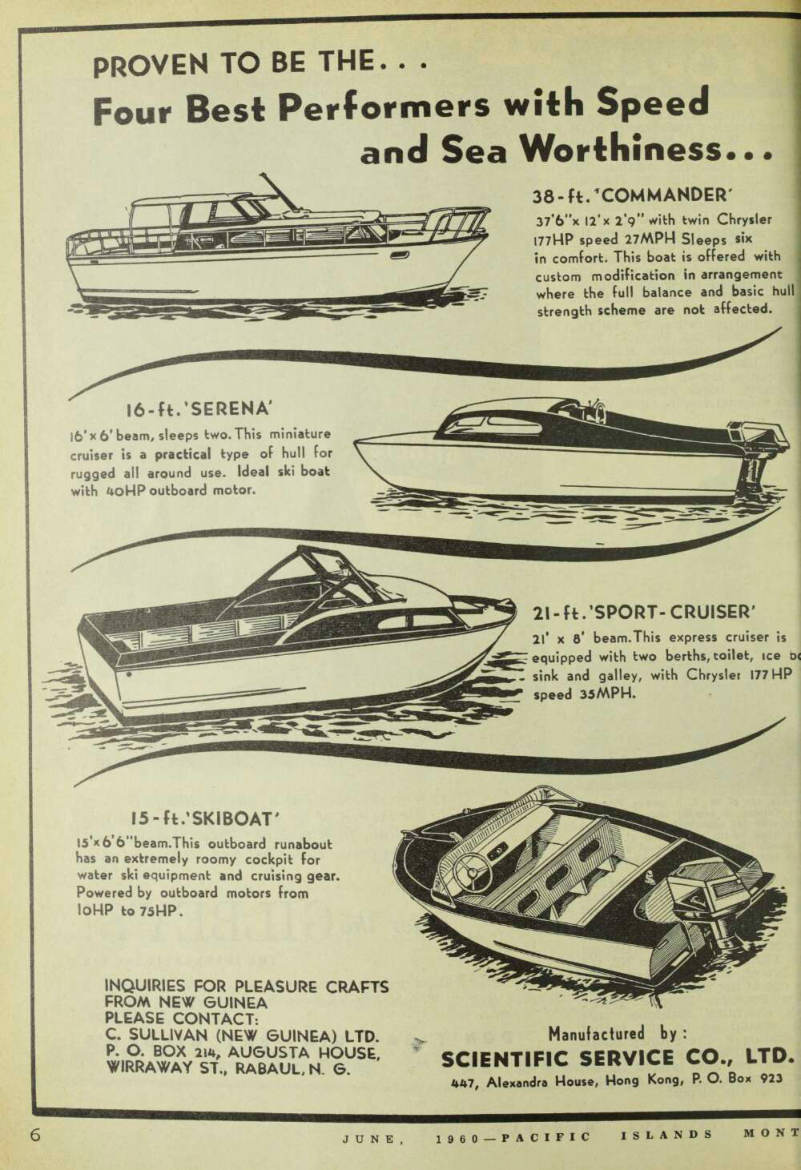 8
8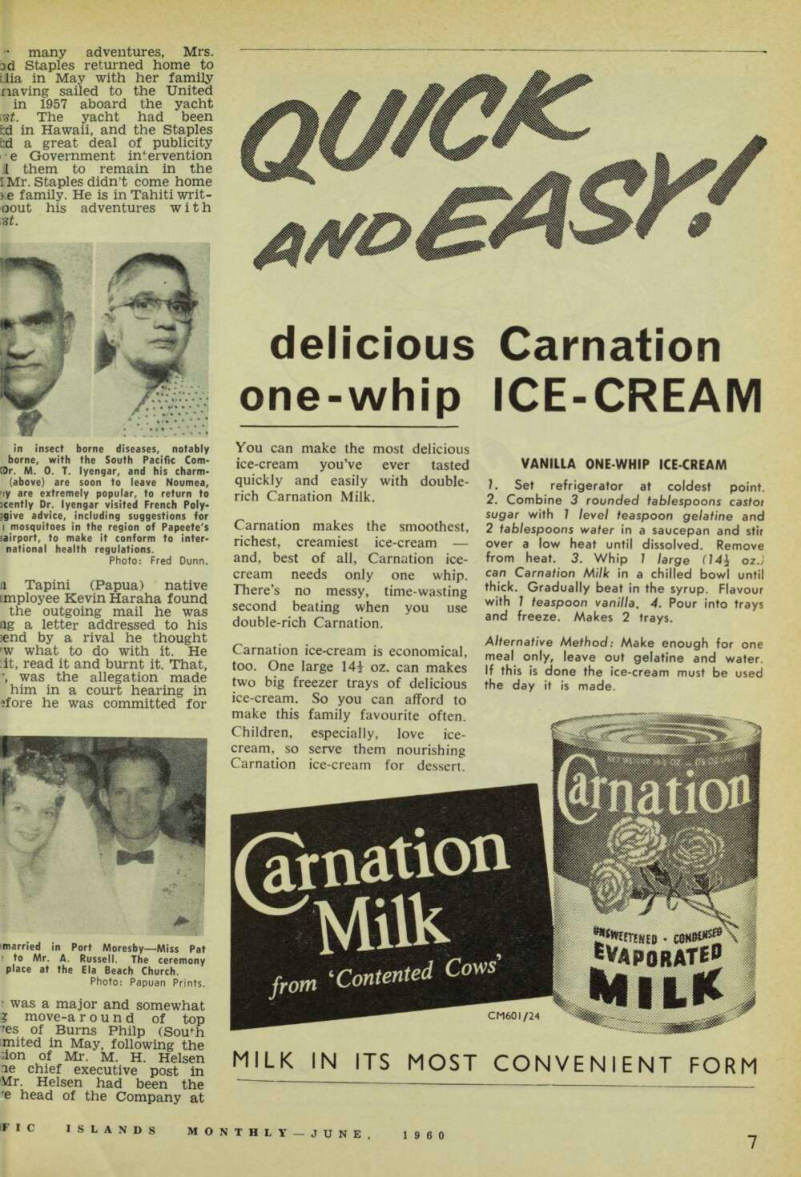 9
9 10
10 11
11 12
12 13
13 14
14 15
15 16
16 17
17 18
18 19
19 20
20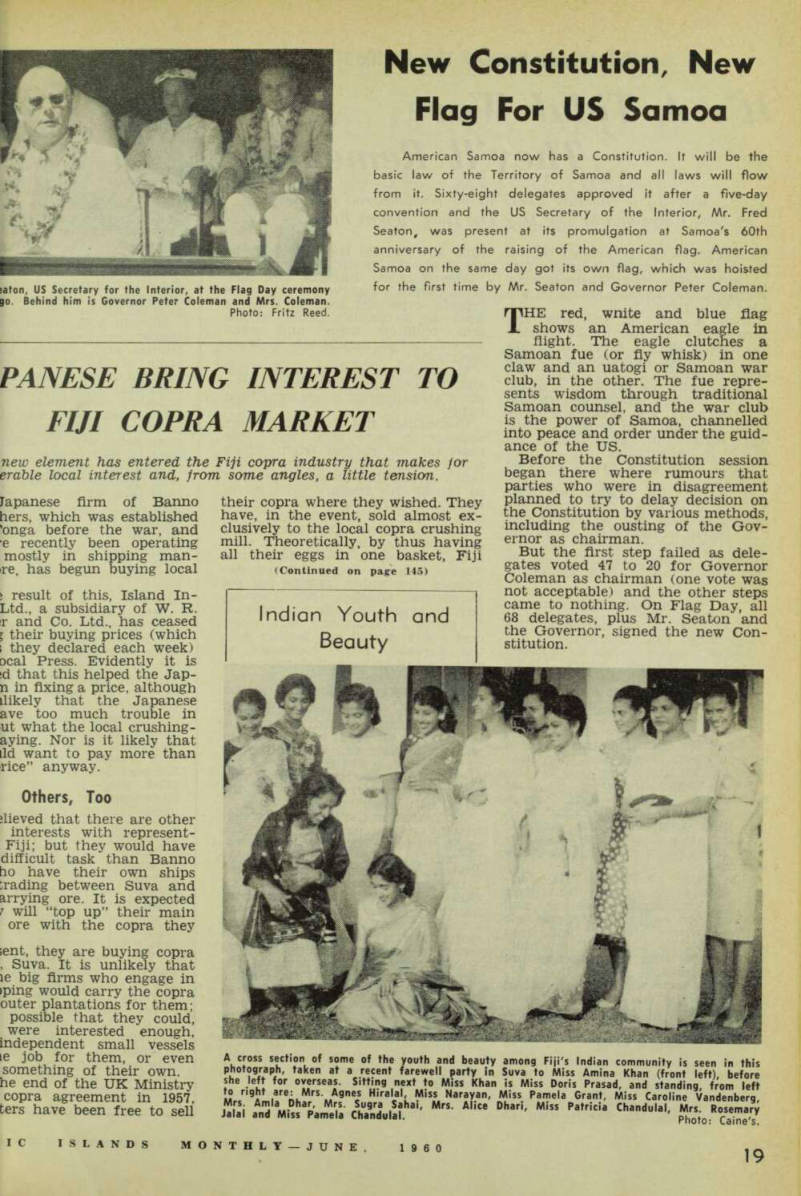 21
21 22
22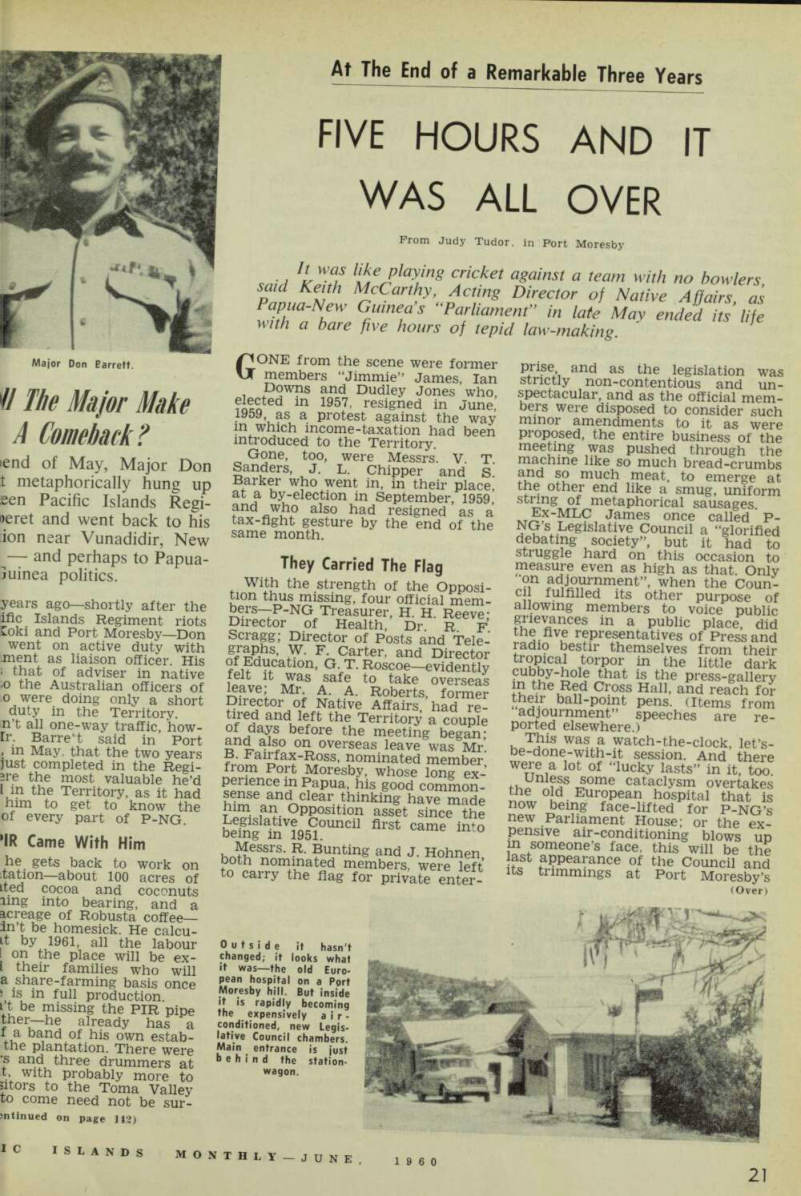 23
23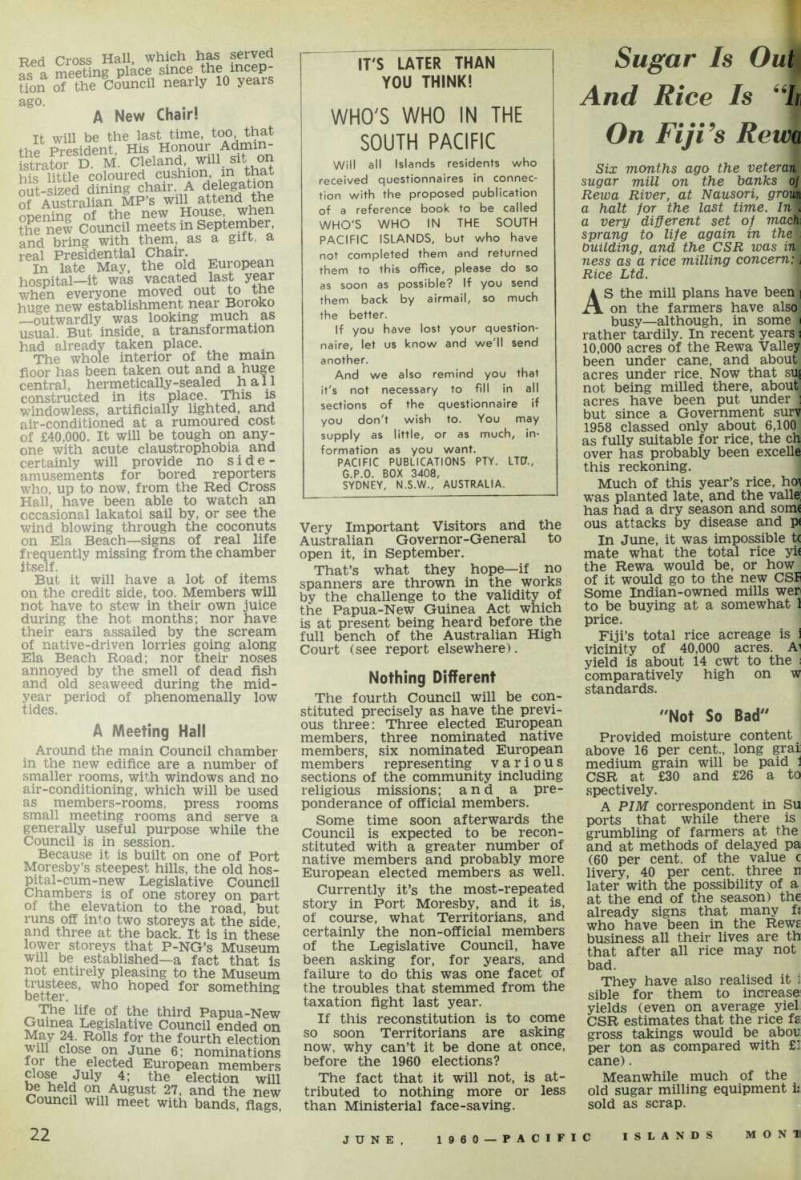 24
24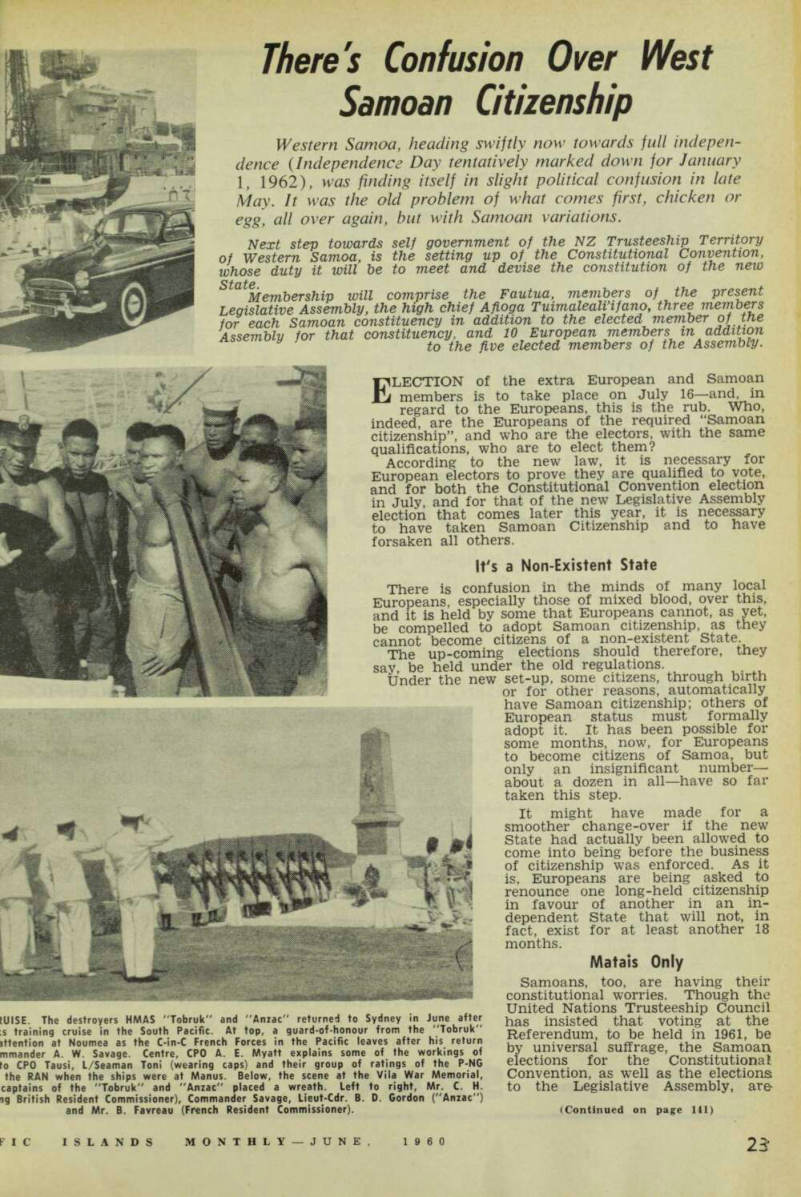 25
25 26
26 27
27 28
28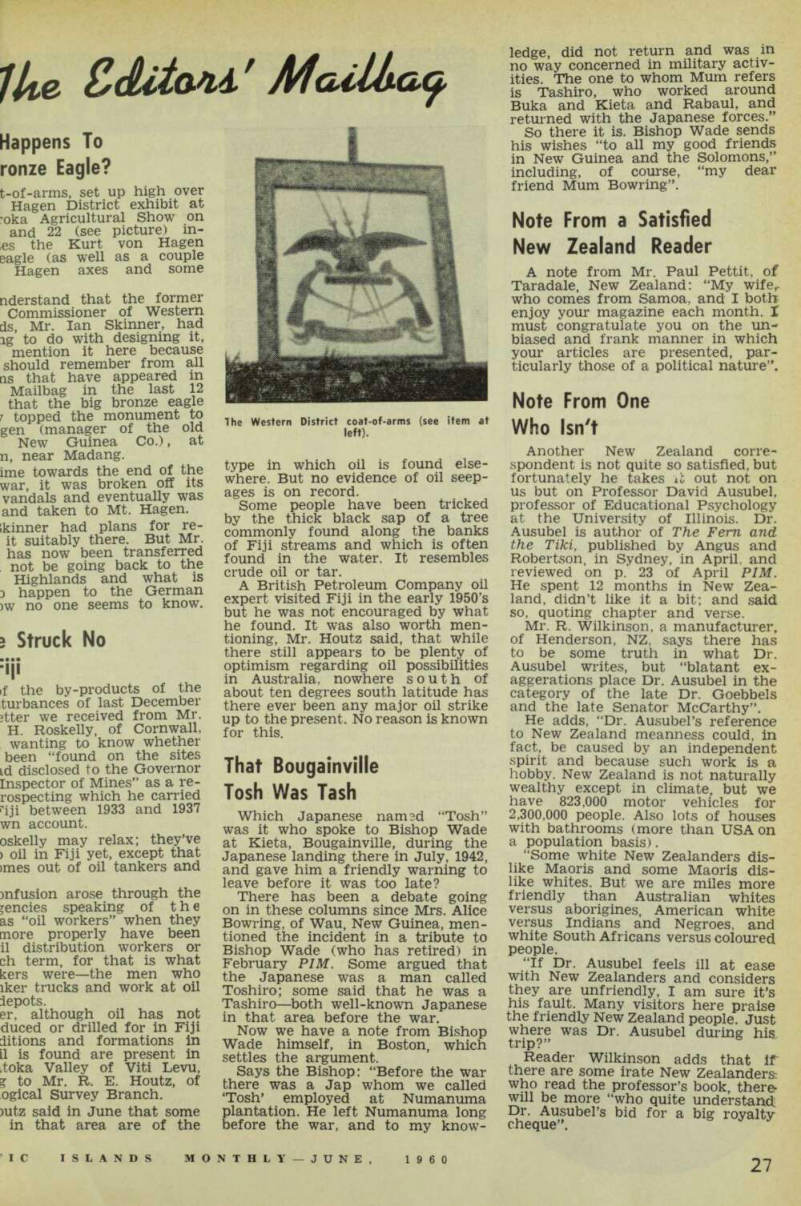 29
29 30
30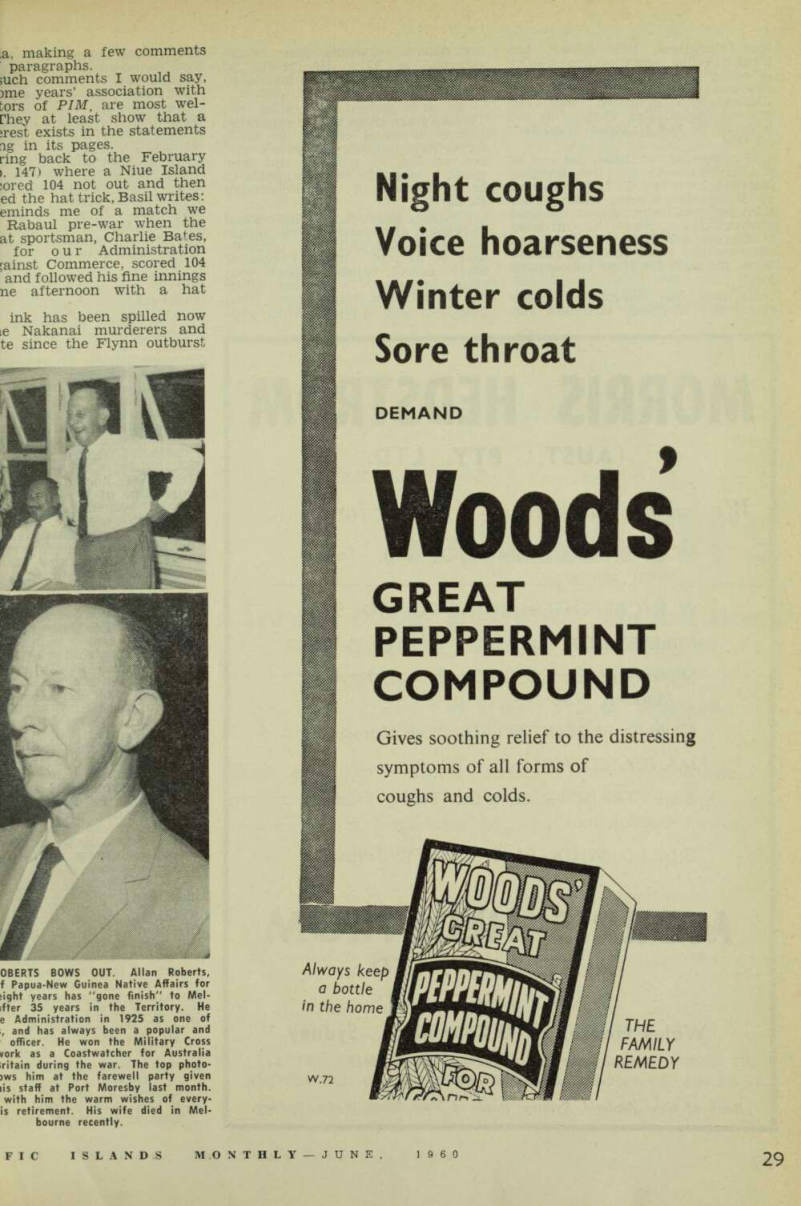 31
31 32
32 33
33 34
34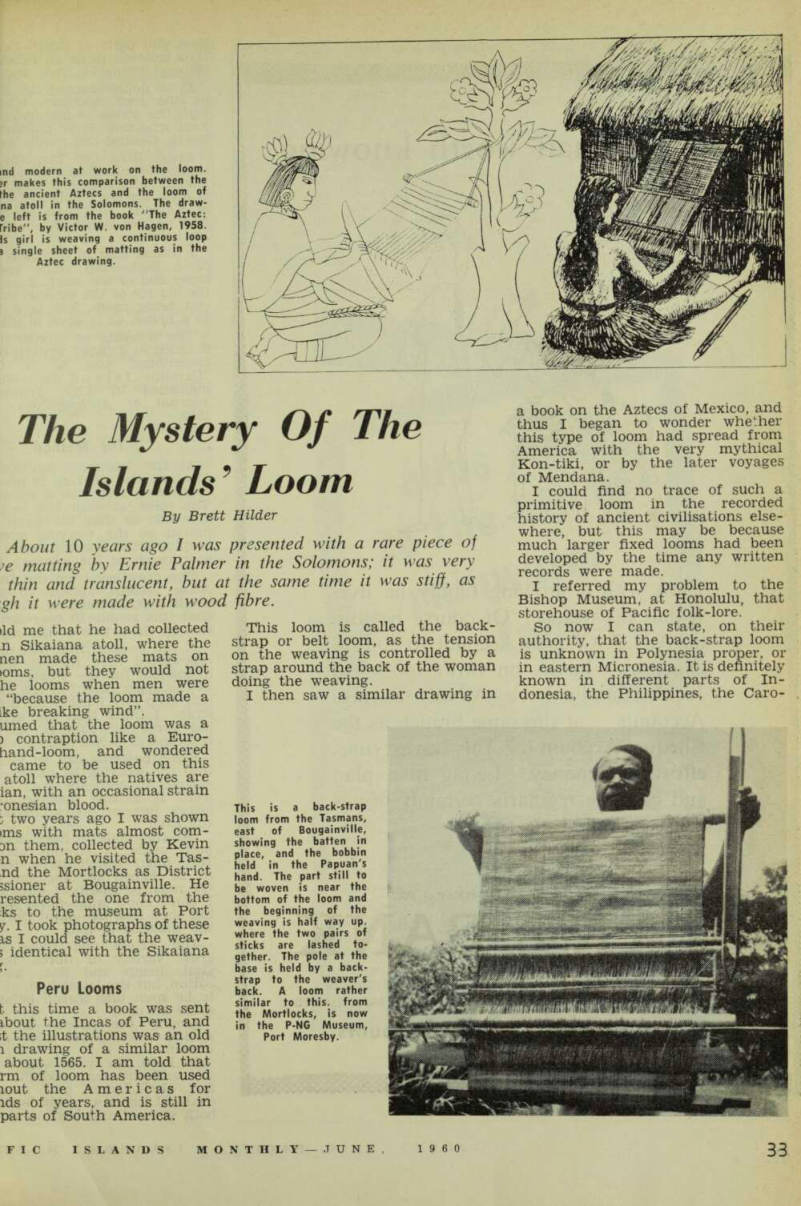 35
35 36
36 37
37 38
38 39
39 40
40 41
41 42
42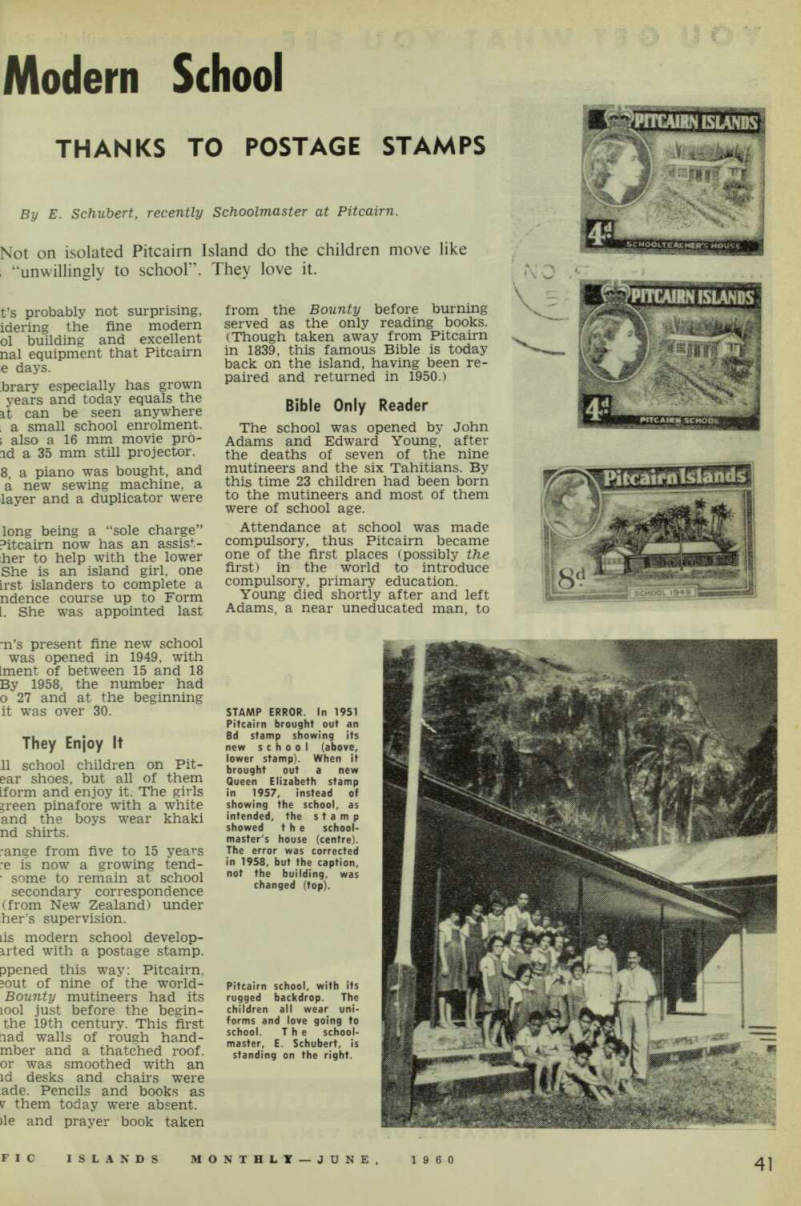 43
43 44
44 45
45 46
46 47
47 48
48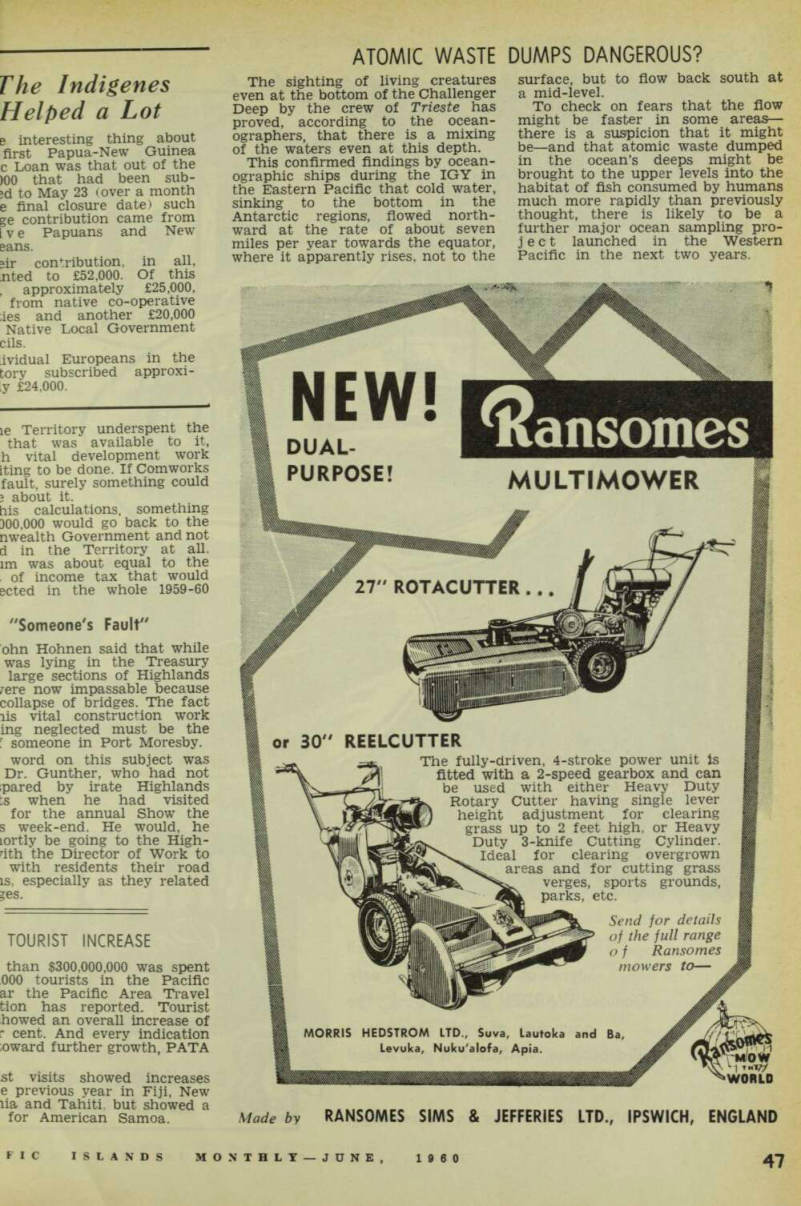 49
49 50
50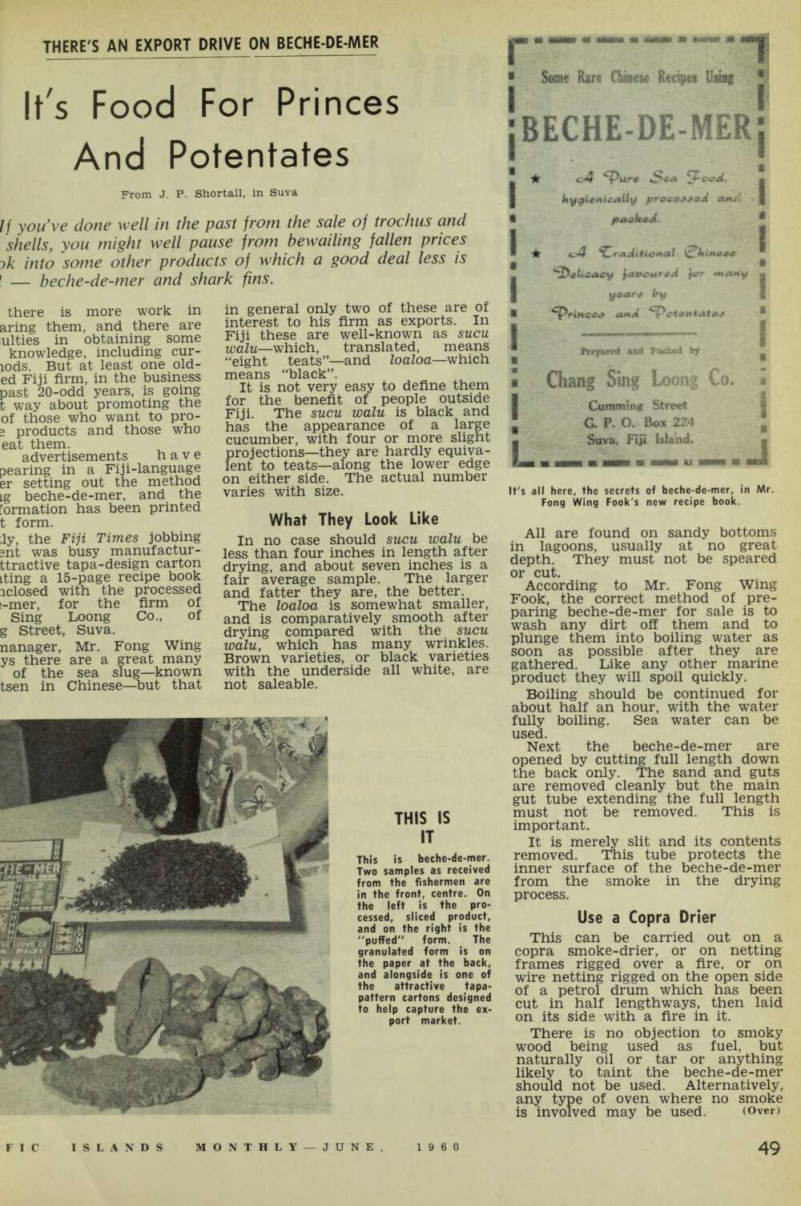 51
51 52
52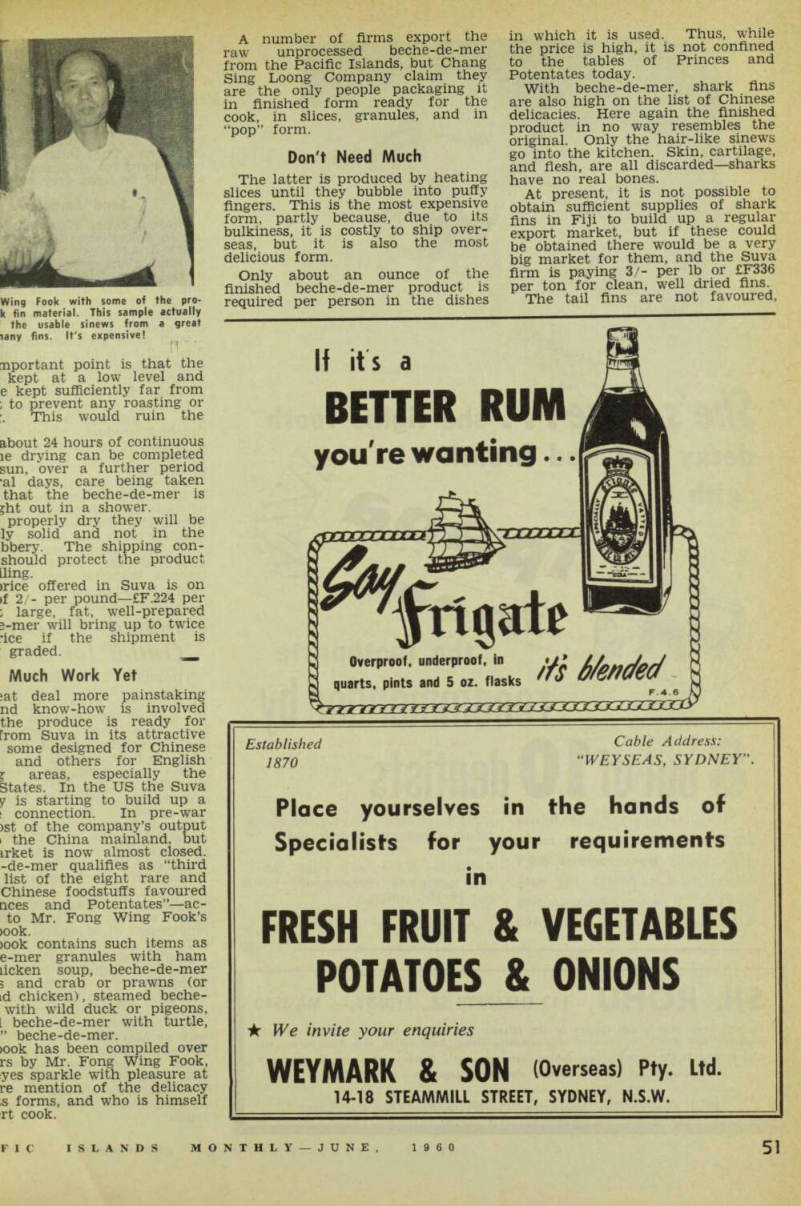 53
53 54
54 55
55 56
56 57
57 58
58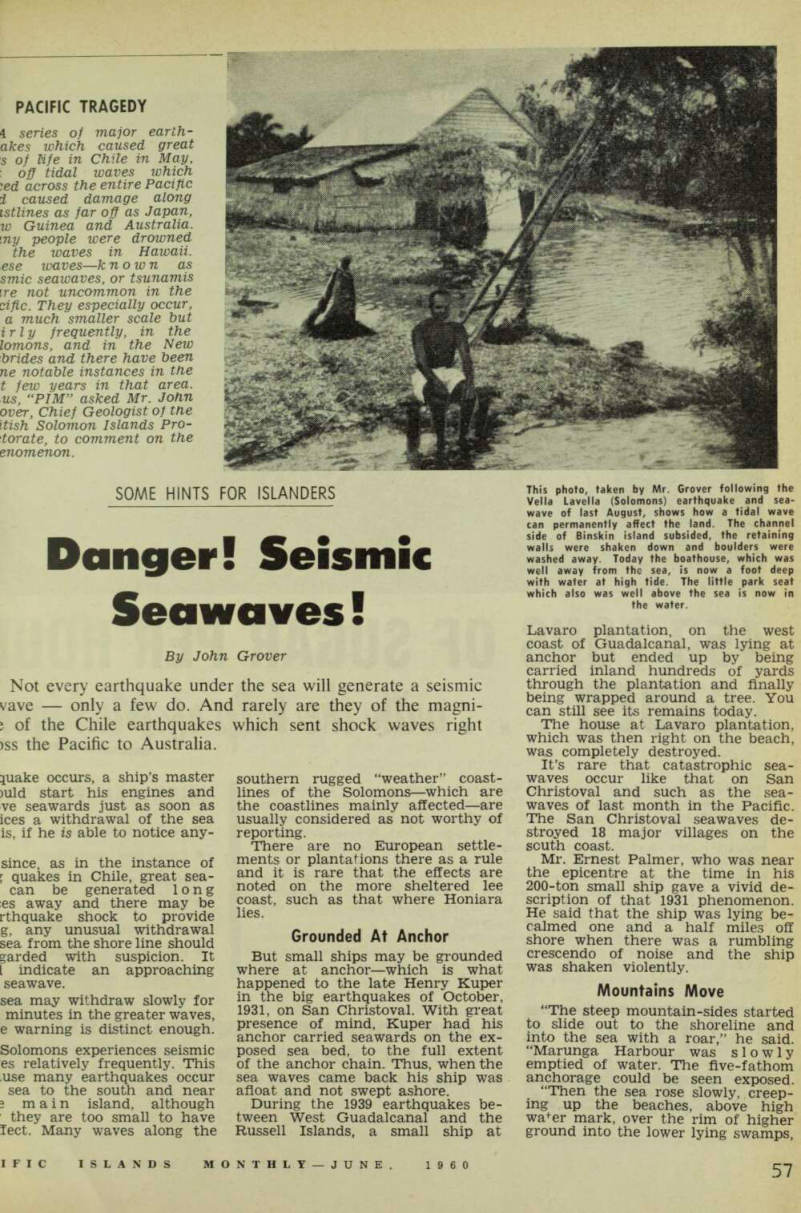 59
59 60
60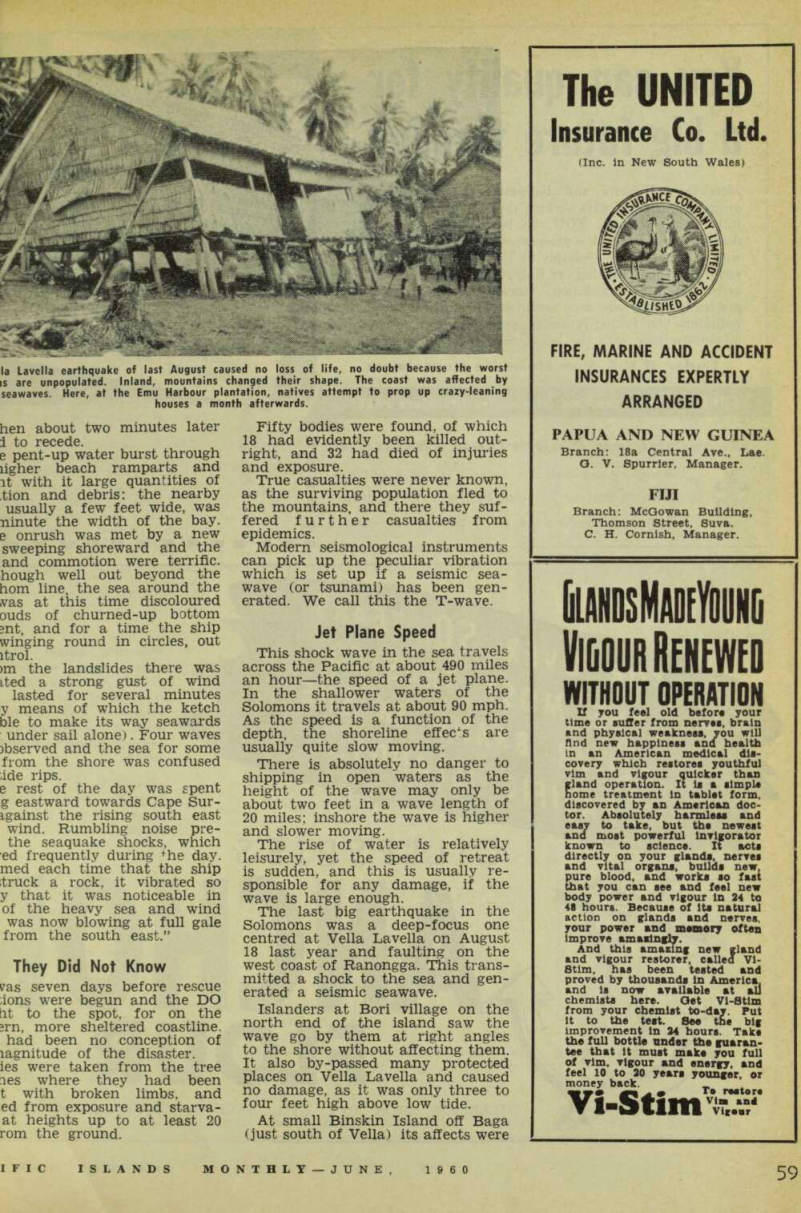 61
61 62
62 63
63 64
64 65
65 66
66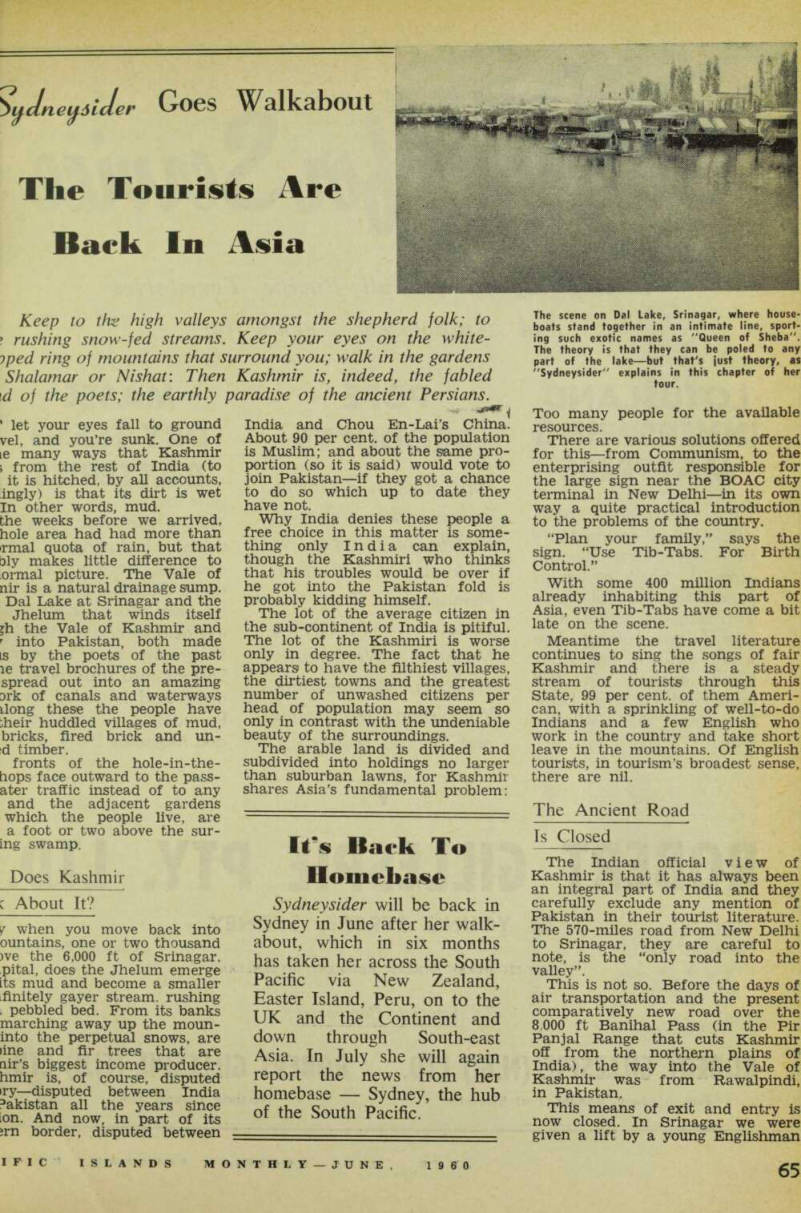 67
67 68
68 69
69 70
70 71
71 72
72 73
73 74
74 75
75 76
76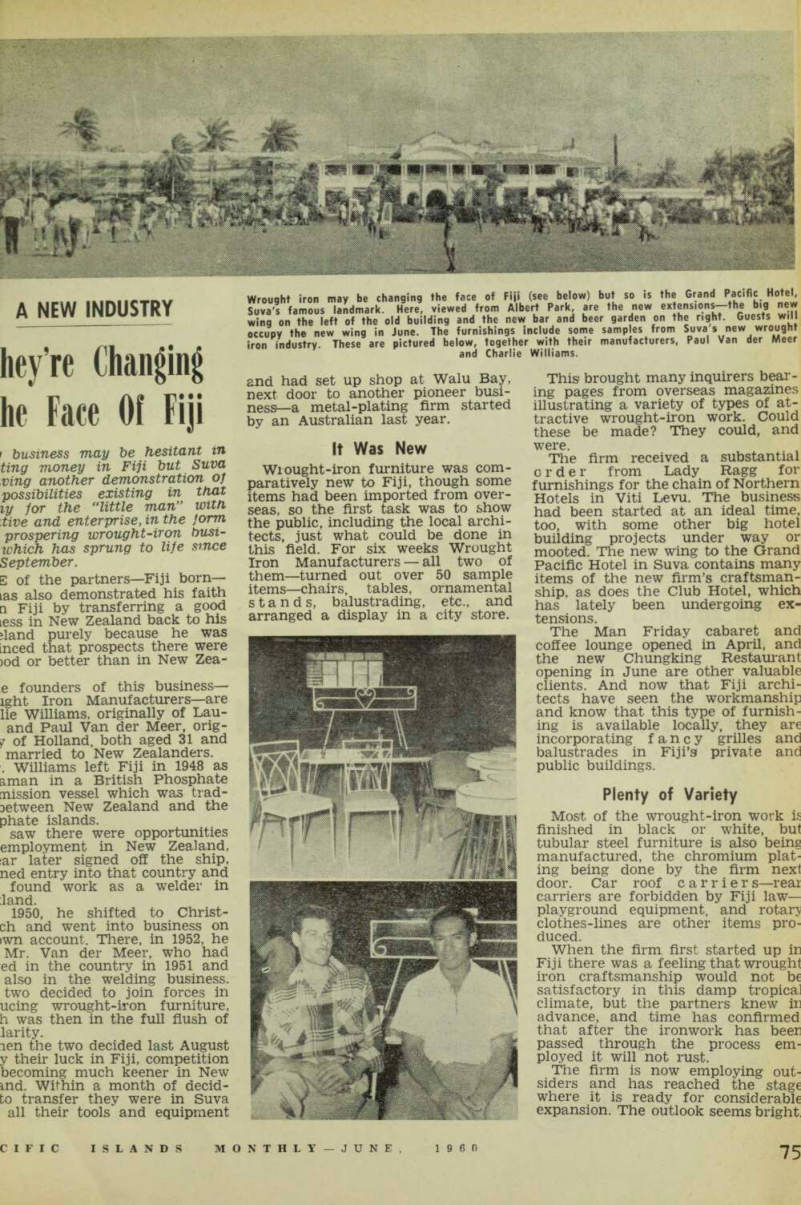 77
77 78
78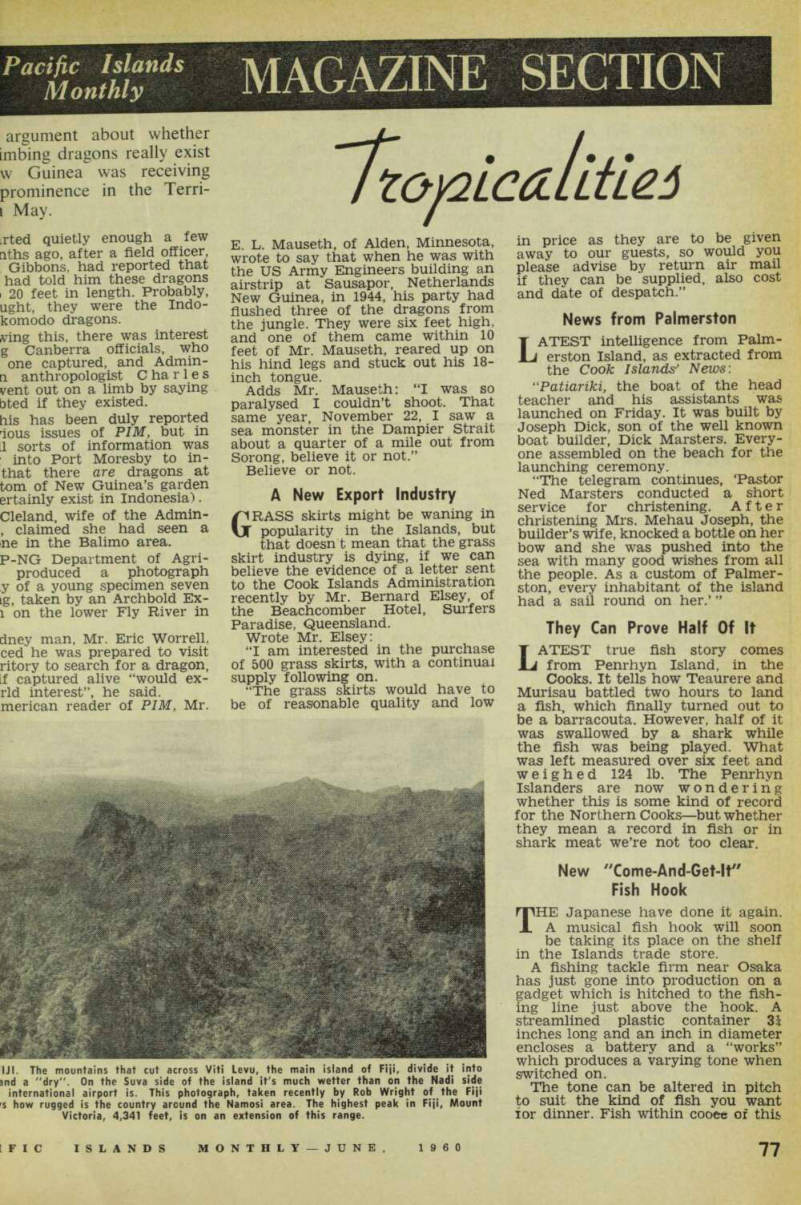 79
79 80
80 81
81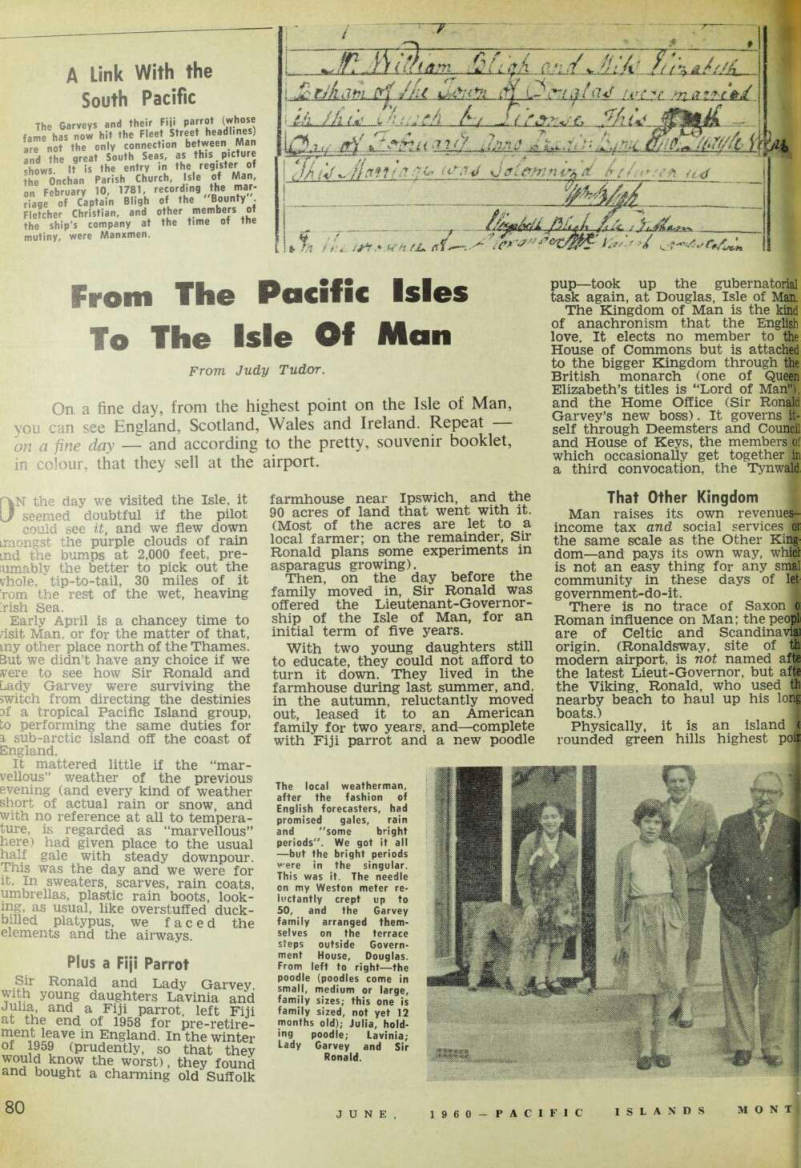 82
82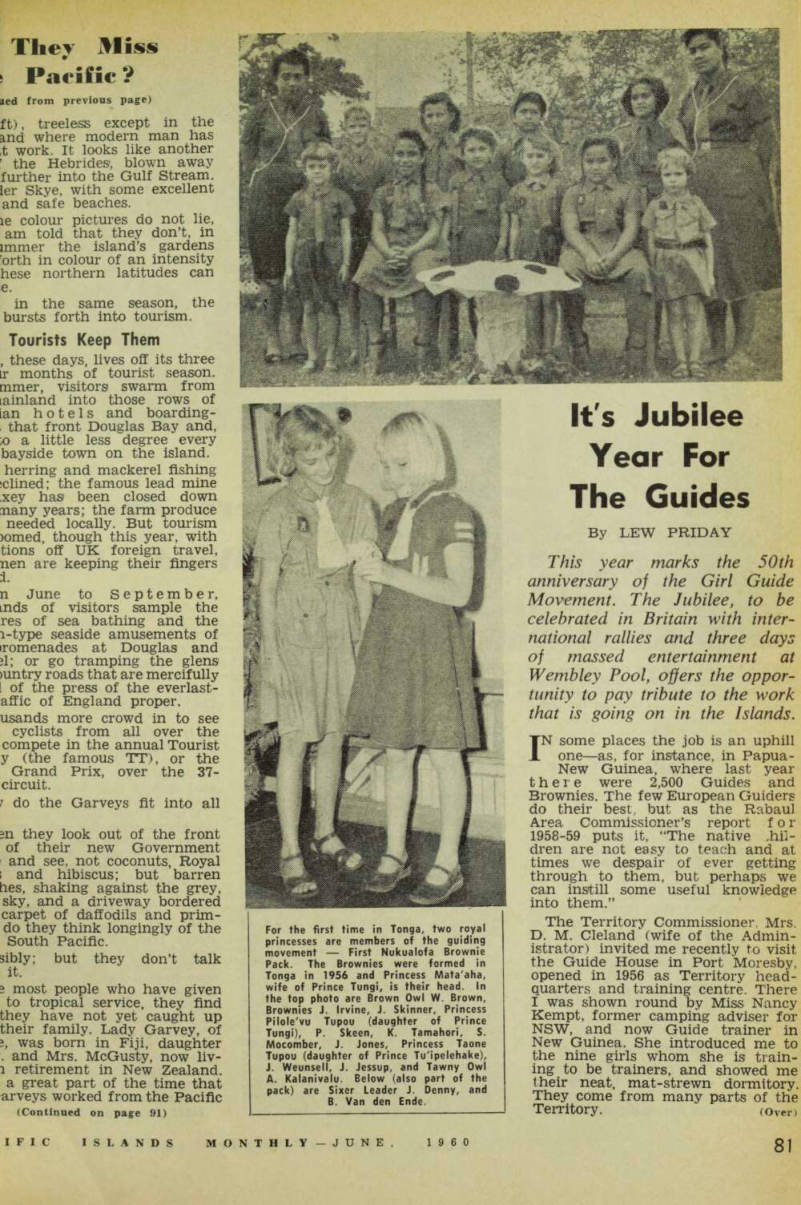 83
83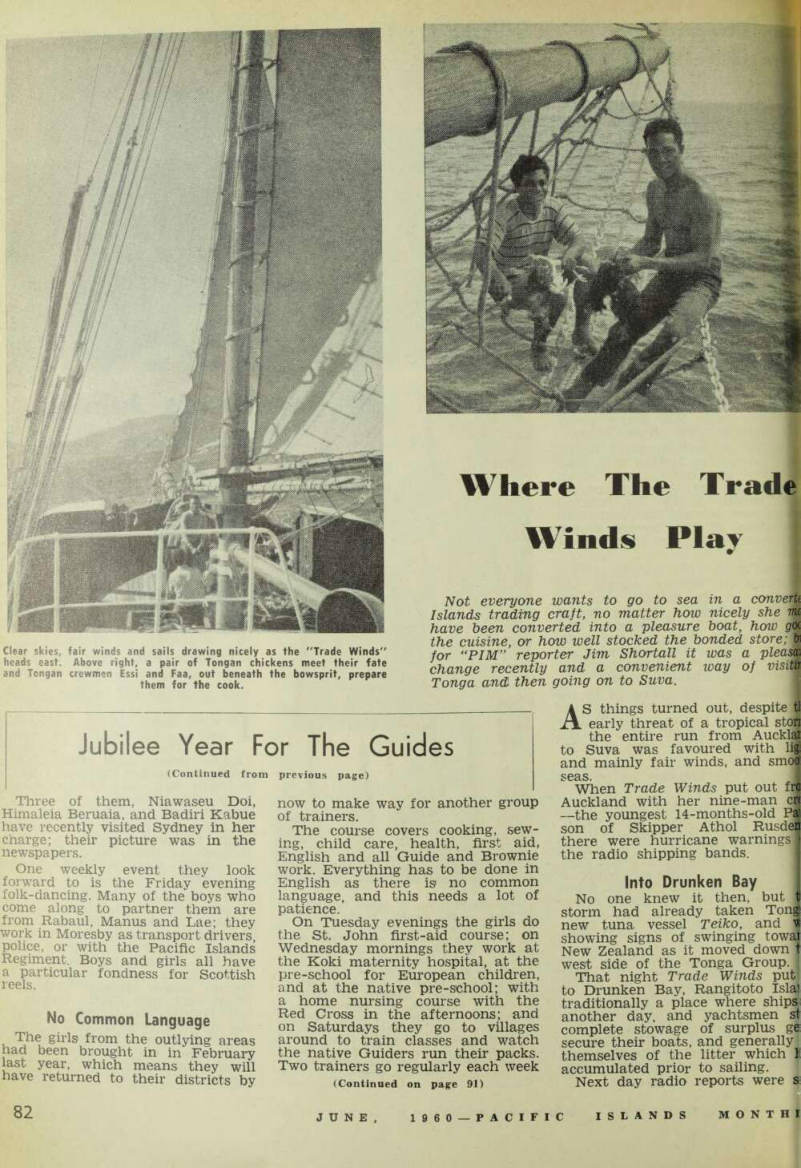 84
84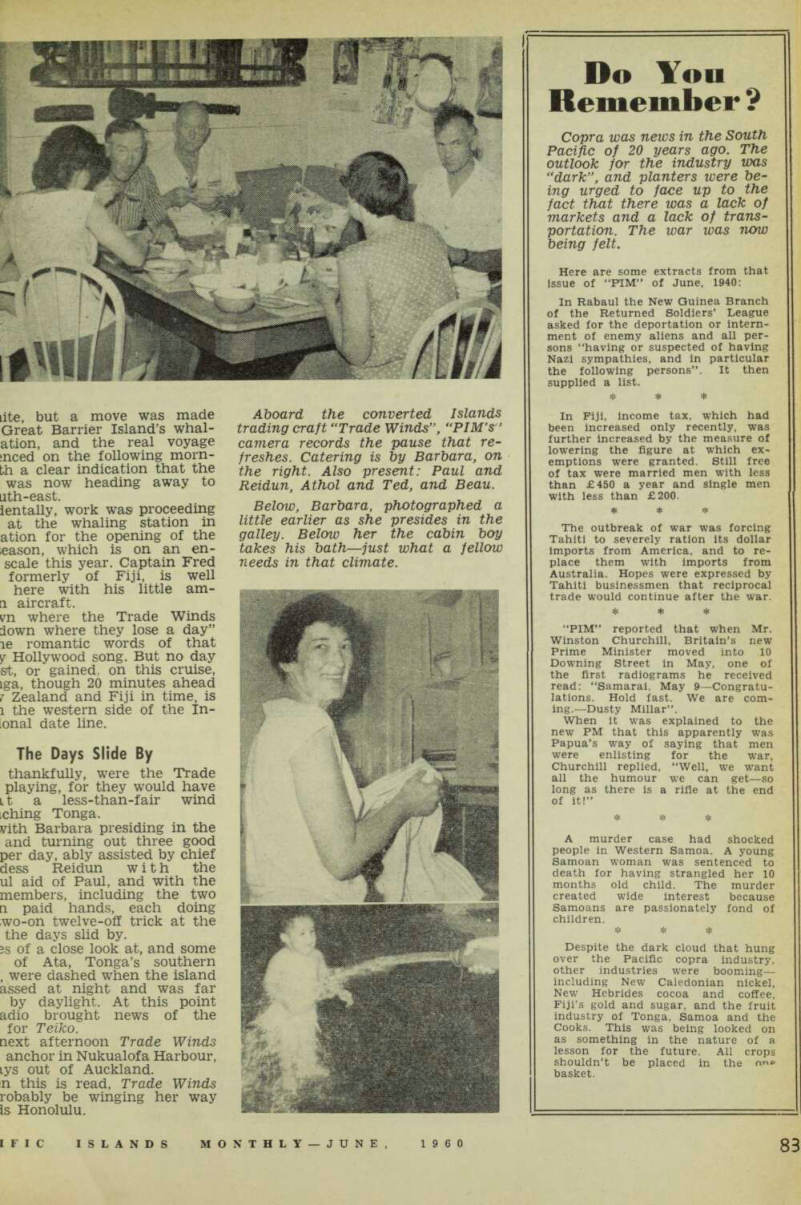 85
85 86
86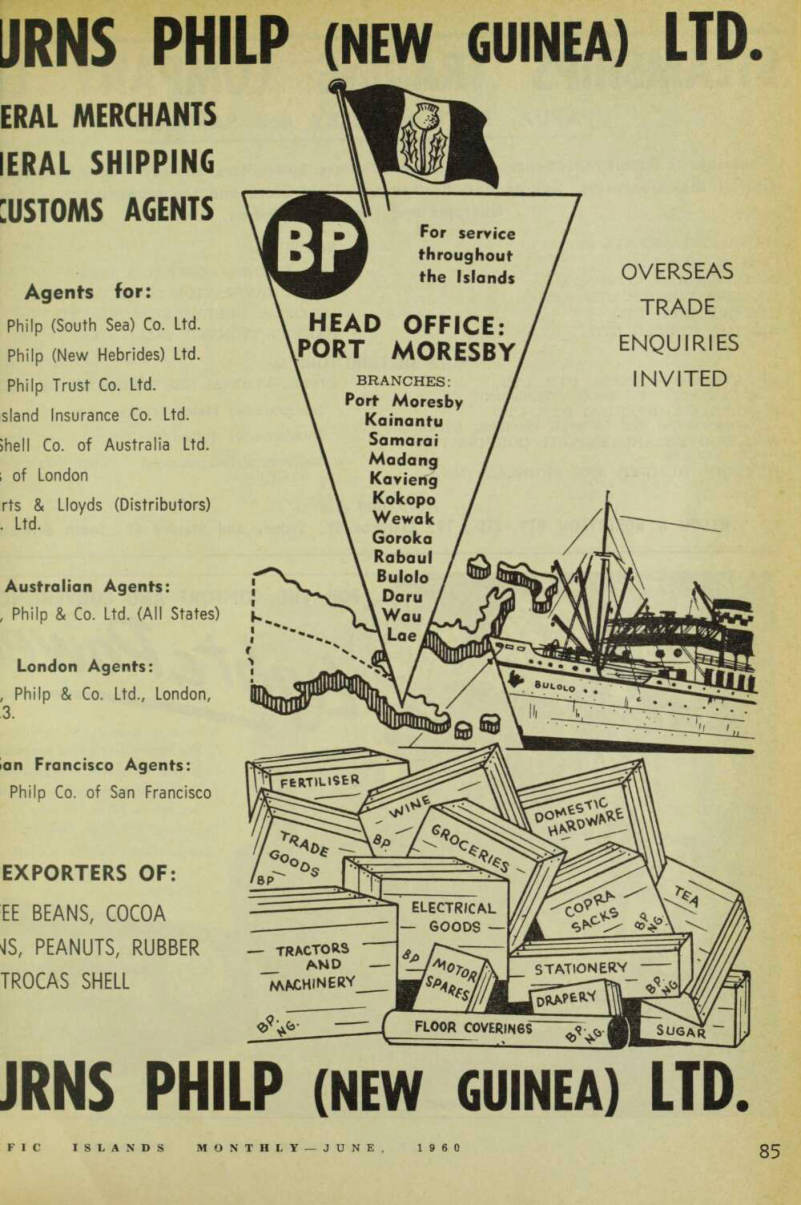 87
87 88
88 89
89 90
90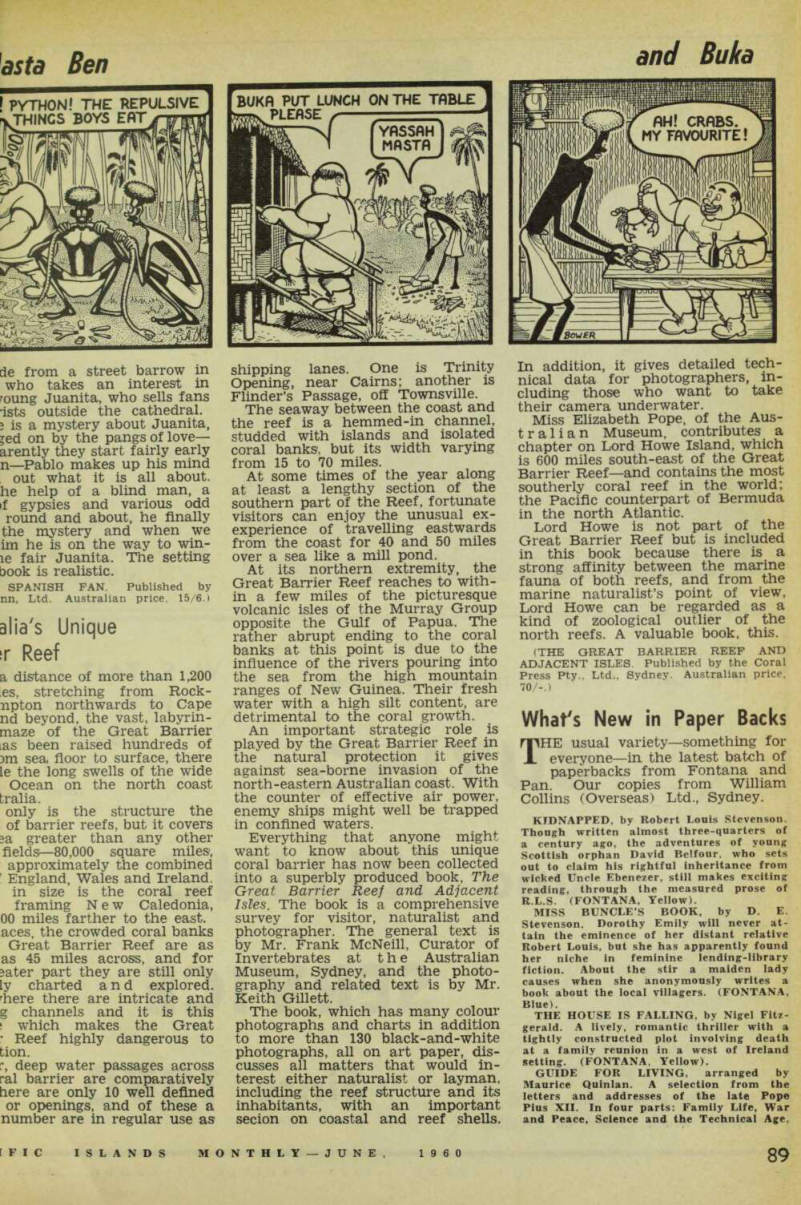 91
91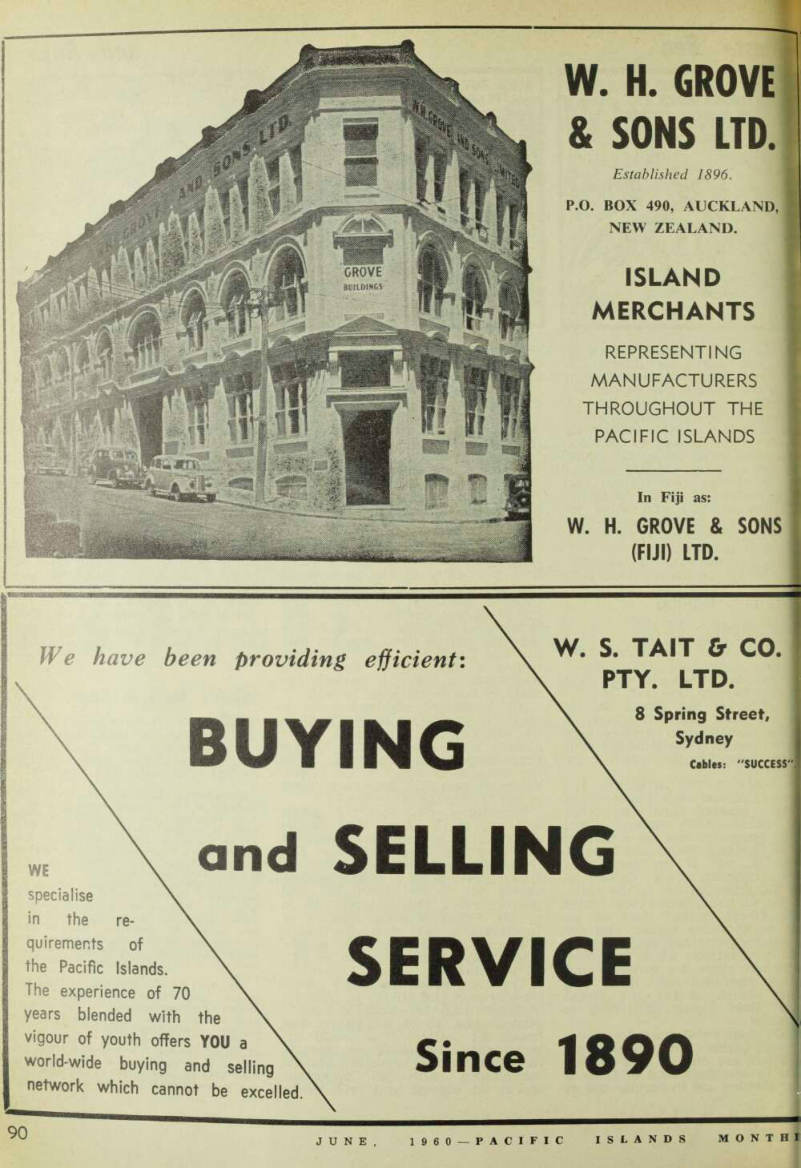 92
92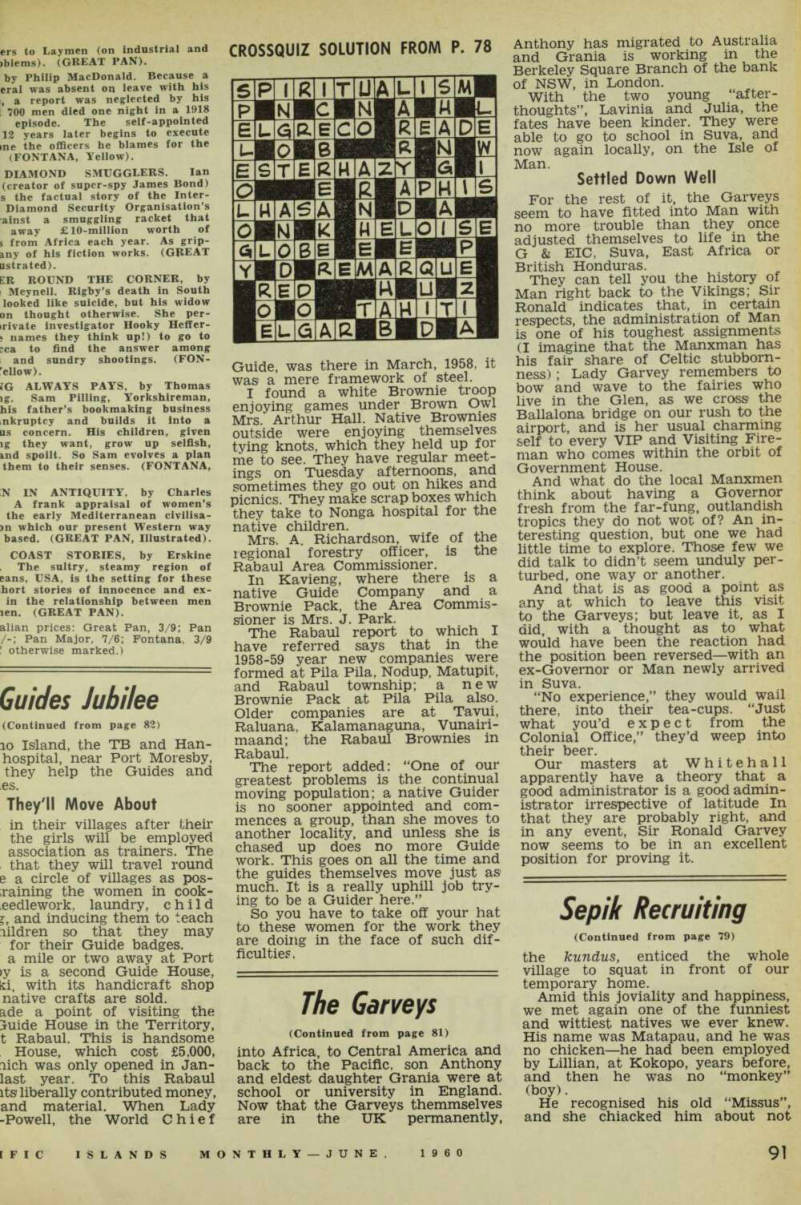 93
93 94
94 95
95 96
96 97
97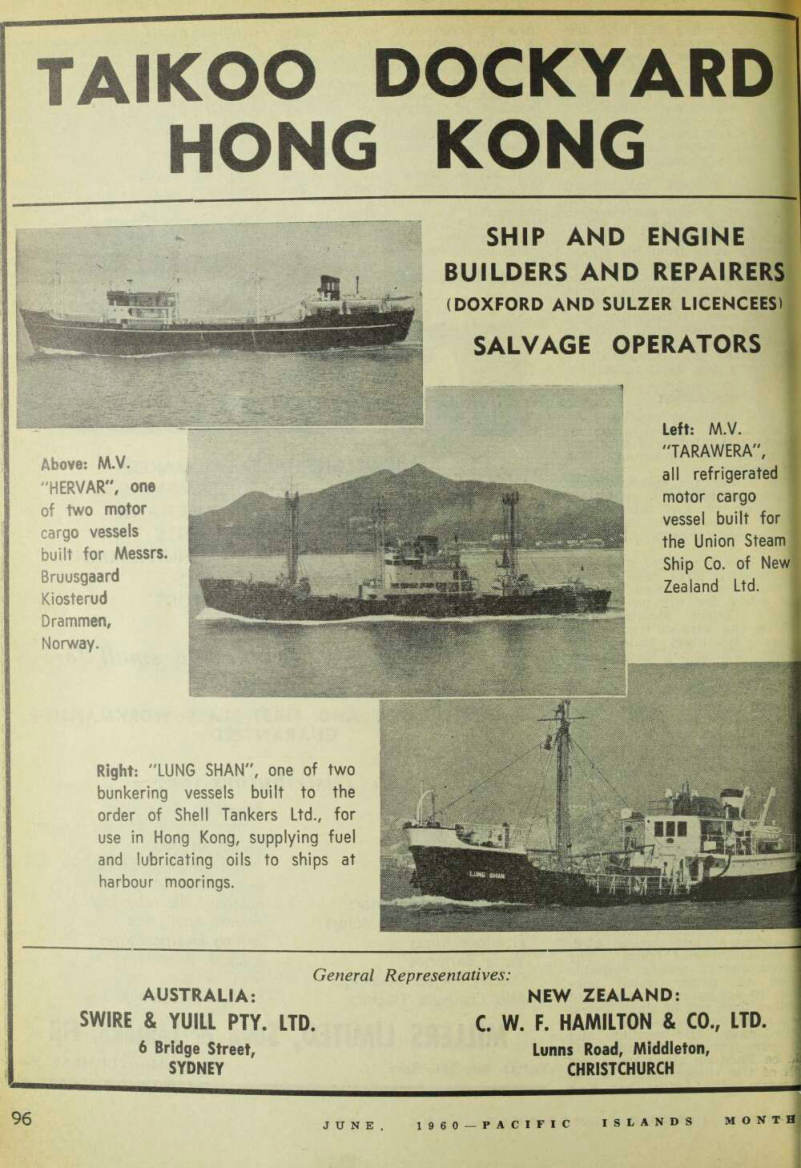 98
98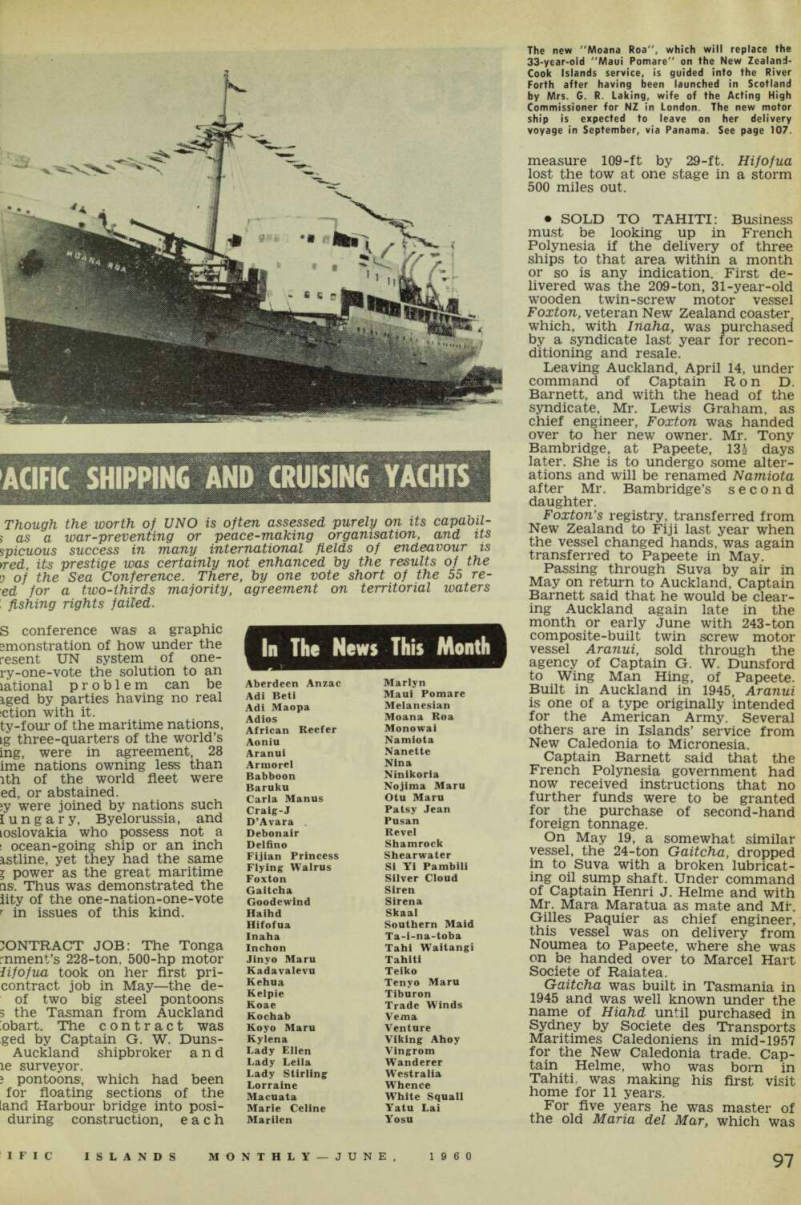 99
99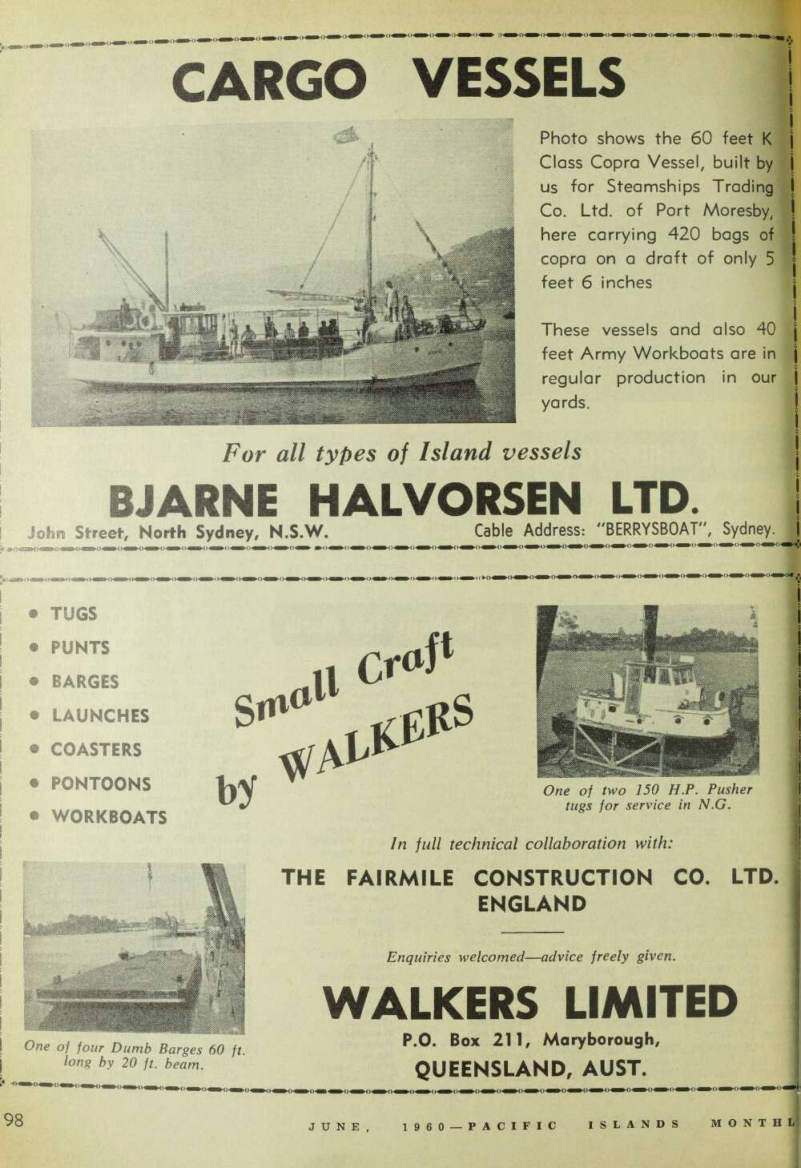 100
100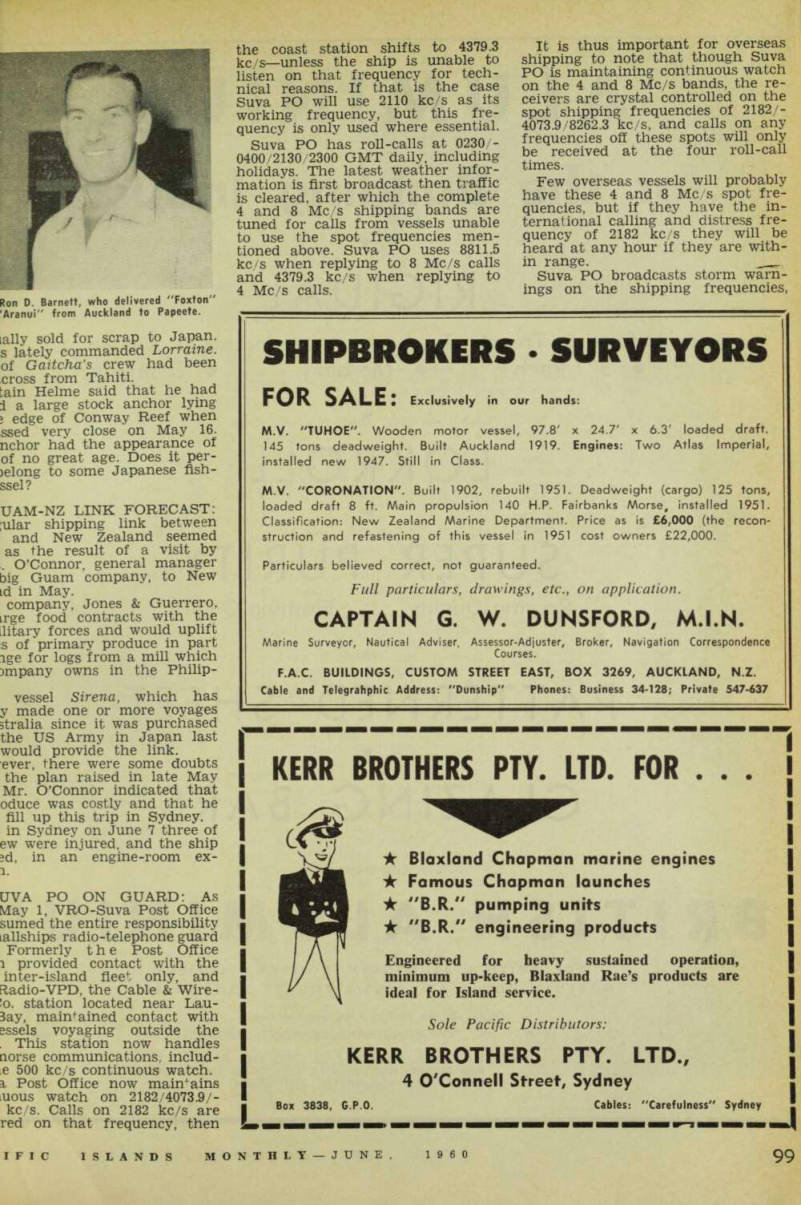 101
101 102
102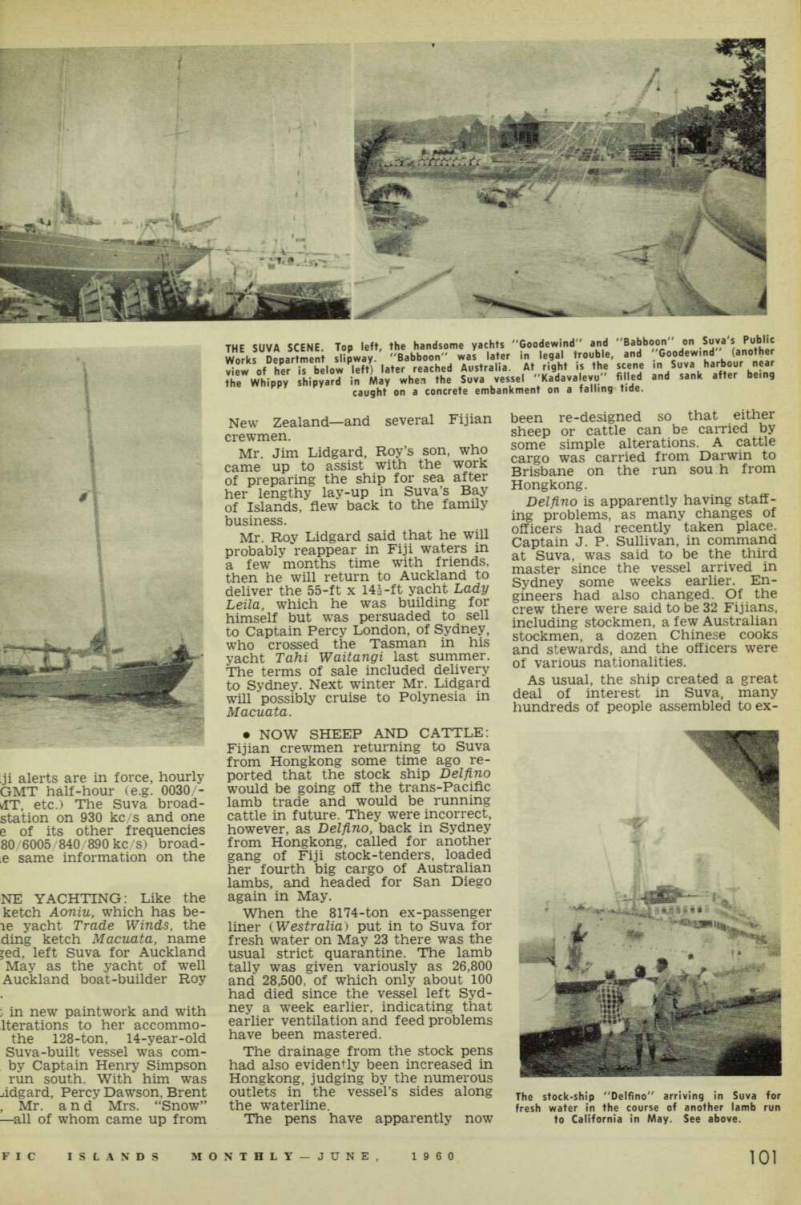 103
103 104
104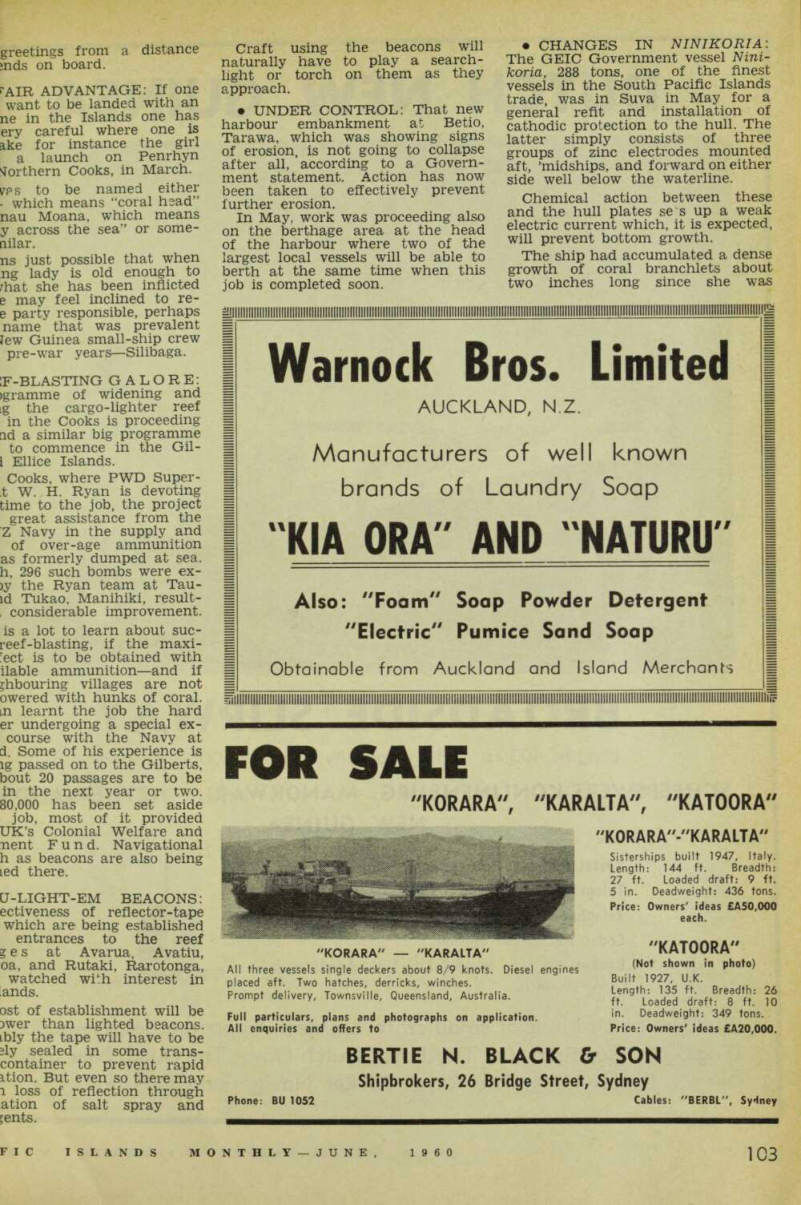 105
105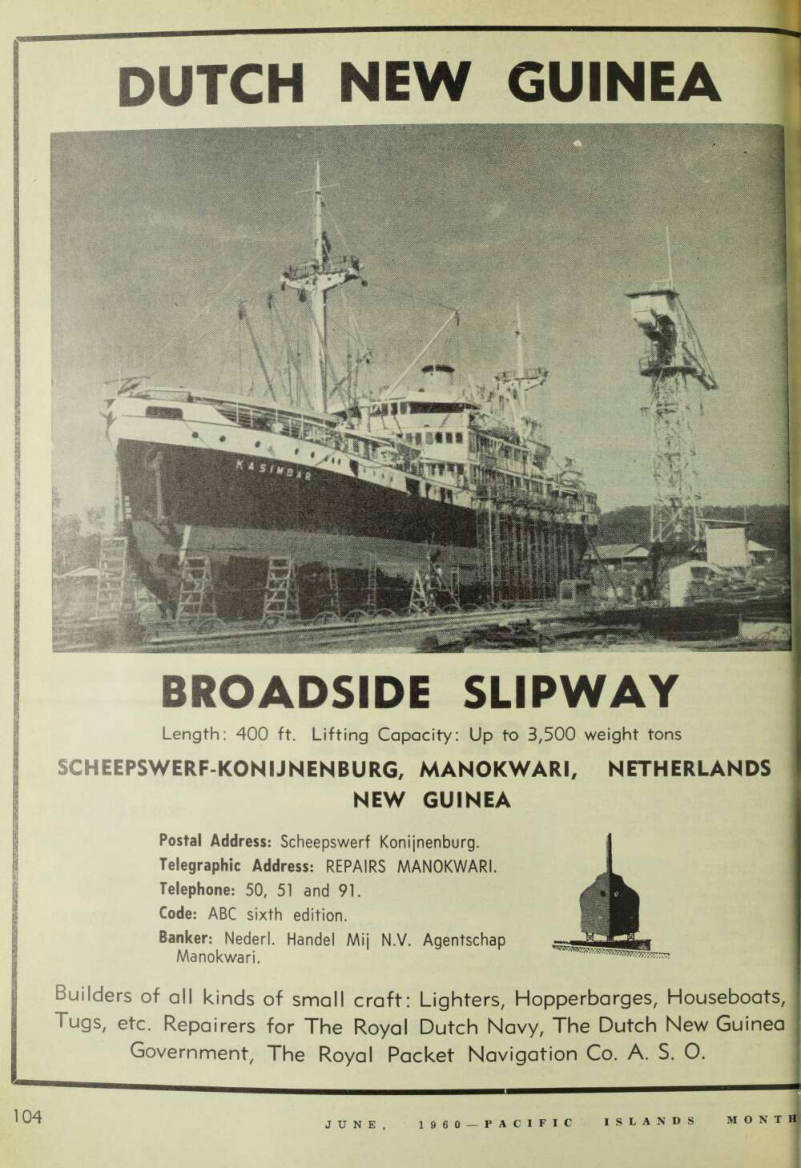 106
106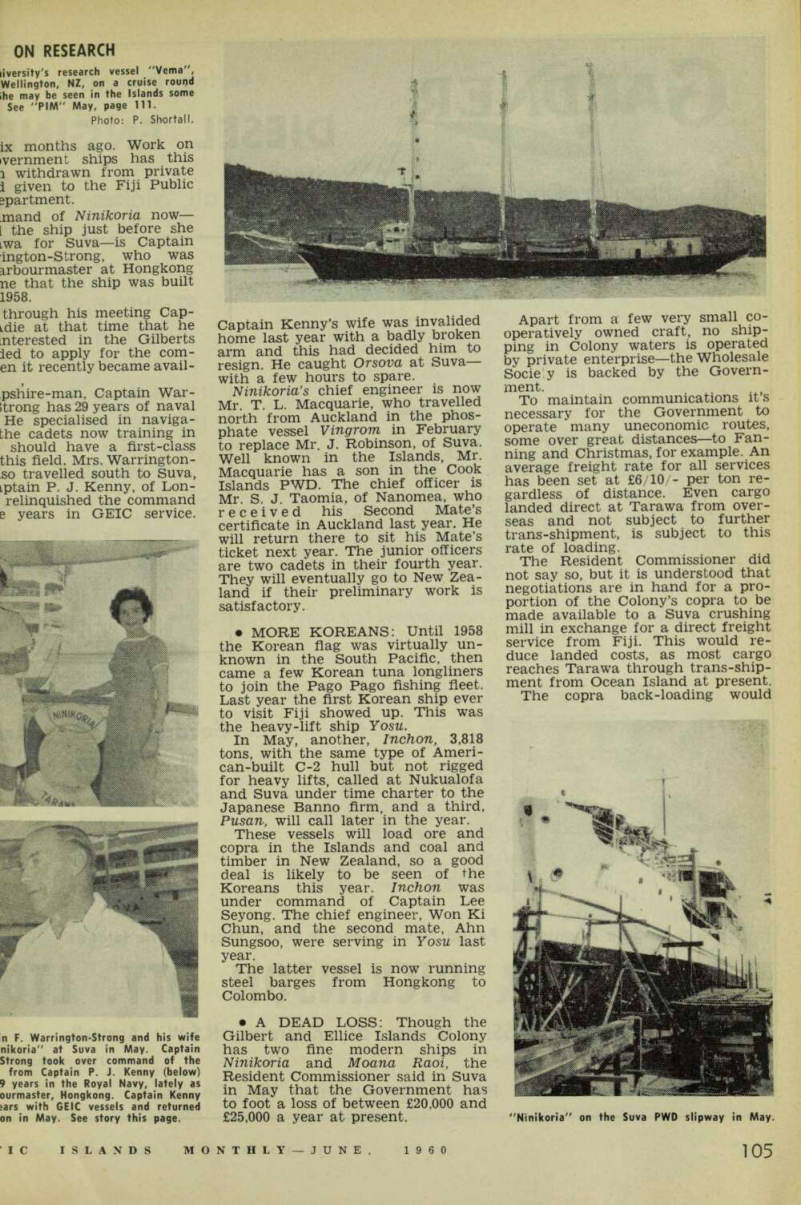 107
107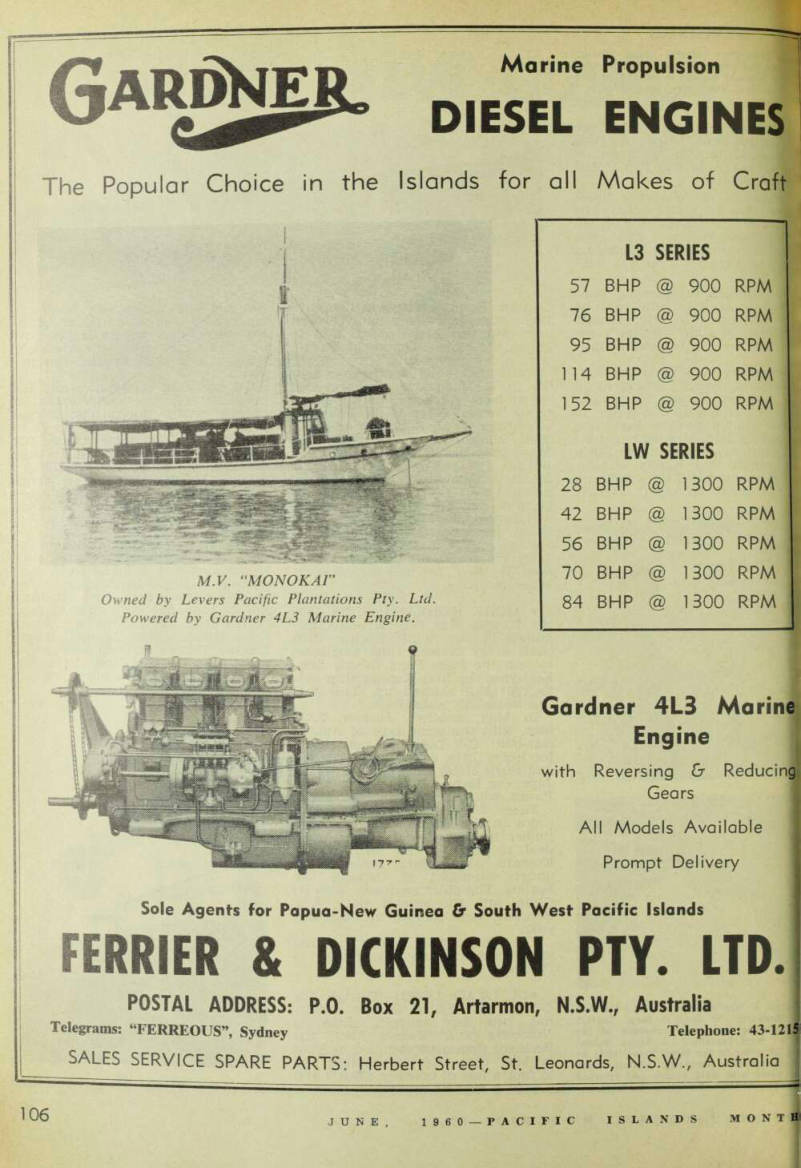 108
108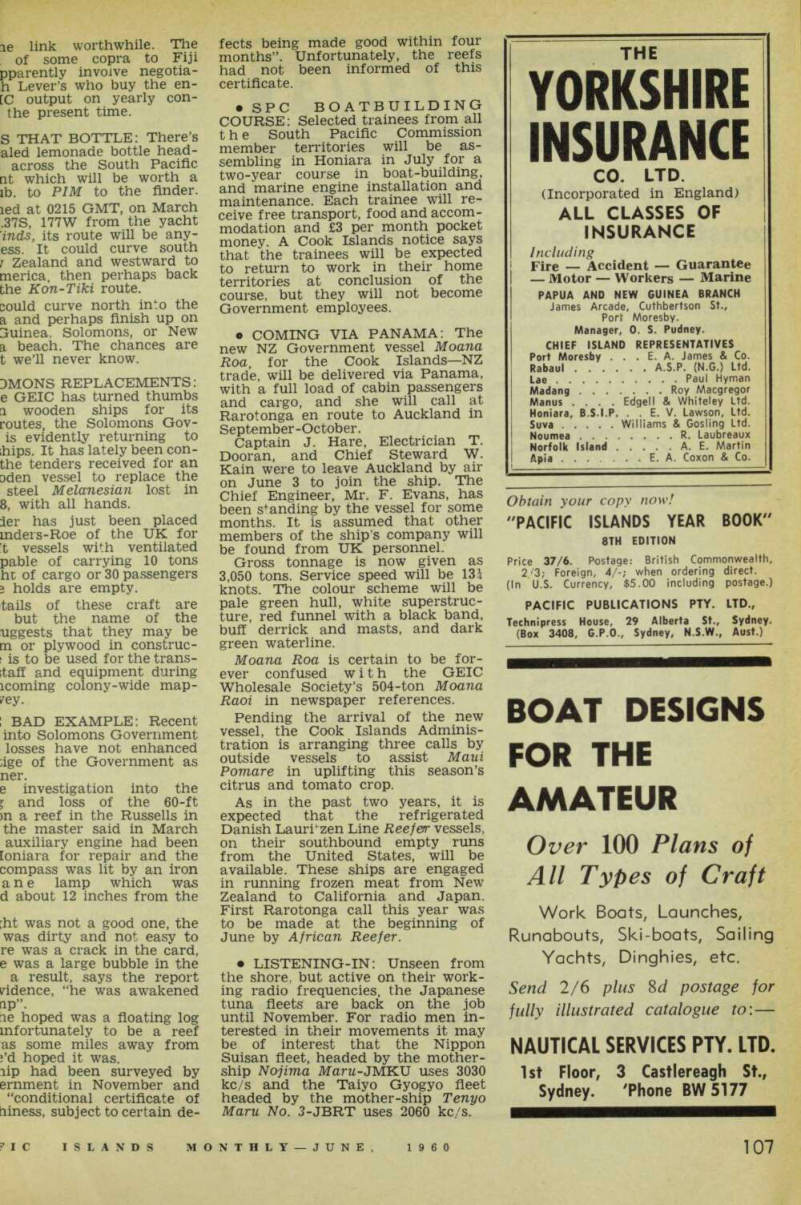 109
109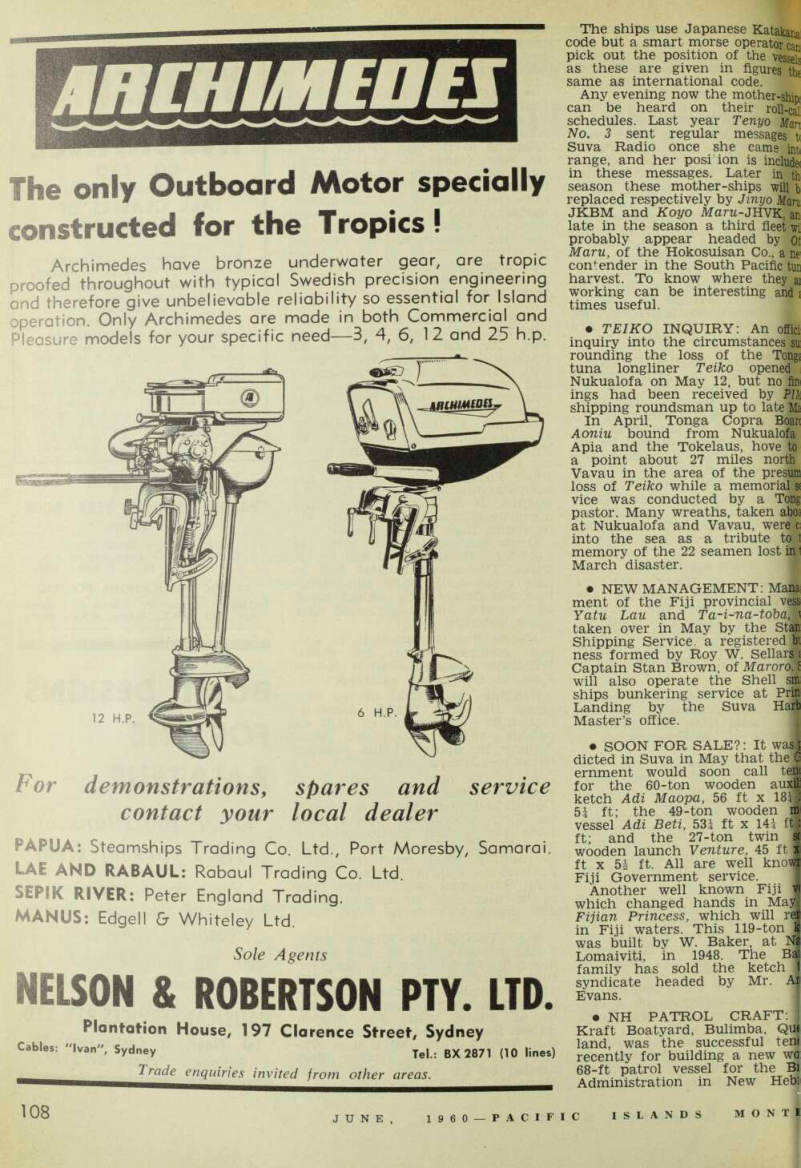 110
110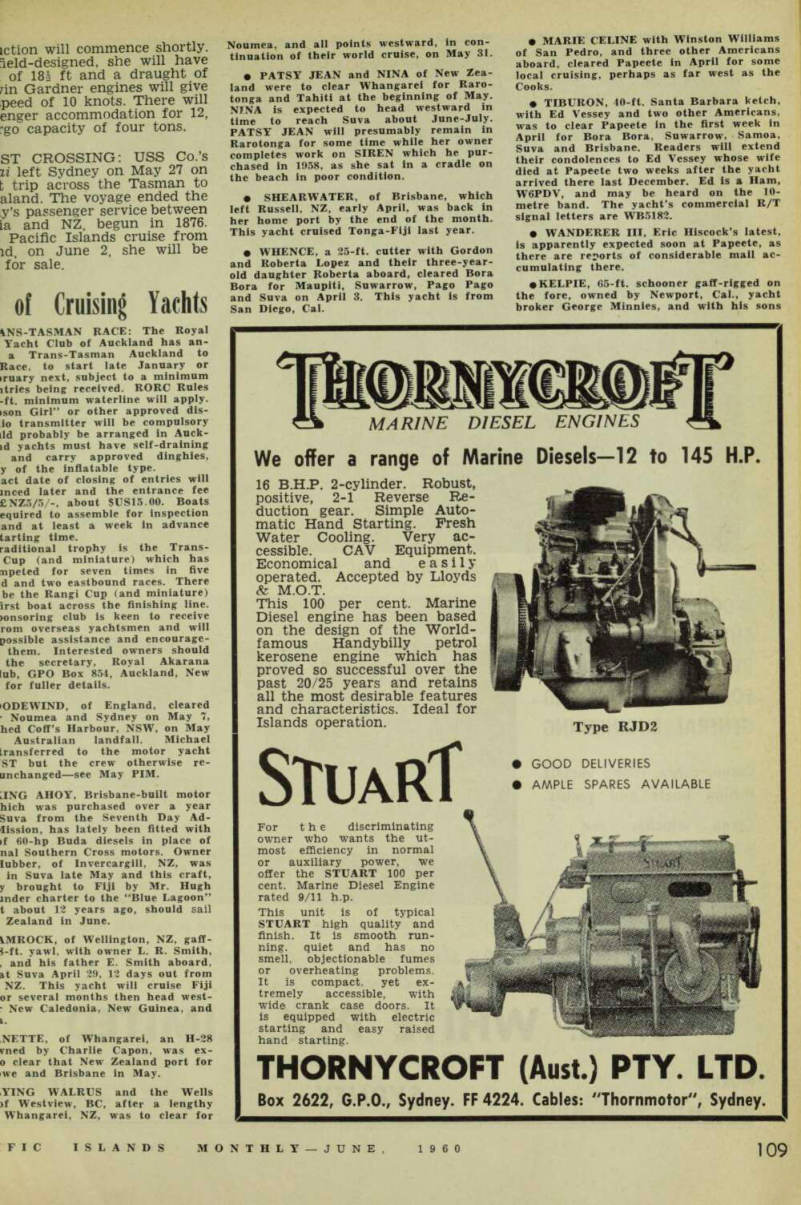 111
111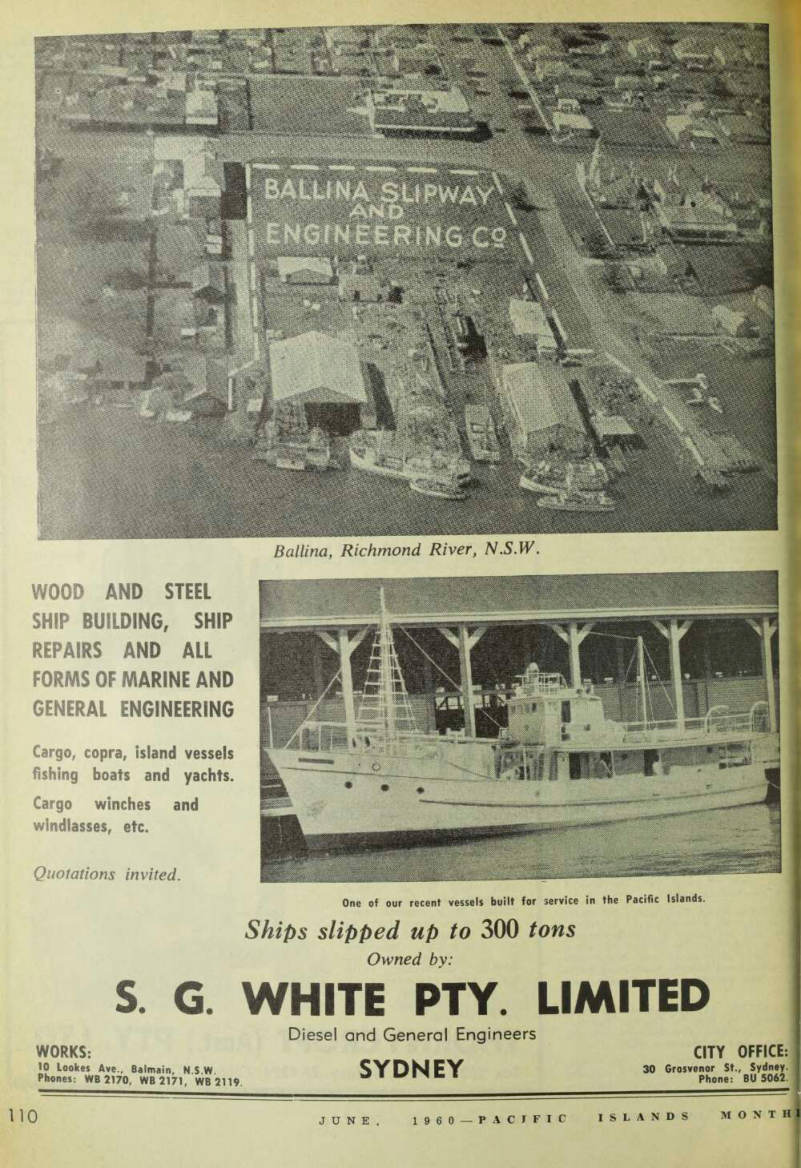 112
112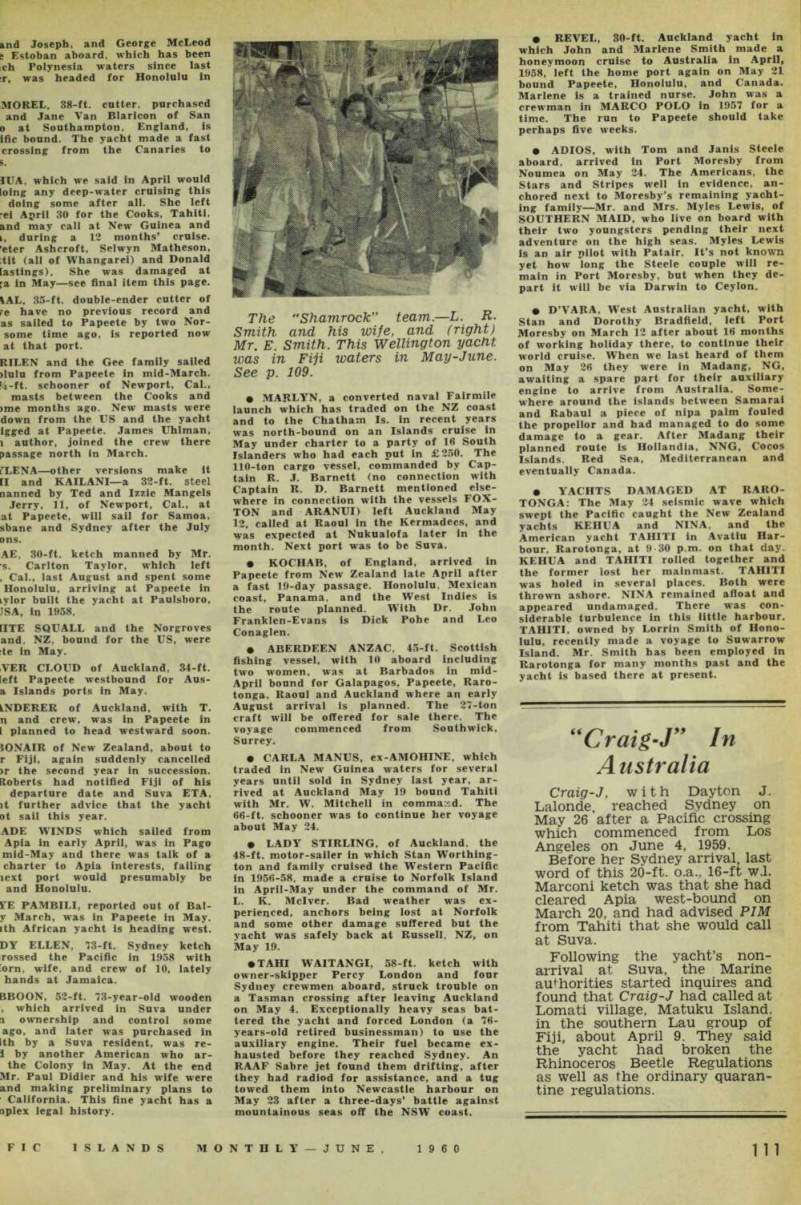 113
113 114
114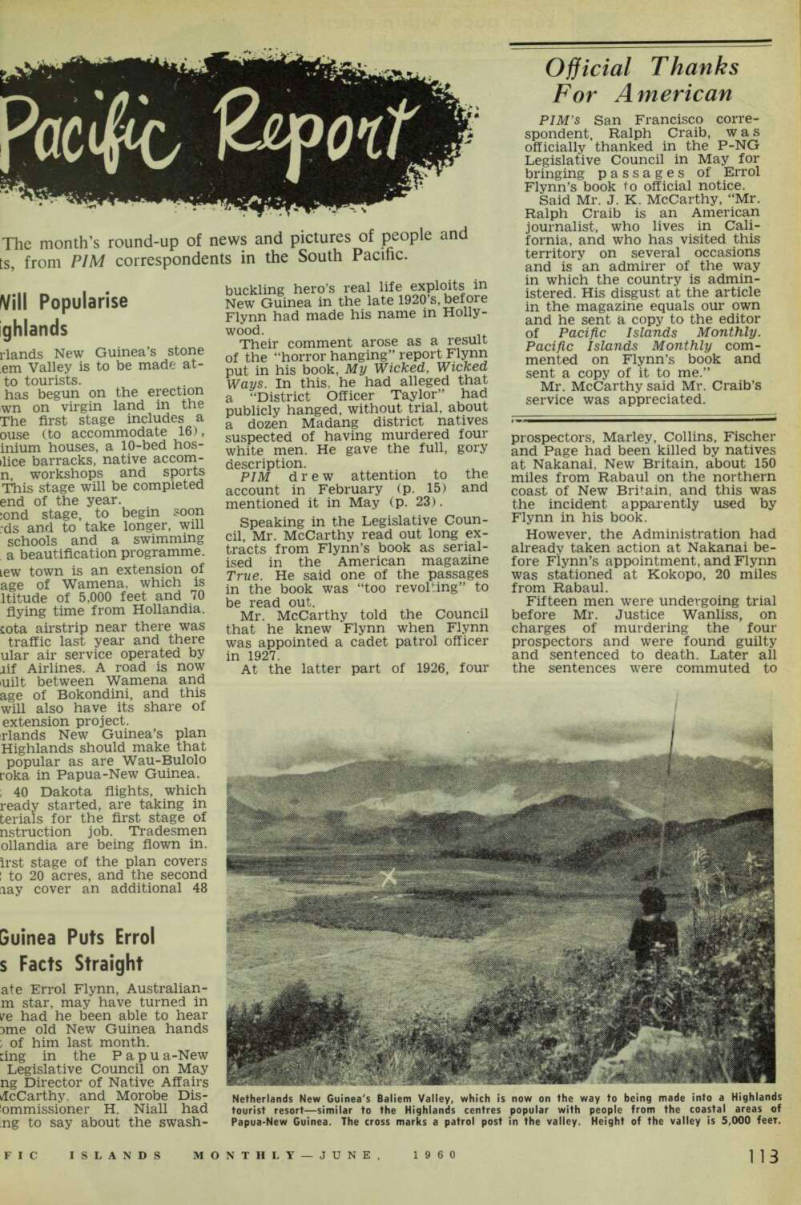 115
115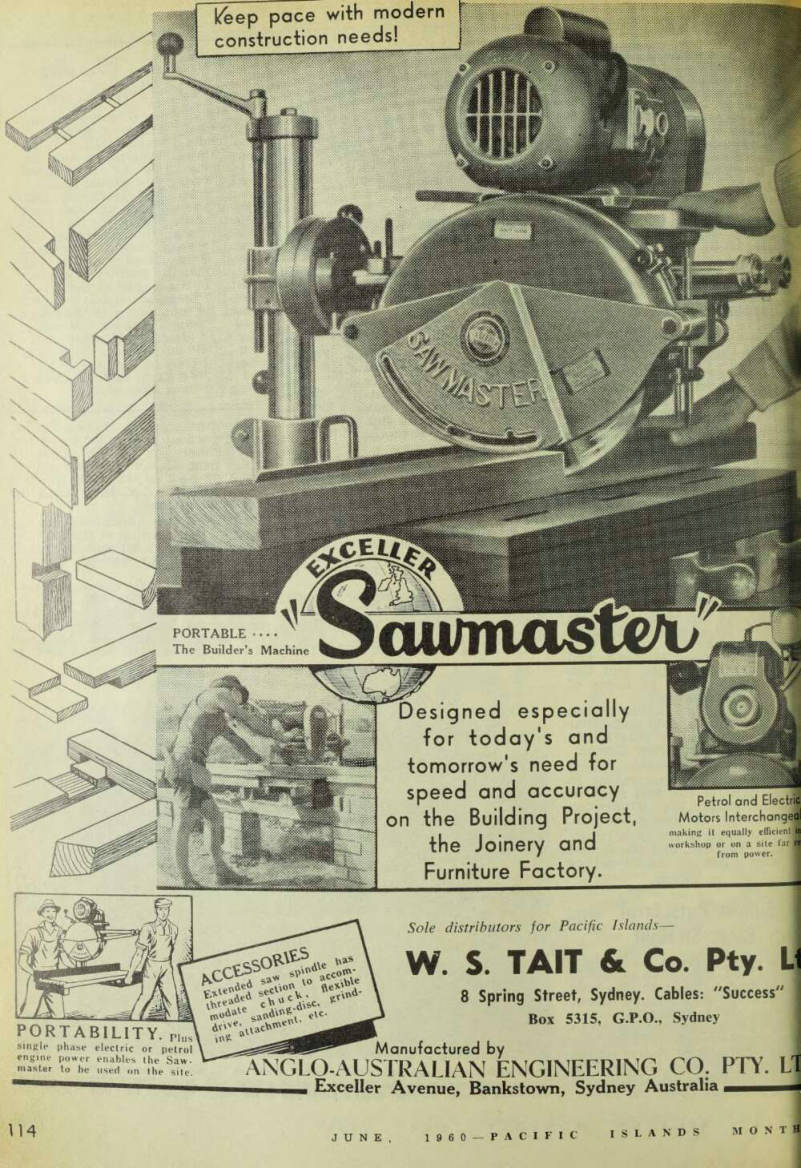 116
116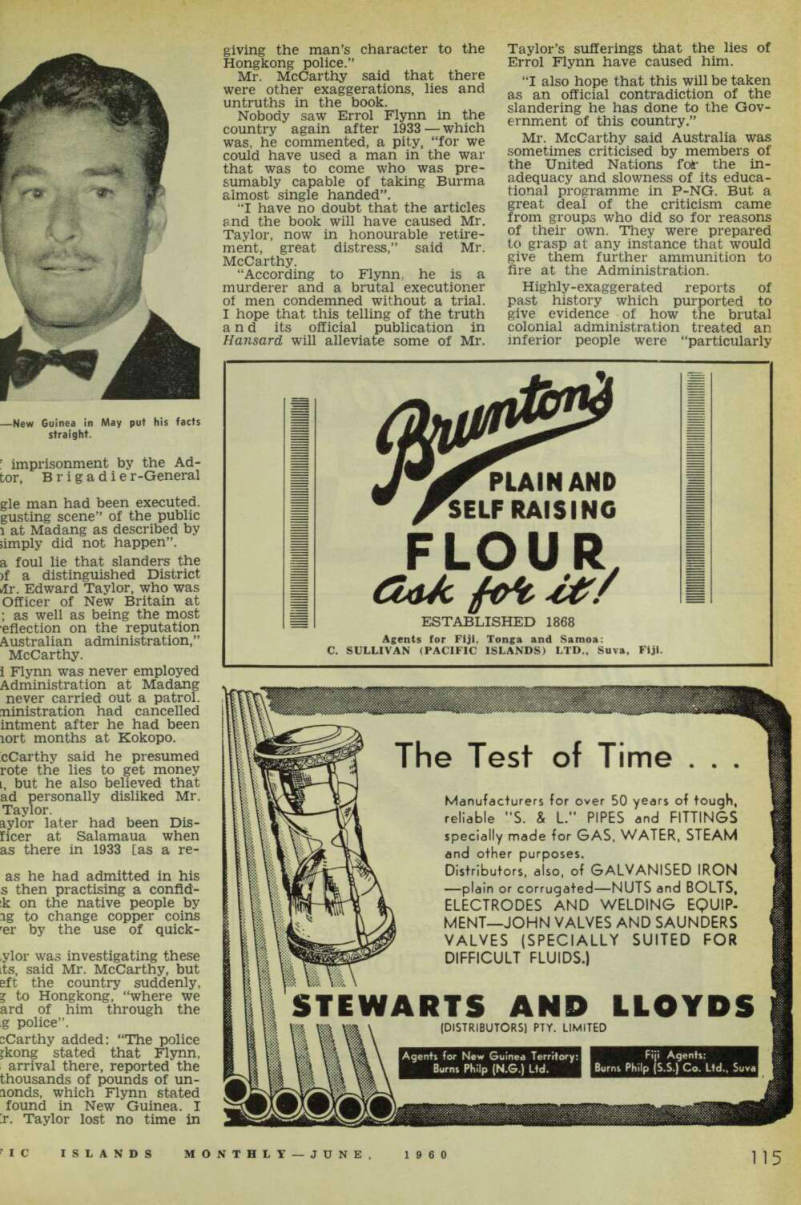 117
117 118
118 119
119 120
120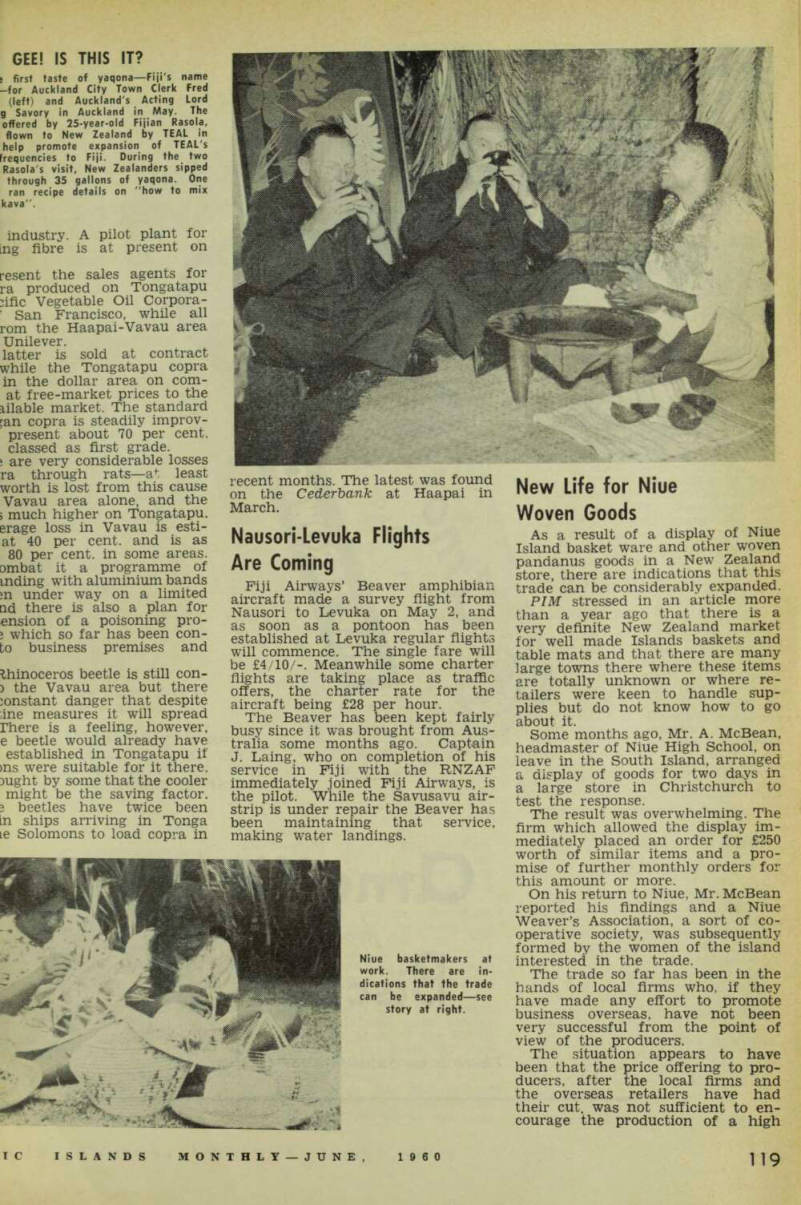 121
121 122
122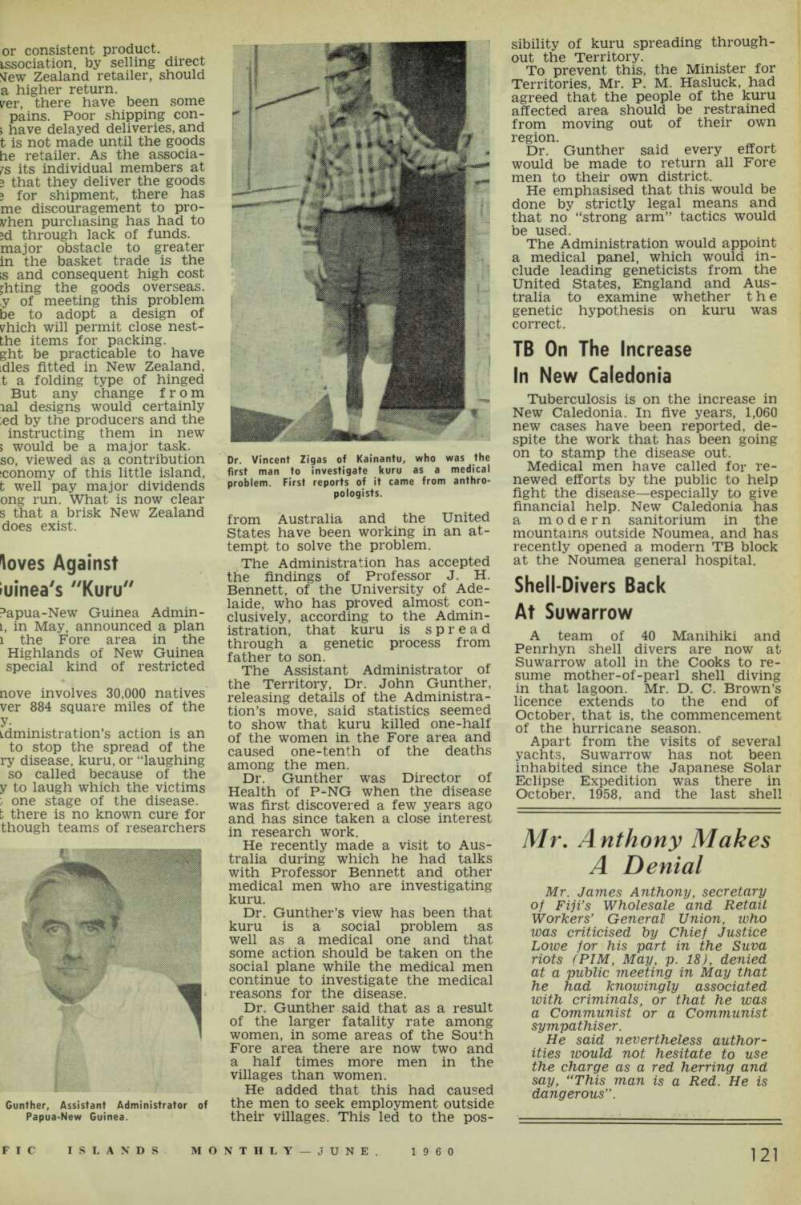 123
123 124
124 125
125 126
126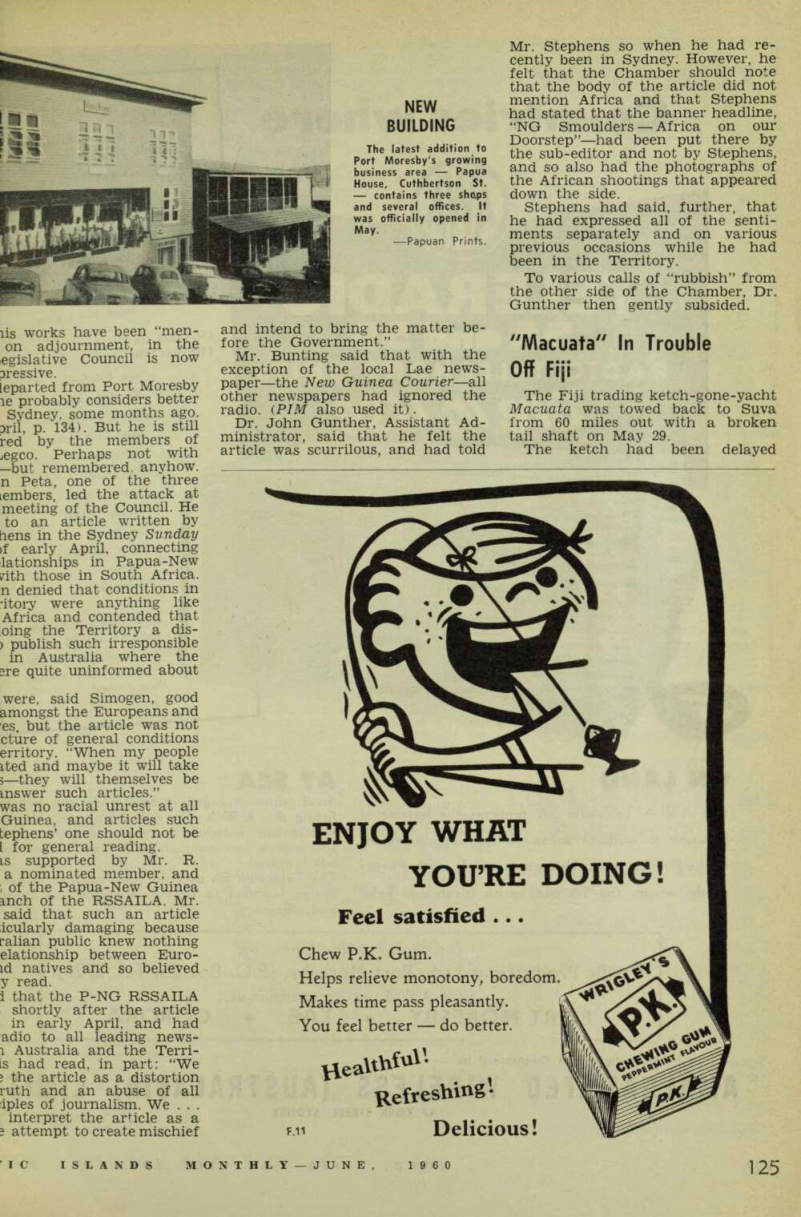 127
127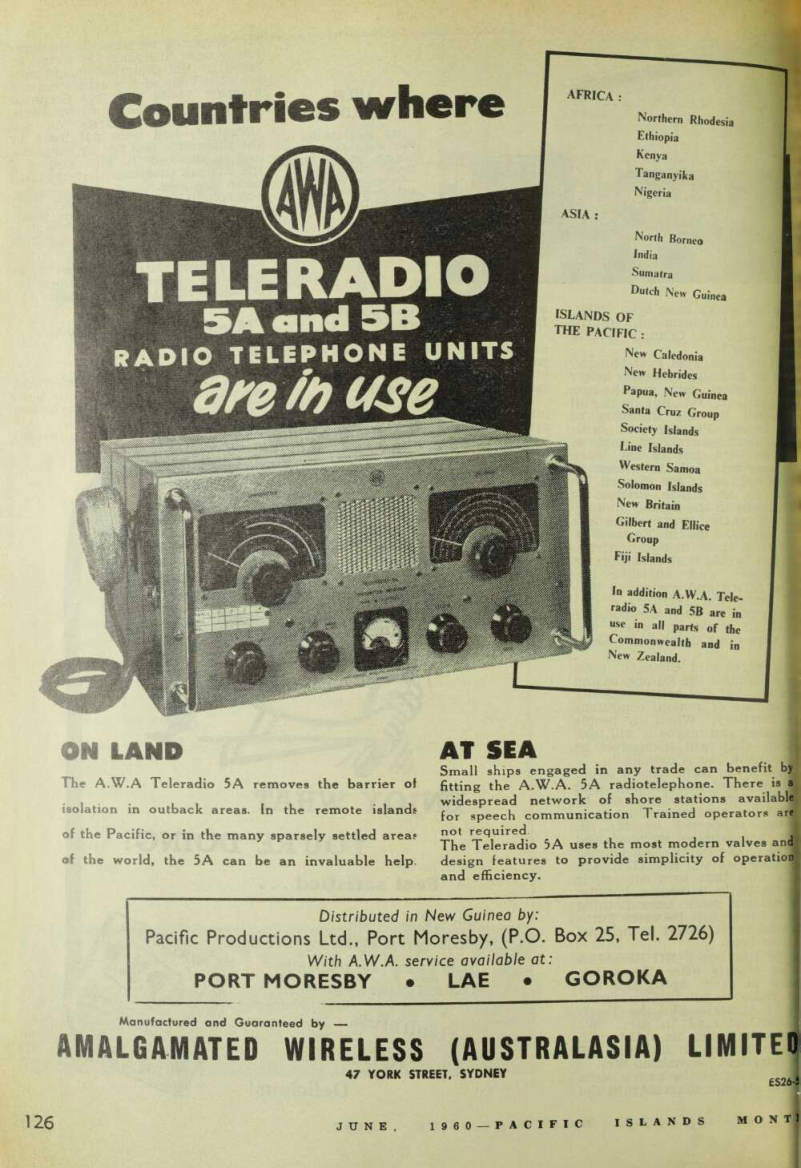 128
128 129
129 130
130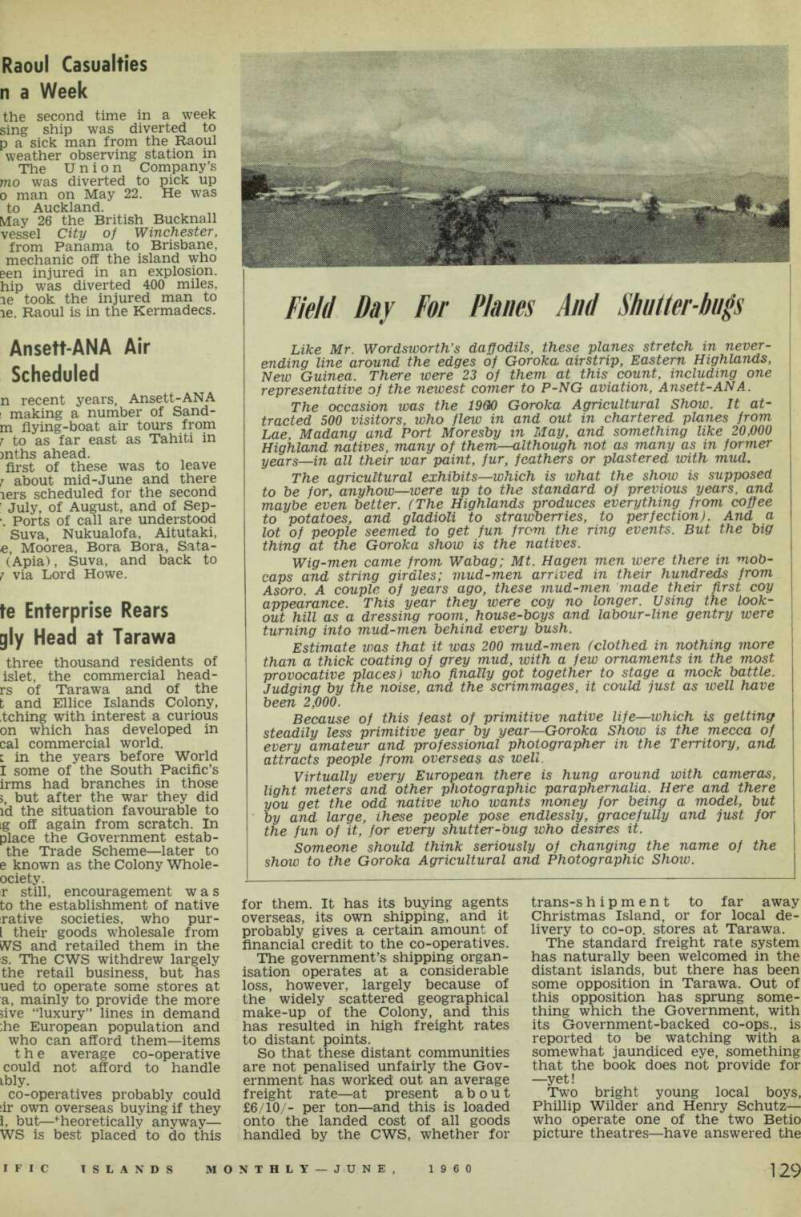 131
131 132
132 133
133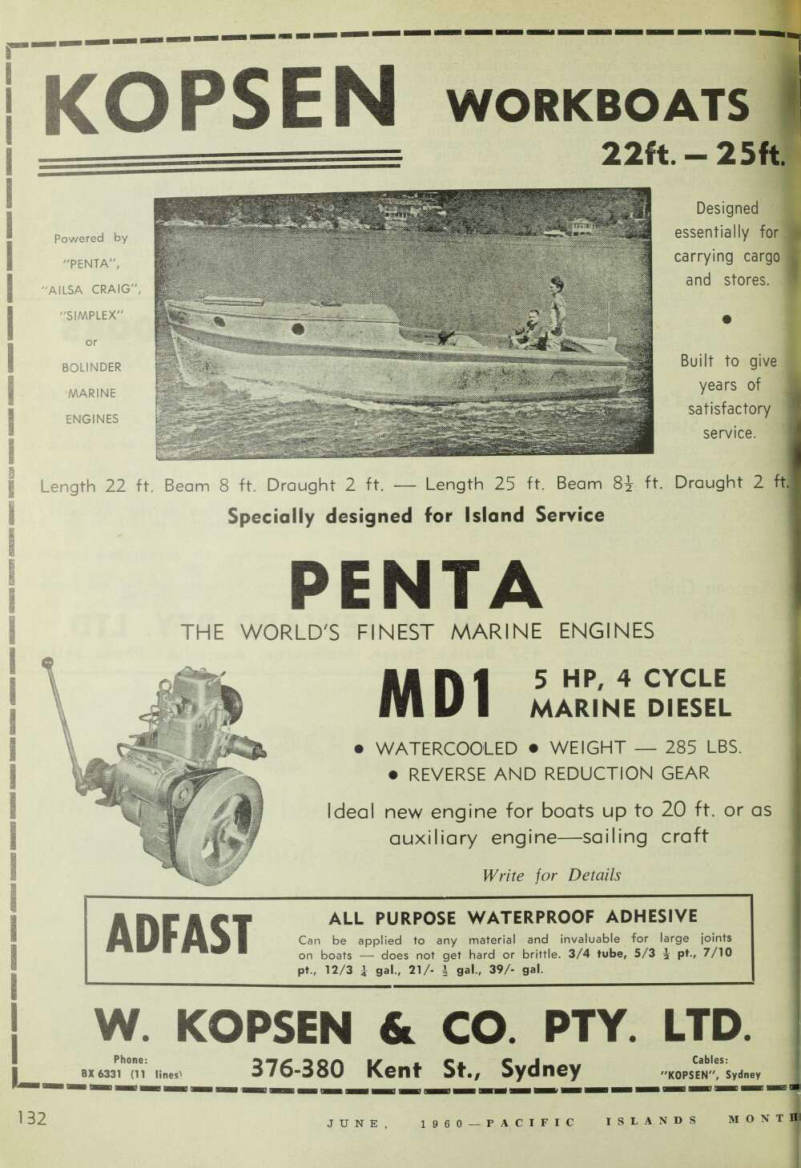 134
134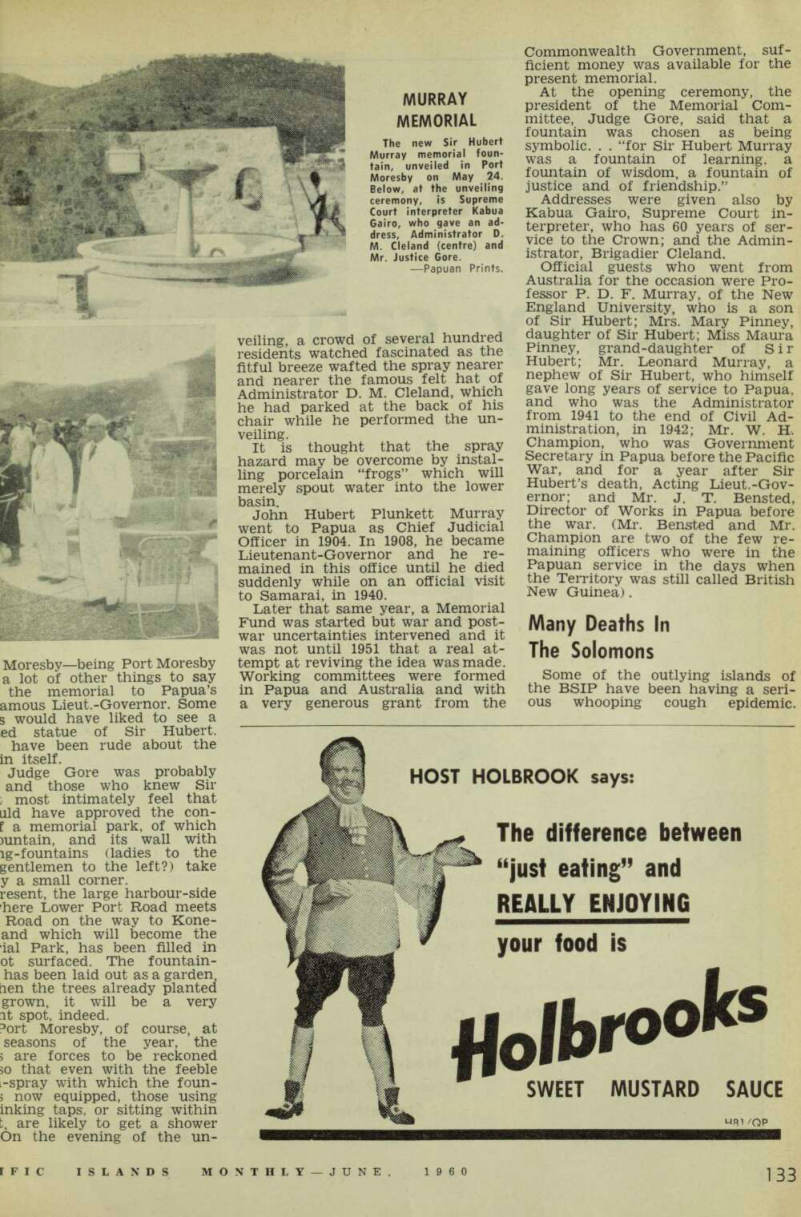 135
135 136
136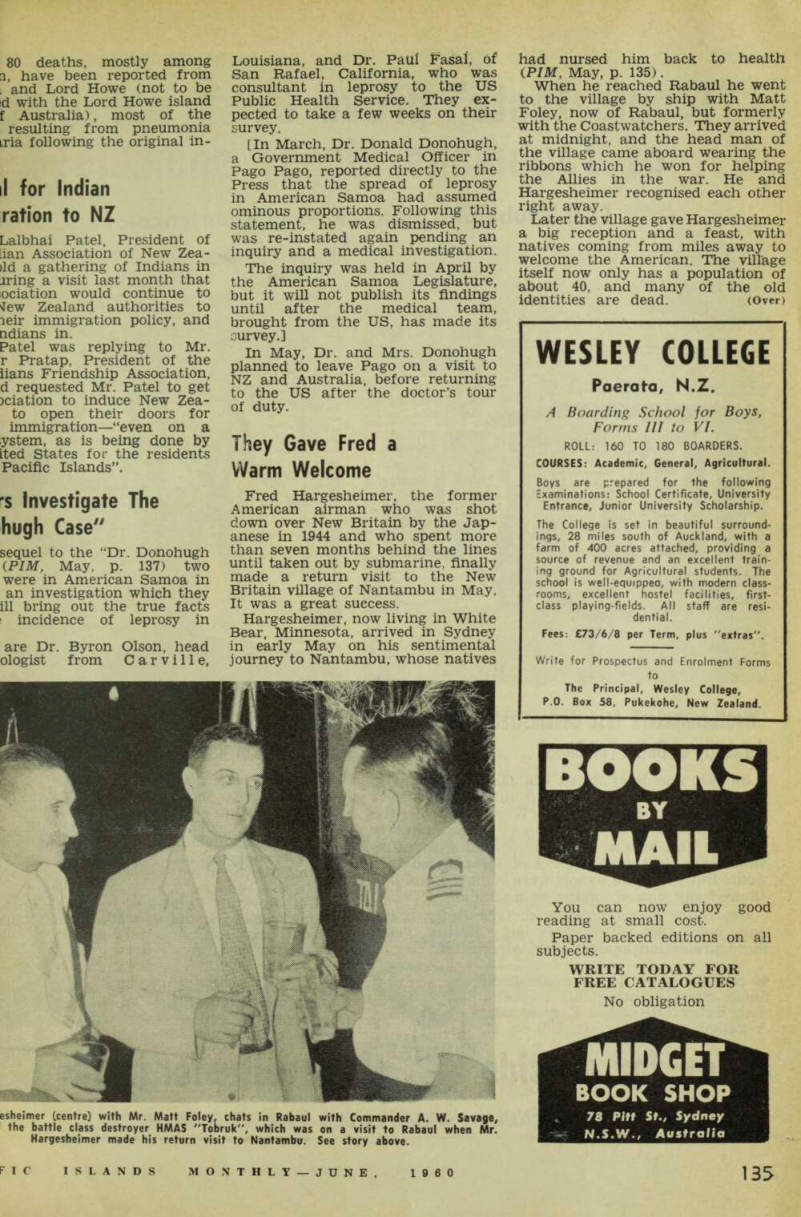 137
137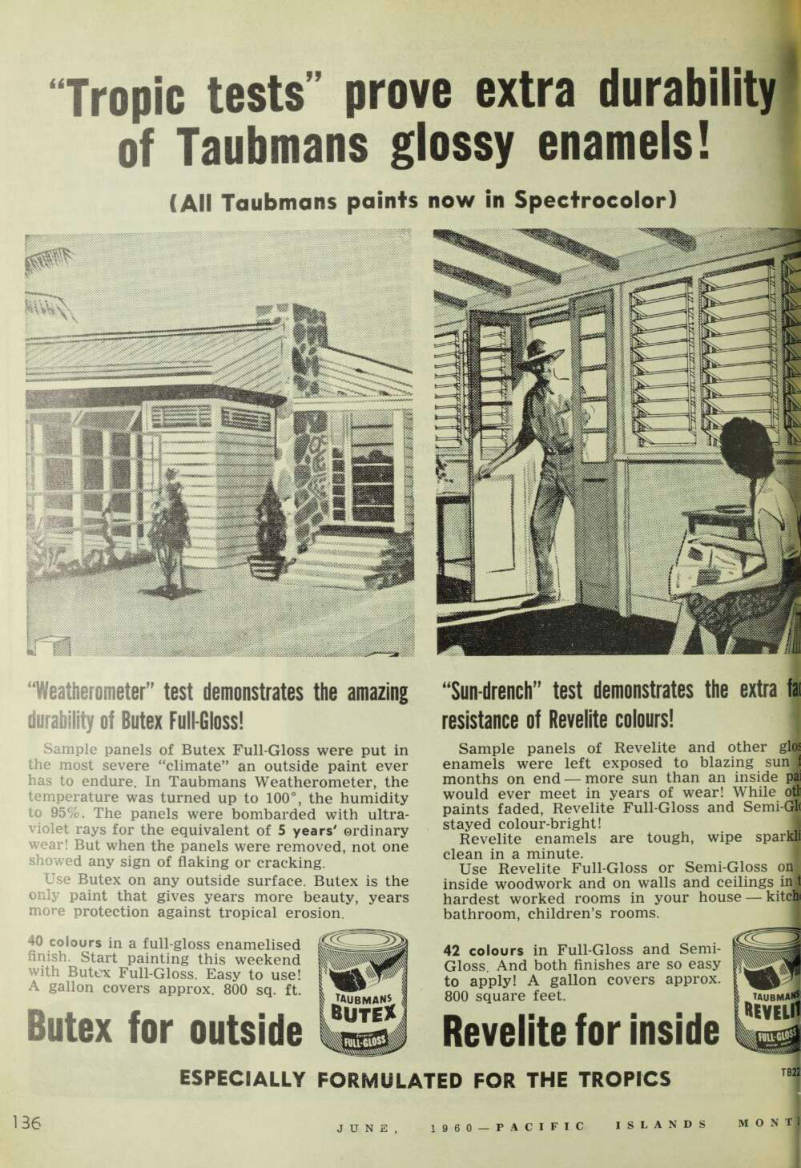 138
138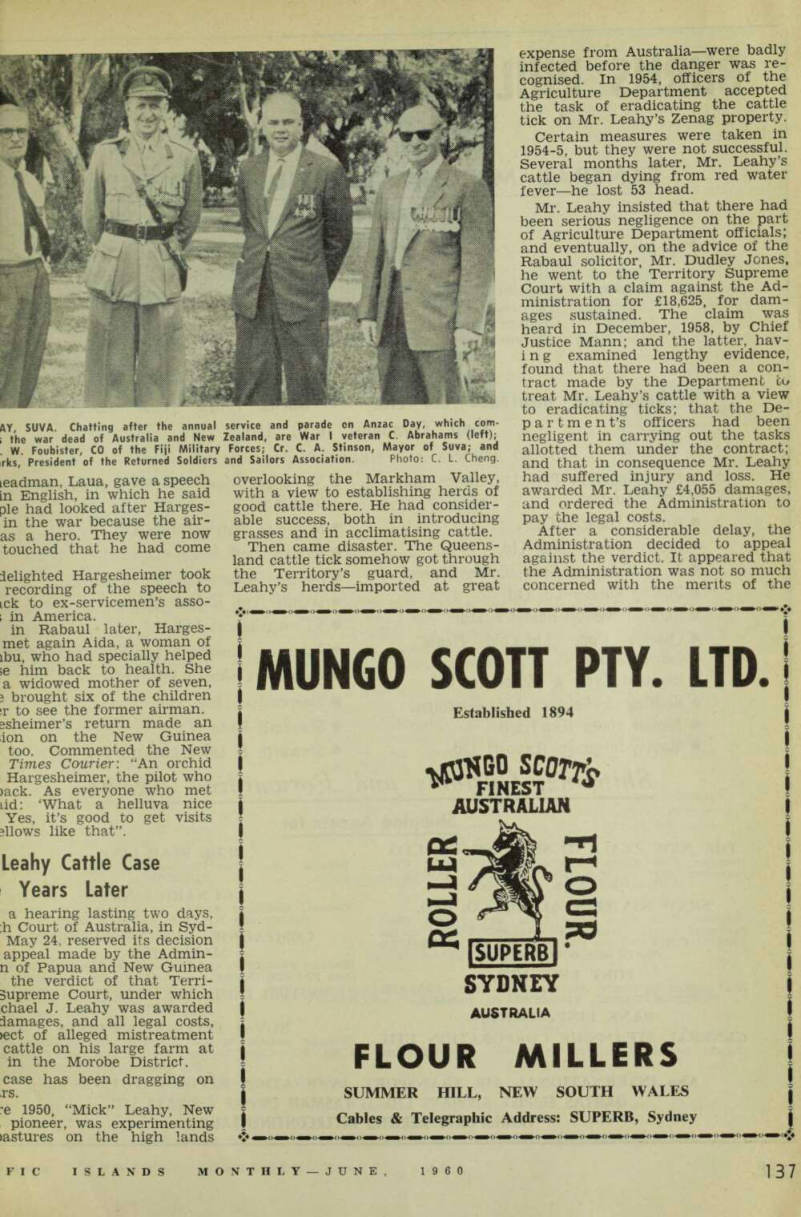 139
139 140
140 141
141 142
142 143
143 144
144 145
145 146
146 147
147 148
148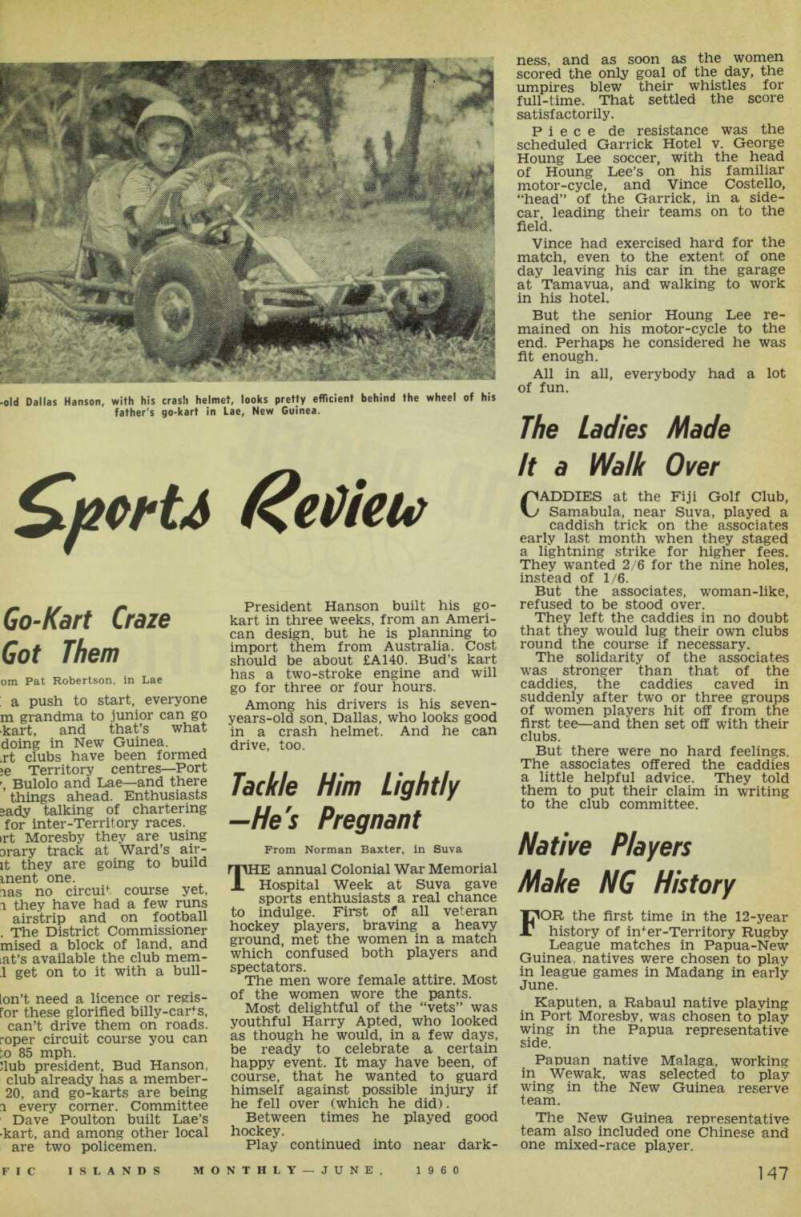 149
149 150
150 151
151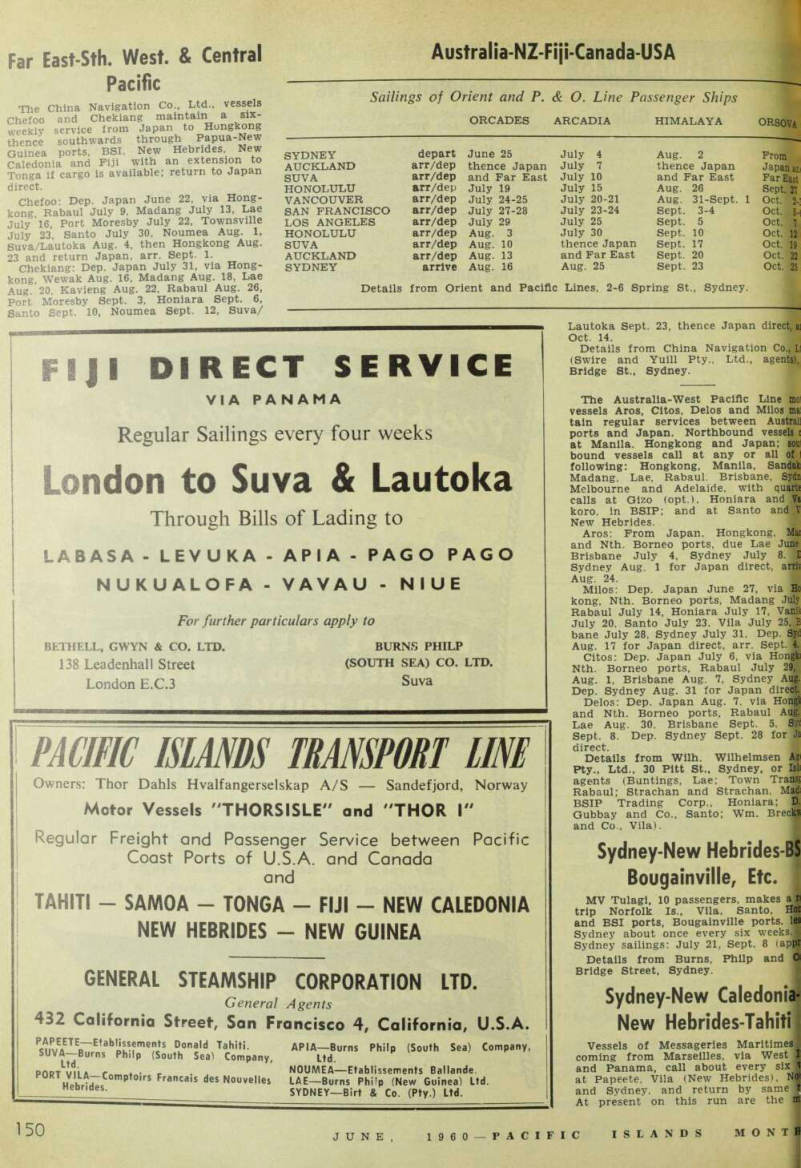 152
152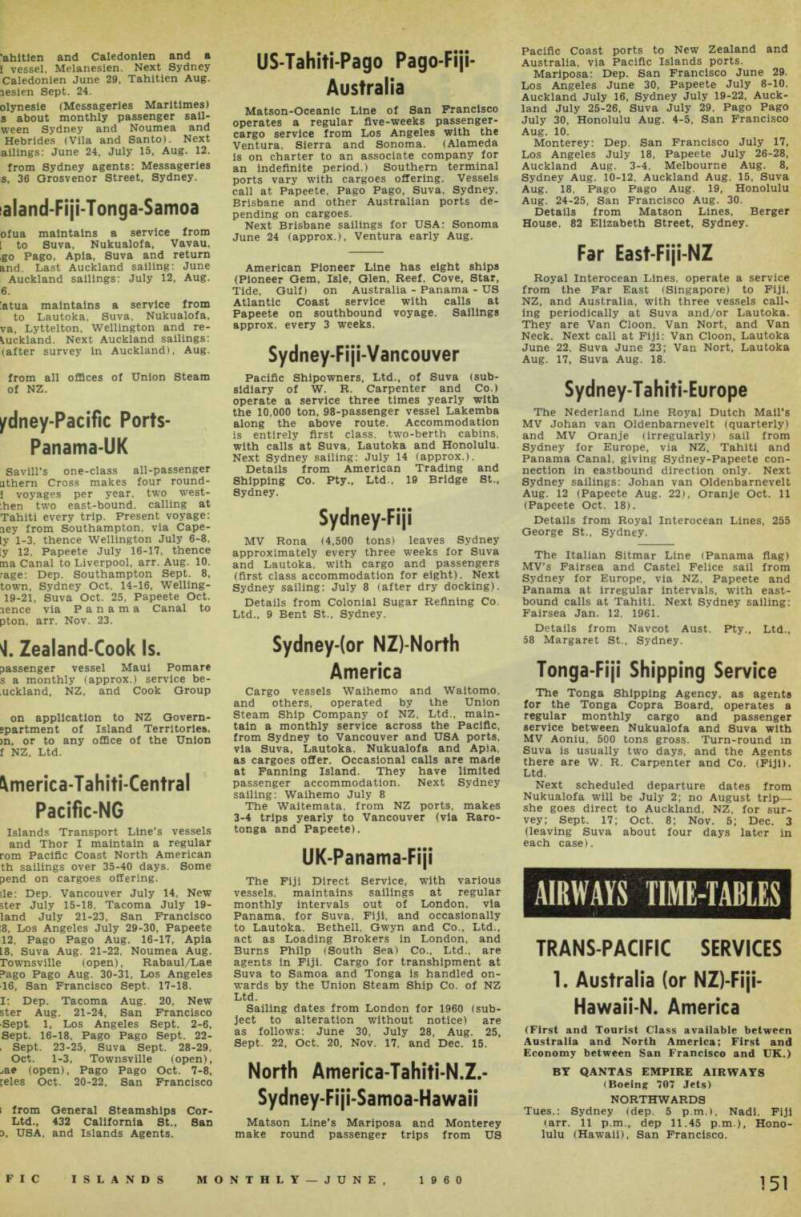 153
153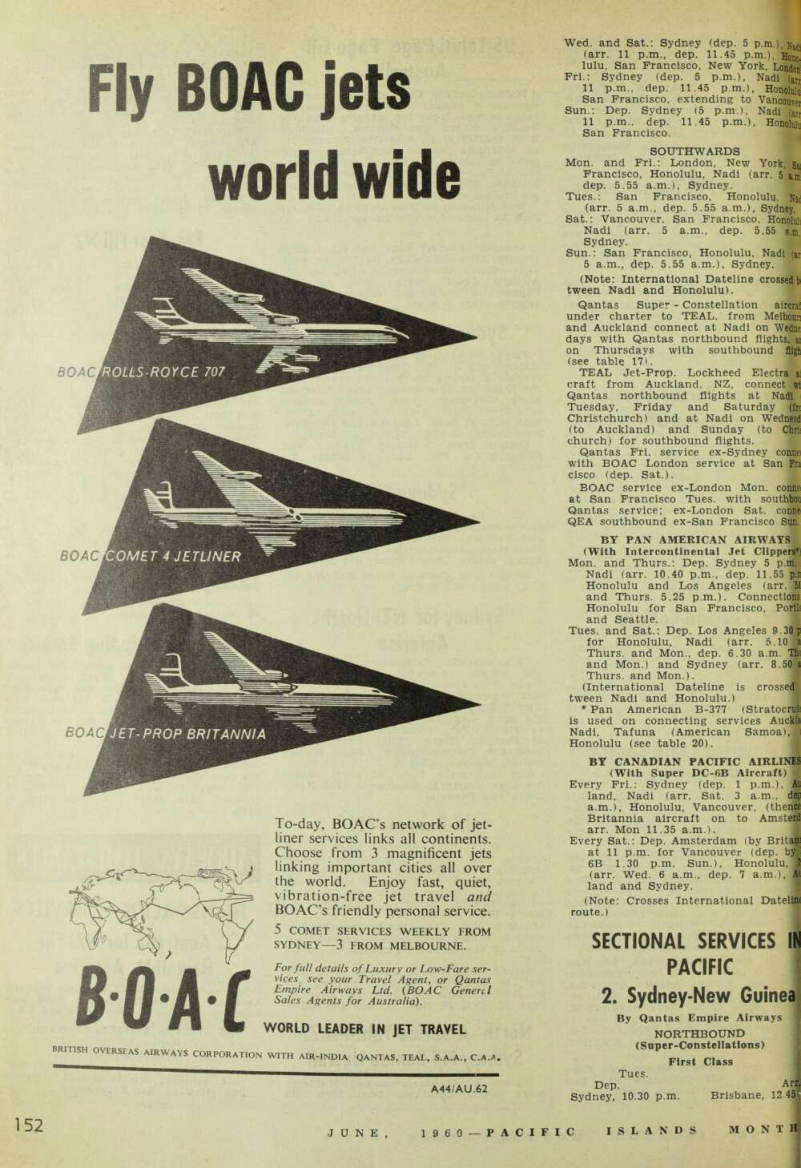 154
154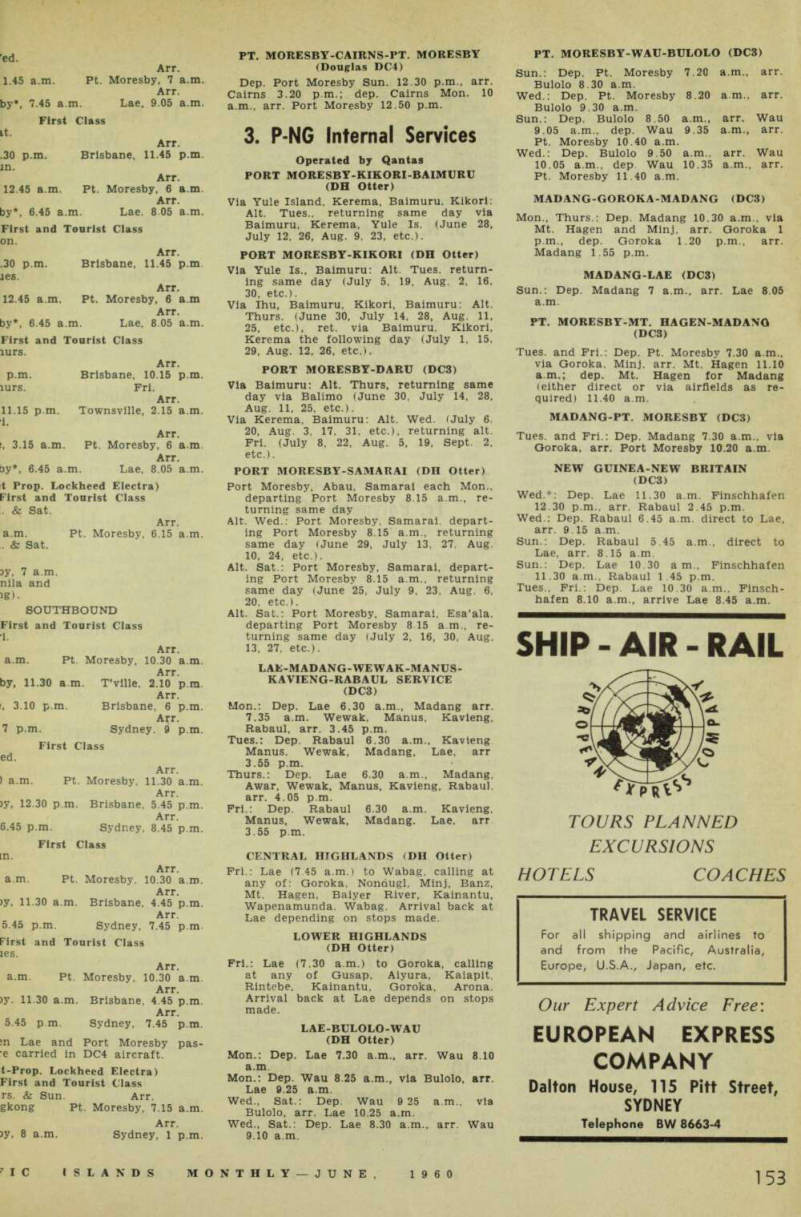 155
155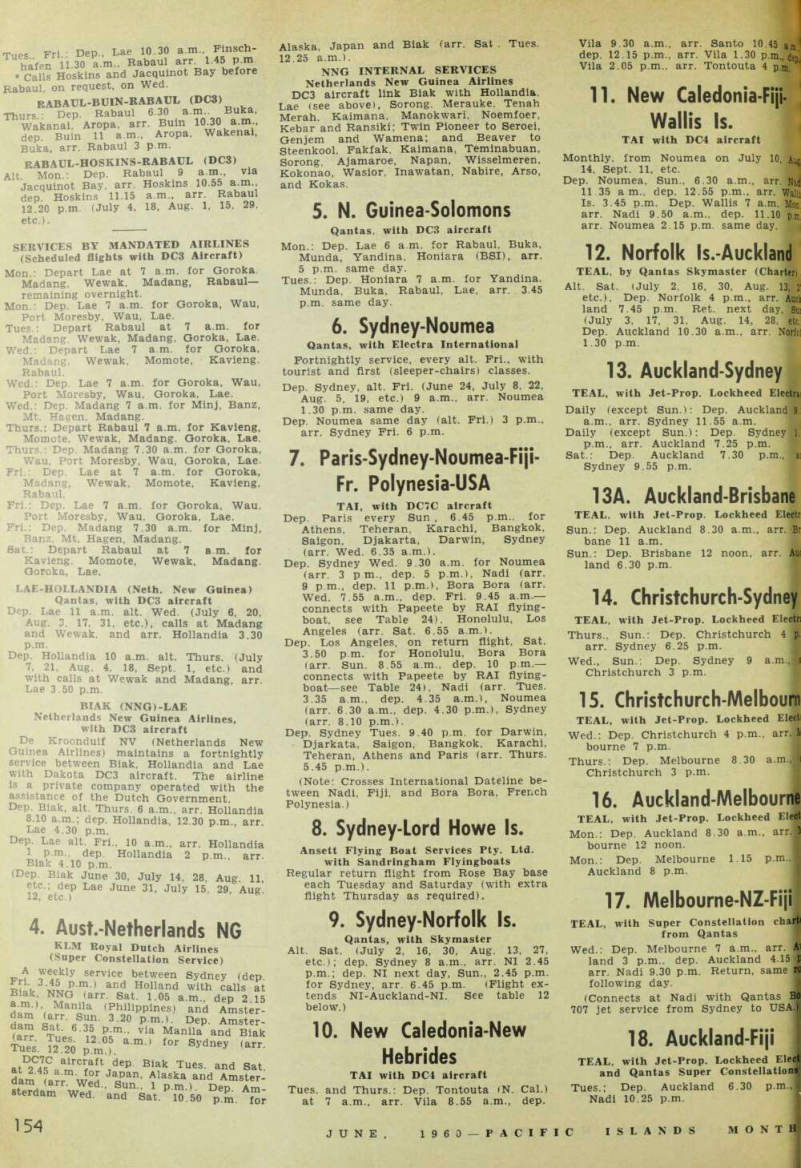 156
156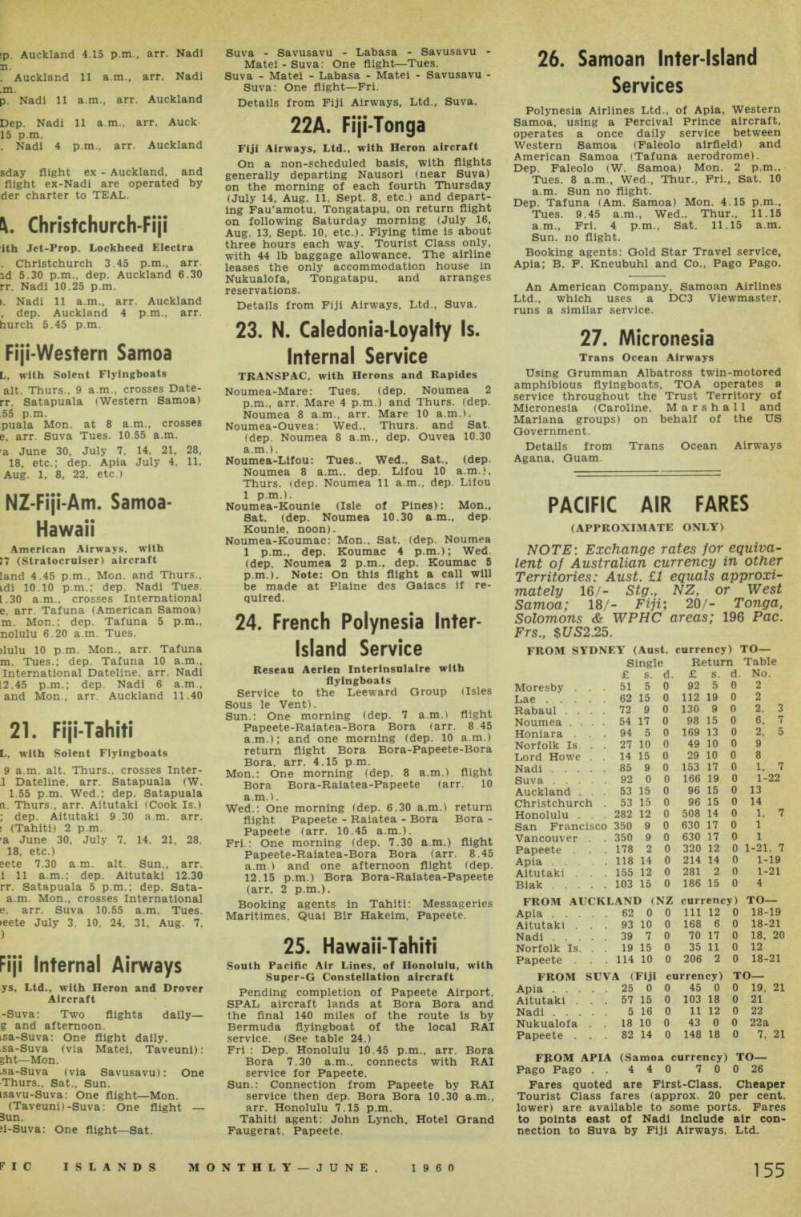 157
157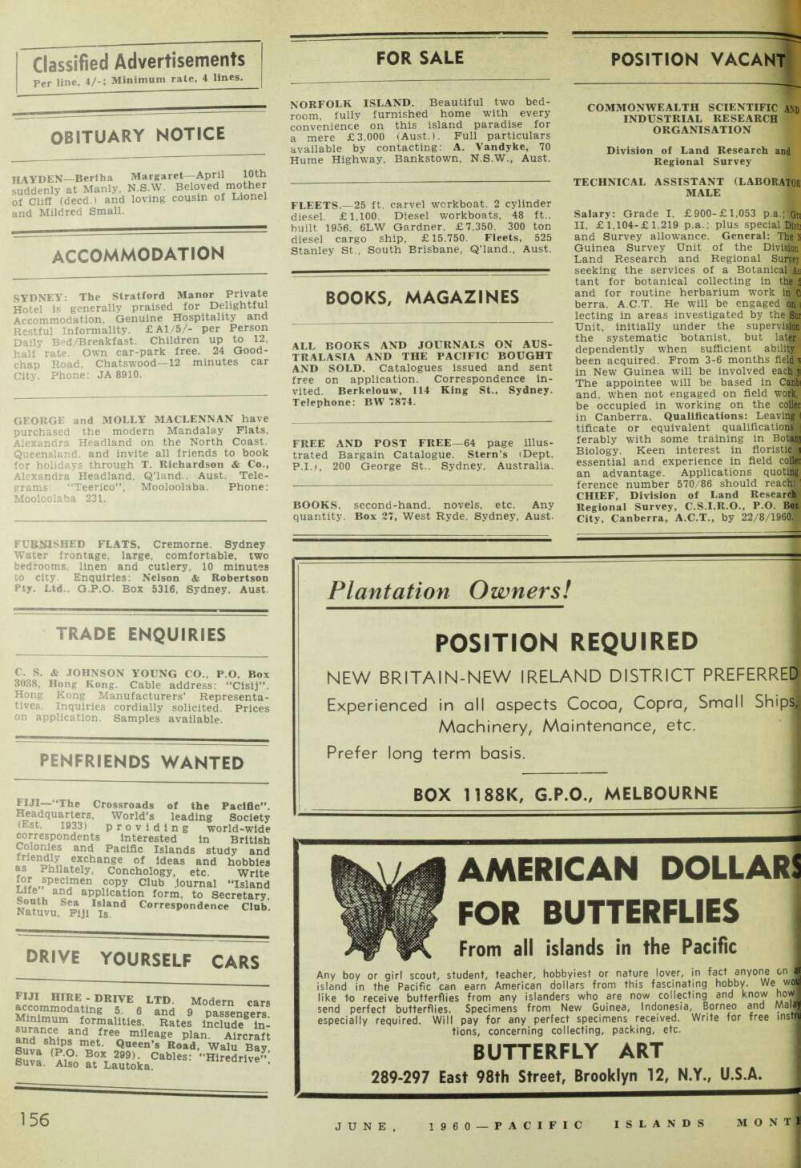 158
158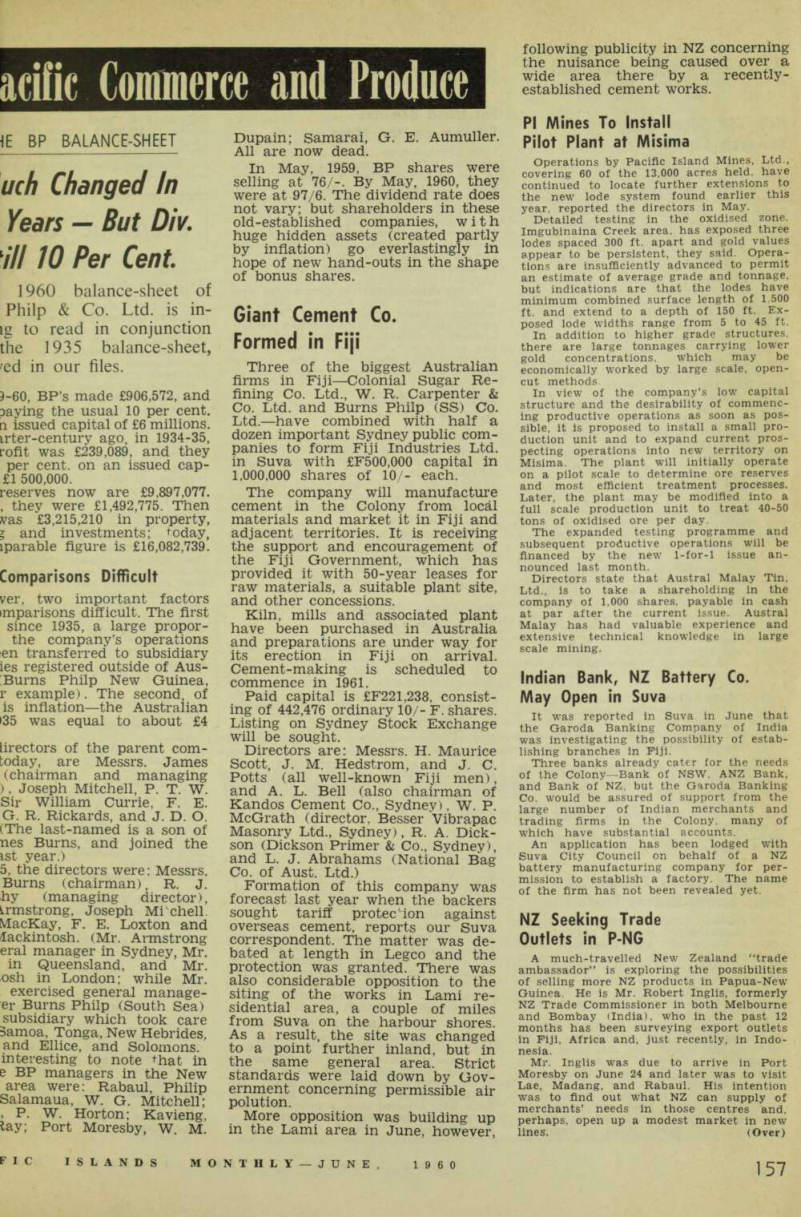 159
159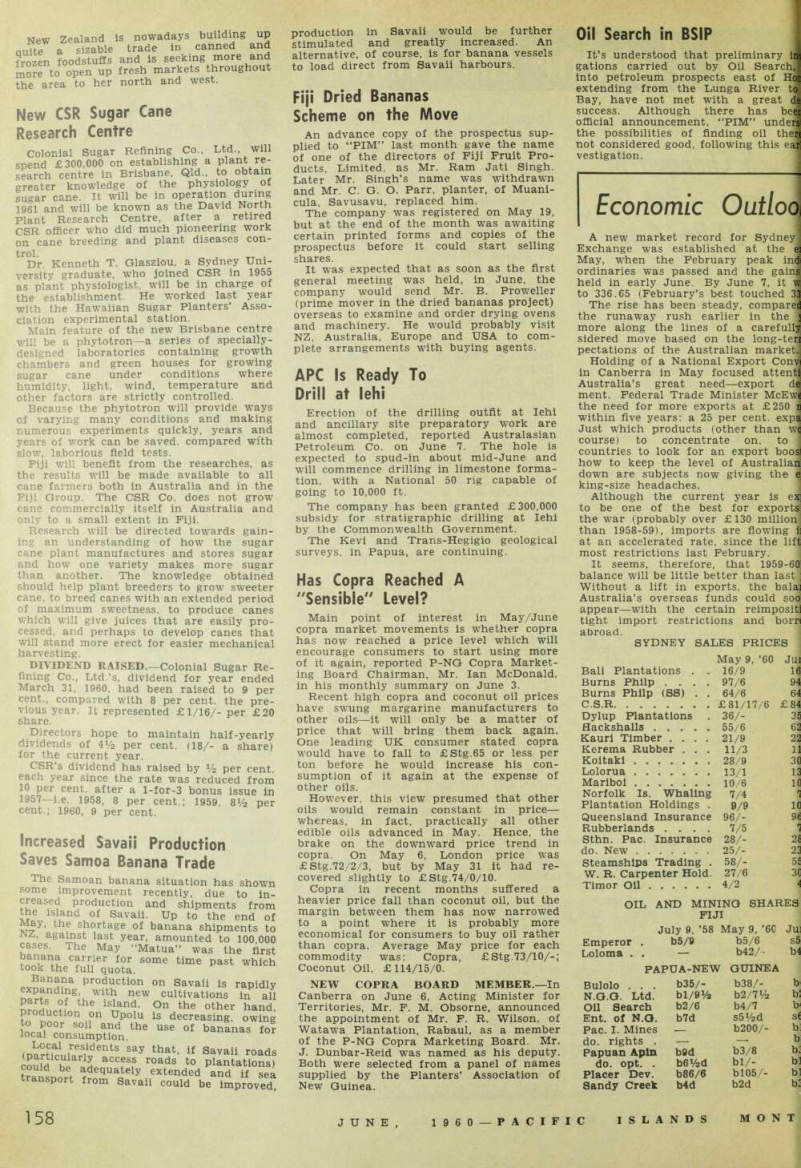 160
160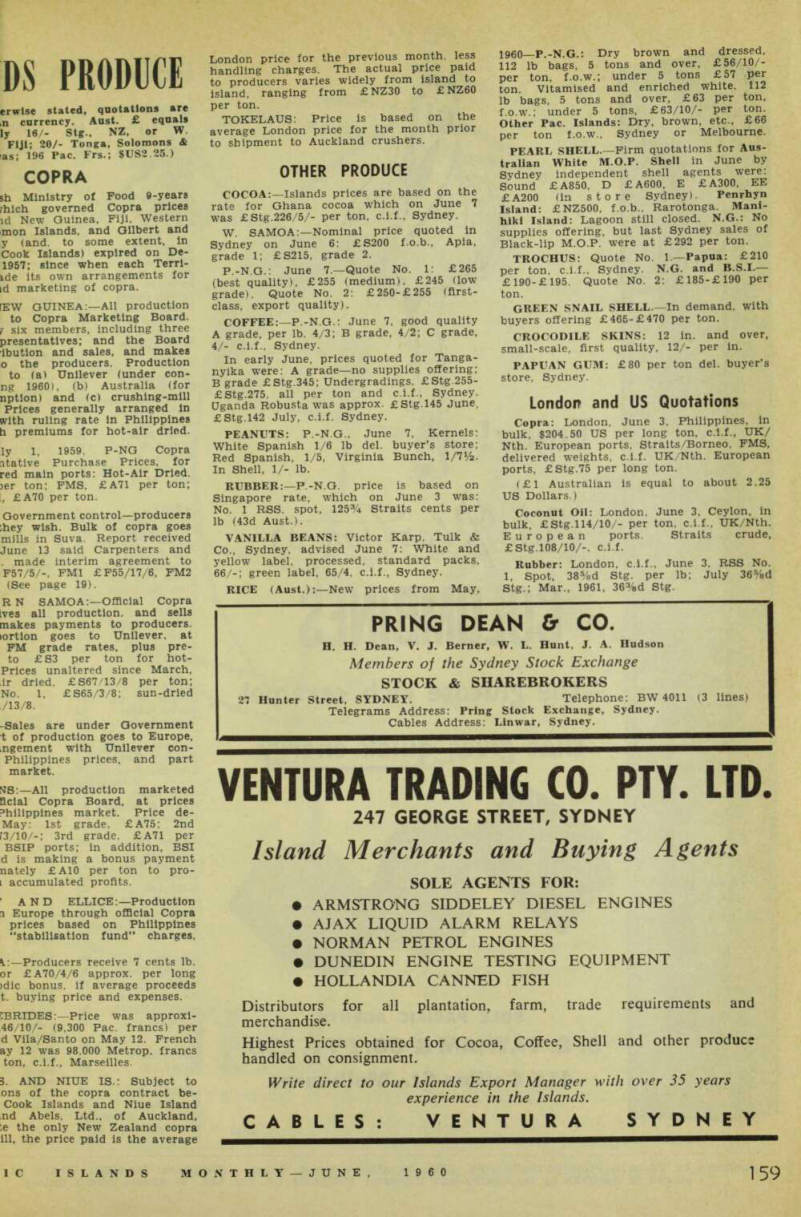 161
161 162
162 163
163 164
164