Pacific
Islands
Monthly
OCTOB ElfgS.9sB
Vol. Xxix. No. 3
Established 1930
i [Registered at the G.P.0., Sydney for transmission by post as a newspaper]
EAST MEETS THE SOUTH: For the visitor to Fiji, there is perhaps not a stranger spectacle to be seen than the one which surrounds the Indian religious fire-walking ceremonies held about August each year. Fiji-born Indians, like this young man, walk the hot coals without apparent hurt, and allow metal skewers to be thrust through their bodies without drawing blood One of the skewers above goes through both cheeks.
The photo was taken in Suva for "RIM" by G. Winkelkoetter.
Advertisements & other items, pp. 2-6 (1 item)
East
'TOST
THIS WAY'S BEST!
8 flights weekly around the world
Circle the globe with the sun or travel round the other way—B.O.A.C.-OANTAS is the best way to go.
Offering a choice of eight weekly flights the 8.0. A.C.-QANTAS round-the-world route via Australia enables you to fly directly between San Francisco and New York without changing airlines. Experienced travellers will appreciate what it means in terms of convenience, comfort, cuisine and service to fly all the way by intercontinental airliners operating to international standards.
See your 8.0.A.C.-QANTAS travel agent. f
with 0 A NIAS
THE WORLD-WIDE AIRLINE
J82.84.58A
Coleman
r
STOVES
MADE IN ENGLAND
These two Coleman Stores are of the one burner kerosene type and are available in both silent and roarer models. Their dimensions are height Sj inches, diameter 8? inches, approximate weight 2| lb. Both models have the same outstanding features.
Model No. 582 E
SILENT TYPE
1. Full-Size Fount with Filler Plug of wing type. 2. Air release on side of Filler Plug 3. Heavy Brass pressure-tested Tanks. 4. Fount and Burner firmly soldered together. 5. European-type pump. 6. Grate and Grate Supports detachable to reduce shipping space. 7. Spare parts interchangeable with similar European Stoves.
Representatives for the Pacific Islands
22 YOUNG ST.,
SYDNEY
IS Model No. 531 E
ROARER TYPE
ROBERT GILLESPIE Pty. Ltd.
Phone; BU 2221 Cables “RobergiH”
Associate Companies ROBERT GILLESPIE (N.G.) LTD. ROBERT GILLESPIE (FIJI) LTD.
Lae, Madang, Rabaul, Port Moresby Victoria Parade, Suva
mo
INTERNATIONAL
TRUCKS
line models Mighty •* \ t / V;W I L iS r
MAGNIFICENT NEW MODELS WITH
MANY NEW FEATURES
m
GAUGE THE VALUE
OF THESE MANY
NEW FEATURES
NEW VERTICAL DUAL LIGHTS
Ideally located four sealedbeam headlights. When dipped two beams only provide a better low-beam light pattern and reduce glare towards oncoming drivers.
NEW CAB DESIGN
Wide wrap-around windscreen with slender pillars provide wonderful visibility without restricting entry into the cab.
NEW INSTRUMENTS
Instruments have been grouped in a compact unit directly over the steering column to minimise off-road glances. New steering wheel is “dished” for safety.
NEW WIDER SEAT
New over five-feet wide seat gives ample room for three large adults. Plenty of elbow room for the driver and relaxed comfort for all three over a long trip.
NEW SUSPENDED PEDALS
Suspended pedals reduce foot pressure and allow free movement of the driver’s feet. They make service and adjustment easier, and ensure firm, positive control of the clutch and power-assisted brakes.
NEW WIDER, LONGER
BONNET OPENING
Makes engine department much more accessible for easier maintenance.
I
AUSTRALIAN
NEW
ENGINES
DIAMOND
INTERNATIONAL
Mighty line models
Proudly, the new AA-line International Trucks roll on to the roads of Australia. Here is the power, the payload, the styling for
every job—the handsome broad-shouldered International AA-line
trucks with their mighty new Australian Blue Diamond engines.
These are today's most up-to-the-minute transport vehicles — trucks that will cost you least to own. Why? Because quality engineering, endurance and stamina are welded into each and every one by men with a lifetime of experience in giving truckmen
what they must have.
Look at these new AA-line International Trucks closely. You'll know that first and foremost they are tough, rugged, economical carriers designed to deliver your capacity payloads year in and year out.
New Australian Blue Diamond Engine
Power enough to launch a satellite! Announcing the sensational new Australian Blue Diamond Engines. Developed for the new International AA-line of Motor Trucks, the dynamic new Australian Blue Diamond Engines are engineered to bring new standards of efficiency, economy and long life to motor truck operation. Suitable for running on either standard or super fuels, the new Blue Diamond Engines turn many new design improvements into profit-making performance. These include improved water pump and bigger capacity generator, new dual throat carburettor and new combustion chamber design which eliminates wasteful detonation and improves performance.
M,
TRUCKS
b 7Z^\’
DISTRIBUTORS
PAPUA AND NEW GUINEA: Steamships Trading Company Limited, Port Moresby and Samarai. Dealers: New Guinea Goldfields Ltd., Wau and Lae. Rabaul Trading Co. Ltd., Rabaul. DUTCH NEW GUINEA: H. Englebert n.v., Hollandia. SOLOMON ISLANDS: Mr. K. H.
Dalrymple Hay, Honiara. NEW CALEDONIA: Agence Automobile, Noumea. TAHITI: Hintze & Company, Papeete, NEW HEBRIDES: Kerr Bros. Pty. Ltd., Sydney. FIJI: Niranjan's Service Station, Suva.
International Harvester Company of Australia Pty. Ltd. District Sales Offices in Capital Cities of Australia.
Works: Dandenong, Geelong, and Port Melbourne, Victoria.
New. Quinea AuAibaiia Jline
Passenger and Cargo Liners:
M.S. "SHANSI"
M.S. "SOOCHOW"
S.S. "PAKHOI"
Regular services between Australia and Papua-New Guinea • . \ ” » •! ' -
JAPAN, SHANGHAI, HONGKONG, NEW GUINEA, AUSTRALIA
REGULAR SERVICE WITH THE STEAMERS: "FUNING"—"FENGNING"—"CHENGTU"
Japan, Shanghai, Hongkong, Madang, Kavieng, Rabaul, Lae, Samarai, Port Moresby, Sydney, Melbourne, Adelaide. (Returning from Australia to Japan direct). / her details please apply to agents or refer to the weekly advertisements in the “South Pacific ’.
THE CHINA NAVIGATION CO. LTD.
(A British Company incorporated within the United Kingdom)
AGENTS:
PAPUA: Steamships "Steamships".
Trading Co. Ltd., Port Moresby, Samarai .Cables: NEW GUINEA: Colyer Watson (NG) Cable: "Colyeram".
New Guinea Co. Ltd., Kavieng.
Ltd., Lae, Madang, Cable: "Camohe".
Rabaul.
BRISBANE: Wills, Gilchrist & Sanderson Pty Cable: "Wilgilsand".
Ltd., 400 Queen Street.
MELBOURNE: John Sanderson (5, ->ping) Pty. Ltd., 11l William Street.
Cable: "Syndicate".
ADELAIDE: George Wills & o. -.td., 33 Gilbert Place. Cable: "Willsandco".
JAPAN: Butterfield & Swire (Japan) Ltd., Tokyo, Yokohama, Osaka, Kobe. Cable: "Swire".
EASTERN MANAGERS: Butterfield & Swire, Hongkong. Cable; "Swire".
SWIRE & YUILL PTY. LTD.
6 BRIDGE STREET, SYDNEY.
CABLES: "SWIRESHIP". BU 1712,
People
Mr. Papali’i Poumau, a Samoan, has been attending the current ses sion of the South Pacific Commis sion, as New Zealand’s Alternate Commissioner. At home he is an ad ministrative officer, Savai’i, and his appointment gave general satisfac tion in Western Samoa as this is the first time anyone of his race has represented NZ at the SPC.
Gilbert and Ellice Islands Resident Commissioner M. L. Bernacchi and Mrs. Bernacchi made a tour of the Northern Gilberts in late August, and in early September Mr.
Bernacchi, again accompanied by Mrs. Bernacchi, left Tarawa for a conference of administrative officers to be held at Funafuti, Ellice Islands.
They travelled aboard the Govern ment’s new vessel Moana Raoi, which continued on to Suva. * * * Mr. R. M. Summers, accompanied by his wife and family, arrived at Ocean Island from Australia in September en route to Tarawa, where Mr. Summers was to take up appointment as mechanical en gineer. * * * Dr. G. Y. McCririck, transferring from the Gilbert and Ellice Islands Colony to the Solomons, left Tarawa by RNZAF flying-boat on August 16. * * * Mr. and Mrs. C. J. S. Young and their two children were passengers on Orontes when she left Sydney bound for Southampton on October. 1. Mr. Young is a surveyor with the Department of Lands, Port Moresby.
They will spend three months in the UK.
Prominent Port Moresby identity Mrs. M. Jewell says thank you after receiving life membership of the Papua Yacht Club—presented for assist ance she has given the club. —Papuan Prints.
This month Queen Salote will celebrate the 40th anniversary of h£r accession to the Tongan throne and the kingdom will be en fete. The Queen was only 18 at the time she succeeded her father, George Tubou 11, who died at the age of 44.
Mr. G. A. V. Stanley, well known Port Moresby geologist, recently spent about five Weeks in Nether lands New Guinea at the invitation of a NNG petroleum prospecting company. Results of oil exploration work in Papua were compared with that in NNG. Mr. Stanley returned to Port' Moresby the first week in October. * * * Another world expert was spend ing some time in Papua-New Guinea in September. He was Pro fessor R. Ruggles-Gate, who special ises in pygmies. His conclusion, after examining the local variety, was that they weren’t anything like the African pygmies. He left for Cairns, Queensland, on September 27, where he planned to look for something most Australians have never heard of a special negrito type aborigine which he thinks lives in the North Queensland rain forest.
Lolohea Waqairawai, who repre ™rntec* , Fi ji the Pan Pacific Women s Conference in Tokio re
Mr, and Mrs. E. Spence returned to Bulolo, NG, in September, after, leave. Mr. Spence, a labour overseer, has spent 26 years in the Islands.
Mr. and Mrs. n. Marnie after their marriage at Ela United Church, Port Moresby, in Sep tember. She was Miss Myrna Lake. —Papuan Prints.
cently, by all accounts took the place by storm. She was much praised for her charm and dignity, appeared on television and was in terviewed by newspaper reporters wherever she went. Two Western Samoan delegates, in whose charge Lolohea was placed—because they had more experience with such gatherings—said the tables were re versed and, in effect, they “became Lolohea’s daughters”. Loloeha got back to Suva after her triumph, in September, and was warmly wel comed home by women leaders of all Fiji communities. * * * Fiji, too, has visiting experts. In September, Mr. P. J. Derx, of the Fiji and Western Pacific Section of the Colonial Office was in Fiji acquainting himself with “the terri tories, their peoples and problems” —which covers a pretty big field.
He was to be followed, early No vember, by Professor F. R. G. Heaf, TB consultant to the Colonial Office.
Fiji began an anti-TB campaign last June, It is expected to last two years.
Mr. and Mrs. C. W. Seton, form erly well known residents of the Solomon Islands, are now living at Upper Mount Gravatt, Queensland.
When they left the Solomons a few years ago, they had a farm at Been leigh but this they have sold. Mr.
Seton is now partly disabled with an arthritic condition.
Mrs. F. S. Stewart, of Lae, New Guinea, was a passenger on the Mariposa when it left Sydney for the United States on October 3.
With her went son-in-law, daughter
Fijian AMO Tomu Uluilakemba looks pretty efficient as he examines a patient's eyes in a Suva eye clinic. —Fiji PRO.
and grand-daughter—Mr. and Mrs.
Leo Bowman and young Debbie—of Port Moresby. They will be away for several months. , * * * Mr. David Graham, Union Steam Ship Co. manager at Rarotonga in recent years, has been transferred to Apia and will become Branch Manager there following leave in New Zealand. His place at Raro tonga is being taken by Mr. E. B.
Houston, former purser in the com pany’s island vessels Tofua, Waitomo, and W aihemo. Mr.
Houston was accompanied to Raro tonga by his wife when he left Auck land per Maui Pomare in September.
Among the passengers booked to leave Tonga on the October Tofua are the Rev. and Mrs. Ronald Woodgate with their daughter Leith, who are returning to Queensland tor six months leave. Mr. Woodgate is president of the Free Wesleyan Church of Tonga, and personal chaplain of Queen Salote. During his 10 years in Tonga he was first, principal of Tupou College and later principal of the Siatautai Bible Training College at Nufualu. * * * Mr and Mrs. George Kemp and lamily are returning from Tonga to New Zealand for leave. Mr. Kemp is also well known in Fiji. He has been Director of Education with the Tongan Government. * * * Returning to Queensland from Tonga in November will be Mr. and.
Mrs. Claude Thomas, who have fo t 1 Sl ?ii_ y £ ars b een teaching in Tonga < with the Free Wesleyan Church. Mr..
Thomas has been principal of the; big Nukualofa primary church i
Mr. and Mrs. Norman W. Lee's Republique won the Orient Line Cup at the meeting of the Rabaul Turf Club on September 13. Here, club president, Mr. M. B. Foley, has just made the formal presentation of the Cup to Mr. Lee.
school and has supervised the Church primary schools throughout the Kingdom. Both will be missed in Nukualofa where they have taken a keen interest in community affairs.
Netherlands Ambassador to Aus tralia, Mr. A. H. Lovink, paid his first visit to NNG in September, for discussions in preparation for the big Canberra conference in October (see elsewhere). While there, he took a look at the Baliem Valley, one of the heaviest populated areas in the Territory and made famous as the wartime “Shangri-la Valley”.
He astonished many Hollandia people with his ability to speak fluent Chinese. But he was once Ambassador to Chunging.
Mr. A. H. Etherden, senior trust officer of Burns Philp Trust Co.
Ltd., which handles the estates of
[?]itor to Sydney, Mr. Clive Chapman, of Norfolk Island. —Tele-Photos.
Mr. P. L. Burns, left, who visited Port Moresby on the "Bulolo" in September to see his son, Mr. F. M. Burns, a Works Department super viser, was farewelled at Sydney by relatives and friends.
many deceased Territorians, made quick but extensive visit to P-NG i September, calling in, among othe places, at Tapini, famed for its wil and woolly airstrip, which runs u a steep hillside. ** * ’
Mr. W. E. Tausent, head of th Government Information Office, i Hollandia, NNG, returned t Holland on six months’ leave i: October, but took the long wa home—via Australia and Zealand, where he has made man friends among newspapermen wh have covered Dutch New Guine stories in the last few years. * * * Mr. Sam G. Mackey, recently c TEAL’s Suva staff, has taken ove the management of TEAL and She!
Oil Co. interests at Aitutaki, re; placing Mr. Doherty there.
Mr. Charles Hammond, lately a Mechanics Bay staff in Auckland was recently appointed to Satapuals Western Samoa, replacing Mr, Roi Kirkwood who returned to Auck; land.
M. Henry Sigerist nas recently taken up the appointment of Sale!
Representative for TAI Airline ii New Zealand, with headquarters £8 76 Queen Street, Auckland. * * * In August about 1,000 Churco leaders from more than 60 countriei attended the 14th World Conventioo on Christian Education held ii Tokyo. Among those chosen as delegates was the Rev. John
The marriage of Miss J. Scott to Mr.
Jessep at Port Moresby in September was have been performed at Taurama Chapel, b [?] rain made the road impassible—so the cer [?] mony was at the home of friends at Borok [?] —Papuan Prints
Amanaki Havea, of the Free Wesleyan Church of Tonga. While he was in Japan, the St. Pauls University of Tokyo bestowed upon him the honorary degree of Doctor of Divinity. In 1954 he returned to Tonga from Drew University in America, after gaining his BD Degree with honours, and at present he is Assistant Principal at Tupou Boys’ College, Nukualofa.
Mr. Alan Timperley, District Commissioner, Milne Bay District, Papua, has been on holidays in Brisbane with his wife and family.
A. son was added to the family re :ently. Mr. Timperley is an old ‘Murray man” and was PO up at Soilala before World War 11.
Unfortunately he spent over a month of his time in Brisbane in hospital with pneumonia and a skin ;omplaint but is now recovered.
Captain J. H. Evans, harbour master at Madang, New Guinea (formerly at Rabaul), hitherto a staunch bachelor, goes on leave shortly. When he returns, he will be accompanied by a new Mrs.
Evans.
New Zealander Desmond Baker has travelled widely—but never to P-NG. So he travelled there in September, with the idea of settling there if he likes it.
Mr. and Mrs. R. E. Evans —she was Miss P.
Mitchell —after their marriage at the Port Moresby Roman Catholic Church in September. —Papuan Prints.
An interesting and interest! visitor at Legco sittings in Po Moresby in September was Mr.
T. Bensted, who joined the Briti* New Guinea service in 1900 (it d not officially become Papua uni some time afterwards) and retin 28 years ago. In 1900, Port Moresl was “something nothing”; and : 1930, when Mr. Bensted left, it st: was only a harbourside villag Now, next to Suva, it probably ran] as the South Pacific’s second cit For many years, Mr. Bensted wi the Territory’s Director of Publ Works.
Mr. Dyson Hore-Lacy, well-knowv owner of Garua Plantation, Nee Britain, which he started in 192! is retiring from the Territory air will live on his propertv in Victoria Garua will be turned into a publiJ company. (See Commerce section this issue).
New South Wales State Commissioner for Goo[?] ernment Transport, Mr. A. Shoebridge, too[?] a first-hand look at P-NG in September—bud[?] strictly for pleasure. He was aboard t[?] "Bulolo".
Mr. E. Docker and the former Miss June Walle of Lae, NG, after their marriage at Lae.
Photo: 0. Braban
Mr. Robert Crompton, Senior, head of the well-known old Fiji family of lawyers, attained his 89th birthday on October 2. He is at present residing in Christchurch, New Zealand, and continues in good health.
The Rev. Cecil Gribble, General Secretary of the Methodist Over seas Mission, received his Order of ;he British Empire at a Govern nent House Investiture in Sydney >n October 1. Mr. and Mrs. Gribble vere in charge of the Methodist ?hurch in Tonga for eight years, ind he also was principal of the Pubou College for boys, in Nu kualofa. => * * There was a lively celebration n the bar of the Gilmore Hotel n Madang, New Guinea, on Sep ember 22, when Squadron Leader Man Ferguson and Flight-Lieu enant Bill Matthews met up with 3roup-Captain Bill Duncan (son if the late Rabaul Harbour-Master, fames Duncan). Ferguson and Matthews were on their way South, illed with new visions of the future lecause they had just sold Kinjibi offee plantation, at Banz, for over 100,000; and Bill Duncan was their loss in the Middle East back in the Vorld War II days that really nattered. Some lively adventures — military, social and otherwise ?ere lived over again, while a lozen of the inevitable beer-cans fere punctured and laid low. * * * Dr. William Davenport, of Yale Iniversity, with his wife passed hrough Honiara, BSIP, in Sep ember en route for the Santa Cruz roup to study communal life there.
Mr. S. A. J. Walker has been appointed Islands manager of the Shell company. He made an [?] nspection tour of the company's establishments [?] n New Guinea and Fiji in October. Area under [?] is control includes P-NG, BSIP, New Hebrides, New Caledonia, Fiji, Tonga and Samoa.
Advertisements & other items, pp. 7-17 (7 items)
5
PACIFIC ISLANDS MONTHLY OC TO B E R , 19 5 8
Bwwboh
KVA
n
SETS
diesel
t v •We feature here one of our larger industrial fight and power plants which will >perate motor up to 5 H.P. 3 phase. Sets are available petrol or diesel from to 100 KVA capacities.
A BRAYBON
BROS Pty. Ltd.
ATUL H-33 WASHINGTON ST.. SYDNEY
Telephone HA 6853 TELEGRAMS; ‘‘B'raybonian”.
Sydney
VI
EVEREADY
BRAND
batteries
HAVE LONGER LIFE
GIVE BRIGHTER LIGHT . . .
ft 1. 20% more power 2. Metal sealed for your protection! 3. Recover power between uses 4. Prctectlve rolled top 5. Built for tropical conditions I*** Anywhere . . . when its dark, you need an Eveready Flashlight powered with dependable “Eveready” “Nine Lives Batteries. Always insist on EVEREADI Brand Batteries they’re backed by over 50 years of research.
eveready
msmm
c
Cl A 2 E BRO©* 5
TanoX
Tanox
only paint with
silicone “101”
Tanox Super Gloss cleans itself every time it rains because it contains Silicone "101"; which gives it the smoothest, glossiest surface to which dust and dirt can't cling. Tanox keeps the weather out, too, because Silicone "101" has amazing water repellency. And Tanox lead-free colours retain their freshness and strength for years.
Approach us direct or our Representatives for the Pacific Islands.
DEMKA AGENCIES PEL Eimiied
2-12 Carrington Street, Sydney, N.S.W.
A COMPLETE
IN EVERY
A o
BOTTLE!
0 □ A ( 0 0 u DON’T SAY GIN . . . SAY
THE INTERNATIONAL
favourite 39C9
Organised and Directed for the Comfort
and Pleasure of
TRA VELLERS IN FIJI
Lautoka Hotel,
LAUTOKA
30 Bedrooms and Suites Bo Hotel, BA 15 Bedrooms and Suites Nodi Hotel,
NADI
16 Bedrooms and Suites I i
DEUBA HOTEL
• Deuba, South Coast j Attractively Situated—Only One Hour’s I Drive from Suva To Be Opened in December:
NEW CLUB HOTEL, SUVA
Centrally Situated—Overlooking Suva Harbour Air-Conditioned Suites Roki Roki Hotel,
RAKI RAKI
15 Bedrooms and Suites
Sigotoko Hotel,
SIGATOKA
12 Bedrooms and Suites Tovua Hotel,
TAVUA
9 Bedrooms
KOROLEVU HOTEL
' On Southwest Coast of Viti Levu , Most Famous Pleasure Resort in , The South Seas 26 Separate Bures (Modernly- • Equipped Suites) Under the Palm Trees Facing the Lagoon j Luxurious Central Dining Rooms, . Lounges, Ballroom, Etc.
All Equipped in Modern Fashion . . .All Licensed to Sell the Best Brands of Liquor . . Any Kind of Transport (Private Hire Cars, Special Tourist Coaches, Taxis) Can Be Arranged.
For a Leisurely Tropical Holiday, or an Islands Tour, under the Most Pleasant Conditions, Consult—
NORTHERN HOTELS LIMITED
A {: ■ ■ ' AJ
SUVA OR LAUTOKA, FIJI—OR
WHITES TRAVEL SERVICE HUNTS TRAVEL SERVICE
Sydney—Suva—Auckland Suva, Fiji
: Concentrated Germicide he
smr-.
( Oc e ' c 'ot o/? *£**2s
Australia's
Best Selling
GERM
KILLER
now comes to you!
PICCANINNY "Pic-a-lyptus"
Fresh ac a nAni ■ .
“p disi " fec ” ant brin 8 s use Piccaninny Pic-a-lyptus* E / ery V me yOU dean
~s"'^sra:
PIC-A-LYPTUS ... a disinfectant and
Not one
not two...
but three
medicines in one
for
HEADACHE & ALL PAIN!
Vincent’s A.P.C contains three wonderful medicines Aspirin, Phenacetin and Caffeine. Each one is a tried and proven ally for many years in medicine’s struggle against pain and physical discomfort. Vincent’s A.P.C. gives you fast-acting, triple-action relief. Vincent’s Powders or Tablets work safely, surely and speedily to end your headache, and soothe all other pain.
Take
VINCENTS
APC. wM CONF/Dewe
AVAILABLE EVERYWHERE AT ALL CHEMISTS AND STORES N.8D.42
21 thunky squares
rich satisfying flavour
so smooth •. • creamy LK M DA' These are just a few of the many reasons why you’ll like Cadbury’s Dairy Milk Chocolate. Take a deep bite of Cadbury’s Dairy Milk Chocolate. Mmm . , . it’s so smooth ... so creamy ... so satisfying. There’s wonderful eating enjoyment in each of the 21 thick, chunky squares. Nourishing, too; there’s a glass and a half of pure, fresh, full-cream milk in every i lb. Buy a block today.
Cadbury’s Dairy Milk Chocolate
MD2B/HP/1
i •-> % '%
Protect Your Investment
Plantation owners have invested a great deal of money in their properties and it should be adequately protected by insurance.
The best possible safeguard is to place your insurance with us.
You may have your Copra protected from the time it is collected on the plantation until it is delivered to the Copra Marketing Board Store. This insurance covers you against marine perils, also against fire, pilferage and non-delivery whilst on land.
Rubber may be covered on “All Risks” conditions from the time of collection on the Estate, then whilst in store or in transit in Papua or New Guinea, until delivered into store in Australia.
For those engaged in the Timber Industry, Gold Mining or any other enterprise in the Territory insurances may be arranged to cover your operations.
Contact us without delay and let us help you with our knowledge on all aspects of Insurance.
It's a Service without Obligation
HARVEY TRINDER
Insurance Brokers
MUSGRAVE STREET, PORT MORESBY
Box 104 P.O. Port Moresby. Phone 2373
Agents
PORT MORESBY & SAMARAI . Steamships Trading Co. Ltd.
LAE A. Scott. RABAUL .. .. A. Hopper.
WAU P. Leydin. BULOLO .. A. McKinlay.
HONIARA, 8.5.1. P MADANG. C. W. D. Rock.
E. V. Lawson.
Insurances at Lloyd's and Companies
mithe
* I e
latest
ill
NEVIS FROM
Order now from your Nearest Supplier
HOT PACKS
16-oz. Vegetables & Steak.
CANNED FRUITS
16-oz. Braised Beef Steak Stew. 16-oz. Steak & Kidney Pudding. 16-oz, Steak & Tomato. 16-oz. Irish Stew. 16-oz. Beef Steak Pudding. 12-oz. Steak & Onions. 8-oz. Steak & Onions. 8-oz. Irish Stew. 8-oz. Steak & Kidney. 8-oz. Vegetables & Steak. 8-oz. Vegetables & Sausages.
COLD MEATS
12-oz. Trim (Pork & Beef). 12-oz. Meatreat. 12-oz. Camp Pie. 12-oz. Corned Beef W/C. 12-oz. Taper Corned Beef. 6-Ib. Taper Corned Beef W/C. 6-lb. Taper Corned Beef. 12-oz. Taper Corned Beef W/C. 12-oz. Al-Tayib Hal a I Corned Mutton. 12-oz. AI-Tayib Hal a I Curried Mutton. 16-oz. Grapefruit Segments. 29-oz Peaches. 29-oz. Pears. 29-oz. Apricots. 16-oz. Apricots. 29- Two Fruits. 16-oz. Raspberries. 16-oz. Loganberries. 16-oz. Cherries. 16-oz. Solid Pack Apples. 30- Crushed Apples. 16-oz. Sliced Apples. 16-oz. Gooseberries. 16-oz. Peaches. 16-oz. Pears. 16-oz. Grapes. 29-oz. Grapes. 16-oz. Fruit Cocktail.
CHEESES
"Rex" 12-oz. Processed Canned Cheese. 8-oz, 12-oz.
SAUSAGES
16-oz. Beef Sausages. 16-oz. Oxford Sausages. 16-oz. Cambridge Sausages. 16-oz. Pork Sausages. 8-oz. Vienna Sausages. 4*oz. Vienna Sausages. 8-oz.
CANNED FISH
Flair Fish Cutlets.
Flair Fish Cutlets.
MUSHROOMS
Sliced Mushrooms.
TONGUES
12-oz. Sheep Tongues. 12-oz. Lamb Tongues. 12-oz. Calves' Tongues. 12-oz. Lunch Tongues. 2-Ib. Ox Tongues. 16-oz. 30-oz. 16-oz. 30-oz. 16-oz. 30-oz. 16-oz. 30-oz.
FRUIT JUICES
"Berri" Tomato Juice.
Tomato Juice.
Orange Juice.
Orange Juice.
Grapefruit Juice.
Grapefruit Juice.
Apricot Nectar.
Apricot Nectar.
'Berri' 'Berri' 'Berri' 'Berri' 'Berri' 'Berri' 'Berri'
CONDENSED MILK
14-oz. Sweetened Condensed Milk.
Unsweetened Evaporated Milk. 12-oz. Chocream. 8-oz. Reduced Cream. 14-oz. Natural Milk. 7-oz. Tubes Sweetened Condensed Milk.
"RIVERMEDE" BUTTER
56-lb. boxes Bulk Butter. 1- pats Butter. 2- pats Butter. 12-oz. tins Butter. 16-oz. tins Butter.
PEEK FREANS BISCUITS
IN 4-LB TINS & 8-OZ. PKTS.
Bourn Vita Creams.
Caramel Crunch.
Cheddar Crackers.
City.
Crackerette.
Custoda.
Custard Creams.
Digestive Ovals.
Ginger Slice.
Honey Snaps.
Lattice.
Treasure.
Vita Weat.
Wheat Crunch.
Wafers.
Wilton Raspberry Cream Dairy Milk Arrowroot.
SR
STOP PRESS
NOW! REAL
BREAKFAST WINNERS
Imperial Hot Meals in
8 oz. Cans
Imagine a delicious hot breakfast prepared in less time than it takes to shave. Economical, convenient 8-oz. cans are now available in the Pacific Islands.
Choose your favourite dish
from—lrish Stew, Vegetables
and Steak, Vegetables and
Sausages, Steak and Kidney,
Steak and Onions.
MARGARINE
DRIPPING
56-Ib. boxes Cake Margarine 56-lb. boxes Pastry Margarine. 16-oz. Tins Dripping. 37-lb. Tins Dripping.
AGENCIES: FISH CANNERIES OF TASMANIA PTY. LTD., Tasmant ("Flair" Canned Fish). TONGALA MILK COMPANY, Victoria. ("Jens Cow" and "Mont Blanc" Condensed Milk). PORT HUON FRUS GROWERS' CO-OP. ASSOCIATION LTD., Tasmania. ("Huoncry" Canm Fruits and Jams). MAIZE PRODUCTS LTD., N.S.W. ("Kream" CoZ flour, "Acme" Starch, "Cameo" Custard Powder). PEEK FRE3S (AUST.) PTY. LTD., (Biscuit Manufacturers). w. ANGUSS & CO. (AUST.) PTY. LTT
RIVERSTONE MEAT CO. PTY. LTD.
'lmperial" House, 255-257 George Street, Sydney, N.S.W.
REDBANK MEAT WORKS PTY. LTD.
154-206 Stanley Street, South Brisbane, Queensland. c AMp P)E(>*
Distributed in AUSTRALIA,
NEW ZEALAND and the
following PACIFIC ISLANDS:
Australian Territories: Papua.
Norfolk Is. Cocos Is.
Aust. Trust Territories: New Guinea. Nauru, British Crown Colonies: Fiji.
Gilbert & Ellice.
British Protectorate: Solomon Is.
British Protected State: Tonga.
N.Z. Territories: Cook Is. Niue.
N.Z. Trust Territory: W. Samoa.
French Territories: New Caledonia.
French Oceania.
Anglo - French Condominium: New Hebrides.
U.S. Territories: E. Samoa. Hawaii.
U.S. Trust Territory: Micronesia (Caroline, Marshall & Mariana).
Dutch Territory: W. New Guinea Publisher:
R. W. ROBSON.
Editors:
iUDY TUDOR STUART INDER
Manager;
SELWYN HUGHES.
TELEPHONES: General Business, Editorial, Advertising, Subscriptions:
MA 9197-8, MA 7101,
MA 4369, MA 1395.
G.P.O. BOX 3408, SYDNEY.
leglstered Address for Telegrams, ladlograms, and Cables: "Pacpub,”
Sydney.
SUBSCRIPTION RATES:
n Aust. and N.Z. and Australian, N.Z., and Br. Pacific Is £1 4 0 lew Caledonia. Tahiti . £l7 0 ilsewhere $3.50 U.S. or £1 10 0
BRANCH OFFICE, PAPUA-
NEW GUINEA
'aclflc Publications (New Guinea) ltd., Theatre Building, Fourth St., *AE, New Guinea. Tel.: Lae 2577.
Miss Pat Robertson, Manager.
BRANCH OFFICE IN FIJI:
NJI Times Building, Gordon St., Suva. Tel.: 4043.
REPRESENTATIVE IN N.Z.:
L D. Whltcombe, P.O. Box 5179, Auckland. Tel.: 42.384.
REPRESENTATIVE IN UK.:
► T. Wallis, 13 Rood Lane, London, E.C.3. Tel.; Mincing Lane 8633. lELBOURNE OFFICE: Newspaper louse, 247 Collins St.. Melbourne Victoria.—Tel.: 63-7053.
IGENTS: All main trading firms md stores in the Pacific Islands.
FIJI TIMES AGENCY IN
AUSTRALIA
Jote: Pacific Publications Pty. Ltd fcchnipress House, 29 Alberta St (Telephone MA 9197-8), I; he Australian Agent for THE FIJ TIMES, of Suva, Fiji.
6
OCTOBER. 1958 PAririr t s y «
PACIFIC ISLANDS MONTHLY
8
OCTOBER. 1958 PACIFIC ,SL A N D S MONTHLY!
10
OCTOBER, 1958 PA CIFIC ISLANDS MONTHLY
13
ACIFIC ISLANDS MONTHLY OCTOBER, 1958
14
OCTOBER. 1958 PACIFIC ISLANDS MONTH II
Contents:
Pacific Islands Monthly
No. 3. Vol. XXIX
October, 1958
PEOPLE: Personal Para graphs of Islands’ Interest 5 New Britain Inquiry Opens —in a Kunai Hut .. .. 17 Gibbes Sepik Airways Re ported Sold to MAL .. .. 18 The French Pacific Votes for a New Constitution 19 What is the Future of W.
Samoa? 19 NG Decides on 1959 Copra Scheme .. .. 20 HOME BASE: Sydneysider Tells What Made News in the Hub of the Pacific . 20 NNG Governor Tries Out P-NG Flying 21 P-NG, NNG Officers Meet at Canberra Conference .. 21 Mr. D. R. E. Eden for New
Bsip Job 22
Australia’s Education Record in P-NG is “Pitiful” .. .. 22 Condition of Noumea’s Air port Starts a Debate .. 23 Something is Happening to the NG Coffee Market .. 23
Commentary: The Pub
lisher and the Editors Look at Pacific and World Affairs 25 The Editors’ Mailbag .. .. 26 Death of Papua Identity, Mr.
Wally Maidment .. 27
Territories Talk
TALK, with Tolala .. .. 31
Fiji Tala N O A, With
Vakatawa 37 Building Niue Schools the Hard Way 43 Canned Beer Raises P-NG Blood Pressure 43 Money Plus Land Now for NG Soldier Settlers .. 45 A Pocket Guide to NG Op portunities 47 Noted Dutch Explorer, Writer, Mr. J. P. K. van Eechoud Dies in NNG .. 49
Stuart Inder Says: There’s a Lot to See in the S.
Pacific 53 Getting at the Facts of Ron cador Reef Isn’t Easy .. 63 Famous Names Fly the Tas man Again .. 63 A New Way to Attack Malaria 65 What is the Future of the SW Pacific? 67 Two Stories of the P-NG Budget 69 Revolutionary New Fungus Kills Mosquitoes .. 71 J. P. Shortall Reports on an Eastern Tour 73 The NG Mud Men Come to Town 73 Journal Crashes the Time Barrier 79
Magazine Section:
Tropicalities, 81; Cross quiz, 82; Dr. William Lawes: Pioneer, 83; When Bully Hayes Ran a Mission Ship, 84; Rotarians Fly a Thousand Miles for a Wel come, 85; Do You Re member? 86; Papuan Lakatoi Has Virtually Dis appeared, 87; Book Re-. views, Brett Hilder Profile 88 This Month’s News of Pacific Shipping and Cruising Yachts, .i 101
Pacific Report: Round
up of the Month’s News and Pictures 117 OBITUARIES: Mrs. Sarah Giblin; Mrs. Tilly Wil liams: Mr. W. Maidment; Mr. D. Young-Whitford; Mr. J. P. K. van Eechoud; Mr. Jim Gallin 151 Sports Review 153 Shipping and Airways Time tables 155 Commerce and Produce .. 165
Advertisements & other items, pp. 17-18 (2 items)
A Product of Pacific Publications Pty. Ltd., Technipress
House, 29 Alberta Street, Sydney. (89 Alberta Street is 10 yards from the Intersection of Goulbnrn Street and Wentworth Avenue.)
Pacific Island Readers
A Magazine for
The SPC Quarterly Bulletin ,
published by the South Pacific Commission, is a
magazine that provides expert practical guidance
on a wide range of topics of particular interest to Pacific planters. Advice is given on the growing of crops such as coconuts, coffee, cocoa, bamboo, rice, bananas, castor and soft fibres. Other topics covered in recent issues include the construction of copra kilns, fish farming, sponge culture, processing of coffee and cocoa beans, weed-killing by chemicals, solar stills, transplanting pearl shell and trochus, practical uses for coconut timber, and Pacific cooperatives. Articles in the past three issues of special
interest to planters include:
OCTOBER 1958 ISSUE: Rhinoceros Beetle Control
In The South Pacific —SPC Plant Introduction Service Steadily Expands—SPC Meeting On Pacific Co-operatives —Trochus Research In New Caledonia—Fisheries Development In The South Pacific—Leprosy Control In Netherlands New Guinea—The Cocoa Industry In New Britain—Marine Engines For Pacific Fishermen (1) Nutrition And The Papuan Child—Amateur Fishing In The Pacific Islands Plant Introduction At Naduruloulou—Fresh Water Fish For The Pacific— -4 Atoll Study In The Gilberts—Bamboos For Thr Pacific Islands (3) —Commission Appoints Women’' Interests Officer—Nautical School For Traininx Papuans—Hazards Of Occupation In The Pacific- Village Sanitation Campaigns On Guam. m 2 4 a m
APRIL 1958 ISSUE:
Training Papuans As Boat-Builders —New Introduction Of Edible Pond Fish From Philippines—Bamboos For The Pacific Islands (I)—High Quality Copra From Hot-Air Driers —25-Foot Motor Fishing Boat For Pacific Waters—Co-operatives Meeting At Port Moresby—Housefly Problem In Fiji And Samoa—Citrus Cultivation—Kill Community In Transition—Freshwater Crayfish In Netherlands New Guinea Mountains —Useful Plant Grown In Fiji— Wild Banana From New Caledonia —Pishing Industry Develops In Papua And New Guinea—From Digging Stick To Machine-Drawn Plough-Dutch Expedition To Explore Star Mountains—Safe Food In The Village.
JULY 1958 ISSUE:
SPC Co-operatives Meeting At Poni Moresby—SPC Sponsors Rhinocero Beetle Campaign In Madagascar— Plant Introduction Officer Make: Field Trip Through Melanesia- Aided Self-Help On Niue Island—.
Coconut Trees In The Philippine) Threatened With Total Destructioo -Re-Planting Old Coconut Land—i Timber Industry Grows Rapidly II Papua And New Guinea —SP 1 *!
Fisheries Survey In Netherlands New Guinea—Mechanized Rico Growing In Netherlands Neo Guinea—Training Officers For Neo Caledonia’s Merchant Marine—* Dictionary And Grammar Fch Samoa—FAO Forms Coconut Studb; Group—Germination And Growth Of The Coconut.
QUARTERLY BULLETIN One year . 8/- stg. ($l.l SUBSCRIPTION RATES: Three years 20A stg. ($2.8( (Post Free by Surface Mail) „ nj ,Q uarter b Bulletin and subscriptions thereto, a: SPC Technical Papers, are obtainable from: PAPUA AND NE R<^ I k^nrT B c adel S P°? ksh °P' p -0. Box 107, Port Moresby: FIJI—Des zSSfvii uv * a j WESTERN SAMOA—Wesley Bookshop, Apia; NE ZEALAND— South Pacific Books. P.O. Box 8590, Auckland—Oß dlr« post-free by surface mail from:
SOUTH PACIFIC COMMISSION
o.t.va dox bydney, Australia
The High Court Sits In A
Seeking the Truth of the Tolai Shootings
The High Court Sits In A New Britain Kunai Shark
By R. W. Robson, in Rabaul
The Chief Justice, wearing robe and wig, stood outside the kunai shack in which he had constituted his Court of Inquiry (on September 1) and stared thoughtfully at the dark-brown men who squatted in a tight-packed half-circle before him.
HIS obvious, primary purpose was somehow to make these villagers of Navuneram understand that he —the leading judge of Papua and New Guinea—had been sent to them directly by the Governor-General of Australia, to ascertain the how and why of the fatal shooting that occurred there on August 4.
Slowly, most carefully, the judge explained his mission. He said that his Commission of Inquiry was not a court of law and was not con nected in any way with the Admin istration. He wanted the whole truth of the shooting incident. He begged their co-operation and help in considering the laws which had led to the shooting.
His explanations and his plea were translated slowly into Tolai by a big, handsome, New Guinea school teacher, Tibilee (or Jubilee).
The judge’s plan was to try to capture the interest of a primitive people, presumably striving for European standards.
I watched that circle of dead-pan faces for 20 minutes, and I saw no reaction whatever. They never missed a syllable, but they were motionless and expressionless. A tough, grim people, the Tolai.
"Nothing Like It"
I had never seen anything like this, in any country. The anxiety of this highly-placed judge to somehow make contact with the minds of the
Tolai villagers—already known, over the years, for their readiness to defy the Administration authority—was impressive.
Especially emphatic was his assur ance that he had not come among them as part of the Administration machinery, with which they had clashed. Mr. Foldi (District Com missioner) , Mr. Flower (District Officer) and Mr. Emmanuel (ADO) —all probably well known to the villagers—were in the background group of officials, barristers and re porters, who listened to Mr. Justice Mann.
His Honour, still wearing wig and gown, entered the grass shack; and the formal inquiry commenced. It was a slow start.
Although, at His Honour’s request, a large green tarpaulin was stretched on bamboos in front of the shack, so that the people might assemble there in the shade, to hear the proceedings, most of the men re mained silently out of earshot, under the trees beside and behind the shack.
Maybe that was because they were warned, through an interpreter, that all persons to be called on to give evidence must remain out of hear ing until their evidence was given.
A small party of six armed police lined up before the shack, and came smartly to the present as the Union Jack was raised on a bamboo pole.
Then —no doubt in deference to the
Tolais, to whom armed police are supposed to be anathema —the party withdrew.
Card Game
(Some time later, I found them at ease in a coconut grove, their rifles stacked and their interest centred tensely on a card game, in which the two of spades seemed to have some devilish significance.) The only uniforms in sight of the court were the caps worn by three tul-tuls and one luluai —serious, im passive village officials waiting to give evidence.
To maintain the solemnity of the occasion, His Honour and counsel wore their wigs and gowns, until
The Court of Inquiry into the Navuneram shootings, in session in a kunai hut. At right, scene of the Administration-Tolai clash, which resulted in the fatalities. The action took place in the centre of the picture.
proceedings had begun—then they discarded the heat-making things.
There was a barrister from Moresby to lead evidence for His Honour; Mr. Warner Shand, Rabaul barrister, specially briefed by the Commonwealth to represent the villagers; a Commission Secretary; and —brought specially from Moresby —two dainty stenographers who looked as strangely out of place in that kunai shack as did the wigs and gowns of the lawyers.
Also present, seated beside the barristers, was the Rev. W. Button, head of the Methodist Mission in that area. His Tolai is so good that he was kept handy, to assist in terpreter Tibilee whenever the translations got a bit involved. And this was often, so careful was Chief Justice Mann in seeking the exact meaning of the villagers’ evidence.
Battered Kitchen Tables
Finally, everyone and everything was in place, behind the row of battered kitchen tables. The first witness —a small villager—stood waiting.
It seemed a very slow start. Then I noticed that the Judge’s mouth was set in a hard line, and the officials seemed uneasy. Then the embarrassing truth was revealed.
Everything necessary to constitute a formal court in that remote place had been brought along, except a Bible! The witness could not be sworn.
A messenger was sent, haring across country to a house where the missionary said a Tolai Testament could be obtained. _., The assembly waited patiently.
The hundreds of silent native men, £ffill dead-pan, eyed the strange Europeans, without expression.
The only animation anywhere was displayed by a little group of village women, sitting nursing their very lively babies. They chattered and giggled, and they seemed fascinated by the Port Moresby stenographers especially when the latter’s long shoe-heels sank deeply into the shack’s mud floor.
Encouraged by the stillness, the village hens ventured near. Those tables were familiar ground—they often went there for unconsidered trifles of food. So a hen leaped con fidently onto the stenographer’s table. The startled girl made a swipe at her, and the old lady tumbled off, cackling indignantly.
Same Hen, Your Honour
(The Court officials, always careful about evidence, believe it was that same hen which that afternoon dis turbed the Commission’s gravity by laying an egg under Mr. Warner Shand’s table. I was not there — all I know is that the egg was laid.) Evidence was taken from a long chain of very slow-thinking, slow speaking native witnesses. The pati ence and thoroughness of the judge were remarkable. Translations went back and forth, back and forth, until His Honour was sure that he knew what they wished to say.
It would be easy—and interesting —to comment upon the nature of the evidence, and the demeanour of the witnesses. But all that, of course, is sub judice, until His Honour has made his report.
The Inquiry probably will take a long time—the indications are that the Chief Justice will want to know not only how the shooting occurred, but also, why it occurred —and that cpuld lead a long way back into the history of European-Tolai relations.
Little Village Interest
Chief Justice Mann pro possible facilities to enable the Navuneram villagers to listen to proceedings, and perhaps assist tne Commission of Inquiry in ascer taining the sequence of events, the Villagers displayed little interest.
In( l uir y was resumed mere the next morning (Friday, September 12) there were practically me ? in Sight ’ eXCe P t the summoned witnesses. A few village
(Continued on page 150)
Mr. Justice Mann prepares to address the Tolais before the inquiry begins. With him is the interpreter.
The Tolais, who waited to give evidence; the hen that laid the egg; the coconut that was planted.
women sat under the green tar paulin.
Another of the Judge’s purposes, probably, in holding the Inquiry in the village, was to avoid bringing into Rabaul (nine miles away) the several Navuneram villagers whom he intended to question.
After that, if Navuneram village does not wish to listen in, he probably will hold the remainder of the sittings in Rabaul.
Although they were unsmiling and silent, there was no indication around the court of active native hostility towards Europeans. It was hard to believe that, only five weeks before, there had been savage demonstrations, stone-throwing and rifle-shooting, on that very spot.
But some things could be noticed.
For example, that grass shack had been used mostly as accommodation for the Kiap, when he visited the village; and the open space before it was, traditionally, common ground, where official visitors met the people.
But very recently, holes had been dug symmetrically across the open space, and young coconuts planted therein—there was one right in front of the judge’s table, as he sat there in the shack.
"Village Land, Now"
The old hands said it was the villagers’ way of saying: “There is no longer a meeting-place between Tolais and Europeans in this village.
This now is village property, and planted up as coconut land.”
The incident now being investi gated occurred at Navuneram Village near Rabaul, on August 4. The Tolais had consistently refused to pay the new head-tax of £2 per head, and a large official party, pro tected by armed police was finally the t tax lt m an attempt to collect The villagers were defiant, and
there was some stone-throwing, and some shooting; and, in the course of these happenings, two men, rovatuna and Touverette, were killed, and one man, Tolilial, was wounded.
It is generally considered that matters gravely affecting the future relationship between the Europeans and the natives of the Rabaul dis trict generally are involved; but these matters may not be discussed until Chief Justice Mann has re ported to the Australian Govern ment, in accordance with the terms of the Commission he has accepted.
Scores are Sent to Gaol
Meanwhile, because of the natives’ refusal to pay the taxes, other in cidents of some importance are occurring.
In the fortnight following th opening of the inquiry at Navir naram, 46 Tolais were sent to gai for one month for refusal to ps the local Council tax, and a furtluj large party from the Duke of Yoi Islands were similarly punished.
A deputation of five men fro:< the Tolai villagers interviewe Chief Justice Mann, and asked f« the suspension or the removal < the threat. He explained to theif that the tax was lawful; and, whii the law existed, it must be obeyee The 46 villagers thereupon electa to go to gaol, rather than pay.
It is not clear whether matters are or are not the subjeis of Chief Justice Mann’s inquin They seem to call for comment; bn comment at this stage might be re' garded as contempt of court.
EXPLORER'S FUNERAL. Som of the hundreds of people, including the Governor of NNG, w[?] atte nded the funeral of Dutch explorer-author, Jan P. K. van Eechoud, near Hollandia in Sop tember. The service was led by the Bishop of Hollandia. For detailed report, see page 49.
Pacific Report
Turn to these inside pages
for more highlights of the
month’s news: Troubles of a Fiji Yoga Exponent; Nobody Looking After British in Tahiti —117; Nadi Project Really Starts—ll 9; SPC Meets—l2o; Fiji Imports More Than It Exports —121; Fiji Mystery Carvings—l 23; Report on Levuka —125.
Ray Parer to Leave NG; Longer Range for New Electras; NNG is Tax Tormented —129; Papua’s Show is Washed Out—l 33; “Aoniu” Now on Regular Schedule; Cook Islands Woman Found Guilty; Native Observers in P-NG Legco—l3s.
Gilbert and Ellice Remembers Battle of Britain; New P-NG Rape Laws —137; Moves on Australian Waterfront: In Search of NNG Ape-Men—l39; Fewer Visitors to Norfolk Is.; Transpac Extends Services; Salvation Army Steals a March —HO; Navuneram Inquiry Evidence —141; Race horses for Papeete—l42.
Samoan Salary Cut is Off; “Mela nesian’s” Fate Remains a Mystery —143; R. L. Stevenson’s Tomb Area is Memorial Reserve; New Norfolk Is. Council Plans; Japs Buy BSIP Copra—l4s.
Sold To Mal
Gibbes Airways
After negotiations extending
over some weeks, Gibbes Sepik
Airways Ltd., of Goroka, New
Guinea, appears to have been
purchased outright by Mandated
Airlines Ltd., of New Guinea (a subsidiary of the W. R. Carpen
ter group).*
MR. GIBBES retains ownership of house and land properties in the Highlands, and expects to make his future home there, as a planter.
The well known “Bobby” Gibbes began operating in New Guinea in 1948 with one Auster aircraft, and within two years he had a fleet of five Austers and two Norsemen.
Being himself an exceedingly skilful and daring airman, he carried on freighting and some passenger services in the Territory’s most difficult areas, mostly from Madang, Goroka and Lae. He and his organisation survived many accidents—he lost three Austers in 1950.
He finally established Gibbes; Sepik Airways Ltd, at Goroka, and, in recent years he has gathered, together there three large Junkers i planes (purchased in Sweden) and. six Norseman aircraft; and his air craft workshops in Goroka are; probably the largest and best-equipped in the Territory.
"Considerable Advantage"
It is believed that the absorption j of the Gibbes organisation— especially the Goroka workshops? and its staff of 11 European i technicians—will be of considerable j advantage to Mandated Airlines.
The genesis of Mandated Airlines? was the purchase in 1933 by W. R..
Carpenter & Co. Ltd. of two small I Moth planes, whereby the big firmi challenged the virtual monopoly ofl Morobe Goldfields air transporta- tion then enjoyed by Guinea Air ways Ltd., based on Lae.
The only other air operators at d that time were Pacific Aerial!
Transport Co. (Ray Parer) and!
Holdens Air Transport Service, bothi based on Salamaua.
Carpenters at first serviced their own stores; but in 1934 they\ got a two-engined DH Dragon Mothr and became competitive; and, later,, the enterprise was registered as a Mandated Airlines Ltd.
Later, Carpenters successfully \ challenged Guinea Airways for thes operation of the Australia-New v Guinea airmail service; but thisB organisation eventually was sold too Qantas. * But, up to October 10, no official an- nouncement had been made.
New Constitution In French
75 Per Cent. For De Gaulle
South Pacific
Although prominent members of the Leftist parties in New Caledonia and French Polynesia—led respectively by M. Maurice Lenormand and M. Gerusalemy—insisted that General de Gaulle repre sents a “virtually Fascist” regime, both of the two large French Pacific Territories voted overwhelmingly for the new De Gaulle Constitution in the referendum which ended the Fourth Republic, on September 27 and 28.
OF the 27,025 New Caledonians who voted (out of 35,197 en rolled) , 26,089 (or 96.5 per cent, of the voters) declared for “Oui”, and a new Constitution.
In French Oceania, the propor tion of voters was 60 per cent, for “Oui” and 40 per cent, for “Non”.
Surprisingly, in view of recent bitter political clashes in New Caledonia and Tahiti, the Leftist leaders (Messrs. Lenomand and Gerusalemy) advocated a “Yes” vote.
The Rightist parties, with which they have been at war in recent years, were wholly for “Yes”.
"With the Rich"
In Paris in late August, General de Gaulle met the New Caledonian representatives—M. Lenormand and Senator Ohlen (Leftist) and Messrs.
Lafleur and Chatenay (Rightist).
M. Lenormand, claiming to repre sent 70 per cent, of NC voters, then assured De Gaulle he would advocate “Yes”; and he did, in radio broad casts late in September.
But sectional leaders —especially
organised trade unionists—did not seem to agree with Lenormand.
They quoted the personnel of De Gaulle’s present Cabinet to show that De Gaulle is tied up strongly with the big banks and the rich and privileged families, and argued that he would be anti-labour.
The NC news-sheet Caledonien,
conducted by M. Jeanson, in Noumea, late in September, savagely attacked Governor Grimald because, it said, the Governor was advocating “Yes”, The Governor had said that any French country which voted against the new Constitution would auto matically place itself outside the French Union. M. Jeanson chal lenged this very strongly, insisting that by such an interpretation the Governor was trying to drive the voters towards “Yes”.
But the Governor was correct.
The French Territory of Guinea re turned a “No” vote—the only one to do so—and within 24 hours it was officially announced that all French institutions and officials were to be withdrawn from Guinea; and that henceforth this West African country of 2,000,000 people would be “on its own”. (See Editorial Commentary: “ ‘Oui’ Wins. What Comes Next in French Oceania?”)
What Future For West Samoa?
From a Special Correspondent
New York, Sept. 20
Some of us here were deeply interested in the discussions "between the Trusteeship Council and the delegation from Western Samoa, con sisting of the High Commissioner and the High Chiefs of Western Samoa.
THERE was a welter of words — but the issue was quite clear.
Will the United Nations agree to the abrogation of the Trustee ship Agreement at an early date, so that Samoa can take another step forward towards national in-
dependence? I think considerable progress was made.
Many of the delegates at the Council knew a good deal more about Samoa than we had expected; and thus the Samoans secured the appointment of that Special Mis sion, which will go out to Samoa in 1959 and report upon matters connected with the termination of the Agreement.
It already is clear that the Coun cil will encourage Samoa’s ambition to achieve complete self-govern ment. But which system will the Special Mission favour:— • Release from the Trusteeship, so that Samoa may have full self government under New Zealand protection, based initially on the Matai (family group) system, and not on universal suffrage; or • Insistence by United Nations on complete independence and uni versal suffrage before freeing Samoa from the Trusteeship.
Informed observers here are in favour of the former; and political developments in other South Pacific Territories, especially Fiji, Tahiti, New Caledonia and perhaps Papua and New Guinea—suggest that they should be most interested in this Matai system of electing an As sembly.
It is clear that universal suffrage —especially the system of lumping different racial groups together in one common roll—is unworkable in the majority of South Pacific Islands at this stage of their de velopment.
Another vote goes into the ballot box in the French referendum—this one on the Isle of Pines, New Caledonia. A native priest, right, was in charge of this voting bureau.
Photo: F. Dunn.
It's The Mixture As
P-NG Copra Plan
It's The Mixture As Before For 1959
It ums announced in Port Moresby in early October by the Papua-New Guinea Copra Market ing Board that negotiations for the disposal of copra production in 1959, have resulted in contracts similar to those operating for 1958.
UNDER these contracts, the Terri tory’s production will be dis posed of approximately as fol lows: 30,000 tons to Australian crushers; 45,000 tons to Coconut Products Ltd. crushing mill, Rabaul, NG; 20,000-22,000 tons to Unilever, in the United Kingdom.
When the UK Ministry of Food contract expired at the end of 1957, individual Pacific territories made their own copra marketing arrange ments, Most of them undertook to sell a certain amount to Unilever, at ruling Philippines rates, with a premium for hot-air dried grade.
These contracts were for 1958 only. Papua-New Guinea is the first South Pacific Territory to announce a marketing programme for 1959.
Price Rise The price for Philippines FM copra in London rose steadily all through September and produced an average c.i.f. price of £Stg.7s/10/per ton—up £Stg.3 on the average for the previous month.
Trouble in the Far East may have had some influence in the continued rise of copra prices, although the fact that copra production in the Philippines is still well below average probably is the greatest factor.
Buyers tried to offset the supply position by holding off buying as long as possible but the belief that major consumers would have to buy in October, led some of the in dependents to make some big pur chases.
Alternative oils are in good sup ply and indications are that in 1959 will be even more plentiful. Bumper crops of soyabeans and groundnuts are expected in the United States, and to a lesser extent, in Africa and India. Whale oil production in 1958 is also expected to be slightly more than last year, and this also wll affect the oil and fat market in 1959.
It is too early yet to judge what effect all these alternatives will have on copra price, although the natural conclusion is that they will depress prices. (Based on material supplied by the P-NG Copra Marketing Board).
Home Base
By Sydneysider
Sydney is the hub of the South Pacific, and its news is your news. Here are some of the things that made October headlines.
Sydneysiders who were boast ing last June that they hadn’t had a fire yet, and who in August were having spashes of real heat, got their delayed winter in September, first month of official spring, which so far as weather was concerned, was generally abominable.
By Six Hours Day holiday weekend (it used to be Eight Hours Day, but things have changed since then), October 3-6, the city got its first burst of heat, 83 degrees, and its first dry north-west winds.
This weekend was the begin ning of the Waratah Festival, a half-hearted attempt to make whoopee on a civic scale. Most Sydneysiders prefer to make their own fun, and most of them did, by heading for near tourist resorts and beaches, in crawling lines of three-abreast traffic, that inched a way out of the city for the not-so-wide-open spaces beyond.
Sum total of motorists’ Six Hours Day holiday exuberance, 15 dead on the roads and heaven knows how many injured. * * * The howl for an inquiry into the police force, which continued all through September, was sud denly, if temporarily, dropped early October for a newer, if not so exciting, sensation. Mr. A.
Landa was relieved of his Hous ing portfolio pending an inquiry into his conduct in connection with the State Housing Commis sion, The rumpus blew up after the Auditor-General had criti cised Landa mostly on the ground that the latter was legal adviser to a firm of merchants supplying the Commission with timber. * * * While he was on the job of publicly keel-hauling the State’s finances, the Auditor-General also had a go at the Rural Bank, and its dealings with a couple of its clients. Metropolitan Port land Cement Ltd., which is using bank credit to the tune of £4,243,080; and the Co-operative Dairy Association of NSW, whose red ink entry in the Bank’s ledgers is just under £1 million.
The A-G had been pecking the Bank’s beneficence to the cement company for some years, and this time contented himself with saying its outlook
towards its security and pros pects with this client was “un reasoned and unrealistic”. Of the dairy company he said “it is in a desperate position”.
Worthy citizens who have been forced to go cap in hand.te their banks for a few hundreds for good causes, during these years of credit restriction, naturally are interested in this most favoured - client treatment of these two companies by the Rural Bank. * * *
Coming And Going: Group
Captain Peter Townsend, who will film scenes for the Peter Townsend Journey (for the French Pathe Company) will arrive from Japan about No vember 8, depart for the US about 18th. Time in between will be spent retracing the Townsend footsteps (or tyre tracks) of his two months here last year when on his Forget-Princess-Margaret journey.
Sir Bernard Heinze, Director of the NSW Conservatorium of Music, has left for a three and a half months tour of Iron Cur
tain countries, including Russia.
* * * TRANSPORT; The decline in the number of local tram and bus patrons (by 13 million in the last year) is laid at the door of increased TV in homes. People who are paying off television sets are alleged to stay home week ends instead of travelling to ®P° r^ s meetings and picture theatres.
More cheerful news on the transport front (although not for the Transport Dept.), was “Jf sudden announcement of I? 1 /* sliced °ff cost of the Holden special and standard This followed a drop of £l5 to £5l on prices of its vehicles anmmnecd recently by the British Motor Corporation. No reasons for any of these cuts were given—and how much TV m the home has to do with it is sheer guess-work. * * * THE ARTS: Shooting of The Summer of the Seventeenth Doll by Hecht-Hill-Lancaster, with an American cast, will begin in s Y dne y m November. The outfit will then move north to the Queensland canefields.
The Hard Way
Dutch Governor Tries NG Flying
But He Learned The Hard Way
From a Special Writer
• Netherlands New Guinea Gov ernor, Dr. P. J. Plateel, got a first hand experience of the democracy and discomforts of Papua-New Guinea air travel when he flew from Port Moresby to Wau and Goroka during his recent brief Territory tour.
HIS trip could not have been more typical if it had been planned for him.
The DCS normally leaves Moresby about mid-day to beat the mounting afternoon weather; but because of the official party, its take-off was set for 12.40, which is, anyway, the time shown on the time-table.
However, the plane was late and the official party and other pas sengers waited for an hour in the heat of Jackson’s airport while vegetables and Highland labourers were unloaded.
Honeymoon Couple
Finally, the passengers climbed aboard. There were Dr. and Mrs.
Plateel; Mrs. D. M. Cleland, wife of the P-NG Administrator; Mr.
Keith McCarthy, acting as official guide for the tour; Dutch Aide, Lieutenant van Dop, an odd native passenger, a honeymoon couple, another couple complete with four months-old baby in bassinette; Magistrate Andy O’Driscoll on transfer to Goroka, and Mr. O’Dris coll’s house-boi.
The whole forward part of the
cabin was taken up with Mr.
O’Driscoll’s furniture, and in a huge crate behind the only four airline-type seats (put in specially for the official party) reposed his dog and cat, also on transfer.
This crate it was later Droved effectively Mockedthedoor the nfpni’s toilet kd 1 d planes toilet.
As soon as the first cylinder fired, up started the dog. And, at the dog’s howling, the baby began to cry.
The baby was soon quietened, but the dog kept it up in painful spasms all the way to Goroka, in spite of attempts by all, including Mrs. Cleland and Mrs. Plateel and
the harassed owner, to quieten him.
And. as his crate was right be hind the ladies’ seats, there was a strong incentive for the two ladies to try peace-making efforts.
Governor Plateel soon gave up trying to look politely amused, and lapsed into a harried-looking sleep; Mrs. Plateel wished she had brought a powder for her headache, and winced at every bark behind her; and Mr. McCarthy pulled out a book for distraction, but dozed too.
Mrs. Cleland alone remained in command of her humour; was the only one of the dejected group who saw the photo taken.
Searched for a Hole
To round out the experience, the pilot found the Wau gap closed in; spent a quarter of an hour string ing everyone’s nerves up by flying around in the clouds searching for a hole; finally had to fly the “back” way in, over Kukukuku land, and up the Bulolo valley.
Time from Moresby to Wau —exactly two hours, instead of the normal 60 minutes.
Dr. Plateel was too much a diplo mat and a gentleman to comment on his trip, when he did get to Goroka. However, no doubt he was glad of the free night on his itinerary to get over his travel ex periences.
There is nothing like showing our visitors what we have to offer in problems and privations. But, per haps, in future, Papua-New Guinea could do a little better than lumber its vice-Regal guests off in the freight cars of its transport system.
OH, OH, OH, MY HEAD! That's Dr. Plateel, Governor of Netherlands New Guinea, looking so un happy. Mrs. D. M. Cleland, wife of the P-NG Administrator, is at rear left, next to Mrs. Plateel, with Mr. J. K. McCarthy attempting to get some reading done in the front.
Discussions On Dutch - Australian Co-operation
The aim of the Dutch and the Australians in their respective parts of New Guinea is that they should be developed along parallel lines so that there are no unnecessary barriers between the natives on the two sides of the border.
THIS aspect of co-operation will be one of the matters discussed When Australian and Netherlands New Guinea delegates meet 2°o-24 alkS in Canberra fr ° m OCt ° ber The delegates from P.NG will be the Assistant Administrator, Dr.
John Gunther; the District Commissioner for the Sepik district, Mr.
R. R. Cole; the executive officer for International Relations, Mr. K. S.
Sheekey, and the Australian liaison officer to Netherlands New Guinea, Mr. H. W. West.
The Netherlands New Guinea delegation will include the Director of Native Affairs, Mr. J. C. Baarspul; the Director of Communications and Southern New Guinea, Mr. A.
Boendermaker; the Government Secretary, Dr. A. Loosjes; the Netherlands New Guinea liaison officer in Port Moresby, Mr. R. Den Haan; Mr. J. A. van Beuge, attache for NG affairs in Canberra; and Dr. Bookmaker, of the Department of Foreign Affairs, The Hague.
Australia’s Education Record In
Been at it for 30 Years, Yet—
Australia’s Education Record In New Guinea Is Pitiful
The biggest single problem in Pacific Islands Administra tion, and a damning reproach upon Australia’s Islands record, is the continuing mass illiteracy among the natives of Papua and New Guinea.
AUSTRALIA has been there, in full panoply, since 1921.
Since 1945, she has spent nearly £100,000,000 on the country— £7o,ooo,ooo of it being Australian grants.
As a result, we have a very large —and very efficient—public service; innumerable public works; a credit able medical service; a very
prosperous trading community—and, among 1,700,000 natives, the merest sprinkling who can understand— much less speak—simple English.
Australia is not in P-NG because she loves Papuans and/or New Guineans, or has any hunger for colonialism.
She is there because, with 1,200 millions of Asians looming on her northwest horizon, her future as a South Pacific nation is insecure, and it is considered better that she should occupy this barrier of islands, and try to make a united nation out of the mass of disunited primitives (who speak 510 separate languages) rather than that the generally empty islands should be taken and held by the thrusting,
land-hungry Asians.
So she has given certain guarantees to the United Nations, and has been for 30 years busy upon the task—upon which she has spent £96,675,088—and today you may go from end to end of the vast Territory, and you will not meet more than five native men capable of discussing the future of then- people, in simple English. In the hotels, you must order your meals by numbers. If you wish to instruct your wash-boy or taxi dnver in something off-routine, “{L s Peak Pidgin, you can only babble and gesticulate.
Too Few Teachers In Lae, this writer went through n Sf ent l y ' equip P ed technical school. Three hard-working teachers a £ lass of four or five, where there should have been at to incfJ?S2 re nr were tryin S painfully SS«Sf tl S ct v t £ e eager students, in SSSIf ®?Shsh. It was an uphill ' / mally > 1 heard one teacher pfJTf. away’—he swung into Pidgin, and immediately the light fl.?» andlng s P read across the f ™o f two puzzled students.
T hl0 u e were apprentice types who ‘tooPSh some sort of m-fte h ) 001 ’ and could read and write, up to a point. But for allowed y + pur Poses they had ’been 5 t use Pidgin, with its ment sffect I .u. pon the develop- S cUfae “wp qUal ‘ tIeS of sch ola--ship elih^ Cl ti reports quote figures te the 1?, mereasing numbers tne schools. The numbers
probably are correct. But there can be no real progress until all these Independent communities can be brought together per medium pi a common tongue—and that tongue must be simple English.
Ever since Australia went into P“ eae glands, has been apparent tnat the provision of a common medium of communication and instruction should have first priority. Instead there has been tumbling and uncertainty in educa tlon ’ and an increasing dependence Pidgin unworthy and inadequate Yet this paramount, crying need for a common tongue has been recognised by everyone, Here, for example are extracts from state ments by Minister Paul Hasluck, * ® has made himself the dictator of Papua and New Guinea in recent years, and therefore must take full responsibility for the Administra tions failures: I would want to see develop ... a society with a common language. t , hat the Christian religion and the English language can become two great unifying forces. fn s e . mov ® to the acceptance of the following administrative purposes—(a) To I ? ass liter acy—that is to say, to mpt , to teach all native children to read and write in a common language ... ro? er L also is a forr nal declaration i^f ad , dress at Summer School, Australian Institute of Political Spence, Jan.,, 1958) by Dr. John Gunther, Assistant Administrator, and now probably the wisest and
(Continued on page 147)
MISS HIBISCUS JUNIOR. Perhaps one day she may be Miss Hibiscus Senior, and wear a crown for a week. But she looked pretty enough as she held this poster advertising the Fiji Hibiscus Festival in September.
Photo: G. Winkelkoetter.
certainly the most energetic man engaged in P-NG administration; These people have a dominant desire to achieve the riches of our living, to emulate us. The most universal demand is educa tion . . .
Teach them English, English, and more English—this is what they want. I would condemn those who do not use English In every teaching technique. There is a cry ing need for mass education, and those who persist in using Pidgin English or “Police Motu” are thoughtless, or are con ceited in thinking they are bi-lingual. or there may even be some wicked enough to wish to slow down the development of the people.
If those extracts represent the thinking in high places, why in the name of commonsense has so little been done to establish simple English as a common tongue among all the villages in controlled areas?
Why should it be necessary for Father John Dwyer, a leading missionary-educationalist, to make this protest at the P-NG Legco
sitting on September 17:
Twelve years after the war the Ad ministration and the Missions together are giving primary schooling to one out of every eight children of school age in the Territory.
The number of children in attendance at approved schools is 47,000—30,000 of
these in Mission schools, 17,000 in Ad ministration schools.
Teaching these children there are 1,500 registered teachers; 500 of these are Euro peans and 1,000 are natives; and of these qualified teachers 700 belong to the Ad ministration and 800 to the Missions.
In addition to the 47,000 children at approved schools, there are approximately 150.000 other children who have some con tact with literacy through Mission teachers, many of whom will soon be granted permits to teach.
An estimated 200,000 children of the Territory in controlled areas have no con tact whatever with any form of schooling.
To the work of education in the Terri tory over the last few years, the Adminis tration has given an ANNUAL grant of approximately £1,000.000. Of this, £BOO,OOO has been spent on secondary schooling In Australia and on European schooling within the Territory. Approximately £200,000 has been given annually to the Missions by grants-in-aid and also for schools. The remaining £500,000 has been used on salaries and administration and native education.
The Missions can and do train native teachers to Administration standard and can and do maintain qualified native teachers and European teachers at one quarter of the cost of the Administration’s own teachers.
At this rate of progress it will be (as Mr. Chatterton wrote recently in the newspapers) another 50 years before we get around to giving schooling to the 400.000 children of the Territory.
Education’s greatest need In the Terri tory is this: Instead of 1,500 there must be 12,000 teachers in the field, to give primary education to 400,000 children.
D. R. A. Eden For
Bsip Job
The man who did more to put
New Zealand Reparation Estates,
Western Samoa, on a sound basis,
Mr. D. R. A. Eden, OBE, has been appointed manager of the
British Solomon Islands Trading
Corporation.
HE will arrive in Honiara to commence his new job about the middle of October. Mr. Eden ?nl 1 i’ ec L from Reparation Estates in 1956—the year before they were handed over to Samoan control and became Western Samoa Trust Estates Corporation.
Yhe Reparation Estates were termer German plantation proper after b ? en War I. Their profits —which have been substantial since the Second World War—were used benefit .°f the Samoans. s.°f course, the Samoans are running the show themselves tv,? B n 4ro e -S an A make r, a success of which J r 5 dm « Corporation— wm°h has had an up and down Tho £ f existence—it is Mr, Eden T? n rtP°« p ?. ratlon be B a n life as the Trade Scheme, after the Pacifip war, and, took the place of the bis commercial firms who had donl business in the Solomons before thl Wa T r L bUt o decide ?. not to go back The Corporation runs retail fn° r f£’ 18 re . s P°nsible for lighterage S the P°££ °t Honiara and has other assorted functions Mr. Eden is not new to the Solomons. He actually began hit tropical career there in 1923 when he was with Burns Philp in’ Faisi He left in 1928. •
But Something's
The NG Money Tree
But Something's Affecting The Coffee Market
The vioney-tree of Kinjibi, Its treasures bring to you and me.
The worthy planters of the
New Guinea Highlands, although
somewhat troubled by recent un certainties in the hitherto profit able price of Arabica coffee, have taken time off to be intrigued by developments in the sale of Kin
jibi plantation, near Banz.
IT had generally been reported that the sale had “fallen through”. But on Monday morning, September 22, a Mr. Frank Powell arrived on Goroka airfield with a small party of friends from Australia, and it became known that the deal had become finalised.
Mr. Powell, who describes himself as the “field superintendent” of Goroka Coffee Ltd., is a Sydney man who, from Sydney in recent months, has been directing massive publicity seeking buyers for “units” in Kinjibi plantation—a deal in which buyers have been promised 20 per cent, on their investment.
He has used TV, Press and Radio, and the refrain of “the money tree of Kinjibi” has become a pretty familiar one to Sydney radio listeners.
At almost the same moment as the Powell party arrived at Goroka, only two plane-hops away at Banz the whole European community and a section of the natives were assembling to say goodbye to Messrs. Alan Ferguson and Bill Matthews, ex-RAAF officers who spent the last six or seven years planting up this fine coffee planta tion—and who had sold it to the Powell - promoted company, o r companies, for a price of around
£Loo,Ooo.
Jubilant The jubilant Ferguson and Matthews and their wives and children were held in high regard in the Highlands; and all Banz turned out to give them a farewell whose sincerity, intensity and wetness they will never forget.
They were moving out to Madang and Sydney as the new owners were moving in. Both families intend to take long holidays across the world; but both say, nostalgically, that they may return some day to coffee-planting in these pleasant valleys.
(Continued on page 148)
Kinjibi is a good plantation, ar Highlands coffee-growers general] are delighted that the men wli established it have made the sai and got the cash. But some • the claims about coffee-growir profits, made in the course < promotional publicity, have had re actions ranging from wide-eye wonder to jeering ribaldry.
Prices Fluctuating
Growers do not know just whj has hit the coffee market. Price in September, were fluctuating good deal. Some well-knovi growers have on hand considerate stocks, for which they cannot g< the good prices to which they haj become accustomed.
Into this field of uncertain! late in September, came Mr. H. , Green, a former director of Robes Gillespie and Co. Ltd., who n cently has joined Mr. Alex Hoppe in forming A. A. Hopper & C Ltd., of Rabaul.
They represent, among othen Abel Lemon & Co. Ltd., of Sydne and Mr. Green has been in tie Highlands taking up, for the latte; on consignment, a good deal of tie coffee that was dragging, with down payment of £2O per 188 pounds bag.
This has given new heart to ( few old growers who were gettiii pessimistic.
"Could Be Brighter"
Nonetheless, the outlook is not bright as it might be.
Australia, having stocked heavily on other coffees while tit import licenses were running frn does not want much NG Highlann coffee just now.
It probably is a passing phajs But, sooner or later, Fairy God mother Australia is going to asked to “protect” NG coffee pne duction, in some way.
Miean while, the money-tree Kinjibi does not seem to have besi confined to Kinjibi. Two goo plantation sales have been mas. lately.
Mr. Doug Elphinstone has sold I big plantation, alongside that James Leahy, at Goroka, for i reported £36,000 and has retini happily; and old friend “Jerri Pentland is reported to hsr received £17,000 for one of his coflh plantations, and is touring in tt East.
The buyer is each case is a wev known man, Mr. Max Hewitt, w n acts on behalf of a group call* Huva Coffee Plantations LimitJi
It’s ‘Unservicable'—or
Two Points of View on Noumea's Airport
It’s ‘Unservicable'—or Perhaps it’s ‘Just Perfect’
Those immediately affected by
the surprise Qantas announce ment that its Sydney-Noumea ser vice would be suspended from end of September, were the delegates to the South Pacific Commission’s 18th session which commenced on September 26, and was expected to last for several weeks.
Delegates who normally go home via Sydney will have to go by ship, or through Brisbane by the French airline, Transports Aeriens Intercontinentaux.
Reason for the suspension of the Qantas service—which is expected to apply for at least two months —is stated to be due to the stage reached in reconstruction of Tontouta, Noumea’s international airport, about 30 miles out of the town.
The Australian Department of Civil Aviation has pronounced the
runway unserviceable, which, as far as Qantas is concerned, is the last word. Although the Australian DCA has no jurisdiction over foreign airfields, it can prevent Australian airlines from using them, and in the case of Tontouta, it has exercised its prerogative.
It will be remembered that, some years ago, when Qantas changed over from flying-boats to land planes on its Islands seryices, the airstrips in the New Hebrides were pronounced unsafe by Australian DCA. Qantas stopped flying to the New Hebrides, and has never gone back.
After a break of a year or so, TAI commenced a service between Tontouta and Vila and Santo, with DC3 planes.
Tontouta is "Perfect"
A spokesman for TAI, in Sydney, on October 2, said that the whole thing was incomphehensible. So far as TAI was concerned, Tontouta was “just perfect”.
TAI was using DC3’s and DC6B’s —which are much bigger than Qantas’ Skymasters without any trouble at all, and would continue to use them. The only construction work that was going on was the lengthening of a runway, which “didn’t interfere with operations in the least”.
Airline patrons who are incon venienced by this sudden suspension of the Qantas service, will have to
(Continued on page 149)
NEW ANGLE ON QANTAS. This Qantas Otter aircraft overshot the runway at Tapini, Papua, in August. The plane was actually stopped at the end of the runway by a fence, and a fence post, but in spite of being lashed up by a rope around its tail wheel, by the next morning it had slipped down into this position. Tapini is one of the most difficult airstrips in the Territory.
One end reaches to the foot of this mountain; the other ends in a sheer drop into a gorge.
The whole thing runs uphill.
weigh the extraordinary good safety record that Australian airlines have certainly had (others have a good record, too, of course) against what sometimes seems the unncessary officiousness of the Australian DCA, and arrive at an individual answer.
A report from PlM’s Ntmmea correspondent states that it is the abruptness of the shoulders of the airstrip that are at fault the danger lying in the fact that, in the unlikely event of a plane run ning off the strip, it would cause it to tip.
New Caledonians, he says, find it hard to understand why Australia has stopped its planes from using the strip when the French authorities find it fit to use for DC6 and DC7 aircraft. Just before the ban, both Qantas and PA A were using big planes at Tontouta, during the fuel trouble at Nadi.
Who Mixed that Gas?
This occurred at Nadi in late September.
For over a week the airport was without the high octane aviation fuel needed by Super Constellations and Pan-Am.’s new DC7-C’s, be cause, on the way to Piii, a tanker load of aviation gas had become contaminated with motor spirit.
The difficulty was expected to be overcome by October 2, when a tanker of the right fuel was due at Nadi.
The companies concerned got over the difficulty in various ways.
On northbound flights, Qantas took on enough fuel in Sydney to fly to Canton with a stop at Nadi; south bound, they stopped at Nadi and then went to Tontouta to refuel for the last hop to Sydney.
Both Qantas and PAA used freighters to fly aviation fuel to Nadi.
Hitch to TAI Services In October, Transports Aeriens Intercontinentaux were using a local surface vessel and a Catalina flying-boat for the Bora Bora- Papeete stage of their new New Caledonia-Papeete air service. These temporary arrangements had to be made when the Bermuda flying boat, which was to provide the 130 mile link, and which was recently purchased from Sir Gordon Taylor, became unserviceable.
This temporary set-back to TAl’s new service is expected to be of short duration.
Apart from the increased mail and passenger connections provided between French Polynesia and the outside world, TAl’s introduction of a tourist class service has had the highly satisfactory effect of en couraging TEAL to adopt a similar
passenger facility, not only for through bookings from Fiji to Tahiti but for all intermediate sectors of its Corial Route service.
The TEAL Solent, recently in Auckland for a major overhaul, has had the two front cabins on the lower passenger deck converted to tourist class by removing the tables between the seating and re-arranging the latter to seat 14 instead of the previous 12.
This leaves seating in the aircraft for 28 first class passengers.
The introduction of tourist class seems likely to raise some technical problems in the matter of seating, however, as it is anticipated that there will be heavy tourist class bookings on the Fiji-Samoa-Fiji shuttle service, where a great part
of the custom is from low-income bracket clients, while the majority of customers on the Piji-Tahiti bookings are first class travellers.
Alteration of seating in a Solent is not quite as simple as in the more modern land-planes which have been designed with this sort of problem in view, For one thing, the Solent is divided up into small compart ments by permanent bulk-heads which are a safety feature in case of hull fracture when on the water.
These bulk-heads restrict spacing adjustment of seats, etc. Other problems are also involved. How ever these will no doubt be ironed out by TEAL once it is seen just what the demand for tourist class seating is.
Advertisements & other items, p. 26 (1 item)
Morris Hedstrom Limited
Heod Office: SUVA, FIJI Established 1868
General Merchants,lmporters and Exporters,
Shipowners, Plantation Owners,
Commission and Insurance Agents
SERVICE IN THE SOUTH PACIFIC ISLANDS
Through our Large Establishments in Suva and our Numerous Branches, we distribute a wide and comprehensive range of General Merchandise and provide almost every kind of service. Our departments and associated businesses include:
DRAPERY TIMBER AND HARDWARE
MOTOR SALES BUILDING ELECTRICAL
AND SERVICE GROCERY LIQUORS
TOBACCO CONFECTIONERY DRUGS
SEA AND AIR TRAVEL SERVICE
ffra/ic/ies Throughoirt Fiji, Samoa Tonga
I her® is a Branch or Agent of Morris Hedstrom Limited in every Town in the Three Territories.
We are Sole Agents in these Territories for Registered Cable Addresses; Deuba Suva Morrished Levuka Morstrom Sydney Suvamark London Morrisco Nukualofa Deuba Apia Telephones: Suva ... 3002 (10 lines) Sydney 8L5421 British Drug Houses Ltd.
"Chula" Copra Dryers.
Electrolux Ltd.
General Electric Co. Ltd.
Goodyear Tyre and Rubber Co.
B. A. Hjorth & Co. (Primus Products).
Imperial Chemical Industries Ltd.
Matson Navigation Company.
Max Factor and Co. Inc.
Pacific Islands Transport Line.
Ransomes Sims & Jefferies Ltd.
Vacuum Oil Co. Pty., Ltd.
Yorkshire Copper Works Ltd.
Morris Hedstrom Limited are LLOYD S AGENTS in Fiji and Samoa.
IN AUSTRALIA: |N GR £ AT BR TA , N .
MORRIS HEDSTROM (AUST.) PTY. LTD. MORRIS HEDSTROM LIMITED, Wales House , Barclay's Bank Buildings, 73 Cheapside, LONDON, E.C.2 r 27 O'Connell Street, SYDNEY
Commentary
'Oui' Wins! What's Next
In French Oceania?
WHAT is going to happen now in New Caledonia and French Oceania (or Polynesia), where political events have moved to a series of crises in the last year or two?
The unwieldy Fourth Republic was swept away in the referendum of September 27-28; and the Fifth Republic of France will be built upon the De Gaulle Constitution, accepted by an overwhelming popu lar vote.
De Gaulle remains in charge while the changes are made. By the year’s end, the effect of the new Constitution should be dis cernible in the South Pacific.
Will it bring unity and peace, or new tensions and clashes?
The weakness and incompetency of the Government of France since 1945 opened the door to political developments in France’s South Pacific Territories which never should have been permitted.
There were grave social injustices in those Territories, which called urgently for reform; but France’s blundering Socialist politicians, seeking those reforms, introduced the common roll to classes in both Territories which were incapable of exercising the powers and privileges thus given to them. Paris, trying to wipe out one kind of social injus tice, created another. The new Leftist Administrations, brought into being by the common roll, im posed intolerable conditions upon the Rightist classes, and directly caused the recent revolts in New Caledonia and Tahiti.
What now? If the common roll system (Loi Cadre , in other words) is withdrawn, the disfranchised elements will be actively resentful, and their natural, active resent ment probably will have to be con trolled or suppressed by police.
If the common roll remains, per mitting rule by the Leftists, it is most unlikely that Leftist leaders Lenormand and Gerusalemy —no matter how honestly they try—will be able indefinitely to keep their followers off the necks of what they regard as the rich and privileged.
It may be taken as certain that the new Government of France is not going to permit Red or extreme Socialist rule in its South Pacific Territories, whether the common roll remains or not.
The original, stupid and almost irretrievable error actually was made in Paris, when political power was given to classes who are not yet capable of exercising power.
Many months will pass before we
shall see the new pattern of politi cal life in the French S. Pacific countries. It will be a time of un easy waiting.
The Isolation of
Fertile Bougainville
ALTHOUGH the very large island of Bougainville is coming into prominence as the P-NG Terri tory’s most promising field of investment its cocoa-growing potential has been described as “fabulous” —it now is the Territory’s most isolated section.
The withdrawal of the useful coastal Catalina service has left most of the large District dependant on irregular coastal services by small ships—the DC3s cannot go beyond Sohano, in the northwest.
It was officially stated in July that a new airstrip at Reboine (near Kieta) would be completed within eight months, to allow land planes to give central and southern Bougainville a regular air service.
“At the present rate of progress”, wrote Mr. Jim Joyes, from Iwi, Bougainville, in September, “the darned strip at Reboine will never be completed.”
If development of Bougainville’s cocoa-lands is accelerated as expected the Australian powers that-be may be induced to move more rapidly in the provision of an air service.
Growing Need for a
S. Pacific Union
PROGRESS is slow —but there is mounting evidence that more and more of the South Pacific’s more thoughtful men are in favour of the creation of some sort of Federation or Union among the Territories of the South Pacific, so that they may jointly consider where they are going, politically, and how they are going to travel.
“Some form of closer association will have to come,” writes a leading Pacific Islands Administrator, ‘There must be much more thought and discussion in the Whitehalls of the Pacific.”
There has been some discussion in English journals lately about the fate of the “smaller Territories” in tomorrow’s world—a good article in the Economist, and a series in the New Commonwealth. Many problems seen by the writers are also problems in the Pacific.
In the London Times of August 5 there is a long article by Mr. Harry E. Maude—one of the South Pacific’s best-qualified commenta tors —on social and political progress in this area, and the urgent need
for an authoritative survey.
“One problem alone may compel action,” writes a valued PIM corres pondent. “That is the necessity of obtaining adequate developmental capital. It may not exist in well endowed Papua and New Guinea, but it is a growing trouble in most other Territories.
“International sources and Funds cannot be bothered with the petty size of the individual projects re quired in the numerous and diverse Islands Groups; and some form of Pacific Development Board is needed to channel and administer funds —not unlike Eisenhower’s lately-proposed Middle East Board.
“The South Pacific Commission could perhaps be used for this— although I personally doubt it.”
West N. Guinea Issue
Is Becoming Urgent
FORMAL announcemens from The Hague about Dutch New Guinea place, squarely, in Aus tralia’s lap. responsibility for the future administration of the South west Pacific Territories, which com prise Melanesia.
The Netherlands Government wants to get rid of Dutch New Guinea, which it regards as a financial drain, and an embarrass ment in relations with Indonesia.
The Dutch Socialists, who help to keep the Government in office, favour a UNO Trusteeship—pre sumably, to be worked in con iunction with Australia’s NG Trusteeship.
The Netherlands Premier —whose good judgment we commend strongly—is against the creation of another Trusteeship; but he is in favour of some plan under which West New Guinea can be handed over to Australia, to be administered in conjunction with Papua and Trustee New Guinea.
Mr. Hasluck —a fid a score of other impractical idealists —says Australia is in New Guinea to help Brown Brother to a higher standard of life. That is palpably untrue.
Australia is in New Guinea be cause these Southwest Pacific Islands must be held as a sort of screen against Asia’s 1,500 million people. Why else is Australia spending £l4 millions per annum there? If Europeans do not hold these Islands, they surely will be occupied by Asians, in great num bers, to our early undoing.
If Australia wants to spend money and energy on colonial development and social uplift, she has within her own borders sufficient tasks and obligations to keep her and all her money fully employed for a long time.
She would not be in New Guinea if her own security and the security of all the European countries in the South Pacific — were not involved. And the con siderations which send Australian men and money to Papua and New
Guinea apply equally to Dutch New Guinea, Solomons and N. Hebrides.
If it were not for Asia’s hungry, looming millions, Australia need not concern herself with Holland’s wish to get out of West New Guinea, nor with Indonesia’s rather silly eager ness to get in.
Indonesians, occupying West New Guinea as Indonesians, would not be any real menace to Aus tralia. But Indonesians, politically inept and economically distraught, could be a real danger in New Guinea, because they would be simply the stooges of Communist Asia, providing Asians with a quick and handy corridor through into the South Pacific.
Already, talks are going on be tween the Netherlands and Aus tralian Governments. The residents of Papua and New Guinea, and the private commercial interests already established there in strength, may awaken one morning to a fait accompli—to a new set-up estab lished over them by the top poli ticians and Canberra bureaucrats, without consulting anyone outside governmental circles.
If there are to be far-reaching changes, it is essential that the opinions and the wishes of the non official classes of Papua and New Guinea—as well as the Australian people—be ascertained. Under exist ing conditions—as shown at the last sitting of the P-NG Legco—they are simply forced to accept whatever Canberra’s little czars think is good for them.
Tiny Isle Has Two
Governors in Two Weeks
PITCAIRN Island, loneliest out post of the Pacific Islands, and under Fiji rule, has been get ting more gubernatorial visits in one month than it had enjoyed in the previous hundred years.
Gov ernor of Fiji, Sn- Ronald Garvey, on his way from New Zealand to London via Pananifi, made a three-hours call JJjS? Se P ter nber— and was taken a a canvas a sfing n Stom>y Weather ' in
M^oCeiPS IlkW
the same route, also called there a couple of weeks later.
The liner Athenic, on which <?ir Kenneth is travelling has hnri mechanical troubles. Ind h he ?ot reach Fiji on October 28 as had been planned. ’ i These rare ’ odd visits to isolated p . laces - by travelling Gover nors, give point to a recent com mentary on South Pacific IslarSs administration namelv it iq qh surd that a series of pefagoes a^ ea t a Part from &ew the Unitin 11 be fl tted into snfit ,£ ted Kln gdom, should be split up among no less than ir separate governments 16
The Editor's Mailbag
No News from
the Home Front
A visitor to Hollandia from the Australian side of New Guinea sums up the newspaper situation there, thus: Netherlands New Guinea has no printed newspapers, such as the three that flourish on the Australian side of the New Guinea border. And not even in the reading room of the t’Rif, the luxury KLM Hotel at Biak, where one may read all the leading European newspapers and periodicals, only a few days old, can there be found one Australian, or Australian New Guinea, paper or magazine. . The place of newspapers in NNG is taken by several small cyclostyled of which the chief is • El T Hler Het Nieuws” (“And here News”) which is issued by the Office of Information and Radio Broadcasting at Hollandia.
It is issued daily, and consists of 3-sheets, stencilled back and front, so as to make 6-pages.
There are no Editorials or Leading Anicle; and according to some residents, the news is censored, or at least ‘slanted” in the direction tne Government. Apparently accepted Edltor are not r>7,?n-h al \ ?! wh J ch > no doubt , the Dutch could reply: How many Dutch [ an 9uage newspapers are read on the Australian side? “PIM” has a ™ V v NG o’ur bU LT.
The Wrights of
Quirindi and Nasese
G,nn! Nondugl flock in the New Dublipf<:prf lg v!. land ® P rovi des the most thPri i d sh u ep m the Pacific—but there have been plenty of other mosT o X f Per^ en v! S T the Isla nds, NonrJ„o-? f whl , ch > hke that at success^ 1 ’ Can Claim only indi fferent °was% ea g y P she^? ig b h r t “ 1908 Q and n i9l7 N ? W ’ T ho be^ween iyuo and 1917 sheared up to 1 900 shS a ra y n a on r ? Un H The centlv 1t e L^ r - . Wright wrote re shteD but tn n “L lr l to
to A**
he and his wife have' the fondes memories of them. It was Mrs Wright, who 60 years ago taugh him the words of a chant used tr Fijians of a certain family to bring a huge eel out of the mouth o a cave near Sigatoka.
He says: “The eel lived in th» stream of water which flowec directly out of the huge limestont cliff there, and was considerec sacred by the natives.
“When chanted to by certain Fijians, it would come forth and b« fed. After 40 years absence, I re turned to Fiji for a short visit las year and was told that the eel i; now no more.”
With his letter, Mr. Wright en closes another, written to his father then 83, by Mr. George (oi Georgius) Wright, of Nasese, in 1930, who was then 78. The lettei is full of Fiji news of the day; including an account of the manj concrete buildings going up in Suvai the roads that were being built, ano also of the new local flying-boai service. ~J T hi. s air service enjoyed a brie:: life—it was an offshoot of the successful Guinea Airways, of New Guinea. Unfortunately aii. services did not take in Fiji, a:> they did in the Territory, the first; venture soon folded up and Fiji had to wait for 20 years, and Harolo Gatty to provide the Colony with its first permanent service.
Memory Revived,
Friendship Rekindled
Another reference to the Wrightj family comes from Mr. C. J. El Brennan, of International Harvester company, Melbourne. He too was. caught up by the reference in May PIM, to Mrs. E. Wright and hex; sons. , T* 16 na me Maitey Wright rang s 5® 11 . and - he says, “I thought I would check up on him when next!
I went to Suva. . “ I . was there last month ana inquired whether Maitey Wright hao been wi t h the Australian forces in.
World War I because, if so, I mightr have known him, as a troop-matej of mine in the old 6th Light Horse; Regiment was a young fellow ole name, although I had noi from° ry aS t 0 where he had comei tv/toS c - ut the story short, I founebi Maitey in one of the Customs shedsi on Suva wharf and, sure enoughn ciL S ? y old fr iend. We hadn’t'. £ Oe P each °th er since the day w©\ sr^^! S6m P a i ked from the troopshioi Madras at Sydney on August 1 ? le t U P with Maitey imi fhnrt S? qo ugust 14 > 1958 > one dayn short of 39 years later.” (OverXi
Got an Unoccupied
Coral Reef Around?
A group of young New Zealanders is planning an underwater ex pedition “somewhere in the Pacific islands” for mid 1959, and is asking for information.
They would like to hear from anyone in the South Pacific about local underwater conditions in the months, May to September—such as clarity of water and abundance of marine life, etc. They would also like to know the cheapest means of transport thither, for four men and their equipment, compressor, aqualungs, underwater cameras and so forth.
They aim to make photographs and movies of marine life on coral reefs, collect specimens, and maybe write a book.
These four aspiring amateur frog men say their funds are limited— and they have already been warned that expeditions to the South Pacific Islands since the war have seen so numerous that no one is likely to work up much enthusiasm about them, no matter how worthy the cause. However, if anyone would like to help with advice, the ex pedition leader is K. E. Tarlton, 14 Hansons Lane, Upper Riccarton, Christchurch, NZ.
Bena Bena Incident—
Another Correction
I was one of the “eight who helped”, writes Mr. F. Rod Fowler, of the Public Health Department, Goroka, New Guinea Highlands— but asks if he can make a correc tion to something that appeared in August, PIM, p. 63, about the famous Bena Bena Incident.
Mr. Fowler is referring to the fact that in that August article, when listing the eight people who helped his party escape, Lt.-Colonel B. G. Dawson included Fowler— but referred to him as “the Rev.
Rod Fowler, SDA Missionary at Kainantu”.
Mr. Fowler protests that he has never been a mission pastor, nor pretended to be one. He explains how the mistake occurred: “At the time mentioned, I was a medical assistant, having been evacuated from Lae after the Japanese bombing. Eventually I found my way to Kainantu, on orders from Ted Taylor, who was OIC, Nadzab.
“I occupied the SDA mission house after the departure of my friend, Pastor A. J. Campbell. A trip was made to Madang for medical supplies and the Kainantu mission house was turned into an emergency hospital for Europeans.
No doubt the fact that I was run ning the mission house as a hospital, gave the impression that I was the missionary who normally belonged there.”
The unauthorised ordination of Mr, Fowler is as much PlM’s fault as that of Lt.-Colonel Dawson.
He has been in New Guinea, ANGAU and then Papua-New Guinea health services since 1941, and his name is well known to us.
Fiji Planters are
Not All Happy
Someone who is obviously a Very Unhappy Fiji Planter writes to take us to task for an item in Vakatawa’s column, page 55, August, PIM. (Vakatawa said that Fiji planters were lucky in having the local crushing mill, where they were paid promptly at prices higher than planters elsewhere in the Pacific were getting).
Our Very Unhappy Planter dis agrees entirely; it is “far from the truth”, he says. “Fiji copra planters have got to sell to Islands In dustries who weigh, grade and crush and can deduct anything from 6/- to 26/- per ton as fines for moisture content, etc. These happy planters you talk about have no redress”.
He goes on: “The town of Levuka is just about to close up and residents are petitioning the Gov ernment. What planters want in Fiji is buyers of copra, not one firm.
If only the old days would come back, with German firms in Levuka to buy copra. Then you could write about ‘Happy, Happy Fiji Planters’. ”
Alas, the good old days Unhappy Planter regrets are like all other good old days—they won’t ever be back.
Good Wishes for New
Planter at Maron
“I have received a long letter from a Mrs. Batt, who now resides at my old home, Wahlenburg, on Maron, in the Western Islands of New Guinea,” writes Mr. H. R.
Wahlen, of Hamburg.
“She was a German girl—Gisela Hanson, of Flensburg. She married a returned soldier, who was a planter in New Guinea. He now has bought some of my former plantations in that area and, from what she writes, I think they are brave, hardworking people, and I think that those plantations will make them rich.
“She likes Maron—she says she feels as if she is living in Paradise.”
That represents a further chap ter in the post-war story of the Batt couple—he, Bertram C. Batt, a former RAF officer, and she a girl straight out from Germany, They had few resources but he took over a couple of plantations near Kavieng and with industry and de termination, rehabilitated them.
Mr. Batt proved himself a suc cessful planter and Mrs. Batt was noted for her charm.
Advertisements & other items, p. 28 (1 item)
26
OCTOBER, 1958-PACIFIC ISLANDS MONTH I. II
Farewelled In Papua
Death Of A Pioneer
Old-Timer W. Maidment Farewelled In Papua
• In the garden of Wally Maid ment, who had lived on Daru Island, Western Papua, for 55 years, there is a flagpole where, on suitable occasions, the Blue Ensign flew.
WHEN he died on September 15 —and it seemed fitting that the Grand Old Man of the West should leave us on Commemoration Day—we went into his garden and lowered the flag to half-mast. It was a genuine farewell to a dear old friend, a Papuan True.
Wally married his first wife in Daru—the first formal ceremony in Tamate Chalmers’ Church (named after the Rev, James Chalmers, the pioneer missionary who was murdered by the Goaribaris). She died, apparently of black water fever. He married his second wife, Lucy, who survives him, in the same church in 1931.
All interested people who came along this way called on Wally, to listen to his fascinating re miniscences he had a most retentive memory right to the end, despite his 85 years.
Among his welcome guests were a personage from Government House, in South Australia; the famous writer, Beatrice Grimshaw; the ill-fated explorers, Jack Hides and David Lyall, who were helped and nursed by Wally and Lucy Maidment at the conclusion of their disastrous journey up the Strickland.
Another friend was the late well beloved Dr. Vernon, after whom a ward in the Taurama Hospital is named. (Over)
Walter A. Maidment left Sydney at the behest of his old school friend, Walter Carpenter (later, Sir Walter Carpenter), on the SS Yawata Maru, for Thursday Island.
In Sydney, he had excelled not only as a surgeon dentist of note, but also (in 1899) as a cyclist, when he was chosen to represent Australia in Canada. These were the days of depression, and the bank smash was taking its toll of most men of brilliance in Sydney town. Dentists, like bank clerks, took any jobs.
Knowing Wally’s skill with boats.
Walter Carpenter gave him a job at Thursday Island. A man of many parts, Wally built his first dinghy at the age of 11, built the first launch at Daru, and the first Churches at Ture-Ture, Katatai, and Parama in the Western District —later building the first stone church at Mabuaduan.
Supervised Pearling
In TI, he was supervisor of Carpenter’s pearling fleet for two years. At £lOO per annum, he was the first European from South employed there by Carpenters.
In Thursday Island, Wally met Bill Luff, who was the father of Wally’s dearest friend, Lennie Luff.
Bill Luff, a grand old man, invited Wally to Daru. That was the beginning of a tried and true friendship between the families that lasted up to Wally’s death.
When Wally came to Daru there were no roads —and only two stores —one owned by a Frenchman, Julian Pothier, and the other by William Luff. The stores opened only when pay-offs for the natives were due. Most of the natives recruited from Daru were used for work in Thursday Island.
Perhaps the more recent new comers to Daru Island did not understand Wally Maidment, or fully appreciate his store of anecdotes. I remember that the first time I met him, after many years, he said: “Child, I remember your mother well. I used to whisper sweet nothings in her ear when she was a young girl—and she would have nought of me”. Wally had met my mother (later, Mrs.
Hides) in Thursday Island before her departure for Merauke (Dutch New Guinea) in 1901.
"Let Me Die Here"
Often I spoke to him, during his last days, of the possibility of his going South. Wally would say: “Go South! Why? I love Daru — let me die here”—and here he died.
Who could forget Wally Maidment?
Certainly not the natives of Papua, nor the old-timers.
Mourners at his graveside included Mr. David Marsh (Acting DC) and Mrs. Marsh; Mr. F. P. Robb (ADO) and Mrs. Robb; Mr. John Walsh (PO) and Mrs. Walsh; Mr, and Mrs. George Craig; Mr. Miller
(A/DEO); Mrs. J. Croft (A EG); (sister of late Jack Hides) and Miss Wendy Croft; Mr. and Mirs. K.
Richardson; Mr. and Mrs. Owen; Mr. Stocks; Mr. and Mrs. Kleckham; and Mr. Tom Holland and his wife, Eileen, who marched with Lennie Luff beside the cortege. Mr. Peter Day represented Burns Philp and Co.
The police Constabulary, Girl Guides, Brownies and Scouts formed a guard of honour at the Church, and after the ceremony, followed the cortege to the cemetery, where the burial service was read by Oporto Waia, on old Papuan LMS missionary.
The pall-bearers were all old inhabitants of Daru —Badia. Walter
and Emanuel Trabertz, and George,
Rupert and Robert Tabua.
Jan
Croft.
Advertisements & other items, p. 30 (1 item)
hoWA rD
Save
Time
lwP fove
ith
Outp ut
wi
hoWA rD
mm*** ■ m M , , ...
M m i -A * 1 m.
U vM \ I liiL; HOWARD KELPIE .. , 2J?*,? h,p .-./ ic ! e ' on 9 arden tractor with drawbar pull ol scarifvina tvnoc O n K ■ 5 9° lbs ‘ Atta chments include tool bar with depth wheels; scarifying tynes; 9 in. and 15 in. furrowers; 12 in. disc harrows; all steel tip cart- 2 8 in® mSboard *'' ad|Ustab,e angle - tnt dozer 3 ft. blade. Plough (illustrated) with HOWARD TERRIER . • . 4-2 , h p- 14 in - cut rotary hoe, mower; furrower; belt pulley 36 ’ front mounted sickle •V'
HOWARD
JUNIOR
HOWARD JUNIOR MARK II
6 h.p. 20 in. cut rotary ho forward sneeds snH n+• . .. , * constant height handle bars, spray ourfTlrJKJ WpJftT a " d f “ rroW ' r;
HOWARD FARMETTE SYSTEM .
HOWARD TERRIER
HOWARD FOXIE
HOWARD DM226 TRACTOR AND ROTARY
b ® av .y w «ed growth^' ° f Th kunai ' . lala ng, and on the P&T Estates Javr fT 1 Th , ese units are used Sumatra, Malaya, etc. Width of cut 4 U ff 0r plantat ions in hydraulic lift, powered with a« Jt u 4 and 4 ft. 6 in Sl6eVe engine - 10 forward speedsant 2
HOWAR
2S vlwahlll whereby one 4 - stroke 2\ h.| ments obtainable „ u , * * * engine powers different implc 20 in. swinq saw- P ?n \n' rI!lal Udm ® 2-wheel tractor and toolbar; rotary tiller; mobi cultivator. ' otary mower; 16 in. cylinder mower; single wheel rotai 2\ h.p. single wheel power driven rotary cultivati 6 in. or 9 m. cut for inter row cultivation.
Write f° r literature on the above Howard implements to your nearest distributor, or direct to
Howard Distributors;
. Distributors: Br e i7ain U,n New & Box 49 > Port Moresby. Ne Avenue' Rahai. 8 . 0u 9 a,nv ' lle: J- K. Dowling & Co., Mang Avenue, Rabaul. Noumea: Agence Automobile, Avenue Marechal-Focl Noumea, New Caledonia.
Manufactured Wholly in Australia by
AUTO CULTIVATORSPTY.LTD.
WINDSOR RD., NORTHMEAD, N.S.W.
New Health
Director
The Australian Minister for Terri tories, Mr. Hasluck, in September announced the appointment of Dr.
R. F. Scragg as Director of Public Health in P-NG.
Dr. Scragg has been Acting Di rector since Dr. John Gunther was appointed Assistant Administrator of P-NG last year. He has been with the Health Department since 1947.
Advertisements & other items, pp. 31-32 (1 item)
sHABt
I QUALITY TOOLS I
S' TRADERS.
V.MARK
Tools for every use
Tools for every trade
Tools of quality
Sole Distributors
TALLERMAN &
60-62 York Street, Cable: "FRESHET", Sydney.
Pacific Islands:
CO. PTY. LTD.
Sydney, Australia Phene: BX 3411
ALWAYS SEND YOUR GROCERY ORDER TO
McILRATH'S
Sydney’s Lending Grocery Store
for
QUALITY PRICE SERVICE
"Mcllrath's" Rosa Brand
JELLY CRYSTALS
(12 Popular Flavours) 4 oz., 10/9 doz.
"Kia ora" Fruit Juice
CORDIALS
(Fruit Cup, Lemon, Orange Cup, Pineapple, 50/50, Green Lime) 26 oz., 37/6 doz.
"JON" APRiCOT HALVES IN SYRUP
29 oz tins, 35/- doz.
BENDIGO" BARTLETT PEARS IN SYRUP
29 oz. tins, 35/- doz.
Tongala" PURE REDUCED CREAM
4 oz., 11/3 doz.; 8 oz., 22/6 doz.
"Edgell"
Lamb Tongues
4 oz., 23/- doz.
"Imperial"
Lamb Tongues
12 oz., 51/- doz.
"Norco"
Pork Sausages
16 oz., 31/6 doz.
A full range of general groceries always available at lowest rates. All prices f.o.b. Sydney. No additional charge for buying commission.
McILRATH'S PTY. LTD. 202 Pitt Street, Sydney, N.S.W., Australia
Make YOUR Holiday a Happy One
OWN YOUR OWN CAR
Buy it from us!
Each of these selected cars is covered by a written 30-day GUARANTEE-each is mechanically perfect-your costs will be considerably lower than normal hiring rates-and there is no restriction on your enjoyment.
Sell it back to us!
SAVE MONEY
Buy one of our guaranteed cars.
Drive anywhere you like.
Drive your own holiday car.
When your holiday is over
• Use our SPECIAL HOLIDAY PLAN-
NORMAN G. BOOTH
BOOTHS will buy it back!
it will cost LESS for that fascinating Holiday pT Y. ltd. (Metropolitan HOLDEN DEALERS of Moim.n)
USED CAR DIVISION
259 PACIFIC HIGHWAY, HORTH
PHONES
XB 8049 XB 9232
SYDNEY
The Manager, NORMAN G. BOOTH PTY. LTD., 259 Pacific Highway, NORTH SYDNEY.
Without obligation, please send me free particulars ot your
SPECIAL HOLIDAY PLAN
NAME
ADDRESS..
Territories Talk-Talk
By Tolala
Amongst my mail the other day came a fat envelope with a brief note and from an unknown, for the signature was as undecipherable as a bank manager’s. Nevertheless, I was grateful. “These enclosed ‘oldish papers’ came to light,” said the note, “when I started to tidy, prior to going on leave this week.”
THE “oldish papers” brought back many memories. One was a programme for a benefit per formance for Miss von Ziegler, held in Rabaul’s Regent Theatre on No vember 8, 1938 and staged under the auspices of the Rabaul Dramatic and Musical Society.
Fraulein von Ziegler had been hard hit by the 1937 eruption and the benefit coincided with her 76th birthday.
She was a popular identity; in 1903 she was a stewardess on the NDL boat “Prinz Waldemar”, call ing at Rabaul and plying between Sydney and Japan; in 1913 she was appointed housekeeper of the Euro pean school at Namanula and after War I she took up a block of land at Valaur (along the Kokopo Road) and devoted her time to raising poultry and vegetables.
Vulcan totally destroyed her property and so in 1938 we have the local population of Rabaul staging a benefit for one of its old-timers.
She died at Vunapope a couple of weeks before the Jap landing in 1942.
Old Identities
The “benefit” was under the patronage of the Acting Admini strator Harold Page and his good lady; every section of the com munity came to light with full sup port.
“Pat” Savage was stage producer; Tony Anthony stage manager and Les Clout his assistant (even as he is today in Lands at Moresby!) A list of all performers is too lengthy.
But in one sketch, “Call It A Day”, there was Eva Banks, the cook (on her own as an actress, and now somewhere in England), Vera, the Maid, was Bette Reeves (a striking brunette edition of Marilyn Monroe) and “Roger Hil ton” enacted by Sidney Tee —a born actor.
The “Charlady” was Helen Wayne a natural comedienne on the stage, although in real life I believe she later became a teacher at a young ladies’ college out of
pydney.
£ The programme makes a good
souvenir of those happy Rabaul days even if copra was only £ll a ton.
An Eruption Issue The other ‘oldish paper’ was an eruption edition of The Rabaul Times, dated July 16, 1937, and was the sixth in a series of roneoed “newspapers” turned out as emer gency issues while the normal printing machinery was being de pumiced and set in working order.
These news sheets —at times il lustrated with topical sketches by artist Keith McCarthy— [See Pacific Report for a recent example — Ed.~\ became quite a popular souvenir of the town’s disastrous incident.
Its policy was one of optimistic encouragement, a view not always shared by everyone as some verses, published in this issue and sent in by an Unknown, proves. They started: I’m a fellow Who by yellow Press is thrilled or rendered mellow And an Editor’s Opinions I will swallow ready made But I’m thinking It takes drinking To absorb (without some blink ing) All the super-optimistic stuff with which we now are sprayed . . .
The scribe was so anonymous that even the editor did not know his identity; but it was so topical that even the Golden Rule of knowing a contributor’s identity was waived and in it went.
Years later I discovered the Bard was none other than the man who so ably organised the evacua tion of Rabaul on the morning following Vulcan’s vomiting none other than “Monty” Phillips, who becanle P-NG’s well-loved Chief Justice, and now the sadly-missed late Sir Beaumont Phillips.
I still maintain the optimistic policy adopted in re-habilitating the town was justified, though there were moments during my “boob” days with the Japs, when US bombers were busy, I had my doubts. (Over)
Glancing through the news items in the Eruption issue I see mention that aeroplane equipment found on the Burma coast "is undoubtedly from Kingsford Smith’s plane.” . . .
A wide search was being made for Mrs. Putnam’s plane in the Pacific (she had left from Lae) “and all hope is fading” . . . General Franco was appealing for more assistance from Germany and Italy . . .
Separate Jewish and Arab states were being recommended for Pales tine . . . And copra was £l5/5/- a ton, with Rabaul hot air £1 higher.
It is a fascinating hobby turning back the clock and knowing the exact dates when such and such an event happened.
Anyway, it was good to receive the “oldish papers” and I thank my unknown but thoughtful donor.
I’ll put them away amongst my varied and valued souvenirs.
Historically Casual
As a nation Australia is noted for its casual almost negligible re gard for past history. That same attitude extends to an even greater extent in P-NG.
Administrator Cleland in open ing the Sogeri Show last month re ferred to the public’s ignorance as to the reasons for celebrating Com memoration Day in the Territory.
He explained that there were three principal occasions to commemo rate : • When British New Guinea was formerly annexed by Britain in September, 1888., • When German New Guinea was occupied by Australian Forces in September, 1914. • When Allied Forces re-occupied Rabaul in September, 1945.
“It is,” he said (as reported in the South Pacific Post ) “from these three events that there has flowed the tradition, the energy and the faith which has made the Terri tory what it is today.”
Continuing he referred to “men of the calibre of William McGregor, Hubert Murray, Griffiths, Wisdow and McNicholl who have laid the foundations of sound administra tion and a wise humane policy”.
The Brigadier could have in cluded a fourth reason: When P-NG came under Federal control by the Papuan Act, which came into force September 1, 1906.
The eye-brows of a pedant would undoubtedly rise at the name spelling of McGregor, Wisdow and McNicholl as appearing in the newspaper report (possibly an of ficial hand-out) and would have preferred Macgregor, (or Mac- Gregor) Wisdom and McNicoll.
But then that is but a detail in this slap-happy age. Still . . . His torical data (especially names) should be correct. How many “I’s” will Posterity put in the Cleland name? (Over)
Founders or Guides?
The euphemistic eulogies applied by Brig. Cleland to Wisdom, Grif fiths and McNicoll as laying the foundations of sound administra tion and policy are surely some what of an overstatement.
In Papua after Murray’s time and in TNG since the beginning of Civil Administration in 1921, the foundations of policy have been laid by remote control in Australia.
The Territorial Administrators have had the task of guiding such policy and implementing far too of ten measures with which, with their local knowledge, they could not possibly agree.
It is this same system of politico bureaucratic handling of Territorial matters which has caused so much frustration amongst practical Terri torians.
Hungry Moresby
The request made recently by the Planters Association of NG to the Administration for the removal of the headquarters of the Copra Marketing Board to Rabaul from Moresby is not in the least sur prising.
The CMB is a practical, down to-earth organisation which should be capable of rising above bureau cratic centralisation. Unfortunately there seems to be a tendency for all government and quasi-govern ment concerns to herd together.
One wonders why, in these modern times of speedy communication.
The only reason for the Moresby location appears to be the fact that its geographical position is centred as far as possible from those people who have made its creation pos sible; in other words: The Planters.
There is no need to quote figures as to NG’s supremacy over Papua in the matter of copra output, they are too well-known; therefore one would have thought that Bureau cracy could have been magnanimous in at least this one instance and allowed Rabaul (the old-time capi tal) the satisfaction of having one headquarters.
More de-centralising would work marvels for the Territory at large and foster a better feeling amongst the people of all races. Moresby needn’t hog all the lime-light.
Here's H.R.W. Again A Sydney Sunday paper gives publicity to the fact that Sir Gar field Barwick, QC, MHR, has been asked for an opinion “on a multi million pound NG goldmine claim”.
It involves the Waria Syndicate’s claim which was rejected a few years ago by the NG Commissioner for Titles.
Old-time German identity, Hein
rich Rudolph Wahlen, one-time Swedish Consul in German New Guinea, is the prime mover and, despite his 84 years, is reported to be as active as when some fifty years ago he managed to get con trol of the Western Islands, and that was no mean feat even in those days.
Apparently the appeal centres
around the claim that the Waria Syndicate was a non-German set up, notwithstanding its expropria tion.
It is interesting to note that J.
C. Badham, QC (who has been nominated to “enquire into NSW police actions” as a Commissioner) was in attendance as counsel during many of the appeals held in Rabaul in the ’twenties when the Germans were appealing against expropria tion and the palm valuations made by the Expropriation Board.
Another well-known legal eagle at those inquiries was E. T. Brown (locally known as “Bruno”) who later became an author of no mean talent.
There is the possibility of this case coming before the Interna tional Court of Justice at The Hague.
Old-time Territories Minister Sir Percy Spender, now a Judge in that Court would have a special interest in the case if it reaches The Hague.
In fact there will be many follow ing the appeal for there have been a few million quids of gold won in them thar hills.
Bits and Pieces
Gone to his rest after 14 years of mission work in the British Solomons and NG Rev. Harold Rawson Rycroft at the age of 77.
He died at Michelton, Queensland, on September 29. He was the Talatala at Kabakada, North Coast, for a number of years . . . There must be some sort of a colony of gremlins around Long Island waters. A schooner master was bamboozled at turbulent seas and a spinning compass while travelling through the waters on September 6 and experts say this is by no means unusual in this area. One recalls the loss of the government schooner Hermes back in the ’thirties when it disappeared with out leaving a trace. Scientists, forward, please! . . . Local District Commissioner’s reported comment when 20 native prisoners walked out of prison camp: “They may have to do a day or two extra time,” but would not be severely punished.
They were serving a month’s time for non-payment of taxes . . . Non- Official native Member of the Legis lative Council claimed that more natives should do European’s jobs in the Administration and save money; also Administration was wasting money building houses too big for childless families. How true! A budding economist, apparently.
Advertisements & other items, pp. 33-38 (2 items)
Purified
The Pacific Islands Society
(Founded 1937) Visitors from the Pacific Islands to Sydney, or persons interested in Islands affairs, are invited to communicate with the Honorary Secretary of the above Society which was formed to constitute a social and cultural centre for those Interested in the Pacific Islands.
Regular meetings and social gatherings, with lectures, are held at the Feminist Club Rooms. 7th Floor, 77 King St., Sydney, on the fourth Thursday of each month, at 8 p.m.
Address for correspondence:—
THE PACIFIC ISLANDS SOCIETY,
Box 2434, G.P.0., Sydney.
BARGAIN
ELECTROLUX
KERO. REFRIGERATORS
Amazing Low Price 5 Year's G'tee . . . any breakdown, we send you a complete freezer replacement. All reconditioned throughout, NEW baked enamel (colour optional). NEW fittings. Price £39
F.O.W.
WRITE NOW
Send cheque or ask for more details.
EAST COAST AGENCY CO.
PTY. LTD.
Box 4809, G.P.0., Sydney Reg'd Office: 17 Macquarie
Place, Sydney
PURIFIED
WATER
World renowned KATA-
DYN DRINKING WATER
FILTERS now in Australia.
Household and Industrial Units available. Contaminated water made safe for drinking. No more boiling.
For descriptive leaflets write to:
RIALTO PRODUCTIONS
PTY. LTD.
39 Martin Place, Sydney, Australia
BW 1701 LU 2222
Austin
is trie
u m
WHAT IS THE QUESTION?
The big motoring question is how to buy the most for your money. What do you want? Family-sized comfort and convenience? Power to rocket?
Economy to pocket? Then there’s really no question about it Austin Lancer IS the answer. Check the clues and see why you should choose the fastmoving Austin Lancer. So well balanced for power-to-weight, the Lancer’s com-
Distributors
Messrs. N. F.
pact 50 horsepower engine is always understressed. Nimble in traffic, easy to park, the racing-type, four-speed gearbox makes the Lancer a joy to handle. Four doors, four wind-up windows, 4-ply tyres and a big boot with rear external access means familysized comfort. You can maintain high cruising speeds all day and still get amazing economy.
ln New Guinea and Papua
Maloney & Co., Port Moresby
Messrs. J. K. Dowling & Co., Rabaul •s w A Product of The Austin Motor Company (Australia) Pty. Ltd.
BMC'
A Member of The British Motor Corporation of Australia
AC444.FP 9
Pistols, Revolvers
Rifles & Shotguns Ammunition & Accessories (Licenses required for Handguns)
HANDGUN REPAIRS BY EXPERIENCED
LICENSED PISTOLSMITHS
Australia’s Finest Service for Firearms and Equipment
P. G. MORTON FIREARMS
Box No. 28, P. 0., Port Kemblo, N.S.W., Aust.
FREE LIST. Write today for Free List and your requirements.
WUNDERLICH SINKS
x ,,»' \ ’’ i / <// /// y
Outshmc : them all
' ' / // // (I \ \ \ \ \ V V The brilliant NEW range of Wunderlich Stainless Steel Sinks combines every modern improvement in sink design. Glistening high-shine finish, inbuilt quick-drainage falls in bowls and drainers, anti-spill beading on all sides, and one-piece practical size round cornered bowls. Available with timber backing for easy fixing over new or old cupboarding or unbacked, if required. See the NEW Wunderlich Sinks at your hardware store, Phone MX 2411, or write to Wunderlich Ltd., Box 474, G.P.O.
Sydney, for Illustrated price list. w
The NEW
STAINLESS
W STEEL
SINKS
4252
SEE THEM AT YOUR HARDWARE STORE
OWN A CAR ON YOUR
HOLIDAYS
AND SAVE!
Broadway Motors SPECIAL ISLANDS PLAN will save you money
on your holiday transport in Australia!
1. You own the car and choose the car
YOU WANT.
2. You know the exact cost and can
budget accordingly.
3. You buy a guaranteed car on a low
deposit.
4. No mileage fees to pay.
5. Drive it ALL your holiday.
BROADWAY MOTORS
Buy it had
WHEN YOU LEAVE!
Select from over 100 guaranteed cars. See more . . . do more . . . pack more fun into your Australian holiday with a good used car from Sydney’s famous Broadway Motors. So simple! You select your car . . . pay cash or, if you wish, make a small down payment. If you buy on terms the monthly payments will be reduced to the absolute minimum to leave you the maximum spending money. When your holiday is finished Broadway Motors buy it back and finalise all outstanding money. This gives you the use of a good car for WAY UNDER ordinary hiring rates.
What s more, each car is covered by a written 30-day guarantee for your protection.
Sydney's BIG Ford Dealer
BROADWAY MOTORS (N.S.W.) PTY. LTD
Australia's Largest Used Car Organisation
THREE SYDNEY SHOWROOMS:
184-200 BROADWAY. MA 6666.
NEW SOUTH HEAD HOAD. DOUBLE BAT EM IDS.
304*317 OXFORD STREET, BOND, iUNCT.ON ’
The Sales Manager, Broadway Motors (N.S.W.) Pty. Ltd.
Please send me free particulars of your Special Islands’ Plan without obligation.
NAME
ADDRESS
P.I.M.
EARN
9%
PER ANNUM
INTEREST WITH SAFETY
Why Take Less?
INVEST IN A GOOD SAFE
HIRE PURCHASE COMPANY
ISSUE OF
£50,000
REGISTERED FIXED DEPOSIT NOTES
1. Your money earns interest from the day of investment. Your interest rate is a fixed rate, not a variable dividend. You have a regular income, your interest is paid quarterly. 2. Your capital repaid in full at maturity, no market fluctuations, as with shares, to lower the value of your investment. Your money always remains intact. 4 3. Your interest is paid quarterly direct into your local account or into your account in Australia, as required by you. 4. "Fixed Deposits" have first preference over all share capital. 5. Bank references can be directed to our Australian Bankers A. & N. Z. Bank Ltd., Windsor Branch, Victoria, Australia. 6. A safe and conservative investment.
Deal With A Company Established Many, Many Years
OUR INTEGRITY
IS YOUR PROTECTION
WESTERN ACCEPTANCE
HOLDINGS LIMITED
Hire Purchase Financiers "Western House” 162 Greville St., Prahran, Victoria Please send me without obligation particulars of your issue.
NAME
ADDRESS
FIBREGLASS MARINE CRAFT
F.R.P. (Fibreglass Reinforced Plastic) Punts, Workboats,
Copra Scows, Dinghies, etc., are best because: * I m m ■ mm m Cheap to maintain.
Cannot corrode.
Great strength.
Worm-proof.
Not affected by oil, petrol sunlight, water.
Able to absorb shock withou damage. laters PeCial qUalitieS ° f thiS material make if suitable tor boats in tropical The 6 b ° a ? ° re UnS ' nkable 05 buoyancy material is built in during construction he price for most boots compares favourably with any other material.
ATTENTION: Plantation Owners, Traders, Smallships
We need information on vr*..- o • . . w P ■ r 9 o, inuiisnips iviem plan stand^d or^aft°for 0n economy PeC ' al requirements and specifications so that we can Phone: BW 6064 Write direct to:
AUSTRALIAN BOAT SUPPLIES
Inman Road, Dee Why, N.S.W., Australia or through
J C MERRILLEES PTY. LTD.
104 Hunter Street, Sydney Cable: "MERRILLEES", Sydn
32
OCTOBER. 1958-PACIFIC ISLANDS MCNT H L r
Fiji Talanoa
Vakatawa Talks
Of This And That
The Third Fiji Hibiscus Festival in September was damped by the polio outbreak that has extended over two months now, and the marked shortage of money for entertainment. But although the festival did not produce a riotous spirit of carnival, it was a successful affair nevertheless.
BIG crowds turned out for nearly every event and one or two new features —a searchlight tattoo by the combined forces, for instance — were particularly popular.
Fiji had its first experience of the marching girls cult that has gained such a hold in New Zealand. The disciplined, intricate manoeuvres of the Sargettes, a team from Welling i ton, were certainly impressive.
The festival suffered somewhat from following so closely after a similar affair, Hospital Week, staged for the first time this year in aid of the Colonial War Memorial Hos pital in Suva.
In these things the burden of work falls often on the same people and !it is doubtful whether a town of the size of Suva can sustain two major carnivals a year.
It is even more doubtful whether it should.
The Hibiscus Festival might, with benefit, be held in alternative years at Lautoka, and the spectacle—and the effort—spread.
The Bula Shirt
Goes Respectable
The Hibiscus Festivals have done one thing, if nothing else; They have conferred a status of respectability in Fiji on the bula shirt, which any where else would probably be called a beach shirt.
The request during the first festival, two years ago, that bula shirts should be worn to work, was greeted in elevated circles with the sort of shocked disapproval that would be given the idea of a black tie with tails—and a ready-made tie at that.
But the appearance of the Gov ernor and Lady Garvey in brightly coloured “bula” garb during that festival, and the somewhat self conscious wearing of gay shirts
(usually borrowed from the office boy) by senior government officers, began to break down resistance.
Last year, the custom had become more established and even very senior gentlemen—though not the princes of commerce or banking or law—appeared in their offices in
their own bright bula shirts, with determined nonchalance.
This year, all the marks of time hallowed custom were present.
In some offices, a standard uni form was adopted, bula shirts being specially ordered to a common pat tern. There was even talk of, “Why don’t we do this more often?”
There is no doubt that the rise of the bula shirt in popularity (and respectability) is due largely to the great improvement in the shirts themselves.
There was a time when those on sale in Suva shops were cheap rayon articles imported from Hongkong or Japan, with crude designs and odd spelling.
Now, good fabrics of attractive de sign are being used, and to an in creasing extent the shirts are being made in Fiji. (Over)
FIJIANS AND INDIANS take an important part in the activities of the Colonial War Memorial Hospital, Suva. The hospital is also vital to the training of native medical students from other Pacific Territories, who attend the big Central Medical School in Fiji. These Fiji PRO Photographs show Medical School students watching a resident doctor as he makes his rounds; and below, Fijian and Indian AMO's working in the hospital dispensary.
Need for Mokogai
May Soon be Over The prediction by Dr. P. W. Dill rßussell, Inspector-General of the South Pacific Health Service, that the Fiji Leprosy Hospital at Makogai will not be needed in another 15 years, shows how rapidly leprosy is declining as a public health problem in the South Pacific. The horror of the disease which has come down from Biblical and knedieval days still remains in many jminds, although, in the past ten years, much of the justification for that fear has faded.
I There was a time when the only possible response to leprosy was isolation. This was the time of the bell and the cry “Unclean”. It was :the time, too, of Father Damien and stories of martyrs who risked cer tain infection and eventual death by working among lepers. [ When Makogai was established as a clearing house for lepers of the 'South Pacific there was still a good deal of hit and miss about methods of treatment. Many cases were dis covered late and there was no pos sible hope of recovery. One of the wards at Makogai was appropri ately named the “moribund ward”.
I Then the chaulmoogra oil treat ment was discovered but frequently pig injections of the oil were painful, [and they brought improvement in (only a proportion of cases. [ In the chaulmoogra oil days, medical men would not use the word
fcure”.
[ “Arrested” was as far as they would go, although many discharged patients showed no signs of recur rence of the disease, and lived happy, liseful lives in the outside world.
I The situation was dramatically [changed ten years or so ago when (the sulphone drugs were discovered. [ Almost immediately, treated patients began to improve. External fleers disappeared and no others [developed. It was evident that the pealing process was going on [throughout the body, i General health improved and, tentatively at first and then with more confidence, the doctors began to speak of “cures”. It is one of the lesser publicised dramas of modern medicine. f These changes in treatment, the greater certainty of cure, early de jection of cases because of improved medical services, population in creases and political development are all working together to reduce the importance of Makogai as the central leprosy hospital for the South Pacific.
The Solomons have their own hospital system and the Gilbert and Ellice Islands colony is to follow suit. t So, as Dr. Dill-Russell says, an institution of world-wide reputa tion is likely to become unnecessary and to close not so long hence.
Lolohea’s Success
in Japan
The unshakable dignity with which older Fijians comport them selves, even in unusual circum stances, is familiar to all who have had experience among them.
So it was no surprise to find that Lolohea Waqawairi was a great suc cess at the Pan Pacific and Asian Women’s conference in Atekio, Japan, recently. She is a woman of much character and has long been a leader among her own people.
For many years her husband, Timoci, was headmaster of the Fijian District School at Vunidawa, and Lolohea was infant mistress.
Between them they ran a modern school, with a first-class spirit among the pupils.
Freedom of Speech
in Black Man’s Hell
Fiji readers of Time magazine read with astonishment in the Sep
tember 22 issue, a letter describing Fiji as a “white man’s paradise and a black man’s hell”.
The writer of it has been obtain ing some determined self publicity by similar effusions in Fiji.
He is a Fijian who first drew at tention to himself by turning Muslim.
Then he began to write inflam matory documents in which he de clared that the Fijians’ only hope for the future lay in Communism, and that he himself would like to go to Russia or China or Egypt to live.
He was at this time a civil servant.
His fate if he had written the same sort of stuff in reverse, while a Russian civil servant, is obvious.
But one of his bitterest complaints about his Motherland is that there is no freedom of speech!
Recession Hits
Copra Areas
Two of the bigger inter-island trading vessels in Fiji, the Ai
Sokula and the Komaiwai have been laid up in Suva for lack of cargoes.
The Fiji copra industry is feeling the effects of a long drought and of the hurricane which swept through Lau earlier this year.
As a result of the prolonged dry weather the nuts are not falling and in some cases they are said to bo sprouting on the tree.
Unfortunately, the effect is likely to last into next season as well, and copra planters’ fingers are crossed particularly hard in the hopes that this year will bring no hurricane.
It is bad luck that production is so low at present, because prices are high. In September, the weekly price offered by Island Industries Ltd., the principal Suva millers, for hot air-dried copra climbed to over IF6O a ton.
And Disquieting Signs
on Economic Front There are other disquieting signs on Fiji’s economic horizon. Drought in some of the main sugar areas, particularly in Ba and Rakiraki, will reduce this year’s crop and probably next year’s as well.
The banana industry is still wobbling after the blows delivered by New Zealand early this year.
New gold bearing areas have been found at Vatukoula, but they are deeper, and so more costly to mine than before.
Manganese prospects are opening up and production ought to increase steadily, but the American recession and the halt in stock-piling of minerals has pushed the manganese price down.
There is much talk of unemploy ment in the Colony generally, but there is no machinery for calculat ing the number of unemployed with any degree of certainty.
Meanwhile, the population—especi ally of the Indian community— continues to grow, and the heralded Commission on Population and Re sources is apparently still coming into leisurely being in the deepest recesses of an indifferent Colonial Office.
Advertisements & other items, pp. 39-42 (3 items)
37
PACIFIC ISLANDS MONTHLY- o C T O B E R . 1958
Burns Philp (South Sea) Co. Ltd.
Registered Office: SUVA, Fiji
Code Address: “BURNSOUTH.”
GENERAL MERCHANTS AND SHIPOWNERS
BRANCHES:
Fiji:-
Somoa:-
Suva.
Levuka.
Lautoka.
Labasa.
Apia.
Pago Pago.
Ba.
Sigatoka.
Tavua.
Rotuma Island.
Norfolk Island. Niue Island.
Tonga
Nukualofa.
Haapai.
Vavau.
Agents for;—
• Queensland Insurance Co. Ltd. • Burns Philp Trust Co. Ltd.
Shell Company (P. 1.) Ltd.
ALSO AGENTS AND REPRESENT A T IVES FOR: N. V. Appelton Pty. Ltd. (Naco Sunsash Louvres).
Ardath Tobacco Co.
Associated British Oil Engines (Exp.) Ltd.
A. J. Caley & Sons (Confectionery).
Dunlop Rubber Co. Ltd.
Ferguson Tractors (Exp.) Ltd.
General Motors-Holden's Ltd.
Charles Hope Ltd.-Cold Flame
Refrigerators.
Hercules Cycle & Motor Co. Ltd.
Huntley & Palmers Ltd. (Biscuits).
Jantzen (Aust.) Pty. Ltd.
Joseph Lucas (Exp.) Ltd.
S. Maw Son & Sons
Dressings).
McAlpine Refrigeration Ltd.
McLeay Duff & Co. (Whisky).
Mullard (Overseas) Ltd. (Radios).
OXedar Ltd. (Oils & Mops).
S.F. Appliances Ltd.
Slazengers (Aust.) Pty. Ltd.
Sleepmakers Pty. Ltd.
Standard Motor Co.
(Surgical
Stewarts & Lloyds (Aust.) Pty. Ltd.
Shipping Customs and Forwarding Agents
Shipping Agents for
THE NEW ZEALAND SHIPPING CO.
LTD.
(Regular First Class, One Class and Tourist Class Passenger Services from NEW ZEALAND
PORTS to UNITED KINGDOM, via PANAMA.)
CUNARD LINE
(General Passenger Agents for Trans-Atlantic Services, Canada and U.S.A., to and from Europe.)
SHAW SAVILL & ALBION CO. LTD.
(Regular First Class, One Class and Tourist Class Passenger Services from NEW ZEALAND PORTS to the UNITED KINGDOM, via PANAMA- and
via AUSTRALIAN PORTS and SOUTH AFRICA.)
PORT LINE LTD.
Cl |.^«m« SSenger Servi ces from NEW ZEA-
LAND PORTS TO UNITED KINGDOM
PANAMA.)
COMPAGNIE DES MESSAGERIES
MARITIME S
(Regular First Class and Tourist Class Passenger Services from FRENCH OCEANIA to MAR-
SEILLES. via PANAMA.)
BANK LINE LIMITED
via
BRITISH INDIA STEAM NAVIGATION
CO. LTD.
Also INTERNATIONAL AIR TRANSPORT ASSOCIATION REPRESENTATIVES for
QANTAS EMPIRE AIRWAYS LTD. ::
TRANSPORTS AERIENS
TASMAN EMPIRE AIRWAYS LTD.
INTERCONTINENTAUX
A“ZEV”BRUSH LASTS LONGER
. . . is better-filled with stronger fibre ... wears evenly ... keeps stiff and upright to the end.
'U, o E f m I w/JM* For over 80 years
HIGHEST QUALITY BRUSHES AHD BROOMS
Made by skilled craftsmen at ZEVEN BOOMS Exclusive Representatives for Pacific Islands:
DEMKA AGENCIES PTY. LTD.,
2-12 Carrington Street, Sydney
CARGO VESSELS
It m ■ Photo shows the 60 feet K Class Copra Vessel, built by us for Steamships Trading Co. Ltd. of Port Moresby, here carrying 420 bags of copra on a draft of only 5 feet 6 inches These vessels and also 40 feet Army Workboats are in regular production in our yards.
For all types of Island vessels
BJARNE HALVORSEN LTD.
John Street North Sydney, N.S.W. Cable Address: "BERRYSBOAT", Sydney.
BUYERS OF ISLANDS' PRODUCE
Exporters catering to South Pacific Areas with branch offices in Fiji and New Guinea
40
TOBER, 1958 PACIFIC ISLANDS MONTHLIf
Crashed Planes
Will Fly Again
The biggest airplane repair job known in the P-NG Territory has just been successfully completed at Goroka. The Gibbes Airways Junker which was smashed up at Wau in January, 1957, is again in the air, earning its living, with a new wing and a new rear fuselage.
MR. GIBBES bought three Junkers in Sweden in 1955 and they were successfully flown out. But one of them, within its
first week of operation, took a wrong turning at Wau, and was wrecked.
The big plane was taken to pieces, and placed on lorries and Mr. Jack Thick, by a series of transportation miracles, took it from Wau to the Markham Bridge, and thence by the Markham-Ramu Road (which still lacks some important bridges) to Goroka.
There, in recent years, Gibbes Airways has established a large, well-equipped workshop, which is licensed also to service propellers and other essential activities which keep aircraft flying.
With the three Junkers, Mr.
Gibbes brought out two German technicians and their families, and he got another two skilled Germans
from Australia —and these men and their families constitute an impor tant little section of the Goroka community.
There are 11 European technicians in the workshops. Half the wrecked Junkers was completely rebuilt.
A Gibbes Norseman, whose engine failed near Lake Copiago (Southern Highlands) some time ago, force landed and turned over on its back in the jungle, and looked a write off. Eut they cut it up, carried it laboriously 40 miles over jungle tracks to Tari, flew it out to Goroka —and it will fly again.
Bobby Gibbes, always the optimist, says they probably will end by building their own planes at Goroka.
Advertisements & other items, pp. 43-44 (1 item)
Abdec Kapseals
Robust Growth (or Baby
with
PARKE-DAVIS
ABDEC DROPS
v ' V"
Ten to twenty drops of ABDEC daily, given as a single dose in fruit juice, milk or the feeding formula, is all that is required to ensure an adequate intake of all essential Vitamins.
PROTECT YOUR CHILDREN'S HEALTH
Give Abdec Drops Regularly for Healthy Development Throughout Childhood
For Adult Health and Vitality
PARKE-DAVIS
ABDEC KAPSEALS
Just one Abdec Kapseal daily provides ten essential vitamins for your protection. Abdec Kapseals, by correcting vitamin deficiencies, will build resistance to infection, increase vitality and improve nutrition during convalescence.
Obtainable from all chemists and suppliers of Parke-Davis products.
PARKE, DAVIS & COMPANY, LTD.
(Inc. U.S.A.)
SYDNEY
Sa&iiurta
0 Vi m a ✓
BEEF
ED r\ "S AU -- Y - meots '. SPECIALLY PACKED for the PACIFIC ISLANDS ARE the popular choice, ALWAYS.
CORNED BEEF
CORNED MUTTON
MEATREAT
SHEEP TONGUES
OX TONGUES
MIDGET (Cocktail) SAUSAGES
SANDWICH PASTES
SAUSAGES AND TOMATO
STEAK & KIDNEY PUDDING
LAMB & GREEN PEAS
DRIPPING AND LARD
„„ Also "WESTFIELD" Brand RNED beef, kegghd meats, corned mutton, dripping and lard
WESTFIELD FREEZING CO LTD
Posta. Address: Private Ba 9 , C.P.Q.. Auck.nnH W * L Cable Address: Filalora, Auckland
The Good Earth —But a Little Rugged
Because of the nature of the land, Niue Island, east of Tonga, has special building problems—but it manages to overcome them. Niue is sometimes referred to as “The Rock”, for 'virtually that is all it is—coral rock with vegetation growing in pockets of soil. Niue was at one time a reef which has since raised. There is no surface water, so tanks are vital to the population of 4,700, who live in 12 villages around the coast line.
When Niue recently decided to build a new school, Halamahaga, it wasn’t just a matter of finding a large enough space and starting. A rugged coral hill had to be levelled. And when the building had been eredted (above) a thin covering of soil had to be put on the coral to make a grass playground.
Now, another rugged.\ hill overlooking this is being laborously levelled to make room for the secondary school —and the coral that is being re moved is bp.ing crushed for use as a building material. Lower photo (with the above building seen in the distance) clearly shows the nature of much of Niue's “land”.
It's The Battle
Canned Beer Raises Blood Pressures in P-NG
Of The Bottles
To all new brewers in Suva, and places east and west thereof: Take warning from recent events in Papua and New Guinea. There is enough menace in the tin can to upset the best-laid balance-sheets.
EVERYONE knows that Joe Bourke, and Yeomans, and friends, established the South Pacific brewery in Port Moresby several years ago. Most know that some solid merchants of Lae, with the help of that practical scientist Meier, launched the Guinea Brewery in Lae early this year.
In both instances, the P-NG beer drinkers voted in favour of the new local brews; and the change in gallonage consumed, from imported to local, caused some unhappiness among the Export Sales managers of certain Australian breweries.
But hold back your sympathies.
The Sales Managers are getting their revenge.
Within the last few months, canned beer from Melbourne has hit the P-NG Territory like an avalanche. Everywhere I go, in clubs and pubs and all the other places where they argue that beer is a necessary foodstuff in the tropical islands, the cans now are conspicu ous on the bars and the tables, sharing favouritism with the draught beers of Lae and Moresby.
It's War!
The canned beer price is directly competitive with the bottled beer, local or imported. But I rarely see a bottle. The war is between the local draught, and the imported canned. , .
Gentlemen with trained palates argue heatedly about the respective qualities. Drinkers of draught seem steady in their loyalties. But others show a fanatical love for “canned”.
So there has been a marked change in the consumption figures.
But that isn’t half the story. There is tragedy in the empty bottles — or lack of them.
Over the years, millions of bottles of beer have been shipped to Papua and New Guinea, emptied in due course, and then dumped. In the Australia-New Guinea trade, of course, the return of “empties” is not economic.
Old travellers have seen mountains of empties behind the Territory hotels and clubs. Before the war, I walked on neat footpaths in Wau made of bottles with their necks stuck straight down in the mud.
Then came the “lolly-water” factories, which simply gathered up
ownerless bottles and used them in a legitimate trade.
Next came the new breweries; and the new breweries bottled their own beer.
It costs at least 13d to land here an empty bottle from Australia. The local brewers were happy—they simply used the thousands of empties. The writ of the Branded Bottles Association does not run here.
Australian brewers naturally did not like to lose trade to P-NG brewers who used the Australian brewers’ own bottles; but there was nothing they could do.
The Mighty Can
Or —was there something they could do? By either luck or design, they have done it. In one mighty blow, they have introduced the can,
recovered a proportion of their lost beer trade, and have created some thing near panic among a sectior of P-NG bottlers.
Even before the Guinea Brewers started, the empty-bottle situatior was getting tight. Soft drink bottlers as well as brewers, were anxious; with the result that they began tc pay intelligent natives to gathei bottles for them.
The simultaneous arrival ol Guinea beer, from Lae, and canned beer from Australia, started s struggle for bottles, which now is going on.
Empty bottles, which once made glittering, useless, little mountains in the edges of the jungle, near the pubs, now can be sold for 4d each— maybe more.
Cans, of course, are more easily packed and carried than bottles; and are much lighter. One notices them in patrol officers’ packs, in lorry-drivers’ baskets, or rolling about in small boats. Every can bought reduces the available empty bottles.
They're Desperate
But anti-litter officials also are becoming desperate! What to do with the empty cans? They are piling up everywhere. As I strolled: across the crowded lawn at the Habaul race meeting (perched coyly on the flank of Mount Vulcan!) I twice nearly turned a seven oven those little round tins, rolling about everywhere.- One ingenious Agriculture official is using them as a germinating ground for precious seeds. Some natives find them suitable as cook ing and drinking utensils. It is re ported that, with the bottoms cut. out, they are regarded by the Chimbus as fine arm-bands. Put; end to end, they are being used as drainage pipes. Someone in Rabauij suggested they be gathered together! and put under a press and sold to the Japs as scrap metal.
The ever-resourceful Joe Bourkee who owns a soft-drink factory atj Sunshine, has been taking samples; of sands from around the Huon Gulf, for analysis, in the hope he. find silica deposits, and begim bottle-making. No one gives him as chance. But they treated him thath way when he first suggested the; South Pacific brewery.
Meanwhile, the canned beer habitri grows; and the battle for bottles isi rising to new levels of bitterness and)
tragedy!
R.W.R.
.A, three-man New Zealand] National Film Unit team returned) to Auckland from the Cook Islands, in September after completing as him in the Southern Group. The. director, Mr. R. Bowie, said thatf the film, intended for New Zealandb and overseas circulation, would b©i of general interest.
Advertisements & other items, p. 46 (1 item)
recommended by
m ShQ 5 WISC • • • she lights tooth
decoy and bad breath
with
the toothpaste
recommended by
8 out of 10 dentists
Yes, she's following sound advice indeed when she uses Ipana tooth paste, because Ipana contains WD 9 (sodium lauryl sulphate)—the antienzyme which destroys decay-causing bacteria better than any other. And Ipana's refreshing flavour leaves the mouth clean and breath sweet for hours. r s !u and alwa V s use Ipana, the toothpaste recommended by 8 out of 10 dentists.
A of Bristol-Myers . 8M.12.57
Now Expected
Soldier Settlement in New Guinea
Money an Land Now Expected For Ex-Soldiers
From a Special Correspondent in Port Moresby The Bill under which former
servicemen in Papua and New
Guinea, possessing the necessary
qualifications, are to be provided with Government finance up to
£25,000 each, so that they may
become established as primary
producers, passed the Legislative
Council on September 16.
Naturally, there was no opposition.
The Bill was long overdue. In fact, most commentators here say that it is at least ten years too late to be of real service to the service men—but better late than never.
There are some men in sight whose condition will be vitally changed—mostly youngish men with young families. They have had plenty of agricultural experience; they know where they can get land: but they could get nowhere without finance. With finance, they probably will become well-to-do planters. But their number is limited.
If this Australian grant (now £250,000) had come along in the ’Forties, it could have established hundreds of young and deserving men as P-NG planters, to the permanent good of the Territory.
Most of the men now have gone elsewhere.
The Council approached the Bill with one big question mark. Here is the finance, they agreed; but what about the land? How are the men to get land? (Everyone knows that the Hasluck policy has been to discourage individual European settlement in this Territory, so that communal native settlement may be encouraged).
Ceaseless Pressure
Naturally, Mr. R. F. Bunting was the first non-official speaker. It was the ceaseless pressure of Mr.
Bunting and his RSL organisation, over the years, which finally induced the reluctant czars of Canberra to make this finance available.
Mr. Bunting expressed his pleasure at the Bill: but he went directly to the point: Did the Administration agree that, having made finance available, it had an
obligation to help suitable ap plicants to get land?
The president of the Council (Administrator D. M. Cleland) interjected: “It has been made perfectly clear that it is an obligation upon the Administration to make land available’’.
Tension immediately eased among non-official members they had been waiting to make this (finance, but no land) their chief criticism of the Bill.
Mr. lan Downs then pointed out that the Administration now had the problem of deciding where it would find available land. Con siderable areas were held by individuals, missions and other institutions which were not being used in any way.
Maybe, the Administration could adopt a system under which land should not be unreasonably with held from use, and under which qualified servicemen could get some preference in its allocation.
System Suggested
Mr. Fairfax Ross said this thing had been so long in coming that most qualified men now were “getting long in the tooth”. A system should be followed under which men should be assisted to acquire partly-developed properties, thus saving years of time. It would cost a man, starting de novo with new land, at least £6,000 per annum—£2s,ooo would not be enough.
All the non-official members — especially Messrs. Downs, Fairfax Ross, Dudley Jones and Father Dwyer—emphasised that the Board to be set up to supervise the whole scheme, was the keystone of the plan.
The Board could make or break it. That Board had to judge the progress being made by the settler, and whether he was “making a reasonable living from a home maintenance area”.
There is provision for non-official and RSL representation on the Committee which will screen and
finally select the ex-servicemen for financial aid; but there is no such provision in the membership of the permanent Board. According to the various speakers, there should be.
Minister's Discretion
Much, apparently, is left to the discretion of the Minister.
The Bill could mean much for the Territory—or it could represent very little. It is over to the Minister.
If the measure is to be imple mented in the manner that non officialdom now expects, we should see the first indications in a change in the Land Department and Land Board policies.
Advertisements & other items, pp. 47-48 (2 items)
Commercial
M. V. ALERT
IDEAL FOR ANY
TYPE OF
COMMERCIAL
WORK
This fully equipped vessel represents an ideal investment for any organisation or individual interested in profit-making. The M.V. Alert is ideal for any type of commercial work including— • Carrying of Passengers. • Scenic Tours.
• Towing.
• Conversion for fishing, etc., etc., etc.
Principal Dimensions; L.O.A. 72 ft. Breadth 16 ft. Draught 5 ft.
Powered by twin screw G.M. 170 H.P. 6 cylinder diesels. Standby Plant: G.M. diesel 10 K.W. 230 volt. Fuel capacity approximately 2,000 gallons.
Fresh water capacity approximately 500 gallons.
Special Equipment: Includes Radio Direction Finder, Depth Recorder, Deep Freeze.
This well-known motor vessel is fully equipped and has sleeping accommodation for 14 persons including crew.
Both the ship and the machinery are in excellent condition.
VERY REASONABLY PRICED
FINANCE BY ARRANGEMENT
Enquiries to: — A. J. Black, P.O. Box 729, DUNEDIN, NEW ZEALAND
m A A K m z
Ok (fotcb cetbf
r/it up tv/rH
Mobilgas
P'-* formance with proved economy at the sign of the FLVINO RED HORSE
C Tob E R ' 1958 Pacific Islands Monthl
The By-Passing Of Mr Hasluck
Up to the end of September, the RSL of Papua and New Guinea had re ceived 300 applications from men eager to be accepted as soldier-settlers in the Territory. Many more are expected.
The decision to provide £250,000 to finance suitable ex-servicemen into plantations and the announcement (formal, by the Administrator) that the Ad ministration would make land available to men approved under this scheme, could mark a new era in P-NG.
Both decisions—to make finance AND land available—appear to have been taken by the Prime Minister (Mr. Menzies) personally. They appear to indicate an important modification —if not a complete reversal—of the Hasluck anti- European settlement policy which has dominated New Guinea affairs since 1954-55. For this marked change, P-NG must thank the tenacious president of their RSL organisation (Mr. Bunting) and his fellow officials.
How did Mr. Bunting finally by-pass the stubborn and unsympathetic Mr.
Hasluck, and gain the goodwill and co-operation of Mr. Menzies? PIM hopes to tell the Interesting story after the November general election in Australia.
Maybe, by then, there will be a new Territories Minister; and maybe Mr.
Hasluck will have been transported to a sphere where his great—but misapplied —talents will be better appreciated.
New Opportunities
A Pocket Guide To New Opportunities In New Guinea
By a Staff Writer
7/ only they can get the land and the finance (see articles above) there seems no lack of opportunities for ex-servicemen planters in Papua and New Guinea.
THE success of the Highlands Arabica coffee has stirred the imagination of many. The sub ject is dealt with in another article.
There still is plenty of room in the Highlands country for coffee plantations, the establishment of which needs about five years. But the official attitude is that there are few places left for Europeans, because the already large native population is increasing, and the natives are learning to grow coffee.
Cocoa-growing may be a better proposition for Europeans—its future seems as secure as that of coffee, and there is much more room.
Also, peanut production is de veloping quickly in the Markham
Valley, in from Lae. Some Lae busi ness men estimate that peanuts worth £400,000 per annum could be Produced from the Markham Valley ithin a year or two.
The Gazelle Peninsula has been Regarded as one of the best cocoa areas, but there also the needs of the natives give the Government a lot of thought, and there is not much land available. The Warangoi Valley is now—after much pressure —being opened up, but only six blocks so far have been disposed of.
It appears that the would-be cocoa-grower’s best bet is the very large volcanic island of Bougainville.
Its soil now is recognised as first class for cocoa; apart from the solid line of coconut plantations already held along the northeast coast
there seems to be much land avail able; and there is definitely a smaller native population here than in other cocoa-growing islands.
Coconut planters who have been inter-planting with cocoa express surprise and pleasure at the high quality of the beans.
Compared with other New Guinea areas, Bougainville is a little isolated and, except for Torakina, there is nothing even resembling a good shipping port along the hundreds oi miles of southwest coast. But there is plenty of apparently first class land along this coast.
On the northeast side, in the in terior, behind the coastal coconuts, there should also be a lot of valu able cocoa land. It is suggested that it could be reached by a main road
from Kieta, which is capable of de4 velopment as a safe port.
A leading Rabaul merchant esti mated that, even on present plant ings, Bougainville within three or four years will be producing 1,000 tons of cocoa per annum—including 500 from the Burns Philp planta tions, and at least 120 from those of Buka Plantation and Trading Co. (Mr. Drummond Thomson).
Said another merchant: Bougain ville cocoa is fabulous —it has vol canic soil and good rainfall and is; early producing, disease free and. heavy producing. There is a great, future for Bougainville, if only they’ll open it up for development.
Advertisements & other items, pp. 49-50 (1 item)
Yorkshire
AIR PHOTOGRAPHS
Every city and town in New Zealand, Including rural and scenic areas.
Norfolk Is., Lord Howe, Noumea, Suva, Lautoka, Nukualofa. Apia, Aitutakl, Rarotonga, Papeete, Moorea, Kermadecs, Rabaul, Port Moresby, Lae.
Size 10 by 8 Inches—7/6 (N.Z.) ea.. plus 1/- pack and post. Enquiries invited for colour or larger sizes.
WHITES AVIATION LTD.
P.O. Box 2040, Auckland, New Zealand.
U.S. SURPLUS
BARGAIN
Schramm Portable Air Compressors, 60 C.F.M. with Generator SKW. 125 V. 60 cycle. 1 phase driven by Gasoline Engine.
Brand New in original Tropical Packing. Nett weight 2,100 lb.
Price: Sterling £.280/-/- per unit, freight paid to main South Sea ports.
Subject to prior sale of limited stocks.
CARLOS BARTON
CORPORATION,
Sumitomo Bldg., Manmouchi,
TOKYO, JAPAN
EXPORTERS IMPORTERS
AGENTS
Cable Address; "BARTOS” TOKYO.
THE
YORKSHIRE
INSURANCE
CO. LTD.
(Incorporated in England)
ALL CLASSES OF
INSURANCE
Including
Fire Accident Guarantee Motor Workers Marine
PAPUA AND NEW GUINEA BRANCH
James Arcade, Cuthbertson St., Port Moresby.
Manager, 0. S. Pudney.
CHIEF ISLAND REPRESENTATIVES
Port Moresby . . . E. A. James & Co.
Rabaul . . . A.S.P. (Overseas) Pty. Ltd.
Lae Paul Hyman Madang Roy Macgregor Manus ... Edgell & Whiteley Ltd.
Honiara, 8.5.1. P. . . E. V. Lawson, Ltd.
Suva Williams & Gosling Ltd.
Noumea R. Laubreaux Norfolk Island A. E. Martin Apia E. A. Coxon & Co.
PRESBYTERIAN AND METHODIST SCHOOLS' ASSOCIATION
THORNBURGH
AND
BIACKHEATH COLLEGES
CHARTERS TOWERS, NORTH QUEENSLAND
For BOYS AND GIRLS—PRIMARY-UNIVERSITY
Courses available:—ACADEMlC COMMERCIAL, INDUSTRIAL, HOME SCIENCE.
MUSIC and ART OF SPEECH taught.
AGRICULTURAL SUBJECTS TO JUNIOR:-Farm Engineering, Tropical Agriculture.
Excellent sporting facilities, swimming pool, good climate.
The Third Term commences 2nd September.
Prospectus from the Principal, G. E. Thomson, B.Com or Secretary C,ty Mutual b| 95., 90 Queen Street, Brisbane, Queensland. V '
Established 1870 Cable Address:
WEYSEAS, SYDNEY
Place yourselves in the hands of Specialists for your requirements in
FRESH FRUIT & VEGETABLES
POTATOES & ONIONS
'k We invite your enquiries WEYMARK & SON (overseas) pty. ltd,
14-18 STEAMMILL STREET, SYDNEY, N.S.W.
Strange Delay In Memorial
To Sir H. Murray
The failure to erect in Port Moresby a memorial to the late Sir Hubert Murray—for which there are both ample funds and adequate plans—is a measure of the kind of “ Tropicitis” that cripples initiative' and enterprise in such places.
SIR HUBERT Papua’s most; famous administrator —died inj 1940 (18 years ago), on the job..
After the war, his old friends andj admirers formed two compiittees; (one in Sydney and one in Moresby) and they subscribed £3,133/17/1 — which, with a promised Government; subsidy, made between £5,000 andJ £6,000 available.
The Sydney committee favoured] a plain stone monument, in the; centre of Port Moresby, plus some; annual scholarship for natives.
The Moresby committee con- ■ sidered various plans, but finally ini 1953 settled for “a memorial to be; established in a large area at c Konedobu, which is in process ofl being made into playing fields and] gardens, the whole to be called ‘The; Sir Hubert Murray Memorial I Gardens’. ” ~M r - T. Bensted, chairman of 1 the Sydney Committee, visiting i Port Moresby last month, was < assured by the Administrator that d the memorial would be established I before the end of 1958. He there- upon had a look at “the large area j m .Konedobu”, the proposed site; ; a^ d ., he clearly does not think much i of it.
“I would estimate a period of one to two years before the whole area i could be in a fit state for dedica- * and the Memorial suitably \ established,” he writes.
In any event, why has the matter i been neglected for so many years? S And why has Konedobu been i selected? . Lieut.-Governor’s Aus- trahan friends say they consider i a most suitable site would be s P5 e centre of the headquarters g town of the Territory which his g administration made famous.
Explorer
DEATH OF J. P. K. VAN EECHOUD
In Netherlands Ng.
Administrator and Explorer Who Turned Writer
• A few months ago, when the Dutch were celebrating the 20th anniversary of the establishment of the first police post on the Wissel J.akes, Netherlands New Guinea, “PlM’s” Hollandia correspondent wrote that the man who opened the post, and who had subsequently become a novelist in Holland, was revisiting the Territory for the occasion.
He was Mr. J. P. K. van Eechoud.
While still on his visit to the Terri tory, Mr. van Eechoud died —on September 7, in the hospital at Ifdr, a mountain resort in the Cyclops Mountains, over-l ooking Lake Sentani and the country which he helped open up 20 years before.
He had an interesting career, and something about him is given here by Mr. G. A. V. Stanley, of Port Moresby, who was visiting Hollandia at the time, and who translated the information from a local news sheet.
Jan Pieter Karel Van
EECHOUD, who was born on August 10, 1904, at Horst, in Limburg, Holland, was a man of many parts. In 1927 he was an officer of the reserve, and trained as an aviator at Soesterberg. In an autobiographical note, in one of his several books written about New Guinea, he describes himself as an indifferent pilot who one day made good landings and the next day “pranged”.
Early in life he was drawn to wards the tropics, and in 1931 he became Commissioner of Police at Soekaboemi, in Java.
He first went to New Guinea in 1936, as Commissioner of Police at Manokwari (then the capital), and forever after the western half of the great island held him in its grip. During the next 15 years, Van Eechoud established himself firmly as an explorer and traveller in New Guinea, becoming one of the most noted in that field.
New Type Exploration
He established a new system of exploration, by sending out small expeditions and special police expeditions what, in Australian New Guinea are called patrols— which he led himself, and which accomplished as much as (if not more than) some of the more elaborate, great expeditions which visited the island.
His versatility showed up strongly on such patrols. He was greatly interested in ethnography, and he
made a detailed study of the natives of the lower-Mamberamo River, in the neighbourhood of the Pionier-bivak (situated on the great river about 100 miles, airline, from the coast) where the river emerges from its gorge, cuts through the Van Rees Mountains, and flows across the coastal plain to emerge, via a series of distributaries, near Cape D’Urville.
Expert in Many Fields
He was also a good topographer, and produced many excellent sketch maps covering his patrols. Earlier expeditions took along with them someone capable of making astronomical observations, often an officer of the Royal Netherlands
Navy, but with Van Eechoud this was unnecessary.
In the field of radio he was capable of servicing his own equip ment, and always he was his own operator ... All these accomplish ments, which on other expeditions required the services of individual experts, Van Eechould combined in his own person.
In 1938 he established a Govern ment Post on the Wissel Lakes, the first to be placed in the Central Ranges of Netherlands New Guinea.
For this he was honoured by HM the Queen of the Netherlands, who created him a Knight of the Order of Oranje Nassau.
At the outbreak of the War with Japan at the end of 1941, Van
Eechoud was recalled as a Reserve Officer. Like Dr. J. V. de Bruyn (about whom the book “Jungle Pimpernel”, was written) who was in charge of the inland post at Enarotali, Van Eechoud determined to remain in New Guinea as long as possible.
He was at that time stationed at Bernhard-kamp (on the Idenburgh River, about 100 miles, airline, south-west of Hollandia). Some of his police deserting him, he in formed Dr. de Bruyn, by radio, that his situation was untenable, and that he would move overland to the Wissel Lakes post, an overland journey of about 210 miles, airline, much of it at over 12,000 feet above sea-level.
In the Rouffaer River his party was attacked by natives, and Van Eechoud was wounded in the shoulder by an arrow, which he extracted himself. In mid- September he was evacuated to Australia by aircraft, as his wound urgently needed medical attention, but first he returned to his post at Bernhard-kamp.
Back to the Territory
In Australia Van Eechoud could not sit still. After being Com mandant of a camp for evacuees from the Indies, he joined NEFIS (the Netherlands Forces Informa tion Service). But his heart was still in New Guinea, and during this period he made many reconnaissance flights over the Netherland’s part of the island in company with a celebrated pilot (Hagers), who was later killed.
After a time as an Intelligence Officer attached to the American 6th Army at Finschhafen, in February, 1944, Van Eechoud led an Intelligence Party into Netherlands New Guinea landing by Catalina at Bernhard-kamp, and thence moving noreastwards towards Hollandia in time for the simultaneous attacks by the Americans at Hollandia and Aitape on April 22, 1944.
Shortly after this episode Van Eechoud raised a battalion of Papuans (as our Dutch friends call the natives), the first native military organisation in the history of NG (but nevertheless junior to the Papuans (as our Dutch friends call Port Moresby early 1941).
In mid-July, 1946, Van Eechoud become SONICA (Senior Officer in the Netherlands Indies Civil Administration). Later he was named Resident of New Guinea, the second to hold that appoint ment. the first being Mr. Lulofs, pre-War, After the transfer of sovereignty from the Republiek Indonesia Seriket to the United States of Indonesia, Van Eechoud became Director of Inland Affairs and Justice at Hollandia In December, 1950, Van Eechoud
returned to the Netherlands, but he could not forget New Guinea He turned himself into an author, and three books have been published from his pen.
Explorer Turned Author
These are; “Vergeten Aarde” (“The Forgotten Land”); “M efc Kapmes en Kompas” (“With Bush-knife and Compass”), which is an autobiographical account of his life in New Guinea; and “Woudloper Gods” (“God’s Bush man”) in which he narrates the story of Rev. Father Kammerer, MSC, in the Central Ranges of Netherlands New Guinea.
Eight years later, Van Eechoud finally sleeps in the land which he had loved so well.
Advertisements & other items, pp. 51-52 (1 item)
Mungo Scott Pty. Ltd.
Stay at Manly! JENBER LODGE PRIVATE HOTEL 56 Osborne Road, Manly, Sydney, N.S.W. Phone: XU 1962 Harbour View Gracious Living Tariff From:
B. & B. £B/8/-
D.B. & B. £ll/11/-
Proprietors:
Mr. and Mrs.
Ken Marlay, late New Guinea.
MUNGO SCOTT PTY. LTD.
Established 1894
AUSTRALIAN
cc U 4 CC mm
SYDNEY
AUSTRALIA
FLOUR MILLERS
SUMMER HILL, NEW SOUTH WALES
Cable & Telegraphic Address: SUPERB, Sydney
LARGE FIBREGLASS WORKBOATS
(All Sizes)
Now building South Seas Evangelical Mission launch "Liutasi". 36 feet 6 inches OA. 1 1 feet beam. Powered by RTR4 Thornycroft Marine Diesel.
End teredo dry rot and costly maintenance problems. Specification in excess of Maritime Services Board ”~ s of n.S.W. requirements.
By Australia’s most experienced builders of fibreglass hulls 35 feet workboat powered with 55 H.P. marine diesel 2.1 reduction - £4 750 40 feet; £5,900.
For further particulars, write to: C. F. HADDOCK PTY. LTD., Woolwith, N.S.W. (Boatbmlders and Engineers) Cab eS: " C ORVOS", Sydney.
» too* PA nth
COLOUR
•Ml
Designed specially for the outside
Tested and Used
Dulux Hi-Gloss House Paint is the hardest-wearing, longest-lasting paint you will ever use. It resists tropical sun and rain . . . flows on easily and smoothly . . . retains its rich colour and gloss for years and years.
to Tonga
Fiji Polio Spreads to Tonga
There were signs in mid-Sep tember that the polio epidemic which has reached disturbing pro portions in Fiji, might be spreading to Tonga.
From Nukualofa a correspondent reported that there were four cases in the local hospital on September 17. The disease is very rare in Tonga.
Advertisements & other items, pp. 53-54 (1 item)
more economically
FlyTox Aerosol
Insect Killer
kills more insects
more economically
sect Killer i ij .. - -he button for 0.11/ c io./ :0c0..d; and enough dead'y FlyTox mist is released to kill all the flies in the room; and because FlyTox Aerosol Insect Killer is stronger, less spray kills more insects.
FlyTox keeps on killing long after you've finished spraying. For the utmost in economy from FlyTox Aerosol Insect Killer, use it according to the instructions on the container.
CATERPILLAR
Tf \ j ■V-nXvX-; #/ hen, where and the way you need it wh;n N %rd U o l 1^ n e o rvice e fs ™f' l ’ a " ieal r s ? rvice on Cat Diesel Tractors very often, but. man will be there in short Giv f Us . a c . all, and our f ac f° r y-frained servicecut your down time to a minimum’ W *u , ® b ® ur -?" d - mon ey-saving tools to - minimum. He II carry the Caterpillar spare parts you need for a perfect repair job. too. And these parts have the precision fit and fitness of ones that came on your Caterpillar Diesel Tractor.
CATERPILLAR
CiUrpliiai md Cat *re Registered Trademark ol Caterpillar Tractor
Ca. U.SA
iliilii
HD425 Full information & prices from
HASTINGS DEERING
(NEW GUINEA) PTY. LIMITED
° Rn lf °^ d Raven Road ’ Lae > New Guinea Box No. 61 Telephone: Lae 2487 • Blanche Street, Rabaul, New Guinea Telephone: Kone 4328 Port Moresby, Papua Box No. 138
There's An Awful Lot To See
In The South Pacific!
The Indian firewalkers of Fiji are a point of tourist interest that one day could be worth a lot of money to the Colony. Where else but in Fiji can you see the real Pacific—palms, coral reefs, balmy breezes, plus the Mysteries of the East —the fascinating, fantastic, fabulous Hindu firewalkers?
HONOLULU or even Florida would really turn on a promotion scheme if they had them, and the fact that the firewalking is a religious ceremony would add to the promoters’ enthusiasm, not detract from it.
For my money though, the point of fascination —or horror —in the ceremony I saw a few miles out of Suva was not the sight of the gentle men (and in one case a lady) step ping in rather a lively fashion across the hot coals, but of the metal skewers that had been forced through the cheeks and lips of the devotees.
As the picture on this month’s PIM cover illustrates, some of these skewers will go through one cheek and out the other. But there was no bleeding, no cries of pain, and some of them even managed to carry on conversations among them selves, which is, no doubt, a little difficult when your face is skewered like a roast of beef.
I inspected the wounds when the ceremony was over—about 10 minutes after the skewers had been removed.
The devotees were quite affable about it, said they felt no discom
fort when I gave their cheeks a bit of a slap.
Some of the devotees were almost as new to the experience as I was —they had never walked the fire or had their bodies pierced before.
In daily life they did all kinds of
jobs—plumbing, farming, labouring, office work —although one was a boiler attendant at the hospital, an occupation the Firewalkers’ Guild would surely approve.
It’s quite some spectacle to see them jogging into the area of the fire pit after their long walk from the river ceremony, the skewers through their flesh, their helpers protecting them against contact with the “unclean” by swishing copious quantities of cows’ urine about on the watching crowd (if I had known what it was I would
have covered my eyes and mouth as well as my camera lens).
And the high priest made a spec tacular job of gulping down that flaming block of camphor and swooning. All in all, I staggered off home a little nauseated, which Is not meant to be condemnation of the ceremony but an admission that it was pretty convincing.
Yes, the tourists should see that.
Springs Are Hot Stuff
The hot springs at Savusavu, on Fiji’s Vanua Levu, would be another pretty good tourist attraction one of these days. Hot springs aren’t unique, but among the palms at Savusavu, looking out on an almost Hollywoodian islands setting, these somehow give the appearance of be ing unique.
But perhaps this may be due to ihe fact that the visitor feels he can see in the springs possibilities that others don’t.
For the springs themselves are neglected, despite their locale. There are bits of old iron, an old sand shoe or two and a few tobacco tins and stray rubble bubbling away in the steam. And native chooks scratch and squawk about on the outskirts.
But people have seen their potential in the past, all right. The further you read back into the litera ture of the Colony the more refer ences to them you find. There was once a mineral baths erected over them, and I met a chap in Suva who swore the Savusavu baths had cured his gammy leg.
Maybe if a miracle or two could be authenticated somebody could get hold of the bottling rights. (Over)
THE FIREWALKERS: They follow every occupation—farming, clerical work, plumbing—but they volunteer to walk the fires to prove faith in the goddess. In the group picture I took a few minutes after the ceremony had concluded, the priest is squatting second from the right.
Picture at left wasn't posed—but it indicates pretty clearly that the coals are hot. The firewalkers are drying their clothes after the ceremony.
Neglected Islands
But while on this subject of Fiji tourism, the whole problem of tourist traffic for Vanua Levu and Lomai viti would be the better for a little thought soon. This is the Fiji the tourists should see, but few of them do, because the well known tourist trails don’t go in that direction.
People have long been saying they .should —Sir Ronald Garvey was the latest during his farewell visit—but nobody ever does anything about it.
In the outer (and prettier) islands people will tell you that the big tourist interests on Viti Levu have the game sewn up so the money is kept on that island. I made some inquiries about that interesting opinion in Suva, but I don’t think it’s quite correct . . . which is too bad, because I get as much thrill as the next chap in thinking the worst of people with more money than I’ve got.
The fact is that the big tourist ■connections would be willing enough to find some way of getting more tourists to the outer islands if they thought there was a real interest in them. Naturally, they want to keep every tourist in the country as long as possible.
However, I’m convinced that at least some of the tourist people have failed to appreciate just how much interest there is in islands of the Group not included in the present stock runs. I met many tourists who were decidedly annoyed at learning, as they went the rounds, of many attractive spots on Vanua Levu they had not seen, and would not now see, because of the itinerary mapped out for them.
It’s time for the tourist net to be cast wider.
A Pub For Tonga
Tungi, Crown Prince and Prime Minister of Tonga, pointed out a piece of land looking out across Nukualofa’s not-so-terribly-interest ing waterfront and said, “We think that’s where the new tourist hotel should go”.
Tonga’s tourist hotel is in the planning stage yet, and may not get any further unless the Kingdom finds somebody to help put it on a practical basis. It wrote away to Mr. Rehnborg, the American hotel man who is interested in several Pacific spots, and suggested a 50- 50 proposition to him, but there had been no answer when I was speak ing to Tungi.
The present plan is for a 48-room hotel, which sounds a bit big for Tonga, and in fact, the critics are apt to laugh at the suggestion of any hotel at all being able to work in Tonga. But they could well be confounded.
Tonga is still pretty well cut off from the vulgar tourists, but the tiny Kingdom, the only one in the
Pacific, is first-class tourist bait, and transport problems have a habit of getting solved in special circum stances.
If it comes to it, there is probably no reason why Tonga couldn’t make a go of a small Gov ernment-owned hotel, like the one I stayed at once in Hollandia, Dutch NG.
It depends on how badly Tonga itself really thinks it needs a pub, and how much it is prepared to spend on one (it seems to be spend ing money on lots of things lately).
I have always believed that Tonga didn’t want tourists, and I said as much to Tungi. “No, that’s not right,” he said firmly. “We would welcome them. There’s no sugges tion we don’t want them.”
Somebody told me later that the Prime Minister’s view on this matter was not necessarily the view of the Queen, and that in fact my in formant would wager the new Aoniu that it wasn’t.
But the new Aoniu wasn’t his to bet with, so I didn’t take it up.
Beautiful Aoniu
The new copra ship Aoniu is Tungi’s new love, and probably will be until the new seagoing tug, Hifofua, arrives later this year.
Aoniu had been flying the Tongan flag only two days when I was in Nukualofa, and he insisted I go down and have a look at her.
We drove to the wharf, but the ship was in the stream. Secretary to the Government, Mr. R. Sanders, and I got into a skiff with an out board attached, and waited —and waited —while the fellow in charge of the outboard tried to make it do its stuff.
Finally, Sanders picked up a couple of oars and announced, “As soon as we get these into the water that motor will burst into life.”
He was wrong, as a matter of fact.
We shortly took our coats off to the job, while Tungi, who had been watching from ashore, drove off, presumably grinning.
When we finally boarded the Aoniu, I decided the Prime Minister
has reason to be proud of his new ship. As her new skipper, Kiwi Tom Neill, said, “She will still be worth good money when they’re finished with her because she’s built properly, with the best of everything.”
That includes a solid marble front to the washstand in the Queen’s stateroom.
Pago's Troubles
I wonder how many South Pacific towns ever trouble to stand off and see themselves as others see them?
I think if Pago Pago, in American Samoa, took the trouble it would get a shock.
Far from being the Islands para dise that bsdlyhoo has made it Pago is a most dejected looking town to the casual visitor. You can see all there is to see of the town proper in a few minutes —the usual stores, and native market, the wharves and a few dilapidated shanty “bars” that would be condemned under building regulations anywhere else.
It has lost the character it must once have had, and which Apia has still got. The Samoans in Pago have a dejected air about them —like their housing.
This is not to criticise all of Eastern Samoa—for Pago is not all of it—or even to criticise the present Administration. \ Pago has had its troubles, as most local people are aware. Its main one seems to have been that it was ruled too long by the American Navy, and no navy, American or otherwise, is -designed to operate as a civil ad ministration, whatever airs and graces it might claim for itself.
Another trouble is that East Samoa is a long way from the American mainland and from the Department of Interior, which controls it now, and it doesn’t always get the help, pr the money, it needs. It has noth ing in the way of natural resources, or even defence potential now, to ensure that its problems are kept before the eyes of Congress.
But perhaps the most important burden East Samoa carries is that the East Samoan has one ambition
—to get home to the States to work.
East Samoa has produced as many intelligent and advanced people in proportion as any other territory, but it can’t get them to stay in Samoa, There are other territories with this problem, of course. Niue, not many miles to the south, is one of them, with its people going off to New Zealand.
But those left on happy, hard working Niue don’t appear to mind nearly so much. There seems to be more to stay home for—more that is distinctively home.
But I got the impression that East Samoa has been attached to the US for rations and quarters for so long that it has now lost interest in trying to be itself. It has no identity of its own any more.
Niue Oldtimers
Hurtling down one of the Niue roads one day in Resident Com missioner O. Dare’s distinctive hmousine, I noticed an elderly native step quickly off the road and into the scrub, apparently bent on n3t being seen. But looking out the raar window a few moments later I saw him step back on the road
and raise his hat in the direction of the passing car.
A very odd thing, I said to Mr.
Dare.
“Not here it isn’t,” he said. “He’s one of the old school —a real gentleman. He and his contem poraries wouldn’t consider it good manners to be seen in these cir cumstances in their working clothes.
Sc they step into the scrub and there is no embarrassment.”
Figures Versus Facts
Niue’s hospital, like just about everything else on Niue as far as I could see, is getting better all the time. Built on a picturesque spot on a cliff overlooking the sea, it is constantly being extended. And there are more plans yet, so eventu ally it may be as impressive as the one in another unlikely spot, at Vavau, Tonga.
Niue’s latest hospital ward hadn’t long been there when I arrived.
Apparently the MO, Dr. Simpson, had got seven new TB patients and wanted another ward to put them in. The Works Department picked up a small unwanted, unlined, building from another part of the island, moved it lock, stock and
That's Nukualofa in the background, and the Secretary to the Government of Tonga, Mr. R.
Sanders, after some hard rowing, in the fore ground!
Nice Island —it was cnce called Savage Island—has no harbour, and cargo must be landed by lighter. Here, a big new truck makes an odd picture as it sails for the shore.
When I followed it a half-hour later, I found it loaded with cargo, straining up the hill from the landing stage. And it worked very hard for the rest of 'boat day!"
barrel to the site, put down a con crete floor, lined the building, gave it a new lick of paint—and Bob’s your uncle.
From go to woe (to coin a phrase) was only a few days which is a real lesson in how to cut red tape.
And talking of TB, Dr. Simpson took the opportunity to straighten out the record on Niue’s TB in cidence. The last NZ annual report on Niue gave the number of TB patients on the register at Niue as 148—and this was interpreted by some commentators, including one in PIM, as a poor show.
But the register is not a record of active TB cases, says the doctor.
The latest figure on the Niue register is 131. but there are only 50 cases on the island that need regular attention, and only 26 of these need to be in hospital—and all are.
So the situation isn’t serious, not by a long shot.
What’s more, it’s rare for chil dren to have TB—and almost half of Niue’s population is comprised of children.
Vailima Again
In the latter part of his life at Vailima, Robert Louis Stevenson got plenty of visitors—friends, admirers, and tourists interested in seeing the famous writer at work in his not so-remote Islands home.
It’s a bit that way again in Apia these days, but it’s not a Scot but an Australian with an Irish name who holds court. John O’Grady, author of the best seller They’re a Weird Mob, has, on ship and plane days,, a stream of visitors in and out of his house opposite the hospital, in the general direction of Vailima.
I haven’t any doubt that they all get the same warm welcome from the O’Gradys as I got. Without intending it, I even found myself sitting down to lunch off a huge steak—presented Australian fashion, with plenty of bread and reach for the butter yourself. But that’s the kind of home the O’Gradys run wide open and natural, like them selves and like the happy characters in his book, which is autobiographical in parts.
The real sequel to They’re a Weird Mob won’t be written until next year, when O’Grady takes Nino Culotta and his Australian bride home to Italy, travelling aboard a freighter. O’Grady will leave Samoa to make that trip first, and collect the colour on the way (“You know, odd characters, queers and all that mob”, grins O’Grady).
Meanwhile, he’s enjoyed Samoa and the Sarpoans. He has a lot of good words to say for them, and one of his ambitions is to go to work again in Samoa after the NZ Trust Territory has been granted in
dependence, so he can compare the changes.
Footnote : With all those visitors, you’d think the author would be having a gleeful time signing auto graph copies. But you couldn’t buy a copy for love or money when I was in Apia. One shop had long since sold out—the other had banned it. Too many “bloodys”, apparently.
Friendly Mathesons
American Patricia Ledyard is another author under another name, in another place. That is the name she used in writing Friendly Island, a book on Tonga that has not had the publicity of They’re a Weird Mob, yet a book which everybody seems to have read at
sometime, which says much for its readability.
She went to Vavau, 10 years ago, where she still is, and married Dr.
F. Matheson, now medical adviser to the Tongan Government. The friendly Mathesons are happy with their lot, and it’s a special pleasure to hear the doctor’s balanced —and droll —commentary on matters of Tongan interest.
Mrs. Matheson has two more books on the slips, but they’ll take biographical Friendly Island.
What a spectacular harbour approach has Vavau. Unspoiled with buildings, it is probably in the same state that young Mariner saw it when he described his famous Mariner’s Cave. The town itself, though, must have the only picture theatre in the Pacific that
•equires patrons to clamber down in iron ladder to the cheap seats.
You’d need to be fit.
Ihades Of Bully
Apia planter Rudolph Berking, s one of those solid German iharacters of the “Karkar” Schmidt chool.
Mr. Berking, now 86, has been n Samoa for the last 58 years, but wo world wars—in which he lost iverything merely because he lappened to be a German—have lot extinguished his love of the slands, or of hard work. He was »nce the Collector of Customs.
He is only now beginning to get iroperly on his feet since the last Par. Besides copra, ooffee is lelping him—good Liberian coffee Phich sells in West Samoa for 6/i pound. Mr. Berking has 60 acres rearing, and 20 more coming on.
He harvested five tons in 1956, 0 tons last year and hopes to get ibout 12 tons next year. It grows it 1,000 to 1,500 ft, and he has sold ome of it in NZ this year at £5OO 1 ton, Mr. Berking is a man who ought 0 Put some of his experiences lown on paper. Some more details, or instance, surrounding that netal-bound chest he has in his louse.
It belonged to “Bully” Hayes and Pas on the Lotus when “Bully” was Jlled, and it came off with Charles Jetzler, the chief mate. Netzler Pas once Mr. Berking’s father-in
law. He was the father of his first wife.
Unexpected Places
I haven’t stayed at the Goroka Hotel, in the NG Highlands, since the widely esteemed Mrs. Ellen Pitt ran it with the stout support of her first lieutenant, Miss Doreen McGhie. Then you drank your beer from Stuart crystal goblets, which nobody ever broke, no doubt for fear of what Doreen would say.
When Mrs. Pitt died, Doreen carried on gamely for awhile, but then it got too much and she dis appeared from New Guinea, and out of the ken of the many people who would like to have known what happened to her. It turns out that, deeply upset over the death of the woman she was so fond of, Doreen went around the world, and saw many things.
Now she is ready to settle down.
I found her by accident in the office of Fiji’s fine Korolevu Beach Hotel. She is quieter than I remembered her, but she still thinks a lot of New Guinea as she works m surroundings that have nothing in common with Goroka.
Unexpected People
At Labasa, Fiji, an elderly, pioneer lady challenged me: “You’re not from Labasa, are you?” “No—from Suva,” I said. “I knew it,” she said.
“You can tell a Labasa man. They look better!”
Dr. and Mrs. Mathison, on a hill overlooking an arm of the picturesque Vavau Harbour, Tonga. There was an idea afoot once for erecting a hotel on the top of the flat hill in the background, but it didn't come to anything.
Advertisements & other items, pp. 55-64 (5 items)
Some notes and comments
made by STUART INDER in the course of a recent trek around the Islands.
% ■>v m * m %
Qrnott's A ’“"
% (Jafecsr
AND GIFT TIN OF BISCUITS
Arnott’s famous high-quality, dark colour Xmas Cakes in 2 lb. and 3 lb. sizes and a Special Gift Tin of Biscuits are again available.
Buy also, and put aside, one of these for Blaster or special occasions to come, whilst they are available over Xmas.
Order from your grocer now and avoid disappointment. 2 lb.
CAKE
SPECIAL GIFT
TII\ OF BISCUITS
uT. m 3 lb.
CAKE
X/XC/58
there is no Substitute for Quality
* View of the Ranges from the Goroka Hotel For a cool, exhilarating holiday visit the Eastern Highlands of New Guinea.
Goroka Hotel offers all those amenities that will make your stay a happy one.
The cuisine is excellent and the tariff moderate.
Qoroka
TELEPHONE: GOROKA 18. CABLES: “MORTEL”
Bookings may also be made by writing P.O. Box 91, Port Moresby A Unit of Morobe Hotels -
(itallei
i y se m
e photographic system
of Permits: • close-ups to 9'/V' ® sports pictures with coupled range finder • glamorous soft focus portraits • elimination of reflections • panorama pictures up to 360° • choice of format and increased number of pictures per roll • single exposures 6 x 6 on plate or sheet film 9 exposures 24x36 mm on 35 mm film 9 adjustment with filters for best color pictures in any light ® adjustment with filters for best contrast in black and white pictures ® infrared photography • underwater photography Rolleiftex 6x6 Roileiflex 4x4 Rolleicord Va F RA N K E & HEIDECKE • BRAUNSCHWEIG • GERMANY
No other tread
looks like it...
grips like it...
wears like
it...
DUNLOP
€ Nr
100% FRESH power-packed
DUNLOP
Dry-charged
BATTERY
The life and guarantee do not begin until your dealer adds the acid.
Can’t get old before it’s sold. that puts more rubber' aC “ Ve tread Slide and wheel spin end ne V. 6 r . oad ’ beatln ® See DUNLOP B 5 tyies aT vo1?r ° £ Skids ' or tyre dealer today! y service station
DUKLOP)
High Quality Oxfords for men and boys
DUNLOP
"WEIDOMS"
Sturdy, long wearing shoes with pressure welded soles that will not scuff at the toes.
Black or Tan.
Men’s sizes 5-11 Youths’ 2-4 6915/A
KINGSTRAND
Frameless Aluminium Buildings
HI J m i s r i
(or BOY HOUSES
and TRADE STORES
KINGSTRAND frameless buildings can be erected inexpensively on any level foundation and assembled m a few hours by unskilled labour. The only tools needed are spanner and screwdriver-walls, roofing partitions doors, everything is precision cut and KING e sT P RAMn m T COmpDCt Crate read y t 0 erect.
KINGSTRAND construct,on eliminates costly columns studs, framework-all the load is borne by the walls’
Aluminium is termite-proof, highly resistant to
53L53 r.J*** —i-S-5
.xiitwjinHiiu uumeie&s ounamgs are designed n hurricane resistance with a wind loading of Vi m.p.h.—have withstood winds of over 100 m.p.
They are versatile—one unit may be erected to variety of designs —and can be dismantled ar erected elsewhere speedily and at low cost. opccuuy ana ar low co<
ECONO STEEL COMPANY
Concord R d „ Gcbong, QIJ , UJO Agents end Distributors /tlw 0s ; 0 o KIN ® STR AND FRAMELESS BUILDINGS Dowsett Engineering (Australia! ta P“° : • 9 ‘Australia) Pty. Limited. 12 Crescent St.. Hunter’s Hill
JUHGJGD
ws- The Test of Time . . .
Manufacturers for over 50 years of tough, reliable "S. & L” PIPES and FITTINGS specially made for GAS, WATER, STEAM and other purposes.
Distributors, also, of GALVANISED IRON —plain or corrugated—NUTS and BOLTS,
ELECTRODES AND WELDING EQUIP-
MENT—JOHN VALVES AND SAUNDERS
VALVES (SPECIALLY SUITED FOR
DIFFICULT FLUIDS.)
STEWARTS AND LLOYDS
(DISTRIBUTORS) PTY. LIMITED
Agents for New Guinea Territory: Burns Philp (N.G.) Ltd.
Fiji Agents: Burns Philp (S.S.) Co. Ltd., Suva
DIO
HOMER & HERON
FOR
ACCURATE RADIO
DIRECTION FINDING
AT LOW COST
★ COMPACT ★PORTABLE ★WATERPROOF
★ GUARANTEED 5 YEARS ★ POSITION FINDING
BY RADIO BEACONS & BROADCAST STATIONS
SELF-CONTAINED
NO POWER NEEDED
DESiGNED FOR
LIGHT AIRCRAFT & SMALL SHIPS
PRICE ON APPLICATION. Literature available giving specifications & performance data.
NATIONAL INSTRUMENT CO. PTY. LTD
are sole distributing agents for all slates in Australia (Except Victoria)
MULLALY & BYRNE PTY. LIB.
9 QUEEN ST., MELBOURNE. Tel. MA 3631
TELEGRAMS. CABLES 'BYRNE', MELBOURNE. VICTORIA
fou can qualify for
a big future through
H.R.I.
Merchants, Bankers and business organisations are always seeking the fully qualified man. YOU can be that man successful prosperous with a bright future —.simply by studying at home in your spare time. The Hemingway Robertson Institute will gladly assist you in your ambition. Since 1897, H.R.I. has been preparing ambitious men and women for all business S - ” Ur tU,t -T ', S simp,e ’ helical and n , odern and up-to-the-minute with the latest, thus ensuring success. ! '“" r »• »«Ma iV„ Experiment Please send me informative literature FREE!
Roberts
Consulting Accountants . n * professional Tutors .26 BANK HOUSE . BANK PLACE . MELBOURNE Offices all Capital Cities. N and Launceston Tra'" 111 ' 9 ** ful Car eer h . r .i. f ar^' gra^ eS ' " . \ n sVi*u' e BanVe rS . o,\n S' 3 '; 0 " Co" esp i'tl, £« ec " Ve titles V<°'.
.ooVVeeP^ 9 £.*. JSJ
Aence Co"'"' 3 ' funder"? 6c s "' e Sa lesma" s^y, ote 0 te- Co**,, T , cV et , a \e ft Course Business n .
i aqeroe"' ||T|ll
’ i-n.. ress.. -A*
Coming to Britain!
500 NEW SELF-DRIVE CARS
EUROPE S LOWEST .
autohau
" m core pai oho oonruiinc
FOR
FREE COLOUR BROCHURE
(DEPT 51 ) 302, KING ST LONDON, W 6
YOUR NEXT
LEAVE
Modern up to the minute homes between Dee Why and Palm Beach available to Island Residents for Holidays.
Write for information to:—
J. T. STAPLETON
PTY. LTD.,
ESTATE AGENTS,
133 PITT STREET, SYDNEY.
BL 5305, BL 1737.
or any of the Branch Offices located at Dee Why, Narrabeen, Mona Vale, Avalon or Palm Beach.
QUEENSLAND
INSURANCE
CO. LTD.
(Incorporated 1886 in Australia) Assets Exceed £11,000,000 Head Office:
QUEENSLAND INSURANCE
BUILDING. 80-82 PITT STREET,
SYDNEY.
Specialists in South Sea Fire, Marine & Accident Insurance Apply to:— FlJl.—Branch Office: J. P. Drury, Manager.
Burns Phllp (South Sea) Co. Ltd.
VlLA.—Burns Philp (N.H.) Ltd.
Comptolrs Francais Des Nouvelles Hebrides.
NOUMEA.—L. & W. Johnston.
NEW GUlNEA.—Manager for the Territory of Papua and New Guinea, R. D. Kennedy.
PORT MORESBY—SAMARAI—LAE
—MADANG—KAVIENG—RABAUL.
Burns Phllp (New Guinea) Ltd.
Resident Officer at Rabani: K. Johnson.
Resident Officer at Lae: D. J. Granter.
PAGO PAGO.
Burns Philp (South Sea) Go. Ltd.
G. H. C. Reid & Co.
OTHER SOUTH SEA ISLANDS
Burns Philp (South Sea) Co. Ltd.
Also to any of the Company’s Offices in Australia or N.Z.
C HAMMOND
The Ultimate in Radio Communications
p m m
SHIP-TO-SHIP . . . SHIP-TO-SHORE
INTER-ISLAND COMMUNICATION
m
CRAMMONDS “CTR 14”
This transciever provides amazing results when used on coastal fishing boats and pleasure-craft. Most suited, too, for inter-island communication. It Will receive and transmit up to and over 300 miles.
Operated on 12 volt D.C.
CRAMMOND “TROPIC EAGLE”
Range is unlimited with a “Tropic Eagle”. Completely tropic proofed—available in 7 valves, 240 volts, 50 cycle A.C.—6 valve Vibrator—6 valve, 1.4 volt with heavy duty batteries. Continuous coverage of short wave lengths 16 to 150 metres, also BROAD-
CAST BAND 540-1,600 Kc’s.
CRAMMONDS “CTR 8”
Range of more than 500 miles. Most powerful and operates under most hazardous conditions. Twelve volt D.C. Can be supplied with 1 to 4 fixed frequencies for transmitting.
CRAMMOND “Karphone”
RADIOTELEPHONE
The ideal unit for all mobile transport. Designed for V.H.F. Systems. Can be used in 6 or 12 volt vehicles (interchangeable) models 70-80 MC/S and 100-108 MC/S bands. Also 156-160 MC/S bands Range approximately 20 miles. Measurements 10 in’ x 10 in. x 5 in. Weight 18 lbs.
When it’s equipment for communication you can’t do better than rely on CRAMMOND’S experience in this field. You can RELY and DEPEND on
CRAMMOND.
FOR FULL DETAILS WRITE TO
PAPUA & NEW GUINEA AGENTS-
PACIFIC RADIO & ELECTRICAL
P.O. Box 193, Port Moresby
.J ■ / y *
CSAMMONO
m m 11
CRAMMOND RADIO MNFG. CO. PTY. LTD-
-103 WICKHAM ST., VALLEY
QUEENSLAND
59
i’ a c I f i c ISLANDS MONTHLY OCTOBER, 1958
60
OCTOBER, 1958-PACIFIC ISLANDS MONTHLW
61
pacific islands monthly— o c t o b e r . 1953
62
° BE R , 1958 PACIFIC ISLANDS MONTHL
To Give Plenty Of Room For Argument
GETTING AT THE FACTS OF RONCADOR ISN'T EASY
There Are Wrecks Enough In The Solomons To Give Plenty Of Room For Argument
By Bill Baverstock
At the risk of being taken for a garrulous old gasbag, I’d like to horn in on PI M's discussion of islands wrecks and the Roncador reef. And what writer could resist buying himself into an argument about a place so magnificently named? . . .
El Roncador, the snorer!
WHAT particularly brings me in on it is Mr. P. L. James’ men tion ( PIM, August) of La Perouse’s ships, Astrolabe and Boussole. Some of the things he says will hit a few of us old-timers right where we live!
The remains of small islands ships were a common sight in the Solomons, and it’s a safe bet some of these “mosquito fleet” bit the dust on Roncador. It’s an evil place at night.
The story goes that the Spaniard Mendana, discoverer of the Solomons, passing Roncador in the dusk heard the sea breaking on it and gave the reef its name. (By the way has it anything to do with the Spanish word ronca, which means a boasting challenge? That’s what the reef’s raucous voice infers quite plainly to mariners who pass it at night).
A Wide Berth Solomon Islands skippers gave it a wide berth, but occasionally shell boats would call there for trochus.
Some of the crew of Carpenter’s old schooner Mascot are still on deck, and Mascot piled up on Utupua, the next island in Santa Cruz to Vanikoro, where it is pretty certain La Perouse lost at least one, if not both, his ships.
At the village opposite the passage of Pau, on Vanikoro, many traces of a wreck or wrecks have been found.
They include a cannon, found early in the century (by, I think.
Jack Syenson) which was taken to the mission station at Bungana, near Tulagi.
Sid Cross, storeman of the Vani koro Timber Co.’s camp when it was established near Pau, in 1923, found pieces of thick ship’s crockery and some corroded coins; and Walter Buckley, the Mascot’s skipper, can tell a weird yarn of a piece of bronze to which the Vanikoro natives at tributed supernatural powers.
It was hidden in the bush there,
Buckley said.
"Tabu House" ■ (In PIM of June, 1955, Mr Frederick Ashby, one of the pioneers of the Vanikoro timber enterprise,
describes a clear space of about ten acres in the forest, which he was led to believe was cleared by the Frenchmen, when they built a vessel to escape from Vanikoro. But this was probably the site of the tabu house which held the mysterious bronze plate Buckley tells about.) Utupua had been the graveyard of several vessels before the Mascot scattered her bones on the reef near Basilisk Harbour.
Shipwrecked
Buckley, Bill Russell (the Mascot’s supercargo) and myself spent six weeks on Utupua waiting to be picked up, so we had ample oppor tunity to explore it.
“PlM’s” reports in April and May about the recent French expedition to Vanikoro, in the Solomons, which discovered relics that are possibly from La Perouse’s vessel “Astrolabe” , started off quite a spate of cor respondence. In the August issue, one writer, Mr. P. L.
James, of Rabaul, reported on details of a mystery wreck he discovered on Roncador reef, about 500 miles north-west of Vanikoro, and asked if this could have any connection with the other La Perouse vessel, “Boussole”. Now, in the accom panying article, Bill Baverstock, an old Islands hand from the BSIP, suggests that the Ron cador wreck could just about have been anything, for that area has a long history of wrecks. He gives facts to show that evidence about wrecks can often be quite inconclusive.
In the mangroves at the head of Basilisk Harbour we came across the remains of a very big softwood ship, obviously an American schooner.
You could have walked within 20 yards of her timbers and not seen them, so thick was the stand of mangroves. (Over)
Previous to finding the wreck we had seen Utupuans with large iron rods laboriously sharpened to a point at one end—obviously the fasten ings of the American ship.
Graciosa Bay, at “Big” Santa Cruz, had some traces of old wrecks, according to Jack Mathews, who ran Lever’s trading post there for about 14 years. He spent this time alone, except for his Malaita boys and had several lively brushes with the natives.
I saw his abandoned house in 1923 when we called there for fire wood and water in the Mascot just before she sailed for Utupua, where she was wrecked. There were some ugly Snider bullet holes in its roof,
but these could have been made after Jack left.
Goodenough Monument
Graciosa Bay is the site of the Admiralty monument to Commodore Goodenough, who was killed there by natives in 1875. It’s a lonely stone obelisk, the same as the one erected at Kurnell, Sydney, to mark Cap tain Cook’s landing in Australia.
Fishing on the reef near the camp of the Mascot’s castaways, I found two very corroded cartridge cases embedded in the coral. I brought them back to Sydney and in the PIM office years later, met Nicholas Hagen, who told a lurid story about
an attack the natives had made 01 a boat he’d sent ashore there ii the very early years of this centurj I asked Hagen to describe tin spot and he gave a perfect won picture of the site of our camp You’ve guessed it—those were hi empty cartridge cases!
Many Wrecks
Among other Solomon Island; wrecks worth recalling is that of thi Houtou, the New Zealand scow whicl the Vanikoro Timber men used t« take their building material, saw mill gear and stores to their camp On return to Tulagi to load anothe; cargo Houtou mysteriously caugh fire, and burned to the water’s edg» in front of Tom Elkington’s Tulag hotel. The Mascot had the carg» that Houtou intended to take t« Vanikoro when she, too, piled up a.
Utupua.
The wreck of another ship tha. burned out was in Faisi—a weiro spectacle as her pumps on thei: long iron pipes stuck out of tht. water like macabre beacons in tin anchorage.
The big US barque Montauk waj wrecked in Manning Strait in 192 G and strewed the ocean with he* deckboard of fine Pacific cedai boards. Lots of natives and somj white inhabitants used this fm building material, and I remembee a house built of it, occupied by s man named, I think, Kant, in thj Marovo Lagoon.
Fascinating History
fv, ol « ella Lavella , the masthead oc the fine cutter yacht Dalveen stuck out of the water off the jetty neai a Plantation run by a man namei?
MacEacharn. She had sailed from Hongkong, where she had been thr pride of the pleasure fleet, ana mysenously founded while at anchoK is nothing more fascinatf mg than overhauling an old wrecc and speculating on the evidence ae to ner nationality, size and rig i:i !!!L re ics anc * fittings you comn tll/I OSS, Mr P L- James, whose accoum re fi cs he found on Roncador wi.l a™™? oub i- start man y argument!J among ship:-wise readers, seems tf w 1 * when he suspects thee SSSS, be t rom Boussole. It is mos< pots ely S^e he carrying trr „ * woul( ? hhe to see the bronze goose neck he found. This, I woullj say, was not from Boussole. Mosc ller ay lateen mizzemr put the spanker was just cominn use then and she could haw on i 6 J. though if she did hei boom would almost certainly haw had wooden jaws.
Anyway, Mr. James’ story war ?^. uc h enjoyed and most of us enwi nim his fascinating researches oo the reel of evil reputation.
Famous Names on the Tasman Again
The clock turned back to 1928 at Sydney airport in September when four great names in aviation were linked again for the first time in 30 years. Occasion was the 30th anniversary of the first air crossing of the Tasman Sea by the "Southern Cross".
Two of the surviving members of the first crew, H. A. Litchfield, the navigator, and T.
H. McWilliams, the radio operator, joined the nephew of the late Sir Charles Kingsford Smith, Rolo Kingsford Smith, and the son of the late Charles Ulm, John Ulm, on the flight. There were many of the same faces from 1928 among the crowd to farewell the commemorative aircraft. The TEAL Super DC6 airliner flew to Christchurch along practically the same course taken by the "Cross" including the circuit of Wellington.
Even the kiwi mascot which "Smithy" carried in his cockpit was aboard the aircraft.
The commemorative flight was sponsored by the Air Leagues of Australia and New Zealand In the photo above, Mr. McWilliams is on the left and Mr. Litchfield on the ri ght, Mr. Kingsford Smith and Mr. Ulm are in the centre, and at rear are Mr. Laurie Archibald, president of the Australian Air League, and Mr. Geoff Wells, engineer for many of "Smithy's" early flights.
Advertisements & other items, pp. 65-66 (3 items)
63
Pacific islands monthly— o c t o b e r . 1958
64
OCTOBER, 1958 PACIFIC ISLANDS MONTHL
Tyneside Foundry & Engineering Go Ltd
A YEAR OF OPPORTUNITY
FOR COPRA PRODUCERS
The Ministry of Food’s contract expired at the end of 1957.
This has opened the field to far more competition and it is the producers of the highest grade Copra who will command the market—make sure of your full share!
Invest in a "Chula” Copra Dryer now! “Chula” Copra Dryers are designed to operate in all climatic conditions and will Produce a purer copra, free from mould or discolouration.
Available in models designed to process from 1300 to 15 000 coconuts in 24 hours.
Are you growing rubber? Then you should know more about the “Huttenbach” Rubber Machinery. You will find “Huttenbach” an invaluable asset on your plantation.
For full particulars contact our agents or write direct to
TYNESIDE FOUNDRY & ENGINEERING GO LTD
Skinnerburn Road, NEWCASTLE UPON TYNE, ENGLAND Agents:
PAPUA:
The B.N G. Trading Co. Ltd., Port Morseby Burns Phi Ip (New Guinea) Ltd. Port Morseby.
NEW GUINEA:
- • •■r v-''” guinea; Ltd. h cm ccmoa Rabaul, Lae, Madang and Kavieng.
FIJI. SEMOA, TONGA: Morris Hedstrom Ltd Suva Fill SOLOMON ISLANDS: Mendana Enterprise Pt y Ltd! P.O, Box 73, Honiara.
Drugs In Nng
A New Way To
Attack Malaria
Salt Will Carry
Drugs In Nng
From an AAP-Reuter Correspondent in Hollandia, NNG
Salt, treated with anti-malarial
drugs and sold over the trade store counters, is the latest plan the Dutch administration intends to try in the attempt to control Netherlands New Guinea’s most
serious disease—malaria.
The plan is the next step in a long war against malaria which the health authorities here first began with initial research into the problem in 1953.
Now, after five years, they have brought 120,000 people under the protection of residual spraying, as well as injecting anti-malarial drugs into thousands of others.
The Director of Health, Dr. J.
Bierdrager, says the salt scheme will be started before the end of the year.
The Government will buy ten tons of salt, which will be treated in Holland with anti-malarial drugs.
It will then be sold through the shops to the natives in the Sarmi area, west of Hollandia.
Although the production cost of this specially treated salt will be dearer, it will be sold over the counter at the ordinary price to the natives, so they will not be tempted to buy the cheaper, ordinary product.
The Dutch Administration is being assisted in its work against the malaria fight by UNICEF, which last year supplied spraying material and chloroquine tablets valued at £9,500. In addition, the Dutch Government has spent about £54,300 on malaria control.
Extension plans in the next controlling stage will include the western part of New Guinea.
Co-operation Needed
The Health Department’s aim is to cover the whole of the Territory.
For this, it is most important to have the close co-operation of the Australians from their side of the border.
Dr. Bierdrager said: “The fight against malaria needs to be on an inter-country basis”.
Three other major diseases— tuberculosis, yaws and leprosy— plague this Territory.
Gratifying results have been obtained from the yaws campaign.
Since 1955, 350,000 people have been treated. This represents the total number of people under the Administration’s control.
Medical teams are now working in the patrolled areas.
The disease which is causing the Dutch their biggest trouble is tuberculosis. This disease is spreading.
BCG vaccinations are the Health Department’s greatest weapon at present, but there is little it can do against the more advanced cases.
Unlike the Australians, the Dutch do not have visiting thoracic surgical teams to treat the more serious cases, because of the enormous cost of bringing teams all the way out from Holland.
Dr. Bierdrager said he hoped that, in the future, it would be possible for the Australian thoracic
team to visit Hollandia. This type of co-operation between the two countries, and pooling of medical skills, was an important part in the development of both Territories, he said.
The incidence of leprosy is 5.1 for every thousand people in the areas under the control of the Administration. This figure drops to 2.6 for the whole of the country, but the number of registered cases is increasing slightly and now stands at about 1,800.
To control this disease the Administration has isolated and treated the infectious cases in leper colonies. The patients are traced by regular examinations.
Advertisements & other items, pp. 67-68 (1 item)
Company Limited
TURNERS & GROWERS LTD.
AUCTIONEERS FRUIT & PRODUCE merchants
AUCKLAND NEW ZEALAND
WE SPECIALISE IN THE EXPORT TO THE TROPICS
OF NEW ZEALAND PRODUCE, POTATOES. ONIONS,
APPLES AND FRUITS IN SEASON
All Inquiries to our Export Organisation;
Turners
Company Limited
Box 1370, Auckland, N.Z, Cables: “Tusco,” Auckland
AN OUTSTANDING HEAVY mirv
motor mower duty
NEW 30 /f MASTIFF
t‘„ a ? 2 e r »“
ra ,c sa* r
machine is 0 f ctnAl!, 6 the trailed cutting units”?* tw ° QUired, to giy| lf r eting of 66 inchl s CUt k£_L- Distributors: Morris Hedstrom Ltd .' Suva, Lautoka and Ba
Levuka, Nukualofa, Apia. '
Write for illustrated literature RANSOMES STMS & JEFFERIES LTD., IPSWICH, ENGLAND.
CHATEAU TANUNDA
BRANDY
Refreshing
Invigorating
and
Healthful
too .. .
The ideal social drink at all times . . . with soda, minerals or "on the rocks"
Seppelts Wines are available from ail retail stores throughout the Pacific Islands Wholesale supplies through B. Seppelt & Sons Ltd., Box 163, G.P.0., Sydney
eauTj
RA
PELT
IPI*T
boz oouei
Future Role?
Future of SW Pacific Territories
What Is Australias
There are indications that at last the Australian Government is be ginning to regard the Territories of the Southwest Pacific in a new light, and as a responsibility of Australia.
Conversations which I have had
lately with highly-placed public
men and officials, in Sydney, Can berra, Melbourne and Port Moresby show a new horizon to their think ing. They do not turn away now from the possibility that, sooner or later, Australia must take respon sibility for — The old Australian Territory of Papua; Trusteeship Territory of New Guinea; Dutch Territory of West New Guinea; British Protectorate of Solomon Islands; and, perhaps, Condominium of New Hebrides.
There seem to be three main reasons for this change of think ing: • The growing masses of people in Southeast Asia especially China —will naturally look for more room in the comparatively empty countries of the South Pacific. • The political and economic troubles of Indonesia tend to open Indonesia’s doors to Asian penetra tion. • The Netherlands are reluctant to continue spending huge sums in West New Guinea—which must be done if the Dutch are going to beat off Indonesia’s persistent challenge.
So far as one can learn, there is no definite plan yet in shape under which Australia will extend its Islands administration; but there is no doubt about the trend in Aus tralian thinking.
Solomons' Future
It is well known that for at least ten years Great Britain has been ready to transfer the Solomons archipelago to Australian adminis tration.
Australia has not been unwilling to take over the Solomons; but Whitehall has asked that Australia take over also her other adminis trative headache thereabouts— namely, the British share of the Condominium.
Although Britain is in the New Hebrides because of Australian ac tivities inaugurated 50 years ago— Presbyterian Church missions and Burns Philp colonisation, mainly— Canberra has been consistently
unwilling to accept administrative responsibility there in partnership with the French, who have now a dominating interest.
There is a possibility that, now the new De Gaulle Constitution is ac cepted by France, the position of the New Hebrides may be re considered, with a view to either France or Australia taking full ad ministrative responsibility.
Solomons and New Hebrides are two of the largest and potentially most valuable archipelagoes in the South Pacific.
But both have been Cinderellas in the now-ending period of colon ialism; and both now, lacking finance and developmental im pulse, are poor and expensive to
govern.
R. W. Robson.
P-NG Trade
India Interested in P-NG Trade
Reciprocal trade between Papua- New Guinea and India might be stepped up as result of a visit to the Territory by the Indian Trade Com missioner in Australia, Mr. H. A.
Sujan.
After a ten-day tour there in September, Mr. Sujan said he had been very impressed with the range of goods available in Papua-New Guinea.
At the moment there was a one way trade of goods from India to the Territory, representing £150,000 a year.
Advertisements & other items, pp. 69-70 (1 item)
Cuts fine lawn and jungle growth
THE
with equal ease!
® Automatic Height Adjustor
• Foldaway Handle
® Safety Ring Guard
• 3.6 H.P. Victa Engine Obtainable from: SUVA MOTORS LTD., Suva, Lautoka.
ISLAND PRODUCTS LTD., Port Moresby.
NEW GUINEA CO. LTD., Rabaul, Madang, Lae, Kavieng, Kokopo. r Si-
STEAMSHIPS TRADING COMPANY LTD.
PAPUA, PORT MORESBY and SAMARAI
Wholesale G* Retail Merchants, Shipowners, Planters, Sawmillers, Slipway Proprietors, Engineers, Cordial Manufacturers, Bakers and Pastrycooks, Cold Store and Ice Manufacturers, Shipping,
Customs and Insurance Agents.
MANAGING AGENTS for;
COCOALANDS LTD.
ACME BAKERY COMPANY
MARIBOI RUBBER LTD.
RUBBERLANDS LTD.
KEREMA RUBBER LTD.
AGENCIES:
NEW GUINEA-AUSTRALIA LINE
CHINA NAVIGATION CO. LTD.
LOLORUA RUBBER ESTATES LTD.
HARVEY TRINDER (N.G.) LTD.
SOLE DISTRIBUTORS for:
ARMSTRONG-HOLLAND PTY. LTD.
Earth Moving and Logging Equipment.
FOWLER ENGINEERING PTY. LTD.
Transportation and Material Handling Equipment.
WTLLYS-OVERLAND EXPORT CORPORATION
Jeep Vehicles.
HILLMAN, HUMBER AND SUNBEAM CARS
INTERNATIONAL HARVESTER CO. OF AUST. LTD.
International Motor Trucks.
International Industrial Tractors and Equipment.
McCormick-International Farm Tractors and Equipment.
Australian Agents:
NELSON & ROBERTSON PTY. LTD., 197 Clarence St., Sydney and Stanley St., South Brisbane
HIGH-FIDELITY RECORD REPRODUCTION
ROGERS
All you need for Hi-Fi reproduction is a good turntable and pick-up arm, a good amplifier and one. two or three good loudspeakers. Even with your old records, Hi-Fi brings out qualities previously hidden.
AMPLIFIER AND CONTROL UNIT
Since it was first introduced, the R.D. Junior has achieved and maintained world leadership in the medium-priced amplifier field. • Lower Frequency Response: 30-20,000 c.p.s. * Switched bass and variable treble controls. * Four record characteristics. * Independent low-pass filter. * Peak output 14 Watts.
ANf INFORMATION OR ADVICE YOU NEED CONTACT Distributors Tropical Radiol t, p !:::\ Syd " ey - w.
Telegrams: URD Sydney. p orf WE CAN SUPPLY YOU WITH ALL YOUR OTHER HI-FI N£EDS.
Goodmans Speakers and Cabinets.
Quad II Amplifier, Control Unit, A.M. Tuner.
Connoisseur Pick-up and Transcription Motor.
Ferrograph Tape Recorders.
TOO.
Nothing Painful, Nothing Unhappy,
The Papua-New Guinea Budget
JUST "A LITTLE BIT OF FAIRYLAND "
From a Special Correspondent in Port Moresby
To anyone who had been present at finance sessions of governing Councils in other Pacific Islands Territories, the pre sentation of the Budget of Papua and New Guinea (which took place on September 16) seemed like a bit of fairyland.
NO painful explanations here of why expenditure outran esti mates. No unhappy seeking for more things to tax, so that vital services should not be cut. No frantic conning over of plans for capital construction, to see what could be done without.
No tears of any description.
The cost of running the Territory in 1958-59 will be £17,250,000. The Territory, by various taxes, will provide £5,250,000. Dear old Aus tralia, from motives of purest altruism, will provide the balance of £l2 millions, practically without strings.
Should Sing in His Bath The Treasurer, Mr. Harold Reeve, is a grim and unsmiling man.
Everyone, looking at him, expects him to produce at any moment a really ferocious example of an income tax. He never does . . .
No one ever has accused him of singing in his bath at night. But he should. There never was a country, in my long experience, where a Treasurer had more reason for lusty song.
Since the Administration took over from ANGAU, after the war, in 1945-46, it has spent in this Territory just under £100,000,000.
Of that, Australia provided, as a free gift, £67,040,623, or 69.3 per cent. Think of that! And yet Treasurer Reeve, presenting this really extraordinary Budget—a sort of Treasurer’s fairyland—looked as if the figures hurt him.
But No News Value This P-NG Budget of 1958-9 has little of news value. It is remark able only in its comparison with the Budgets of other and less fortunate Territories.
Of the planned expenditure, 23 per cent, is allotted to salaries, 22.4 per cent, to capital works and 39 per cent, to “contingencies” and “miscellaneous”. Which is about normal.
During the previous week, in Rabaul, spiteful wives were keeping their planter and trader husbands
awake at nights with dire fore bodings of an income tax, to be announced in this Budget. Two men I met in a bar in the Islands capital told me the scale of the coming tax, and how all public servants were to get higher salaries to take care of it.
"Cautious"
But there was not a hint of higher taxes. The wide-eyed innocence of Treasurer Reeve, flavoured with a proper amount of astonishment, when someone asked
him about the “proposed income tax”, remains one of my most precious memories of Port Moresby.
The year’s estimates have been carefully and cautiously made. The probable cessation of revenues which, for years, have come in from the millionaire companies’ search for oil has been taken into account.
Possible shrinkage in values of staple products, like copra, cocoa, rubber and shell, may mean less revenue from export duties, and these have been budgeted for.
“Export duty on coffee is not planned at this stage,” said the Treasurer, briefly.
Big Income from Duties Three-fifths of the Territory’s own revenues come from import and export duties. There are sub stantial earnings from Post Office and Forestry services.
One simple paragraph said that there might be £200,000 from “Capitation Tax” (that is, the head tax) in the current year. Maybe, it was wise to say so little about it.
High officialdom generally is exceedingly coy on that subject, at present.
Tobacco Duty Could Endanger Industries
Non-official members of the Legislative Council who represent P-NG industries that are looking to Australia for an increasing market, fought hard in the September Legco against the Adminis tration proposal to put a protective duty of If- per pound on trade tobacco coming into the Territory; but they were defeated and the duty went through.
r:E Territory uses a great deal of trade tobacco—it is a form of currency. High officialdom argues that all the tobacco needed in F-NG can be grown within P-NG —already, a couple of small manu facturing enterprises are under way. The newly trained native planters can easily grow tobacco.
So far, so good.
Naturally, persons who employ a lot of native labour are not at all pleased to learn that they now must pay at least 1/- per pound more for the tobacco by which they pay labour; while the labourers who do their own providing are going to be similarly discontented.
Employers and labourers—accord ing to Council speakers—think they are being asked to pay too high a price for a new local industry.
It is by no means a new situa tion. This is usually a matter of balanced national economics. Some one gets hurt—someone benefits.
But an argument against the plan, presented by Mr. John
Hohnen, Mr. Fairfax Ross and others, puts this particular develop ment in a different category. They pointed out that it- could do the Territory far more harm than good.
The Territory looks to Australia for a growing market for its plywood, rubber, passionfruit pulp, and so on. Some of these things are grown in Australia. If P-NG is going to impose tariffs to protect an infant industry like tobacco, why should not Australia impose tariffs to protect its own passion fruit pulping and plywood making?
Had Advantages
Mr. Hohnen, emphasising the danger, argued that P-NG tobacco processors, with their cheap labour supply, already had all the advan tage they needed to undersell imported tobacco. Why introduce a dangerous principle just to pro tect an infant industry that really did not need this kind of pro tection?
But officialdom was adamant.
The Bill went through.
Advertisements & other items, p. 72 (1 item)
W. H. Grove & Sons Ltd
Established 1896.
Island Merchants
16-18 FANSHAWE ST. ( AUCKLAND
Telegraphic and Cable Address: “Grove,” Auckland. P.O. Box 490, Auckland, New Zealand Entrust your requirements to the firm with more.thon 60 years 7 practice! experience in the Island trade.
REPRESENTING MANUFACTURERS
THROUGHOUT FIJI, SAMOA, TONGA, NEW HEBRIDES, NEW CALEDONIA, SOLOMON ISLANDS, SOCIETY ISLANDS, COOK ISLANDS, NIUE, PAPUA,
NEW GUINEA, ETC.
AKin PE DDfti?M/-« L K.^ LASSES 0F NEW ZEALAND MANUFACTURES AND PRODUCTS SPECIALLY PREPARED FOR THE ISLAND TRADE WE
HANDLE ALL KINDS OF ISLAND PRODUCE
IN FIJI as: W. H. GROVE & SONS (FIJI) LIMITED Office and Sample Room: Bank of New South Wales Chambers, Suva, Fiji.
Attention, Essence Users <1
BLUE ARK" ESSENCES WILL PRODUCE
A BETTER PRODUCT !
Established 1882 * O u.
A ti r *7 V ° u Unsurpassed for—
★ AERATED WATERS AND CORDIALS
★ SYRUPS
★ CONFECTIONERY
★ CAKES, BISCUITS AND PASTRY
Orders should be placed through your usual Islands’ Agents.
ALFRED LAWRENCE
Cr COMPANY LIMITED
K® n f Street, Sydney, Australia World-wide Suppliers of Essences and Edible Colours
Kills Mosquitoes
It's Revolutionary
A Fungus That
• A revolutionary approach to the control of mosquitoes is to he tried out with the help of the World Health Organisation in the isolated Tokelau Islands.
It all began when a New Zealand scientist found that certain “fungus parasite” was lethal to mosquitoes.
The following, most interesting article comes from the New Zealand Director of Information Services.
The only trouble about it is that there is therein no clue to what a ",fungus parasite”—as it applies to mosquito control — is, or looks like.
The human disease, variously called tinea, ringworm, dhobi’s itch, etc., could perhaps be called a fungus parasite. But it is just a little dif ficult for a layman to imagine how something similar could affect mos quitoes.
THE New Zealand-administered Tokelau Islands, one of the Pacific areas infested with a mosquito which carries germs of the disease filariasis (with its occasional aftermath, elephantiasis) will shortly be the scene of an at tempt by the World Health Organ isation to control, and if possible, eradicate the mosquitoes by a fungus parasite.
One of New Zealand’s most noted entomologists, Dr. Marshall Laird, will play a prominent part in the project, which is regarded by the World Health Organisation as “of extremely important significance”.
WHO is sure that the results will provide data which will be of im mense value in the control of in sect carriers of diseases affecting man.
The development of resistance to insecticides by disease-carrying in sects has focused attention on alternative means of control.
Normally, biological control by para sites does not give sufficiently de cisive results, but previous experi ence in the agricultural field has shown that on isolated islands biological control is quite frequently completely effective.
P-Ng Cattle Industry "Great"
The potential of the cattle in dustry in Papua-New Guinea was far greater than that in Australia, Colonel L. A. Rose said in Lae, NG, in September.
Colonel Rose, a former Director of Animal Industries in the Northern Territory, had just completed a long survey of the cattle industry in New Guinea, briefed by the Minister for Territories, Mr. Paul Hasluck.
The unique situation of the Tokelau Islands provides an oppor tunity to ascertain whether similar control of disease-carriers under ideal conditions is feasible.
Chemical v. Biology
Cultures of the parasite will be liberated on Nukunono, one of the atolls forming the group of islands.
Fakaofa atoll will be used as a con trol and left untouched; and a third atoll, Atafu, will be subjected to the more accepted method by an in secticide—specially made briquettes containing dieldrin will be sunk into pools where the mosquitoes breed.
The experiment has the strong support of the Department of Health and other interested departments of the New Zealand Government.
The World Health Organisation i$ providing $6,000 toward the under taking and providing two consultants —Dr. Laird, now of the Institute of Parasitology, McGill University, Canada, and Dr. D. H. Colless, of the Department of Parasitology, University of Malaya.
They travelled to the Tokelau Islands from Apia by a Royal New Zealand Air Force flying boat, early in September. Their transport around the atolls of the group, while carrying out their experiment, will be provided by HMNZS Endeavour, which will be there to assist in the transport of scientists observing the eclipse of the sun from Atafu on October 7.
The mosquito control project will be completed about the middle of October, after which Dr. Laird will briefly visit New Zealand.
Dr. Laird served in the Royal NZ Air Force during the war, when he was closely associated with problems of mosquito control on Pacific air fields. Because of the importance of his research he was retained by the Air Force after the war to continue his studies.
Buxton's Line
Several years ago he proposed a study of the anopheles mosquito along “Buxton’s Line”. Buxton was a scientist who, about the turn of the century, defined the area in which the mosquito lived, and said its spread was limited. Dr. Laird doubted the accuracy of this and spent two years studying its habitat in some 400 locations.
He found that there were other areas, including non-malarial areas, which would favour its growth and that it was only the accident of geographical isolation which had prevented it.
In the course of his study, he also discovered a fungus parasite which was lethal to the mosquito. With Dr.
Colless he cultured this parasite while working in a research post at the University of Singapore. The World Health Organisation was in terested in his work and agreed that it should be tested in the Tokelaus.
Advertisements & other items, pp. 73-74 (1 item)
Skin Itch
Mmu
Bronchitis
If you cough, wheeze, can't breathe or sleep well doe to Asthma, Catarrh or Bronchitis attacks, get MENDAOO from your chemist or store today.
MENDACO works through the blood and bronchial tubes to dissolve and remove offending phlegm congestion. Then your cough Is curbed, you can breathe freely, sleep like a baby, and regain natural energy. Satisfaction or money back Is guaranteed. Save this notice.
SKIN ITCH
Siopsln/Mihutes
Don’t let ugly, disfiguring Pimples, Eczema, Acne, Ringworm, Psoriasis, Blackheads or Itching, Cracking, Peeling, Burning Skin Troubles make life miserable and spoil your fun.
Don’t be embarrassed and feel inferior because of a bad skin.
Now every chemist has a new American Hospital Discovery called Nixoderm that stops the itch In 7 minutes, kills germs and fungus and in 24 hours begins to heal the skin clear, soft and smooth. No matter how long you have suffered or what you have tried, get Nixoderm from your chemist to-day under positive guarantee to return your money if not entirely satisfied.
Stop Kidney
Poisoning Today
If you suffer from Rheumatism, Sleepless Nights, Leg Pains, Backache, Lumbago, Nervousness, Headaches and Colds, Dizziness, Circles under Eyes, Swollen Ankles, Loss of Appetite or Energy, you should know that your svstem is being poisoned because germs are impairing the vital process of your kidneys.
Ordinary medicines can't help much, because you must kill the germs which cause these troubles, and blood can’t be pure till kidneys function normally.
Stop troubles by attacking cause with Cystex—the new scientific discovery which starts benefit in 2 hours. Cystex must prove entirely satisfactory and be exactly the medicine you need or money back is guaranteed. Get Cystex f rom your chemist or store today.
simple; efficient
i i 1 ' i / i t i / i
ON LAND
The A.W.A. Teleradio 5A breaks down the barrier of isolat'on m outback areas. In the remote islands of the Pacific, or in the many undeveloped areas of the world, the 5A can be an invaluable help.
AT SEA
fh?A WA e r" A ga9^ d an u y ,rade can beneflt by fitting * h ® A -™- A V 5A radiotelephone. There is a widespread network of shore stations available for speech P C ommumca ions. Trained operators are not required desigii m ° S ? modern "vafvls and efficiency. Provide simplicity of operation and
further information gladly given
Manufactured and Guaranteed by
SIMPLICITY
Only six controls, no technical skill required.
COMPLETE
SERVICE
A.W.A. provides a complete equipment ready for connecting to the battery. Full details BATTERY POWER 9iven on aerials - The 5A works on a 12 Volt battery. Only 3.2 Amps, drain when re- RECEPTION ceiving. High per f ormance re . ceiver tunes over a useful portion of the In one attractively flni- short-wave band, to shed case, 9" x 16" provide general enter- * 20". tainment.
AMALGAMATED WIRELESS (AUSTRALASIA) LIMITED
47 YORK STREET, SYDNEY
ES 27-57
When One Of Our Ships Goes East
There’S Fun And
Fire Crackers
By J. P. Shortall
• Most veteran ships of the South Pacific seem to end up sooner or later in the Far East—either to begin a new life trading out of Hongkong, or going straight to the melting pots of Japan.
IN June, I left New Zealand in the 24-year-old Waitaki (re christened Tai Yuin ) as Third Mate/Radio Officer, on what was a variation of this theme: The vessel, which is well known on both sides of the Tasman, had been sold to a company in Formosa, and those of us who took her up there had the distinction of being the first all-foreign crew to man a Chinese ship.
However, most of those who lined up on the after deck of the ship in Wellington, on May 30, to witness the lowering of the New Zealand flag, and the raising of the Nationalist Chinese flag, were not aboard Tai Yuin when she put to sea on June 9.
Someone had overlooked the NZ Seamen’s Union, and the original volunteer crew went ashore, re luctantly but inevitably, following much high-level talk behind closed doors.
There were two choices —a dinkum Chinese crew, or a dinkum NZ Union crew. While they talked it cut, loading ceased, and crews in the loading agent’s own vessels held up their ships in sympathy.
The Australian Pay As You Earn system whereby the shipowner pays the Union a bribe of £125 per crewman for the privilege of tak ing aboard a foreign crew and get ting his ship delivered without further hold-ups—does not apply in New Zealand’s anti-Communist controlled Union.
See How They Do in Formosa For various reasons, one of which was said to be that the Chinese Nationalist Government is keen that foreigners should have a chance of seeing conditions in Formosa today, the owners chose a NZ Union crew under a guarantee of two months’ pay, most of which was to be de posited in Wellington prior to the vessel’s departure.
In Sydney we added to our part cargo of scrap metal, and on top of that, loaded a consignment of bagged copper concentrate.
This greyish powder has a tend ency to heat if at all damp, and special ventilating fans were fitted, at considerable expense, to deal with this situation.
Out of Townsville, the Second Engineer dislocated his shoulder, and when a hasty study of the Shipmaster’s Medical Guide failed
to fix things we had to turn back for it to be attended to by an expert; and two days later thick, black fuel oil came spluttering out of the taps and showers, which gave us an unscheduled call at Rabaul.
For the Third Mate, who had last been in Rabaul as a Kuskus with WRC’s Durambah and Coombar in the year of the big eruption— 1937—there were some changes indeed, with the many modern stores and houses and the town completely
reorganised—and a conducted car tcur of it all by Captain Jerry Squires, of the Government ship ping section, plus a first-ever haircut by a lady barber who seemed to be in brisk demand. (Can she be Rabaul’s only barber?) That, and a sampling of the New Guinea-brewed cool beer in the two pubs, was all we had time to see of Rabaul.
Viola, Winnie and Doris
We crossed the equator on July 6, and two days later, off Satawal, in the Carolines, and well into the moist, stifling unpleasantness of the Intertropical Convergence Zone, Guam and Tokyo announced the formation of Typhoon Viola up ahead of us and south of Guam.
Viola was no surprise, as July is the worst month of the year for the appearance of typhoons in that area bounded by the China coast, the
Philippines, and the string of islands extending south from Japan.
The meteorological gentry have reserved 84 two-syllable names, in four groups of 21, for the use of these particular females. The names are used in alphabetical order but a few letters of the alphabet are not used —c, u, and x-y-z—due to the difficulty of finding names to fit these letters.
Before reaching Keelung we’d thought up one or two simple names which would have applied equally to all.
With winds of up to 130 knots near her centre, Viola was no lady; nor were Winnie, Alice, Betty or Doris who followed her —but the forecasting and typhoon tracking service in this area is very good, in deed.
American aircraft of the typhoon tracking service took off daily from Guam, Manila, or Okinawa, depend ing on the location of the storm, to fly over or close to it and obtain precise details of the diameter of its eye, its “skirt” and its direction of movement.
The findings are broadcast in morse to .shipping from Guam, Tokyo, Manila, and other stations, and over the American Far East Network broadcasting stations scat tered over this area.
But we had our troubles with Guam, whose primary task as far as international shipping is con cerned, is to collect coded weather observations from such shipping, pass them on to Fleet Weather Central for processing, and then to broadcast the results in the form of lengthy morse bulletins, which in clude the vital typhoon messages.
The passing of a simple coded weather message to Guam is a painful major operation of endless repetitions—so tedious that probably a good many ships’ radio men give it up as a bad job and do not bother to send in reports after the first few experiences.
Often as not, the station is five minutes late in commencing its bulletins, and with no close watch on the automatic transmitting equipment, a 20-minute typhoon message may be completely garbled.
In marked contrast are the on the-dot detailed and closely watched weather transmissions from Tokyo, although we later had our problems with other Japanese stations.
Tai Yuin was not equipped with seme of the radio frequencies re quired in this area. Due to the enormous concentration of inter national shipping round Japan, the coast stations there are working under high pressure almost all the time, and any ship incapable of conforming with the local pro cedures for fast traffic handling is something of a spanner in the works.
Typhoon Viola moved north,
parallel with but to the west of our track, and at about our speed -10 knots. The resulting hot, damp following breeze was with us for days, during which Winnie appeared away to the south-westward, then Alice in a more threatening position.
Viola eventually crossed ahead of us and ran way to the north-east on a most unusual course. Alice merely sat and threatened us ahead and to the westward, eventually moving off to batter Formosa. Betty led a short but gay life somewhere to the south. Doris we met later.
Fire Down Below For several days in mid-July our copper concentrate cargo had been emitting fumes, though the ther
mometers in the holds, read at four hourly intervals, gave no cause for worry.
However, one noon there was no mistaking the smoke from No. 3 hold ventilators.
After due consideration, as to best action to be taken, the hold was opened—just as smoke appeared also from No. 2 ventilators. The fires were found to be in localised areas and hoses were turned on them, but it was evident that there were going to be more outbreaks in other places in the near future.
The paper and hessian bags were igniting—the copper concentrate does not itself burn. Orders were given for maximum possible speed.
As water was played on the out
breaks the sulphurous fumes in creased —but by the time we steamed lip the Gulf of Tokyo two mornings later the situation was under con trol, and the fire-floats which met us were dismissed.
For anyone interested in shipping, the run up the Gulf to Yokohama is quite an experience, with literally hundreds of fishing launches, junks, coasters, and every kind of ship up to the largest passenger liners bustling by.
Photographically, the approach is disappointing with a hot sun beating down but very reduced visibility and little sight of land.
Yokohama city from a buoy in the inner harbour —most ships lie at buoys and work cargo with lighters —is not photogenic, being quite flat.
For the Mates of Tai Yuin, Japan meant mainly long hours of cargo watching and few hours ashore.
Such shore hours included a 40minute run by electric train along the coast, through a heavily built up area, to Tokyo; a tour of that city with an attractive English-speak ing university student as guide; a browse round those fabulous stores; and a dinner as guest of the ship ping company’s local manager at cne of Tokyo’s finest tea houses.
Meanwhile the Japanese water siders were having a far from pleasant time down in the heat and fumes of the holds, shovelling up that portion of the cargo damaged by fire and water. But in four days, thanks to the high-pressure workers, we were bound for Kobe to com plete discharge.
Japan was then being alerted against Typhoon Doris, and winds steadily increased during our two day run round the coast, again under conditions of rain and low visibility. [ Steam pressure was falling at
this stage due to the urgent need for Tax Yuin’s smoke tubes to be cleaned, a shore job. As we rounded O Shima for the run up the Kii Channel towards Kobe it was clear that Doris was heading in our direc tion.
Arriving off the big port in the late afternoon we were refused entrance and some ships were being sent outside to ride out the blow.
During the evening the wind in creased to about 50 knots, but began to ease before mid-night.
Doris had altered direction, strik ing the coast instead in the Tokyo area, causing heavy flooding, damage to homes, and some loss of life in Japan’s first typhoon of the season.
Next morning, the weather clear and fine but very hot, we were piloted to a harbour buoy, the last of our scrap metal began to go over the rail, and the mail arrived aboard —lots of it, mostly from the little bars that cater for sailors.
A Letter from Setsuko
An analysis later seemed to sug gest that Radio Officers and Third Mates are looked on as the best business prospects in Kobe. The choicest of these missives, in a delicately lavender scented envelope, hand addressed, read as follows; “Dear Monsieur: Welcome you cordially to our beautiful Kobe; I wish you have anchored at Kobe Port after your good voyage on your way. I am so happy to send a word in your ear how to spend your gay time in Kobe, for your maximum enjoyment at your minimum ex pense. ‘Seeing is believing’. I do not like to set out flowery words before you. Monsieur, please just drop in our BAR OHIO. You will be satis fied enough with our strictly chosen sociable Galaxy of Belles besides our home-like service. You never miss your best chance unless you lose a seat in OHIO. Our selected drinks will blow away your fatigue in a moment and lead you into a Paradise.”
And as a final touch: “I am wait ing for the moment when I welcome you in my arms and whisper my sincere Hello at the Coziest Corner in Kobe, BAR OHIO. Yours adorer, Setsuko.”
A card worth one drink on the house, with a little location map on the back, was thoughtfully enclosed as an added lure.
But there are many Setsukos and bright little air-conditioned bars in Kobe. It is also a fact that the sociable Galaxy of Belles all drink a great deal of the most expensive drinks, no matter how few beers the guest may consume.
Gentlemen's Agreement
A ship flying the Chinese Nationalist flag should be fair game for Communist attack, but as of July a sort of unwritten agreement
appeared to be in force —provided you kept your distance.
We provided plenty of opportunity for unwelcome attention, as we headed south on the last leg of our journey.
Orders were to notify Keelung twice daily of our position, course, and speed. There was no provision for coding these messages, which were sent on frequencies monitored by the Communist stations.
But it was nice to be visited by a US Naval patrol plane each day— for there seemed no reason why we might not receive a less welcome visit from elsewhere than Okinawa, Just to prove that danger existed, a small Chinese ship was sunk in Formosa Strait the day prior to our arrival at Keelung.
This five-day passage was in hot,
fine weather, with the Ryukyu Islands in sight, and was enlivened first by an SOS from a Japanese freighter ashore on a rock off the south of Formosa: and then by a serious engine breakdown which re duced our speed to 5 knots for the last day’s run.
Relief of our engine-room staff was great, indeed, when the mist shrouded hills about Keelung hove into sight on July 29 and a rather excitable Chinese pilot came up the side some time later.
New Owners, With Fireworks
Then began the Great Handover, an experience that we’re not likely to forget. As the ship preceded up harbour—past a good many other cld veterans —and approached her berth, we noticed a long red em
broidered banner strung from a upper gallery of the wharf. Belo the many Chinese characters w£ the English greeting, “Welcome t the New Zealand Seamen”.
As the heaving-lines went ashoi and berthage commenced, a deafer ing fusillade of fireworks com menced. This had the divertin effect of considerably hamperin berthage, as no one could hear th shouted orders.
The moment the gangway we down we were invaded—by repre sentatives of a Trade Union delega tion there to greet us as the firs group of New Zealand seamen, c other workers ever to visit Fre China; by the new owners; b apparently all the shareholders; a, the leading shipping people in th port; all their relatives; and, lastly by the new officers and crew, coni plete with inventories ready t check everything in the ship, tak: over, and get her away to sea again Forty dozen of Japanese beei brought down in the ship’s freeze from Kobe, at the new owners account, was promptly broken ou, and before long everyone was clap: ping everyone else on the bac« drinking to the solidarity of thr Non-Communist World, the succes of the ship and its owners, thr health of the New Zealand crew and similar causes—that’s what m imagined we were drinking to although as hardly anyone coulJ speak English, all this was neve very clear.
In the midst of it all, wit: sightseers everywhere and scarcell room to manoeuvre, I was prodde? in the ribs by a polite and ven alert little gentleman who intrcn duced himself as the new Radii Officer, and could we proceed witd the hand-over.
Fortunately, Mr. Tsung-Tao is man who obviously knows all abouj radio and is quick on the uptake: despite his limitations in English but there were some baff linr moments in trying to explain thr technical ailments and peculiariti© of the Tai Yuin’s particular radii, equipment and just precisely whic.c switch worked what.
While this went on, the nevr engineers were scurrying round bee low, trying valves to see what hapq pened, and generally figuring thl whole thing out.
A truce was declared at 10 p.rrn and operations resumed at dayj light next morning.
A 1 at Keelung
By 10 a.m. everyone seemed happjc They could make her go. Alreadb essential repairs were in hand. Shd would be at sea again within a fers days—running bananas and pineej apples from Keelung to Japan, ann general cargo back.
Some passenger accommodatio:o was to be arranged and somtr
additional refrigeration installed at Kobe next trip. Our engineers didn’t believe it possible, but we can take it for granted that, whatever the problems involved, Tai Yuin is now operating, and classed as A-l at Keelung—if not at Lloyds. These Chinese engineers gave the im pression of men well used to trouble.
There was nothing much left for us to do but go home. First, the 30 mile bus ride to Taipei and then the flight to Hongkong.
Taipei is a city of great contrasts.
There are the most modern and luxurious air-conditioned hotels and eating houses and stores, yet most of the passenger transport seems to be carried out by the thousands of pedicabs which are backed in to the footpaths in rows, awaiting hire.
Cheek by jowl with the modern stores and hotels are the much less impressive though very interesting bazaar-type stores. As in Hongkong, many children beg for money.
In the several days at a Taipei hotel we were feasted by the Chinese Federation of Labour and associated labour unions on two occasions, the lengthy dinners including such exotic dishes as fried frogs with bamboo shoots, braised mushrooms and quails’ eggs, and braised Eight Treasury—whatever that might be.
In Hongkong, most of the crew and some of the officers transferred to a ship which will now be regularly seen in Polynesian waters, the Union Company’s new refriger ated fruit ship Tarawera.
The rest of us caught the Qantas plane South.
The New Guinea Mud Men
Come to Town
These are New Guinea “Mud Men”. They cover their bodies in clay and wear masks of mud, baked hard in the sun—grotesque affairs with artificial teeth. The Mud Man in the front of the picture is also decorated with three lemons.
The Mud Men are from the New Guinea Highlands and they put on this weird garb to represent spirits in village ceremonies.
It is not often they give a public demonstration, and when this group turned up at the Goroka Show, in the NG Highlands, older residents said they had never before seen the mud dress in Goroka township. “PlM’s” New Guinea correspondent, Miss Pat Robertson, was on hand to take this photograph.
Advertisements & other items, pp. 76-78 (1 item)
Tooralac
Cable: 'Tangerine”, Sydney. • Lemonade Creaming Soda Kola
Raspberry
Also at Melbourne, Brisbane.
Adelaide, Perth. xx W, J. BUSH Cr CO. (AUST.) PTY. LTD. 129 Parramatta Rd., Five Dock, Sydney, Australia.
For
lAJorfd Adeemed C^uuiitij
ESSENCES
COLOURS o ESSENTIAL OILS • PERFUME COMPOUNDS
FREE TECHNICAL SERVICE
Don’t Hesitate to Write Immediately on all your Technical Problems.
Orange Grenadine Sarsaparilla Ginger Ale Islands Representatives; DEMKA AGENCIES PTY. LTD., 2-12 Carrington Street, Sydney.
TOORALAC
Tooralac quality mUk products are made from pure, fresh, pasteurised dairy milk. For flavour, nourishment and creamy richness use Tooralac milk products.
Also manufacturers and distributors of
FRESH and TINNED BUTTER
Manufactured by:
BRITISH UNITED
DAIRIES PTY. LTD.
King Street, Melbourne,
Cable Address: “Handbury”
Y °ur enquiries would be appreciated either through our export representatives for the Australia to us direct or Pacific Islands:
DEMKA AGENCIES Pty. Limited
2-12 Carrington Street, Sydney, Australia
BE SURE OF THE BEST!
m m am fn 5 fc
WHITE
ROSE
DL Perfect 3L,r
WHITE ROSE FLOUR MILLING
CO. PTY. LTD.
Ultimo, Sydney, N.S.W. BA 4027 Cables: "WHITEROSE”, Sydney.
BEANSTALK.. .
the F-A-S-T-E-S-T erected shelving
mi nr ii m pi A I I For Shops . Montes* Offices 9 Stores . etc. il/f chrome finish . Solti in 70 countries • The picture on top is merely a variation of the unit below. BEANSTALK can be dismounted and reassembled in a few minutes. No nuts or bolts or angle bars or cross braces.
Here is a 6-tier unit measured against a cigarette packet. hi v;.
Erected in a twink it will make a bay 3 feet wide and six feet high. Additional tiers can be added to meet expanding trade. Backing sheets of white plastic impervious to climatic conditions bring fresh bloom to tired or faded walls.
From 8 simple components it is possible to create changeable displays in your windows—or counters—around pillars—against walls—make island counters where the customers cannot help seeing your slow moving lines.
Write for illustrated lists and prices to
C. SULLIVAN (EXPORT)
PTY
C. SULLIVAN (N.G.) LTD.,
Rabaul, New Guinea
LTD.
66 Pitt Street, Sydney, Australia >I/y i- • ■ ¥ A n ■ tv v ..
Cables: “CHASULL”, Sydney.
C. SULLIVAN (P. 1.) LTD.
Phone: BL 5071 Suva, Fiji
Smuggling
Too Much
The P-NG Customs, in Sep tember, tightened restrictions on Port Moresby wharf to try and combat smuggling there.
The Chief Collector of Customs, Mr. T. Grahamslaw, said it was Known that quantities of watches, cameras and binoculars were being smuggled into Port Moresby from ships that arrived from Far Eastern ports.
Conditions on the wharf had made it too easy for people to smuggle goods from ships into their cars and drive off the wharf without any search being made.
Now, vehicles need a special pass to go on to the wharf while overseas ships are in port.
Advertisements & other items, pp. 79-80 (2 items)
fffOOUM'&&
romtovc
LAGER
i fXPORT SPECIAL/
rtrirroK
WAYS
an dyoor/*o#* f/re d/Yfe re/,ce
Fop Quality and Flavour
l>e sure it's
meats
Famous in the Pacific for over 80 years r:
PUAKATORO
APINGA TIKAI
PISUPO LOLOLO
TELE
IF
"It* HEUABV ITO.
AUCKLAND
NEW 2EALANO
bulamakau
VINAKA SARA
ImL
78
OCTOBER, 1958 PACIFIC ISLANDS MONTHL’
Journal Crashes
Time Barrier
A couple of years ago “PIM” pub - Ushed a piece about the Papua and New Guinea “Agricultural Journal” which was then running about a year behind its date-line. Things have moved on since then, and the “ Journal” is now nudging two years behind schedule. We have (Sep tember, 1958) just received the issue for October, 1956.
IF they don’t watch it, the whole thing is likely to turn itself into one of those fantasies of the Space Age where some future issue will meet itself before it happened, on the other side of the Time Barrier. . This has happened, to a degree, in the “current” issue. Although datelined October, 1956, one of the articles refers to investigations made in May, 1957.
The Red-tape mind seems to have got stuck with the fact that, in the front of the Journal, there is an announcement that the annual sub scription is 6/-, for four issues.
It is a pity that some official
cannot be persuaded to take the bold course, drop 1957 and 1958 from the calendar, and let us have the next one—which will turn up a year hence —datelined 1959. Or would this be too much of a shock to subscribers who have become used to this leisurely approach to scientific agriculture?
October, 1956, Vol 11, No. 2, con tains three articles. A very long one about Population-Land Investi gation in the Chimbu Sub-District; a very short one on how to remove coffee mucilage by means of caustic soda {PIM had an article about this in 1955); and a medium-length article about the insects that live in cycas plants in New Guinea. (A cycas is a fern-like plant that grows in the tropics.)
In The Pacific
Matson Lines Expand
As a further expansion of their activities in the South Pacific, the Matson Lines in September opened their own offices in Auckland.
Earlier this year they opened offices in Melbourne, and enlarged their staff in Sydney.
The new Auckland offices will handle passengers and freight for the two liners and four freighters on Matson’s Pacific service, and also take reservations for Matson’s four Honolulu hotels.
“The move has been prompted by the company’s confidence in the future of Pacific traffic,” said area vice-president T. E. Rowe, in Auck land.
Advertisements & other items, pp. 81-82 (3 items)
79
PACIFIC ISLANDS MONTHLY— o C T O B E R . 1958
Millers Limited
Suva and Lautoka,
Fiji.
G.P.O. Box 296, Suva—Cables: “LUMBA”, Suva
SHIPWRIGHTS AND SAILMAKERS
ENGINEERS AND BOILERMAKERS
MOTOR DEALERS AND MECHANICS
HARDWARE MERCHANTS
JOINERY AND FURNITURE MANUFACTURERS
TIMBER MERCHANTS
BUILDING CONTRACTORS
PLUMBERS
No job is too big nor too small for us to tackle
A KEEN PRICE AND FIRST-CLASS WORKMANSHIP
GUARANTEED
Sole Distributors for: —
Vauxhall Cars Bedford Trucks Chevrolet Cars Rover Cars Land Rovers Frigidaire Refrigerators Johnson Outboard Motors Firestone Tyres Vesta Batteries Allis Chalmers Tractors Priestman Excavators Galion Graders Broomwade Compressors Ruston & Hornsby Engines Hoover Appliances B.A.L.M. Paints G.E.C. Radios S.K.F. Ball Bearings
I o • :-*V w V... c
HE'2 IN PARADISE
3 Paradise bula shlrf
“ *r BStfsi «
October, 19 5 8 -Pacific Islands Monthli
Tropocalities
Pacific Islands Monthly
Magazine Section
The Clasped Hands of
Friendship
TONGA’S new Parliamentary mace, presented in August at the ceremony of the signing of the new Treaty of Friendship, is in the tradition of the Fijian mace —which was originally King Cakobau’s war club.
Tonga’s mace is fashioned from a war club once used by Tonga’s King Tupou I, who died in 1893.
He gave it to a missionary who took it to England.
It was returned to Queen Salote by Britain in 1953 when she visited London for Queen Elizabeth’s coronation. Later, it was suggested as a mace, so it was sent to London again for ornamenting with silver.
The head of the mace has a replica of the Tongan crown, and on bands of silver appear the names of island groups and islands of the Kingdom, and crossed hands, the symbol of friendship, a device which frequently appears in connection with Tongan external relations.
The symbol was specially woven into a mat used during the Tongan feast following the recent signing of the Treaty (see photograph).
It was also used earlier this year on a sadder occasion—as a motif on the official Tongan wreath placed on the tomb of Ratu Sir Lala Sukuna, when he was buried in the Lau group of Fiji. Lau—and Ratu Sir Lala—had early Tongan con nections. The Tongans have always been conscious of history.
They're Using Atoms These Days
TX)R almost 60 years the British I 1 Admiralty has held land leases in Vavau and Nukualofa, Tonga, but it is now in the process of giving them up. The reason for this, according to Sir Ronald Garvey, a few days before he re tired as Governor of Fiji in August, is that Britain wants to make a gesture of goodwill to Tonga.
Maybe he’s right. Maybe, though, the reason is that progress has kind of caught up with Britain — for the leases are for coaling stations in those two centres.
The Admirality was granted the leases in 1900, just before Britain and Tonga signed their first Treaty of Friendship and Protection. One
of the reasons Britain wanted that Treaty was that if Britain didn’t protect Tonga, somebody else would and that other protective power would thus have ports within striking distance of the British Colony of Fiji.
Announcement of the surrender of the coaling leases was made by Sir Ronald at Nukualofa on August 26, which was the day he signed Britain’s new Treaty of Friendship with Tonga.
How to Become a Has-Bean TESTS on samples of allegedly poisonous beans from the Goilala district of Papua have shown the beans produce prussic acid under certain circumstances.
Beans of this type are believed to have caused the deaths recently of two people in a village near Guari.
Officials at Tapini, in the Goilala district, had become suspicious at the sudden incidence of deaths, though they were unable to prove them anything but accidental.
The poisonous variety of bean is similar in appearance to the ordinary home grown bean which many natives cultivate in their gardens.
Laboratory tests by the Dept, of Agriculture in Port Moresby have shown that the beans contain a substance which produces the poison, hydrogen cyanide (prussic acid) under certain circumstances.
The poison was produced by pul verising beans and moistening them.
An Agricultural spokesman said that hydrogen cyanide could usually be oxidised by cooking.
But, he added, it was doubtful if this would occur while the hard bean skin remained intact.
He said if the method of pre paration involved cooking the beans, then mashing them followed by further cooking, most of the poison produced would probably be destroyed.
A Special Kind of Milk Run NEW GUINEA natives in the Telefomin district are pioneer ing a trade route to Dutch New Guinea, according to a September report from there. An ADO said all groups of people south of the Hindenburg ranges now owned round-headed Dutch axes,
The clasped hands of friendship are portrayed in this fine Tong an mat especially woven for the occasion of the signing of the new Treaty of Friendship between Britain and Tonga. The mat was used as a canopy over the official table at the Royal feast at Nukualofa. See the item this page. Photo Rob Wright, Fiji PRO.
and one man had been seen wearing shorts and a shirt from across the border.
The trade route apparently lies south-west across the foothills of the Star Mountains in Dutch New Guinea, where the Dutch shortly plan a major scientific expedition No doubt there are plenty of similar trade routes operating across various parts of the Australian- Dutch border.
The natives don’t bother much about borders that are, anyway, only lines on a map.
Or do they?
I remember an American, Oscar Meyer, who was in Dutch New Guinea at the end of last year, telling me later that one night at a village not far out of Hollandia he found a big sing-sing going on, and Pidgin being spoken. The Pidgin speakers turned out to be a big team of natives from Aitape, well down the coast on the Aus tralian side.
They had come up in canoes on a visit for a few days, a regular thing, Oscar gathered.
He also gathered that if he had been an Australian, instead of
American, he would not have learned the visitors’ identity, be cause they were very wary of telling him anything until they knew where he came from.
Oscar considered that the moral to this probably was that Aitape natives didn’t like Australians.
Perhaps he’s right. But being an Australian myself, I prefer to think that the moral probably was that Aitape natives didn’t like Aus tralians finding out they regularly border-hopped in order to drink beer. They can’t drink at home.
And drinking Dutch beer, at the invitation of their Dutch New Guinea native hosts, the visitors certainly were, according to Oscar! —SI.
First, Trap Your Crocodile
lESSONS in how to avoid i crocodile attacks will be given to harassed natives at Popon detta, northern Papua. This sounds like carrying coals to Newcastle, but the Administration field staff has reported that this is necessary because of the numbers of natives who have been killed by crocodiles
in the last few years. A common entry in Village Books is, “Deceased, taken by crocodile”.
“Village people seem almost foolhardy in their complete lack of respect for a crocodile,” according to Cadet Patrol Officer J. H. Roach.
Because of the threat crocodiles presented to the village of Bakumbari, the entire settlement was shifted to a safer area.
But things don’t seem to be so very much better, so natives in the area will be taught how to trap crocodiles, using timber traps baited with meat.
They're Still Crossing the
Kokoda Trail
ALTHOUGH it’s more than 15 years since Australian troops pushed the Japanese back over the ranges, via Papua’s famous Kokoda Trail, the trail has not yet become a highway—or even much of a path—and the best method of getting to Kokoda is still by air.
But history-minded people still follow the trail occasionally—and still, despite the passage of the years, find plenty of reminders of that six-months’ battle.
One of the latest parties to cross, in September, comprised three members of the P-NG Volunteer Rifles, which is NG’s Citizens’
Forces unit—Lt. T. A. Milan, Warrant Officer J. H. Sherwin and Corporal J. Dax.
They made the trip with the object of checking and amending strip maps and sketches of the track, it took seven days.
They reported finding live mortar bombs and cartridges lying across the track. They located a mortar baseplate and bipod near Alola, together with a rusted Lewis gun.
. An 2 they found Australian
slouch hats still swinging from branches of trees, parked there, no doubt, by the troops. Now the hats are swinging 15 ft off the ground, having been taken higher up as the trees grew.
A N “infernal machine” is how a PIM correspondent quaintly, if accurately, describes a contrap tion which got a young Vietnamese into trouble at Santo, New Hebrides, in September. Planning to go fish ing in a scientific fashion, the man mixed gunpowder, phosphorous and heads together in a jam tin.
But the “machine” exploded prema turely, and blew his hand off.
Advertisements & other items, p. 83 (1 item)
81
PACIFIC ISLA N D S MONTHLY OCTOBER, 1958
Crossquiz
Across
I—What famous anthem did Rouget de Lisle compose? 7- What is used to render water in swimming baths sterile?
B.—Whom did Jacob outwit to obtain his
father's blessing?
Persia? Wh ' Ch Country used to be called . 21 iT'^ at form of P° em is characterised r . nnes, closely-knit rhymes and a retrain? 22—What was Nelson's first name?
Down
I—What did Richard Gatling invent?
Solution on page 93. 2.—What is perpetrated when, for example, "shoving leopard" is said in stead of "loving shepherd"? 3- —Where is the Isle of Man situated? 4 What side of a ship is opposite to that from which the wind blows? 10. Who captained England in Tests against Australia in 1946-47? j- 2 -—Of which group of Islands is Kirk wall the capital? 14—Which famous Lady was wife of Leofnc, Earn of Chester? . ,s r ln Dickens' "A Christmas Carol", lecond°father» °° 9e even,uaM '' bK °™ a thouToest Ttl, £V U ’ h SSV ' " W " her
5. —ln which sport is a "puck" used? 6. —What genus of antelope is rapidly be coming extinct? 11. —What type of native would wear a "tiki”? 1 3 -—'" "The Mikado , with whom was Nanki-Poo in love? 15. —Which beautiful Alpine district is partly in Italy and partly in Austria? 16. —What book by Emile Zola has recently been made into a film m France? 17. In what is an arboriculturist i n terested? 19.—Which of the 12 minor prophets was a poor shepherd from Tekea? 20—Which word, meaning " a jot", is taken from the name-- ?f the smallest letter! m the Greek alphabet?!
Advertisements & other items, p. 84 (1 item)
Sir Kenneth
He did a good job in Nigeria Of that there is no doubt, But he’ll need to be a wizard To straighten Fiji out. -Tui
He Started The Niue Basket Trade—
The Problems of Dr. William Lawes
He Started The Niue Basket Trade— And He Was Moresby’s First Citizen
An address in Lawes Road, Port Moresby, is quite a good thing to have; it is one of the longest and highest roads in the town and it crosses completely the neck of Paga Point from Ela Beach to the Konedobu side.
Probably the majority of the people who live in the road know that it was named for Papua's first European resident, the Rev. Dr.
William George Lawes, but few present Moresby dwellers know much about this man who, in his time and with reason, was a famous figure in Australia and his native England for what he accomplished in British New Guinea —today Papua —not only as a missionary, but as a pioneer.
In the earliest days he and his wife WERE Port Moresby —or all of the European population of it.
Only the very oldest old-timer could remember Lawes in Papua; he left the Territory in 1906. He settled in Sydney and 18 months later died of pneumonia, in his 70th year. He was survived by his wife and two sons, Dr. Charles and Fred.
Fred had two children but they died young. Charles had four sons — Dr. Frank, Dr. Charles, Dr. Allan (all now in practice in Sydney), John (an executive of W. D. & H. O.
Wills), and a daughter Marjory, now Mrs. McKenzie, of St. Ives.
Mrs. McKenzie is the custodian of many of the books and papers of her grandfather and it is from these that many of these notes are taken. £3,000 a Year in Niue Hats FOR Lawes, 1860 was a big year in his life: He came of age, married, was ordained and sailed from England for the South Seas in John William 11.
Although associated with Papua (where there is a college named for him, a monument to his memory and, of course, Lawes Road), his first missionary efforts were for the natives of Savage Island, which to day we call by the less fearsome name of Niue.
The Lawes couple landed there in 1861 —after a voyage of about nine months. Less than 10 years before it had been described by another missionary as “in much the same barbarous state as Cook found it”. Lawes worked there until 1872.
As soon as he arrived he set about learning the language and translat ing the scriptures into Niuean —the work of printing them being hampered at first by the fact that they had only one mail a year.
He overcame this in typical Lawes fashion—as he did later in Papua—
and became his own printer. When stuck for type he carved the wooden letters with a knife.
Lawes ministered to more than the spiritual needs of the Niueans.
The tourist who today buys a Niue fine hat, or a basket, has Lawes to thank for the beginning of the now famous plaited-ware industry. After he had left Niue, Lawes wrote: “The people, when we first knew them, imported nothing and ex ported nothing. One woman had a cotton dress; and a very few men had cotton waist-cloths. When we left the whole population was decently, and in some cases, grandly clothed. . . . The traders have in creased to seven; the imports last year were £B,OOO and exports £7,651.
One of the teachers’ wives who went to Tokelau learned from the women
(he named both for his father, Admiral Sir Fairfax Moresby). This fact was fortuitous for the London Missionary Society, which had re ceived a set-back in its advance on New Guinea, in that the first at tempt to establish a station (with Polynesian missionaries) on the mainland at Redscar Bay had failed because of the unhealthy location.
Moresby seemed to offer better prospects.
In 1872, Mr. and Mrs. Lawes left Niue for furlough in England and when they returned it was to Papua.
They sailed from England in April, 1874, but it was the end of that year before they were ashore in Moresby, where Mrs. Lawes and her small son, Charley, greatly excited the natives.
They had never seen their like be fore and the small house was crowded all day by curious Hanua badans and others. “Fortunately”, recorded Lawes, “the natives are afraid of the dark, so we can reckon on a little peace then,”
Lawes was soon recording other impressions of his new parishioners.
“So far as our lives are concerned, we feel tolerably safe; but we shall most likely lose all we possess for all the people are inveterate and incorrigible thieves and beggars.”
And a little later: “All are still heathen. . . The teachers have not been able to teach any one the letters of the alphabet. The children
there how to make hats This in dustry has so developed that it now represents £3,000 a year. Niue is one striking instance where the Gospel did not ‘reduce the people to idle ness.’ ”
They Felt "Tolerably Safe' 7 "
In February, 1873, Captain Moresby discovered what we now know as Port Moresby and Fairfax Harbour
want to be paid for every letter they learn.”
The natives were probably not original in thinking that they should be paid for listening to sermons; they were just more candid about it.
“Well, we’ve listened,” they would say. “When do we eat?” When there was no food forthcoming, they stopped going to church.
On the first day ashore, a posi tion was picked for the mission
This old view, showing Elavala Island, in Port Moresby harbour, was taken in 1885 from the LMS Mission.
house—“A more beautiful spot would be difficult to find in any P&rt of the world.” It lay between the villages of Hanuabada and Elavala, near the sea on a ridge of land that “rises to an elevation of 110 to 113 feet. At each end is a little hill, and behind all around are hills and valleys of various shapes and sizes.
House that Jack Built
First there was a tent; then the crews from the mission ships John Williams and Ellangowan erected m short order, “the first house of foreign design.” As it was built by sailors it was known for years as The House that Jack Built.
Lawes himself referred to it as our shanty.”
By the second year of residence, it seemed that the missionaries had not improved matters by moving to Moresby. First there was the matter of food; and, more important, there was the prevalence of malaria, which for awhile seemed as though it would wreck the whole plan.
Both Captain Moresby and the missionaries first saw Port Moresbv m the wet season, when that usuallv dry area is green and lush y The ? rst a PP ear ance of the place ailed to prepare the mission party food tho nn a H Ct would grow little food, and that even the natives imported their staple food from the sago swamps of the Papuan GulL The Lawes, accustomed to the found
Sealed "the°i?
nn??f«!L fro “ London in late 1875, one of the mission directors with a wit unusual in Victorian church men said: “What a terHble place
you have got yourself into. Nothing to eat, and certainly (judging from photographs) nothing to wear!”
Lawes was urged to change his head quarters to Yule Island and not to spend another wet season in ‘‘that sickly corner”.
The move was not made, and later Roman Catholic missionaries estab lished themselves on Yule. In those days, the connection between mos quitoes and “fever and ague” was not known; it is unlikely, of course, that a move to Yule would have benefited the missionaries’ health.
The Flag Thrice Hoisted
It was probably conversations be tween Sir Arthur Gordon (Governor of Fiji from 1875) and Lawes, that led to the annexation of what is now Papua. When the Lawes family returned to Port Moresby after furlough in 1881, they found them selves with a box seat at the political performances that occupied the years to the end of 1884.
When Sir Thomas Mcllwraith jumped the gun in April, 1883, by sending Mr. H M. Chester to Moresby to hoist the flag, it was the mission flag-pole that was used and Lawes translated the proclamation and led the prayer in Motuan. Eight Europeans then sat down to an official dinner at the Mission House.
But it did no good; the whole thing was repudiated—for the time Late in 1884, acting on a cable from Lord Derby that a Pro tectorate was to be proclaimed, Mr.
Romilly arrived from Cooktown, and again with the help of Mr. Lawes
and the mission flag pole (for there was, of course, no other in Moresby) hoisted the flag. But even this was not the end.
On November 22, Commodore Erskine sailed in on HMS Nelson, with instructions to proclaim the Protectorate and do the hoisting.
Discounting Mr. Romillys efforts, he proceeded—assisted, of course, by Mr. Lawes and the mission flag-pole!
Moresby Town Planned
In 1890, George Lawes and James Chalmers, of the LMS, entered into a covenant with the Rev. George Brown, of the Methodist Mission, and the Rev. Albert Maclaren, of the Anglican—the latter two just newly arrived in Moresby for spheres of mission influence.
The Anglicans were to operate in the north-east district; the Methodists in the Louisiade an dl D’entrecasteaux groups; and the LMS, in all the south coast exclud ing the portion taken up by the Society of the Sacred Heart (which had settled into Yule Island some years before.) Also in that year, Lawes had built at Port Moresby, the first church for.
English residents.
“A town was gradually being de veloped around the Government] Offices, to which the name of Gran ville West had been given; and int a prominent and central position, on land leased to the LMS, a neat] wooden structure was erected.”
Old maps of Port Moresby show, that the town planners were busy\ early and had laid out streets inr
Dr. William Lawes
two sections, one labelled Granville West and the other Granville East.
Granville West included Ela Beach, and the town on the saddle between Paga Hill and Tuagura; and Gran ville East—an extensive area of planned streets—from about the present Newtown, or eastern end of Lawes Road, to the present govern ment offices at Konedobu.
Why these areas were called Granville we do not know; the only Granville mentioned in those early days was a Dr. Granville, who accompanied Sir Peter Scratchley, the first administrator, to Port Moresby, in 1884. He does not seem to have distinguished himself; but at all events neither of these areas is now know as Granville.
In 1894, the Lawes left Port Moresby and for the rest of their life in Papua they were at Vatorata, a few miles inland from Kapakapa, in the Rigo area. Here Lawes de voted most of his energies to train ing native teachers and to his trans lation work. It was in these years he enjoyed the friendship of Sir William Macgregor, first Adminis trator after the proclamation of British sovereignty in 1888 (previ ously it had been a Protectorate and in 1906 it became an Australian Territory).
It was Sir William who was in strumental in having the honorary degree of Doctor of Divinity con fer re d on Lawes by Glasgow University; and it was Macgregor who gave to Lawes a special inter leaved Greek Testament to help in his translation work. (This Testa ment is now in the possession of Mrs.
McKenzie).
Now Part of History Lawes lived in the great missionary age when a missionary was more than a saver of souls. He was, as well, an administrator, a bringer of the law, an explorer; he was a teacher and a healer of the sick; he introduced industries and brought the first glimmering of civilisation to the benighted; he influenced politics and was recognised as an authority on his particular territory.
Lawes was, of course, all these things. But in many respects he was a man ahead of his time. In all his dealings with the natives he exercised sound common sense and was not led astray by many of the visions of latter day workers in the Lord’s Vineyard. He did not see his rcharges as Fuzzy-Wuzzy Angels. He expected little, and when he got it, was not set back.
It is impossible, of course, to think of Dr. Lawes work apart from that of his wife. A lady of “unquenchable cheerfulness, strenuous activity and sound common sense” was how Sir William Macgregor saw her—a skilful housekeeper, devoted wife and affectionate and sensible mother whose home, to the natives, was an object lesson of a happy family life.
(Continued over the page)
The pioneering days in Papua have long since past. Moresby residents whizz out to the Laloki River and up to Sogeri in their high-powered cars, not remembering that when Lawes went that way 80 or more years ago, it was an ex pedition almost comparable with the efforts of Dr. Livingstone in Darkest Africa.
"Thieves and Beggars"
Mrs. Moresby Housewife, when she backs her car out into paved Lawes Road, and drives down into Ela Beach to pick up Junior at the Pre-School Centre, does not re member that it was no bad thing that the task of first living among the “inveterate thieves and beggars” of Port Moresby was entrusted to a couple with the stature of Dr. and Mrs. Lawes.
Prophets without honour? No.
Dr. Lawes and his wife were greatly honoured in their lifetime.
They now have passed into history.
The fact that it is sometimes for gotten history really matters little: It is all down in the records.
Advertisements & other items, p. 86 (2 items)
* V ChalmerS a 8 a "vXettTand
When Bully Hayes Ran a Mission Ship
In the seventh year that the veteran LMS missionary, the Rev. ha<i™^&™ imster ? d t 0 the ™ ue Glanders, that small community nad an exciting expenence—and through it two of the Pacific’s most famous missionaries met its most famous buccaneer ,• 7 J anu &nj, 1867, the “John Williams II” arrived off Niue and shewas Sdenhflif midnight drifted before a strong Current until nnf,r-^L as -h S^ ddenly thrown UP by the surf on a rocky leda° Niue of anchorage ll9 a " upthrust island > steey to th * sea and with no safe Rev AS JamlT U rhn^l.rl a \ ge u missionar y P art V on board, including the the Aird River ov,pJ\() 0 W i a * murd zred by Papuan natives near Mr er ana *“* t 0 >° r the Britifh 9 cLVJ h fJn S ffZr y f final known in Samoa and to fJf ak Tf he h m ad off a 01 notorious V fiully Hayesf 6 "Rona”-and its was the o ]P wever > throughout the charter was on his best behaviour * V ChalmerS a 8 a "vXettTand i n the v °V a Q e back to Samoa, Chalmers said to Have s- “J those who like need to ittend” Sabbath > all wIU short and only iS alleged t 0 have replied. "My ship is a dnd W twif e lS on°the SabbathProbabhi ’tiff’ aUd t° r prayers, high in his profession mnf r reason why Bully rose so each task profession was the thorou with which he attacked
84
OCTOBER. PACIFIC .SLANDS MONTHLY
They Flew 1,000 Miles To Make
It A Warm Welcome
From a Lautoka Correspondent When businessmen in Lautoka, Fiji, got the go-ahead to form their own Rotary Club recently—fellow Rotarians in New Zealand decided to give them some moral support, char tered an aircraft, and flew a thousand miles north to welcome their colleagues to the fold.
IJHFTY New Zealanders made the flight, led by Rotary District Governor John Ledgerwood, whose district Fiji is in.
Under the wing of the locals, the visitors missed little of interest in the town, combined a well-timed sense of humour with dignity dur ing the three-day charter-presenta tion session—and took home with them to NZ most of Lautoka’s golf balls.
Tight import restrictions make these a hard-to-get item in NZ.
A trip made by the New Zea landers to nearby Kandavu Lailai Island helped dispel some of the annoyance the locals felt earlier this year when “Ava Ava Island”, on the other side of Lautoka, was renamed and presented as first prize in an American jingle contest.
By comparison with the mangrove encircled, insect-ridden “Ava Ava”, Kandavu Lailai is a charming, un spoiled spot, and the Rotarians threw age—and girth—to the south east trades.
A cocktail party and reception under coloured lights at the home of the first president of the new Lautoka club, Mr. H. G. R. McAlpine, with an Islands orchestra, preceded the charter ceremony at the hotel.
The guests remembered they were in the tropics—and dressed in telligently for the gala occasion with dark trousers, black tie, white shirt, purple cummerbund —and no coat.
And an Islands’ meal that in cluded tropical cocktail and fish in coconut milk, helped them to burp delicately behind their serviettes.
TOP: Fifty businessmen from NZ Rotary clubs were among the guests at this open-air reception at the home of Mr. and Mrs. H. G.
R. McAlpine, of Lautoka. ABOVE: District Governor John Ledgerwood welcomes the new club.
Photos; Stinsons.
Islands Craftsman At Work
Metua Ua, of Rarotonga, os here engaged in the painstaking and tedious work of carving an Islands scene on the back of a Manihiki mother-of-pearl shell. Mounted in polished native wood, with an electric light mounted at the rear, this decorative lamp will probably end as an elegat furnishing in the home of some overseas tourist visiting the Cooks.
Photo: J. p. Shortall.
Do you Remember?
Life was not dull in the South Pacific 20 years ago, despite the depressed copra price ... In Tonga, Queen Salote, with her Consort, Prince Tungi by her side, was celebrating the 20th anniversary of her accession; West Samoa’s trade figures were the best since 1928; the later famous Taylor and Black Hagen-Sepik patrol was pushing through re mote New Guinea; Britain and the US had concluded an agreement for the joint control of Canton and Enderbury islands.
Here are some other extracts from the October issue of “PIM”, of 1938: * * * An Archbold expedition in Netherlands New Guinea, investigating new country on the Idenburg River and near Lake Habbema, reported that it was making friendly contact with the natives, that it was “enthusiastic” over the progress it was making, and that “everything is going to schedule”. * ❖ * In Tahiti, copra growers were up in arms because French ships were giving preference to the loading of chrome and nickel at New Caledonia, leaving great quantities of copra on the Papeete wharf.
They appealed to Paris for special ships. * * * maiden voyage from Britain, to begin service between Australia and P-NG. She replaced the “Montoro”.
Australian diver John Johnston hi just completed salvage work on the sunkc “Joliette” at New Caledonia. Working 15 fathoms, he salvaged about £9OO wor of cobalt before the bulkhead collapse?
The “Joliette” was wrecked in a cycloi in 1909.
An Australian Federal politician. M J. V. Fairbairn, after a tour of Papu;i New Guinea, suggested that there shout be one capital for the two territories, an one administrative service, and that m» should be trained for the public servii who would be interchangeable with as the Australian territories, including Nauu and the Northern Territory. And S?
Charles Marr told Parliament that men i the existing service should be given tH chance to reach the top posts, instead * “outsiders always being appointed”.
Niue Island reported that it had native population of 4,215, Governmen revenue for the previous year had bees £35,443 and there had been a surplw of £l3.ooo—due almost entirely to tM sale of a special issue of Coronatioo postage stamps, which world philatelist; had rushed to buy. * * * The New Guinea Mining Association! comprised of the miners in the Morobd goldfields, declared a boycott against Wau’s two hotels, owned by Carpenter’s' It was reported to be the first beer strike in New Guinea, and the reason for 1 was that the miners alleged that Can. penters had taken “some action” to pres vent building of the Wau-Salamaua roacu Sir Walter Carpenter denied emphatically that his firm was connected with ana representations and threatened court actioo if he could find the source of the reports! * ❖ * ‘PIM” reported that glorious weather i:i Suva on September 16 “provided a happq augury for the term of office of Sir Ham that jl ay to take over as Governor of Fiji’ and High Commissioner, Western Pacific^ * * * Among the deaths reported in that issuu were Mr. Henry Achatz, aged 79, who hats c ® m ® *° West Samoa 47 years earlier fromr the US, and was one of the early pioneersai and Mr. Gilbert Turnbull, aged 49, whirl had gone to Papua in 1913 as a planteoj and trader and had later become : Government architect. He was betteoj known as an author of Islands literatumi including “Paradise Plumes” and “Mounm tains of the Moon”,
Advertisements & other items, p. 88 (1 item)
Tropic Topic
Up around Suva way Stewed turtle is the dish, Why, you’d need to be a millionaire To afford a piece of fish. —Tui
Virtually Disappeared
The Papuan Lakatoi Has Virtually Disappeared
By William Gasson, AAP-Reuter Correspondent in Port Moresby.
The crab claw like sails of the Papuan lakatois are a sight rarely seen along the coast of Papua.
At one time fleets of these three lulled craft—“Toi” means three — [sed to play up and down the coast nth the seasonal trade winds, arrying clay pots to be traded nth natives from the Gulf area or sago.
With the increasing services of team trading vessels, the huge akatois gradually faded from oastal waters.
Nowadays the two-hulled craft hat continue sailing along the oast are commonly referred to as akatois instead of their proper lame, pua puas.
The lakatois, which were a amiliar sight in Port Moresby larbour during the 1920’s and 930’s, are seen by most people hese days only in the design of the ./- postal stamp of P-NG.
For many Europeans in Port Moresby, the last genuine lakatoi een in these waters was during he visit of the Duke of Edinburgh n 1956, when two canoes were specially made for the occasion.
The lakatois’ smaller brother, the ?ua pua, is a graceful looking
craft under full sail. Papuans along the coast bring produce into Koki, Port Moresby, to trade with the town natives every week.
Their white squares of sail make a beautiful sight against the blue of the sky and sea as, in threes or fours, they come over the horizon heading for Koki.
In Koki, the natives live on their canoes and cook their meals from fires kindled on board. The sails are draped over the boat to pro vide shade from the sun and shelter at night.
One of the most romantic scenes around Port Moresby is to see on a moonlight night the cocoon-like sail-shrouded shapes of the pua puas riding at anchor, with their fires gleaming red while the sil houetted palm trees complete the picture of the imaginary tropical paradise.
But while the pua puas look clean lined and graceful at sea with their sails gleaming in the sunlight, huddled together at Koki during the day they present a disappoint
ingly miserable picture of a slum on the sea.
The most peculiar feature of the old time lakatoi was the crab claw sails that were made of native matting until European canvas be came available Lashed together with native ropes the three-hulled craft were known to extend over 40 feet in length.
Before the wind the lakatois sailed well, but they were clumsy craft and could not make much progress except with a following wind. Had it not been for the regular trade winds that blow along the Papuan coast each year, the lakatoi trade would probably never have arisen.
Potmakers
From time immemorial, the Motuan people of the Port Moresby district have been potmarkers and have set off at the end of the south east trade season—about October— in their lakatois, loaded up with cooking pots or ornaments for the villages at the head of the Papuan Gulf about 230 miles away.
The average size of these fleets was about 20 lakatois, with up to 30 men in each canoe.
The natives in the gulf area cul tivated large quantities of sago which they traded to the Motuans for their pots. In addition, the Gulf people supplied the seafarers with fresh logs for making further canoes.
The logs were hollowed out and fastened side by side with the canoes. The natives returned with a dozen or more hulls lashed to their lakatois.
sight rarely seen now—a lakatoi leaves Port Moresby on a trading trip up the coast. This old photograph is a fine one of the crab-claw type sail.
Word
Meaning of the Word
(It is booed shortly to have all of the Territory under control) Let us bring the wicked Mendi Under our control, The outer Telefomin Must have a nicer soul.
The wildies, not yet civilised, Must learn the modern trends Before nuclear explosions This civilised state ends.
I hear upon the radio There’s fighting in Algiers; That Nixon dodged some rare old eggs, That Cypress shed its tears; A Negro out in Arkansas Was beaten up or worse; A boy of thirteen hung his aunt Then finished off his nurse.
Perhaps I state unpleasant facts, Perhaps Pm cynic-souled; But are we yet — l’d like to ask — So very much controlled?
Noelle Mason.
Bougainville.
The Month's New Reading
With Judy Tudor
Blaxland, Lawson and Wentworth have a solid place as Australian school-book heroes because they finally managed to cross the Blue Mountains in 1813, but the modem Sydney schoolchild, who frequently is taken up to Katoomba—one of the city’s favourite Sunday afternoon drives—in a matter of a couple of hours, can be forgiven for wondering what the fuss is all about.
mHE modern road ascends from A Emu Plains and descends at last down onto the Bathurst side without any spectacular gradients, and without towering mountains to bar the way at any point. No where are the Blue Mountains greater than 5,000 ft. in height.
Yet when the trio made their epic journey the convict settlement was already 25 years old—and the attempt may have been put off longer if it had not become obvious that there was need of new land for expanding flocks.
The Blue Mountains are part of the Great Dividing Range that stretches for 3,000 miles right along the Eastern Coast of Aus tralia from Cape York, in the north of the continent, to Wilson’s Promontory in southern Victoria.
By chance, behind the original settlement at Sydney, the moun tain chain takes the form of a giant bow—the Blue Mountains— which successfully hemmed the young settlement in and prevented colonists and alike from seeing anything of the vast con tinent that lay on the other side.
What Was On
The Other Side
The exploration of Ausralia—an ancient, worn-down land, with hostffe natives, no ferocious animals and no serious endemic diseases—was different. What ?ri a m?r w Afferent, and difficult is admn ably explained in a small volume in the World Classics S6 vi ie i Oxford University Press called Australian Explorers. explorers themselves write that it is a collection naT Thp °JS 1 f reports an <* jour- The , sele ction and editing has been done bv Kathlepn vhJ*
Pt™*’ Associate Protesor
Histoiy at the University of Mel bourne, and she also contributes an excellent introduction and notes throughout the book. s As writers, the explorers came in every grade of good, bad and in different, but what they say in this (d ” e - no doubt to editor’s careful selection) never fails to be interesting. Burke, extra
ordinarily enough, kept no journal at all, leaving this aspect of his expedition, to his partner Wills. (Burke and Wills perished on the banks of Cooper’s Creek in 1861 after successfully crossing the con tinent from south to north).
Broadly, the exploration of Aus tralia was accomplished in 90 years. By 1876, when Ernest Giles made his second crossing of the continent, this time from West to East, there was plenty of map still to be filled in, but the big tasks had been completed.
When Blaxland, Lawson and Wentworth crossed the Blue Moun tains in 1813 they had provided the
key to the vast interior. Then followed exploration of the river that rise on the western watershe( —the Lachlan, the Macquarie ant the Castlereagh, and through then the Murrumbidgee, Darling ant the Murray.
By 1860, Evans, Oxley, Hume ant Hovell, Cunningham, Sturt, Eyre Leichhardt and others had writtei their names all round the Aus tralian mainland and penetrate* to its centre. Only the deser stretches between the centre anc the north, and the centre and thi west, remained to be conquered and this was achieved in tin following 14 or 15 years.
In all exploration in Australia water or lack of it, at some time played a part. In the latter deser' explorations it played the supremt part.
The sort of part it did play ii. illustrated in Giles’ accounts of hi;, numerous expeditions in the Centr* and across the Continent and per haps best of all in an account o:< his second journey which ended, in tragedy, in 1874.
In late 1883, with three com panions including a young man called Gibson, he pushed out front the Centre westward and in Aprii had reached the Rawlinson Range;; in WA. Smoked horse was thefi only food, and water was scarce Giles realised that he would haw to go back but before he did h., decided to push quickly 100 mile;; further west.
Two of the party and most o:c the horses stayed at the depo< while Giles left with Simpson ano four horses.
OUes did not want Simpson bui the latter had made a scene when it was suggested one of the otherr should make the excursion. Gibson was the type of man who appearn to be the curse of even the mose carefully chosen expeditions. First!; entrusted with the supplies, h»i packed only half enough smokeo; horse to see the trip through. Ano; when the time came for turning! two of the pack horses loose to finoj their own way back, he insisted oik changing his own riding horse fo;c one of the spare animals. Thu animal he chose, then died unde.e near the end of the excursion! . Tl ) e two men for a while took ii in turns to ride the remaining! horse, but when about 30 miles fronn where they had left their cache o:c water, and about 70 miles fronn base, with their water finishedb Giles decided they would neveie make it and sent Gibson on alomr on the horse, instructing him never to deviate from the hoo;o prints made on the outwaro; journey, and to send a relief partjp back with water for him.
Giles reached the water cacher next day, rested a while and then; staggered on on foot, a cask hold-t u allons °f water strapped tot ms back and with about one pounor
of smoked horse meat in a bag.
This he was forced to eat raw as he could not afford the water to cook it.
In the first four days he was buoyed up by the thought of meet ing the relief party. Then, to his horror, he found that the marks of Gibson’s horse left the main tracks and went off at a tangent ESE. He followed them as far as he dared, in the hope they would turn back, but they did not, and with despair in his heart Giles re turned to the main tracks. It was the last sign ever seen of Gibson.
With water and food now gone, Giles staggered on and finally reached water in the Rawlinson Ranges—still 20 miles from his base.
“I stayed there drinking and drinking, until 10 a.m.,” he writes, “when I crawled away over the stones down from the water. I was very footsore, and could only go at a snail’s pace. Just as I got clear of the bank of the creek, I heard a faint squeak and looking about I saw, and immediately caught, a small dying wallaby whose mar supial mother had evidently thrown it from her pouch. It only weighed about two ounces, and was scarcely furnished yet with fur. The instant I saw it, like an eagle I pounced upon it and ate it, living, raw, dying—skin, fur, bones, skull and all. The delicious taste of the creature I shall never forget. I only wished I had its mother and father to serve in the same way.”
Refreshed by the wallaby and the water, Giles went on, stumbling into camp at daylight the follow ing day. Weak and ill, with his two companions, he set out almost immediately to search for Gibson, then unsighted for 10 days. No trace was found and they gave up the search.
A tract of desert, east of the Rawlinson Range and on the Tropic of Capricorn was given the name Gibson’s Desert. One feels that Gibson scarcely merited the honour, Australian Explorers is a com panion piece to Sources of Aus tralian History, which was treated in the same manner (extracts from the writings of early arrivals in Australia). This was reviewed in PIM In February.
The only thing missing from the present volume is an index. It seems extraordinary in a book of reference of this kind, that a good index should have been omitted. (AUSTRALIAN EXPLORERS, published by Oxford University Press. Australian price, 14/-.)
Wilson Version—
Without Clark Gable
READERS who cherish memories of Fletcher Christian of the Bounty mutineers as a youthful Clark Gable, will probably have an
illusion or two shattered if Erie Wilson’s Adams of the Bounty (re cently published in book form after running as a serial in The Sydney Morning Herald ), is accepted.
Mutiny on the Bounty was, of course, based on the story by Nord hoff and Hall, the well-known American writers of the 30’s, now both dead. It was part of a trilogy, the other two stories being Pit cairn’s Island and Men Against the Sea.
Wilson calls his book a novel, but it does in fact follow the known sequence of events surrounding this most famous of all mutinies, and what followed on Pitcairn Is.
Some of the events are telescoped
to allow him to cover in one book what Nordhoff and Hall did in two, but, with one essential difference, his account does not differ greatly from that of the earlier writers.
The essential difference is—and it is all-important—in characterisa tion. In the Nordhoff and Hall version, Christian was the ring leader in the mutiny and leader of the little community after it established itself on remote Pit cairn.
In the Wilson story, Christian is a weak character, his leadership the result of nothing more than his rank. On the Bounty, before the mutiny, he was (according to Wilson) an irresponsible junior
jfficer, much favoured by Bligh who Shrust hospitality and favours upon lim. Far from being the architect )f the mutiny, he joined only at ;he last moment, apparently in a irief spasm of love-sickness for the jirl he had parted from in Tahiti.
Once on Pitcairn, his nature jhanged completely and he be lame withdrawn, moody and, so ar as leadership was concerned, a veak reed. He spent most of his ime regretting the incident that lad cut him off for ever from Sngland.
Adams is presented as the strong nan of the party, and is so much is Adams was the only mutineer urviving when the community was liscovered 18 years later (by the imerican whaler Topaz in 1808), here may be much in what Wilson ays. (According to Wilson, Adams hipped on the Bounty as Alexander Smith and he reverted 0 Adams after the discovery of he Pitcairn colony; another ver ion is that he sailed as Adams, ut his real name was Alexander ►mith. At all events, his de cendants have been always known s Adams).
Ned Young is the intermediate haracter in Wilson’s version, as ie was in the Nordhoff and Hall tory—the only new twist Wilson ave to this mutineer is to provide im with some West Indian negro lood. Quintal, McCoy and Wh ams are again the villians of the lece, and Bligh himself, the lustermg Charles Laughton— enerous and just in some things; npredictably petty and bullying 1 others.
Much more to blame for the lutiny than any harshness of High—probably no worse to serve nder than other Navy officers of is time—was that the company ad been too long in the tropics: ix months in the lotus land of ahiti, gathering bread-fruit trees nd vahines. For the ordinary sea ien, it was a paradise unlikely to
be equalled anywhere else on earth.
For the two officers in the mutiny their behaviour can best be at tributed to a momentary aberra tion of love.
The Bounty sailed from Tahiti at last, and when near one of the Tongan islands on April 28, 1789, the mutiny took place. Bligh and 18 others were set adrift in a long boat; others were forced to stay on the ship, which put back to Tahiti. Here the unwilling and some of the mutineers stayed, but realising that sooner or later they would be found, Christian, Young, Adams and half-a-dozen others, with their Tahitian wives, one child, six Tahitian men and three wives, sailed off to find Pitcairn.
There they removed a great deal from the vessel before it was set afire (accidentally, according to Wilson, during a drunken orgy by Quintal, McCoy and Williams).
The rest is history. Within a couple of years, the Tahitians had murdered all but four of the Euro pean men (Adams, Young, Quintal and McCoy survived); then with ihe help of the women, the four survivors murdered all the Tahitian men. Soon McCoy and Quintal had also met violent deaths and Young died of TB in 1800, leaving Adams to carry on as patriarch of the clan.
Oddly as it may seem, the Tahitian wives of Young and Adams produced no children; but in the years im mediately after the massacres, the four European survivors lived in discriminately with all the women and by the time the British Navy ship called in 1814, there was a large brood of children from tots to teenagers—children who bore the names still famous on Pitcairn and Norfolk Islands —Christian, Young, McCoy, Quintal, Adams, McKay.
In his last years Young had kept a journal, but an accurate account of the life on Pitcairn evidently stopped with his death. It is in teresting to note that both the Wilson and the Nordhoff and Hall versions stop at the same point, and that in both, the story after the death of Young is extremely sketchy.
Adams, it is said, then saw the light and became religious and a strict disciplinarian and such was the effect that he had on the little com munity, that when the long arm of the British Navy finally caught up with him in 1814, Adams was deemed to have paid his debt for his sins and he was allowed to remain there.
So far as the merits of the two versions are concerned, Wilson suffers not at all in comparison with his two more famous American pre decessors. Adams of the Bounty is most excellently done. r C: ' <ADAMS OP THE BOUNTY. Published by Angus and Robertson, Ltd. Australian price, 17/6.)
Nevil Shute—in
Intercontinental Size
THE title of Nevil Shute’s new novel, The Rainbow and the Rose, has no apparent connec tion with the story—except through some lines of Rupert Brooke; When colour goes home into the eyes, And lights that shine are shut again With dancing girls and sweet birds’ cries Behind the gateway of the brain; And that no-place which gave them birth, shall close The rainbow and the rose: — Still may Time hold some golden space Where I’ll unpack that scented store, etc., etc., etc.
If that still does not quite make sense, the gentle reader need have no fear—the story is not as com plicated as all that, and the best thing to do with it is to forget the title and let Mr. Shute get on with his aeroplanes, in which department his hand has not lost its cunning.
This is the life story of an airline pilot, but it is told mostly in re trospect, as the pilot—John Pascoe— lies dying, with a broken skull, in a remote Tasmanian valley, the weather closed in and no immediate prospect of rescue.
The past is revealed—and this is a Shute touch—by the pilot who is to perform the rescue; He takes a sleeping drug and dreams himself into the past and the part of Pascoe.
Perhaps this is not as far-fetched as it sounds, so long as one believes that impressions can be stored up in the sub-conscious—Pilot Number Iwo, who tells the story, has known Pascoe for a large part of his life.
For a man as stolid as Pascoe apparently was, he had a remark ably complicated love life and this fact not only dominates the retro spective passages of the story but spills over as a climax into the present tense. However, as counter point to the whole thing, there is the vast field of aviation, from the primitive pusher-type planes of the First World War to the DC6B’s of :he present, and in this field the author is at his best.
Although all fans may not agree vith our contention that Shute has lever written as well since he came jO Australia as he did previously, all will no doubt welcome the fact ;nat the current novel has not struck him when he was in one of ns prognosticating moods. In its Yay, it is a sombre piece, but it contains none of the dire predic tions of universal disaster that did ts immediate predecessor, On the Beach.
One thing author Shute is going '0 have to watch—and that is his mowing tendency to emulate Frank
Clune by handing out potted geography lessons, gratis. It might
characters f
tion where they spout out the vital statistics of Viti Levu, but for our money, there are more subtle ways of ffettine 1 in the local colour Q g uite a g section of this novel concerns Fiji—as a direct result, no doubt, of the fact that the author tbprp vpnr visited there last year. (the rainbow and the rose, Published by wm. Heinemann, Ltd. Austraiian price, 17/6.)
r tnn fniintinn falnrioc
OTOp LOUilTirig LdlOflcS
Usi- ZZ
" *nd bacon? This is for you all you overweights, if you follow the diet set out by Dr Richard Mackarness in an d Grow Slim the most revolutionary piece of dietry since Romans gave up sticking their fingers down their throats? to be sick, so they could eat more.
The latter-day bursting of the medical fraternity into print has
not made things any easier for the general public—and Dr. Mackarness’ revolutionary ideas are a case in point as they are unleashed on the diet-conscious at the same time that other experts are announcing that a coronary occlusion lurks in every bottle of cream and a thrombosis in every fried sausage.
Dr. Mackarness discusses this aspect of affairs in his book —but dismisses it lightly.
According to him, there are just two kinds of people, Mr. Fatten- Easily and Mr. Constant-Weight. No matter how much excess carbo hydrate Mr. Constant-Weight eats, his metabolism will take care of it, burn it all up and leave nothing for surplus fat.
With Mr. Fatten-Easily it is very different. Due to a defect in his physical construction his metabolic fires burn lower all the time than those of Mr. Constant-Weight, so when he gets an excess of carbo hydrates the fires do not increase —they may even decrease—and the residue is deposited as body fat.
The only reason why fat people are fat, he says, is that they have a defective capacity for deal ing with carbohydrates. Carbo hydrate is the fat man’s poison —not only does it produce the obesity directly, it does dreadful things to the digestion of other Clements. [ The quantity of food one eats is pf no account; a good mixed diet is phooey. You can throw away your calorie charts—base your diet on three-quarters protein, one quarter fat and a bit of certain fruits and vegetables. ■ Whether or not Dr. Mackarness has produced just another fancy diet and there have been thousands of them in recent years p-his small book is quite interest ing even for a Mr. or Mrs. Con- Btant-Weight. i EAT FAT AND GROW SLIM. pub lished by The Harvill Press, London. Our copy from Wm. Collins (Overseas), Ltd.
Australian price, 13/3.)
Two for Teenagers
WHAT would you do if you came face to face with a bear in a berry patch? Fortunately, it is not a fate that is likely to overtake anyone in any neck of the woods in the South Pacific, although there is no harm in finding out how others cope.
Thirteen-year-old Forrest Judson became separated from his family during a picnic in the Californian mountains. He had an extra wind cheater, a half-eaten stick of choco late, an orange, a couple of books of matches and a ball of string. But Forrest was a Boy Scout, and he made out all right although not without adventure or before the family called out the blood-hounds.
This story—called M omntain Courage, by Quail Hawkins—will be just what the youngsters ordered.
It is illustrated with black and white line drawings. (MOUNTAIN COURAGE. Published by World’s Work, Ltd. Australian price, 13/3.) A bit more sophisticated is Blue Dragon Days (by Mabel Esther Allan), designed for late teenagers.
It even has a little romance in it — but no sex.
Jane Graydon had an English father and an Italian mother who had been cut off without a shilling by her wealthy Genoese relatives.
When Jane got a job in a travel agency in Genoa she was permitted to go by Mama on the understanding that she would have nothing to do with her relatives. Genoa is a big city—but, of course, she meets them, and when she tries to cover up her identity, complications arise.
This is an excellent book for youngsters who are “crazy to travel”.
Not so good for parents who want to keep them at home. (BLUE DRAGON DAYS. Published by Wm. Heinemann, Ltd. Australian price, 13/3.)
It's All For a
Tasmanian Kitten
fiIHE extraordinary Mr. Mark JL Corrigan who rivals John Foster Dulles in his ability to turn up in a different country on almost every second day of the week, wafts his fans to Hawaii in Honolulu Snatch.
He keeps one foot in the Aus tralian camp, nonetheless, with the dedication, which goes sweetly and coyly to “Kitten Cat of Tasmania.”
Good on you, Mark.
In his latest opus, the customer gets from Corrigan a bit of potted geography and social studies on the Territory of Hawaii. But otherwise he and Tucker go through much the same motions that they have done in all the other thrillers— about a dozen and a half—that have preceeded it. The plot concerns a kidnapping. What is more, it really happened. Mark says so, in the preface. (HONOLULU SNATCH. Published by Angus and Robertson, Ltd. Australian price, 15/-.)
A Guide for
Star Gazers
fTIHERE would be fewer neurotics, X if more people studied the stars —and we don’t mean horo scopes. It is impossible to have too inflated an idea of personal pro blems when placed against a back ground of the infinite.
James Nangle’s Stars of the Southern Heavens is not a new book —it was published first in 1929. And Nangle himself is no longer with us. When he wrote the first edition, he was Government Astronomer of NSW; the book was
revised and reprinted in 1937 and the present edition has been brought up to date, in the light of new discoveries, by the present NSW astronomer. A new chapter on radio astronomy has been added, and the photographs are also new.
The book is designed for amateur star-gazers who will have nothing more to aid them than a small tele scope, field glasses, or even the naked eye.
It is in two sections. The first, a general description of the heavenly bodies; and the second, in which the author divides the year into six parts, and provides star maps of the southern skies for each, so that the star-gazer of this Hemisphere may plot the stars, planets and constellations and know what he is looking at.
(Stars Of The Southern
HEAVENS. Published by Angus and Robertson, Ltd. Australian price, 18/9.)
Boys Who Came
In All Varieties
OTHER countries now have Boys’
Towns—there is one just out side Sydney—where boys who have no one to care for them grow into useful citizens. But the original one, of course, was 10 miles out of Omaha, Nebraska, and was the creation of an Irish-American priest, Father Joseph Flanagan.
The idea started with half a dozen boys but the town today has hundreds of residents, of all colours, creeds and backgrounds. It is a home for the unfortunate not just for the delinquent, although there are these, too —perhaps 20 per cent. It is staffed by Catholic priests and nuns, but Protestants and Jews donate as much towards its upkeep as adherents of the Roman Catholic faith.
Something about Father Flanagan —who died in 1948—and Boys’ Town have been described by Fulton and Will Oursler in 1950 and this has now been reprinted in a cheap edition.
In describing him they say: “In his simplicity, Father Flanagan was as harmless as a dove, but in the service of his Master he was also wise as a serpent. Over the years he won many a conflict with official and unofficial foes, being as astute in tactics as he was gentle and for giving in victory or defeat.”
(Father Flanagan Of Boys Town.
Published by World’s Work, Ltd.)
What's New in Paper Jackets
Escape From Germany, By Aldan
Crawley. During World War II there were 15,000 British airforce personnel in per manent POW camps in Germany. Of these less than 30 escaped to B-itain or neutral territory.
The odds against escape while a POW are therefore very great but this did not prevent an energetic minority spending almost ail the time of imprisonment think
mg, planning and working on escape pro jects.
Crawley served in a fighter squadron md was himself a prisoner in Stalag Luft [II (where he held the unofficial position »f head of Escape Intelligence Organisa ,ion) for four years. After the war (as yell as becoming an MP) he wrote an ifficial history of RAF escapes for the Air Ministry. The present book is an adaptation if that; it is a complete guide for would ic escaping POW’s and incidentally, makes mtertaining reading.
As Crawley points out, it is only the rery small minority of POW’s who want o escape. For the great majority, once a *OW, they are prepared to let the tide if war wash over them and bend all iffort to the business of survival. In view if the small proportion of escapees who nake it, the arguments as to which •arty Is right could be endless. (Fontana).
The Secret Of Democracy, By
Inzanne Labin. Madame Labin is a imminent French political writer and in his book she attempts to refute some of he charges frequently levelled at the lolitical and social institution of emocracy. She asks such questions as: ■ democracy stagnant; Is It weaker than r more corrupt than dictatorship? The nswers she gives will, of course, please hose of a like mind if they fail to con ert those of opposing views. (Comet).
Westward The Women, By Nancy
Filson Ross. This book was first issued »st year. It sets out to prove that be ftuse women accompanied their men cross the North American Continent they old the top place In American society »day. (Australian women also accom anied their men to some odd places, 'nfortunately that does not seem to have ad the same effect on Australian society, nd this, in its turn, probably proves nnething about Australian men.) (Comet).
Guide To Orchestra Music, By
rank Howes. Mr. Howes is music critic f the London “Times” but his book is at directed to High-brows, perhaps be »use. as the author says In his opening sntence: “Englishmen have never cared >r music as they care for football or film ;ars”.
It is directed to the people who like to sten to symphony orchestras or go to mcerts or collect LP records; who like ► sing or hear others sing. It is based a his book “Full Orchestra”, first pub shed 15 years ago, but enlarged and >vised for the present Fontana edition, he history of music and the instruments [ an orchestra through the ages; the Istory of orchestras and their conductors re only some of the things he discusses.
The Hungarian Revolution By
eorge Mikes. The fact that the author was »rn a Hungarian has very little to do uh the book, he says. He lives in Britain nd spent only a few days in Hungary at ie time of the 1956 revolution and some me after it in Vienna interviewing scores f refugees from all levels of society. He rites of the present generation and their trnggle against Communism, but against background of Hungarian history. Most eople—although the bloodbath of late 156 was looked on with horror by the orld—h av e allowed Hungary to sink back ehind the Iron Curtain. As Mikes puts ■: ‘The United Nations passed a few (solutions condemning the behaviour of »e Russians. Britain, in spite of the rents in Suez, was genuinely moved. The merlcans too, did their best: let In 21,500 rople, provided there were no patches on icir longs”. Nothing, of coarse, has been >lved in Hungary. Mikes’ book helps us (e the nroblem in its correct perspective.
Comet),
Tales Of The South Pacific, By
»mes A. Michener. Michener has written
some good novels but since it is unlikely that he will ever repeat the success of this first book. The story became a famous musical and now it has been filmed by Twentieth Century Fox—although not yet released in Australasia. Unfortunately, in this edition the story has been much abridged, and those episodes not directly connected with love story of Nellie For brush have been left out. What remains still hangs together but having divided by two it is a case of getting only half the pleasure. (Fontana).
Psychology Of Everyday Life,
by Sigmund Freud. Most people are capable of introducing Freud into a con versation; now they have no excuse for not going deeper into the matter. This “Fascinating Demonstration of Freud’s Methods and Theories” costs only a modest 3/6. (Comet).
A TANGLED WEB, by Nicholas Blake.
Blake’s real name is C. Day Lewis, “One of the outstanding poets of our time”.
Fortunately for thriller readers poets are pretty much at a discount in this day, and the job of earning the Lewis bread and-butter is turned over to Nicholas 8., who does it admirably. “Tangled Web”, as well as providing all the standard re
quirements of thriller readers’ manages also to get out of the ordinary rut with a new angle. (Fontana). (Our copies are from William Collins (Overseas), Ltd. Australian prices are 3/6 per copy.)
Protectorate, is a very popular
A Brett Milder Profile:
Honiara Hostess
MRS, ELA MAN NING, of Honiara,
in the British Solomon Islands
Protectorate, is a very popular
hostess and a well know identity of the Western Pacific. She once lived for some years on Christmas Island, now an A-bomb testing ground, when her hrsband, Mr.
T. H. Manning, was the sole Government reprsentative.-BRETT
Hilder.
Advertisements & other items, pp. 90-100 (10 items)
88
19 5 8 PACIFIC ISLANDS monthltz
89
ACIFIC ISLANDS MONTHLY OCTOBER, 1958
Burns Philp (£.) Ltd.
GENERAL MERCHANTS, GENERAL AGENTS
SHIPPING, CUSTOMS
Known everywhere os
DISTRIBUTORS OF:
Trucks, cars, motorcycles and all automotive equipment.
Tractors, machinery fertilisers and chemicals for production and processing copra, rice, coffee, peanuts, cocoa, rubber.
Building Materials.
Tools, radios, stationary engines, motors, lighting plants.
General hardware Photographic materials, piecegoods, drapery and native trade lines.
Wines and spirits and groceries, etc., etc.
The sign of service
HEAD OFFICE:
PORT MORESBY,
BRANCHES:
Port- Moresby
Somoroi Modong Kovieng Kokopo Wewok Goroka Rabaul Bulolo Daru Wau Lae
AGENTS FOR:
Burns Philp (South Sea) Co. Ltd.
Burns Philp (New Hebrides) Ltd.
Burns Philp Trust Co.
Ltd.
Queensland Insurance Co. Ltd.
The Shell Co. of Australia Ltd.
Lloyds of London.
AUSTRALIAN
AGENTS:
Burns, Philp & Co.
Ltd.
All Stales
LONDON AGENTS:
Burns, Philp & Co.
Ltd., London House, 35, Crutched Friars, London, E.C.3.
SAN FRANCISCO
AGENTS:
Burns-Philp Co., of San Francisco, 510 Matson Building. 215 Market Street.
San Francisco 5.
Exporters of Island Produce
COCOABEANS, COFFEEBEANS, PEANUTS,
RUBBER AND TROCAS SHELL
OVERSEAS TRADE ENQUIRIES
INVITED
BURNS PHILP (£.) LTD.
JUST ONE BRUSHING WITH
Colgate
Dental Cream
o*
CLEANS
YOUR BREATH
while it CLEANS
YOUR TEETH
I X Your very first brushing with Colgate's each morning removes up to 85% of the bacteria that cause bad breath! Yes, scientific tests Prove that Colgate Dental Cream stops bad breath instantly in 7 out of 10 cases that 3"5; te“ELS , & l “ h
STOPS
TOOTH DECAY
BEST
IMS
Scientific tests over a 2-year period show a startling reduction in tooth decay for those who brushed their teeth with Colgate’s right after eating! In fact. X-rays showed no new cavities whatever for almost 2 out of 3 people.
GET THE FAMILY ECONOMY SIZE
AND SAVE!
KEEPS CHILDREN S TEETH HEALTHY
Scientific tests showed that the Colgate way of brushing teeth right after eating stopped decay for more people than ever before reported in all dentifrice history.
Your teeth are whiter—brighter— and you are assured of round-the-clock protection against decay-causing enzymes.
COLGATE DENTAL CREAM IS AUSTRALIA’S LARGEST-AMERICA’S LARGEST THE WORLD’S LARGEST SELLING DENTAL CREA
W23IC
oRa
LYSAGHT
fCTATAI* 1
adds
to the life
of new
rainwater
tanks
Get years of extra life from your new rainwater tanks.
Hang a Lysaght TECT-A-TANK unit inside before the first filling. Releases crystals which deposit a corrosion inhibiting film on the inside walls.
Guaranteed not to affect the water in any way. Never needs replacing. Costs only a few shillings. From all plumbers and hardware stores.
Trade inquiries to: JOHN LYSAGHT (AUSTRALIA) PTY. LTD.
OFFICES AT SYDNEY, MELBOURNE, BRISBANE, ADELAIDE, FREMANTLE
TTSBX
~Wft)
'Tn^cTrrrr
STAR LINES!
★ MacROBERTSON'S CONFECTIONERY
★ LEGGOS' TOMATO PRODUCTS
★ WINDOLITE PLASTIC GLASS
★ ROX GREASE GUNS
★ RICHMOND BEER
Export Agents for Pacific Islands: S. E. TATHAM & CO. PTY. LTD. 178 COLLINS STREET, MELBOURNE Cables: “Set”, Melbourne ★ Buyers and Shippers ★ Pacific Island Traders
THE CRACKER BISCUIT
exactly right in size, shape and crispness for perfect savoury servings Made by DAVID WEBSTER & SONS PTY. LTD., Annerley Rd„ Sth. Brisbane. Phone: J 1253.
92
OBE R, 1958 PACIFIC ISLANDS MONTHL
Crossquiz Solution from Page 82
Redd it's
Nothing replaces the last rinse in Reckitt’s Blue to keep clothes really white.
Blue
The UNITED
Insurance Co. Ltd.
(Inc. in New South Walea.)
FIRE, MARINE AND ACCIDENT
INSURANCES EXPERTLY
ARRANGED
LAE, T.P.N.G.
Branch: Eighth Street. Lae.
D. B. Killeen, Manager.
PAPUA, T.P.N.G.
Chief Agents: John Stubbs & Sons (Papua) Ltd.,
PORT MORESBY.
FIJI
Branch: McGowan Building, Thomson Street, Suva.
C. H. Cornish, Manager. mm
41lismS
l/l IMj
ELECTROLUX
TEMPERATURE CONTROL—
Is automatic with 0 point regulator “Off” and “Defrost” positions.
FROZEN STORAGE—
Modern full-width cross-top freezer for ice cream, ice cubes, frozen desserts and storage of packaged frozen food.
GOOD SERVERY—
Door to freezer lowers on spring hinges forming a convenient servery for ice cream, desserts, drinks, etc.
CHILL TRAY—
The dear-view chill tray for quick chilling small bottles . . accommodation for small meat cuts . . . short-storage of frozen food and temporary storage of surplus ice cubes.
DOOR SHELVES—
The shelved door Includes accommodation specially designed for eggs plus a compartment for butter or cheese. twin vitalizers— Specially designed to keep fruit fresh and green vegetables dewy crisp. o % *'i \ •p The New Sealed Electrolux 93
QUALITY BUILT - INSIDE AND OUT
1. Durable, gleaming double baked enamel exteriors, bonderised against rust and finished white P ° PU Electrolux cream ofPoll? 2. Glistening porcelain interior that is resistant ‘ • • aVailable in Polar 3. 4.
Roll-out shelf for easy access.
Flood-lit interior automatically controlled.
See your locol Electrolux agent now: 5. Satin-finished anodised aluminium ice trays with quick-release handles plus the new plastic tray for quick ejection of ice cubes. 6. The hermetically sealed refrigeration unit has ample reserve power for any climatic conditions. It is economical and being sealed in oil, it never needs oiling . . . equipped with overload protector and automatic reset.
GUARANTEED FOR FIVE YEARS
NEW GUINEA CO. LTD., Rabaul, Madang, Lae, Kavleng, Kokopo.
ISLAND PRODUCTS LTD., Port Moresby, 5.C.1.E., Noumea,
R. C. SYMES PTY. LTD., Honiara.
W. R. CARPENTER & CO. LTD.
THE WALES HOUSE, 27 O'CONNELL STREET, SYDNEY, NSW PHONE 8L5421
0 magic salad dressing
Hie family will love
m** m 2 % CS
ECONOMY SALAD DRESSING
1V. 3 cups (1 tin) Nestle'i Sweetened Condensed Milk, 1 teaspoonful salt.
Vi cup vinegar.
I teaspoonful dry mustard.
Mix thoroughly Nestle's Sweetened Condensed Milk, salt, vinegar and mustard. Stir until mixture thickens. Allow to stand a few minutes to stiffen. This makes a delightfully different dressing. Makes IJ cups. ★And it's backed by the famous Nestle's name.
NESTLE'S
FULL CREAM
MILK
NM.32.12
Save on large floor areas ...
BUY ECONOMY PRICED TINS
OF
JOHNSON'S
world-famous waxes
JOHNSON'S BEAUTIFLOR dry-cleans as it waxes. Removes dirt and grime, polishes to a hard, lasting brilliance.
JOHNSON'S LIQUID AND PASTE WAX
produces a high dust and water-repellent lustre. All-round polish for floors, furniture and leather work.
JOHNSON'S GLO-COAT. The self-polishing wax that shines as it dries, without rubbing.
JOHNSON'S DUROSIL. A new kind of paste wax with the magic of silicones added to make polishing far easier and more economical. Durosil repels water and stains ... resists dirt and scuff marks.
Beautiflor, Liquid Wax and Glo-Coat available in 1 gal cans 5 gal. drums. Durosil, Paste Wax available in 8-lb. tins, 40-lb. drums.
S. C. JOHNSON & SON PTY. LTD., ROSEBERY, N.S W.
The World's Largest Makers of Wax Polishes
Gillespie’s Anchor Flour I milled from selected hig; quality Australian wheats anr is entoleted for purity. It consistent high quality ha made it the best-known, mosi asked-for brand of flour In tU Islands. (Entoletion is a special nec purifying process which rr
GILLESPIES
duces the risk of insect In fection).
NCHOR
FLOUR
GILLESPIE BROS. PTY. LTD.. ANCHOR FLOUR MILLS, SYDNEY!
Cable Address: Gillespie. Sydney. q j 971
because
its VACUUM PA6KCD
■ ft 1 9 U A i.
V* '-N O % H CA AW
SIRENG^ h
Wi fmt f ).\ y VACUUM PACKED, your Capstan fine cut lobacco is always fresh in the new Vacuum bealed Tin.
J°, JfJN. TWIST a COIN. The patented sealed lid is easily opened by merely inserting a com and Wing. .. fa
CAPSTAN
FLAKE FINE CUT & NAVY CUT—FRAGRANT VIRGINIA
TOBACCO
94
OCTOBER, 1958 PACIFIC ISLANDS MONTHL
95
ACIFIC ISLANDS MONTHLY OCTOBER, 1958
96
OCTOBER, 1958 PACIFIC ISLANDS MONTH!
98
TOBER, 1958 PACIFIC ISLANDS MONTH II
They’ll Write Their
Own Book
Native children in Papua-New Guinea have been asked to write a small history book for use by them selves as part of a new Department of Education experiment.
The subject of the book, which will be a “reader” type, will be the violent 1937 Rabaul eruption.
The Publications Officer, Mr. P.
Livingstone, said in Port Moresby in September that the children would have to gather the facts themselves.
They would then have to put them into sequence and write them.
Advertisements & other items, pp. 101-102 (3 items)
99
ACIFIC ISLANDS MONTHLY OCTOBER, 1958
Bath Heater
POWER & GAS INCREASES
WON'T AFFECT
YOU
WITH YOUR . . .
n- 1 H 4
Kerosine-operated
BATH HEATER
Challenger now shows greater savings than ever, giving three to four steaming hot baths or numerous showers from one quart of kerosine—pay as you go and cut out big quarterly bills.
Slim, attractive appearance, corrosion-proof copper construction . . . heavily nickel-plated.
No priming—no pumping.
Easy to instal and suitable for tank or main pressure. Complete with nine feet of flue and cowl.
From Local Stores or Island Traders.
Distributed by
EVERYDAY PRODUCTS PTY. LTD.
105-107 Reserve Rd., Artarmon, Sydney.
'Phone: JF 2014.
A 200 TON
TWIN-SCREW COASTAL FREIGHTER
- ' ■ -i a %'t i
AGENTS:
NEW ZEALAND &
PACIFIC ISLANDS
Captn. G. W. Dunsford P.O. Box 3269 Auckland, N.Z.
Cable Add. "Dunship" : ®V 4 M. ■
AGENTS:
AUSTRALIA & NEW
GUINEA
Henderson Trippe
Shipping (Aust.) Pty. Ltd. 76 Elizabeth St., Sydney Cable Add. "Hetriship"
fill
\ < r^' One of the two 180 H.P. Diesel Engines Cargo Winch This vessel can be constructed and delivered to your order within ‘ 120 days. Take advantage of today’s low steel prices to expand or replace your fleet.
Generator windlass and winches all powered by same make of diesel.
Spare parts minimised.
Generator and Service Pump Tugs, Barges, Dredges, Coasters, River Craft, launches, Yachts, Hopper Barges,
Harbour Craft, Buoy Vessels.
PACIFIC ISLANDS SHIPBUILDING CO., LTD.
P-0. 80. 832,. PO KOWl ° 0 "' HONG KONG Cable Address: "Pacshipco"
100
° BER '958 PACIFIC ISLANDS MONTHL
Pacific Shipping And Cruising Yachts
A footnote to the August PIM story of the French Father Rougier’s acquisition and operation of the Fanning, Washington, and Christmas Island plantations in the first quarter of this century, is provided by Captain Fred K. Klebingat, of San Pedro, USA.
THE Captain has sent along an old photo of the 400-ton schooner Marechal Foch men tioned in the story (see photo this page) and something of her history. . Built at Luneburg, Nova Scotia (exact year unknown), for the lumber and coal trade as Marshall Foch, the schooner was purchased by the late big-game fisherman and vriter Zane Grey, in 1924 —after he lad made quite certain that she lad never been used for rum run ling, as he was a strict teetotaller it that time.
Grey converted the vessel to a ;omfortable yacht and renamed her fisherman, and Captain Klebingat vas in command of her when she nade a cruise through the South Pacific to New Zealand in 1926-27.
Ie was married aboard Fisherman o a New Zealand girl during that iruise.
In 1928-29, Grey sold the schooner o Father Rougier, who promptly enamed her Marechal Foch, with he French spelling of the first word, md put her into his service on he Line Islands-San Francisco
*apeete run.
Captain Klebingat says: “Seem ly, the rum runners must have trade a good offer to Father Rougier, /ho was an A 1 business man and lad a keen nose for a dollar. So he made several trips to the rum unners anchorage off Cape Colnett, jower California-Mexico.
“Robert Dean Frisbie, the Ameri
can writer (who died at Rarotonga some years ago) made a trip in her at this time to get material for a story, which later appeared in Atlantic Monthly, I think.
is not expected to happen again in the foreseeable future.
Egyptian Reefer was under charter to the New Zealand banana buying firm of Fruit Distributors Ltd., and her main job was to lift the large quantity of bananas offering in Western Samoa, It is many years since a non union Steam Ship Company carried such a large consignment of bananas to New Zealand from Fiji.
Of about 5,000 tons, and painted a bright red, the Egyptian Reefer caused a lot of interest in Suva.
• Joyita Back At Work:
Much local interest has been centred in the re-appearance of the hoodoo
“I am sure that had Zane Grey known that Father Rougier would earn an honest dollar in the rum running game he would never have sold him the ship.”
The schooner was lost several years later while in Father Rougier's ownership, but the details are not known.
The photo was taken at Whangaroa, NZ, in 1927 when the schooner was owned by Zane Grey.
• Foreigner Lifts Fiji
BANANAS: A shipment of more than 9,000 cases of Fiji bananas for New Zealand was recently lifted from Suva by the Egyptian Reefer, of the Danish Lauritzen Line. This was the first time that one of the Reefer ships had visited Fiji— although they have been employed in the NZ frozen meat export trade for a couple of years and have lifted Cook Islands and other Pacific fruit for the NZ market from time to time.
It was another ship of the line, Argentinian Reefer, which carried that famous, one-and-only, ship ment of bananas (in bunches) from Ecuador to Auckland about a year ago. Alas, hard times have come since then, and this sort of thing
vessel Joyita in Suva. The ship has been out of commission since her stranding in the Koro Sea in Janu ary, 1957. Her owner, copra planter David Simpson, who bought her from the American owner after she was discovered north of Fiji, with all hands missing, in late 1955, de cided to overhaul her again and put her back into trading around the Group.
The Joyita, now completely over hauled, repaired, and with a new coat of paint, has been undergoing engine trials in Suva and will be
surveyed shortly.
• More Oceanographic Re
SEARCH: The NZ navy ships En deavour and Tui were in Suva, mid- September.
Endeavour, which will return to Antarctic duty in December, is com manded by Lieut. Commander J. E.
Washbourn. She carried the usual equipment for oceanographic re search, and, also experts from the NZ departments of Health and Fisheries, making inspection visits to the Tokelaus and Cook Islands.
Tui, although owned by the New Zealand Navy, was manned by a Merchant Navy crew. She has an
"Marechal Foch”, photographed in New Zealand in 1927 shortly before she was sold to Father Rougier. See story this page.
xtensive oceanographic programme head.
In charge of the scientific party hoard the Tui is Mr. Jack Brodie, hief of the Oceanograph Research station at Wellington. The party’s esearch will include more investi ;ations of the Tonga Deep, which, Jr. Brodie says is, in the deepest lart, about 5,800 fathoms or nearly II miles deep. The floor of the Deep s mostly volcanic rock.
He explained that Fiji was on he edge of what was known as the riji Basin, which was about two tiiles deep and extended to within hout 500 miles of New Zealand.
• Right On The Job; Moana
laoi, the Gilbert and Ellice Whole ale Society’s new motor vessel irrived at Betio, Tarawa, on August after a 19-day direct passage rom Hongkong. Her first working r oyage was to Ocean Island on August 12, and she later called at >uva.
Captain E, V. Ward, former master >f the John Williams VI, says she s a good sea boat. On the delivery [oyage from Hongkong she dodged ive typhoons and in the rough
weather encountered, behaved very well.
She returned to Tarawa with gen eral cargo from Suva.
• Another Near-Victim For
MOTURIKI: A British freighter on her way from Suva to the Fiji coastal port of Ellington to load bulk sugar for the United Kingdom, came near to disaster when her engines failed off the Moturiki Reef near the island of Ovalau on Sep tember 5.
The freighter, the Trevalyan, drifted dangerously close to the reef then, by a strange piece of luck, her anchor was dropped and it caught on a coral outcrop. The sea in the area is extremely deep and normally a ship’s anchor would not reach bottom. The pilot, Captain Mac donald, of Suva, took a chance and the anchor held the ship about half a mile off the reef.
The engineers finally repaired the engines and the Trevalyan got under way about four hours later.
• Sinkiang Returns To
REGULAR RUN: The New Guinea- Australian Line motor-vessel
In a Fiji-registered ship, but on New Zealand Articles, these are probably the wealthiest Fijian seamen afloat today. They're the crew and Mate (third from right) of South Pacific hipping Co.'s "Babinda", normally on the trans-Tasman trade. In September, much to the [?]elight of the crew, ''Babinda'' was paying her first-ever visit to Fiji with a full load of ex plosives from Melbourne to Lautoka.
Photo: J. P. Shortall.
Sinkiang, which has been missing from the SW Pacific scene since she went recruiting for the British Phosphate Commissioners in June, swill complete her charter work with a back load of phosphate from Ocean Island to Melbourne, on October 10.
She is due to sail from Melbourne, resuming her Papua-New Guinea run, on October 20.
The Pak Hoi, which replaced her, will run a quick service from Mel bourne and Sydney to Port Moresby and Lae and return.
This means that the NG-A Line will have four ships on the Aus- Iralia-SW Pacific service—but, it is understood, it will be only for the time being.
• Hazard To Navigation:
Shipping in New Guinea on Sep tember 8, was warned to keep clear of an area 65 miles east of Madang, •where there was some sort of underwater disturbance —thought to Tee a submarine earthquake—in pro gress.
The Lae ketch Morna, owned by Mr. B. Bragg, which was on the spot when the disturbance occurred, re ported that it was tossed about and that the compass spun crazily.
• Weather Broadcasts: As
another hurricane season approaches south of the Line we summarise for the benefit of yachtsmen and others the voice broadcasts of weather information available according to our best information.
For New Guinea-N o r t h e r n Solomons waters: Port Moresby broadcast stations 9/PA/VLT6 on 1250/6130 kc’s, week-days 0225/ 0855/1230/2200 GMT; Saturdays 0225/0855/2155 MGT; Sundays 0855
Gmt.
For Solomons and nearby waters: Honiara Radio VQJ2, 5826 kc/s, week-days 0400/2300 GMT; Saurdays 2300 GMT; and from broadcast stations VQO/VQG2 on 1030/5960 kc/s, 0745 GMT except Sundays.
For New Hebrides waters: Vila Radio YJX2, 6900 kc/s, at 2115 GMT daily in French then in English.
For New Caledonia waters: Noumea broadcast station, 3355/ 6035 kc/s, 0000/0115/0155/0830 GMT, in French only.
For Fiji Waters: Nadi Aeradio, 7530 kc/s, 0915 GMT daily. Suva Post Office VRO4, 4445 kc/s, 0230 2130 GMT. Suva broadcast stations
Vrh/Vrh2 Vrh4, 930/840/3980 And
Lautoka VRH3, 890 kc/s (840 kc/s not always in link), week-days 0030 0130/0655/0907 1845 GMT; Sundays
0005/0655/0900/2007 Gmt.
For Samoan waters: Apia broad cast station 2AP, 1420 kc/s, 0600 GMT except Sundays.
For French Polynesian waters: Papeete Meteo FJD27, 7500 kc/s, 0025 1825 GMT daily; Mahina Radio PJA, 8776 kc/s, 0610 GMT: Papeete broadcast station, 6135 kc/s, 0515 2205 GMT except Sundays.
I. Most of the above stations give
hurricane bulletins every GMT hour or half-hour when a storm threatens their particular area. In addition, weather information is available on request on the small ships voice frequencies from other coast stations Rarotonga, Niue, Pago Pago, Nukualofa, Tarawa, Ocean, etc., and probably in Eng lish on request from Papeete and Noumea.
Some of these stations maintain a 2182 kc/s watch, either full or part-time. Others do not, and yachtsmen should obtain details of the frequency situation for any par ticular area from their nearest coast station, before sailing or before losing contact.
® The Typhoon Girls Of
’5B: The South West Pacific is for tunate indeed, as compared with the North West Pacific, in the matter of hurricanes —or typhoons, which are the same thing under a different name.
While the South Pacific probably averages less than half-a-dozen per season, most of them with central winds below 100 knots, which ad mittedly is plenty, that typhoon playground west of the Marianas was experiencing its 23rd of the 1958 season in mid-September, and many of them had had central winds of 130 knots or a lot more.
At least two—Grace and Helen— possibly contributed towards main taining relative peace in the Formosa Straits as they threatened that
area in their movement north and west from the Guam spawning ground.
Helen, which formed 500 miles north of Biak Island on September 9, struck the Tokyo area on Sep tember 18, causing damage and loss of life. Two days later Ida was torn west of Guam, and June—or ■“5823 June”, according to the Jap anese recognition system—came to life west of Midway, and no doubt there would be others before the season was over, officially in October . The Japanese typhoon identifica tion system could well be adopted in South Pacific radio reports, as it not only simplifies reference to any particular past hurricane, but also immediately indicates the number of hurricanes that have taken place in the current year—sB23 in the above instance meaning the 23rd "blow of 1958.
However, in the South Pacific the season laps two separate iyears. • TRICKY TOWAGE: Typhoon 'Grace, mentioned above, was the •cause of the 232-ton Manila registered ocean tug Cahrilla put ting back to Hongkong early Sep tember.
With a tow which consisted of three big steel hopper barges for the Auckland Harbour Board, and the Fiji Government’s new Hong- Icong-built light-house tender and general purpose vessel Degei 11, on the tail end, Cahrilla had cleared Hongkong September 1.
When the danger passed she mailed again September 5, and when this appears her charges should be delivered, if the tricky tow through typhoon waters has gone well.
Captain G. W. Dunsford, Islands representative of the builders of the Degei and the three barges said on September 25, that the tow was then passing through the Sulu Sea. It would then pass north of New Guinea and when in the New Hebrides area, Degei, with a skeleton crew, would be dropped from the tow and proceed to Suva under her /own power.
Captain Dunsford said that he had been advised that the new Western Pacific High Commission vessel Coral Queen, which is being built by the same Hongkong yard as Degei, was expected to clear there on delivery voyage about mid- October.
• She Was British: France’S
largest naval unit in the South Pacific, the “escorteur” La Con fiance, which called at Suva late September on a routine cruise from her Noumea base, once flew the White Ensign.
A river-type frigate of 1,450 tons displacement, this 20-knot vessel was launched in August, . 1942, as
HMS Mayola. She was transferred to France in 1943-44 with others of her class and renamed Tonkinois, receiving her present name in 1953.
We have no details of her war history. Of 306-ft overall, this lattice-masted craft has a peace time complement of 123 men,
• In Fruit Trade: The Union
Steamship Co.’s first Hongkong built vessel, the 2,120-ton refrigerated fruit carrier Tarawera, entered the NZ-Islands banana trade in Sep tember, replacing Navua, 1,952 tons, which was equipped with a blower system but was not refrigerated. ftavua reverts to the coastal trade at present. (Over)
Yacht "Brilliant's” crew. From left, Les Nibbs, Helen Swift, and owner-skipper Mac forster. See story page 113.
Photo; J. P. Shortall.
Tarawera, 290 ft by 46 ft, has a refrigerated space of 93,381 cm ft and two deep-freeze chambers of 3,831 cu. ft for the carriage of food stuffs from NZ to the Islands. There is also 144 tons of unrefrigerated space. She has five hatches Although still painted black on her first sailing, it is assumed that will be painted white in line with the usual Union Co. procedure with its Islands fruit carriers. The white colour reflects the tropic sun shine and keeps the holds several degrees cooler than dark painted hulls.
The second USS Co. vessel of her name, Tarawera, follows in the foot steps of a vessel which served in the islands and trans-Tasman trade from 1882 to 1927, and was then stripped to serve a Norwegian whal as a store hulk at a base at Paterson Inlet, Stewart Island Her remams may still be there, r, J -he_ new ship is commanded bv F. W. Bales, formerly in hte delfverV 6111 t 0 HOngkong t 0
F?M-7Xt Hifting The Shoals:
RNZN survey ship Lachlan, en- ? ge f ln the unending task of re- Jhartmg growing coral reefs and navigational dangers re ported by long-dead mariners of an age when equipment for precise navigation and depth sounding did not exist, made a useful contribu- : ion to marine navigation on her ecent Islands cruise. s h°al, shown on existing rharts a bout nndwiiy between Wail gilala Light, Fiji, and Niuafou
(Tin Can) Island, just south of the main Suva-Apia shipping route, was proved to be one and the same as the Penguin Shoal a little to the north-east, which was also shown to be mis-charted.
The latter shoal was discovered by HMS Penguin in searching for the Zephyr Shoal in 1895.
The present Penguin Shoal will be deleted from charts and the shoal
now accurately fixed by Lachlan may eventually become Zephyr Shoal, as being the one apparently reported by the schooner Zephyr in 1875.
Upcoming also, as a result of the latest Lachlan cruise will be a corrected chart of Nukualofa Har bour and approaches.
• Ticket Required: Under A
recent Tongan law any uncertificated person taking command of a local small craft of a size required to be registered with the authorities, is liable to a fine of £2O or 6 months gaol. The certificated Master of a local craft of over 5 tons is liable to a similar penalty if he puts to sea with officers not possessed of the necessary local certificates.
• Engine Troubles: Hms
Viti, largest unit of the Fiji RNVR, a 14-years-old wooden 72-ft SDML on loan from Royal NZ Navy, was bound for Auckland for refit late August when a breakdown to an auxiliary motor caused her to put back to Suva from a point 100 miles south of Kadavu. She was under escort, and manned by a crew from HMNZS Lachlan.
With docking facilities available in Suva for a small wooden craft of this typev the only apparent reason for her having to refit in Auckland is that the navy prefers to do its own work, and has no facilities for doing it in Fiji.
• New Matson Office: Mat
son Lines, previously served only through Agencies in Auckland, opened a smart new office of their own in Queen Street, right next to the new Qantas office in Sep tember. In charge is Mr. Matt Lurie, who has served Matson in most of its way-ports in recent years. He is
The crew of "Marco Polo” at Rarotonga at end of August. Left to right: Kevin Machin, Quentin McLea and Axel Pedersen, owner-skipper .
See page 115.
Photo: G. Russell.
from the US but his staff of ten are all local recruits.
• Skis May Join Marus:
According to a mid- September Moscow announcement, Russian [fishing vessels will soon commence fishing operations in the South Pacific.
The announcement was made following the visit of a senior official of the State Planning Commission to Japan, where the fishing industry had been studied.
The official did not say what the Russian vessels would be fishing for, but as with pre-war Japanese fish ing vessels, it may not always be for fish. • IT’S AN ILL WIND: The US labour unions controlling the per sonnel in West Coast-registered vessels announced in mid-September that an “agreement” has been negotiated whereby the shipowners frill pay double rates to all aboard vhile the ships are in the Formosa irea and each man will be covered )y a $lO,OOO life insurance policy.
If a ship is actually attacked, Plough not necessarily damaged, ;ach man will, on each occasion, receive a bonus of $l5O, and, in addition, if a ship is lying in any larbour when an attack is made on my part of that harbour, each man Pill pocket another $lOO.
This should make bombing raids
ilmost pleasant.
• Geic Appointments:
\ccording to a GEIC Government mnouncement from Tarawa in August, Captain G. Douglas—the nan who spotted the missing Joyita ■-has been appointed Harbour waster, Betio. Mr . D. Cooper is appointed Assistant Port Officer, 3etio, Mr. Tekaai Bakenebo Assist ant Port Officer, Bairiki; Mr. ferrier is appointed Harbour Master, Jcean Island, and Captain Town is tppointed Assistant Port Officer ihere.
o THE RAFTERS: Under com mand of Commandant Douzet du Vigier, and with Honorary Admiral Durand de Saint-Front aboard, rep resenting the Governor of French Polynesia, and Mr. Garcia Palacios, Consul for Chile, representing the country from where the voyage had commenced, the Papeete-b as e d patrol vessel Lotus arrived at Raka hanga, Cooks Islands, on September 5 to take aboard the four crew members of the raft Tahiti Nui II and the body of Captain Eric de Bisschop, killed when pinned be tween -raft and reef in landing.
Lotus was escorted to her Papeete berth on return by canoes draped in black. Amongst those present to pay their last respect to de Bisschop
was Bengt Danielsson, a member of the Kon Tiki raft expedition. Fol lowing a service in the Catholic cathedral de Bisschop’s body was interred at Paurani cemetery.
On a happier note came word from Maui, Hawaiian Island, on September 28, that another raft Lehi IV, had completed a 69-day voyage from California with four men and a dog aboard. Heading this group was Mormon elder De Vere Baker, who has made three earlier abortive attempts.
For Elder Baker this was a shake down cruise leading to a later at tempt to prove a passage in the Book of Mormon wherein it is re corded that a navigator named Lehi made a 344-day drift voyage from the Persian Gulf to Guatemala in 600 BC, complete with wife and family—according to Mr. Baker.
This should be a somewhat tougher cruise than the one just completed.
Meanwhile, so far as we know, the seven seas are again completely clear of all raft drifters for the time being.
• Cheng Ho Refitting; The
former luxury yacht-junk Cheng Ho, with which the late Captain Eric de Bisschop, of the ill-fated Tahiti Nui II expedition was once associated, as mentioned in the re port of his death at Rakahanga last month, is again entering service.
According to a Papeete report the junk, laid up for a long period in Papeete, has lately undergone a very extensive refit and is now con sidered one of the best vessels trad ing out of Papeete on the local inter-island service. Although she seemed dilapidated several years ago as she lay idle at moorings in the harbour, this was said to be
Union Steam Ship Company’s new Hongkong-built refrigerated fruit freighter “Tarawera”. See story page 107.
nainly superficial. The hull is of Inest selected teak and as sound as , bell.
• Stc Vessel For Sale:
Iteamships Trading Company’s
(ooden motor-vessel Moturma was
ffered for sale in Port Moresby in ite September. This 80 ft, 112 gross
Dns ship is comparatively young,
he was built only in 1947 —by
Tichard Bros. Pty. Ltd., of Sydney.
News of Cruising Yachts
• OCEAN RACE: Royal Akarana Yacht lub, sponsors of the Trans-Tasman and uckland-Fiji ocean races, was expecting ► reach a decision in October as to hether an event would be organised ext autumn-winter, either from Auckland t Brisbane or from Auckland to Suva, n Auckland-Suva race was shelved this sar due to lack of finance and time on le part of interested yachtsmen. • BRILLIANT, of Tasmania, departed ackland September 23 for Nukualofa, ith one new crew member, Mr. Peter ixmore of Auckland. Others aboard the indsome, well-equipped 42-ft. schooner: tipper Mac Forster, Les Nibbs, and Helen vift. Plans call for a quick loop through inga, Fiji, and New Caledonia and out the area before the hurricane season. • LADY STIRLING, 48-ft. Auckland hooner, Islands cruising in the less tpular Western Pacific since June, 1956, rived back home September 21. With mer Stan Worthington was his wife, 10ar-old son Mervyn, Mr. C. Ebbett, and from Rabaul—Messrs. J. Chorns, P. eating, and J. Holtge. The yacht had en in New Guinea waters for some time ter earlier cruising Fiji, the New ebrides and the Solomons. • MANAWANUI, 55-ft. x 12Vz-ft. x sVz >» Auckland ketch, was expected to sail r Nukualofa, Rarotonga, Papeete, Hono lu and the US West Coast late Septem r. Owner Athol Rusden, already well lown as former owner of such craft as
Iilante 11, New Golden Hind. Etc.,
ans to exchange the vessel there for a rger craft suitable for operating com ercial Islands cruises. With him on the esent cruise are Mr. and Mrs. I. John n, Mr, B. R. Neill, and Mr. A. S. Foster, husky craft, MANAWANUI carries 1,100 • ft. canvas and a 150 hp Cummins esel. • TYPEE, with Bob Grant of the ill ted VE TEGA and his wife (nee Marie Avert) of a few days, and Mr. K.
Mildon, cleared Auckland August 31 flying the American flag, bound for the Caribbean via Papeete, Honolulu and the US W T est Coast. Since VE TEGA was lost by fire and explosion in the New Hebrides last year, Bob has been undergoing extensive treatment for burns in Auckland. Miss Calvert was a nurse at the hospital.
Grant purchased the 36-ft. TYPEE in Auckland some months ago following pay out of insurance on VE TEGA. • WHITE SEAL, 37-ft. ketch of Durban, with owners Gerry and Marie Trobridge, and K. Ardill of Australia aboard, reached Suva from Apia September 2. This steel yacht started to move again in April, 1957, after a period in the US Great Lakes and has been edging south and west since then. Only a short stay was planned at Suva. • TANGARIE of Sydney, Tahiti-type ketch, with W. Gill and B. Bowden aboard sailed for Eastern ports via the Barrier Reef and New Guinea on July 13. • SEA CHANTY, 36-ft. Vancouver ketch, with Roy Kempel, has been cruising French Polynesia waters recently, having been in Papeete for the July celebrations. • GEMINI and her owners. Jack and Leah Wheeler returned to Honolulu late August after spending 14 months on Palmyra Island on I.G.Y. business.
Their crew now consists of Sharon and Linda Wheeler, ages three years and nine months respectively. The Wheelers have moored the ketch at the Ala Wai yacht harbour and are now taking a vacation on the US mainland.
• ANNETTE should be round about Western Samoa at present. Last advice from Doc and Dottie Tanner was that after visiting the Windward Isles their next port of call would be Apia. • NIRVANA, the 64 ft. Australian cutter, which arrived in Honolulu July 31, en route from Sydney to England, de parted there late August for San Francisco. Aboard were owner Dr, Keith Laws and a crew of five. • RAI REVA, the 36 ft. schooner which arrived in Honolulu from New Guinea last May also departed in late August. Des tination was Vancouver, BC. Owner skipper Douglas Robinson. • ALTAIR which has been in Papeete for the last two years was expected in Honolulu end of September. The 48 ft. ketch, owned by Slim Lambert, is skip pered on this voyage by Bill Weir.
• Fuss About The Phoenix: Dr.
Earle L. Reynolds who was charged in July with violating the Atomic Energy Commission ruling forbidding the entry of US citizens into the atomic area in the north Pacific, was convicted in Honolulu recently. It is understood that he will carry the fight into a higher court. In Honolulu recently a printed statement was issued by Mrs. Reynolds who also appealed for contributions to fight the case.
In her statement Mrs. Reynolds said (in part): “On the morning of July 1, 1958, the American yacht PHOENIX, en route to Japan, was intercepted on the high seas, 65 miles inside the Pacific nuclear testing zone. On board were the skipper, Dr.
New Vessels
Leave Hongkong
At left, the tug Cabrilla leav ing Hongkong with Auckland Harbour Board hopper-barges and Fiji Government’s MV Degei II in tow. Once clear of the harbour the separate craft were towed in a much more open formation.
Photo below shows the Degei II about to leave the harbour.
Earle L. Reynolds; his wife, Barbara; their ion, Ted (19); their daughter, Jessica (14); and a Japanese yachtsman from Hiro ;hima, Niichi (Nick) Mikami. These five lad lived together aboard the PHOENIX for four years, in the course of a 50,000 mile voyage around the world.
“It was on the final stage of this voyage ;hat the PHOENIX was seized and the ikipper arrested. The yacht was ordered ,o heave to, was boarded by two armed nen of the US Coast Guard, and was breed to sail to Kwajalein, US Navy post n the Marshall Islands, 300 miles to the outh. A Navy destroyer accompanied the lailing boat for the entire three-day trip ind relayed orders by semaphore to the ;uards stationed aboard.
“After being held in Kwajalein until fuly 7, Dr. Reynolds, with his wife and laughter, were flown by MATS to Hono ulu, where he was formally charged “The PHOENIX, en route to Hiroshima, ailed deliberately into the nuclear testing one: (1) As a moral protest against the testing of nuclear weapons. In this action, she followed the lead of the men of the yacht GOLDEN RULE, who were gaoled in Honolulu for their announced intention of entering the zone.
“(2) As a defence of the traditional American concept of the freedom of the seas.
“(3) To challenge the legality of the AEC ruling forbidding the entry of American citizens into a 390,000 square mile area of open ocean.
“We have a number of reasons for be leving that our protest offers the most ramatic and forceful means yet avail ble for calling public attention to the ■responsible and illegal actions of the tomic Energy Commission.”
Everyone who has met the Reynolds in iieir years of cruising, holds them in ffectionate regard—although, of course, ot everyone will agree that they took the Ight action in this case.
LATER: On September 26, in Honolulu, eynolds was sentenced to six months »01. This savage sentence will horrify II the friends the Reynolds family made, ight across the Pacific. • UTOPIA, the luxury pleasure yacht, rrived at Honiara on August 28, from iji, New Hebrides, Russell Islands and anikoro. Captain Fred Peterson and a rew of seven spent four days in Honiara efore proceeding to the Western Solomons l early September. The yacht was at tadang, NG, in late September, having •me “crew adjustments”. One member f the old crew had left in Gizo, and two i Madang, including W. B. McMillan, eplacements included an American college Irl (who apparently flew out to join the 6ssel).
Intention is to complete a world trip ia New Guinea, Philippines, Singapore, idia, South Africa before returning home > Sturgeon Bay. USA. • MAMARI, 28-ft. Auckland built ketch rrived Rarotonga August 3 from Auck md in the course of a South Pacific ruise and departed August 11 in oisterous tradewind weather for lone Uwarrow Atoll. Aboard with skipper ames Oliphant are Colin Sherry and ieorg Pedersen (Dane). They plan to Isit Apia and Suva on the return voyage > Auckland. She carried the most im ressive display of bagawrinkle seen at arotonga for many a year. • KAKAWAI, 39-ft. Dunedin built cutter sached Rarotonga August 1 and departed ngust 5 homeward bound on the last •g of an extensive South Seas cruise that ommenced from Dunedin in March and mbraced the Societies. Tuamotus and Marquesas. She is a modified Colin Archer ppe designed by A. W. Burns of Welling >n and built by the joint owners, Les
McLeod and Les Taylor, of Milton, Otago.
New Zealanders Henry Hamilton and Evin Curtis went along with them. KAKAWAI reached Gisbourne August 24. • MARCO POLO, the 28-ft. Auckland built ketch-rigged short-end keeler that completed a westbound world circuit last year skippered by owner-builder Tony Armit, reached Rarotonga August 15 east bound from Auckland following 26 days of perverse weather. New skipper-owner is Axel Pedersen, a Dane, and with him are Kevin Machin, of Mackay, Queensland, and Quentin MoLea, Aucklander. She sailed August 27 for Tahiti, Honolulu. San Francisco, then via Panama towards Axel’s home in Skive, Jutland, Denmark. • CARLA MANUS, 66 ft. schooner owned by New Guinea’s most consistent small ship addict of the last 30 years, Mr. Jack Thurston, was on her way to Sydney from Rabaul via Samara! in late September.
She expected to make Cairns by October
7 and Sydney towards the end of the month.
On board, as well as owner-skipper, are- Pat Surawsky, of Burns Philp, Rabaul, who is going on leave; Philip James, also permanent crew members Victor Guiffre; of Rabaul. headed for pleasure and busi ness in Sydney; and Kina. Manus Islander, who has w'orked for Jack Thurs ton for 35 years and is as well known in the Territory as his boss.
The schooner has good accommodation for six, a large saloon, a two-way radio with a range of 500 miles, and a fuel capacity sufficient for 2,000 miles. The auxiliary engine is a six-cylinder Gardner.
CARLA MANUS was formerly Che AMOHINE, registered in Sydney. She was bought by Mr. Thurston before the war.
One of the working passengers. Philip James, was the author of the article in August PIM about the wrecks on Roncador Reef, BSIP. He still hopes to get back there to have a better look around.
In The New This Month
lunette Jtalr Argentinian Reefer labinda >ri Ilian t Uarla Manus 'abrilla 'oral Queen 'astle Felice iheng Ho >egei II gyptian Reefer ndeavour airsea iemini oyita ohan van Olden barn evelt ady Stirling a Confiance achlan otus ehi IV lanawanui lamari
Marco Polo Marechal Foch Morna Moturina New Golden Hind Nirvana Philante II Phoenix Penguin Pak Hoi Rai Reva Sea Chanty Sinkiang Southern Cress Sibajak Typee Tangarie Tui Trevalyan Tarawera Thorshall Thorsisle Tahiti Nui Utopia White Seal Zephyr
Advertisements & other items, pp. 103-118 (10 items)
101
ACIFIC ISLANDS MONTHLY-OCTOBER. 1958
102
BE R, 1958 PACIFIC ISLANDS MONTHL
Perrier & Dickinson Pty. Ltd.
MARINE DIESEL
ENGINES
ANOTHER FINE VESSEL M.V. "MAGI
BUILT FOR THE INSTITUTE
OF ECONOMIC SERVICES,
PAPUA
By .
CAPRICORN CHARTERS
Maryborough, Q'ld.
Powered with
GARDNER MARINE
LW Series
6 CYLINDER ENGINE
72 BHP at 1200 RPM
New Rating for Heavy Duty Commercial Use: 28-42-56-70-84 B.H.P.
Available from Stock and Short Delivery.
SALES SERVICE SPARE PARTS
From :
PERRIER & DICKINSON PTY. LTD.
SOLE AGENTS FOR PAPUA-NEW GUINEA & SOUTH WEST PACIFIC ISLANDS Herbert St., St. Leonards, N.S.W.
Telegrams: “FERREOUS”, Sydney Telephone; JF 1215
MARINE SPARES
Suppliers of all marine equipment, spare parts for diesels, benzine, outboards, etc., new and secondhand.
Prompt service. Marine Spares, 57 Railway Parade, Marrickville, N.S.W.
H. MORRIS
BOAT BUILDER
and designer Large experience in vessels for island work. Let us quote on your next boat.
Lytton Road, Hemmant, Brisbane Phone XY 4668
VETERINARY
INSTRUMENTS
For Sheep and Cattle can be Supplied Immediately
EARMARKERS.
SPEYING INSTRUMENTS.
BULLRINGS. FIRE BRANDS.
EMASCULATORS.
W. JNO. BAKER
PTY. LTD.
3 Hunter St., Sydney, N.S.W.
M.V. "PIRI"
Main particulars:
Built 1907 at Sydney; wood, copper sheathed. Classed at Lloyds until 1954; N.Z. Marine Department Survey until 1957 current Survey now due. Length, 111 ft. 3 in.; beam, 25 ft.; depth, 10 ft. 2 in; loaded draft, 13 ft. 6 in.; gross tonnage, 263.4; nett tonnage, 155.2; capacity, approx. 150 tons; main engine, 4 cyl.
Crossley diesel, installed 1948; speed, 8 knots; bunkers, 13 tons; "Esse" stove in galley. Accommodation for Master, two mates, two engineers, one cook-steward, six seamen. Well appointed saloon, and messroom for crew. All equipment necessary for New Zealand Marine Department Foreign-going Certificate included. See photo June issue, page 99. PRICE: £NZS,OOO, prompt delivery Auckland.
Further particulars, write;
KIWI SHIPPING CO.
P.O. Box 1416, Auckland, NZ
Quotations for new building a specialty, comprising modern vessels from New Zealand, Hong Kong, Australia, United Kingdom, Holland and West Germany.
Only Moffe/ Shafting
Gives You All These Advantages
CORROSION-RESISTANT..NON-RUSTING
ond 72 to 105% STRONGER . . 42% STIFFER . . OVER 85% TOUGHER . . . 57% HARDER . . . than shafting of other materials.
In your boat, you want a propeller shaft on which you can always depend—no other shafting offers such an outstanding combination of properties as Monel.* So ... if you're building a new boat or replacing a shaft, make sure your new shaft is just as safe and dependable as
possible by specifying MONEL.
Further information about Monel propeller shafting will gladly be forwarded by: WRIGHT & COMPANY PTY. LTD., 81 Clarence St., Sydney Sole Australian Distributors of Monel :: :: Phone: BX 1211 (Six Lines) /Monel is a registered trade-mark covering a rich nickel illoy, mined in Canada and rolled In Great Britain.—- 1 .
KOWLOON DOCKS, HONG KONG
Five building berths.
Licensees for Burmeister & Wain Diesel Engines.
Clarkson Thimble Tube Boilers. fc m . ; I , i'V I %
Ig&th
I ert a about ll tn e ho Sl T ds . Go . ver c nment vessel "Ninikoria' aoout to be launched, September, 1958. 5 Dry Docks (largest 700 feet).
Hull, engine, boiler, electrical repairs.
Special Surveys.
Towage Services.
Salvage.
DUUUI 10 De launched, September, 1958. ho°g G kong OKl<3 & WHAMPOA DOCK CO. LTD J>m e 1863). Telegrams: "KOWLOONDOCKS", Hong Konc
RERG qKANDIA
MOTOR
Full Diesel Marine Engines. Easy starting without auxiliary devices. Efficient running —low maintenance cost. 6 H P.
AVAILABLE
9/10 H P.
EX STOCK
15 H P.
AT RABAUL
D Latest type twin cylinder, 15-17 B.H.P.
Bronze propeller—shafting stern tube included with
equipment—no extra charge.
See these engines at:
RABAUL TRADING CO., Rabau! N.G.
Also full particulars from:
NELSON & ROBERTSON PTY. LTD.
Plantation House, 197 Clarence St., Sydney
Cables: “Ivan”, Sydney Tel.: BX 2871 (10 lines)
TUGS
PUNTS
BARGES
LAUNCHES
COASTERS
PONTOONS
WORKBOATS
u
S" ,a , kE RS
*' i of four Dumb Barges 60 ft. long by 20 ft. beam.
One of two 150 H.P. Pusher tugs for service in N.G.
In full technical collaboration with:
THE FAIRMILE CONSTRUCTION CO.
ENGLAND
LTD
Enquiries welcomed—advice freely given.
WALKERS LIMITED
P.O. Box 211, Maryborough,
QUEENSLAND, AUST.
MASH mo COLDS^FCU
urn 'AS PRO'
/frthe
first sniffle
or feeling of
heavy head
do this...
‘aspro’ tablets 2. 3.
Take 2 or 3
immediately.
Repeat the dose every three hours.
Before going to sleep take your 2 or 3 ‘aspro’ tablets with a hot, stimulating drink. aspro’ acts quickly. It breaks up the cold and ‘fin symptoms clears that heavy head, relieves you of all trace of for sore throat swallow. The part ' 3l garg,e then Ihroa, and sooZ™ “ ,h£ lini " 8 % m
CAPTAIN W. L. KENNEDY
(Established 1931)
SHIPBROKERS, BUSINESS & REAL ESTATE
63 Pitt Street, Sydney
’Phone: BU 3797. Cables: “CAPKEN,” Sydney.
LISTING:
DIESEL CARGO VESSEL, 912 tons dwt., built 1956, 2 large hatches, 3 winches/ derricks, engine aft, delivery Pacific. Consider £90,000 Stg. Terms.
DIESEL CARGO VESSEL, 113 ft. x 23 ft. x 8 ft. 5 in.. 170 tons dwt., 2 winches/derricks, 2 large hatches, cubic capacity 9,200 cu. ft., in Survey. £ 22,500 Stg.
DIESEL CARGO VESSEL, 95 ft. x 22 ft., built 1947, wood, sheathed copper, 250 h.p. diesel, about 9 knots, large hatch/hold, electric winch, in Survey. £15,000.
CARGO KETCH, 84 ft. x 16 ft., 150 h.p. diesel, about 70 tons dwt., large hatch/hold, etc., good deck accommodation aft, in Survey. £7,500. Consider offer.
STEEL SCHOONER, launched December, 1956. 100 h.p. diesel, fully found and complete with 17 ft. whale boat, radio, etc. £22,000. Owner definite seller will consider offer.
TRAWLER, 40 ft. x 13 ft., G.M. diesel, well kept, echo sounder, radio, etc. £4,750.
ATTRACTIVE DIESEL LAUNCH, 33 ft. x 10 ft. 6 in., until recently used privately for Big Game fishing, all hardwood construction—3o hp. diesel. £3.300.
We shall be pleased to obtain independent Surveys of any craft we offer and subsequently arrange delivery either on ship’s deck or sea as desired.
Pacific Islands Shi
Hong
cl— Backed by sound experience and early prompt delivery service to any point.
New Zealand & Pacific Islands Representative:
CAPTAIN G. W. DUNSFORD
Marine Surveyor, Nautical Adviser, Assessor-Adjuster, Broker, Navigation Correspondence Courses.
F.A.C. BUILDINGS, CUSTOM STREET
EAST, BOX 3269, AUCKLAND, N.Z.
Cable and Telegraphic Address; "Dunship".
PHONES; Business 34-043; Private 547-637
ipbnilding Co. Ltd.
Kong
SPECIALISTS IN THE DESIGN
AND CONSTRUCTION OF:
• Trawlers • Steel Tugs • Barges • Dredges © Coasters ® Pilot and Buoy Vessels © Launches and Small Craft Zinc sprayed as desired
Wherever it’s used -
GENU.NE WARD UN -KOOFED DUCK
Genume Warden Proof Duck is Australia's best CoV6ri " 9 ' Best because genuine WARDSN ,s conditioned against sun, rain and mildew. Best because WARDEN is fully waterproof, rotproof and colourfast.
Genuine Warden Proof Duck is always available from your usual canvas goods supplier, who will advise the type of cover best suited to your job. Be sure of protection specify Genuine Warden Proof Duck.
IT'S BRANDED
WARDEN
ON THE SELVEDGE
Manufactured by BRADFORD COTTON MILLS ■TH
414 Collins Street. Melbourne Tfc -T P ear ITD. f Parramatta Road, Camperdown, N.S.W.
M
6/8 H.P. GREYHOUND.
for over 50 years Blaxland
Chapman Marine Engines
Renowned for over 50 years for long, unfailing service in all climates and under all conditions. Nine precision built models from 21 H.P. to 20 H.P., each completely equipped and fitted with patented, vertically mounted “Bounce” start magneto.
Sole Pacific Distributors:
KERR BROTHERS PTY. LTD.,
4 O'Connell St., Sydney, Box 3838, G.P.O.
Cables: “Carefulness”, Sydney.
QUALITY PAYS /A[ I \ FLUORESCENT
Insist on ISi J LIGHTING EQUIPMENT
L 3526 “Felstead m Cat. No. L 3326 Industrial fluorescent fitting (hinged metal louvre can also be supplied).
This is the popular “Felstead” fluorescent unit available in one to four lamp sizes 20 or 40 watts. Easy maintenance, neat modern appearance.
Whatever your needs in fluorest cent lighting, A.E.I. has th fittings backed by the know how to help you. Designee manufactured and sold b A.E.I. lighting engineer backed with wide ex perience, both theoretics and practical, in all field of lighting, A.E.I. fluorescen lighting fittings are of t±r highest possible quality, and hq quality represents real econorm
AUSTRALIAN
ELECTRICAL(jS|I INDUSTRIES
pty limited
93 CLARENCE STREET, SYDNEY
113 MARGARET STREET, BRISBANE
Also at Rockhampton, Townsville, Cairns
A. H. BUNTING LTD.
SAMARAI and POPONDETTA
Buntings
LAE and GOROKA
WHOLESALE AND RETAIL MERCHANTS
EXPORTERS, PLANTERS SHIPPING,
SHIPOWNERS IMPORTERS AND
CUSTOMS, AND INSURANCE AGENTS
SAMARAI & POPONDETTA
Vacuum Oil Co. Pty. Ltd.
South British Insurance Co National Mutual Life Association.
Webley & Scott Ltd.
Ekco Radio.
Davison Paints Ltd., N.S.W.
LAE
South British Ins. Co.
Ekco Radio.
Webley & Scott Ltd.
Davison Paints Ltd.
GOROKA
Vacuum Oil Co. Pty. Ltd.
Mandated Air Lines.
South British Ins. Co.
Ekco Radio.
Webley & Scott Ltd.
Agents; BUNTINGS BISCUITS LTD. RABAUL
Specialists in Building all Kinds of Vessels
Up to 300 feet Length
A.S. "WONGALA"—4S2 GT Auxiliary Schooner.
Built February, 1957, for Australia.
STOCK VESSELS (NEARING COMPLETION)
FOR SALE
2 steel cargo vessels, 320 DWT Lloyds Class. 1 steel cargo vessel, 900 DWT B. V. Class.
Since the War over 270 vessels and small ships have been built for: Singapore, Thailand, B. N.
Borneo, Brunei, Solomon Islands, Korea, United States of America, Malaya, Indonesia, Sarawak, Vietnam, Australia, Marshall Islands.
CHEOY LEE SHIPYARD
KOWLOON, HONG KONG
Cable Address: "CHEOYLEE", Hongkong.
REPRESENTATIVE IN AUSTRALIA
F. H. Stephens (Vic.) Pty. Ltd., off 544 Flinders Street, Melbourne C. 1, Victoria, Australia.
s;:' : m '■:W i:: ■■ m ■ X mi
•j/jtlf ***
MONT BLANC
MILK PRODUCTS
fours For Quality Flavour and Value
Pasture fresh Products from one of Australia’s
most modern Milk Food Producers.
J ,ON J BE *NC „ and J ERSEY COW Sweetened Condensed MILK.
Prepared rrom pure, creamy cow’s milk keen* ire wonderful flavour right to the bottom if the P can.
MONT BLANC. Natural pure whole MILK.
Use straight from the can. Sterilised for added purity and long lasting qualities.
MONT BLANC Evaporated unsweetened MILK It s ncher. creamier and retains all its smooth farmfresh flavour right to the last drop.
MONT BLANC CHOCREAM.
A delicious blend of milk and chocolate that may be used for iced drinks or as a topping for Ice Cream or desserts.
SWEETENED condensed MILK in TUBES Stops waste. Just the thing for picnics ’boat.™ camping. Keeps for a long period, stays fresh *' MONT BLANC Reduced Cream.
It s rich—-it’s pure—it’s wholesome— Serve it straight from its flavour-saving gold-lined can.
TONGALA MILK PRODUCTS LIMITED
MELBOURNE AUSTRALIA
Associate of BERNESE ALPS MILK CO.,
SWITZERLAND
TMB/240
Saßß**
/oufike &/
How refreshing to sit at ease with a glass of sparkling cool K.B. Lager . . . truly "lager as you like it" . . . truly the favourite of men and women everywhere!
Tooth's
Lagi
BREWED AND BOTTLED BY YOOTH & CO. LIMITED
Tatdnnet* to ftbfafatt (tyh/lhL
V *22 m *4* & «
TaJnr^
MW s £
CESf®?
*414 fWAMfI
fcsfi
[O' inf«T: fin' •KC
Otrt&tcft dfteC wt&tcfa
• Sparkling Enamelised BUTEX free^ 8 SUn Sea a * r< Eeac *- Sole Distributing Agents: practical REVELITE • Wonder interior matt fim w£r ENAMEL lasts for years GAYDEC can be washed ag§ lger - and again. mcw —and they’re both lead-free.
NEW GUINEA: NEW GUINEA CO Irn u D , . „ . — A: SHI PS TRADING CO. LTD. “ST M.^t' 'Ll ’’
INQUIRIES ARE INVITED
Concerning the Distribution and
Sale of All Types of
Merchandise in the
Pacific Islands
WE ARE AUSTRALIAN AGENTS FOR—
MILLERS LTD., Fiji.
8.5.1. TRADING CORPORATION
G. & E.I.C. WHOLESALE SOCIETY, To rawa.
MAX HALECK, Pago Pago, American Samoa.
Original Invoices Supplied. Quotations on Request. ☆
Morris Hedstrom (Aust.) Pty. Ltd.
ISLAND MERCHANTS
Wales House, 27 O'Connell St., Sydney Box No. 2512, G.P.0., Sydney. Cable Address: “MORSTROM”, Sydney.
BANKERS: BANK OF NEW ZEALAND, SYDNEY.
M mm Of :fil ii Hi
NILE
■r ss
NILE
NILE
104
OCTOBER, 1958 PACIFIC ISLANDS MONTHL
110
OCTOBER, 1958 PACIFIC ISLANDS MONTHL
112
TOBER, 1958 PACIFIC ISLANDS MONTHL'
113
ACIFIC ISLANDS MONTHLY OCTOBER, 1958
114
OCTOBER, 1958 PACIFIC ISLANDS MONTH It
115
ACIFIC ISLANDS MONTHLY OCTOBER, 1958
116
OCTOBER, 1968—PACIFIC ISLANDS MONTH II
Pacific Report
The month’s round-up of news and pictures of people and events, from PIM correspondents in the South Pacific.
The Troubles of a Yoga
Exponent
Norman Davis, middle-aged bee keeper, yoga exponent, dancing teacher, sanitary plumber, and well known local character of Lautoka, Fiji, has been deported from Fiji to Australia.
His troubles started three years ago.
Davis arrived in the Colony from \ustralia in July, 1955, and during ;hat year was charged with an offence against a native girl, and vas convicted and fined.
Davis put forward, as part of his iefence, that he was an exponent )f yoga, and that he was teaching he girl in that art at the time hat the alleged offence was com nitted.
Davis appealed against this con viction, but the appeal was quashed >y the Supreme Court in January, .956.
In March, 1956, an Immigration irder requiring Davis to leave the Colony was issued. No action was aken, however, because Davis had lent a petition to the Queen, asking ler to intercede on his behalf.
The reply to this was “No”.
So on March 25 this year, at jautoka Magistrate’s Court, Lavis ivas convicted of unlawfully remain ng in the Colony after the expira ion of an Immigration permit.
A trier to the last, Davis appealed igainst this conviction but it was lismissed and a deportation order ms issued. He left by air on lugust 1.
At one time Norman Davis ran i dancing school at his home in iautoka (with a signboard outside in English and Fijian) but he was letter known for his essential lambing services, and for the honey le produced at his Lautoka apiary.
When he wasn’t walking along ocal roads swinging a jaunty tick, he could be seen moving like m alchemist among his hives, head nd shoulders protected by a net.
His honey, in neatly labelled jars, an still be seen in Lautoka stores -even if Davis himself is not.
One Looking
Liter British in Tahiti
The annual event of the Queen’s Jirthday party at British Consulates ■round the world, coincided this
year with the closing of the British Consulate at Papeete, Tahiti.
The measure was, presumably, an economy one by the British Govern ment. There was never a great deal of business there for a British Consul, but there would not seem to be any less now than in recent years.
Most of a Consul’s work in such places is associated with local British residents, foreigners wish ing to visit British territories, and commercial business associated with shipping.
Import restrictions in Tahiti and in countries with which Tahiti trades, have reduced commercial activity with Australia and New Zealand somewhat, but there seems to be a tendency for more passenger vessels to call there.
Following the closure, Mr. Fredrick A. E. Devenish, the last Consul, re turned to England. It is understood, however, that he plans soon to re turn to settle in Tahiti where he has property.
The British Trade Commissioner and French Consul in Auckland are both unable to say who is now look ing after British interests In French Polynesia.
The Paltry Beetle-
Nut Spitfers
Owners of cars in Rabaul have, for a considerable time, been in censed at the blatantly deliberate spitting of betel-nut juice on their vehicles.
At its last sitting, the Town Ad visory Council took the matter up, indicating its alarm at the vandal ism displayed and recommending the Administration to strong action against natives who continue to “commit acts of vandalism when spitting betel-nut.
Father Dwyer said he was not “alarmed”, as suggested in the motion, as this was only a paltry matter compared with other problems.
Rabaul car owners do not agree, when, for example, they come out of the movies to find their cars covered with betel-nut juice.
The War in the
Bung was off
Inter-tribal war was averted in the nick of time in Rabaul one re cent Saturday when Administration officers—“Kiaps” to the natives— learned that they were supposed to have given the green light to a grudge fight, in the local market.
But the atmosphere in the bung, that September 13, was one of dis appointment, frustration and re sentment. Policemen walked about
carrying batons, and trading pro ceeded very, very quietly. The fun ,was obviously over, before it had begun.
During the week, word had circu lated that the Kiaps had told groups of feuding Tolais and New Guinea Mainlanders that they could fight out their differences at the market the following Saturday.
Feeling ran high, anticipation mounted, house staffs exhorted puzzled employers to do their marketing early to avoid trouble.
Employers questioned astounded Kiaps and just as suddenly it was all off.
Must be one of these language difficulties of which we hear so much!
Fhe Big Nadi Project
Really Starts Moving
Arrival of large quantities of material and equipment from the JK for Nadi airport’s £F3 million reconstruction scheme, made Lau »ka port a busy place in August md September.
Onlookers prowled around monster fellow and orange-painted earth noving equipment—with a critical lye on possible future bargains when lirport work is completed.
The NZ Star arrived mid-August vith tip trucks, mobile dumpers and oad rollers which went under their iwn power by road from Lautoka o Nadi.
An 18-ton shovel base and 13-ton crapers were transported by barge rom Lautoka to the newly erected etty at Newtown, Nadi airport, :lose to the scene of operations.
A huge area has been excavated it the southern end of the north outh runway revealing an un lulating sea of clay. In the pessimi stic way of most casual observers, ocal people, one eye on the clouds md the other on this mass of uture mud, predicted a sticky end or the machines now working flat >ut to beat seasonal rains due in November.
Remainder of cargo on board the VZ Star was building equipment ncluding pre-fabricated quarters, mlk store and office.
Several of the pre-fabricated lomes were soon up and occupied.
'Jo doubt to allow cross-ventilation, ‘oofs of the rather fragile-looking itructures are open under the eaves, Jiving the illusion that they were >ut on as an afterthought. This •rovided another source of optimistic Jessimism among local residents— vould they stay on in a blow?
Excavators, jeeps, steel mesh and urther building materials arrived >n the Medic in mid-August and •teel mesh also arrived on the ort Lyttleton in early September.
And Shoho Maru, from Japan, carried 3,000 tons of cement, and
Treameadow, in early October, of loaded stone crushing material.
Nadi’s big airport scheme, i make room for the jet age, ws really getting under way.
Plan for Developing
Fiji's Fishing Industry
Proposals for establishing a fisl ing industry in Fiji are made in report of a committee set up la year by the Fiji Government fo lowing a survey carried out by Sout Pacific Commission fisheries offic Mr. H. van Pel.
The report recommends that fisheries officer be appointed to ao vise on and supervise the develoj ment of sea and inland fisheries, also thinks that the netting of fis in an area around Suva should I prohibited for at least five years b( cause of the depleted state spawning beds and fish life gene; ally.
Other suggestions include ei couragement of longline methods fishing, the establishment of a fi:. cannery, and the provision, wh Government assistance, of refriJ eration facilities for bulk storage fish.
South Pacific Commission
Meets in Noumea
Proposals for setting up schoo to train Pacific islanders in boas building and literature products were being considered at tz eighteenth session of the Sout Pacific Commission, which openr at its headquarters in Noumea i September 26. The meeting wi expected to last about eighths days.
Also being studied was Con mission progress made in the pa year in a number of fields, notall fisheries, plant introduction, conti: of plant and animal pests an diseases (especially the rhinocen; beetle), health education of tf public, nutrition and diet, mosquitti borne diseases and islands o operatives.
As usual, plans will also approved for the Commission’s wo for 1959.
Representatives attended 11 meeting from the six membi nations of the Commission, Ail tralia, France, the Netherlands, Nt Zealand, the United Kingdom, ac the US. Chairman is the Sene Commissioner for the Unitri Kingdom, Sir John Gutch.
Where Fiji Gets Its
Motor Cars
Statistics issued in Suva in Sec tember showed that Fiji has total of 7,154 licensed vehicles.
They comprise 2,732 cars, 2,;,S
commercial vehicles (ranging from heavy trucks to light vans), 745 tractors, 684 taxis, 378 buses, and 289 motor cycles, scooters and powered cycles. There are also 18 ambulances, 15 fire engines—and 12 steam rollers.
The statistics are for 1957. They show that there were six times more British makes of vehicles in use than all other makes combined — 5,053 against 822.
Morris led with 664. Then came Ford with 598, Vauxhall with 505, Standard with 392, Austin with 364, Hillman with 267 and Holden with 114.
The statistics show that in new sales, Holden led with 98. Three makes tied for second place, each with exactly the same number of sales, 78. They were Ford, Morris and Vauxhall. Austin’s new sales were 51, and Standard 29.
In the commercial class, Bedford were far in the lead. There were 1,197 of them —nearly 1,000 more than any other make of commercial vehicle.
Work Starts on Big
Moresby Pipe Factory
Work vn construction of a new pipe factory in Port Moresby for the Monier Pipe Coy. of Australia began in September.
Hornibrook Constructions Ltd. secured the contract.
Target date for completion of the new factory is December 1, and production of pipes, building blocks and other precast concrete products is due to begin immediately after wards.
The first stage of erecting and equipping the factory and office will eost about £50,000. Work on the second stage will bring the total to £75,000.
Concrete Industries (New Guinea)
Ltd. has been formed to handle the Port Moresby business, and directors are: Mr. W. V. Armstrong, chairman of directors of Concrete Industries (Australia) Ltd.; Mr. K. B. C.
Milburn, managing director of Concrete Industries (Australia) Ltd.; Messrs. John H. Hohnen, MLC, J. Irwin Cromie and Barry Combe (local directors).
Fiji Bought More Than
It Sold in AuniKt
y State of Fiji’s economics is indicated by the fact that August saw the highest monthly total of
imports ever recorded in Fiji. They were valued at £2,189,000. That was almost £1 million more than the total imports in August last year. But exports dropped.
From Britain came goods worth £973,000 and from Australia goods worth £573,000. More came in from Indonesia—£lB2,ooo—than from New Zealand—£9o,ooo.
Main items were machinery and transport equipment totalling food 00 £°4bo o^o terials £482 ’ 000 and Exports totalled £1,660,000, which was £ 150 ,000 iess than in August iast year, Principal exports were sugar, £957,000; coconut oil, £274.000; un-
refined gold, £50,000 and manganese ore, £20,000.
The chief buyers of Fiji’s goods were Canada, £594,000; Britain, £496,000; New Zealand, £165,000 and Australia, £60,000.
Fiji Talks of
Tourists and Carvings
The Fiji Visitors’ Bureau, which would be called a tourist bureau anywhere else, embarked on a public “morale boosting” programme in September.
It decided that Fiji’s current re cession was causing too many mouths to droop at the edges, and that what Fiji needed was a few facts and figures to show that things could be worse. It was, in fact, time for “legitimate optimism”, the bureau decided.
With the slogan, “Trust in Fiji’s Future”, newspaper advertisements sponsored by the Bureau, announced that the tourist industry was one industry that was booming. It was a million pound industry in 1957, and figures for 1958 probably would be a million and a quarter.
Compared with 1950, said the Bureau, 31,602 more tourists had visited Fiji last year, spending £600,000 more. than they had in 1950. Almost 6,000 more tourists had •stayed in hotels last year, pushing up hotel revenues by £400,000.
And the tourist boom was con tinuing this year, with 37,000 visitors, spending £428,000 in the Colony, in the first six months of the year.
More than 8,000 tourists had visited Fiji in the month of July. Meanwhile the Bureau is laying plans to encourage even more : tourists along to see the wonders of Fiji. One of the areas slated for a build-up is Ovalau, where the old capital of Fiji, Levuka, is meeting
bad times now that the copra trade has gone ( PIM , page 125).
Live-wire Bureau secretary Peter White, who has an eye for publicity, took a first-hand look at the island recently and came back reporting a first-hand “mystery”*—a mystery no doubt guaranteed to attract a few more free-spending tourists for a close-up look.
Mr. White said he visited the beautiful Lovoni valley while on Ovalau, and was told there by a Fijian of a cave in the surrounding hills which had strange writing in scribed on the walls. ‘‘There may be a mystery here as deep and enigmatic at the idols of Easter Islands,” exclaimed Mr. ■White. “Any information about it
would be most gratefully received.”
No doubt somebody will come up with information of some kind about the Lovoni writings, to the delight of the Bureau. But this kind of thing is not unique in Fiji.
There are petroglyphs in a partly water-filled cave in the small island of Yasawa-i-Lau, one of the Yasawa group, which have never been de ciphered, although many author ities have been consulted. It’s been thought that they might be in some early Chinese script.
There are others behind Daku niba, on Vanua Levu, which were discovered in 1933. Some of the Vanua Levu carvings (reproduced on this page) are five feet long and only a few inches deep.
They were photographed in 1940 by the Fahnestock Expedition, and as a result, identified in America as being almost identical with designs found engraved on stones in India.
Tolai Methodists and Popis
Get Together
Among the razor-backed ridges and deep gullies of the Toma area of the Gazelle Peninsula, New Britain, a brighter note was sounded at the opening recently of the Paparatava Maternity and General Hospital for natives.
Two thousand very proud Tolais lined the hill directly above the hospital to see the blessing and opening by Bishop Scharmach.
This was a perfect example of community effort, providing food for thought in these days when the Administration appears to give so much to the natives who give little in return.
The Roman Catholic Mission agreed to supply the framework and
The mysterious carvings of Vanua Levu. They were discovered in 1933, and this illustration of them may or may not be the right side up! See story this page.
timber, if the natives would do the rest. Due to the rugged contour of the land there was no flat surface for the building, so nothing daunted, a daily average of 80 men turned up for many months and excavated the site with shovels and wheelbarrows.
Methodist and Catholic villages of the area raised £2,900 in cash, in addition to doing the entire job of construction under the eye of Father Murche.
During the opening proceedings, a native speaker provided a great deal of amusement in his eulogy of Father Murche by stating, somewhat am biguously, “We want him to die here”!
Same Music—New House
Eddy Lund, whose Tahitian music has been dispensed for many years past from Quinn’s Tahitian Bar in Papeete, and whose recordings are very well known overseas, has re cently tranferred his band to Bar Lea elsewhere in town.
While others are prepared to pollute the air at times with imported music, Eddy, according to cur report, is sticking strictly to the authentic Polynesian beat, at Bar Lea.
Dil in Bulk
)r by Sausage
Overseas interest in establishing i bulk oil installation at Rarotonga vas revealed by the Resident Com missioner of the Cook Islands, Mr. 3. Nevill, at the August meeting the Island Council.
Mr. Nevill said he had received i letter on the subject from Mr.
W. S. Johnson, managing director )f South Pacific Trading Co. —of vhere, not stated. This company vas seeking to lease an area of •ocky Crown Land on the Avatiu Jide of Nikao, right on the fore ihore.
According to the official report )f the Council meeting, Mr. Nevill [aid that the Union Steam Ship ■'O. would not greet the plan with my enthusiasm, and the Council
should keep in mind that, with decreased cargoes for that company’s vessels—all petroleum products are at present imported in drums—there would be correspondingly fewer outlets for tomato shipments to New Zealand.
The matter is apparently still have' raiseti or httle n meeting debate at the Several local shin owners have been showing interest in the possibility of bringing bulk oil supplies by barge or pontoon from the bulk installation at Papeete recently, and at least one was reported some time ago to be making active inquiries for a suitable towing barge, the plastic or rubber “sausage”-type being under consideration as particularly suitable.
It could be rolled up and shipped back in the towing vessel’s hold. involving towage one way only. a n f ” Ixepori Mlmeu dl « y saving d lOWH histo ric former capital of Fiji, made recommendations about its own future in September, A committee of local planters and businessmen, together with the Commissioner for the district, Mr.
Q Weston, issued a report to the Government on what should be done to prevent Levuka, which has been on the decline for 50 years, from finally falling into the dust see FIM, September).
Levuka’s troubles have recently
Ibeen accelerated because the copra Itrade, the basis of its economy, has virtually by-passed it for Suva —one result, of the ending of the (British MOF contract in January.
Main points of the Committee’s report were that the Government should set up a new copra board (the old one was dissolved earlier this year), appoint a copra grader to Levuka, and pay a subsidy of £2 10 - a ton for copra produced in the Lomaiviti group and pur chased at Levuka.
The subsidy will be a temporary
Jxpedient, until the copra board jegan operating again.
In a rather despairing rider to he recommendations, the committee Jeclared that Levuka would be jome “an abandoned and poverty stricken area unless firm remedial neasures are taken without delay”.
The committee pointed out that n the first six months of 1958, about £125,000 had been lost to Levuka.
Business generally is right down, md has never been worse.
One unhappy result of Levuka’s plight is that with 200 unemployed in a town of 1,500, many people are aeing forced to go to Suva for work —and some of them help to swell he big number of unemployed that ire already in Suva from other Jentres.
By late September, the Govern ment had made no comment on he Levuka committee’s suggestions tor saving their town.
Rarotonga Wharfage
May Go Up
Rarotonga Island Council recently approved a Harbour Improvements Committee recommendation that the present cargo levy of 1/- per ton on imports be raised to 2/6 per ton on both imports and ex ports with a view to building up the harbour improvements fund.
Before the measure can be imple mented it will require legislation in New Zealand.
Makogai May Be
Even Happier
Although the cure for cancer has yet to be found, some other human scourges, killers for as far back as history takes us, look as though they could well receive the coup de grace in the next few years.
Tuberculosis is one of them; malaria another; and now it seems that leprosy might follow suit.
In a recent report on the Leprosy Hospital at Makogai, Fiji, the Inspector General of the South Pacific Health Service, Dr. P. W.
Dill-Russell (who is also Fiji’s Director of Medical Services, of course) suggests that the need for famous Makogai may cease altogether within the next 15 years.
Makogai, which is one of the model leprosariums of the world, was established in 1911 and accepts patients from Samoa, Cook Islands.
Niue, Tonga and the Gilbert and Ellice Islands, as well as Fiji.
At one time—and not so long ago —all a leprosy sufferer could expect was a slow death, in complete segregation from family and friends. But now, with improved methods, the trend is for out
patient treatment and so the need for segregation centres like Makogai has diminished, The miracle worker has been the drug diamino diphenyl sulphone, which was introduced at Makogai in 1948. The figures tell the rest of the success story: In 1948 there were 73 admissions, 52 discharges and 40 deaths; in 1951, 113 admissions, 83 discharges, 24 deaths; in 1957, 49 admissions, 38 discharges and only 8 deaths.
Makogai has always been a pleasant
place, with everything possible done for the comfort, welfare and well being of the patients, from technical schools to movies. But it is still banishment and when the need for it is no more, no one will rejoice nore than the band of Missionary Sisters of the Society of Mary whose ‘devotion to duty, enthusiasm and lever failing cheerfulness have made Makogai the happy place that it is”.
The Problem of
’ublicity
Tourists the world over expect, ind receive, some information about he places they are visiting, and a J -NG correspondent reports that hey complain bitterly about the ack of it in the Territory.
Even people in Australia about to ake up an appointment, say there s nothing available at tourist tureaus or Territory departments, ,nd they have to rely on whatever nformation they can gather from x-residents.
But in some cases, their inform ants are not equipped to advise, be ause they may not have set foot ntside one particular center and
wouldn’t have a clue about condi ions elsewhere.
The correspondent adds: At a scent Madang Town Advisory Jouncil the subject was re-intro hced by Mr. Vicary, who suggested hat the Chamber of Commerce give urther consideration to the pub ishing of a tourist pamphlet.
Mr. Meek, secretary of the Chamber, said that the Chamber had gone into the matter thoroughly and it was found that to publish a journal having 12 photographs and 12 pages of matter would cost about £250 —a price based on 5,000 copies. Therefore the Chamber had not considered it to be an economic proposition.
So the Chamber is now mak ing enquiries into the possibility of producing a documentary film on the Madang district, to be used as advertising.
Longer Range for
Electra Airliners
The range of the new Lockheed propjet Electra airliner, which will be flying for three Australian air lines and TEAL next year, has been increased from 2,750 miles to 3,460 miles by the provision of extra 900gallon fuel tanks in the wings.
This development follows repre sentations by Qantas, which is buy ing four of the Electras for use on its Far East, New Guinea and Pacific Islands routes.
Qantas sought the longer range for its Electras to eliminate re fuelling at intermediate stops on these long inter-island runs.
The extra tanks, which are optional for the 15 world airlines which have already ordered 161 Electras, increase the standard fuel
capacity of the 400 mph 66/99 passenger airliner from 5,506 to 6,406 gallons.
Someone in Tl
Didn't Savvy
A group of 160 shell divers in dentured from Okinawa to Thurs day Island last March, were satis factory as divers but of little use as instructors to the local Torres Strait native divers, according to a Thursday Island report.
It was hoped that these Japanese divers would be able to show the local men how to operate in deeper water than they are at present able to do.
Dutch New Guinea is
"Tax Tormented"
The residents of Australian-con trolled Papua-New Guinea have for some months now been sitting on the edge of their chairs, waiting for what they regard as a catastrophe to strike them in the form of in come tax. The tax is coming all right, although nobody knows just when.
But in September, they got some thing in the way of a cheer-up note, if they wanted to read it that way, in a report from Port Moresby based AAP-Reuter correspondent William Gasson, who flew to Nether
lands New Guinea to compare the Territories.
He wired back the heartening news: “Dutch New Guinea is a tax tormented country compared with Australia’s P-NG.”
He then added: A long list of taxes brings in con siderable revenue for the country, 3ut at the same time it appears to have the effect of frightening off private enterprise and investment n this Territory.
The potential of this country is ar less than across the border. For hat reason alone it would seem hat greater incentives might be jffered to attract capital to the jountry by reduced taxation.
Compared with Australian Terri ;orians, who face with uncertainty ;he possible introduction of income ;ax in the near future, the life of -he Dutch officials here is difficult.
Their list of taxes begins with in some tax, continues with property ;ax, wages tax, company tax, stamp iuty, transfer duties, import duties md ends with a nagging statistical luty that is in the form of a fee evied to meet the costs of statistics.
While income tax is charged on ;he total net income of the people, ;here is provision for promoting
economic activity in the Territory.
This includes an establishment exemption for newly formed busi nesses, an investment reserve allow ing new firms tax-free profits to buy further plant and a free write-off which makes it possible to reduce taxable profit by an arbitary write off on plant.
A company tax of 40 per cent, is levied on the profits of limited liability companies established in the Territory.
The property tax is a minor tax but, like Australian New Guinea, import duties are high. The levying system includes 12 per cent, on ordinary consumer goods and 20 per cent, on luxury consumer goods.
The Dutch have a progressive policy regarding the taxation of Papuans which is vastly different to Australian New Guinea’s £2 a head for natives and Europeans alike.
Here, in almost all types of taxes, the employed Papuan pays his tax pound-for-pound with the European.
Both races are taxed from four to 15 per cent, of their wages.
For years, even before the war, the Dutch had adopted this taxation system for the Papuans. Along the coastal areas of the Territory where the natives have been brought under control a head tax is levied by the Government.
Like the neighbouring territory, the tax varies according to the cir cumstances and development of the tribes. But whereas the maximum tax for Australian natives is £2, Dutch Papuans’ tax can vary from £l/14/- up to £3/6/- for each adult male.
This tax is paid direct to the Government and not to local native government councils, which are still in their infancy in this Territory.
In the towns where the natives have become more sophisticated and earn more money, the tax rises and reaches income tax proportions where the natives are regularly em ployed.
Natives living around the coast near Hollandia pay a head tax of between 16/- and £4/10/- a year.
There appears to be no resentment
n the part of the Papuans paying heir tax. Their attitude, among the ophisticated natives is one of a atural right as an equal with the luropeans.
To ask a well-educated Papuan ative whether he thought he should ay his tax seemed ridiculous when tie Papuan was obviously an equal nd totally accepted by the Euro ean population.
Nor do the village natives cause ny Navuneram-type of complaints tiat recently flared up near Rabaul i Australian New Guinea even lough, on a comparison, the natives ere shoulder a far greater tax urden than their Australian New luinea countrymen.
The success of peaceful tax col jcting which the Dutch have chieved is due mainly to the ducation of the natives towards the easons for the tax.
Government officials say the pur ose is fully explained to the tribes efore the tax is instituted. Also, p hen the natives see that the luropeans are paying in most cases •ore tax than the Papuans, they are uite prepared to share in the cost f running the country.
A Papuan office boy working for le Government pays four per cent, f his annual salary. He might re vive the basic monthly wage of i, 8/-, plus a cost of living allow nce of £6/15/ higher than his r ages—and another £6/15/- for his >ur children. Of his yearly salary of 221/16/- he pays £B/8/-.
The higher the salary, the greater le tax. A Government official might Jceive £175/15/- a month, which icludes salary, cost of living allow nce and children allowance. On lis he is taxed £5O/4/-.
So, too. would a Papuan if he
had reached the stage of develop ment where he could fill such a high position.
Papua's Best Show is
Washed Out
Papua—and perhaps New Guinea, outside Goroka—never saw a finer agricultural and pastoral Show than the exhibition at Sefton Park, Sogeri, on September 15. And it never saw a show more quickly obliterated by rain.
As an example of what can be
produced, in foodptuffs, livestock, and standard tropical crops, on those beautiful, fertile plateaus of the Sogeri Valley, this show will not soon be forgotten. The setting was perfect—innumerable stalls laid out under shade trees on undulating green lawns, beside the swift-flow ing Laloki.
As an example of community co-operation, it earned high praise.
Every resident of Sogeri contributed something, in cash, service or ex hibits. Every trading concern in Moresby made an exhibit of some thing interesting. Every citizen of Moresby and the Central District felt it his duty to attend “our Show”. By lunchtime, about 7,000 Europeans and natives had as sembled there.
The Chimbus of the Highlands gave the exhibition its final picturesque touch.
The sophisticated Papuans came along in plain lap-laps and wide smiles, to enjoy the outing. But the Chimbus donned the magnificent, highly-coloured dresses which have made them famous and, in their scores, stalked with great dignity through the crowds. Even when posing for photographers and scrambling for free “samples” they never lost their poise—they were unchallenged gentlemen of a great occasion.
The grand parade—bulls and pro duce, horses and vehicles and so forth—was the highlight of the day.
And then, down came a typical Sogeri thunderstorm, and the ex hibition, the culmination of weeks of devoted and clever work, simply disappeared under a deluge of cold rain. Thenceforth, the programme was washed out. Everyone went home.
The highway from Sogeri down to
Although the most dignified and decorative spectators at the Sogeri Show, near Port Moresby, in September 15, the Chimbus reacted like anyone else when they sighted “free samples". In this case, they were after ice cream. See story below.
fforesby is a narrow road of terrify ag curves and grades, enough to care any driver in fine weather, ’he rain and the countless cars nd lorries and buses turned the lust into slippery mud, queues formed while in umerable vehicles were hauled out f water-holes and ditches. .For Moresby folk, it was a long, rearisome, bedraggled homecoming, kit no car went over the beckoning •recipices of the Sogeri gorges and -if we count the hours only from aylight until lunchtime —it really fas the best show we ever have Ben in the Pacific Islands —R.
'Aoniu" Now on
tegular Schedule
All ships of the Tongan Govern lent have now been brought under lie control of a Shipping Control Committee, with the Harbour Master, laptain John Sutherland, as Chair lan.
Oversight will be given to the eneral running of the vessels and me tables have been prepared to ave overlapping, and to provide a egular service around the Group.
The Aoniu is scheduled to make lonthly visits to Suva and the cabin assages have already been booked ut to the end of the year.
Her first scheduled voyage out of lUkualofa was on September 27, r ith a return departure from Suva aur days later.
Cook Islands Woman
Found Guilty
Mrs. Veia Love Lowry, daughter of a leading Cook Islands family, and wife of a Mormon missionary formerly of Rarotonga, was sentenced to two years gaol by a Canadian Court in September, when found guilty of the manslaughter of her daughter Blondie Takau Lowry, aged eight years.
The child died from head injuries on April 7.
Mrs. Lowry visited New Zealand last year and took the child back to Canada with her at that time.
Now Tourist Fares
On Coral Route
TEAL announced at the end of September that tourist class fares, applicable for several years past on most overseas airline routes, would also apply on the Coral Route ser vice from Fiji to Tahiti as from October 16.
The tourist fare is 20 per cent, less than first class. The service will undoubtedly be rushed by the many people of the low income group, who, through very restricted facilities for sea travel, are forced to travel by air—especially Cook Islands residents who can often ill afford the heavy cost of the first class fare and are quite prepared to
NATIVE "OBSERVERS" OF COUNCIL. An interesting experiment was carried out by the Papua [?]nd New Guinea Administration when the Legislative Council met in Moresby on September 16.
Six "observers", from different parts of the Territory, were brought in to Moresby, and main lined there for a week, while they attended each meeting of the Council and, under the tutelage [?]f Mr. J. C. Williams, of the Native Affairs Department, listened to the proceedings. They were [?]utiftted by the Administration —even to the extent of shirts and ties—and each got a daily [?]llowance of spending-money. Most of them were Pidgin speakers. As the proceedings conformed [?]trictly with Parliamentary procedure—puzzling enough to ordinary citizens—and were all in [?]nglish, it would be interesting to know the private opinions of the "observers". From left to [?]ight, the names of the observers are; KONDOM AKAU'UNDO, Luluai of Chimbu, Eastern High [?]ands; GEIBOB, of Butibum, Lae, president of the Lae-Wompa Native Local Government Council; [?]AU BAERA, of Tureture Village, Daru, Western Papua, president of the Daru, NLGC; JOHN EHAVA, [?]CM, of Kerema, Golf of Papua District; POKIO, of Poluro, Manus District, Councillor of the [?]alusn NLGC; WINTERFORD UMBUTU, MM, of Kokoda Village, Northern District, vice-president [?]f llimo NLGC.
accept tourist class conditions. (First class single Auckland-Papeete is
£Nzio7/10/-.
A major refit was completed to TEAL’S sole Coral Route Solent fly ing-boat in September and the air craft departed from Auckland on September 30 to resume the Suva- Satapuala-Aitutaki-Papeete service.
A chartered Ansett-ANA Sand ringham flying-boat had been operat ing a shuttle service between Suva and Satapuala (W. Samoa) since early August. Due to the failure of Civil Aviation Bureau radio facil ities at Aitutaki the sector beyond Samoa was closed to flying from August 5 for about six weeks.
The chartered Sandringham made one full flight to Papeete following the reopening, and TEAL’s own Solent was to carry on thereafter.
And New Directorate
For Teal
Two new directors have been appointed to the board of Tasman Empire Airways Ltd. They are Mr.
A M. Finlay, a former Labour MP and a barrister and solicitor of Auckland; and Mr. G. N. Roberts, who until his recent retirement, was general manager of TEAL for 12 years. They replace Mr. N. B.
Spencer and Mr. T. A. Barrow.
The appointment of Mr. Roberts apparently caused some heartburn ing in Labour circles in Auckland where the Labour Representative Committee questioned it on the grounds that he was not sympathetic to the Labour Government.
However, his political sympathies were discounted in favour of the fact that he knows the airline busi ness and this was evidently allowed to carry the day.
New P-NG Laws
On Rape
The P-NG Legislative Council in September abolished the death penalty for rape in P-NG and the cri minal law in line with the laws existing in Queens land and the United Kingdom.
Battle Of Britain Day
At Tarawa
TARAWA, in mid-Pacific, didn't forget to com memorate Battle of Britain Sunday in Septem ber. It wasn't a very big service—but it was a moving one. A Sunderland-load of RNZAF men from the RNZAF base at Laucala Bay, Fiji, flew up to the Gilbert and Ellice Islands for the occasion, and paraded with Gilbert and Ellice Administration officers. Bugler Samasoni Lopati, of the Gilbert and Ellice Constabulary, sounded the Last Post as the flag was lowered.
At right, two of the RNZAF men—Squadron- Leader E. J. E. Tompkins, with Wing-Commander R L. Scott (who conducted the service). Below, Mrs. R. Davies, Mr. P. J. Deix, Mr. R. Davies (ofTicer-in-charge during the absence of the Resident Commissioner) and Mr. R. Turpin, assistant secretary-general of the Gilbert and Ellice Administration.— RNZAF photos.
Previously there were conflicting laws in the Territory.
In Papua, rape of a white woman was a capital offence and of a native woman carried life penalty.
Other amendments to the criminal law included reduction of the sentence of death in Papua, or a life sentence in New Guinea for attempted rape, to 14 years; and reduction of life sentence in Papua, or 14 years’ gaol in New Guinea, for indecent assault on a female, to two years. All amended penalties carry the option or including whip ping in the sentence.
Keeping Things Quiet
On Australian Waterfront
The British Phosphate Commis sioners have evidently decided to go quietly and not attempt to buck the Australian Maritime Unions —as did the Colonial Sugar Refining Co., when it brought out its new vessel Rona with a non-Australian union crew, last year.
Round about 54 Australians went Glasgow-wards, by air, on October 6 —officers, cooks, engineers, AB’s — to bring out the new phosphate carrier Triellis. Conservative cost of the jaunt is estimated to be about £26,000, which is probably cheaper than having a black ban placed upon the vessel—which was what happened to the Rona when she got to Australia.
One of the tourists is Communist secretary of the Victorian branch of the Seamen’s Union, W. Bird.
Triellis, of 12,000 tons, was launched in Glasgow last May, should sail from the UK at the end of October and reach Melbourne by mid-De
cember. She will then go on to the Ocean Island-Melbourne phosphate run.
At the same time that the Triellis crew was preparing to take off, a Select Senate Committee presented its report on indemnity payments to the Australian Parliament. (In demnity payments are those made by ship buyers or their brokers to Australian unions to get them to allow foreign crews to deliver ships).
Between 1955 and 1957, said the report, £47,275 had been paid to maritime unions as indemnity pay ments. In the opinion of the com mittee, extraction of such payments was a breach of the Crimes Act.
It was recommended that the unions involved be prosecuted.
Some months ago the ACTU held an inquiry into indemnity payments but failed to clear the matter up, although ACTU president, A. E.
Monk, went on record as saying they were immoral. When the Senate committee findings were tabled in
Parliament on September 30, the unions concerned said they showed political bias, and that they wouldn’t accept them, anyhow.
In Search of Ape-Men
Eighteen Feet High
A Dutch expedition into the Southern portion of NNG, to in spect the comparatively little known Star Mountains area (near the centre of the island of New Guinea), now looks like getting into the area next April.
The expedition was originally planned to take place at the begin ning of last year, but it was twice postponed because of money troubles.
Private Dutch interests promised a big part of the total amount needed, but the organisers still needed another £A50,000. This now has been found following an agree ment with a French film company who will be allowed to go on the expedition.
The company had already planned to shoot a film in the central high lands of NNG, in any case. Two French film men who will take a leading part—Mr. Pierre Dominique Gaisseau and Mr. Toni Saulnier— have both visited the Australian and Dutch areas of NG.
Mr, Gaisseau gained fame of a sort a few years ago , when he entered a restricted area on the Australian side, near Tari in the Southern Highlands, without a permit.
Entrance of the film company to the Star Mountains expedition has already resulted in a lot of publicity in Europe—of a kind the original promoters probably didn’t expect.
Some of the would-be explorers have been quoted on some of the things they expect to find—such as prehistoric animals and ape-men 18 ft high! This has made good light reading for Territorians on both sides of the border.
Meanwhile an airstrip in Sibil Valley, close to the Star Mountains, has been established, and has already been used by one of the supply aircraft, a Twin Pioneer.
IT'S ON AGAIN. The Tokelaus and the Northern Cooks are the scientific rendezvous for the observation of the eclipse of the sun this October. Best sighting point will be at Suwarrow atoll, where a big Japanese team is busy. Other IGY scientists will make duplicated observa tions at other atolls so that best results will be obtained. On October 21, 1930, the central Pacific observed another eclipse of the sun—but the best viewing point then was at Tonga's Niuafoou, better known as Tin Can Island. An American group, using what was then the largest camera in the world—6s ft. long—had successful viewing in perfect weather. This photograph shows the American camp, and celebrated camera.
Three French Alouette helicopters will also be used on the expedition.
An Alouette holds the world height record for helicopters—2s,ooo ft— and should be able to handle with ease the work in that area, which will average about 10,000 ft.
Fewer Visiting
Norfolk Island
The number of tourists visiting Norfolk Island is on the decline.
The Norfolk Tourist Bureau’s latest set of figures show there were only 632 visitors in 1957, compared with 1,203 the previous year and 634 the year before.
In 1952 there were 1,216 visitors,
in 1953 there were 1,467 and 1954 there were 1,168.
The Bureau, which gets an Administration subsidy, shows a credit balance this year of £79,
Transpac Extends
Its Flights
New Caledonia’s internal air service, Transpac, extended opera tions in September, linking Noumea to Koumac, on the west coast. Its services previously have all been to the Loyalty Islands.
Transpac announced, too, that one week in September it had carried its 20,000 th passenger.
Exhibition for
Rabaul and Honiara
With much of her space devote to an exhibition of Australia primary and processed products, tt big Swedish vessel Delos leave Australia in October for the mai ports in Philippines, Borneo, Chir and Japan.
With her, to explain and demor strate the exhibition, go a roun dozen of Australia’s leading busi nessmen, with numerous assistant It should bring an increase i Australian-Far East trade. It ougt to—the organisation of t hi exhibition and the hire of the shi and maintenance of the personm
is costing Australian taxpayers “packet”.
On its way back, the Delos win call at Rabaul, in New Guinea, am Honiara, in the Solomons; and tH exhibition will be open to all tH residents of those Islands district
The Salvation Army
Steals a March
The Salvation Army, invading tH P-NG missions field, in Port Moresbd £he -Highlands and elsewhere, seeim to have stolen a march on the oldor religious organisations.
It now is completing the erectimj of a welfare centre and transit carar at Koki, near Port Moresby, to tH; cost of which the Administration has contributed at least £20,000.
K °ki is the well-known port <• the coastal (lakatoi) people, arm they increasingly need some supers
vision over their recreational activ ities.
Hundreds of natives, going to or joining from labour contracts, pass ihrough Moresby; and a well-man iged staging camp for their accom nodation has been a real need. That, apparently, was why the Adminis tration subsidised the Salvation \rmy enterprise.
But the older Missions did not Ike it. The Rev. Father Dwyer, in the Legislative Council, in Sep tember, said he understood this Government grant came from some thing called a Welfare Fund.
He directed at the Administration i series of questions, in an effort -o find out whether there actually vas a Welfare Fund from which ;uch subsidies could be paid; why the older Missions had not been nade aware of the existence of ;uch a Fund; and why the newly irrived Salvation Army had been subsidised in this generous fashion 0 provide the service, when the »ther old-established Missions would lave been quite happy to do the Fork, if similarly assisted.
The Administration’s reply was short, and did not convey much. It said that the Government had a substantial Welfare Fund, from vhich grants could be made for lative welfare purposes, and that ;he existence of the Fund had not )een concealed in any way. A grant vas made to the Salvation Army Fhen that body submitted detailed )lans for a much-needed native abour transit or staging camp, and 1 recreational centre for the Koki
lative community.
The Salvation Army’s Koki estab lishment was formally opened on
September 27. It occupies a very suitable site in a native amphitheatre in the hills immediately adjoining Koki village. There are dormitories, kitchens, wash-rooms, storehouses, etc—enough to accommodate 100 travelling natives—and generous recreational facilities for the native people, both local and travelling.
The buildings are arranged around a central garden or lawn, in such a way that all are under constant supervision.
The man immediately in charge of the establishment—he planned
and built it in six months—is Major Keith Baker. He is assisted by his wife, Mrs. Edna Baker, who did Salvation Army work in China for seme years, Tnmmf rm Tavoc 1 u r ,l,M un 1 dAeb Tolais, taxes and native discontent were the chief current conversational topics in Rabaul, NG, in September, only a handful of immediate wit nesses were attending the Com mission of Inquiry’s sittings at Navuneram after the first week, the
‘It’s My Turn to Beat the Drum!”
While Father Dwyer, in the P-NG Legislative Council, was voicing a firm protest against a grant of £20,000 having been made to the newly-arrived Salvation Army from a Welfare Fund about which the old-established Missions knew nothing (but from which they would very much like to have similar grants), the incorrigible Keith McCarthy was "doodling" at this LegCo desk. Then the cunning pencil took shape and purpose and, before the little debate was finished, the above typical McCarthy car toon was in circulation. Actually, it is the property of Father Dwyer, who chuckled glee fully over it; but the PIM man "pinched" it temporarily, for purposes of reproduction.
rest having returned to the usual daily round.
Council taxes are next on the list, and once again, there appears to be some doubt regarding peaceful pay ment, with everyone watching the other fellow.
Topinit, Luluai of Navuneram village, told the Commission that the Navuneram trouble was caused be cause the Administration had not told the natives the use to which the tax money would be put. They thought (said Topinit) that it would mean automatic inclusion in a Council area, and Navunerams iust don’t seem to like Councils.
Later in the month, the New Britain District Commissioner, Mr.
J. R. Foldi, told the inquiry that one of the frightening things about the Navuneram incident was that similar tax trouble could spread unless the Administration was in a good position to hold native con fidence.
ADO Eric Wren, describing the incidents at the day of the shoot ing, said police had fired their rifles at an angle of 45 degrees, and when the cease-fire order was given the natives had pulled back, and their screaming had changed to an angry roar. He said the natives had fought with the police “like demented people ’. iv/r Police Commissioner, Mr. C. Normoyle, said there had been an upsurge of sorcery among some sections of the Tolai people
Hawaiian Tourist
Expert Advises NZ
Mr. James H. Shoemaker, chair man of the Hawaii Visitors’ Bureau and vice-president of the Bank of Hawaii, was visiting New Zealand in September-October at the invita tion of the Reserve Bank of New Zealand, to investigate and advise on aspects of the tourist industry.
Mr. Shoemaker said that the whole Pacific area would soon see a great expansion in tourism, especi ally tourists from the United States, where the trend in travel at present was to head westward.
A Grave-Stone for
Flier Kevin Parer
The memory of a young man, Kevin Parer, well known and re spected in the goldfields community before World War 11, was honoured on September 14, when a little party (Jim and Ray Murtagh, J. Vivian Woods and Fred Mayos) left Lae in Mr. Mayos’ boat.
They proceeded down coast to Salamaua (once a flourishing port, now entirely deserted) and in the old-overgrown cemetery “around the point” they searched for and found the grave of Kevin Parer, and placed thereon a headstone sent to
them by Parer’s brothers.
Kevin Parer ran his own little ai; freighting service; and he was c Salamaua airfield early in 1942 whe it was raided by Jap planes. Kev: got out and ran for a slit trenc; but was cut down and killed I machine-gun lire. He was burit by friends, among whom was Die Tebb (an MM, MC, MID of Wor War 1); and Mr. Tebb supplied da which helped the party to locate tl 16-years-old grave.
Racehorses and Puppy-dogs
For Papeete
The Matson freighter Alamet was turned into a modern Noah Ark before she left Brisbane mid-September with a mixed bag Australian animals for Tahiti.
Amongst the animals, who w change their nationality, are : cows, three offspring, and one bu from Victoria; nine pups from NSV and 10 racehorses from NSW an Queensland. To feed them, Alameo was equipped with 250 bags of coi centrated American cattlefood well as lucerne and hay.
Mr. Harrison Bourke of thi Comptoir du Pacifique Sud, Papeet went to Australia to arrange buj ing and shipment of all the animae which was the first which Matso Lines has carried to Tahiti.
He Wasn't Really
Incorrigible
The outstanding social event of September in Papua and New Guinea was the marriage, in Port Moresby on September 18, of Mrs.
Joan Lock and Mr. Monty Stobo, senior Inspector in the Territory for Messrs. Burns Philp (NG) Ltd.
Mr. Stobo had been a bachelor ,n the Islands for so long that le was accepted as incorrigible.
But, a few months ago, Mrs. Lock same along on a Bulolo cruise.
She is the attractive daughter of Mr. and Mrs. J. M. Clift, once veil-known planters in the Solomons, and now living in Queensland.
Mr. Clift is ticketed “valuable” it BP headquarters; and Mr. Stobo vas one of the NG executives who jot a private request to assist the 31ift daughter in every way jossible. That was the end of his jachelorhood.
The wedding took place at the louse of Mr. and Mrs. Bernard Hyan (BP Port Moresby manager), tnd a large section of the PM immunity was nresent. Also there vere Mr. and Mrs. J. M. Clift.
Next day, Mr. and Mrs. Stobo flew ;o Madang, where he is acting as nanager while Mr. Pym is on eave. Thence they go, on a similar nission, to Samarai.
Samoa's Public Servants
\re Happy Again
Public servants in Western Samoa vill not, after all, have to suffer 1 10 per cent, cut in salaries from January 1, 1959. The Government las reconsidered the matter and vill make economies in other direc :ions instead.
The cuts were announced some jime ago and raised a storm of pro test from the local PS Association
which held a special protest meet ing in August.
It can be said that their protests bore fruit—but only to a degree be cause they are going to have it taken off them in another way.
Scales of increment—which are now said to have been of too generous a nature, anyway—are to be lopped.
On the long term the Government is going to be better off; but in the short term, which is right now, the W. Samoa public servants are again happy.
Melanesian's Fate Likely
To Remain a Mystery
The Commission of Inquiry, set up to deliberate on the disappear ance of the Solomon Islands vessel Melanesian last July, has been un able to say what caused the disaster,
and the fate of the vessel and the 62 people who sailed on her is likely to remain a mystery.
When this issue went to press, a full report of the finding of the Commission was not available, but the Commissioners had stated at the end of the inquiry, which be gan late September and lasted about two weeks, that there was nothing to show that the sinking of the vessel was due to a submarine, mine or explosion.
They recommended the establish ment of a better system of radio contact between local shipping and shore stations; and the provision of a fast rescue vessel.
The Commissioners were: M. J.
C. Saunders, Senior magistrate of Fiji, chairman; Captain E. W. Har ness, Suva Harbour Master; and M. E. Palmer, planter of the Russell Islands, BSIP.
The Inquiry considered hundreds of exhibits—most of them flotsam taken from the sea in the area where Melanesian disappeared; and witnesses, European and natives, gave evidence.
A European plantation manager, Mr. J. L. Smith, told the Commis sioners that he had seen what he believed was a submarine off Kaukau Bay, Guadalcanal, on July 14; and some Malaita natives des cribed some explosions they had heard two days after Melanesian was reported missing. Neither this, nor any other evidence, was held to have thrown any real light on what had happened. (Melanesian with over 60 people on board, including seven Euro peans, was on a routine voyage to Sikaiana on July 10. She re ported at 9 a.m. on that date that she was 25 miles off her destina tion, Nothing more was heard of her. When she still had not re ported, on July 12, to her next
Mr. and Mrs. Monty Stobo, after their marriage in Port Moresby, with the bride's mother, Mrs. J. M. Clift. See story below.— Papuan Prints.
>ort of call on Malaita, a general ilarm was raised. In the next week ivery ship in the area, and air :raft from New Guinea, were di verted to search for her. Pieces I broken timber, damaged life •uoy and raft, and finally the autilated body of one of the native rew were picked up west of where he was last reported. None of these ave any clue as to what had hap ened to the vessel. Melanesian was rell-found, built in Hongkong and nly two years old. A few months revious to her disappearance she ad been surveyed and pronounced II at Lloyds.)
lorfolk Is. Thinks
kboot its New Council
The proposed new Norfolk Island ouncil —which is to supersede the
old Advisory Council and is de signed to give the Island a larger measure of self-government—is still in the discussion stage.
The Administration itself, through its news-sheet is trying its best to stimulate interest by describing what is in store, as a sort of serial running through several issues. For the average Islander, of course, the crux of the matter is how much more this increased amount of self-government is going to cost.
It is proposed that the Council will have eight members including the President and Deputy President.
It will be a paid legislature, too —but before anyone runs away with the idea of taking up NI politics as a career, it should be explained that although the president may get up to £l5O per annum, the Councillors may not get more than £1 per month.
Elections will be held every two years but only four councillors will retire at a time—which should at least allow the old hands to pass on their knowledge to newcomers.
To be eligible for election, can didates must have resided on the Island for six months and be eligible as voters. President and Deputy President will be elected by the Councillors within two weeks of an election.
Voters must be 21, British and have resided on the island for six months.
It is proposed that the Council will have control of all roads and road work, drainage, tree-planting; operate electricity supply and water supply; conduct stevedoring and lighterage operations; conduct public baths, bathing sheds and recreational facilities; conduct wholesale and retail liquor stores, and provide for payment of old age and invalid pensions.
To pay for all the above—which, in total, is a tall order, in any lan guage— it is proposed that the council will raise revenue from business undertakings, land rates, licence fees etc.
Japanese Buy
BSIP Copra
The arrival in Honiara, BSIP, on September 11. of the 5,000 ton Japanese Merchant Vessel Kowa Maru of the Nitto Line created much interest.
The vessel was the first Japanese commercial ship to call since war days and the cargo was the first copra sold to interests outside the United Kingdom.
Plying regularly between New
Zealand and Tokyo, the Kowa Maru called to pick up a cargo of 700 tons of copra sold to the Japanese importing and exporting firm of Dai Ichi Bussan Kaisha.
Mr. D. S. Corner, secretary manager of the BSI Copra Board, has also announced that, following a recent visit to the Protectorate of two Japanese copra buyers, a further 1,000 tons of copra has been sold forward to the Dai Ichi Bussan Kaisha, for delivery mid-November.
The buyers arrived in Honiara on a vessel chartered in Rabaul (MV Gona ), and were amongst a party of six Japanese.
Two of them were journalists and two University professors, specialists in marine biology. After the two
copra buyers were dropped off in Honiara, the rest of the party car ried on, in Gona, to the New Hebrides.
Brinaina the Word—
3
Three lanqiiaqes
3 3 Mr. B. D. Lakshman, an Indian gentleman connected with the Fiji trade union movement, gave a widely-advertised speech to the sugar workers at Churchill Park, Lautoka, in September. But he turned out to be singing the same old tune, one that went to the strain of the “Rich Get Richer and the Poor Get Poorer”, He delivered the whole of it—l 3
foolscap pages of close type-script with a certain amount of compet tion from a Fijian religious servl in a nearby church and a wrestlii bout (“Gorgeous George” v “El phant Boy”) on the other side the park.
He ploughed solidly through version in English, despite hoc from the CSR train on its w; through the town and wild chee from the wrestling arena.
Then he followed up by playii over loud speakers, a 20-minu Fijian translation which had be* previously tape-recorded. Then ; nally came a recorded full Hir translation also over loudspeakei But by this time, the audien of 150 to 200 had thinned out coi siderably—driven home by the no: and the mosquitoes.
Mr. Lakshman noted on cop; of his speech he later distribut in Suva that the audience was 1,2< But he probably confused Gorged George’s meeting with his own.
Building a Village on Time Payment
The people of Niue Island are house proud and like to build houses similar to European standards—and this is one of them. It’s one of several in Vaiea village, which is a new “model village” now in course of erection by the Niueans themselves.
The people there had to leave their original village because it was unhealthy. Since 1954, they have “camped” on the new spot in houses of native materials, while they earn money enough to erect permanent homes likes this. Eventually the village will comprise 25 of these houses.
Advertisements & other items, pp. 119-122 (5 items)
117
‘ACI F I C ISLANDS MONTHLY— OCTOBER, 1958
118
OCTOBER, 1958 PACIFIC ISLANDS MONTH LJ
tropics ?
SINCE 1890 , SUPPLIERS
AGENCIES;
Canadian Salmon.
Japanese Textiles.
Japanese Fish, Crab & Oysters.
Dutch Herrings & Sardines, Dutch Canned Hams & Meats.
Dutch Condensed Milk.
British Mining Hand Tools.
British Garden Tools.
Etc. 68 8 B
YEAR
Tti 0.0
TO THE PACIFIC ISLANDS
Associated with W. S. TAII (Hong Kong) Co.
From Japan » > 8/ii °re To TO
r THROUGH
W. S. TAIT & CO
PTY. LTD.
SYDNEY N.S.W.
& Eur ope JO me •»« Hebrides To New Caledonia To Sth. A* rica
Energetic in the
tropics ?
OF COURSE
What a wonderful difference daily ‘AKTA-VITE makes to the whole family ! And it costs so little !
Delicious ‘AKTA-VSTE’ contains the vitamins you need for bounding health—A, 815B l5 C, D—with calcium and phosphorus for
sturdy growth. Chocolate
and malt flavoured, ‘AKTA-VITE* can be taken in hot or cold milk, on fruits, desserts and ice-cream, in sandwiches or straight from the jar. ‘AKTA-vite* makes life in the tropics a daily joy.
Made by Nicholas Pty. Ltd., Melbourne, Australia,
AEIS/2048
OUR HANDS MAKE GOOD ARMS
S I L
For your Fishing: and Shooting Wants Consult Us.
Llthgow .22 Cal. Repeating Rifle . .. £2O 19 6 1 Pest Llthgow .22 Cal. Single Shot £l2 19 « f Extra (Prices Subject to Change Without Notice.) ROH U , 143 ELIZABETH STREET, SYDNEY.
Going places?
Your trip will be much happier if you know that every detail has been settled in advance but there is no need to do it yourself. Much time and trouble can be saved by letting the Bank of New South Wales Travel Department assist you.
What the 44 Wales” Travel Department offers you Whether your journey is in Australia or overseas, the “Wales’ will gladly plan itineraries, make transport bookings and hotel reservations, arrange travel finance, and, for trips overseas, advise on passport, visa, and taxation clearance procedure.
Travel finance The modern way to carry money safely is by Bank of New South Wales Travellers Cheques, which are readily accepted by all bank* and by principal tourist bureaux, transport offices, hotels, restaurants ann cfnmr 9
BANK OF
NEW SOUTH WALES
FIRST AND LARGEST TRADING BANK OPERATING IN AUSTRALIA.
NEW ZEALAND. FIJI, PAPUA AND NEW GUINEA These services are available through all branches of the ( INCORPORATED IN NEW BOI'TH WALES WITH LIMITED LIABILITY
PARKE-DAVIS
CAMOQUIN ...
Effective Single Dose Treatment for
MALARIA
SPECIALLY FLAVOURED TABLETS AVAILABLE FOR
CHILDREN
SUPPRESSIVE DOSE - TREATMENT DOSE-
For A Millie • For Adults: L t * blets A 0 be taken as a sin S le dose weekly y ’ ° r 1 tablet three times For Children; TARm"™ 0 " infant formula Mce weekfy weeUy or TA S m y FTQ S, „ tWO ™, PA NT formula once we ekly or one INFANT FORMULA TABLET twice weekly.
For Adults: 3 tablets taken as a single dose, second dose of 3 tablets may be gi’ in from 24-72 hours if fever has subsided completely.
For Children: years, one INFANT FORML TABLET as a single dose, 3-5 years, two INFANT FORME TABLETS as a single dose. w. oiagic UUSC.
IMPORTANT.—CAMOQUIN should be taken immediately after oi during a full meal. obtoinQb,e DAV I™ ' od uct s SUPP ' ierS ° f
PARKE, DAVIS & CO., LTD., SYDNEY
119
•ACIFIC ISLANDS MONTHLY OCTOBER, 1958
120
OCTOBER, 1958 PACIFIC ISLANDS MONTH II
Dairy Committee
Gets to Work
A committee set up by the Governor of Fiji to consider the question of assistance to the dairy industry, had its first meeting in September. It called for evidence from the public.
The committee was formed after complaints in the Legis lative Council of unfair com petition from New Zealand and Australian producers. It was stated that local dairymen had a large and growing surplus of butter.
The committee’s terms of reference are: “To consider whether assistance to the dairy ing industry is justified and . if so, to recommend the form which such assistance should take.”
Advertisements & other items, pp. 123-126 (2 items)
A. B. Donald Ltd.
If it s a
BETTER RUM
you're wanting..
Overproof, underproof, in /✓ quarts, pints and 5 oz. flasks 0/6ff060 F 4 6 mr?-j~r'rTTr / f tri i i i rr~? / < / / TT'mrm^nr
A. B. DONALD LTD.
AUCKLAND, NEW ZEALAND
Cables and T'grams.: "KINGDOM" Auckland. P.O. Box 1509.
Fruit, Grain Cr Produce Merchants. General Merchants. Shipowners Cr Island Traders
PACIFIC ISLANDS BRANCHES
General Merchants (Wholesale & Retail) & Shipowners Importers & Exporters
EIABLISSEMENIS DONALD TAHITI
QUAI DU COMMERCE, PAPEETE. Telegraphic address: "DONALD, PAPEETE"
Branches throughout the Marquesas Islands.
A. B. DONALD LTD.
RAROTONGA COOK ISLANDS
Branches throughout the Cook Islands.
P26a
For that
Special
Occasion
‘5
says so many things so well
For a special b.rthday or othei important occasion, consider the elegant Parker ‘5l in its attractive presentation box—-perhaps with a matching Ballpoint or Pencil the Parker ‘sl’ is a beautiful gift and a great compliment.
Parker‘sl’
given and used by famous
PEOPLE
For best results in all pens use Parker Quink—the only ink ggjgJ C s%££ ning Pen-protecting /Ur*- 1 Matching ‘sl’ Gift Sets. Supreme among gifts, the elegant ‘sl’ Presentation Set comprises the ‘sl’ Pen with matching ‘sl’ Pencil or ‘sl’ Ballpoint. The ‘sl’ Ballpoint writes five times longer than all ordinary ballpoints.
Parker -51 •• “ ?°' d Cap pen : 177/6d - Pencil : 103/9d. Ballpoint : 90/-, Other Pair P y ,“ p W- KS,-. Pencil : 61/3d. Ballpoint: 55/-. and Lady 48/3d 1? " De ' Luxe ' " 17 ’' Standard, Slimfold .toBB 6d Other Parker Pencils and Ballpoints, 38/9d. to 45/-.
BROWN » nimrAii ?, i L';i f>U( ° rS ° nd Repair SerWce UNITED, JAMES ARCADE, PORT MORESBY, NEW GUINEA.
PIMMS
4W
CUP
1 Mo base G\N
THE
W\TH
4 I .V
WIT H
thb *UM ip Available:— Hotels, Clubs & Stores
B R
COLONIAL
N T E So w<
fce'
, t^ e Vo- (V 6 m i
muttoH
CORNED
n
BRONTE" & "COLONIAL" BRAND!
SPECIALLY PACKED FOR THE PACIFIC
CORNED BEEF
CORNED BEEF with CEREAL
MINCED BEEF LOAF
ROAST BEEF
CURRIED BEEF
CORNED MUTTON
ROAST MUTTON
CURRIED MUTTON
SHEEP TONGUI
OX TONGUE
Available in 12-oz., 16-oz. and cans.
Products of THE COLONIAL WHOLESALE MEAT CO. PTY. LTD.
Canning Factory:
STATE ABATTOIRS, HOMEBUSH. SYDNEY
N.S.W., AUSTRALIA
TELEPHONE; UM 8436. CABLES: "WOOLMILL," SYDNEY
124
OBE R, 1958 PACIFIC ISLANDS MONTHL'
Consulate Opens
In October
The United States Consulate for the South Pacific, which is being transferred from New Caledonia to Fiji, is expected to open its offices in Suva in the first half of October.
Mr. R. G. Shackleton, the US consul, visited Suva in Sep tember to complete arrange ments for the transfer of the Consulate from Noumea.
Advertisements & other items, pp. 127-128 (3 items)
125
*ACI F I C ISLANDS MONTHLY OCTOBER 1958
Fountain
Ist Prizes
Royal Show
/OTHER
rFAMOUS
FOUNTAIN
PRODUCTS
1957 & 1958
sponges
& scones
Fountain ( Jf m
TOMATO
D
won by
FOUNTAIN
SELF-RAISING FLOUR
The high prize-winning standard set at last year's Royal Easter Show is maintained in special triple-sealed-for-thetropics 2-lb. packets and in 2-lb. and 7-lb. tins.
Try this Prize-winning Recipe for Scones: 3 cups Fountain Self-Raising Flour 1 teaspoon of salt 1 teaspoon of butter 2 pint of milk Sift flour three times with salt added. Rub in butter with fingertips. Mix with a knife. Knead well and bake for 15 minutes in a moderate oven.
FOUNTAIN
W. C. Douglass Limited, Foveaux St., Sydney, Australia Rich, Red Fountain Brand Tomato Sauce is vacuum sealed to retain its freshness of flavour.
Vitamin-filled Fountain Brand Tomato Juice, served chilled, is a delicious, thirstquenching drink.
% COTTON WASTE
± STOCKINETTE
CLEANING CLOTHS
& BEDDING MATERIALS
Quality raw material improved techniques an the modern equipment c a large factory combir to make AUSTRALIA, COTTON products th first choice of Australia industry. When you n quire Cotton Wasf Stockinette, Industrii Cleaning Cloths and U| holstery & Beddirr Materials, always specif
AUSTRALIAN COTTOtI
Service is prompt air efficient. i 33
S£SJ?ANY UAAITED
AUSTRALIAN COTTON
MANUFACTURING CO. LTD.
90 O'Riordan Street, Alexandria, N.S.W.
& O .A U> o 222 588 Over 60 Years Experience as
SHIP OWNERS - ISLAND MERCHANTS -
IMPORTERS & EXPORTERS
Merchandise Purchased For Clients From AH Parts Of The World At Best Factory & Wholesale Prices.
Cocoa Beans, Coffee, Trocas Shell And All Island Produce Sold on World Markets At Best Prices.
Original invoices supplied—Quotations on request.
SOLE AGENTS FOR:
Skandia Diesel Engines.
Archimedes Outboard Motors.
Aster Canned Fish.
HI Trust Shot Guns.
Arvika Axes.
New Hudson Bicycles.
DISTRIBUTORS OF;
• Trade Blankets. • Bush Knives. • Cotton Piece Goods. • Rayon Piece Goods • Copra Sacks. • And All Trade Requirements.
Take Advantage of Our Branch Office: NELSON & HOBERTSON PTY LIMITED, Stanley St., South Brisbane—Cables “Ivan,” Brisbane. or oor N.G. Representatives RABAUL TRADING CO. LIMITED, Rabaul and Lae, New Guinea— Cables: “Ivan”, Rabaul; “Ivan”, Lae. xvcm , jvaoaui; Ivan”, Lae.
NELSON and ROBERTSON PTY LTD
PLANTAT.ON HOUSE, W CLARENCE ST„ SdST ss!*’
Cables: "Ivan”, Sydney, drifts A
126
TOBER, 1958 PACIFIC ISLANDS MONTHL
Nibi”?
Where is “Nibi Nibi”?
Where is Nibi Nibi, the “Paradise Island of the Pacific”?
This is the slogan used by a station which has recently appeared on the air on 615 kc/s in the broadcast band, and on 7725 kc/s in the 42-metre short-wave band, according to a publi cation issued by the German “DX” fraternity. (DXers are those in veterate dial-twiddlers who comb the kilocycles in the still watches of the night on the hunt for new stations and verification cards from faraway places).
PIM has had an inquiry regarding the station from the NZ Radio DX League. The station is said to be on the air from 0700 to 1030 GMT and from 2200 to 2300 GMT, equal to 7.00- 10.30 p.m. and 10.00-11.00 a.m, Fiji time, and information available sug gests that it is located somewhere in the general area due north of New Zealand.
The announcer “sounds French”.
Only known French stations in the Pacific are Noumea and Papeete, which the DXers have got well taped. Under suspect is Wallis Island (Uvea) where there are probably new radio facilities associated with the TAI air service.
Would anyone hearing and identify ing this station please advise PlM’s Auckland office—P.O. Box 5179.
Rarotonga Market
This is Rarotonga’s new open air market, the first permanent structure of its kind in the Cooks. It is 130 feet long and 20 feet wide and cost about £ 1,500 to build. It accommodates 36 concrete slab stalls, 6 feet in length, and is sited on the narrow strip of land between Avarua harbour and Hotel Rarotonga.
The stalls will be rented at 2/6 weekly, and the money will be used to hire a caretaker and provide cleaning materials. — W. H. Percival.
Advertisements & other items, pp. 129-130 (2 items)
Warnock Bros. Limited
AUCKLAND, N.Z.
Manufacturers of well known brands of Laundry Soap
KIA ORA" AND "NATURU"
★ Obtainable from Auckland and Island Merchants
Coldstream Refrigerators
MULTI-DOOR ... FREEZER
STORAGE CABINETS
Available: 25—40—55—70—85—120 Cubic Feet
ALL EQUIPMENT ENGINEERED
SPECIFICALLY FOR TROPICAL CONDITIONS
CQtDST^REAM*
•UARDS IHt Nil lONS HEALTH
We Specialise in the Following: Ice x x .
All types of food storage Cabinets In h. Cabl ? ] S for transportation, hardening and storage of Ice Crean Coolers and Domestic Refrigerators Prpfsh^ 6^ C ! lass Display Showcases, Milk Bars, Deep Freeze, Wate available for electric (all voltaee) nr ca ed Coolr ooms and Freezing Rooms. All mechanical equipmer SC; ur engine driven operation.
All enquiries & &
C^DSTjREAM
•WARDS THE NAIIONS HEALTH
through yOU r Island Trader will receive our prompt attention N.S.W. Representatives:
COLDSTREAM SYDNEY PTY. LIMITED
8 BRIDGE ROAD, GLEBE, SYDNEY
Cables and Telegrams “Colstrim,” Sydney.
128
TOBEH, 1958 PACIFIC ISLANDS MONTHL
Fiji Governor
Arrives Soon
Sir Kenneth Phipson Maddocks, the Governor-Designate of Fiji, left England for the Colony on September 12, and is due to reach Suva on October 28.
He and Lady Maddocks sailed in the liner “Athenic”.
They are travelling to Fiji via New Zealand.
Sir Kenneth is former deputy governor of the Northern region of Nigeria.
Ray Parer To "Go South Finish"
Ray Parer, formerly one of Australia’s famous pioneer airmen, completes his job as an APC ship commander in the Gulf of Papua in November, and then “goes South finish”.
Mr. Parer has been a long time in the Territory—it is more than 30 years since he set down the first “crate” on Ela Beach, Port Moresby (see photograph), and then carried on an adventurous air freighting service in the goldfields areas until World War II He claims he was the first man to take a plane off the ground in New Guinea. Sir Ray (then Dr.) Cilento cleared a strip near Rabaul in 1928, and Ray Parer flew a plane off it. This combination of Rays means that Parer was actually in the air over Rabaul five days before Pard Mustar made his famous first flight from Rabaul to Lae Mr. Parer married Mrs. Ellie Jones about 1938, but they were divorced soon afterwards; and then he married (in 1946) his cousin, Miss Pat Ross. She lives now in Lae; and they have a son, Michael, at school in Queensland.
Advertisements & other items, pp. 131-132 (3 items)
129
ACIFIC ISLANDS MONTHLY OCTOBER. 1958
130
CTOBER, 1958 PACIFIC ISLANDS MONTHL
& Sons Ltd.
GROVE
Bt!ROW6S
W. H. GROVE
& SONS LTD.
Established 1896.
P.O. BOX 490, AUCKLAND,
NEW ZEALAND.
ISLAND
MERCHANTS
REPRESENTING
MANUFACTURERS
THROUGHOUT THE
PACIFIC ISLANDS
In Fiji as:
W. H. GROVE & SONS
(FIJI) LTD.
Office and Sample Room Bank of New South Wales Chambers, Suva, Fiji.
09 so . mm m e s Wg
COLUMB/m
FOR
MB m \7l Made m 2 Sole by Ltd, Australia.
Lae Would Certainly Like That
Lae, New Guinea, which has been the hub of the airways business in Papua-Netu Guinea, looked like taking second place when Qantas Super Constellations go on the service from Sydney next year, and terminate in Port Moresby. But there may be a face-save for Lae, after all. The big war-time airstrip at Nadzab, 26 miles up the Mark ham Valley from Lae, has recently been inspected by the Depart ment of Civil Aviation with a view to allowing Qantas to land Super Constellations there during the annual uplift of schoolchildren from Australia to the Territory for the Christmas holidays.
At the same time, KLM has asked permission to land Super Constellation on Nadzab with tourists from Dutch New Guinea. Lae could do with some tourists. It is a handy jumping-off place for some of the most interesting parts of the Territory but is usually by-passed by cruise ships, which take the easy way out with Port Moresby and, occasionally, Rabaul.
They Sweat
Asian Style
Papua-New Guinea was a good place to train officers of the Australian Army, the Director of Infantry from Army Head quarters, Melbourne, Colonel S. T. G. Coleman said in Port Moresby in September.
Conditions in the Territory were something similar to Malaya, he said. It was a country where men would sweat Asian sweat.
Colonel Coleman toured the territory to determine condi tions so he can estimate what type of men are needed for post ing there.
Advertisements & other items, pp. 133-140 (6 items)
OlandsMadeYodng
as Specialising in Pacific Island Insurances.
FIRE—MOTOR VEHICLE—MARINE
—HULLS AND CARGO-
EMPLOYER’S LIABILITY.
BONDS—in accordance with Administration Ordinances —COPRA insured from drier to buyer—and all other classes arranged at lowest current rates.
Established Agencies throughout the Territory of Papua and New Guinea.
RABAUL, T.N.G.
Managing Agents: New Guinea Co., Ltd.
Island Representative; G. D. A. Kent, Rabaul Branch.
SUVA, FIJI.
Colony of Fiji Branch Office: W. R. Carpenter & Co. (Fiji), Ltd..
Bldg., Suva.
Branch Manager; R. W. Connolly.
Southern Pacific Insurance
Co., Ltd.
Head Office: The Wales House, 66 Pitt St., Sydney.
OlandsMadeYodng
Vigour Renewed
WITHOUT OPERATION
If you feel old before your time or suffer from nerves, brain and physical weakness, you will find new happiness and health in an American medical discovery which restores youthful vim and vigour quicker than gland operation. It is a simple home treatment in tablet form, discovered by an American doctor. Absolutely harmless and easy to take, but the newest and most powerful invigorator known to science. It acts directly on your glands, nerves and vital organs, builds new, pure blood, and works so fast that you can see and feel new body power and vigour in 24 to 48 hours. Because of its natural action on glands and nerves, your power and memory often improve amazingly.
And this amazing new gland and vigour restorer, called VI- Stim, has been tested and proved by thousands in America, and is now available at all chemists here. Get Vi-Stim from your chemist to-day. Put it to the test. See the big improvement in 24 hours. Take the full bottle under the guarantee that it must make you full of vim, vigour and energy, and feel 10 to 20 years younger, or money back. muncy ua.UK..
Vi-Stim
To restore I Vim and I Vigour
Marine
Specialists
KOPSEN
Marine
Specialists
KOPSEN WORKBOAT
Two New Designs Heavily Built Powered
Designed Essentially For Carrying Cargo and Stores. 9 h km Length: 22 ft.
Beam: 8 ft.
Draught; 2 ft.
Speed:
10 M.P.H.
★ Powered with Australian Simplex" 12 H.P. marine engine or Swedish "Penta" 14 n.P. marine engine. ★ Boat will carry a mast for auxiliary sail if required. Mast size 1 5 ft. x 3i in. dia. ★ Specially designed for Island 1 1 ■ • ■ use and already proved in actual service.
SIMPLEX MARINE ENGINES
3 H.P. 5 H.P. 12 H.P. 20 H.P. The engine renowned for economy — reliability—easy » in B —dependability 3 HP for open boats up to 16 ft. 5 HP and 12 HP are heavy duty units suitable for pleasure, fishins or work boats. 20 HP is suitable for cruisers or fast runabouts.
Simplex engines are guaranteed to give entire satisfaction and have every good marine feature.
ALSO AGENTS FOR PENTA DIESEL MARINE ENGINES Write for Catalogue and Price List XL £9 PSEN & CO. PTY. LTD 376-382 Kent Street, Sydney Phone: BX 6331 (11 lines) Cables—Kopsen, Sydm
New books for gifts !
We Search the World Successfully for Rare and Out-of-Print Books
which ££
Papina* and "ouinea,^ a £ l/SZ-^postage^d!*^ 8^^0118 InSert M&P ° f Territ ° ry of A beaut ‘ ful book about Easter Island, its mysterious IviVs. postagf 1/4 y f WS research and adventures. Illustrations in full colour. ( p N os n t°a g^td tta) - ° ne ° f thC fUnniCSt b °° kS aboUt Australians. w^t h H e°S?4 Y t cheerful people. Beautifully illustrated. £l/7/6, postagl 1/- °f T . ursui * of Pr o&ress (C. Northcote Parkinson). A clever postage 1 9d. bk ‘ Illustrated by ° sbert Lancaster with wicked understanding. 15/6, New an d Secondhand books on Australiana. Pacific, Art, Natural History, Gardenbook ST - ’ Biographies and General Literature. Lists free also—Special Christmas in Microscopes, Prismatic Binoculars and Day and Astronomical Telescopes, Magnifiers, Compasses, Barometers, etc Write for lists
N. H. SEWARD PTY. LTD.
457 BOURKE STREET, MELBOURNE, AUSTRALIA. MU 6129
NEW
rail
BersfeJ*
Paint
m mm Op
Keepiv#
on
LEAD-FREE
OIL PAINT
FOR THE
MAXIMUM
DURABILITY
Made from the highest quality materials, B.P. is the paint to protect and beautify outside surfaces. It is ideal for interior decoration, too! & Flows on so easily Ready for use. ★ Lasting popular new colours.
Tropic tested in Bergc world laboratories.
Y
NEW SUPER-GRADE
faKjofUi
A plastic emulsion paint that mixes with water. Costs less than one penny per square foot. No sealer or undercoat on most surfaces, lovely colours to, every wall. for o o* z 1
YOU'LL GET U GALLONS FOR
THE PRICE OF ONE
Mix° no bu^ ket from the laundry.
Mix new Kem-tone and water in t P o r n°e PO t o ,0n 1 S °f, ° ne gallon Kem
J 5« -h.Cke/
knoJ n , h ” a,e h '.ve N be,°n ne u s“i" eVS ' ,
Don't forget the Mustard v r m
COLMAN'S
of course!
The Fiji Times
Established 1869 Published Every Morning Except Sunday, The Fiji Times is the only English Language Daily Newspaper in the South Pacific Islands. It is Distributed by Fiji Airways and Road Bus Services, Every Day, all over Fiji.
Details of this Effective Advertising Medium May Be Obtained at The Fiji Times’
Australian Office PACIFIC
PUBLICATIONS PTY. LTD.,
Technipress House, 29 Alberta St., Sydney, and Newspaper House, Collins St., Melbourne.
Proprietors:
FIJI TIMES AND HERALD LTD.
Gordon St., Suva, Fiji
Go further...
with more power,
less fuel...
With "OK" Epicyclic Type Forward and Reverse Gear Box with 2-1 Reduction.
POST THIS COUPON TO-DAY
The Coventry Victor 5, 7 & 9 h.p. Marine Diesels are a better business proposition than any other type of mai engine.
To HAWLEYS PTY. LTD.
43 Bowen St. t Brisbane.
Please send me free literature eivine complete details of the covlntr!
Victor Pull Marine unit. Also information on Victor Air and Water Cooled Stationary units.
NAME ..
ADDRESS
PIM67
Their lightweight yet robust construction means extra pow your boat . . . extra EARNING power to your pocket! ictor^ Diesels are world famous for their long troubl ufe. They are totally enclosed, smooth and silent in opei and, of course, remarkably economical with fuel.
HAWLEYS
PT T
LTI
43 BOWEN ST., BRISBANE Telegraphic: “Covic”, Brisb: Sole Dist. for the Territory of New Guinea: COLYER WATS( (New Guinea) LTD., Rabaul, Madang, Kavieng, Lae.
B 4 x 79 B Economy and firstclass performance in bafterysets.
Escape into the aether
Savour the delights of foreign travel, but in the modern manner. Travel by electronics.
At home and abroad, you can have the best of both worlds at the switching of a knob. The knob should,, of course, belong to a Philips', the radio that is your very constant companion.
The Philips radio's,gramophones ( and records)
and other widely diversified electronic appliances are world-renowned for their technical progressiveness and their
dependability.
L 3 X 76/78 T
Ail-Transistor Portables: carry a world of music with you
PHILIPS
°F n AG 9129 Gram ophones/ recordplayers and recordchangers.
B 2 X 85 Ut»
Small efficient world receivers for mains or battery currency
PHILIPS
value for money !
Burns Philp (South Sea) Co Lid n „ , / V "“" Tonga hta„.
Sea) Co! Ltd'’ Z,
Comptoirs Fran s ais des Nouvelles Hebrides Vil* *ar Etablissemenls BaMande. Noumea, N tw CaU
see"; Tz:Zzz::ipf; zz Fo, ‘
x 75 BT A V O
PHILIPS
m > O
Ctober 1958 Pacific Islands Monthl
133
ACIFIC ISLANDS MONTHLY OCTOBER, 1958
134
October, isss-pacific islands month l,
136
OCTOBER, 1958 PACIFIC ISLANDS MONTH II
138
OEER, 1958 PACIFIC ISLANDS MONTHL
It's The Hawaiian Kind Of Sack
When the inaugural flight of Pan-Am’s new DC7 service reached Sydney on September 30, the three air hostesses had dispensed with their usual trim uniforms in favour of a garment that was probably the progenitor of the sack.
It is Hawaiian and is called a muu-muu. It hangs straight down from chin to ankle, and apart from the fadt that it is patterned over with giant hibiscus or strilitzia, looks like a Victorian nightshirt. It was probably invented about the time Hawaiians were giving up grass skirts and missionaries were having an undue influence on Islands’ fashions.
PAA hostesses regularly wear these garments on US-Hawaii flights —but for our money we’ll settle for the old uniform. If young women go in and out in the right places, why cover them up in a sack?
Things Over
Papuan Girls Look Things Over
It is not only Papuan and New Guinea men who are having free, escorted tours of Australia, The girls got a turn, in Sep tember, when 10 Papuan women school-teachers toured Queens land.
As the Brisbane newspapers exuberantly put it, five of them were "peroxide blondes’.
On theft- 22-day trip, to see how things are done in the South, the girls are the guests of the Queensland Chamber of Manufactures. They are in charge of Miss Agnes Neal, of the New Guinea Department of Education.
The girls visited schools, baby clinics, clothing factories and so forth—but unlike the Tolai trippers (PIM, September, p. 123), no lawn-mower factories.
Which is probably short sighted of the Chamber of Manu factures. Who said lawn-mower pushing wasn't women’s work?
Advertisements & other items, pp. 142-146 (5 items)
140
° BER ’ 19 5 8 PACIFIC ISLANDS MONTHL
You Will Enjoy . . .
THE DARLING BUDS OF MAY, by H, E. Bates.
This chronicle of life with the Larkin family, with their passion for eating, drinking, dodging taxes, making love and drawing up their own peculiar and uninhibited moral code is a gay, exuberant tale. A sure cure for depression. 15/6, postage Bd.
A MOMENT OF WARMTH, by F. Irby Gwalteney.
A fine story, full of the colour, the passion and the violence of the American Deep South. Set in Arkansas, this book gives a topical and interesting insight into the life and feeling of the personnel of a large plantation. 22/6, postage lOd. ■' OWER S FOR MRS. HARRIS, by Paul Gallico.
Mrs. Harris was a London charlady and her dearest dream was to own a Dior gown. How she reaches Paris and realises her MnHAnht 3 Bto 7 *! ° f L enchantrr| ent, humour and pathos.
Undoubtedly, one of Galileo's best. 9/6, postage Bd.
A SUMMER PLACE, by Sloon Wilson.
A beautiful portrayal of the delights and fears of young love in lan°M\ot m* the S" d and f SUmmer seas - and the Wreckage that of " The Man Hons all LoZ r requirements, Books,Magazine Subscrip, tions, Long Play Gramophone Records — Call, Write or Ring —
GRAHAME BOOK COMPANY PTY. LTD.
39-49 Martin Place, Sydney, Australia
A GREAT NAME IN BOOKS
Brasso
SouieoH&x6eescAeJte
wedS*ca4da/
The Quality Polish for Brass 6c Copper There’s no mistaking the Brasso shine, with its rich mellow gleam.
Always use Brasso for brass and copper. It’s easier, quicker and the shine lasts longer.
BRASSO
All over the world Smart people —
START the day right
with a Kiwi Shine
From New York to Timbuctoo— From Birmingham to Hawaii— From London to Papua Smart people start the day right with a Kiwi Shine.
Kiwi puts a gleam on your shoes that lasts all day.
They’re well worn, but they’ve worn well, thanks to
KIWI
/ 8156
ir f
for service
GENERAL MERCHANTS PLANTATION PROPRIETORS
SHIP OWNERS
Direct Exporters of Cocoa,
Agents for
The China Navigation Co.
New Guinea Australia Line Distributors of iw*T Sler Cars, Dodge Trucks
Cummer Cars
J T e « e „ P , S s TrUCks Engines £ offee Machinery British Ropes Ltd.
Rental Soaps G.E.C. Refrigerators Ltd.
Coffee, Trocas and green Snail Shell to world markets The Hong Kong New Guinea Line Lombard Insurance Co. Ltd.
Union Assurance Society Ltd.
Charles Hope Refrigerators Primus Appliances Erres Radios Vaughan Radio-Telephones Sherwin-Williams Paints Robbialac Paints Killrust Paints Lodge Spark Plugs Nordex Hardboard Panelyte Ushers Green Stripe Scotch Whisky
COLYER WATSON (.SSL} LTD.
RABAUL, MADANG, GOROKA, LAE
COLYER WATSON PTY. LTD Related with Melbourne, Brisbane, Fremantfe^ COLYER WATSON & CO. LTD. Wellington, Auckland, Christchurch
IRON and STEEL CORROSION
PREVENTED by... GALMET
COLD GALVANISING
No costly processing, no delays. GALMET COLD GAL- VANISING can be applied anywhere, anytime and without expensive equipment.
GALMET is ECONOMICAL, ENDURING—
GUARANTEED
Send your corrosion problems to:
DOUGLAS FRASER AND COMPANY
Box 2354, G.P.0., Sydney, Australia.
Cables: MANTIGA”, Sydney
beer in
handy cans
m mo*
FOSTER’S LAGER
VICTORIA BITTER
Enjoy the convenience of beer in cans. HANDY CANS are ideal for all occasions, especially out-of-doors, because . rp „ • ey , re il llght t 0 carr y> compact, and unbreakable. HANDY CANS e quick to chill, too, and retain all the world famous flavour of Foster’s Lager and Victoria Bitter. You’ll like them.
Distributed throughout the Pacific Islands by:— Burns Philp & Co. Ltd., W. R. Carpenter & Co. Ltd., Morris, Hedstrom Ltd., Nelson & Robertson Pty. Ltd., Steamships Trading Co. Ltd.
142
° BER ’ 19 5 8 PACIFIC ISLANDS MONTHLJ
144
TOBER, 1958 PACIFIC ISLANDS MONTHL
Reserve
R. L. Stevenson’s Tomb a Memorial Reserve
An acre of the area surrounding Robert Louis Stevenson’s tomb on the summit of Mount Vaea, behind Apia, has been created a memorial reserve.
Another 118 acres adjoining it have been set aside in perpetuity as the Mnunt Vaea Scenic Reserve.
The West Samoa Legislative Assembly in September passed an ordinance providing for the maintenance of the reserves, “in a style befitting the memory of R.L.5.,” who died there in 1894.
The acre of land for the memorial reserve was given to the Government by the descendants of Stevenson’s wife, Fanny, whose ashes are buried with Stevenson on Mount Vaea.
From Stevenson’s old home, Vailima, which is now Government House (there have been extensions and alterations since), the track to the summit passes through the new reserve. Most visitors to Apia manage to make the climb, which takes about 30 minutes and is best done in the early morning, because the going is more difficult in the heat.
Advertisements & other items, pp. 147-148 (2 items)
145
ACIFIC ISLANDS MONTHLY OCTOBER, 1958
—* is for Timbrock
HARDBOARD
... the inexpensive, versatile building board. Grainless, it won’t split or splinter. Easy to saw, easy to paint. It’s flexible enough to bend around curves. TIMBROCK the only hardhoard that is always white-ant proofed.
Builders and handymen use and recommend TIMBROCK for interior linings and scores of home building projects.
Manufactured by The Colonial Sugar Refining Co. Ltd., Building Materials Division, Sydney Sole Export Agents for the Pacific Islands
DEMKA AGENCIES' Pty.|imited
CSR9I3
2-12 Carrington Street, Sydney, N.S.W,
Hit-or-miss
Executorship
is asking for trouble
The
The private Executor who bungles and blunders deserves most of the bitter criticism hurled at him by the beneficiaries. His good intentions are no excuse; his first mistake was obliging a friend whose ignorance of Executorship matched his own. A refusal to serve may or may not have protected the Estate. But some sound advice could, if accepted, have avoided all the trouble.
Before making any decision about Executorship, you Si 1 d ° w £}i. t0 o J ead “Hands That Never Leave The Wheel . This 20-page booklet explains an Executor’s duties arua makes it very clear why these complex obligations should become the fulltime responsibility pLpvSph Phll s ? rust Com P an y Limited. This solidly—financed institution can and will protect those whom you plan to help PhfiD f ° r (So°u U th fI ?P a.t any branch of Burns Phi.lp (South Se a) Limited, Burns Philo (New
SmUed orTtt Phllp (New iTebridesT
limited, or at the Trust Company’s nearest office.
DIRECTORS:
James Burns P. T. W. Black Joseph Mitchell Eric Priestley Lee MANAGER: L. S. Parker
SECRETARY: E. R. Overton, F.A.S.A
BURNS PHILP TRUST COMPANY
LIMITED
Executor • Trustee • Attorney Telegraphic Address: ■•BTONSTRCST”. 1 ' BoITmS, q.P.O. 8 Ster (Pa?uaf eS an d “ua°^N™ B Hrtrrdes) P ° rt M ° resby
Squint-Eyed
Cockatoo
An advertisement in a Hol landia ( NNG ) news-sheet in September asked for the return of a pair of spectacles stolen from a Dutchwoman by a white cockatoo.
There was no reply (so i'il may be presumed the cockatoo can’t read, or anyway can’t' read Dutch ) but inquiries re< vealed the cockatoo had swooped down and picked the spectacles off the lady’s face —and later on had tried the same thing witl\ somebody else, but missed.
What the cockatoo needs witA more than one pair of spectacles nobody seemed to know.
Trust Estates Contributes
To Samoa's Finances
It was news in Western Sam in September when the Trust I tates Corporation ended its fifl year by making a grant of £S3O,U to the Western Samoan governmes A year ago it was the non-appe;s ance of an expected grant £8126,000) from the Corporate (just then recently renamed fn “NZ Reparation Estates”, as handed over by NZ to the Samoan that started the Territory’s fins: cial crisis.
When the Estates belonged New Zealand the whole of t profits were handed over to Samoan Government for benefits, the Samoan people. When tiff were transferred to Samoan conth they became a separate entity ttt had to stand on its own feet. T Corporation then needed its proo
ifor its own reserves—particularly in its first year of operations.
All this is explained at much length in the Corporation’s first annual report and balance sheet, for the year ending March 31, 1958.
Progress and profitable results of the first year’s trading are reported, although profits were down on the mrevious year. (Net profits for 1957- )8 were £870,720).
Various reasons are given for the falling off of profits in the current year, in comparison with previous years when the estates were under tfZ control. Mostly it is attributed ;o a fall in the price of cocoa and ;he fact that the Corporation’s joconut plantations are now 60 per ;ent. very much over-age (planted 10 or more years ago). Ravages of ‘hinoceros beetle are also consider ible.
A vigorous programme of re canting and rehabilitation be :omes urgently necessary, says the ’eport, and so also was the neces sity to revalue all assets of the Corporation. A Special Committee mdertook this task and recon sideration of the value of lands, luildings and other assets resulted n a reduction of over £200,000 in he total value of fixed assets.
ndignant Over
Fhe Machine
Many NG Highlands residents eacted indignantly to the treat ment of John MacGregor by Port Moresby officialdom in September.
MacGregor, and Frederic Ander on, two former Administration ifficers from the Goilala district f Papua, were in the news last ear when the Administration had hem charged following allegations f ill-treatment of natives.
MacGregor was acquitted, but mderson was sentenced to 21 months’ imprisonment—a sentence rhich was considerably reduced, o six weeks, on appeal to the High Jourt of Australia. Both young men fere —and are—held in high re ard in the Territory, MacGregor left the Administra tes employ last year and got a 3b as a traffic officer at Banz with ribbes Sepik Airways. His wife orked as a teacher there. But he r as recently retrenched, because of general cut down of staff, and ras given a job in the Highlands s an Administration road super iser.
However, two weeks later he was ismissed from that position—ap arently on instructions from Port
loresby.
As individuals, P-NG Admini tration officials are generally ighly regarded, but the machine self can operate in a way that oes the service no credit.
Then Father Dwyer, speaking with strong feeling, submitted a plan under which primary education could be brought to 400,000 native children within 15 years, if the output of native teachers over that period could be raised from 300 to 1,000 per annum.
Father Dwyer said that, to achieve this, there must be closer co-operation between Administration and Missions, and Administration must be prepared to maintain at boarding-schools, at Teachers Training Centres, the necessary number of teacher trainees.
There seems to be complete unanimity, among the Territory’s thmking men, on the need for establishing simple English as a common language, as an essential
preliminary to the creation in P-NG of a united nation of medium standard-of-living people.
There is similar unanimity in the condemnation of the Administra tion’s practice of sending native youths to secondary schools in Australia —a policy little short of a social crime. (“Give them all the secondary education they can take —but let the secondary schools be in the Territory!”) On record and performances in relation to education —which is the keystone of the P-NG administra tive structure —the Territory needs either a new Minister who is less of a theorist, or a new Admini strator who will not be over shadowed and pushed around by
the Czars of Canberra.-
Rwr.
Advertisements & other items, pp. 148-152 (7 items)
146
TOBER, 1958 PACIFIC ISLANDS MONTH LI
Education Record
147
ACIFIC ISLANDS MONTHLY OCTOBER, 1958
Education Record (Continued from page 22)
Holbrook
B-miofH
GUARANTEED LONG LIFE
SHOVELS SPADES ’ SCOOP?
HOST HOLBROOK says:
The difference between “just eating” and
REALLY ENJOYING
your food is
Holbrook
WORCESTERSHIRE SAUCE
HBl/QP
MARINE DIESEL ENGINES
We offer a range of Marine Diesels-12 to 125 H.P, 16 B.H.P. 2-cylinder. Robust, positive, 2-1 Reverse Reduction gear. Simple Automatic Hand Starting. Fresh Water Cooling. Very accessible. CAV Equipment Economical and easily operated. Accepted by Lloyds
& M.O.T.
This 100 per cent. Marine Diesel engine has been based on the design of the Worldfamous Handybilly petrol kerosene engine which has proved so successful over the 20/25 years and retains all the most desirable features and characteristics. Ideal for Islands operation. Type RJD2
GOOD DELIVERIES. GOOD SERVICE.
AMPLE SPARES AVAILABLE.
STuarT
MARINE ENGINES
BHP
Stuart centrifugal pumps are world renowned—belt or electric drive. All voltages.
Range 120 to 2,000 G.P.H.
Electric or Motor driven piston pumps available. (At left) No. 12 portable set
600 G.P.H.
THORNYCROFT (Aust.) PTY. LTD
Box 2622, G.P.0., Sydney. FF4224. Cables: "Thornmotor", Sydne
If you buy tyres
You cannot buy BETTER QUALITY than
HARDIE
... the BEST TYRE for miles.
Prices are keenly competitive and the range includes passenger, truck, tractor, grader and industrial tyres in all wanted sizes.
Write for details!
Sole distributors throughout the Pacific Islands:
KERR BROS. PTY. LTD.
4 O’CONNELL STREET, SYDNEY
P.O. Box 3838, G.P.0., Sydney. Cable Address: “Carefulness”.
r*?
P.O. BOX 331
PORT MORESBY
PAPUA
Cables; "PAPRI".
Specialising in:
EVERYTHING PHOTOGRAPHIC
EXCLUSIVE GIFTS
ORIENTAL HANDICRAFTS
BEST SELLING NOVELS
Expert Camera, Watch, Clock, Nautical Instrument, Equipment
REPAIR SERVICE
All work carried out on the premises by a fully Qualified Technician.
Territory Representatives for: Voigtlander Cameras.
Futura 33 mm. Cameras.
Sixtomat Exposure Meters.
Metz Flash Units.
Paillard Bolex Movie Equipment.
All Kodak Supplies.
King Regula 35 mm. Cameras.
Metraphot Exposure Meters.
Pelikan Products.
Hermes Typewriters. 35 mm. COLOUR TRANSPARENCIES OF PAPUA-NEW GUINEA
NATIVE HANDICRAFTS & CURIOS
PHOTOGRAPHS & ILLUSTRATED BOOKS ABOUT
THE TERRITORY
SOUVENIRS OF PAPUA & NEW GUINEA
The Money Tree
148
The Money Tree (Continued from page 23)
OCTOBER, 1958 PACIFIC ISLANDS MONTH II
Noumea Airport
149
Noumea Airport (Continued from page 23)
PACIFIC ISLANDS MONTHLY OCTOBER, 1958
Masta Ben...
... and Buka
Navuneram Inquiry
150
Navuneram Inquiry (Continued from page 18)
°SB R , 1958 PACIFIC ISLANDS MONT HH
Deaths Of Islands People
Mrs. Sarah Giblin
The death occurred in Suva, Fiji, on September 14, of Mrs. Sarah Giblin, one of the oldest residents of the Colony. She was born Sarah May, at Naqaralevu, Natewa Bay, 80 years ago.
She married first, a Mr. Wilder, and of this marriage there were two sons, Mr. Martin Wilder, of Suva, and the late Mr. William Wilder.
After she was widowed, she named Mr. John Beaumont Giblin, vho also predeceased her. Mr. Giblin was associated in the early days vith Captain Robbie when the latter was engaged in tea planting on Waimanu Estate, Vanua Levu, Both Mr. and Mrs. Giblin lived ;or many years in Levuka, but since lis death she has been living first with her son, and at the time of oer death, with her grand-daughter, Mrs. F. Golding, of Samabula.
Mrs. Tilly M. Williams
The death occurred in Suva, Fiji, >n September 12, of Mrs. Tilly Maude Williams. She was 88, and he widow of one of Fiji’s most widely known seafarers. Captain ?rank Williams. He was a partner, vith his brother-in-law, Captain larry Gosling, in the firm of Williams and Gosling.
The Williams family is well known n Fiji and widely connected. Mrs.
Williams was a Miss Gray, Mr. [’homas Gray, of the Union Steam hip Company, Suva, is a brother; md sisters who lived in Fiji were Mrs. A. Nicols, Mrs. H. Gardner ind Mrs. Edward Harness.
Mrs. Williams had 10 children, of vhom eight survive her; 24 grand hildren and 39 great grand-children, ler surviving children are Messrs.
Mec, George, Harry (Auckland) and fames Williams (Fiji) and ler daughters are Miss Margaret Williams (Suva), Mrs. P. Maybin Lautoka), Mrs. Arthur Lewis (Auck and) and Mrs. R. C. Christofferson Sydney).
Mr. W. A. Maidment
Mr. Walter A. Maidment, who lied at Daru in the Western District of Papua in mid-September, vas a highly respected and widely mown storekeeper, trader and boat nnlder/repairer who had lived in Daru Township since about 1903.
See article on page 27.
Mr. D. Young-Whitford
Mr. Dudley Young-Whitford, a veil-known Assistant District Dfficer with the P-NG Administra tor, died suddenly in Port Moresby n September in tragic circum stances. . Mr. Young-Whitford took ill in jae, only a few weeks after re -urnmg from a visit to Australia.
He was put aboard a Skymaster to be flown back to Australia for emergency medical attention, but his condition became so poor that he was taken off at Port Moresby —and died there..
Mr. Young-Whitford, who was 34, left a wife and six young children.
As soon as news of his death reached Lae, residents organised an appeal for the family, and within two hours £l5O had been collected at the Lae RSL Club. The appeal will be continued until the end of October.
Mr. J. P. K. Van Eechoud
The death occurred in Nether lands NG, on September 7, of Mr. J.
P. K. van Eechoud, who first went to NG in 1938. He was a noted explorer. For a full report of his career see page 49, and see also photo on opposite page.
Mr. Jim Gallin
The death occurred in New Guinea in September of Mr. Jim Gallin, a Lands Department officer with long experience in NG gold mining. He first went to the Territory in 1928.
In the last few years he had been advising native miners in the methods of winning more gold, especially in the Kainantu area, and recent increases in native gold production have been attributed to him.
Director of Lands, Mr. D. E.
Macinnis, said of him: “He had the brilliant knack of winning the native’s confidence and making him see the benefit of working small mines. He was extremely patient with them, and would spend hours talking to them about what they could do if they tried. Then they went and did it.
“His death is a big loss to the Territory.”
Advertisements & other items, pp. 153-154 (1 item)
Stops pain quickly
Furnished
Serviced
Suites
In Sydney
Kanimbla Hall, 19-29 Tusculum St., Potts Point, 5 minutes city, next Kings Cross, modern, 9 floors, harbour views, restaurant, S.C., furn. serviced suites with separate Lounge, Bed and Bath Rms. and Kitchenettes. Refrlg., H.W., from £2/15/- daily for 2, from £3/15/for 3. Under new management.
Write or Phone: FL 4141 (9 lines); after hours, FL 4149. Telegrams; “KanlmblahaU”, Sydney.
CAMED I OOI»S
We are exporters of all varieties of canned foods, pineapple, vegetables, fruit juices, etc.
For further information, contact:
H. M. BREWER EXPORT CO.,
31 Flinders St., Thornbury, Victoria, Australia.
Because it dissolves
DISPRIN
Stops pain quickly
.. . and is far less likely to cause stomach upset DISPRIN —The New Soluble Aspirin FOR HEADACHES • FEVERISHNESS • NERVE PAINS • ACHES • COLDS • CHILLS Obtainable from chemists ..
for performance
lor value
4 CYLINDERS
1,500 C.C. POWER
SPIED GEARBOX
FOR EXTRA PICKUP
4
DOORS
FOR EASY ACCESS
nrm
The practical Morris ‘Major' makes “Fniio - - i i motoring number. More power y f° Ur UC u y Major s’ husky 4-cvlinHer Cr J s y° urs from the ing 50 h.p. Smarter perform" 6 that develo P s a flash- ‘Major’s’ sturdy 4 speed f aearhof ‘ S yOUrs S' 0 ” . > he better acceleration faster hfn r x , . greater flexibility, taking. Greater convenience L d,mbm f and safer sensible 4-door styling—a feature^ 8 from . t !? e ‘Major’s’ m wet weather. And extra t es ? eciall y welcome ‘Major’s’ 4-seater interior where f£ f t 18 • yOUrs m the a real big-car feeling of ’lazed a Jlv a PPomtments create amazing power-to-wei<ffit ratio a> u ay f I ? lles - The ‘Major’s’ key to most of these e e a T be f St t m the class ~is the Phenomenal running economy lUsin^^ 8 means ’ too, engine life. This is the Wear and longer family motoring . a BB new s P ark le to now at your Nuffield Disfributor or Deile^ 16 " 06 right
Morris
Major'
£3
NM J
So,d and mini 48.8MC.5
Sports Review
Some Lively Sport on
Vulcan's Shoulder
From R. W. Robson HAVING seen the Rabaul of late 1937, and the horrible yellow heap of pumice left on the west shore of the harbour and called Mount Vulcan, I was intrigued by the new “Vulcan Racecourse” of the new Rabaul Amateur Turf Club.
The racecourse is constructed on the southwest slope of Mount Vulcan, right alongside the spot where a volcano seethed a bare 20 years ago. It is quite a pleasant place—the hideous volcanic deposit now is completely hidden beneath a light jungle growth.
The men who run this Club and who have re-established the ancient sport (patrons J. T. Allan and Justice Kelly; president M. B.
Foley; vice-presidents N. W. Lee and R. H. Moxham; treasurer G.
White; secretary E. B. Young; Com mitteemen F. Chow, T. Hennessy, L. Croyden, J. B. Sedgers, A.
Richardson; trustees Father Dwyer and W. R. Paul) have done a re markably good job. There is a 5-furlongs race-track, a 2-storey grandstand and a stretch of green lawn.
About a score of more or less competent gallopers have been brought in from South, and are owned and trained by a handful
of planters and traders, and ridden by a small group of eager amateurs.
There were five 5-furlong races on the September programme (which I thoroughly enjoyed) and, to make that programme interesting and diversified, the organisers had to create some interesting combina tions and permutations of the hard worked horses and jockeys. But both bookmakers (a small group, but venturesome) and totalisator provided plenty of liveliness.
In that situation, there was of course, a cool breeze from the southeast. It added its quota to the day’s enjoyment; but what it, plus the immeasurable pumice dust, did to the home going multitude at the conclusion of the day’s sport represents another kind of story.
He’ll Leave It to
The Experts
From Norman Baxter, In Suva FJI to Spain is a far cry, yet this little British Colony in the Pacific has an indirect link with the Spanish national sport— bullfighting.
Oscar Wright, a member of a well known Fiji family, and now living in Majorca in the Mediter ranean, recently adopted the role of matador—or is it toreador?—and has since decided that the game is not for him.
The bulls he used in training were no lightweights. They tipped the scales at 1,500 lbs, about twice as heavy as a young beef steer. When it came to the real thing, in the bull ring, Oscar fortified himself, apart from the usual accoutrements, with a bottle and a half of cognac.
He thrilled the crowd in his first fight, so much so that they gave him one of the bull’s ears. Second time up he had a tougher bull, which forced Oscar to retire, the rear of his trousers missing, and otherwise half naked.
A real champion slaughtered the bull for Oscar, but the Fiji man had so won the hearts of the crowd that he got another ear. So with out his trousers, but with his trophies, Oscar has decided to retire
from bullfighting
No Bare-fisted
Fight for Lave
KITIONE LAVE, the Tongan heavyweight boxer, and an Englishman Hugh Burton, preparing to engage in a fight-to the-finish bare-fisted contest at Doncaster, Yorkshire, were brought before a UK court in mid-September and warned that what they pro posed to do was illegal.
They were each bound over for one month for a sum of £5OO, forfeitable if they committed a breach of the peace by engaging in the contest.
The magistrate pointed out that a prize fight was totally different to a properly conducted boxing contest. Later, the British Boxing Board of Control suspended Lave for six months for planning to take part in an unlicensed bout.
The Game is
The Thing
THE Polynesians took to cricket from the beginning. Tonga, probably first of the islands to see it, became so attached to the game in the early days that it threatened to become an economic danger, as the players neglected their plantations to take to the cricket field. Nor was it eleven a side then —but often as many at 70.
So it was merely a matter of turning back the Polynesian clock when in September, A t a f u Islanders, in the Tokelaus, north of Samoa, got stuck into a real cricket match —of three teams, 40 a side.
The game was part of three-day centenary celebrations of the LMS Church at Atafu Among the players were some visitors—New Zealand and British astronomers at the atoll awaiting the October solar eclipse.
A touring New Zealand soccer team made the pace too hot for New Caledonia in September.
NZ won the Test series, 2 games to 1. NZ went home with £1,OOO profit (pay-all, take-all) and with hopes of making the tours a regular thing in future. Here, in a more sombre moment, team members pay homage at the NZ war cemetery in New Caledonia.
F. Dunn.
Advertisements & other items, p. 156 (1 item)
Australia-West Pacific Uni
- Serving Manila, Hong Kong, main Japanese ports and Shanghai —returning via New Guinea and Island Ports. Regular sailings by Milos, Delos, Aros and Citos with general and refrigerated space available. Also special mechanical ventilation for fruit, vegetables, etc., in ’tween decks. Luxurious passenger accommodation in single or two-berth cabins.
Speedy Service
to the Far East and Island Por BT
AUSTRALIA-WEST PACIFIC UNI
General agents, General agents,
WILH. WILHELMSEN AGENCY PTY LTn
66 Pitt Street, Sydney, BU 6301 va" .. 5l William Street, Melbourne, MA 303
Shipping Time-Tables
All sailings are approximate and may vary by as such as two weeks.
Sydney-Papua-N. Guinea
MV Montoro sails from Melbourne for Sydney, Brisbane. Port Moresby, Samarai, Rabaul, Madang, Lae, Port Moresby (optional). Next Sydney sailing approx.
Nov. 28.
MV Malekula sails from Sydney for Bris bane. Port Moresby. Samarai, Rabaul, Wewak, Alexishafen, Madang, Lae, Sydney.
Next Sydney sailing mid-Oct.
MV Malaita sails from Sydney for Bris bane, Lae. Madang, Lombrum, Lorengau, Kavieng. Rabaul, Samarai (other ports occasionally, and order of ports varies).
Next Sydney sailing, Nov. 12.
MV Bulolo, modern liner, sails about every six weeks: Sydney, Brisbane, Port Moresby, Samarai, Lae, Madang, Lombrum, Rabaul. Next Sydney sailing approx. Oct. 21.
Details from Burns, Philp & Co. Ltd., 7 Bridge Street, Sydney.
MV Pak Hoi: Leaves Sydney for Brisbane, Honiara, Rabaul. Madang, Lae.
Next Sydney sailing: approx. Oct. 17.
MV Soochow: Leaves Sydney for Bris bane, Moresby, Samarai, Lae, Madang, Kavieng, Rabaul. Next Sydney sailing, Oct. 17.
MV Sinkiang: Leaves Melbourne for Sydney, Brisbane, Rabaul, Kavieng, Madang, Lae. Next Sydney sailing, Oct. 28.
MV Shansi: Leaves Melbourne for Sydney, Brisbane, Port Moresby, Samarai, Lae, Madang, Rabaul. Port Moresby.
Next Sydney sailing Oct. 31.
Details from Swire and Yuill Pty. Ltd., 6 Bridge St., Sydney.
Sydney-Dutch N.G.
Three weeks service by MV’s Sigli, Silin doeng, Sibigo and Sinabang carrying pas sengers and cargo from E. Australian ports to Hollandia and Sorong, DNG (with Biak and/or Manokwari if inducement), thence Borneo, Bangkok, Singapore, thence Australia direct. Next Sydney sailings: Sibigo. Oct. 10; Sigli. Oct. 31; Sinabang, Nov. 22; Silendoeng, Dec. 12.
Details from Royal Interocean Lines, 255 George St., Sydney.
Far East-S.W. Pacific-
Australia
(Calling S.W. Pacific ports on south-bound journeys only.) The three 3,000 ton ships, Funing, Fengning, etc., are to be withdrawn from this service and replaced by 6.000 ton vessels, Chengtu, Chungking and Chefoo which will extend their operations to Suva, and if inducement offering, Noumea and Santo, New Hebrides.
Chengtu: Dep. Japan Oct. 17, Hongkong Oct. 26, Sandakan, Nov. 3, Rabaul Nov. 9, thence Santo, Suva, Lautoka, Noumea and Sydney.
Chungking; Dep. Japan Nov. 22, Hong kong Nov. 29, Sandakan Dec. 6, Madang Dec. 12, Rabaul Dec. 14, Lae Dec. 17, Samarai Dec. 21, Moresby Dec. 24, Noumea and Santo if inducement Suva Jan. 1, then Australian ports.
Chefoo: Dep. Japan Dec. 24, Hongkong Dec. 31, Sandakan Jan. 7. Madang Jan. 13, Rabaul Jan. 15, Lae Jan. 18, Moresby
Australia - New Zealand - Canada - USA Sailings of Orient and P. & O. Line Passenger Ships 1958-59
Orcades
Oronsay
Orcades
Himalaya
Sydney
depart Oct. 7 Nov. 11 Jan. 24 Mar. 18
Auckland
arr/dep Oct. 10 Nov. 14 Jan. 27 Mar. 21
Suva
arr/dep Oct. 13 Nov. 17 Jan. 30 Mar. 24
Honolulu
arr/dep Oct. 18 Nov. 22 Feb. 4 Mar. 29
Vancouver
arr/dep Oct. 24 Nov. 28 Feb. 10-11 April 4
San Francisco
arr/dep Oct. 26-27 Nov. 30-Dec. 1 Feb. 13-14 April 6-10
Los Angeles
arr/dep Oct. 28 Dec. 2 April 11
Honolulu
arr/dep Nov. 2 Dec. 7 Feb. 18
Suva
arr/dep Nov. 9 Dec. 14 Feb. 25 Return
Auckland
arr/dep Nov. 12 Dec. 17 Feb. 28 Different
Sydney
arrive Nov. 15 Dec. 20 Mar. 3 Route
Jan. 25, thence Santo if inducement, Suva Feb. 2, thence Australian ports.
The three vessels will call at any or all of four Australian ports, Brisbane, Sydney, Melbourne and Adelaide, and load there cargo for Far East including Shanghai where a call is made on the southbound voyage between Japan and Hongkong.
Details from New Guinea Australia Line (Swire and Yuill Pty. Ltd., agents), 6 Bridge St., Sydney.
The Australia-West Pacific Line motor vessels Arcs, Cltos, Delos and Milos main tain regular services between Australian ports and Japan. Northbound vessels call at Manila, Hongkong and Japan; south bound vessels call at any or all of the following: Hongkong, Manila, Sanda kan, Rabaul, Lae, Brisbane, Sydney, Melbourne and Adelaide, with quarterly calls at Gizo (opt.), Honiara and Vani koro, in BSIP; and at Santo and Vila, New Hebrides.
Citos: Dep. Japan Oct. 11, Shanghai Oct. 14, Hongkong Oct. 19, Manila Oct. 21, Sandakan Oct. 26, Lae Nov. 6, Rabaul Nov. 9, Honiara Nov. 12, then Australian ports. Dep. Sydney. Dec. 10.
Arcs; Sailed from Sydney northbound early Oct.
Milos: Leaves Sydney, northbound, Oct. 29.
Delos: Leaves Sydney, northbound, end Oct. (This vessel, on this voyage, carries Australian trade delegation to Far East).
Details from Wilh. Wllhelmsen Agency Pty., Ltd., 30 Pitt St., Sydney, or Islands agents (R. Tebb, Lae; Town Transport, Rabaul; A. Strachan, Madang, BSIP Trad ing Corp., Honiara; Messrs. D. J. Gubbay ■:& Co., Santo; Wm. Brecwoldt & Co., KVila.)
N. Zealand-Fiji-Tonga-Samoa
MV Tofua maintains a service from Auckland to Suva, Nukualofa. Vavau, Niue, Pago Pago, Apia, Suva and return to Auckland. Next sailings from Auckland: Nov. 4, 29.
MV Matua maintains a service from Auckland to Lautoka, Suva, Apia, Suva, Lyttleton, Wellington, and return to Auck land. Next sailings from Auckland: Oct. 23. Nov. 20.
Details from all offices of Union Steam Ship Co. of NZ.
Sydney-New Hebrides-BSI-
Rabaul, Etc.
MV Tulagi, 10 passengers, makes a round trip Norfolk Is., Vila, Santo, Horiara and BSI ports, Bougainville ports, leaving Sydney about once every six weeks. Next Sydney sailing, Oct. 23.
Details from Burns, philp & Co., 7 Bridge Street, Sydney.
Sydney-N. Caledonia-Tahiti
Vessels of Messageries Maritimes Line, coming from Marseilles, via West Indies and Panama, call about every six weeks at Papeete. Vila (New Hebrides), Noumea and Sydney, and return by same route.
At present on this run are the motor ships, Tahitien and Caledonien and a chartered vessel. Melanesien. Next Sydney sailing: Melanesien Nov. 21, Cale donien Jan. 4, 1959, Tahitien Feb. 17.
MV Polynesle (Messageries Maritimes) maintains about monthly passenger sail ings between Sydney and Noumea and the New Hebrides. Next Sydney sailings; Oct. 24, Nov. 21.
Details from Sydney agents; Messageries Maritimes, 36 Grosvenor Street, Sydney.
Sydney-S. Africa-UK-Pacific
Ports-Sydney
Shaw SavilTs one-class all-passenger liner Southern Cross makes four round-the world voyages per year, two west-bound, then two east-bound, calling at Suva and Papeete every trip. Current voyage: Dep. Southampton Sept. 11, via South Africa to Sydney Oct. 17-19, Wellington Oct. 22-24, Suva Oct. 28, Papeete Nov. 1-2, then via Panama to Southampton, arr. Nov. 26. She leaves again on Dec. 9. via Panama, for Sydney calling at Papeete (Jan. 2-3) and Suva (Jan. 8).
Details from agents: Shaw Savill & Albion Co., Ltd.. 8a Castlereagh Street, Sydney; Burns Philp (SS) Co., Ltd., Suva.
Fiji; Etablissements Donald Tahiti, Papeete, Tahiti.
N. Zealand-Cook Is.
The passenger vessel Maui Pomare maintains a regular service between Auckland and the Cook Islands.
Details on application to NZ Govern ment Department of Island Territories.
Wellington, or to any office of the Union SS Co. of NZ Ltd. , v
N. America-Fiji-Hebrides, etc.
Pacific Islands Transport Line’s vessels Thorsisle and Thorshall maintain a regular service from Pacific Coast North American ports, with sailings over 35-40 days. Some ports depend on cargoes offering.
Thorsisle; Dep. New Westminster Nov 3 San Francisco Nov. 8, Los Angeles Nov! 10, Papeete Nov. 23, Pago Pago Nov. 29, Apia Dec. 1, Suva Dec. 3, Noumea Dec 7 Pago Pago Dec. 13, Los Angeles arr. Dec. 26.
Thorshall: Dep. New Westminster Nov. 25, San Francisco Dec. 1. Los Angeles Dec. 3, Papeete Dec. 16, Pago Pago Dec. 23. Apia Dec. 24, Suva Dec. 28, Noumea Jan. 2, Pago Pago, Jan. 9, Los Angeles arr. Jan. 23.
Details from General Steamships Cor poration Ltd., 432 California St., San Francisco, USA. and Island Agents.
US-Tahiti-Pago Pago-Fi|i-
Australia
Matson-Oceanic Line of San Francisco operates a regular five-weeks passenger cargo service from Los Angeles with the Ventura, Alameda, Sierra and Sonoma, Southern terminal ports vary with cargoes offering. Vessels call at Papeete. Pago Pago and Suva, depending on cargoes.
Next sailings approx., Sierra, northbound from Newcastle, Oct. 15; Sonoma, due in Sydney Oct. 26, northbound about mid- Nov.; Ventura, due Sydney ex Los Angeles Nov. 20.
American Pioneer Line has eight ships (Pioneer Gem, Isle, Glen. Reef, Cove, Star, Tide, Gulf) on Australia - Panama -US Atlantic Coast service with calls at Papeete on southbound voyage. Sailings approx, every 3 weeks
Sydney-Fiji-Vancouver
Pacific Shipowners. Ltd., of Suva (sub sidiary of W. R. Carpenter & Co.) operate a service three times yearly with the 10.000 ton. 98-passenger vessel Lakemba along the above route. Accommodation Is entirely First Class, two-berth cabins
with calls at Suva, Lautoka and Honolulu.
Next sailing from Sydney mid-Dec.
Details from American Trading & Ship ping Co. Pty., Ltd., 19 Bridge St.. Sydney.
Sydney-(or NZ)-North
America
The four cargo vessels, Waihemo, Wairuna, Waikawa, and Waitomo, owned and operated by the Union Steam Ship Co. of NZ Ltd., maintain a monthly service across the Pacific, from Sydney to Vancouver and USA ports, via Suva, Lautoka, Nukualofa, and Apia, as cargoes offer. Occasional calls are made at Fan ning Island. They have limited passenger accommodation. Next Sydney sailings (approximately); Waikawa, Oct. 24; Wai hemo, late Nov.; Waitomo, late Jan.
The Waitemata, from NZ ports, makes 3-4 trips yearly to Vancouver (via Raro tonga and Papeete).
N. America-Hawaii-Fiji-Samoa
Tahiti-N. Zealand-Australia
Matson Line’s Mariposa and Monterey make round passenger trips from Pacific
North Coast American ports to Australia, via Pacific Islands ports and New Zealand.
Monterey: Dep. San Francisco Nov. 19, Los Angeles Nov. 20, Papeete Nov. 28-30, Auckland Dec. 6, Sydney Dec. 9-13, Auck land Dec. 16-17, Suva Dec. 20, Pago Pago Dec. 21, Honolulu Dec. 26-27, San Francisco Jan. 1.
Mariposa: Dep. Sydney Nov. 19, Auck land Nov. 22, Suva Nov. 25, Pago Pago Nov. 26, Honolulu Dec. 1-2, San Francisco Dec. 7-13, Los Angeles Dec. 14, Papeete Dec. 22-24, Auckland Dec. 30-31, Sydney Jan. 3.
Details from Matson Lines, Berger House, 82 Elizabeth Street, Sydney.
United Kingdom-Australia-
Port Moresby
The Federal Steam Navigation Co., Ltd., has extended its regular quarterly UK- Australia service to Port Moresby.
The vessels sail from Liverpool via Suez to Sydney, Brisbane, Townsville, Cairns, Port Moresby.
Westmeath; Left Liverpool Oct. 1; due in Port Moresby mid-Dec.
Sydney agents; Blrt and Co. Pty., Ltd . 4 Bridge St. Port Moresby agents; Burns Phllp (New Guinea). Ltd.
Advertisements & other items, pp. 157-160 (1 item)
Pacifi
Link
the
in
Pacifi
Islands
with
EUROPE
WEST INDIES
NEW ZEALAND
AUSTRALIA AND
SOUTH AFRICA
The 20,000 tons all Tourist Class liner Southern Cross emphasises the modern trend in travel with the latest in amenities: /
S.j. SOUTHERN CROSS
f HS •••' ... <»*» >»*» Wiß-r**"*** - ** *99 i*~ * * if**-* ’ t ■•'ir-.- • Every cabin air-conditioned • Two swimming pools • Unencumbered sports decks • Children’s play rooms and deck • Spacious lounges • Air-conditioned Dining Room • Orchestra • Cinema Theatre • Stabilisers For full particulars apply FIJI—Any branch or agency of Burns Philo (South Sea Co. Ltd.). Cable Address: Burphil. TAHlTl—Etablissements Donald Tahiti, Papeete. Cable Address: Donald, Papeete.
SHAW SAVILL LINE—IBSB-1958—A CENTURY OF SERVICE
Fly to Europe
direct from
Biak
and save £
Interested? Of course . . . especially when you travel Super Constellation by KLM f the World's First Airline. Your saving by this direct route may be up to £lBO on the round trip to London. • Your local travel agent or KLM will gladly tell you all about this moneysaving route. • KLM also provide direct services from Biak to Manila and Tokyo as well as Bangkok and all ports en route to Europe.
KLM
tOMI DUTCH
AIRIIMIS
KLM ROYAL DUTCH AIRLINES
58 MARGARET STREET, SYDNEY
at
stay
* € ■ *— l\\£ ,. beautif r ? UQ ds SltUate d i n **tia c % ba rbl V u e r rlo °kiag of Fiji” o *! is°%> t b ” B Suva's C„ soc/a/ ° ra nc/ „ ee ° ,r e d *y ss/ -k:fy§rj*£
S ' e Jn°!i& o S*
Ta t Per
i br °Ugb‘ ioas
bit]"’ 1 s bip °®c e of 6 ® ef tecteH o p aw ,.^ 6 , e app^ re ss;
LONDON-SUVA
<£)\RECT
VIA
PANAMA
For Sailings and Further Particulars Apply To: — BETHELL, GWYN & CO. LTD., BURNS PHILP (SOUTH SEA)
138 LEADENHALL ST., CO. LTD.,
LONDON, E.C.3. SUVA, FIJI
BURNS PHILP (New Hebrides) LTD.
Registered Office: VILA, NEW HEBRIDES Branch office at SANTO
Exporters, Importers and General Merchants
Commission, Shipping and Customs Agents
Representatives for BURNS PHILP TRUST CO. LTD., QUEENS- LAND INSURANCE CO. LTD., and LLOYD’S OF LONDON, Agents Jo* SOCIETE DES PETROLES SHELL DES ILES FRANCAISES DU PACIFIQUE, and numerous overseas manufacturers of all classes of merchandise.
Sydney Agents: BURNS PHILP & CO., LTD., 7 Bridge St.
San Francisco Agents: BURNS-PHILP CO. OF SAN FRANCISCO INC., 215 Market St.
London Agents: BURNS, PHILP & CO., LTD., 35 Crutched Friars. E.C.3.
PACIFIC ISLANDS TRANSPORT LINE
Owners: Thor Dahls Hvalfangerselskap A/S Sandefjord, Norway Motor Vessels "THORSISLE" and "THORSHAUL"
Regular Freight and Passenger Service between Pacific Coast Ports of U.S.A. and Canada and TAHITI - SAMOA - FIJI - NEW CALEDONIA -
NEW HEBRIDES - NEW GUINEA
GENERAL STEAMSHIP CORPORATION LTD.
General Agents 432 California Street, Sr/n Francisco 4, California, U.S.A.
PAPEETE—Etablissements Donald Tahiti. APlA—Morris Hedstrom Ltd.
SUVA—Morris Hedstrom Ltd. NOUMEA—Etablissements Ballande.
PORT VlLA—Comptoirs Francal'j des LAE—Burns Philp (New Guinea) Ltd.
Nouvelles Hebrides. SYDNEY—Birt & Co. (Pty.) Ltd.
Then
in Paradise
■M m : i a .
If the world is your oyster, then New Zealand is the pearl. In this Paradise of the South Pacific, there is an open season on pleasure . . . . in thermal dwarf Yellowstoi sports in alps wj trained to conquer Everest . . . 500 lb. swordfish and 20 lb. rainbow troutj . . . rugged
beauty of glaciers] sub-tropical
forest, fiordland ind lakes . . . unlimited deer and wild boar hunting . . . the charm of the colourful Maori folk and the quiet hospitality of their white fellow-New Zealanders. k AH this in a genially temperate climate, or reptiles ammur w,thwut noxious insects 01 reptUcs among a pleasant English-speaking neonle Ami all within an hour or two of ,, F § people. bv N\ C NAT \ n S ° many vlsitors travel and 2O Prindpal dties > towns servicing many ** <* h * airli ” es
Airways Time-Tables
Transpacific Services
1. Australia (or NZ)-Fiji-
Hawaii-N. America
(First and Tourist Class available all Services.)
By Pan-American Airways
(With Super 7 Clippers, using Sleeperettes and Berths*) Sun., Tue., Thurs., Fri.; Dep. Melbourne for Sydney, Nadi, Honolulu, San Francisco or Los Angeles.
Sun., Tue.; Dep. San Francisco for Hono lulu, Nadi, Sydney and Melbourne.
Wed., Fri.; Dep. Los Angeles for Melbourne (same route). • PAA Skymasters are used on a con necting service between Auckland and Nadi (see table 16); and also twice monthly between Nadi and Tafuna, American Samoa (see table 18).
By Qantas Empire Airways
(Super Constellation Service)
Northwards
Tues. and Sat.: Melbourne, Sydney, Nadi (Fiji), Honolulu, San Francisco, New York.
London.
Wed., Thurs.; Sydney, Nadi. Honolulu.
San Francisco.
Fri: Sydney, Nadi, Honolulu. San Fran cisco, Vancouver.
Southwards
Tues. and Fri.; London, New York. San Francisco, Honolulu, Nadi, Sydney, Mel bourne.
Thurs., Fri.: San Francisco, Honolulu, Nadi, Sydney.
Sun: Vancouver, San Francisco, Hono lulu, Nadi, Sydney. (Note: International dateline crossed between Nadi and Honolulu).
TEAL Super DC6 aircraft from Auck
bound flights at Nadi on Tues. and Pri.; and on Sat., Mon. and Wed. at Nadi for land, NZ. connect with the Qantas north the southbound flights.
Qantas Wed. and Frl. services ex.
Sydney connect with BOAC London services at San Francisco (dep. Thurs. and Sat.).
BOAC services ex. London Tues. and Thurs. connect at San Francisco Thurs. and Sat. with southbound Qantas ser vices.
By Canadian Pacific Airlines
(With Super DC-6B Aircraft—Britannia on Vancouver-Amsterdam Service) Every Wed.: Sydney (dep. 11 p.m.) Nadi, Honolulu, Vancouver, Amsterdam.
Every Fri.: Dep. Auckland 10.45 p.m. for Nadi, Honolulu. Vancouver. Amsterdam.
Every Sat.; Dep. Amsterdam at 11.15 p.m. for Vancouver (dep. 10.30 a.m. Sun.), Honolulu, Fiji and Sydney.
Every Mon.: Dep. Amsterdam at 11.15 p.m. for Vancouver (dep. 10.30 a.m. Tues.) for Honolulu, Fiji and Auckland. (Note: Crosses date-line en- route).
Sectional Services In
Pacific
2. Sydney-New Guinea
Service by Qantas Empire Airways (Skymasters)
Northwards
Mon.
Depart: Arrive: Sydney, 6.30 p.m. Brisbane, 0.10 p.m.
Brisbane, 10.10 p.m.
Tnes.
Depart: Arrive: Townsville, 1.50 a.m.
Townsville. 2.50 a.m. Pt. Moresby, 6.35 a.m.
Pt. Moresbv 7.35 a.m. Lae, 9 a.m.
Tnes., Frl., Sat.
Depart: Arrive: Svdney. 8 p.m. Brisbane, 10.40 p.m, Brisbane. 11.45 p.m.
Wed., Sat., Sun.
Pt. Moresby, 6.35 a m.
Pt. Moresby, 7.35 a.m. Lae, 0 a.m.
Thors.
Depart: Arrive: Sydney, 8 p m Brisbane, 10.40 pirn Brisbane, 11.59 p.m.
Frl.
Cairns. 4.35 a.m Cairns, 6 a.m. Pt. Moresby, 8.50 a.m Pt. Moresby. 9.50 a.m. Lae, 11,15 a,mi Sun. (Thrift Class Service) Depart: Arrive: Sydney, 8 p.m. Brisbane, 10.40 p.m Brisbane, 11.45 p.m.
Mon.
Pt. Moresby. 6.35 a.mi Pt. Moresby, 7.35 a.m. Lae, 9 a.mi
Southwards
Mon. (Thrift Class Service) Depart: Arrive: Lae, 10 30 a.m. Pt. Moresby. 11.45 a mi Pt. Moresby, 12.30 p.m. Brisbane, 7.5 p.mi Brisbane, 8.15 p.m, Sydney, 10.55 p.mi Toes.
Depart: Arrive: Lae. 10.30 a.m. Pt. Moresby. 11.45 a. mi Pt. Moresby. 12.30 p.m. Townsville. 4.15 p.mi Townsville, 5 p.m. Brisbane. 8.40 p.mi Brisbane, 9.50 p.m.
Wed.
Sydney. 12.30 a.mt Wed., Sun.
Depart: Arrive: Lae, 10.30 a.m. Pt. Moresby, 11.45 a,mi Pt. Moresby. 12.30 p.m. Brisbane, 7.5 pmi Brisbane, 8.15 p m. Sydney, 10.55 p.mi Frl.
Depart: Arrive: Lae. 12.45 p.m. pt. Moresby. 2 p.mi Pt. Moresby. 2.45 p.m. Brisbane. 9.20 p.mi Brisbane. 10.20 p.m. Sydney. 1 a.mt (Sat.) Sat.
Depart: Arrive: Lae 10.30 a.m. Pt. Moresby. 11.45 a.me Pt. Moresby. 12.30 p.m. Cairns. 3.20 p.mr Cairns, 4.05 p.m. Brisbane, 8.40 p.mr Brisbane, 9.50 p.m.
Sun.
Sydney, 12.30 a.mn
3. P-NG Internal Services
Operated by Qantas LAE-HOLLANDIA (Dutch New Guinea)
(Dcs)
Alt. Wed. (Oct. 15, 29, Nov. 12. 26, etc.)( Departs Lae 11.00 a.m., calls at Madang and Wewak, and arrives at Hollandla 3.30 p.m. Every alternative Thurss' (Oct. 16, 30, Nov. 13, 27, etc.) departiJ Hollandia at 9.30 a.m., and. with callil at Wewak and Madang, arrives Lae a e 3.20 p.m.
PORT moresby-kikori-baimuru (DH Otter) Via Yule Island, Kerema, Baimuru, Kikorih alt. Sun., returning following day viai Kikori. Kerema. Yule Is. (Oct. 26, Nov/ 9, 23, etc.).
Port Moresby-Kikori (Dh Otter)
Via Yule Is., Kerema, Baimuru: Alt. Suna returning same day (Oct. 19. Nov. 2. 169 30, etc.).
Port Moresby-Daru (Dh Otter)
Via Baimuru. alt Weds., returning sami/r day (Oct. 22, Nov. 5, 19, etc.).
Via Kerema, Baimuru, alternative Weds..e returning same day (Oct. 15, 29, Nov/t 12, 26, etc.).
Port Moresby-Samarai (Dh Otter) (
Port Moresby. Abau, Samaral and return each Tuesday and Saturday, departing Port Moresby 7.45 am. On alt. Satsj extends to Esa’ala (Oct. 18. Nov. 1,155 i etc.).
Lae-Madang-Wewak-Manus
Kavieng-Rabaul Service
(Dcs)
Mon.: Dep. Lae 6.30 a.m., Madang arm 7.35 a.m. Wewak, Manus, Kavienggn Habaul, arr. 3.45 p.m.
Tues.: Dep. Rabaul 6.30 a.m., Kavieng, Manus, Wewak, Madang, Lae, arr. 3.55 p.m.
Thurs.: Dep. Lae 6.30 a.m.. Madang, Awar, Wewak, Manus, Kavieng, Rabaul, arr. 4.05 p.m.
Prl.: Dep. Rabaul 6.30 a.m. Kavieng Manus. Wewak, Madang, Lae, arr 3.55 p.m.
Central Highlands (Dcs)
Fridays: Lae (7.45 a m.) to Baiyer River, calling at any of; Goroka, Nondugl.
Banz, MinJ, Mt. Hagen, Baiyer R., Kainantu. Arrival back at Lae de pendent on stops.
Lower Highlands
(DH Otter) Fridays: Lae (7.30 a.m.) to Goroka. call ing at any of Nabzab, Kaiaplt, Gusap, Aiyura, Rintebe, Bena Bena, Kainantu, Goroka, Arena. Arrival back at Lae depends on stops made.
Lae-Bulolo-Wau
(DH Otter) Mon.: Dep. Lae 7.30 a.m., via Bulolo, arr.
Wau 8.35 a.m.
Mon.: Dep. Wau 8.55 a.m., arr Lae (direct) 9.25 a.m.
Wed.. Sat.; Den. Lae 9 a.m., via Bulolo, arr. Wau 10.15 a.m.
Wed.. Sat.; Dep. Wau 10.45 a.m., arr.
Lae (direct) 11.15 a.m.
Pt. Moresby-Wau-Bulolo (Dcs)
Wed., Sat : Dep. Pt. Moresby 7.45 a.m., arr. Wau 8.50 a.m., dep. Wau 9.20 a.m., arr Bulolo 9.35 a.m.
Wed.. Sat.: Dep. Bulolo 10 05 a.m., arr.
Pt. Moresby (direct) 11.15 a.m.
Madang-Goroka-Lae (Dcs)
?ri.: Dep. Madang 3.30 p.m., arr. Goroka 4.05 p.m., dep. Goroka 4.35 pm., arr.
Lae 5.30 p m.
Pt. Moresby-Mt. Hagen-Madang
(Dcs)
Mon.: Dep. Pt. Moresby 7.30 a.m.. via Goroka, Minj and Banz, arr. Mt. Hagen 11.50 a.m.; dep. Mt. Hagen for Madang (either direct or via airfields as re quired) 12.20 p.m. ’’ri.: Dep. Pt. Moresby 9.30 a.m.. via - Goroka. Minj and Banz, arr. Mt. Hagen 1.50 p.m.; dep. Mt. Hagen for Madang (direct or via airfields as required) 2.20 p.m.
Madang-Pt. Moresby (Dcs)
Mon.: Dep. Madang 7 a m., via Mt, Hagen, Banz and Goroka, arr. Port Moresby 11.40 a.m. fri.; Dep. Madang 8 a.m., via Mt. Hagen.
Minj and Goroka, arr. Pt. Moresby 1.10 p.m.
Madang-Wabag (Dcs)
Wed.: Dep. Madang 8.15 am. for Wabag, via Goroka, Nondugl, Minj, Banz, Mt.
Hagen, Baiyer River, and Wapena munda, returning to Madang same day.
New Guinea-New Britain
(Dcs)
Yidays: Depart Lae 1.30 pm.. Finsch hafen 2.20 p.m., arrive Rabaul 4.30 p.m.
Mon, Sun.: Dep. Rabaul 6.45 a.m., direct to Lae, arr. 9.25 a.m.
Mondays: Depart Lae 11 a.m., Finschhafen noon, Rabaul 2.10 p.m.
Weds.: Depart Rabaul 5.45 a.m., Finsch hafen 8.10 a.m., arrive Lae 8.45 a.m.
Wed.: Dep. Lae 12 noon. Finschhafen, 1 p.m., Rabaul, arr 3.15 pm.
FYi.: Dep. Rabaul 6.45 a m., Madang, Lae, arr. 11.20 a.m.
Services By Mandated Airlines
Scheduled flights with DCS Aircraft Mon.: Depart Lae at 7 30 a.m. for Goroka, Madang, Wewak. Madang. Rabaul— : remaining overnight. Depart Lae 7.30
a.m. for Goroka, Wau, Port Moresby, Wau, Goroka, Lae.
Tues.: Depart Rabaul at 6.30 a.m. for Madang, Wewak, Madang, Goroka, Lae.
Wed.; Depart Lae 7 a.m. for Madang, Wewak, Momote, Kavieng, Rabaul.
Depart Lae 7.30 a.m. for Goroka, Wau, Port Moresby. Wau, Goroka, Lae.
Optional call at Goroka on this flight.
Thurs.: Depart Rabaul 7 a.m. for Kavieng, Momote, Wewak, Madang, Goroka, Lae.
Fri.: Depart Lae at 7 a.m. for Madang.
Wewak, Momote, Kavieng, Rabaul remaining overnight. Depart Lae 7.30 a.m. for Goroka, Wau, Port Moresby, Wau, Goroka, Lae.
Sat.: Depart Rabaul at 7 am. for Kavieng, Momote, Wewak, Madang, Goroka, Lae.
4. Aust-Dutch N. Guinea
By KLM Royal Dutch Airlines (Super Constellation Service) A weekly service between Sydney and Amsterdam with a call at Blak (DNO) and Manila (Philippines).
DC3 aircraft link Blak with Hollandla.
Sorong, Merauke, Tenah Merah, Manok wari, Niemfoer, Ransikl, Genjem, and Kokonao.
5. N. Guinea-Solomons
By Qantas with DCS Aircraft Every Monday depart Lae 6 a.m.: Finsch hafen, Rabaul, Buka, Munda, Yandina, Honiara (BSD, arriving 530 p.m.
Every Tuesday depart Honiara 7 a.m.: Yandina. Munda, Buka, Rabaul, Lae, arriving 3.45 p.m.
6. Paris-Saigon-Noumea-
Auckland
By Transports Aeriens Intercontinental!!.
DC6B aircraft depart Paris every Sunday for Athens. Karachi, Saigon, Djakarta, Darwin, Brisbane, Noumea. Auckland.
Leaves Auckland every Thursday on return.
7. Sydney-Lord Howe Is.
By Ansett Airways Pty., Ltd., with Sandringham Flying-boats.
Return flight usually each Tuesday and Saturday.
8. Sydney-Norfolk Is.
(By Qantas. with Skymaster) Alt. Fri. (Oct. 24, Nov. 7, 21, etc.):
Dep. Sydney midnight, arr. NI 6.45 a.m.
Saturday; dep. NI 5.30 p.m. same day for Sydney, arr. 9.30 p.m. (Flight ex tends NI-Auckland-NI. See table 12
f below).
9. Sydney-Noumea
'Note: This Service Temporarily
Suspended From Oct. 1 To Further
Notice.)
By Qantas, with Skymasters (Weekly) Ved.: Sydney dep. 11.45 p.m., arriving Tontouta, 7 am. Thurs. fhurs.: Tontouta dep. 8.30 a.m., arriving Sydney, 2 p.m. same day.
10. New Caledonia-New
Hebrides
TAI with DCS Aircraft. hies, and Fri.: Dep. Tontouta (N. Cal.) at 6 a.m., arrive Vila 8.20 a.m., dep.
Vila 8.50 a.m., arr. Santo 10.05 am., dep 10.35 a.m., arr. Vila 11.55 a.m., dep. 1.55 p.m., arr. Tontouta 4.55 p.m.
11. New Caledonia-Fiji-
Wallis Is.
TAI with DCS Aircraft Service from Noumea to Nadi (Fiji) md Wallis Is. first Saturday in each lonth. Next flights: Nov. 1, Dec. 6. Dep. 7allis Nov. 3, Dec. 8.
12. Norfolk Is.-Auckland
TEAL, by Qantas (charter) It. Sat. (Oct. 25, Nov. 8, 22, etc.): Return flight Norfolk (dep. 8 a.m.) Auckland (arr. 11.45 a.m., dep. 1.15 p.m.) Norfolk (arr. 4.15 p.m.). (See Table 8 above).
13. Auckland-Sydney
Tasman Empire Airways, with DC6 aircraft. lon.. Tue., Fri., Sat., Sun.: Dep. Auck land 9.30 a.m., arr. Sydney 1.15 p.m. lon., Wed.: Dep. Auckland 6 p.m., arr.
Sydney, 9.45 p.m. lon,, Tue., Fri., Sun.; Dep. Sydney 3.00 p.m., arr. Auckland 9.50 p.m. 7ed., Sat.; Dep. Sydney 10 a.m., arr.
Auckland 4.50 p.m. hurs.: Dep. Sydney, 11.30 p.m.. arr.
Auckland 6.20 a.m. following day.
14. Christchurch-Sydney
Tasman Empire Airways, with DC6 aircraft. toes., Thurs., Fri.; Dep. Christchurch 5 p.m., arr. Sydney 8.55 p.m. toe.: Dep. Sydney 8 a.m., arr. Christ church 2.50 p.m. kt.: Dep. Sydney 3.00 p.m., arr. Christ church 9.50 p.m.
ISA. Christchurch-Melbourne
Tasman Empire Airways, with DC6 aircraft. lun.; Dep. Christchurch 11.30 a.m. arr Melbourne 4.25 p.m.
Pri Dep. Melbourne 7.30 a.m. arr I Christchurch 3.05 p.m.
158. Auckland-Melbourne
Tasman Empire Airways, with DC6 Aircraft.
Thurs.: Dep. Auckland 11.30 a.m., arr.
Melbourne 4.15 p.m.
Mon.: Dep. Melbourne 7.30 a.m., arr.
Auckland 3.15 p.m.
16. New Zealand-Fiji
Tasman Empire Airways, with Super DC6 aircraft.
Tues., Fri.. Sun.: Dep. Auckland 4 p.m., arr. Nadi 9 p.m.
Mon., Wed., Sat.: Dep. Nadi 10.30 a.m., arr. Auckland 3.30 p.m.
Note: Last Sunday flight ex Auckland, Nov. 16; last Mon. flight ex Nadi Nov. 17.
Pan-American Airways, with Sbymasters Sun., Tues., Thurs.: Dep. Auckland 10.50 p.m.. arr. Nadi 5.50 a.m.
Sun., Tues., Thurs.: Dep. Nadi, 5.30 a.m., arr. Auckland 12.50 p.m.
17. Fiji-W. Samoa
Tasman Empire Airways, with Solent Flying-boats. (Service Fortnightly) Dep. Suva alt. Thurs., 9 a.m., crosses Date-Line, arrives Satapuala (W.
Samoa) Wed. 1.55 p.m.
Dep. Satapuala, alt. Mon. at 8 a.m.. crosses Date-Line, arr Suva. Tue. 10.55 a.m. (Dep. Suva Oct. 16, 30, Nov. 13, 27, Dec. 11, etc. Additional services will also leave Suva on Dec. 18, Feb. 2.)
18. Fiji-American Samoa
Pan American Airways with DC4 Aircraft.
Alt. Sat. dep. Nadi 7 a.m., arr. Tafuna 12.30 p.m. (Fri.).
Alt. Fri. dep. Tafuna 2.30 p.m., arr.
Nadi 8.5 p.m. (Sat.). (Note: This service crosses International Date Line —the two-way flight is actually made on the one day.)
19. Fiji Tahiti
Tasman Empire Airways, with Solent Flying Boat Dep. Suva 9 a.m. alternate Thurs., crosses International Date-Line, arr. Satapuala (W. Samoa) 1.55 p.m. alternate Wed.; dep. Satapuala 2 a.m. alternate Thurs., arr. Aitutaki (Cook Is.) 7.30 a.m.; dep. Aitutaki 9.30 a.m. arr. Papeete (Tahiti) 2 p.m.
Services dep. Suva Oct. 16, Nov. 13, 27, Dec. 11, 25, etc.
Dep. Papeete 7.30 a.m. alt. Sun., arr.
Aitutaki 11 a.m.; dep. Aitutaki 12.30 p.m. arr. Satapuala 5 p.m.; dep. Sata puala 8 a.m. alt. Mon., crosses Inter national Date-Line, arr. Suva 10.55 a.m. alt. Tues. Services dep. Papeete Oct. 19. Nov. 16, 30, Dec. 14. 28, etc.
20. New Caledonia-Tahiti
TAI with DC6B Aircraft and Flying-boat Every Thurs.: Dep. Tontouta (N. Cal.) via Nadi (Fiji) to Bora-Bora. Transfer to flying-boat for flight Bora-Bora to Papeete.
Every Fri.: Dep. Papeete, for return by same route. (Crosses International Date-Line).
21. Fiji Internal Airways
Fiji Airways, Ltd., Drover Aircraft.
Suva-Nadl-Suva: Two flights dally except Sun., one flight.
Suva-Nadi-Suva: Wed. and Sat.
Suva-Nadi: Tues., Wed., Frl. (additional to the above return flights).
Nadl-Suva: Wed., Thurs., Sat.
Suva-Labasa-Suva: Daily.
Suva-Taveunl-Suva: Frl., Sun.
Suva-Taveunl-Savusavu-Suva; Wed.
Suva-Savusavu-Taveunl-Suva; Thurs.
Suva - Labasa - Savusavu - Labasa - Suva: Tues., Thurs.
Suva-Labasa-Taveunl-Labasa-Suva: Frl.
Suva-Savusavu-Suva: Mon., Tues.
Suva - Savusavu - Labasa - Savusavu - Suva: Sat., Sun.
Suva-Taveuni-Labasa-Taveuni-Suva: Mon.
22. N. Caledonia-Loyalty Is.
Internal Service
Soclete Caledonlenne de Transports Aerlens (TRANSPAC), with Heron and Rapide aircraft.
Noumea (Magenta), Llfou (Chepenehe), Noumea: Tues. a.m., Wed. and Thurs, p.m.
Noumea, Mare (Tadlne), Noumea: Tues, p.m.
Noumea, Mare, Llfou, Noumea, or Noumea, Llfou, Mare, Noumea, alternatively: Thurs. a.m.
Noumea. Koumac, Noumea (with con ditional call at Plaine des Gaiacs): Frl. a.m.
Noumea, Llfou, Ouvea Is.: Wed. mornings.
Noumea, He des Pins, Noumea: Saturday and Monday afternoons.
23. French Polynesia Inter-
Island Service
Regie Aerienne Interinsulaire (RAI) with flying-boats.
Twice weekly service to the Leeward Group.
Wednesday: Papeete, Huahine, Raiatea, Bora Bora, Raiatea. Papeete.
Friday; Papeete, Huahine. Raiatea, Bora Bora, Raiatea, Papeete.
Booking agents in Papeete: Messageries Maritimes.
24. Micronesia
Trans Ocean Airlines.
Using Grumman Albatross twin-motored amphibious flying boats, TOA operates a service throughout the Trust Territory of Micronesia on behalf of the US Govern ment. Details from Trans Ocean Airlines, Agana, Guam,
Advertisements & other items, pp. 162-164 (2 items)
1000 Routes
around the worU
Wherever your destination, fly by BOAC ... the airline whose convenient, comprehensive route network covers the globe !
BOAC offers you the finest value in air travel the whole wide world over—to 51 countries on all 6 continents.
On all these world-wide routes, BOAC takes great pride in its reputation for passenger service. You fly by the finest, fastest airliners m service to-day . . enjoy that particular blend of comfort good food and personal attention which makes experienced T unh ff atingly c hoose BOAC. Ask now for full details of BOAC s world-wide routes and de-Luxe, First Class, Tourist and Economy Class services!
Remember, it costs no more to fly by BOAC
ALL OVER THE WORLD
BOM
takes good care of you o— ZTzx ttz {sole T r l Agenu ' General Agents for Australia).
BtUTISH OVERSEAS -WAVS CORPORATE W.TH QANTAS, TEAL, S.A.A. AND C.A A 97, A
\ ' X : x ■ • -~V ' 1
rv Hole) fail
•t LAC
Offers fine food, fine services and every modern facility to make your holiday a dream of tropic ease.
There is a magnificent swimming pool for your FREE use and pleasure. It’s safe , too —fully filtered for your protection.
'.'i Make your reservations
NOW
Manageress:
MRS. DOROTHY M. STEWART
Tel.: Lae 2321 Cables; “MORTEL” Lae
Buying Agents for all Pacific Territories
and Authorised Agents for
AGCO
SUPALUVRES
Windows or doors—Agco Supoluvres offer the most modern, most practical form of glazing on opening since building began.
Views are completely unspoiled by heavy woodwork. All Supaluvres models have cream baked enamel finish.
COLEMAN
LANTERNS
AND STOVES
Coleman Appliances, Lamps, Lanterns, Irons and Stoves have for many years been bringing better ways of living to people everywhere. They bring greater comfort and happiness with better light, easier and faster ironing and better cooking.
POPE
PRODUCTS
Pope products are made in the largest and most modern organisation of its kind in the Southern Hemisphere. They include: Washing Machines, Wringmaster Wringers, Refrigerators, Wimbledon Lawn Mowers and Electric Motors.
ROBERT GILLESPIE PTY. LTD.
22 YOUNG STREET, SYDNEY
Phone; BU 2221 Cables: “Robergill’
Associate Companies ROBERT GILLESPIE (N.G.) LTD. ROBERT GILLESPIE (FIJI) LTD.
Lae, Madang, Rabaul, Port Moresby Victoria Parade, Suva
162
TOBER, 1958 PACIFIC ISLANDS MONTH LJ
New Shipping Link
for New Hebrides
Calls at Santo and Vila, New Hebrides, will now be the regular thing for vessels of the Australia- West Pacific Line.
This decision fellows the experi mental call by Milos at Palikulo, Santo, at the end of June to load frozen fish from the South Pacific Fishing Company’s freezer.
Vessels of the line will now call there about every three months — and also call at Vila. This will give the New Hebrides a direct link with the East and another link with Europe through trans-shipment at Hongkong.
Advertisements & other items, pp. 165-166 (3 items)
163
'ACIFIC ISLANDS MONTHLY OCTOBER, 1958
164
OCTOBER, 1958 PACIFIC ISLANDS MONTH LI
Cahill's
Classified Advertisements
Per line, 3/-; Minimum, 4 lines.
ACCOMMODATION
TOUR Australian vacation would not be complete without visiting the Queensland Gold Coast. Excellent accommodation and sound Real Estate Investments from: E.
S. (Bob) Smith. Box 122. Tweed Heads, N.S.W., Australia.
FURNISHED FLATS, Cremorne, Sydney Water frontage, large, comfortable, two bedrooms, linen and cutlery, 10 minutes to city. Enquiries: Nelson & Robe "t son Pty. Ltd., G.P.O. Box 5316, Sydney. Aust.
RAFFLES PRIVATE HOTEL.—Fifty steps from Bondi beach. Every room complete with bathroom, radio and telephone.
Family suites, bed and breakfast 30/per person daily. Telegrams: “Hoteiraf".
Telephone: FY 3331 (3 lines). 126 Ramsgate Avenue, Bondi, N.S.W.. Australia
TAKAPUNA TOURIST COURT offers a
holiday service and satisfaction you cannot get anywhere else in New Zealand Situated at the gateway to the port of Auckland on lovely Takapuna Beach with a never-ending parade of shipping in full view. Well-serviced flats available also cabins and lodges. Send for colourful brochure to: T.T.C., Box 16, Takapuna 79-240 Auckland ’ New Zealand. Phone:
SERVICES
WATCH REPAIRS to all brands o watches. Send your repairs directly tc the only Swiss watchmaker giving servlc< to the Pacific Islands Rapid service—al work guaranteed. Swiss - Clox Watci a Gari Vr r Avenue. French’s Forest Sydney. Australia.
DRIVE YOURSELF CARS
DRIVE YOURSELF CARS.-At your se
vice in Brisbane. Lfoyd-De Laurler Pt Ltd., Rowes Cafe Lane. Edward q Brisbane. Queensland. Phone- FA 10s Enquiries invited. 10fl
POSITIONS WANTED
CONGENIAL ISLANDS POSITION. Mar-
ried ex-serviceman, 41 years, no children, G.P.S. and Agricultural College education, 10 years farming and grazing own property, experienced native labour T.N.G., mining and construction in uncontrolled area, licensed pilot and navigator, familiar boats, references. Reply: J. Major, 71 Ormond Road, Elwood, Victoria, Australia.
PENFRIENDS
FIJI—“The Crossroads of the Pacific”.
Headquarters, World’s leading Society (Est. 1933) providing world-wide correspondents interested in British Colonies and Pacific Islands stuay and friendly exchange of ideas and hobbies as Philately, Conchology, etc. Write for specimen copy Club journal “Island Life” and application form, to Secretary, South Sea Island Correspondence Club, Natuvu, Fiji Is.
AUSTRALIAN GIRL, 28. requires penfriends anywhere. Wide interests. Miss M. Hodge. 189 Toorak Road, South Yarra, S.E.I, Victoria, Australia.
TRADE ENQUIRIES
C. S. & JOHNSON YOUNG CO., P O. Box 3038, Hong Kong. Cable address: “Cisij”.
Hong Kong Manufacturers’ Representatives. Inquiries cordially solicited. Prices on application. Samples available
AGENTS WANTED
TRADE WITH HONG KONG. Hong Kong
Exporting House handling all Hong Kong products wish to appoint Agents in various Islands of the Pacific. Free samples supplied. Interested parties please write direct to: P.O. Box 3446, Hong Kong.
BOOKS, MAGAZINES
ALL BOOKS AND JOURNALS ON AUS-
TRALASIA AND THE PACIFIC BOUGHT
AND SOLD. Catalogues issued and sent free on application. Correspondence invited. Berkelouw. 114 King St.. Sydney.
Telephone: BW 7874.
1958 “Power Farming Technical
Annual”
Over 400 pages of valuable informatioi and data on all makes and models o :™ ors - f arm machinery and agrlcultura Send 15/ ‘ t 0 “POWEI , Box 1813, G.P.0., Sydney
WANTED TO BUY
WANTED TO BUY, good sea-worthy islai trading vessel. Prefer no deposit ai monthly instalments. Full particulars t “Shipper”, Box 4116, G.P.0., Sydne Australia.
STAMPS WANTED
EXCHANGE WANTED. Will exchan U.S. mint-used. British Empire and Swi stamps for Pacific Islands stamps. A.
Collier, 1076 Jefferson. Santa Clara, Calii
U.S.A.
FOR SALE
ISLAND VESSELS under construction 40 ft. army-type workboat, wheelhom and accommodation fwd., and large opt cockpit. 40 f raised-deck workboi wheelhouse, and large hold for carj below decks. 45 ft. raised-deck workboa for cargo and personnel. Above vesse are of sturdy construction, built to rig; specifications. Delivery at short notio Specifications, price, etc., will be supplli on request. Builders: Wynne S. Bred* Pty. Ltd., “Phoenix Shipyards”, Newcastl.
N.S.W.
FLEETS.—IB ft. cabin carvel launch, £4B 30 ft. flush-deck workboat, built 1956, h.p. diesel, beech main deck, 2-way radii etc.. £2,450. 34 ft. diesel sloop, coppers ready for sea, £2,000. Also schooner ketches, etc. Fleets, 525 Stanley Stree South Brisbane, Queensland, Australia.
FAMED BEAUTY SPOT, Norfolk Islam comprising 25 acres freehold, beautift new home, erected by owner builder, Listi Lighting Plant, diesel generator 25 kilt watts, house beautifully designed, wii breathtaking panoramic views. Ideal ft tourist trade. Address communications ft Mrs. O. M. McGuinness, Ardara, Norfo Island.
SHIP FOR SALE
T.S.M.V. "KULU"
The "Kulu" is out of survey and is offered "as is" with all faults, if any, at anchor—Rabaul Harbour. Built 1944, wooden hull. Approximately 307 tons gross, 145 tons net. Engine aft. Single hold about 11,250 cu. ft. Main engines: two Gardner BL3. Auxiliaries: one Southern Cross 4YGB 40 h.p., one Ruston 2 cyl. 10 h.p., necessary generators to provide lighting and operate four electric cargo winches and windlass. Accommodation for four officers and 26 native crew. Two cabins to accommodate three European passengers.
Enquiries to:
Branch Manager, Shipping Manager or Engineering Manager,
BURNS PHILP (N.G.)
LTD.
Rabaul, Territory of New
Guinea
CAHILL'S
DRIVE YOURSELF CARS
93 GEORGE ST., BRISBANE
B 0505—8 0506—8 4132
1957 HOLDEN SEDANS
Unlimited Insurance Cover Available.
Open Sat.-Sun. 8 a.m. to 12 noon.
AFTER HOURS, PHONE NOS.
FW1596 XW 3414 XA4323
M 2476 Write or Phone for Price List.
Handbook of Papua &
New Guinea
The 2nd Edition of the "Handbook of apua and New Guinea" is now available. It contains 300 pages, many maps, complete lists of Residents, Public servants, and Businesses in both Territories. Also details of history, geography, industries, commerce, etc.
Price: 10/- (plus 1/- postage) or $1.50 U.S., including postage.
PACIFIC PUBLICATIONS PTY. LTD.,
29 Alberta St., Sydney, N.S.W.
Pacific Commerce and Produce
New Reports Excite
Oil Search Market
11/lOST Australian observers
were puzzled by remarkable
fluctuations in quotations for Oil
Search shares, in September.
When the big oil companies associated in the search for oil in Papua, through Australasian Petroleum Co. Ltd., announced their decision to abandon the search, Oil Search shares naturally fell to their lowest price—reaching 1/6 early September.
But, late in September, a report was circulating rapidly in Port Moresby to the effect that another international oil proup was likely to join with the Vacuum interests to carry on the oil search in Vacuum, and that an announcement from the APC Directors was momentarily expected.
There has been no announcement from APC—but Oil Search shares, September 26, had climbed up to 3/6. By October 3, they were back to 2/10.
It was authoritatively reported in Sydney, early in October, that 20,000 Oil Search shares had changed hands in Sydney and Melbourne at rising prices, on buying orders from London.
OCTOBER 10: Oil Search propo sals to raise £5 million to carry on in Papua were announced today.
Details are lacking, but it is un derstood that Oil Search share holders would have a 50 per cent, holding in the new company to be formed, instead of 10 per cent, as previously—Vacuum or B. Pet roleum retaining some interest.
Success of proposals depends on whether the investing public will subscribe the £5 million required.
APC had spent £29 million on oil search in Papua before the big partners decided to withdraw.
Garua To Become
Public Company
It is expected that- Garua Plantation, one of the best known copra plantations in New Guinea, and until now owned solely by Mr.
Dyson Hore-Lacy, will soon be registered as a public company and listed on the Sydney Stock Ex change. Garua Plantations Ltd. wlil have a subscribed capital of £llO,OOO of which half is expected to come from Territory investors
and half from Australian.
Garua (it takes its name from Garua Island, close to Talasea), is of about 1,600 acres; present pro duction is over 800 tons of copra a year and 30 tons of cocoa. Cocoa production will be doubled when present immature trees come into bearing.
Underwriters of the issue will be Wolff Dunlop & Co. of Sydney; the Rabaul firm of chartered accoun tants, M. W. Fishwick, will act as secretary to the new company; Mr.
A. A. Hopper, Rabaul businessman who has been active in the negotia tions, is expected to be appointed managing director of the company.
Company ownership of planta
tions is no new thing for the Terri tory, of course. But usually company-owned copra plantations —such as those belonging to Burns Philp and Carpenters—are lost sight of in general balance sheets. The only other New Guinea copra
plantation company currently being
quoted on the Sydney Stock Ex change is Dylup Plantations Ltd.
These Madang District plantations were floated into a public company about two years ago when 317,999 ten-shilling shares were offered.
Market value of Dylup shares in early October was around 14/6.
Mariboi's Steady
15 Per Cent.
Directors’ report of Mariboi Rubber, Ltd., presented at the annual general meeting in Port Moresby on September 30 showed a satisfactory year (ending June 30, 1958) although the average price re ceived for the company’s rubber fell by 3.38 d per lb from the average obtained in the previous year. The fall in average price was offset, to an extent, by improve ment in production—to 927,200 lb of dry rubber, an increase of nearly 44,000 lb over 1957.
Net profit for the year was £45,532 after providing for amortization of plan tation property (£5,000) depreciation (£3,901) directors’ fees (£1,083) An interim dividend of 6Vi per cent, was paid in March, 1958; a final dividend of 8% per cent., now declared will make a total dividend for the year of 15 per cent., which remains unchanged from the pre vious year.
BGD Profit
Falls Sharply
Poor ground and less of it being treated by the one dredge now in operation, has substantially reduced the income from Bulolo Gold Dredging, Ltd., operations.
Figures recently issued for the year ending May 31, 1958, show a fall this year of almost three million yards of material dredged and a recovery of only 23,939 oz of fine gold, as against 51,827 oz recovered for the same period in the previous year.
Value per yard dropped also —from 22 cents per yard to 15.35 cents. Value of gold recovered this year was 837,865 US dollars —just about one million dollars less than in the previous year.
For the first time for many years, it is expected that the export of gold from P NG will be under £1 million in value.
BGD’s net profit for the year (and this includes income from Commonwealth-New Guinea Timbers, Ltd.) is 48 US cents per share compared with 96 cents per share for the year ending May 31, 1957.
Fiji Air Company
Registered
A new air company was registered in Fiji in mid-August. Called Air Viti, Ltd. it will purchase from Bryan McCook the aircraft he now has in Fiji, the licence held by him to operate unscheduled air services in Fiji, etc., and incidental.
Capital £15,000 in 15,000 shares of £1 each, 3,000 held by Bryan McCook, aviator, Suva, 2,000 by Frank William Clark, company director, Levuka, 122 by Felicia Gibson, company secretary, Labarr Registered office, Suva. (Mr. McCook was formerly a pilot with Fiji Airways, when that company was owned by the late Mr. Harold Gatty.)
NGG Production
New Guinea Goldfields production figures for August, issued in mid-September , show a fall in yield from the previous month. From 4,283 tons of ore treated at the Golden Ridges Mill, 993 oz of fine silver were recovered. (Previous month, ° Z „ gol - d , from 4 ’ 248 tons ) • Golden Ridges alluvials produced 32 oz fine gold (aown 48 oz on previous month!. Tributes produced 82 oz, which also was down on previous figures. Timber produced amounted to 1,372,230 super ft.
Steamships Trading Co/s
Year of Steady Profit
-f api^’s b ig trading company, steam ship Trading Co., Ltd., after allowing 55 i°°2J or de had I vp^tnrp c fit i °{v,' £179 ’ 749 from its numerous ventures in the year ending July 31 This was almost £9,500 more than the previous DlantJSS 1 in d. ica tes that its income from had ro v : shipping and retail business had not yet been affected by the so-called hnvi lB^3 recess ion which is supposed to larlv A/r ffeCt l ng p apua—and particu larly Port Moresby— throughout 1958.
For the eighth successive year, the ordinary dividend has been declared at 12% per cent. —requiring £BB,OOO. Ten per cent, for preference share-holders takes care of another £5,000.
Queensland Area for Papuan
Oil Co.
Papuan Apinaipi Petroleum Co., Ltd., has been granted a prospecting area of about 43,000 square miles in north-west Queensland. The area is just north of another held jointly by Santos, Ltd. (whose shares made a spectacular rise to 17 - in the first week in October), and Delhi Australian Petroleum.
The new Queensland area, plus the de cision, announced last month, to pool efforts with two other Australian oil pros pecting companies, should enhance its prospects.
Enterprise Erects
New Battery
Enterprise of New Guinea Gold and Petroleum Development advised on October 3 that 30 tons of material treated yielded 31 4 oz; and 14.40 oz were obtained from alluvial working, making a total of 46 oz 3 dwt gold in September.
Erection of the additional three head battery is almost complete and will be operating within the next fortnight.
Sandy Creek Production
Advice has been received that during “ of Se P tem ber, 1958, approxi mately 47 ounces of gold were recovered from 2,394 cubic yards of material treated.
The Stock Market
'T'HE stock market was maintaining its buoyancy at the end of the first week in iL° COb f’ in spite of the fact that, traditirmoi laSt month ' the Australian }hp C 0 ? omy h t d got a couple of ThP where it hurts most, on *th P ®t ates severe restrictions on the importation of lead and zinc is abo‘S at |V“ ft going “> c ° st Australia income £ «?i per annum In export income, all in dollars. And, in the first
week of October, wool prices took a steep nose-dive.
Generally, wool prices are from lOd to 14d per lb down on rates ruling at the last sales of 1957-58 season, and estimates are that the wool cheque for the current year will be about £lOO million down oni 1957-58—which makes any losses likely be cause of US lead-zinc import restrictions look very unimportant, indeed.
However, in spite of these set-backs,, the share market continues to flourish andl various theories are being advanced as to why this is so.
The Sydney stock exchange index, ati end of first week in October, was 259.01,, which was over 4 points below the peak reached a mon:h earlier, but was stilll very good.
One theory is that Australia now does not live entirely “on the sheep’s back”..
Another is that share market investors are taking the long view—what ever thatJ might portend.
It is probably true enough that the share: market does not now react so quickly: to fluctuations in the wool market, but itJ must be equally true that, sooner or later, the loss of over £lOO millions ex port income in one year—with nothing; else in sight to take its place—must have: a profound effect on the Australiani economy. If Australia gets through the: next year without further import re strictions it will be a miracle.
Another aspect of the investment marketd that seems to be without much reasoni has been the boom in oil shares. This: boom is in the minor key, in comparison! with the wild speculation of a few years: ago—but it is a boom. Ampol Exploration,, Wapet, Santos, Timor and Oil Search were: all in it. During the month Oil Search! shares rose from about 1/6 where they:, had fallen when APC looked like with drawing from Papua, to 3/8 —pushed onr by heavy buying from London and stories from Port Moresby that Oil Search! is to be reconstituted to carry on thes search for ©il in Papua with a newv partner. (See page 165).
* The £ 1 shares were recently split into o four 5/- stock units, which explains shares quoted-in August at 56/- are nowv; 16/-. j*ilf
Sydney Sales Prices
Sept. 5 Oct. 3
B.H.P
47/9 69/3 Burns Philp . . . 56/3 57/6 Burns Philp (SSi . 46/- 45/6
C.S.R
£42//17/6 £42 Dylup Plantations 13/6 14/6 Hackshalls . 46/3 46/6 Kauri Timbers . . . 21/9 21/- Kerema Rubber . . . 10/- 11/- Koitaki 12/6 (S) 12/- Lolorua ... 7/9 8/- Mariboi 6/6 6/5 Norfolk Is. Whaling 4/- 4/2 Queensland Insurance 68/9 69/- Rubberlands ... 6/3 6/6 Sthn. Pac. Insurance NQ 16/-* Steamships Trading . 47/9 47/3 W. R. Carpenter Hold. 15/- 15/9 Timor Oil 4/11 5/5
Oil And Mining Shares
Fiji
July 9. ’58 Sept. 5. ’58 Oct. 3. ’58 Emperor . b5/9 S6/s6/- Loloma . . b29/b29/-
Papua-New
Guinea
Bulolo . . . b35/s40/s40/- N.G.G. Ltd. bl/91/2 b2/s2/6 Oil Search b2/6 bl/7 J /2 b2/8 Ent. of N.G. b7d b6d b4d Papuan Apln b9d blld bl/11 do. opt. . b6Vad bllVad b7d Placer Dev. b86/6 b91/- S92/6 Sandy Creek b4d NQ b3d
Advertisements & other items, pp. 167-168 (1 item)
Gold, Silver
CAINE'S STUDIOS
FOR
Kodak Films, Developing, Printing, Enlarging, Colouring, Cameras, Projectors etc. etc.
Mail Orders Solicited
CAINE'S STUDIOS
(P.O. Box 8) Suva, Fiji
Purchasers at Full Market Prices on Assay Value of
GOLD, SILVER
and PLATINUM
Also Platinum Group Metals Some of Our Services:
ASSAYERS & ANALYSTS.—Assays
of Bullion, Ores, etc. Analyses of Metals, Minerals, Alloys, etc.
SCIENTIFIC AND INDUSTRIAL
METALLURGISTS.—Our range of precious metal manufactures covers all industries Gold and Silversmiths, Electrical Trades, Dental Profession, Glass Silverers, Electro- Platers, etc., etc.
REFINERS. —Purchasers and Re flners of Bullion, Scrap, Mining By-Products, and Trade Residues of every description carrying Precious Metals.
GARRETT, DAVIDSON &
MATTHEY PTY., LTD.,
824 George St., Sydney. Works: Surry Hills & Chippendale. N.S.W.
Official Assayers to Bank of N.S.W.
Gazetted Agents of Commonwealth Bank, under the Gold Regulations of the National Security Act.
w. and The Quickest
Safest wa
t o v e P°
VENTURA TRADING CO. PTY. LTD.
247 GEORGE STREET, SYDNEY
Island Merchants and Buying Agents
SOLE AGENTS FOR-
engines
NORMAN PETROL ENGINES
SALDANHA CANNED FISH
V.T.C. CORNED BEEF
all plantation, farm Distributors for merchandise.
KS Pr ‘ Ces °. btained for Cocoa Dandled on consignment trade requirements and Coffee, Shell and other produce """” "iSwss, ~» -
CABLES: VENTURA
SYDNEY
Islands Produce
(Unless otherwise stated, quotations are in Australian currency. Aust. £ equals approximately 16/- Stg., NZ, or W.
Samoa; 18/- Fiji; 20/- Tonga, Solomons & WPHC areas; 168 Pac. Frs.; SUS 2.20-2.30.)
Copra
The British Ministry of Food 9-years Contract, which governed Copra prices in Papua and New Guinea, Fiji, Western Samoa, Solomon Islands, and Gilbert and Ellice Colony (and, to some extent, in Tonga and Cook Islands) expired on De cember 31, 1957; since when each Terri tory has made its own arrangements for collection and marketing of copra.
PAPUA-NEW GUINEA:—AII production is delivered to Copra Marketing Board, controlled by Government; and the Board directs distribution and sales, and makes goes mainly to (a) Unilever (under con payments to the producers. Production tract covering 1958), (b) Australia (for local consumption) and (c) crushing-mill in Rabaul. Prices generally arranged in accordance with ruling rate in Philippines market. Unilever price: Manila FM grade rates, with premiums up to £3A per ton for hot-air dried.
“Tentative” Price For New Guinea On August 5, 1958, P-NG Copra Board announced “Tentative Prices”, for copra delivered at main ports: Hot-Air Dried. £ASO per ton; FM Standard, £A49; Smoke-Dried, £A4B/7/6.
FIJI: —No Government control —producers sell where they wish. Bulk of copra goes to crushing-mill in Suva, whose price on wharf, Suva, is announced each week.
On October 6 prices were, HAD,
£F63/2/-; Fmi, £F62/7/6; Fm2, £6L.
WESTERN SAMOA:—Official Copra Board receives all production, and sells same and makes payments to producers.
Large proportion goes to Unilever, at Philippines FM grade rates, plus pre miums up to £ Stg.3 per ton for hot air dried. Prices as from July 18, 1958—Hot-air dried: £ Stg.sl/7/-; sun dried No. 1: £Stg.4B/17/-; No. 2; £ Stg.4s/7/-.
TONGA: —Sales are under Government control. Part of production goes to Europe, under arrangement with Unilever con trolled by Philippines prices, and part on to open market.
SOLOMONS:—AII production marketed through official Copra Board, at prices based on Philippines market. Price de clared September: Ist grade, £AS6; 2nd grade, £AS4; 3rd grade, £5O per ton, f.0.b., BSIP ports.
GILBERT AND ELLlCE:—Production marketed in Europe through official Copra Board, at prices based on Philippines rates, less “stabilisation fund” charges,
ietc.
E. SAMOA:—Producers receive 4 cents lb. (SUSB9.6 or £A4O approx, per long ton).
Periodic bonus, if average proceeds exceed Govt, buying price and expenses.
NEW HEBRIDES:—At end of September price was 8,800 Pac. francs (£ASI/9/2), per ton, delivered Vila/Santo. (Current price, 91,000 Metrop. francs per 1,000 ■kilos, c.i.f. Marseilles).
COOK ISLANDS:—LocaI price is based (on £ NZSO per ton, f.0.b., Rarotonga, twith premium of 50/- (NZ) for top grade kiln dried. Shipping, handling, shrinkage and storage charges reduce the outer ? Islands price to about £NZ3O per ton.
Ibasic rate. (Negotiations for price second half of 1958 continuing—but expected to be higher).
Other Produce
COCOA: —Islands prices are based on the rate for Ghana cocoa which on Oct. 3, was £ Stg.2Bs per ton, c.i.f., London.
A large W. African crop is expected this season.
W. SAMOA:—Price quoted October 3, £S3IS, f.0.b., Apia, but expected to fall in line with above.
P.-N.G.:—Oct. 3; £A36O per ton ex wharf, Sydney, and falling. Little business being done.
Coffee:—P.-N.G.: Oct. 3: 3/3 To 3/9
per lb c.i.f. Sydney, was generally quoted, but one firm quoted up to 4/9. Supplies continue plentiful.
Last quotes for Kenya Arabica were in late Sept, when they were, A grade, f.a.q., £Stg.39o; B grade, f.a.q., £Stg.3Bs; C grade, f.a.q., £Stg.379; all per ton and c.i.f. Aust. ports.
PEANUTS:—P.-N.G.: Oct. 3: Kernels 1/8 to 1/9 into store; Virgina bunch, in shell, large, well-cleaned up to 1/1 del. Sydney.
Large crops still coming from Queensland and Northern NSW. NG. in types other than Virginia bunch, hard to sell.
RUBBER: —P.-N.G. price is based on Singapore rate, which on Oct. 3, was: No. 1 RSS, spot, 84% Straits cents (29.29 d Aust. approx.) per lb.
VANILLA BEANS; Victor Karp, Tulk & Co., Sydney, reported on Oct. 5: New crop, c.i.f., Sydney, Tahiti White and Yellow label, processed standard packs 72/-, Green 70/-.
RICE (Australian):—Price from May 1, 1958—P.-N.G.: Dry brown and dressed, 112 lb bags, 5 tons and over, £6l/10/per ton, f.0.w.; under 5 tons £62 per ton. Vltamised and enriched white, 112 lb bags, 5 tons and over, £6B per ton, f.0.w.; under 5 tons. £6B/10/- per ton.
Other Pac. Islands: Dry, brown, etc., £7O per ton, f.0.w., Sydney or Melbourne.
PEARL SHELL.—October quotation by independent pearlers for: Sound. £A7SO; D, £ASSO; E, £A3SO; EE, £AI7S (in store Sydney). Manihiki, £ Stg.soo f.o.b. Rarotonga, nominal.
TROCHUS:—Supplies very light, and possible opening for increase. Nominal price £ A 350 ex-wharf, Sydney.
GREEN SNAlL:—Nominal price £A3SO ex-wharf, Sydney.
London and US Quotations
Copra: London, October 3, Philippines, bulk. October, c.i.f.. $217, seller.
Straits/Borneo, fair mer., del. weights, c.i.f., UK/Nth. European ports. October, £Stg.77. New York, October 3. Philippines, $202.5 c.i.f., US Pacific Coast ports. (£1 Australian is about equal to 2.25 US Dollars.) Coconut Oil: London, Oct. 3, Ceylon in bulk, UK/Nth. European port, c.i.f., Oct. £Stg.ll9 per ton.
Rubber: London. Oct. 3, RSS No. 1, 24%d Stg. per lb; Jan.-Mar., 25V.»d Stg.; Oct., 1959, 24 %d Stg.
Exchange Rates
FlJl—Through BANK OF NSW, ANZ BANK and BANK OF NZ. Australia on Fiji, basis £lOO Fiji: Buying. £Alll/2/6; Selling, £AII3. Fiji-London, basis £lOO London: B. £llO/15/-; S. £ll2. NZ-Fijl. basis £lOO NZ: B. £lll/11/9; S. £llO/4/3.
SAMOA.—Through BANK OF NZ. Aus tralia on Samoa, basis £lOO Samoa: B. £ A123/12/6; S. £124/10/9. Samoa- London, basis £lOO London: B. £99/7/6; S. £lOl/10/-. Samoa-NZ, basis £lOO NZ: B. £100; S. £lOO/10/-. Samoa-Fiji, basis £lOO Samoa: B. £111; S. £llO.
NORFOLK IS. —Commonwealth Bank quotes: Selling, Noumea, 168 Pac. francs Island: 5/- per £AIOO.
Papua - Ng.—Commonwealth Bank
(Pt. Moresby. Lae, Rabaul, Goroka, Bulolo, Kavieng, Malang. Wewak), BANK OF NSW (branches; Port Moresby, Lae, Bulolo, Rabaul, Madang, Samarai, Goroka; agencies; Wau, Boroko, Kokopo), ANZ BANK (Port Moresby, Lae, Rabaul) and
National Bank Of A/Asia. (Port
Moresby) quote exchange rate Australia- Papua-NG: 10/- per £AIOO.
D’Escompte de Paris) in Sydney June 9, quotes exchange rate Australia - Norfolk to £ Aust.; Papeete, 166.25 Pac. francs to £ Aust.; 208 Pac francs to £ Stg.; 72.82 Pac. francs to US $. Selling 1,179.25 Metrop. francs to £ Stg.
FR. PACIFIC COLONIES.—Pacific francs, most valuable of the three franc groups in French Union, are used in New Cale donia, New Hebrides, and Fr. Polynesia.
Advertisements & other items, pp. 169-170 (1 item)
Employers
Are you seeking employees from
the mainland of Australia ?
As specialists in assisting clients to make a wellinformed choice when employing technical and executive personnel, we can place advertisements, screen applicants and supply you with a short list of recommended people.
For further information write to: JOHN P. YOUNG & ASSOCIATES PTY. LTD.
Head Office: 2 Glen Street, Hawthorn, Victoria Branch Offices: Brisbane, Sydney, Adelaide, Perth.
r Viv % m
The Best Protection
—for YOUR Savings
1 he Commonwealth Savings Bank offers you the best protection for your savings right throughout the Islands.
No matter where you go, you will find an office of the There are branches at the following Port Moresby Rabaul Bulolo Goroka Kavieng L ae Honiara WeWak Norfolk Island 3gencies , °P erate throughout Papua- New Guinea, 6 agencies in the Solomon Islands and T °*ers at Fanning Island, Norfolk Is and Lord Howe Island Nauru, and at Vila and Santo (New Hebrides) Savings > Bank aVm the b ha \ n th edS ’ USC t,lc Commonwealth
SdTS SS£.""“ ■'>»“*»-
commonwealth
BANK
°~“~ J * c ”—“ SB 79.84
Index to Advertiser
A.E.I no Akta-Vite . . . 118 Angliss, W. & Co. 14 Arnott, Wm. . . 54 Aspro 106 Austin Cars ... 32 Aust. Cotton . .126 Autohall . ... 61 A. 72 Baker, W. Jno. . 103 Bank of NSW . 119 BALM Paints . . 50 Barton, Carlos . 41 Berger Paints . ,134 Bethel!, Gwyn . 157 Black, A. J. . 45 Blaxland-Rae . . 109 Booth, N. G. . 30 B. 160 Bradford Mills , 108 Brasso ... 141 Braybon Bros. . . 5 Brewer, H. G. . 151 Bristol Myers . . 44 British United Dairies ... 74 Broadway Motors 34 Brunton & Co. . 59 Bunting, A. H. . 110 Bush, W. J. . . 74 B. 38, 89, 146, 157 Cadbury ... 12 Caine's Studios . 165 Carlton Breweries 144 Carpenter Ltd. . . 94 Cecil, The Hotel 161 Cheoy, Lee ... 111 Coldstream P/L . 128 Colgate ... 90 Colman's Mustard 135 Colonial Meat . 124 Colyer Watson . 142 C'wealth Bank . 168 Crammond Co. . 62 C. Co. . . 145 Cystex 71 Disprin ... 151 Donald Ltd. . . 121 Douglass, W. Co. 125 Dunlop Rubber . 56 Dunsford, Capt. G. 107 East Coast Agency 31 Econo Steel ... 58 Eveready Co. . . 6 Everyday Prod. . 99 Franke & Hiedecke 56 Fraser, D. ... 143 Frigate Rum . .121 Gardner Eng. . . 102 Garrett, D. & M. 165 Gilbey, W. & A. . 8 Gillespie Bros . . 96 Gillespie, R. . 1, 162 Glazebrooks Paints 7 Goodyear Tyre Co. 28 Goroka Hotel . . .'>s G.P.H. (Suva) . . 156 Grahame Book Co. 140 Grove Ltd. . 70, 130 Haddock, C. F. . 50 Halvorsen, B. ... 40 Hari, G. B. . . . 80 Harvey Trinder . 13 Hastings Diesels . 52 Hawleys Ltd. . . 136 Hellaby Ltd. ... 78 Hemingway Robert son Institute . 60 Holbrooks ... 147 Hong Kong Dock Co 104 Howard Culti vators . . . .150 International Harvester . . 2, 3 Jenber Lodge . . 49 Johnson, S. C. . 96 Kanimbla Hall . 151 Kennedy, Capt. . 107
Kerr Bros. . . . 1.
Kiwi Polish . . I- Kiwi Ship Co. . H K.L.M li Kopsen & Co. . . l: Lawrence, A. . . ; Lysaght, J. . . . • Macßobertson P/L l; Mcllrath's . . . ; Marine Spares . li Mendaco . . . . ; Merrillees, J. C. . : Millers Ltd. . . . ; Morris, H. . . . H Morris Cars . . . 1: Morton P. G. . . ; M. H. Ltd. . 24, 1 Mullarly & Byrne < Mungo Scott . . • Nathan & Wyeth l; N. & R. . . 105, i; Nestles * N.G. Aust. Line .
Nile Products . 1 Nixoderm ...'.
Northern Hotels
N.Z.N.A.C. . . . 1.
Pac. Shipbuilding Co 1( Papuan Prints !■ Parke Davis 41, l: Parker Pen Co. . 1' Philips . . . . 1; P. I. Line . . . 1.
Piccaninny Wax .
Old. Insurance . i Reckitt's Blue . . ' Ransomes Co. . . ( Rialto Productions i Rohu, Sil . . .11 Scott & Bowne . .
Seppelt, B. & Sons Ltd Seward Ltd. . . HI Shaw Savill . . 1.1 Silvo M South Pacific Com mission . . . .
S.T.C. Co. ... I
Stapleton, J. . . < Stewarts Lloyds . ' S. P. Brewery .
Sthn. Pac. Ins. . I f Sullivan Ltd. 40, 7 Tait, W. S. . . . 1 I Tallerman & Co. . : Tatham, S. E. . . ' Taubmans Ltd. . 1 f Thornburgh College . . . . • Thornycroft Co. M Tongala Milk . 1 f Tooth & Co. . .If Tu I loch Ltd. . . M Turners & Growers . . . . « Tyneside Eng. . . « United Insurance *
U.R.D T
Vacuum Oil ... • Ventura 1«f Victa Mowers . . ( Vincent's APC . .
Vi-Stim . . . . Kf Walkers Ltd .. Iff Warnock ... Ilf Webster, D. . . 0 Western Accept. . 1 Westfield Meat Co. * Weymark Pty. Ltd. - White Rose Flour 7 Wilhelmsen, W. . 1f Wills Ltd. . . . “ Wright & Co. . m Wunderlich Ltd. . I Yorkshire Ins. . . - Young, J. P. . . T<• r Zevenboom, J. . . S
Advertisements & other items, pp. 170-172 (3 items)
Published by PACIFIC PUBLICATIONS PTV~™
printed in Australia by the Sydney and Sydne y- (Telephone: MA9197). Wholly set up and ey and Melbourne Publishing Co. Pty. Ltd., 29 Alberta Street, Sydney.
Teai
EXOCOETUS VOLITANS
COVERS THE SAME GROUND!
<s> EXOCOETUS VOLITANS, the flying fish; in the Polynesian tongue “Maroro.” A familiar sight in South Pacific waters.
Familiar also are the airliners of TEAL, covering, in a sense, “the same ground” but in a more regular and predictable fashion, bringing the blessing of modern transportation to the Pacific Islands.
Significantly the “Maroro” is the TEAL emblem symbolising the airline’s function of serving the South Pacific. \
TEAI
New Zealand's International Airline
SERVING THE SOUTH PACIFIC
Enquiries or reservations your Travel Agent or nearest TEAL office. In association with Qantas and BO AC
ATTr96^
si a 0
pty
GENERAL MERCHANTS
* .&■ mm
Capitol . . £2,500,000
ESTABLISHED 1914
GENERAL MERCHANTS
and
PROVIDORES
A V > " l'i' o 1 TRADE throughout the pacific OX ER FORT'i YEARS OF PACIFIC ISLANDS DEVELOPMENT AND SERVICE
( AGENTS FOR AUSTRALIAN, EUROPEAN
OF ISLAND PRODUCE rnpi?f L KINDS ) AND AMERICAN MANUFACTURERS.
MOP. SHELL, LROCAS SHELL FTr° C ° A ’ ? DISTRIBUTORS OF EVERY DESCRIPTION
’ ETC. ( OF MERCHANDISE.
ough our Sydney office, branches and agents, we distribute a wide and comprehensive range of general merchandise
W. R. CARPENTER & CO. LTD.
n fTI AA TUT «i r A .
Cable Address
“CAMOHE.
Head Office THE WALES HOUSE, 27 O'CONNELL STREET, SYDNEY, N.S.W, Telephone: BL 5421 Postal Address: G.P.0., Box 168, Sydney.
In London: Corpcn.cr & C °‘ London) Lf d., 13 Rood Lane, London, E.C.3.
ASSOCIATED companies throughout the PACIFIC-
IN NEW GUINEA:
New Guinea Company Limited i * N PAPUA: IN FIJI: Lae, Madang, Kavieng, Kokopo." ’ ,S,a Jl d Pr ° ducts u Ltd *’ Morris Hedstrom Ltd., Suva.
"ort Moresby. •» - - ?- - - Irwins neesrrom Lid., Suva.
W. R. Carpenter & Co. (Fiji) Ltd., S
Pacific ..Ta * D S Monthly
THLY-. OCTOEEK, 1958
Page scans (172)
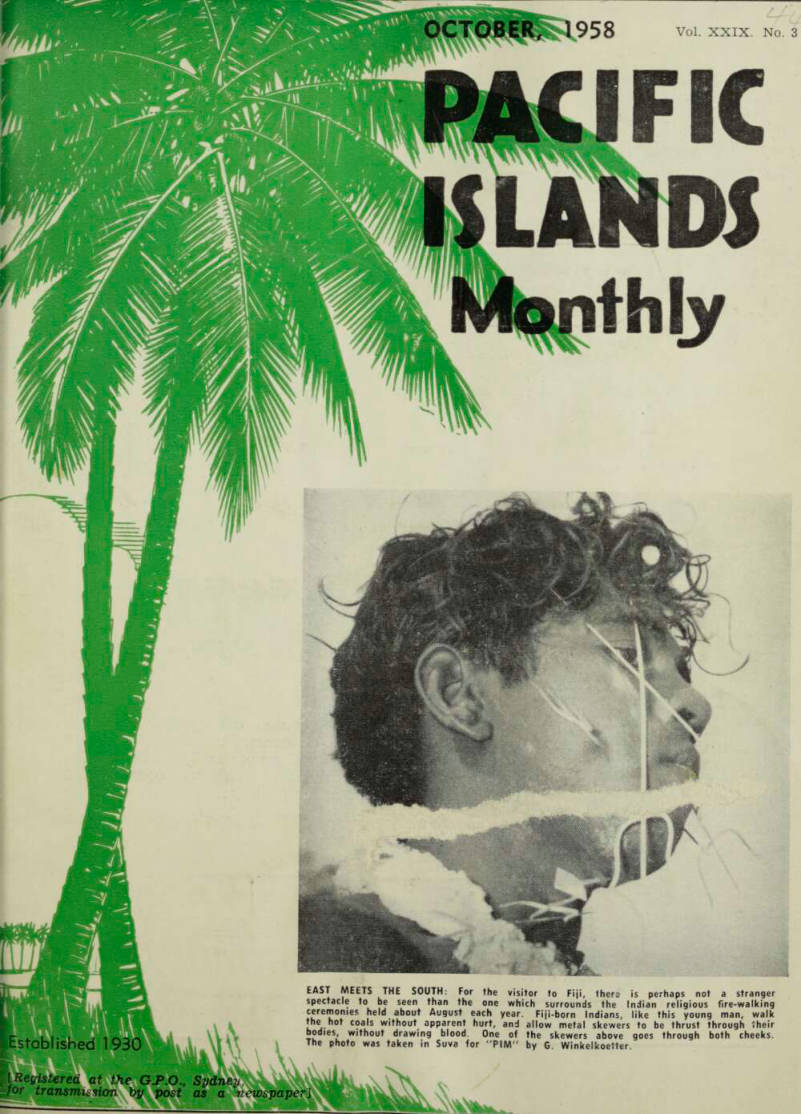 1
1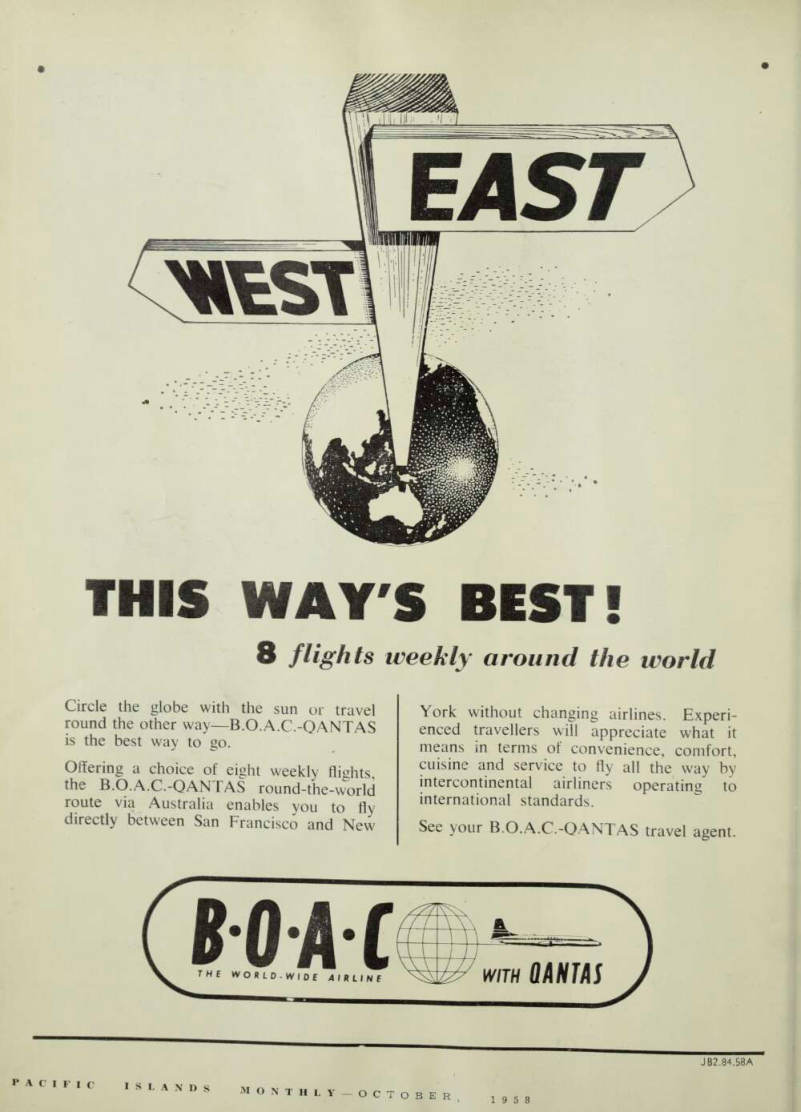 2
2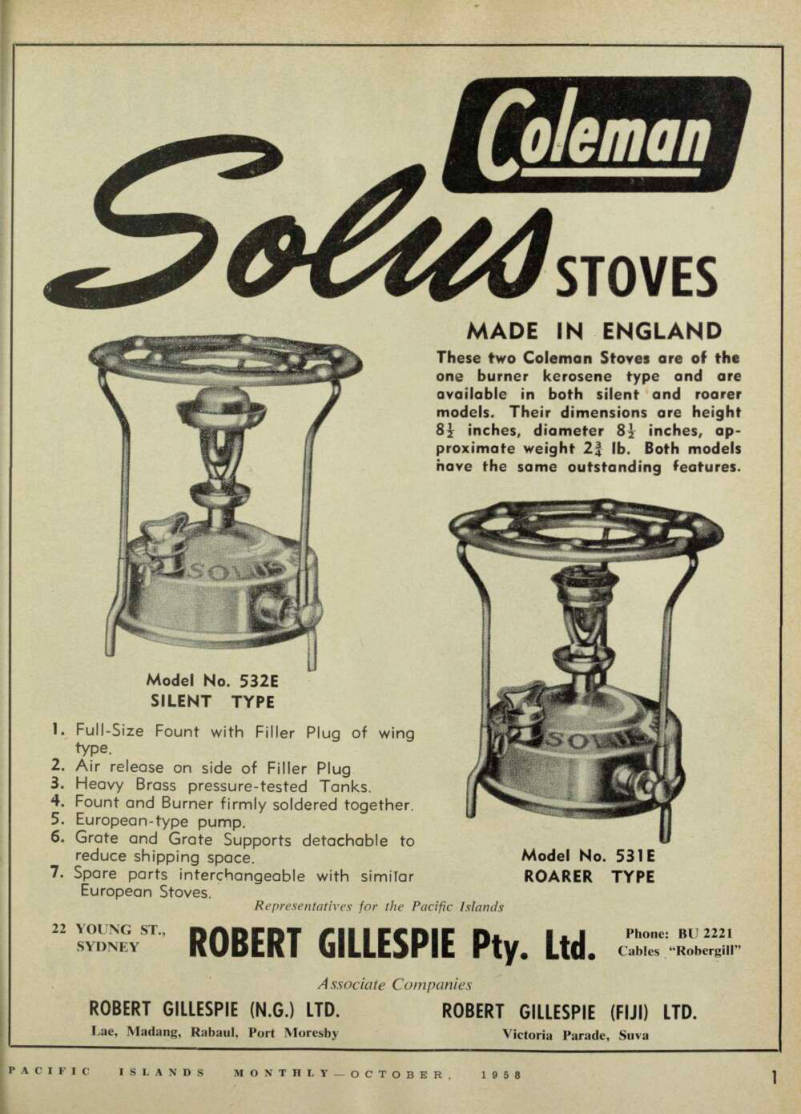 3
3 4
4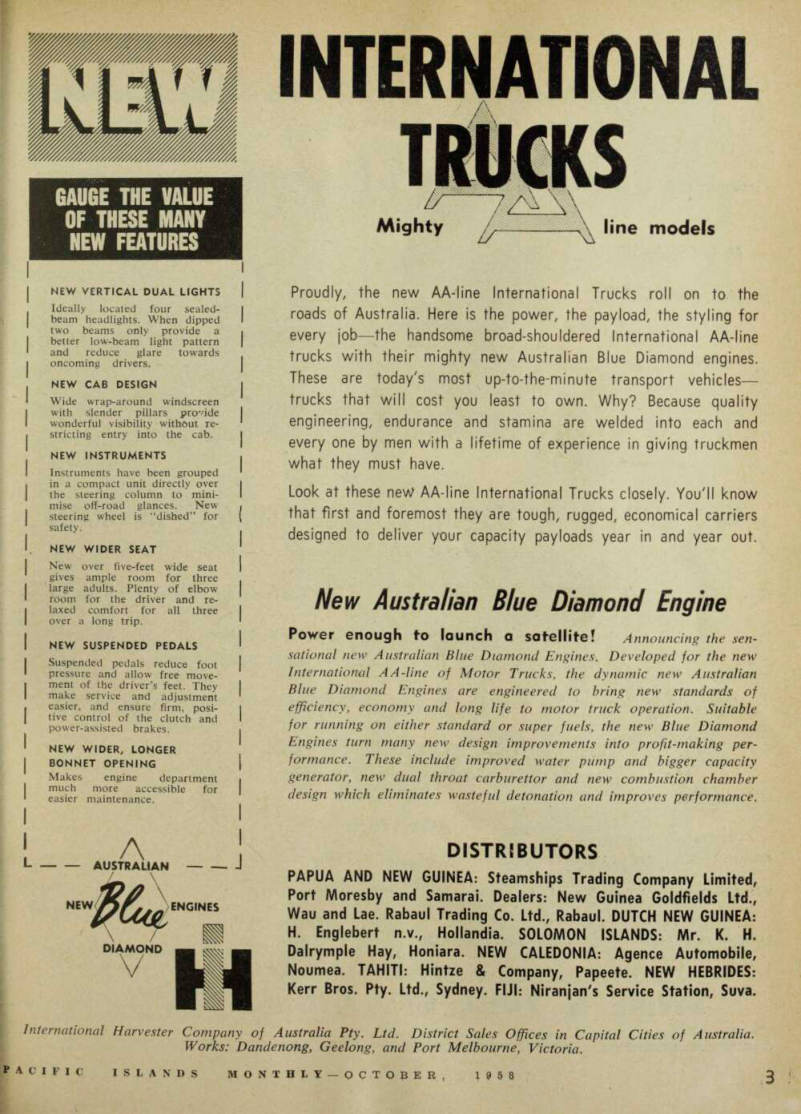 5
5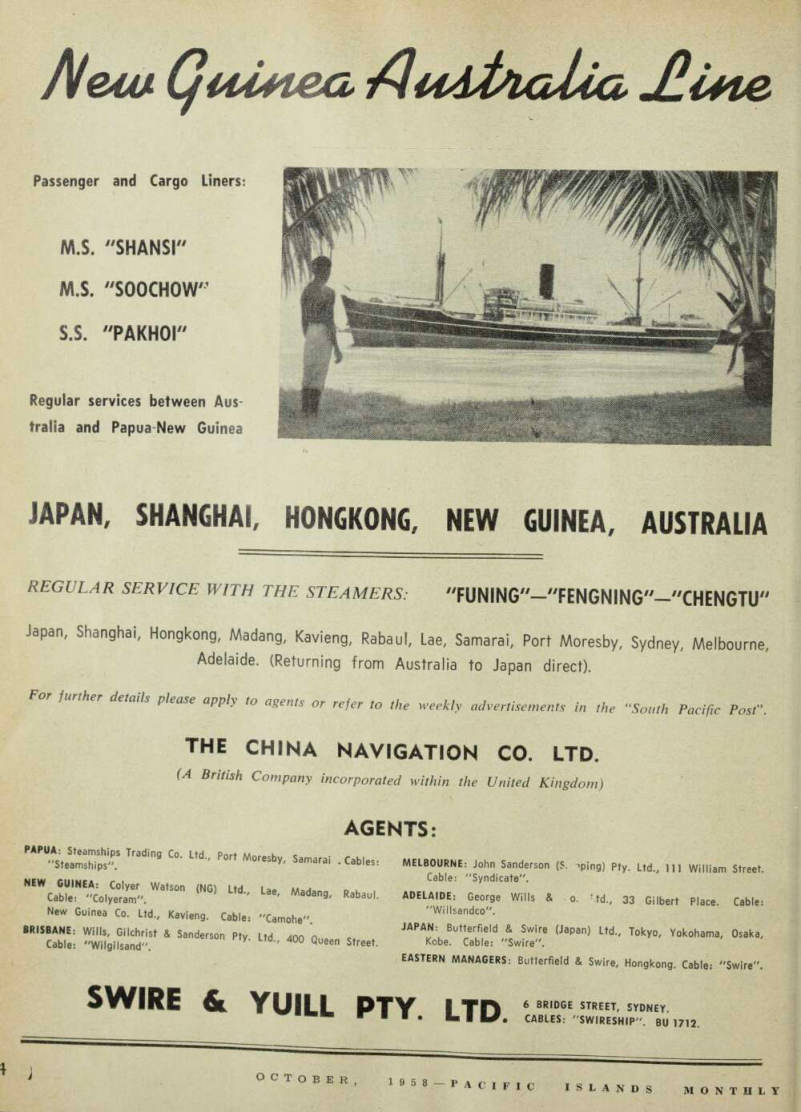 6
6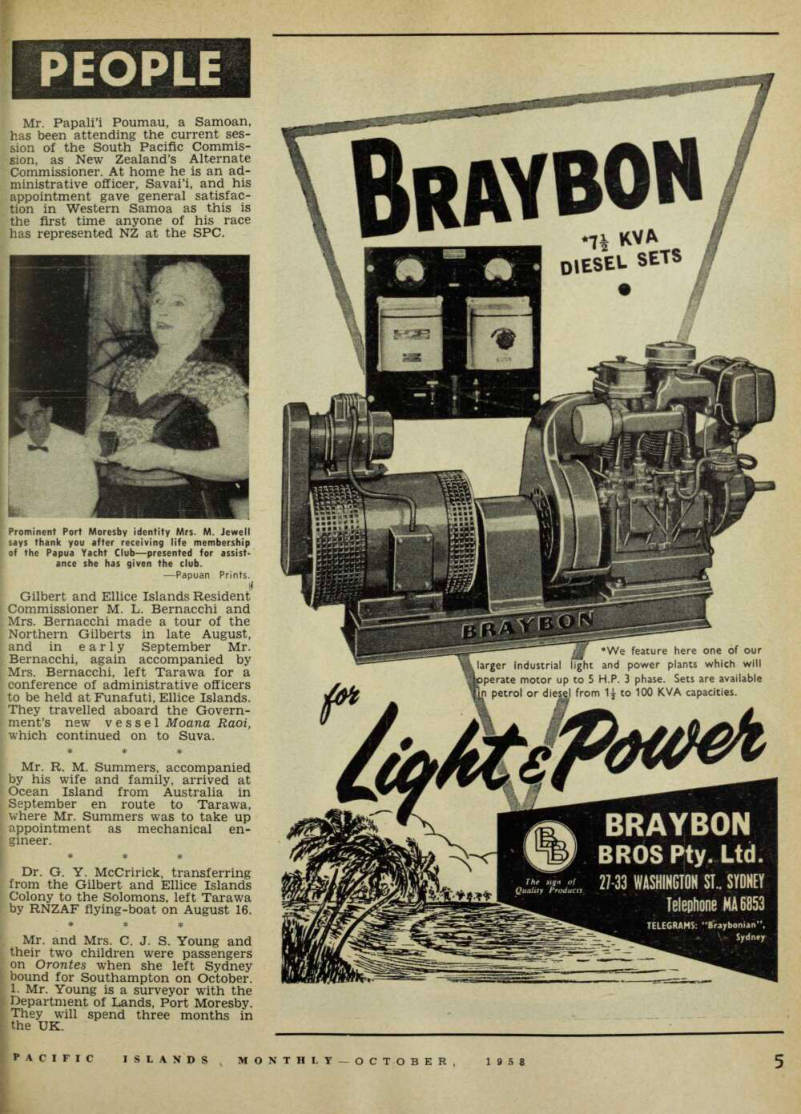 7
7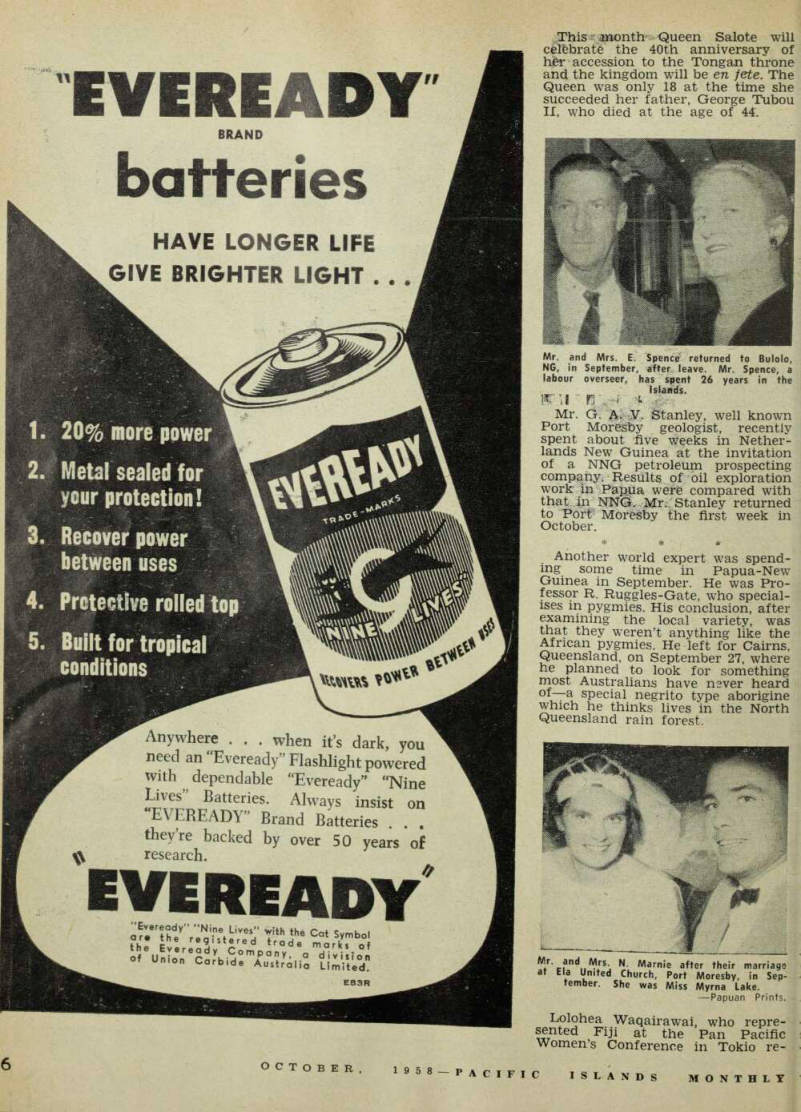 8
8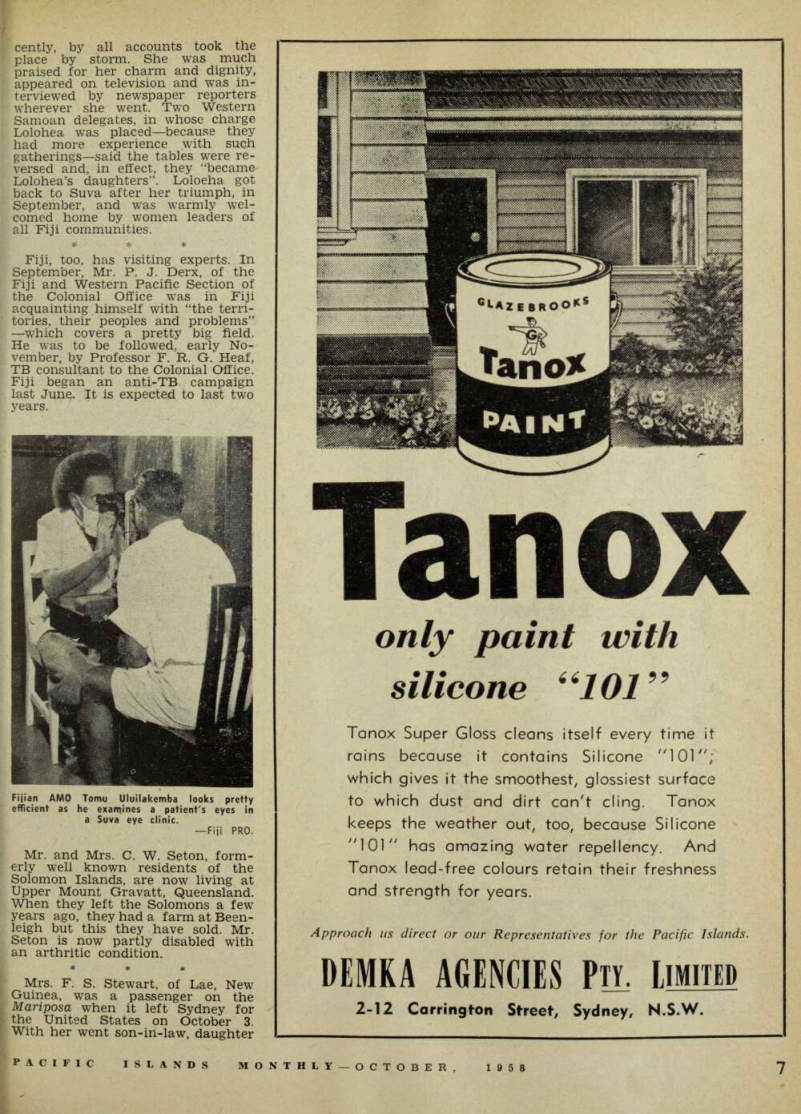 9
9 10
10 11
11 12
12 13
13 14
14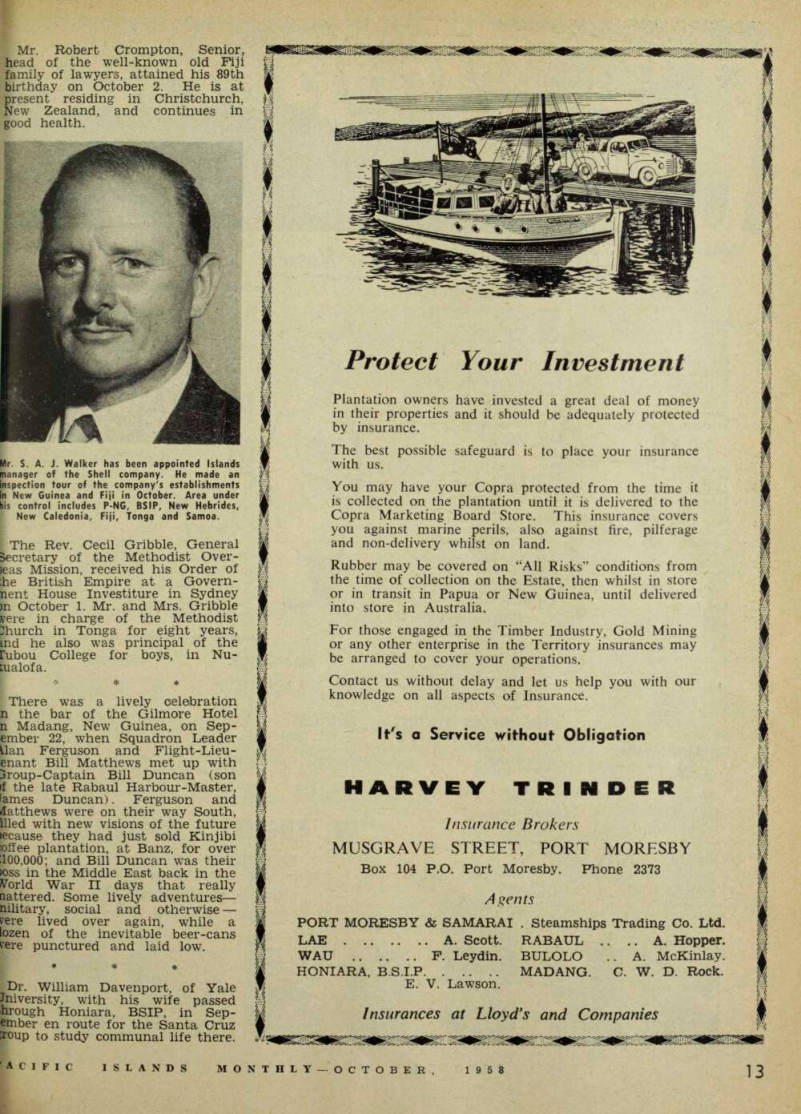 15
15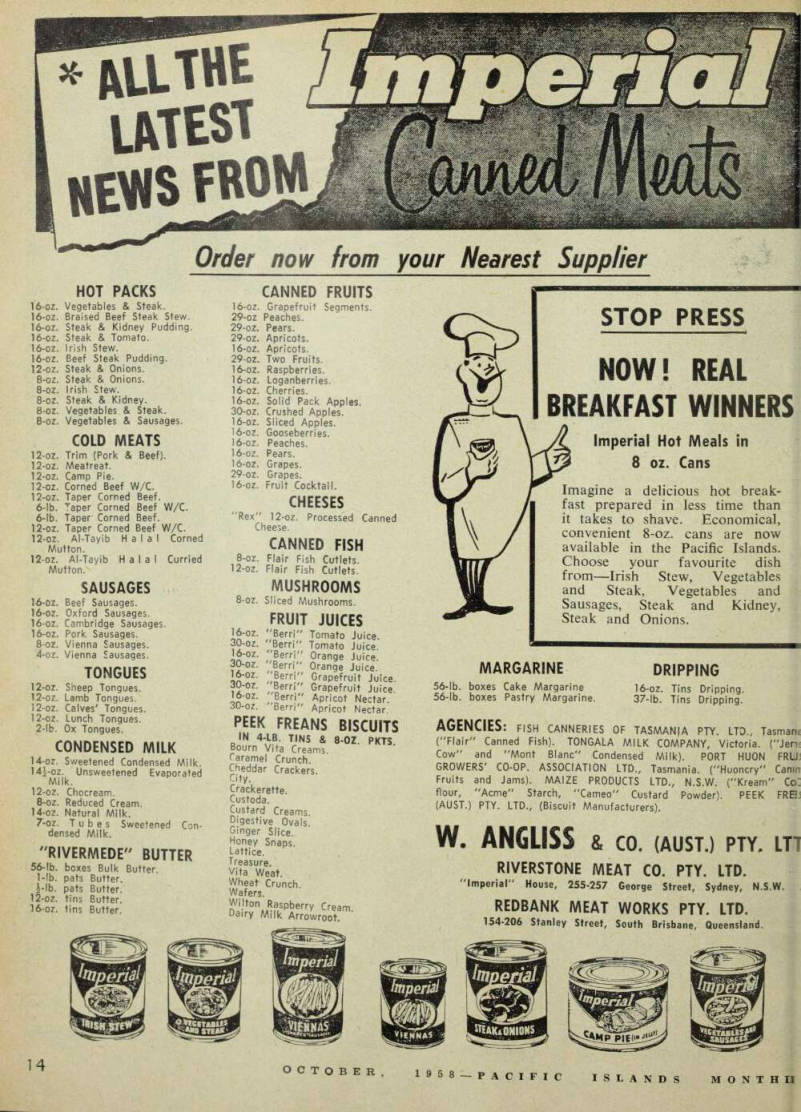 16
16 17
17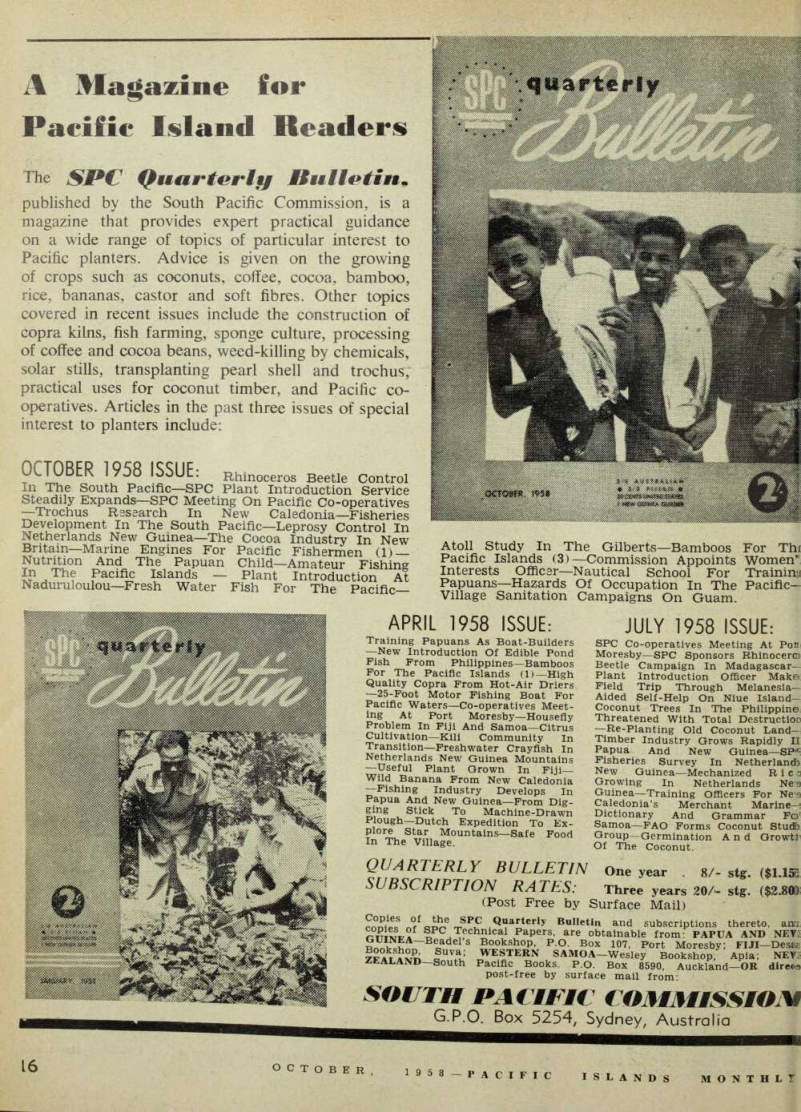 18
18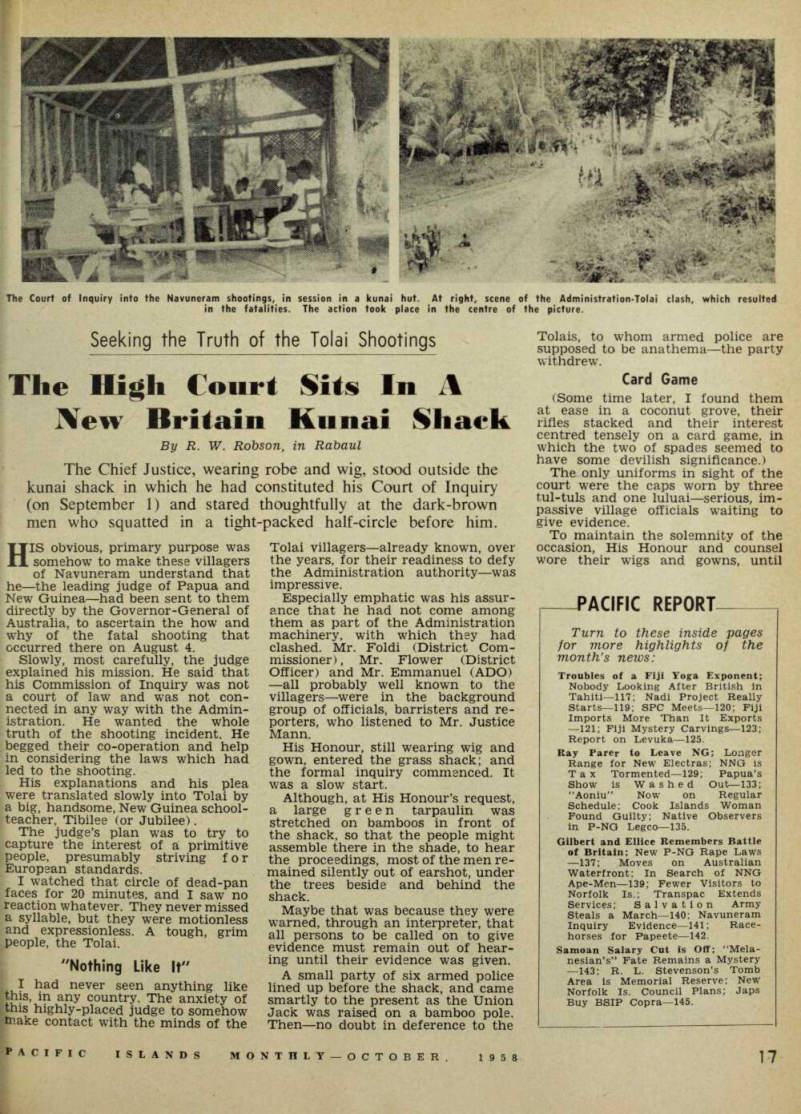 19
19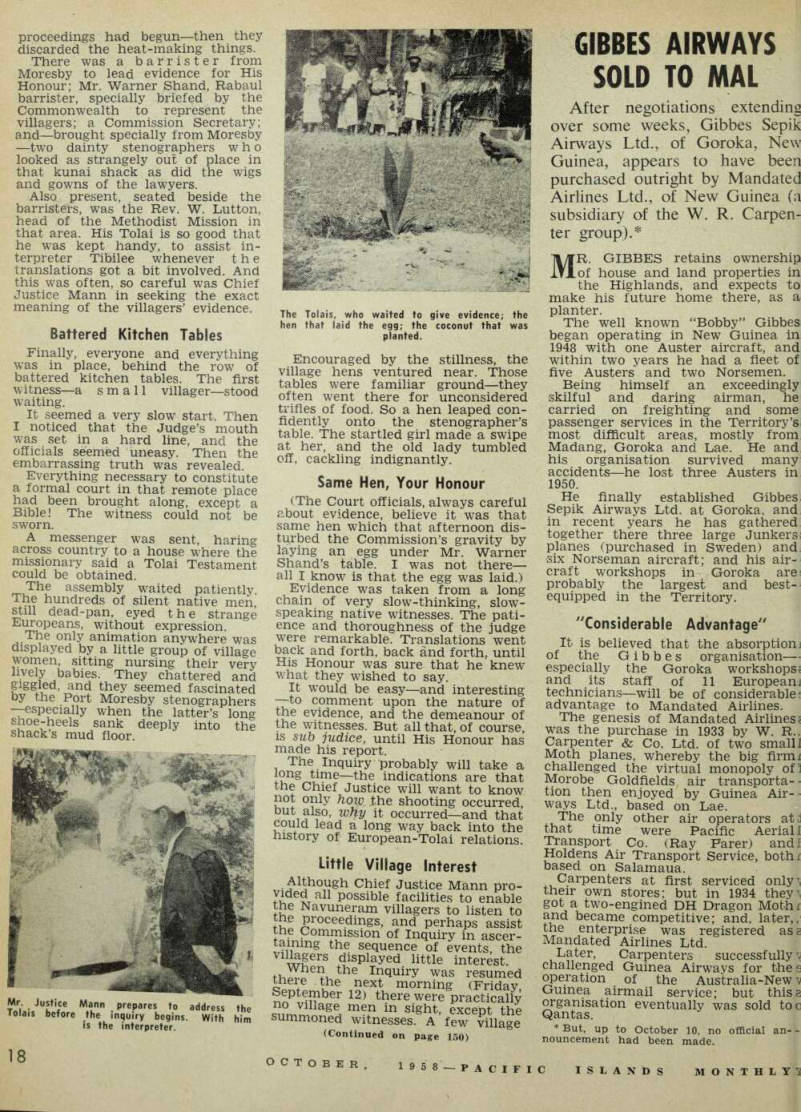 20
20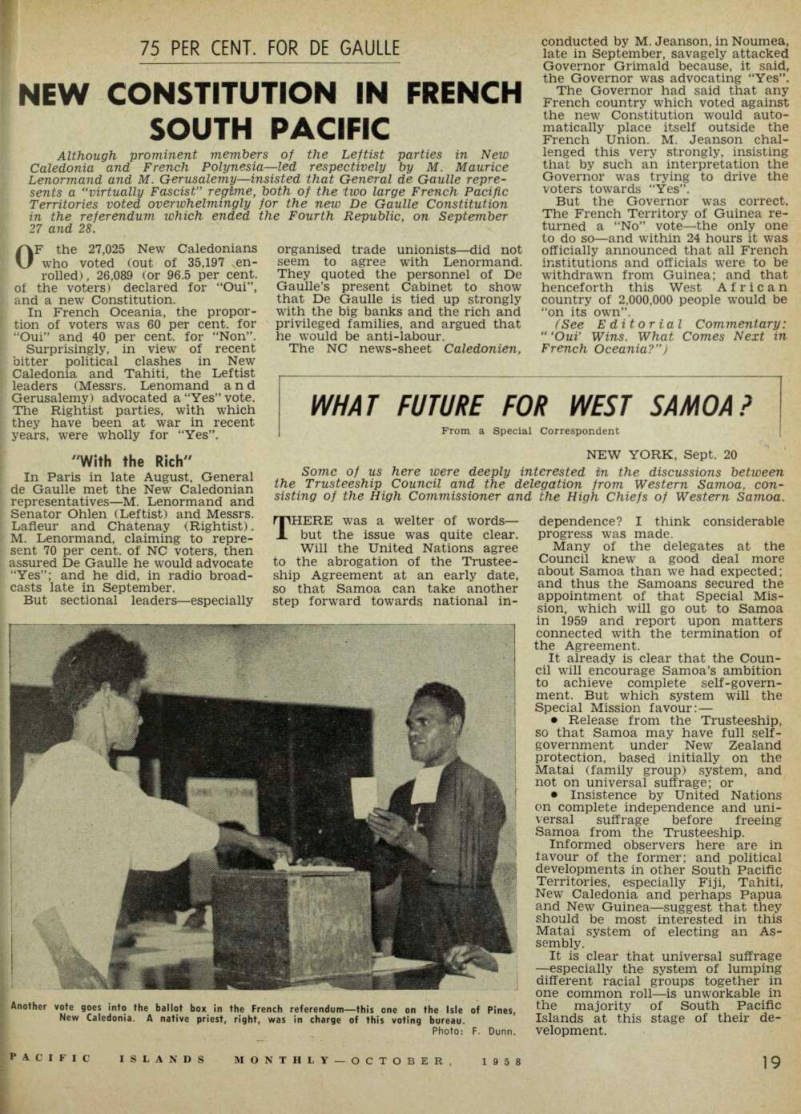 21
21 22
22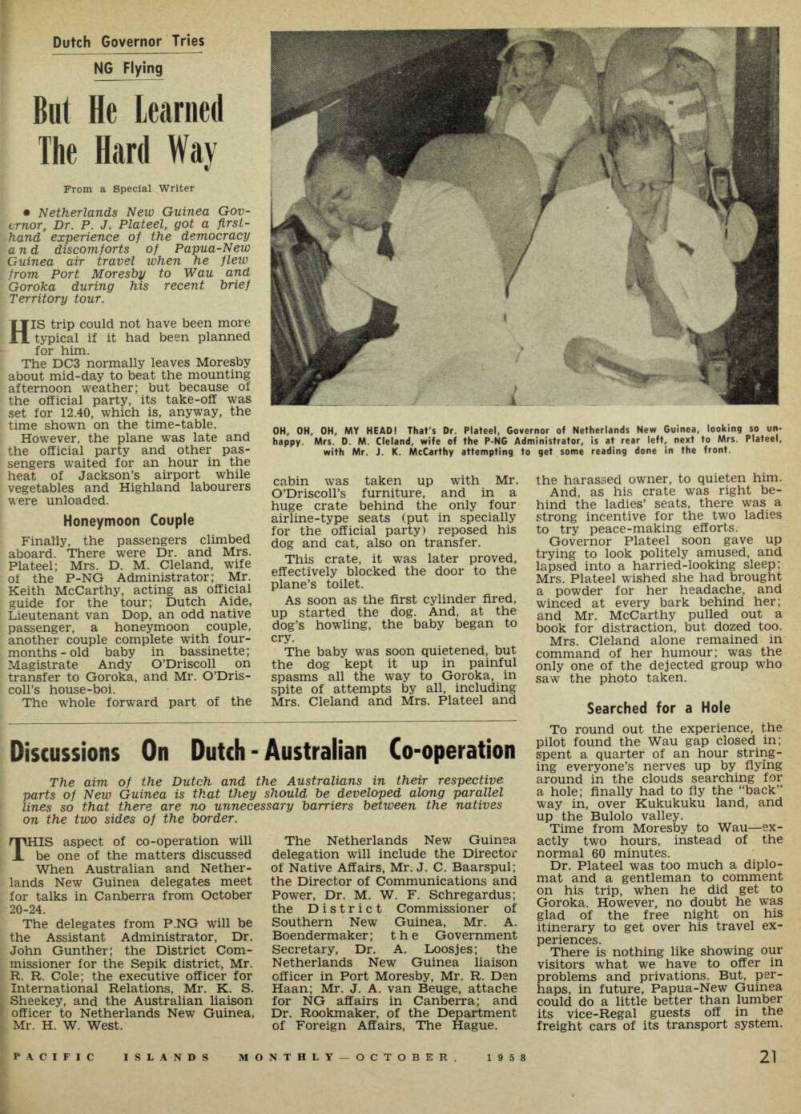 23
23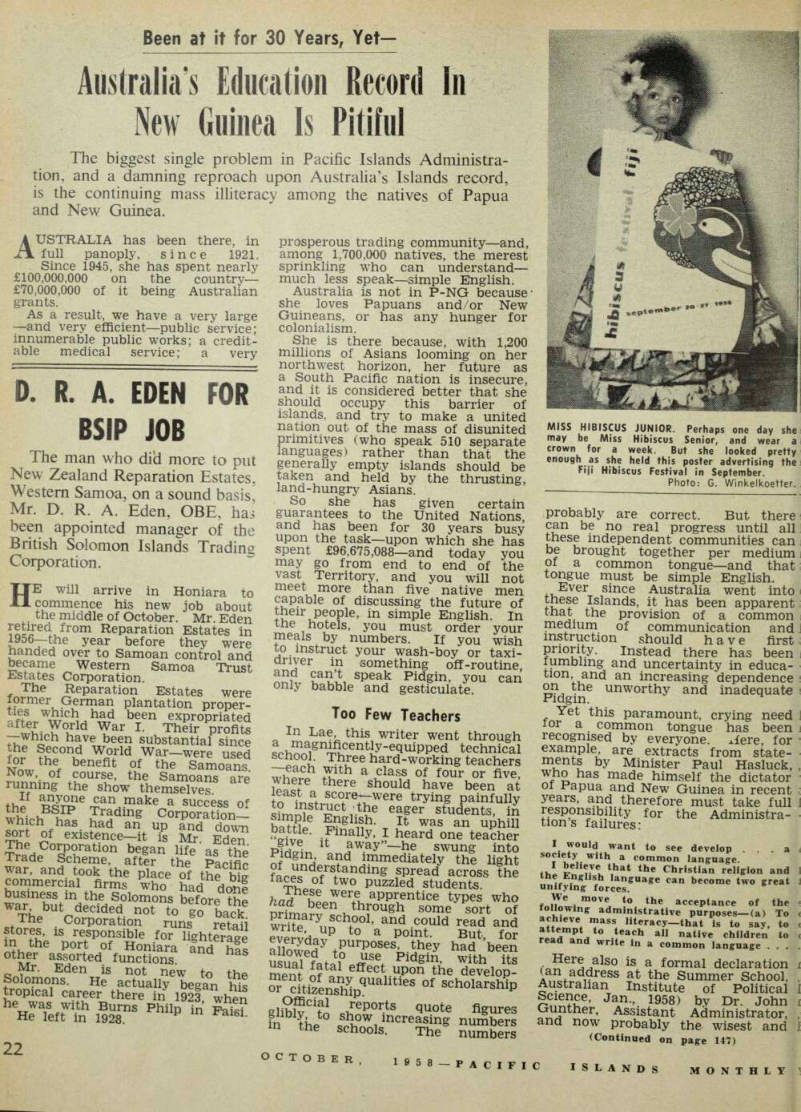 24
24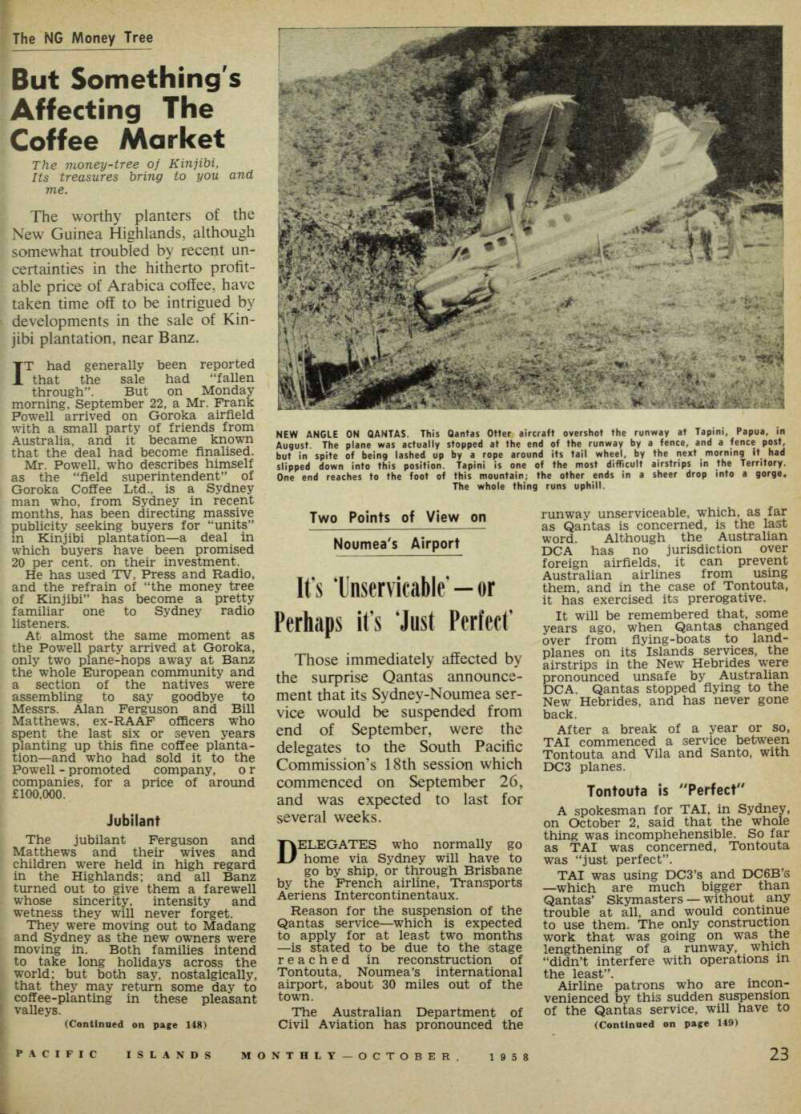 25
25 26
26 27
27 28
28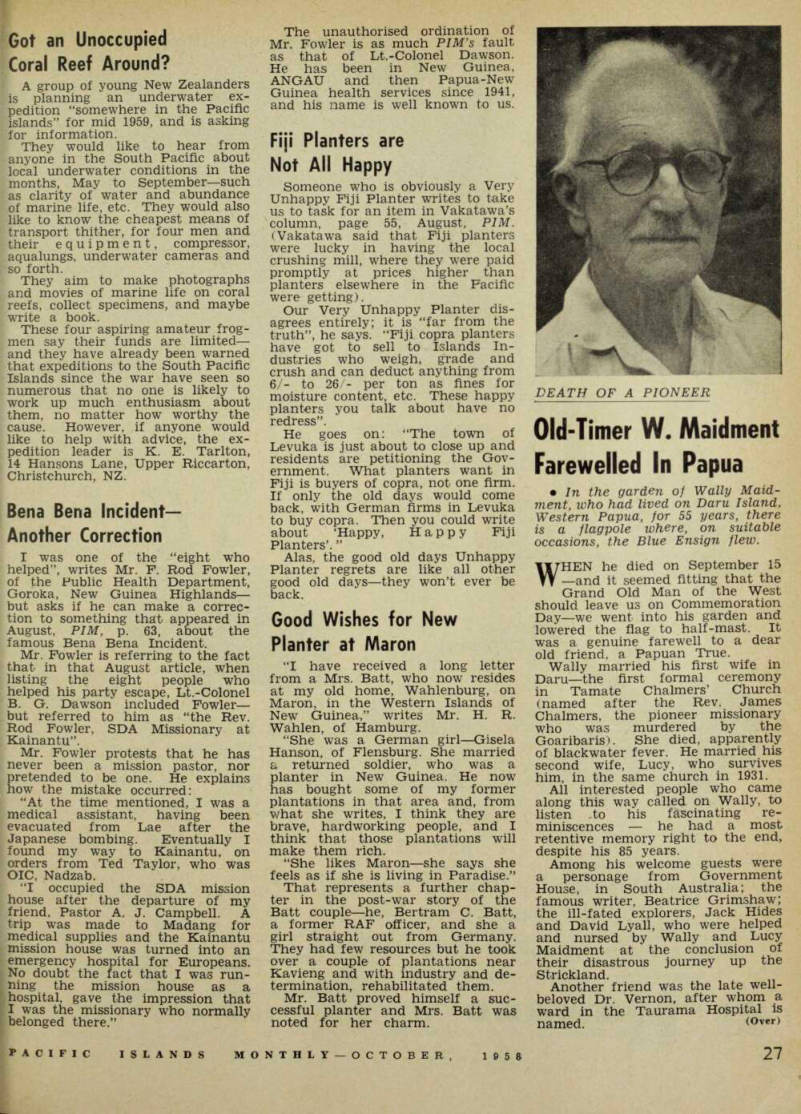 29
29 30
30 31
31 32
32 33
33 34
34 35
35 36
36 37
37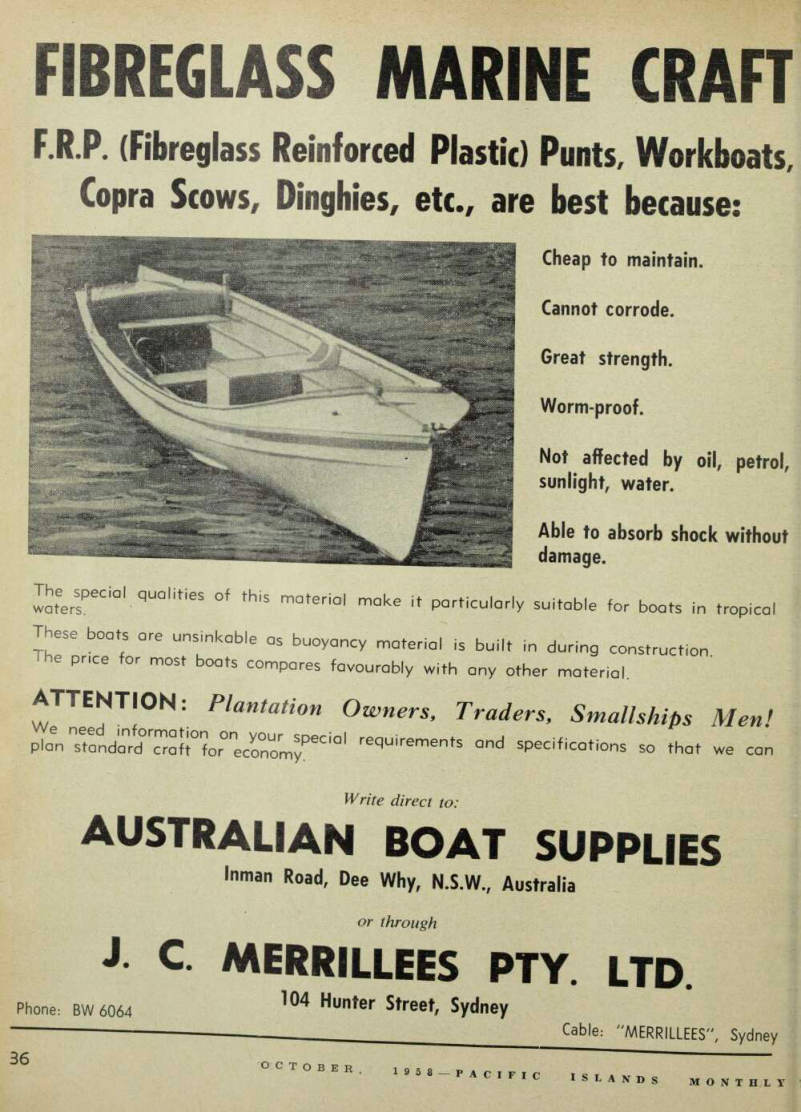 38
38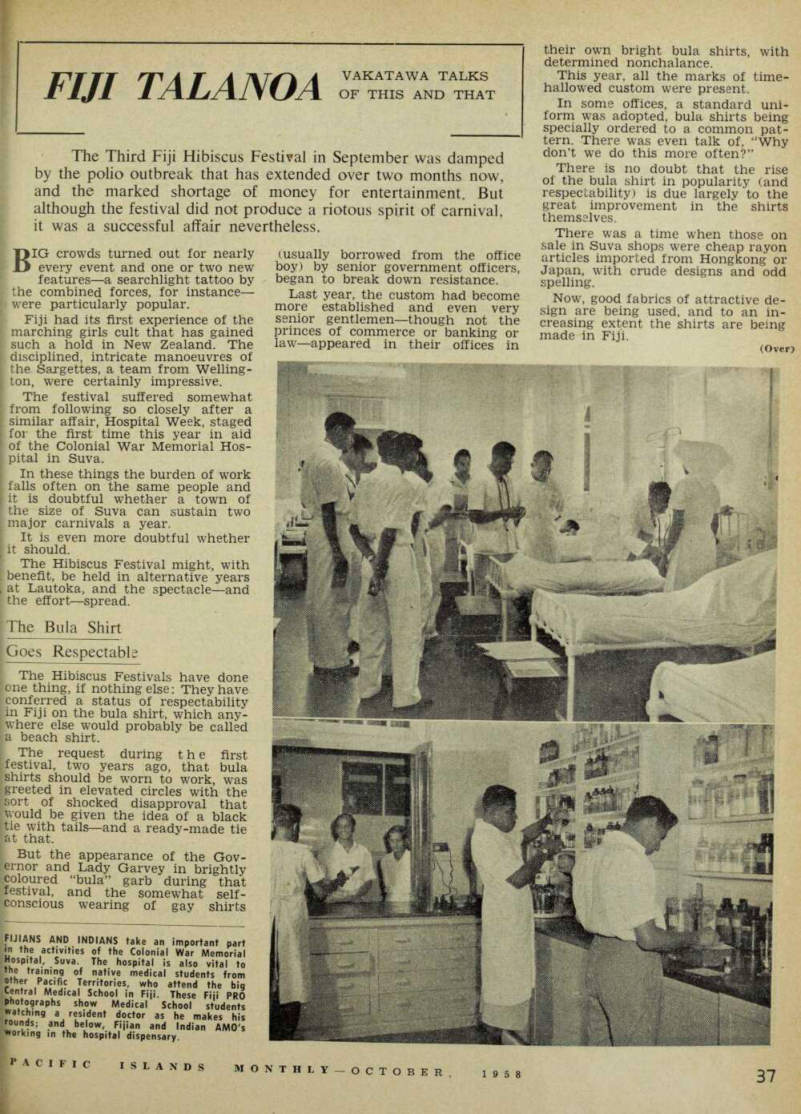 39
39 40
40 41
41 42
42 43
43 44
44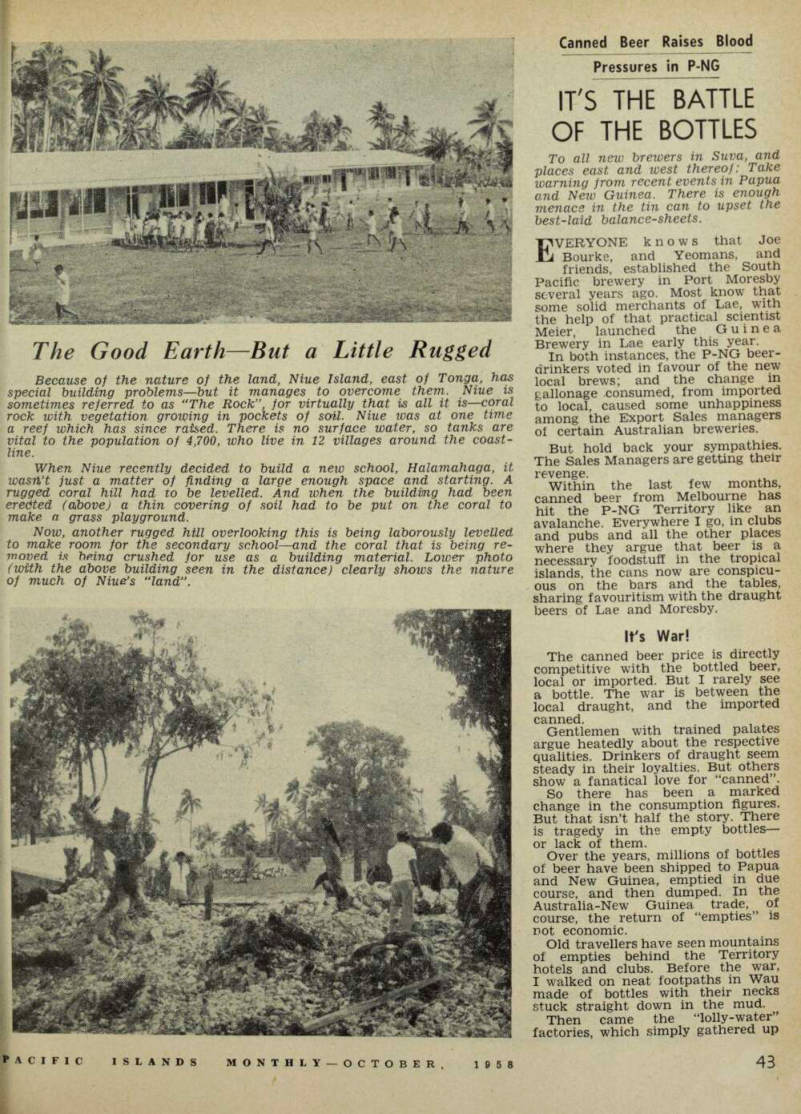 45
45 46
46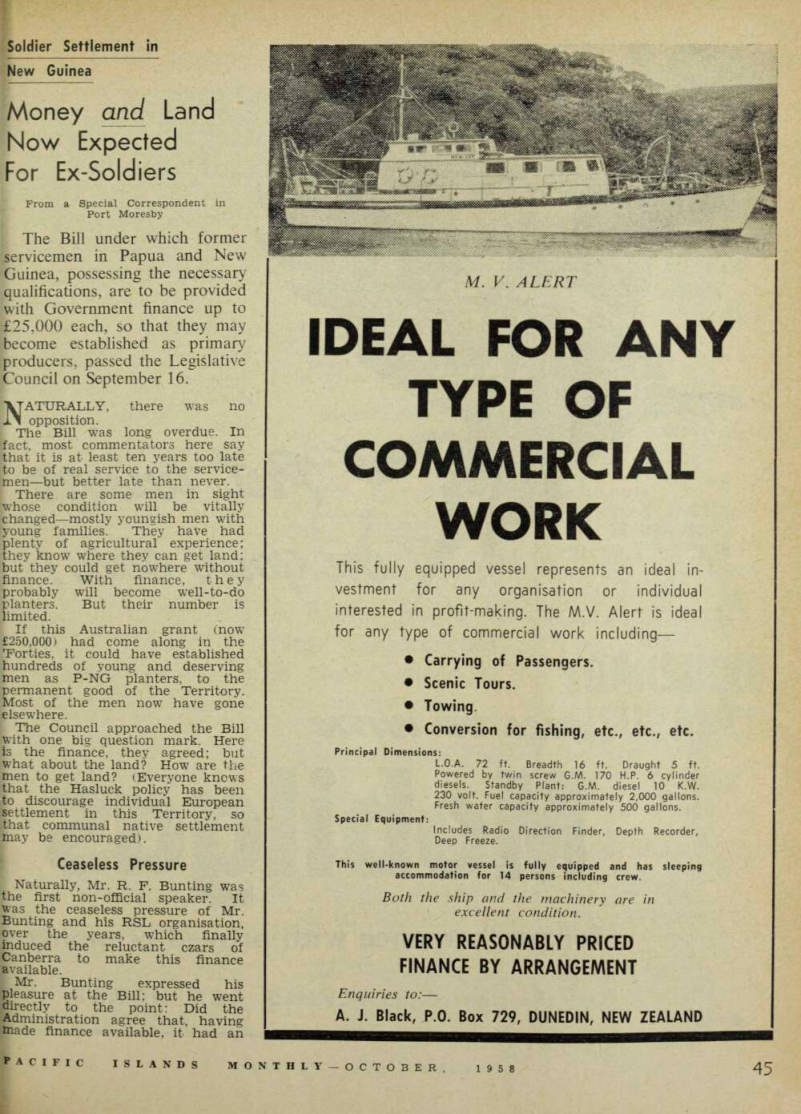 47
47 48
48 49
49 50
50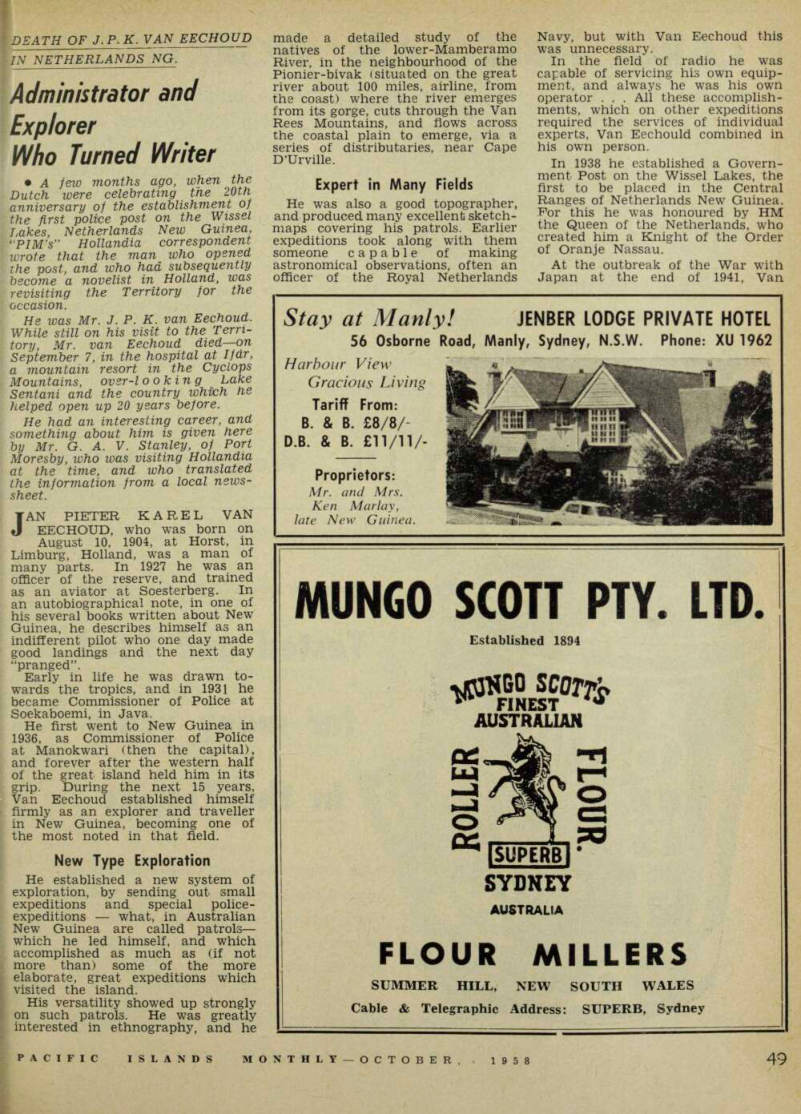 51
51 52
52 53
53 54
54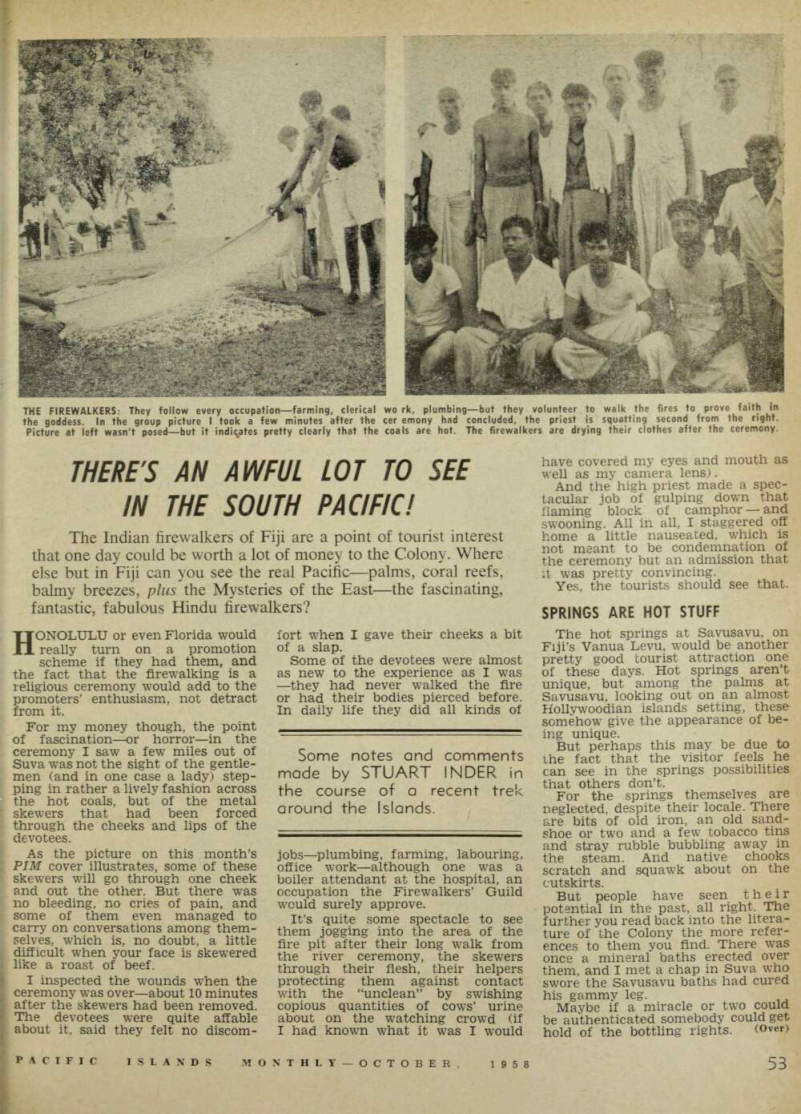 55
55 56
56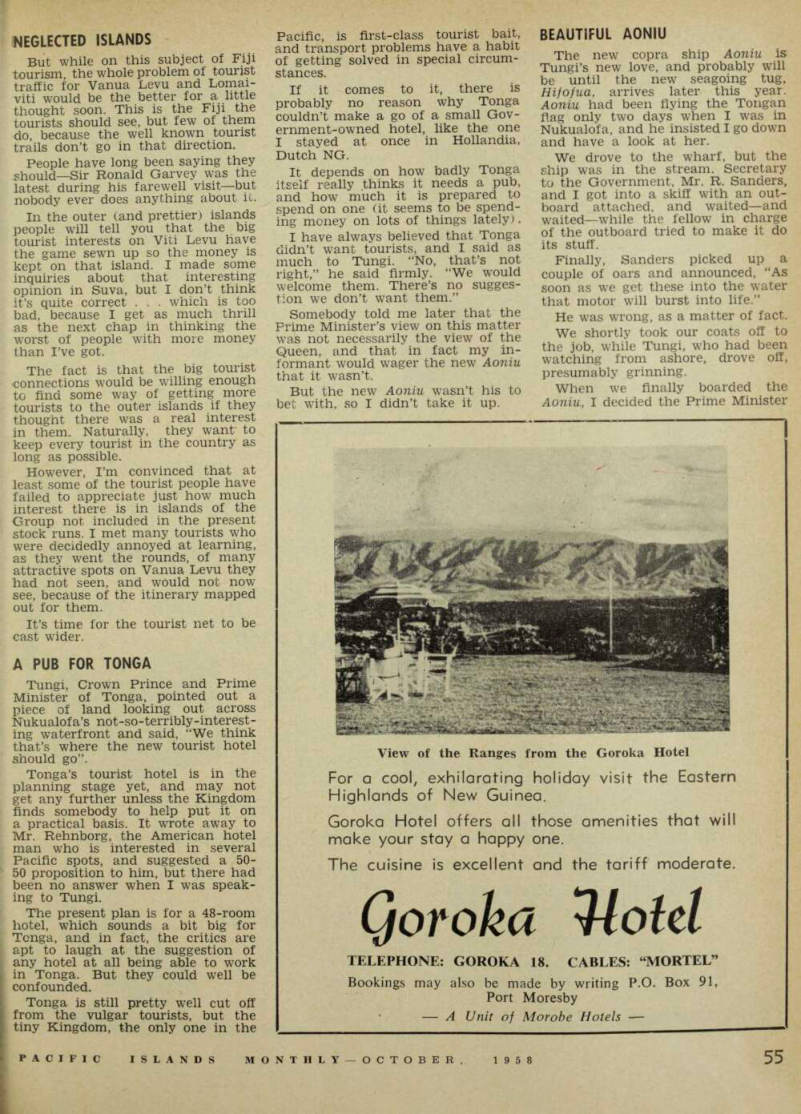 57
57 58
58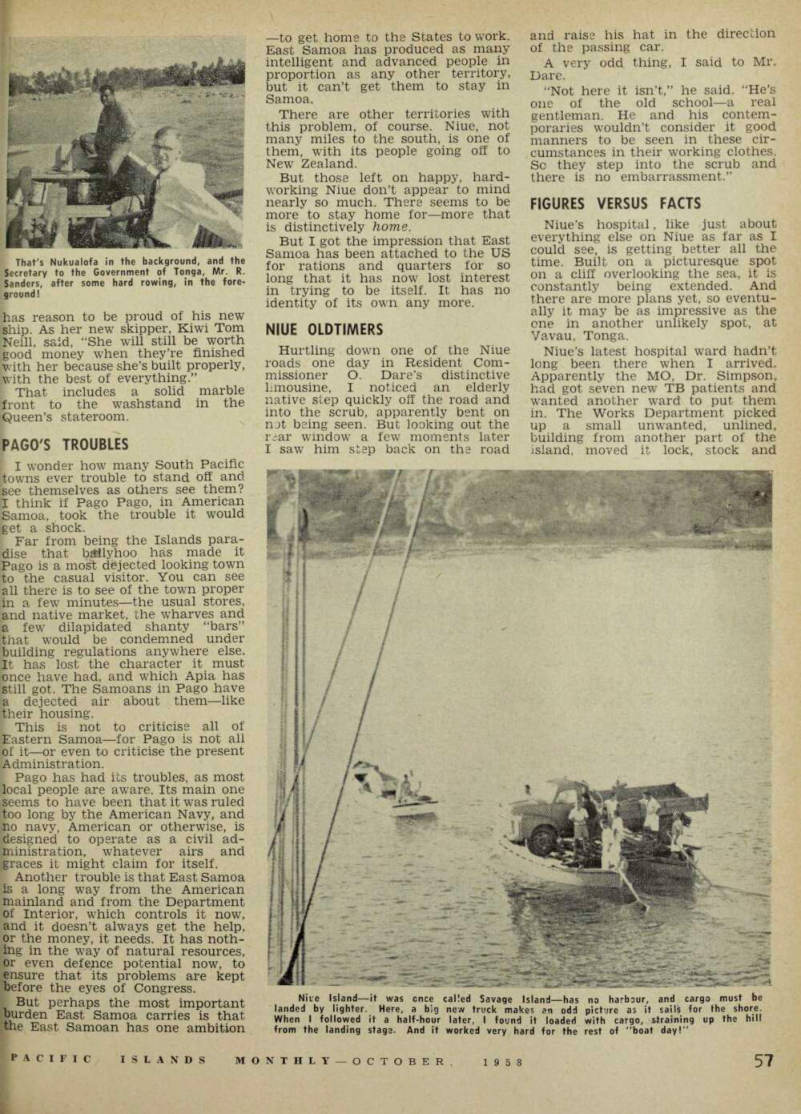 59
59 60
60 61
61 62
62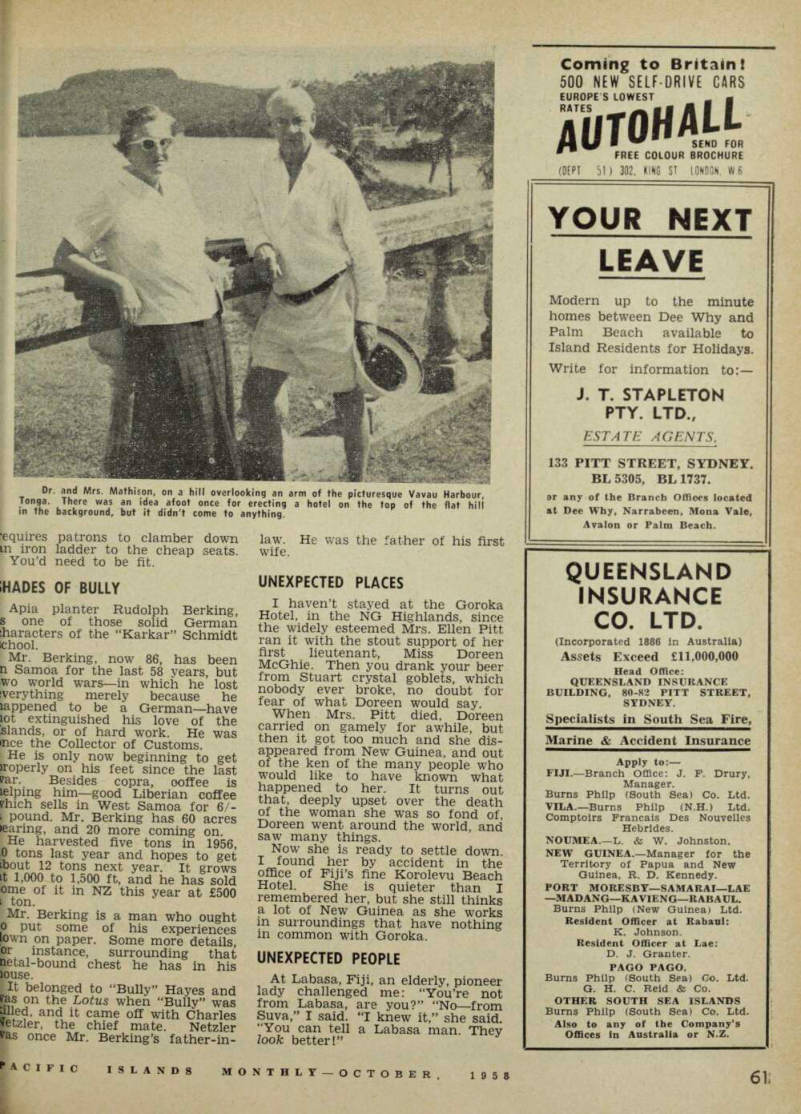 63
63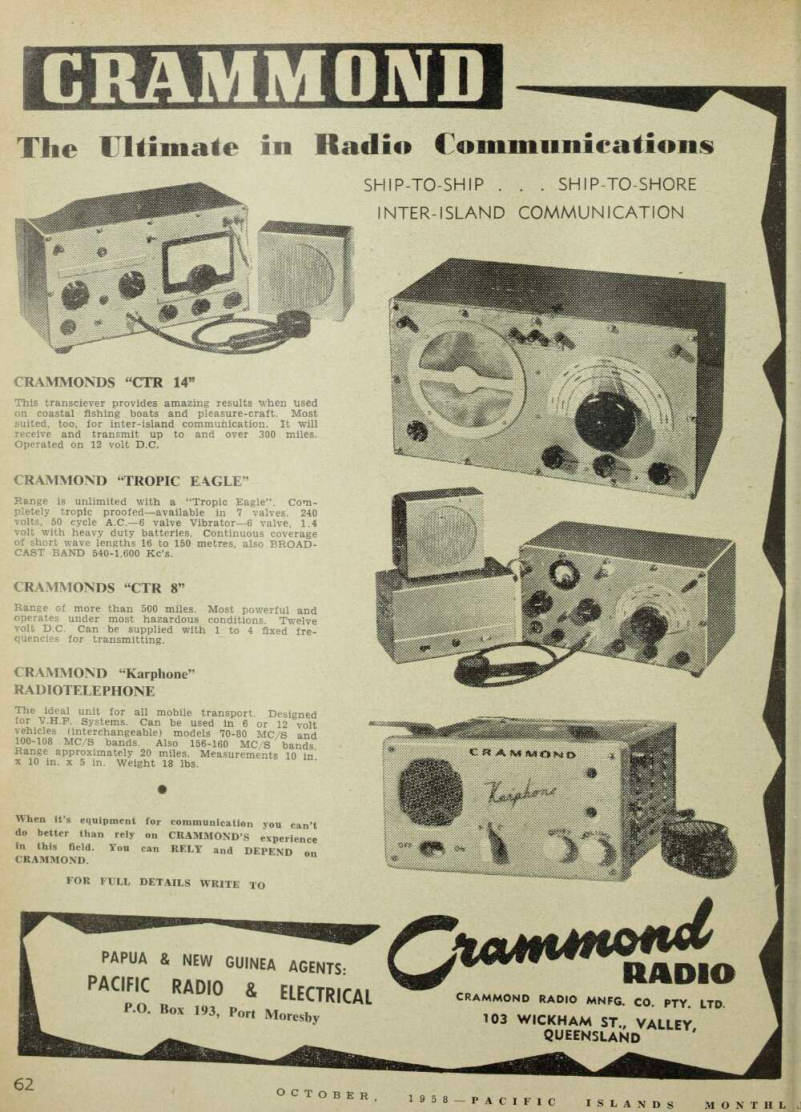 64
64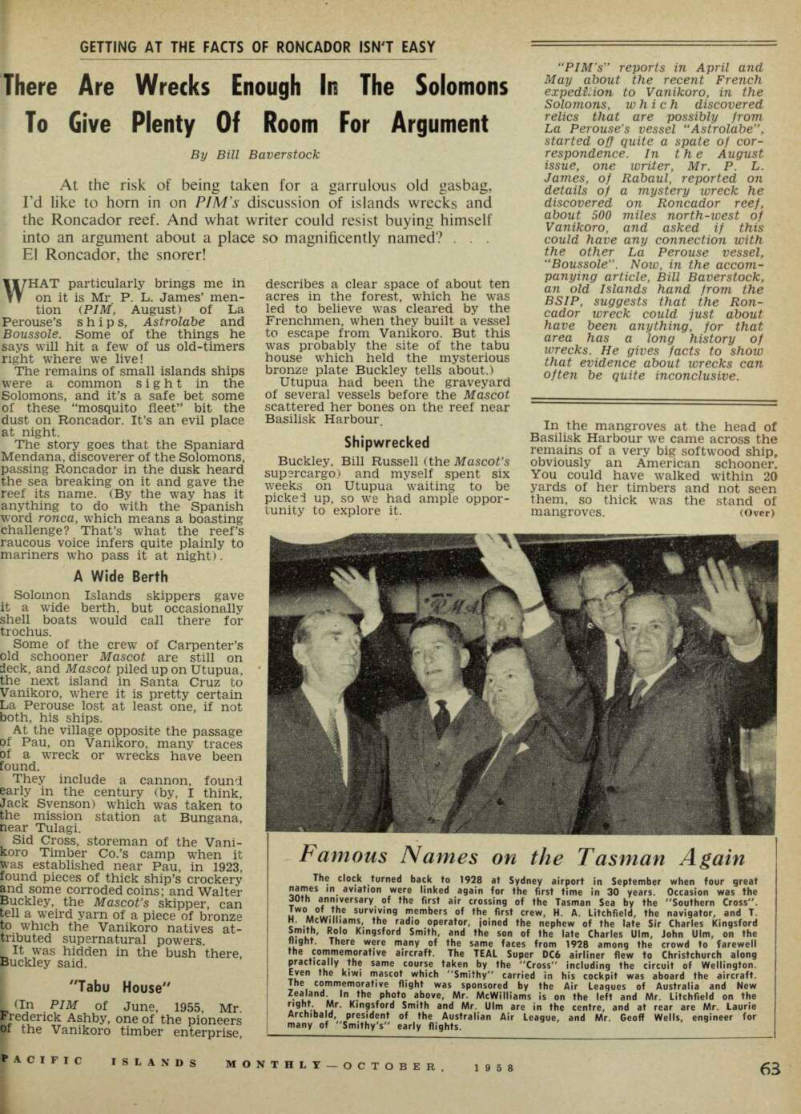 65
65 66
66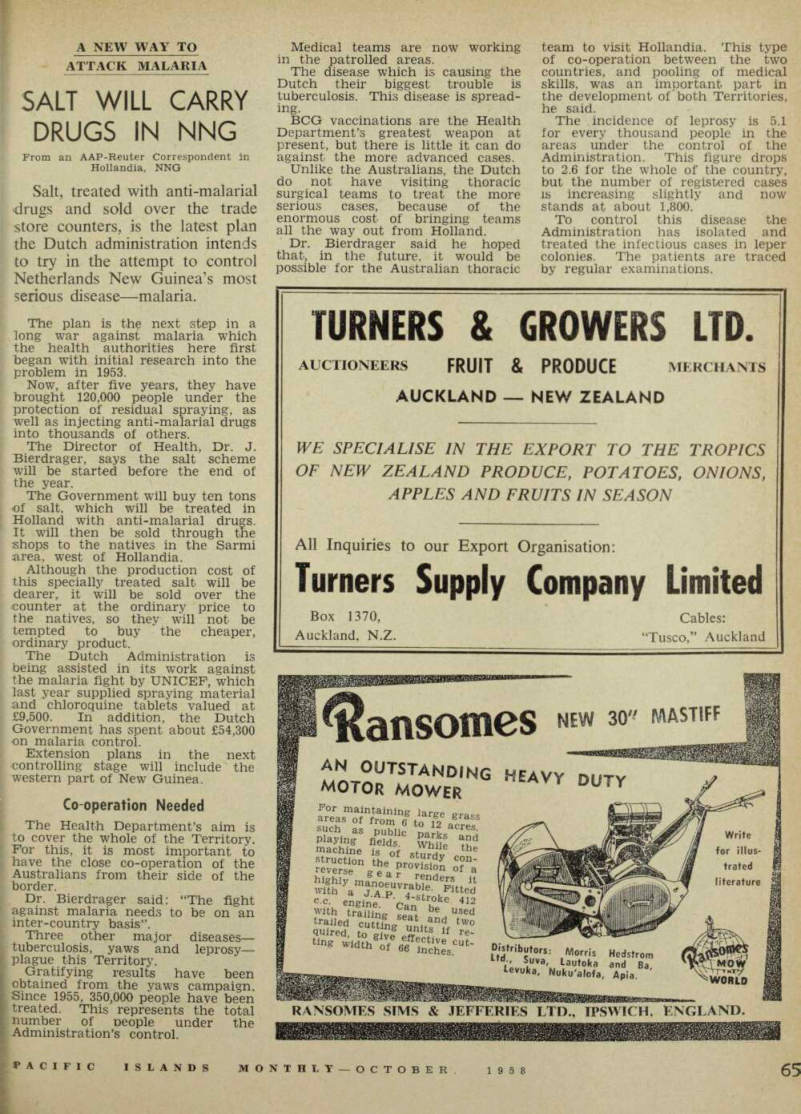 67
67 68
68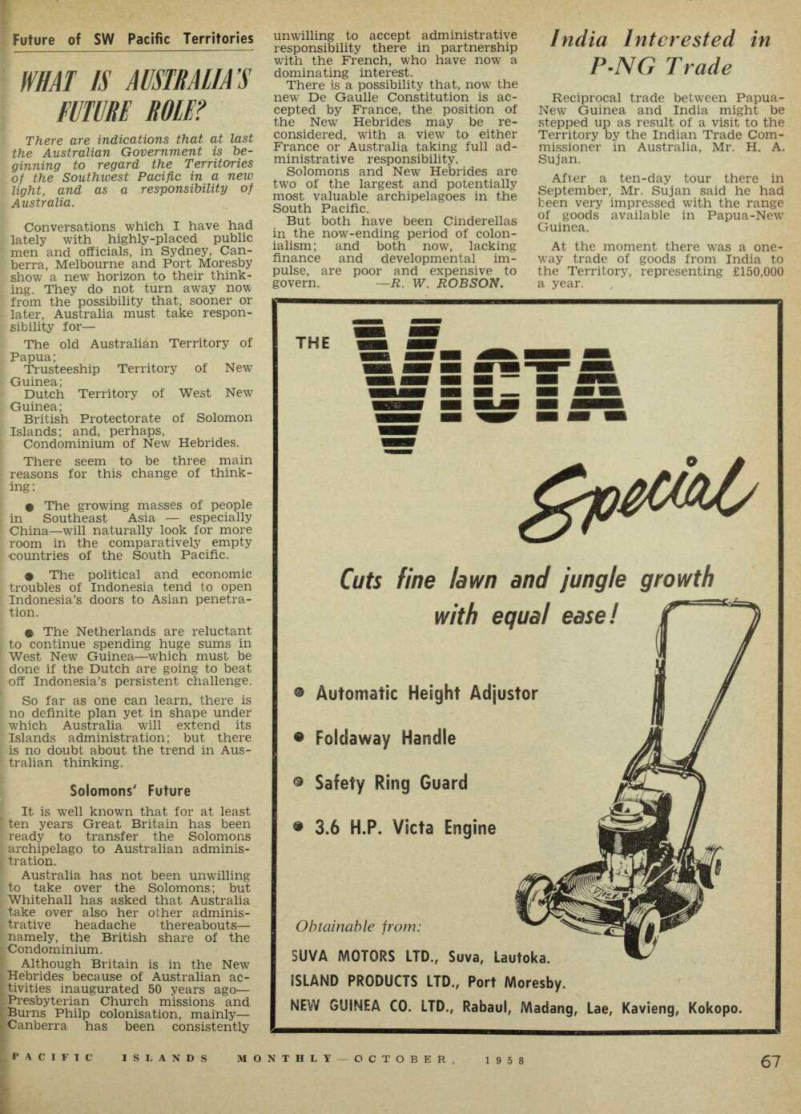 69
69 70
70 71
71 72
72 73
73 74
74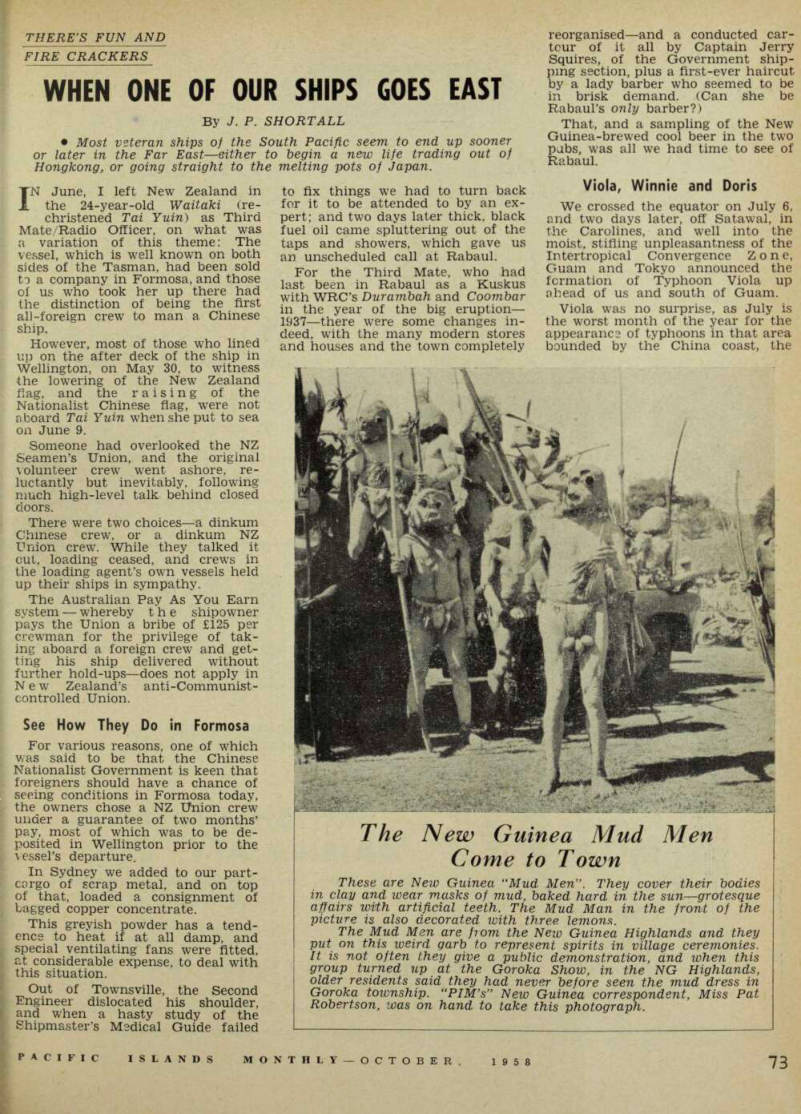 75
75 76
76 77
77 78
78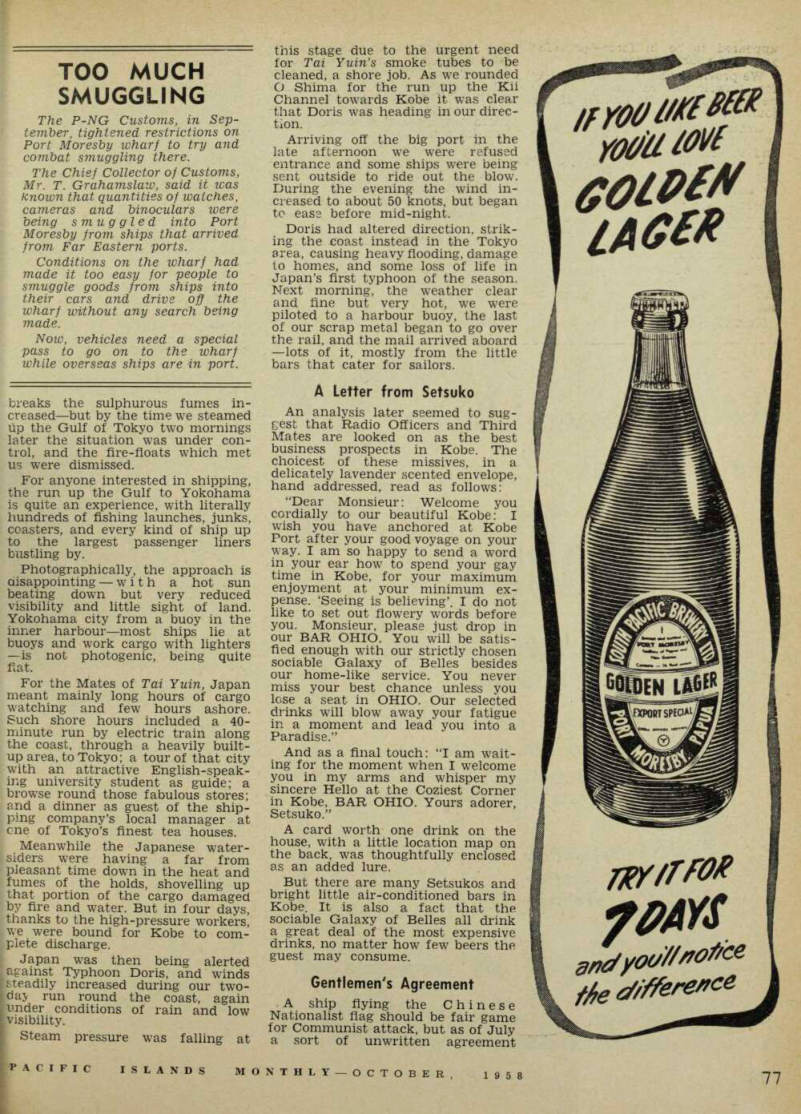 79
79 80
80 81
81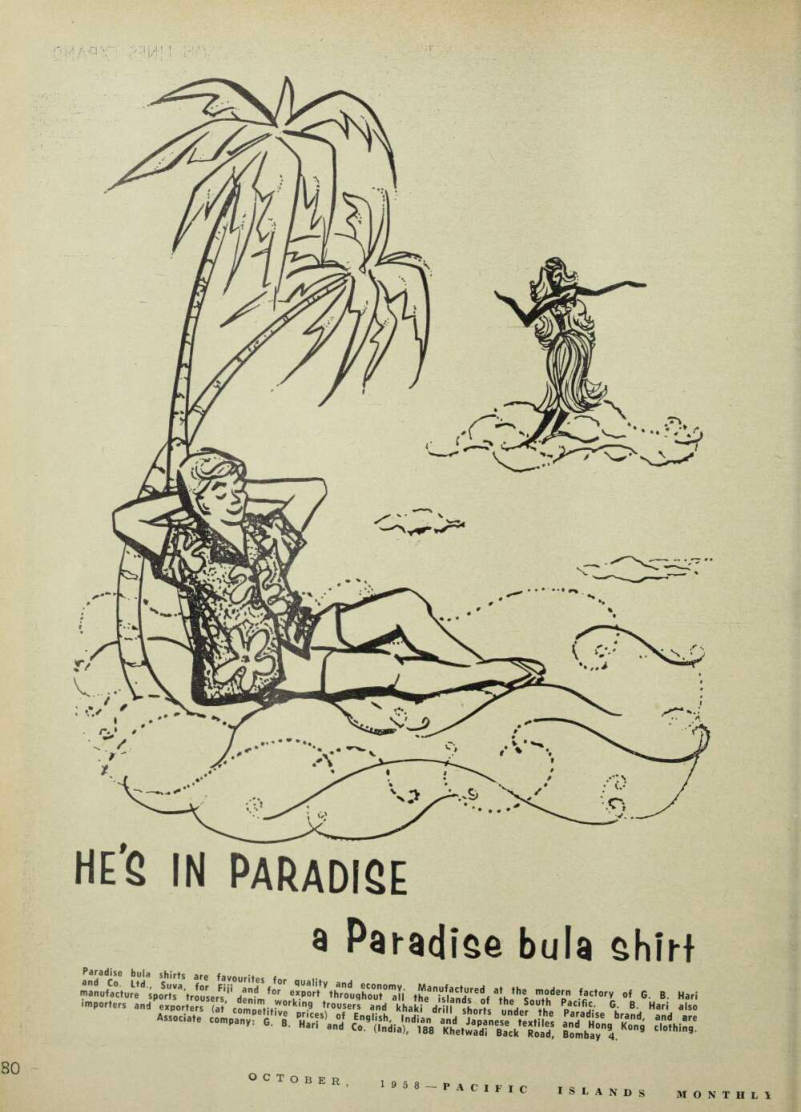 82
82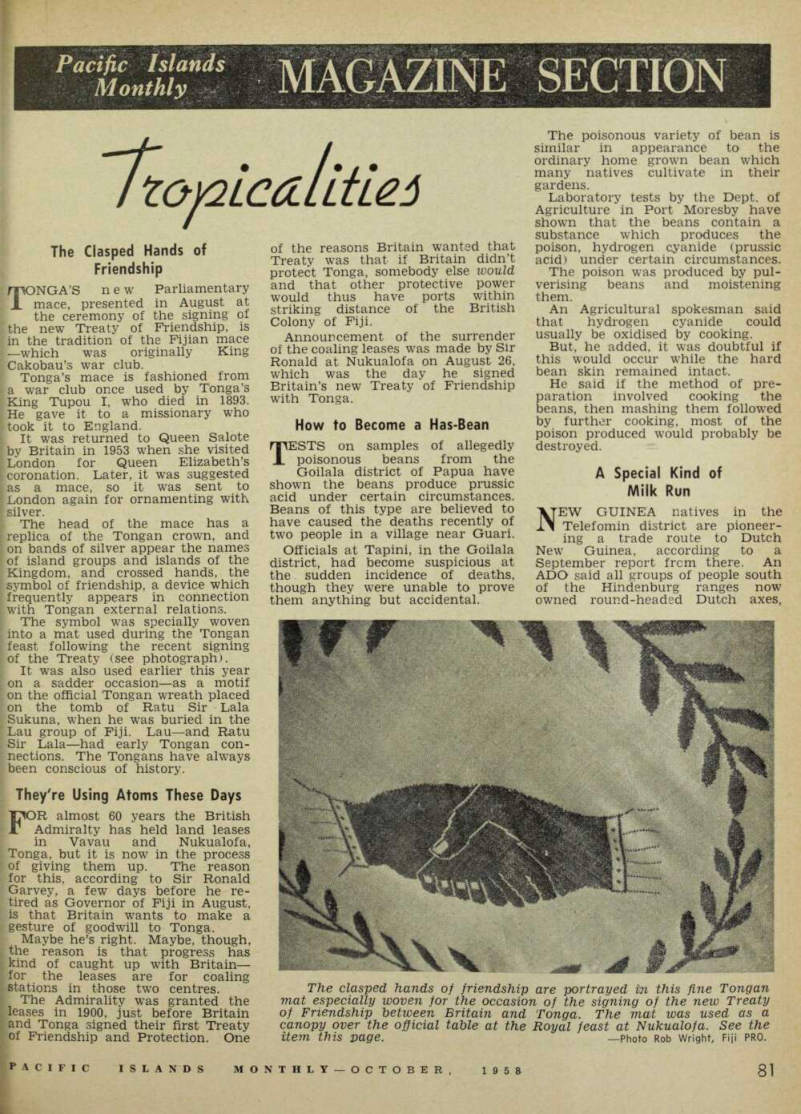 83
83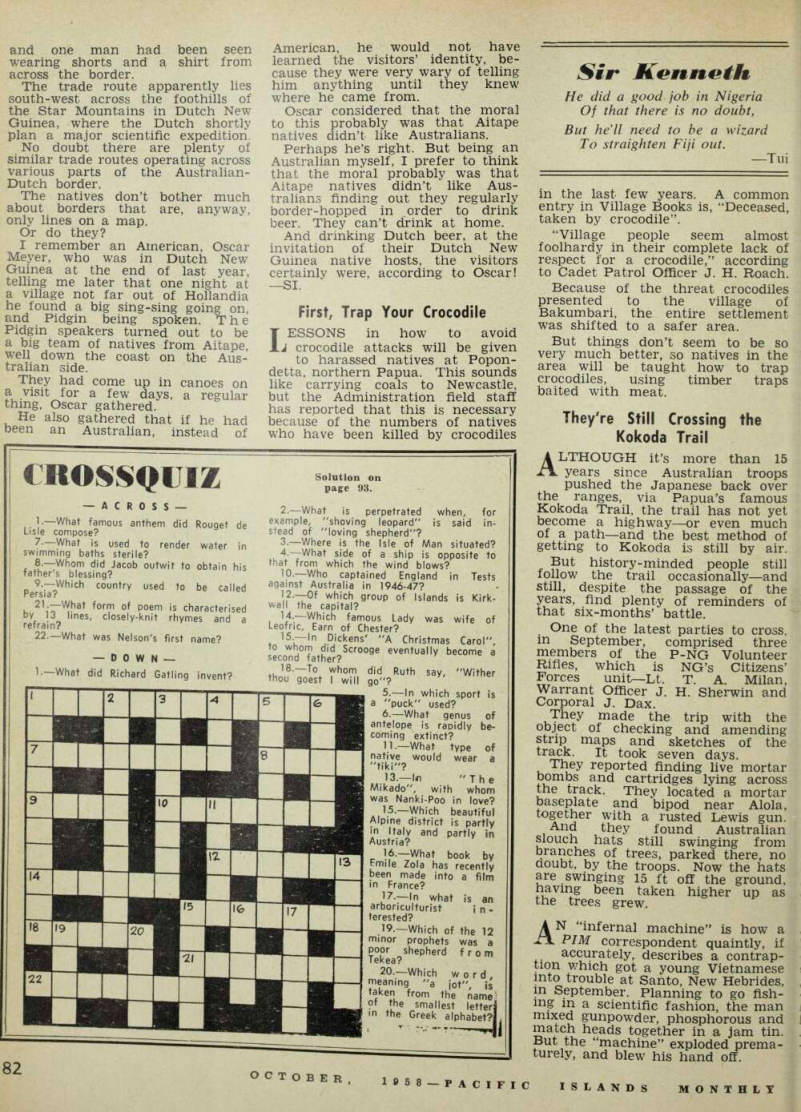 84
84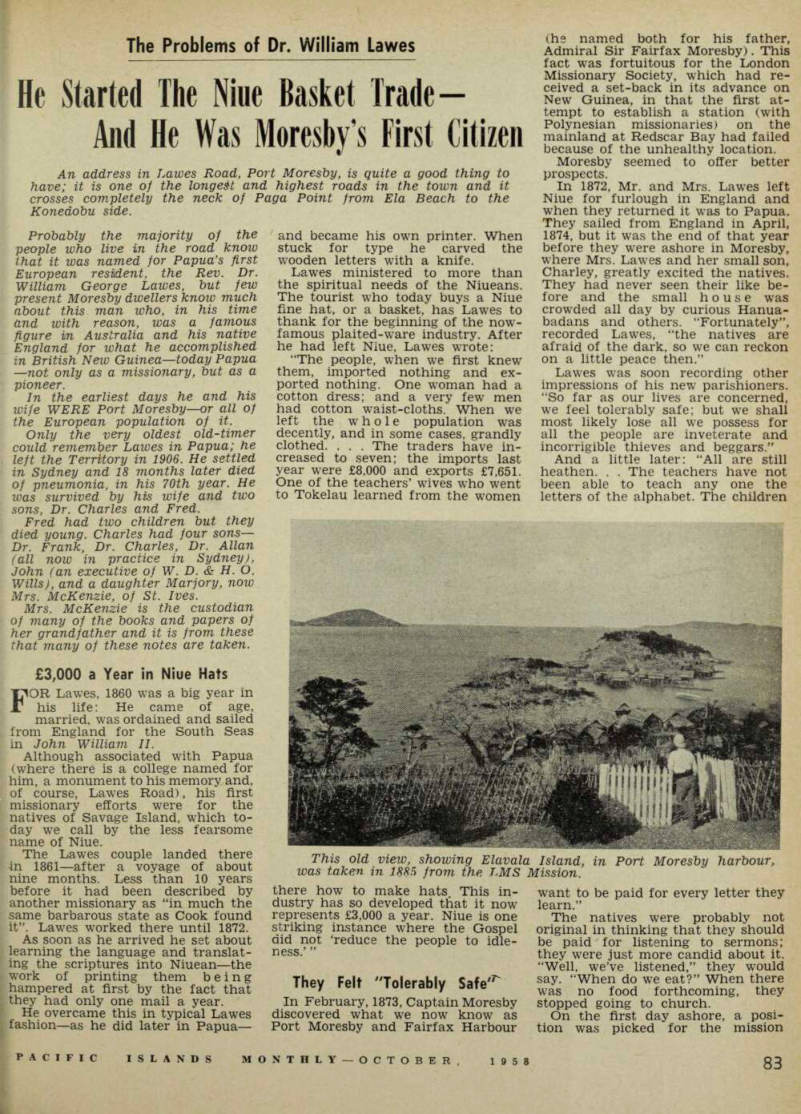 85
85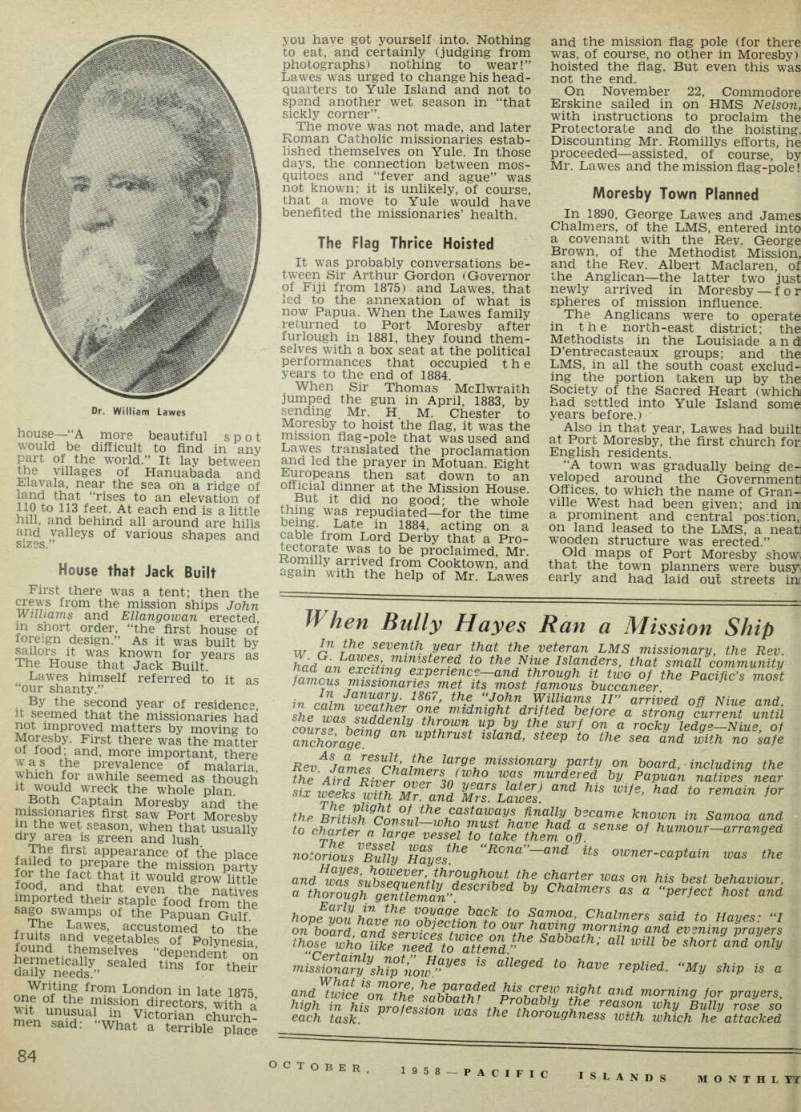 86
86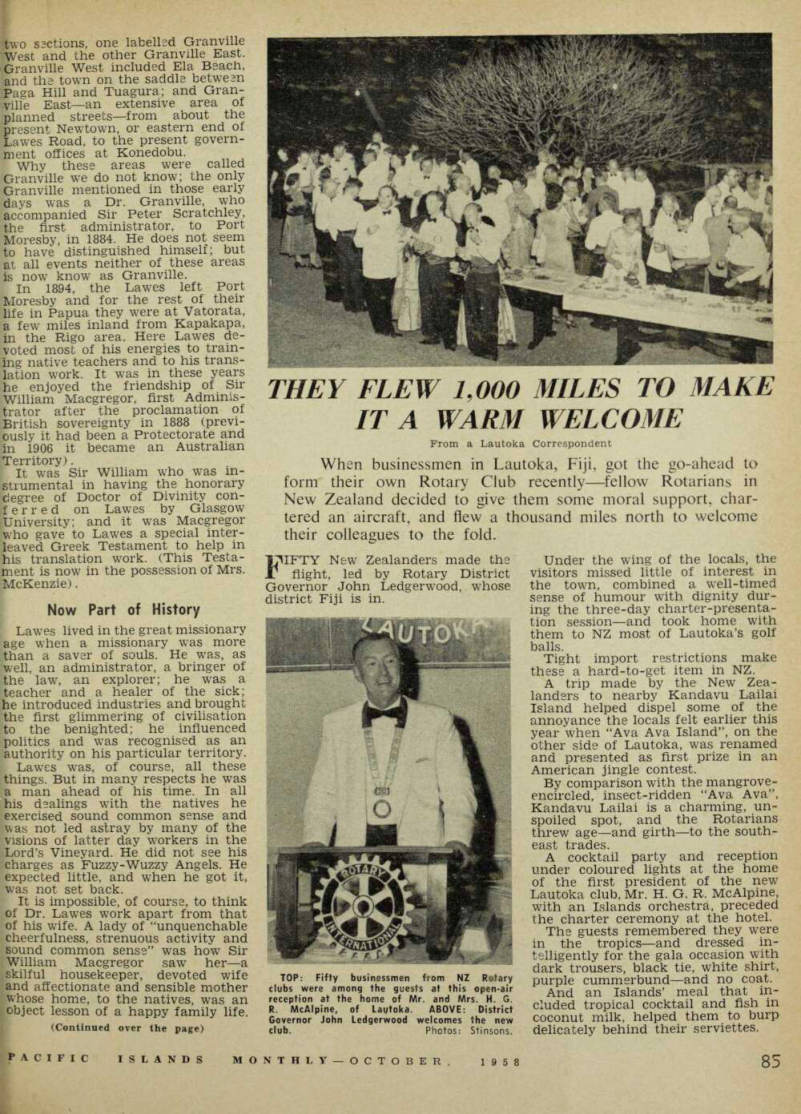 87
87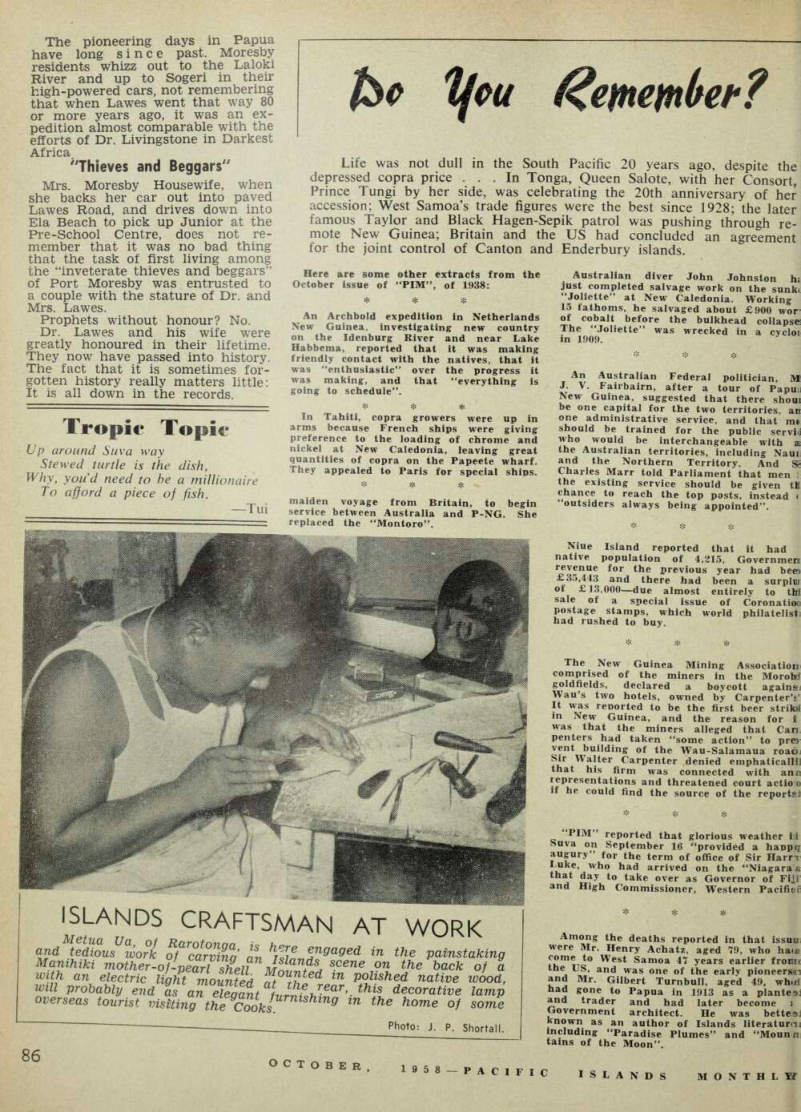 88
88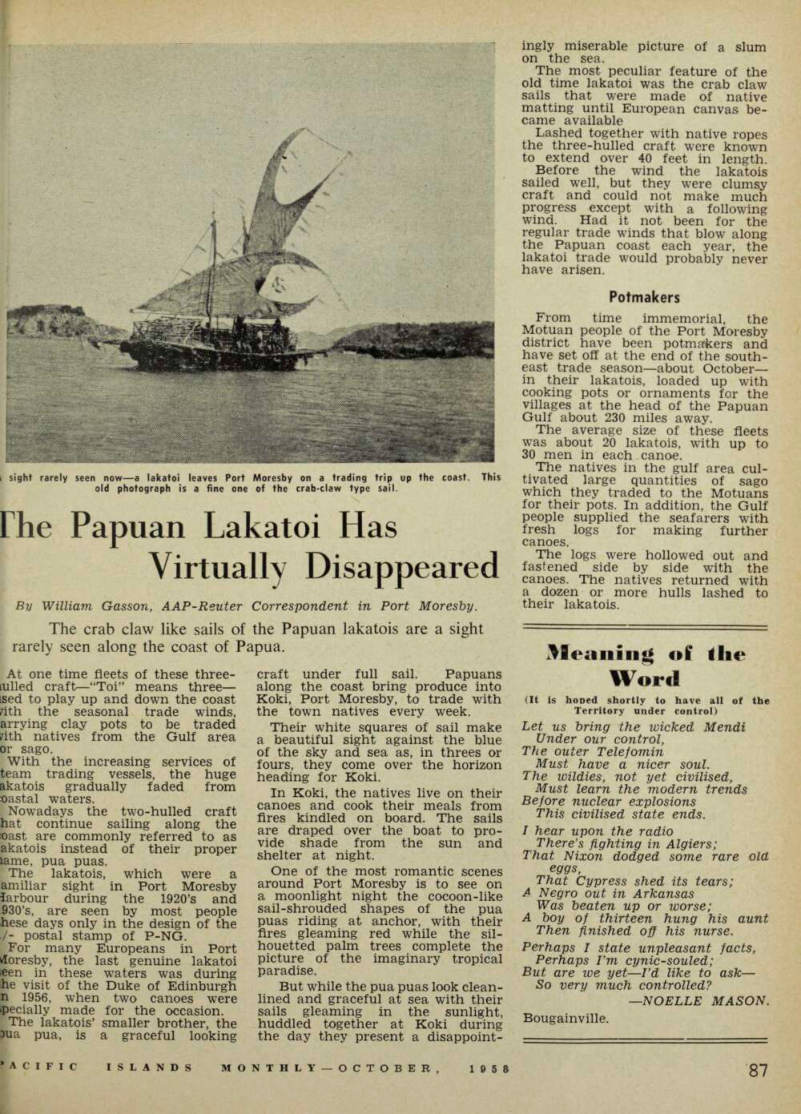 89
89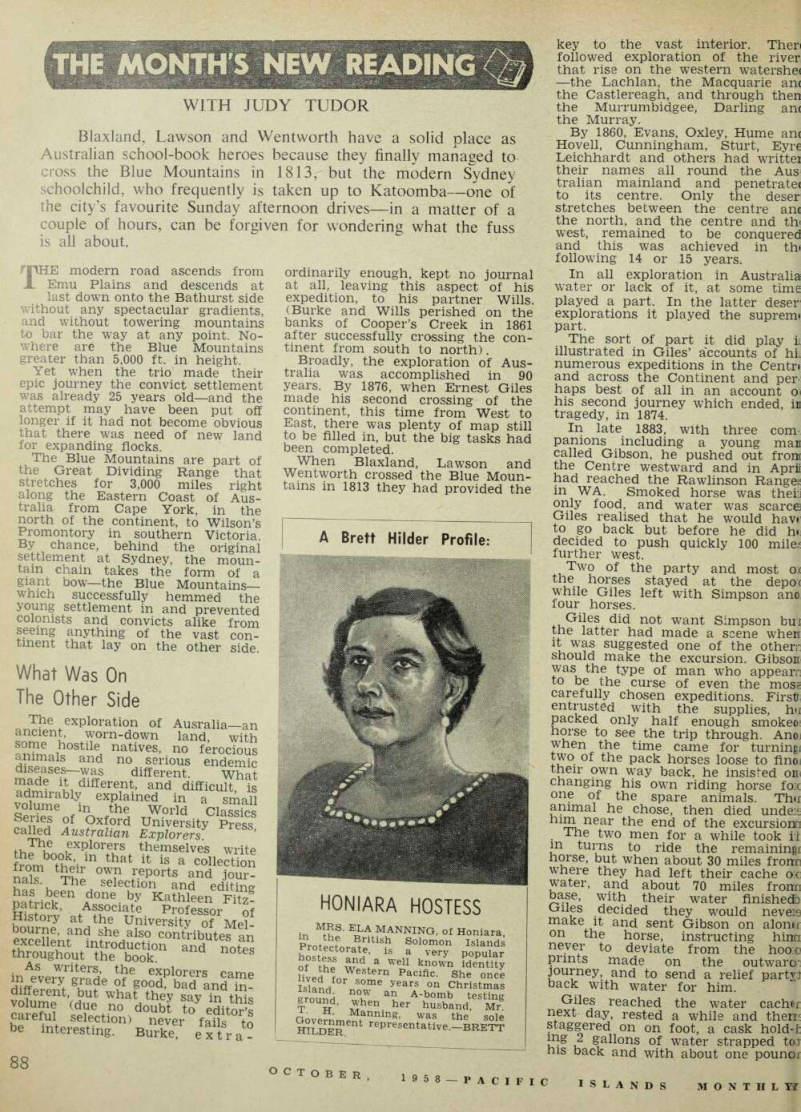 90
90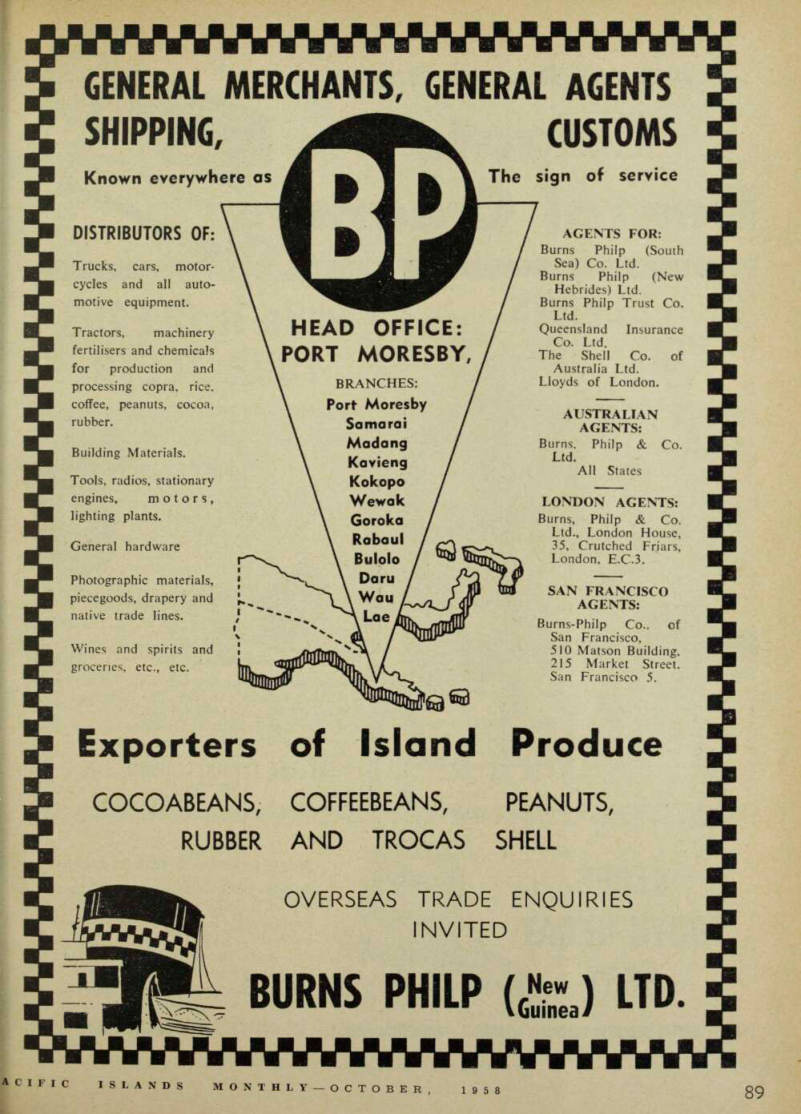 91
91 92
92 93
93 94
94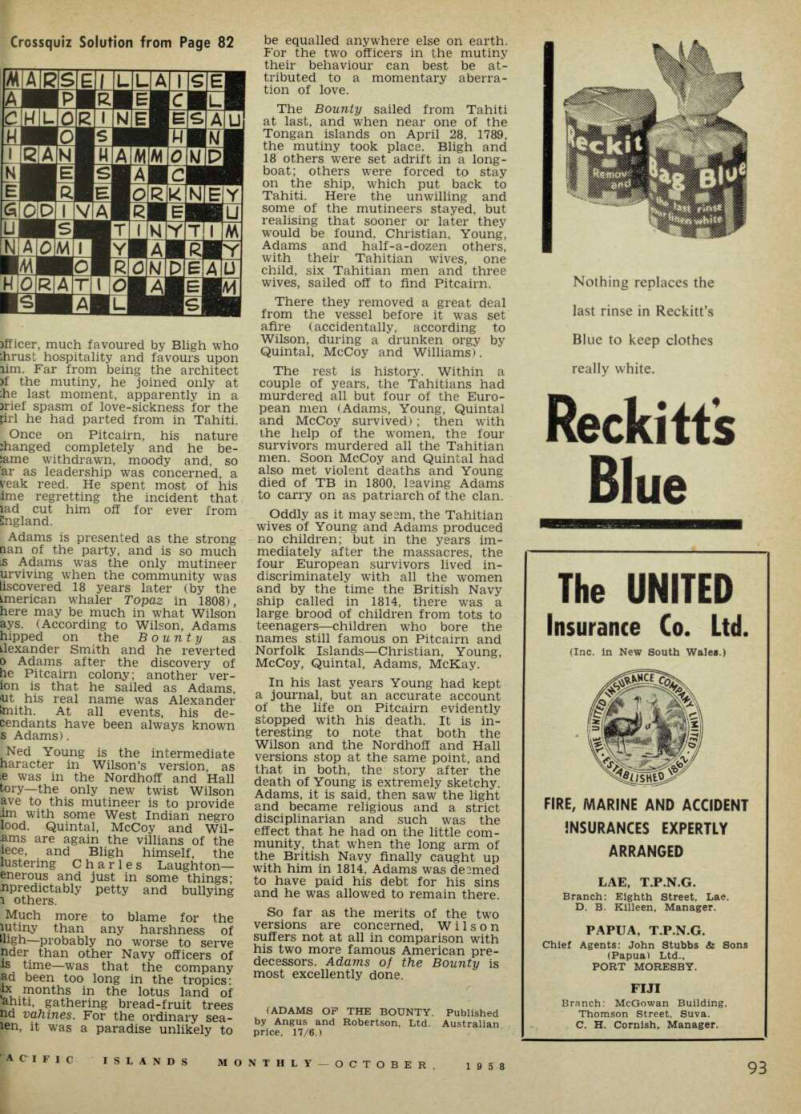 95
95 96
96 97
97 98
98 99
99 100
100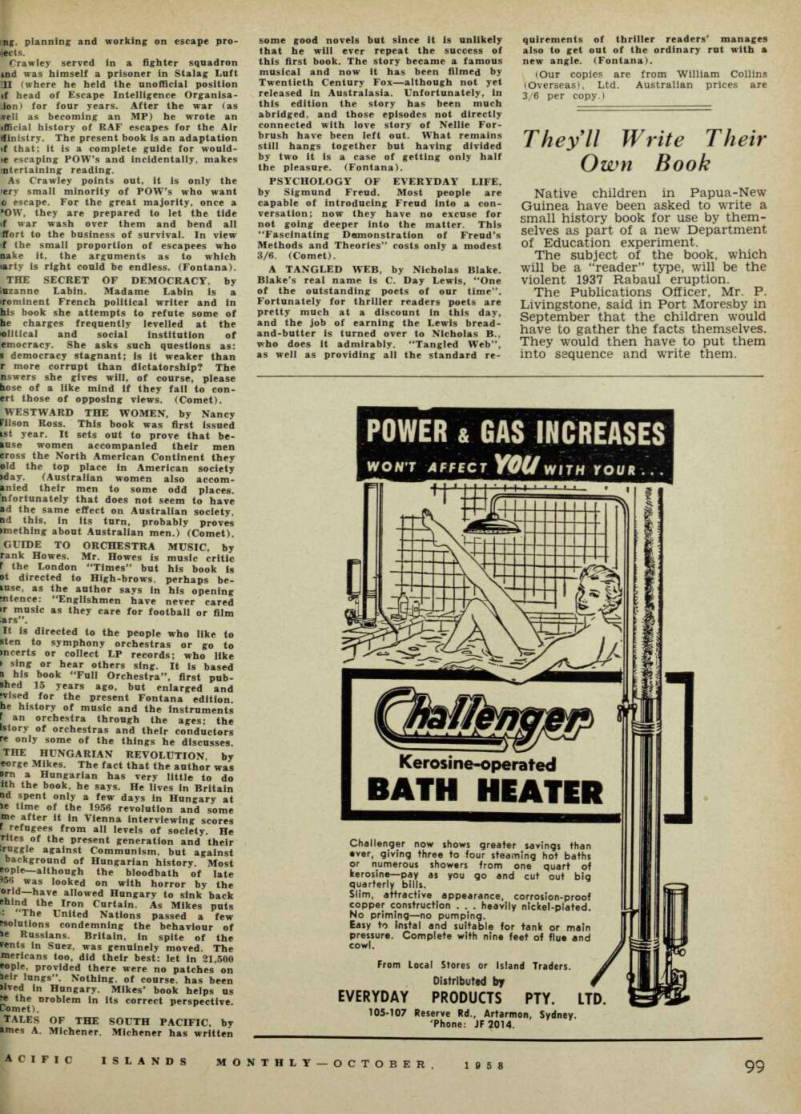 101
101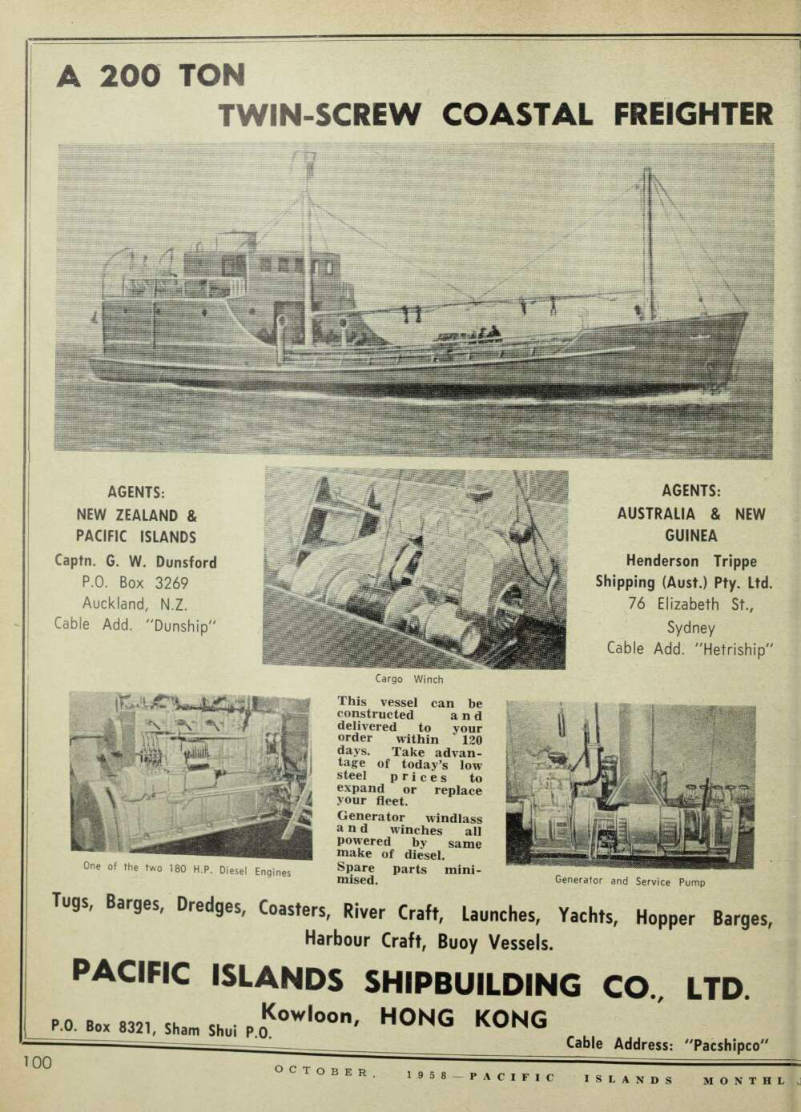 102
102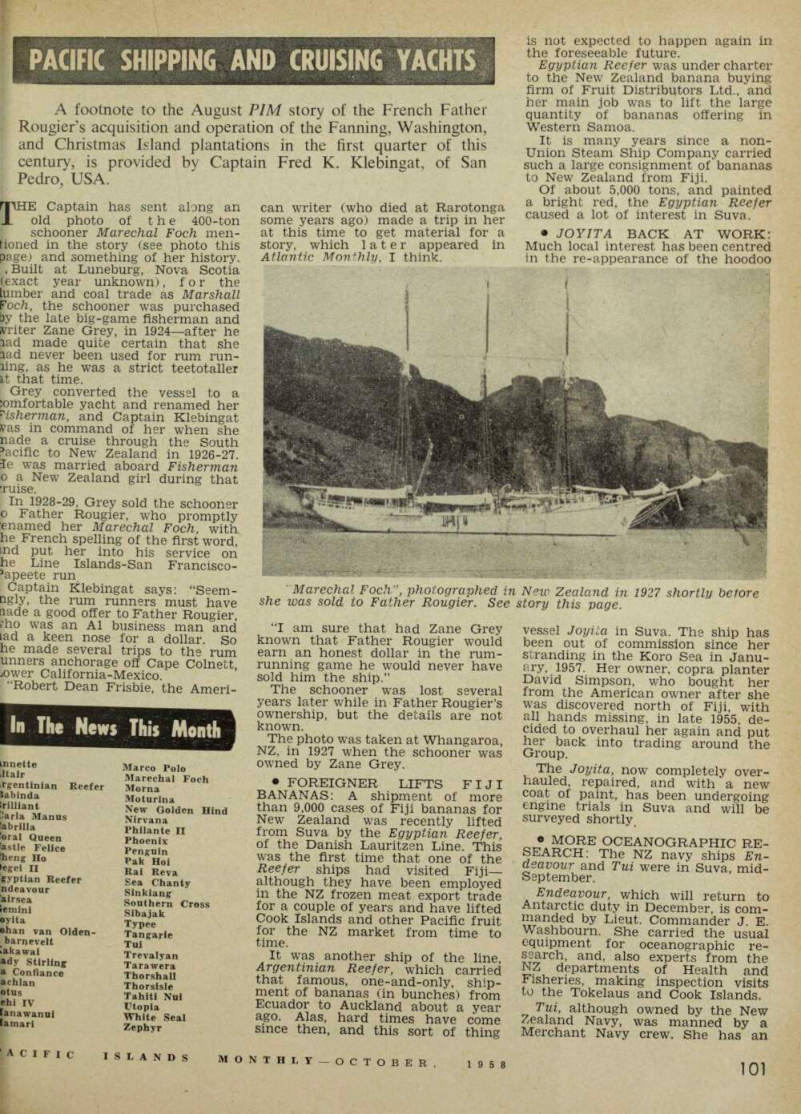 103
103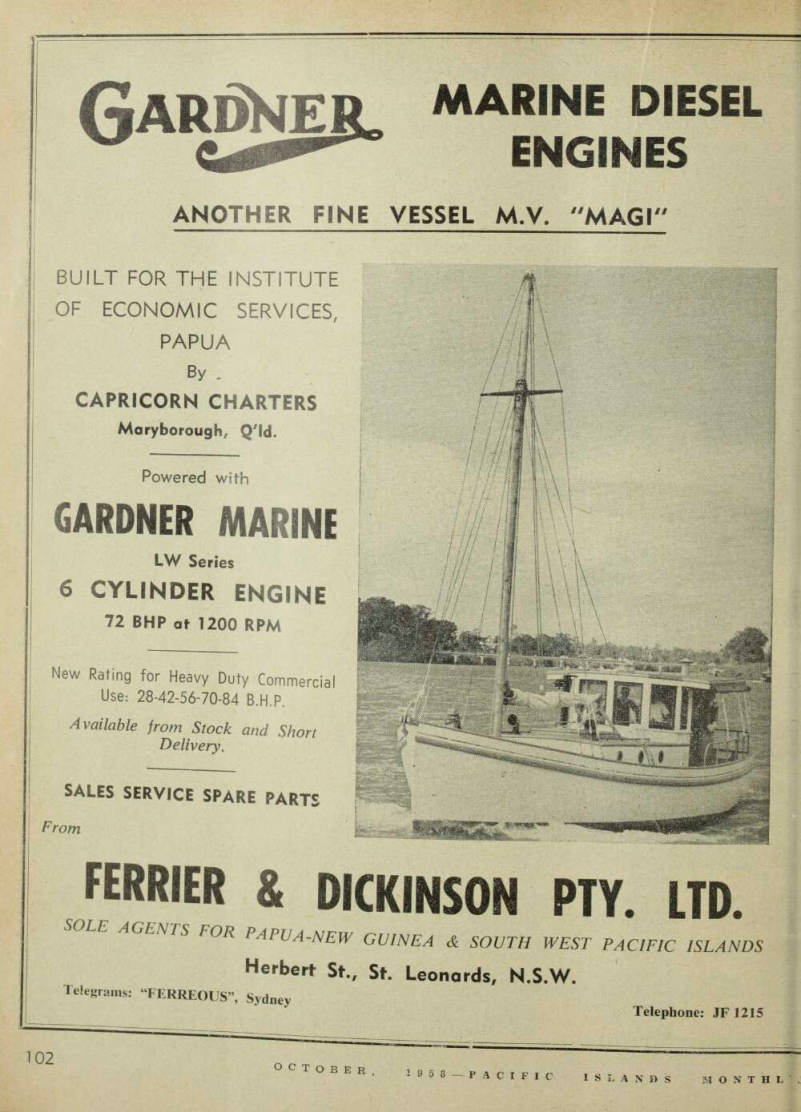 104
104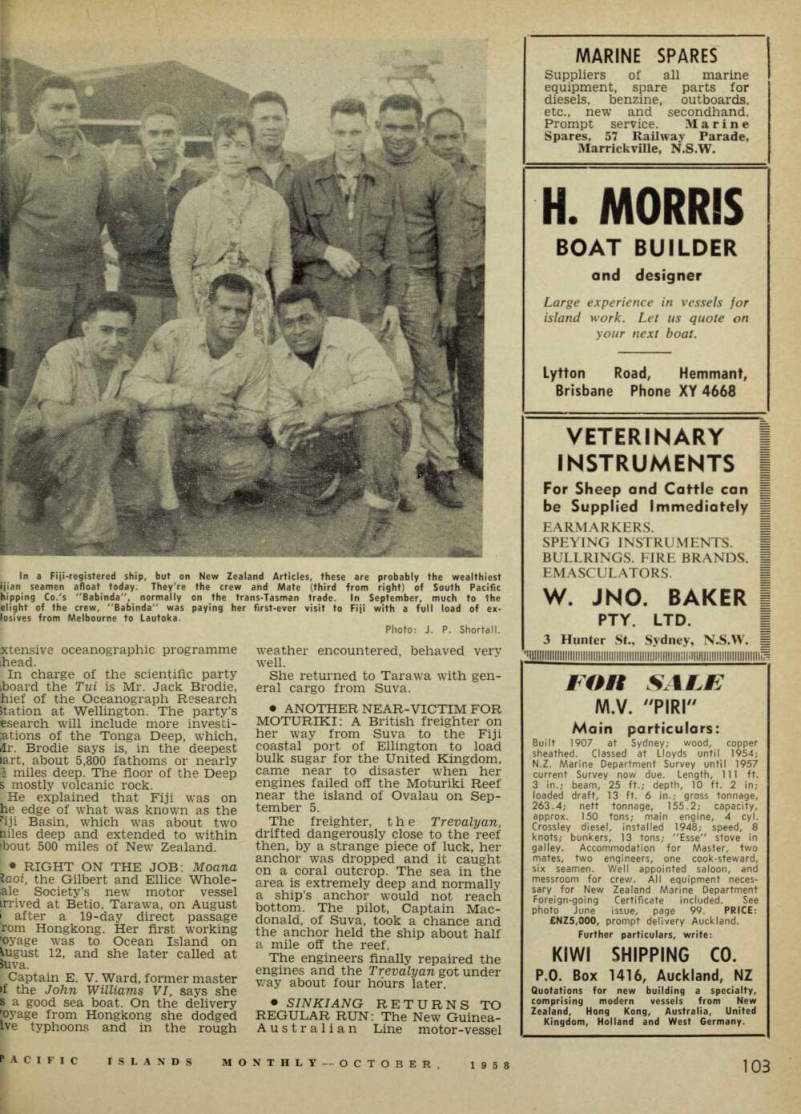 105
105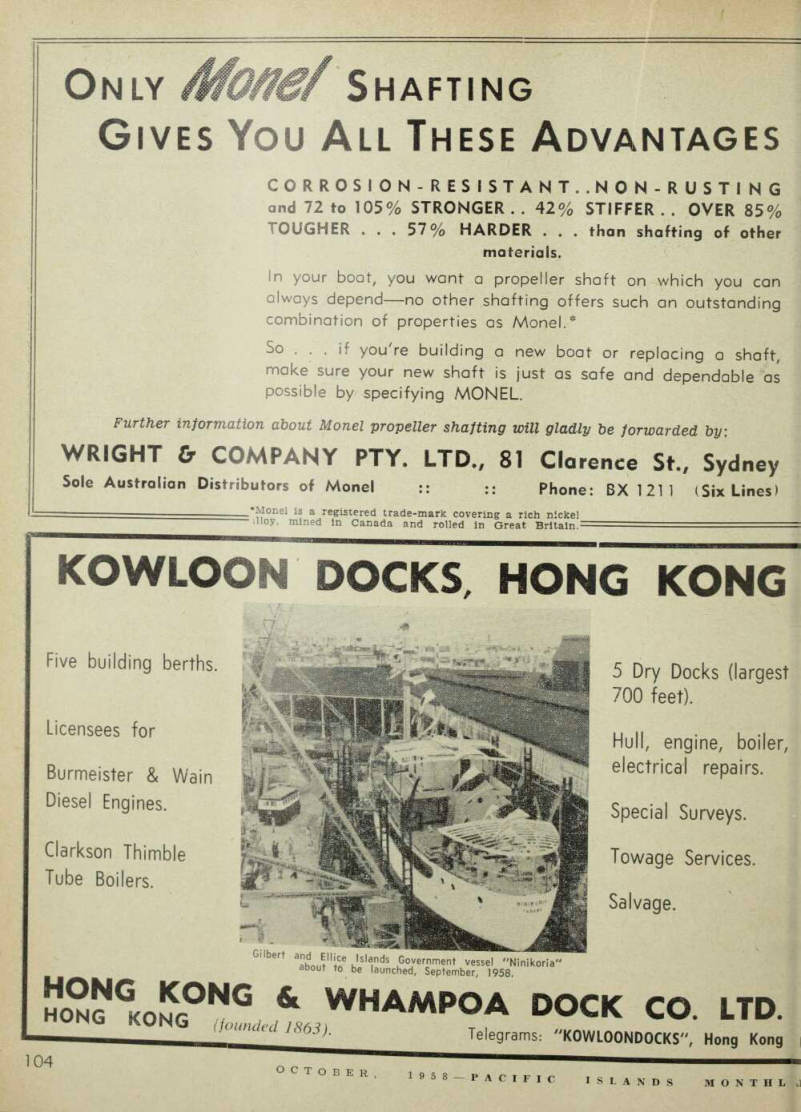 106
106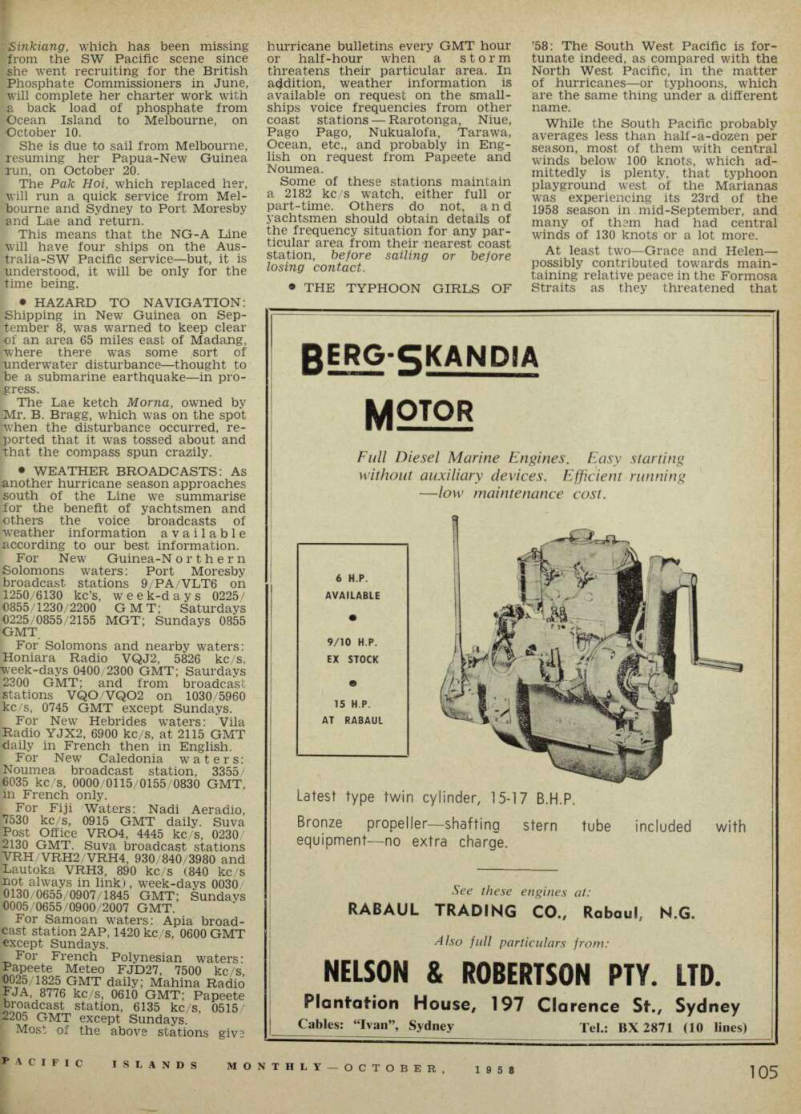 107
107 108
108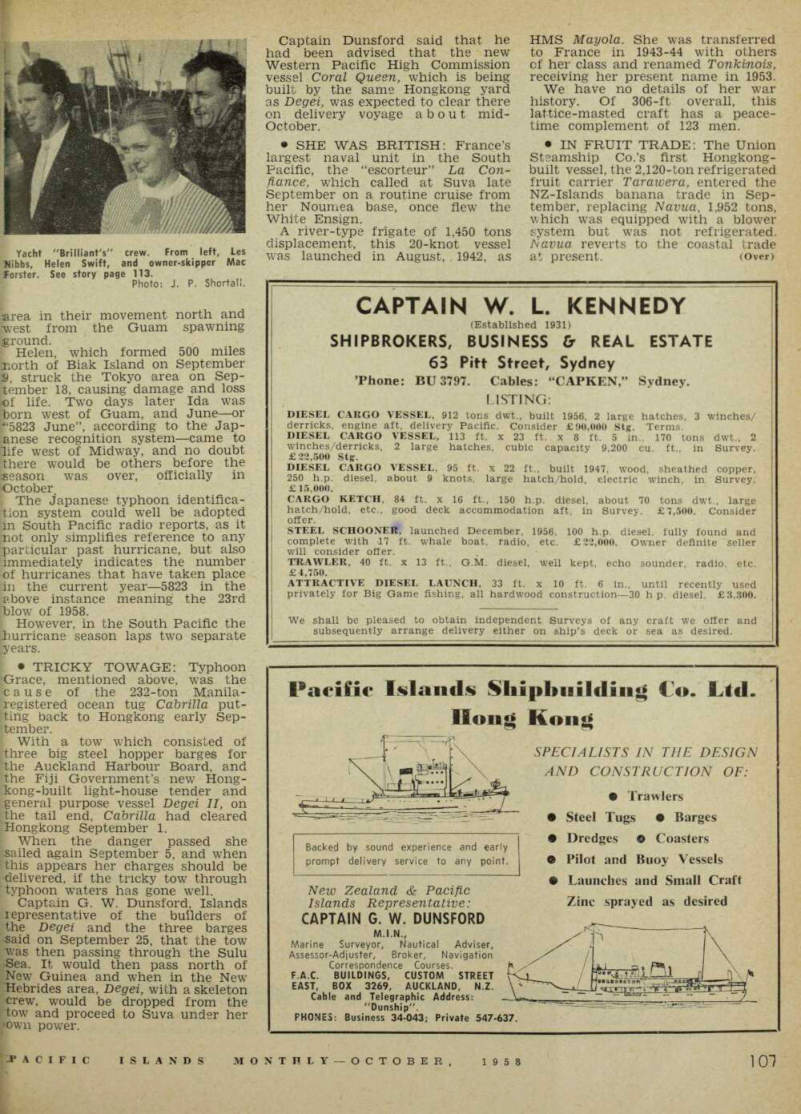 109
109 110
110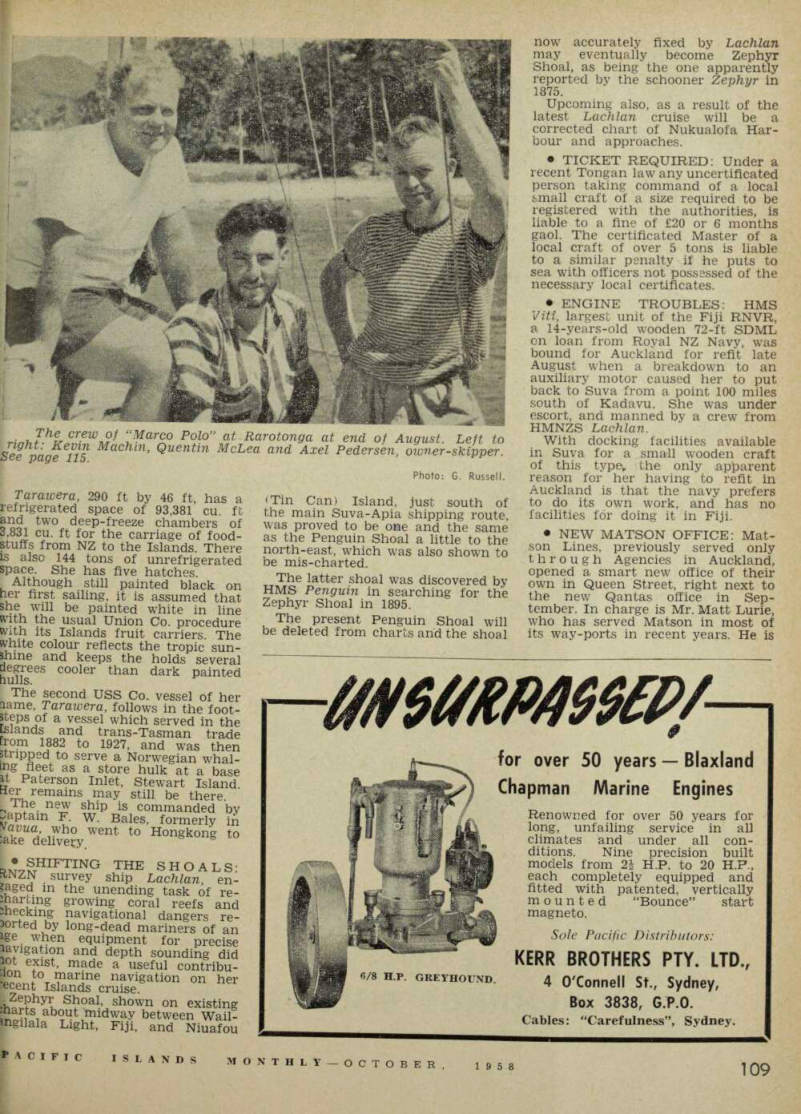 111
111 112
112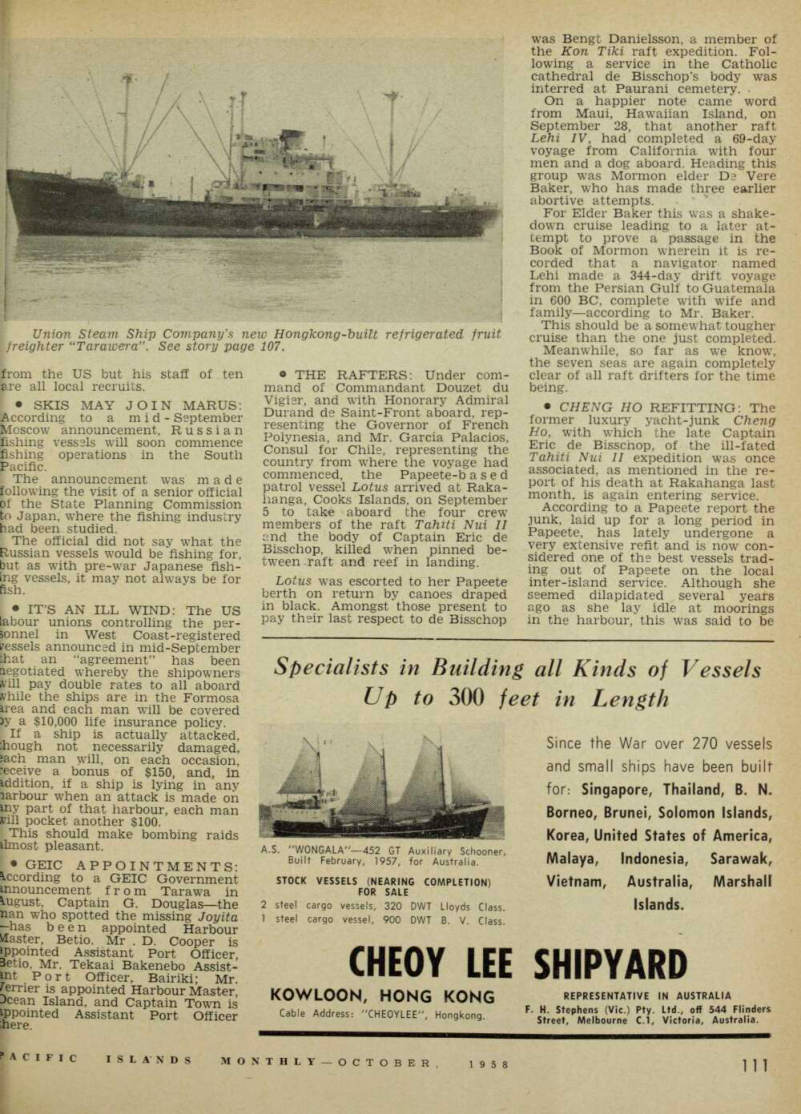 113
113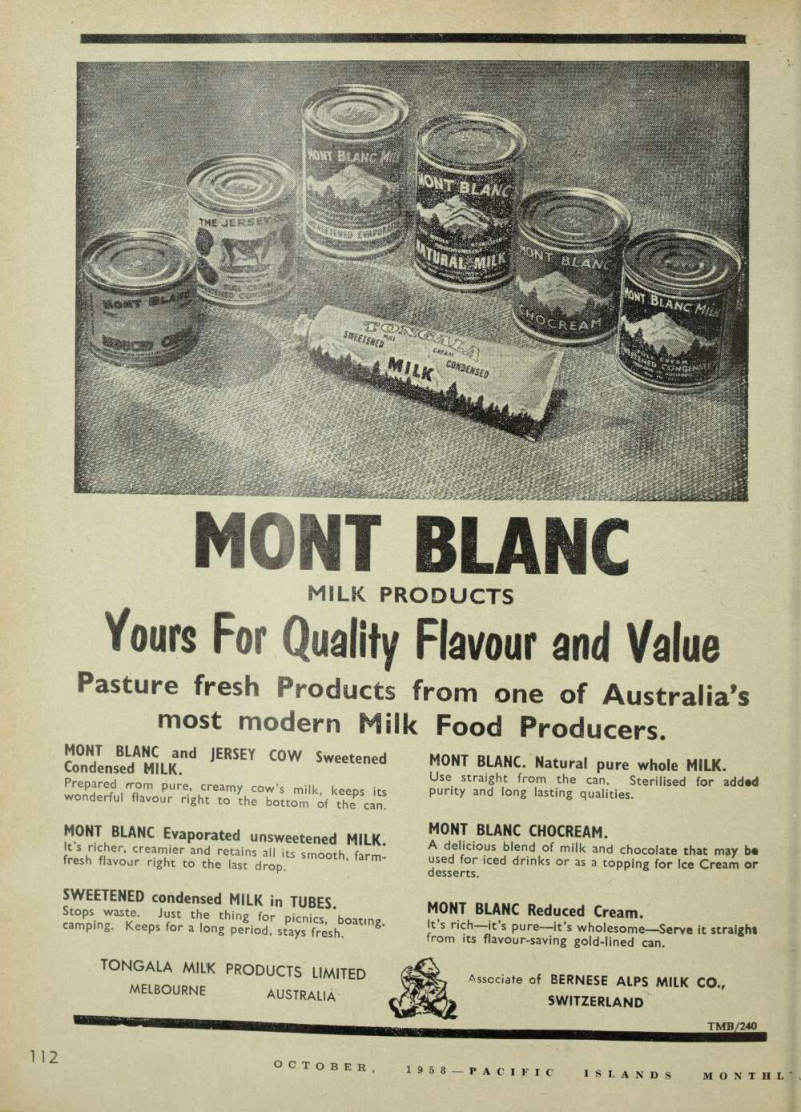 114
114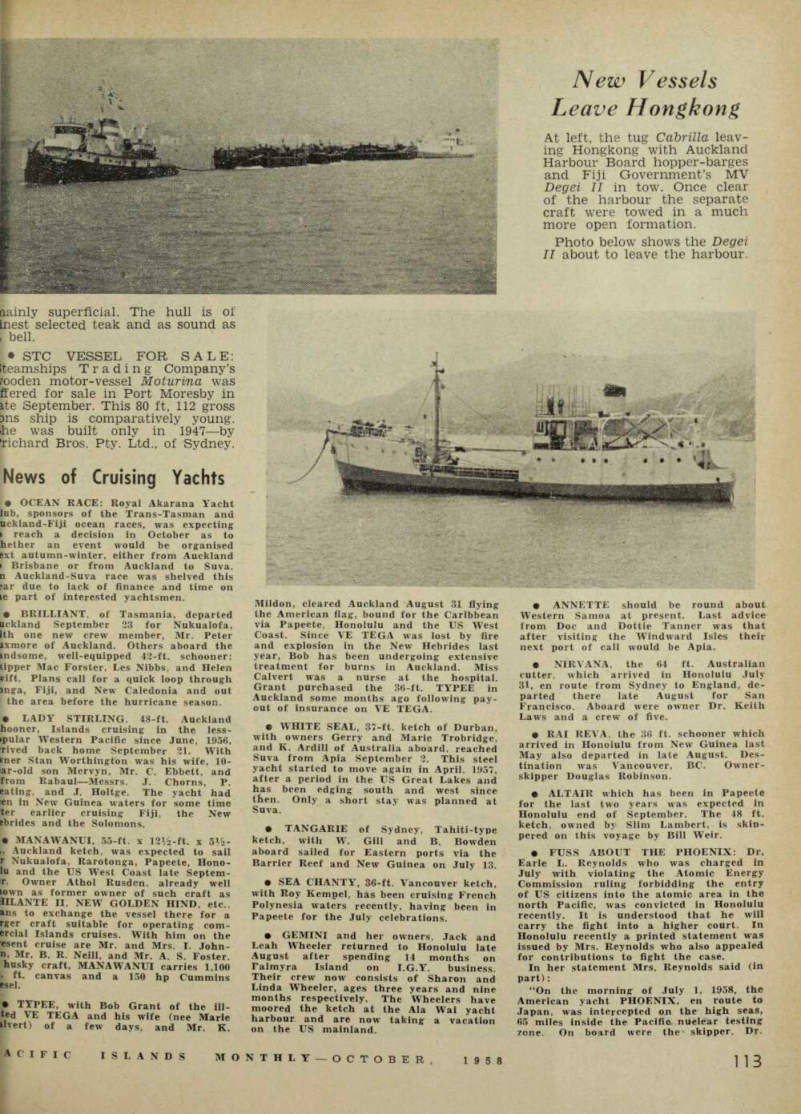 115
115 116
116 117
117 118
118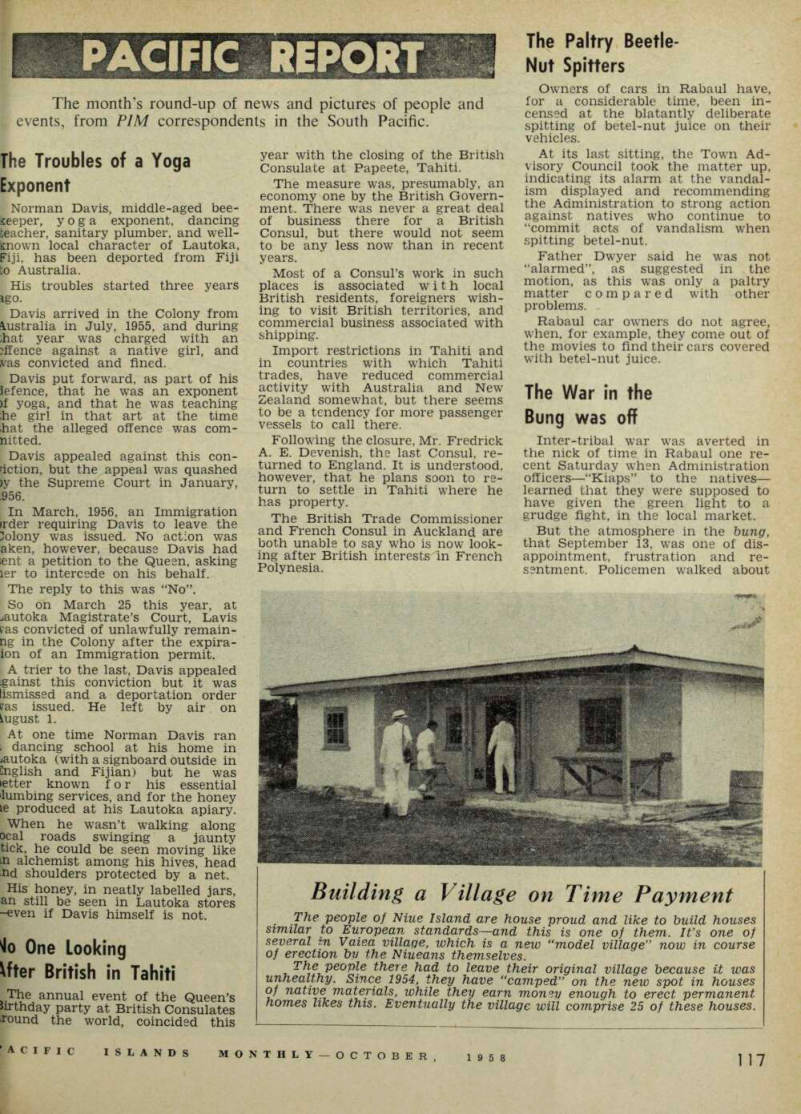 119
119 120
120 121
121 122
122 123
123 124
124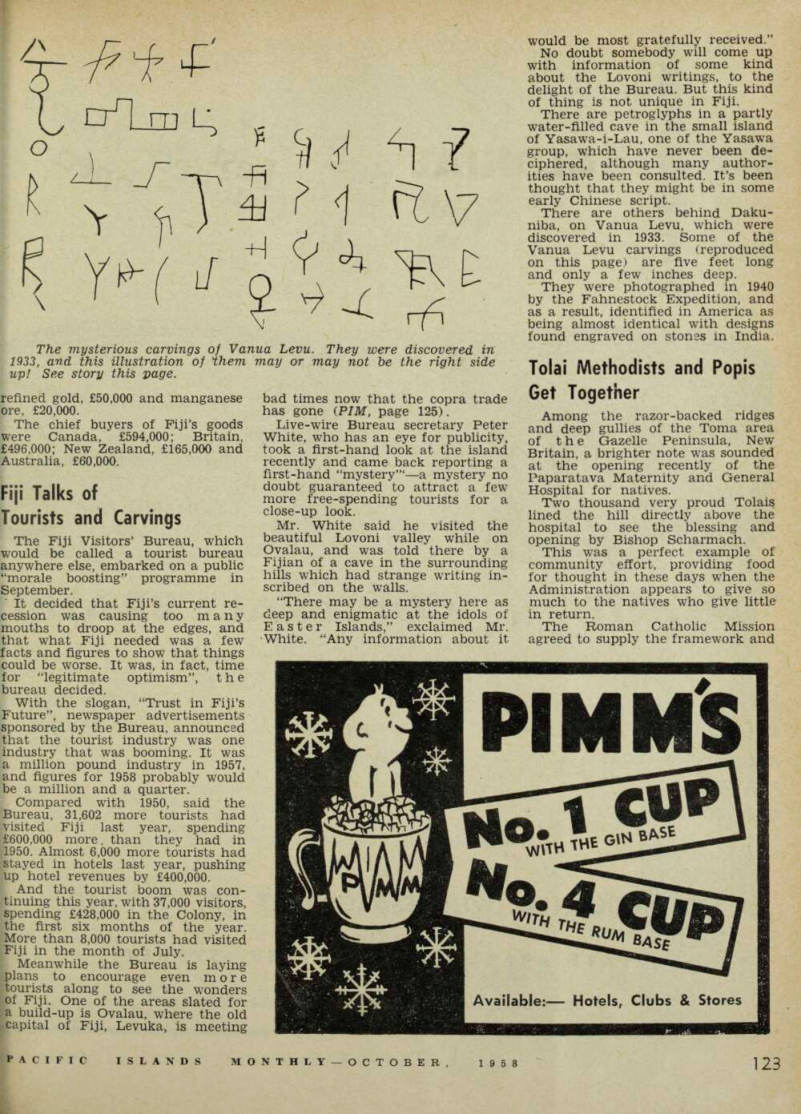 125
125 126
126 127
127 128
128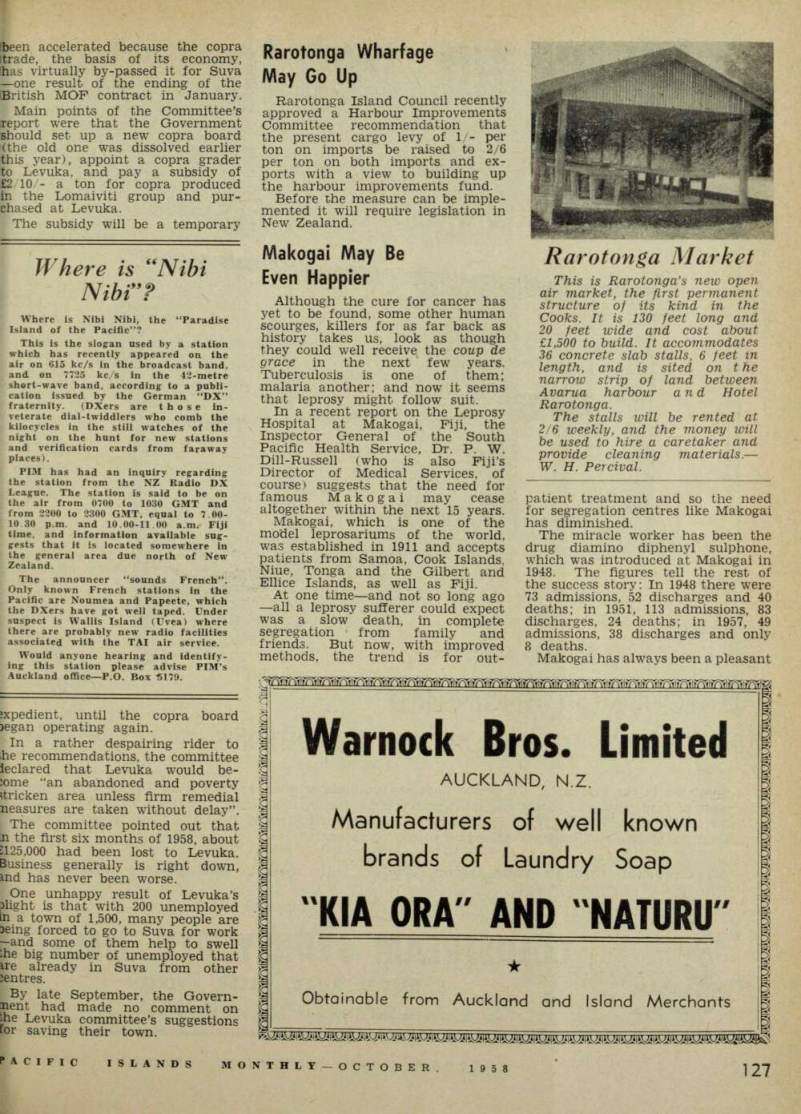 129
129 130
130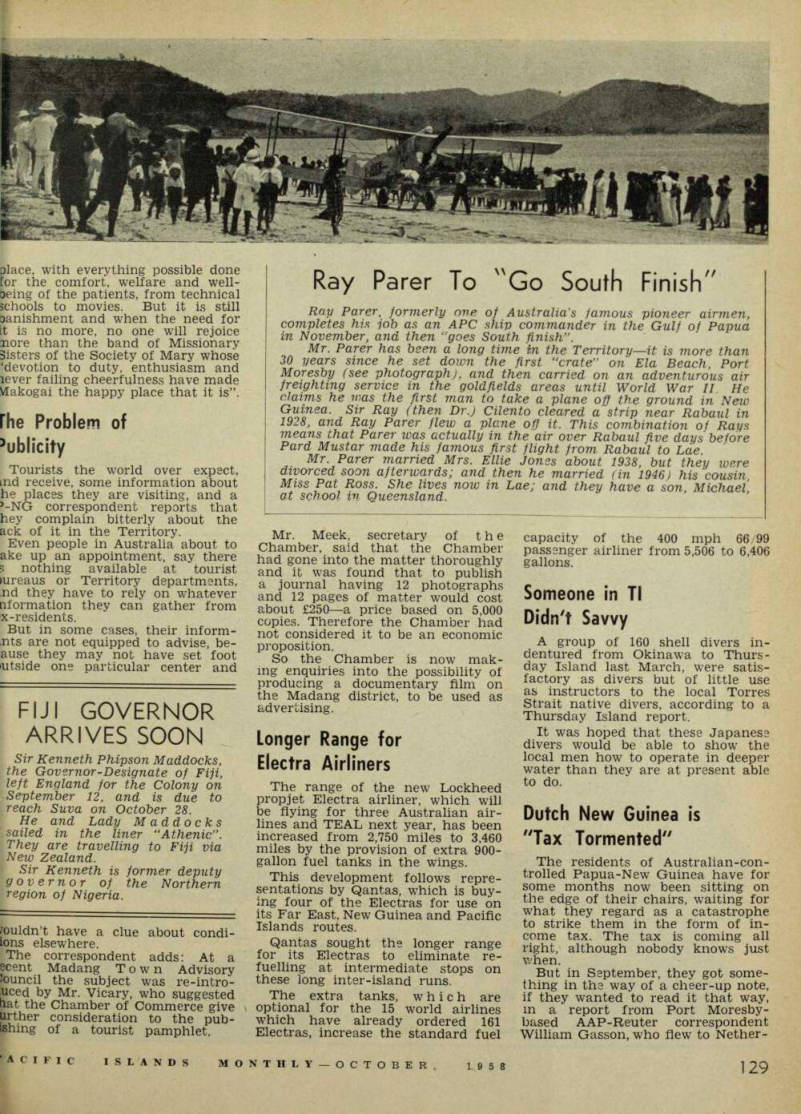 131
131 132
132 133
133 134
134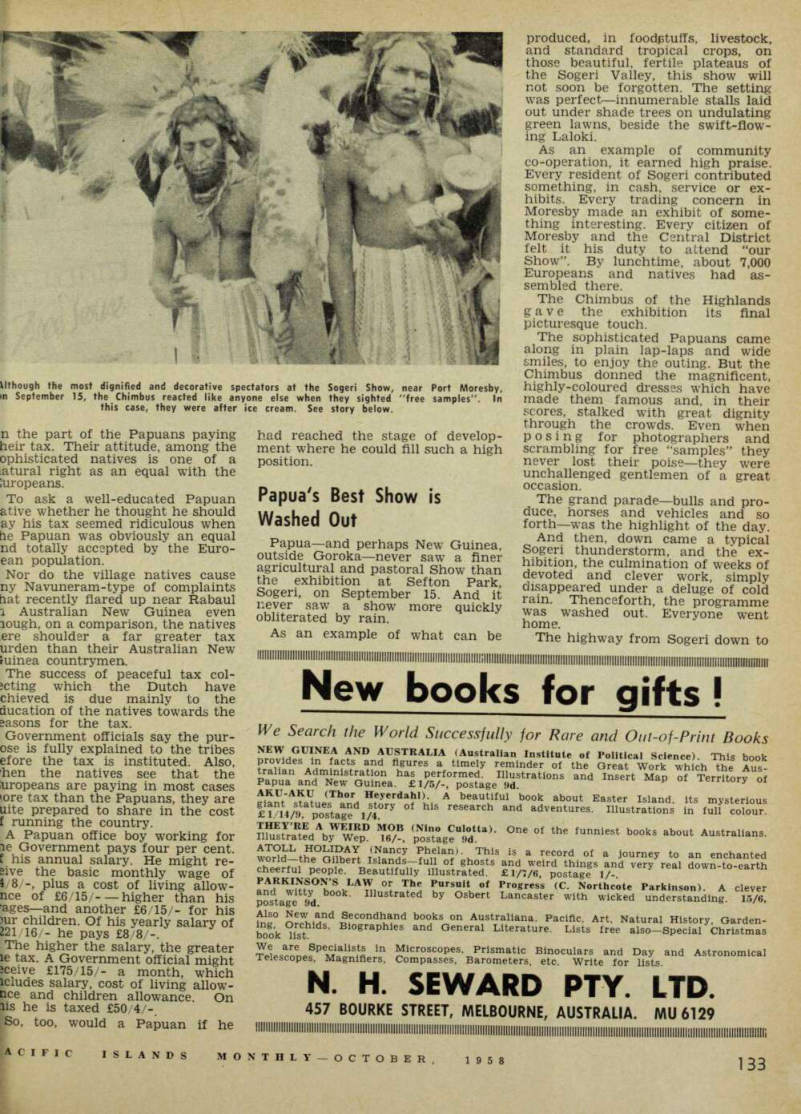 135
135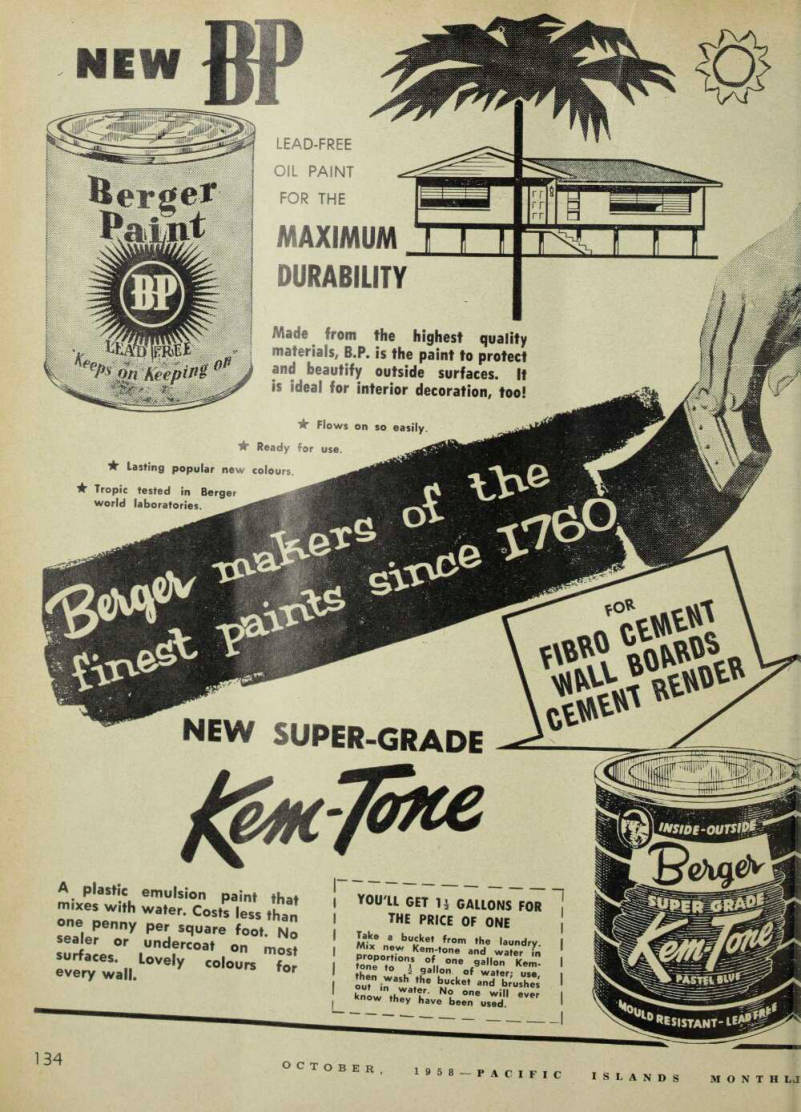 136
136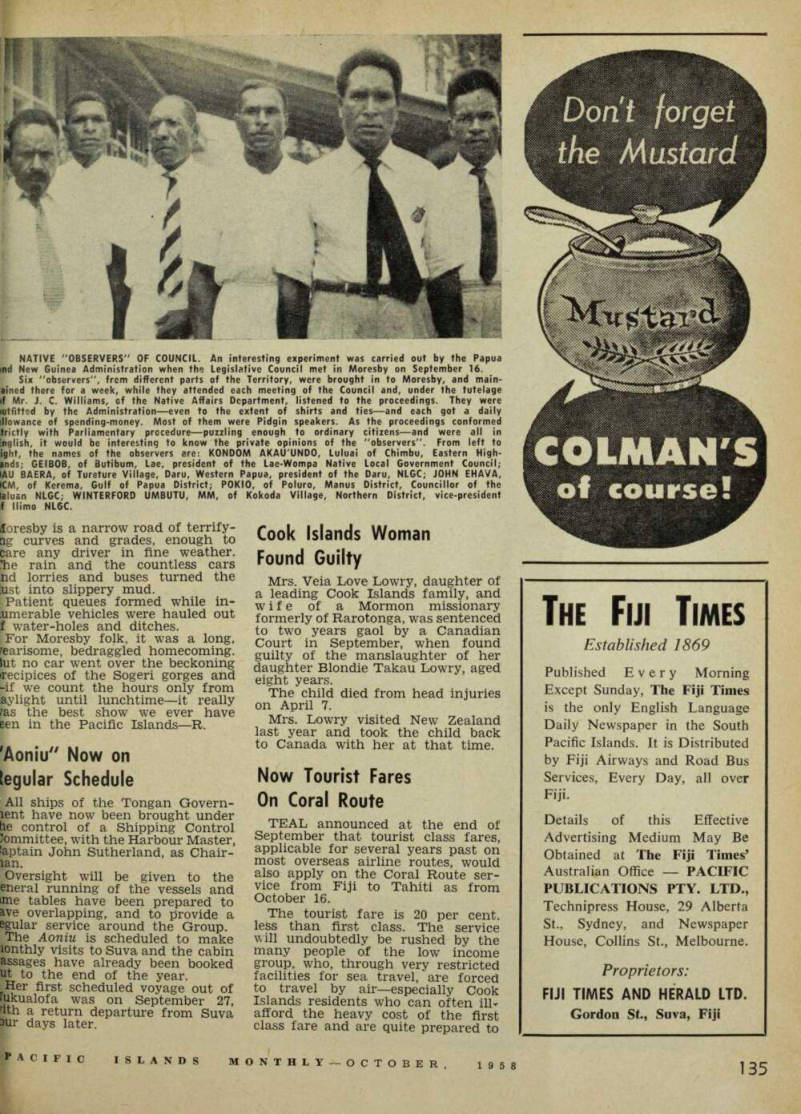 137
137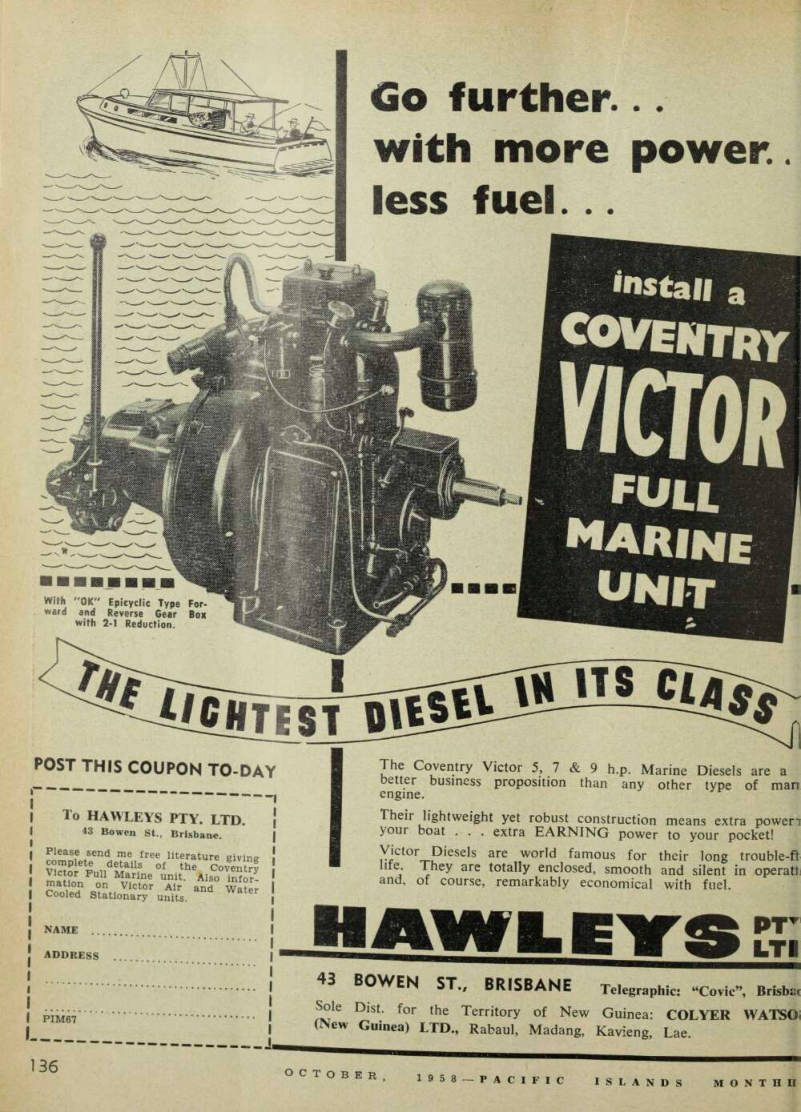 138
138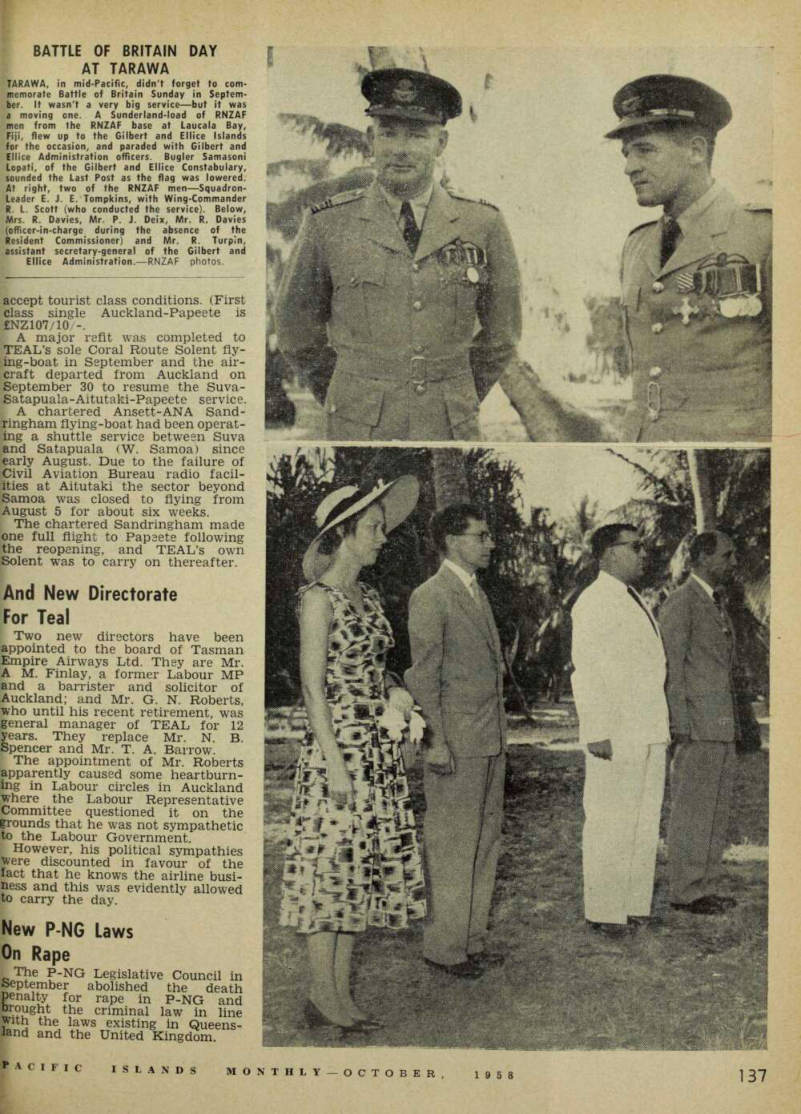 139
139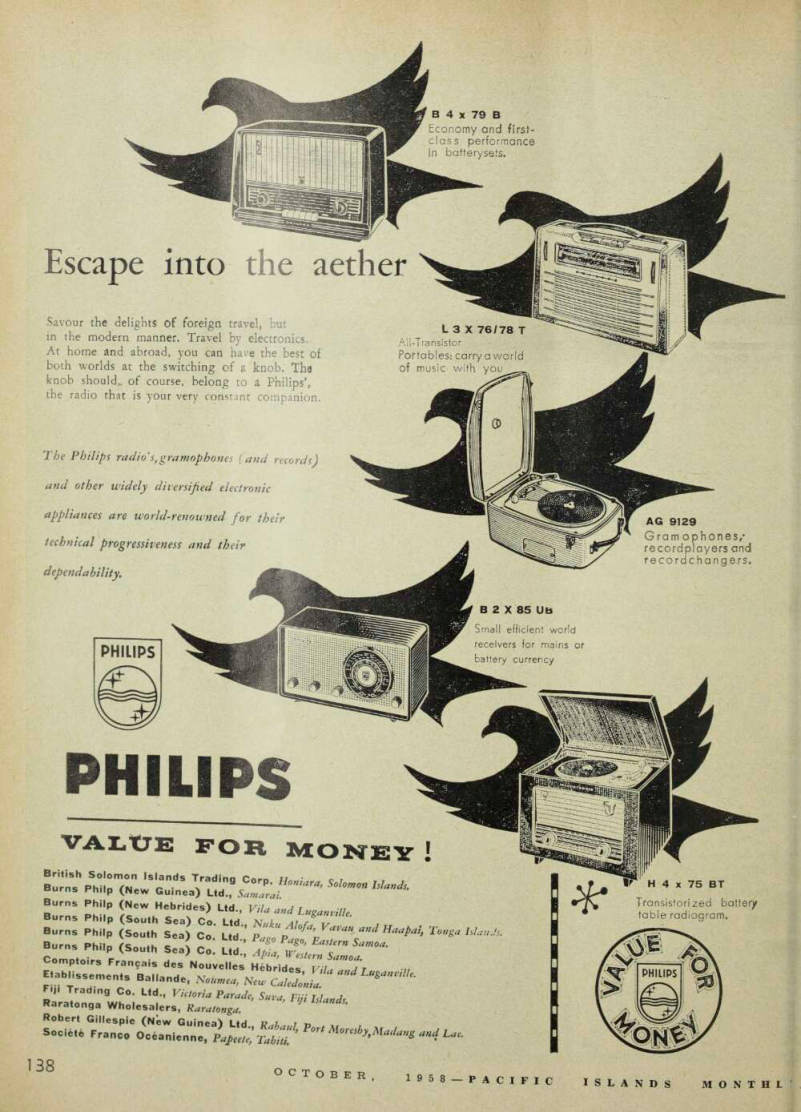 140
140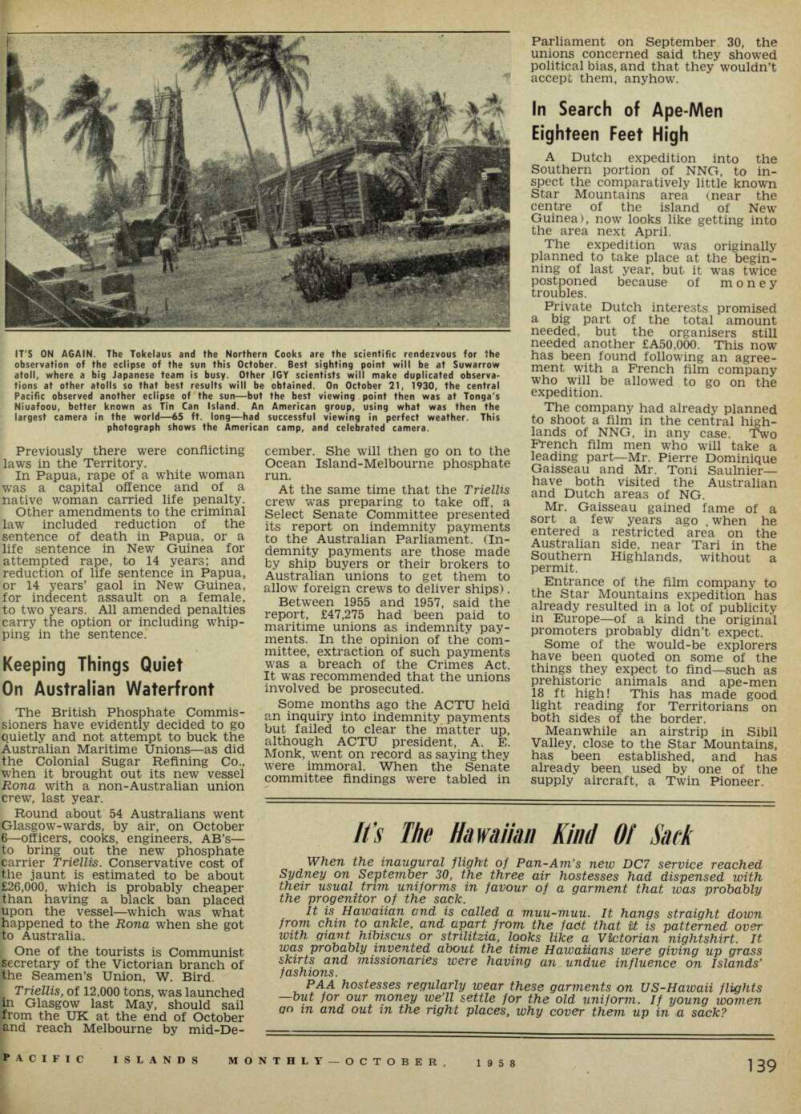 141
141 142
142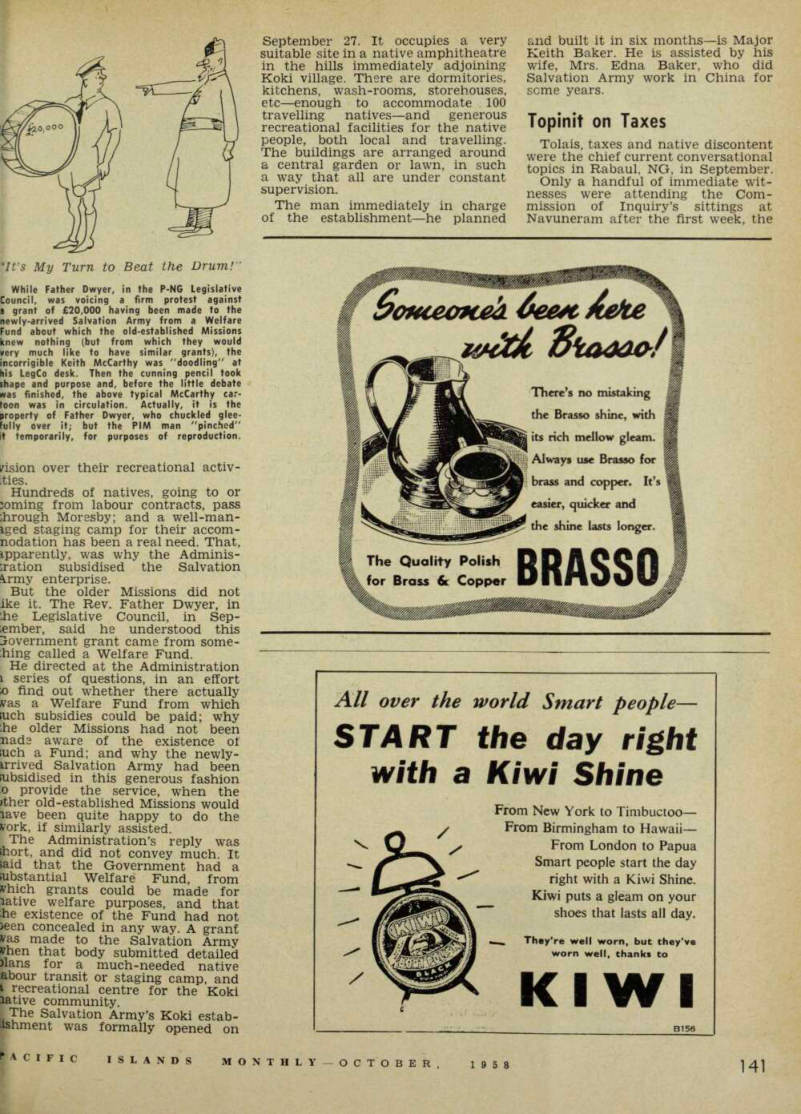 143
143 144
144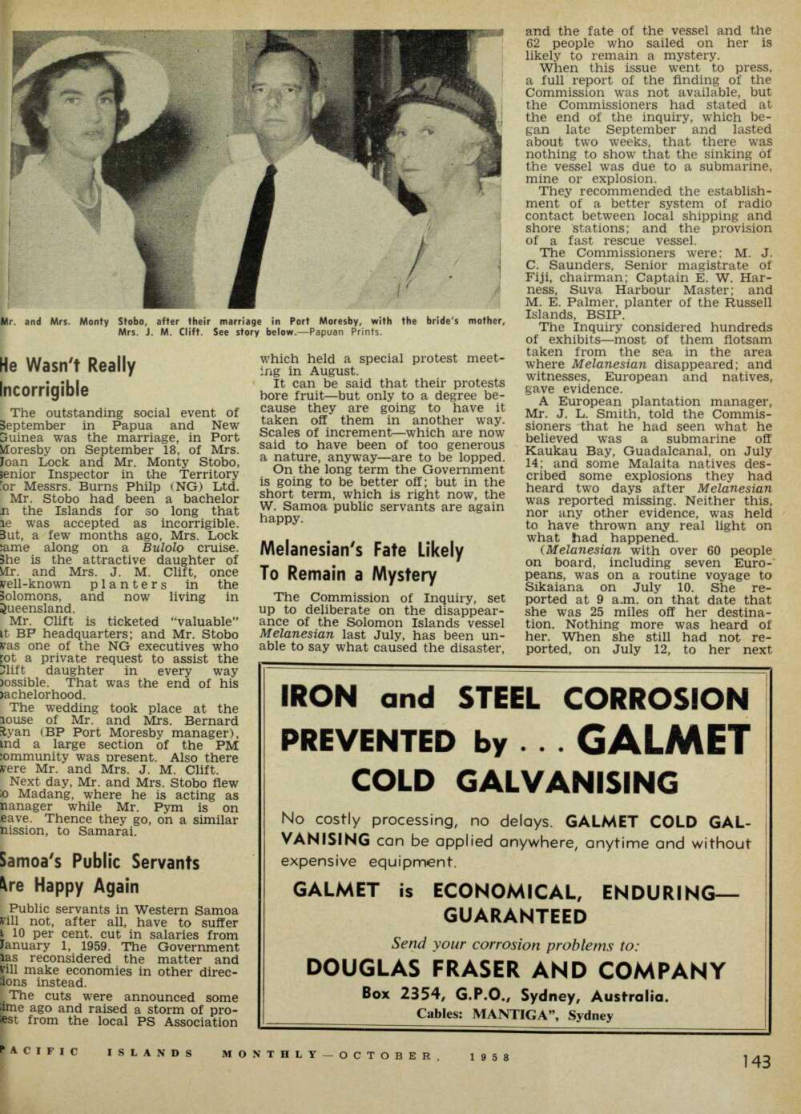 145
145 146
146 147
147 148
148 149
149 150
150 151
151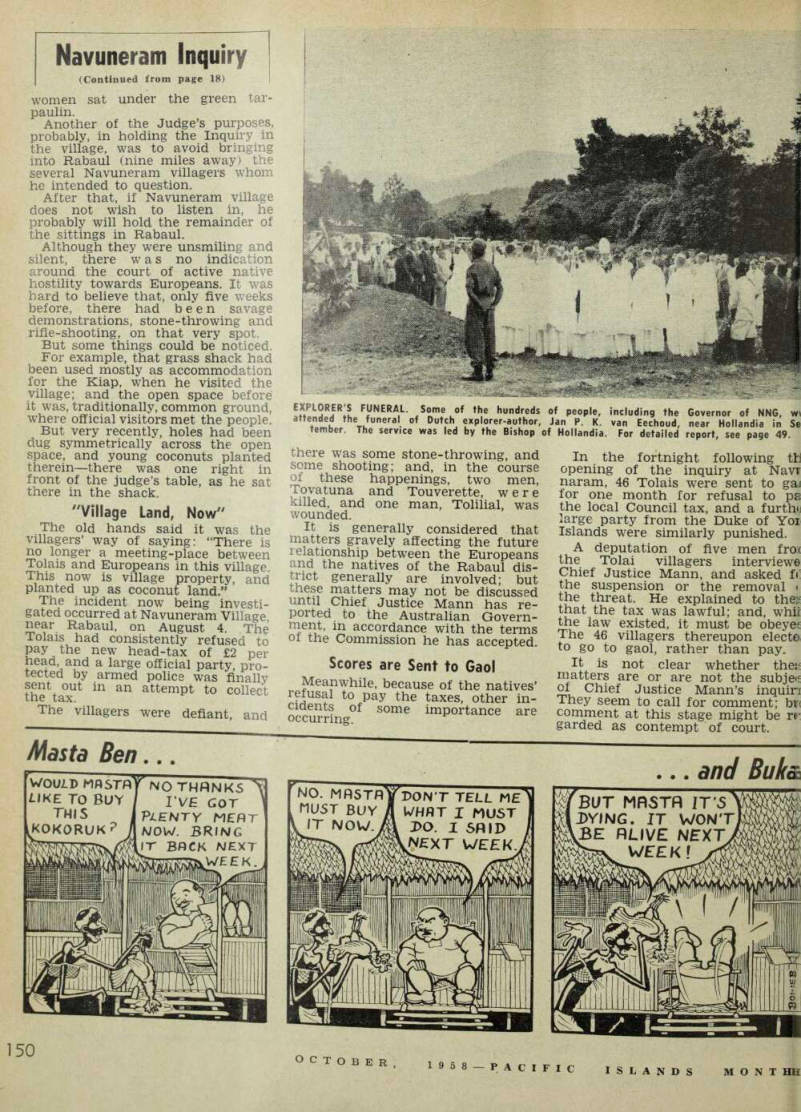 152
152 153
153 154
154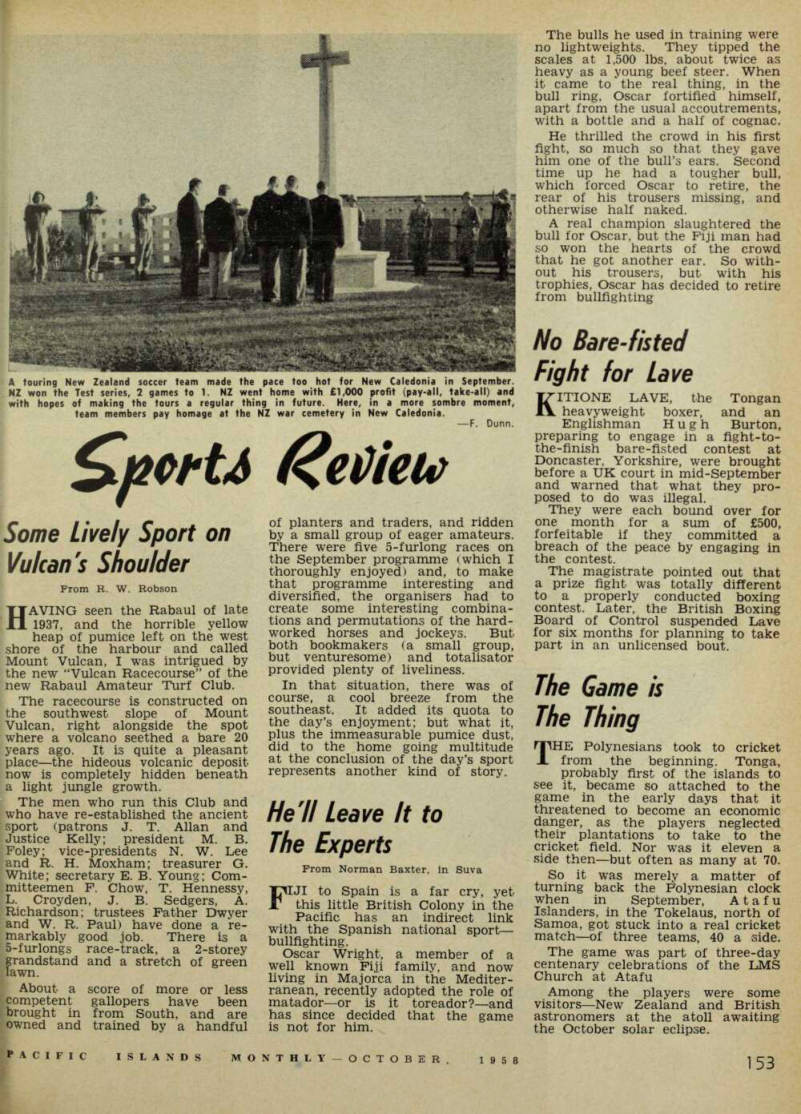 155
155 156
156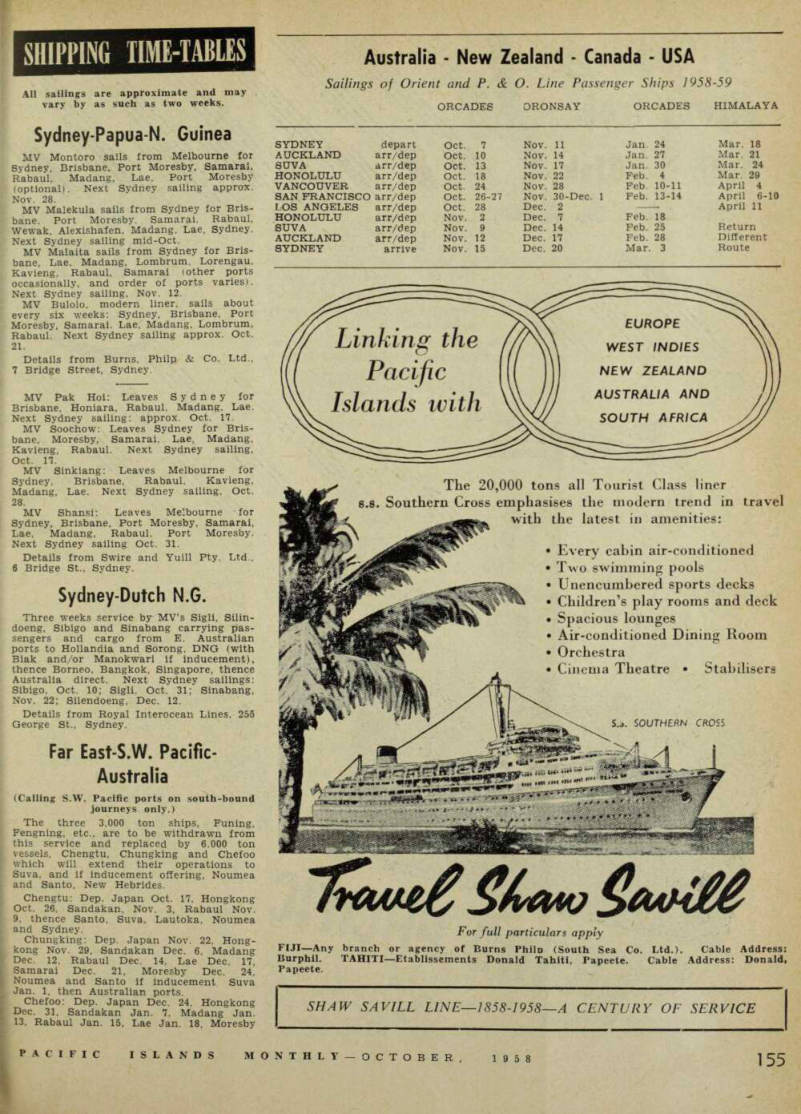 157
157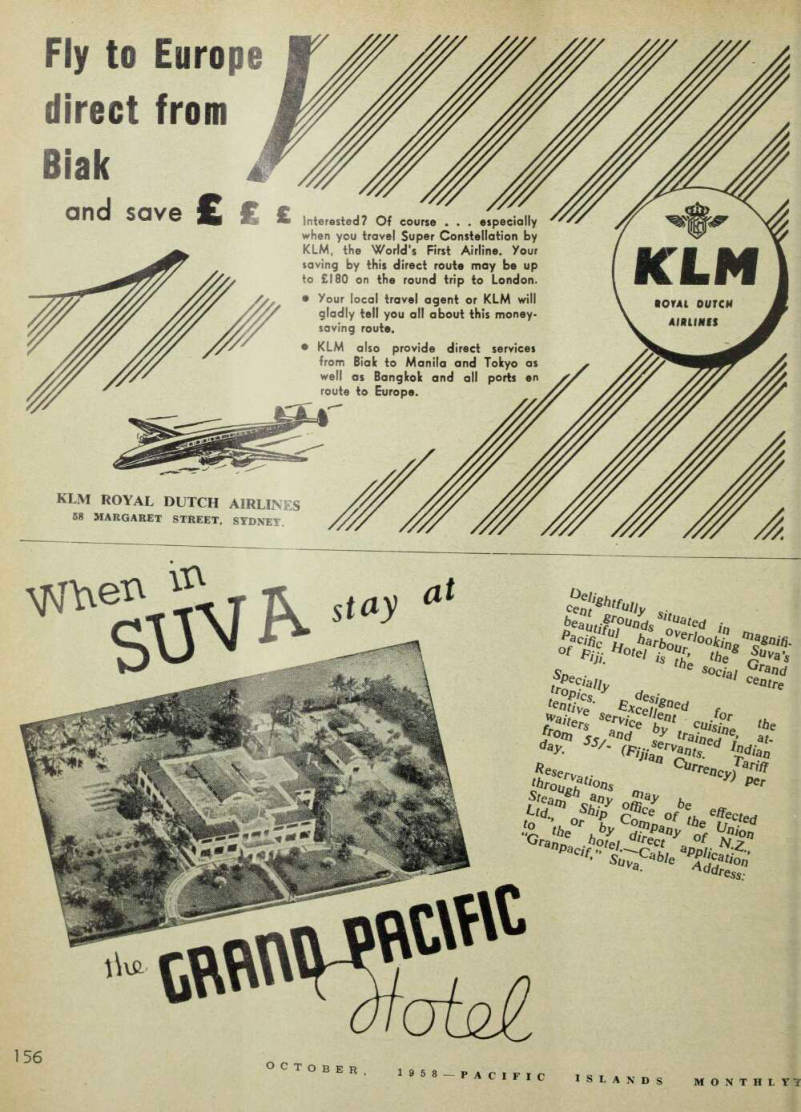 158
158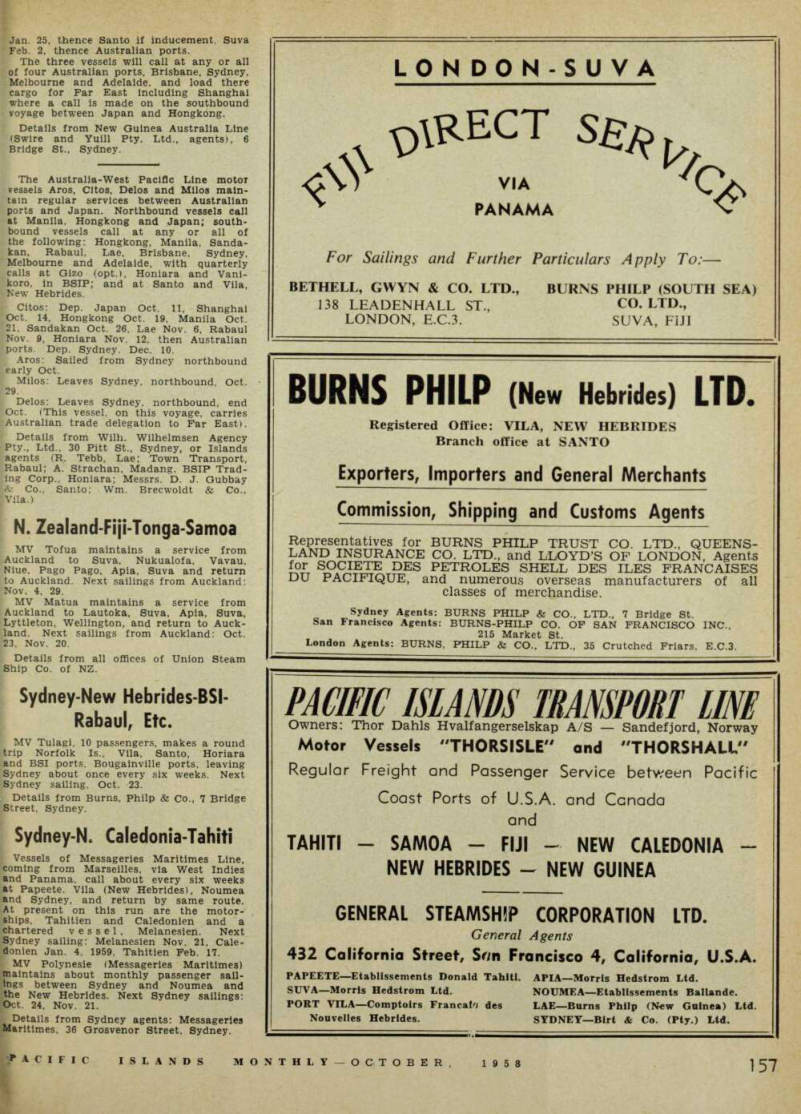 159
159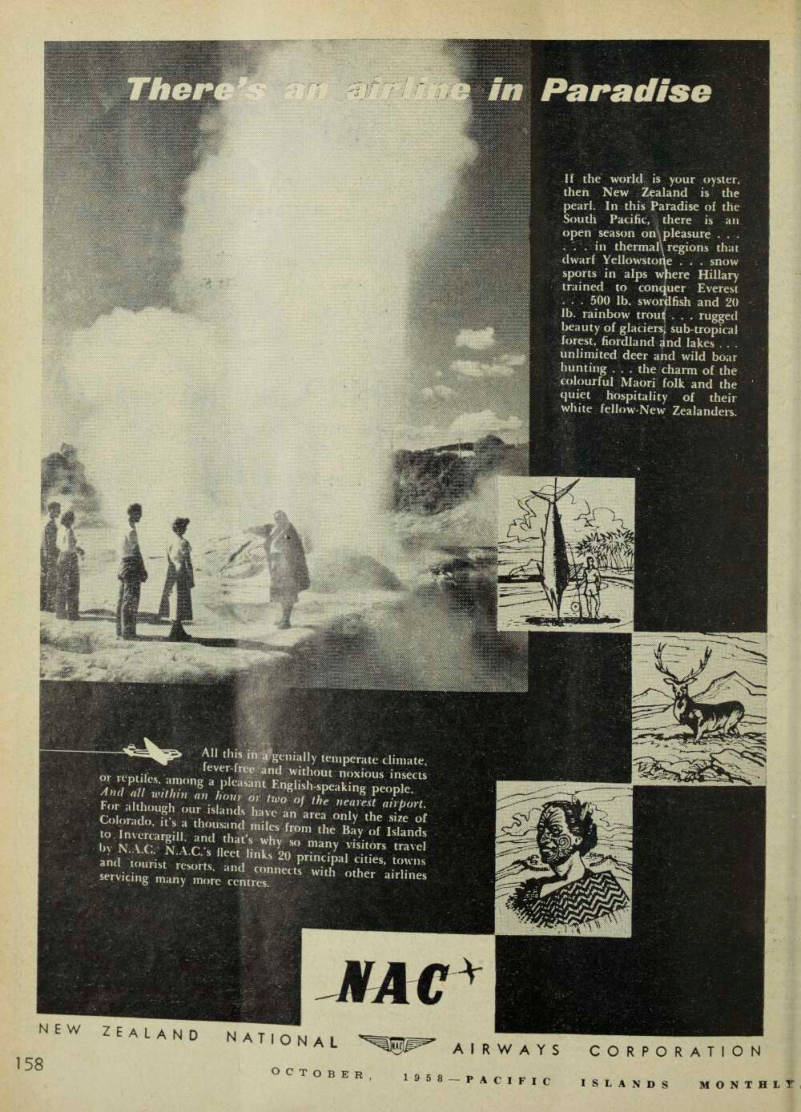 160
160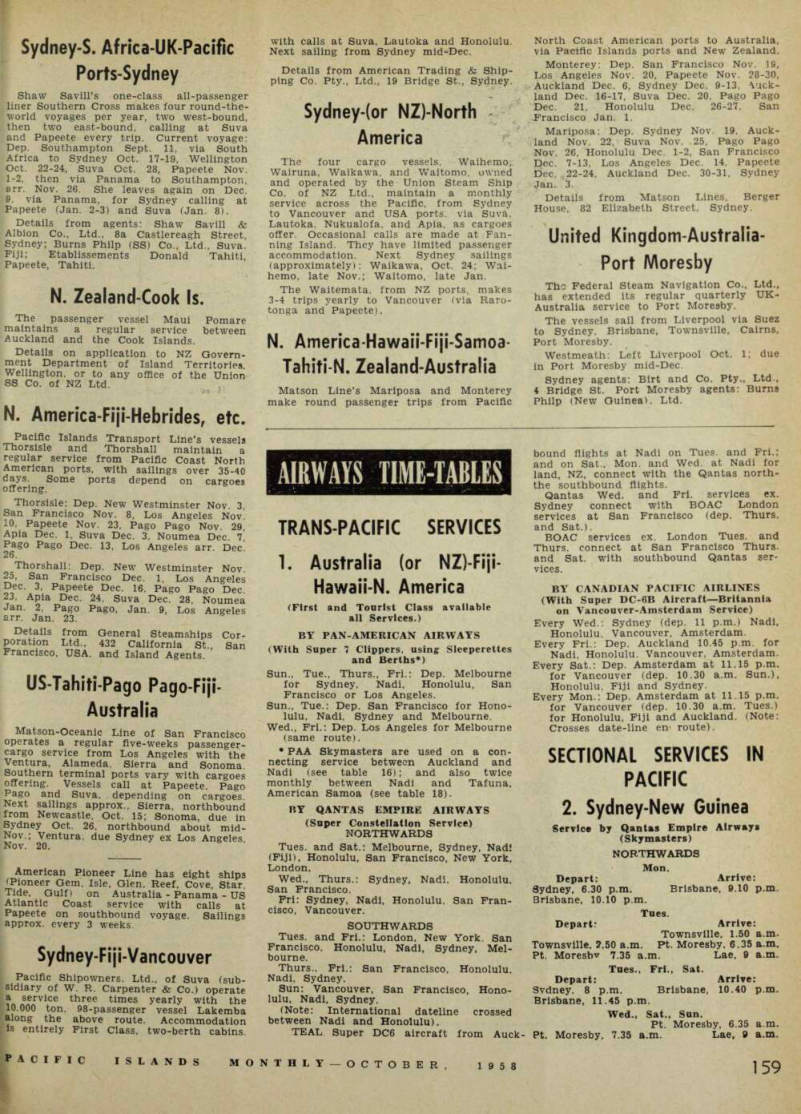 161
161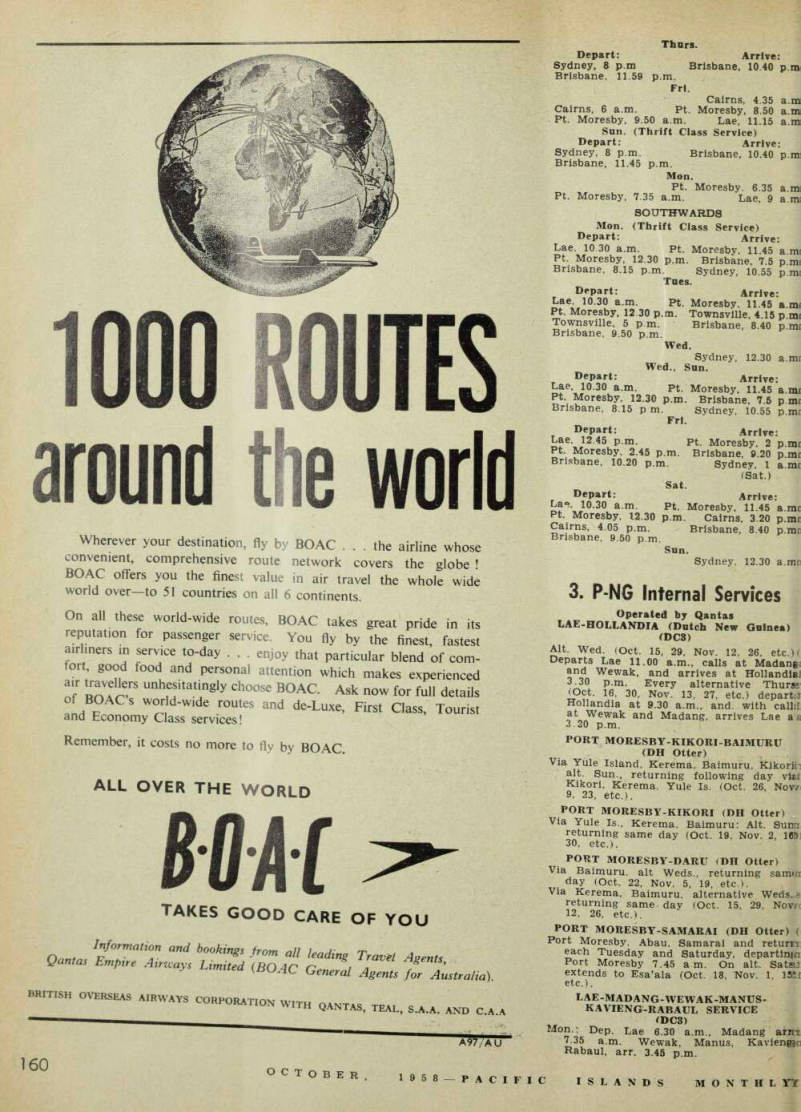 162
162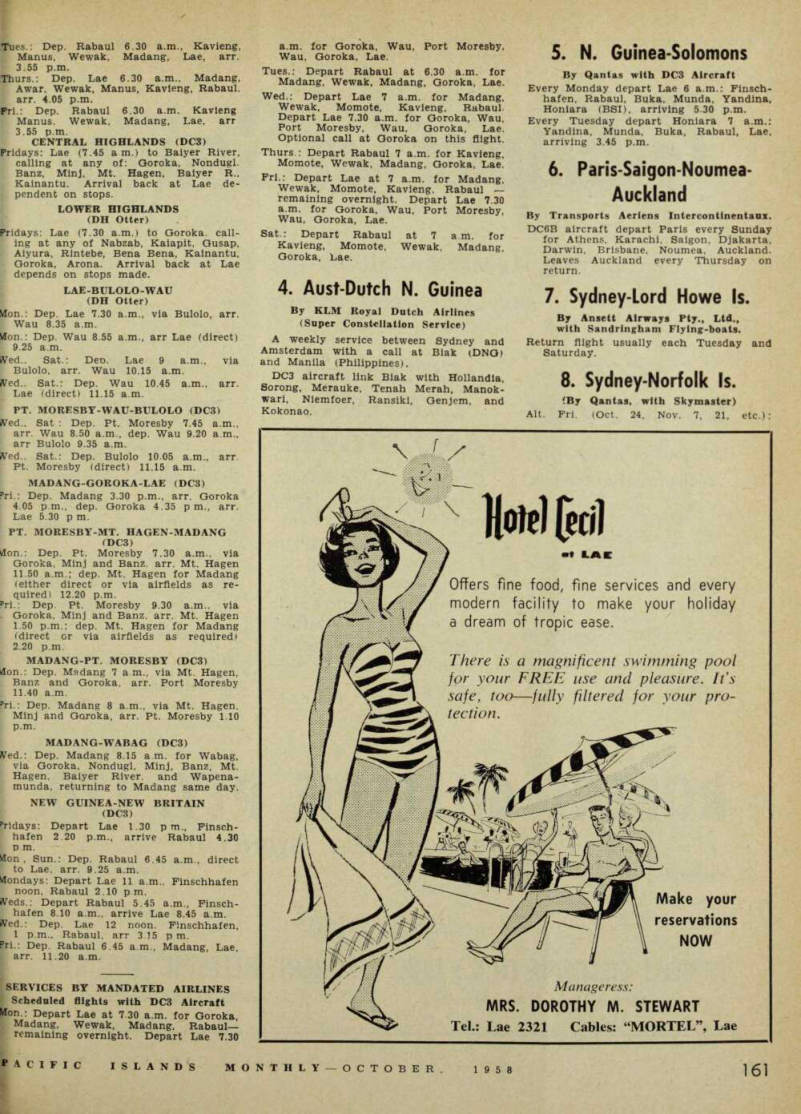 163
163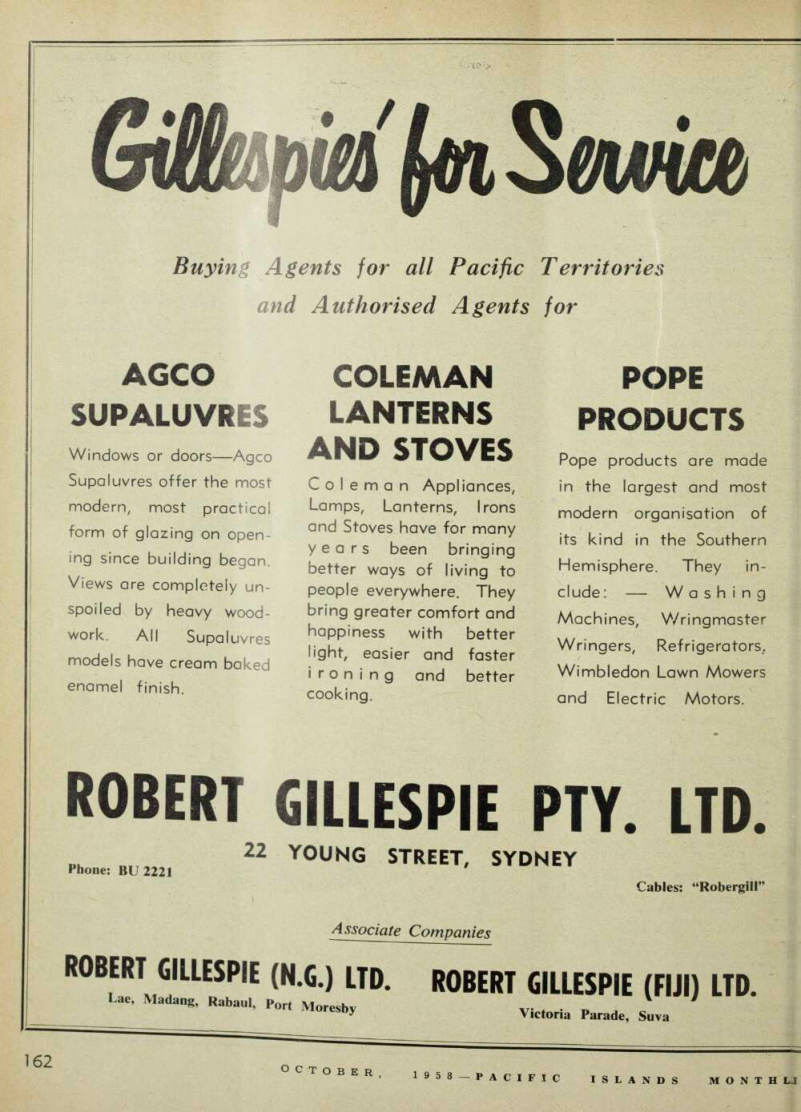 164
164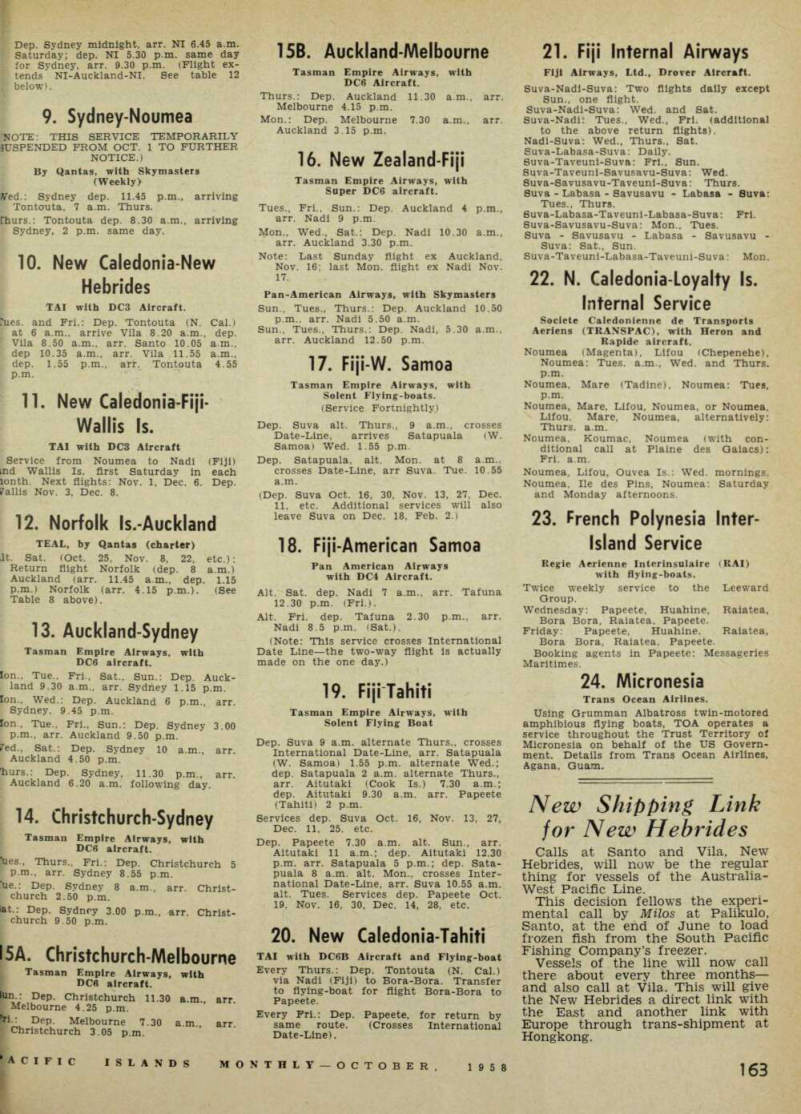 165
165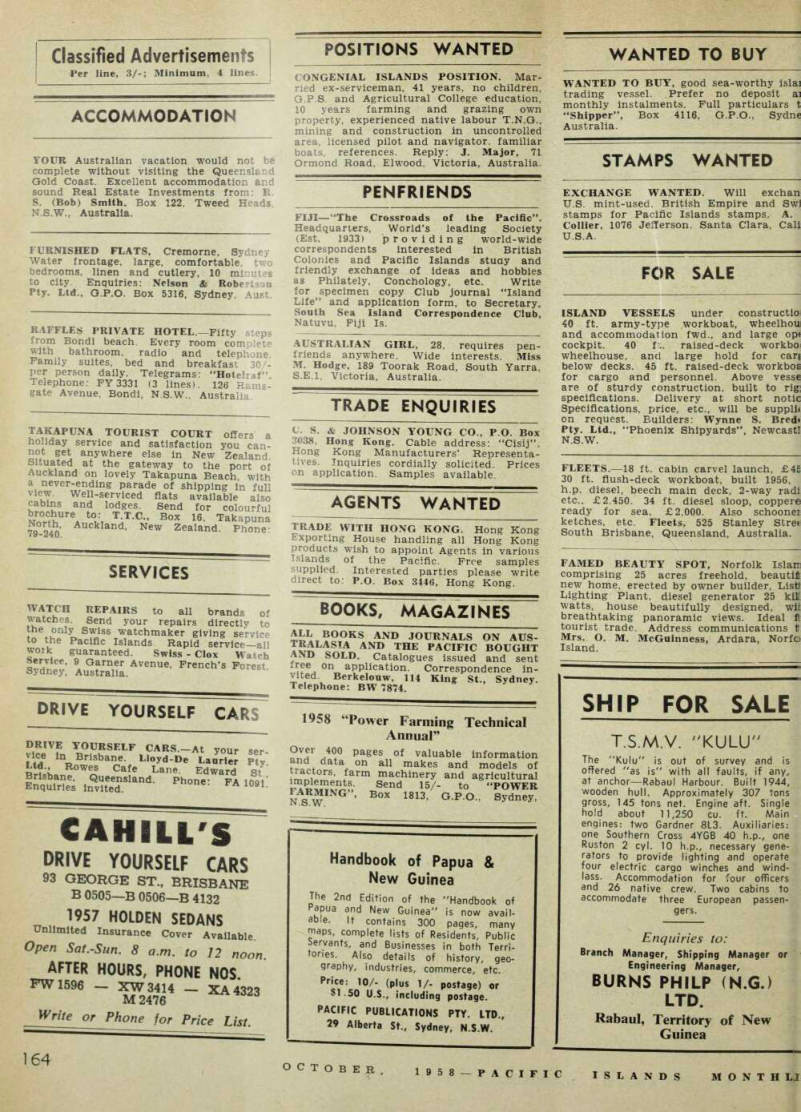 166
166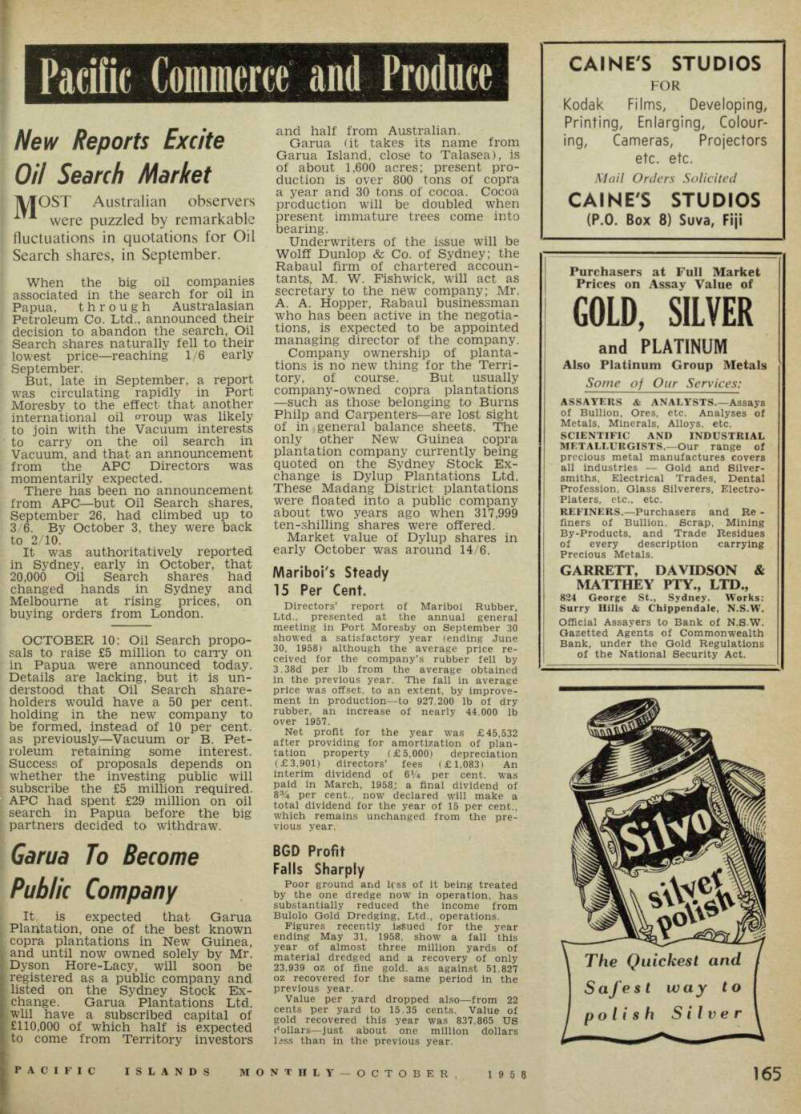 167
167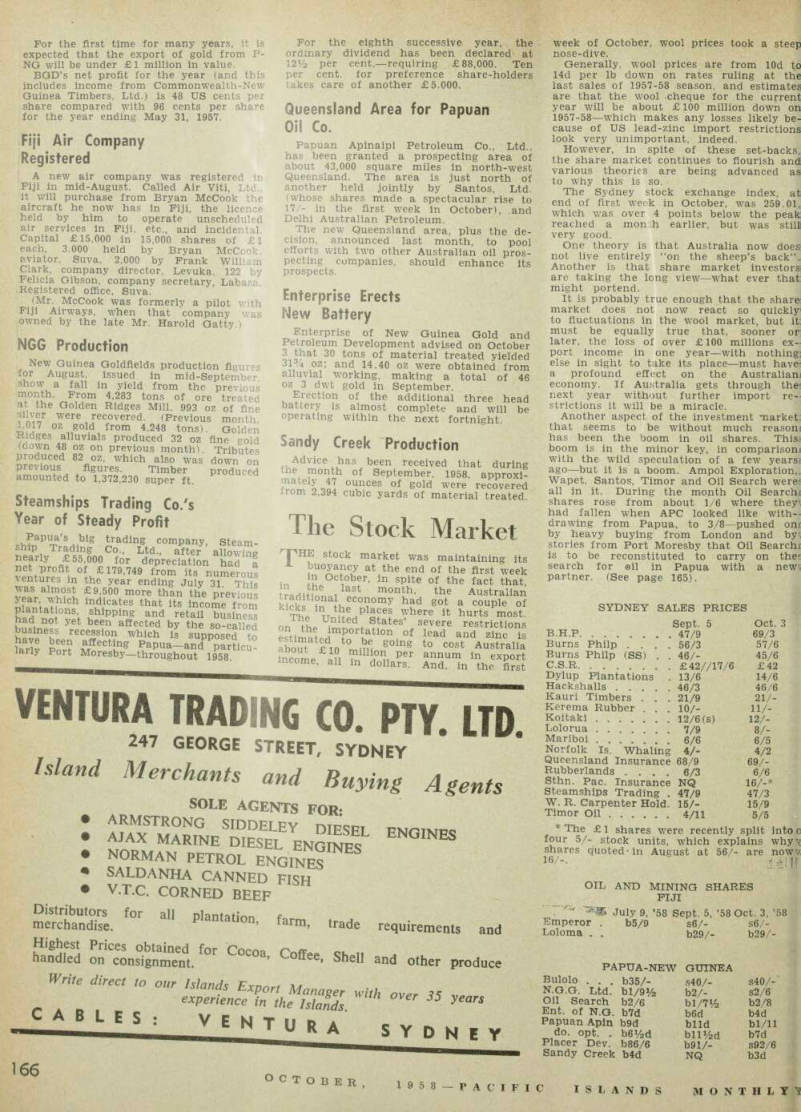 168
168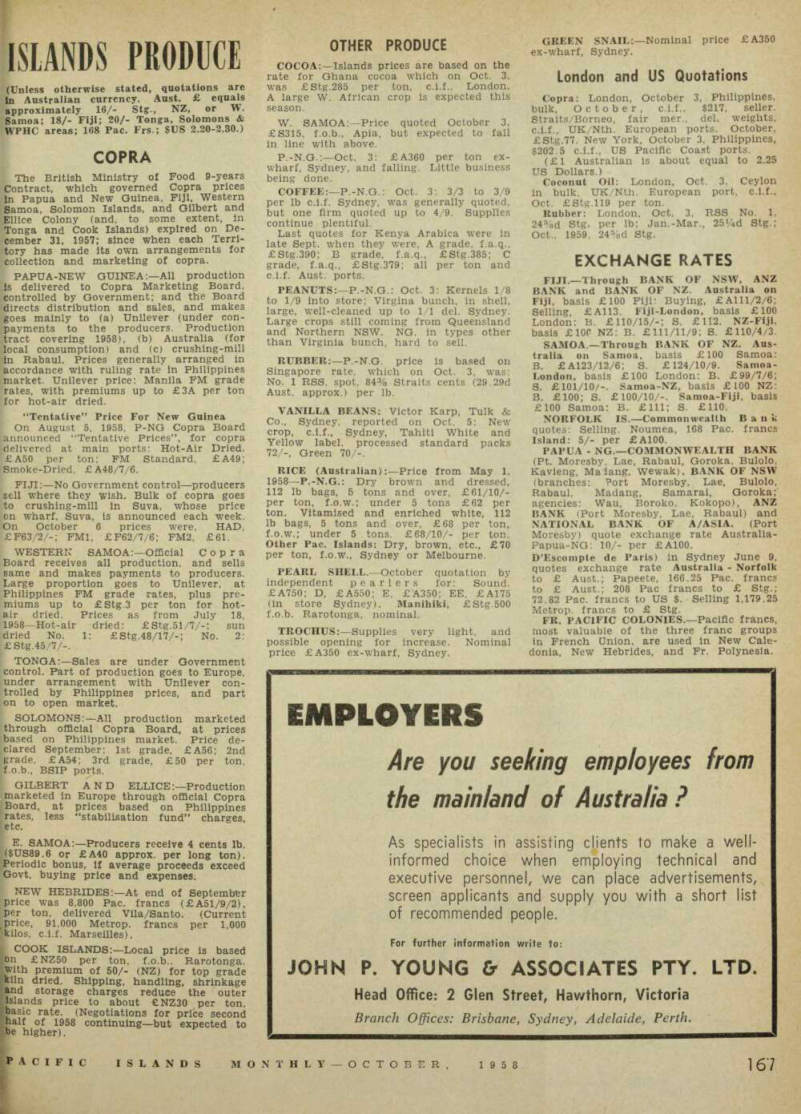 169
169 170
170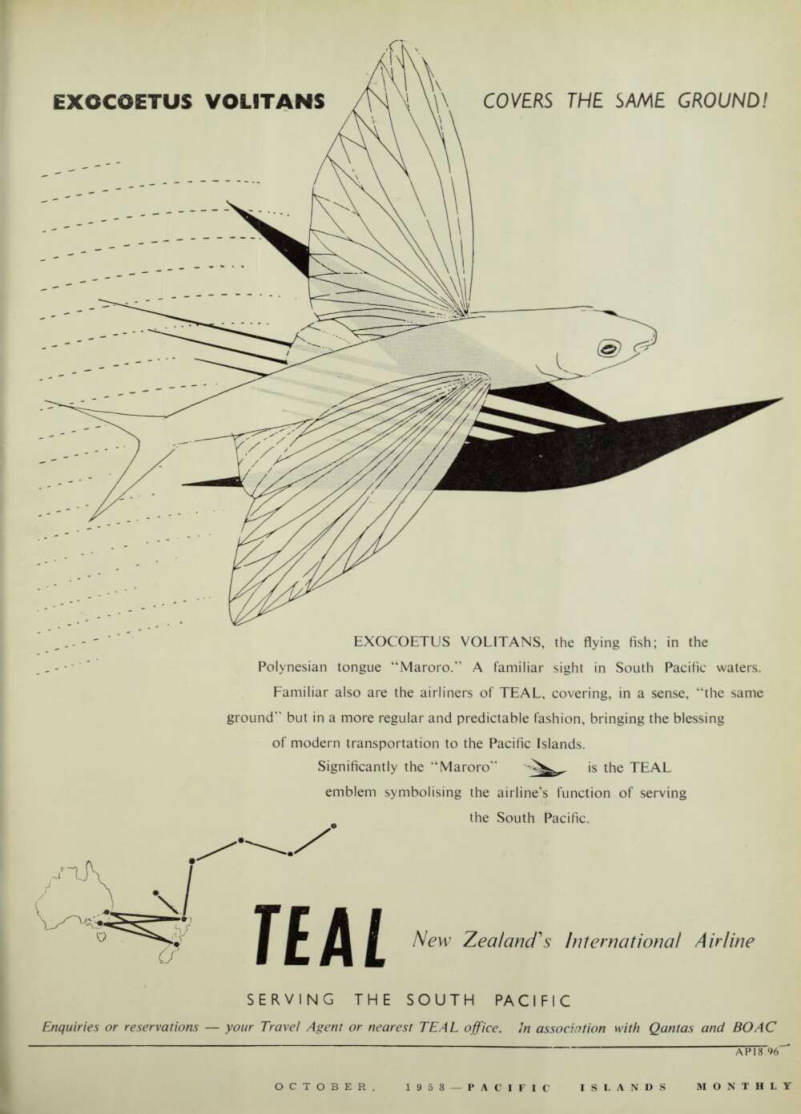 171
171 172
172